 Pedro Domingues
Few countries can boast such a diverse and breathtaking coastline as Portugal. From north to south, the country offers beaches to suit every taste: hidden coves nestled between dramatic cliffs, vast stretches of golden sand washed by the Atlantic, wild spots perfect for surf lovers, and calm bays ideal for families with children. This variety makes the Portuguese coast a true seaside paradise.
Over the years, many of these beaches have earned international recognition. Yet, beyond the most famous names, there are also quieter gems waiting to be discovered — some accessible only by hiking trails, others still off the tourist radar. It is precisely this blend of fame and authenticity that makes Portugal’s beaches so special.
In this article, I have gathered a selection of the 35 best beaches in Portugal, chosen for their natural beauty, environmental quality, accessibility, and unique charm. This guide is an open invitation to explore Portugal’s coastline — whether you’re planning a summer holiday, a weekend escape, or simply daydreaming about your next dip in the sea.
Map | Best beaches in Portugal
1. Moledo Beach
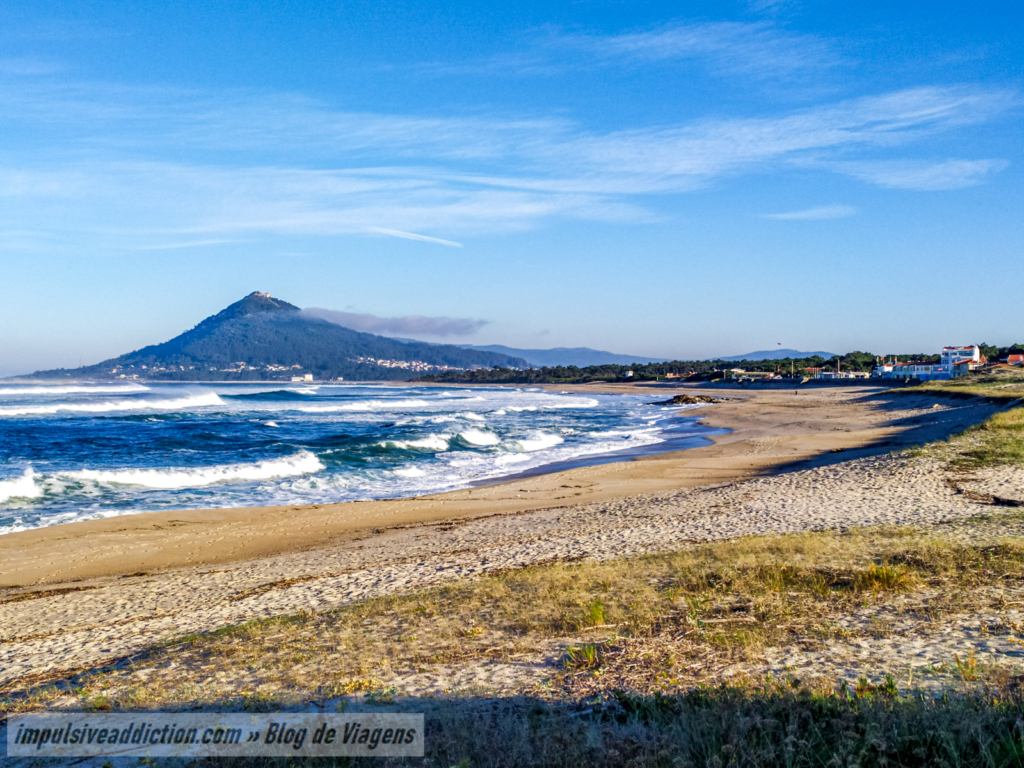
Located in the municipality of Caminha, Moledo Beach is one of the most renowned beaches in northern Portugal. With its wide stretch of sand and lively waves, it attracts surfers, windsurfers, and bodyboarders alike. The iodine-rich waters have long been associated with therapeutic benefits, adding to the beach’s appeal.
Framed by the scenic Camarido pine forest to the rear and offering sweeping views of Mount Santa Tecla in Galicia, Spain, Moledo boasts a truly picturesque setting. Just offshore lies Ínsua Island, home to a 17th-century fortress that adds a touch of history to the landscape. The beach is patrolled by lifeguards in summer and features good access as well as visitor facilities.
2. Miramar Beach
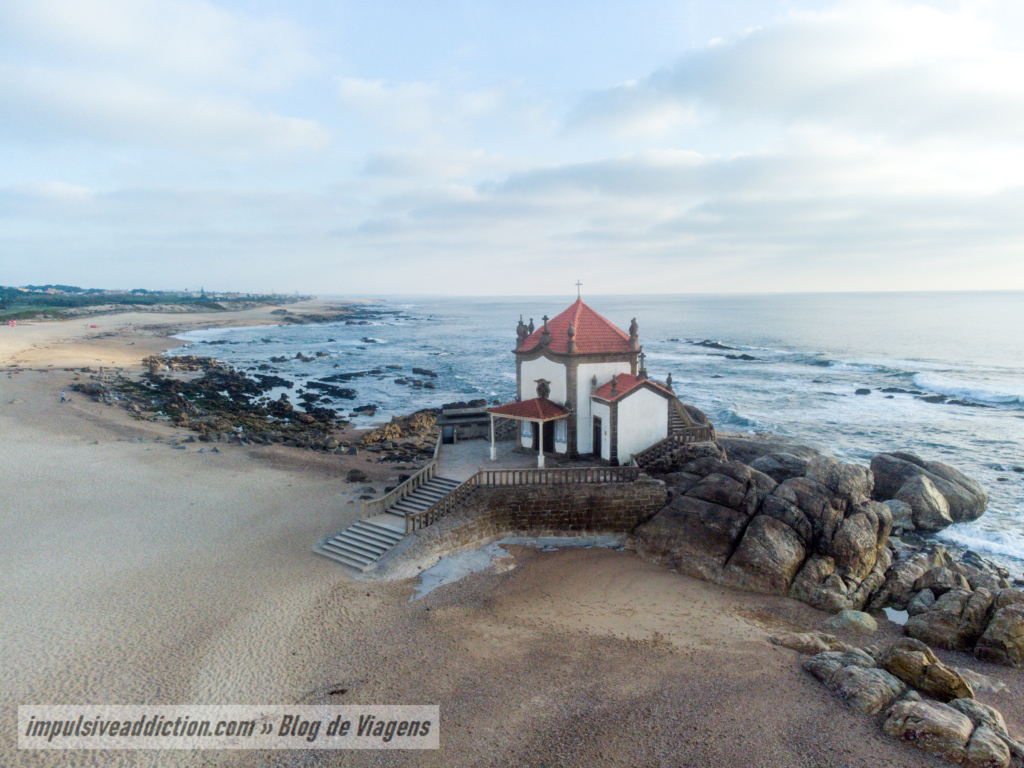
Located in the parish of Arcozelo, in Vila Nova de Gaia, Miramar Beach is famous for its long stretch of sand and the iconic Chapel of Senhor da Pedra, built on a rocky outcrop by the sea. While the Atlantic waters here are often lively, the beach also offers calmer areas, making it suitable for swimming and leisurely walks.
During the bathing season, the beach is patrolled by lifeguards and offers a range of facilities, including cafés, terraces, parking, and easy access — with a nearby train station for added convenience. Its peaceful surroundings and stunning coastal scenery make Miramar a favourite choice for both locals and visitors to the Porto region.
3. Espinho Bay Beach
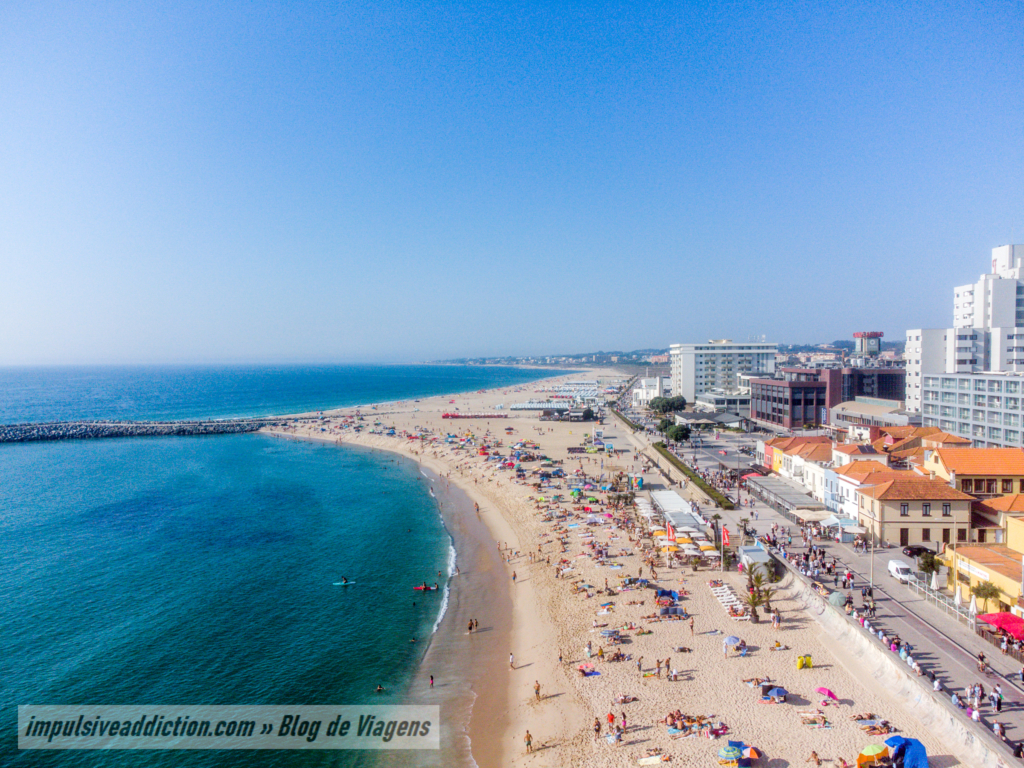
Espinho Bay Beach is the most central and lively beach in the city of Espinho. Its wide sandy shore and two lateral breakwaters form an artificial bay, creating calmer waters ideal for swimming. At the edges, consistent waves attract surfers, making it a hotspot for water sports.
The beach often hosts major sporting events, including stages of the World Surf League and beach soccer tournaments. Visitors will find excellent facilities, such as bars, terraces, changing rooms, showers, and accessibility for people with reduced mobility. Its location — just a few minutes’ walk from the train station — makes it an easy and popular getaway from Porto.
4. Costa Nova Beach
Located in the municipality of Ílhavo, Costa Nova Beach is renowned for its wide sandy shore and the iconic striped houses known as palheiros. The Atlantic waters are typically lively, offering excellent conditions for surfing and other water sports. On the opposite side, the Aveiro Lagoon provides calm waters ideal for sailing, stand-up paddleboarding, and other gentle activities.
The beach features wooden boardwalks, cafés, restaurants, and parking areas. It is lifeguard-patrolled during the bathing season and easily accessible from Aveiro by car or public transport. Costa Nova’s unique blend of vibrant seaside culture and diverse aquatic landscapes makes it one of Portugal’s most photogenic and beloved coastal destinations.
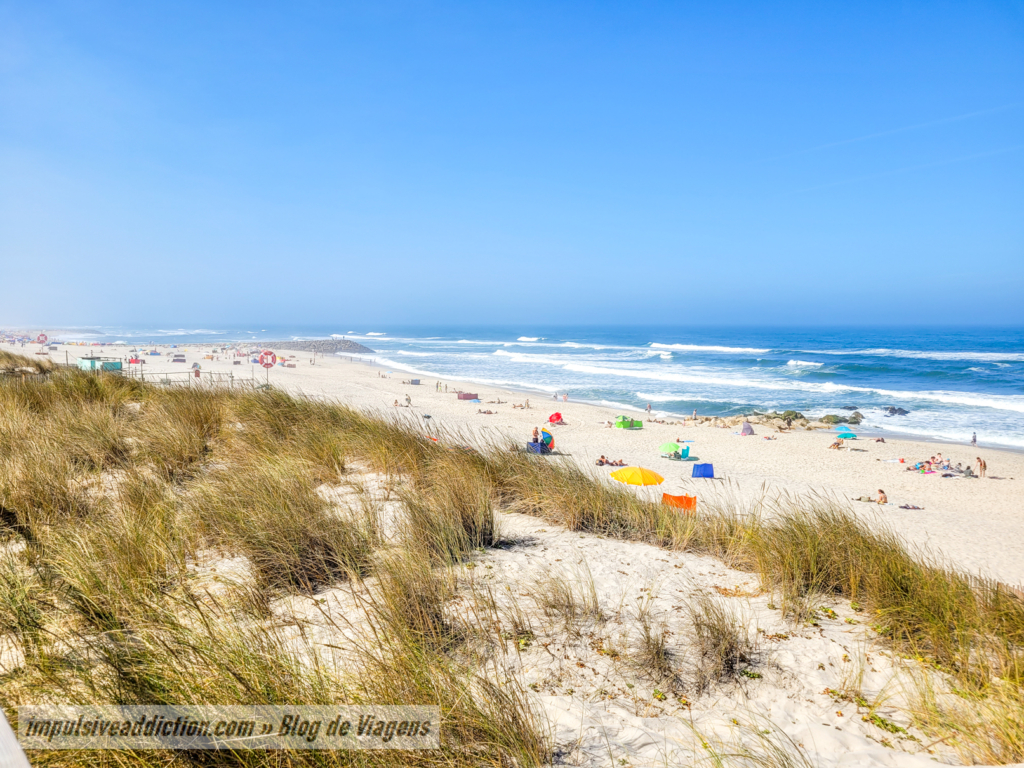
5. Cabedelo Beach (Figueira da Foz)
Located south of the Mondego River’s mouth, Cabedelo Beach is a top choice for those seeking both sea and adventure. Its wide sandy expanse, sheltered by dunes and crossed by wooden boardwalks, offers easy parking and accessible paths for all visitors. Known for its excellent waves, it is a prime spot for surfing, bodyboarding, and kitesurfing, and often hosts sporting events.
The beach proudly holds a Blue Flag, and provides lifeguard services, restrooms, showers, bars, and equipment rentals. With striking views over the city of Figueira da Foz and close proximity to the urban centre, Cabedelo appeals equally to families and adventure seekers.
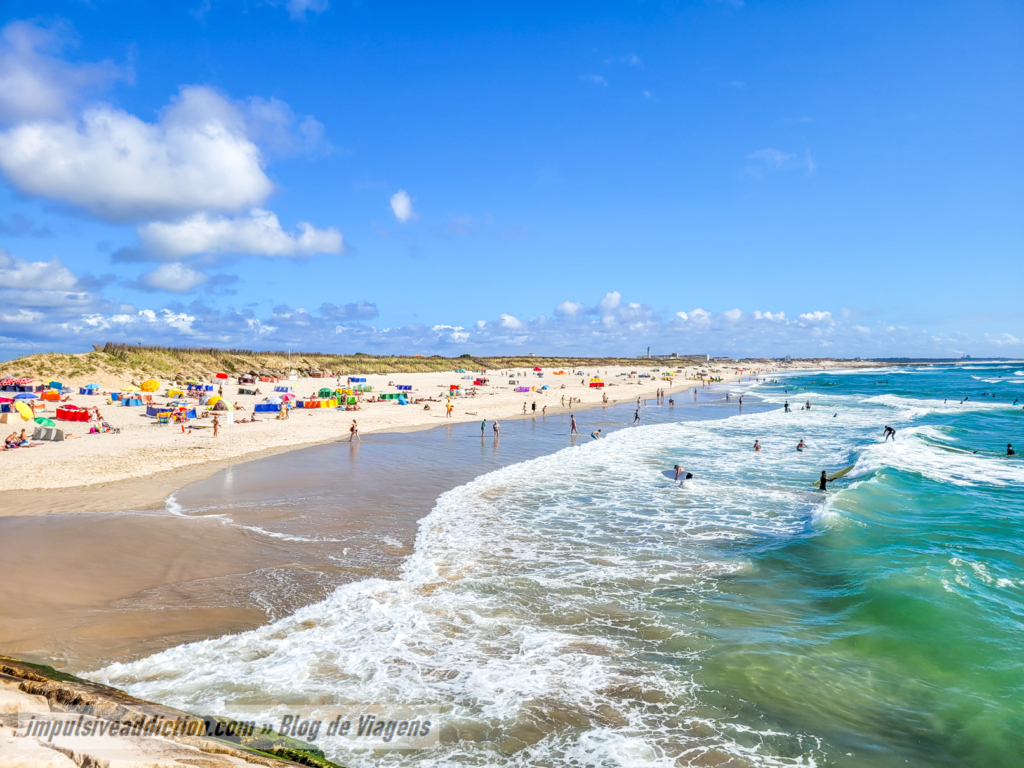
6. Nazaré Beach
Nazaré Beach is one of the most famous along Portugal’s central coast. Located right by the town centre, it features a wide sandy stretch and typically lively Atlantic waters. In summer, it draws bathers from near and far, while in winter it becomes a magnet for surfers, thanks to the giant waves that form at the neighbouring North Beach, created by the underwater Nazaré Canyon.
The main bathing area is lifeguard-patrolled and well equipped with restaurants, accommodation, pedestrian access, and local shops. The town retains strong fishing traditions, visible in its colourful boats and in women dressed in the traditional “seven skirts” attire, adding cultural depth to its natural beauty.
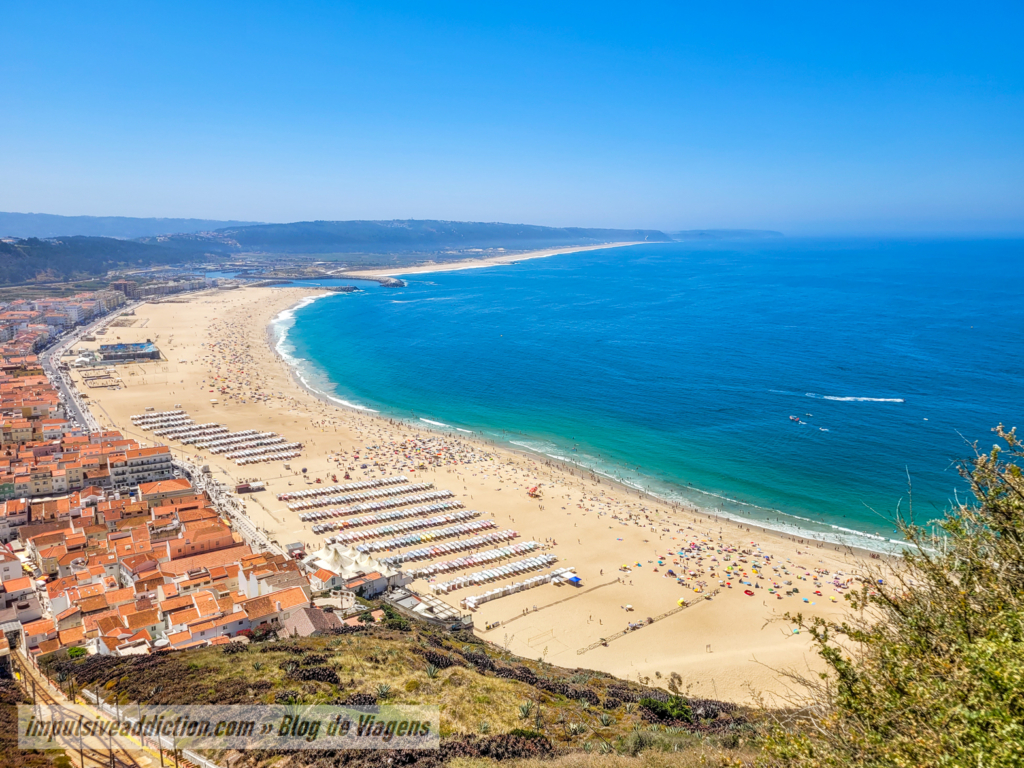
7. São Martinho do Porto Beach
Located in the municipality of Alcobaça, São Martinho do Porto Beach is renowned for its perfectly shell-shaped bay, with around 3 km of sandy shoreline and calm waters — protected by surrounding hills that create a safe haven ideal for families and gentle water sports such as sailing or kayaking. Access to the open ocean is through a narrow channel, which preserves the bay’s tranquillity.
The charming town offers seafront terraces, cafés, restaurants, and accommodation, making it a complete destination for those seeking relaxation and tradition. In short, it’s a serene, accessible beach with a distinct coastal character.
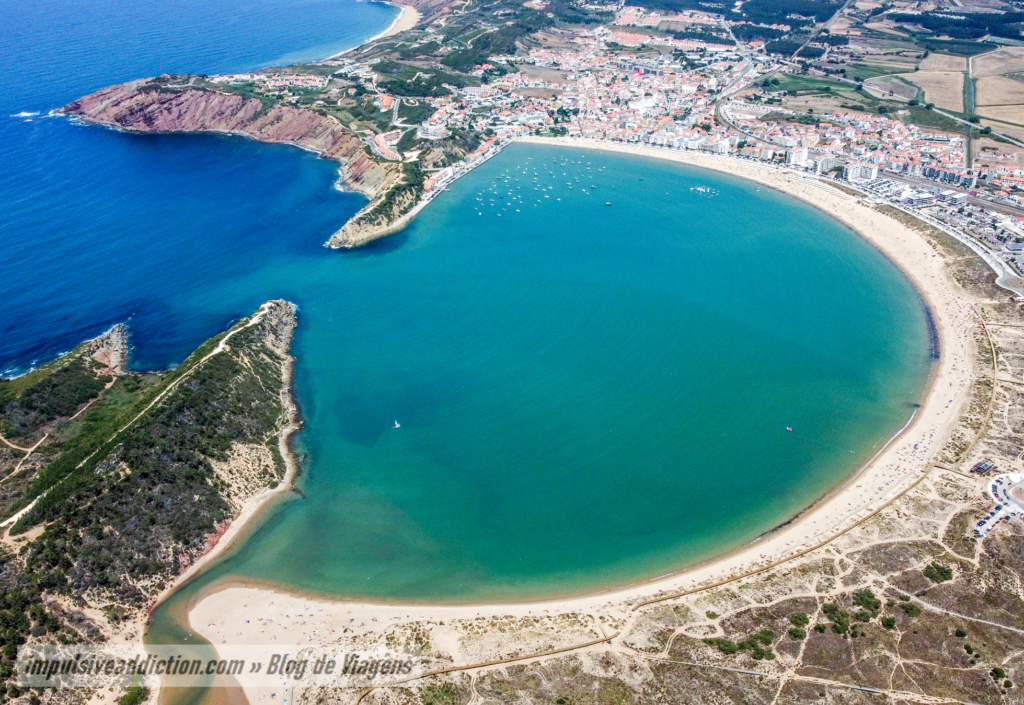
8. Foz do Arelho Beach
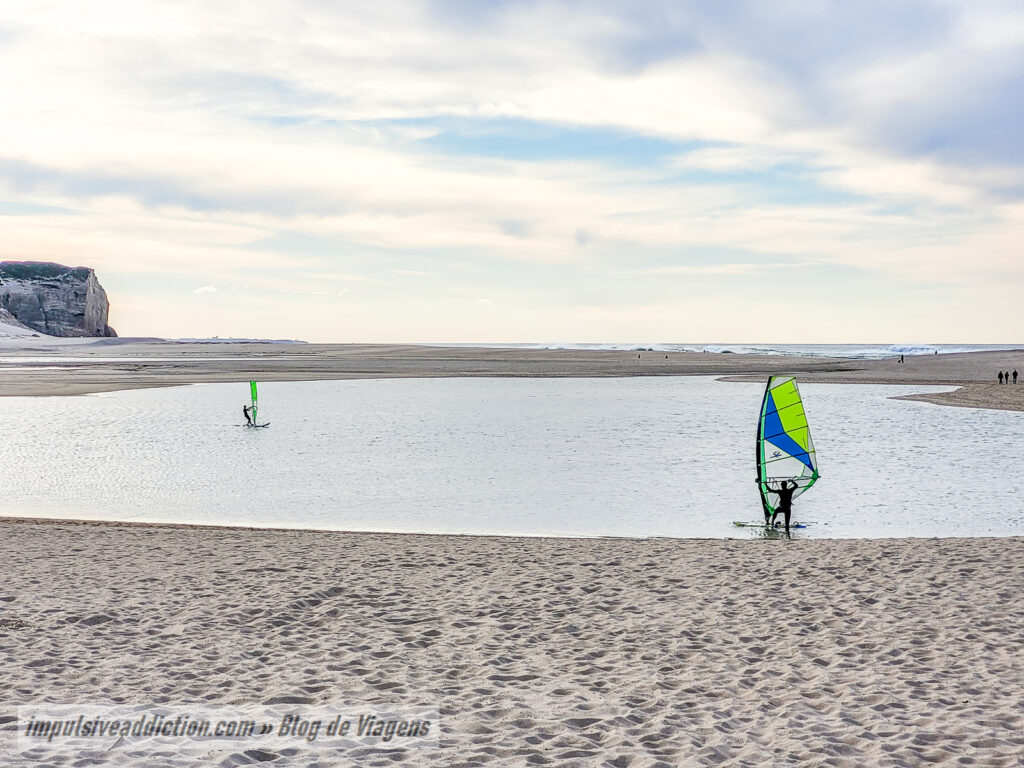
Located in the parish of Foz do Arelho, in Caldas da Rainha, this beach offers two distinct landscapes: on one side, the Atlantic Ocean with waves that attract surfers; on the other, the calm waters of the Óbidos Lagoon, perfect for families and gentle water sports. This contrast makes it both special and versatile.
The sandy expanse is wide and well equipped, with lifeguard services, parking areas, and easy access via the A8 motorway. The combination of lagoon and sea, framed by the natural beauty of nearby cliffs and dunes, makes Foz do Arelho a unique and well-rounded destination.
9. Baleal Beach
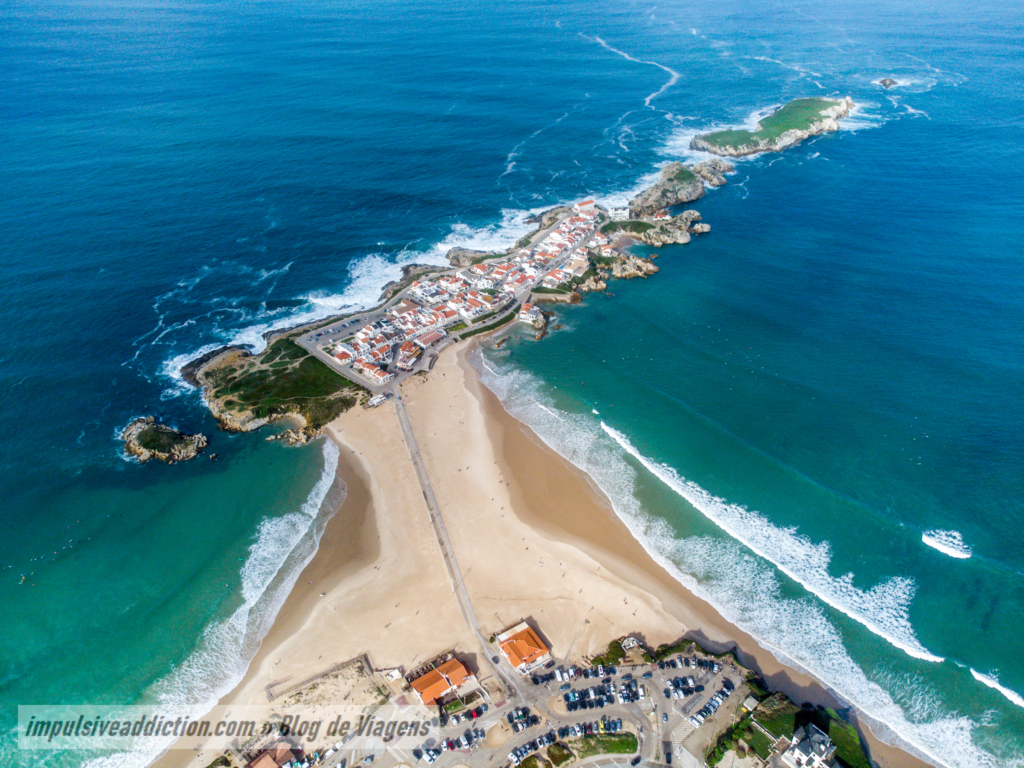
Located north of Peniche, Baleal Beach is one of the region’s most popular surf spots. Its long stretch of sand is split by a narrow isthmus that connects Baleal Island to the mainland, creating varied wind and wave exposures ideal for both beginners and seasoned surfers.
The beach is lifeguard-patrolled during the bathing season and offers several surf schools, bars, restaurants, and nearby accommodation. The waters are typically cold and lively, enhancing its reputation among water sports enthusiasts. Access is straightforward, with convenient parking close by.
10. Santa Cruz Beach
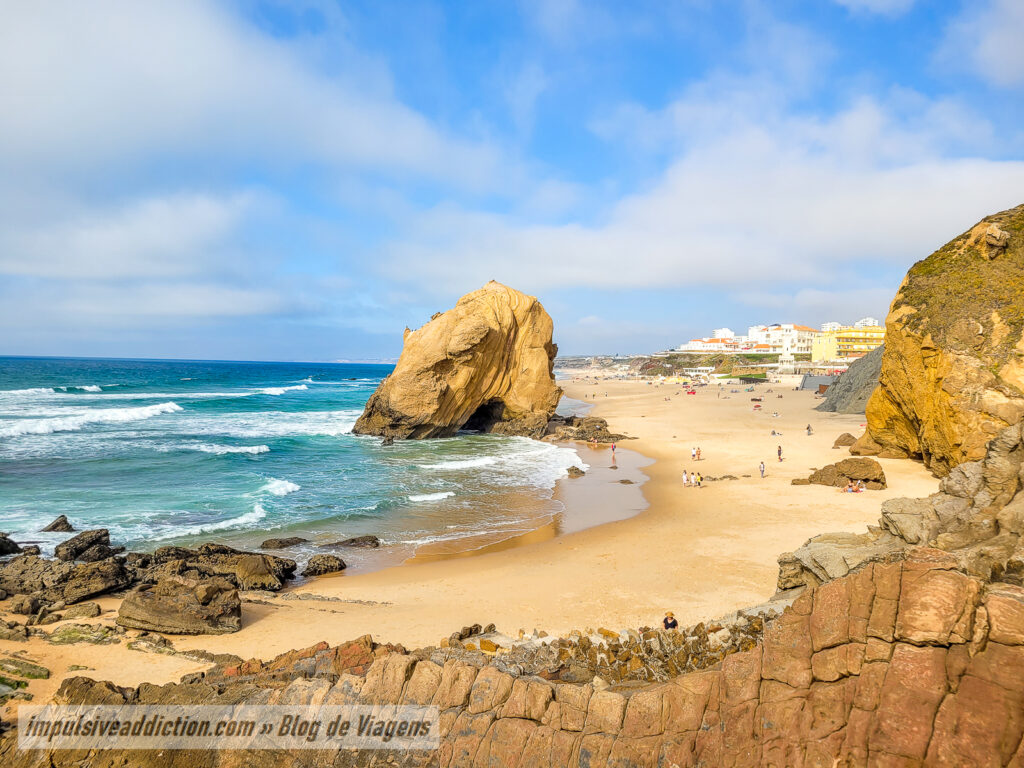
Located in the municipality of Torres Vedras, Santa Cruz Beach is known for its wide sandy shore, excellent waves, and dramatic natural scenery marked by cliffs and the iconic Penedo do Guincho rock formation. It is a Blue Flag beach, lifeguard-patrolled during the bathing season, ensuring both environmental quality and safety.
The ocean conditions make it a favourite among surfers and bodyboarders, while its proximity to the town centre offers easy access to restaurants, cafés, accommodation, and local shops. Every year, it hosts the Ocean Spirit festival, a celebration of wave sports. Santa Cruz is a versatile destination, appealing equally to families and adventure seekers.
11. Ericeira Beaches
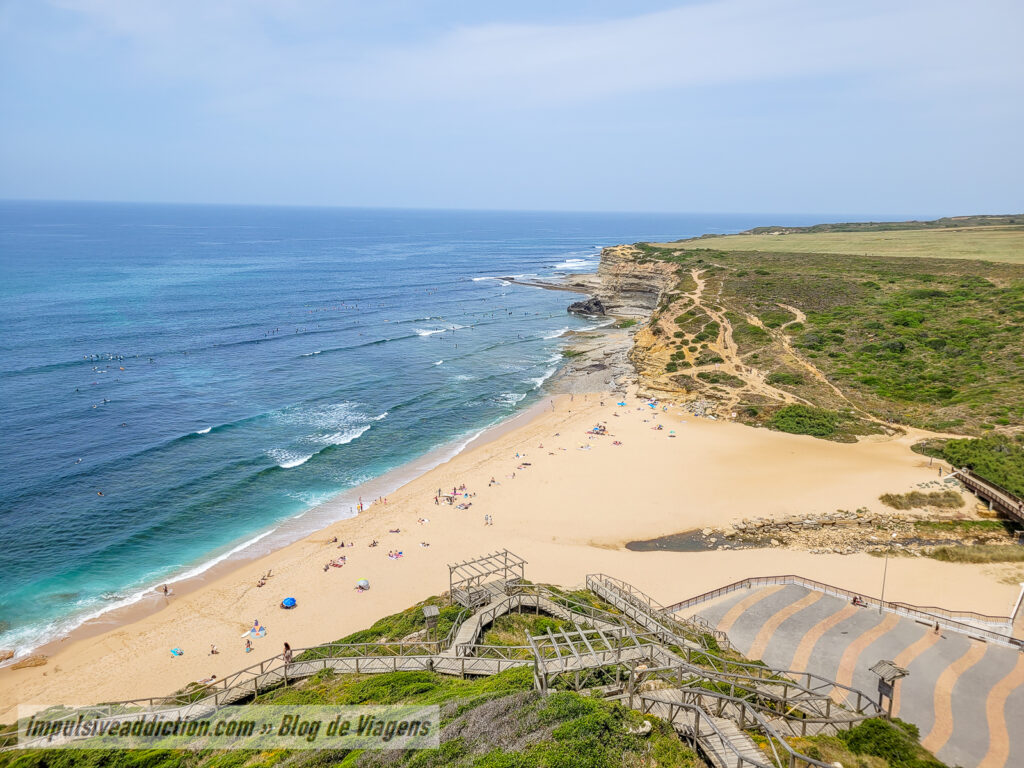
Located in the municipality of Mafra, Ericeira holds the distinction of being Europe’s only World Surfing Reserve. Its coastline offers a variety of beaches for different skill levels and preferences. Ribeira d’Ilhas Beach is renowned for its consistent waves and regularly hosts international competitions. Coxos, Cave, and Crazy Left are recommended for experienced surfers seeking challenging breaks.
In the heart of town, Pescadores Beach offers calmer waters and excellent facilities, while Foz do Lizandro Beachfeatures a wide sandy stretch and ideal conditions for beginners. All beaches have easy access and infrastructure for water sports, attracting both locals and visitors year-round.
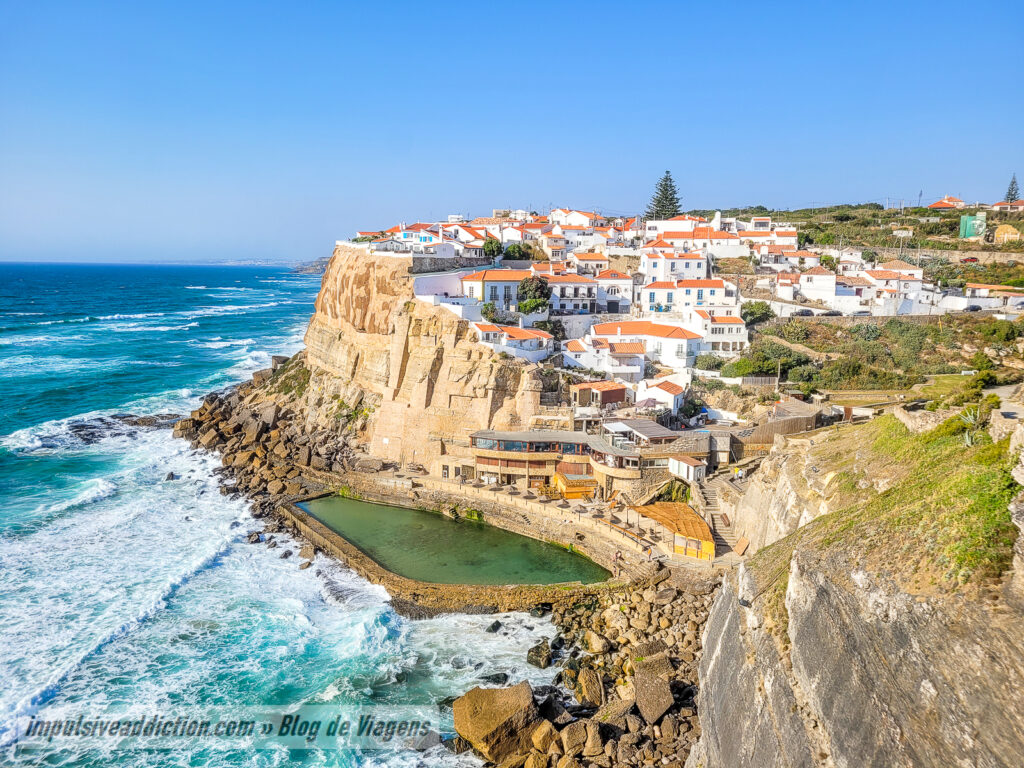
12. Azenhas do Mar Beach
Situated on the Sintra coast, Azenhas do Mar Beach is famed for its dramatic scenery, where steep cliffs frame a picturesque village perched above the sea. The sandy area is small and heavily influenced by the tide, becoming accessible only at low tide. At the base of the cliff, an ocean pool offers safe bathing and is particularly popular during the summer months.
Access is via a staircase descending from a panoramic viewpoint. There are no direct beach facilities, and the spot is sought after more for its natural beauty and authenticity than for tourist amenities.
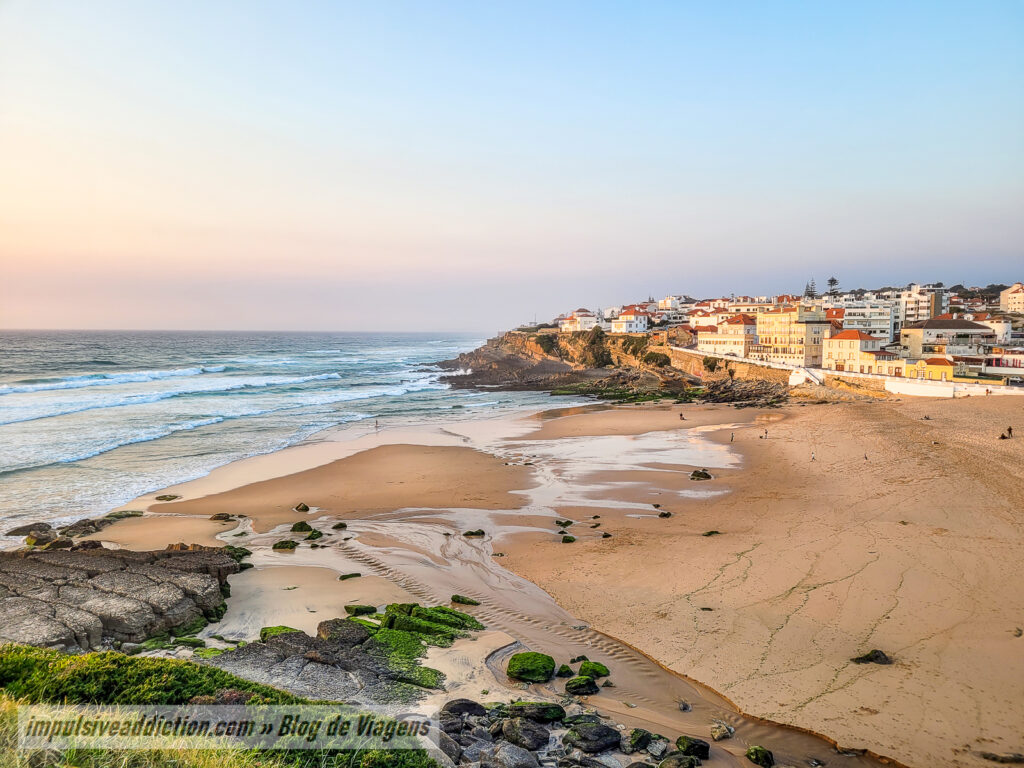
13. Praia das Maçãs Beach
Located in Colares (Sintra), Praia das Maçãs — “Apple Beach” — owes its name to the river that flows into it, which in autumn would carry fallen apples from inland orchards down to the shore. The beach has a long stretch of sand, lively Atlantic waves, and excellent surfing conditions.
Lifeguard-patrolled during the bathing season, it offers various facilities including cafés, restaurants, parking, and nearby public swimming pools. Popular with families, it strikes a balance between natural beauty and accessibility. Visitors can arrive by car or via the charming Sintra tram, which links the village to the coast. The surrounding urban area retains a relaxed, welcoming atmosphere.
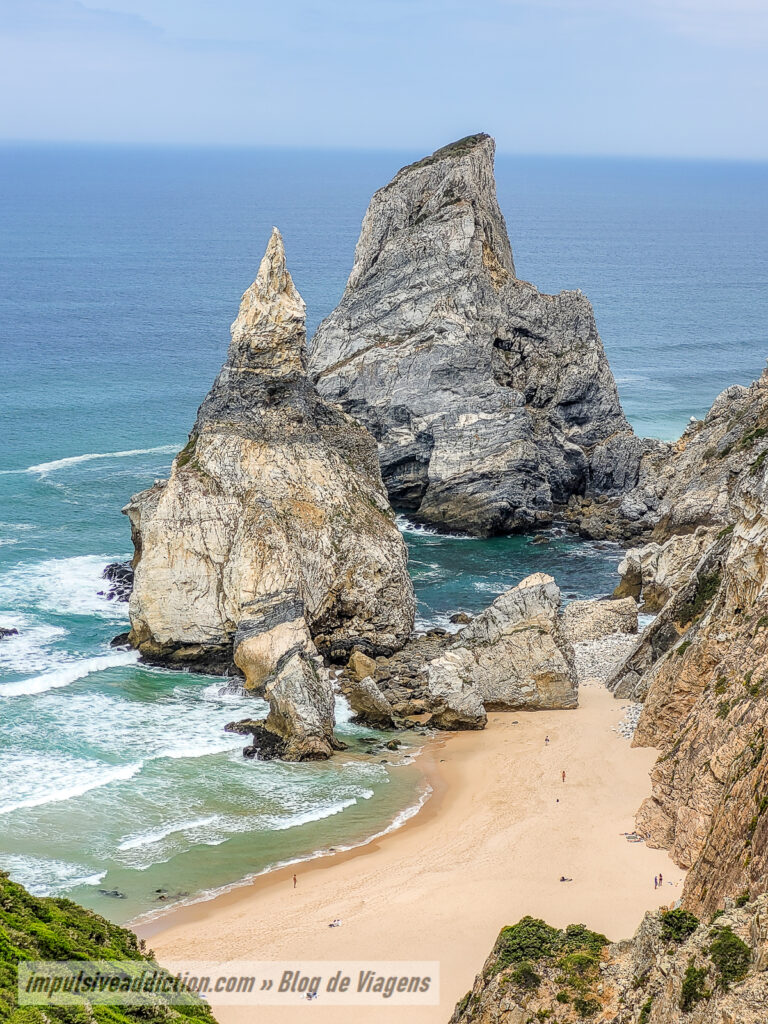
14. Ursa Beach
Located near Cabo da Roca, Ursa Beach is one of the wildest and most secluded beaches along the Sintra coast. Its name comes from the striking seaside rock formation which, according to tradition, resembles a mother bear with her cub. The narrow stretch of sand is framed by towering cliffs, creating a dramatic natural setting.
Access is via a steep and challenging trail, which keeps the crowds away and helps preserve its pristine character. There are no lifeguards or facilities, making it ideal for those seeking direct contact with nature and unparalleled coastal views.
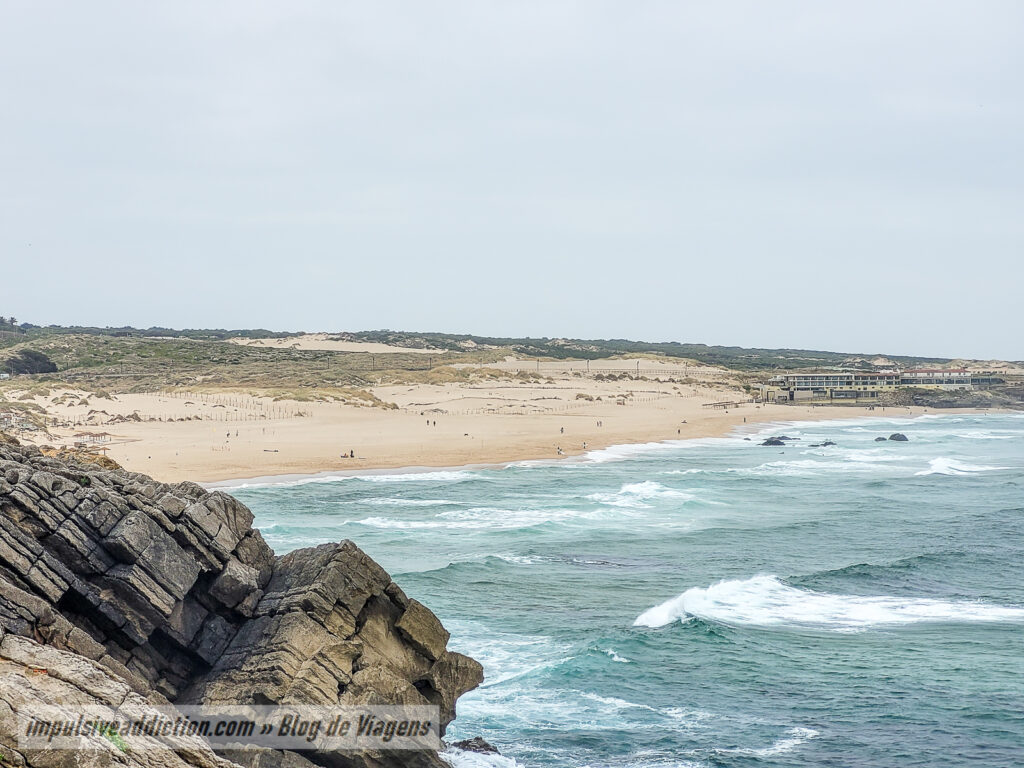
15. Guincho Beach
Located in the municipality of Cascais, Guincho Beach lies within the Sintra-Cascais Natural Park and offers a vast setting of sweeping dunes and open ocean. Strong winds — particularly the nortada in summer — and powerful waves make it one of Europe’s top spots for surfing, windsurfing, and kitesurfing, frequently hosting international competitions.
Its wide, wild expanse is less suited to calm swimming, instead attracting those seeking sport and dramatic scenery, with Cabo da Roca visible on the horizon. Access is straightforward, with nearby roads and parking areas.
16. Fonte da Telha Beach
At the southern end of Costa da Caparica, in the municipality of Almada, Fonte da Telha Beach is known for its long stretch of sand, cliffs, and well-preserved natural setting. The ocean offers excellent conditions for surfing and bodyboarding, serving as a less crowded alternative to the central Caparica beaches.
A small fishing community lends the area an authentic atmosphere, complemented by bars, restaurants, and water sports schools. Designated naturist areas can be found at the far ends of the beach. Access is by road, with parking available — though it can be limited on busier days.
17. Ribeiro do Cavalo Beach
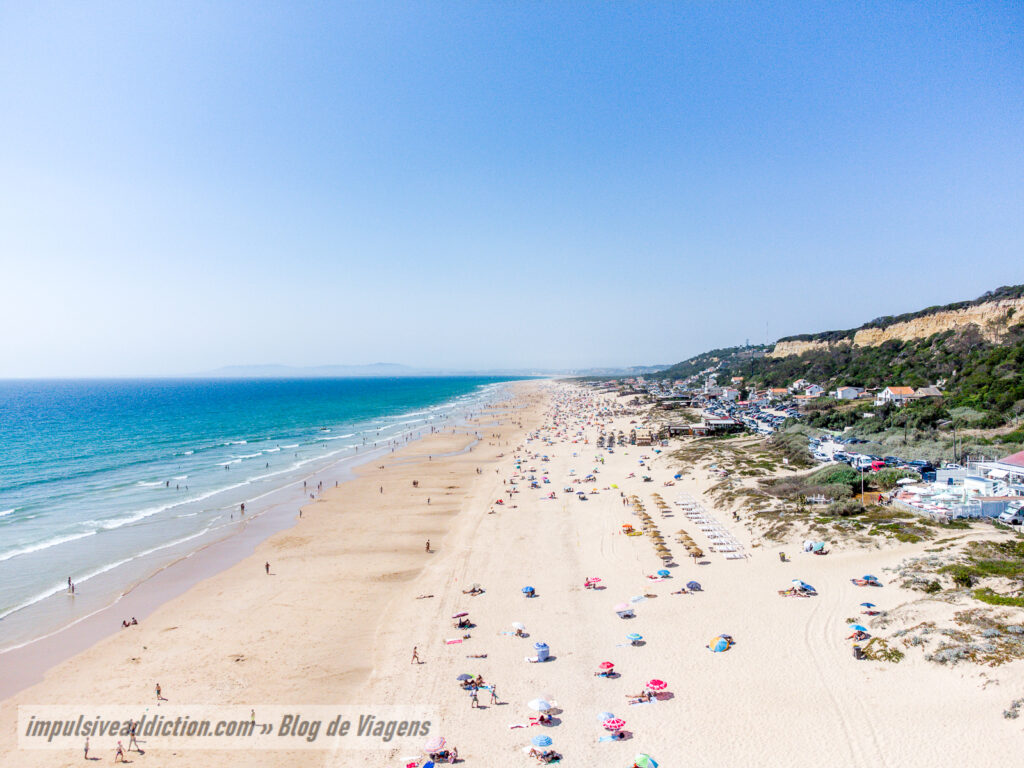
Located in Sesimbra, within the Arrábida Natural Park, Ribeiro do Cavalo Beach is famed for its steep cliffs, pale sand, and crystal-clear waters. Despite its challenging access — either by a hiking trail or by boat — it has become increasingly popular in recent years, especially during summer.
The walk takes around 20 minutes and requires suitable footwear. There are no facilities or lifeguards, so visitors must bring everything they need. The scenery is striking, but the growing number of visitors makes environmental preservation essential.

18. Figueirinha Beach
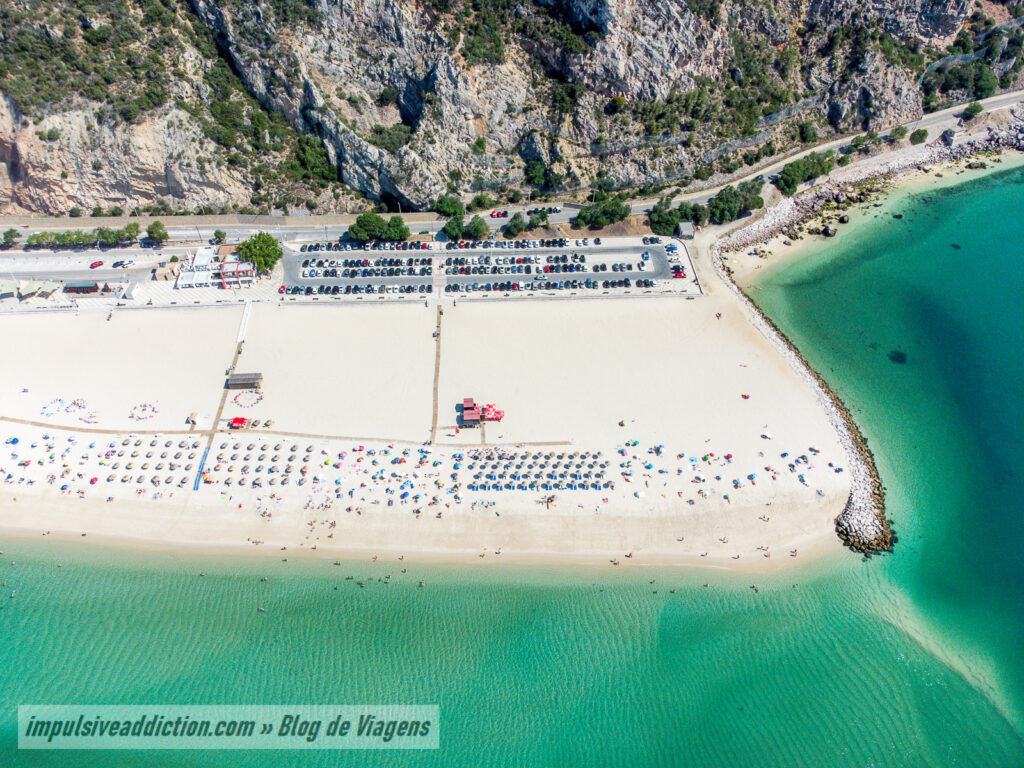
Located west of Setúbal, in the heart of the Arrábida Natural Park, Figueirinha Beach is known for its wide stretch of golden sand and typically calm waters, sheltered by the slopes of the Serra da Arrábida. This makes it ideal for families and swimmers of all ages.
At low tide, a sandbank emerges, extending the beach and creating perfect conditions for activities such as windsurfing. The beach offers lifeguard services, a restaurant, and parking, making it one of the most accessible in the park. In summer, it is among the most visited beaches in the region, thanks to its balance of natural beauty, comfort, and safety.
19. Tróia Beach
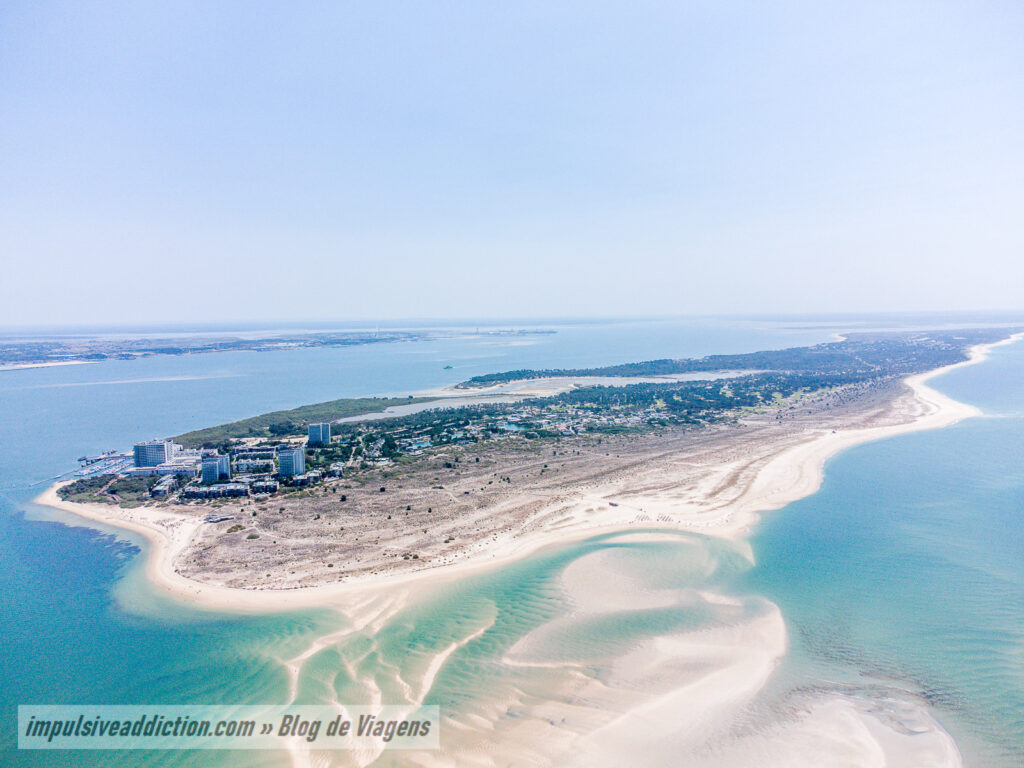
Located on the Tróia Peninsula, between the Atlantic Ocean and the Sado Estuary, Tróia Beach is known for its calm, crystal-clear waters, ideal for swimming and family outings. The wide expanse of fine, light-coloured sand is bordered by well-preserved dunes and pine forests.
Closer to the marina and tourist developments, visitors will find restaurants, bars, accommodation, and organised access points. The beach is reached by ferry or catamaran from Setúbal. Beyond sunbathing, Tróia serves as a departure point for boat trips and dolphin-watching tours in the estuary.
20. Comporta Beach
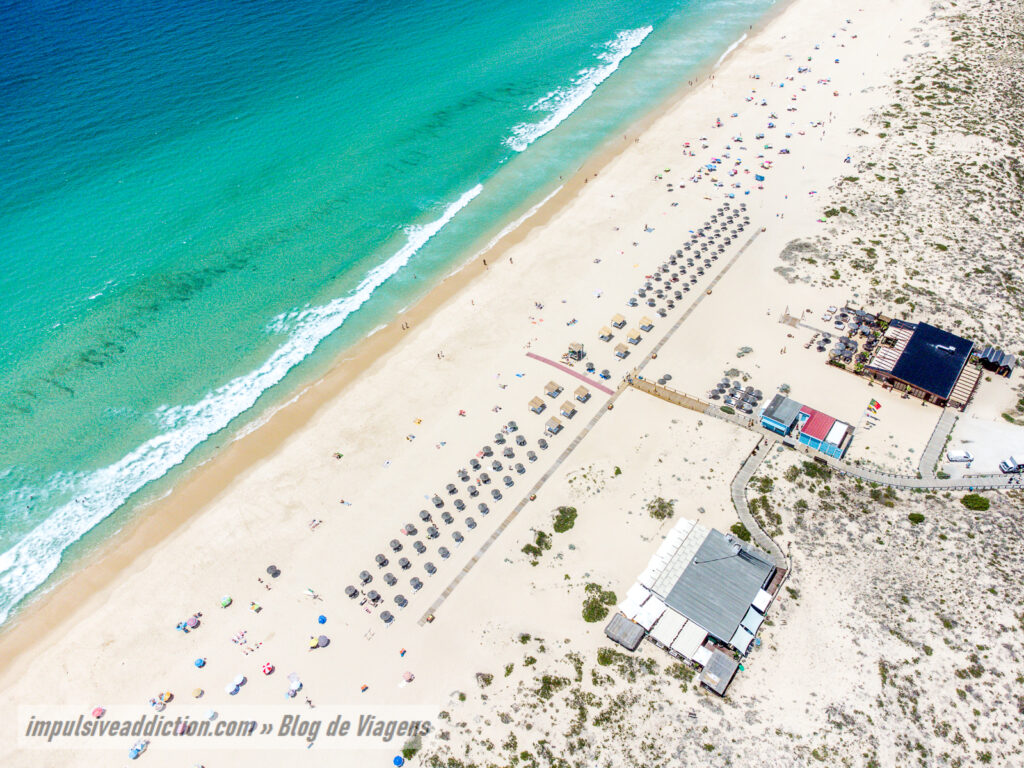
Comporta Beach is one of the best-known beaches along Portugal’s Alentejo coast. Its wide expanse of fine white sand and typically moderate waves make it ideal for swimming and long walks by the shore. Surrounded by dunes and pine forests, it lies within the Sado Estuary Nature Reserve.
The area features wooden boardwalks, parking facilities, and a selection of beach restaurants and bars with a refined yet relaxed atmosphere. In summer, it attracts both families and visitors seeking a more sophisticated destination that remains closely connected to nature.
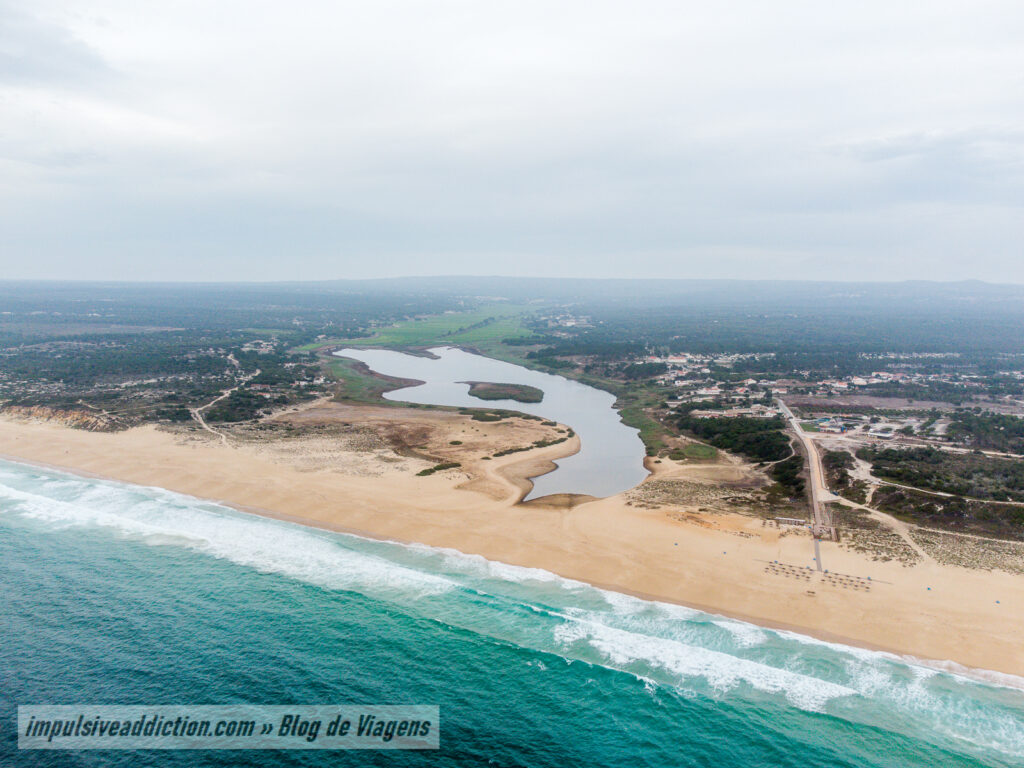
21. Melides Beach
Located in the municipality of Grândola, Melides Beach stretches between the Atlantic Ocean and the Melides Lagoon. Lifeguard-patrolled during the bathing season, it offers good conditions for swimming and long walks, though the sea can at times be choppy.
Access is via a paved road, with parking close to the shore. Nearby, visitors will find simple restaurants and local accommodation, preserving a relaxed, rural atmosphere. The proximity of the lagoon also makes it a great spot for birdwatching and peaceful strolls. Melides is a balanced choice for those seeking nature, space, and a quieter alternative to the busier beaches further north.
22. Vila Nova de Milfontes Beaches
Vila Nova de Milfontes offers a range of beaches, each with its own character. Franquia Beach, located near the town centre, has calm waters and is ideal for families. Farol Beach, at the mouth of the Mira River, stands out for its views over the estuary. Furnas Beach, on the opposite bank, combines natural beauty with a sense of seclusion.
Further south, Malhão Beach features open sea and a vast sandy stretch, perfect for surfing and long walks. Patacho Beach, less well known, offers a peaceful alternative. All these beaches benefit from their location within the Southwest Alentejo and Vicentine Coast Natural Park.
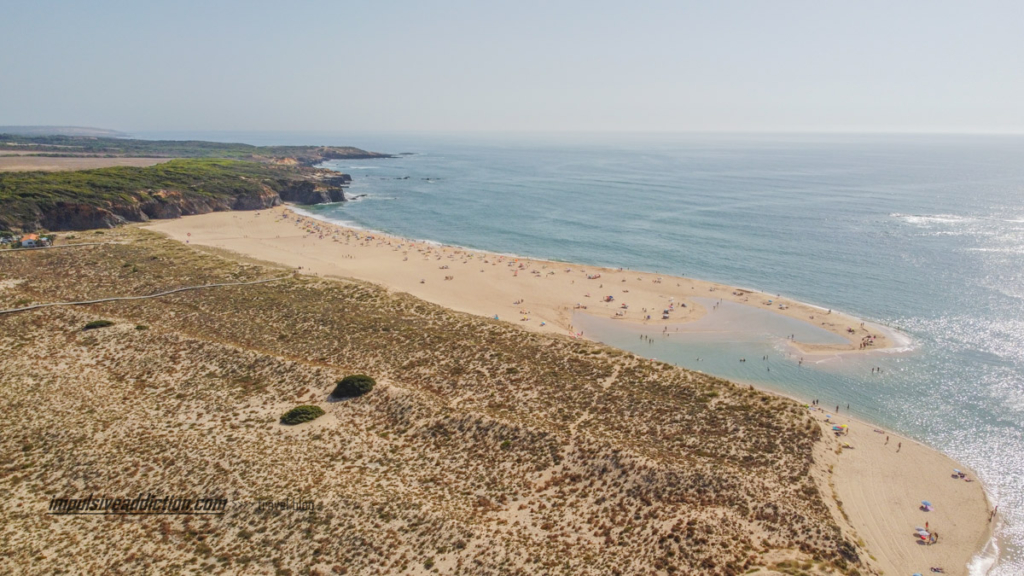
23. Zambujeira do Mar Beach
Located on the Odemira coastline, Zambujeira do Mar Beach is one of the most iconic along the Alentejo coast, set within the Southwest Alentejo and Vicentine Coast Natural Park. Sheltered by high cliffs and accessed via stairways, it features a wide stretch of golden sand and lively Atlantic waters — a setting often ranked among the most beautiful in Portugal.
This urban beach is lifeguard-patrolled in summer and offers cafés and terraces perched on the cliff tops. Along the coast, natural alternatives such as Alteirinhos, Nossa Senhora, and Tonel beaches complete the area’s seaside appeal.

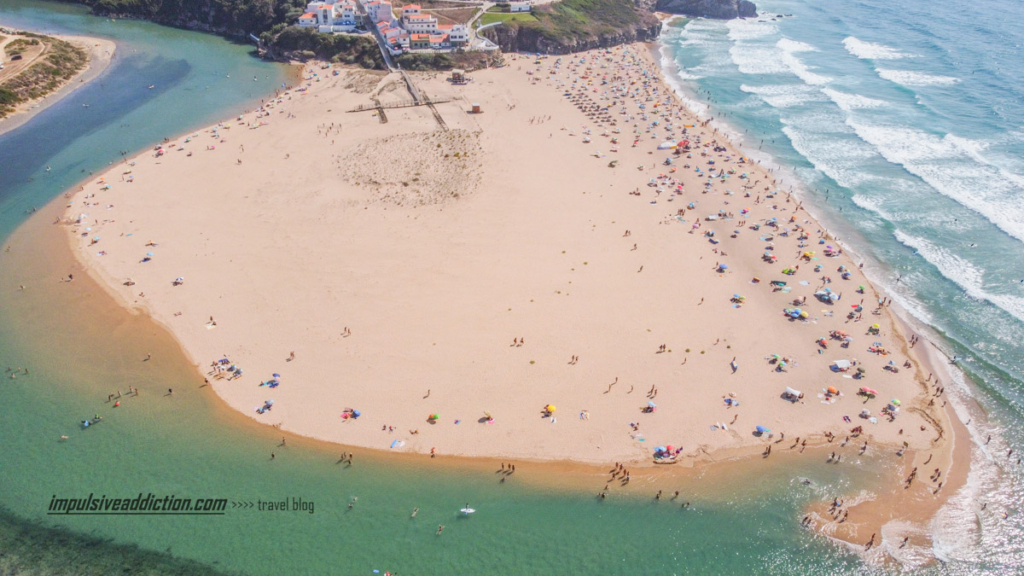
24. Odeceixe Beach
The northernmost beach in the Algarve, Odeceixe Beach lies at the mouth of the Seixe River within the Vicentine Coast Natural Park. Shaped like a horseshoe by surrounding cliffs, it is a Blue Flag beach where waters are split between the river and the ocean. At low tide, small freshwater lagoons form, making it ideal for families.
The ocean provides excellent surfing conditions, particularly near the river mouth. Access is via a trail from the village or by a staircase along the cliffs. The beach is lifeguard-patrolled during the bathing season and offers basic visitor facilities.
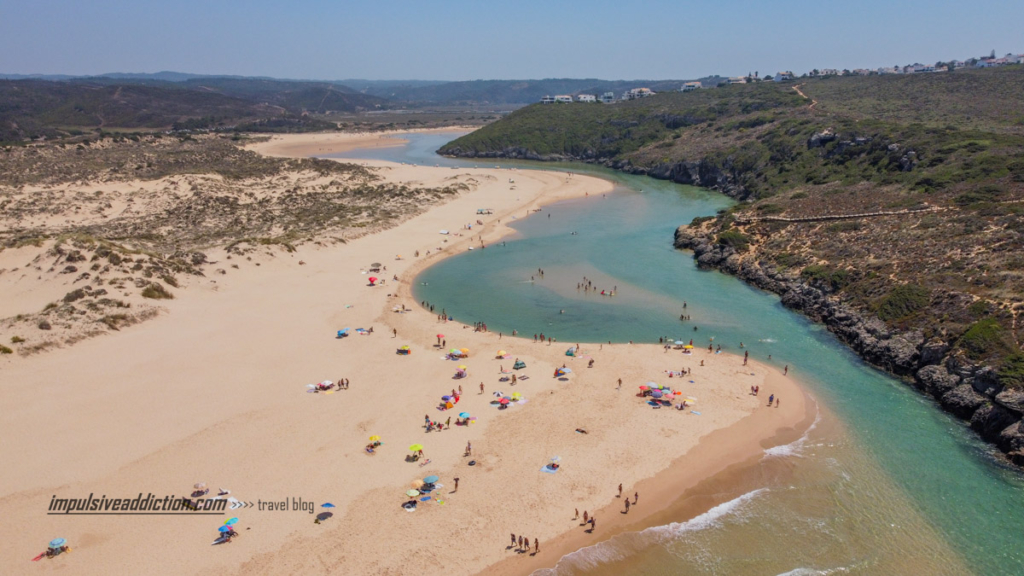
25. Amoreira Beach
Located in Aljezur, Algarve, Amoreira Beach is part of the Southwest Alentejo and Vicentine Coast Natural Park. It stretches across a wide expanse of golden sand at the mouth of the Aljezur River, where at low tide a shallow, calm lagoon forms — perfect for families.
Surrounded by dunes and schist cliffs, the landscape is as striking as it is tranquil. The beach is also popular with surfers, offering consistent waves suitable for various skill levels. Lifeguard services are available during the summer season.
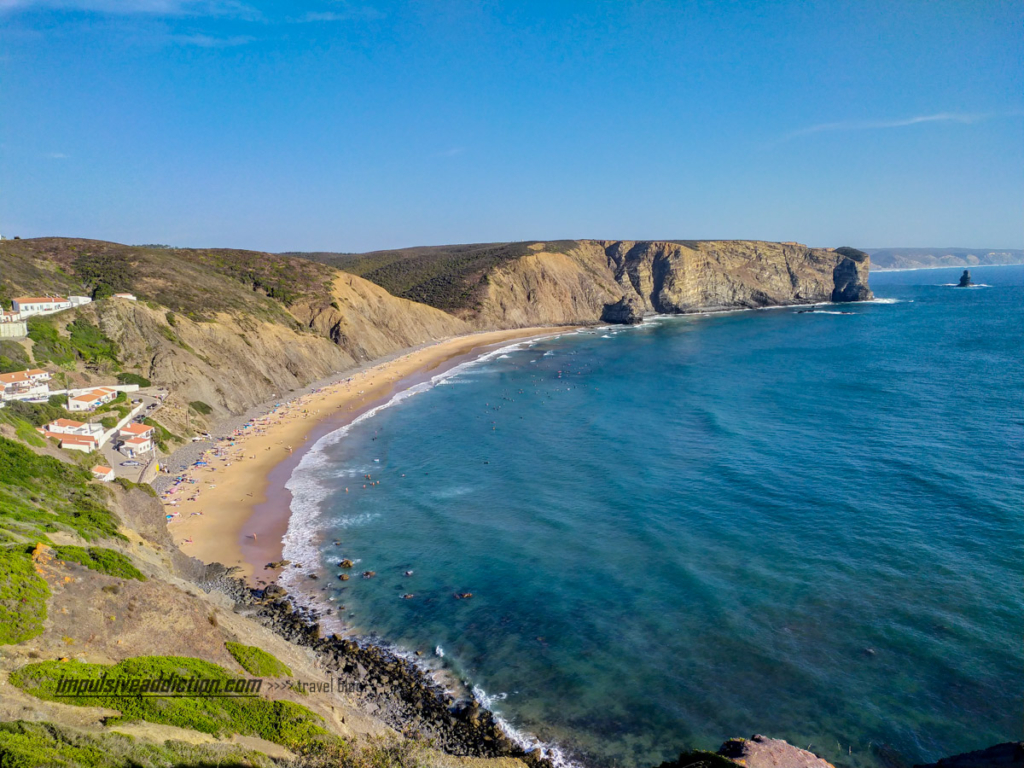
26. Arrifana Beach
Located in Aljezur, Algarve, Arrifana Beach is a 500-metre stretch of golden sand framed by steep cliffs, forming a sheltered cove ideal for surfing at beginner to intermediate levels. At the northern end, a small fishing harbour overlooks the striking Pedra da Agulha rock rising from the ocean.
Access to the sand is via wooden boardwalks and stairways descending from the coastal village. At the top of the cliffs, the ruins of the old Arrifana Fortress serve as an excellent viewpoint. The beach is lifeguard-patrolled in summer and has basic support from bars and restaurants in the village.
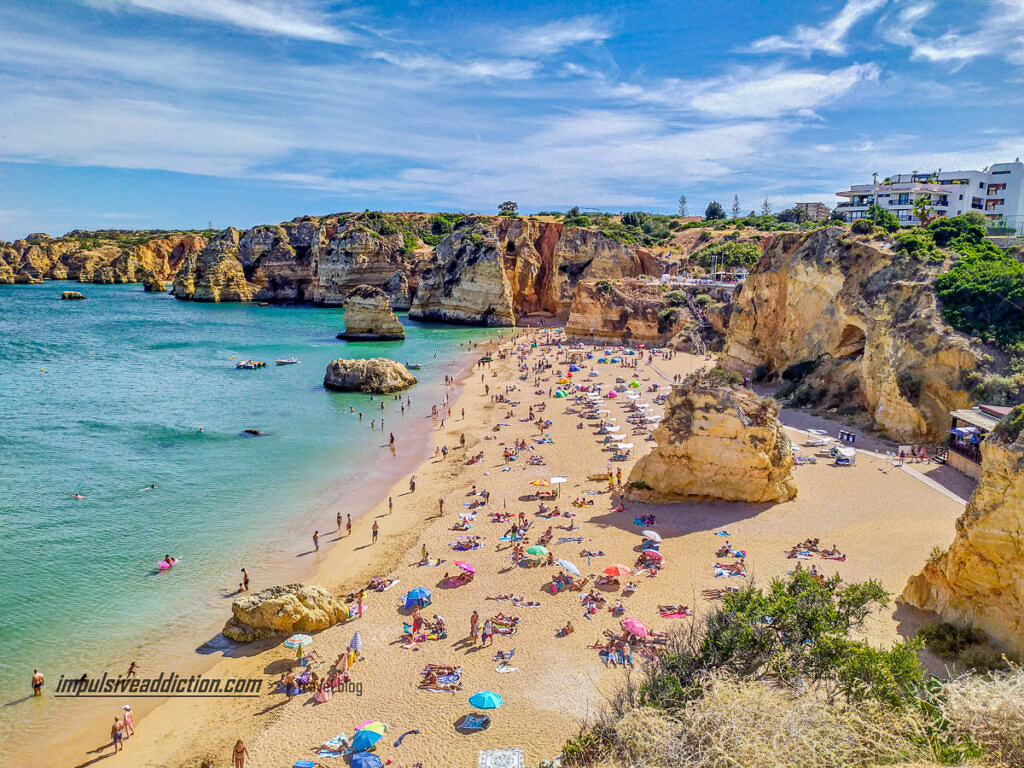
27. Dona Ana Beach
Located in Lagos, Dona Ana Beach is often described as one of the most beautiful in the Algarve, thanks to its golden cliffs, calm waters, and rock formations that create natural coves near Ponta da Piedade. The light-coloured sandy shore is relatively small and accessed via a staircase carved into the cliff, with natural shade provided by the surrounding rocks.
Lifeguard-patrolled in summer, the beach has a small bar/restaurant. Although busy during peak season, it never loses its charm. The clear, sheltered waters make it ideal for swimming, exploring nearby caves, or simply admiring the striking contrast between the turquoise sea and the ochre coastline.
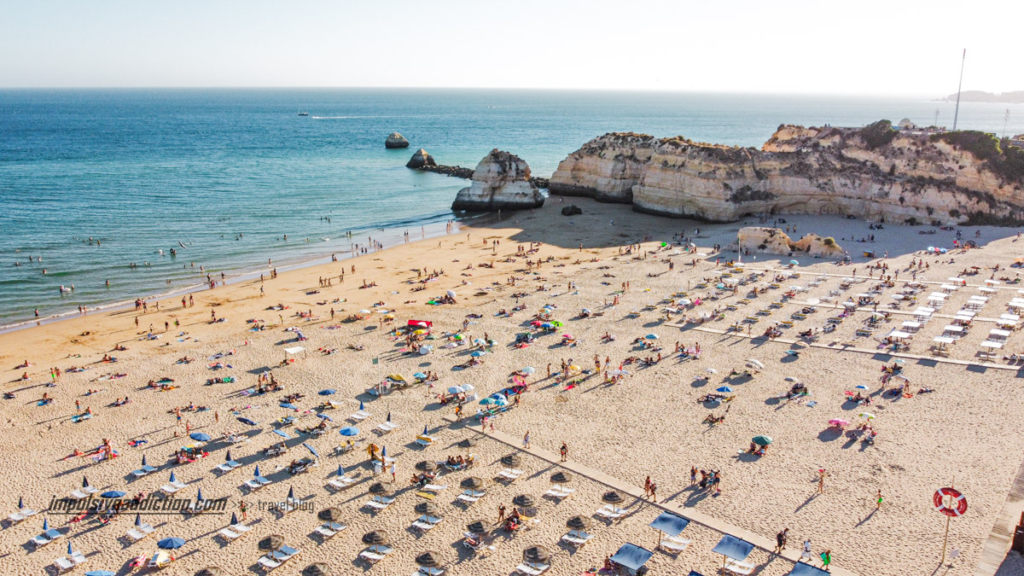
28. Três Irmãos Beach
Located in Alvor, in the municipality of Portimão, Três Irmãos Beach is famed for its rock formations sculpted by the sea, creating caves, arches, and small coves. Its name refers to three large rocks aligned along the sand. This wide beach also offers sheltered areas between cliffs, perfect for exploring on foot at low tide.
The waters are generally calm and ideal for swimming and snorkelling. Access is via boardwalks from Alvor Beach, with parking and restaurants nearby. Lifeguard-patrolled in summer, Três Irmãos is a popular choice for both relaxation and coastal exploration.
29. Rocha Beach
Located in Portimão, Rocha Beach is one of the Algarve’s most famous, known for its vast sandy expanse, golden cliffs, and lively urban atmosphere. Stretching for about 1.5 km, it offers plenty of space for sunbathing, walking, and water sports. The sea usually has moderate waves, making it safe for swimming.
Along the seafront promenade, visitors will find restaurants, bars, hotels, and easy access via boardwalks and stairways. The beach is lifeguard-patrolled during the bathing season and has several concession areas. At the eastern end, the 17th-century Fort of Santa Catarina provides a privileged view over the coastline and the mouth of the Arade River.
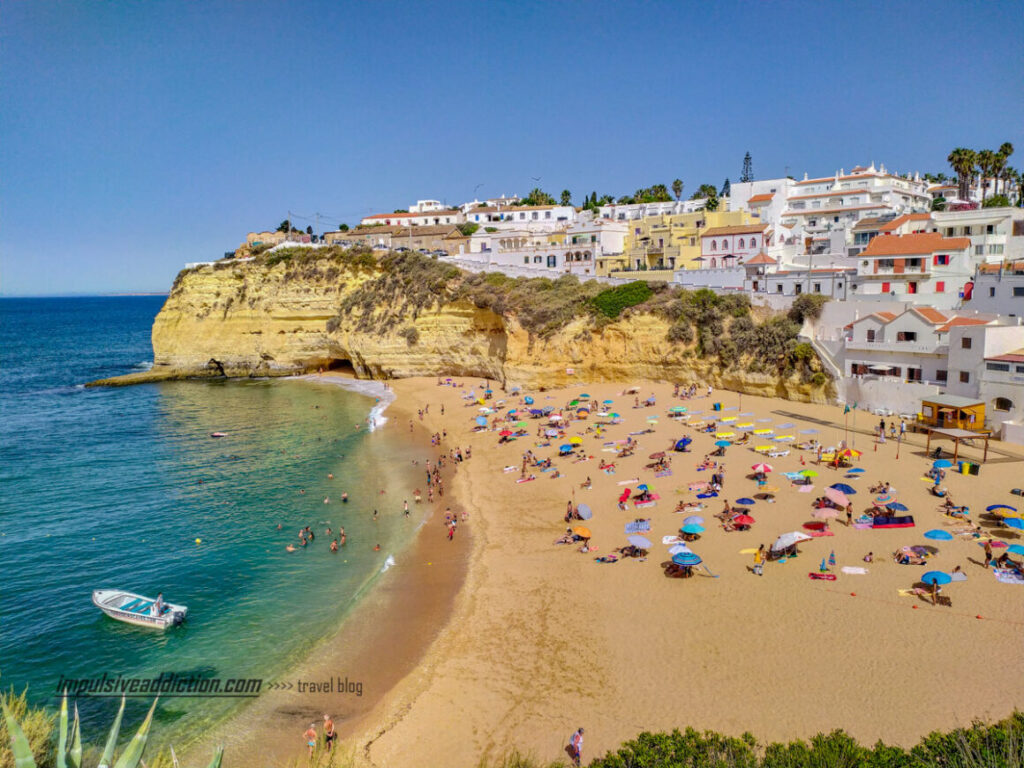
30. Carvoeiro Beach
Located in the village of Carvoeiro, in the municipality of Lagoa (Algarve), Carvoeiro Beach lies in a sheltered cove framed by sandstone cliffs, with a relatively small sandy shore and crystal-clear waters. Traditional fishing boats still pull up onto the sand — a living reminder of the area’s maritime heritage.
The calm sea is ideal for swimming, and the beach is lifeguard-patrolled in summer. Its urban location ensures easy access to cafés, terraces, and accommodation just steps from the sand. A walk along the cliff-top boardwalk offers spectacular views over Algar Seco and the coastal rock formations that make this spot so photogenic.
31. Benagil Beach
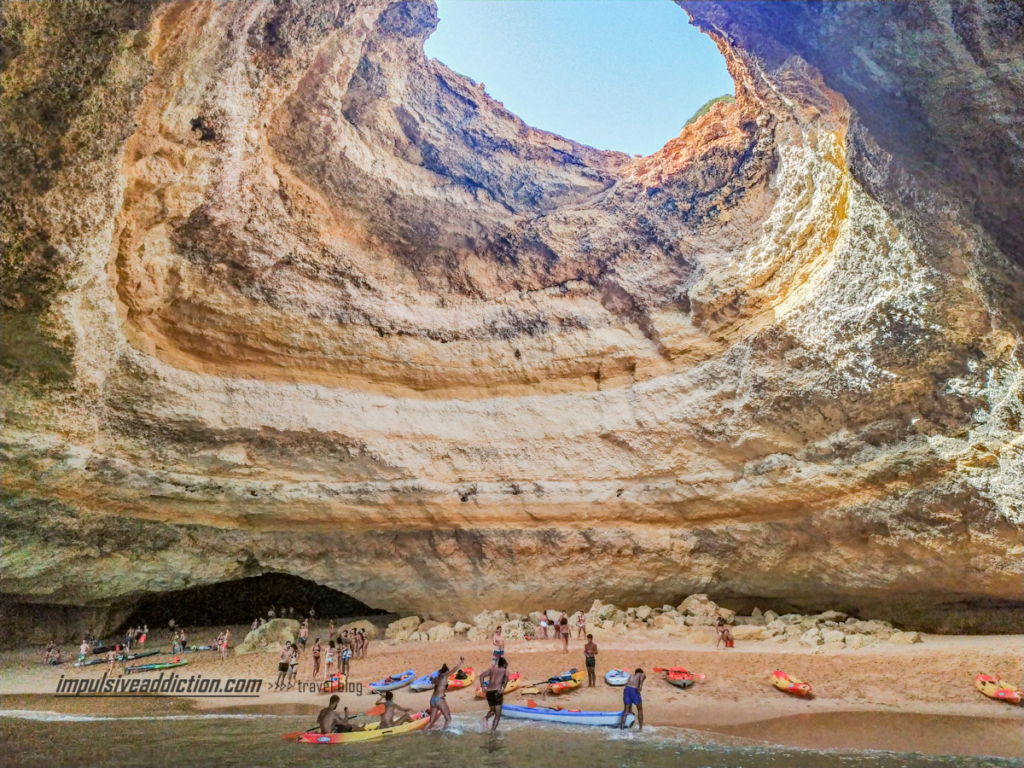
Located in the municipality of Lagoa, Algarve, Benagil Beach is a small stretch of sand backed by cliffs that conceal one of Portugal’s most iconic sea caves: the Benagil Cave (Algar de Benagil), accessible only by boat or kayak and famed for its dome illuminated by a natural skylight.
The waters near the beach are calm, sheltered by the cliffs, and crystal clear — perfect for swimming or boat trips. The sandy area is limited and often dotted with traditional fishing boats. Despite its modest size, Benagil has gained worldwide fame for its dramatic scenery and unique natural beauty.
32. Marinha Beach
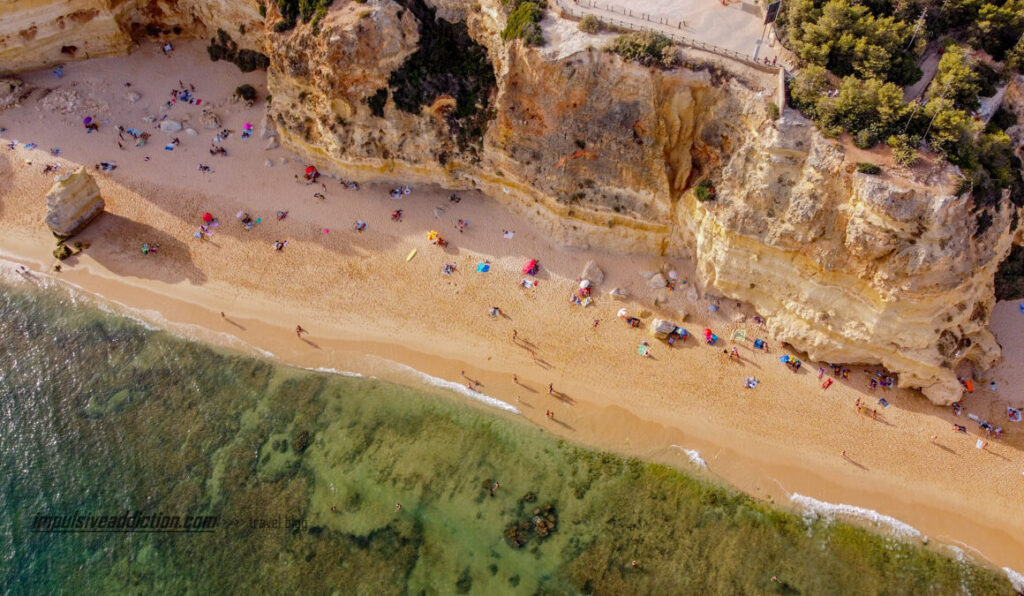
Located in the parish of Caramujeira, in the municipality of Lagoa (Algarve), Marinha Beach is considered one of Portugal’s most emblematic coastal gems. Backed by golden limestone cliffs and dotted with rock formations sculpted by the sea, it stands out for its crystal-clear waters and excellent underwater visibility — a setting that has made it an iconic image of the Algarve coastline.
Small and reached via a steep staircase, it has been ranked among the 10 most beautiful beaches in Europe and the 100 best in the world by the Michelin Guide, and also featured on CNN’s lists of the world’s best beaches. It is perfect for photography, coastal walks, and light snorkelling.
33. Olhos de Água Beach
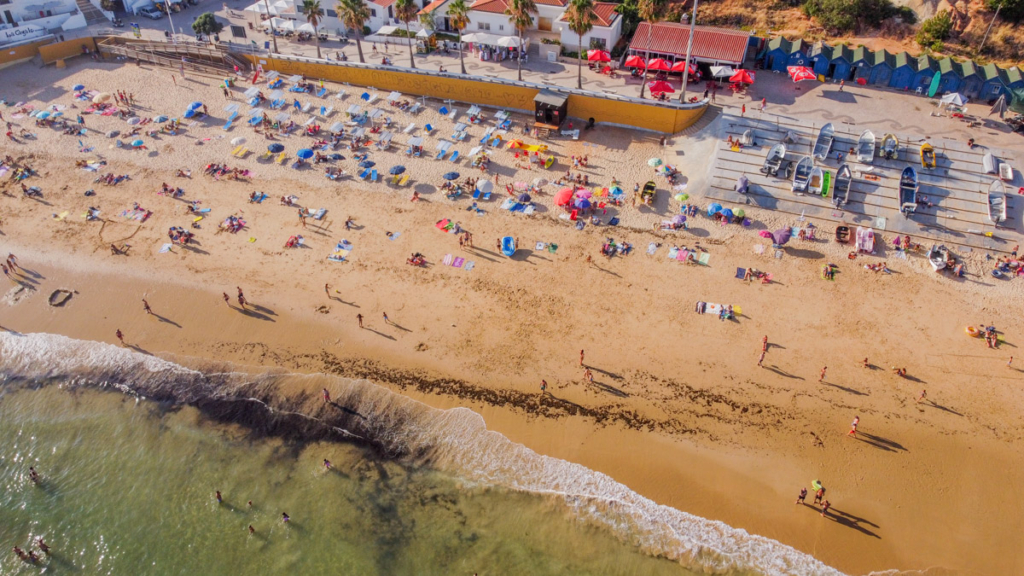
Located in Albufeira, Olhos de Água Beach is one of the Algarve’s most distinctive, named after the freshwater springs — the “eyes” — that bubble up through the sand at low tide. Small and sheltered by cliffs, it blends natural beauty with a fishing tradition, as boats are often seen moored in the bay.
The calm waters make it ideal for swimming and family visits. The beach is lifeguard-patrolled and easily accessible, with restaurants and accommodation nearby, making it a popular summer destination.
34. Falésia Beach
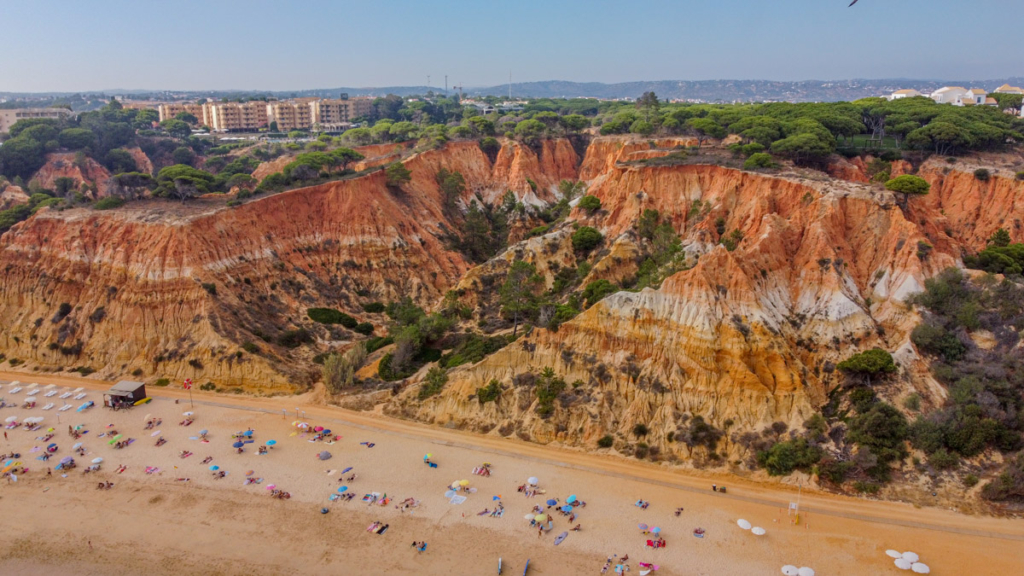
Stretching for around 6 km between Vilamoura and Olhos de Água, in the municipality of Albufeira, Falésia Beach is famed for its towering cliffs in striking shades of red and white, rising above a wide, pristine sandy shore. This vivid contrast, combined with a well-preserved natural setting, gives the beach a unique beauty, often ranking among the best in Europe and the world.
The waters are calm near the shore, making it perfect for long walks along the sand. Recognised with a Blue Flag for environmental quality, Falésia is an unmissable highlight of the Algarve coast.
35. Fuseta Beach
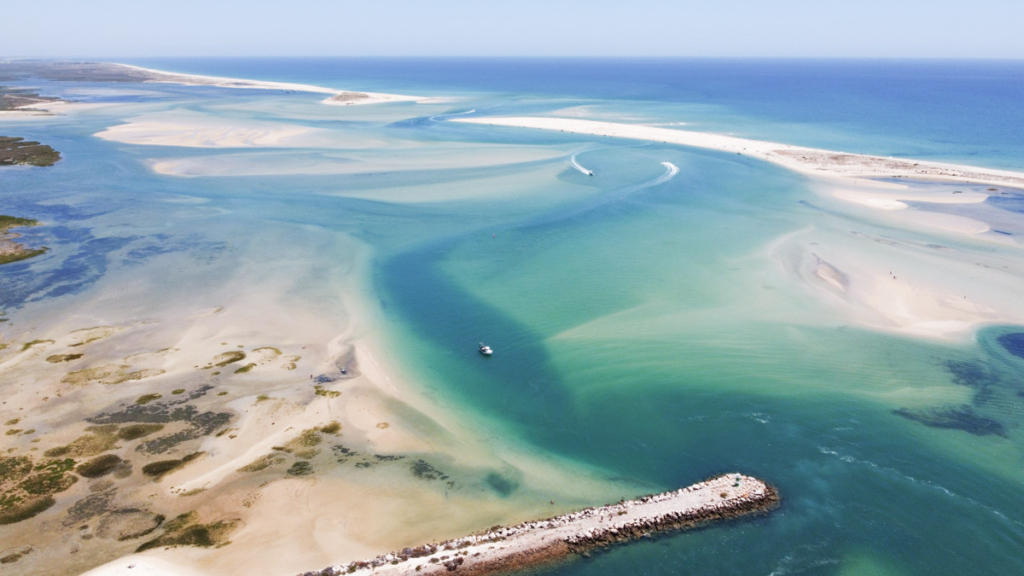
Located in Olhão, Fuseta Beach is divided into two distinct areas: the side facing the Ria Formosa, with calm, shallow waters ideal for families, and Fuseta Island, accessible by boat, offering open sea, a wider stretch of sand, and a more peaceful atmosphere.
The lagoon-side beach is right next to the village centre and easily reached on foot, while the island provides a wilder, more secluded setting for those seeking tranquillity. The village of Fuseta retains a strong fishing heritage, with a traditional atmosphere and restaurants specialising in fresh fish. The area is part of the Ria Formosa Natural Park.
I hope you enjoyed this list of the Best Beaches in Portugal! 😉 Tell me your favourite in the comments below! Safe travels and happy swims!
