 Pedro Domingues
Lisbon’s museums offer an impressively diverse and immersive range of experiences, captivating every type of visitor — from lovers of classical art to the curious minds drawn to science, design, history, or technology.
In Lisbon, every museum opens the door to a unique story: some recount the epic of the Age of Discoveries, others celebrate the intricate beauty of Portuguese azulejos, while many dive into bold and experimental contemporary art.
Whether you’re wandering through a historic palace filled with masterpieces, exploring a former power station turned into a museum of art and technology, or admiring tiled panels in a centuries-old convent, each visit is a journey through time and the senses. This richness and variety make Lisbon’s museums much more than tourist attractions — they are true spaces of reflection, beauty, and national identity.
Visiting Lisbon’s museums is about more than just seeing exhibitions — it’s about diving headfirst into the city’s cultural heartbeat, understanding its roots, its present, and its vision for the future.
In this article, I’ll introduce you to 44 museums in Lisbon — and believe me, there’s even more to discover! 😄 With time (and a bit of a budget), you’ll have plenty of days wonderfully filled in the city.
MORE ARTICLES FROM CENTRAL PORTUGAL:

- Things to do in Espinho
- Things to do in Ovar
- Things to do in Aveiro
- Aveiro to Costa Nova
- Best beaches in Aveiro

- Things to do in Mira beach
- Things to do in Coimbra
- Schist Villages in Portugal
- Things to do in Figueira da Foz

- Visit Monsanto in Portugal
- Historical Village of Piódão
- Historical Villages of Portugal

- Things to do in Leiria
- Visit Batalha Monastery and surroundings
- Visit Alcobaça Monastery and surroundings
- Things to do in Fátima
- Visit Mira de Aire Caves
- Things to do in Nazaré
- Things to do in Peniche
- Best beaches in Peniche
- Visit Berlenga Island

- Best beaches in Ericeira
- Visit Ursa Beach
- Best Beaches in Sintra
- Best Beaches in Cascais
- Things to do in Mafra and Ericeira
- Things to do in Sintra
- Parks and Palaces in Sintra
- Things to do in Cascais

- Best Costa da Caparica beaches
- Best beaches in Setúbal
- Best Beaches in Sesimbra
- Visit Ribeiro do Cavalo Beach
- Best beaches in Tróia, Comporta and Melides
- Things to do in Setúbal
Where to stay when visiting Lisbon?
If you haven’t booked your accommodation in Lisbon yet, now’s the perfect time to do it.
Below, you’ll find a variety of suggestions — but there are plenty more options on Booking.com.
Whenever possible, choose places that offer free cancellation, and always read reviews from past guests carefully to get a real sense of the experience.
| Accomodation | Score | Location |
|---|---|---|
| Castilho 63 Hostel & Suites | 7.5 | Marquês de Pombal |
| SANA Capitol Hotel | 8.6 | Marquês de Pombal |
| TURIM Marquês Hotel | 8.4 | Marquês de Pombal |
| Ibis Styles Lisboa | 8.6 | Marquês de Pombal |
| Lisbon Serviced Apartments | 8.7 | Marquês de Pombal |
| Alfama – Lisbon Lounge Suites | 8.6 | Alfama |
| Independente Príncipe Real | 8.5 | Principe Real |
| Rossio Hostel | 8.1 | Baixa de Lisboa |
| Browns Central Hotel | 9.0 | Baixa de Lisboa |
| Lisbon Rentals Chiado | 9.3 | Chiado |
44 Best museums in Lisbon
Map | Best museums in Lisbon
1. Lisboa Story Center
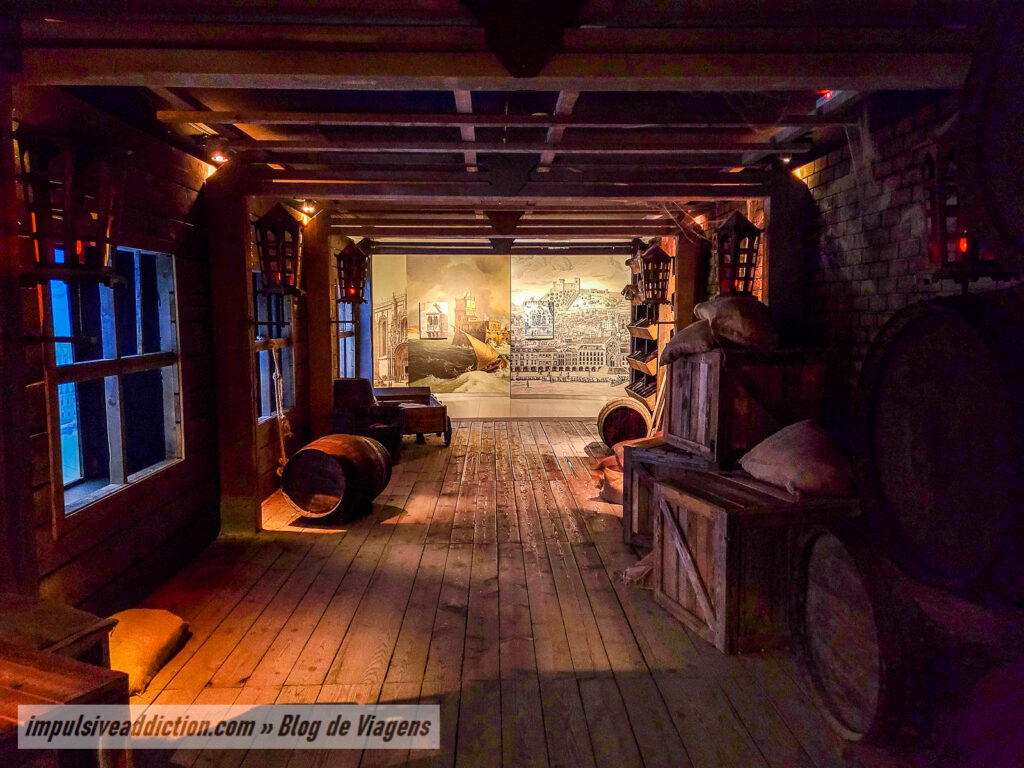
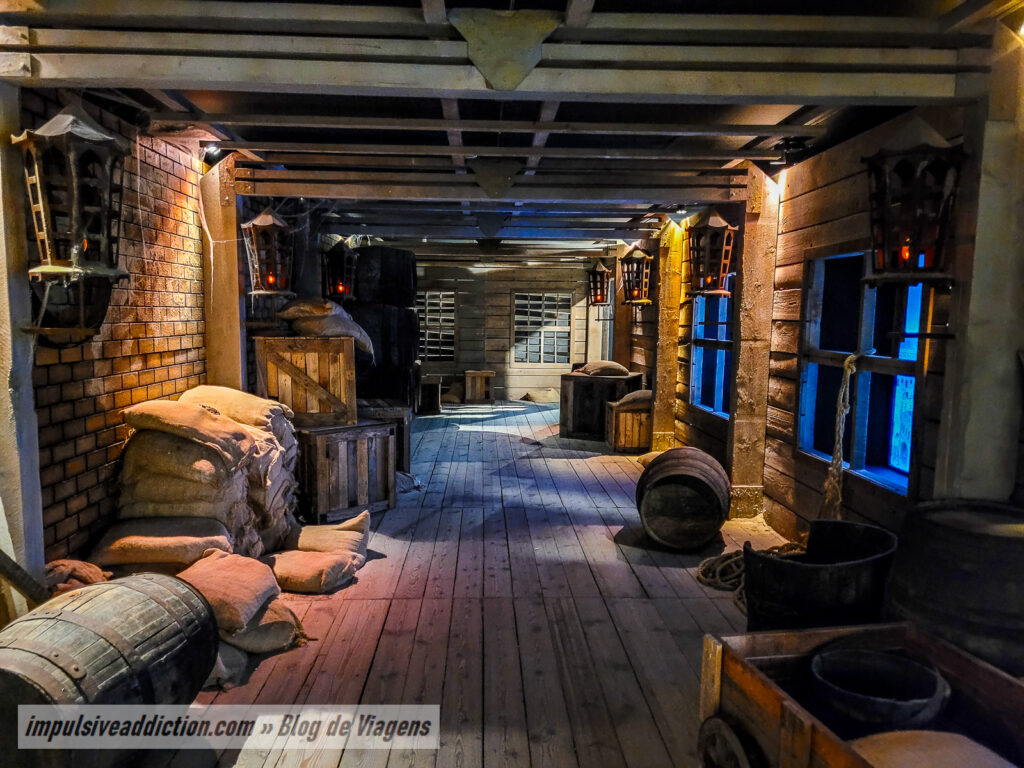
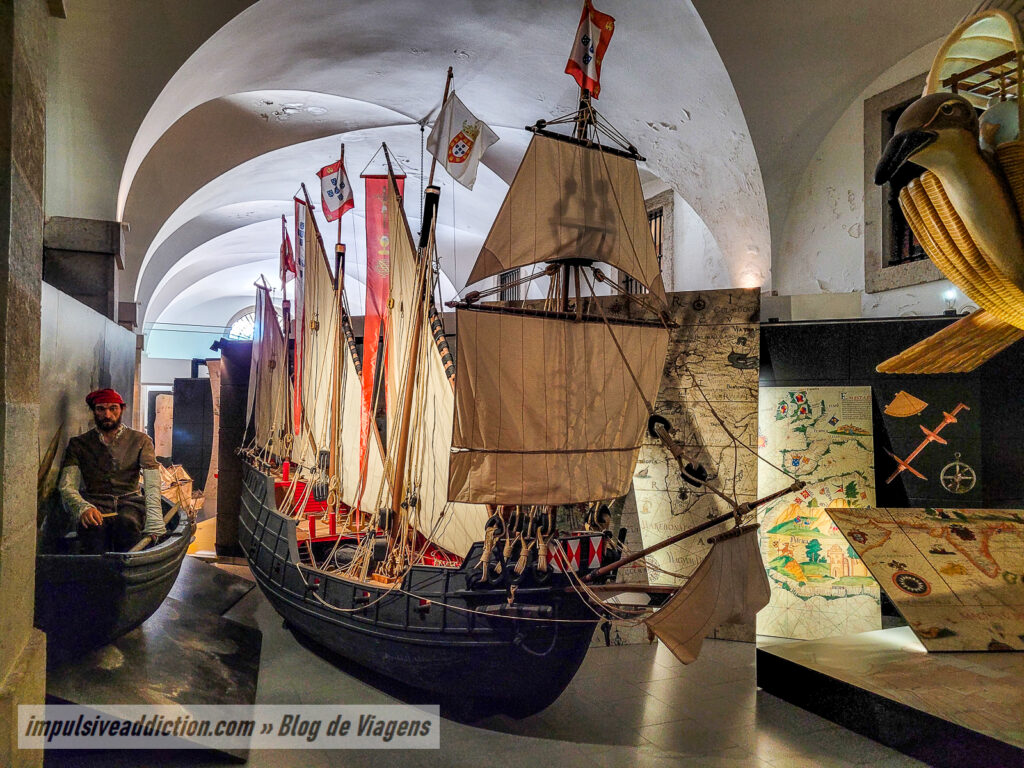
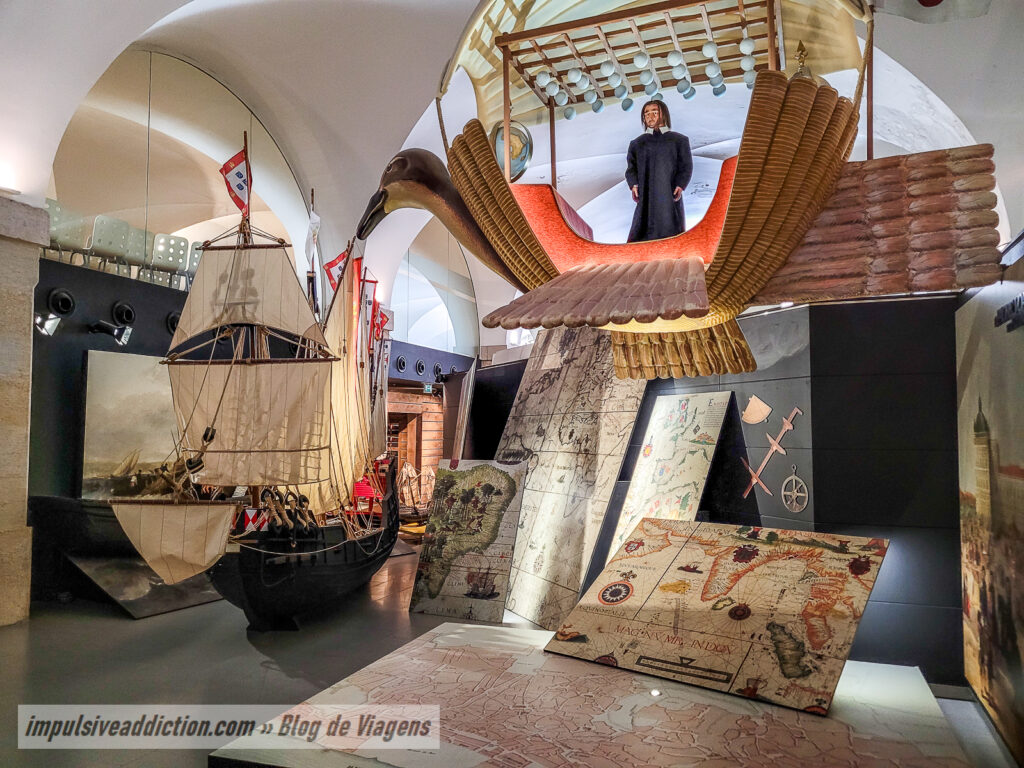
The Lisboa Story Centre – Memories of the City, located in the iconic Terreiro do Paço (Praça do Comércio), is an interactive museum that tells the story of Lisbon in just about an hour. Opened in 2012, it spans roughly 2,200 m² and takes visitors through six thematic areas — from the myths surrounding the city’s founding, through the Age of Discoveries and the devastating 1755 earthquake, to the city’s reconstruction led by the Marquis of Pombal, and modern-day Lisbon.
The experience is guided by an audio guide with geolocation technology, making the journey both educational and dynamic — a perfect starting point for anyone looking to gain a deeper understanding of Portugal’s capital.
2. Royal Treasure Museum
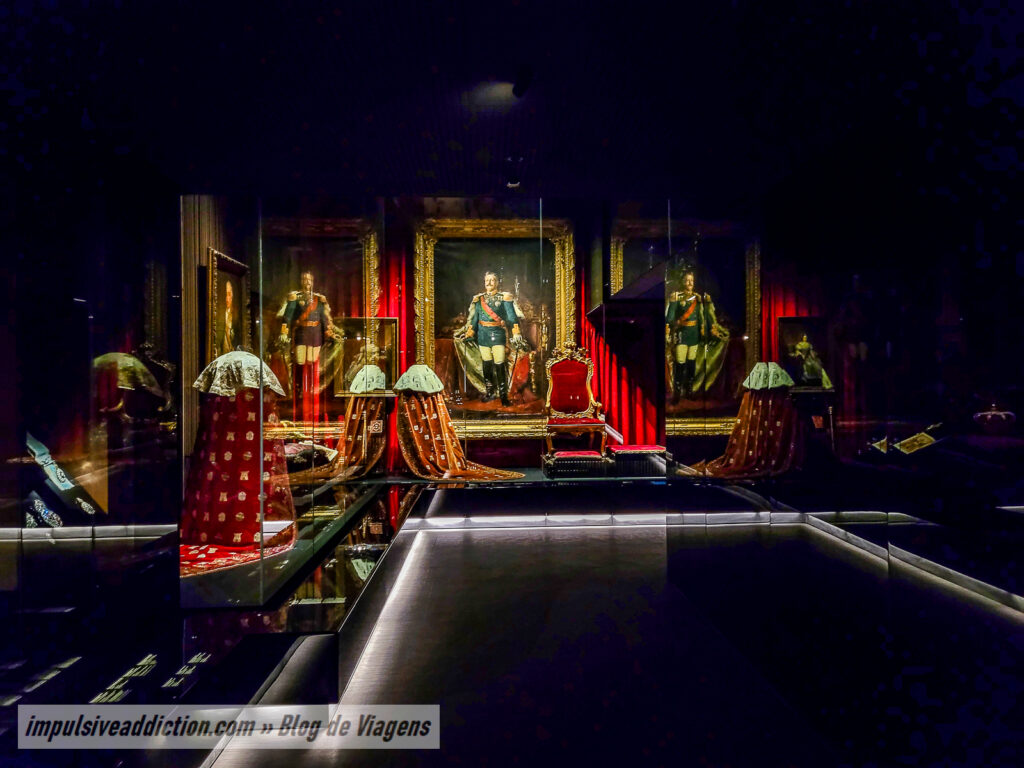
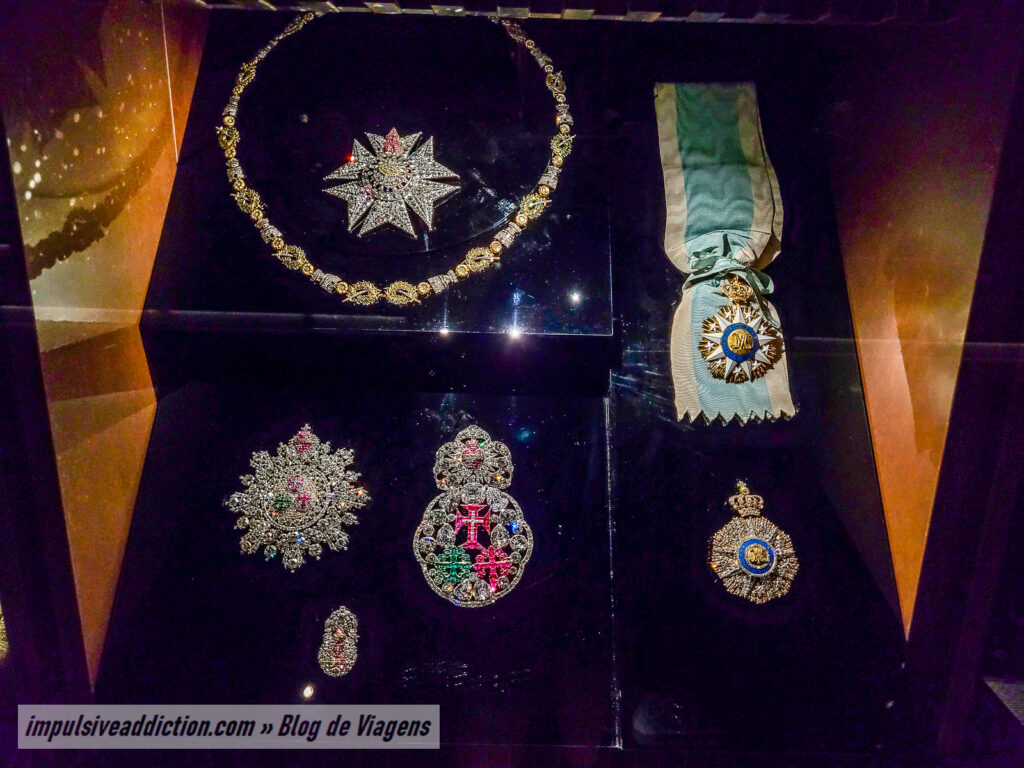
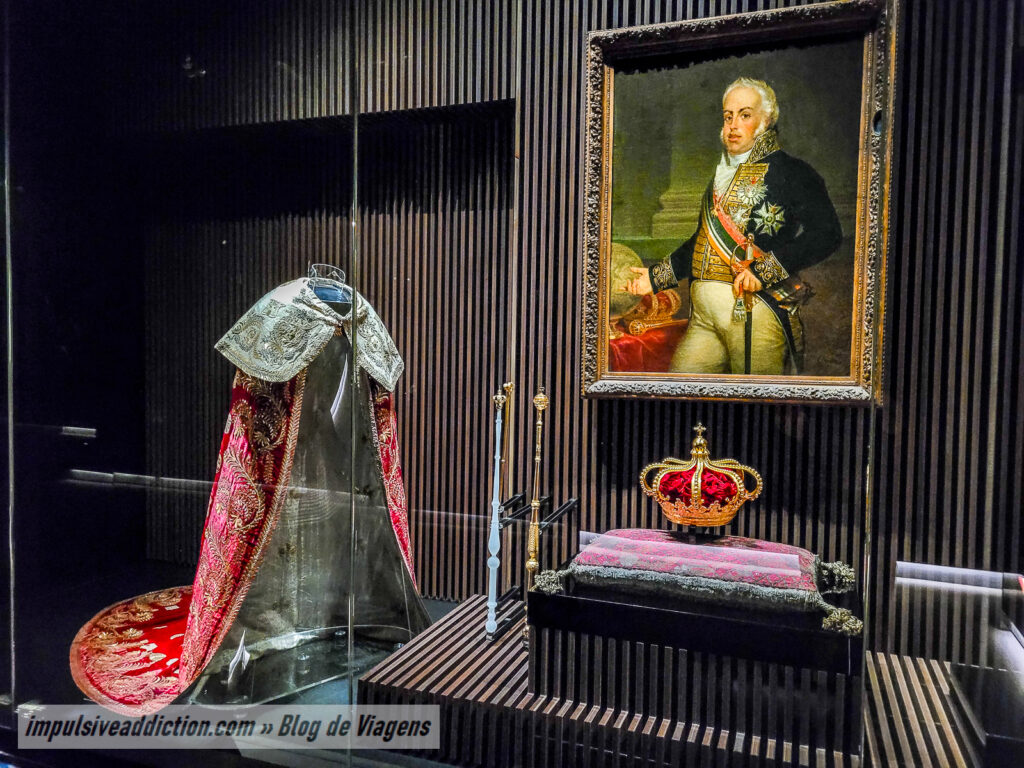
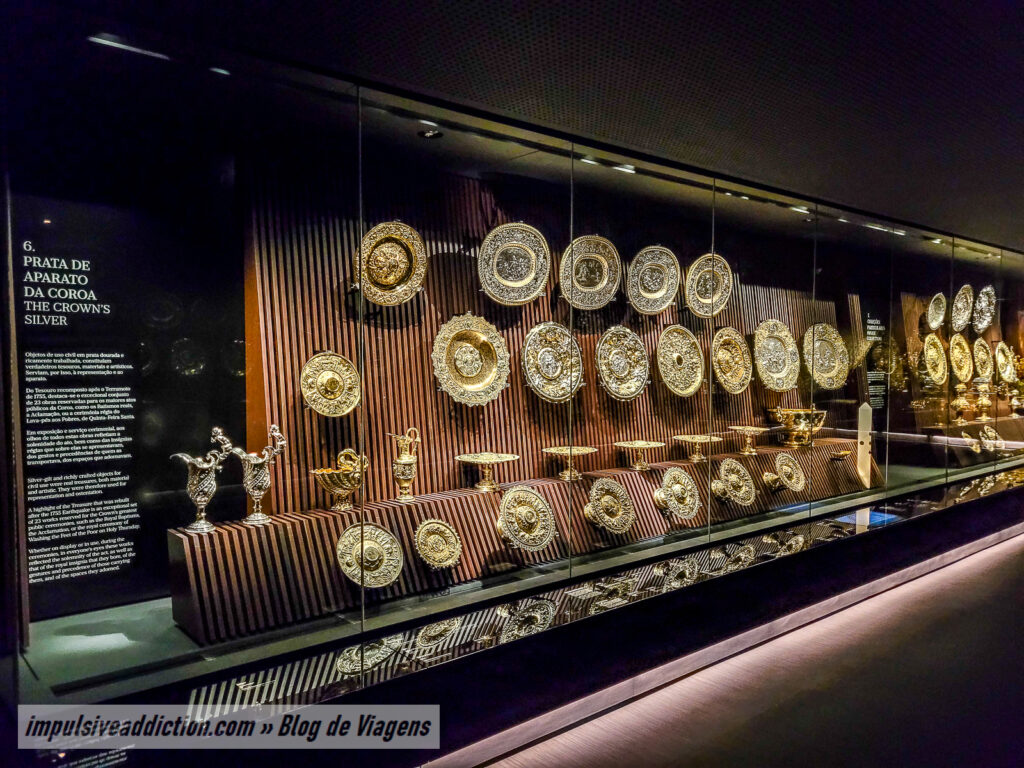
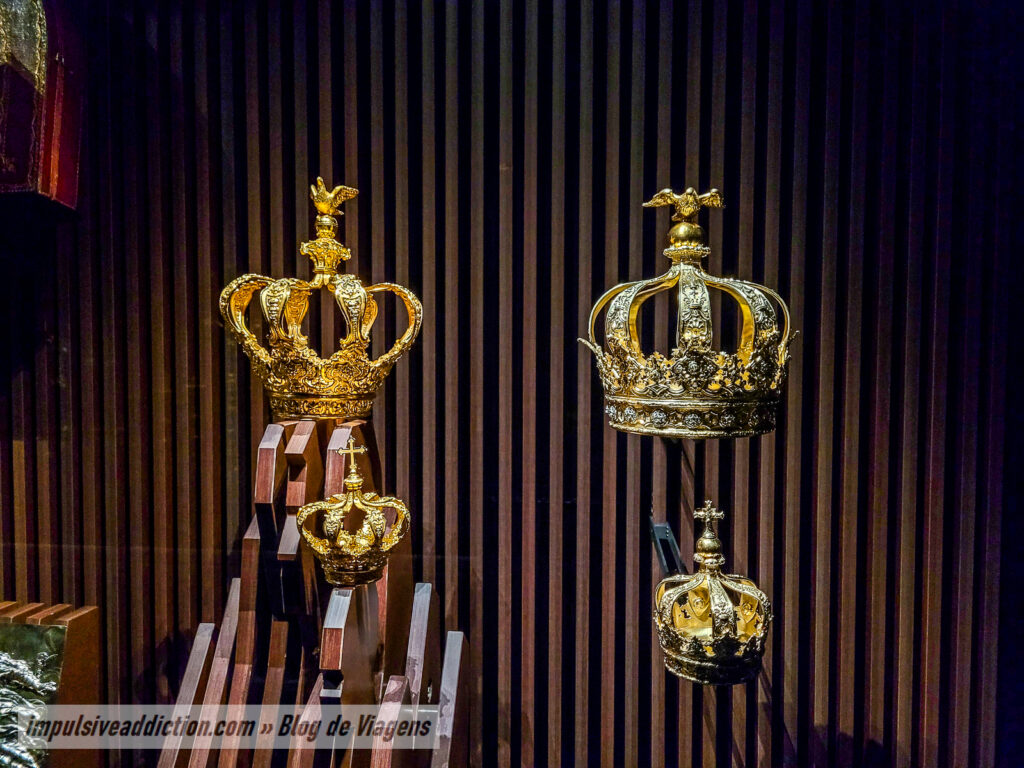
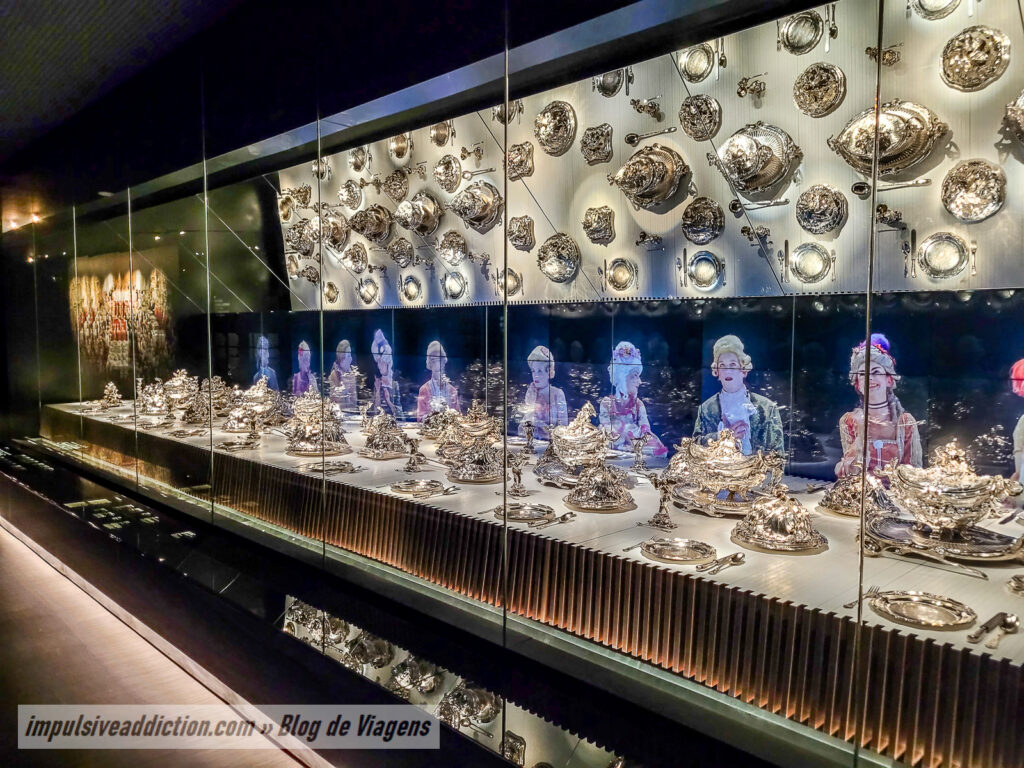
The Royal Treasure Museum, located in the Ajuda National Palace, is home to the most extraordinary permanent collection of jewels and objects belonging to the Portuguese royal family.
The exhibition features over 1,000 pieces, including gold and diamonds from Brazil, Crown coins, honorary orders, and royal insignia such as the crown, scepter, and ceremonial robes.
It’s a truly impressive display — and a perfect complement to any visit to the Ajuda National Palace.
3. National Museum of Ethnology
Located in the Restelo district of Lisbon, the National Museum of Ethnology is a must-visit for anyone interested in understanding both Portuguese and global cultural diversity.
Founded in 1965 as the Museum of Overseas Ethnology under the direction of Jorge Dias, it holds a remarkable collection of around 40,000 objects from 80 countries across all five continents. Special emphasis is given to Portuguese anthropology, former colonies, and traditional Portuguese ethnography.
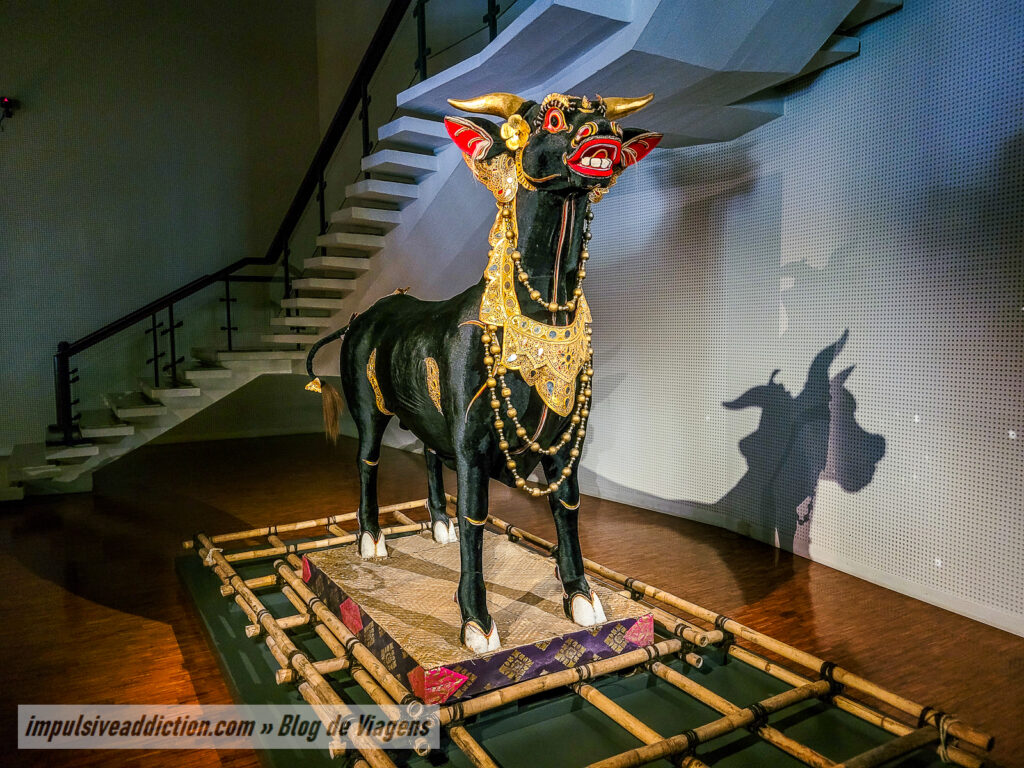
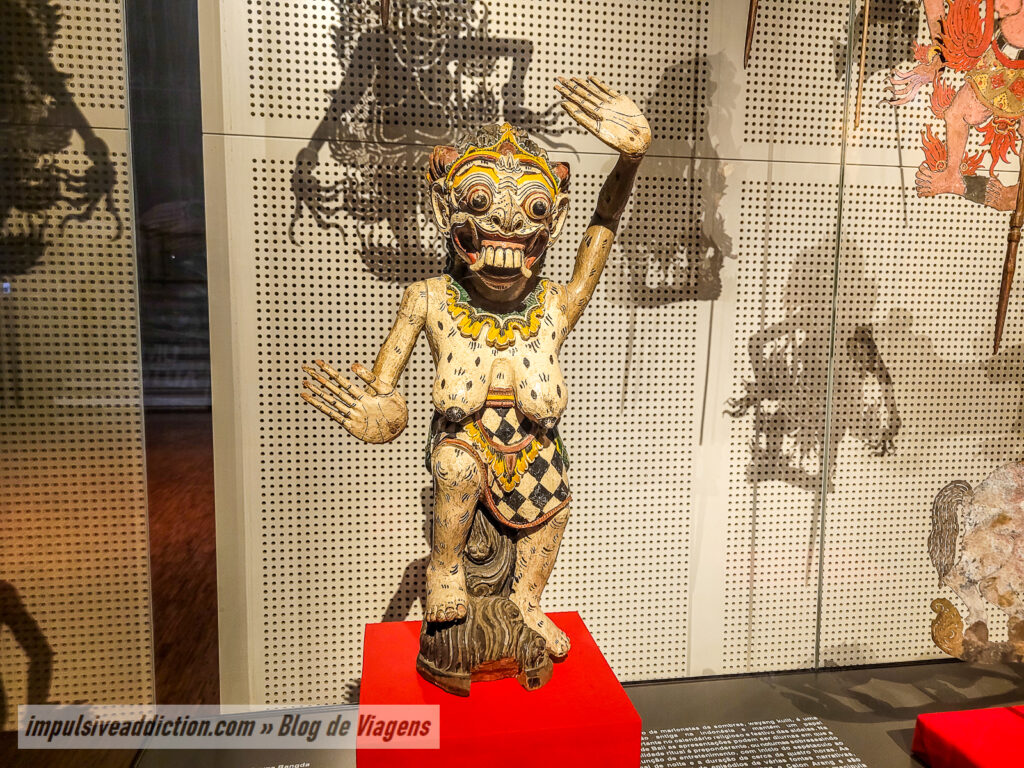
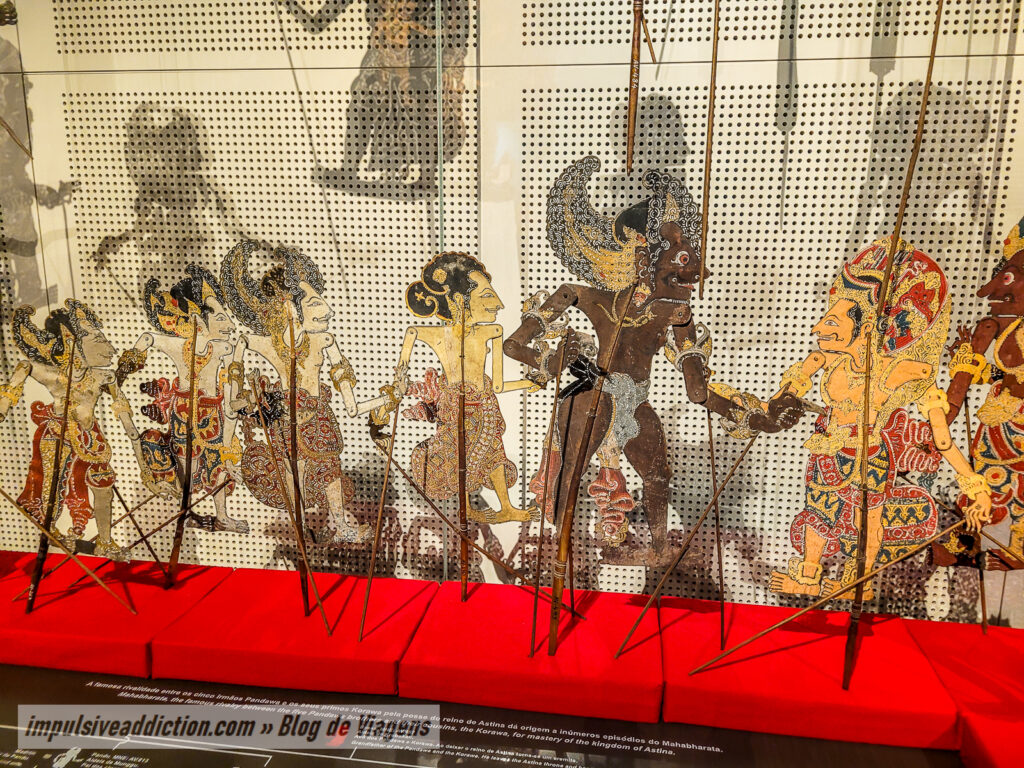
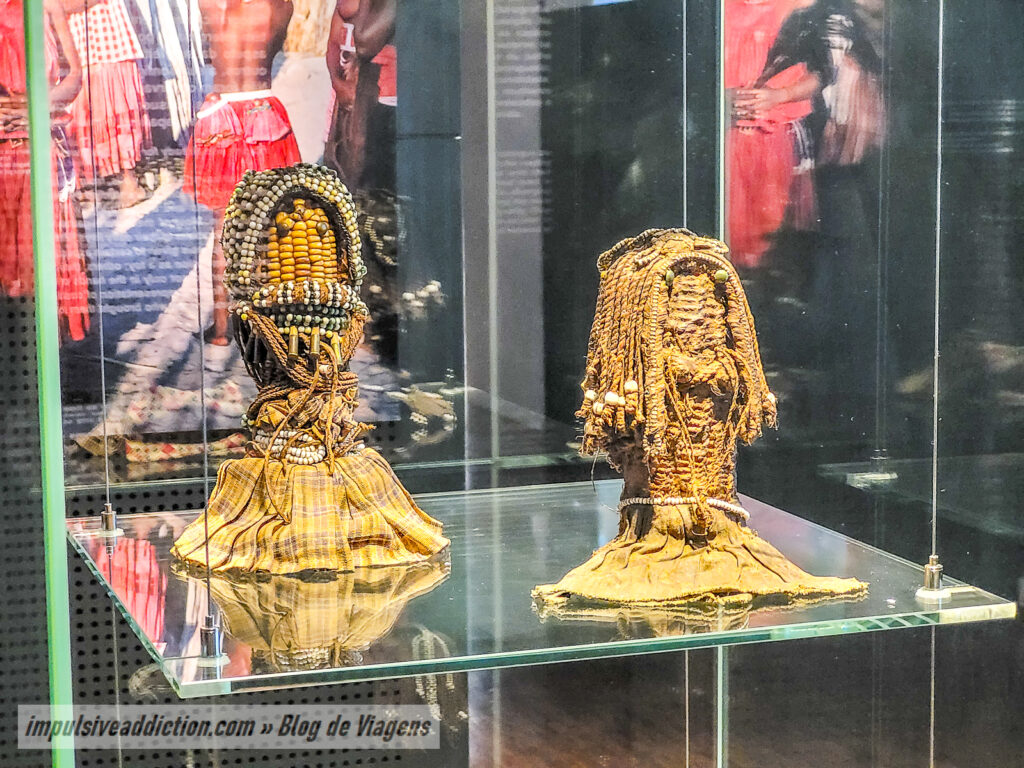
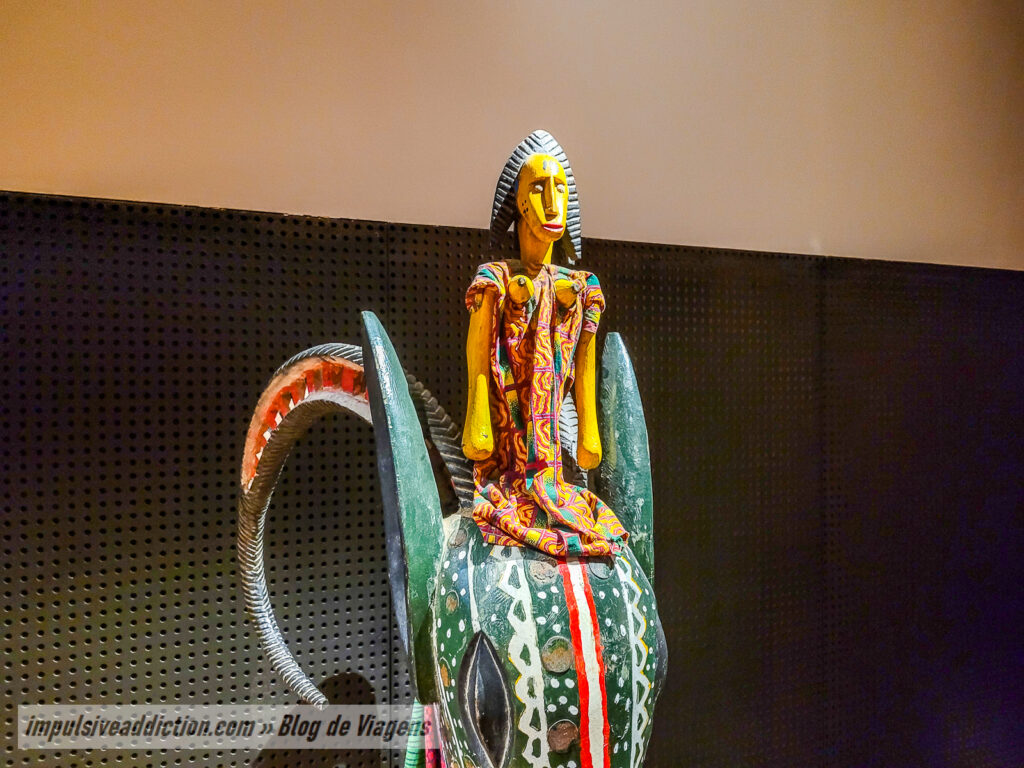
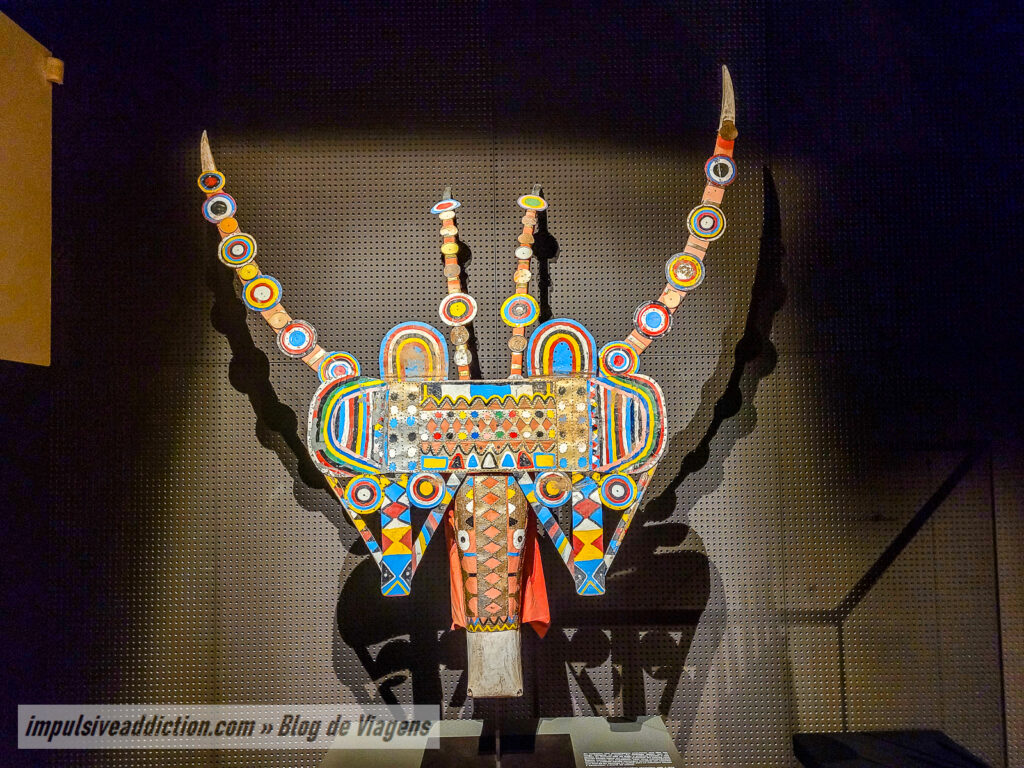
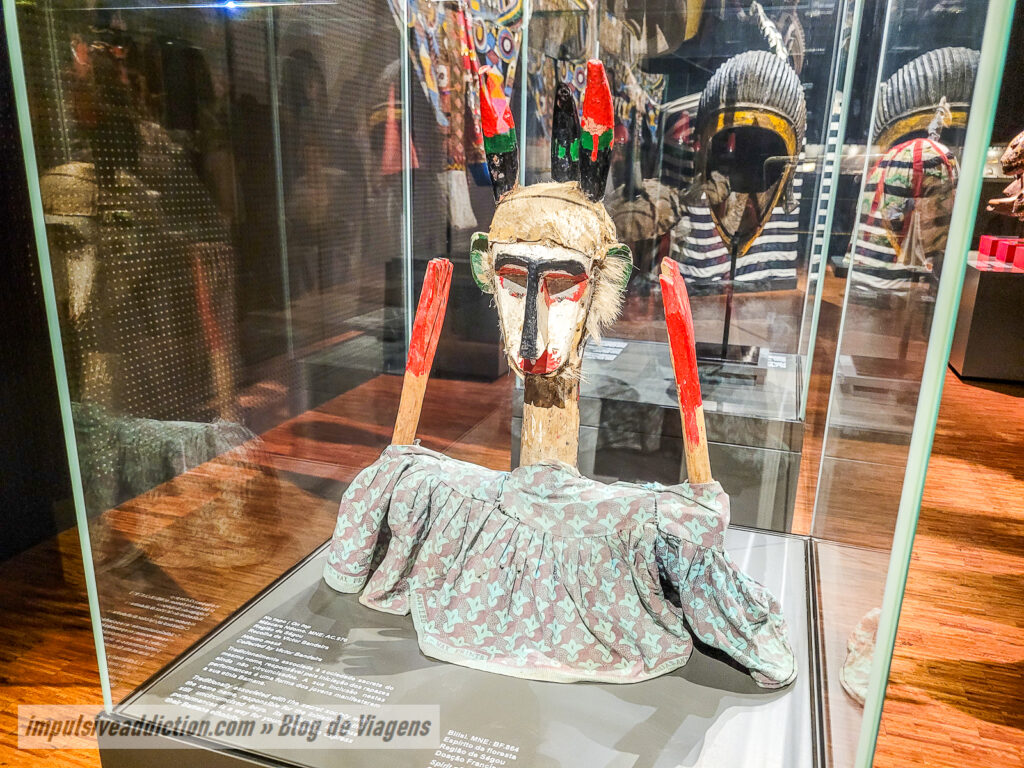
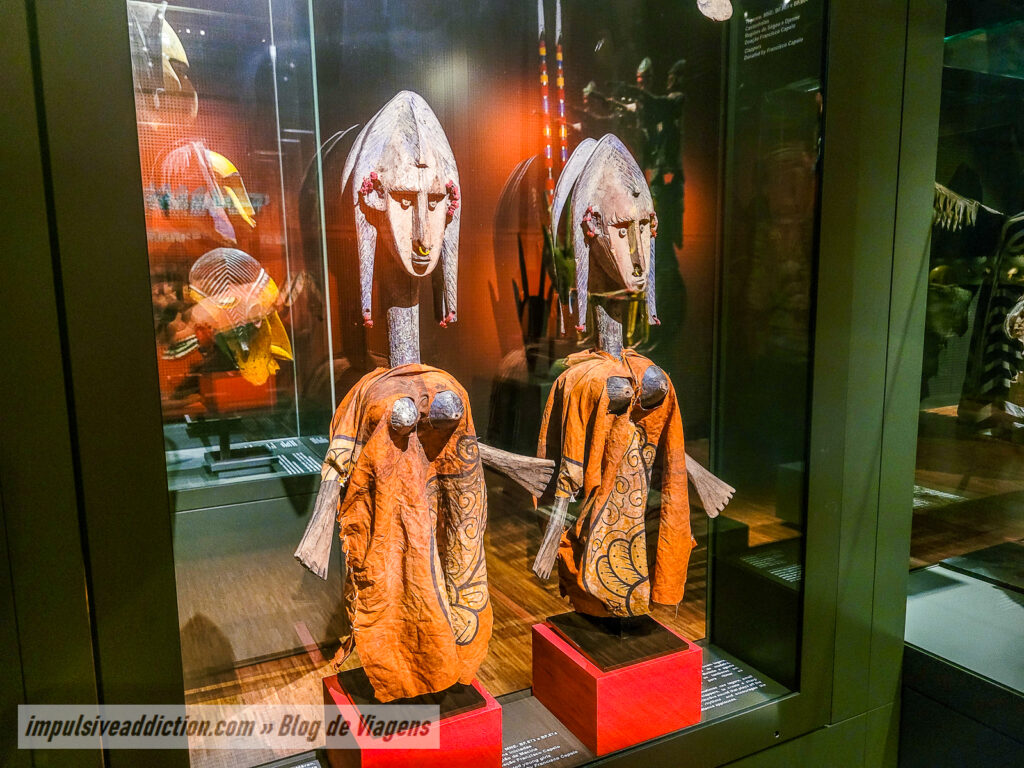
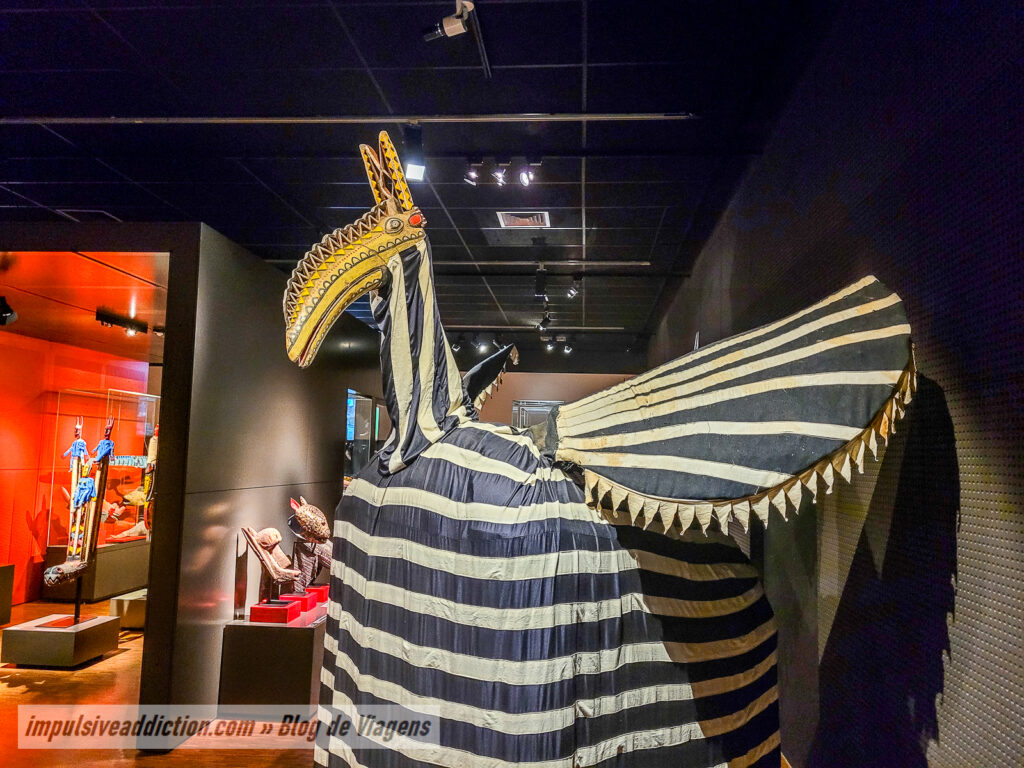
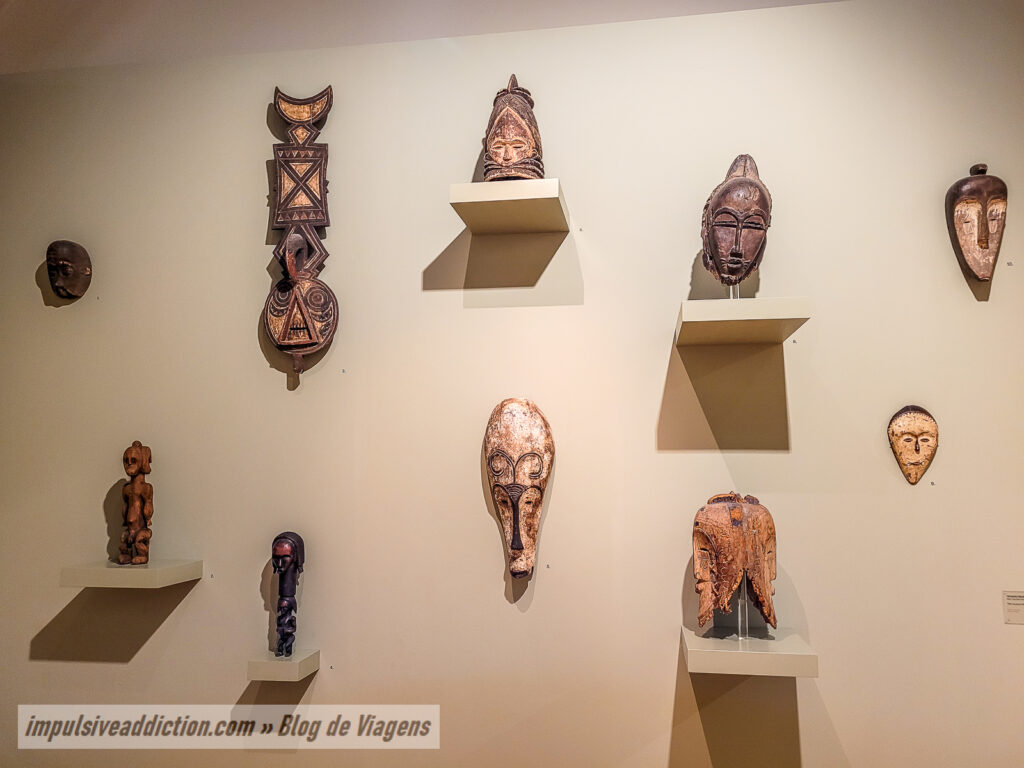
The permanent exhibition is organized into thematic sections featuring standout pieces such as a Balinese shadow theatre, dolls from southwestern Angola, pot lids with proverbs from Cabinda, masks and puppets from Mali, and a wide range of traditional Portuguese musical instruments.
4. Combatant’s Museum
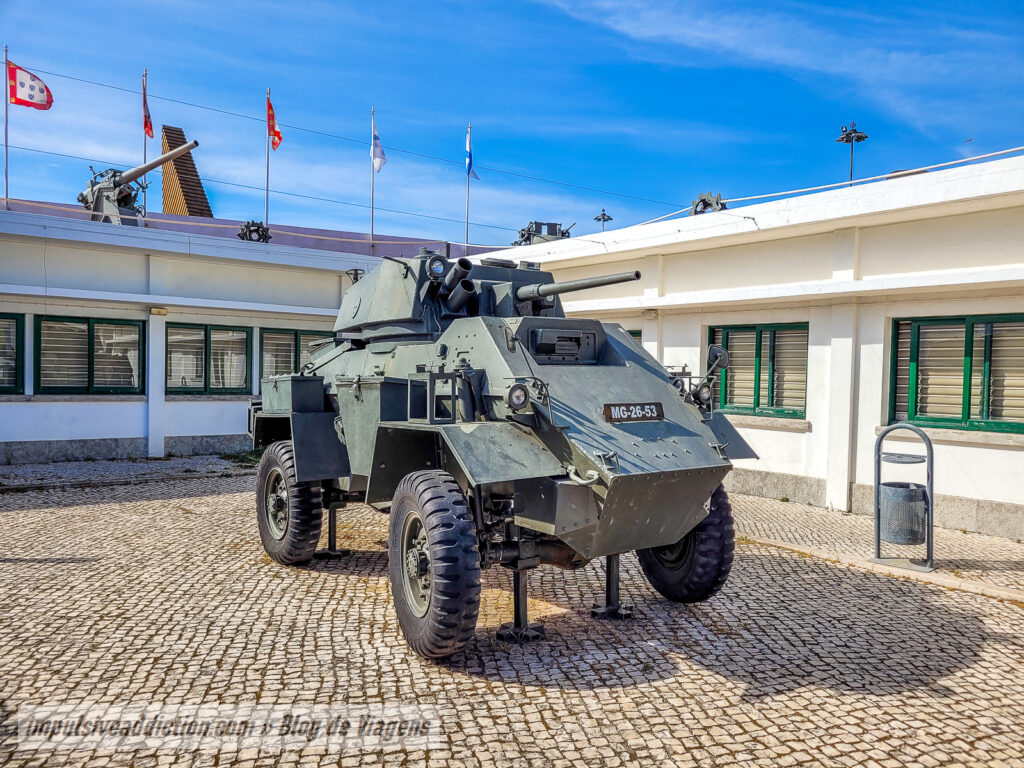
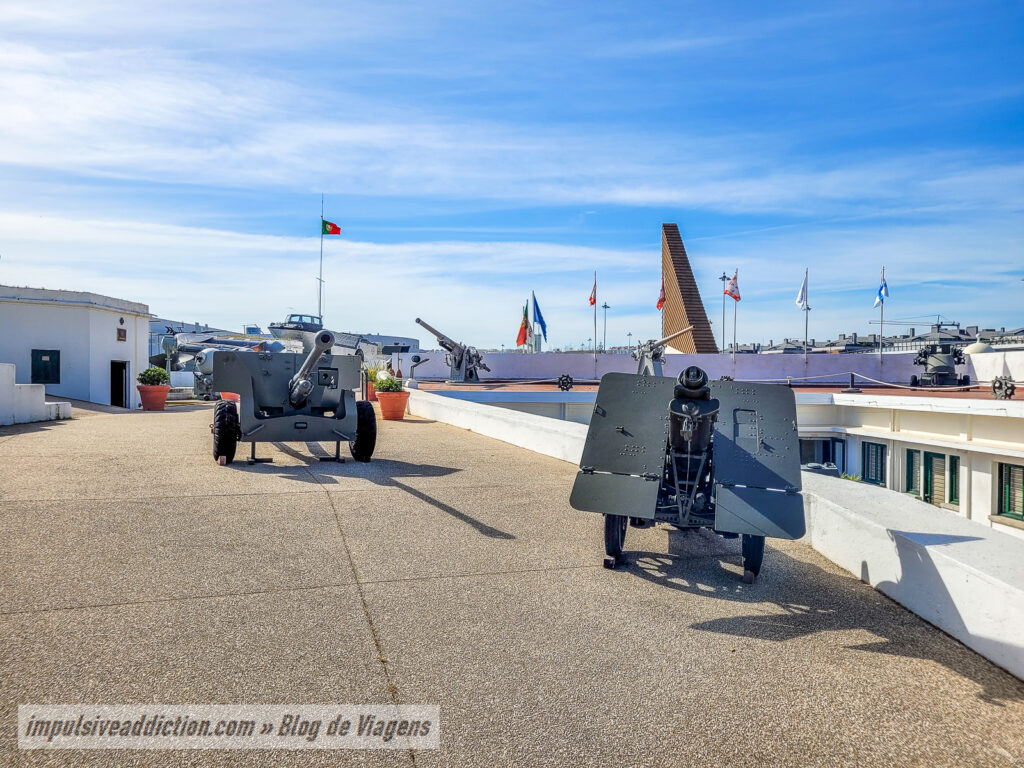
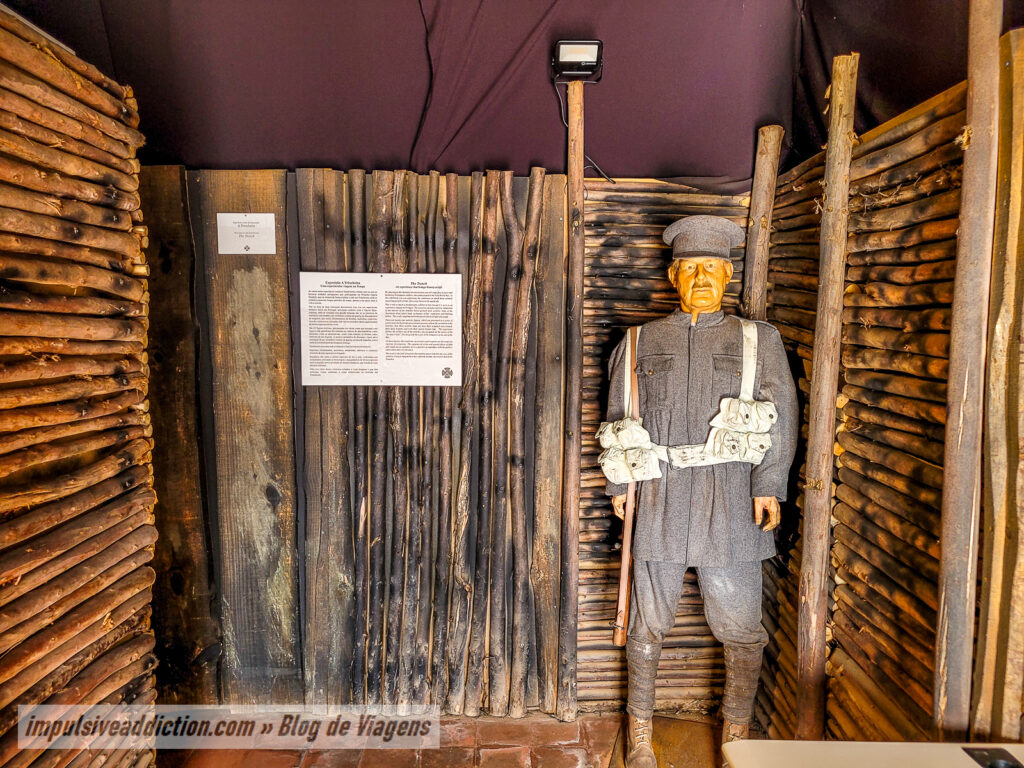
Housed in the historic Fort of Bom Sucesso, next to the iconic Belém Tower, the Combatant’s Museum offers a powerful tribute to the Portuguese soldiers who took part in 20th-century conflicts — from World War I and the Colonial War (Guerra do Ultramar) to modern peacekeeping missions.
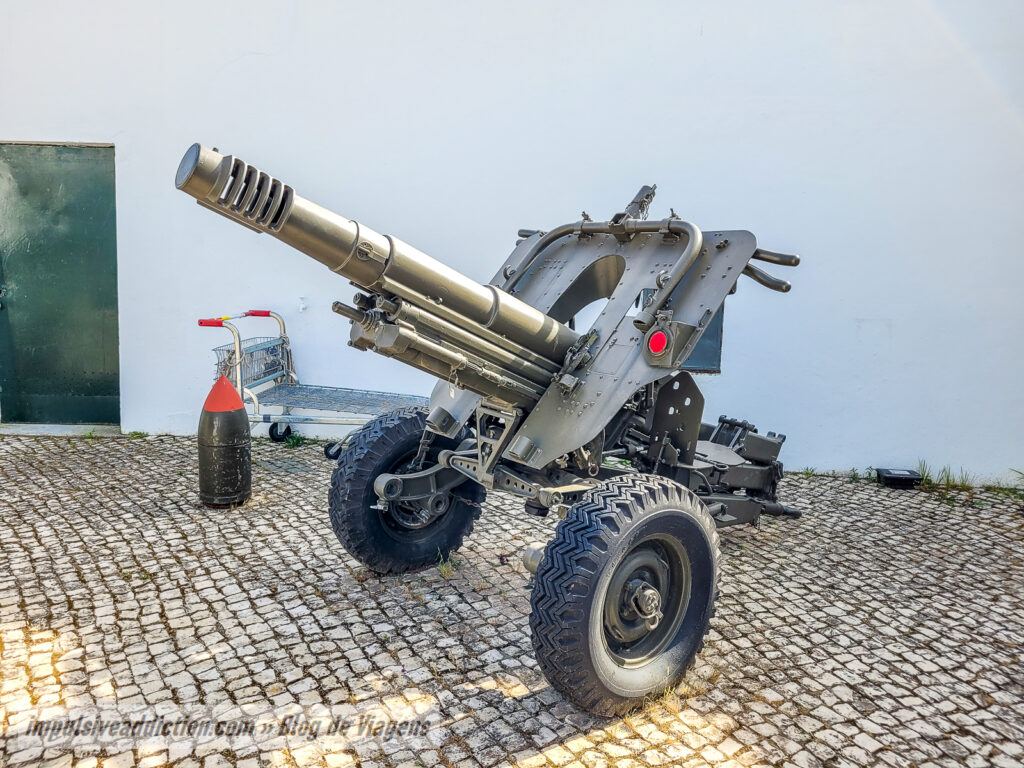
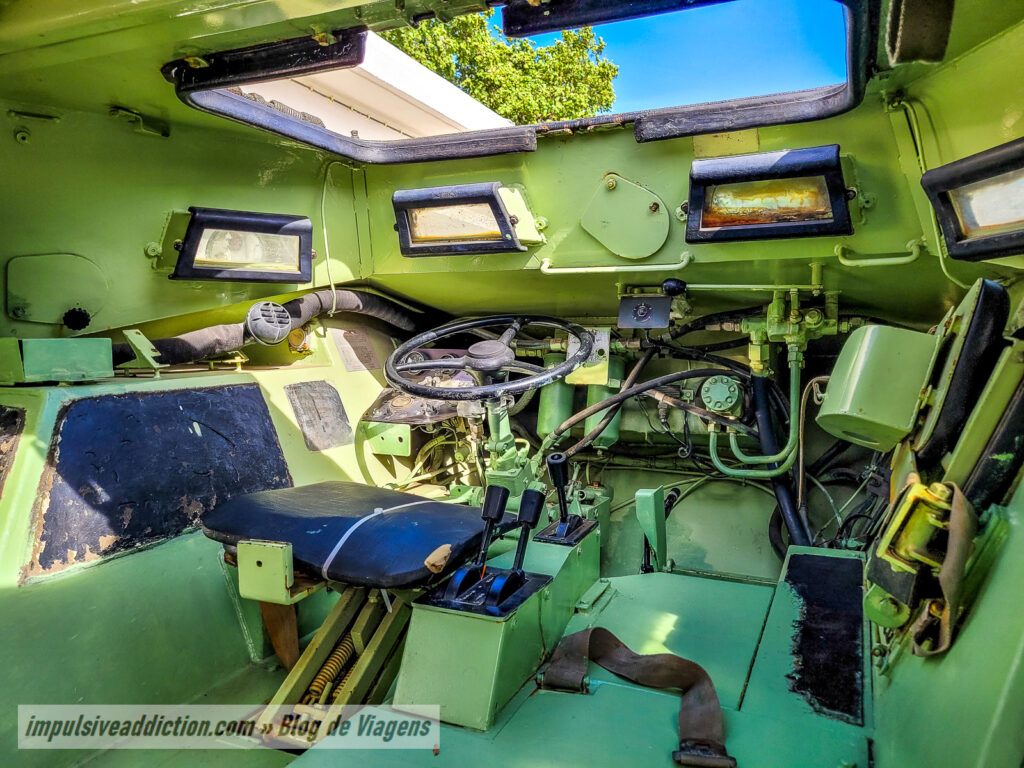
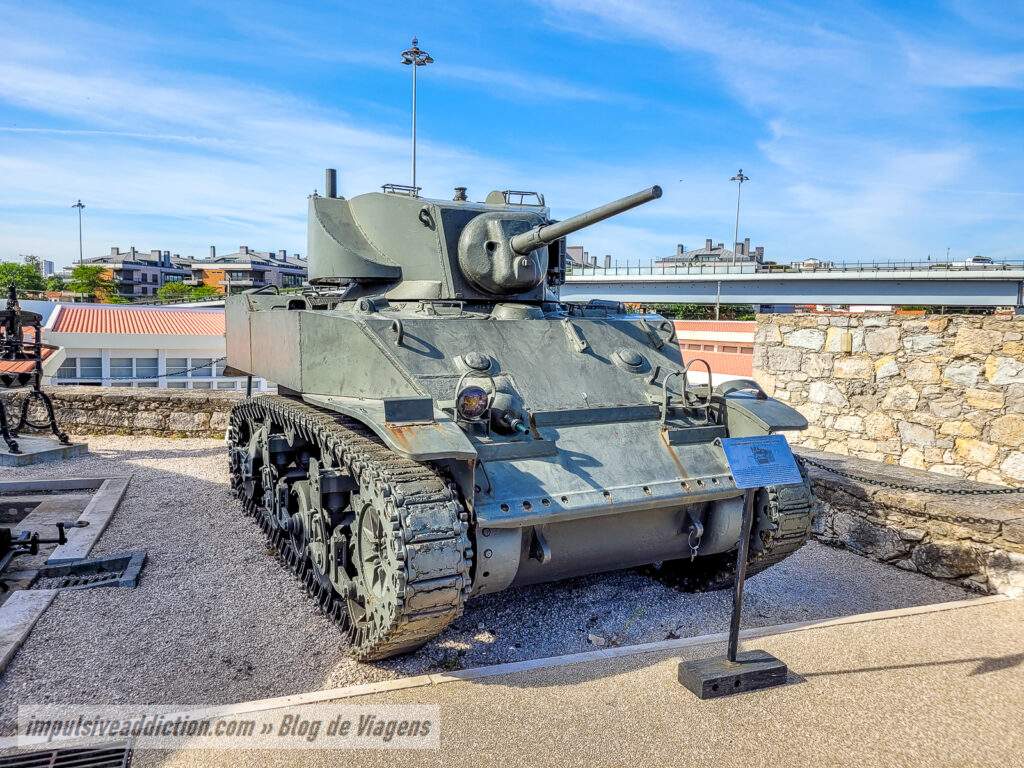
Open to the public since 2003, this space, managed by the Liga dos Combatentes, features permanent indoor exhibitions such as “The Portuguese Combatant of the 20th Century” and “History of Military Aviation”, alongside three outdoor areas showcasing military equipment including tanks, artillery pieces, uniforms, and more.
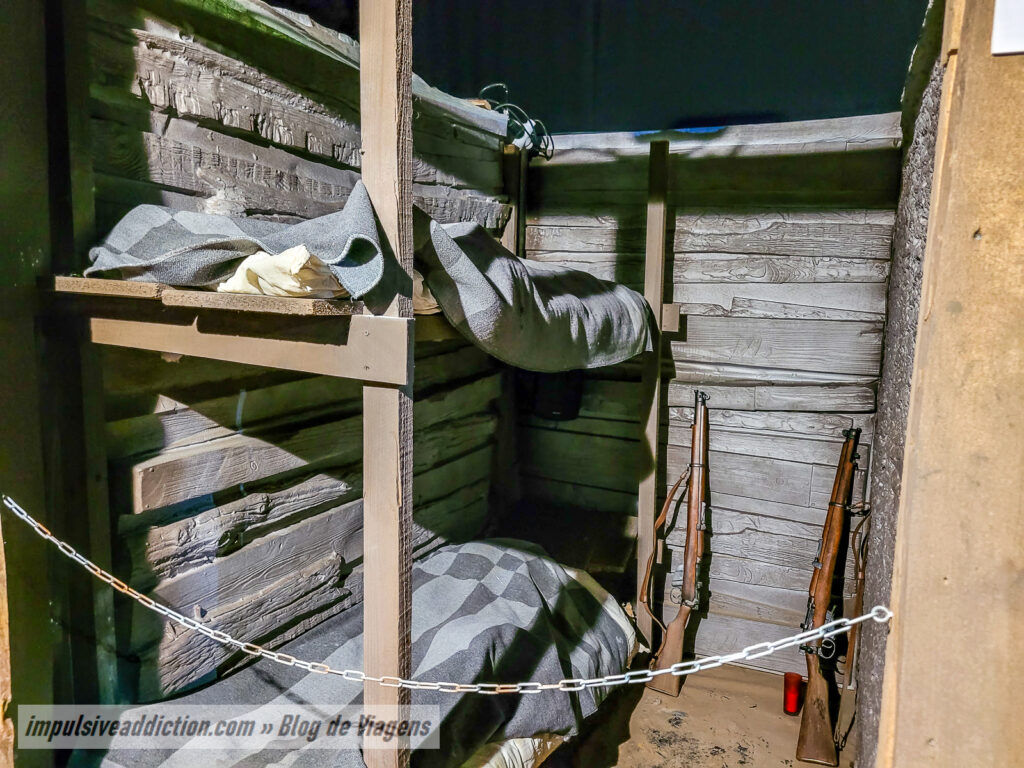
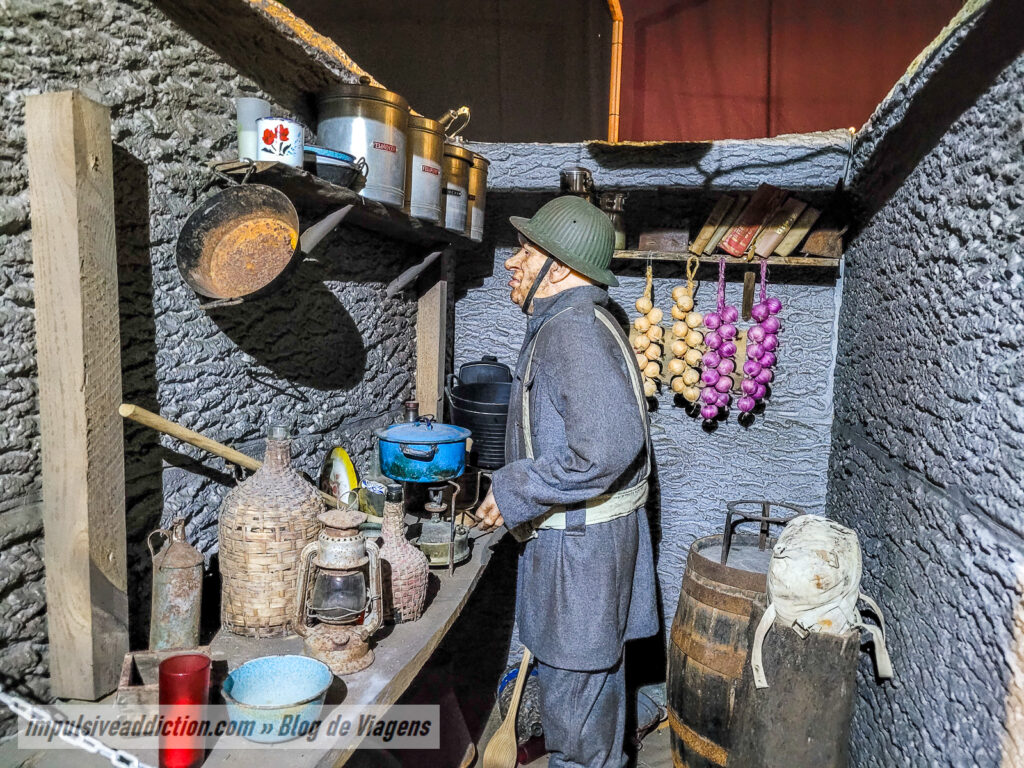
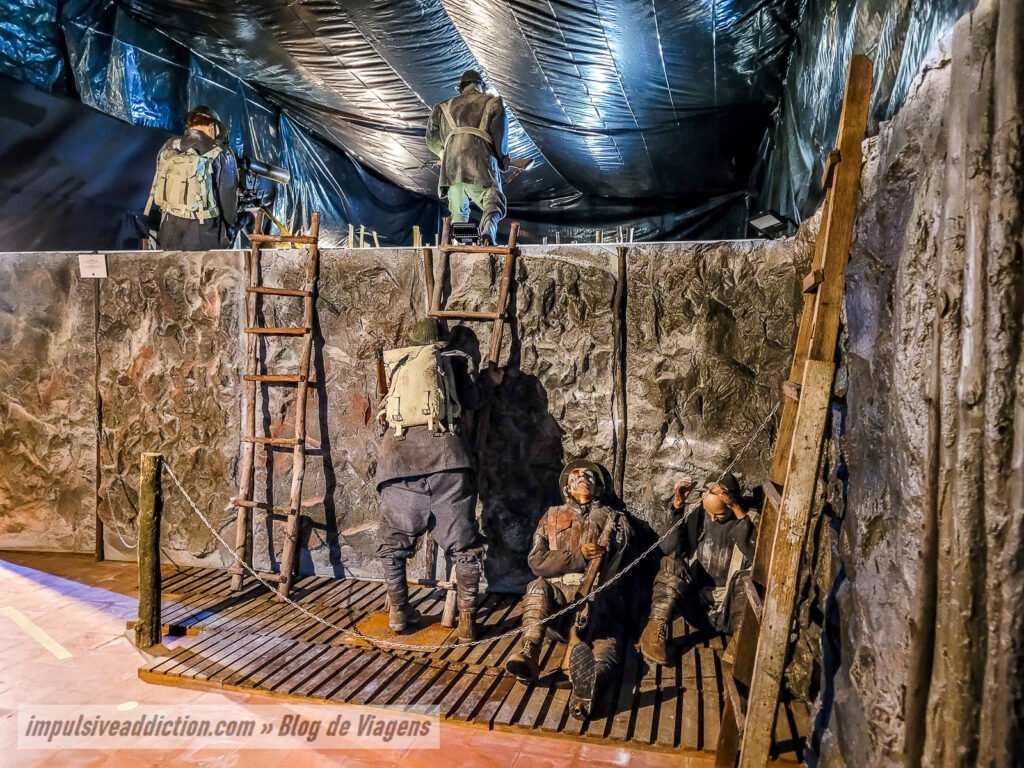
The visit is enriched by realistic recreations, including a 3D World War I trench with immersive light and sound effects, and a scale model aircraft collection that spans from the Wright brothers to modern drones.


5. Museum of Popular Art
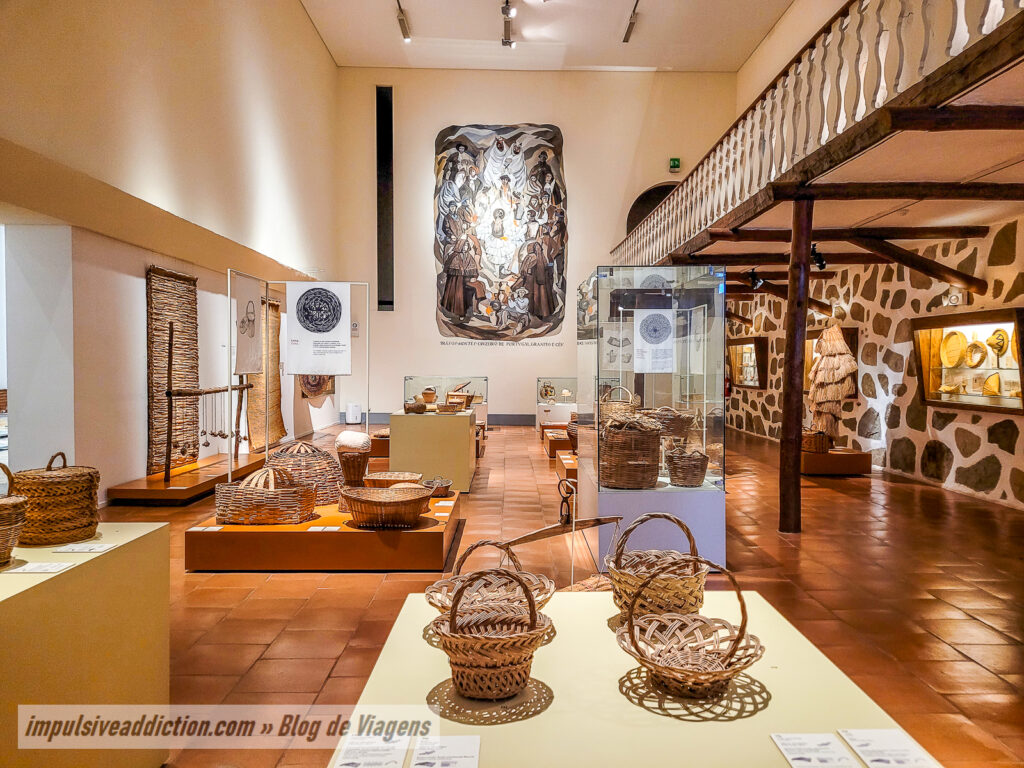
The Museum of Popular Art, located by the Tagus River in the Belém district, occupies a pavilion originally built for the 1940 Portuguese World Exhibition.
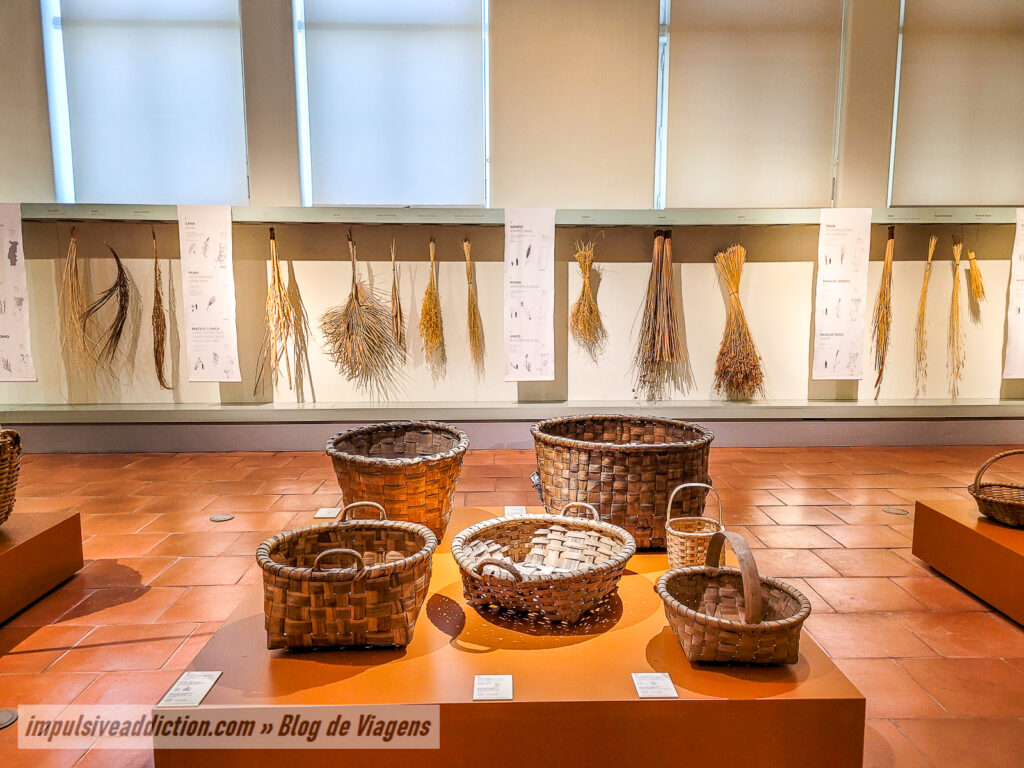
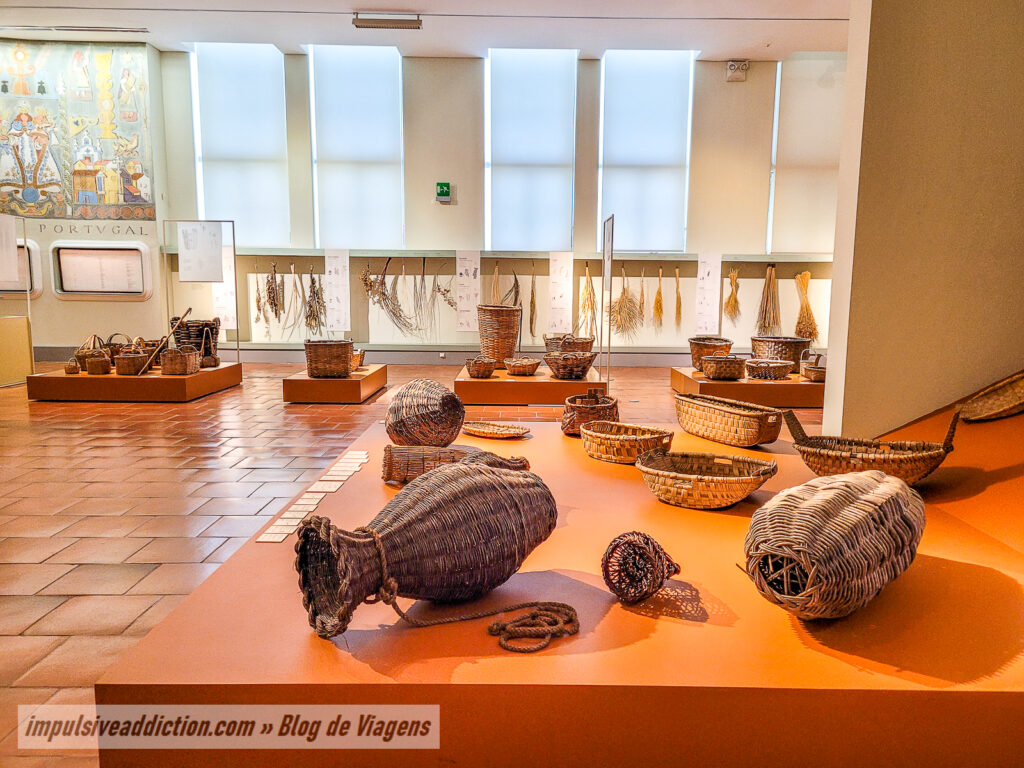
For several decades, the museum showcased a permanent exhibition spread across five regional galleries — Minho, Trás-os-Montes, Beiras, Alentejo/Estremadura, and the Algarve. These displays featured a rich collection of ethnographic items, including traditional costumes, ceramics, basketry, musical instruments, cutlery, and agricultural tools, offering a vivid reflection of Portugal’s cultural diversity.
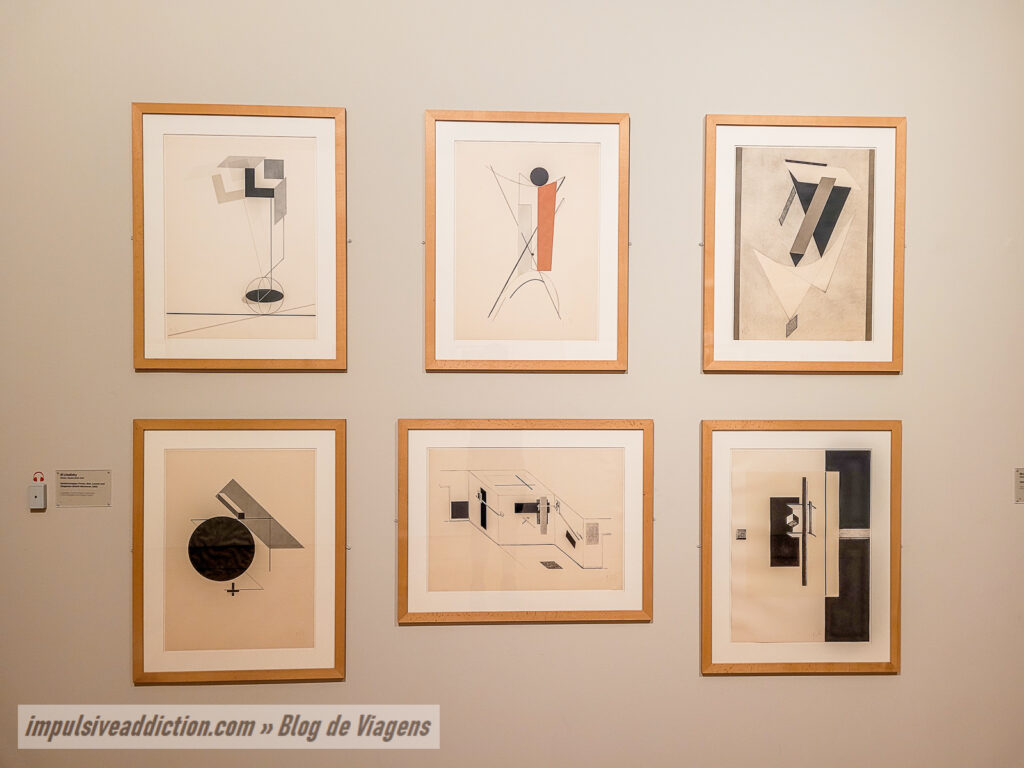
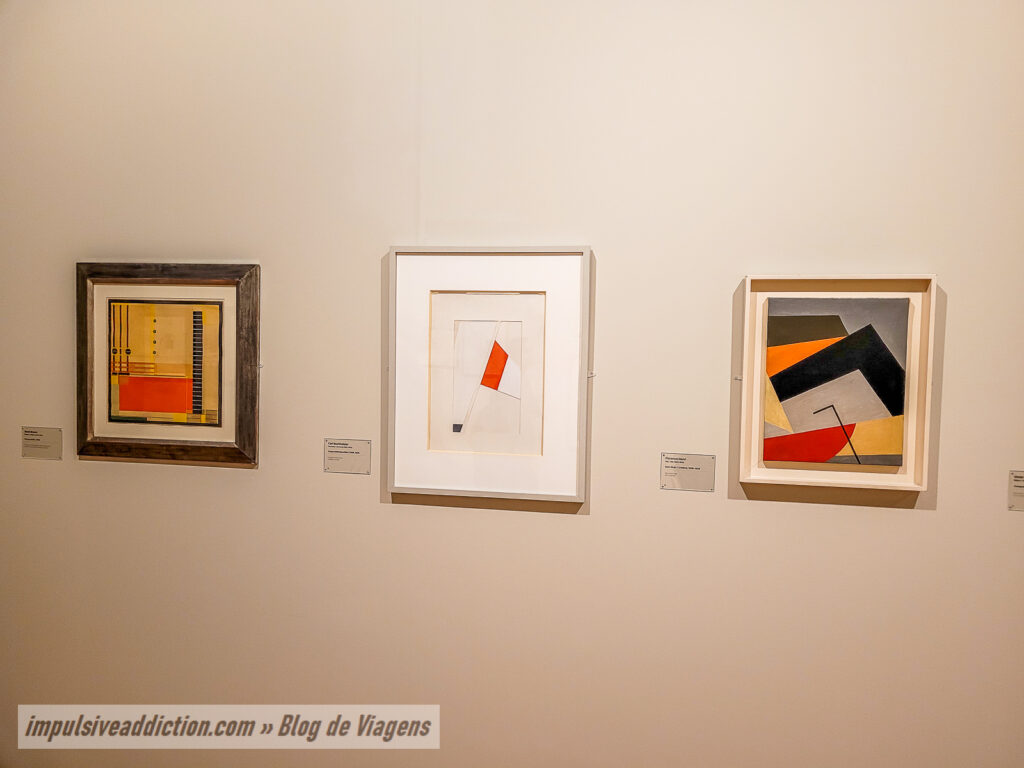
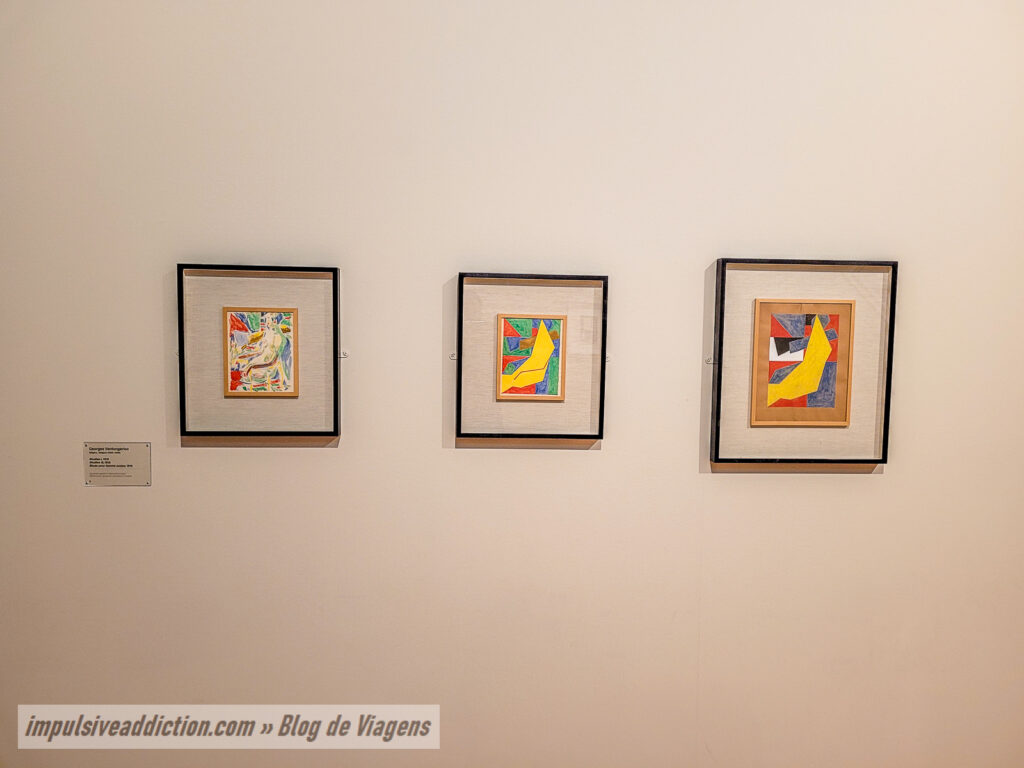
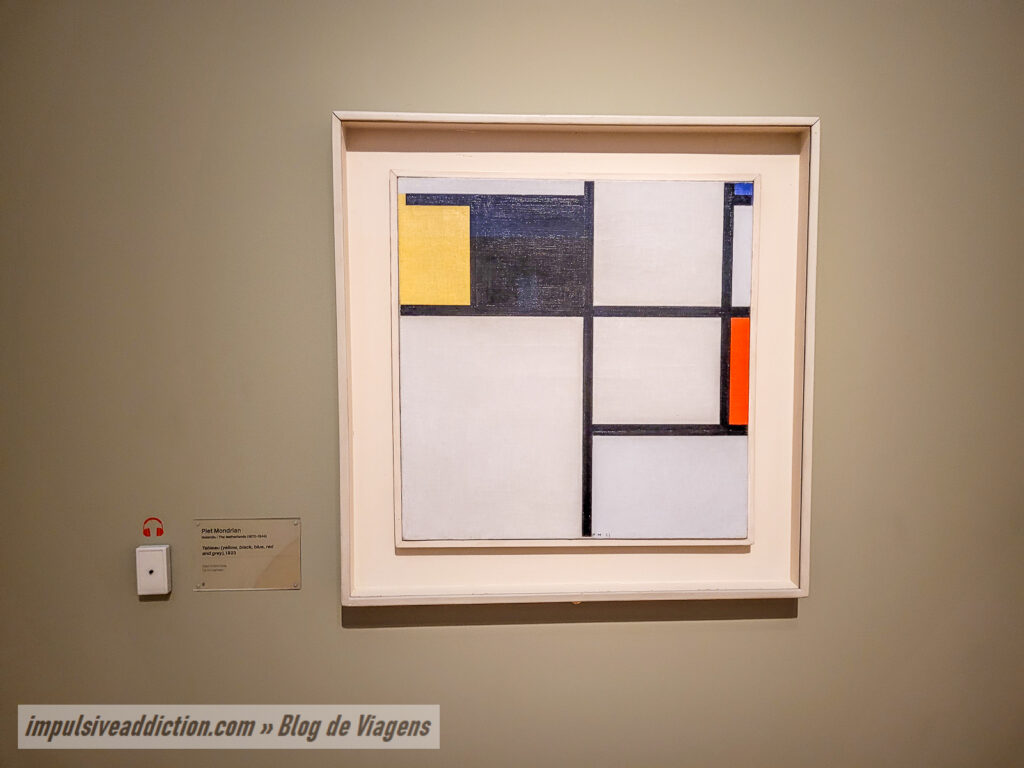
6. CCB – Berardo Collection Museum
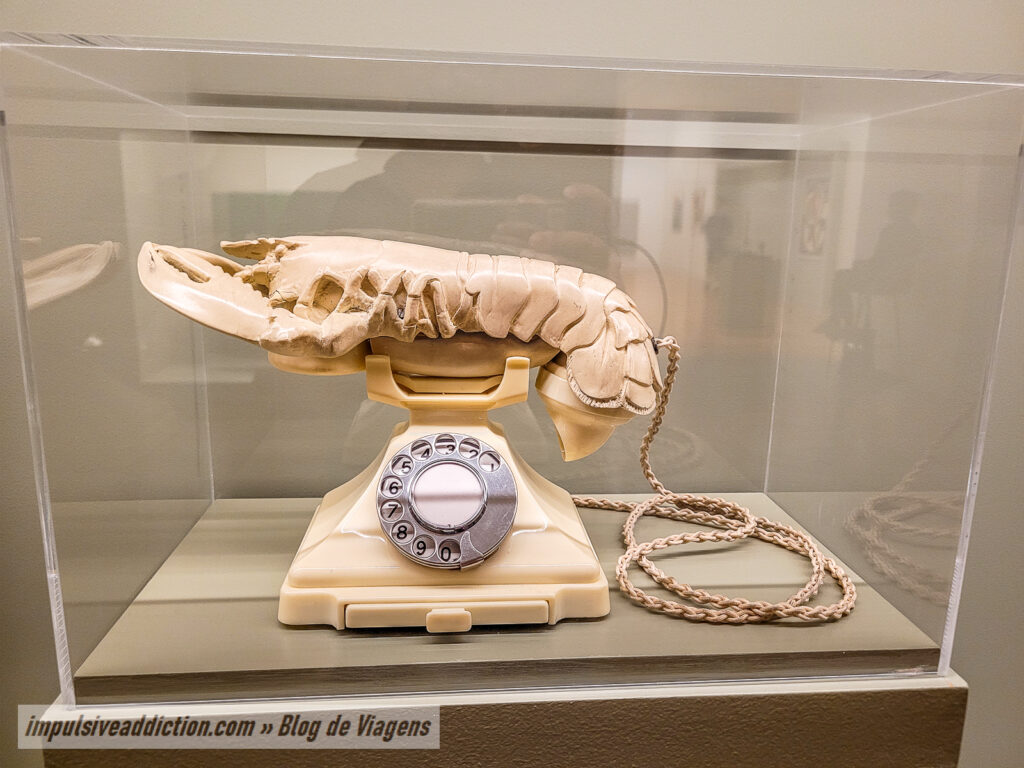
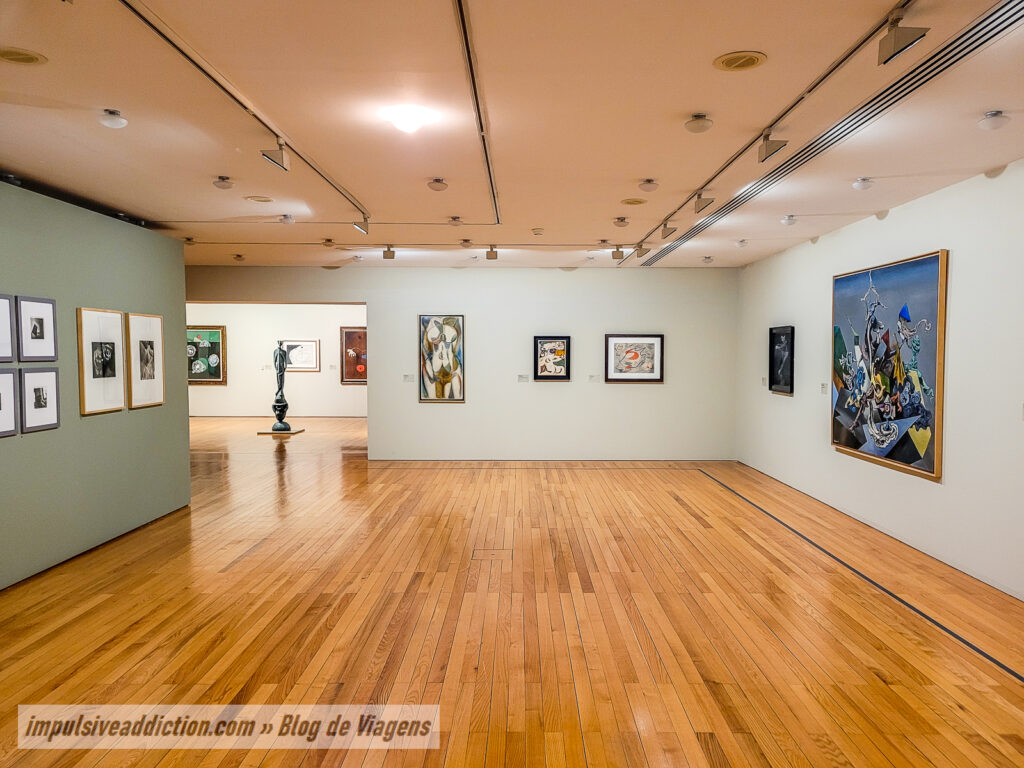
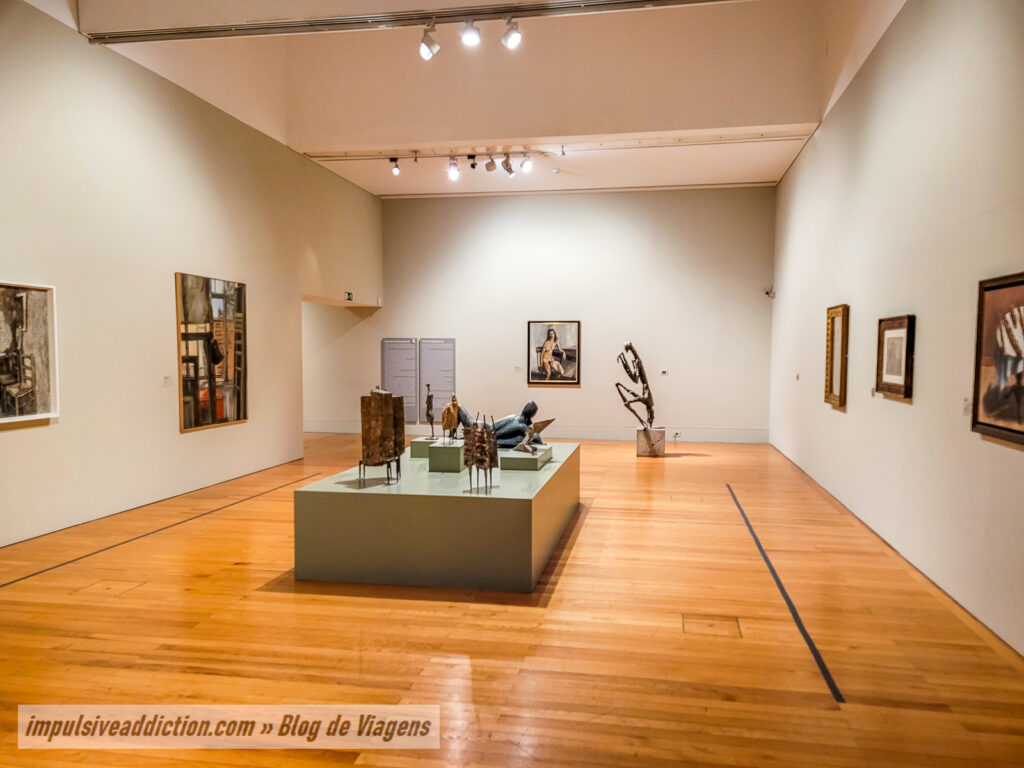
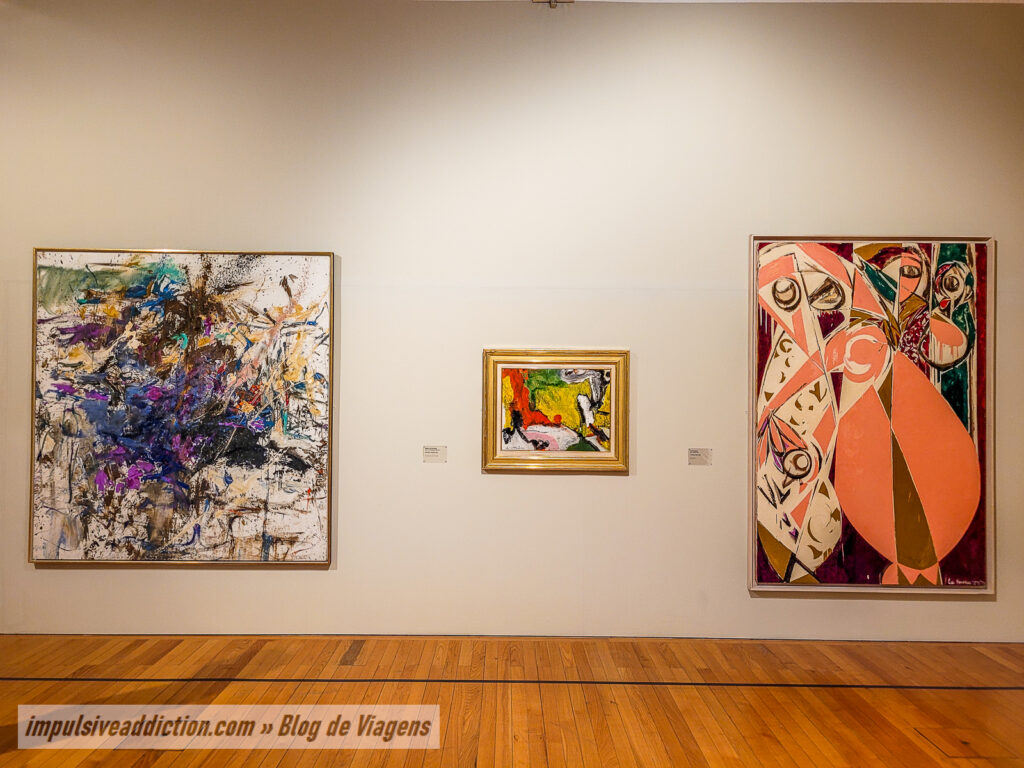
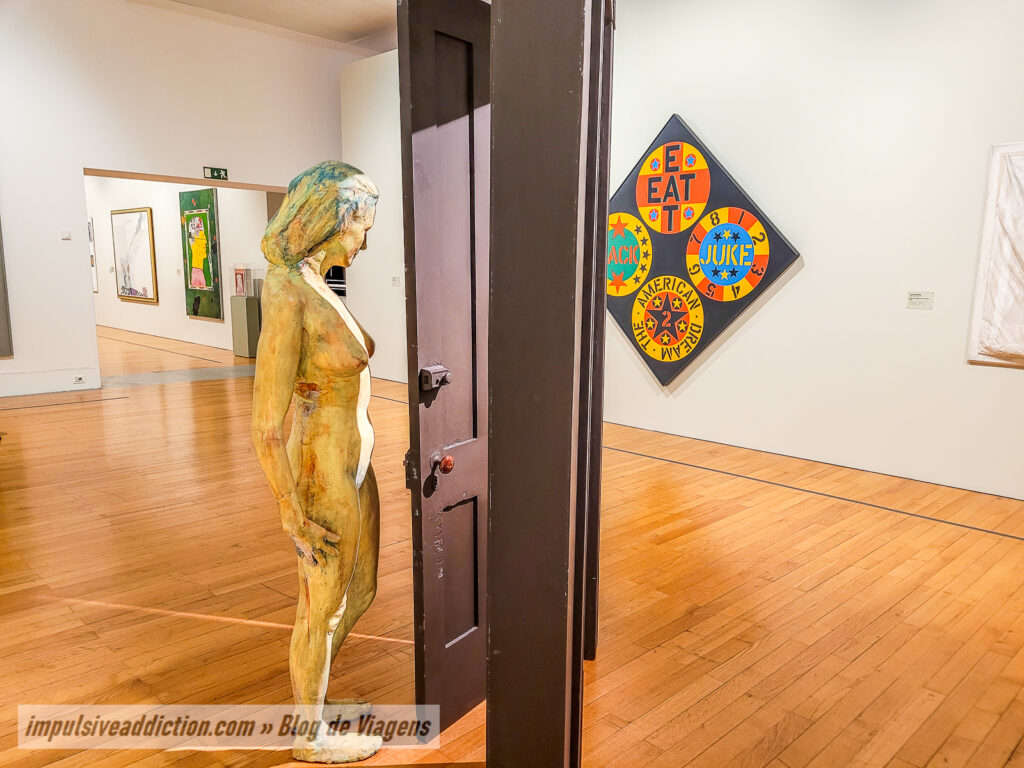
Now part of the MAC/CCB – Museum of Contemporary Art at the Belém Cultural Center, the Berardo Collection Museum is one of Lisbon’s most iconic spaces dedicated to modern and contemporary art.
Opened in 2007, it houses an impressive collection of nearly 900 to 1,000 works assembled by José Berardo over two decades. The collection showcases around 70 major art movements from the 20th and 21st centuries, including Cubism, Surrealism, Pop Art, Minimalism, and Conceptual Art.
Featured artists include world-renowned names such as Pablo Picasso, Salvador Dalí, Francis Bacon, Andy Warhol, Piet Mondrian, and Vieira da Silva, all presented within a chronological exhibition path that spans from historical avant-gardes to the most current trends in contemporary art.
7. Lisbon Navy Museum
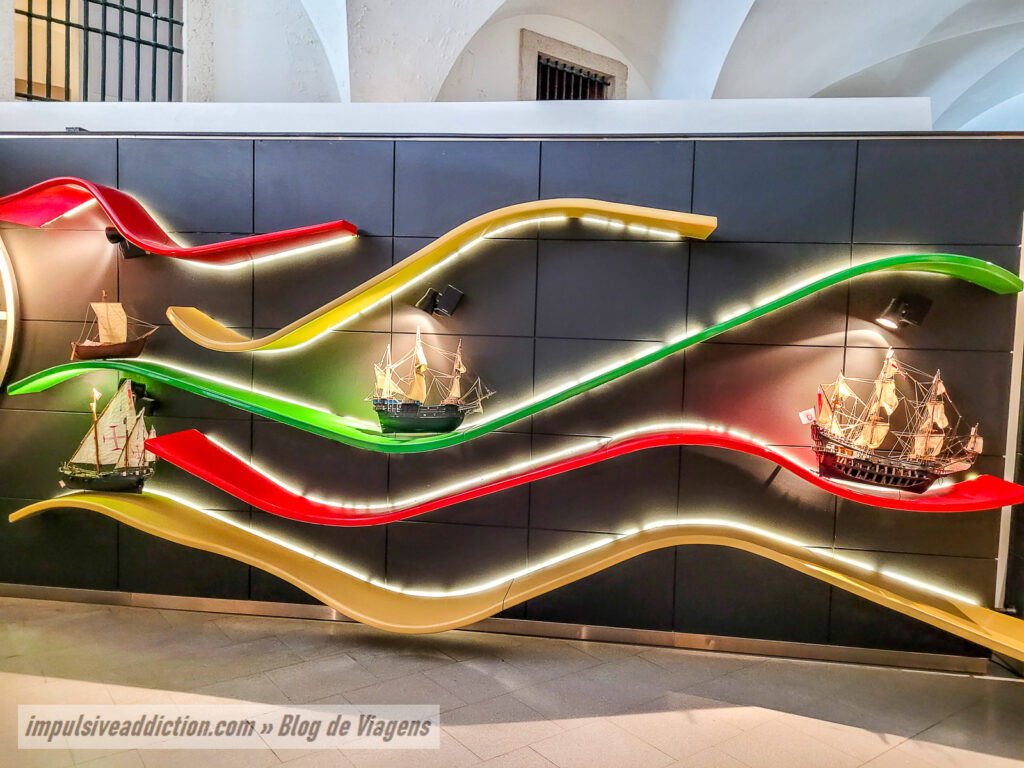
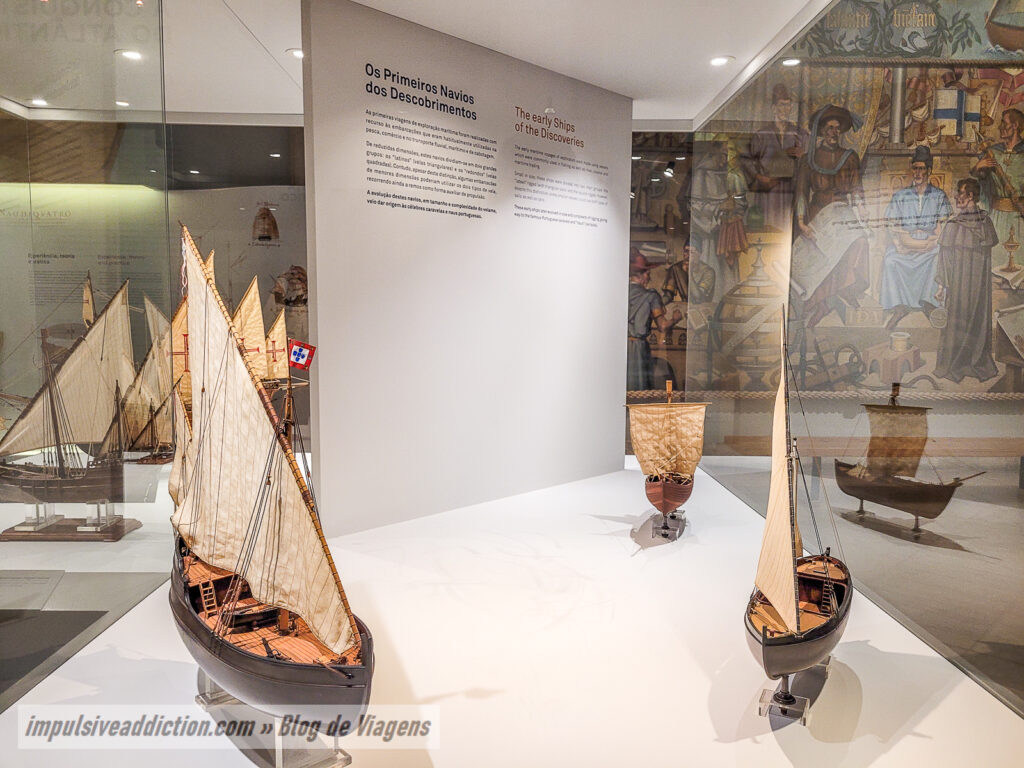
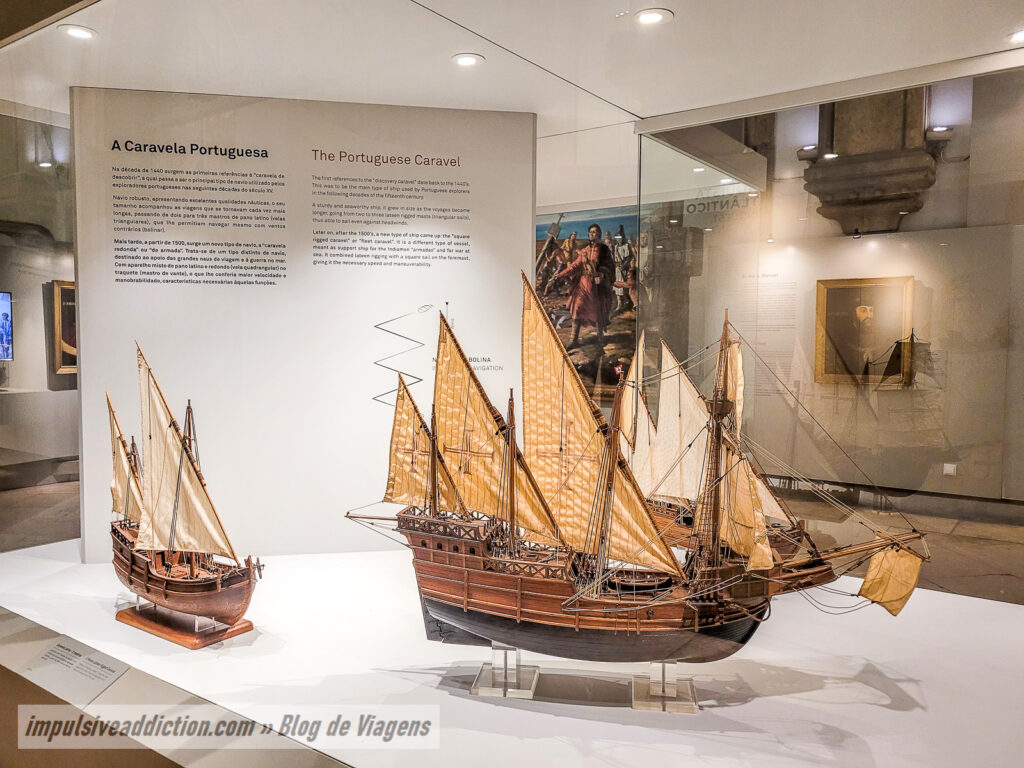
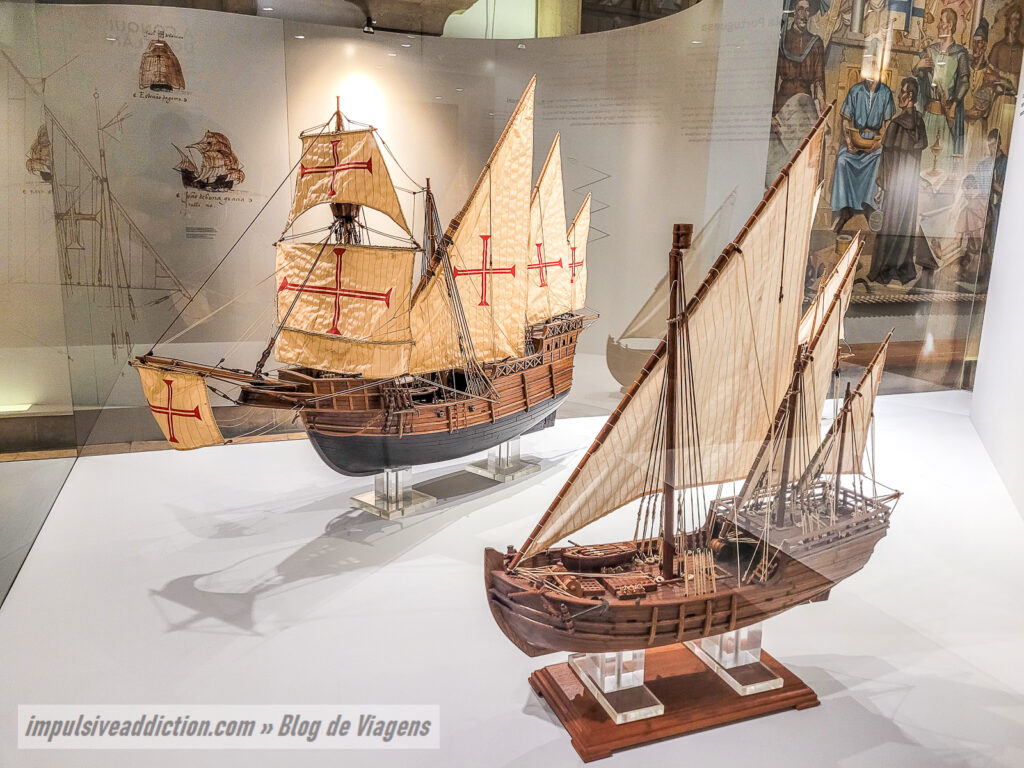
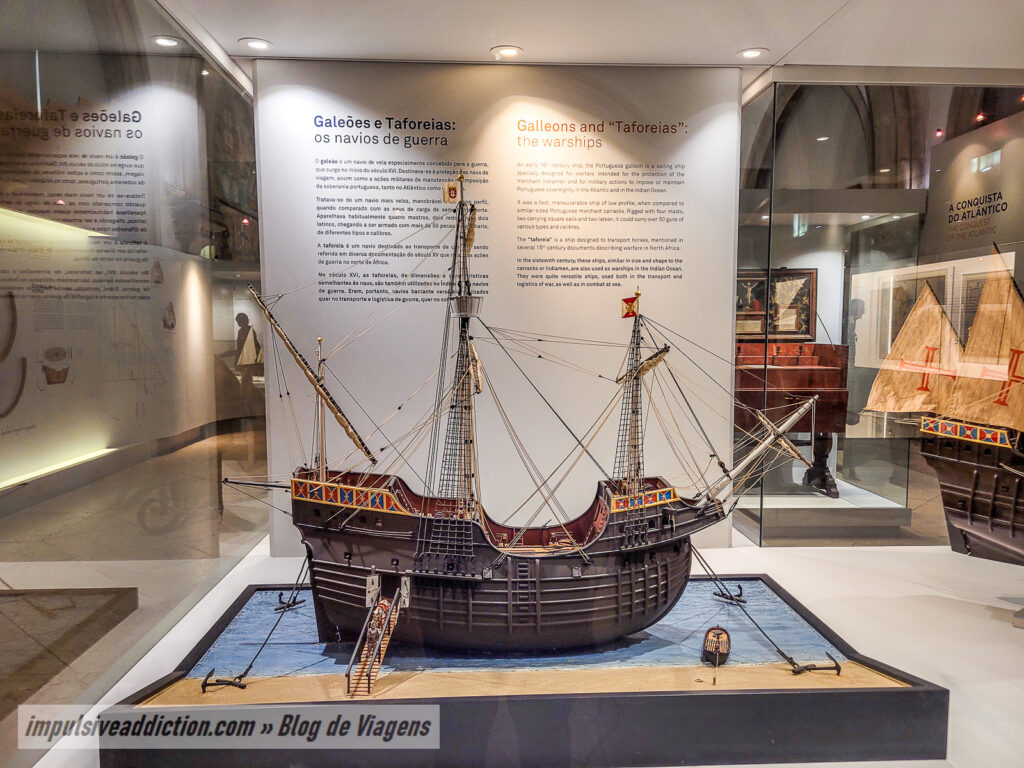
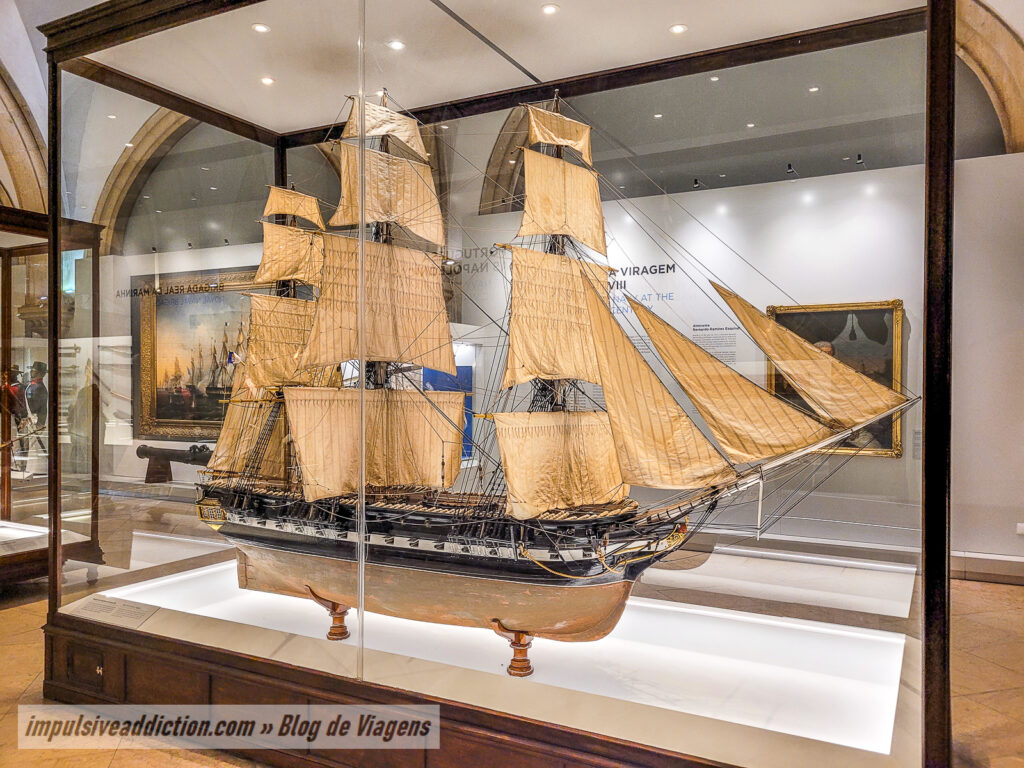
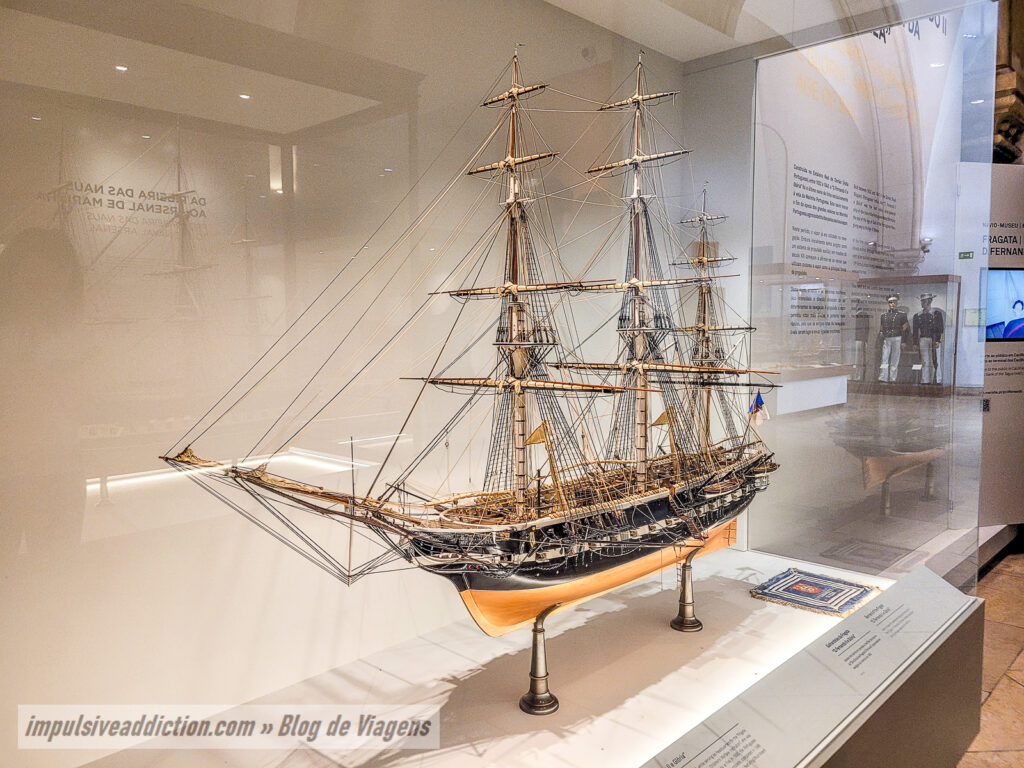
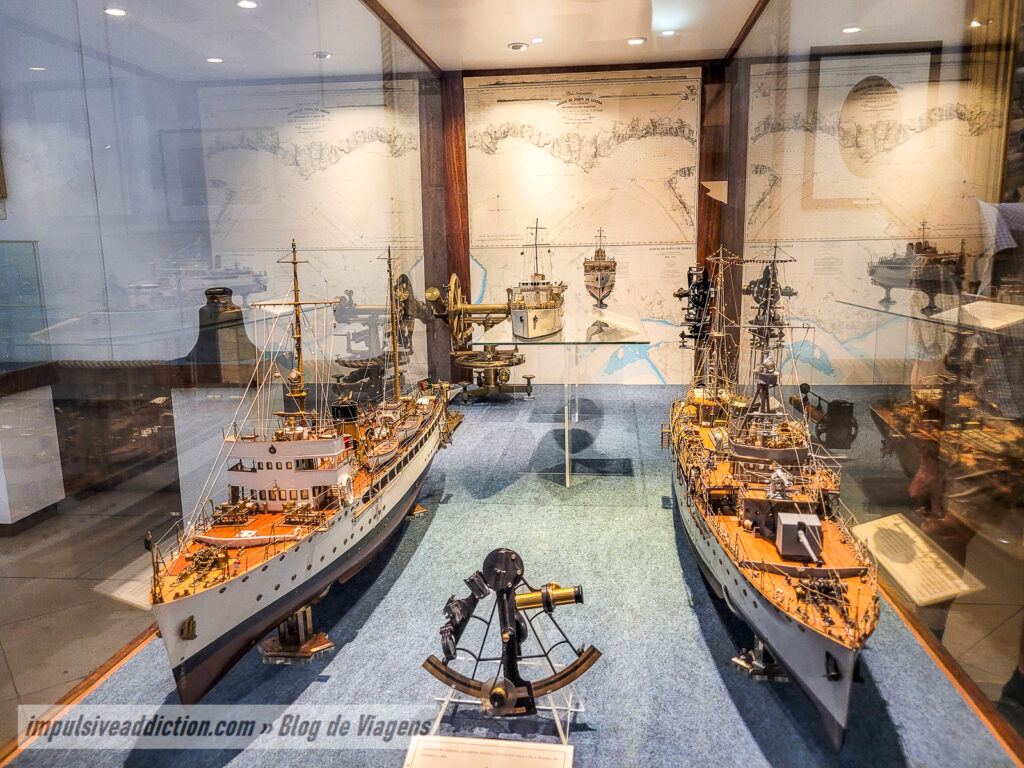
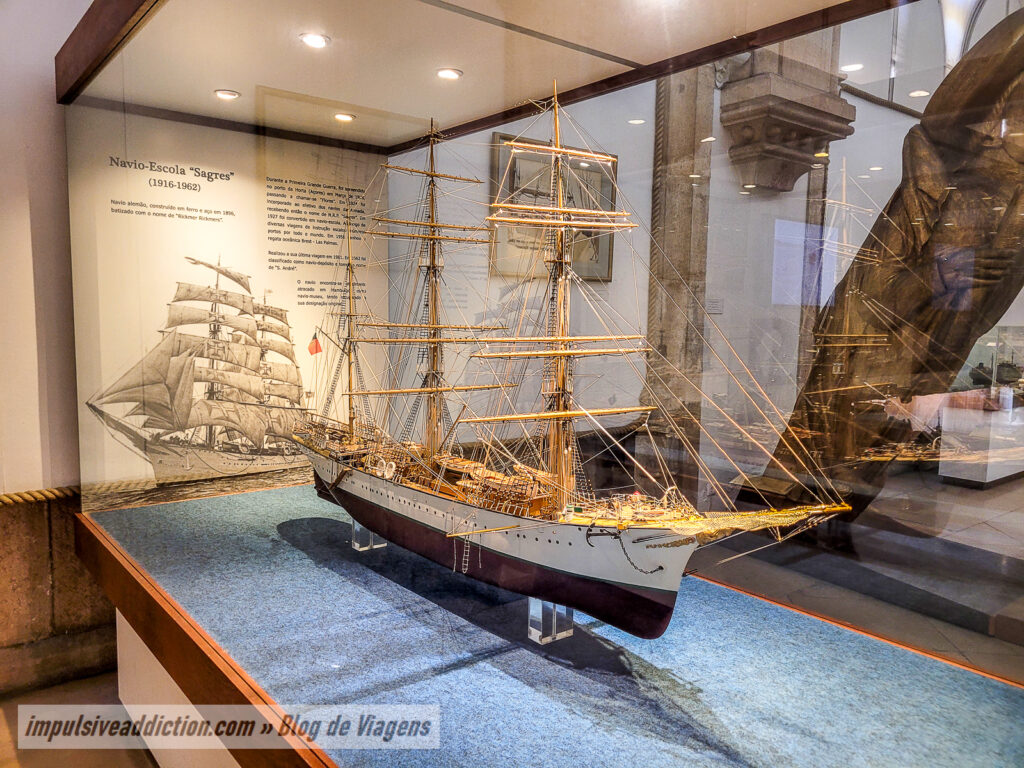
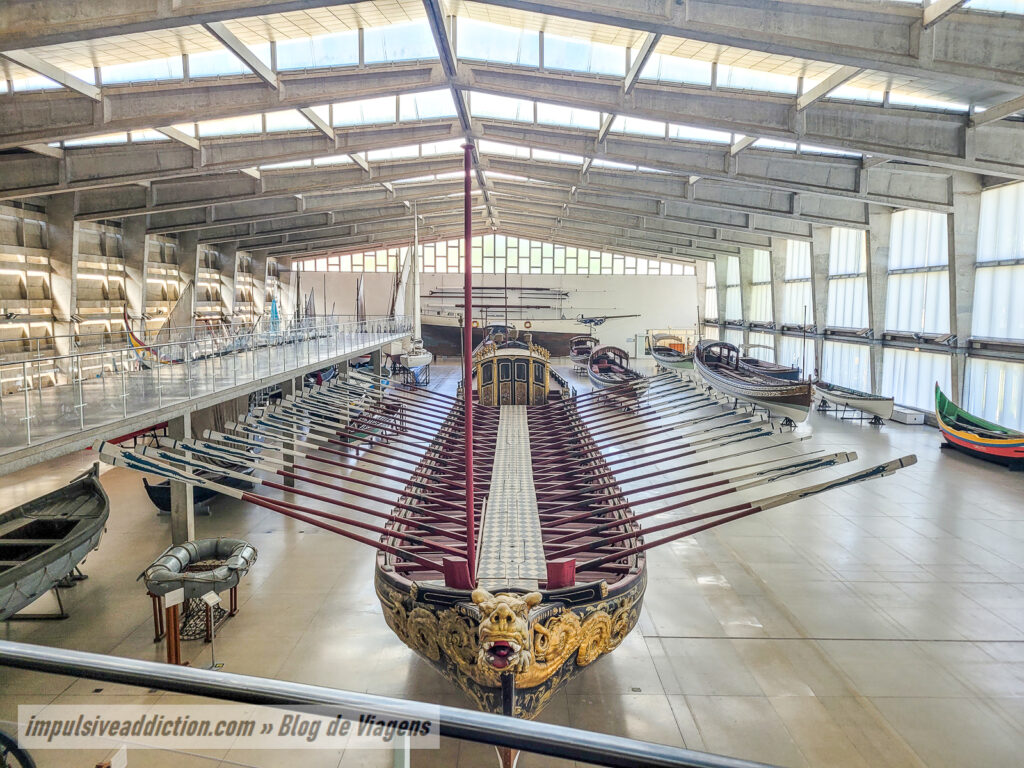
The Lisbon Navy Museum, located in the west wing of the Jerónimos Monastery in Belém, is a comprehensive tribute to Portugal’s rich maritime heritage.
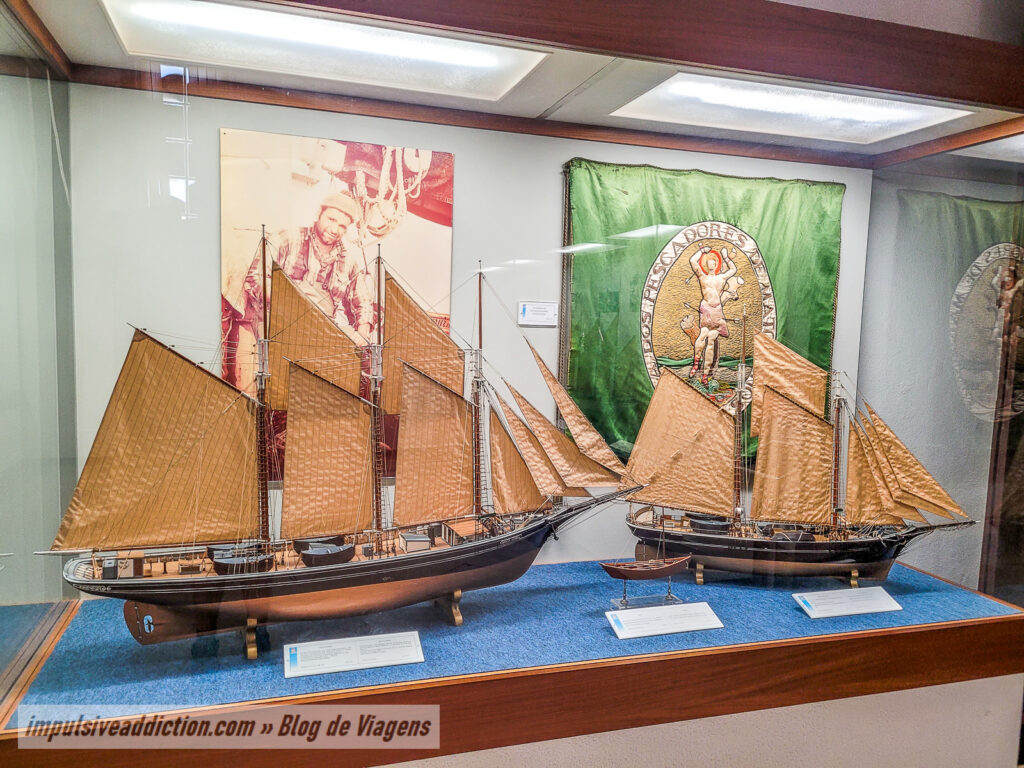
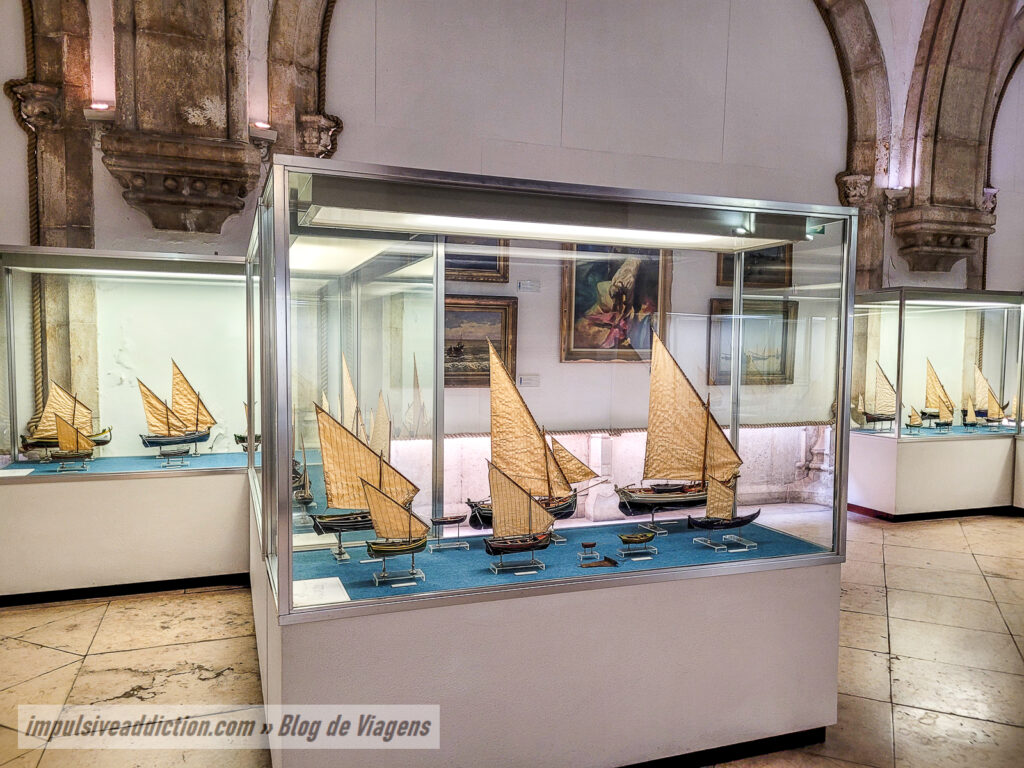
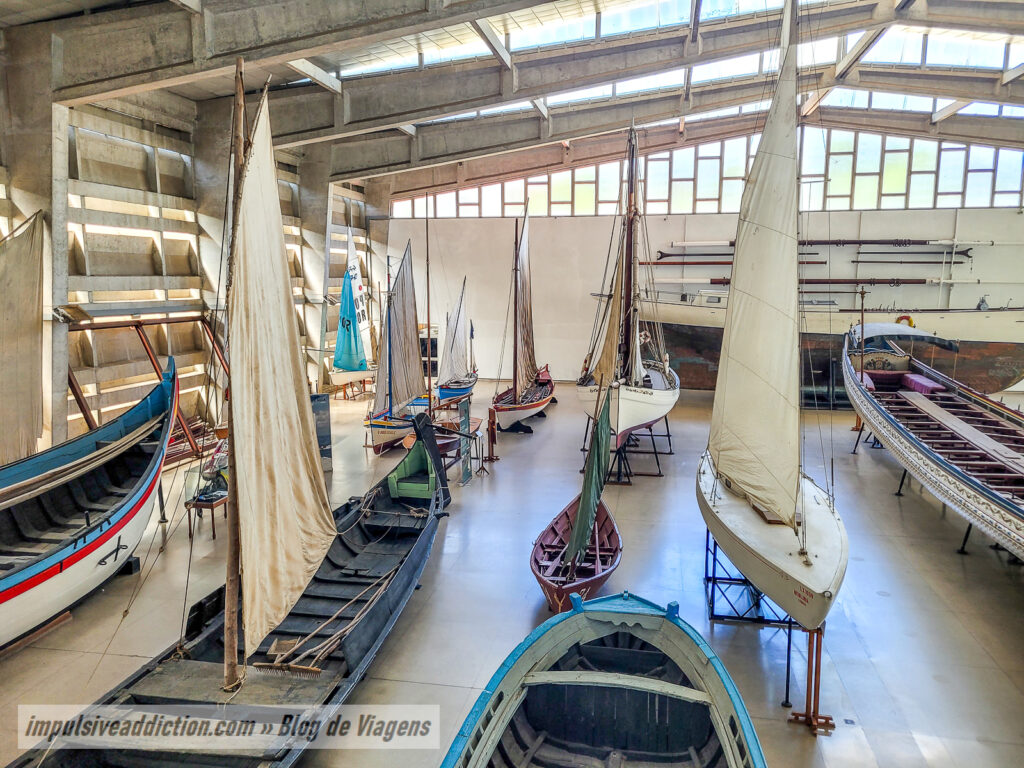
Founded by royal decree of King Luís I in 1863, the museum houses a vast collection of over 20,000 items, with around 2,500 on permanent display. Highlights include detailed ship models from the Age of Discoveries through to the 20th century, historic navigation instruments such as astrolabes — among the world’s most significant — nautical charts, weapons, naval uniforms, and striking replicas like the Nau Madre de Deus. A separate pavilion features the stunning royal barges, including the majestic Royal Brigantine.
A visit here truly feels like a journey through time — from the golden era of exploration, with pieces like the Atocha III astrolabe, to the evolution of the modern Portuguese Navy, with models of fishing boats, merchant ships, and leisure vessels.
With nearly 10,000 m² of exhibition space and a documentation center holding more than 140,000 images and 1,500 ship plans, the museum also offers interactive and educational exhibits, making it ideal for visitors of all ages interested in Portugal’s long and storied relationship with the sea.
8. National Museum of Archaeology
Located in the western wing of the Jerónimos Monastery in Belém, the National Museum of Archaeology is Portugal’s largest archaeological museum and one of the most important in the Iberian Peninsula.
Founded in 1893 by José Leite de Vasconcelos, the museum has occupied the monastery’s former monks’ dormitory — a beautiful Neo-Manueline space — since 1906. Its vast collection spans over half a million years of Portuguese history, from prehistoric remains (Paleolithic, Neolithic, Bronze Age) to the Middle Ages. Notable highlights include one of the most significant Southwest Script stelae and exquisite Roman mosaics, particularly from the Roman Villa of Torre de Palma.
The permanent exhibition is divided into two main sections:
– Egyptian Antiquities, featuring mummies and sarcophagi dating back several millennia
– Treasures of Portuguese Archaeology, showcasing jewelry, ceramics, inscriptions, and sculptures that trace the country’s cultural identity.
Unfortunately, it was closed during my most recent trip to Lisbon — so I haven’t been able to visit (yet!) or share photos of the space with you. 😉
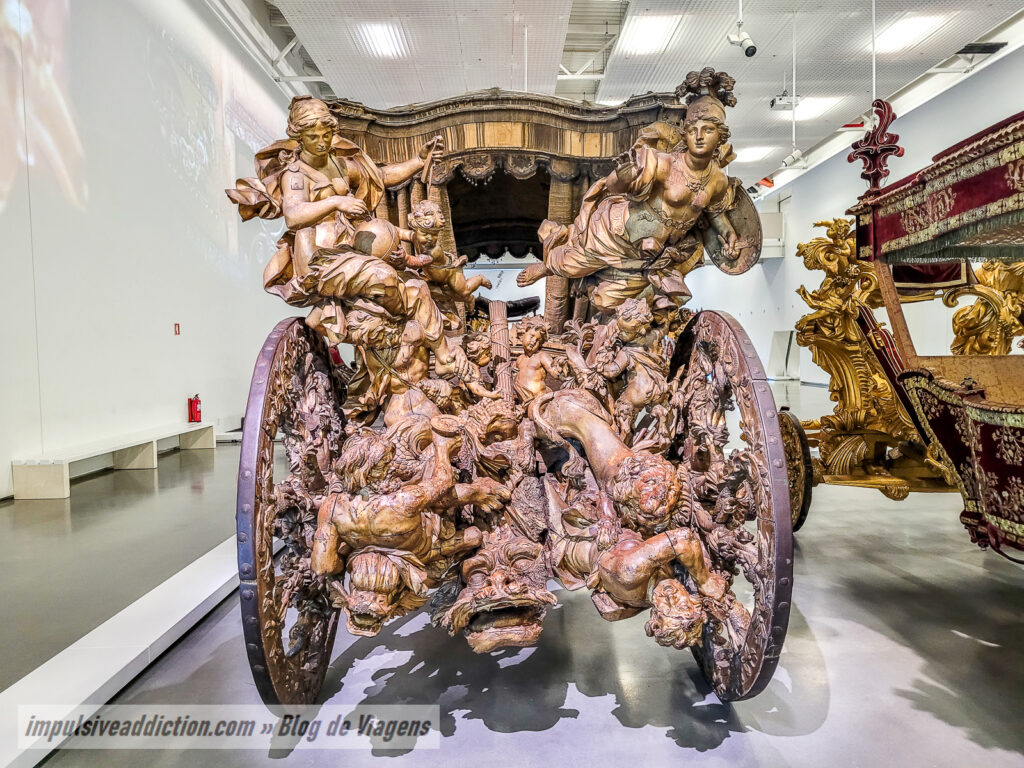
10. National Coach Museum (Old and New Buildings)
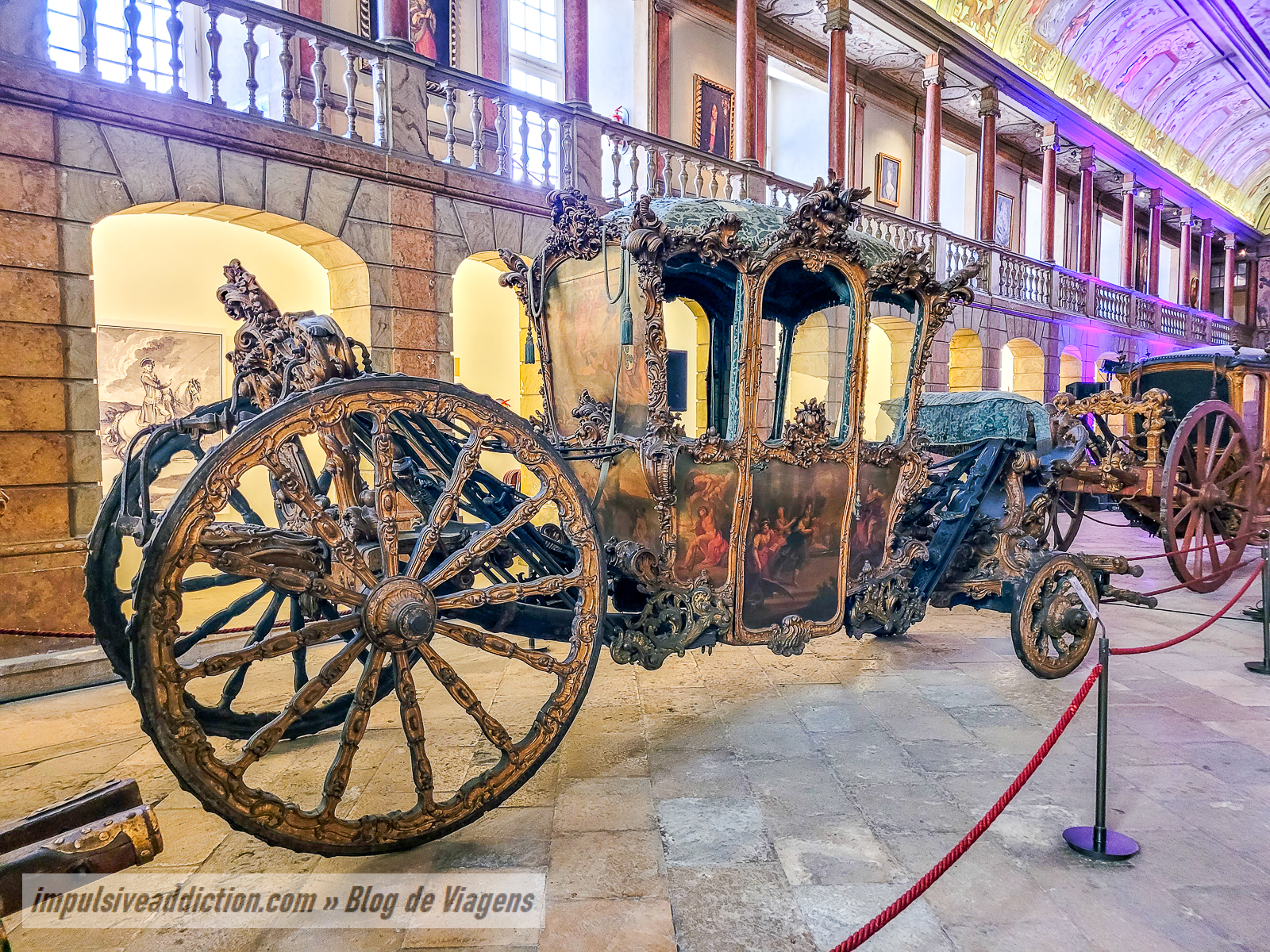
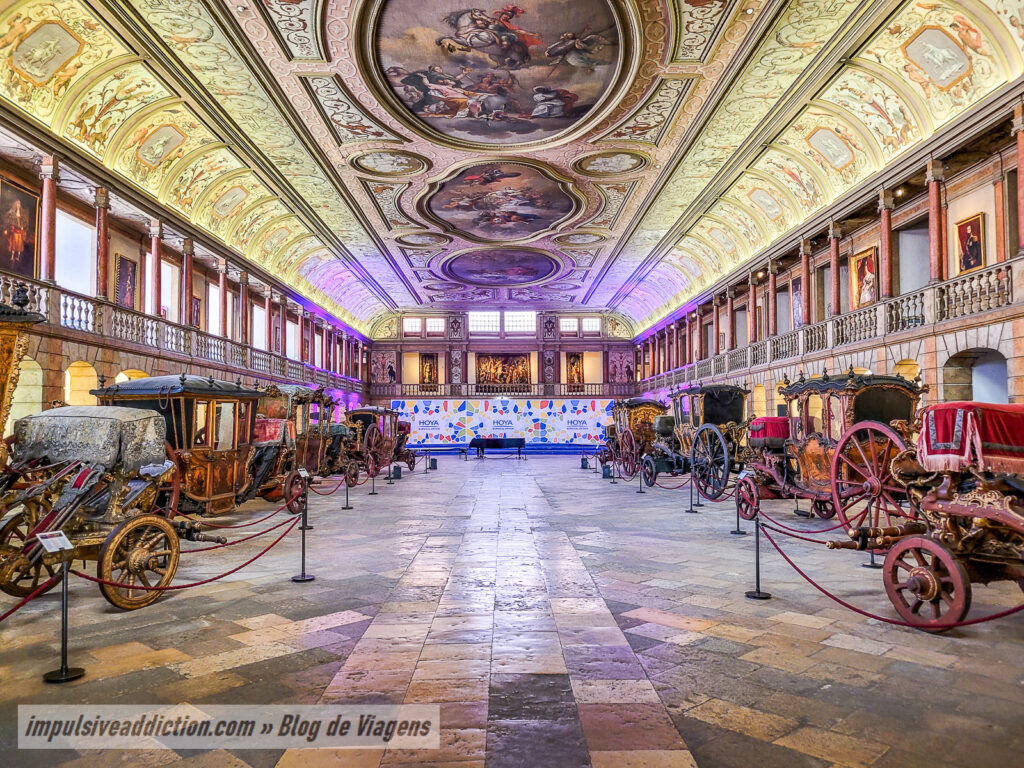
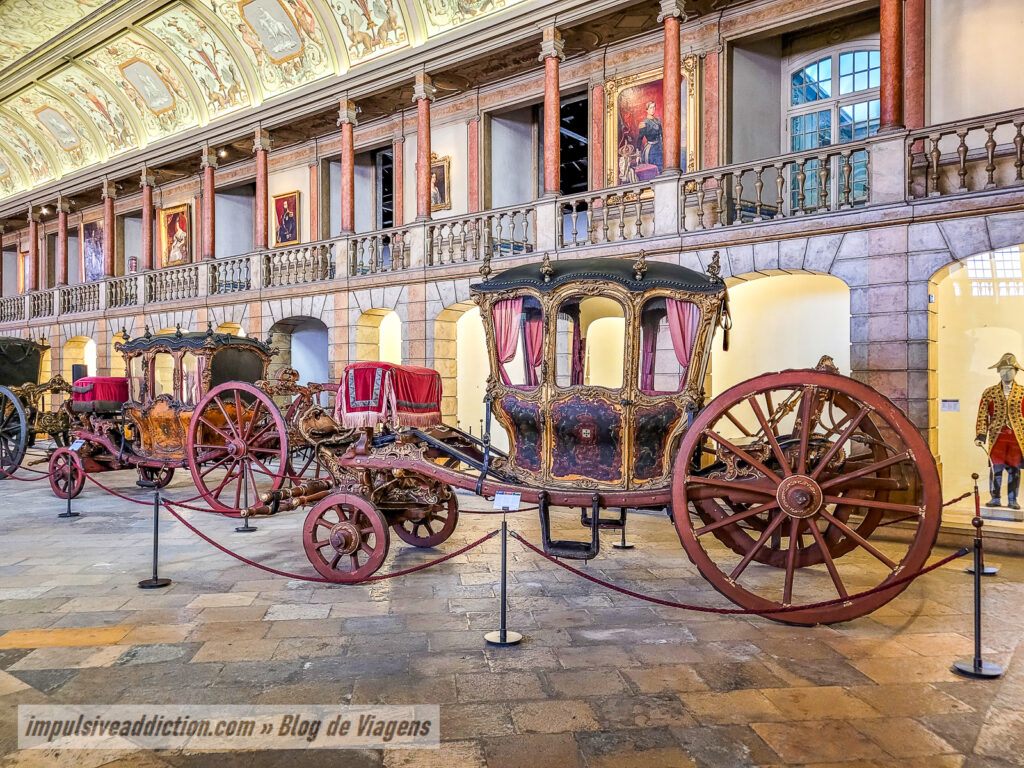
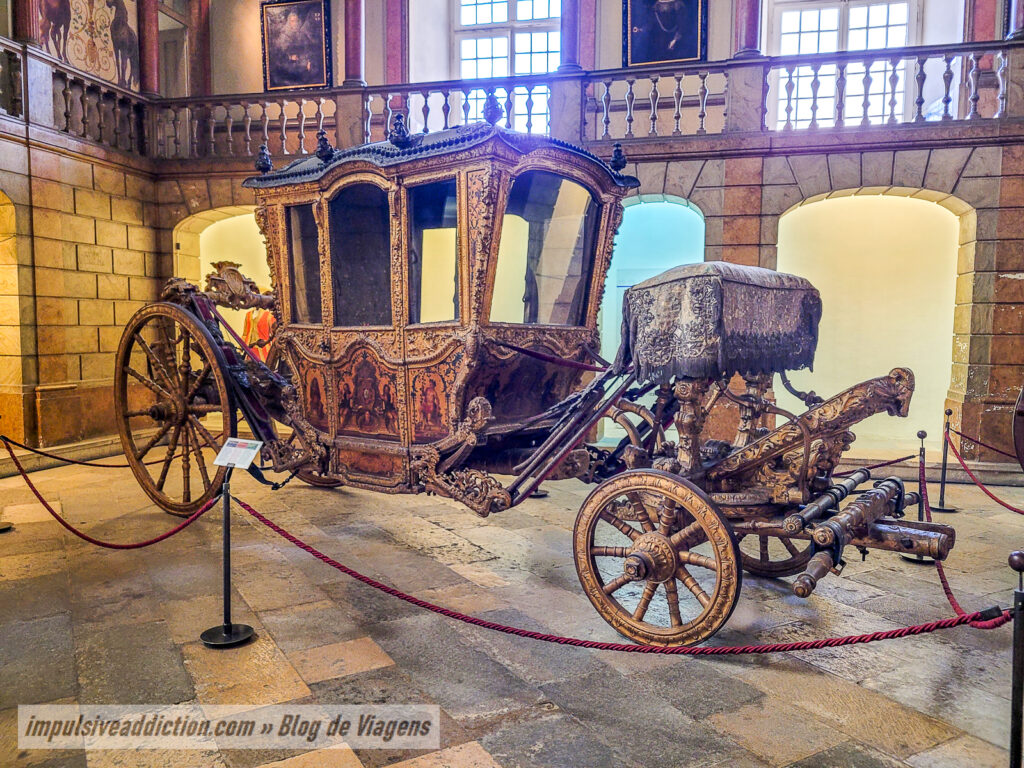
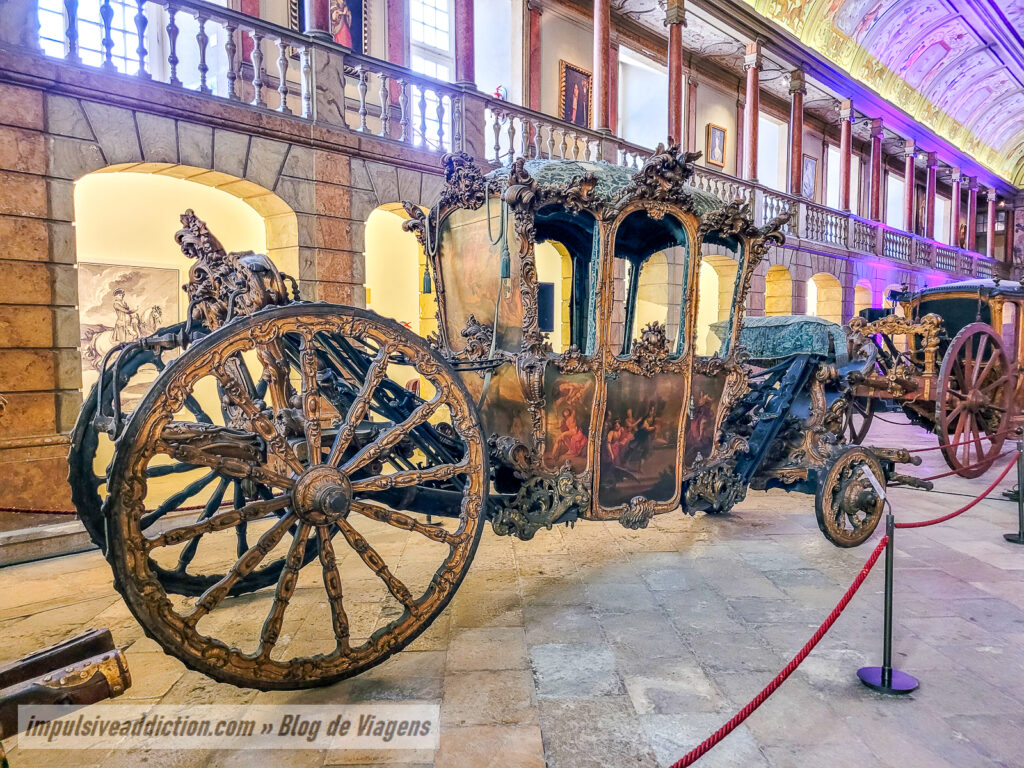
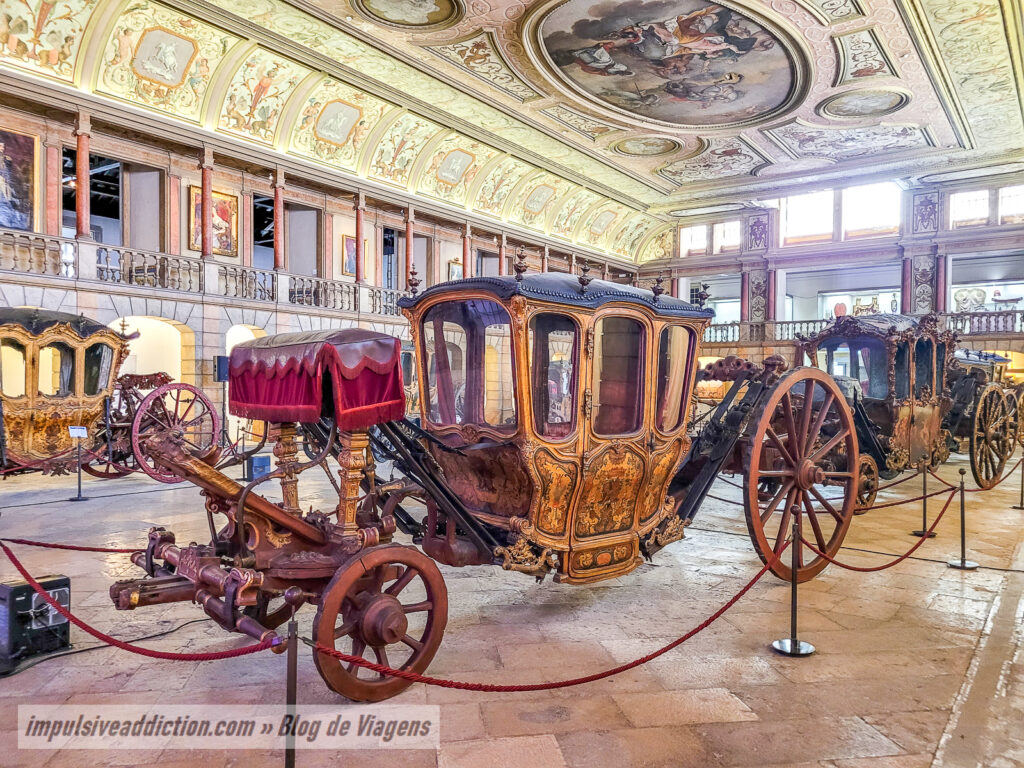
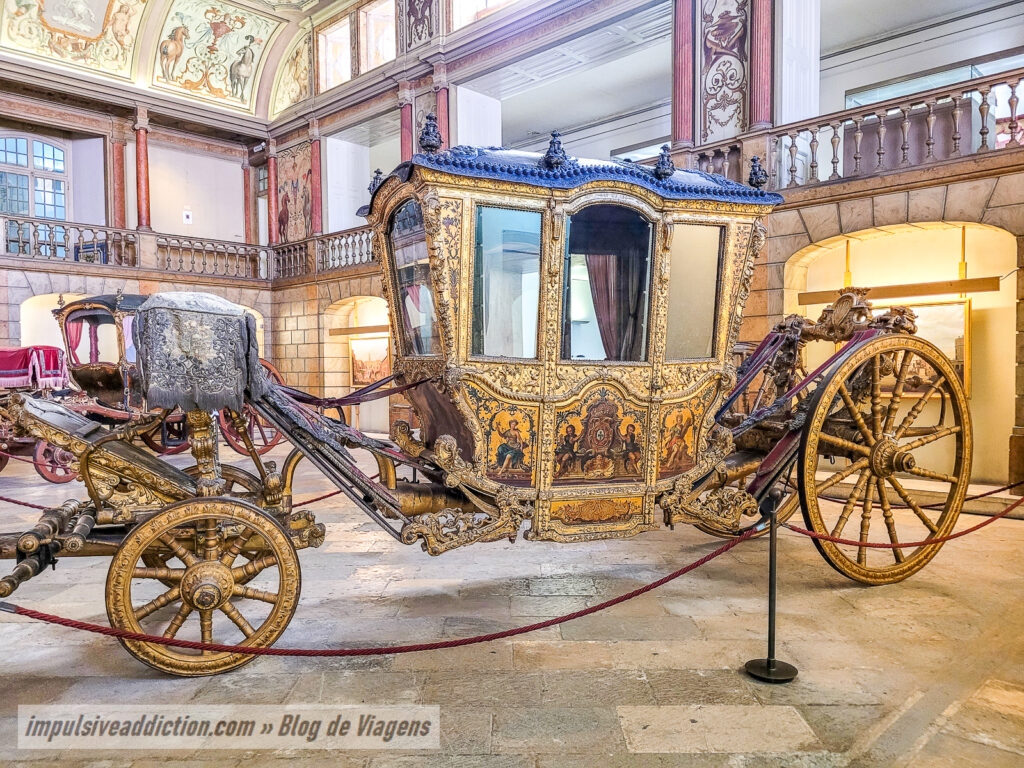
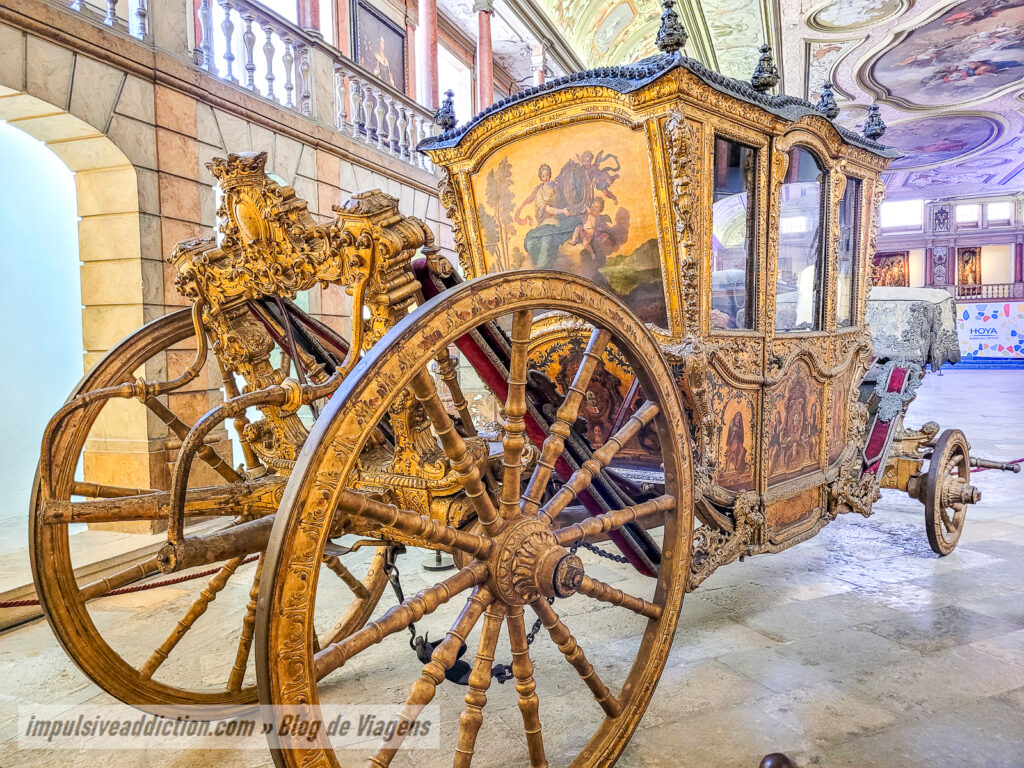
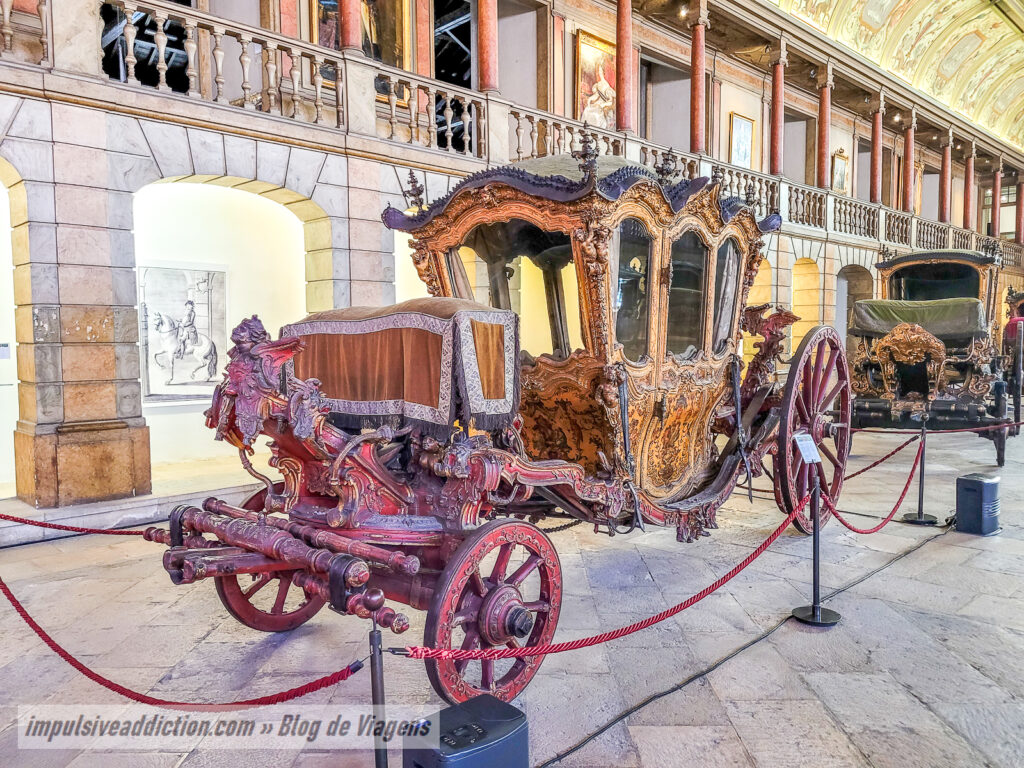
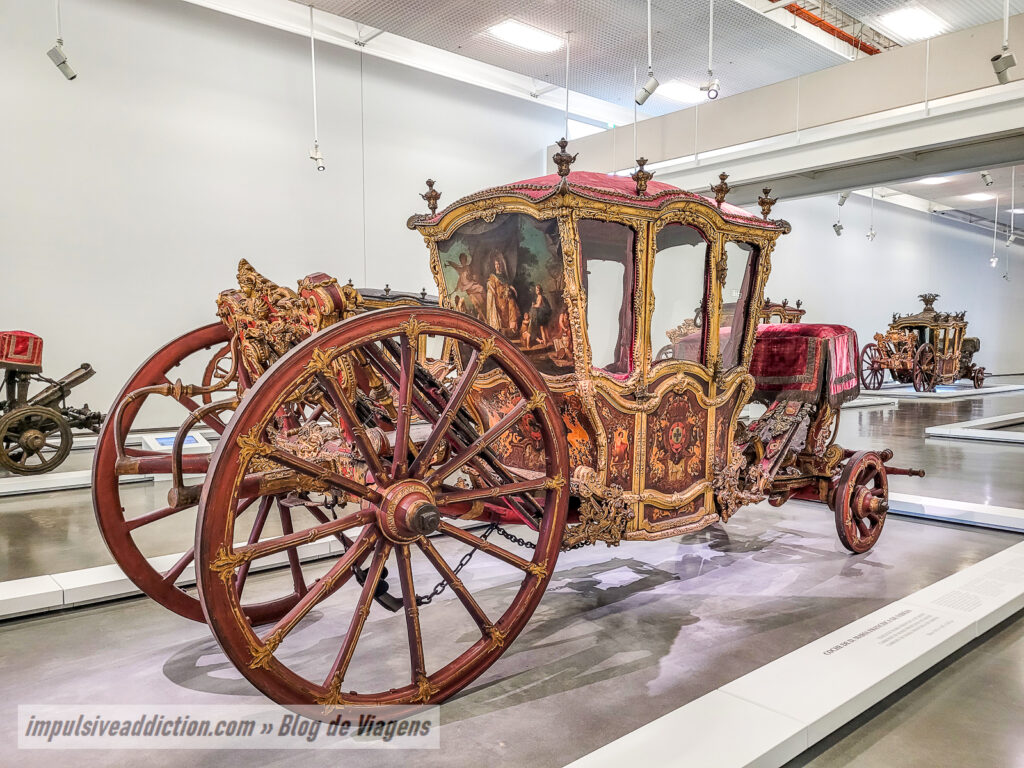
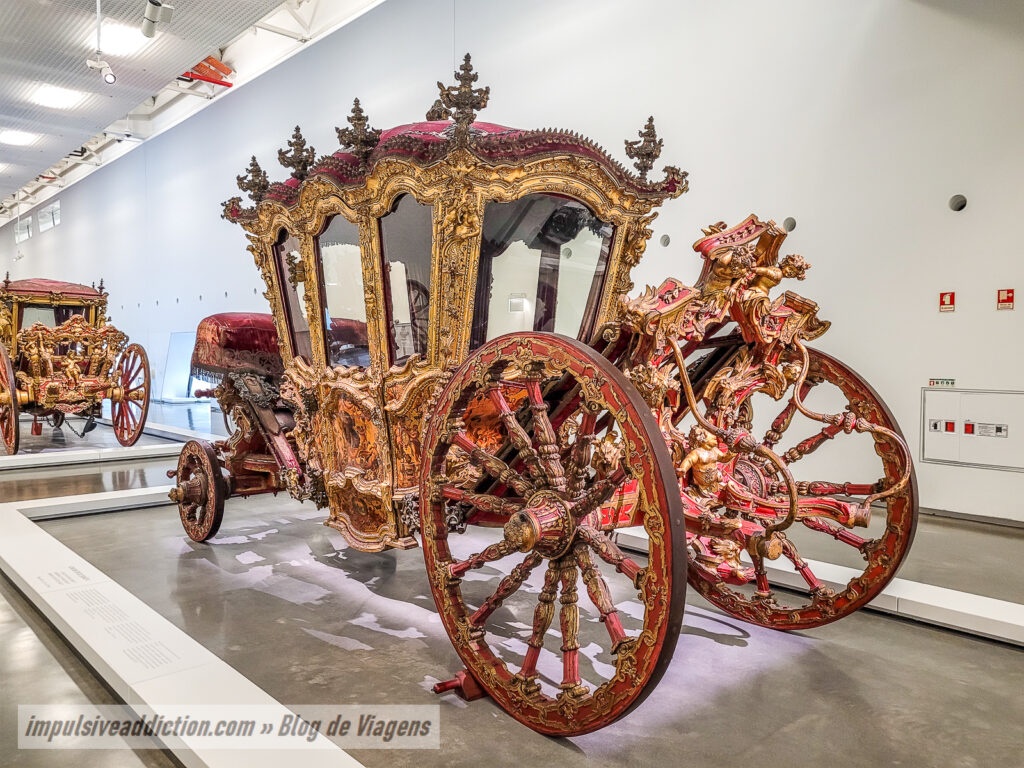
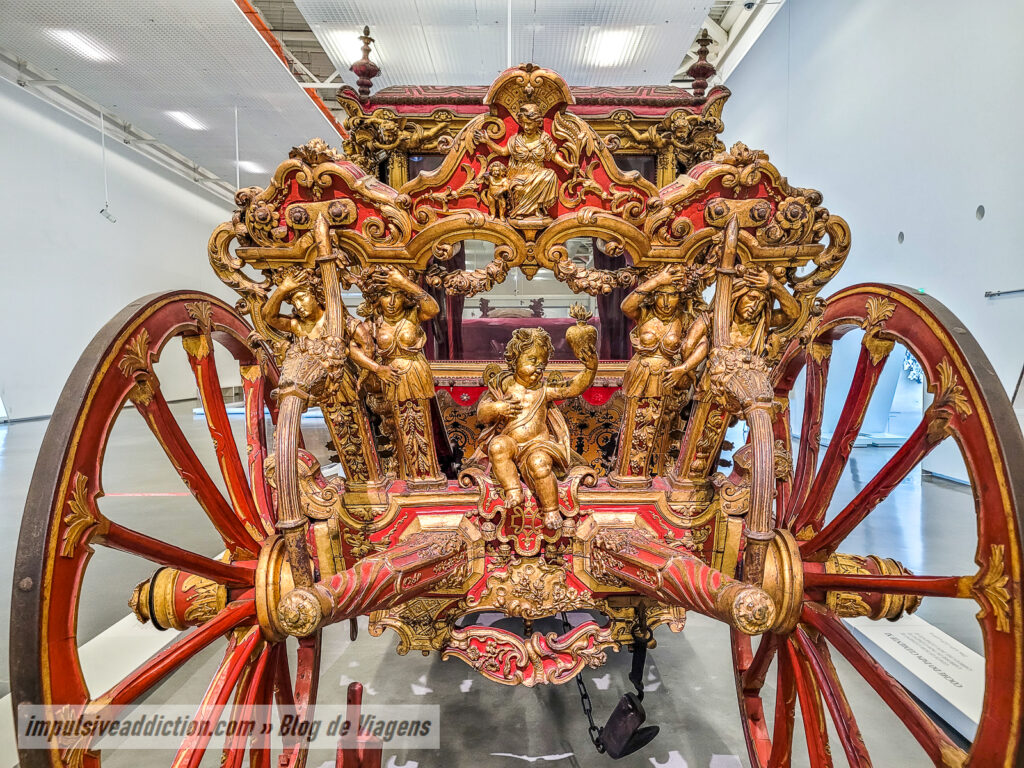
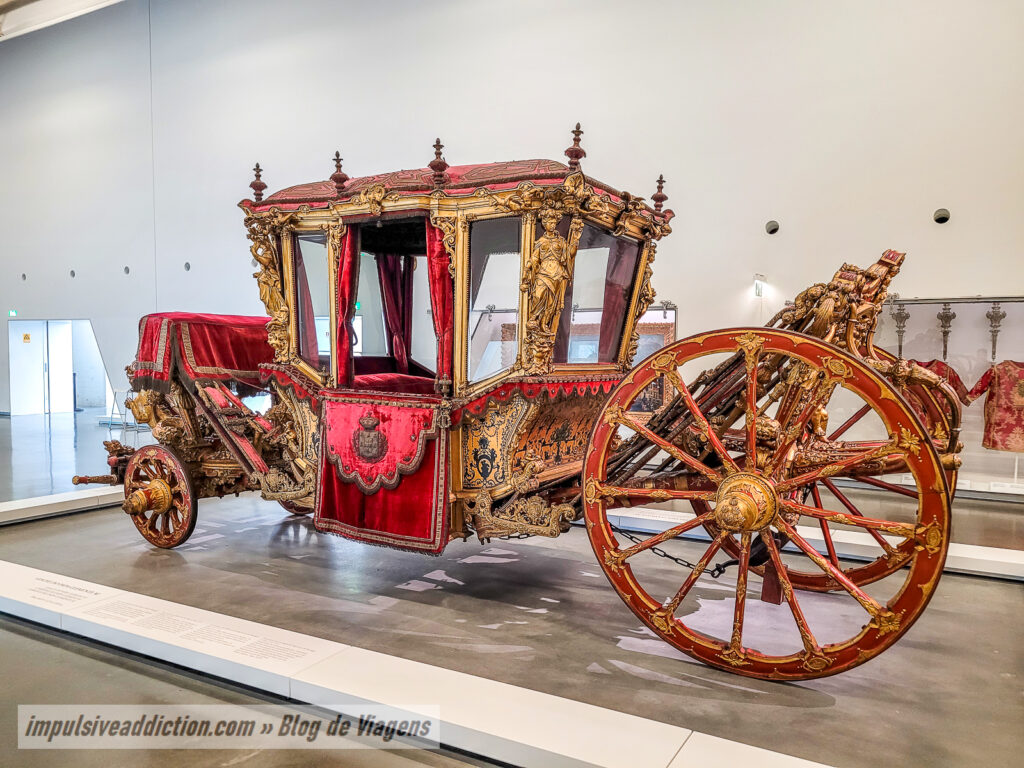
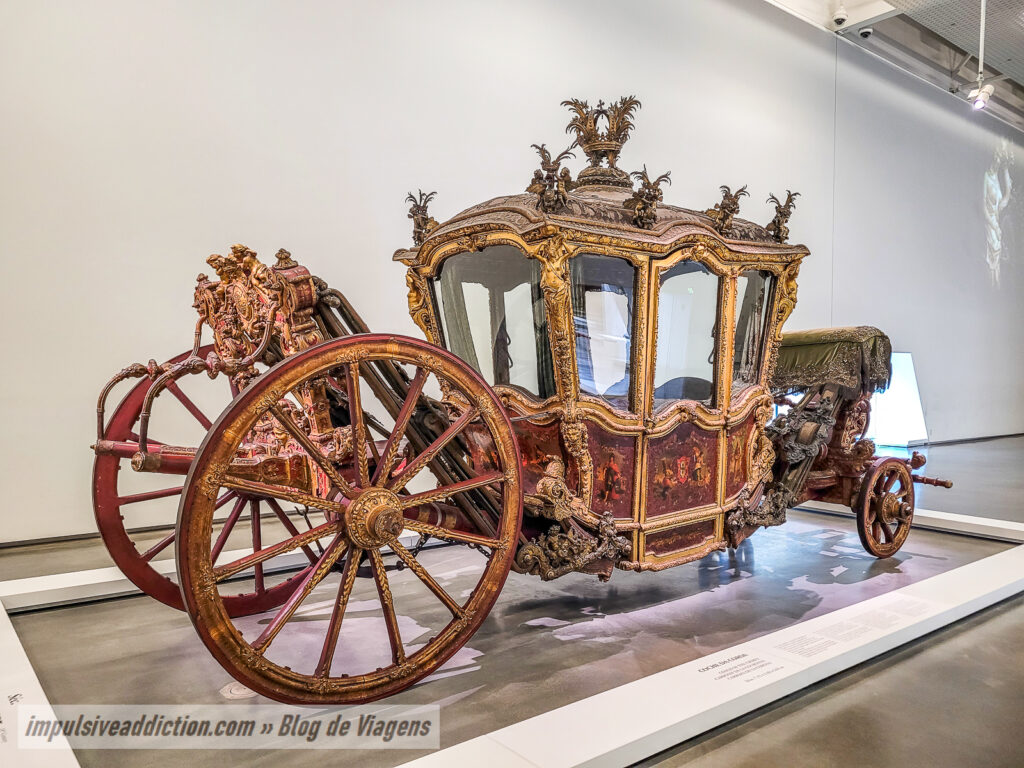
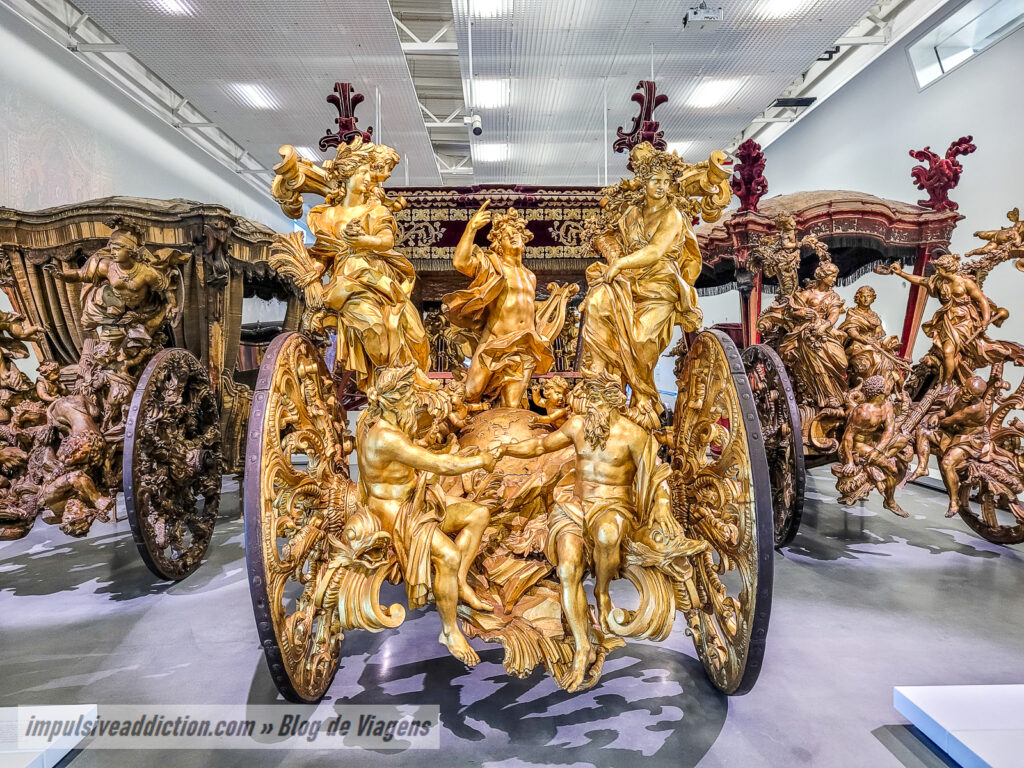
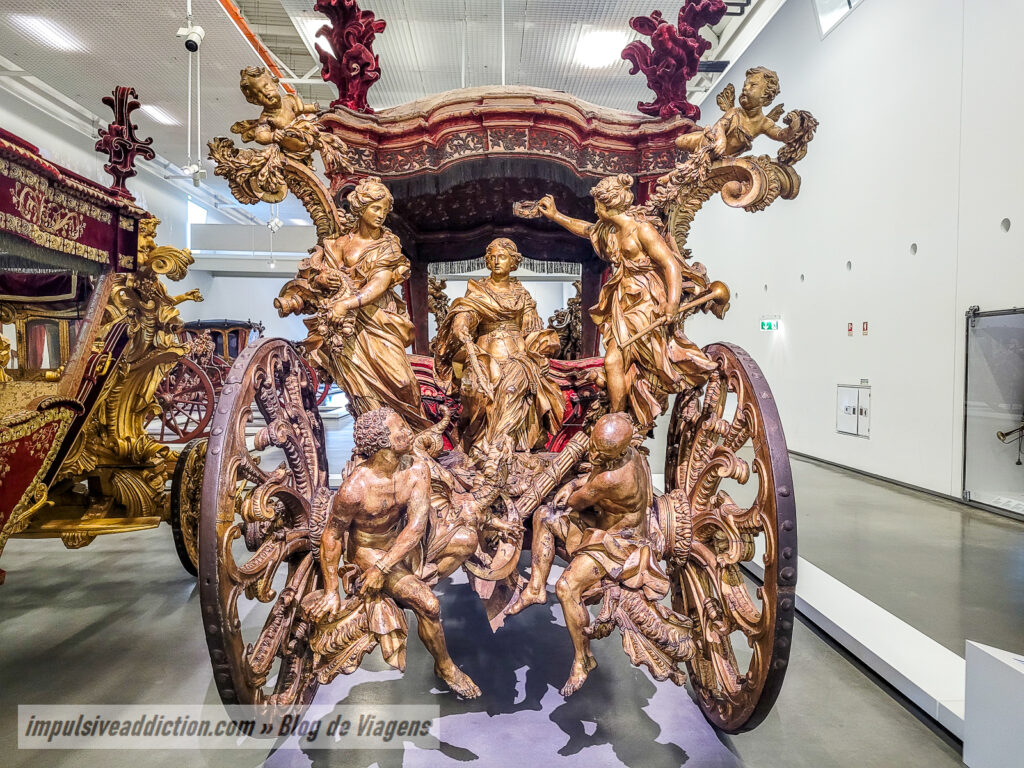
The National Coach Museum is one of Lisbon’s cultural gems and holds one of the world’s most valuable collections of royal and noble ceremonial carriages, dating from the 16th to the 19th century.
Founded in 1905 by Queen Amélia, the museum was created to preserve the magnificent vehicles of the Portuguese Royal Household. The collection features 70 richly decorated coaches, including the one used by Philip II in 1619, and the iconic “Ocean Coach”, a lavish gift from Pope Clement XI to King João V in 1716.
Since 2015, most of the collection has been housed in a modern building designed by renowned Brazilian architect Paulo Mendes da Rocha, in collaboration with Ricardo Bak Gordon. The minimalist structure serves as both a museum and an urban space, featuring suspended galleries, temporary exhibitions, a library, shop, and auditorium.
The museum’s original home — the former Royal Riding Arena (Picadeiro Real) — remains open to visitors and serves as a complementary exhibition space, preserving the historical roots of this extraordinary collection.
11. Quake – Lisbon Earthquake Museum
I haven’t had the chance to visit this museum yet, so no photos this time! 😉
The Quake – Lisbon Earthquake Museum, located in Belém, offers an immersive experience that transports visitors back to the catastrophic 1755 earthquake that devastated Lisbon and reshaped European history.
Using cutting-edge technology — including earthquake simulators, video mapping, and special effects — the museum recreates the 18th-century city, allowing visitors to feel the quake, the tsunami, and the fires that followed.
The interactive journey also features rooms dedicated to seismology, explaining how earthquakes occur and comparing the 1755 event to other major quakes throughout history. The museum also highlights Lisbon’s reconstruction effortsand the innovations that followed in the wake of the disaster.
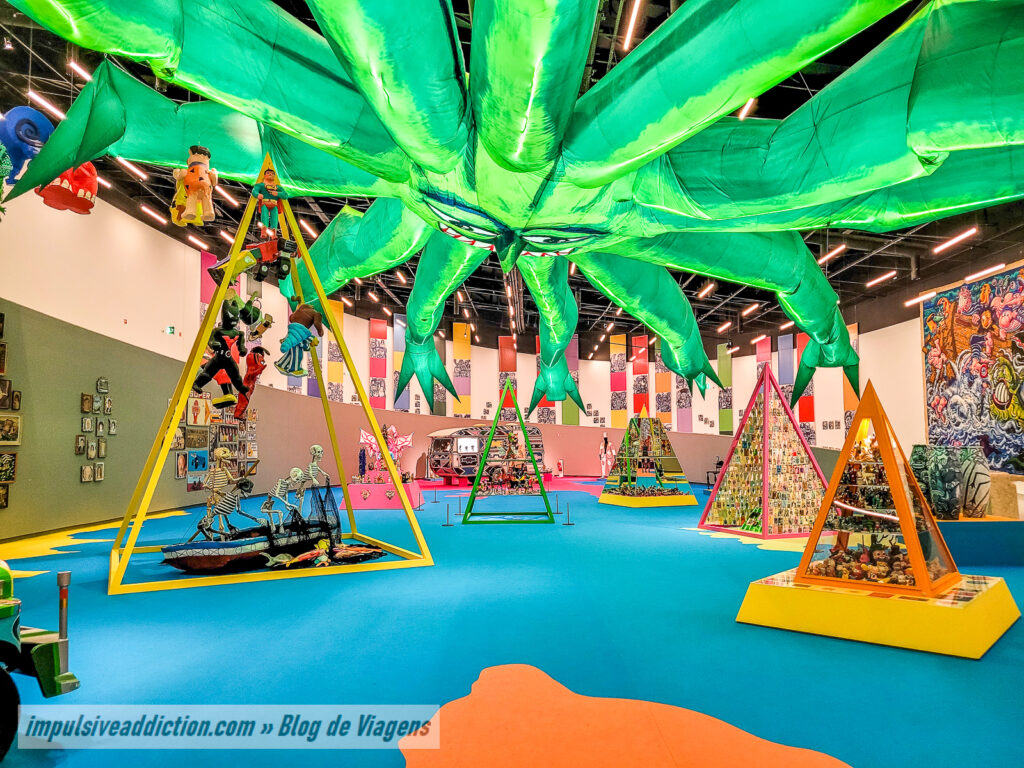
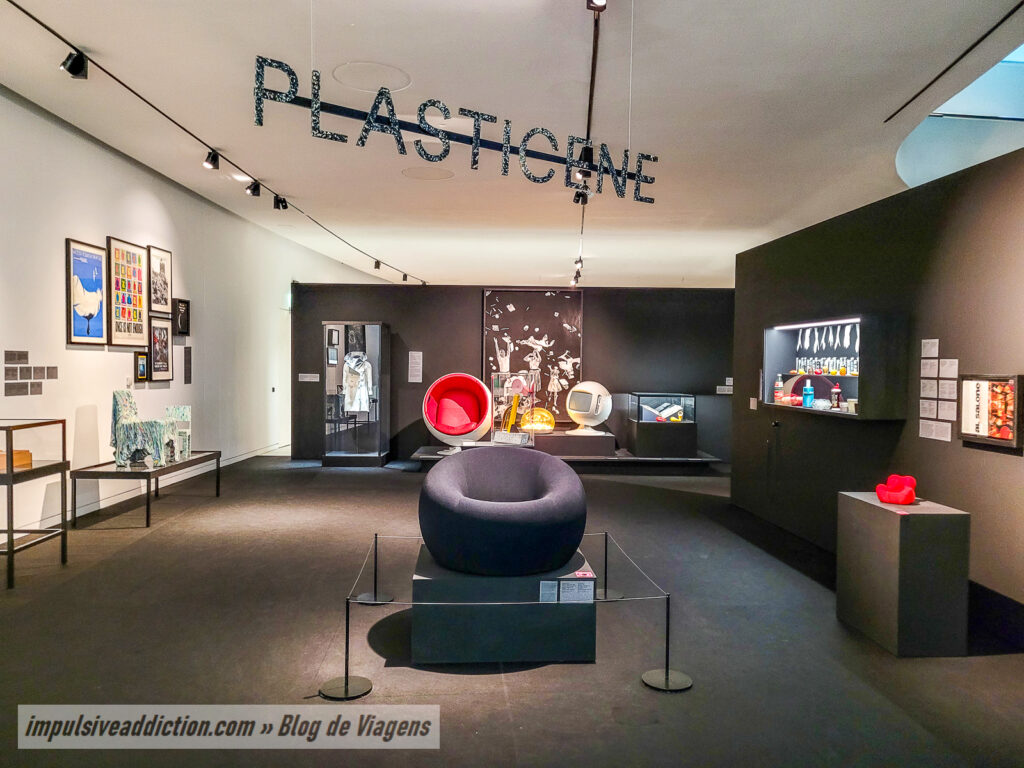
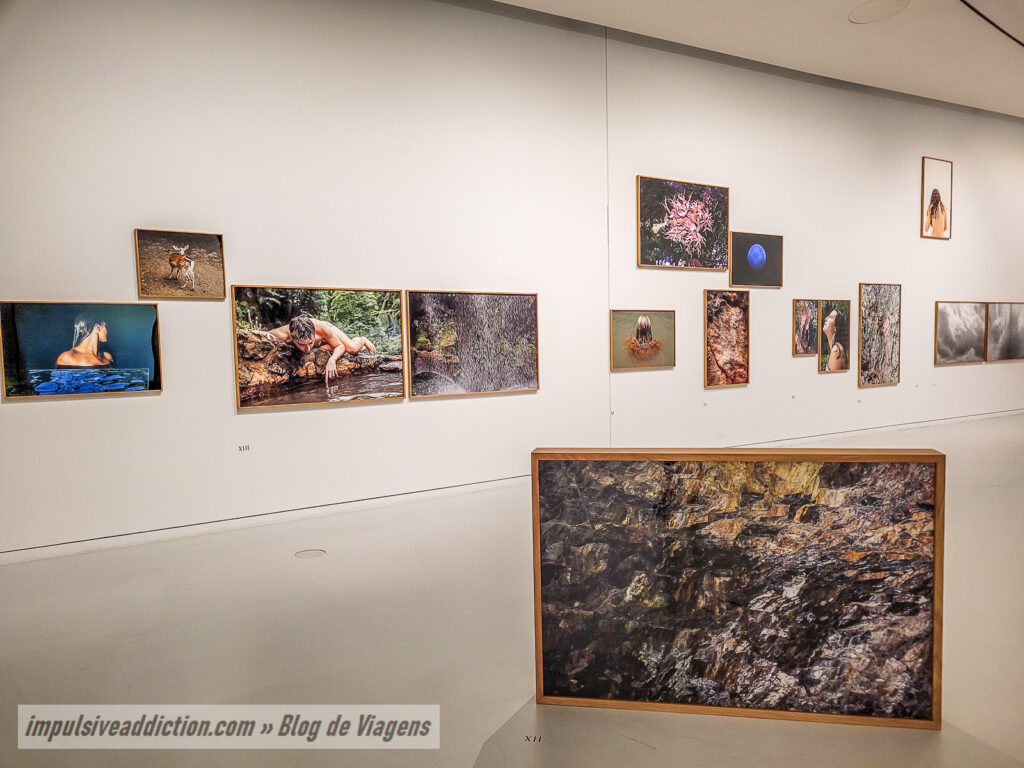
12. MAAT – Museum of Art, Architecture and Technology
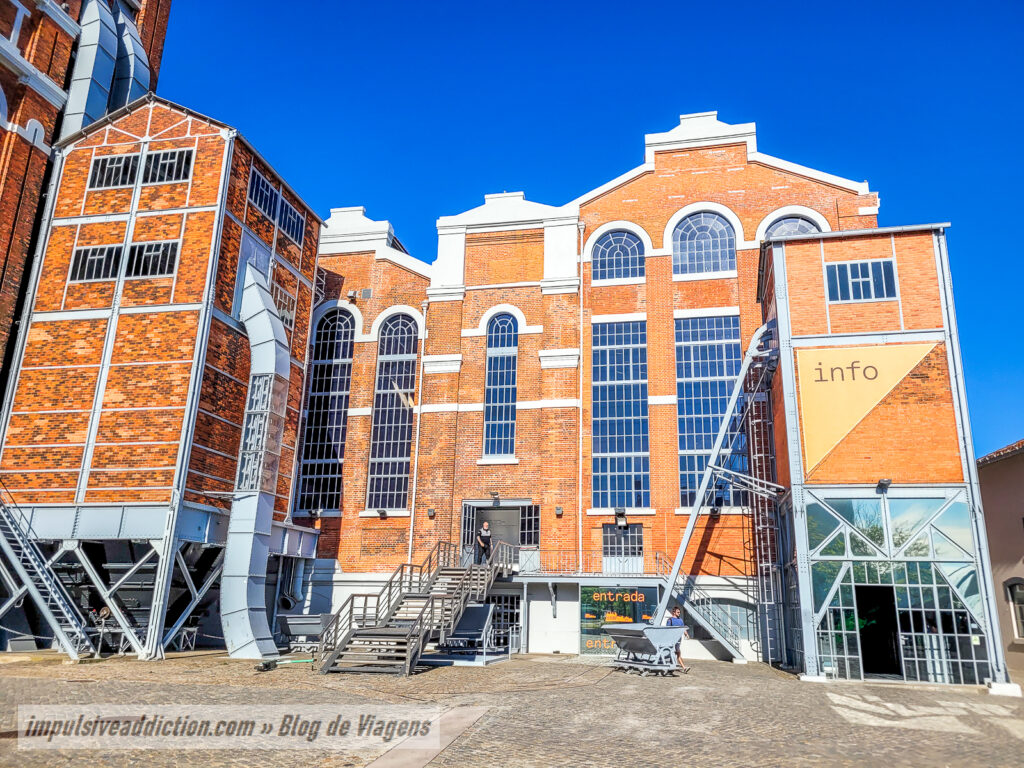
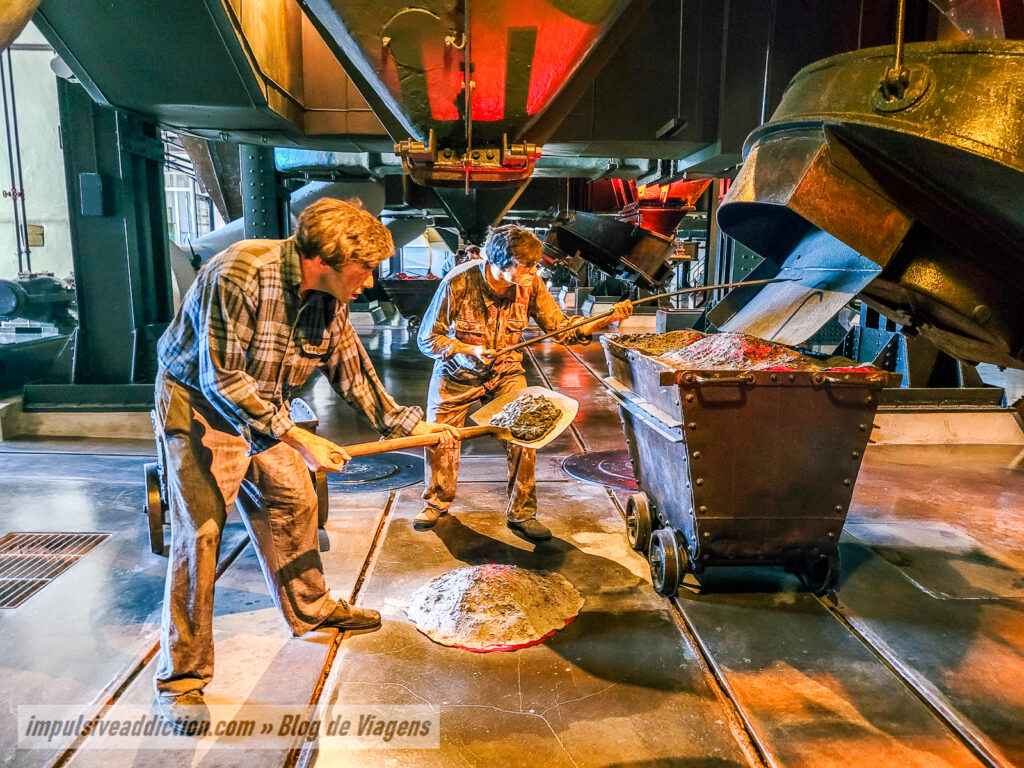
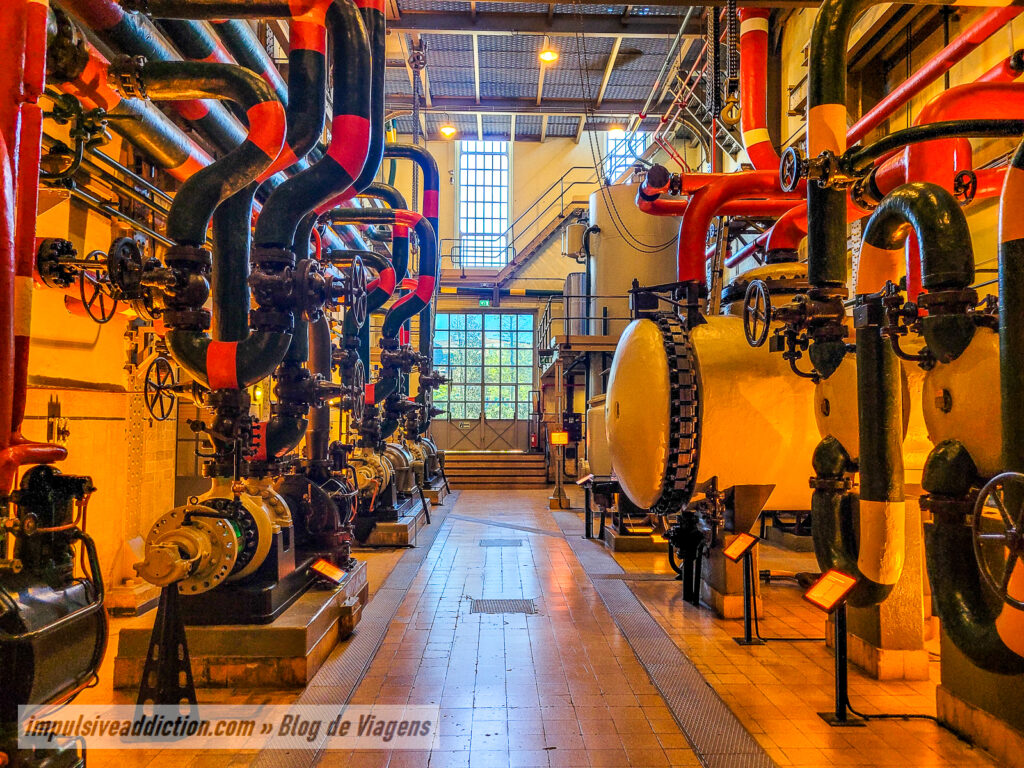
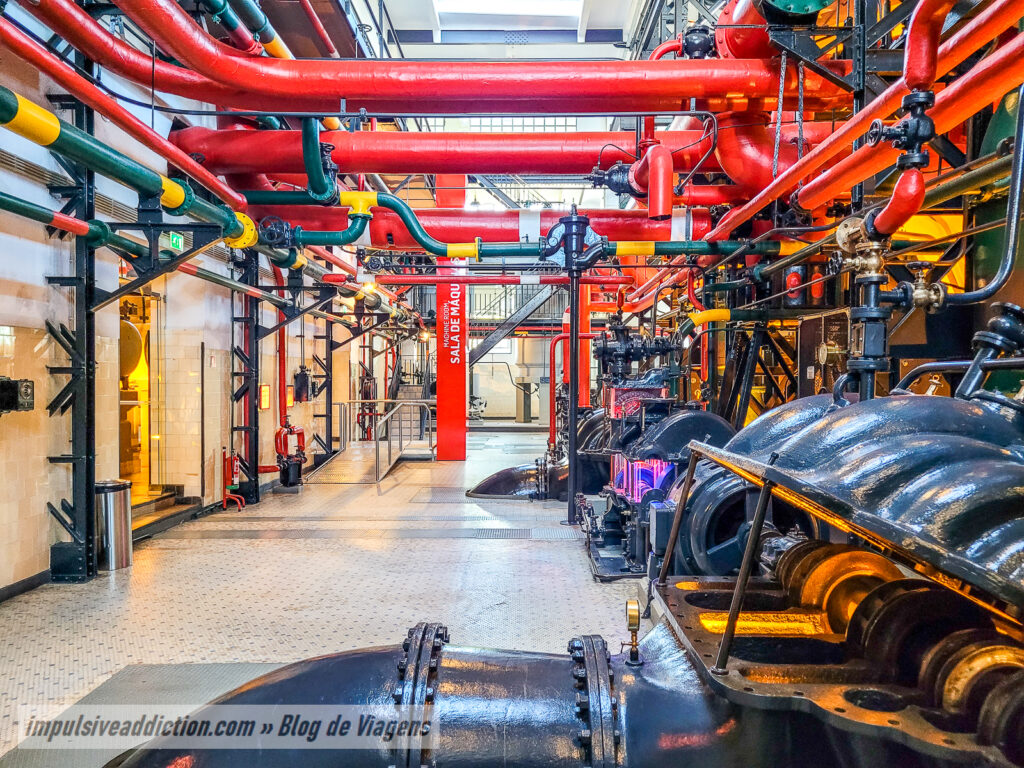
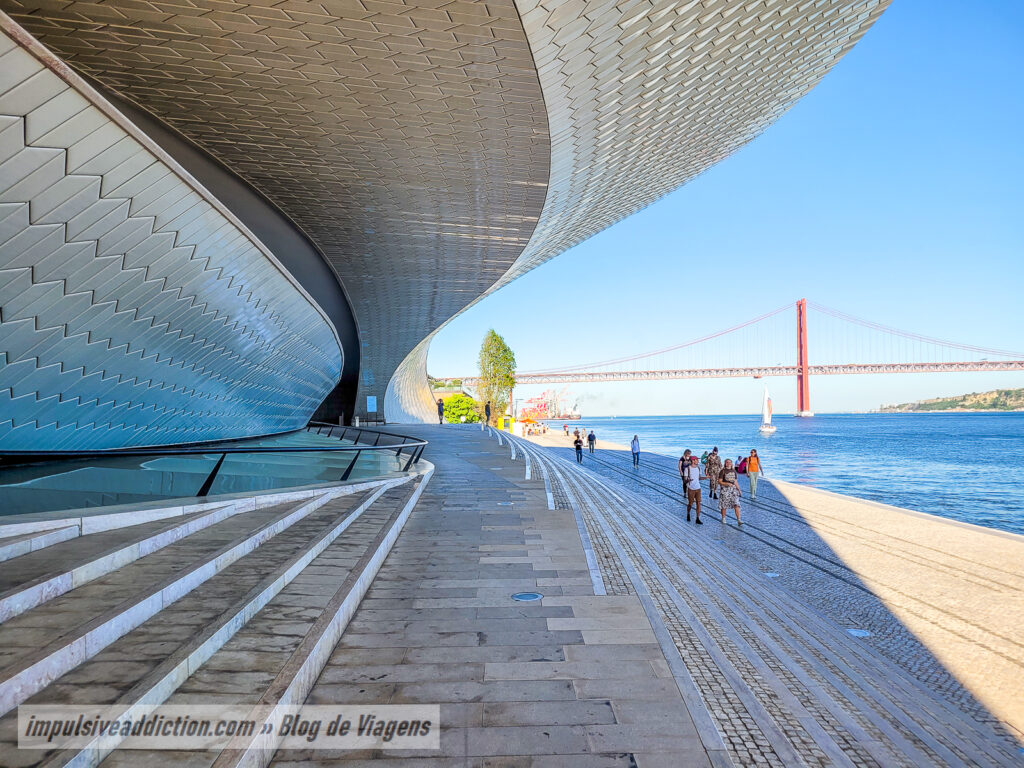
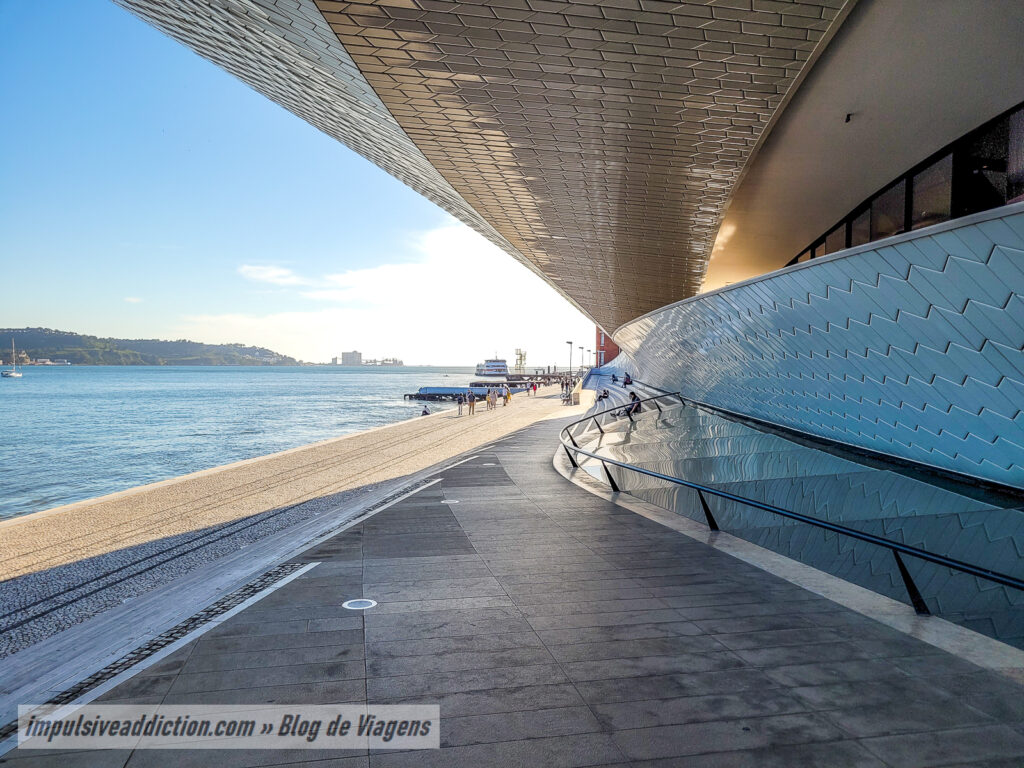
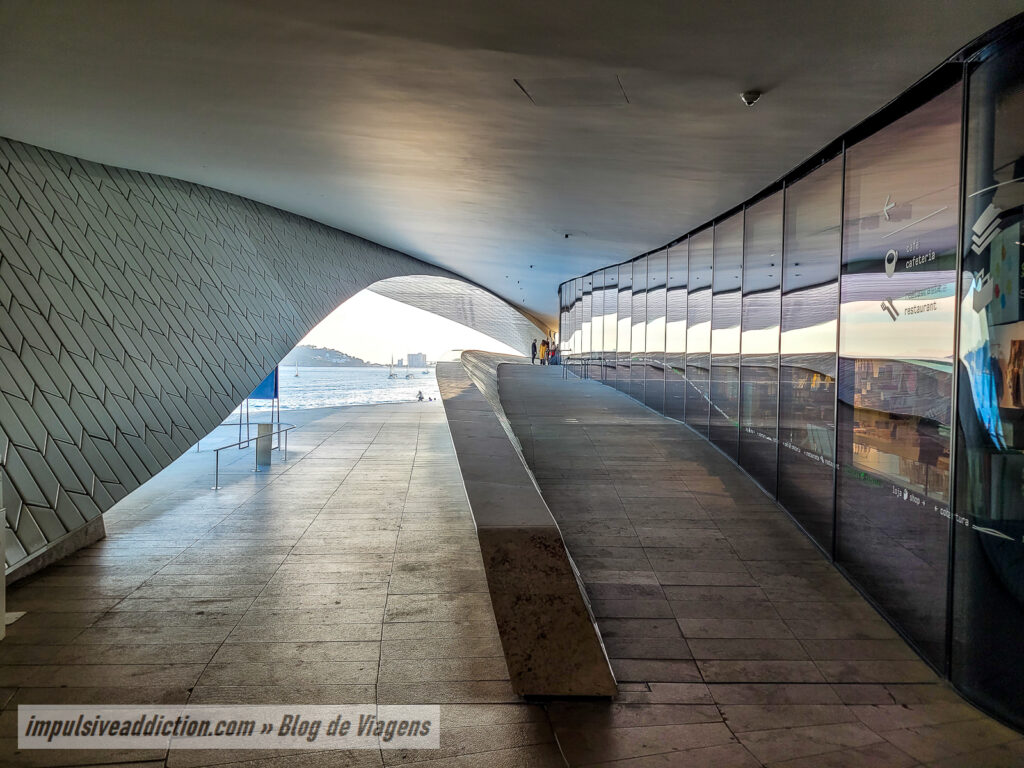
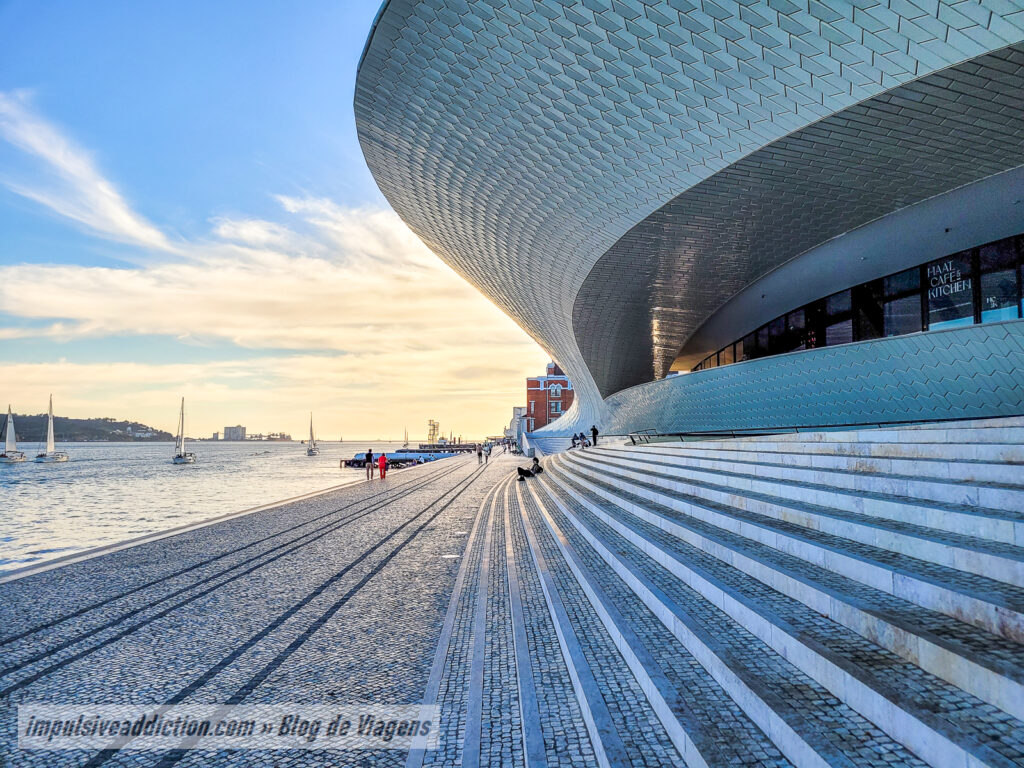
The MAAT – Museum of Art, Architecture and Technology is one of Lisbon’s most innovative cultural spaces, inaugurated in October 2016.
Designed by British architect Amanda Levete, the building stands out for its striking contemporary architecture and its seamless integration with the riverside landscape of Belém. The museum spans an area of 38,000 square meters and consists of two main sites:
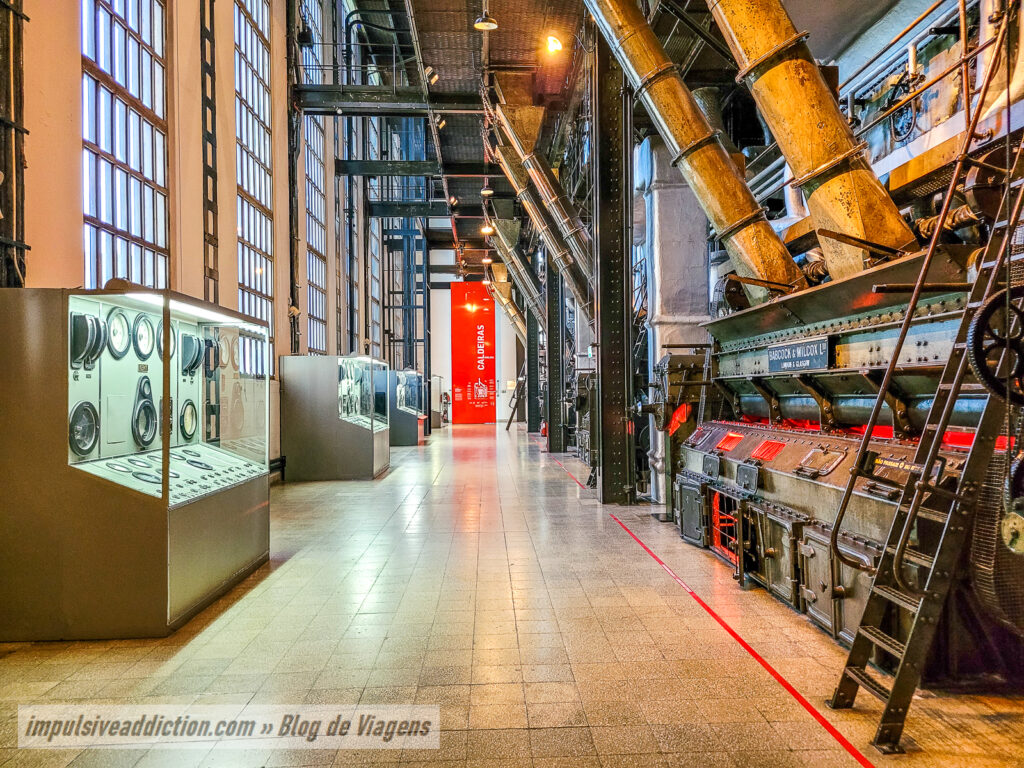
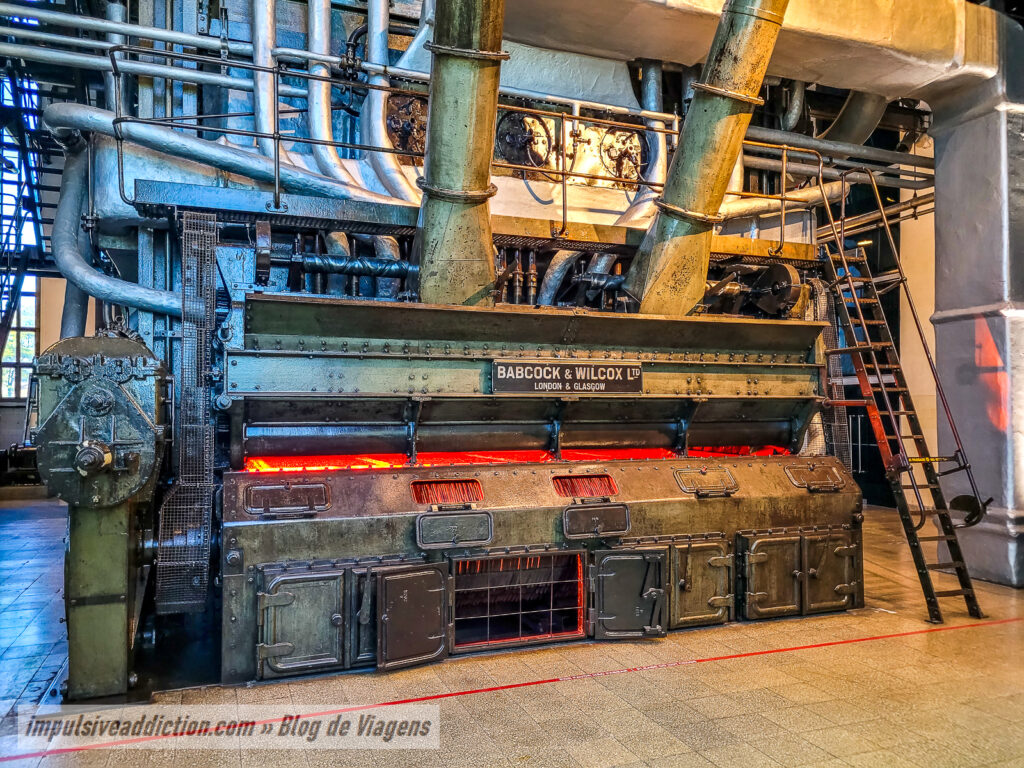
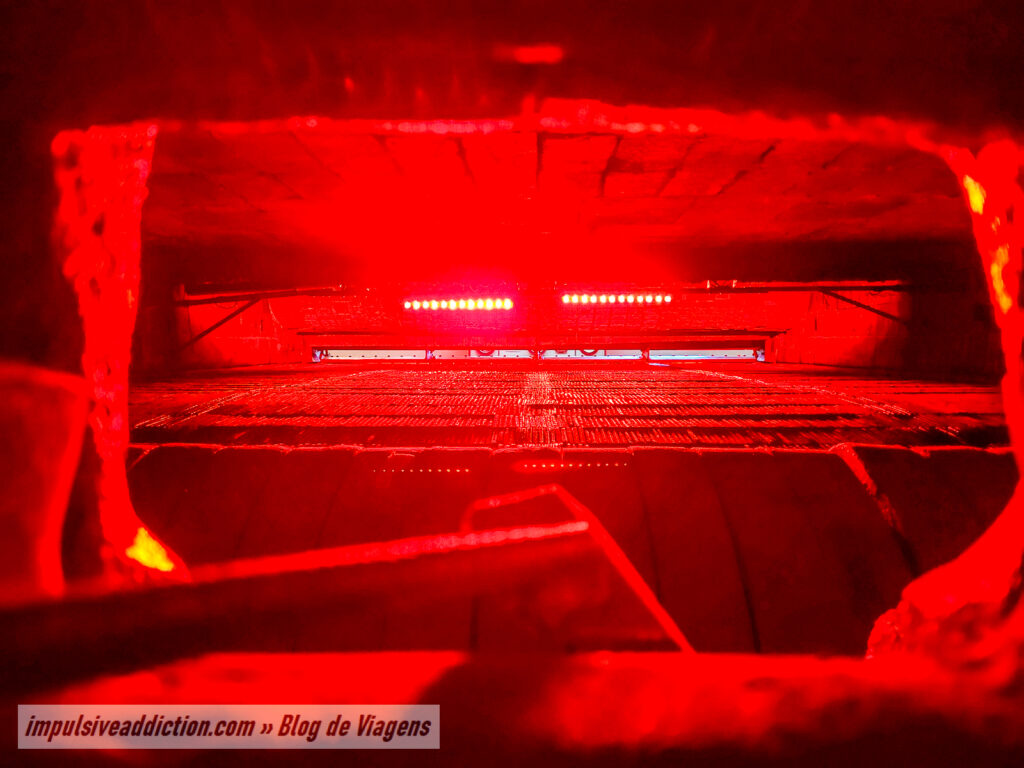
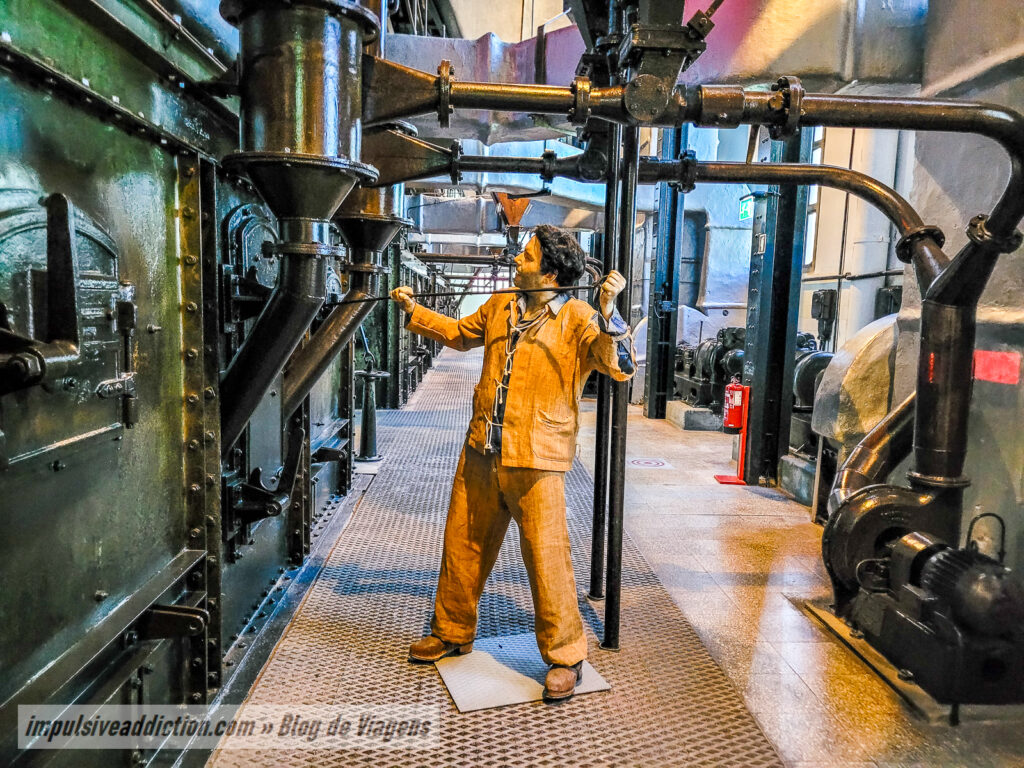
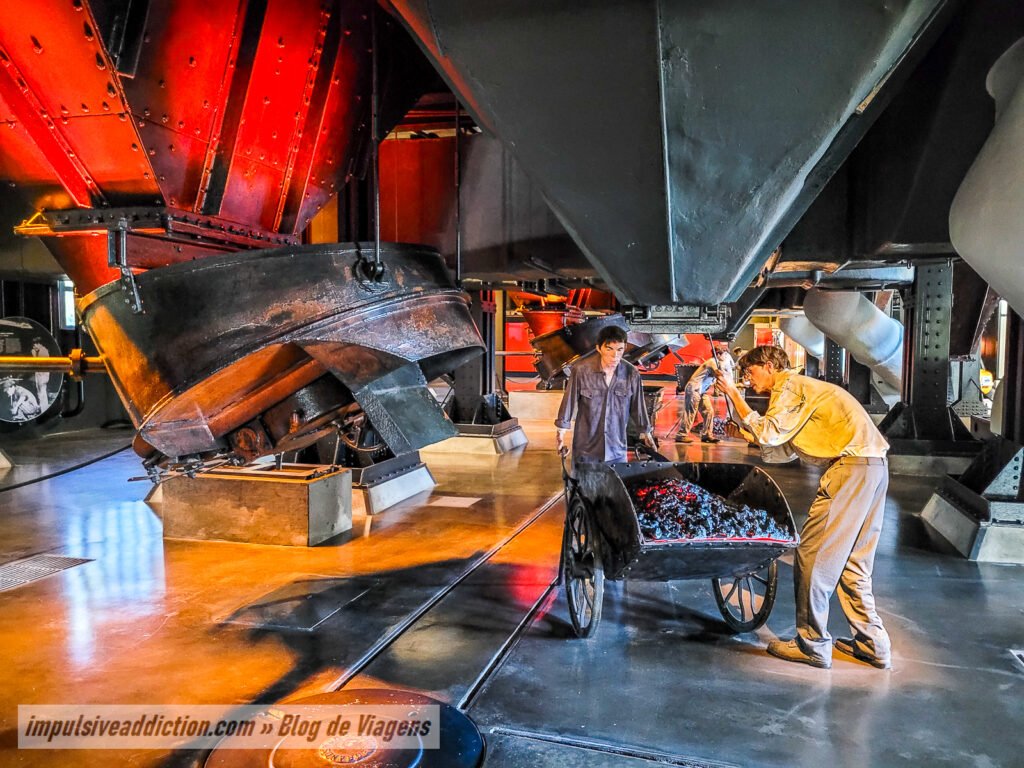
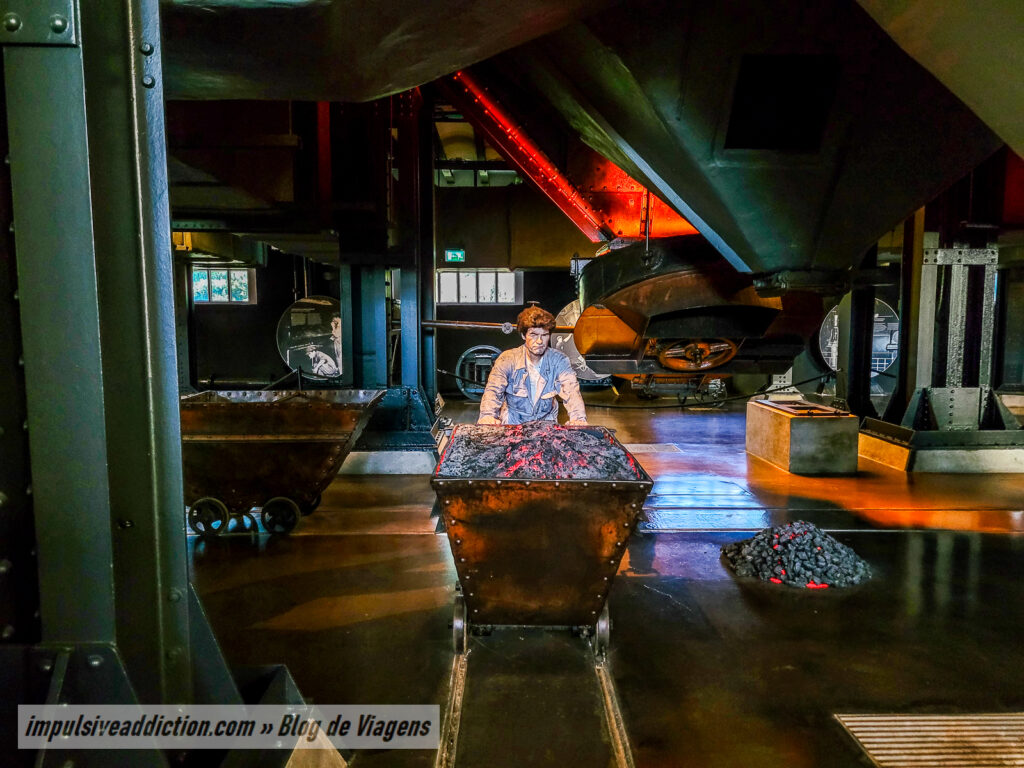
– the historic Tejo Power Station, converted into a museum in 1990, and
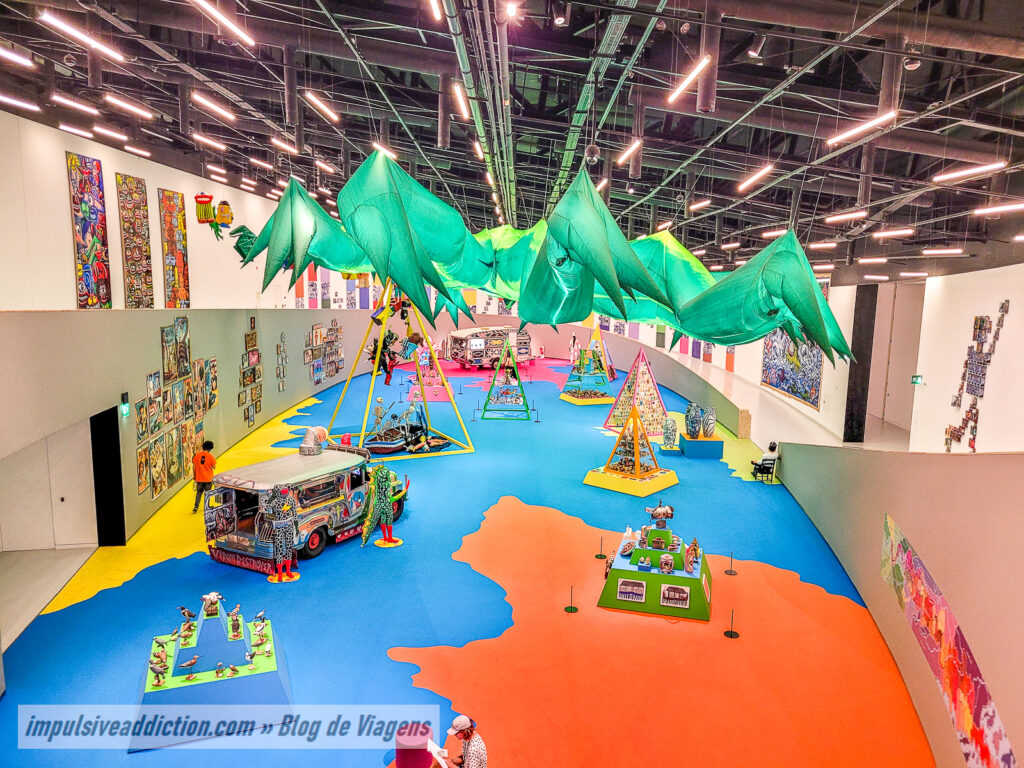
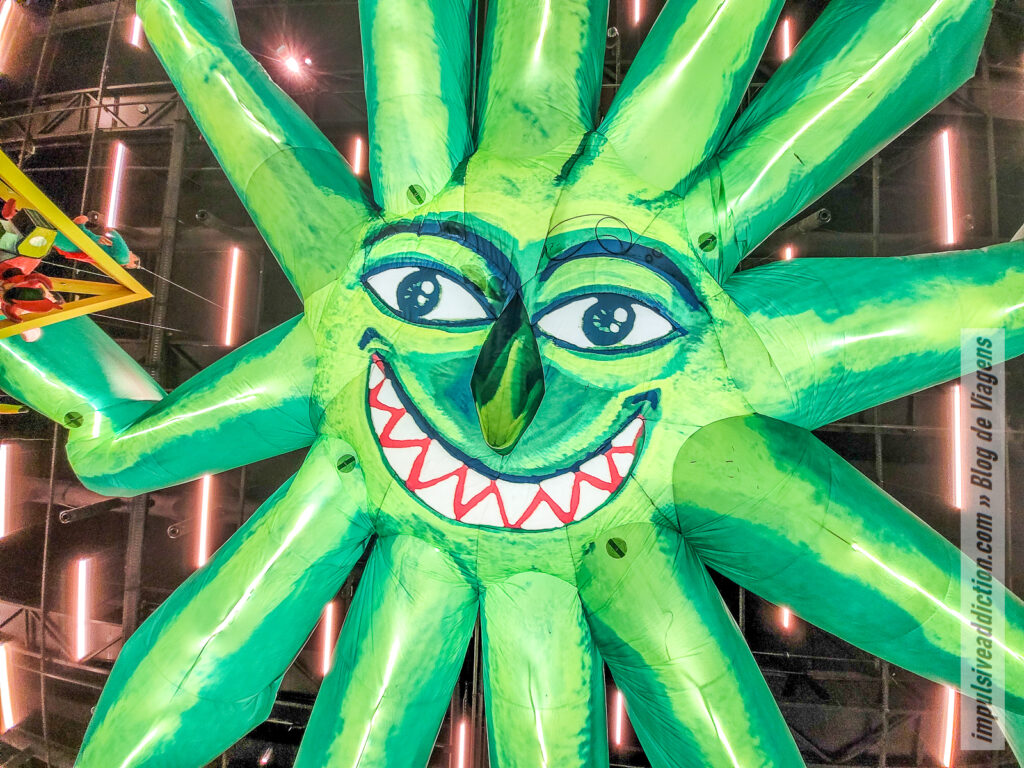
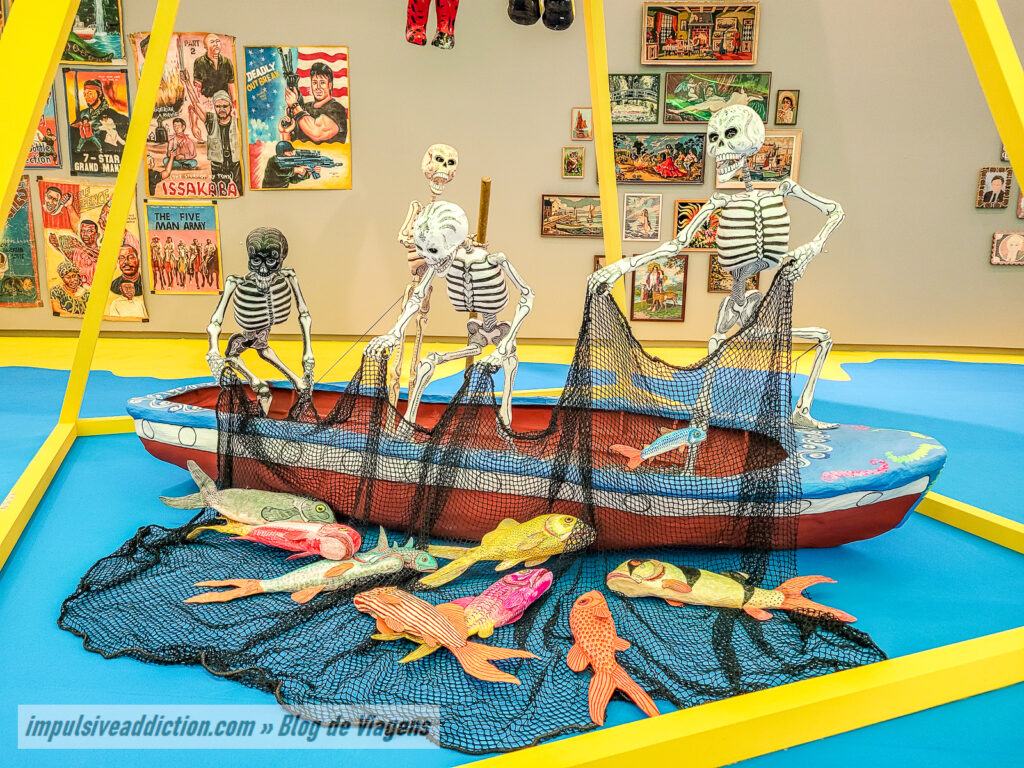
– the new MAAT building, which hosts exhibitions in contemporary art, architecture, and technology.
Together, they offer a unique dialogue between Lisbon’s industrial past and its creative present, making MAAT a must-visit destination for lovers of culture and design.
13. Macau Museum – CCCM (Macau Scientific and Cultural Centre)
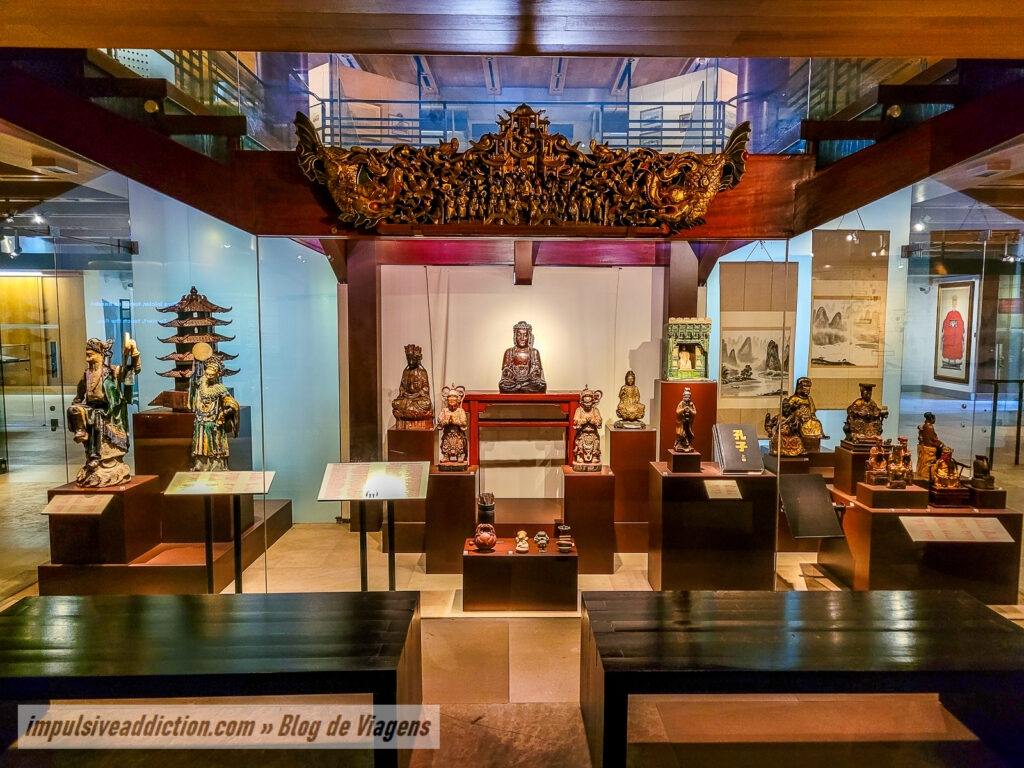
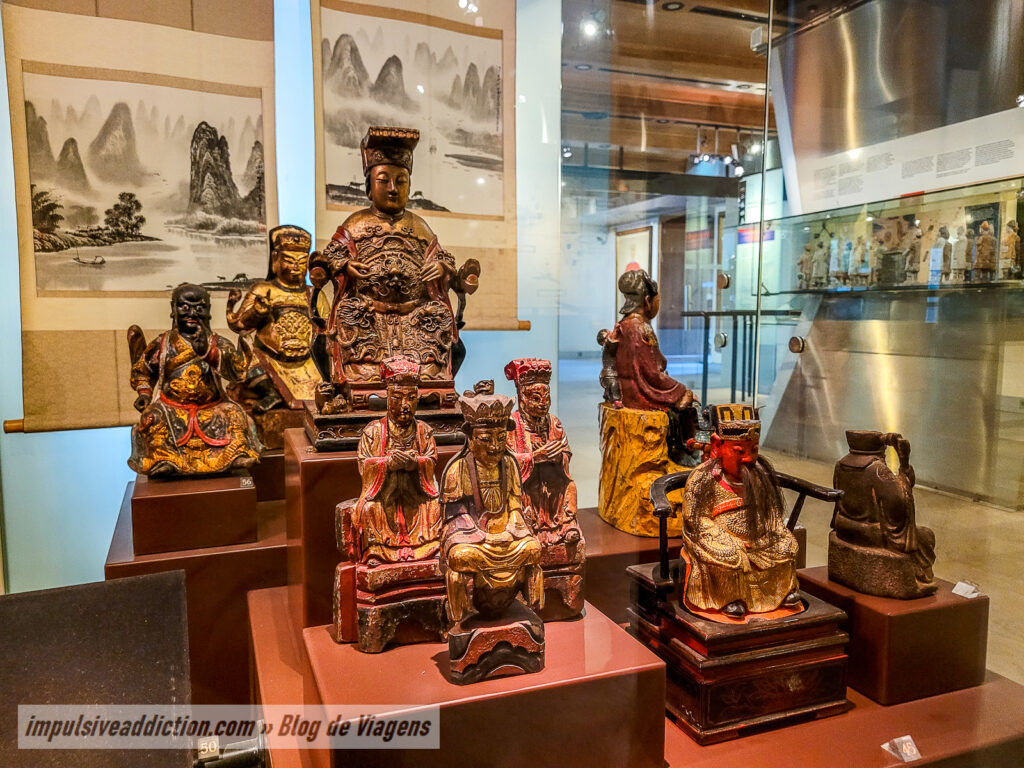
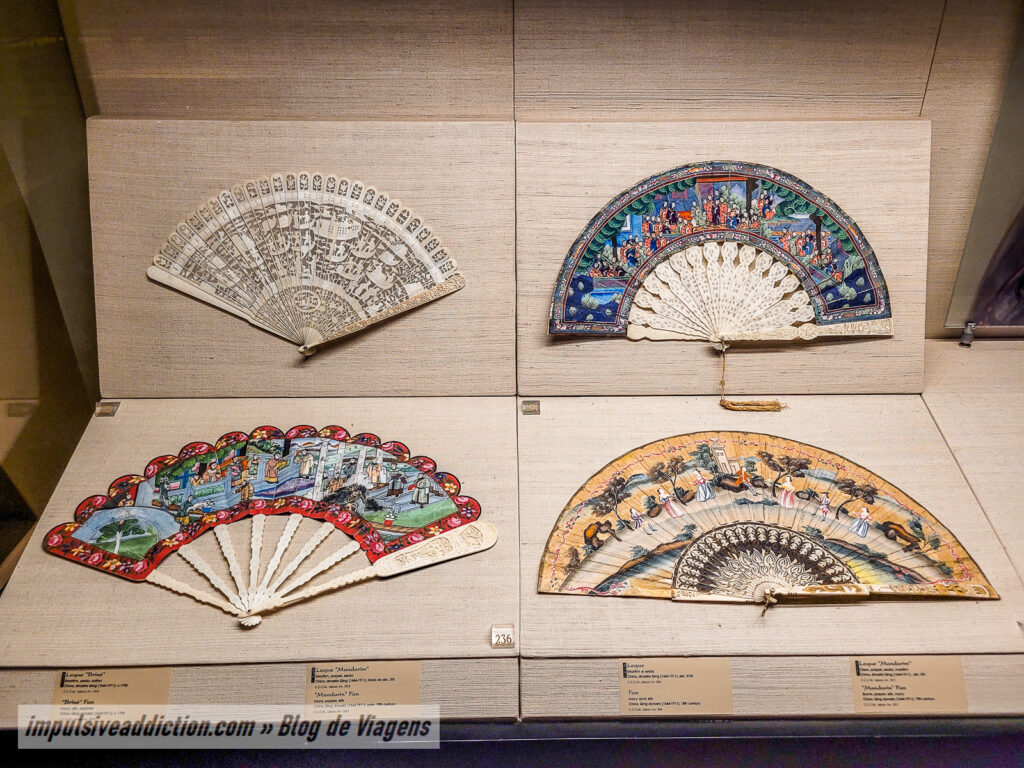
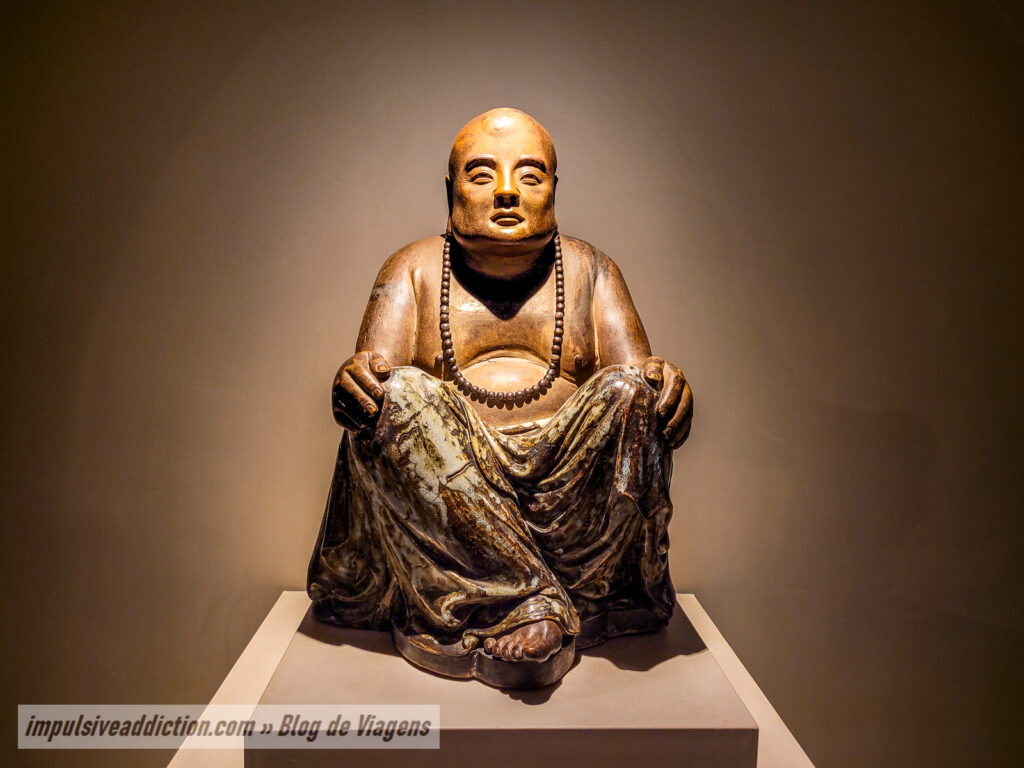
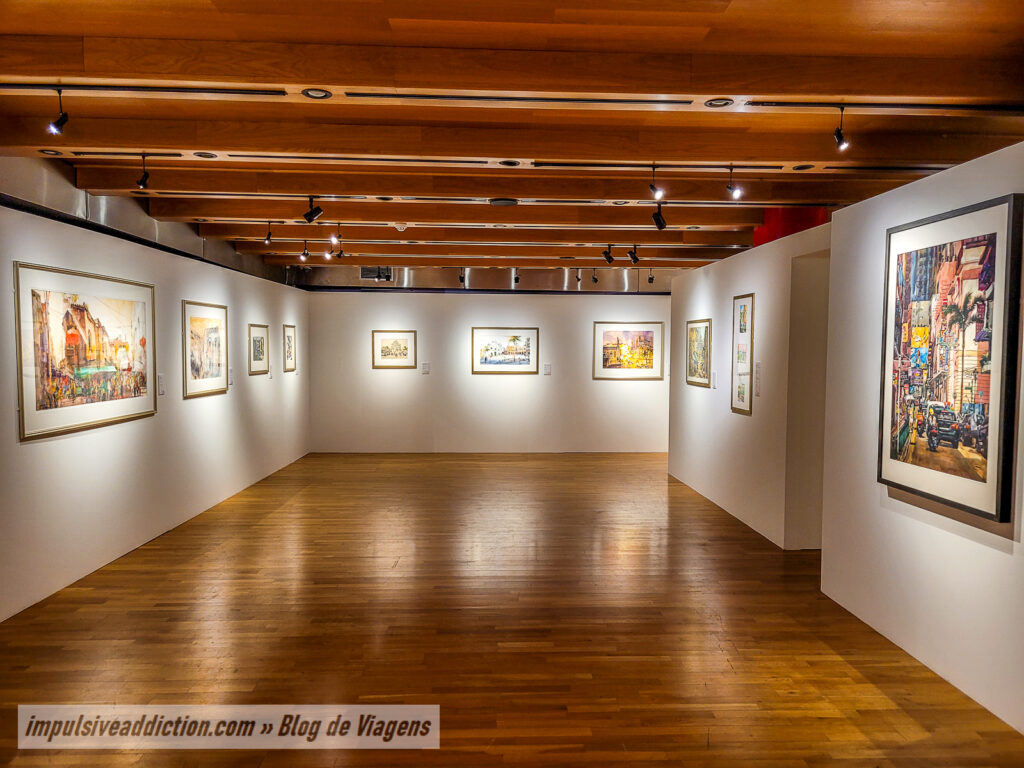
The Macau Museum at the Macau Scientific and Cultural Centre (CCCM) in Lisbon is the only museum outside China dedicated to Macanese culture. Located at 30 Rua da Junqueira, this unique space offers an immersive look into the history and art of Macau, with a strong focus on Luso-Chinese relations.
The permanent collection is organized into two complementary sections:
1. The Historical and Cultural Context of Macau in the 16th and 17th Centuries
This section explores the atmosphere of Ming Dynasty China and the intercultural frontier that emerged in the port city of Macau. It features exhibits on the early encounters between Portugal and China, maritime trade, ecological and technological exchanges, and the role of Christianity and cultural influence in the region.
2. Chinese Art Collection
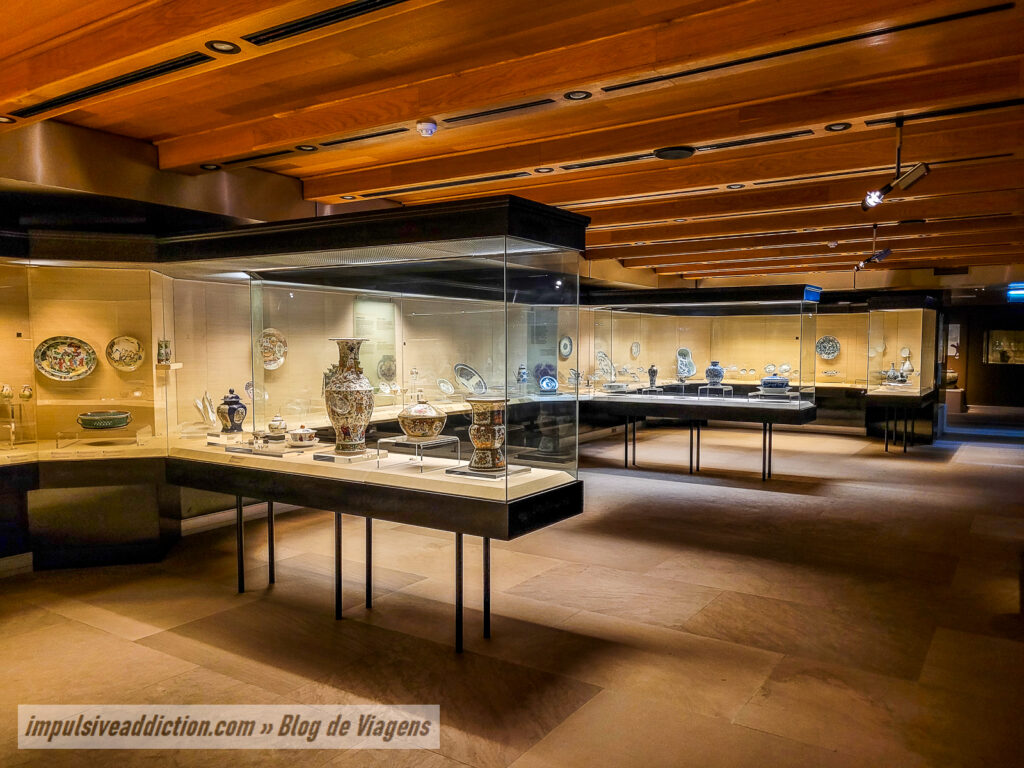
Covering more than 5,000 years of Chinese history and craftsmanship, this collection includes terracotta figures, bronzes, porcelains, lacquers, traditional garments, silverware, and a notable numismatic collection.
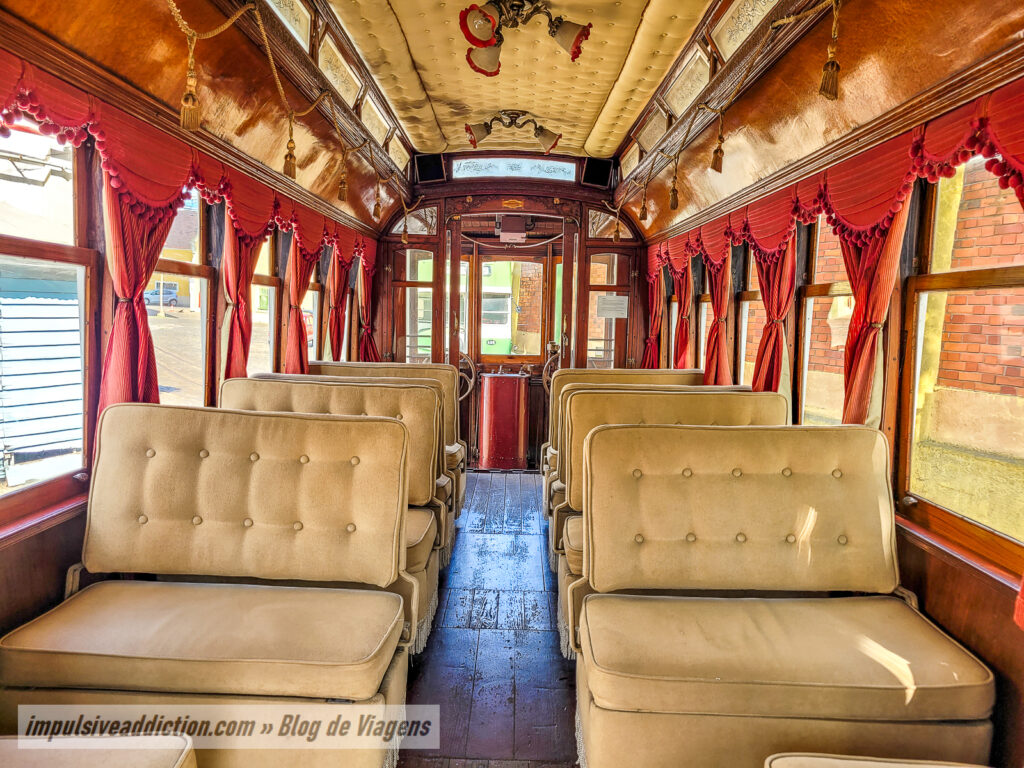
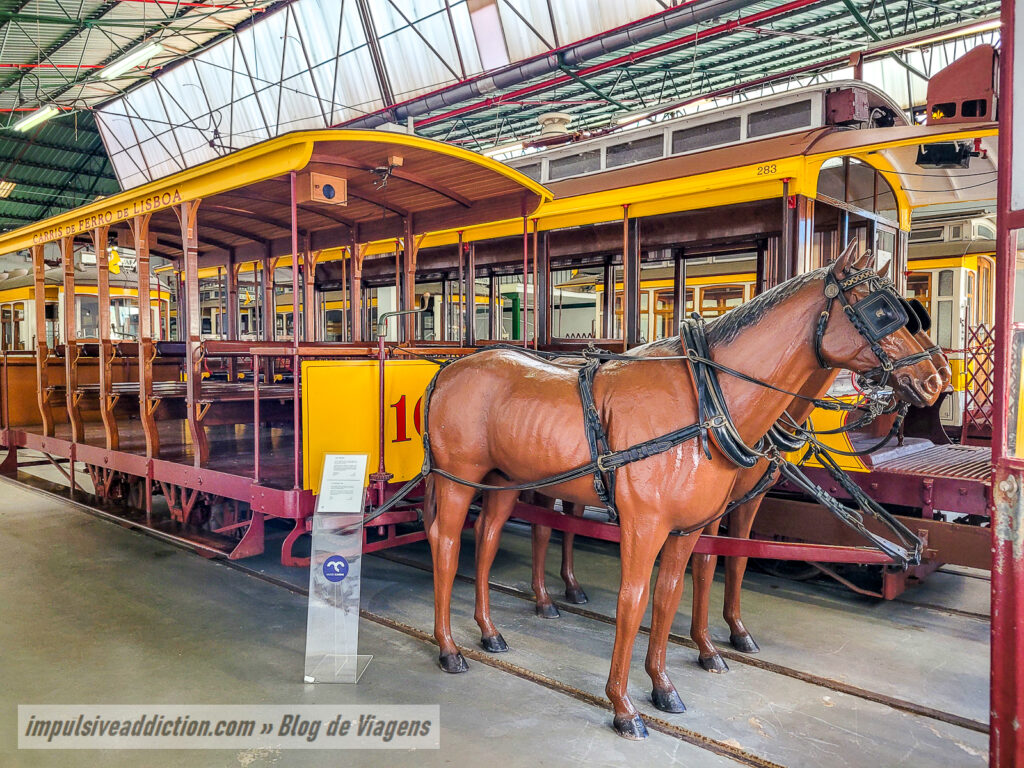
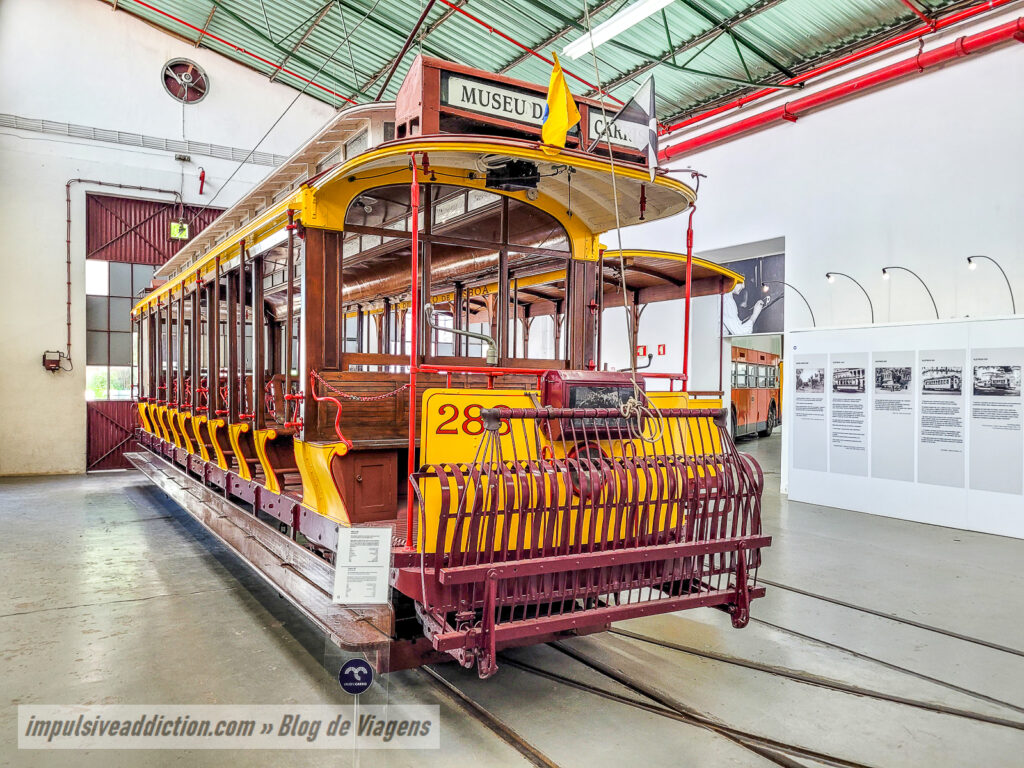
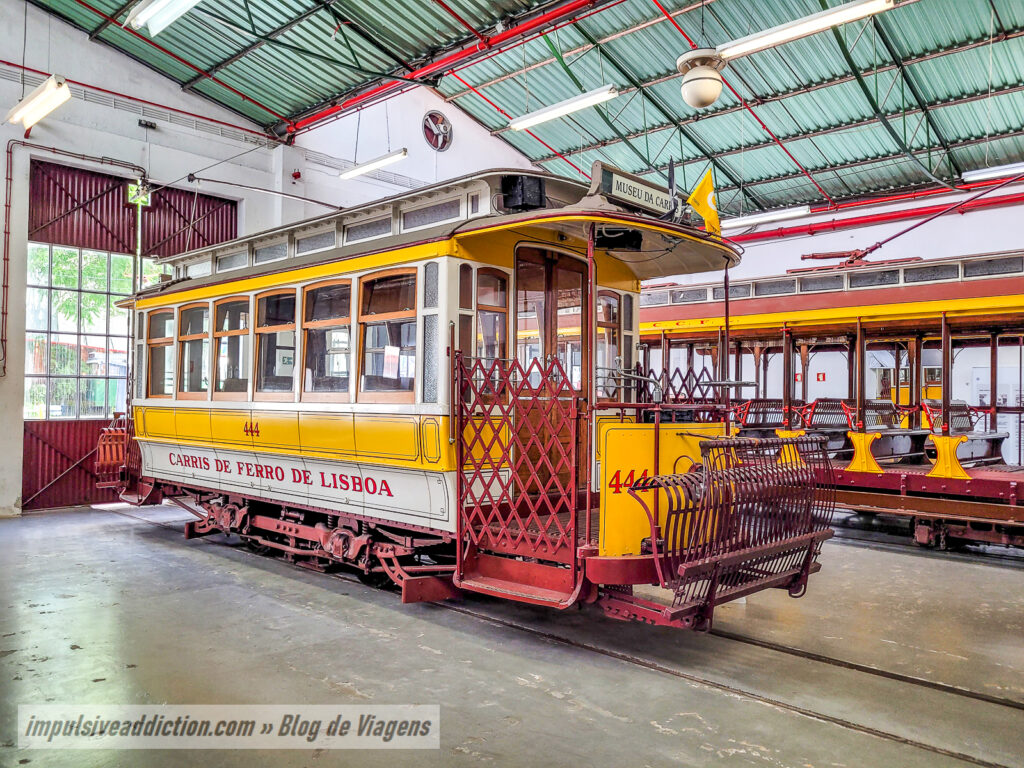
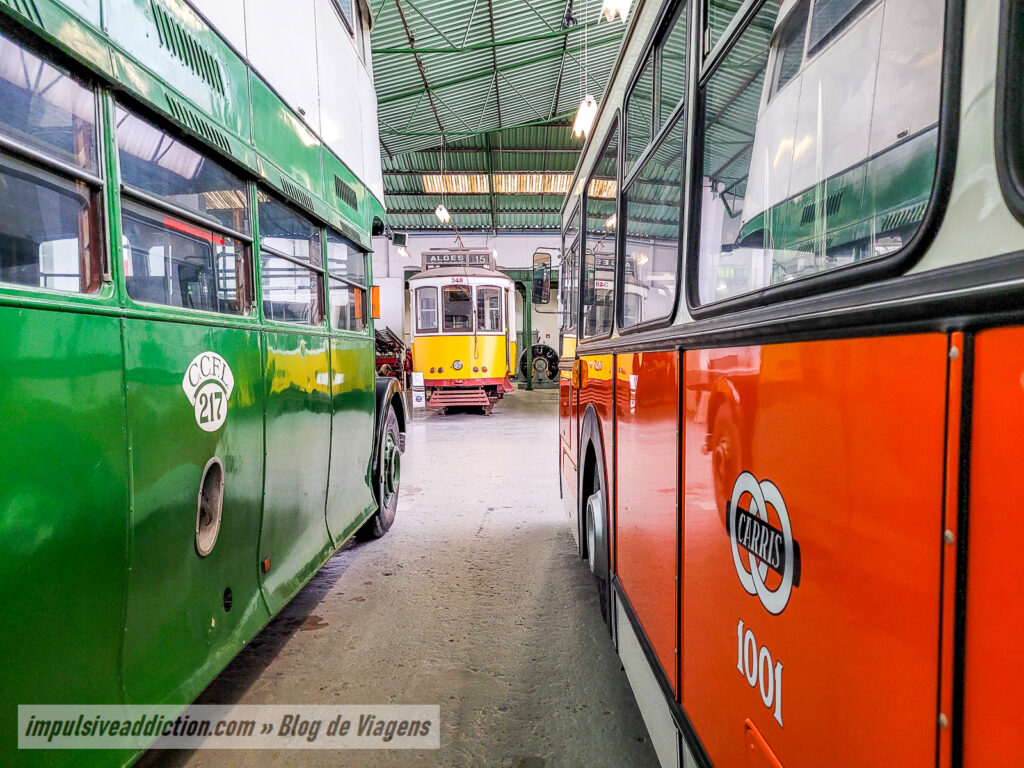
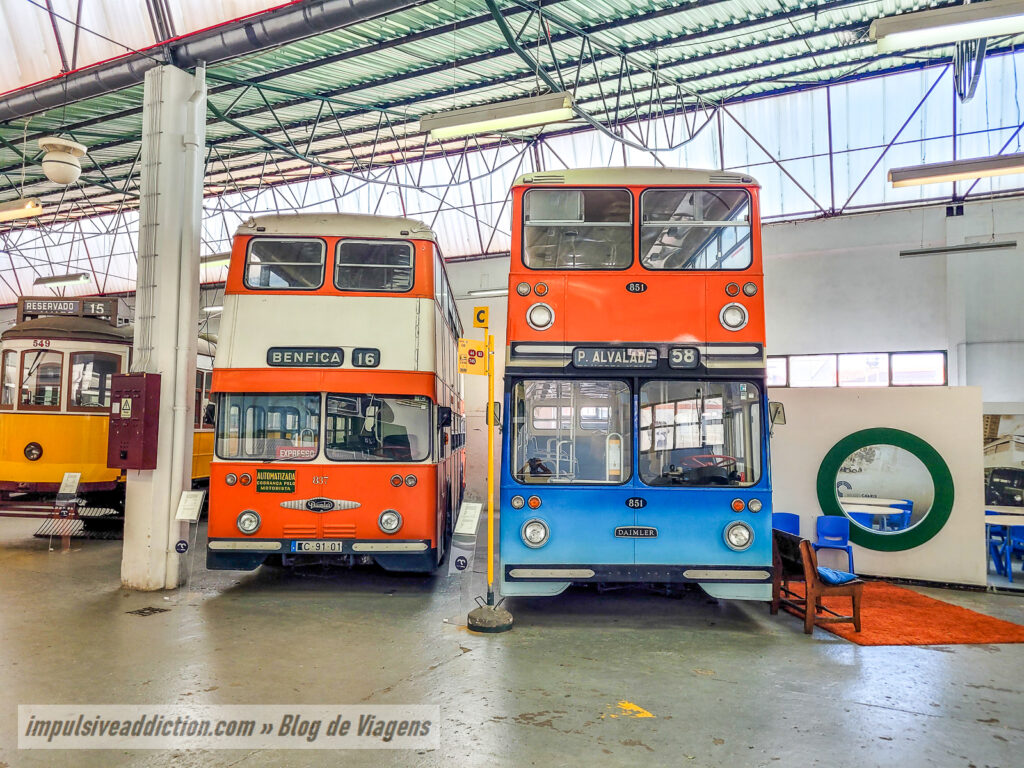
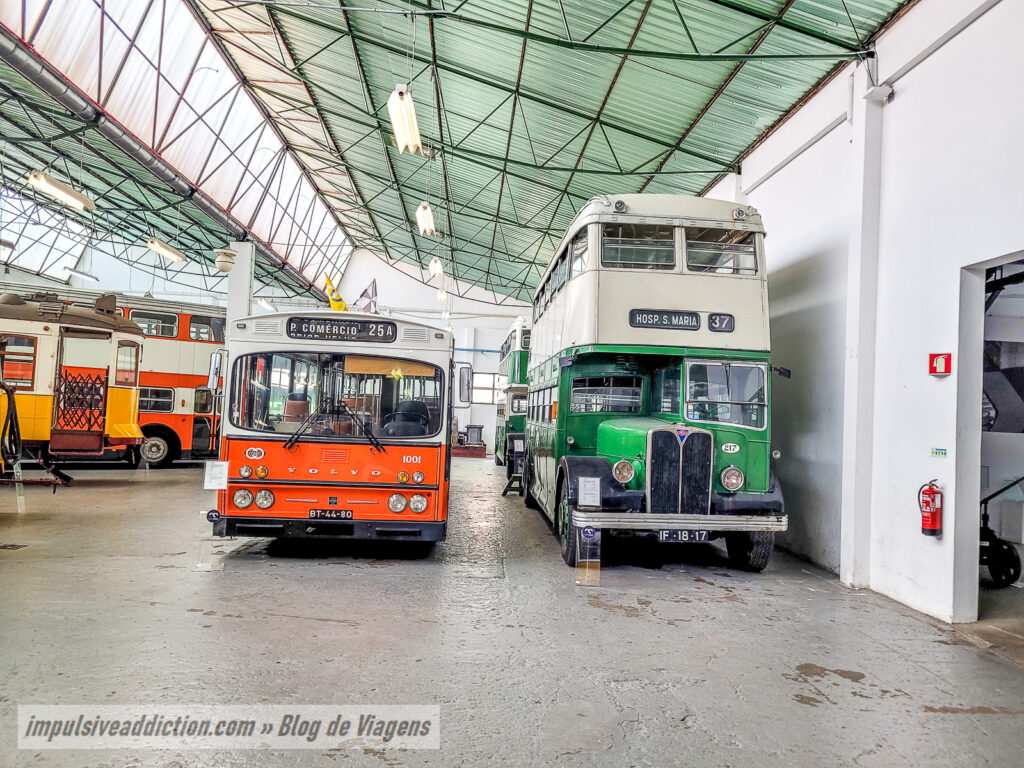
14. Carris Museum – Lisbon’s Public Transport Museum
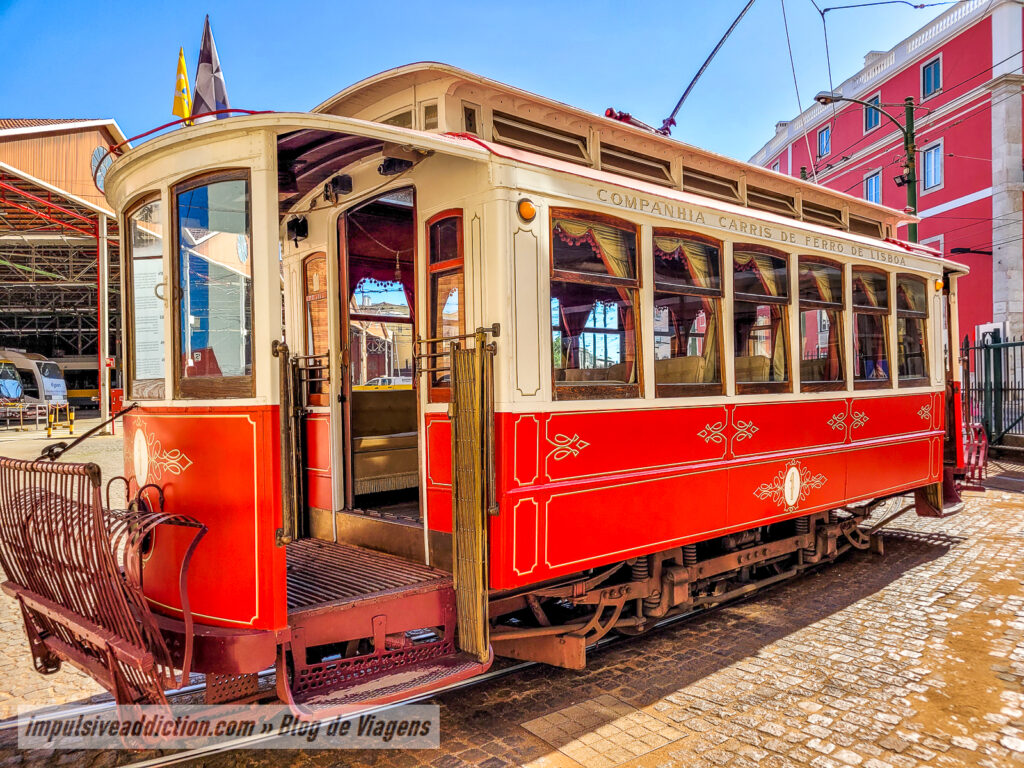
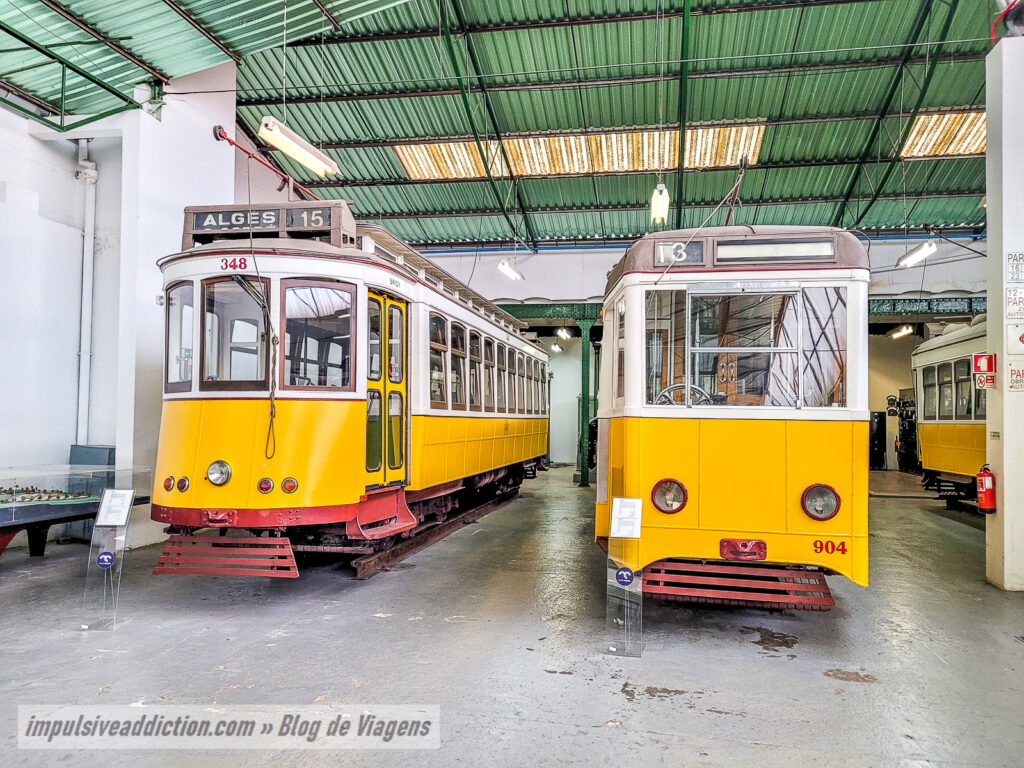
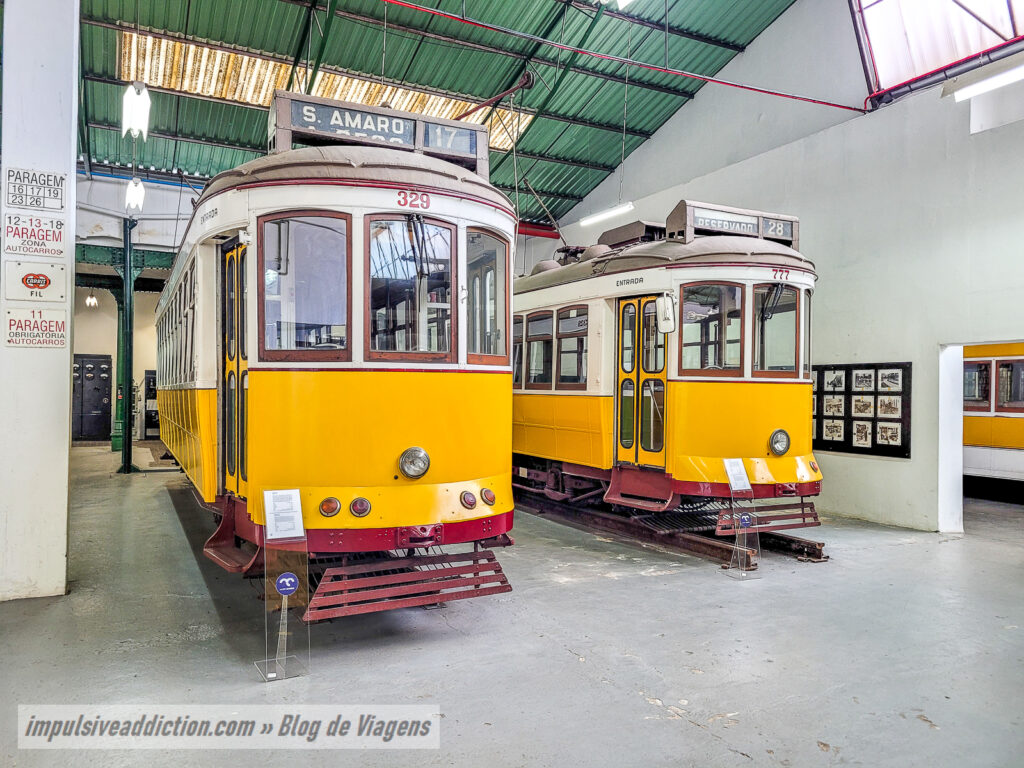
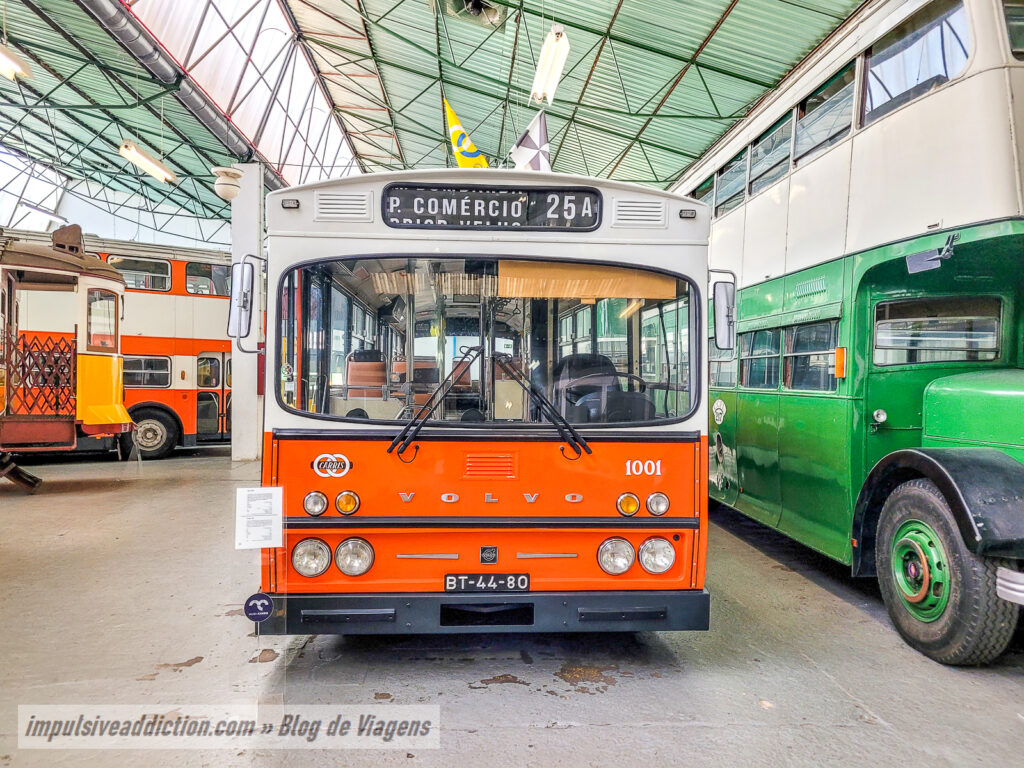
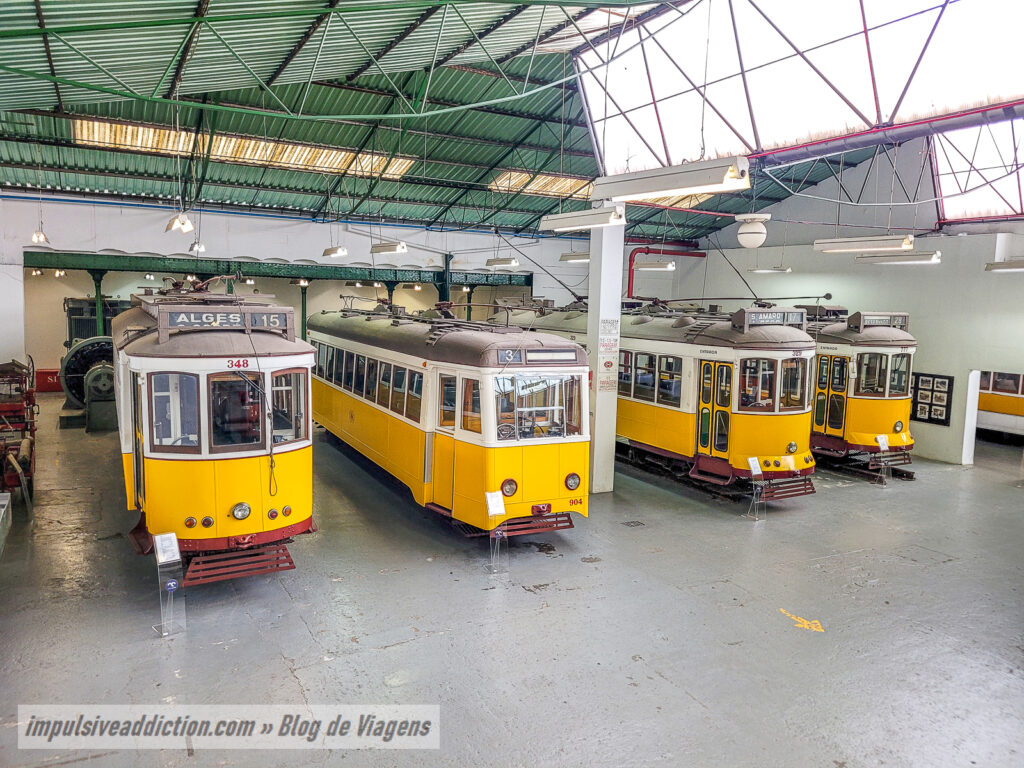
The Carris Museum offers visitors a journey through time, showcasing the history of Lisbon’s urban transport across three exhibition areas — from the early days of horse-drawn carriages to the introduction of electric trams and modern buses.
The collection features historic vehicles, uniforms, tickets, photographs, and workshop tools, offering a rich and detailed insight into the evolution of public mobility in the city.
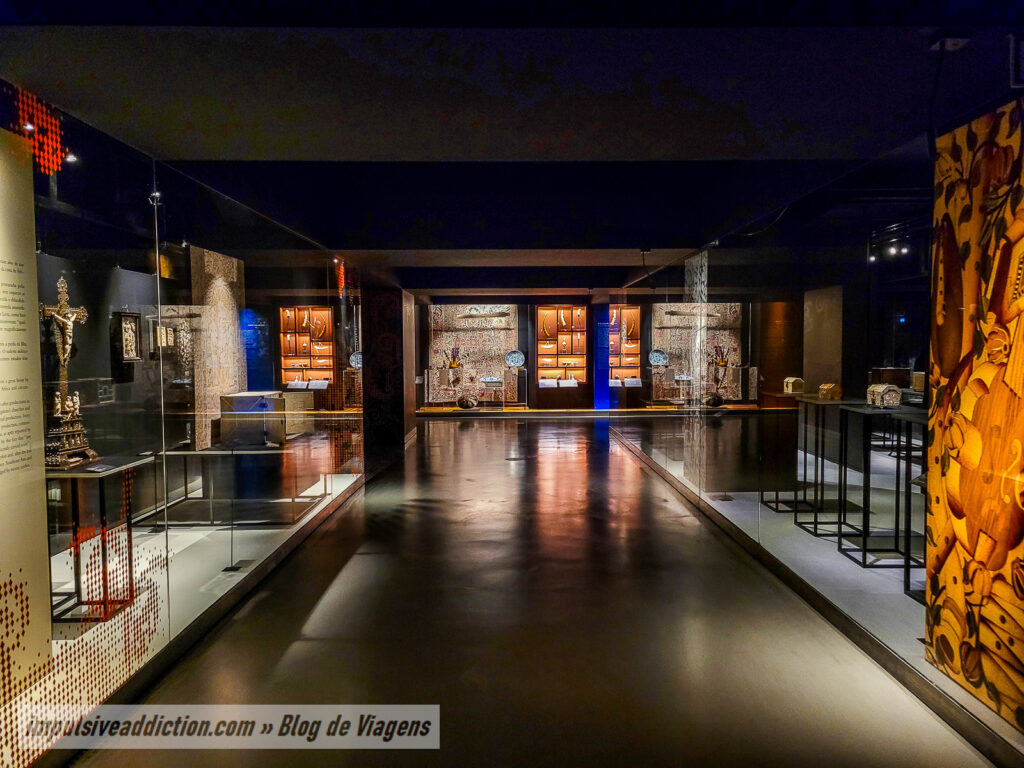
15. Museum of the Orient
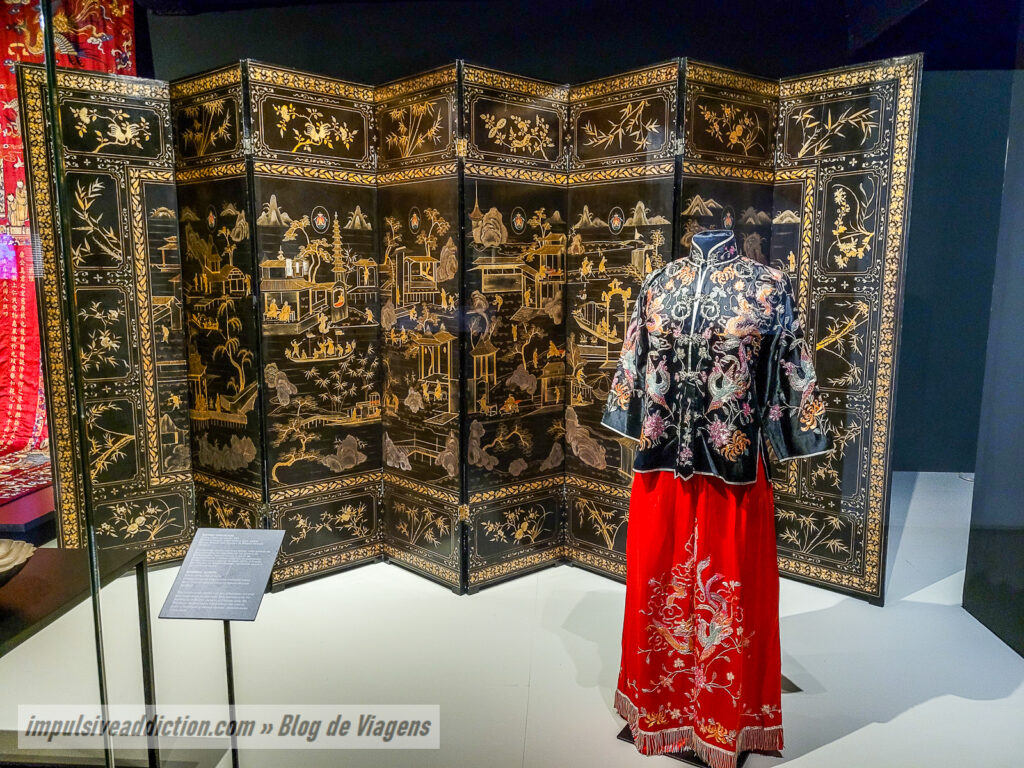
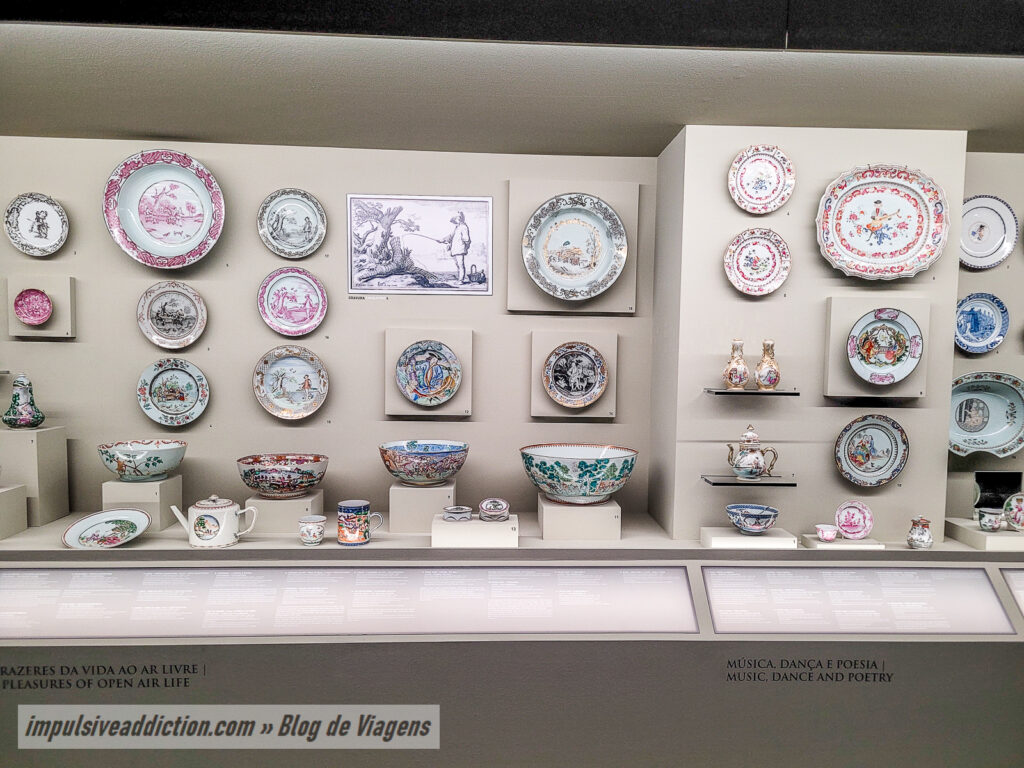
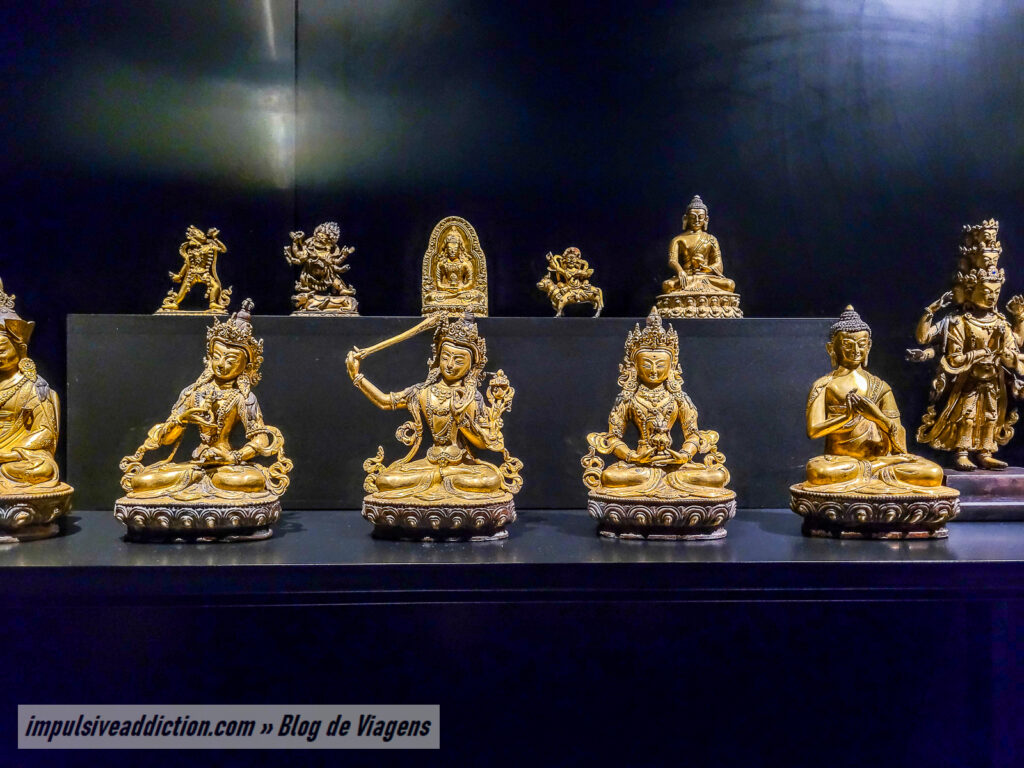
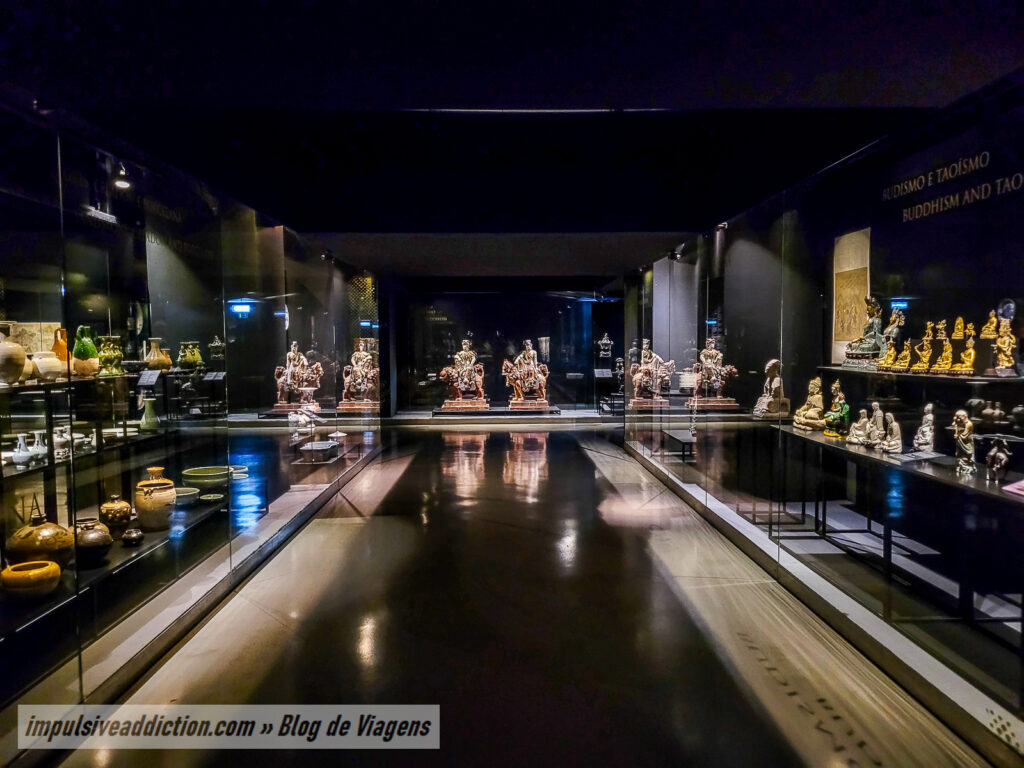
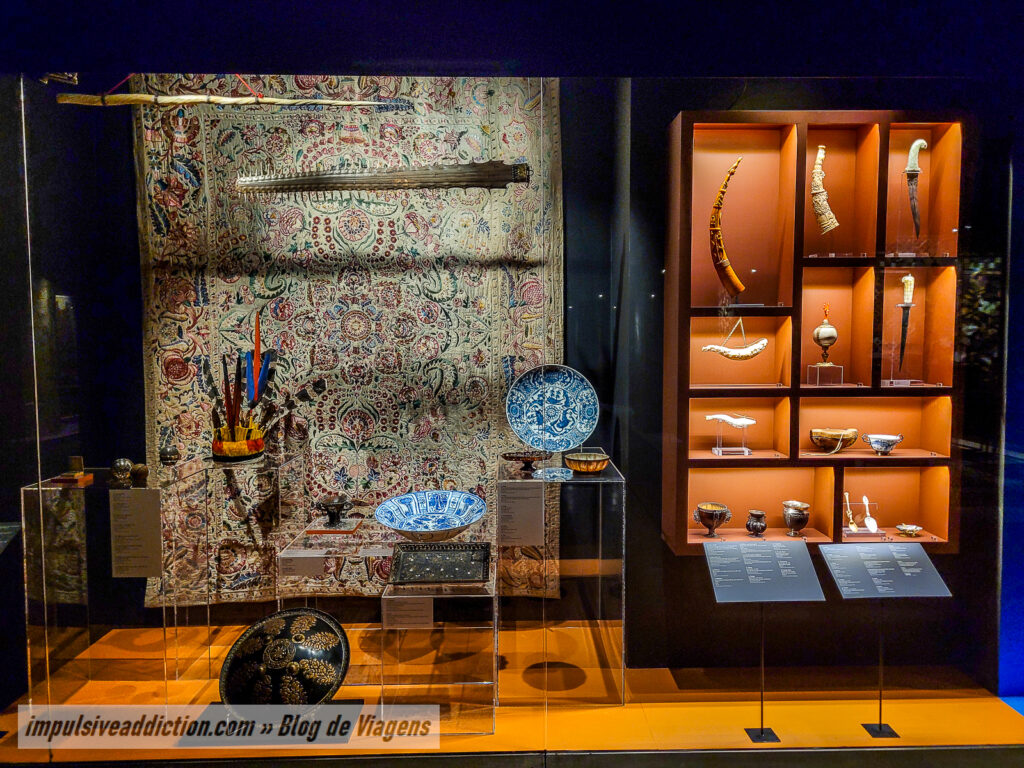
The Museum of the Orient is a cultural space dedicated to fostering dialogue between Portuguese and Asian cultures. Opened in 2008 by the Fundação Oriente, the museum is known for its two major collections:
1. Portuguese Presence in Asia
Featuring around 1,600 pieces spanning from 3000 BCE to the mid-20th century, this collection illustrates the impact of Portuguese influence in the East. Highlights include Chinese and Japanese folding screens, armorial porcelain, and Namban art — a unique style that emerged from early East–West encounters.
2. Kwok On Collection
Donated by the Kwok On Museum in Paris, this vast collection of over 15,000 objects documents Asian performing arts, mythologies, and popular religions. Standout items include masks, costumes, puppets, and musical instruments, offering a vivid insight into the ritualistic and theatrical traditions of Asia.
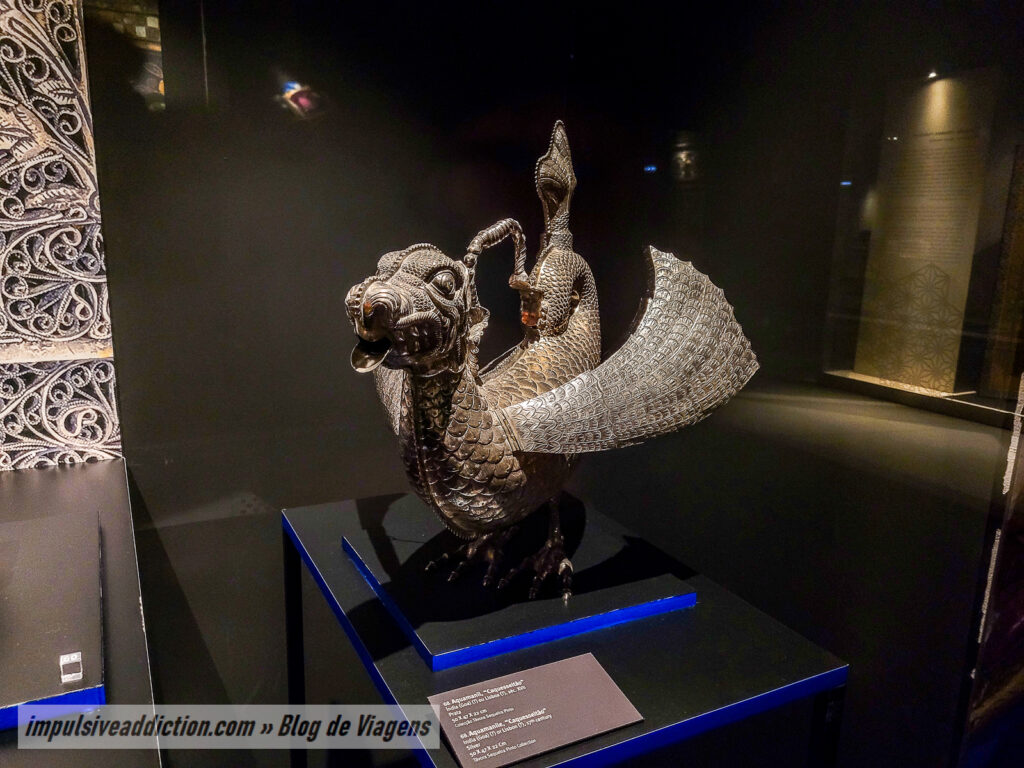
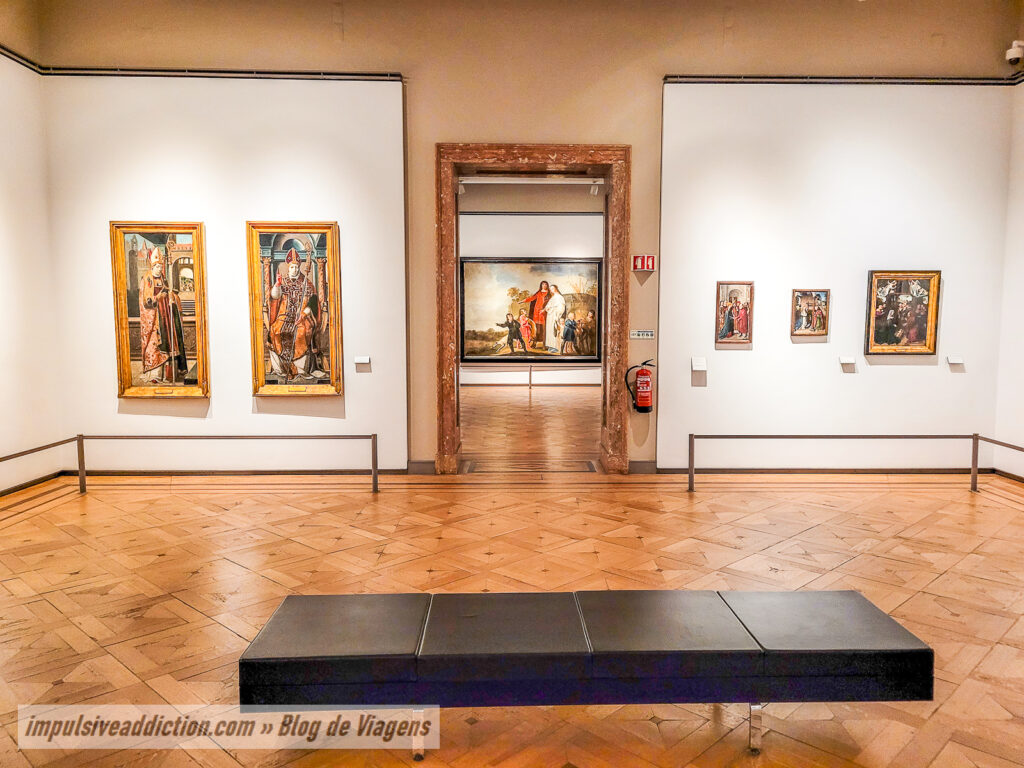
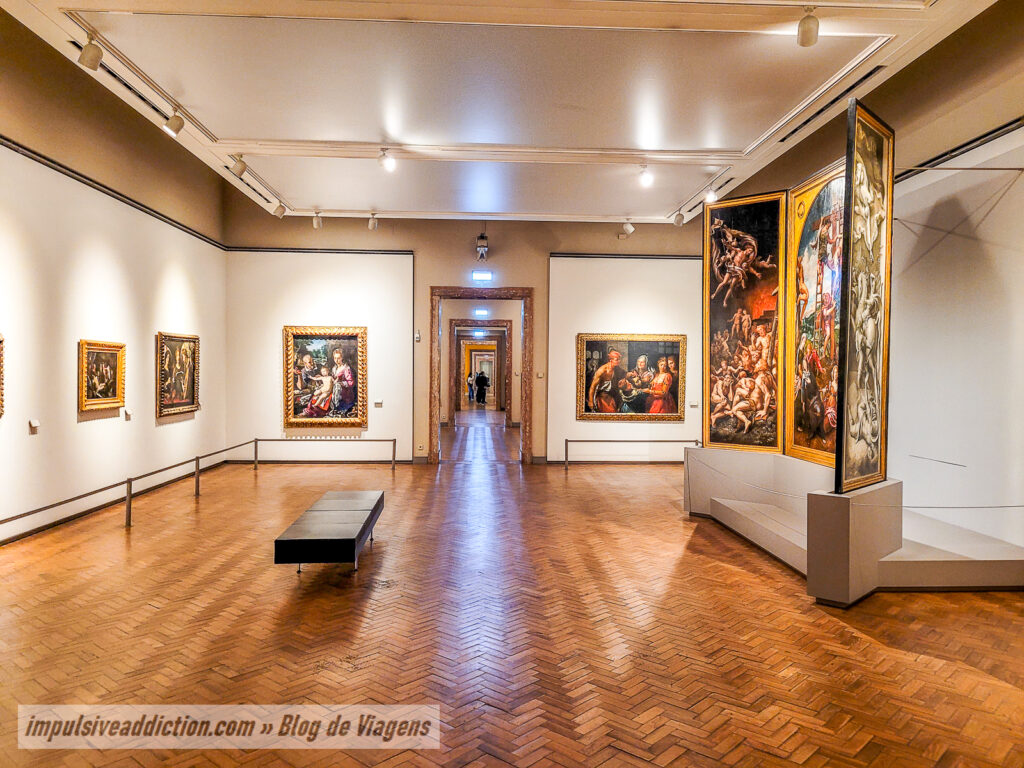
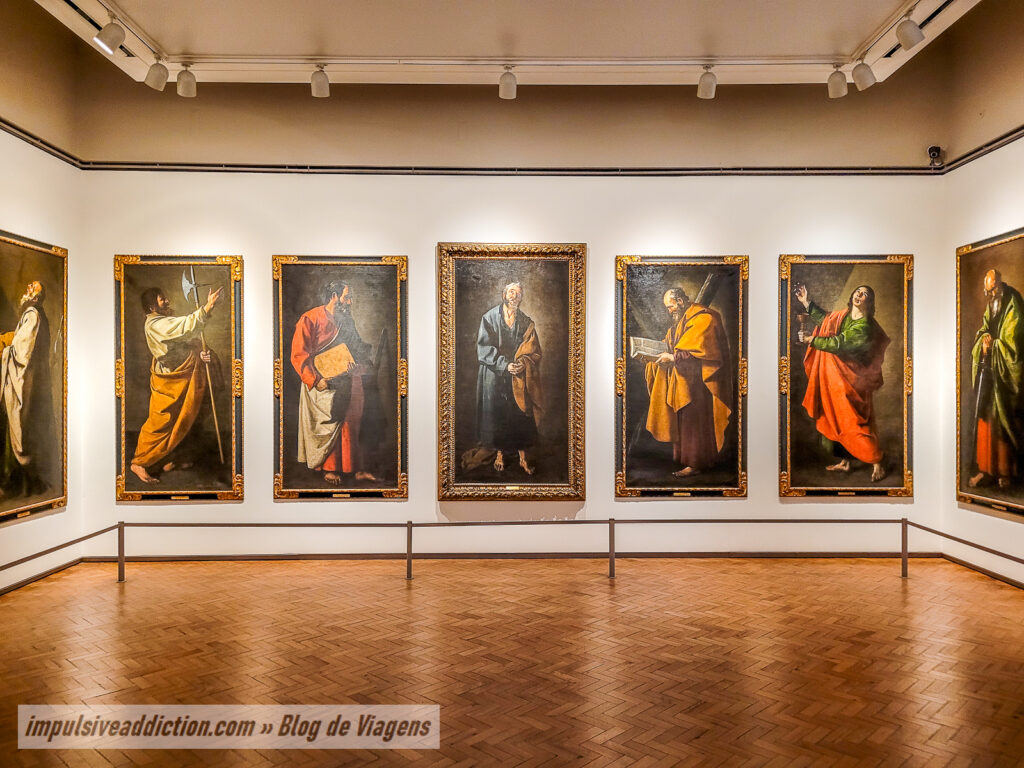
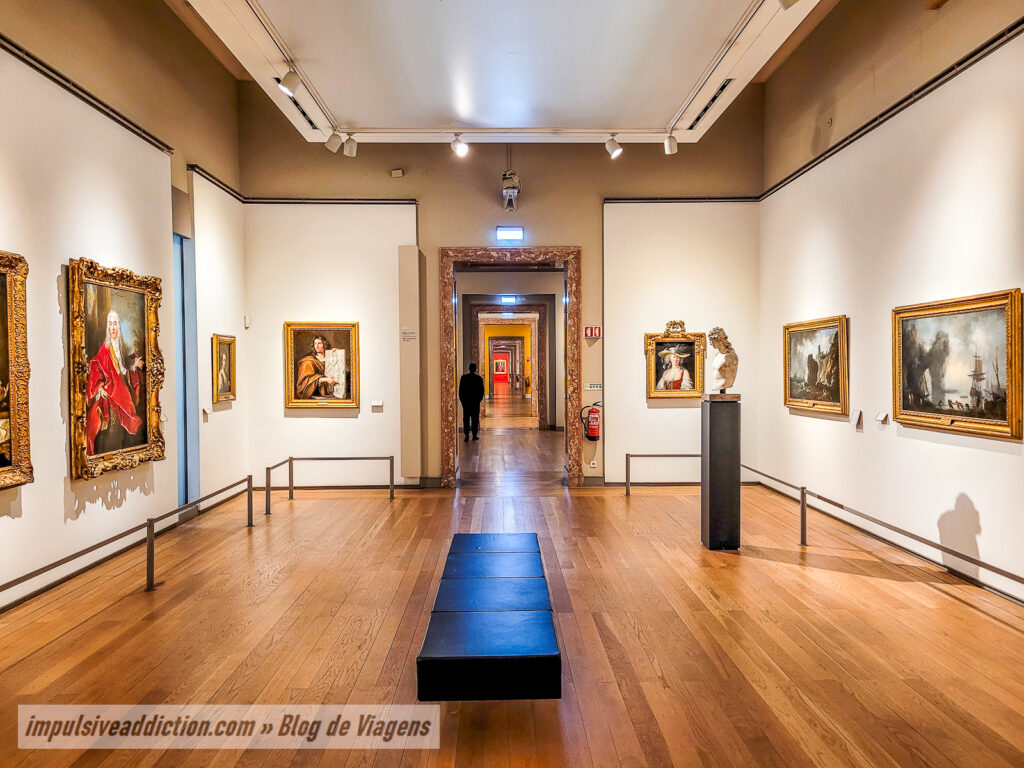
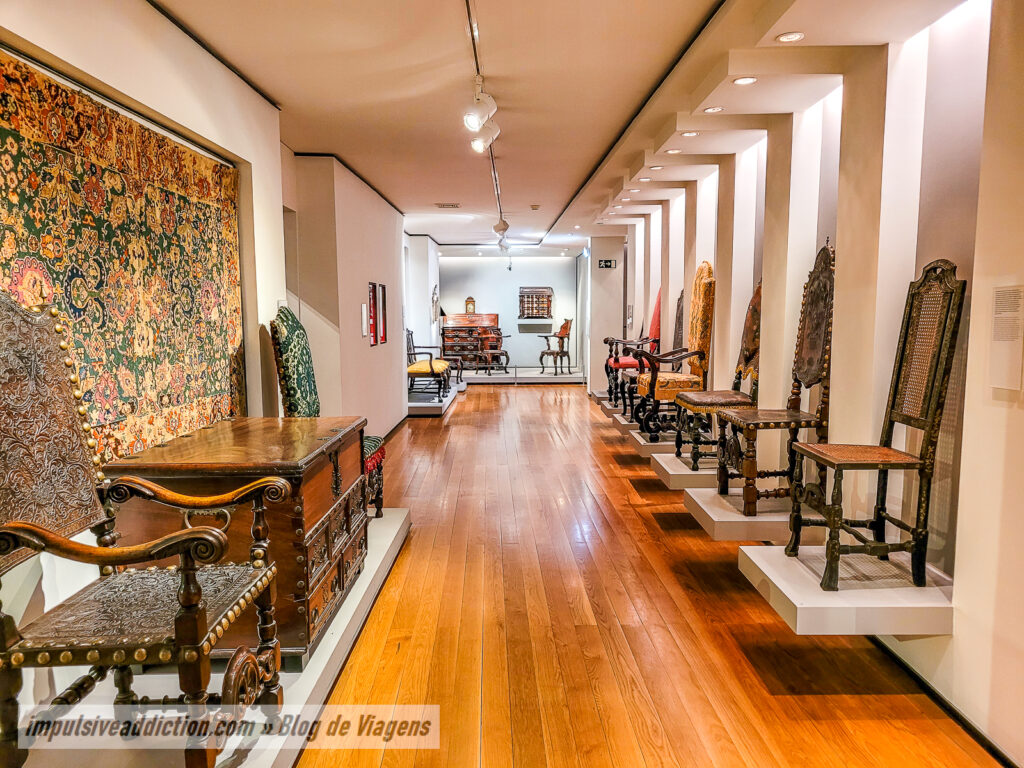
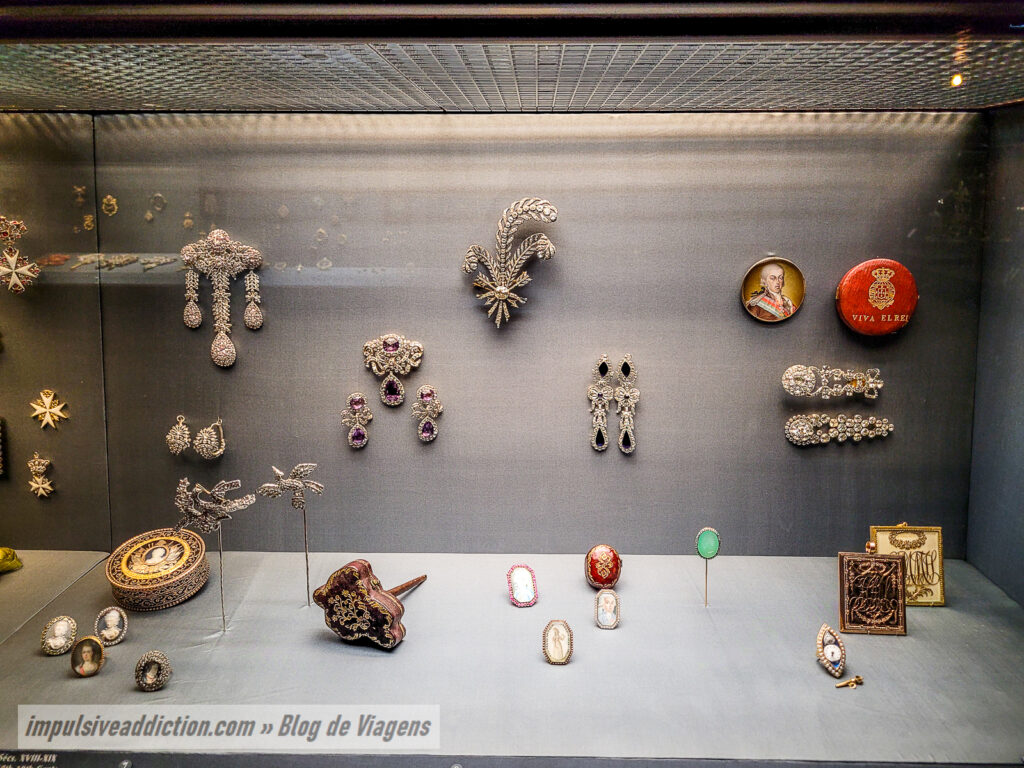
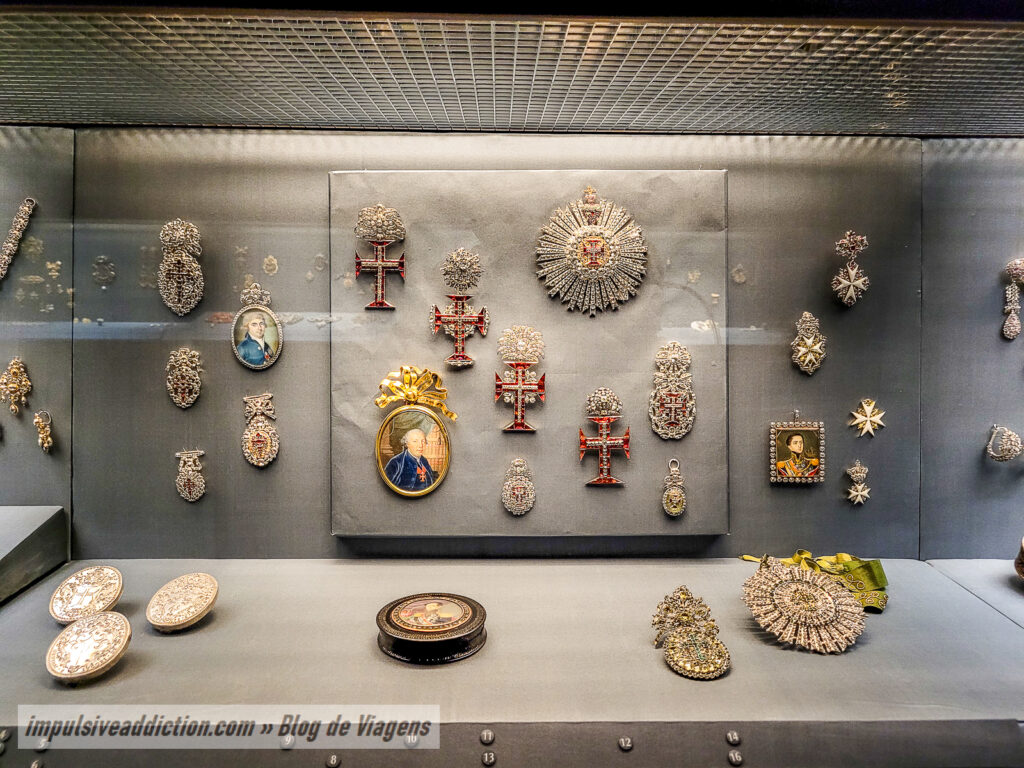
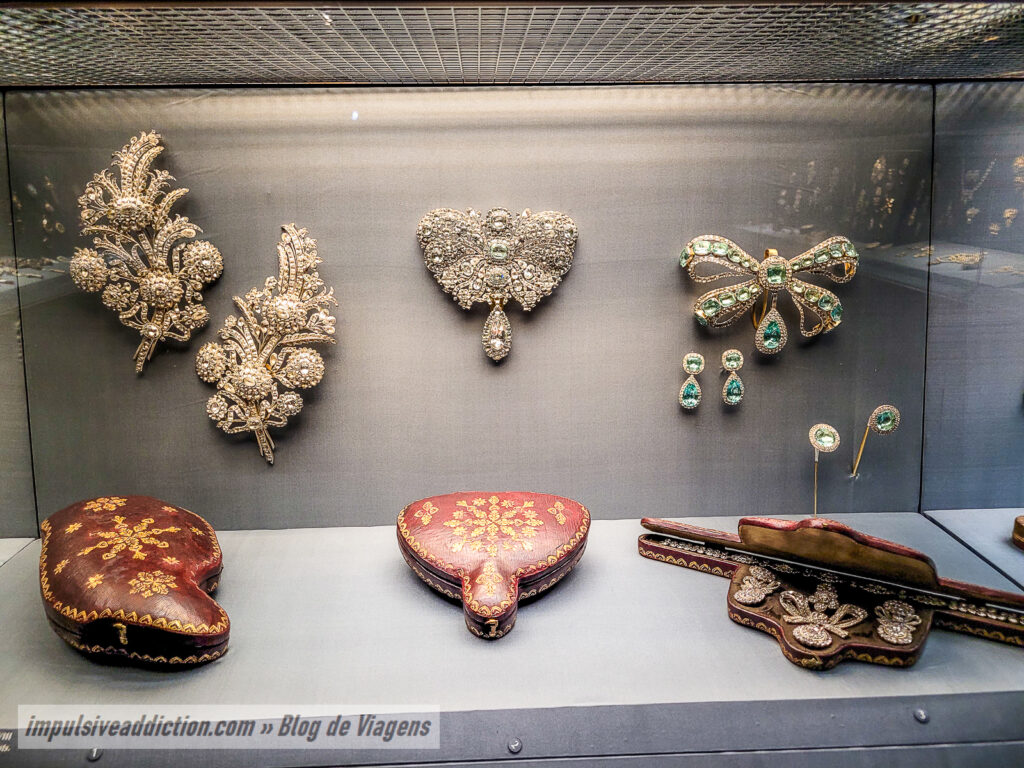
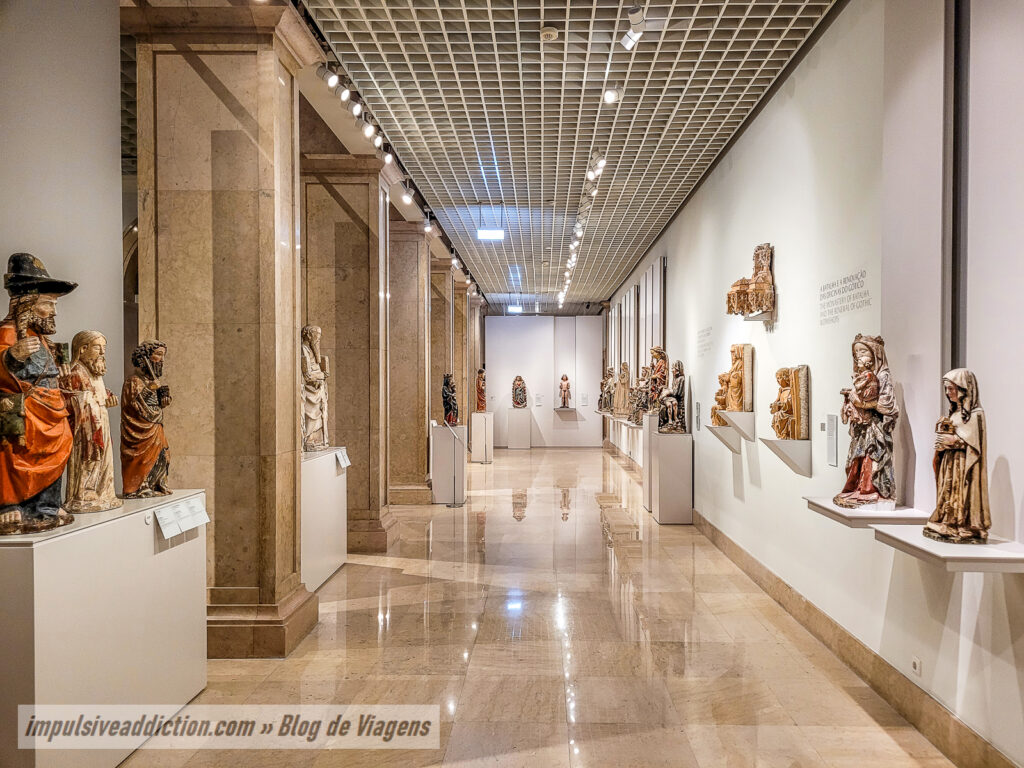
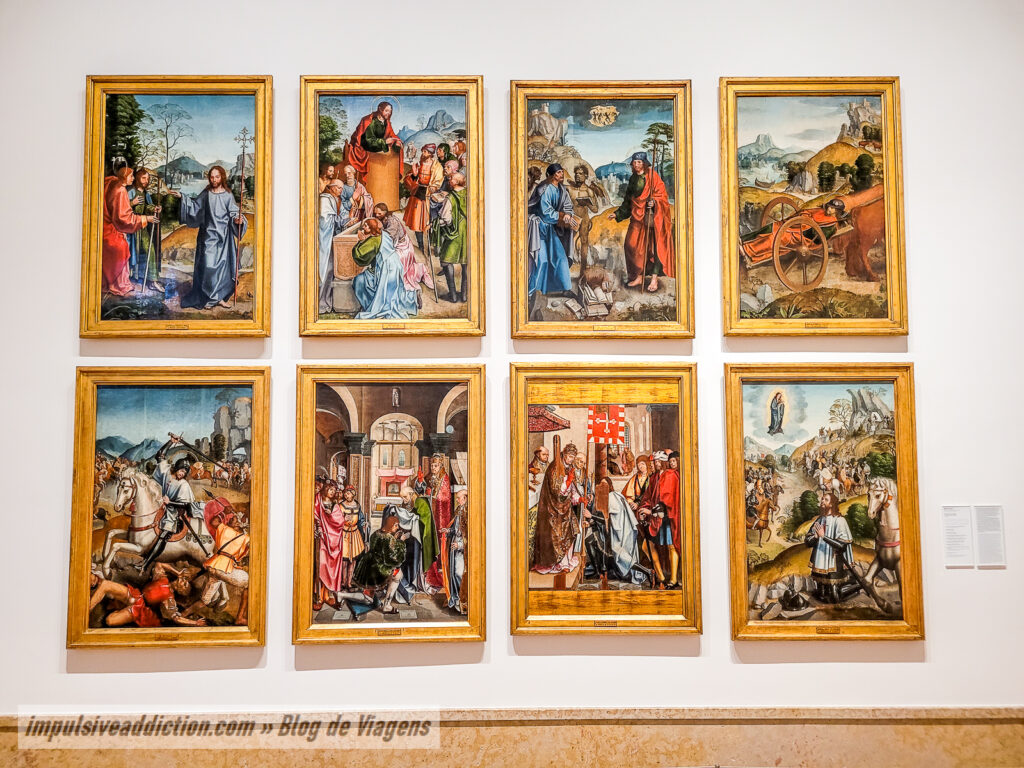
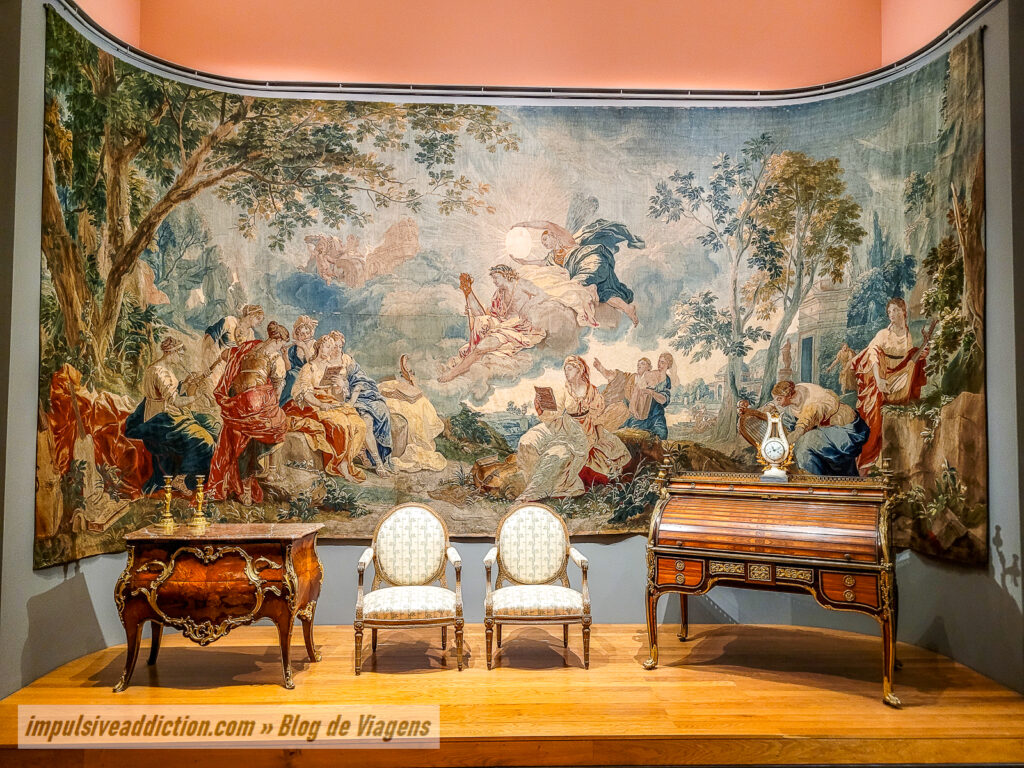
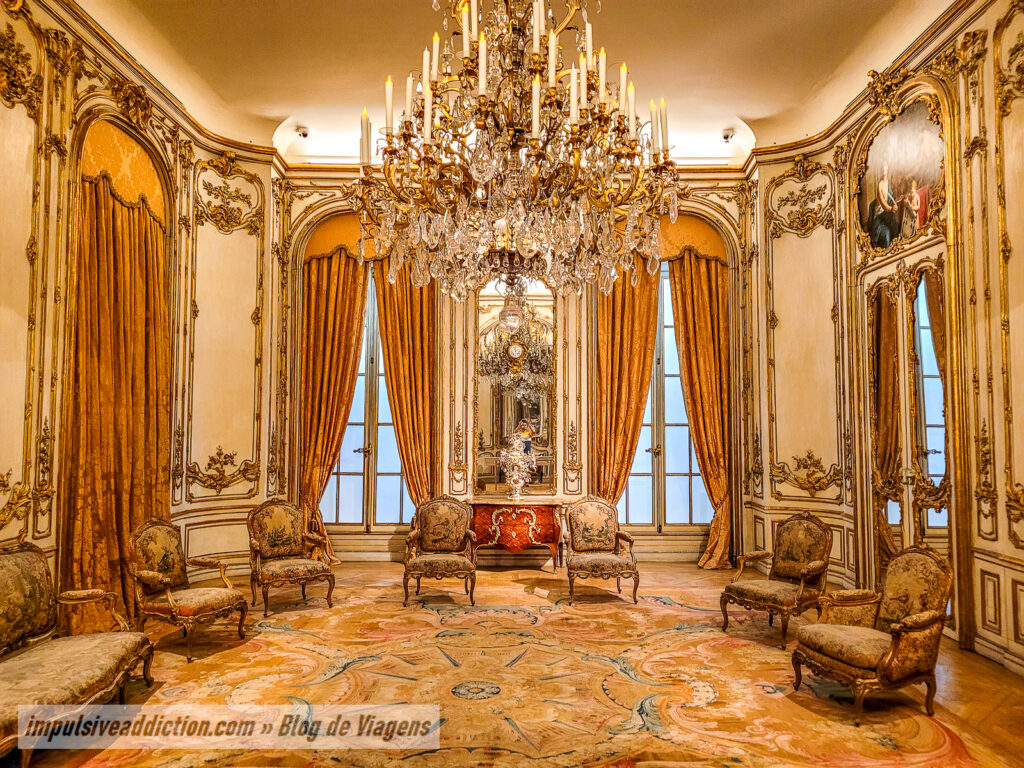
16. National Museum of Ancient Art (MNAA)
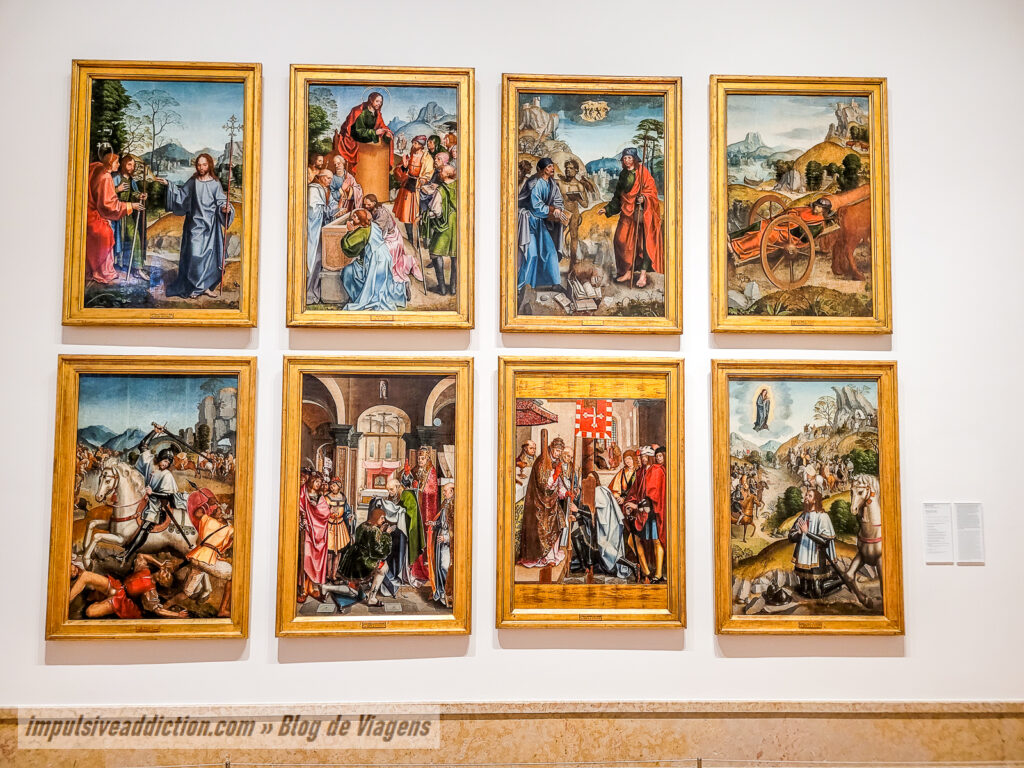
The National Museum of Ancient Art (MNAA), located on Rua das Janelas Verdes in Lisbon, is Portugal’s leading institution for European and Oriental art from the 12th to the 19th century.
Often considered “the Portuguese Louvre”, the museum holds a vast collection of over 40,000 pieces, including paintings, sculptures, gold and silverwork, furniture, textiles, ceramics, and prints.
Notable highlights include the iconic Panels of Saint Vincent by Nuno Gonçalves and the haunting painting “Hell”, by an anonymous artist. The museum also houses remarkable collections of African and Asian art, reflecting the cultural exchanges that marked the Age of Discoveries.
17. Museum of Communications
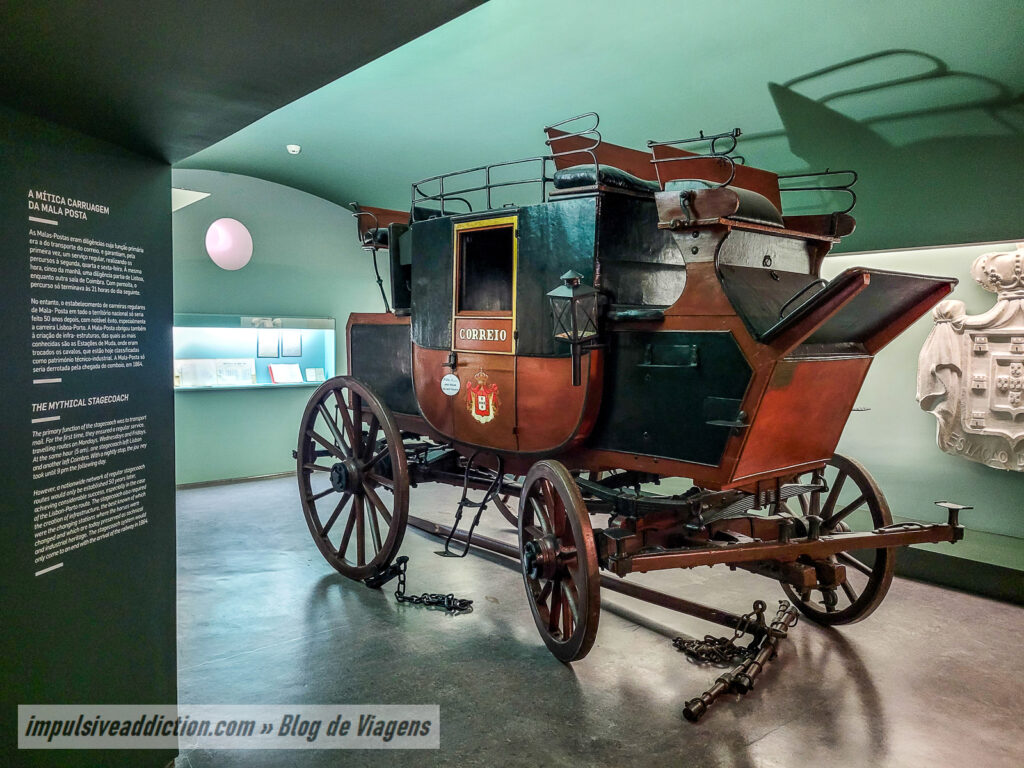
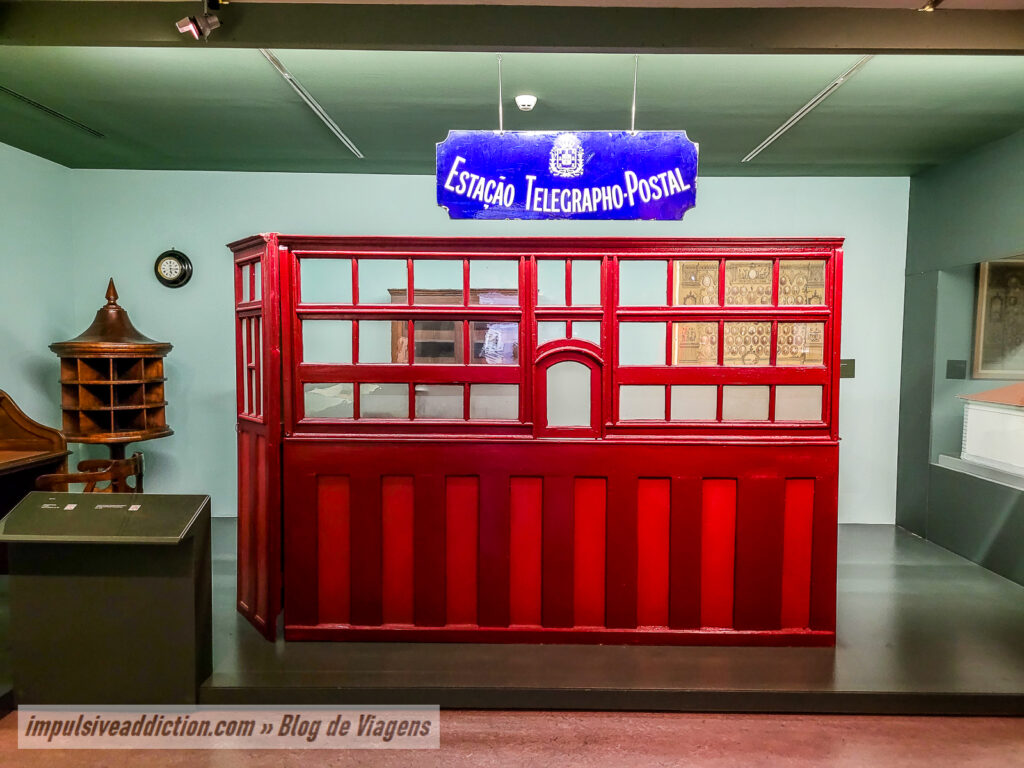
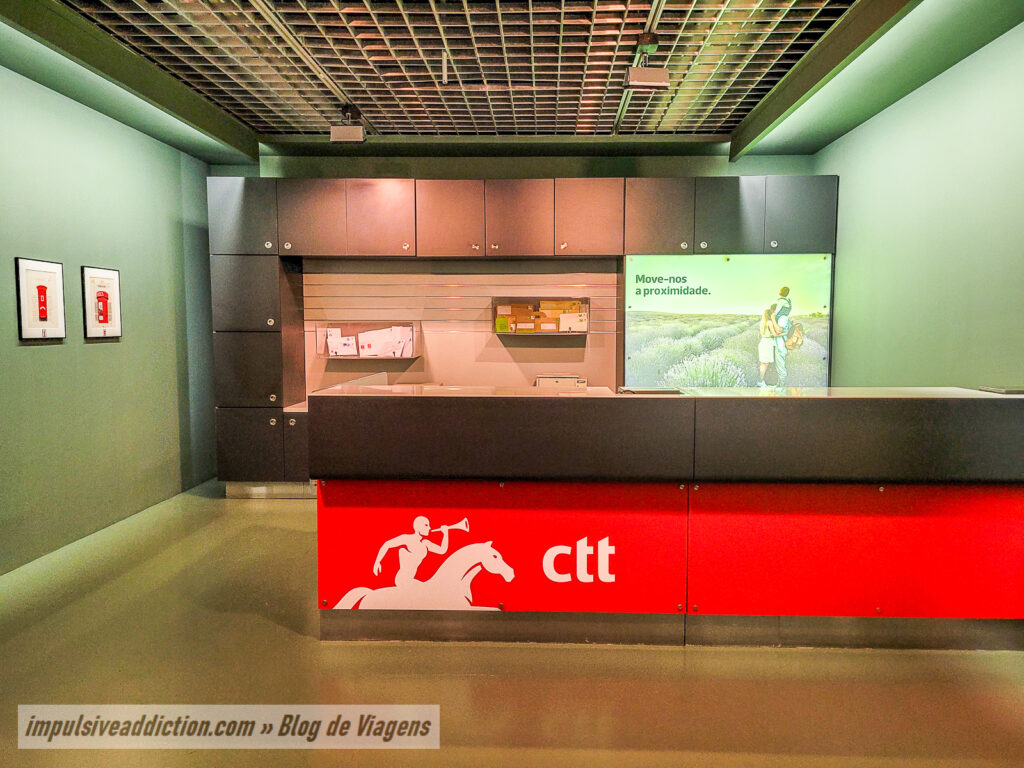
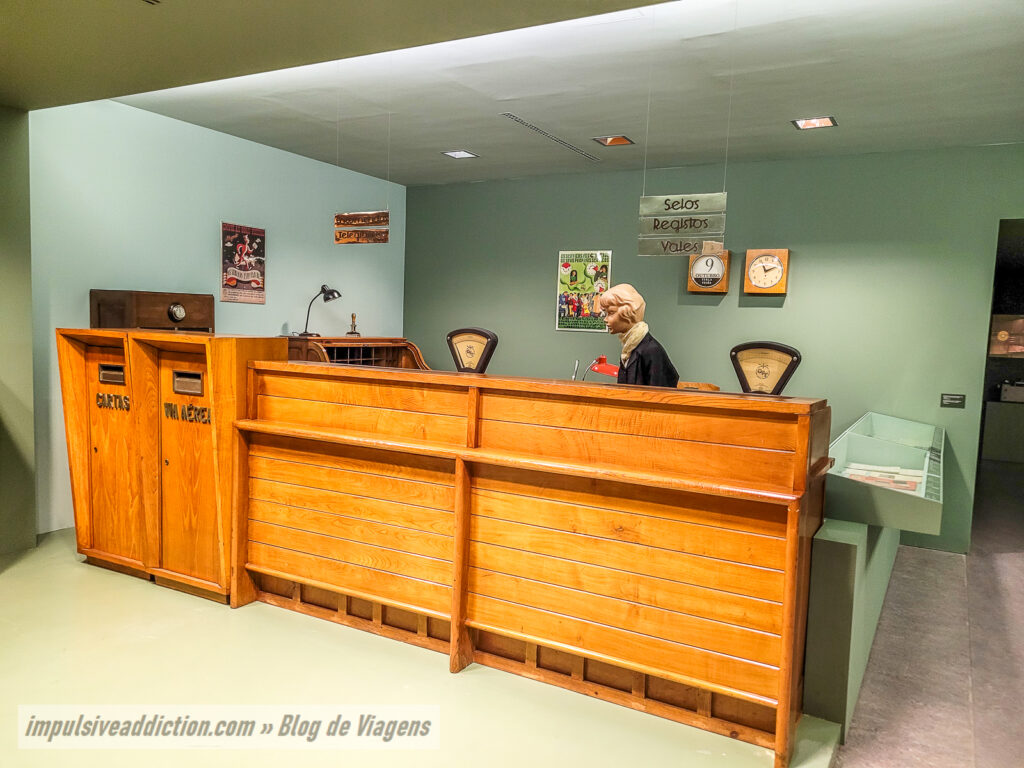
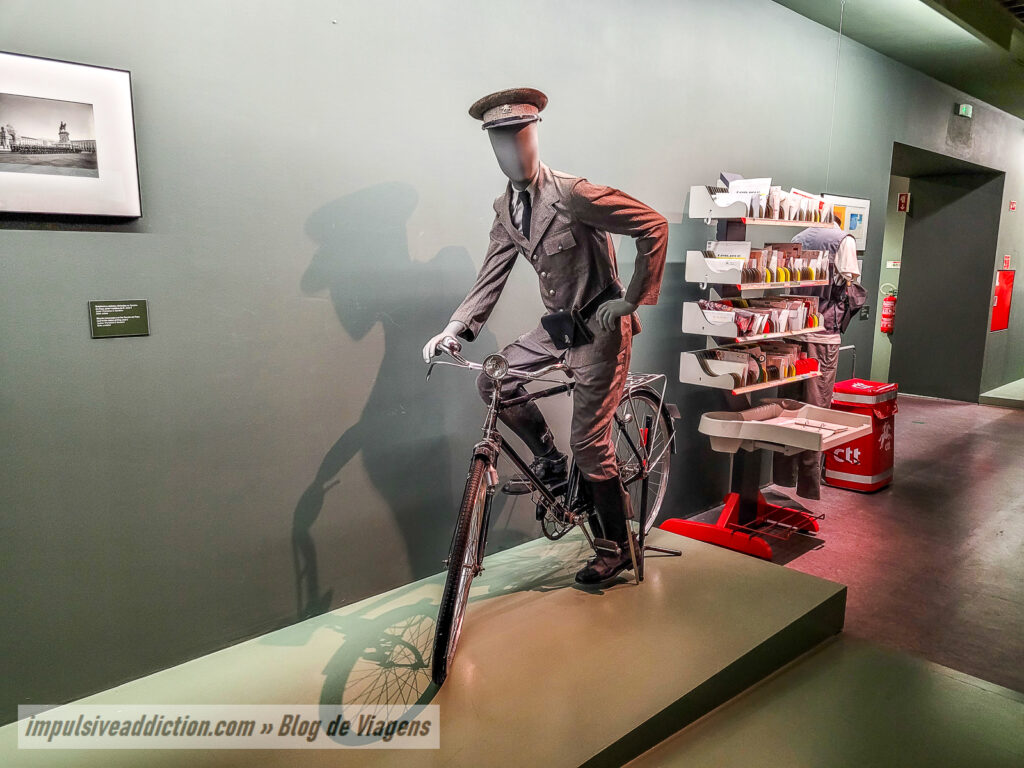
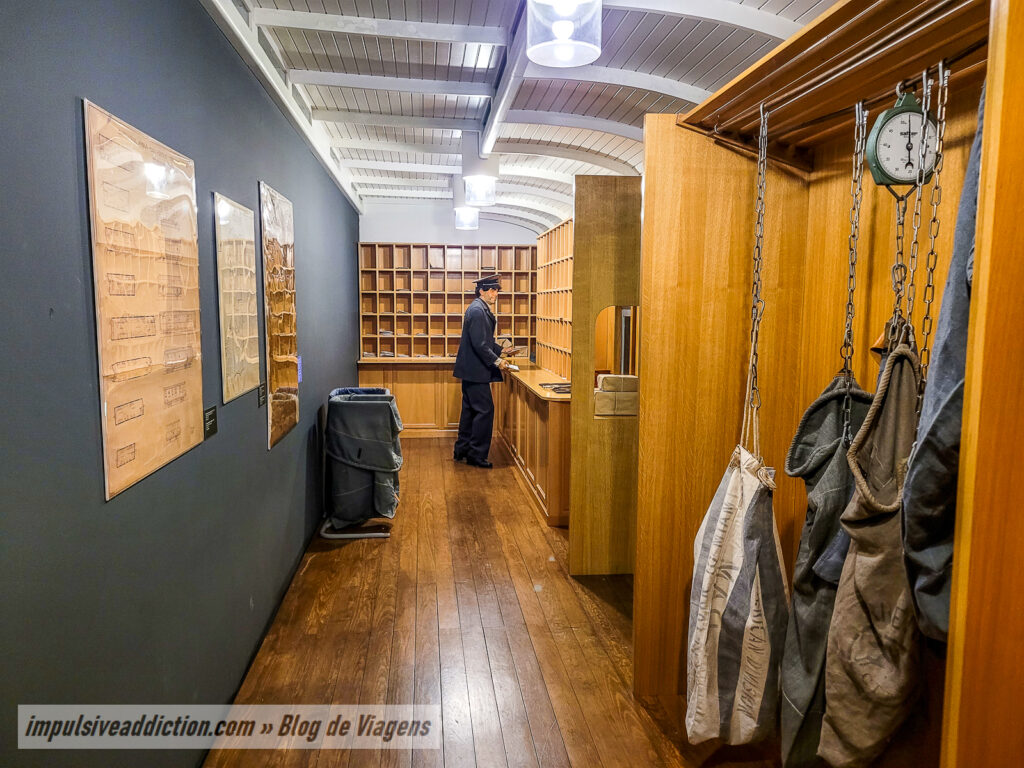
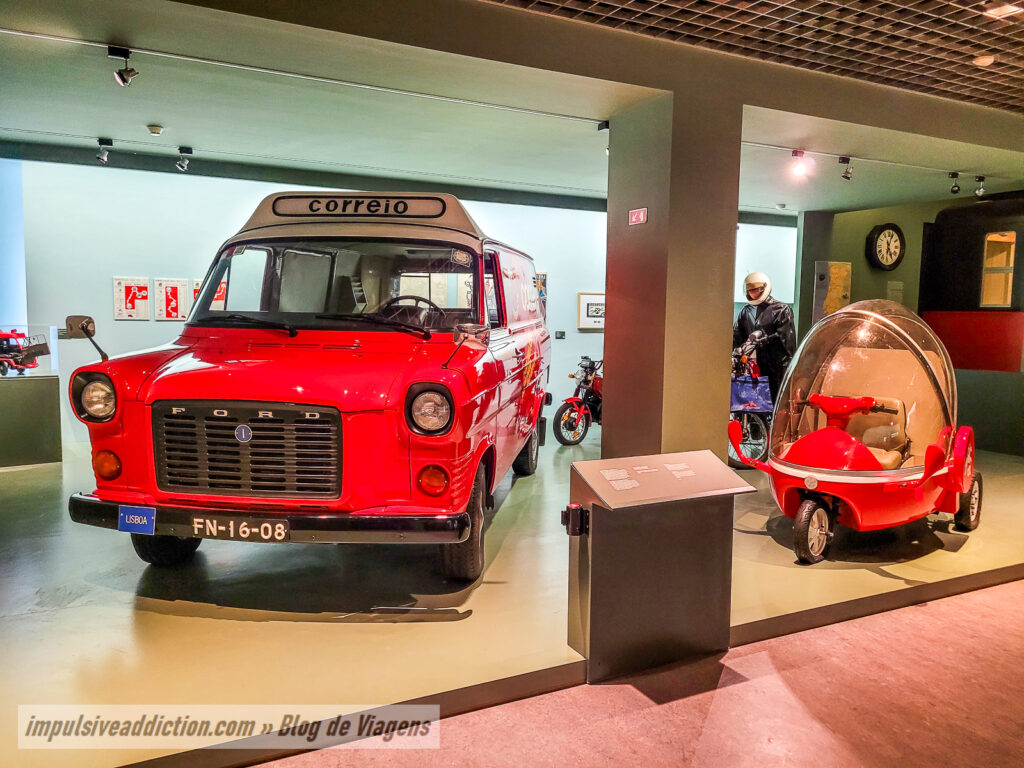
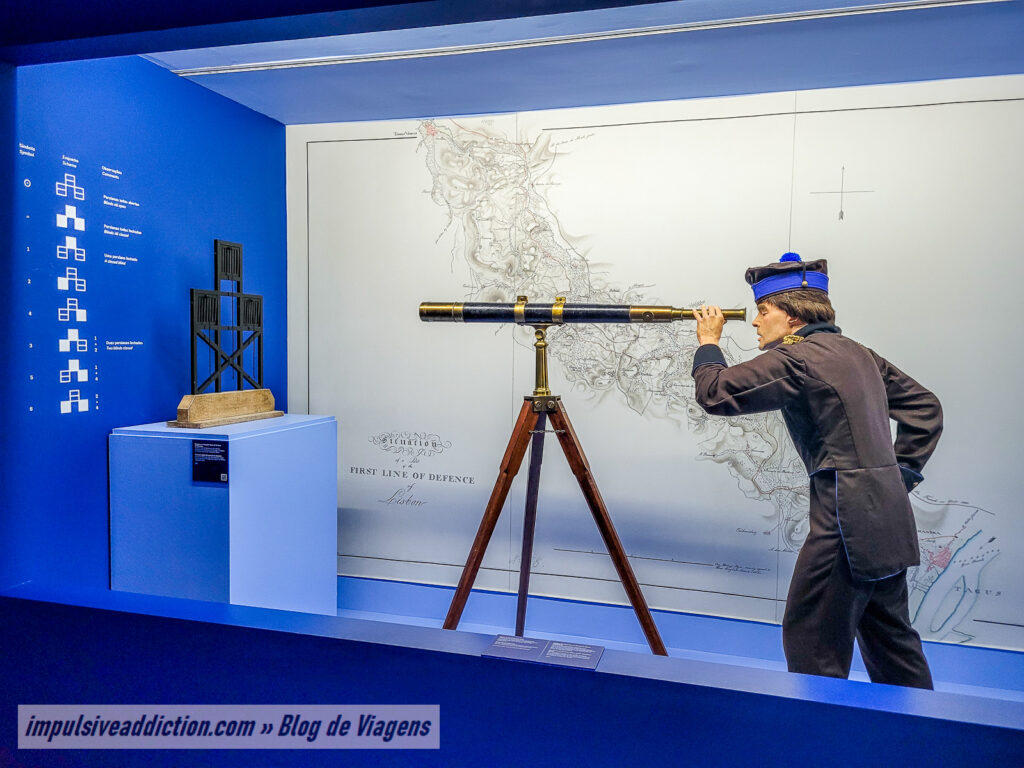
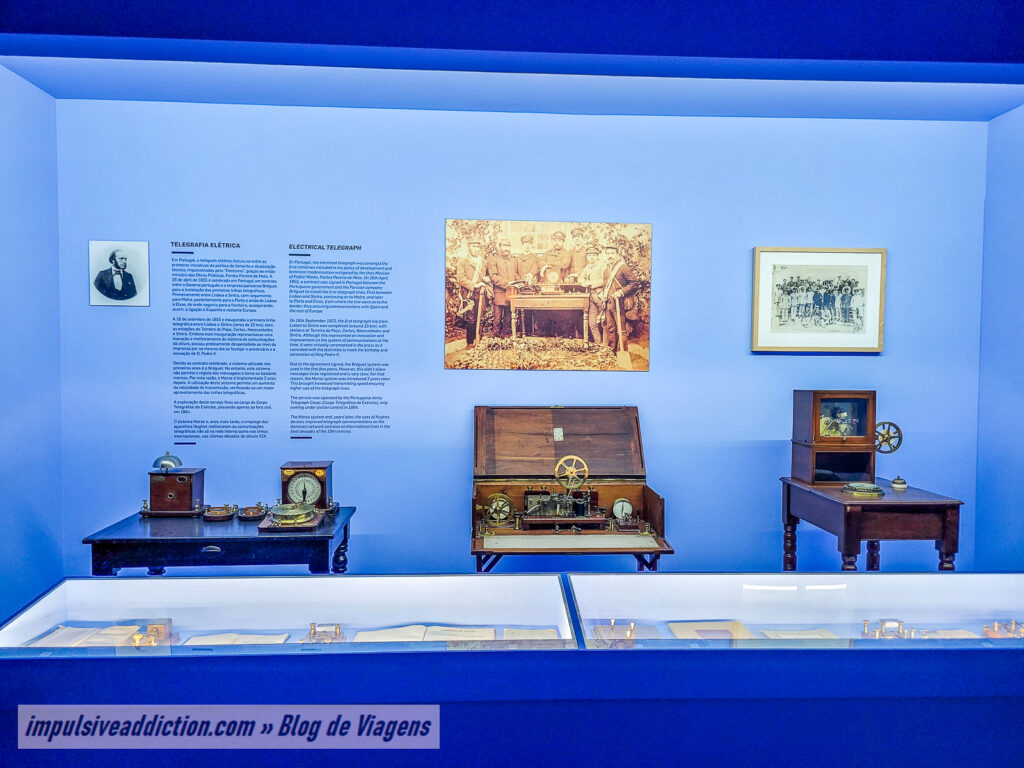
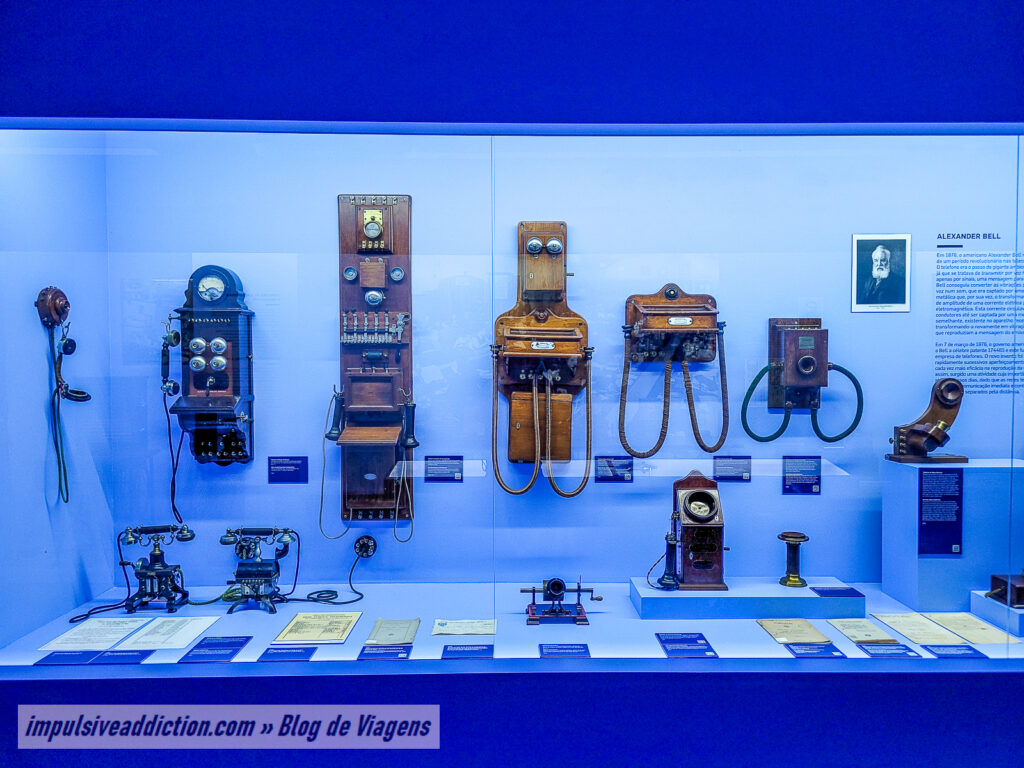
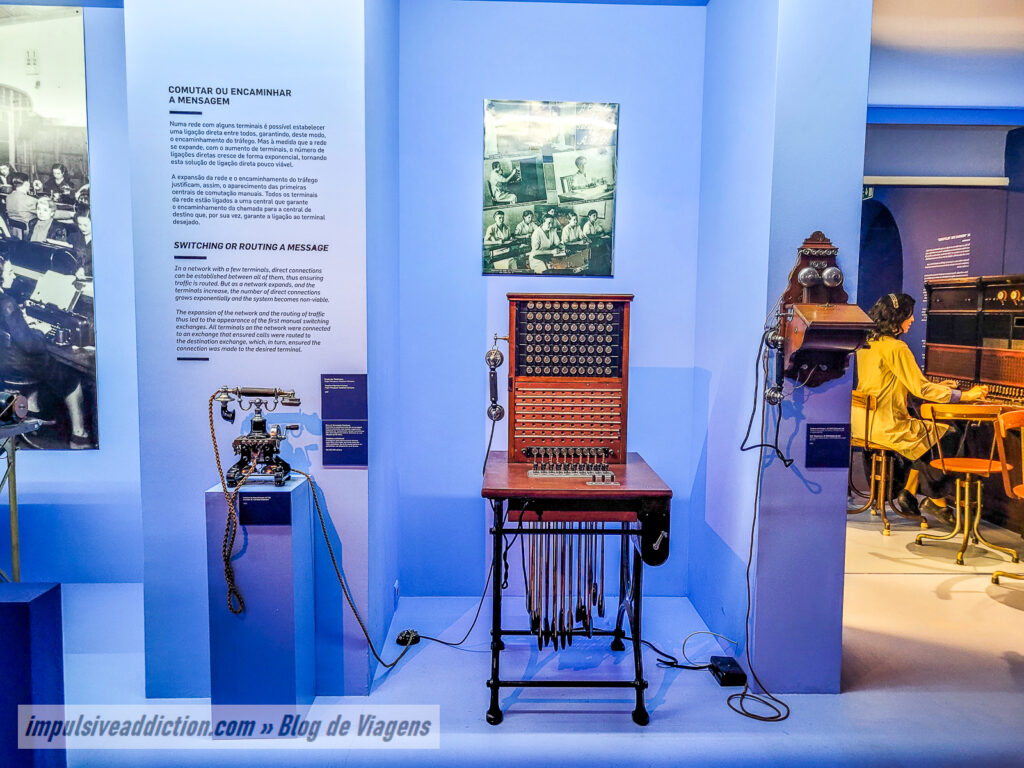
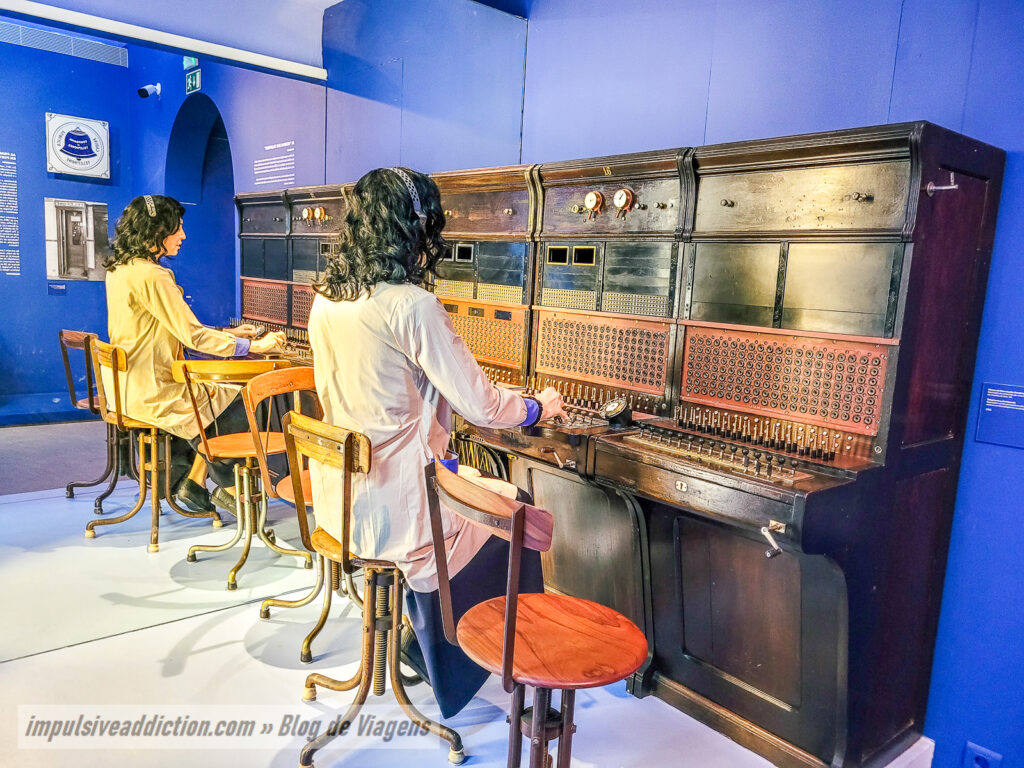
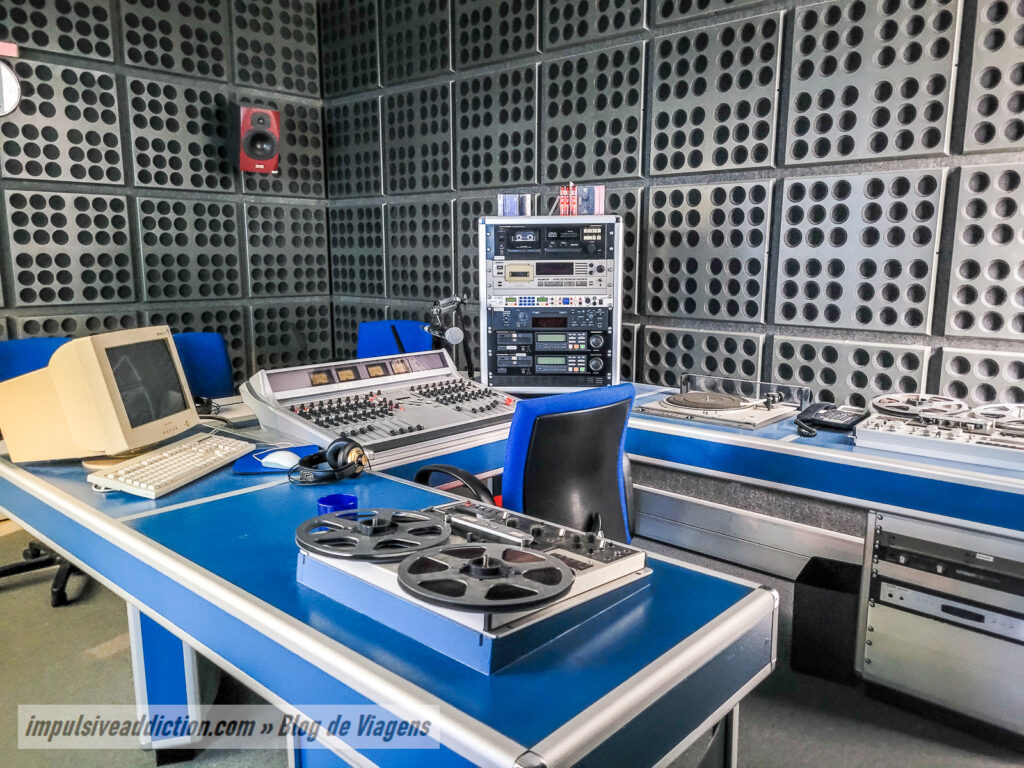
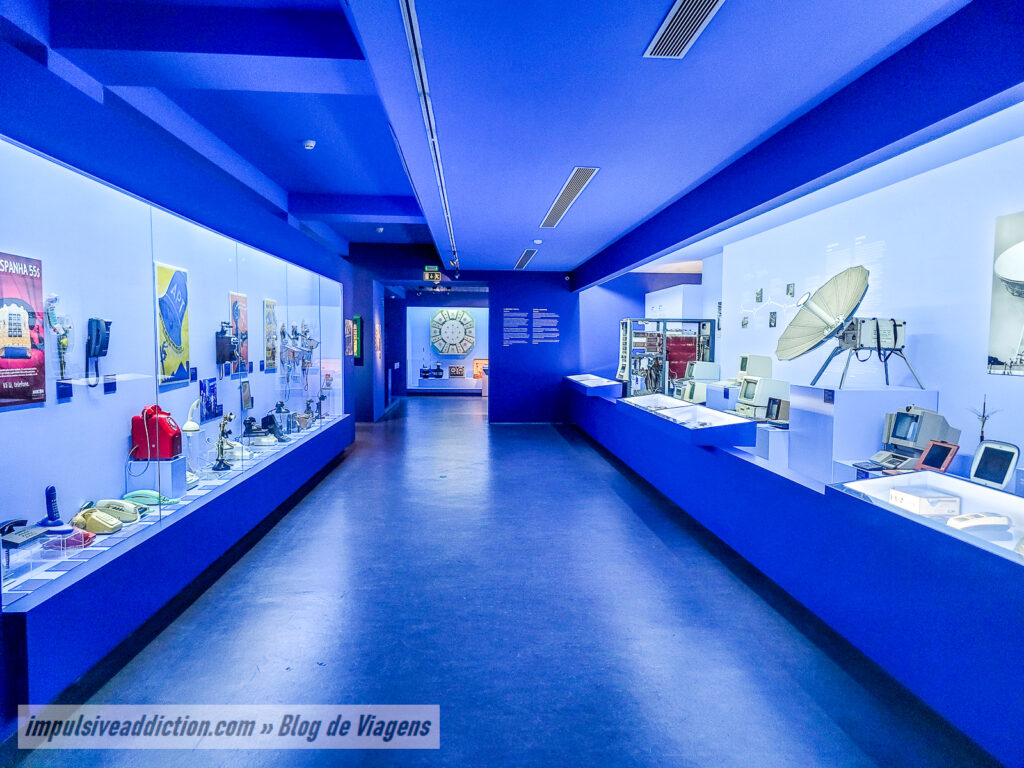
The Museum of Communications is a cultural space dedicated to the history of communications and information technologies.
Opened in 1997 by the Portuguese Communications Foundation, the museum houses collections from ANACOM, CTT – Portugal’s national postal service, and Altice Portugal, tracing five centuries of communication history in Portugal.
From early postal systems to the digital age, the museum offers an engaging look at how technologies have shaped the way we connect — both in Portugal and beyond.



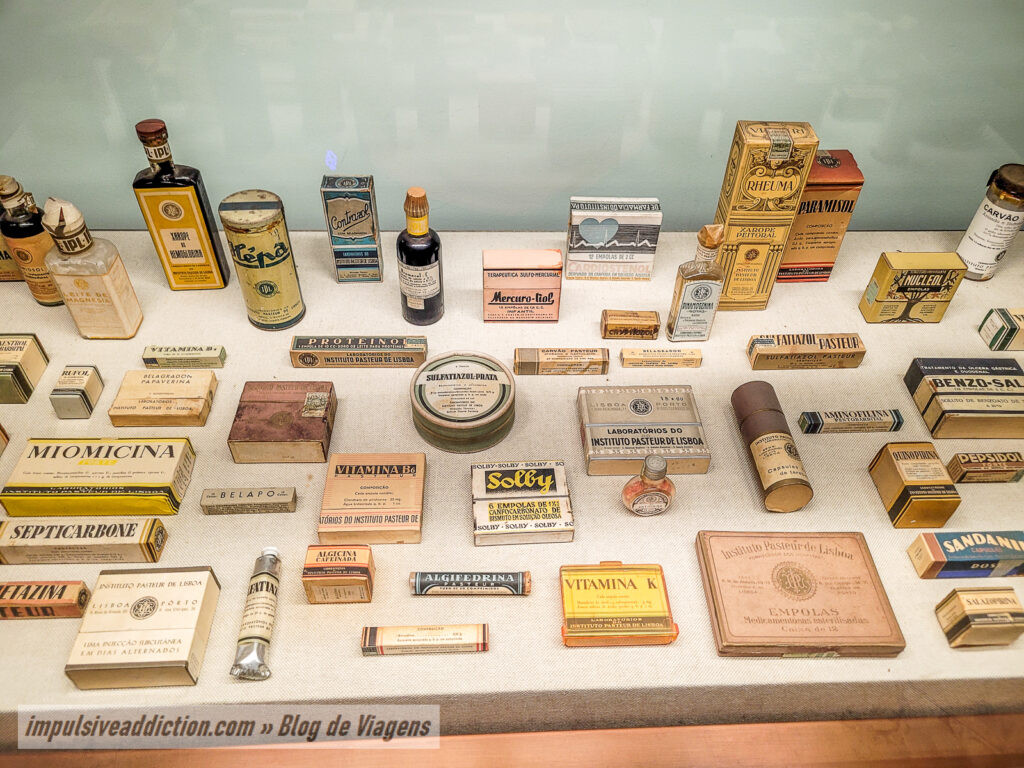
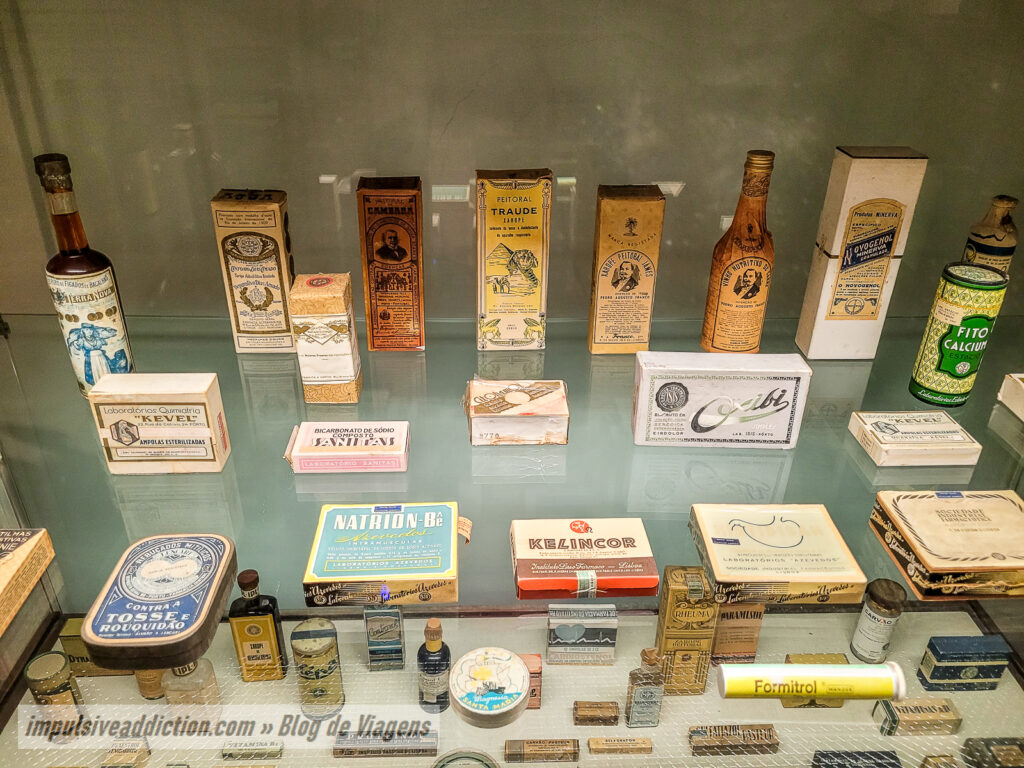
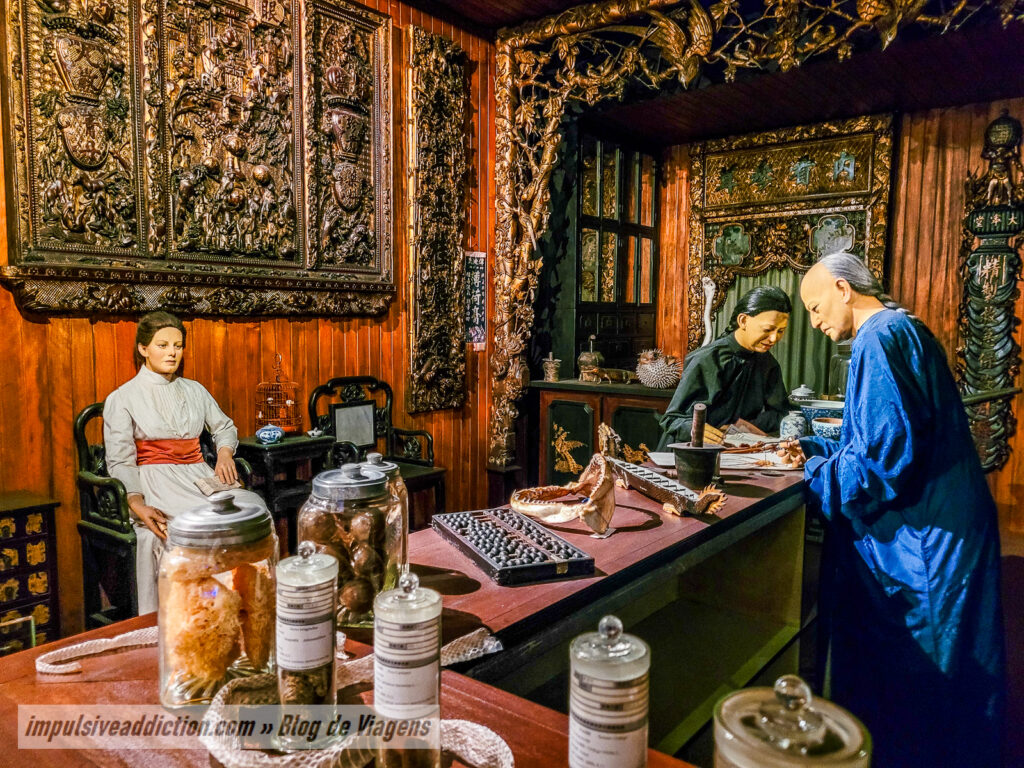
18. Pharmacy Museum
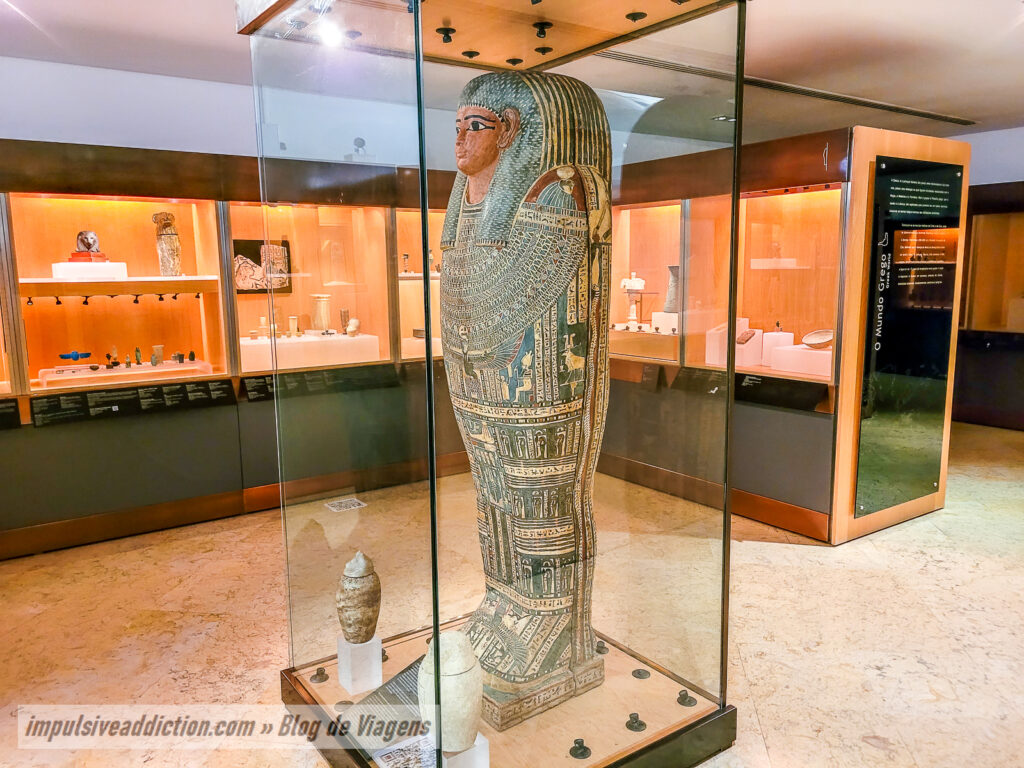
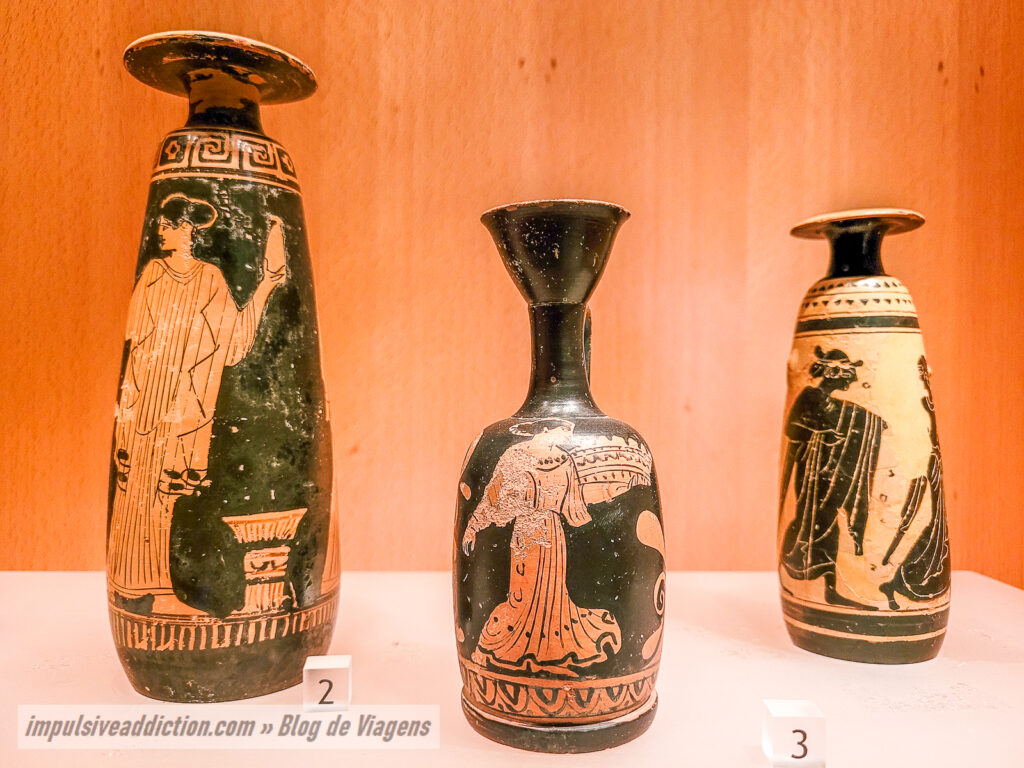
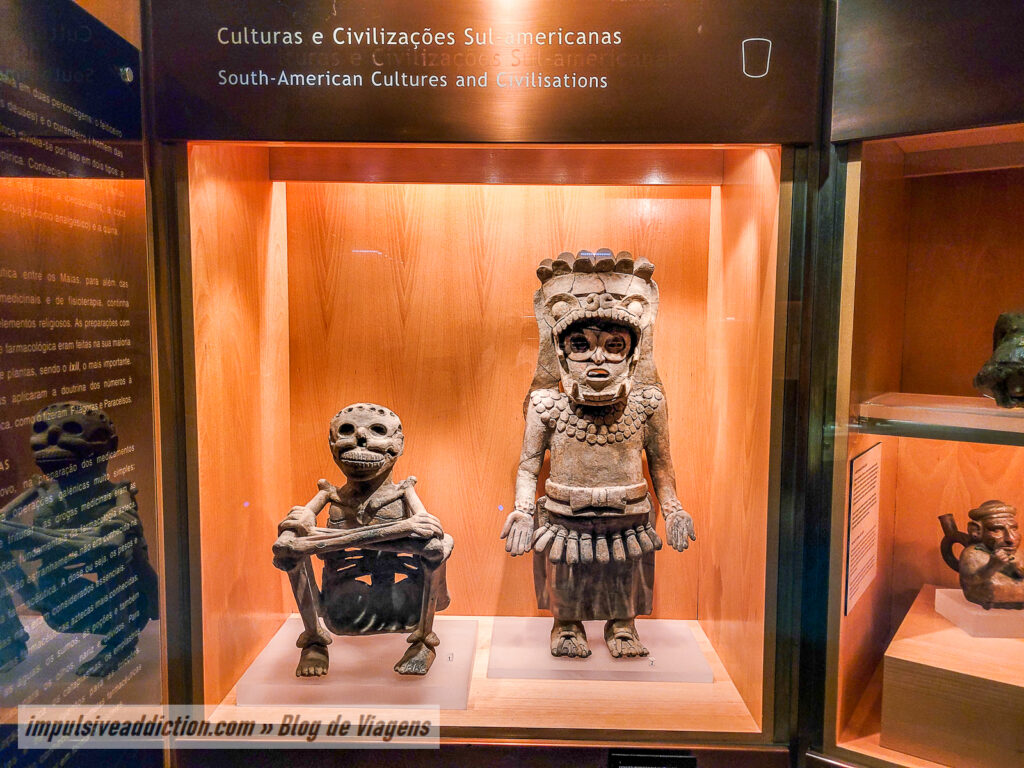
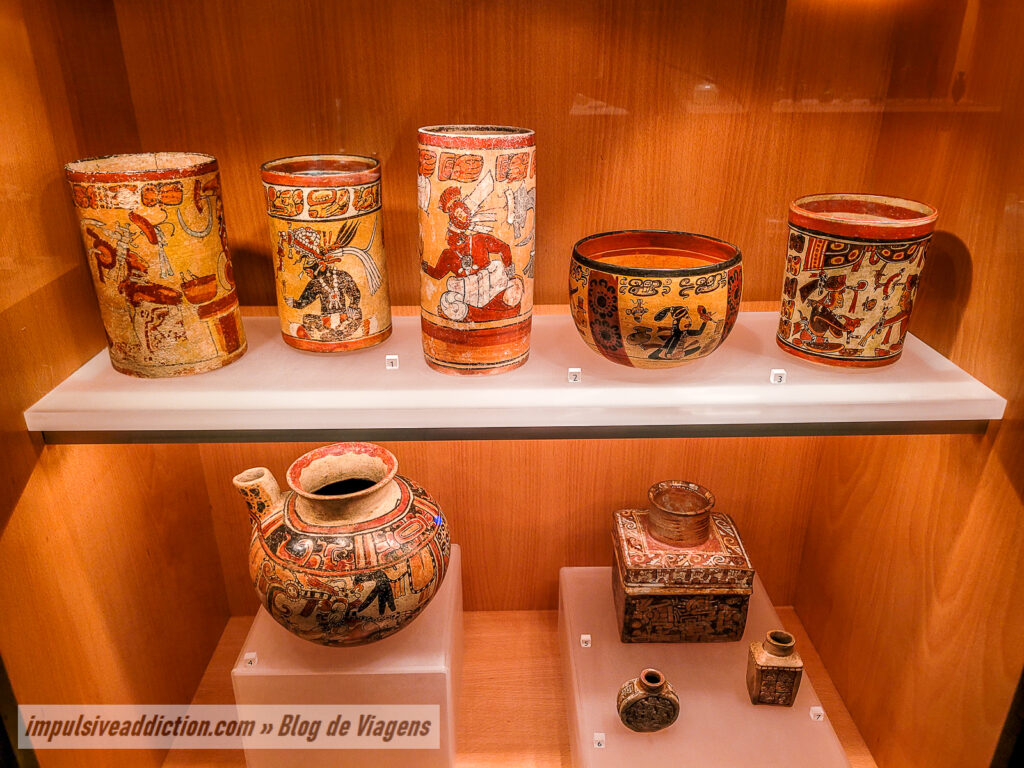
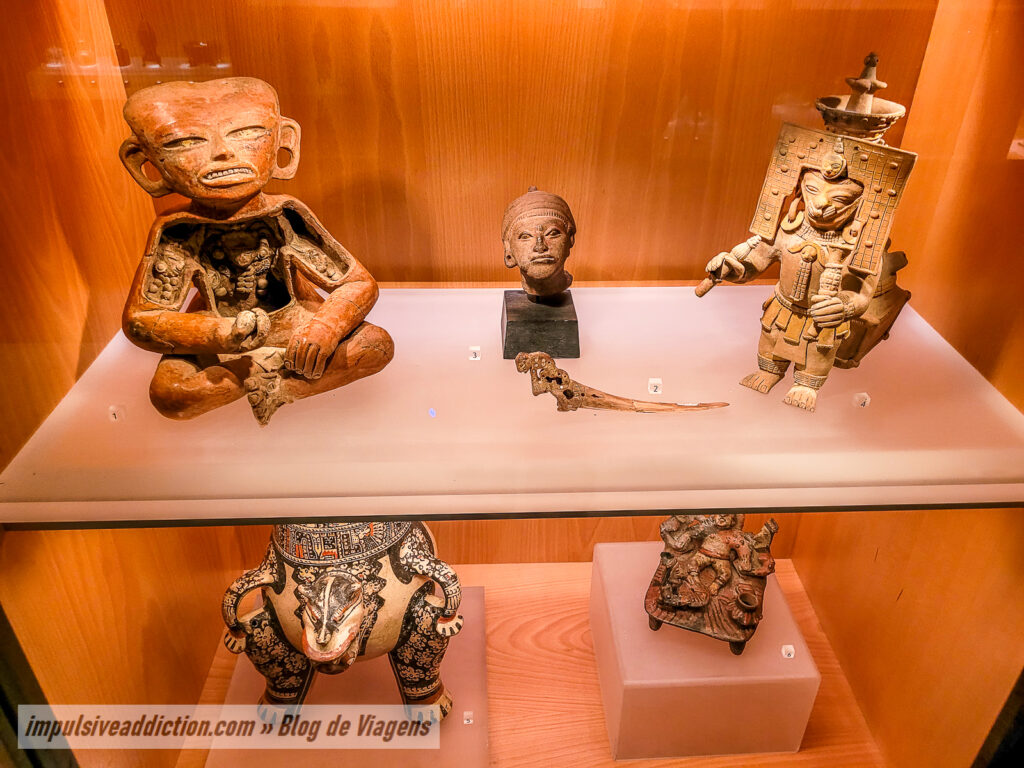
The Pharmacy Museum offers a fascinating journey through over 5,000 years of health and pharmaceutical history.
Opened in 1996 by the Portuguese National Pharmacy Association, the museum features a unique and diverse collection representing civilizations such as Ancient Egypt, Rome, Greece, China, Japan, Tibet, Africa, the Islamic world, the Aztecs, Incas, and North American Indigenous peoples.
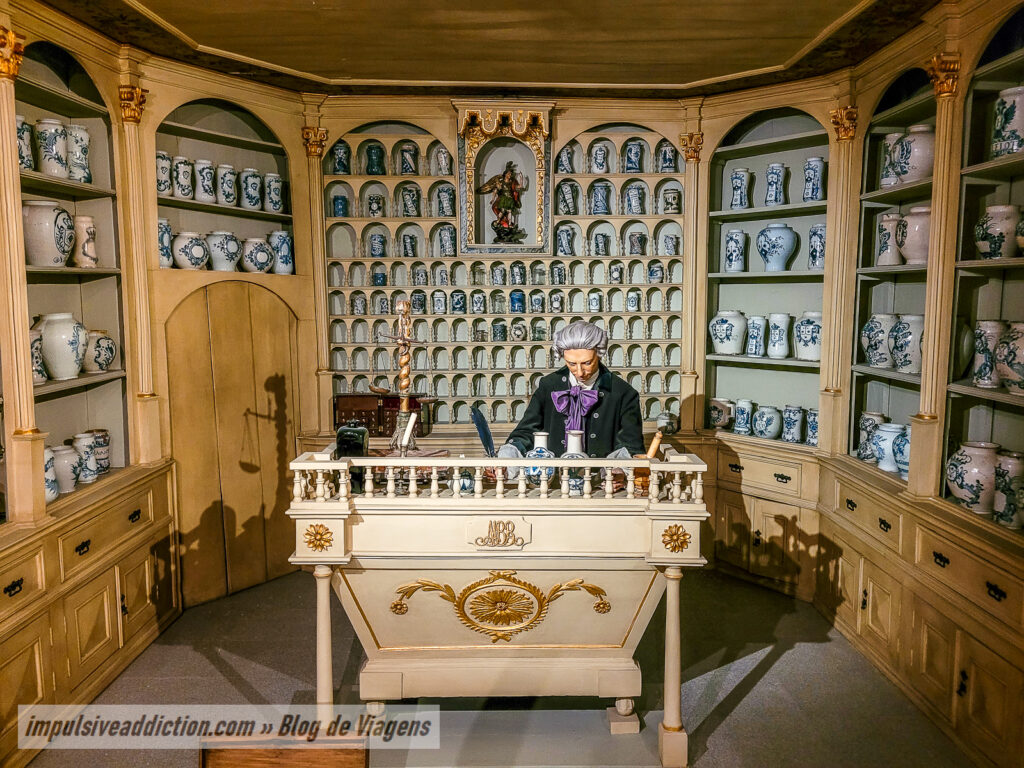
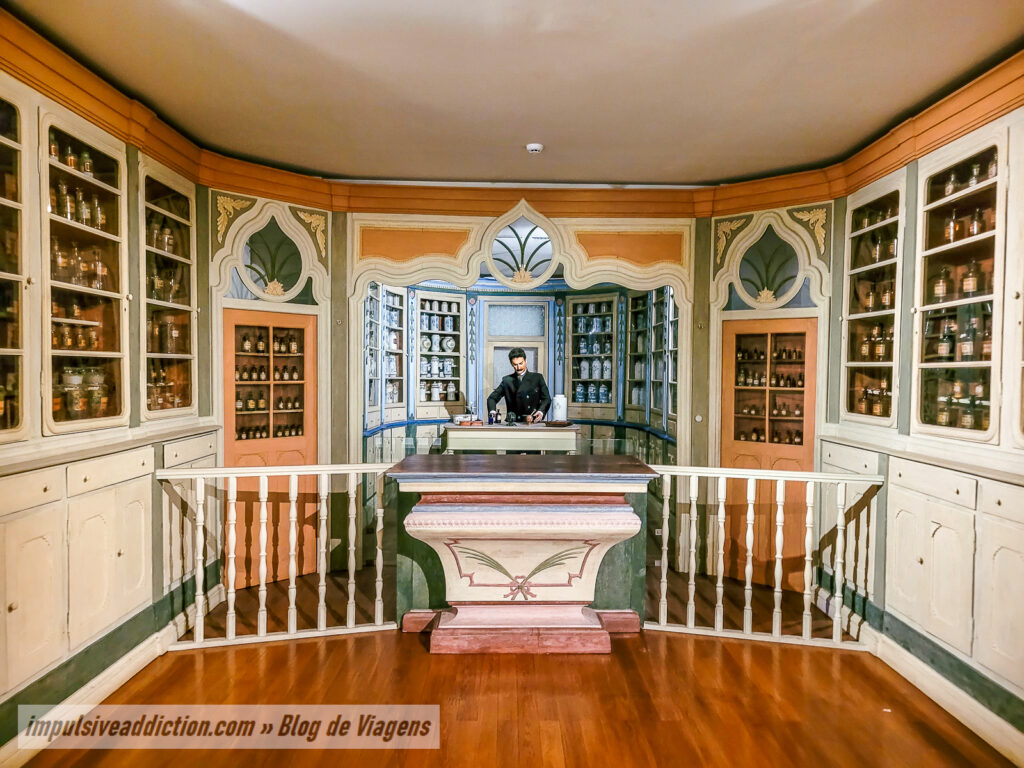
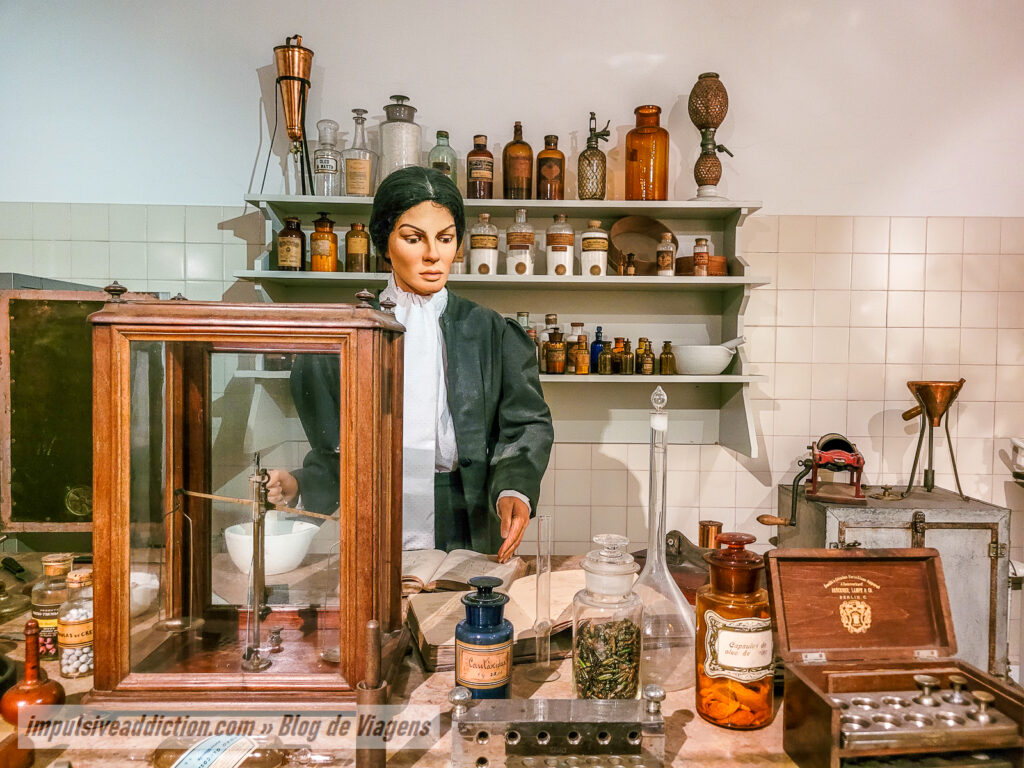
It also showcases the history of Portuguese pharmacy, with highlights including recreations of historical pharmaciesand portable pharmacy kits used in scientific expeditions — and even in space missions.
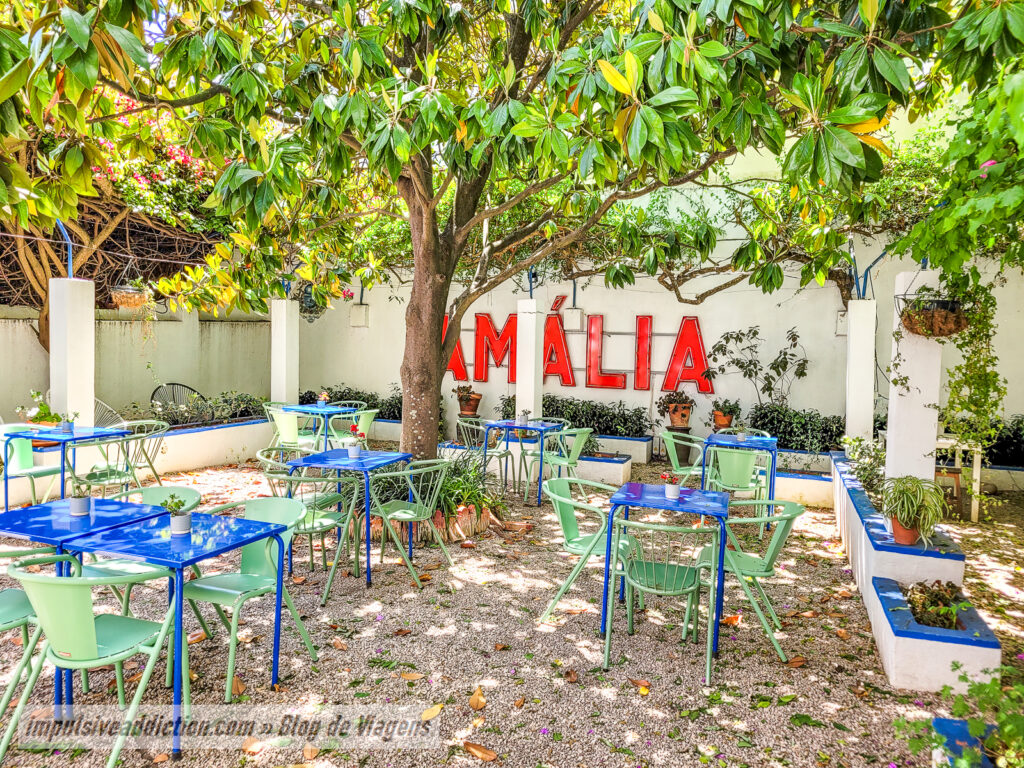
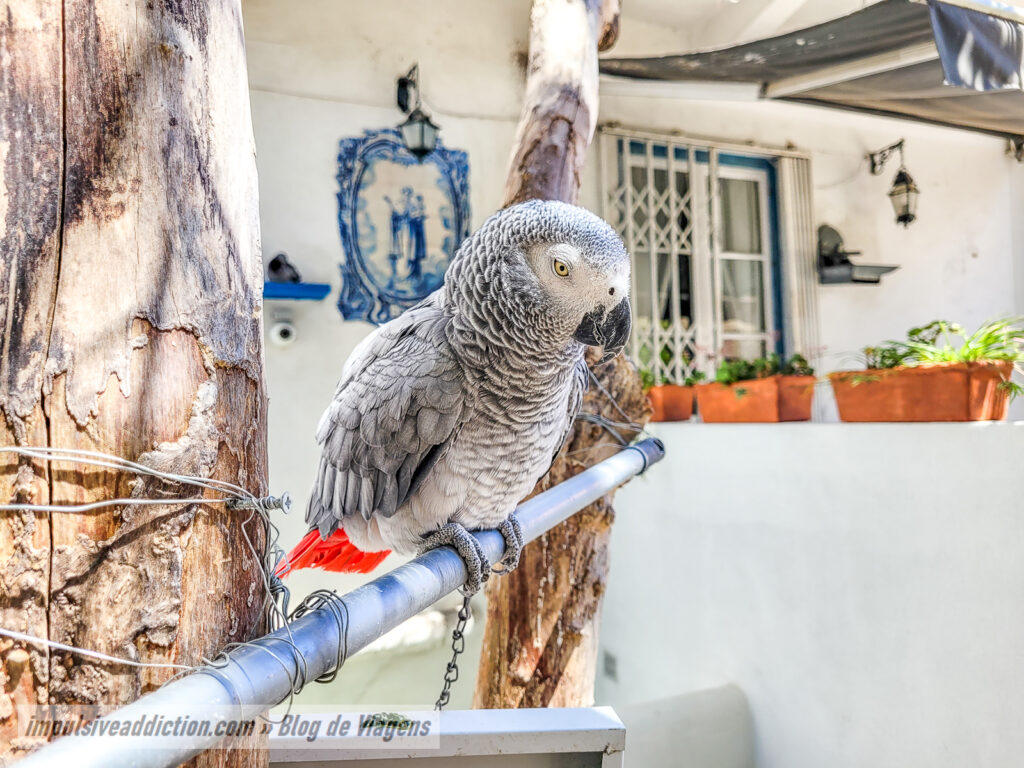
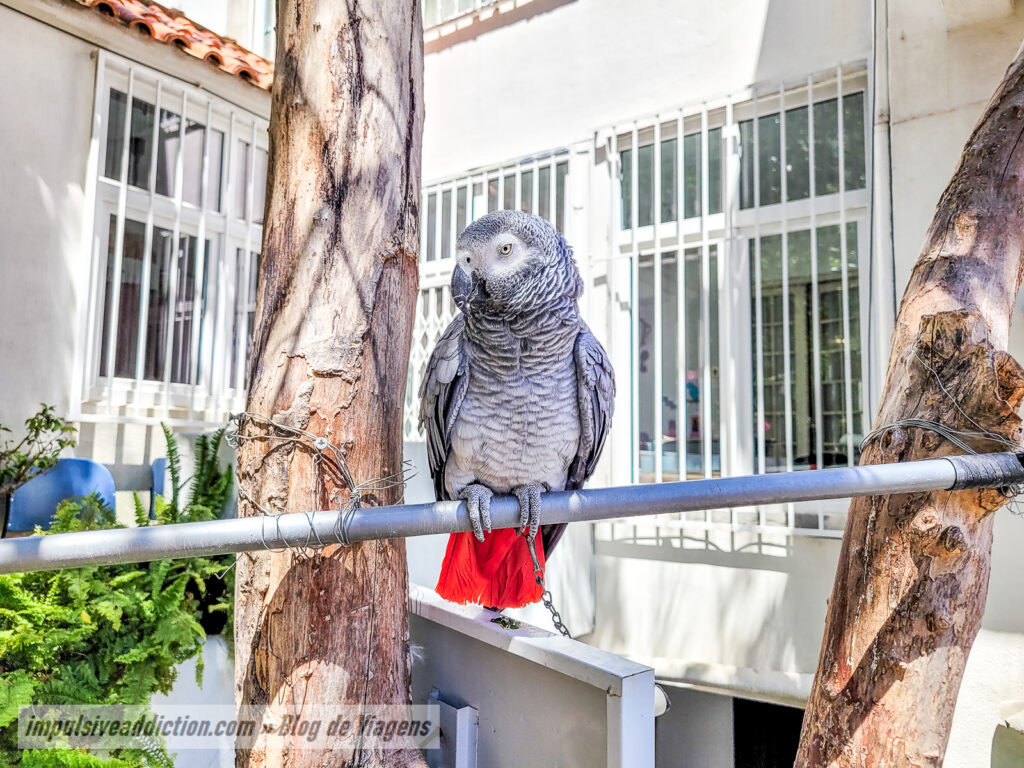
19. Amália Rodrigues House-Museum
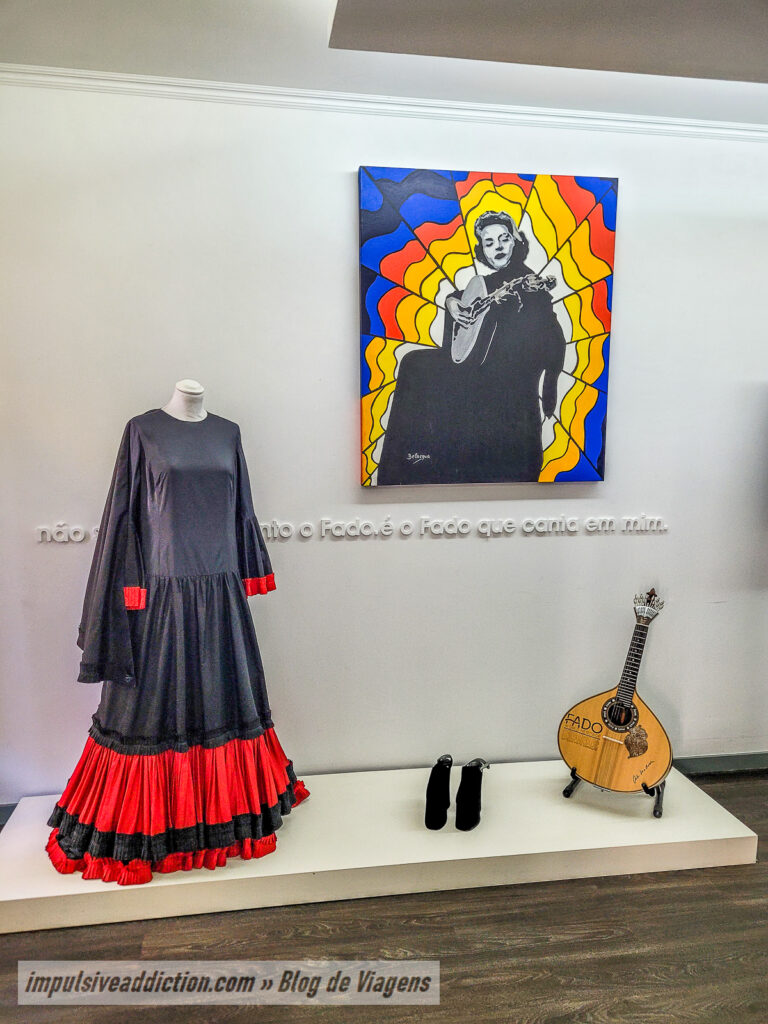
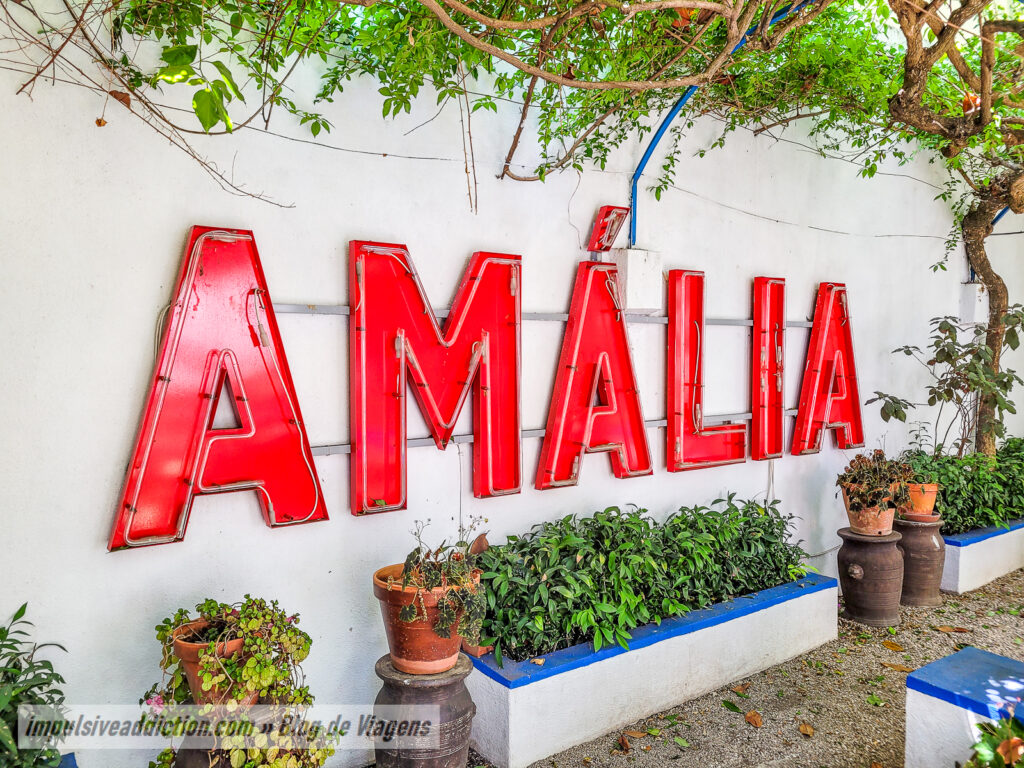
The Amália Rodrigues House-Museum, located at 193 Rua de São Bento in Lisbon, is the very place where the “Voice of Portugal” lived for 44 years.
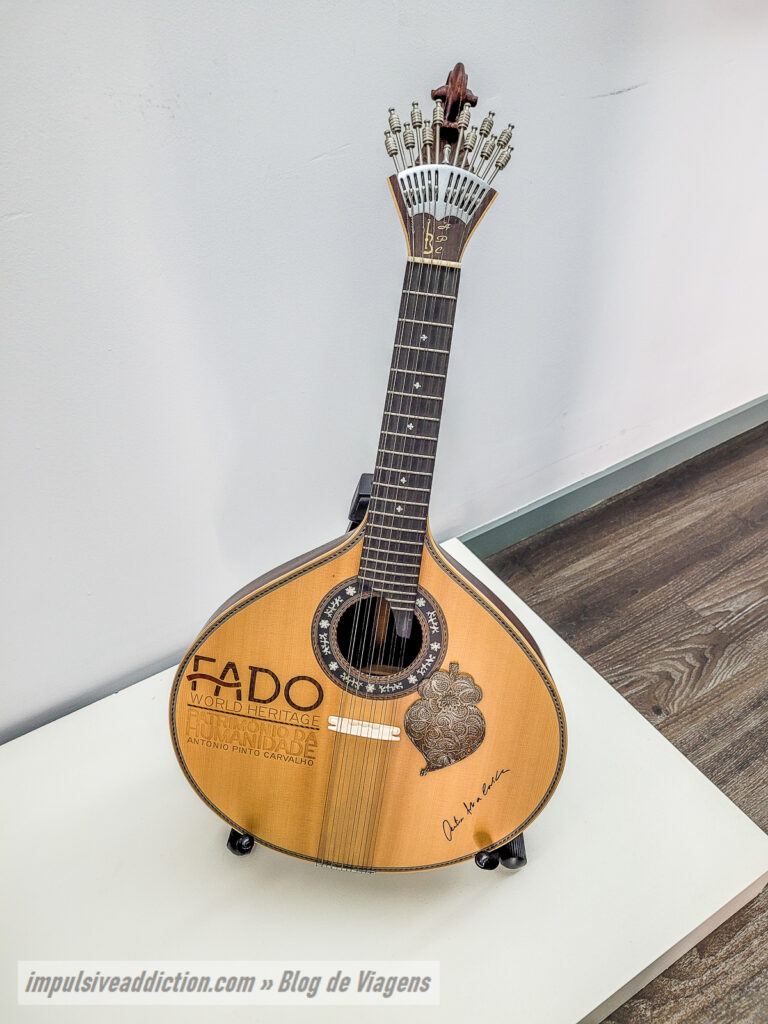
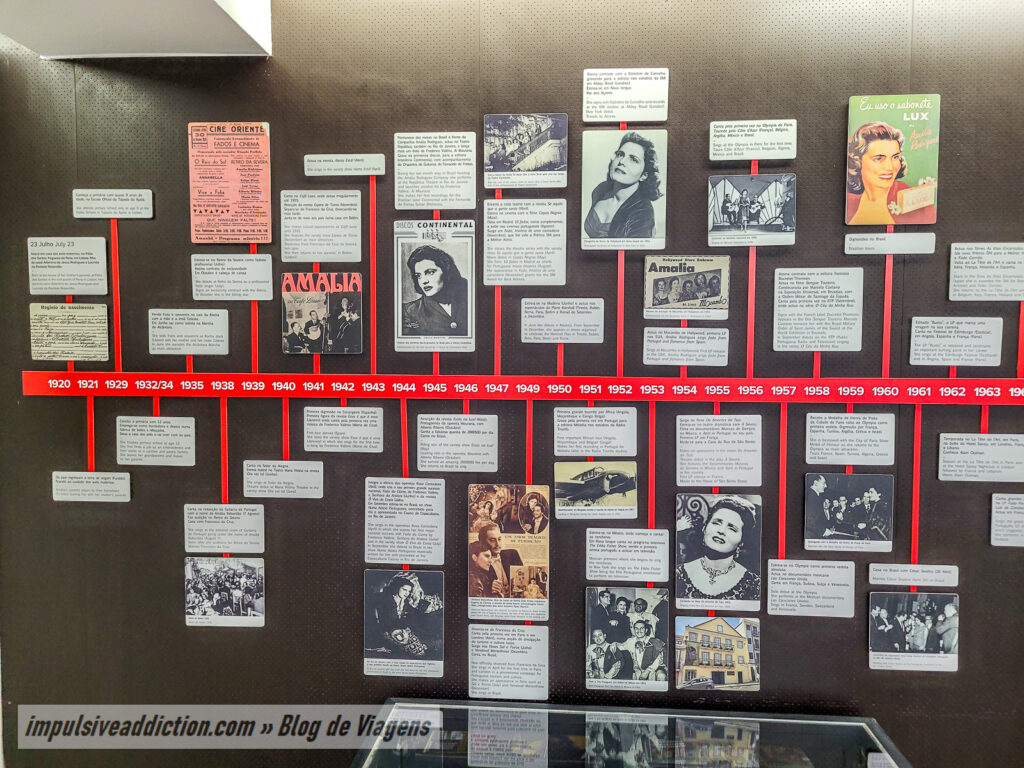
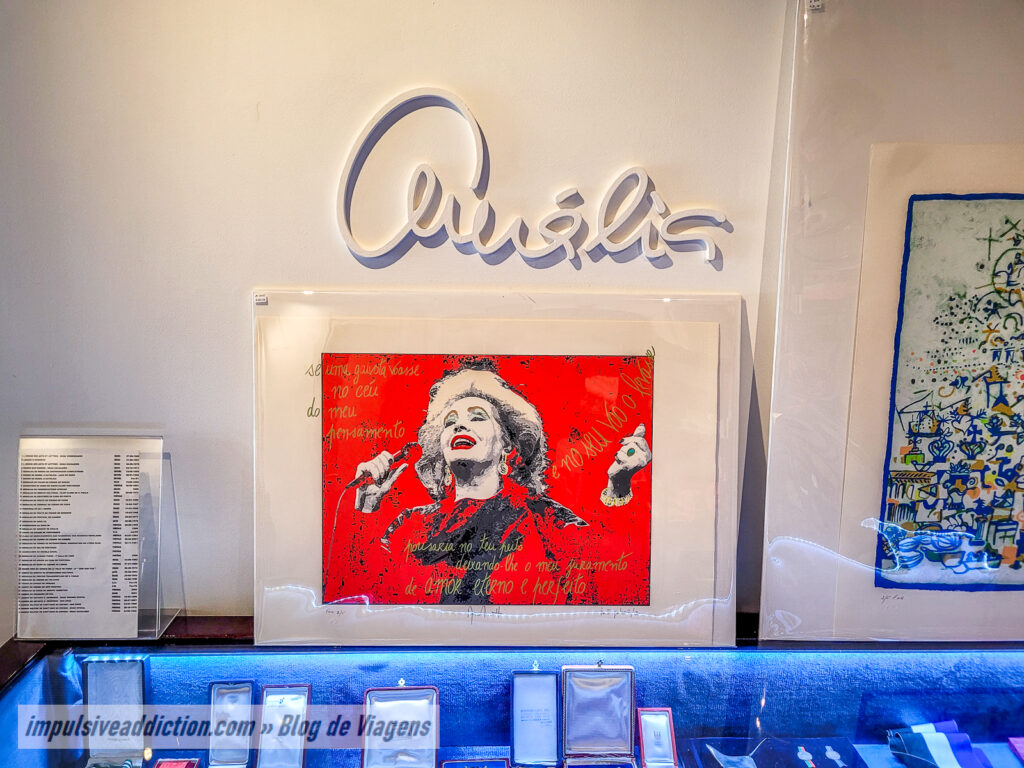
Now transformed into a museum, the house offers visitors a glimpse into the personal and intimate world of Amália Rodrigues. Visitors can explore rooms that recreate her daily life, featuring her wardrobe, stage jewelry, awards, photographs, and personal belongings — each item telling part of her story and tracing the evolution of fado, the genre she helped shape and globalize.
Guided tours take visitors on an emotional journey through Amália’s universe. The space has been preserved to reflect its original atmosphere, allowing guests to relive the evenings she spent with friends, poets, and fellow artists.
The museum also hosts fado sessions in the garden, offering an immersive experience of this iconic Portuguese tradition in the very home of its greatest voice.
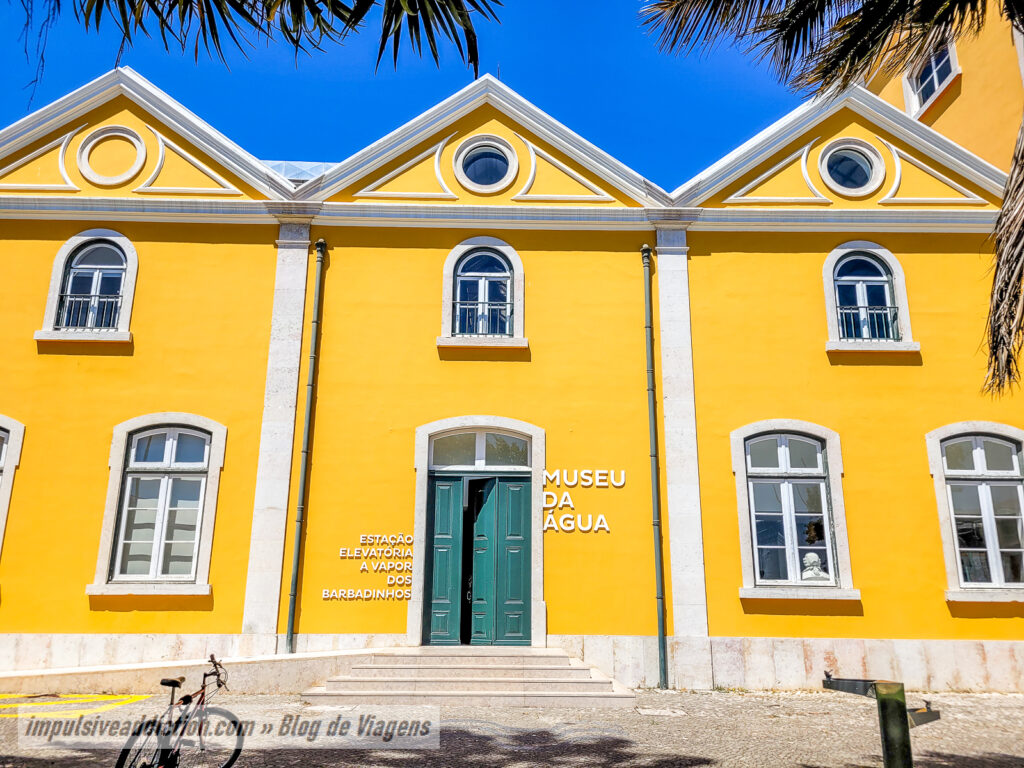
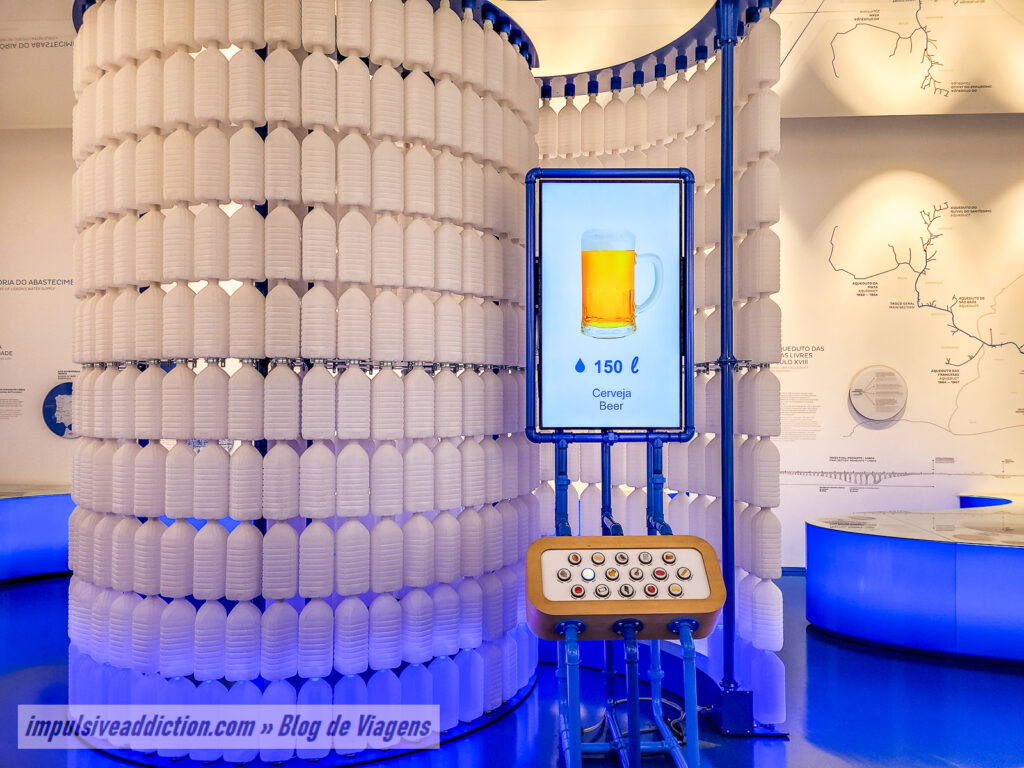
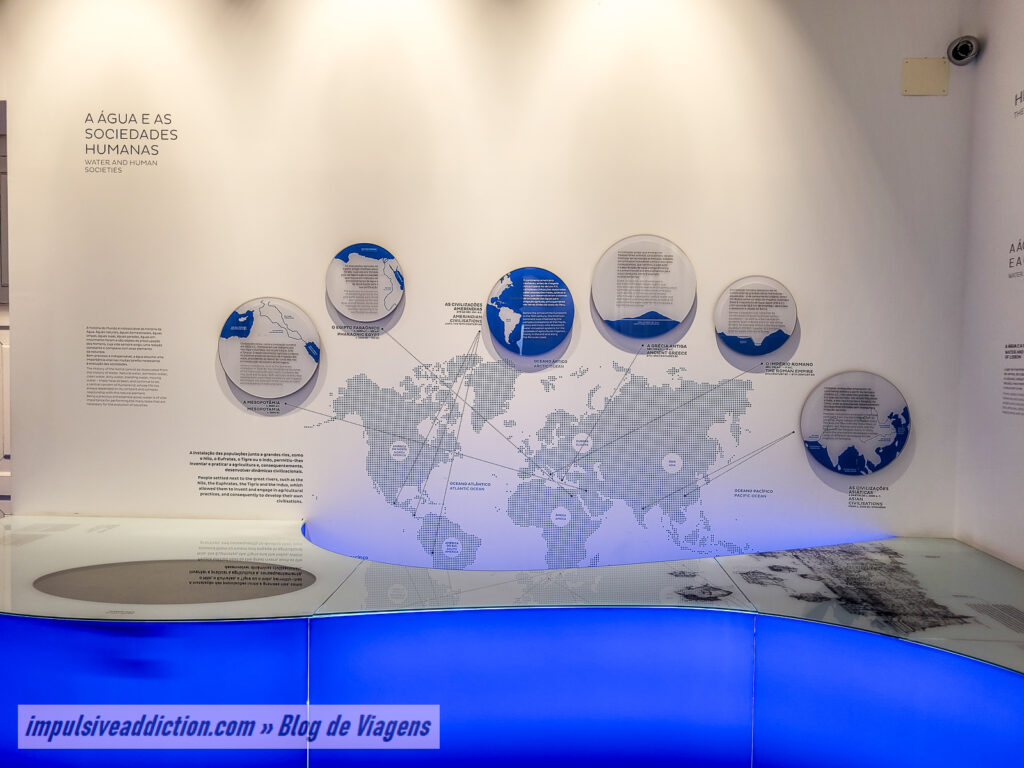
20. Water Museum
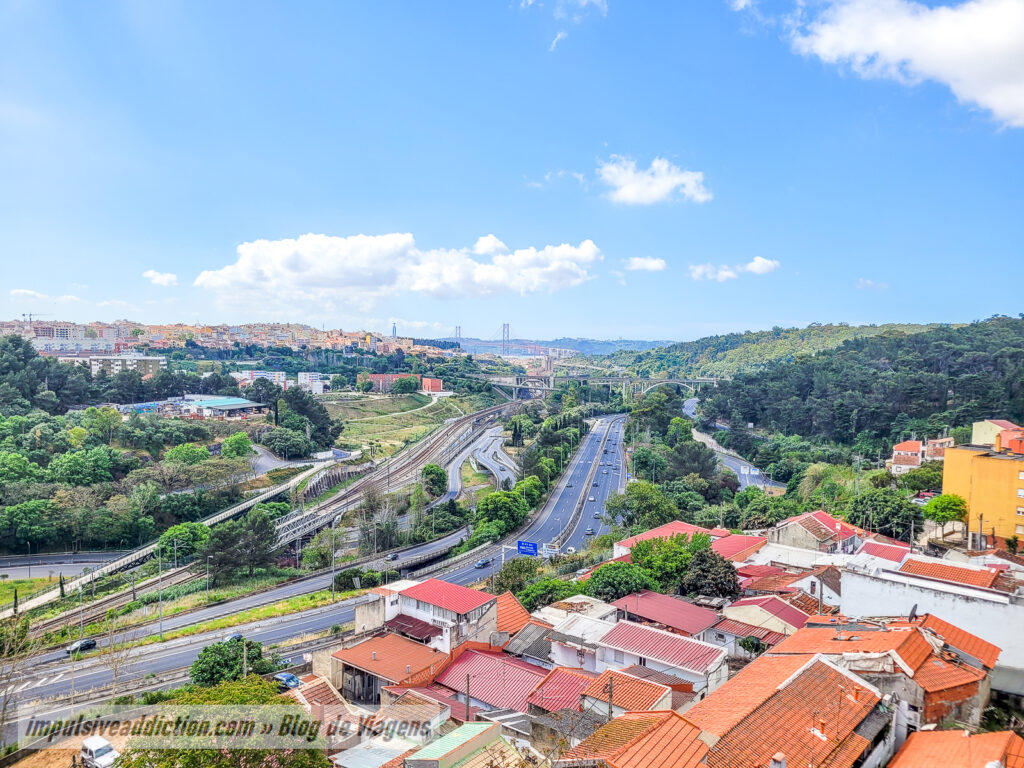
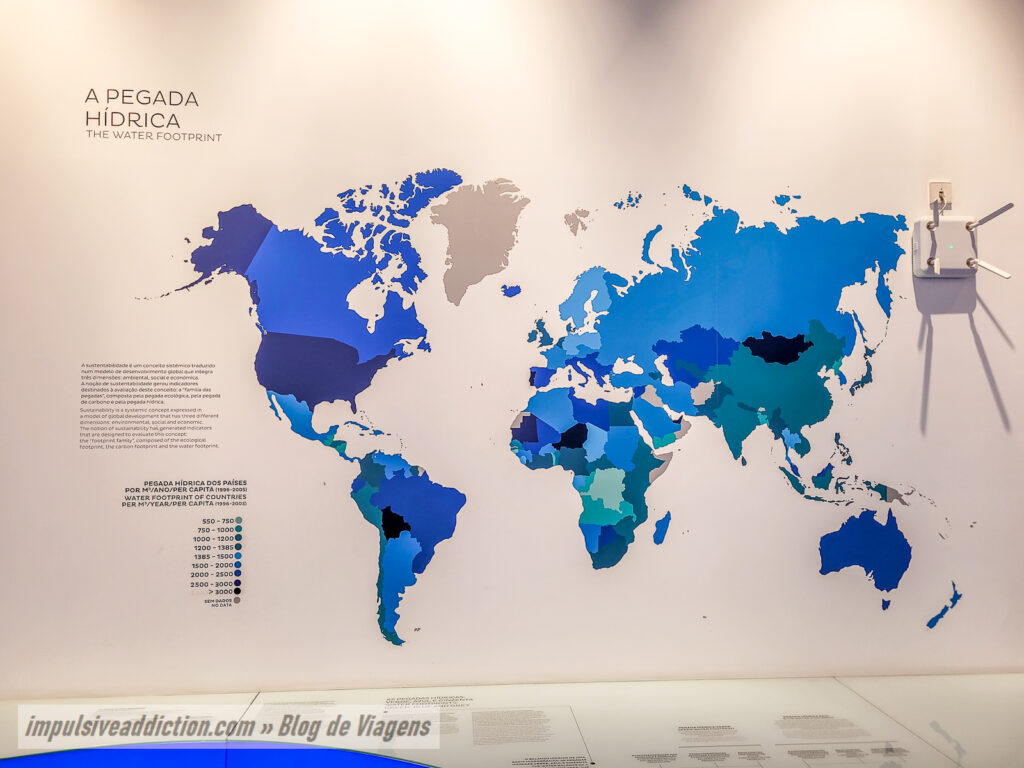
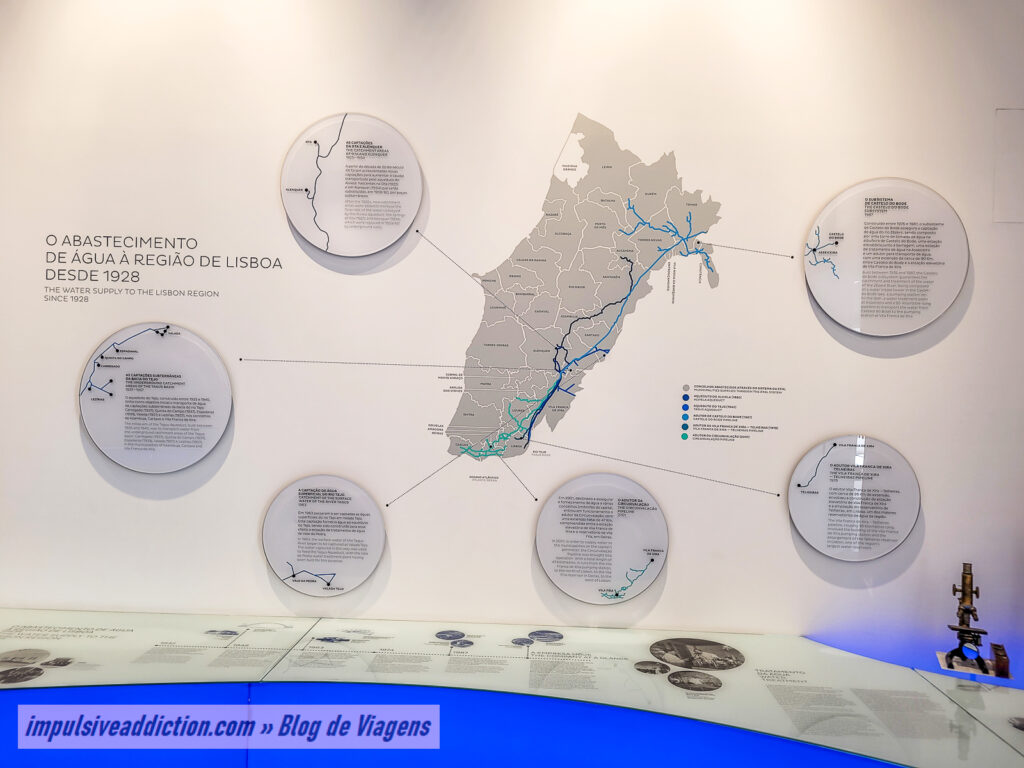
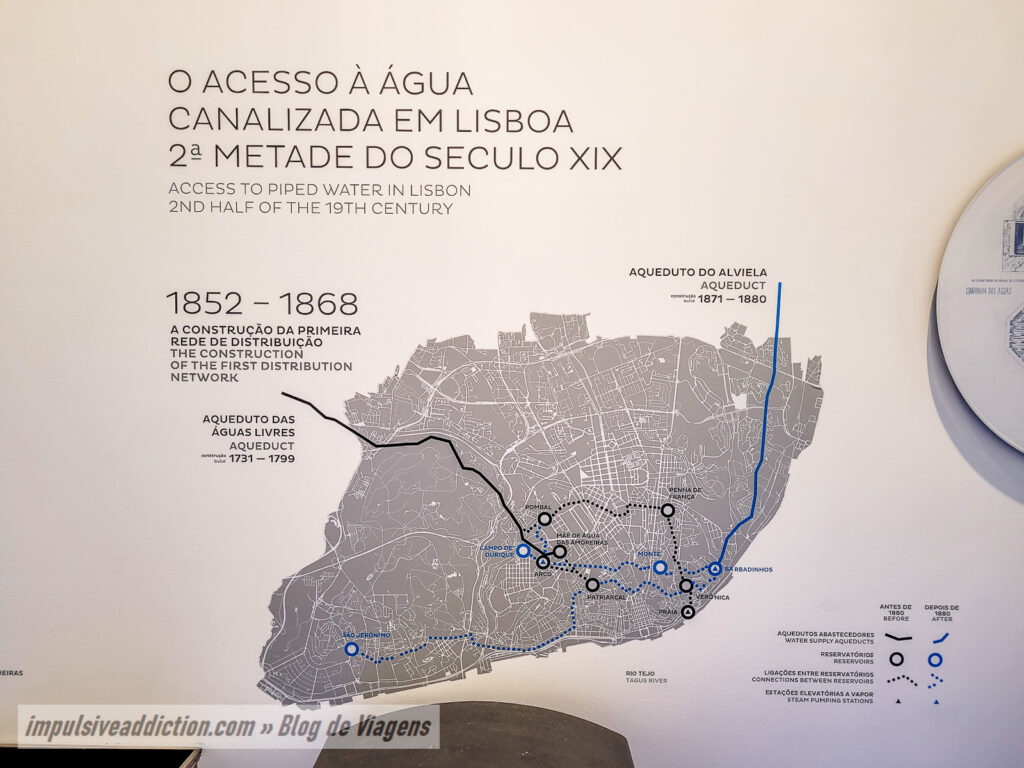
The Water Museum, run by EPAL (Lisbon’s Water Utility Company), is a collection of historical landmarks that trace the evolution of Lisbon’s water supply system, from Roman times to the present day.
The museum is divided into four main sites, each offering a unique perspective on the history of hydraulic engineeringin the city:
1. Mãe d’Água das Amoreiras Reservoir
Built in the 18th century, this monumental reservoir was designed to store and distribute water brought by the Águas Livres Aqueduct. The building is known for its impressive architecture and offers panoramic views over the city.
2. Patriarcal Reservoir
Located beneath the Príncipe Real Garden, this underground reservoir, completed in 1864, is a fascinating example of 19th-century engineering.
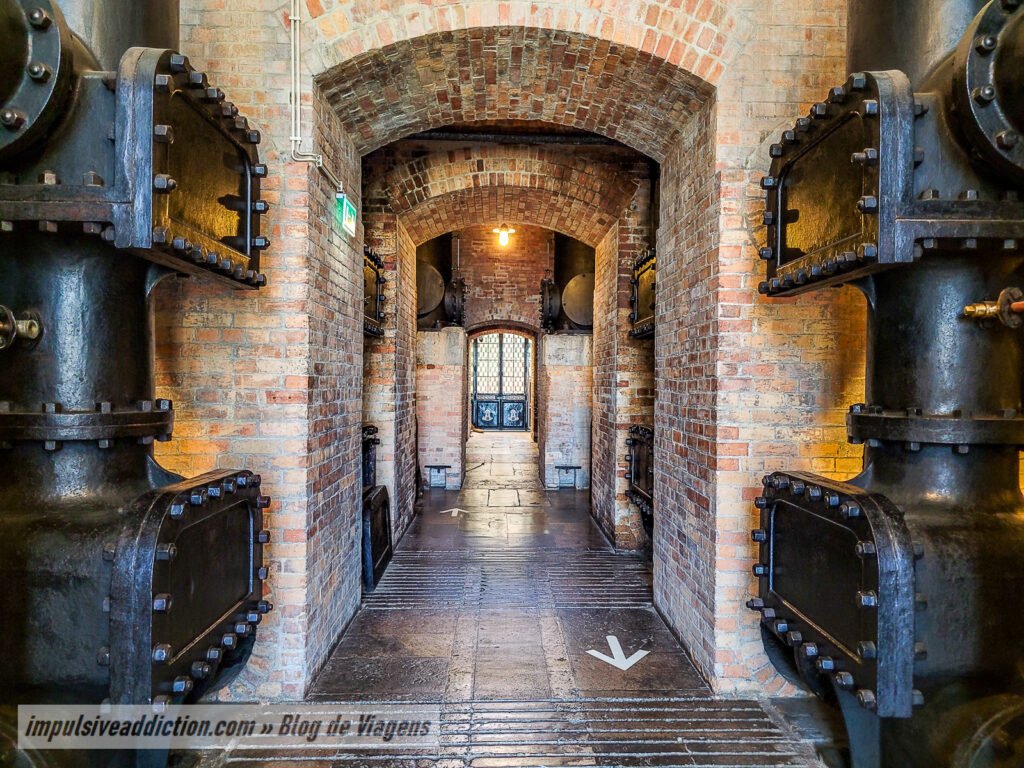
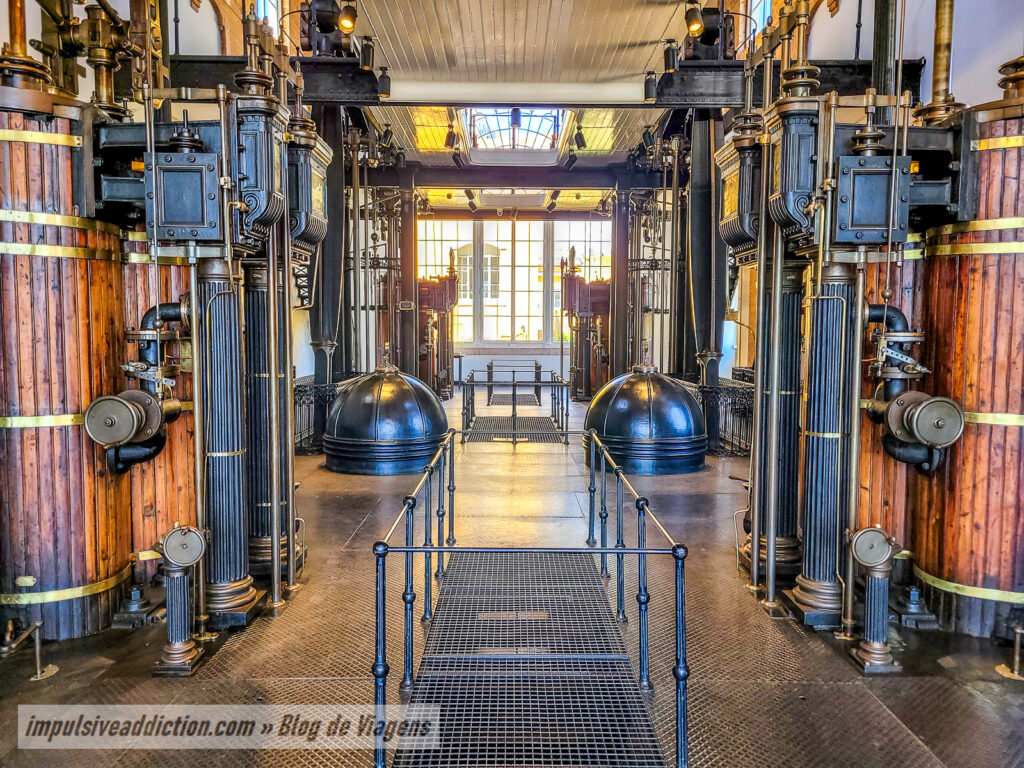
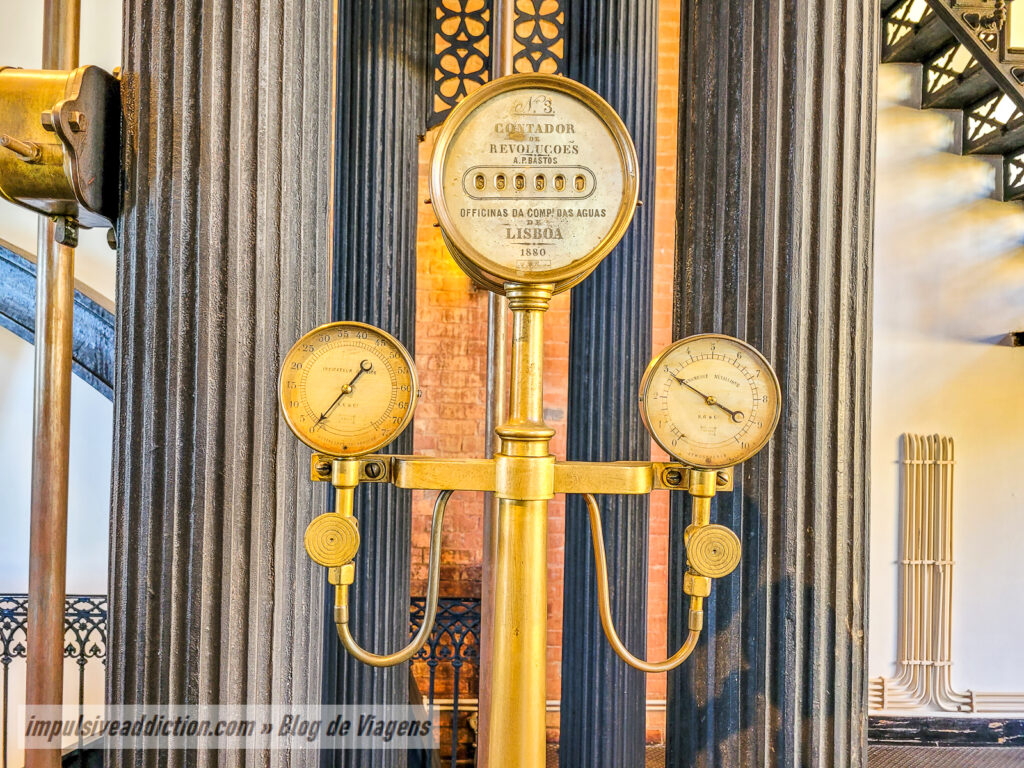
3. Barbadinhos Steam Pumping Station
Inaugurated in 1880, this was Lisbon’s first steam-powered pumping station and played a key role in the modernisation of the city’s water supply.
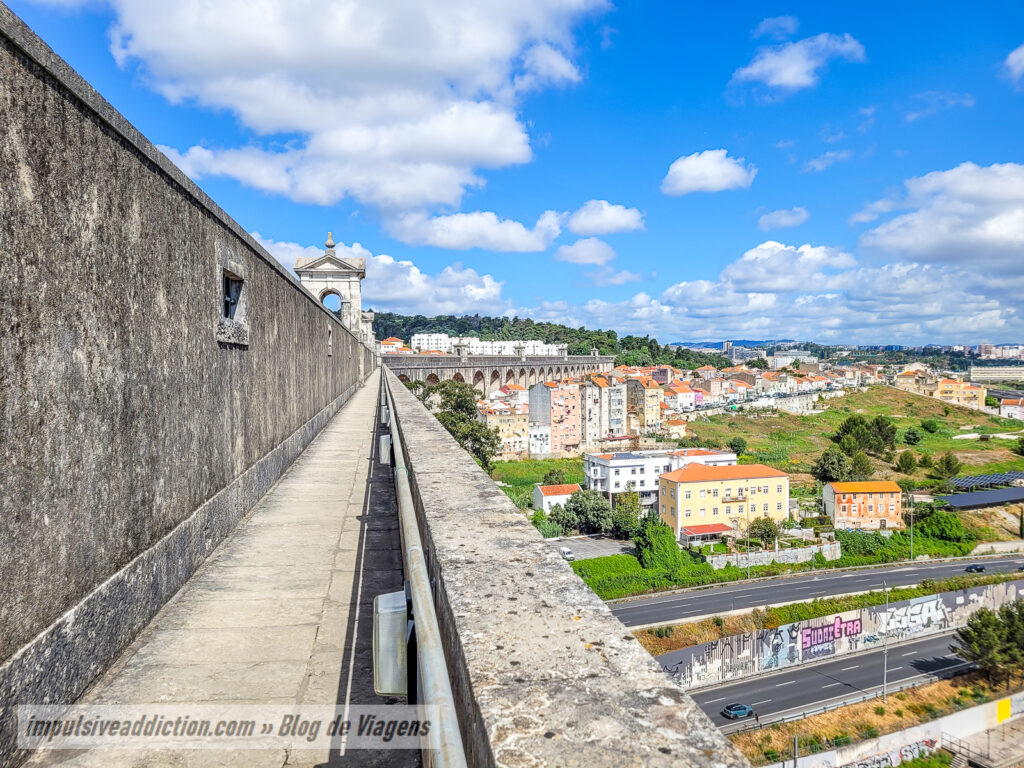
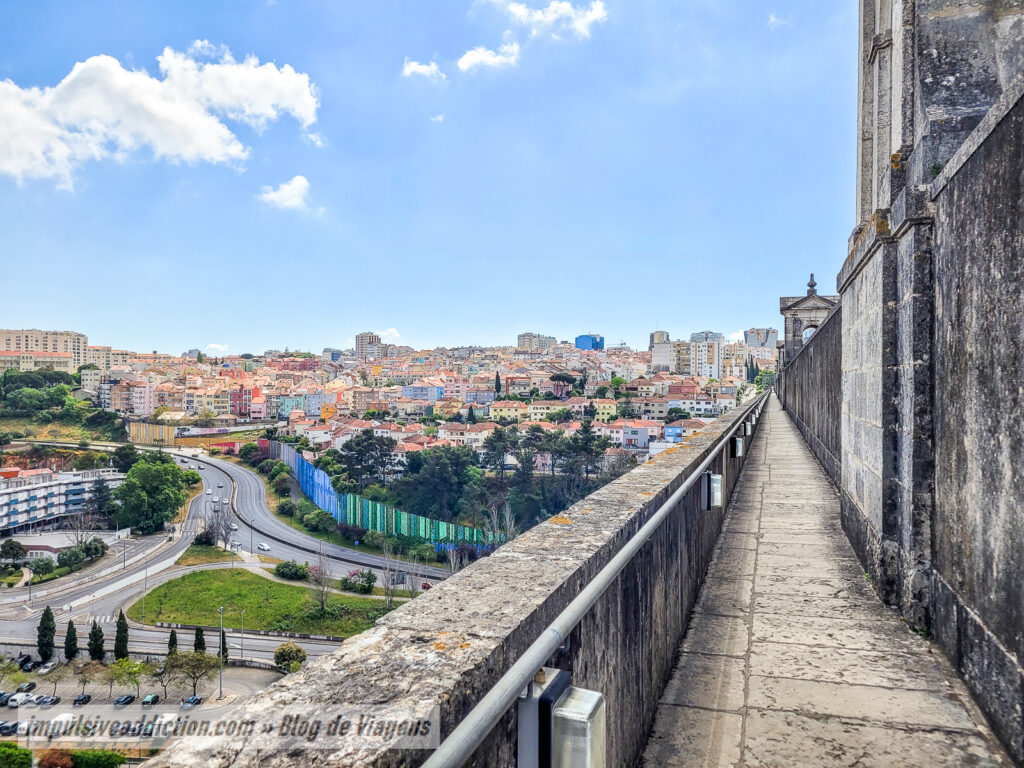
4. Águas Livres Aqueduct
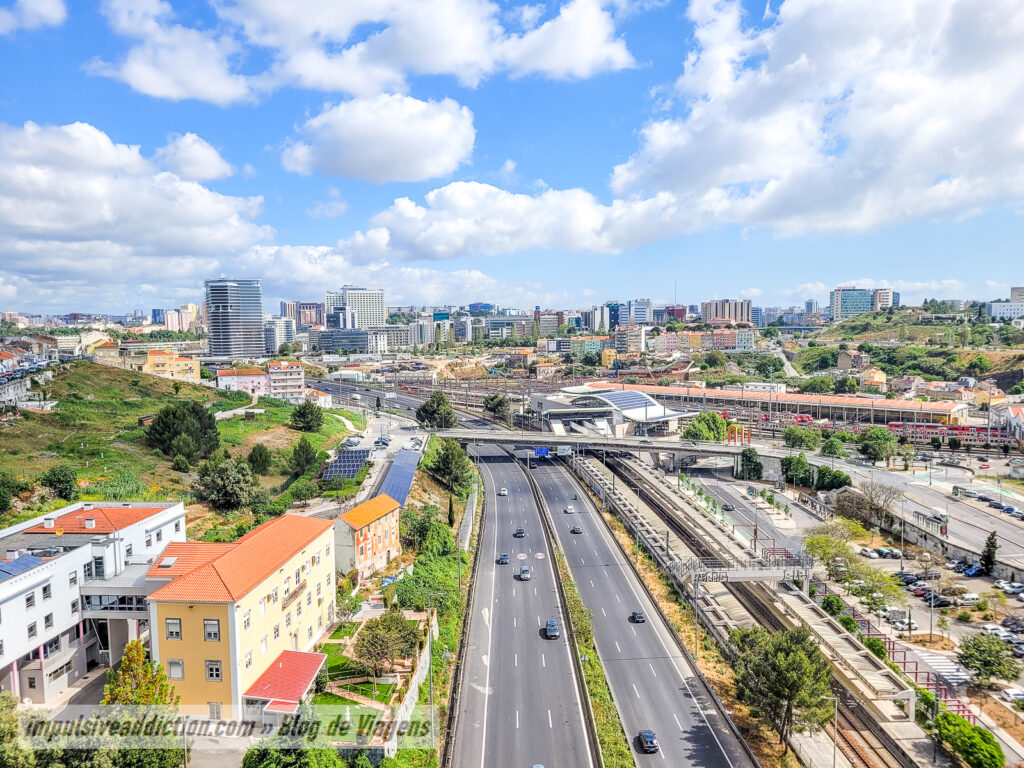
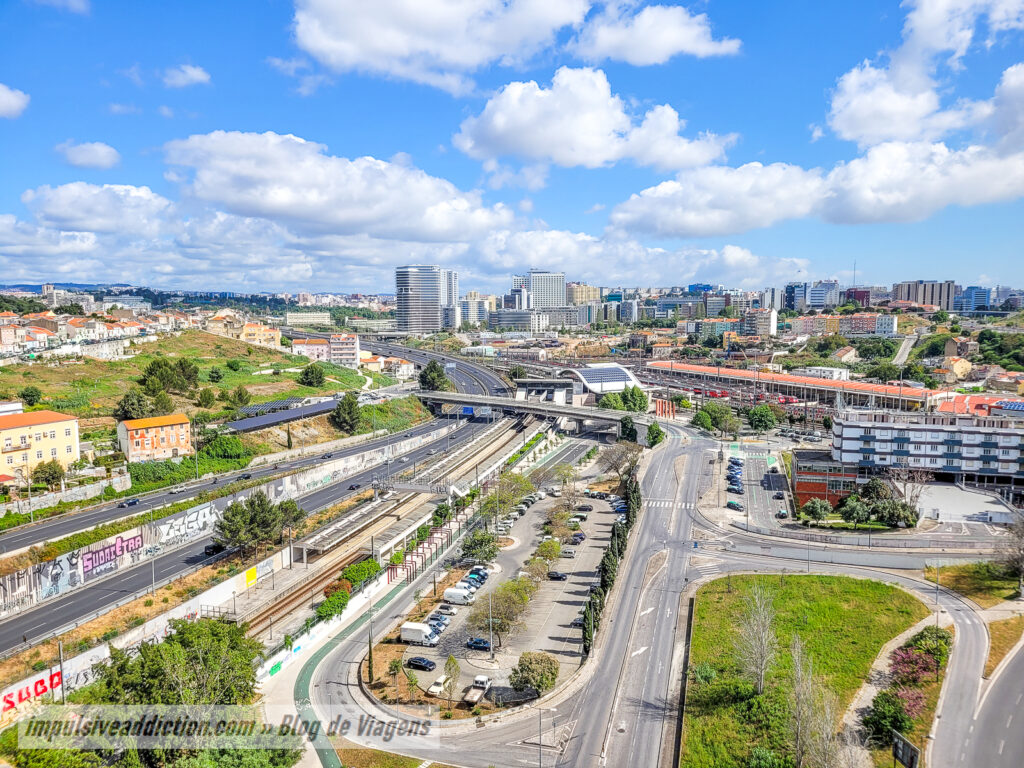
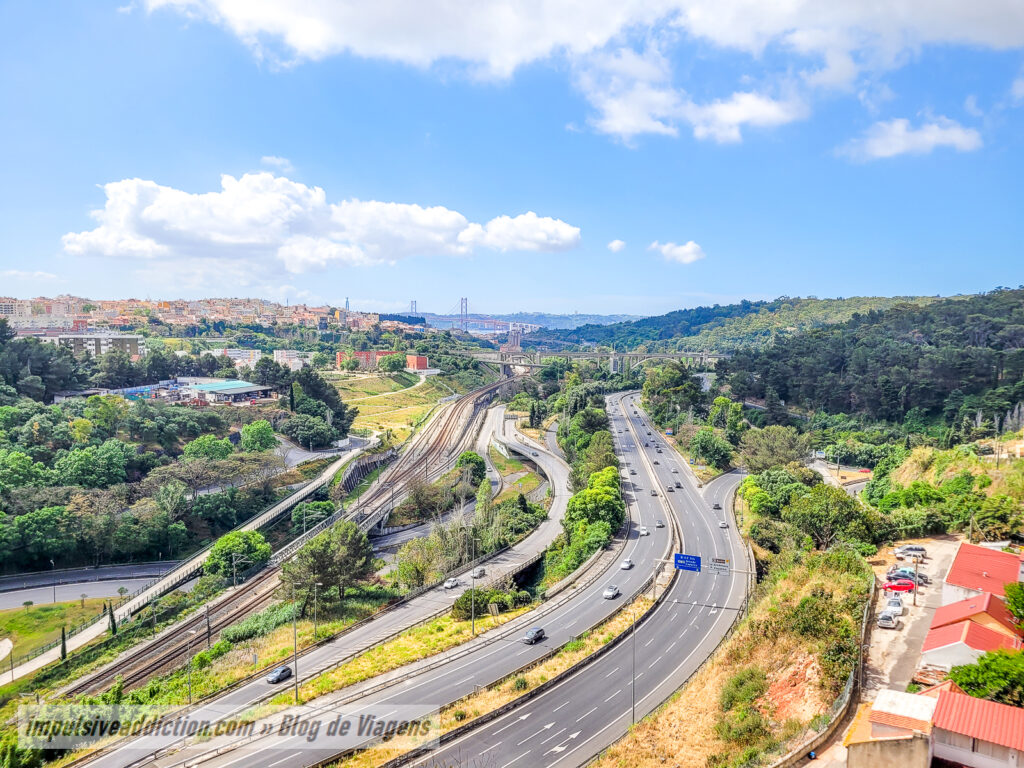
Constructed between 1731 and 1799, this aqueduct is one of the most remarkable feats of 18th-century hydraulic engineering and was vital to ensuring Lisbon’s water supply.
I’ve personally visited all the sites — except the Patriarcal Reservoir. 😉 And I highly recommend walking across the top of the Águas Livres Aqueduct — it’s an unforgettable experience!
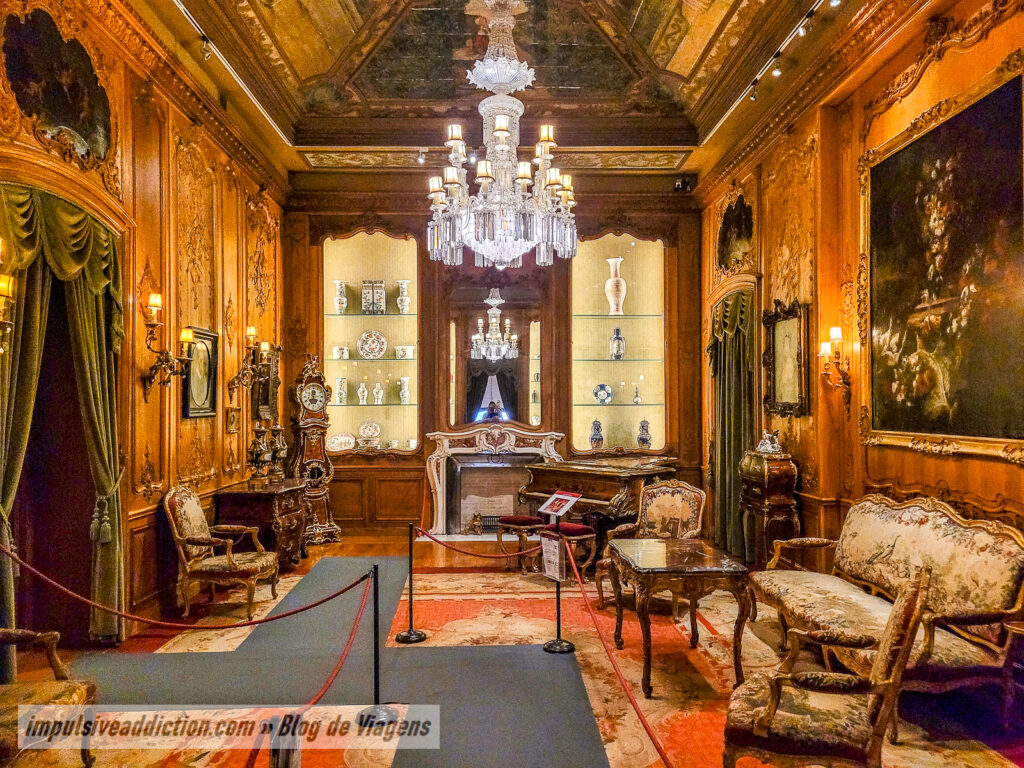
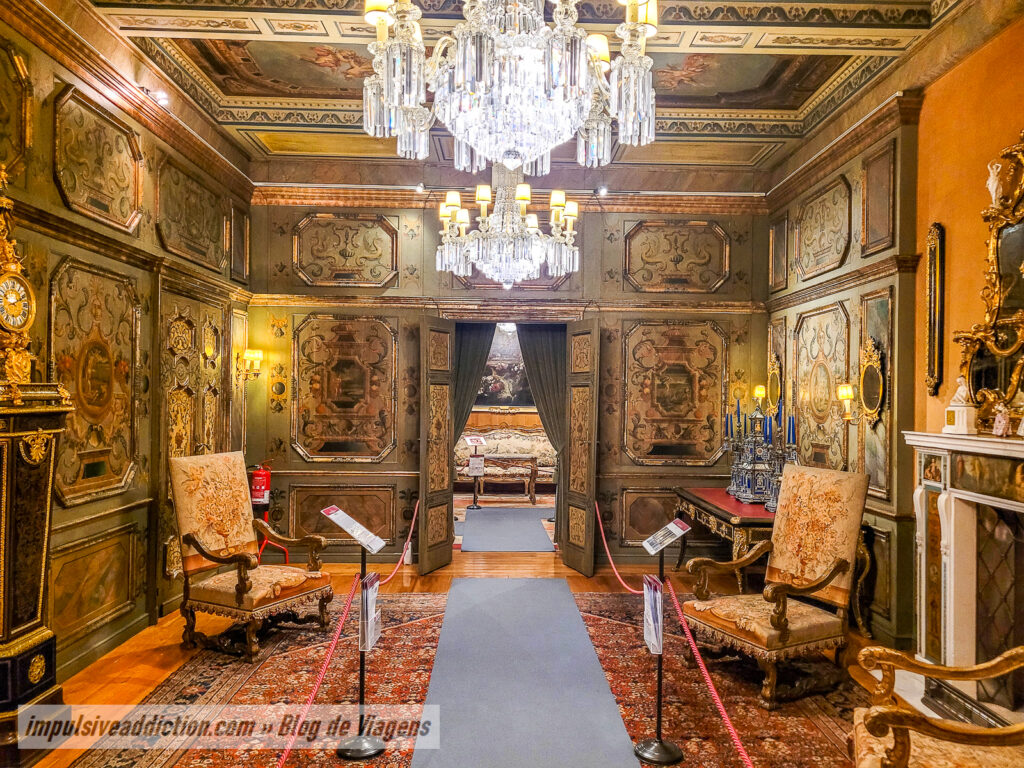
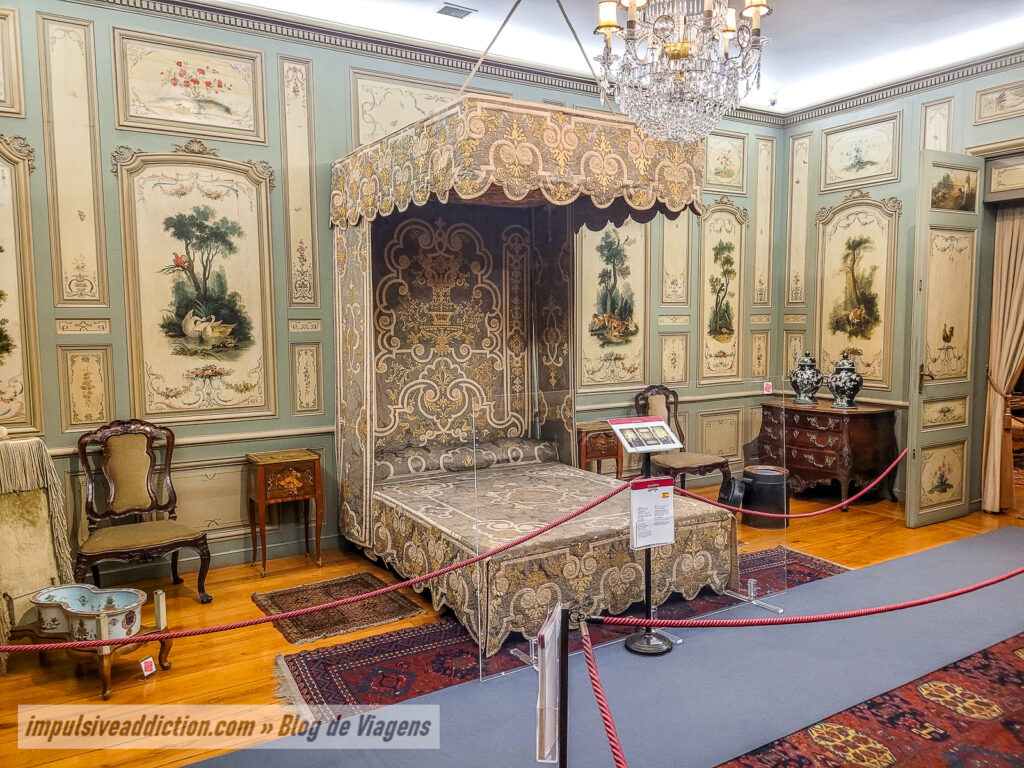
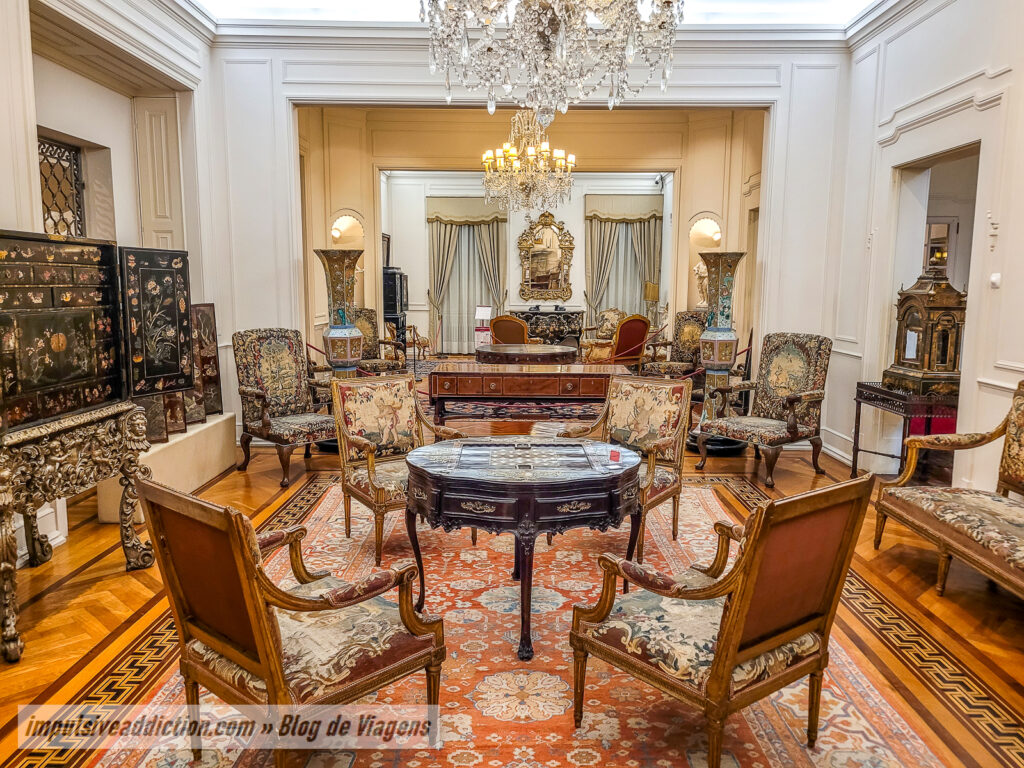
21. Medeiros e Almeida Museum
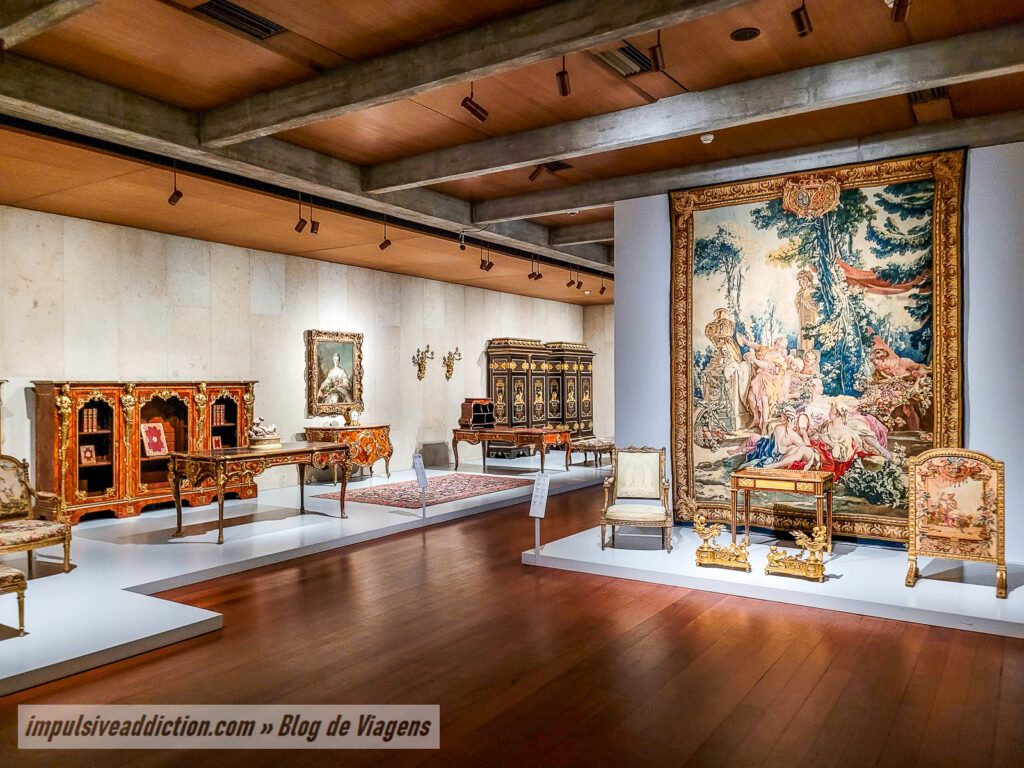
The Medeiros e Almeida Museum is one of Portugal’s most remarkable private museums of decorative arts.
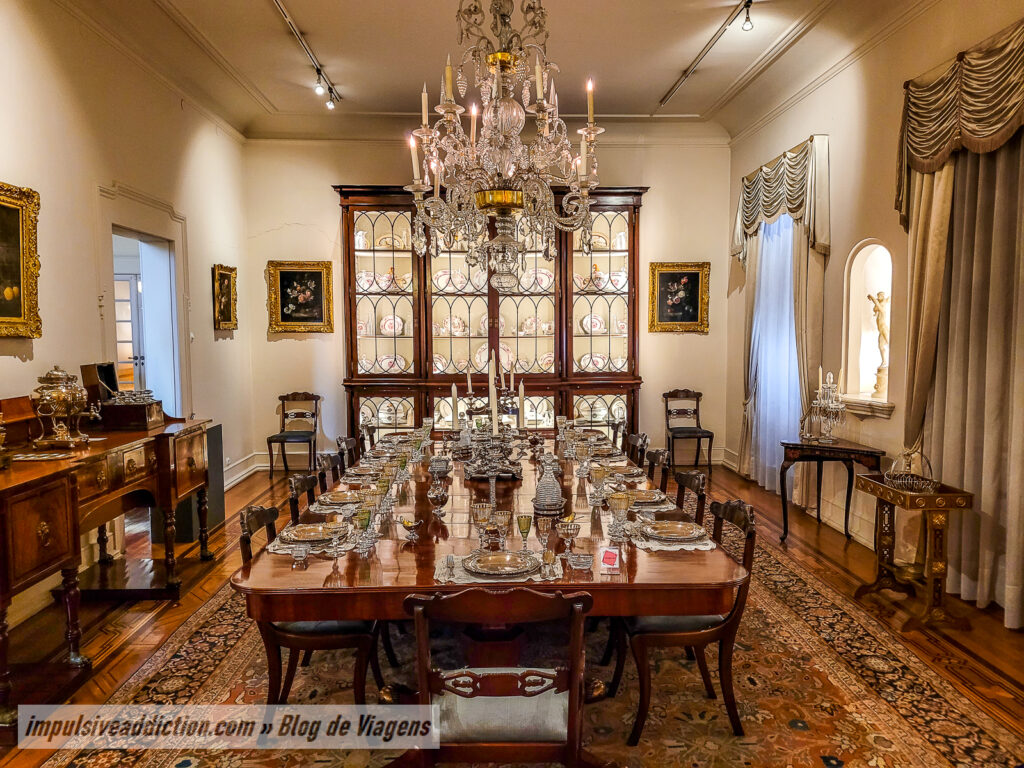
Opened to the public in 2001, it occupies the former residence of António de Medeiros e Almeida (1895–1986) — a businessman and passionate art collector. Originally built in 1896, the house was expanded in the 1970s to accommodate the founder’s growing collection.
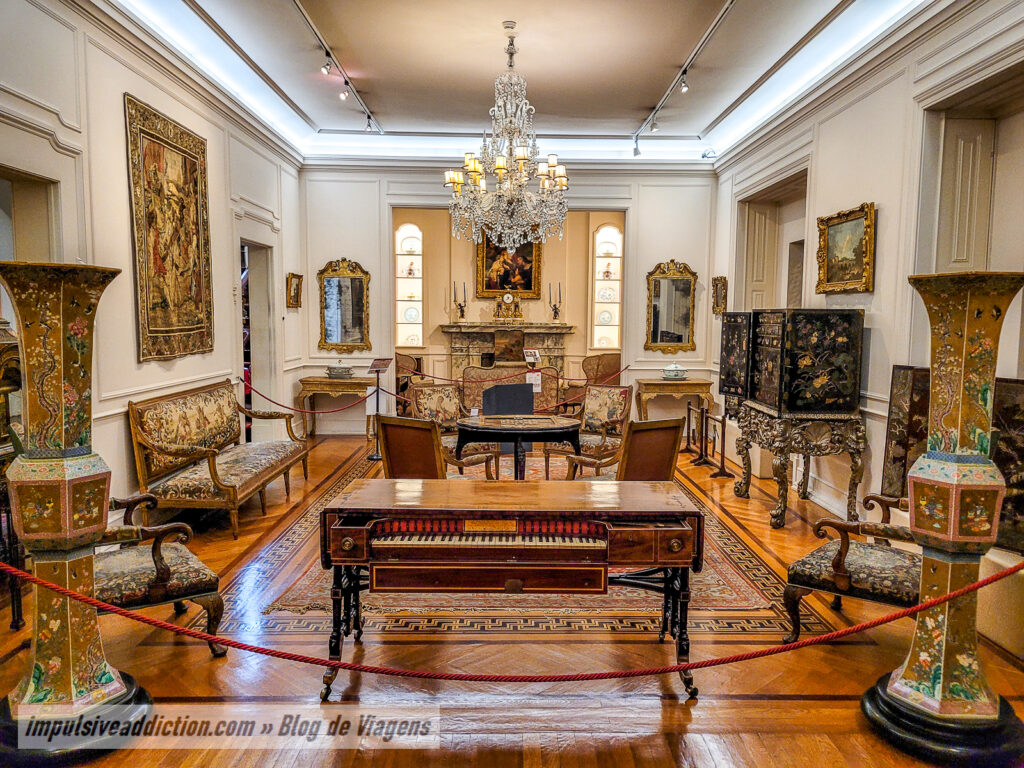
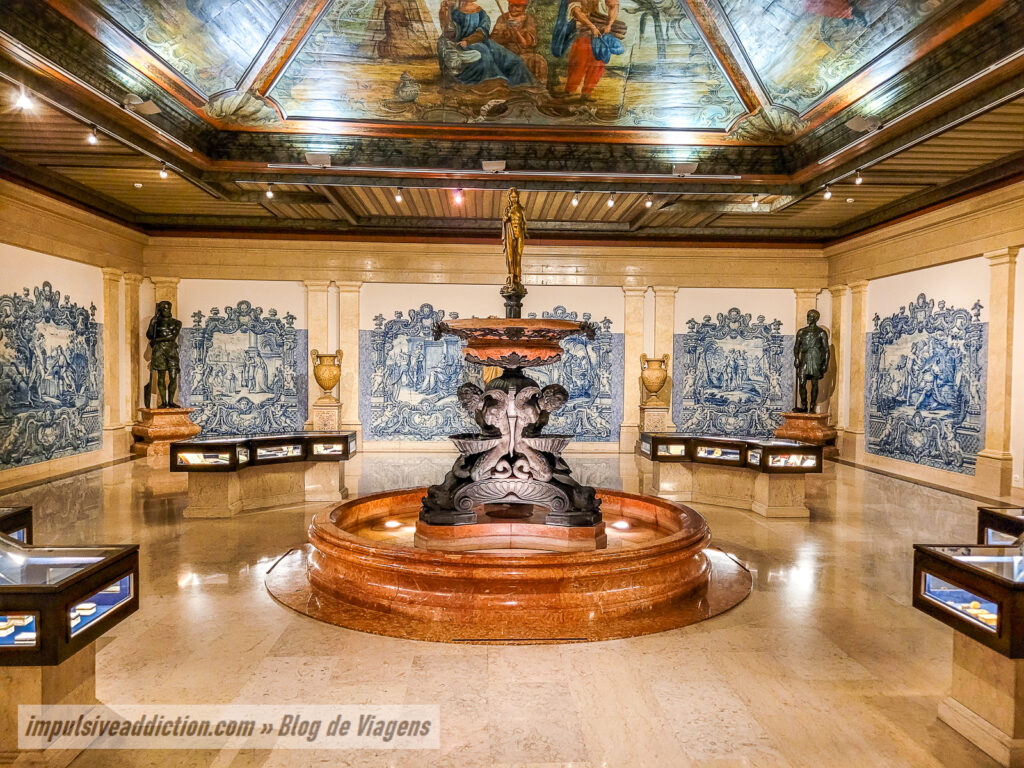
The museum features 27 rooms across two wings: the original residence, preserved as it was, and a modern wing, designed to evoke 18th-century European interiors.
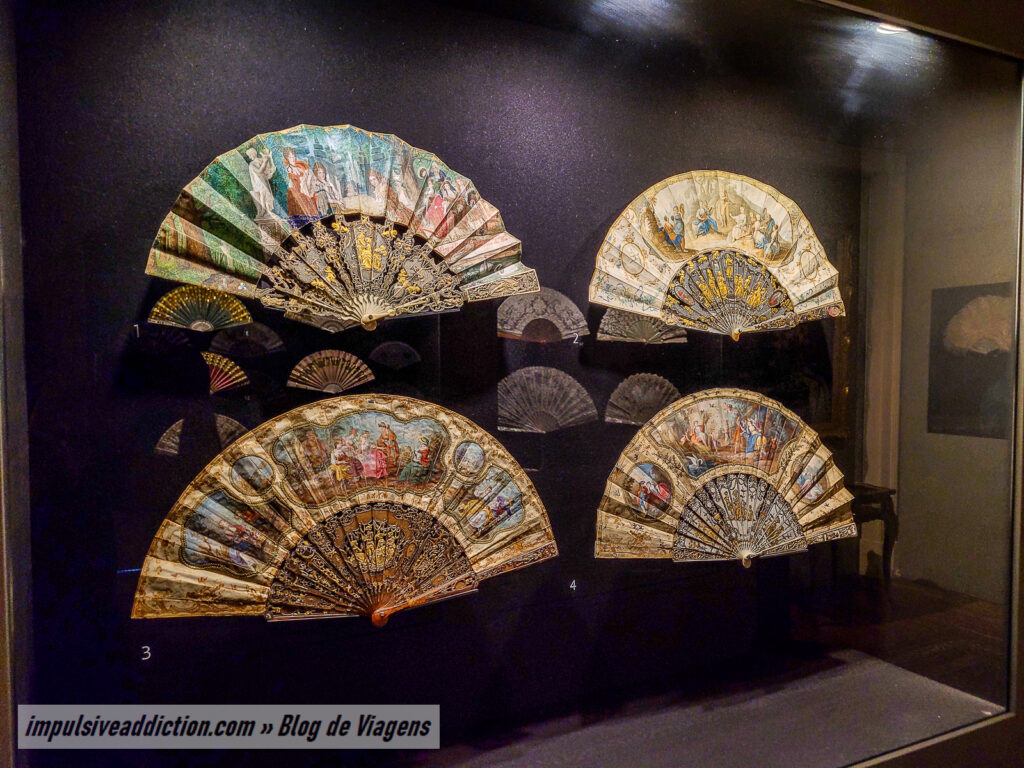
Its collection is both vast and refined, including clocks and pocket watches, Chinese porcelain, French and Portuguese furniture, tapestries, Flemish and Portuguese paintings, English and Portuguese silverware, glassware, fans, and jewels. Every piece reflects the collector’s exquisite taste and lifelong dedication to preserving artistic heritage.
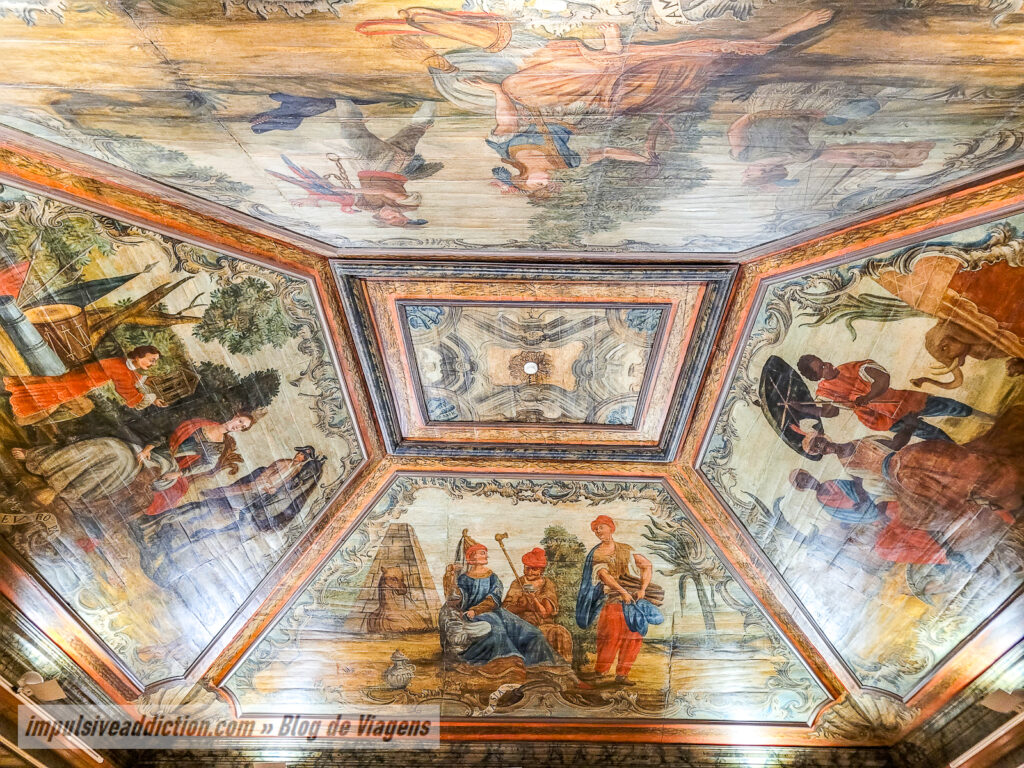
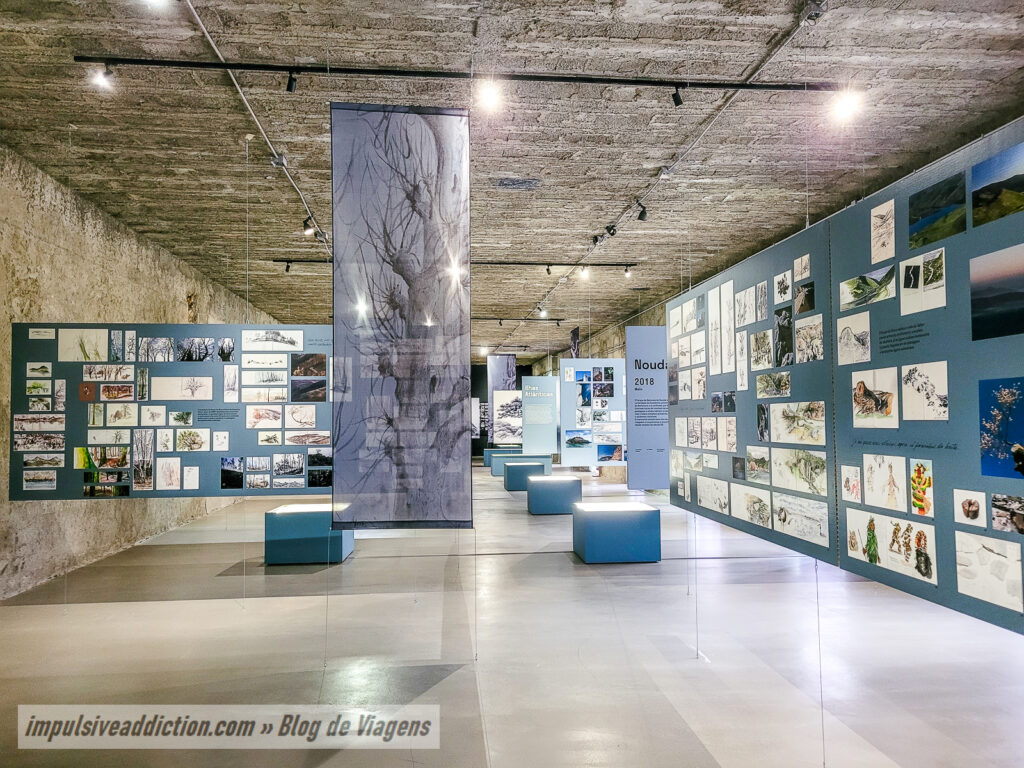
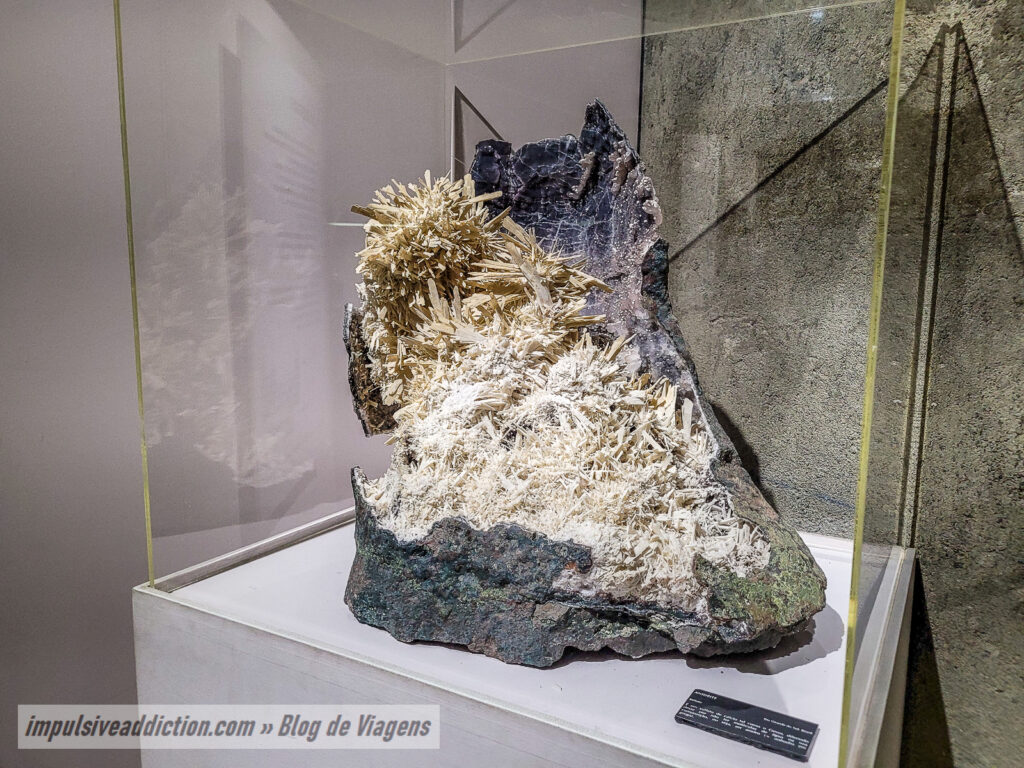
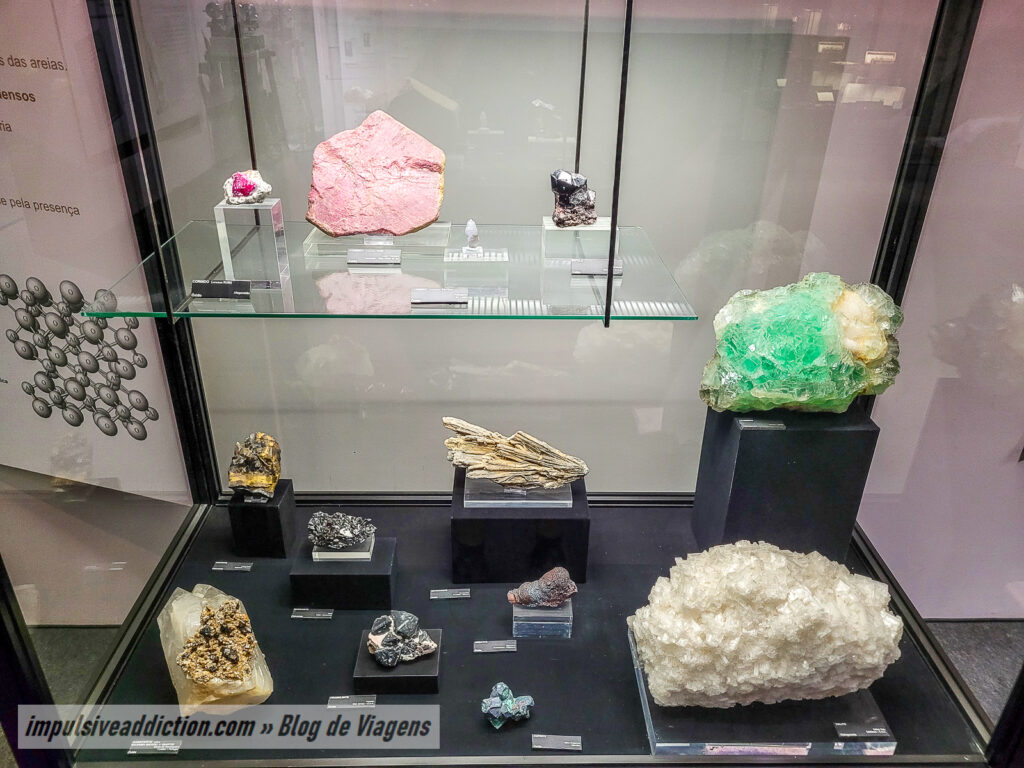
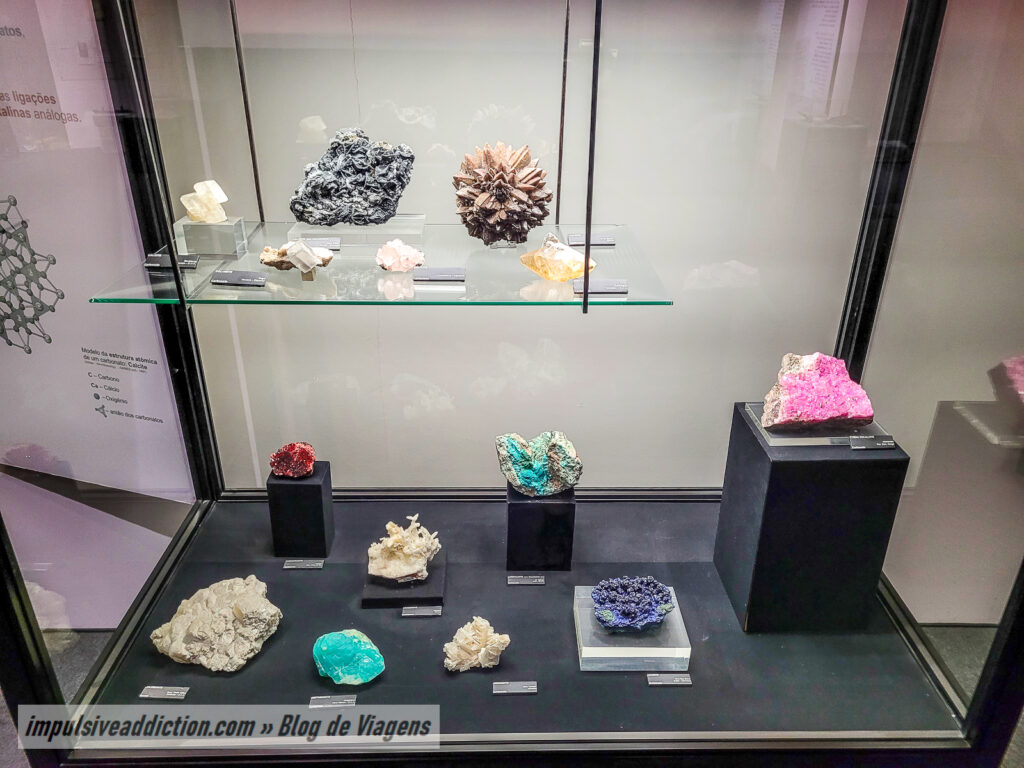
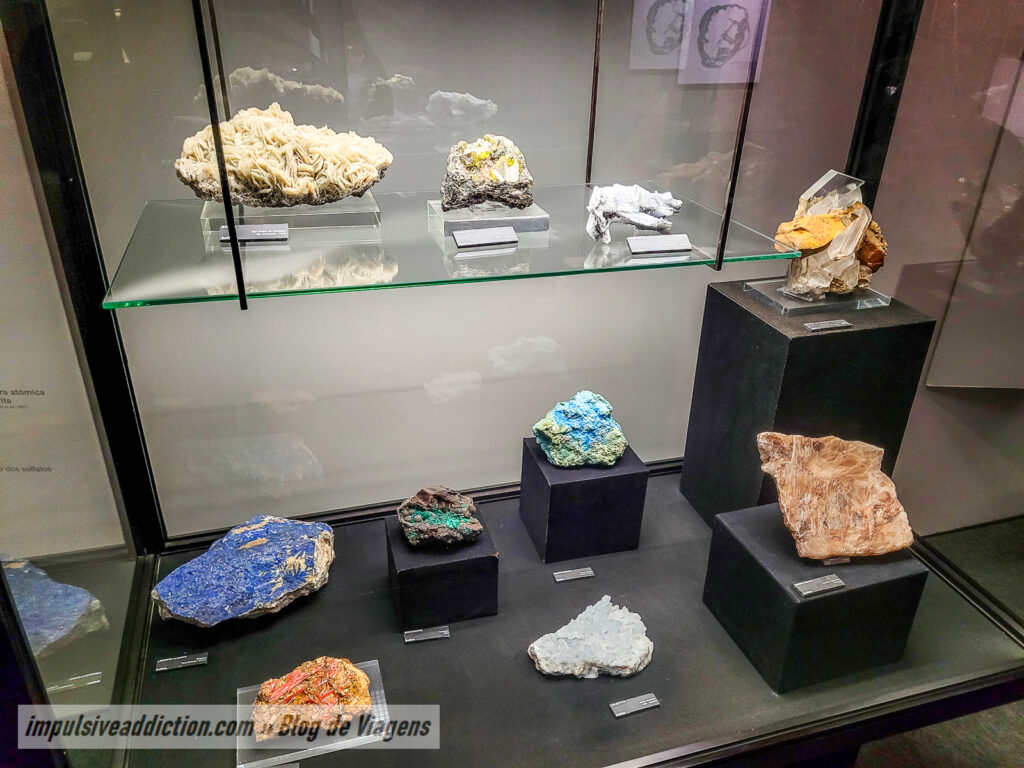
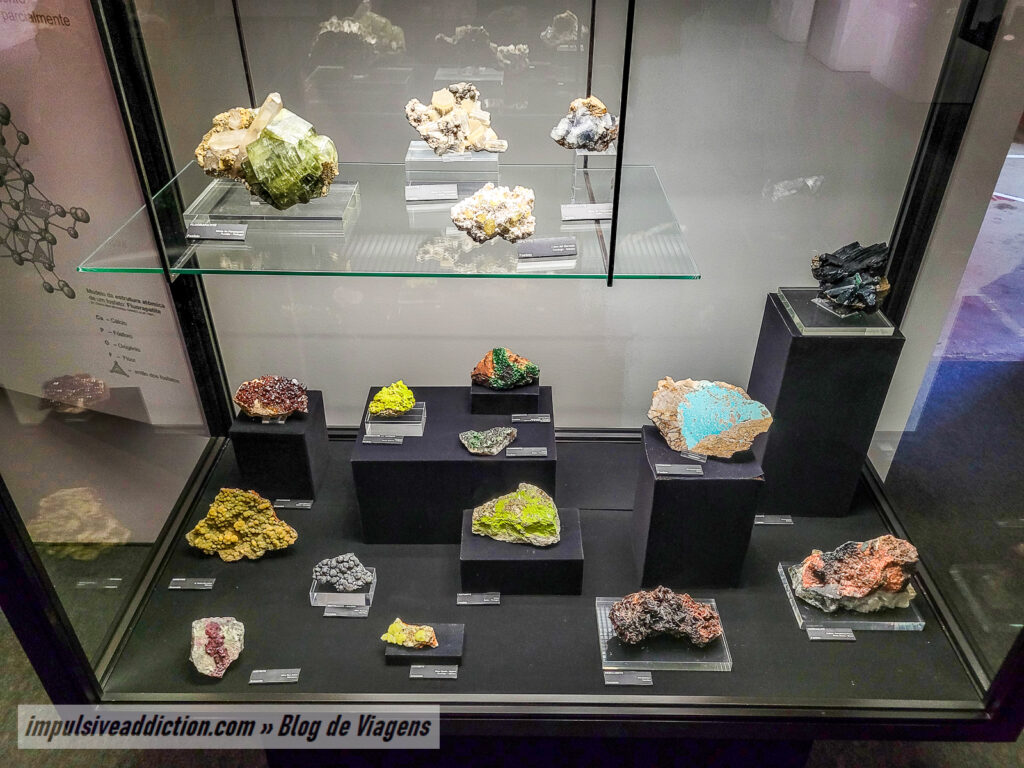
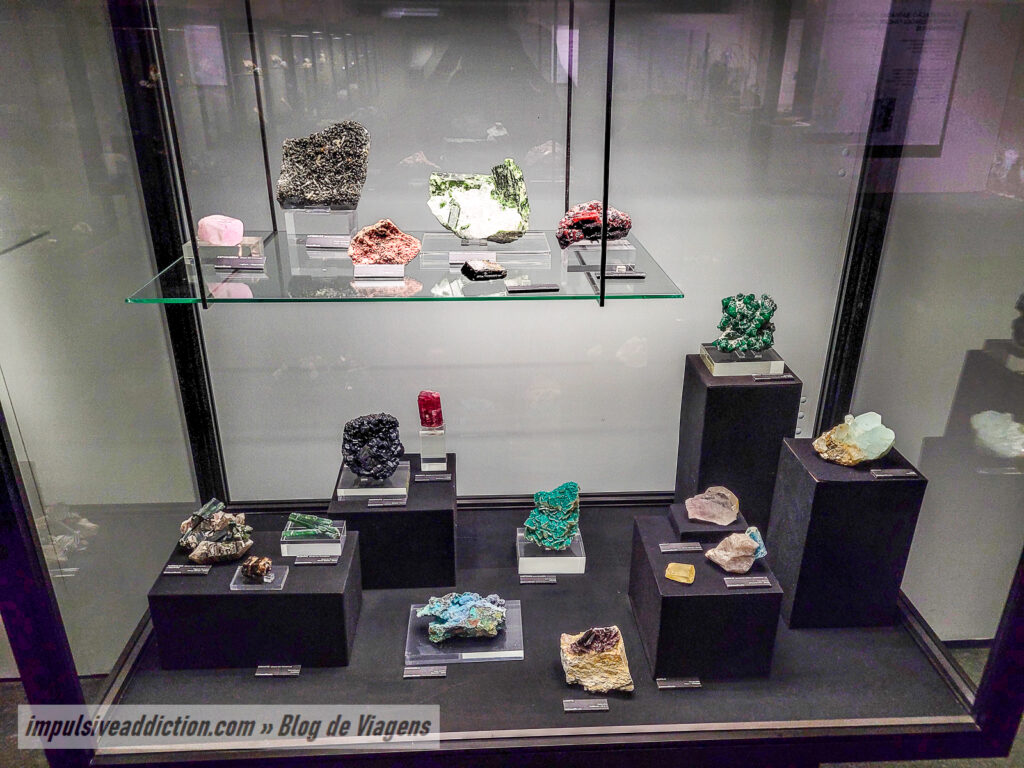
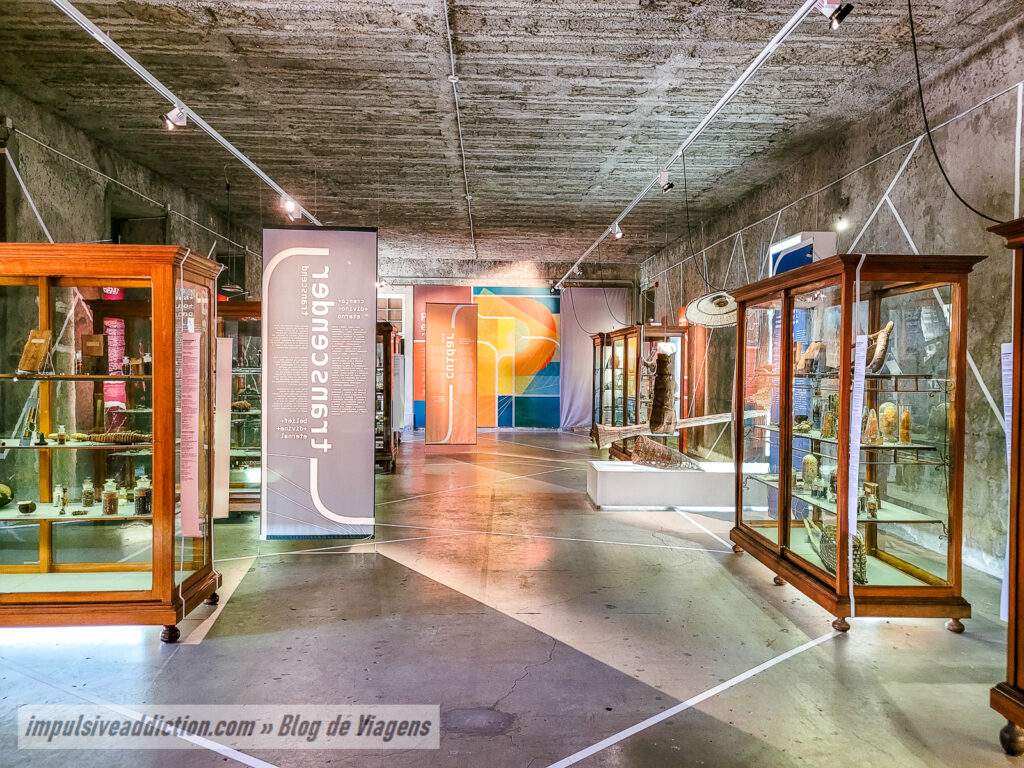
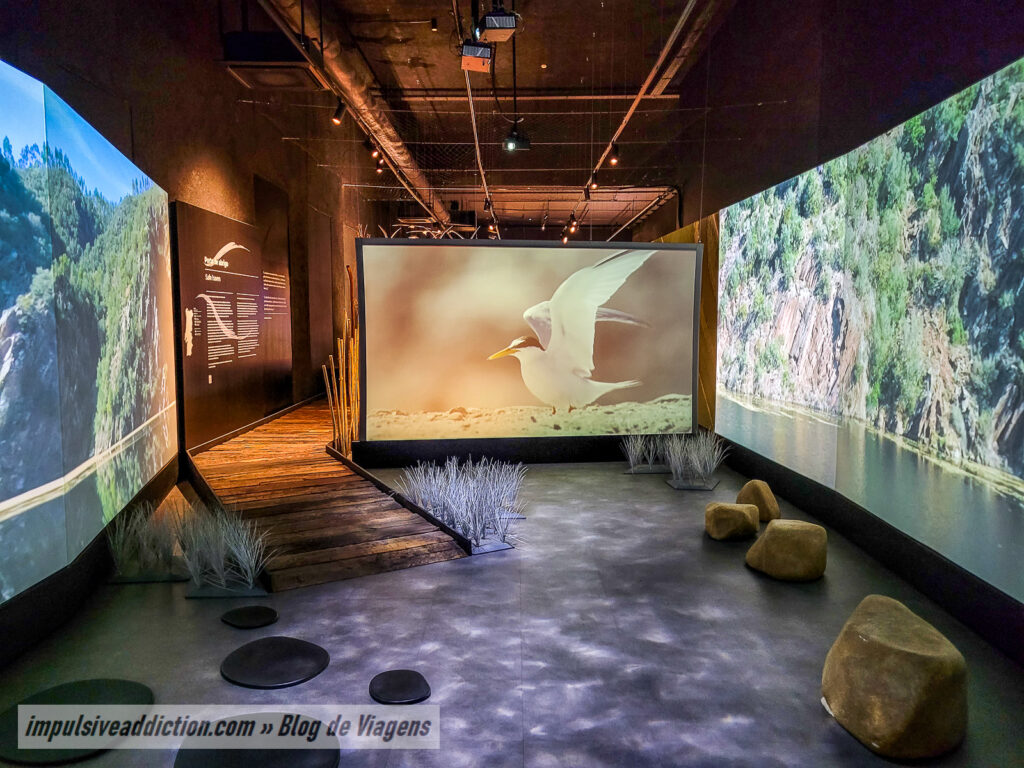
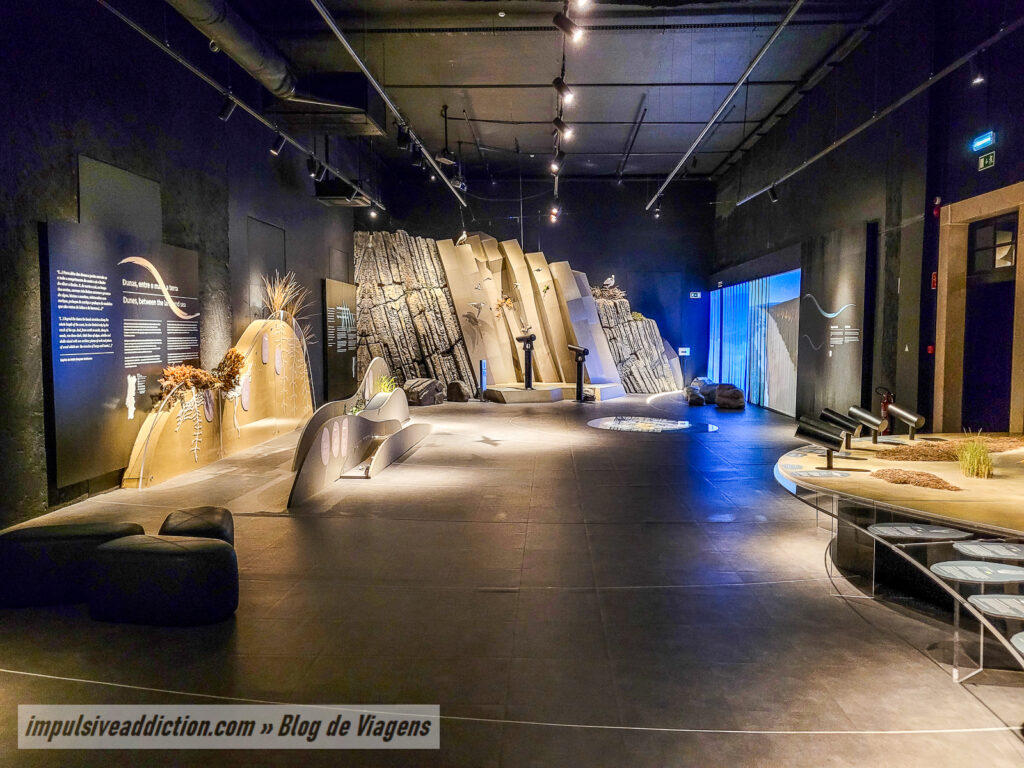
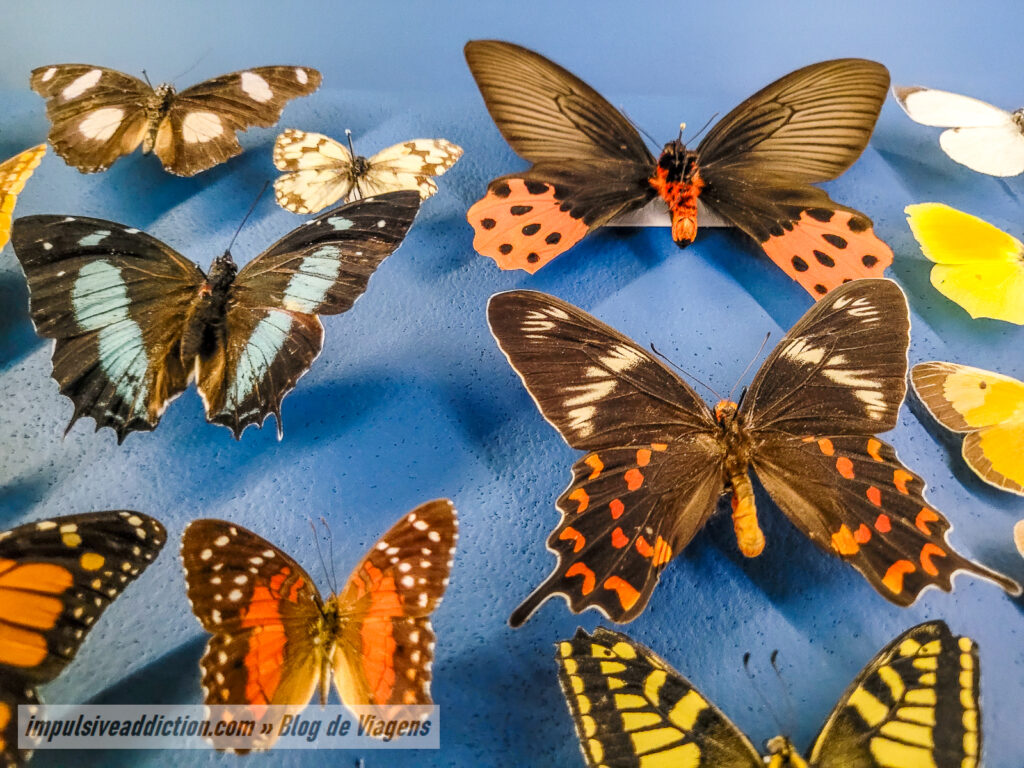
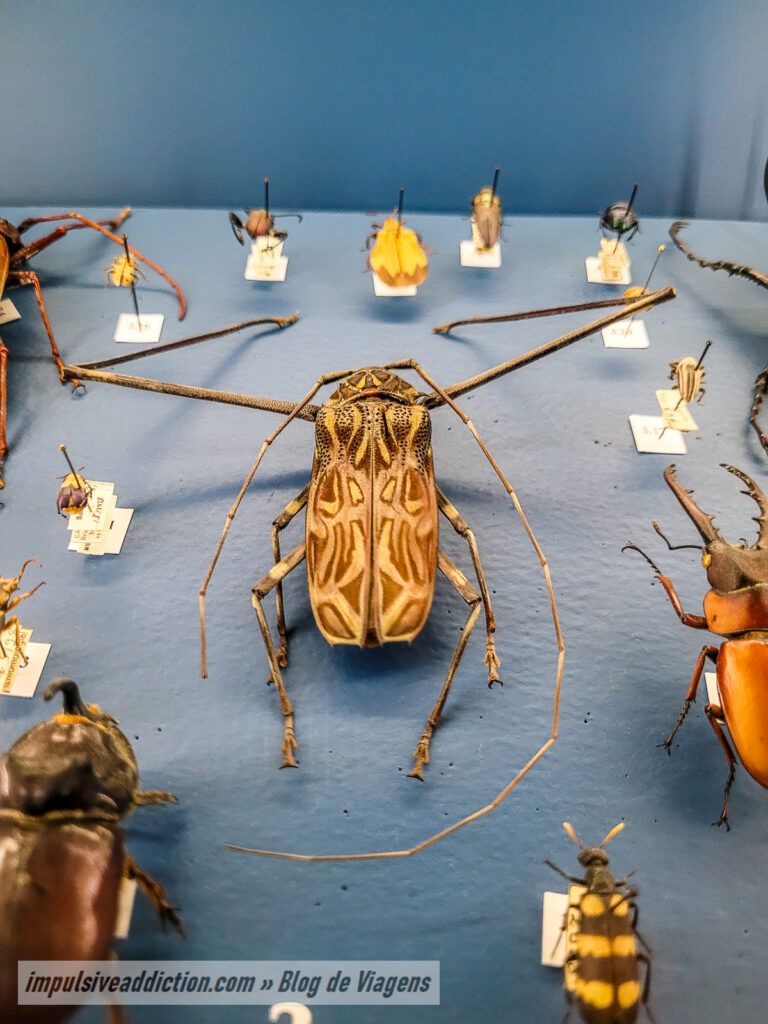
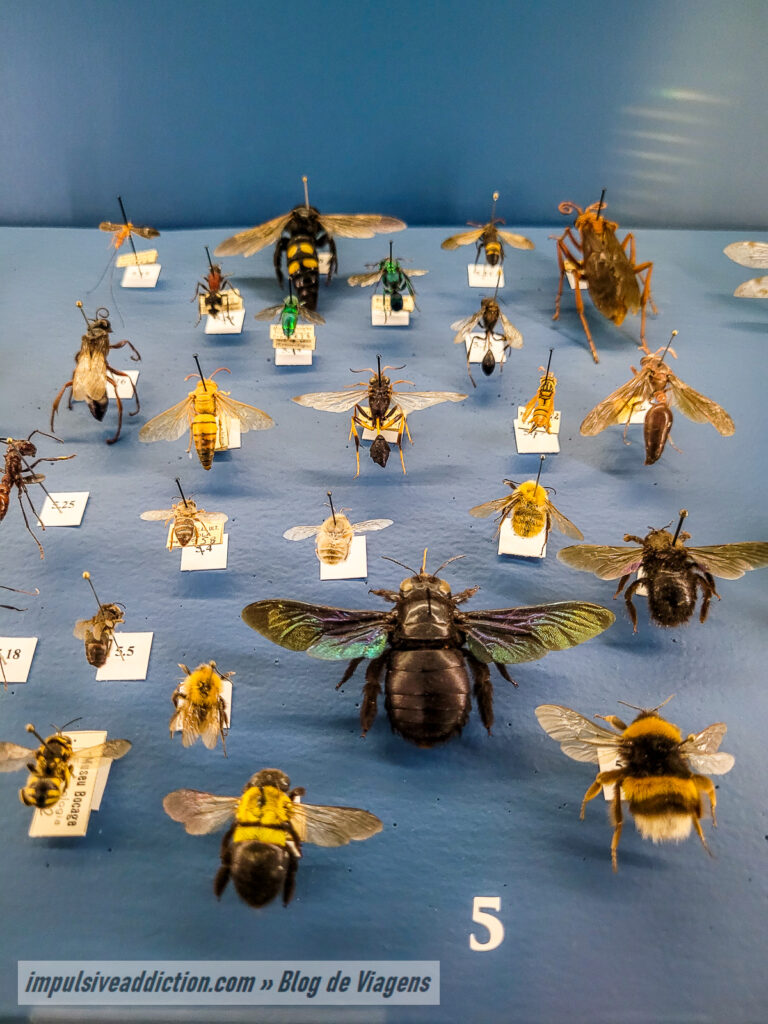
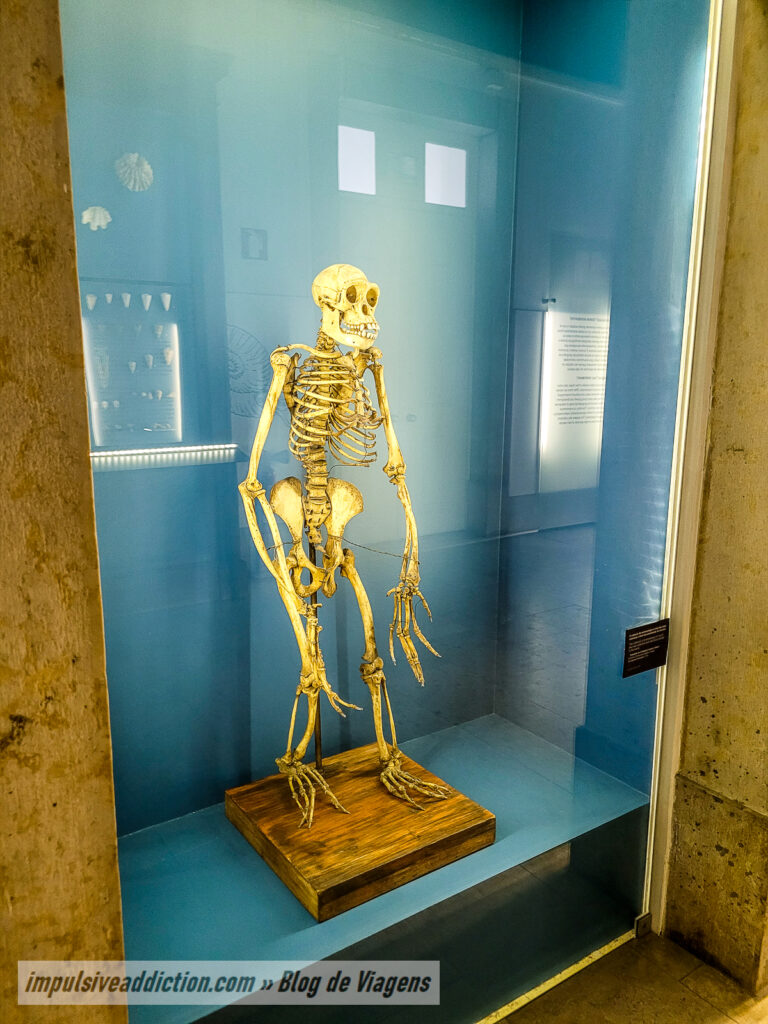
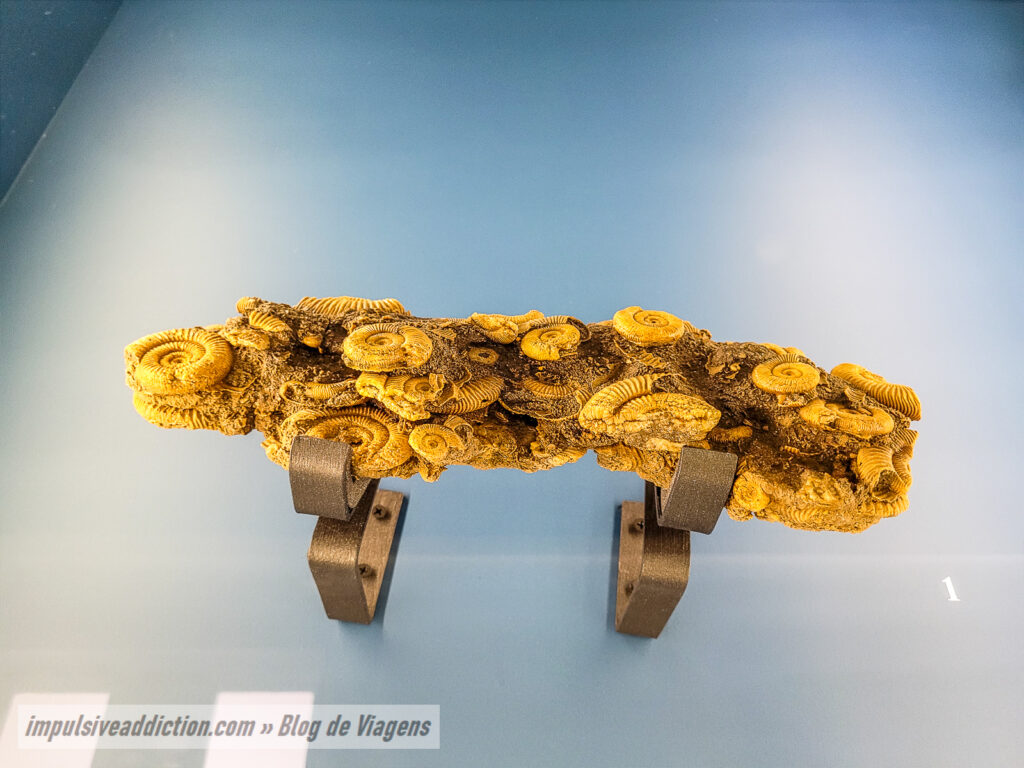
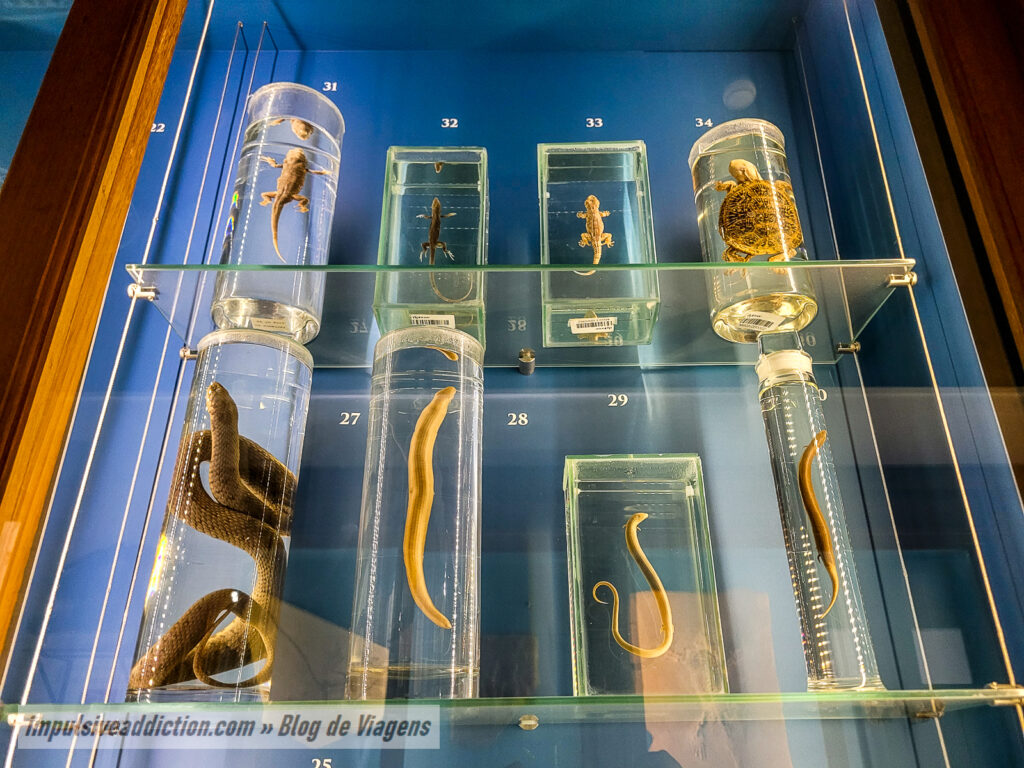
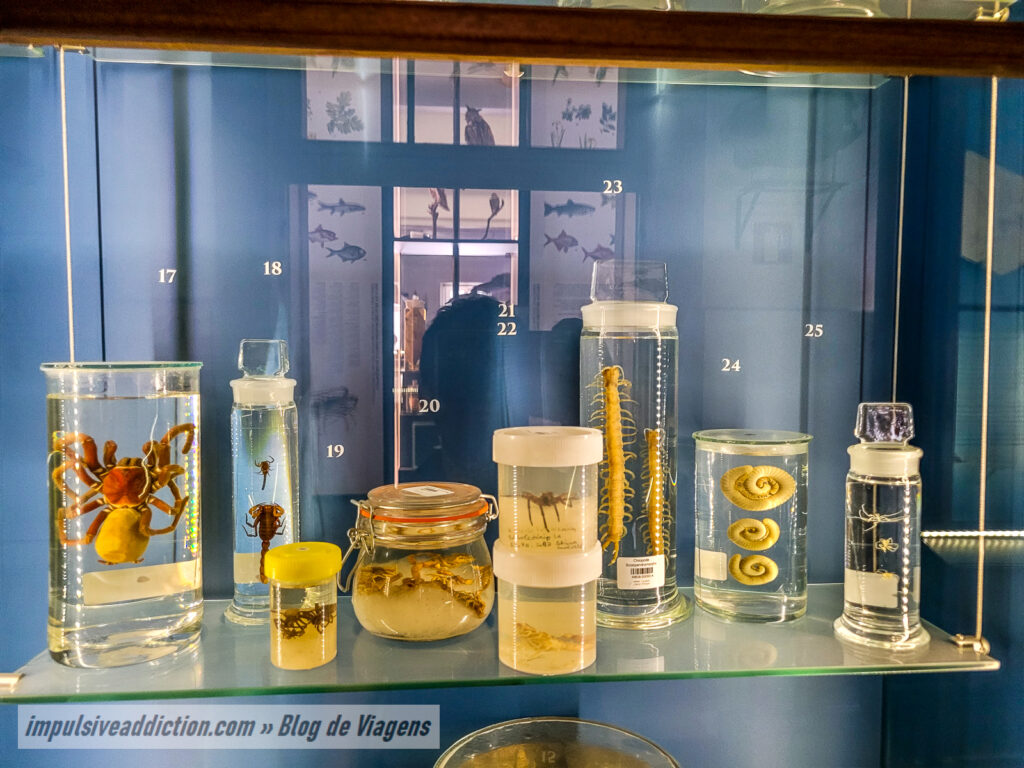
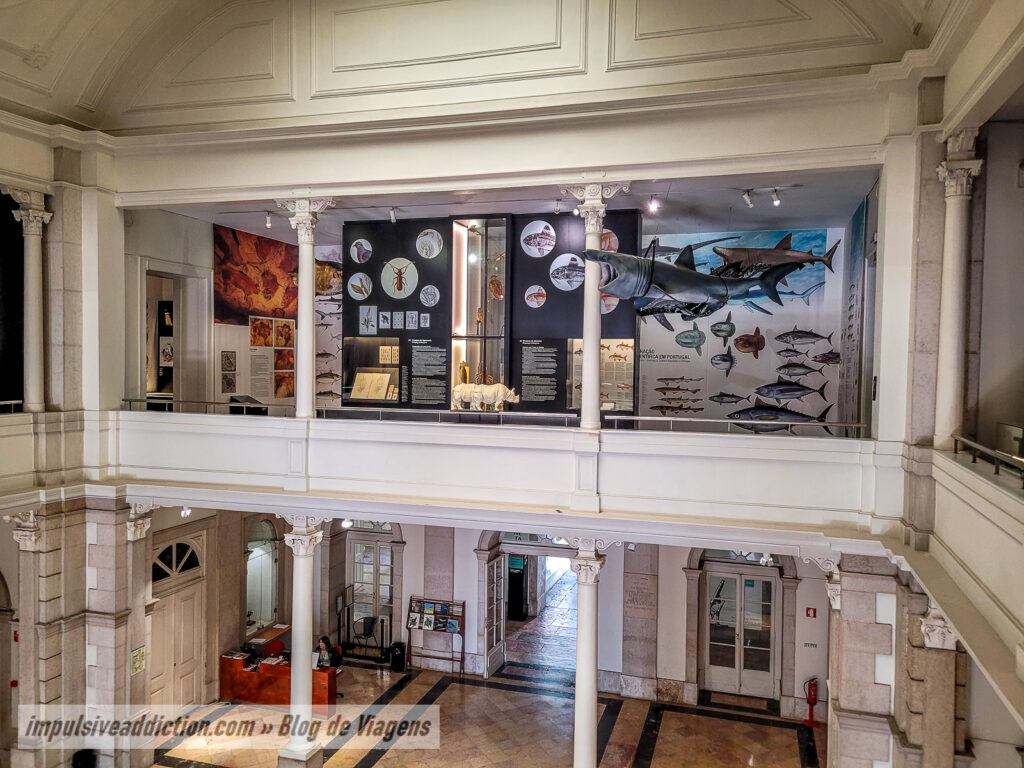
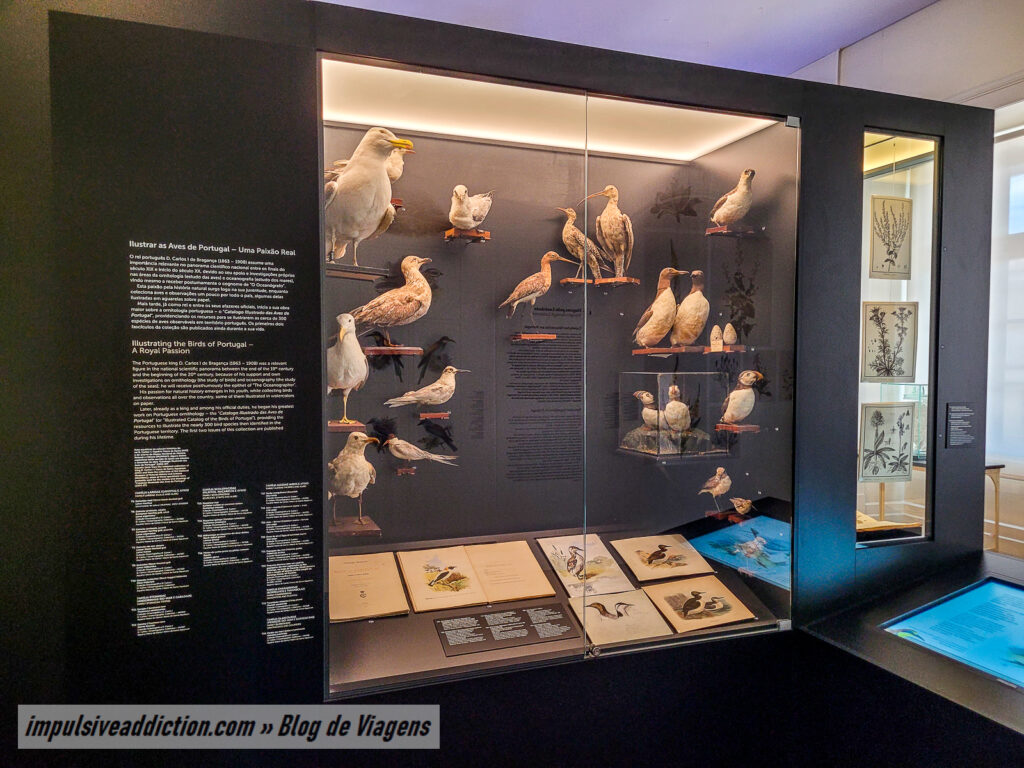
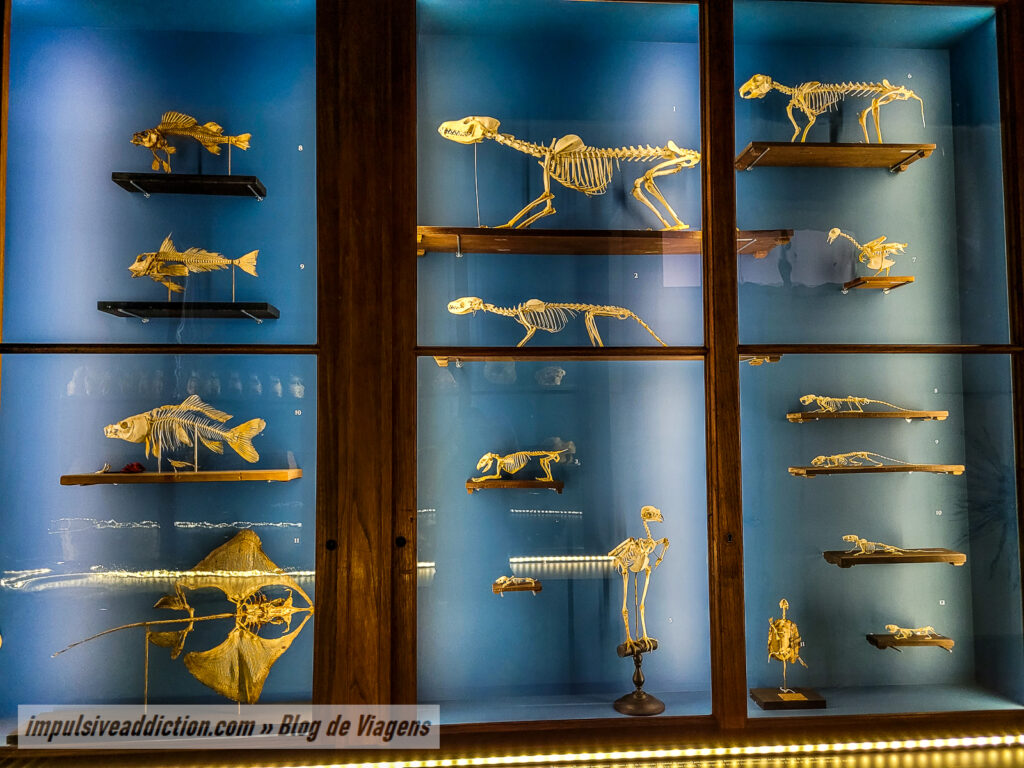
22. National Museum of Natural History and Science
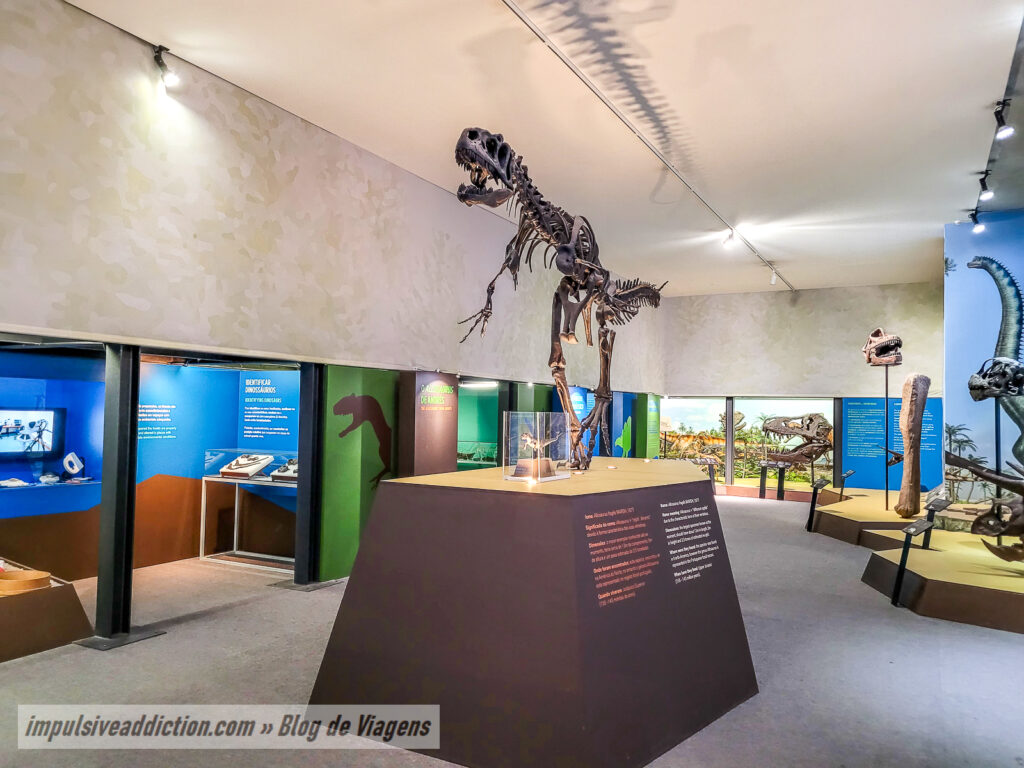
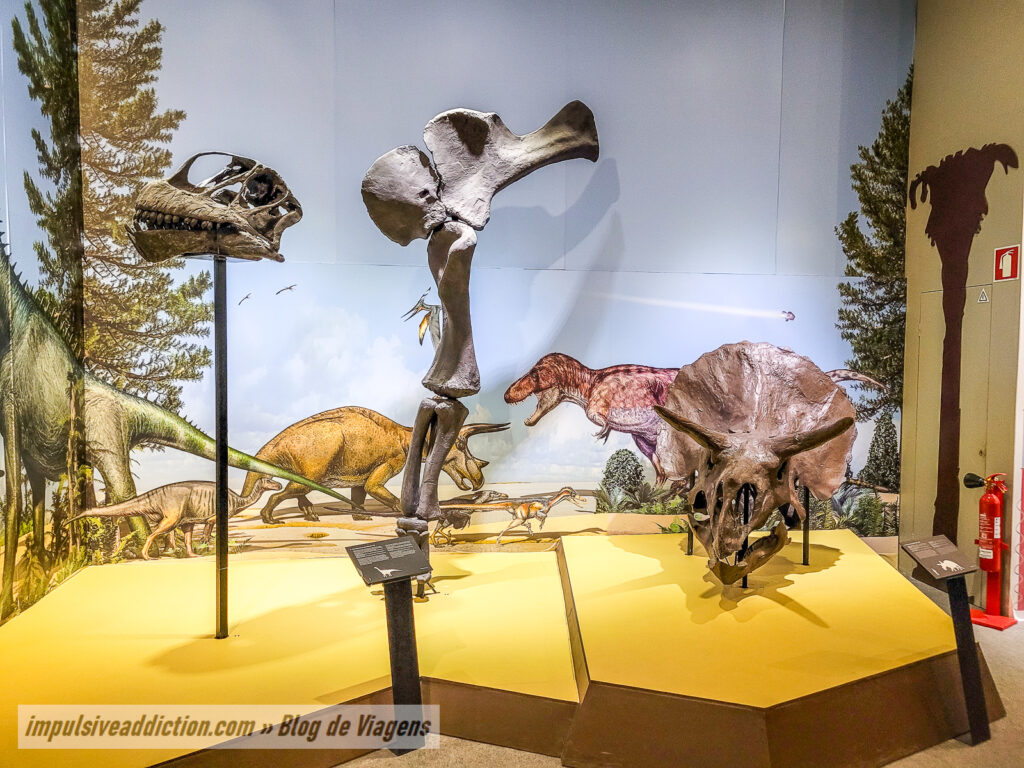
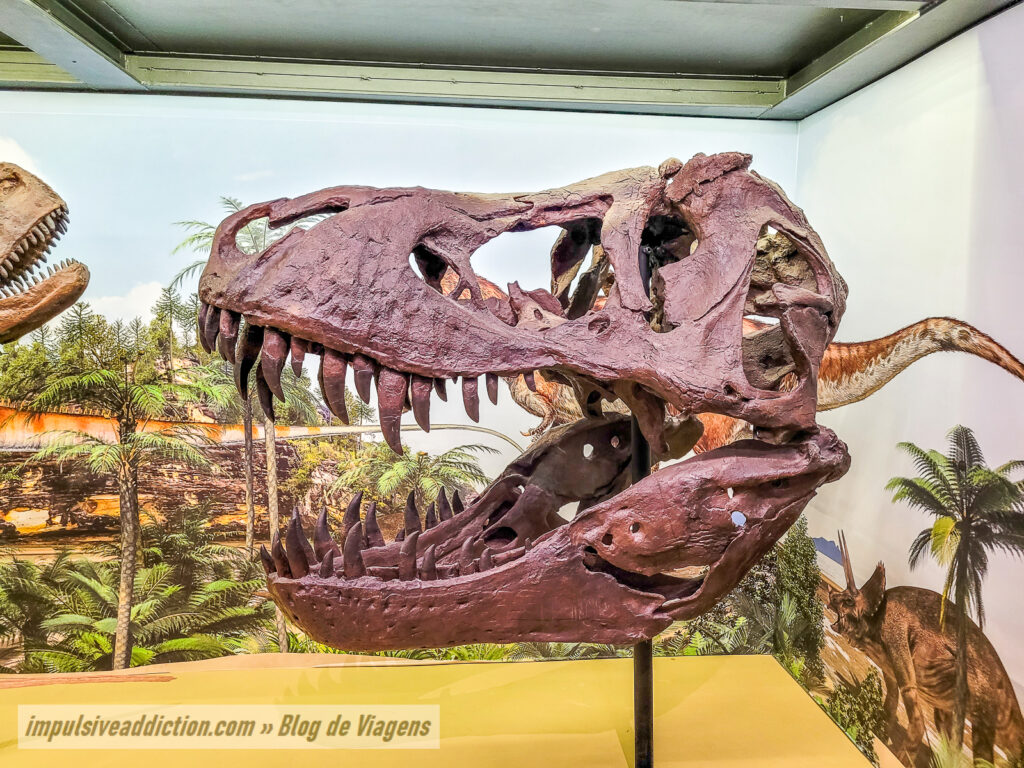
The National Museum of Natural History and Science (MUHNAC) is one of Portugal’s most prominent scientific institutions.
Established in 2011, the museum is the result of a merger between the National Museum of Natural History and the Science Museum of the University of Lisbon, both with origins dating back to the 18th century.
Housed in a building classified as a Monument of Public Interest, the structure was originally constructed between 1857 and 1878 for the Lisbon Polytechnic School, and later served as the Faculty of Sciences until 1985. MUHNAC also includes the Lisbon Botanical Garden and the Astronomical Observatory of the Polytechnic School.
With a heritage spanning over 250 years of scientific research, the museum holds outstanding collections in zoology, botany, mineralogy, geology, anthropology, and the history of science.
23. São Roque Museum
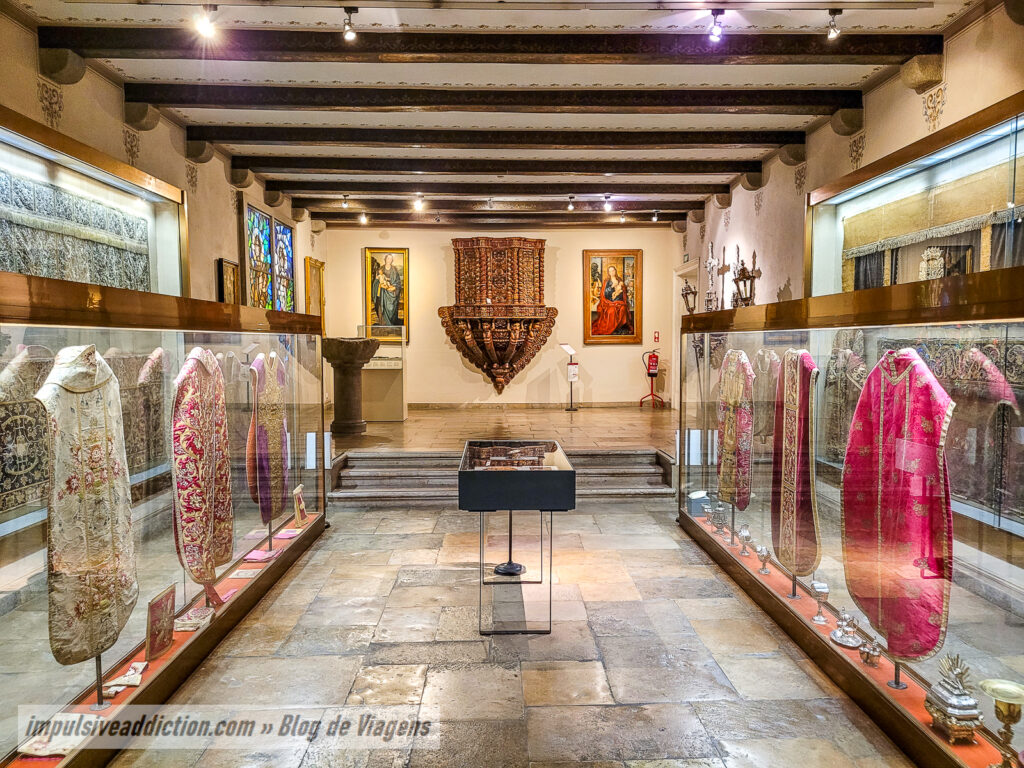
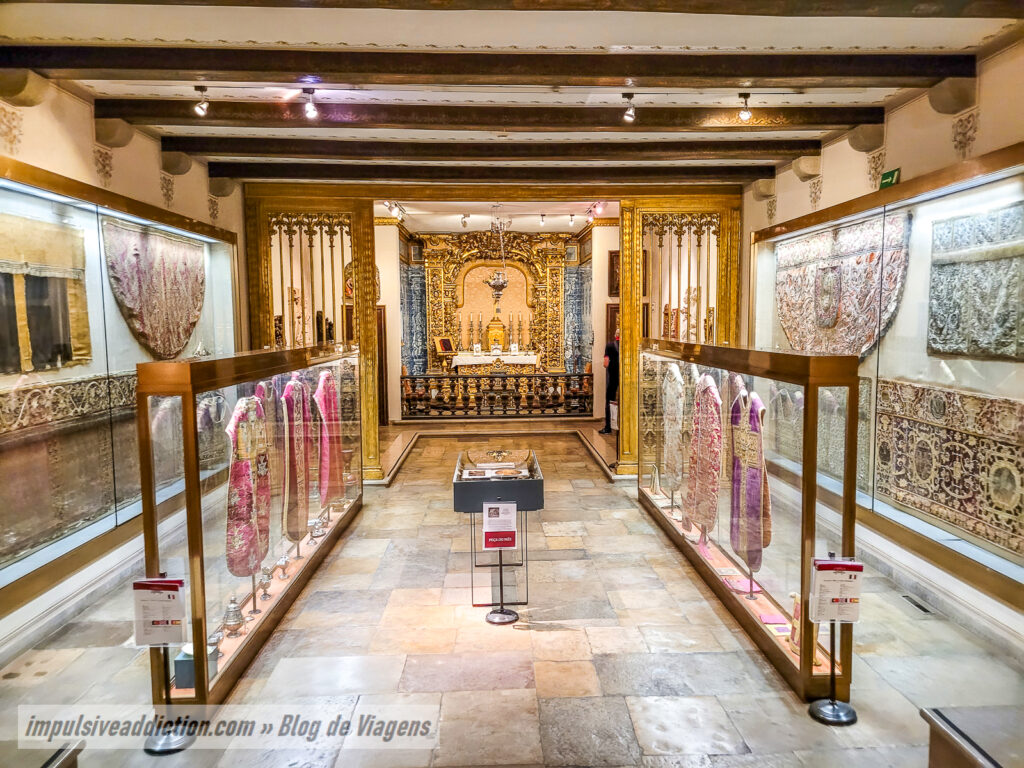
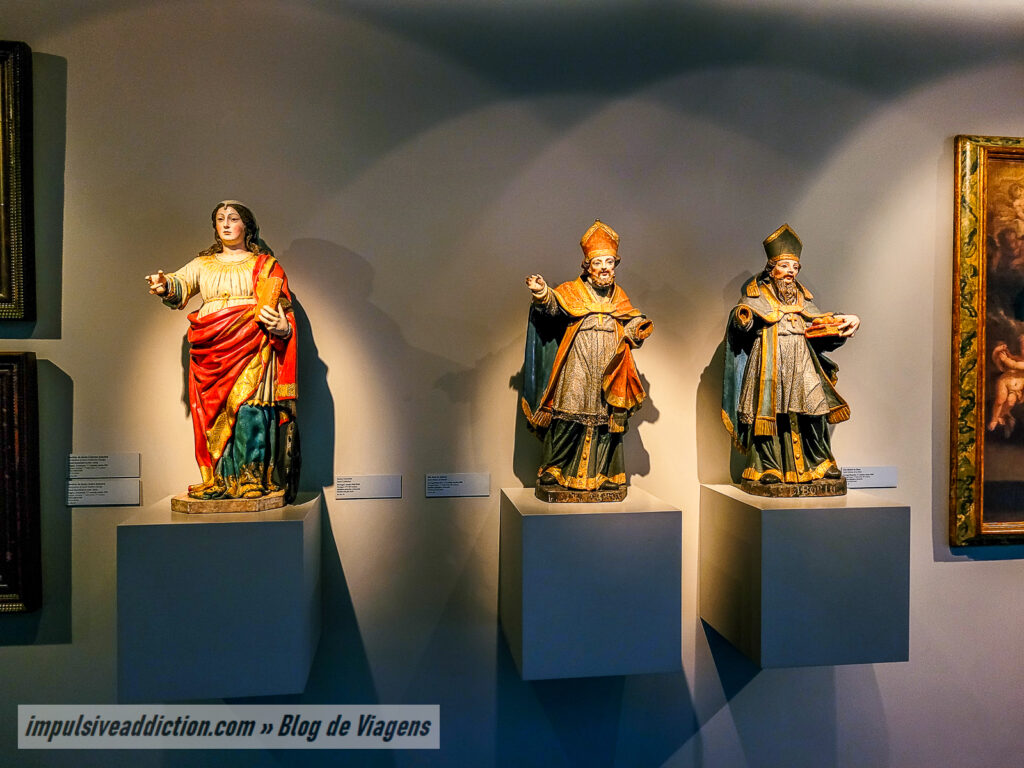
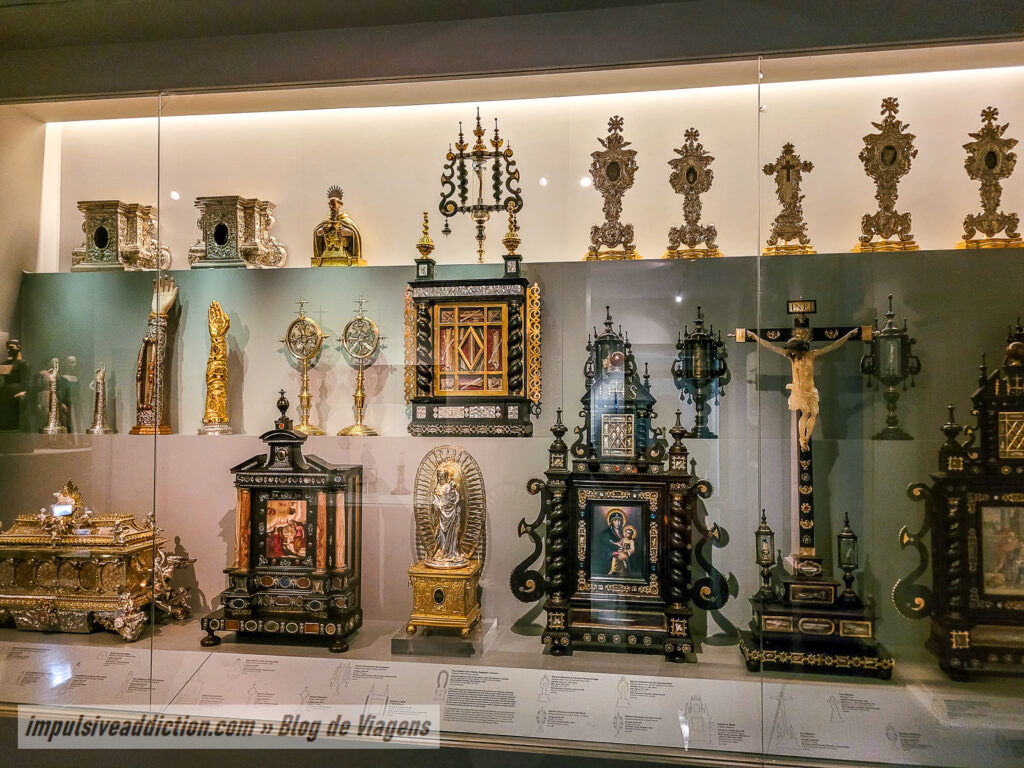
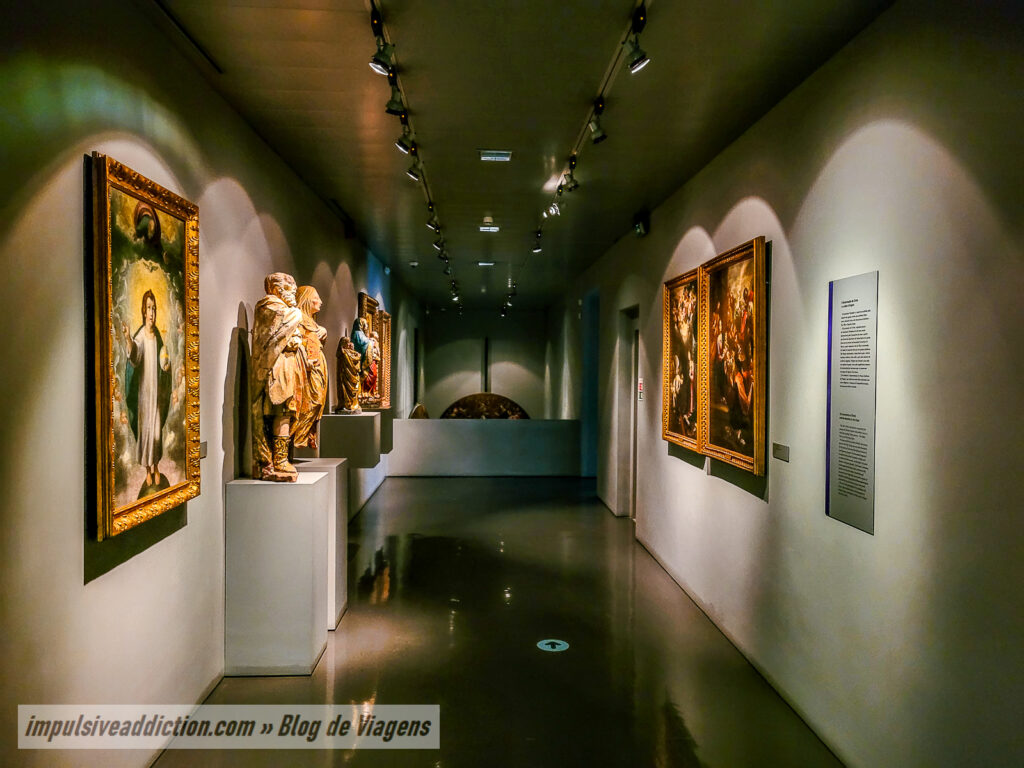
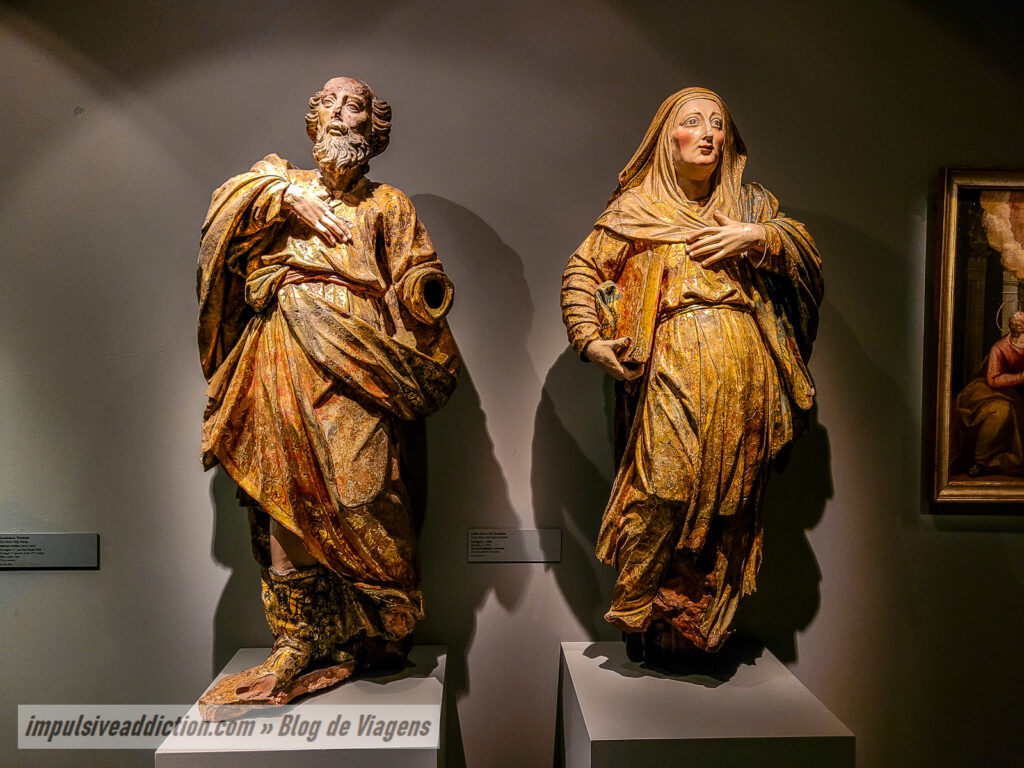
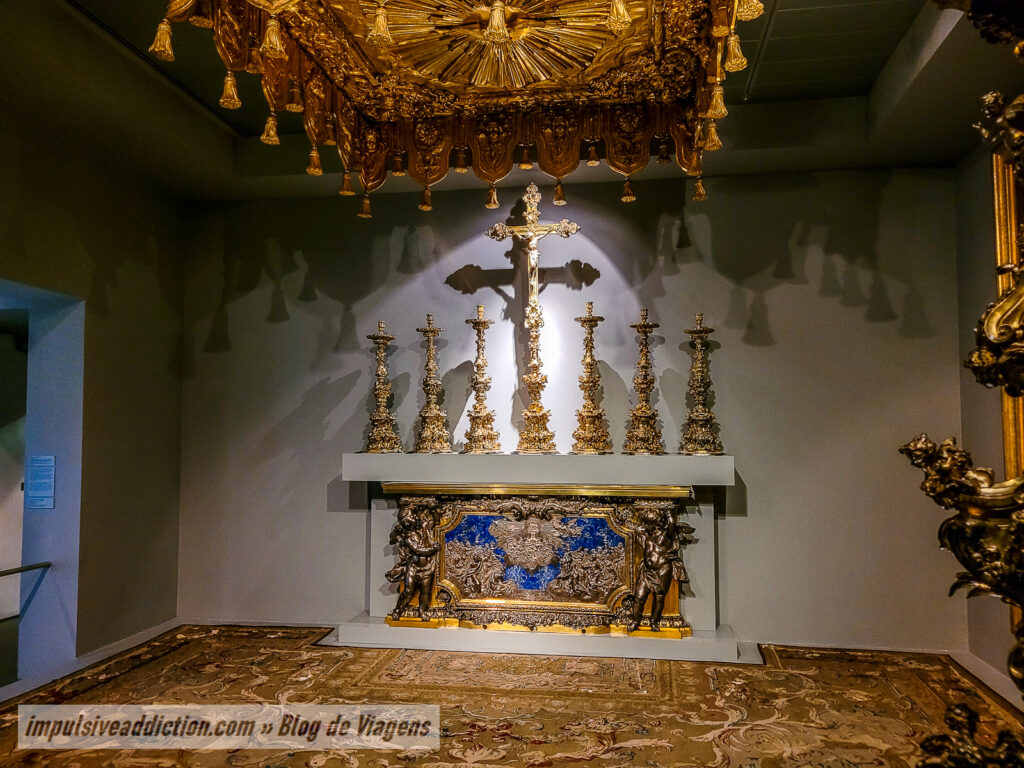
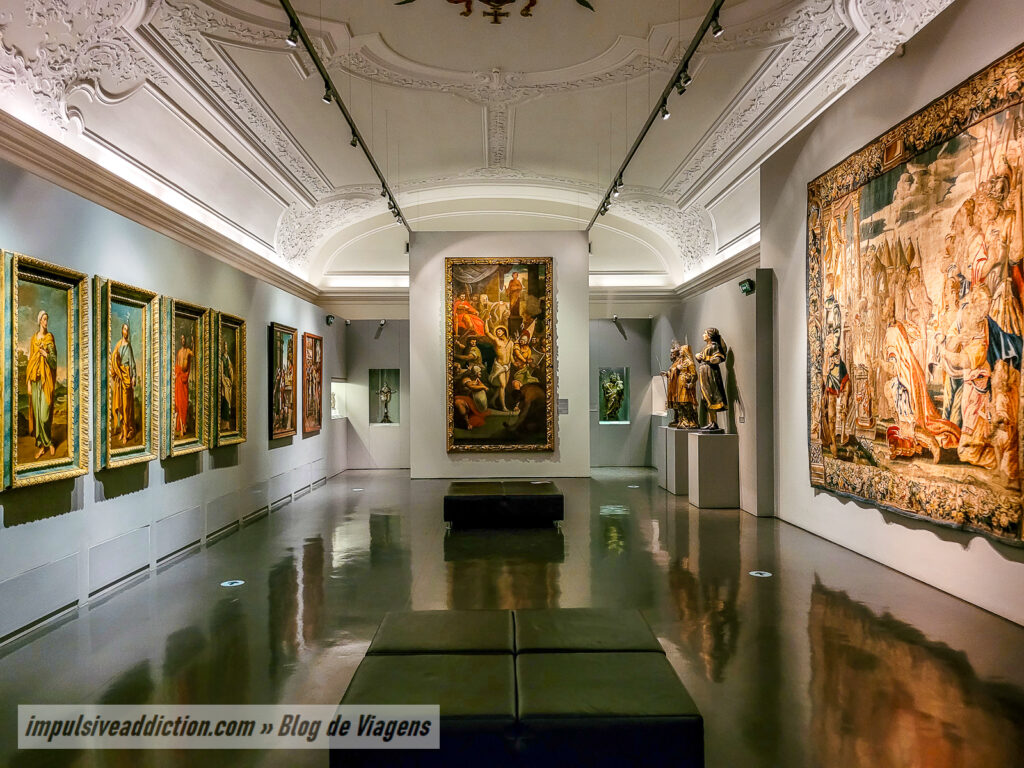
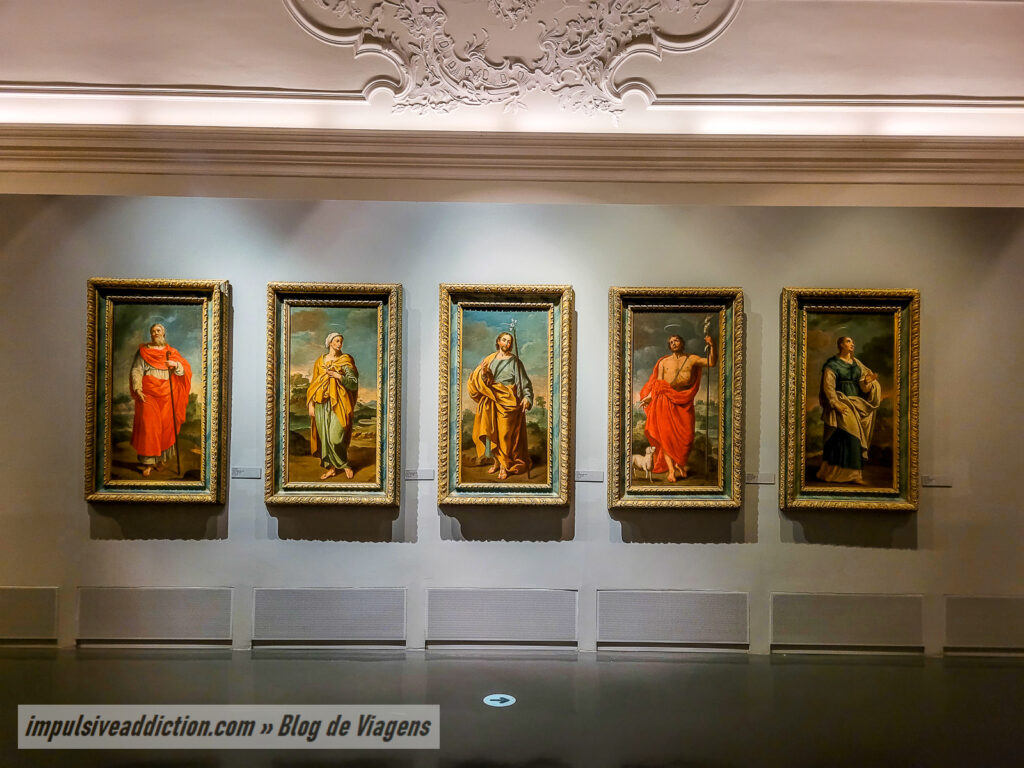
The São Roque Museum, housed in the former Professed House of the Society of Jesus next to the Church of São Roque (built in 1573), is one of Lisbon’s oldest and most emblematic cultural institutions.
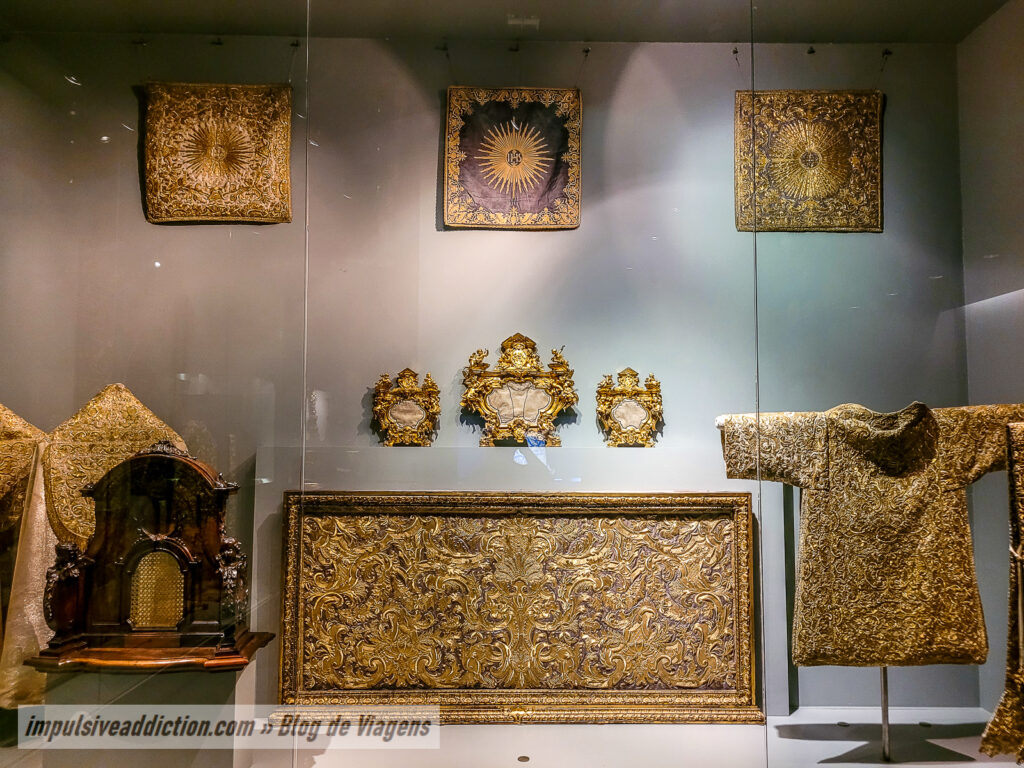
Founded in 1905 as the Museum of the Treasure of the Chapel of Saint John the Baptist, it was created to preserve the extraordinary liturgical treasures commissioned by King João V in Rome.
The permanent exhibition is divided into five thematic sections, covering:
– the early Hermitage of São Roque,
– the Jesuit presence in Portugal,
– Oriental art from the European missions in Asia,
– the treasure of the Chapel of Saint John the Baptist, and
– the artistic heritage of the Santa Casa da Misericórdia of Lisbon.
Highlights include the Mannerist ceiling painted by Francisco Venegas and Amaro do Vale (1587–1590), and the Chapel of Saint John the Baptist, designed by Luigi Vanvitelli and Nicola Salvi. Considered the most expensive chapel in Europe in the 18th century, it features Italian mosaics, silver chandeliers, and marble sculptures.
Also noteworthy is the painting “The Marriage of Saint Alexis” by Garcia Fernandes (1541), which symbolically portrays the founding of the Misericórdia of Lisbon.
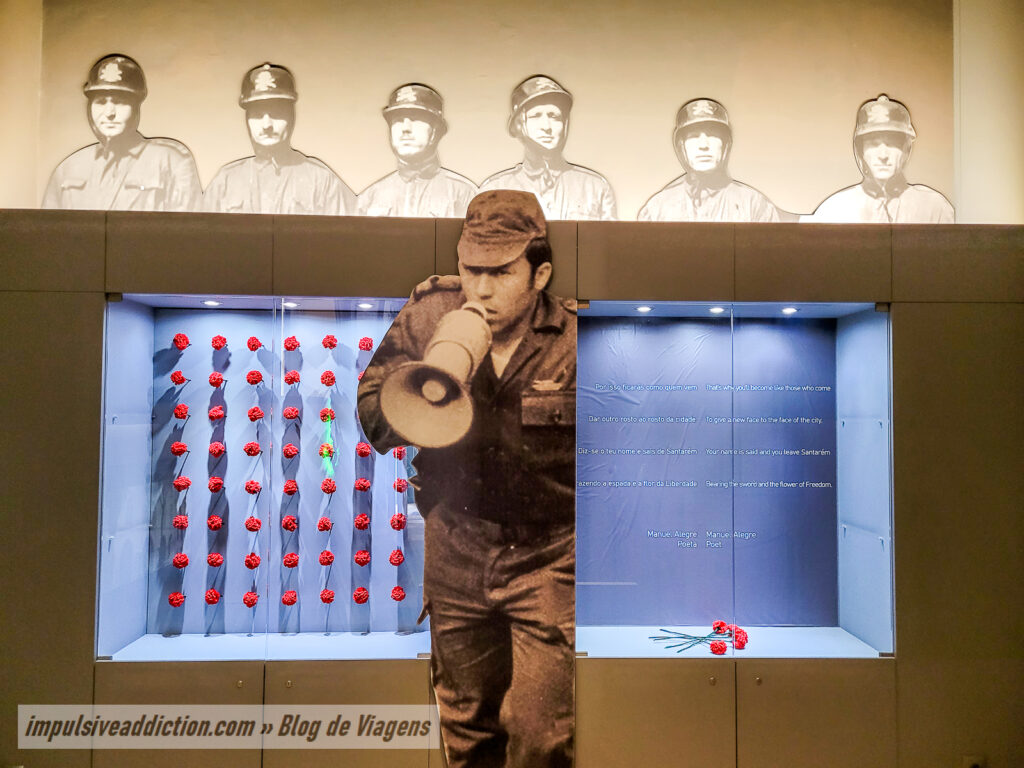
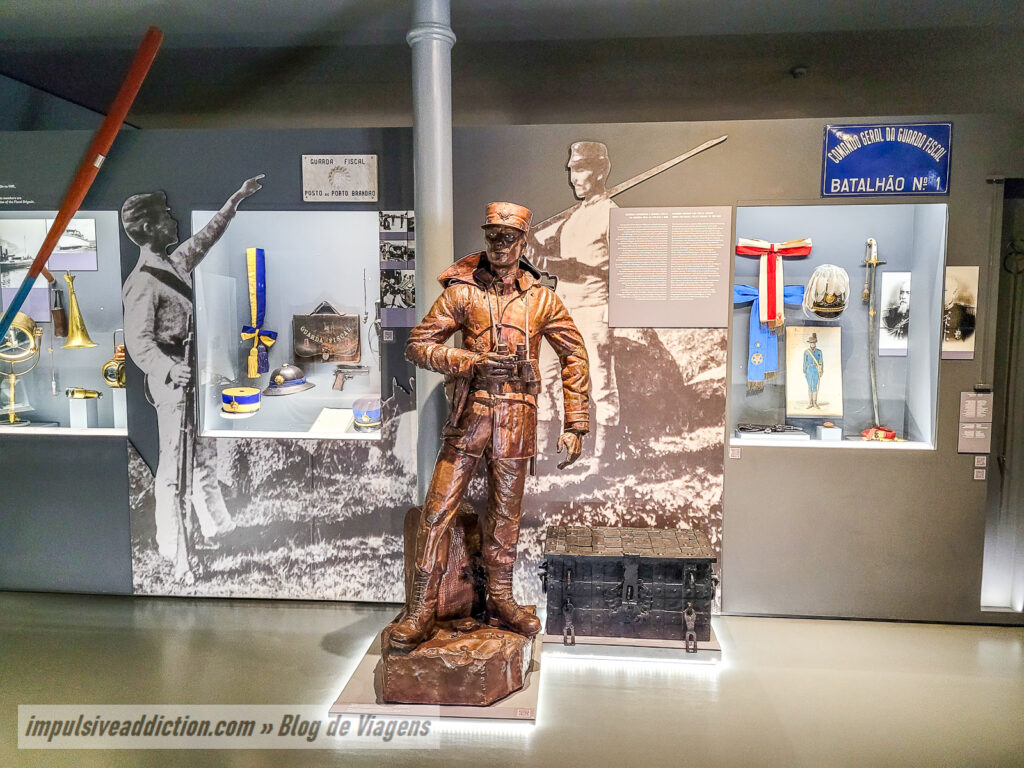
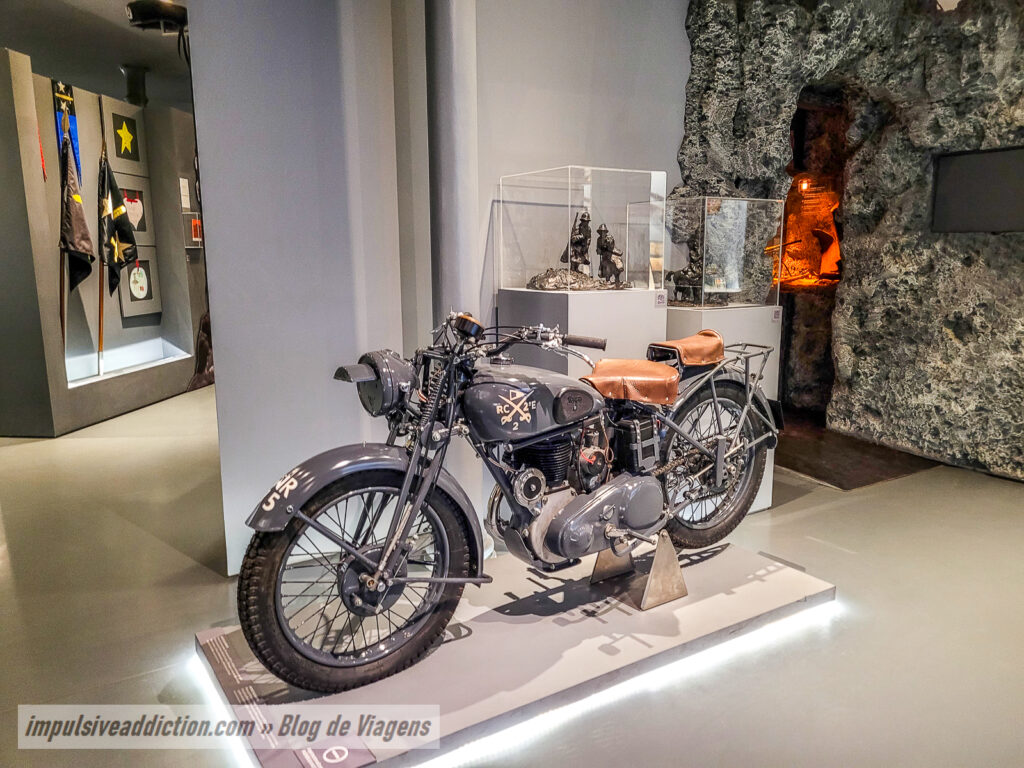
24. GNR Museum – National Republican Guard
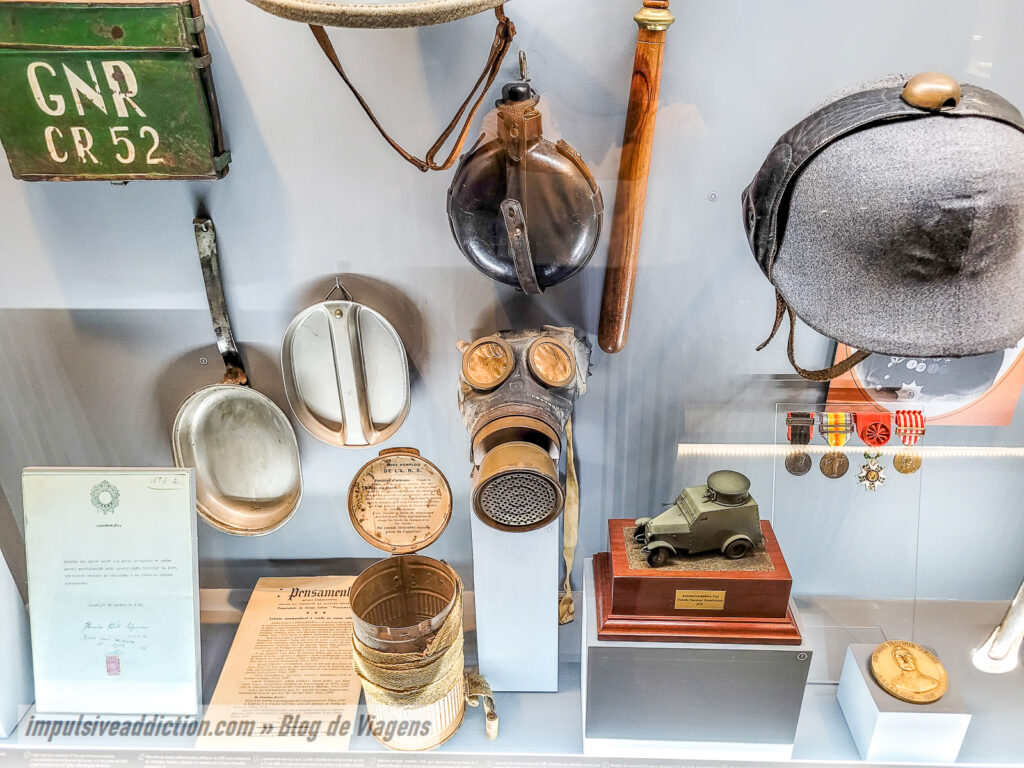
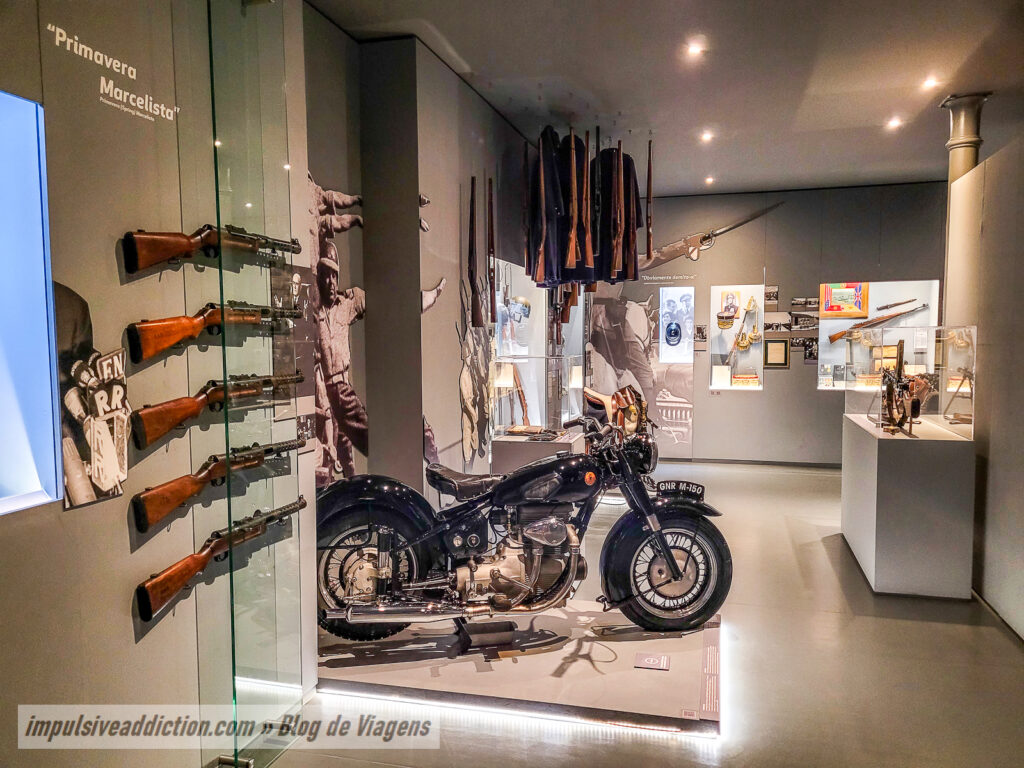
The GNR Museum (Museu da Guarda Nacional Republicana) is housed in the historic Carmo Barracks, located in Largo do Carmo, right in the heart of Chiado, Lisbon. Opened to the public in May 2015, the museum occupies the ground floor of the building, which has served as the GNR’s headquarters since 1845, with direct access from the square.
The museum chronicles the history of Portugal’s military police force, from the monarchy to the present day, and also preserves artifacts from predecessor institutions such as the Fiscal Guard, Municipal Police, and others.
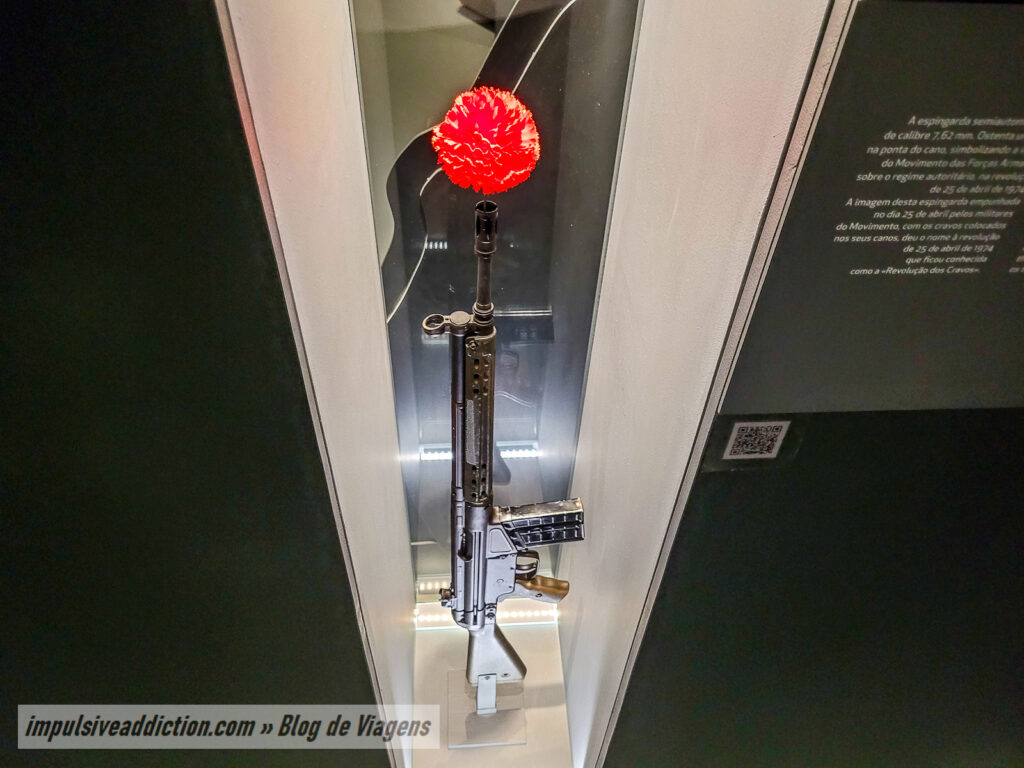
The exhibition rooms display uniforms, historical documents, furnishings, photographs, and symbolic objects — including the famous red carnation placed in the barrel of a G3 rifle, a powerful reference to the Carnation Revolution, and the uniforms worn by Salgueiro Maia on April 25, 1974.
25. Carmo Archaeological Museum
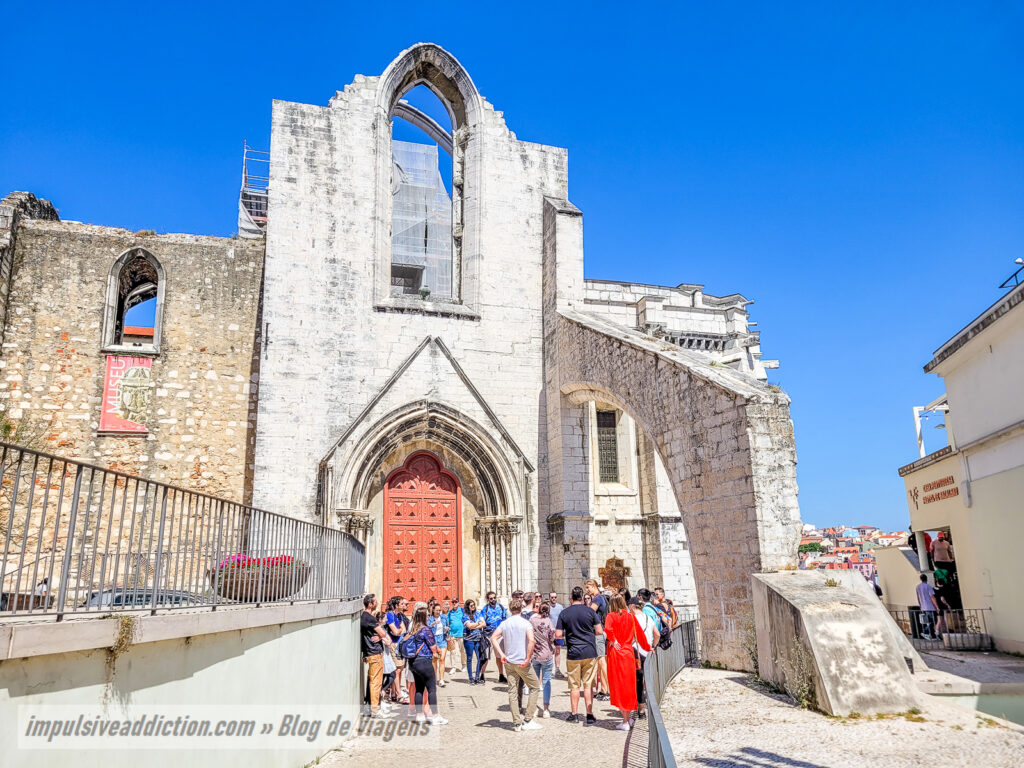
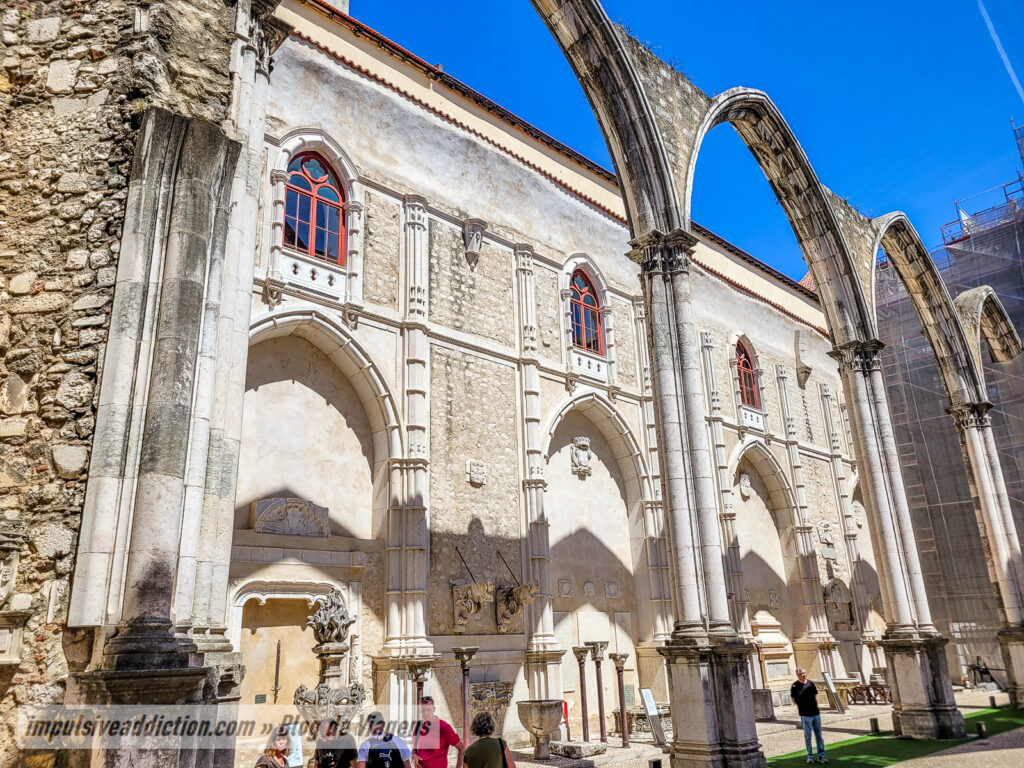
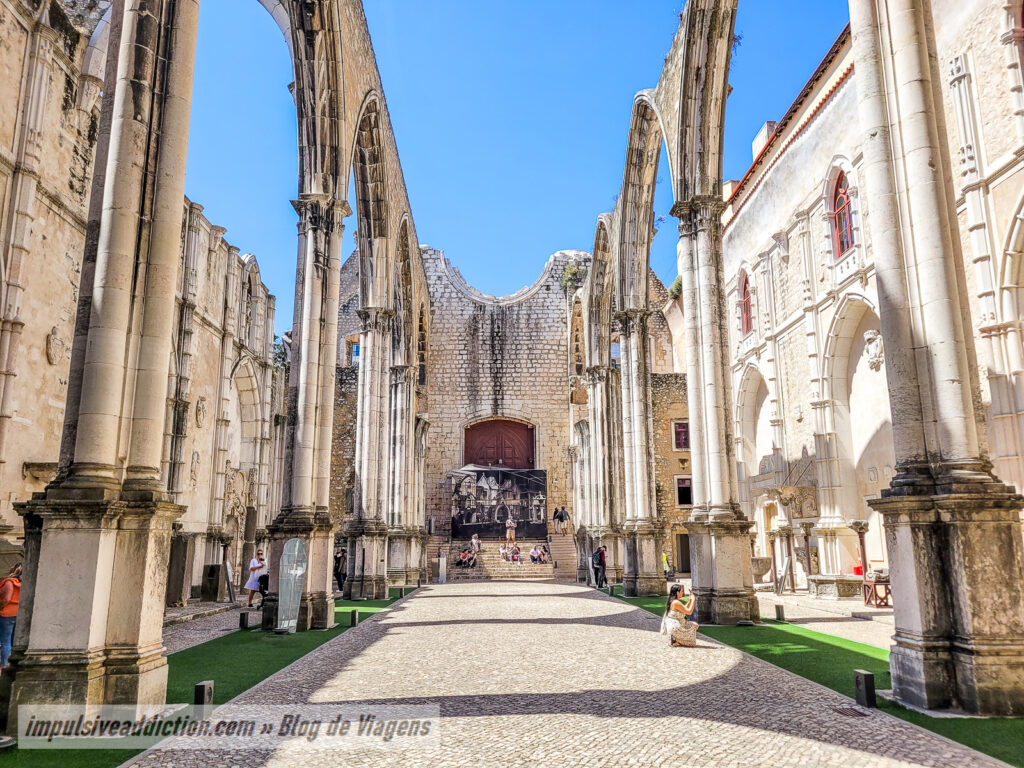
The Carmo Archaeological Museum, set within the striking Ruins of the Carmo Convent in Lisbon’s Chiado district, is one of the city’s most unique archaeological museums.
Founded in 1864 by the Portuguese Archaeologists Association, the museum is housed in the gutted remains of the former Gothic church — a powerful and haunting visual reminder of the 1755 earthquake.
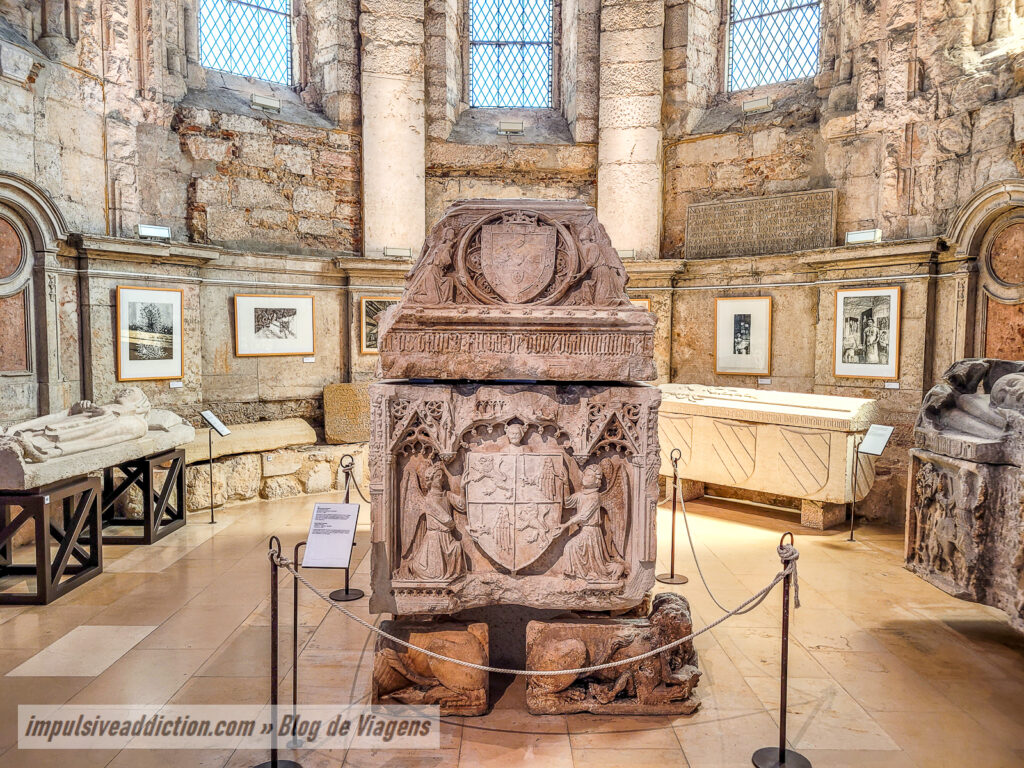
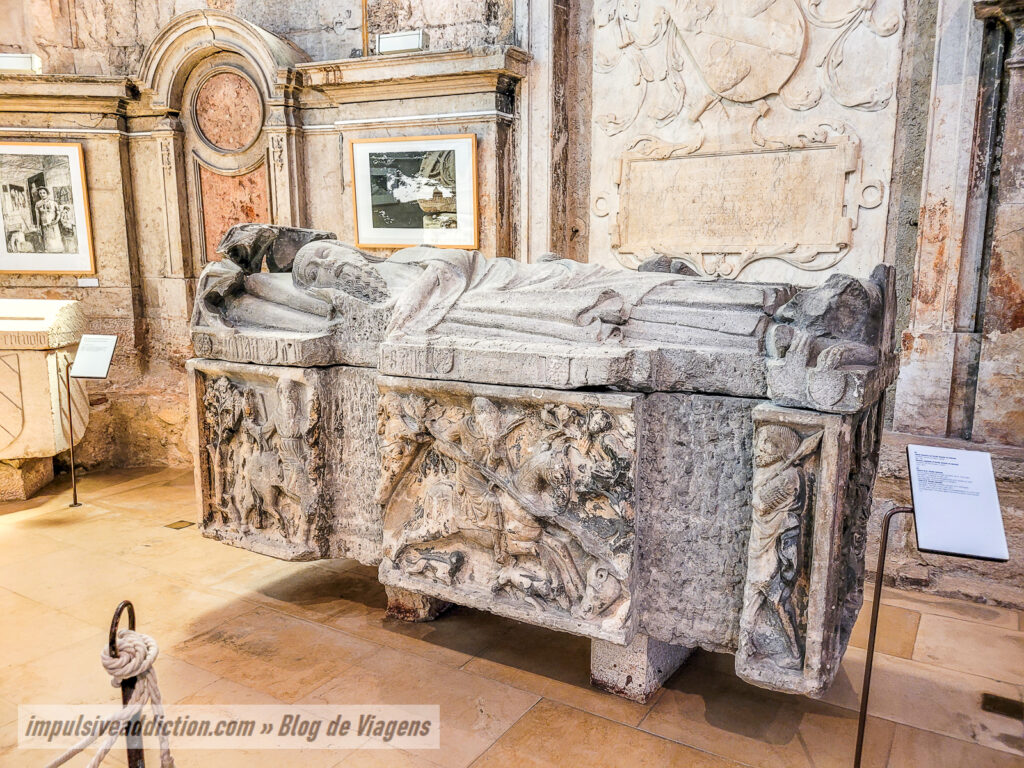
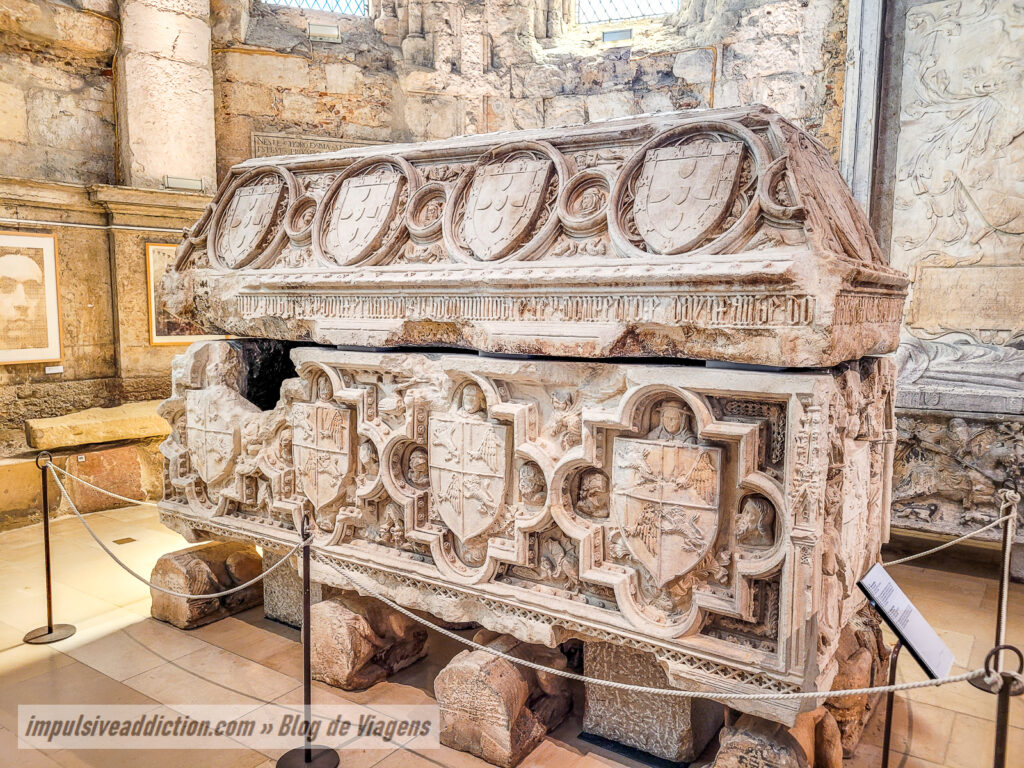
Its collection spans a vast chronological range, from prehistoric artifacts (Paleolithic to Chalcolithic), to Roman and Islamic culture, as well as medieval Gothic sculptures and sacred art.
A standout piece is the tomb of King Fernando I, considered one of the masterpieces of Portuguese Gothic sculpture.
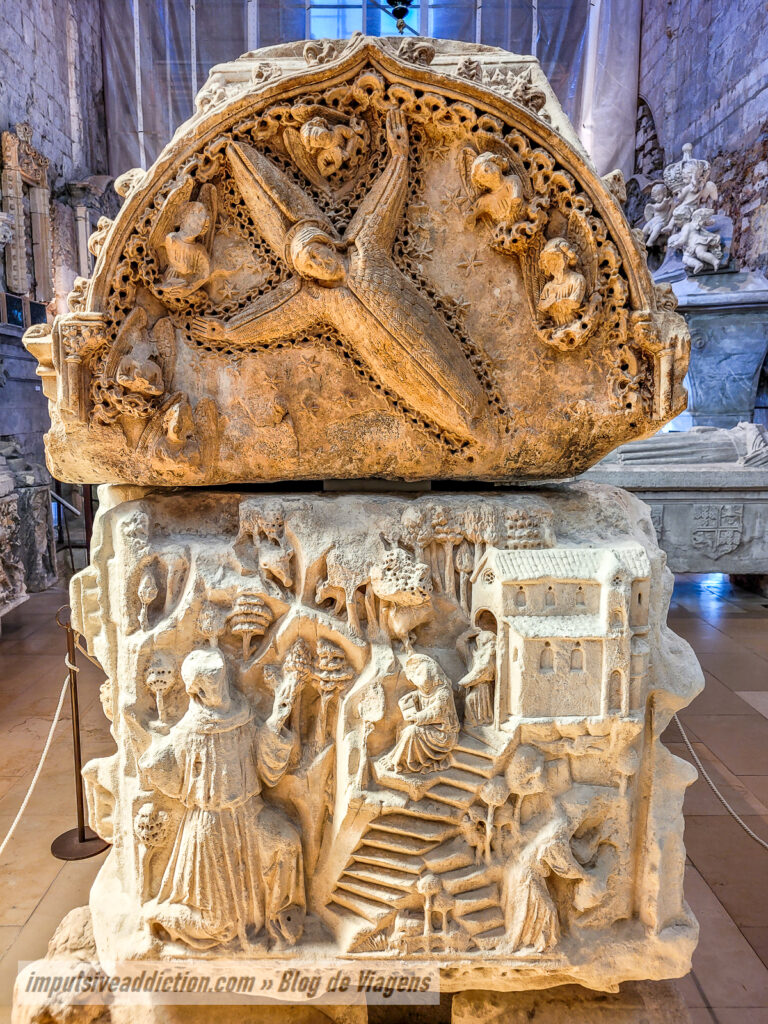
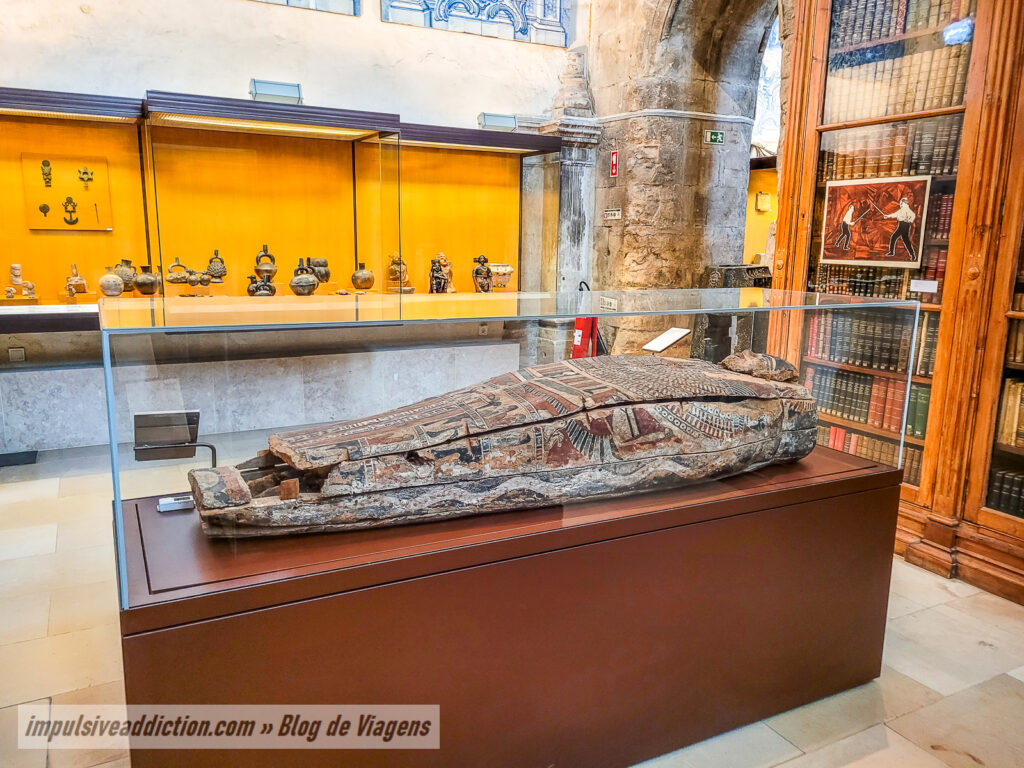
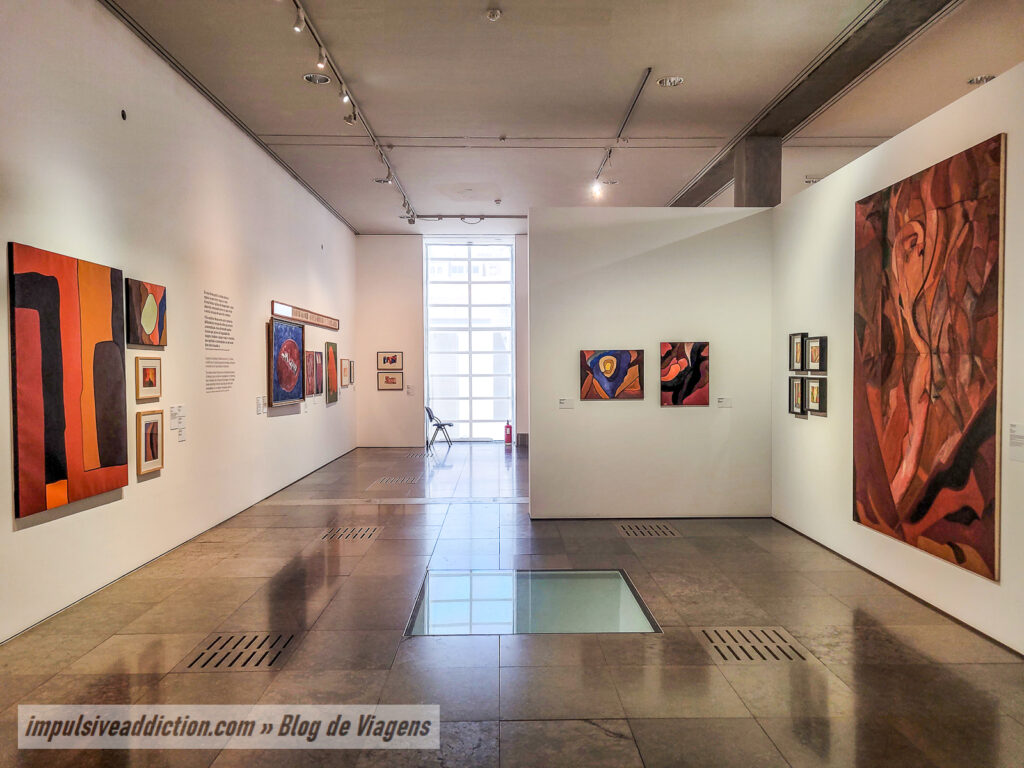
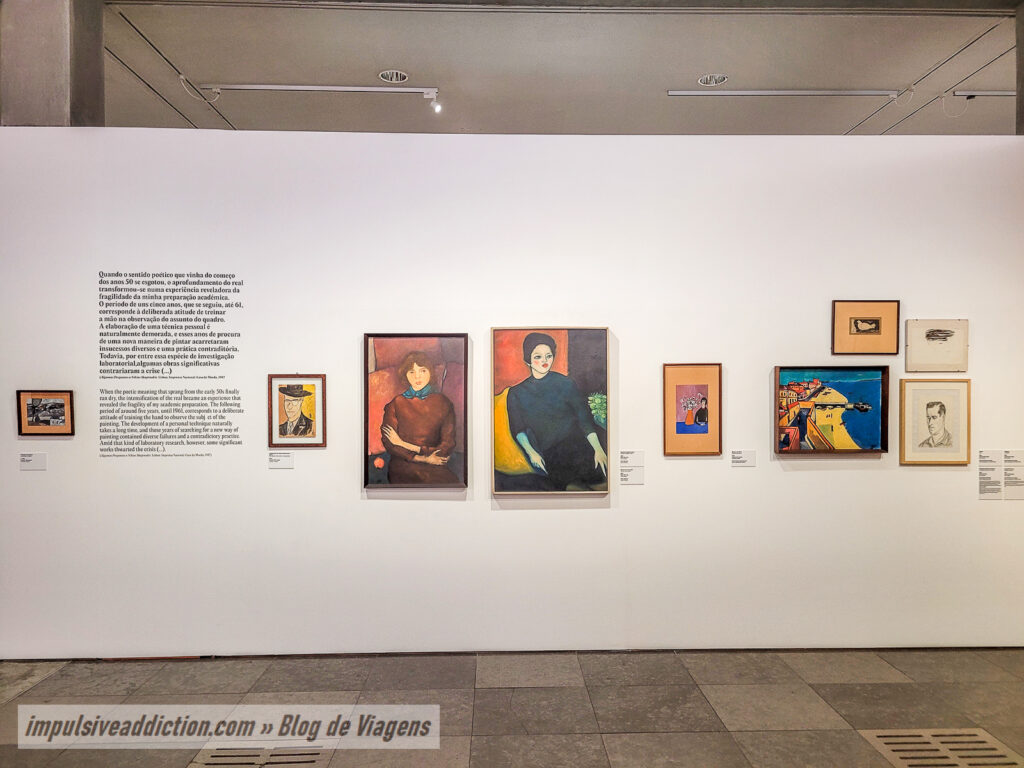
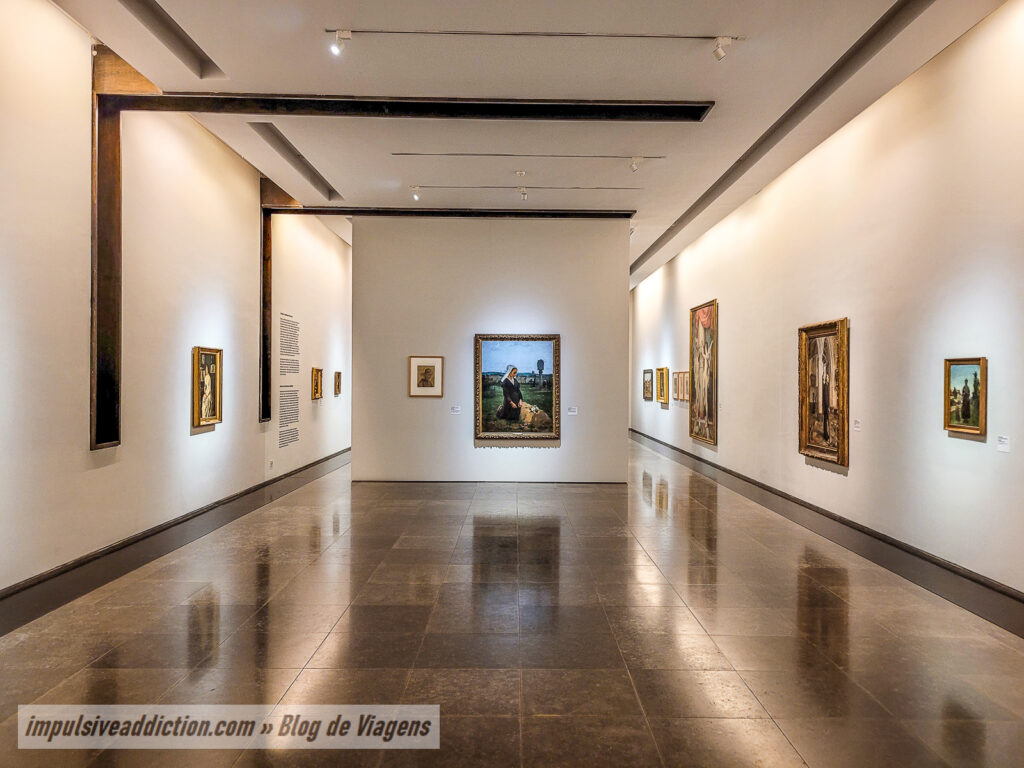
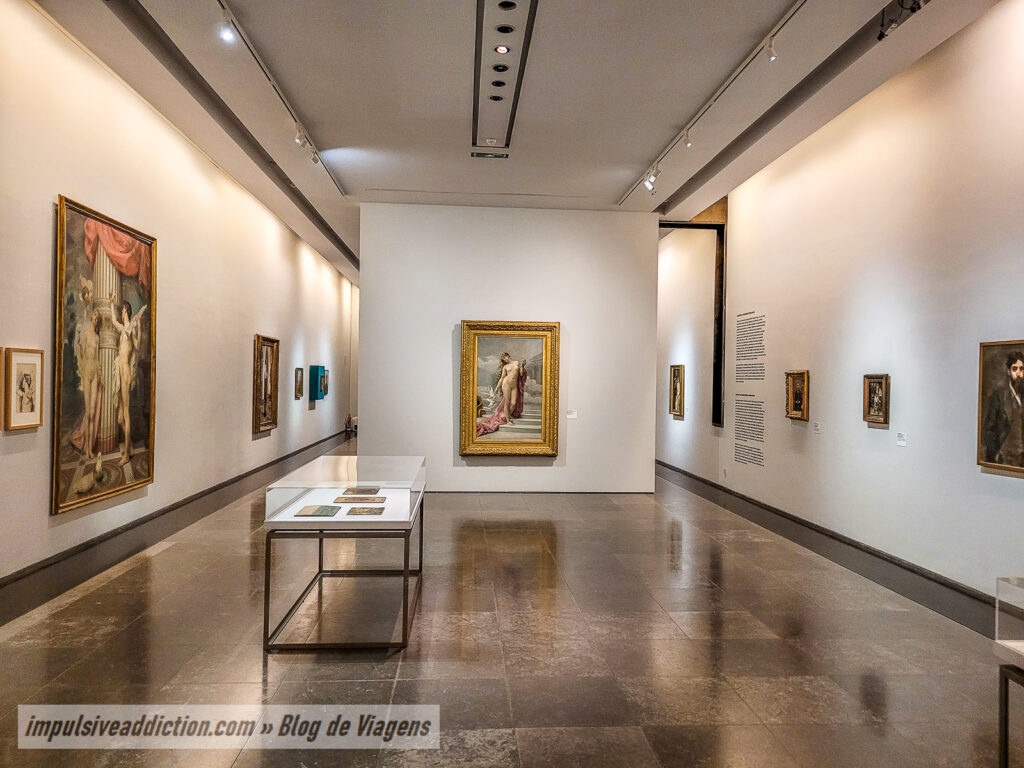
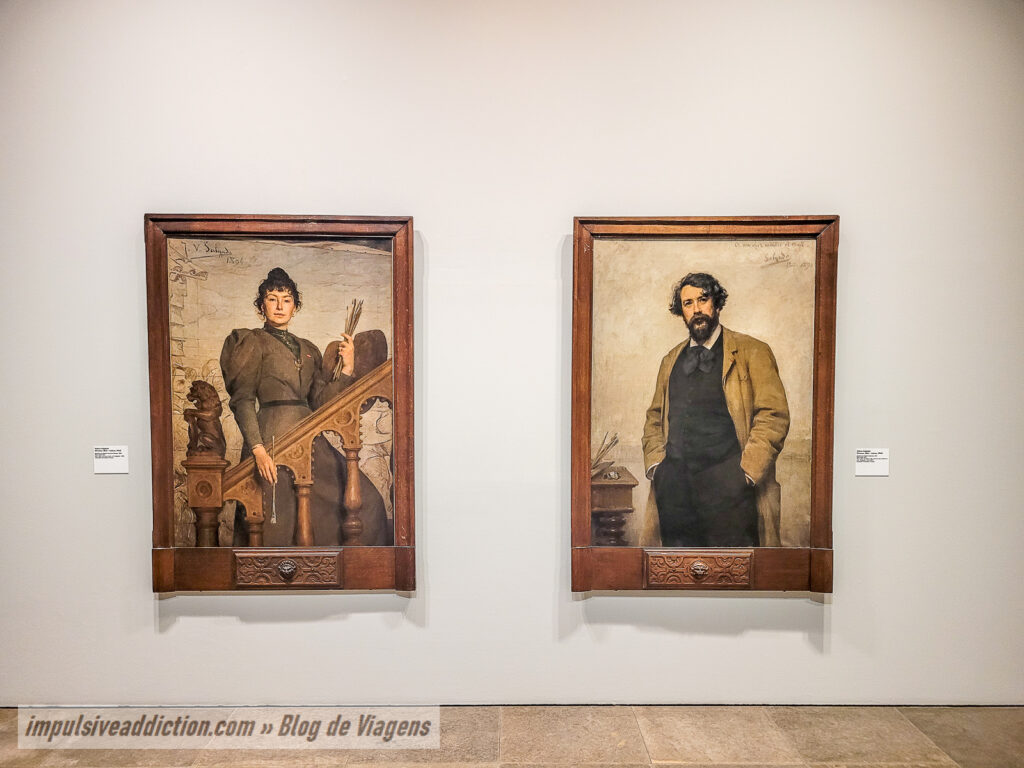
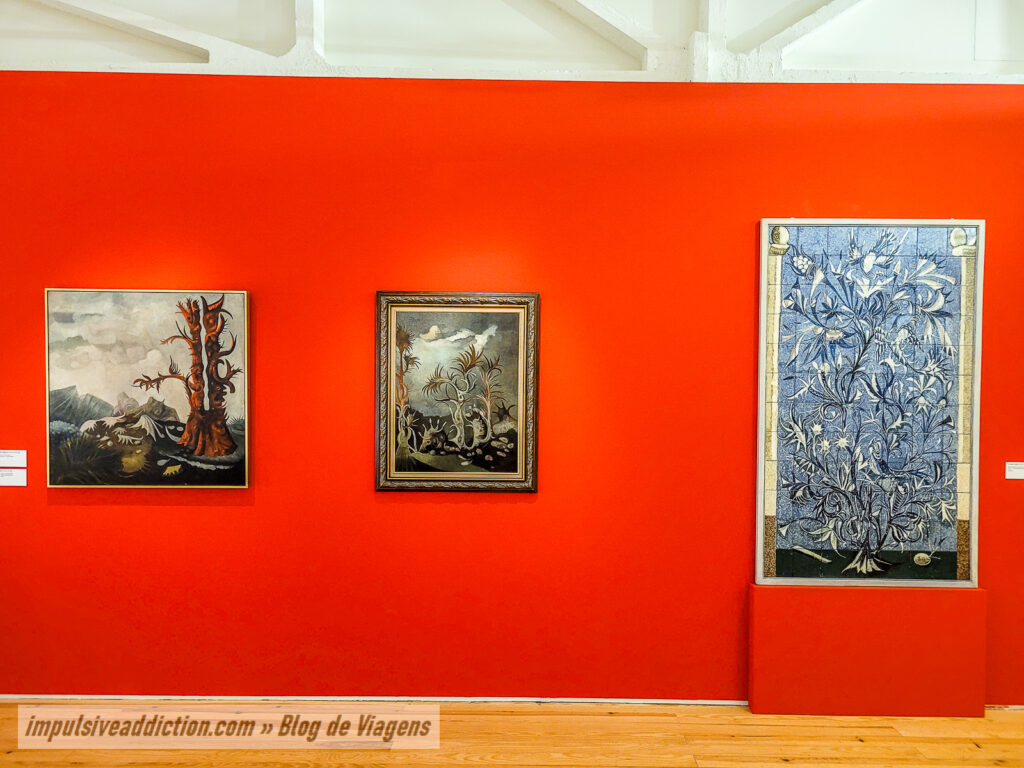
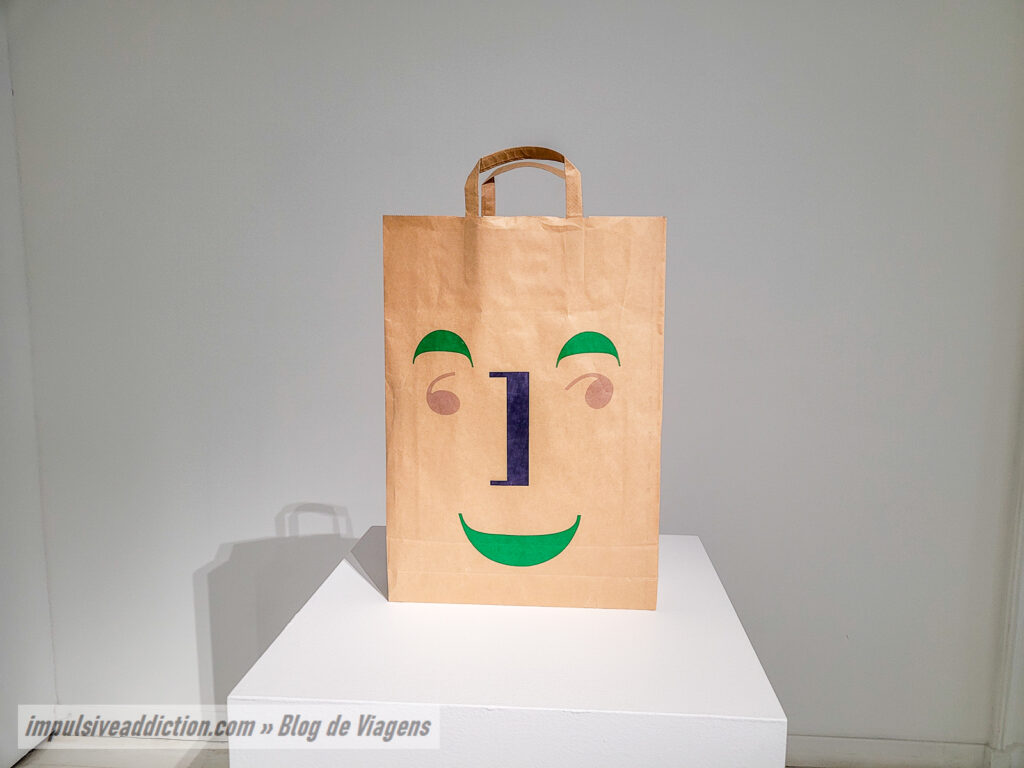
27. National Museum of Contemporary Art – Chiado Museum (MNAC)
The National Museum of Contemporary Art – Chiado Museum (MNAC) is housed in the historic Convent of São Francisco da Cidade, in the heart of Lisbon’s Chiado district. Founded in 1911, it is one of Portugal’s most significant institutions dedicated to modern and contemporary art.
With a collection of around 5,000 works, the MNAC offers the most representative overview of Portuguese art from 1850 to the 1970s. Key artists include Columbano Bordalo Pinheiro, Almada Negreiros, Amadeo de Souza-Cardoso, Júlio Pomar, Paula Rego, and Mário Cesariny — names that shaped the evolution of artistic expression in Portugal.
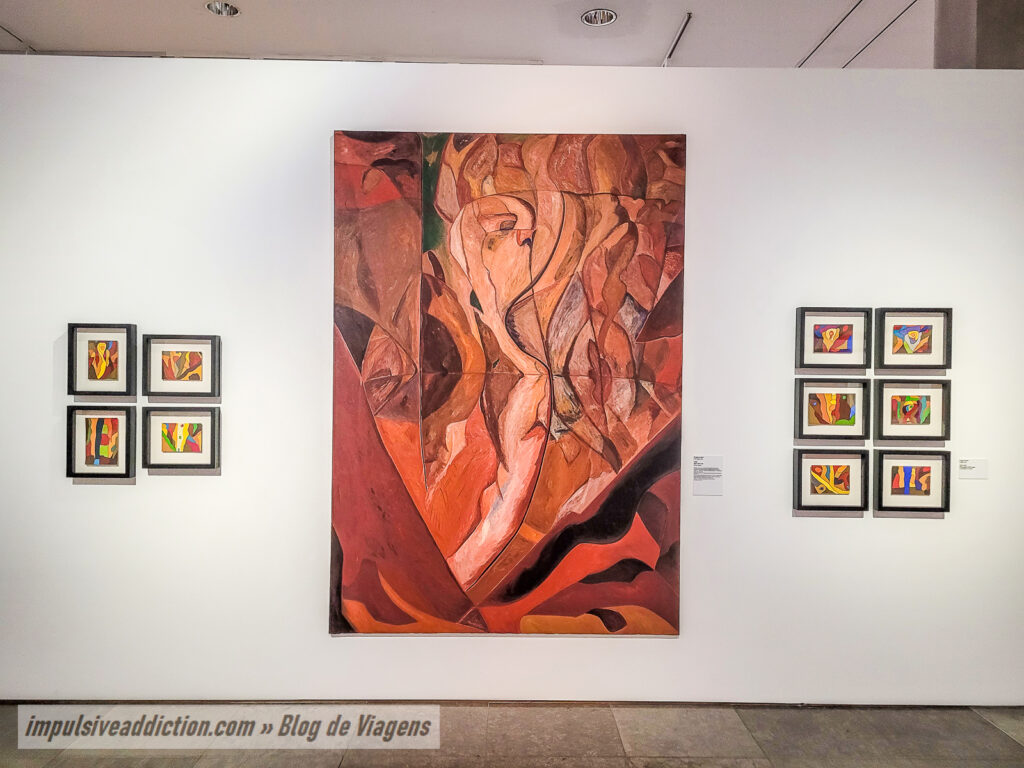
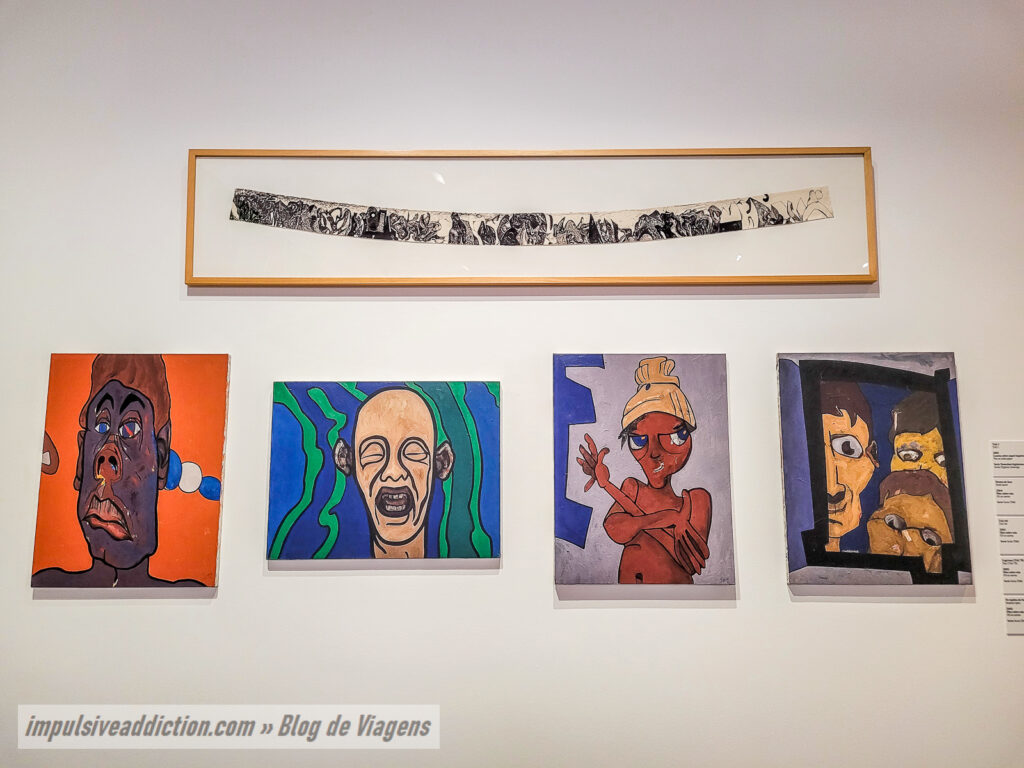
28. Money Museum (+ Medieval Wall of King Dinis)
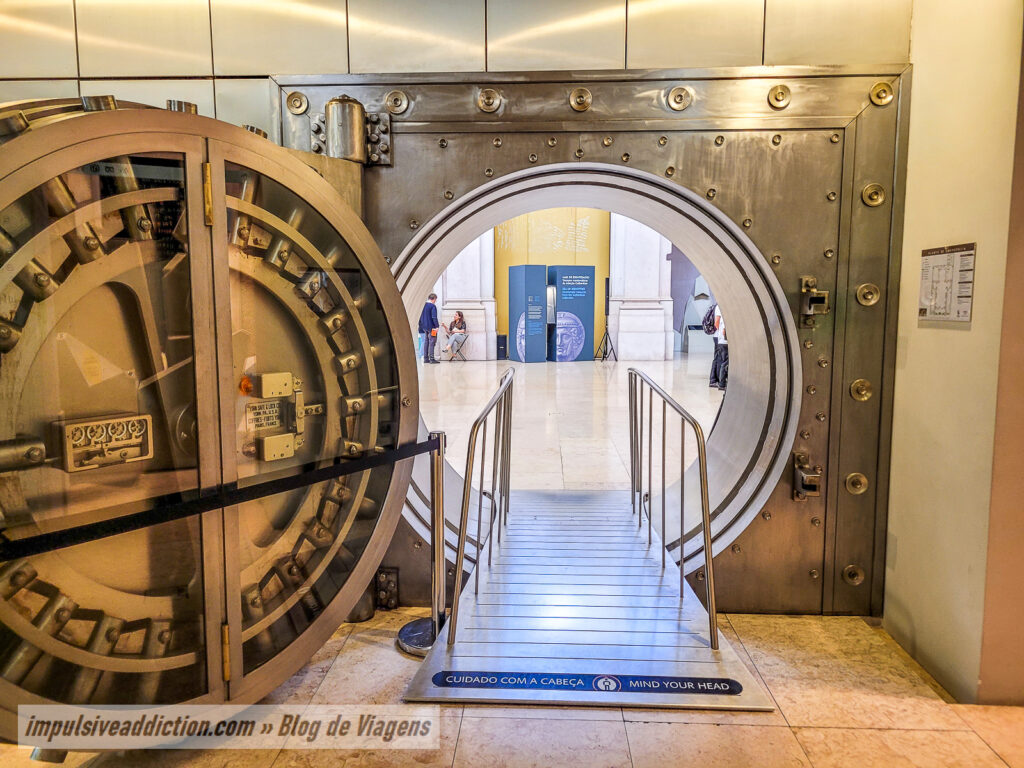
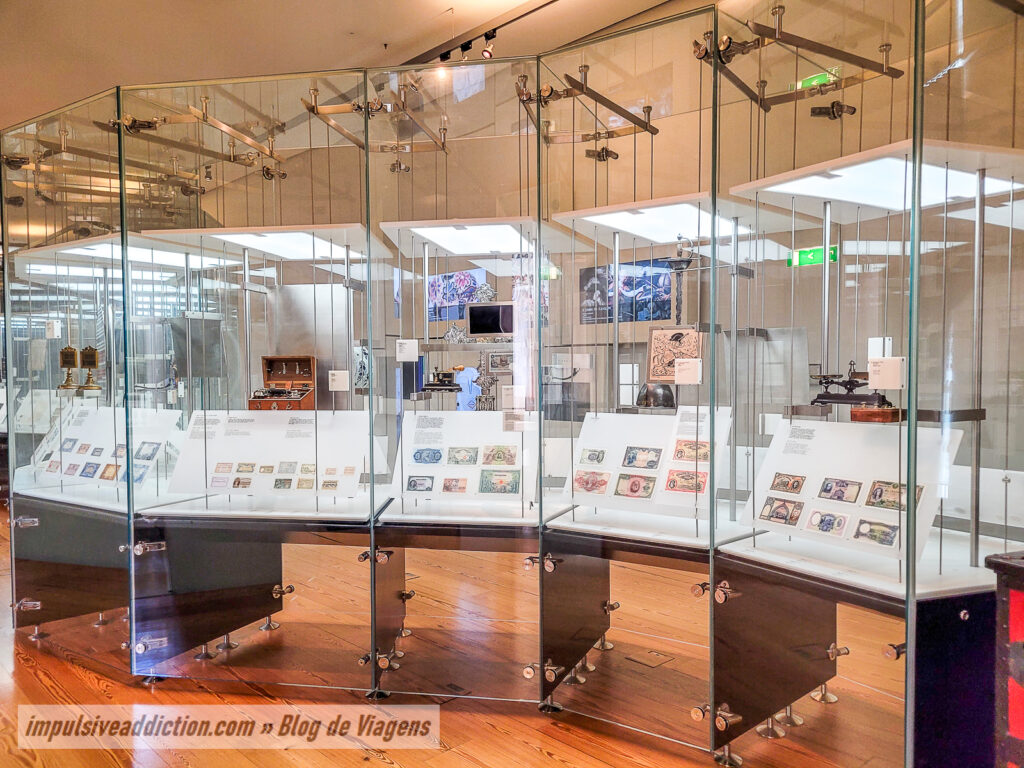
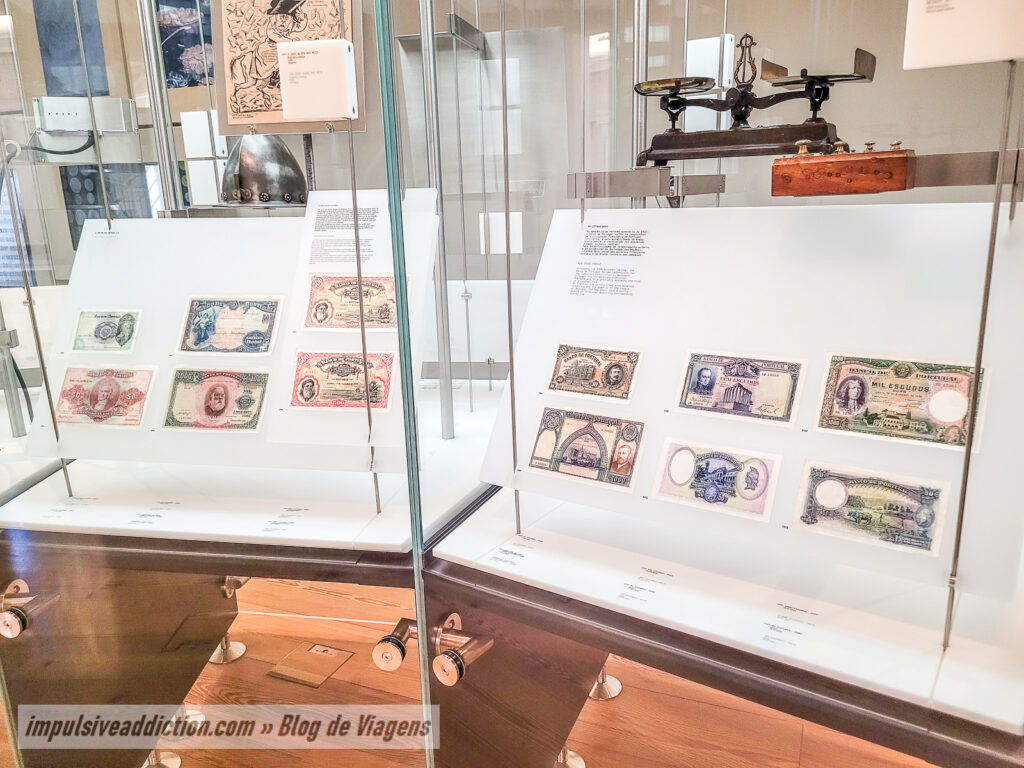
The Money Museum, part of the Bank of Portugal’s headquarters in downtown Lisbon, opened in April 2016 in the former Church of São Julião.
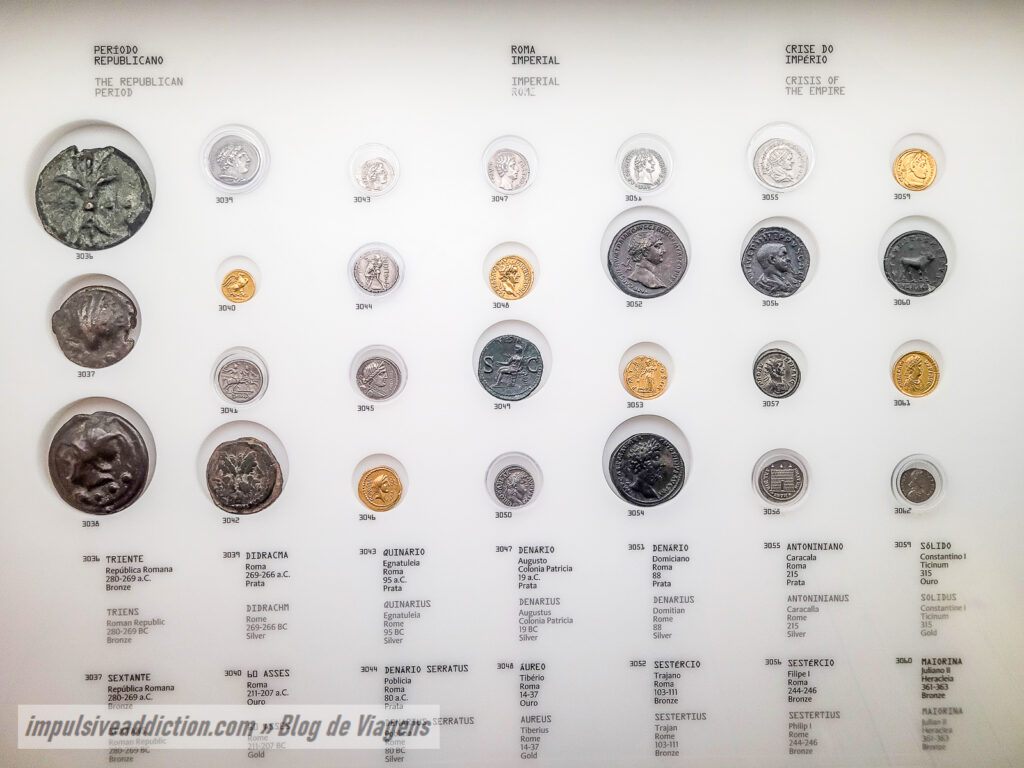
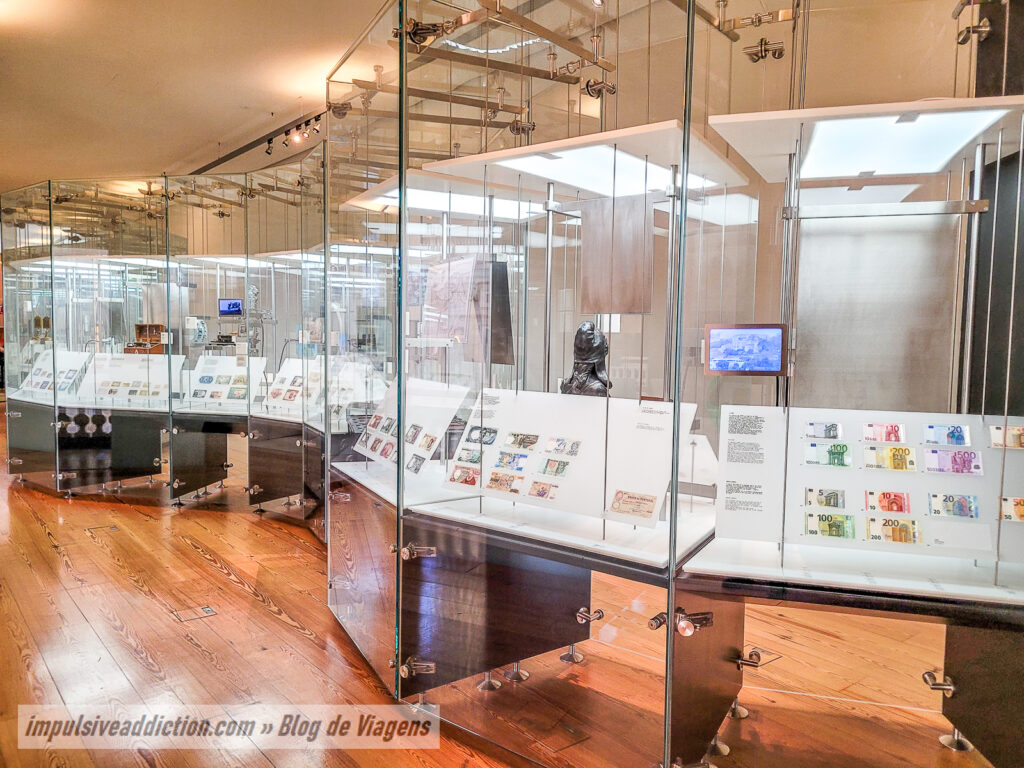
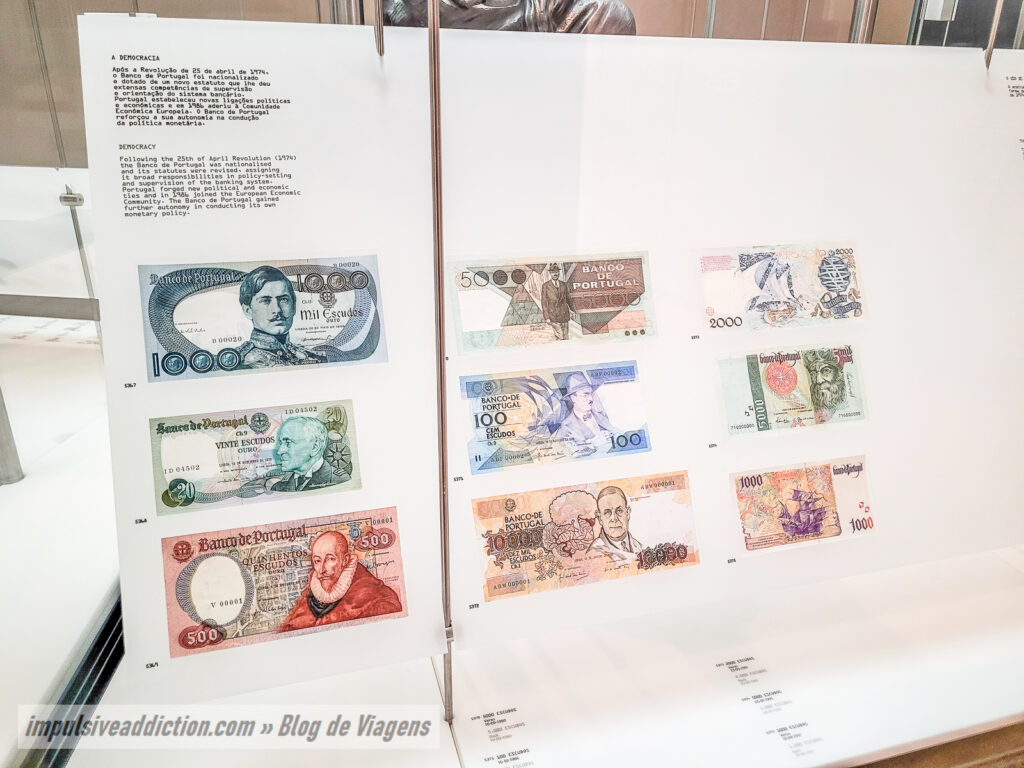
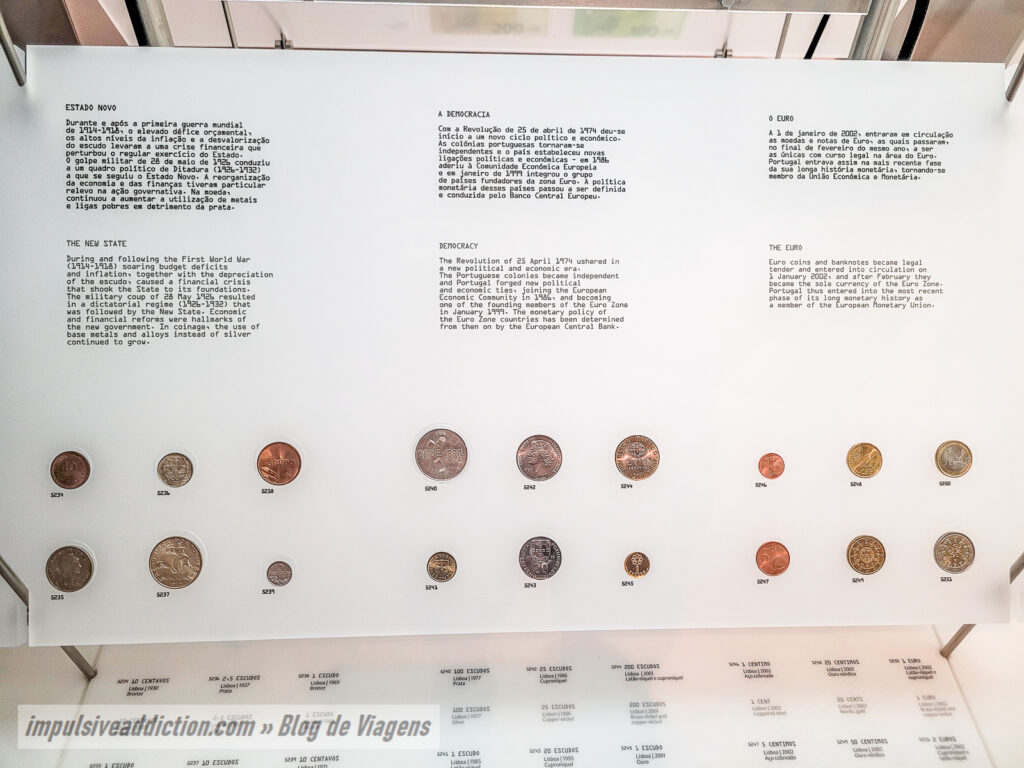
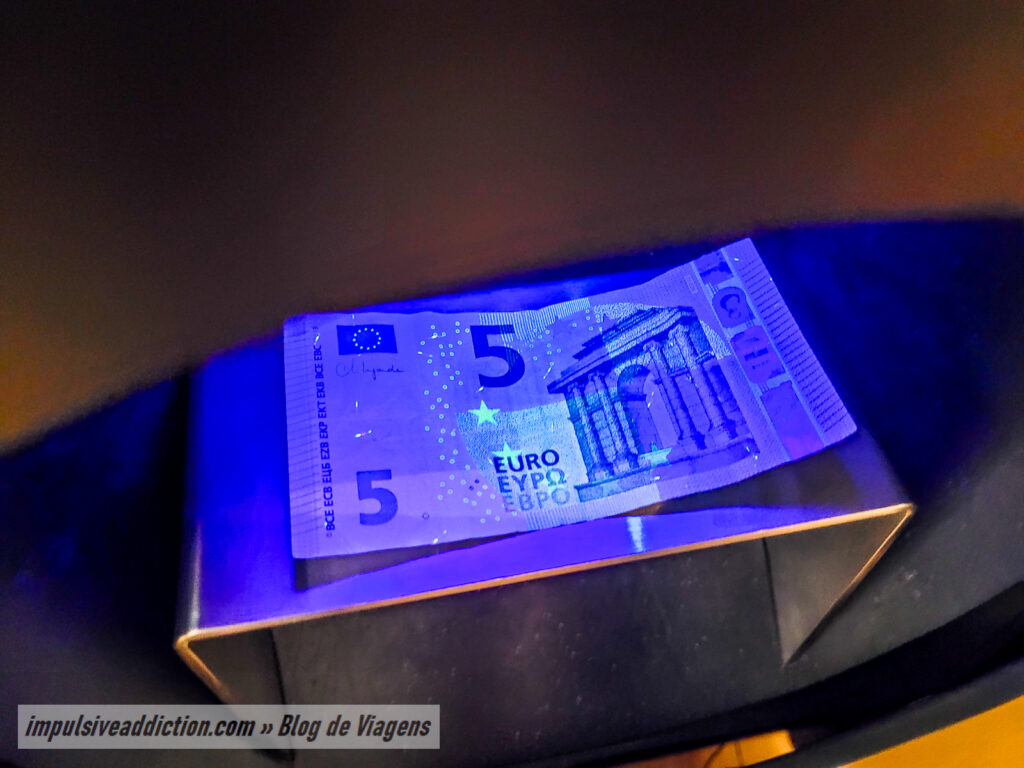
The exhibition explores the evolution of money, from pre-monetary systems to modern coins and banknotes. Highlights include a 12.6 kg gold bar that visitors can actually touch, and rare coins — such as the only known morabitino of King Sancho II in existence.
The museum’s thematic areas cover:
– how coins and banknotes are produced,
– the role of the Bank of Portugal,
– personal finance education,
– and the interpretation of the medieval wall of King Dinis, which runs alongside the museum space — a fascinating piece of Lisbon’s ancient fortifications.
29. Beer Museum
Located in the eastern wing of Terreiro do Paço (between numbers 62 and 65), the Beer Museum opened in 2012 and offers a unique blend of museum, restaurant, and gastronomic experience.
It brings together beer culture and social dining, all set against the stunning backdrop of the Tagus River. The space features a large outdoor terrace with seating for around 380 people, and a restaurant serving traditional Portuguese cuisine.
I haven’t visited it myself — but here’s the tip if you’re looking to pair culture with a cold pint! 🍻
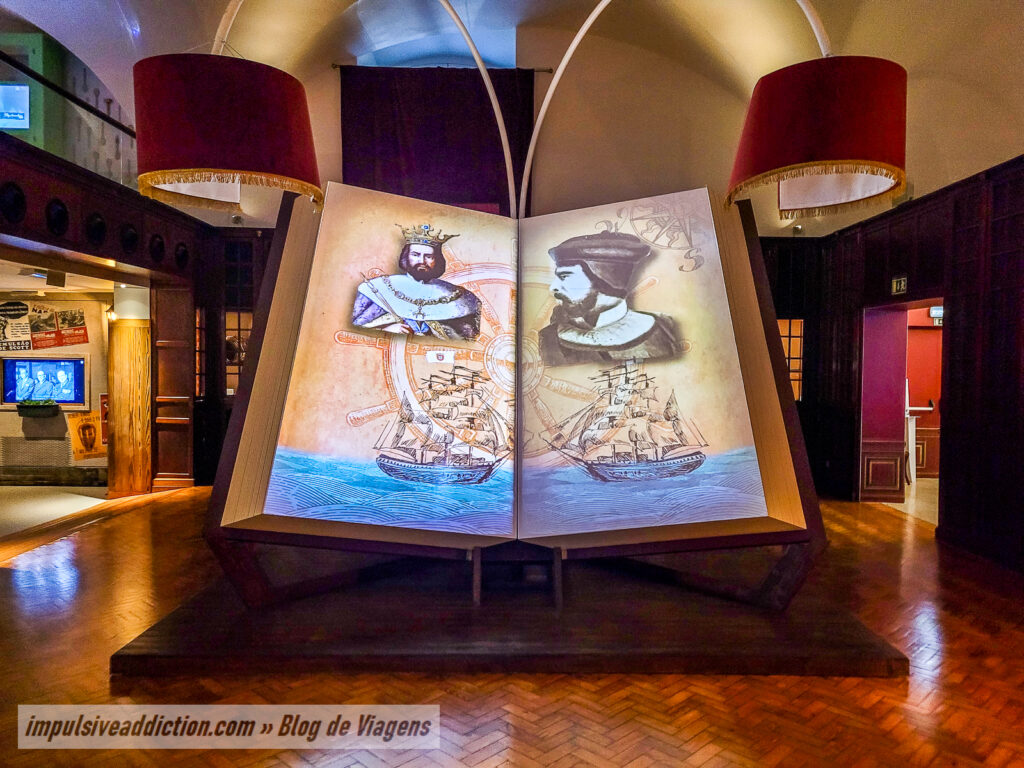
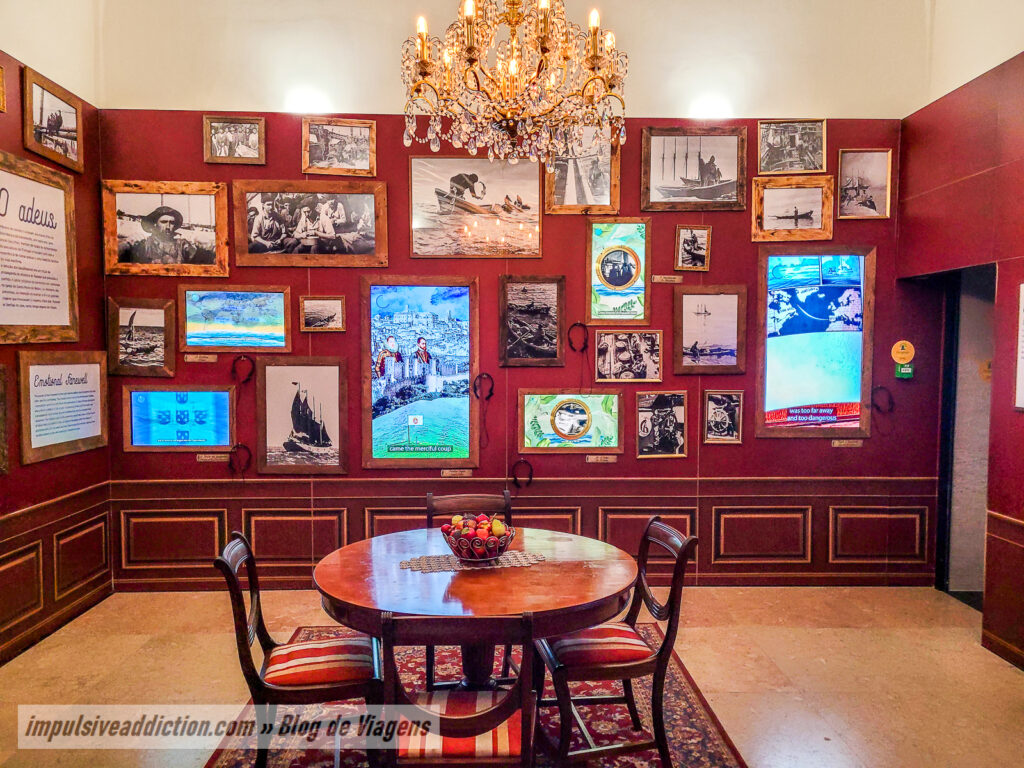
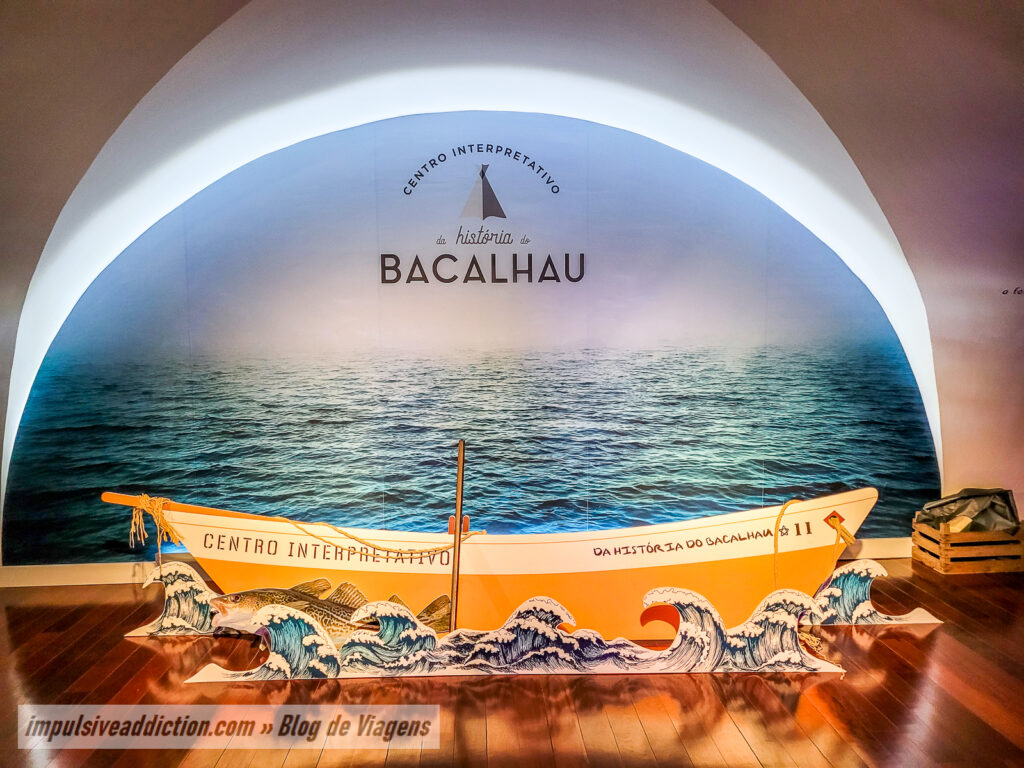
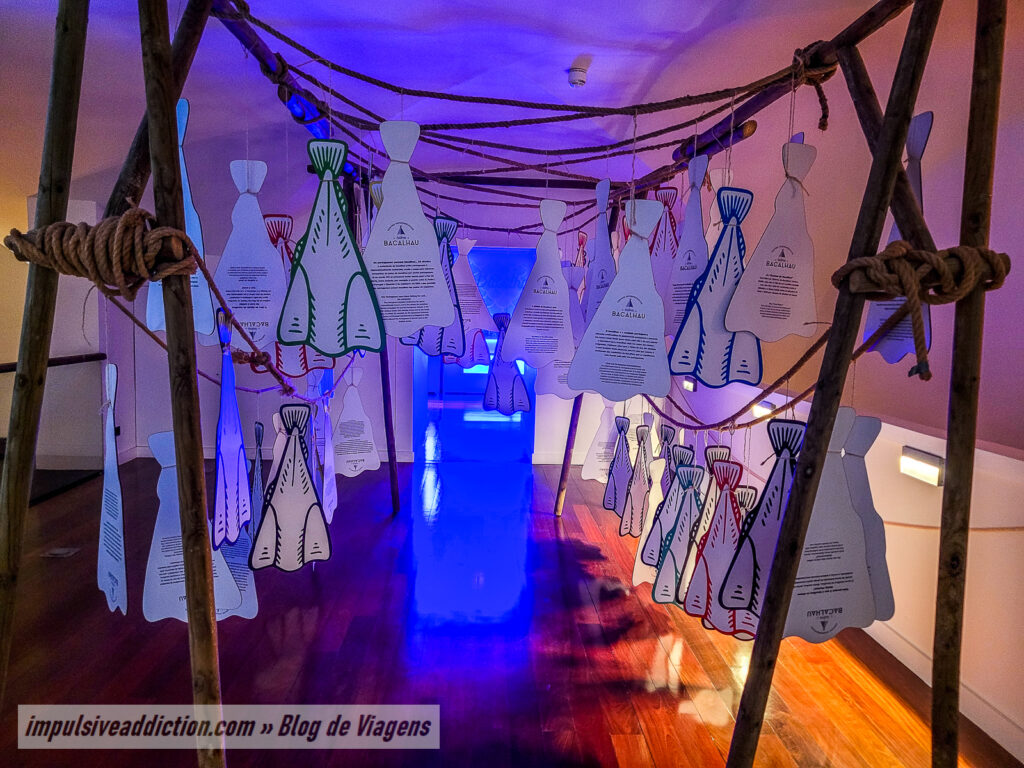
30. Codfish History Interpretation Centre
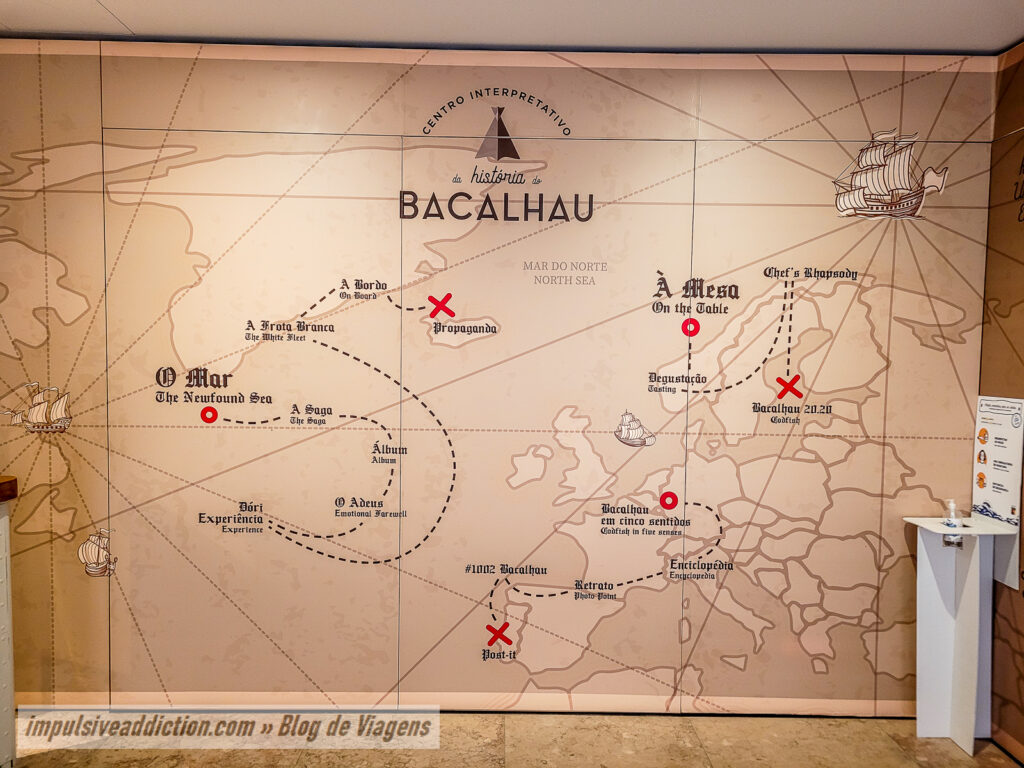
The Codfish History Interpretation Centre is an innovative and interactive space celebrating Portugal’s deep connection with codfish (bacalhau).
The exhibition is divided into two main sections:
– “The Sea” (ground floor), and
– “At the Table” (first floor).
Using multimedia technology, the centre brings to life the traditions of cod fishing and its enduring role in Portuguese culinary culture, offering visitors an engaging and sensory journey through one of the country’s most iconic ingredients.
31. Lisbon Museum – Saint Anthony
The Lisbon Museum – Saint Anthony is located next to the Church of Saint Anthony, near Lisbon Cathedral, in one of the city’s most historic areas.
Opened in 2014, the museum is the result of a transformation of the former Antonian Museum (founded in 1962), and it spans two distinct buildings: one associated with the birthplace of Saint Anthony, and an adjacent Pombaline-style building.
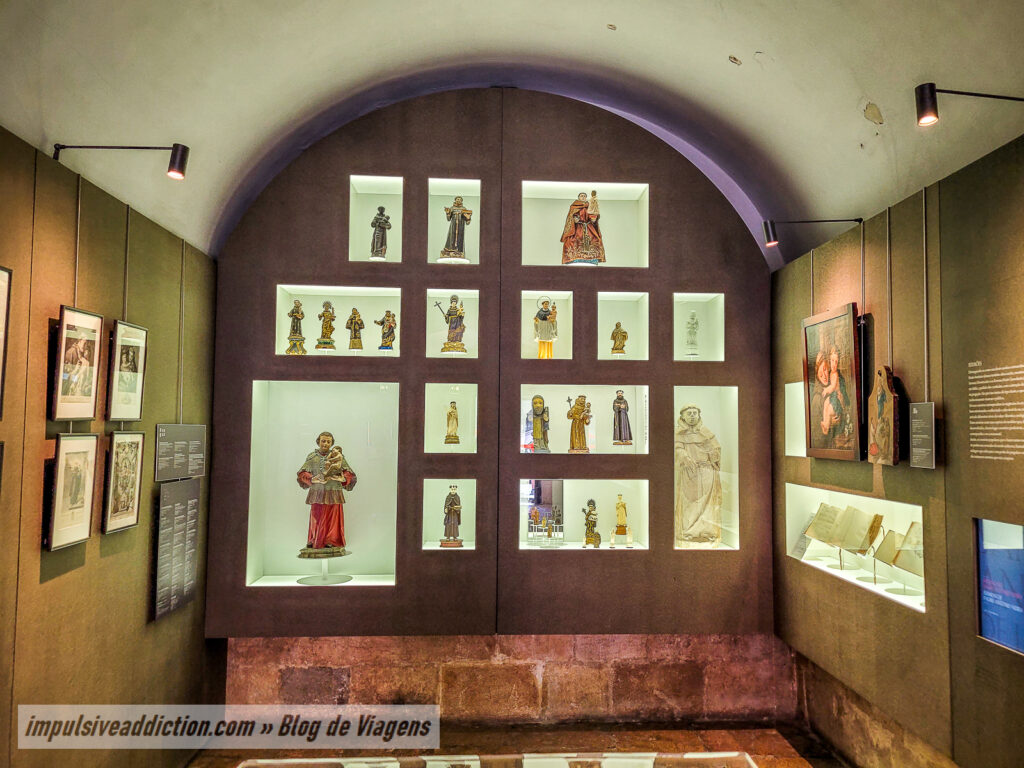
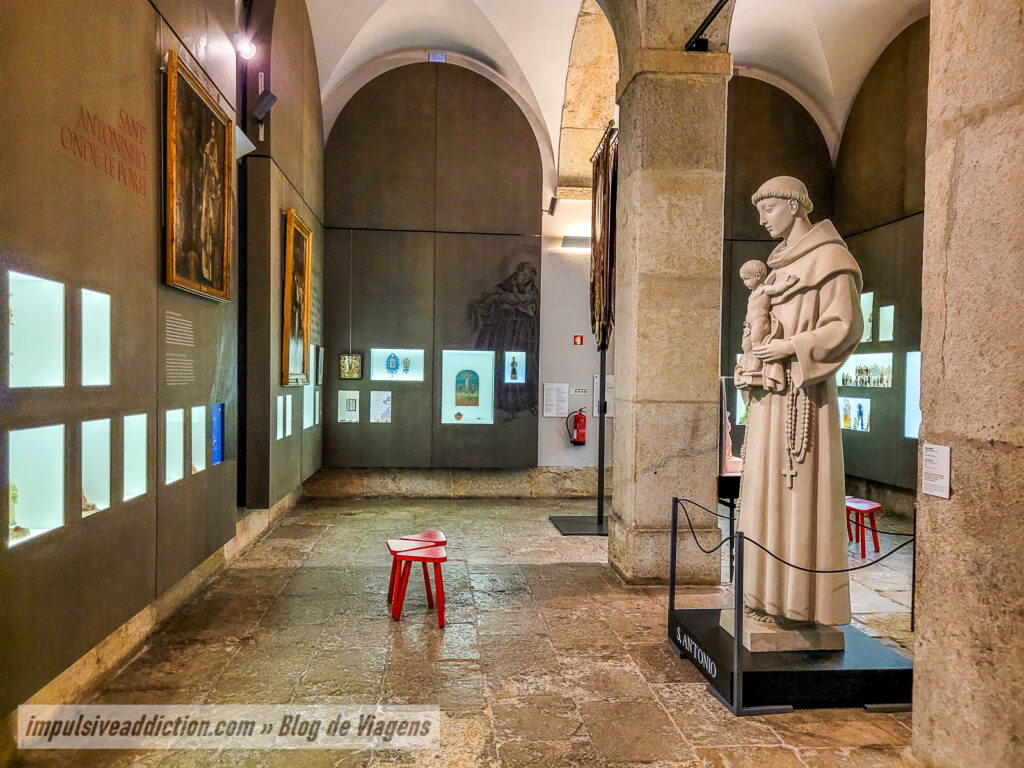
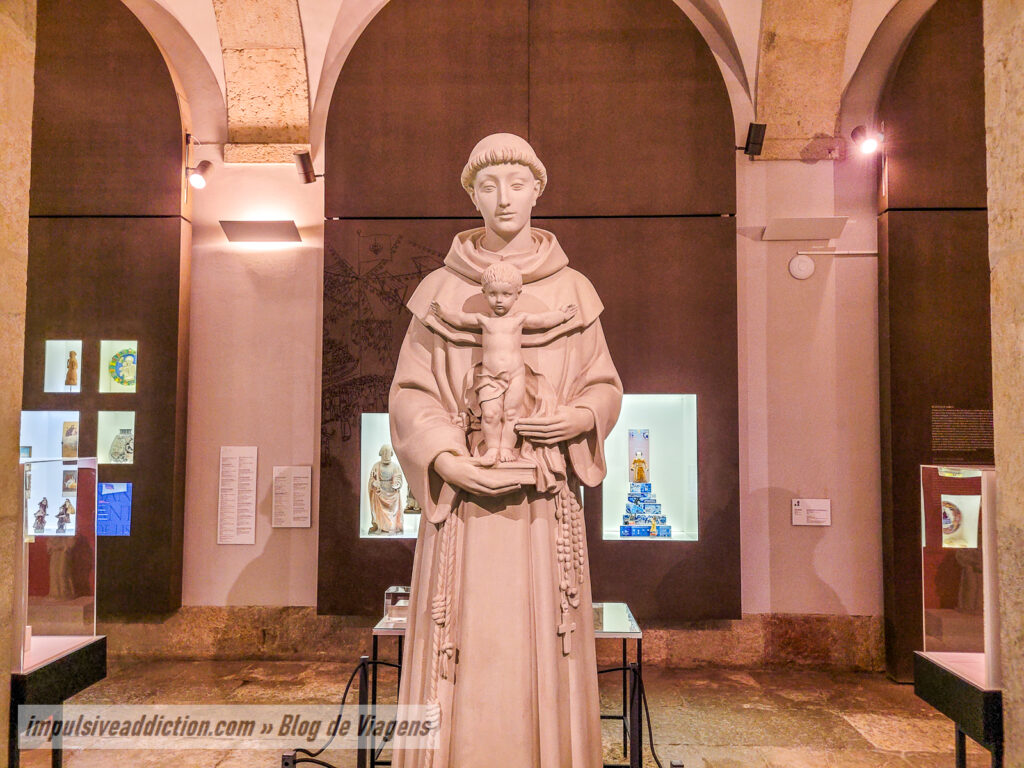
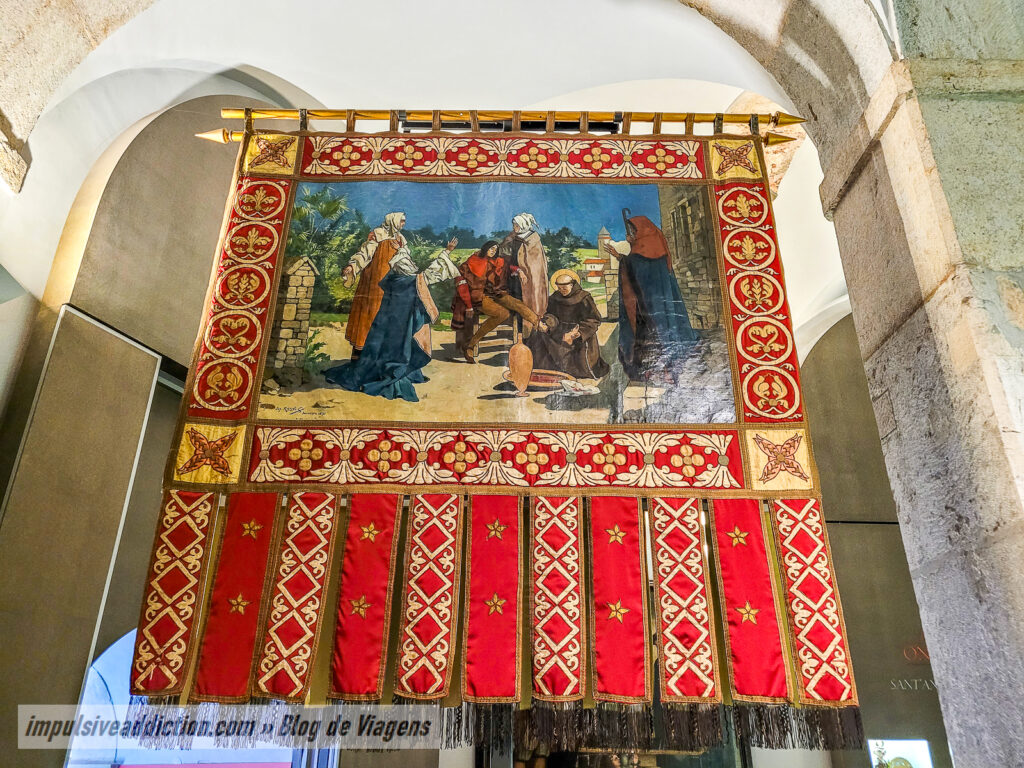
The permanent exhibition explores the life and legacy of Saint Anthony of Lisbon (also known internationally as Saint Anthony of Padua), highlighting various expressions of devotion — from sacred art to popular urban traditions.
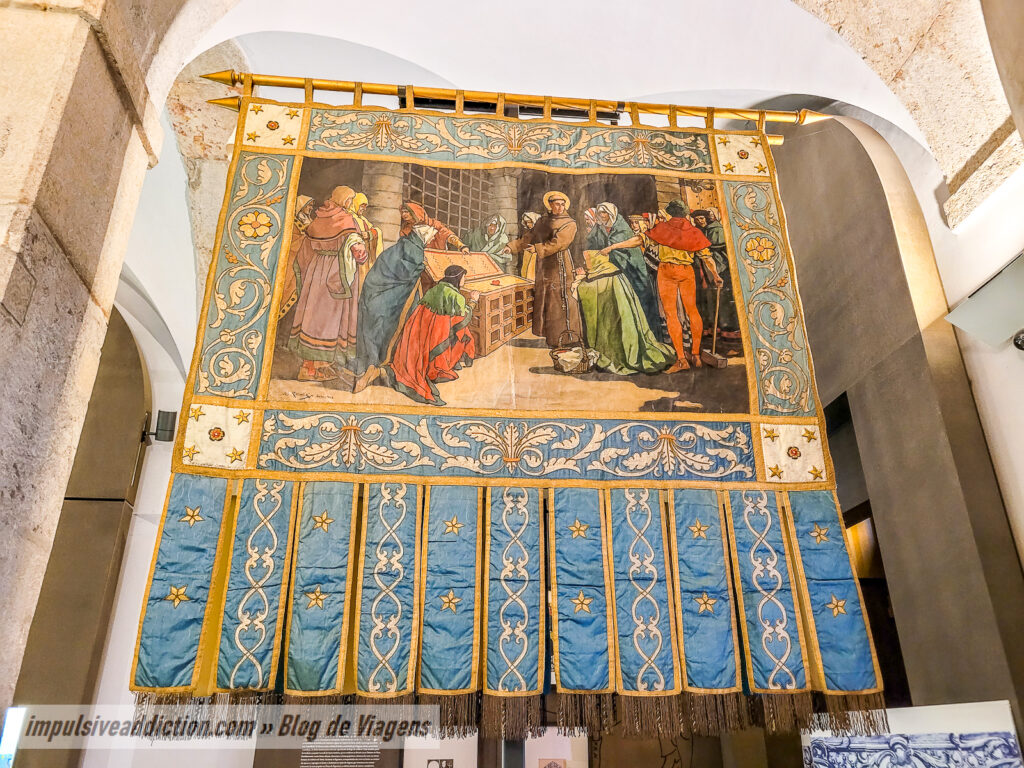
The collection includes paintings, engravings, sculptures (such as a 17th-century panel of Saint Anthony preaching to the fish), ceramics, liturgical objects, vestments, and multimedia installations that illustrate the feasts, miracles, and traditions connected to the saint in Portugal and the wider Lusophone world.
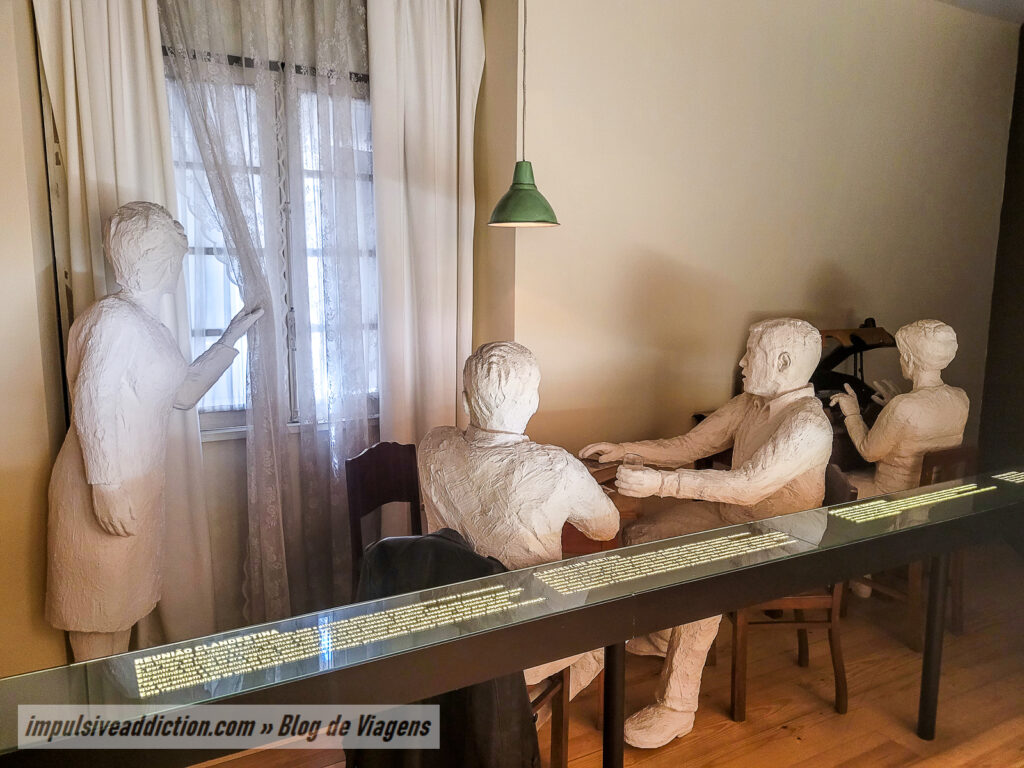
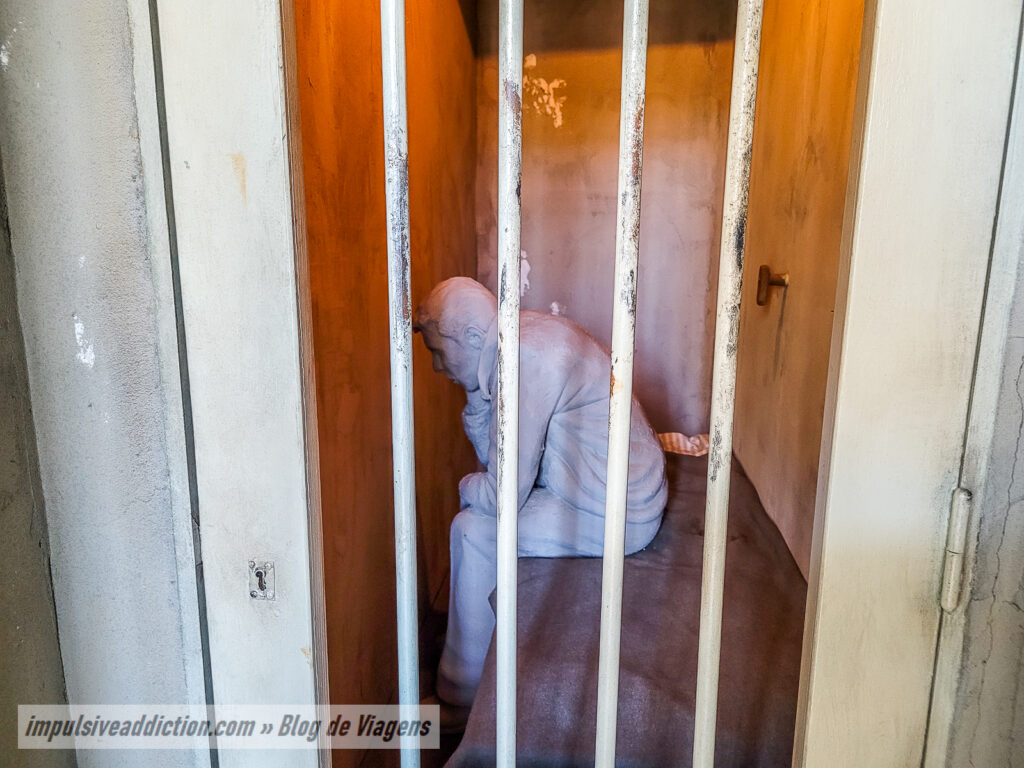
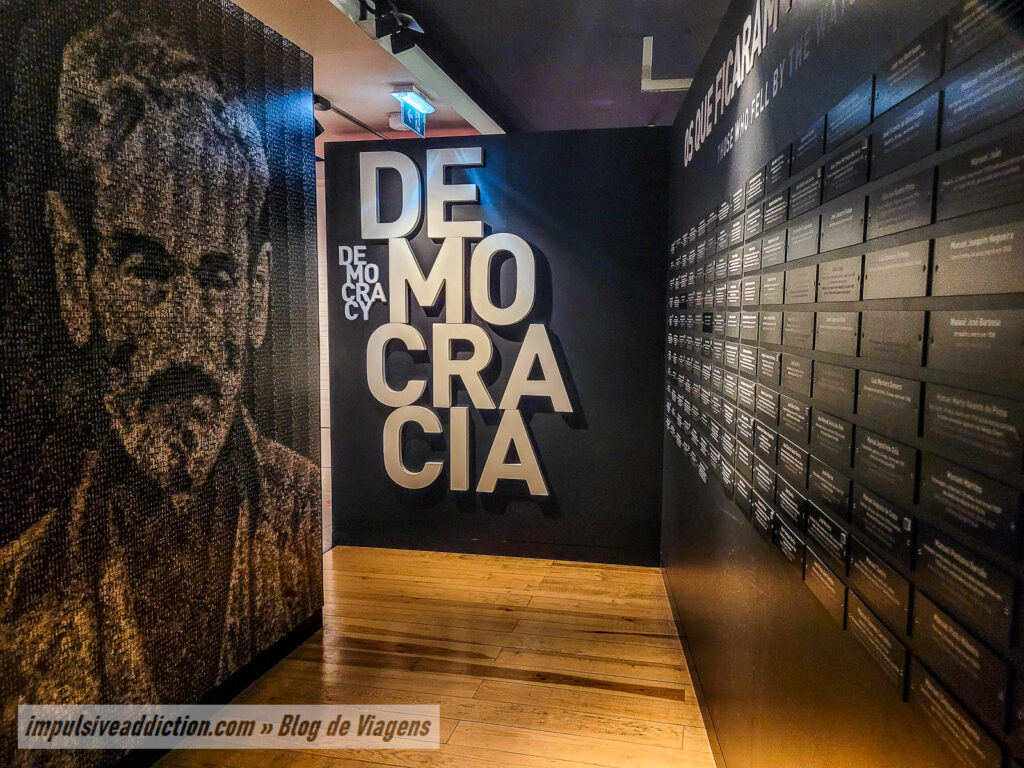
32. Aljube Museum – Resistance and Freedom
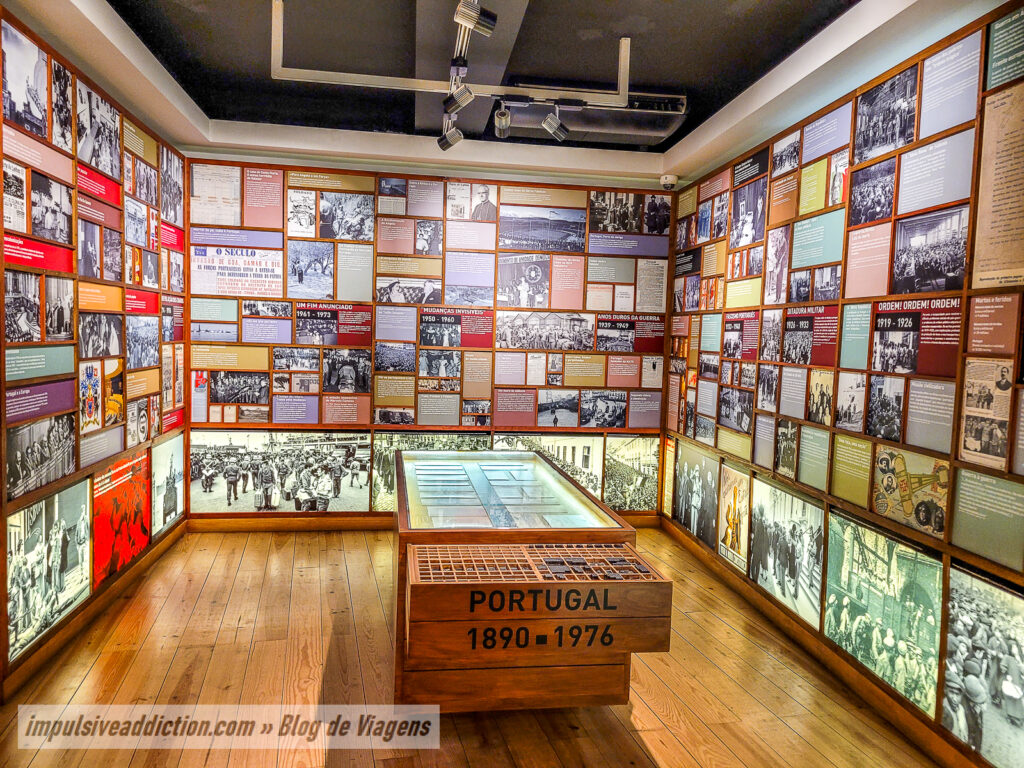
The Aljube Museum – Resistance and Freedom, located in the historic Aljube Prison in Lisbon (Rua de Augusto Rosa, 42), occupies a building with roots dating back to the Islamic period. Over the centuries, it served as an ecclesiastical prison, then a women’s prison, and from 1928 to 1965, a political prison under the Estado Novo dictatorship.
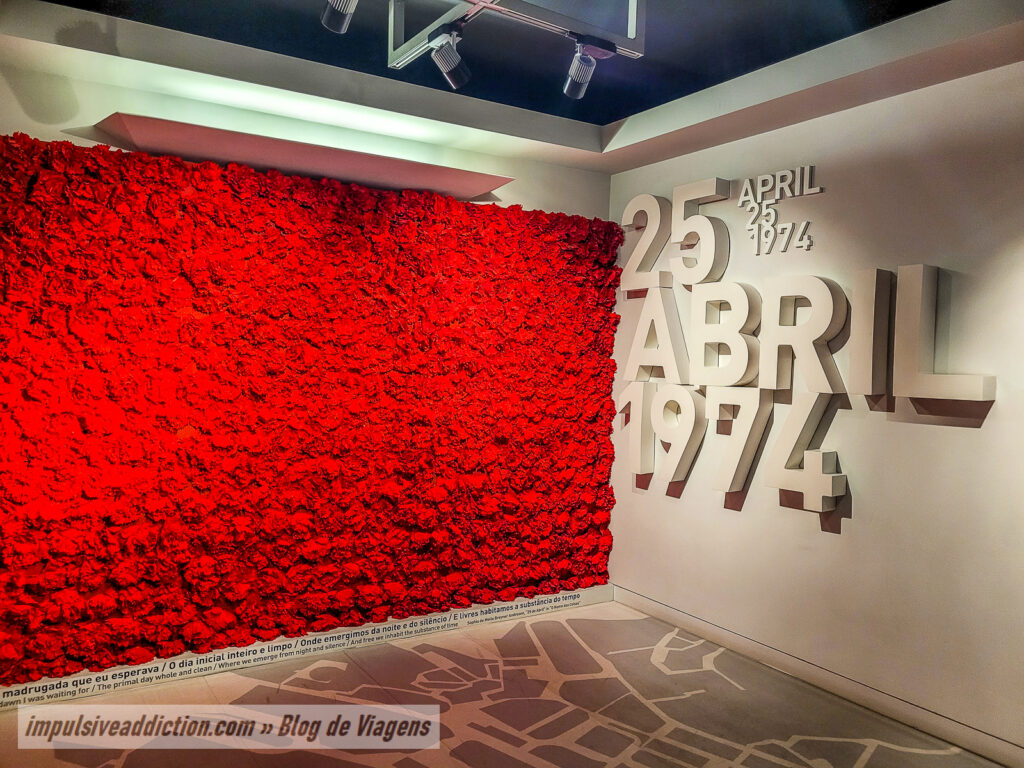
Inaugurated on April 25, 2015 — the anniversary of Portugal’s democratic revolution — the museum is dedicated to honoring the memory of those who resisted the dictatorship.
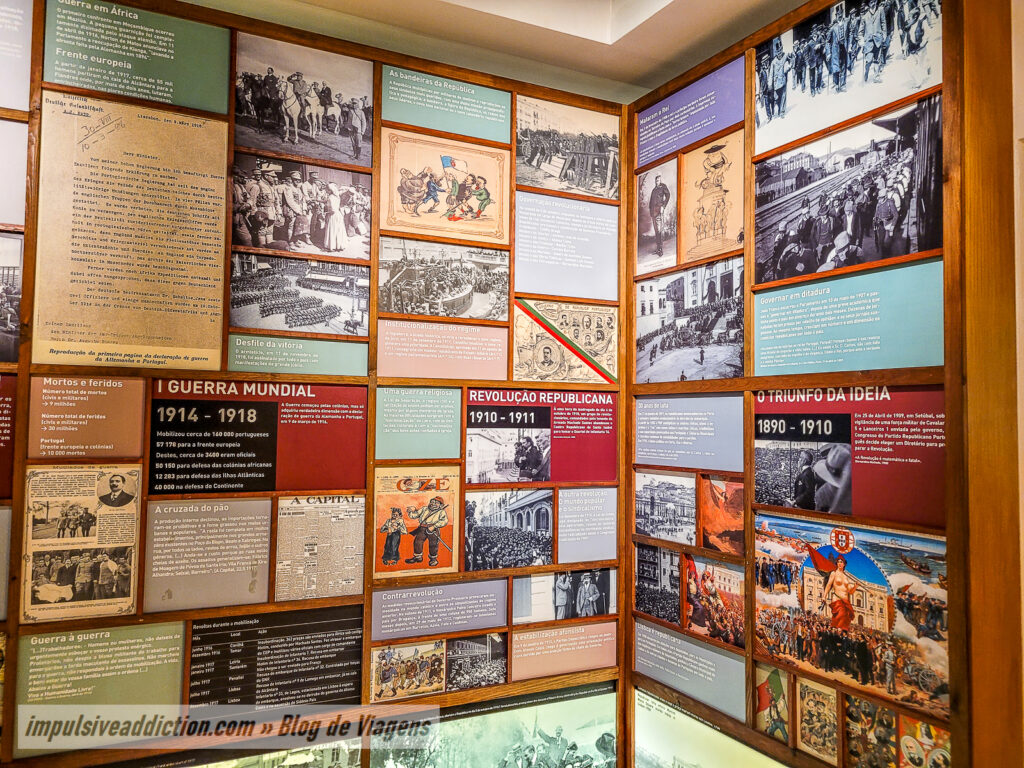
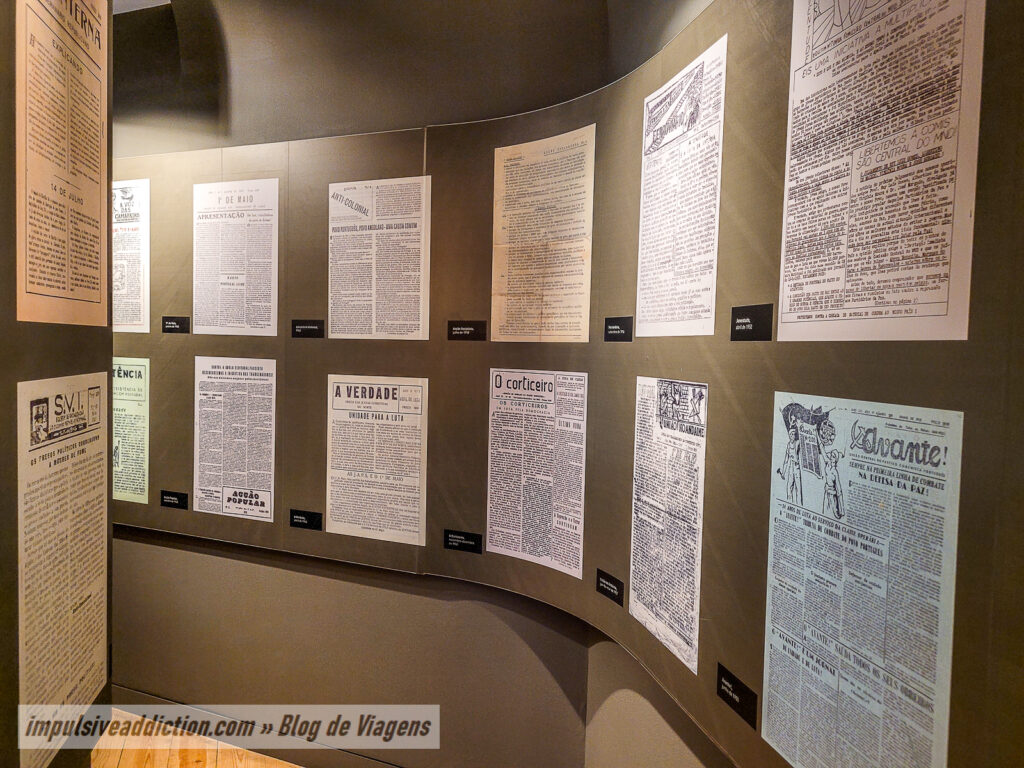
The permanent exhibition spans several themes:
– archaeological remains of the building,
– the dictatorship’s structure and ideology,
– systems of repression, resistance, and solitary confinement,
– the anti-colonial struggle,
– and the conquest of democracy with the Carnation Revolution.
The visit concludes in a space for reflection, including an auditorium, a convivial area, and a rooftop viewpointoverlooking Lisbon Cathedral.
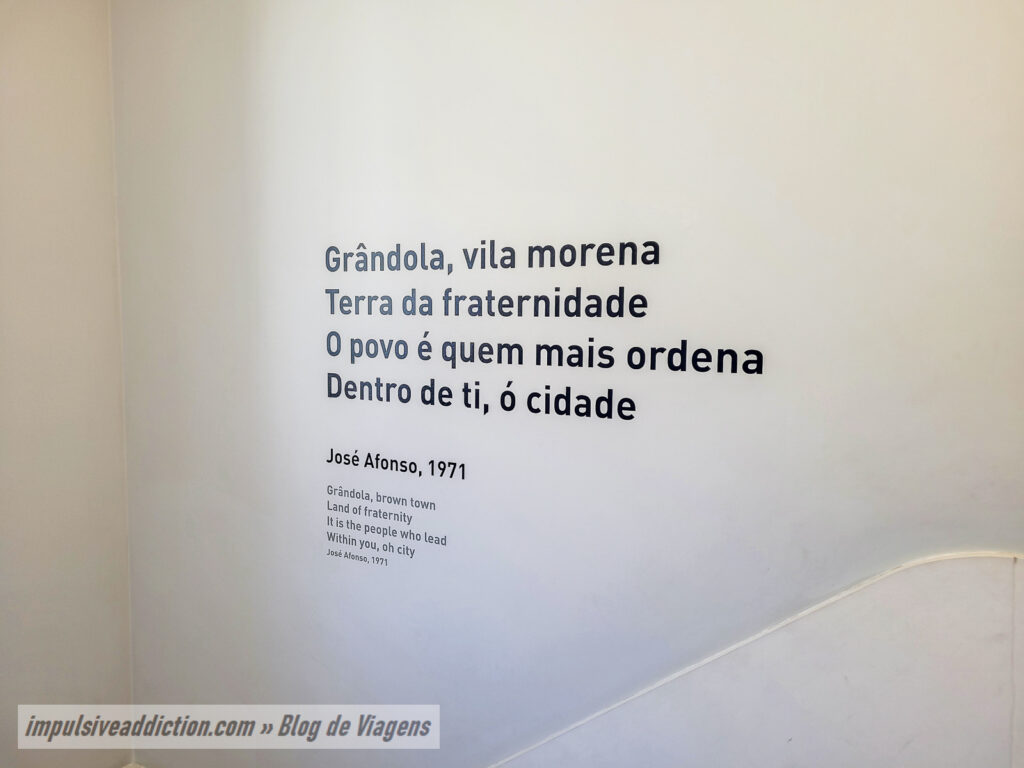
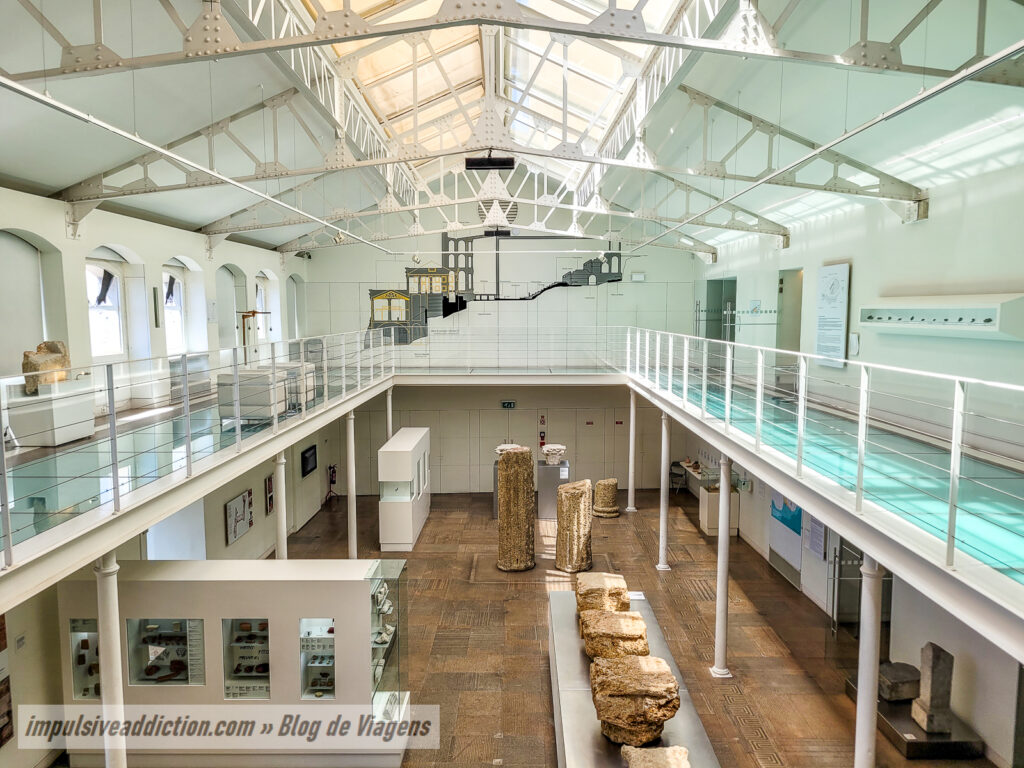
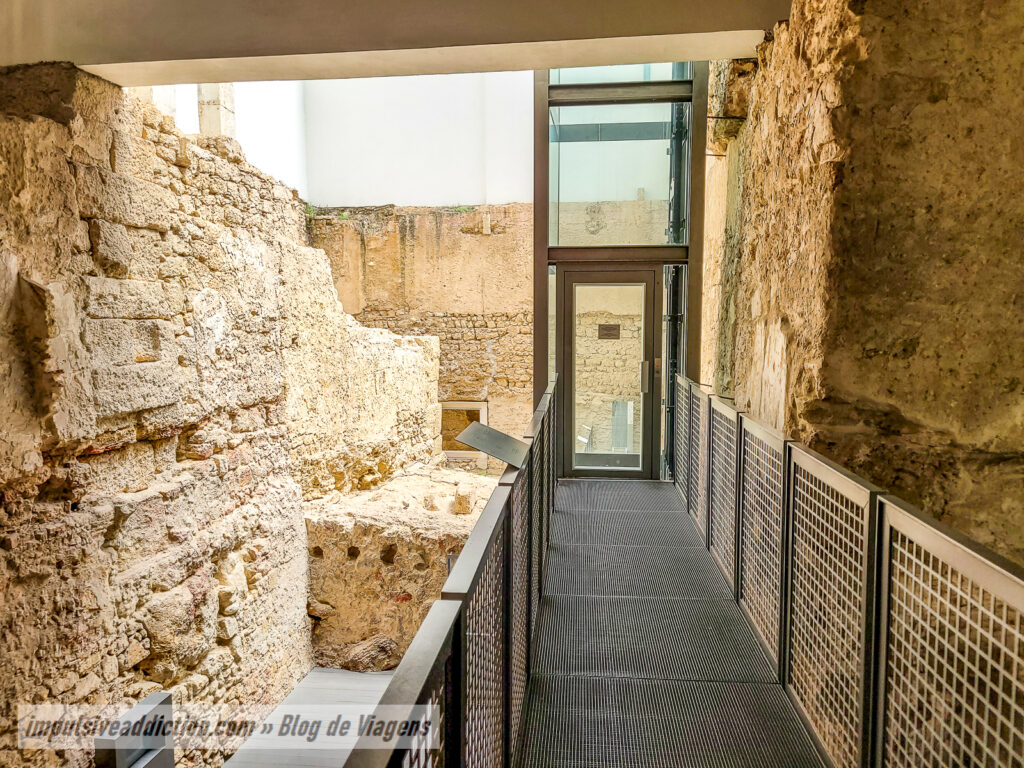
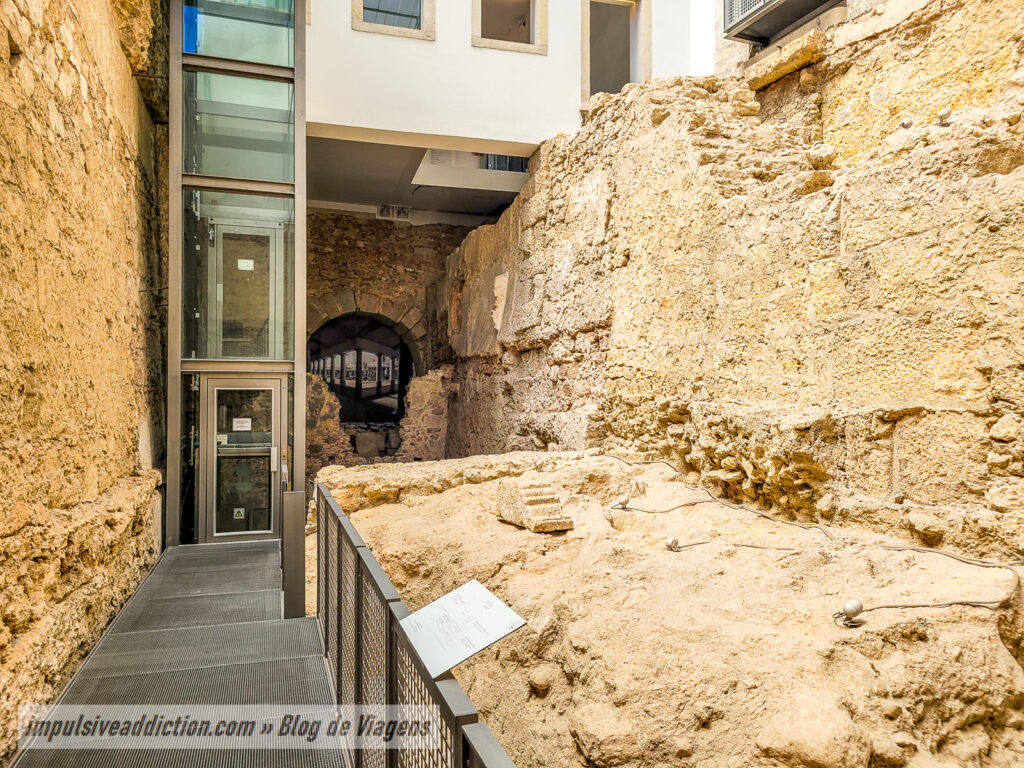
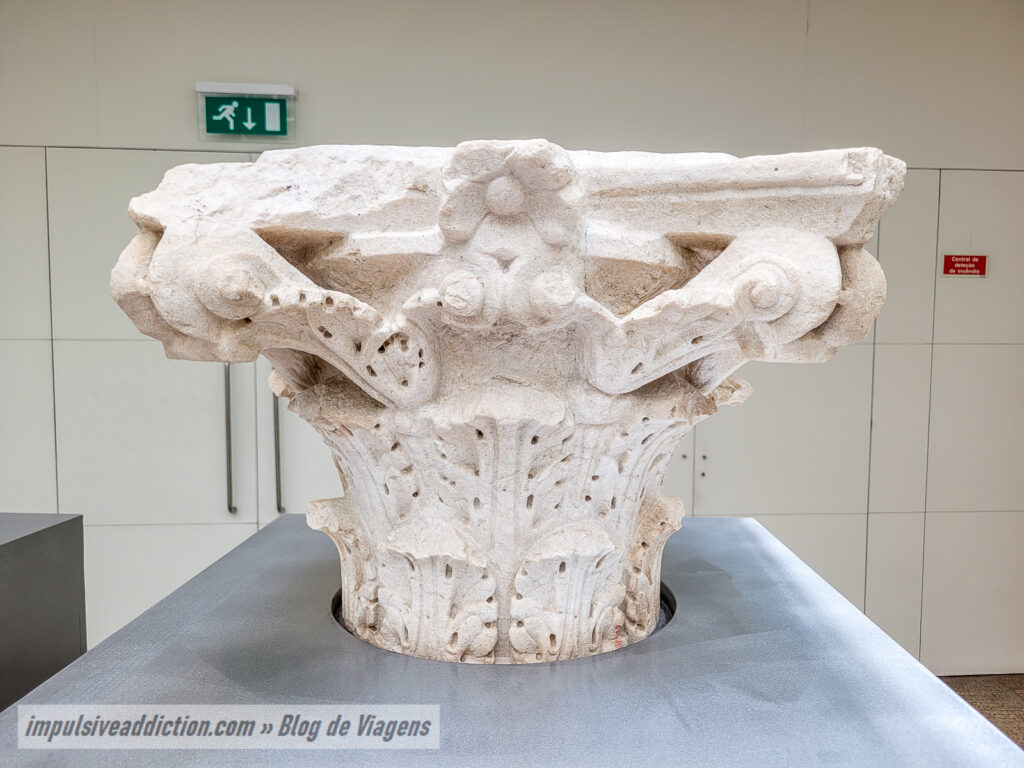
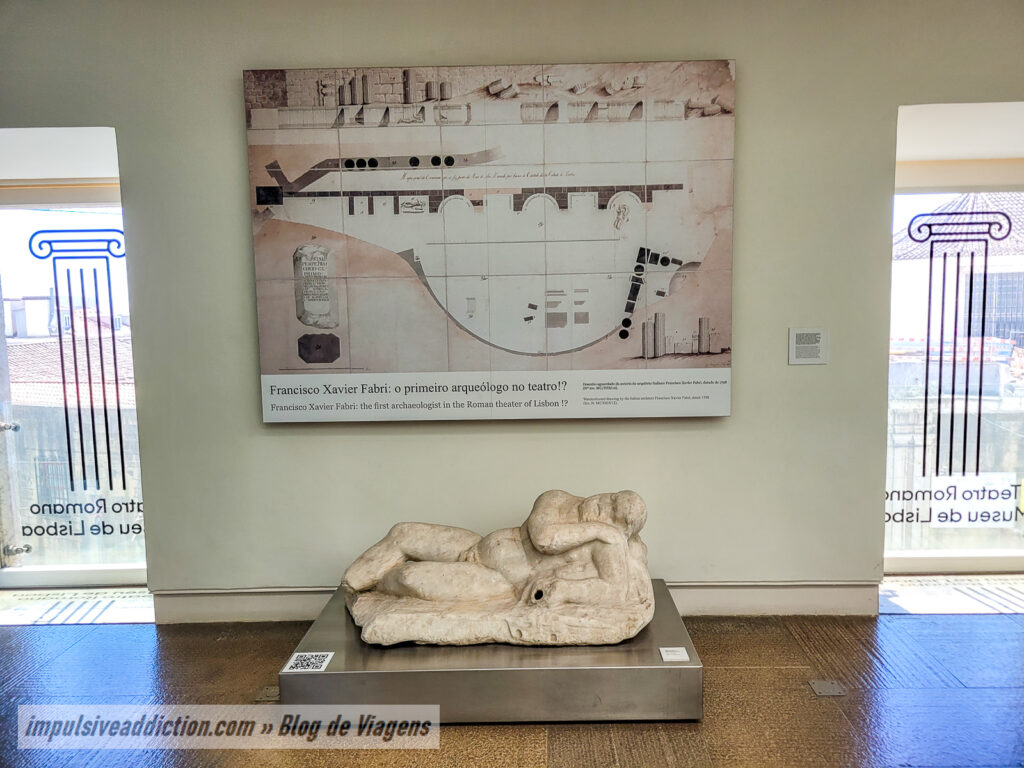
33. Lisbon Museum – Roman Theatre
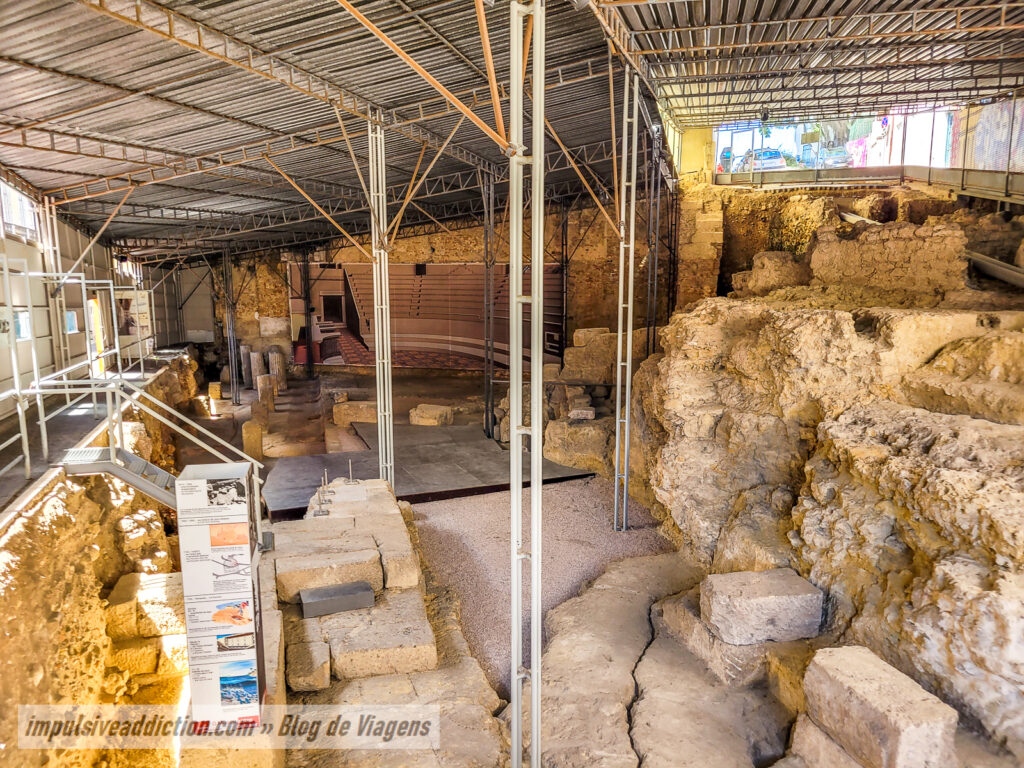
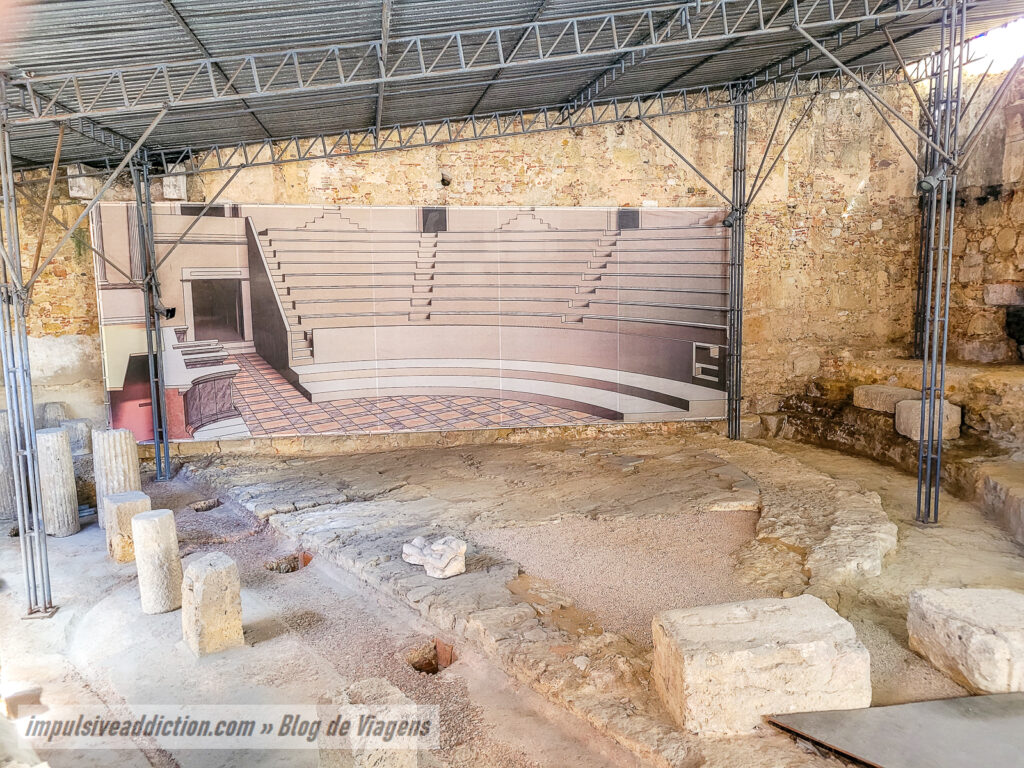
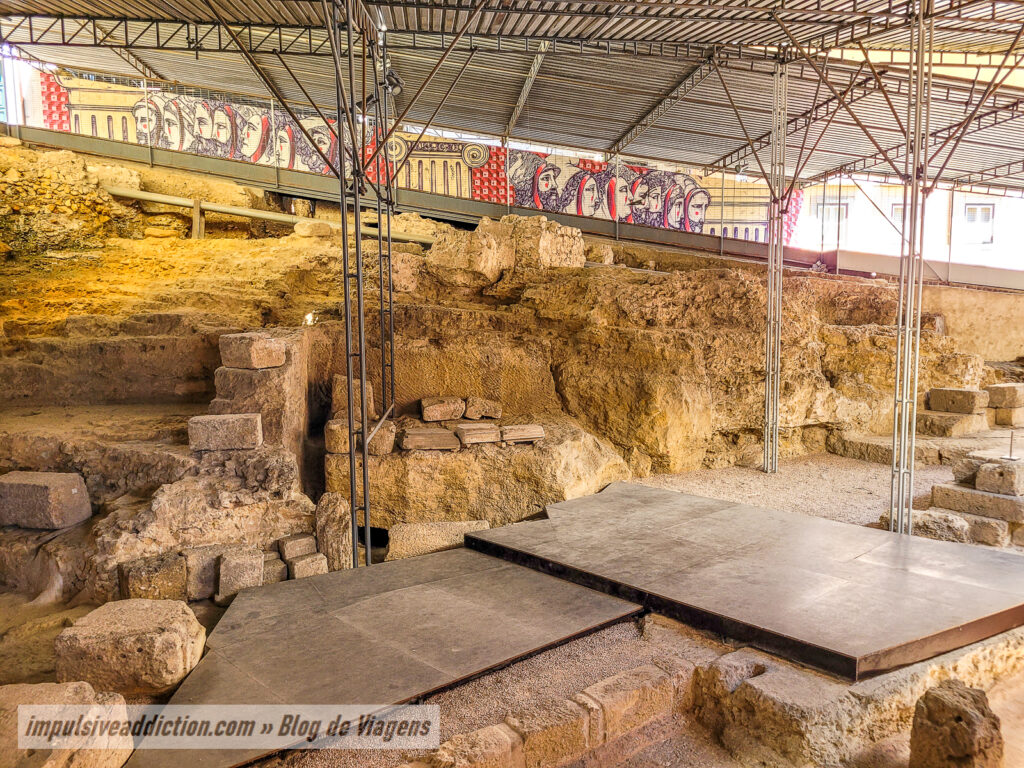
The Lisbon Museum – Roman Theatre, located in the historic heart of the city near São Jorge Castle, offers a unique journey back to the 1st century AD.
Originally built during the reign of Augustus and later rebuilt under Emperor Nero, the Roman theatre was abandoned in the 4th century and gradually buried beneath what would become Pombaline Lisbon. It remained hidden for centuries until its rediscovery in 1798, following the 1755 earthquake.
Today, visitors can explore the archaeological ruins and a modern interpretative center, which sheds light on the life, architecture, and entertainment of Roman Olisipo, the ancient city that would become Lisbon.
34. Archaeological Centre of São Jorge Castle
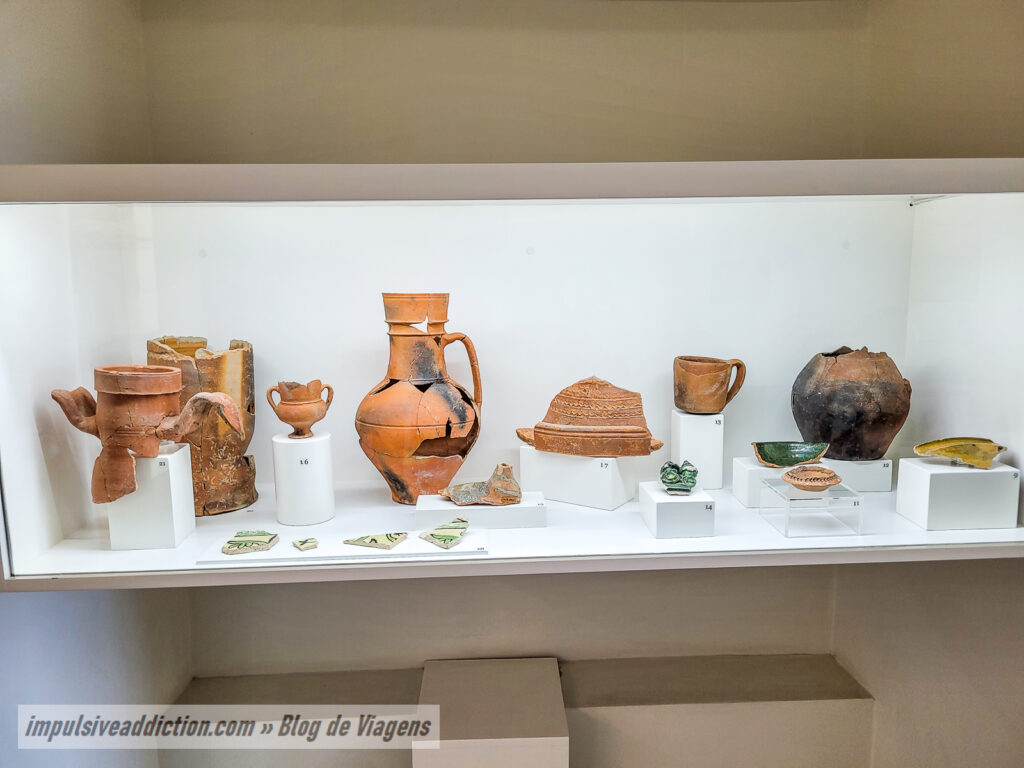
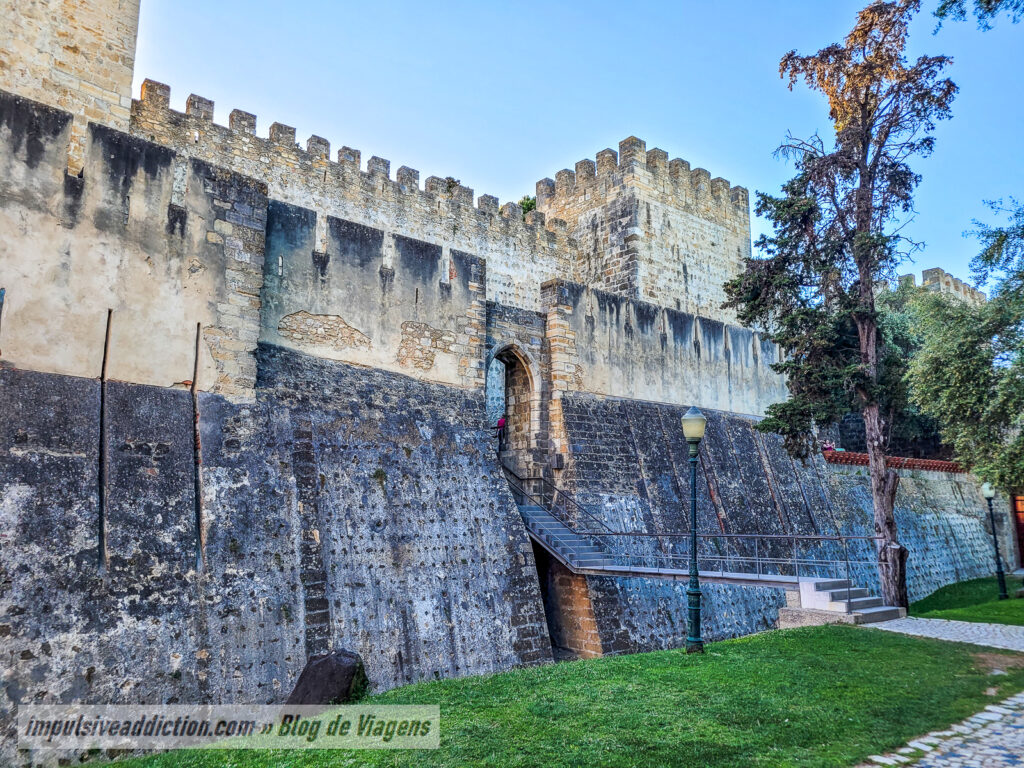
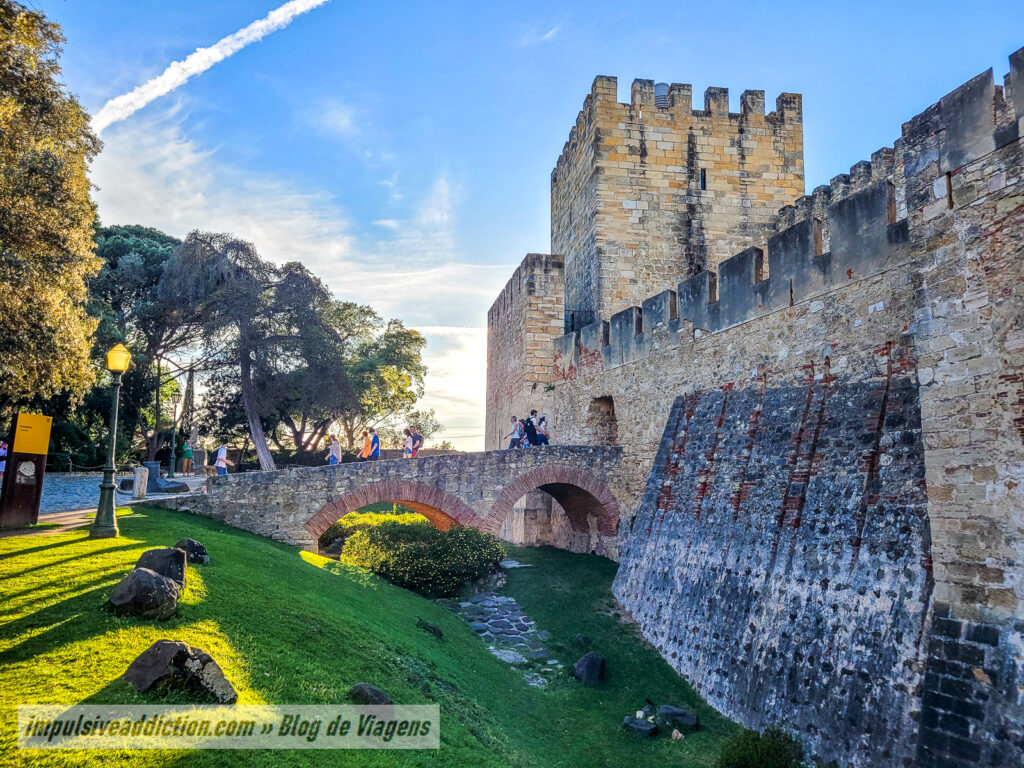
The Archaeological Centre of São Jorge Castle is housed within the ruins of the former Royal Palace of the Alcáçova, located inside Lisbon’s iconic São Jorge Castle.
Opened between 2006 and 2010, following extensive archaeological excavations that began in 1996, the museum allows visitors to trace the urban evolution of Lisbon from the 7th century BCE to the 18th century.
The collection features archaeological artifacts such as ceramics, coins, and remains of Islamic-era dwellings — all unearthed within the castle walls. Visitors can also explore medieval ruins seamlessly integrated into the exhibition path, offering a powerful connection to Lisbon’s layered past.
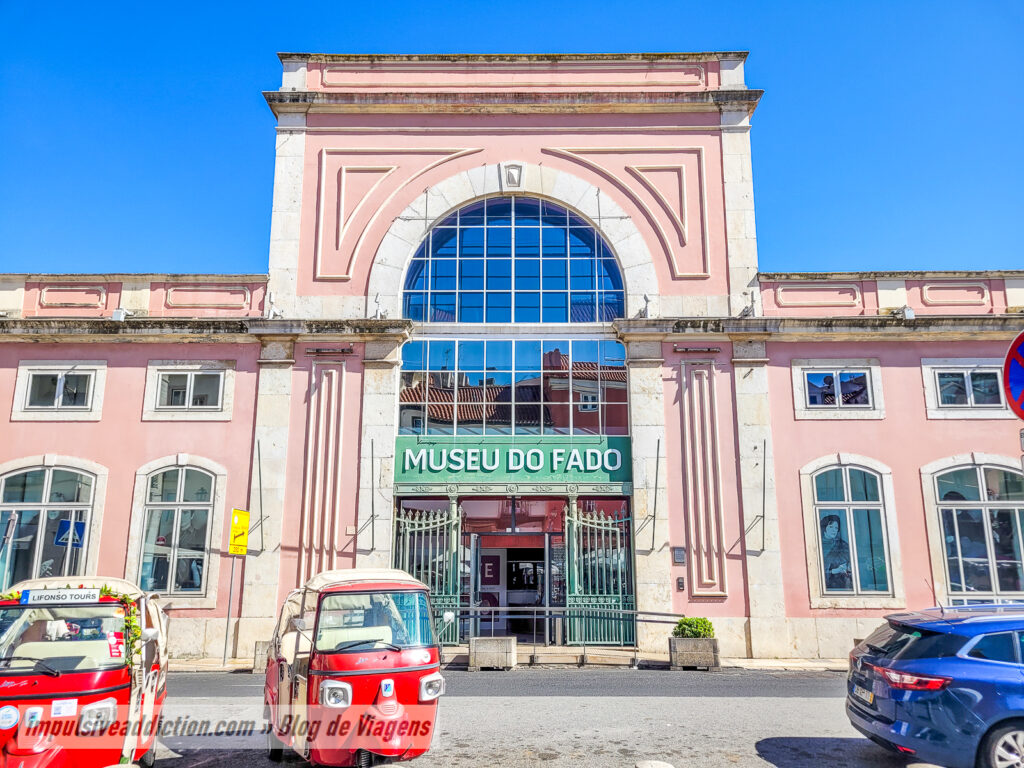
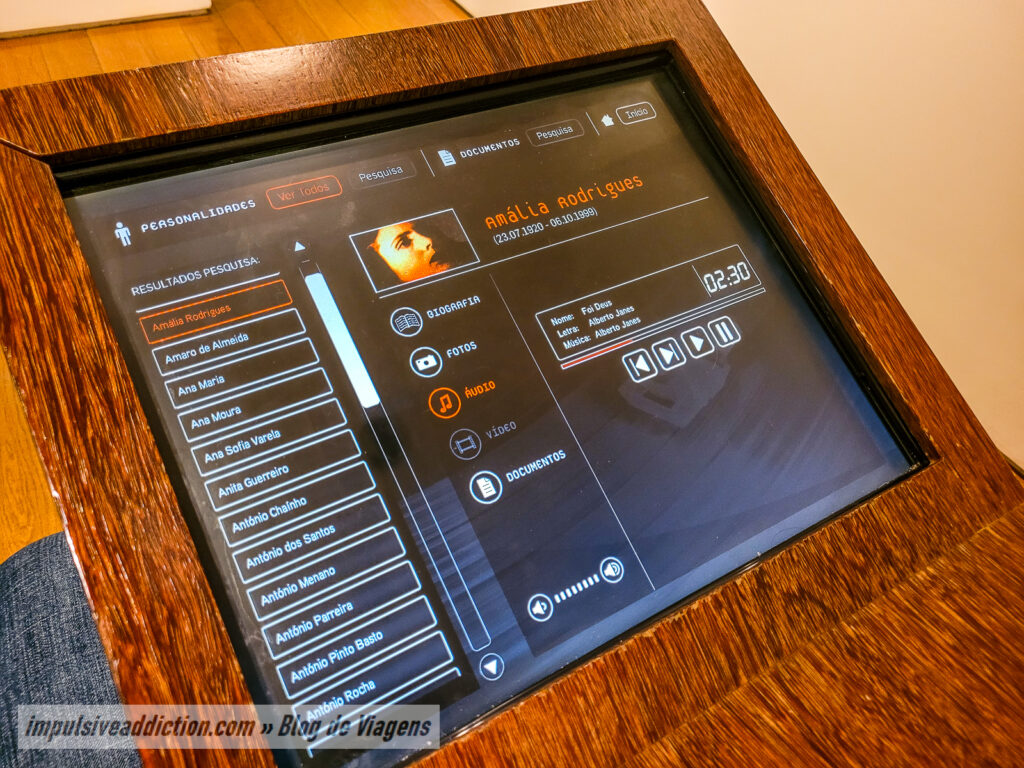
35. Fado Museum
Opened on September 25, 1998, in Lisbon’s iconic Alfama district, the Fado Museum is a cultural space dedicated to celebrating fado and the Portuguese guitar — both recognized by UNESCO as Intangible Cultural Heritage.
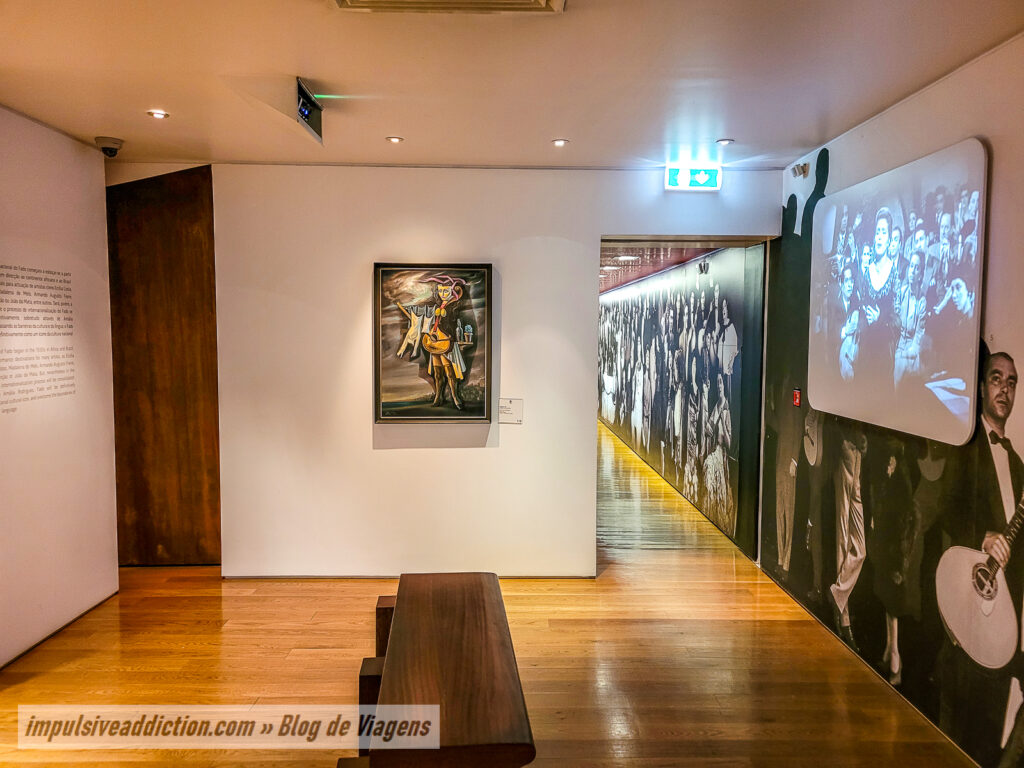
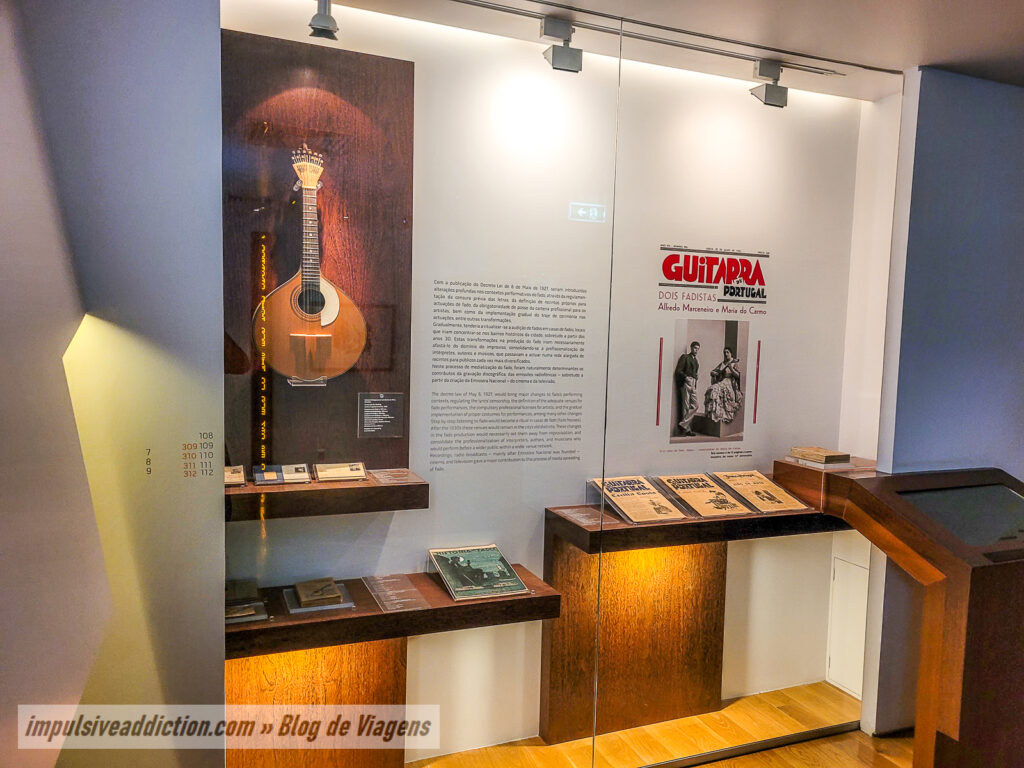
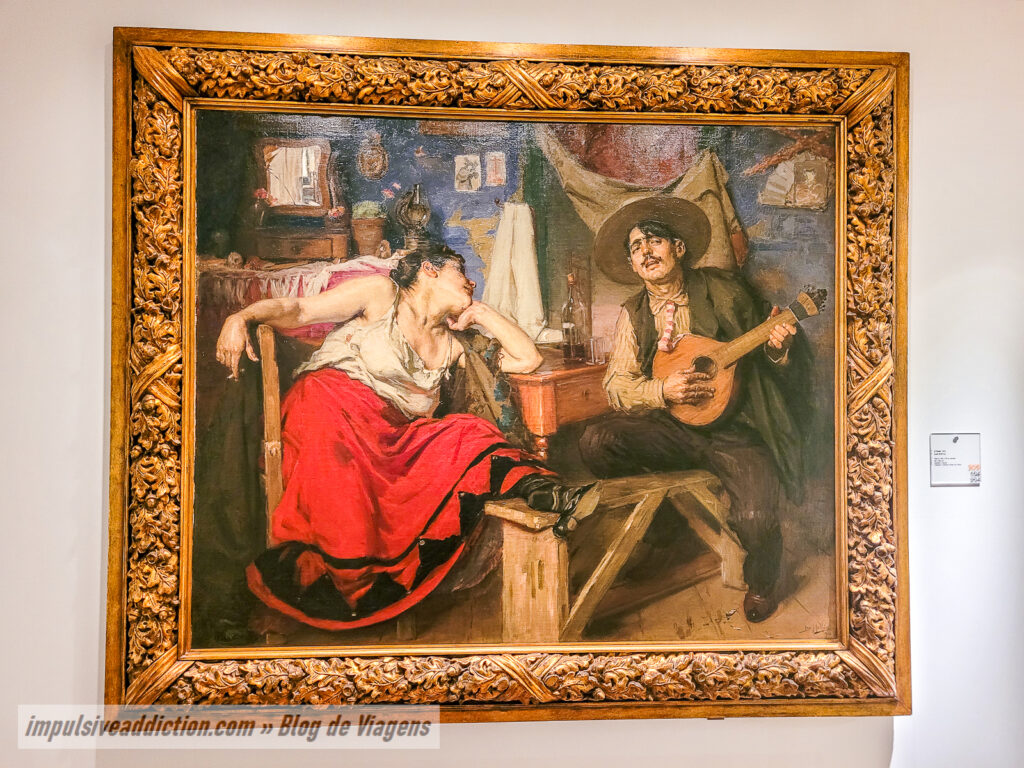
Housed in the former Praia Water Pumping Station (built in 1868), the museum features a permanent exhibition that offers a multidisciplinary narrative of fado’s history and cultural impact. The collection includes instruments, sheet music, records, photographs, trophies, and other memorabilia.
The visit includes an audio guide, and throughout the exhibition, visitors can listen to dozens of fado songs, immersing themselves in the sound and soul of Lisbon’s most iconic musical tradition.
36. Lisbon Military Museum
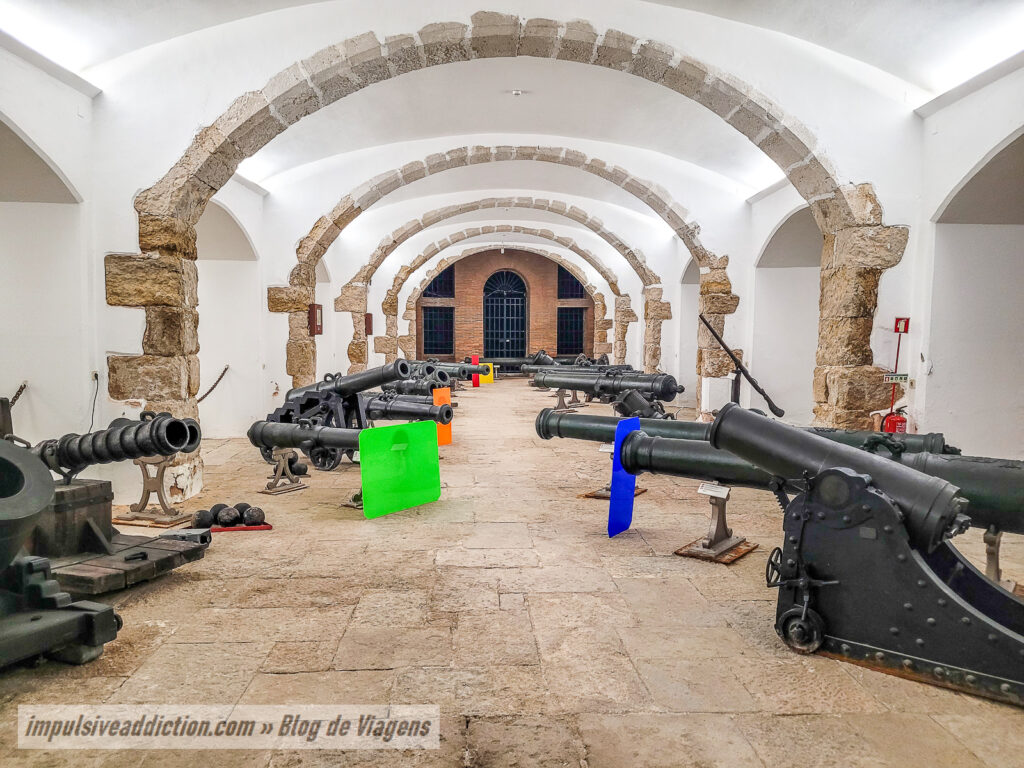
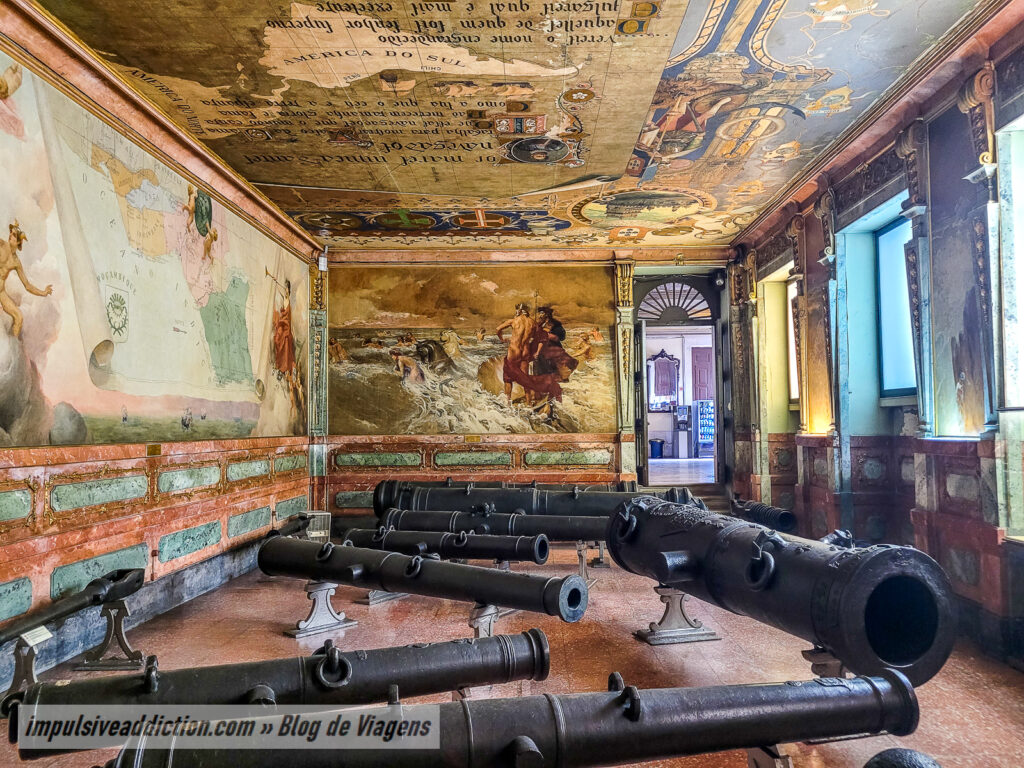
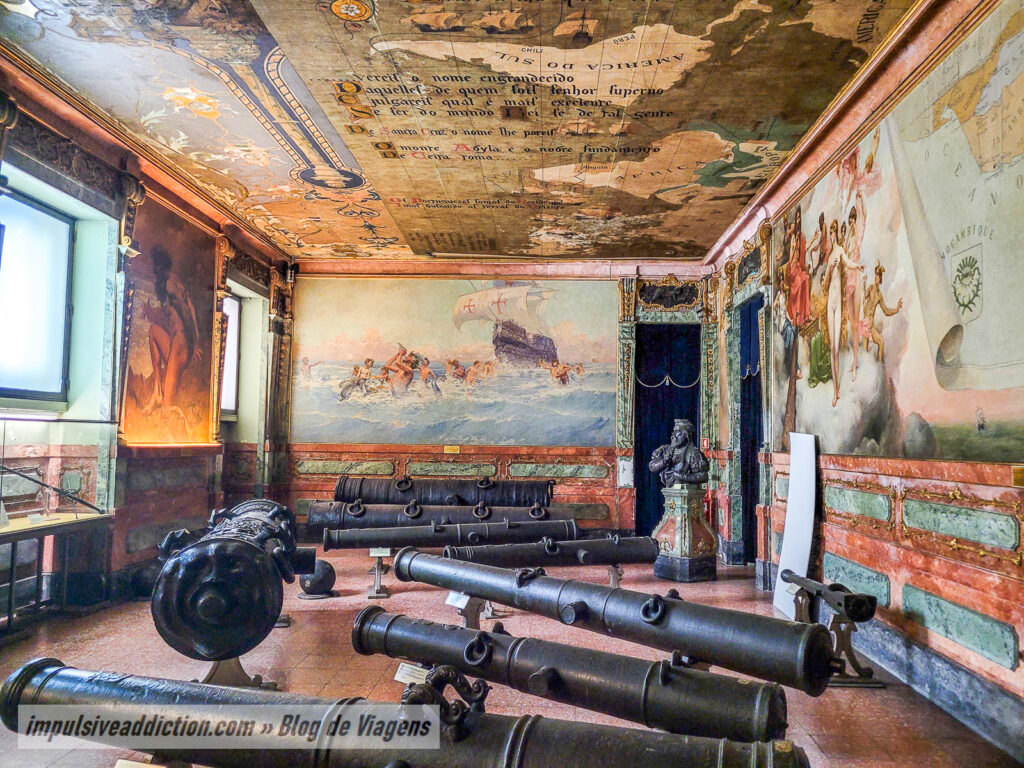
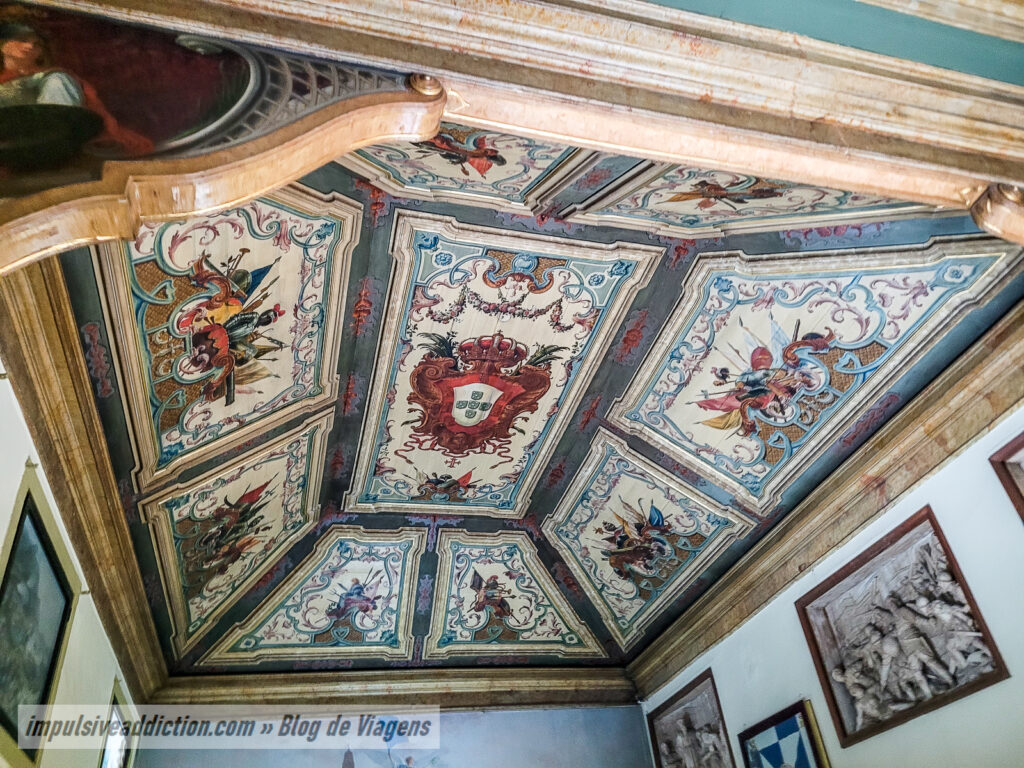
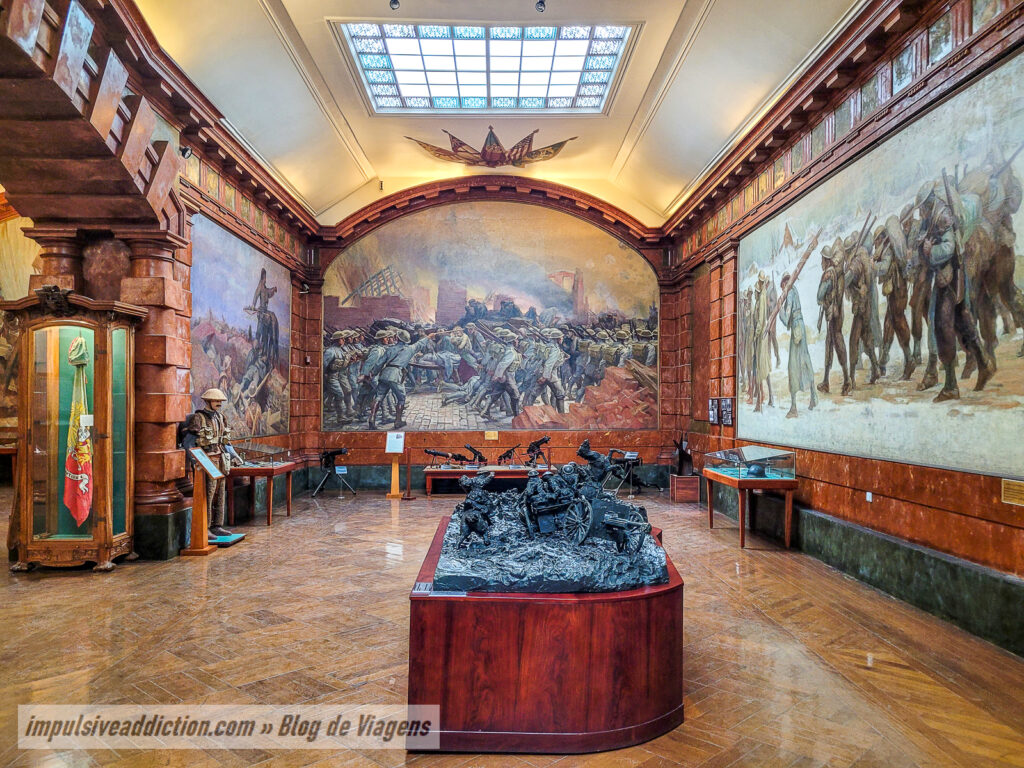
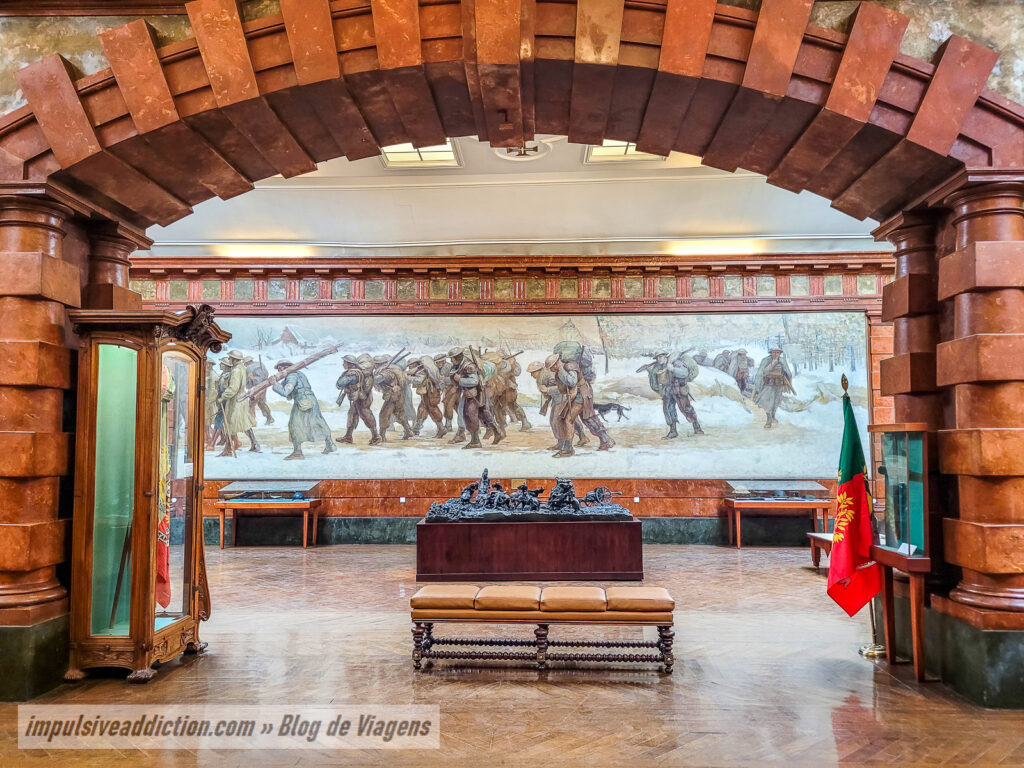
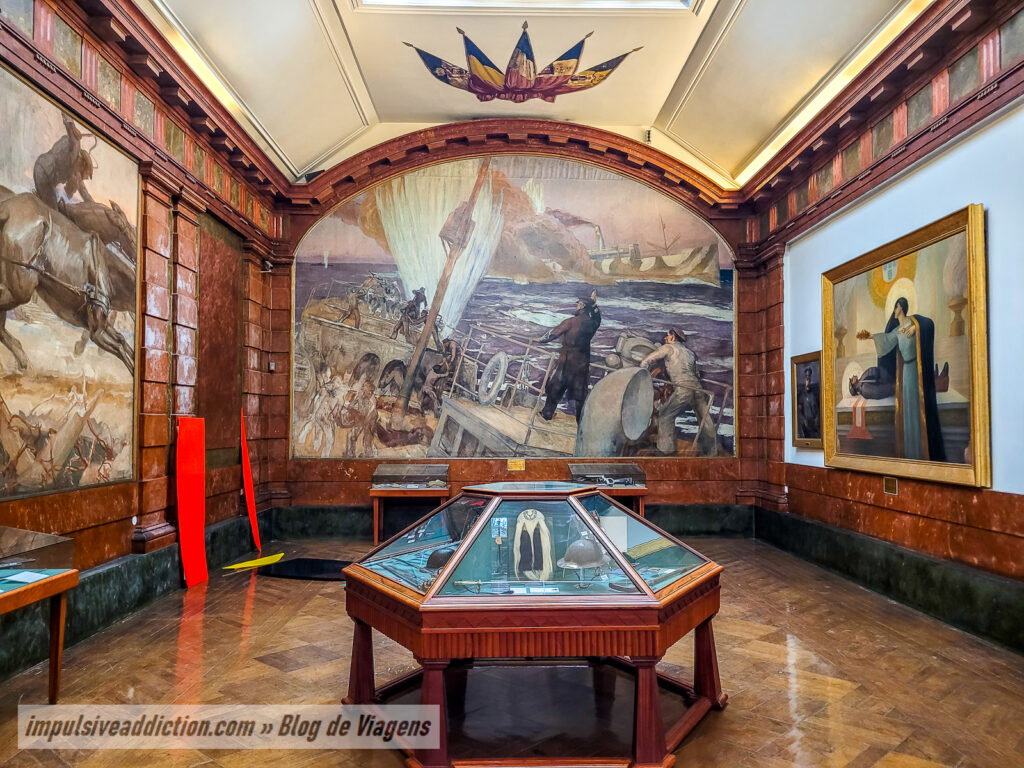
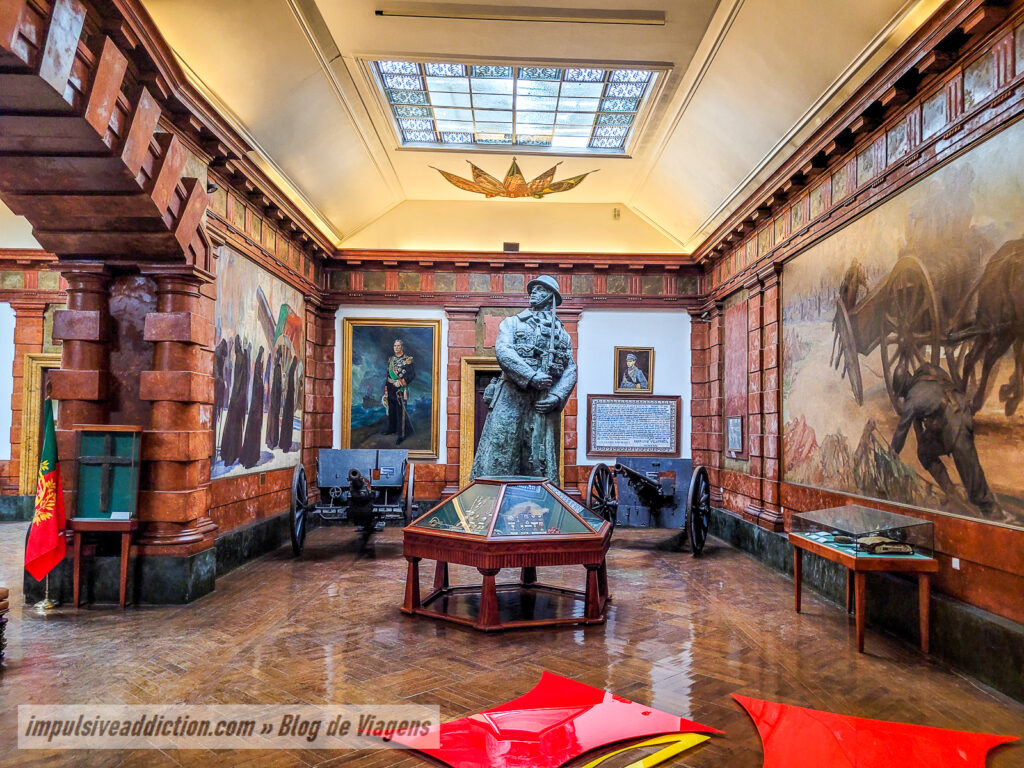
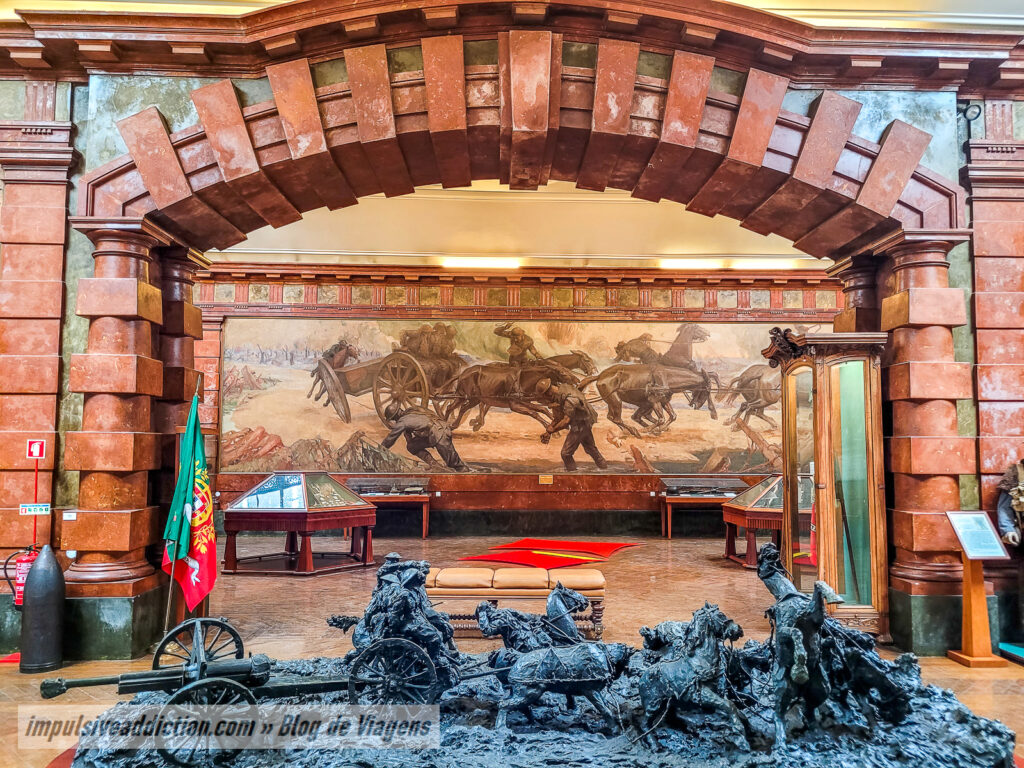
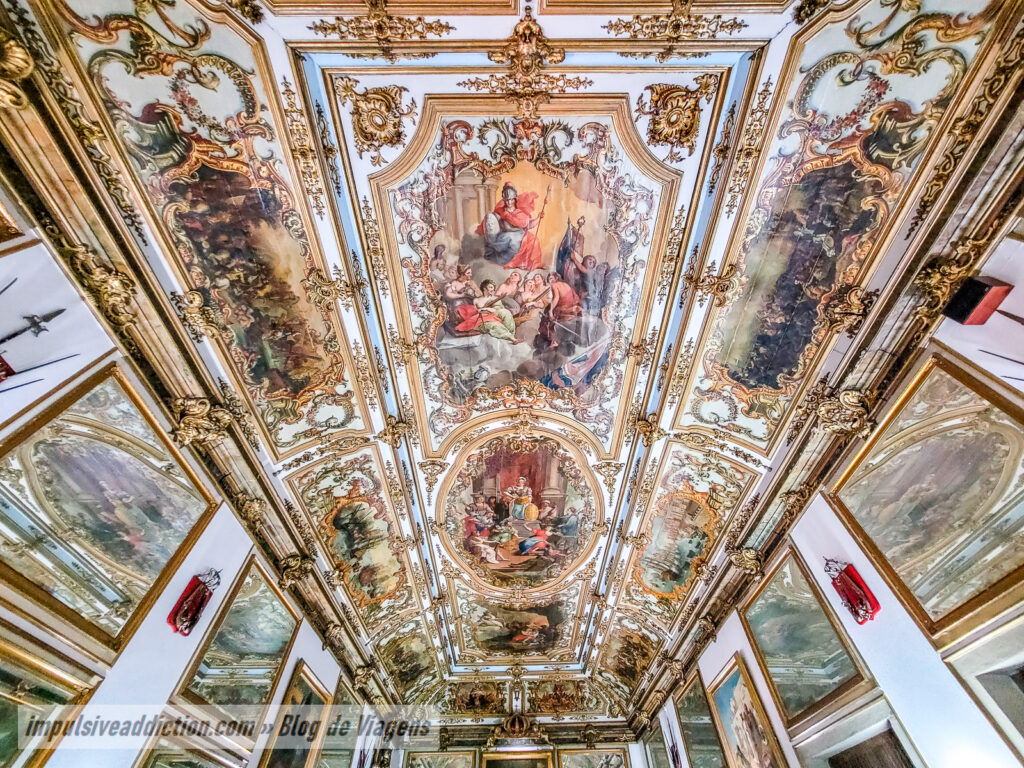
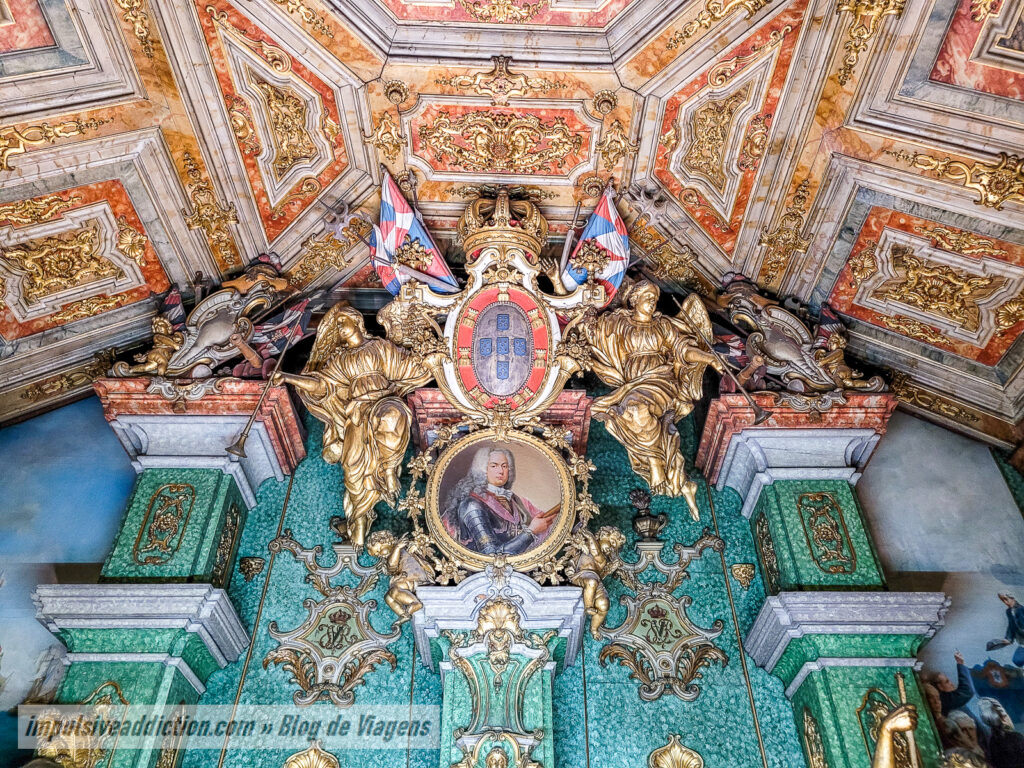
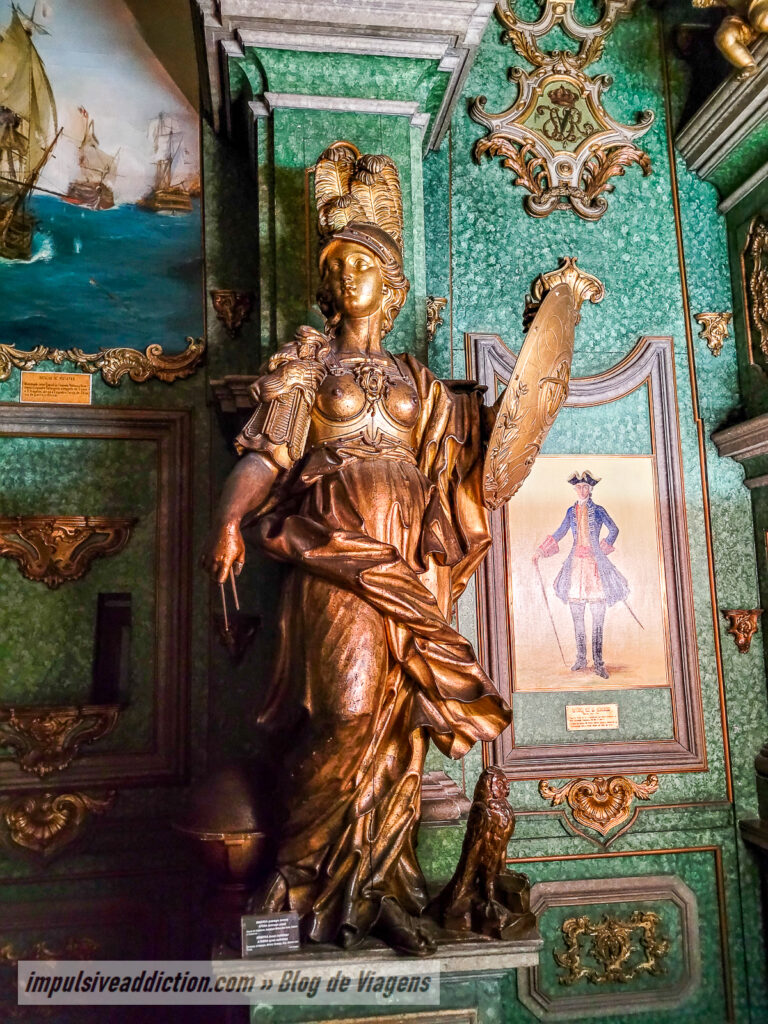
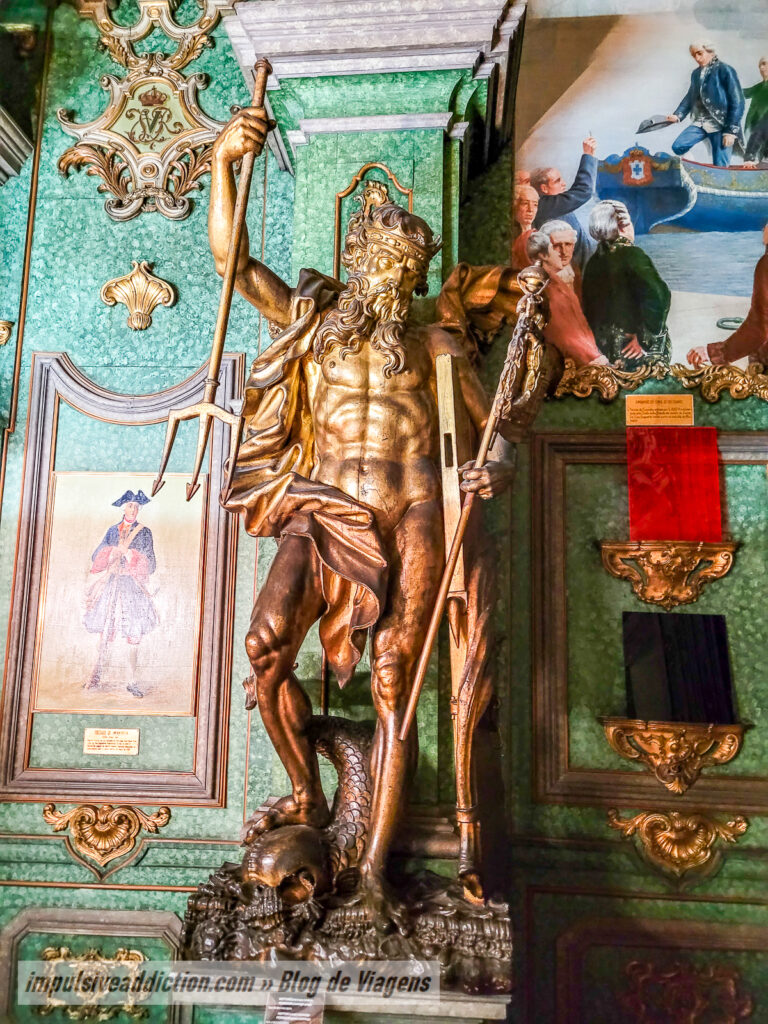
The Lisbon Military Museum, housed in the grand former Royal Army Arsenal, is one of the city’s oldest and most emblematic museums, with origins dating back to 1842. Classified as a Heritage Site of Public Interest since 1963, the museum is renowned for both its vast military collection and its richly decorated interiors, featuring tiles, paintings, and sculptures by major Portuguese artists such as Columbano, Malhoa, Sousa Lopes, and Veloso Salgado.
The collection comprises approximately 26,000 artifacts, including one of the world’s most complete sets of bronze artillery pieces, as well as historic uniforms, weaponry, scale models of ancient arms, and narrative azulejos (tiles) illustrating events from the Reconquista to World War I.
Notable highlights include:
– the Vasco da Gama Room, featuring cannons and murals celebrating the Age of Discoveries,
– the World War I Room, with frescoes by Sousa Lopes,
– and the Plaster Room, home to original molds used for the statue of King José I in Praça do Comércio.
37. National Tile Museum
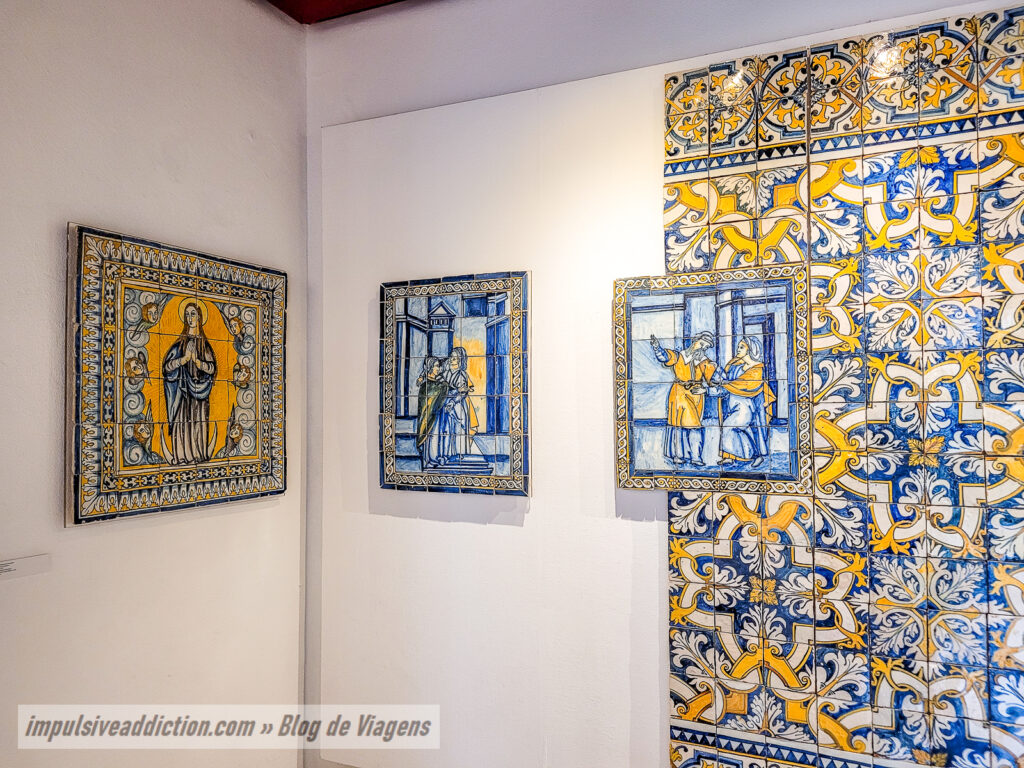
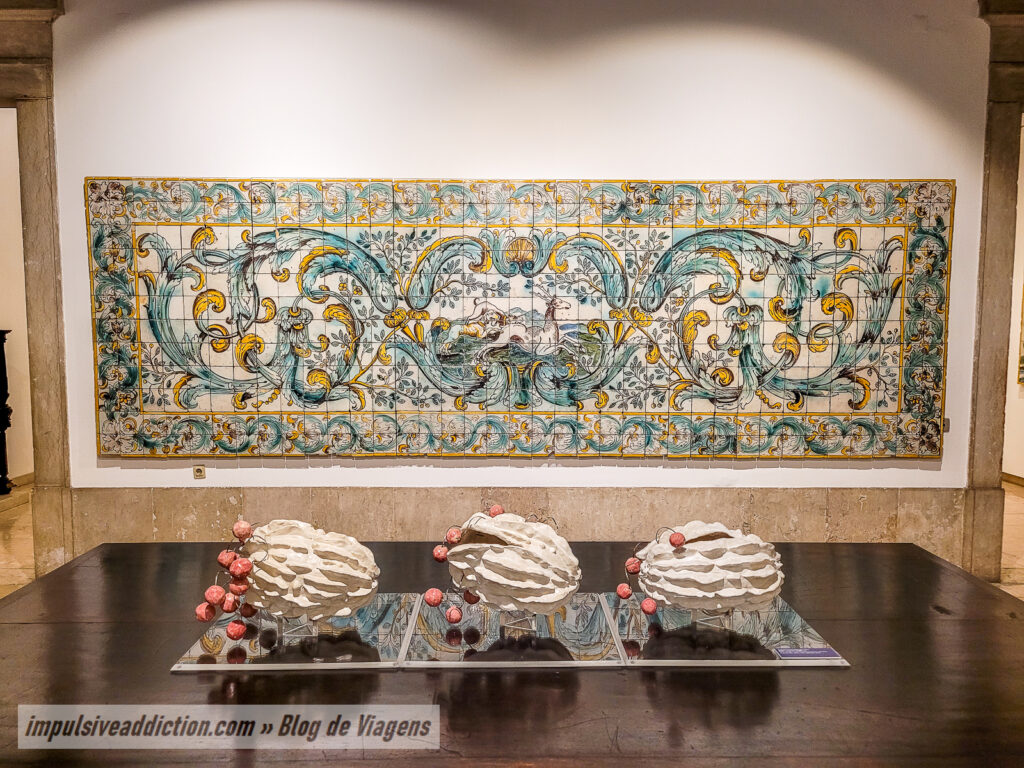
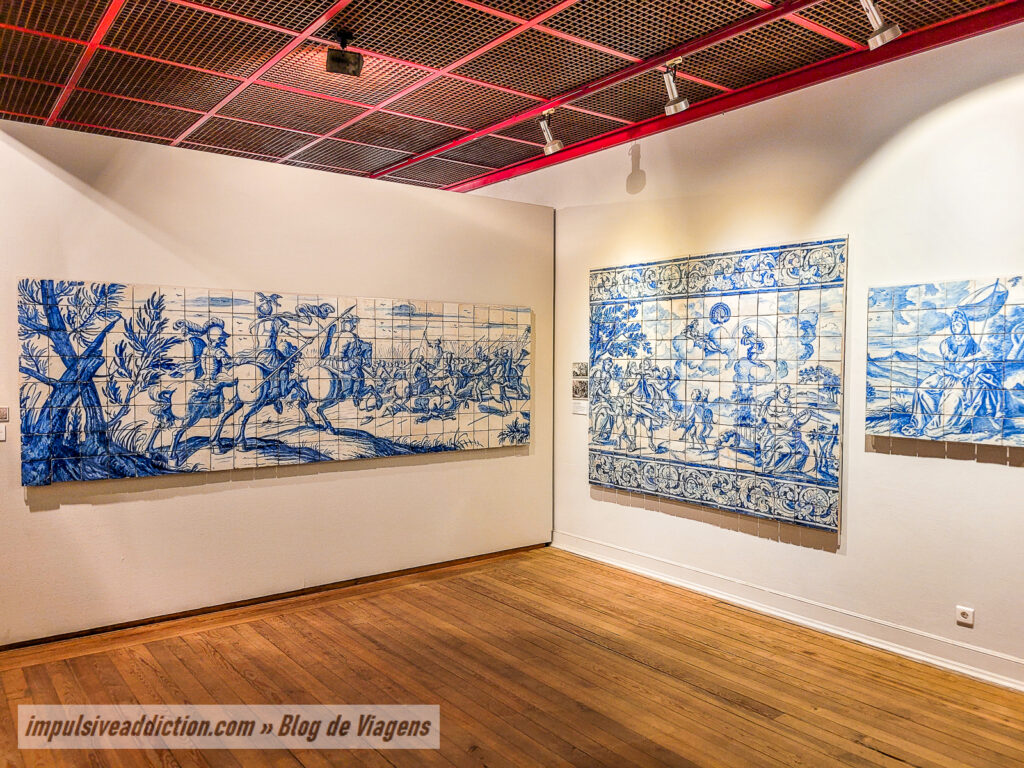
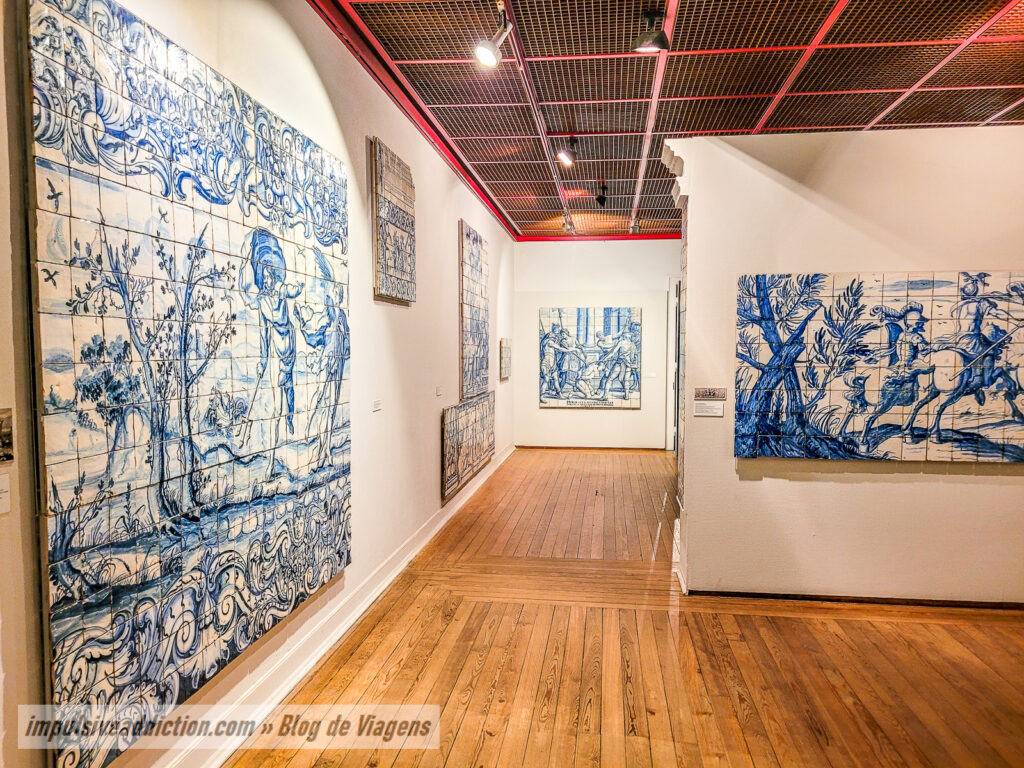
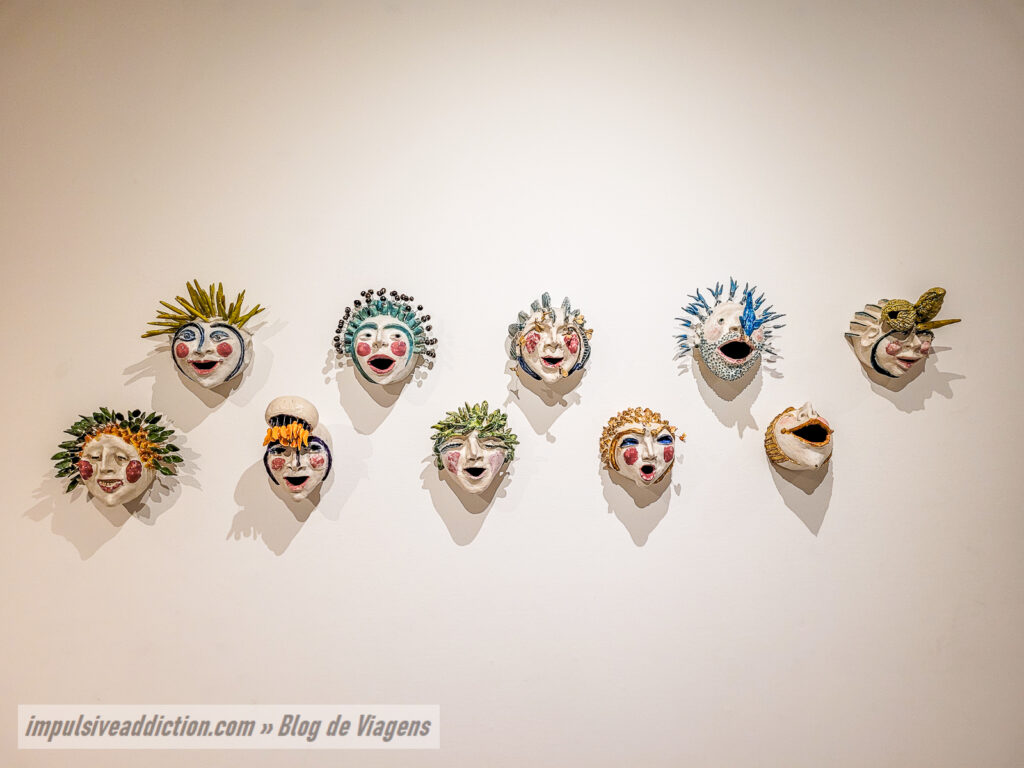
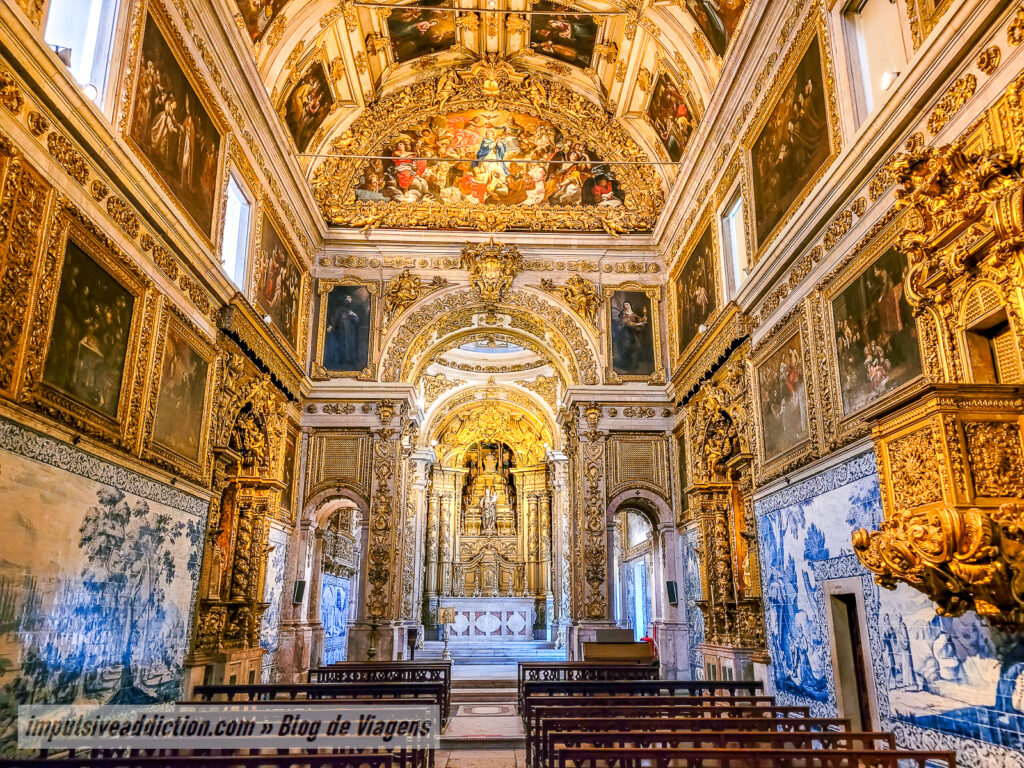
Housed in the former Madre de Deus Convent — founded in 1509 by Queen Leonor — the National Tile Museum in Lisbon is a truly unique institution, celebrating the art of Portuguese azulejos from the 15th century to the present day.
Its collection is one of the largest of its kind in the world, featuring extraordinary pieces such as the altarpiece of Our Lady of Life — a key example of Renaissance tilework — and the famous panoramic panel of Lisbon before the 1755 earthquake, known as the Great View of Lisbon.
The museum visit follows a chronological path through the former convent, exploring tile-making techniques and decorative styles — from Islamic influences to Baroque, Rococo, and modern designs. Highlights include the Baroque church of Madre de Deus and the stunning Manueline and Renaissance cloisters, which frame the museum’s architectural and artistic setting.
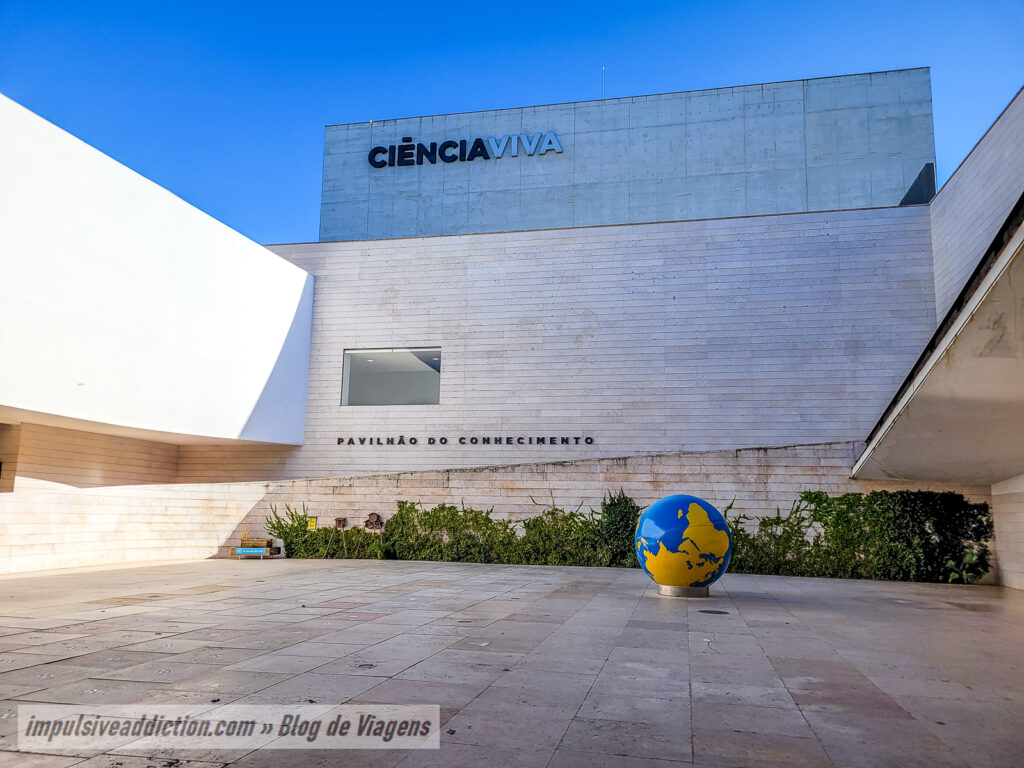
38. Pavilhão do Conhecimento – Ciência Viva Science Centre
Located in Parque das Nações (Alameda dos Oceanos, Lisbon), the Pavilhão do Conhecimento – Ciência Viva Science Centre is Portugal’s largest and most iconic interactive science museum.
Originally created for Expo ’98 as the Pavilhão do Conhecimento dos Mares, the building was designed by architect João Luís Carrilho da Graça and awarded the Valmor Prize for Architecture. Opened in 1999, the centre spans over 4,000 m², with spaces dedicated to Physics, Mathematics, Chemistry, Biology, and Social Sciences.
This museum invites visitors of all ages to learn by doing, with dozens of hands-on exhibits — you can drive a square-wheeled cart, ride a suspended bicycle, touch a tornado, or explore robotics, 3D printing, and a variety of educational workshops.
39. Dr. Anastácio Gonçalves House-Museum
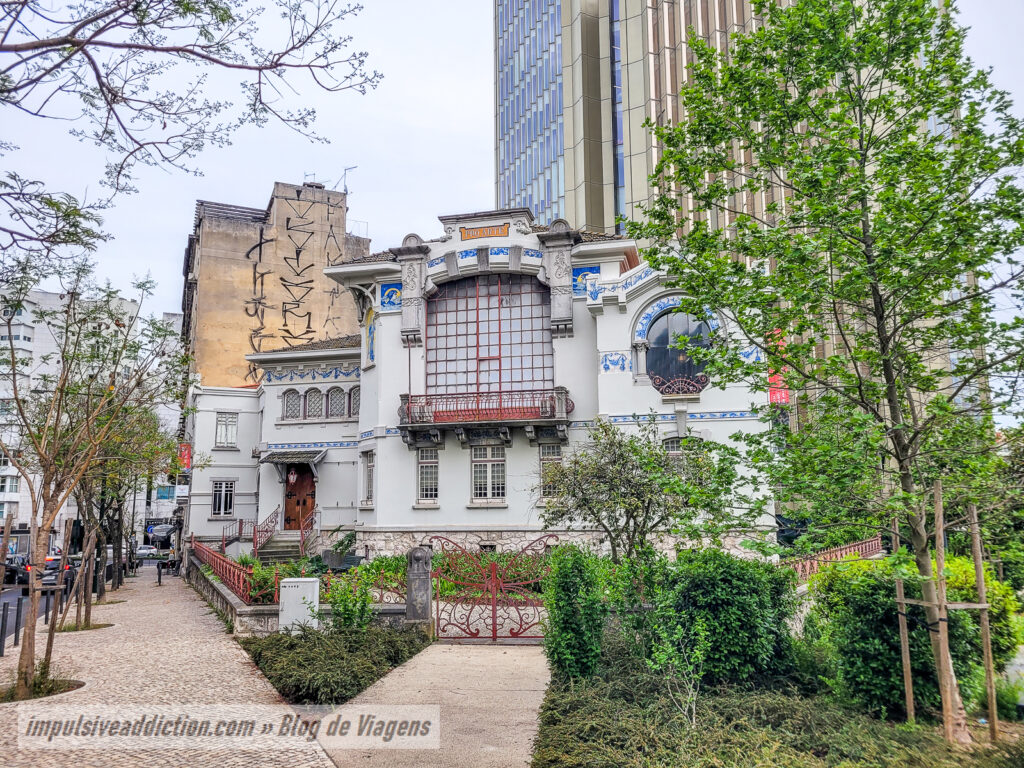
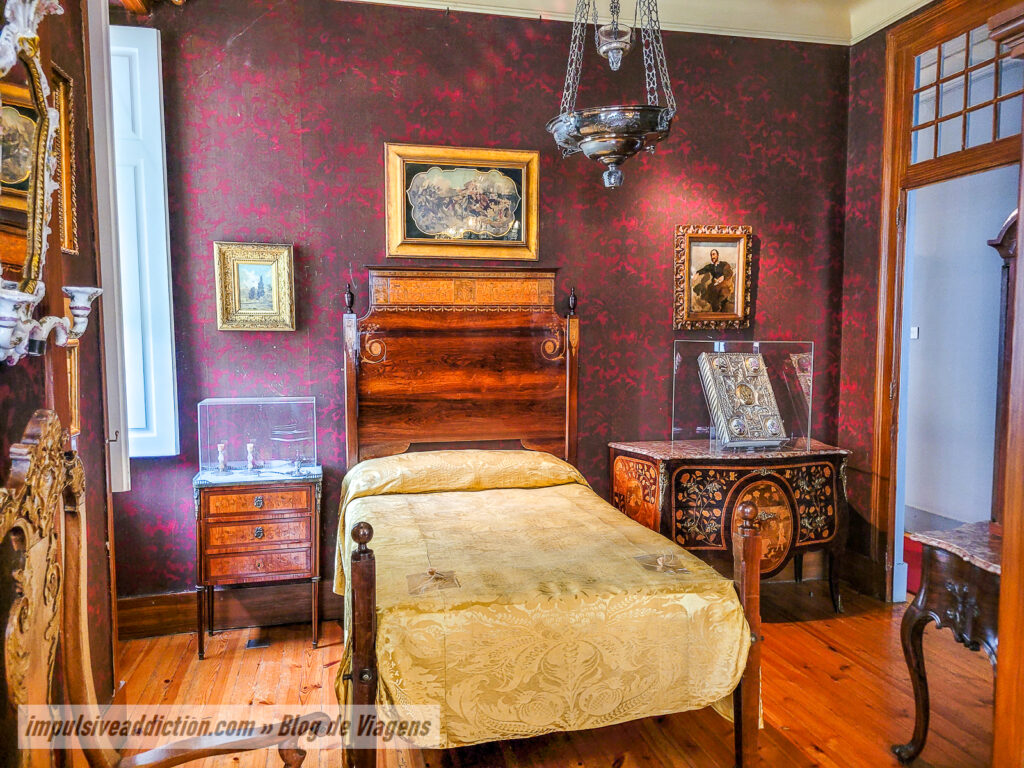
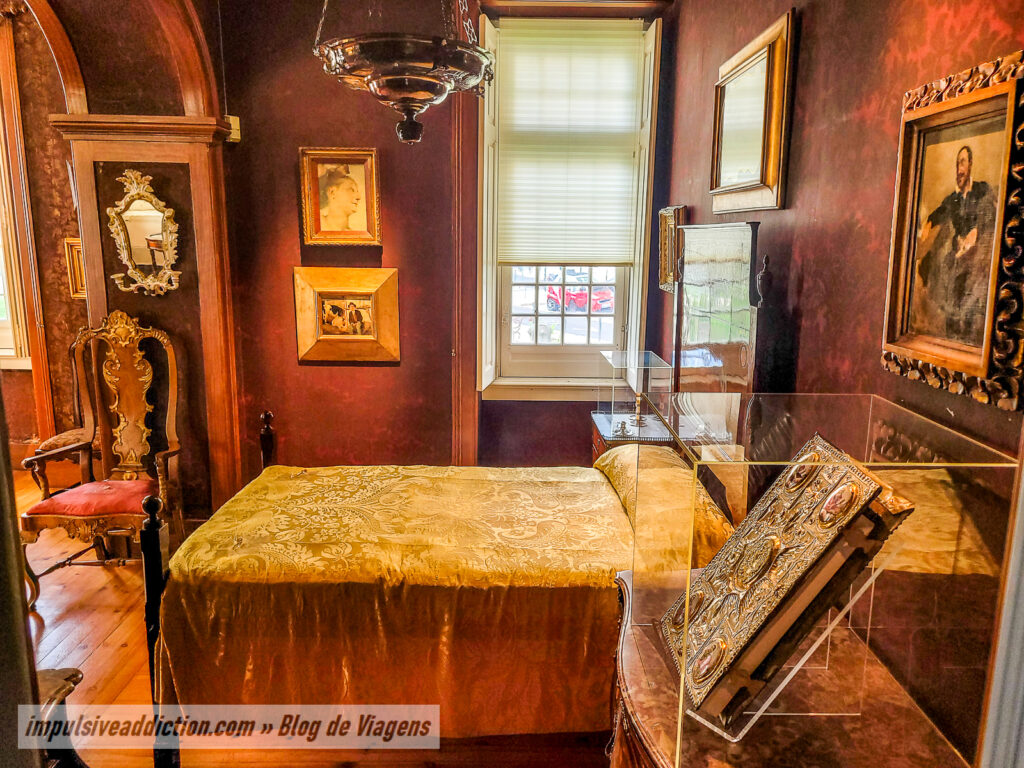
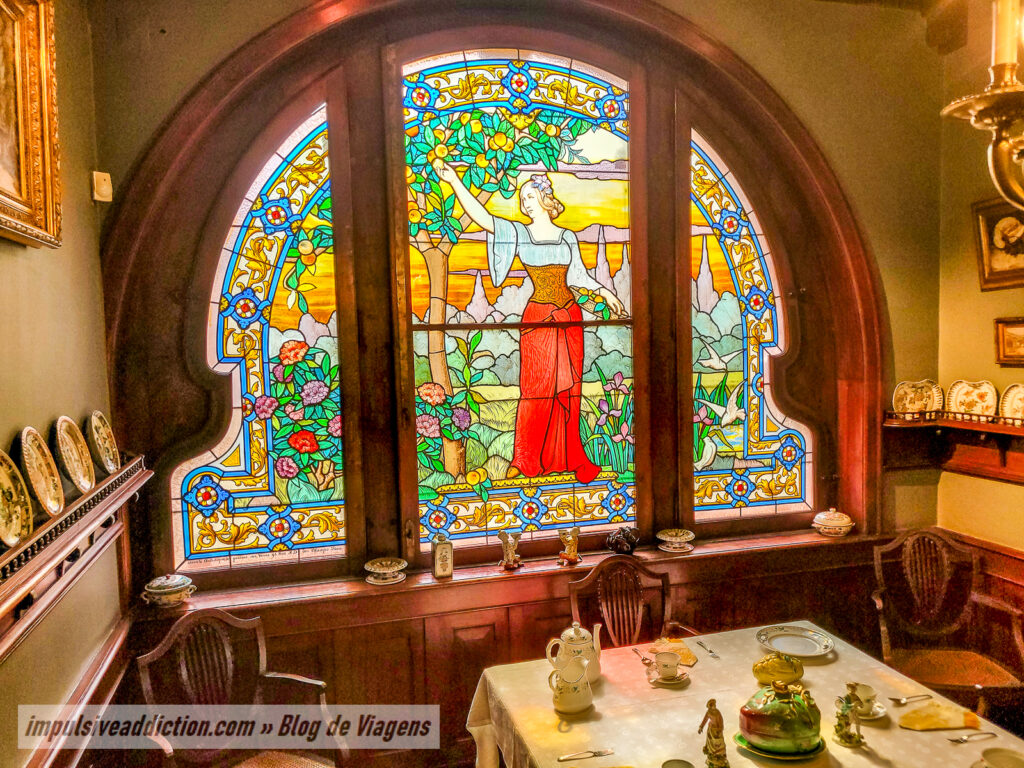
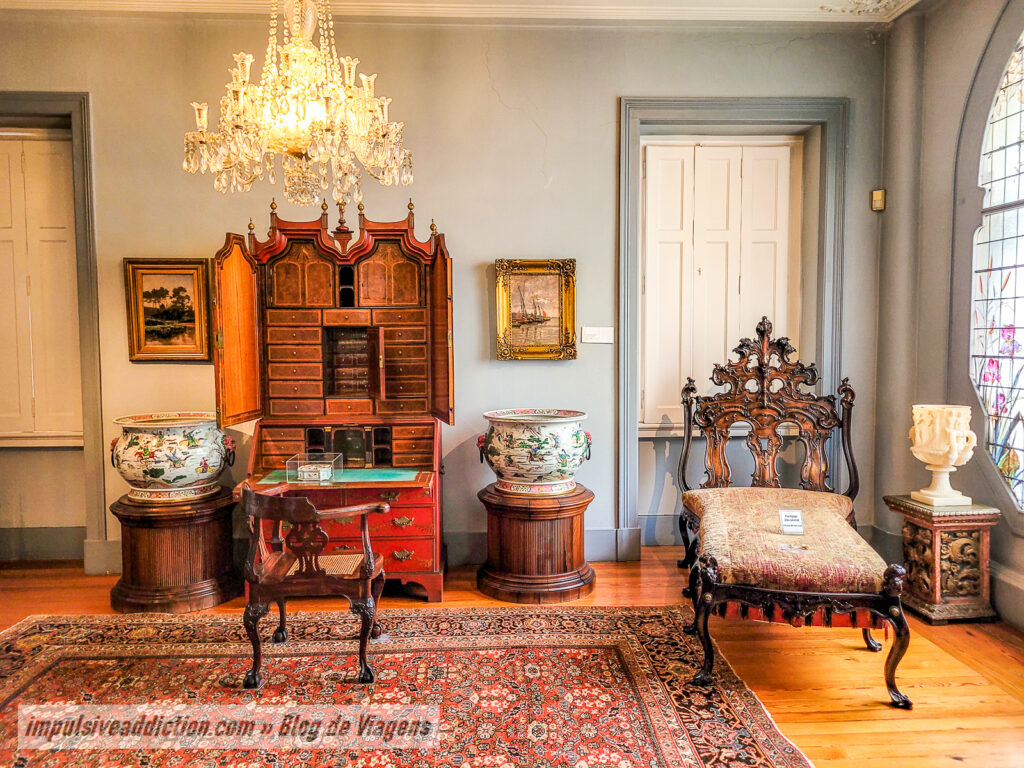
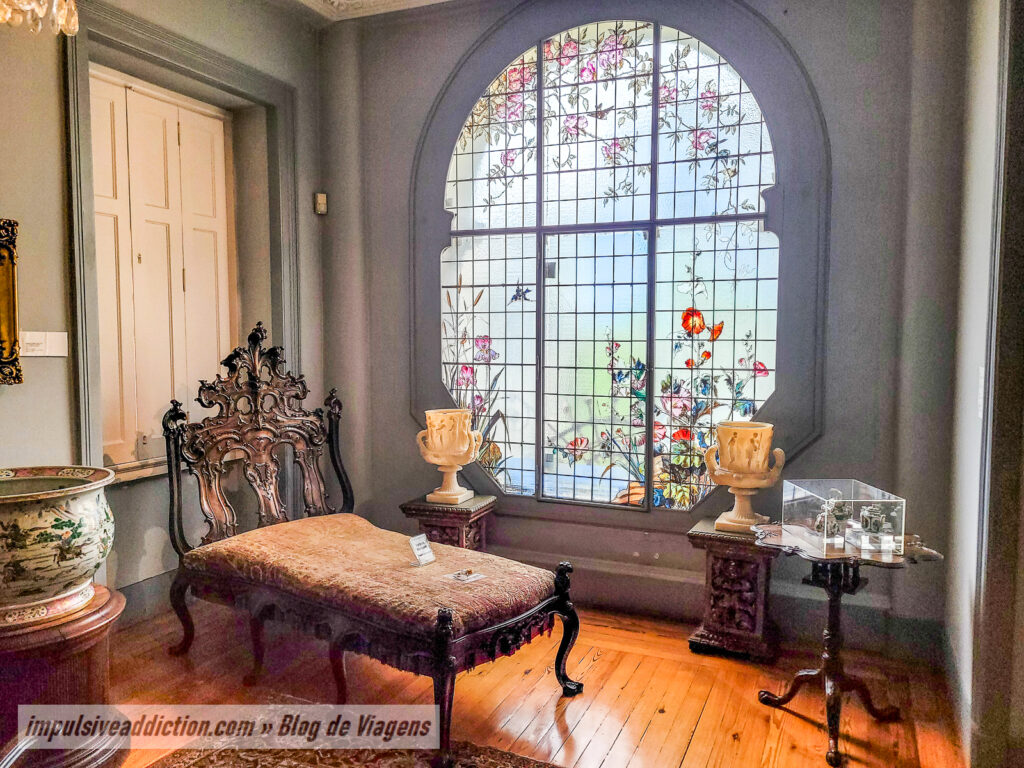
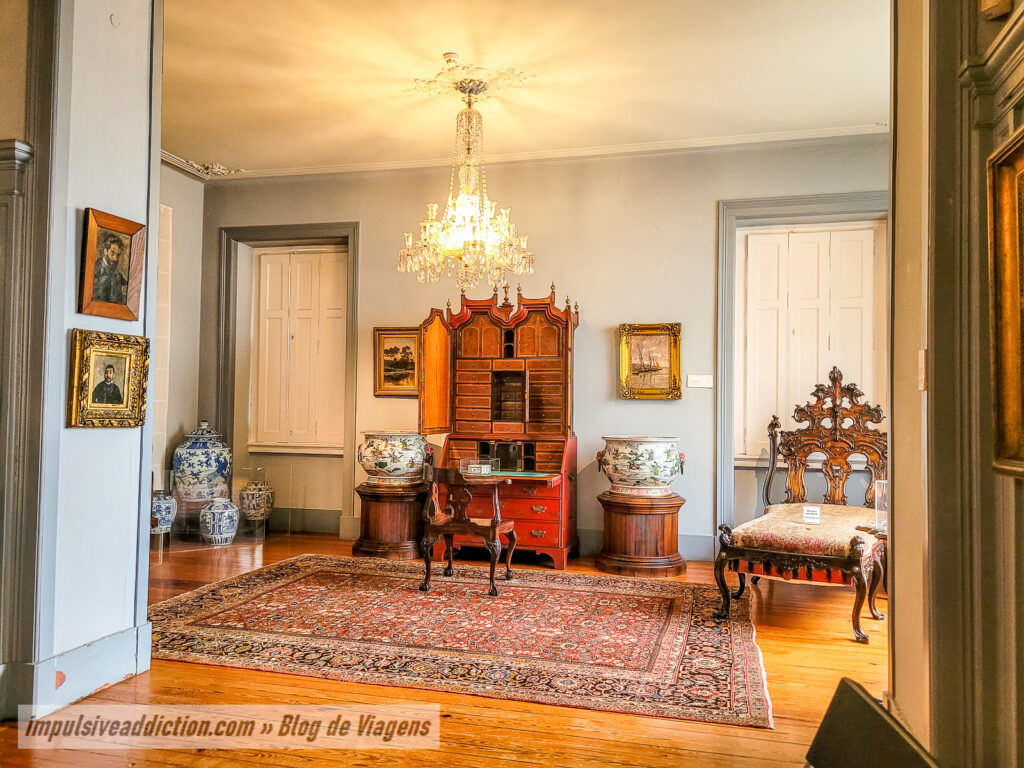
The Dr. Anastácio Gonçalves House-Museum is housed in the former residence and studio of painter José Malhoa, designed between 1904 and 1905 by architect Manuel Joaquim Norte Júnior in the Art Nouveau style. The building was awarded the Valmor Prize for Architecture in 1905. It was later acquired in 1932 by ophthalmologist and art collector António Anastácio Gonçalves, who bequeathed it to the Portuguese State. The museum officially opened in 1980, with expansions completed in 1997.
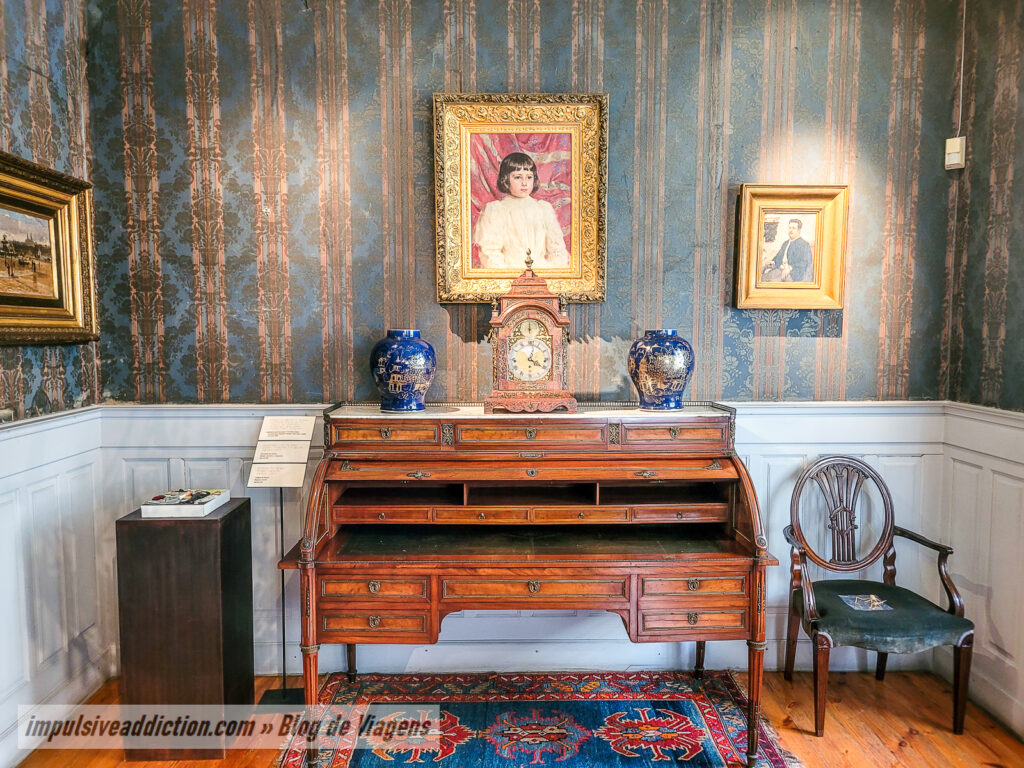
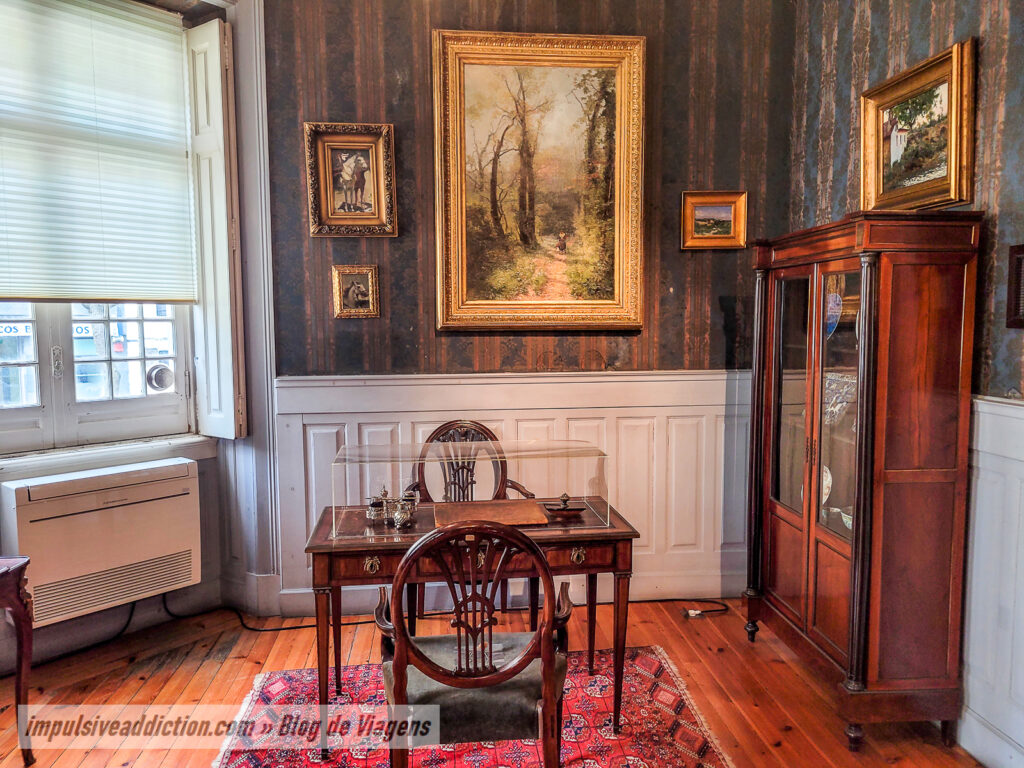
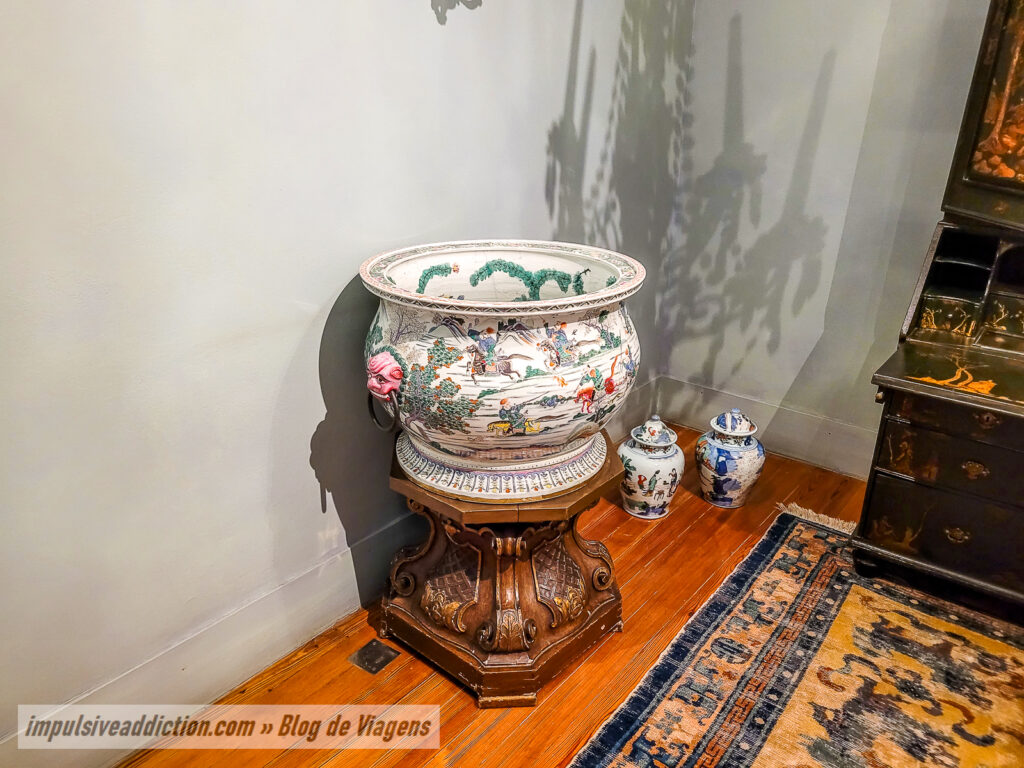
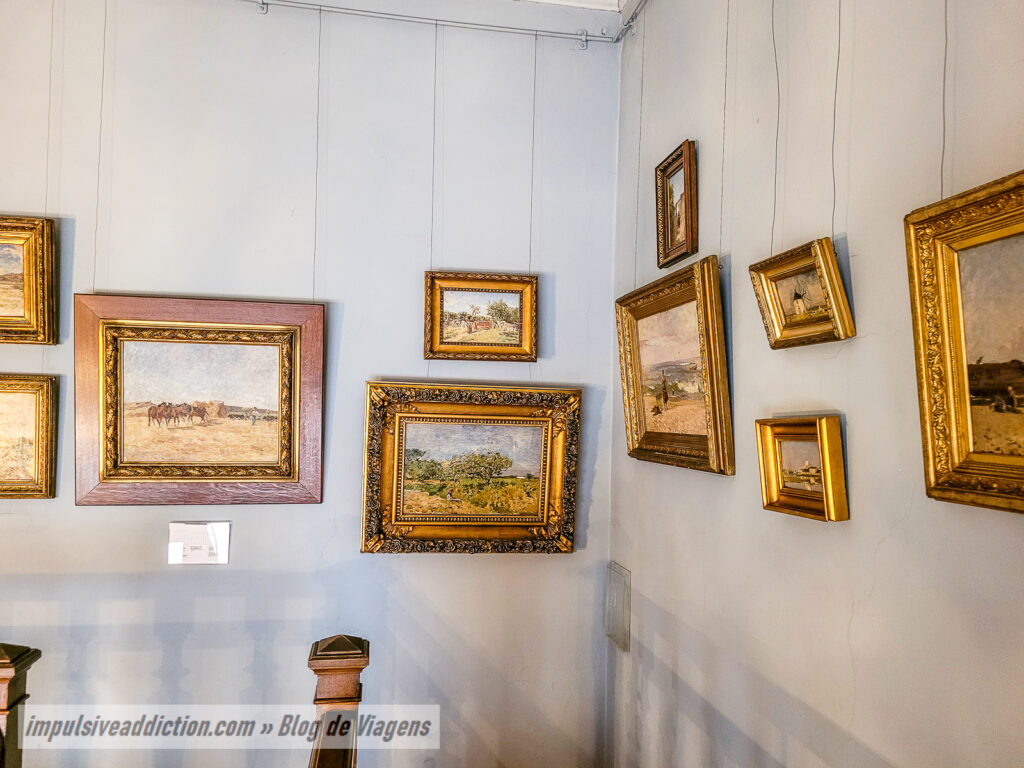
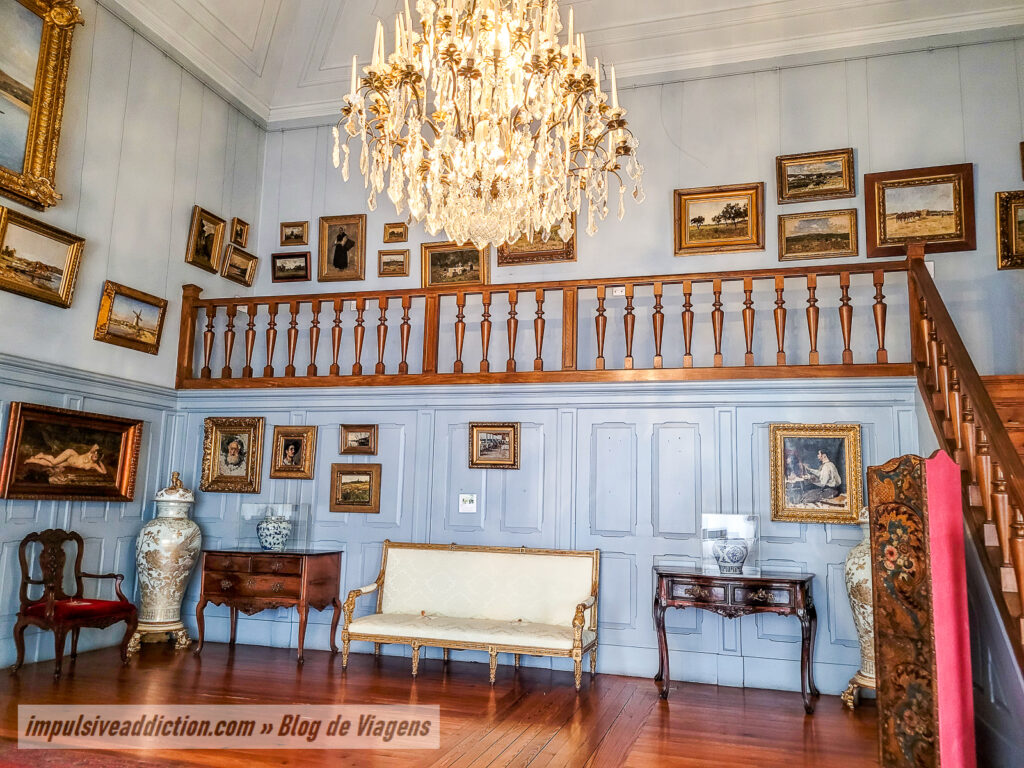
The collection comprises around 3,000 works of art, with three major highlights:
– 19th- and 20th-century Portuguese painting (featuring artists like Columbano, Silva Porto, José Malhoa, and others)
– 17th- and 18th-century Chinese porcelain
– European and Portuguese furniture of high decorative value
Complementing the collection are pieces of silverware, sculpture, ceramics, glass, textiles, numismatics, and pocket watches, along with archival material and drawings by Silva Porto.
The museum offers visitors an intimate and refined atmosphere, combining the charm of a private home with the richness of a curated art collection.
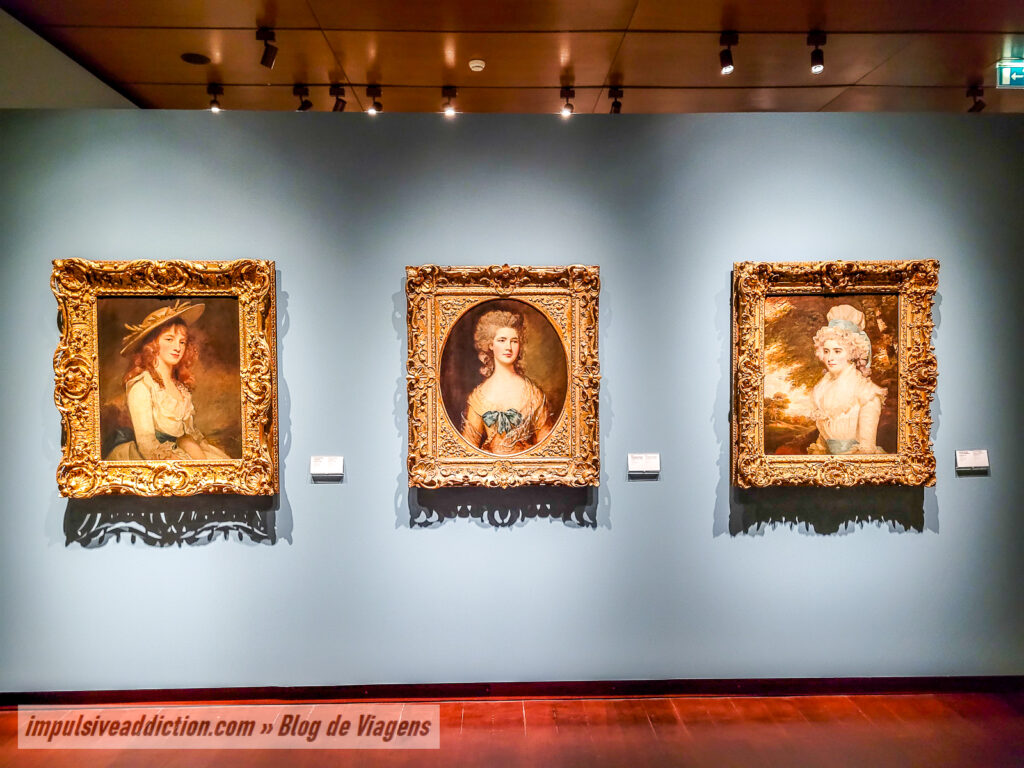
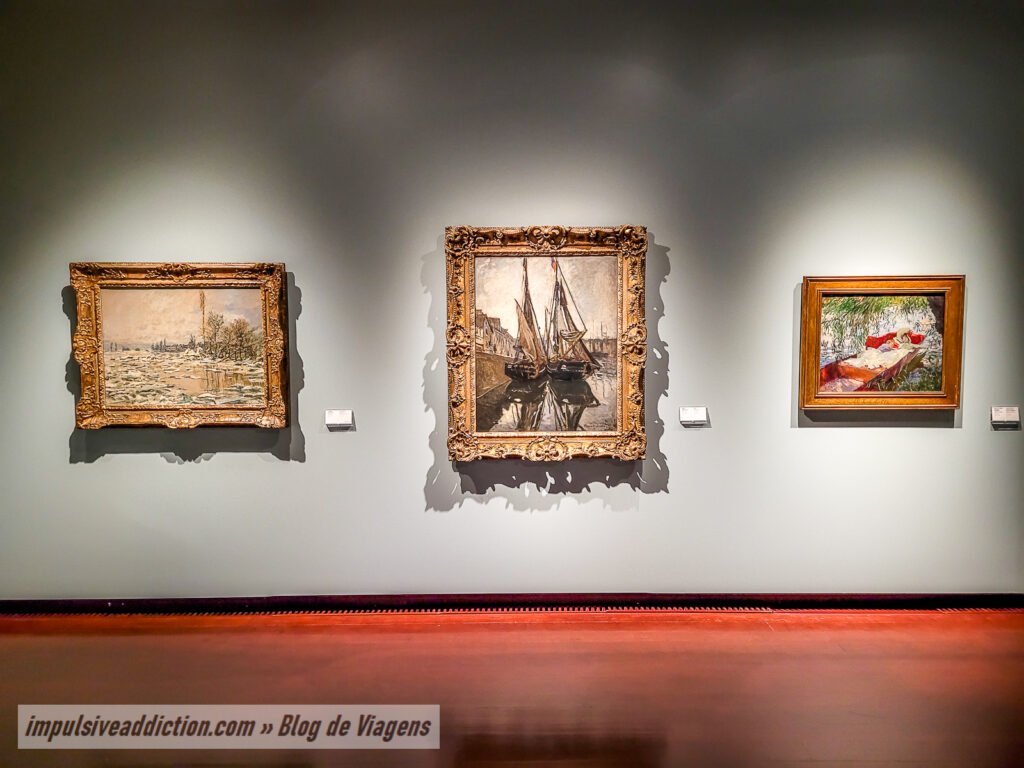
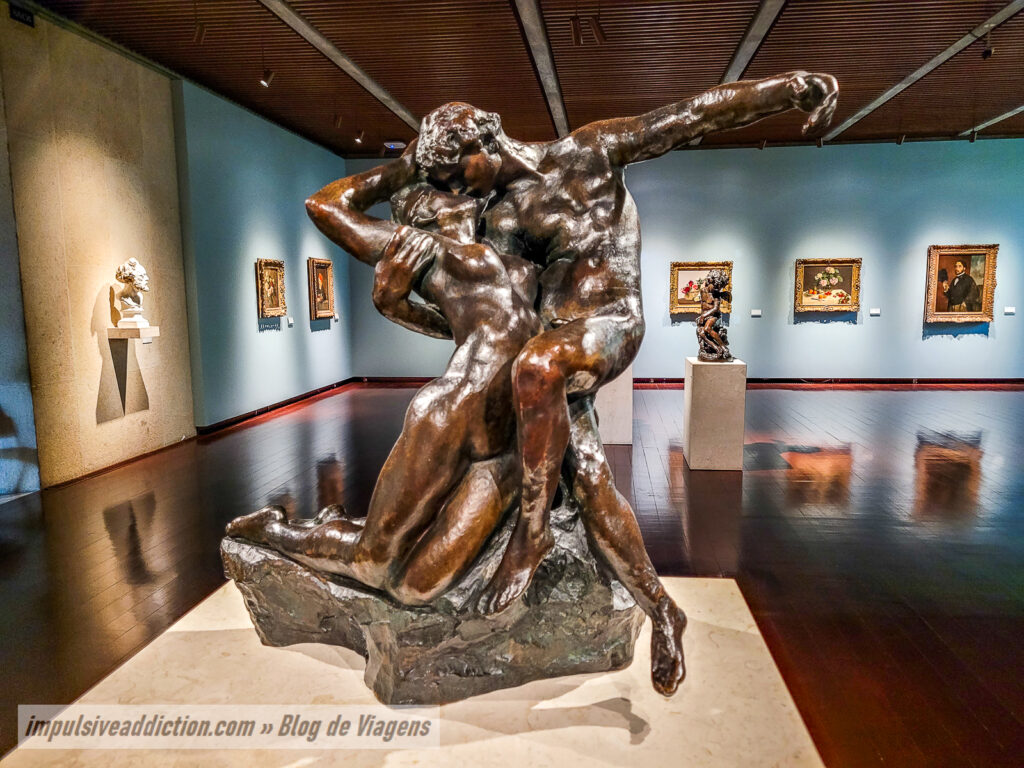
40. Calouste Gulbenkian Museum
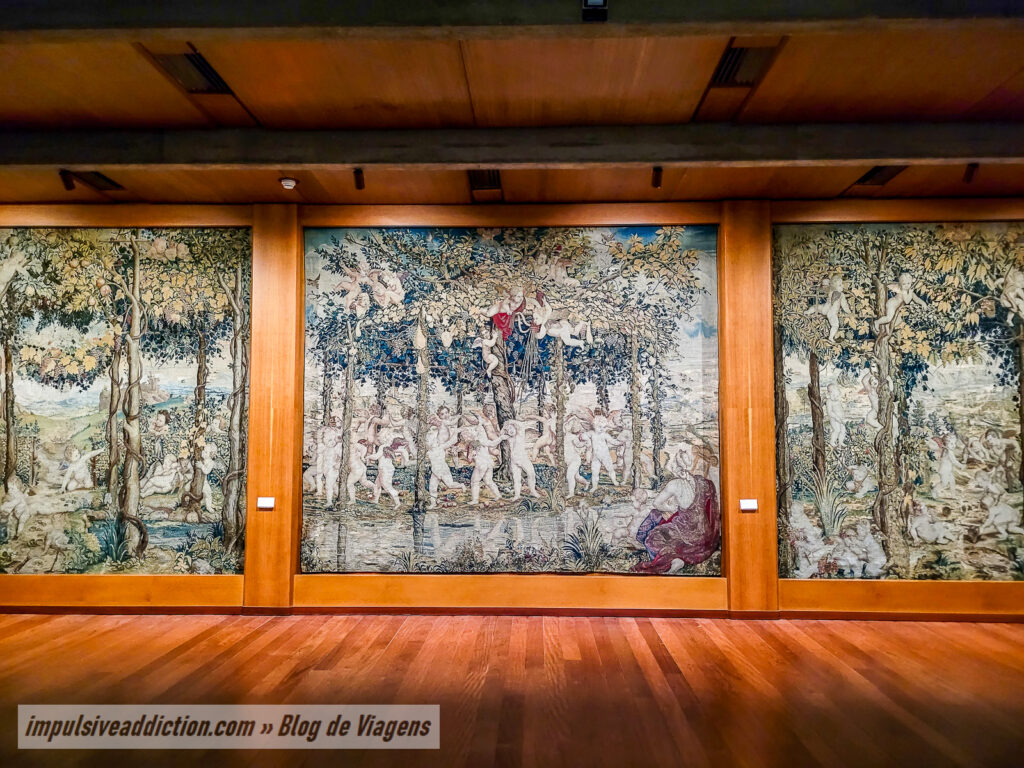
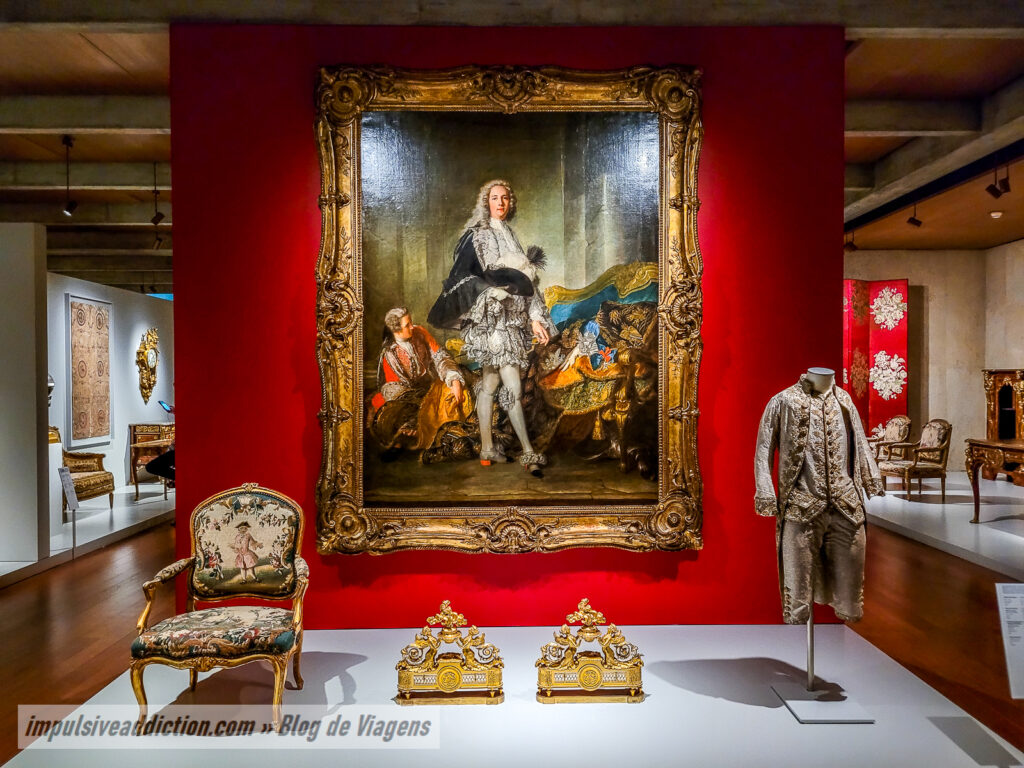
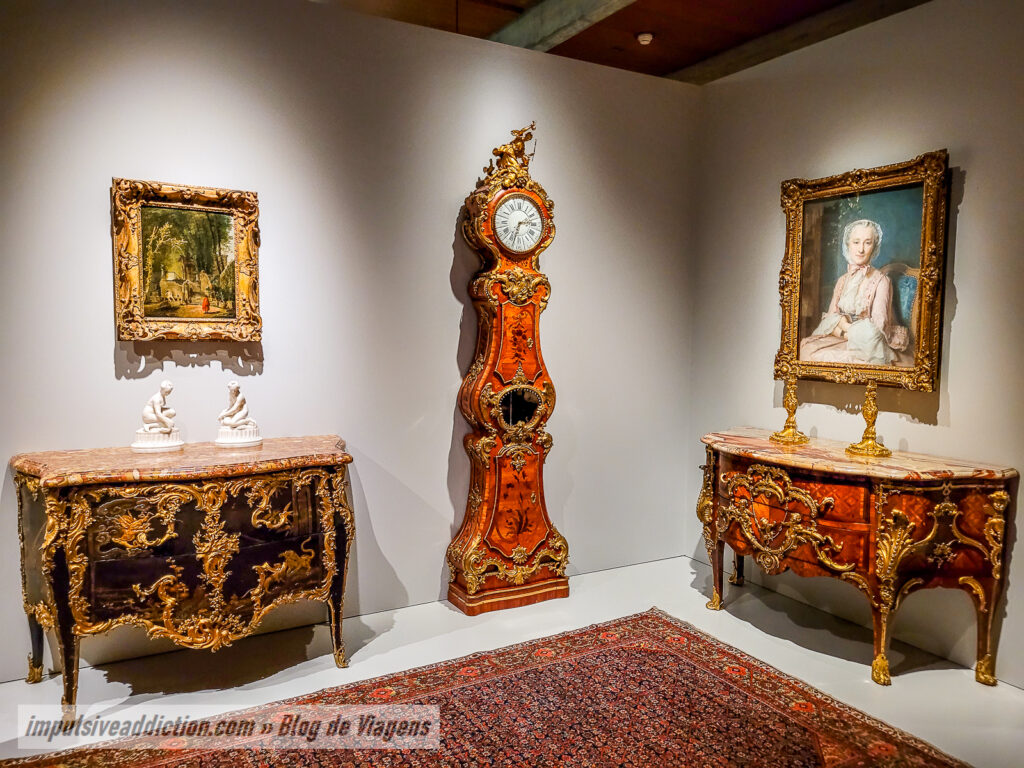
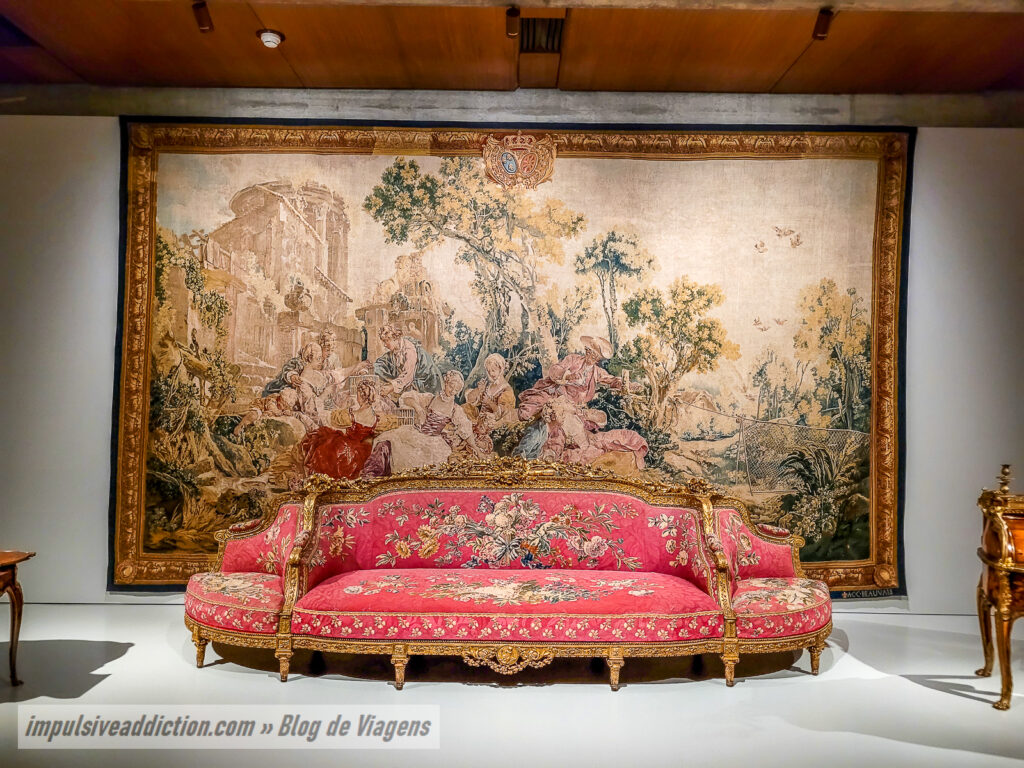
Opened in October 1969, the Calouste Gulbenkian Museum houses one of the most important private art collections in the world, assembled over four decades by Armenian magnate Calouste Gulbenkian.
The museum building — designed by Portuguese architects Ruy Jervis d’Athouguia, Pedro Cid, and Alberto Pessoa — blends harmoniously into a 7.5-hectare landscaped garden. It was awarded the Valmor Prize in 1975 and classified as a National Monument in 2010.
The permanent exhibition is organized into two independent circuits:
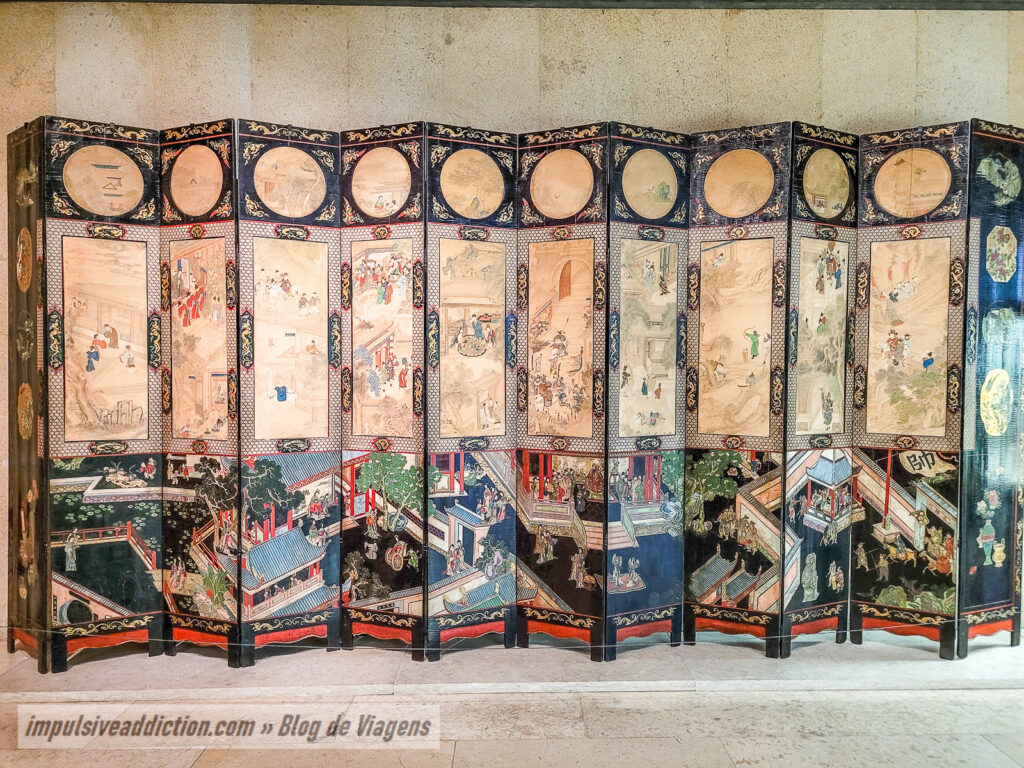
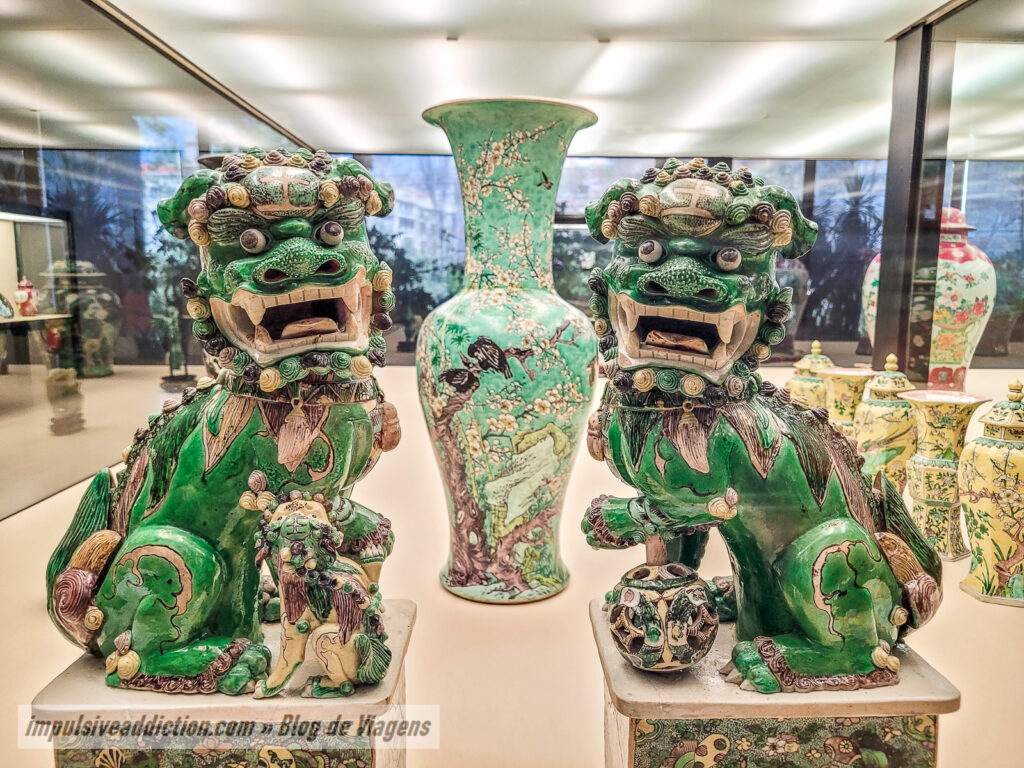
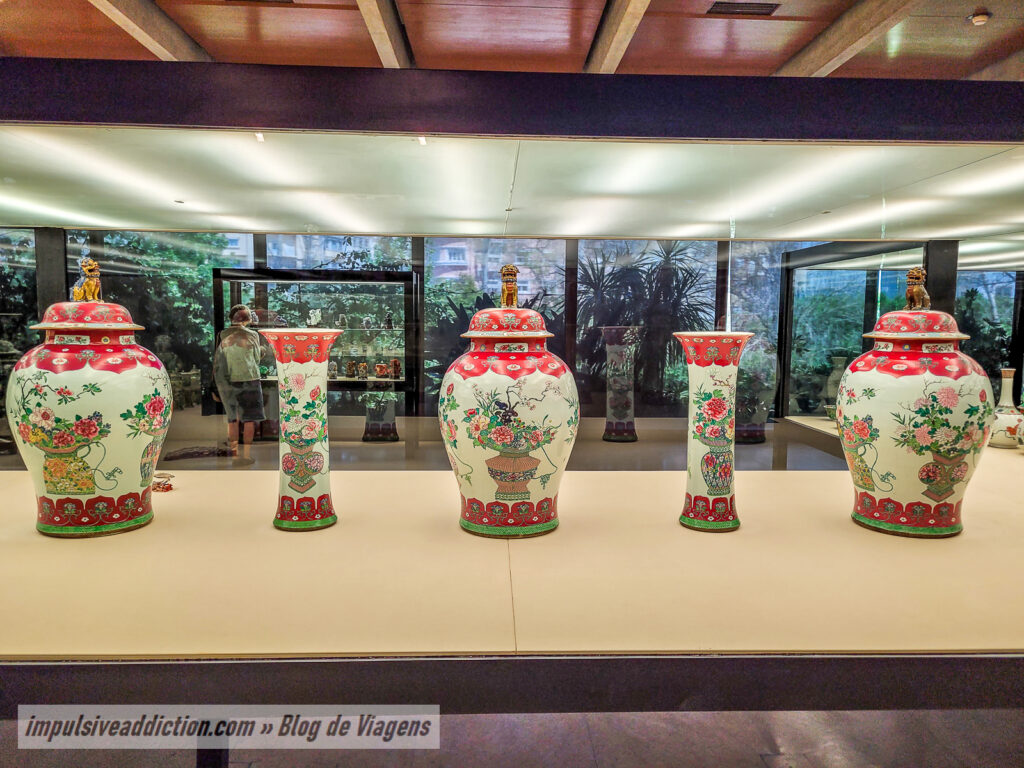
– one dedicated to ancient and Eastern art (including Egypt, Mesopotamia, Islamic art, China, and Japan)
– and the other to European art, featuring painting, sculpture, illuminated manuscripts, decorative arts, and jewelry by René Lalique.
Highlights include works by masters such as Rembrandt, Monet, Renoir, Rubens, Degas, Turner, Ghirlandaio, and many others. The full collection includes around 6,000 pieces, with approximately 1,000 on permanent display.
41. Bordallo Pinheiro Museum
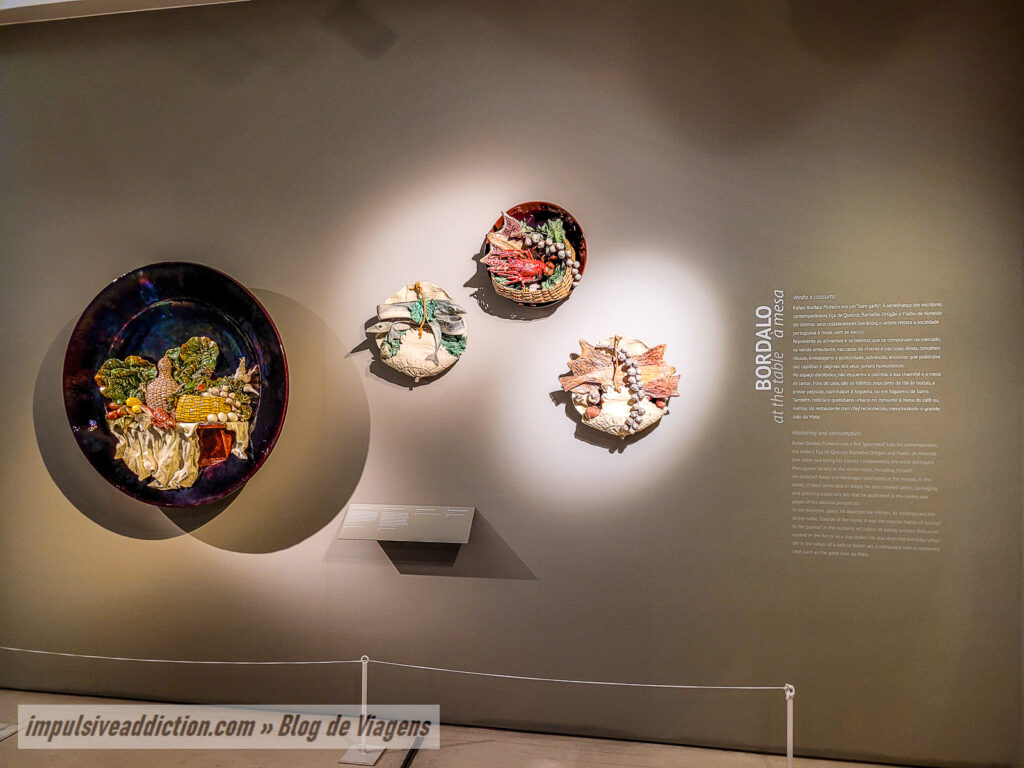
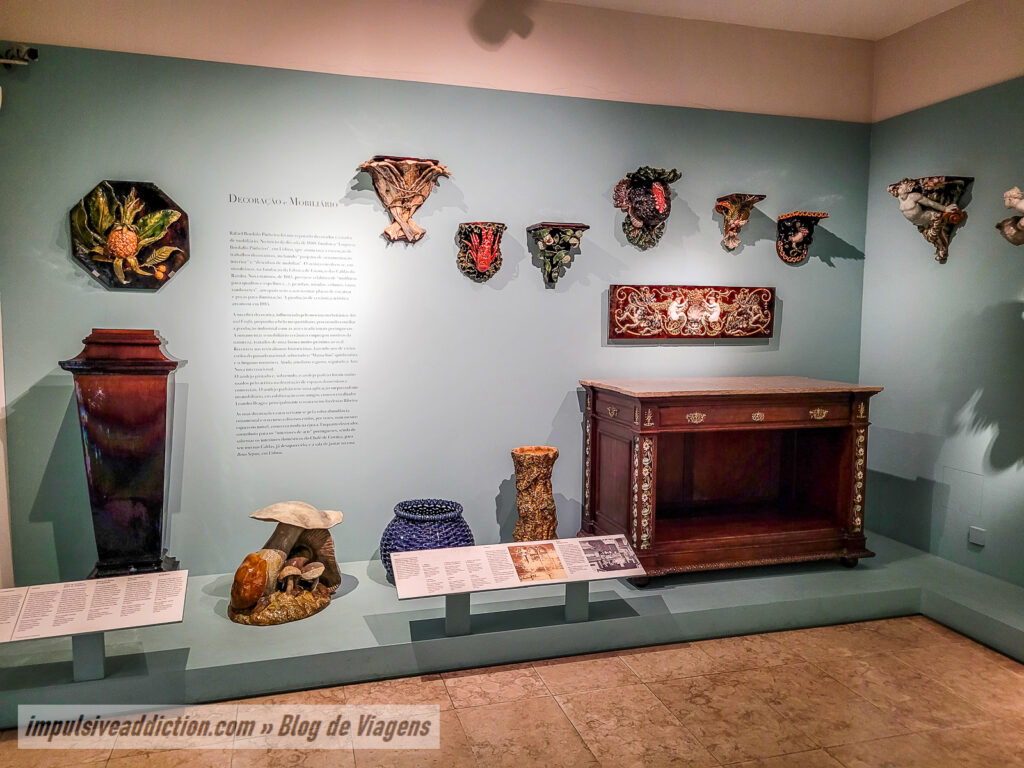
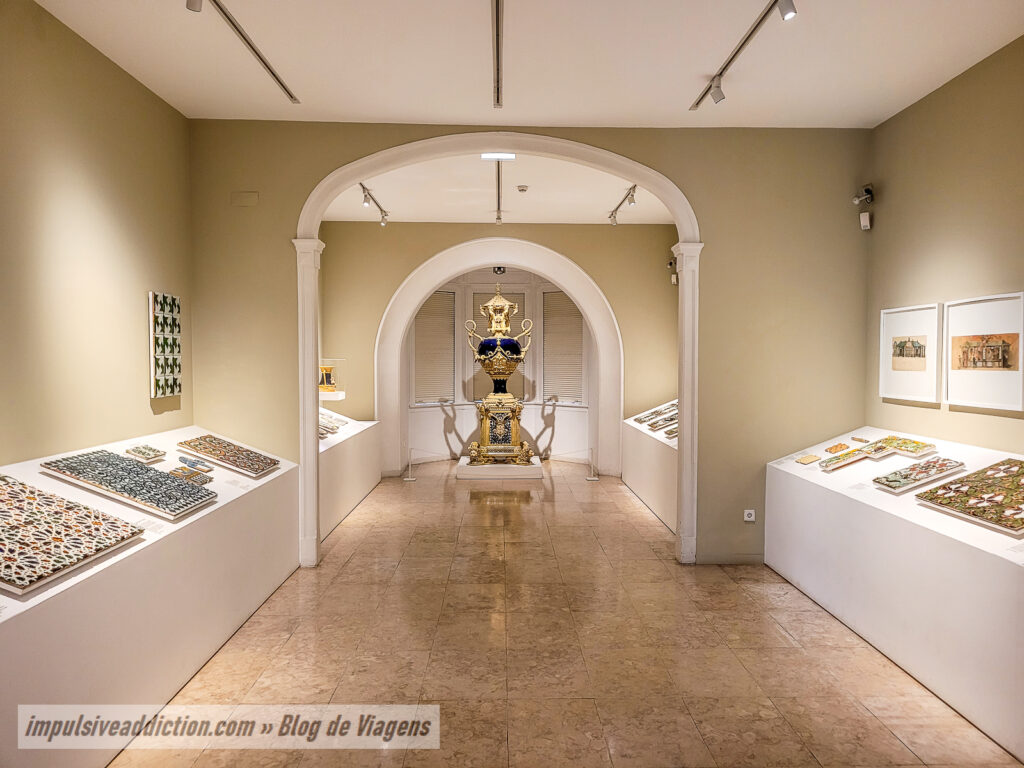
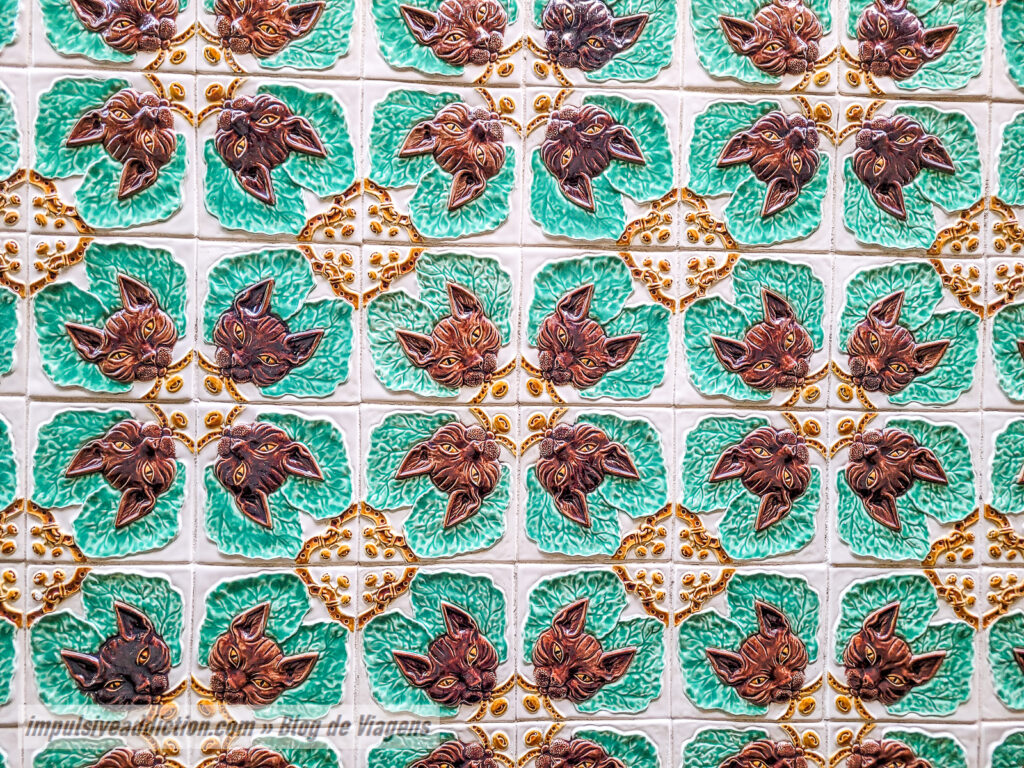
Located on Avenida Campo Grande, the Bordallo Pinheiro Museum was inaugurated in 1916 to house and celebrate the work of artist Rafael Bordallo Pinheiro (1846–1905). The museum’s mission is to preserve, study, and share his critical, satirical, and ceramic legacy.
With a collection of over 13,000 objects, the museum showcases drawings, caricatures, ceramics, tiles, paintings, photographs, documents, and artistic tools belonging to Rafael and his son Manuel Gustavo.
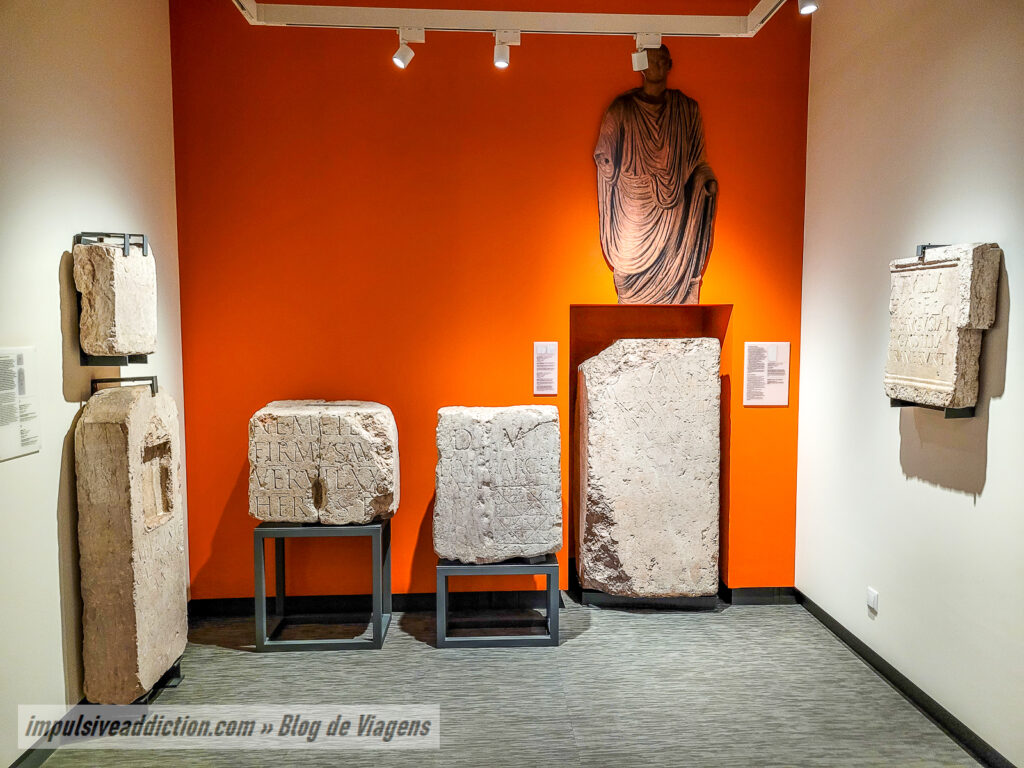
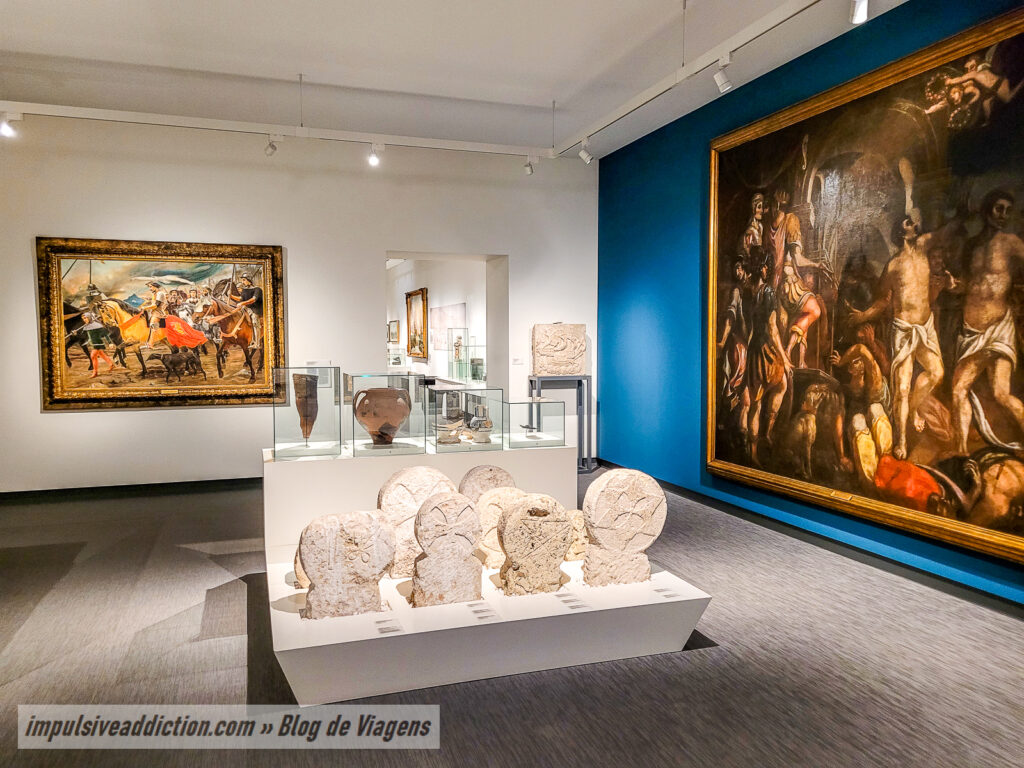
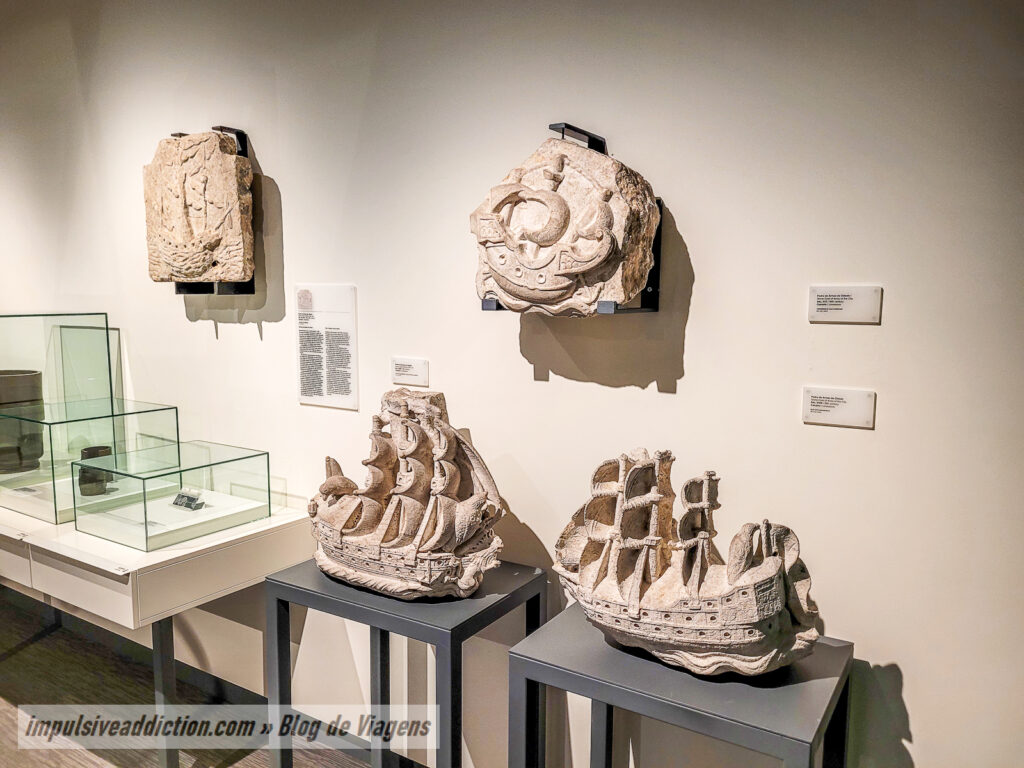
42. Lisbon Museum – Campo Grande (Palácio Pimenta)
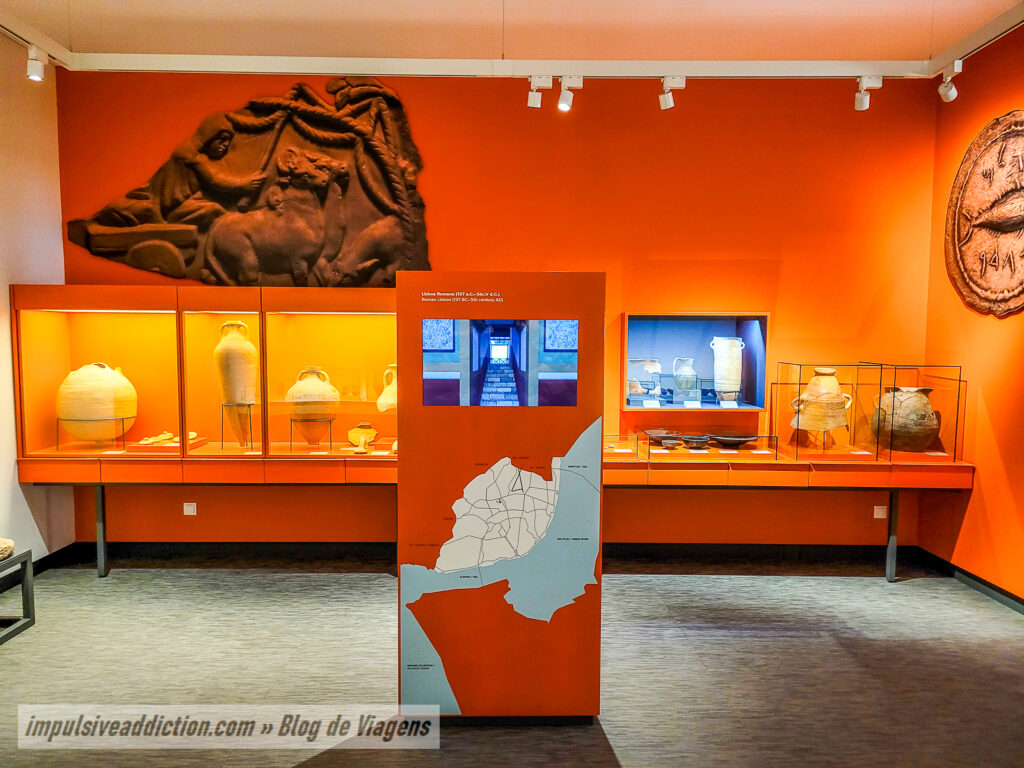
The Lisbon Museum – Campo Grande, housed in the 18th-century Palácio Pimenta and surrounded by lush gardens, serves as the main site of the Lisbon Museum.
Here, the city tells its own story: the permanent exhibition traces Lisbon’s history from Prehistoric times to the early 20th century, through a rich collection of archaeology, paintings, engravings, maps, and tiles that reflect the urban, social, and symbolic evolution of the Portuguese capital.
It’s the perfect starting point for anyone seeking historical context before visiting the museum’s other locations spread throughout the city.
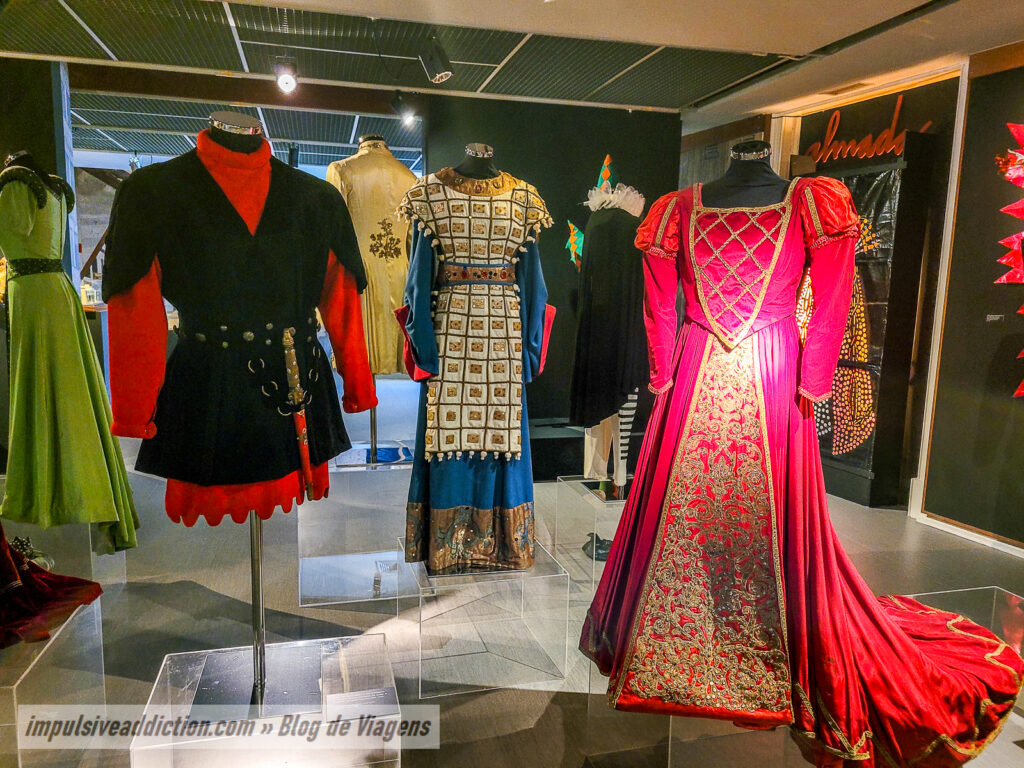
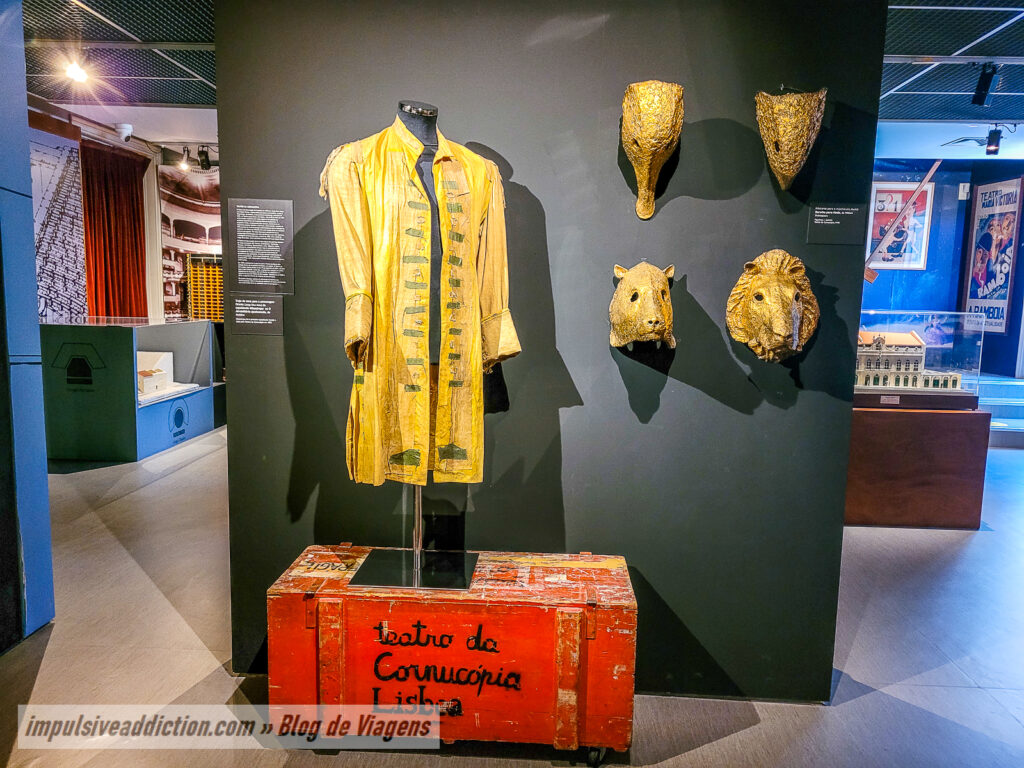
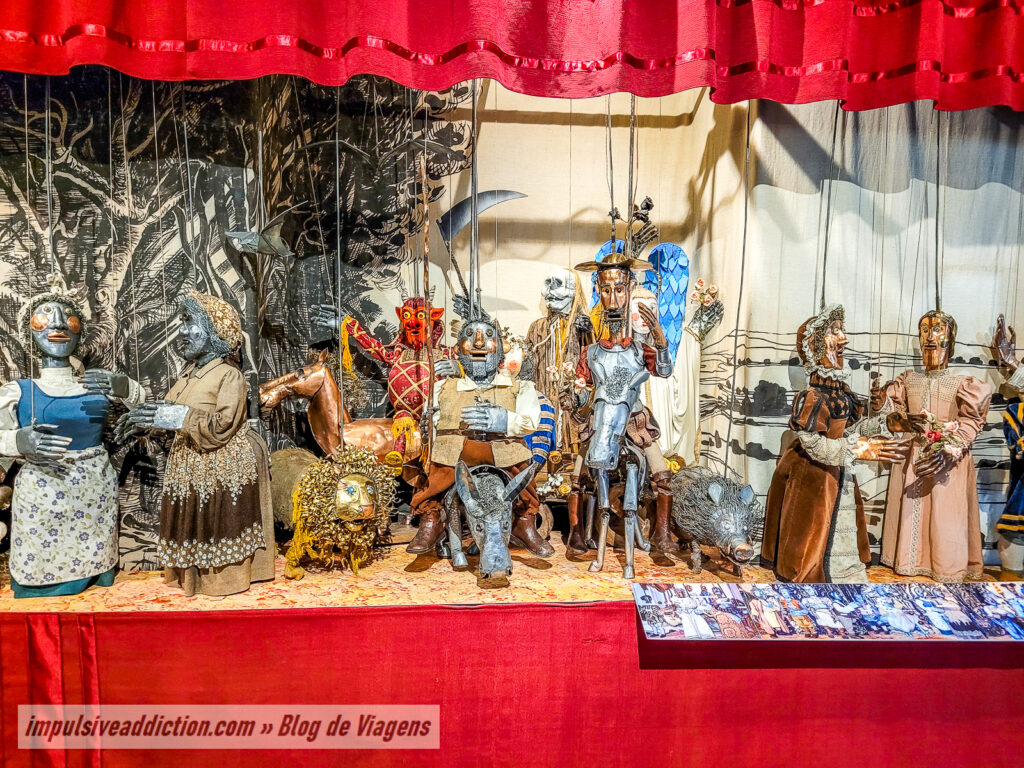
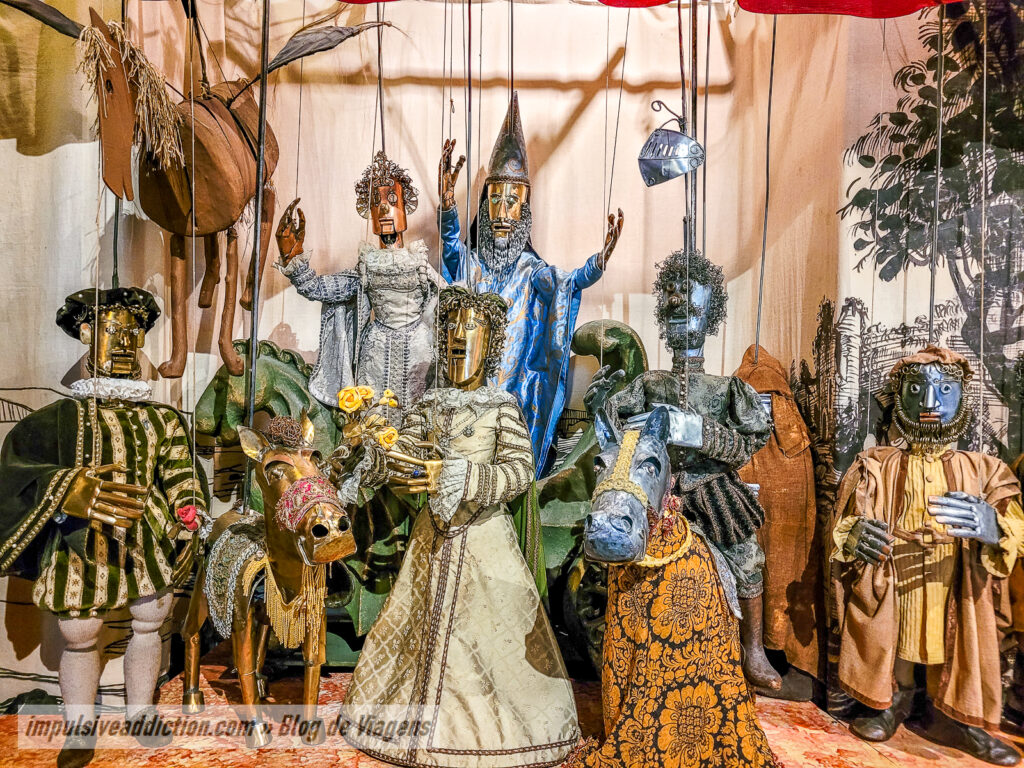
43. National Museum of Theatre and Dance
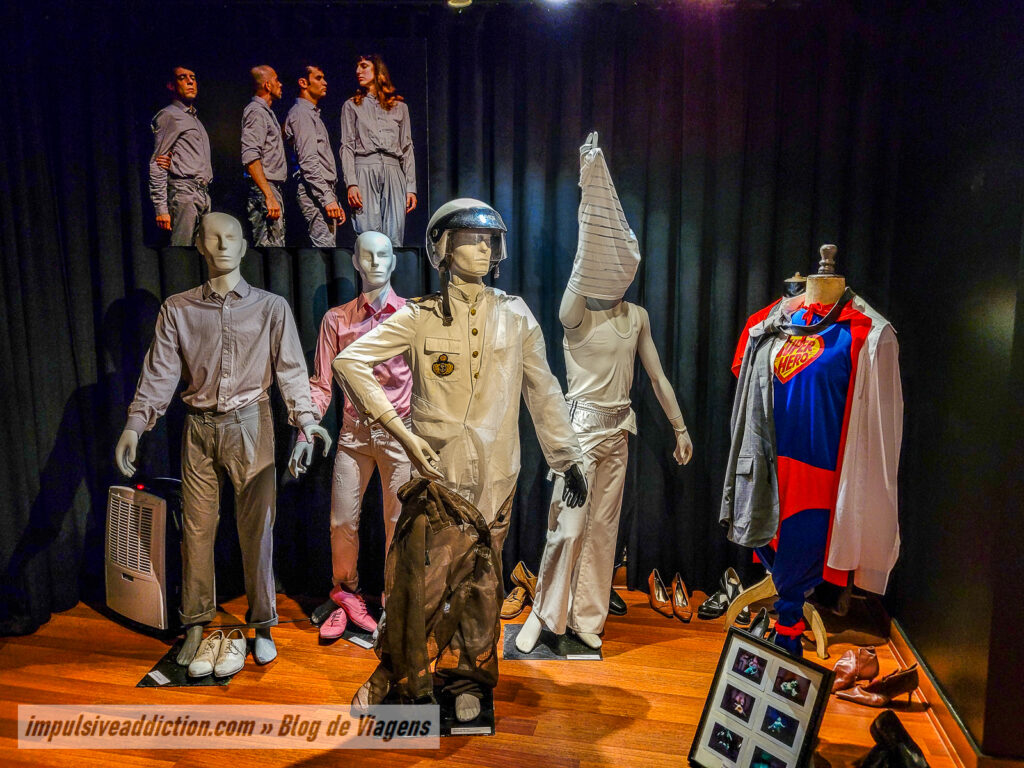
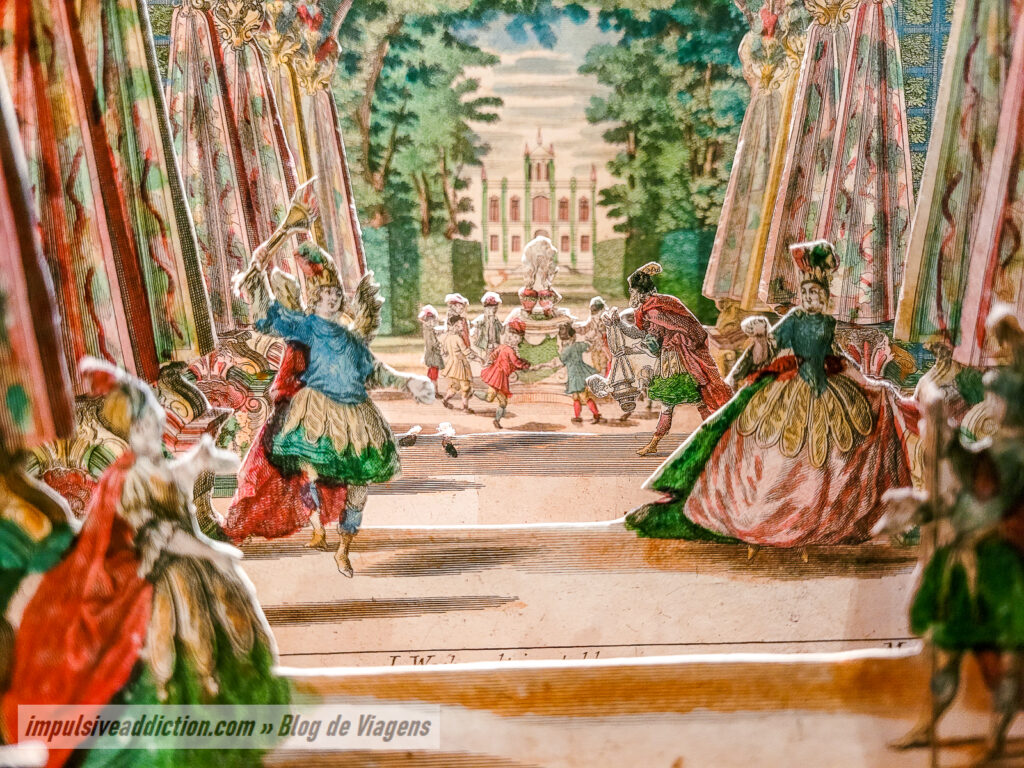
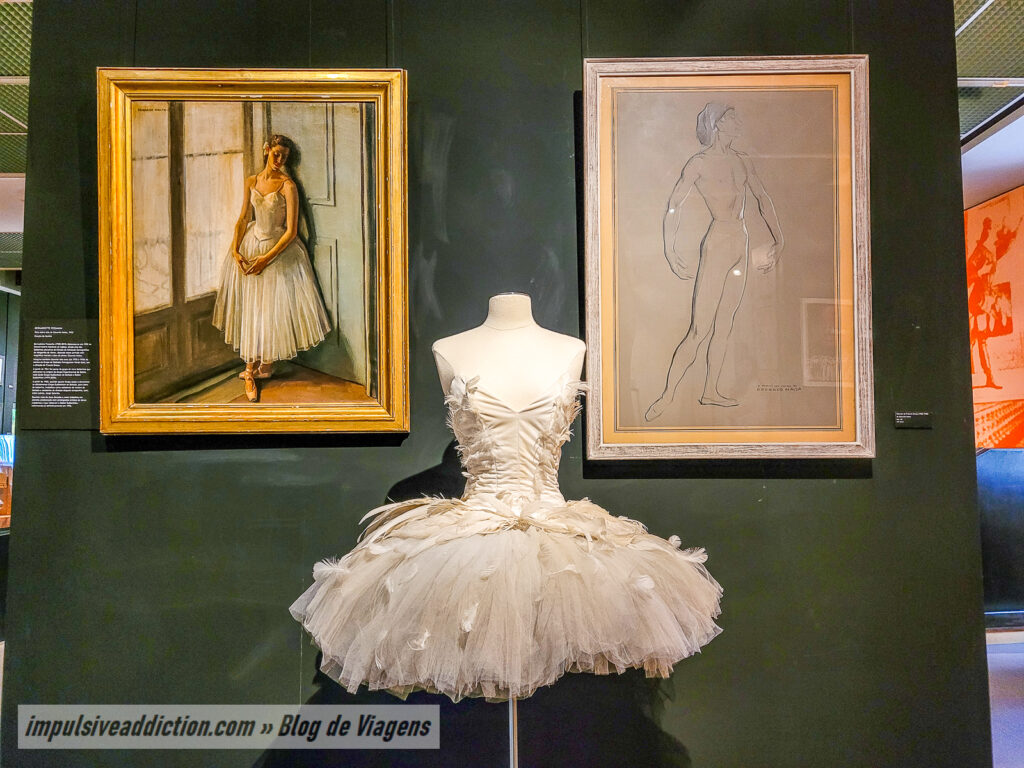
Located in Paço do Monteiro-Mor in Lisbon, the National Museum of Theatre and Dance is Portugal’s central archive of performing arts history.
The museum holds a vast collection of around 300,000 items, including costumes, props, set designs, sketches, posters, programmes, sheet music, and approximately 120,000 photographs.
Its mission is to preserve, document, research, and promote the memory of theatre, dance, and opera in Portugal. The museum also houses a specialised library with around 35,000 volumes, serving scholars, students, and performing arts professionals.

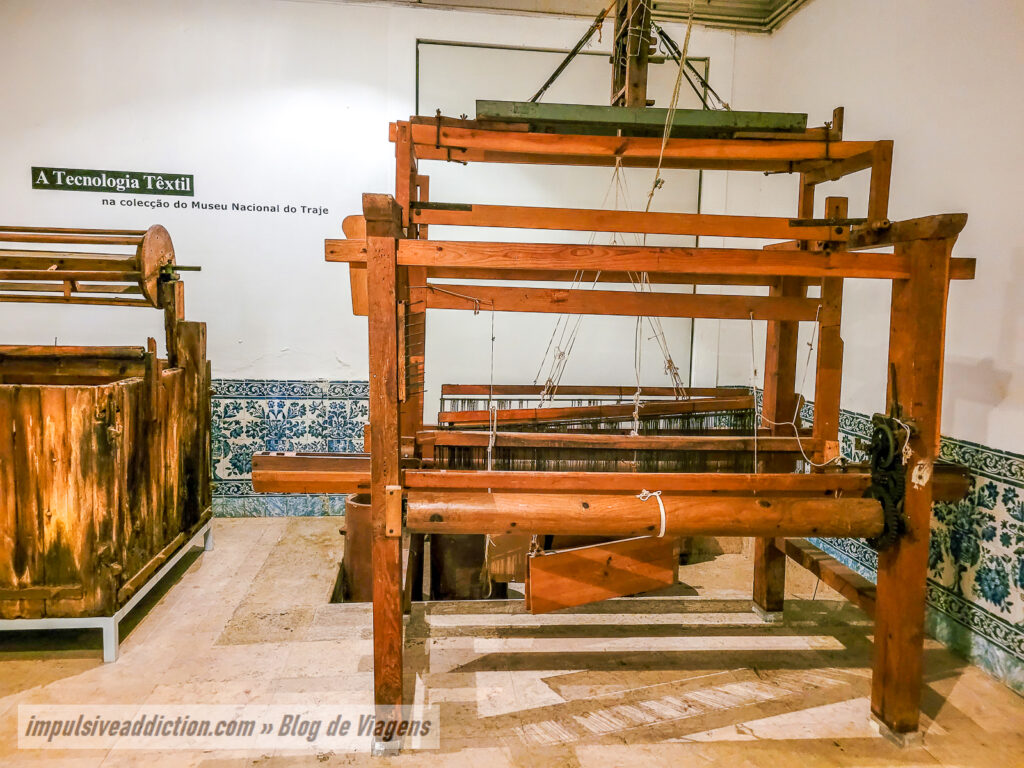
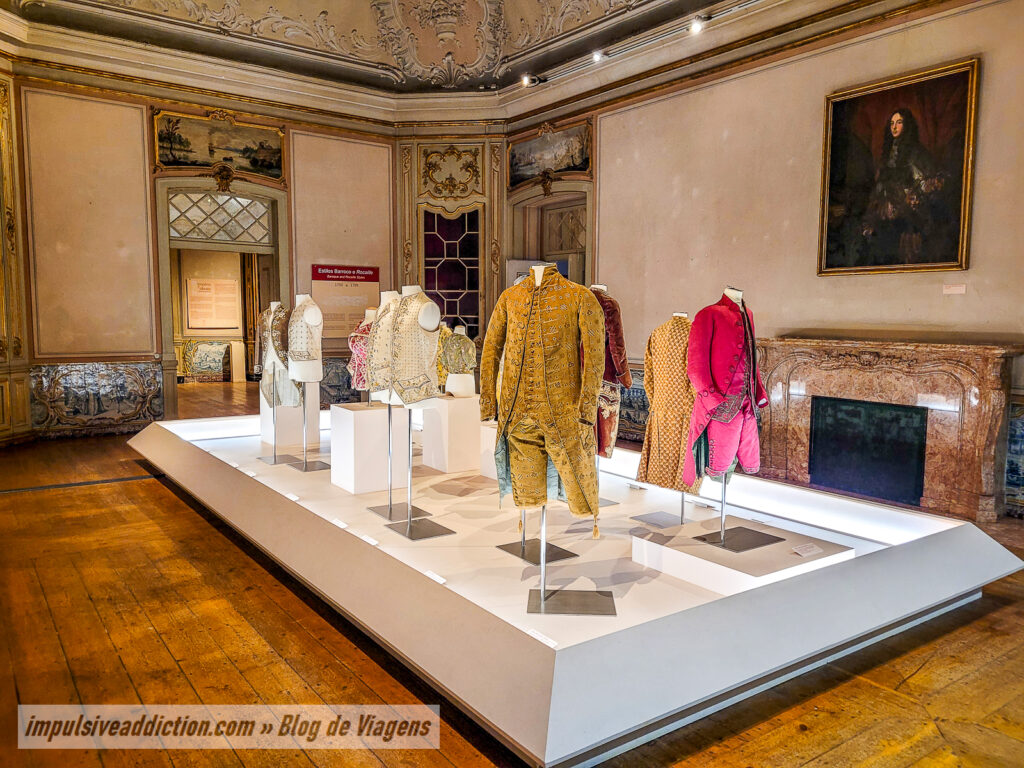
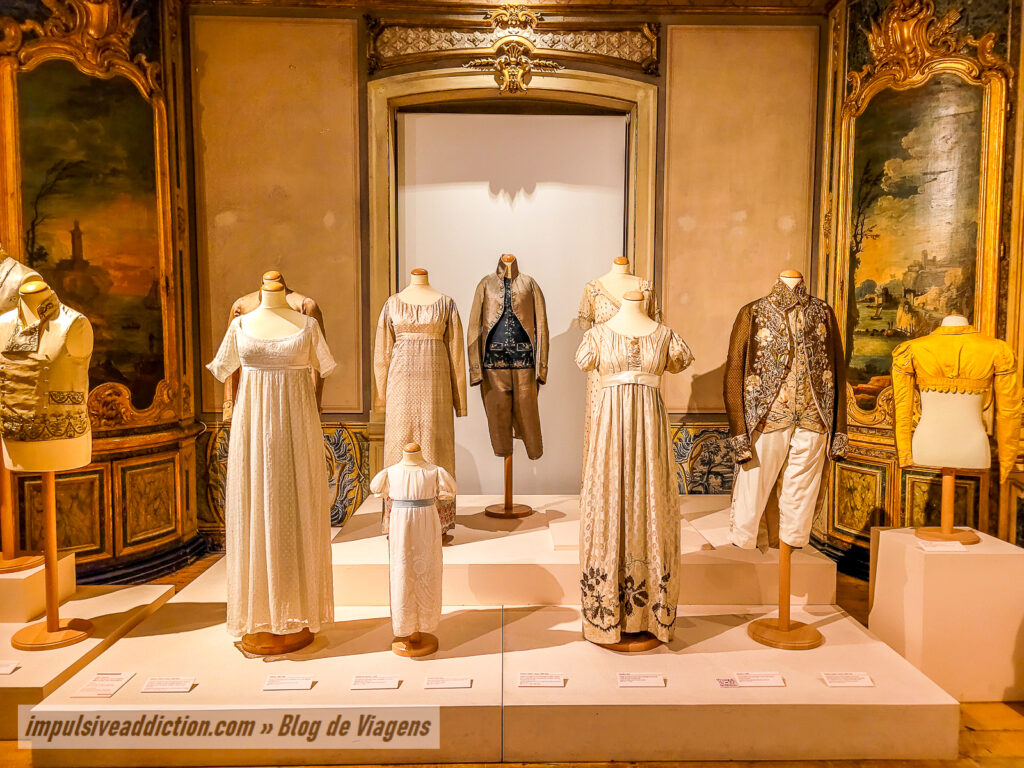
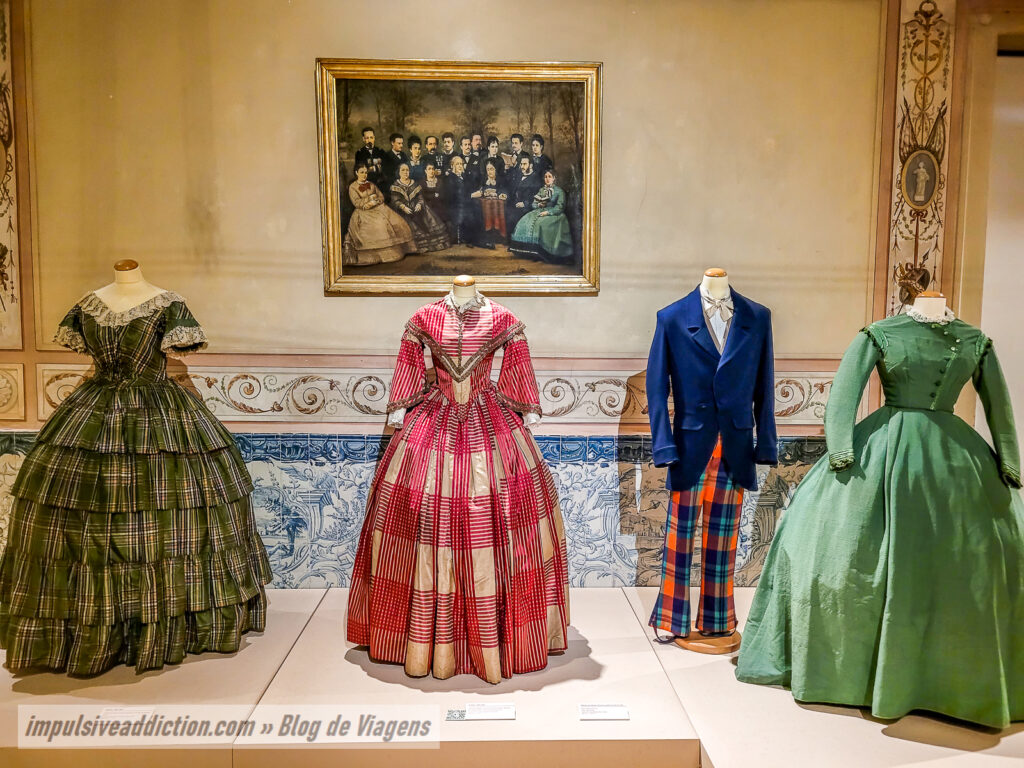
44. National Museum of Costume
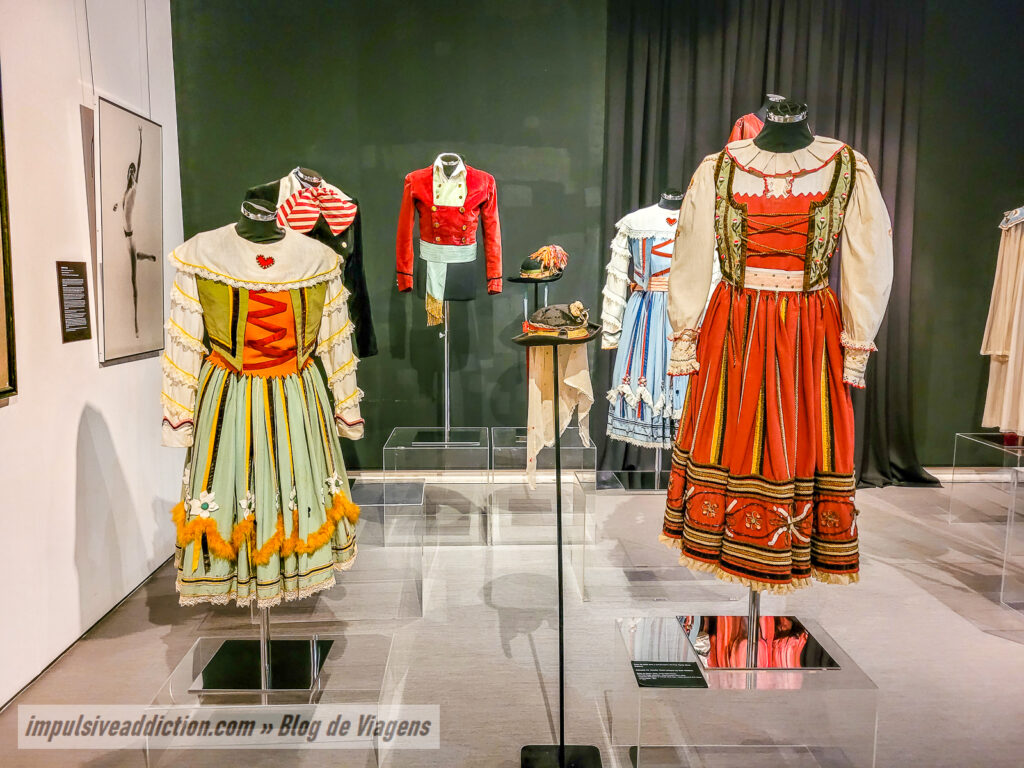
Located in Lumiar, the National Museum of Costume is housed in the elegant 18th-century Palácio Angeja-Palmela, nestled within the Monteiro-Mor Botanical Park.
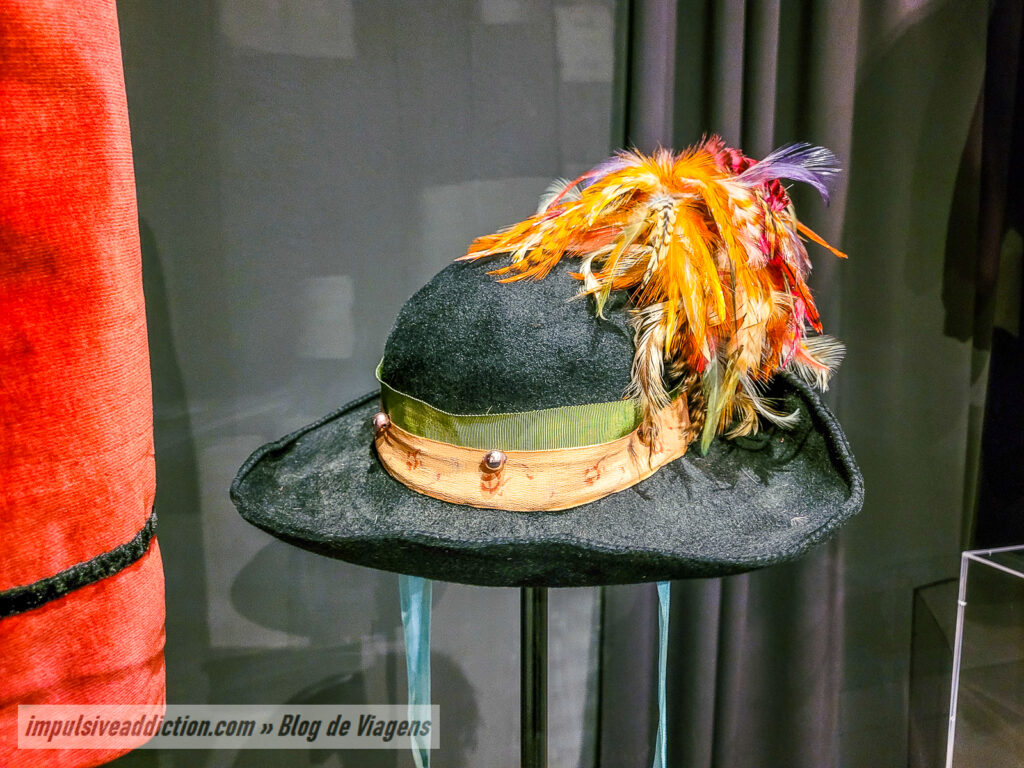
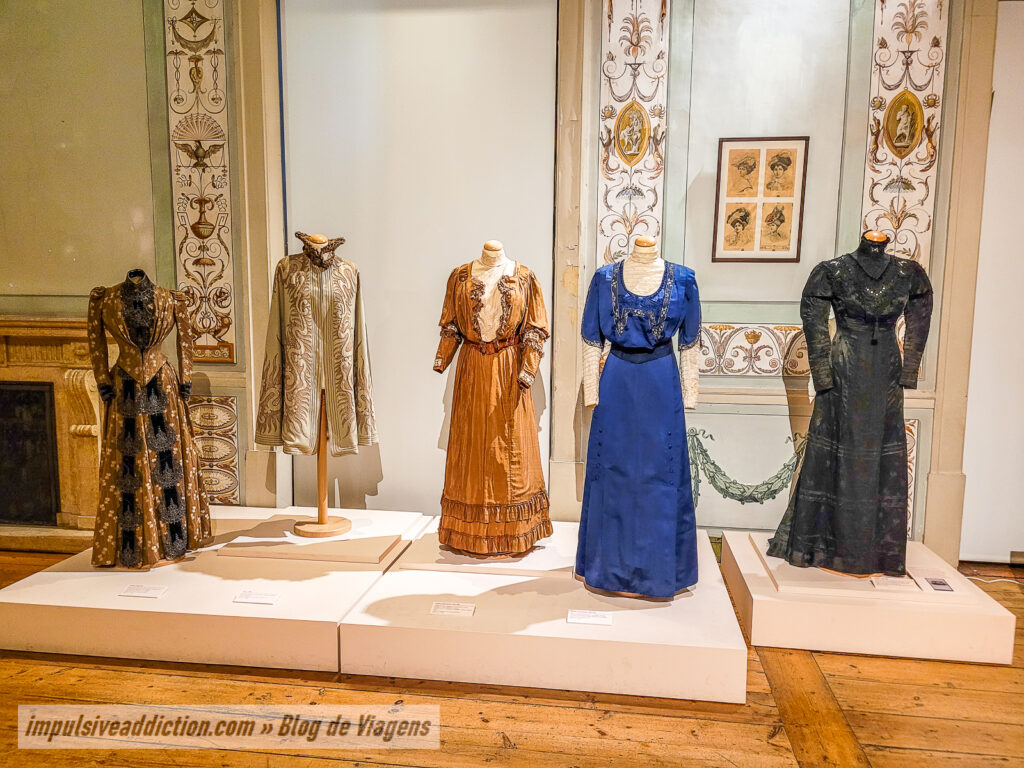
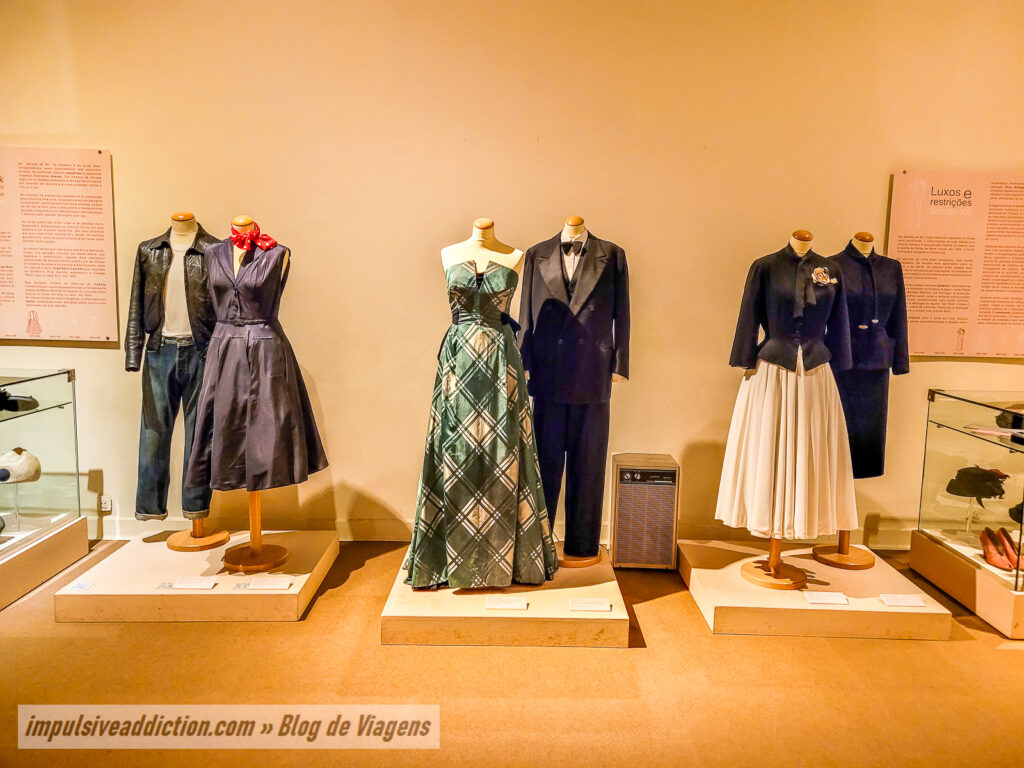
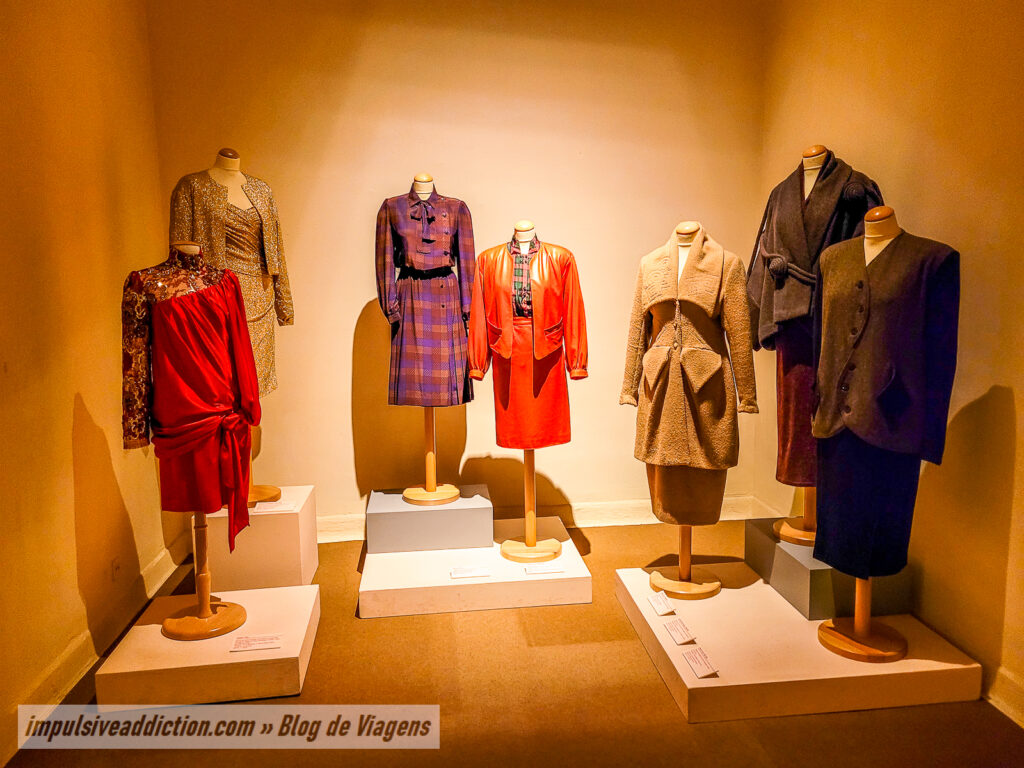
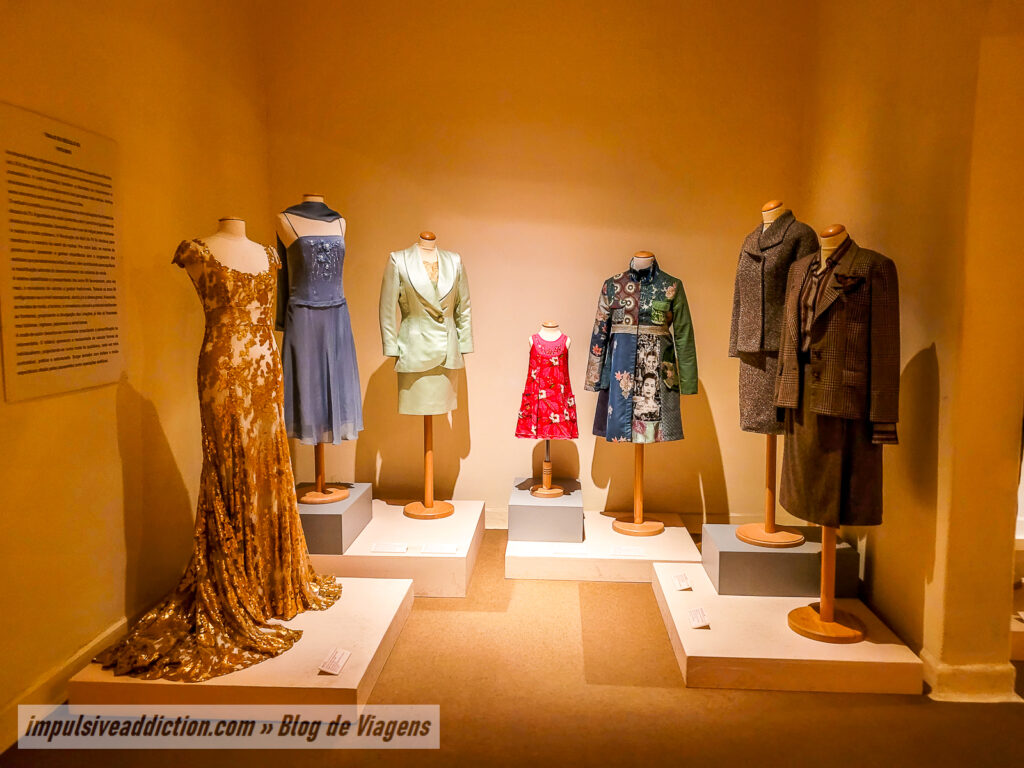
This museum tells the history of clothing through silks and velvets, embroidery and lace, spanning from the 18th century to the present day. The displays feature a wide variety of garments: court attire, crinolines, corsets, bourgeois fashion, children’s clothing, and a wealth of accessories — including hats, fans, and shoes.
Side by side with historical pieces, the museum also showcases haute couture and creations by Portuguese designers, revealing the materials, techniques, and social codes that have shaped each era’s fashion.

Lisboa Card – Is it worth it?
Lisboa Card – Is it Worth It?
Buying the Lisboa Card might be worth it — or not. It really depends on how you plan to use it and your travel style.
The Lisboa Card offers great value if you’re aiming to visit as many museums and attractions as possible in one or two days. However, that may not be the best approach for travelers who prefer to take their time, explore the city area by area, and follow a more relaxed itinerary.
I’ll let you decide whether it’s a good deal based on the full details available on the official Lisboa Card website. But keep in mind: if you go for it, your itinerary should be built around it to really make it pay off.
Did I get the Lisboa Card on my most recent trip to Lisbon?
Yes — and I saved a lot… even though I spent a lot too! 😄 I really wanted to see everything Lisbon has to offer!
Tours to visit Lisbon and surroundings
TOURS TO VISIT LISBON
- Sunset boat trip in Lisbon
- 1.5 hour Amphibious Vehicle tour in Lisbon
- Guided walking tour of Lisbon
- Private Tuk Tuk tour of Lisbon
- Lisbon: Estádio da Luz Tour (SL BENFICA)
- Lisbon: History, Stories and Lifestyle Walking tour
- Alfama Food Tour with 18 tastings
- Lisbon: Sightseeing cruise on the Tagus River
- Lisbon: Fado and Wine Experience
- Pastel de Nata Baking Class in Lisbon
- Lisbon pub crawl

TOURS TO VISIT LISBON SURROUNDINGS:
- From Lisbon: Sintra, Pena, Regaleira, Cabo da Roca and Cascais
- From Lisbon: Fátima, Nazaré, Batalha and Óbidos
- From Lisbon: Kayaking experience in Sesimbra
- From Lisbon: Dolphin watching boat tour
- Wine tasting tour in Setúbal Region
- Tour to Algarve from Lisbon
- Tour to Évora from Lisbon
- Tour to Tomar and Almourol Castle
Safe travels! ✈️
Which of these Lisbon museums is your favorite? 😉
Let me know in the comments! 💬🖼️
