 Pedro Domingues
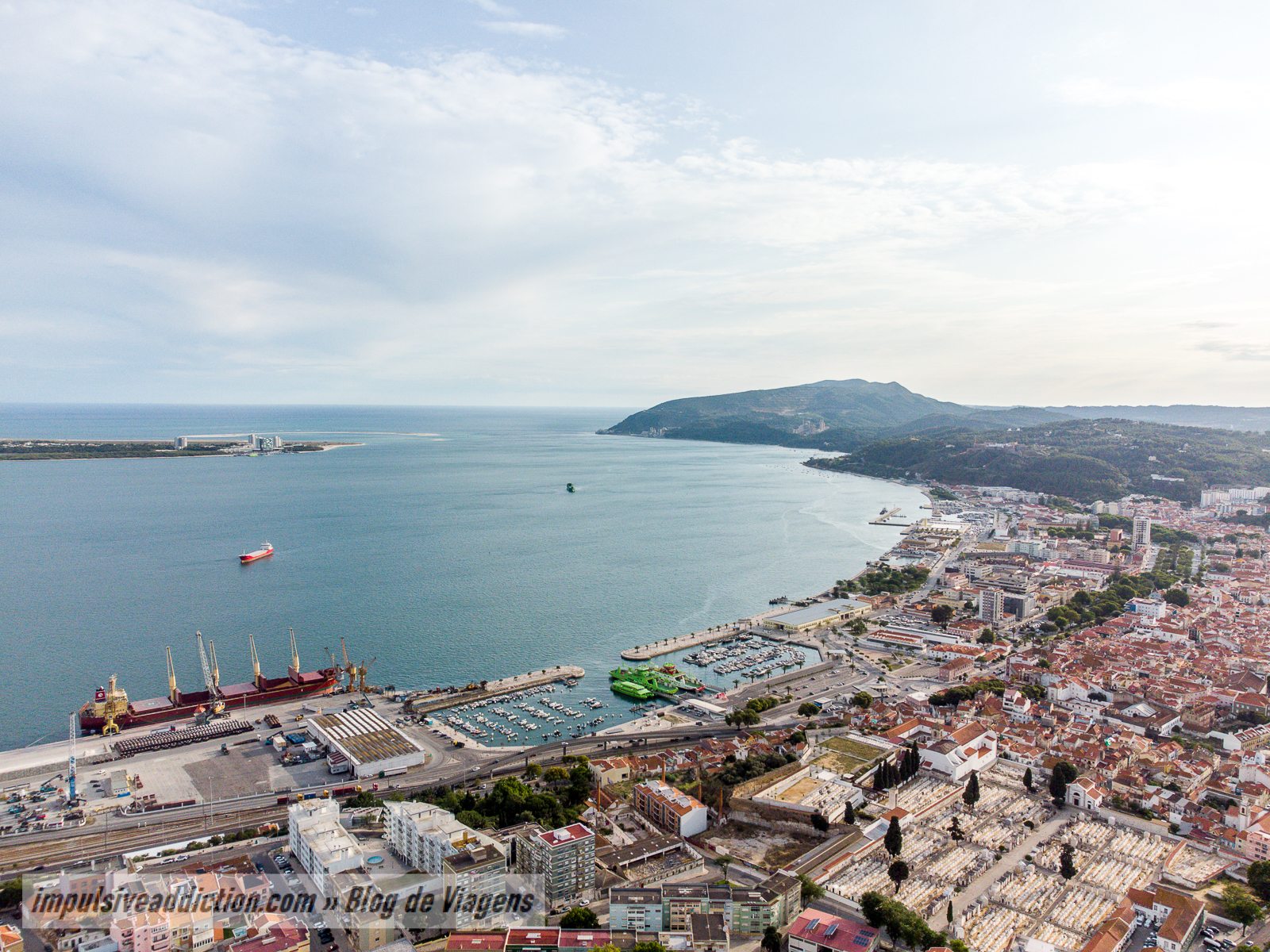
Setúbal may not be the most famous city in Portugal, but you’ll surely find it beautiful as you stroll along the banks of the Sado River or admire it from the stunning viewpoints in the Arrábida mountains.
Without a doubt, it’s one of the most fascinating district capitals in the country—home to dolphins just off the coast, world-class beaches, and a rich seafood-based cuisine perfectly paired with local Moscatel wine. 😉
In this article, you’ll discover the best things to do in Setúbal, from the city center to the charming village of Azeitão and the breathtaking Arrábida Natural Park. Here, you’ll find all the details on the top attractions this unique region has to offer.

Where is Setúbal located, in Portugal?
Setúbal is a city in the Lisbon metropolitan area, located about 50 km south of the capital, along the banks of the Sado Estuary. It shares borders with the municipalities of Sesimbra, Barreiro, and Palmela.
MORE ARTICLES FROM CENTRAL PORTUGAL:

- Things to do in Espinho
- Things to do in Ovar
- Things to do in Aveiro
- Aveiro to Costa Nova
- Best beaches in Aveiro

- Things to do in Mira beach
- Things to do in Coimbra
- Schist Villages in Portugal
- Things to do in Figueira da Foz

- Visit Monsanto in Portugal
- Historical Village of Piódão
- Historical Villages of Portugal

- Things to do in Leiria
- Visit Batalha Monastery and surroundings
- Visit Alcobaça Monastery and surroundings
- Things to do in Fátima
- Visit Mira de Aire Caves
- Things to do in Nazaré
- Things to do in Peniche
- Best beaches in Peniche
- Visit Berlenga Island

- Best beaches in Ericeira
- Visit Ursa Beach
- Best Beaches in Sintra
- Best Beaches in Cascais
- Things to do in Mafra and Ericeira
- Things to do in Sintra
- Parks and Palaces in Sintra
- Things to do in Cascais

- Best Costa da Caparica beaches
- Best beaches in Setúbal
- Best Beaches in Sesimbra
- Visit Ribeiro do Cavalo Beach
- Best beaches in Tróia, Comporta and Melides
- Things to do in Sesimbra
How to Get to Setúbal?
You can reach Setúbal from Lisbon using public transport, with Carris Metropolitana buses departing from Lisbon Oriente Station. However, if you’re planning to explore the Arrábida Mountains, having a car is the most convenient option. Just keep in mind that during the summer months, access to the area may be restricted due to wildfire prevention measures. During these times, shuttle buses to the beaches are available from Setúbal’s city center.

When to Visit Setúbal?
Setúbal can be visited year-round, with each season offering its own charm. However, several local festivals might give you an extra reason to plan your trip at a specific time:
- Feira de Sant’Iago – Held in the last week of July and the first week of August, this historic fair has been around for over 400 years.
- Festival of Our Lady of the Rosary of Tróia – Takes place in the second half of August and features a unique boat procession between Setúbal and the Caldeira of Tróia.
- Festa do Senhor do Bonfim – Celebrated on the first weekend of May.
- Arrábida and Azeitão Festivities – Held in mid-July.
- Mourisca Tidal Mill Festival – Happens on the last weekend of August.
These are some of the main festivities, but there are many others throughout the year worth discovering. Don’t miss the opportunity to experience Setúbal’s vibrant cultural calendar.
Food and Restaurants in Setúbal
When it comes to food, choco (cuttlefish) is without a doubt Setúbal’s most iconic dish. Personally, I’m not the biggest fan—I prefer other types of fresh local fish, like sardines or mackerel, which are also excellent here. Choco is usually served fried or in a hearty bean stew (feijoada).
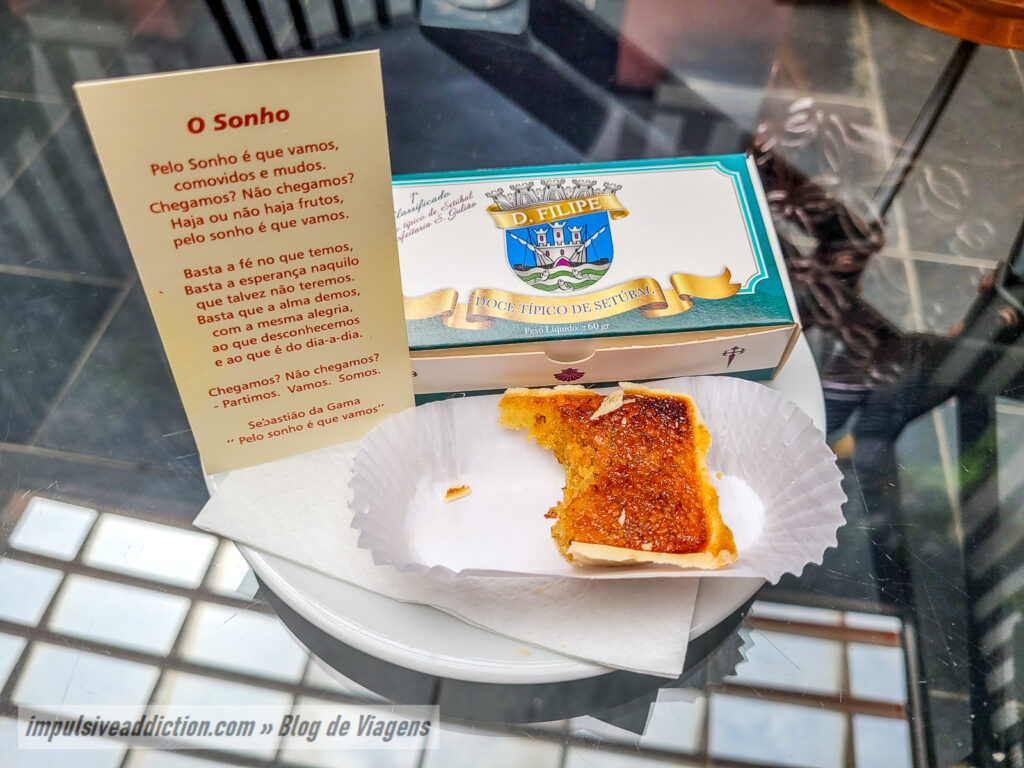
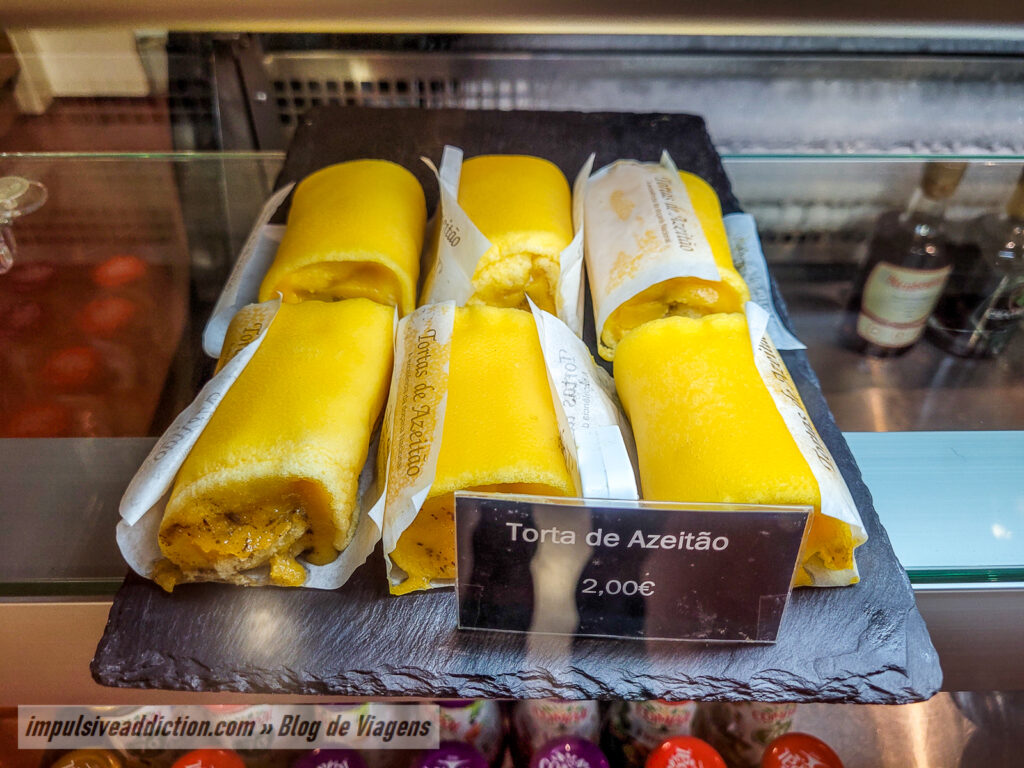
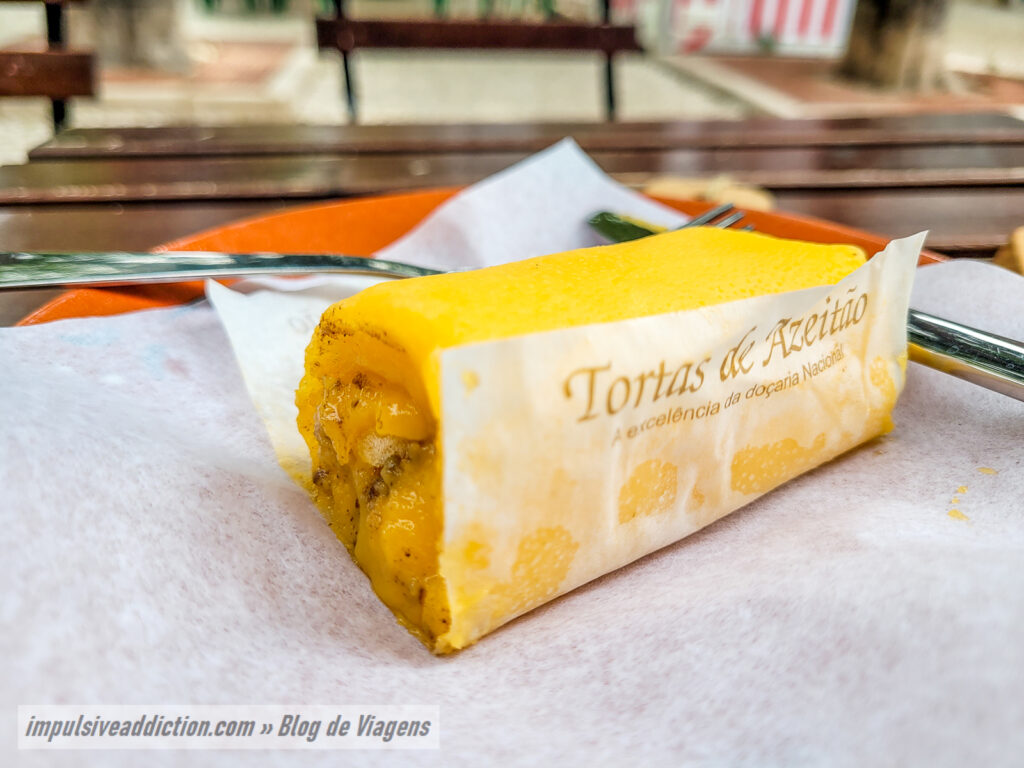
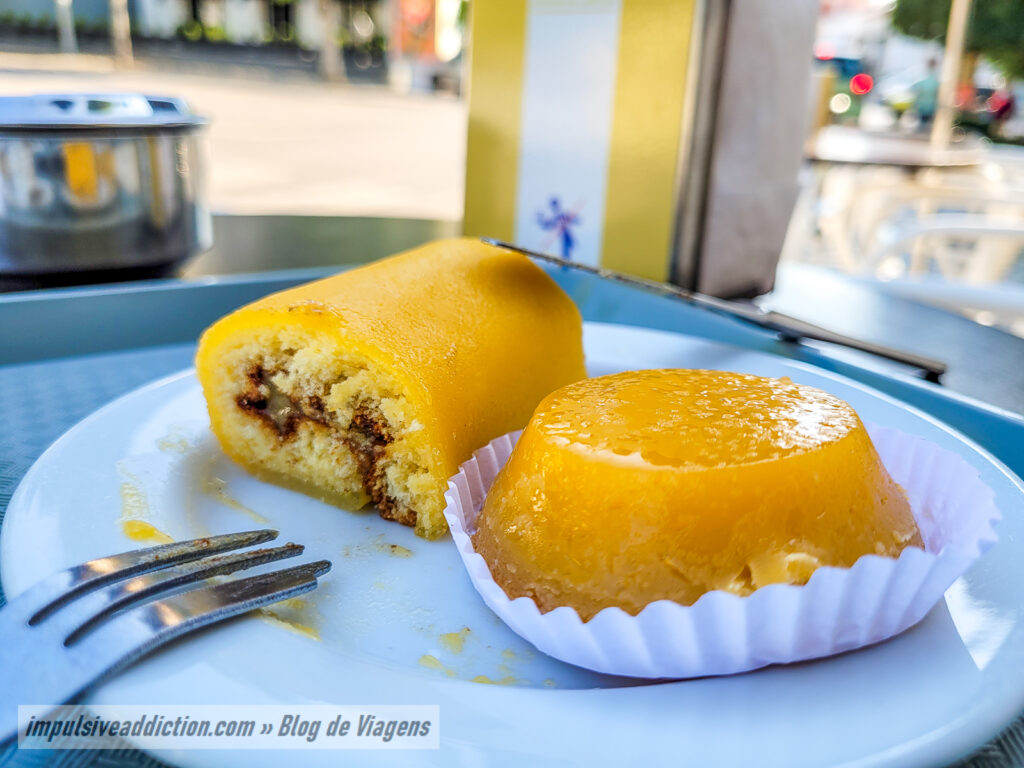
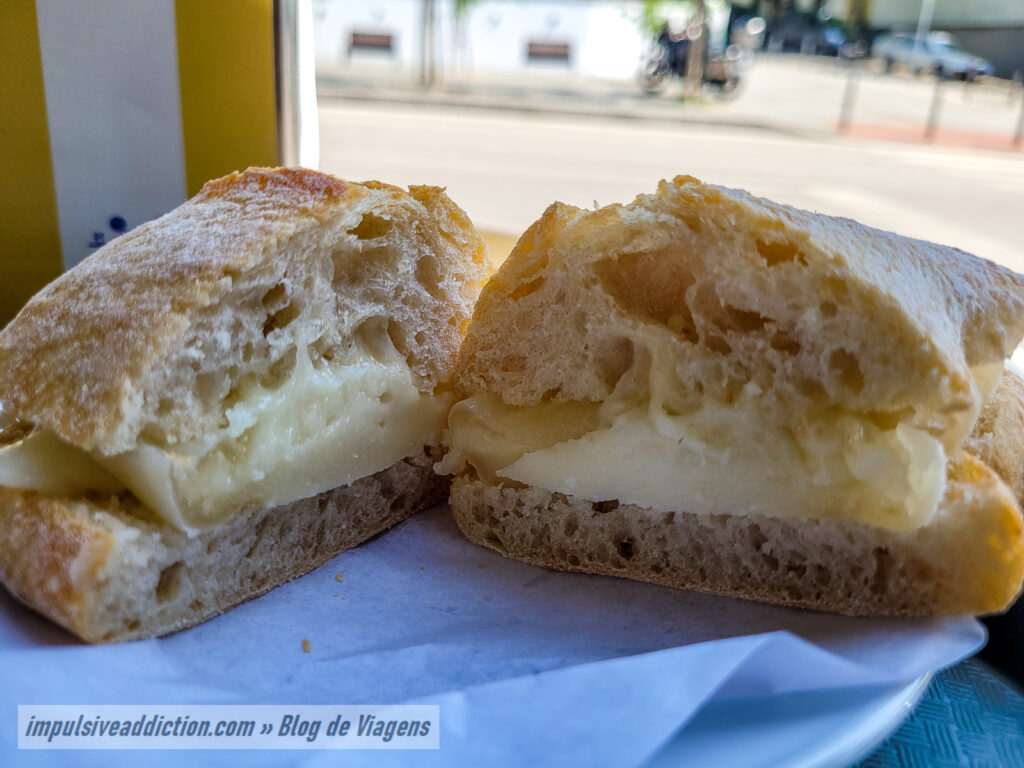
For dessert, you absolutely must try the delicious Bolacha Piedade, as well as the wide variety of pastries available at Casa da Baía—they’re seriously good! Don’t miss the famous Tortas de Azeitão, Esses, Queijinhos de Ovo e Amêndoa, and of course, the creamy and flavorful Azeitão cheese. Why not pair these local delicacies with a glass of Setúbal’s renowned Moscatel wine?
Where to Eat: Some great places to try include Tasca da Avenida, Taberna do Largo, Casa Santiago, Pérola da Mourisca, and Casa Janeiro. These are just a few examples—there are plenty more worth discovering!
Excursões e Atividades Guiadas em Setúbal
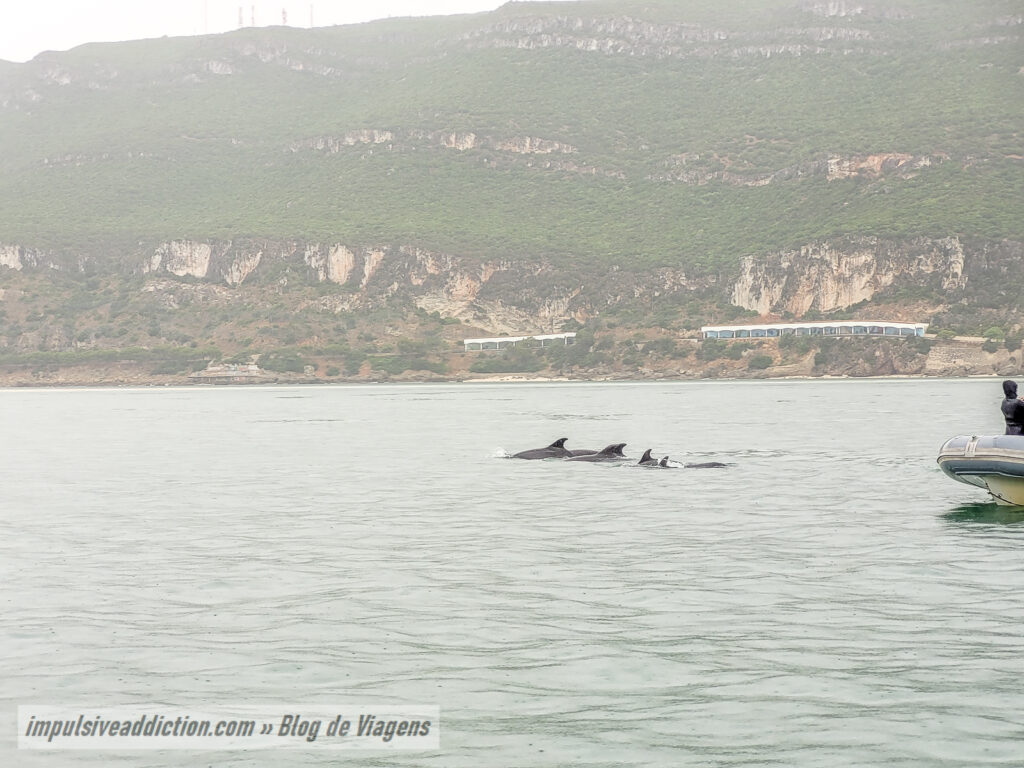
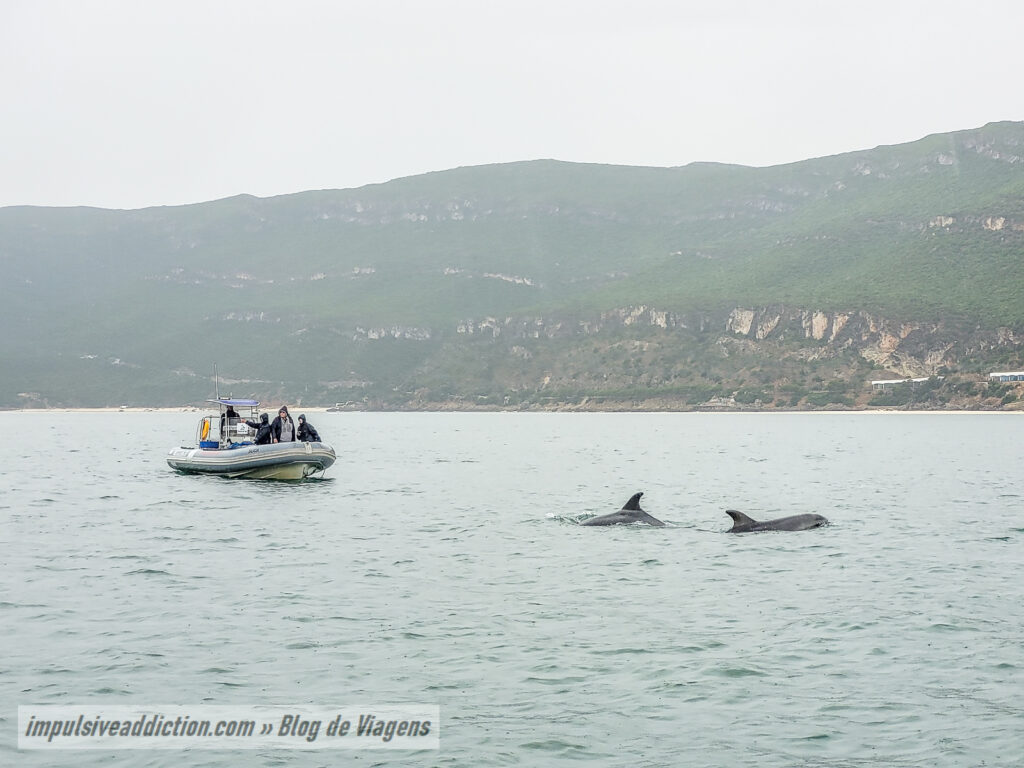
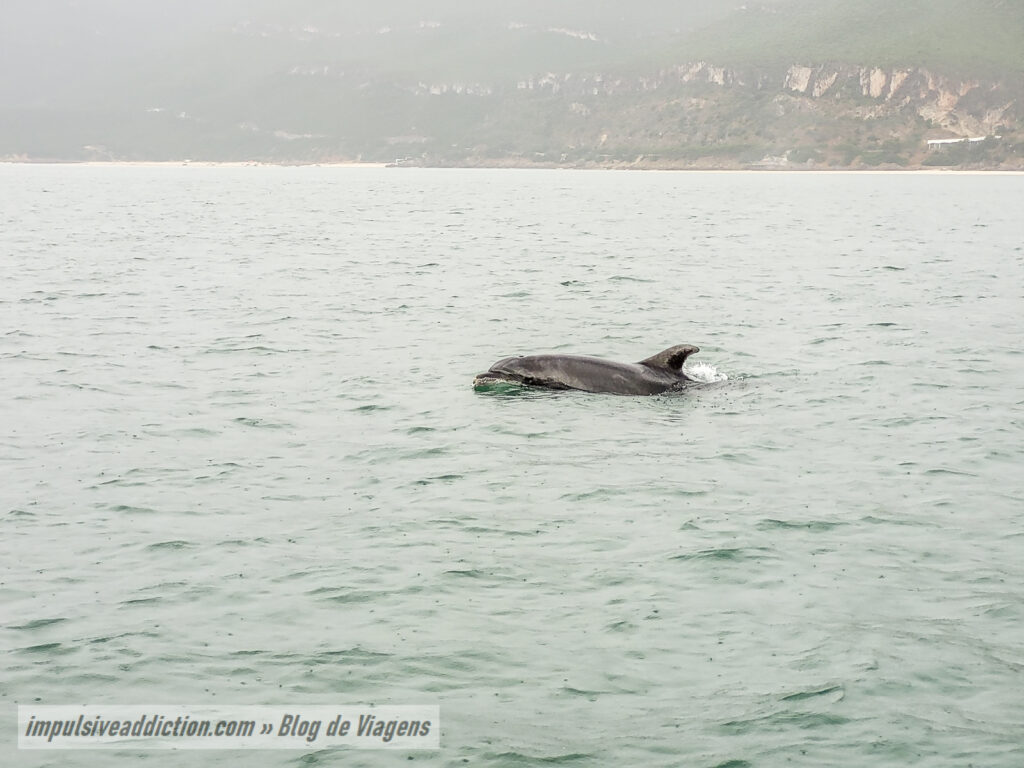
There are plenty of activities to enjoy in Setúbal, with something for every type of traveler. One of the most unique and unforgettable experiences is spotting the bottlenose dolphins of the Sado River, a rare resident population that lives in the estuary year-round.
Below, I’ve listed a variety of suggestions, including excursions departing from Lisbon or Sesimbra, to help you plan your visit and make the most of your time in the region.
ACTIVITY SUGGESTIONS:
1 - Setubal & Tróia: Dolphin Watching boat tour
2 - De Lisboa: Coasteering adventure in Arrabida Natural Park / Sesimbra
3 - Coasteering adventure at Portinho da Arrábida
4 - From Lisbon: Trip to Comporta and Setúbal with Horses
5 - Arrábida: Kayak and Snorkel
6 - From Lisbon: Kayaking in Serra da Arrábida
7 - From Lisboa: Tour to Sesimbra and Arrabida Natural Park
8 - Sunset boat tour
Where to Stay in Setúbal?
If you haven’t booked your stay in Setúbal yet, now’s a great time to do it! You can check out my recommended options below, or click the blue button to search for available accommodations based on your travel dates.
Whenever possible, choose places that offer free cancellation, just in case your plans change unexpectedly.
| Accommodation | Score | Location |
|---|---|---|
| CASA DO LARGO | 8.5 | Setúbal |
| Day Off Suite&Hostel | 8.6 | Setúbal |
| Guesthouse Bocage | 8.2 | Setúbal |
| Melia Setubal | 8.3 | Setúbal |
| 6/4 de Sado | 8.9 | Setúbal |
| Rio Art Hotel | 9.0 | Setúbal |
| Luna Esperanca Centro Hotel | 8.1 | Setúbal |
| Hotel Cristal Setúbal | 8.7 | Setúbal |
| RM The Experience | 8.9 | Setúbal |
| Marina Blue | 9.2 | Setúbal |
| Alcaçaria do Bairro | 8.9 | Setúbal |
| Day Off Suite&Hostel | 8.6 | Setúbal |
| PÊPA Guesthouse | 9.2 | Setúbal |
| Alojamentos Vista Mar-Luisa Todi | 8.4 | Setúbal |
| Quinta de Sao Filipe | 8.9 | Setúbal |
| Hotel Solaris | 8.7 | Setúbal |
| 34 GuestHouse | 9.6 | Setúbal |
Best things to do in Setúbal
Finally, let’s explore what to see in Setúbal.
In the map below, you’ll find all the attractions mentioned in this article—just click the top right corner to open it in full screen!
Map with places to visit in Setúbal
Exploring Setúbal’s City Center
Parking in Setúbal is usually easy, especially near the Casa do Largo – Youth Hostel. I often leave my car there, as there are (or at least were, at the time of writing 😄) some free parking spots available.
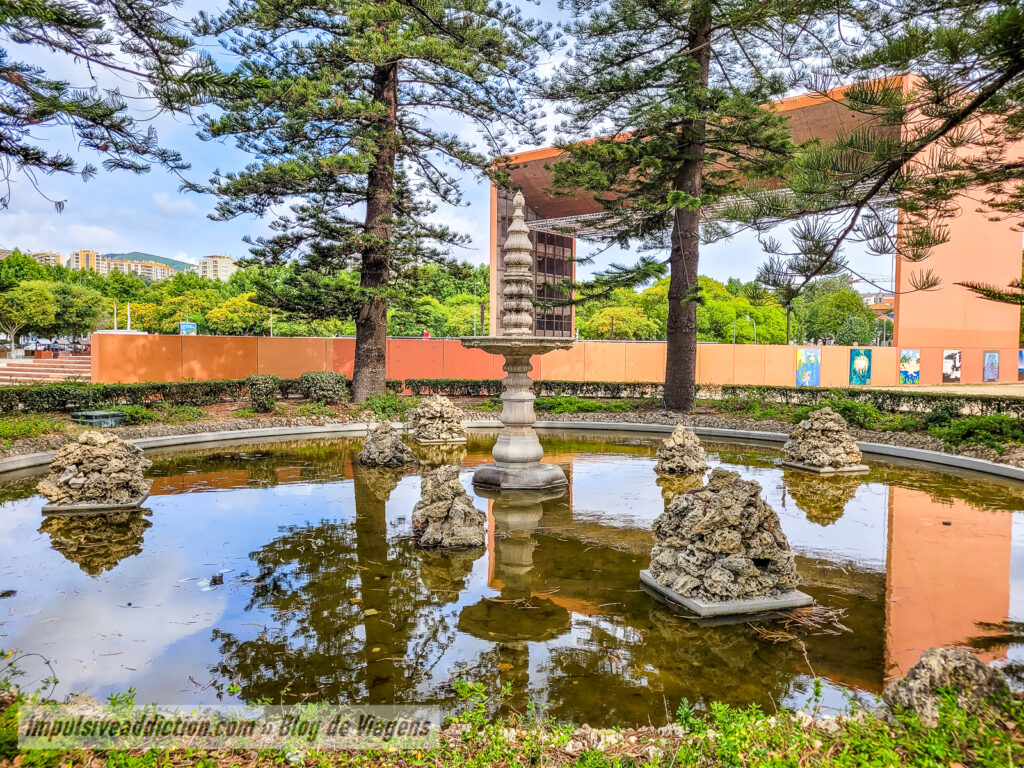
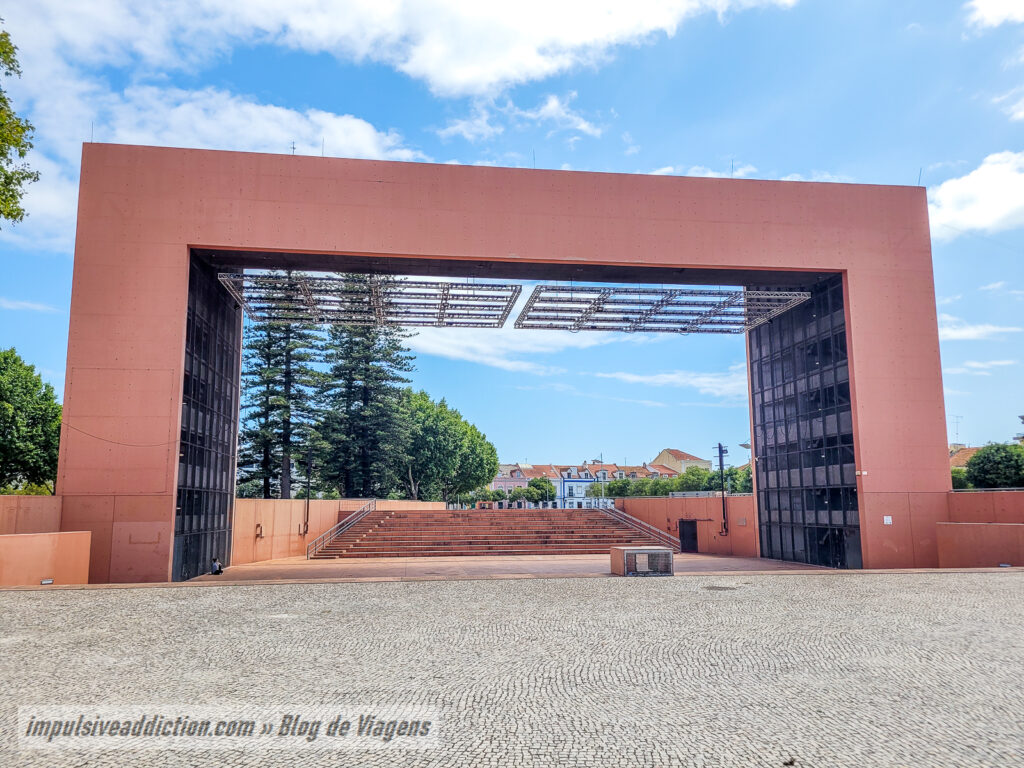
1. Largo Zeca Afonso
Largo Zeca Afonso is located right around the Youth Hostel (Casa do Largo), making it a perfect starting point for your walking tour of Setúbal.
2. Casa da Baía & Sado Estuary Bottlenose Dolphin Interpretive Center
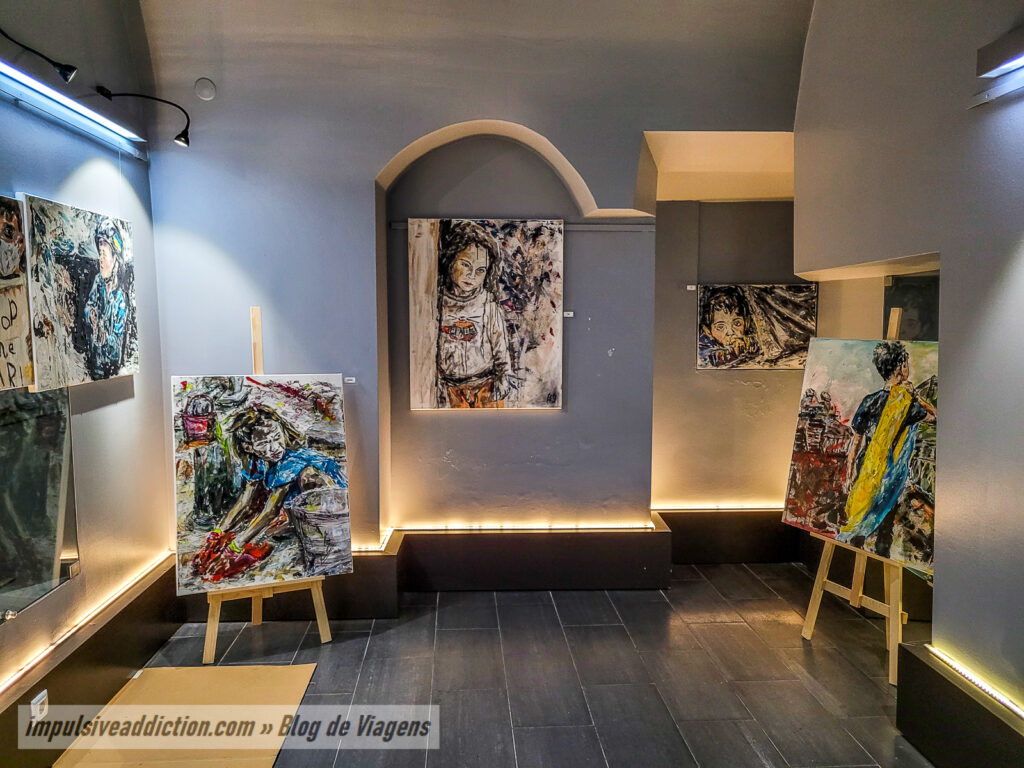
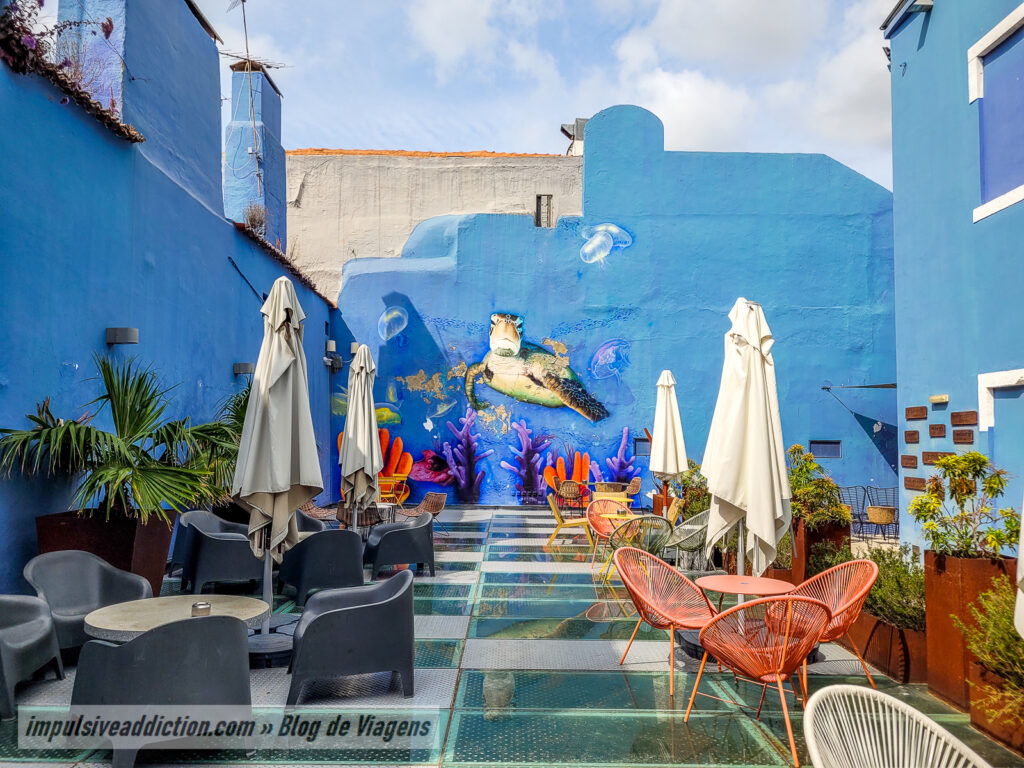
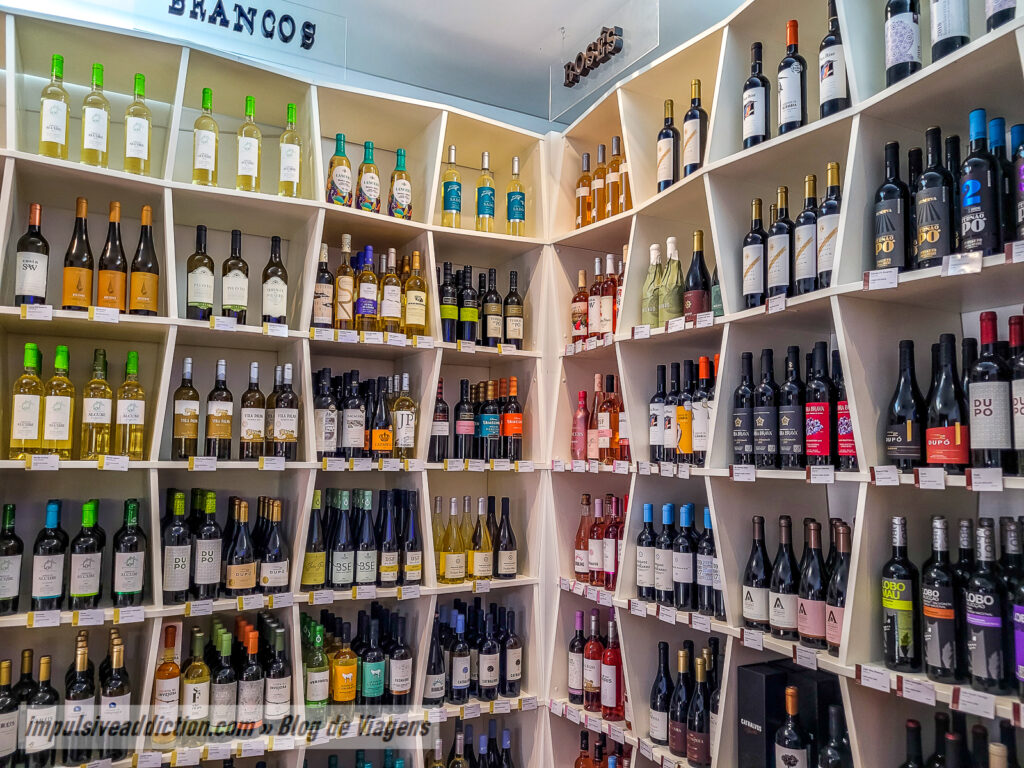
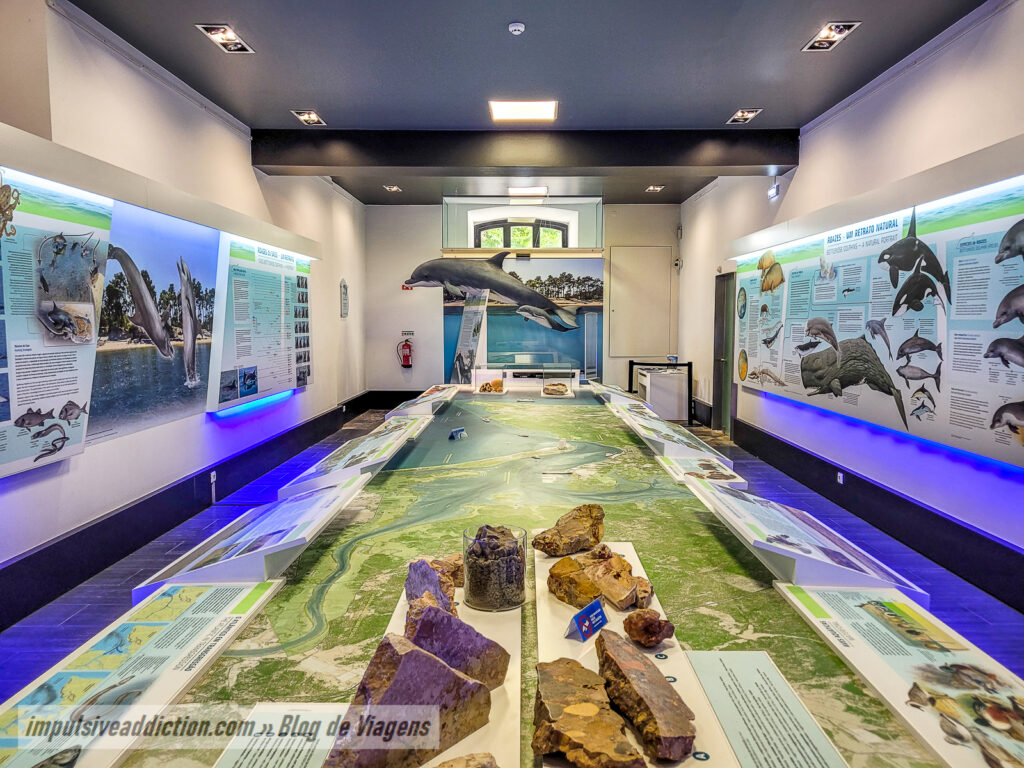
Head to Casa da Baía, located on Avenida Luísa Todi. There, you can visit a small art gallery, sample a variety of traditional Setúbal sweets, and learn more about the local population of Sado bottlenose dolphins at the dedicated interpretive center.

3. Bolacha Piedade Pastry Shop
Just a short walk from Casa da Baía, don’t miss a stop at Pastelaria Bolacha Piedade to pick up the famous cookies made from a recipe dating back to 1855.
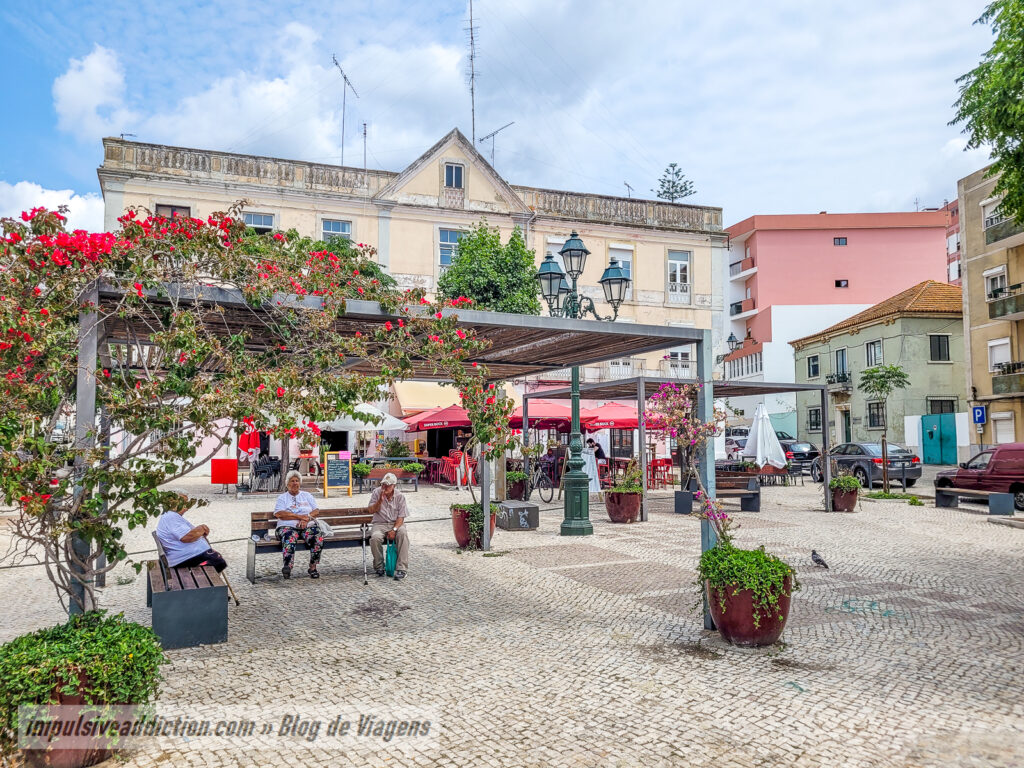
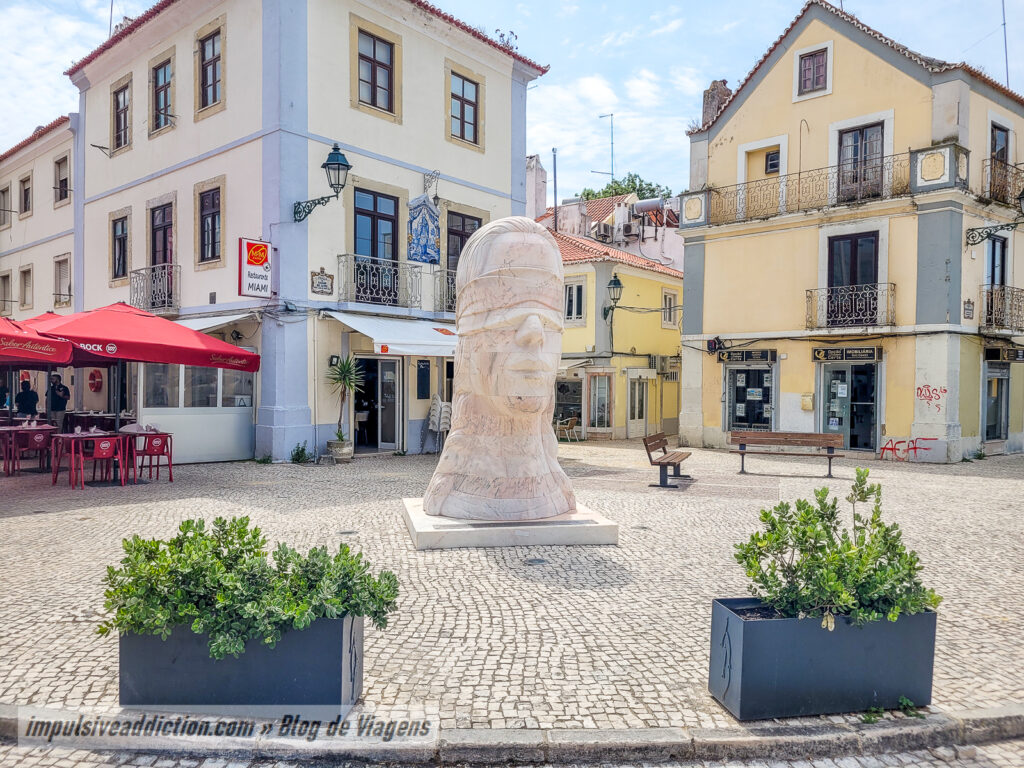
After that, take time to explore the historic Bairro de Troino and its main sights:
- Largo António Joaquim Correia
- Church of Nossa Senhora da Anunciada
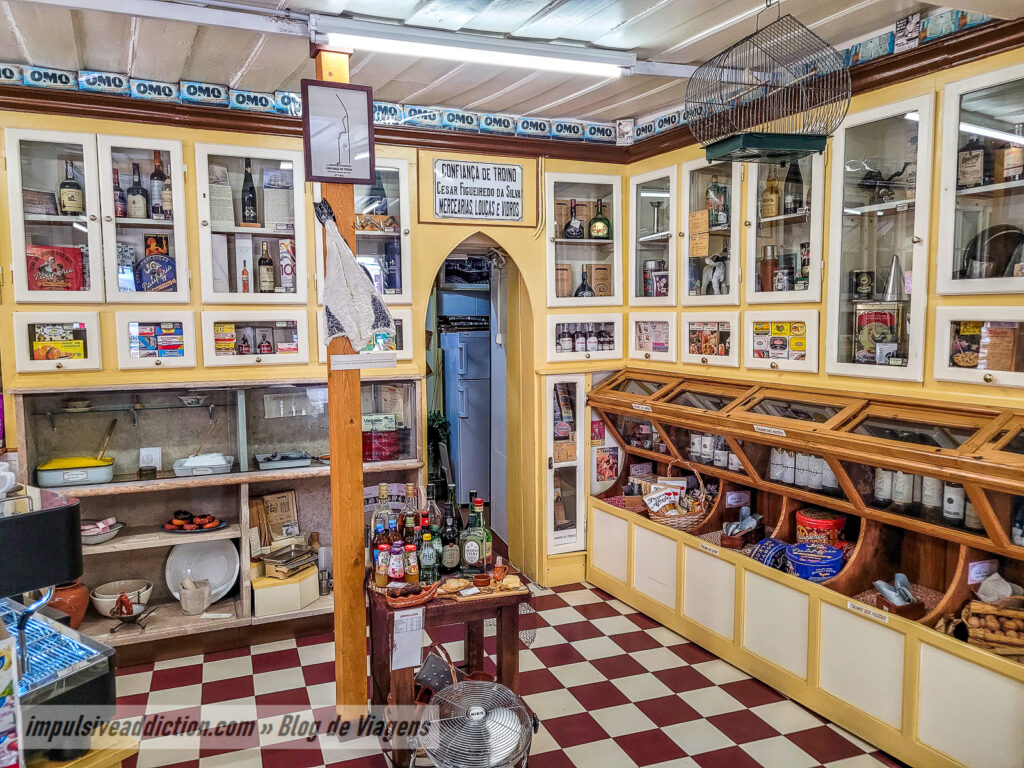
- Praça Machado dos Santos and the Mercearia Confiança de Troino, a traditional grocery store founded in 1926
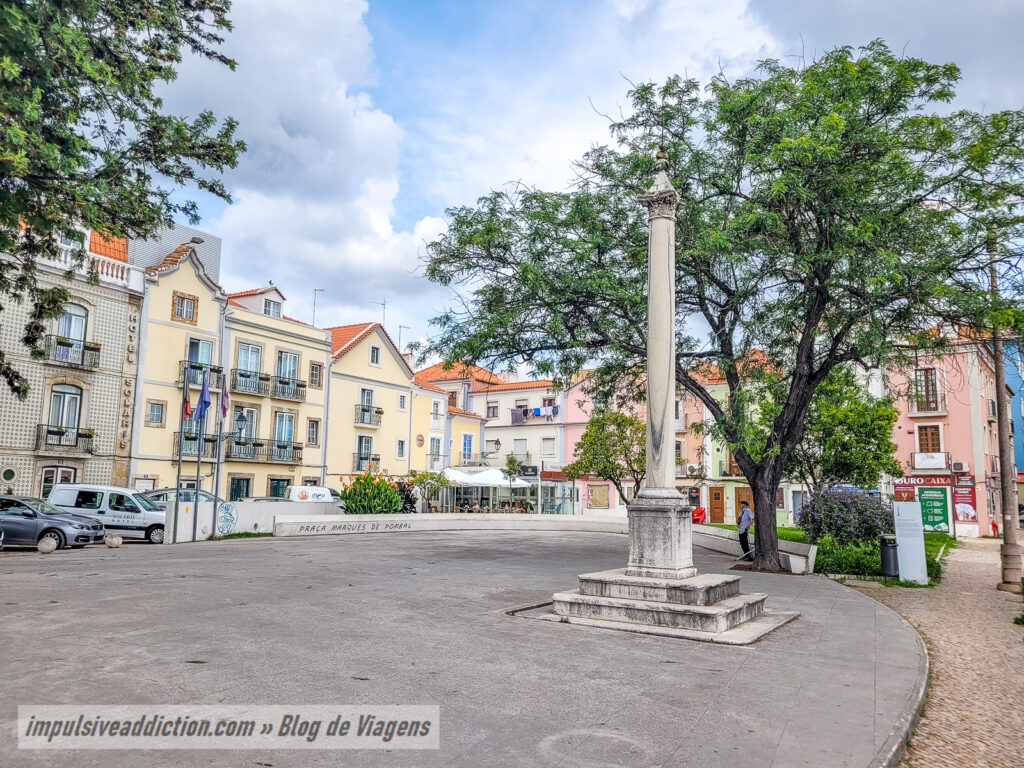
- Praça Marquês de Pombal, home to Setúbal’s historic pillory
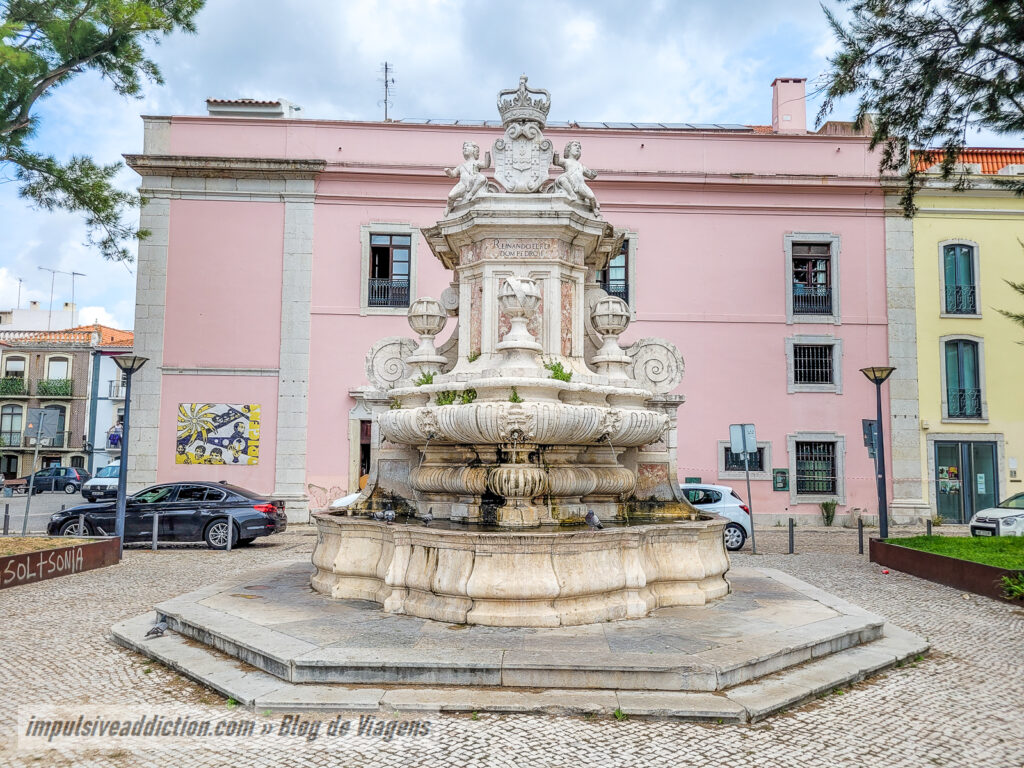
- Praça Teófilo Braga, where you’ll find the monumental Chafariz do Sapal, a baroque fountain from 1697
- Casa das Quatro Cabeças, a remarkable building over five centuries old. Its four busts represent King João II, the conspirators who tried to assassinate him during the Corpus Christi procession, and the man who thwarted their plan.
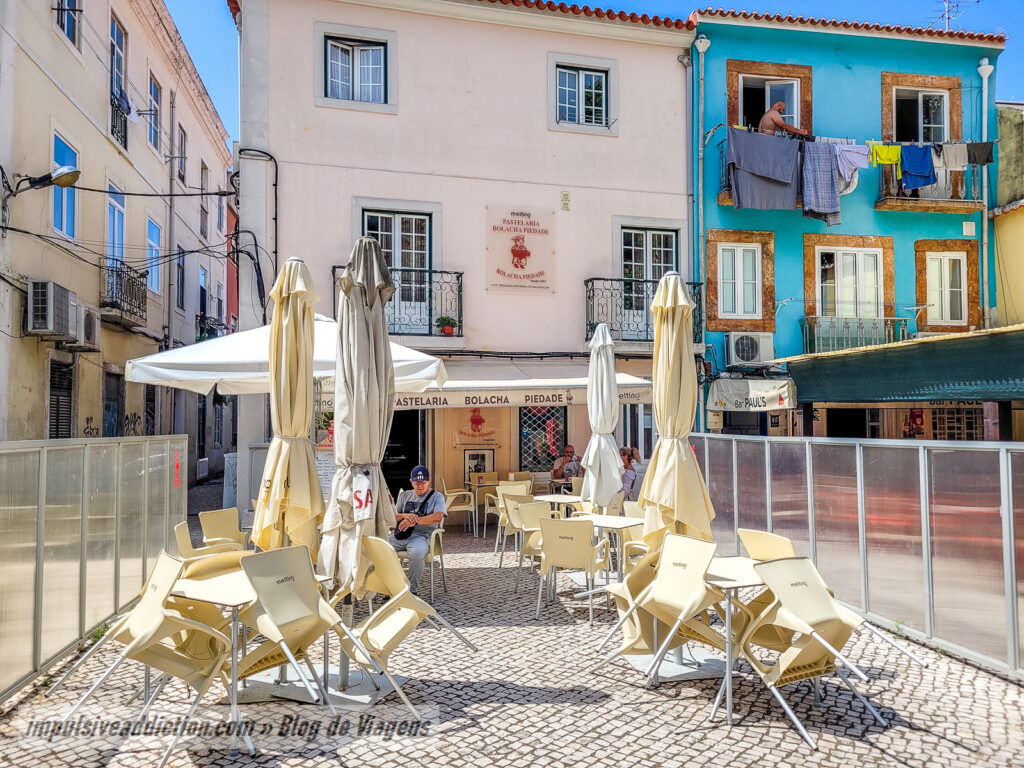
4. Bairro de Troino
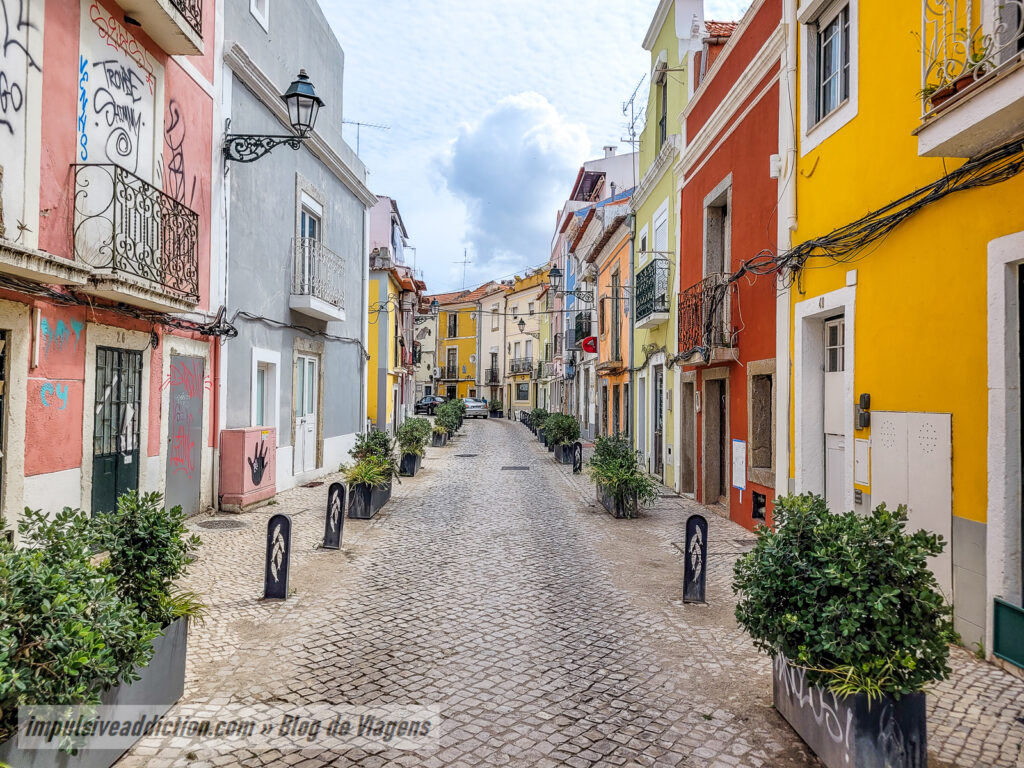
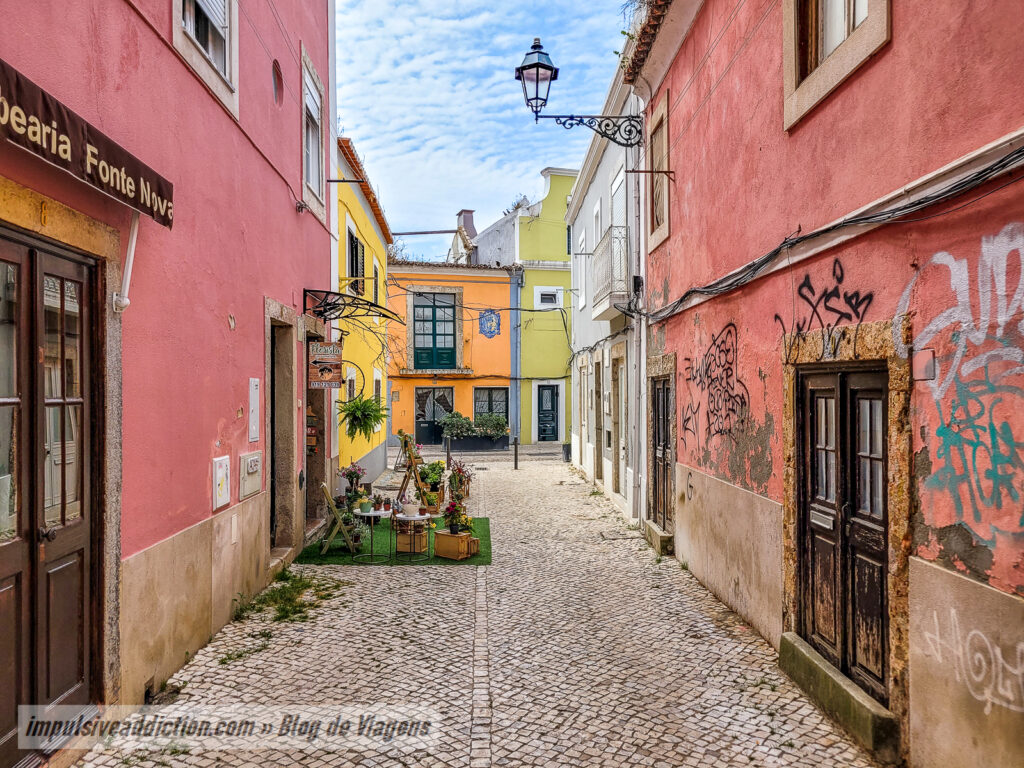
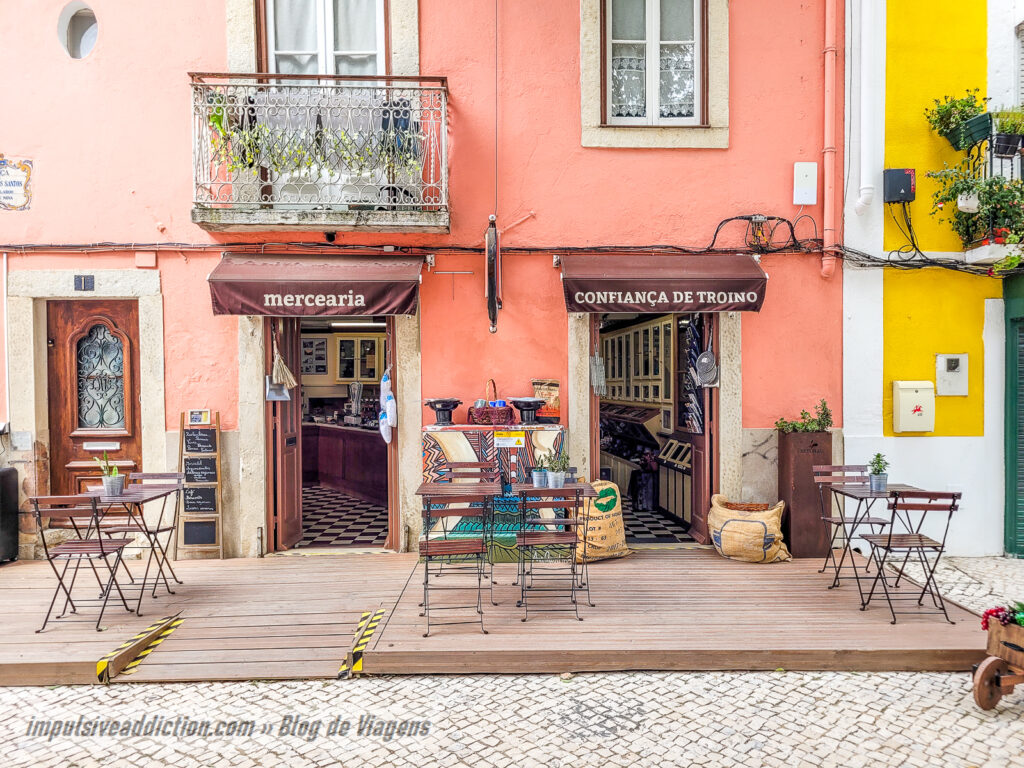
5. Setúbal Pillory
6. Praça Teófilo Braga and Chafariz do Sapal
7. Casa das Quatro Cabeças

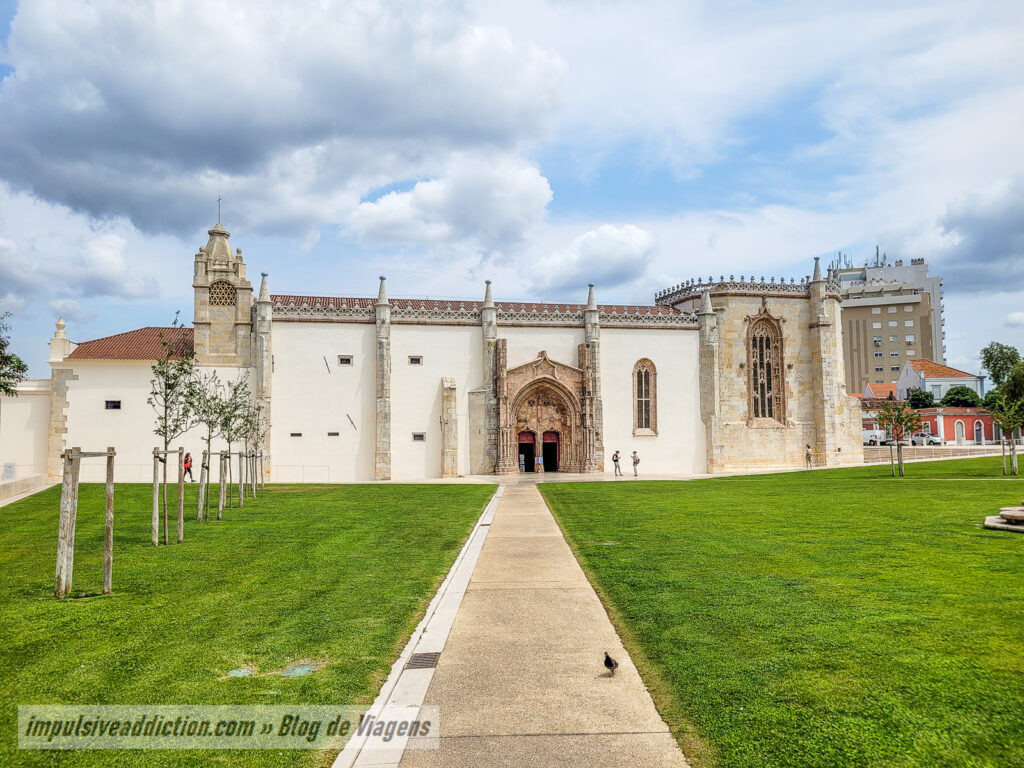
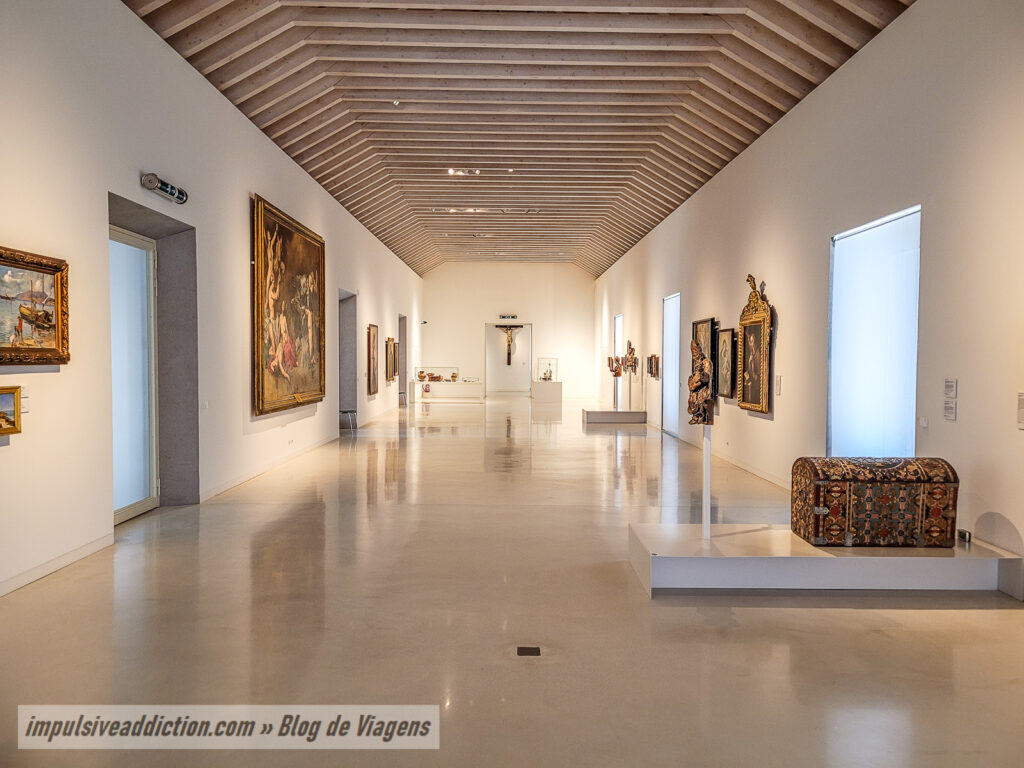
8. Convento de Jesus & Setúbal Museum
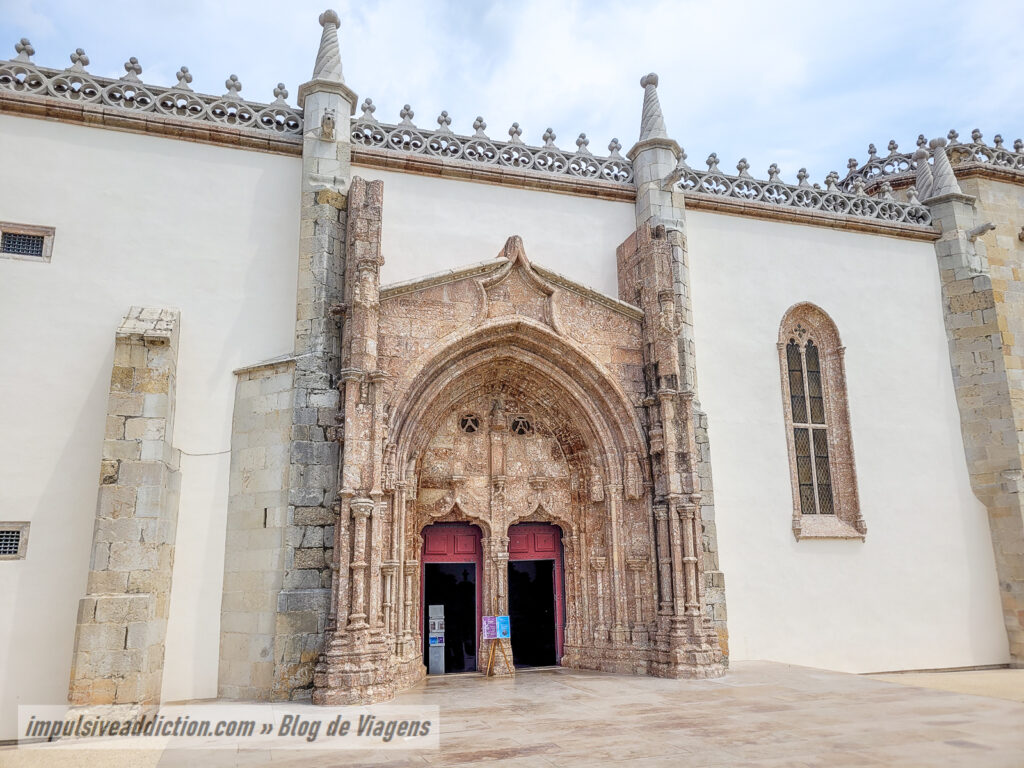
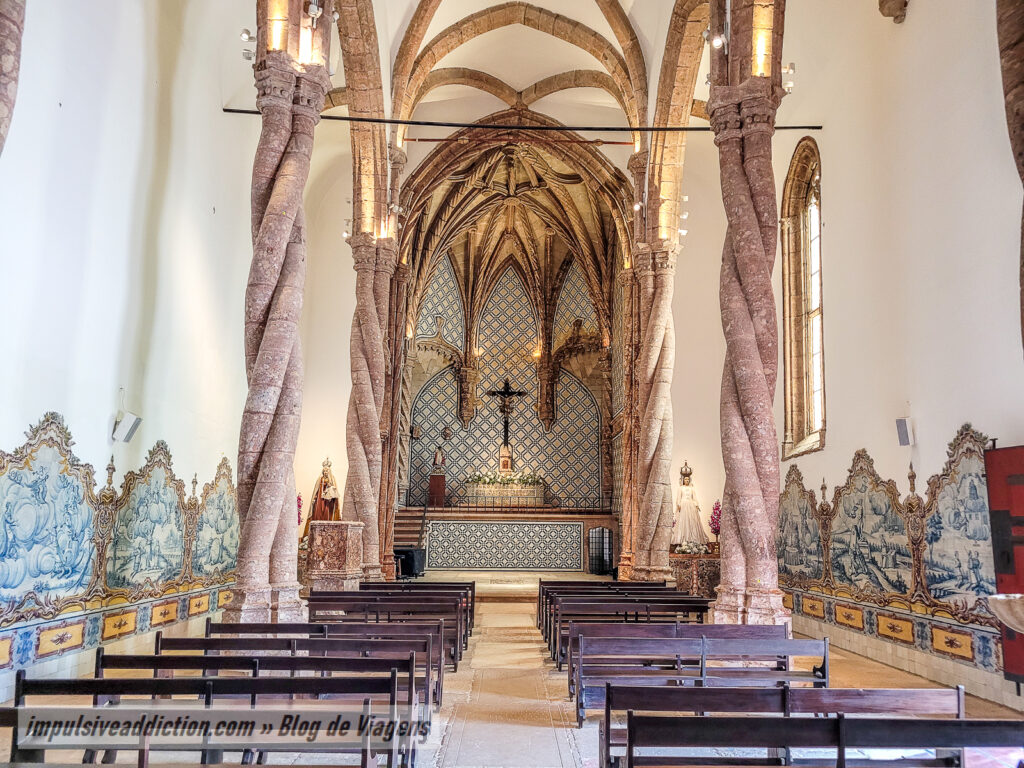
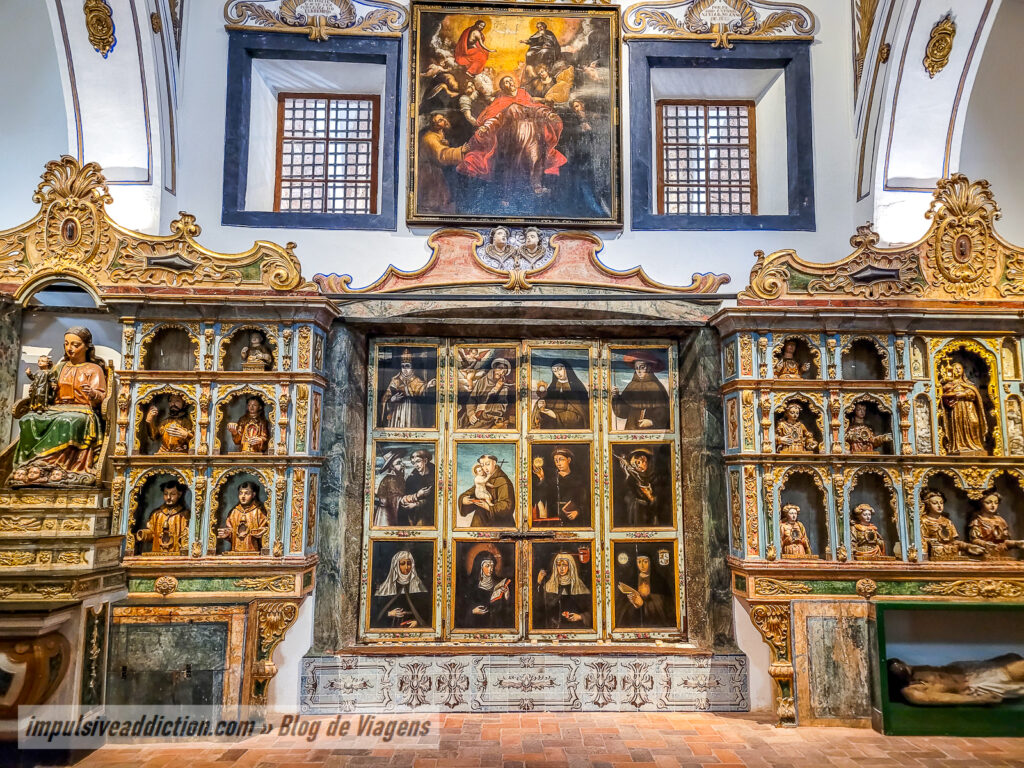
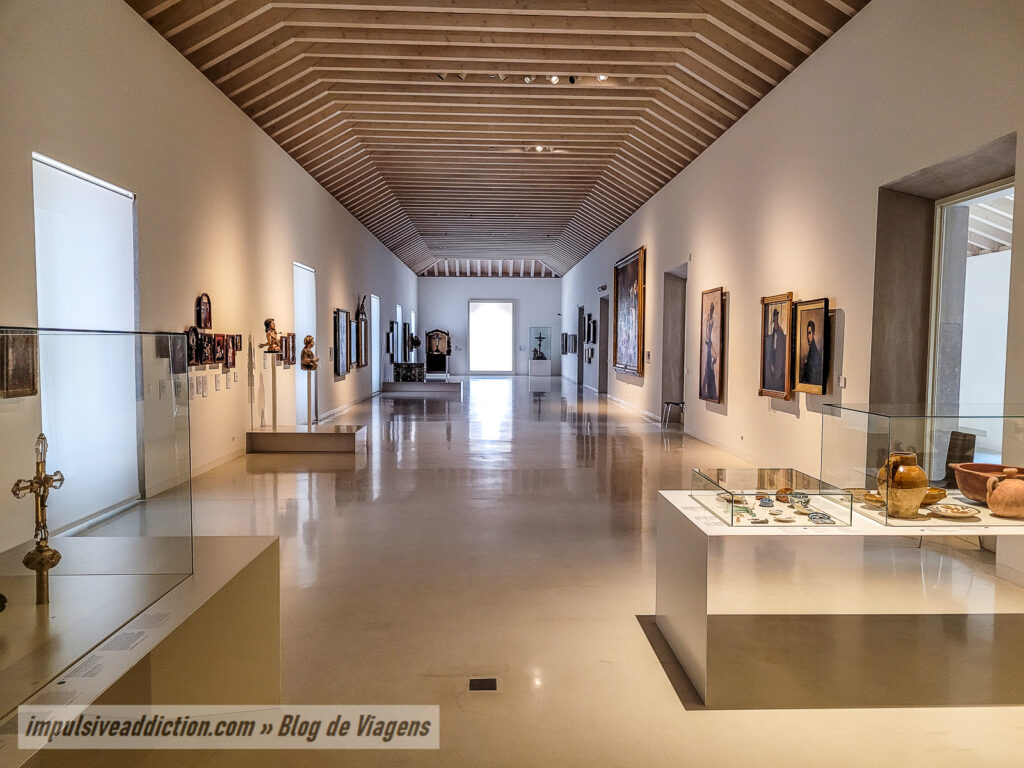
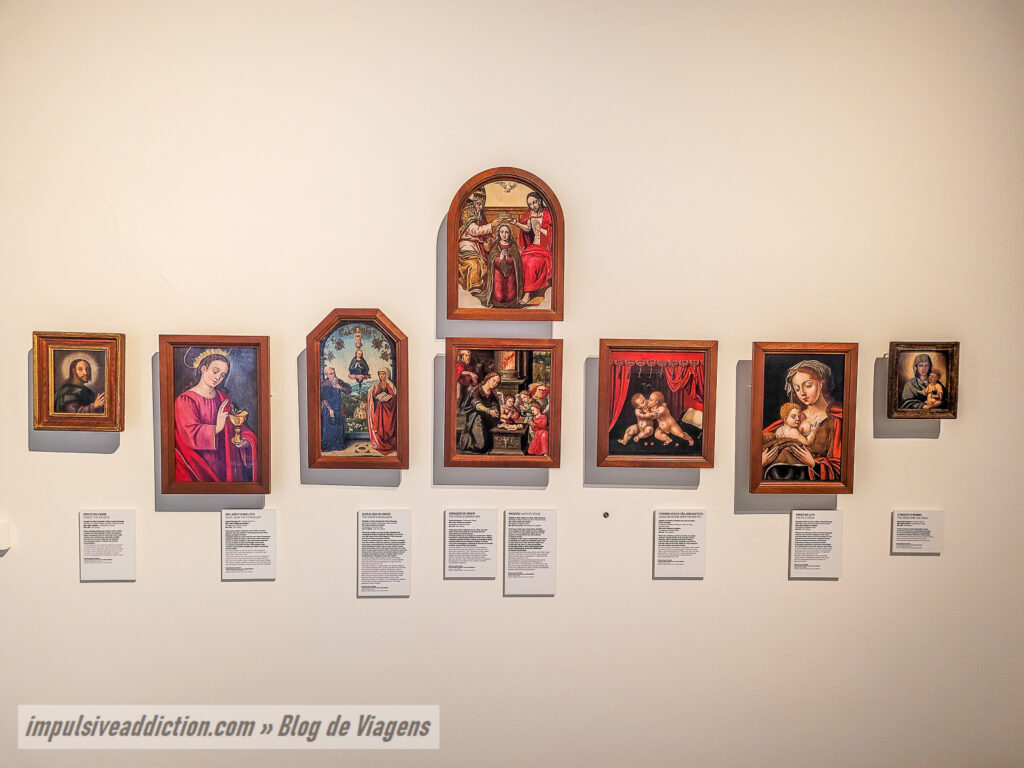
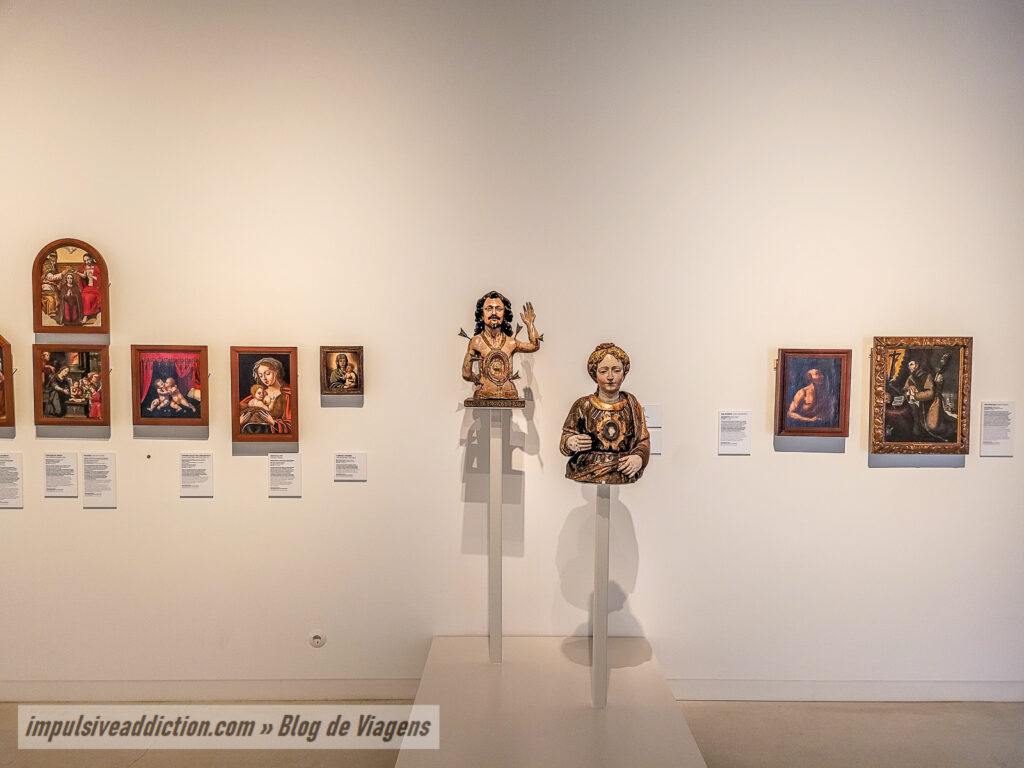
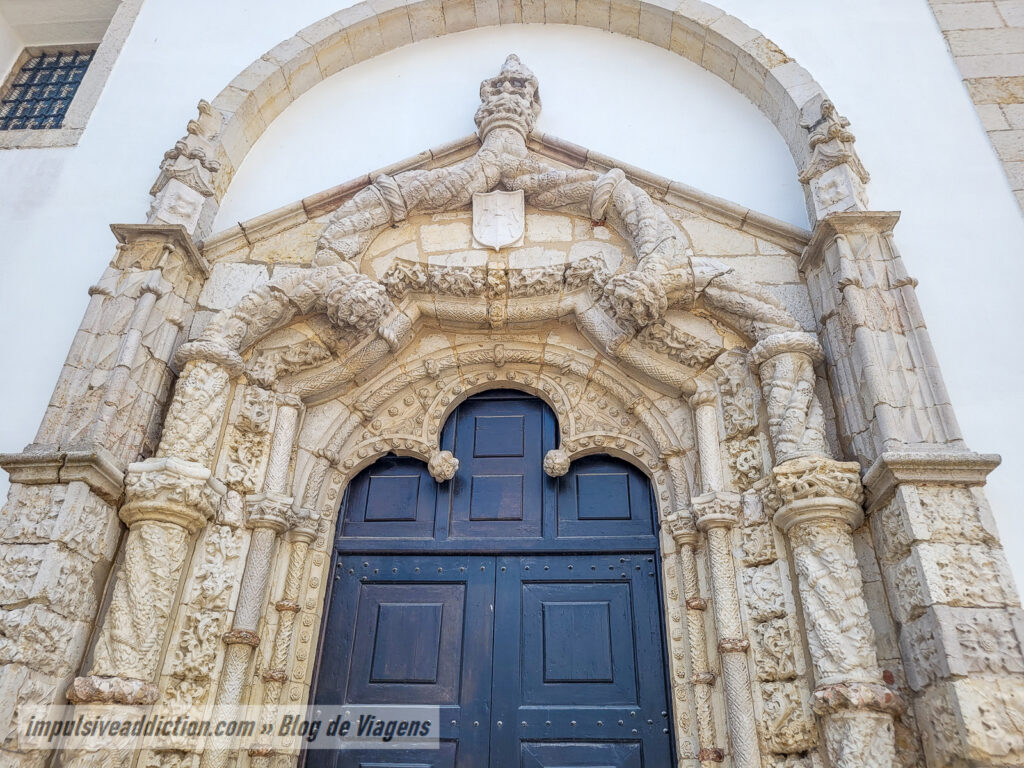
Finally, you’ll arrive at the Convento de Jesus, whose construction began in 1490 at the initiative of Justa Rodrigues Pereira, the nursemaid of King Manuel I, and was completed around 1500. Be sure to admire the beautiful Manueline-style portal, a highlight of the building’s architecture.
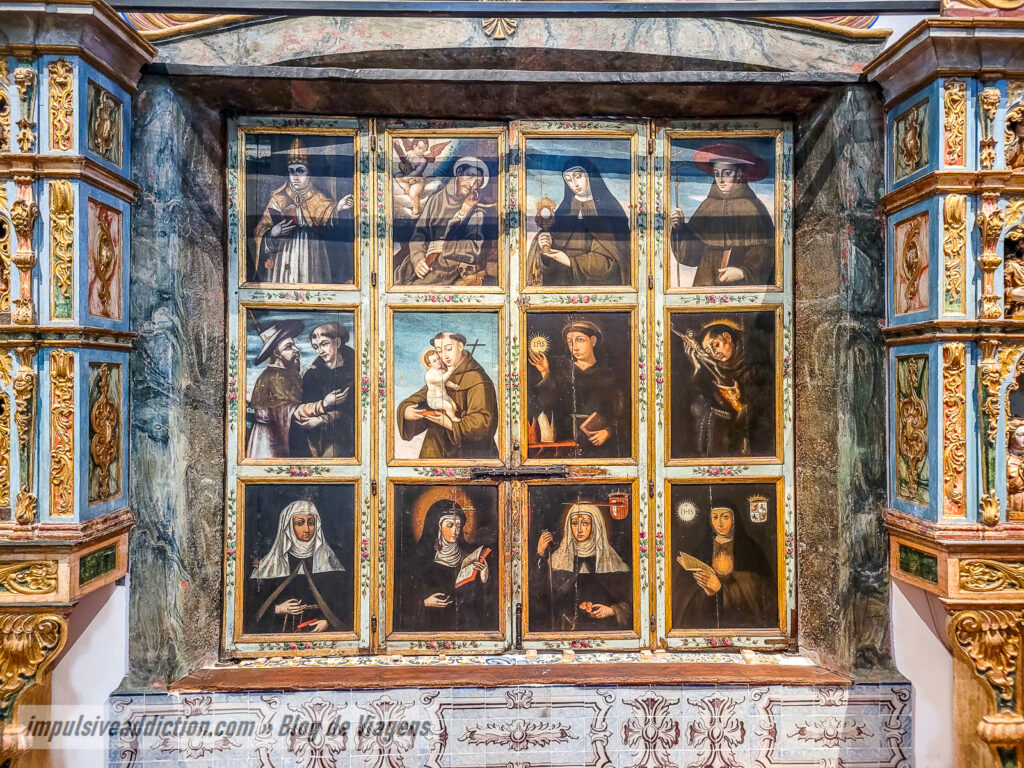
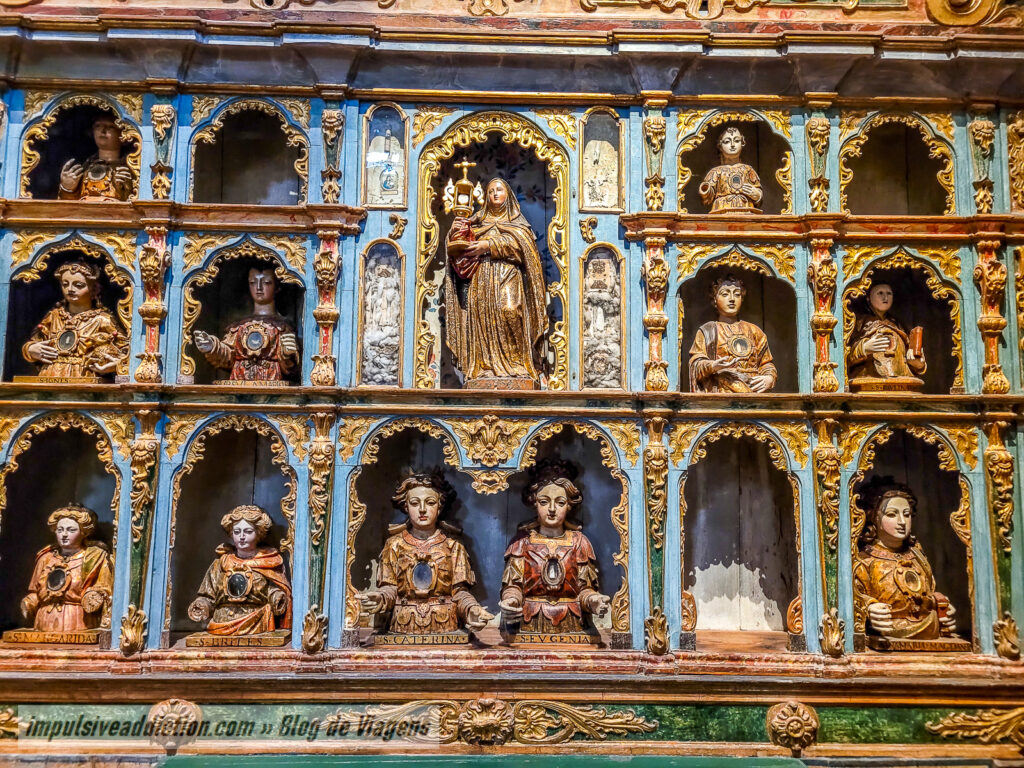
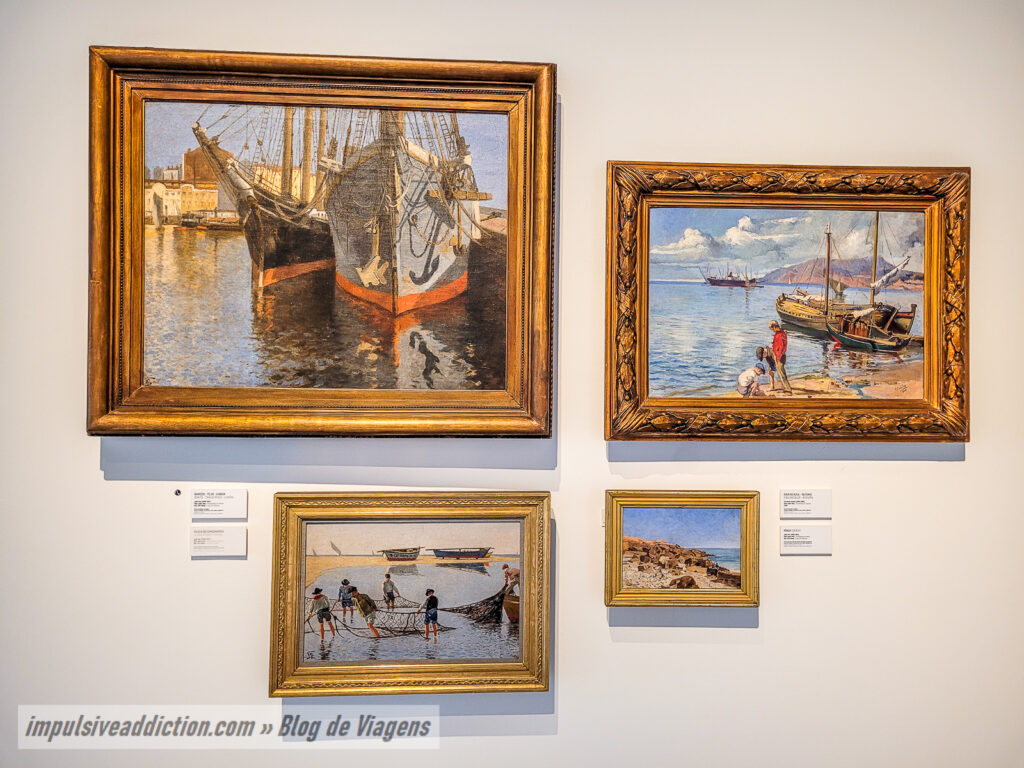
The Setúbal Museum is housed within the former convent and features a rich collection of sacred art, among other exhibits. One of the main highlights is the remarkable series known as the Primitives of Setúbal, showcasing early Portuguese painting.
9. Casa da Cultura de Setúbal
Head toward Praça de Bocage, but first make a stop at the Casa da Cultura de Setúbal, which often hosts rotating art exhibitions and cultural events.
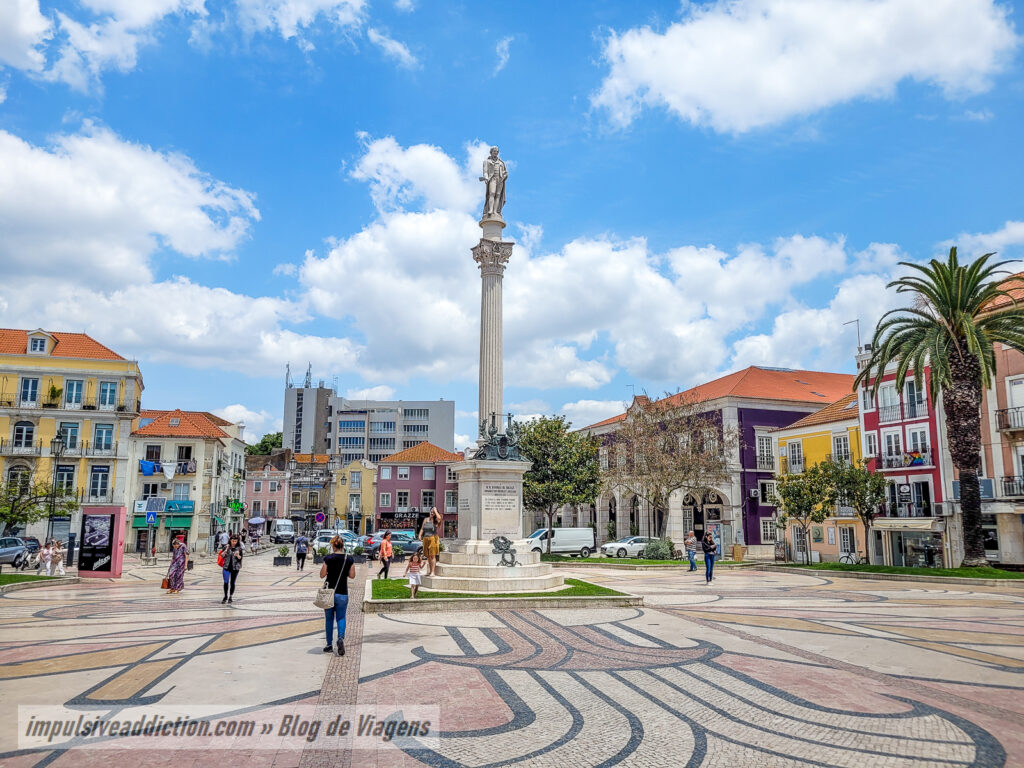
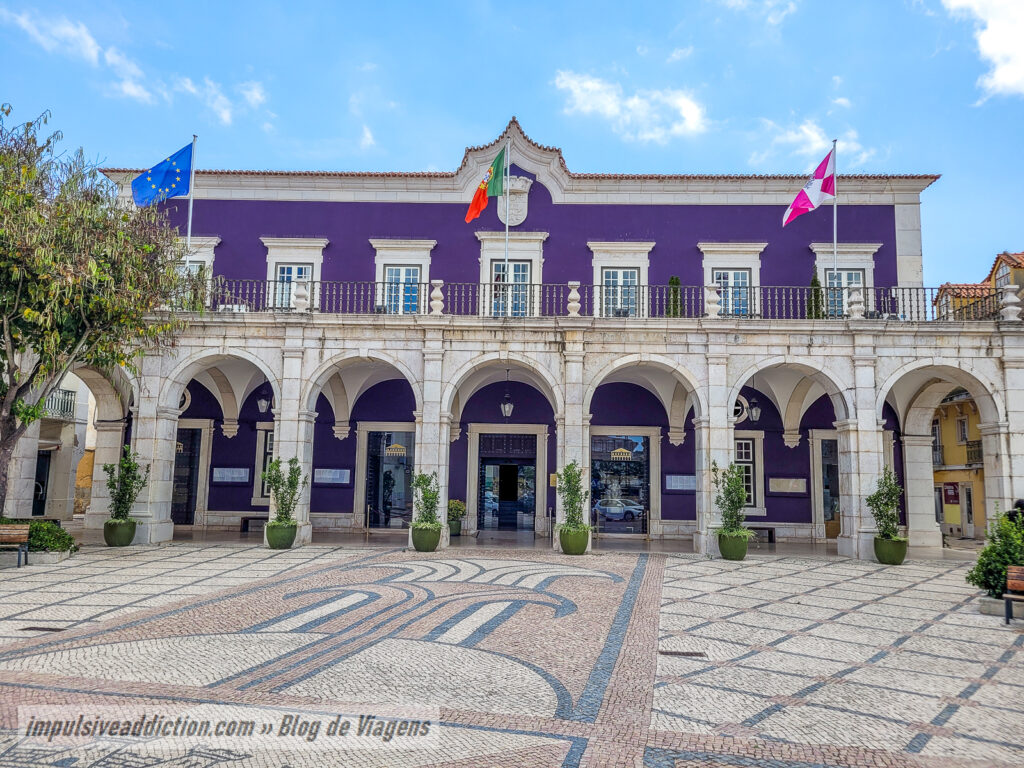
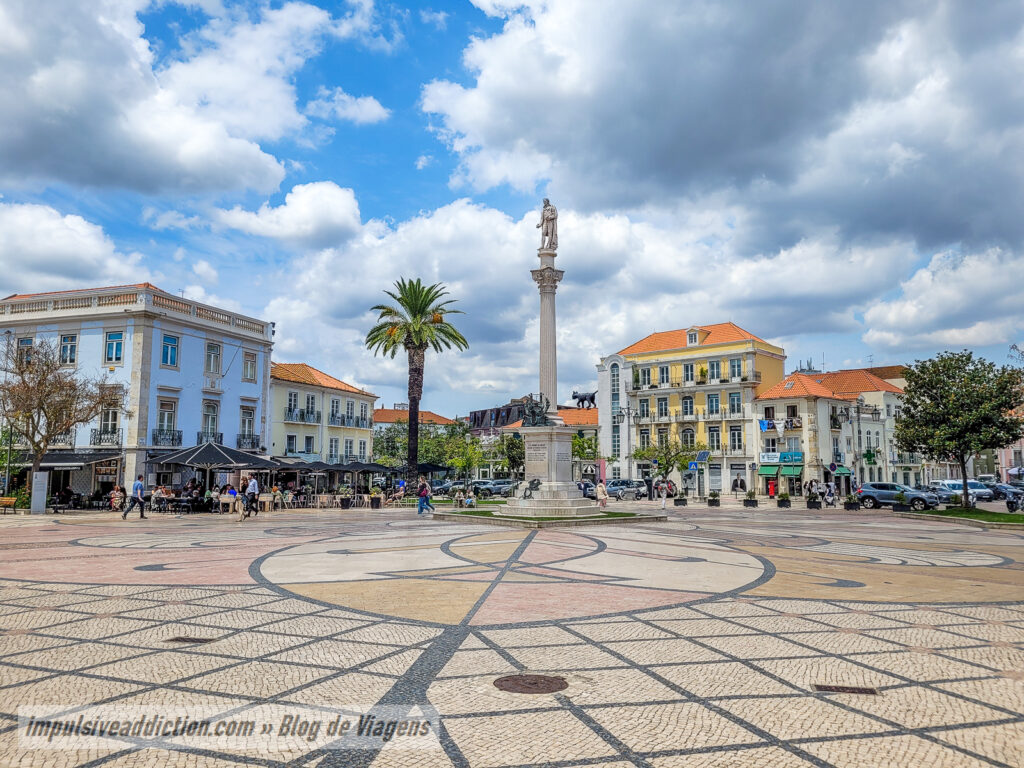
Praça de Bocage is the heart of the city. At its center stands an obelisk topped with a statue of the Portuguese poet Bocage, Setúbal’s most famous literary figure. Around the square, you’ll find several important landmarks, including:
- The Town Hall (Paços do Concelho), originally built by King João III in the 16th century.
- The Church of São Julião, founded by Setúbal’s fishing community in the late 13th century. Don’t miss its Manueline-style portals, which are true architectural gems.

10. Praça de Bocage and Church of São Julião
11. Largo Dr. Francisco Soveral
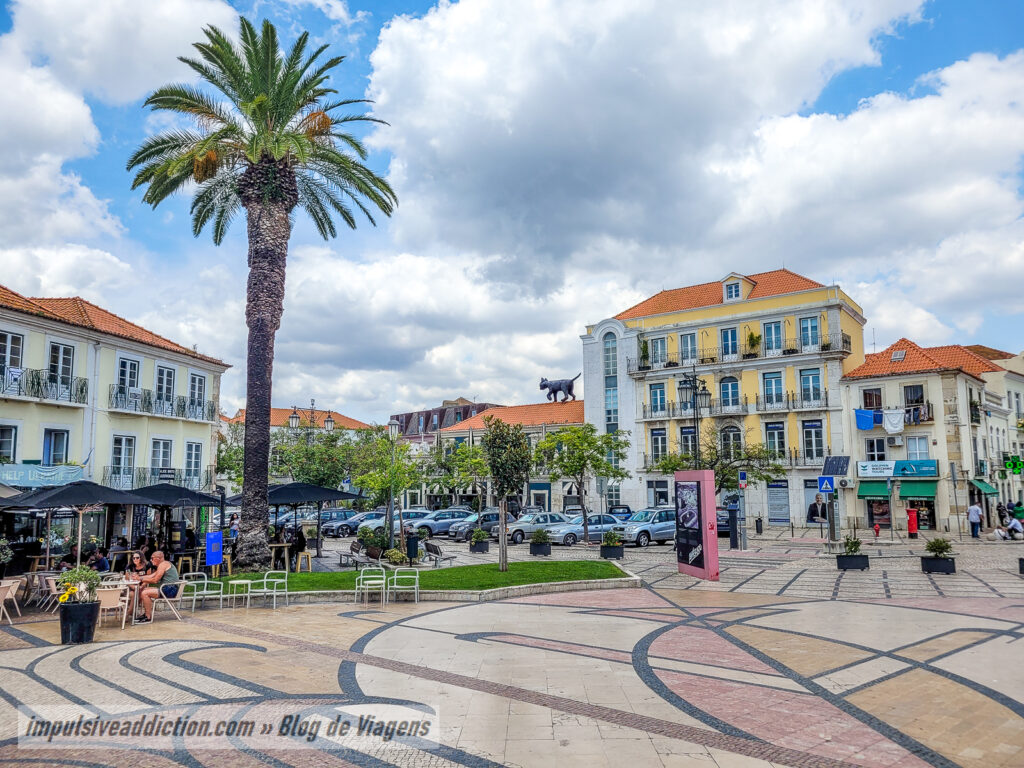
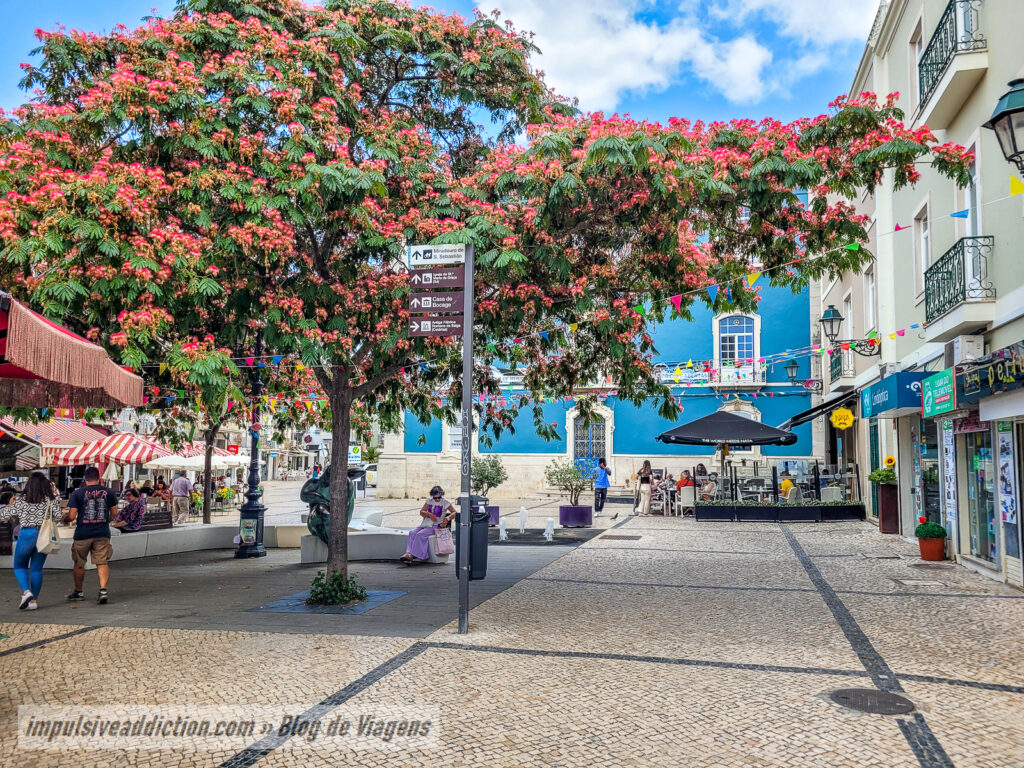
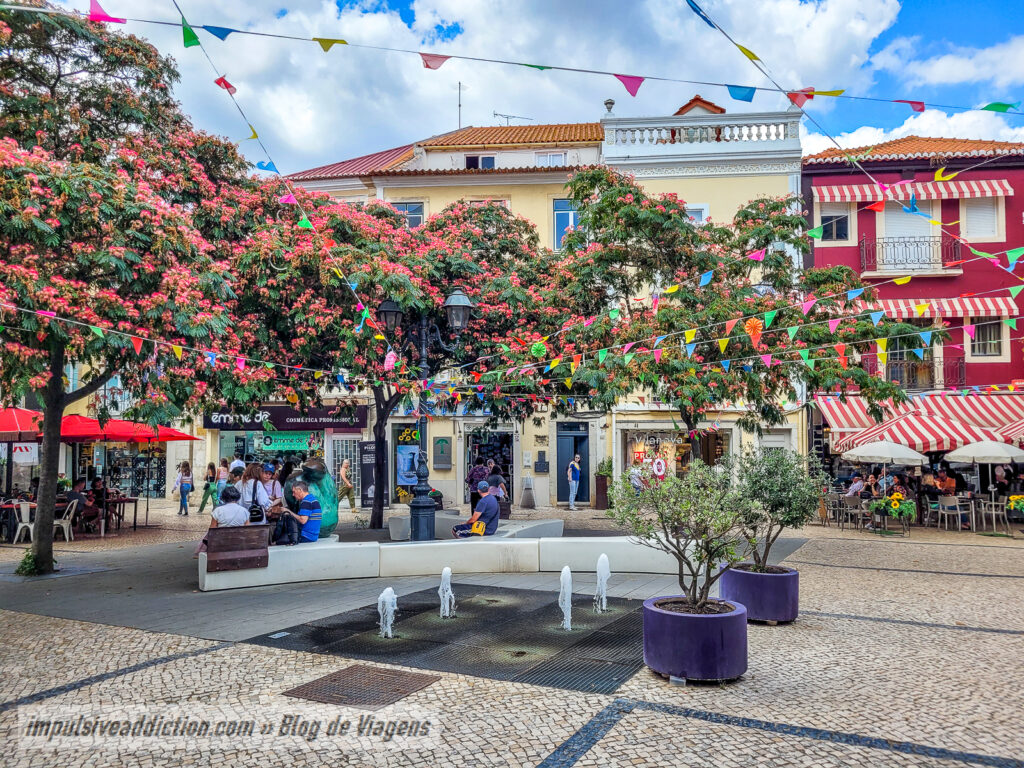
Two other charming squares you shouldn’t miss in Setúbal are Largo Dr. Francisco Soveral and Largo da Misericórdia—make sure to walk through both!
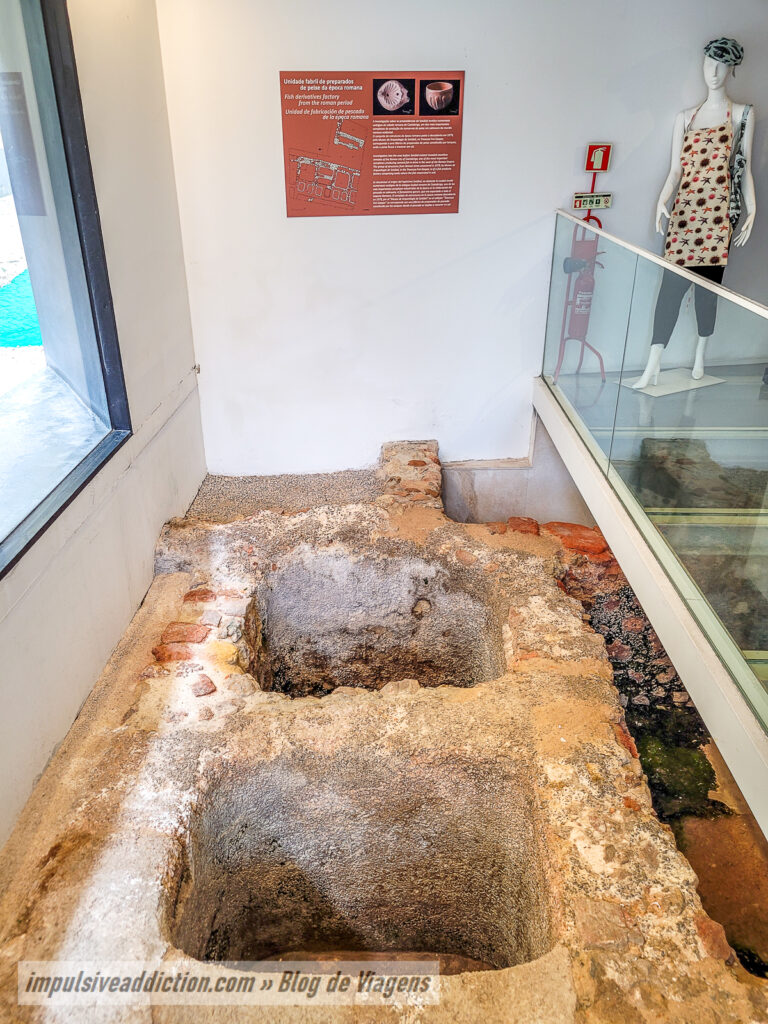
Nearby, you’ll find the ruins of the ancient Roman Fish Processing Factory, featuring several well-preserved salting tanks.
In Roman times, Setúbal—then known as Cetóbriga—played a vital role as a commercial hub, especially in fishing, fish preservation, and the trade of salted products. This Roman complex was gradually abandoned during the 4th century.

12. Largo da Misericórdia

13. Ruins of the ancient Roman Fish Processing Factory
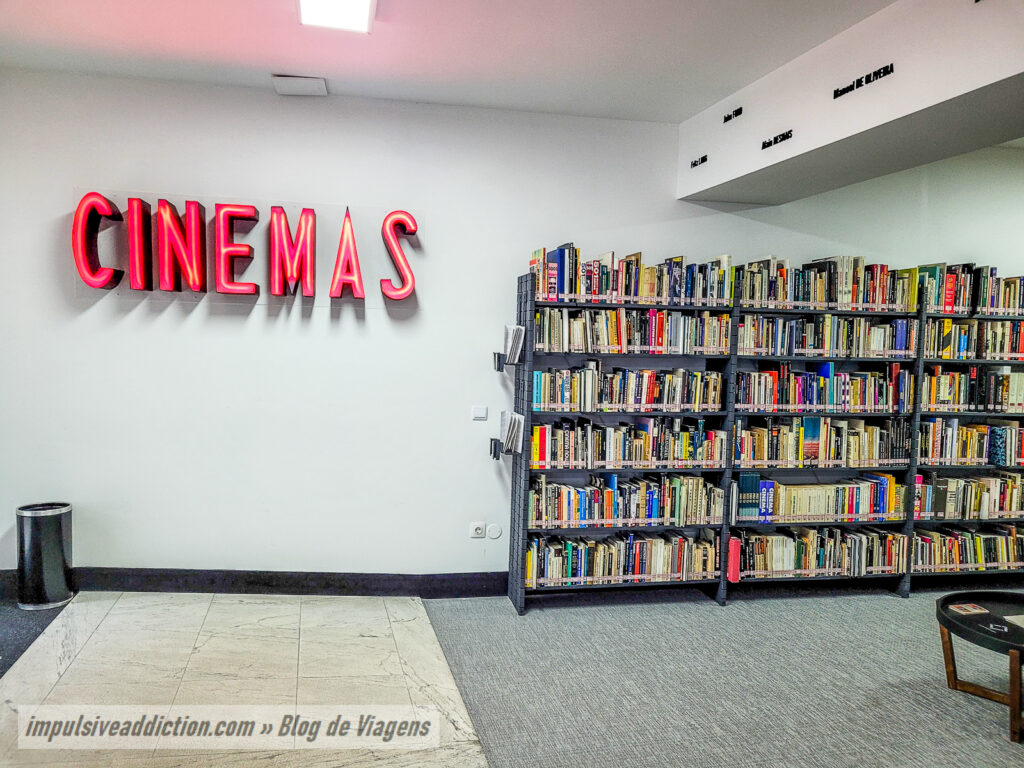
14. Casa das Imagens Lauro António
As an optional stop, consider visiting the Casa das Imagens Lauro António, which includes a library, media library, and archive. It houses the collection donated by Lauro António, a renowned filmmaker and film critic, to the city of Setúbal.
15. Church of Santa Maria & Casa do Corpo Santo
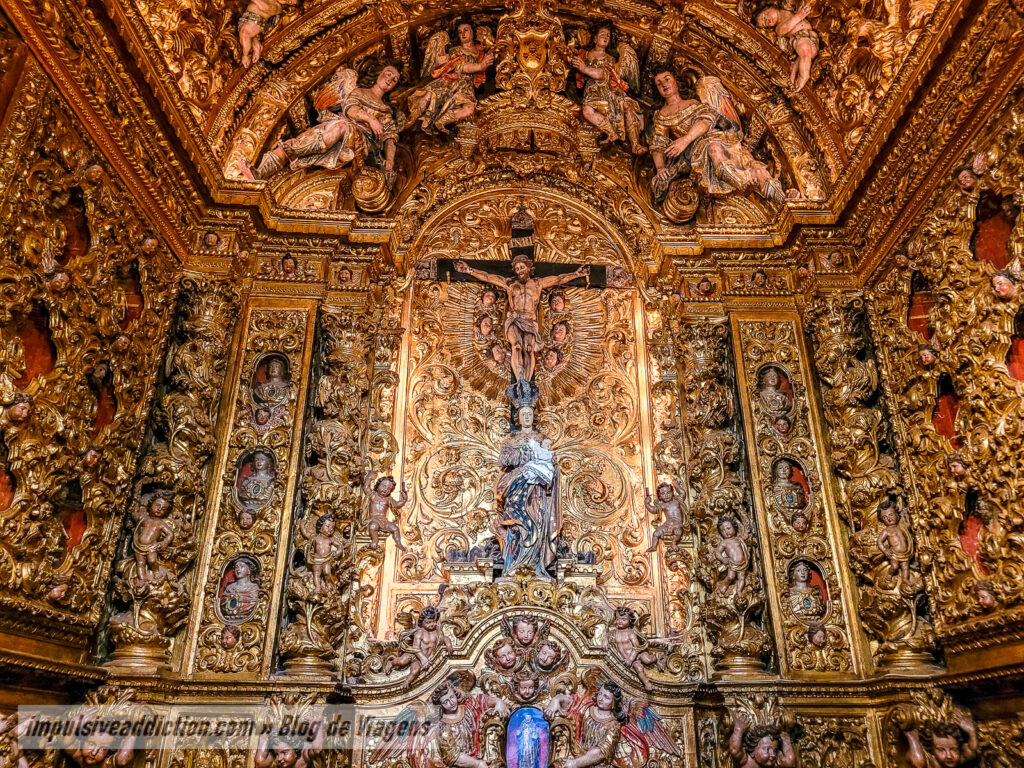
A visit to Setúbal’s Cathedral (Sé Catedral), dedicated to Santa Maria da Graça, is a must. Dating back to the 13th century, it was officially opened for worship on August 15, 1248, the year Setúbal gained religious autonomy from Palmela.
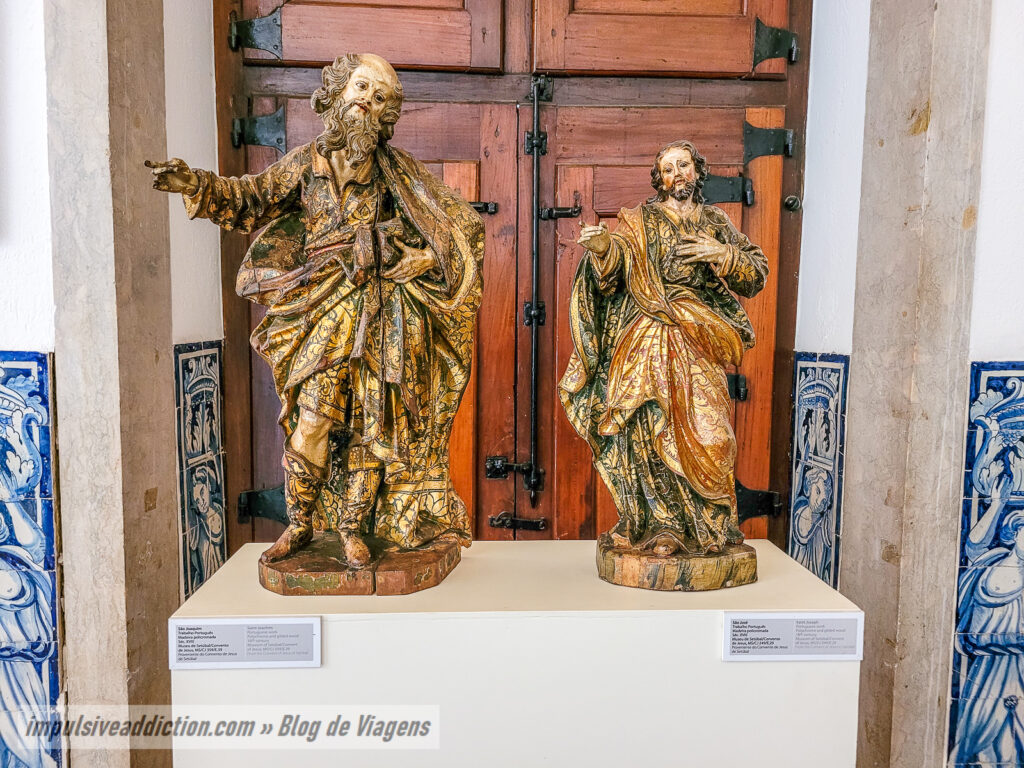
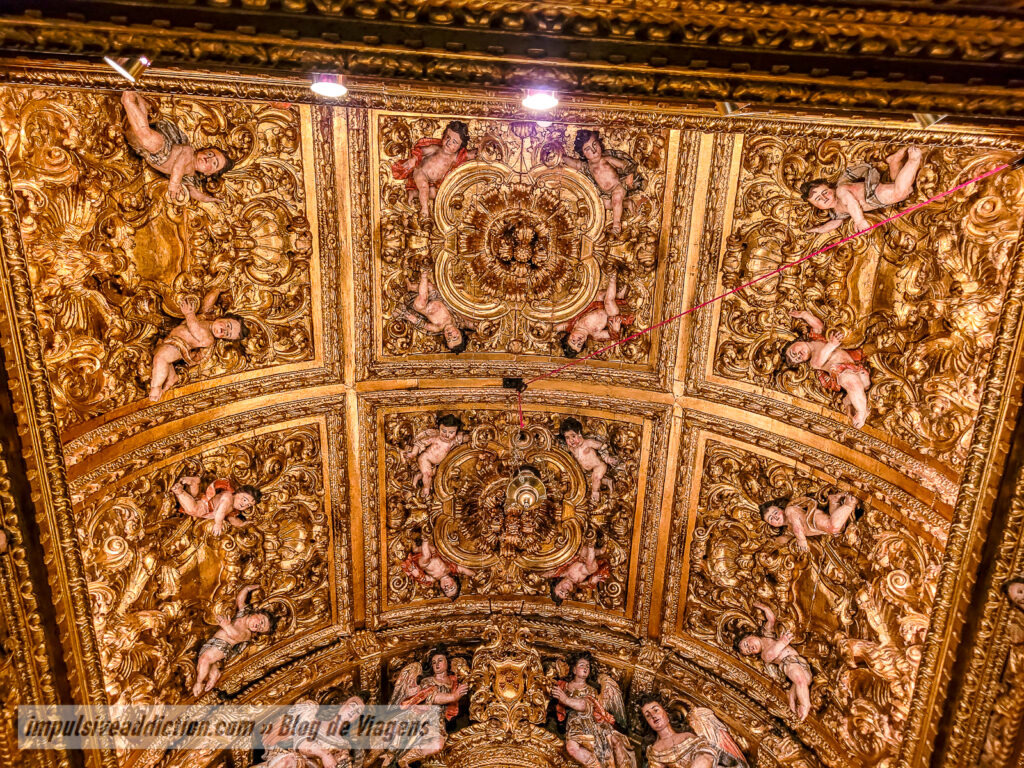
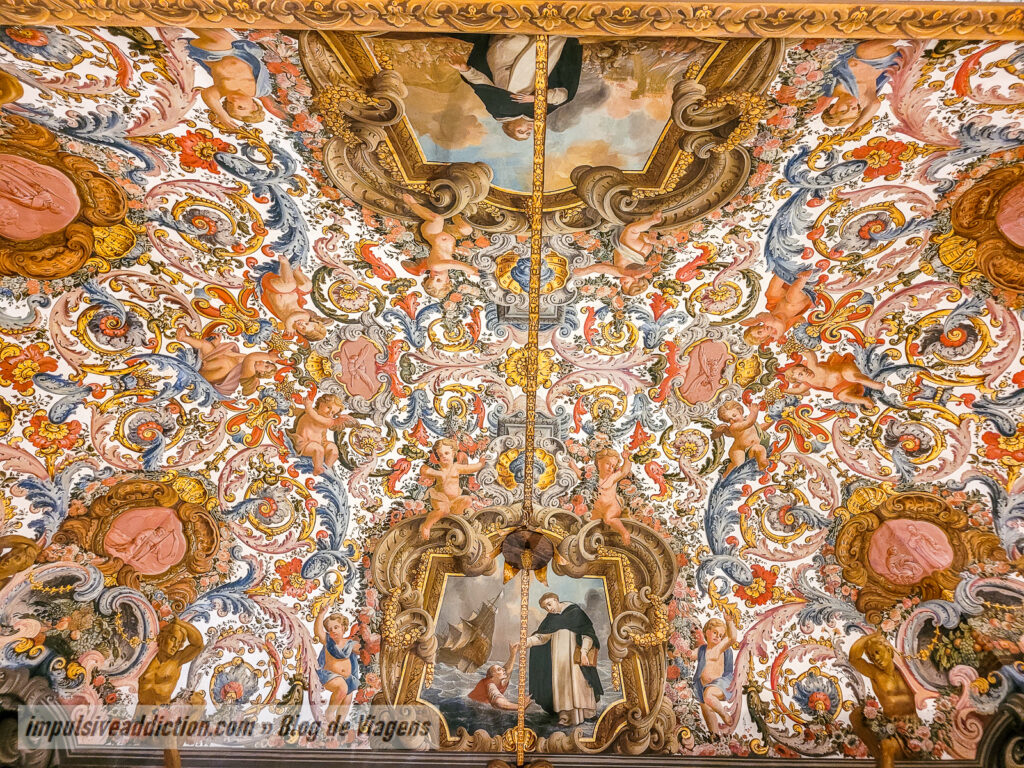
At Largo da Sé, don’t forget to stop by the Casa do Corpo Santo, the historic building that once housed the Brotherhood of Corpo Santo, founded in the 14th century. Marvel at the intricately decorated ceilings in the various rooms and explore the collection of sacred art displayed throughout the house.
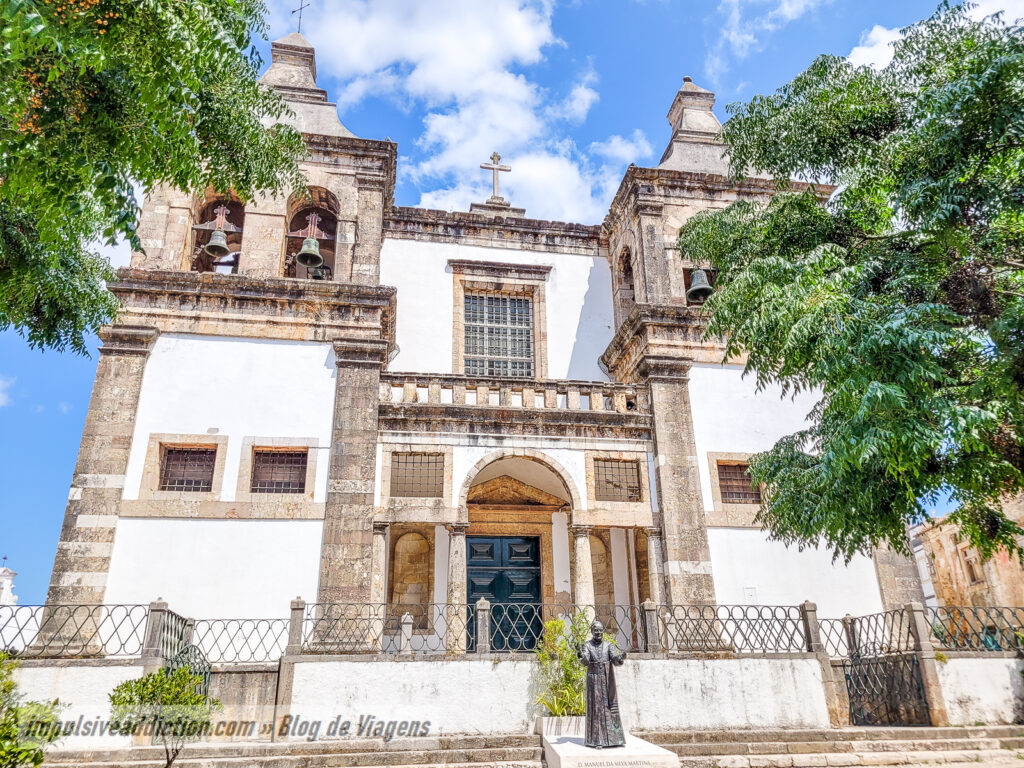
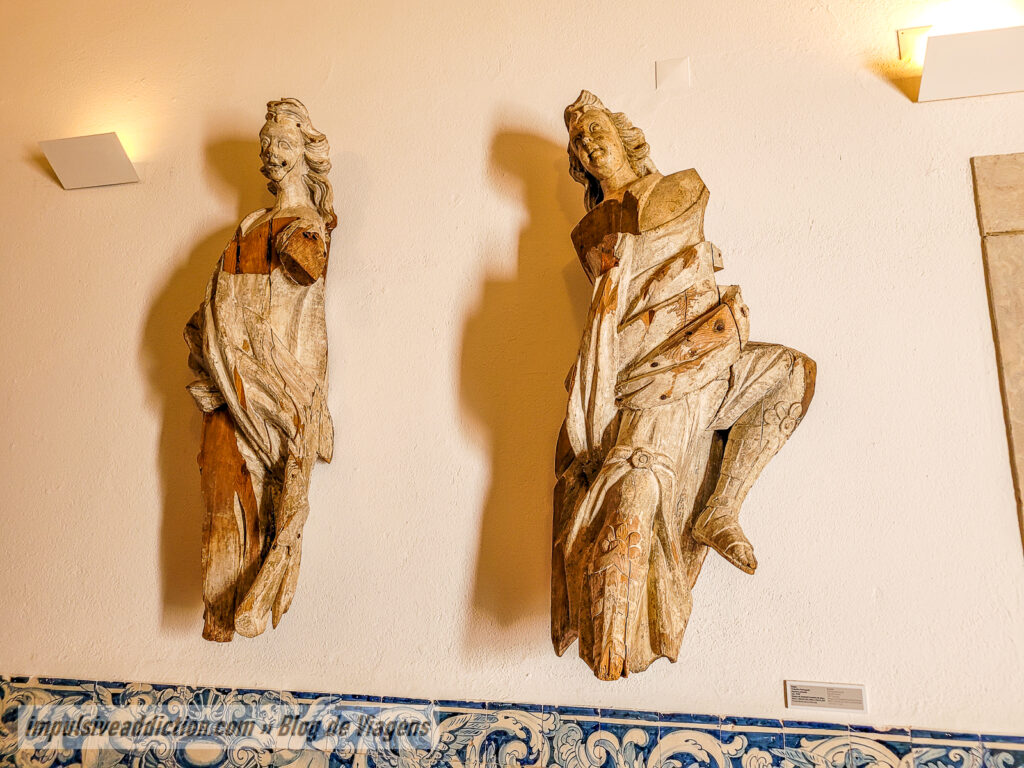
16. General Luis Domingos Garden & Quebedo Park
Make your way to General Luis Domingos Garden, then cross the Setúbal railway line to reach Quebedo Park. On this side, you’ll find the Church of Boa Hora and, further along, the Church of São Sebastião, which is near a beautiful viewpoint overlooking Setúbal Bay.
You can also visit Casa Bocage, the poet’s birthplace and childhood home. This museum space is dedicated to his life and work, and also houses the Américo Ribeiro Photographic Archive.
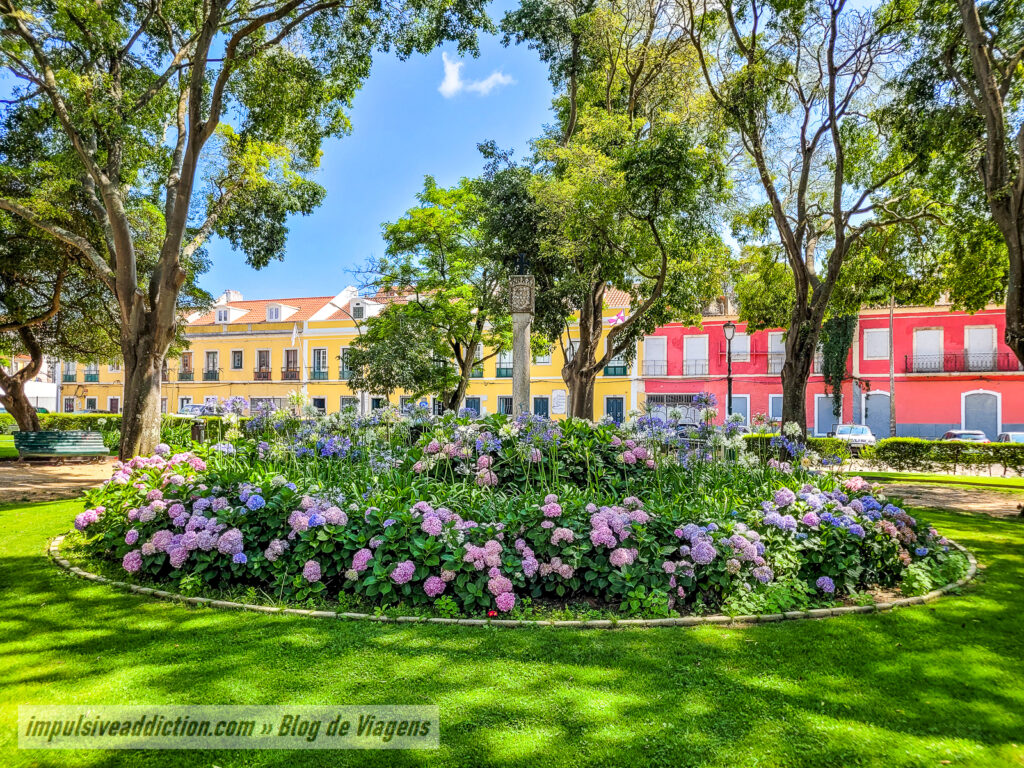

17. Church of Boa Hora and Casa Bocage
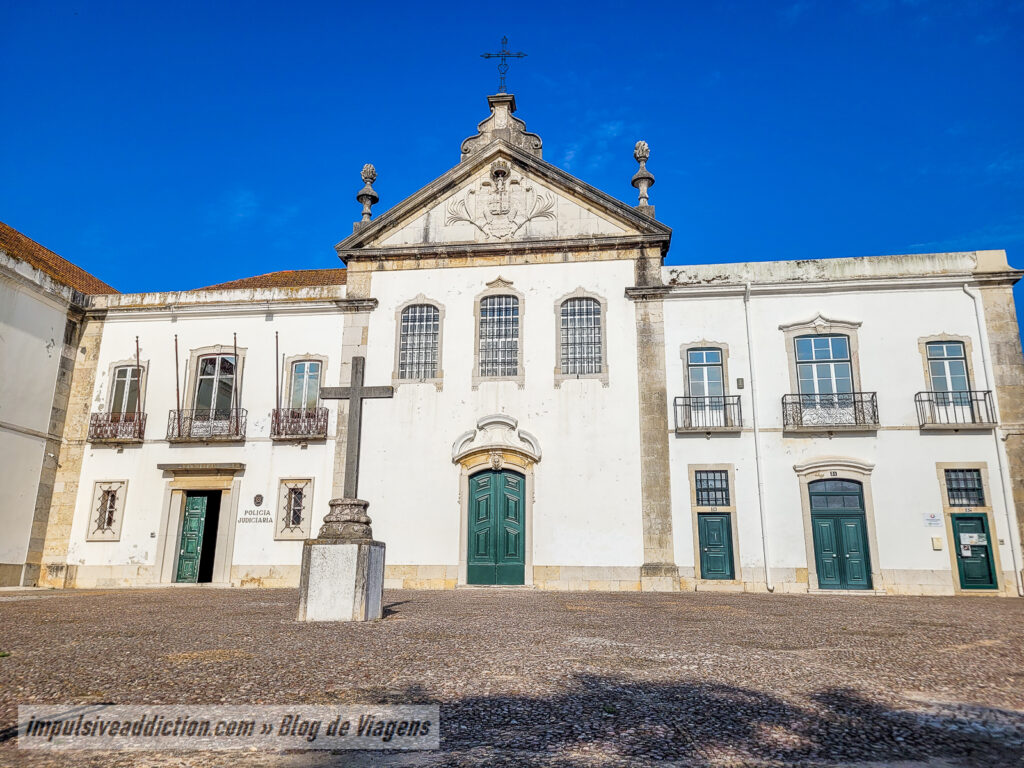
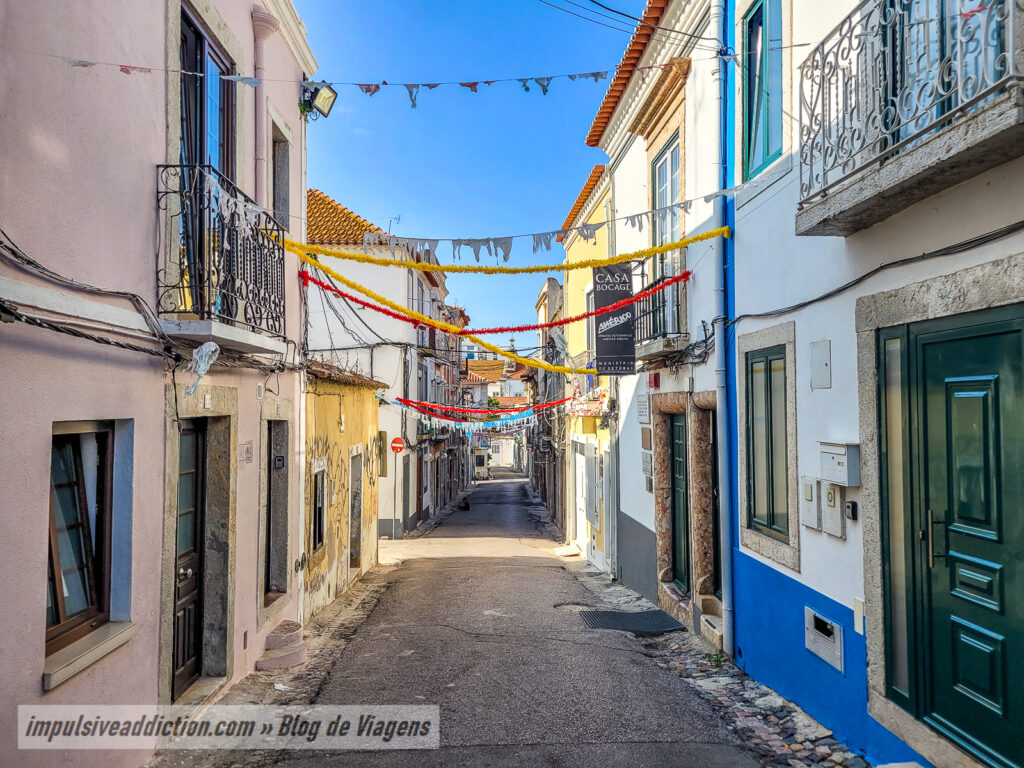
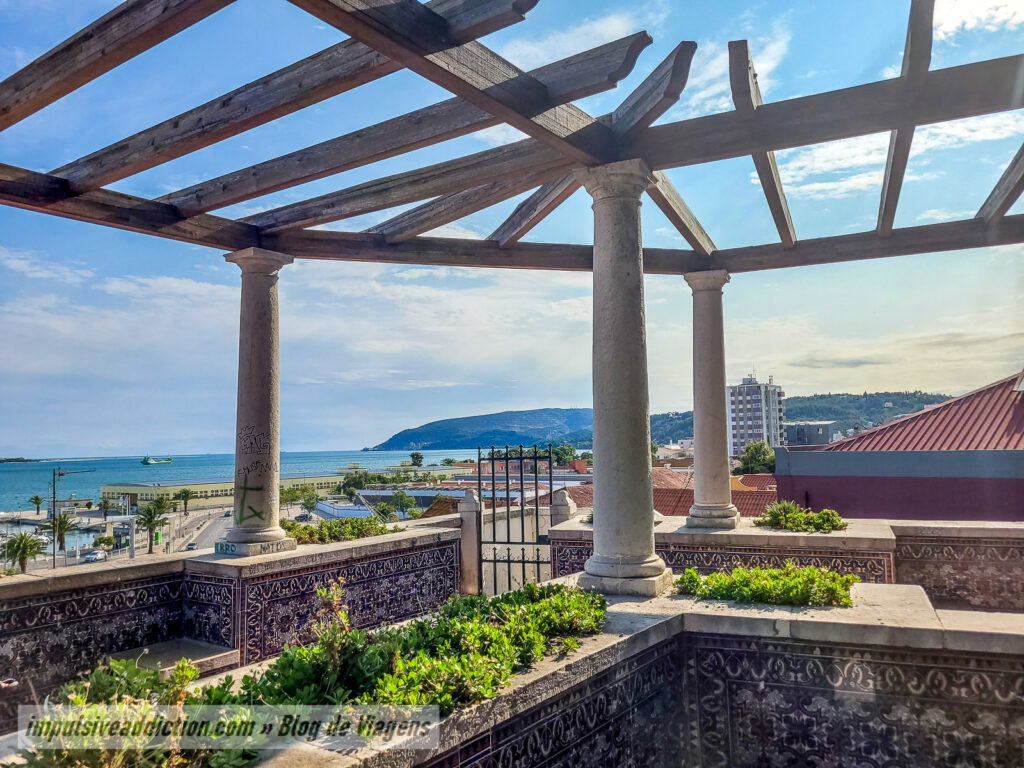
18. Church and Viewpoint of São Sebastião
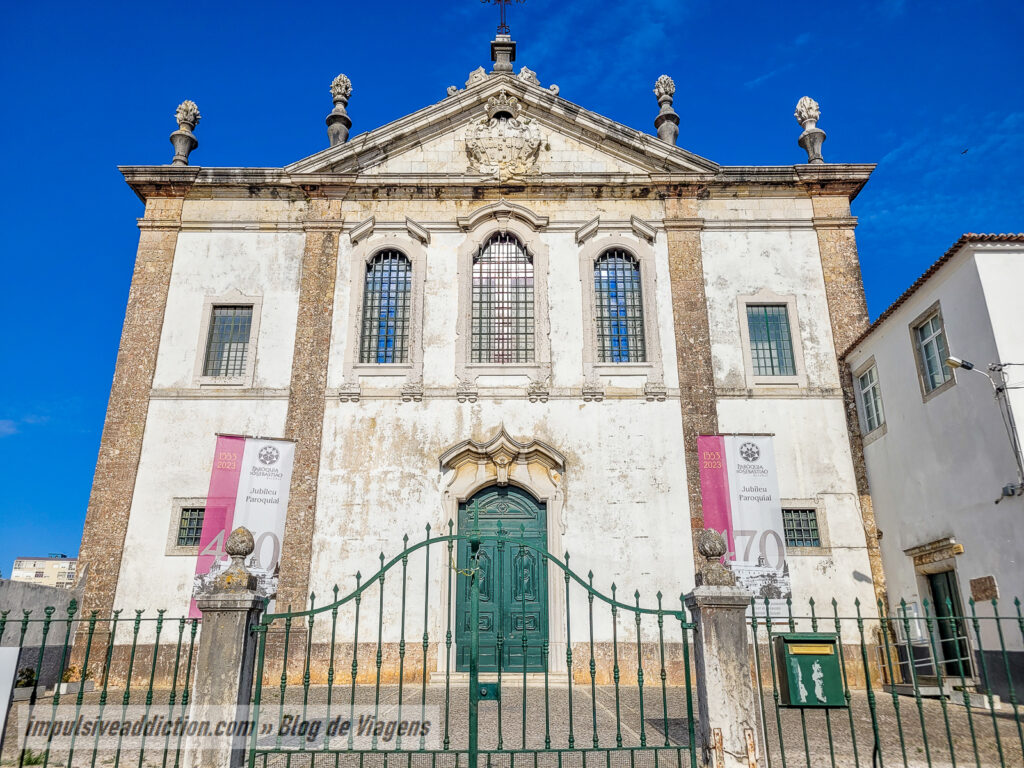
19. Michel Giacometti Labor Museum
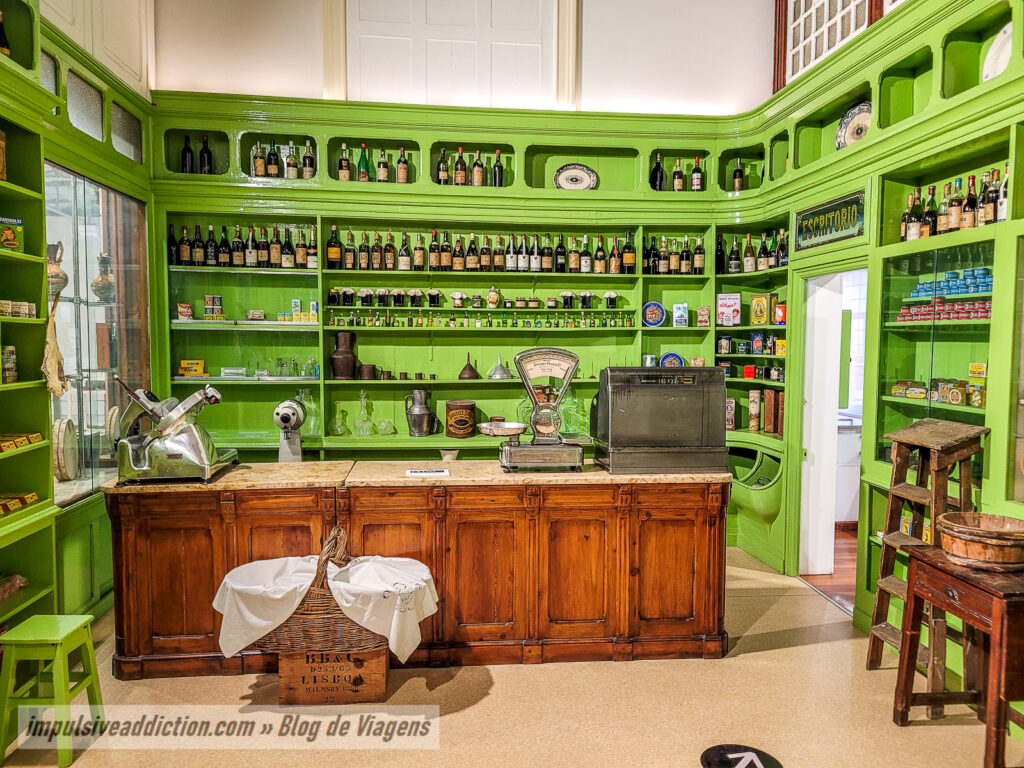
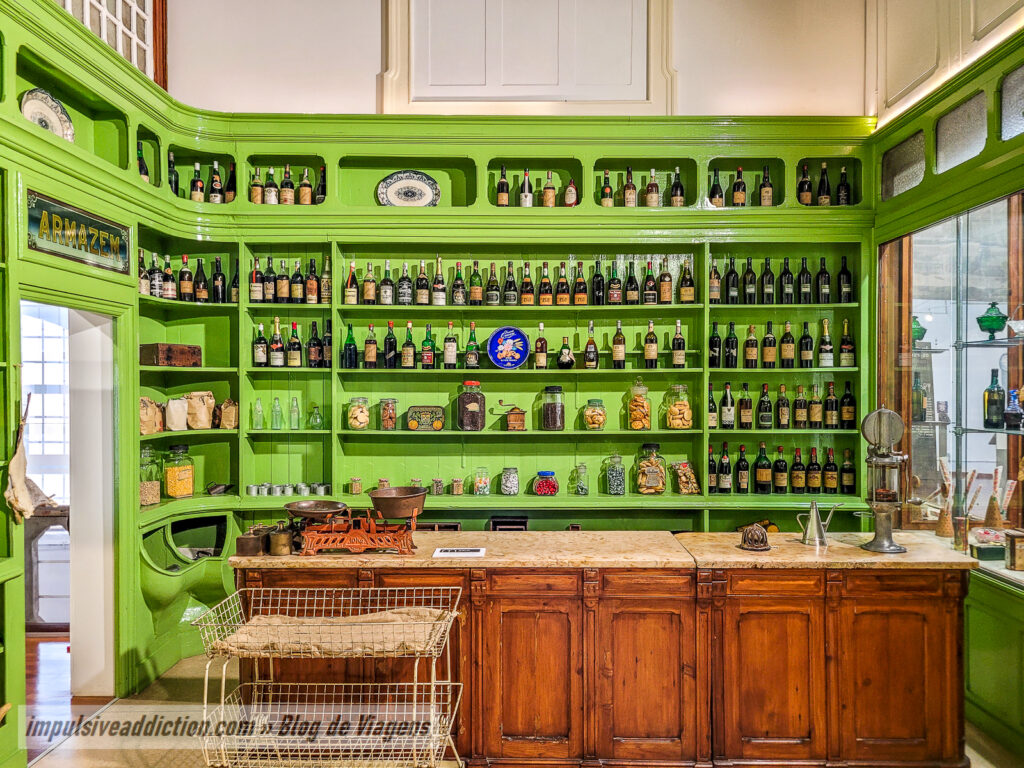
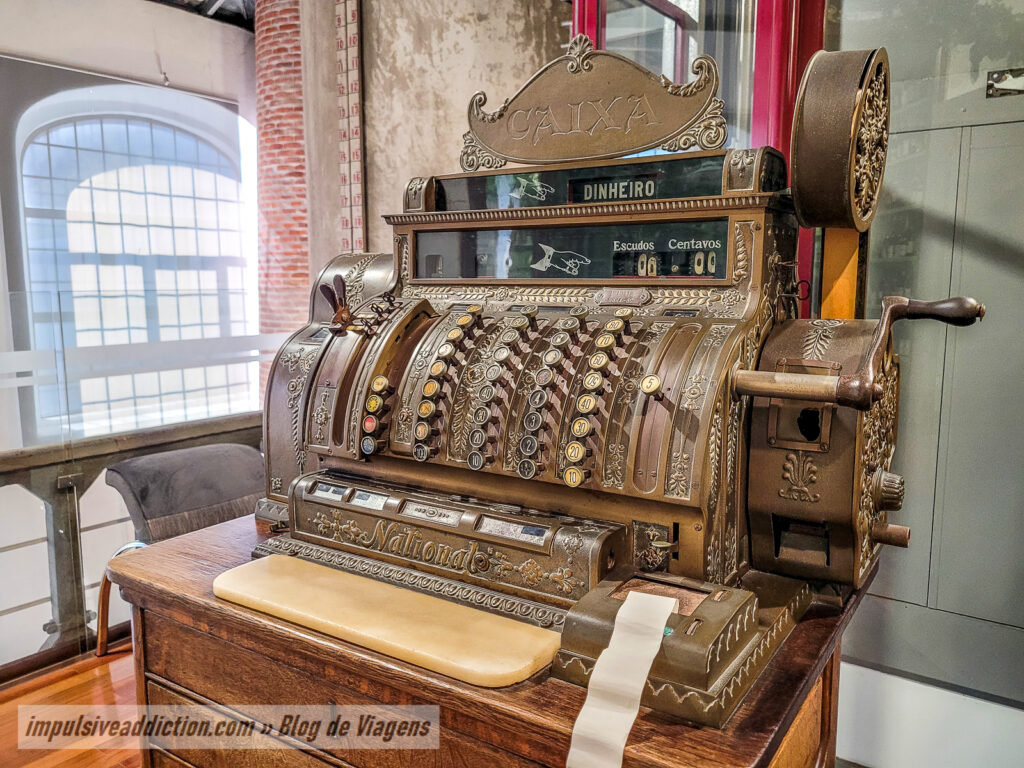
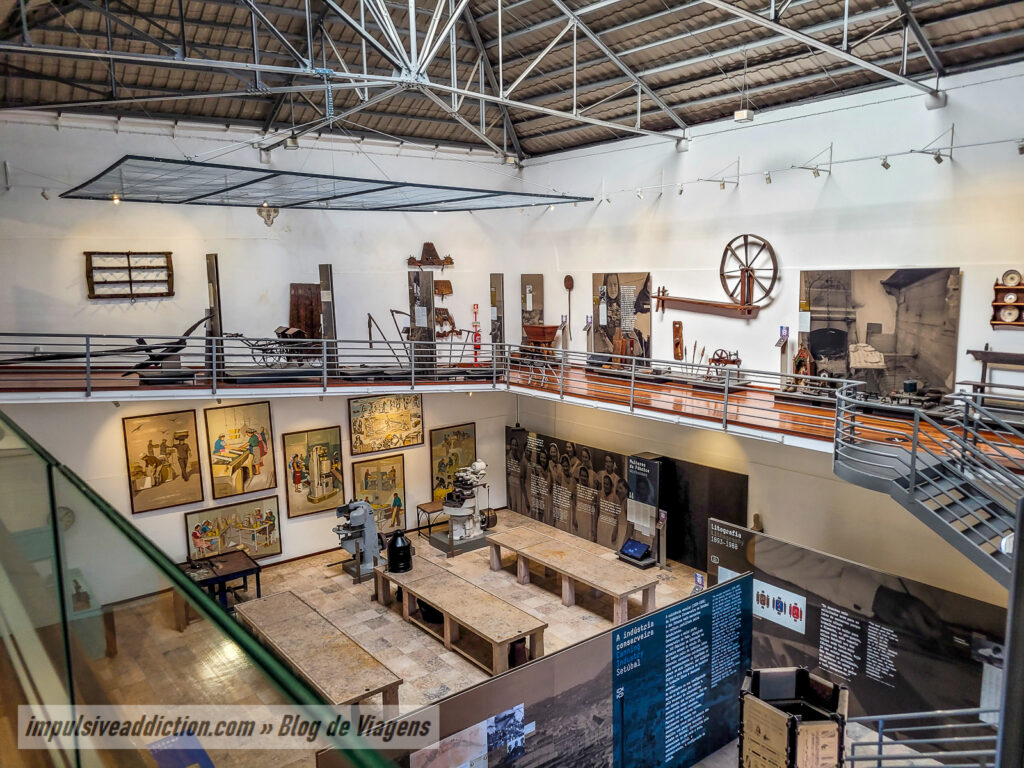
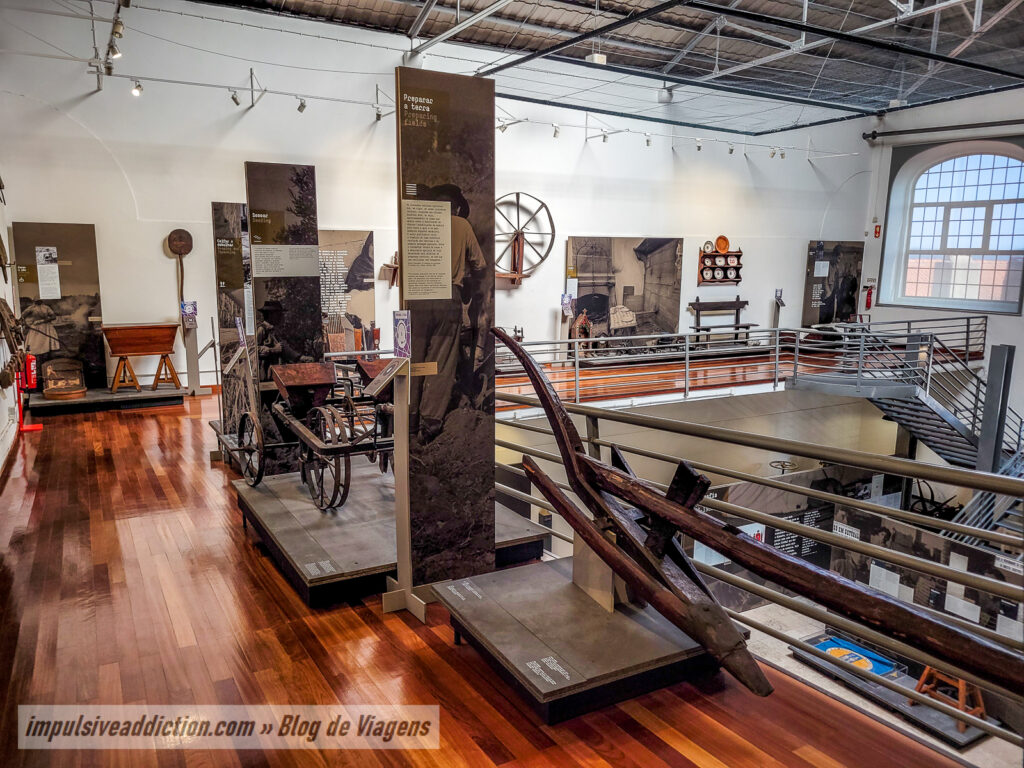
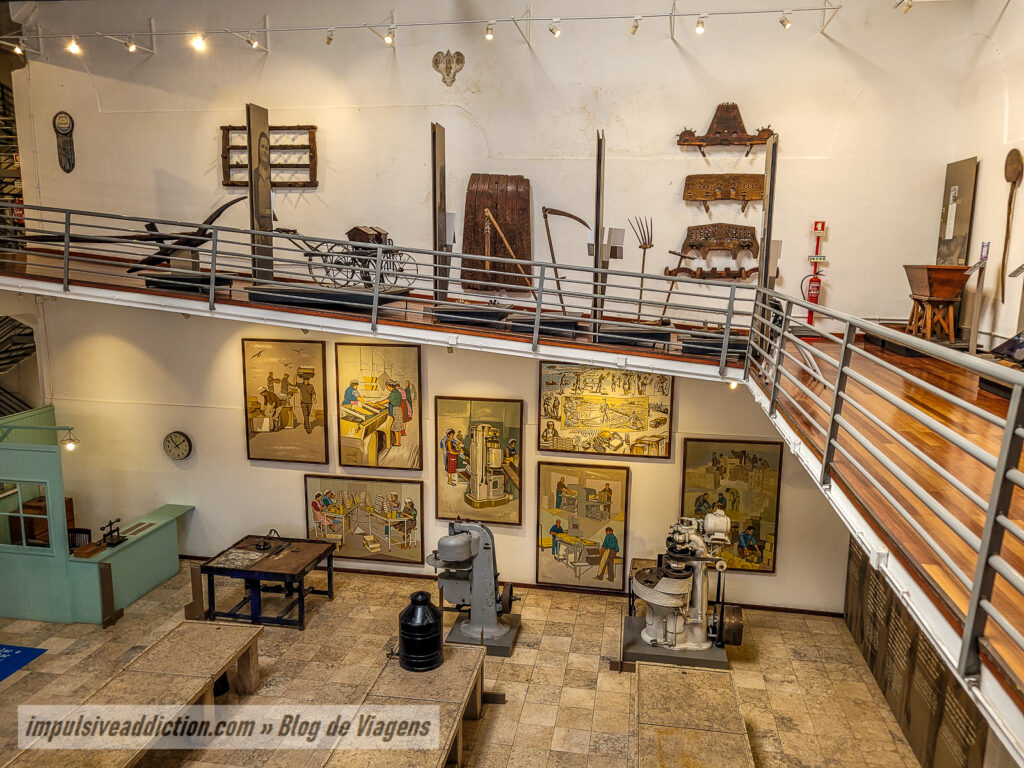
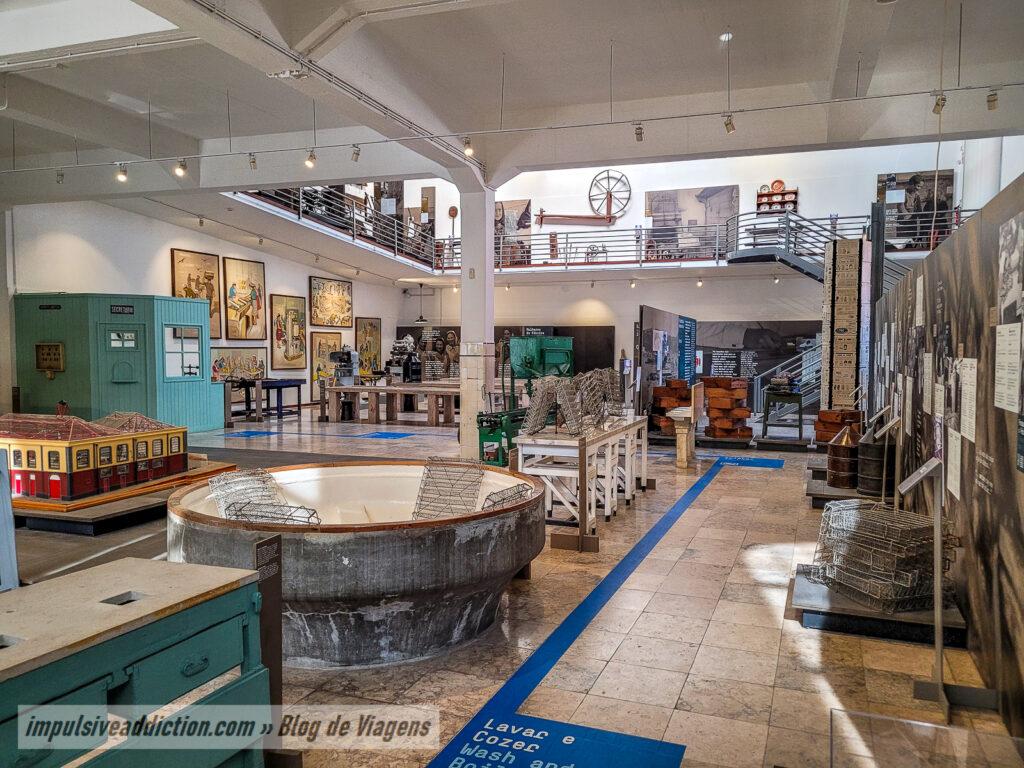
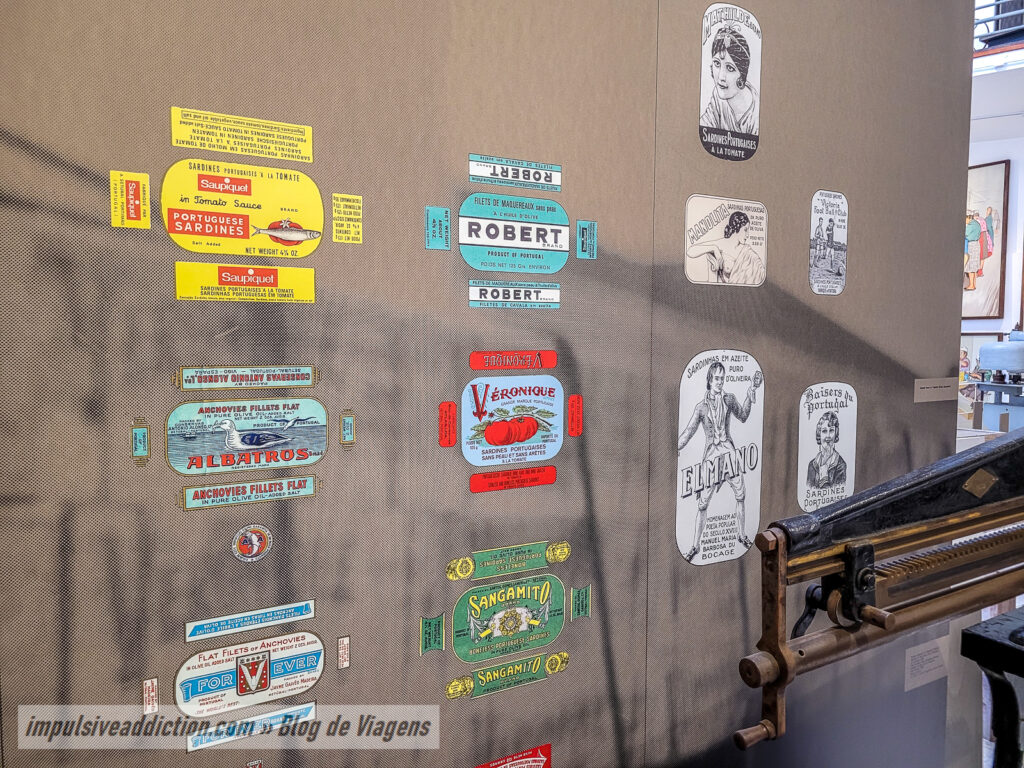
Another fascinating museum is the Michel Giacometti Labor Museum, housed in the former Perienes fish canning factory. Dedicated to the world of work, it reflects the three main sectors of the economy, with a special focus on industry. The museum displays machinery related not only to fish canning and lithography but also agricultural tools and rural instruments collected from the region.
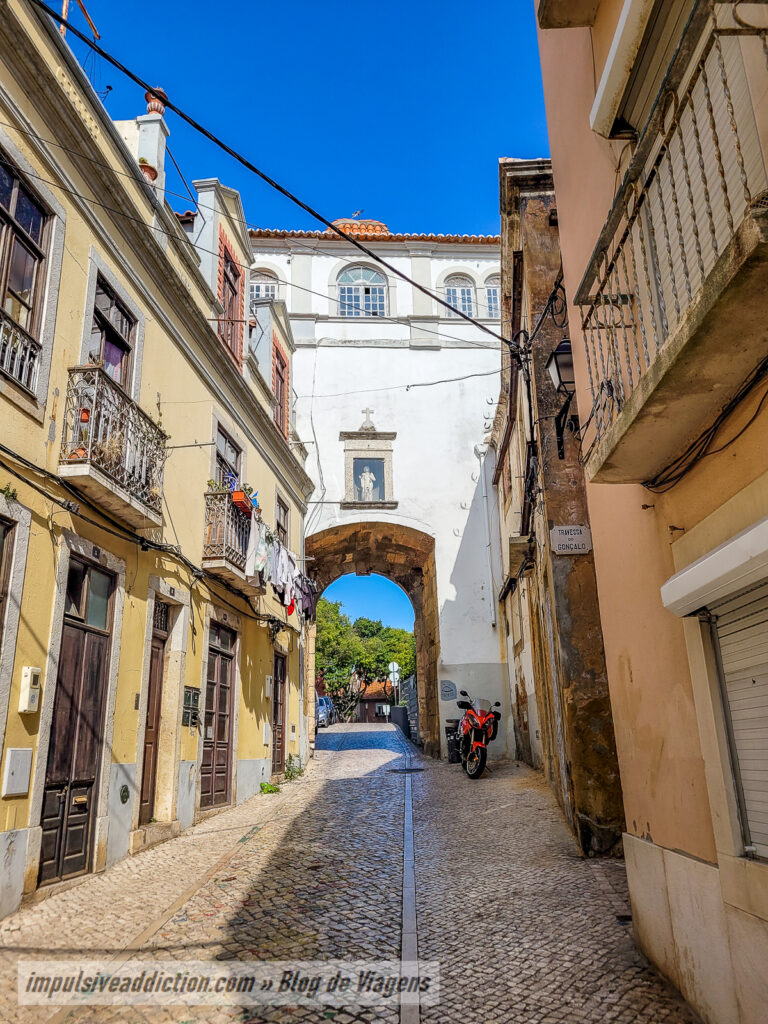
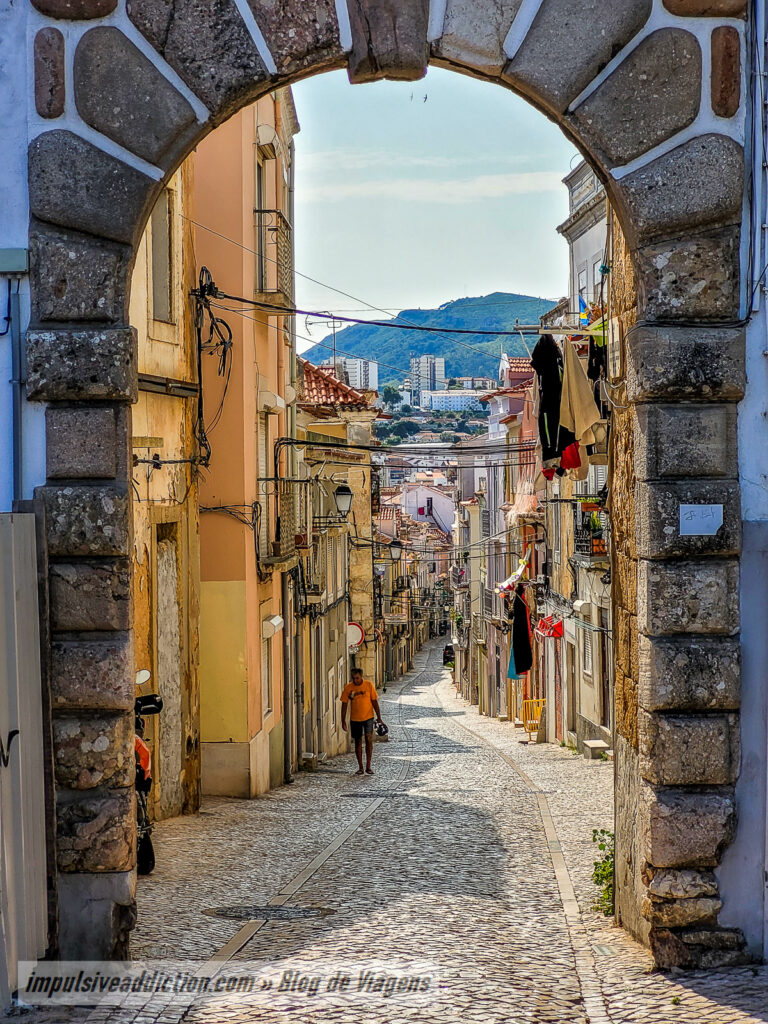
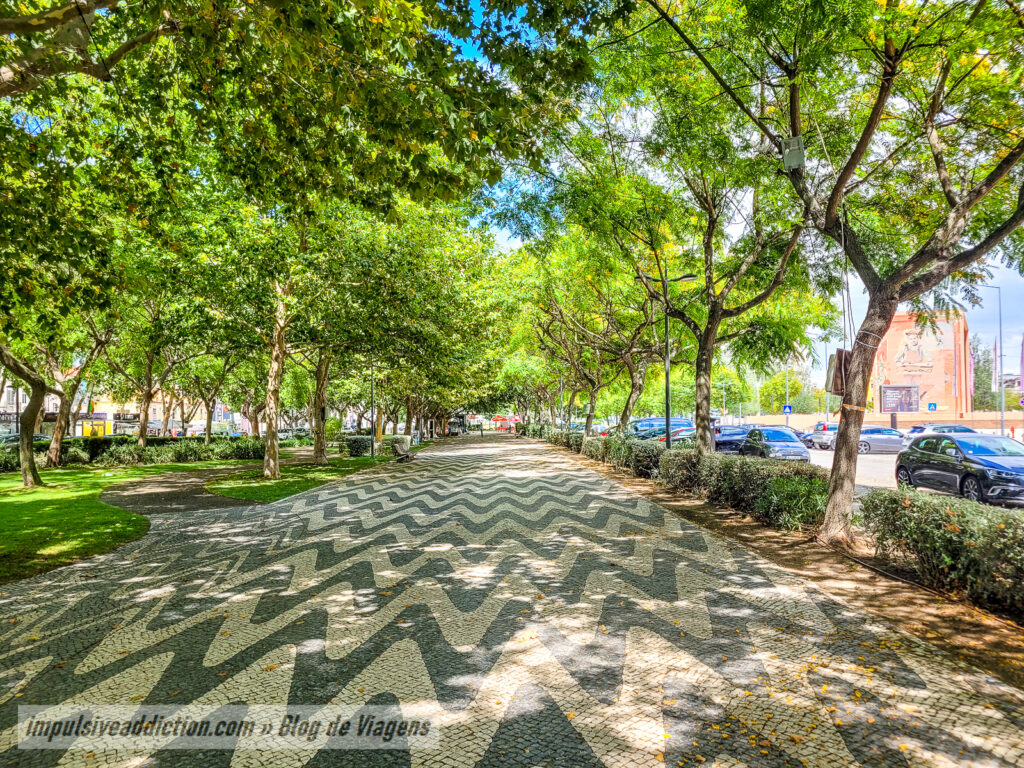
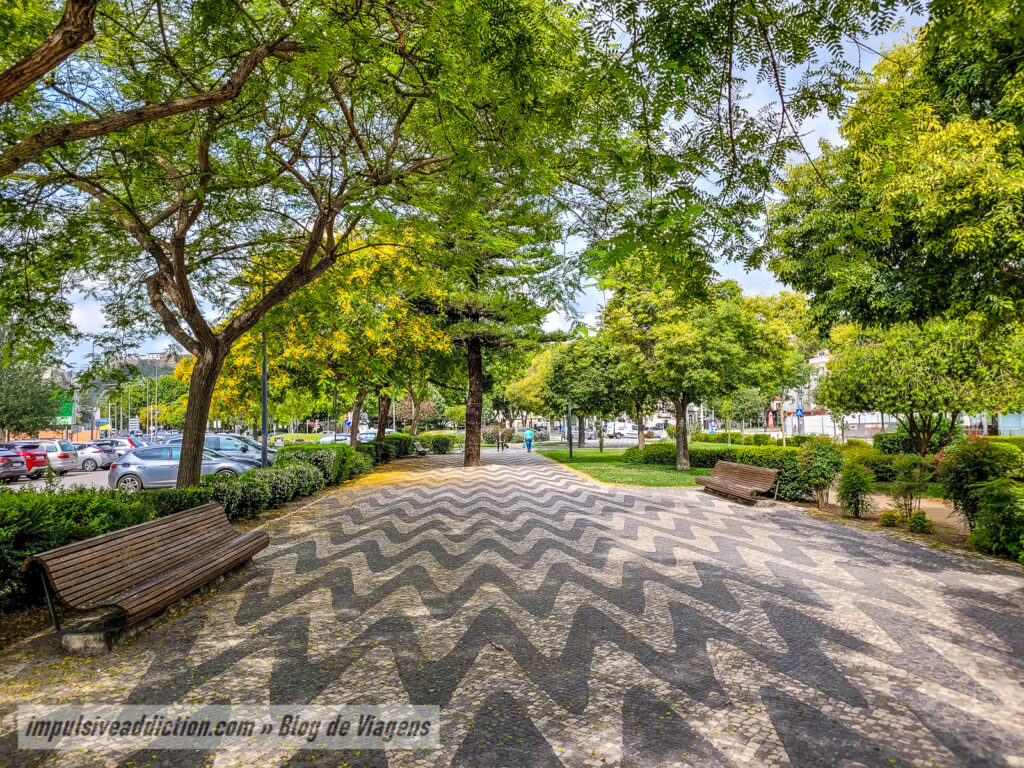
Nearby, you’ll find the Arco de São Sebastião. Walk through it before heading back to Avenida Luísa Todi. After enjoying some choco (see point 21), explore this grand avenue, paying attention to the following attractions:
- Galeria Municipal do 11 – A temporary exhibition space located in the former barracks of the 11th Infantry Regiment.
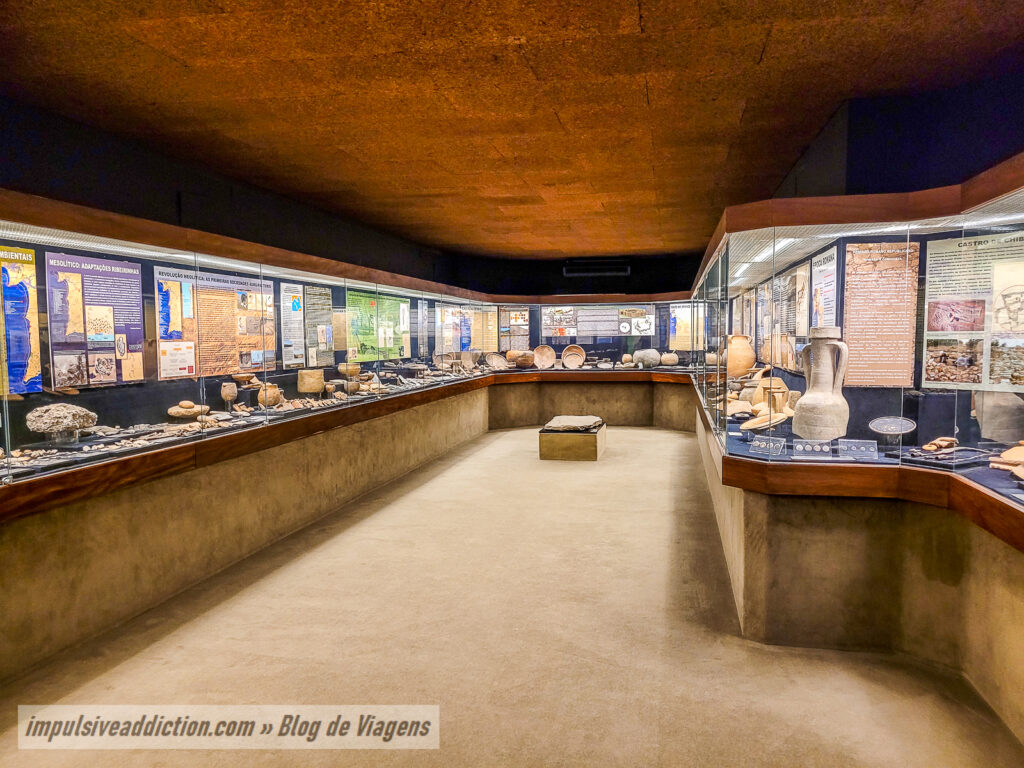
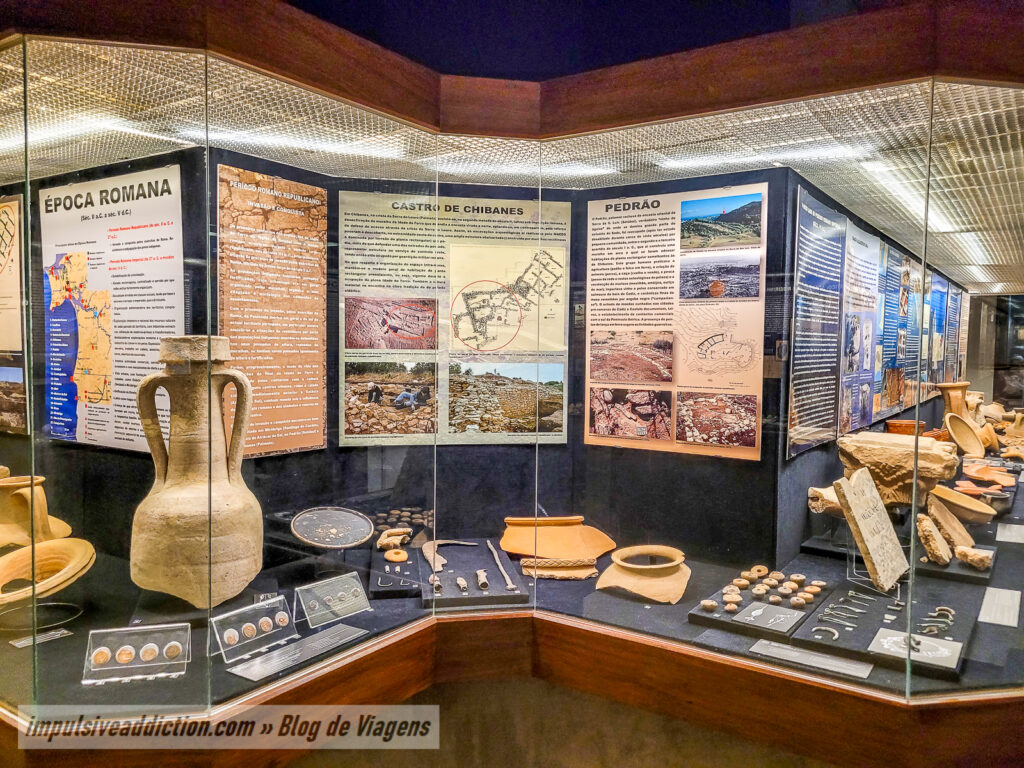
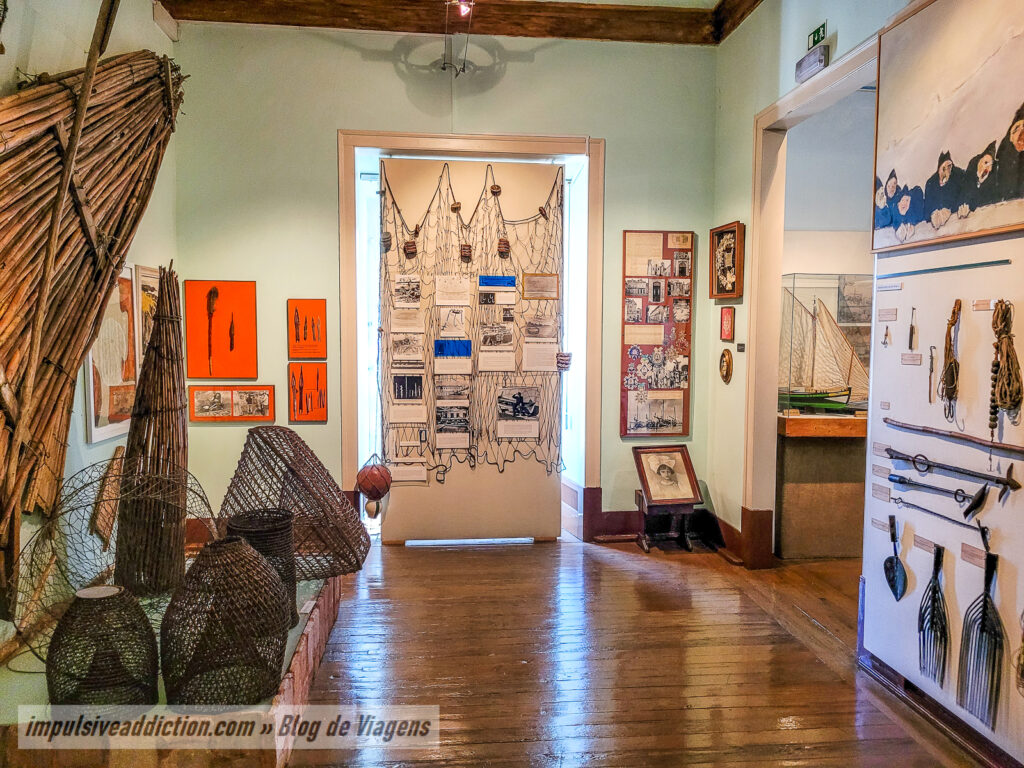
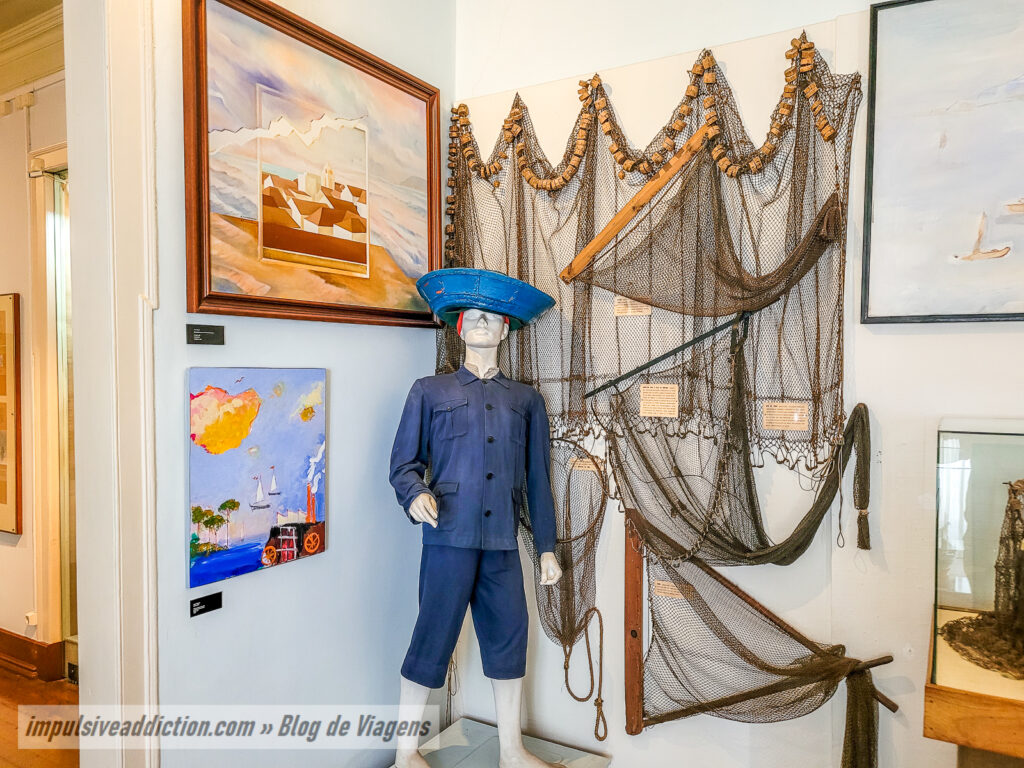
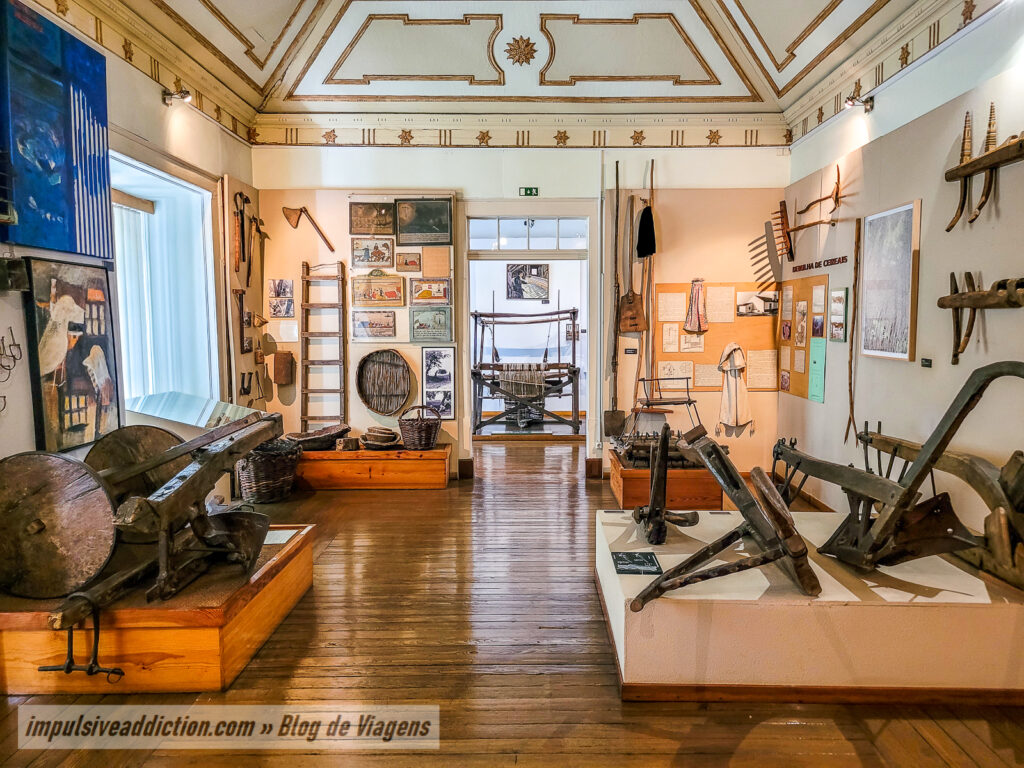
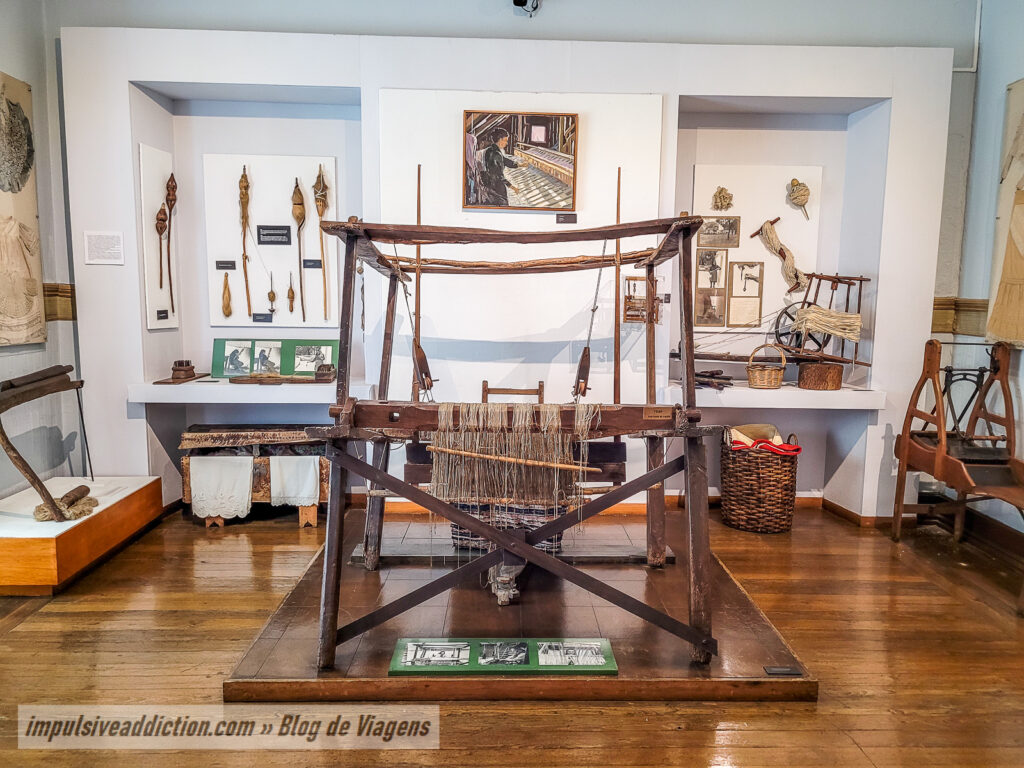
- Setúbal District Archaeology and Ethnography Museum – Featuring prehistoric, Roman, and post-Roman collections, as well as artifacts related to traditional fishing, livestock farming, agriculture, shipbuilding, spinning, and weaving.
- Fórum Municipal Luísa Todi
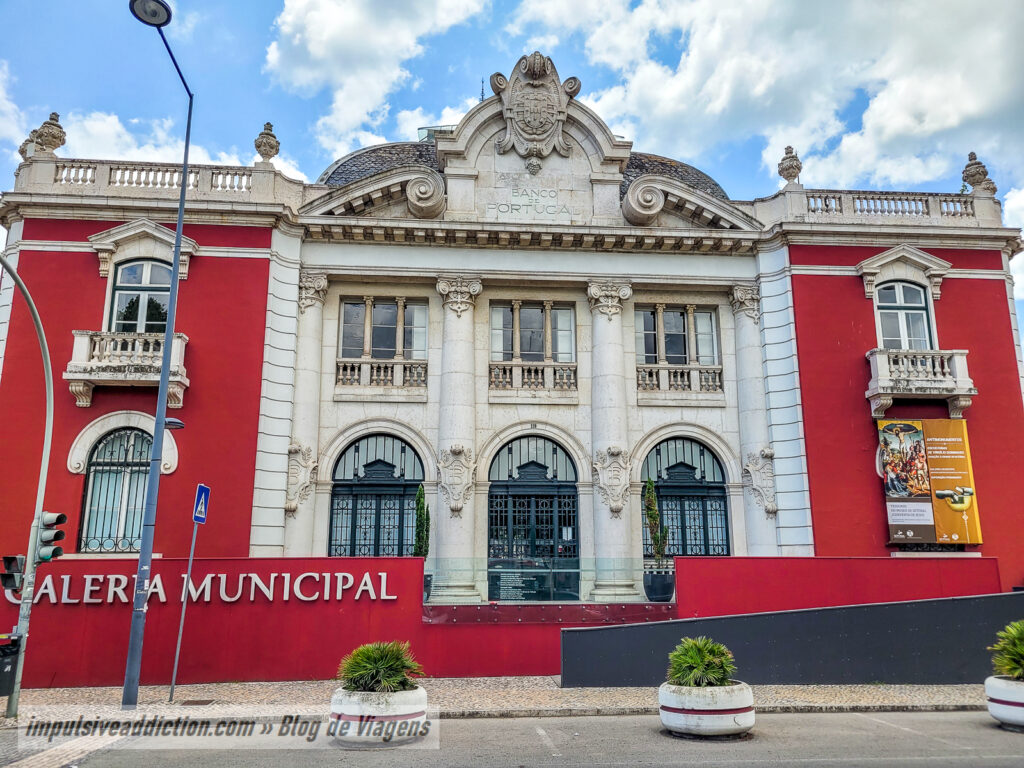
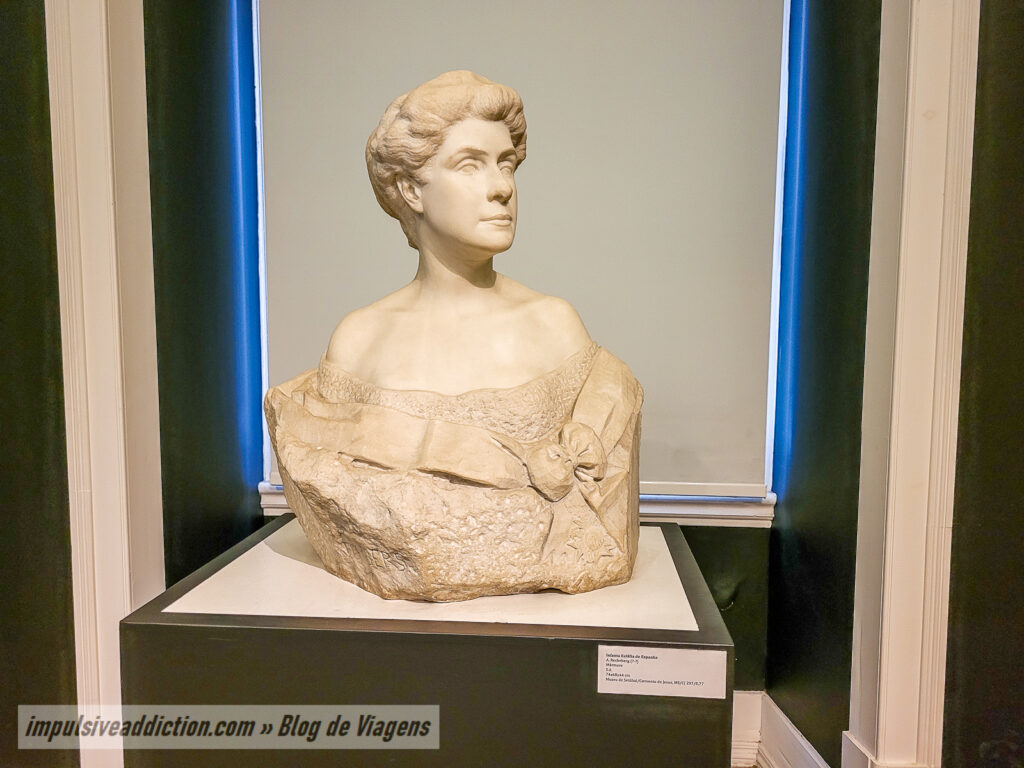
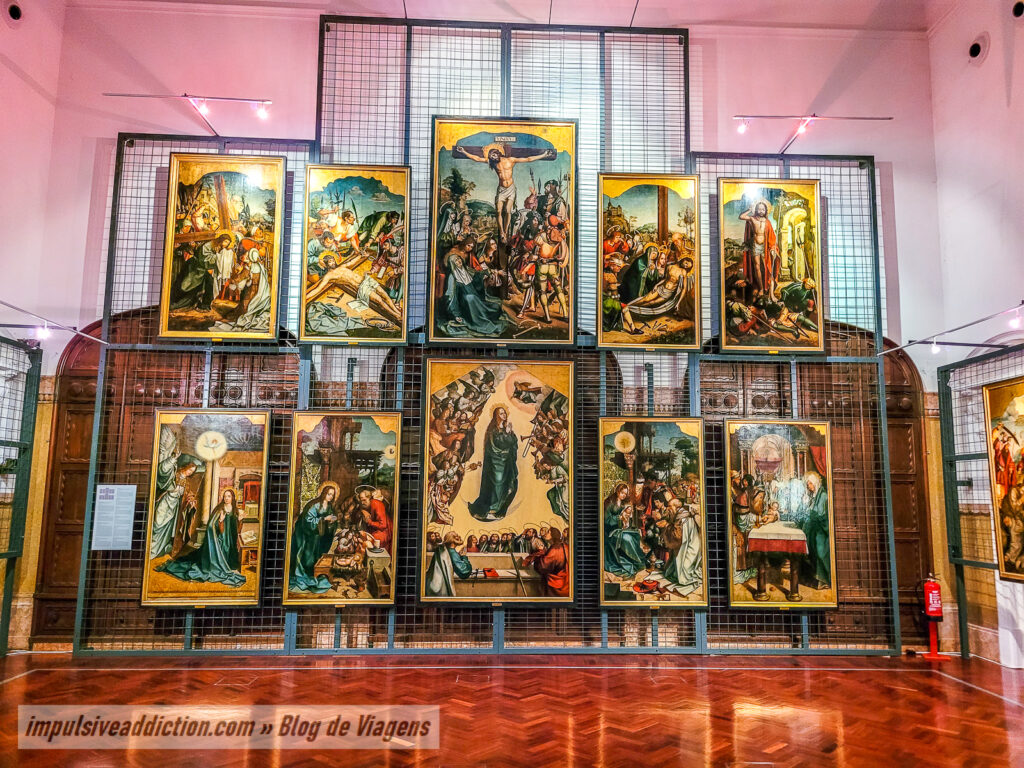
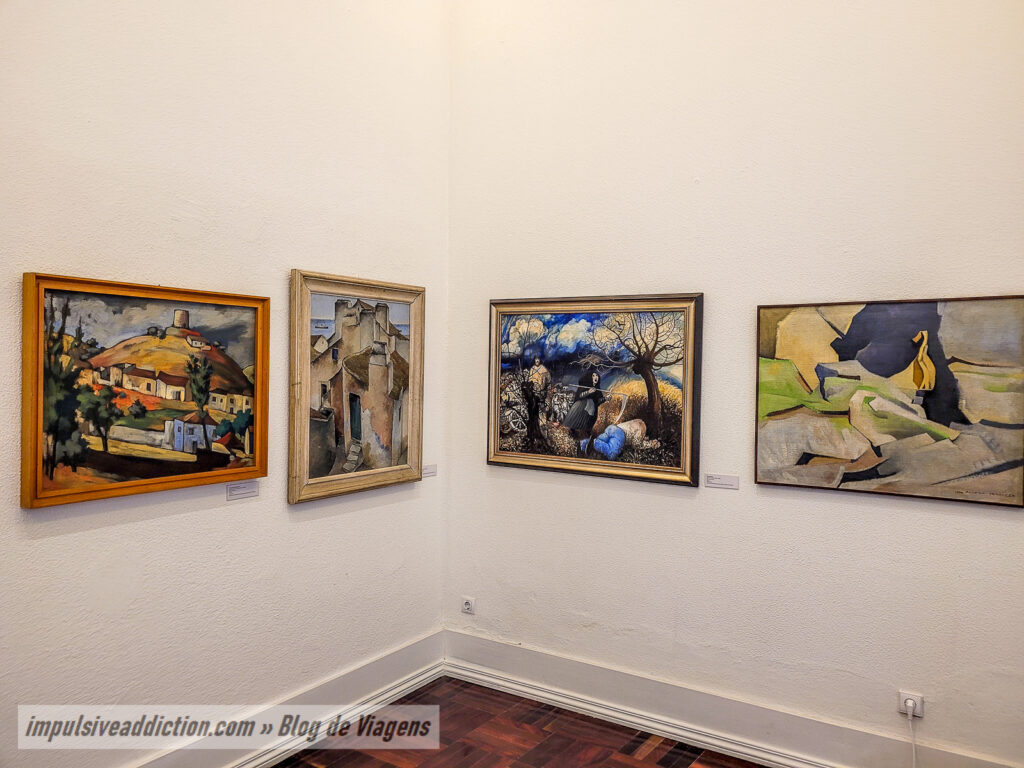
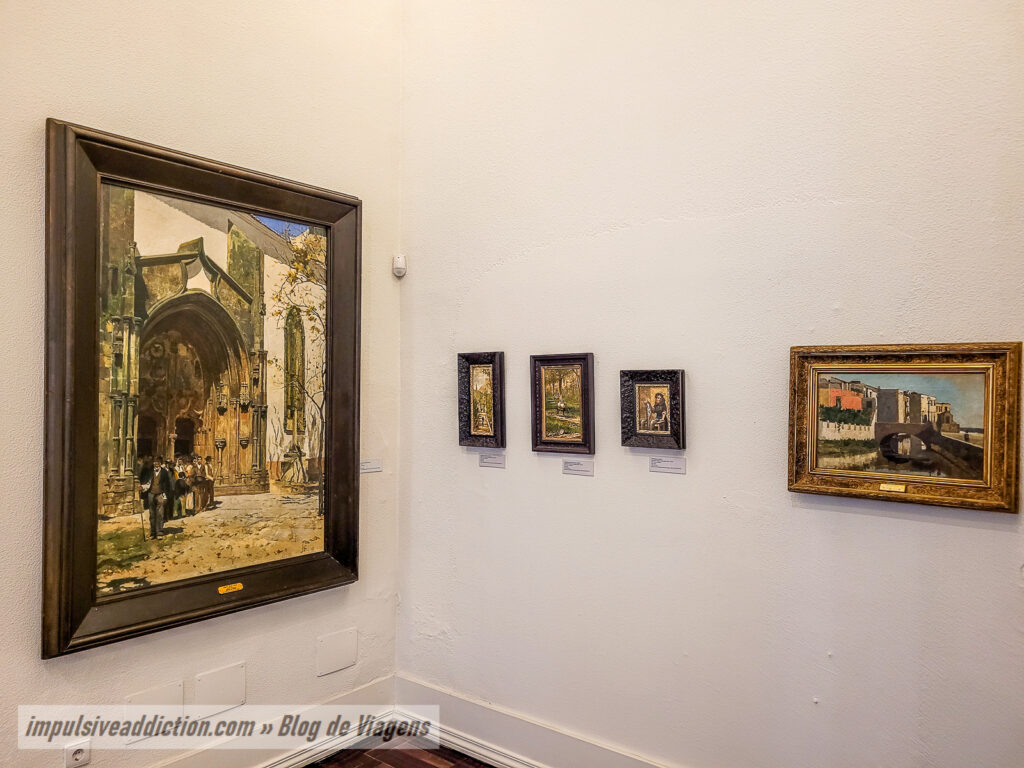
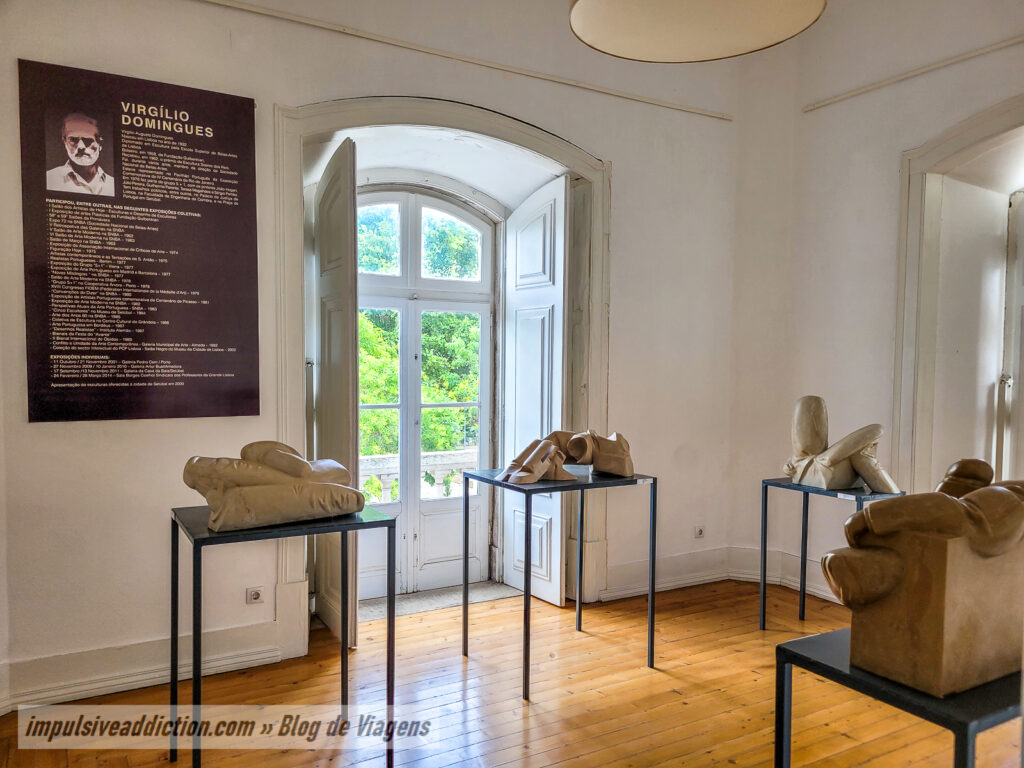
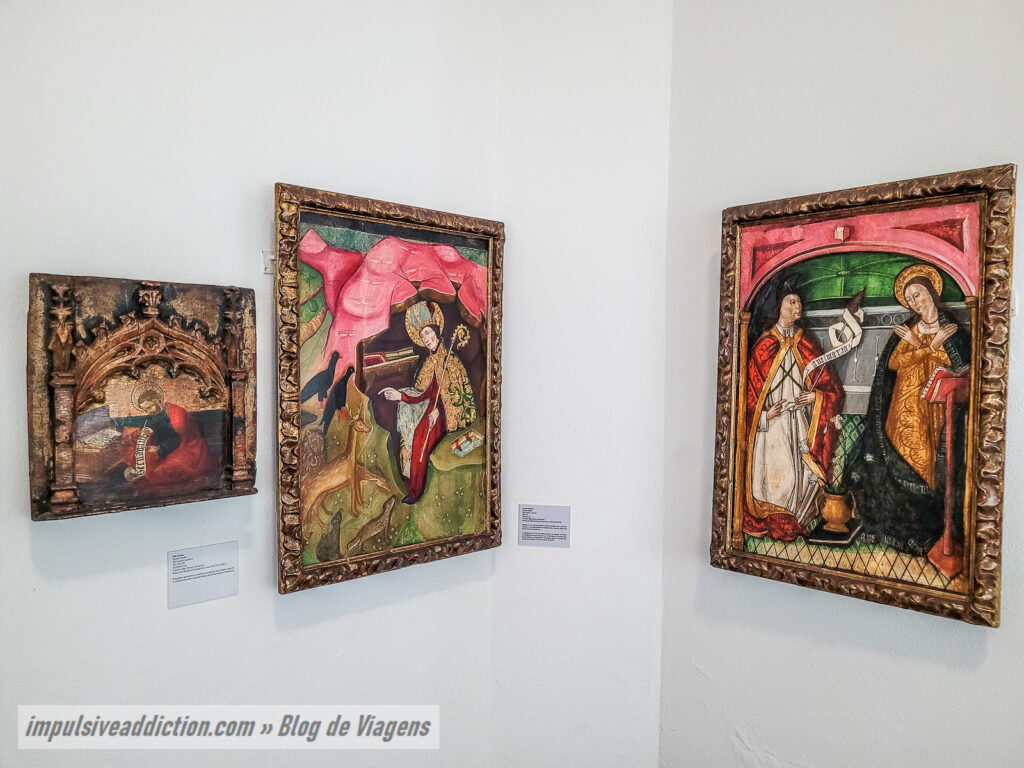
- Setúbal Municipal Gallery – Located in the building that housed the former Bank of Portugal from 1917 to 1994. During my visit, it featured the altarpiece from the Main Chapel of the Convento de Jesus church.
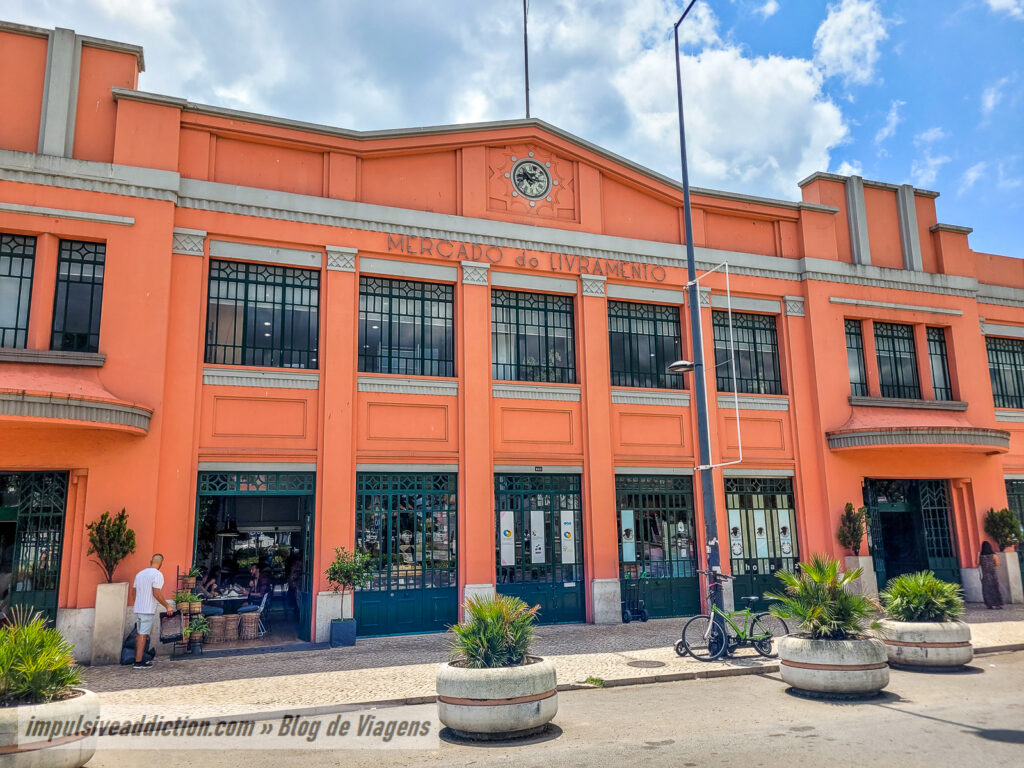
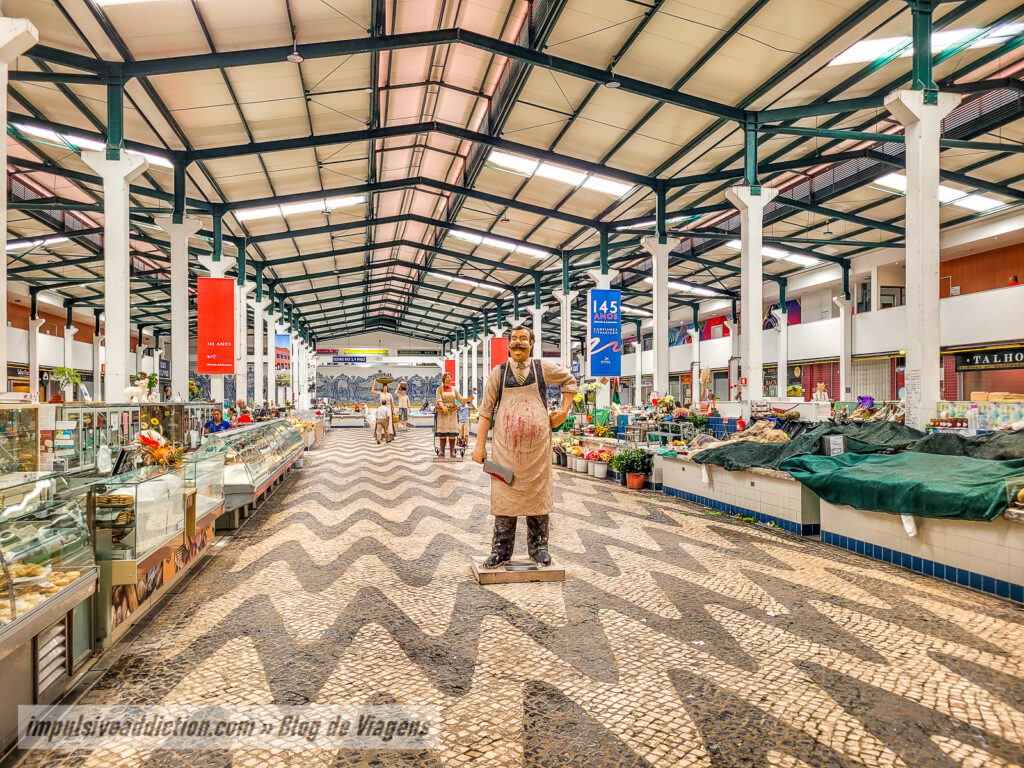
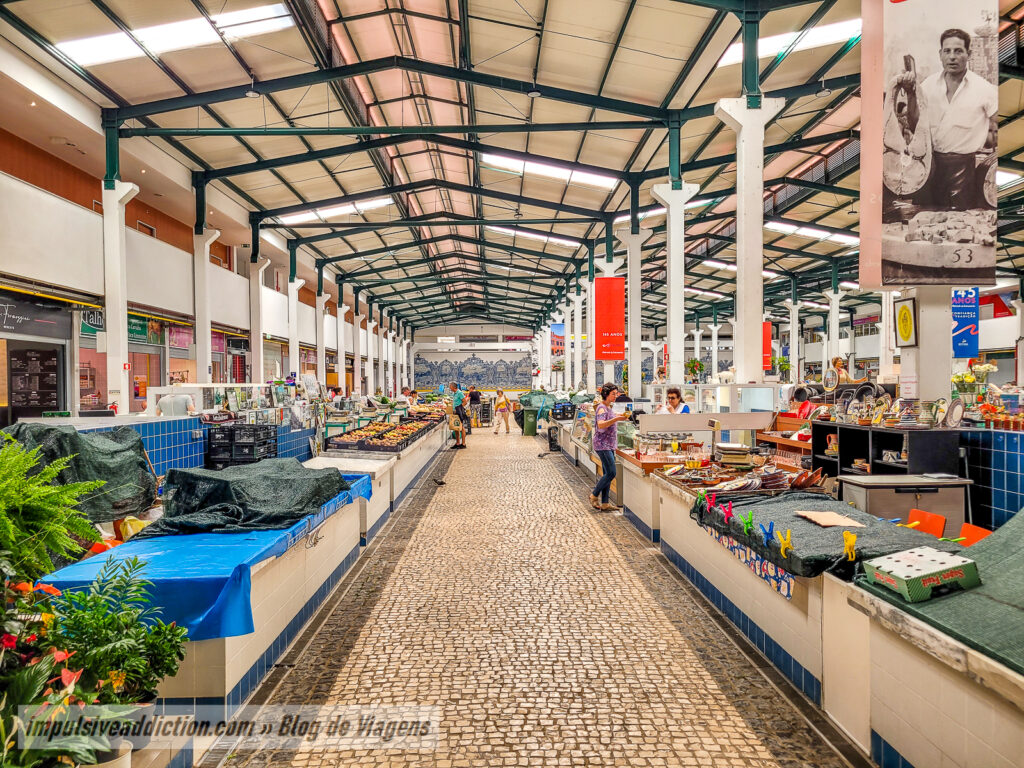
- Mercado do Livramento – Opened in 1930, this is one of the best fish markets in the country. Don’t miss the beautiful tile panels inside, which depict the city’s various economic activities.


20. Arch of São Sebastião
21. Choco frito statue 1

22. Galeria Municipal do 11
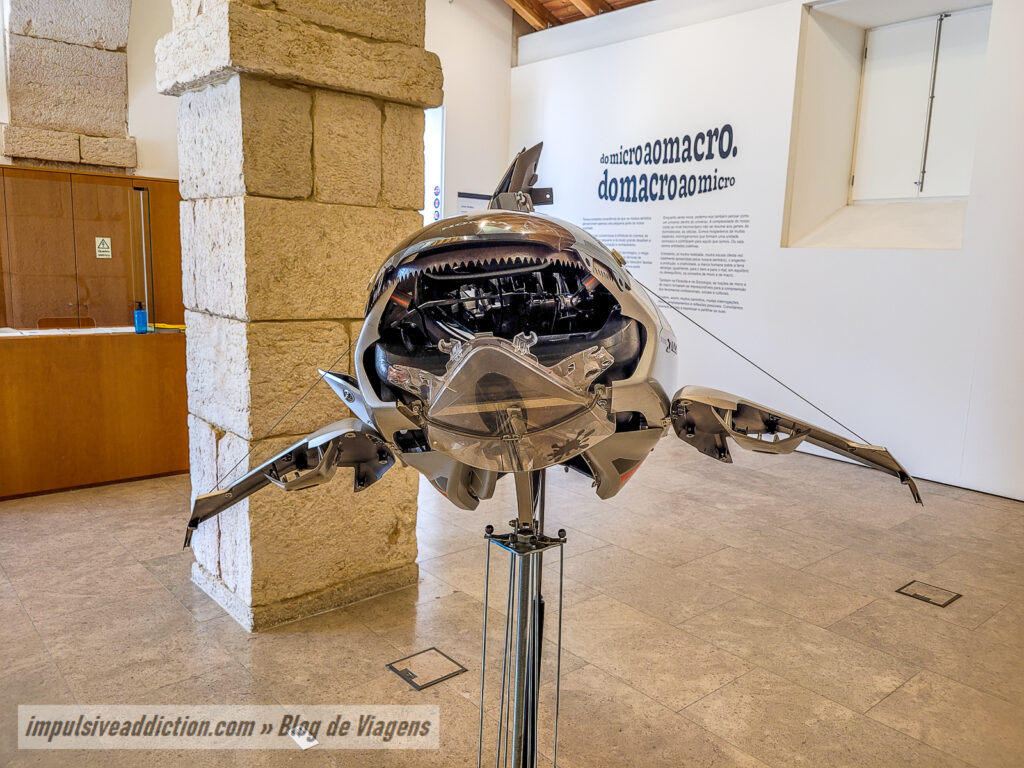
23. Setúbal District Archaeology and Ethnography Museum
24. Luísa Todi Avenue
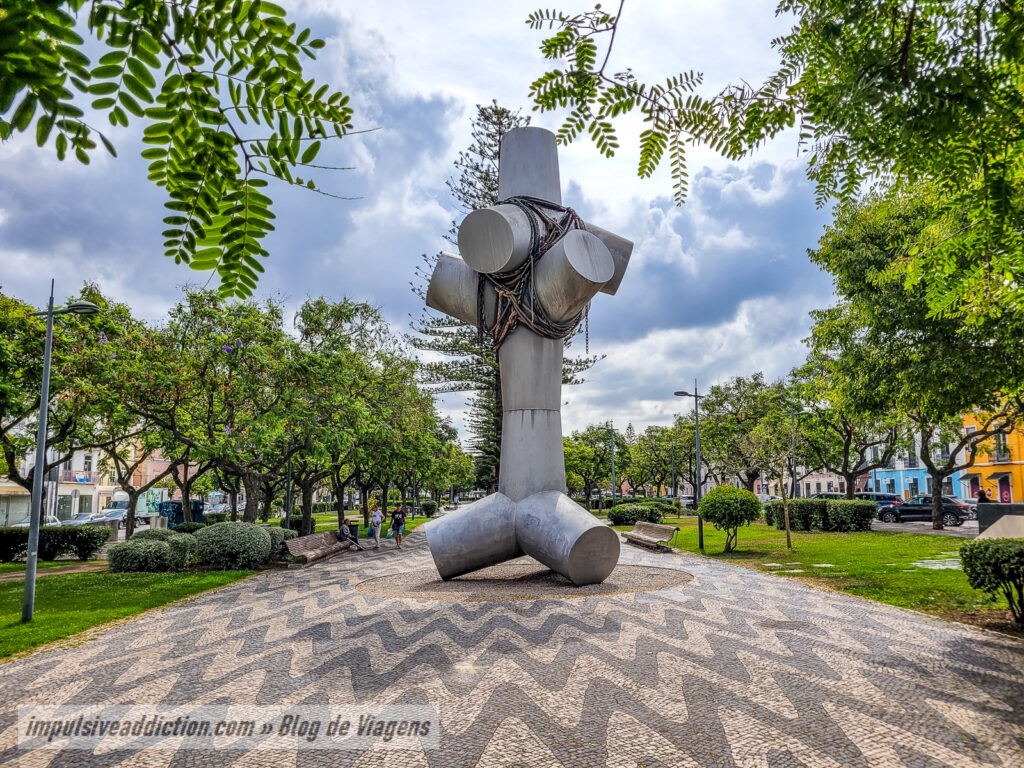
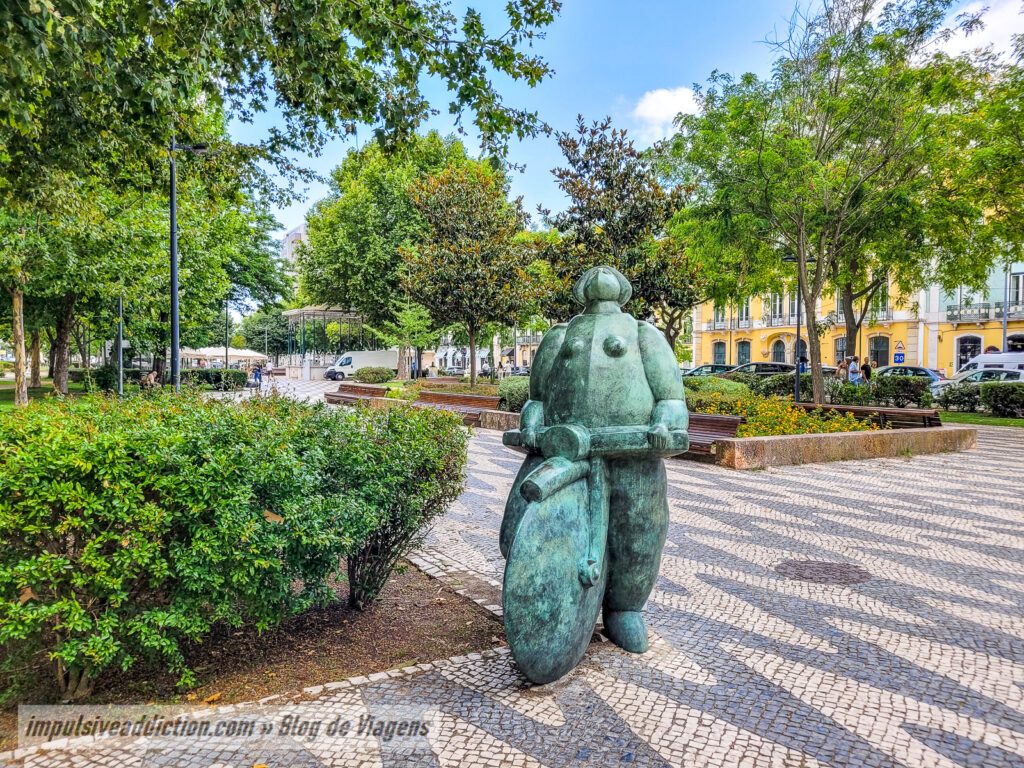
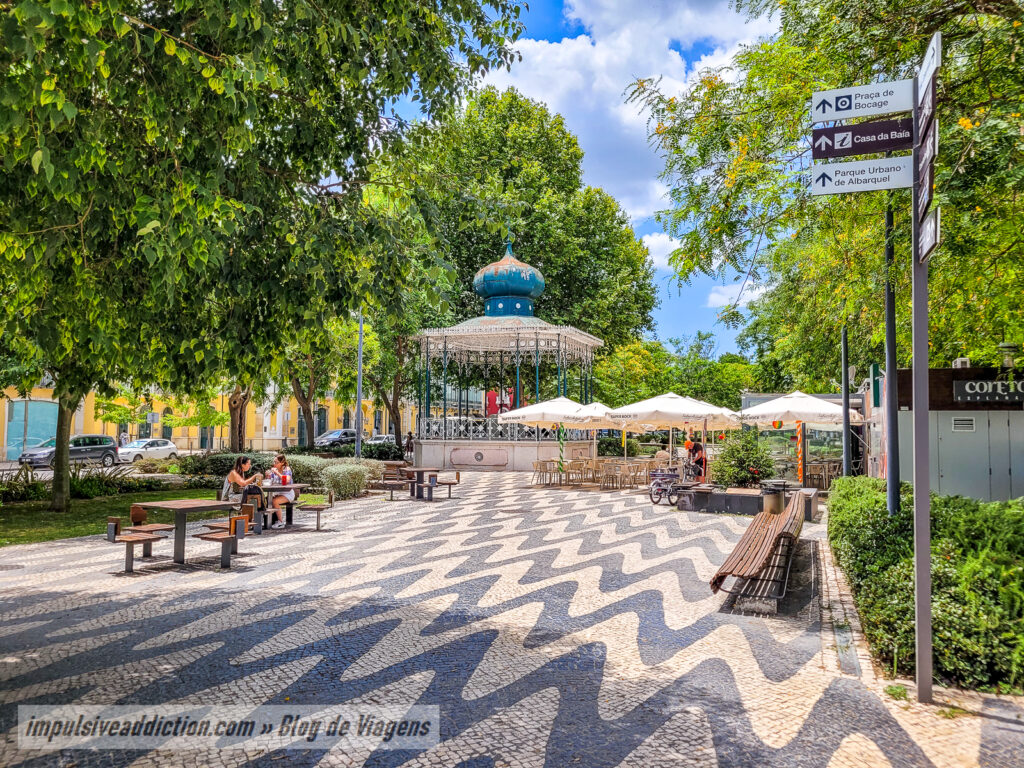
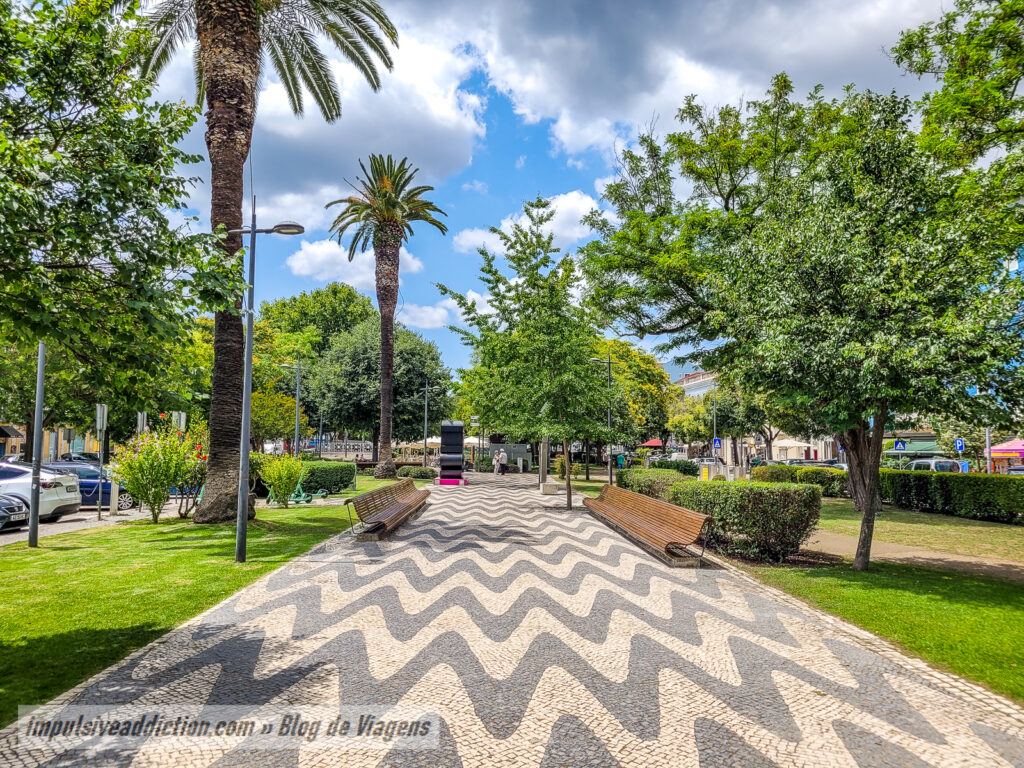
25. Setúbal Municipal Gallery
26. Mercado do Livramento
27. Setúbal Fish Market & Fishing Port
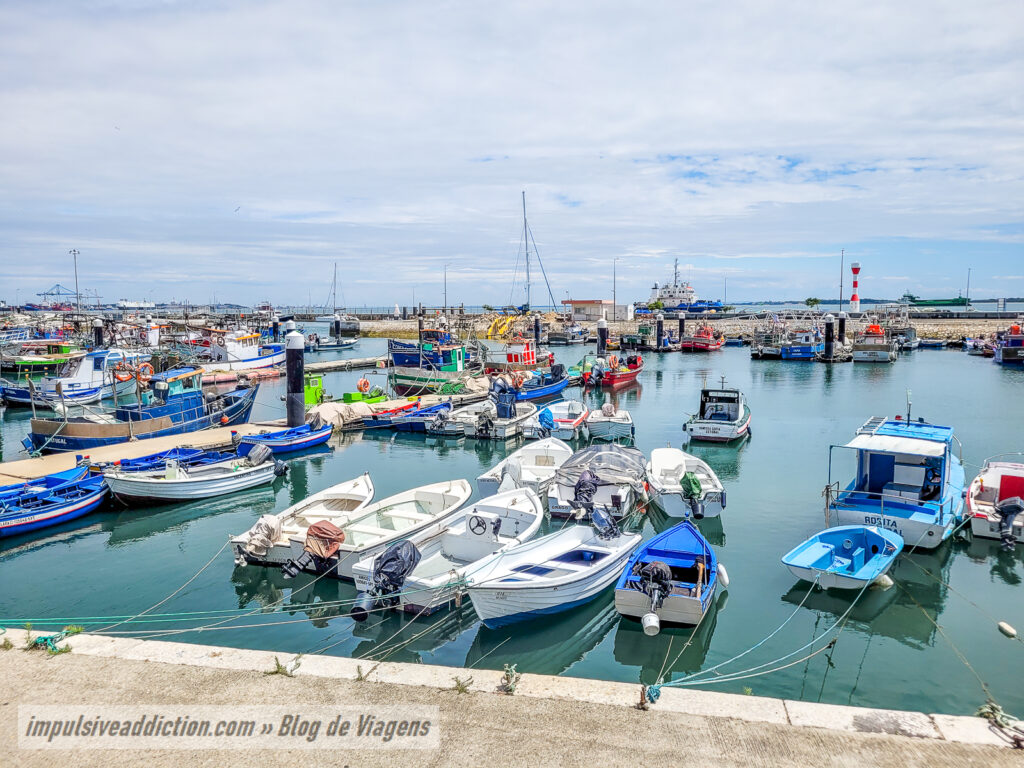
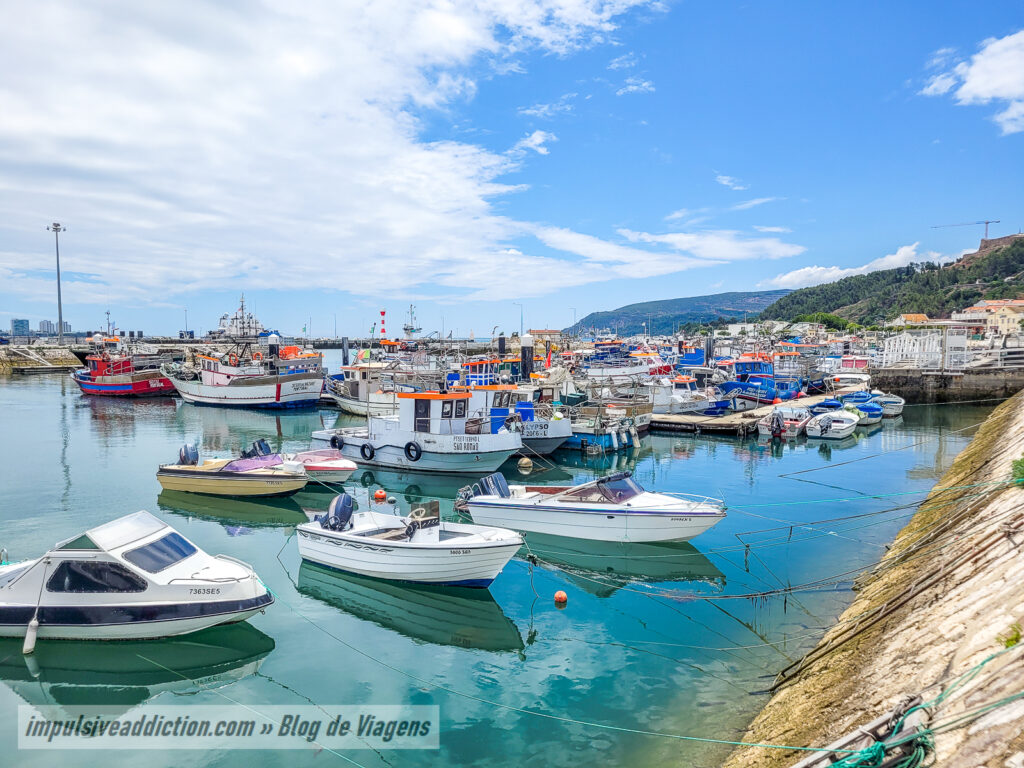
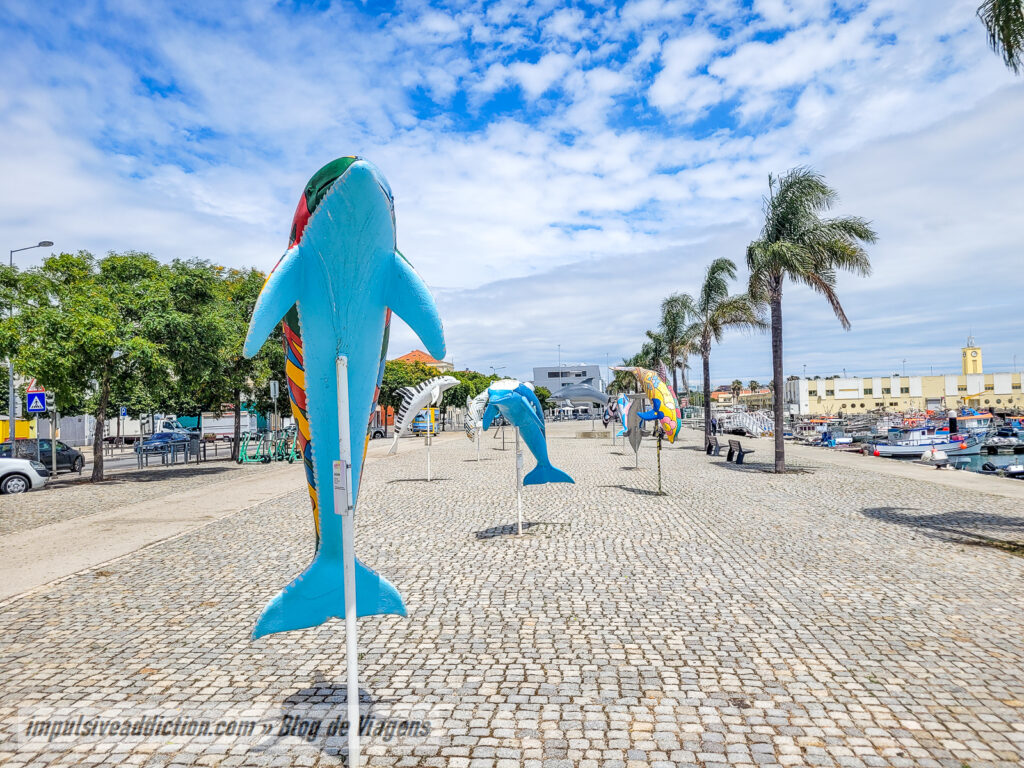
Head down to the banks of the Sado River, passing by the Setúbal Fish Market and Fishing Port. Admire the boats moored there and the dolphin replicas displayed in the Golfinho Parade. These sculptures represent three stages of a dolphin’s movement above the water: emerging, arching, and diving.
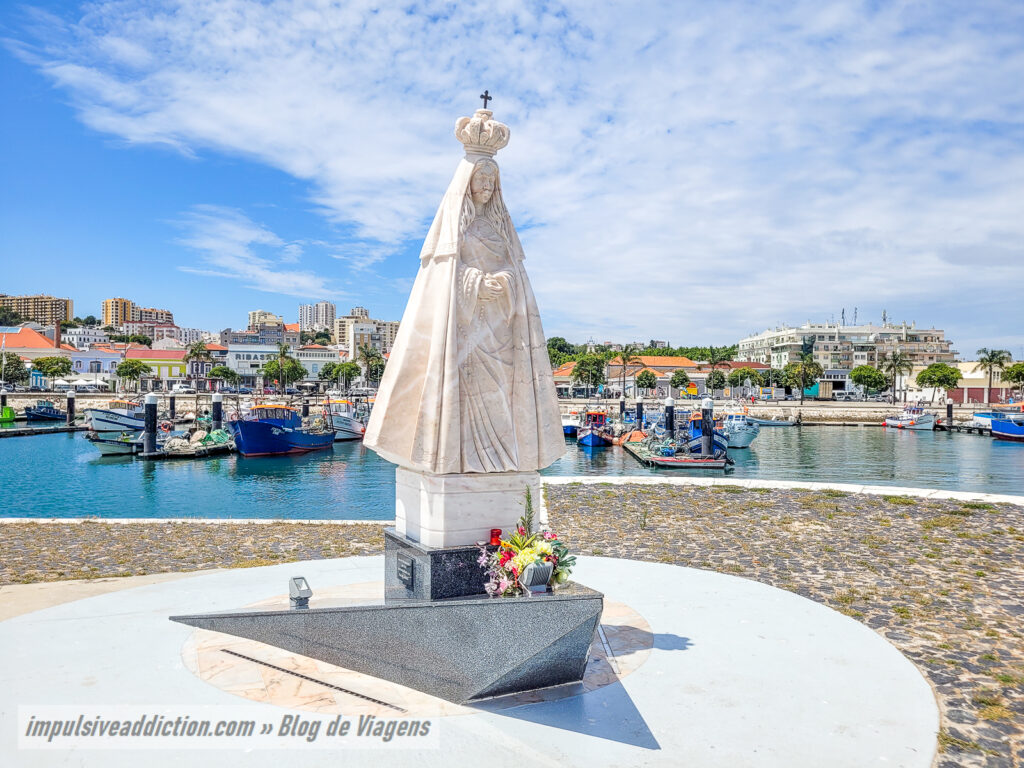
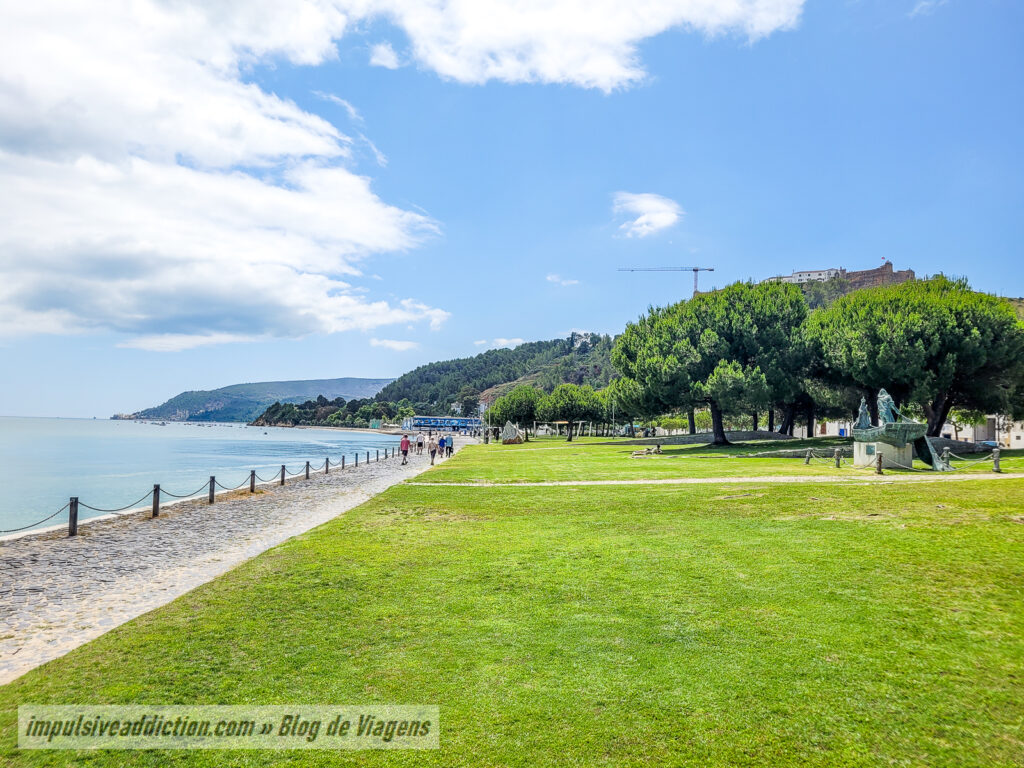
Walk around the fishing port to the statue of Our Lady of the Rosary of Tróia, then take a stroll through the Jardim da Saúde park.
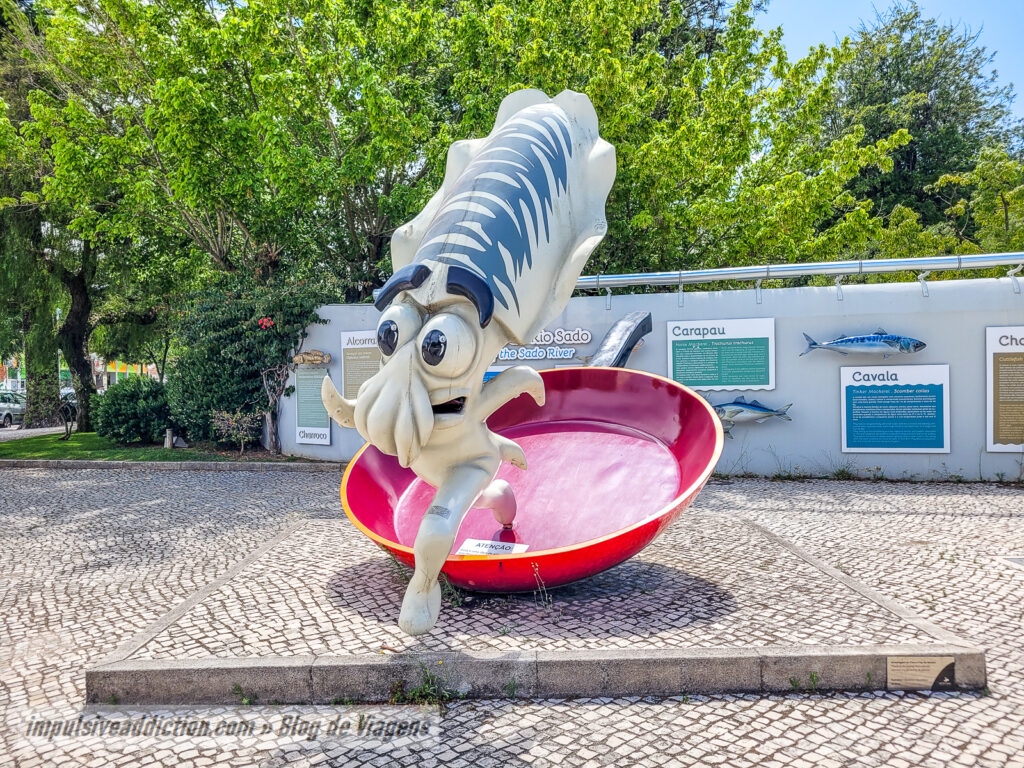
End your Setúbal tour by visiting the famous “Choco coming out of the frying pan” sculpture (point 31). 😄 Don’t forget to snap some photos with it!
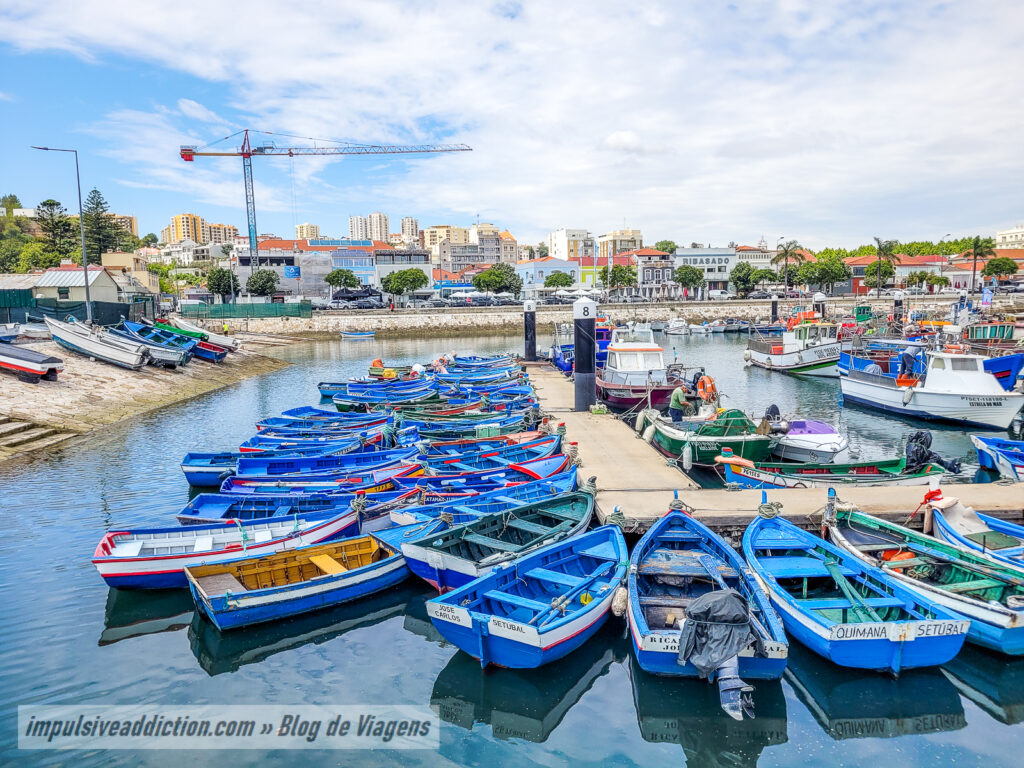
28. Dolphin Parade
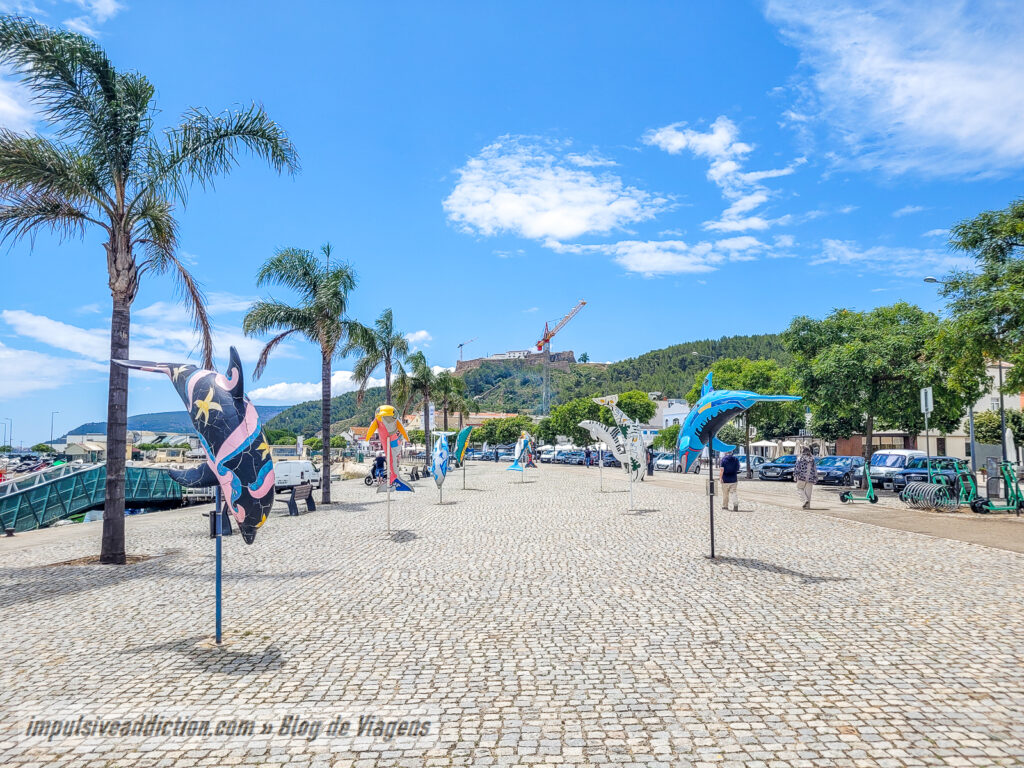
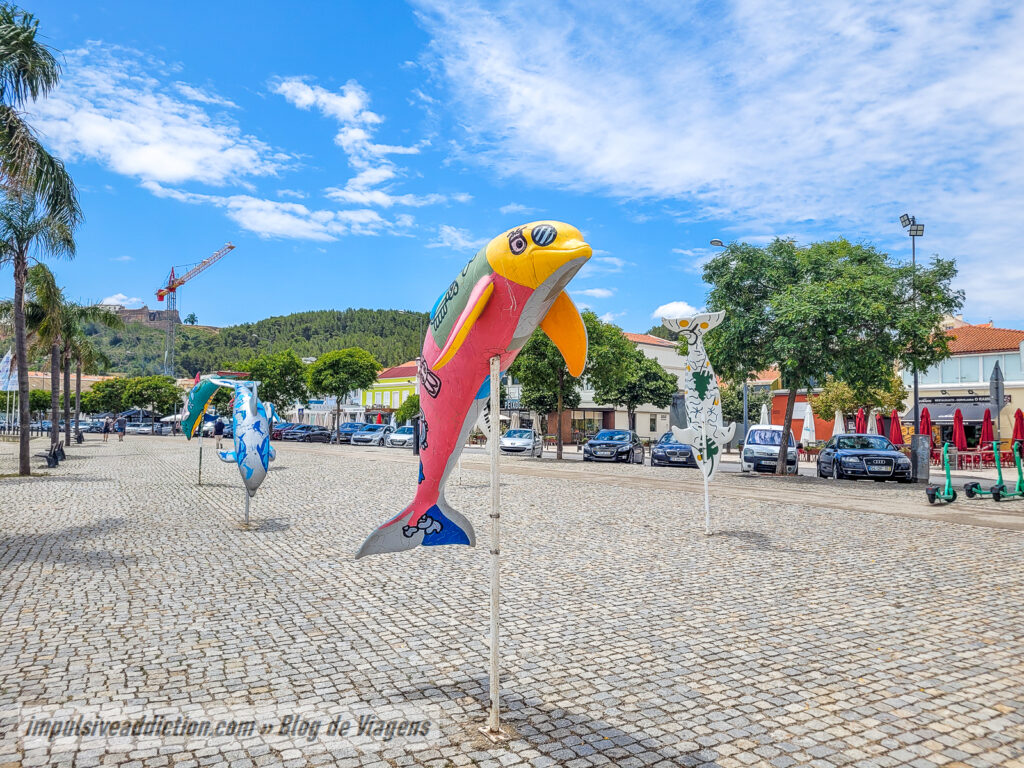
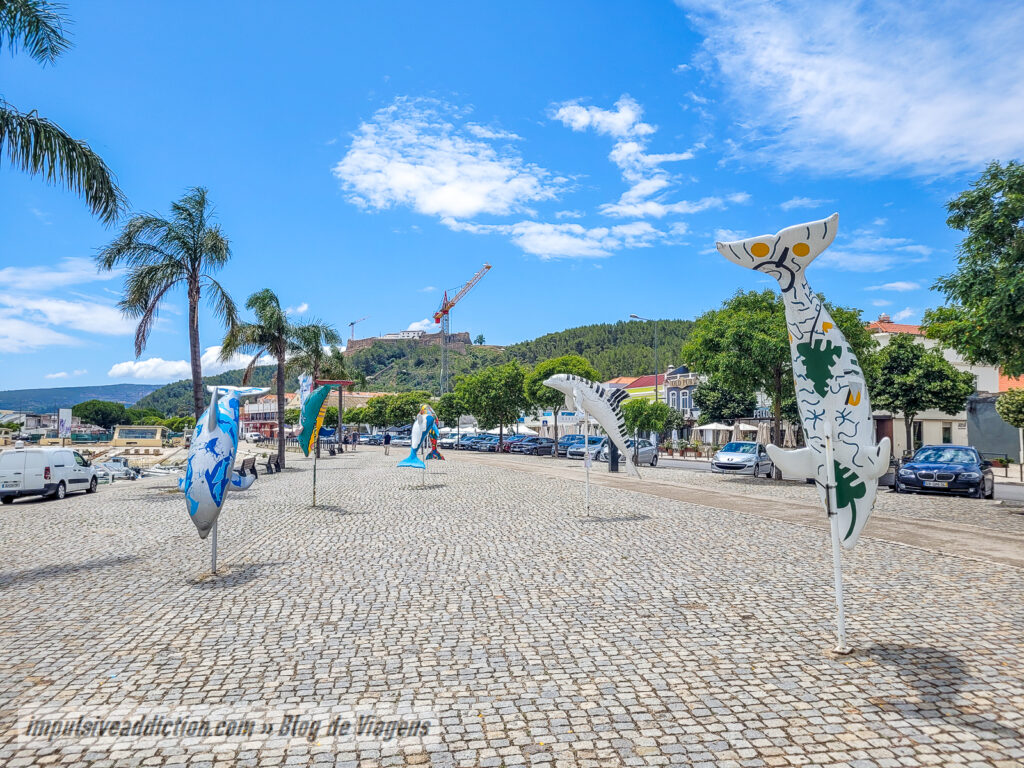
29. Our Lady of the Rosary of Tróia
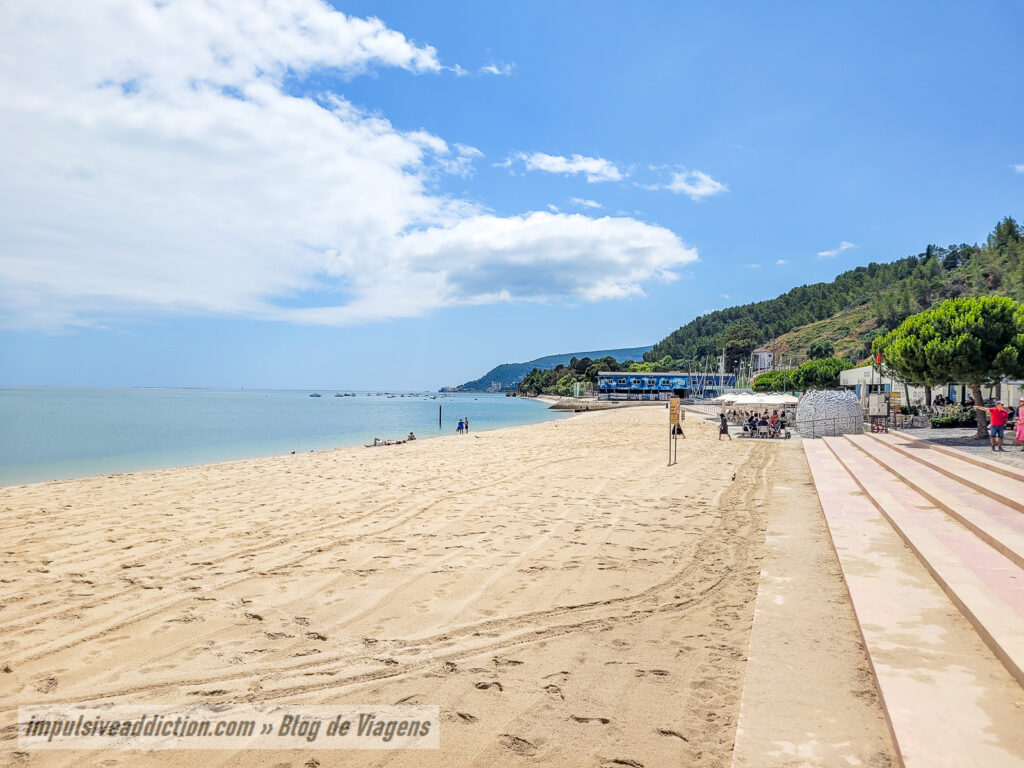
30. Saúde garden and beach
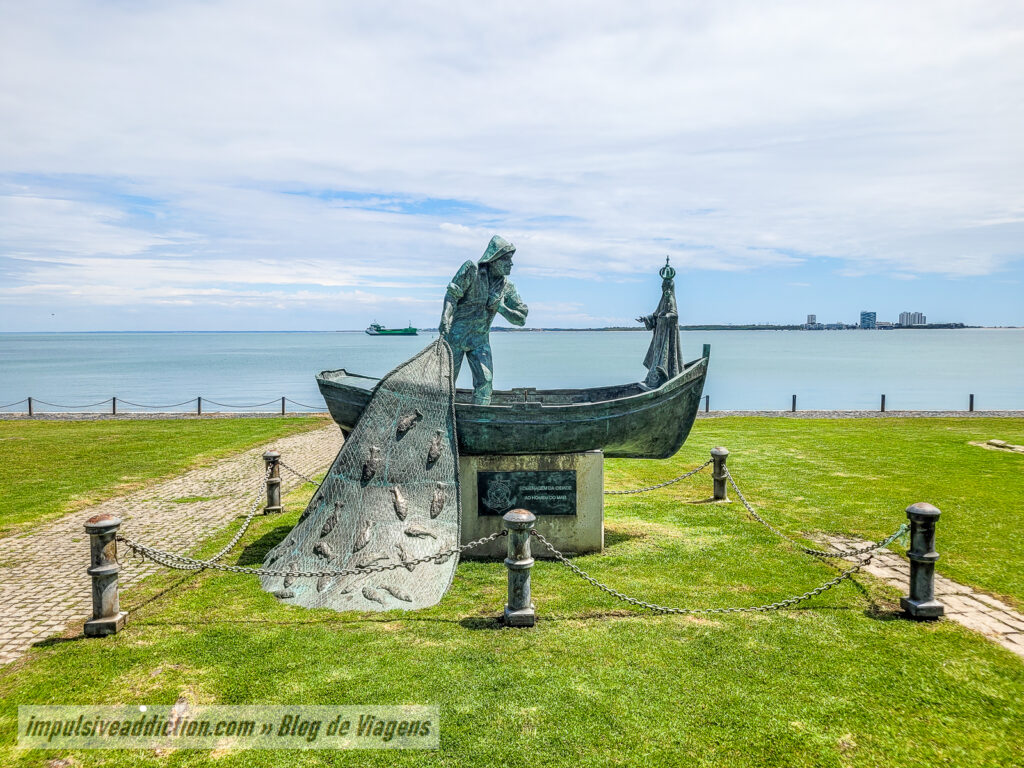
31. Choco coming out of the frying pan
Exploring the Surroundings of Setúbal City Center
The following points are all close to Setúbal’s center but may be less accessible on foot:
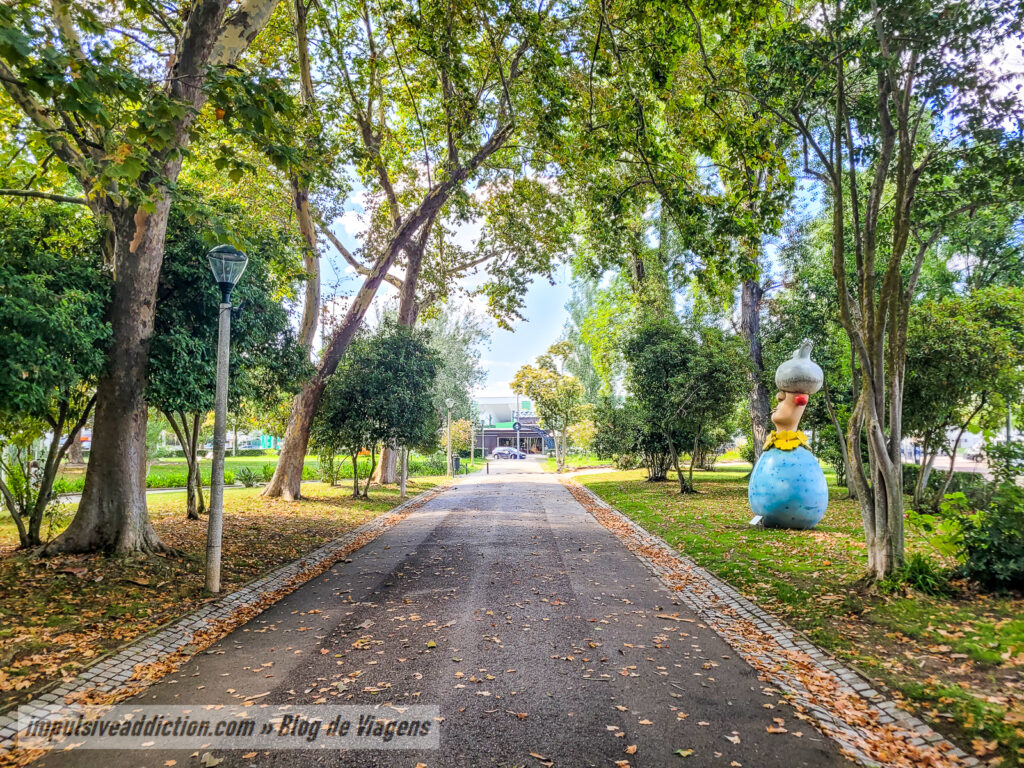
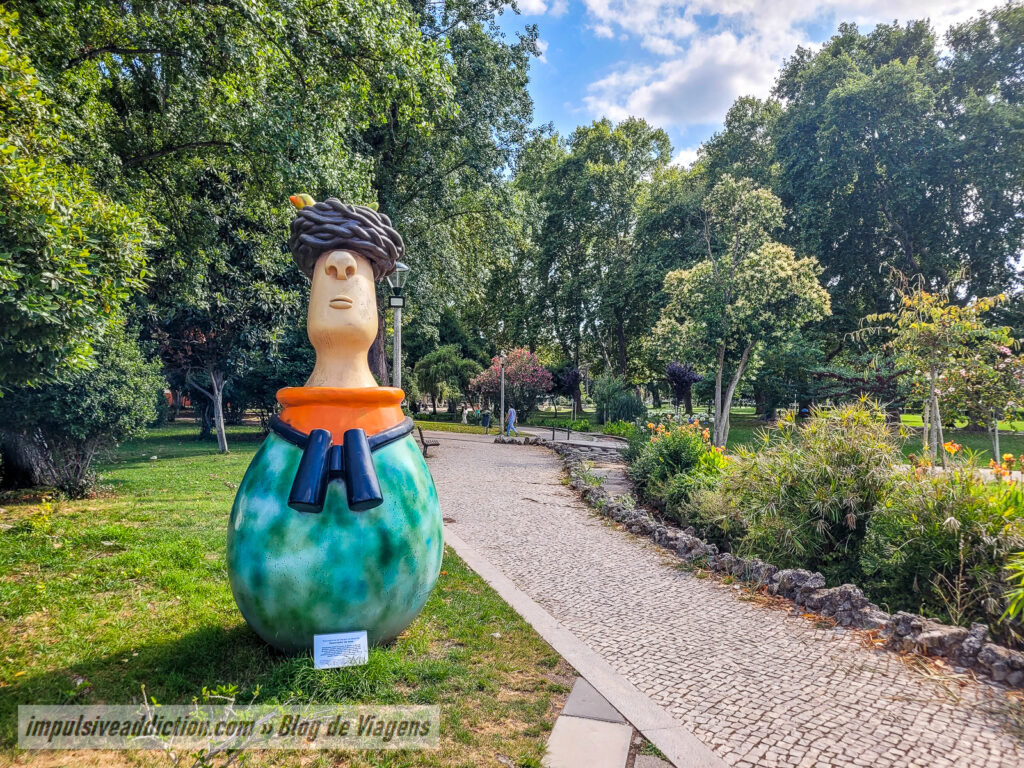
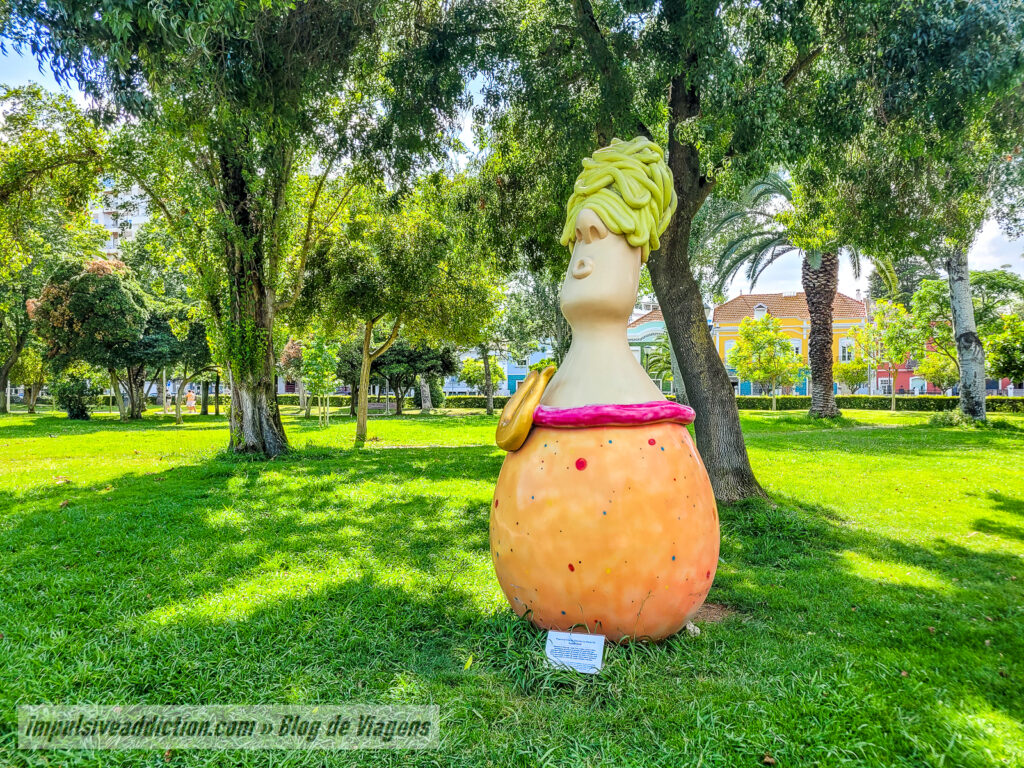
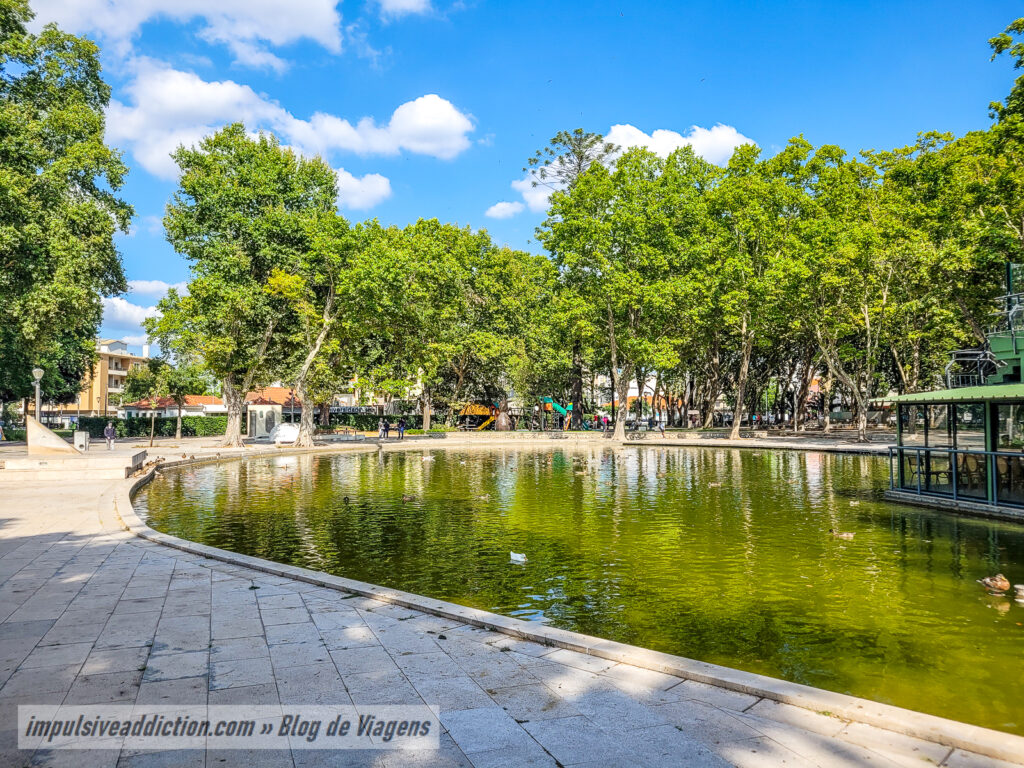
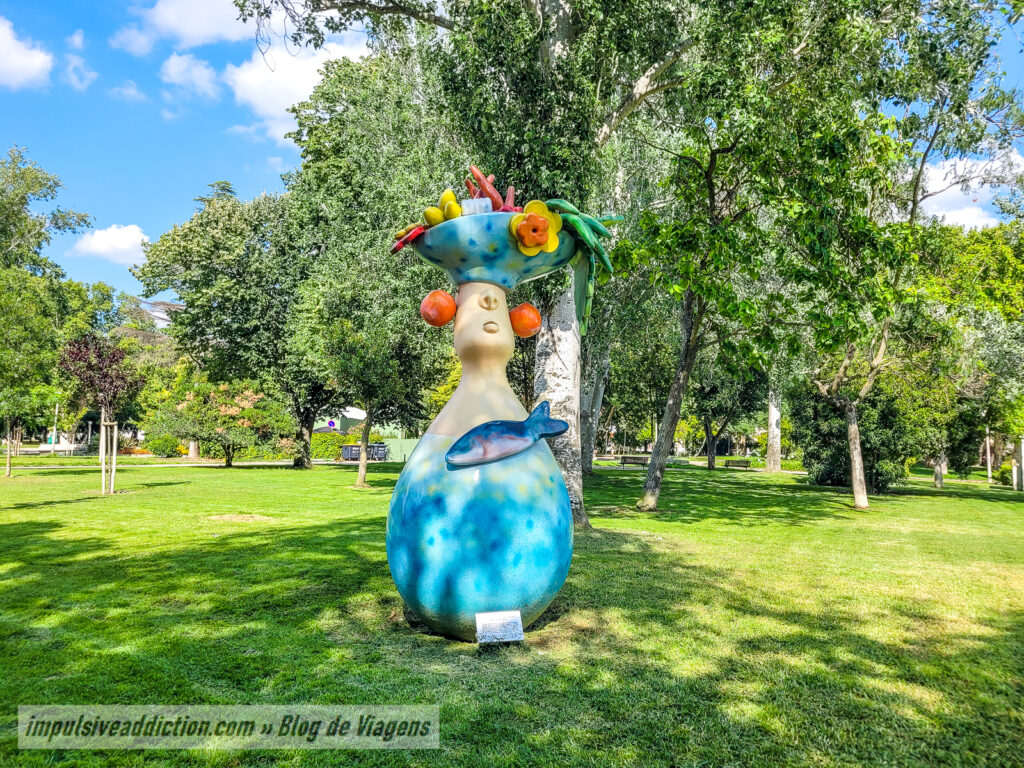
- Bonfim Park – The city’s main and most beautiful park, famous for its statues of the “pasmadinhos,” which honor typical local characters.
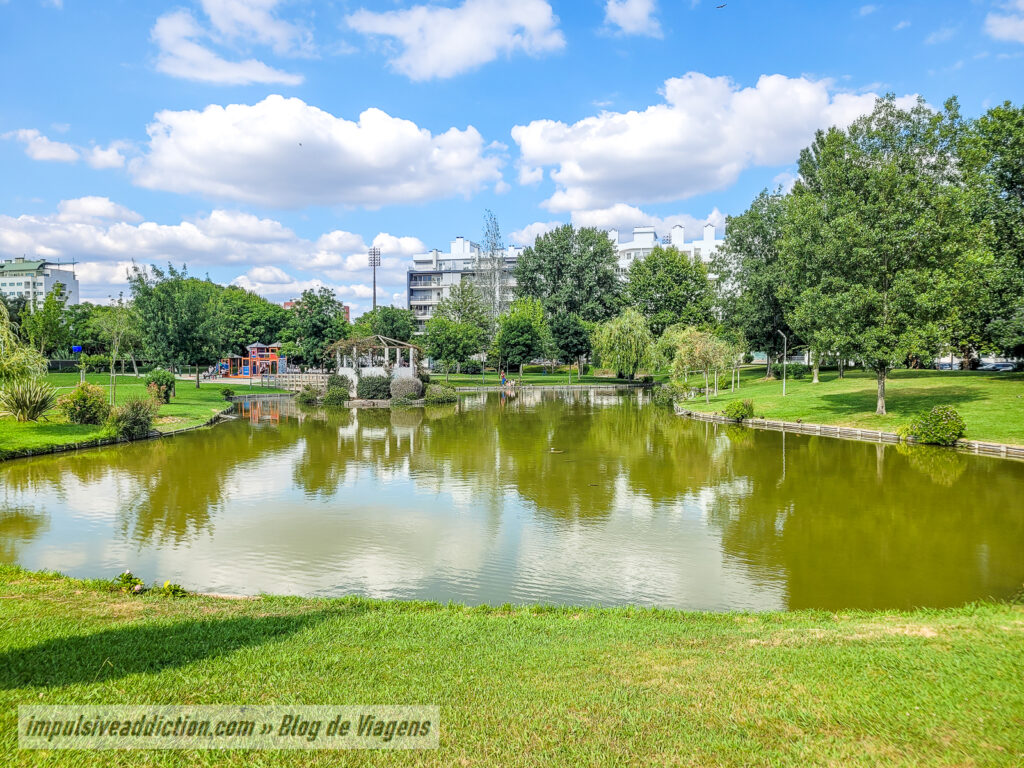
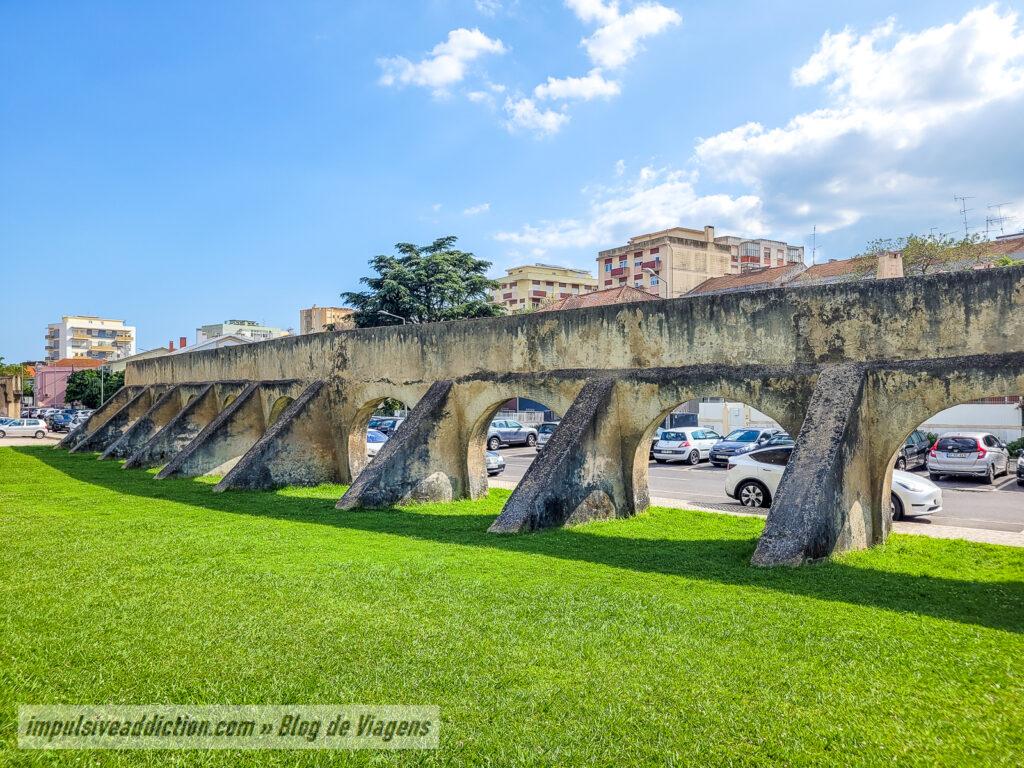
- Algodeia Park, located next to the Setúbal Aqueduct (16th century).
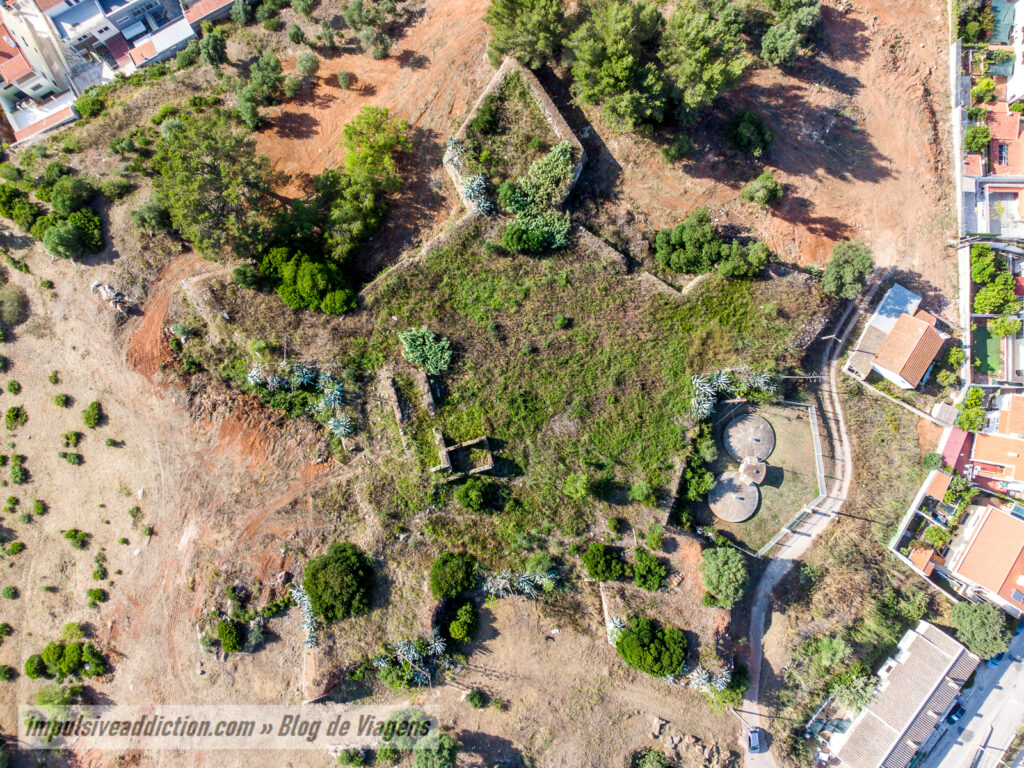
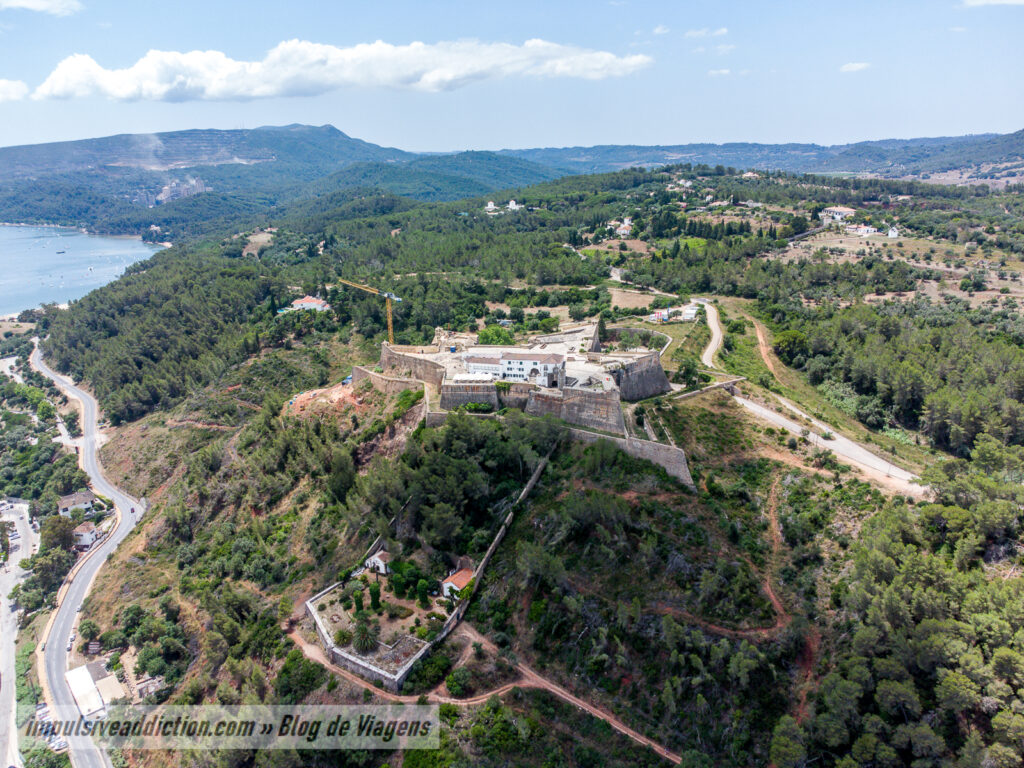
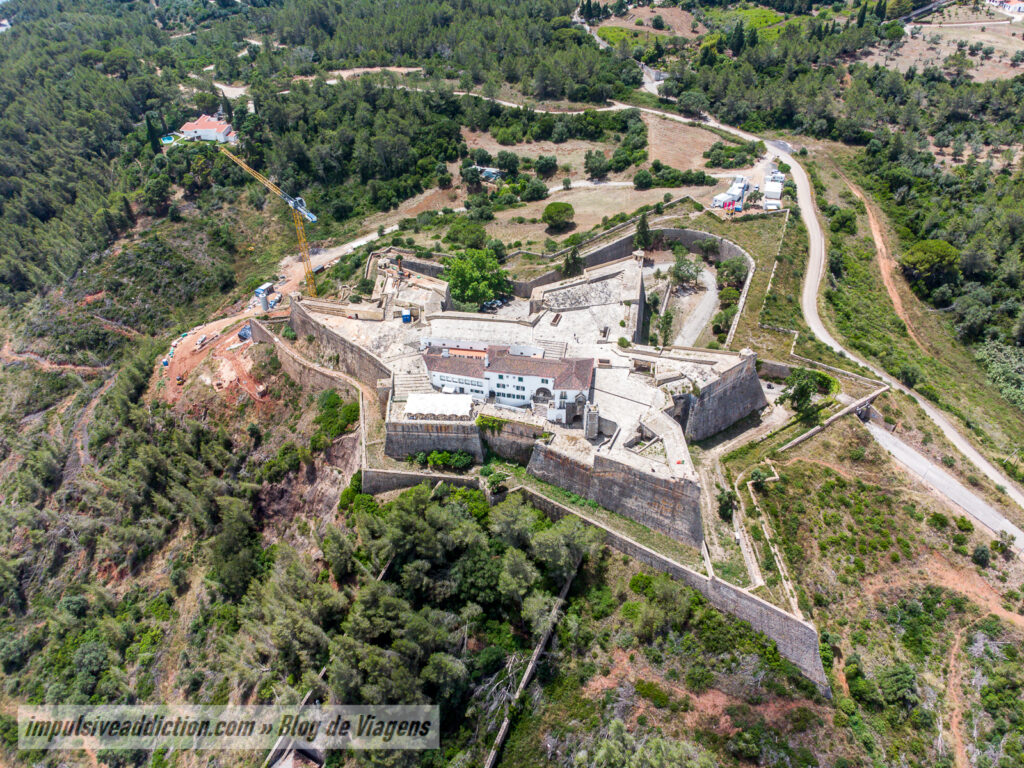
- Fort São Luís Gonzaga – Hidden among dense vegetation, there isn’t much to see on the ground, but the aerial views are magnificent. Don’t you agree from the photos? It dates back to the 17th century.
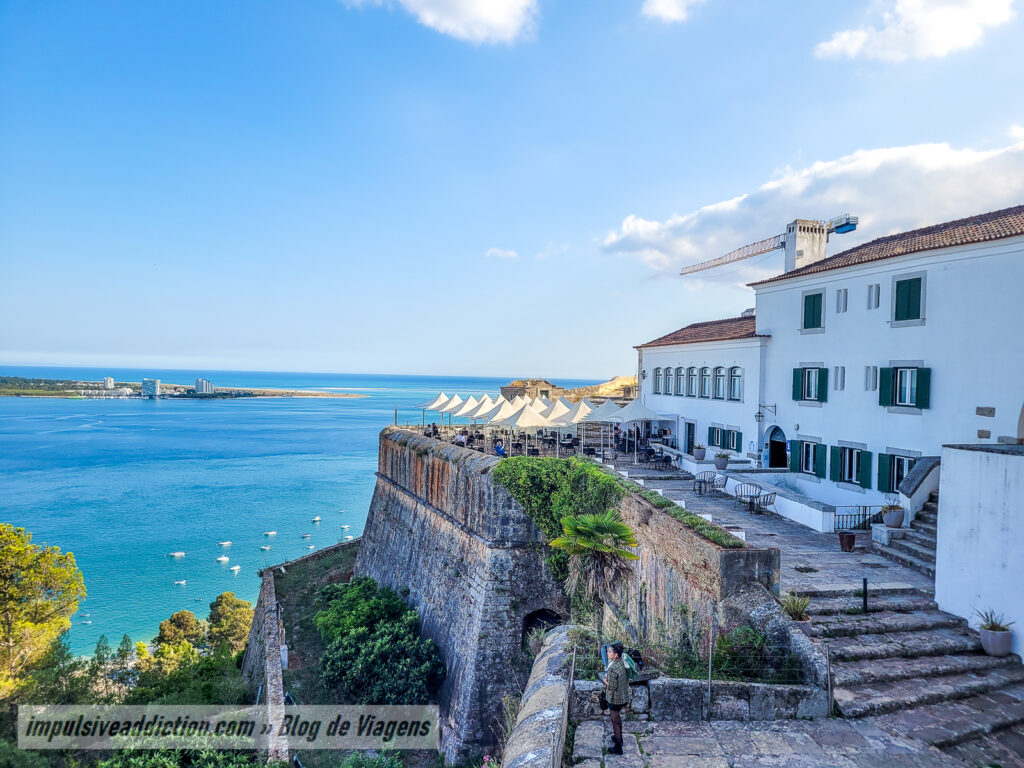
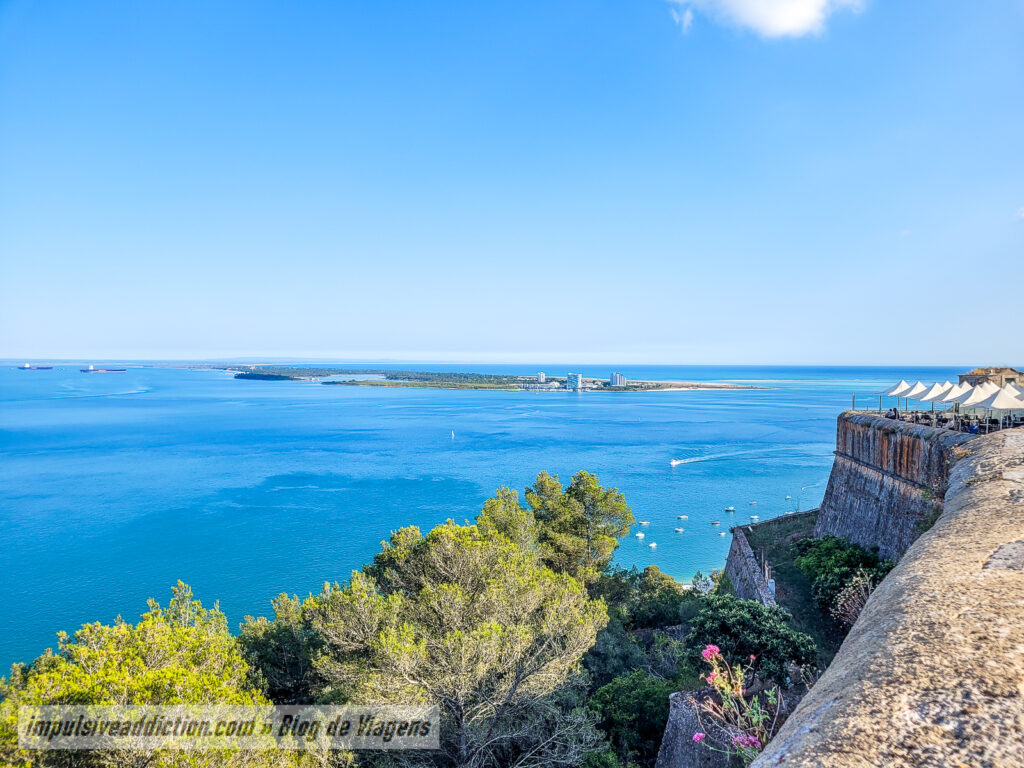
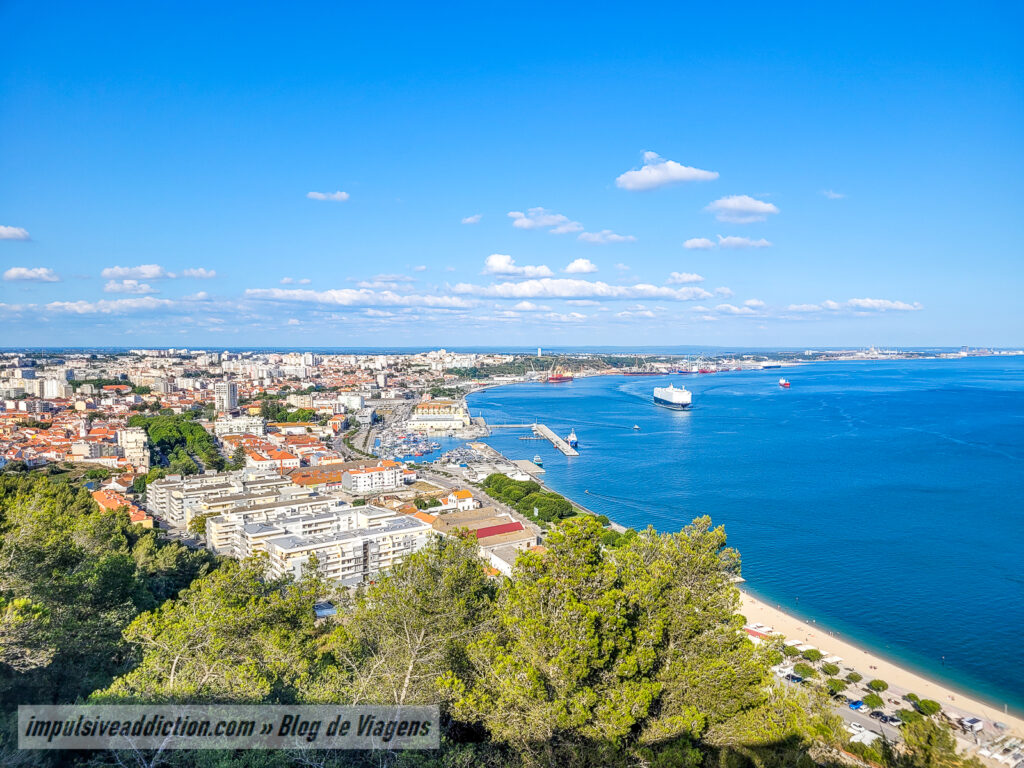
- Fort São Filipe – An absolute must-visit. It offers the best viewpoint over Setúbal and has an amazing terrace to enjoy a drink at sunset. Built in the 16th century by order of King Philip I to protect the Sado estuary and watch over the city.
- Fort Albarquel, constructed in the 17th century as a reinforcement for Fort São Filipe.
- Albarquel Urban Park (optional) – Features a playground and a basketball court.
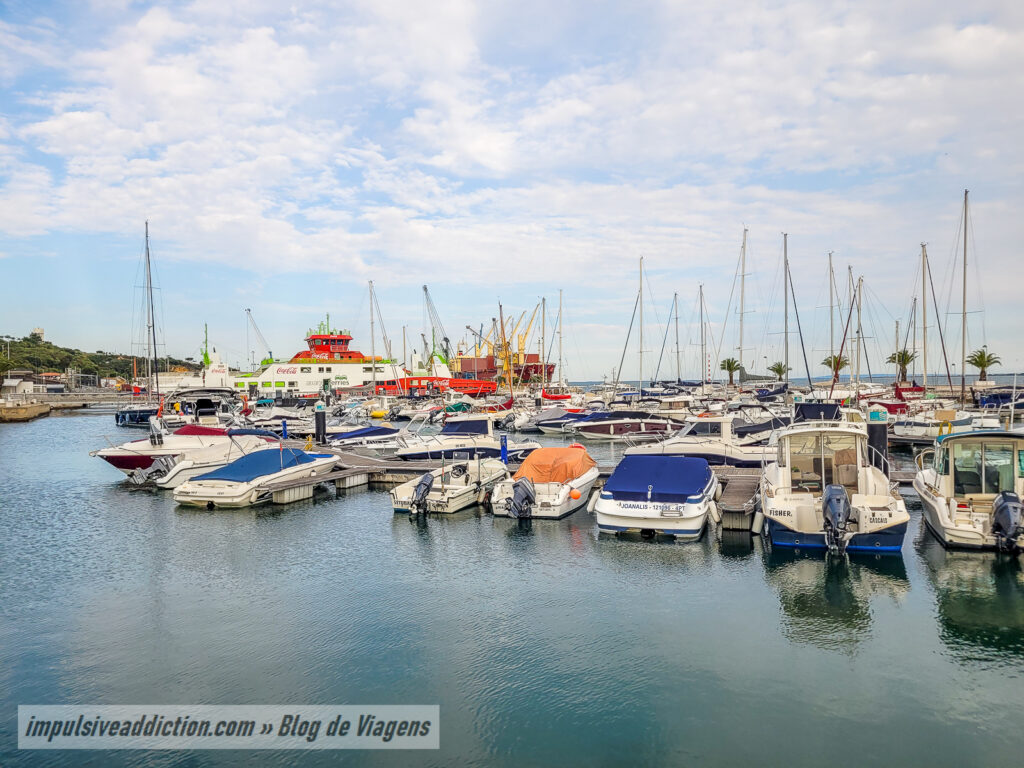
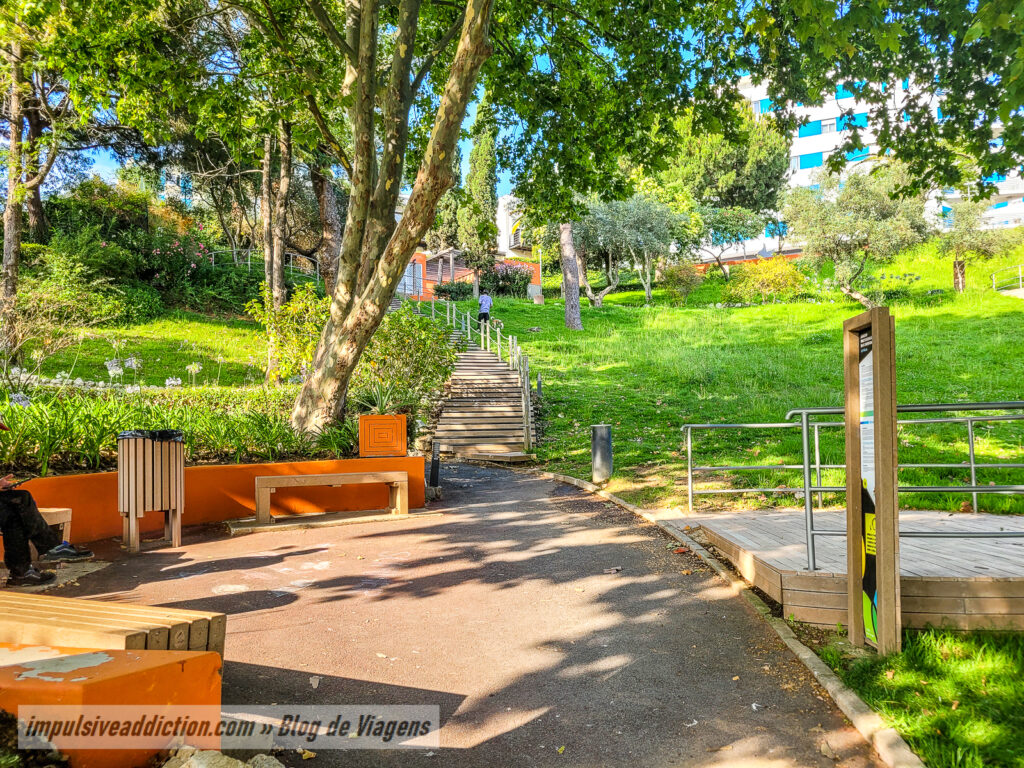
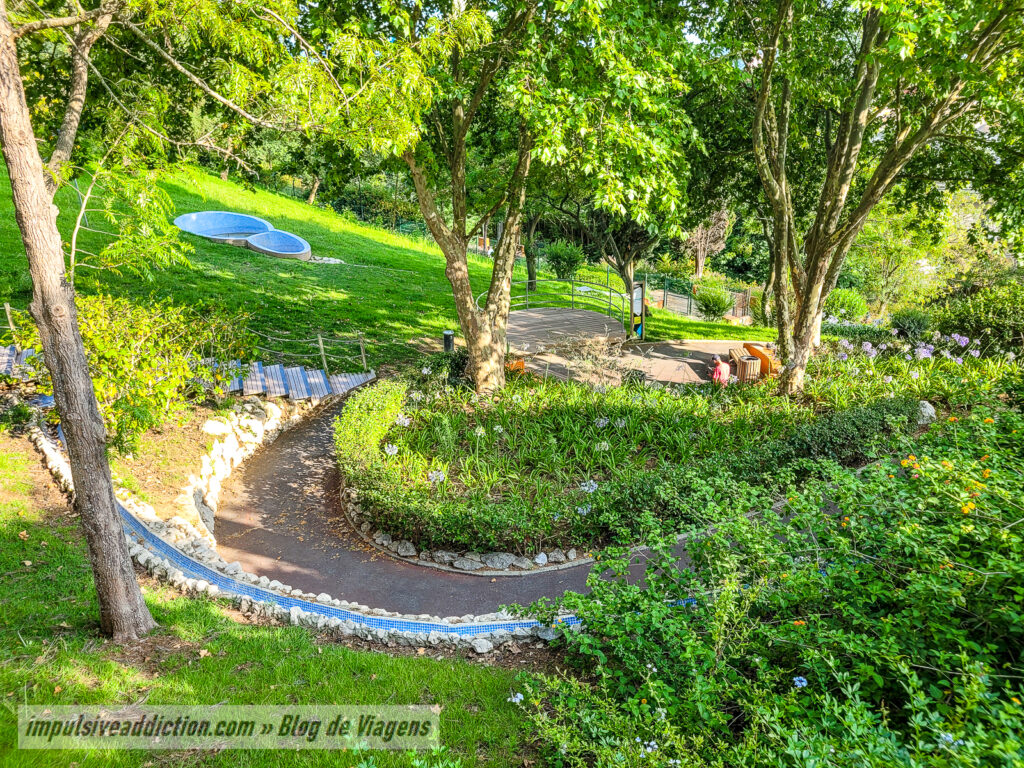
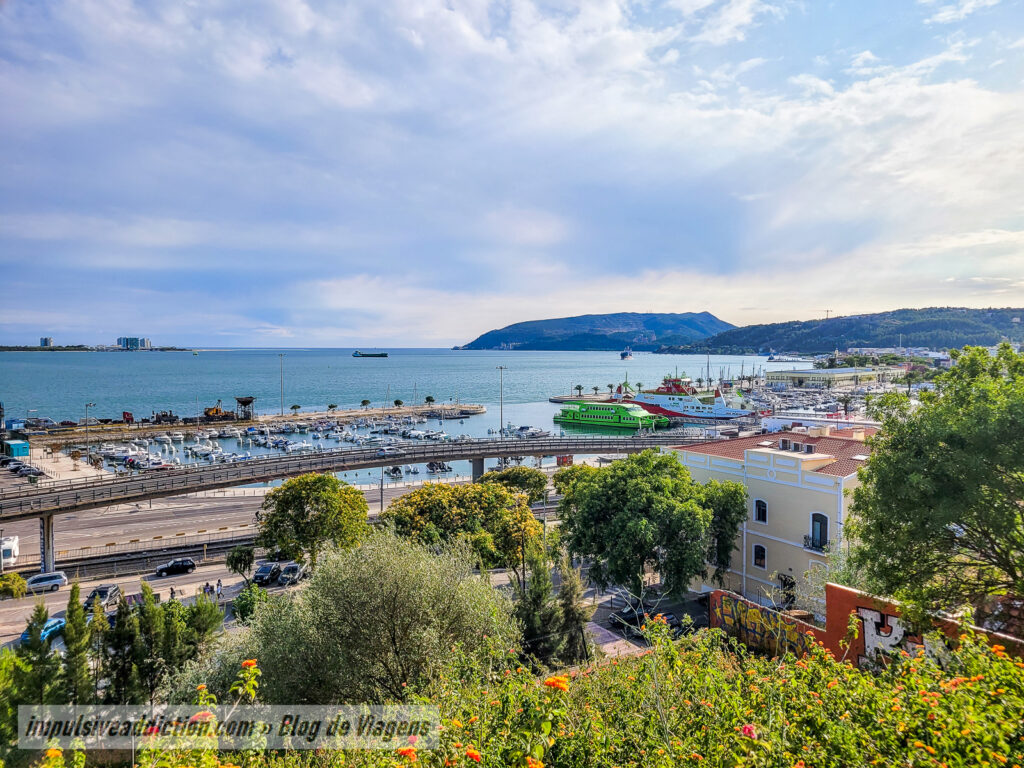
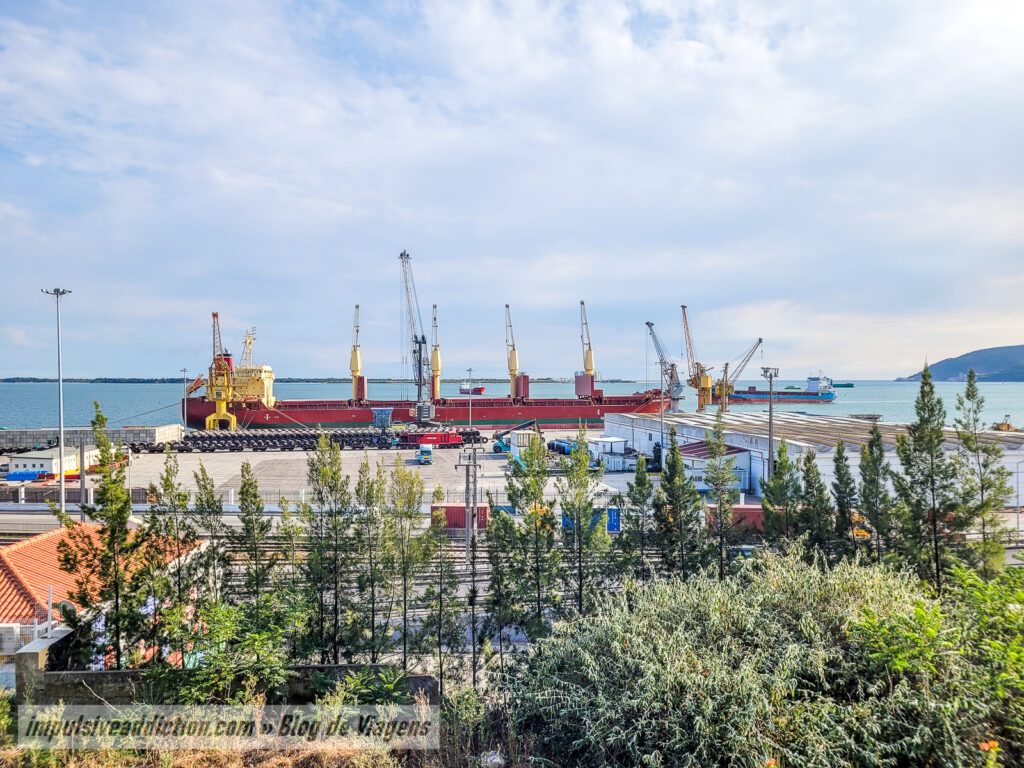
- Fontaínhas Recreational Dock and the Multisensory Energy Garden, which includes a great viewpoint over Setúbal Bay.
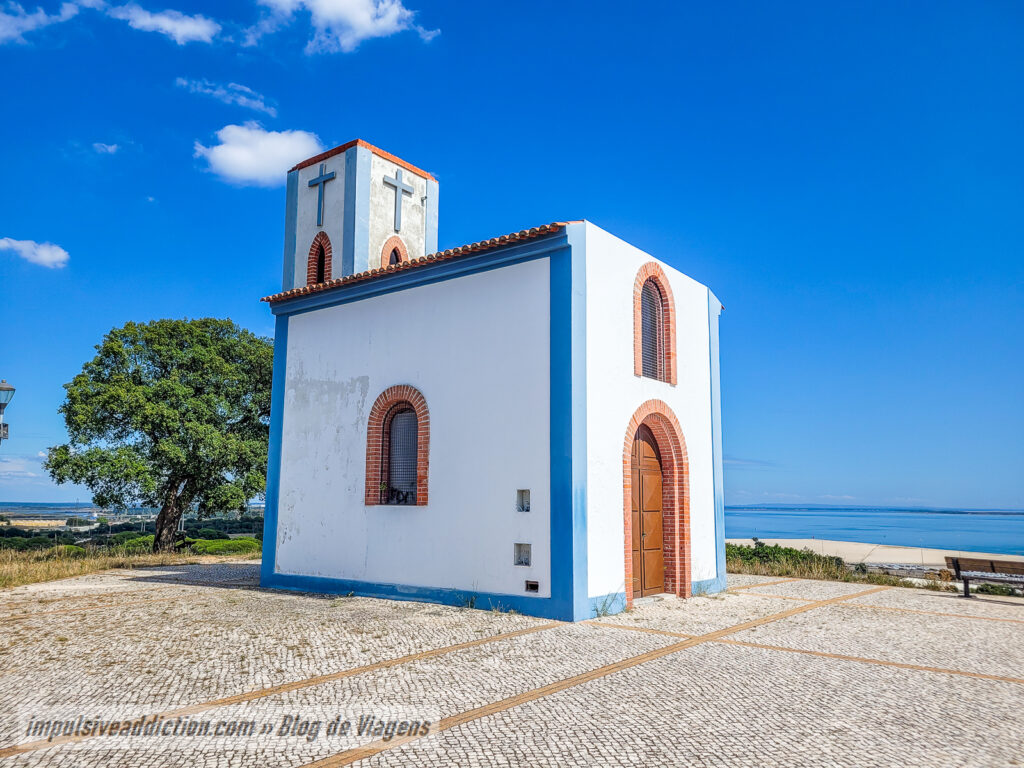
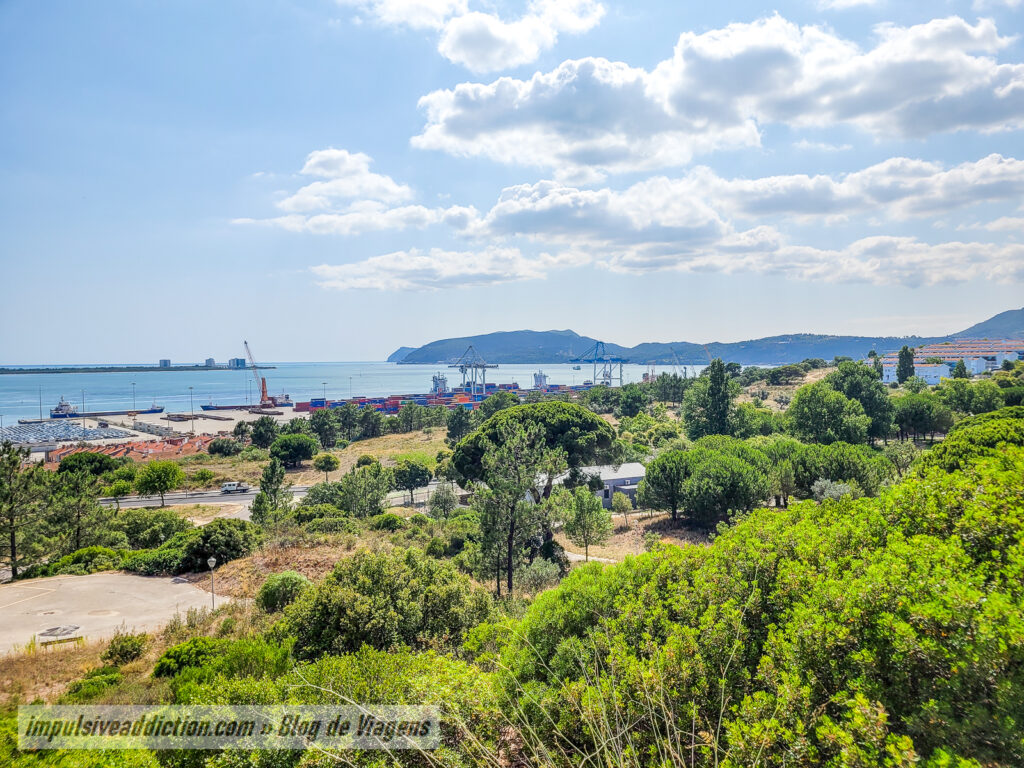
- Bela Vista Green Park, with the Ermida de Santo António chapel at its top, next to another viewpoint.
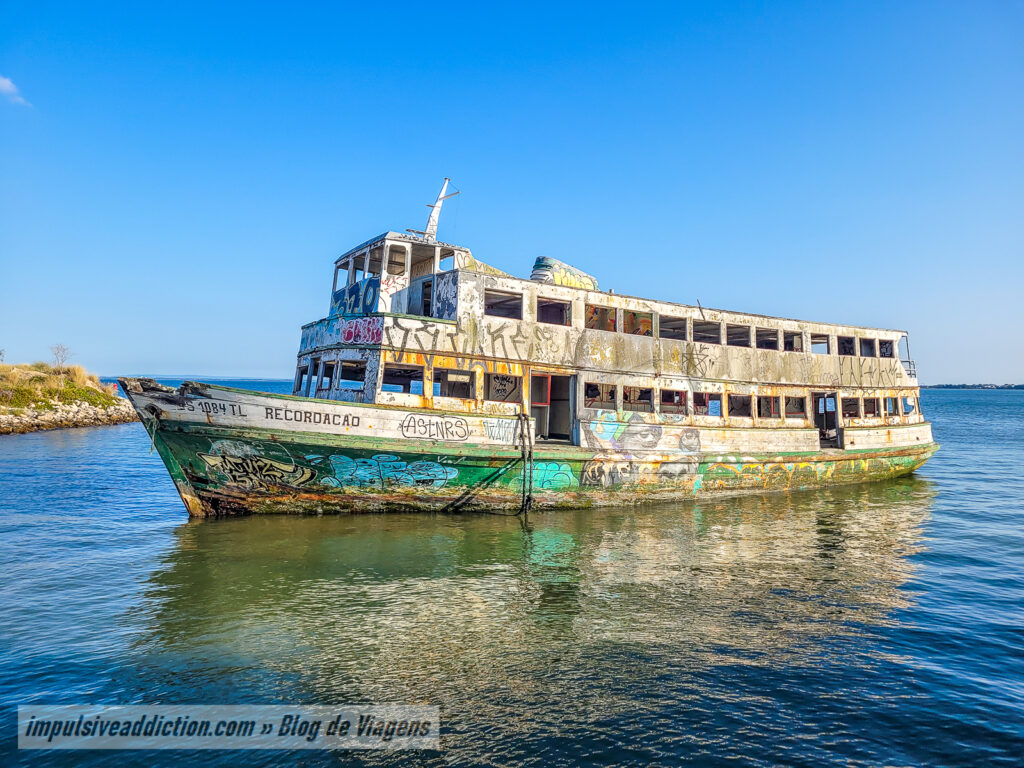
- The Abandoned Ferry, famous on social media.
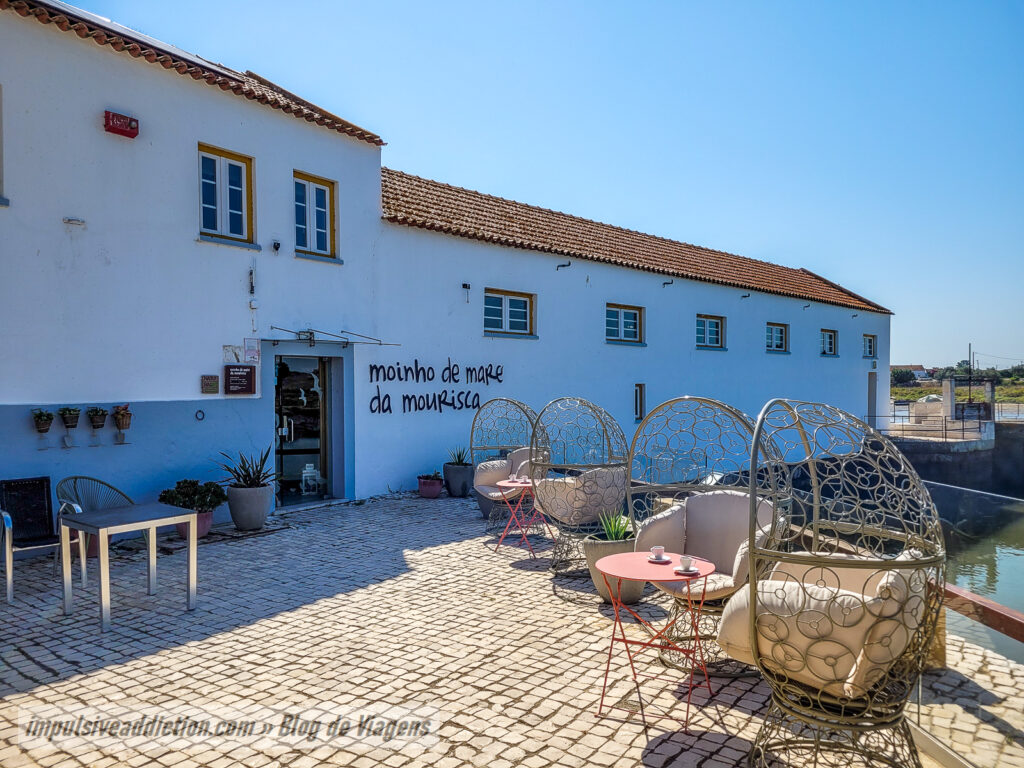
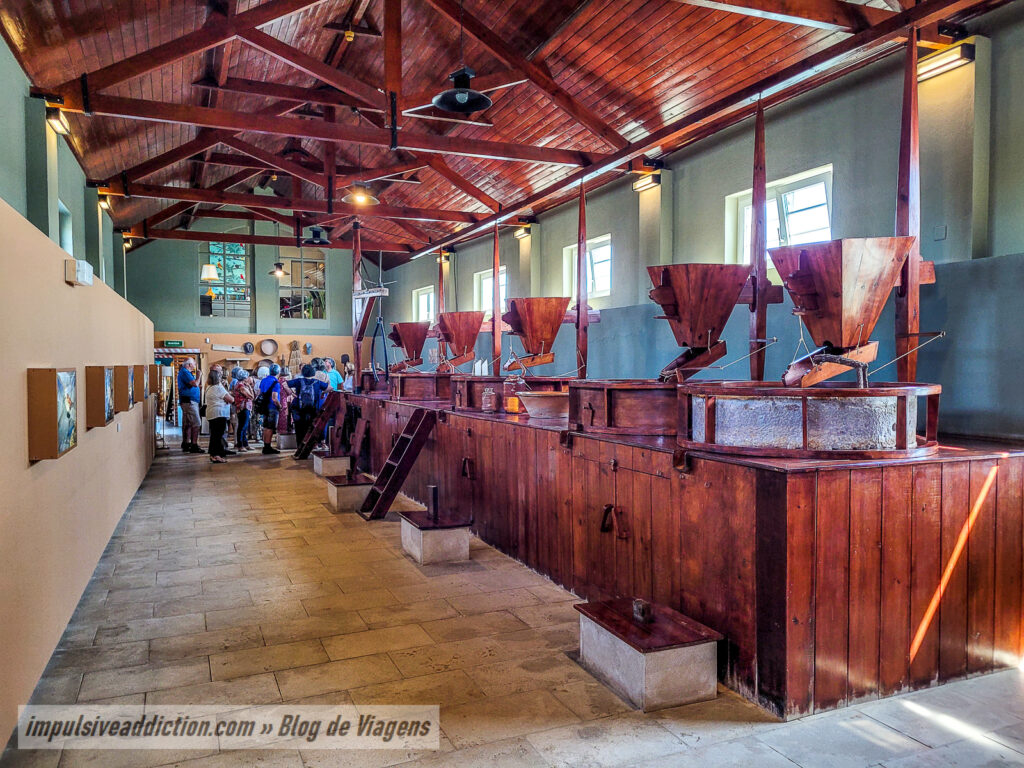
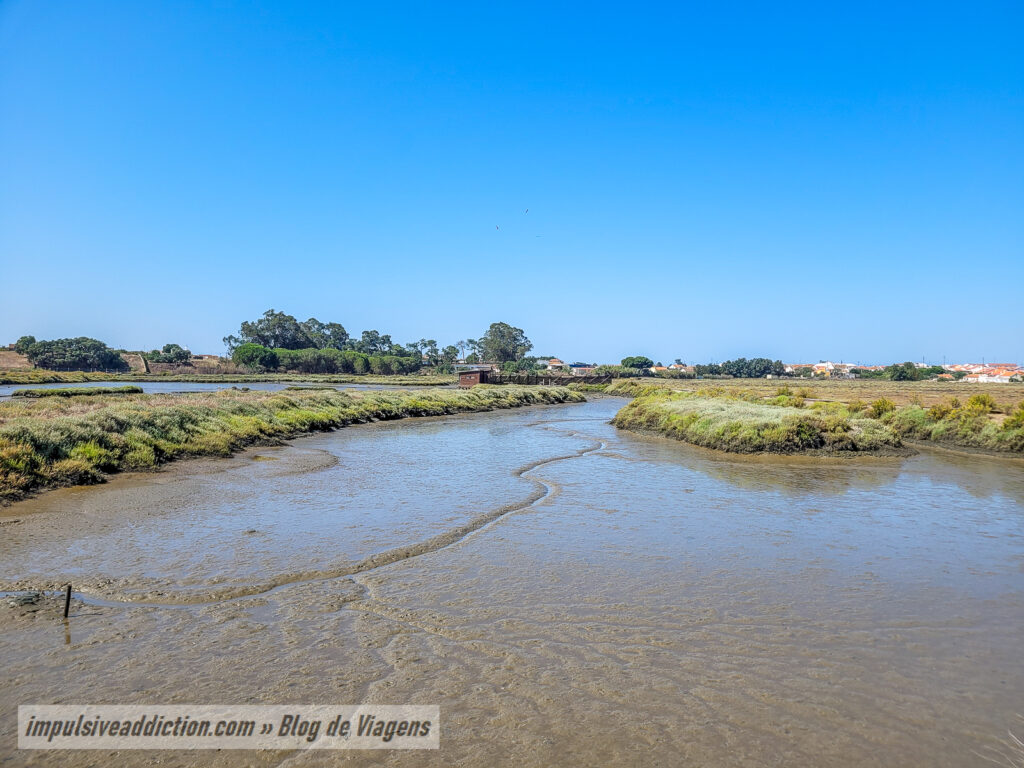
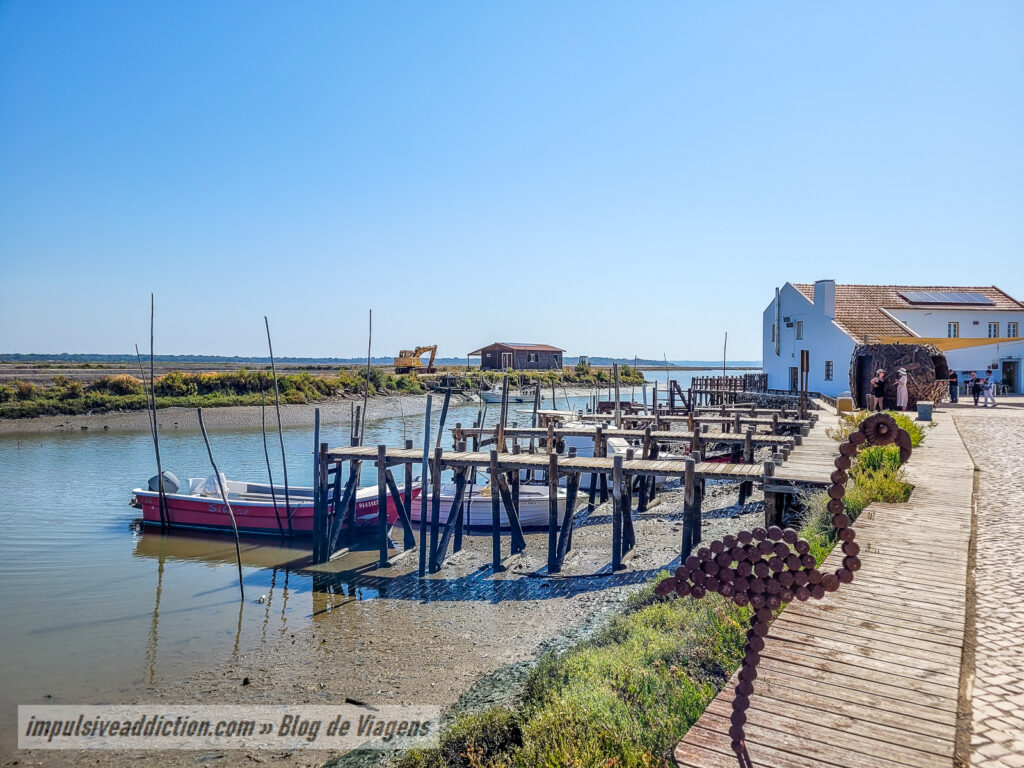
- The Moinho da Maré da Mourisca (Tide Mill) – Perfect for birdwatching. Located in a marsh area, it was historically used for grinding cereals and was built around 1601.
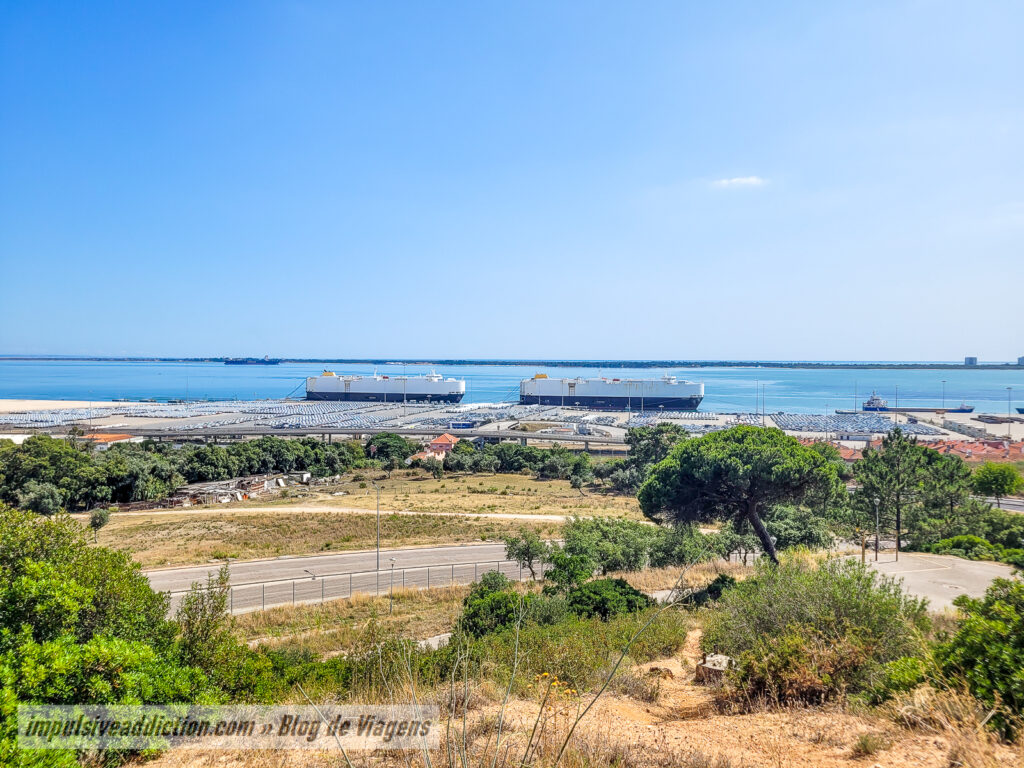
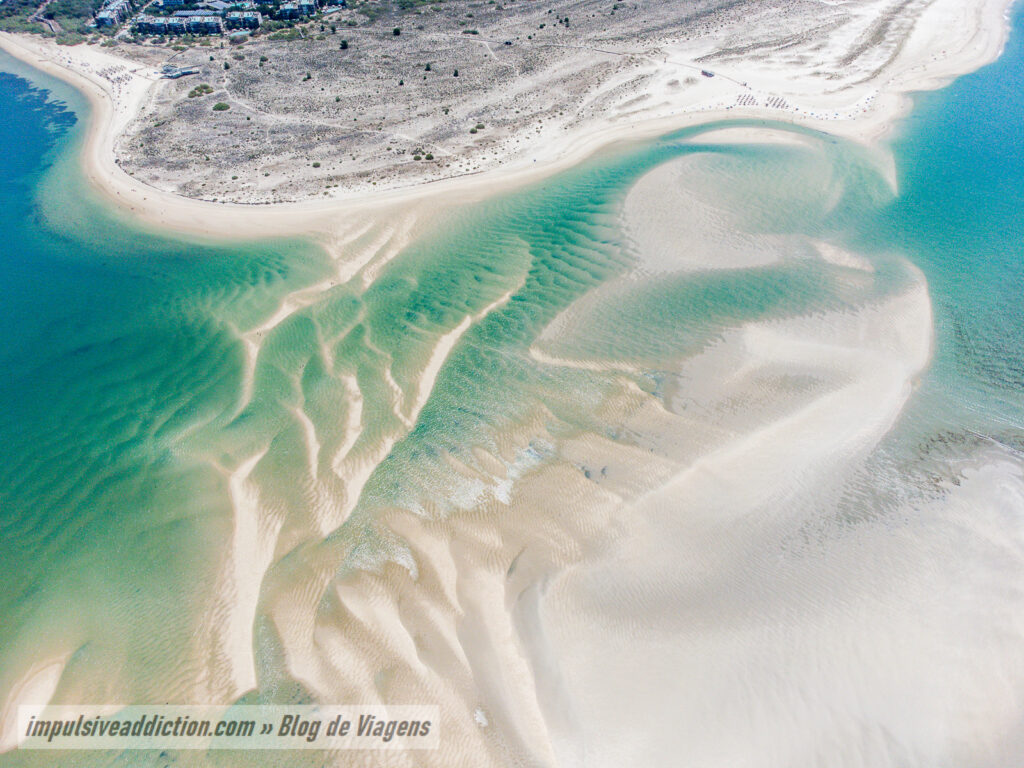
- Tróia Beach – Why not take a boat across the Sado River to Tróia for a fantastic day at the beach? Tróia is definitely a winning choice!
1. Bonfim Park
2. Algodeia Park and Setúbal Aqueduct
3. Fort São Luís Gonzaga
4. Fort São Filipe
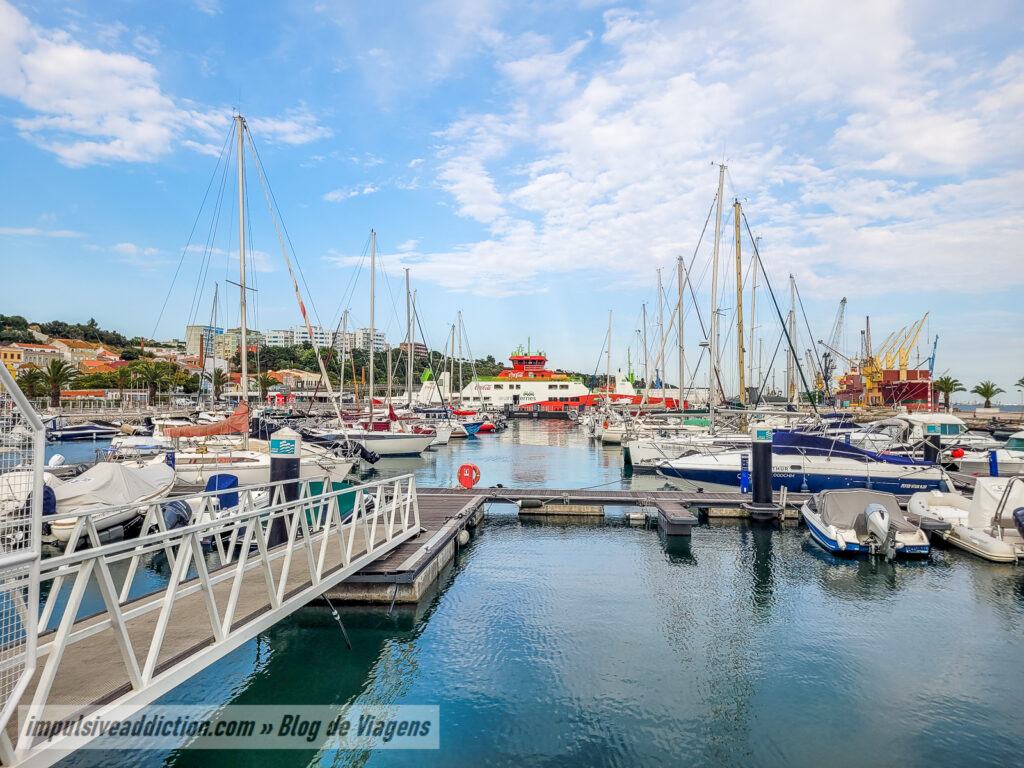
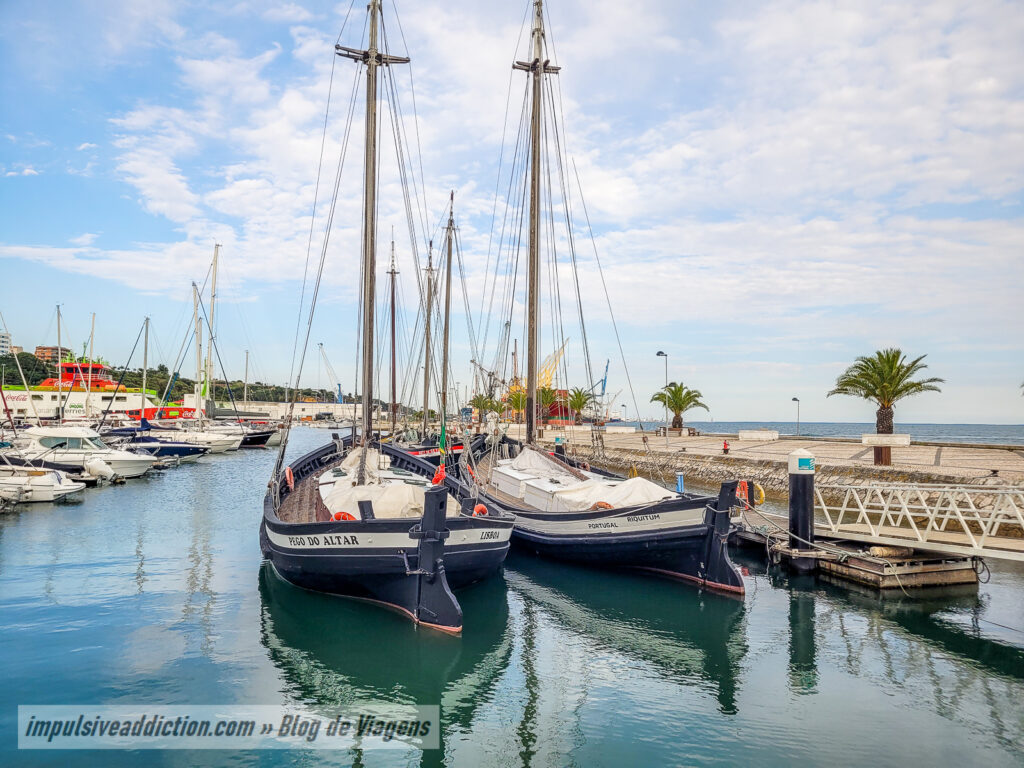
5. Fontaínhas Recreational Dock
6. Multisensory Energy Garden
7. Bela Vista Park
8. Abandoned Ferry
9. Moinho de Maré da Mourisca (Tide mill)
10. Tróia beach
Discover the Best of Arrábida in Setúbal
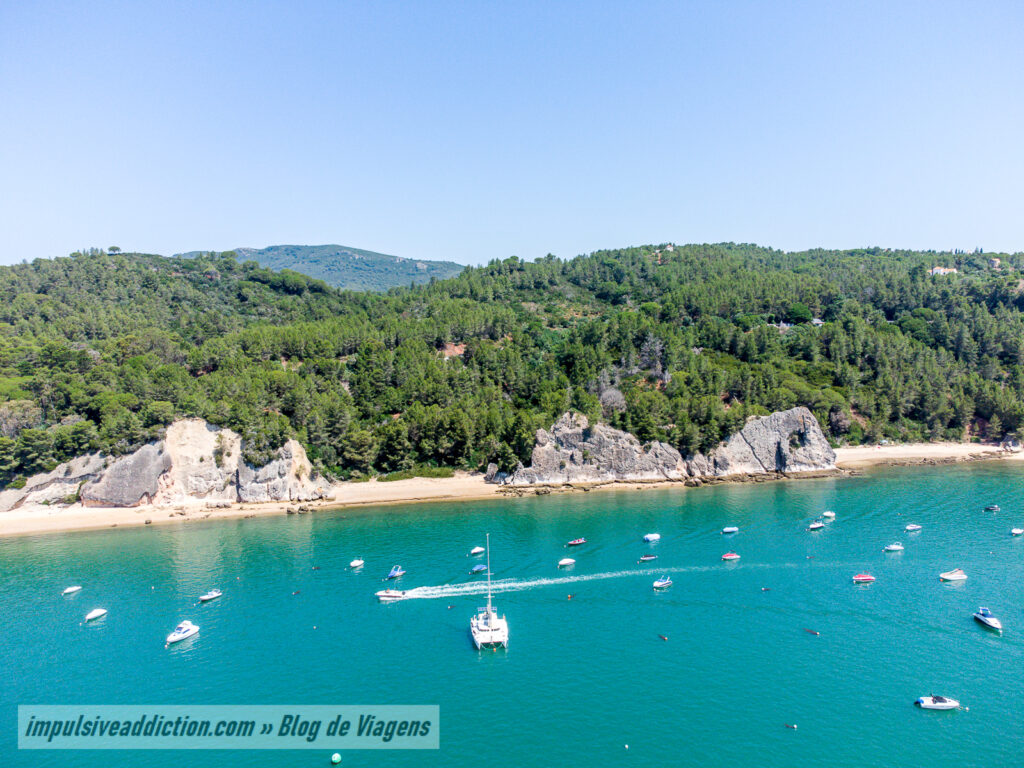
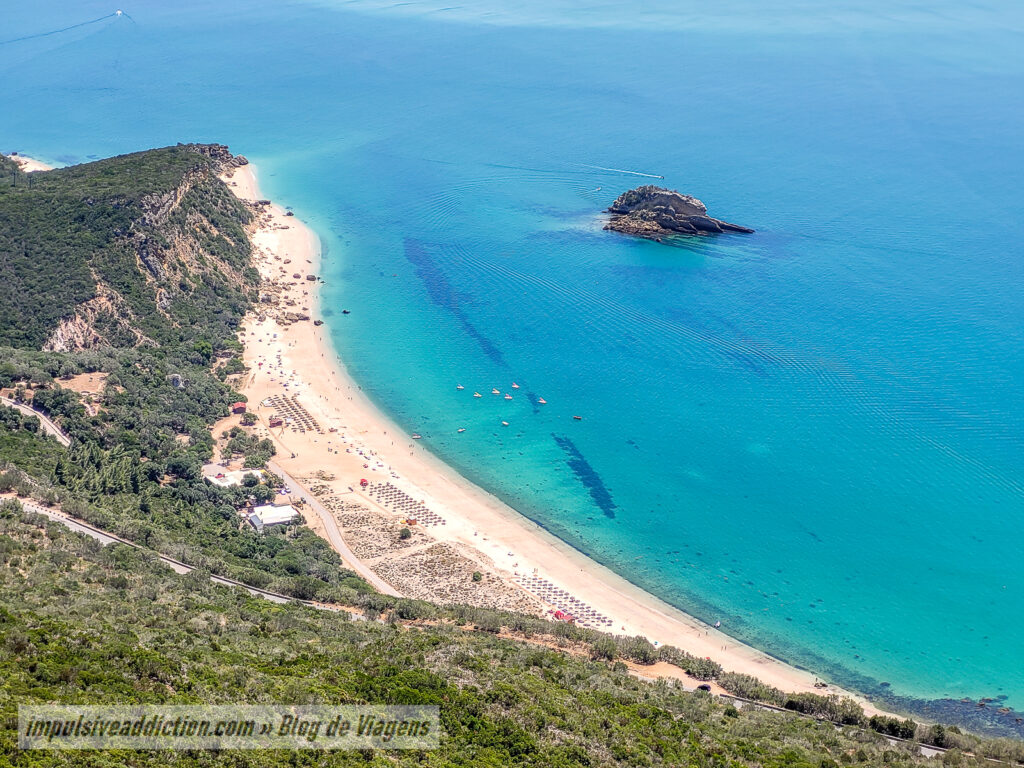
Tróia isn’t the only spectacular beach in the Setúbal area—you also need to explore the stunning beaches along the Arrábida Mountain Range! I have a dedicated article on the best beaches in Setúbal that you should check out for more tips. Personally, I love Figueirinha Beach and any of the wild beaches near Portinho da Arrábida like Galápos, Galapinhos, Creiro, and others.
Besides the beaches, here are other must-see attractions in the Arrábida region:
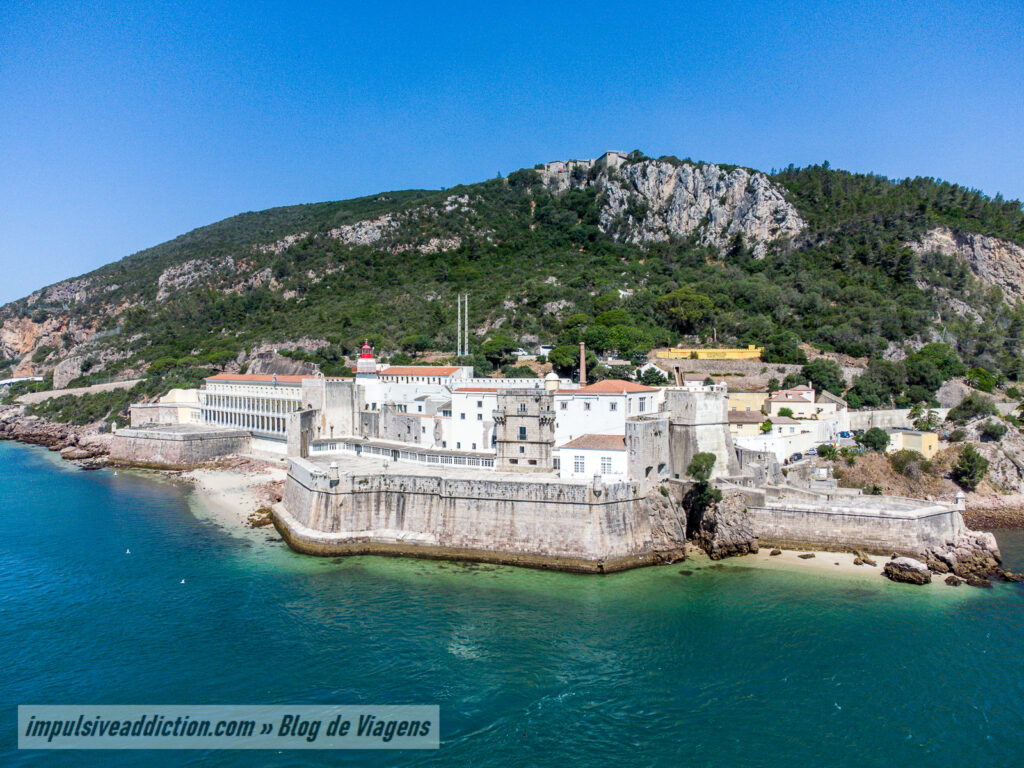
- Fort Santiago do Outão, now home to an orthopedic hospital. The first record dates back to 1390, when King João I ordered the construction of a coastal watchtower. Over time, it has served as a prison, royal family vacation home, and tuberculosis sanatorium.
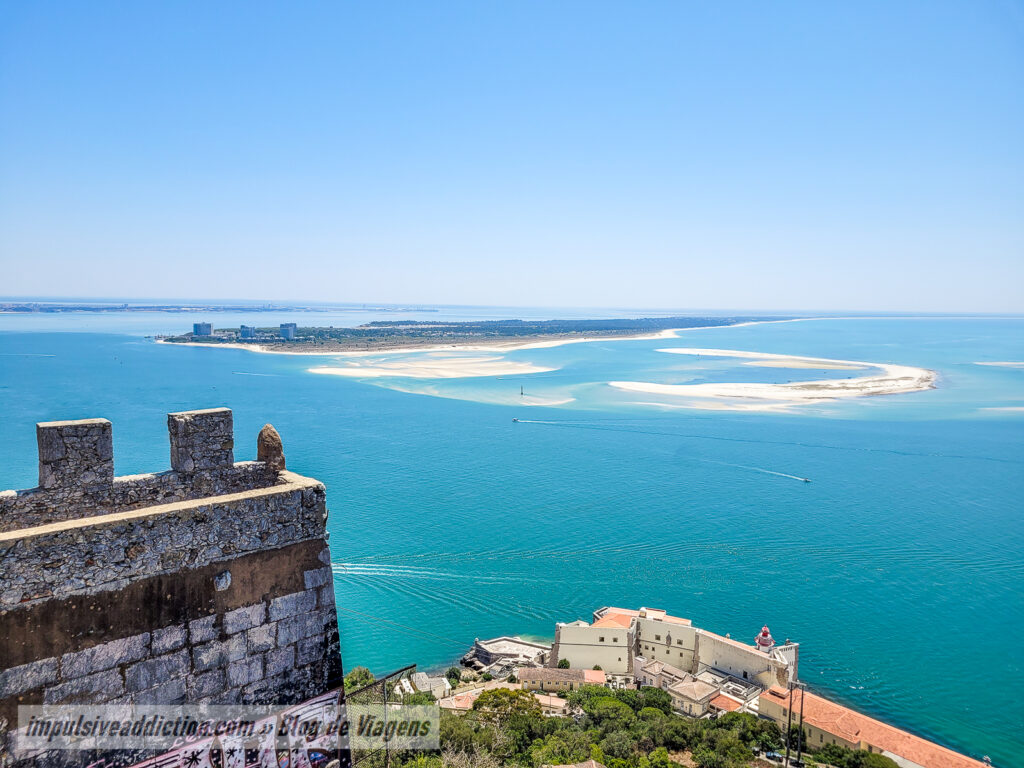
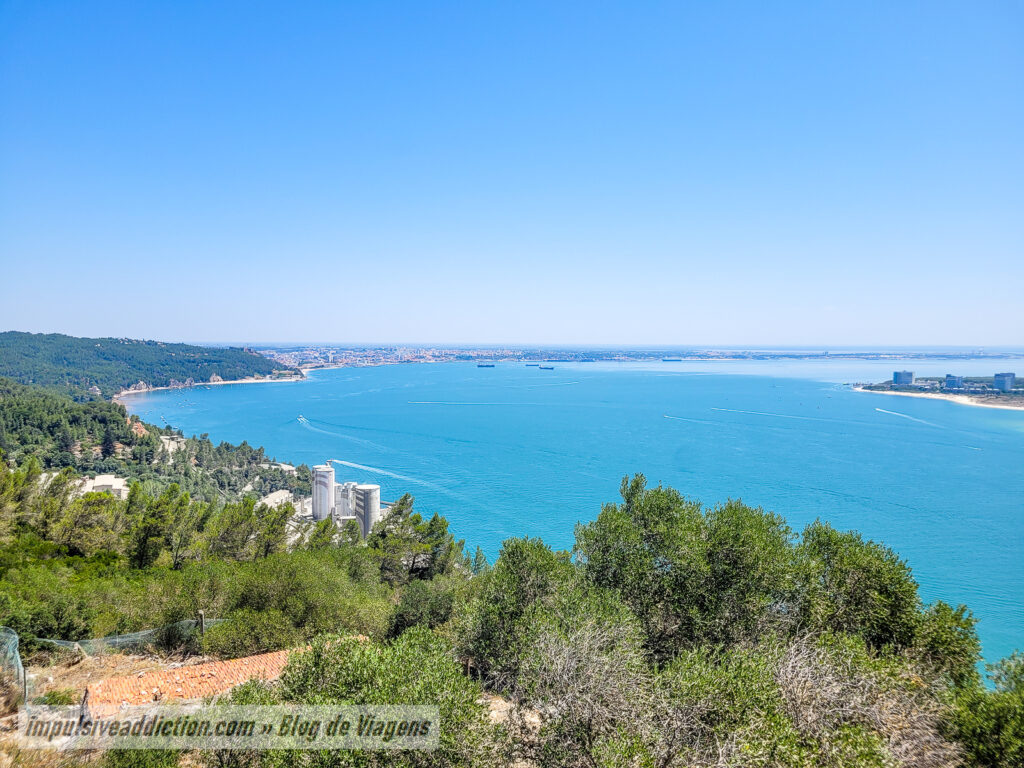
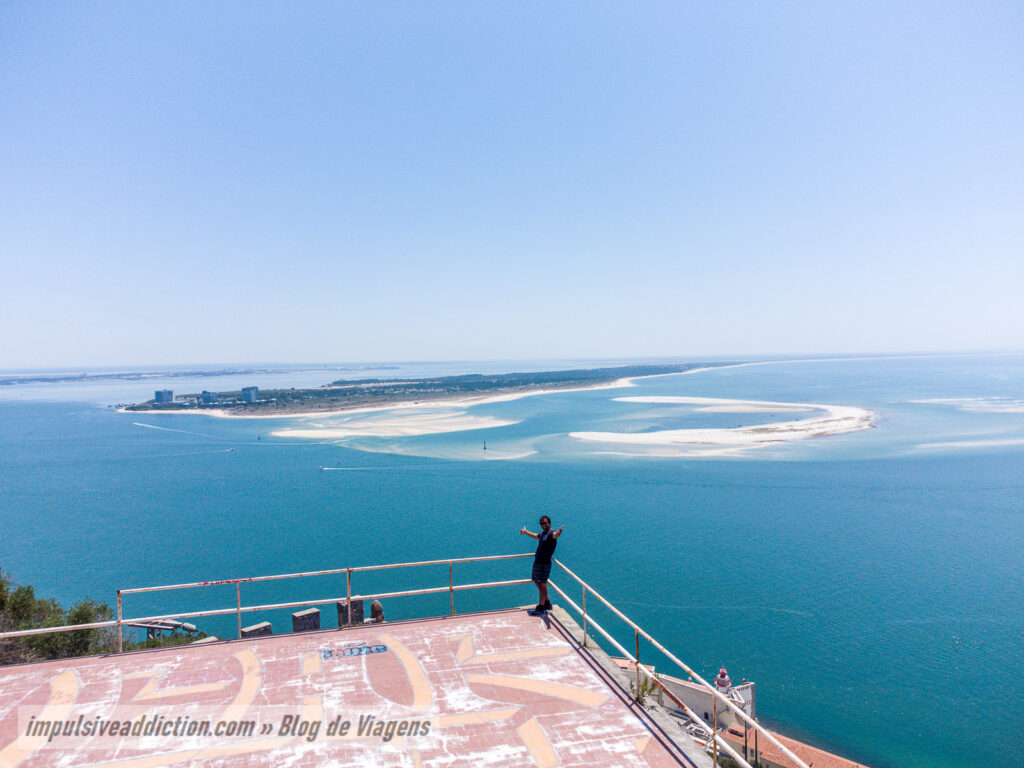
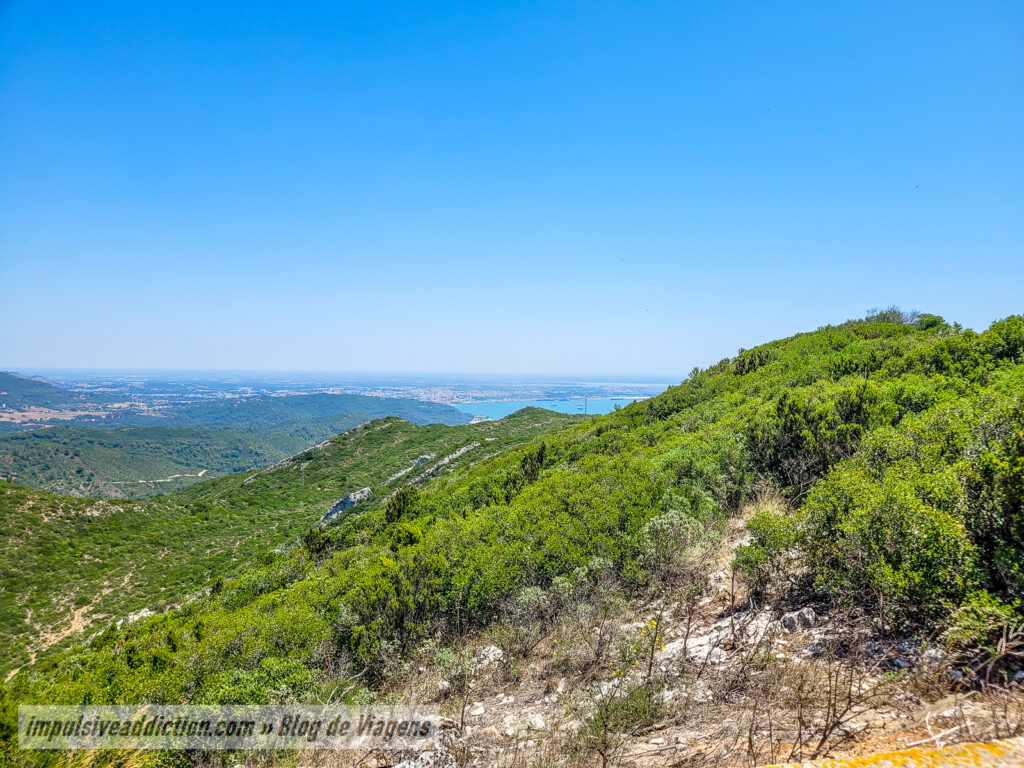
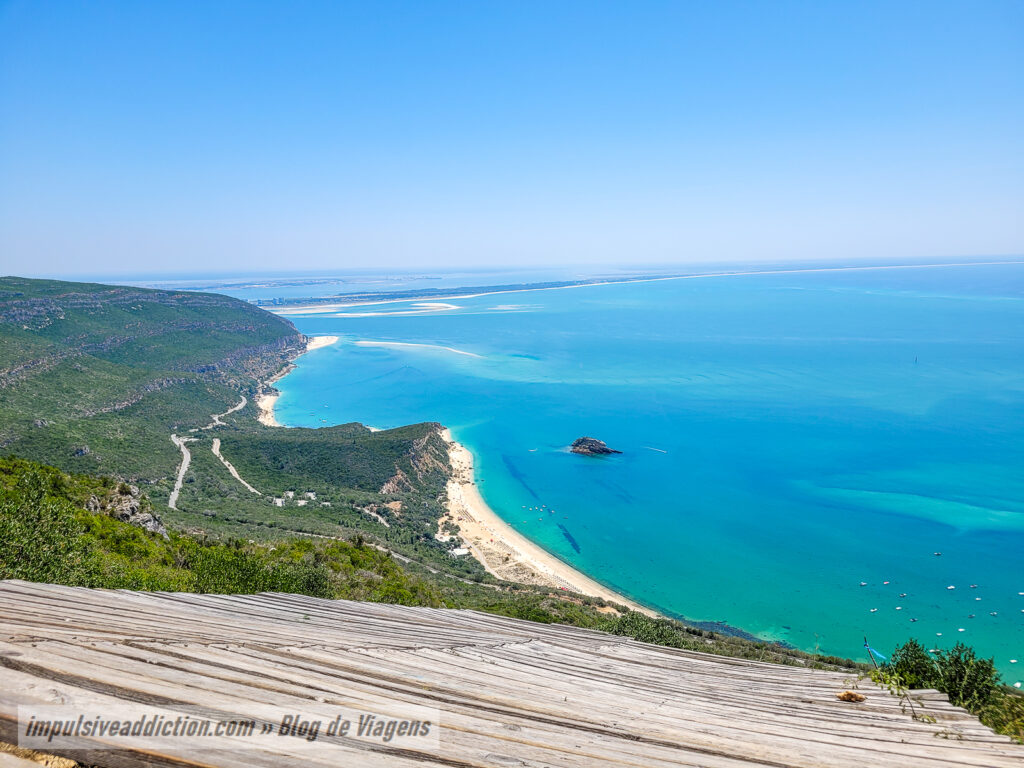
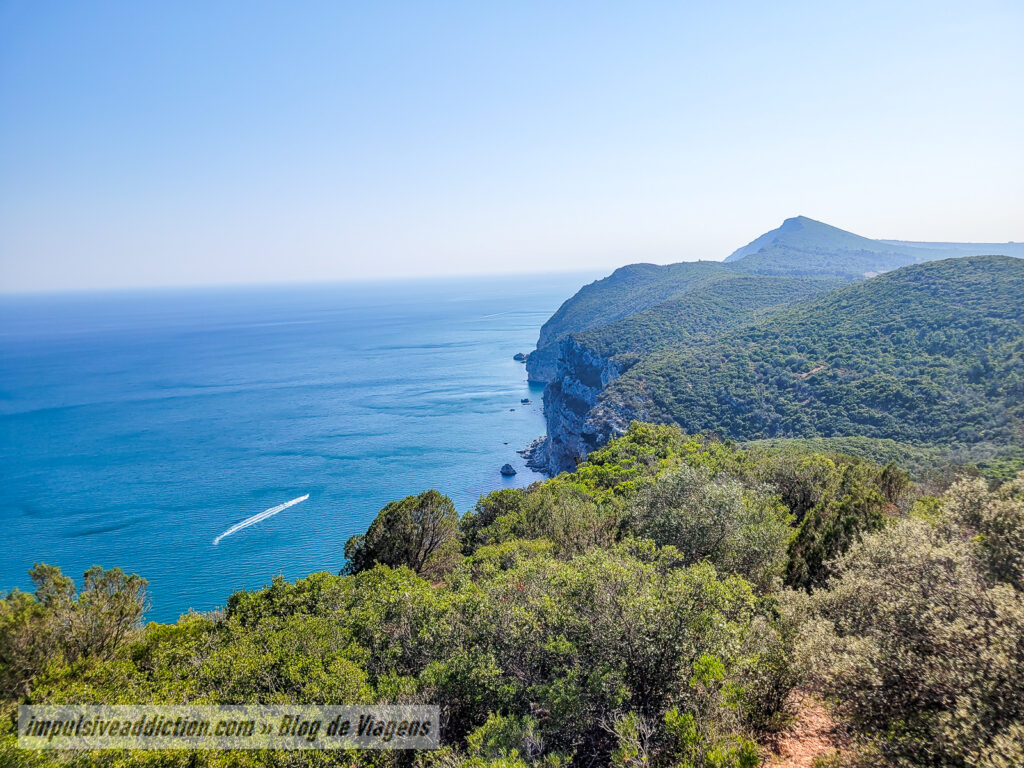
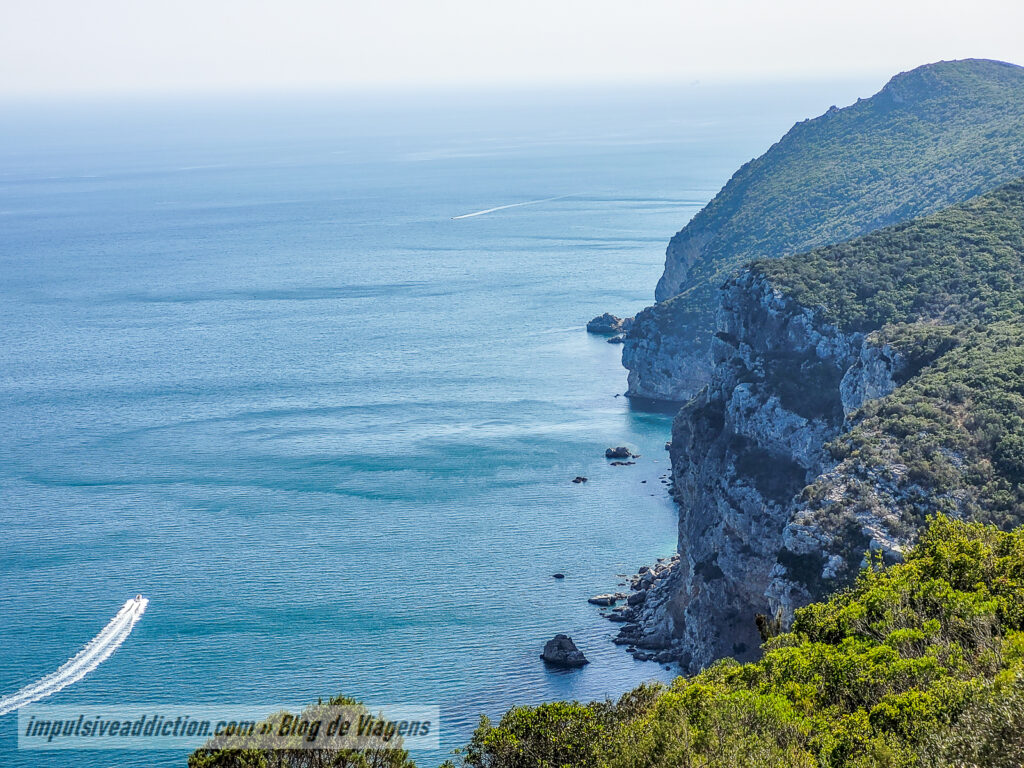
- 7th Coastal Battery Viewpoint, which I consider the most spectacular viewpoint in Setúbal and one of the best in Portugal.
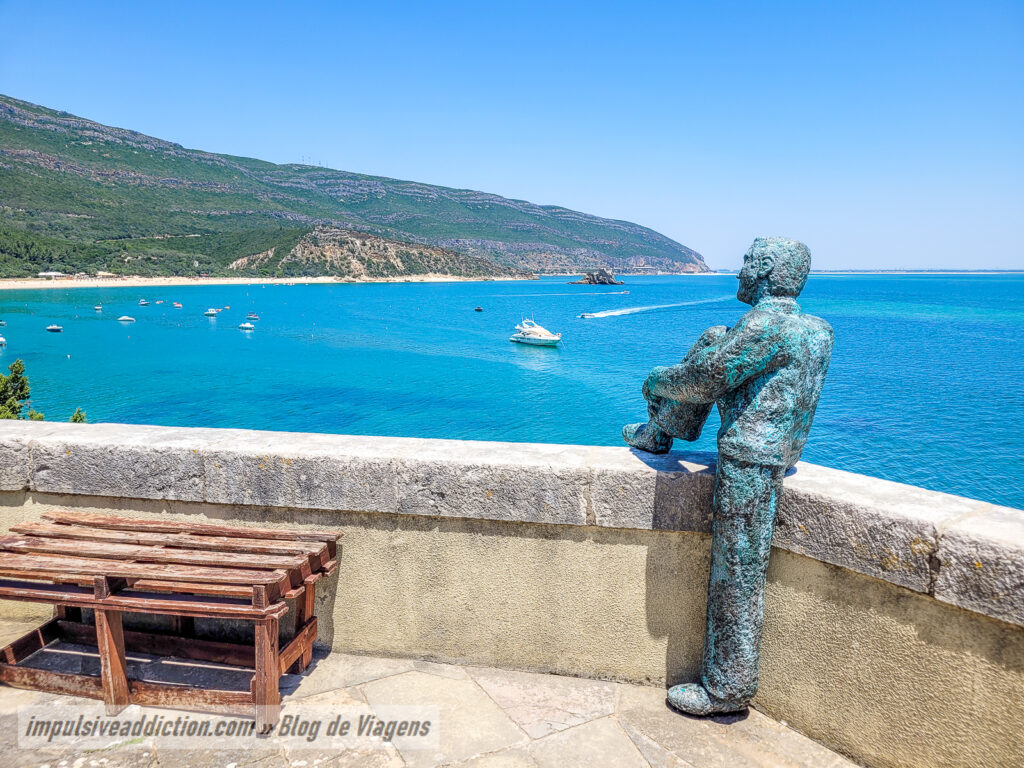
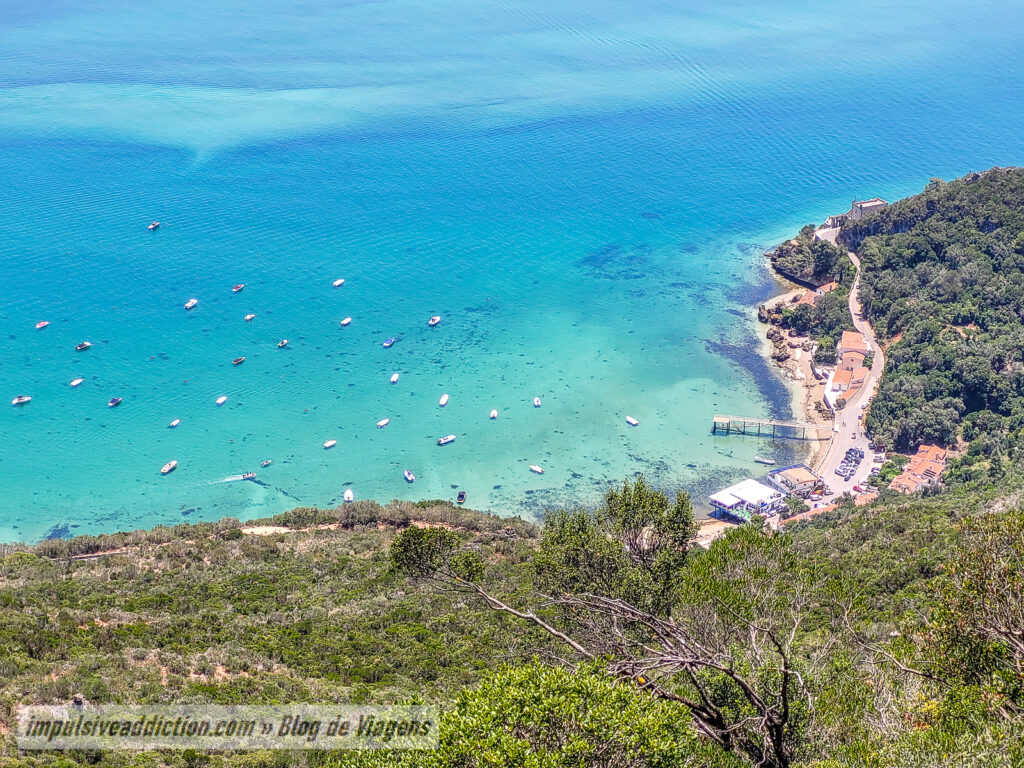
- The South, North, and Portinho da Arrábida Viewpoints—all stunning spots!
- Alto do Jaspe Viewpoint.
- Convent of Our Lady of Arrábida, founded in 1542 by Friar Martinho de Santa Maria, a Castilian Franciscan. King João de Lencastre, the first Duke of Aveiro, granted him the lands on the mountainside.
- Alto do Formosinho, a popular endpoint for several hiking trails in the Arrábida Mountains. For example, check out this trail on Wikiloc.
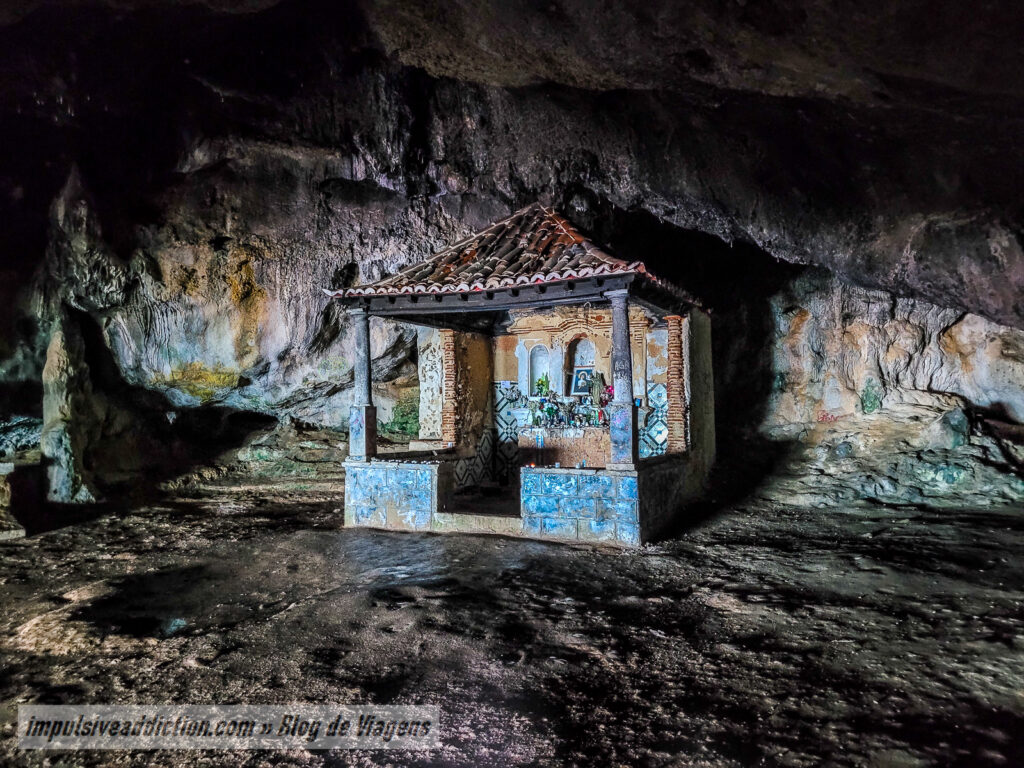
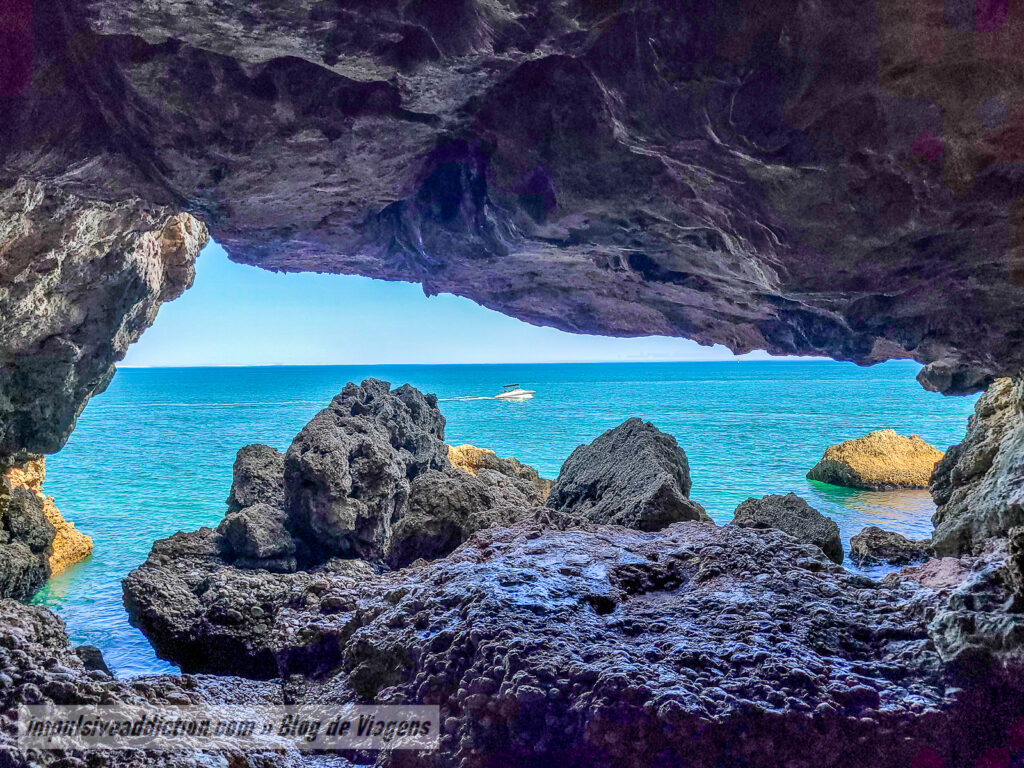
- Lapa de Santa Margarida, a cave near Portinho da Arrábida featuring a small altar—a unique and interesting spot to visit.
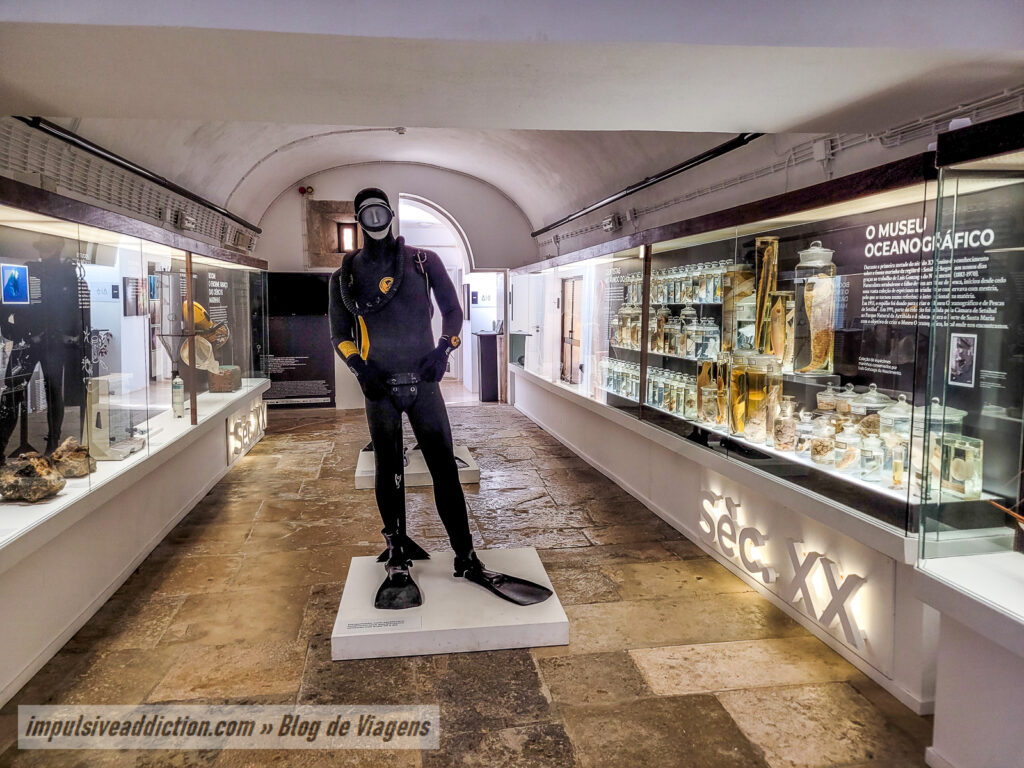
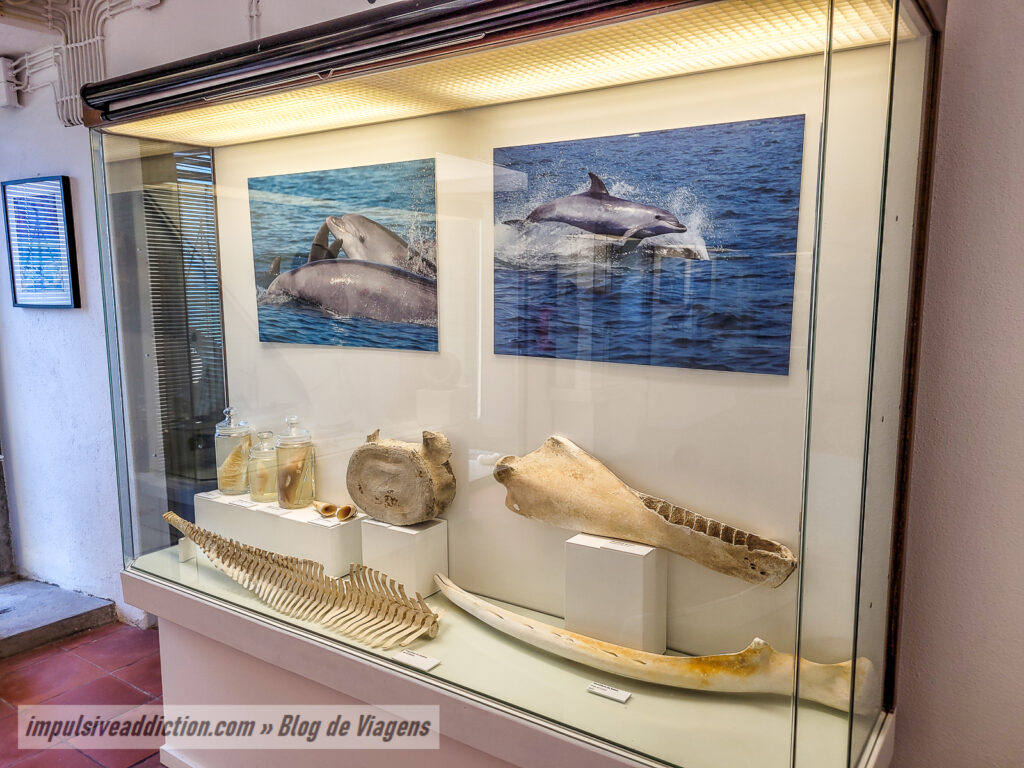
- Fort Santa Maria da Arrábida (17th century), which houses an Oceanographic Museum where you can learn about the marine fauna and flora of the region.
- Creiro Archaeological Site, an ancient Roman fish salting industrial complex (1st century AD) with ruins of factories, baths, and warehouses.
1. Albarquel beach
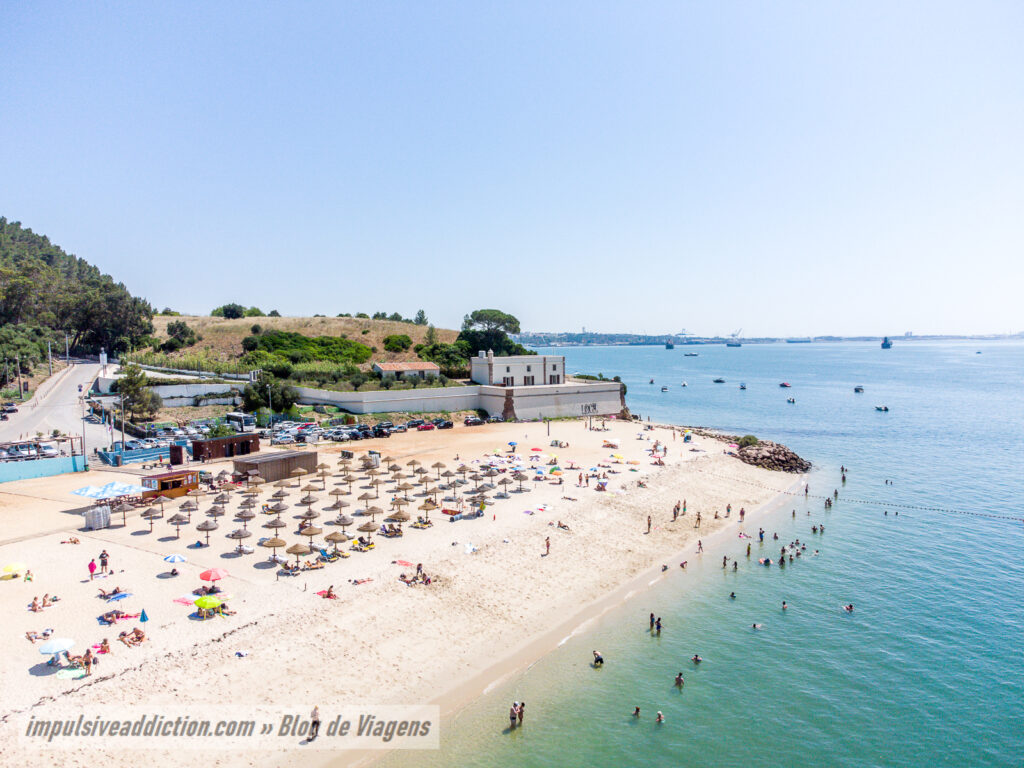
2. Comenda and Rasca beaches
3. Fort Santiago do Outão
4. 7th Coastal Battery Viewpoint
5. Figueirinha beach
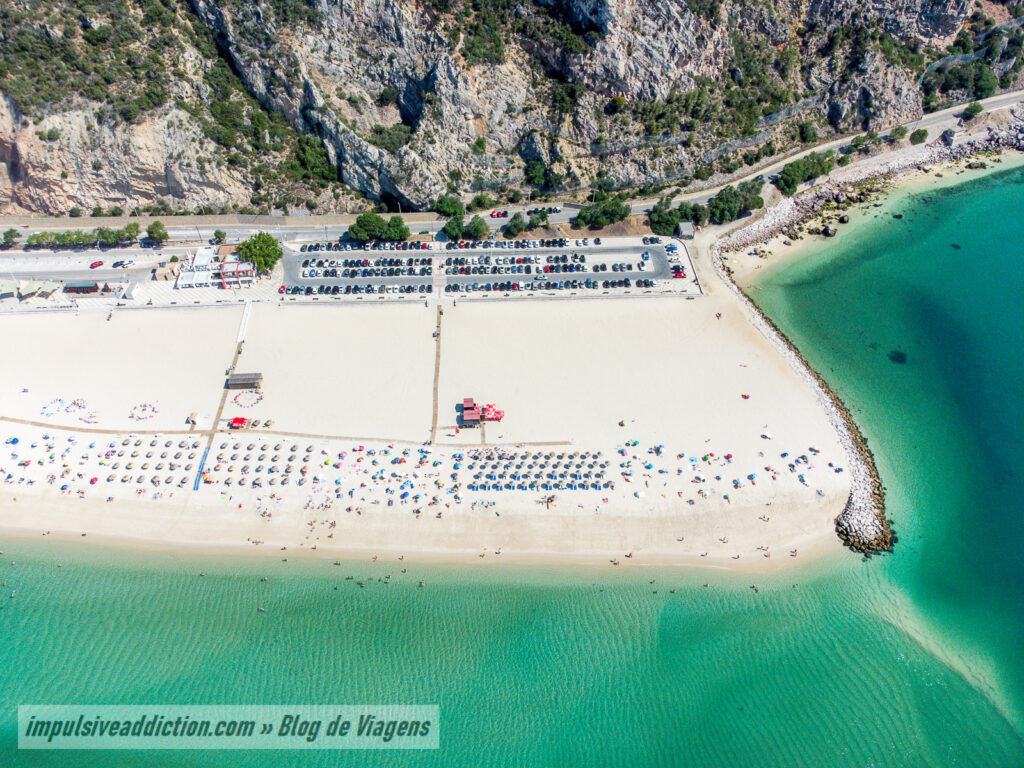
6. Beaches of Galapinhos, Galápos, Coelhos, Anixa and Monte Branco
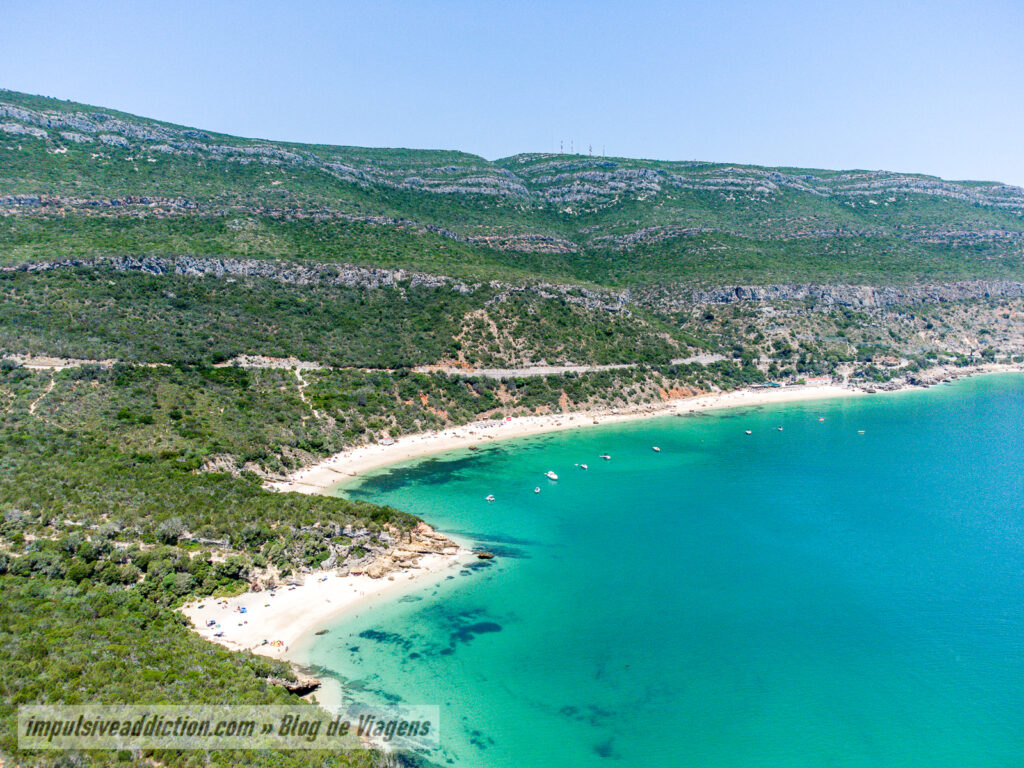
7. Creiro beach and Archeological site
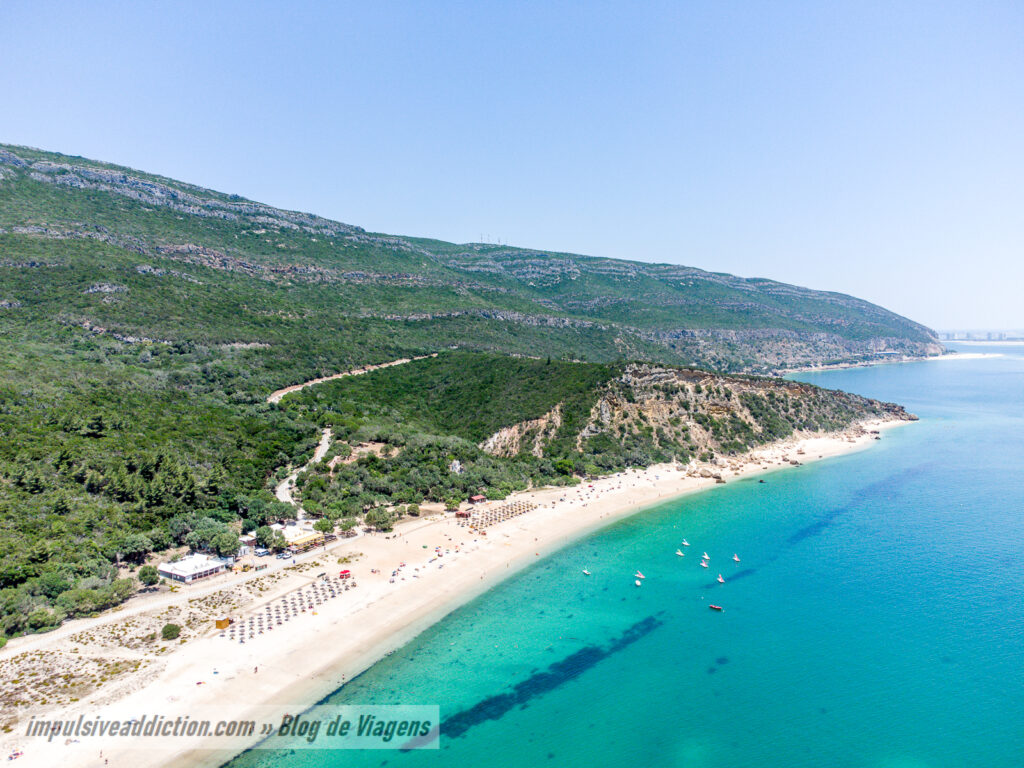
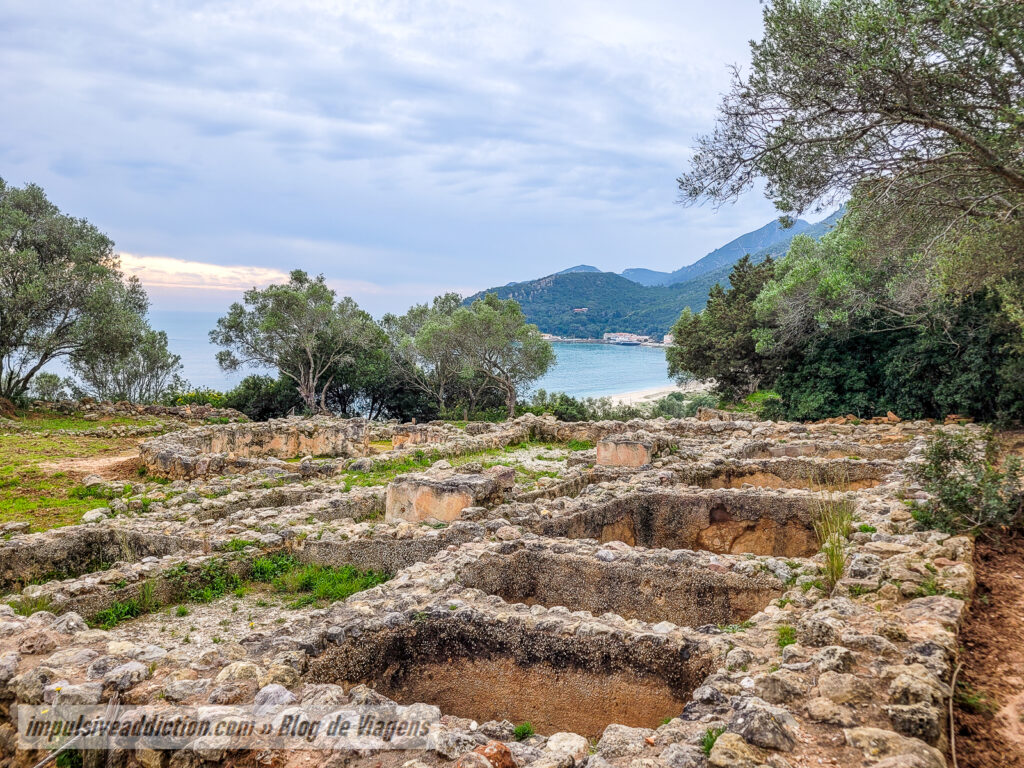
8. Portinho da Arrábida and Fort of Santa Maria da Arrábida
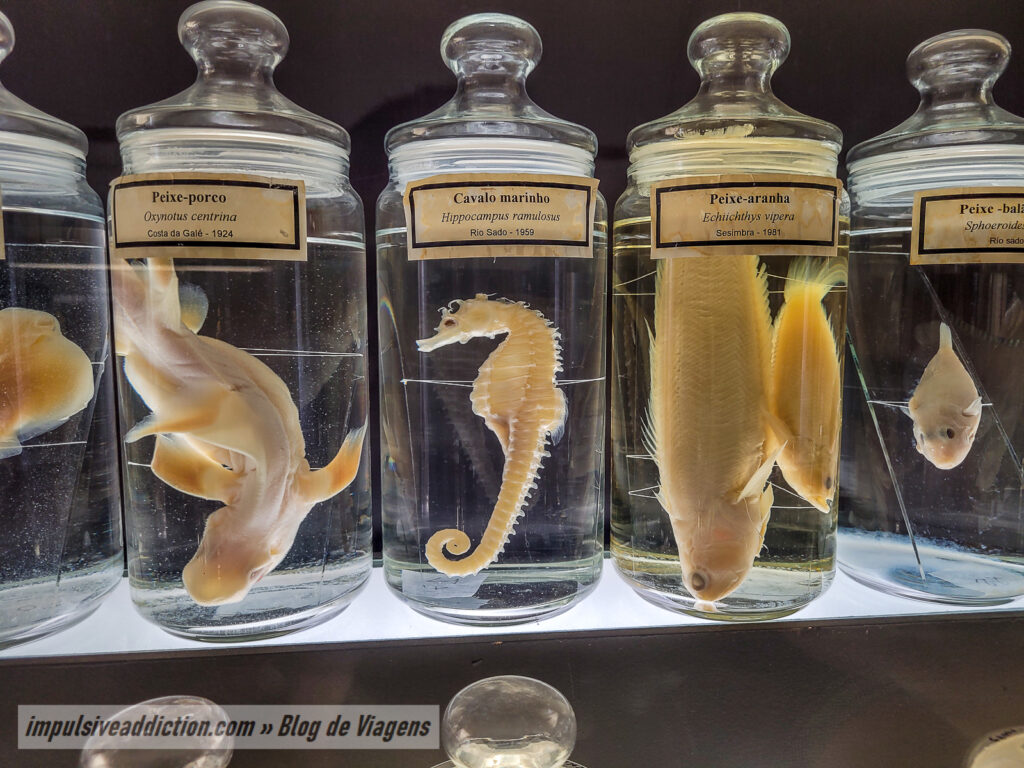
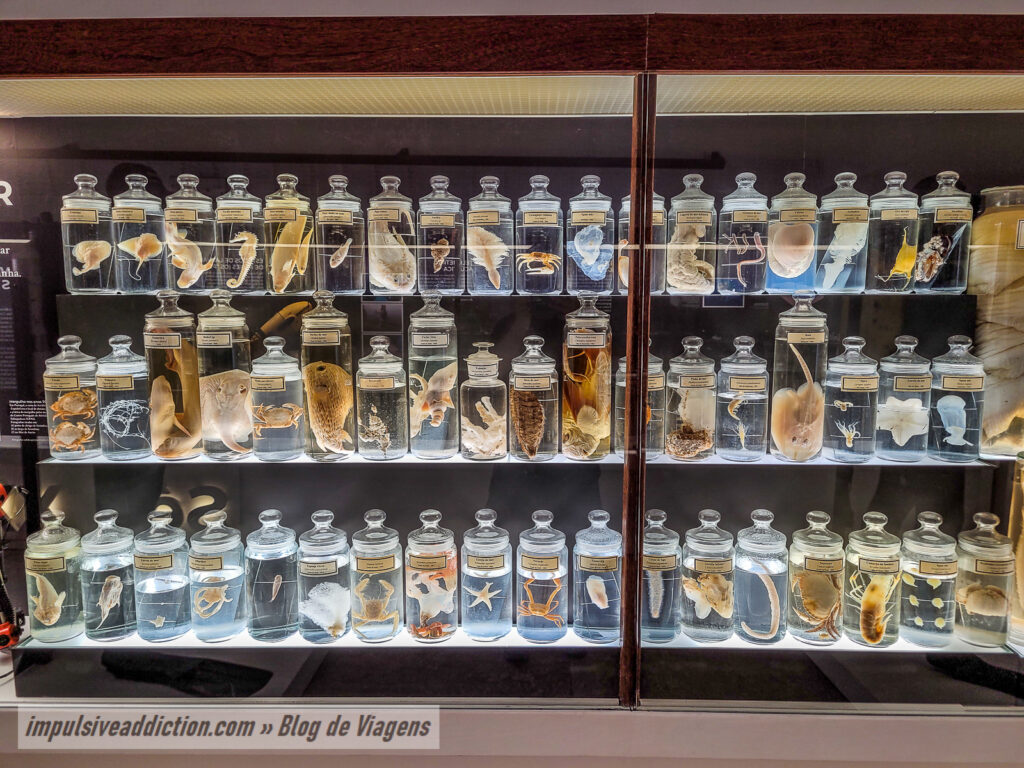
9. Lapa de Santa Margarida
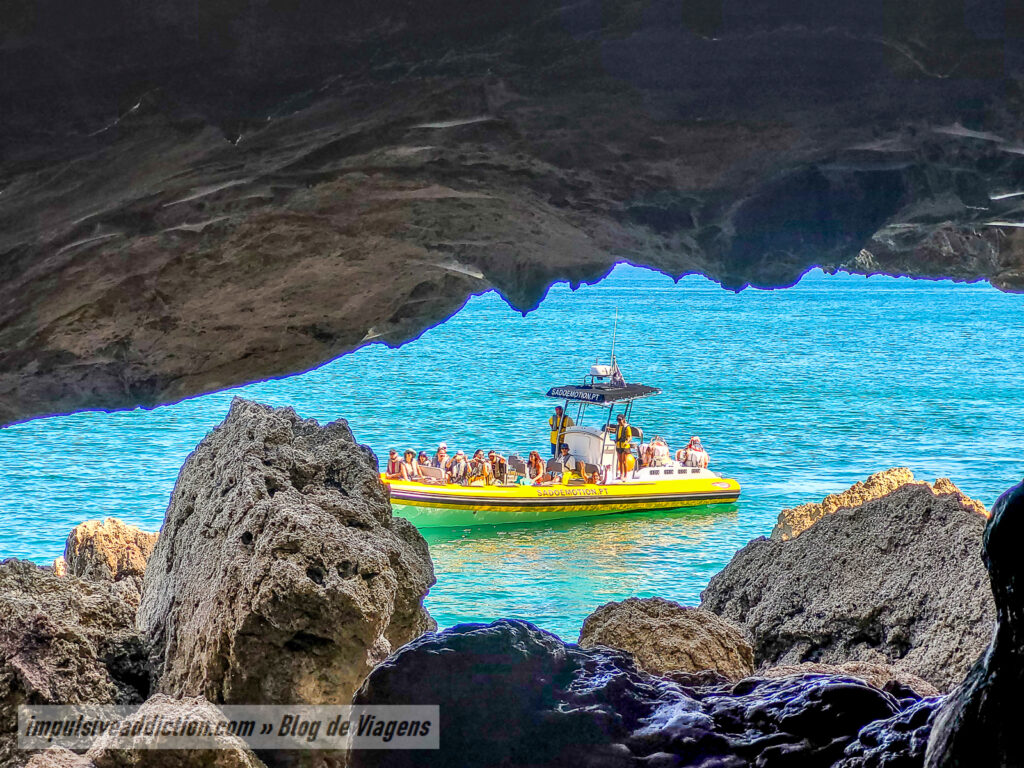
10. Alpertucho beach
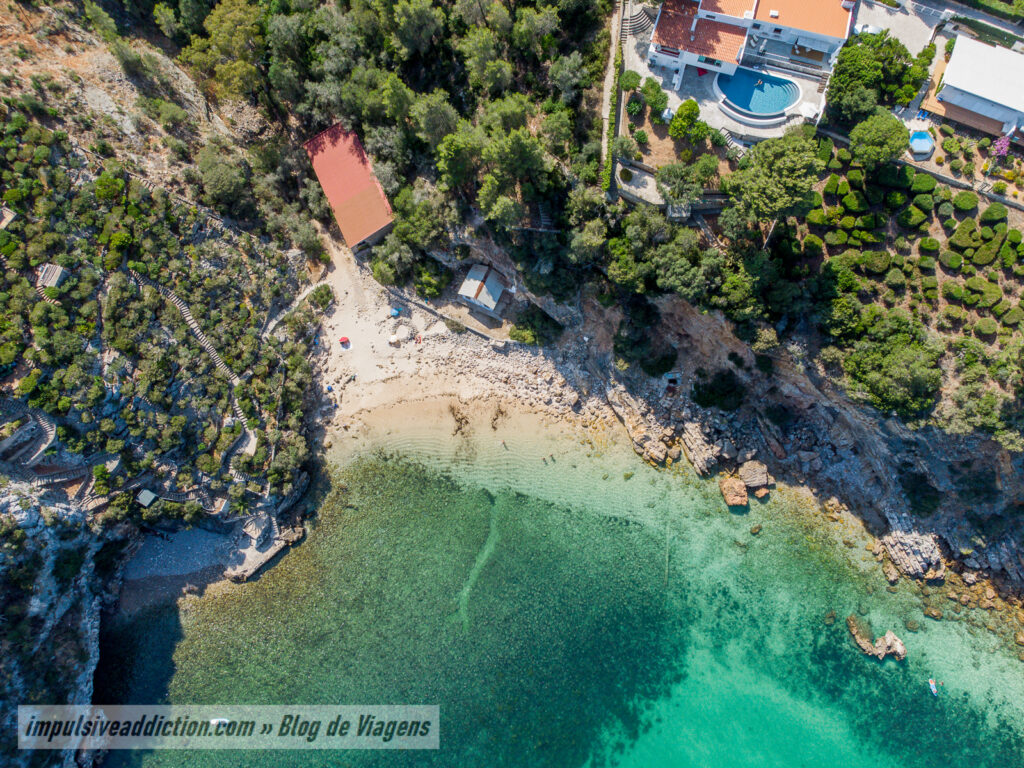
11. Other Viewpoints in Serra da Arrábida
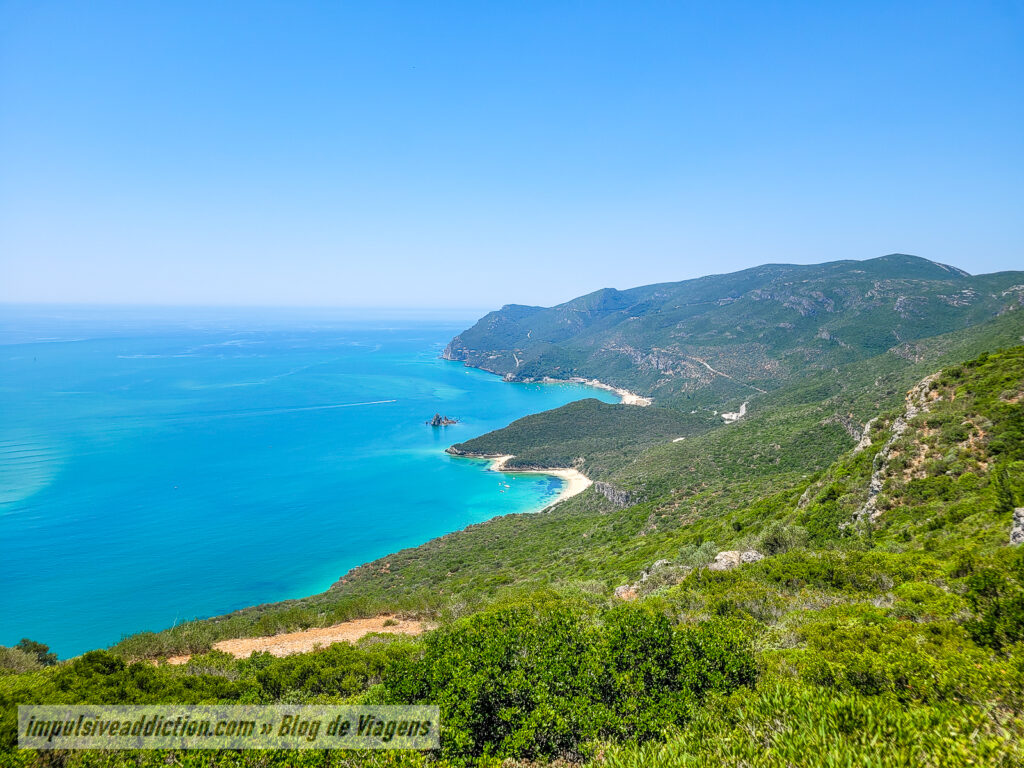
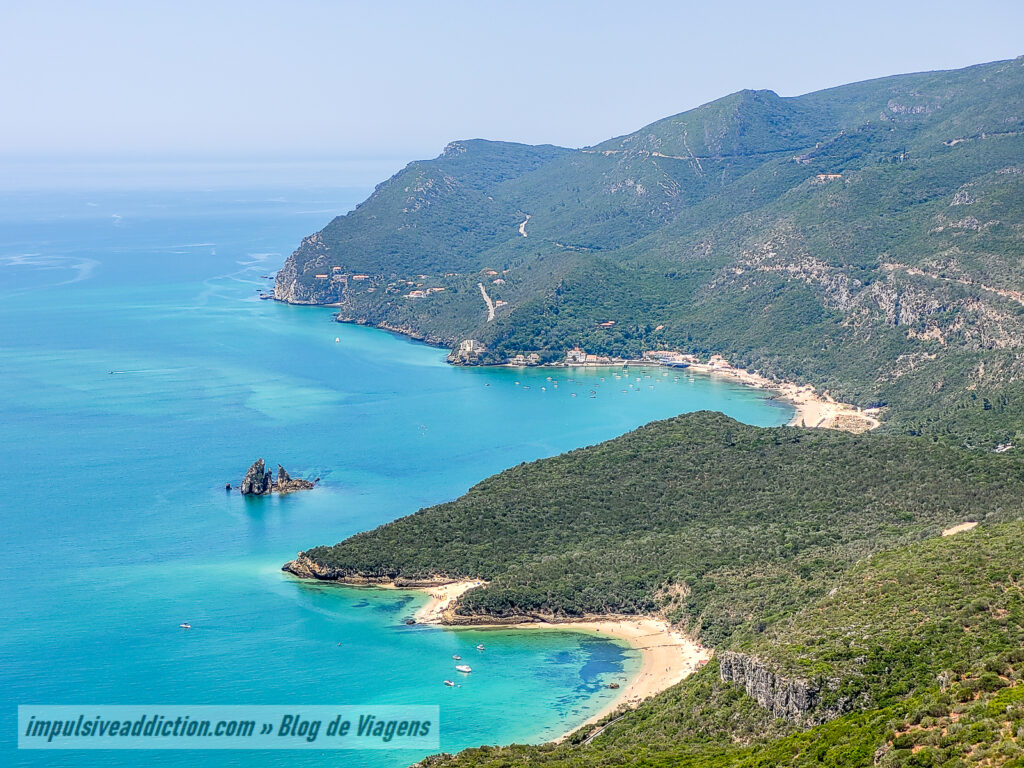
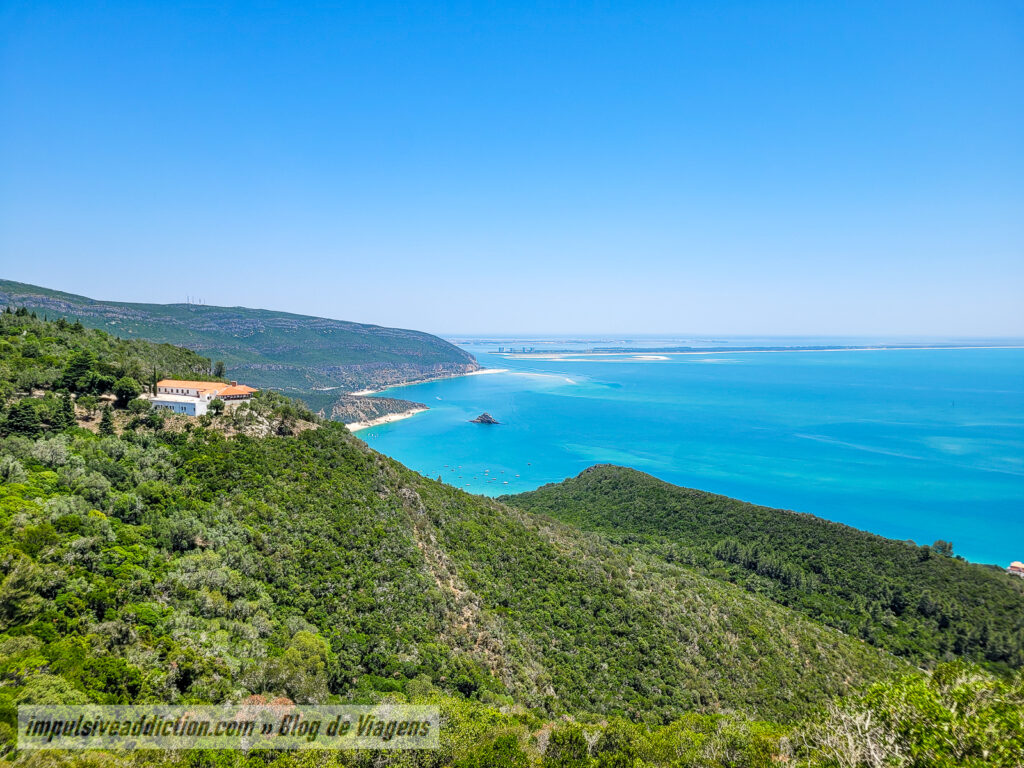
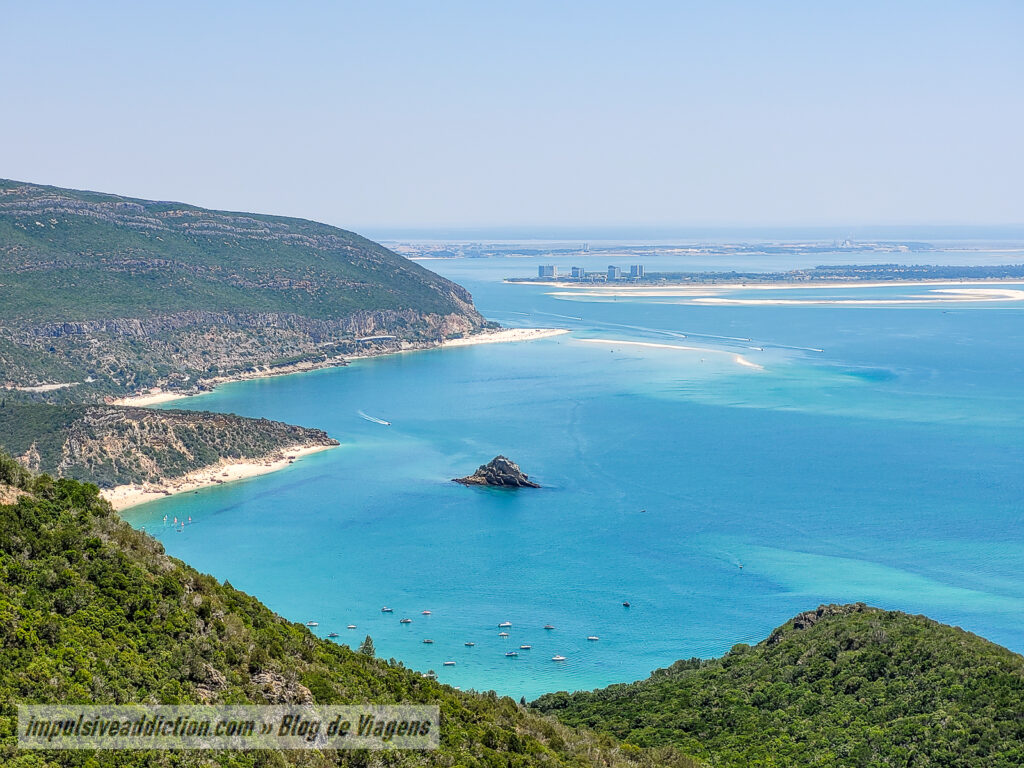
12. Convent of Nossa Senhora da Arrábida
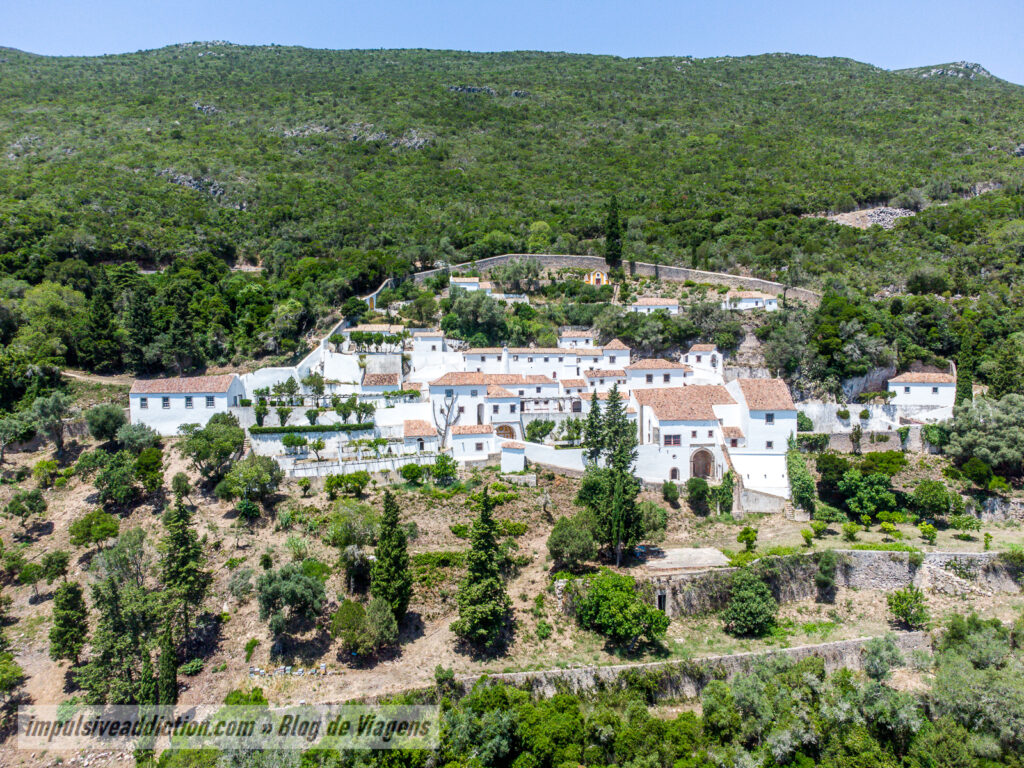
13. Alto do Formosínho and Alto do Jaspe
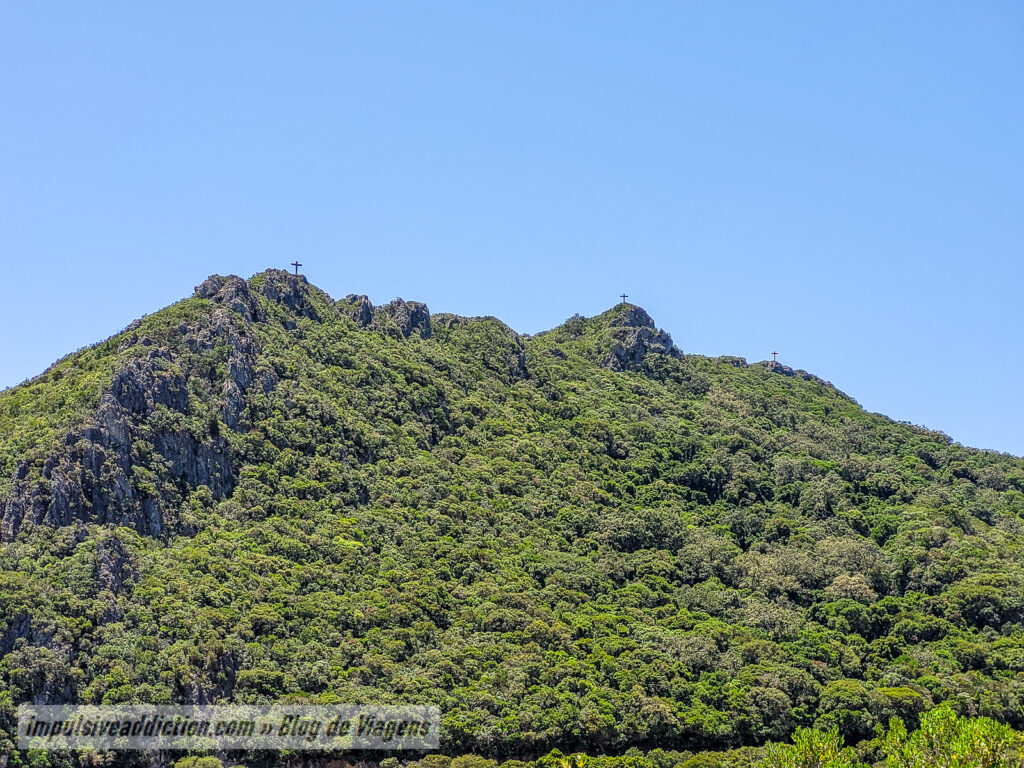
Visiting Azeitão
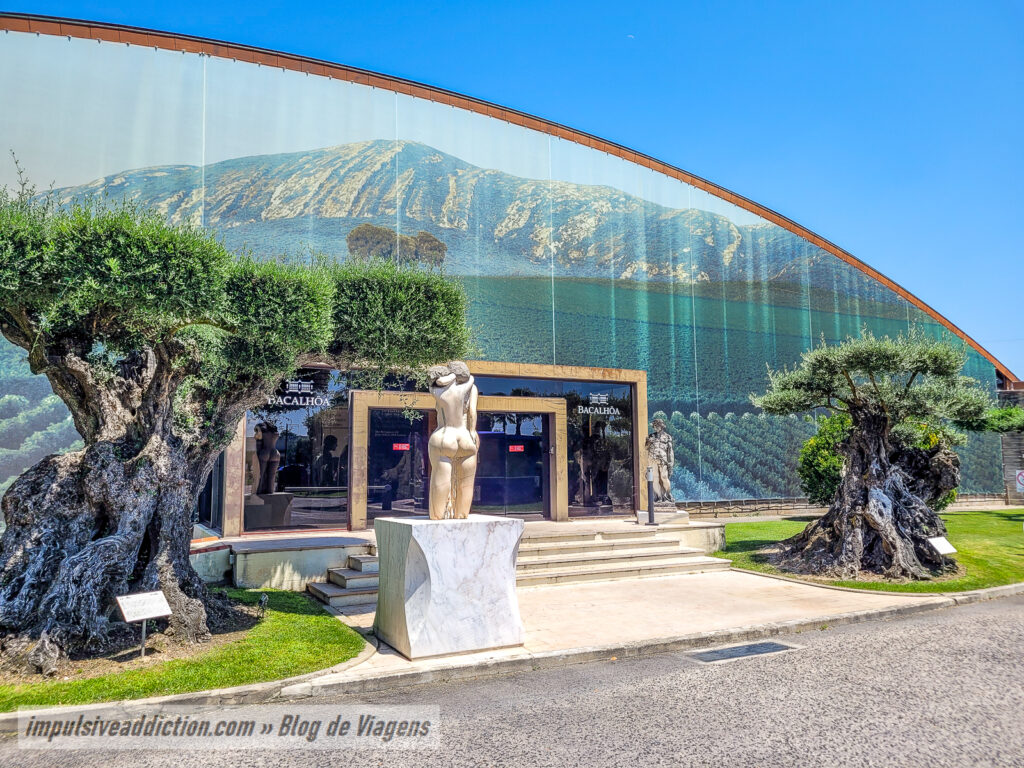
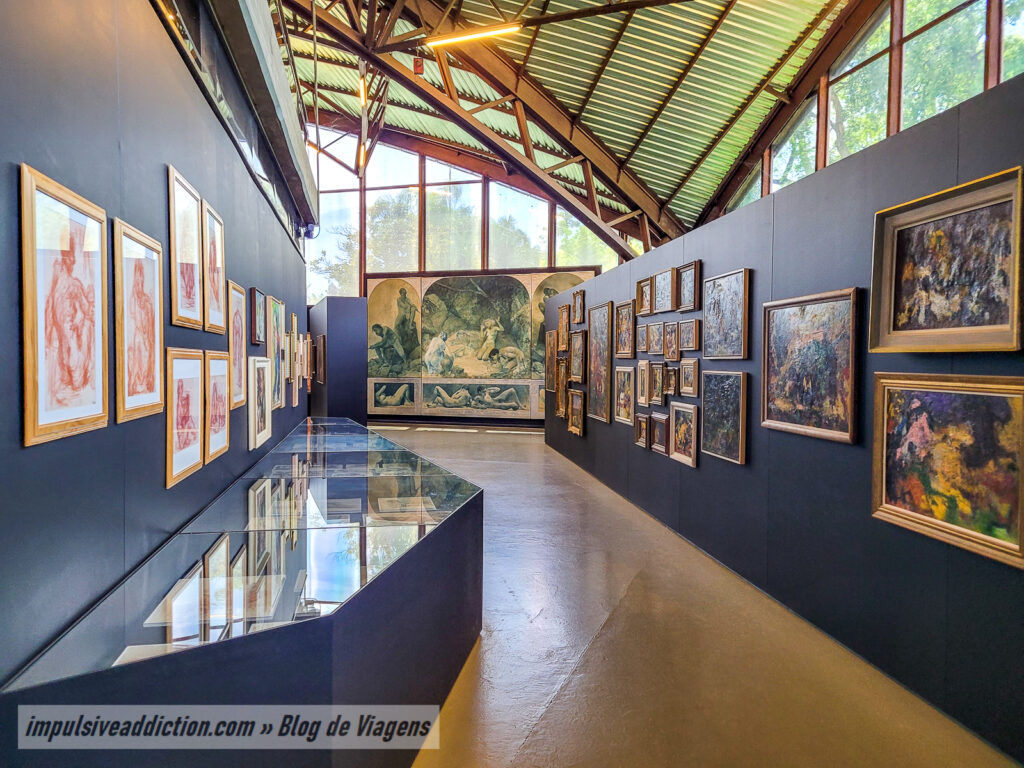
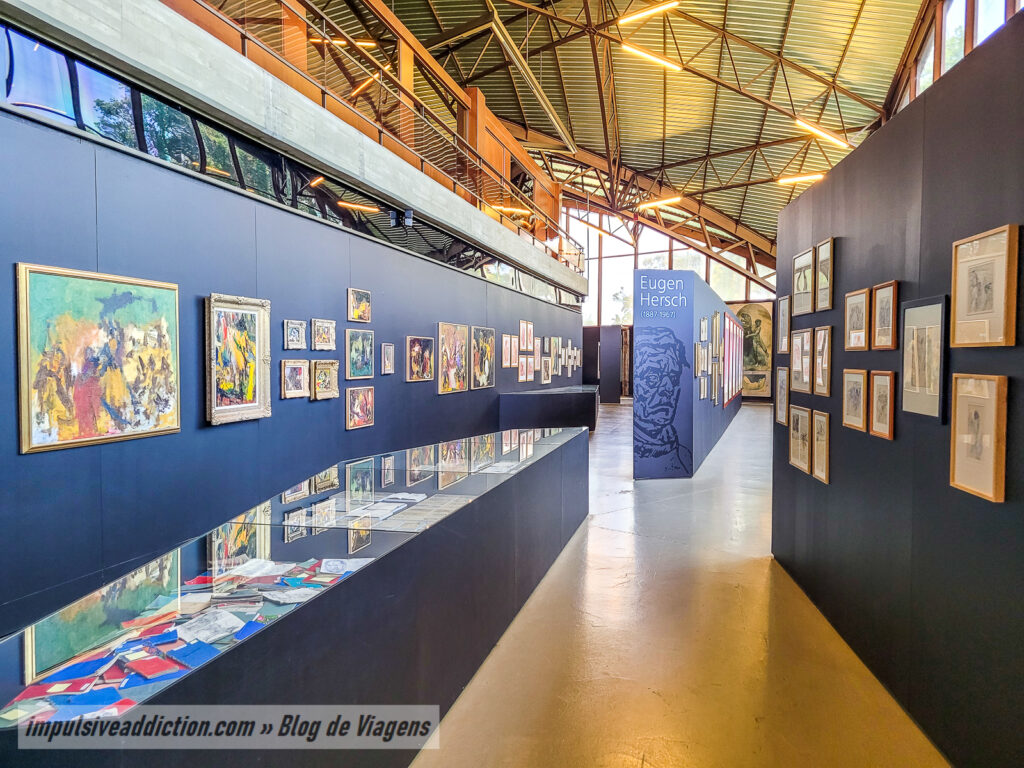
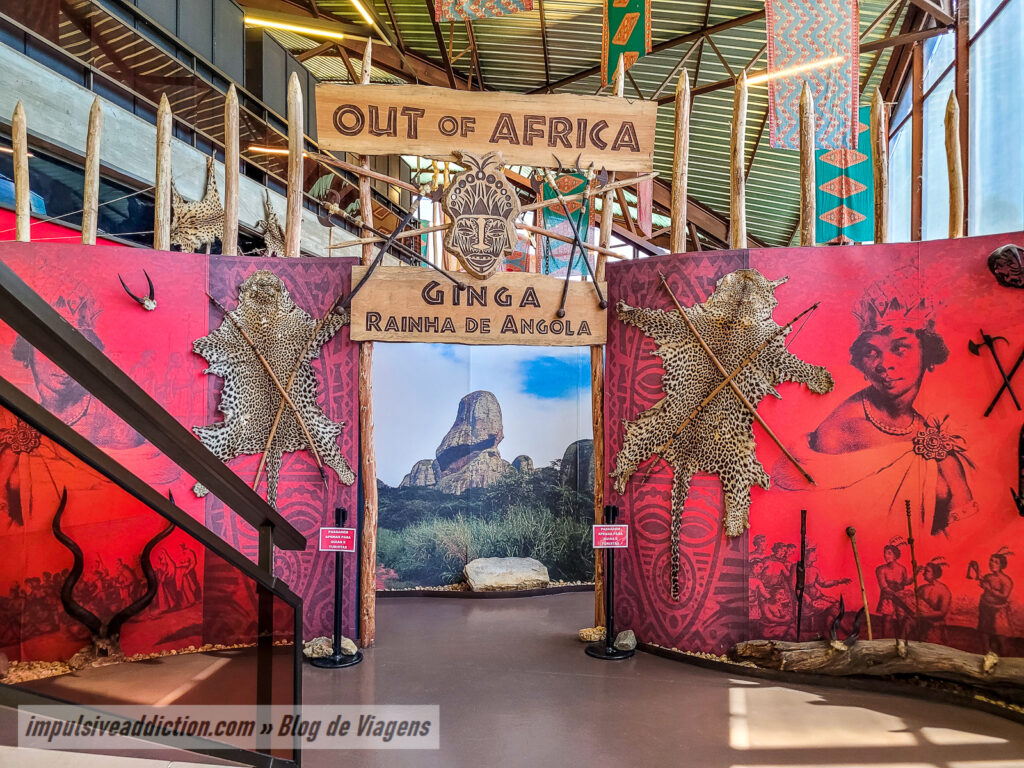
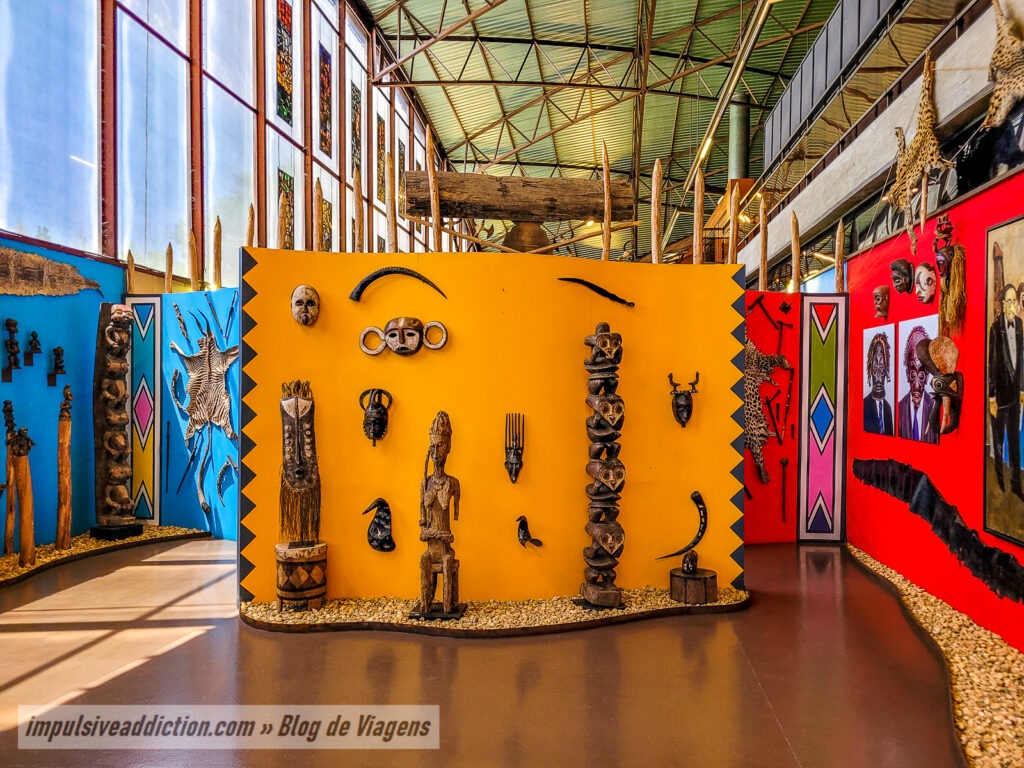
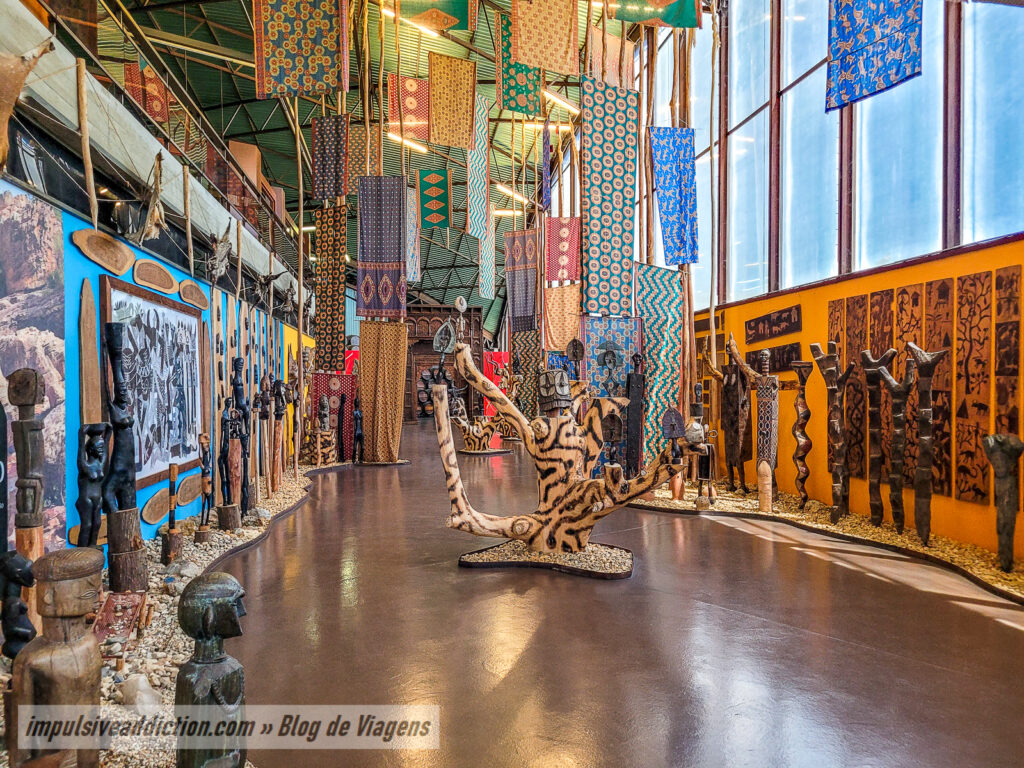
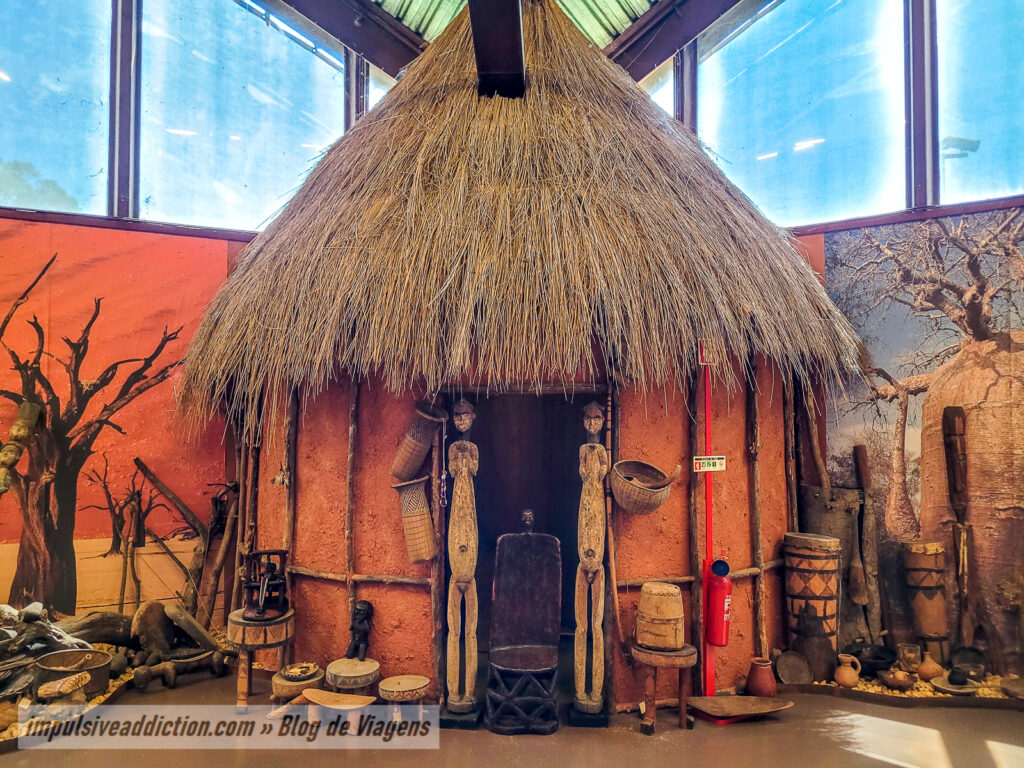
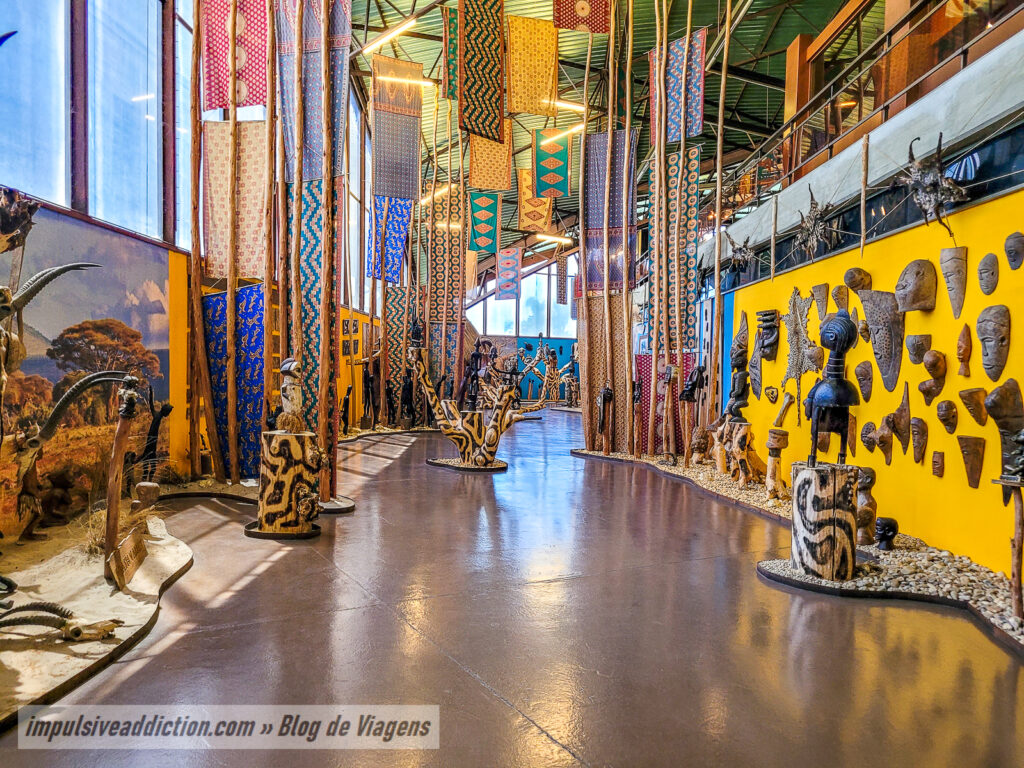
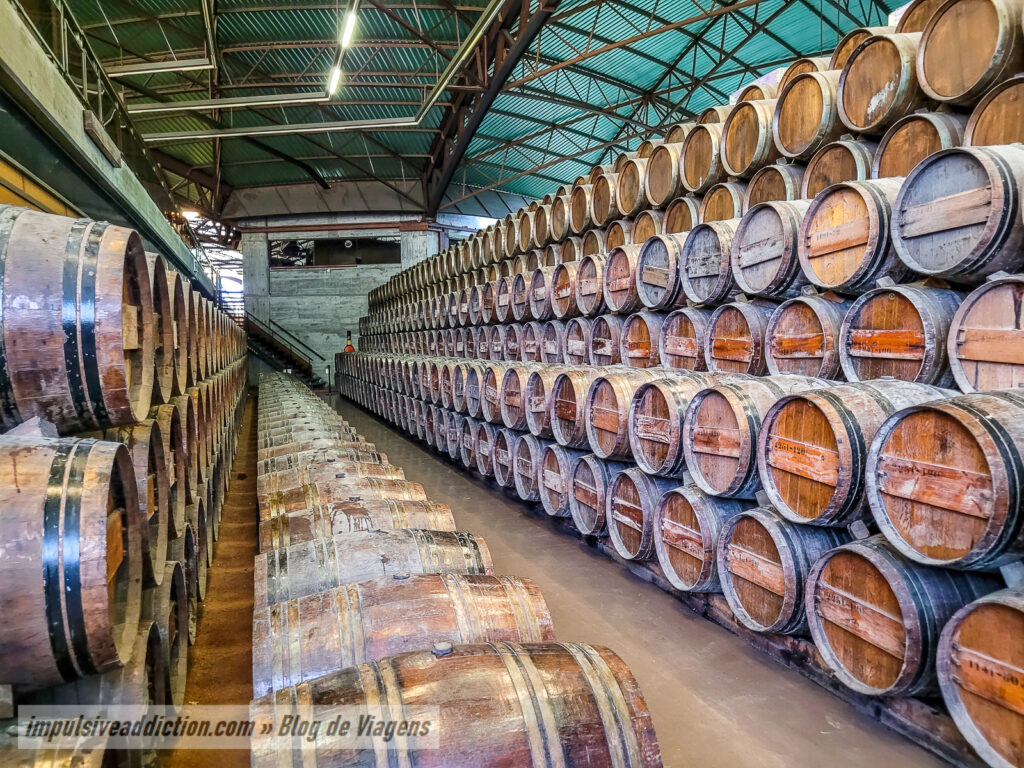
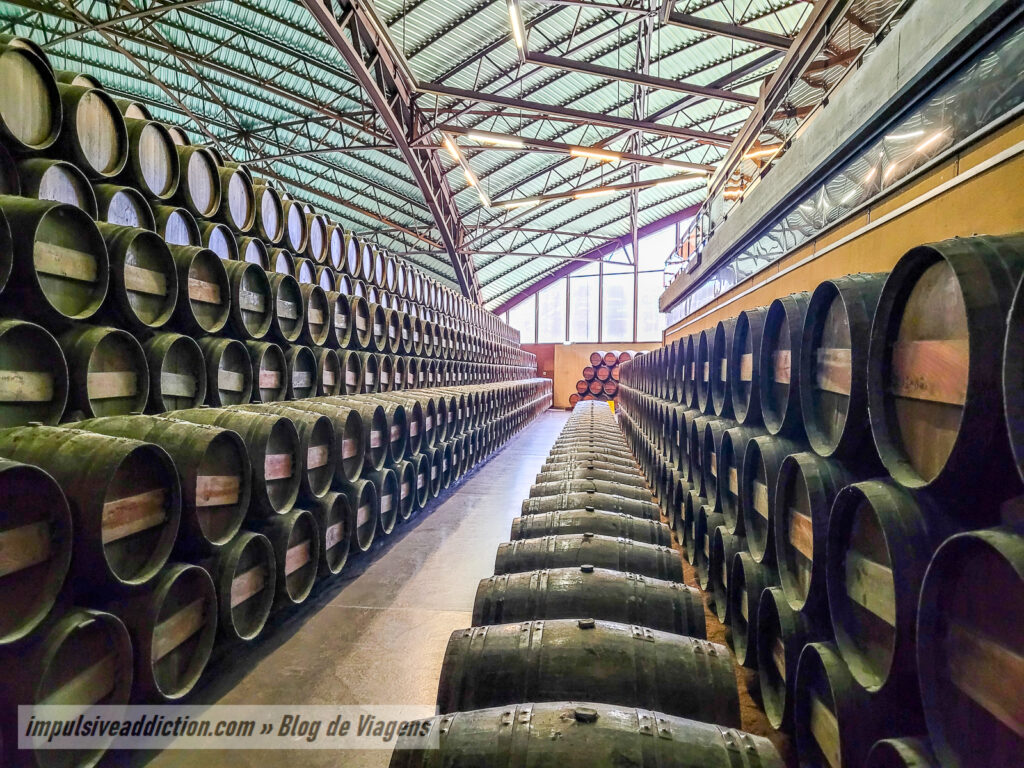
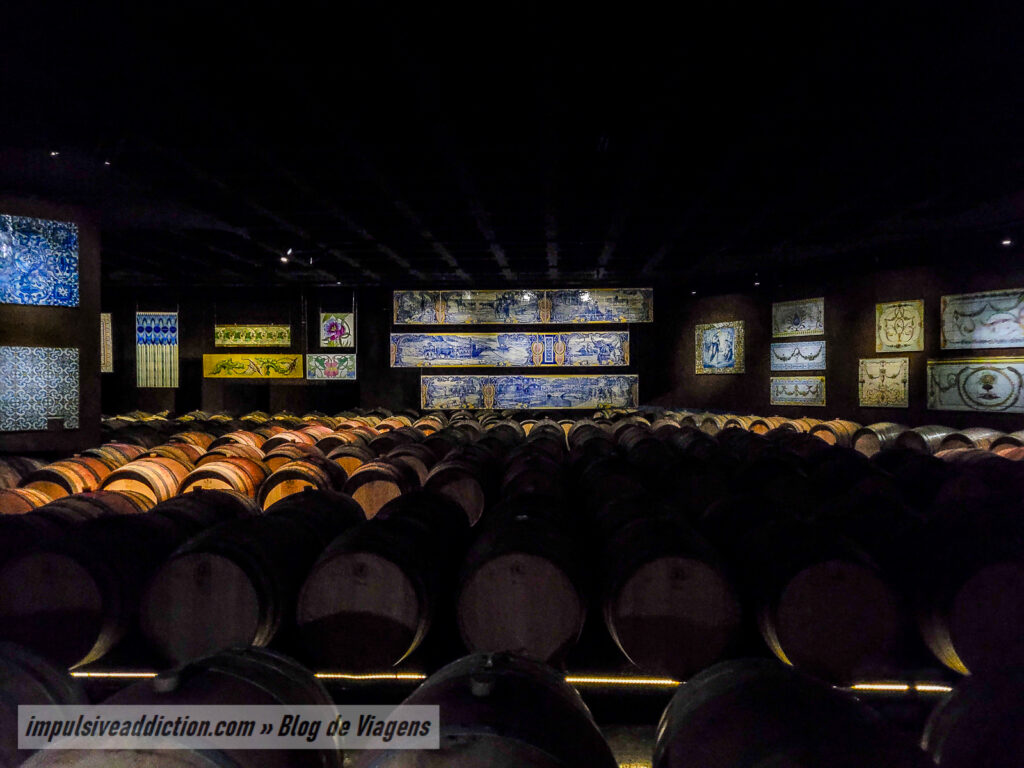
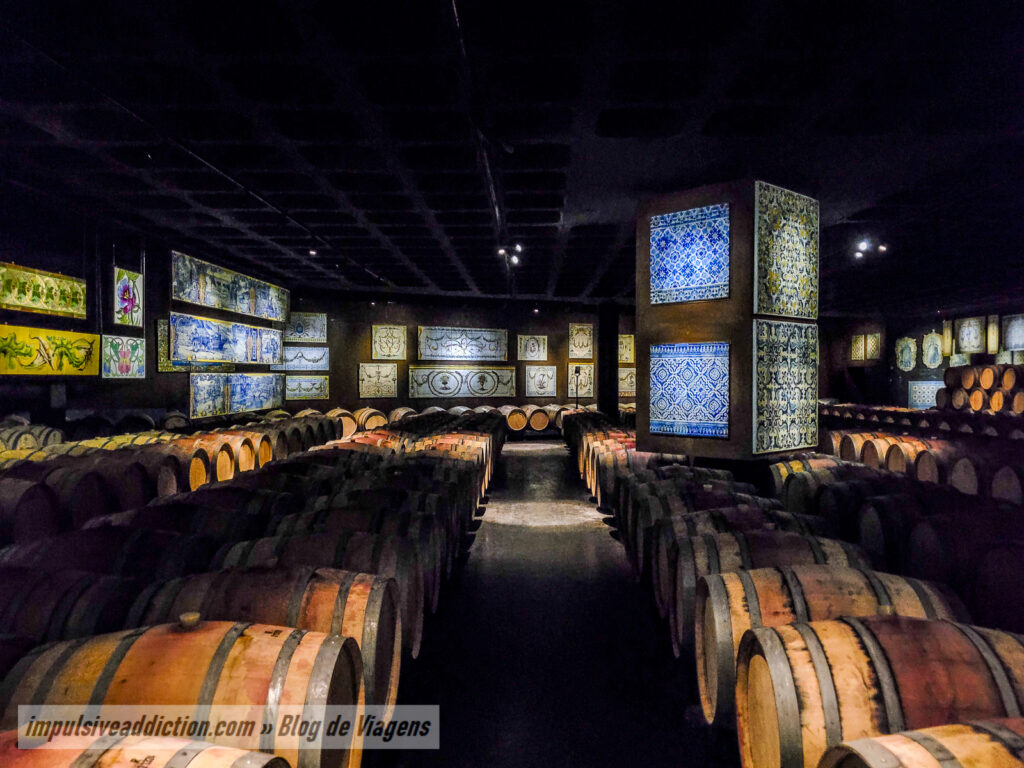
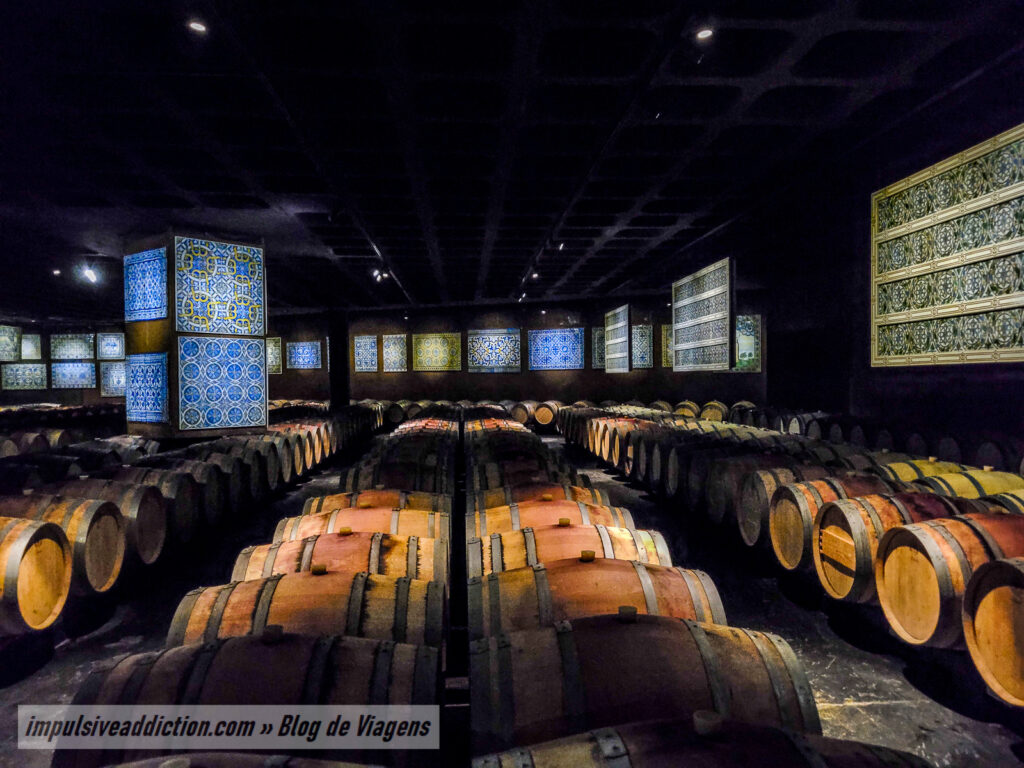
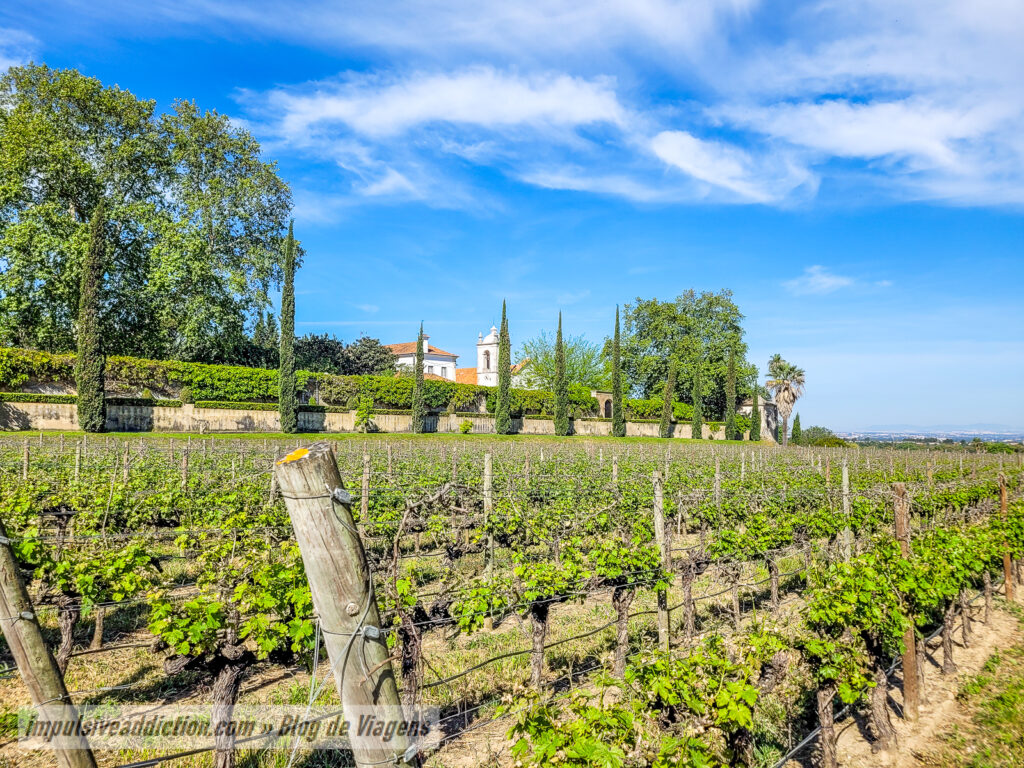
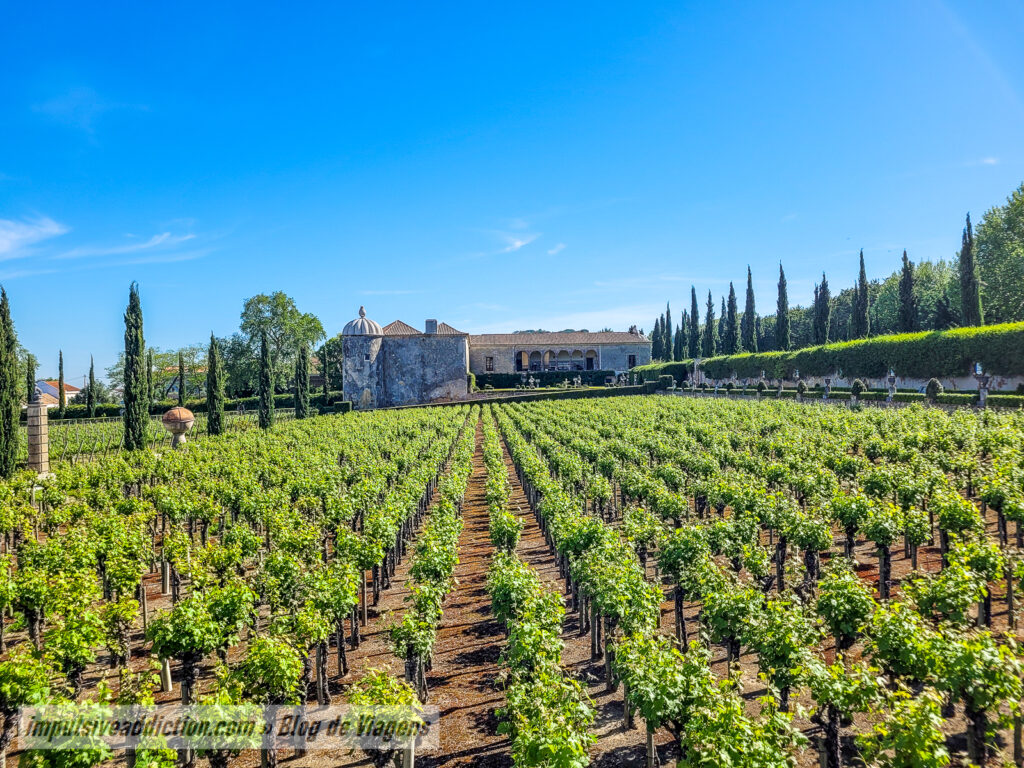
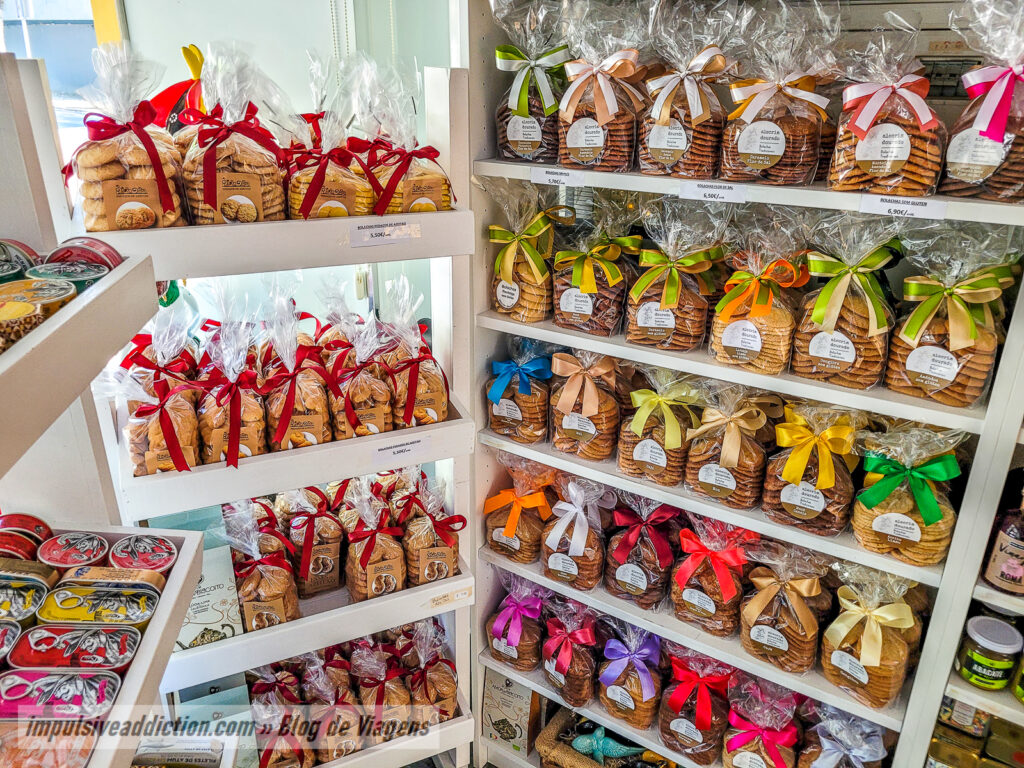
And finally, Azeitão. Besides hunting down the best Azeitão torta (a local cake), don’t miss the wine cellars of Bacalhôa and José Maria da Fonseca.
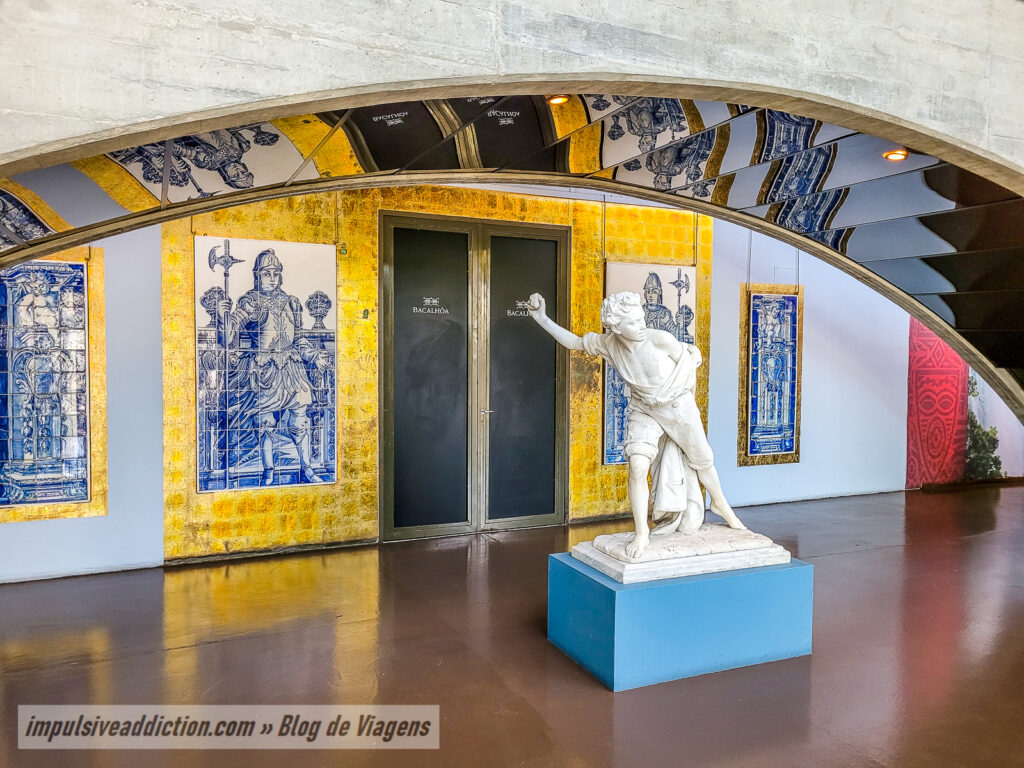
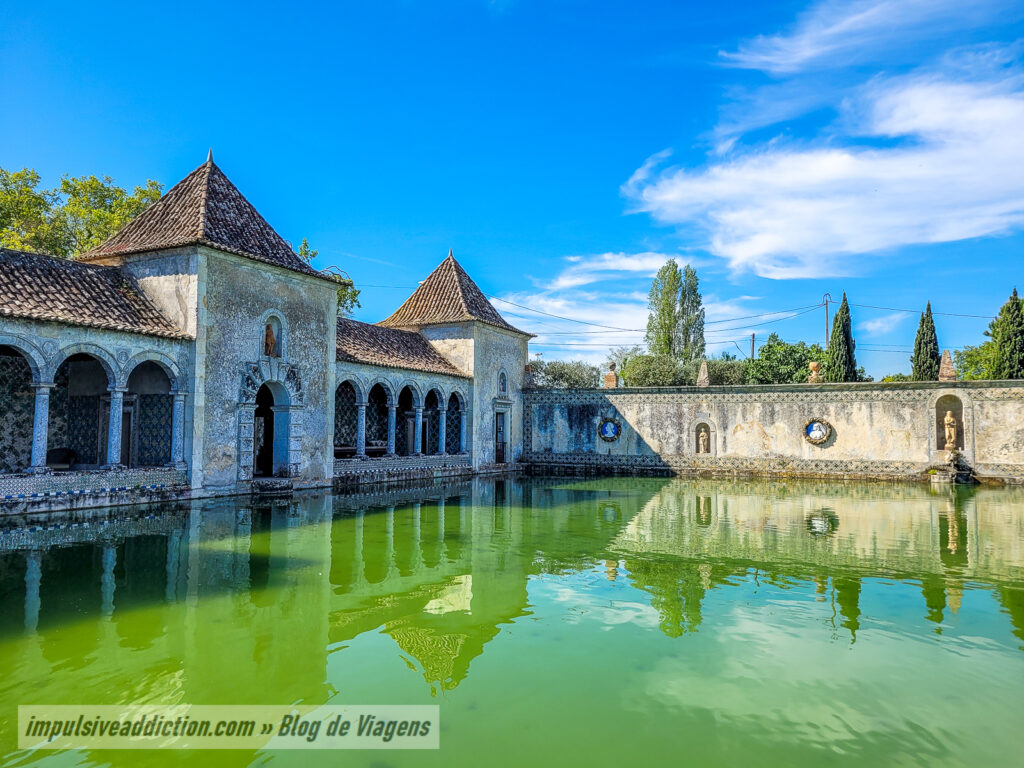
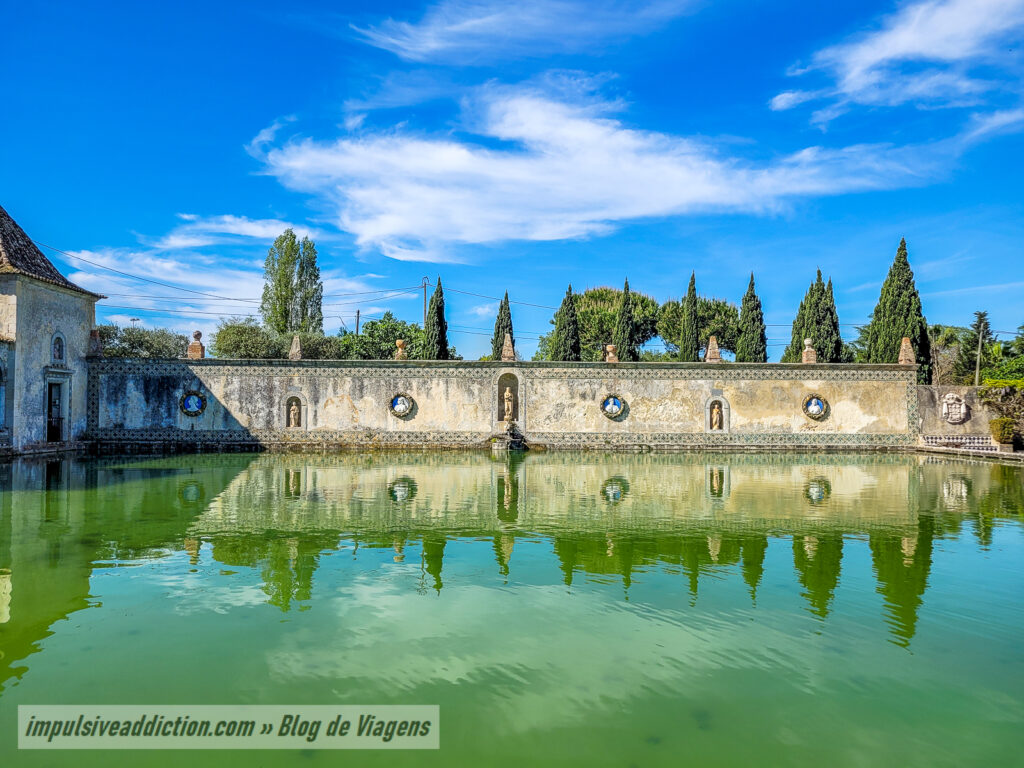
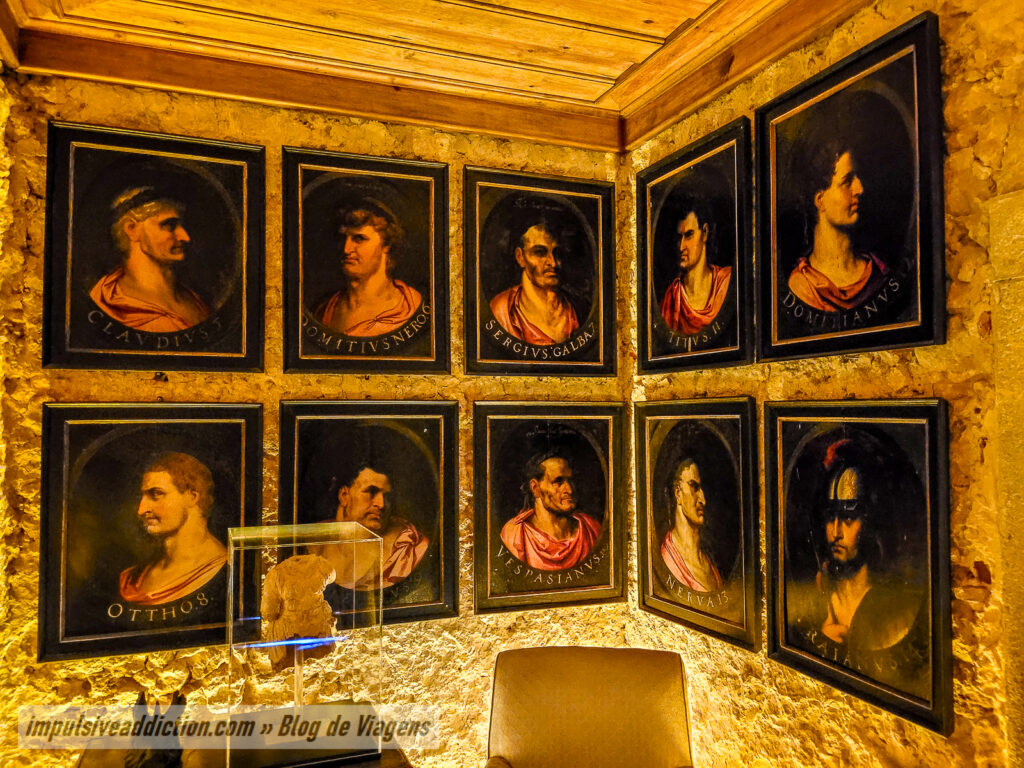
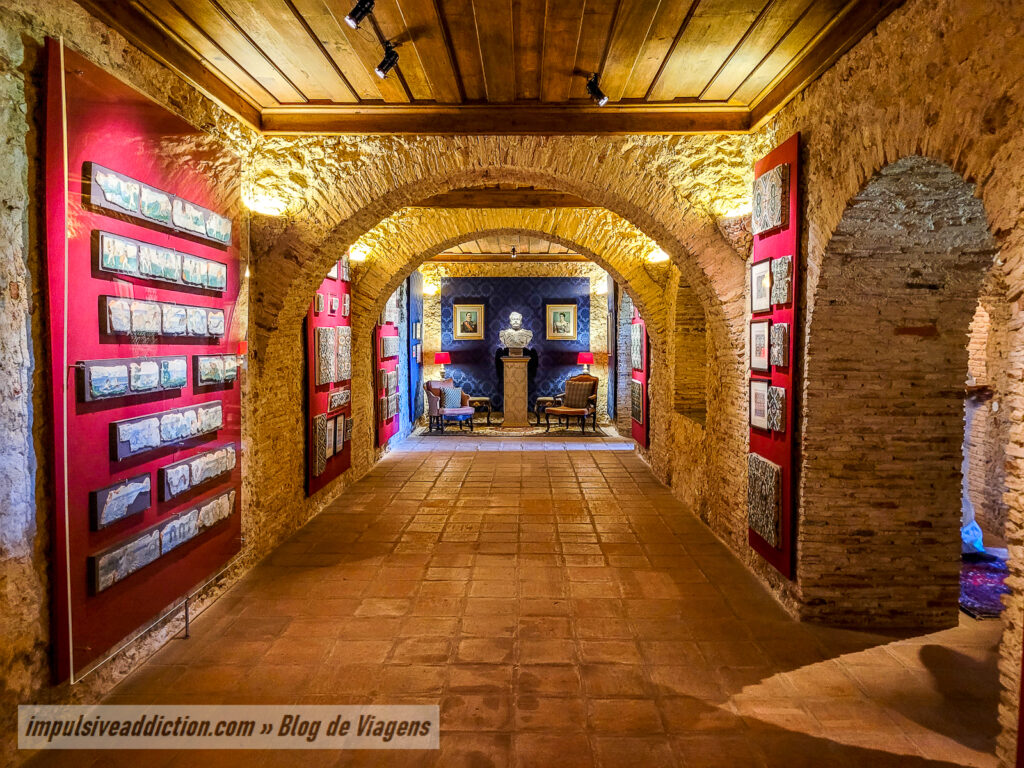
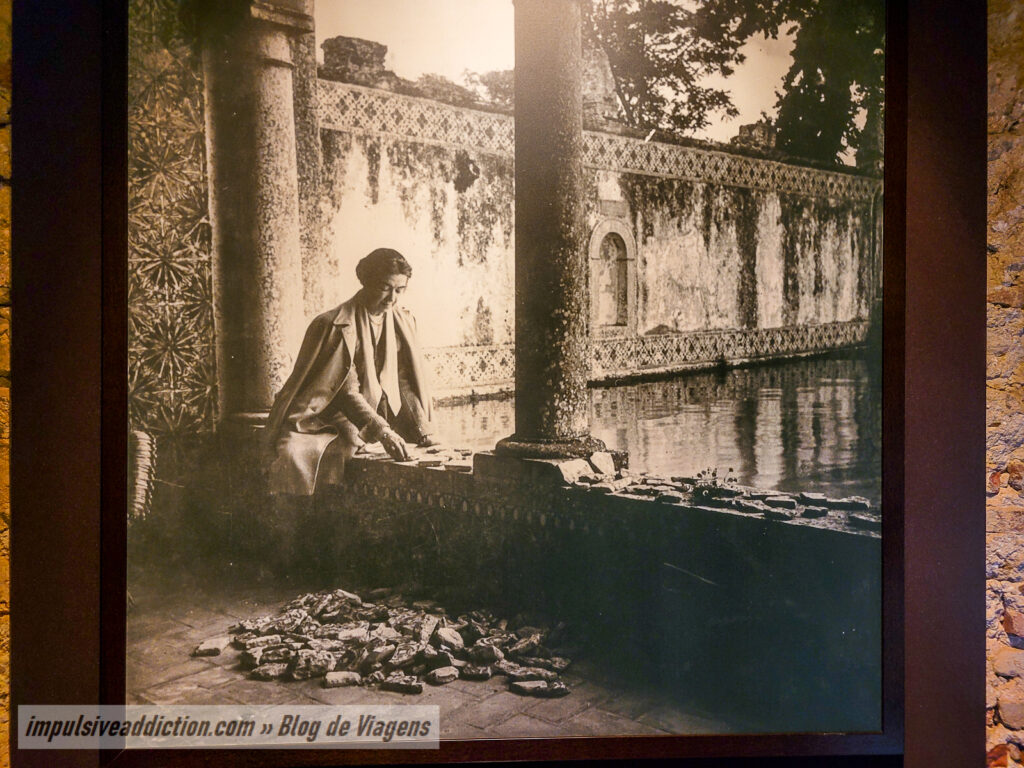
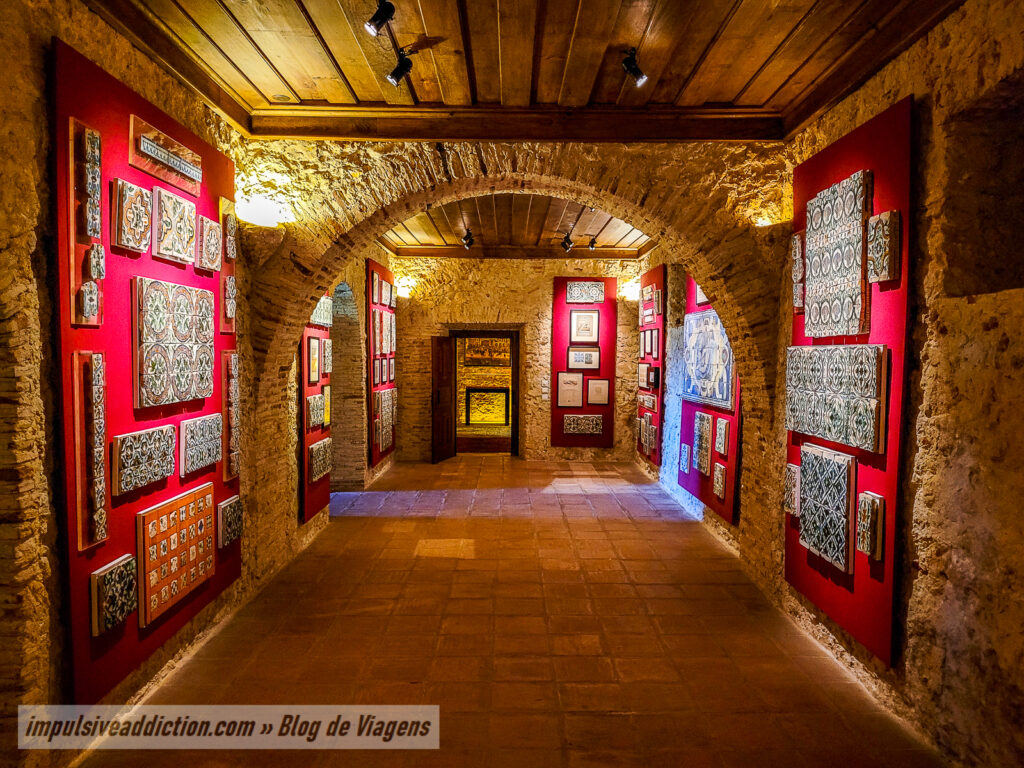
Bacalhôa offers two distinct tours in Azeitão: the winery museum and the Bacalhôa Palace. Both are guided group visits.
José Maria da Fonseca offers only one tour, the house museum, also guided in groups.
These visits are quite different, so you should do them all. If you’re short on time, skip the Bacalhôa Palace, as it’s the least interesting!
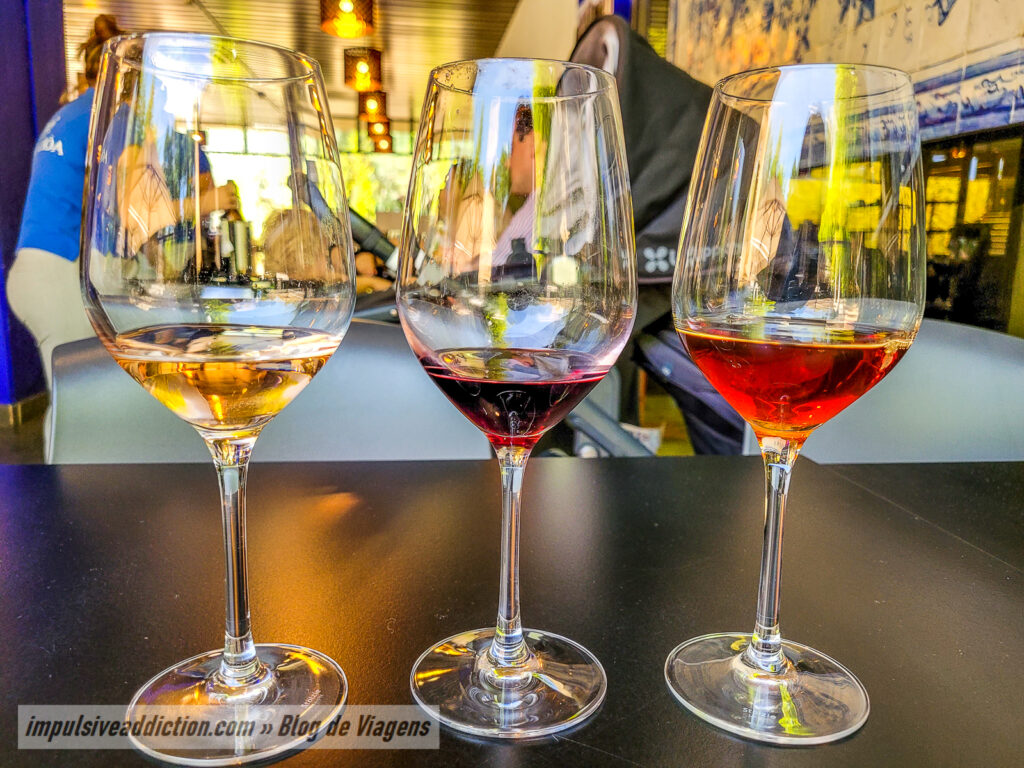
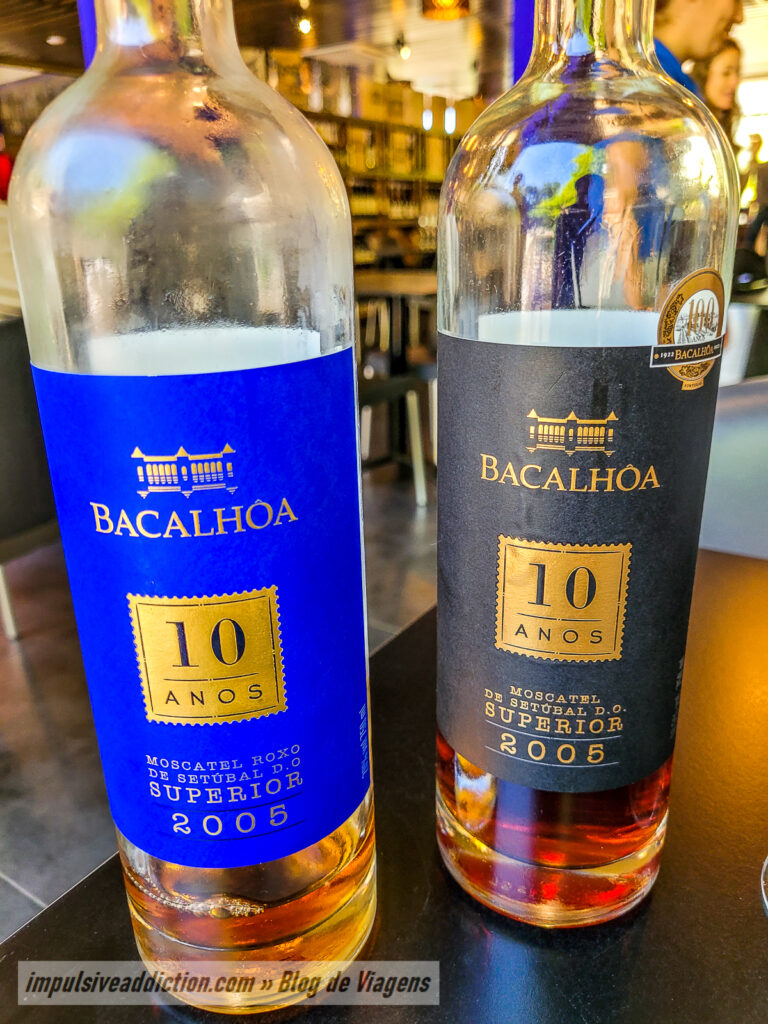
Treat yourself to some moscatel! 😛
Tip: Have you heard of the Buddha Park in Bombarral? It’s part of Bacalhôa!
1. Visit Bacalhôa, including its palace
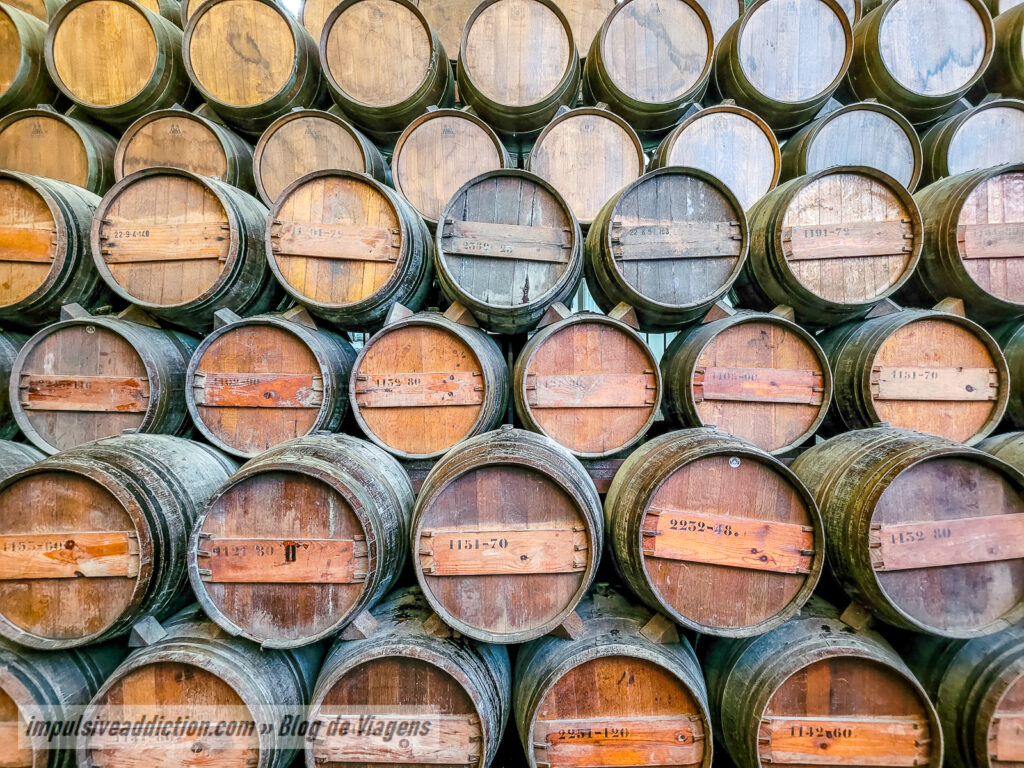
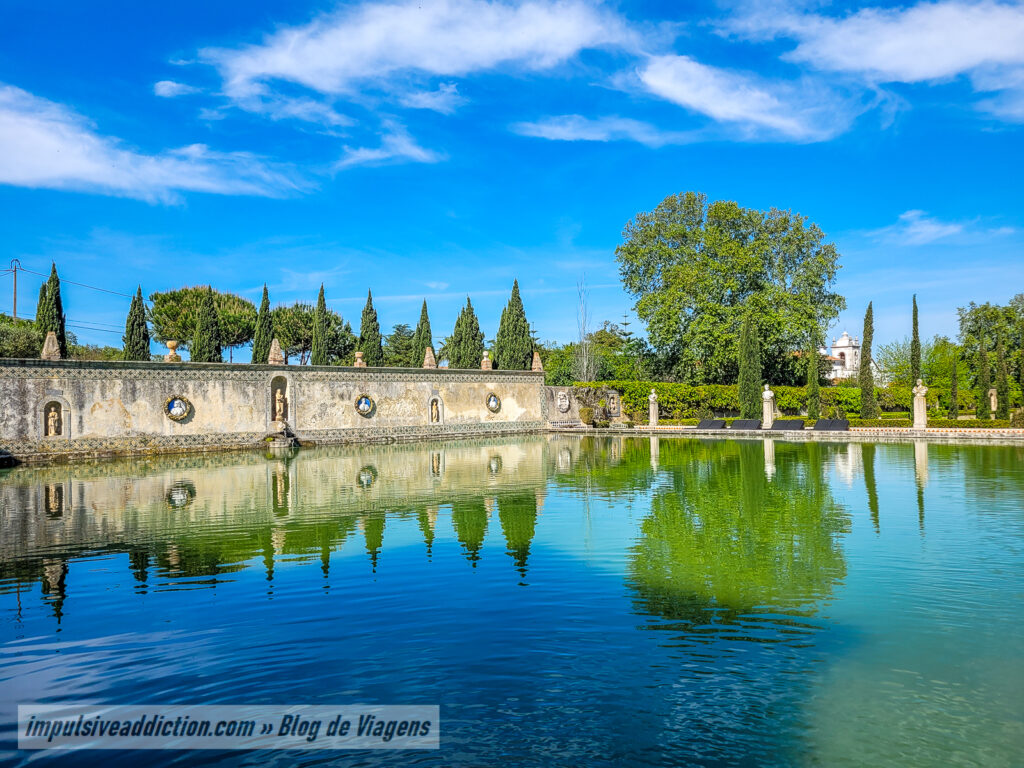
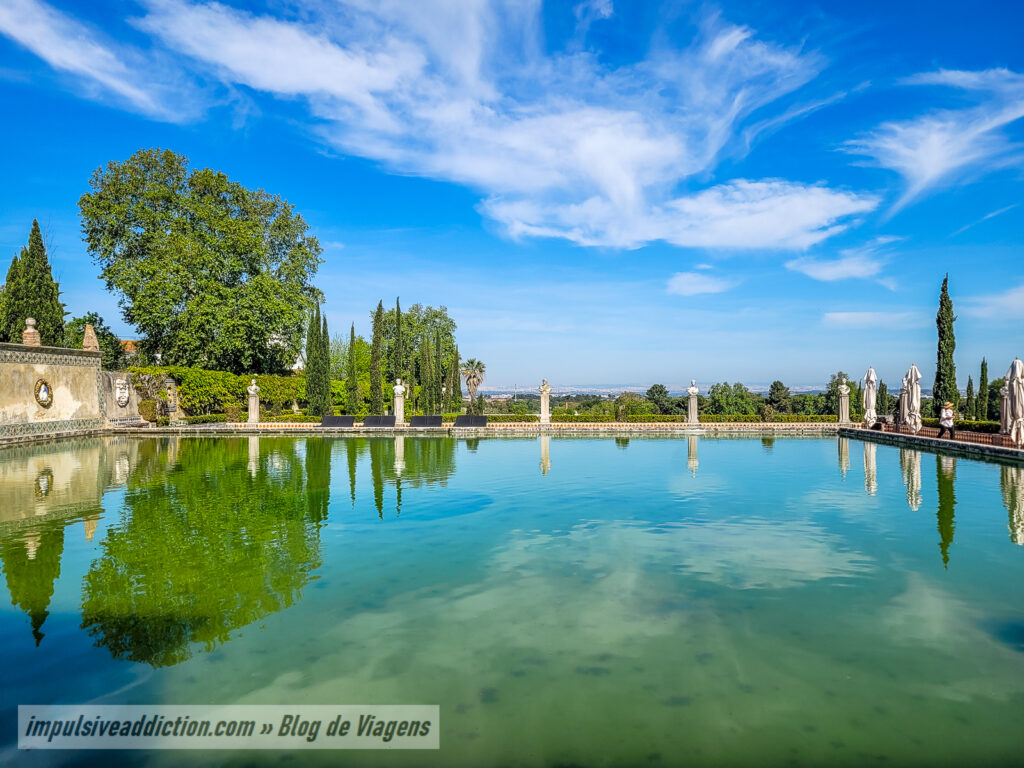
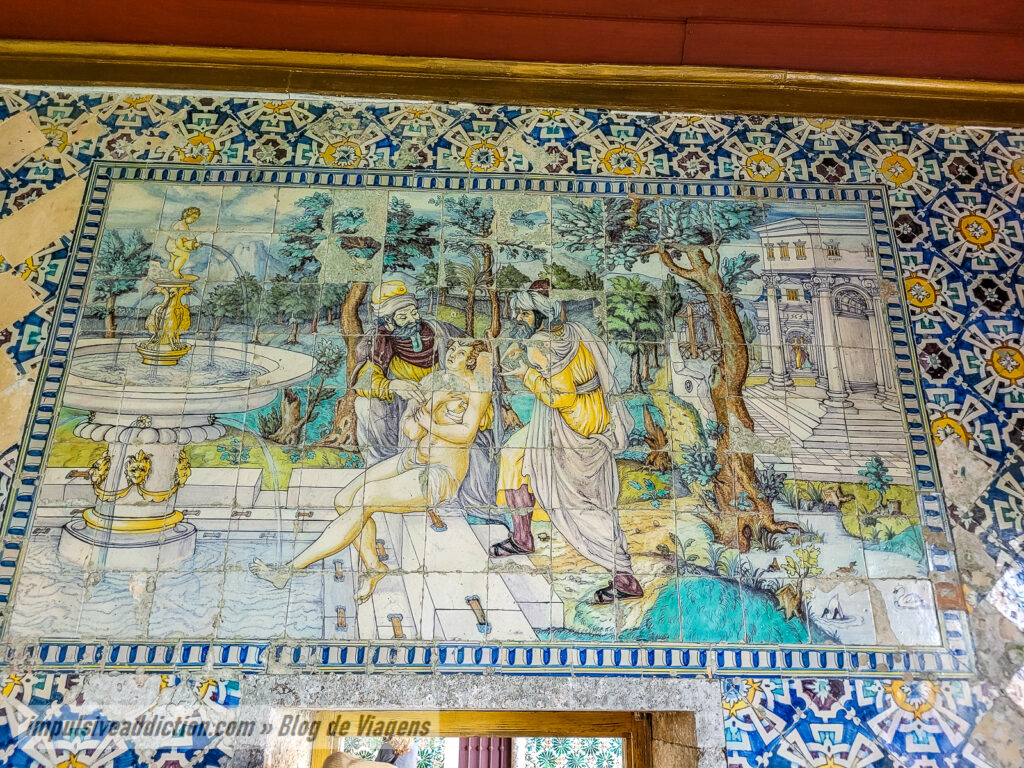
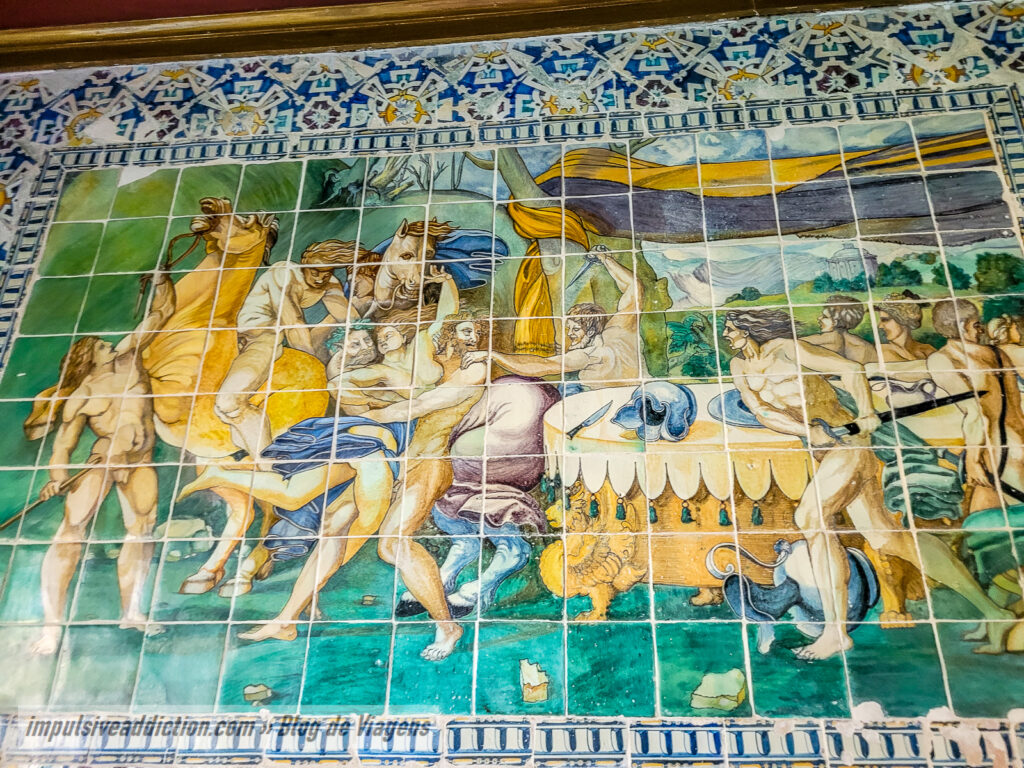
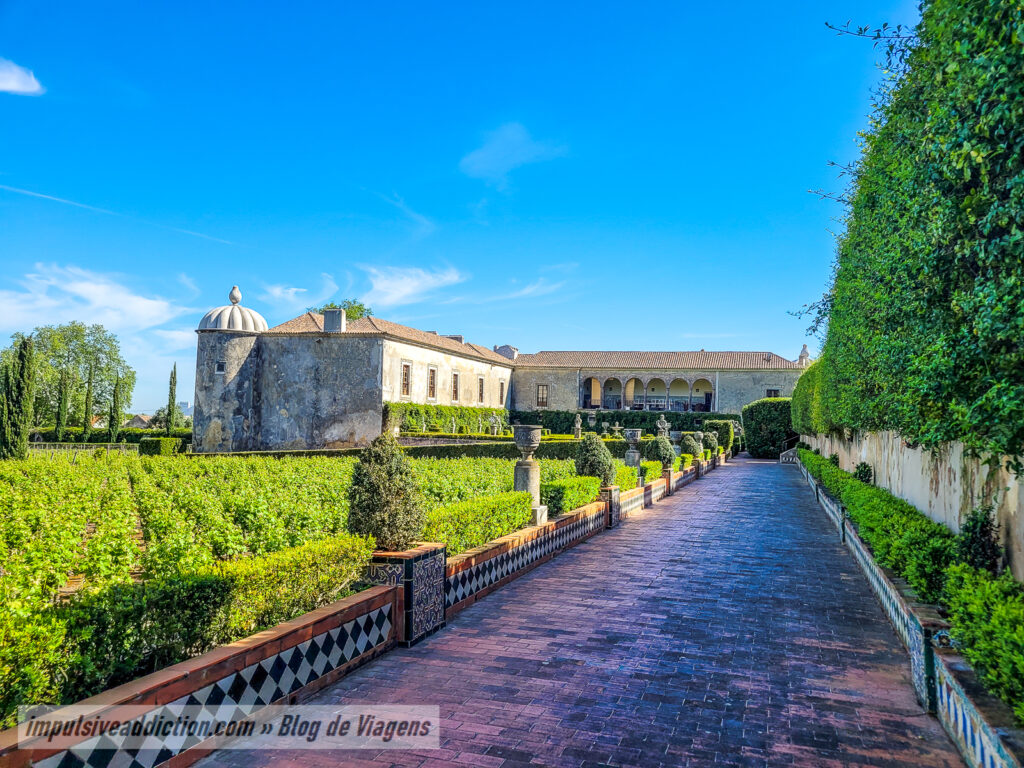
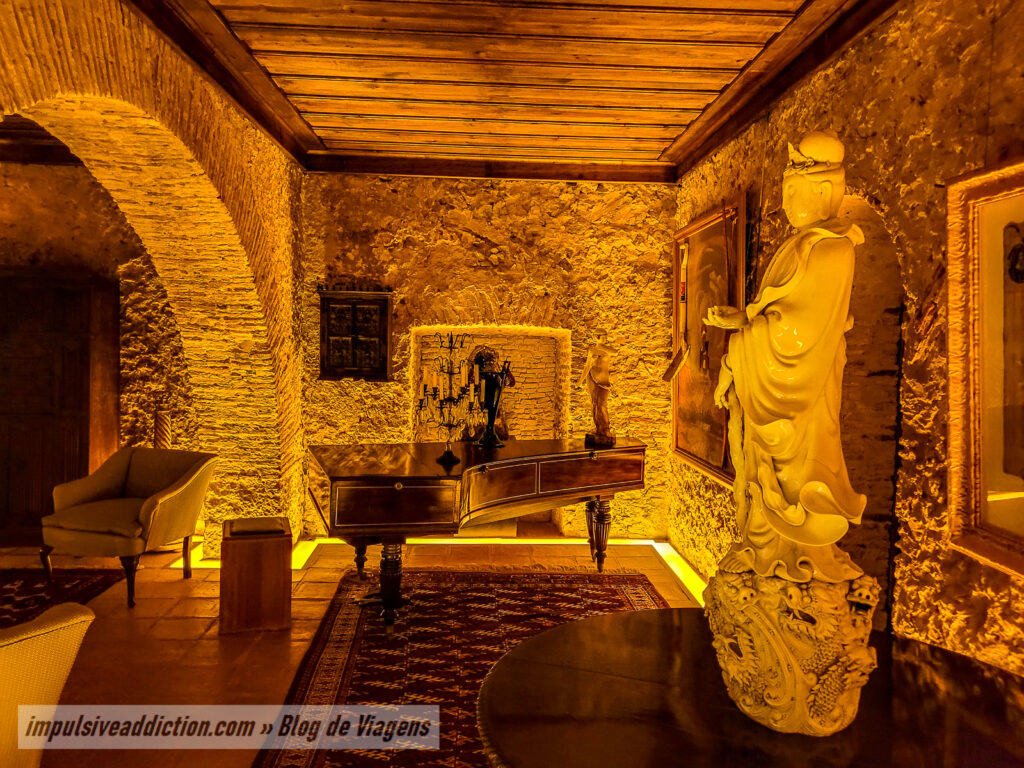
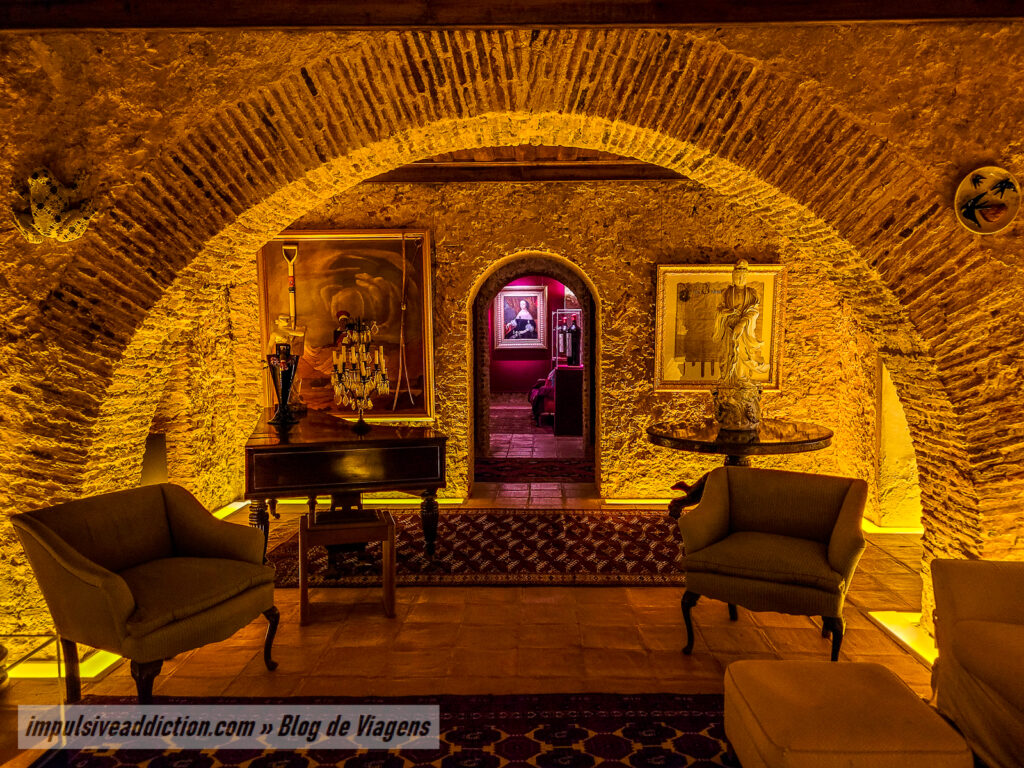
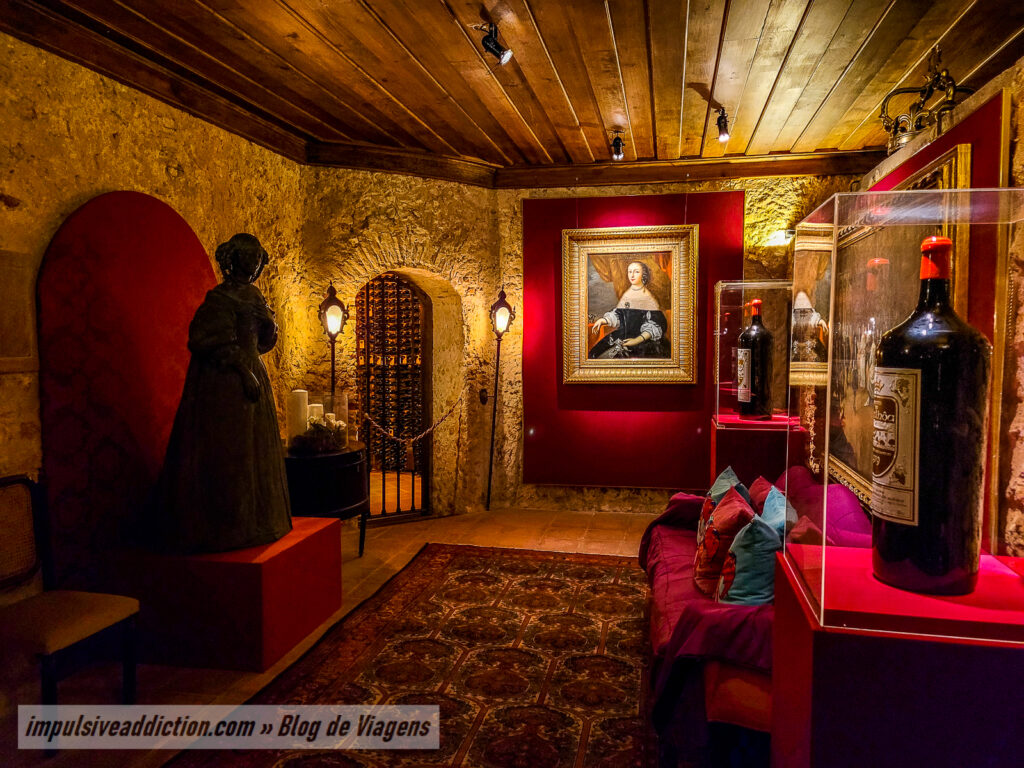
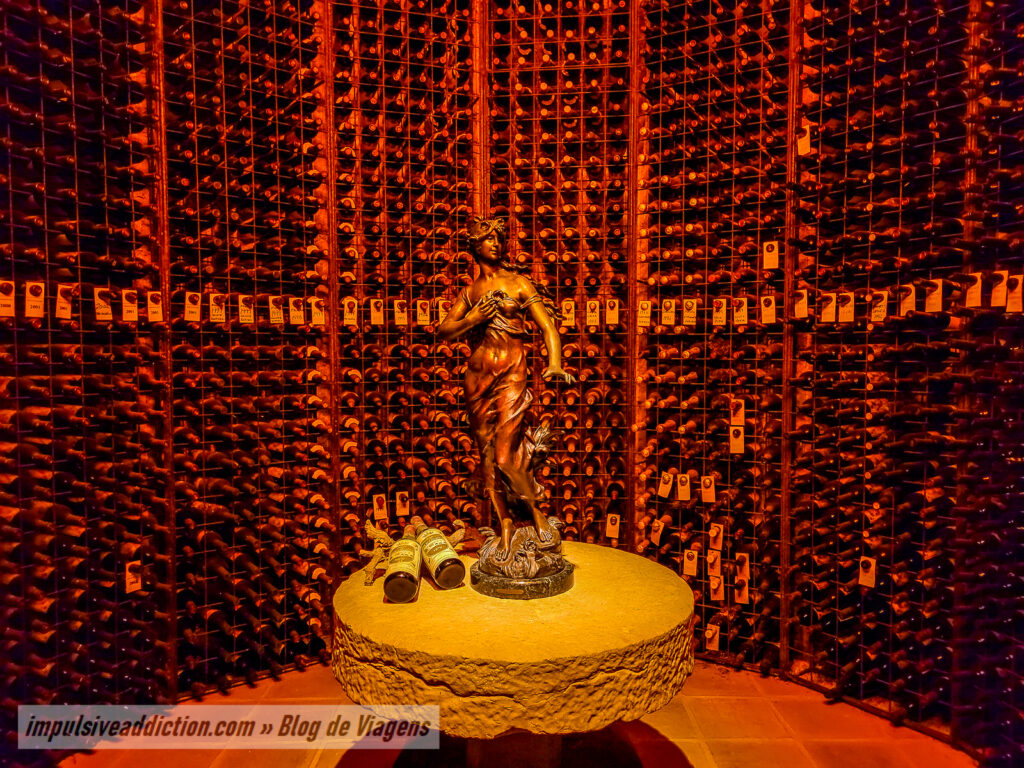
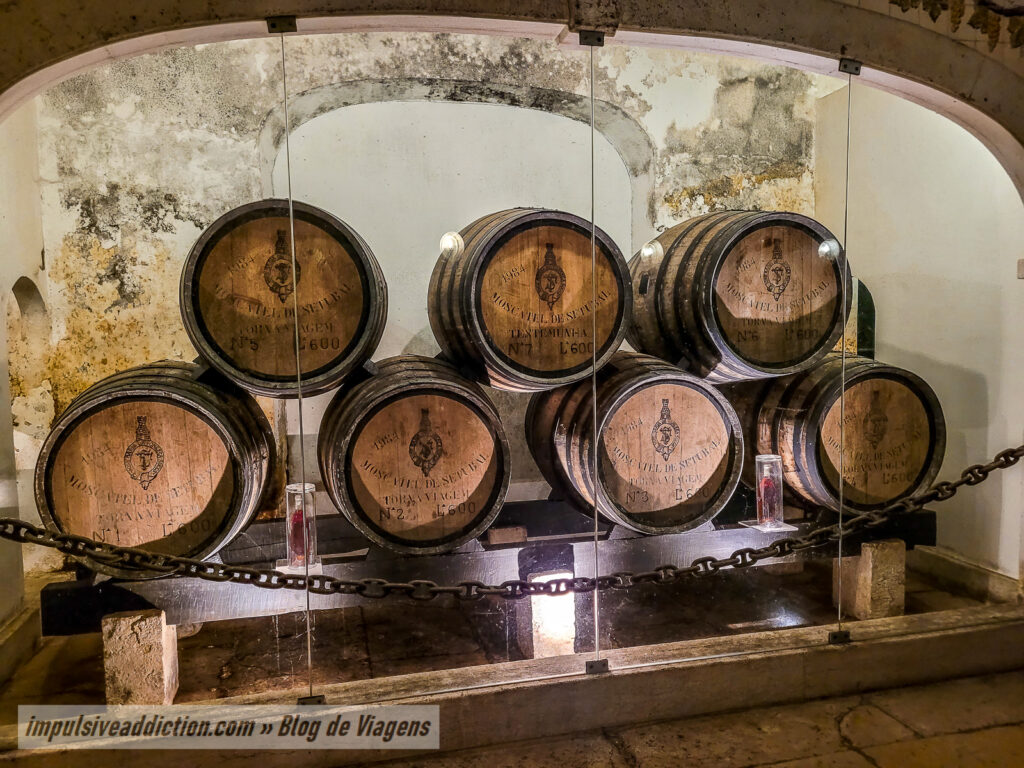
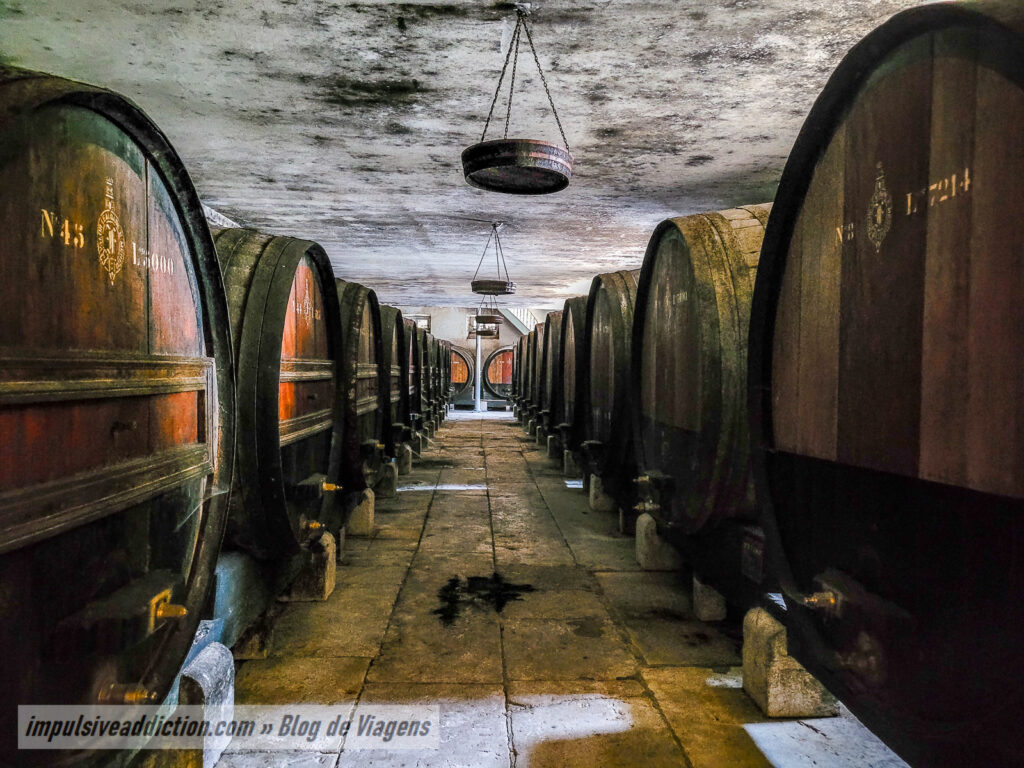
2. Visit José Maria da Fonseca House Museum
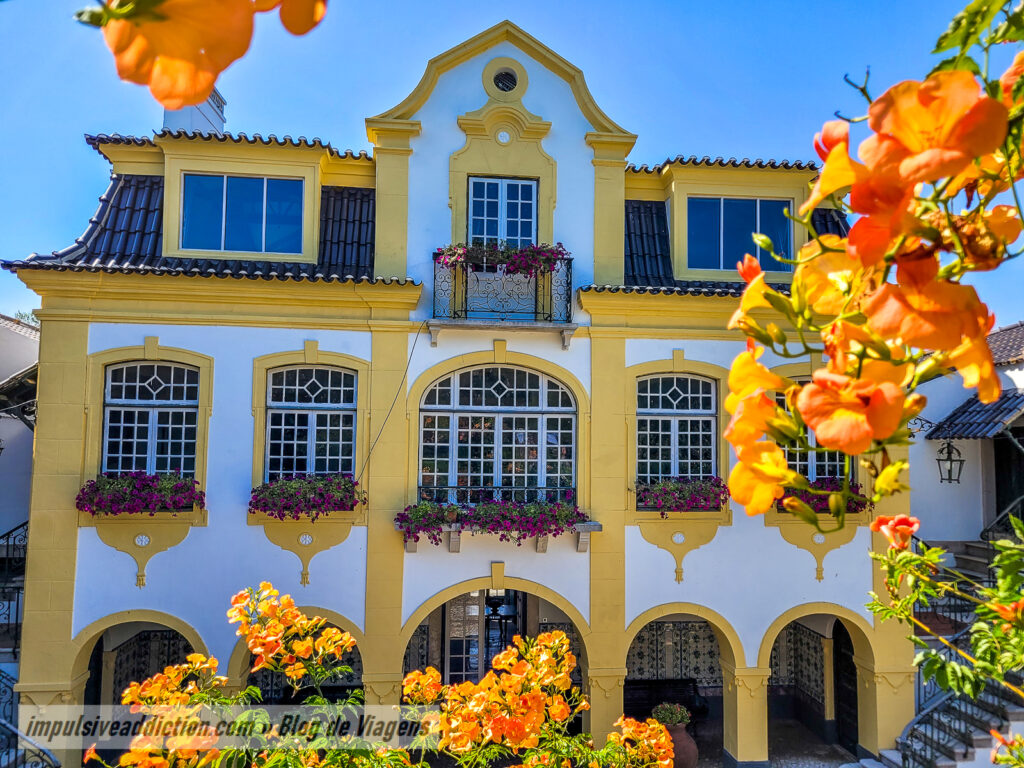
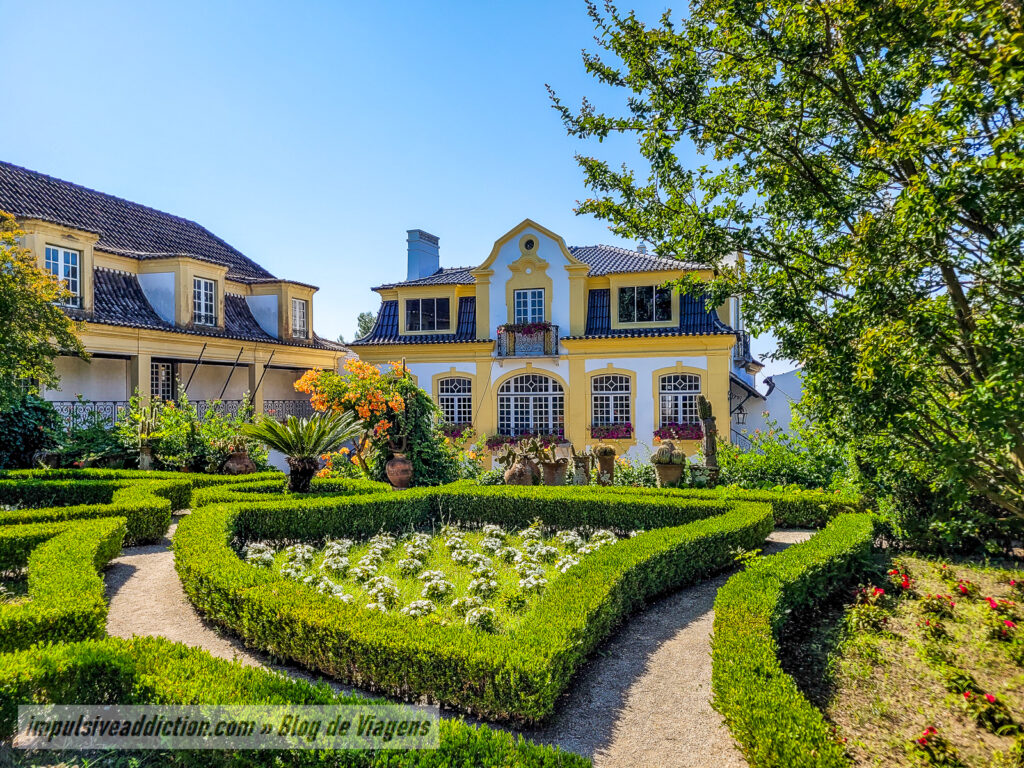
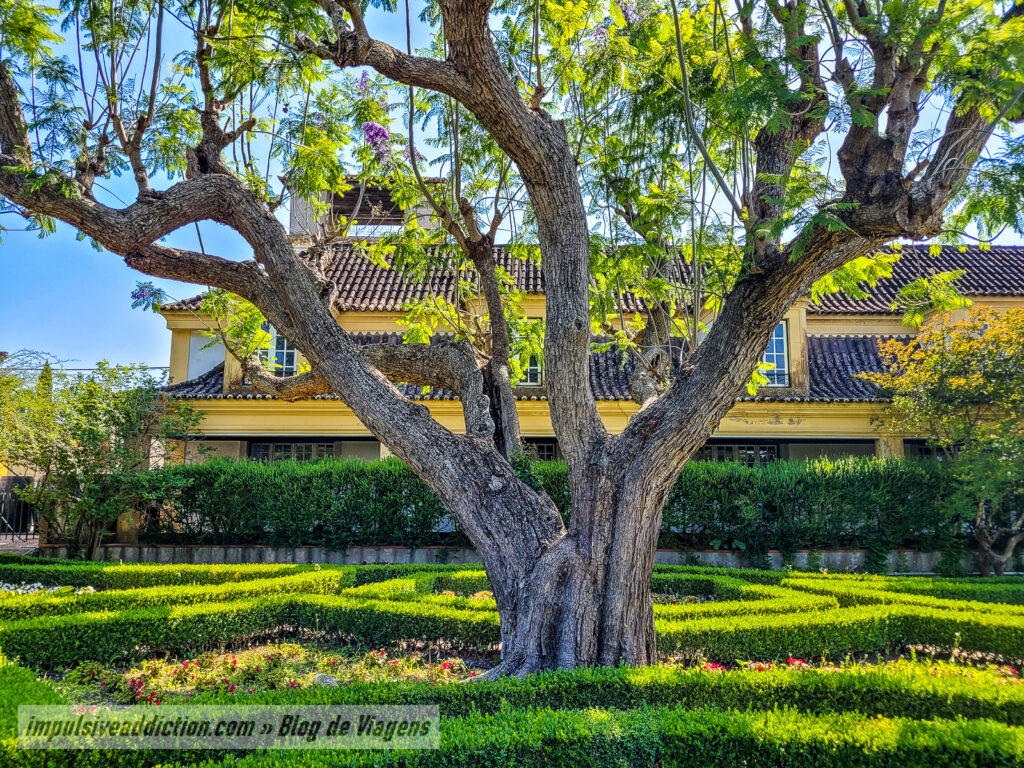
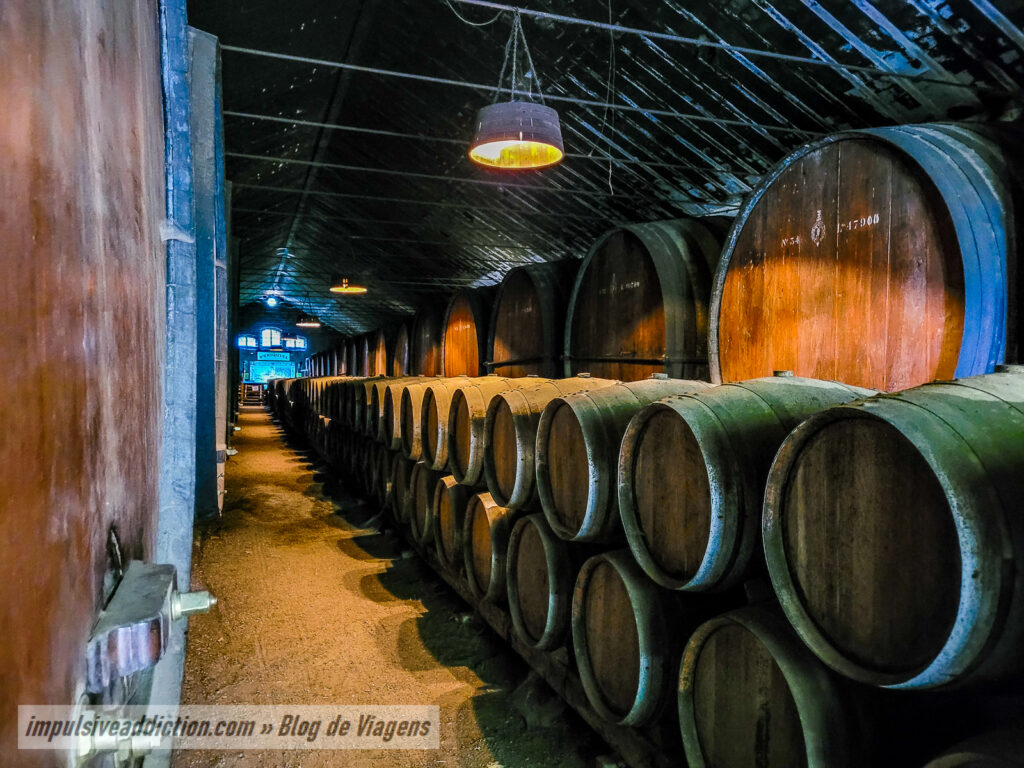
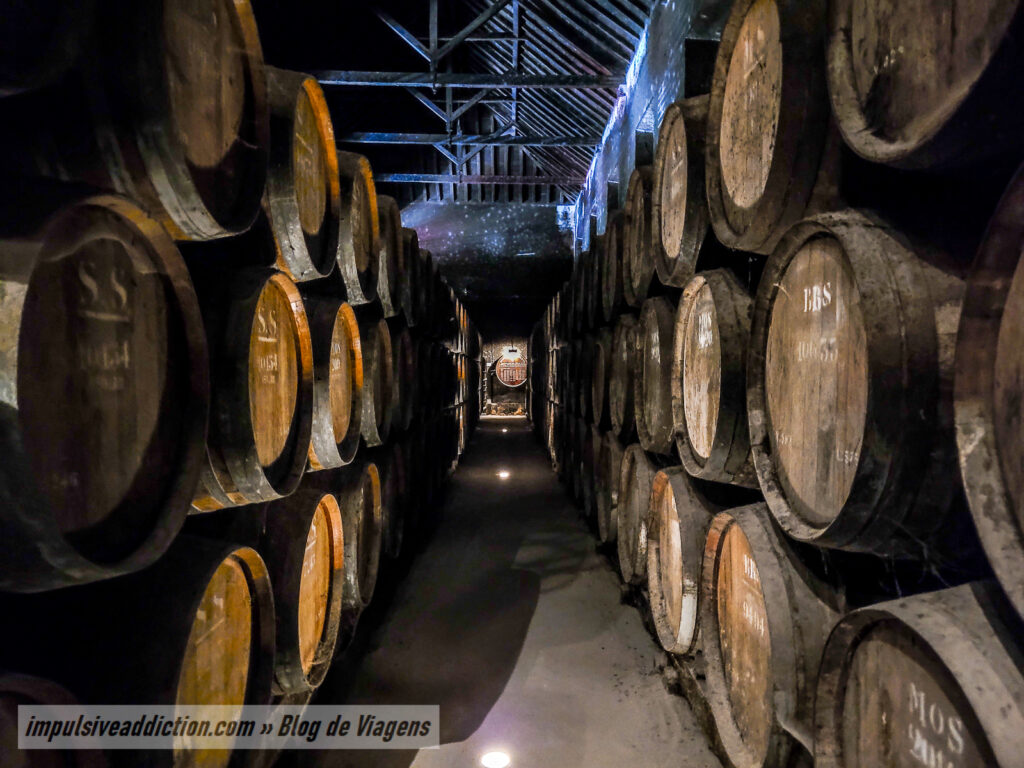
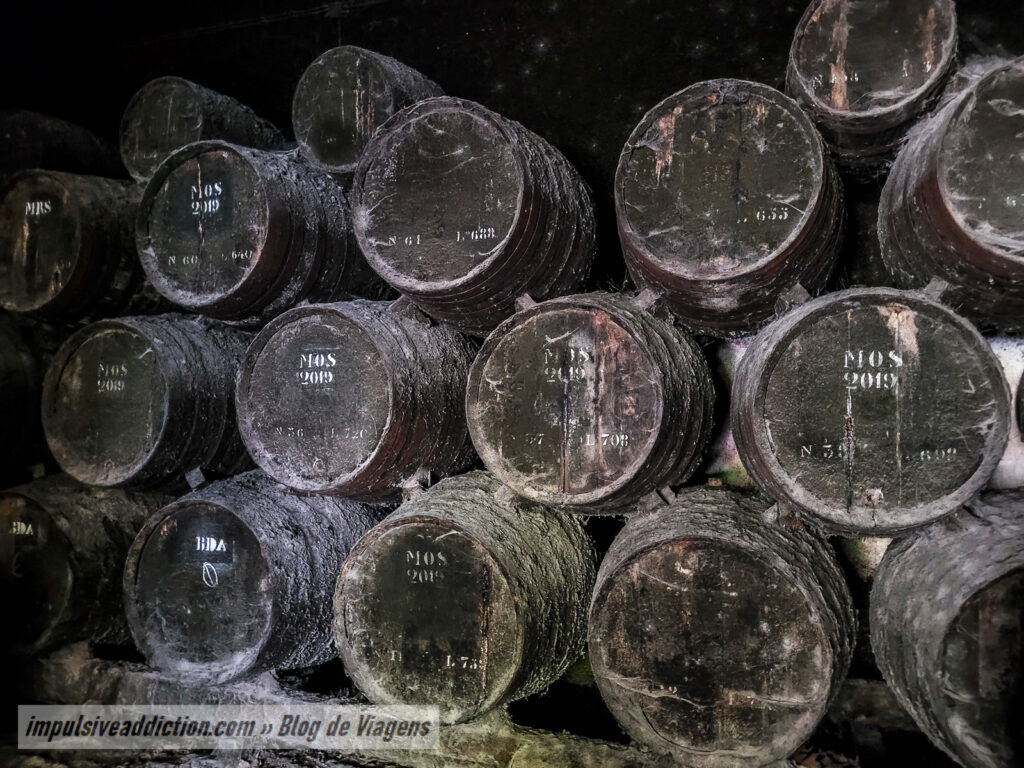
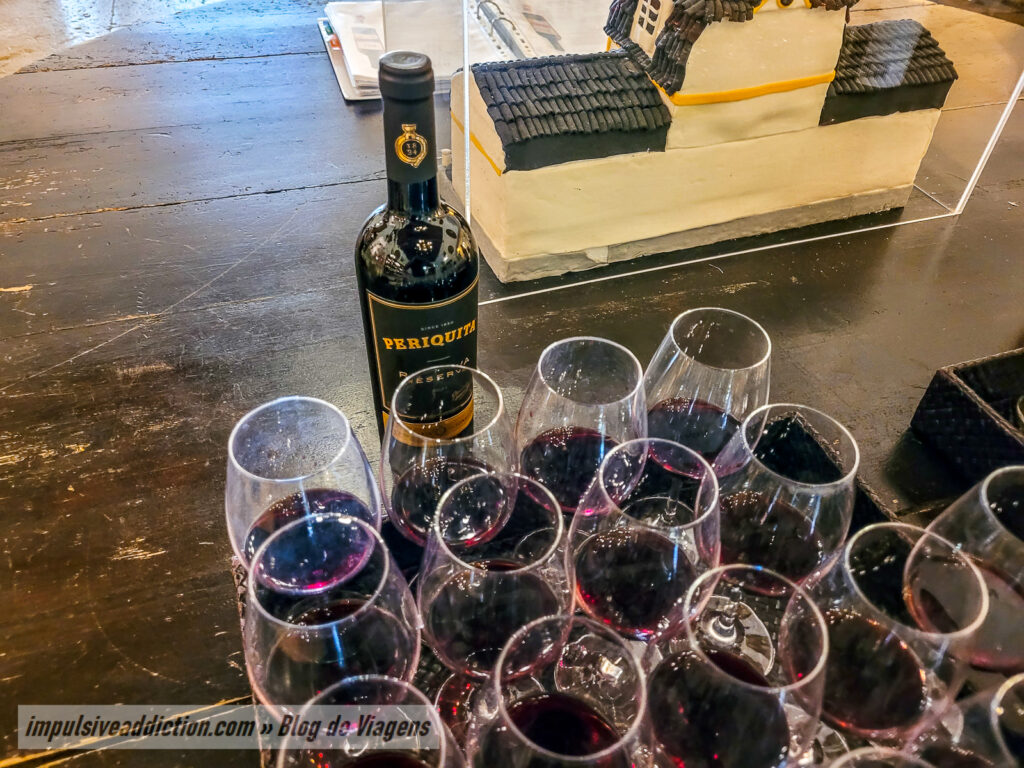
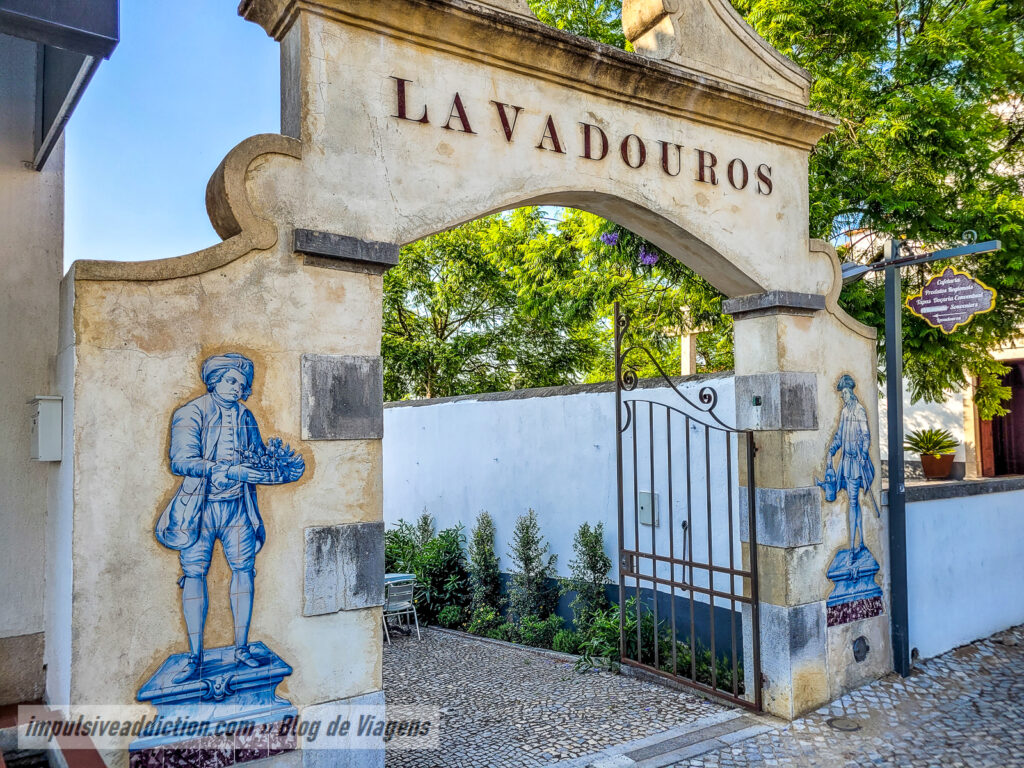
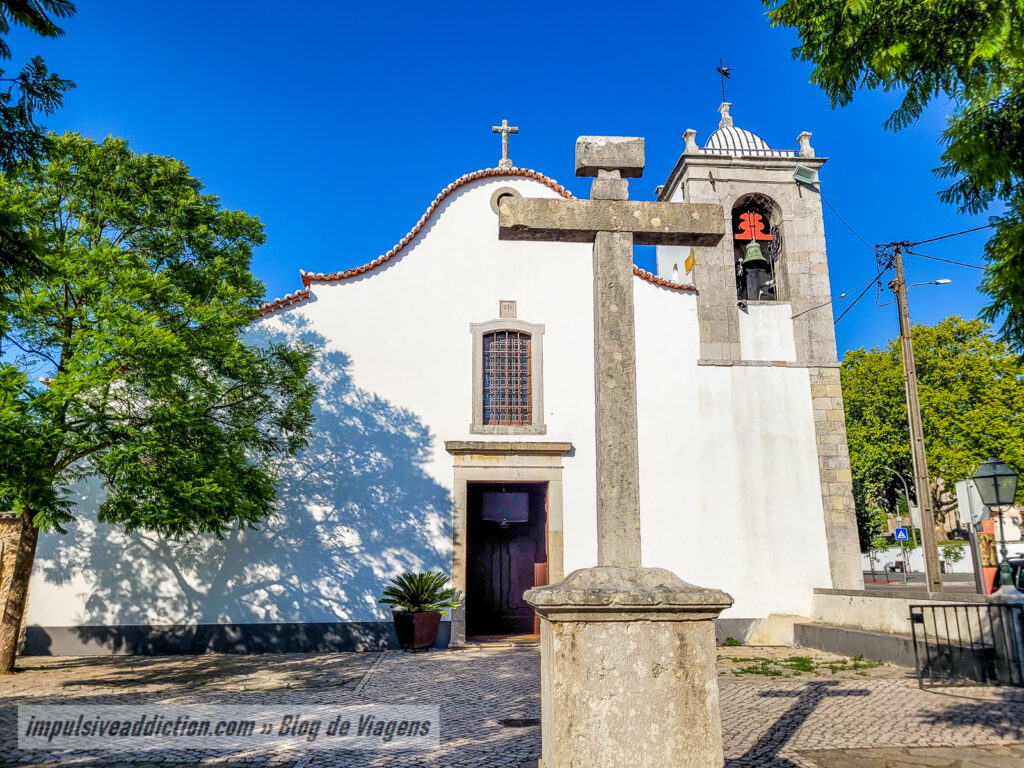
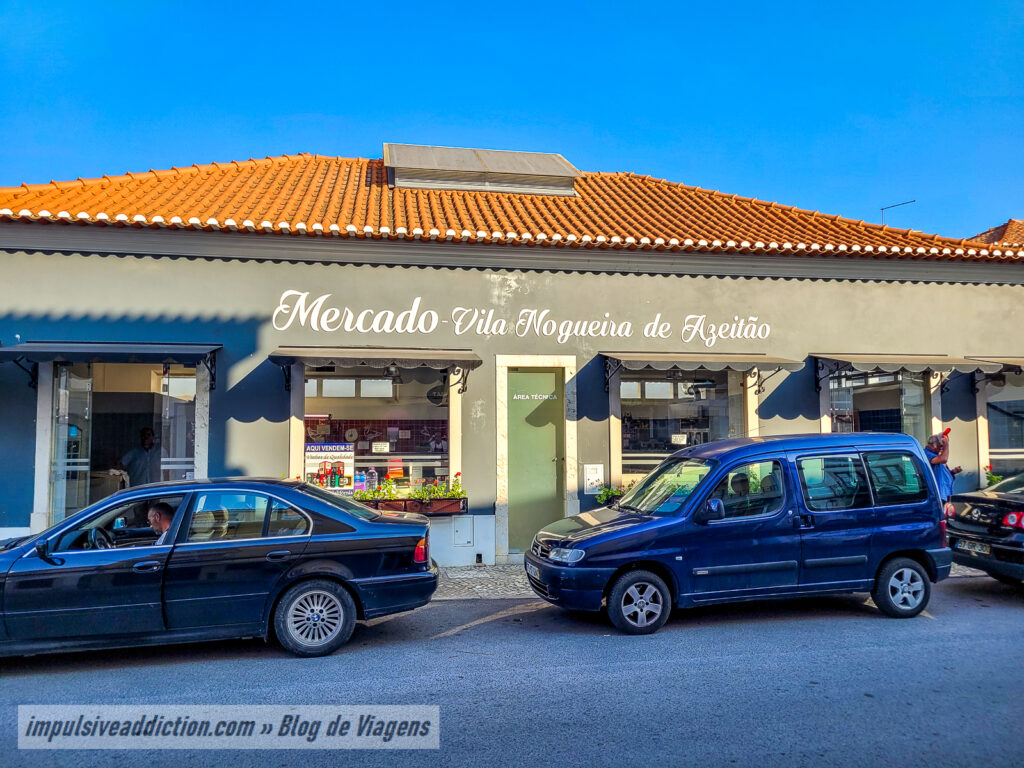
3. Strolling Through the Center of Azeitão
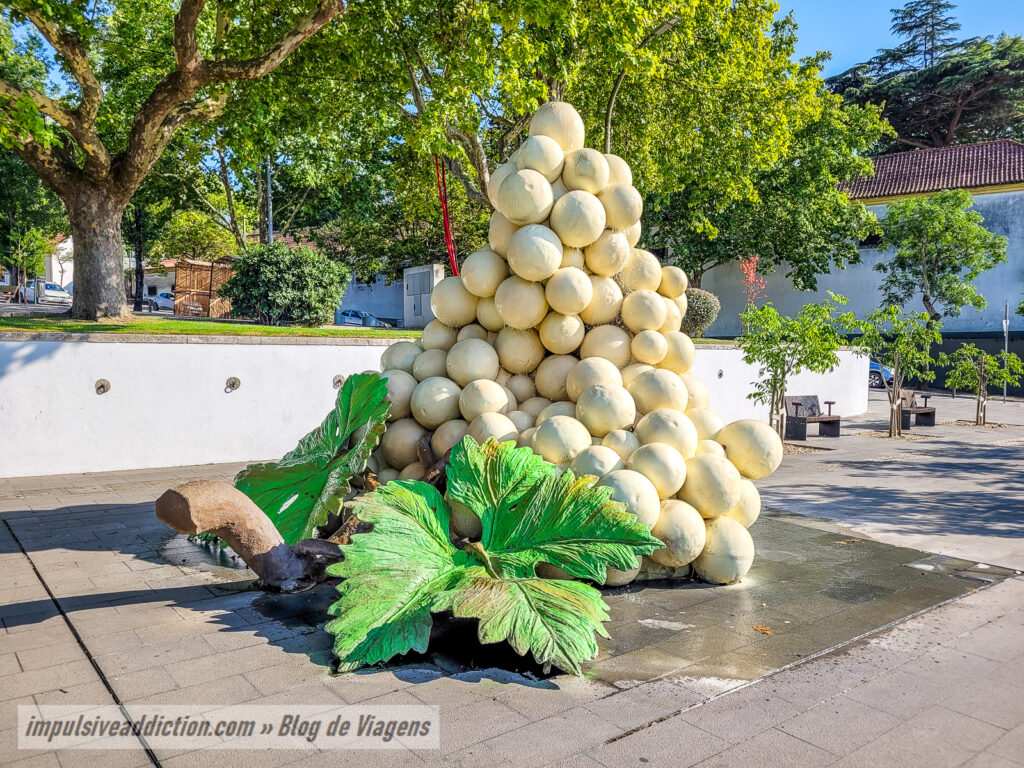
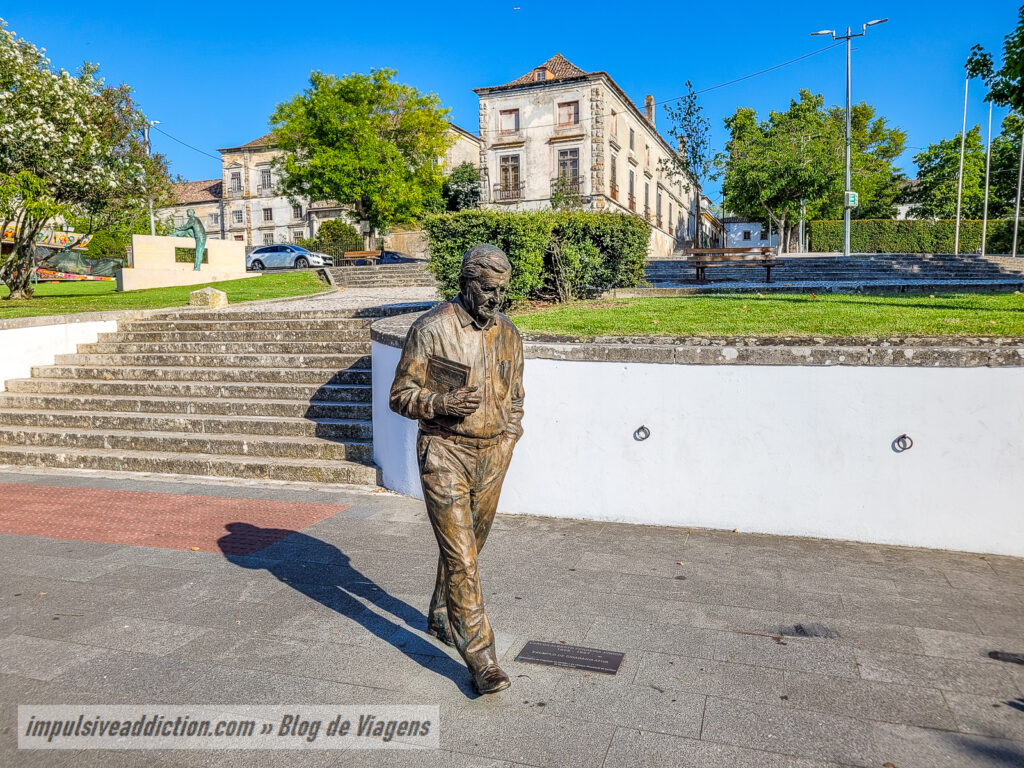
4. Casa das Tortas de Azeitão and Pastelaria Cego

What to Visit Around Setúbal?
In the surroundings of Azeitão, you’ll likely want to visit Palmela or any of the municipalities on the south bank of the Tagus River. How about heading to Sesimbra for a full itinerary in the Serra da Arrábida?
I have plenty of articles about the Setúbal district on this blog—why not check them out for more information? Let me know in the comments if you found them helpful!
Other Itineraries and Travel Guides in Portugal
- N2 Portugal Road Trip Itinerary
- Madeira Itinerary and Travel Guide
- São Miguel Itinerary and Travel Guide (Azores)
- Terceira Itinerary and Travel Guide (Azores)
- Pico Itinerary in Azores
- Faial Itinerary in Azores
- Things to do in Bragança
- Montesinho Natural Park Itinerary
- Douro International Natural Park Itinerary
- Minho | Northern Portugal Itinerary
- Porto Itinerary and Travel Guide
- Things to do In Braga (Minho)
- Things to do in Guimarães (Minho)
- Things to do in Viana do Castelo (Minho)
- Peneda Gerês National Park Itinerary
- Douro Valley Itinerary
- Trás-os-Montes Itinerary
- Things to do in Aveiro
- Things to do in Coimbra
- Things to do in Leiria
- Things to do in Fatima
- Things to do in Santarém
- Things to do in Tomar
- Things to do in Nazaré
- Things to do in Peniche
- Things to do in Mafra and Ericeira
- Things to do in Cascais
- Sintra Itinerary | Things to do
- Lisbon Itinerary and Travel Guide
- Things to do in Setúbal
- Things to do in Évora (Alentejo)
- Things to do in Beja (Alentejo)
- Algarve Road Trip Itinerary
- Things to do in Lagos (Algarve)
- Things to do in Portimão (Algarve)
- Things to do in Faro (Algarve)
- Things to do in Tavira (Algarve)
