
 Pedro Domingues
Pena Palace needs no introduction. It’s Portugal’s very own “Disney castle” — a place you’ve probably seen in photos, heard about, or already added to your Sintra travel list. But did you know that Pena Palace is surrounded by a park that’s just as extraordinary — if not more? 😉
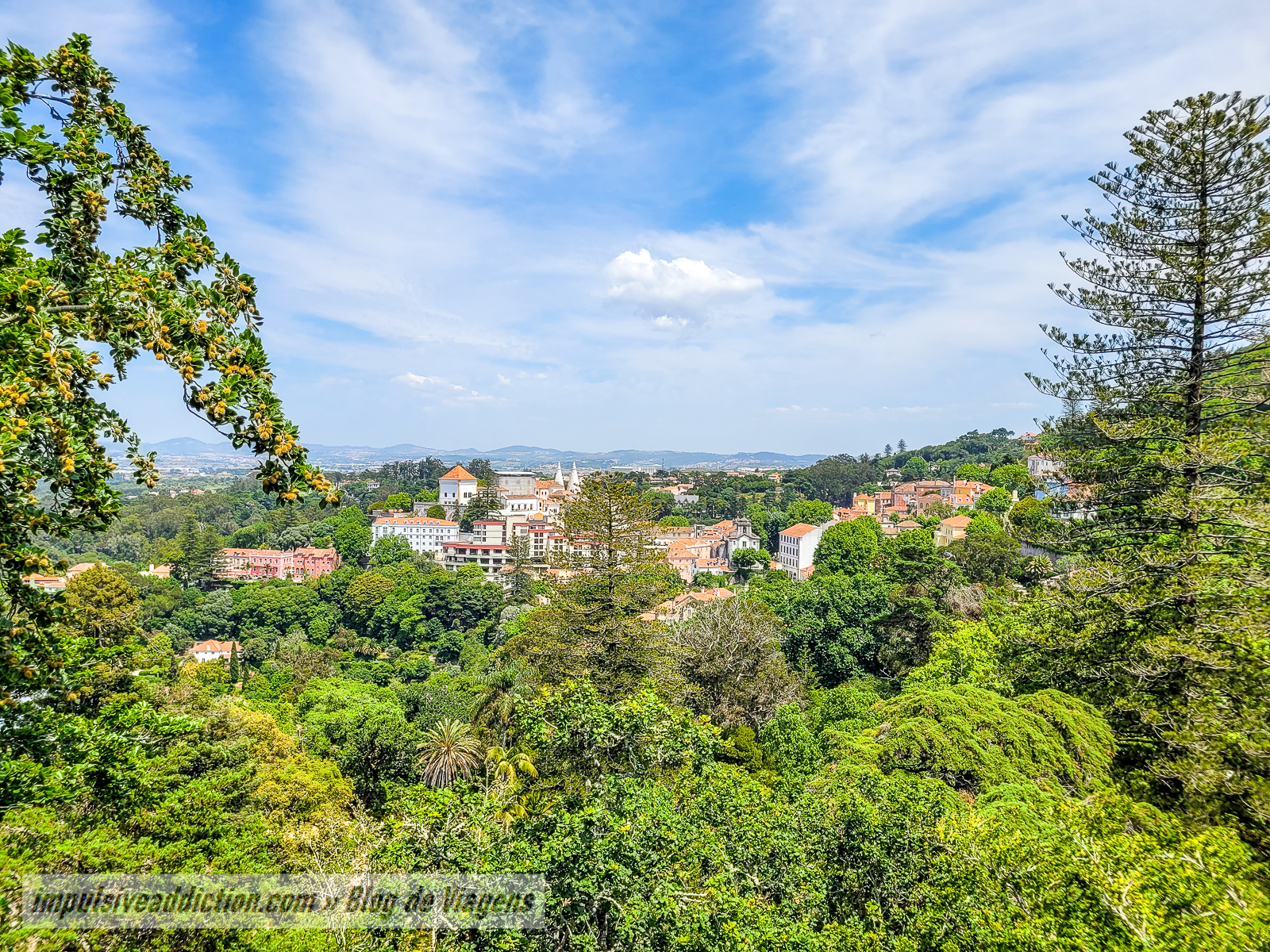
In my opinion, Sintra is the most beautiful town in Portugal. It’s also the most elegant, filled with palaces and lush green spaces, all carefully designed to welcome visitors. Set aside 3 or 4 days to explore them all — and even longer if you’d like to dive deeper into the Sintra-Cascais Natural Park or explore Sintra’s wild Atlantic coast.
This article is all about Sintra’s most stunning palaces and parks — 14 top picks, some famous, others hidden gems you’ll love discovering. 😉
And while you’re here, why not check out my complete guide to Sintra? There’s so much more to this magical town than palaces and gardens. 🙂
More articles of the Center of Portugal
MORE ARTICLES FROM CENTRAL PORTUGAL:

- Things to do in Espinho
- Things to do in Ovar
- Things to do in Aveiro
- Aveiro to Costa Nova
- Best beaches in Aveiro

- Things to do in Mira beach
- Things to do in Coimbra
- Schist Villages in Portugal
- Things to do in Figueira da Foz

- Visit Monsanto in Portugal
- Historical Village of Piódão
- Historical Villages of Portugal

- Things to do in Leiria
- Visit Batalha Monastery and surroundings
- Visit Alcobaça Monastery and surroundings
- Things to do in Fátima
- Visit Mira de Aire Caves
- Things to do in Nazaré
- Things to do in Peniche
- Best beaches in Peniche
- Visit Berlenga Island

- Best beaches in Ericeira
- Visit Ursa Beach
- Best Beaches in Sintra
- Best Beaches in Cascais
- Things to do in Mafra and Ericeira
- Things to do in Sintra
- Things to do in Cascais

- Best Costa da Caparica beaches
- Best beaches in Setúbal
- Best Beaches in Sesimbra
- Visit Ribeiro do Cavalo Beach
- Best beaches in Tróia, Comporta and Melides
- Things to do in Sesimbra
- Things to do in Setúbal
Renting a Car to Visit Sintra
A car isn’t necessary to explore central Sintra or the nearby palaces. In fact, it’s not recommended — there are local buses that shuttle visitors between the town center and the main palaces. During the summer months, car access to the Sintra hills is often restricted due to wildfire risks.
That said, having a car can be helpful if you want to visit some of the lesser-known spots featured in this article, which are farther from the town center. That’s why I’m including a link below where you can rent a car, in case you don’t have your own vehicle. Personally, I used a car to visit Queluz Palace and Convent of the Capuchos, for example.
Where to Stay in Sintra?
If you haven’t booked your stay in the Sintra region yet, now’s a great time! You can check out my personal recommendations below, or click the blue button to search for available accommodations based on your travel dates.
Tip: Book in advance and choose options with free cancellation — just in case your plans change. 😉
| Accommodation | Score | Location |
|---|---|---|
| Moon Hill Hostel Sintra | 8.6 | Sintra |
| MouraLua | 8.6 | Sintra |
| CasAzulApartments | 9.3 | Sintra |
| Espaco Edla | 8.9 | Sintra |
| Casa do Albuquerque | 9.1 | Sintra |
| Sintra Bliss Hotel | 8.8 | Sintra |
| Chalet Saudade | 9.4 | Sintra |
| Casa Holstein | 8.9 | Sintra |
| Sintra Boutique Hotel | 9.1 | Sintra |
| Villa Bela Vista | 9.6 | Sintra |
| Villa dos Poetas | 8.6 | Sintra |
14 Best Parks and Palaces in Sintra
Before diving into the list of palaces, here are a few tour options to help you explore Sintra. Be sure to check platforms like Civitatis, Viator, and Get Your Guide, as there may be different offers available depending on your travel dates. 😉
Pro tip: always read the reviews and check the ratings before booking any experience.
Note: Free tours aren’t actually free. While no fixed price is required, it’s customary to leave a tip at the end — the amount depends on the quality of the tour and your overall experience.
Tours to visit Sintra / Useful links

1. WITH GET YOUR GUIDE
- Lisbon: Guided tour of 1 day to Sintra, Pena, Regaleira and Cascais
- Lisbon: Tour Sintra, Pena Palace, Cabo da Roca and Cascais
- Sintra: Entry skip the line in Quinta da Regaleira
- Sintra: Ticket to Pena Palace and Park
- Sintra: Mourish Castle skip the line
- Sintra: Palace and Park Monserrate E-Ticket

2. WITH VIATOR
- Visit to Sintra, Pena Palace, Cabo da Roca, Regaleira and Cascais
- Tour to small groups in Sintra, Cascais and Estoril
- Sintra Jeep Safari
- Sintra & Cascais E-Bike Tour
- Private tour with Tuk Tuk in Sintra

3. WITH CIVITATIS
- Free tour in Sintra
- Guided tour in Quinta da Regaleira and Biester Palace
Map with the best parks and Palaces in Sintra
You can consider Sintra’s picnic park (Parque de Merendas), Parque da Liberdade, Seteais, and Quinta da Ribafria as optional visits. In my opinion, the other 10 places on this list are absolutely worth it.
Note: This list is not ranked in any particular order!
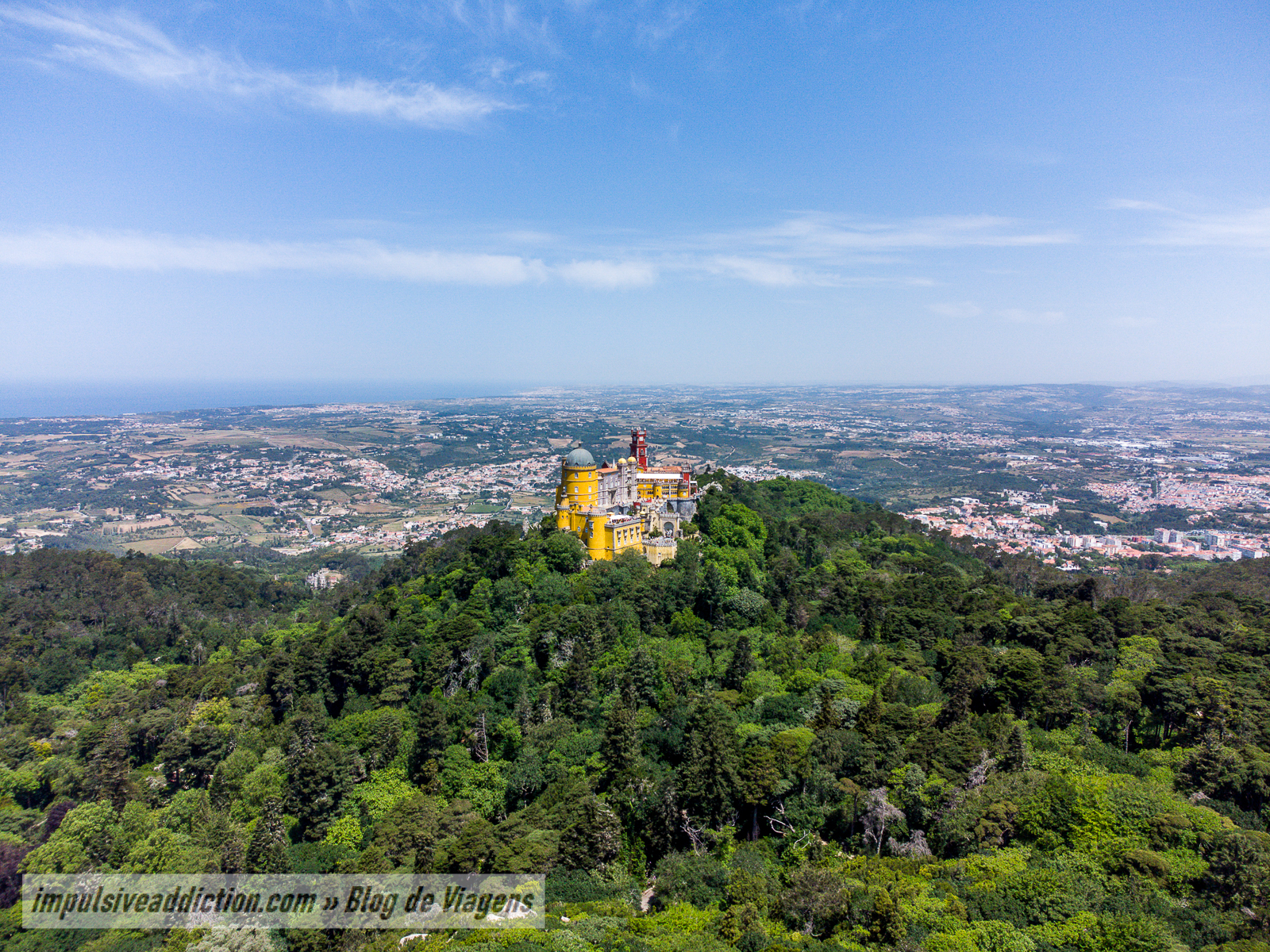
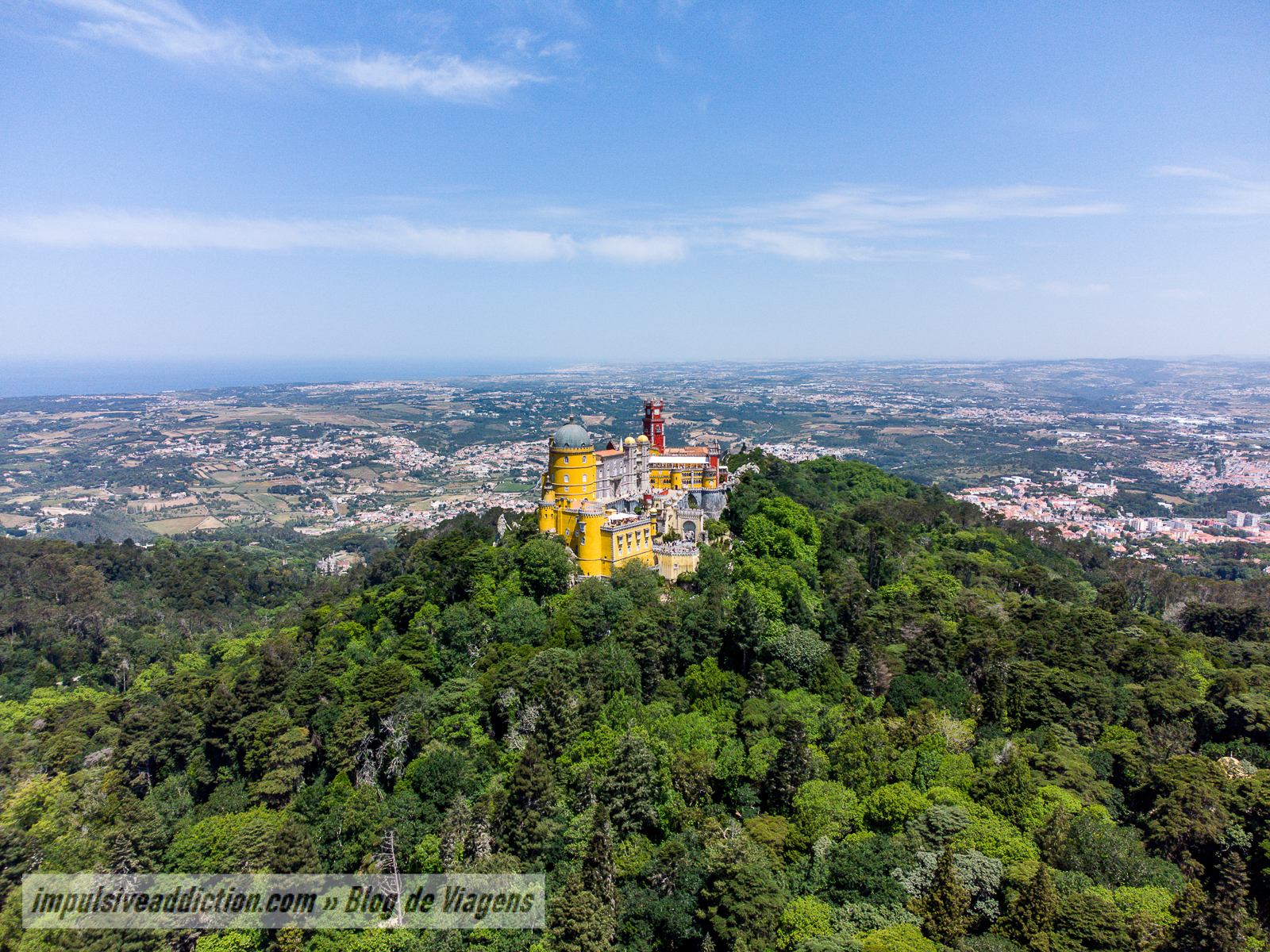
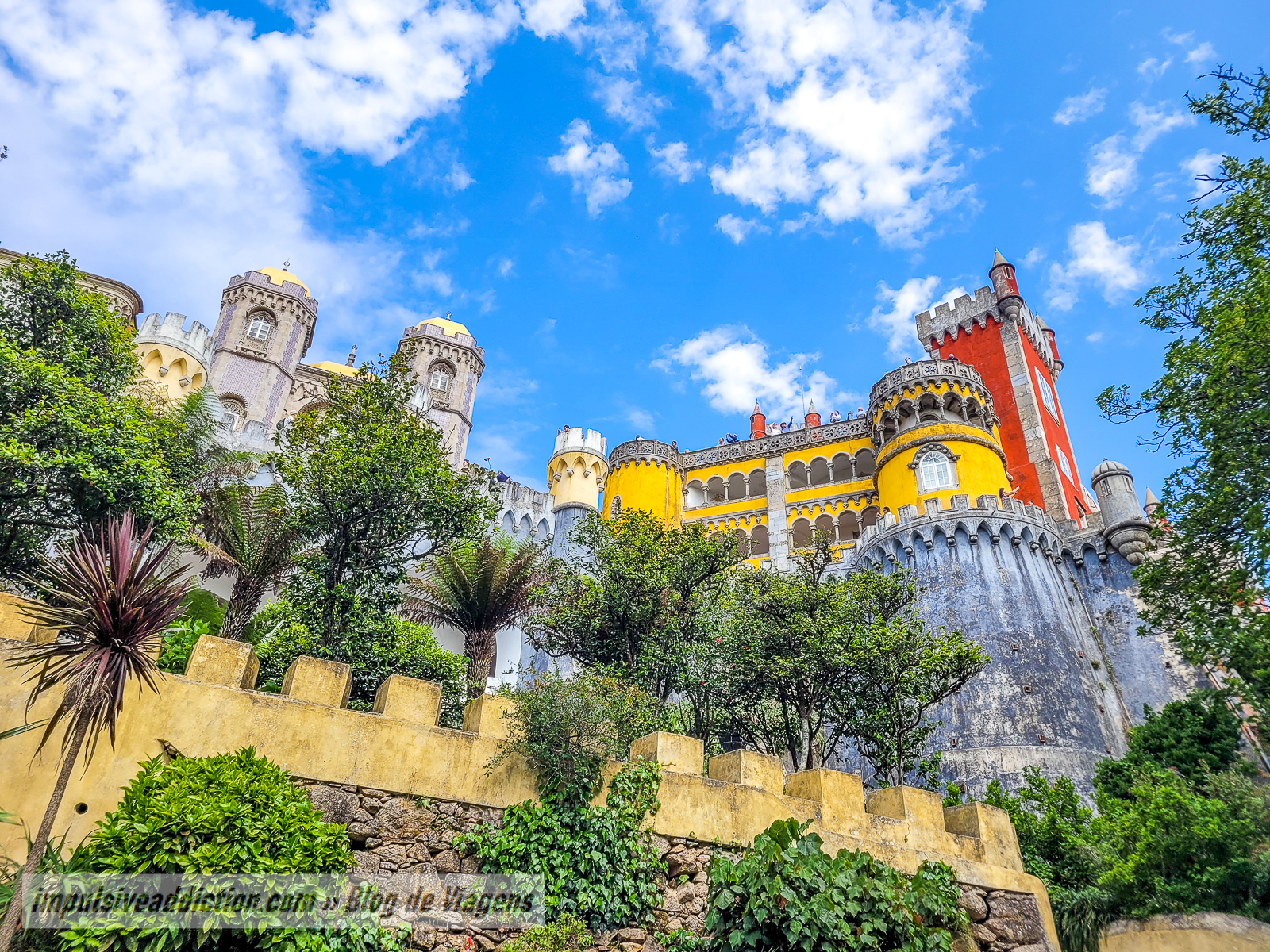
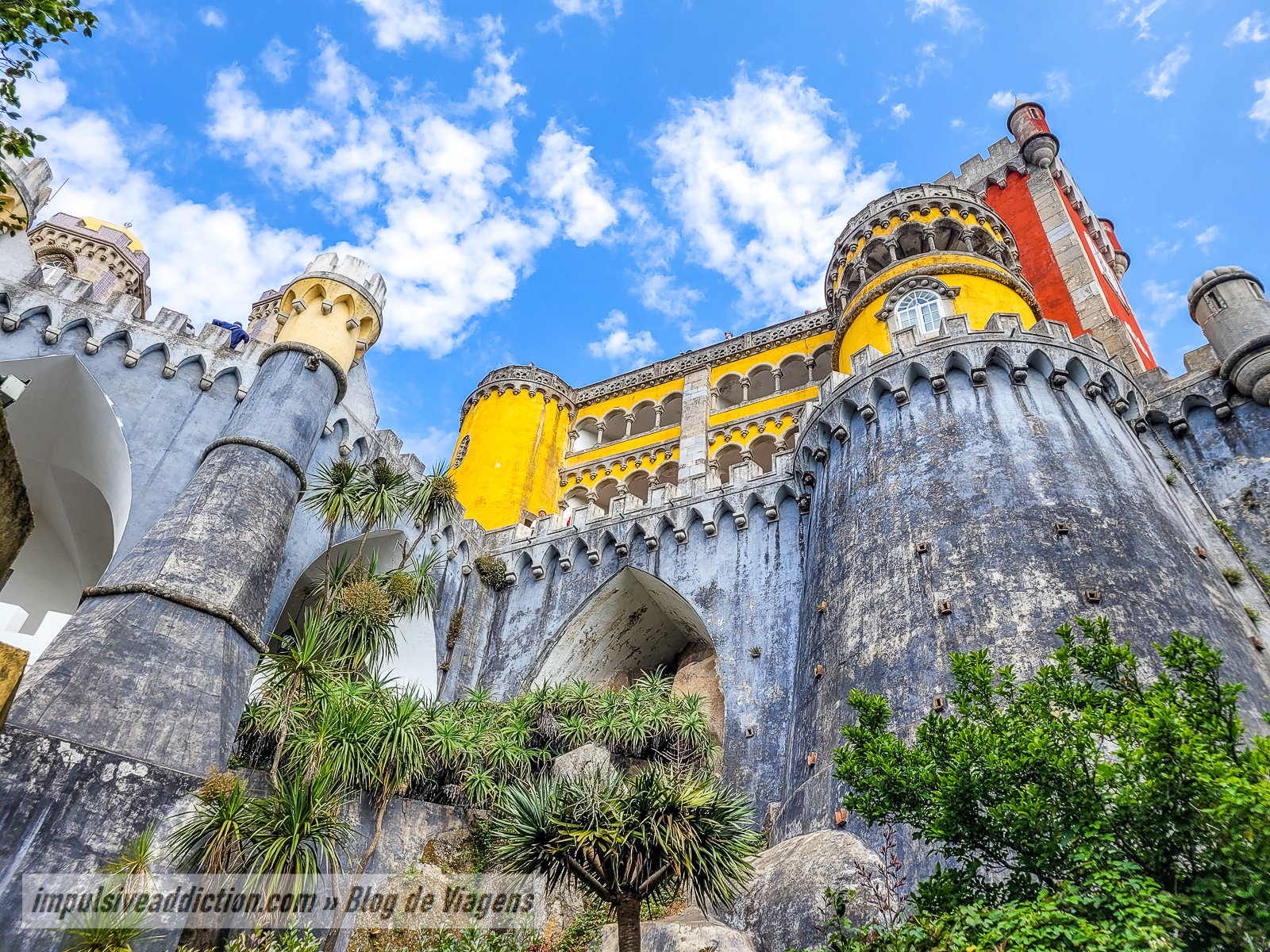
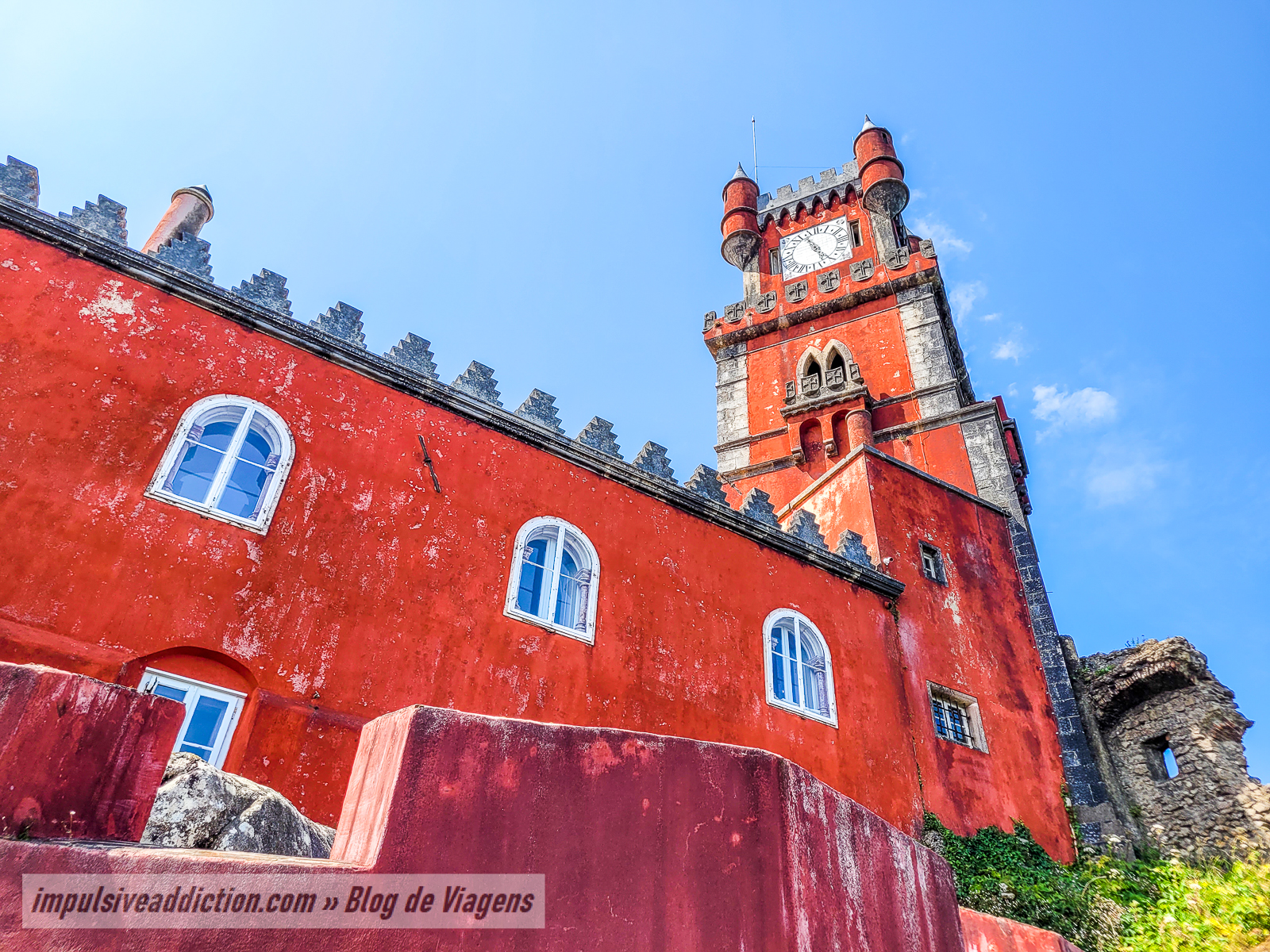
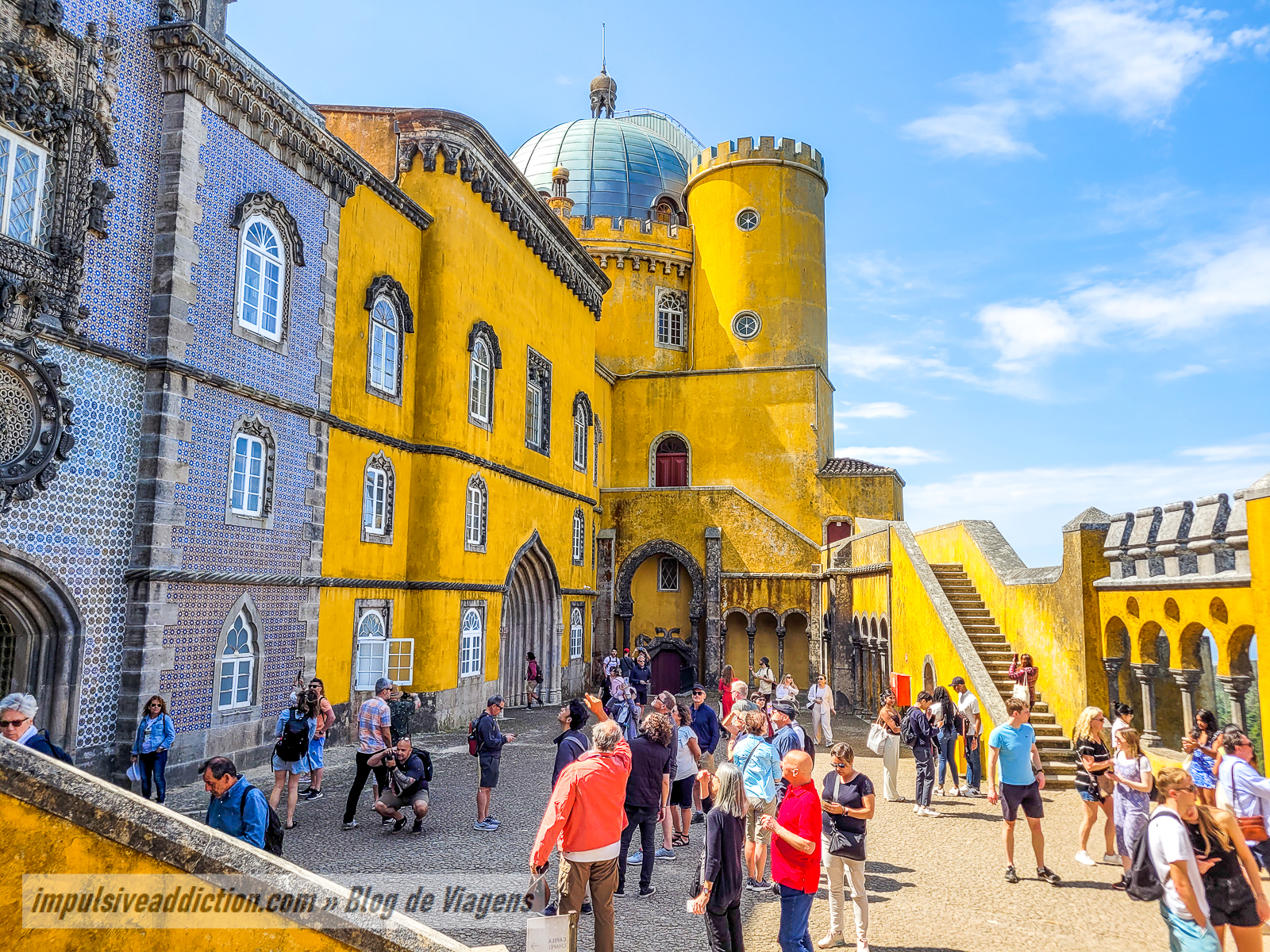
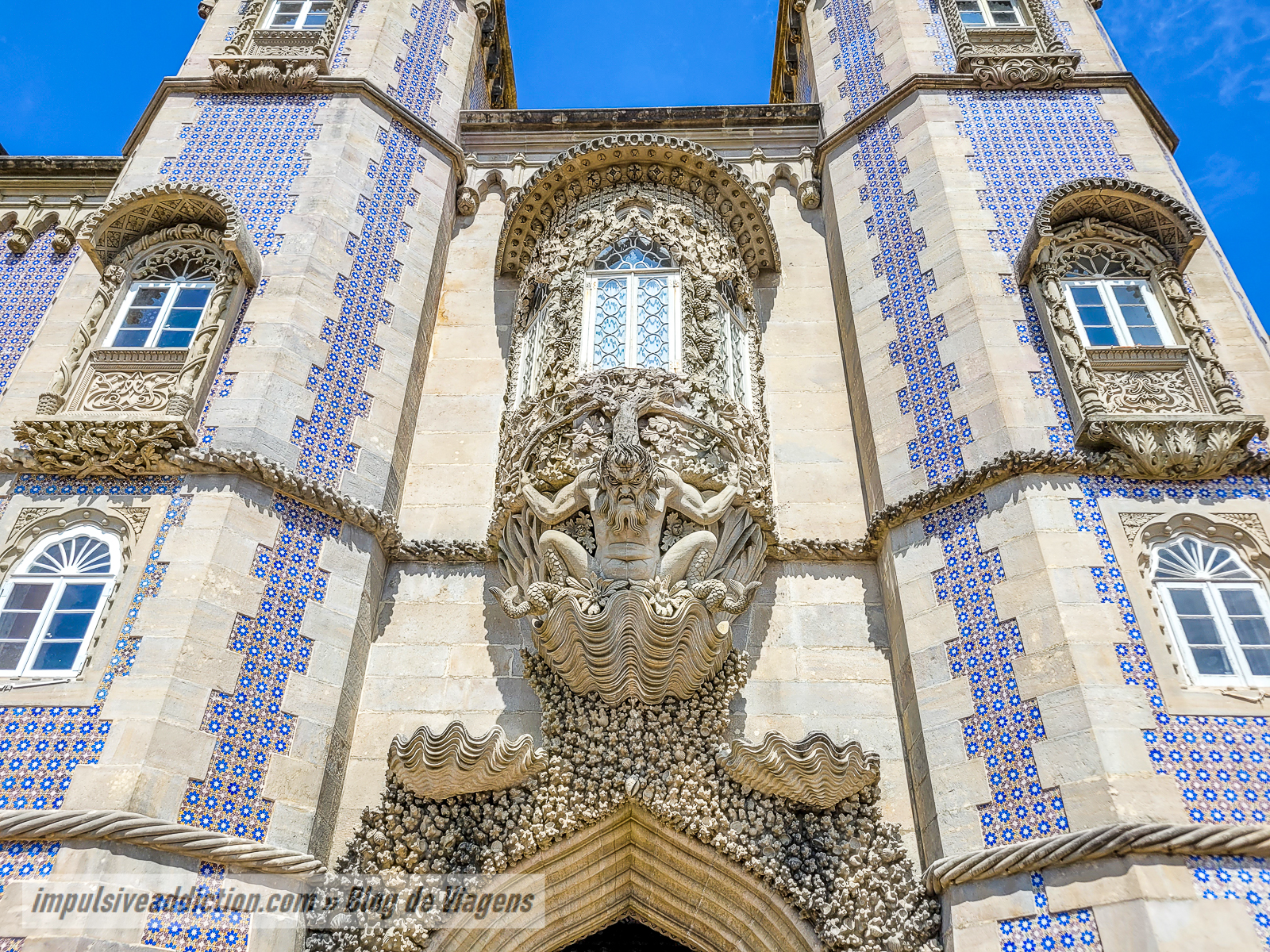
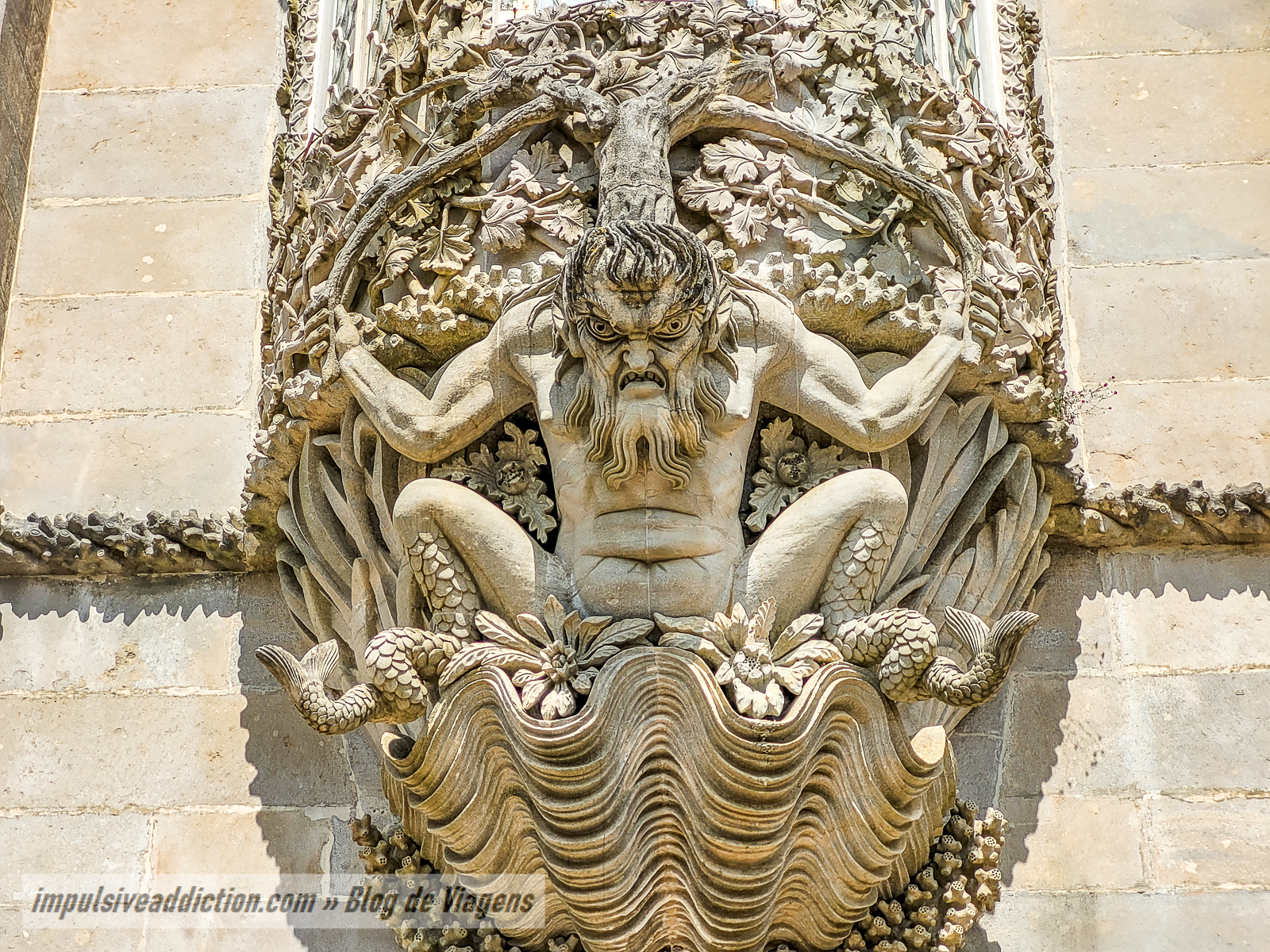
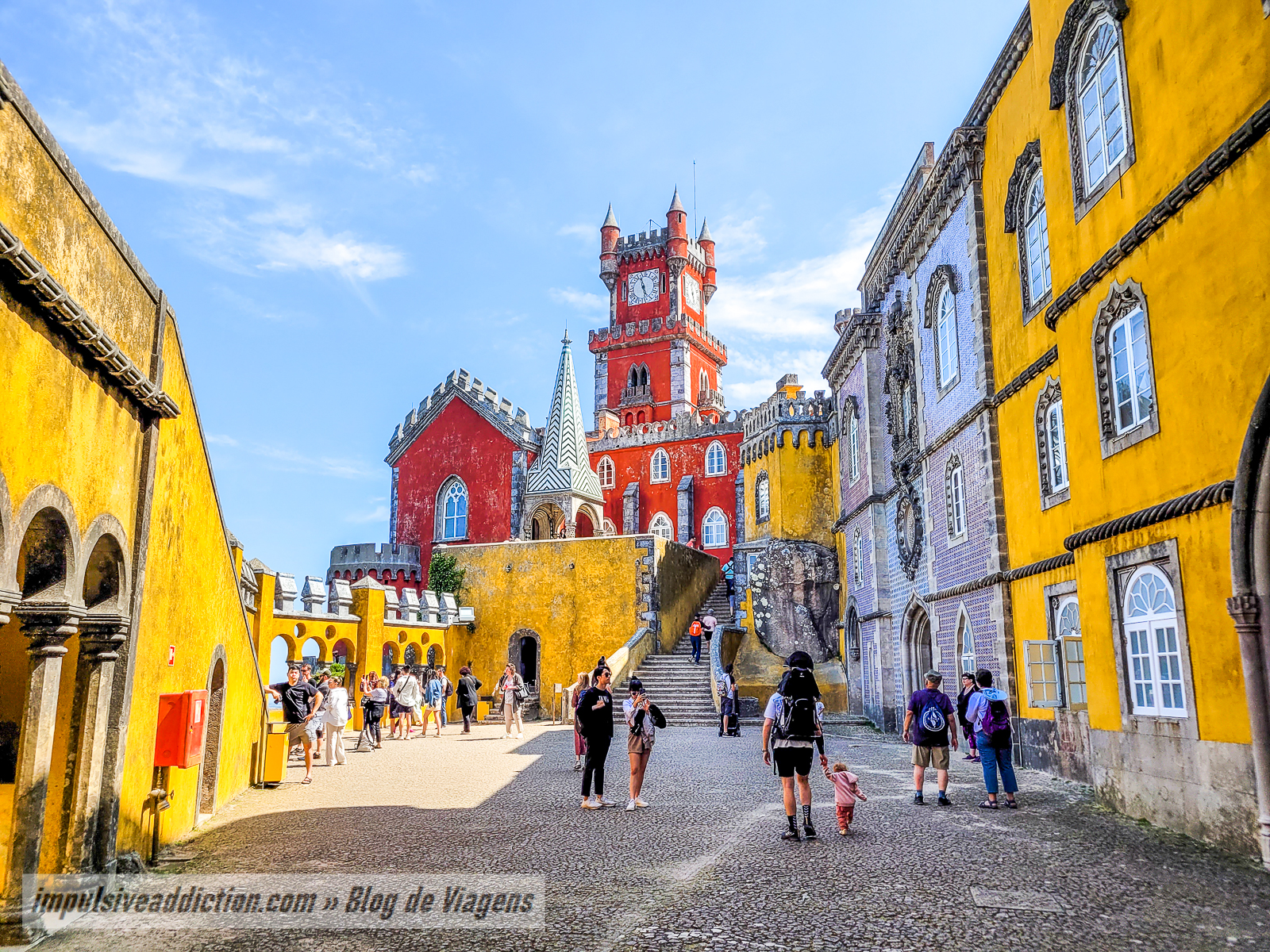
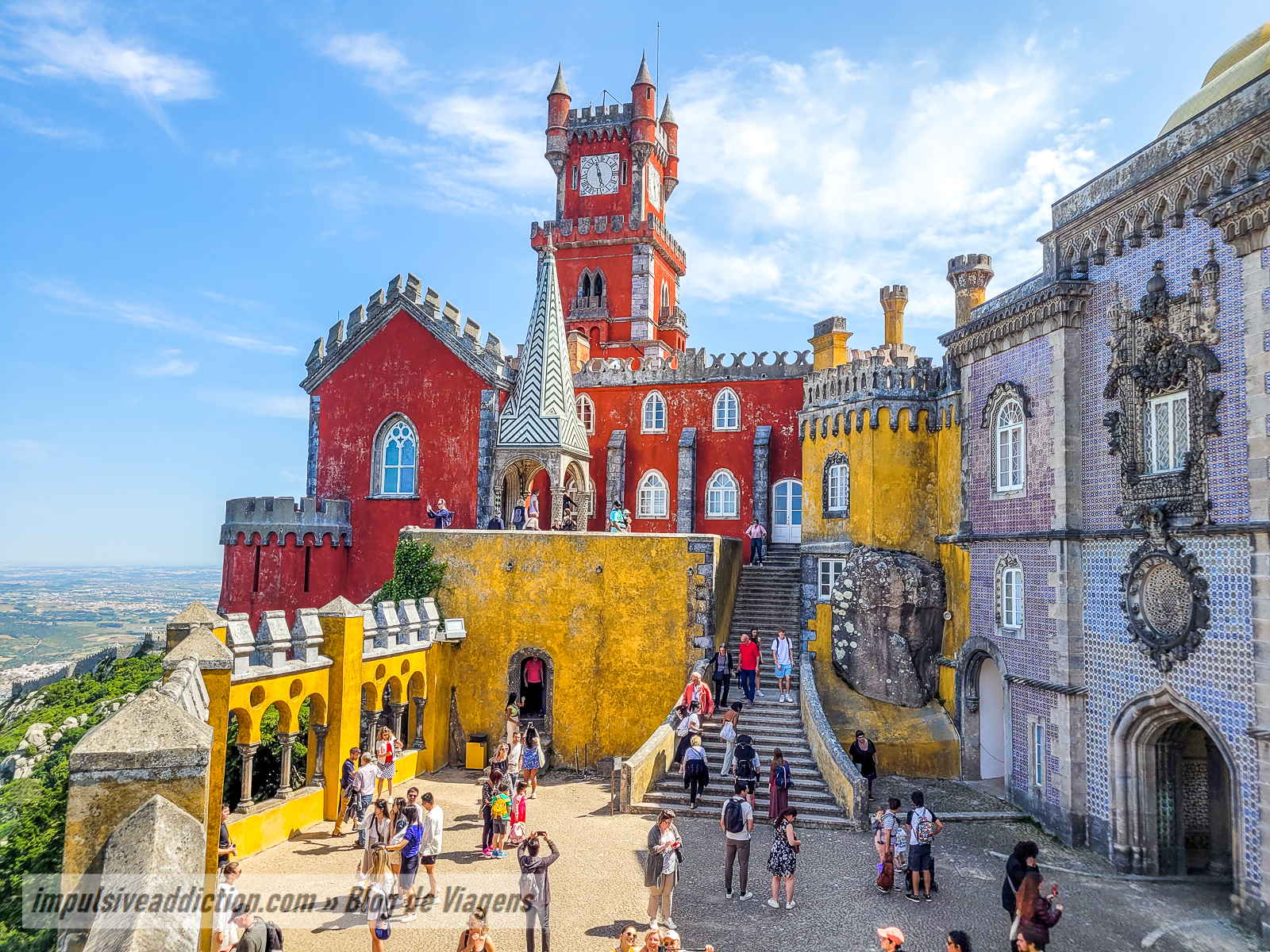
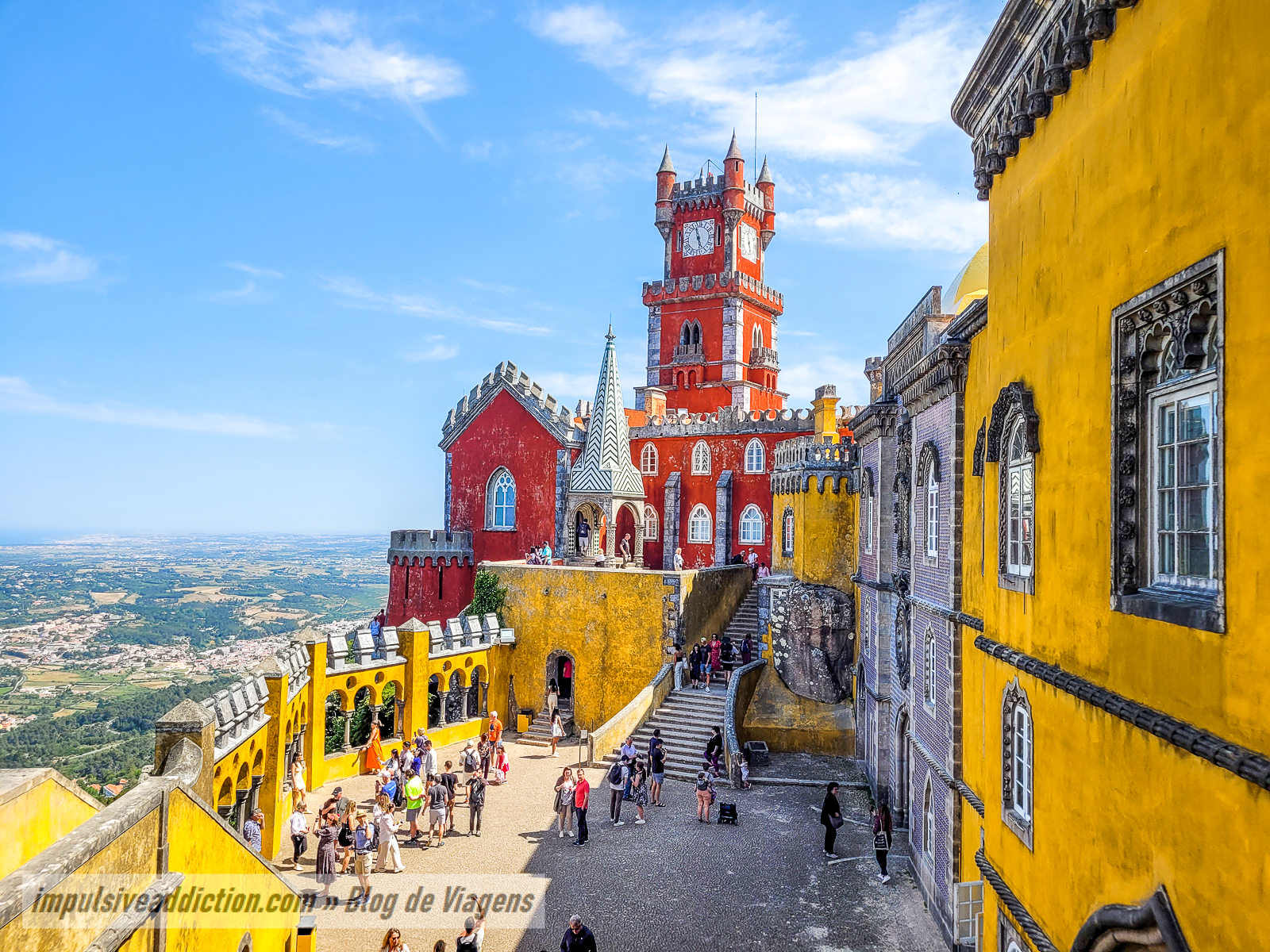
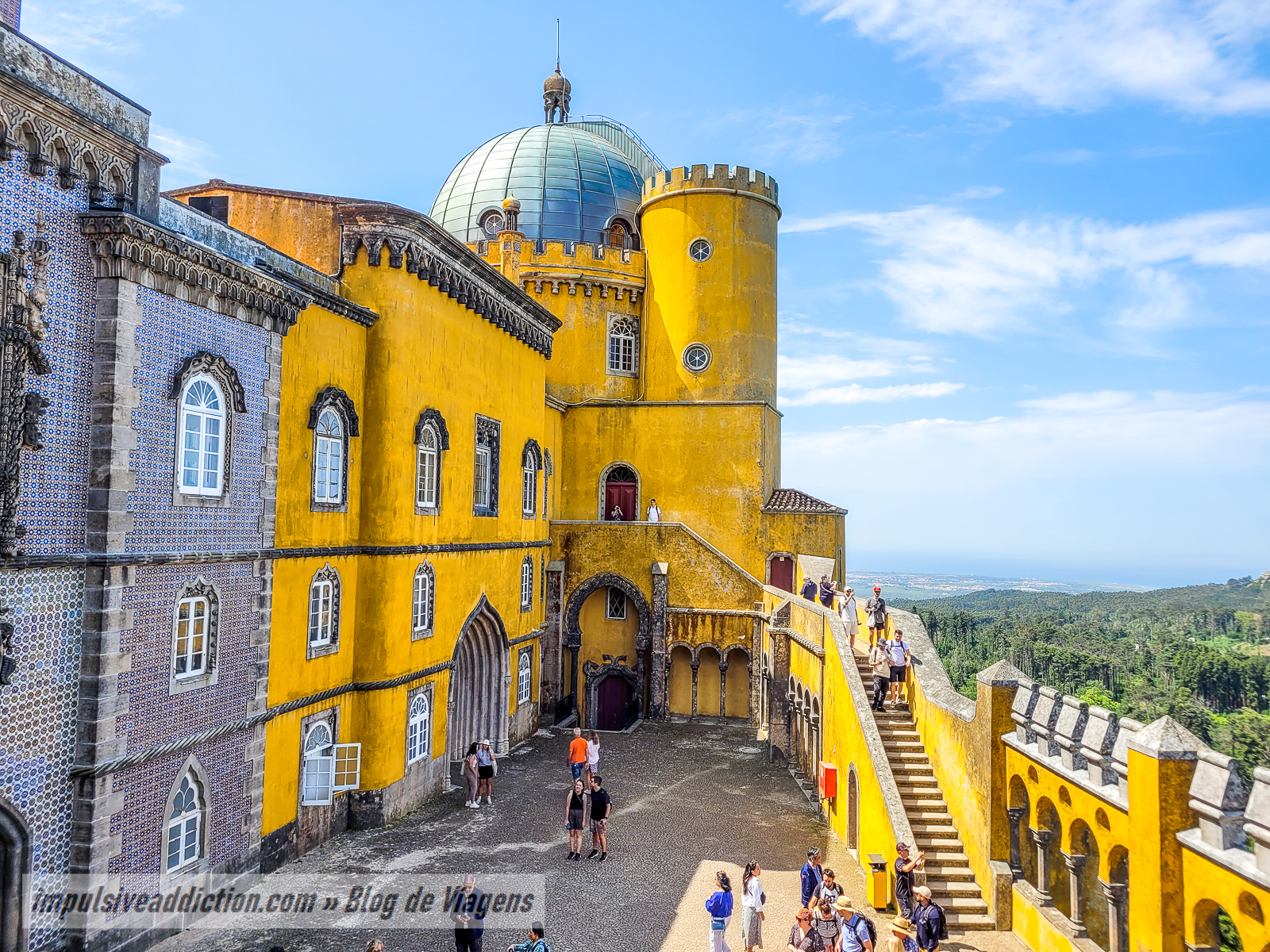
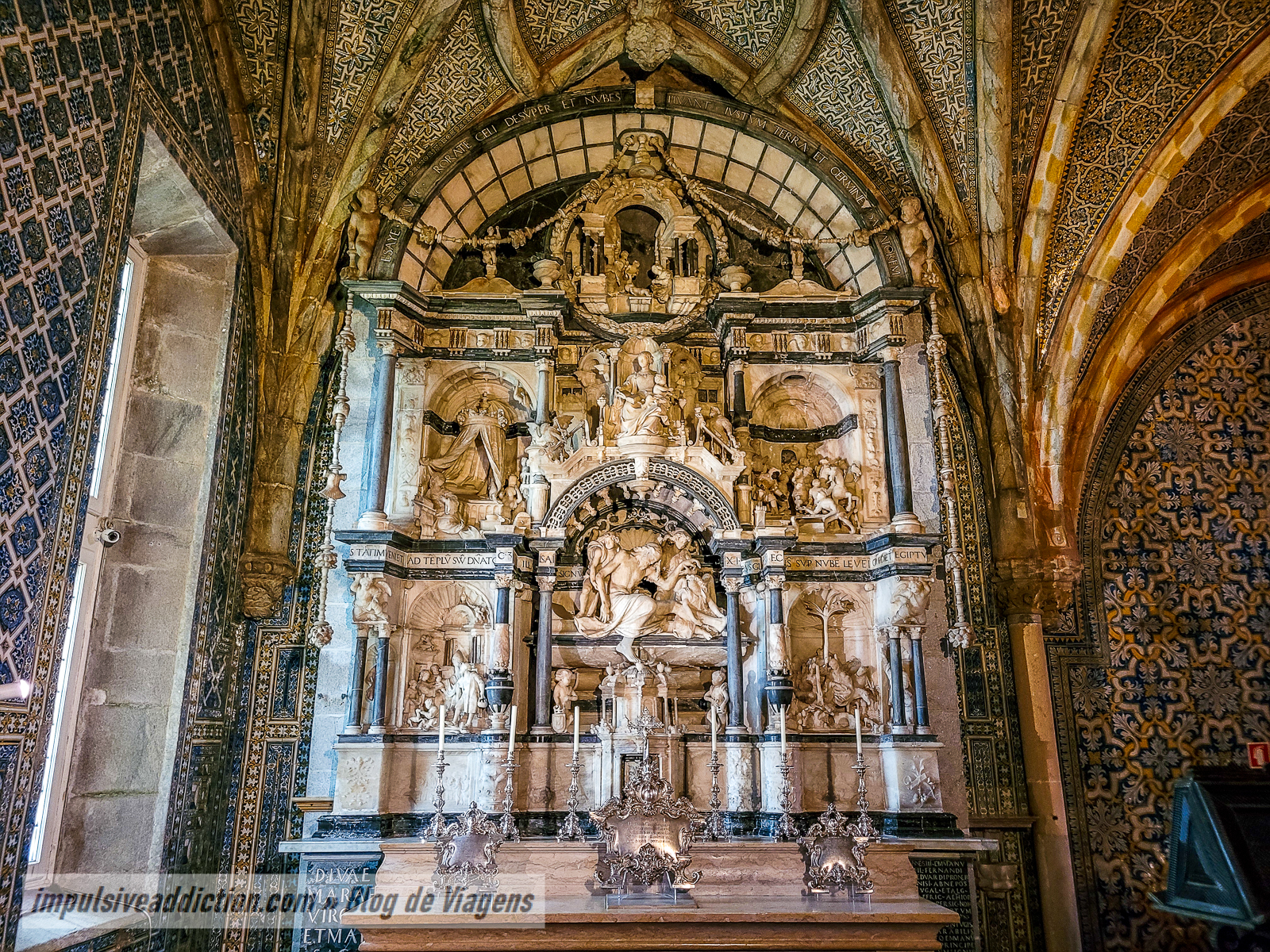
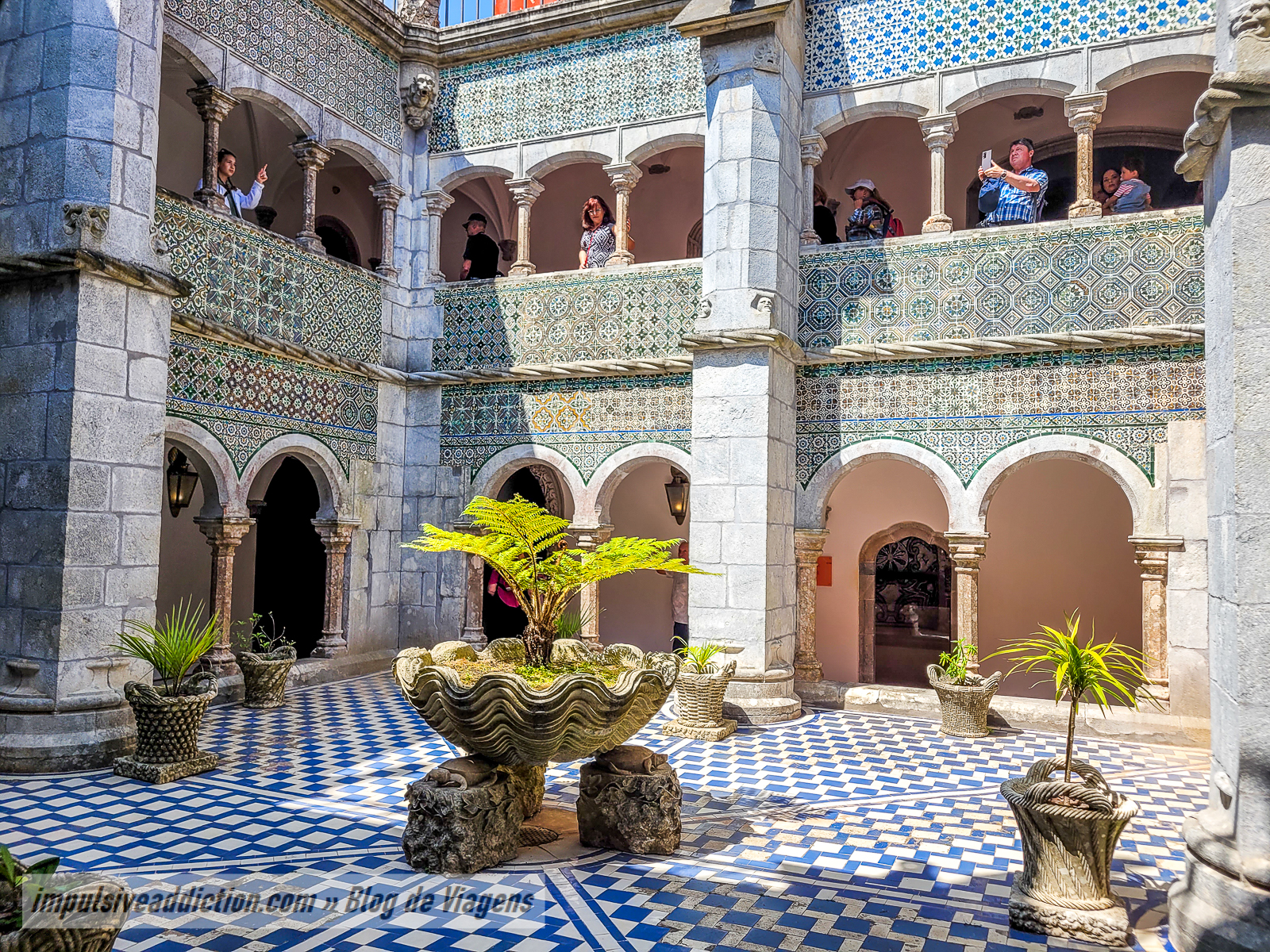
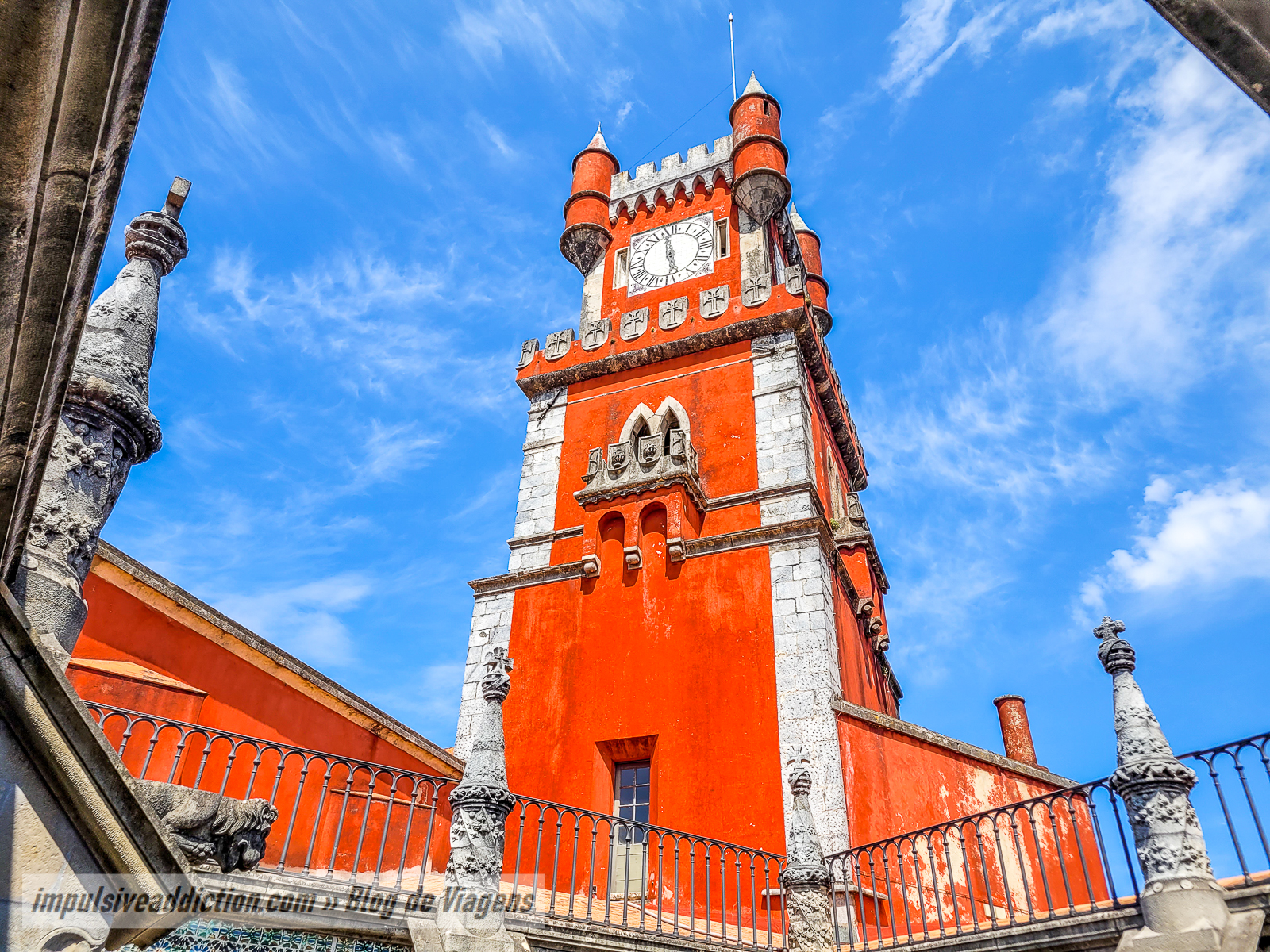
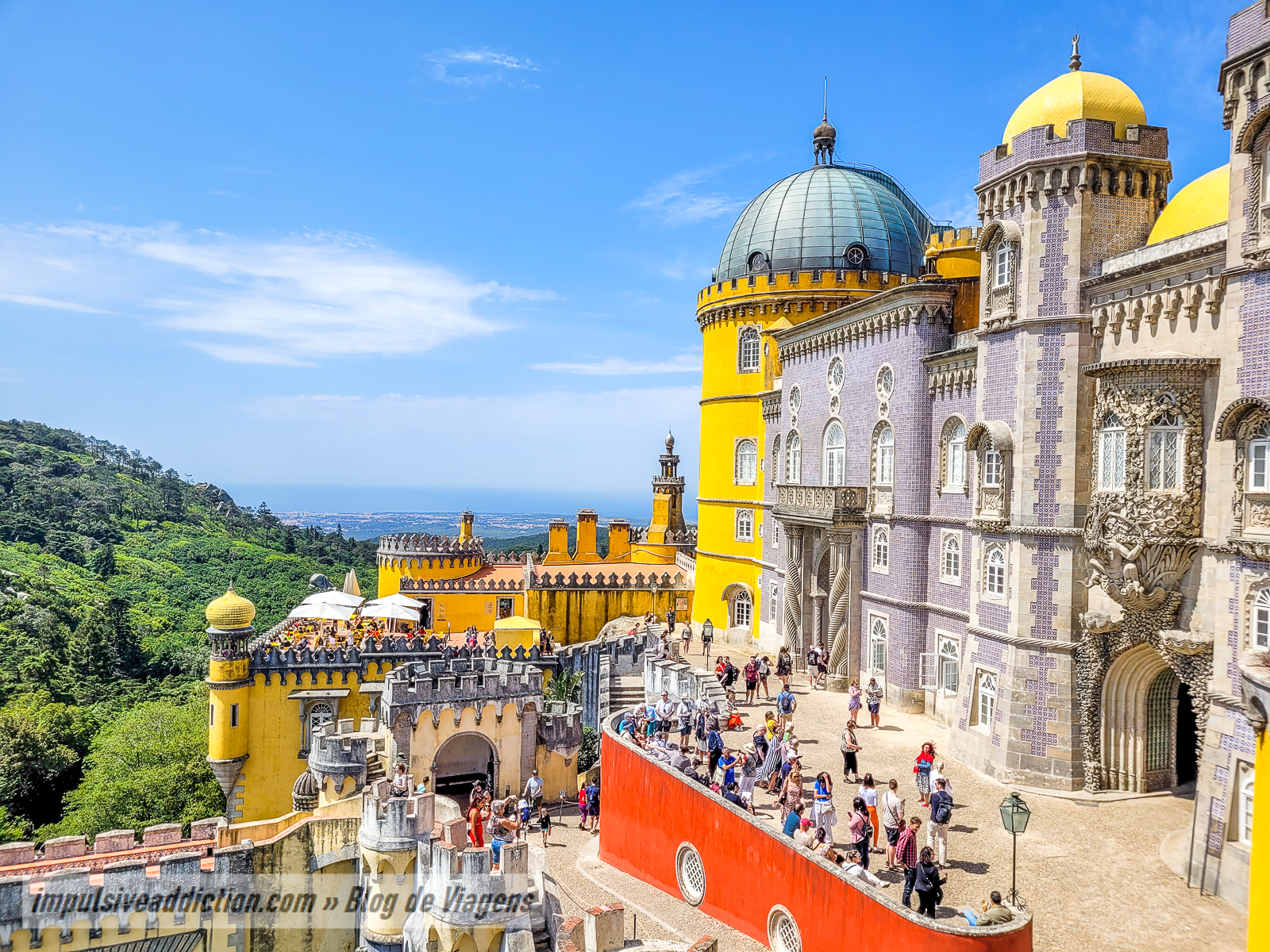
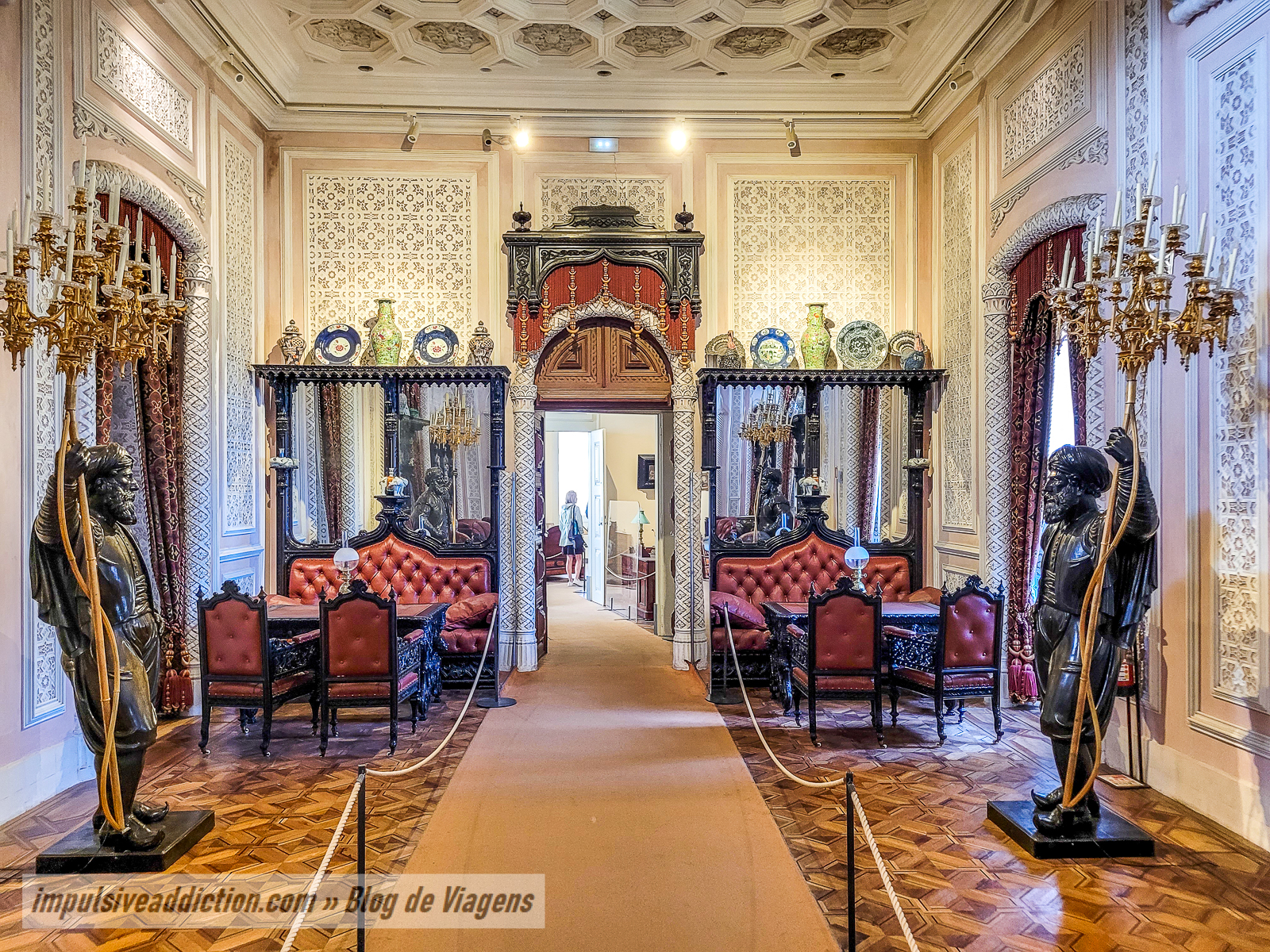
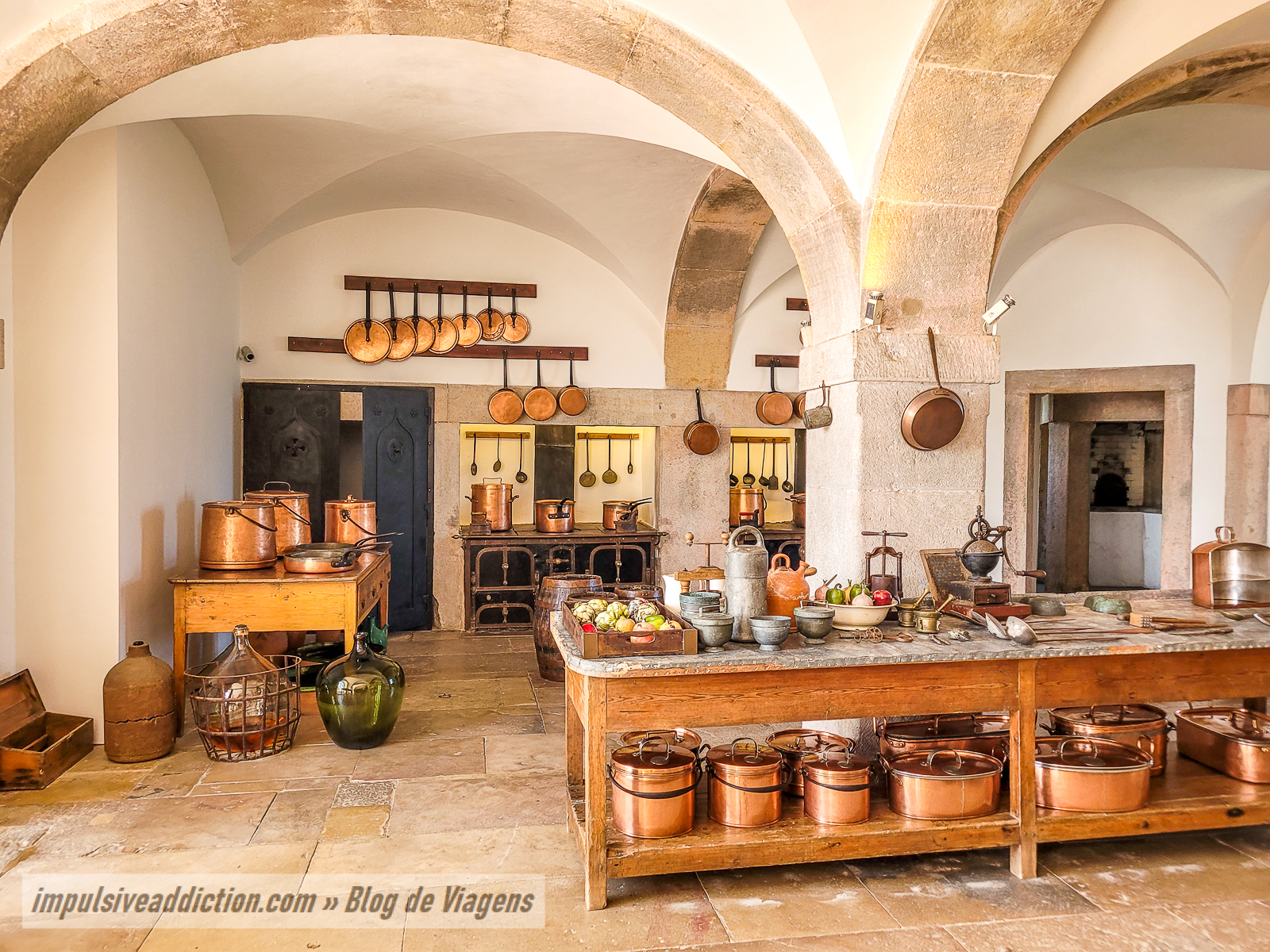
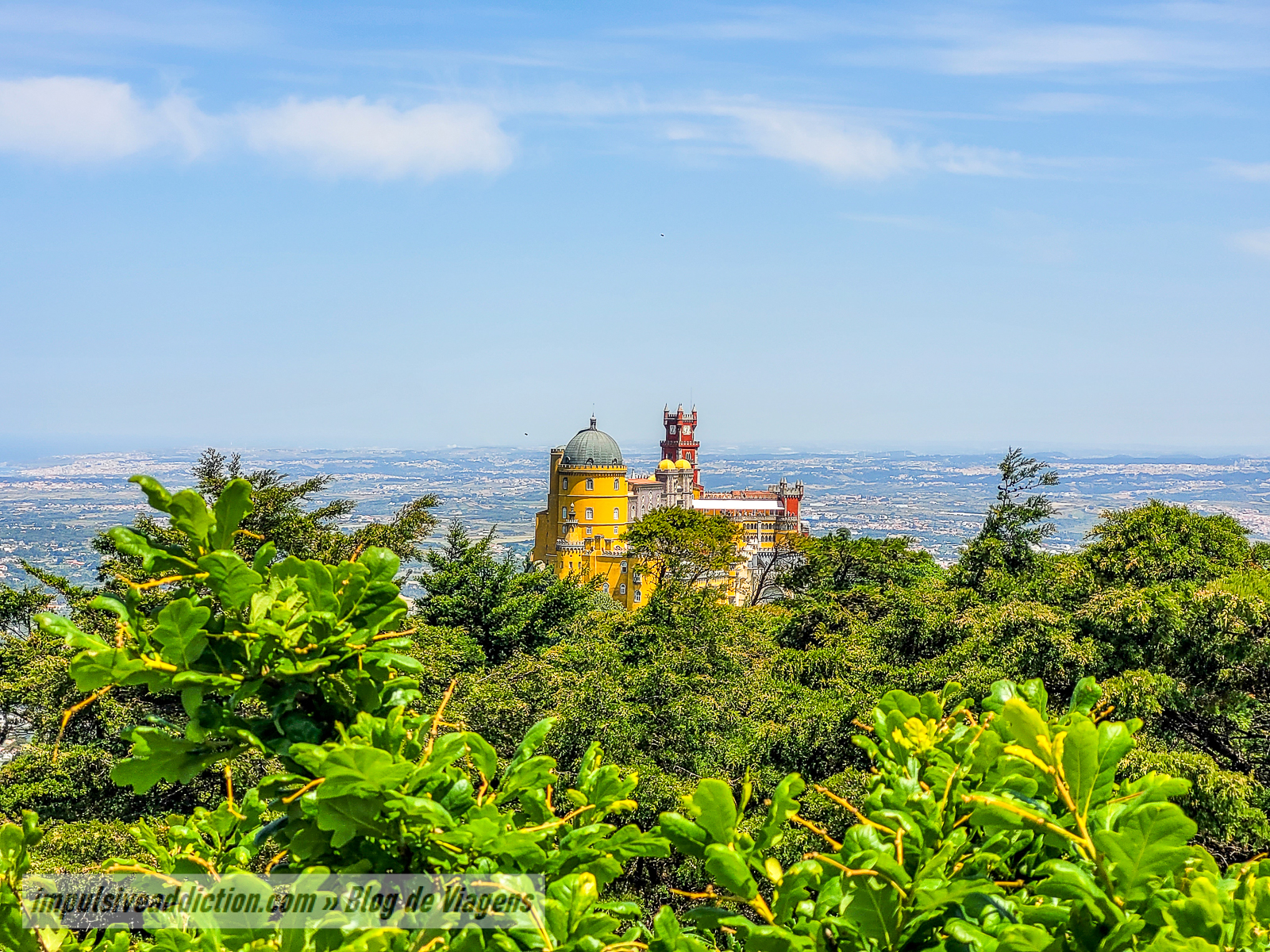
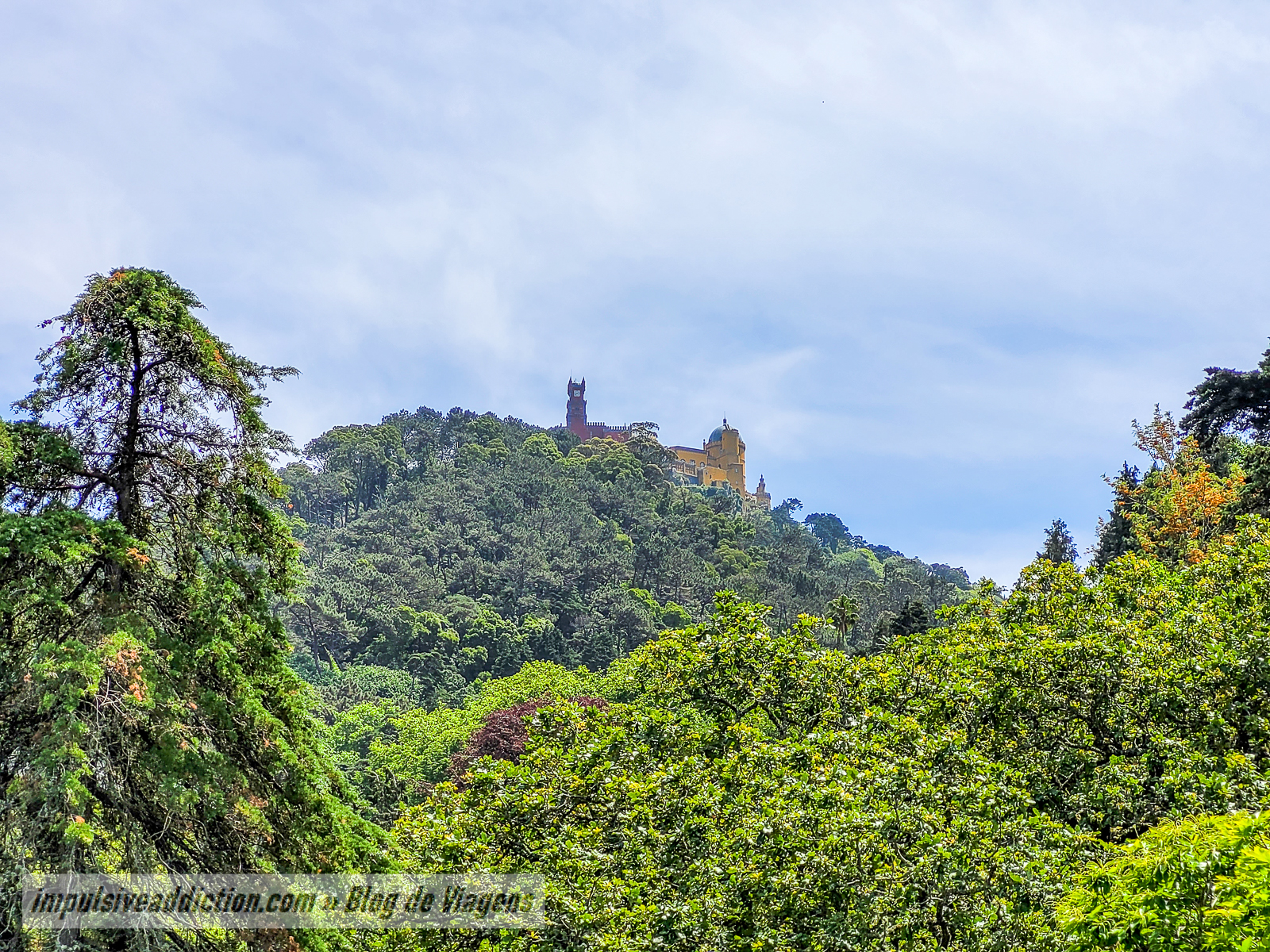
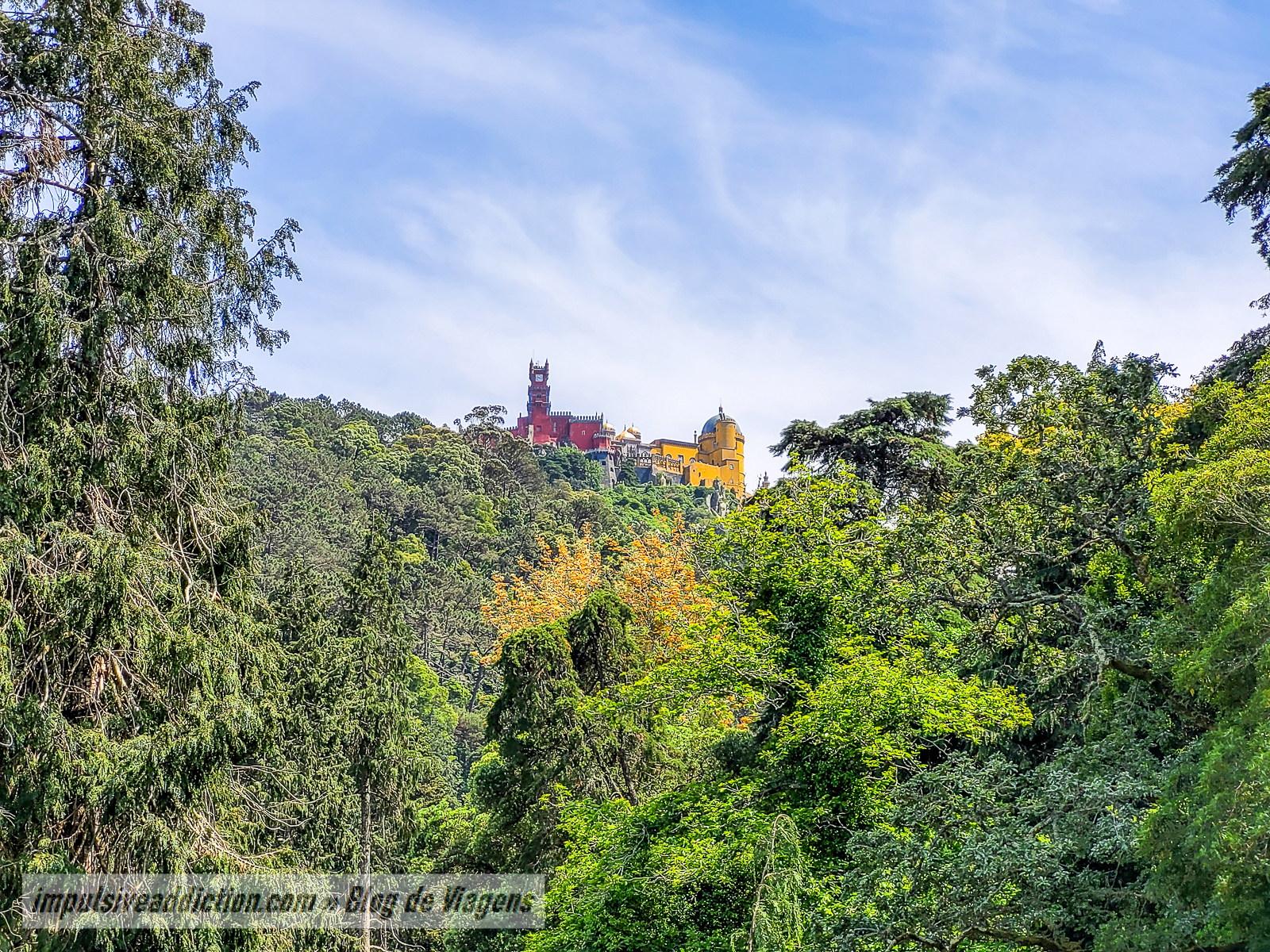
1. Pena National Palace and Park
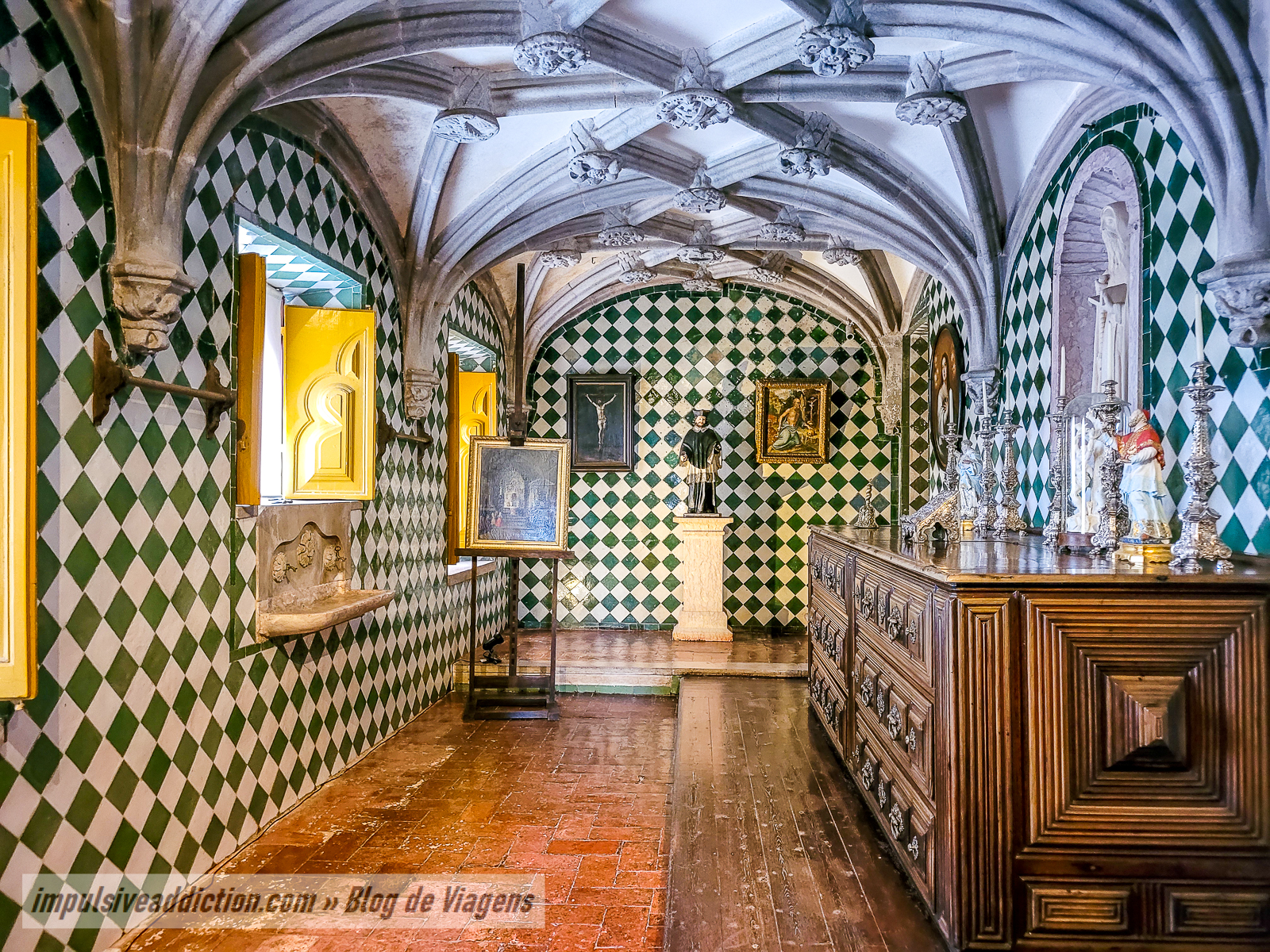
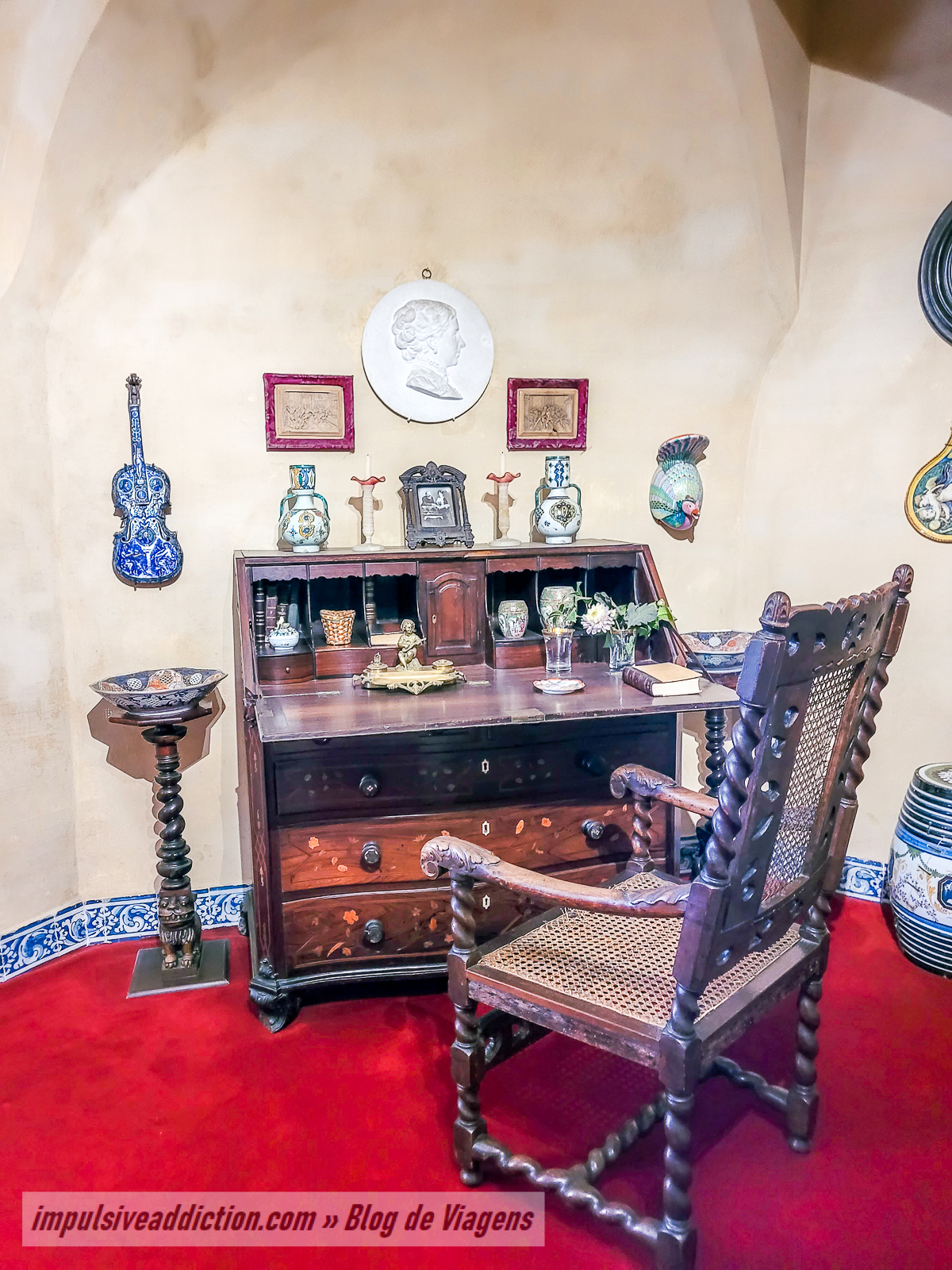
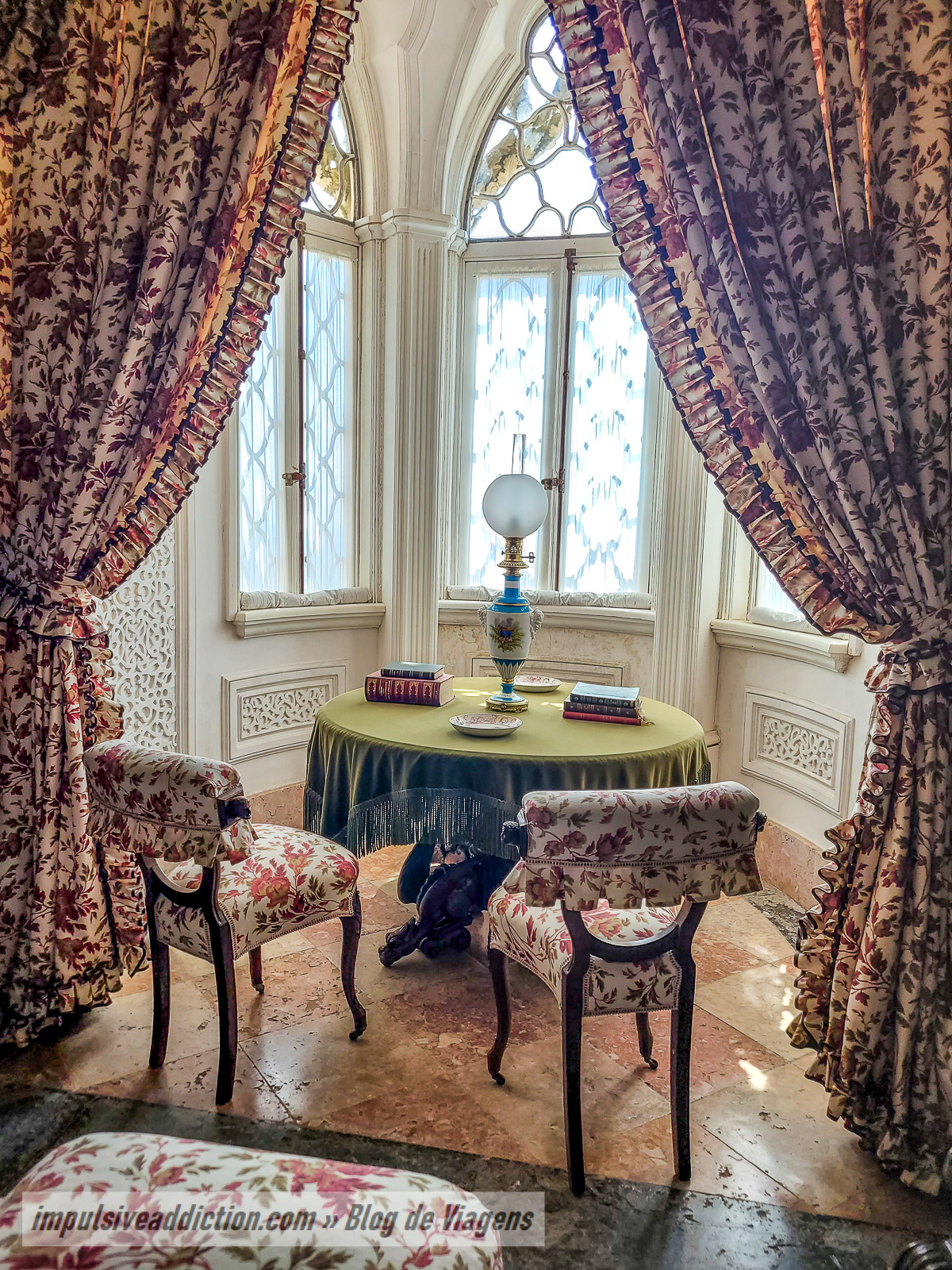
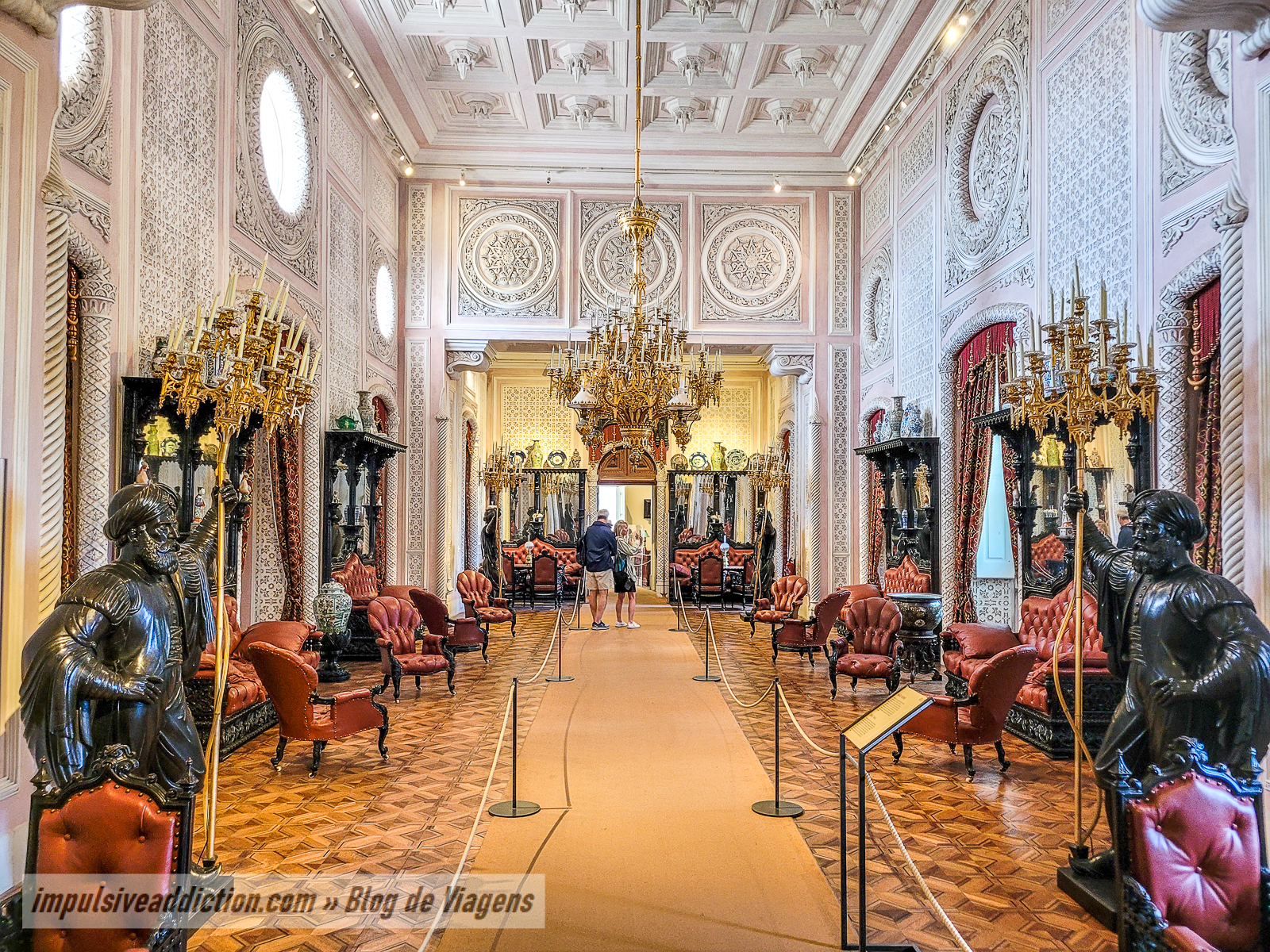
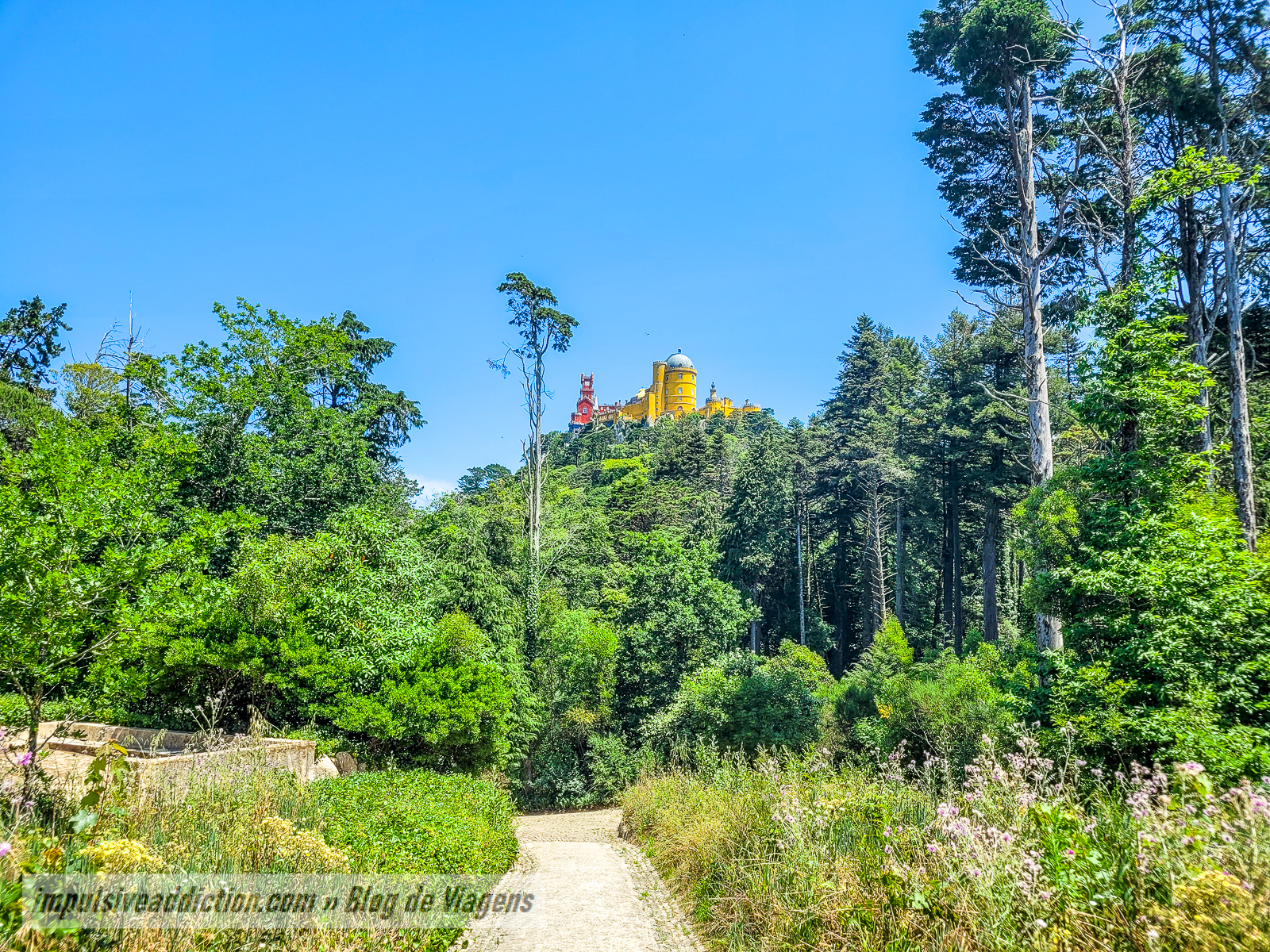
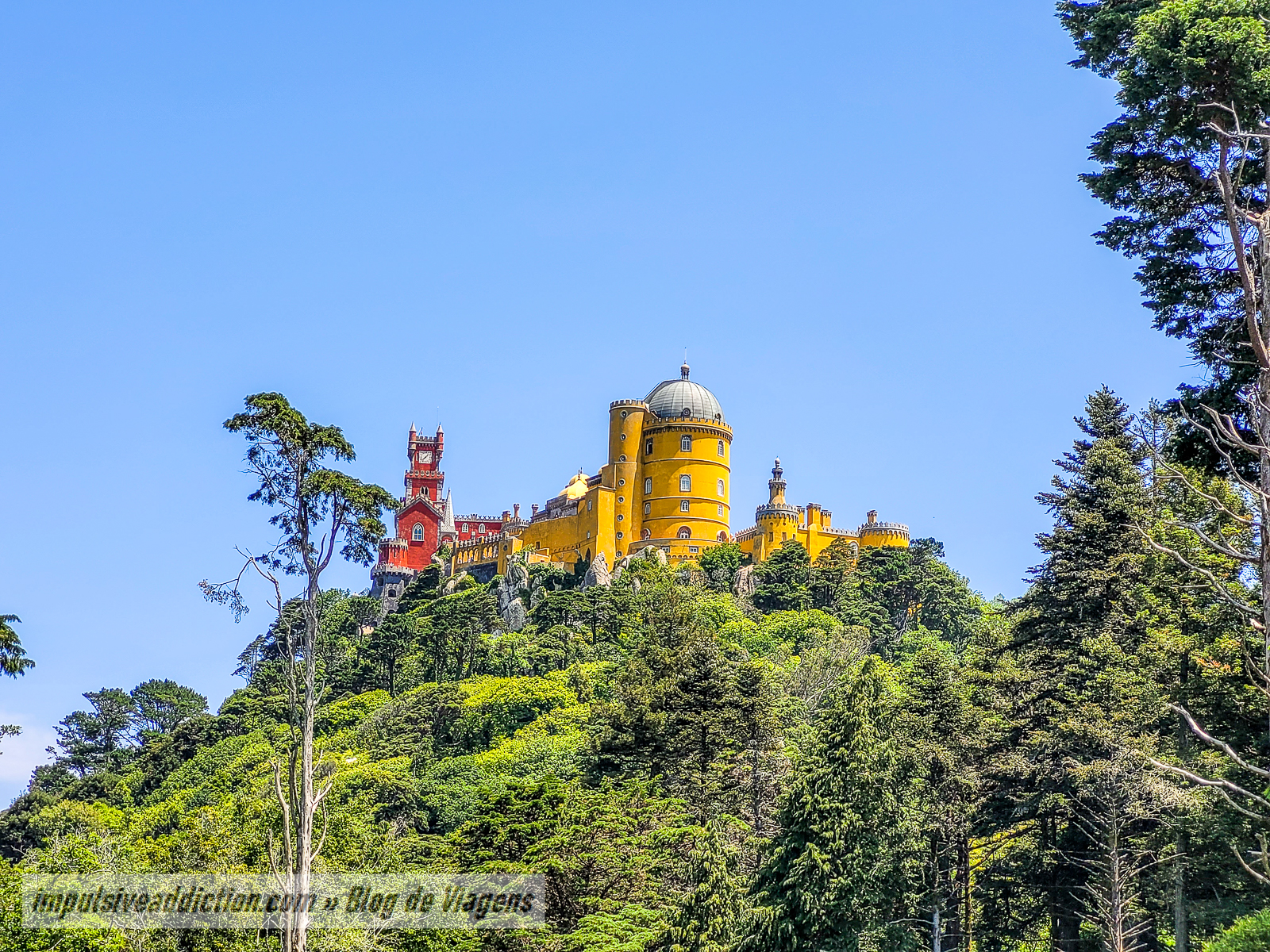
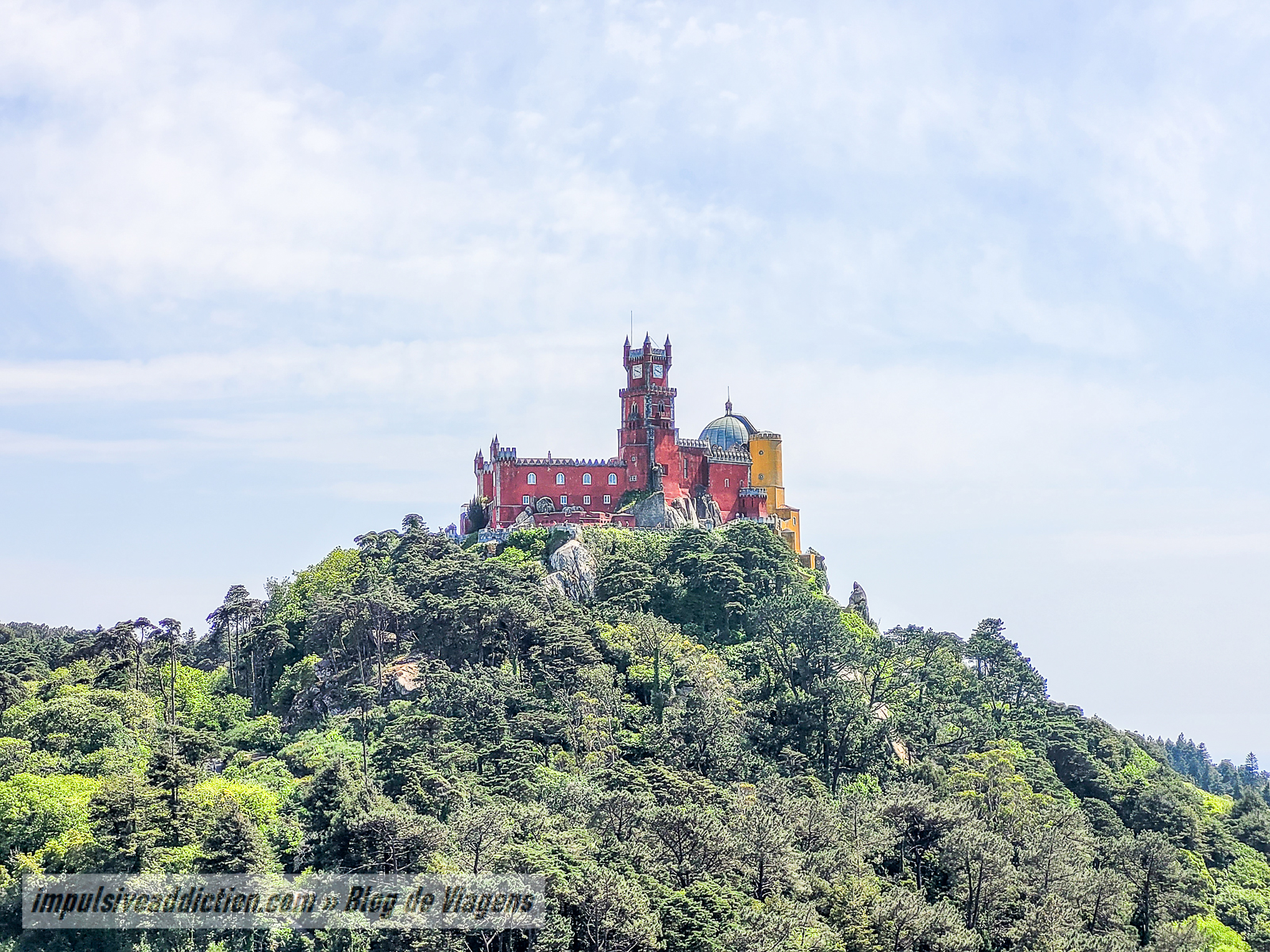
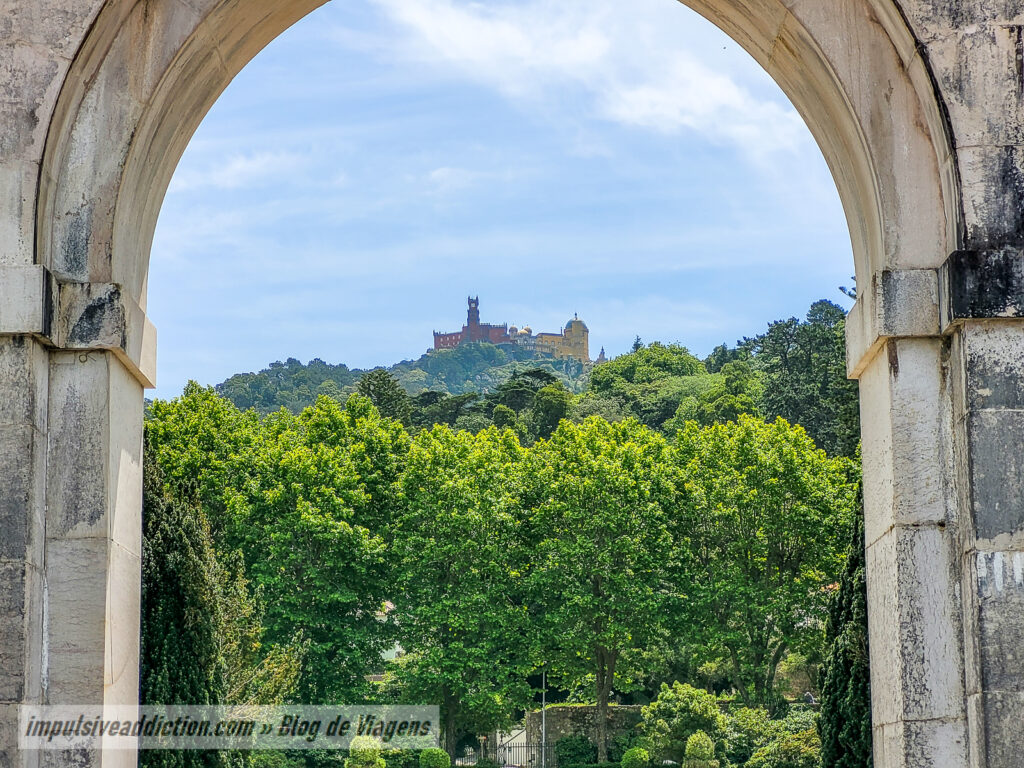
Many people consider Pena Palace not only the most beautiful palace in Sintra, but also the most stunning palace in all of Portugal — and I agree, especially when it comes to its exterior and surrounding landscape.
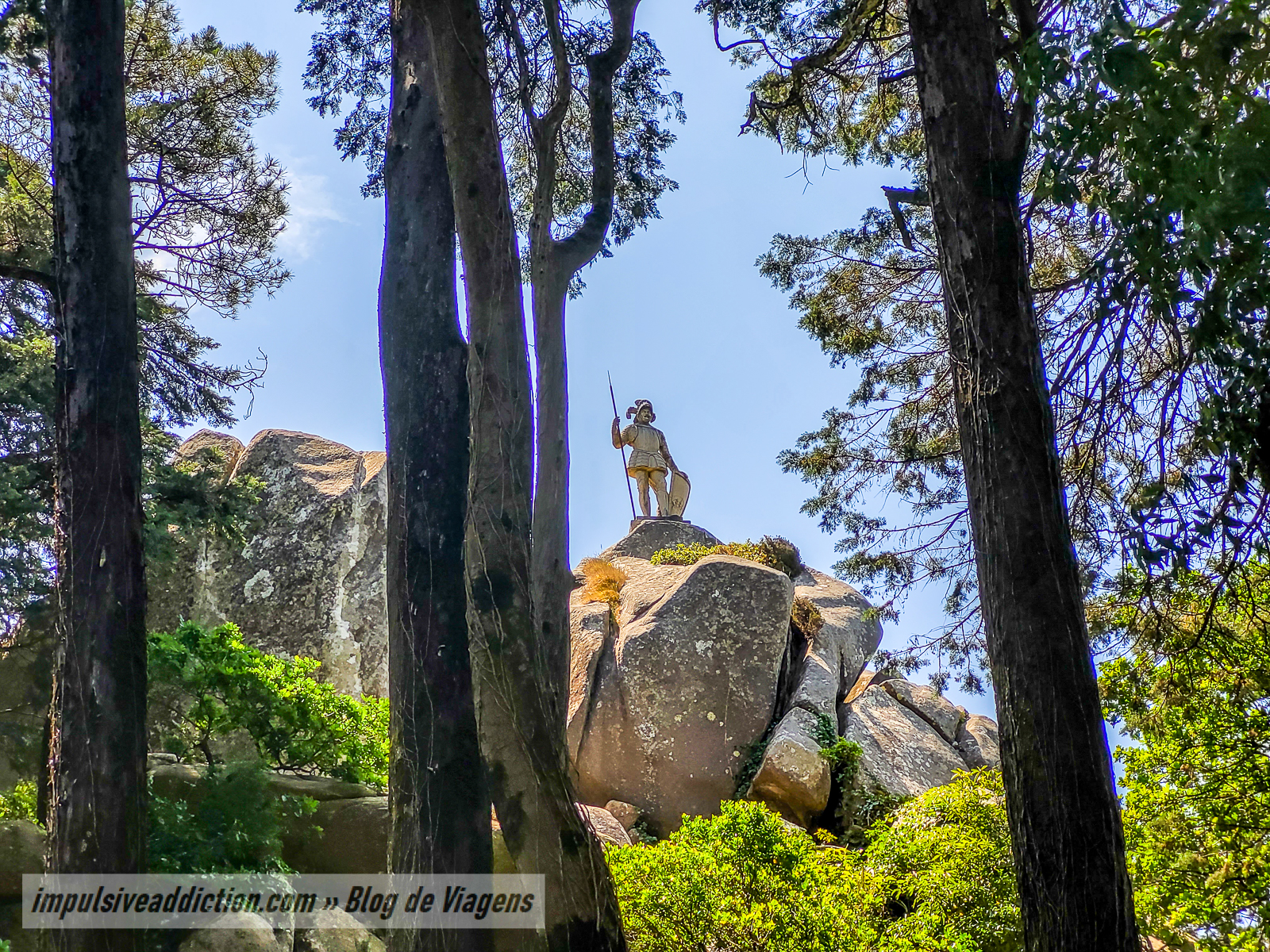
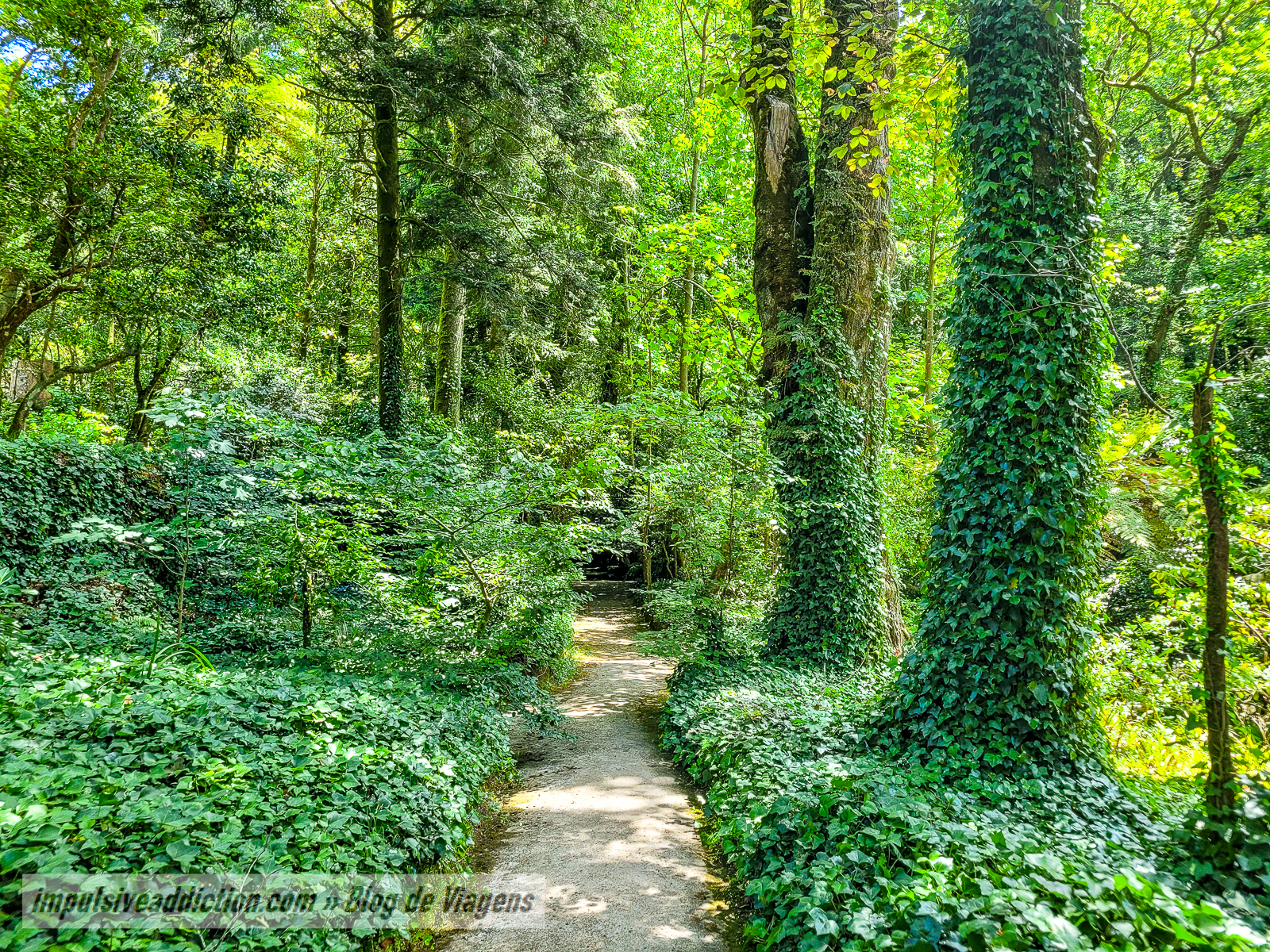
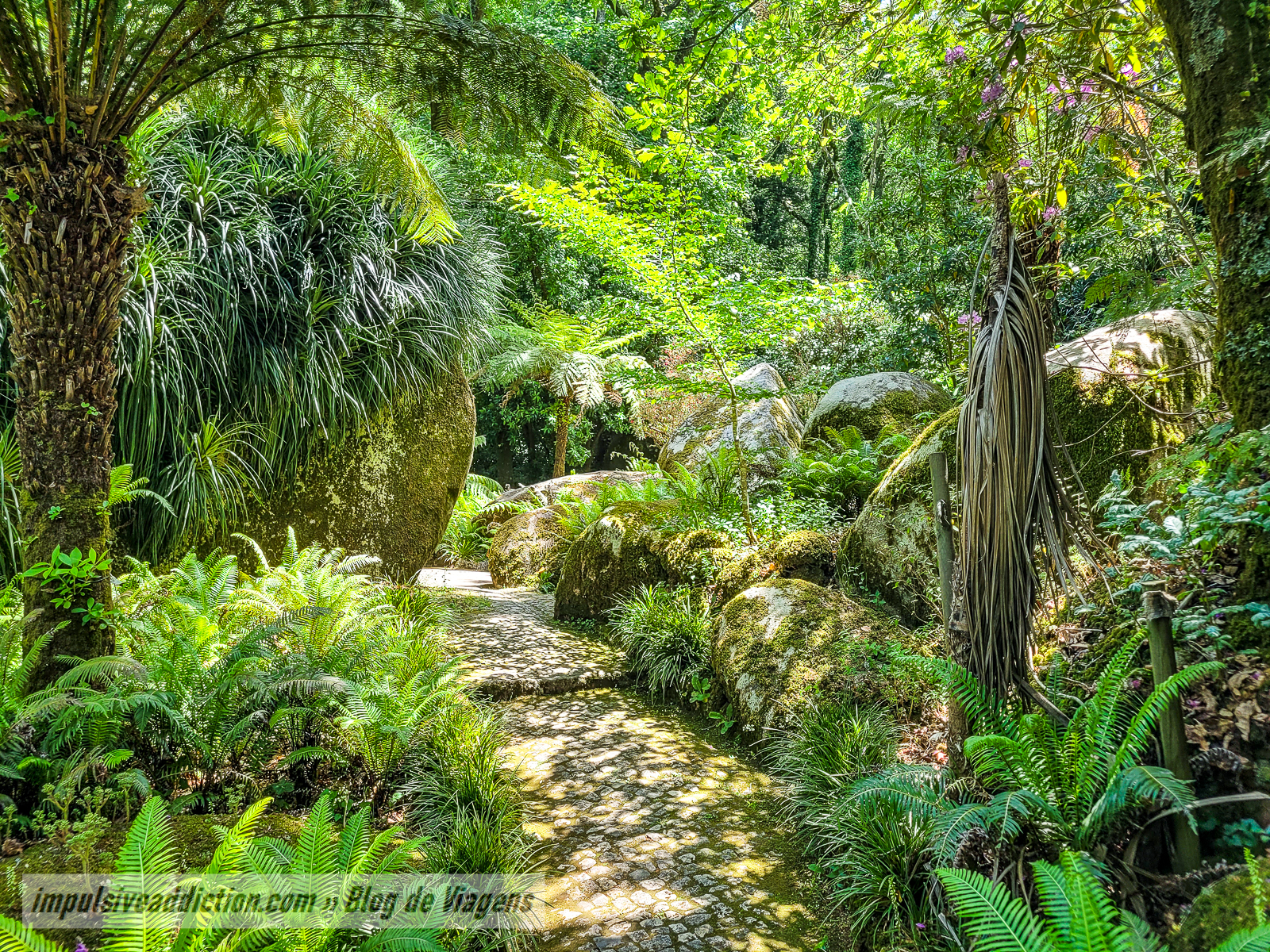
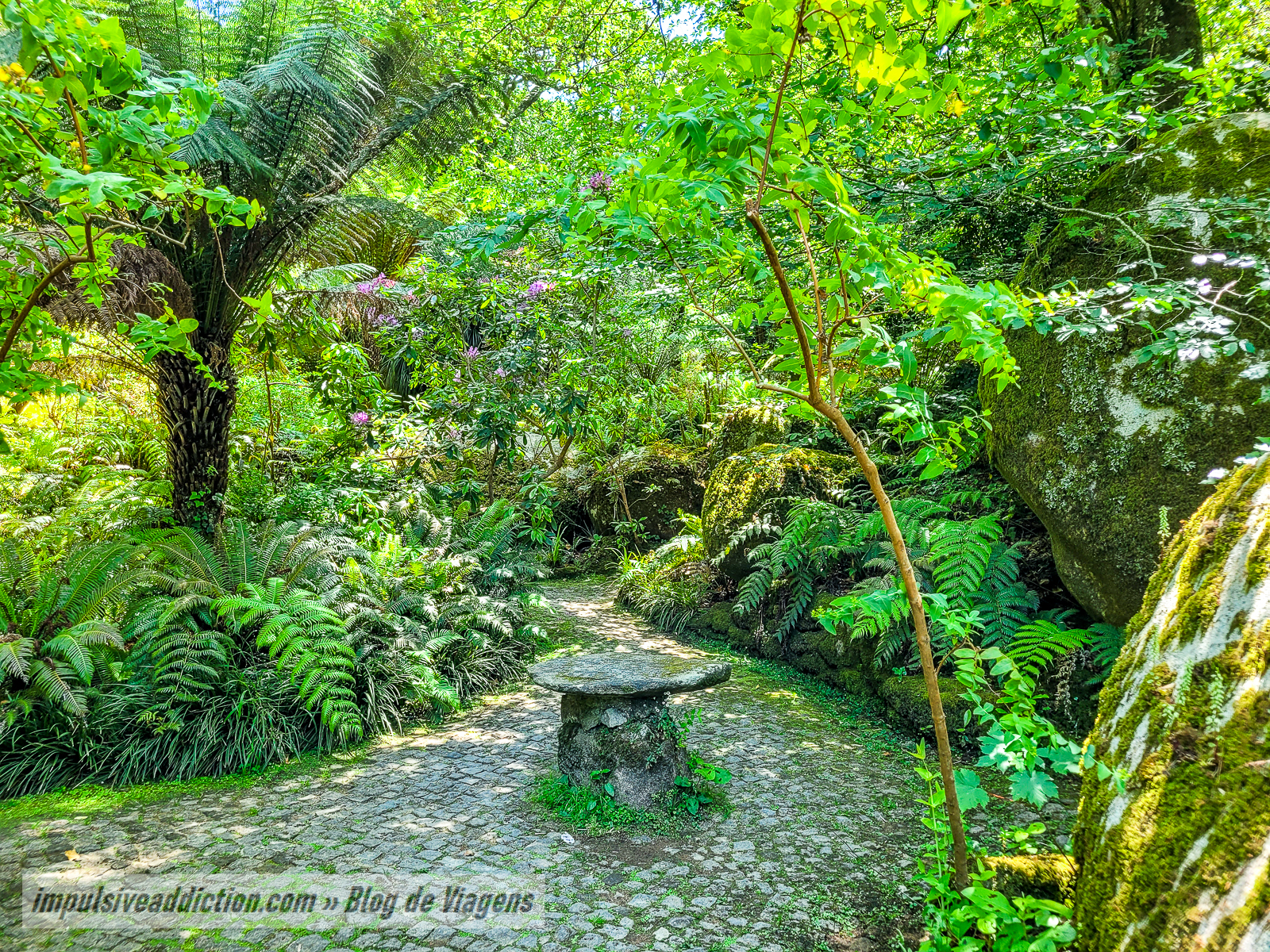
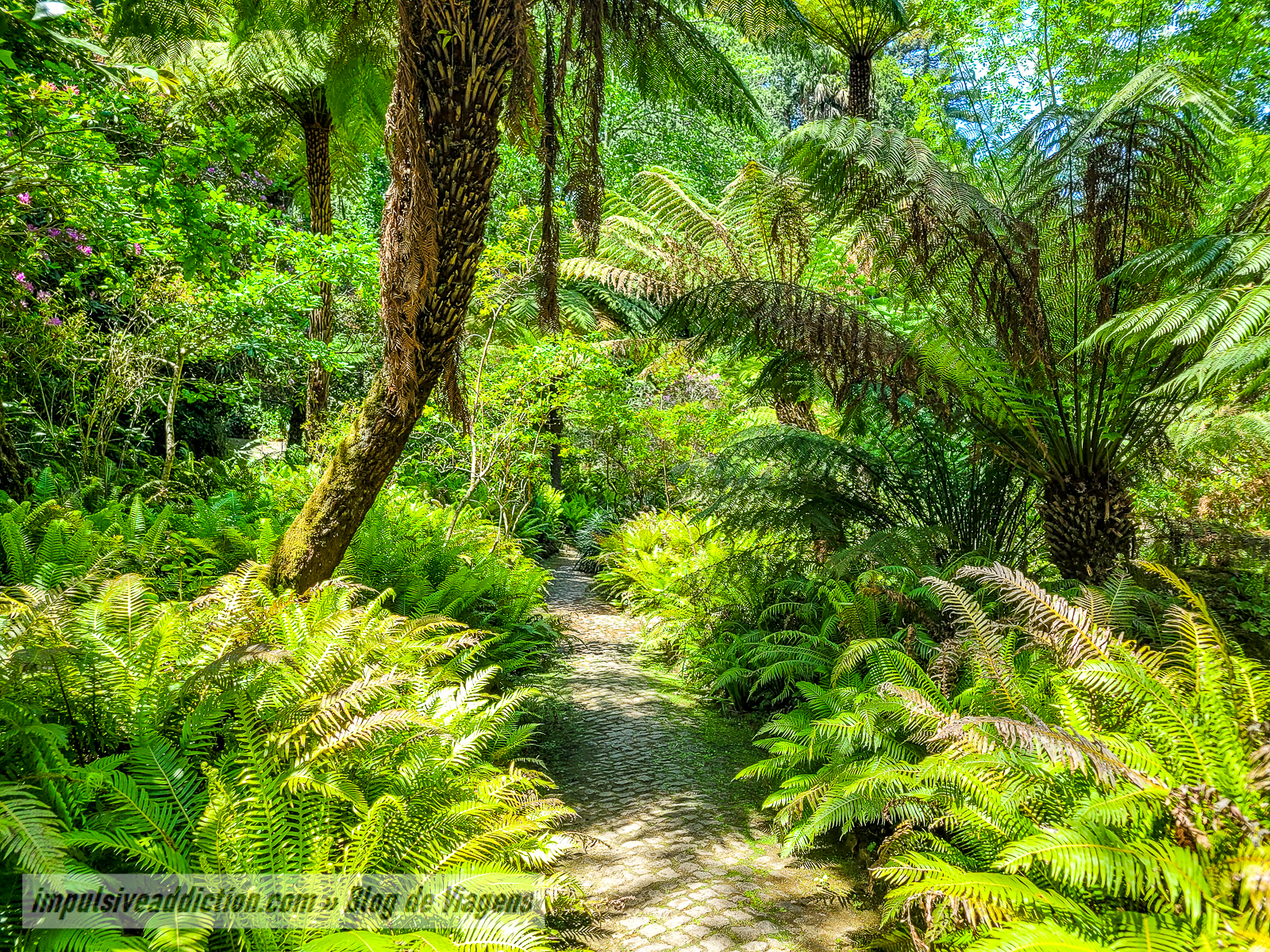
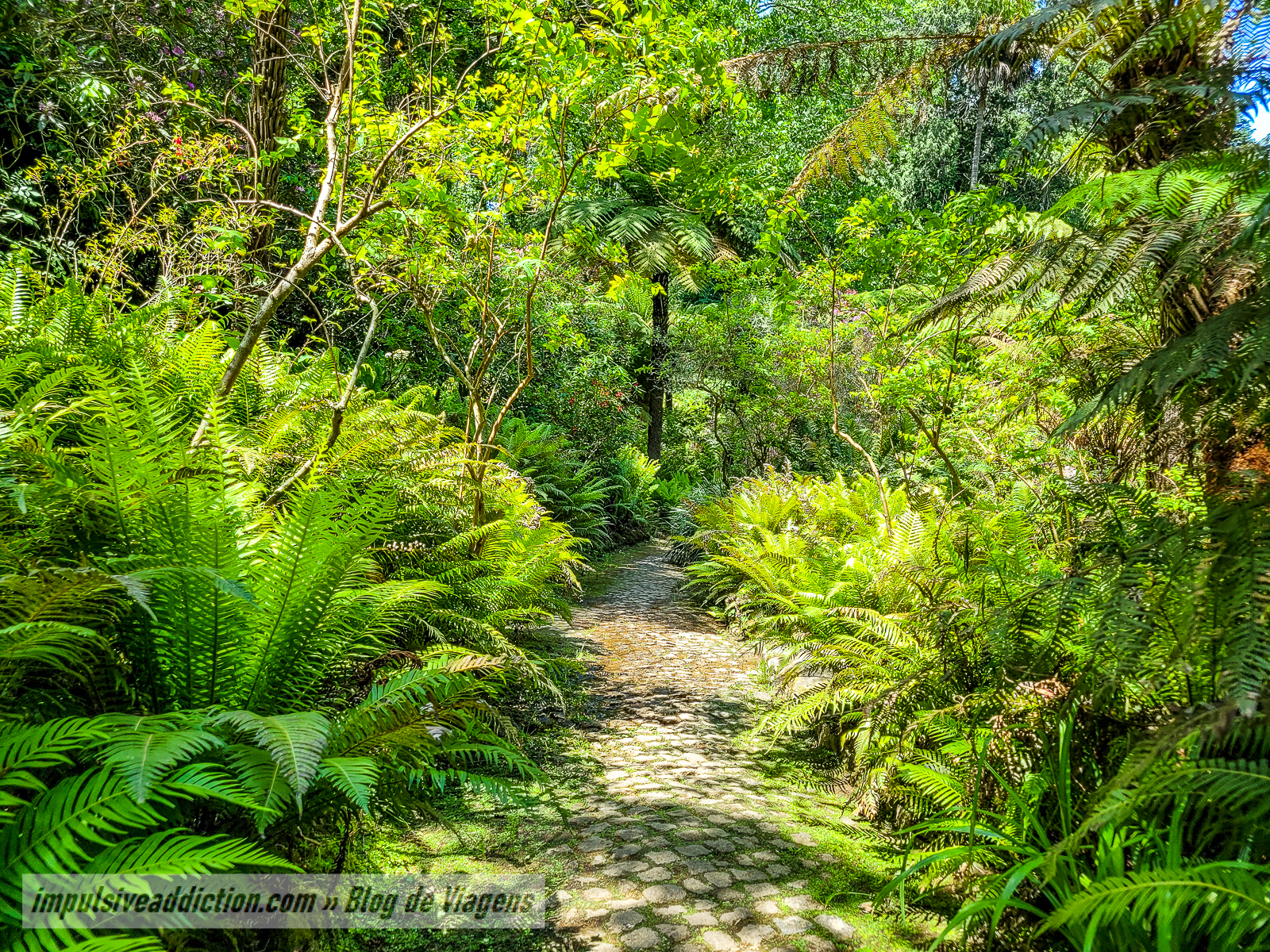
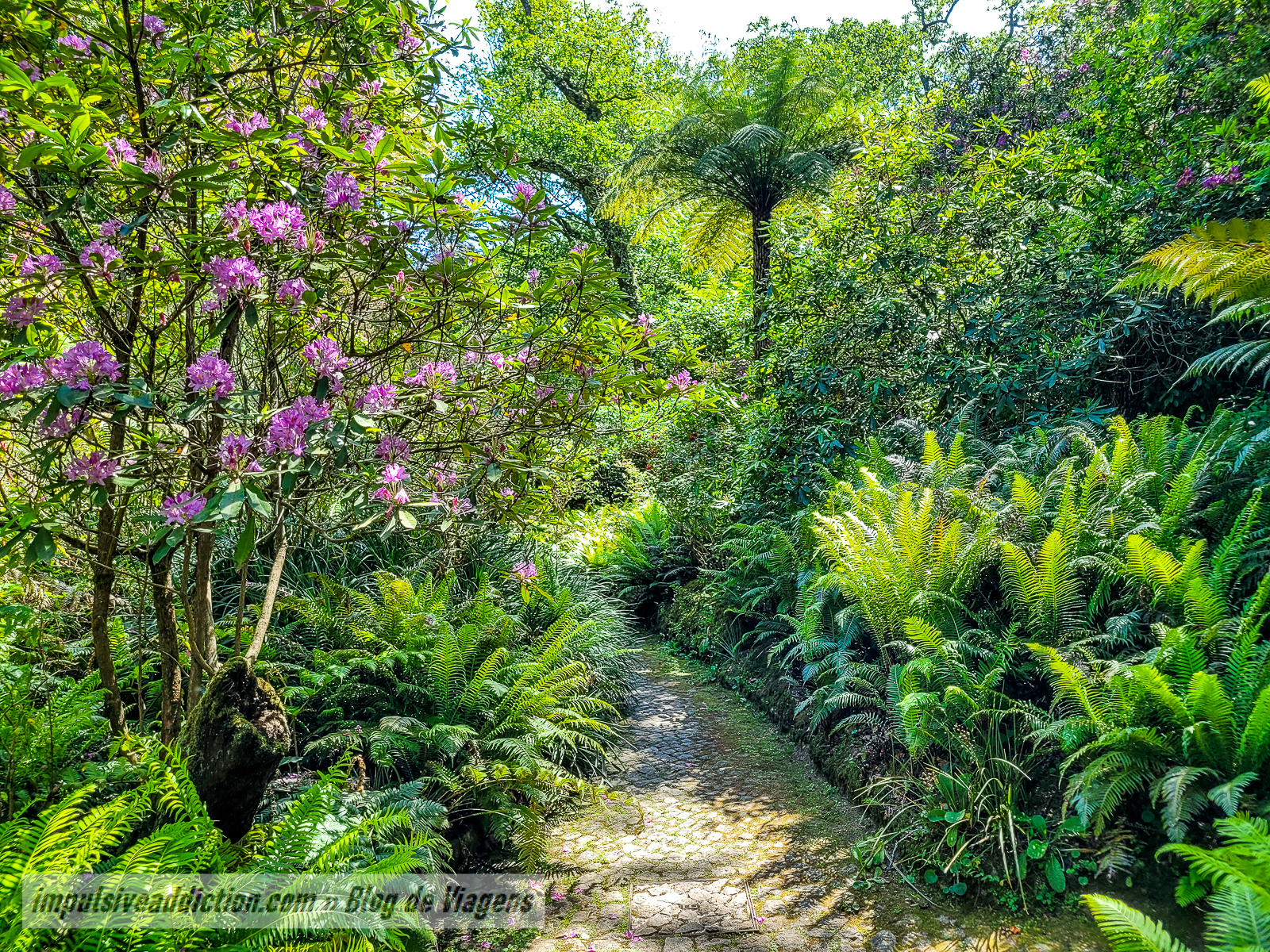
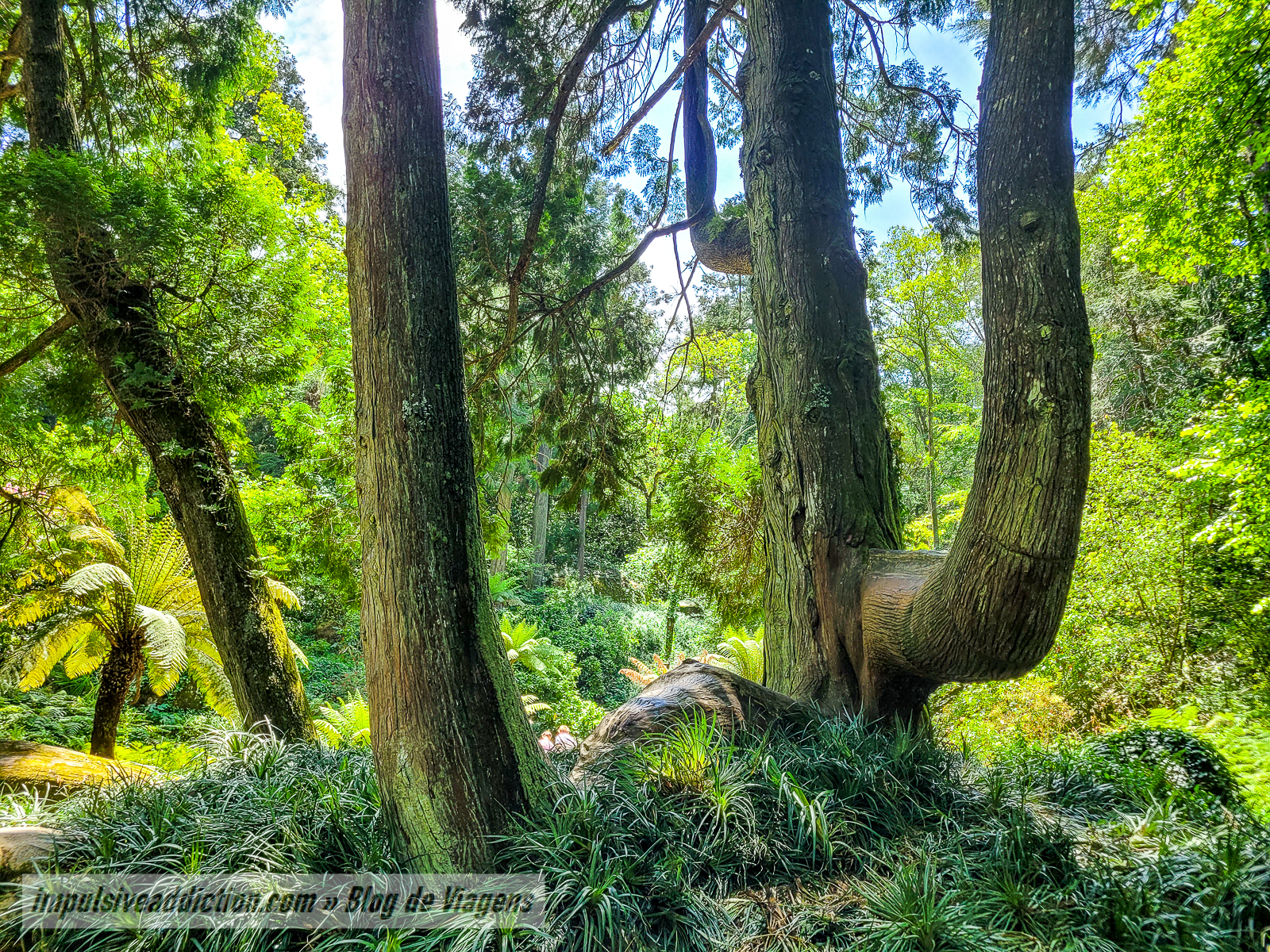
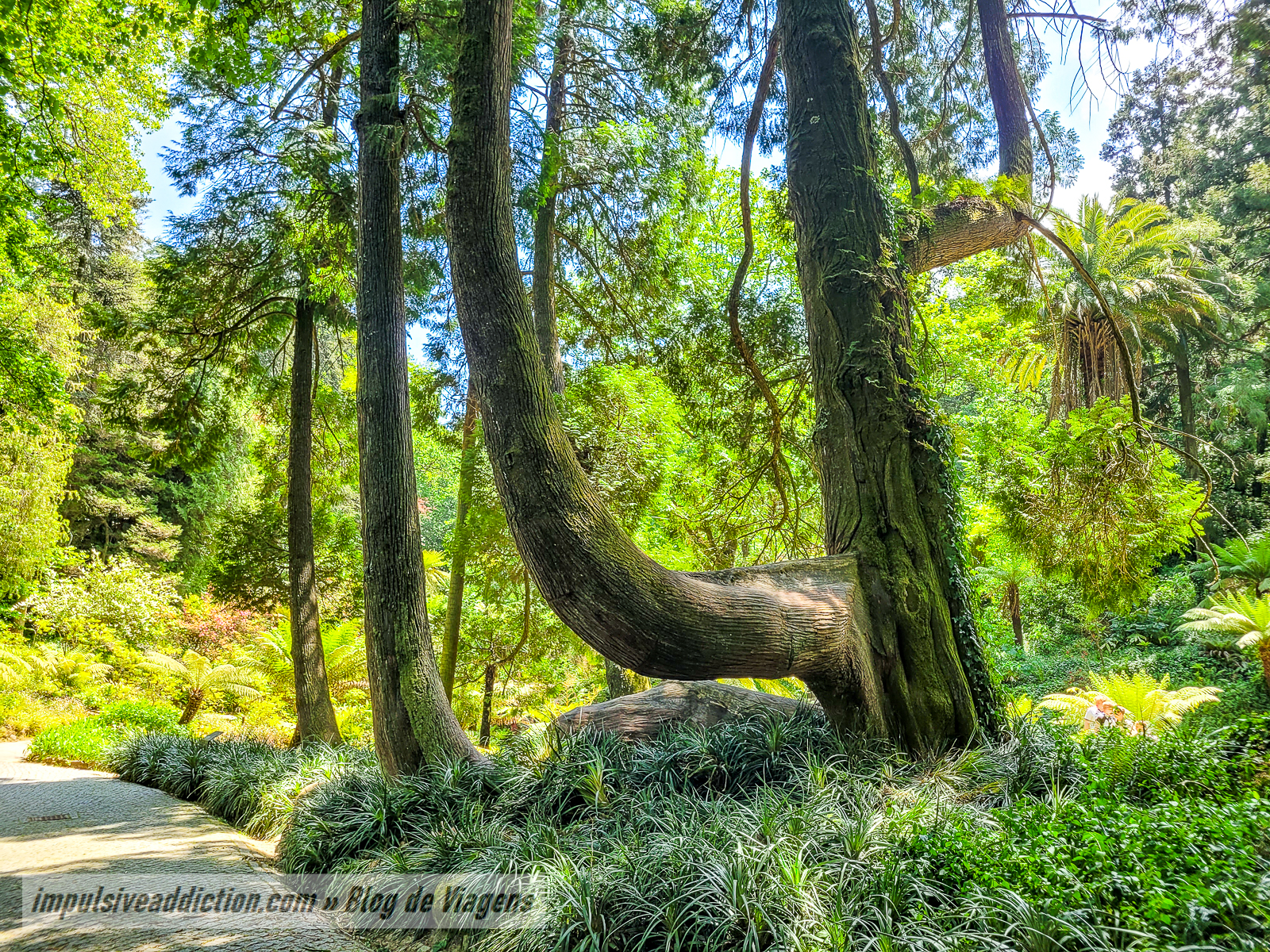
Honestly, it’s a shame (“muita pena” 😅) that most visitors skip the Pena Park, which is absolutely incredible. In my opinion, the interior of the palace isn’t as impressive as the outside and the park.
The history of this site dates back to the 12th century, long before the palace was ever built. At that time, there was a chapel here dedicated to Our Lady of Pena. Later, King Manuel I commissioned the construction of a monastery on the same spot — it became known as the Royal Monastery of Our Lady of Pena, and later as the Monastery of Saint Jerome. It was abandoned in 1834, following the dissolution of the religious orders in Portugal. Today, you can still visit the Monk’s Grotto inside the park, a reminder of that monastic past.
In 1836, Queen Maria II married Ferdinand of Saxe-Coburg and Gotha, an Austrian prince who would become known as King Ferdinand II, also called the artist king. A cultured and visionary man, he fell in love with Sintra and purchased the ruined monastery, intending to transform it into a summer retreat for the royal family. He ended up building the Palace and planting the vast park that surrounds it.
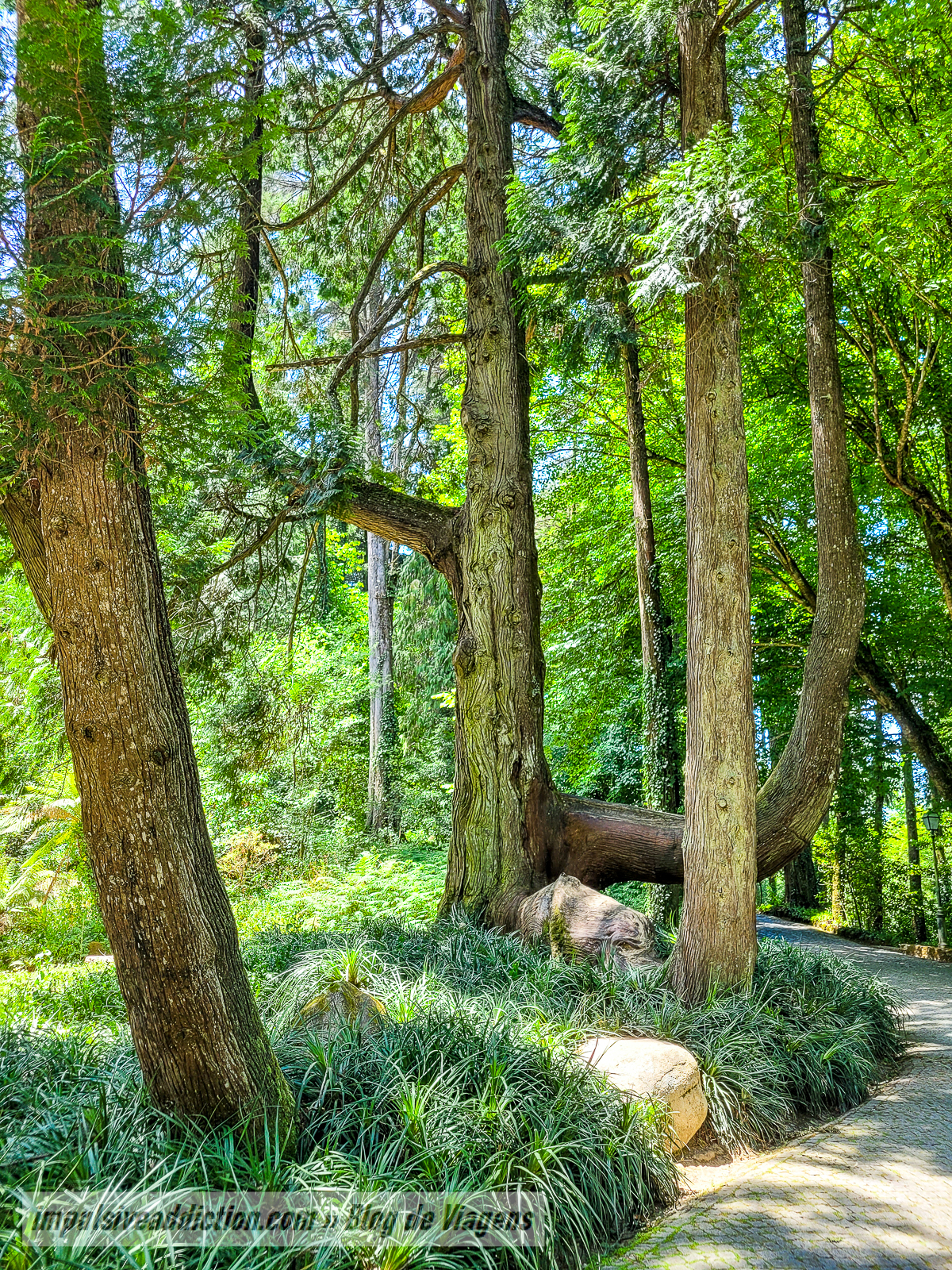
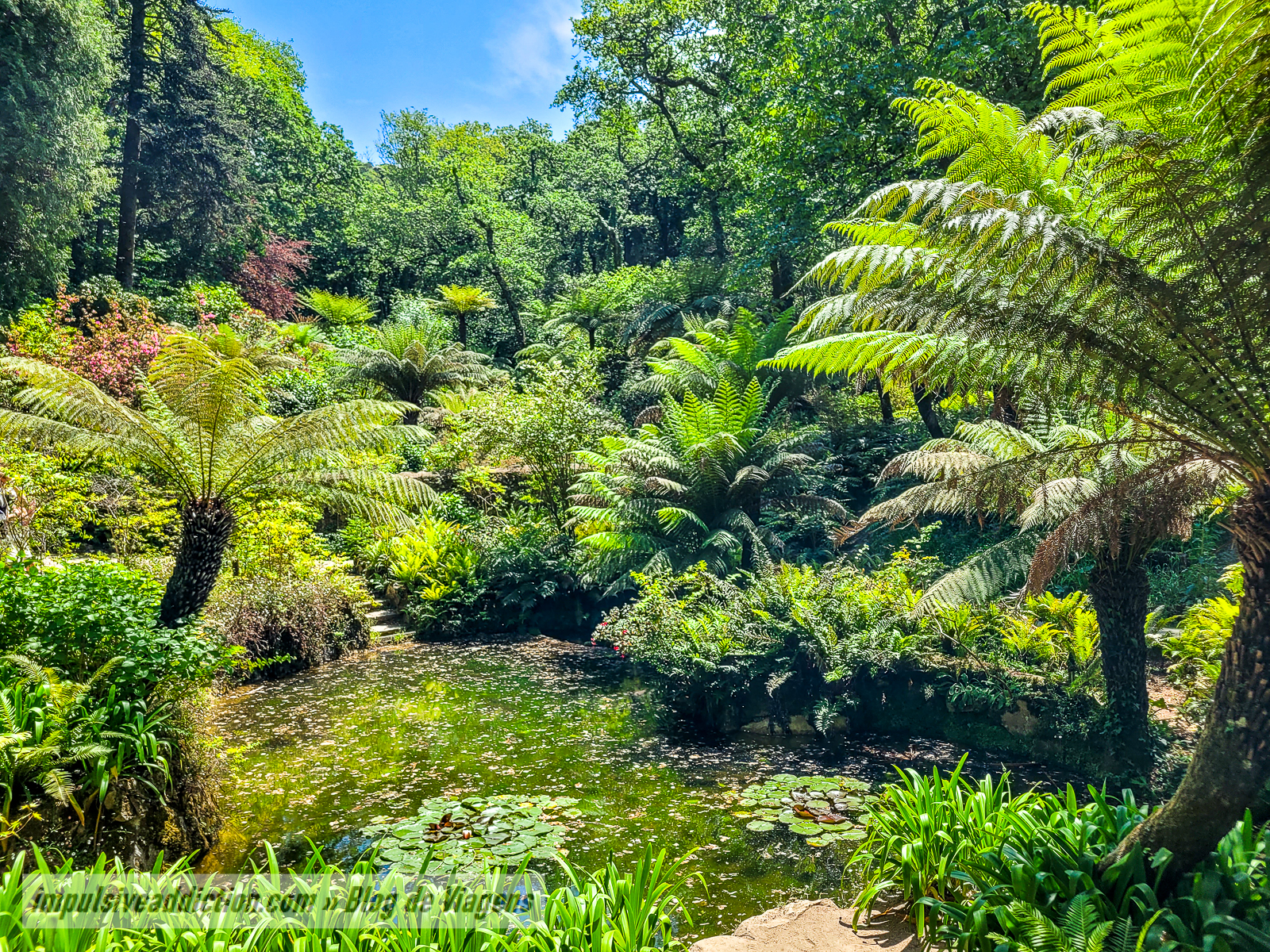
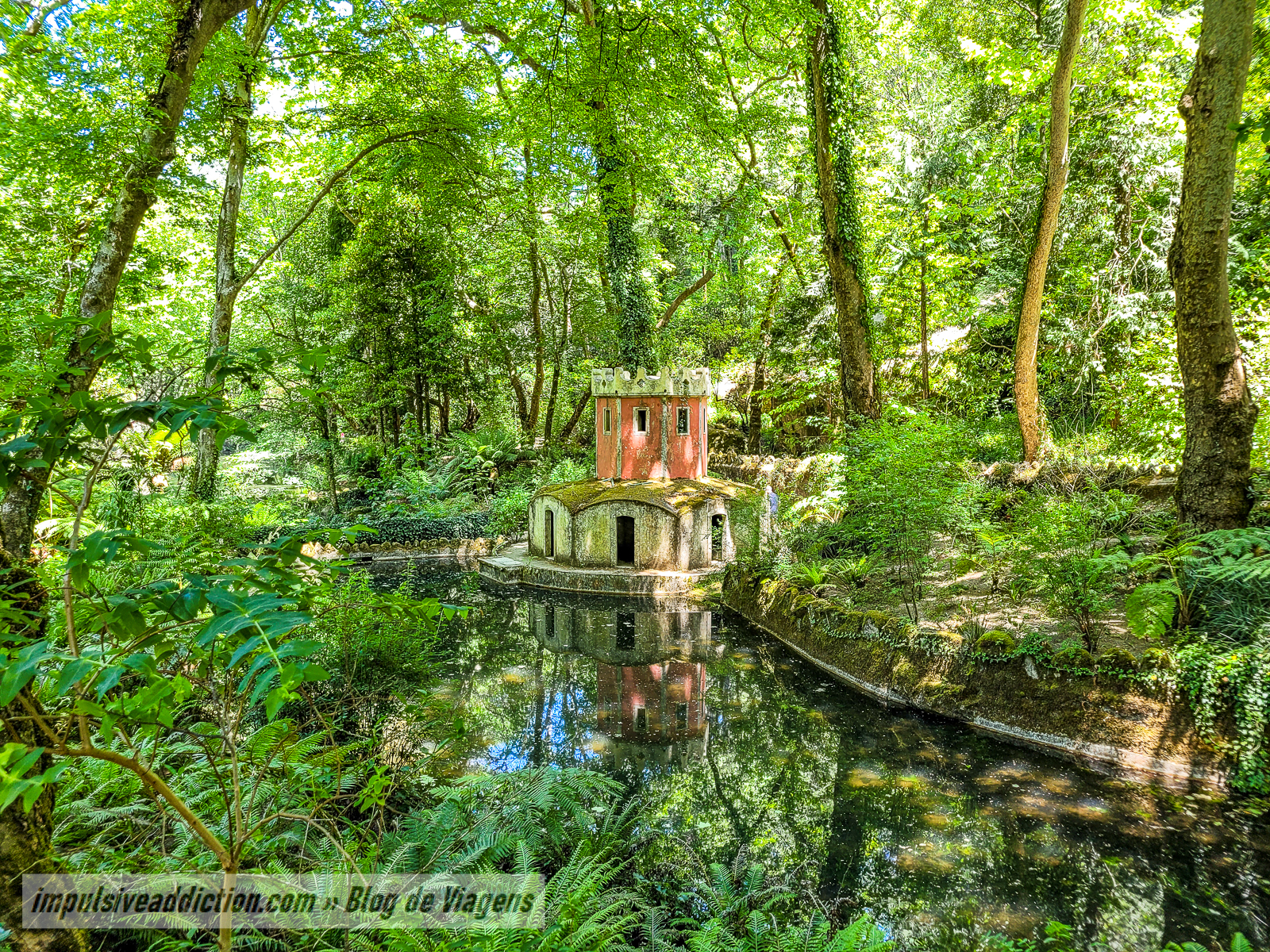
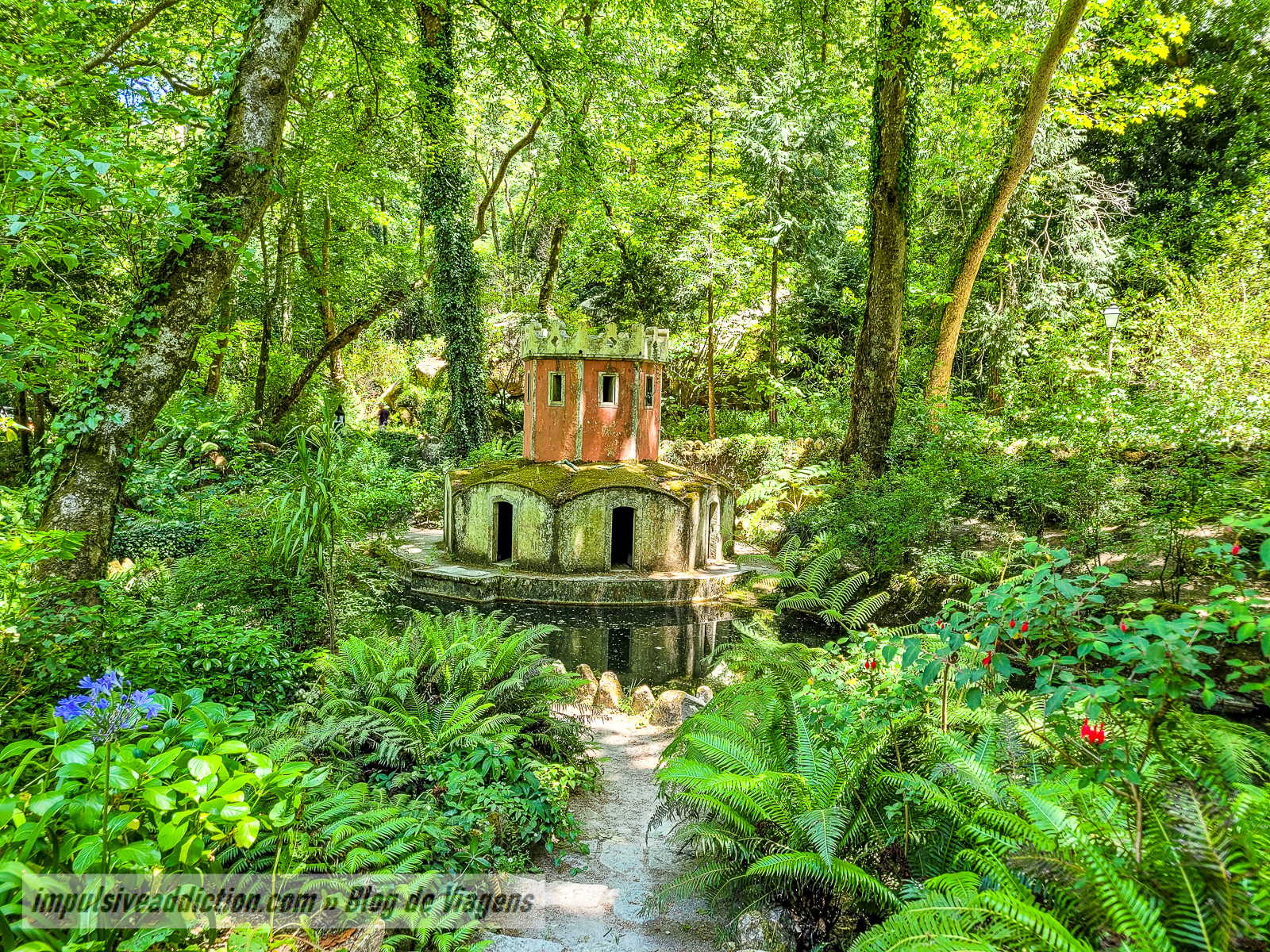
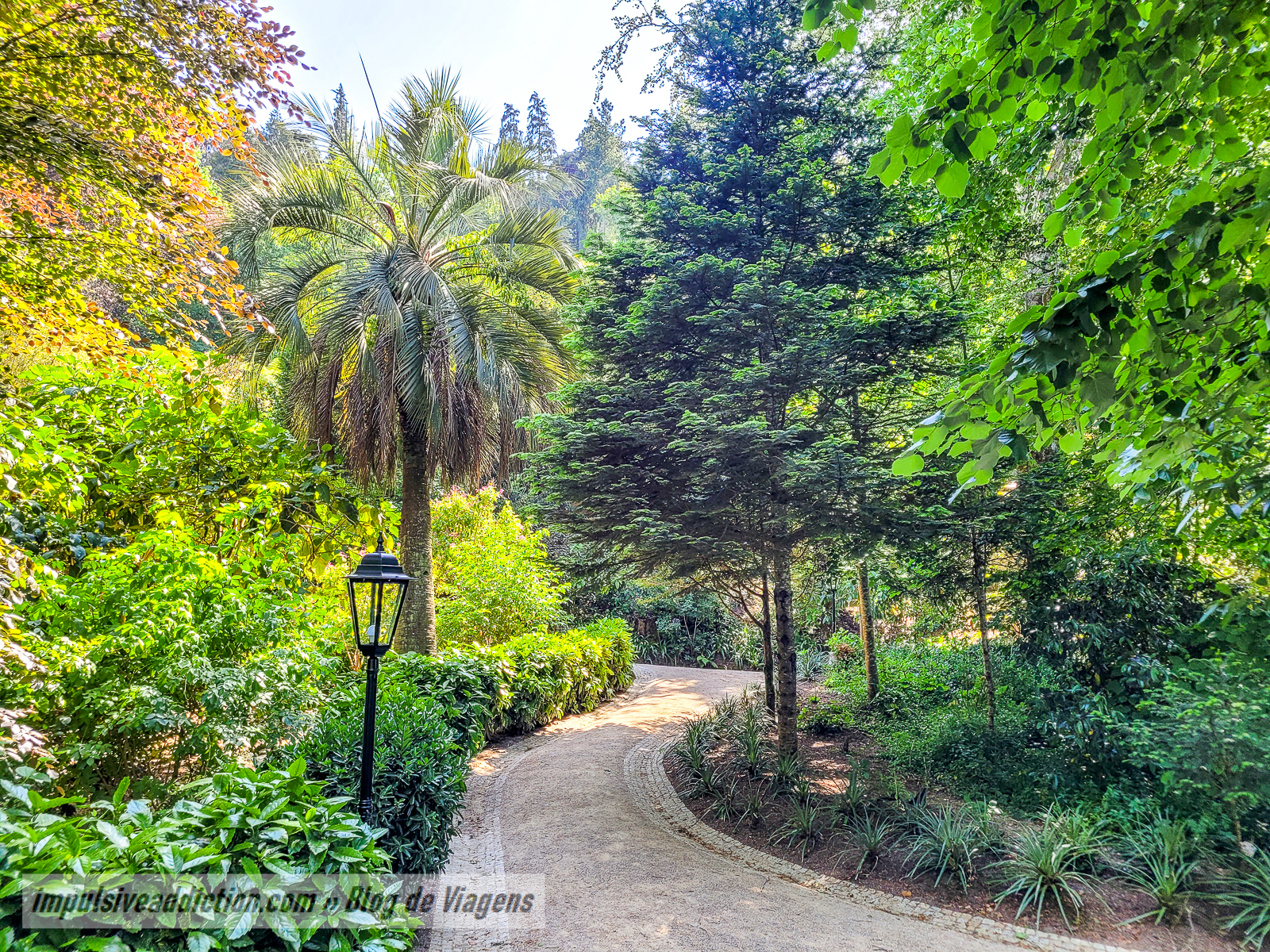
It was Ferdinand II who designed the layout of the park and its iconic landmarks, many of which you can visit today: Cruz Alta, the Temple of Columns, Alto de Santa Catarina, Bird Fountain, Queen’s Fern Garden, and the enchanting Valley of the Lakes. He also introduced tree species from around the world, which is what gives the park its lush and exotic atmosphere.
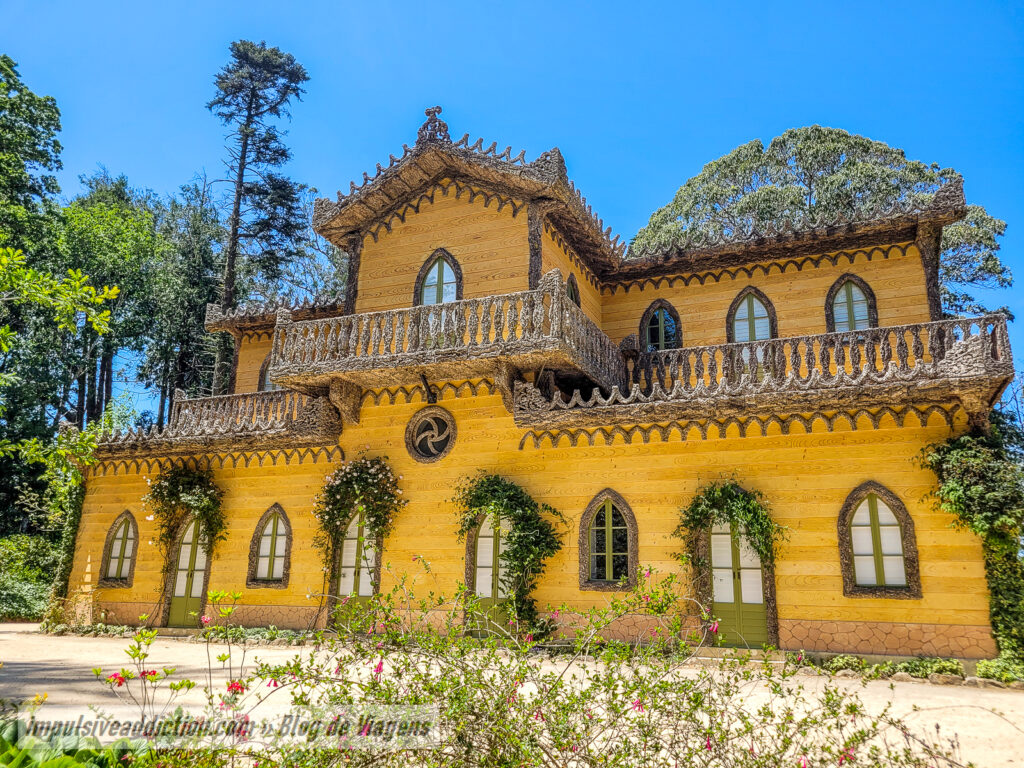
The Chalet of the Countess of Edla, which you’ll see in the second item on this list of Sintra palaces, was also commissioned by Ferdinand — after the death of Queen Maria II, he married Elise Hensler, an opera singer who held the title of Countess of Edla.
We owe this magical place to King Ferdinand II, though it was later occupied by other members of the royal family as well.
The Pena National Palace has been a National Monument since 1910 and a UNESCO World Heritage Site since 1995. It’s also one of the official 7 Wonders of Portugal.
As for visiting, you must book your ticket in advance if you want to guarantee entry to the palace. There are strict time slots every 30 minutes, and they often sell out — trust me, it happens! You can book directly through the Parques de Sintra website, or go for a guided tour, which usually includes tickets.
- From Lisbon: Guided tour of 1 day in Sintra, Pena, Regaleira and Cascais
- From Lisbon: Tour Sintra, Pena Palace, Cabo da Roca and Cascais

2. Chalet of the Countess of Edla
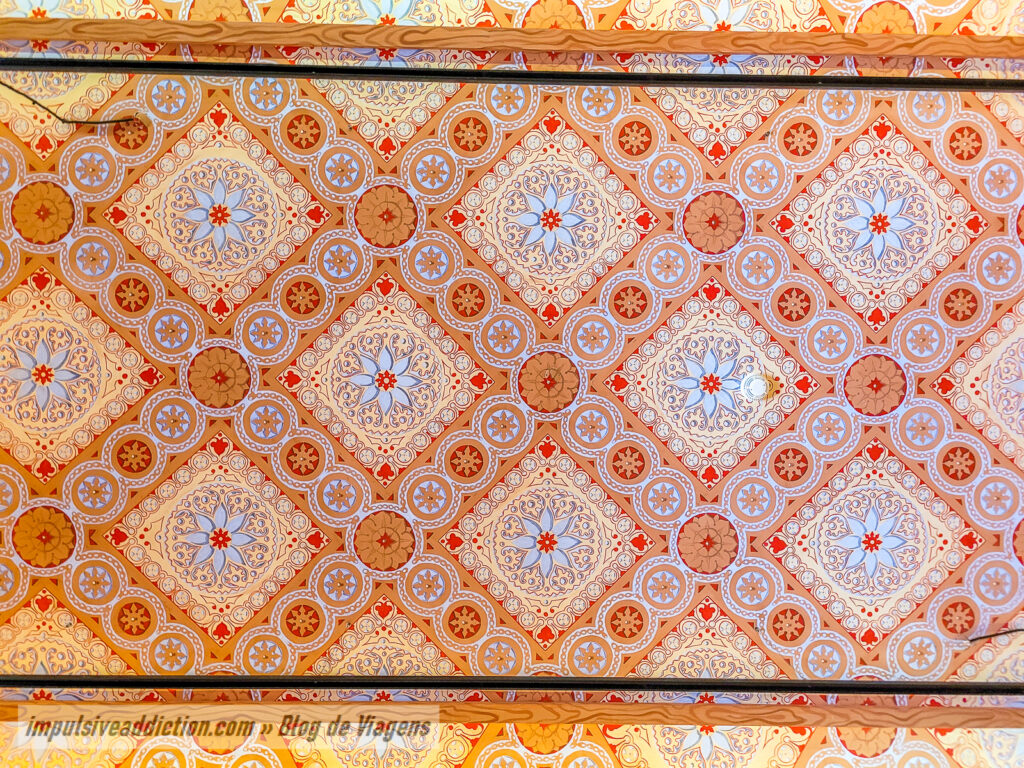
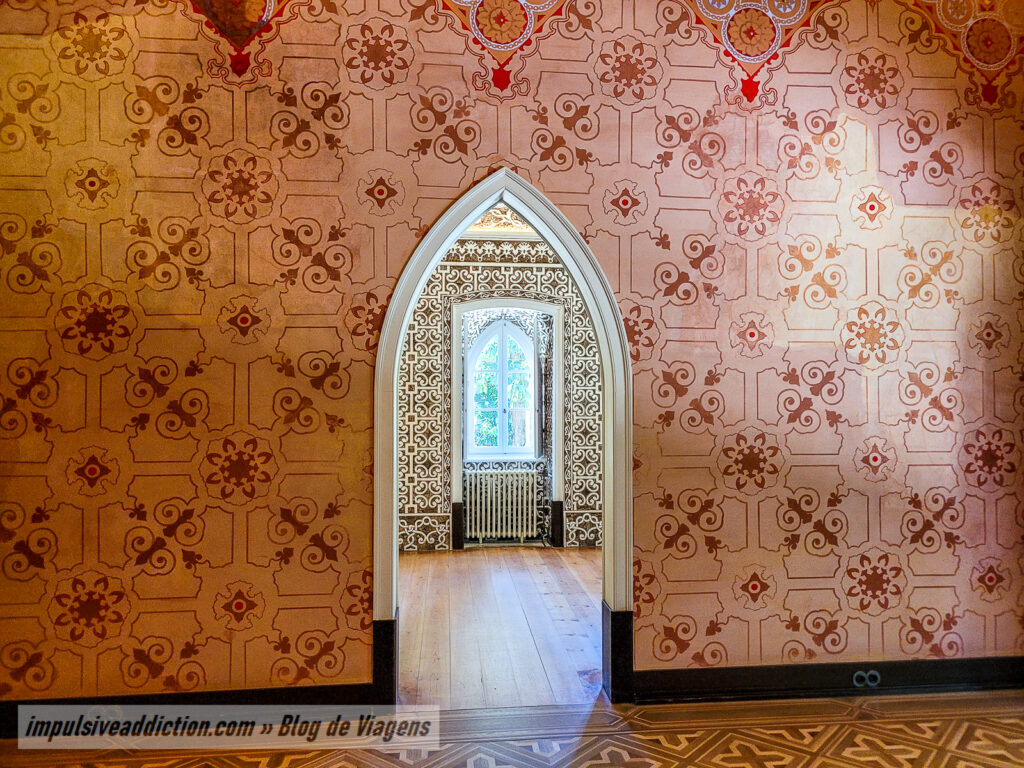
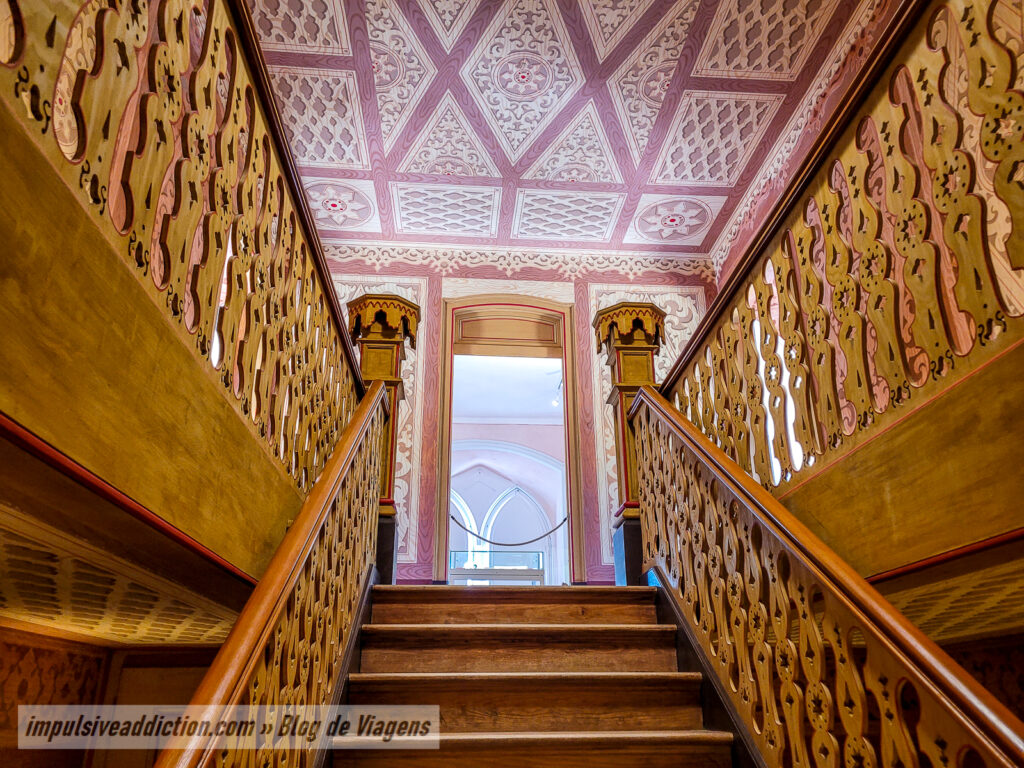
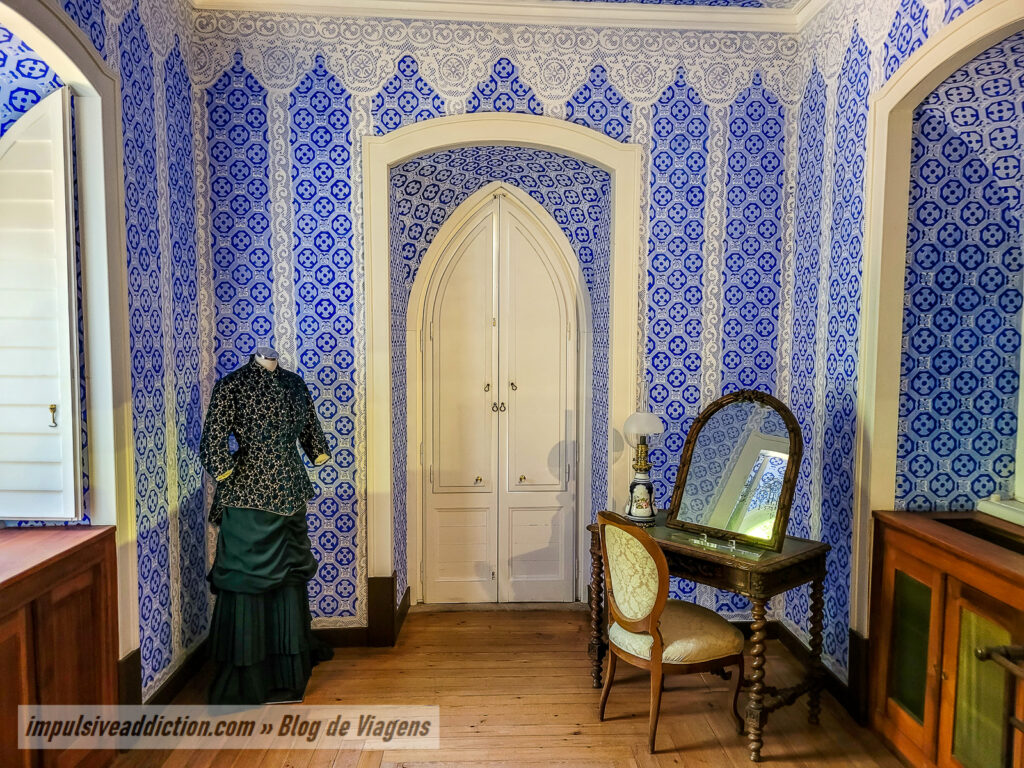
I already introduced the Chalet of the Countess of Edla in the previous section, so I’ll just mention here that it’s located within the grounds of Pena Park.
To visit the chalet, you’ll need to purchase a ticket that includes access to the park.
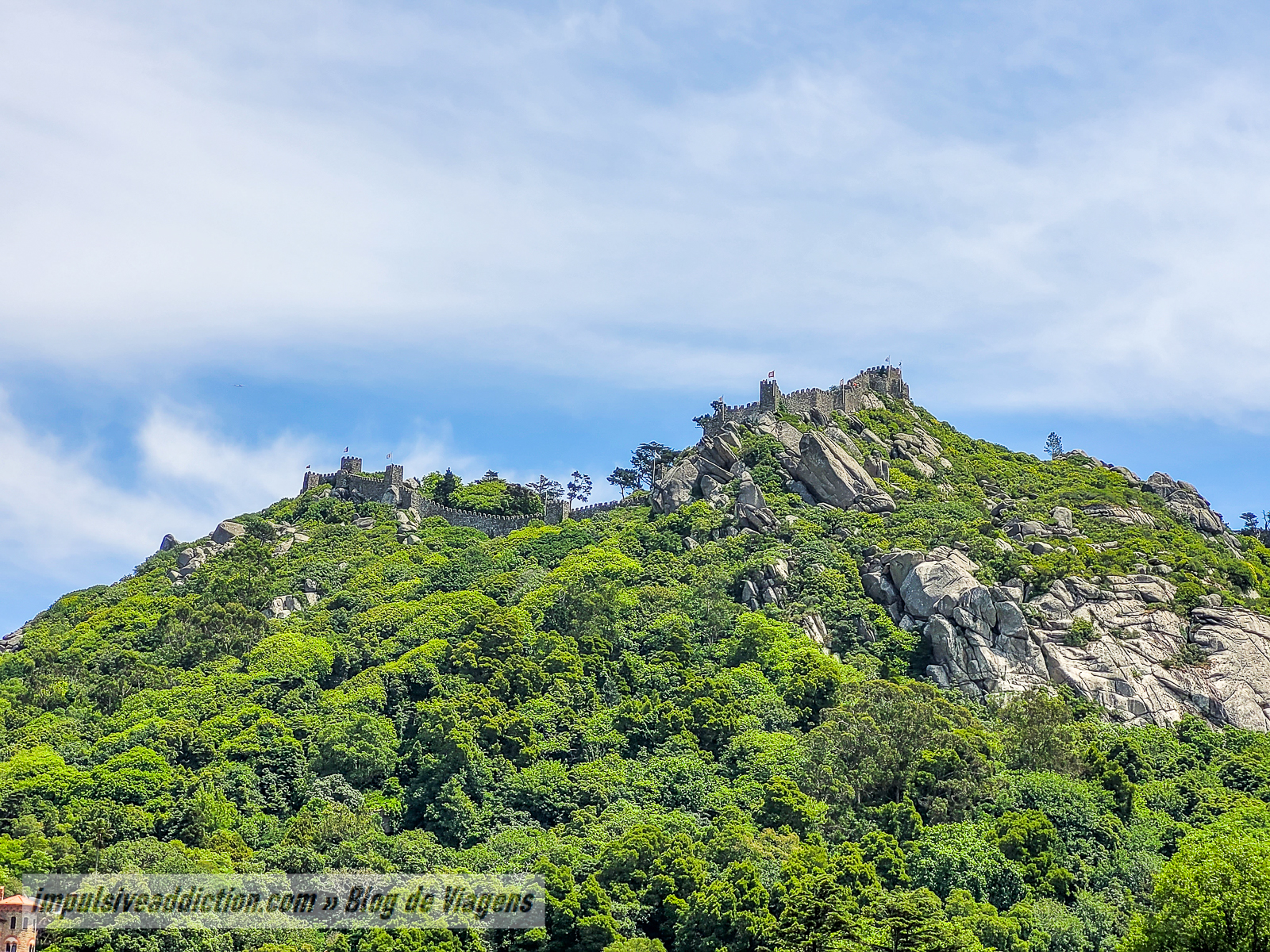
3. Moorish Castle (Castelo dos Mouros)
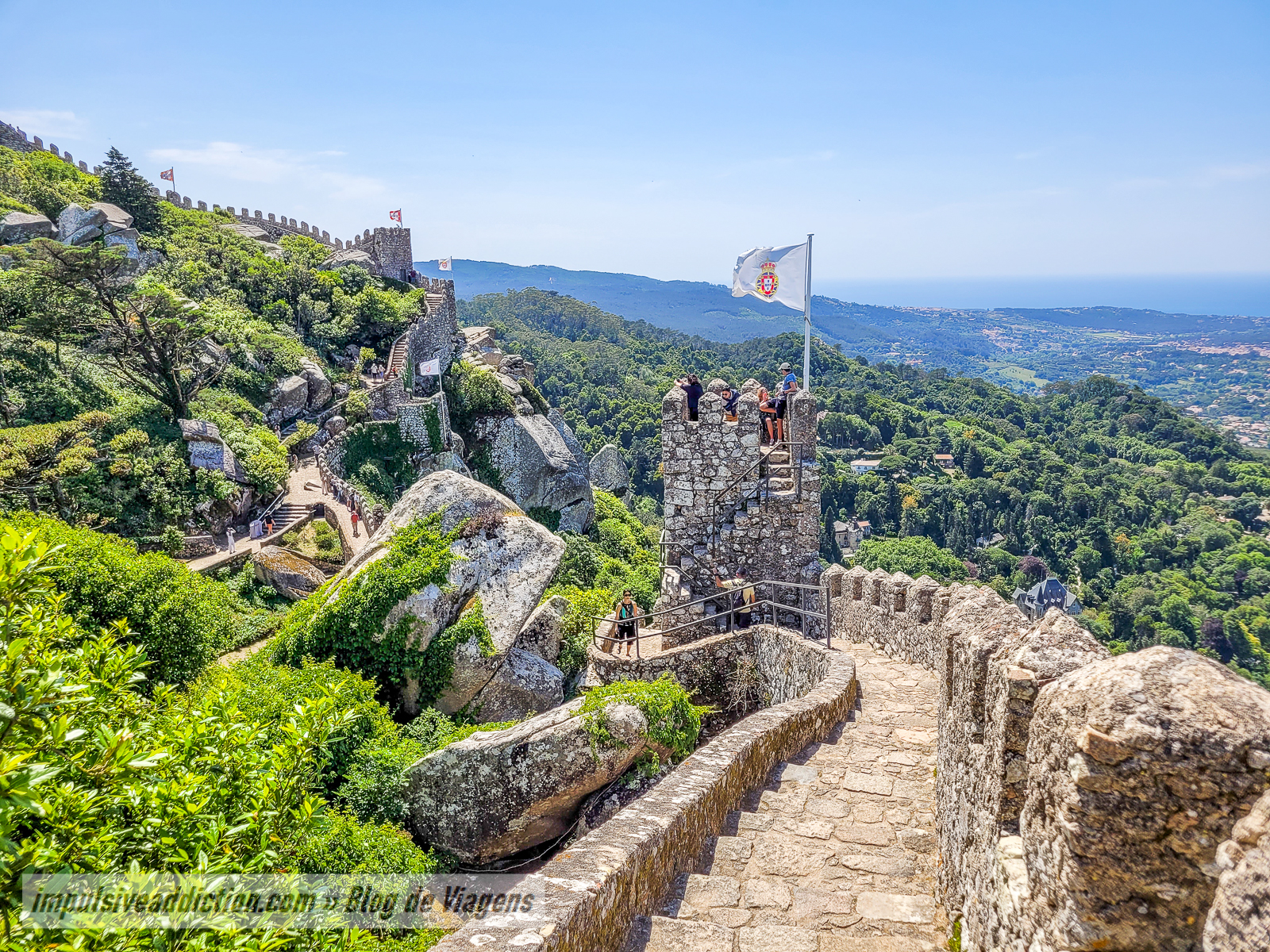
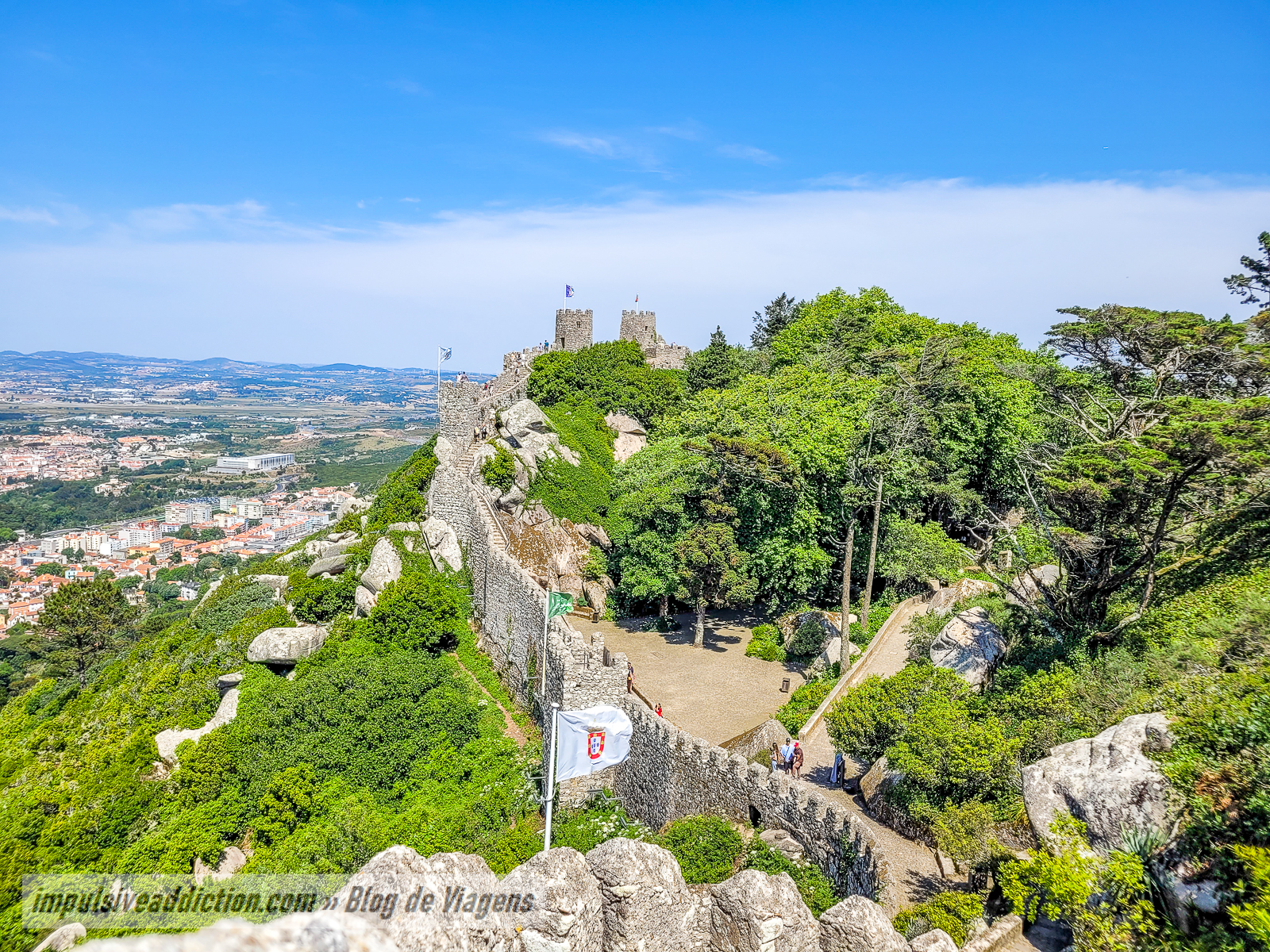
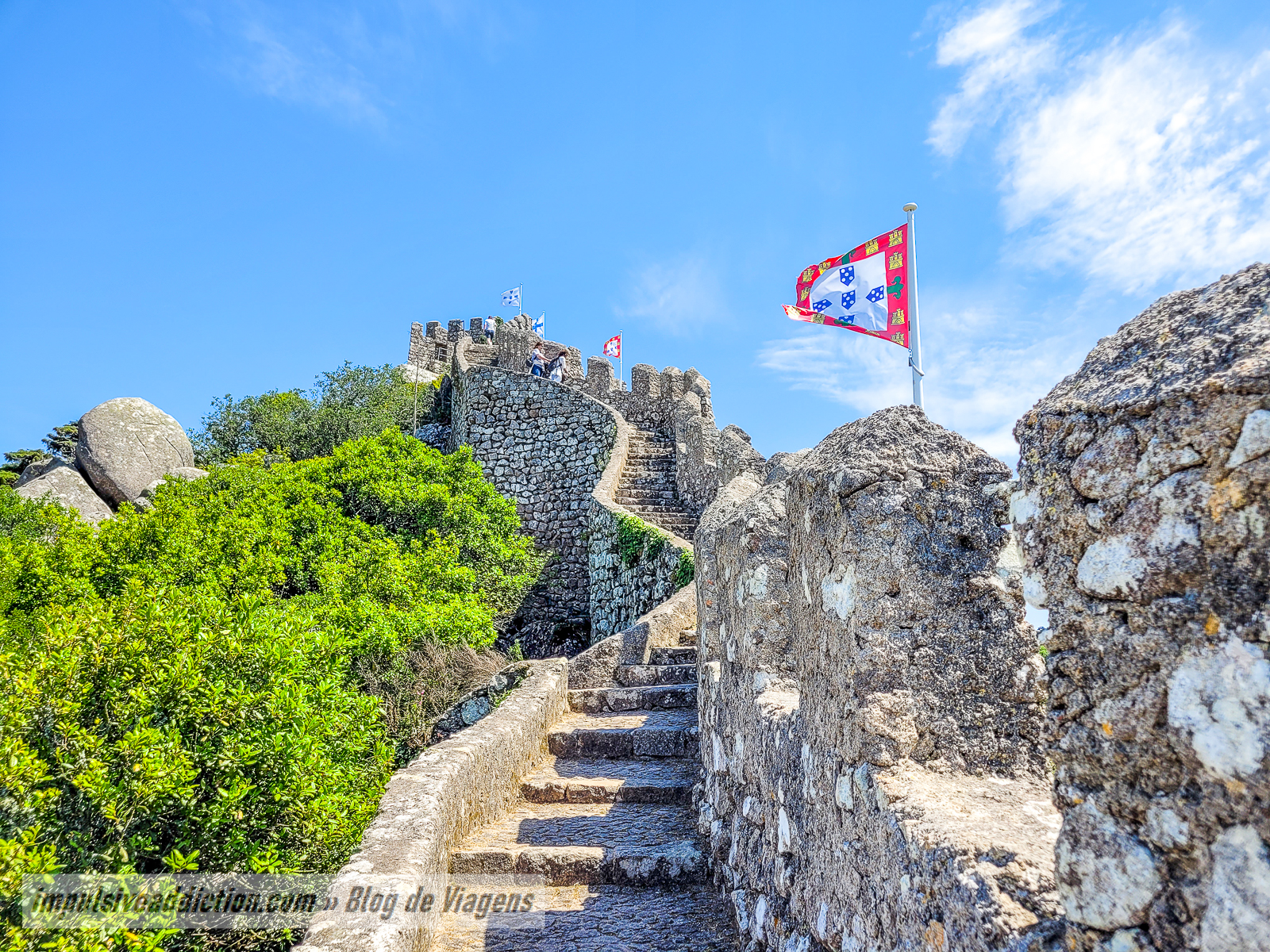
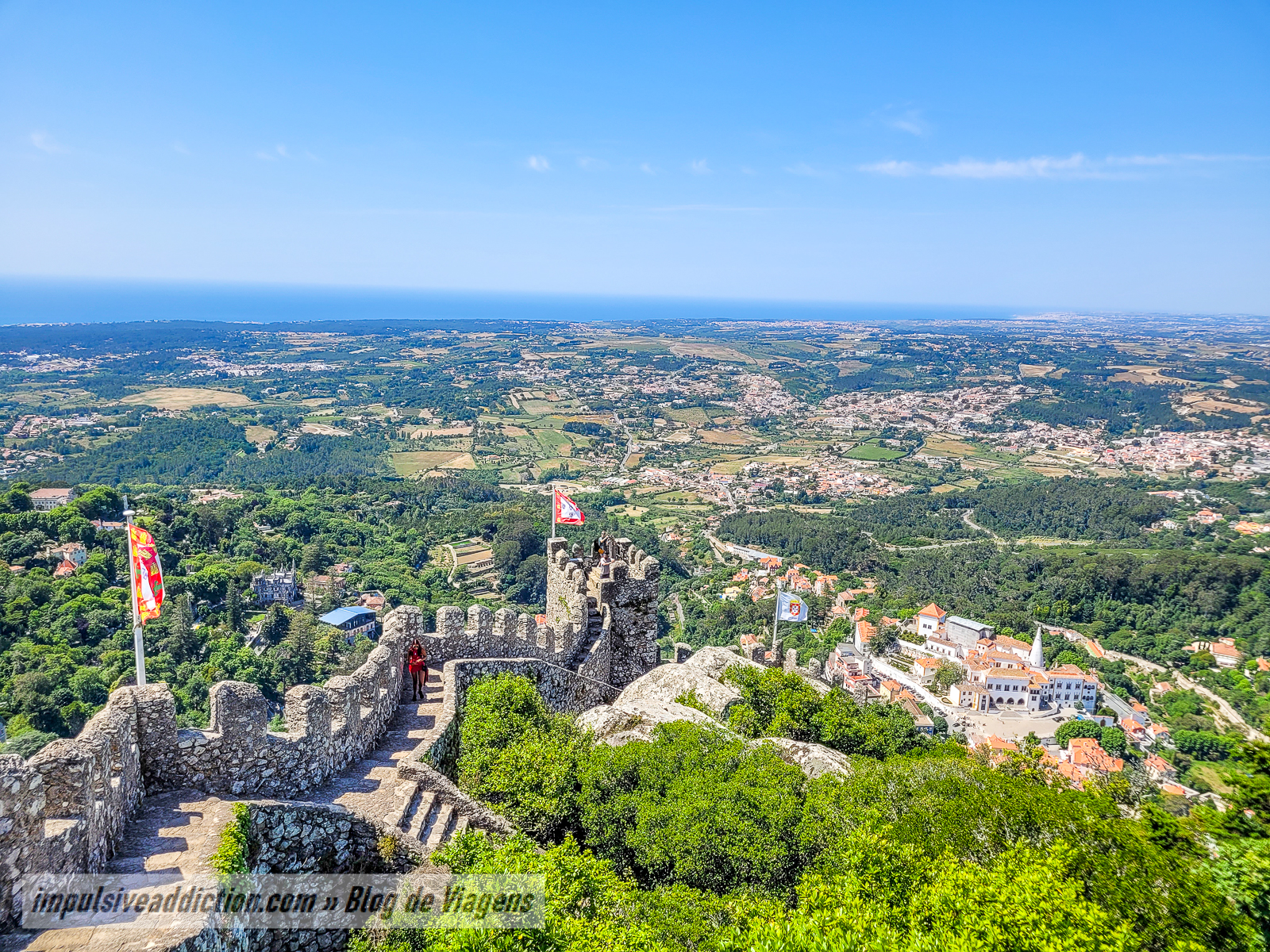
The third item on this list isn’t exactly a palace — it’s a castle. But it’s included here because it also has a park — and quite a large one! 🙂
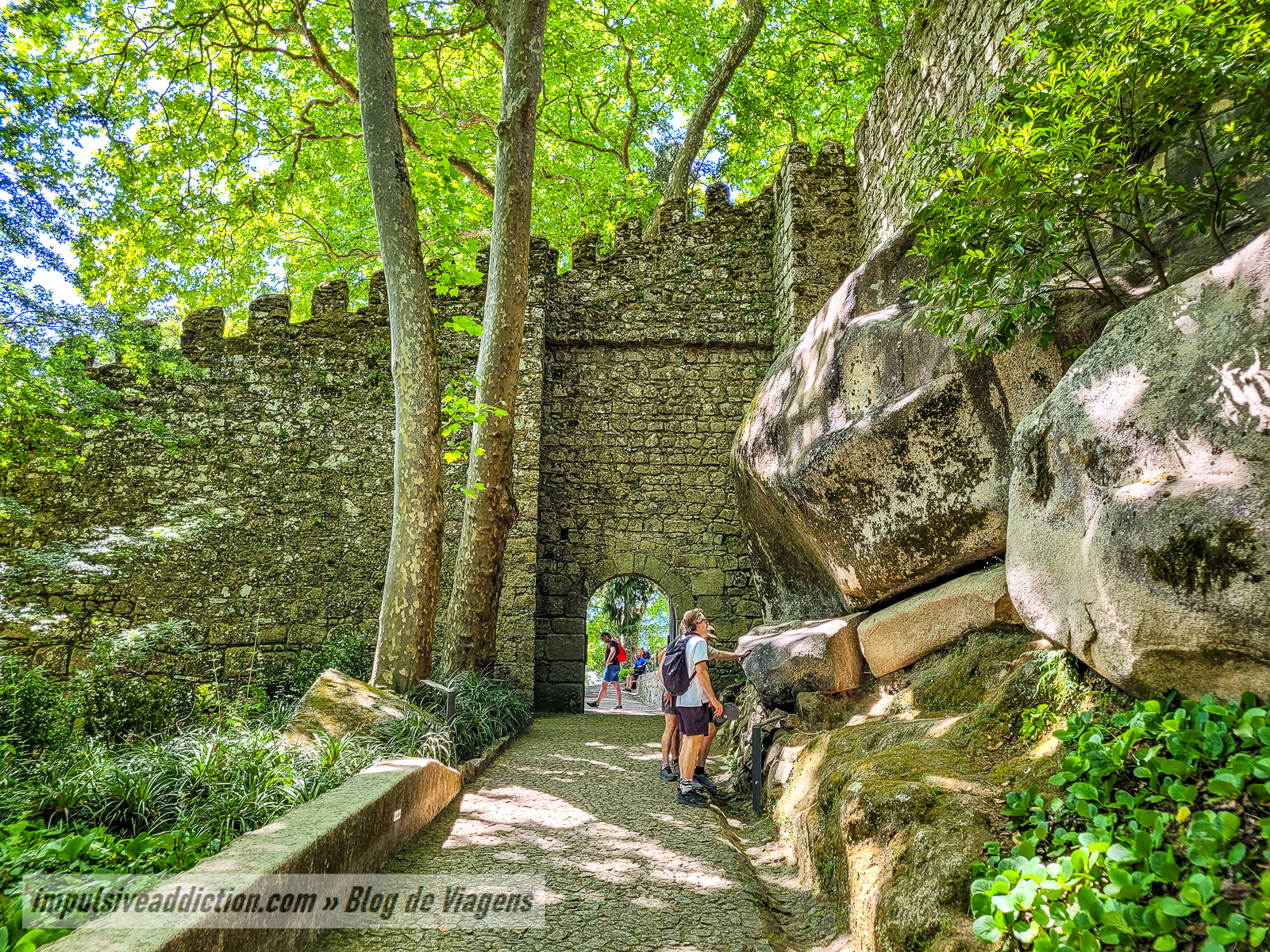
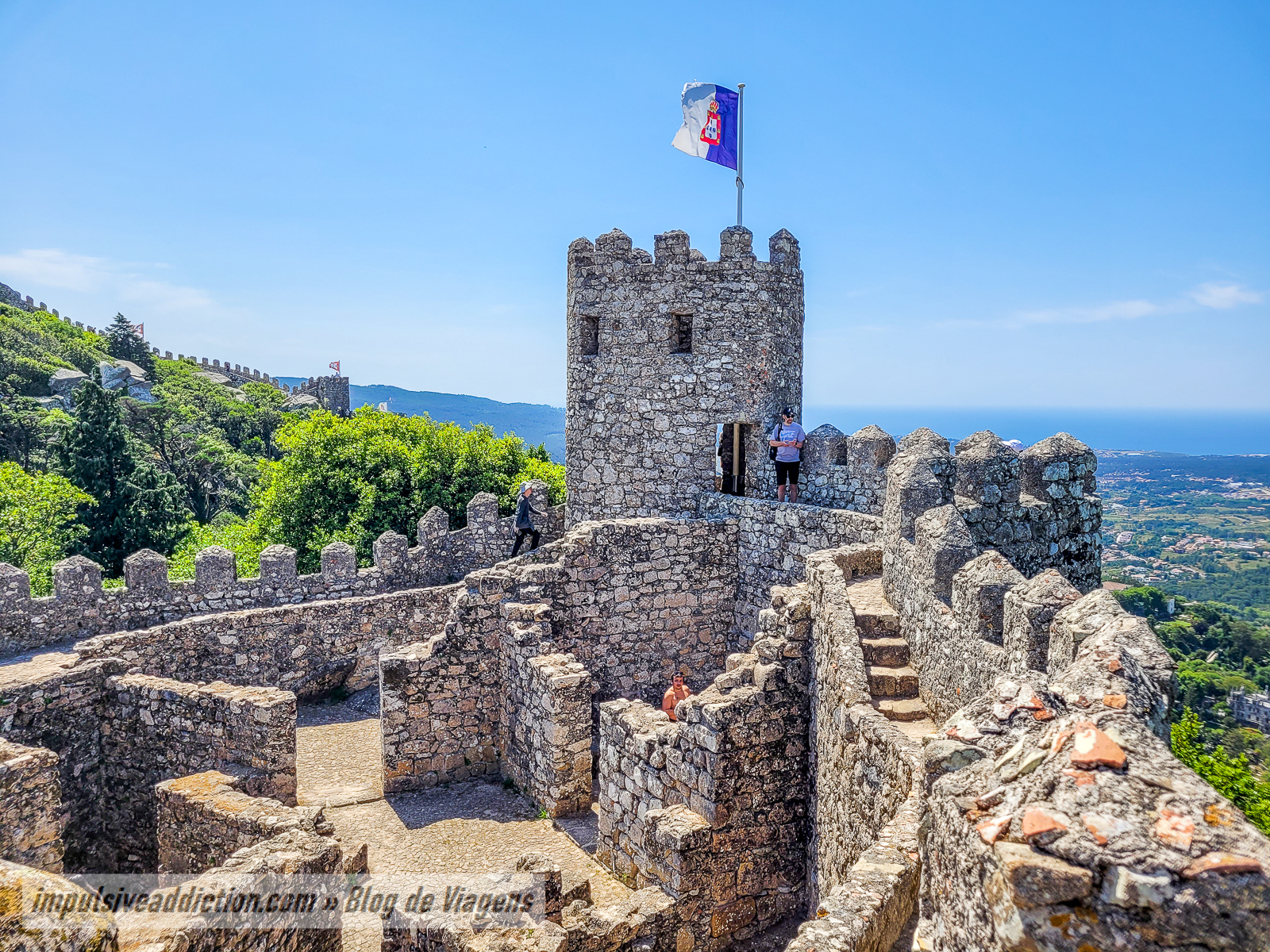
I always recommend visiting Pena Palace and Park in the morning, followed by a visit to the Moorish Castle in the afternoon. This route includes a scenic walk down through the castle’s forested park, ending back in Sintra’s historic center — a perfect day in the hills!
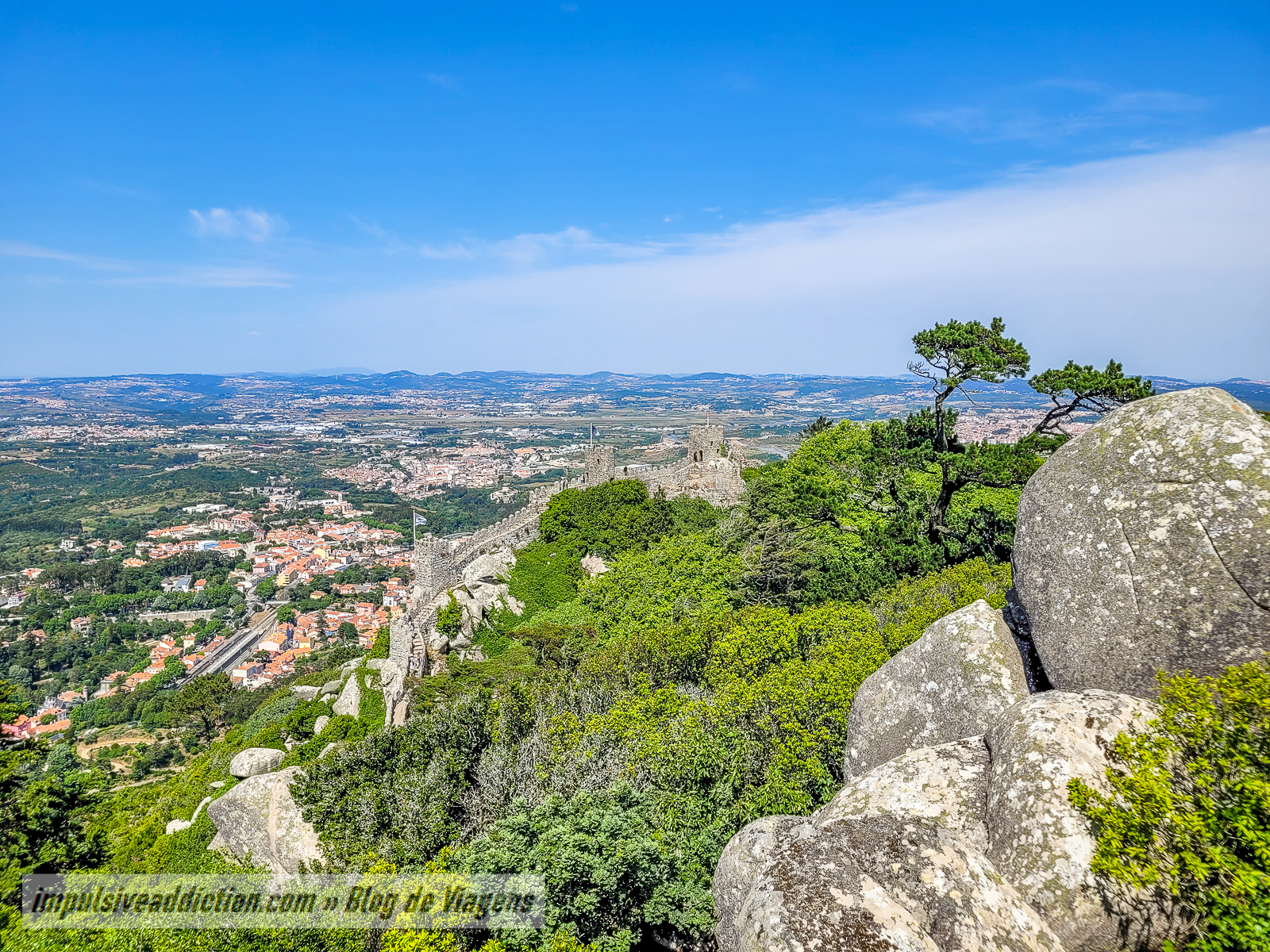
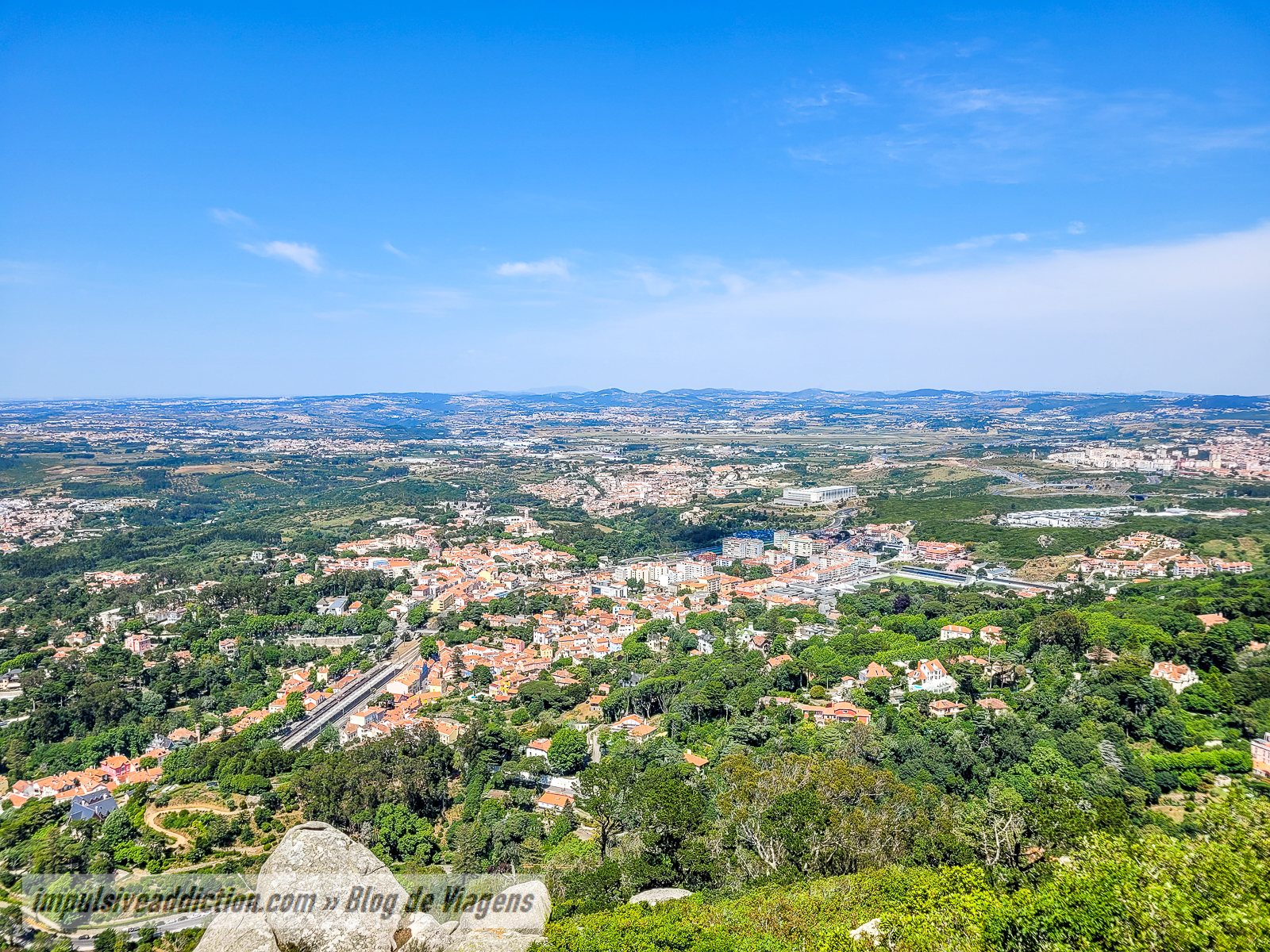
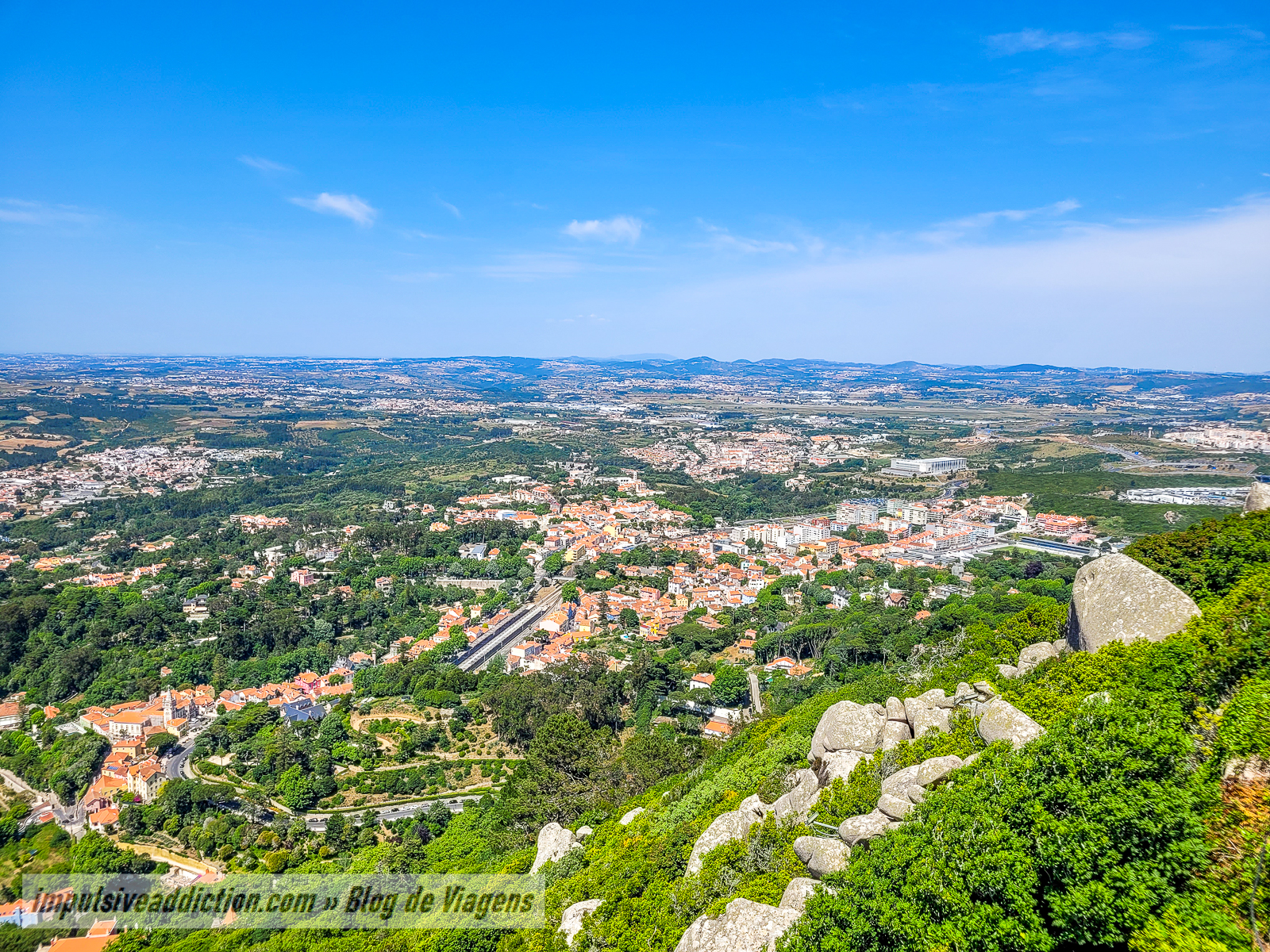
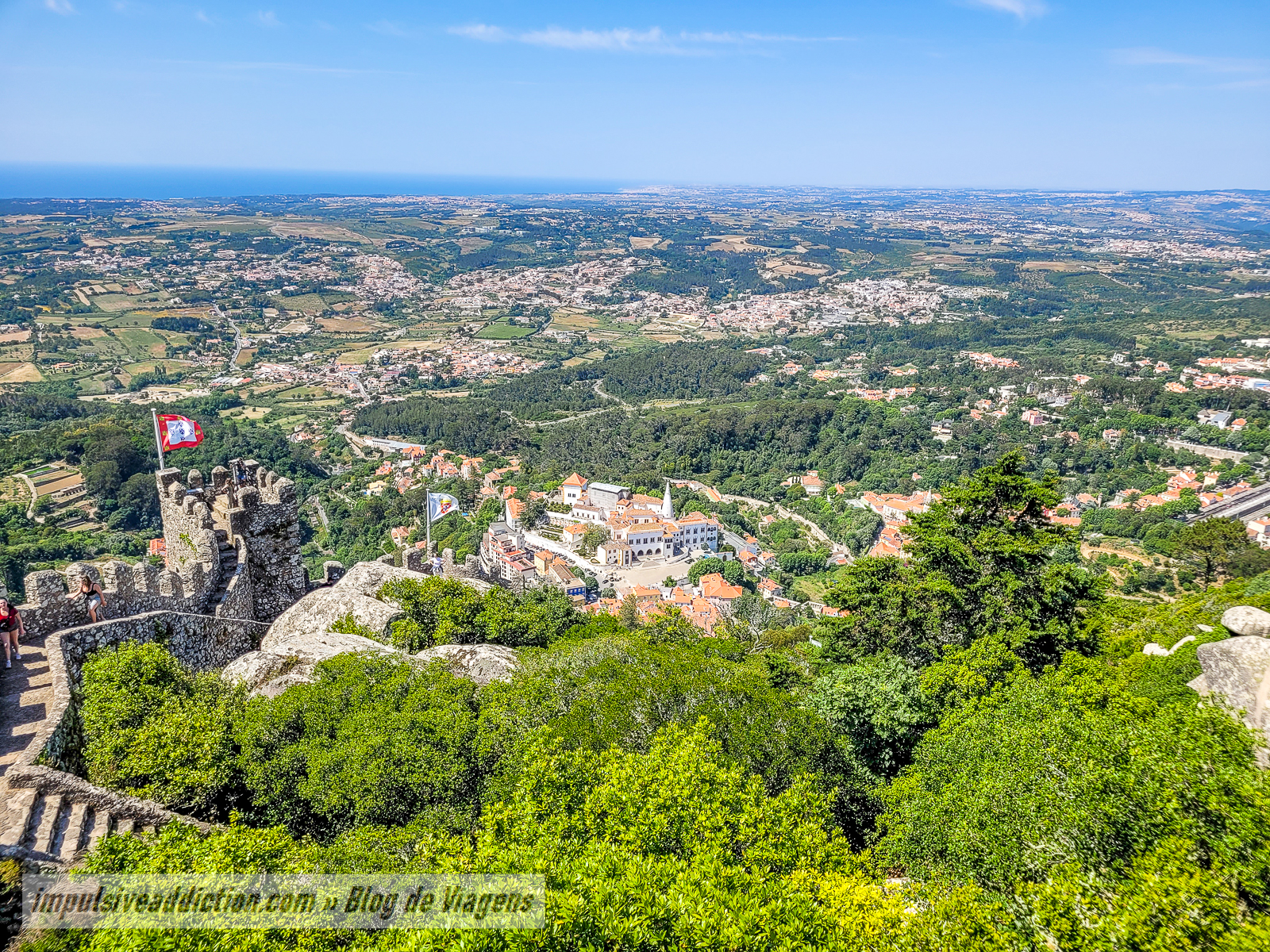
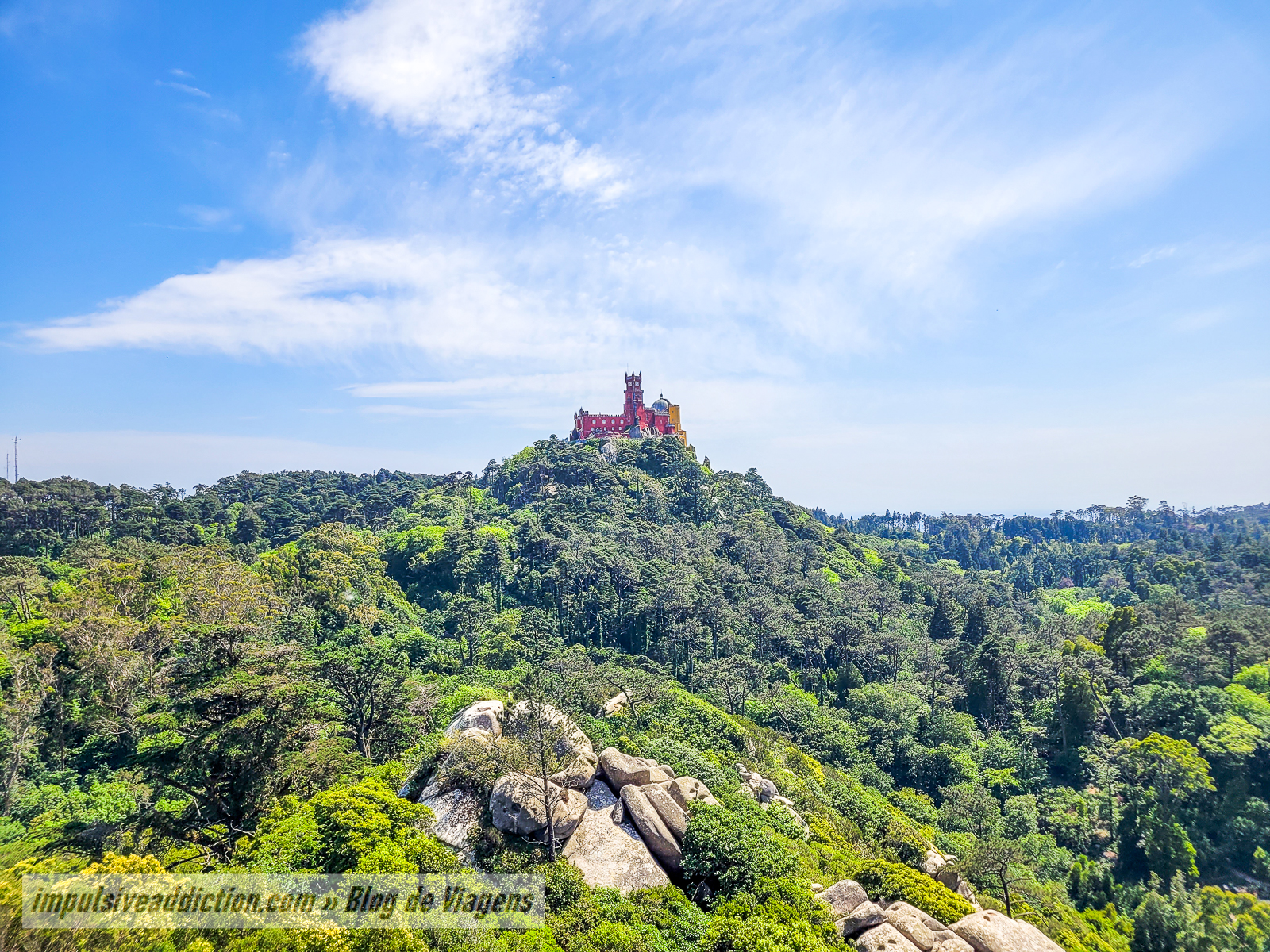
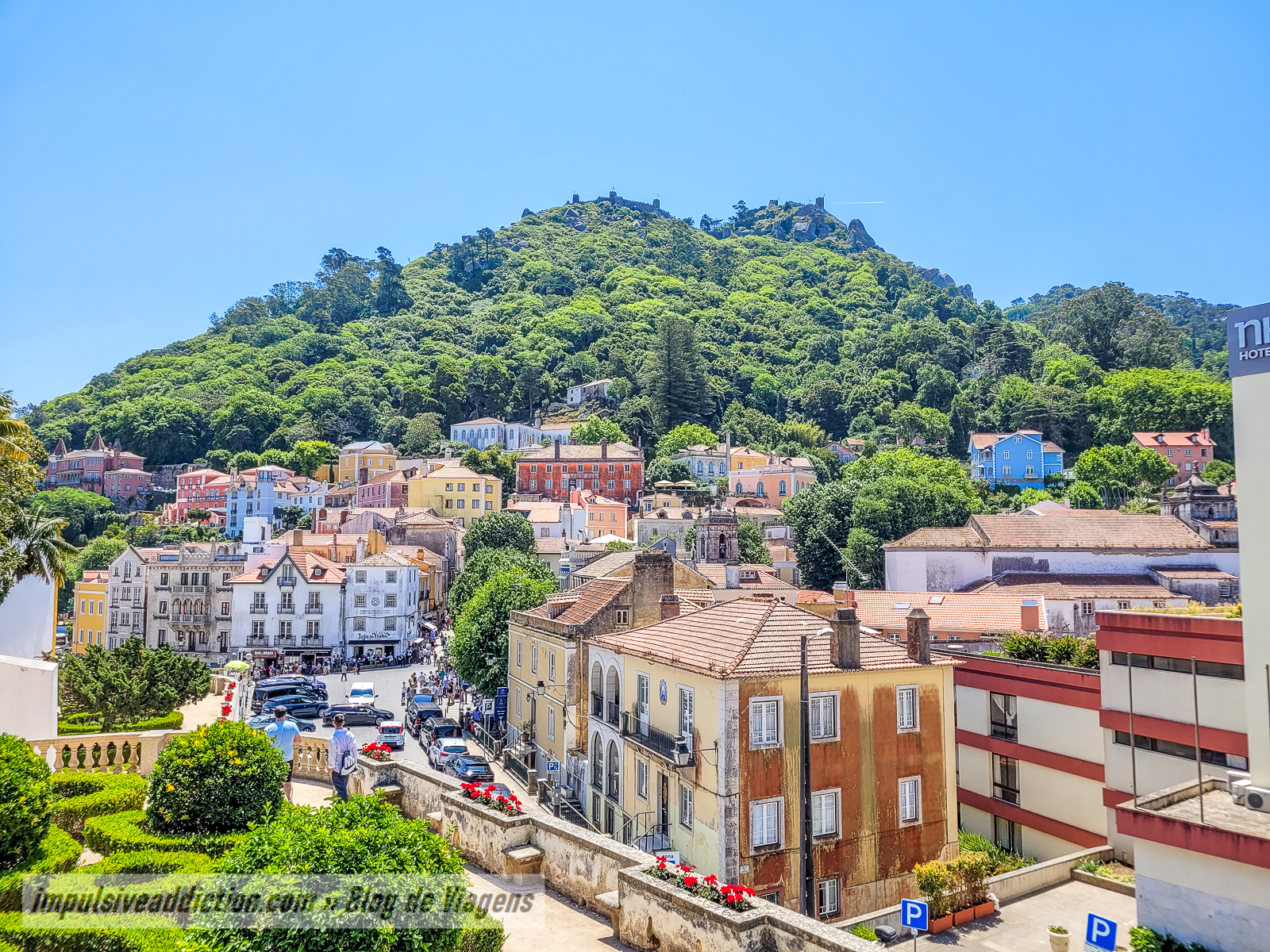
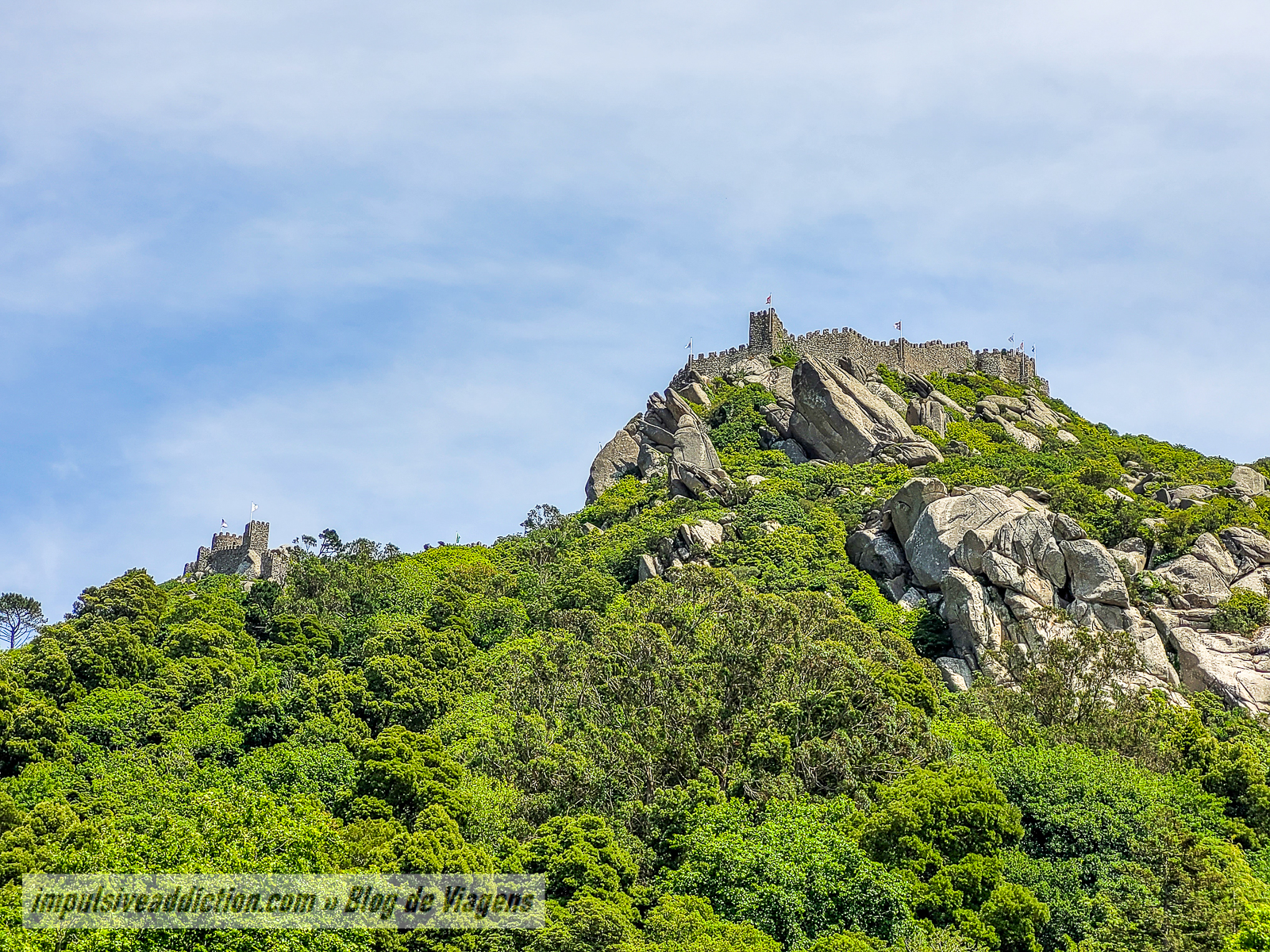
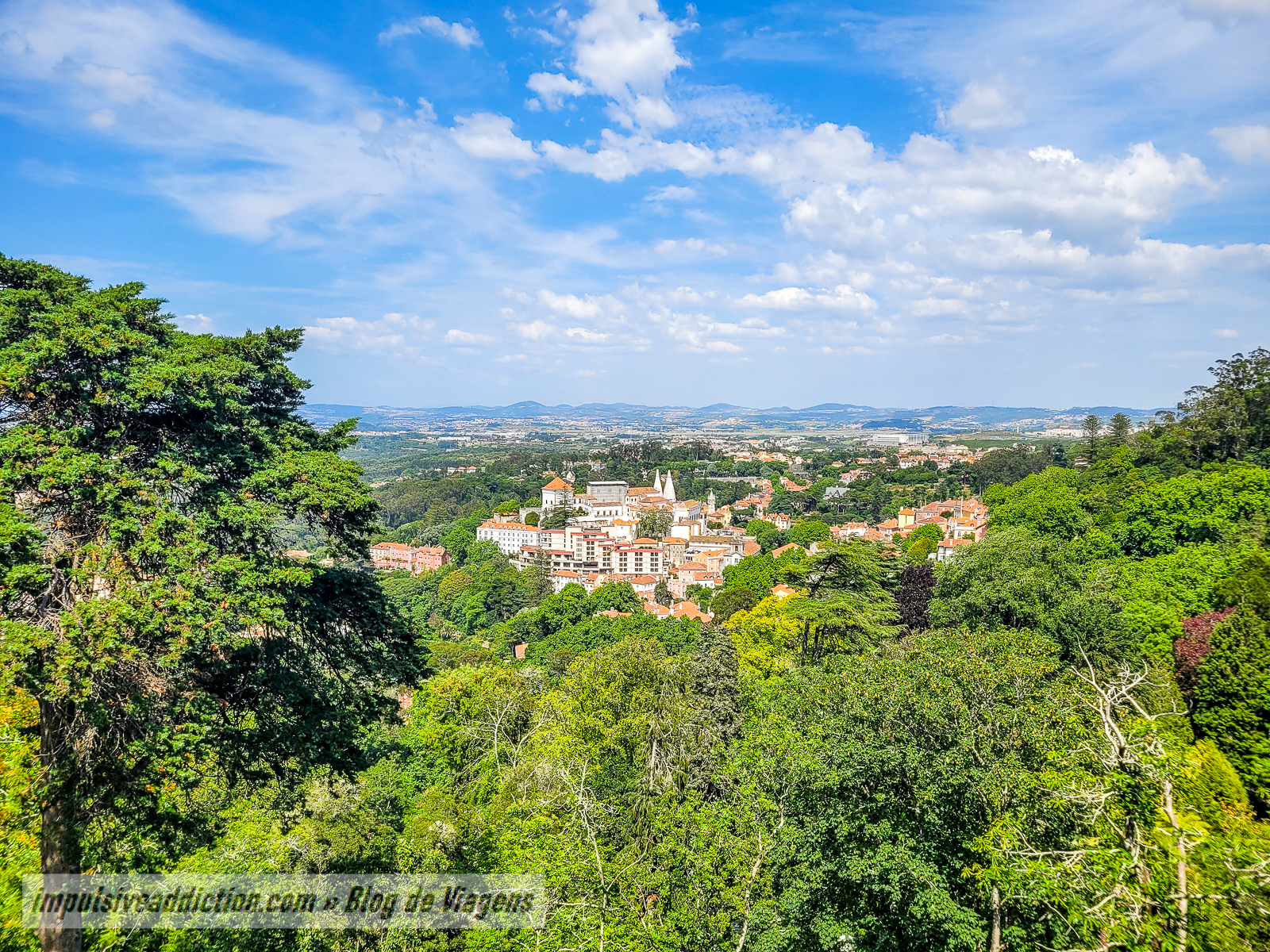
The Moorish Castle is that walled fortress you can spot from Sintra’s town center. As the name suggests, it dates back to the Moorish occupation of the Iberian Peninsula, specifically the 10th century. From the top, you’ll enjoy breathtaking panoramic views that stretch all the way to the Atlantic Ocean, as well as stunning perspectives over Pena Palace and the village below.
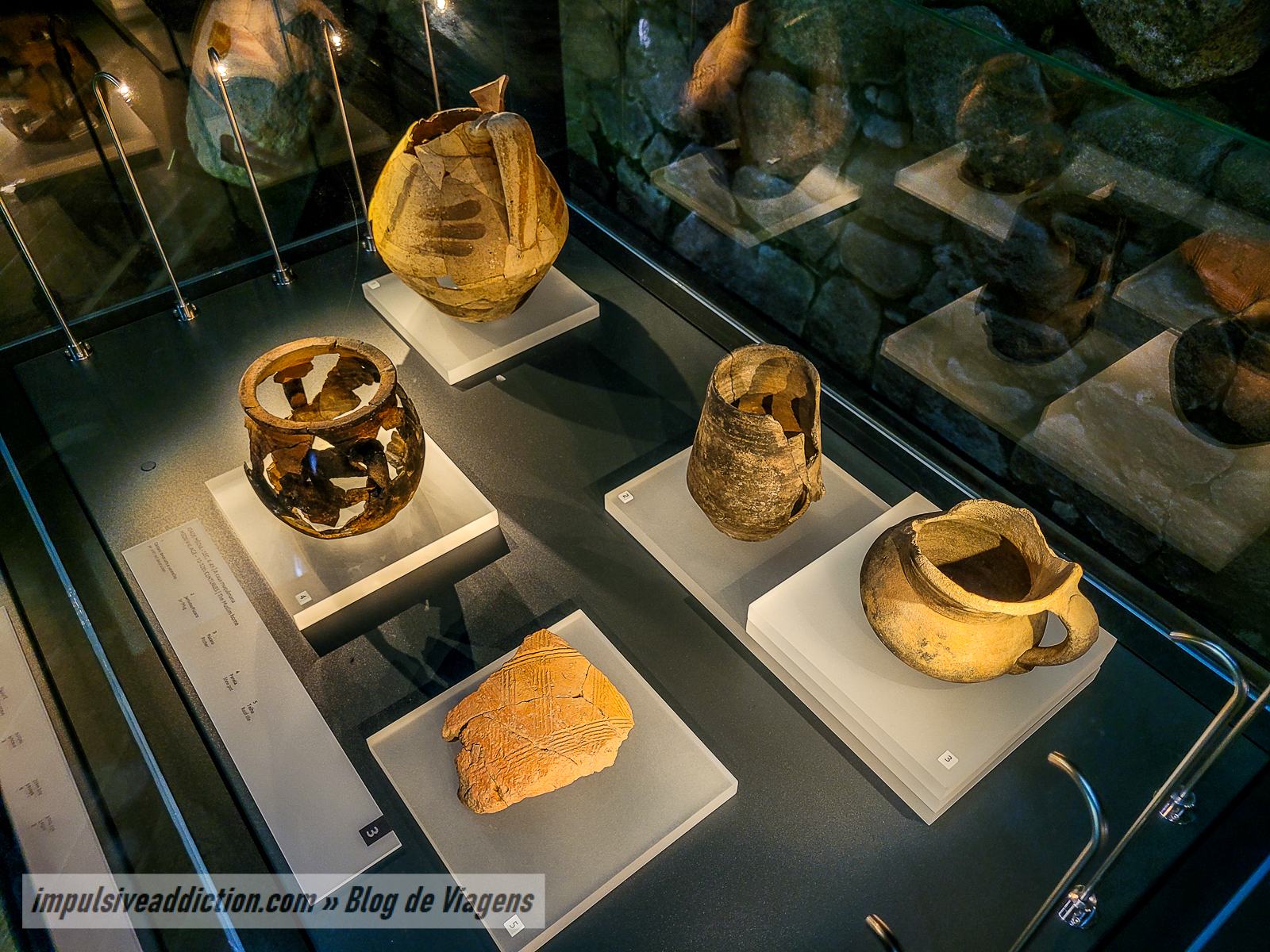
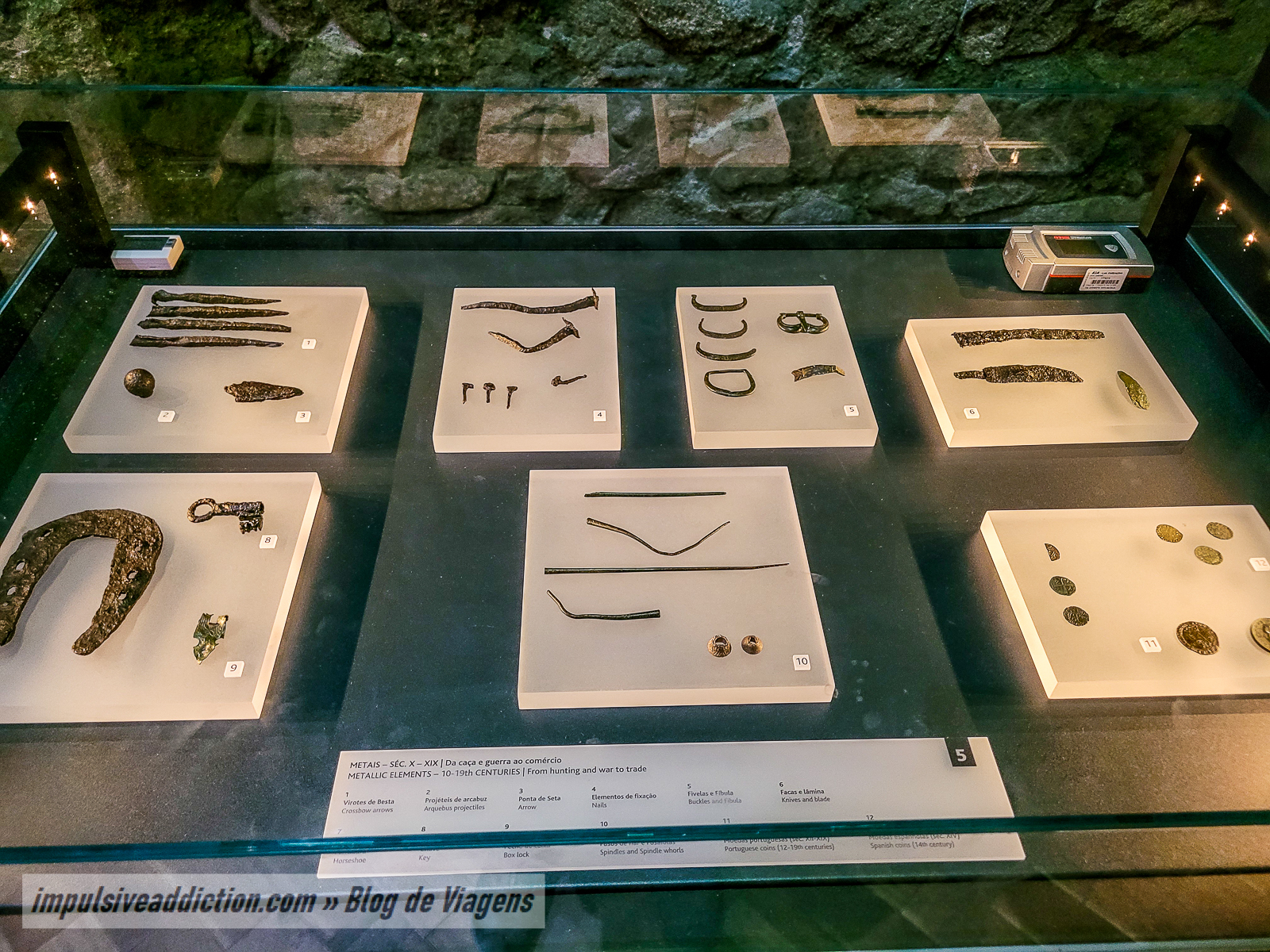
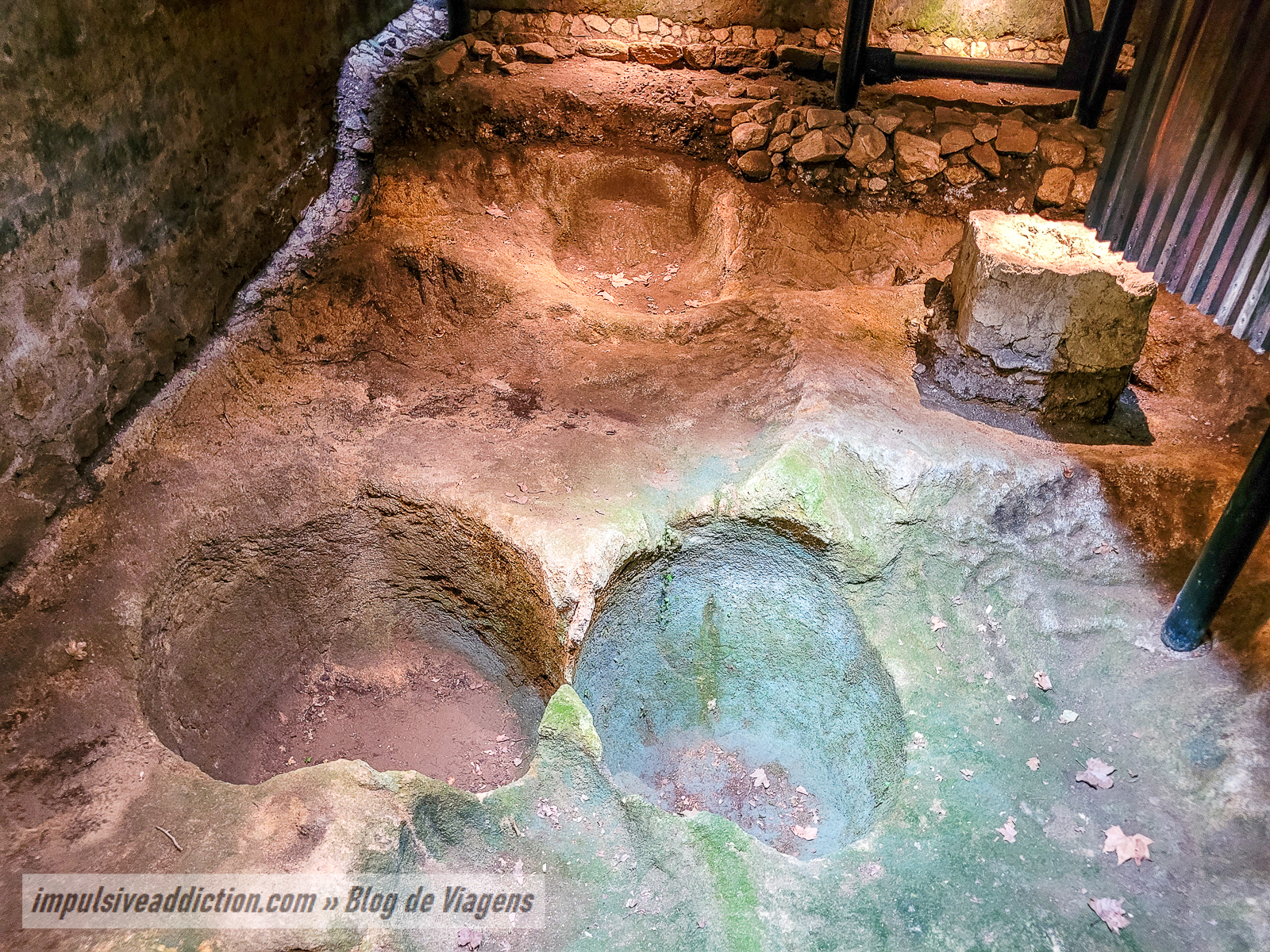
The Moors lived in the castle until 1147, when King Afonso Henriques (Portugal’s first king) conquered Lisbon and the surrounding area. He later donated the castle to the Knights Templar, who maintained Christian presence there until the 15th century. There was even a small village inside the walls, remnants of which are explained in more detail at the small archaeological museum located inside the old church near the entrance.
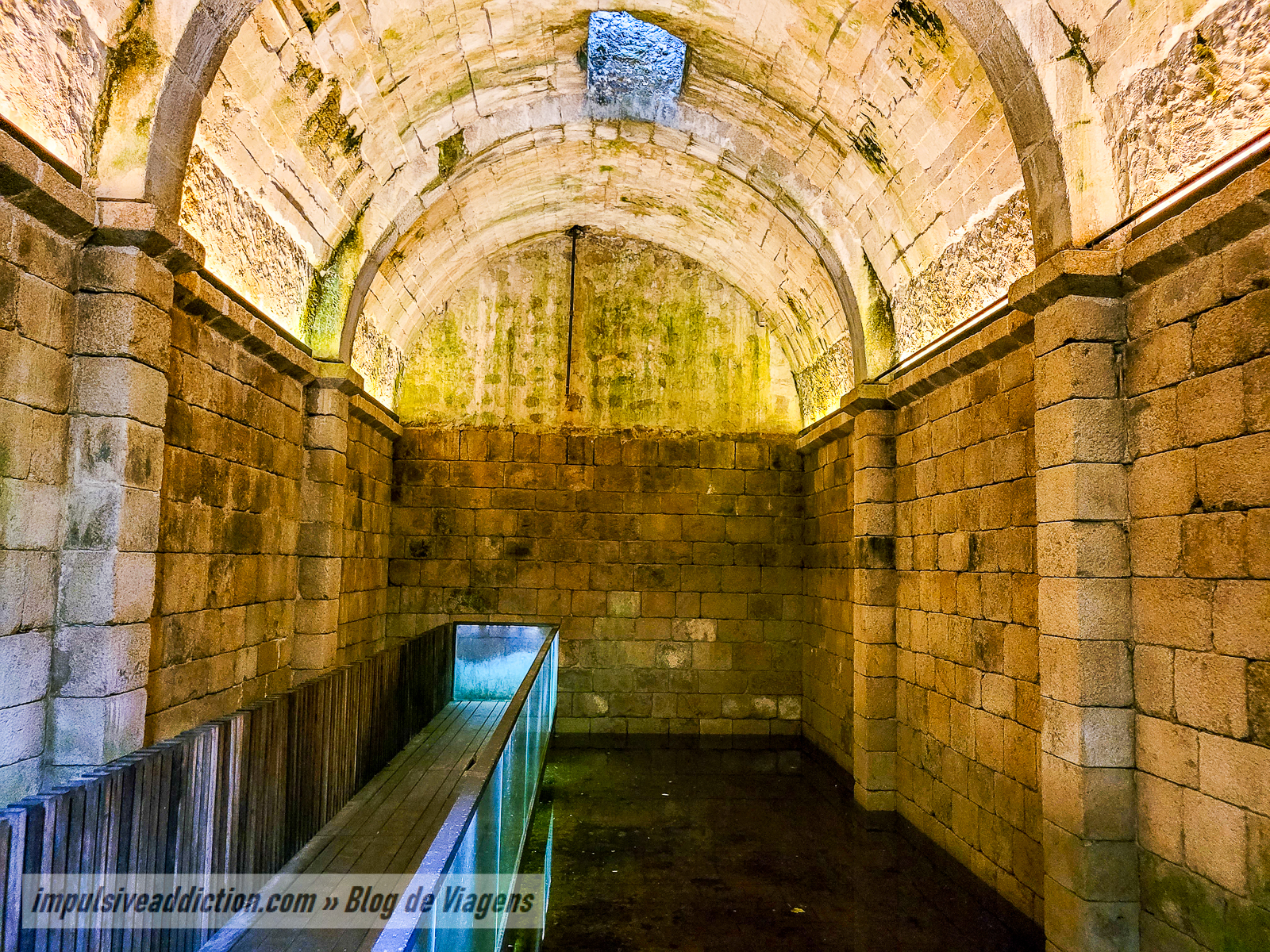
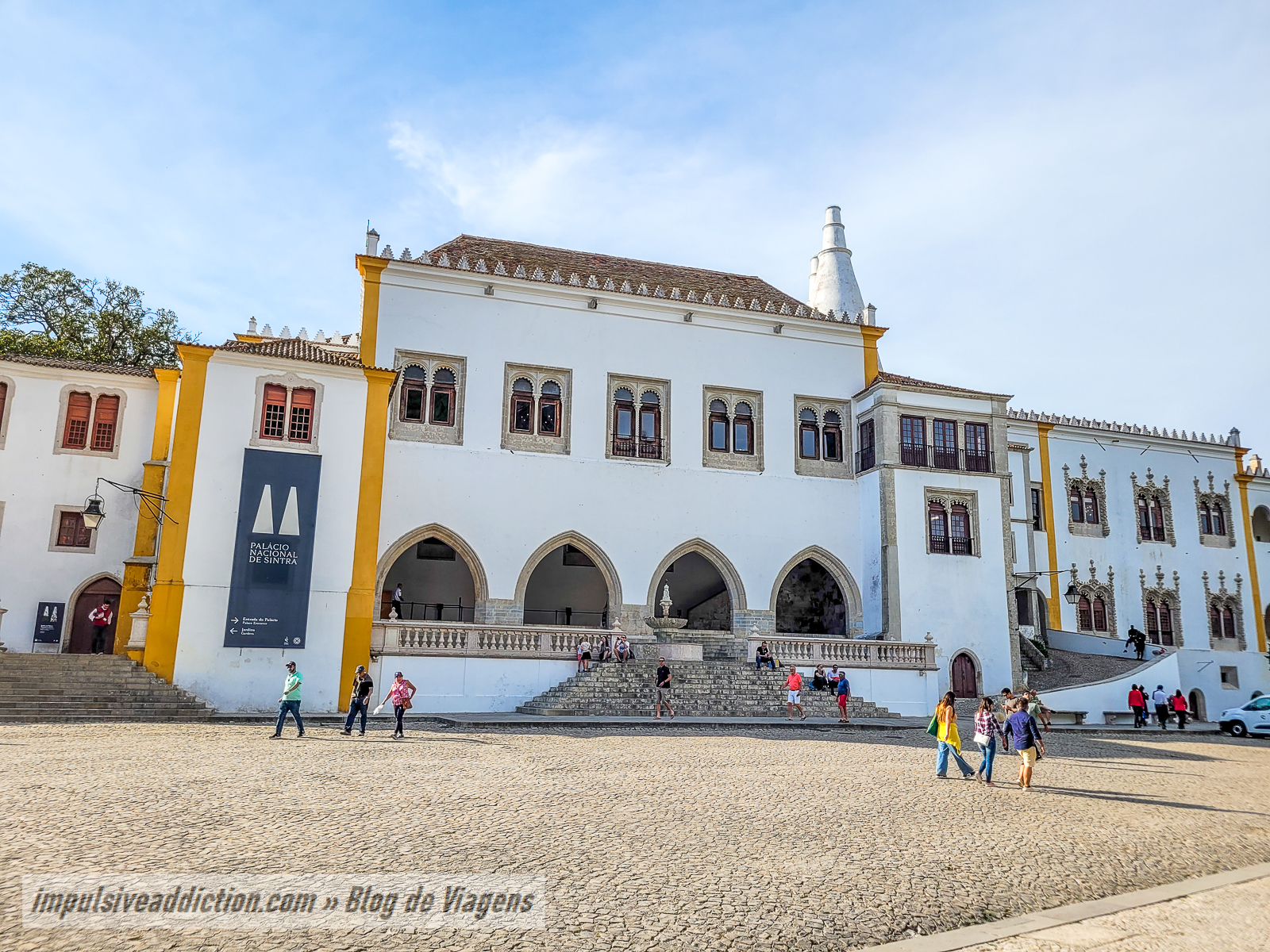
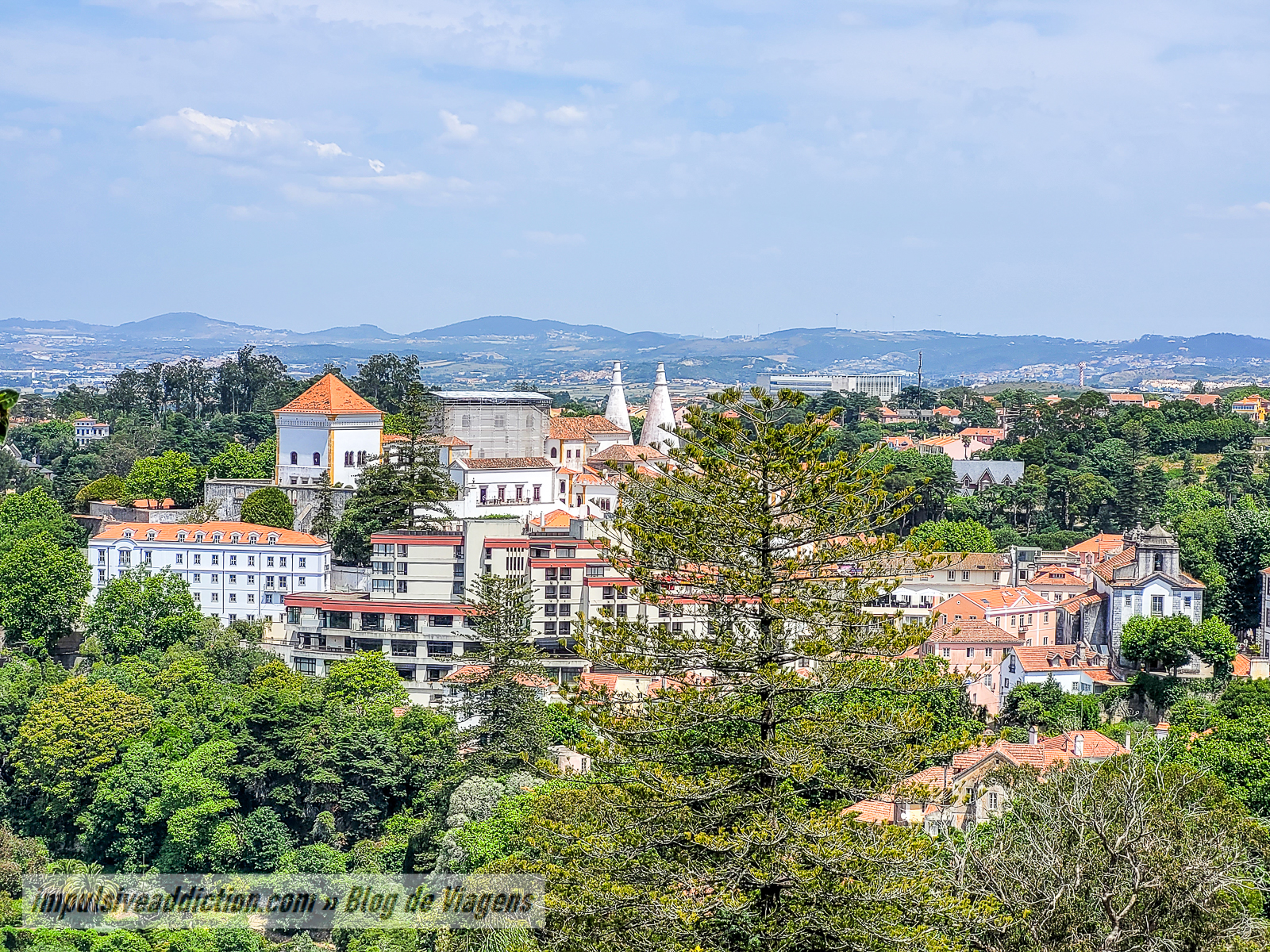
4. Sintra National Palace (Palácio Nacional de Sintra)
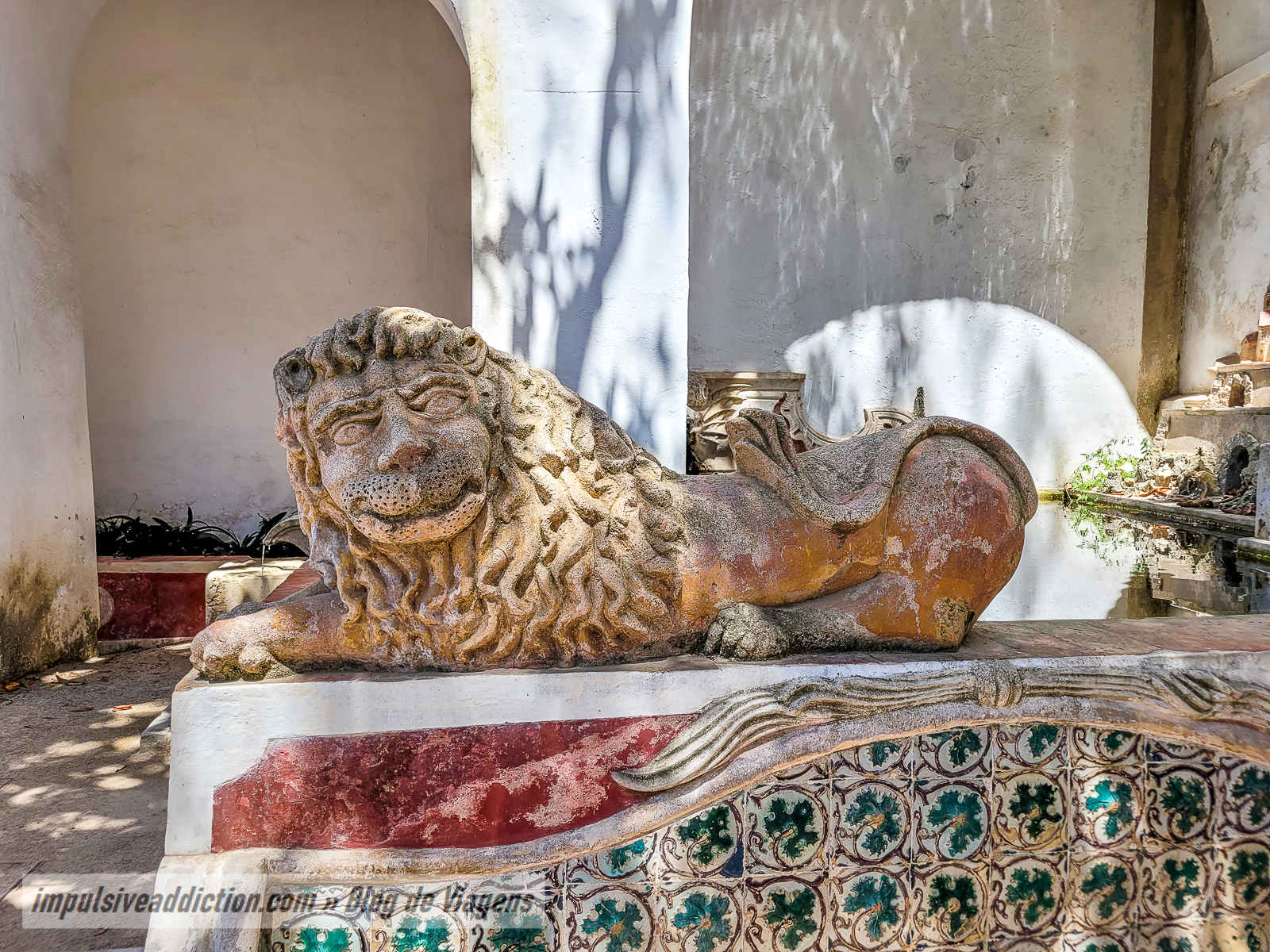
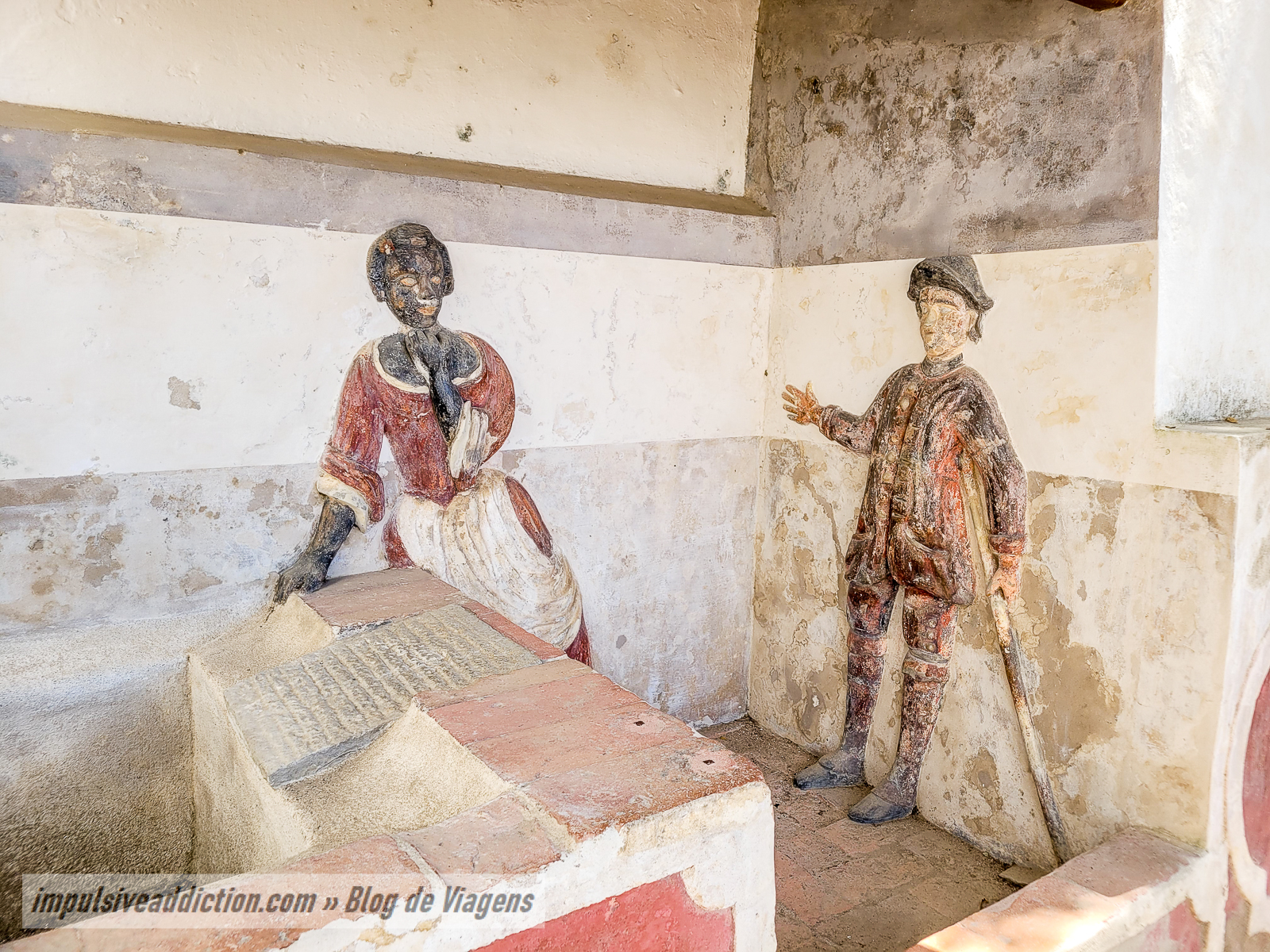
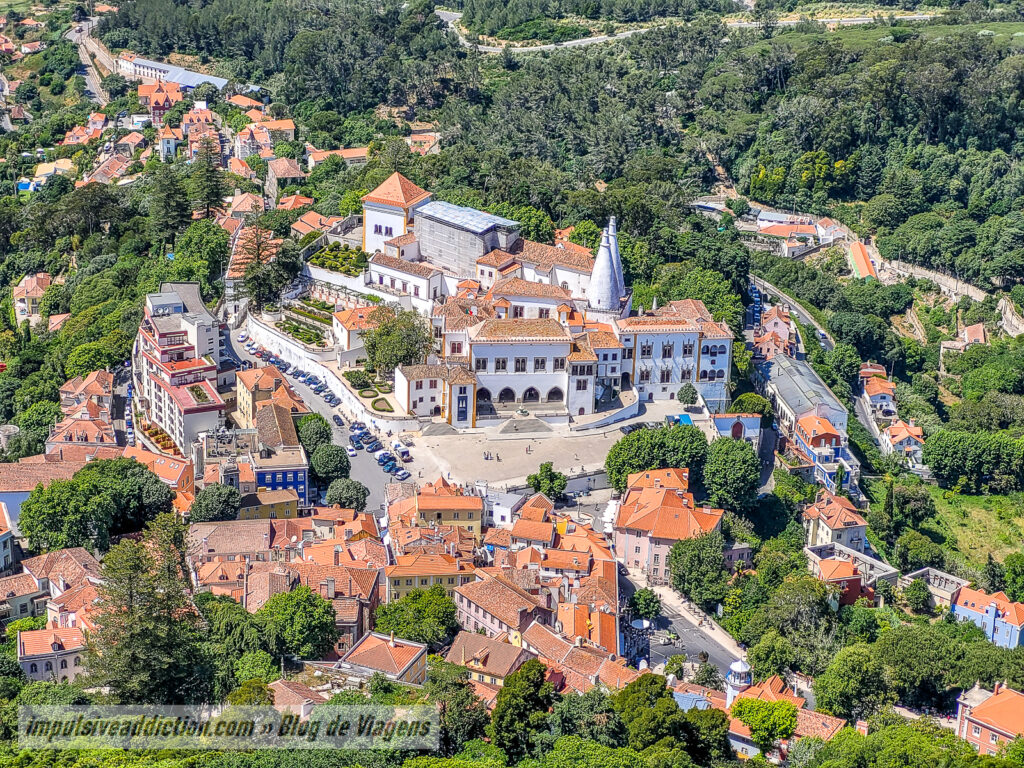
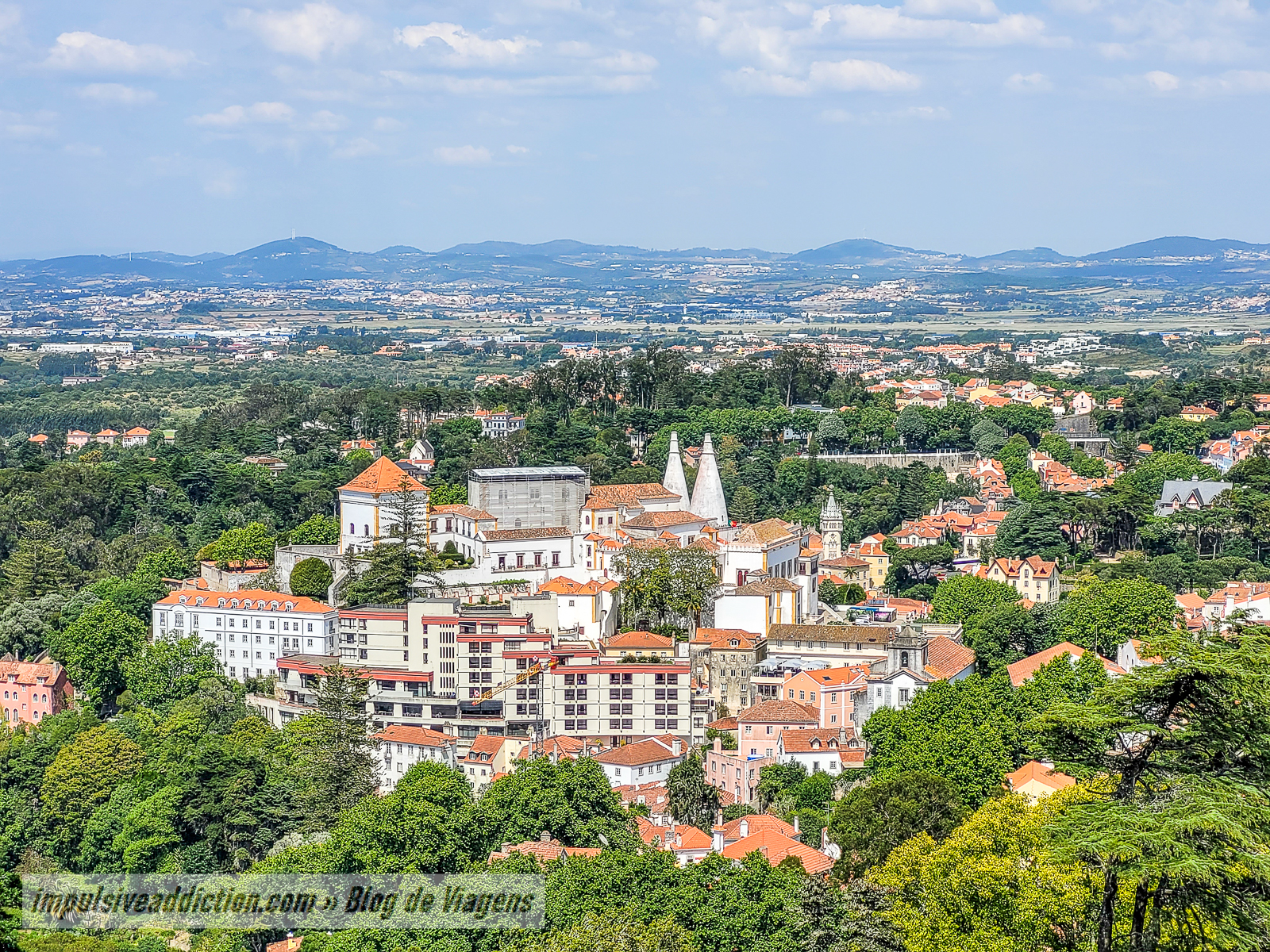
Next on the list is the Sintra National Palace. Historically, its origins are also Moorish — the current building is believed to have replaced the former residence of the Moorish governors.
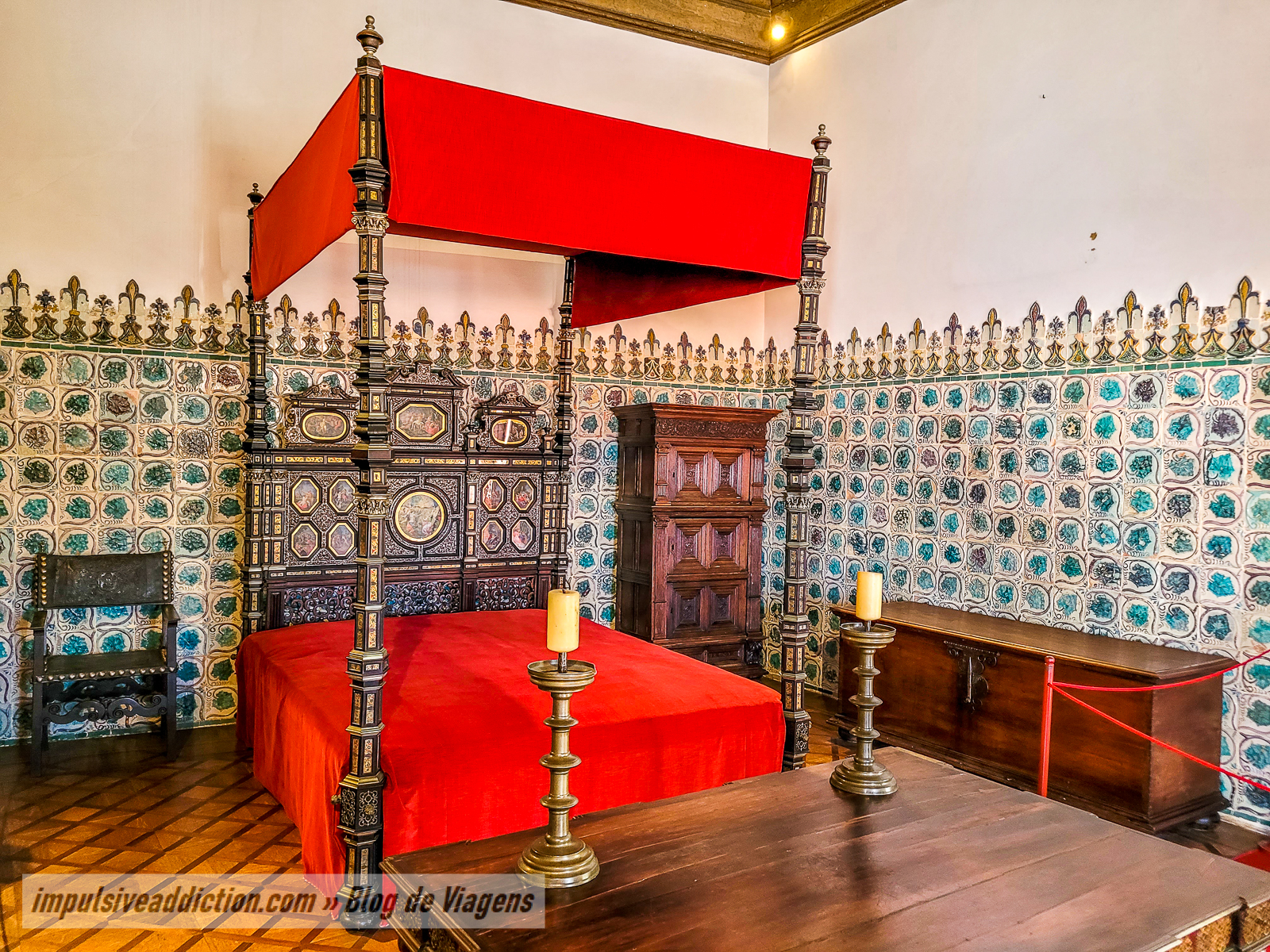
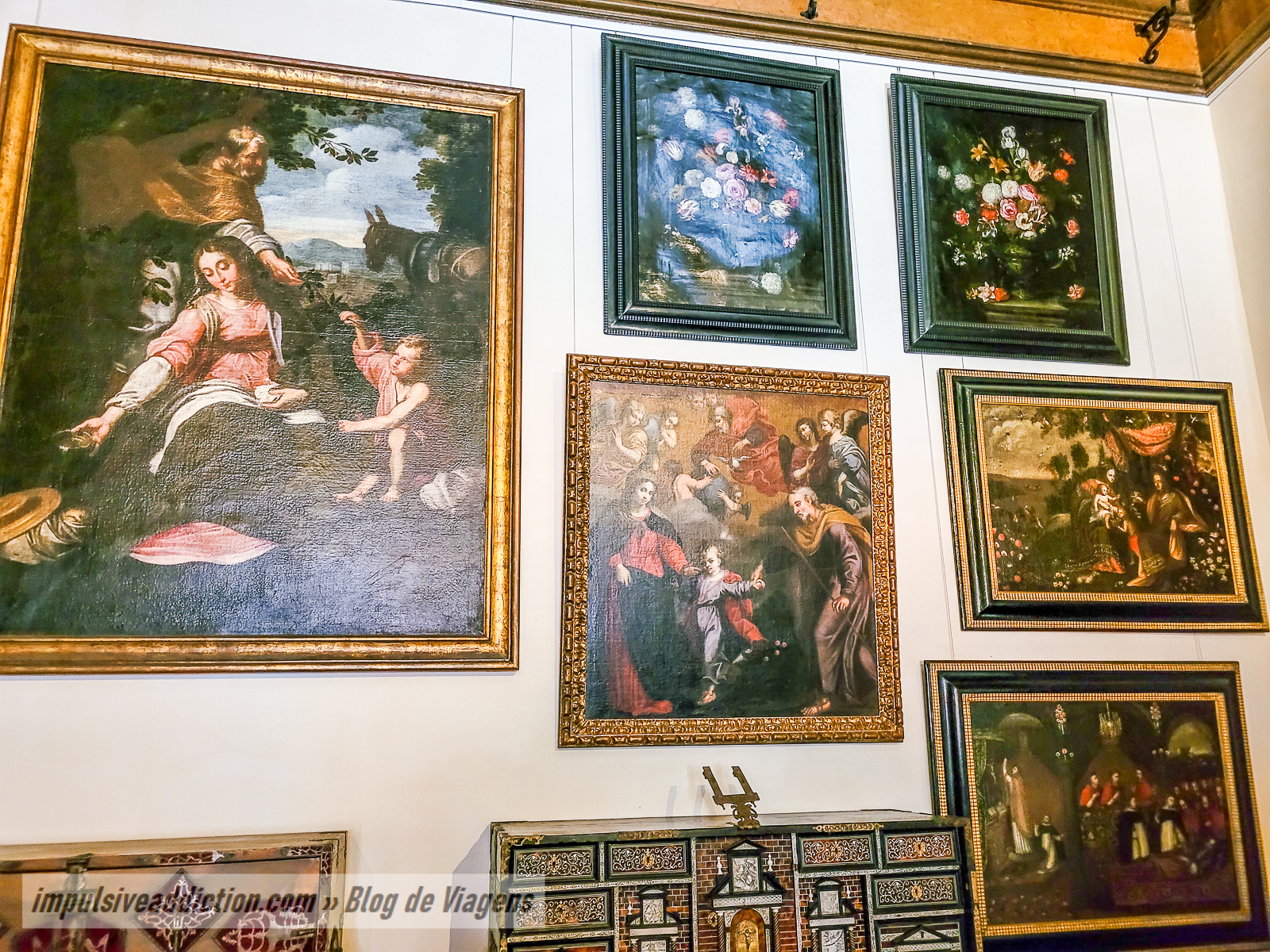
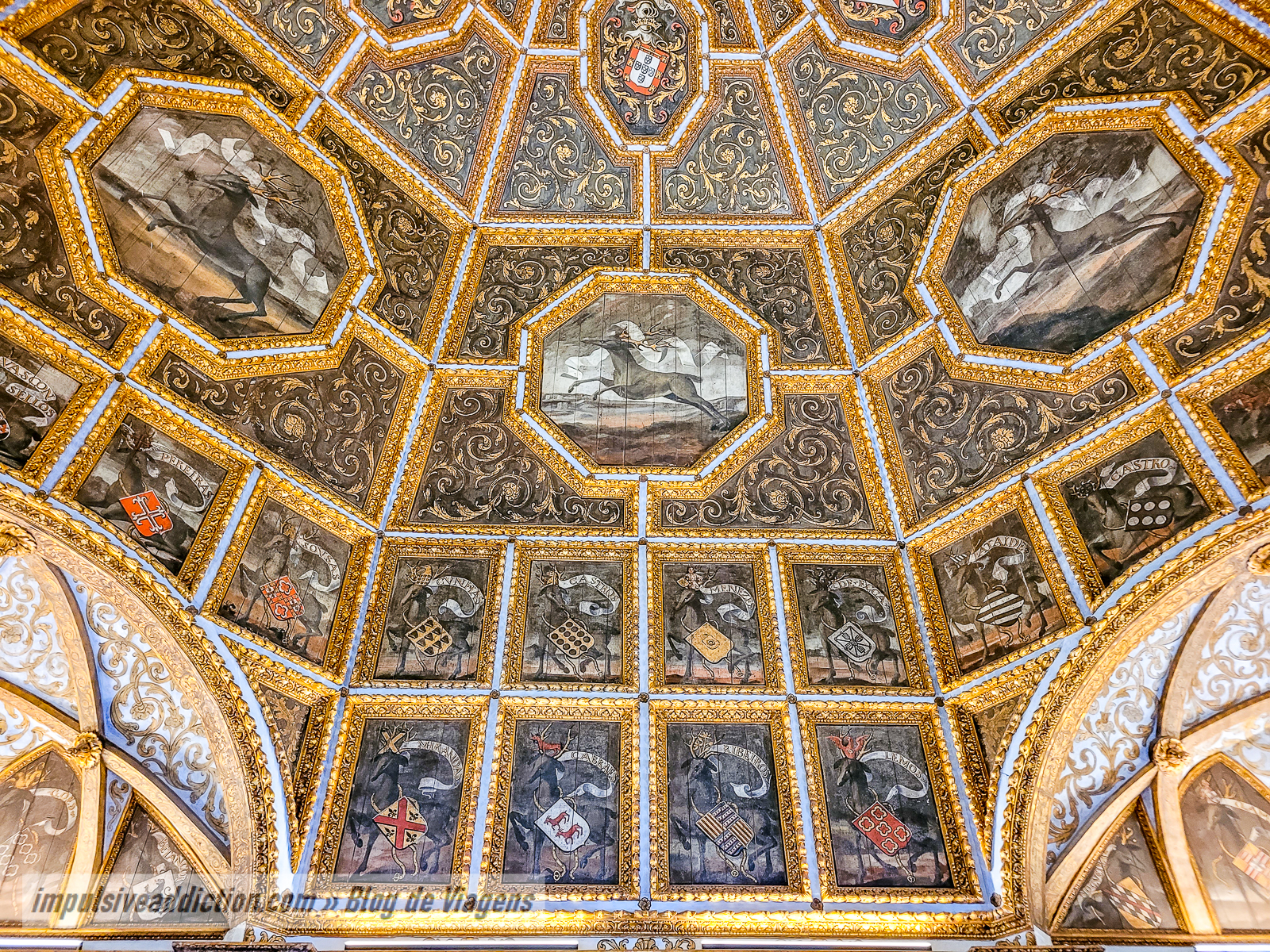
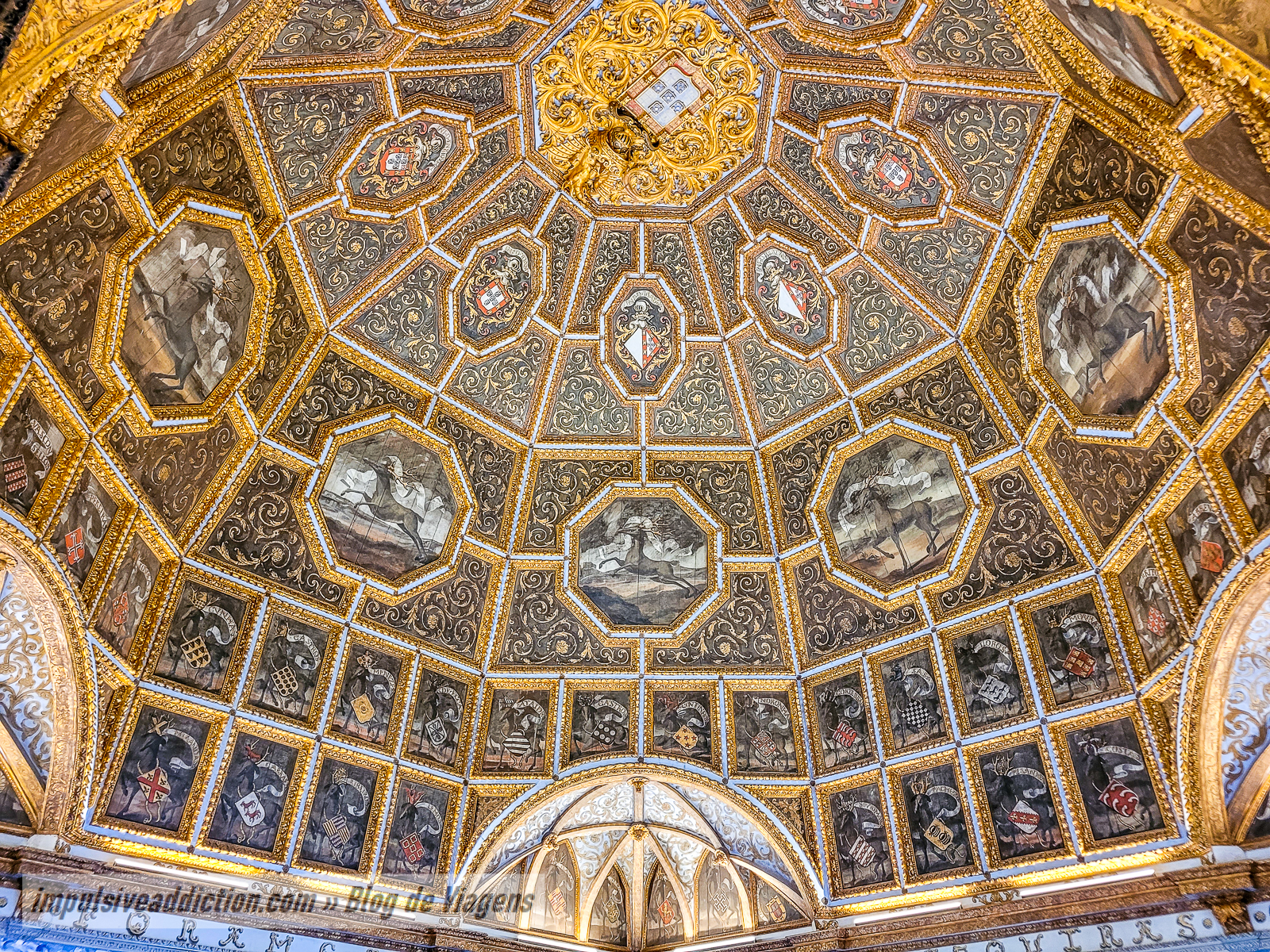
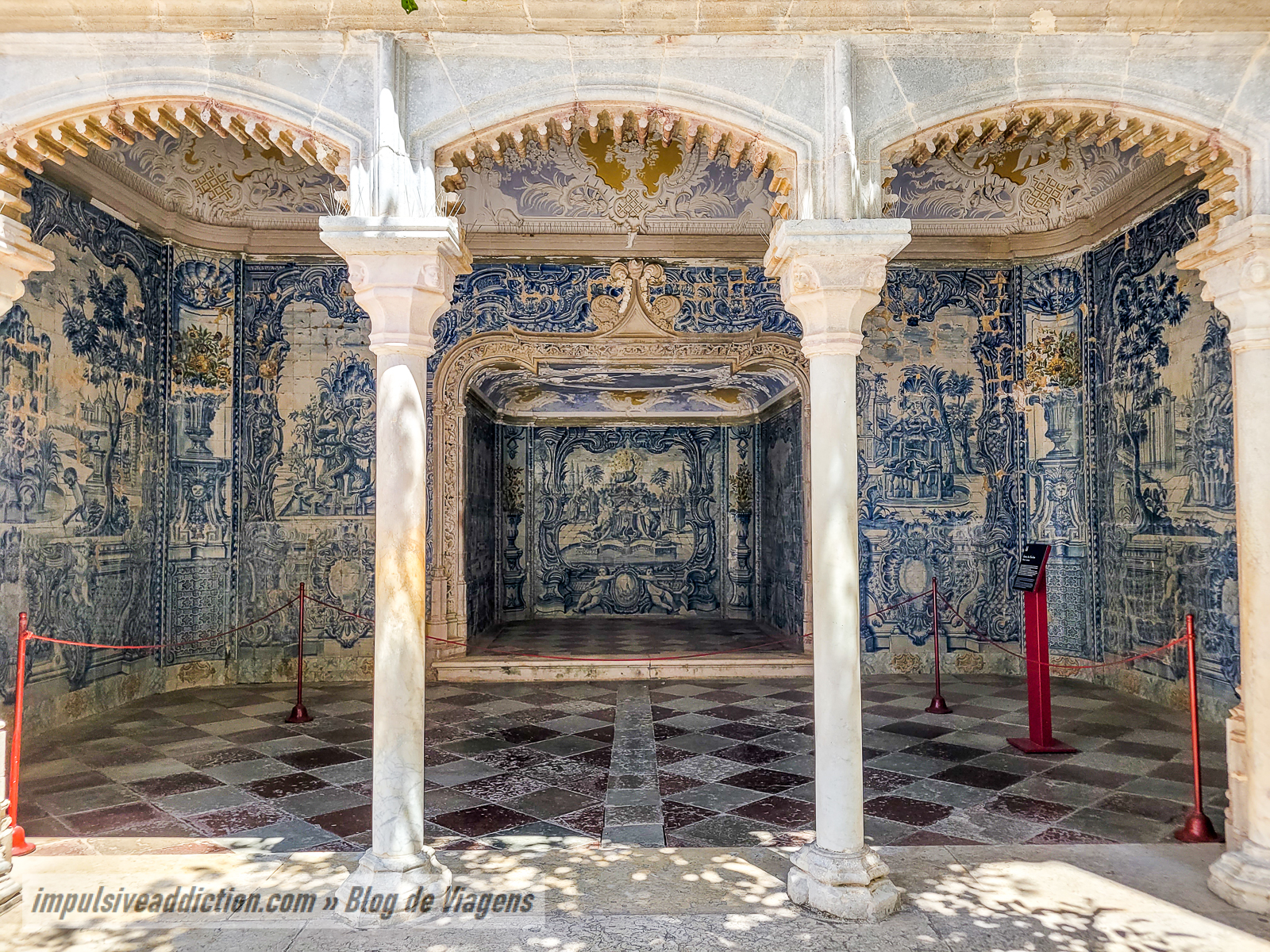
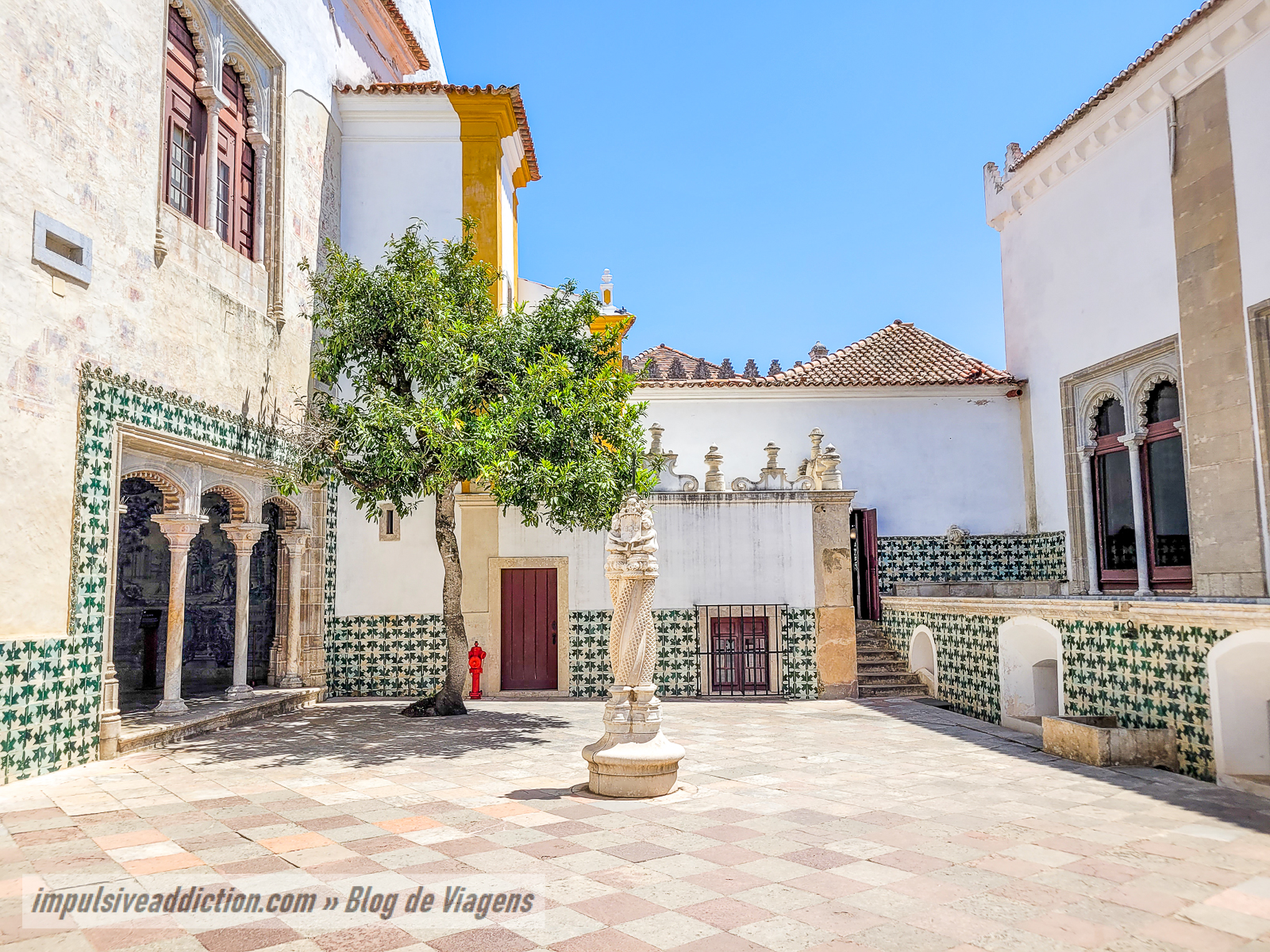
Over the centuries, the palace served as a residence for almost every Portuguese king and queen, in some cases for long periods, in others more briefly. As a result, the architecture reflects a blend of styles, shaped by multiple royal renovation projects, especially under King João I and King Manuel I:
- The palace’s most iconic feature — the two massive conical chimneys rising above the kitchen — were added during King João I’s reign.
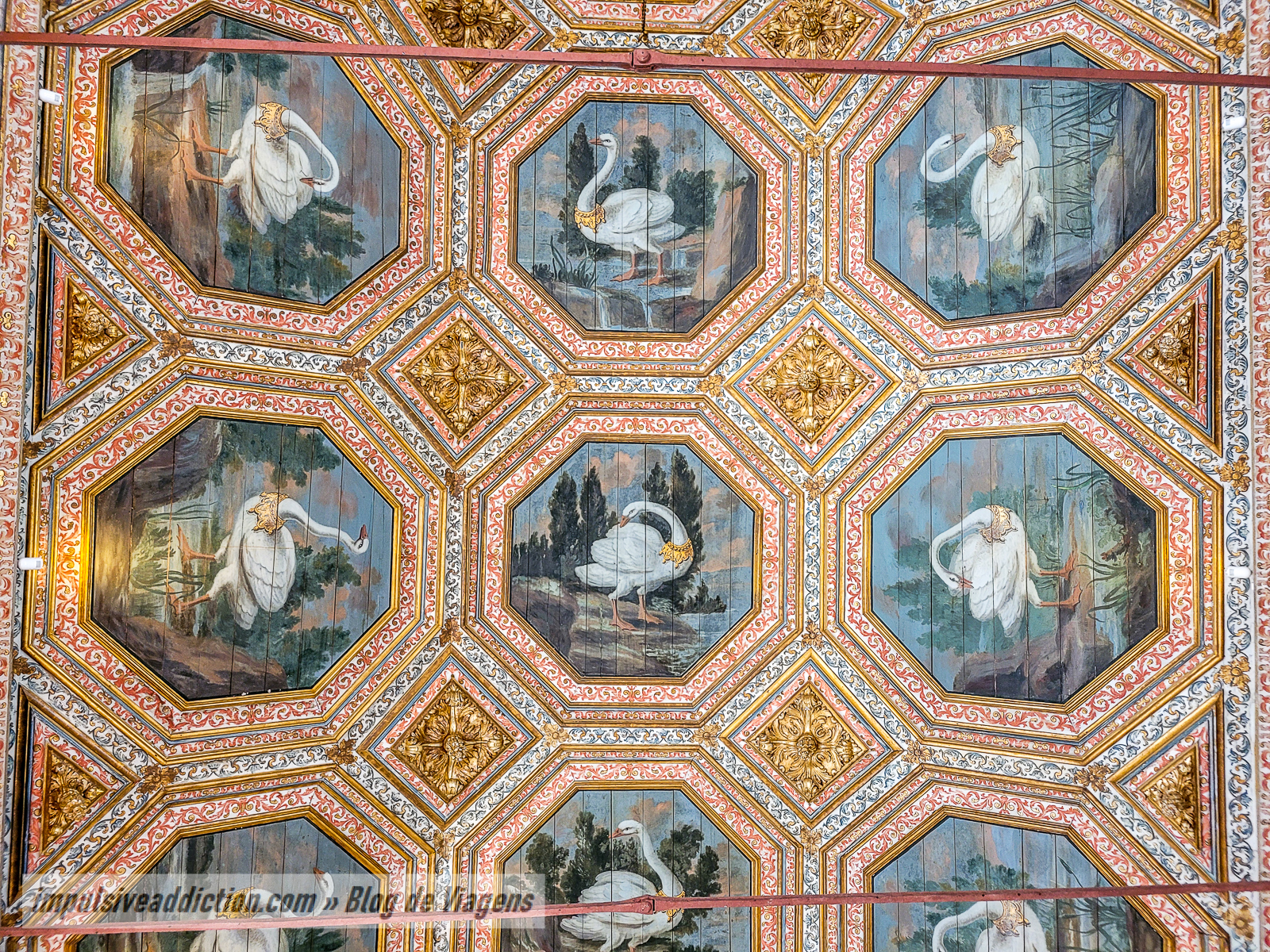
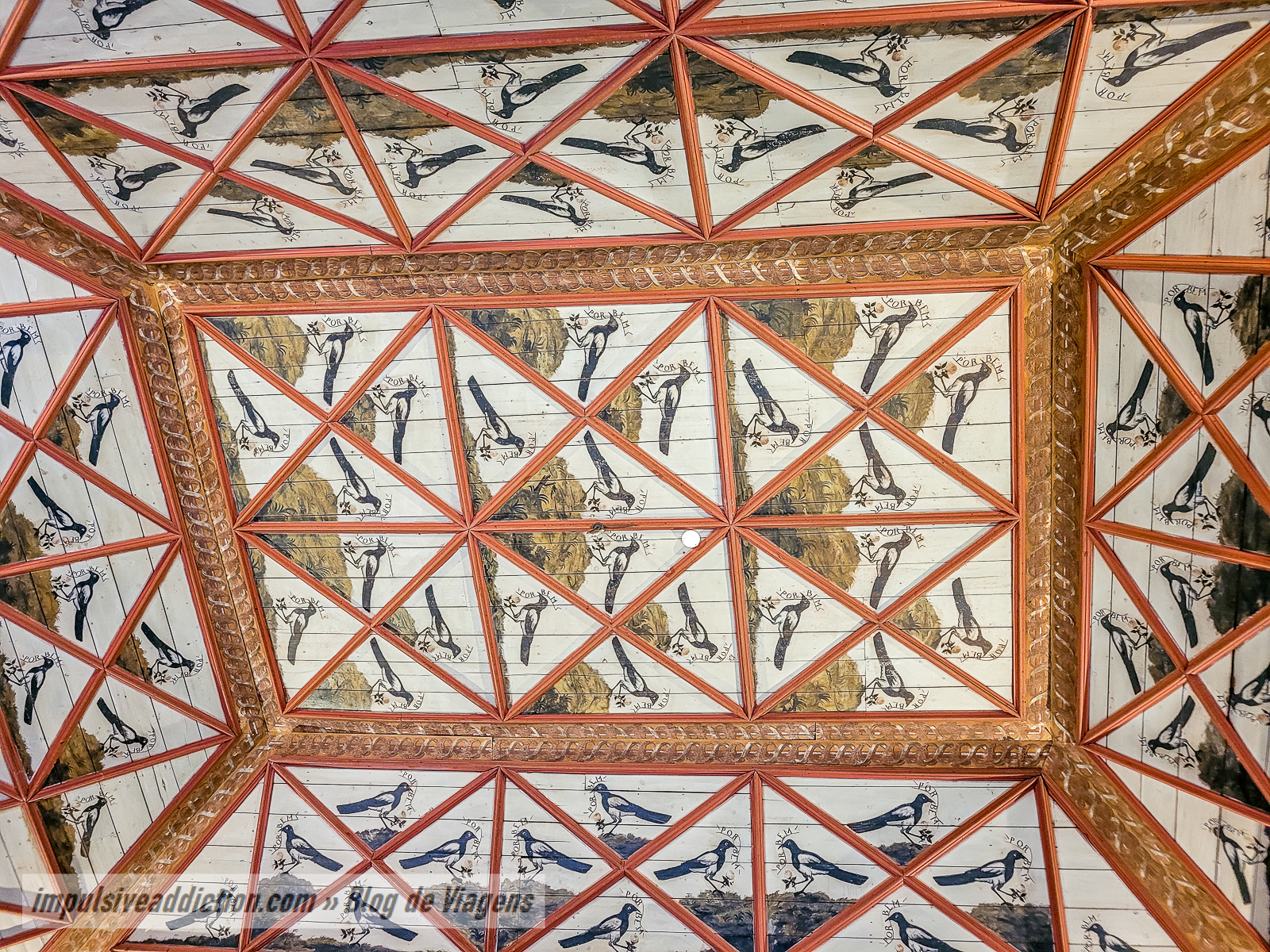
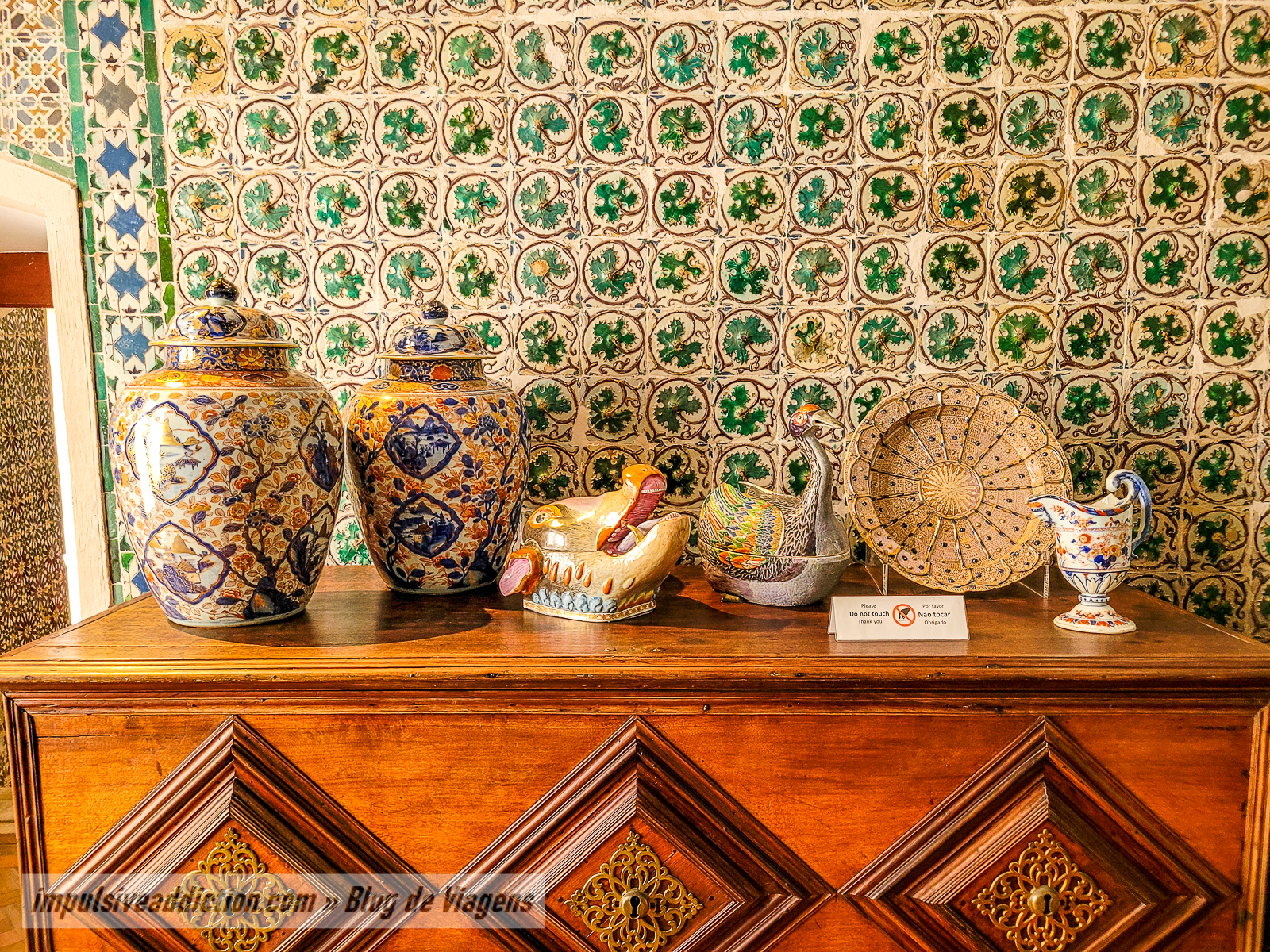
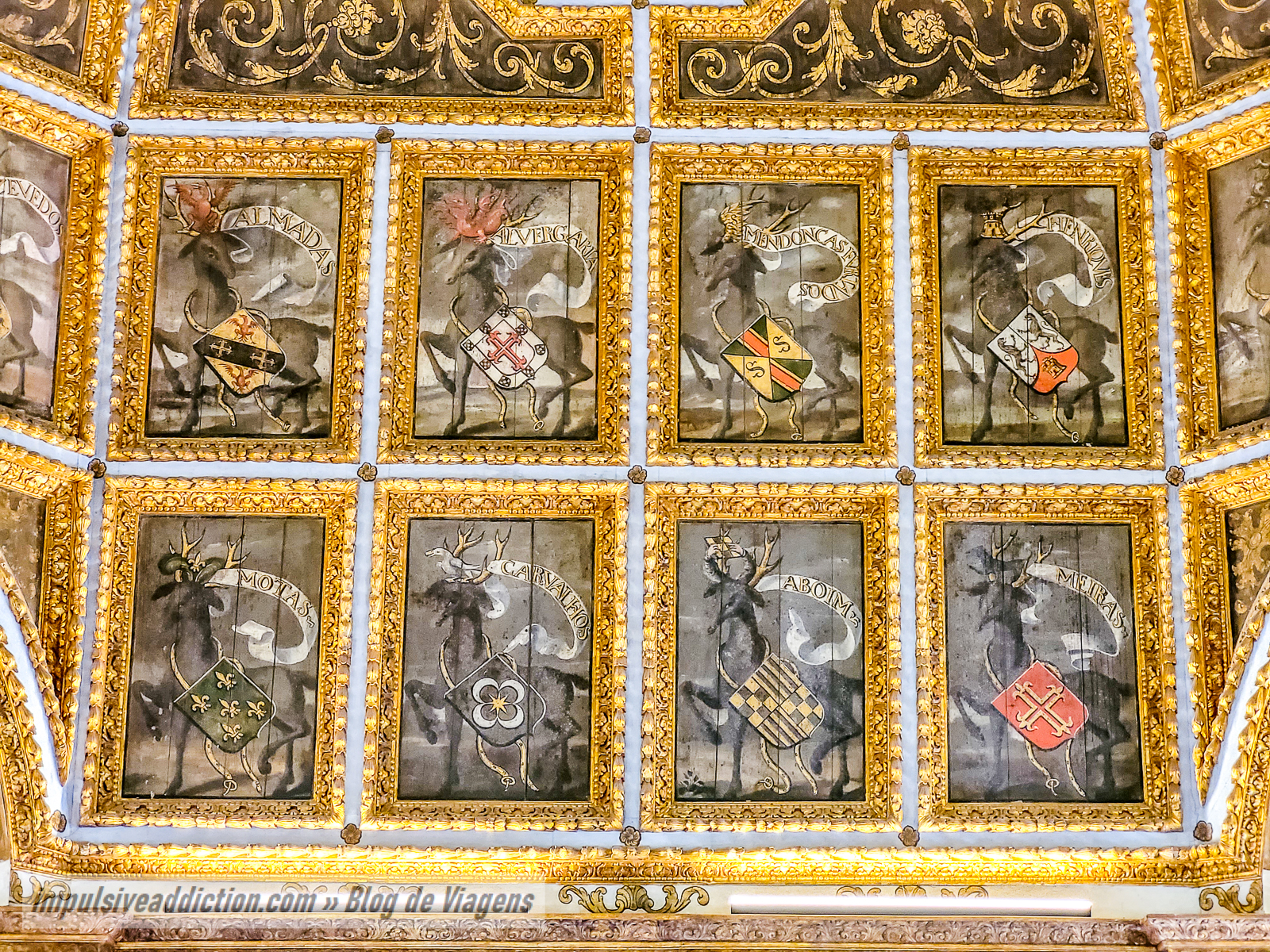
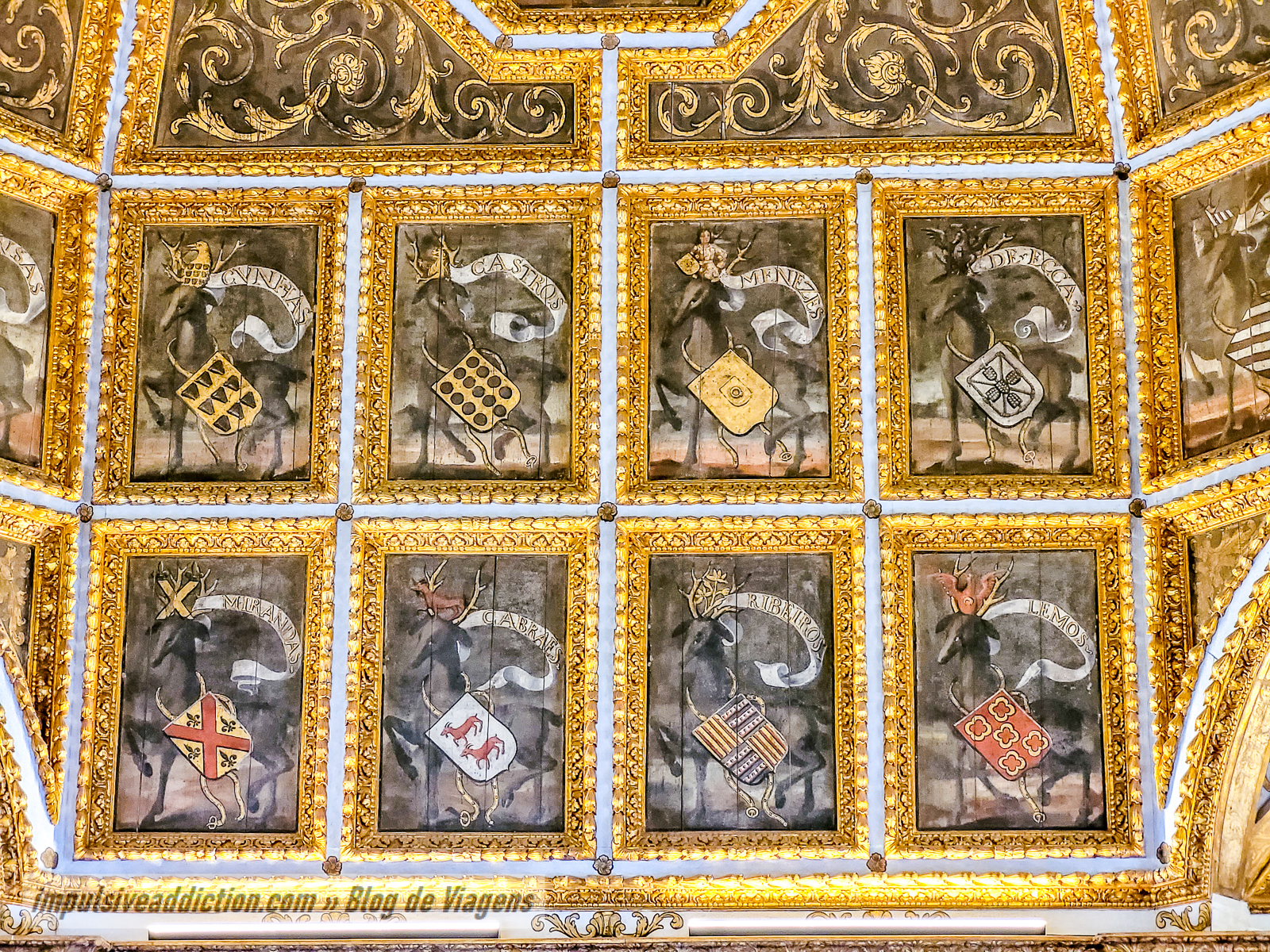
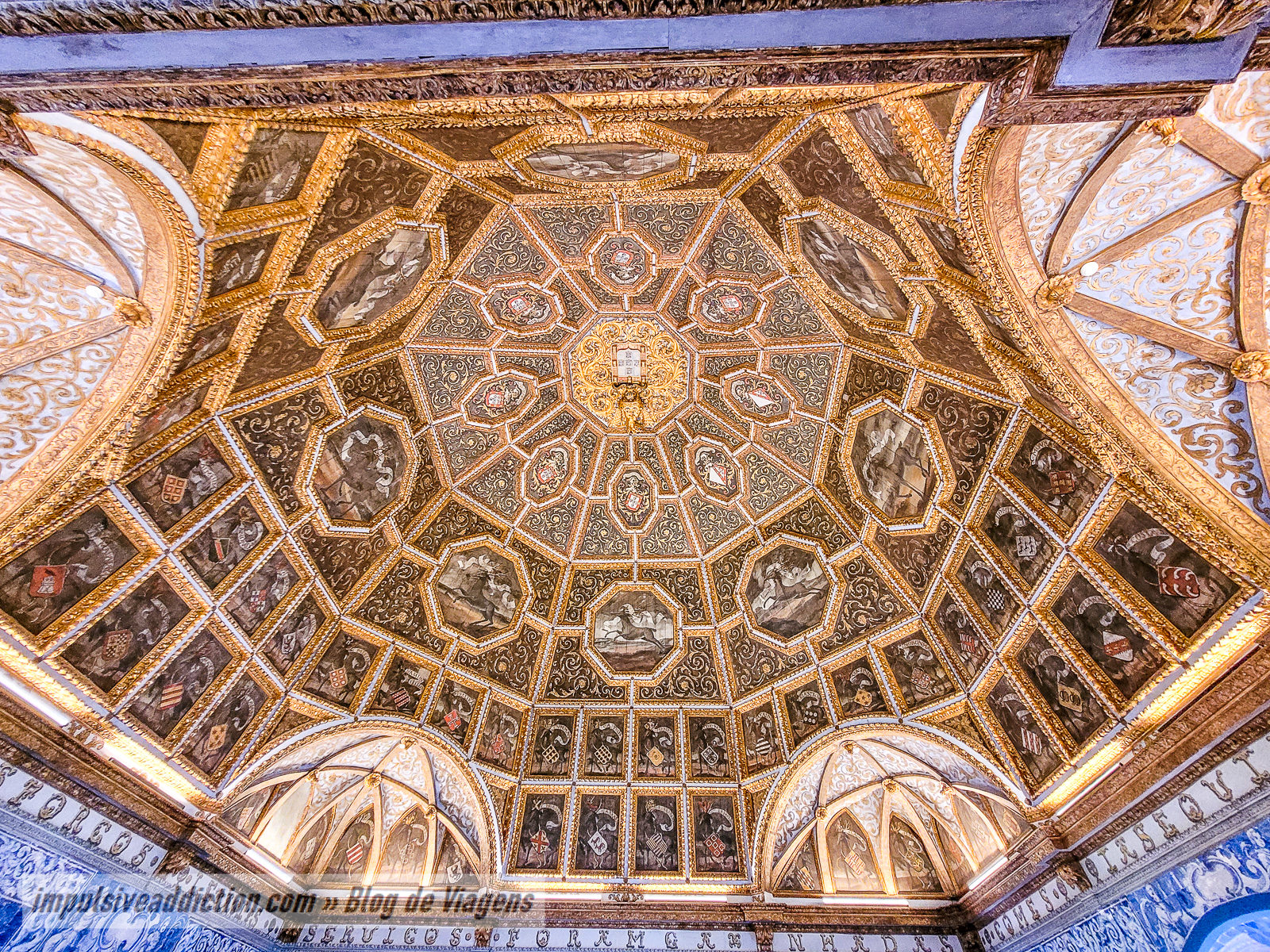
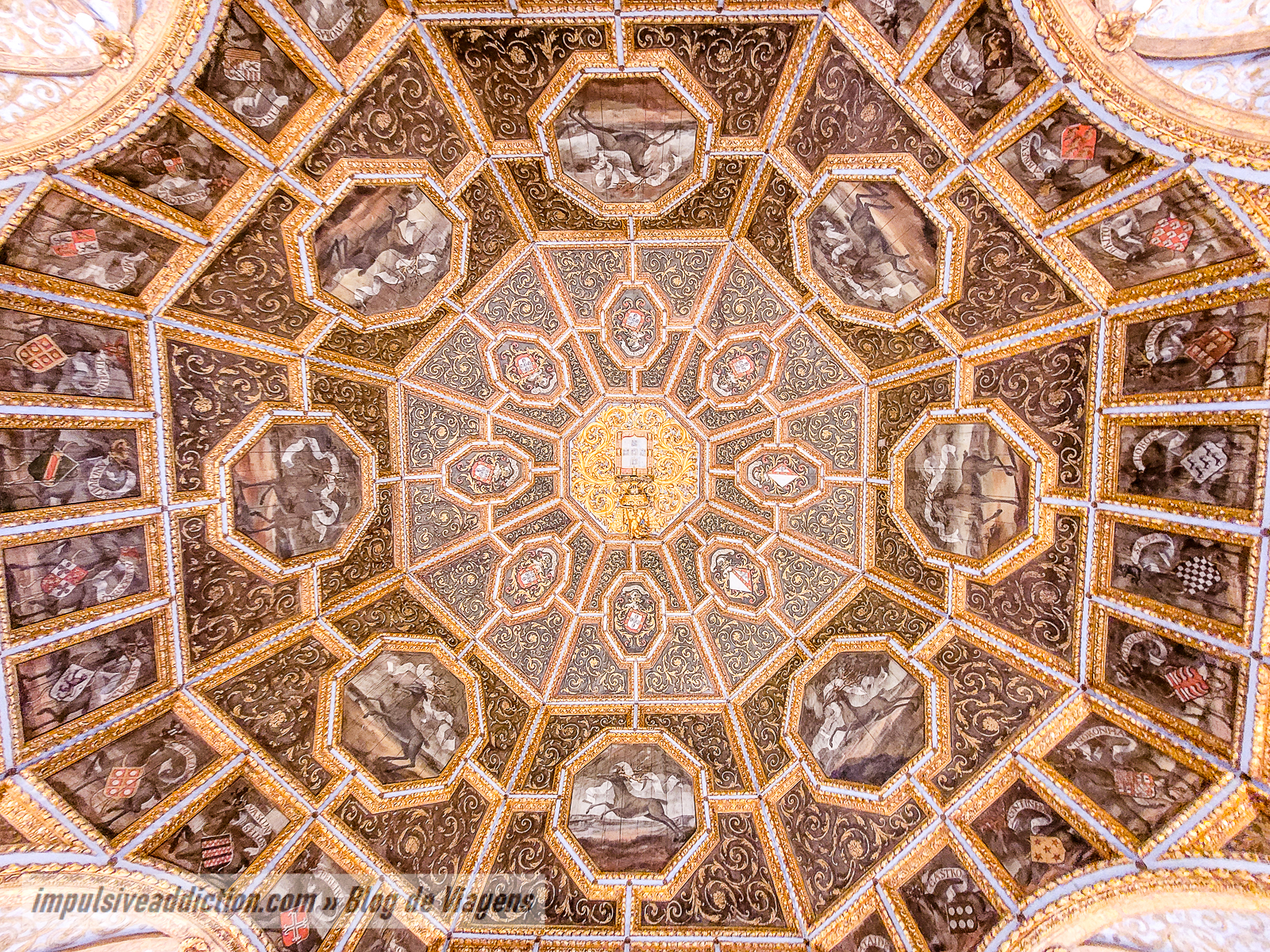
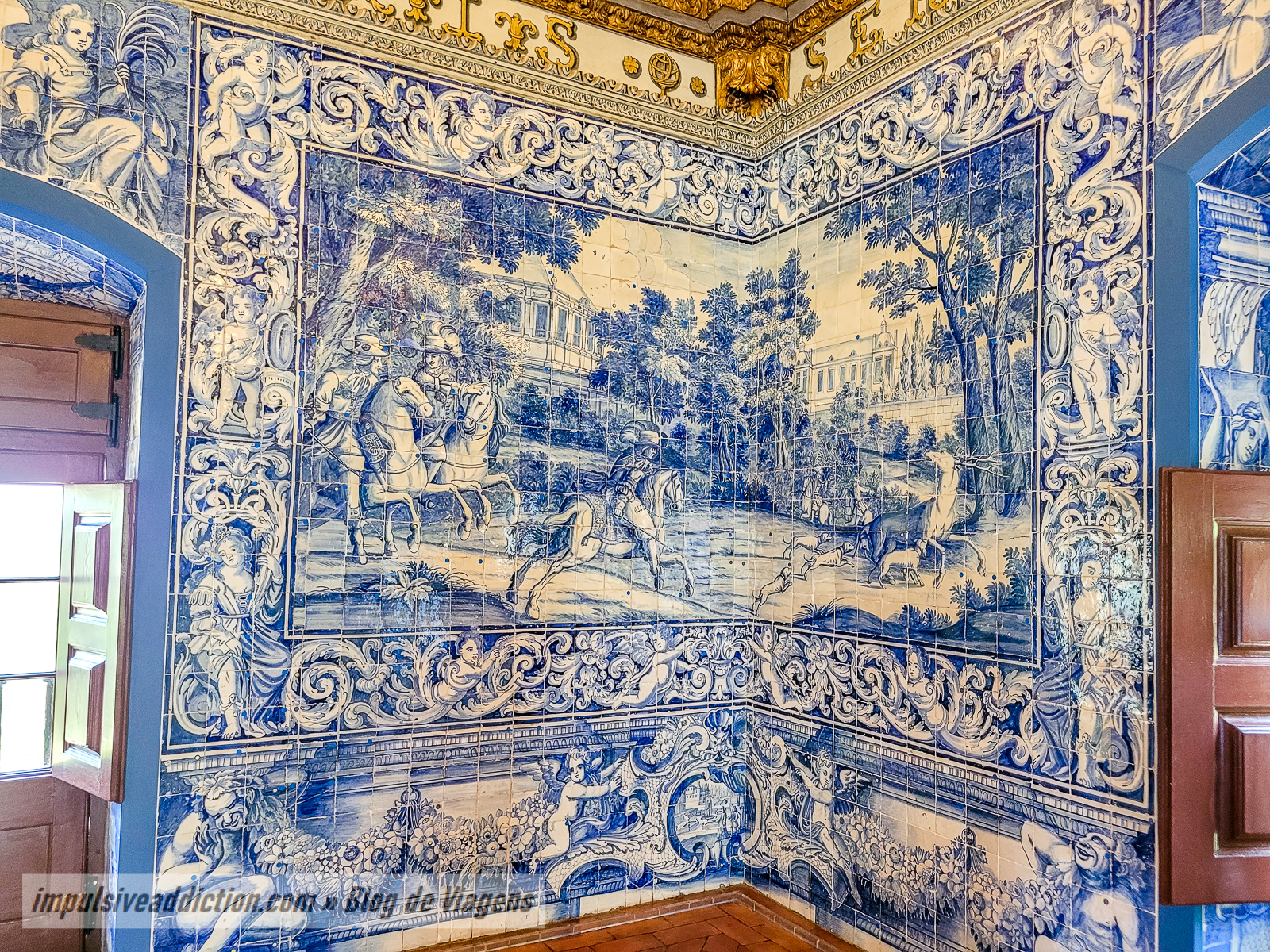
- Most of the decorative highlights come from the Manueline period, under King Manuel I, including the intricate tilework and the breathtaking Hall of Coats of Arms. This grand room features a wooden dome adorned with the royal arms of King Manuel, those of his children, and the noble families of the time.
The palace suffered significant damage during the 1755 earthquake, but it was later restored with great care to preserve its original layout and appearance — which is still maintained to this day. It ceased to be a royal residence in 1910, following the establishment of the Portuguese Republic. The last monarch to live there was Queen Maria Pia.

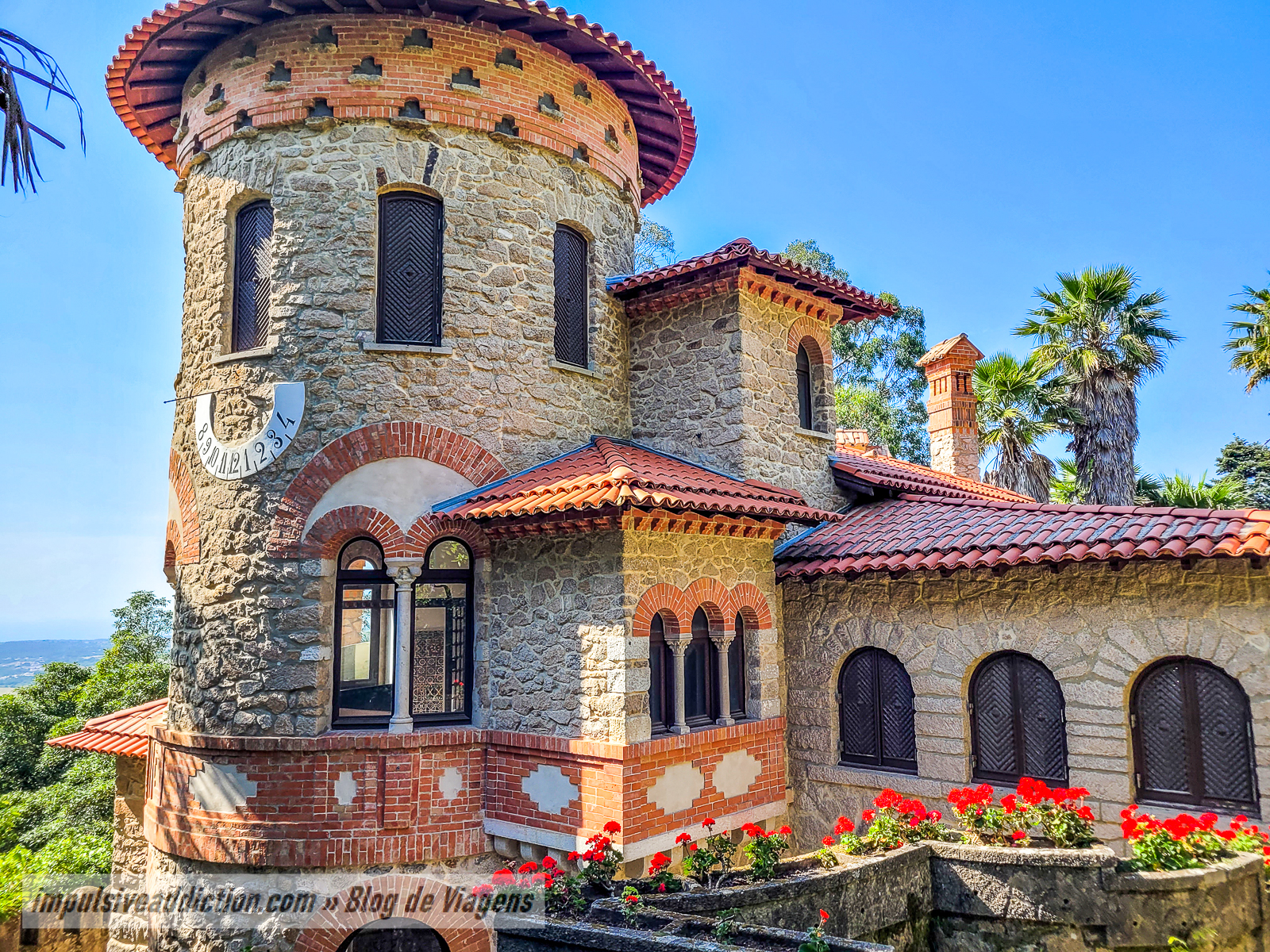
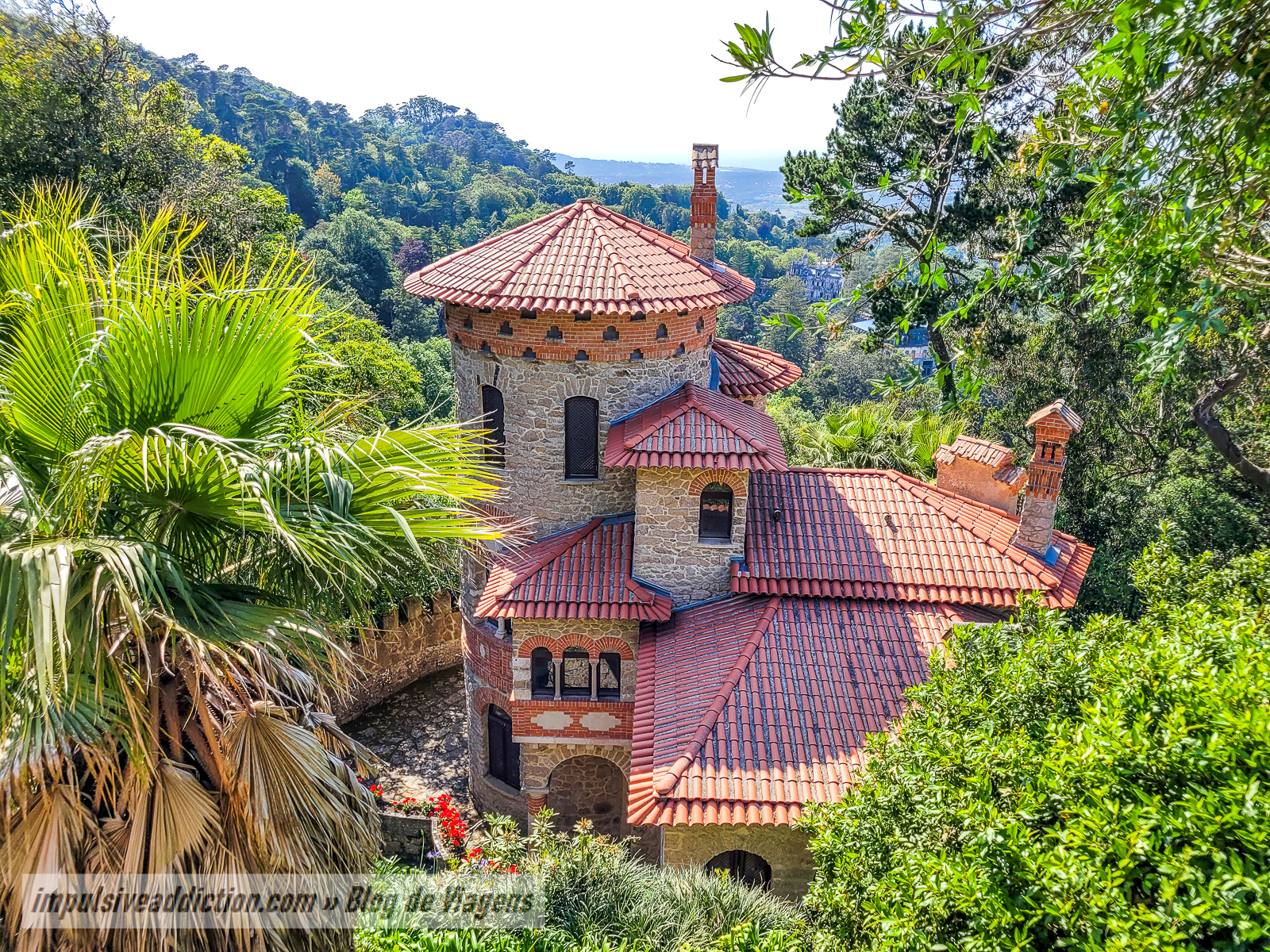
5. Villa Sasseti Park (Parque da Villa Sasseti)
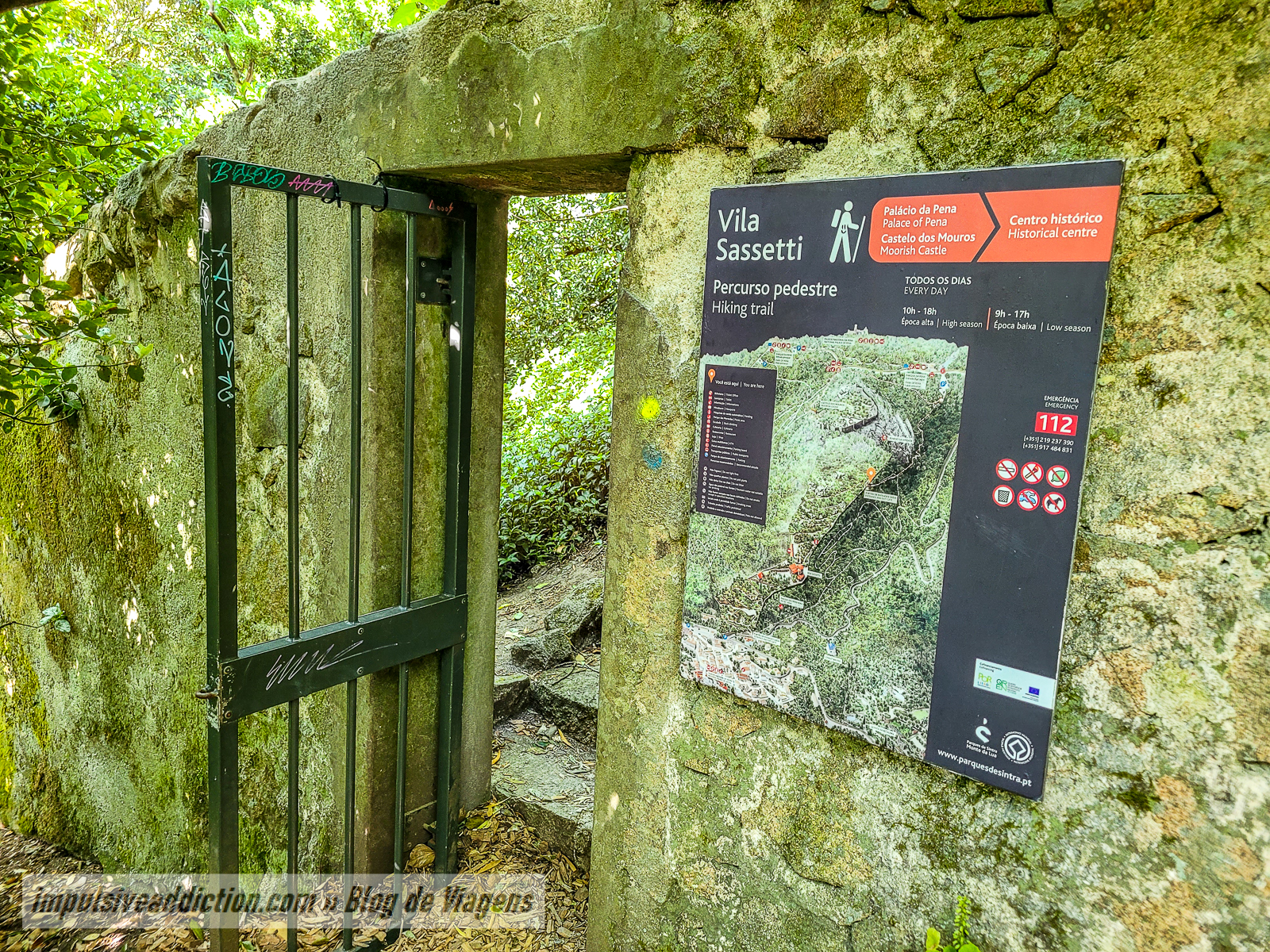
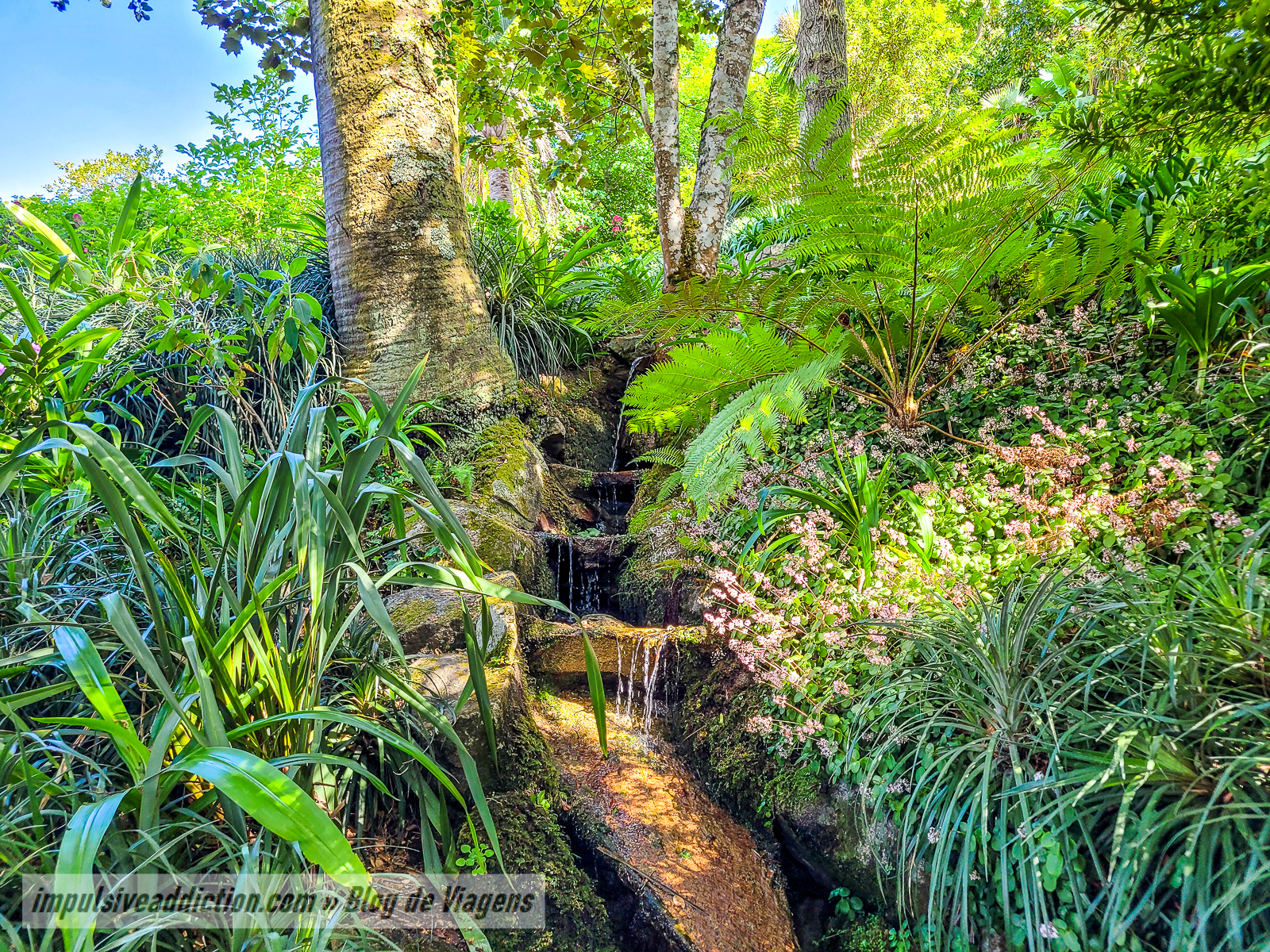
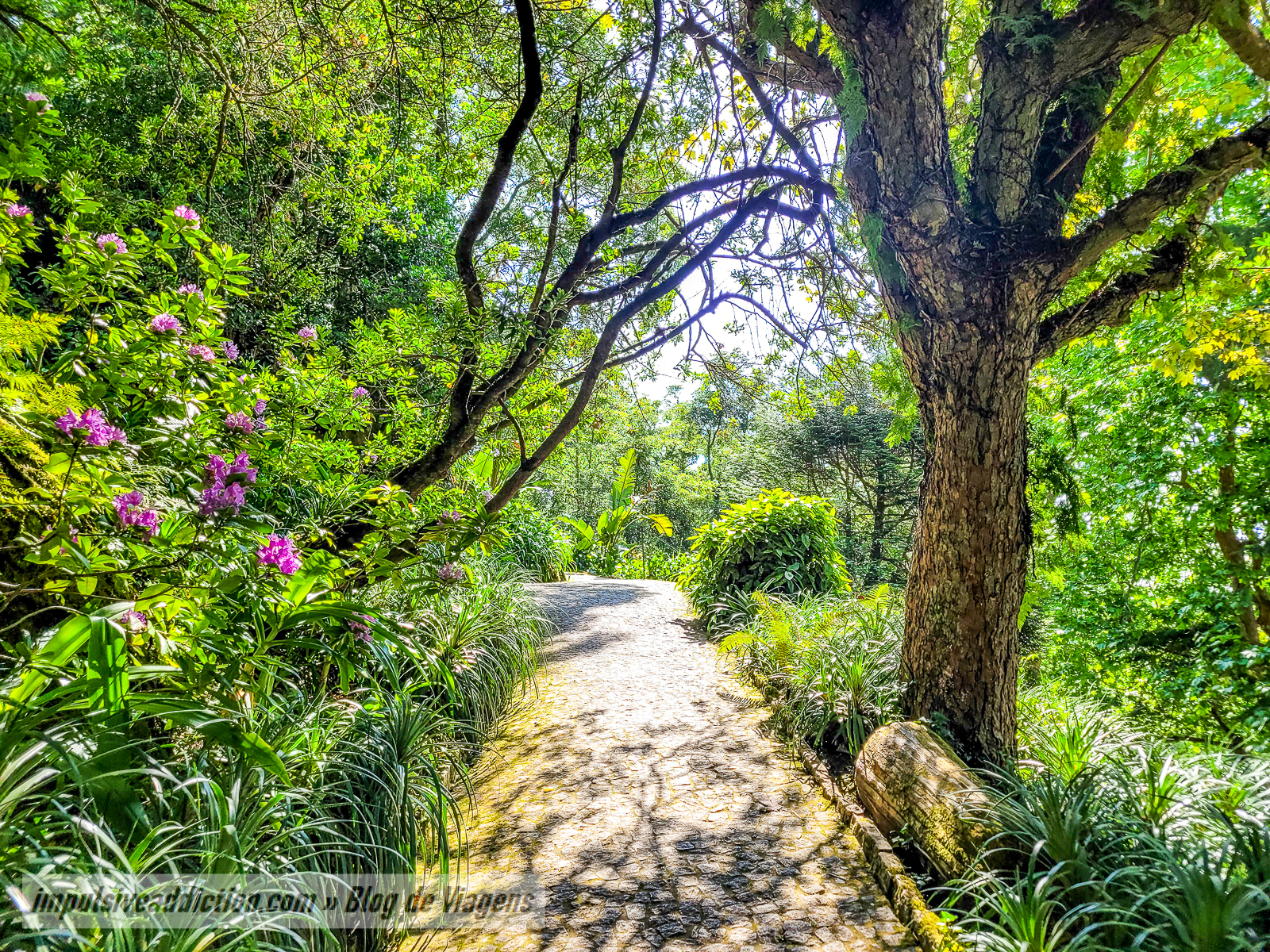
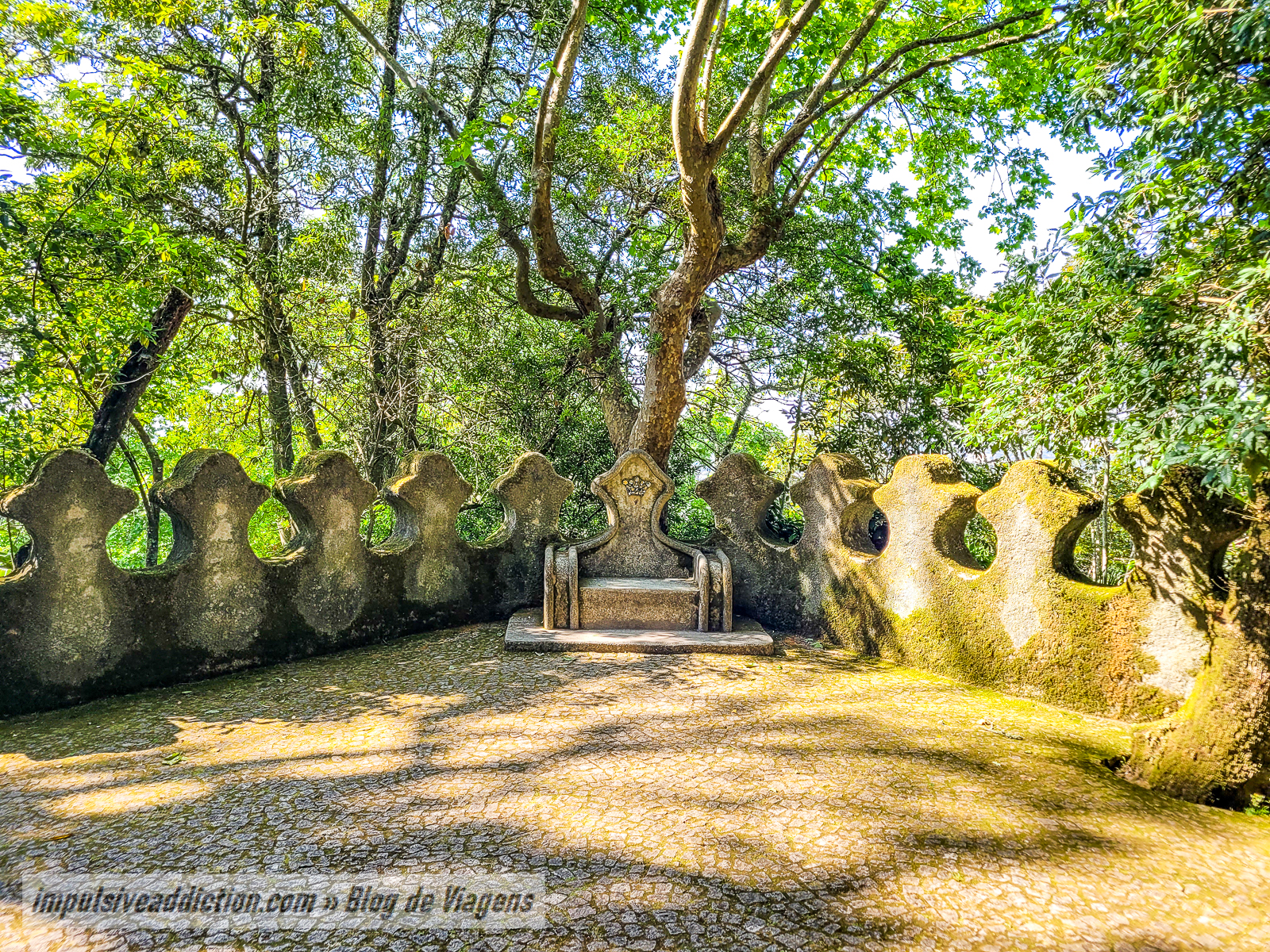
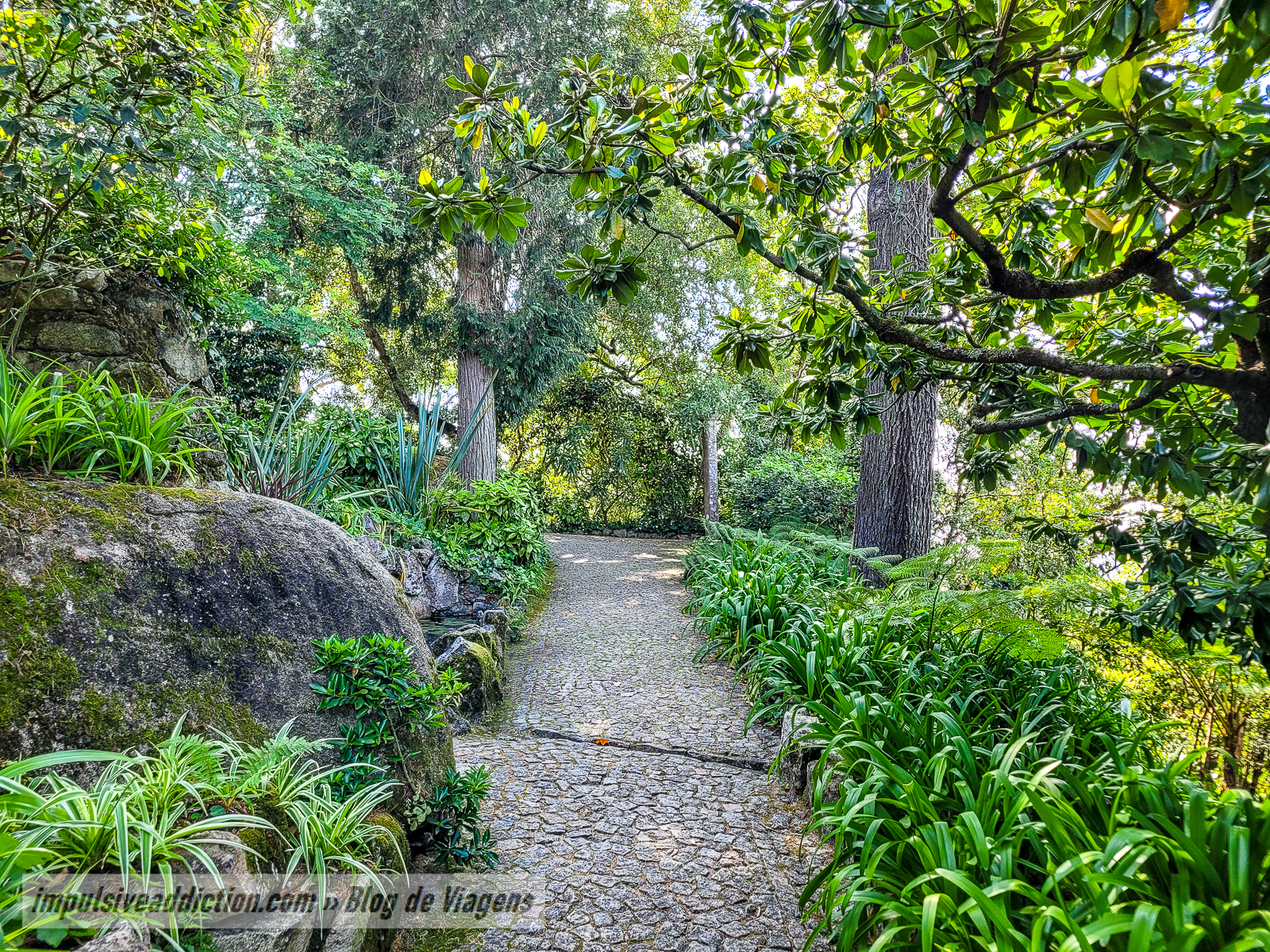
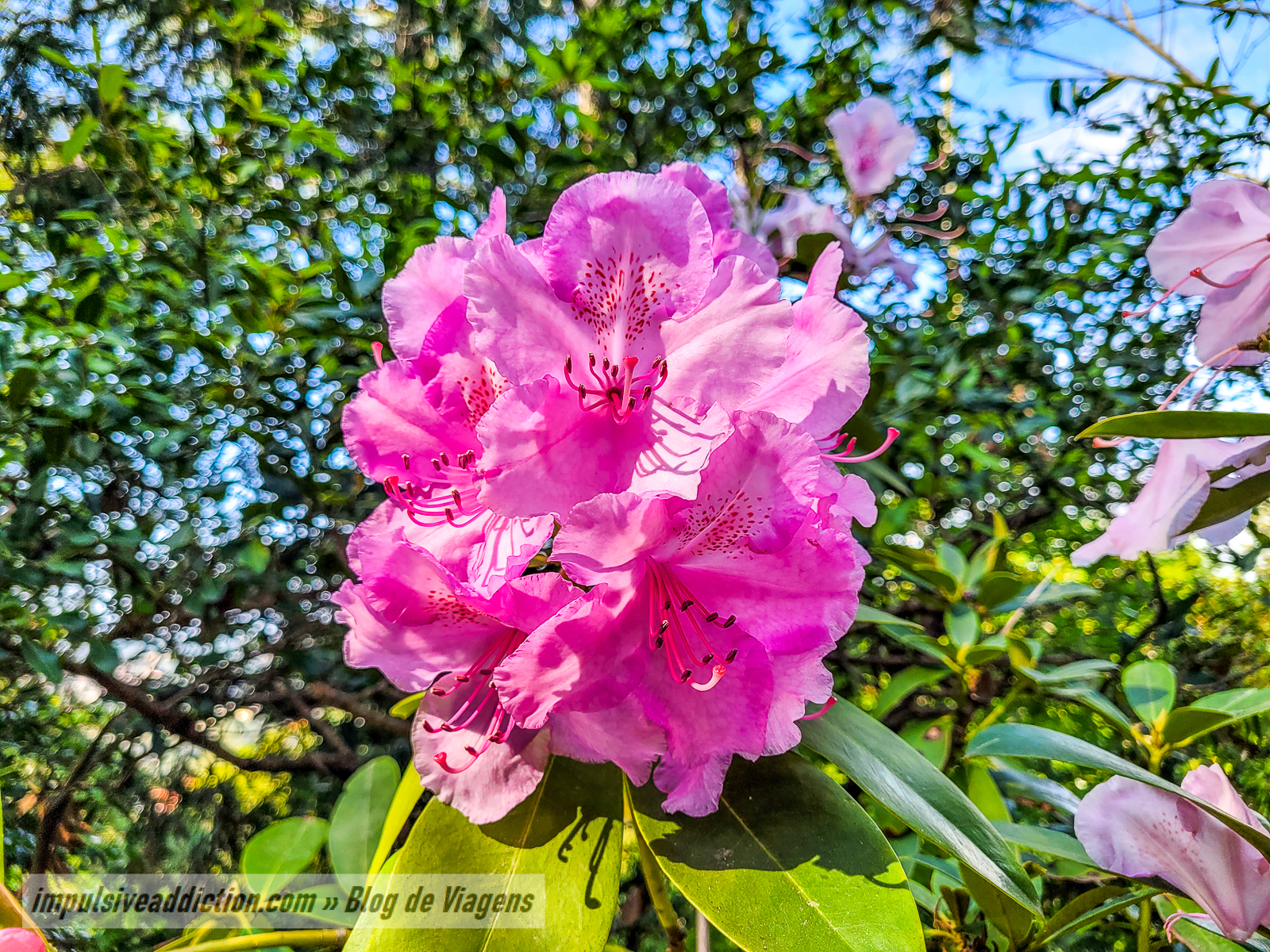
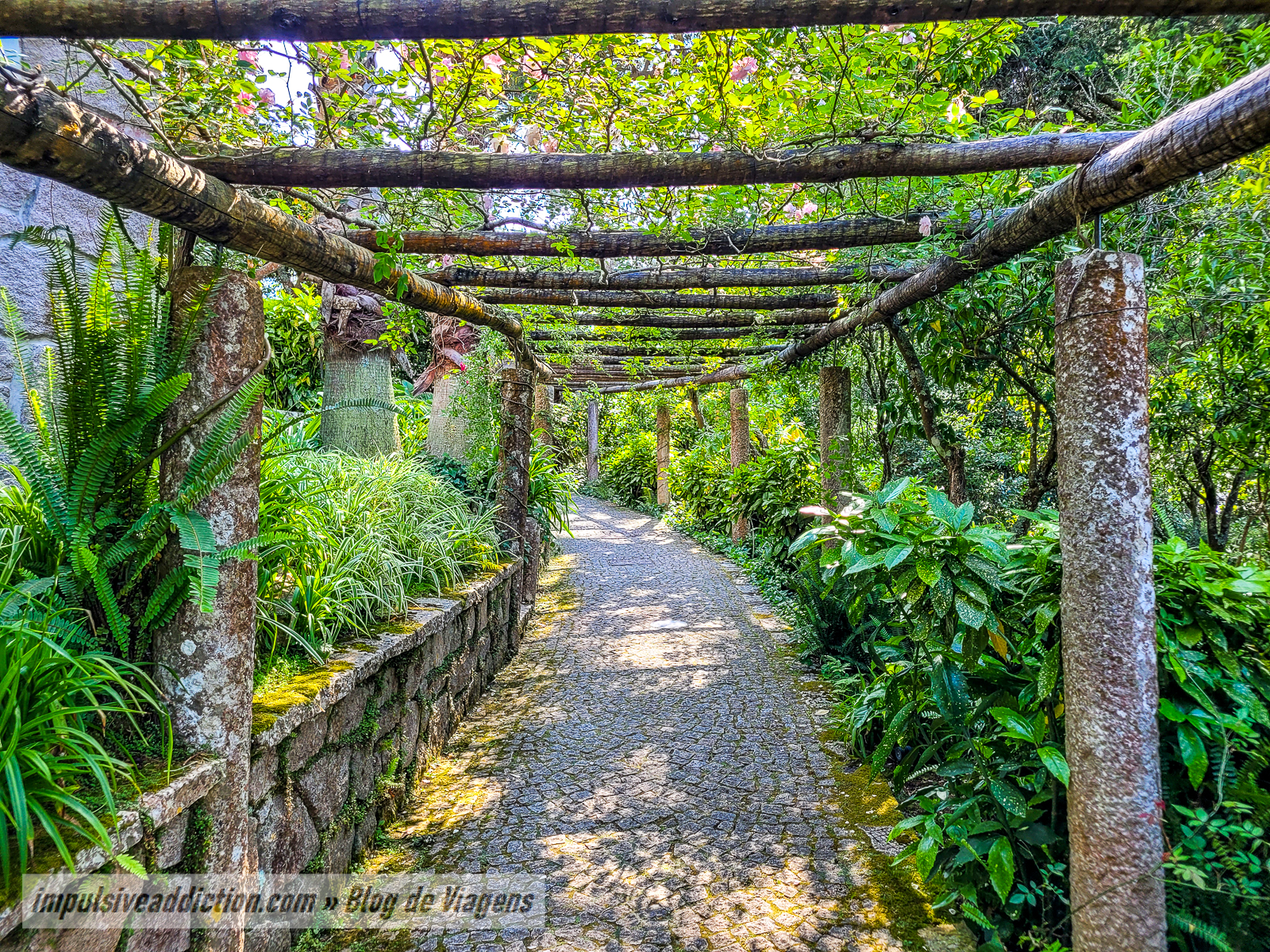
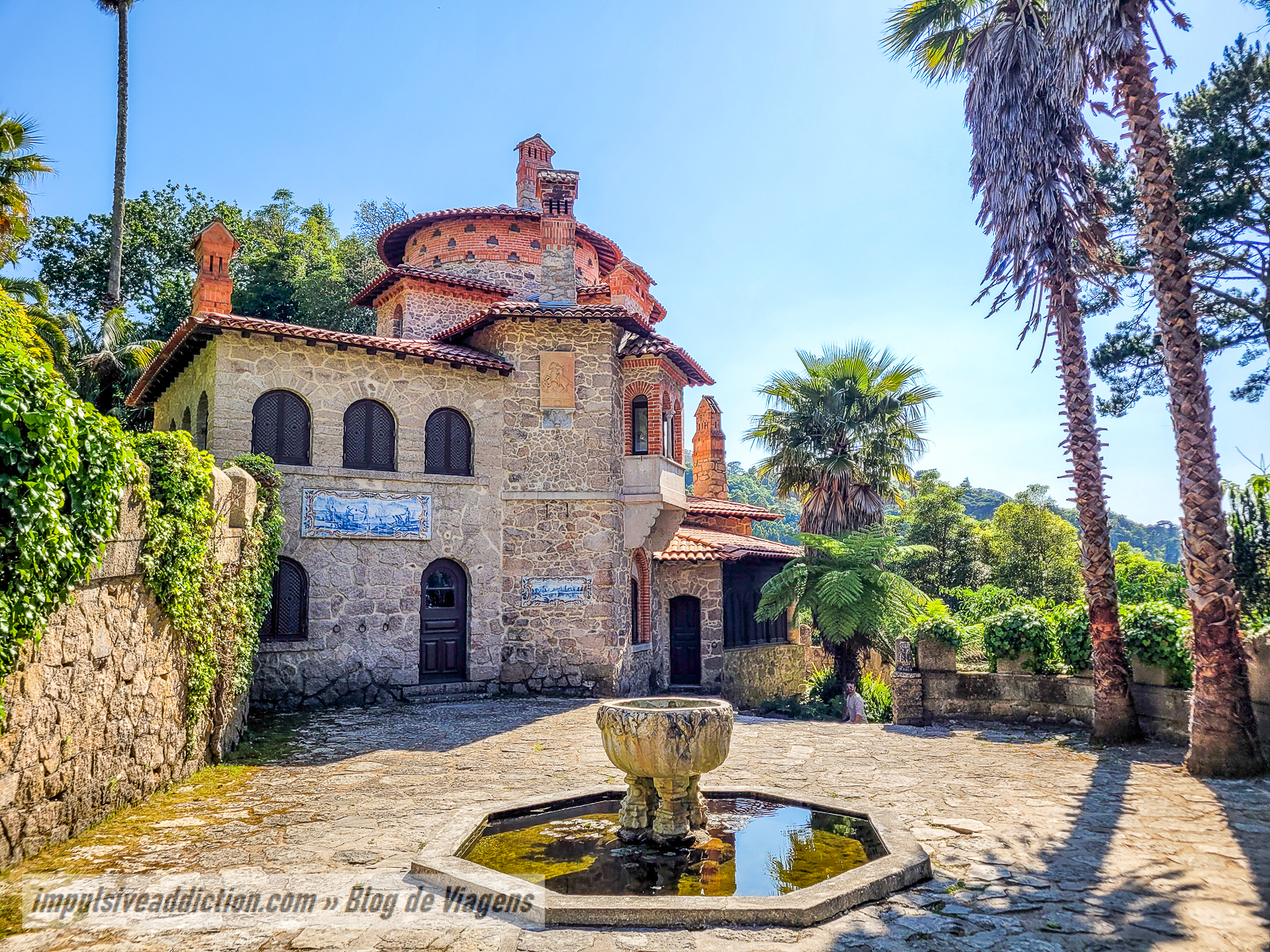
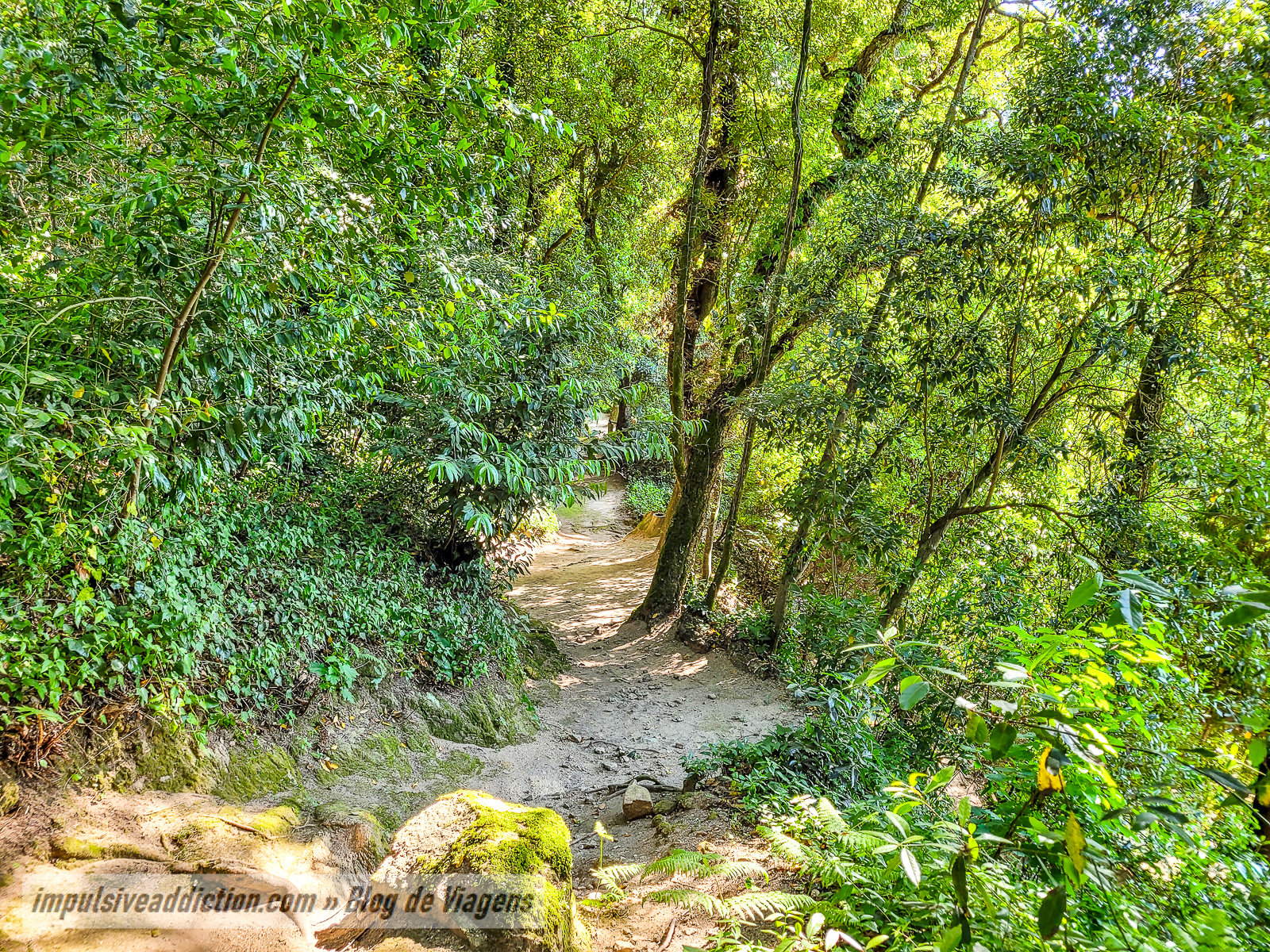
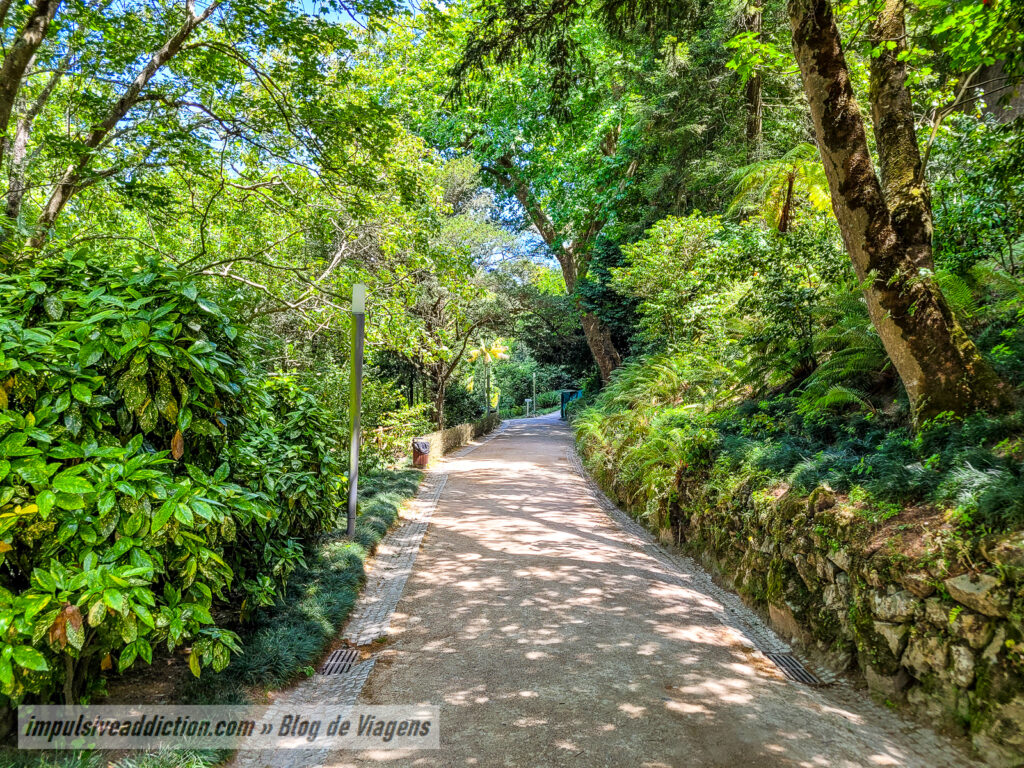
Villa Sasseti Park is completely free to enter, but it’s often overlooked by tourists. Although it deserves its spot on this list of Sintra’s best parks and palaces, it’s not usually considered a top priority. It’s best known among those who choose to hike up to Pena Palace on foot, as the path connects Sintra’s town center with the top of the mountain.
The story of Villa Sasseti dates back to 1890, when local resident Victor Carlos Sassetti began building it in the style of the castles of Lombardy. The park itself is laid out on a steep hillside, with a zigzagging path that winds its way up — making it a great scenic route if you’re heading to Pena Palace by foot.
Just a little tip: it’s the best hiking path to the top!
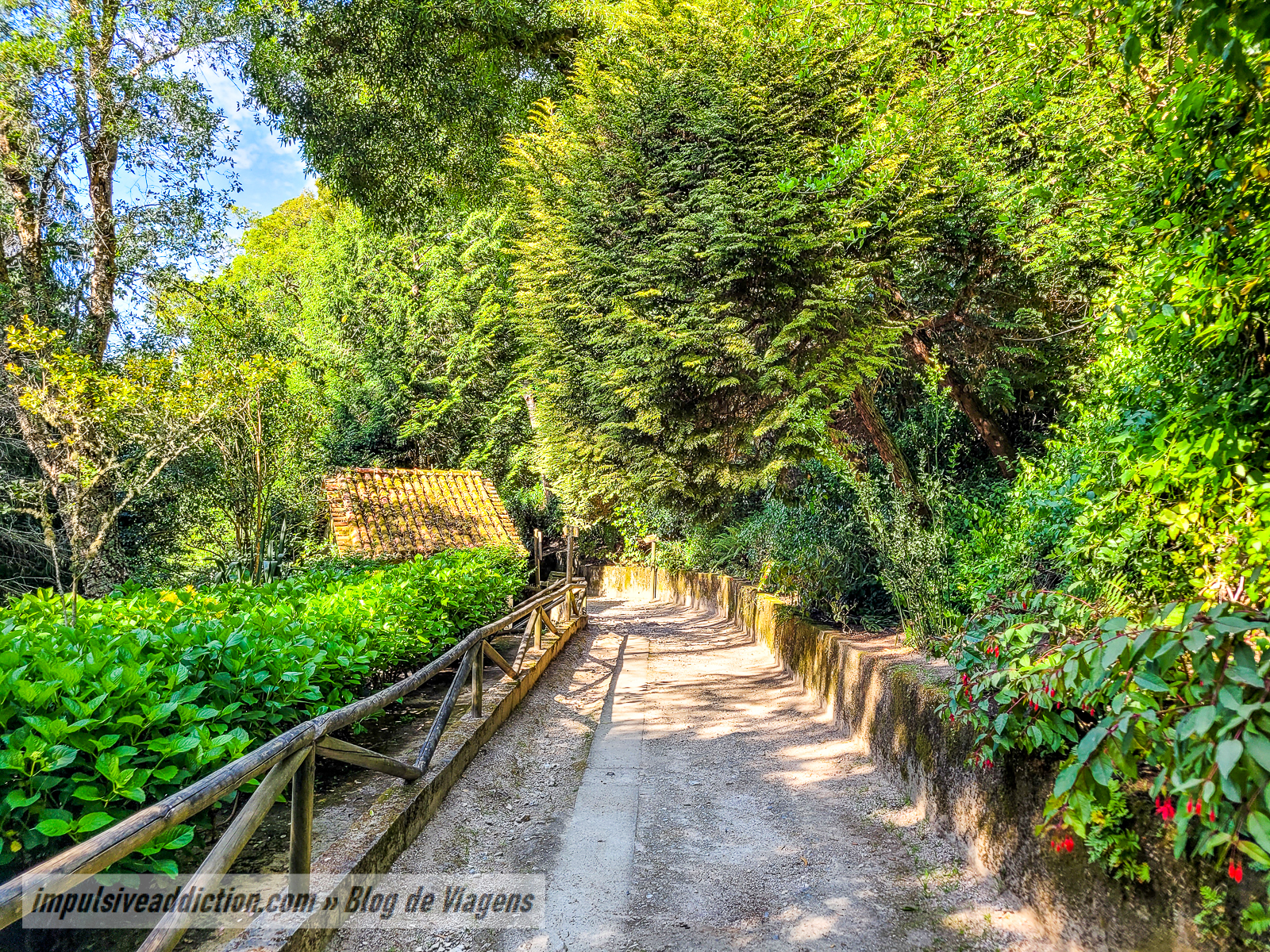
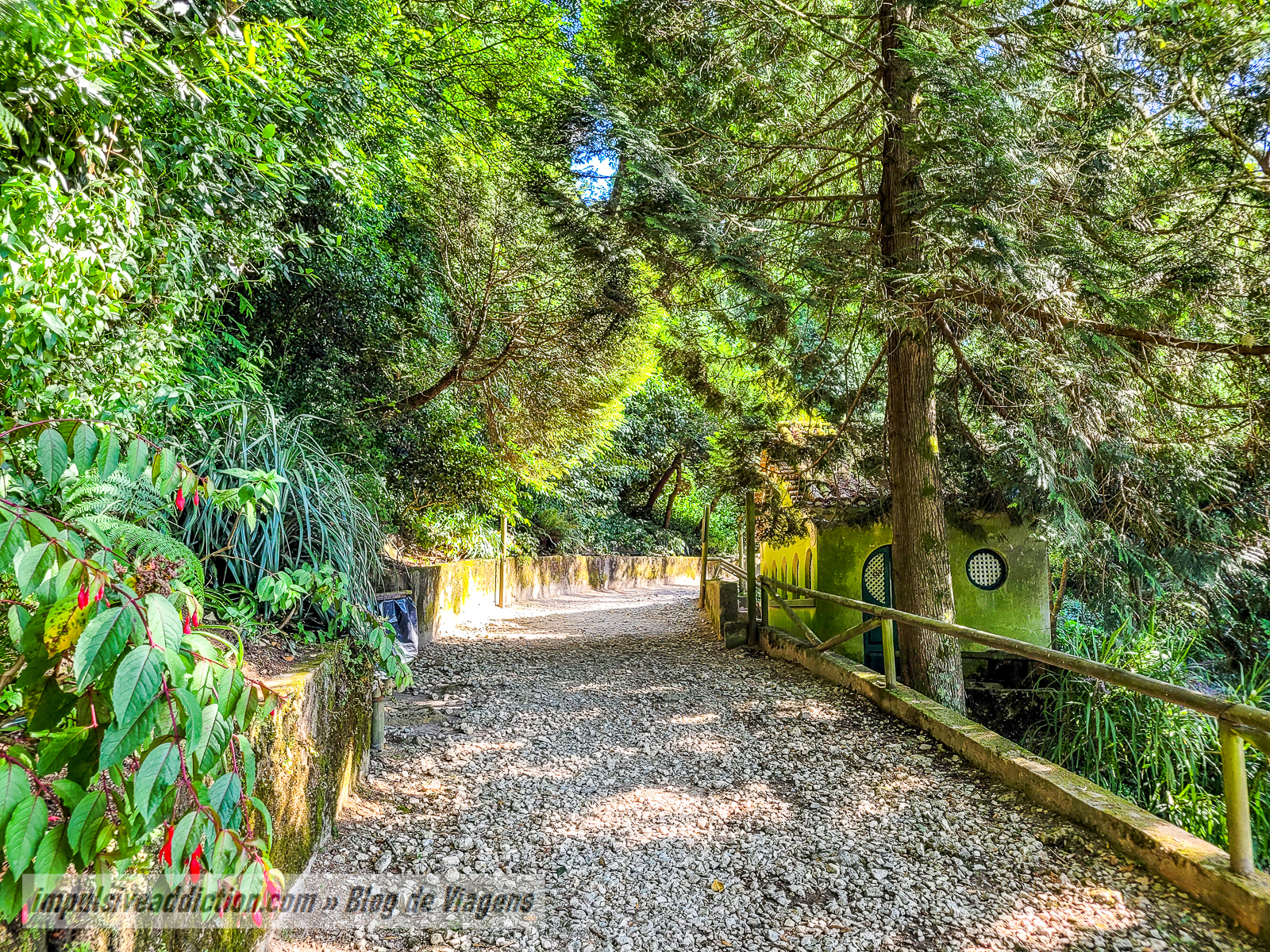
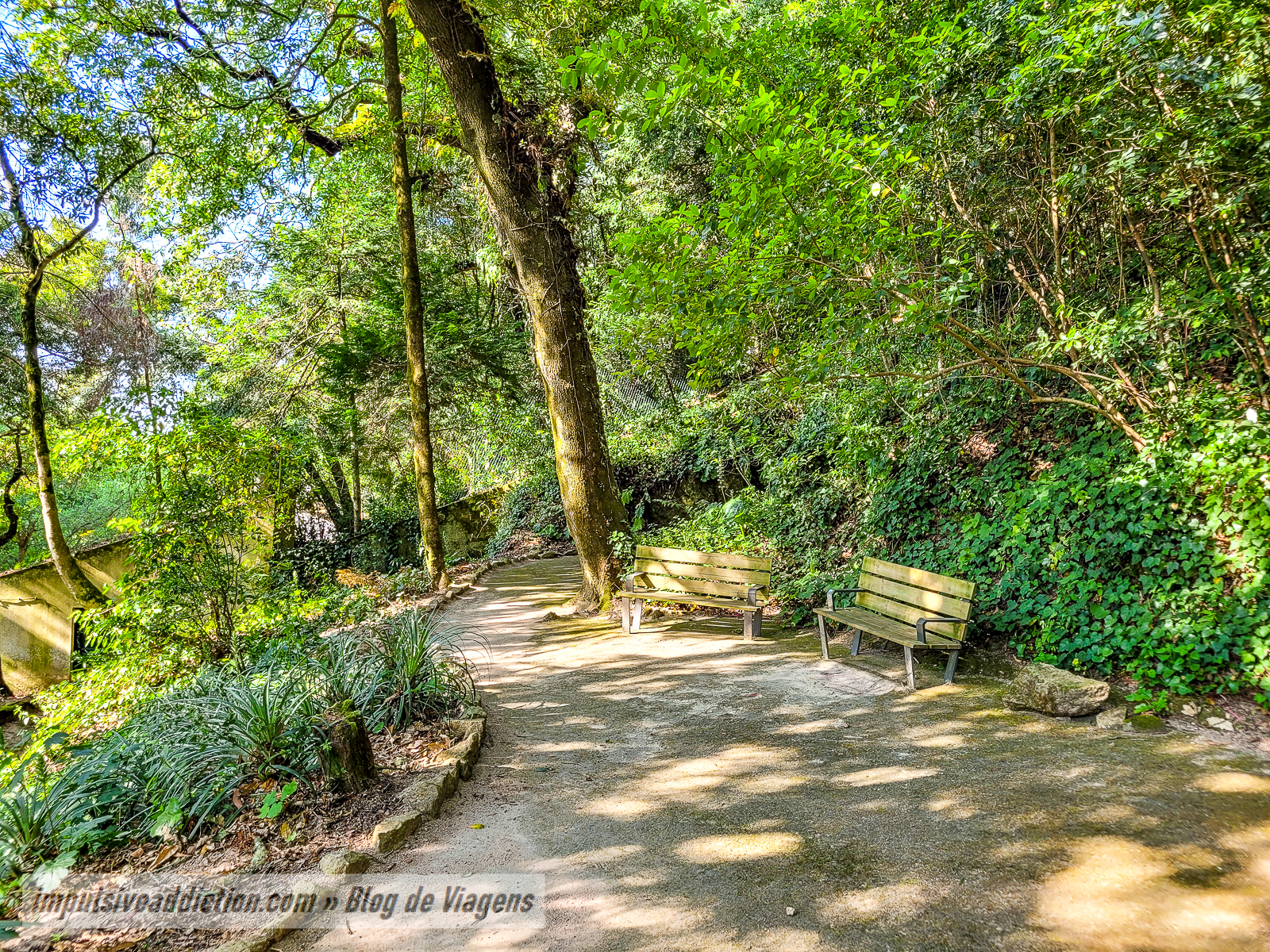
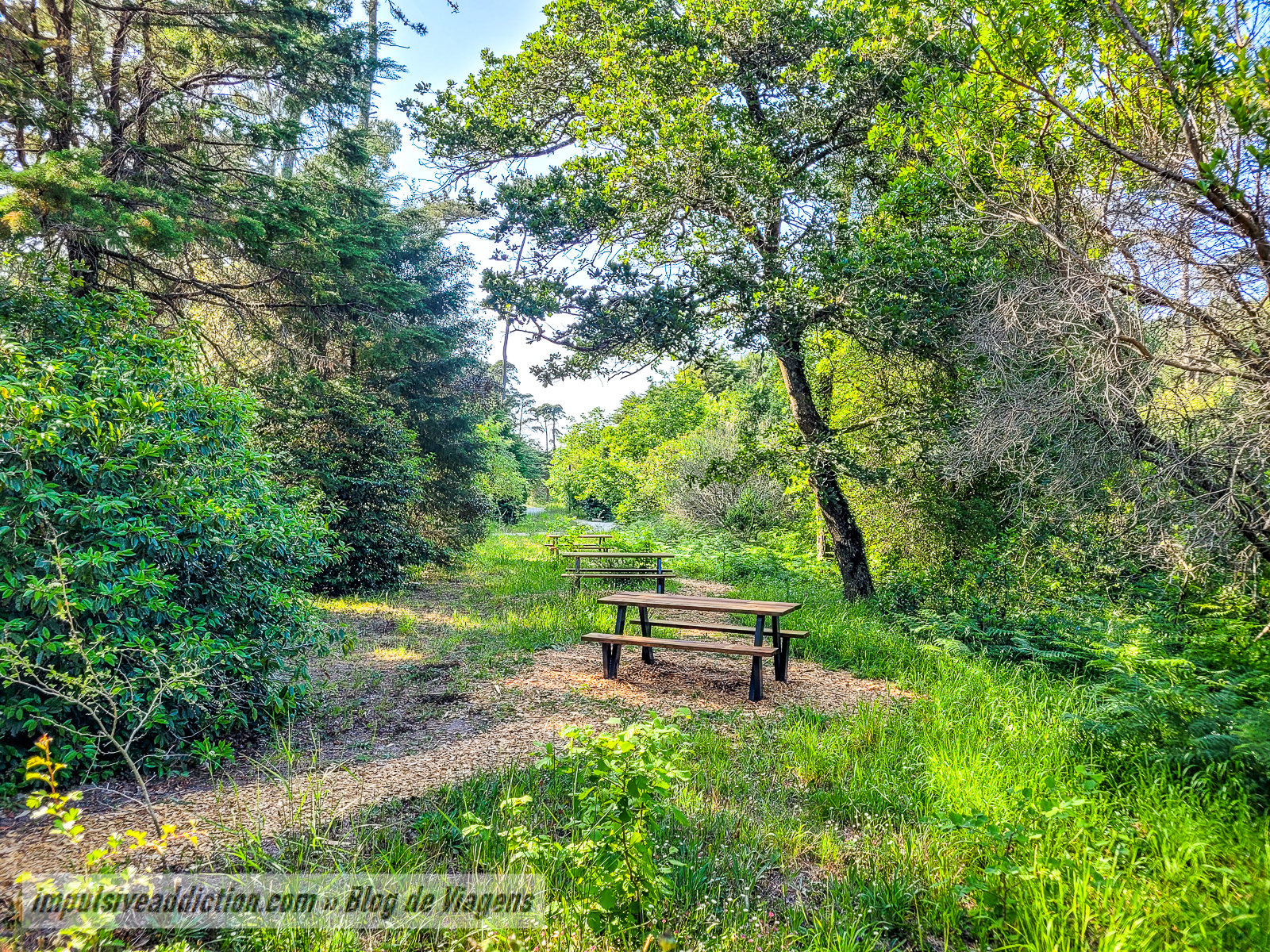
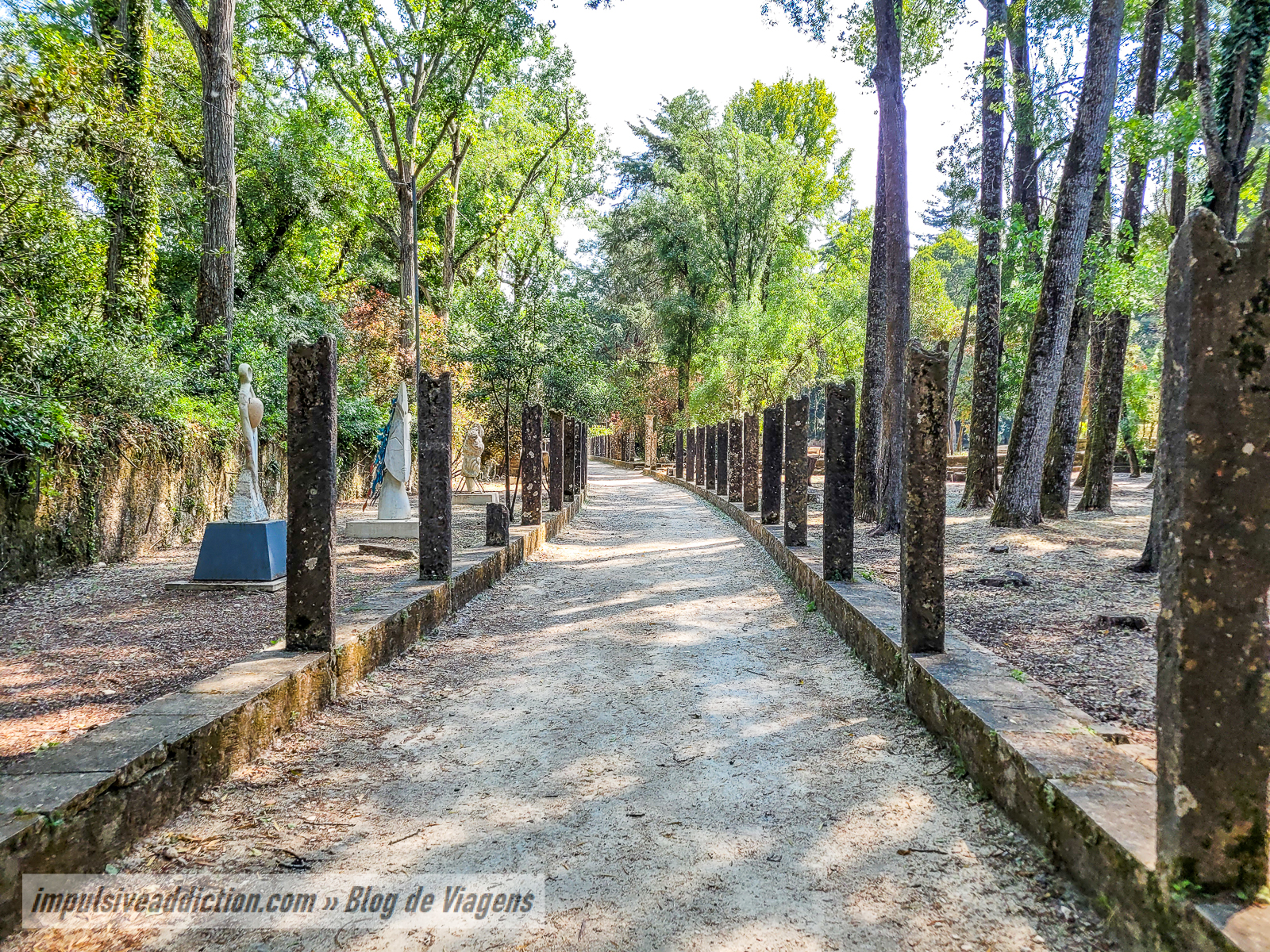
6. Sintra Picnic Park (Parque das Merendas de Sintra)
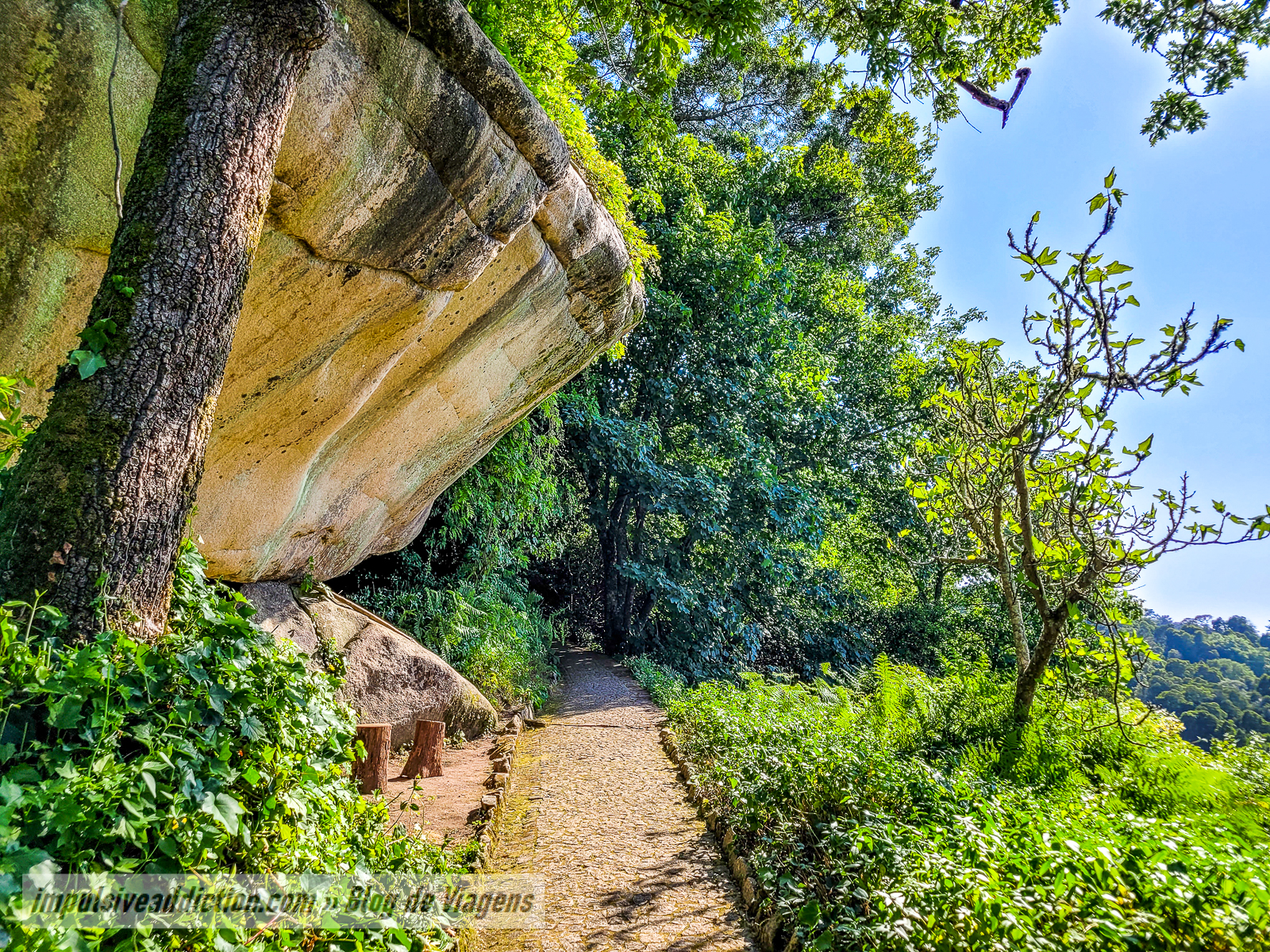
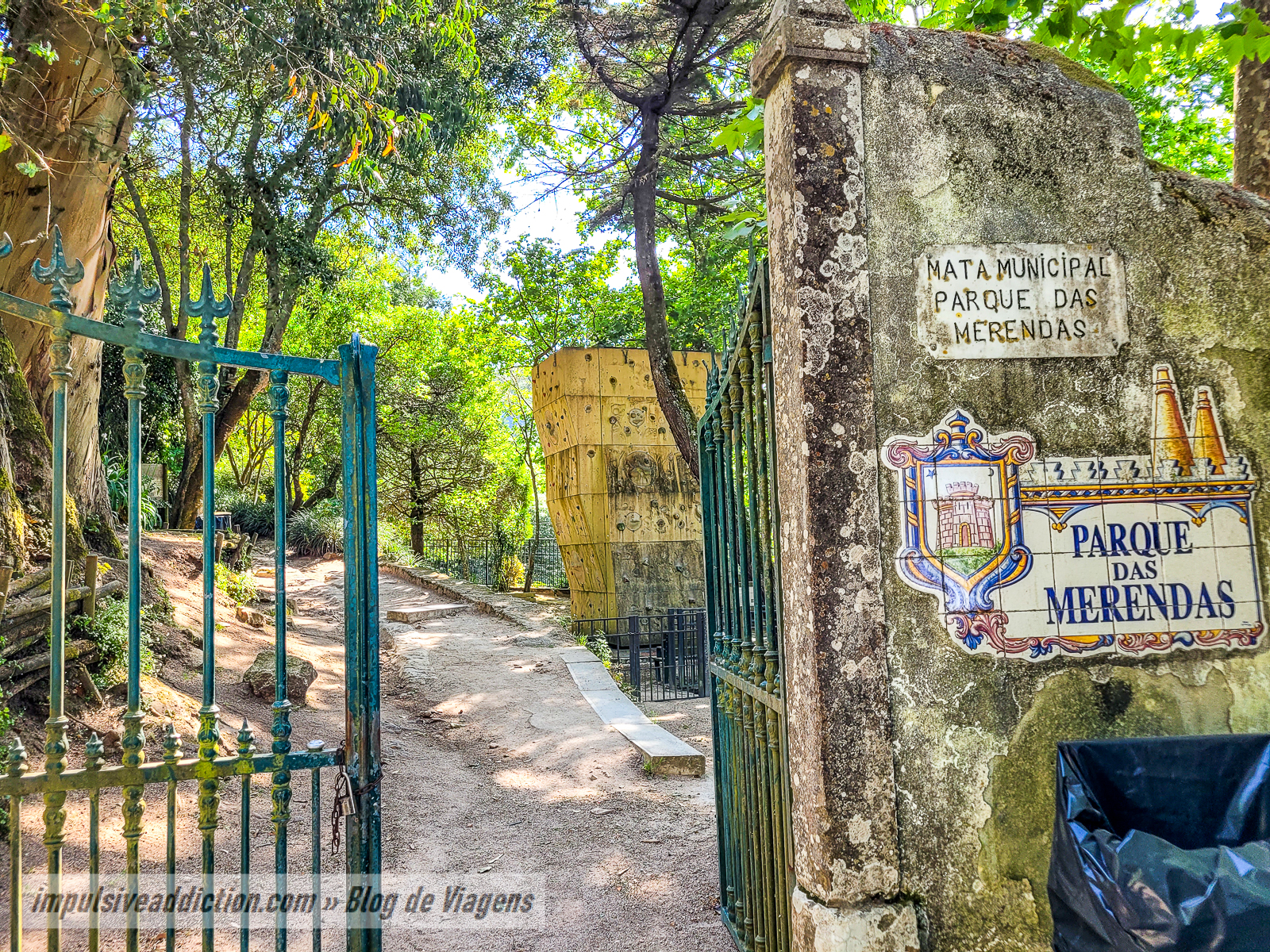
The Sintra Picnic Park also deserves a mention, with one of its entrances located right next to Villa Sasseti.
It’s a peaceful green space equipped with stone tables and benches, open to everyone — perfect for a picnic, a quiet break, or simply to relax with a book under the trees.
There’s plenty of shade, making it a great resting spot, especially on warmer days!
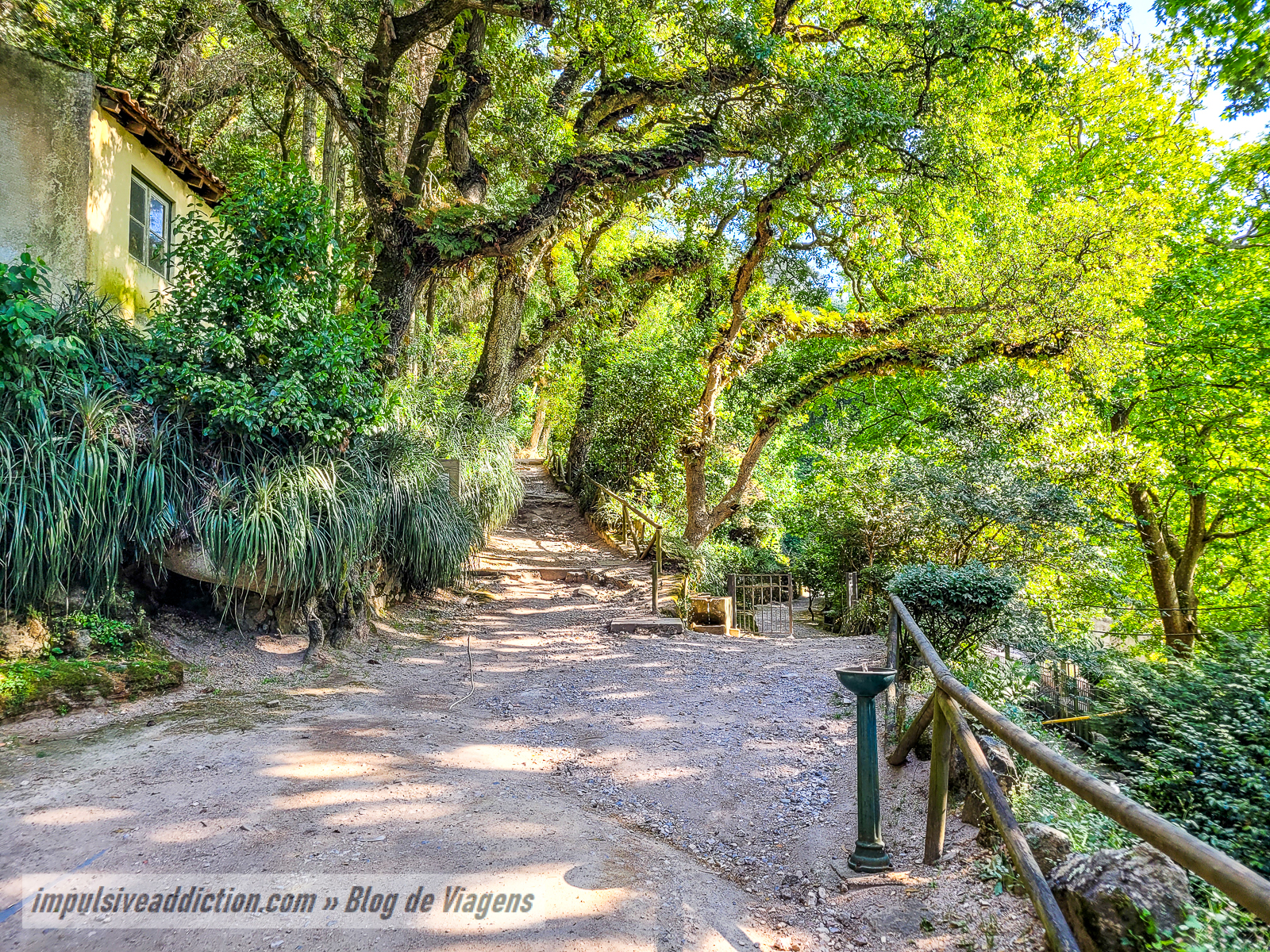
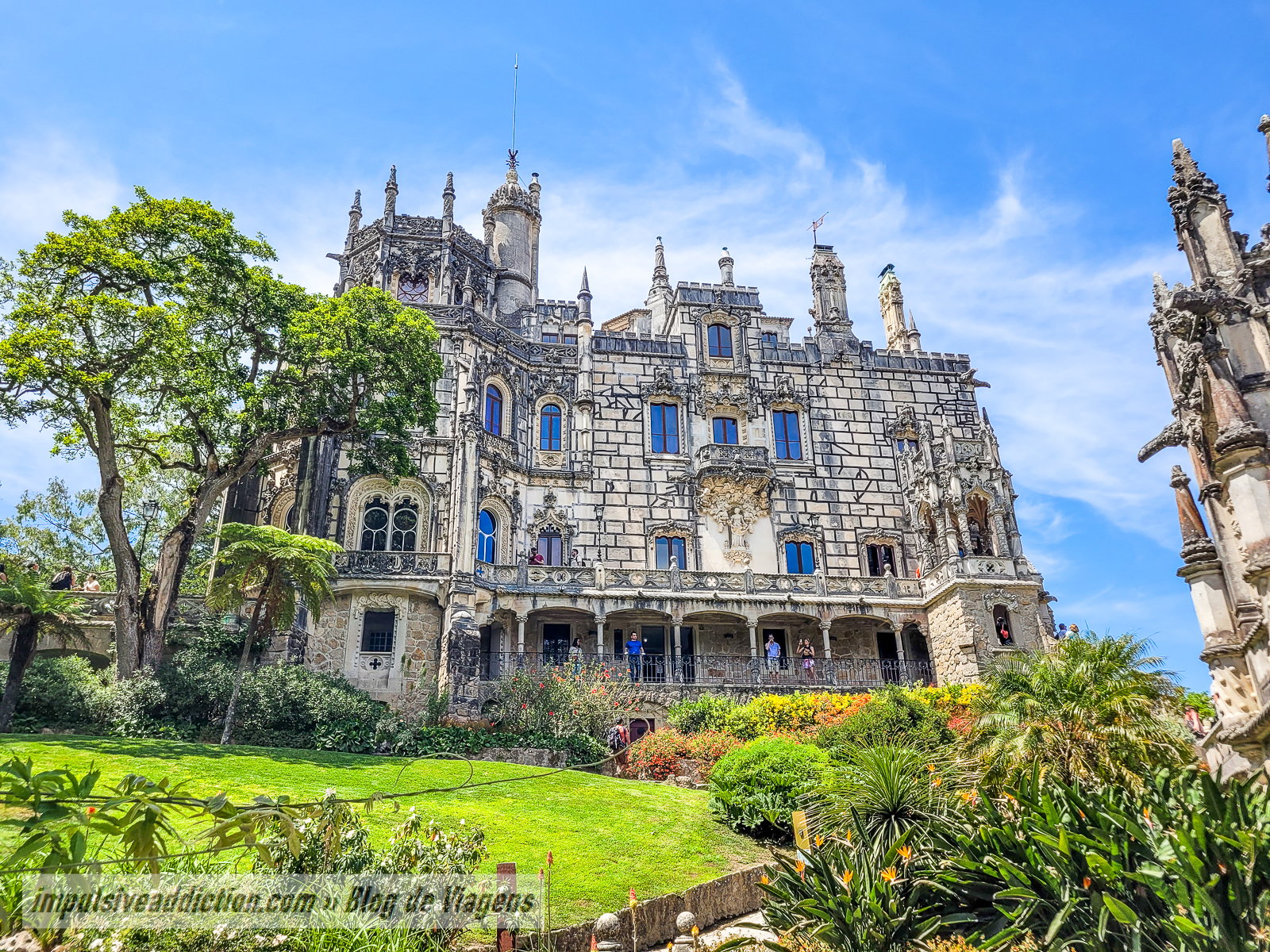
7. Quinta da Regaleira
Quinta da Regaleira was once a bit of a hidden gem in Sintra. I remember visiting it for the first time many years ago — it was almost empty.
These days, it’s one of the most visited attractions in Sintra, with long lines at the entrance, much like Pena Palace. Times change — and wonders get discovered! 😉
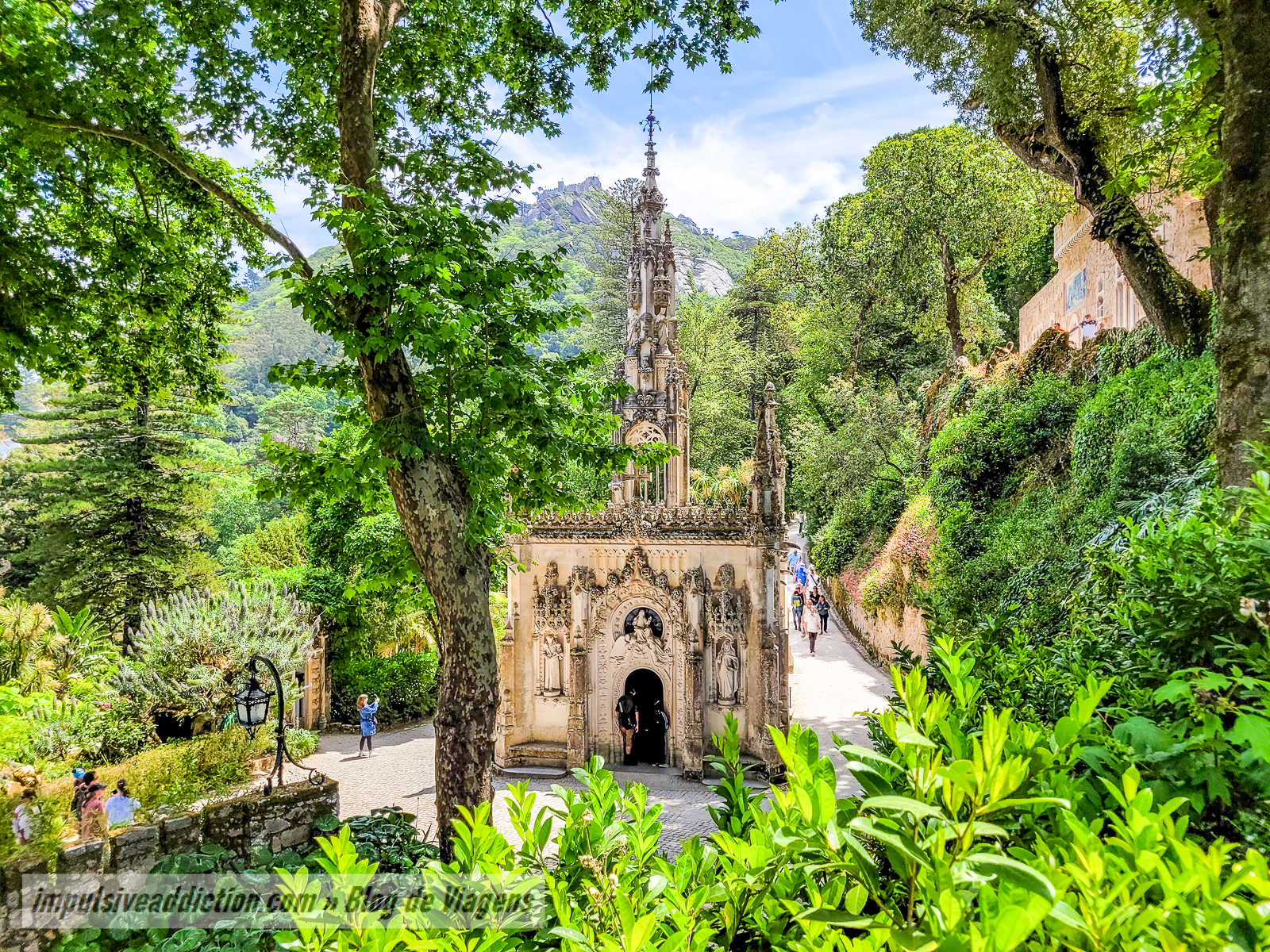
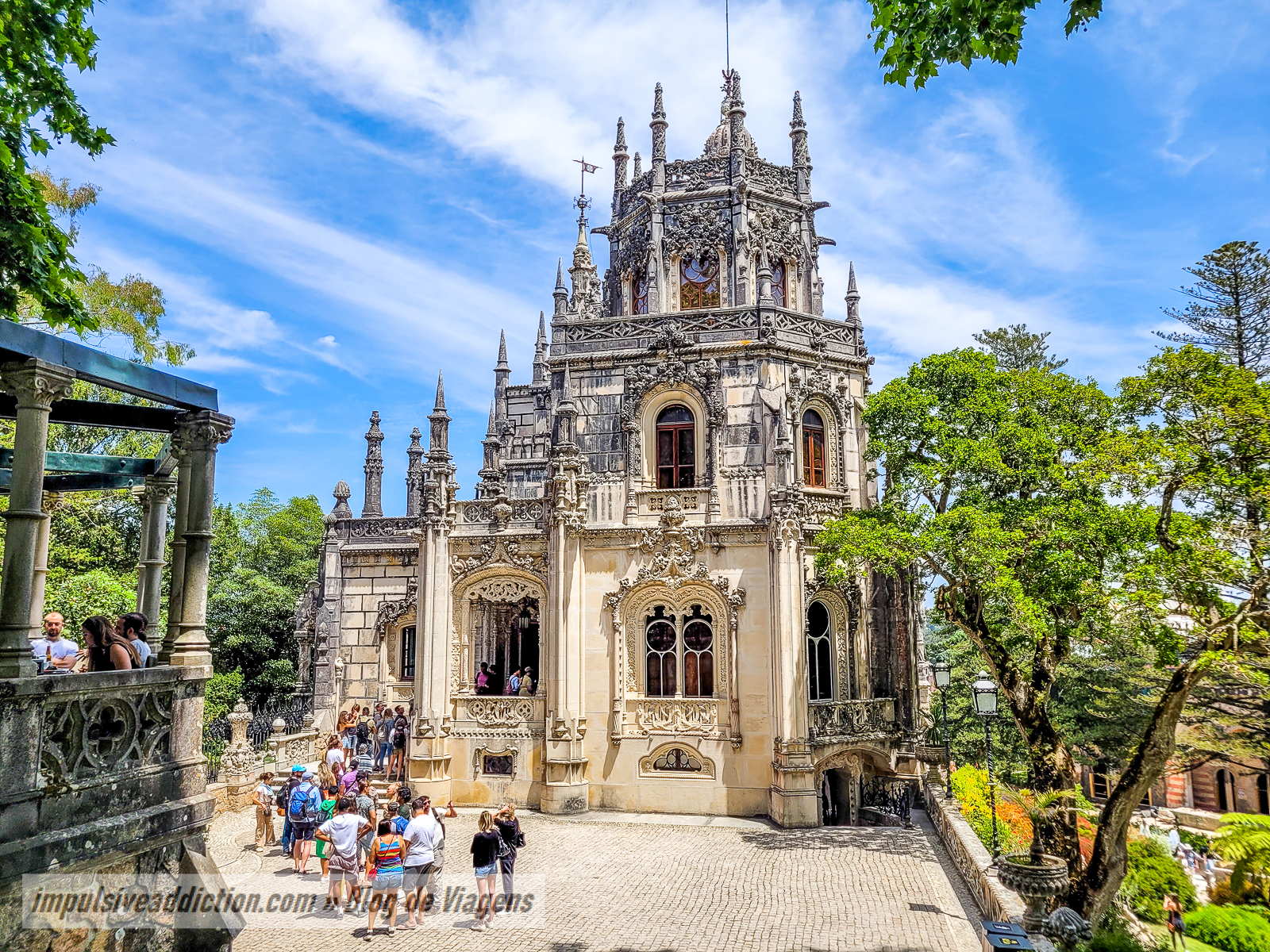
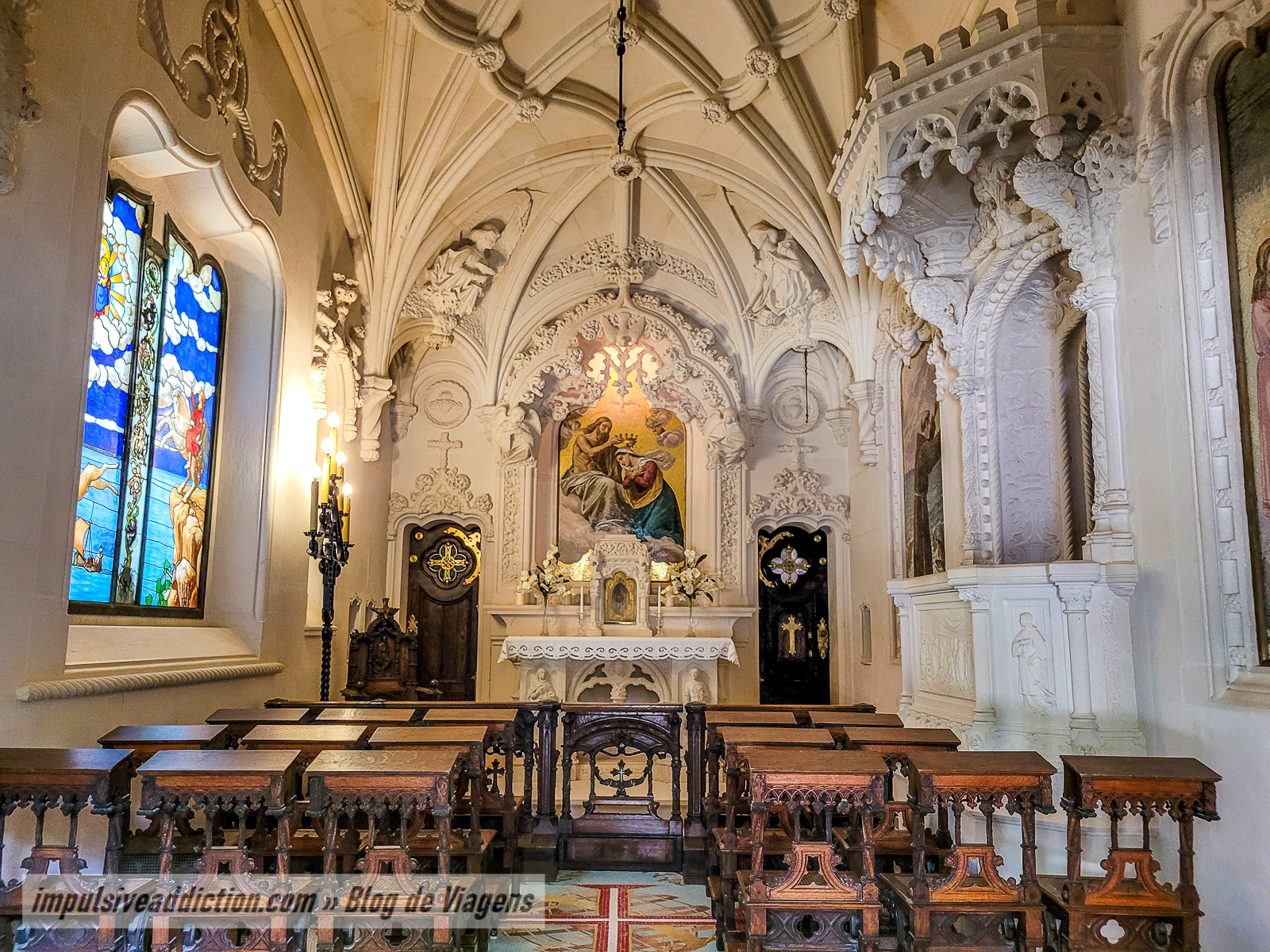
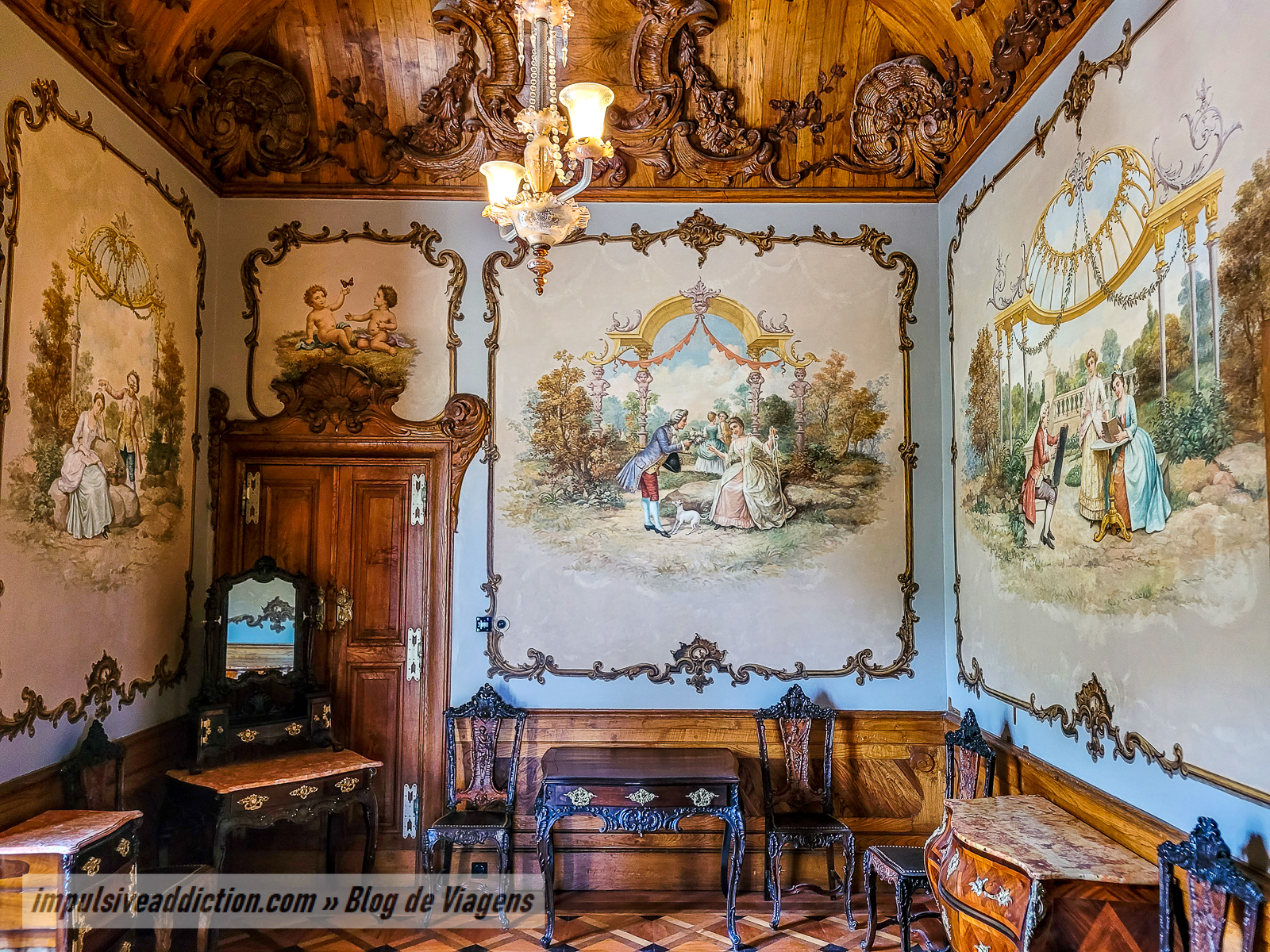
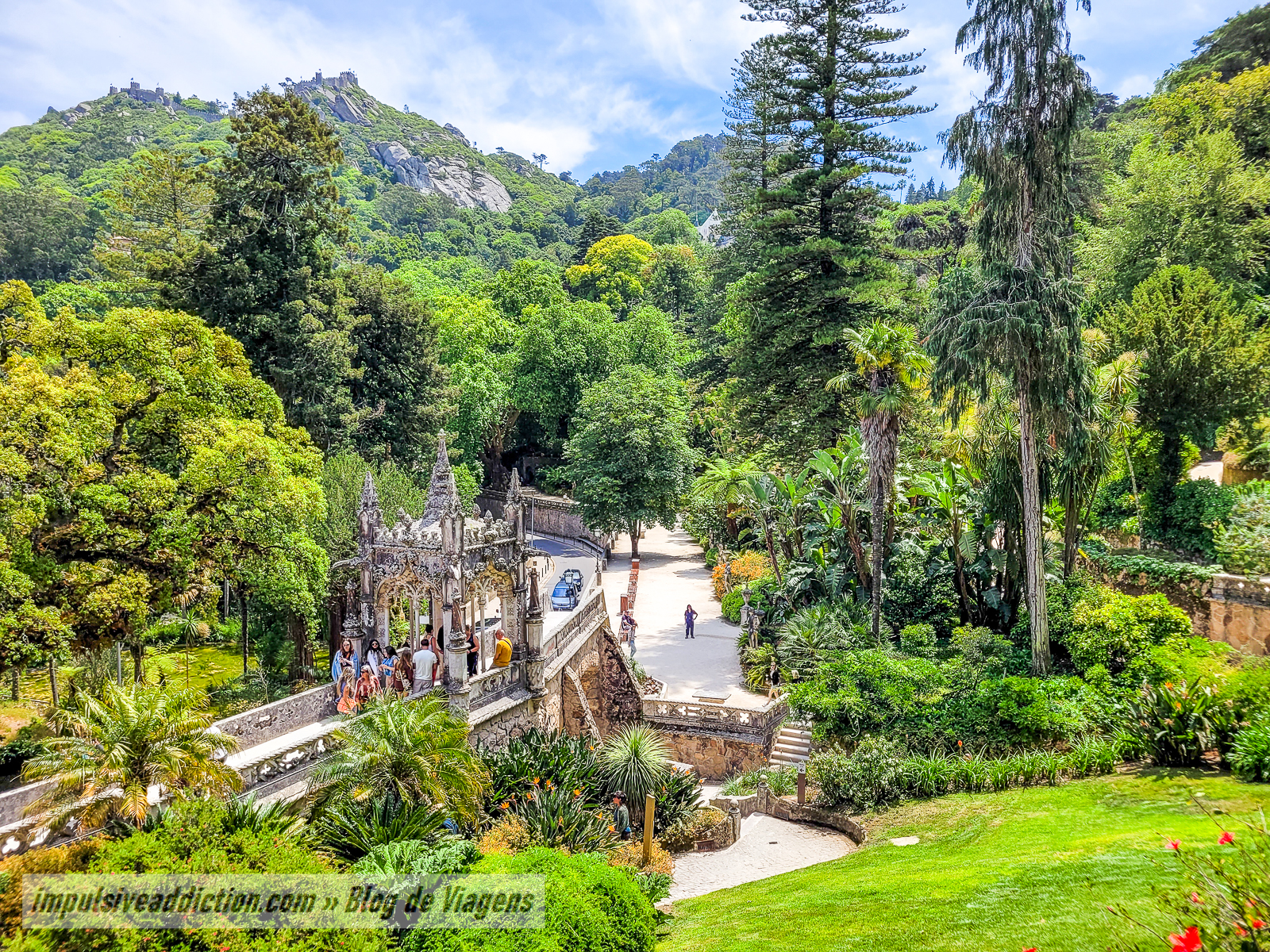
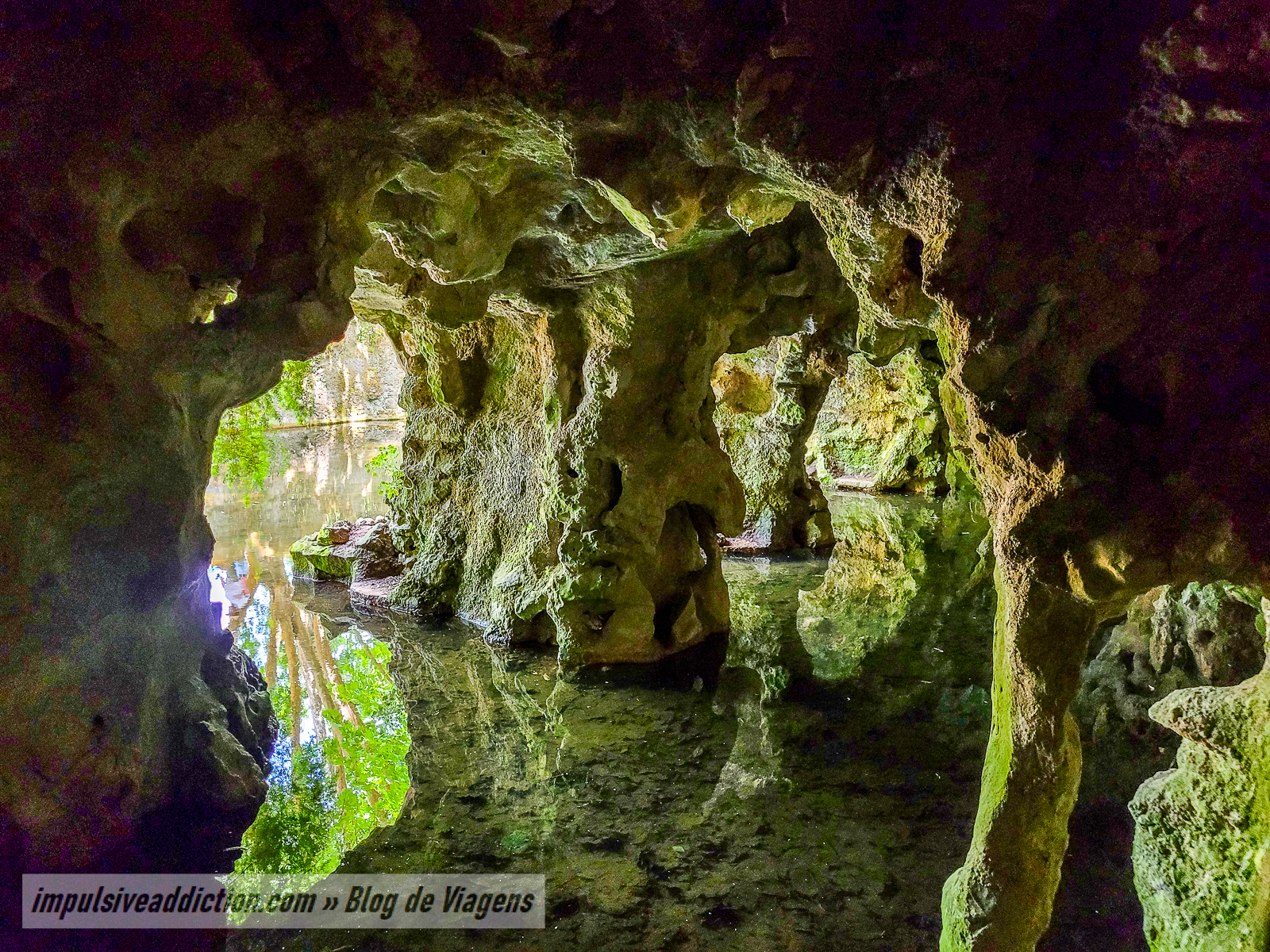
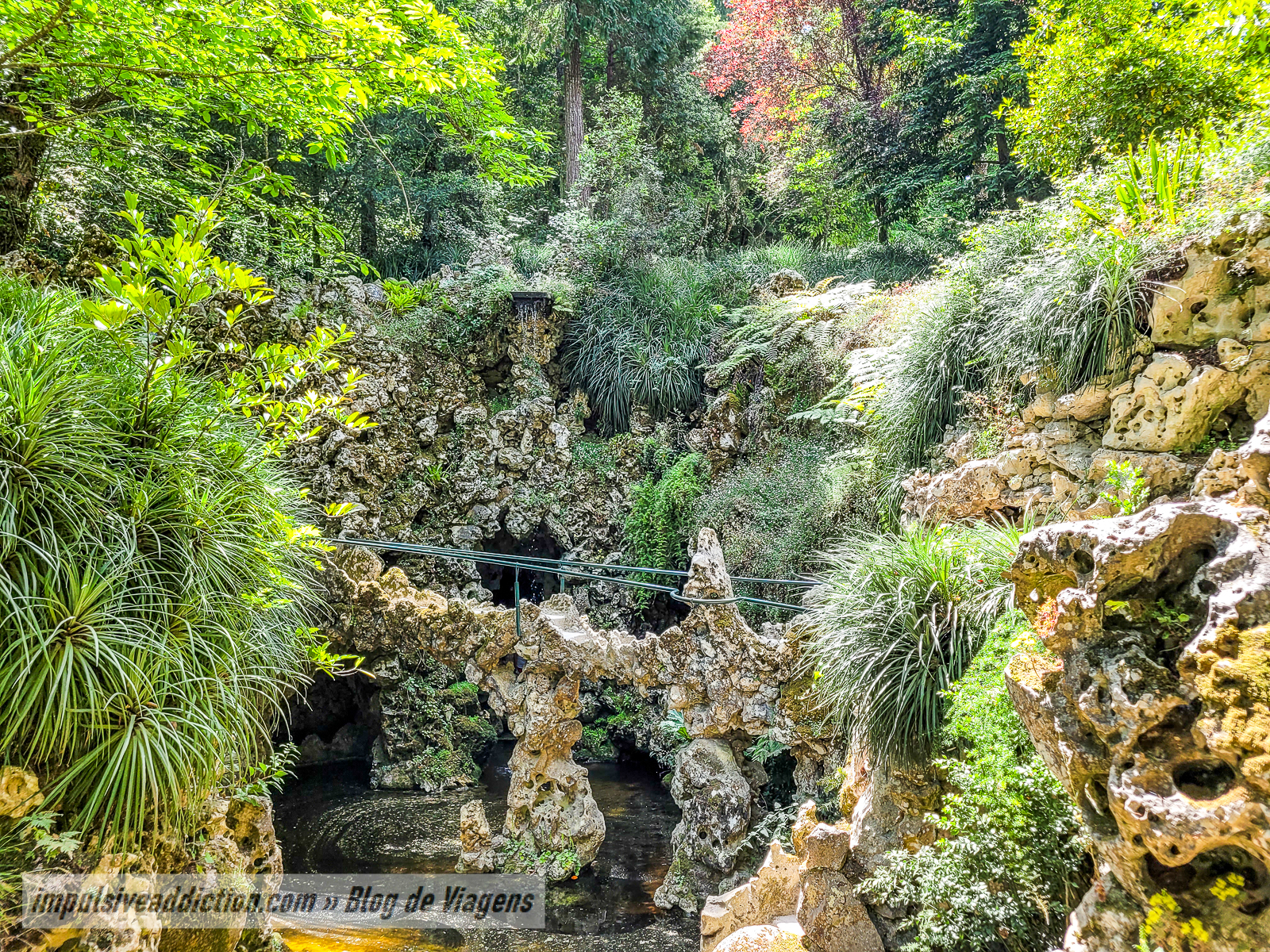
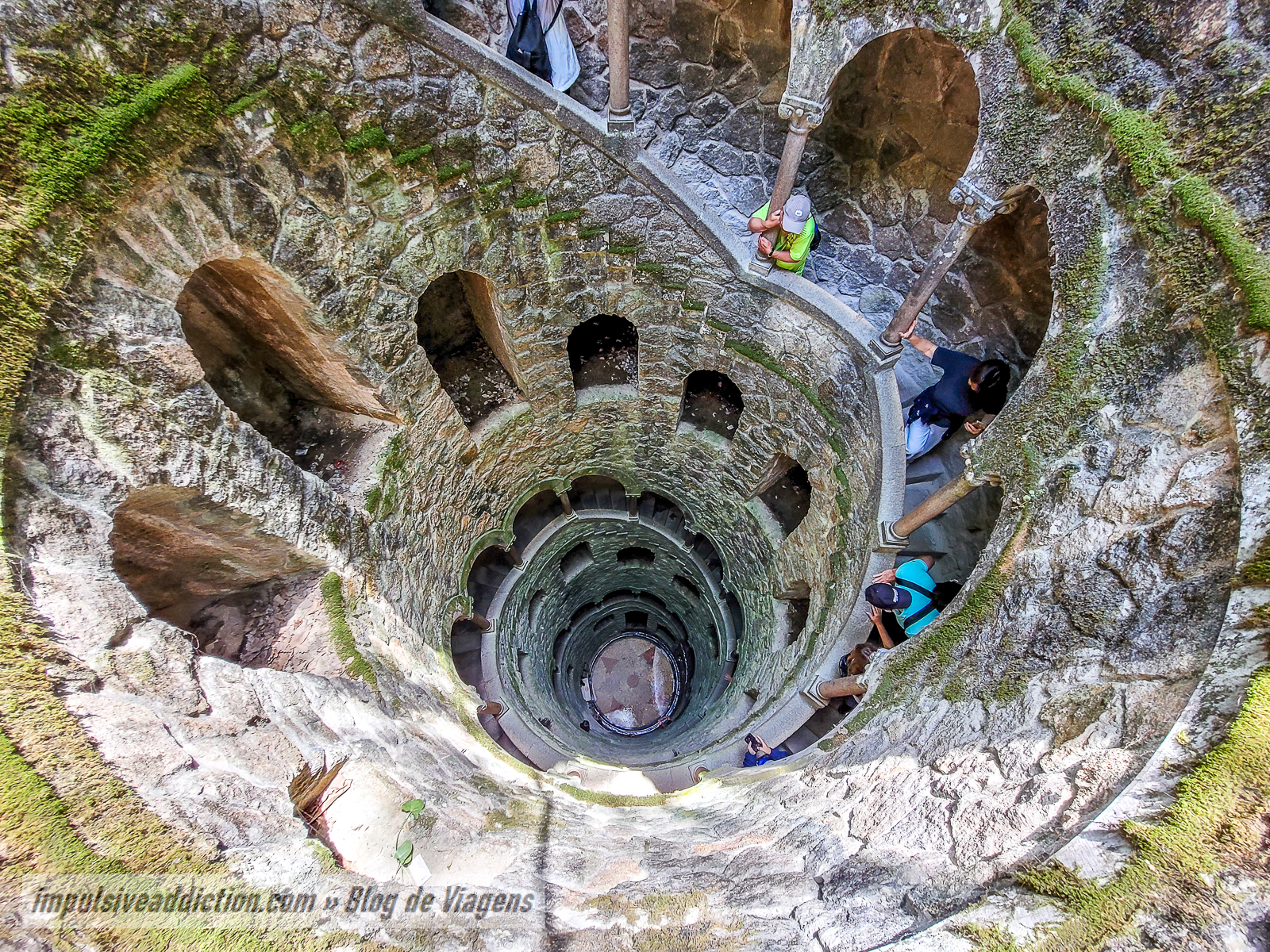
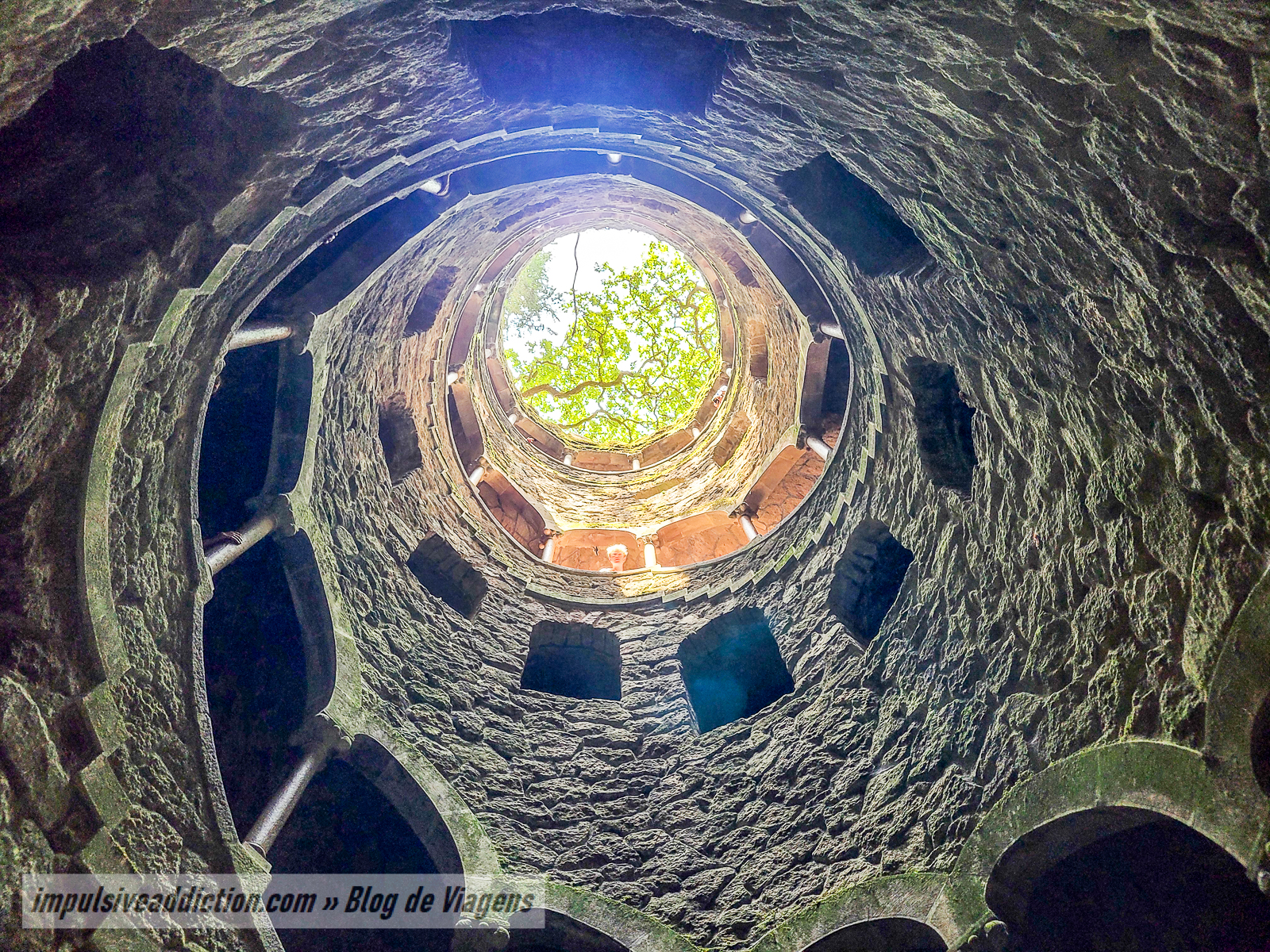
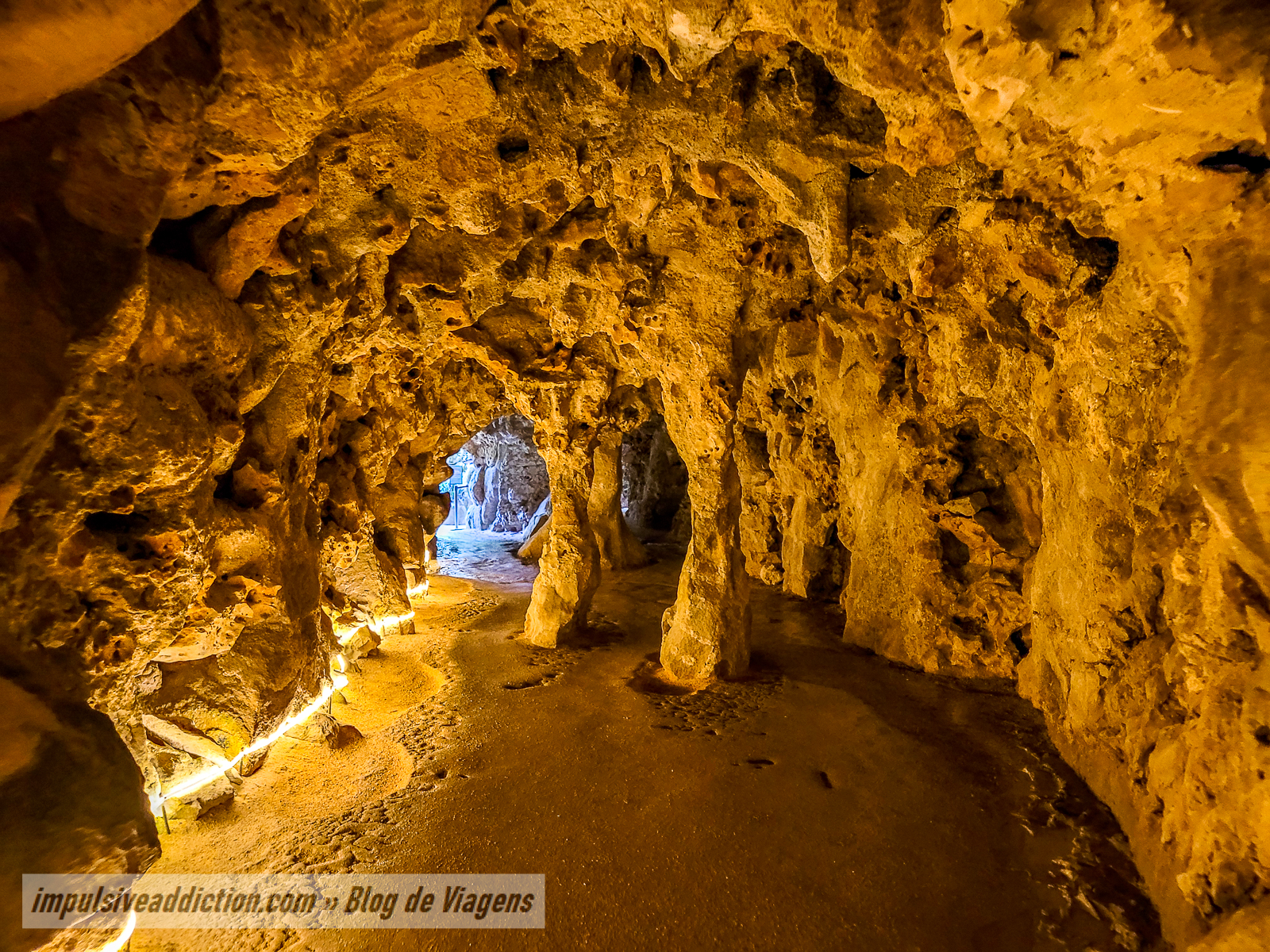
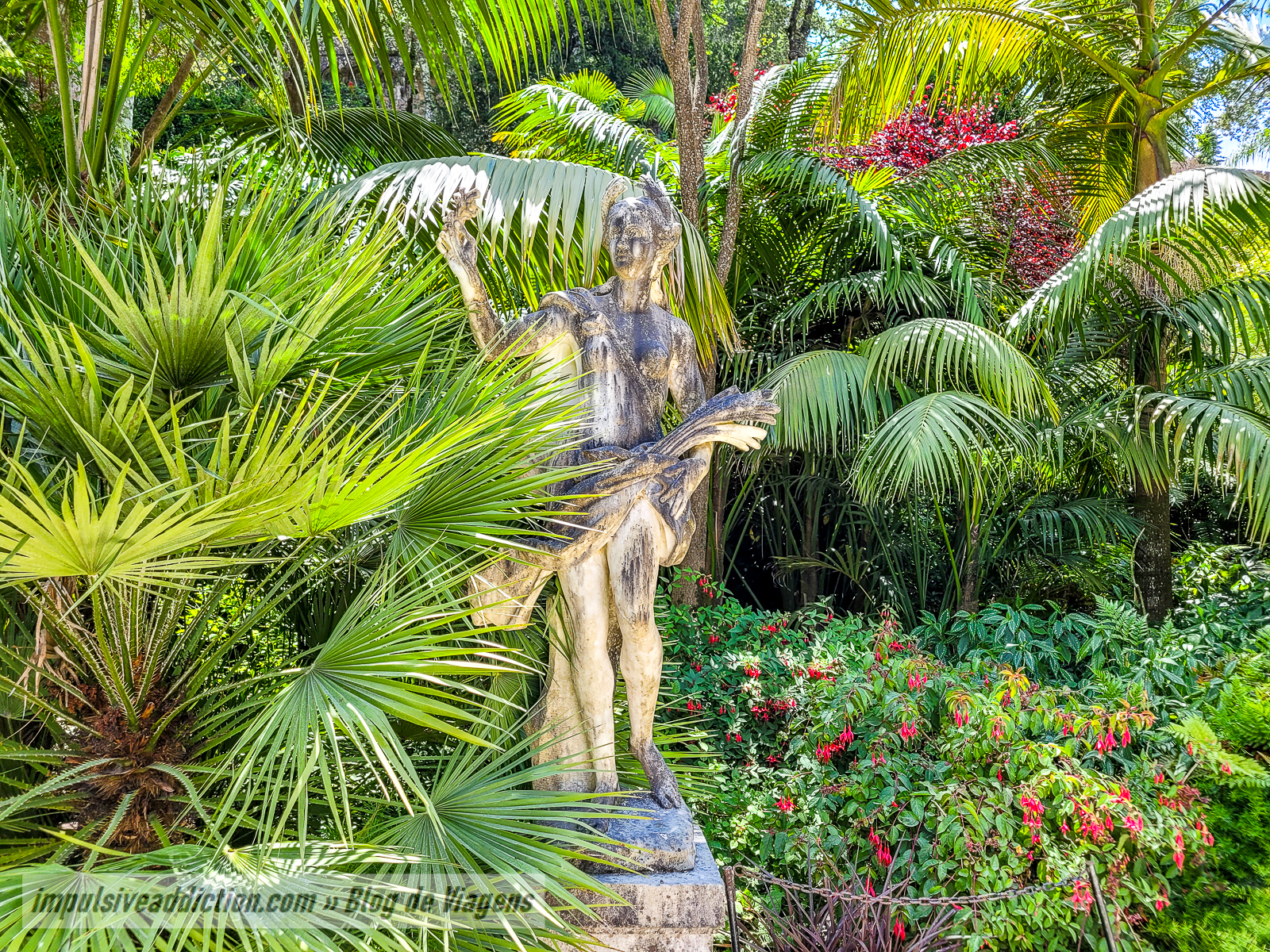
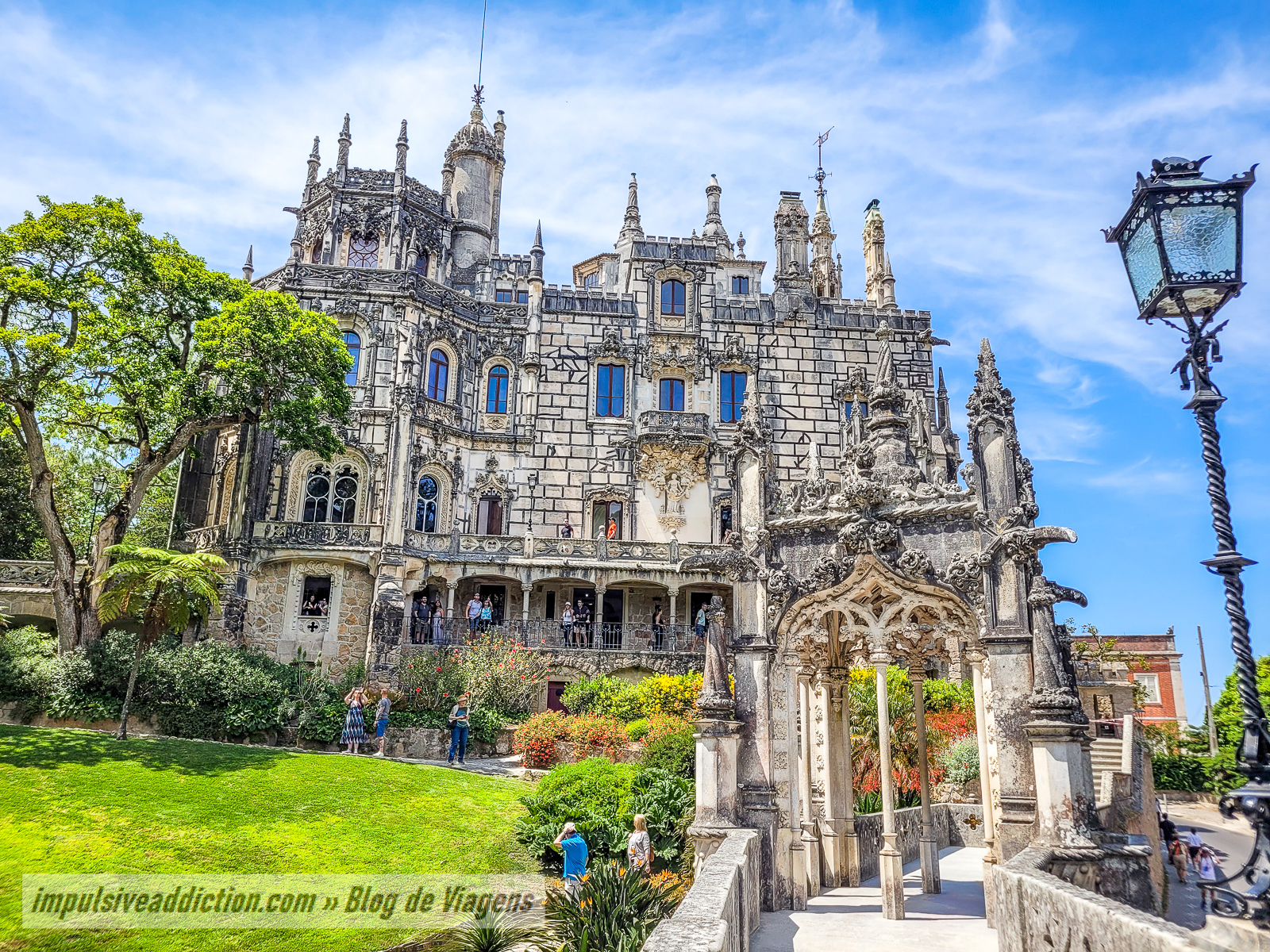
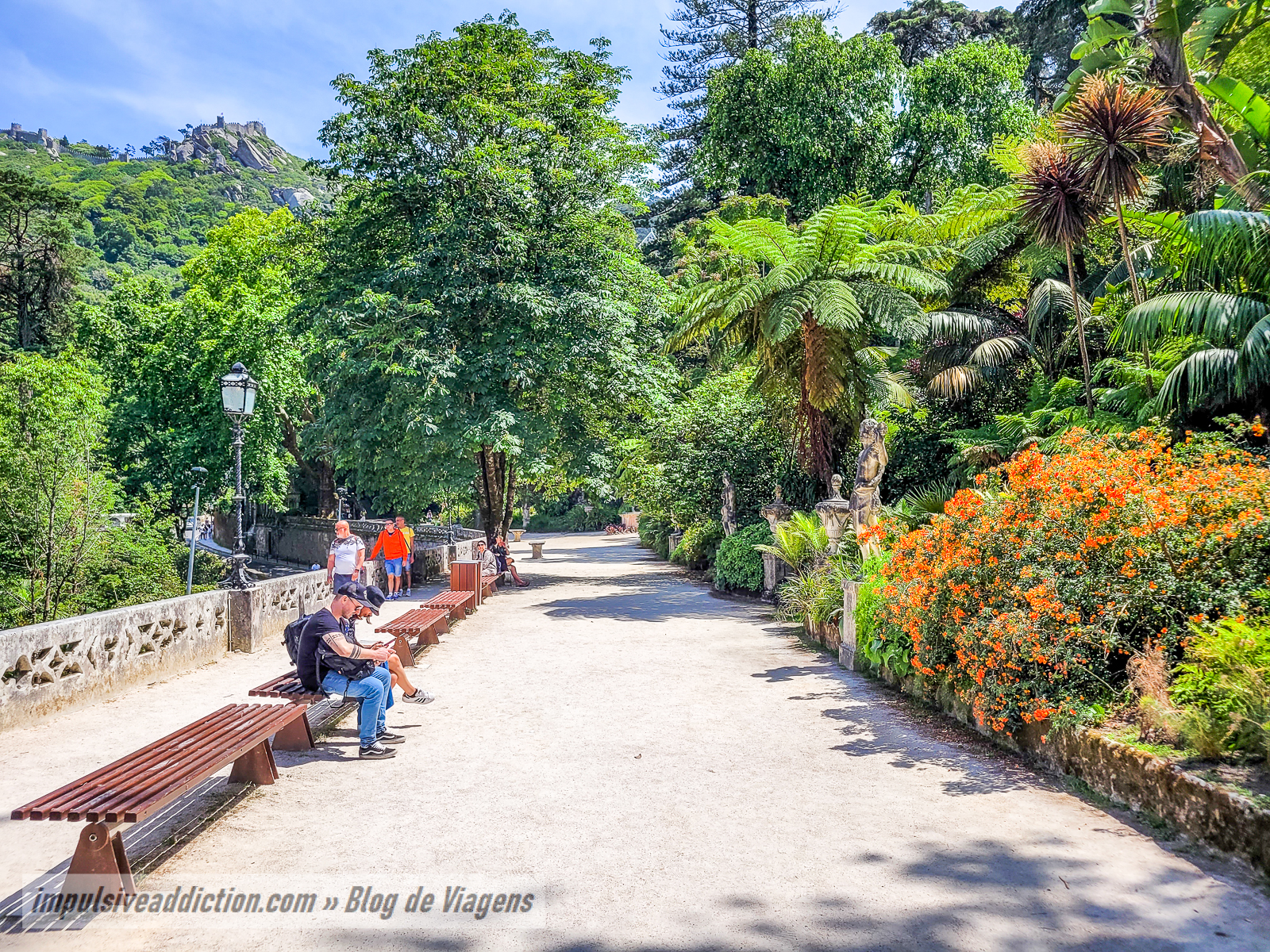
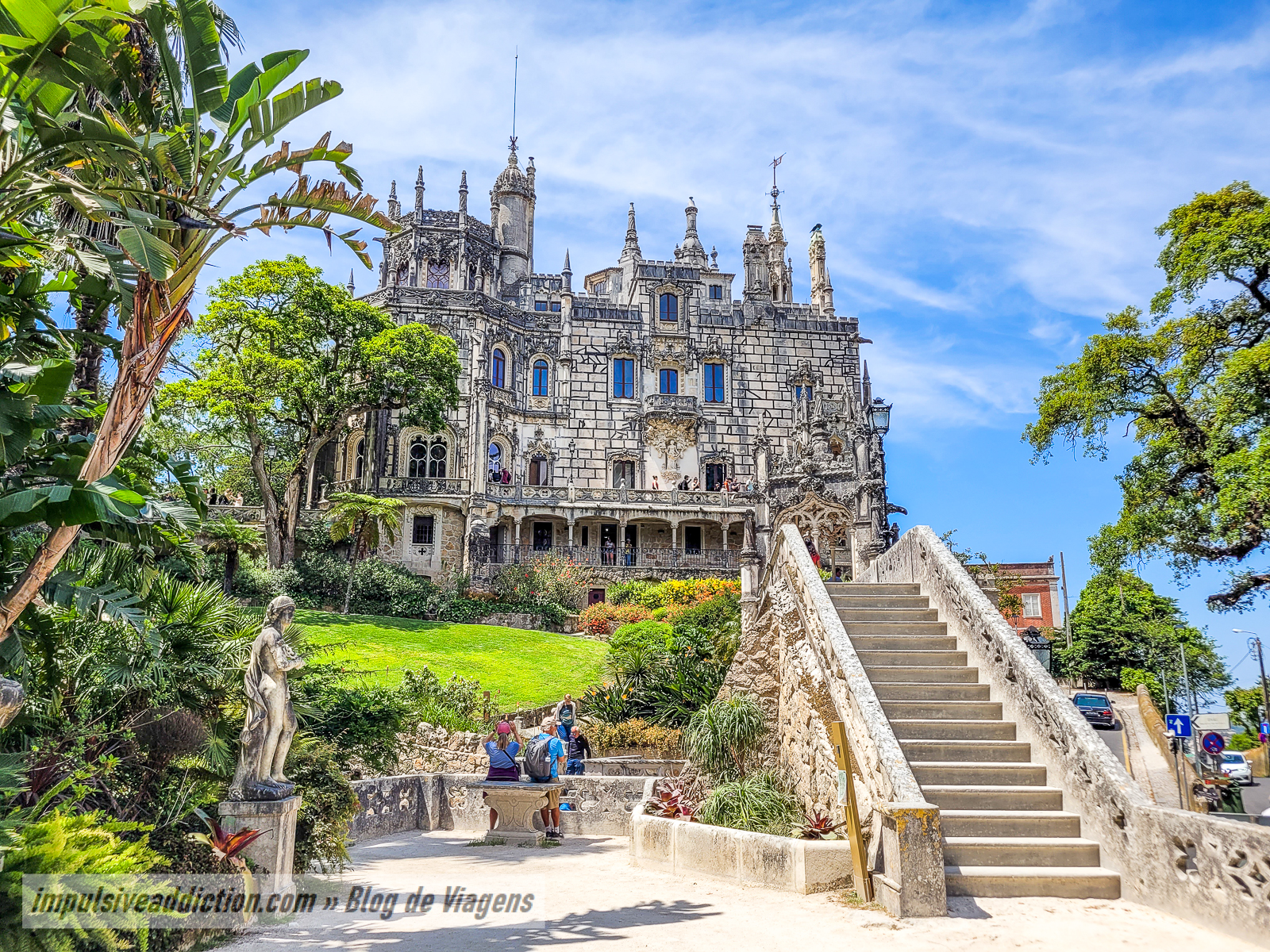
Is it as grand and spectacular as Pena Palace and Park? Not quite — but it’s more mysterious, filled with tunnels, grottoes, enigmatic sculptures, and of course, the famous Initiation Well, believed to be connected to Masonic rituals. It’s an unforgettable experience that gives most visitors chills!
It also has the practical advantage of being closer to Sintra’s historic center — no uphill hikes required.
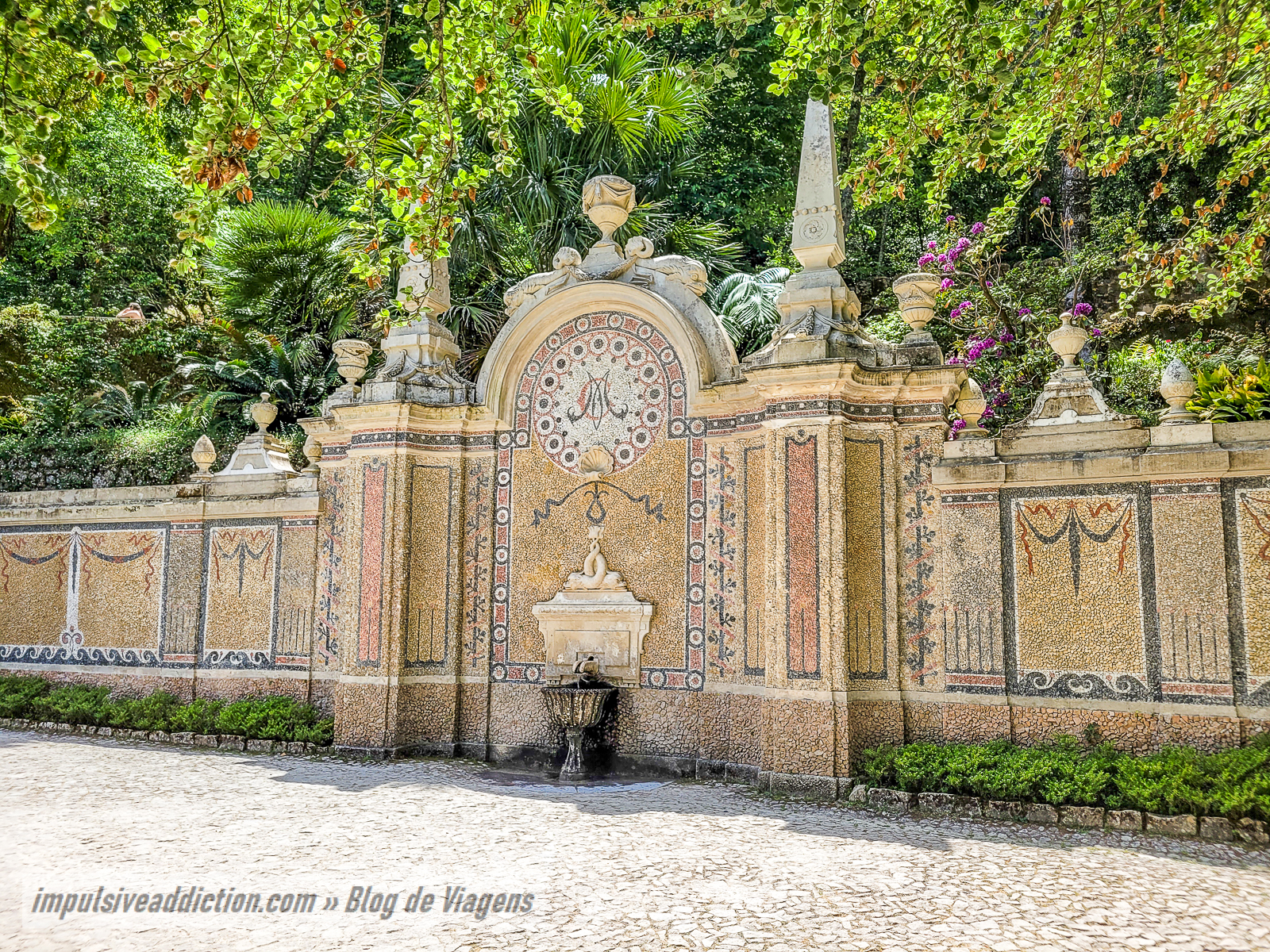
The palace and gardens of Quinta da Regaleira were built in the early 20th century, commissioned by Dr. António Augusto de Carvalho Monteiro, a wealthy Brazilian-Portuguese businessman. He worked alongside Luigi Manini, an Italian set designer and architect known for other iconic buildings in Portugal at the time. The estate showcases a unique Neo-Manueline style and is packed with symbols — many of which remain open to interpretation.
Why not book a guided tour or use an audio guide to better uncover its secrets? 😉
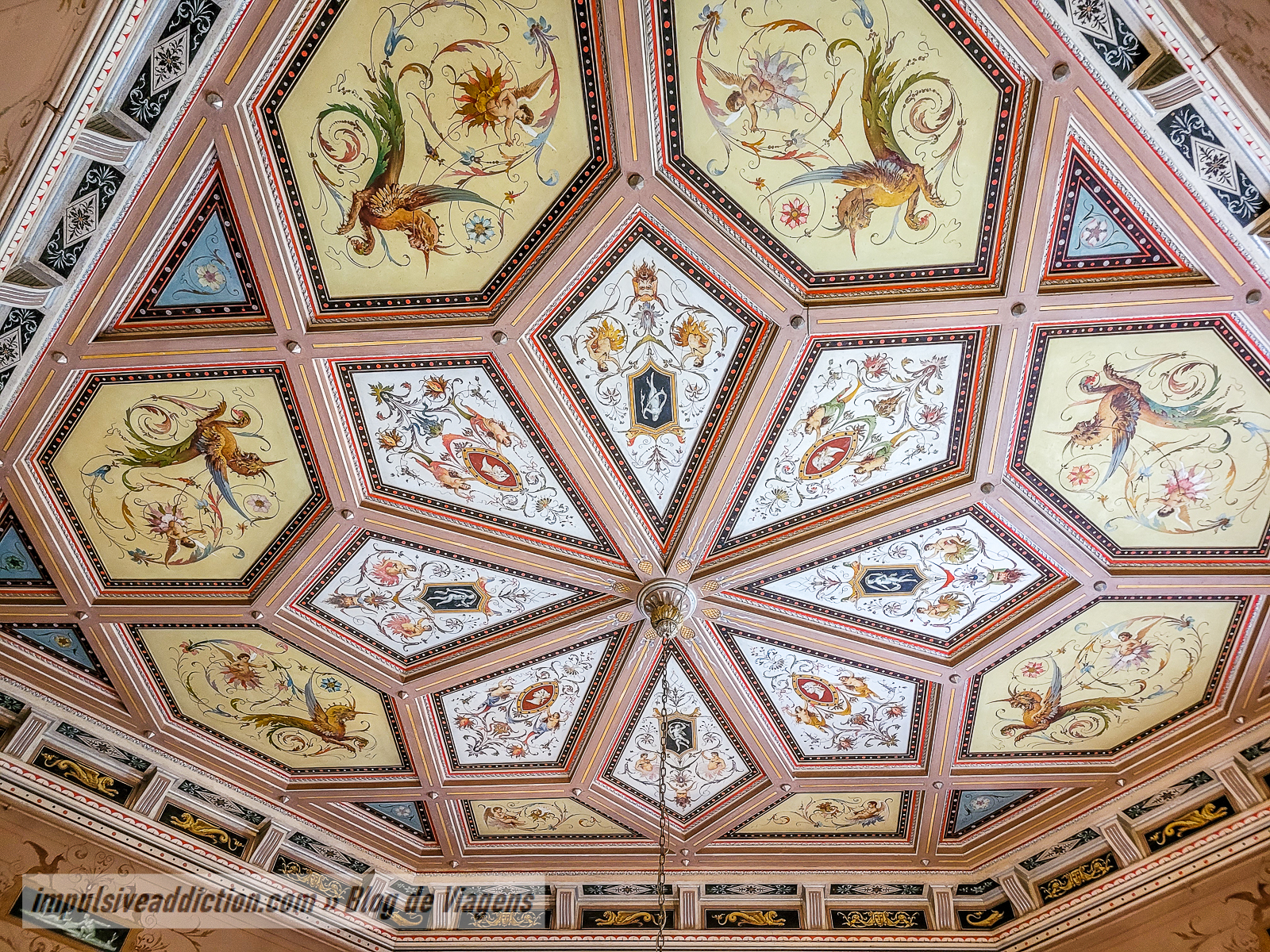
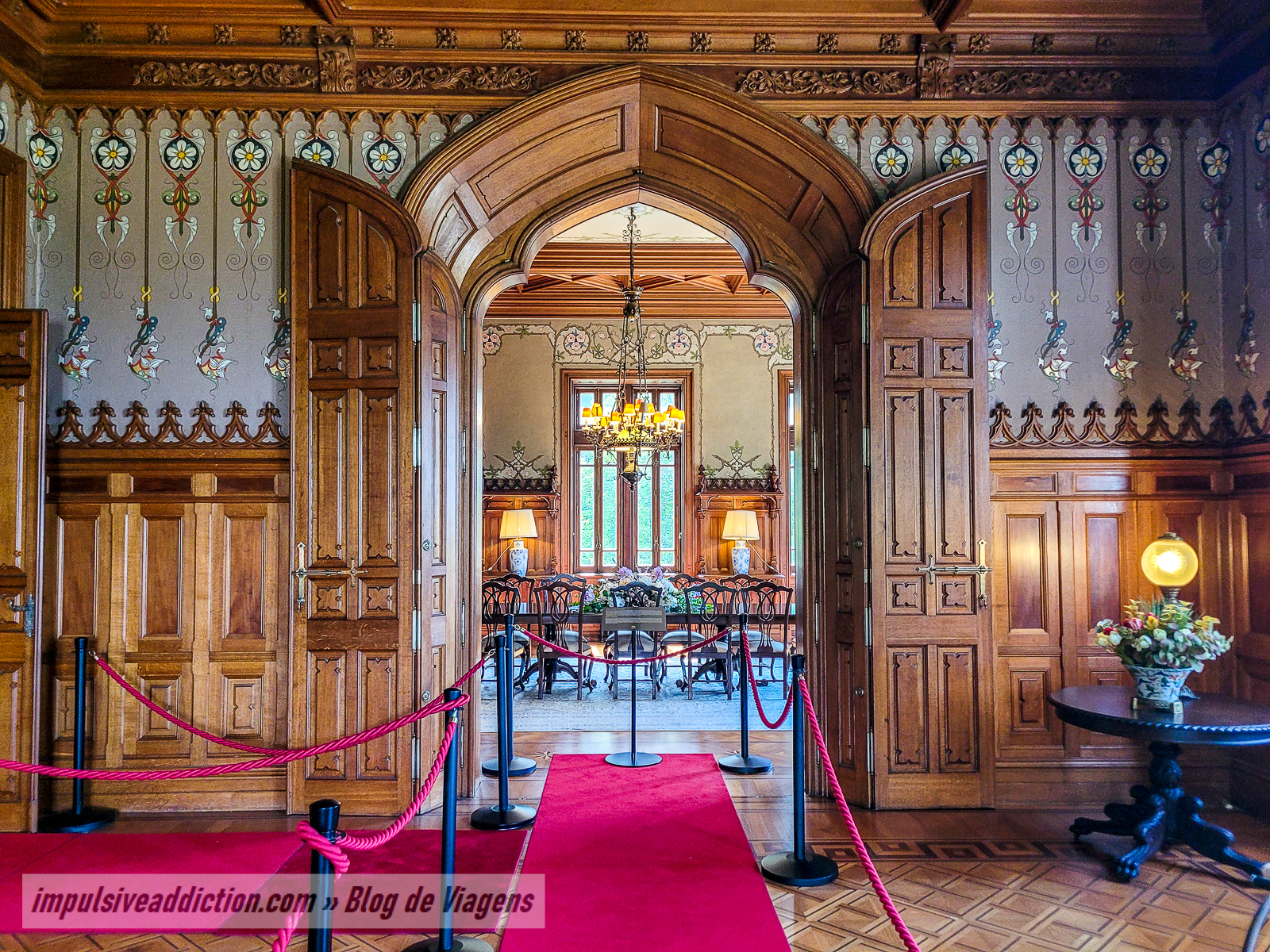
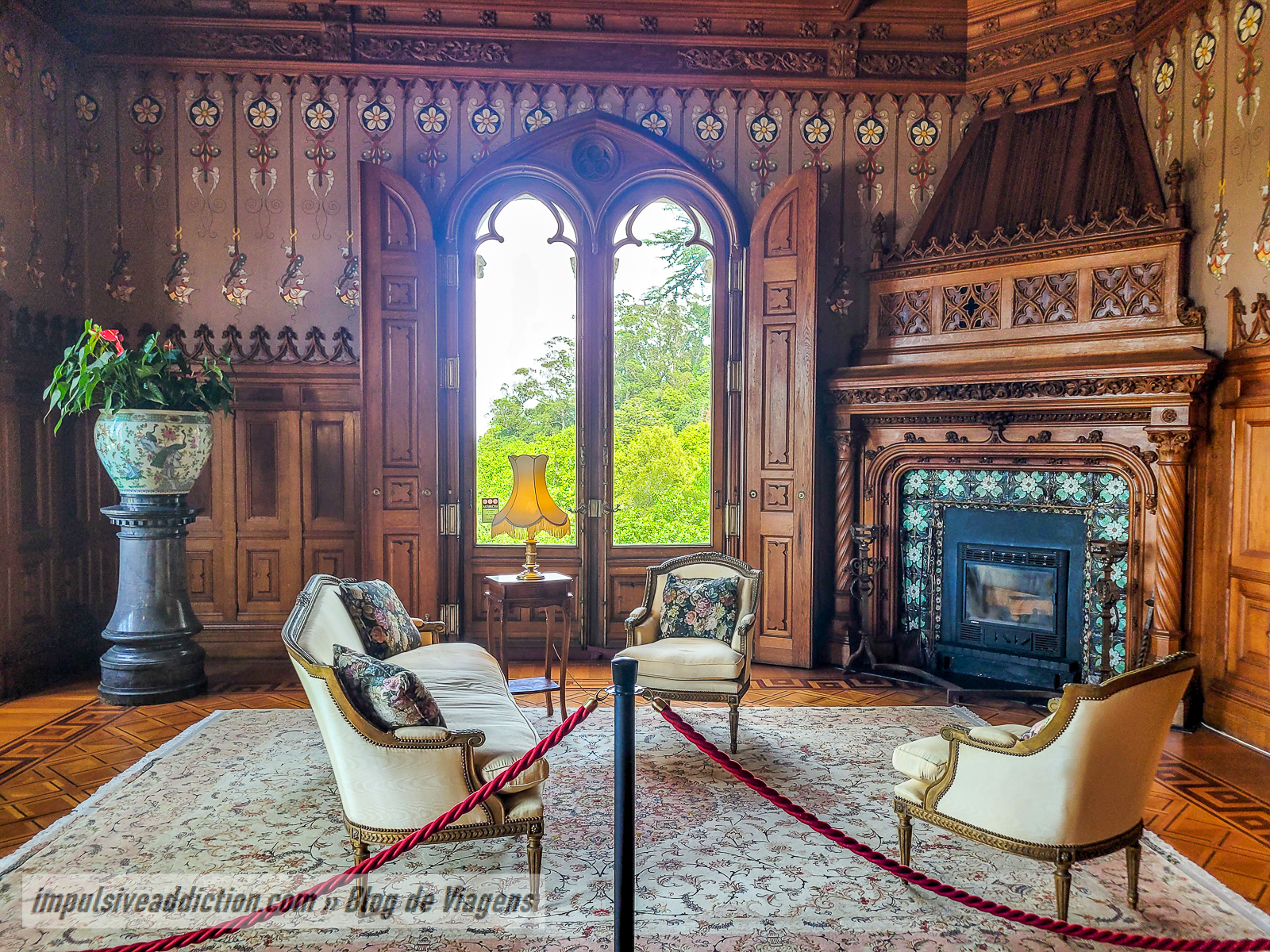
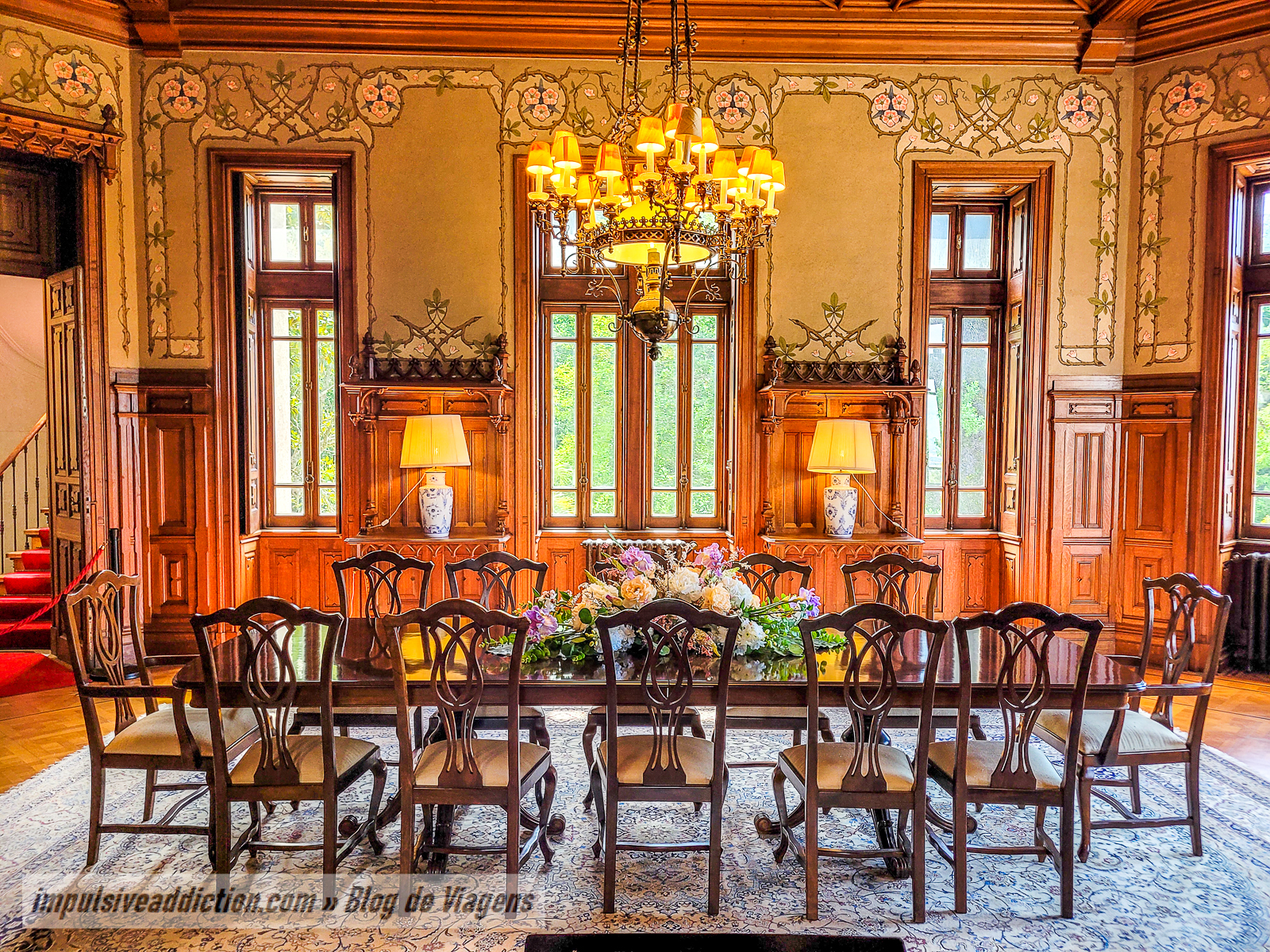
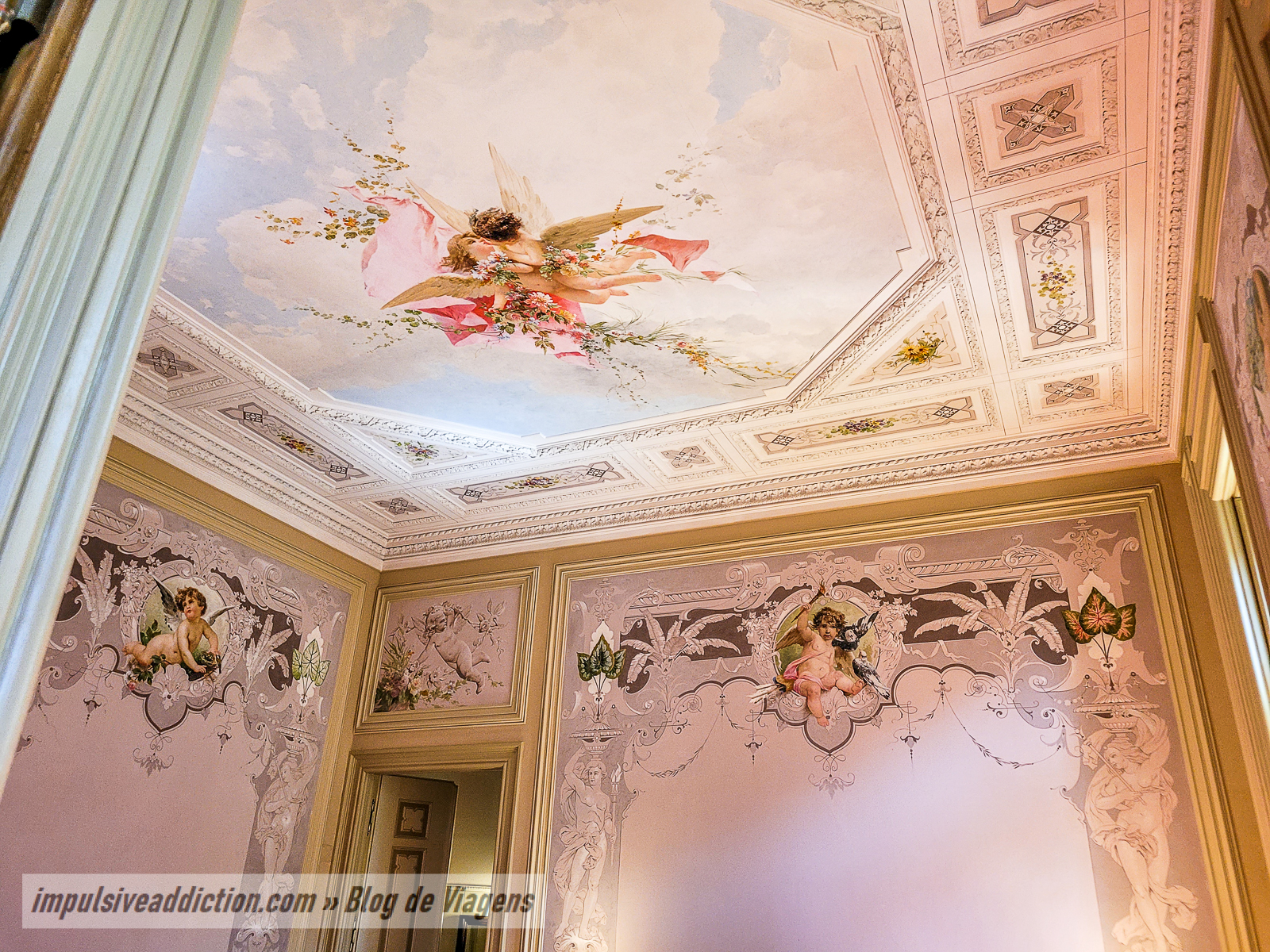
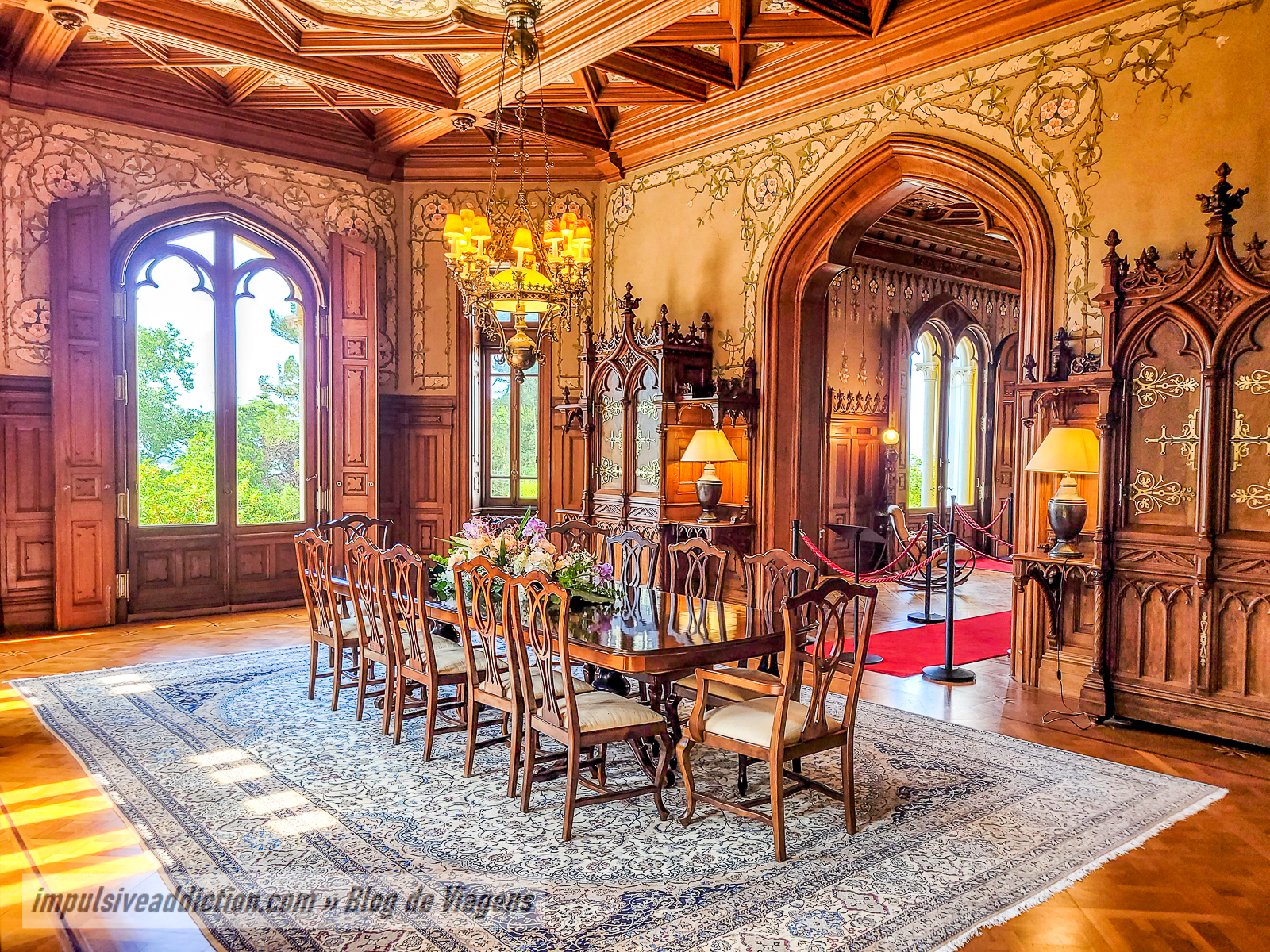
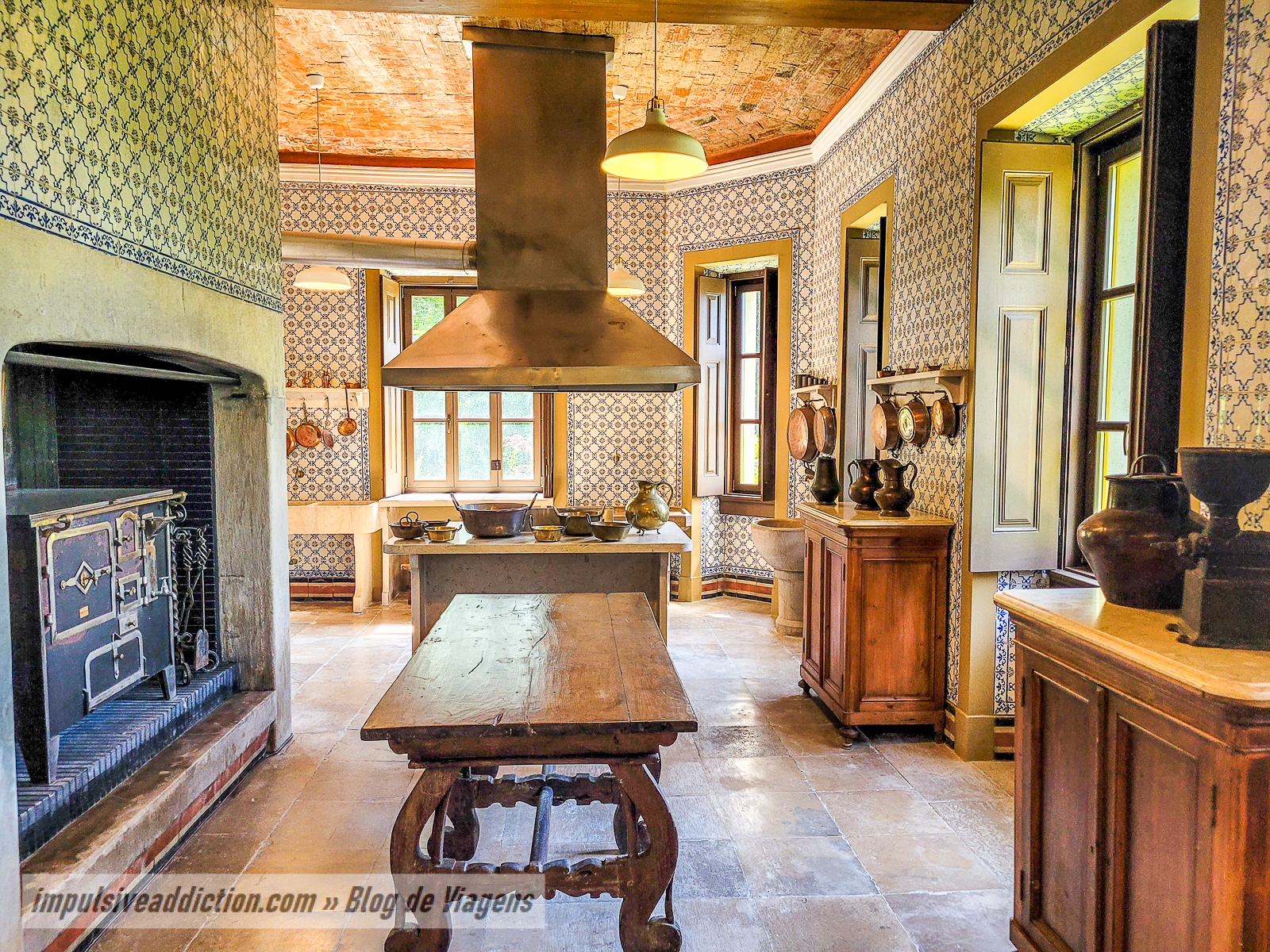
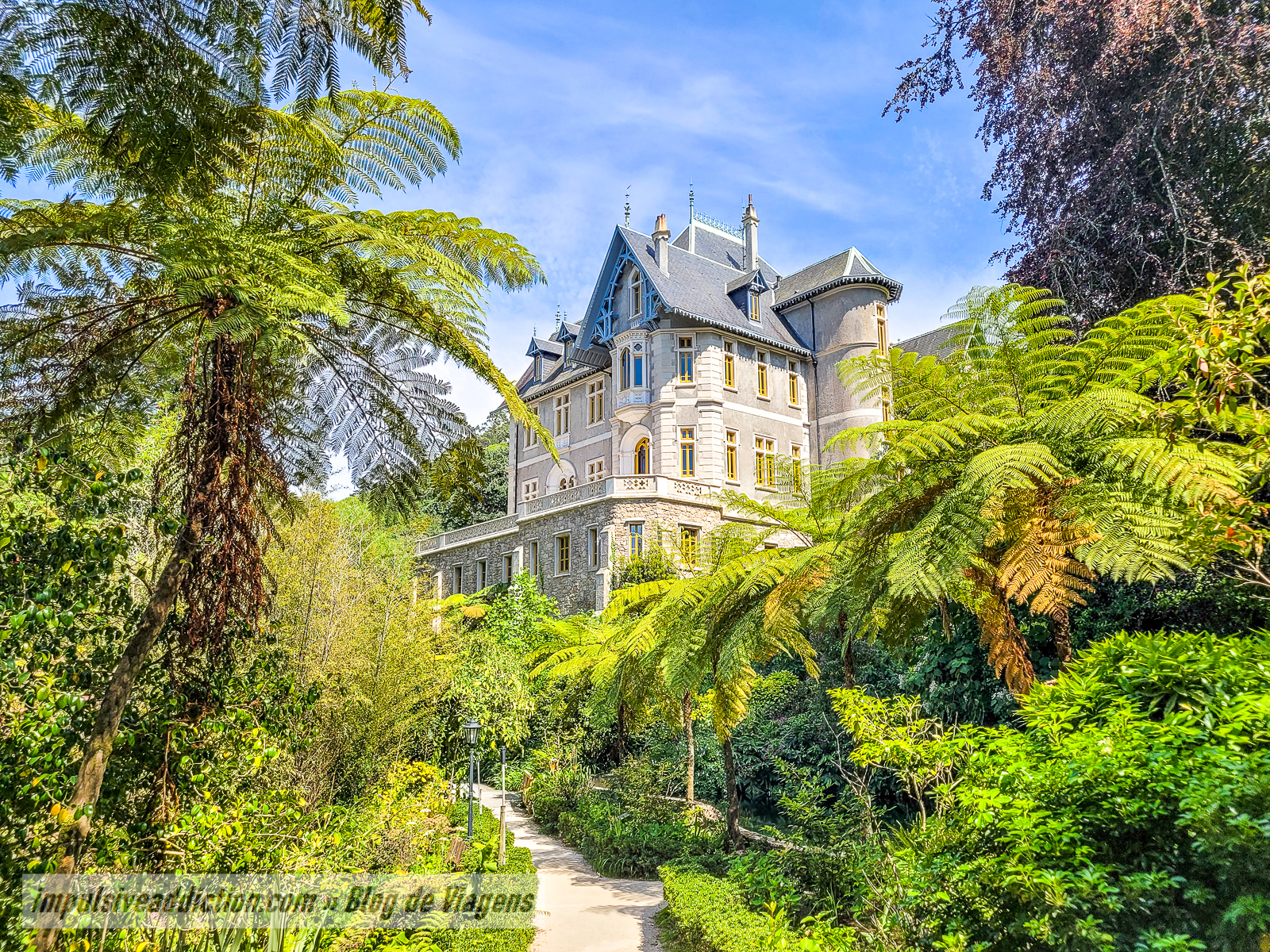
8. Biester Palace and Park (Parque e Palácio Biester)
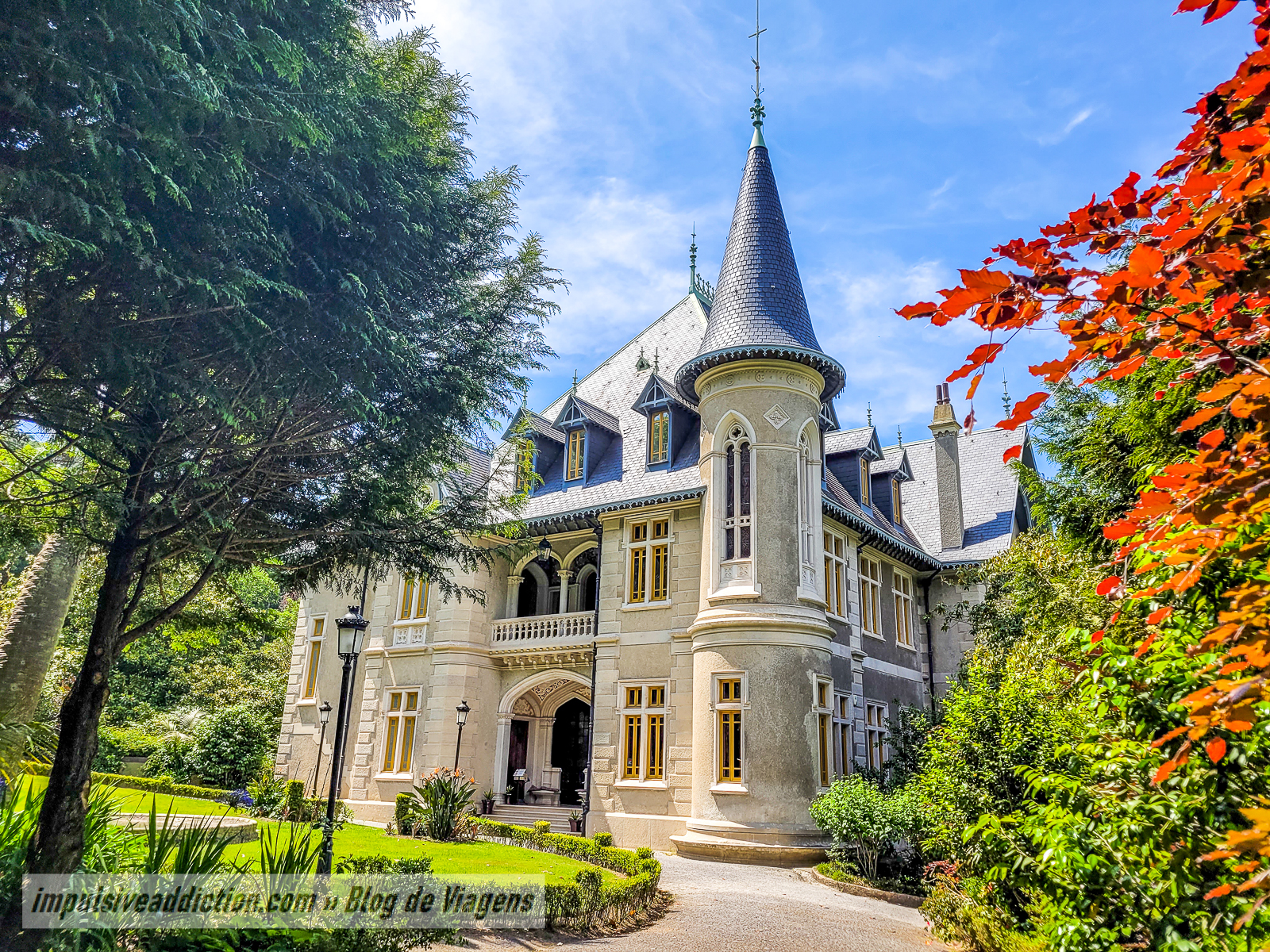
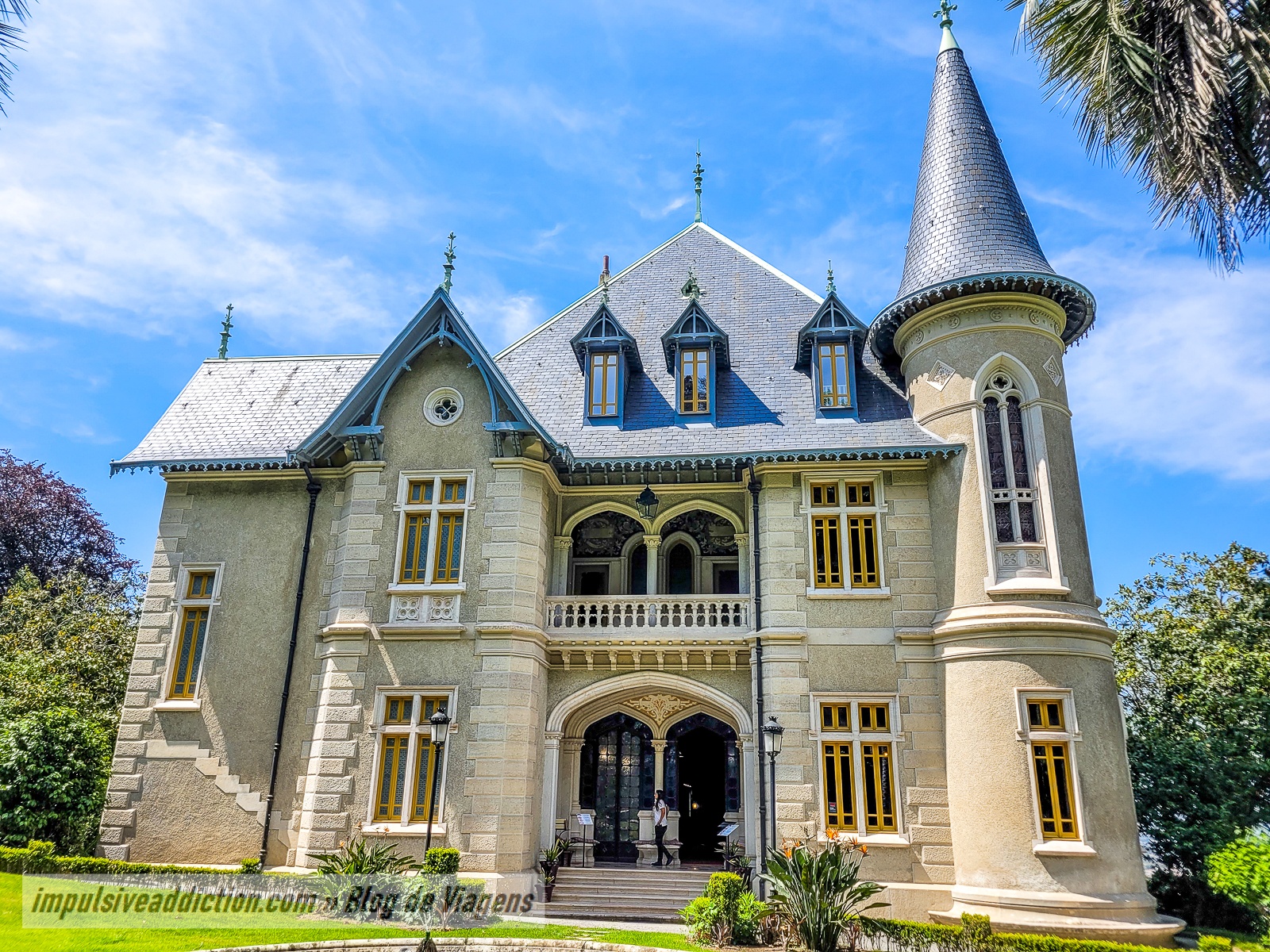
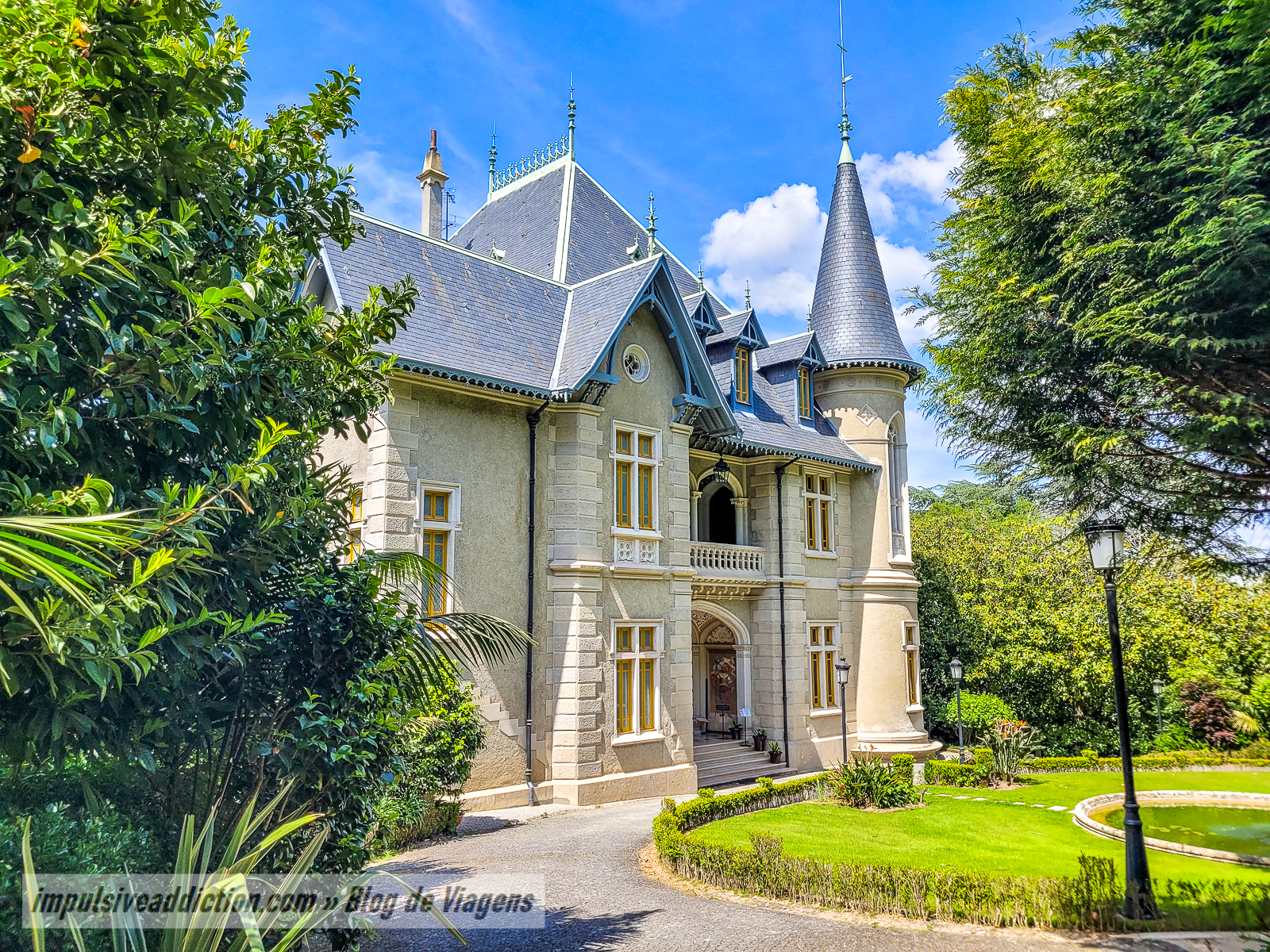
Biester Palace might just become the next Quinta da Regaleira — not in terms of scale (Regaleira is far more grand and elaborate), but definitely in terms of tourist popularity per square meter.
It’s the newest palace in Sintra to open to the public, and given its location right next to Regaleira, I wouldn’t be surprised if it quickly becomes just as busy.
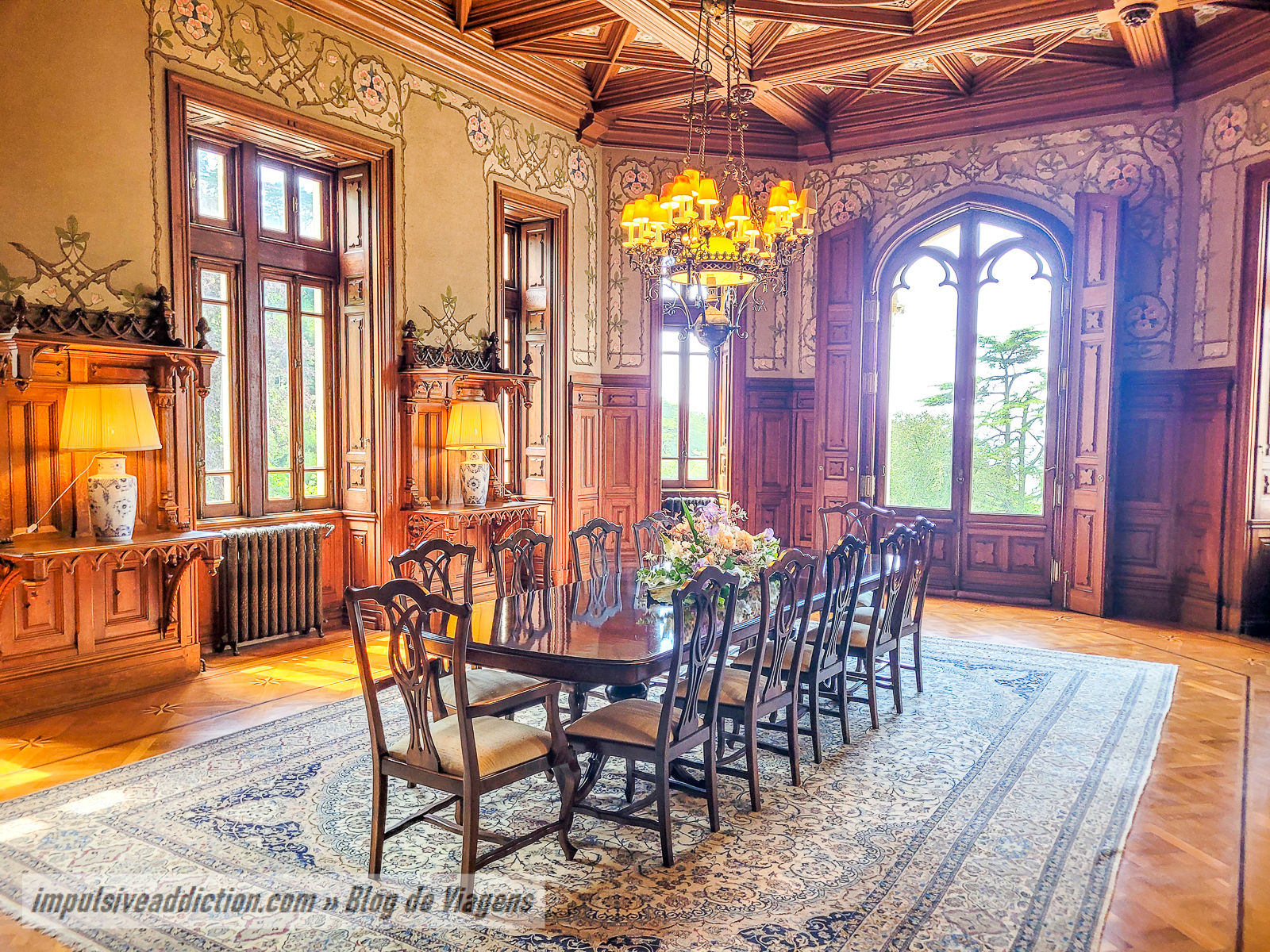
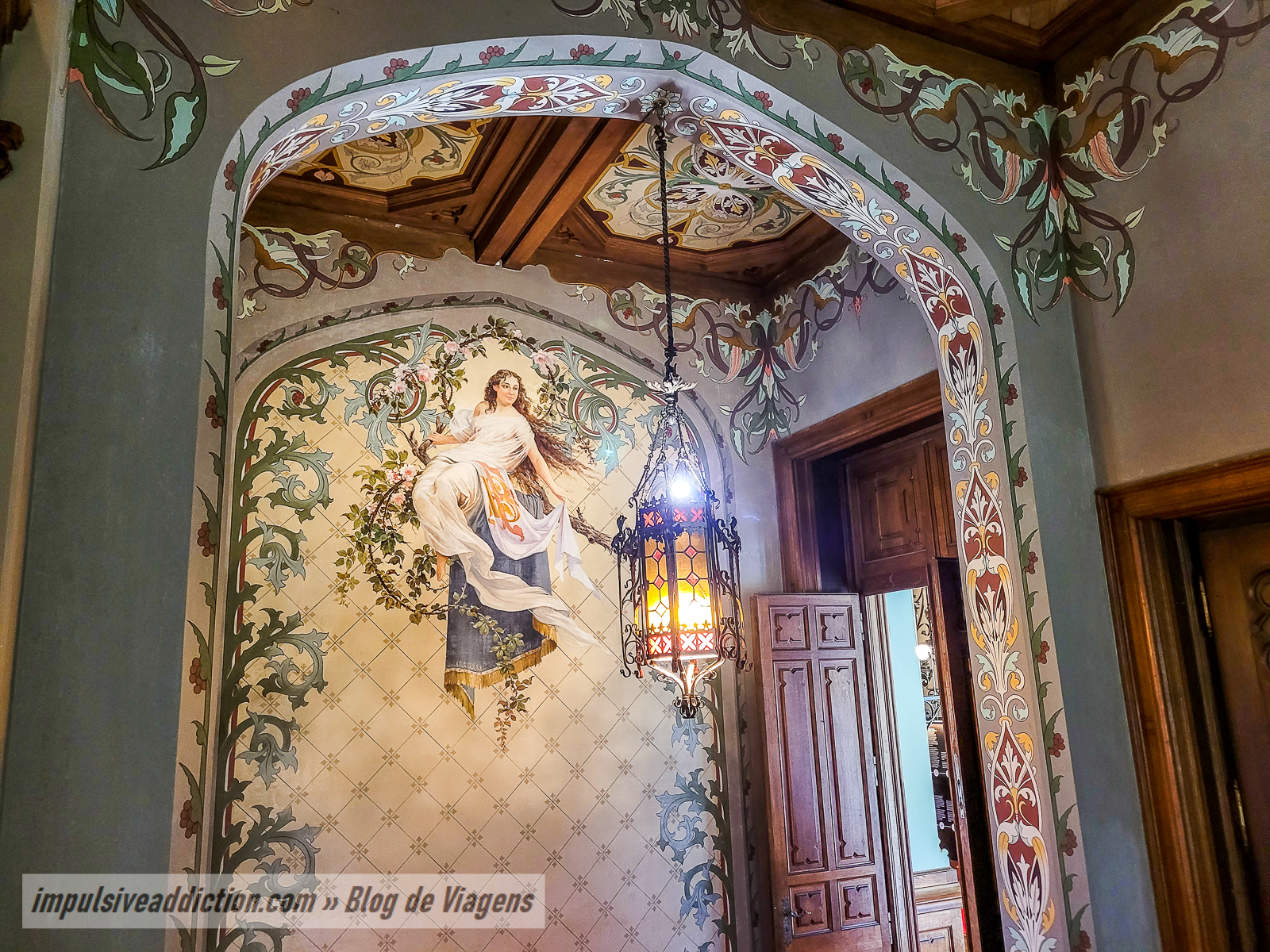
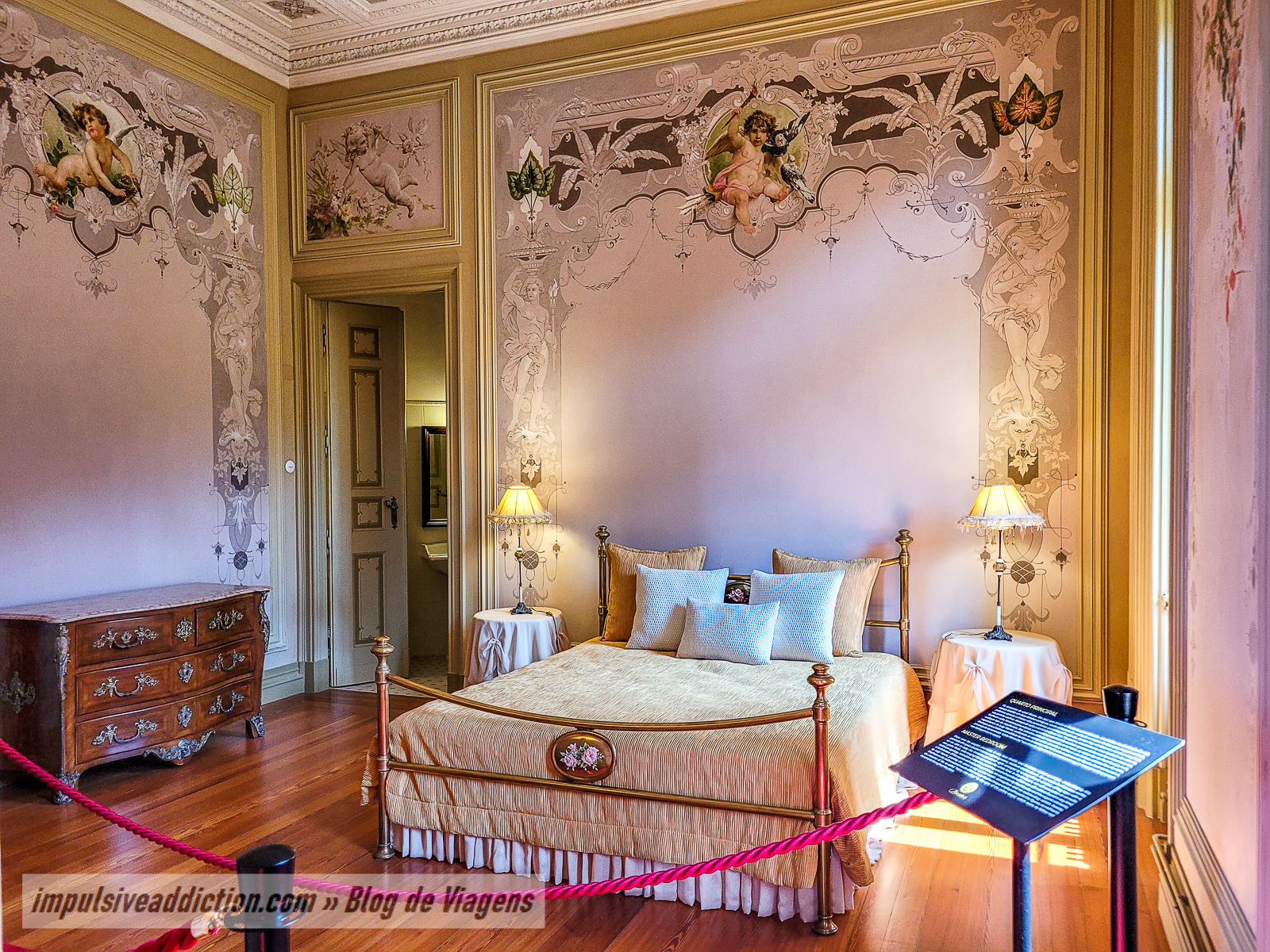
The palace dates back to the late 19th century, designed by José Luiz Monteiro, a renowned Portuguese architect. Its interiors were richly decorated by some of the finest artists of the era, including Luigi Manini (yes, the same one from Quinta da Regaleira) and Leandro de Souza Braga.
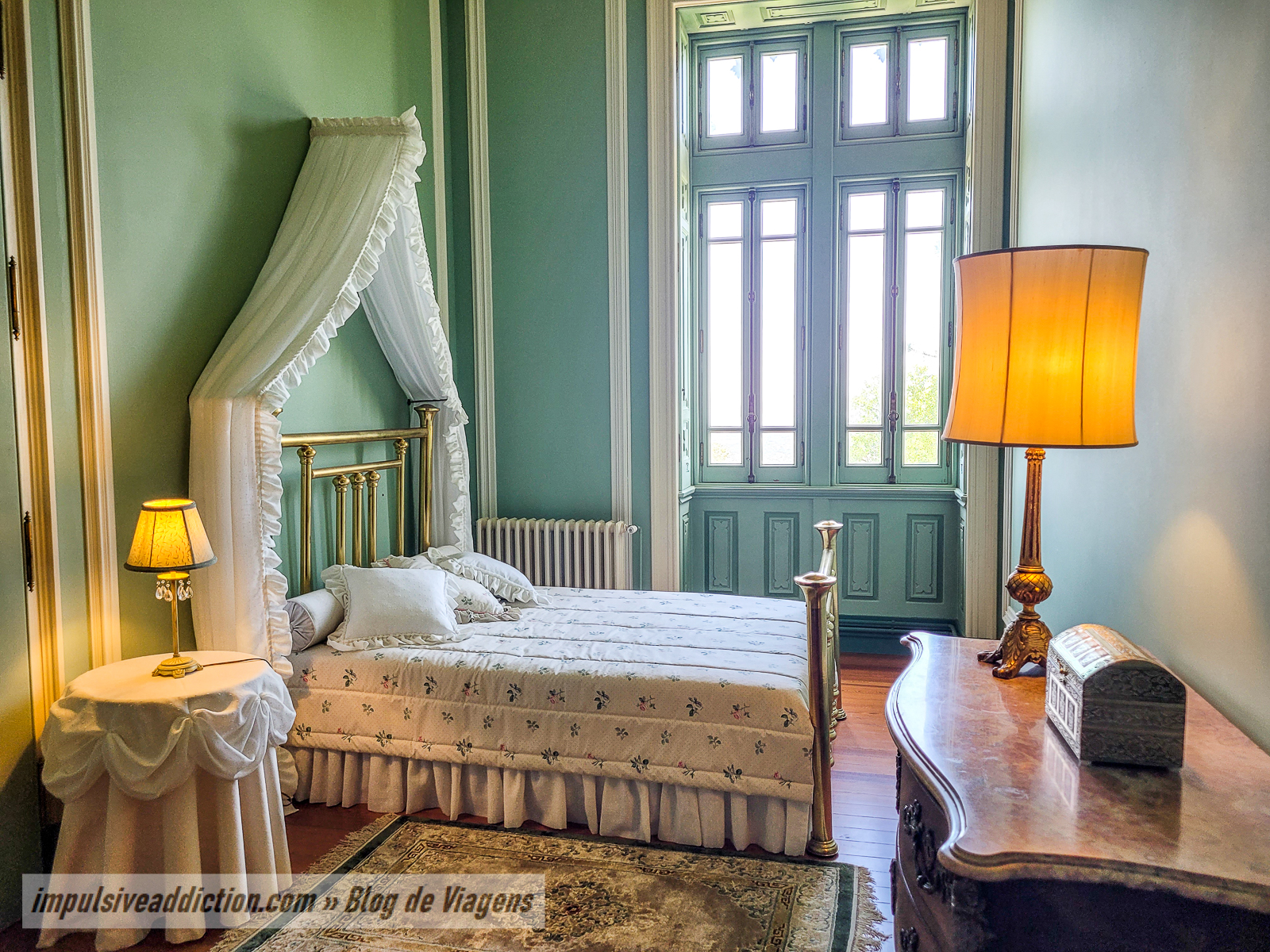
Though smaller in scale, Biester Palace offers a beautifully curated experience, with detailed interiors, peaceful gardens, and fewer crowds — at least for now. A great alternative (or complement) to the more famous palaces of Sintra!
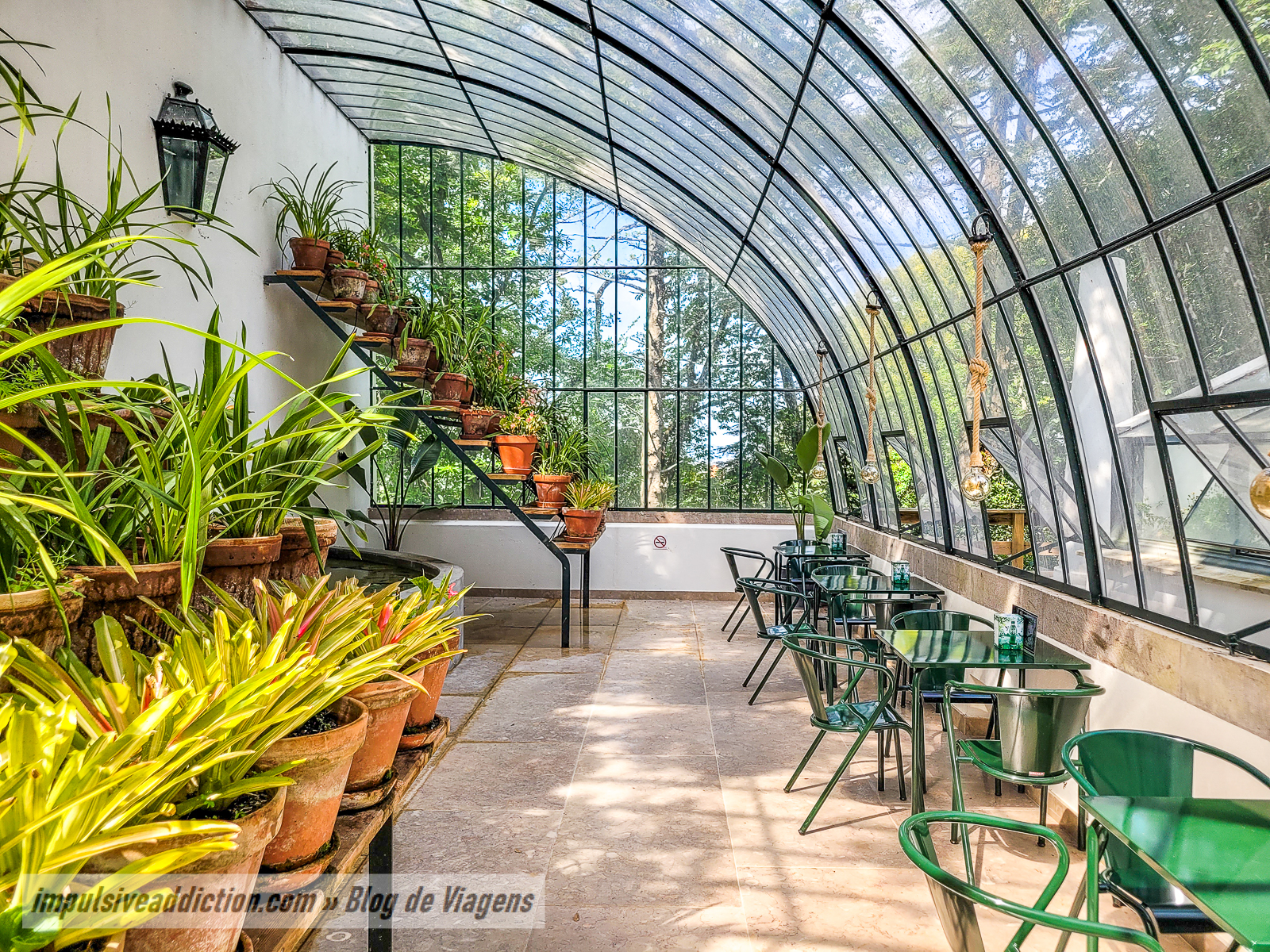
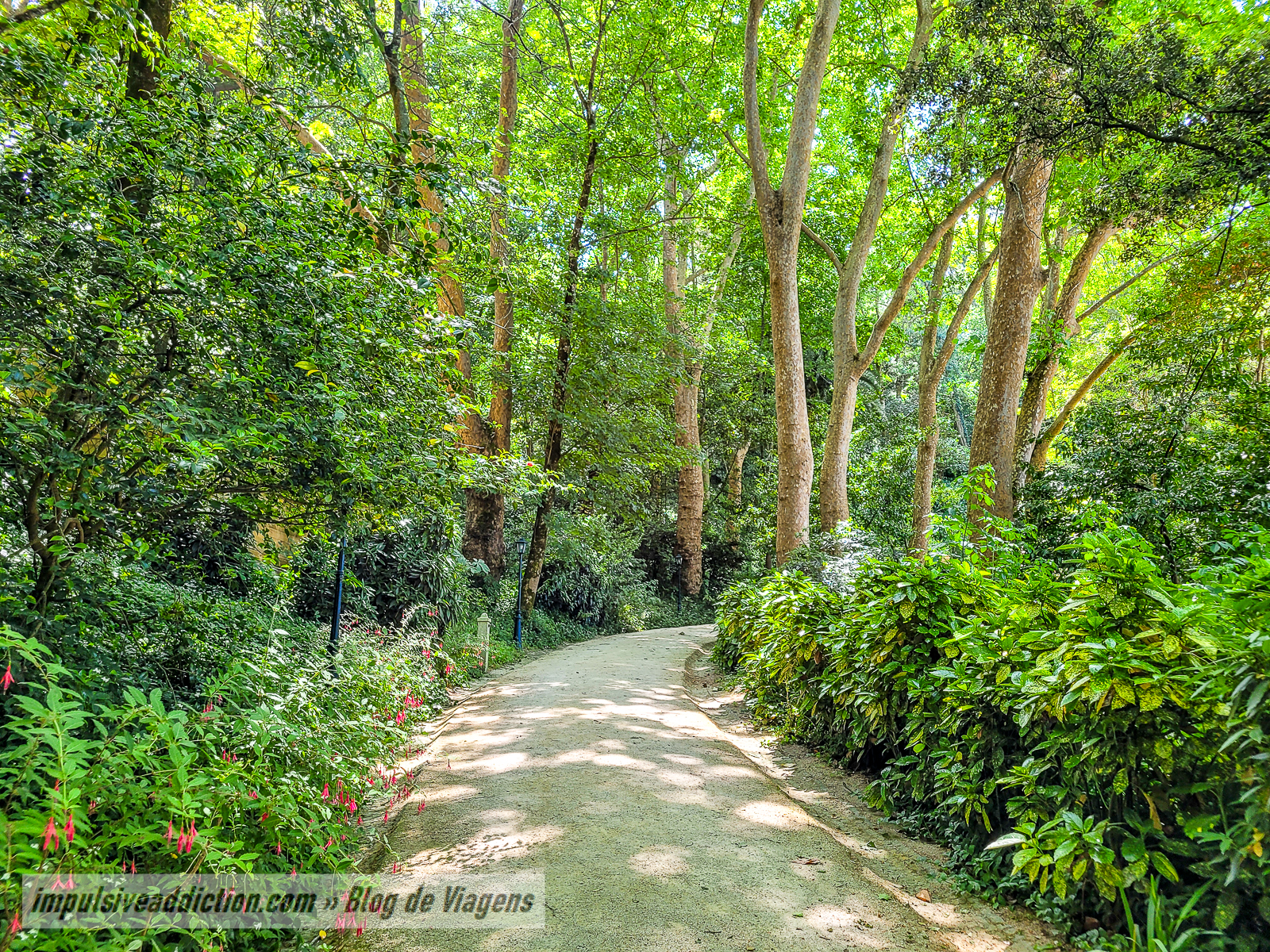
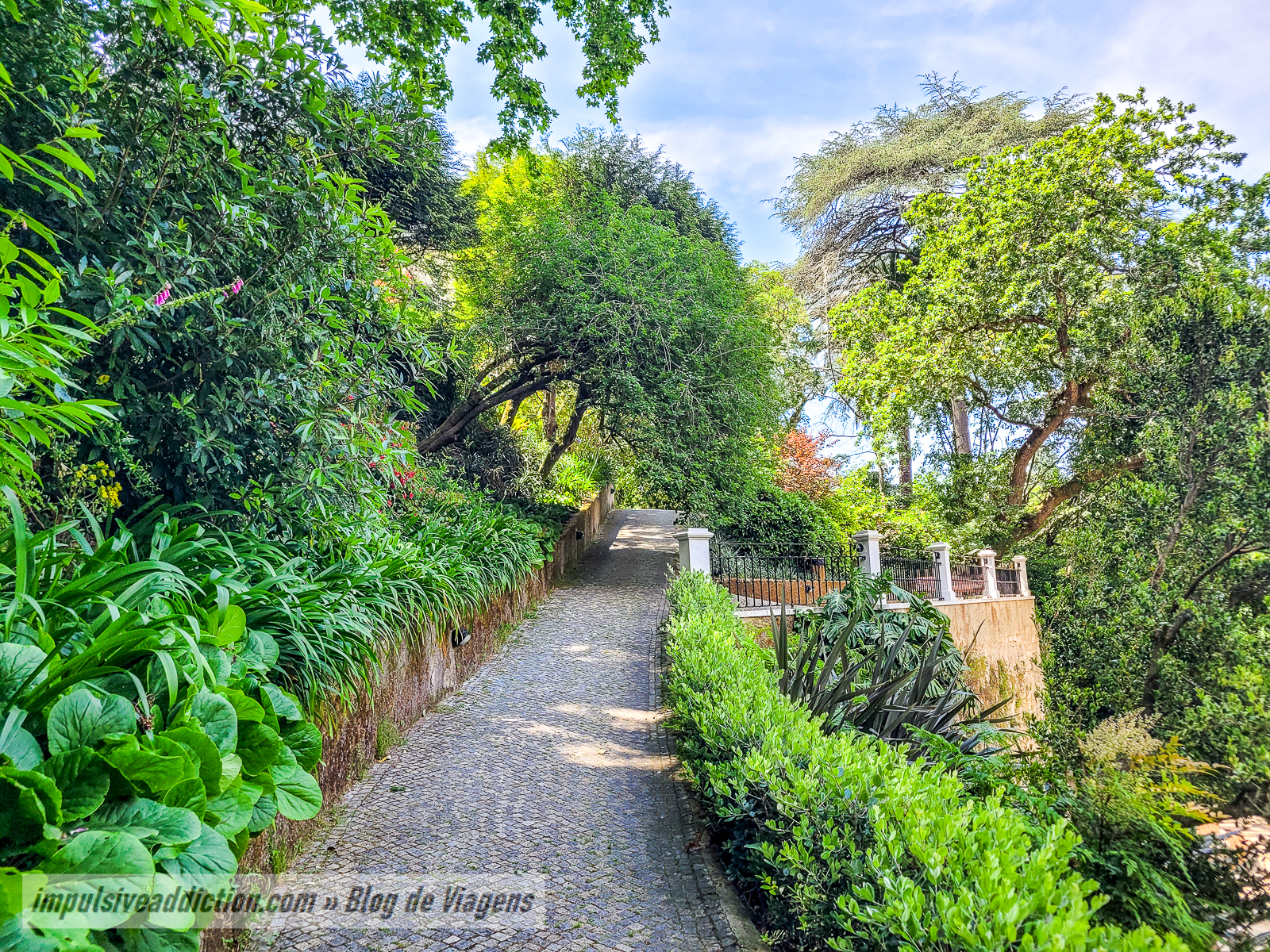
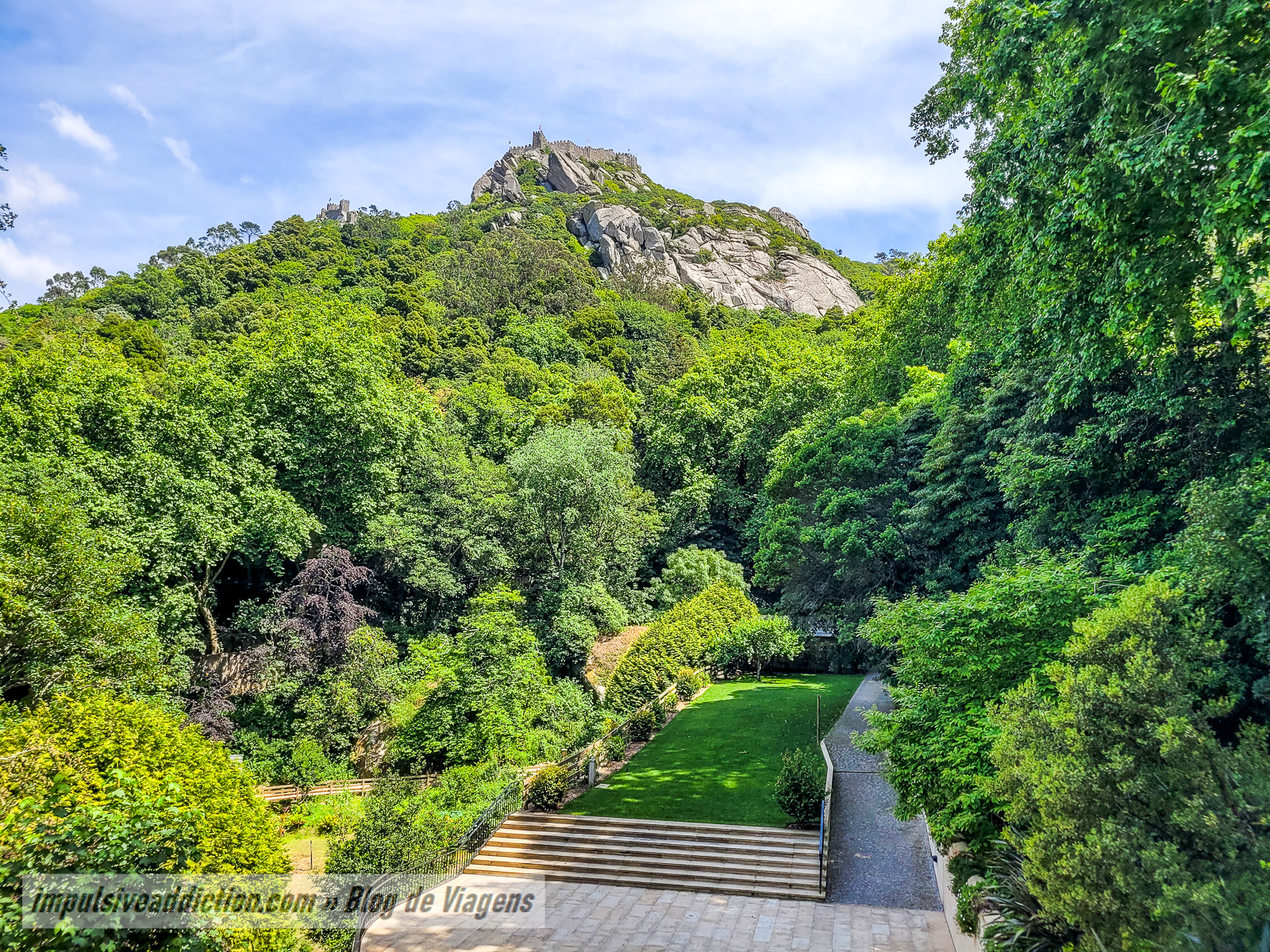
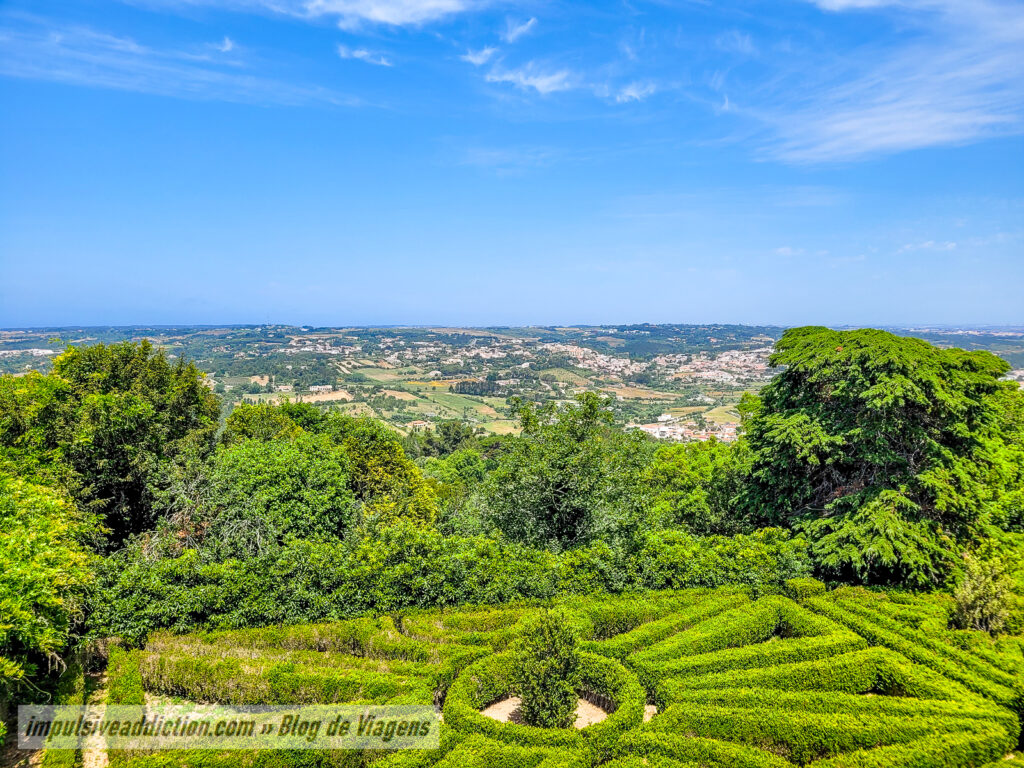
9. Seteais Palace
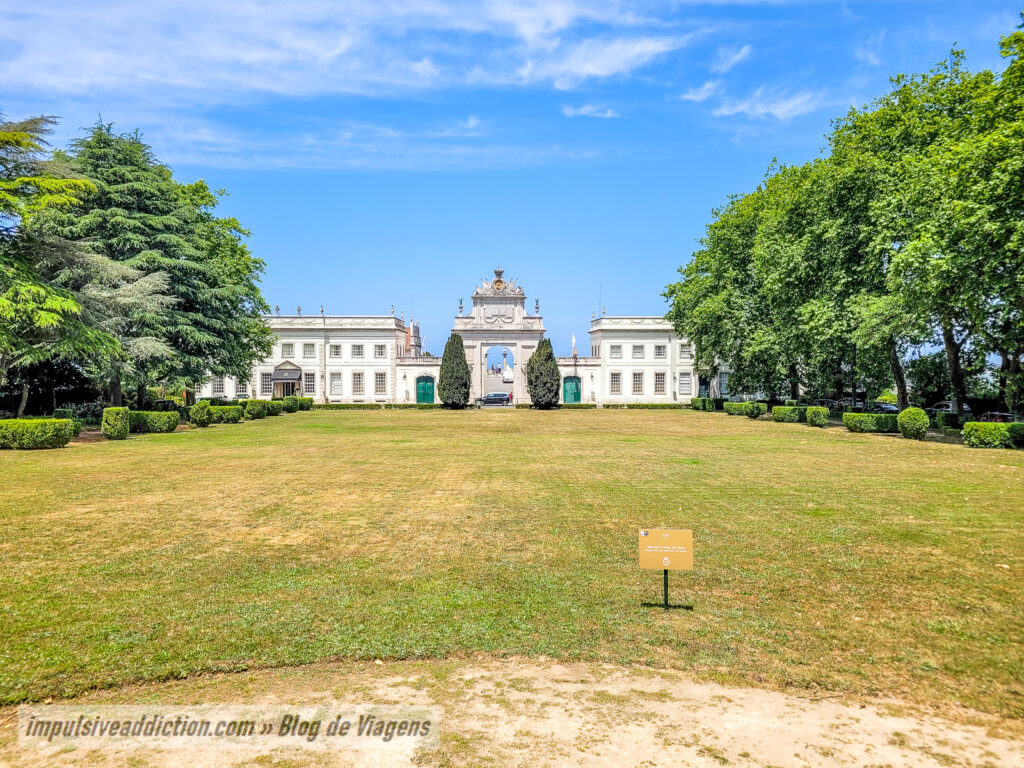
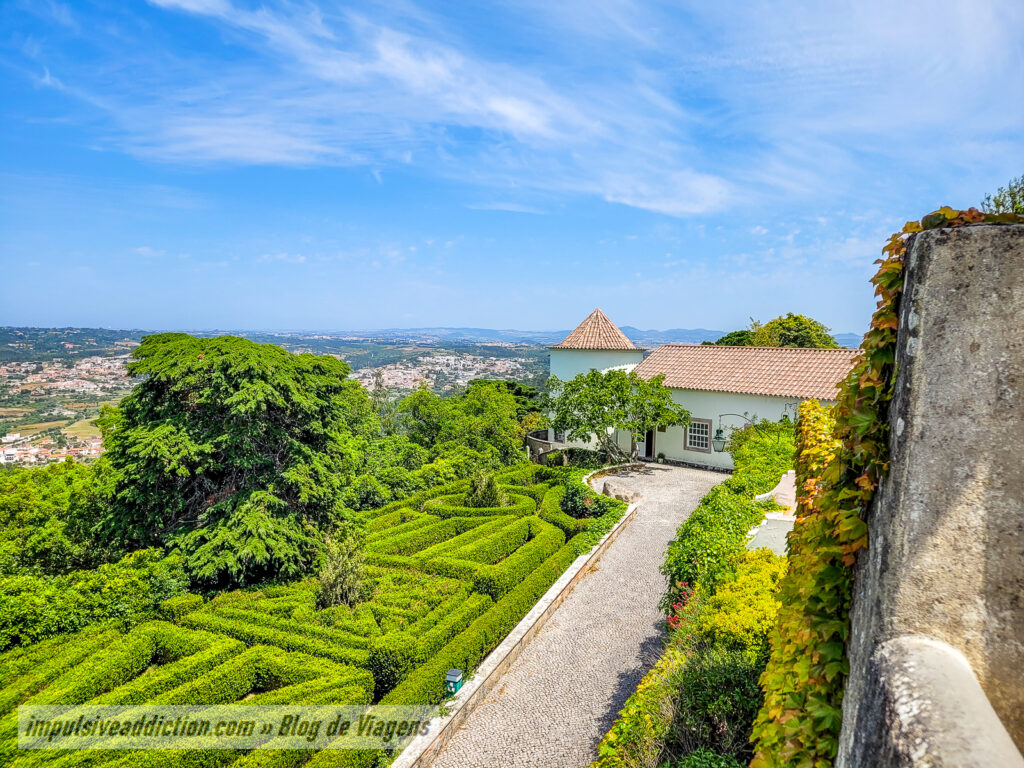
Have you considered staying at Seteais Palace during your visit to Sintra? Staying here is actually the only way to explore its interior, as it’s not open for regular tours.
The palace was built in the late 18th century by Daniel Gildemeester, who was then the Dutch consul in Portugal. It was later expanded in the early 19th century when it became the property of the 5th Marquis of Marialva, D. Diogo José Vito de Meneses Noronha Coutinho.
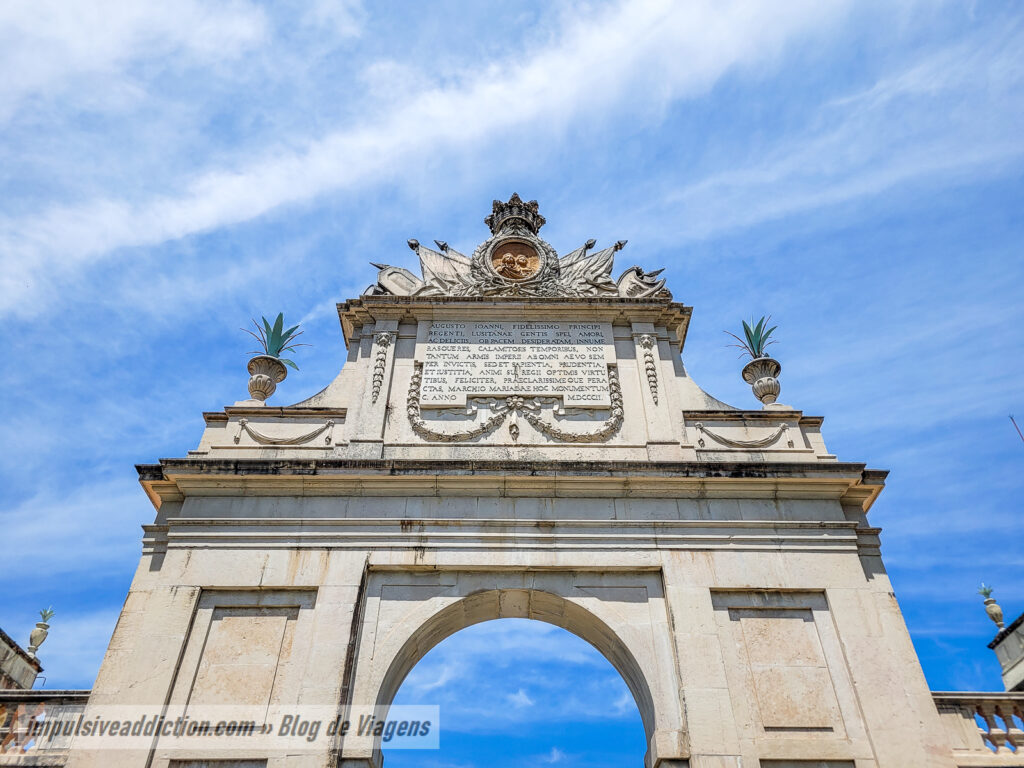
One of its standout features is the impressive triumphal arch at the entrance.
Since 1954, Seteais has operated as a luxury hotel, blending historic charm with modern comforts — a truly unique way to experience Sintra’s royal heritage.
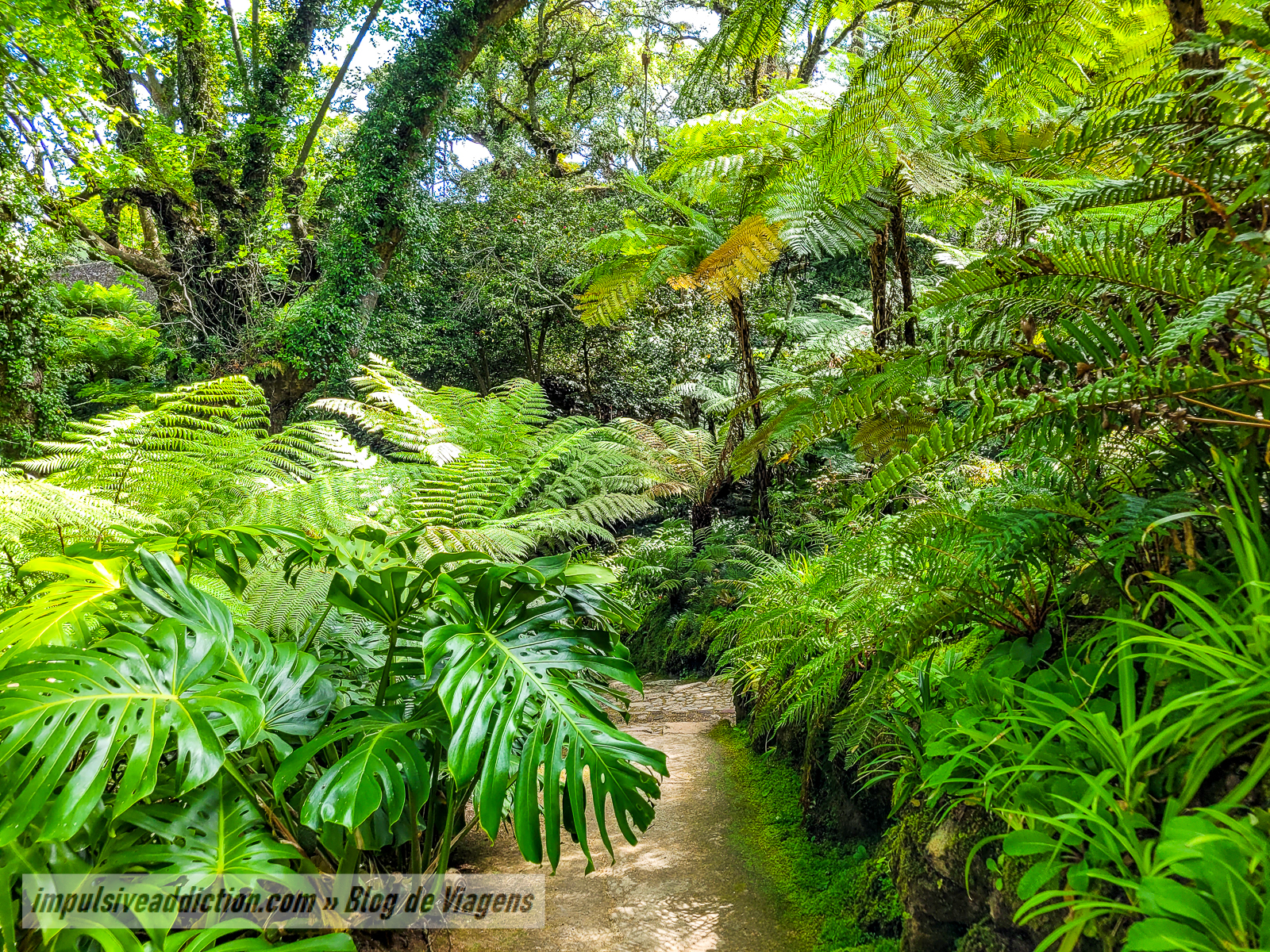
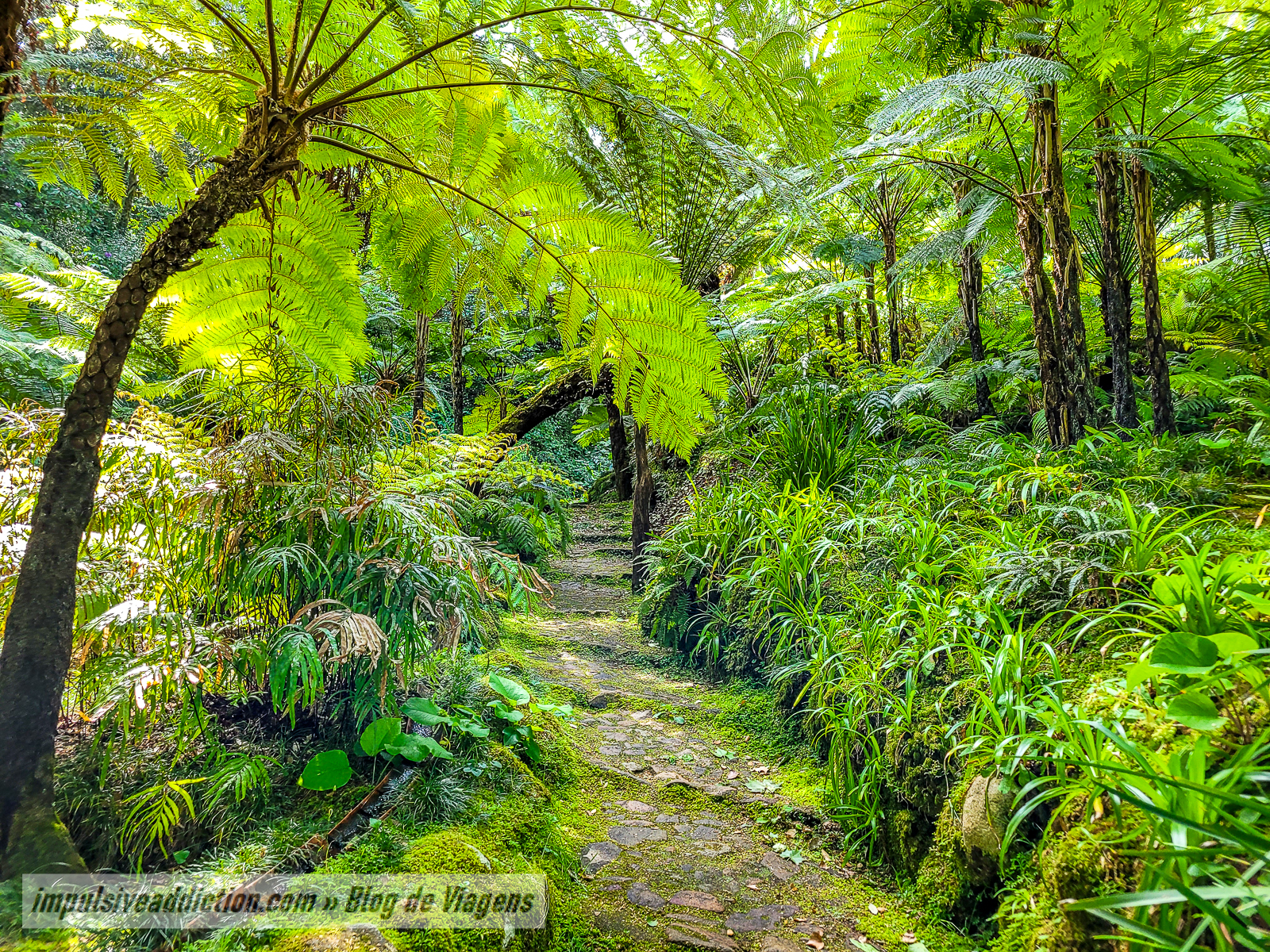
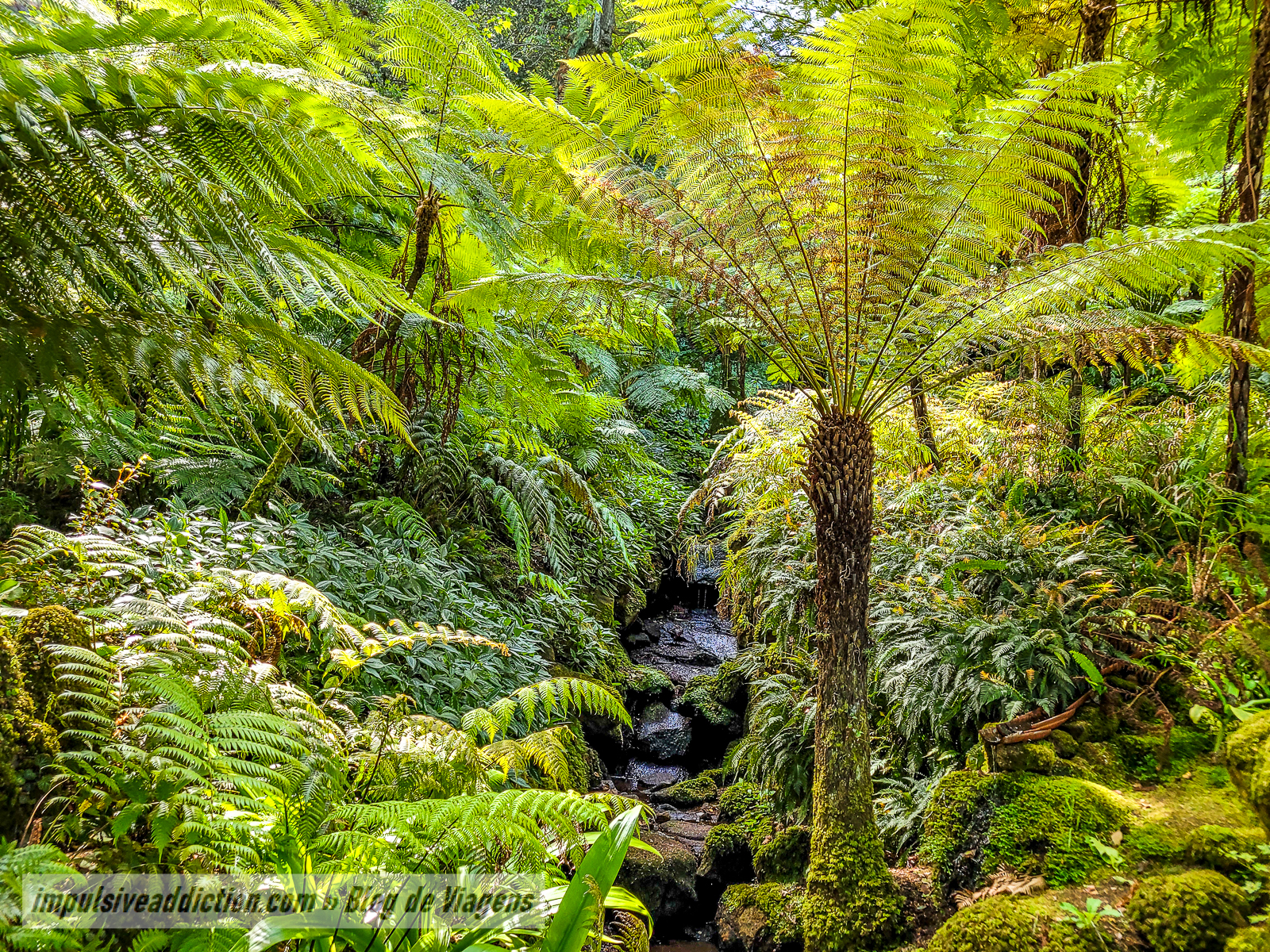
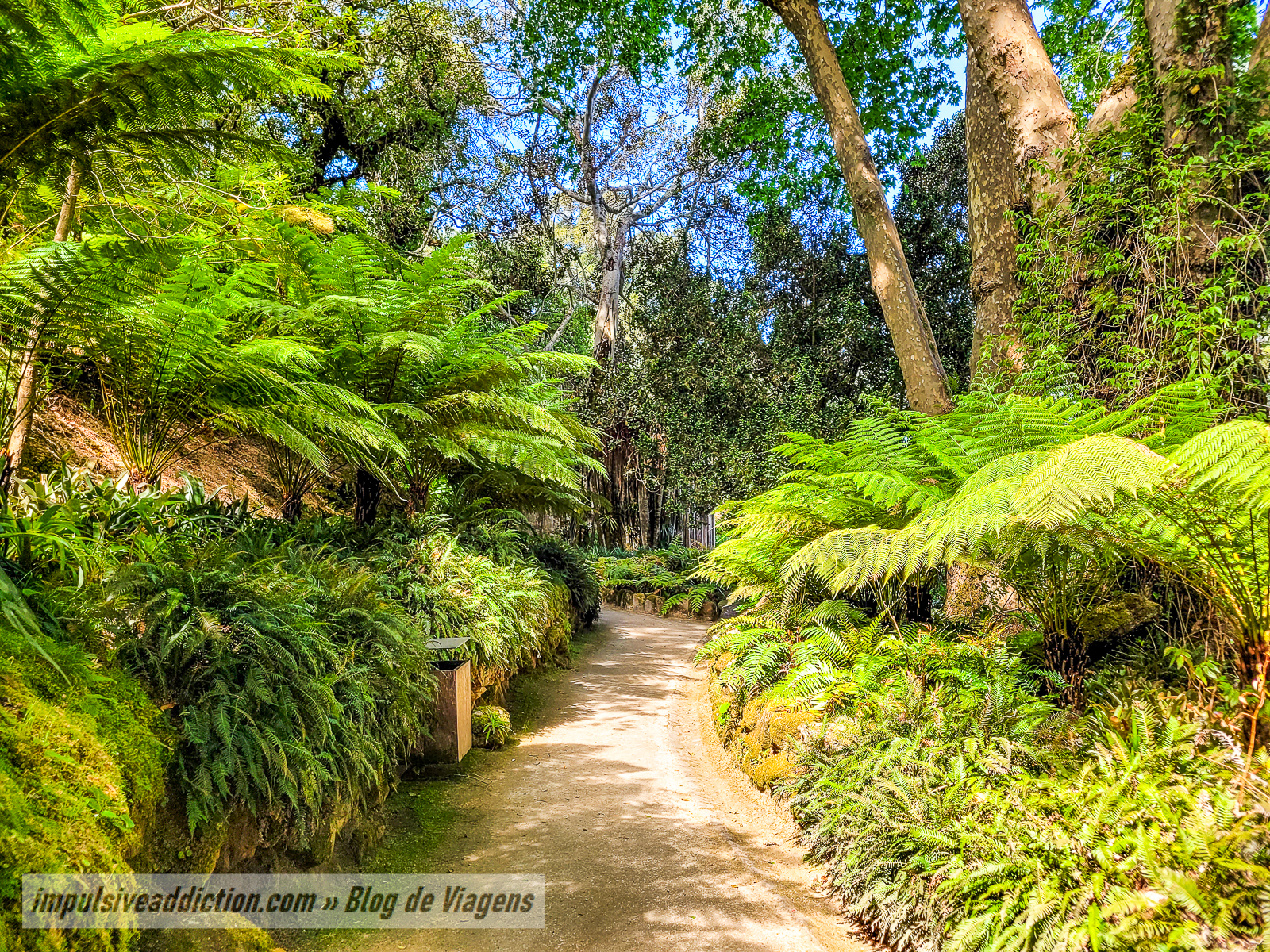
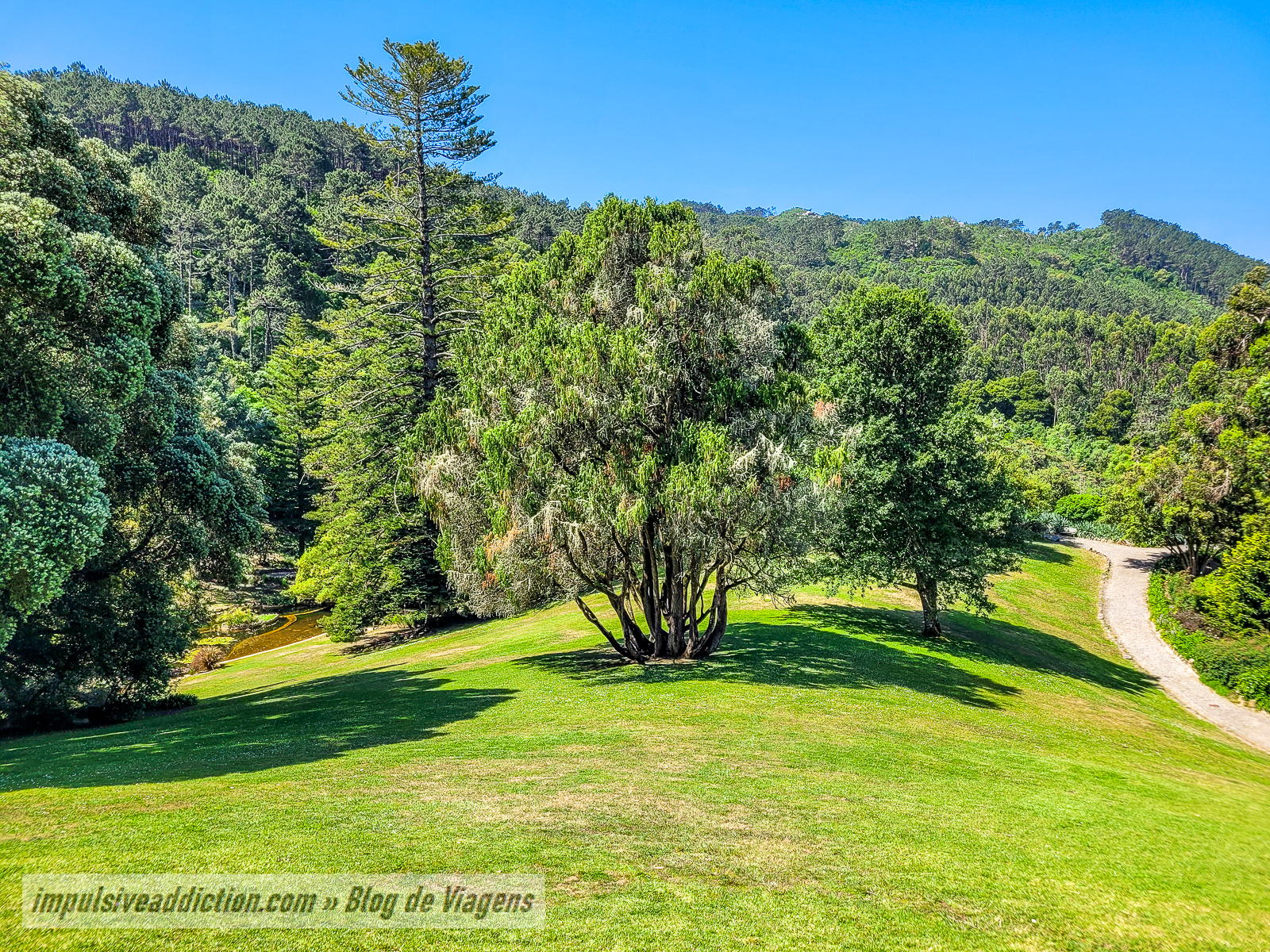
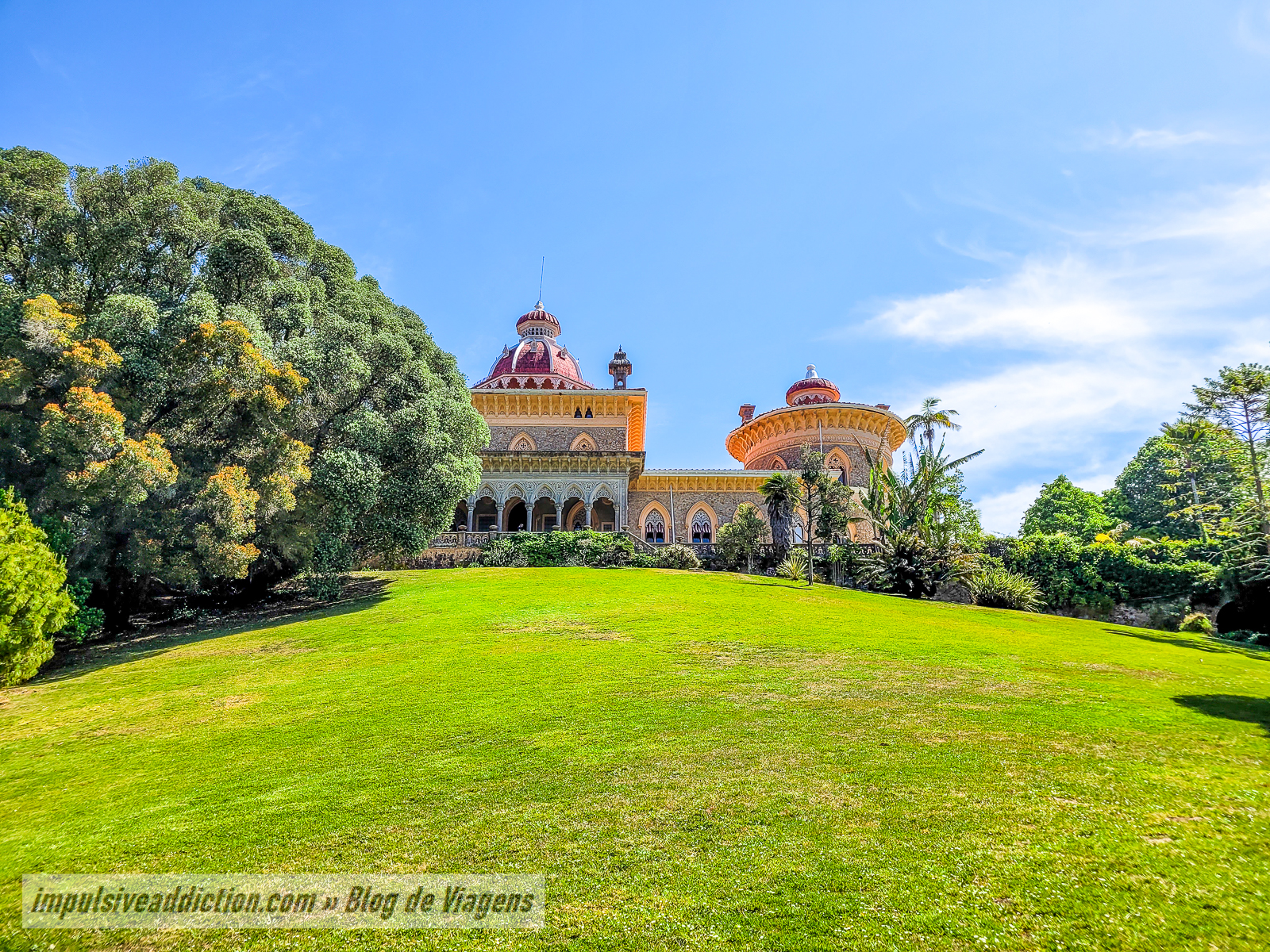
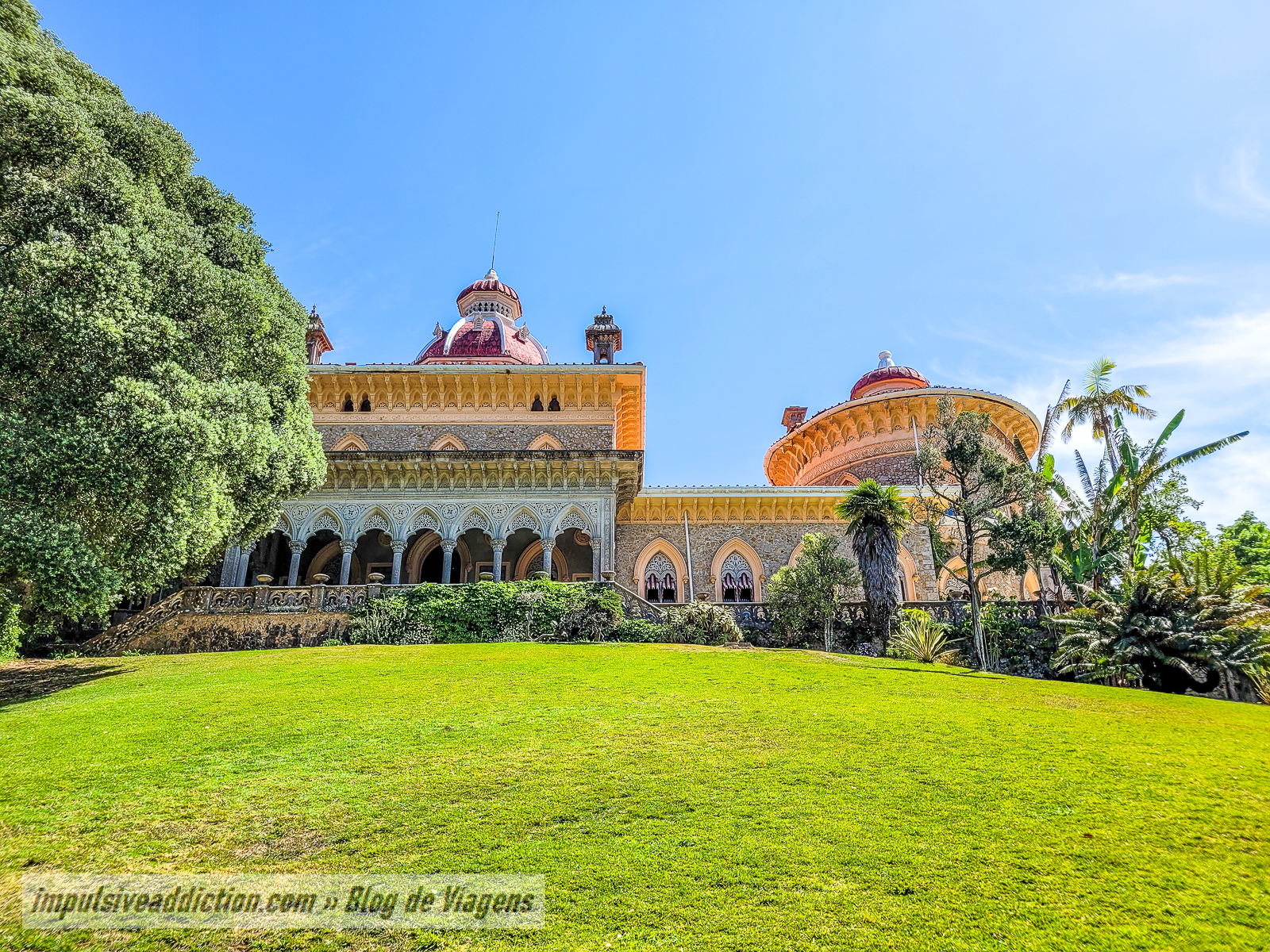
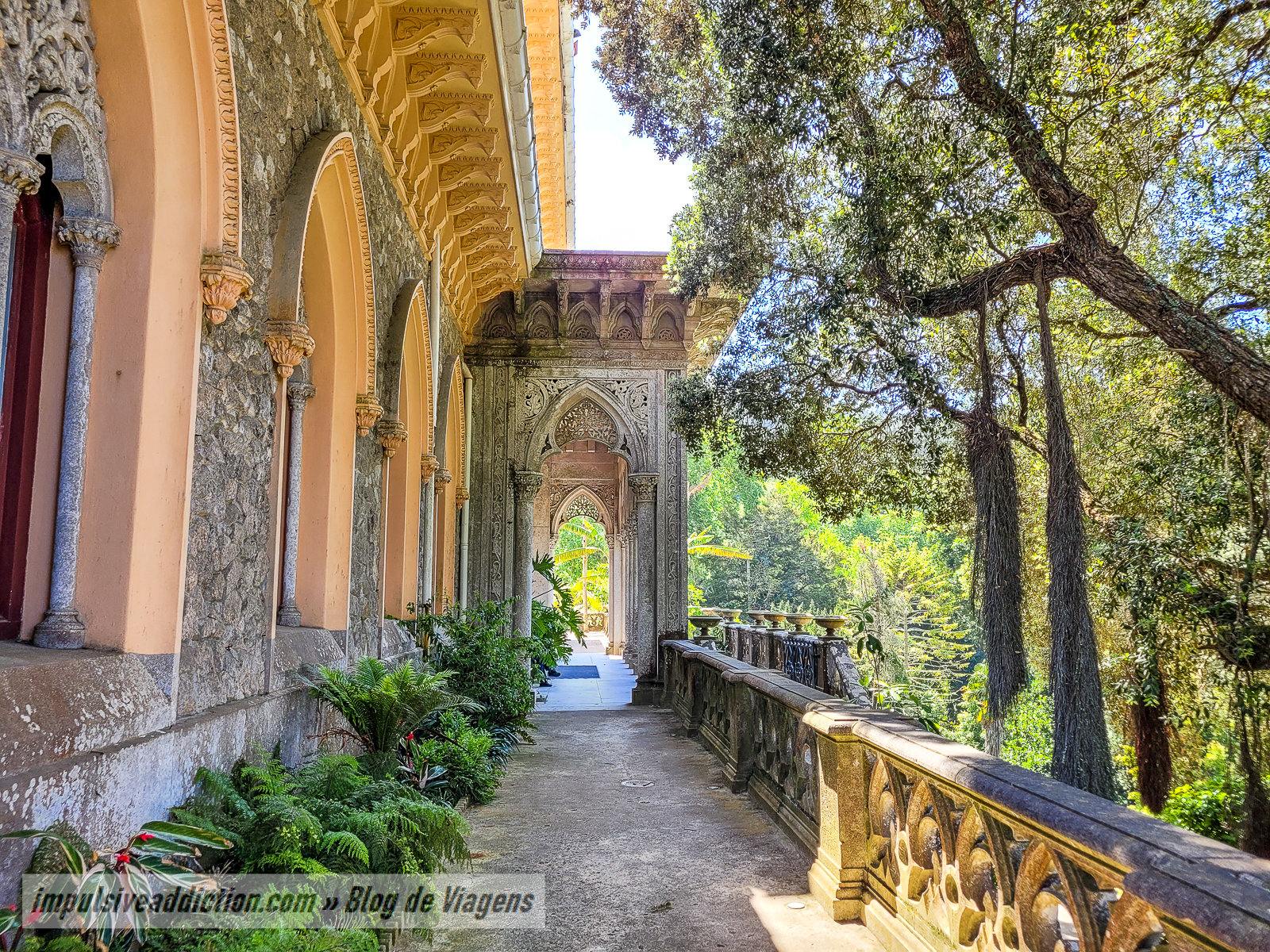
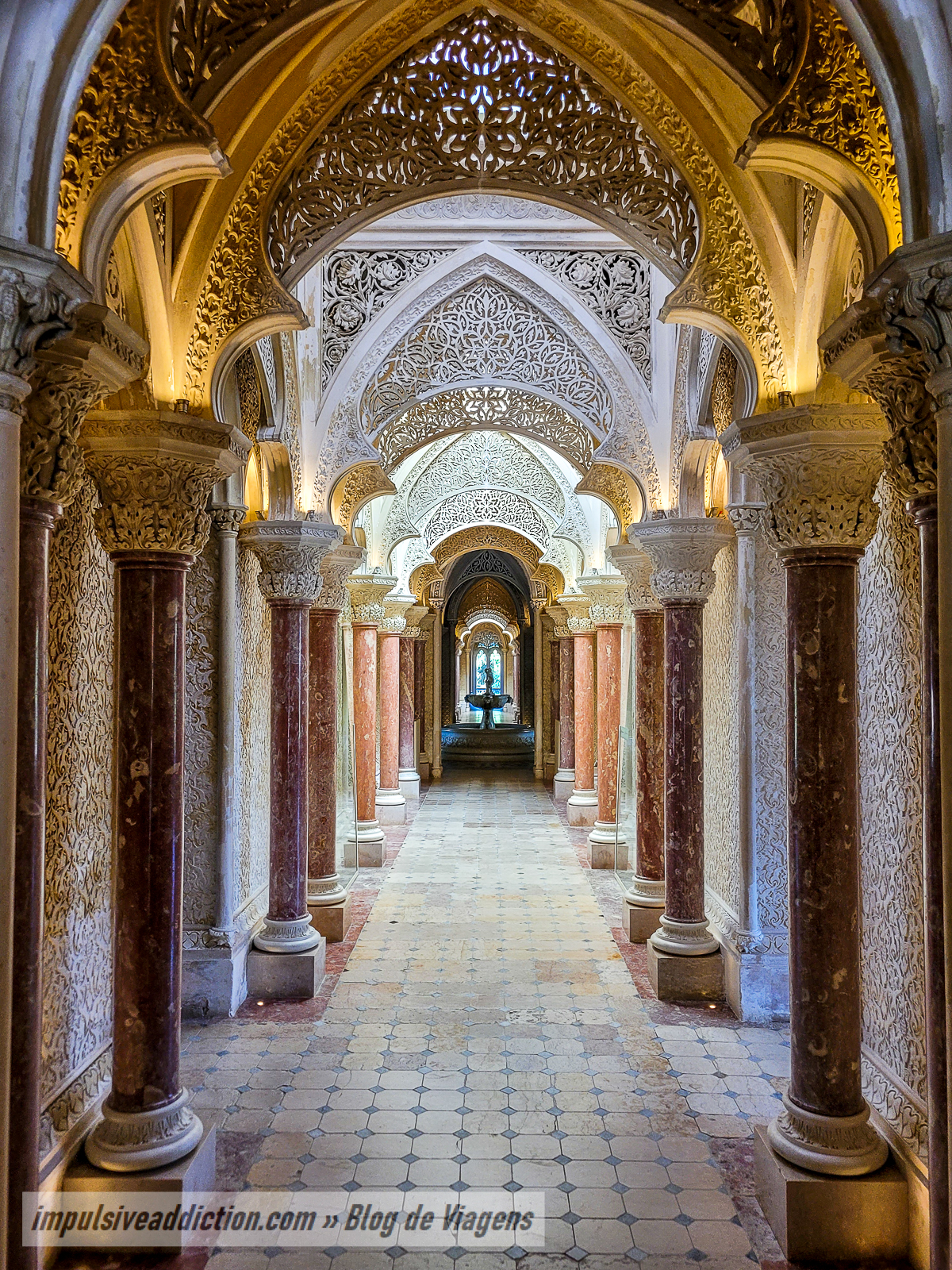
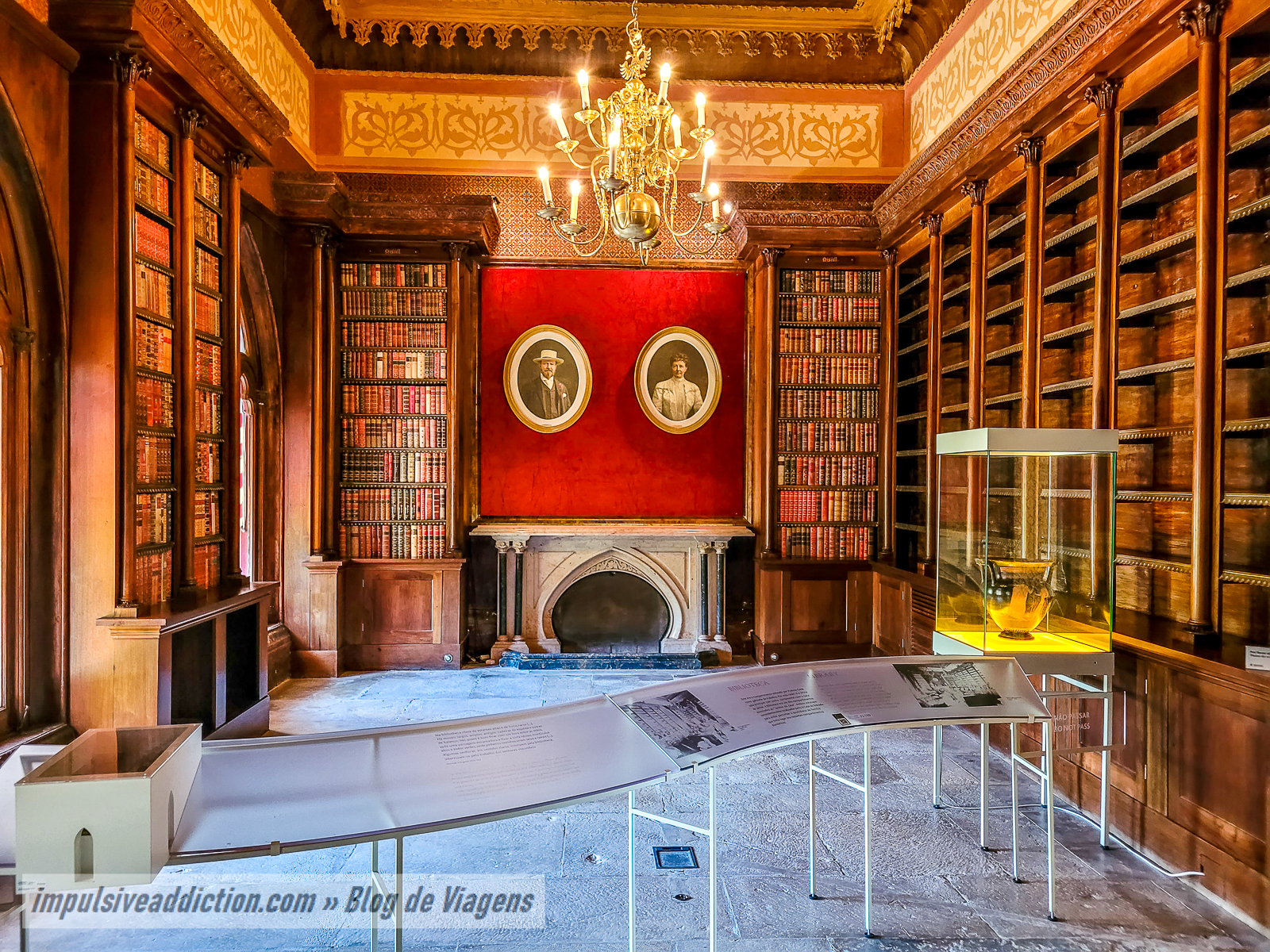
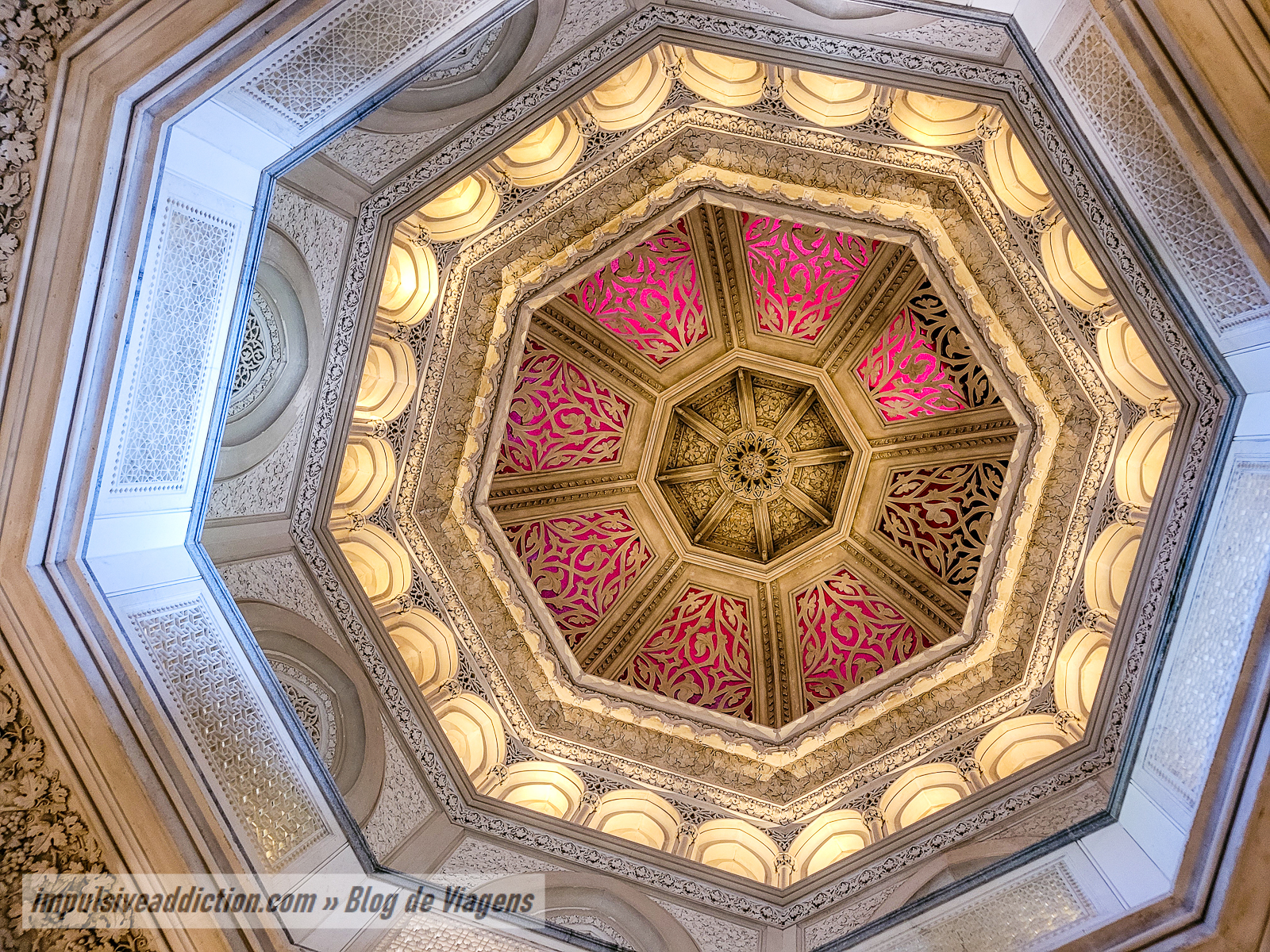
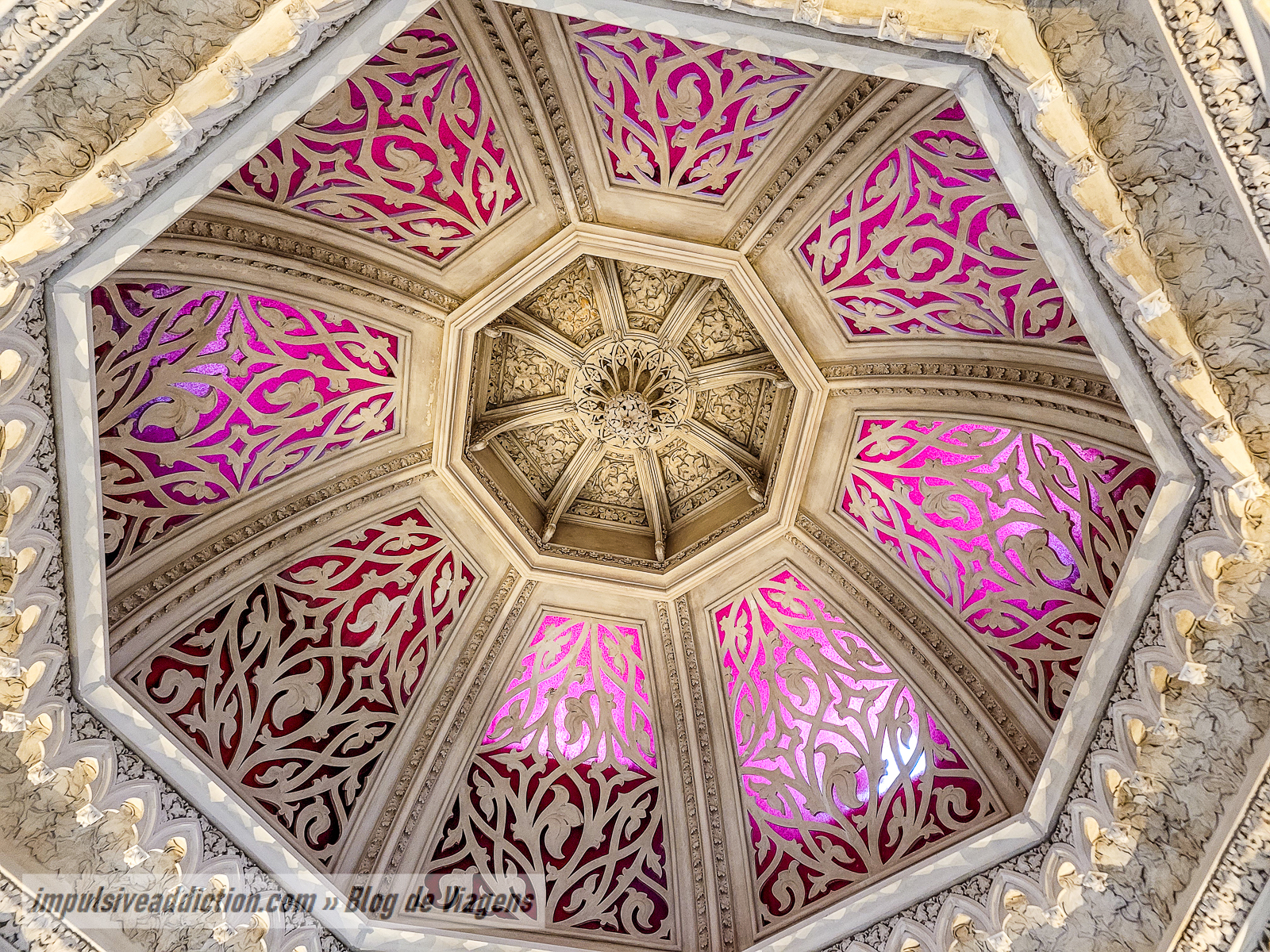
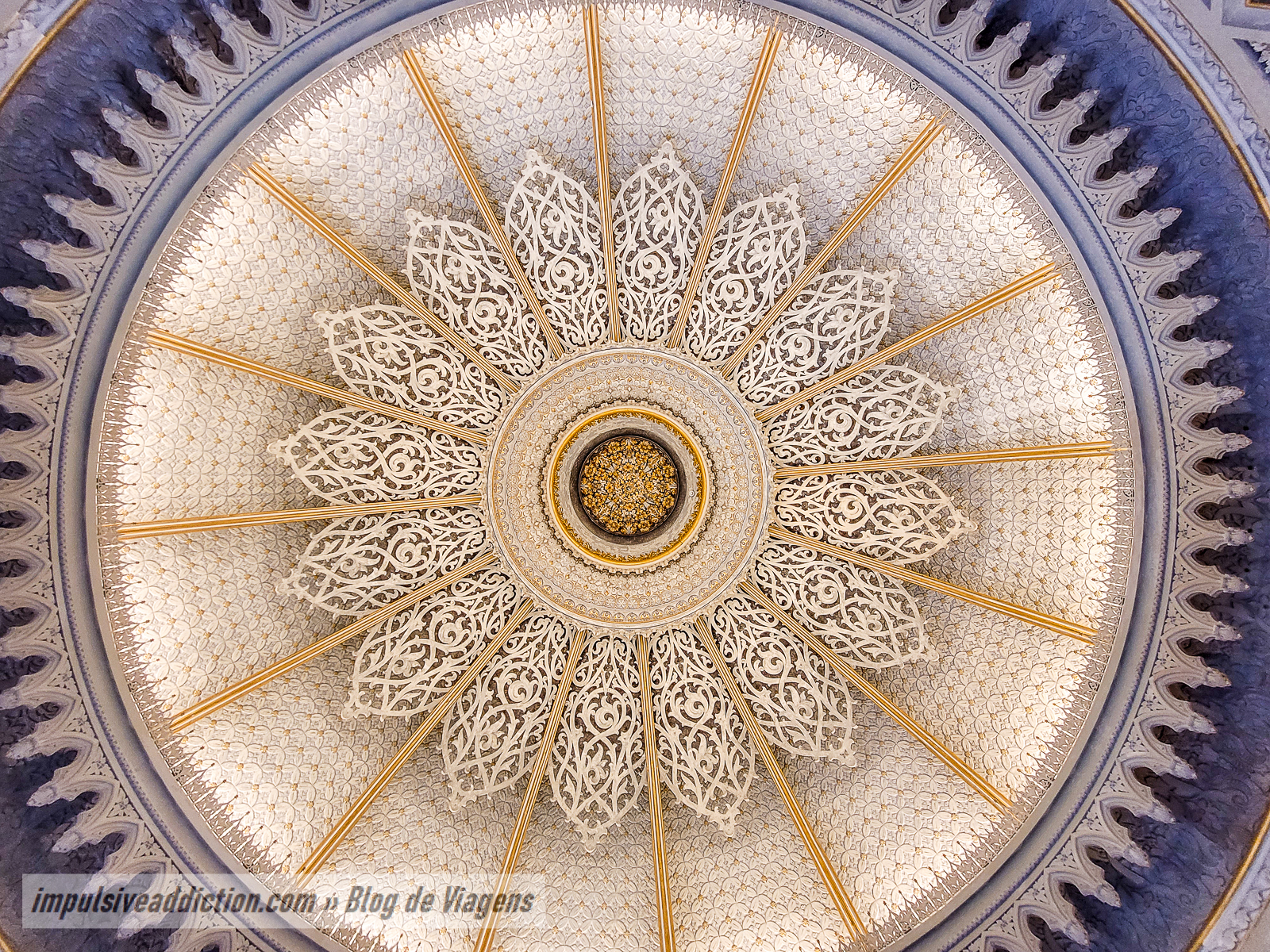
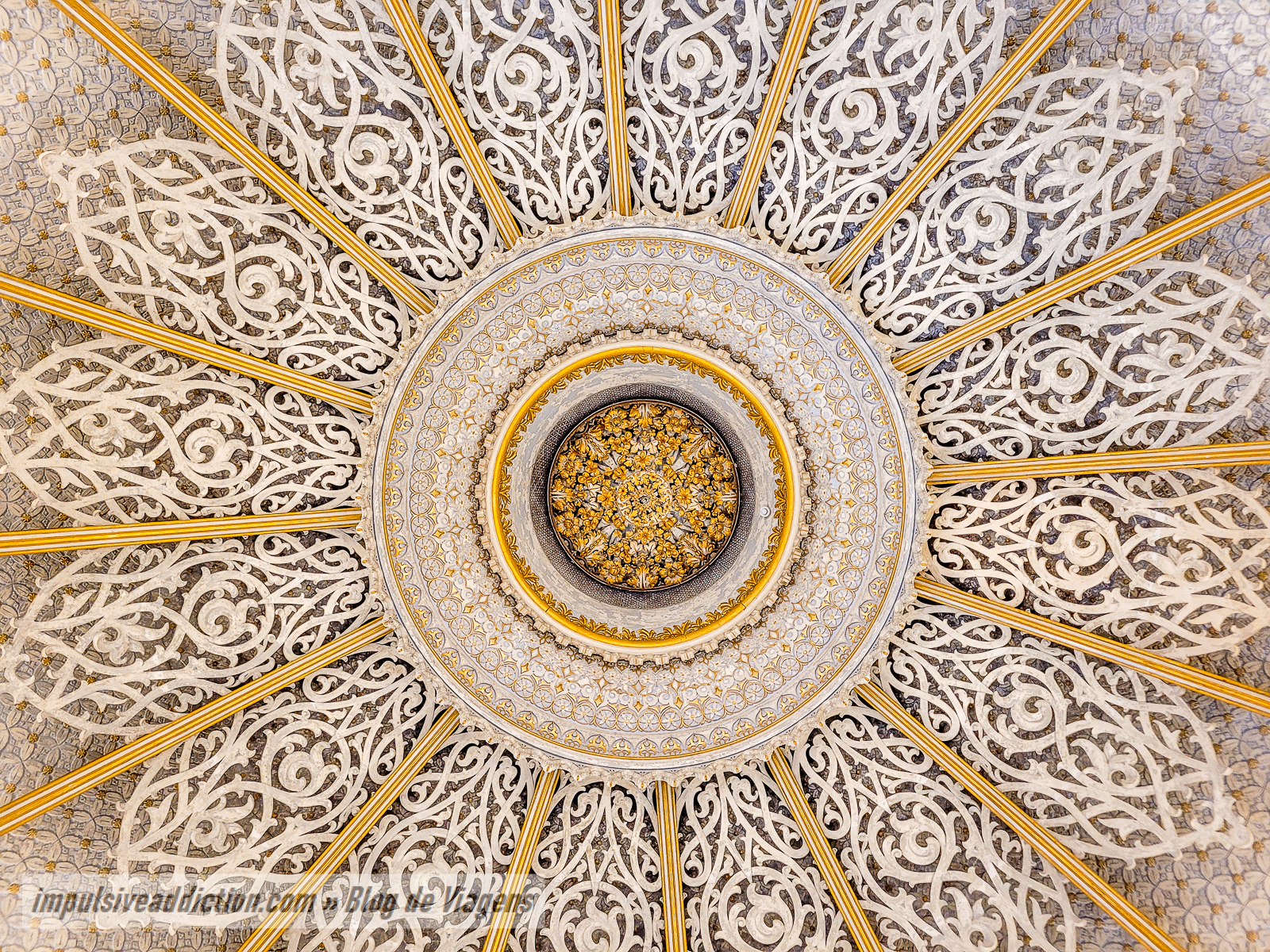
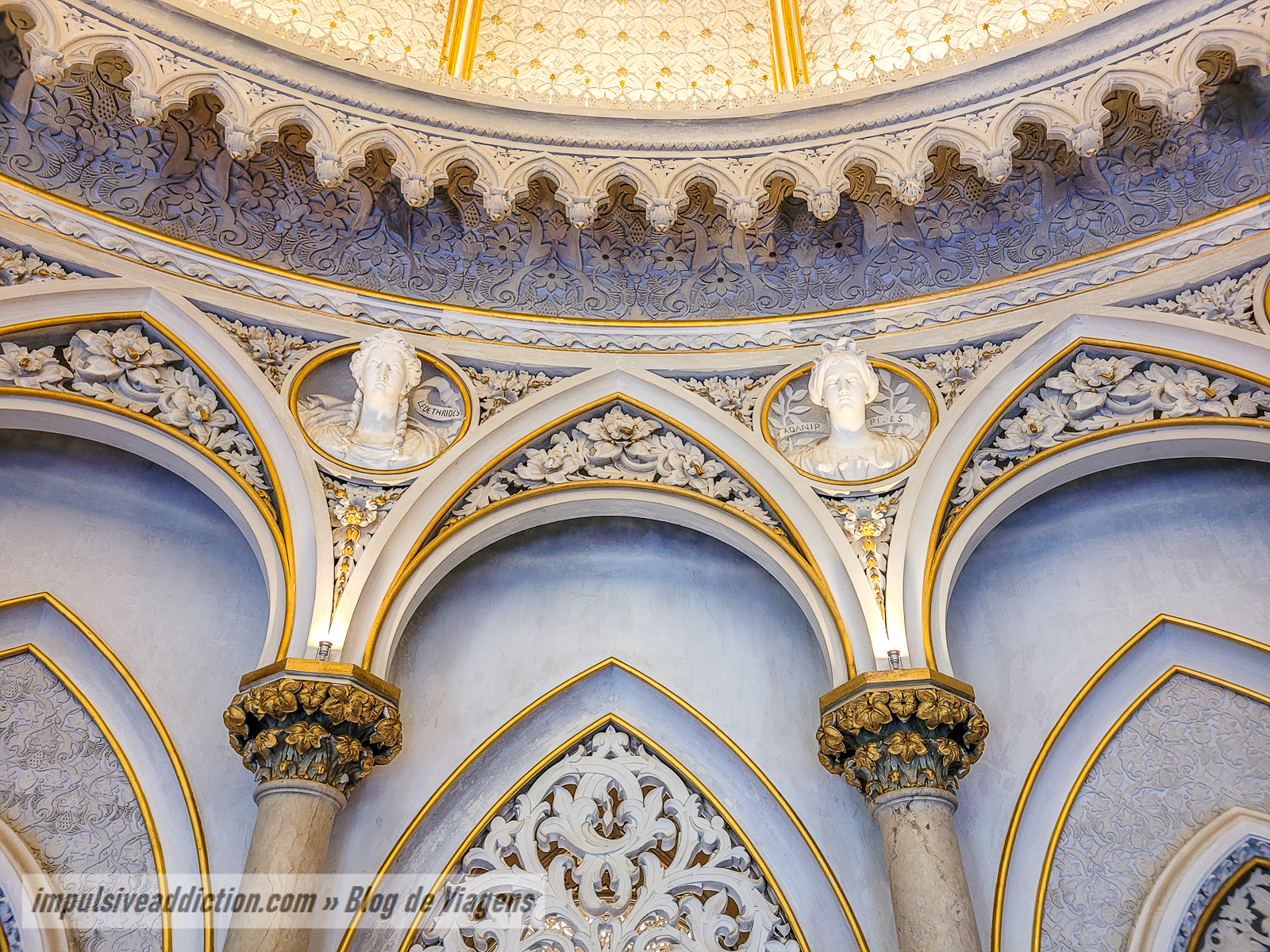
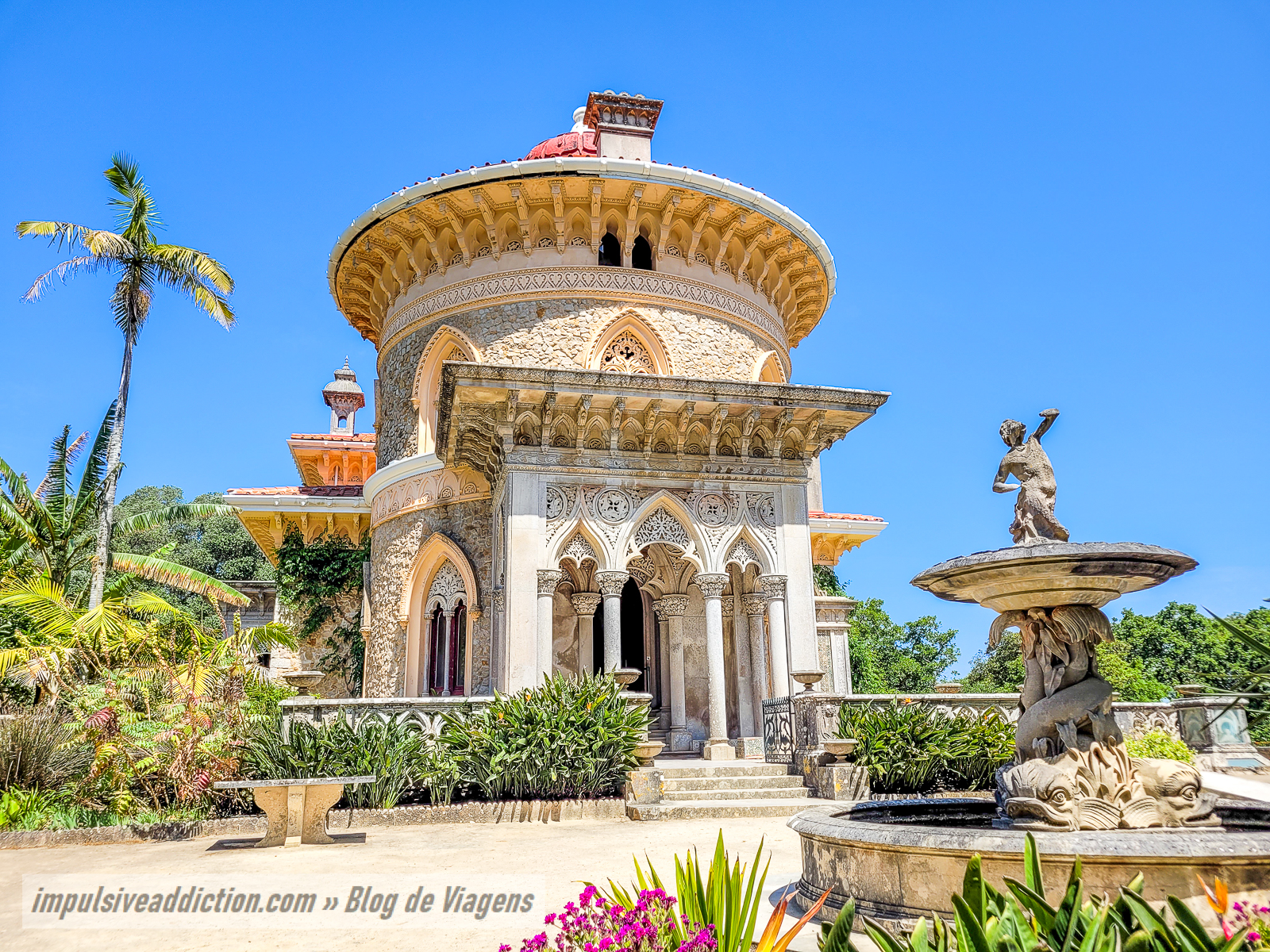
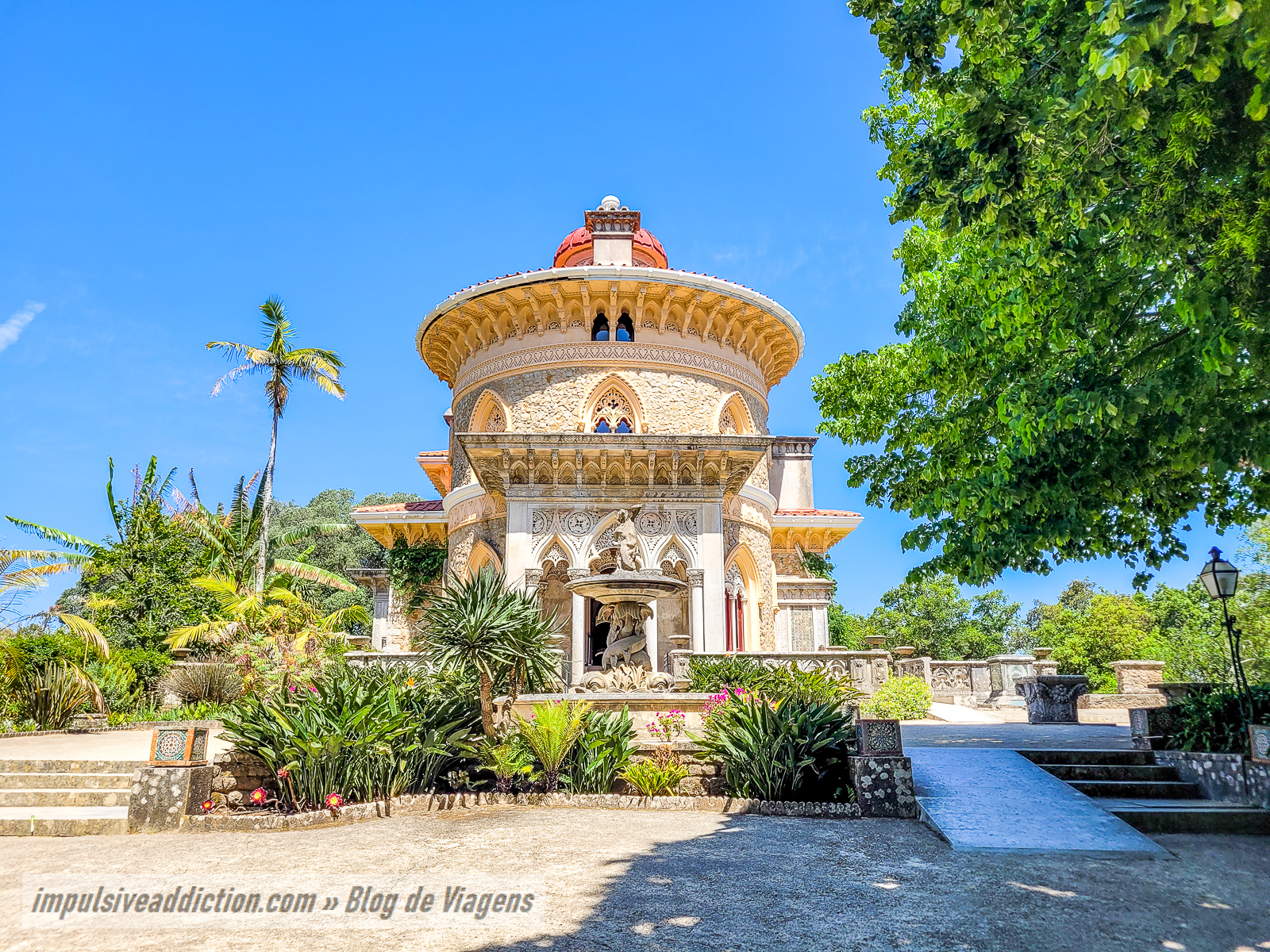
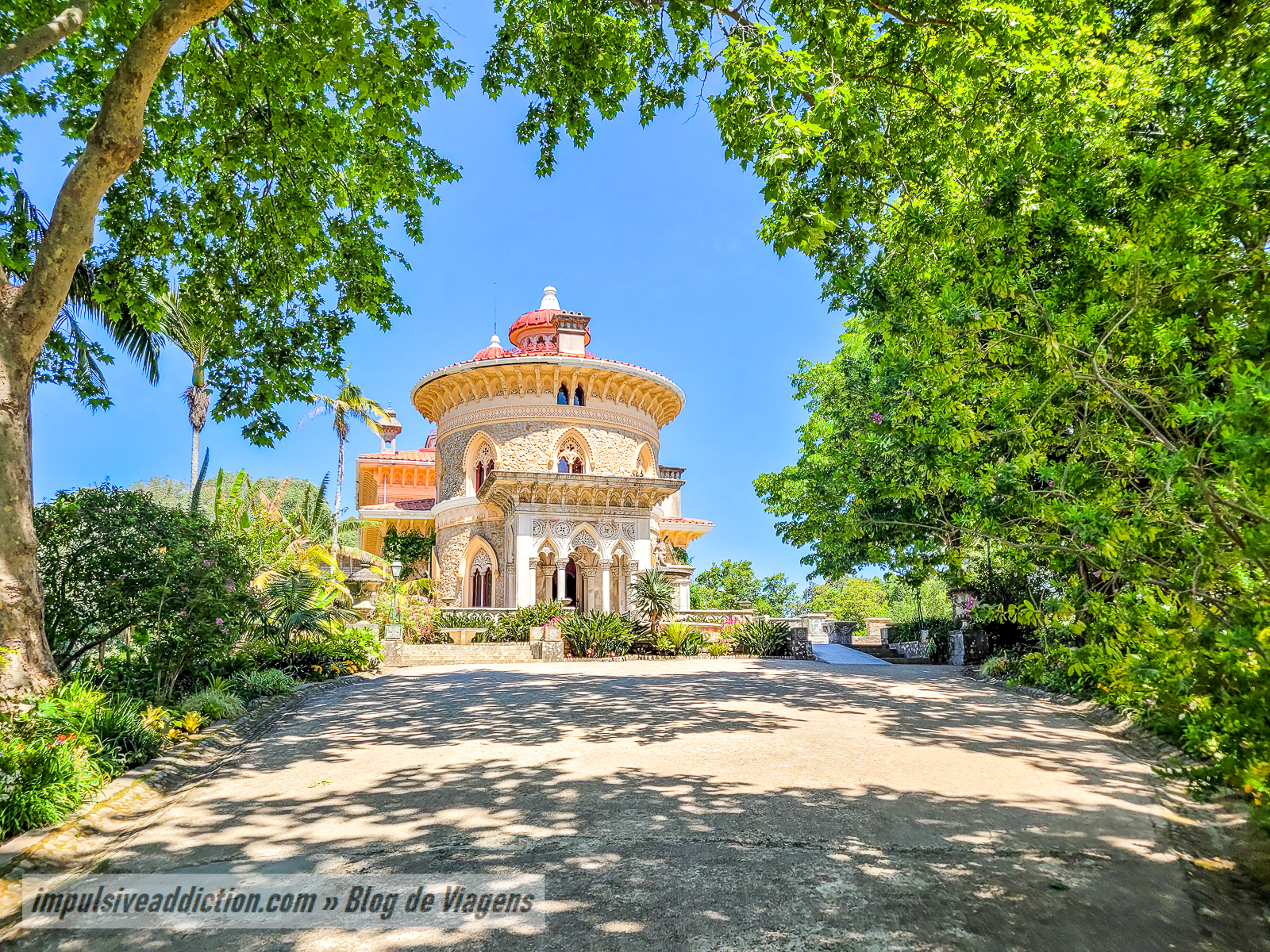
10. Monserrate Palace and Park
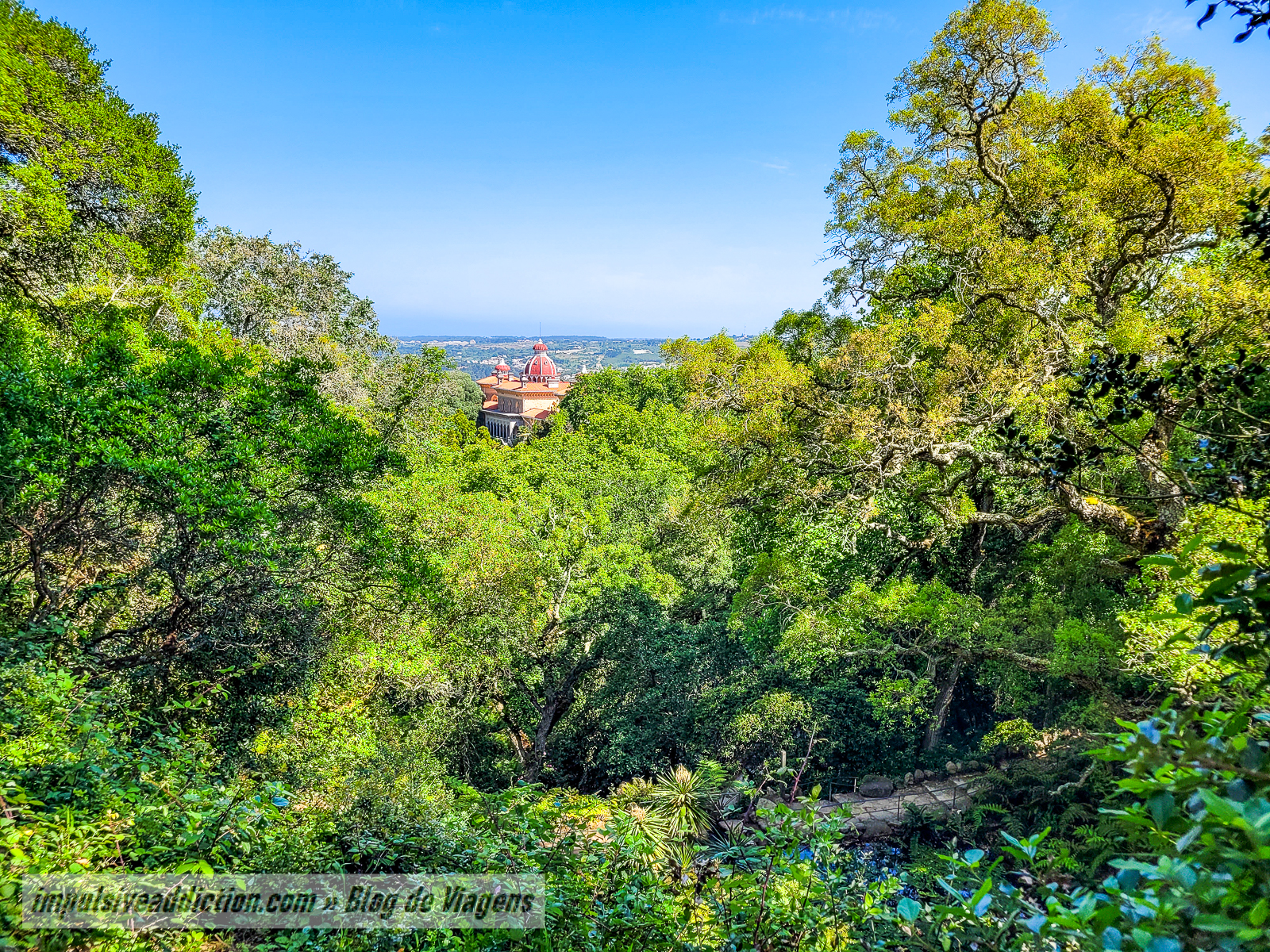
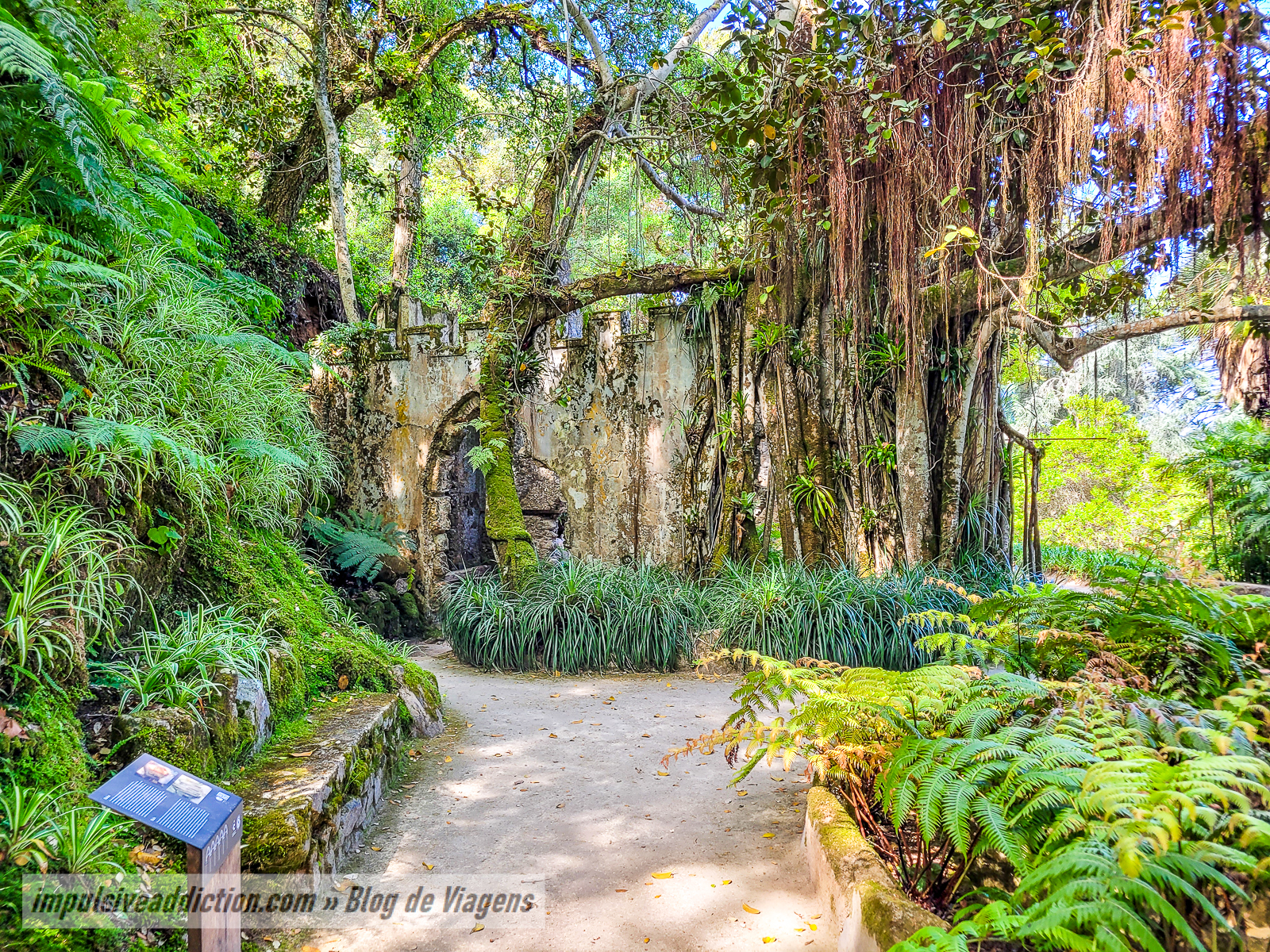
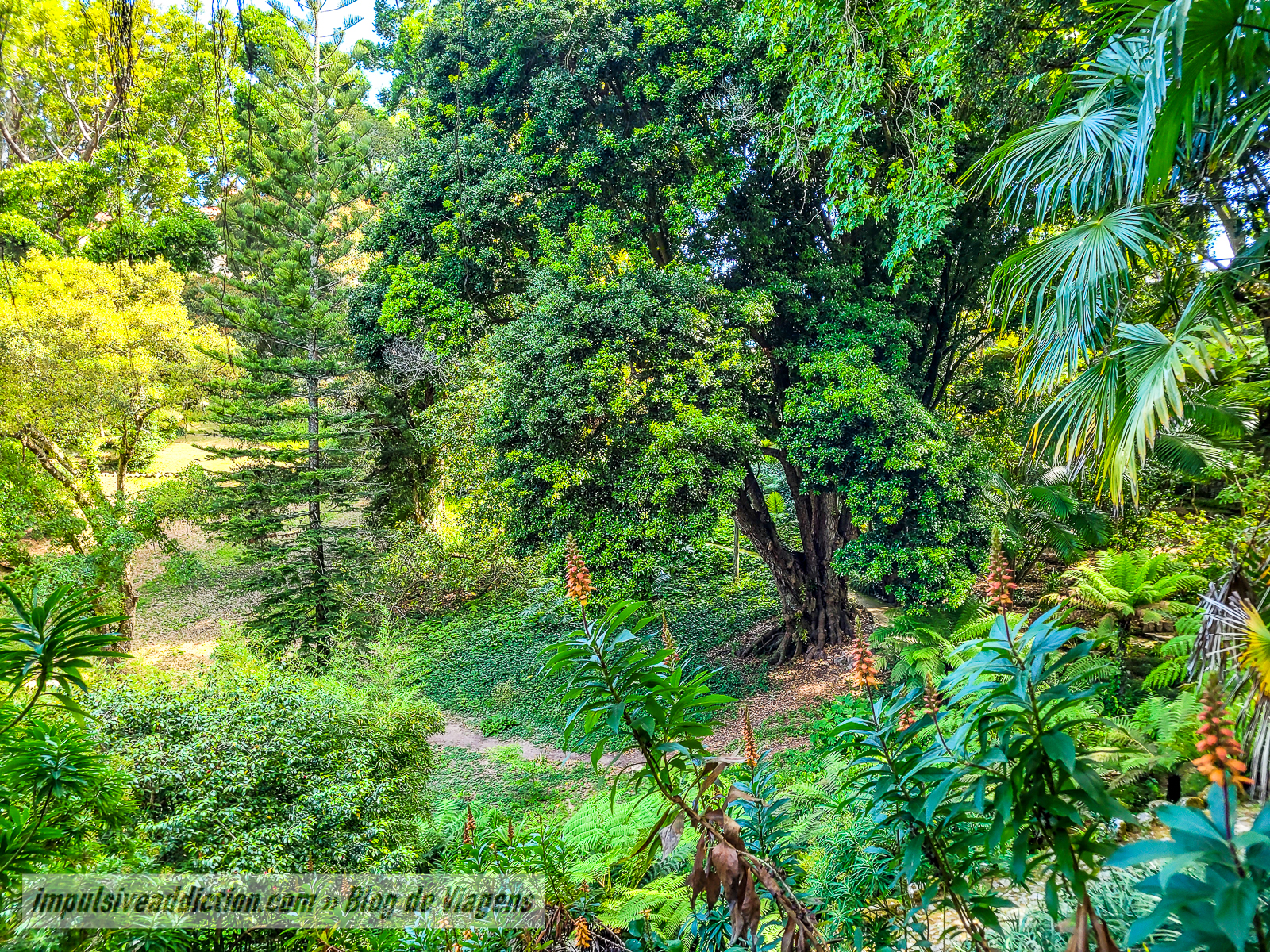
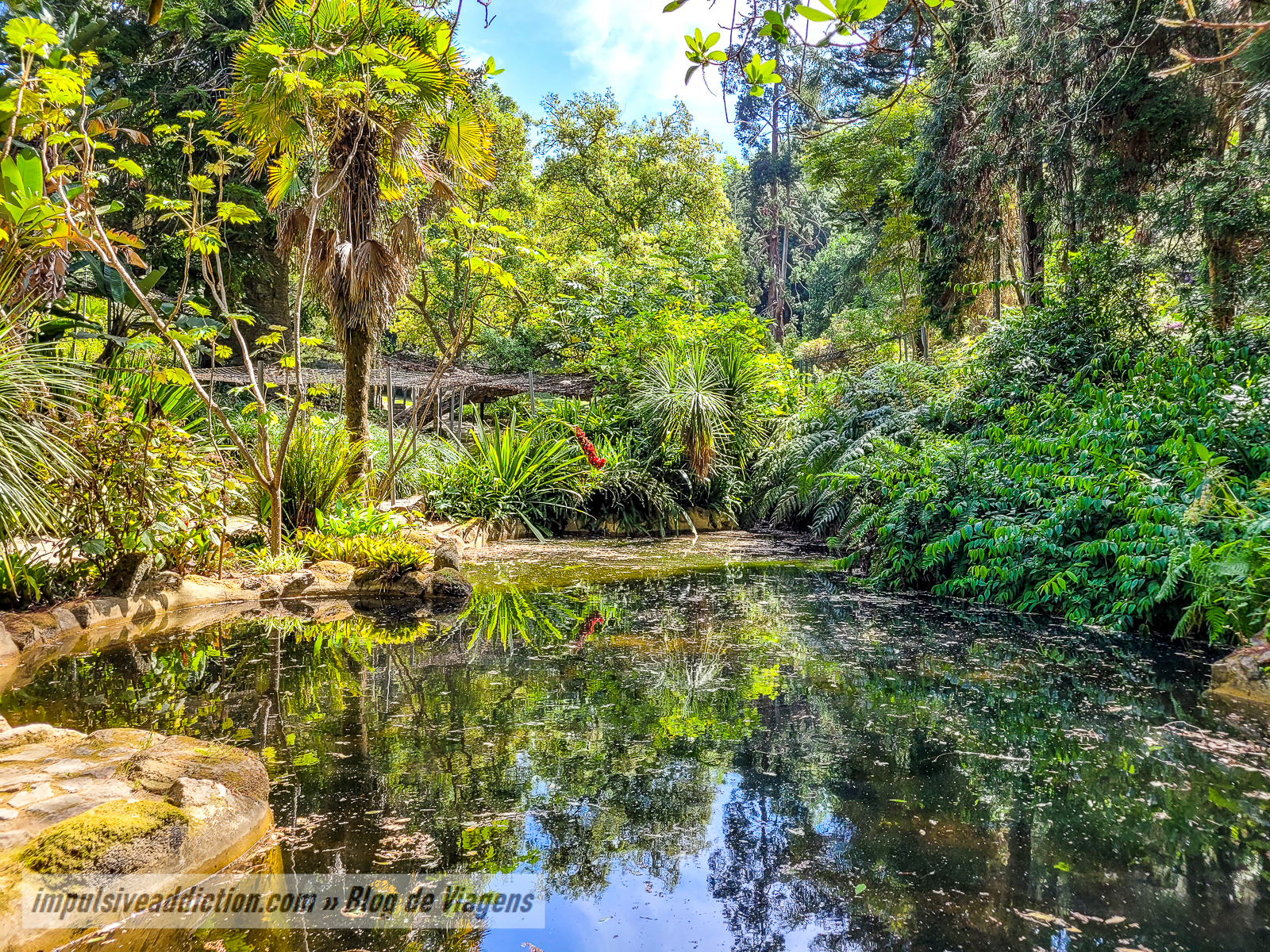
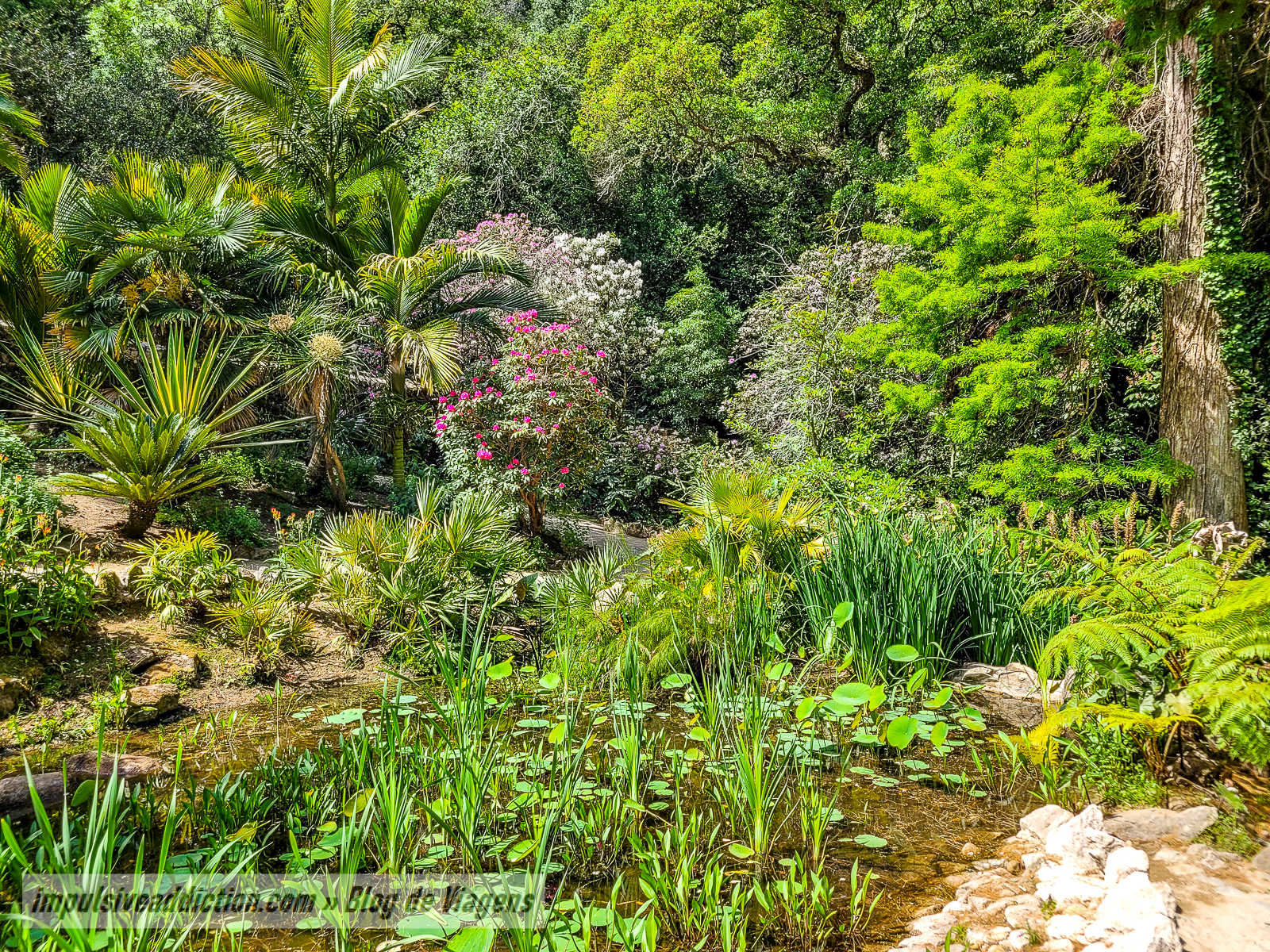
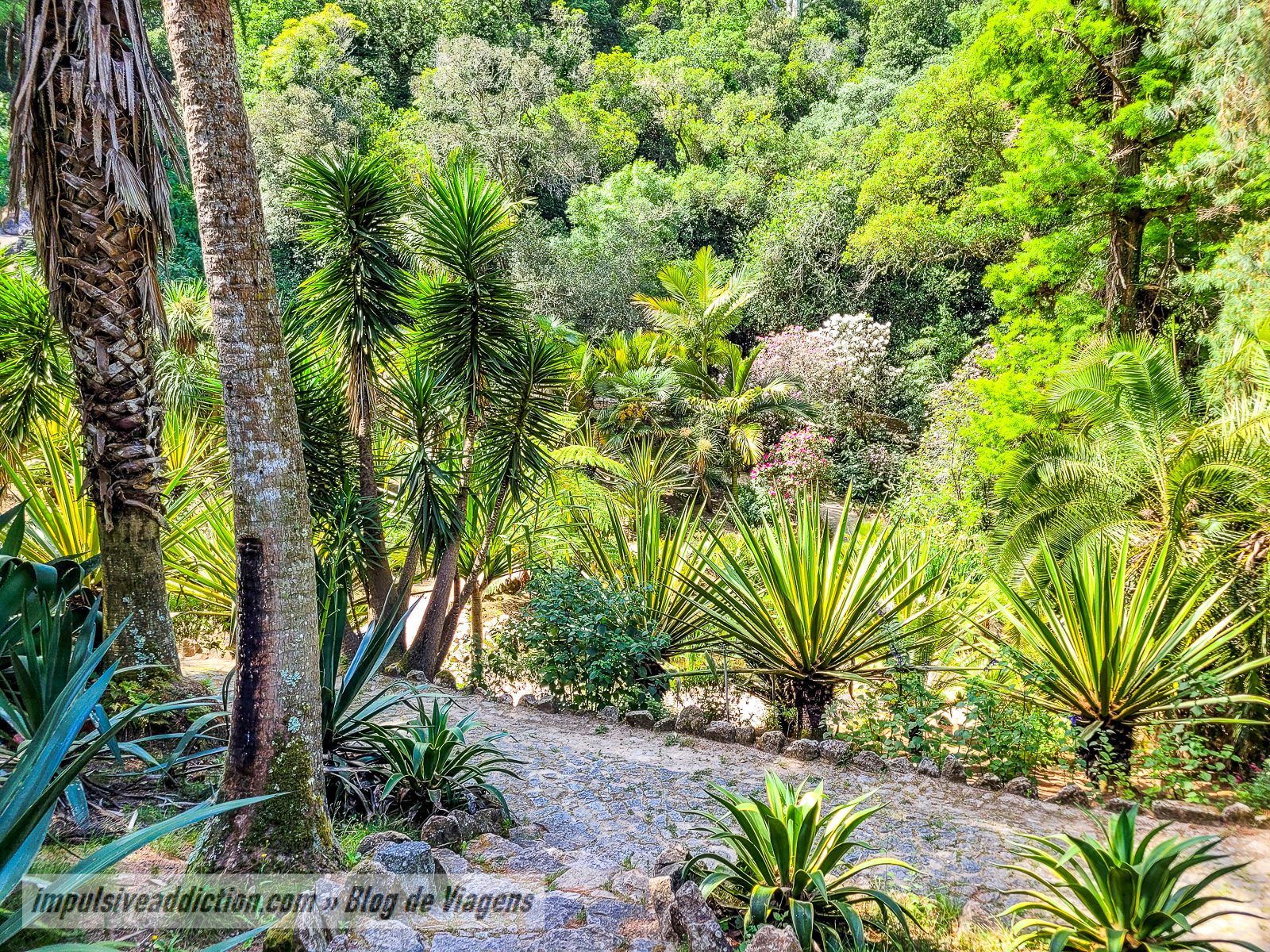
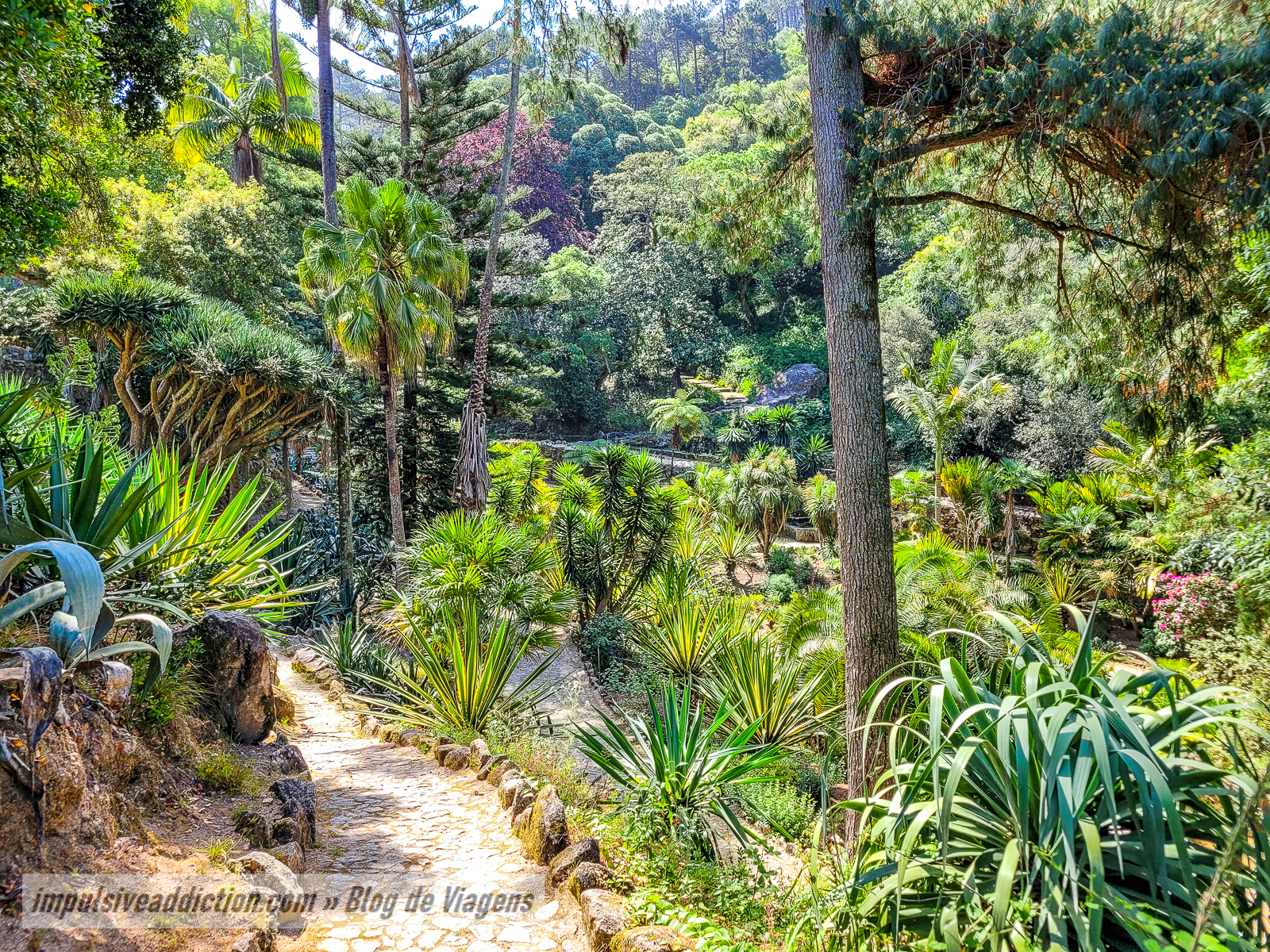
Monserrate Palace and Park are located a bit outside Sintra’s town center, but there are buses that can take you there from downtown. This is one of my favorite spots in Sintra — partly because it’s usually less crowded, the gardens are equally lush, and the palace is just as unique as Pena or Regaleira. 😉
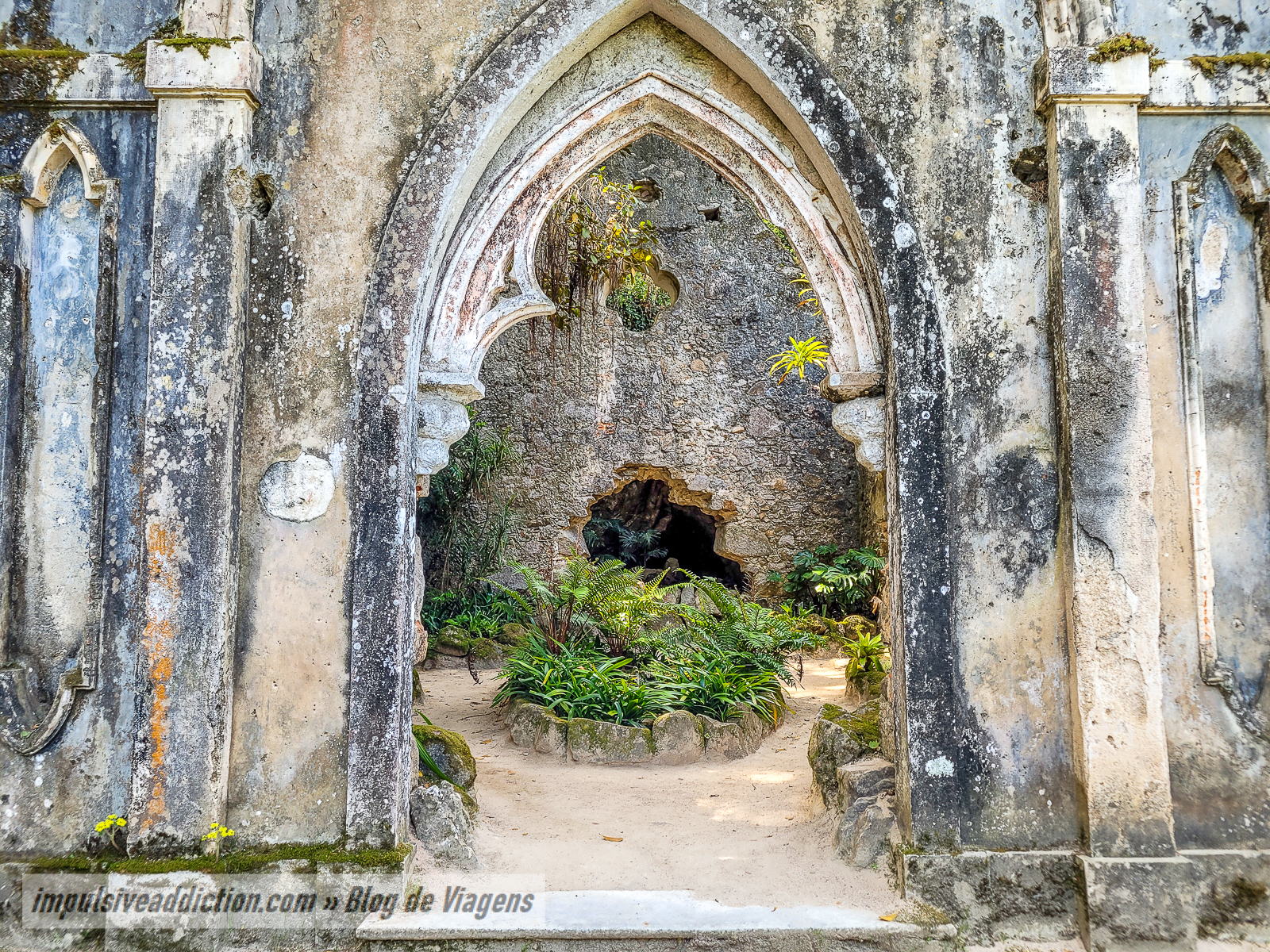
The history of Monserrate dates back to 1540, when a small chapel dedicated to Our Lady of Monserrate was commissioned on the site. At the time, the surrounding land belonged to Lisbon’s Hospital of All Saints, so besides being a place of worship, the estate also produced agricultural goods for the hospital.
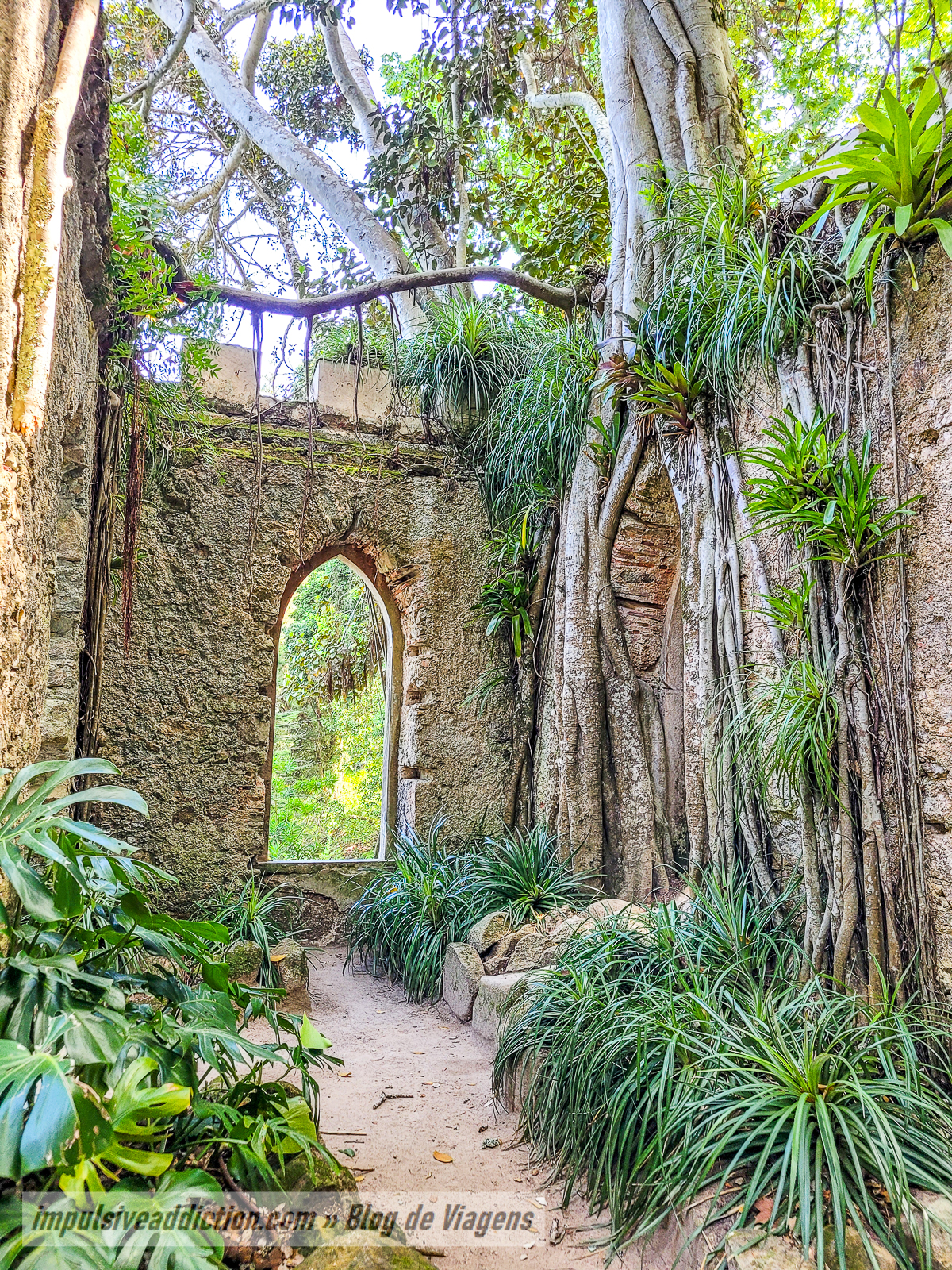
A major event in the 18th century was the 1755 earthquake, which caused significant damage here. By the end of that century, the estate came into English hands — first owned by a merchant, then a writer. A neo-Gothic castle was built during this period but fell into disrepair by the early 19th century.
It wasn’t until 1863 that Monserrate found an owner worthy of its beauty: Francis Cook, an English merchant and art collector. He commissioned the construction of the exotic palace we visit today.
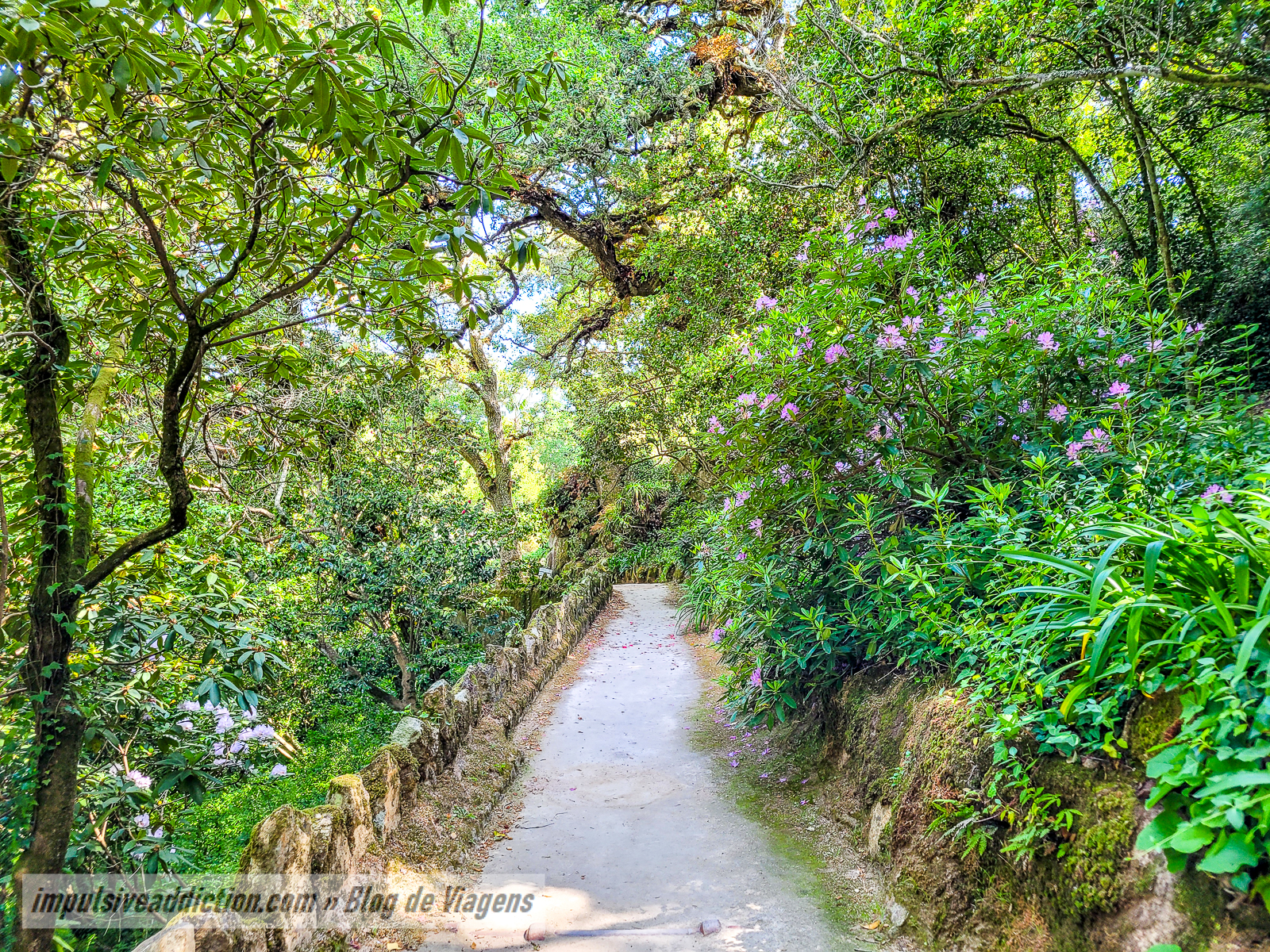
Surrounding the palace are breathtaking gardens, filled with plants and trees from all over the world. This was where the Cook family spent their summer holidays. 🙂
11. Liberdade Park
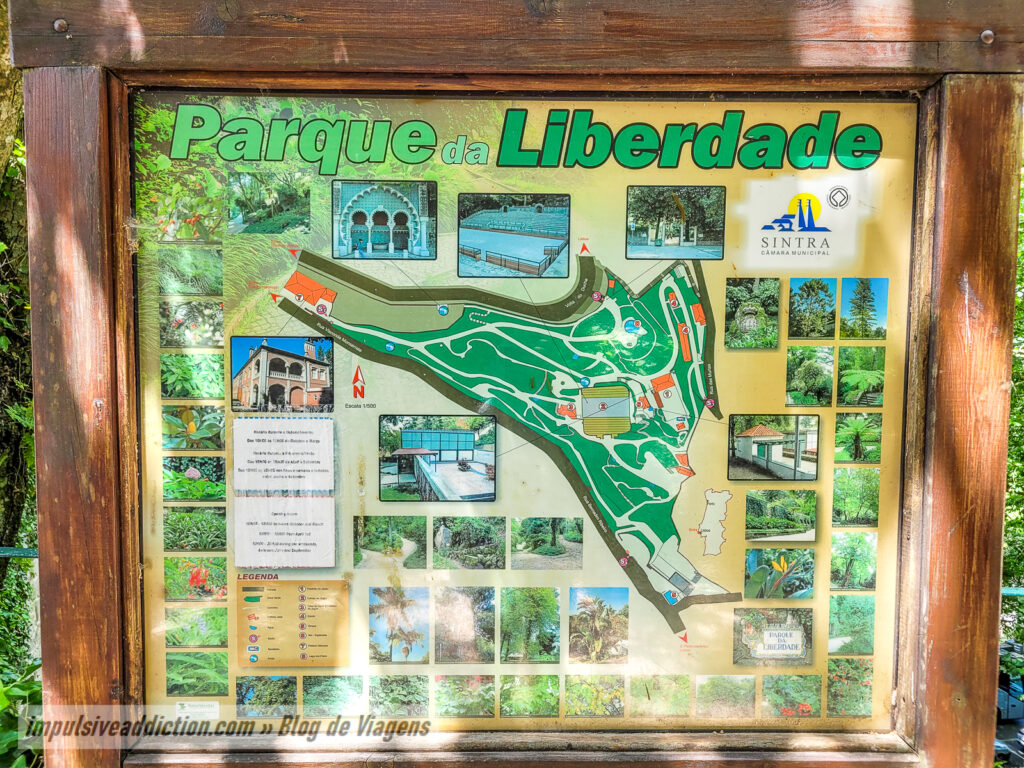
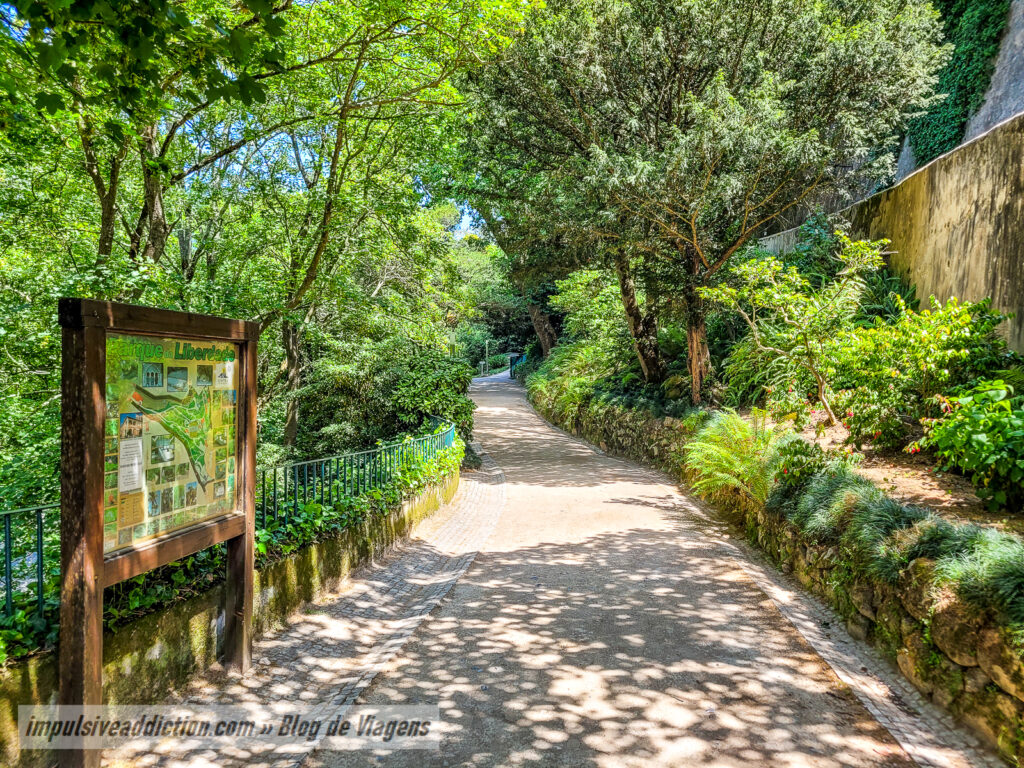
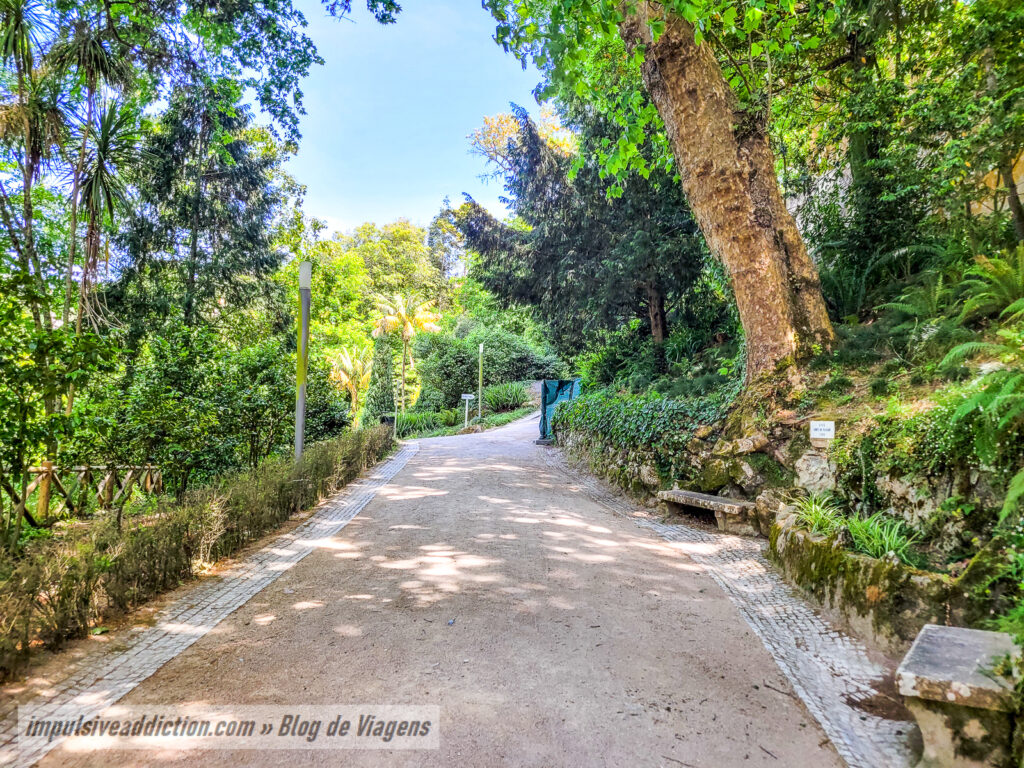
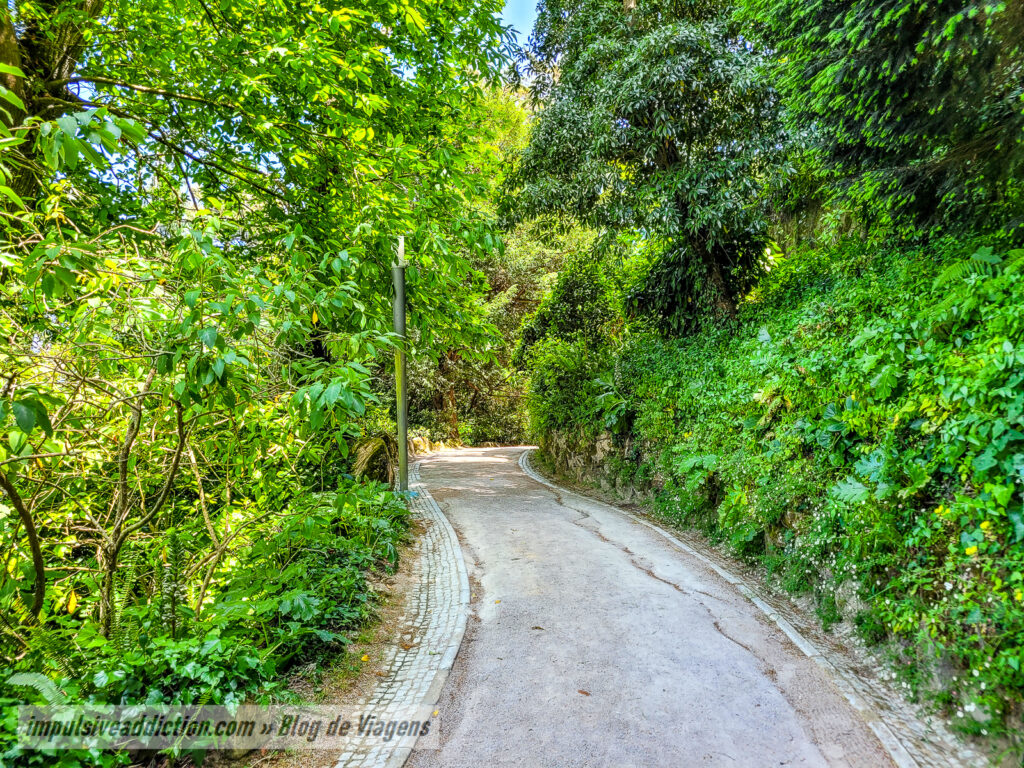
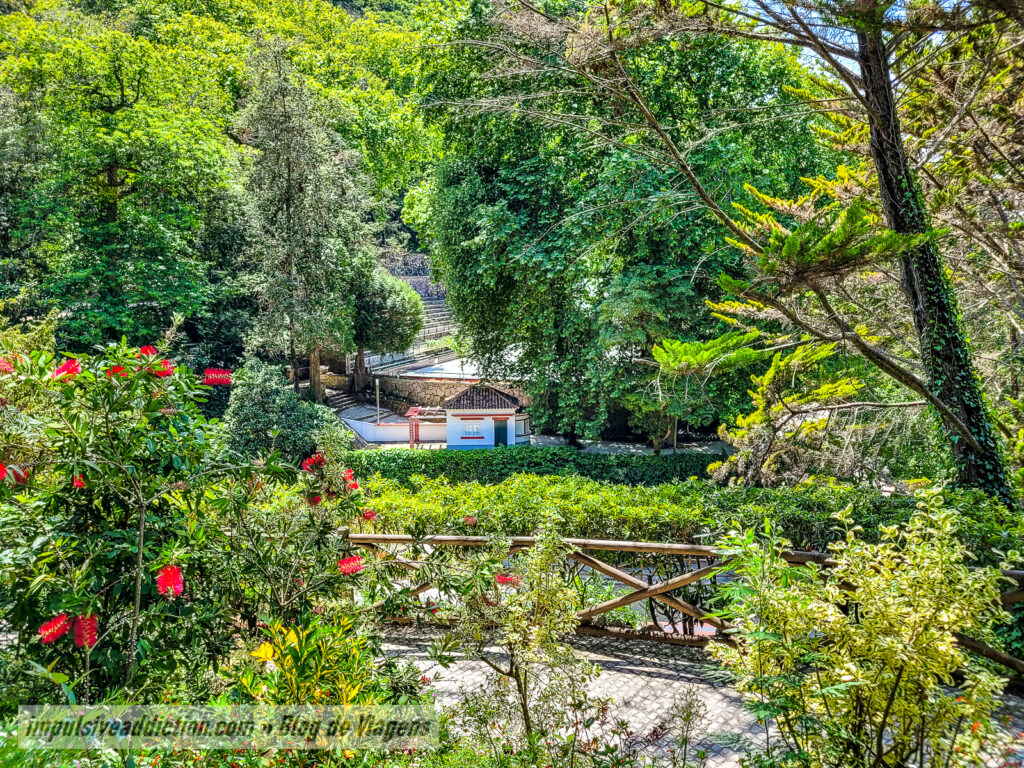
Liberdade Park is located right in the heart of Sintra, near the Volta do Duche. It’s free to enter and was inaugurated in 1937 as Sintra’s public park.
It’s a pleasant and simple green space — not as dazzling as some of the other parks on this list, but definitely worth a visit. 😉
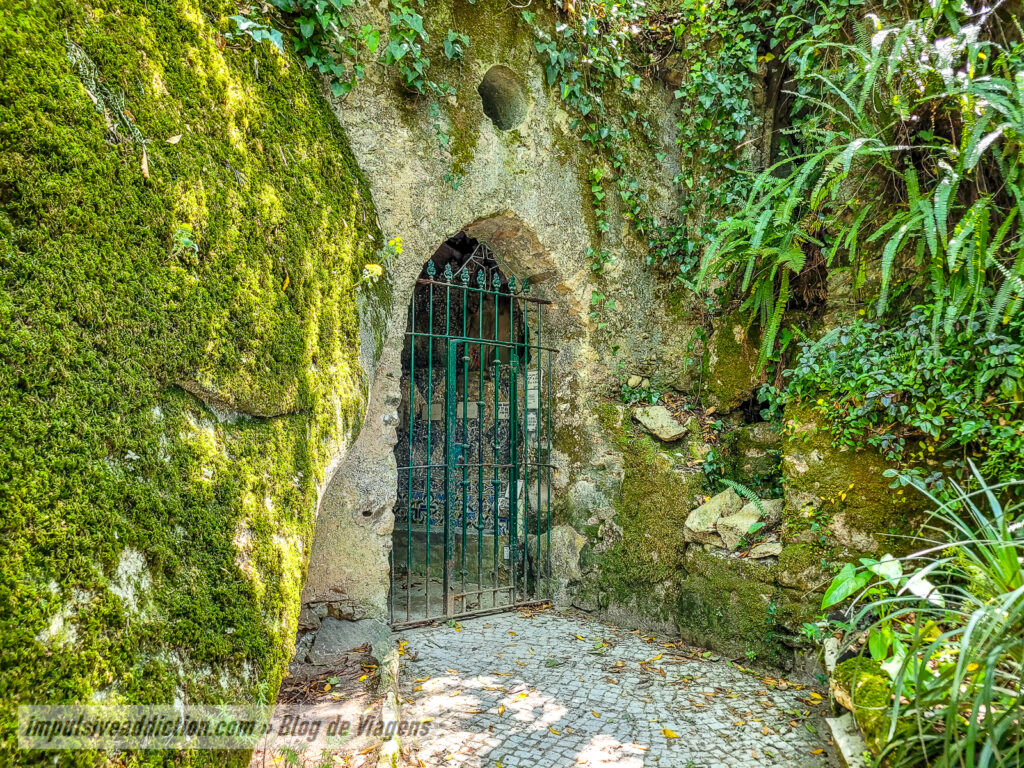
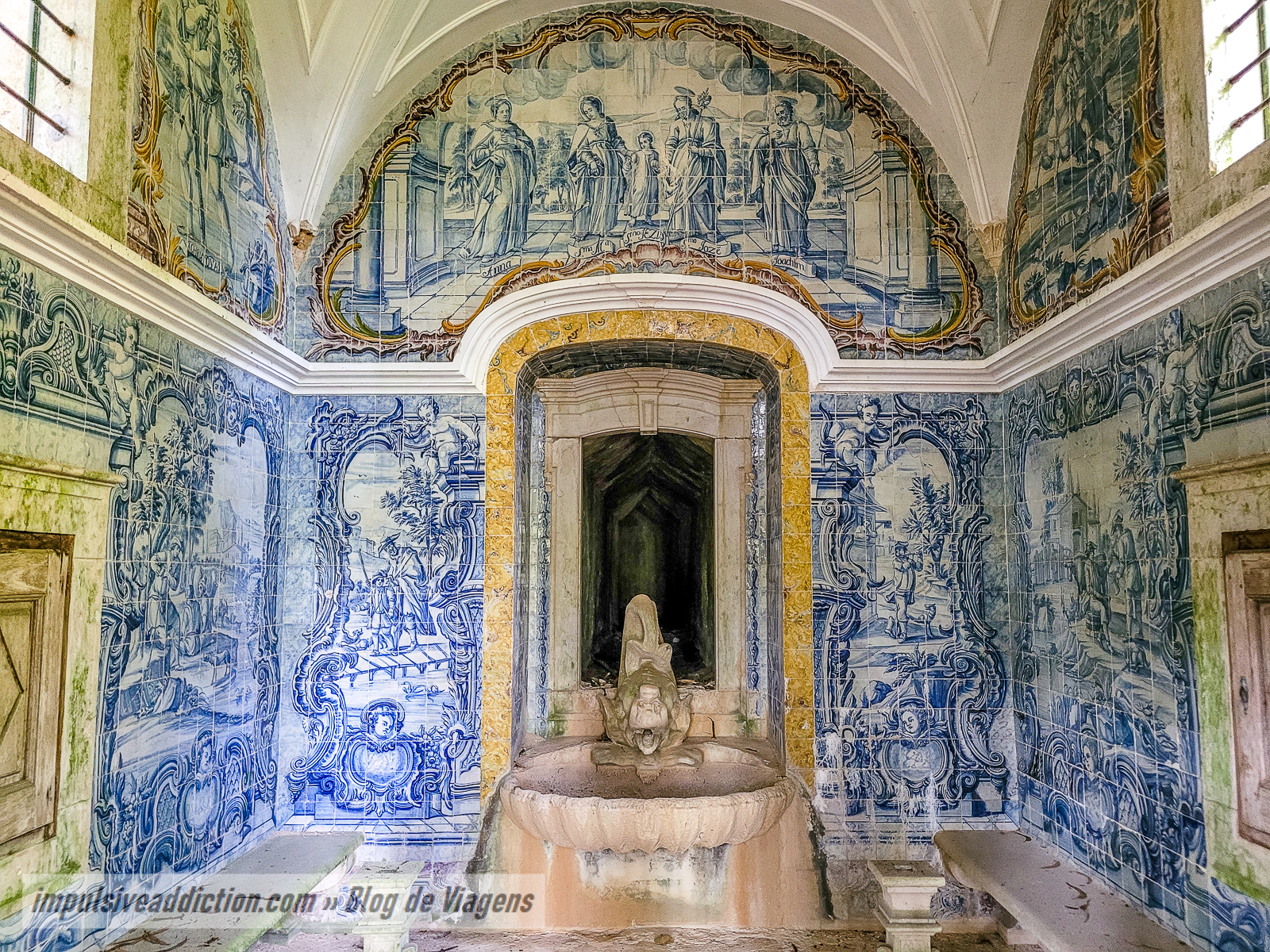
One highlight is the small grotto dedicated to Our Lady of Pena.
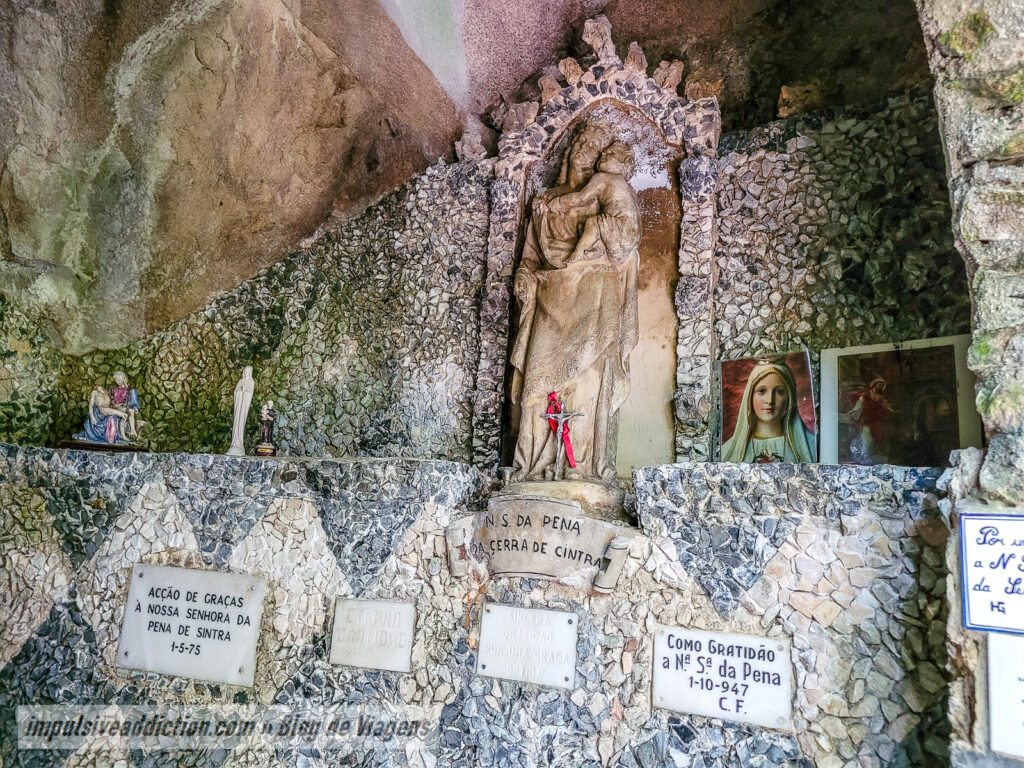
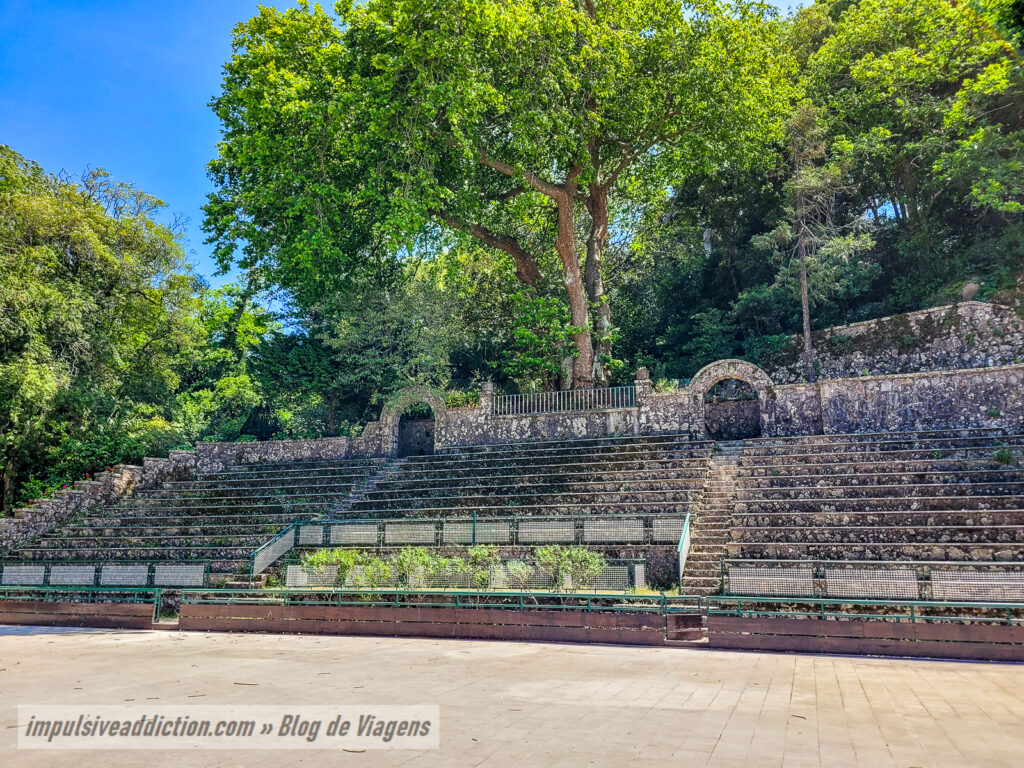
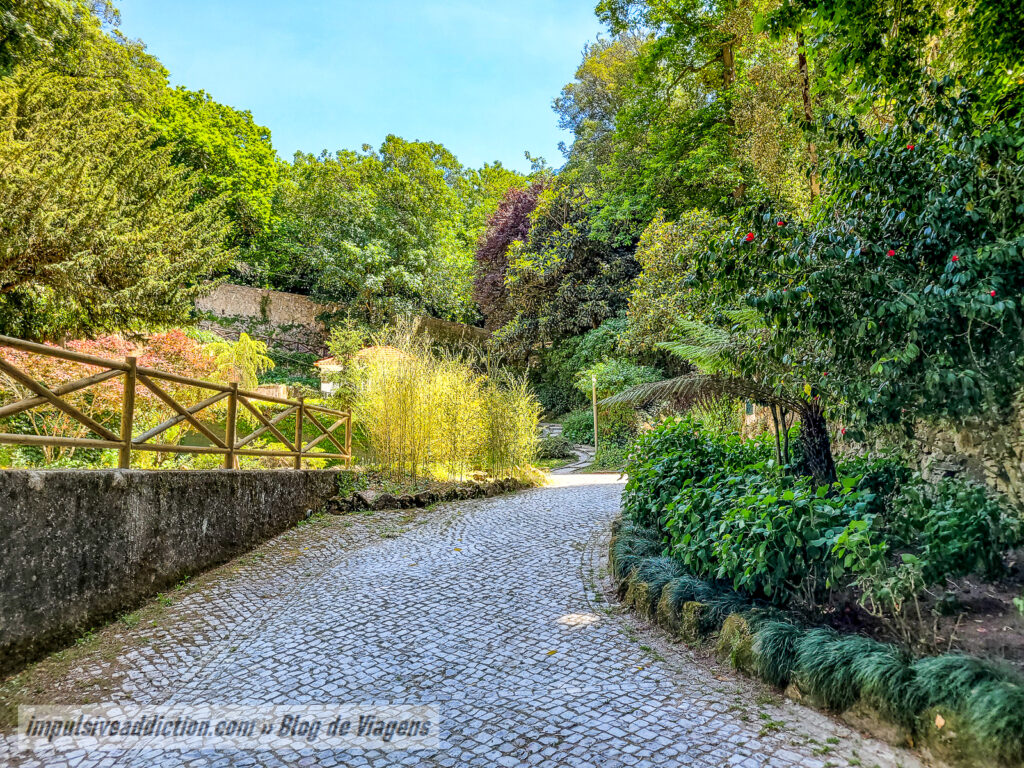
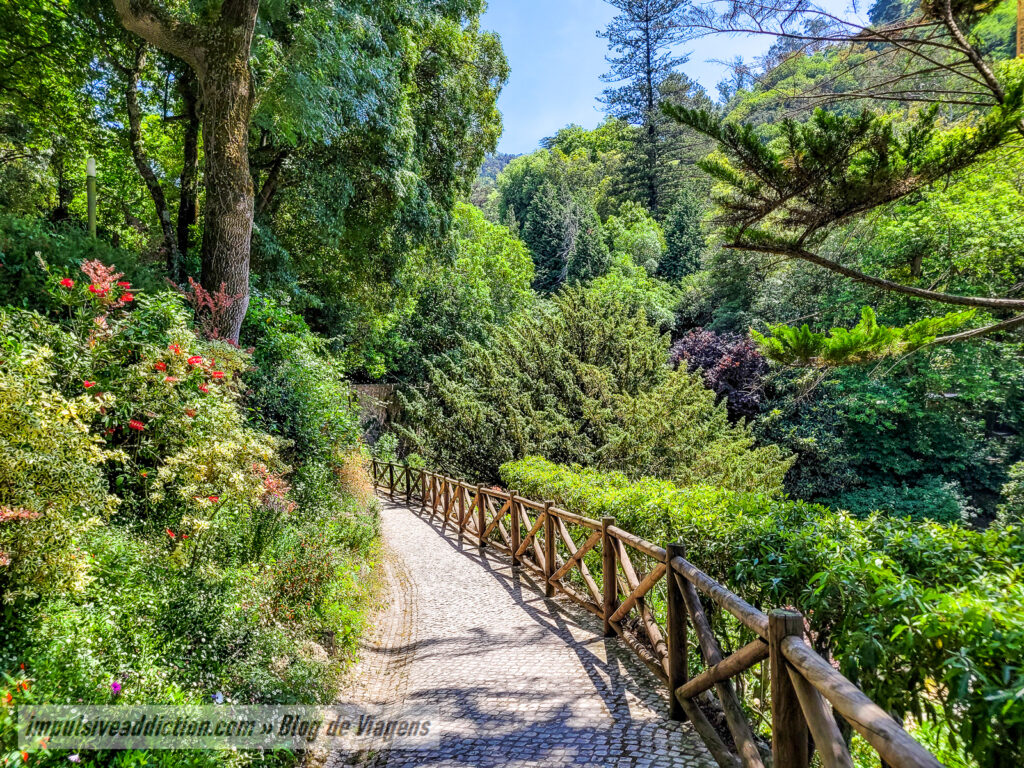
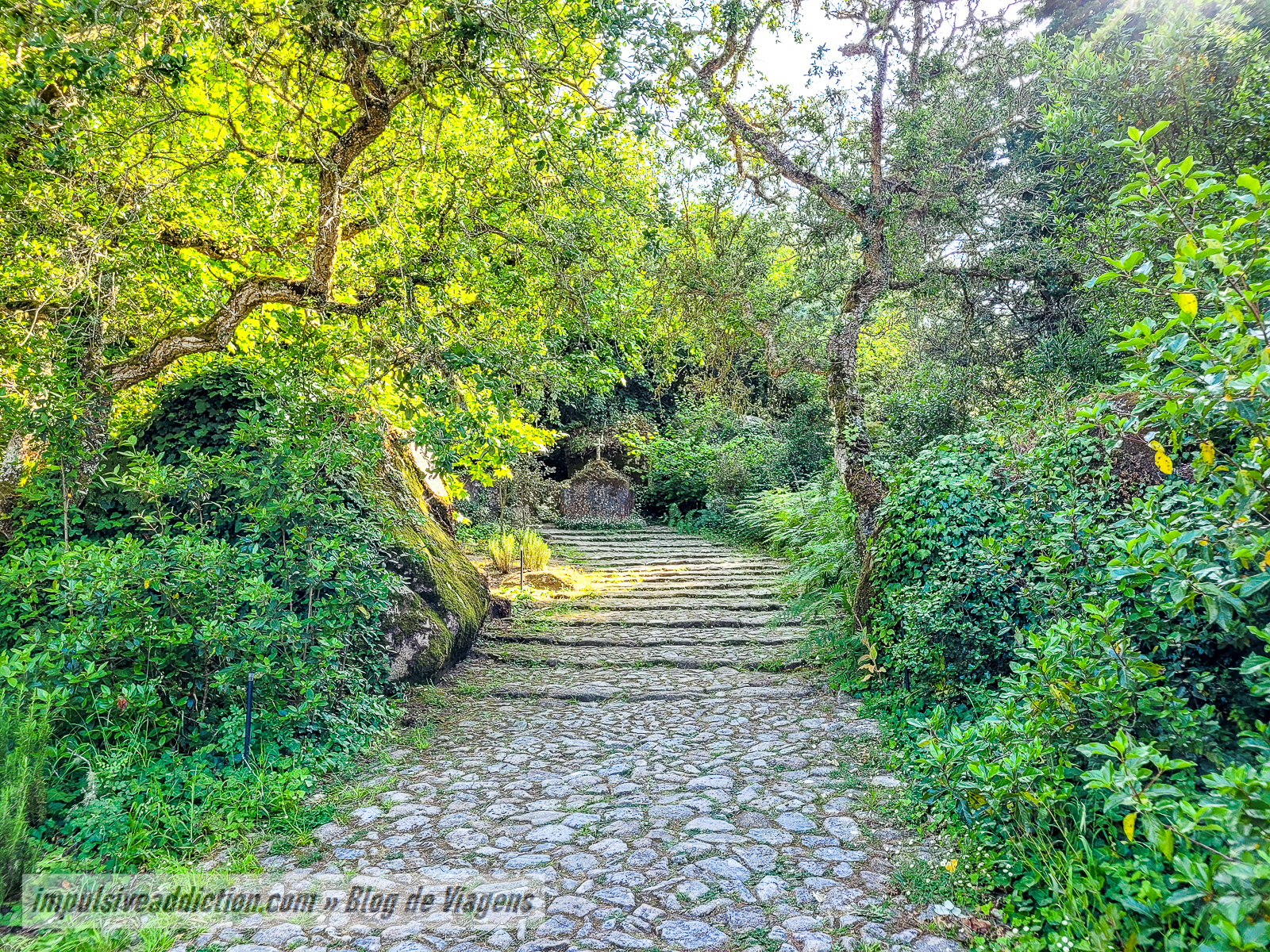
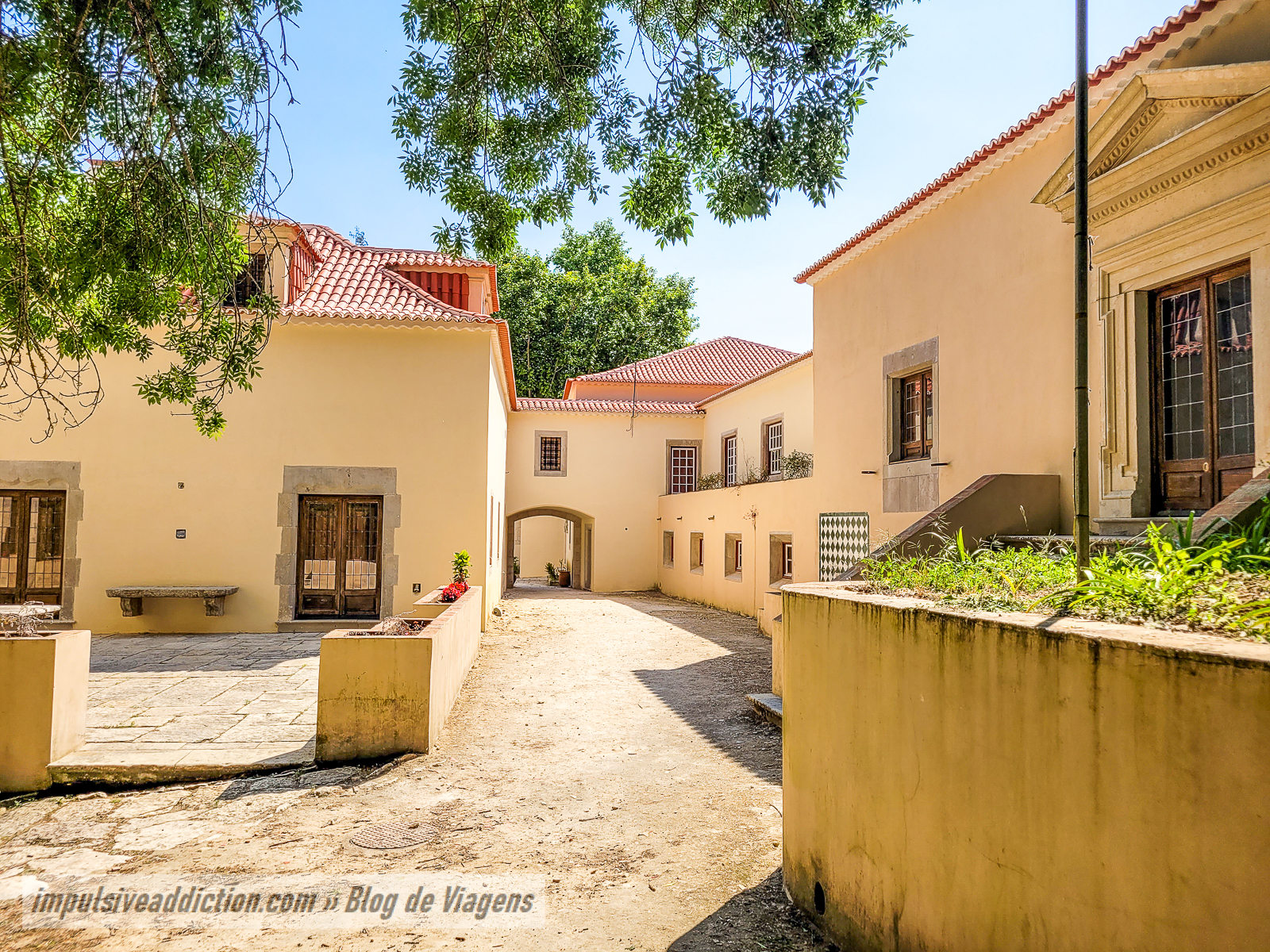
12. Capuchos Convent Park
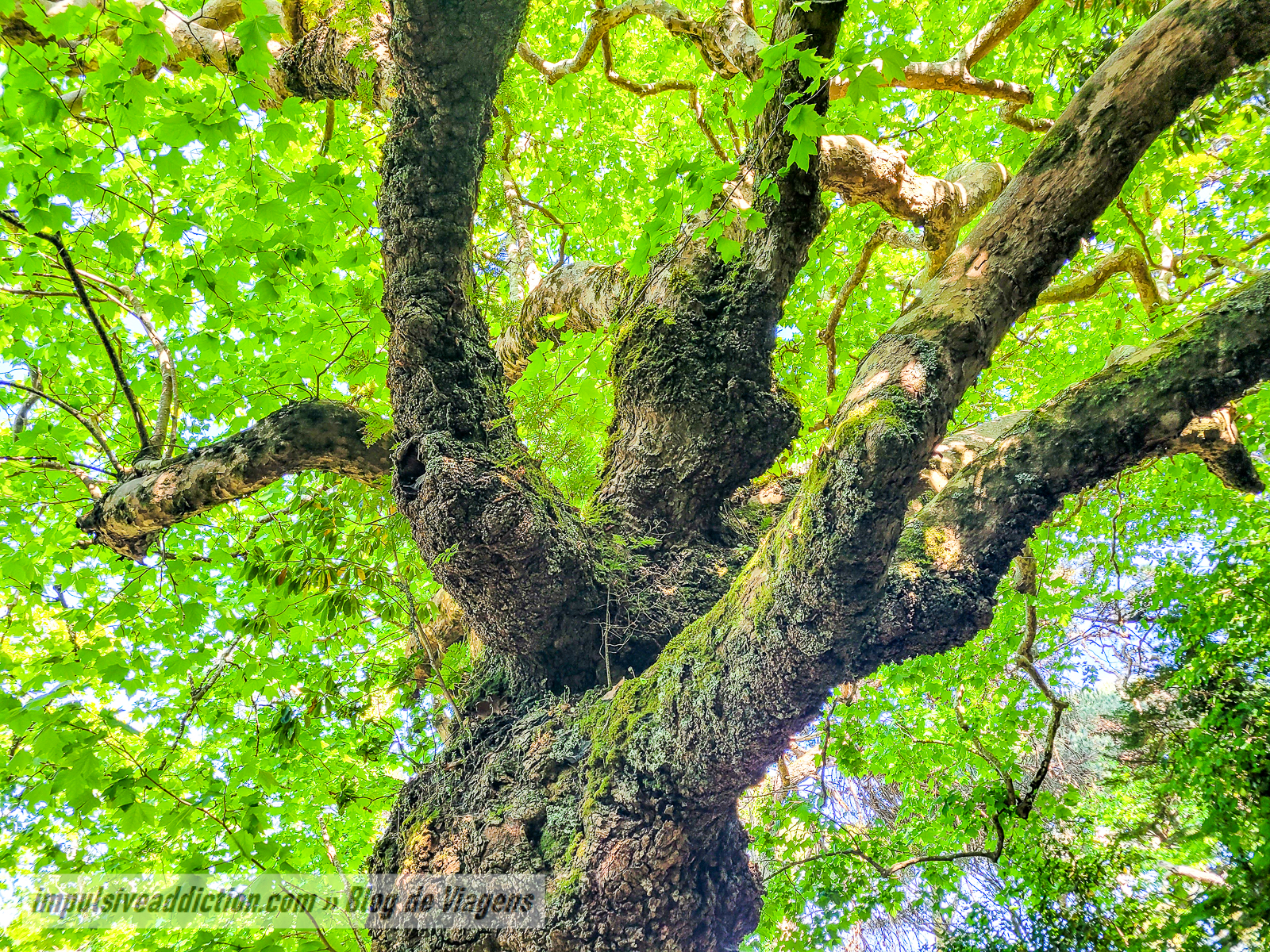
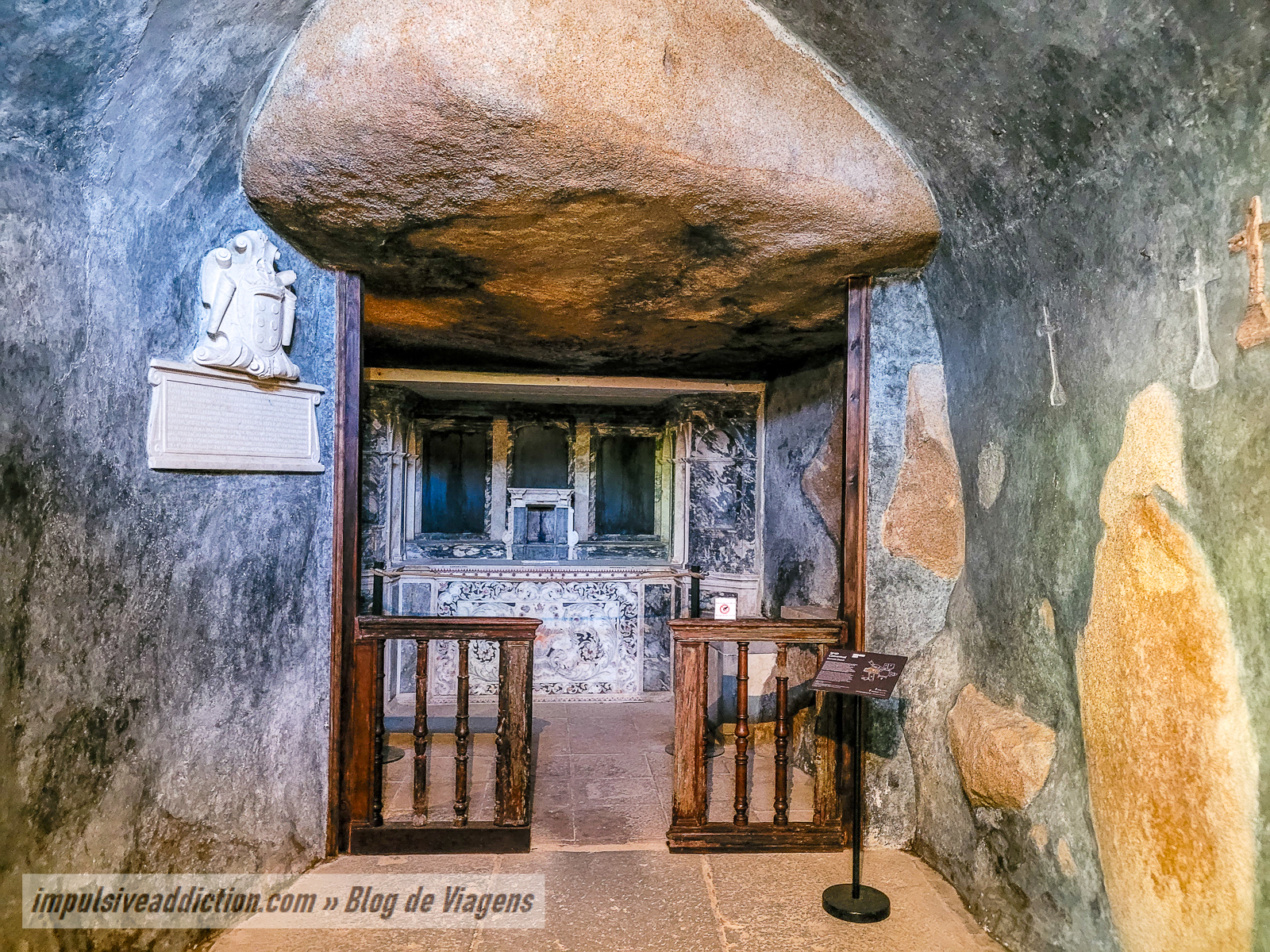
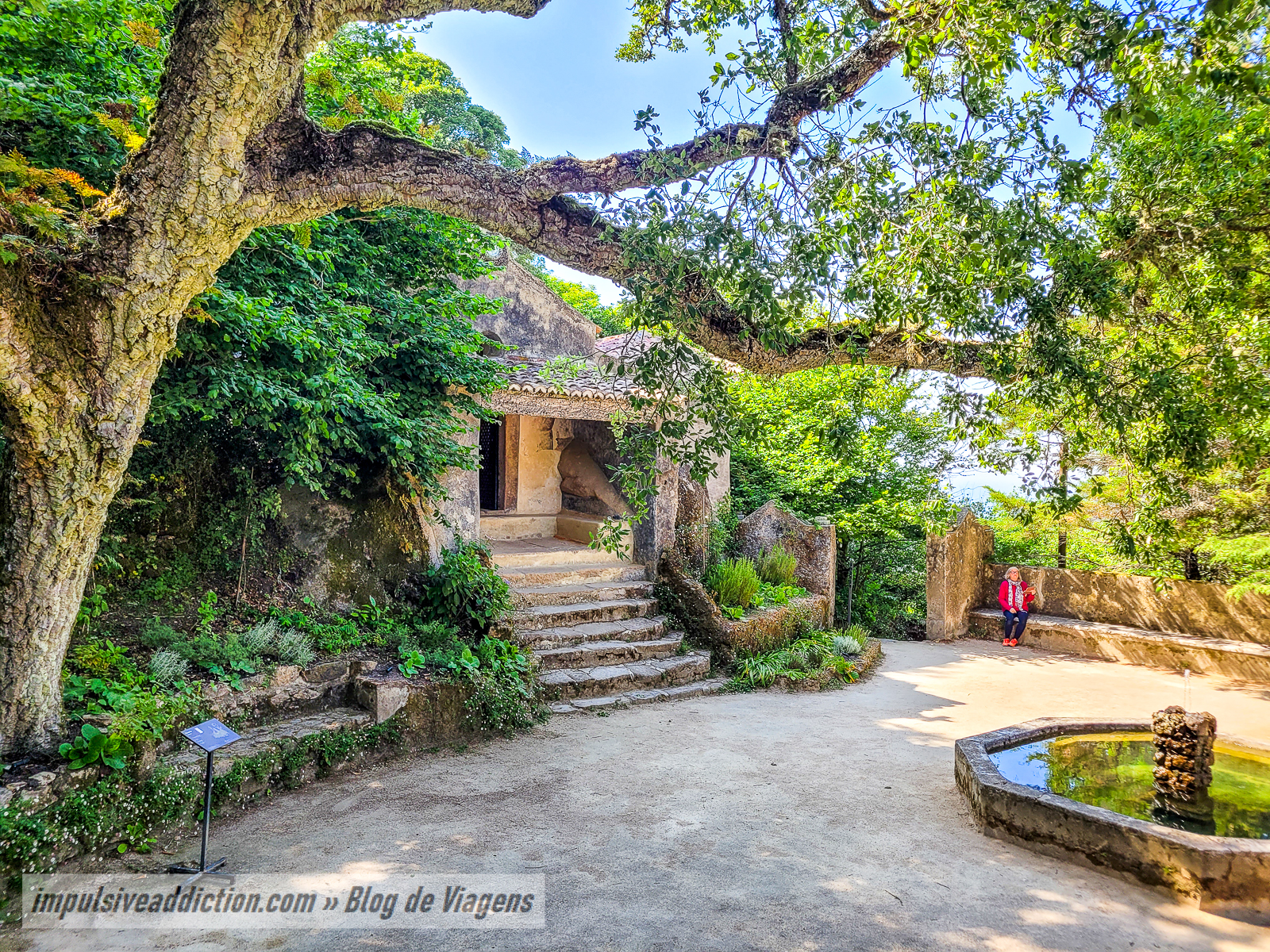
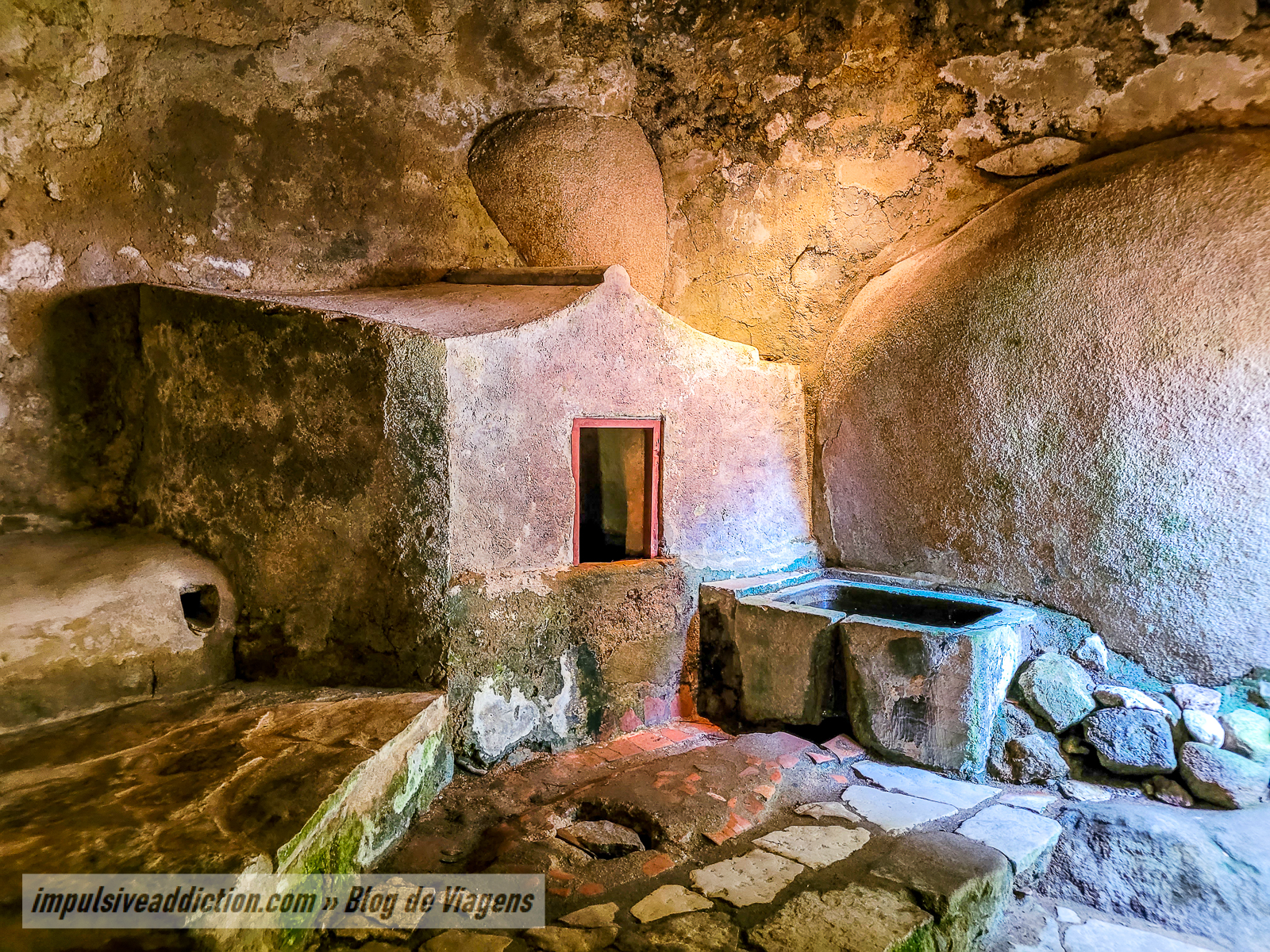
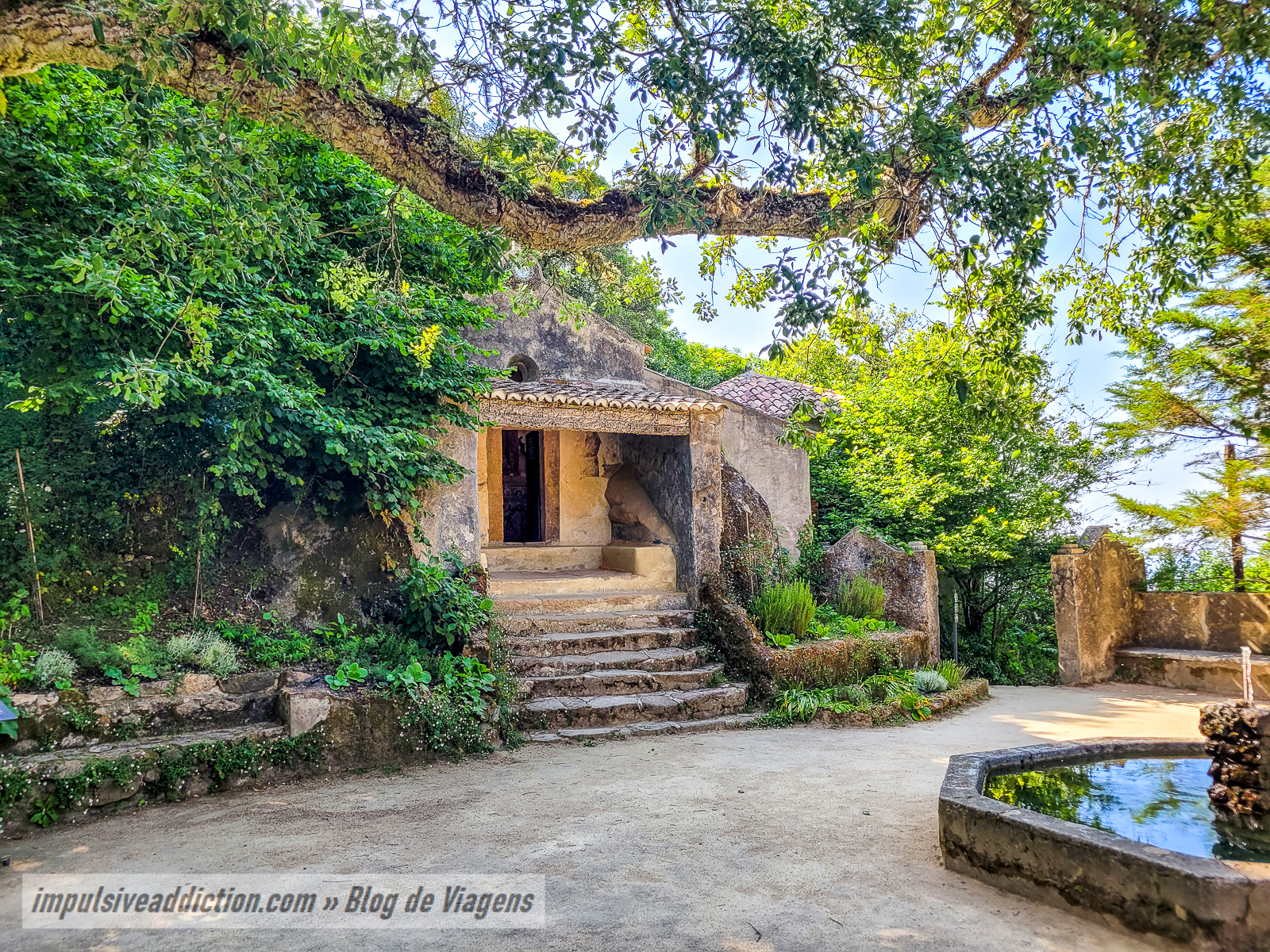
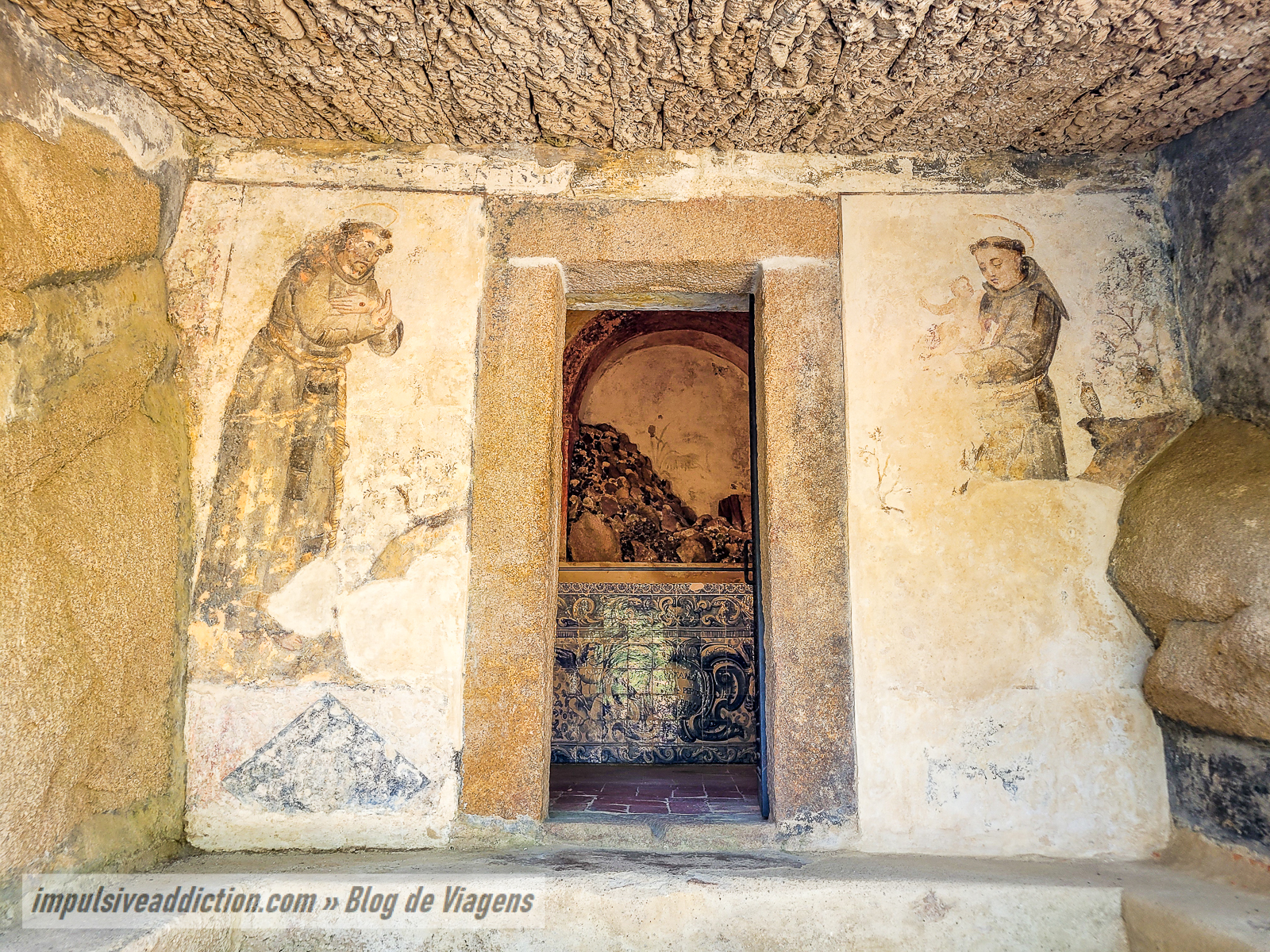
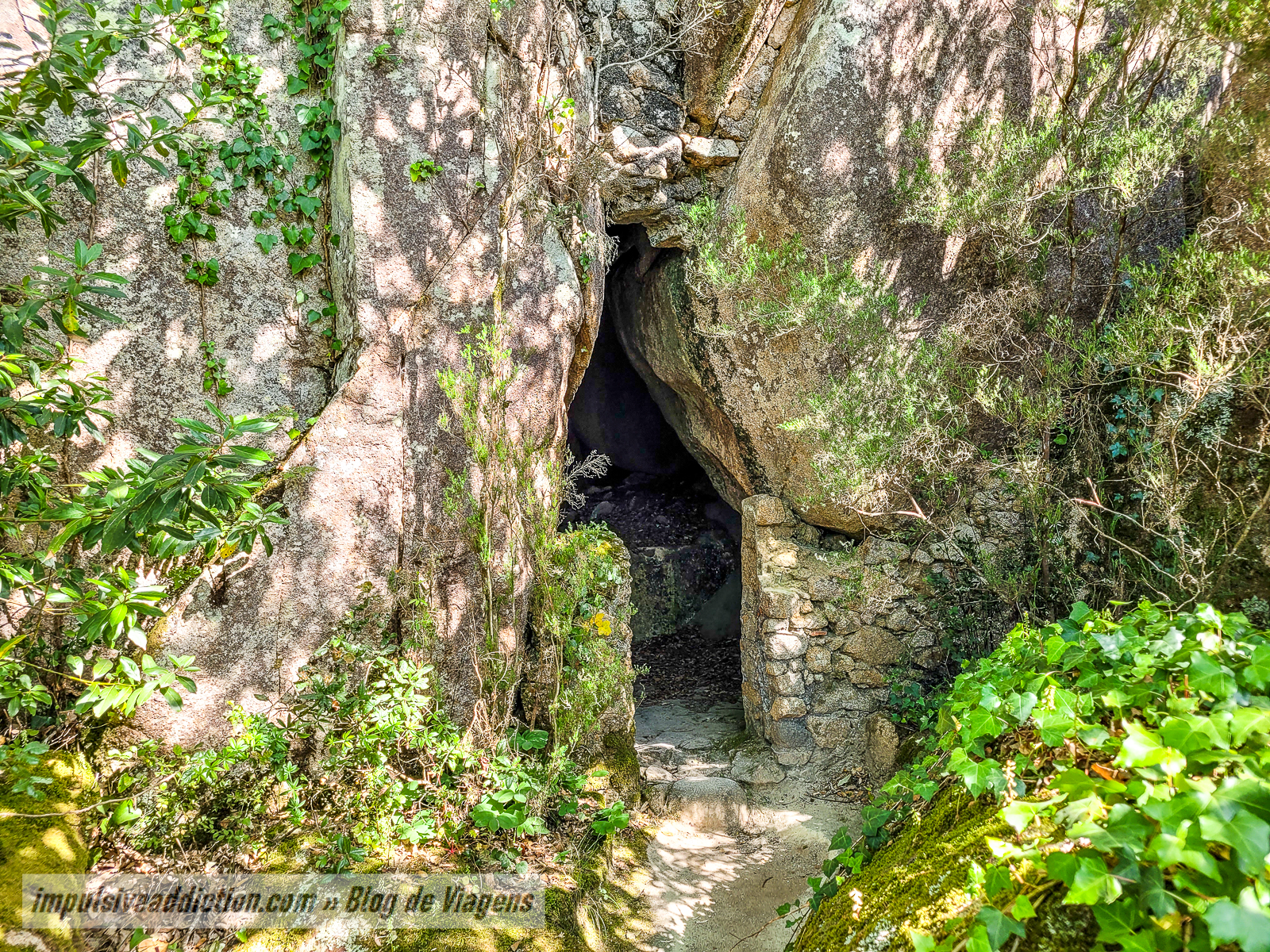
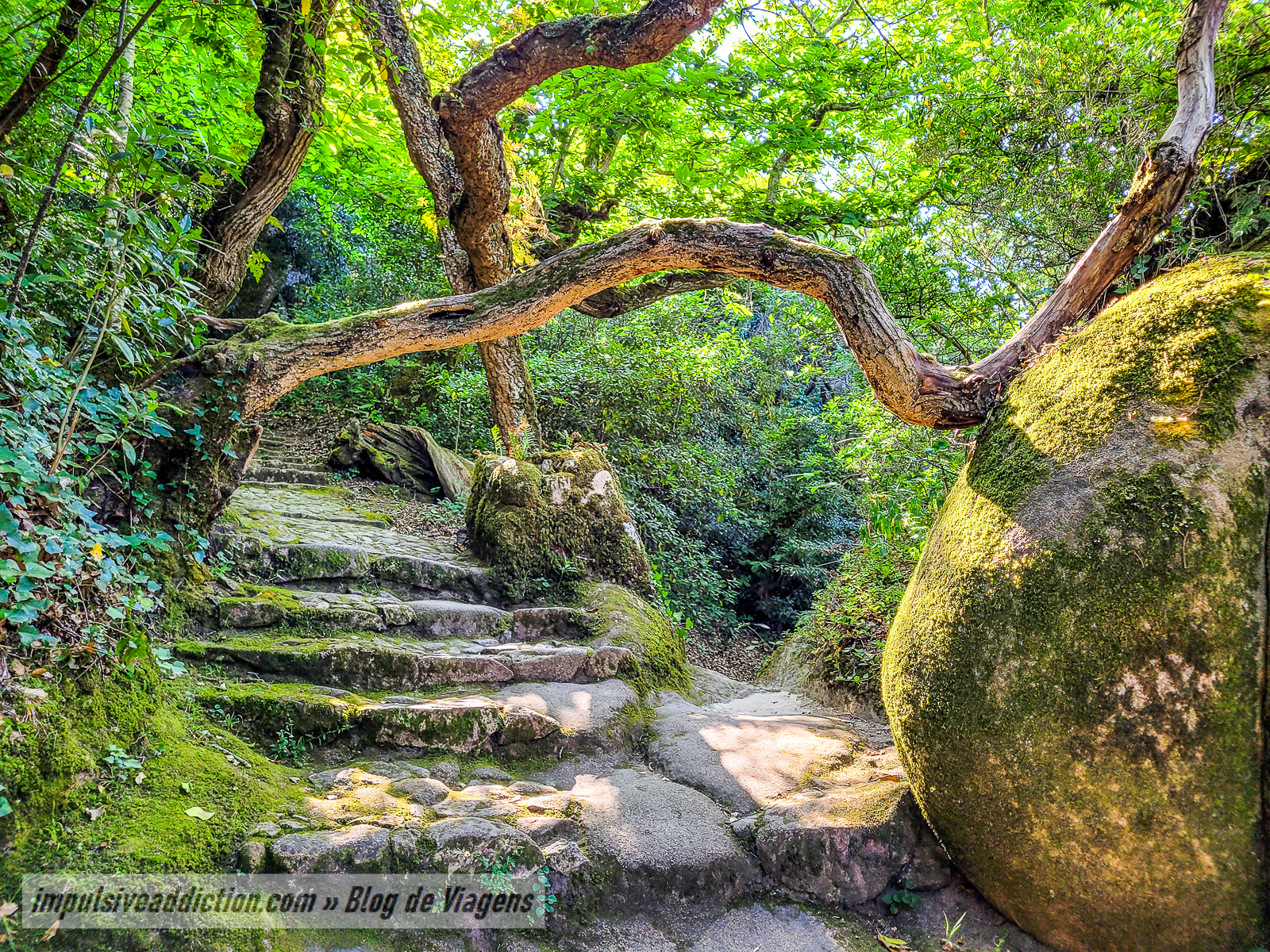
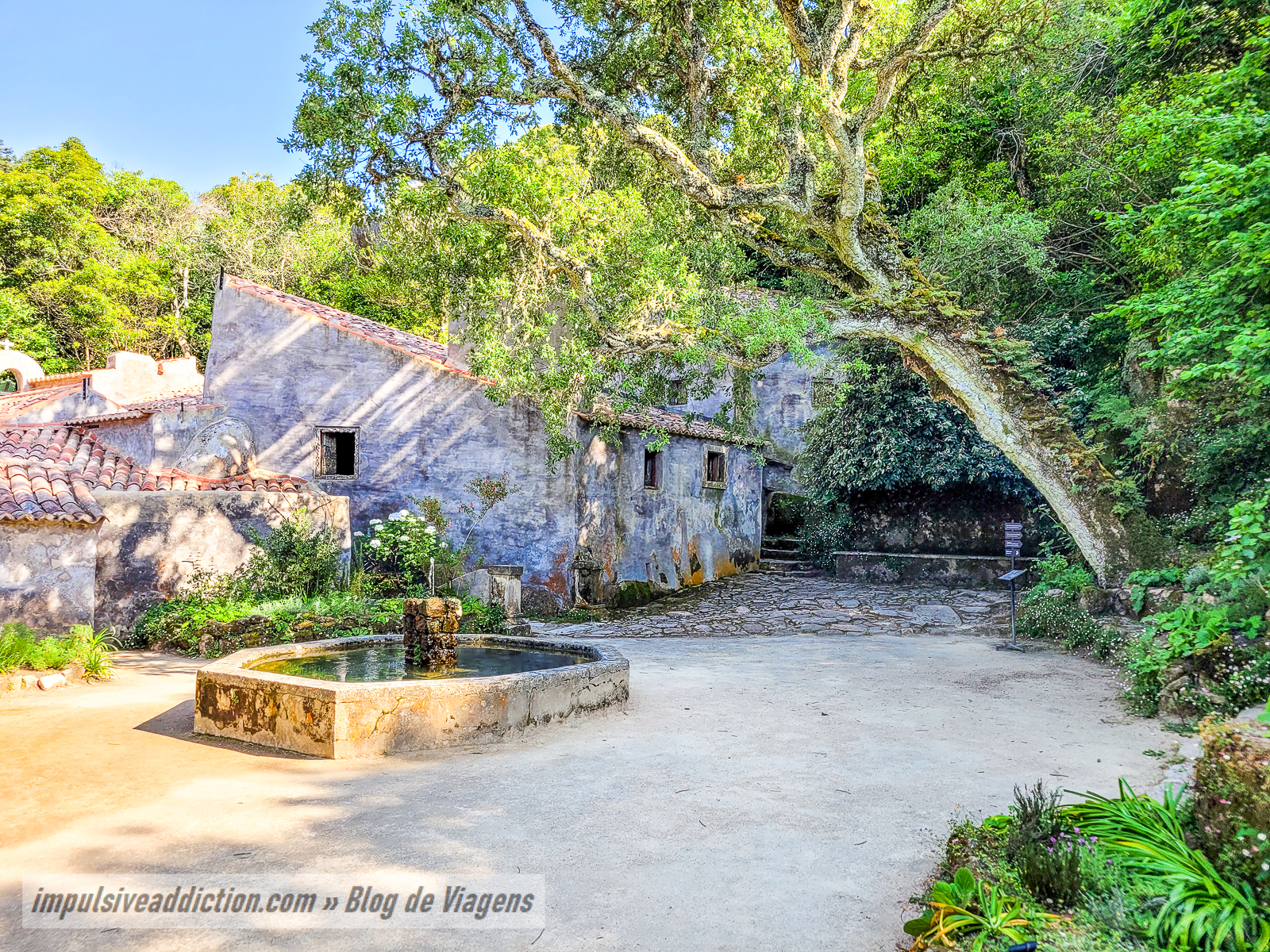
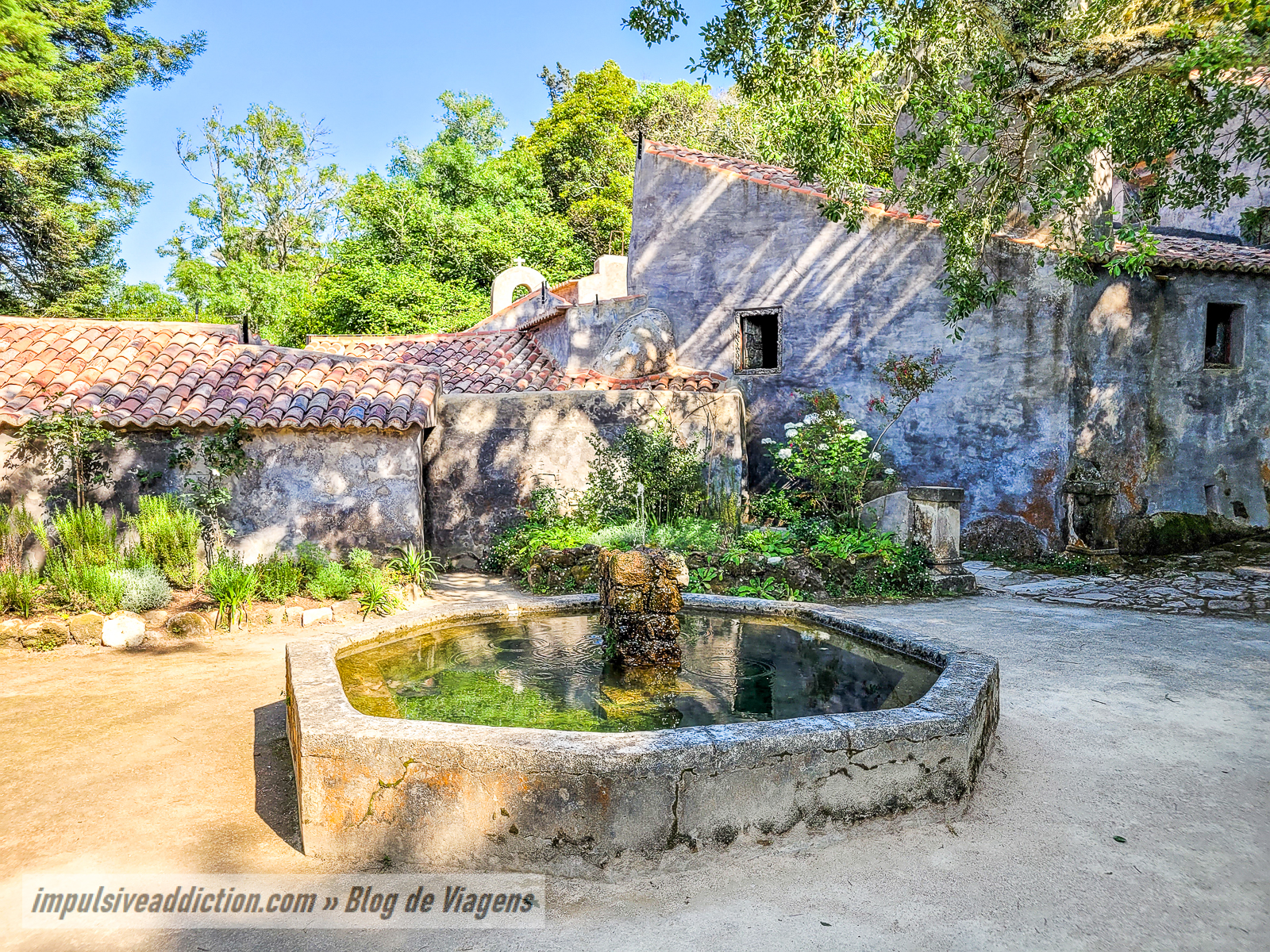
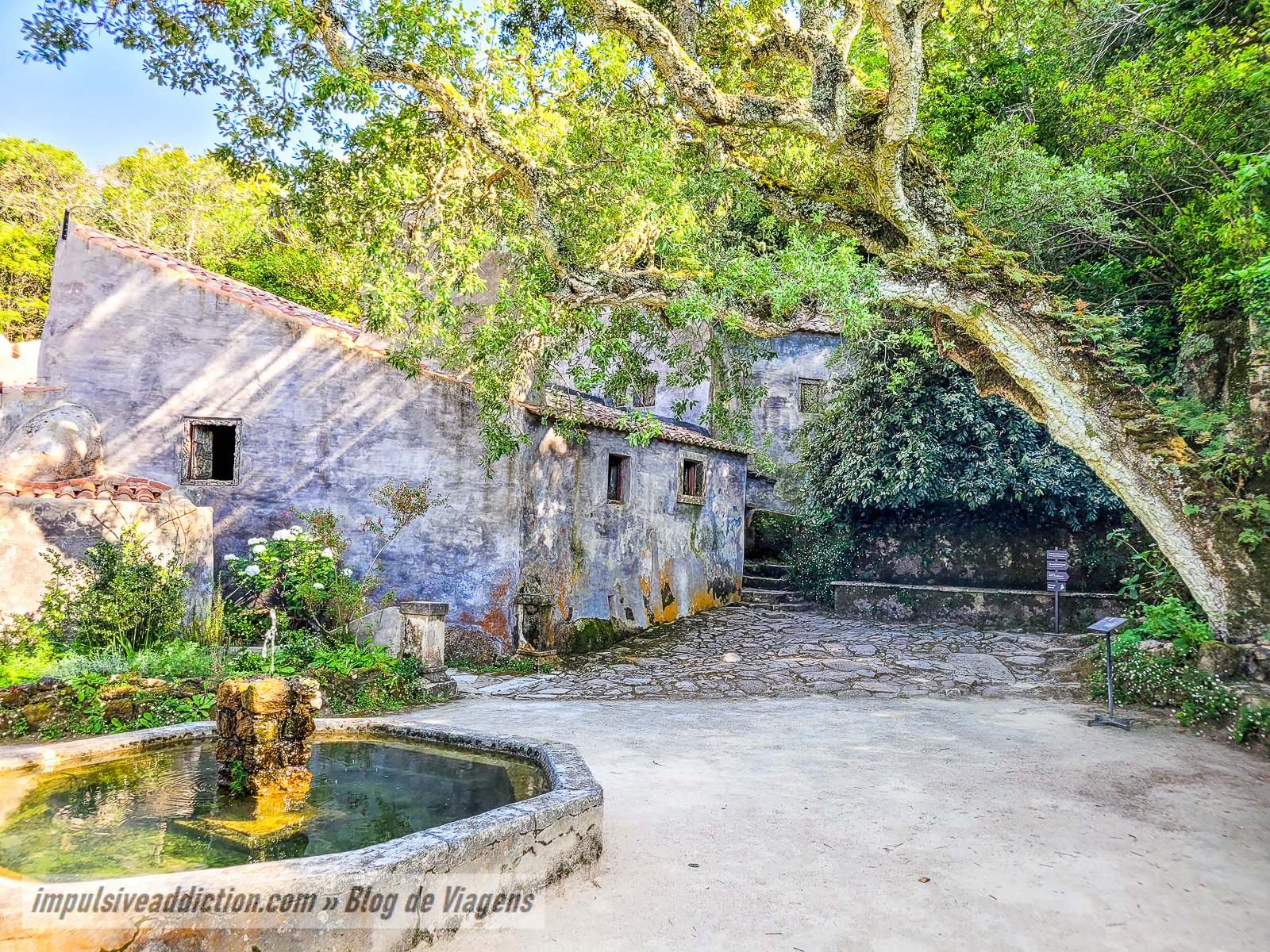
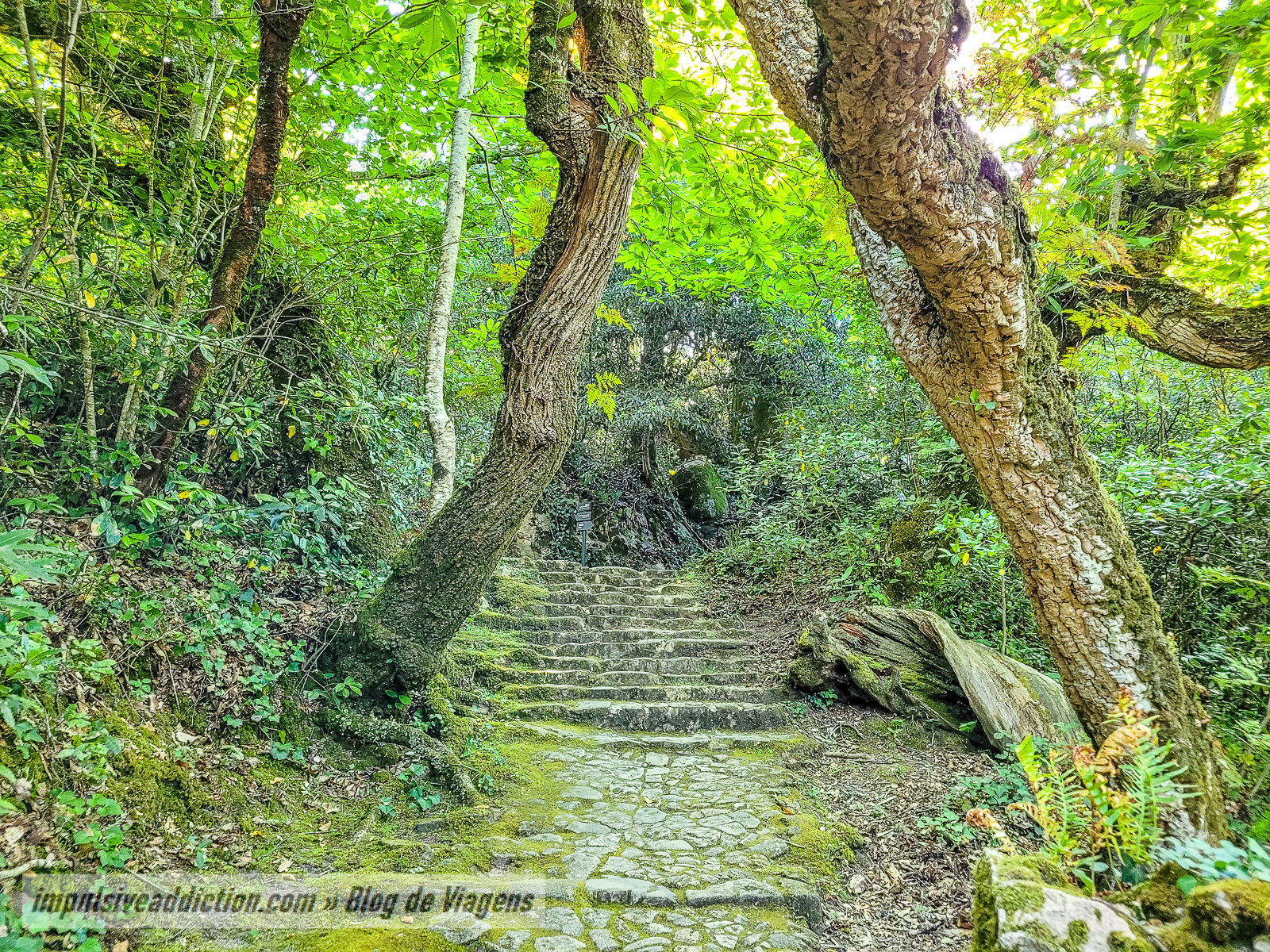
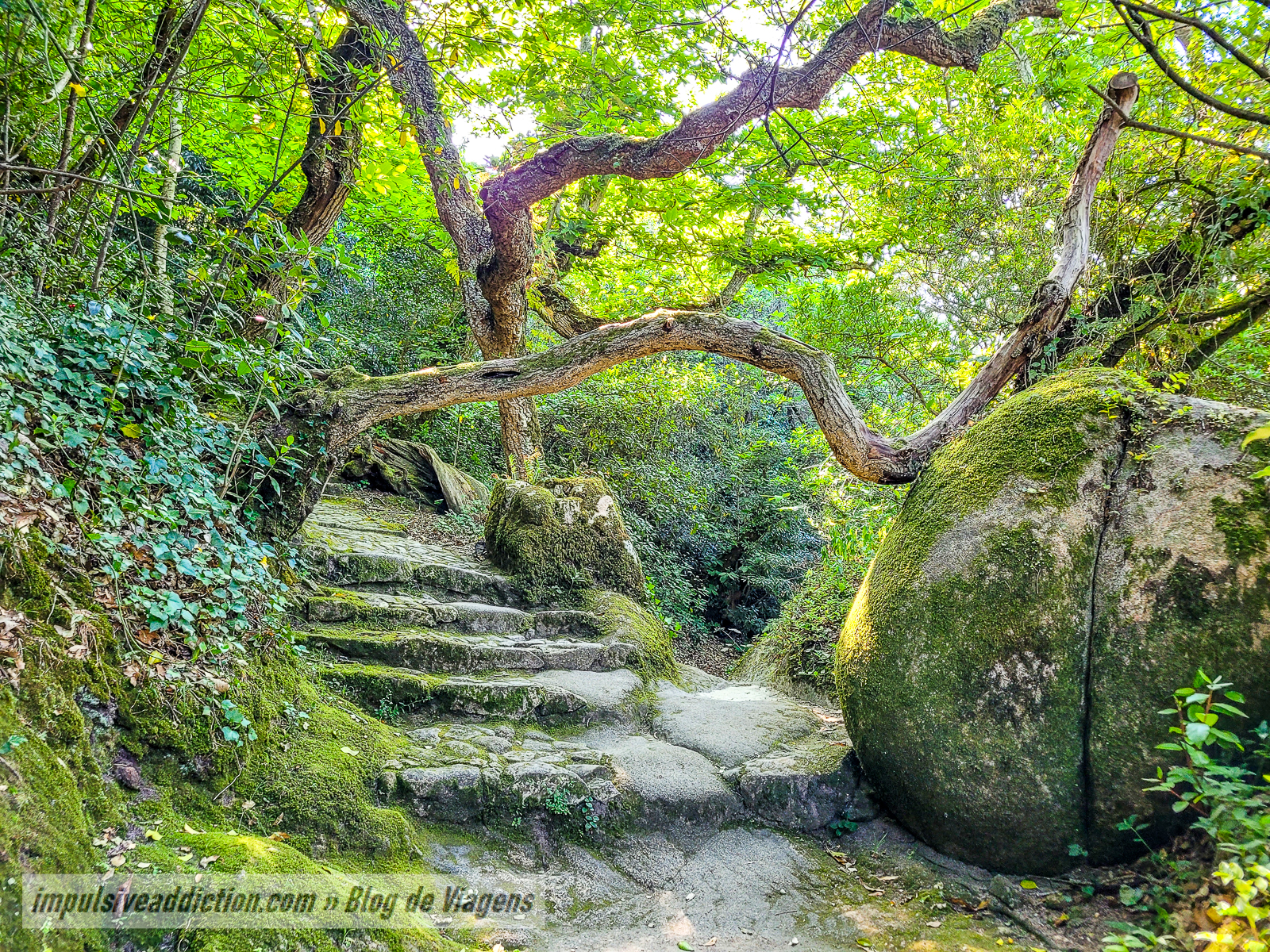
The Convent of the Capuchos is nestled deep within the Sintra mountains, and there’s no public transport to get there—at least not during my last visit. I had to drive myself.
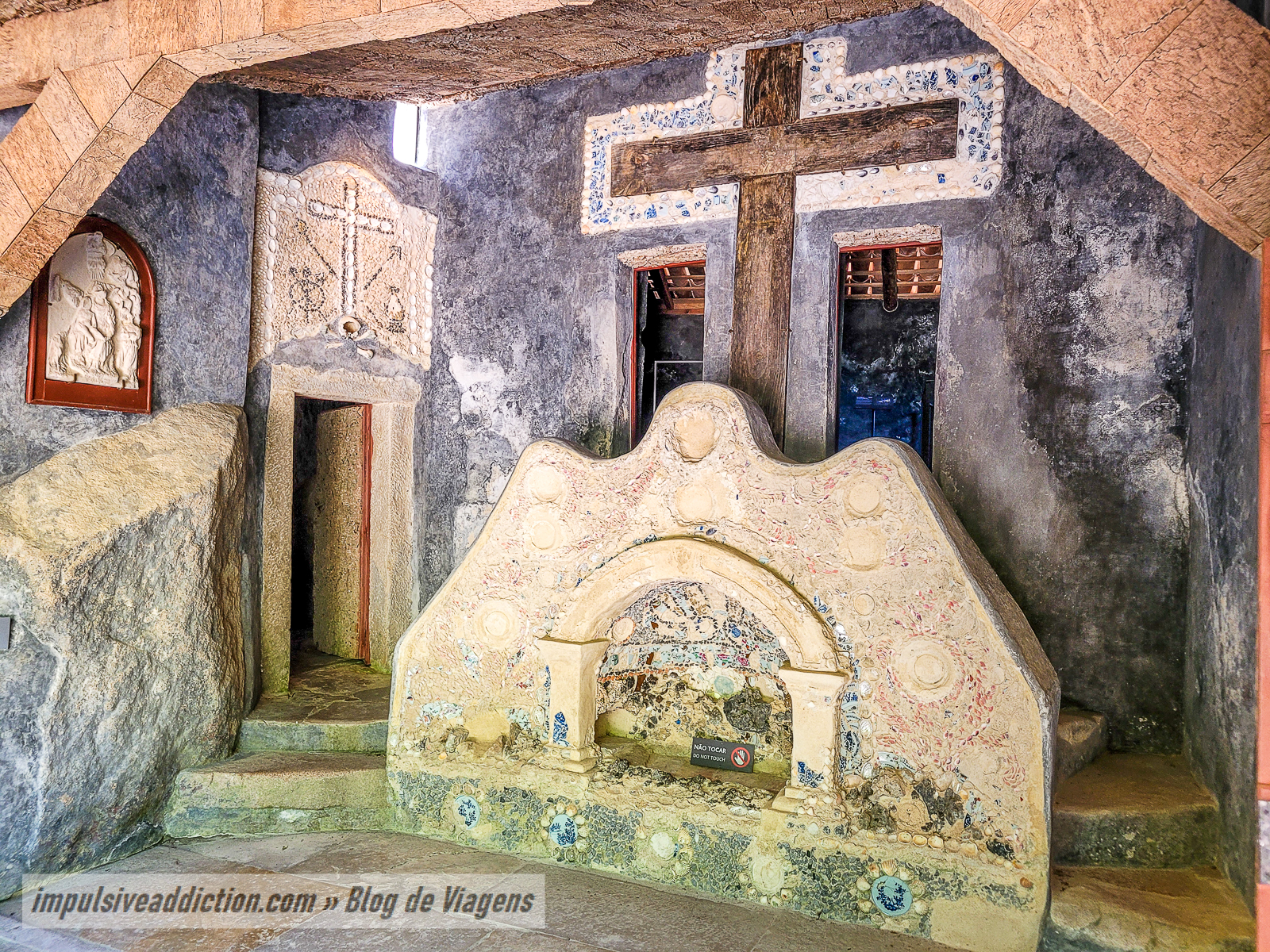
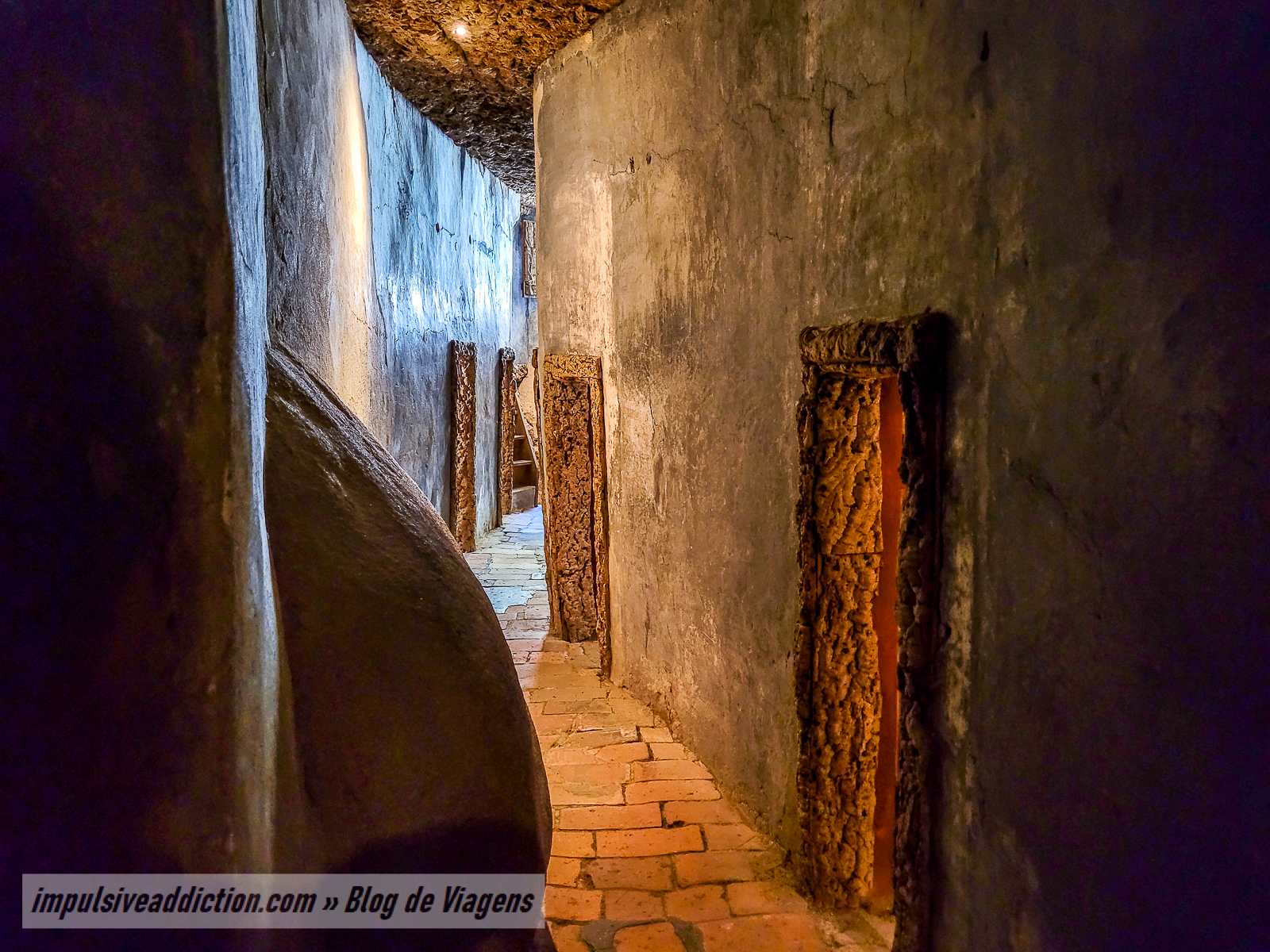
It’s a super peaceful place, usually with very few visitors, but it holds a fascinating history. The convent dates back to 1560, when D. Álvaro de Castro, a state counselor to King D. Sebastião, chose this remote spot to build a simple, humble temple dedicated to contemplation and introspection. Originally called the Convent of Santa Cruz of the Sintra Mountains, it followed the rules of the Franciscan Order.
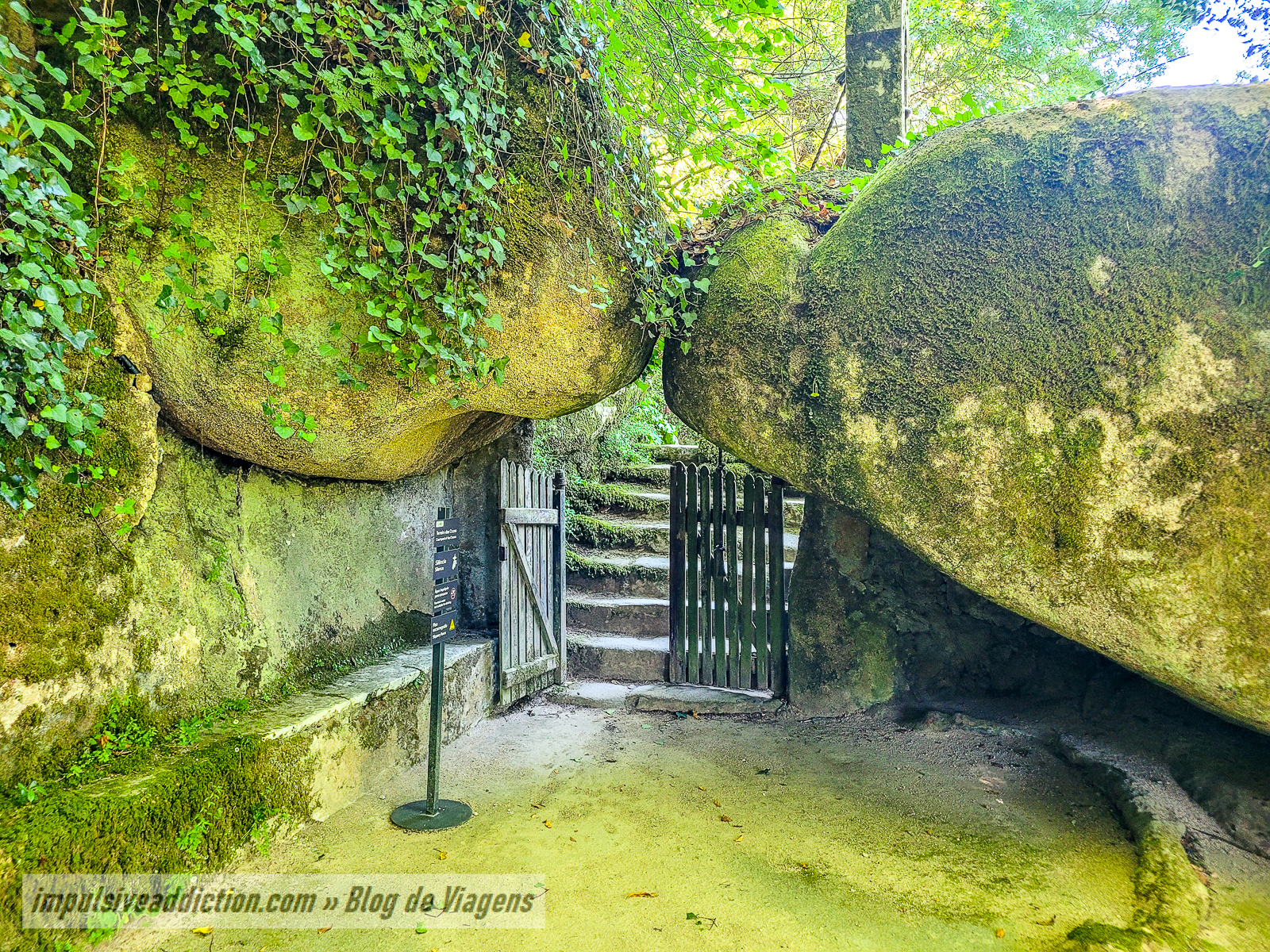
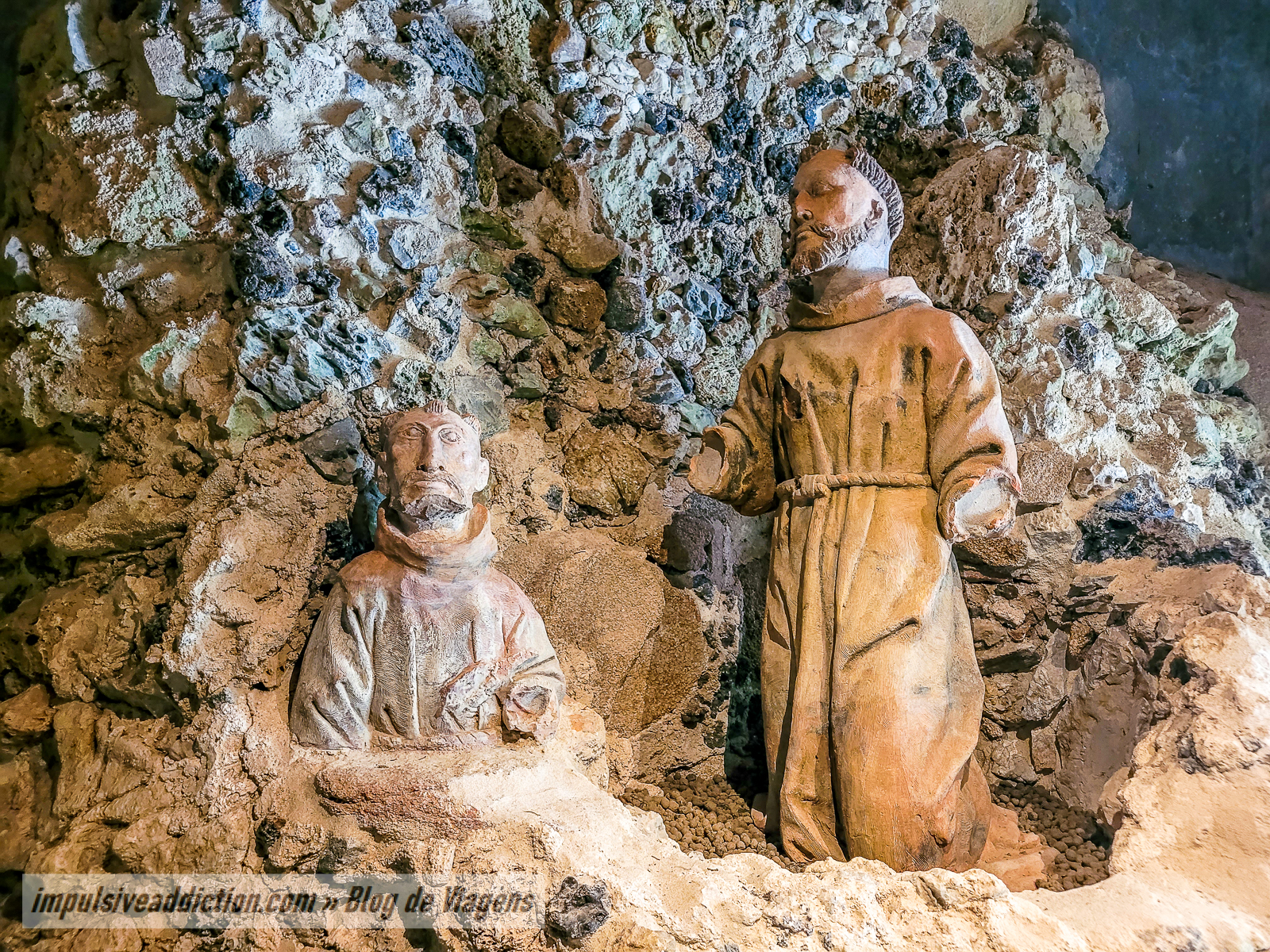
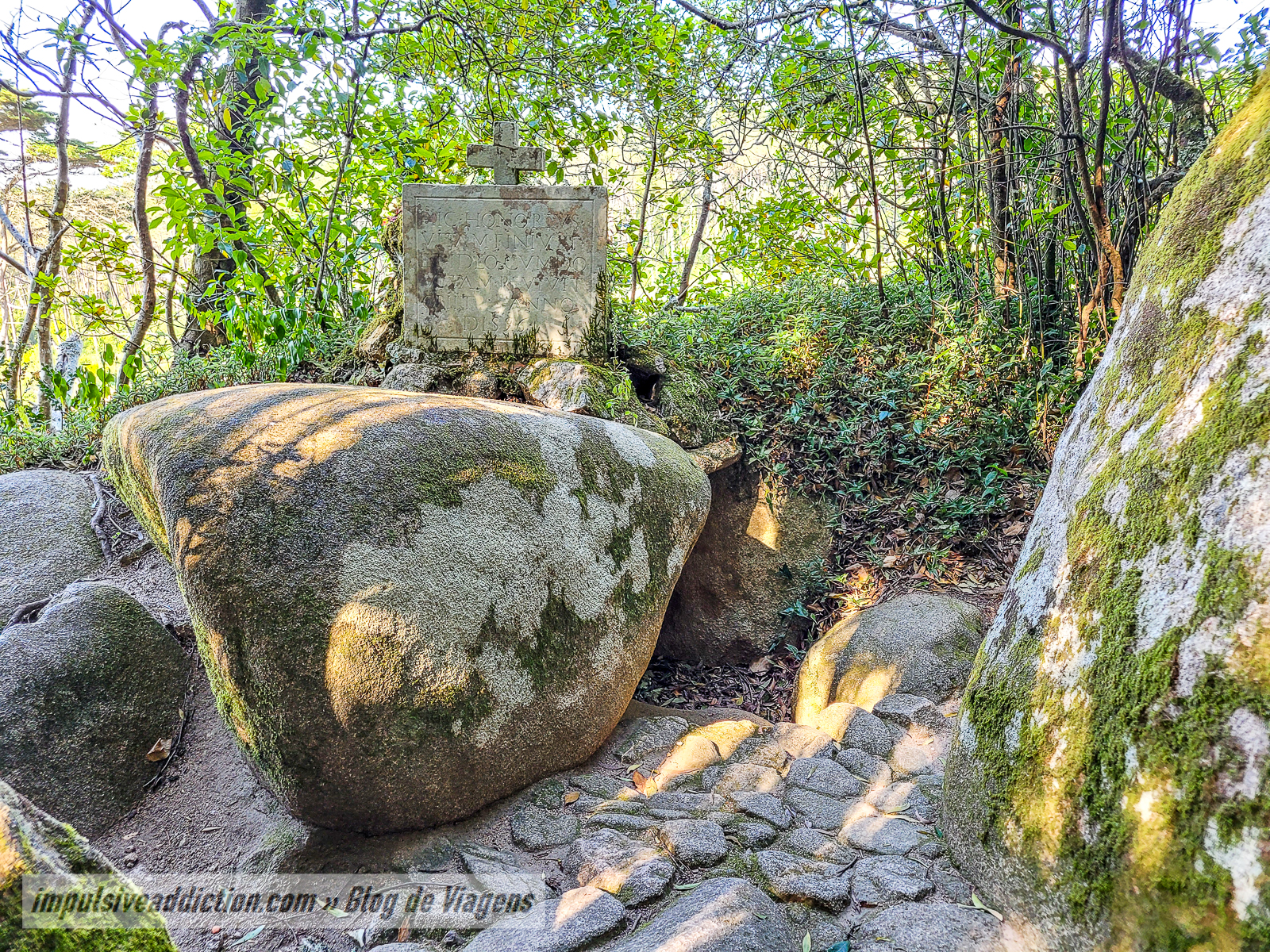
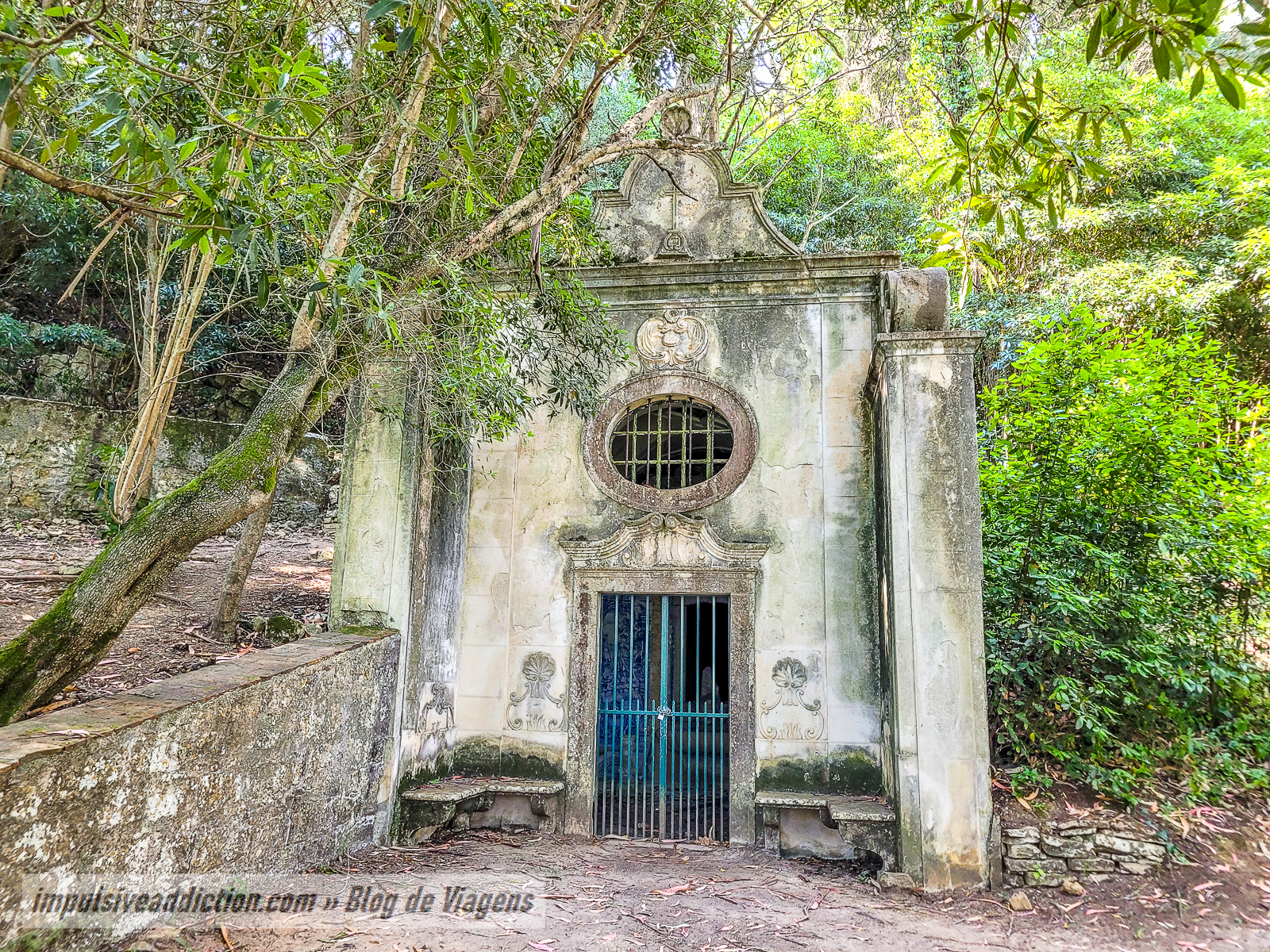
The convent was inhabited by Franciscan friars until the religious orders were dissolved in 1834. The most notable resident was Friar Honório, who, according to legend, spent the last decades of his life isolated on bread and water in a tiny grotto in the convent’s woods after falling into temptation. You can actually visit this grotto during your walk through the park — it’s very small, really tiny! 😉
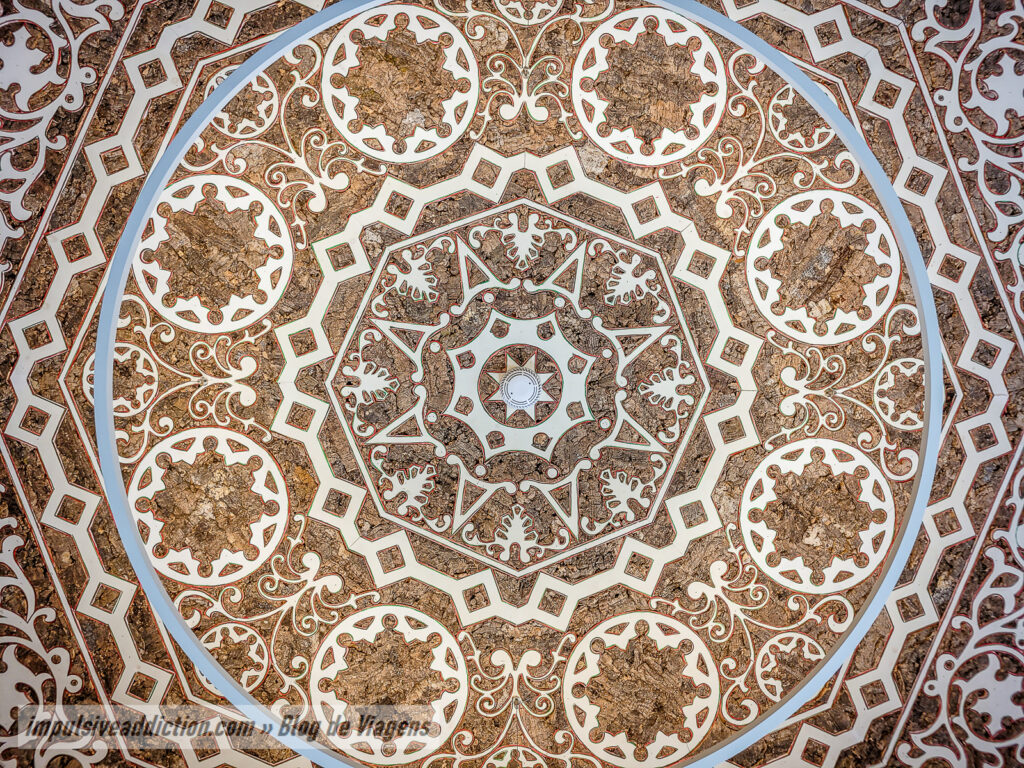
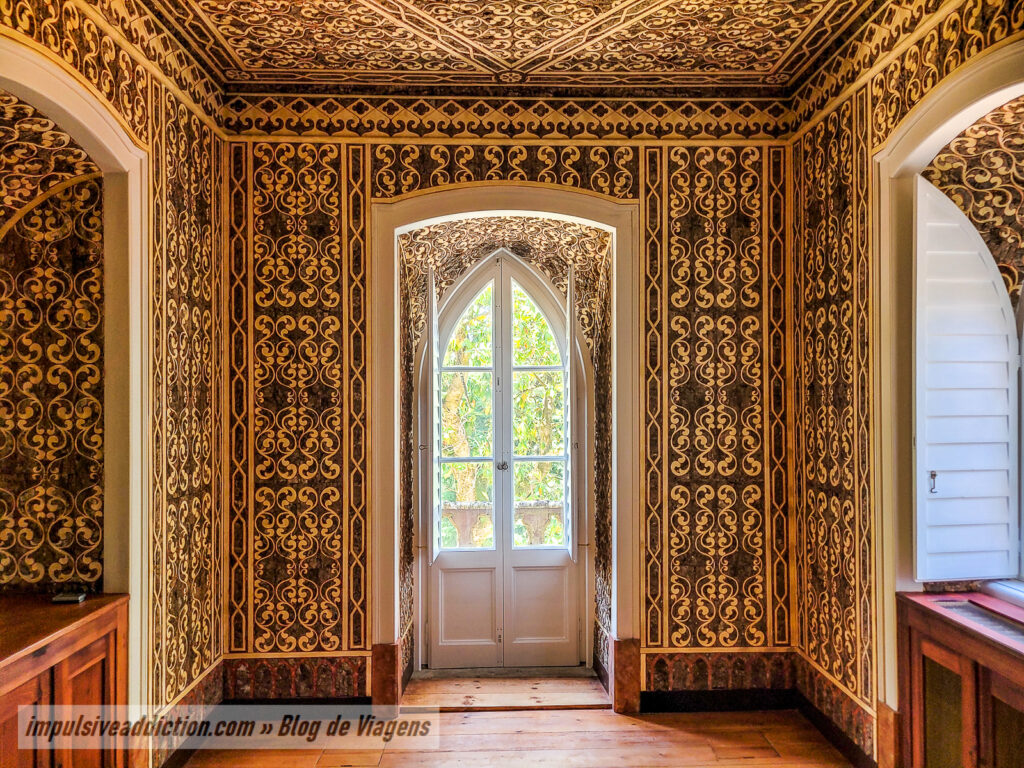
The convent is also known as the Cork Convent, because much of its decoration is made from cork.
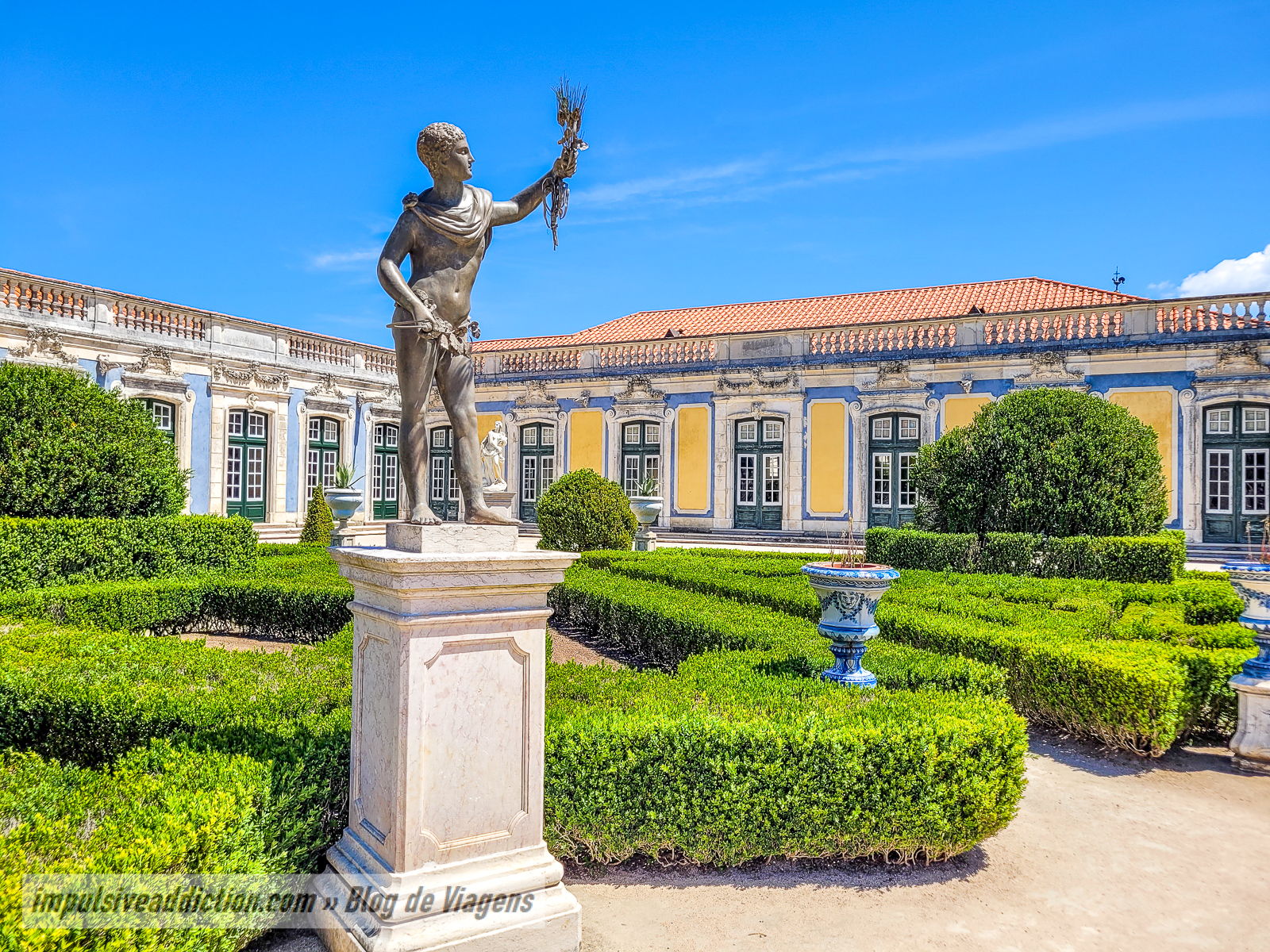
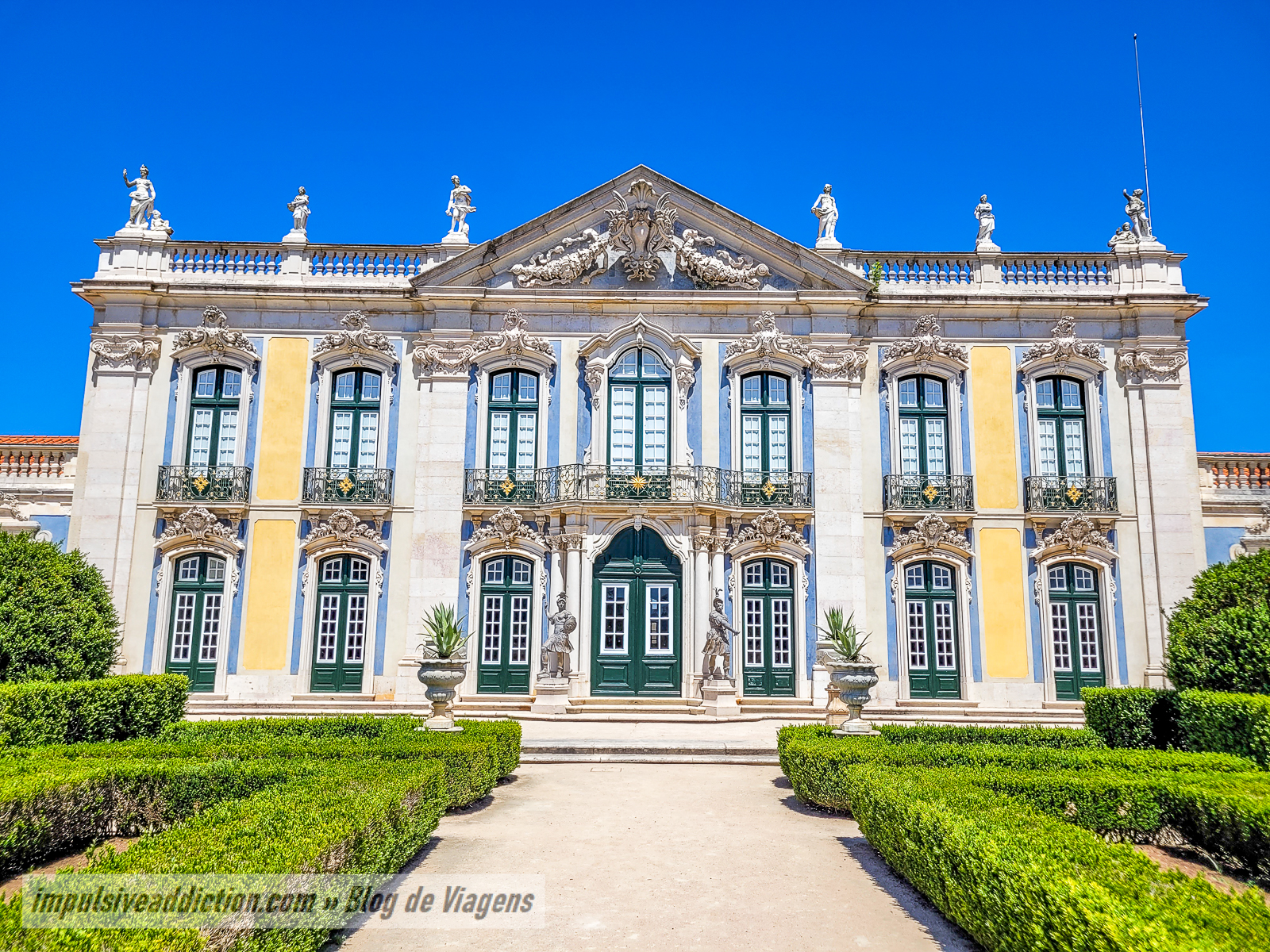
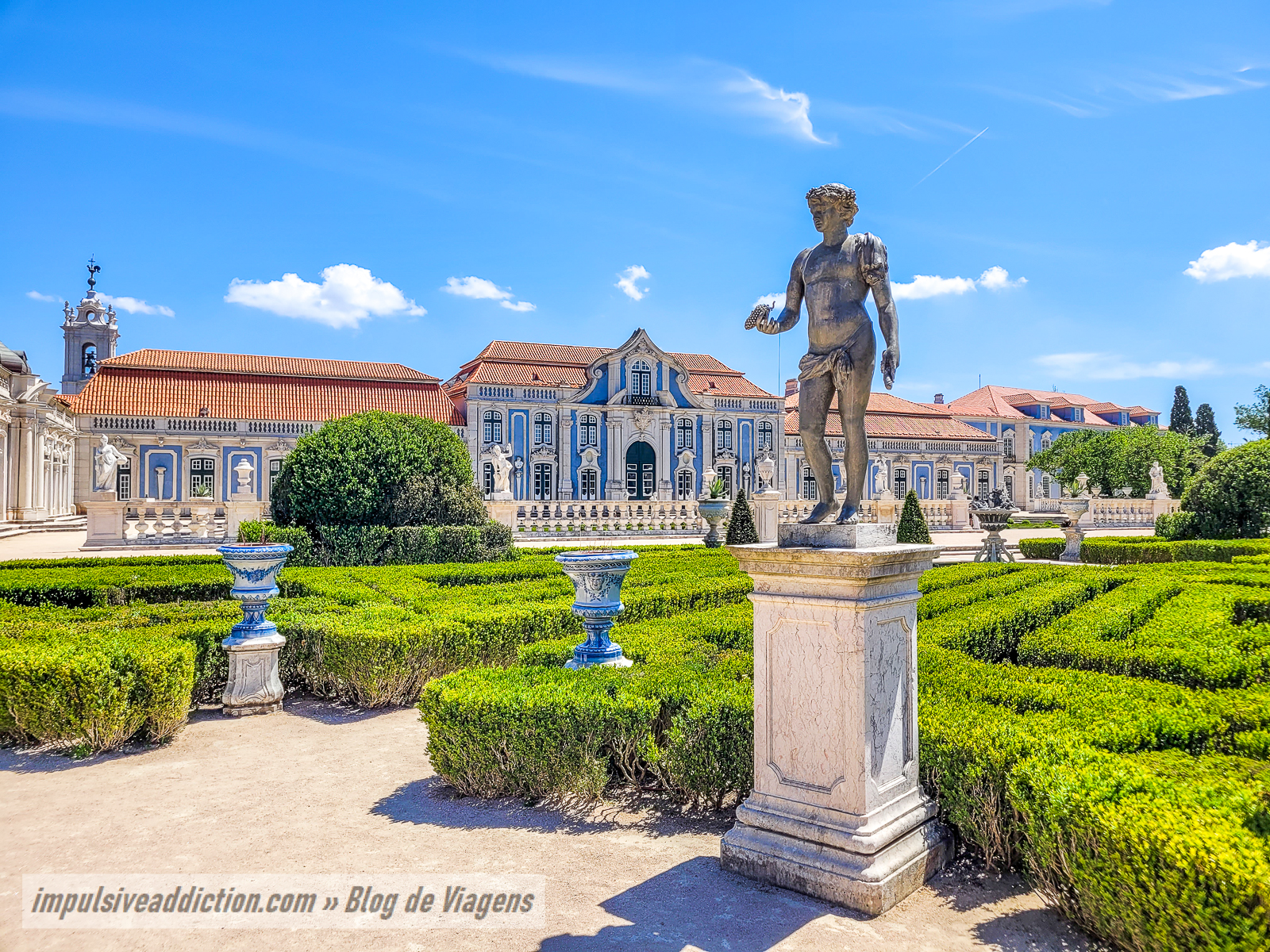
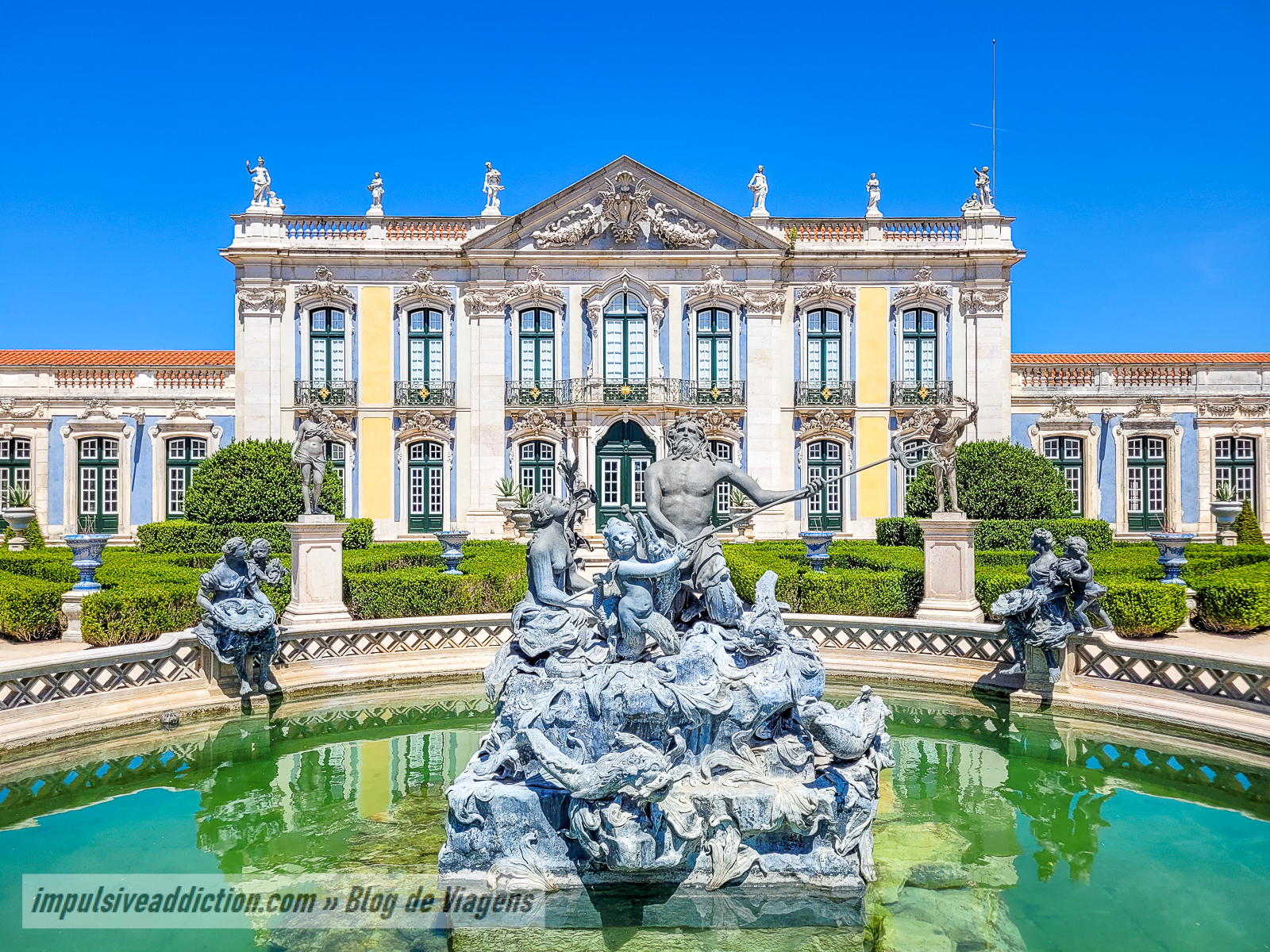
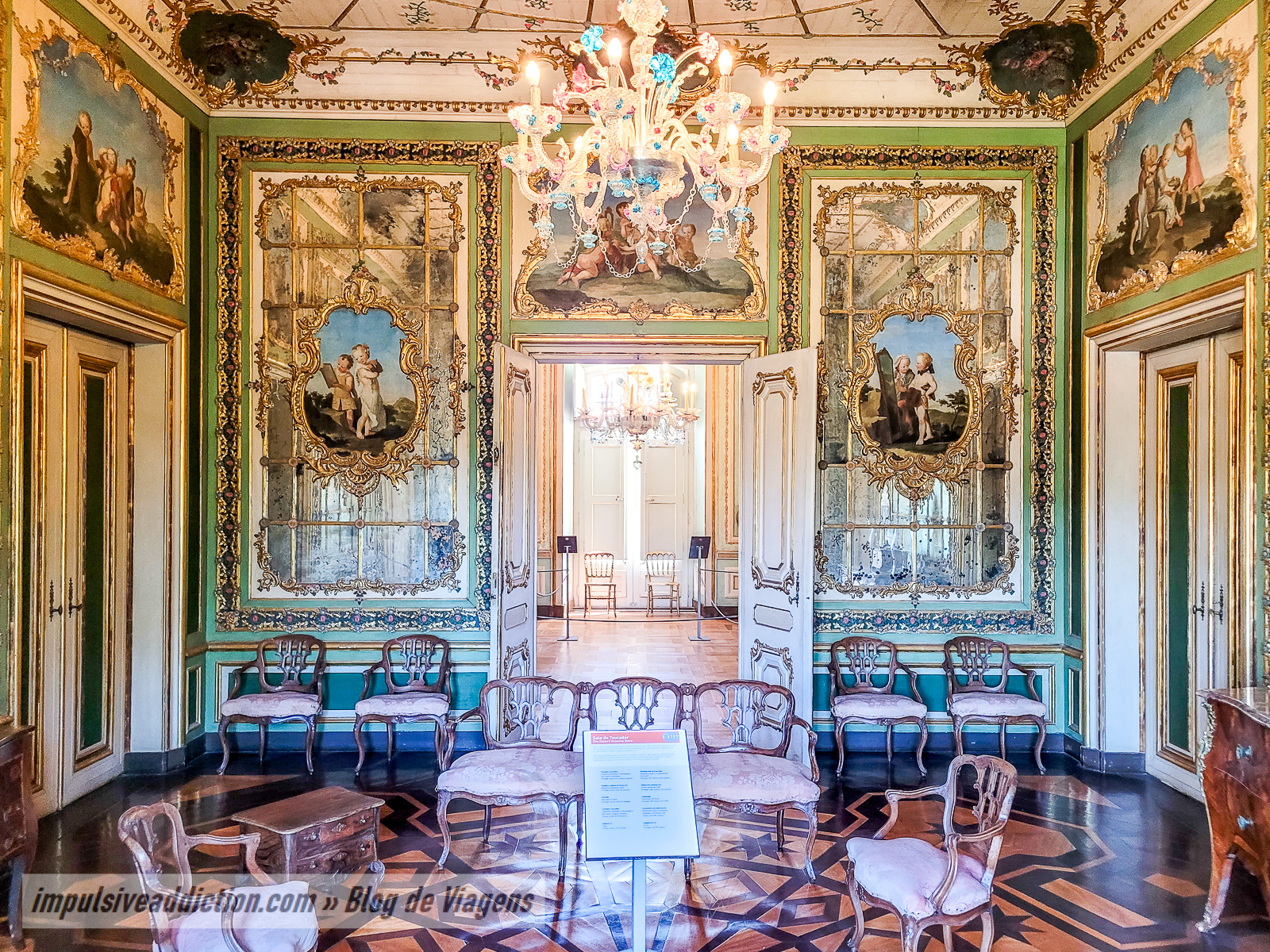
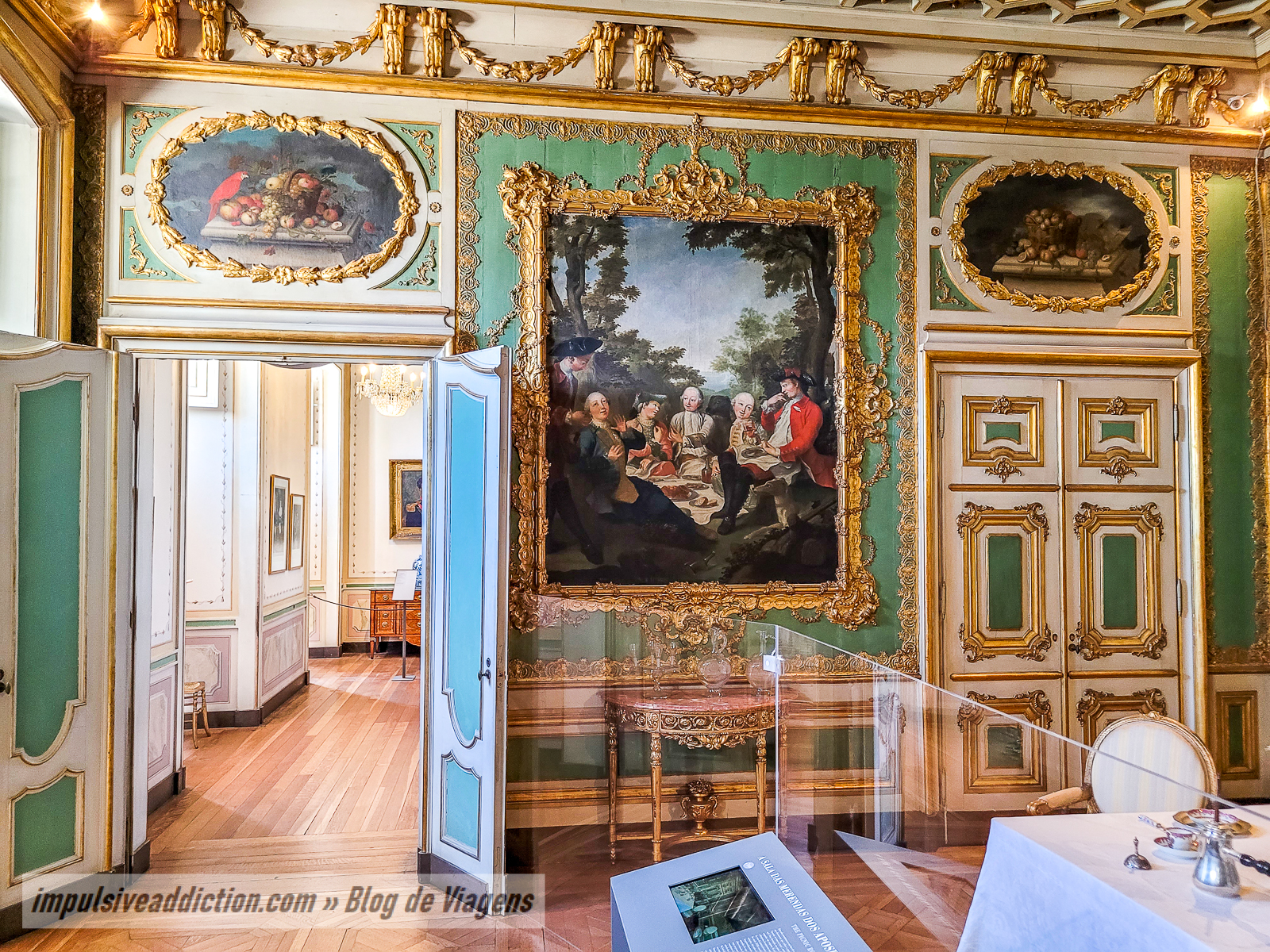
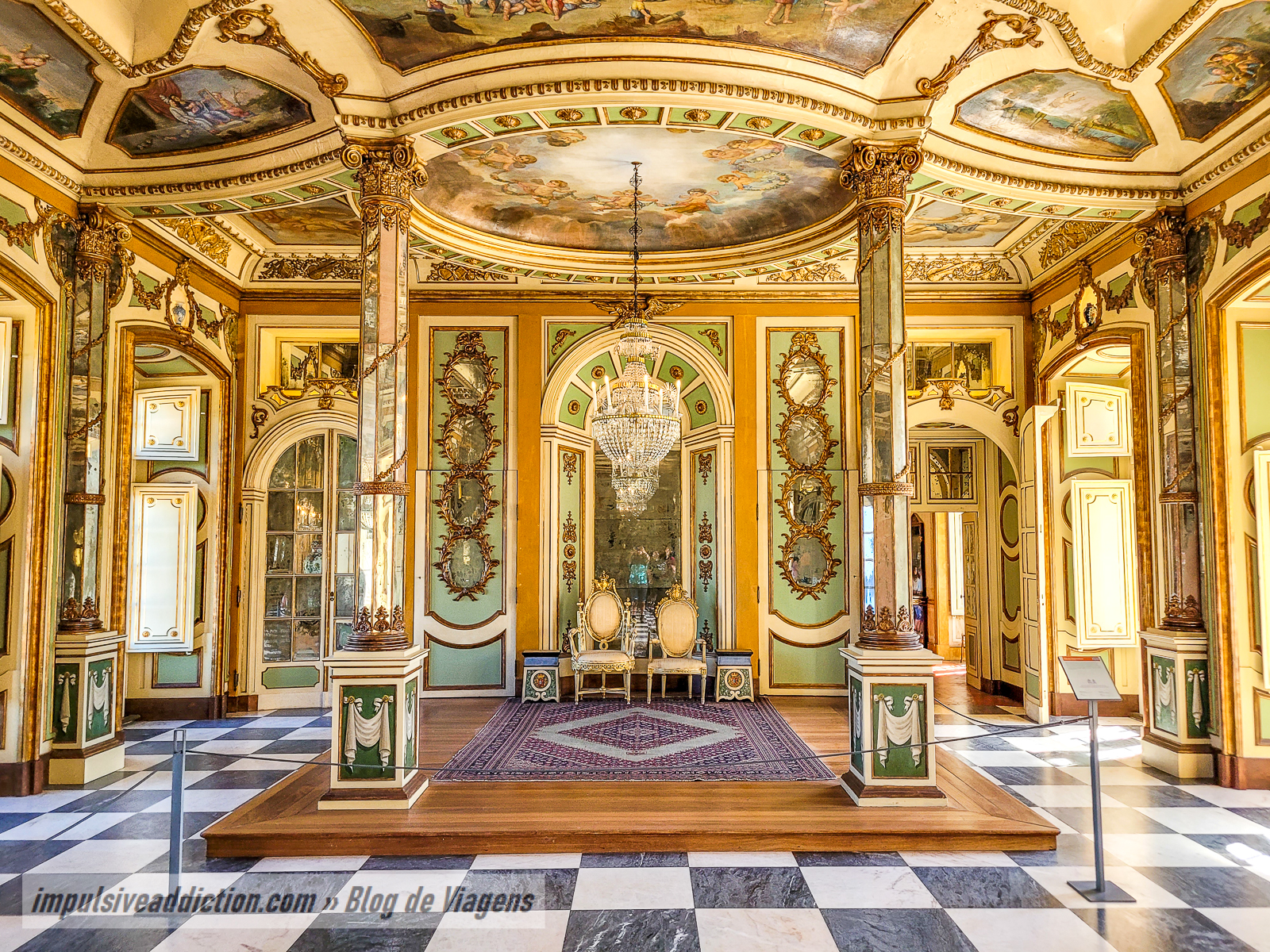
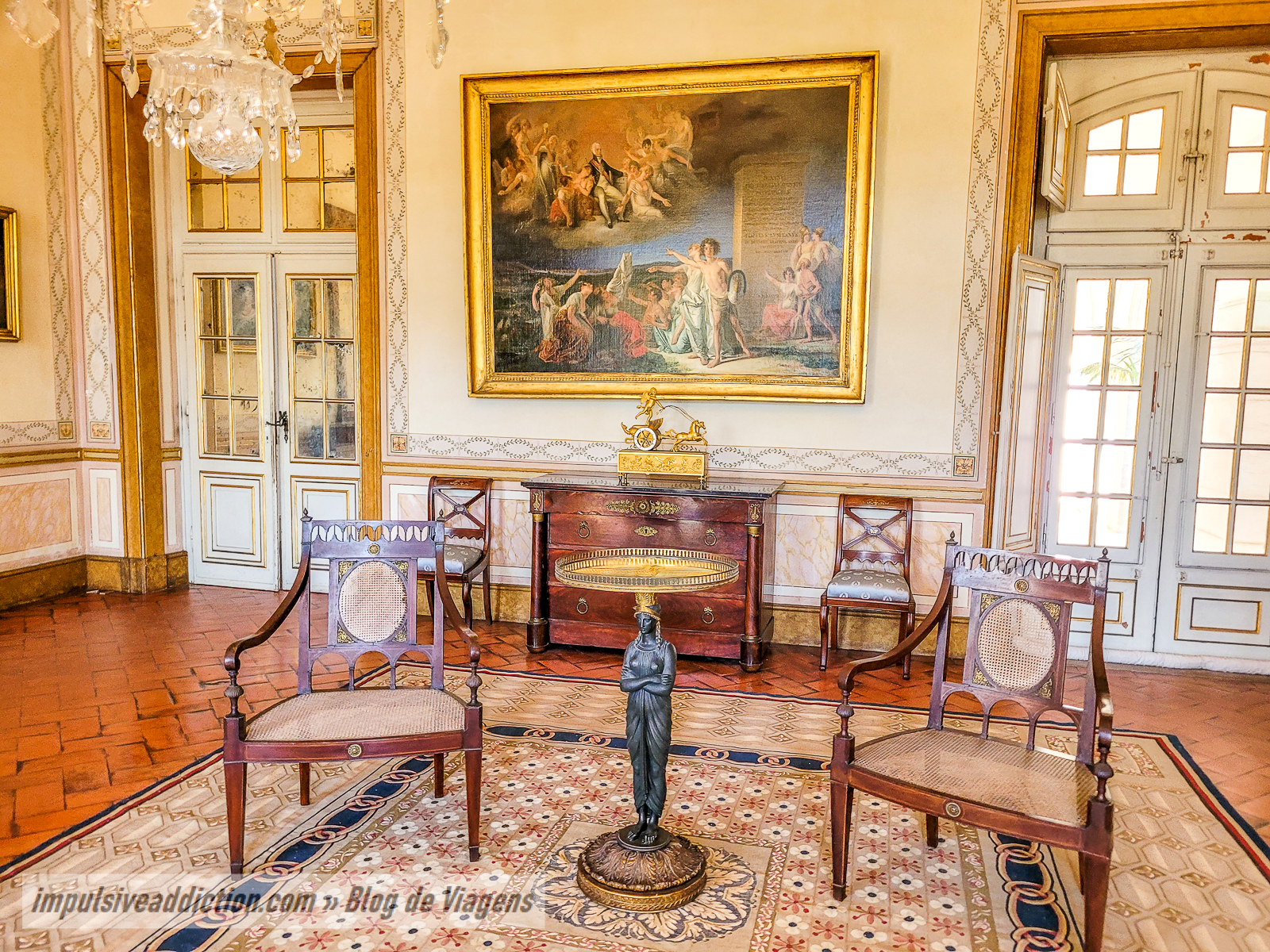
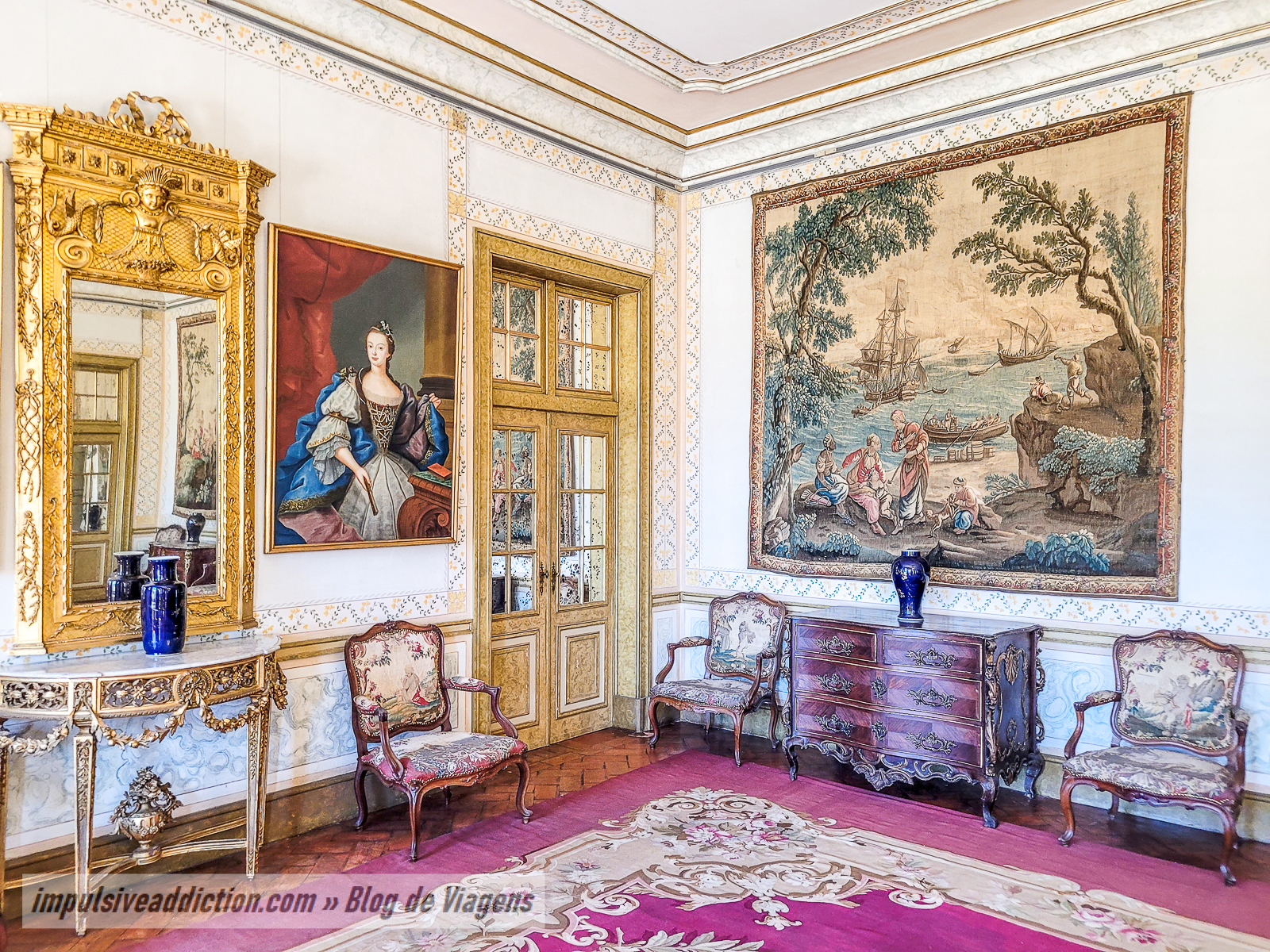
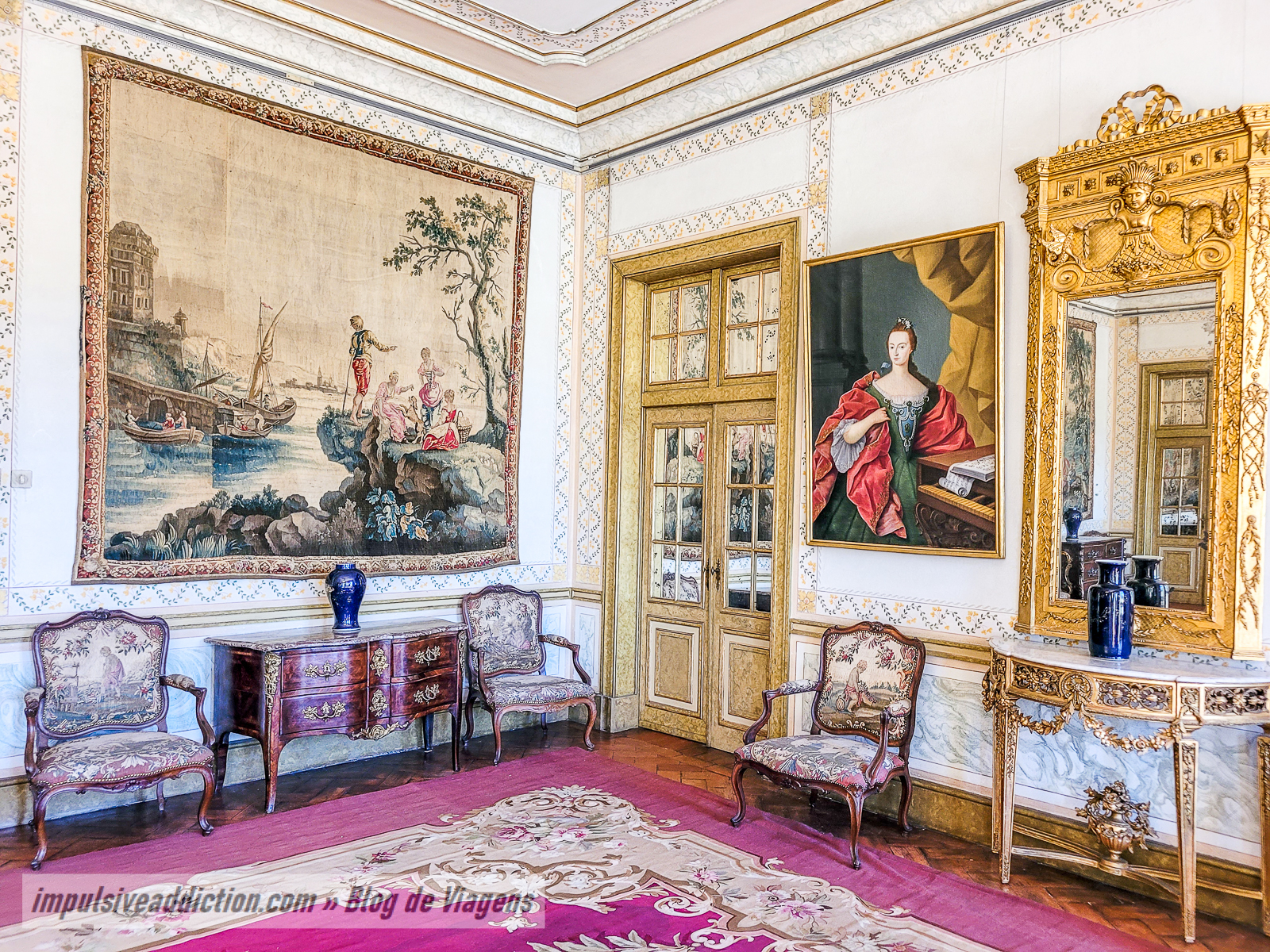
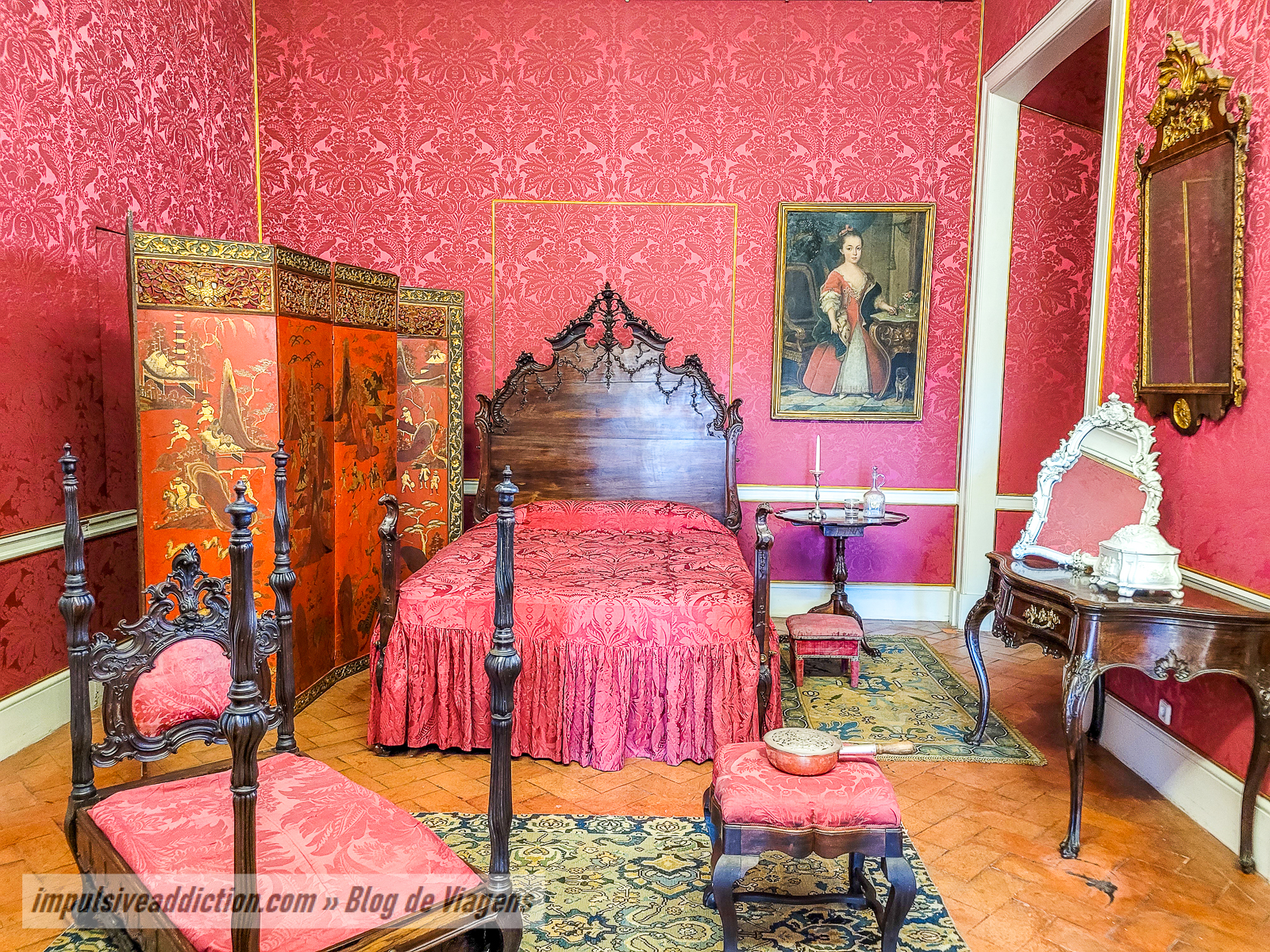
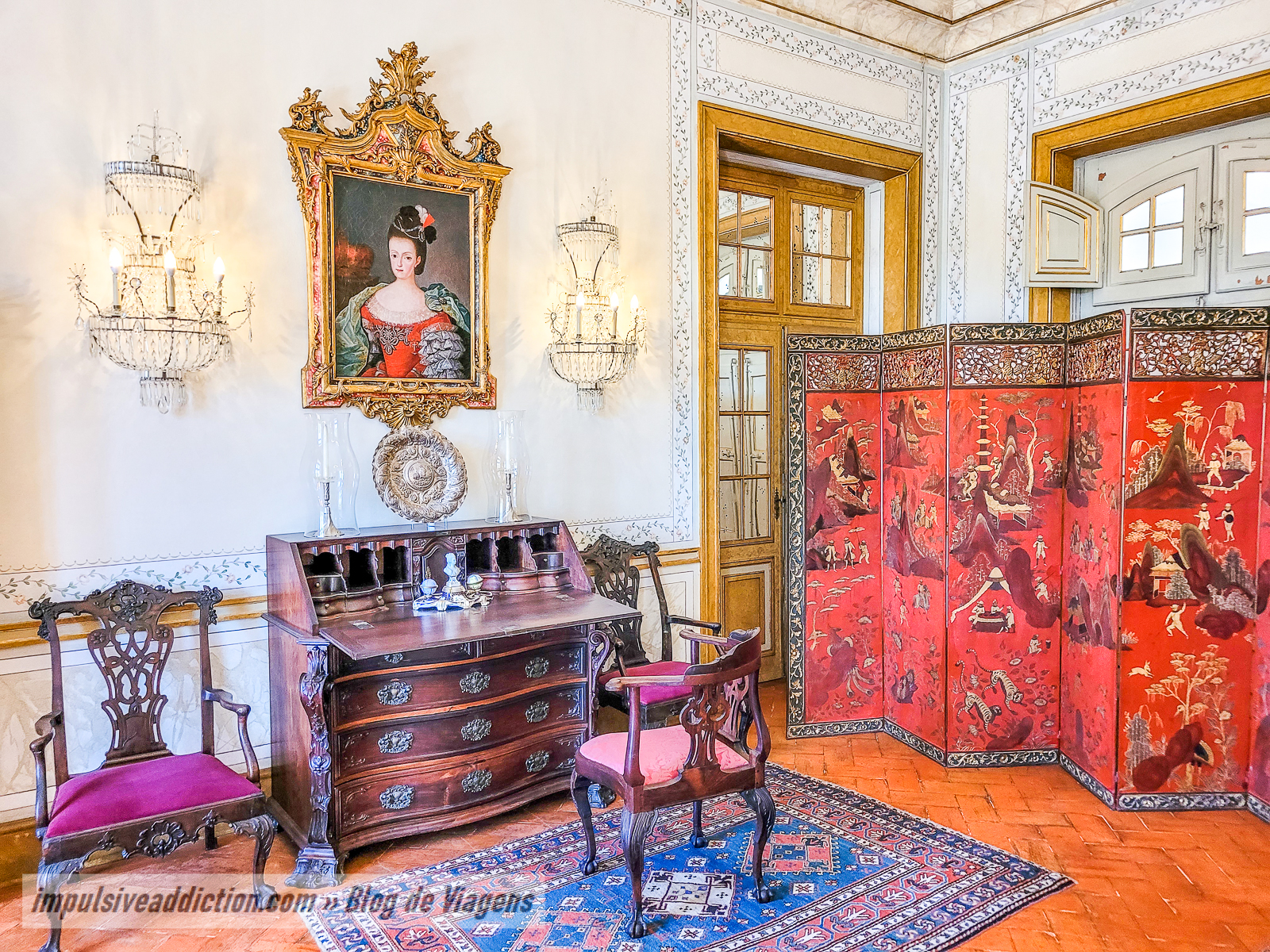
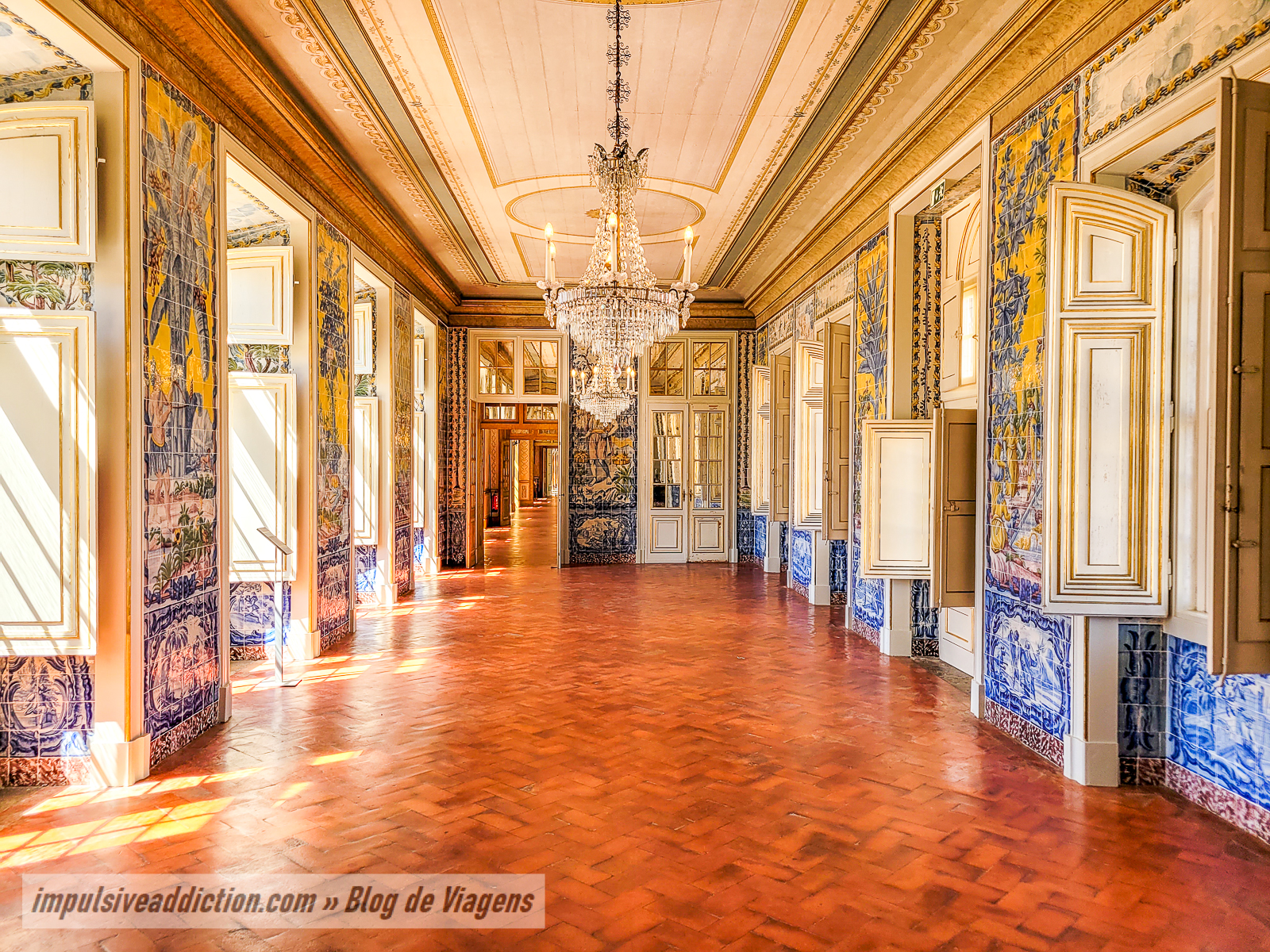
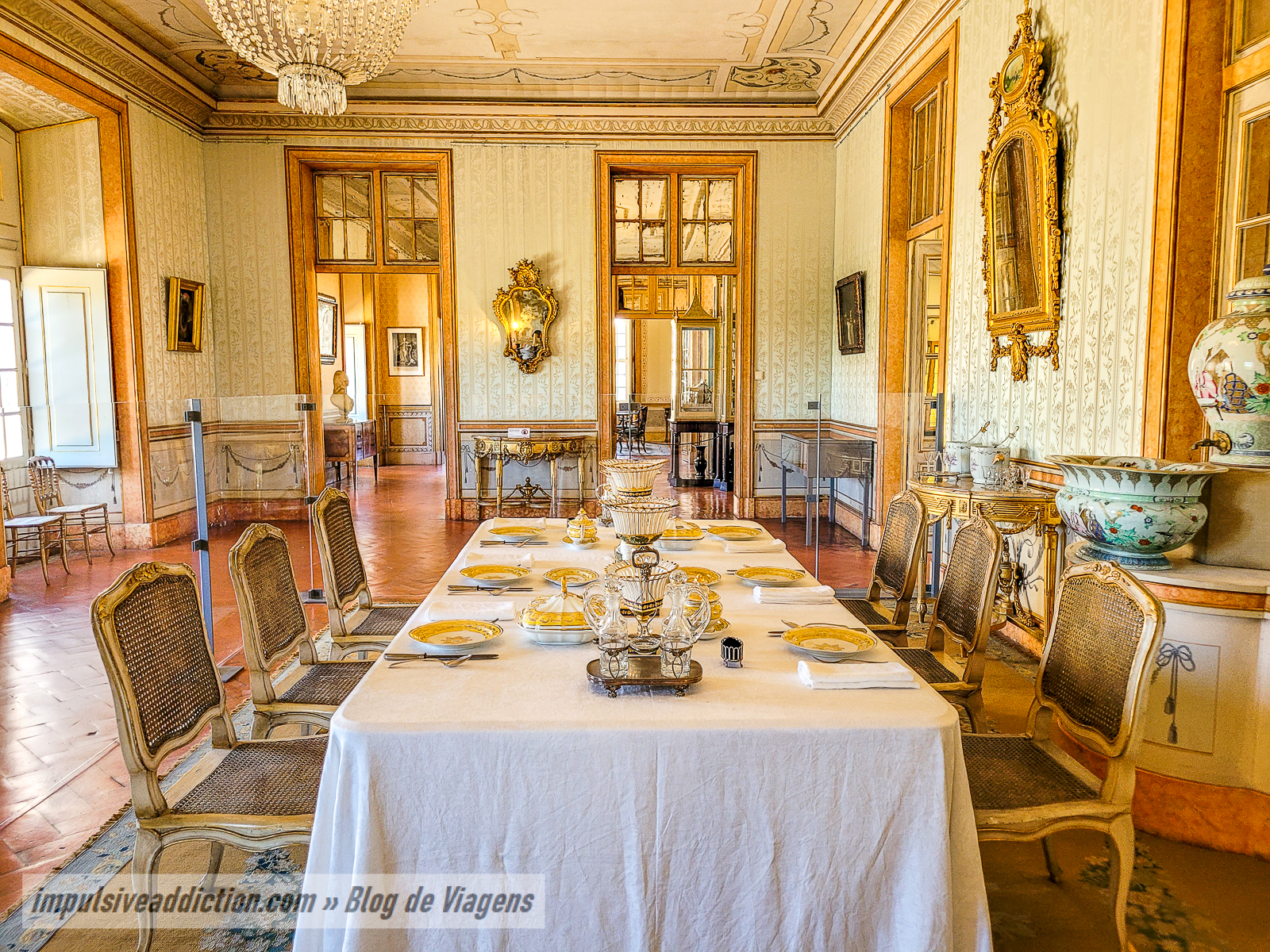
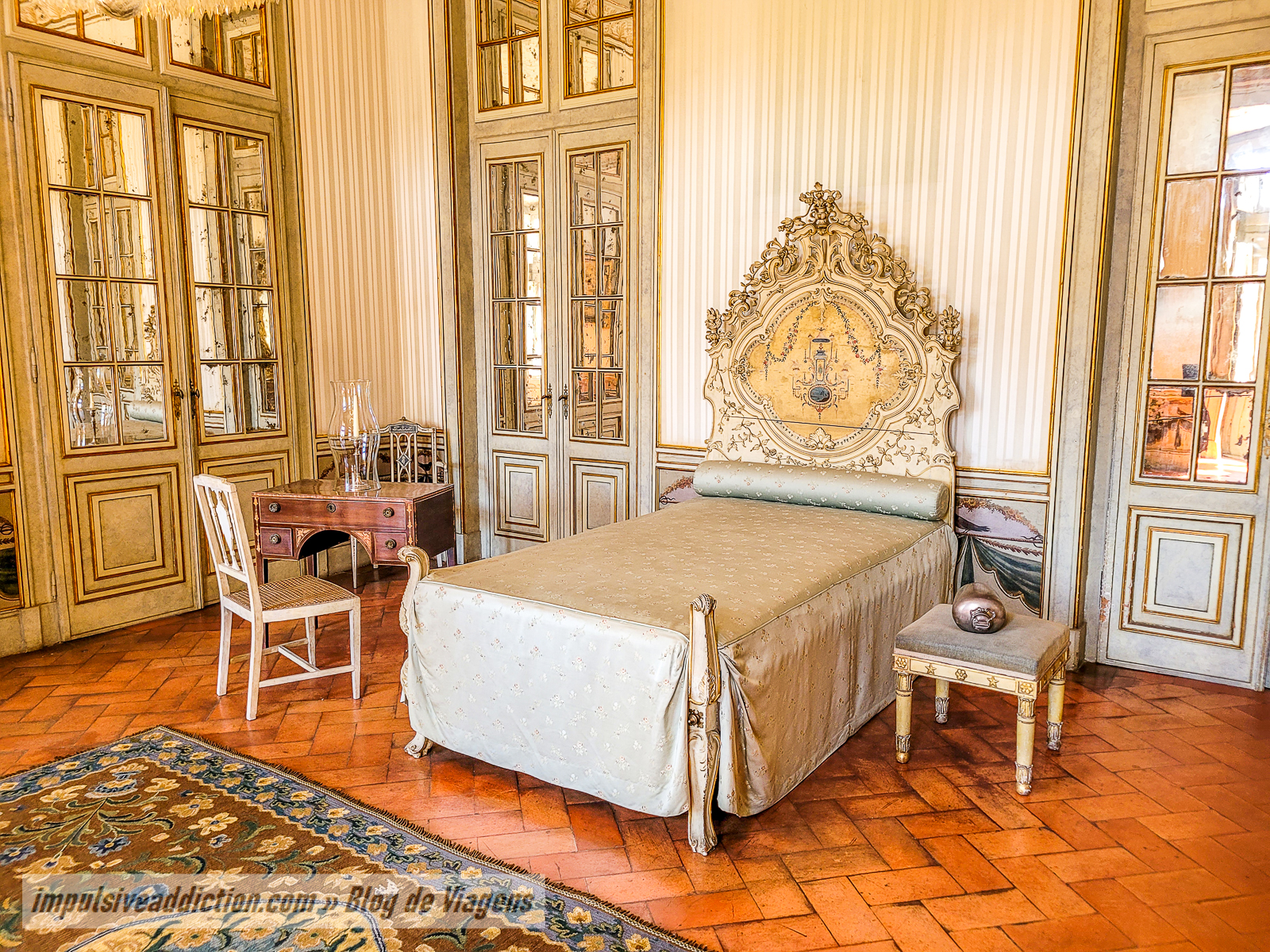
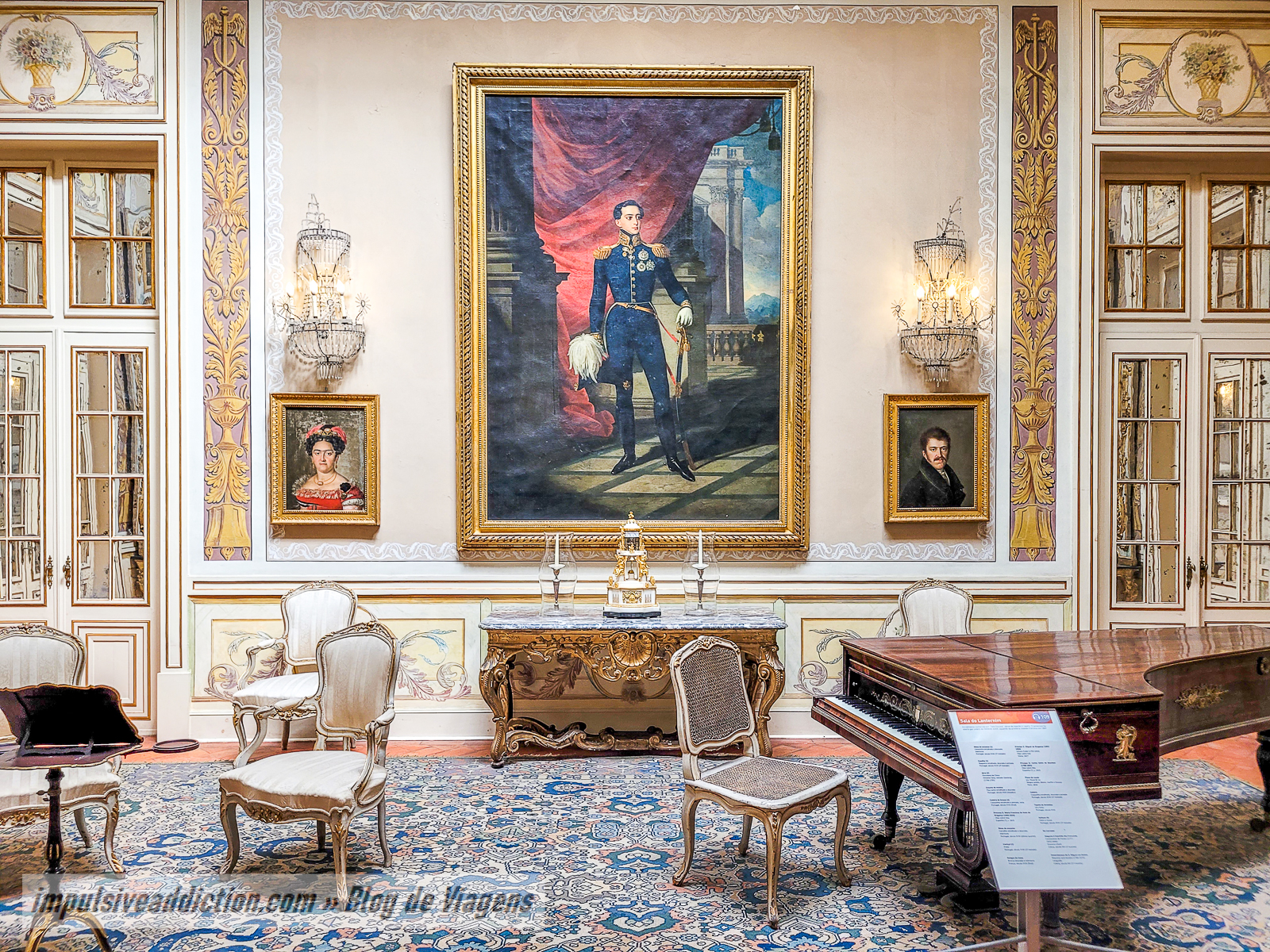
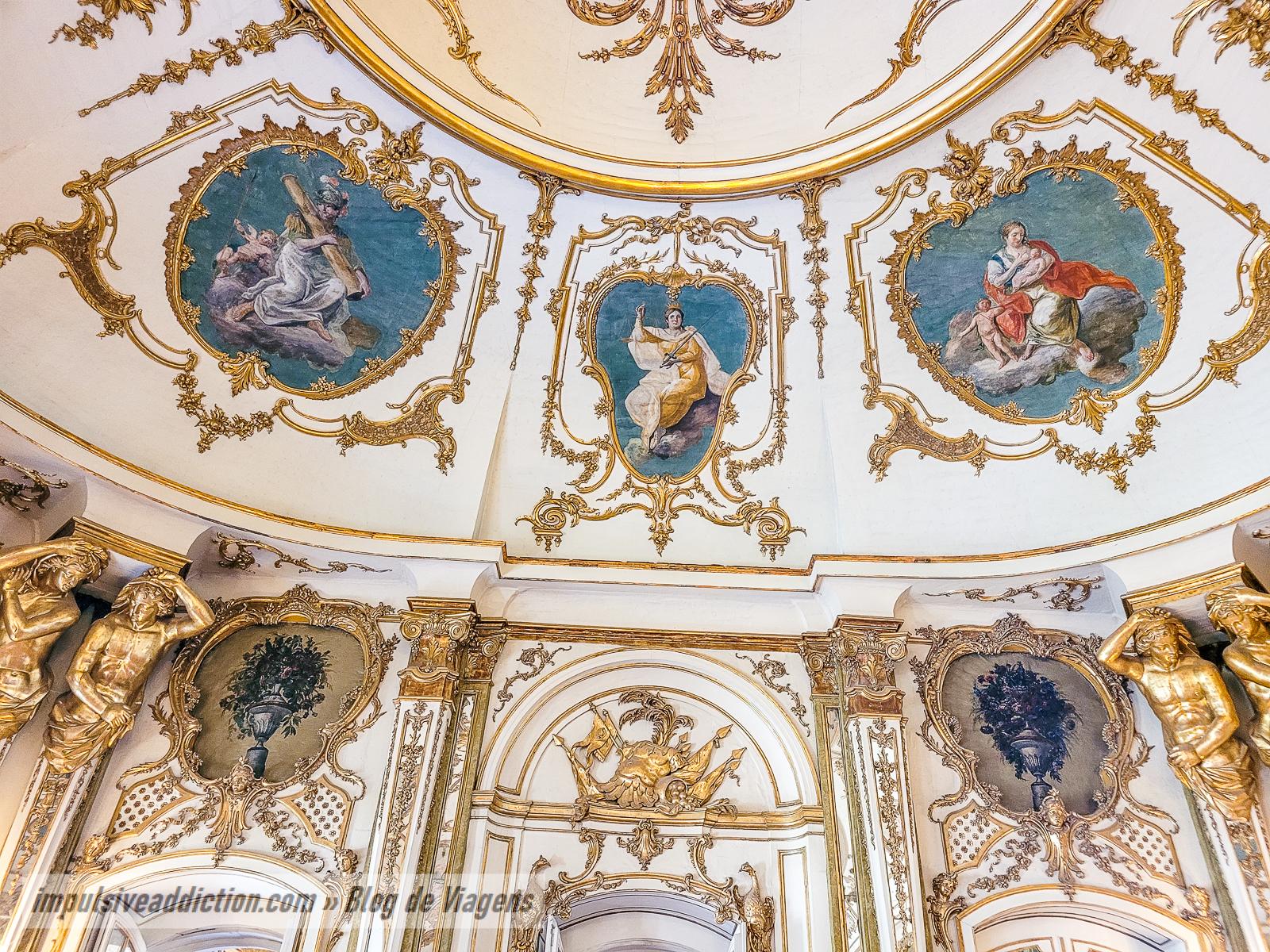
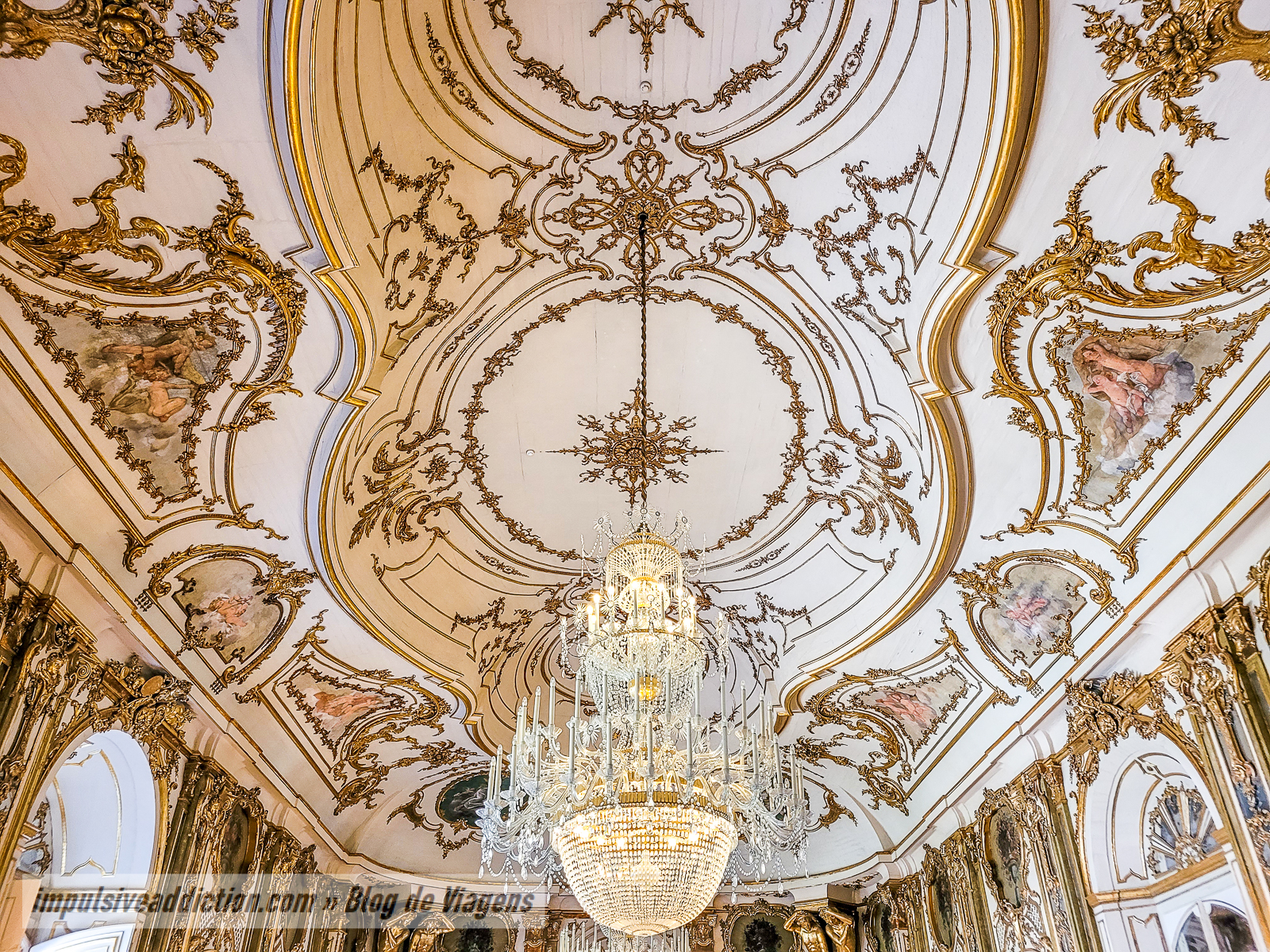
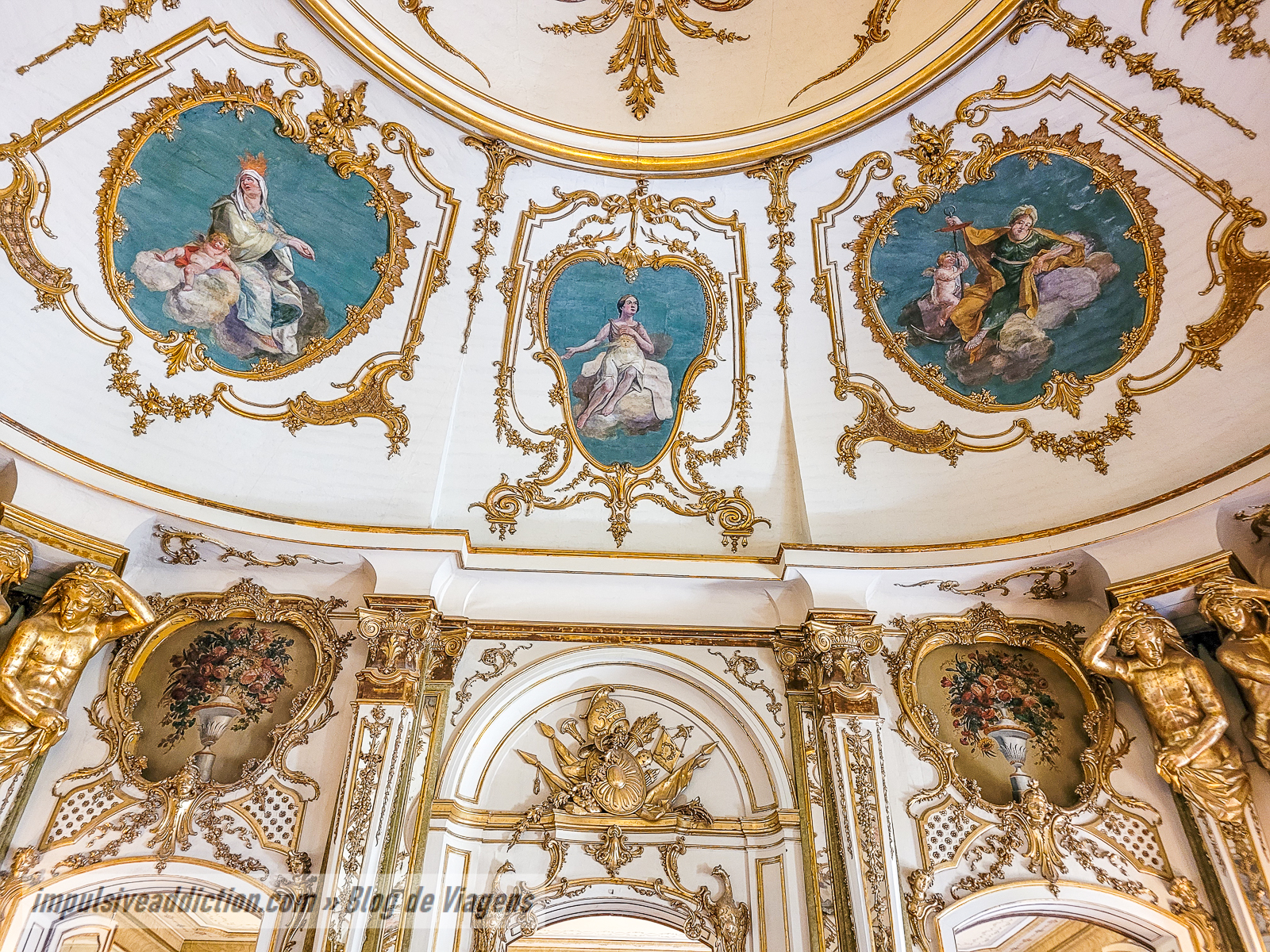
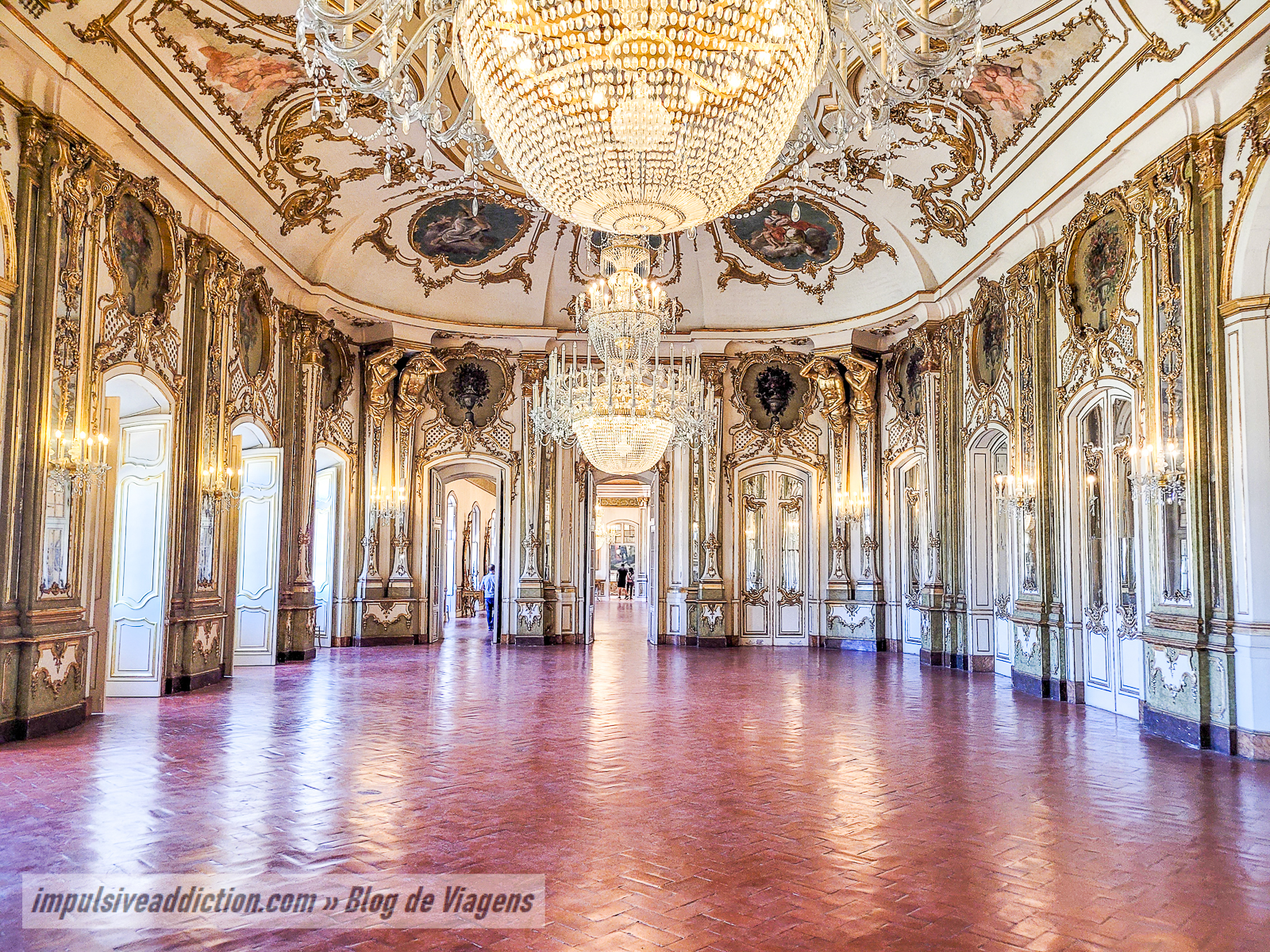
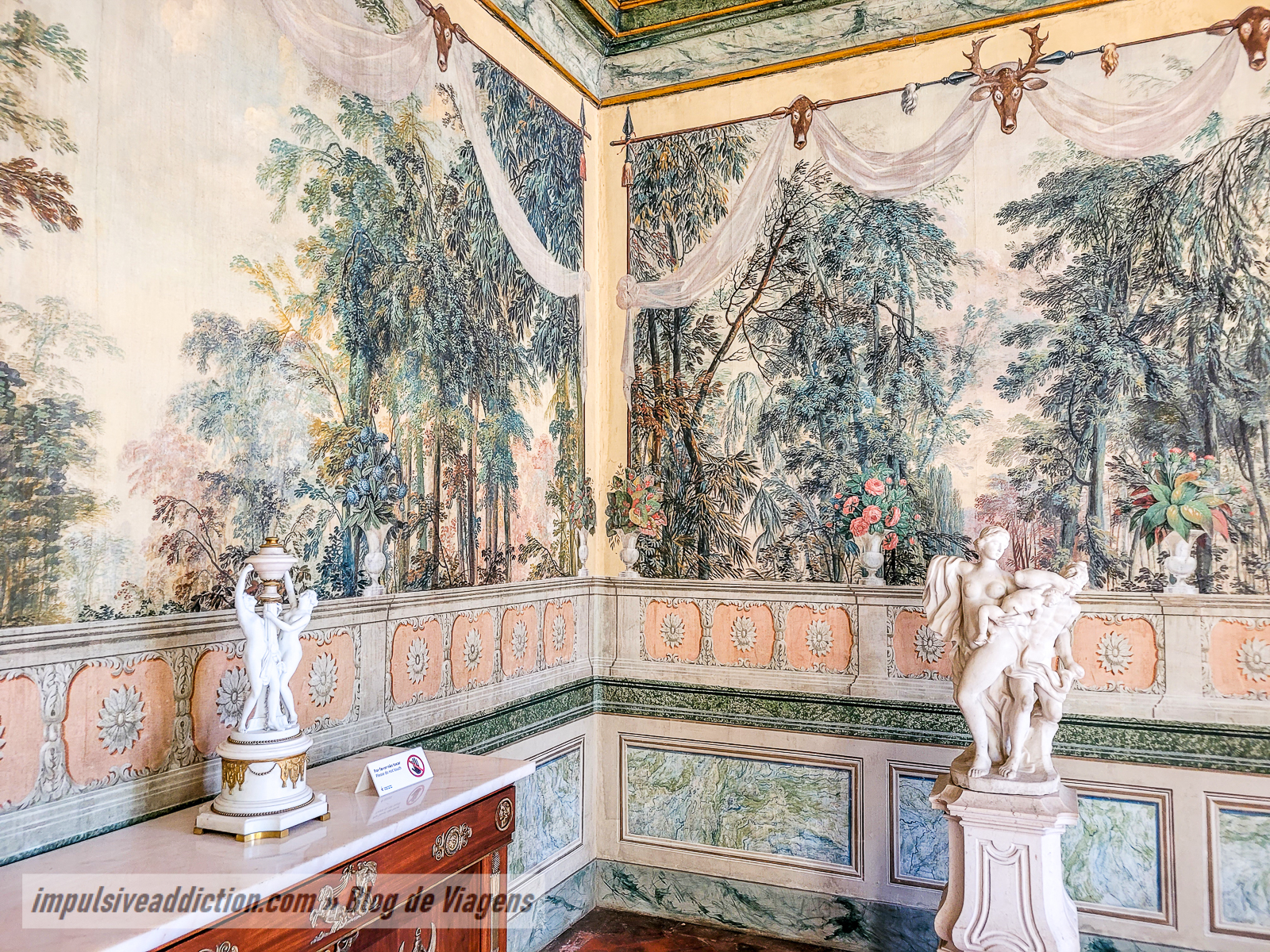
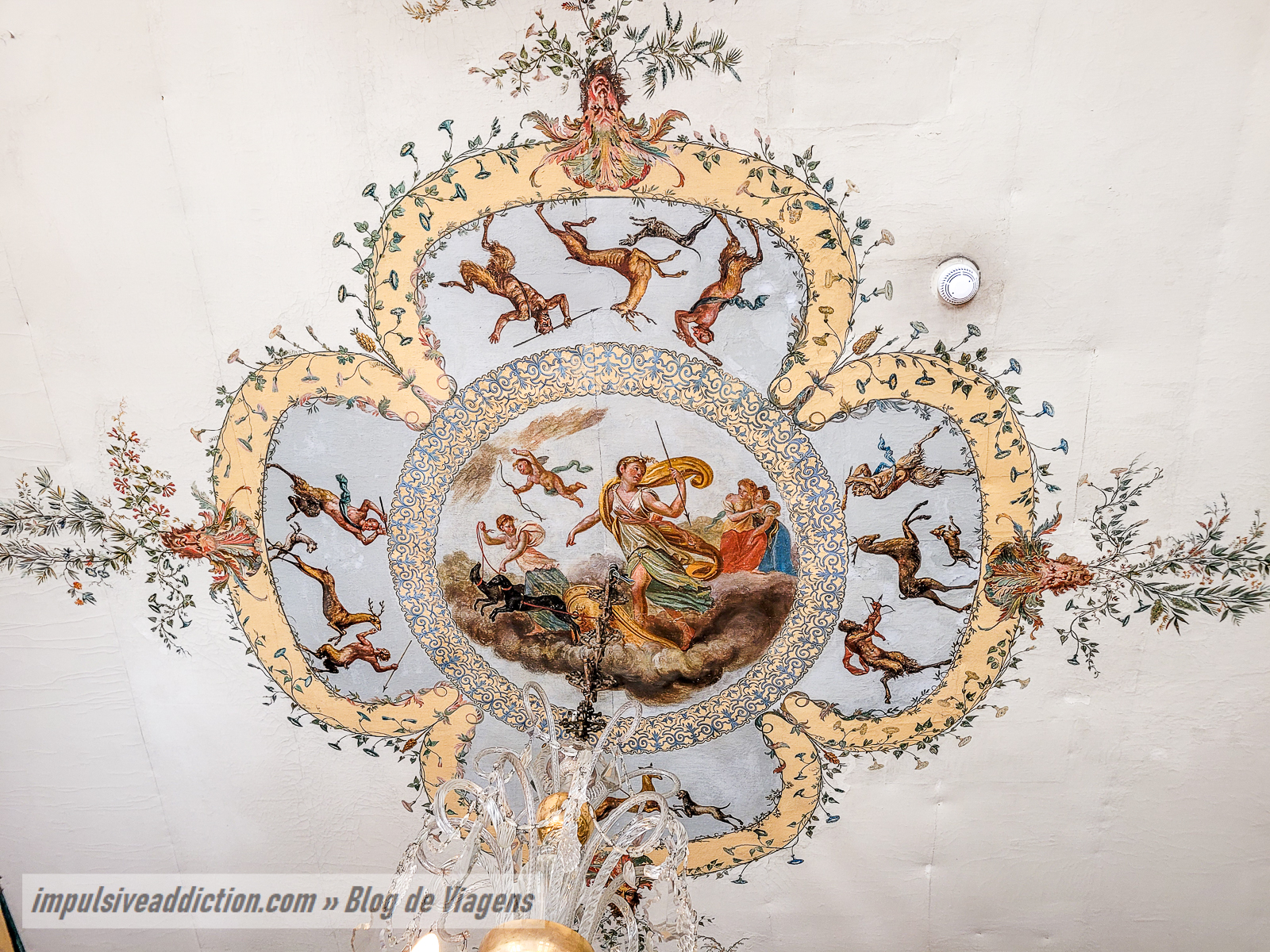
13. Queluz National Palace
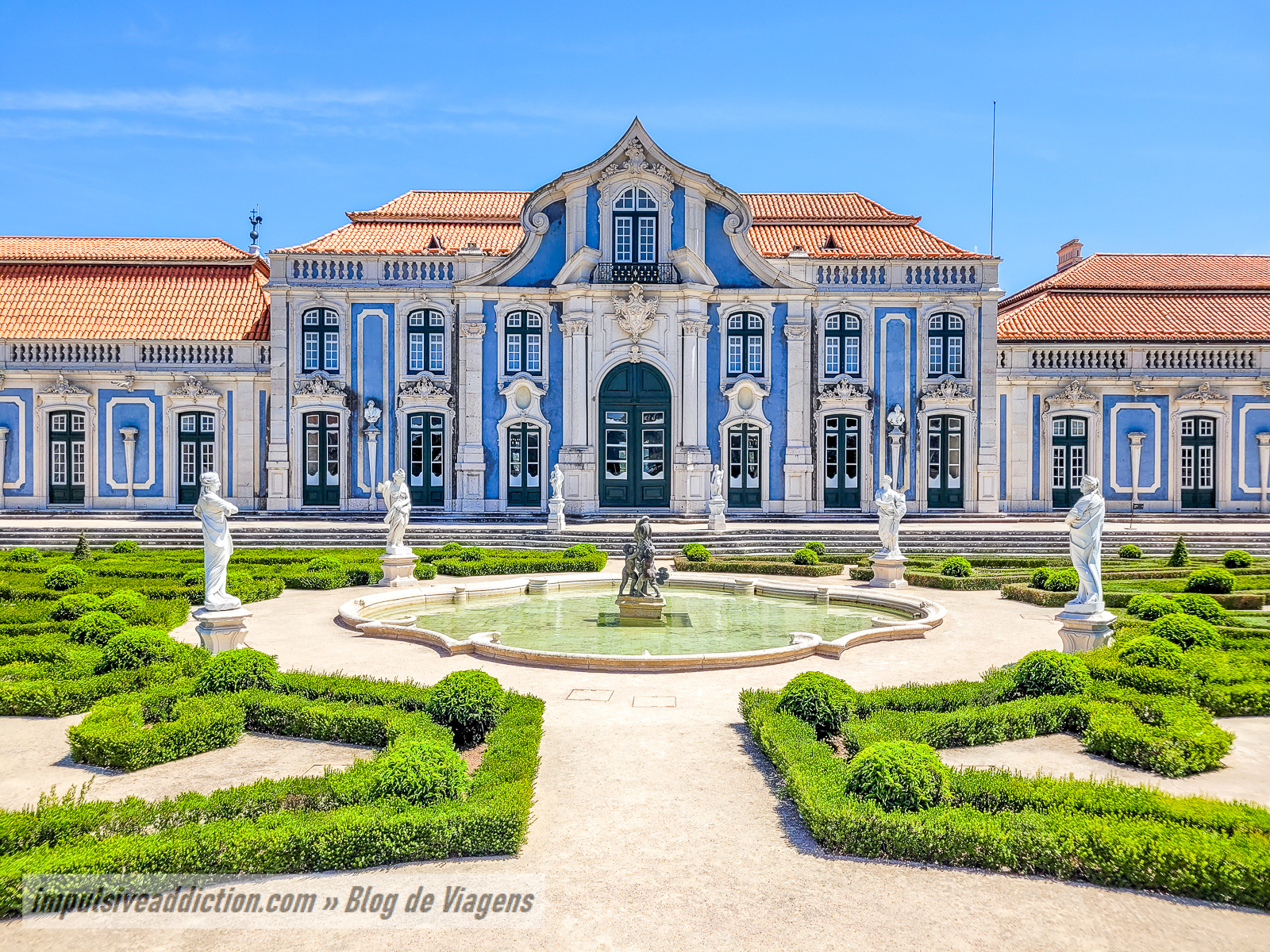
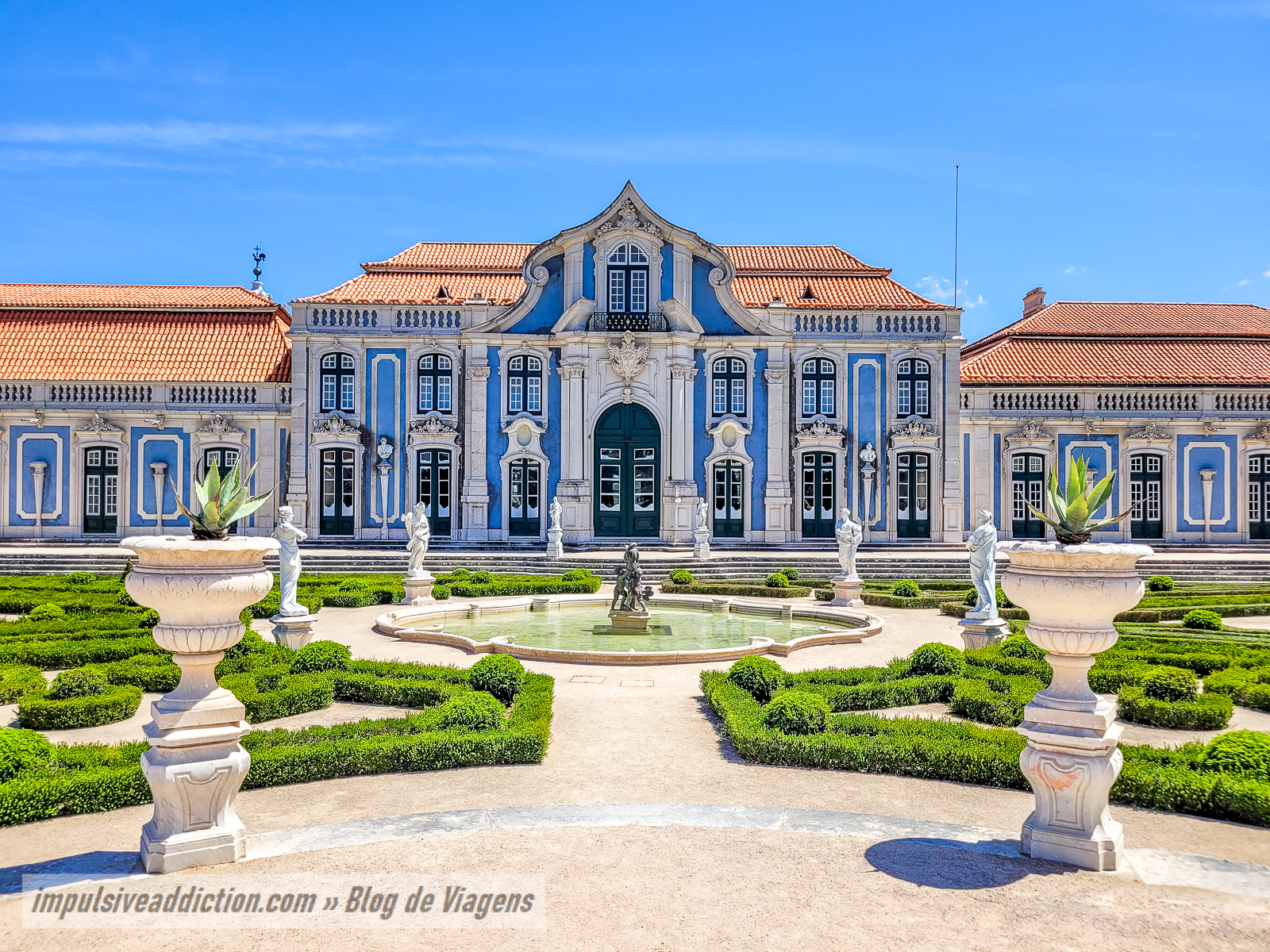
Another site a bit farther from Sintra’s center is the Queluz National Palace. Its history dates back to the 17th century, when King D. João IV established the Casa do Infantado. In the 18th century, it was expanded by order of D. Pedro III to serve as a Royal Palace, designed for leisure and relaxation. The gardens outside are adorned with sculptures inspired by classical mythology.
Although not originally intended, after a fire destroyed the Royal Pavilion of Ajuda in 1794, Queluz became the official residence of Queen D. Maria I, and later of the prince regents D. João VI and D. Carlota Joaquina. It remained their home until the royal family fled to Brazil during the French invasions of 1807.
When D. João VI returned to Portugal in 1821, Queluz was no longer chosen as the royal residence. Later, it housed King D. Miguel during the civil war, and D. Pedro IV, who abdicated in favor of his daughter D. Maria II. It was at Queluz Palace where D. Pedro IV eventually passed away.
In 1910, the palace was declared a national monument. From 1957 onward, its east wing has been used as a residence for visiting foreign heads of state during official visits to Portugal.
This was the last place I visited on this list, but it’s definitely in my top 5 palaces in Sintra — and its gardens are truly spectacular.
14. Ribafria Estate Park (Parque da Quinta da Ribafria)
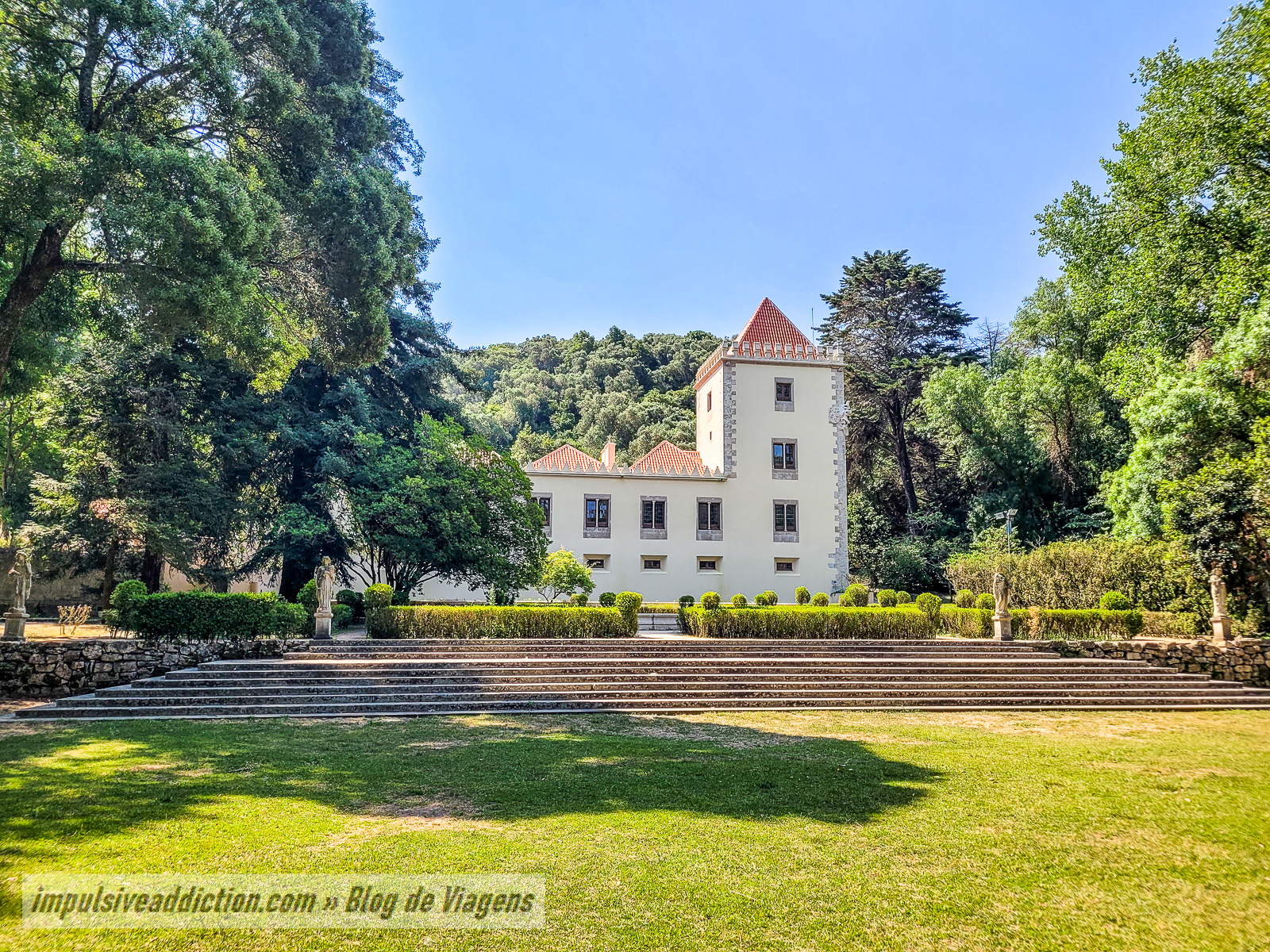
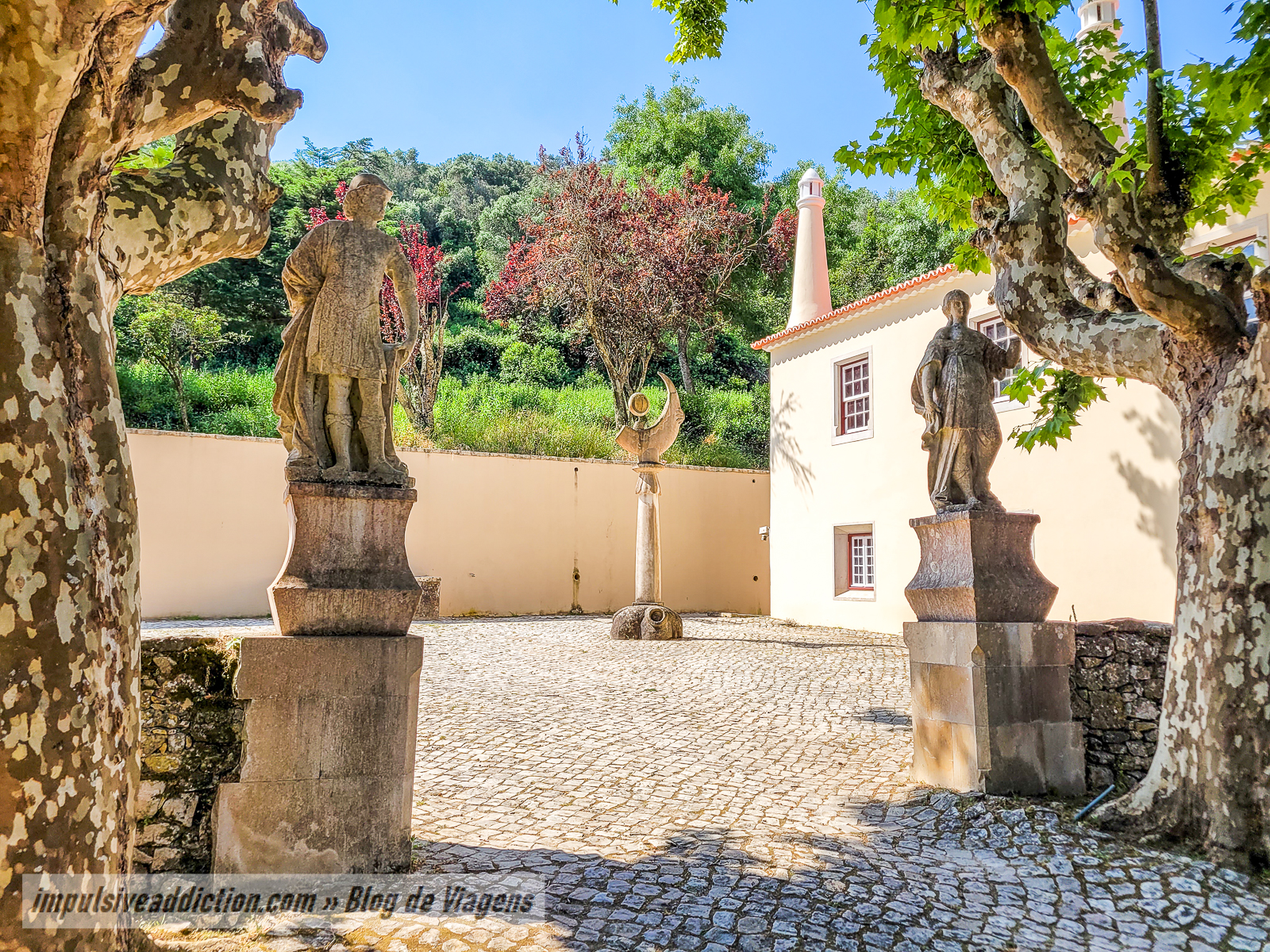
Finally, the last spot on this list. Honestly, I hesitated whether to include it, as it’s probably the least impressive of the 14 places, in my opinion. 🙂
The Ribafria Estate is free to enter and dates back to the 16th century. It features a Renaissance-style manor house that once belonged to the former Alcaides-Mores (high magistrates) of Sintra.
The surrounding park covers 13 hectares, combining open lawns with wooded areas — perfect for a relaxing walk in nature.
Buying Tickets for Sintra’s Parks and Palaces (in advance)
I’ve already mentioned some notes throughout the text, but here’s a quick summary:
- Pena Palace – Advance reservation with a timed entry is mandatory! Tickets are available on the Parques de Sintra official website.
- Monserrate, Moorish Castle, Sintra National Palace, Queluz Palace, Capuchos Convent – Tickets can also be purchased on the same site.
- Quinta da Regaleira – Tickets available [here].
- Biester Palace – Tickets available [here].
You can also choose organized tours to visit several of these sites. For example:
- From Lisbon: Full-day guided tour to Sintra, Pena Palace, Regaleira, and Cascais
- From Lisbon: Sintra Tour including Pena Palace, Cabo da Roca, and Cascais
- Visit to Sintra, Pena Palace, Cabo da Roca, Regaleira, and Cascais
- Small group tour to Sintra, Cascais, and Estoril
Check other options at the beginning of this article and feel free to do your own research.
Other Itineraries and Travel Guides in Portugal
- N2 Portugal Road Trip Itinerary
- Madeira Itinerary and Travel Guide
- São Miguel Itinerary and Travel Guide (Azores)
- Terceira Itinerary and Travel Guide (Azores)
- Pico Itinerary in Azores
- Faial Itinerary in Azores
- Things to do in Bragança
- Montesinho Natural Park Itinerary
- Douro International Natural Park Itinerary
- Minho | Northern Portugal Itinerary
- Porto Itinerary and Travel Guide
- Things to do In Braga (Minho)
- Things to do in Guimarães (Minho)
- Things to do in Viana do Castelo (Minho)
- Peneda Gerês National Park Itinerary
- Douro Valley Itinerary
- Trás-os-Montes Itinerary
- Things to do in Aveiro
- Things to do in Coimbra
- Things to do in Leiria
- Things to do in Fatima
- Things to do in Nazaré
- Things to do in Peniche
- Things to do in Cascais
- Things to do in Évora (Alentejo)
- Things to do in Beja (Alentejo)
- Algarve Road Trip Itinerary
- Things to do in Lagos (Algarve)
- Things to do in Portimão (Algarve)
- Things to do in Faro (Algarve)
- Things to do in Tavira (Algarve)
