 Pedro Domingues
Cascais is one of the most popular day trips from Lisbon. It’s a charming seaside town with attractions for all types of visitors. Originally a fishing village, it gradually transformed into a sophisticated holiday retreat — even the Portuguese royal family vacationed here.
Cascais’ beaches cater to every preference, from calm waters near the town center to the wilder waves of Guincho, perfect for surfing and windsurfing. Many visitors come to see the Boca do Inferno, but it’s far from the most impressive attraction along the coastline.
Nature lovers will enjoy the Sintra-Cascais Natural Park, which offers a variety of scenic trails with breathtaking views of the Atlantic Ocean. Families with children should consider a visit to Quinta do Pisão, home to several animals and a great place for kids to explore.
In this article, I’ll guide you through the top things to do in Cascais — from must-visit landmarks to more optional spots. I’ll also share my personal take on each place, helping you decide what to include in your itinerary.
Where is Cascais located, in Portugal?
Cascais is one of the municipalities in the Lisbon metropolitan area, bordered by the municipalities of Sintra and Oeiras.
MORE ARTICLES FROM CENTRAL PORTUGAL:

- Things to do in Espinho
- Things to do in Ovar
- Things to do in Aveiro
- Aveiro to Costa Nova
- Best beaches in Aveiro

- Things to do in Mira beach
- Things to do in Coimbra
- Schist Villages in Portugal
- Things to do in Figueira da Foz

- Visit Monsanto in Portugal
- Historical Village of Piódão
- Historical Villages of Portugal

- Things to do in Leiria
- Visit Batalha Monastery and surroundings
- Visit Alcobaça Monastery and surroundings
- Things to do in Fátima
- Visit Mira de Aire Caves
- Things to do in Nazaré
- Things to do in Peniche
- Best beaches in Peniche
- Visit Berlenga Island

- Best beaches in Ericeira
- Visit Ursa Beach
- Best Beaches in Sintra
- Best Beaches in Cascais
- Things to do in Mafra and Ericeira
- Things to do in Sintra
- Parks and Palaces in Sintra

- Best Costa da Caparica beaches
- Best beaches in Setúbal
- Best Beaches in Sesimbra
- Visit Ribeiro do Cavalo Beach
- Best beaches in Tróia, Comporta and Melides
- Things to do in Sesimbra
- Things to do in Setúbal
How to get to Cascais?
Getting to the center of Cascais is easy thanks to the CP train service from Lisbon. 🙂 The same applies to other parishes within the municipality, such as Estoril, Parede, and Carcavelos — all of which I’ll cover in detail later in this article.
If you’re heading to inland areas of Cascais, like Alcabideche or São Domingos de Rana, I recommend using a car. If you don’t have your own vehicle, consider renting one through Discover Cars for greater convenience.
When to Visit Cascais?
Cascais can be visited at any time of the year, without exception. If you’d like to align your trip with the town’s main festivities, consider visiting during the summer for the Festas do Mar, which includes the traditional Our Lady of the Navigators procession. Another event worth checking out is FIARTIL — the Estoril Handicraft Fair.
Food and Restaurants in Cascais
When it comes to local cuisine, seafood is the standout — no surprise given Cascais’ location by the Atlantic Ocean. Pair your meal with a glass of Carcavelos wine for the full experience.
Recommended restaurants: Baía do Peixe, Taberna Económica de Cascais, A Nova Estrela, Furnas do Guincho, and Mar do Inferno. There are many others worth exploring. 😉
Where to Stay in Cascais?
If you haven’t booked your stay yet, now’s a good time. You can follow my recommendations below or click the blue button to search for available accommodations based on your travel dates. Whenever possible, choose places that offer free cancellation — just in case your plans change.
| Accommodation | Score | Location |
|---|---|---|
| Casa Vela Boutique Hotel | 8.9 | Cascais |
| Villa Vasco da Gama | 8.9 | Cascais |
| LEGASEA – Cascais Guesthouse | 9.1 | Cascais |
| Eurostars Cascais | 8.5 | Cascais |
| Cascais City & Beach Hotel | 8.6 | Cascais |
| Pergola Boutique Hotel | 9.2 | Cascais |
| Vila Bicuda Resort | 8.9 | Cascais |
| Hotel Pestana Cascais | 8.0 | Cascais |
| Vila Gale Cascais | 8.3 | Cascais |
| Hotel Baia | 8.3 | Cascais |
| The Albatroz Hotel | 9.2 | Cascais |
| Hotel Estoril Eden | 8.2 | Estoril |
| Vila Gale Estoril | 8.1 | Estoril |
| Hotel Smart | 8.4 | Estoril |
| ABLA Guest House | 8.4 | Carcavelos |
| Riviera Hotel | 8.3 | Carcavelos |
| Dream Guincho | 9.3 | Guincho |
| Hotel Fortaleza do Guincho | 9.0 | Guincho |
Best things to do in Cascais | Portugal
Most of what you’ll want to see in Cascais is along the coast, starting with the town center itself. The highlights are by the sea — including central Cascais, Estoril, Carcavelos, and Guincho.
In my opinion, the inland areas come second in terms of interest, but they’re still worth exploring if you have the time.
Map with places to visit in Cascais
Visit Cascais
Let’s assume your visit begins at the Cascais train station, located less than 400 meters from the tourist information office and Praça 5 de Outubro — your first stop. On the way, you’ll pass the Fernandes Thomás Viewpoint and the historic Pelourinho de Cascais (stone pillory).
1. Praça 5 de Outubro e Antigos Paços do Concelho
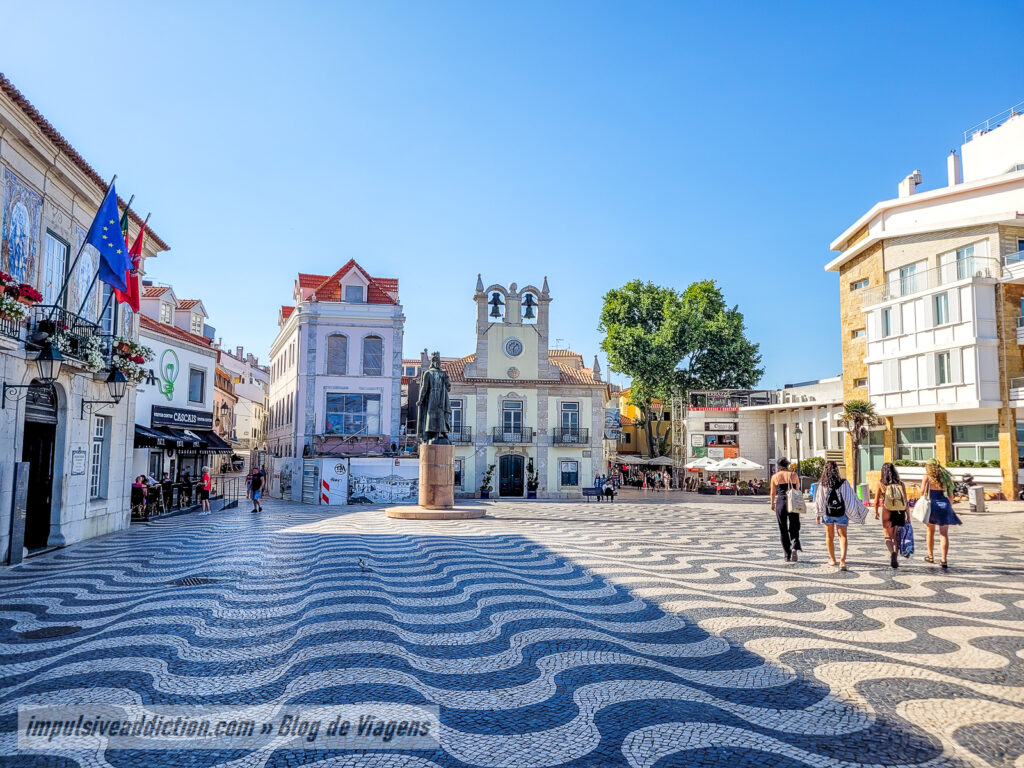
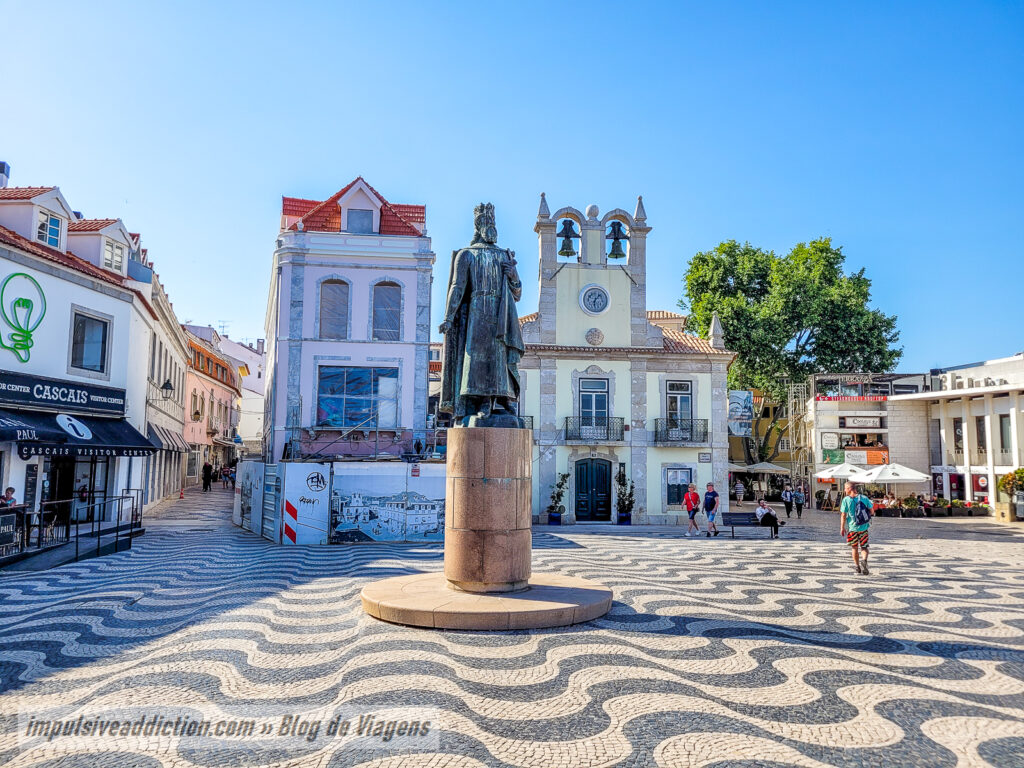
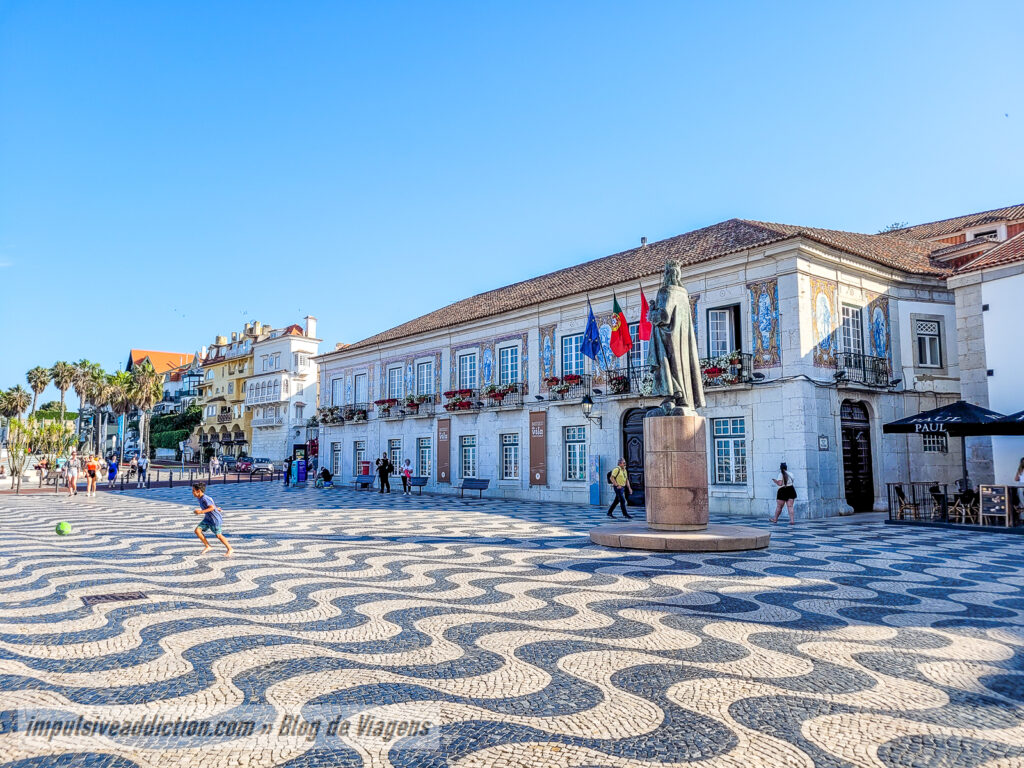
Praça 5 de Outubro is the central square of Cascais and the ideal place to start exploring. Just across from it is the beautiful Praia da Ribeira and the Cascais Bay — a scenic and iconic view.
In the middle of the square stands a statue of King D. Pedro I. Behind it, you’ll find the former Town Hall building, dating back to 1821, which housed the municipal offices until 1930.
The current town hall is also located on this square, on one of its sides. It occupies the former Palace of the Counts of Guarda, also known as “the House of Tiles of Cascais.” Its façade features stunning tilework depicting the four Evangelists — St. Mark, St. Matthew, St. Luke, and St. John — as well as St. Anthony, St. John de Brito, St. Paul, St. Peter, St. Jerome, St. Marcellus, and St. Sebastian.
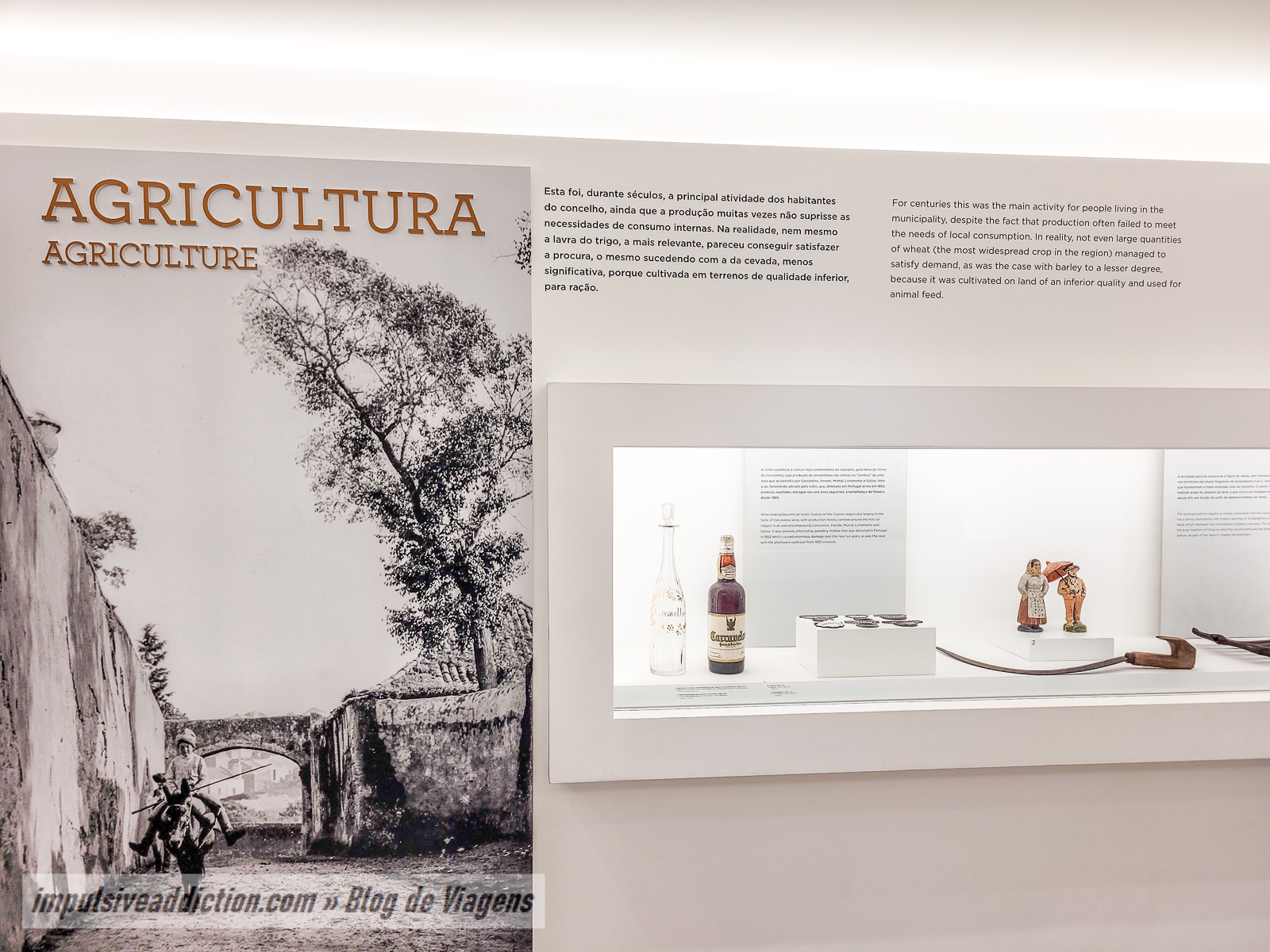
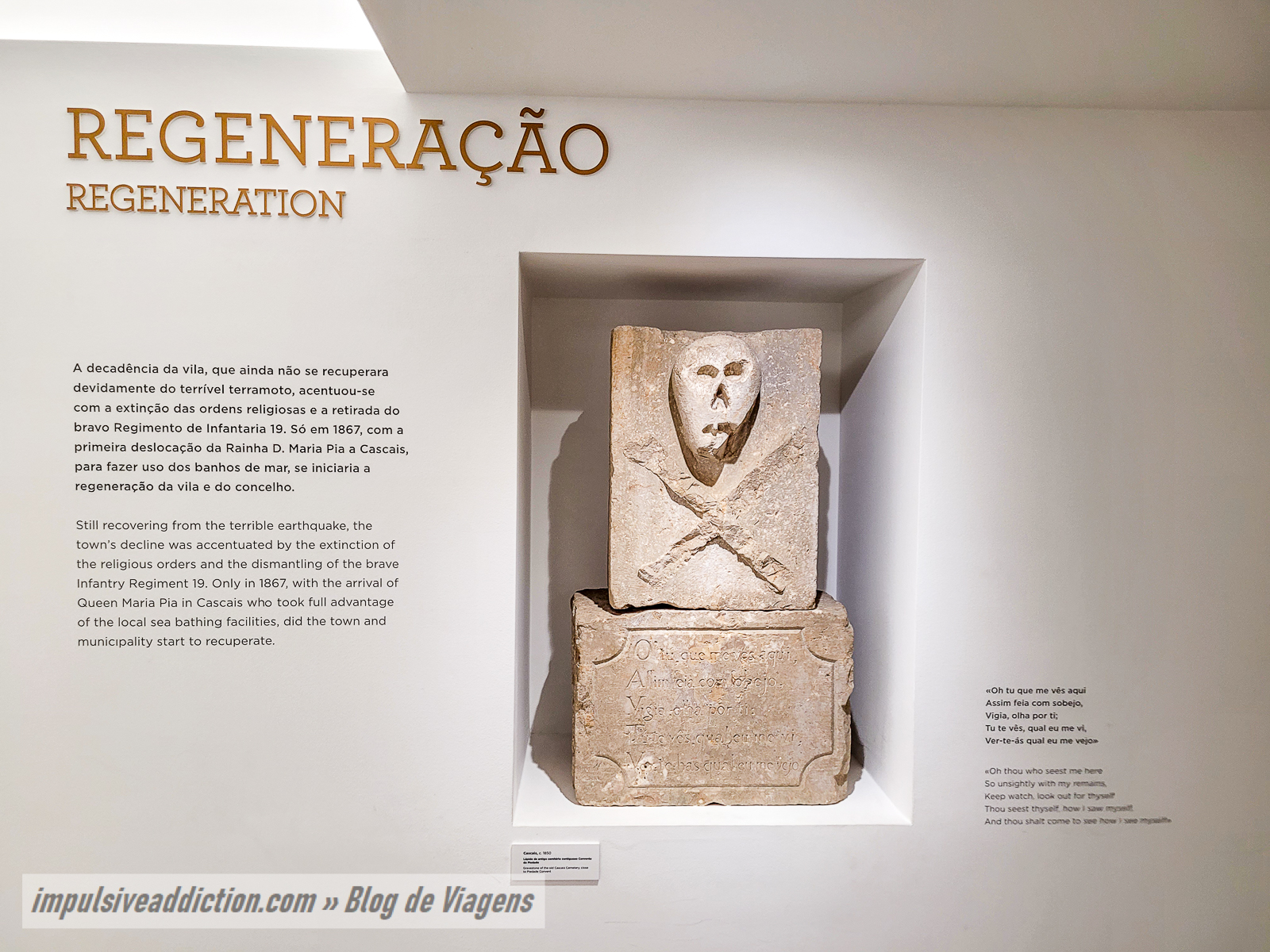
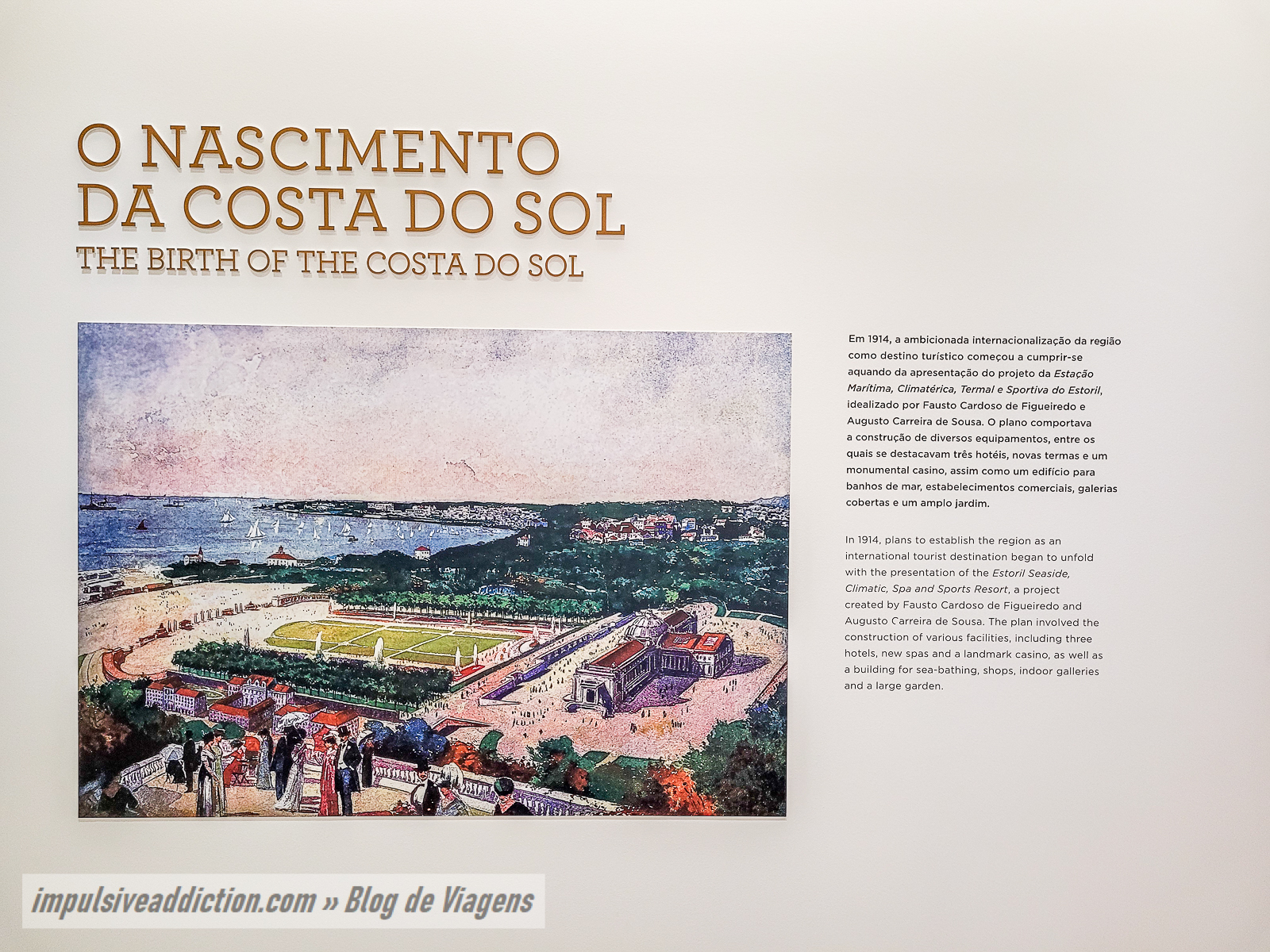
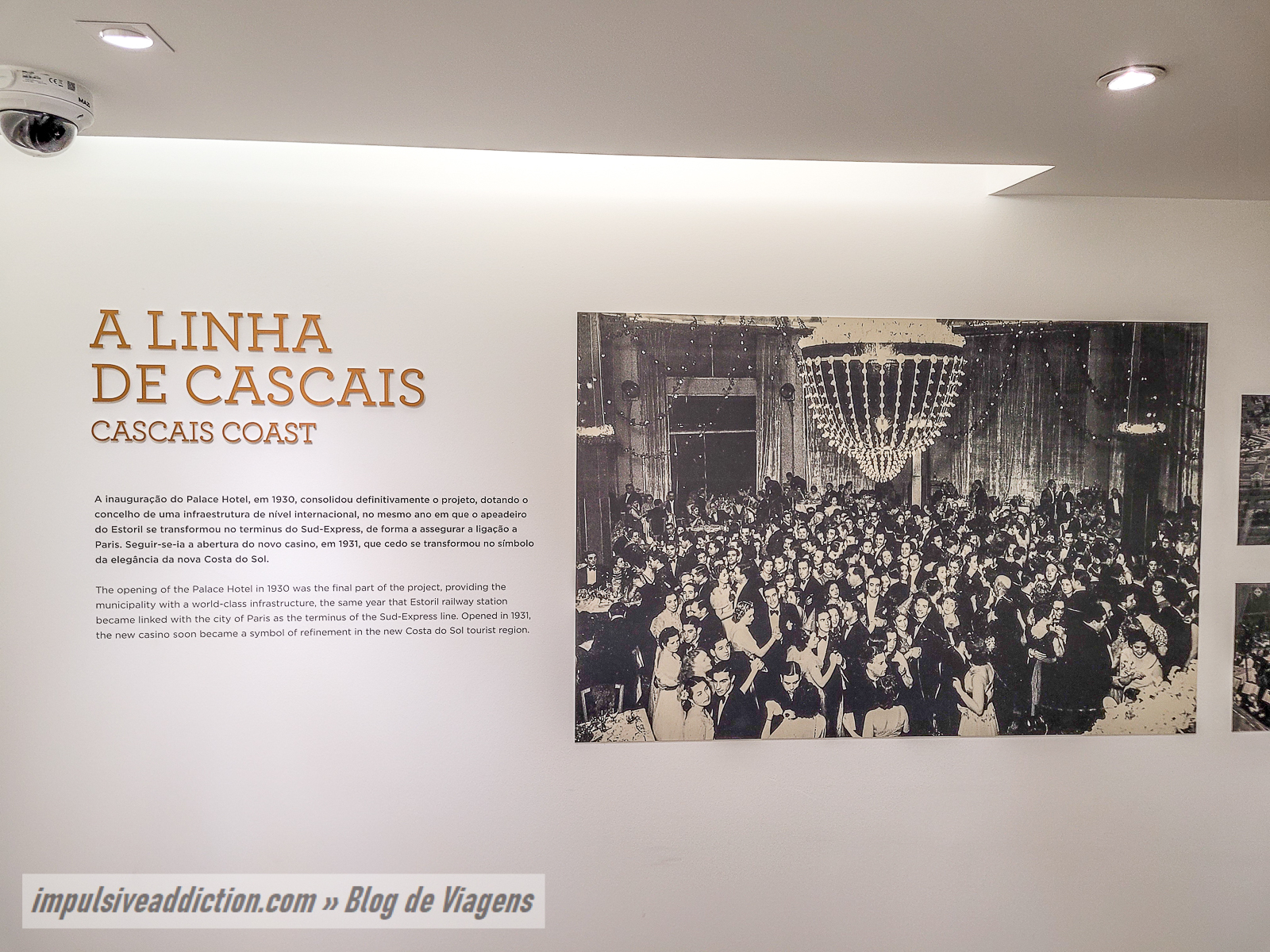
2. Cascais Town Museum
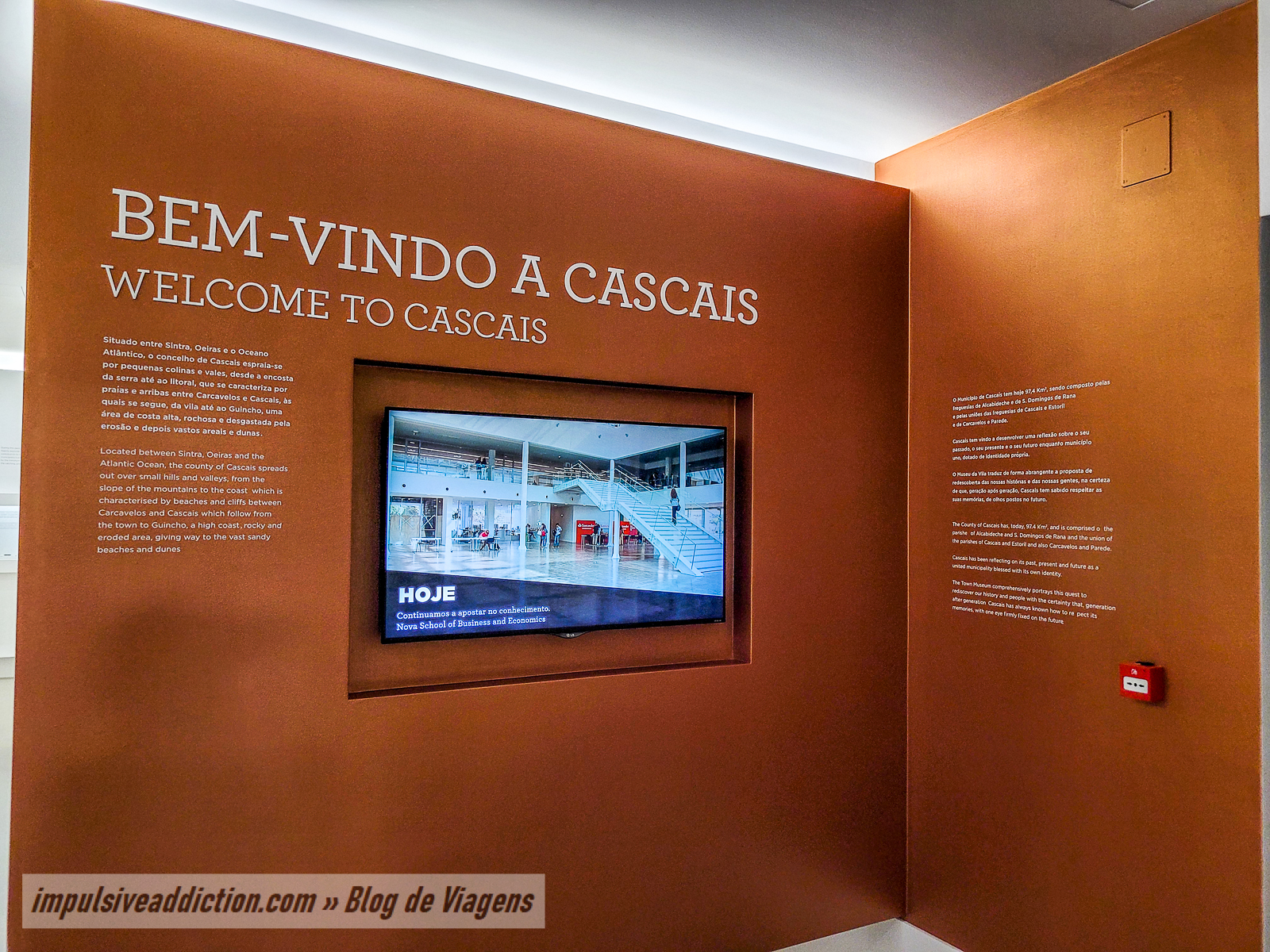
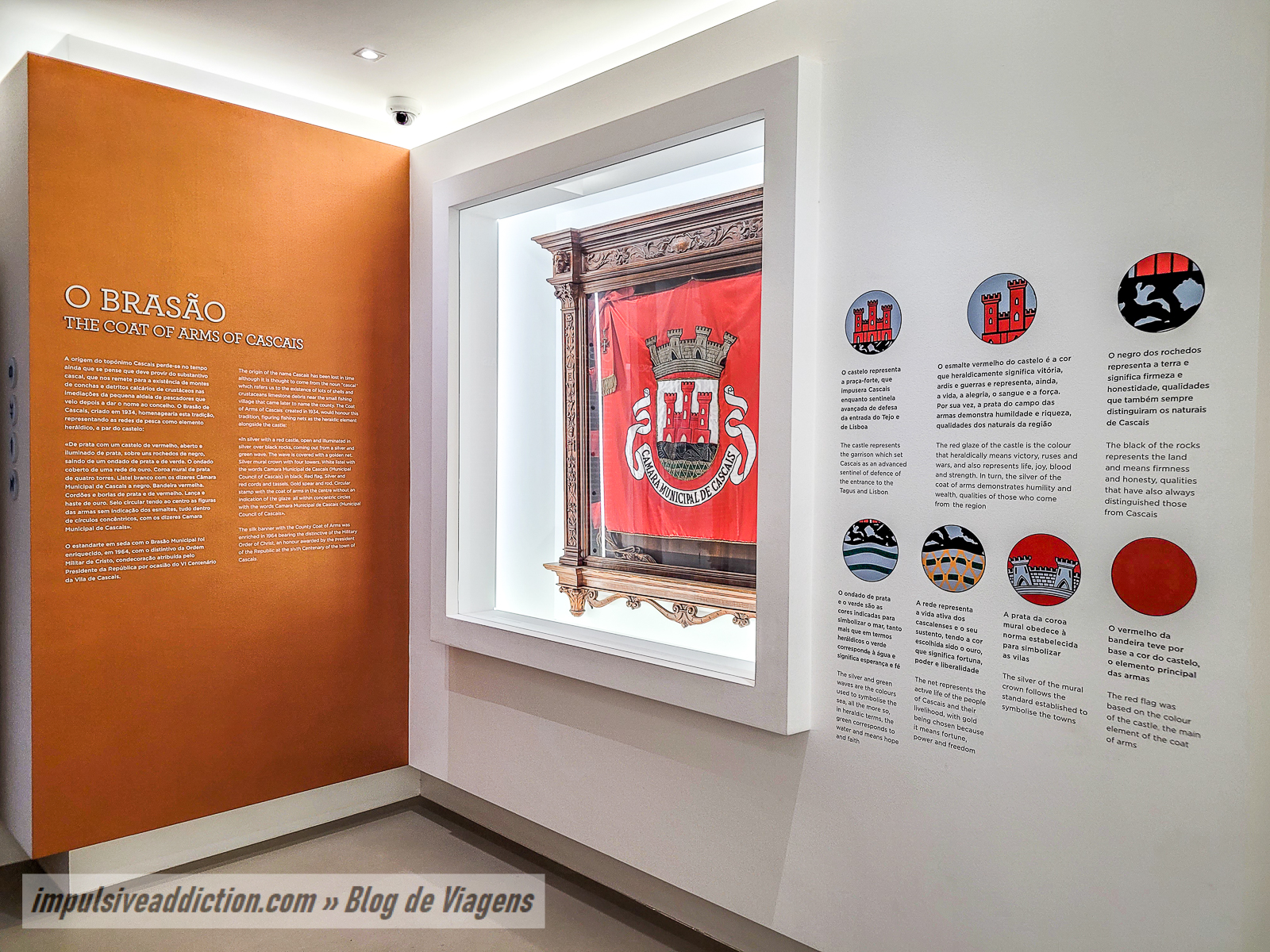
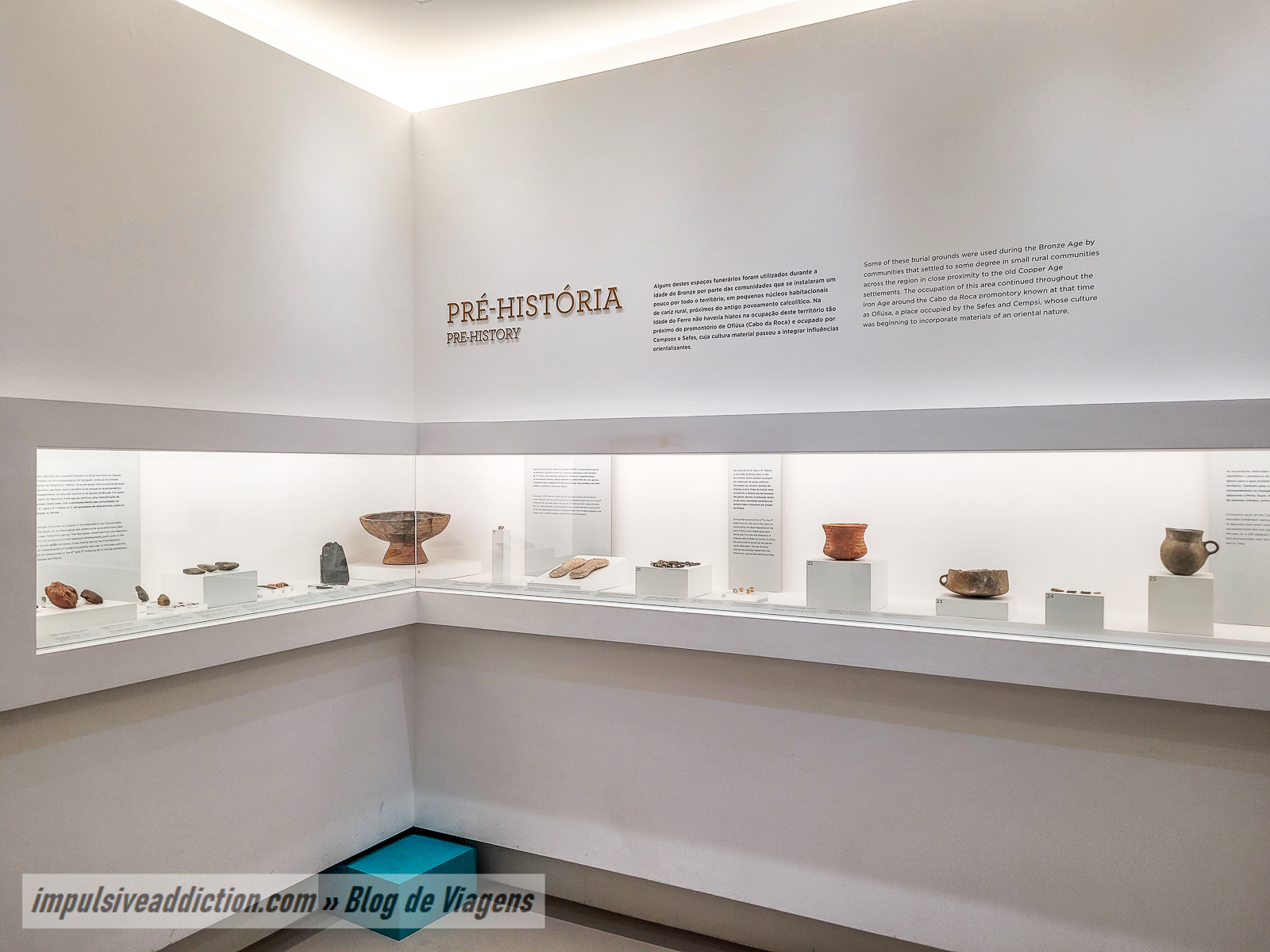
Located on the ground floor of the Cascais Town Hall building, the Cascais Town Museum also houses the local tourist information office. This museum is a must-visit starting point for anyone wanting to understand the region’s history — from prehistoric times to the present day.
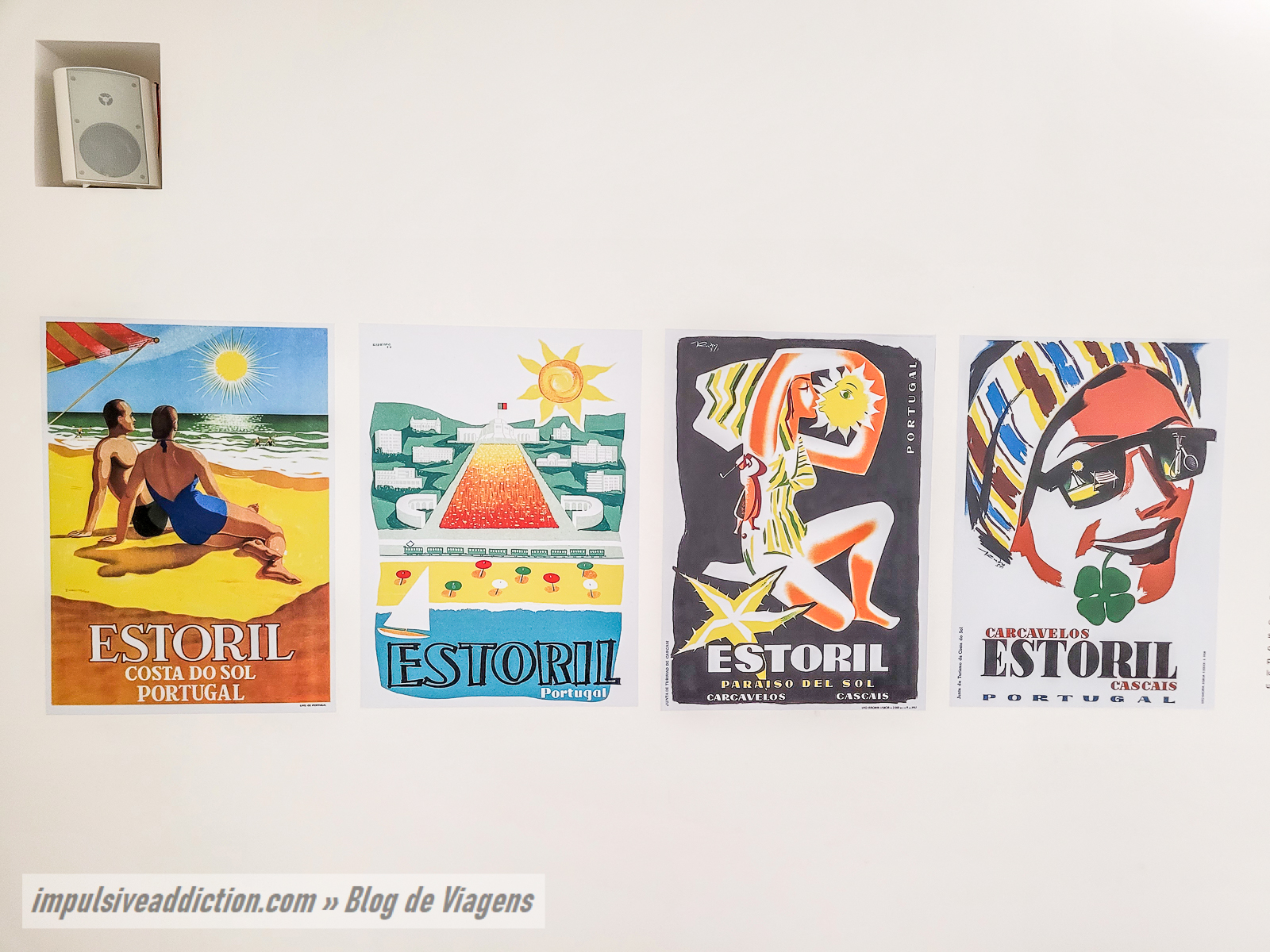
It offers an engaging overview of how Cascais evolved, including the rise of the Costa do Sol as a premier travel destination. It’s well worth the visit if you’re interested in learning more about the area’s heritage, beyond just its beaches and scenic views.
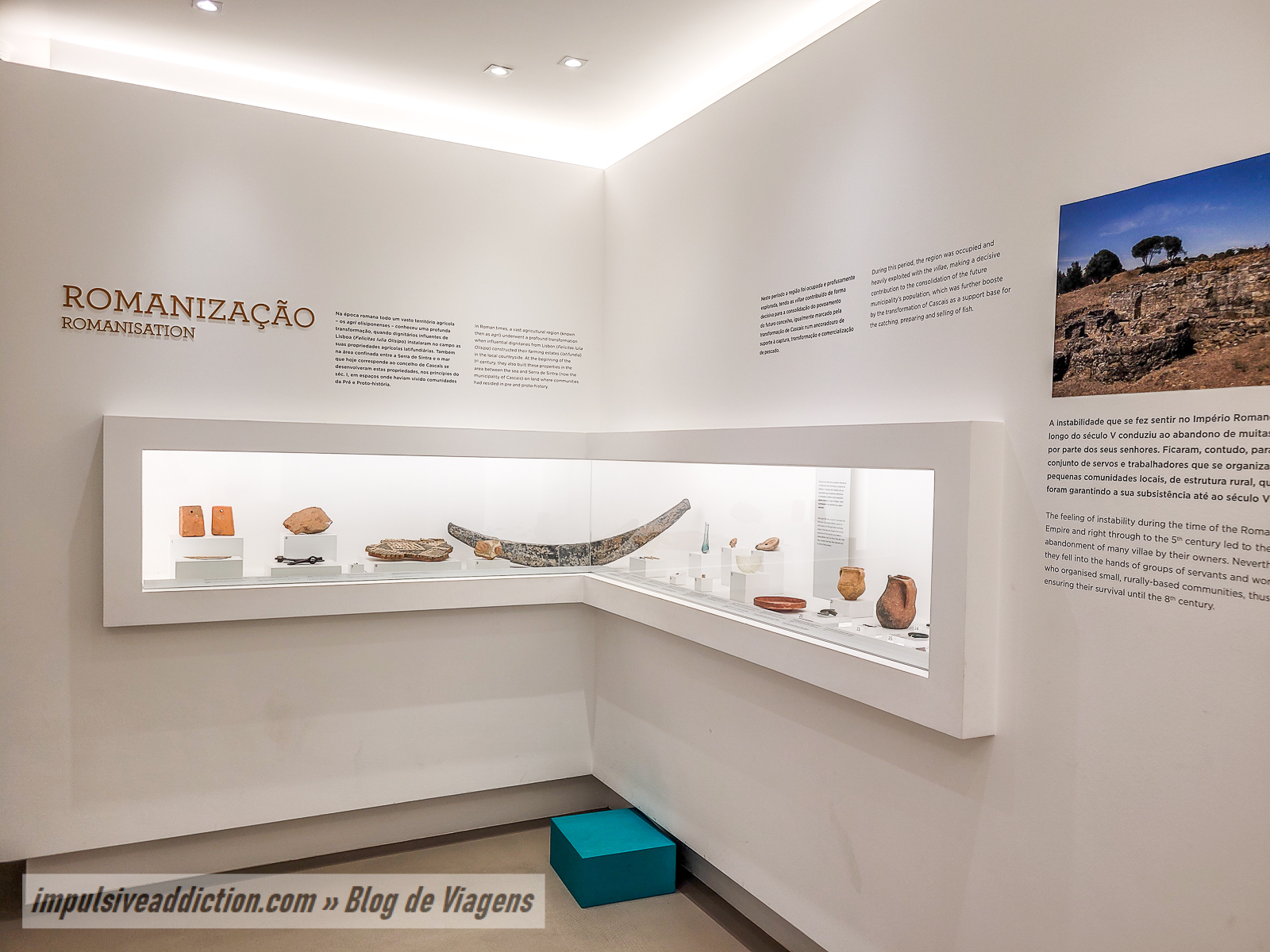
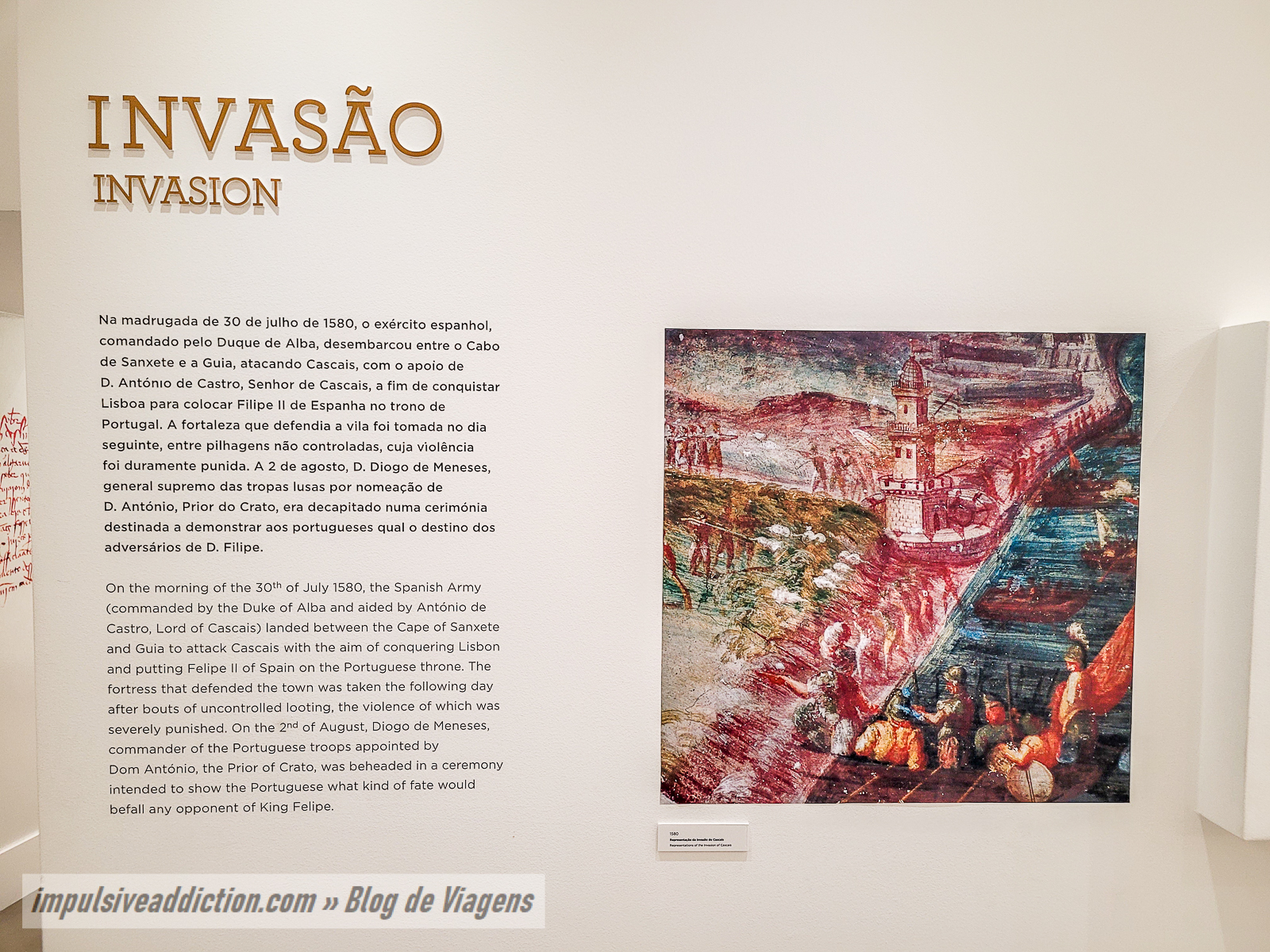
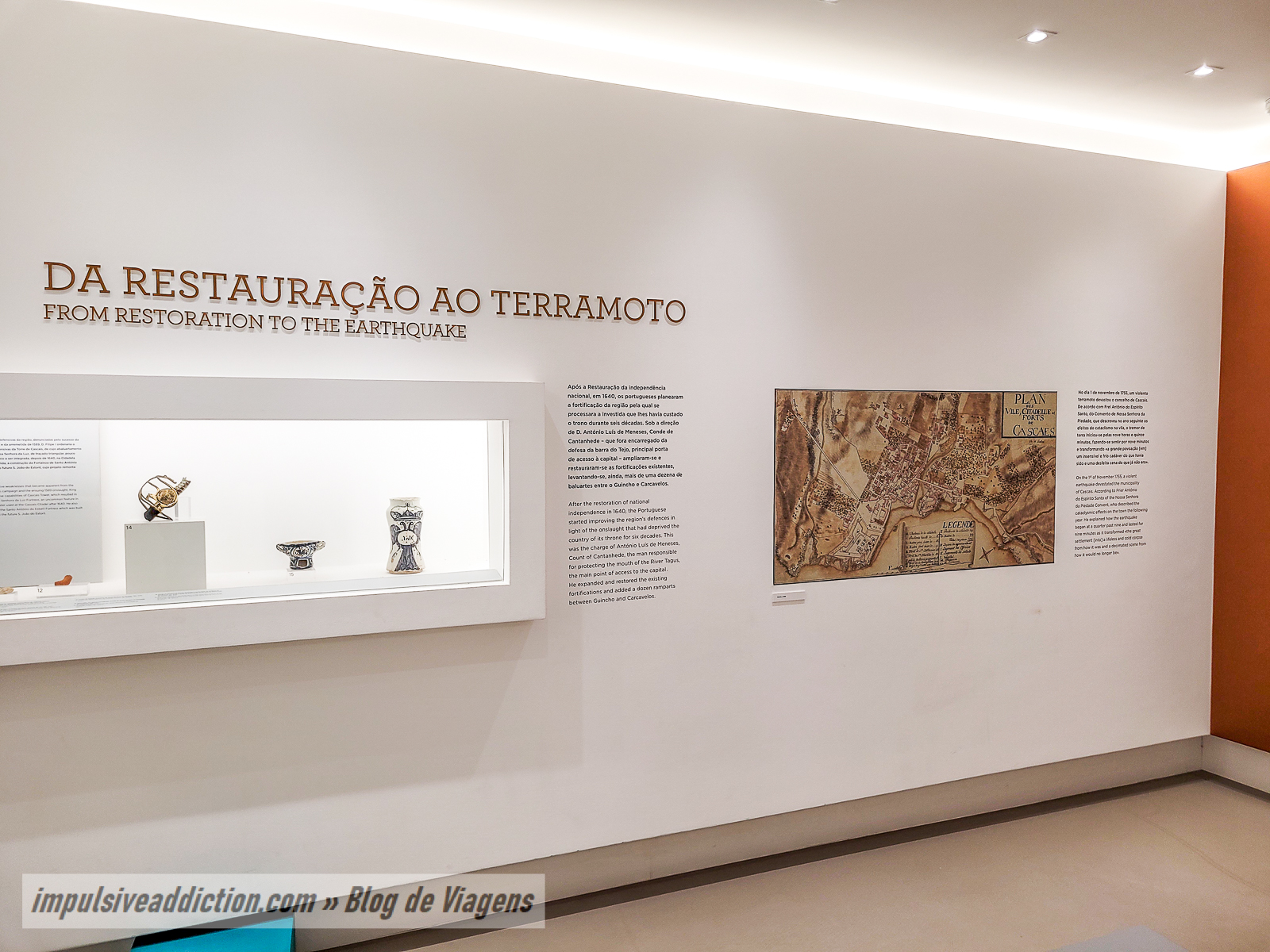
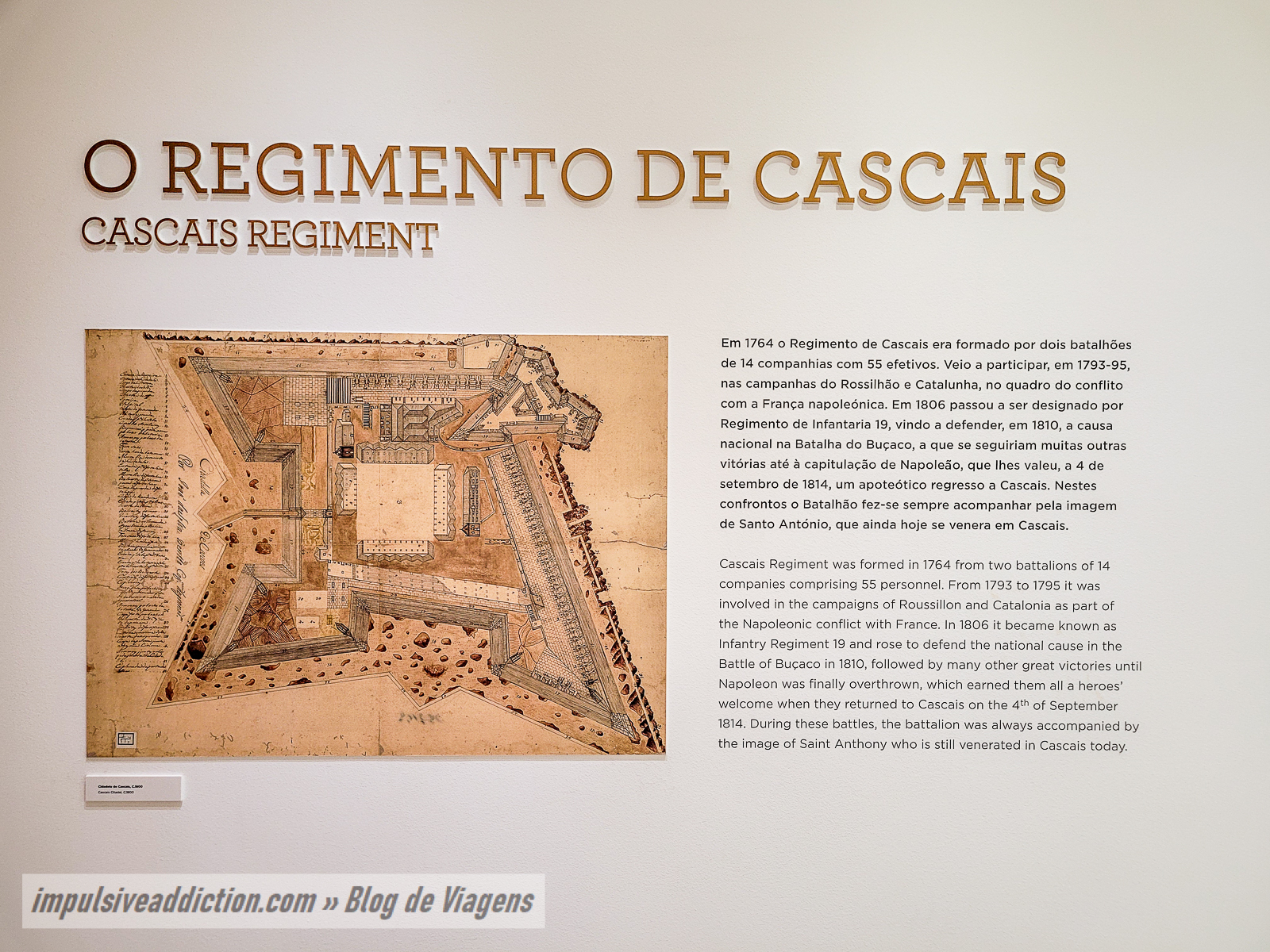
3. Praia da Ribeira, Seixas Palace & Monument to the Discoveries
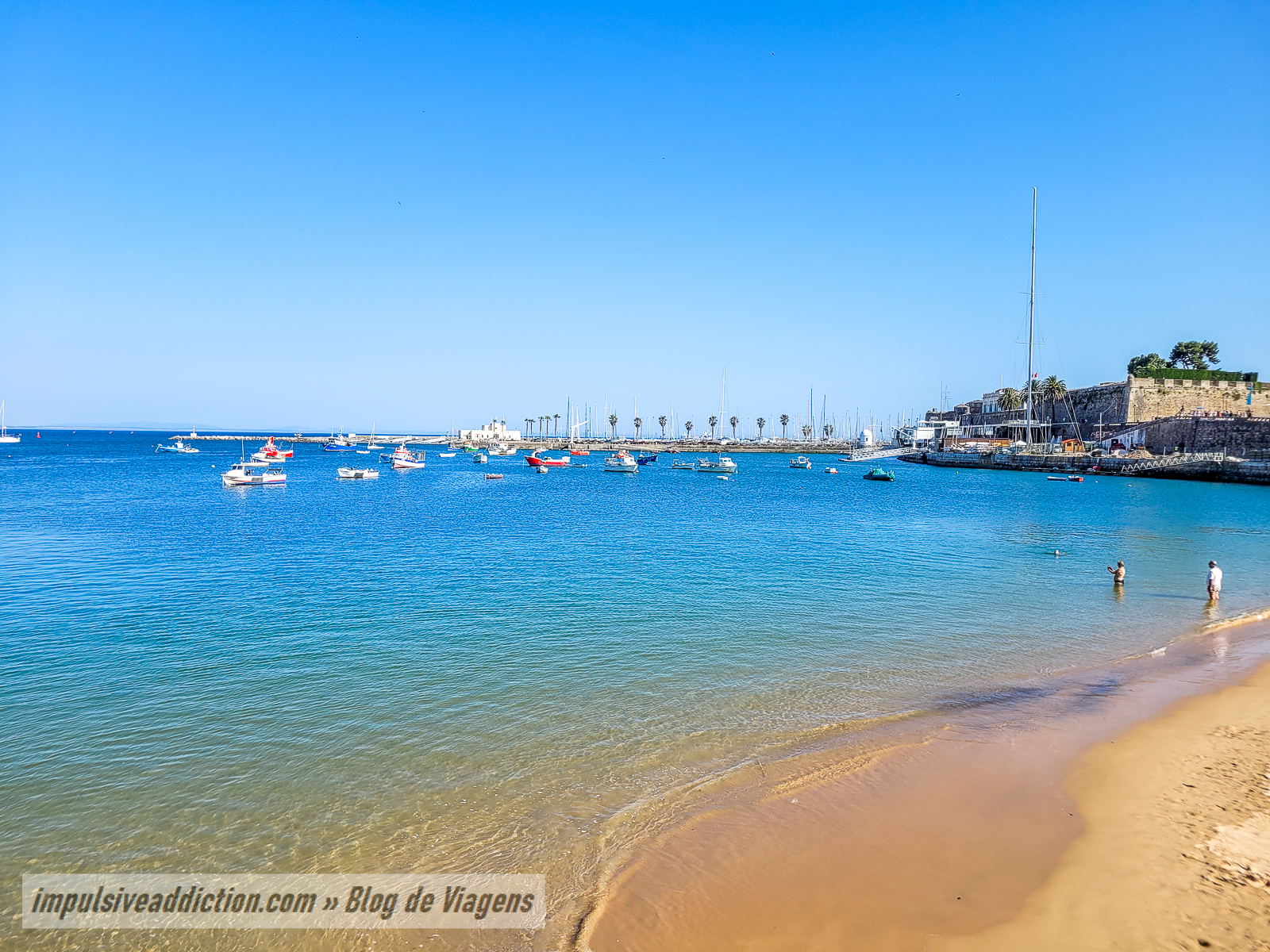
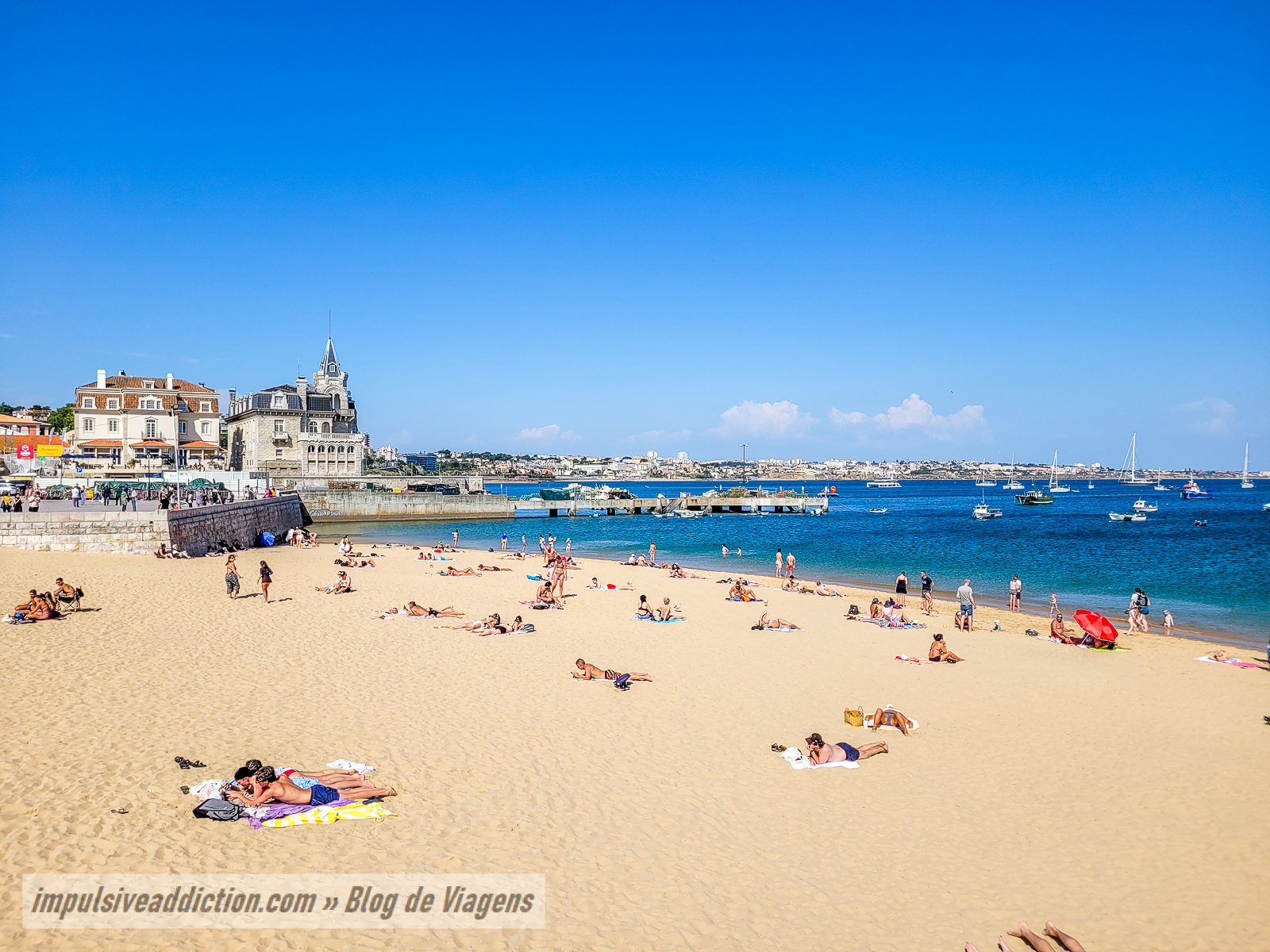
Before continuing your tour of Cascais, take a moment to enjoy the stunning view — or even a quick swim — at Praia da Ribeira. The setting is truly picturesque.
Right next to the beach, beyond Praça da República, you’ll find the distinctive Seixas Palace, a standout example of 19th-century architecture. Nearby is also the Monument commemorating the 500th anniversary of the Portuguese Discoveries — a tribute to the country’s rich maritime history.




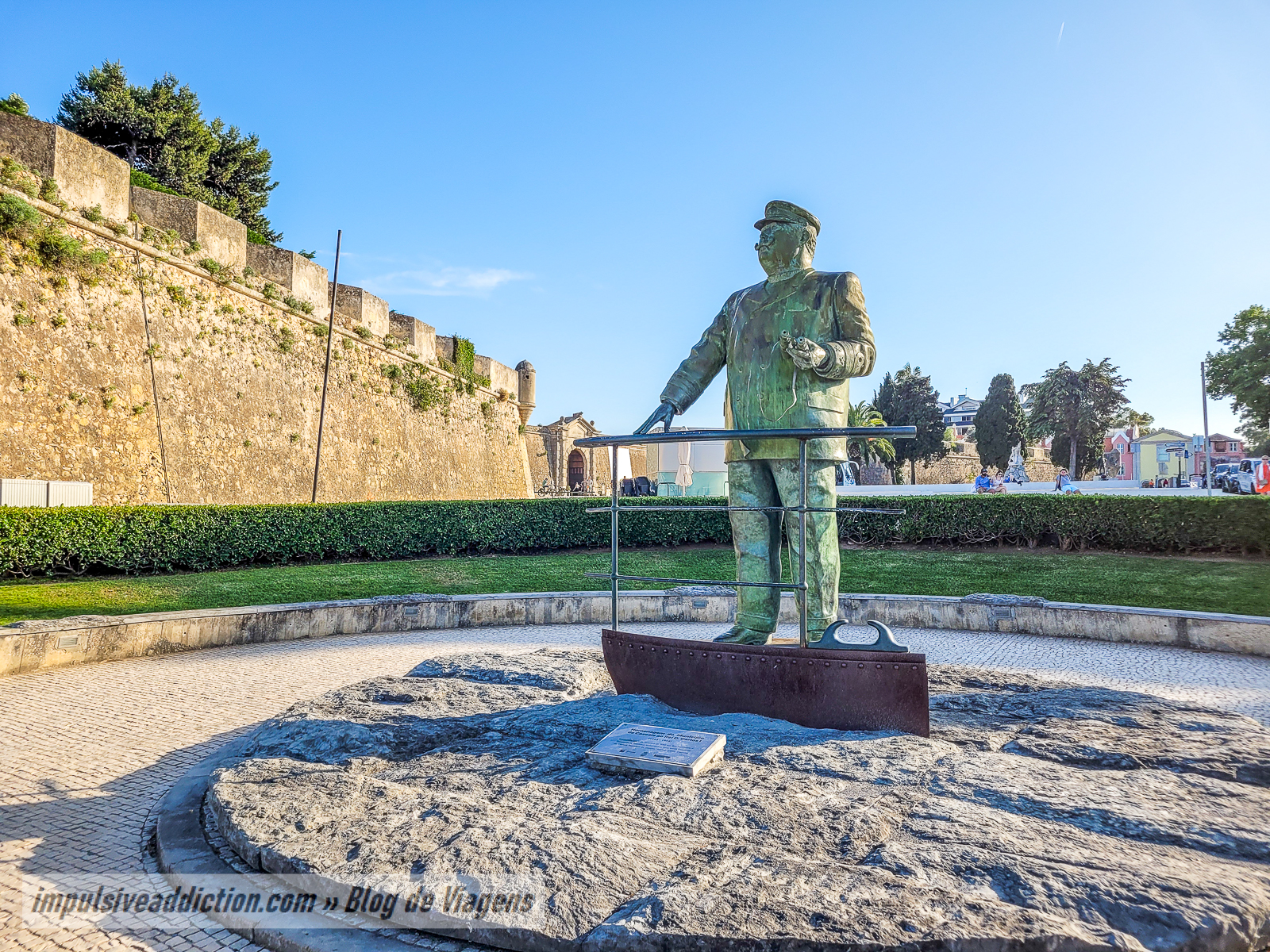
4. Cascais Citadel and Statue of King Carlos I
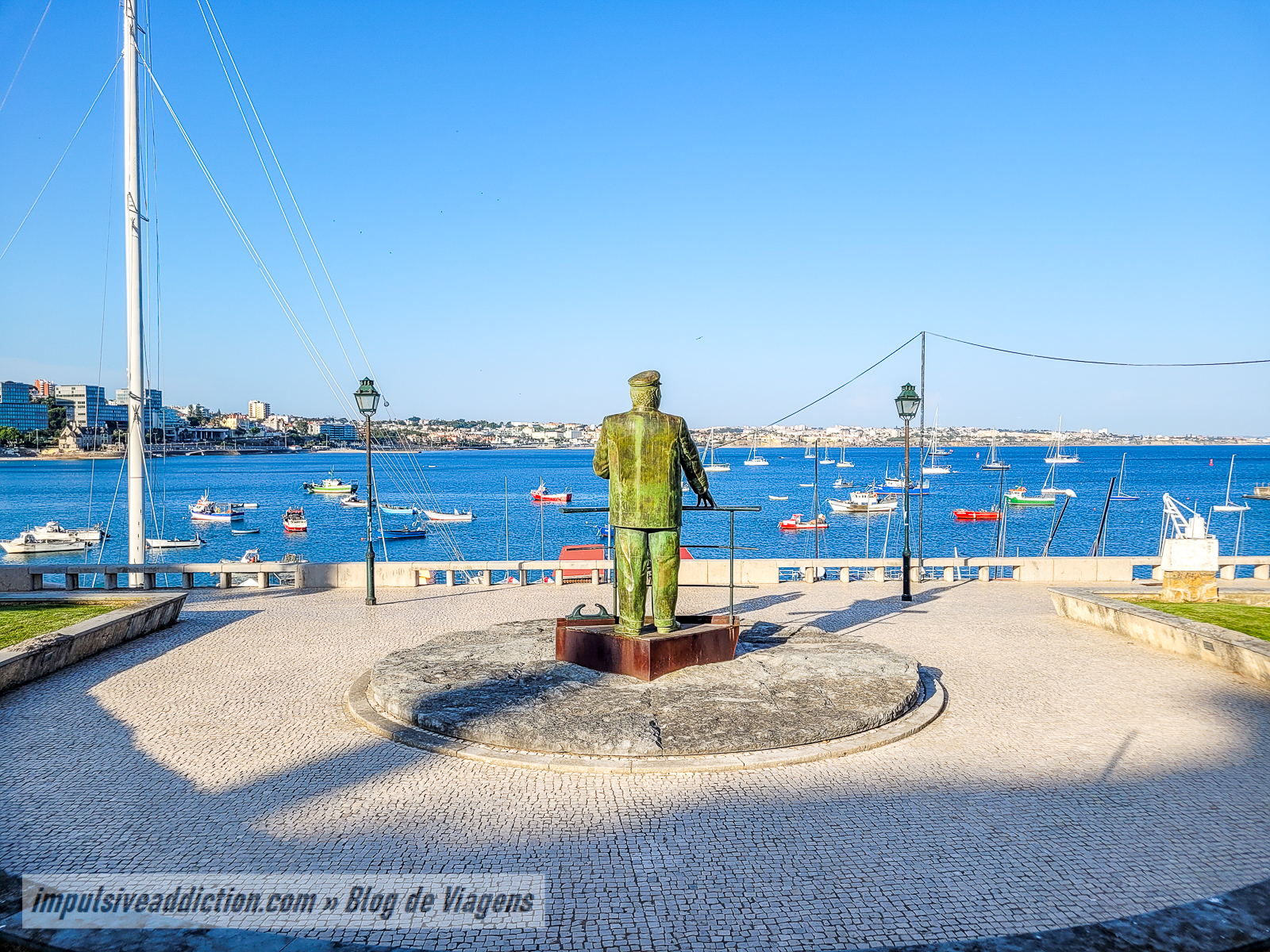
The statue was erected on the centenary of the regicide and depicts King Carlos I gazing out over Cascais Bay from the deck of his yacht, Amélia.
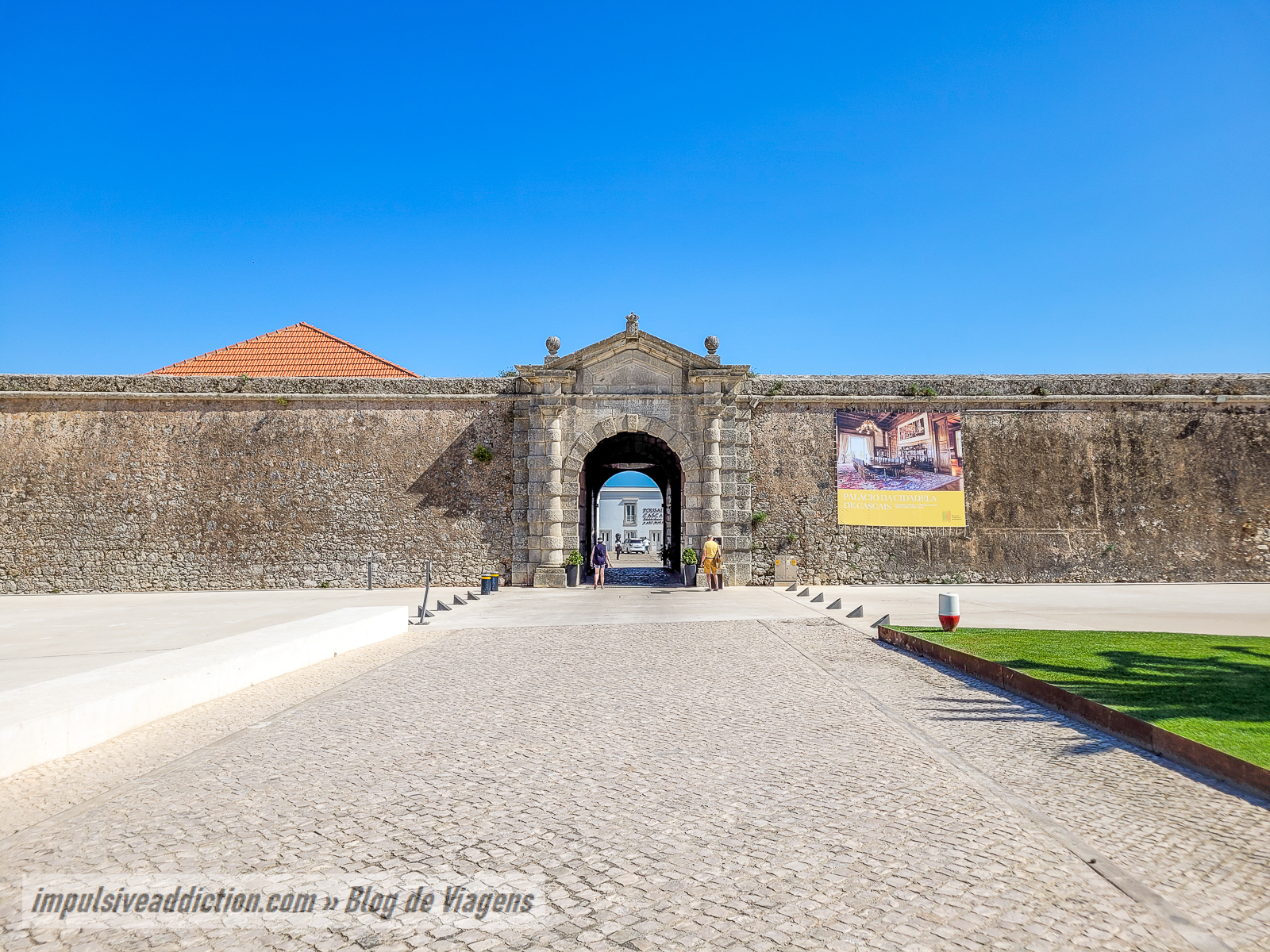
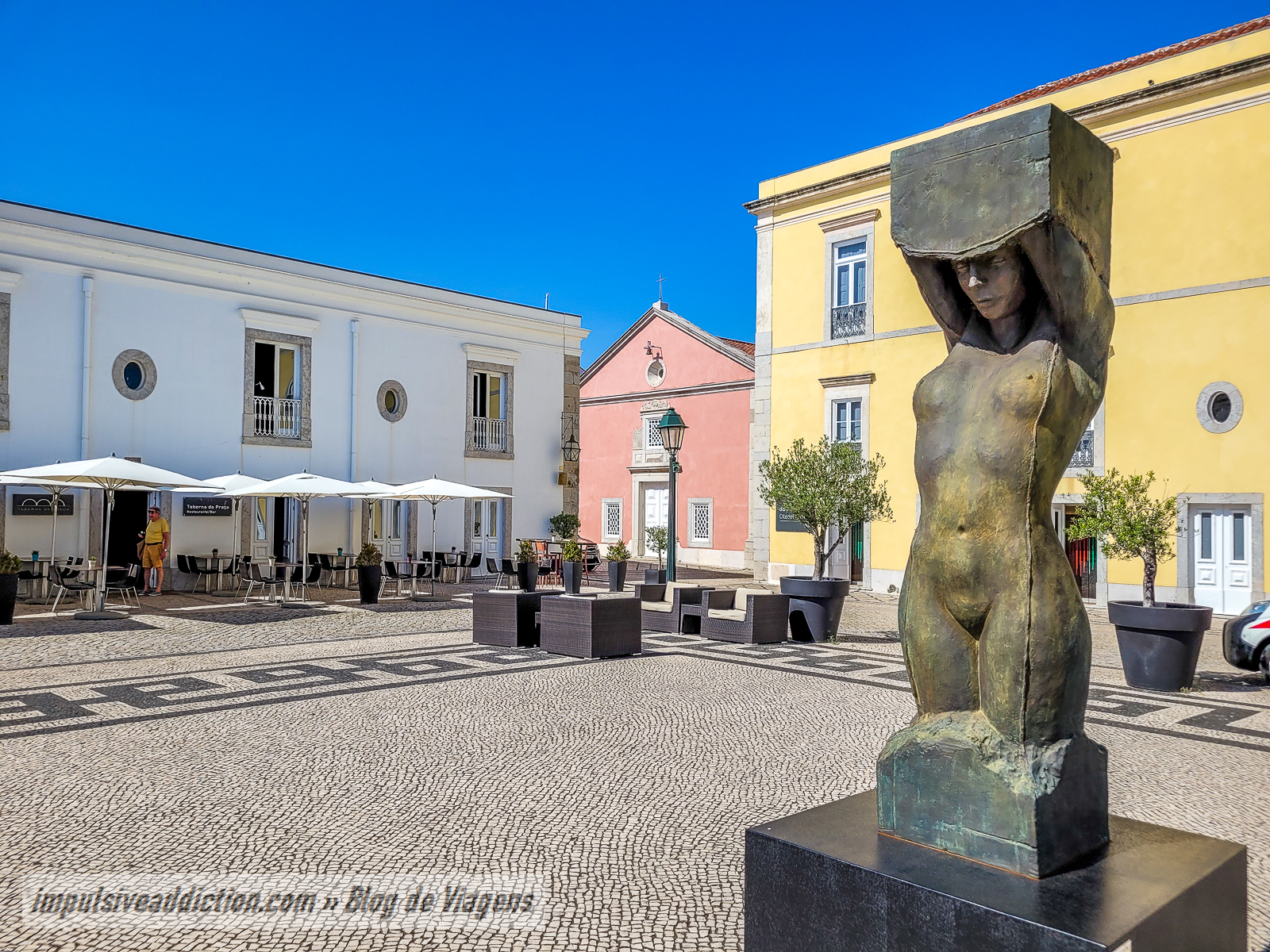
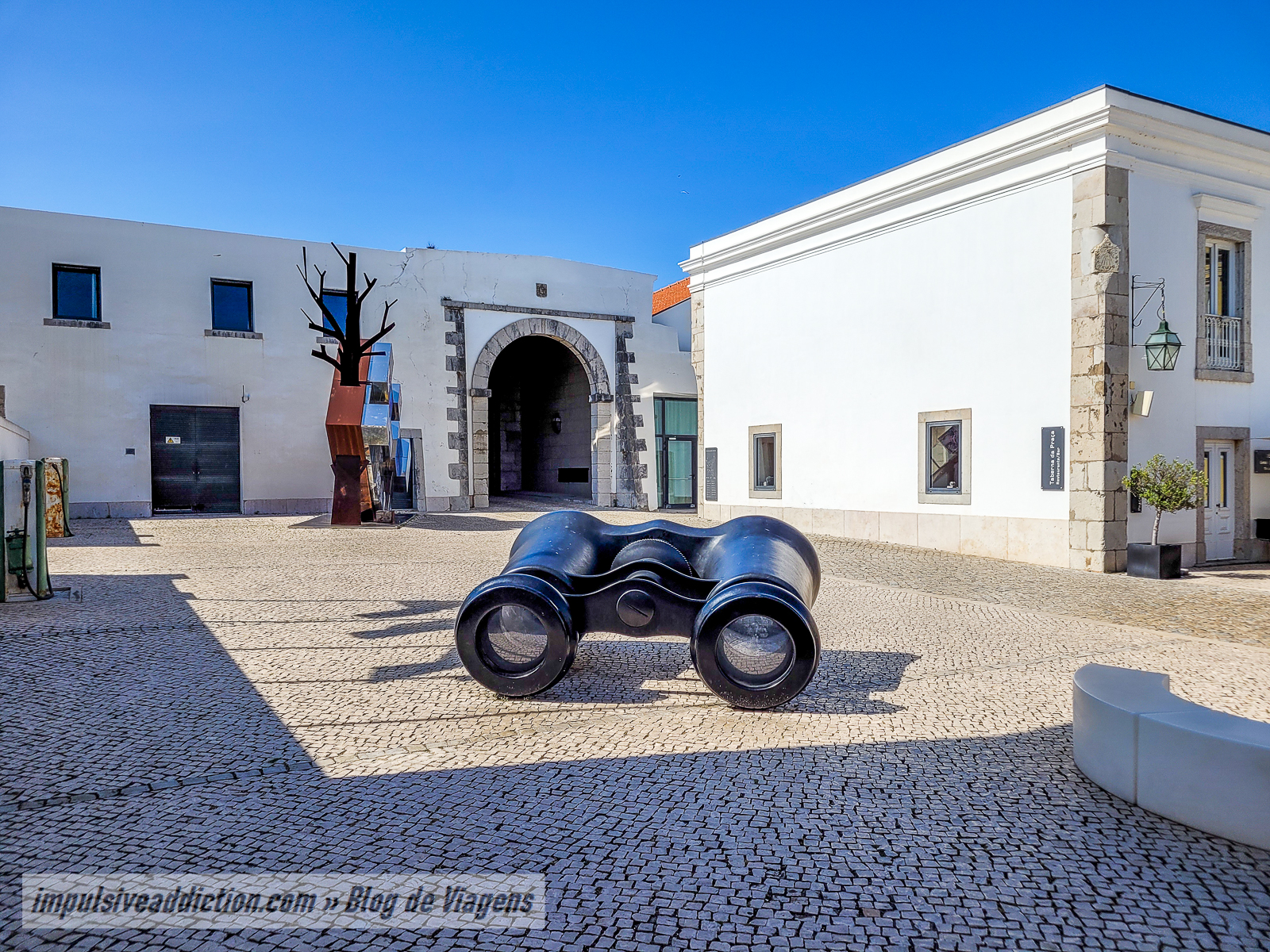
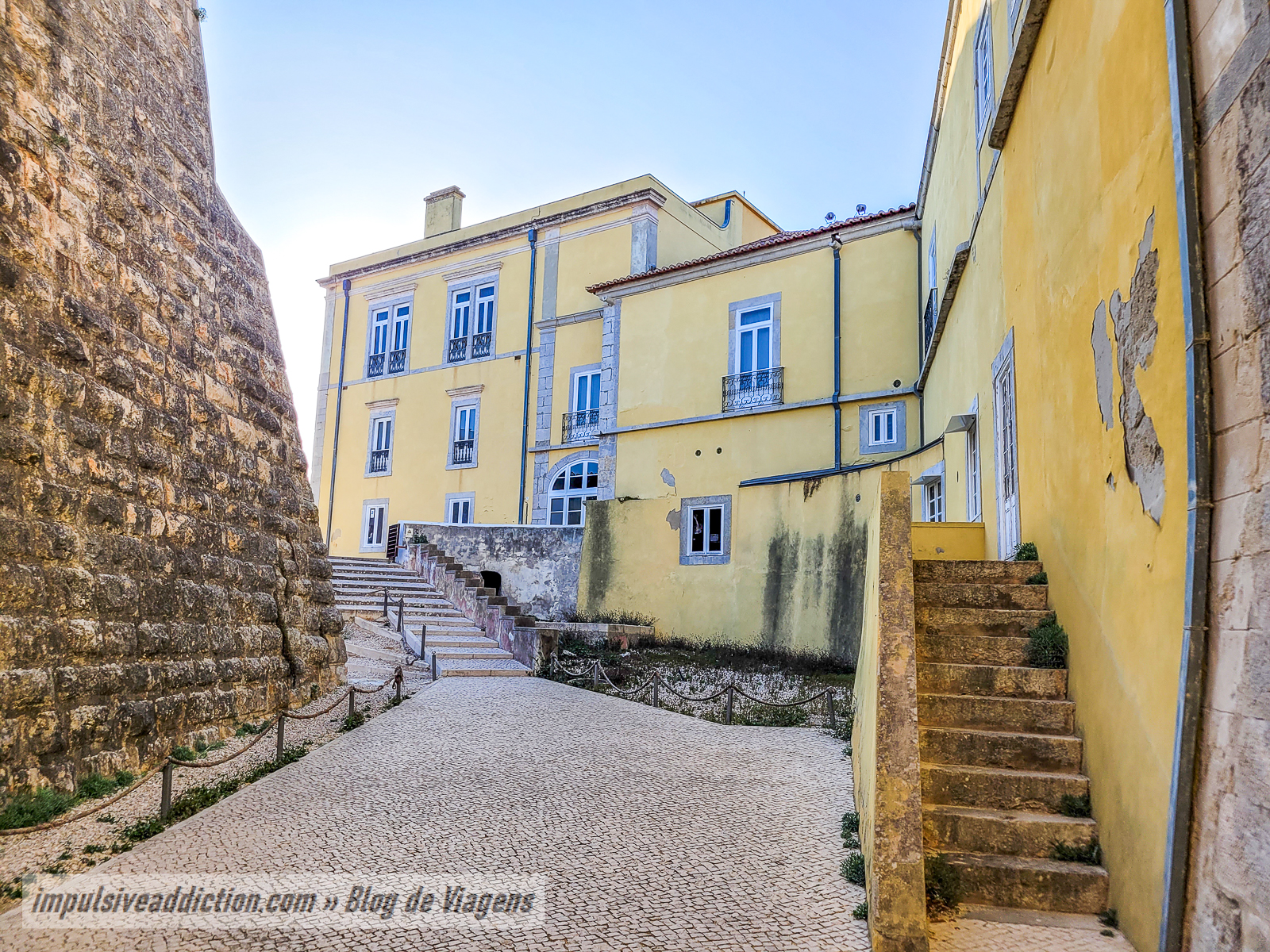
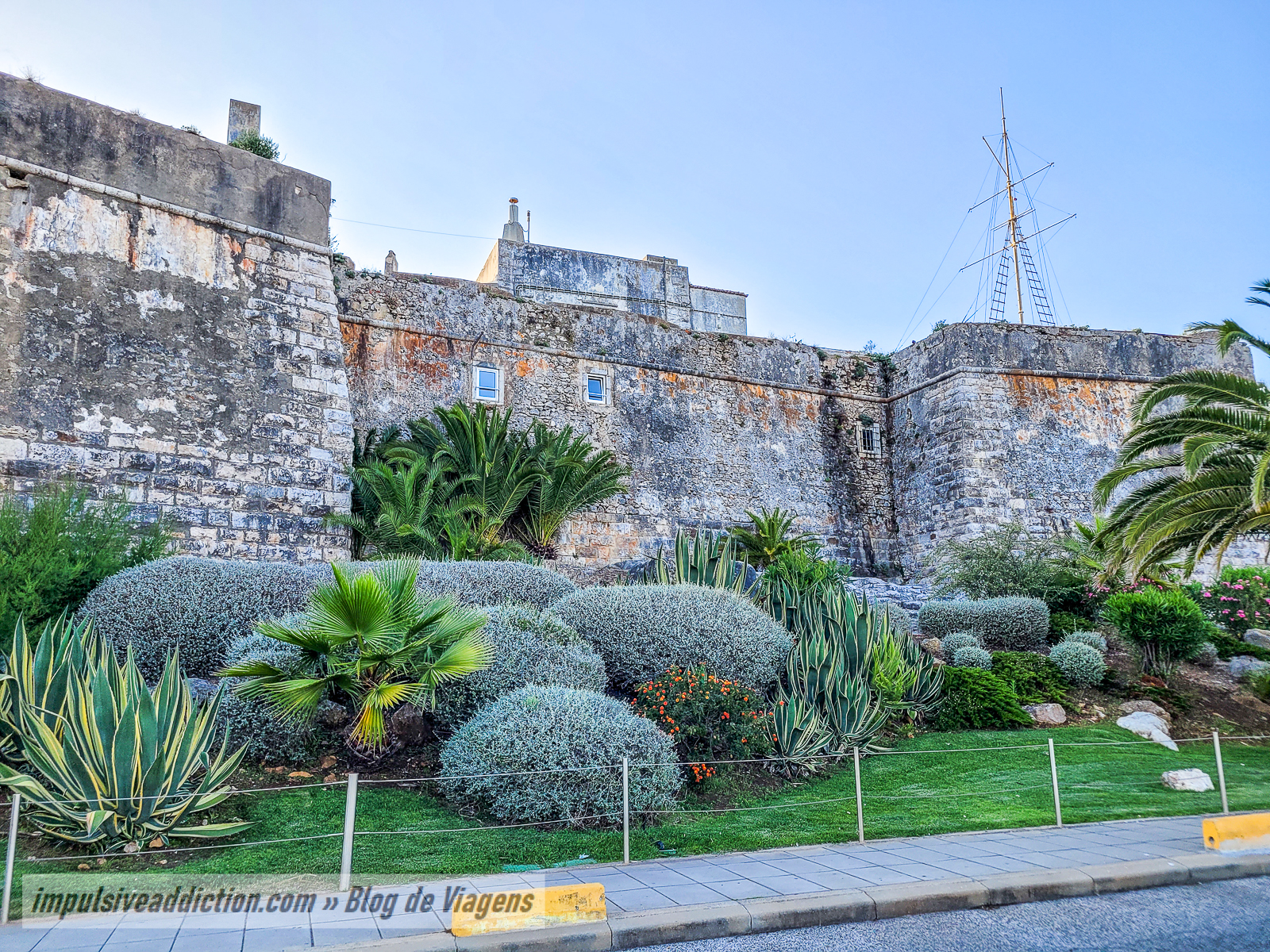
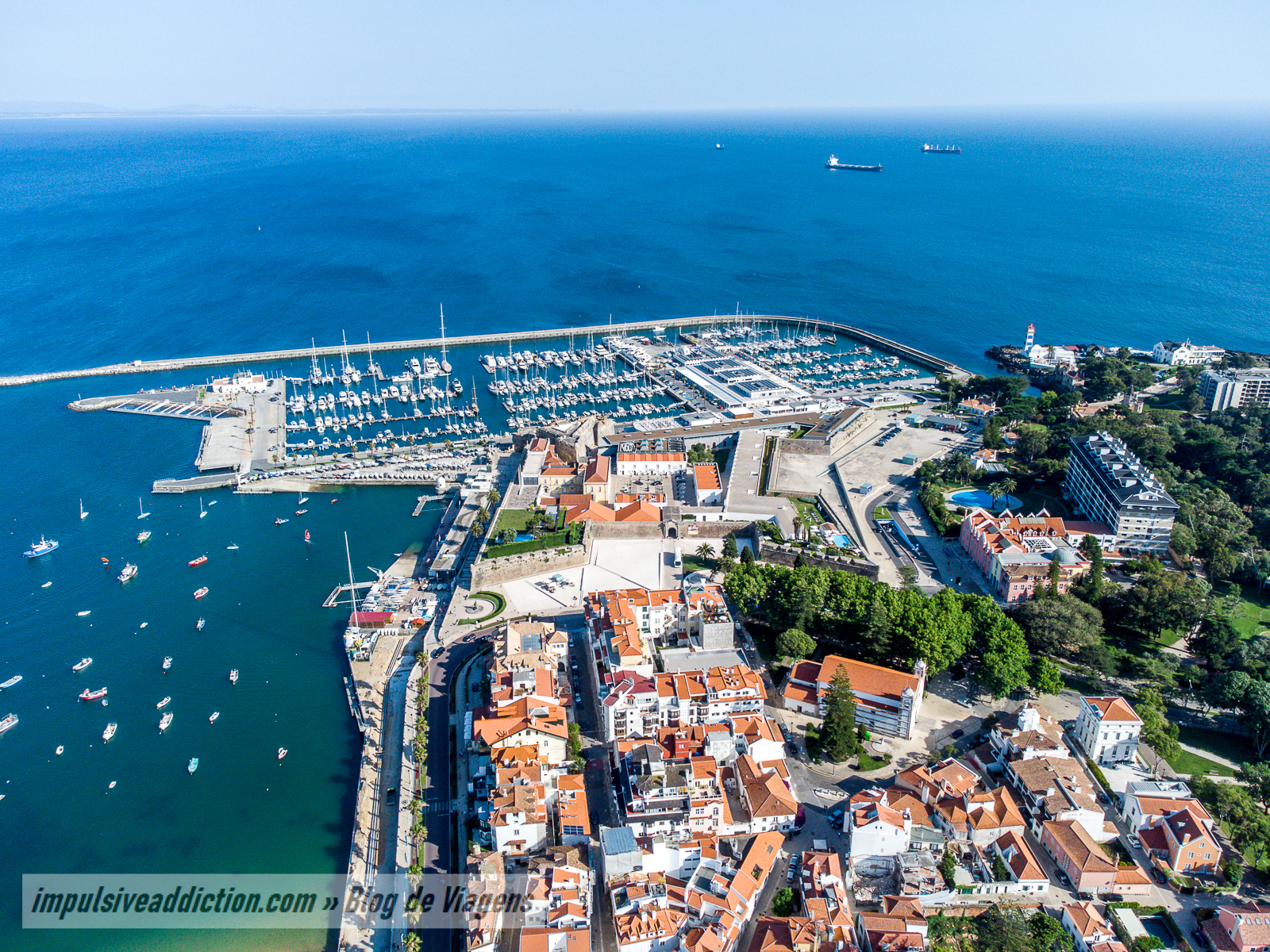
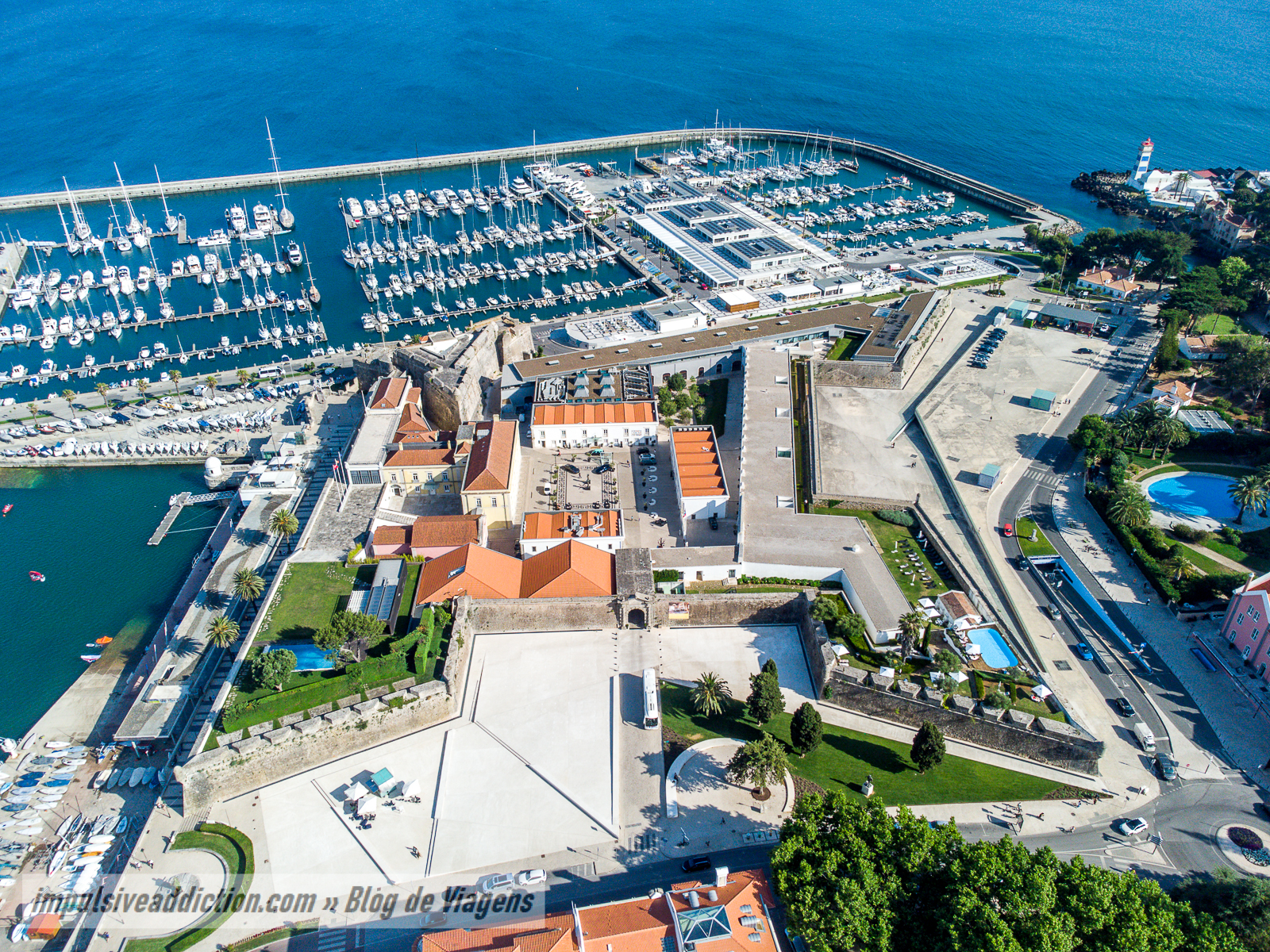
This statue stands right next to the massive Cascais Citadel, which is much older. It was commissioned by King João IV after Portugal’s Restoration of Independence in 1640. At that time, the Fortress of Our Lady of Light was annexed — its oldest tower dating back to 1488. The citadel is organized around a central courtyard, surrounded by four quarters: Santa Catarina, near the old Governor’s House; São Pedro and Santo António, which housed the garrison; and São Luís, where the hospital was located.
In 1870, the Royal Palace of Cascais was established inside the citadel by King Luís and Queen Maria Pia. In 1896, King Carlos created Portugal’s first marine biology laboratory in this palace. After 1910, it became a residence for Presidents of the Republic and served as the official home of President Óscar Carmona from 1928 to 1945.
Today, the citadel hosts the Museum of the Presidency of the Republic, where visitors can tour the palace’s ceremonial rooms, the Chapel of Our Lady of Victory, and the Fortress of Our Lady of Light — all by prior appointment.
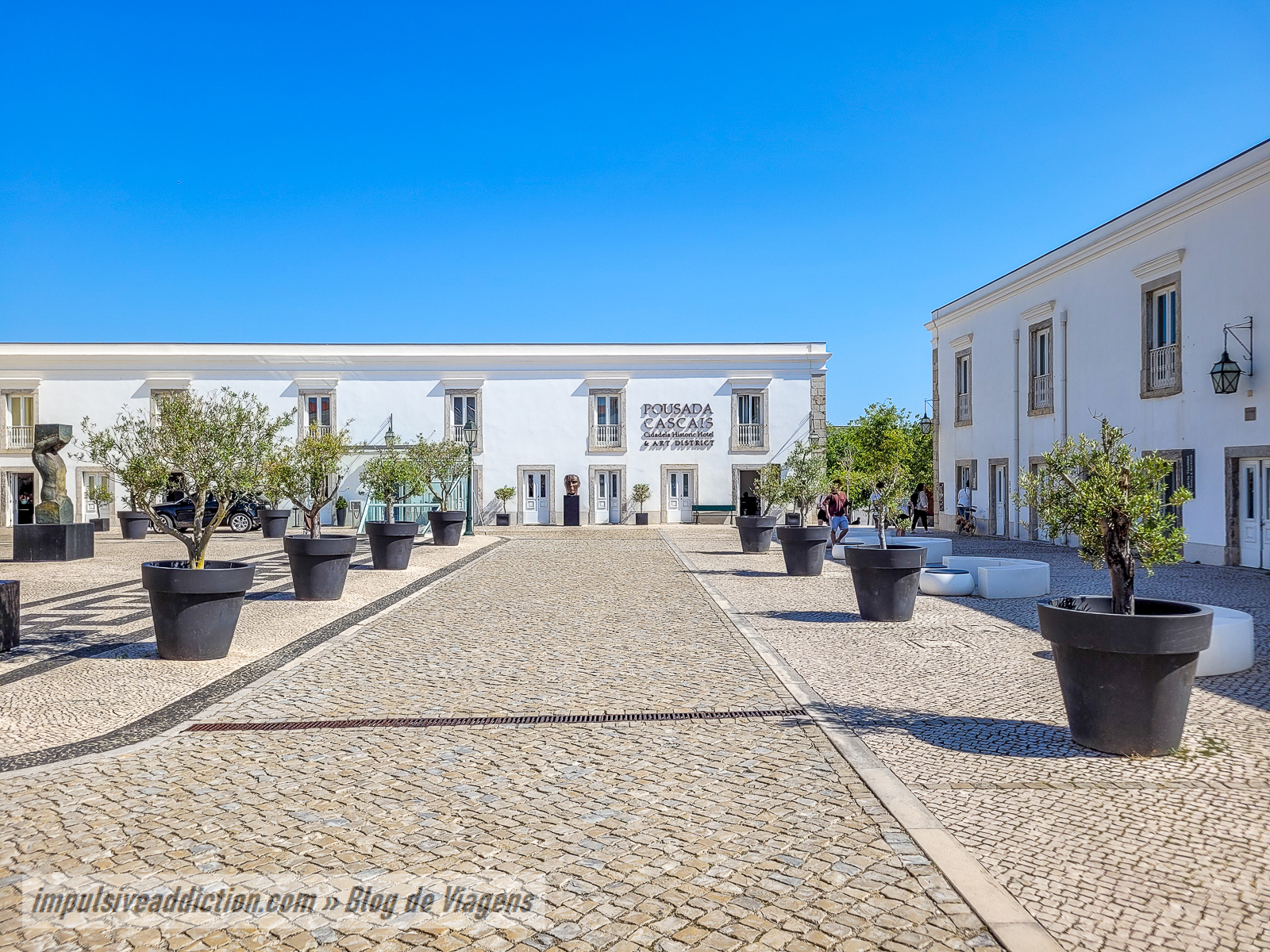
The citadel also includes a pousada (historic inn) where you can stay overnight.
5. Cascais Marina and Bay Viewpoint
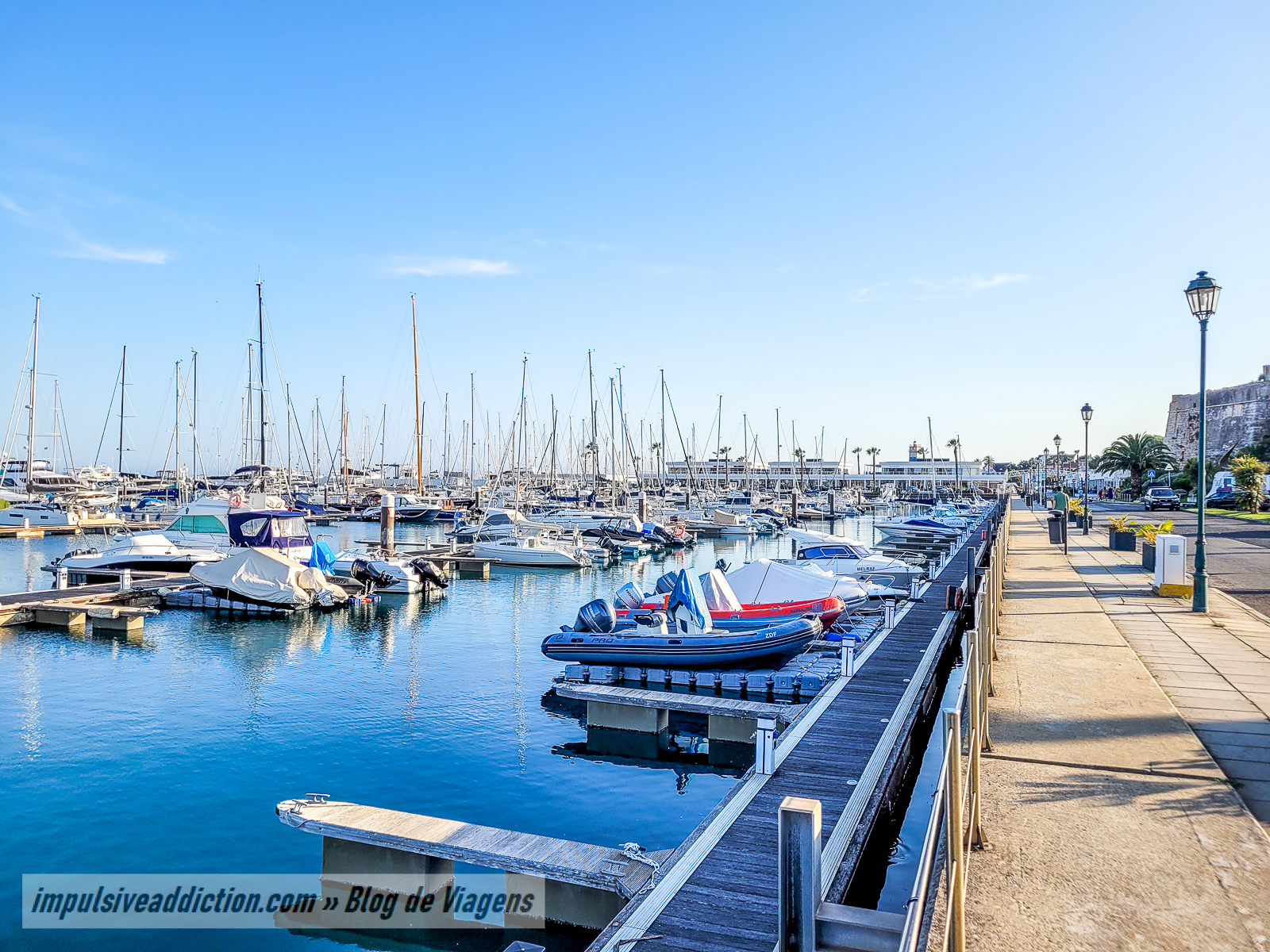
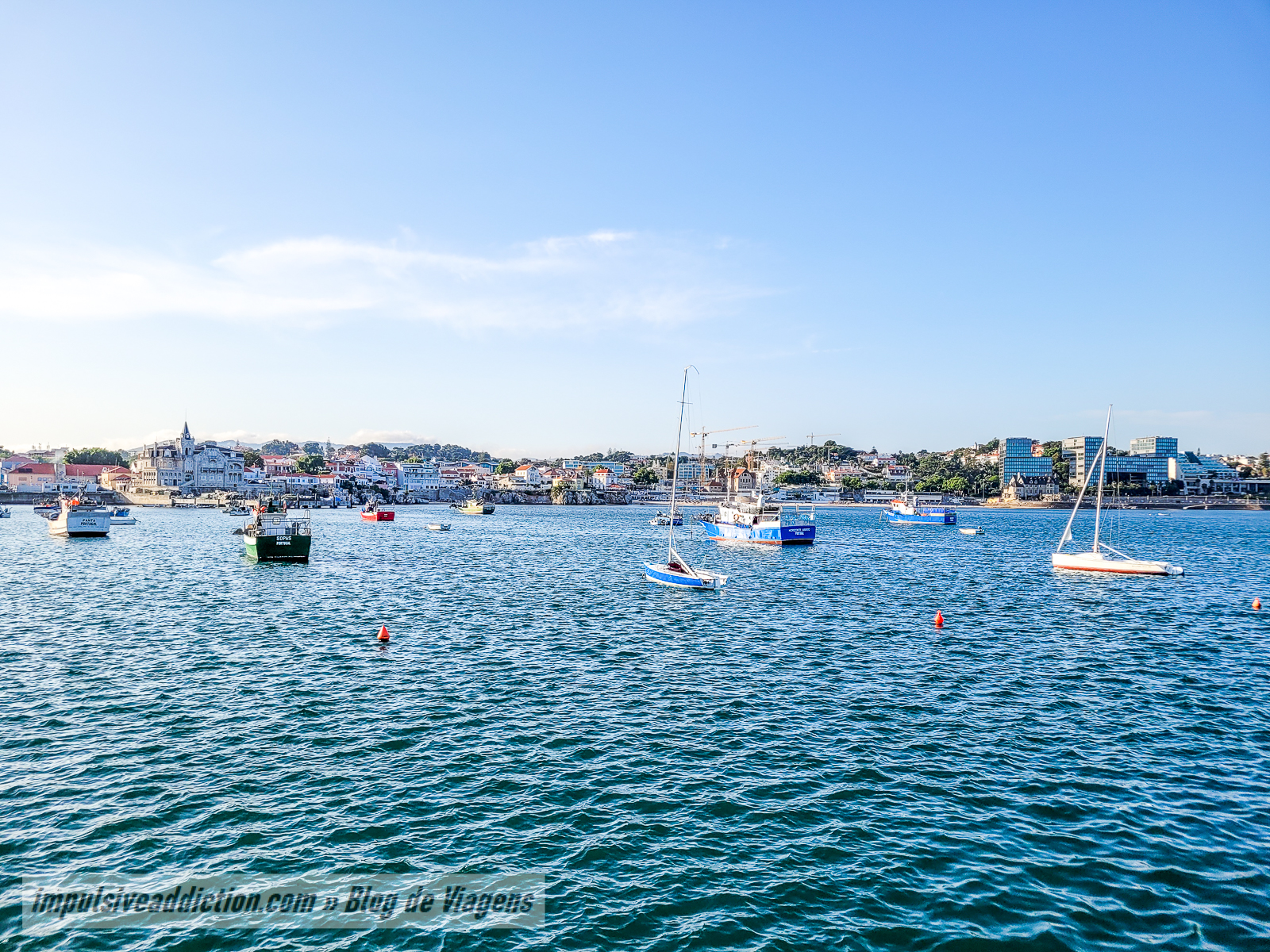
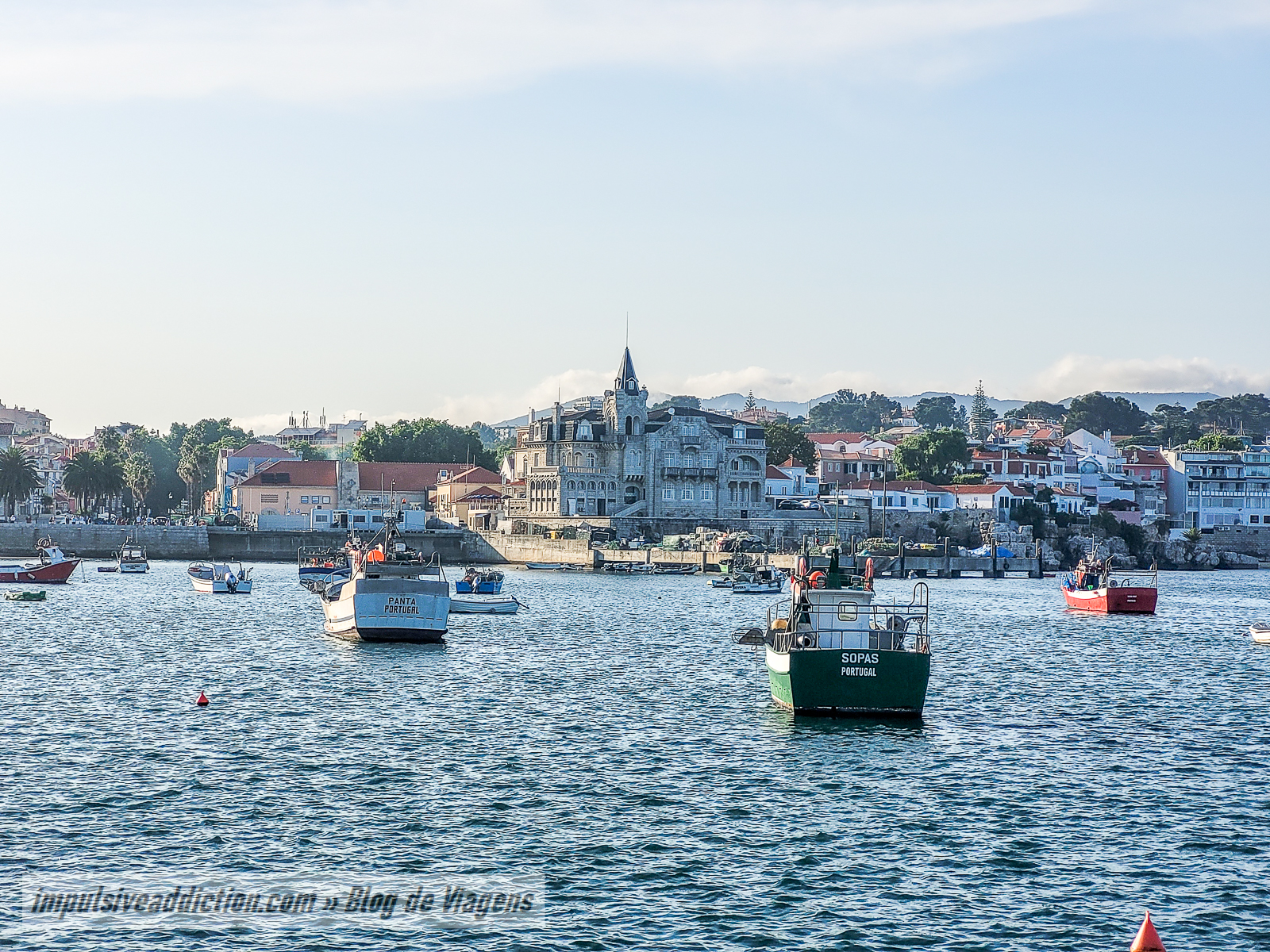
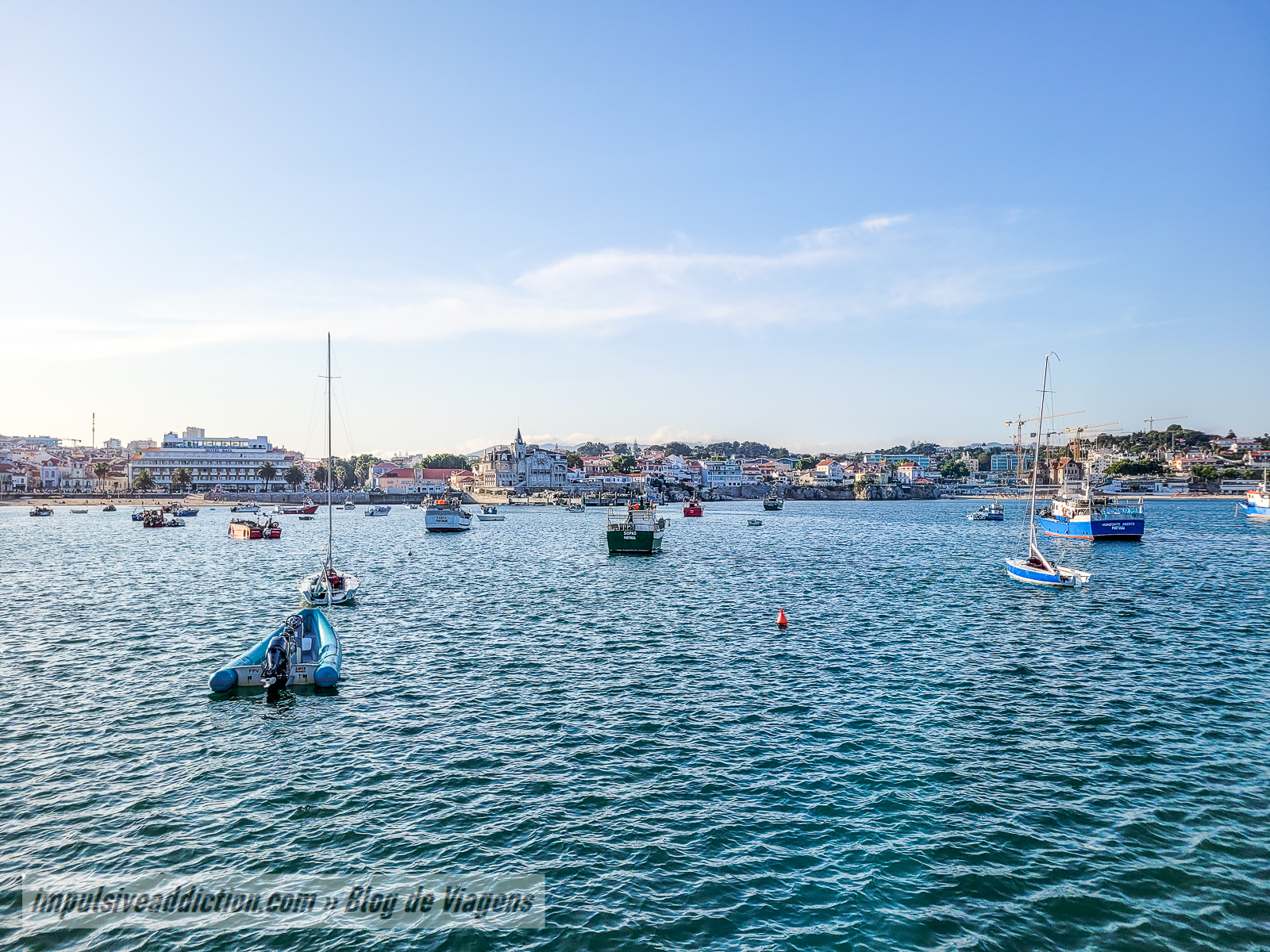
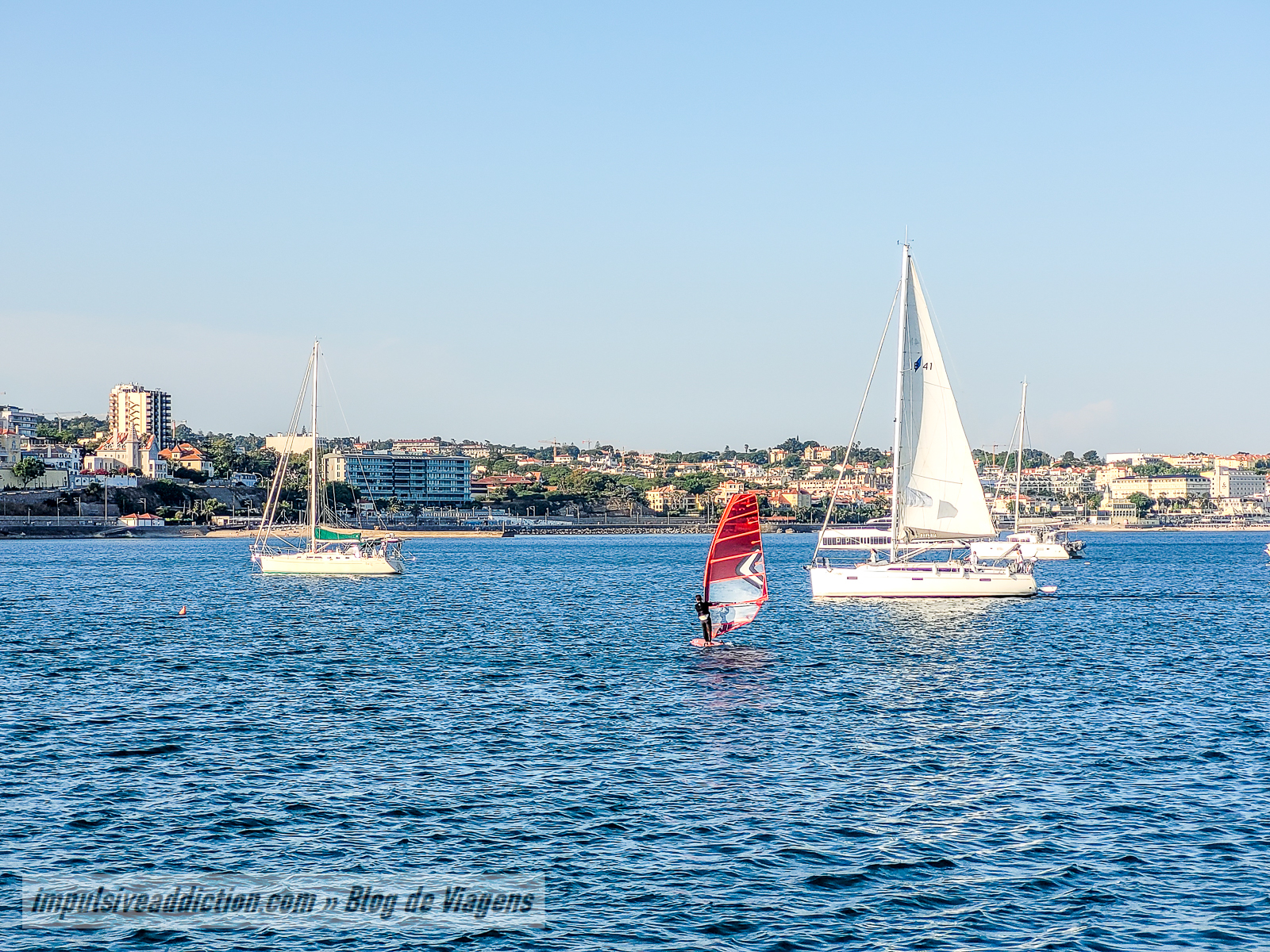
After visiting the Citadel, head back along the seafront near the statue of King Carlos. Walk toward the Naval Club and Cascais Marina, stopping to admire the many boats docked there. A few interesting facts: the marina offers 650 berths and can accommodate vessels up to 36 meters long. The Naval Club, founded in 1938, hosts the largest sailing school in Portugal.
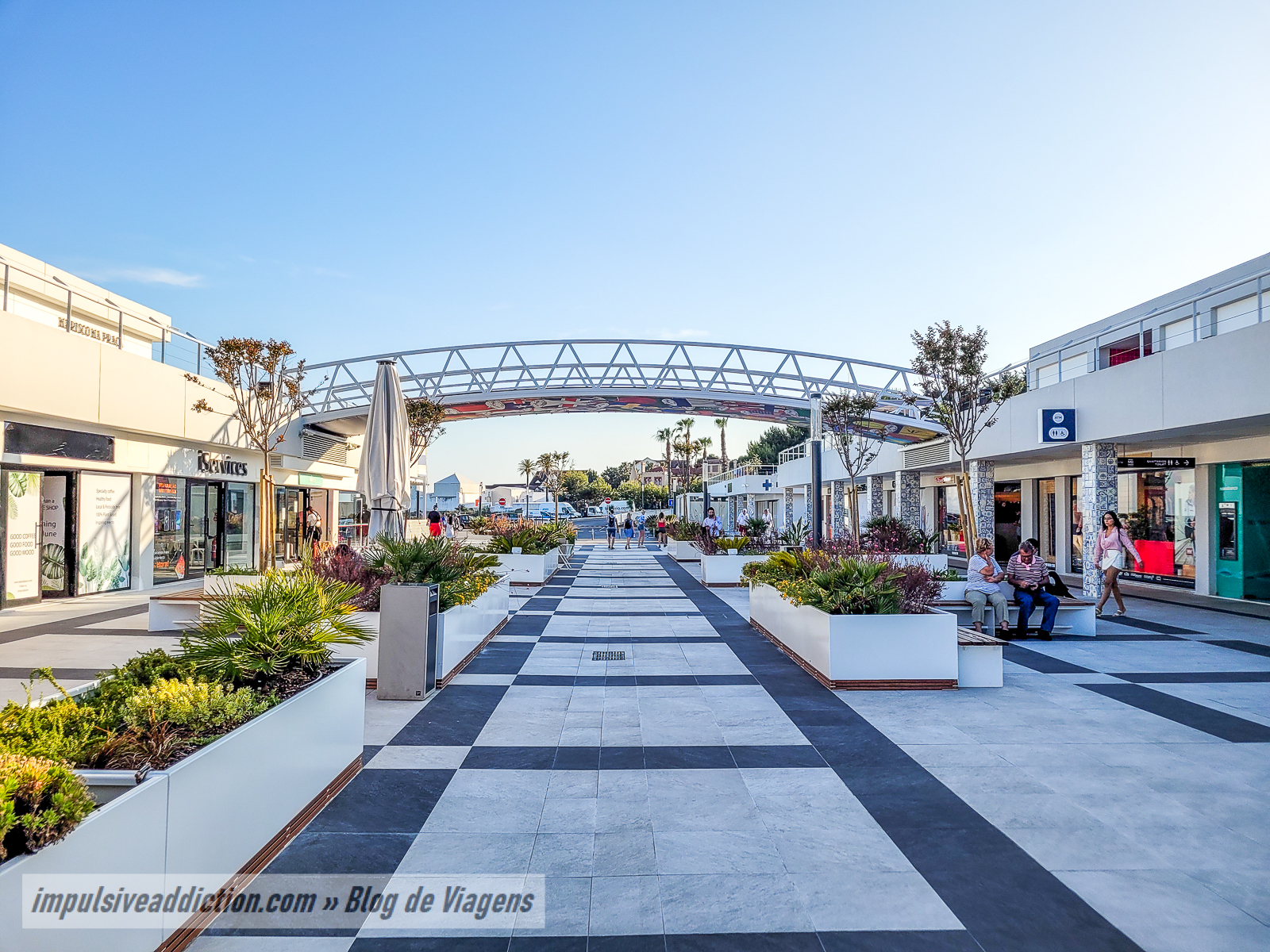
Make sure to pause at the bay viewpoint to take in the distant view of Praia da Ribeira. Wander around the marina, exploring its various shops and restaurants. The Cascais Marina feels like a small shopping center, offering plenty to see and enjoy by the water.
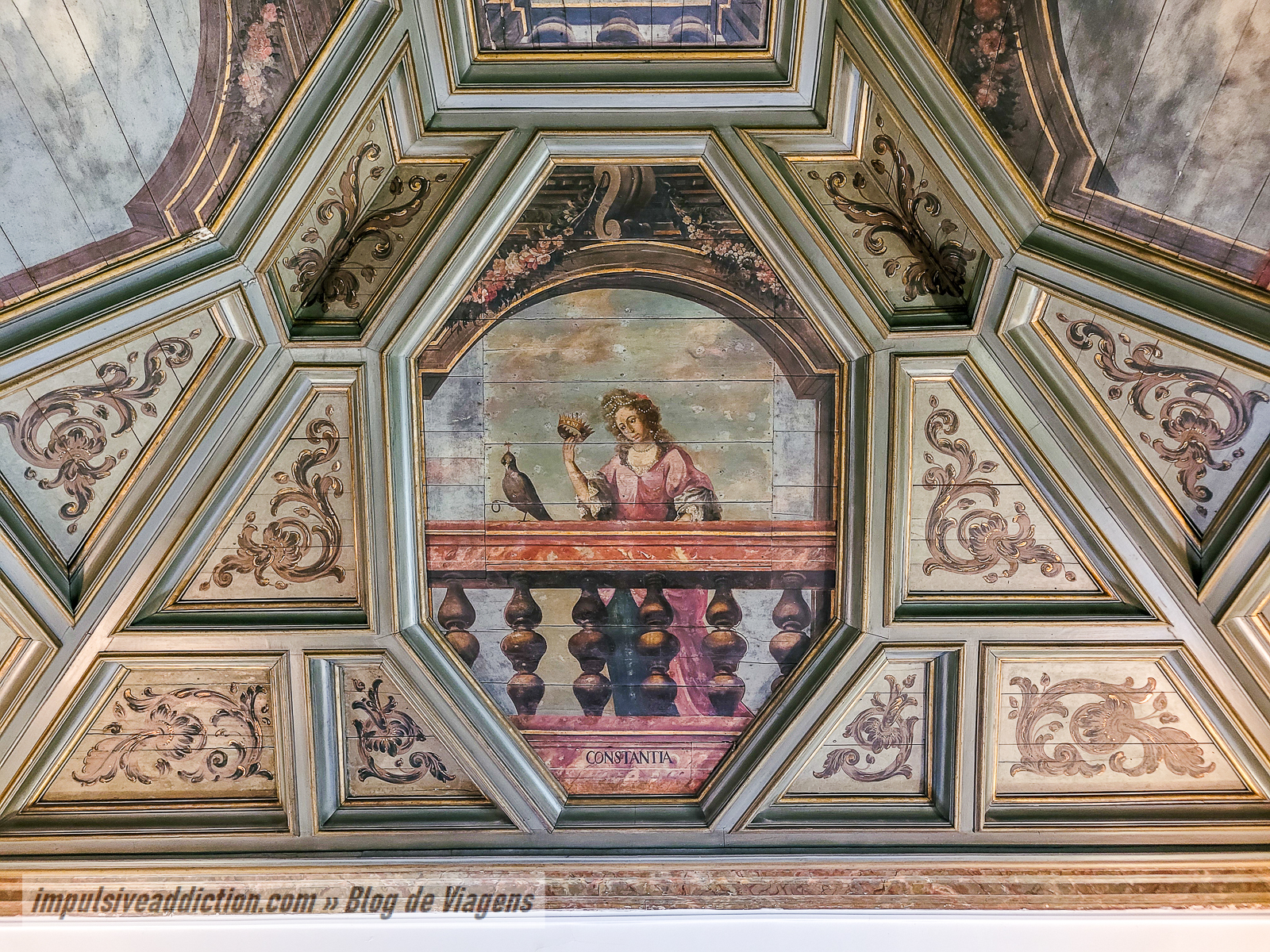
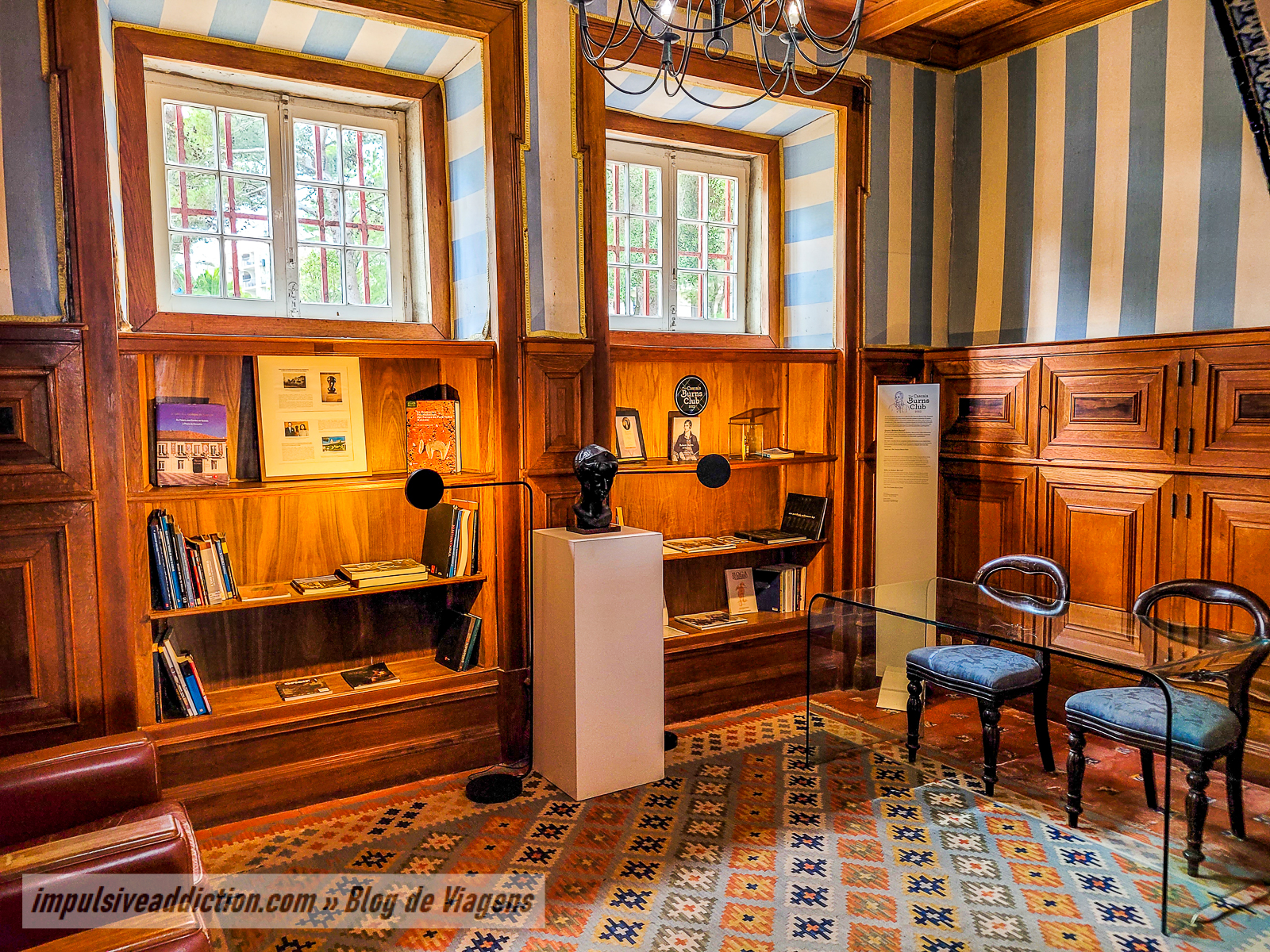
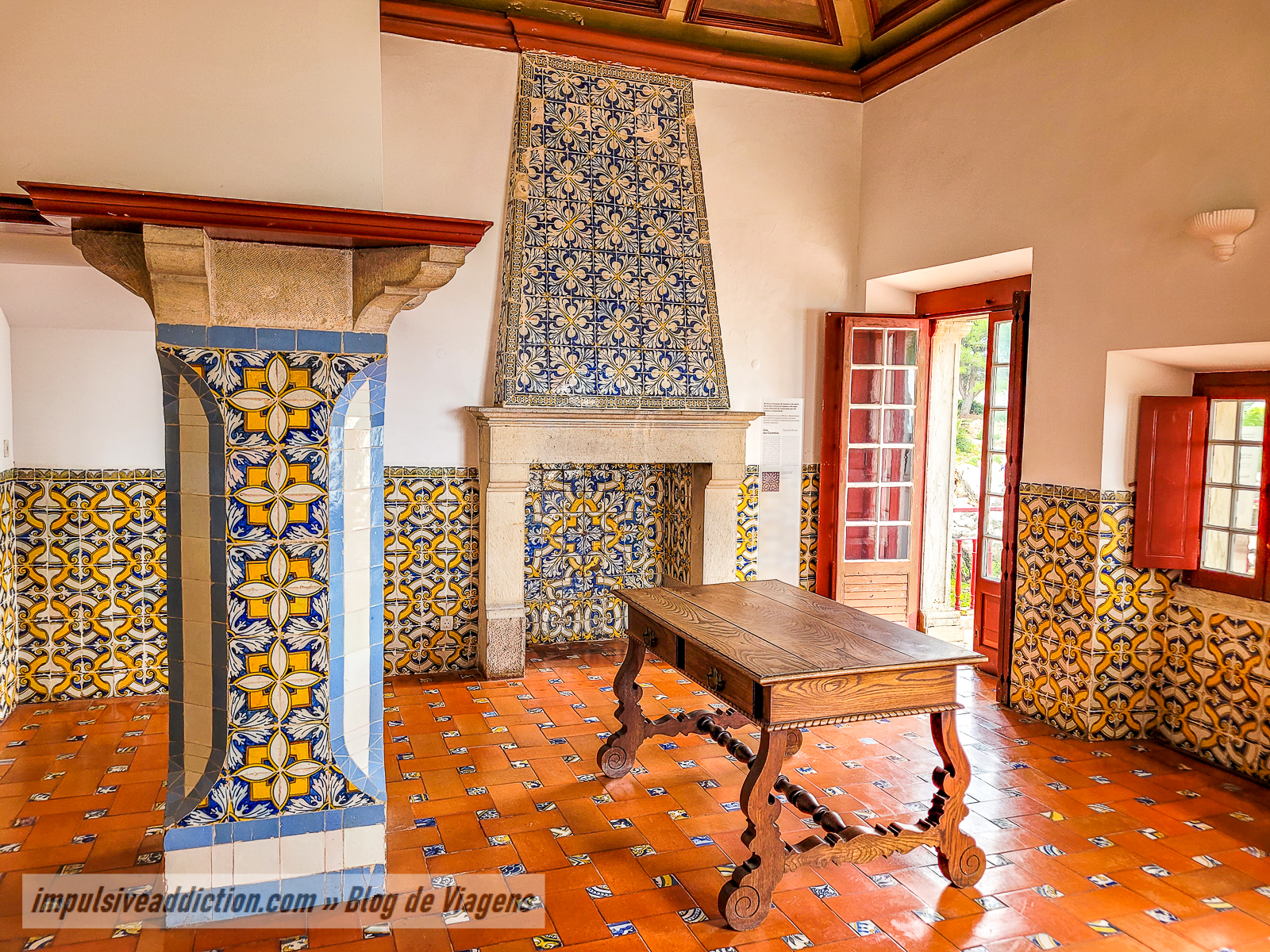
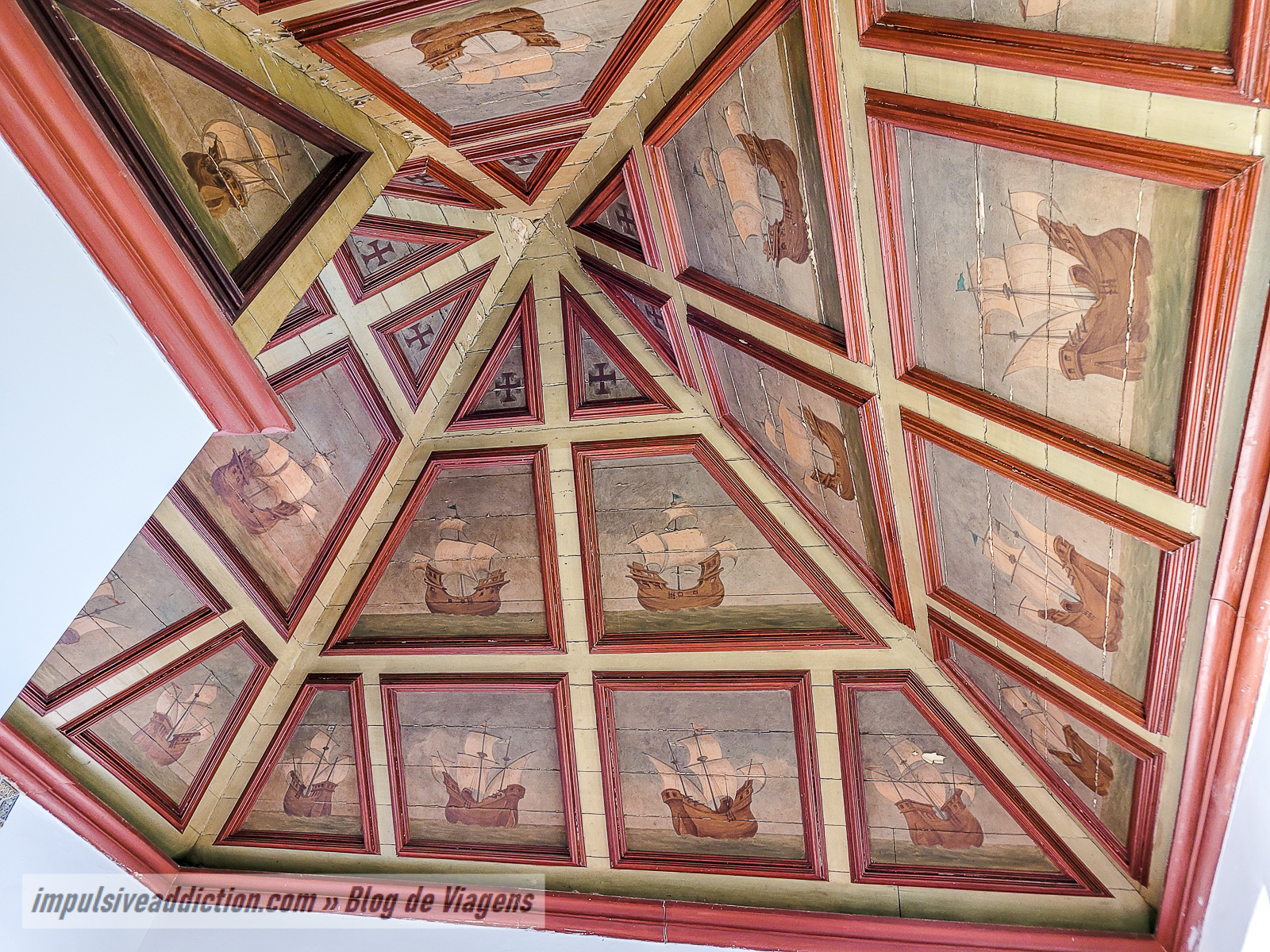
6. Casa Museu de Santa Maria
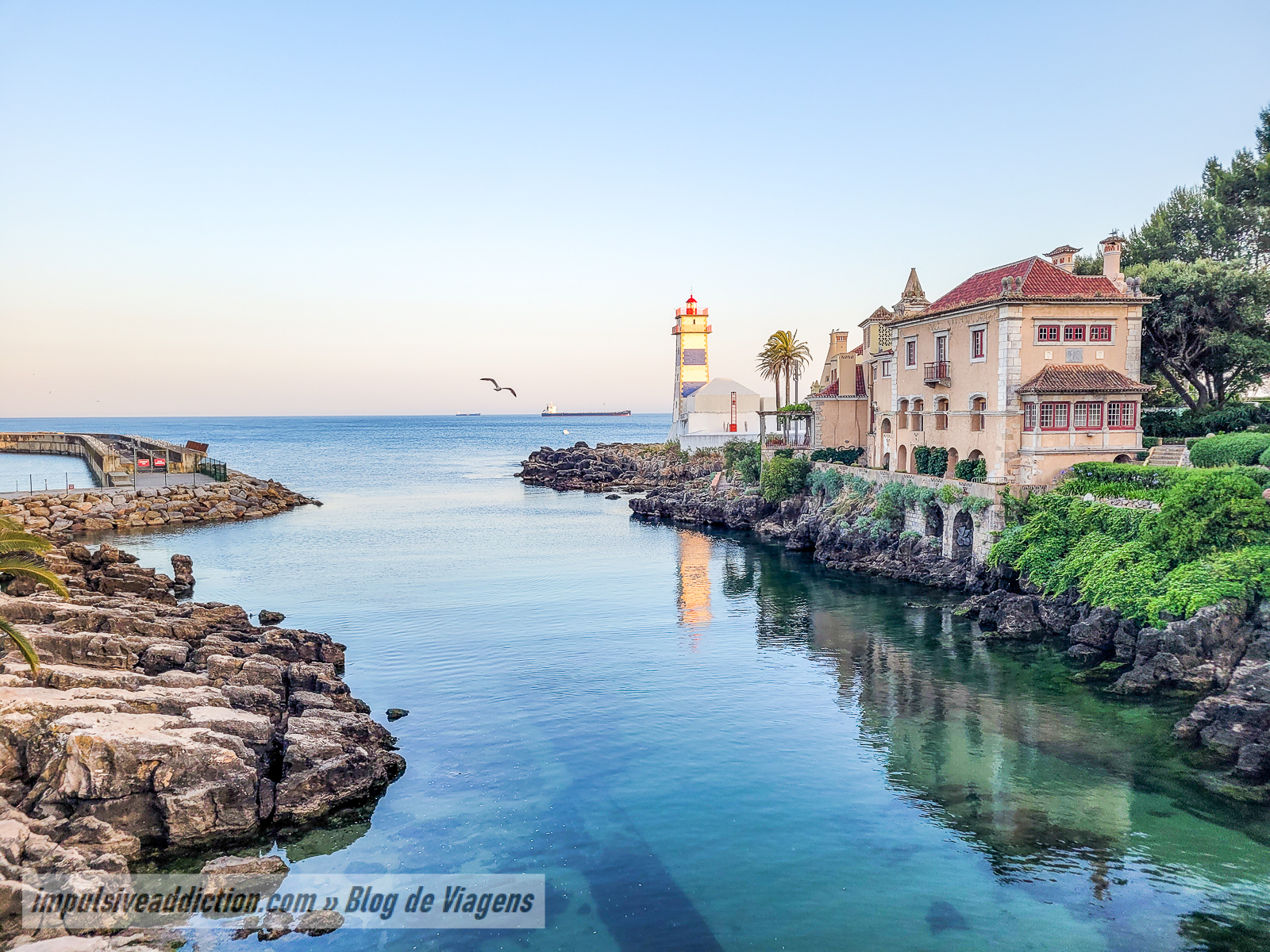
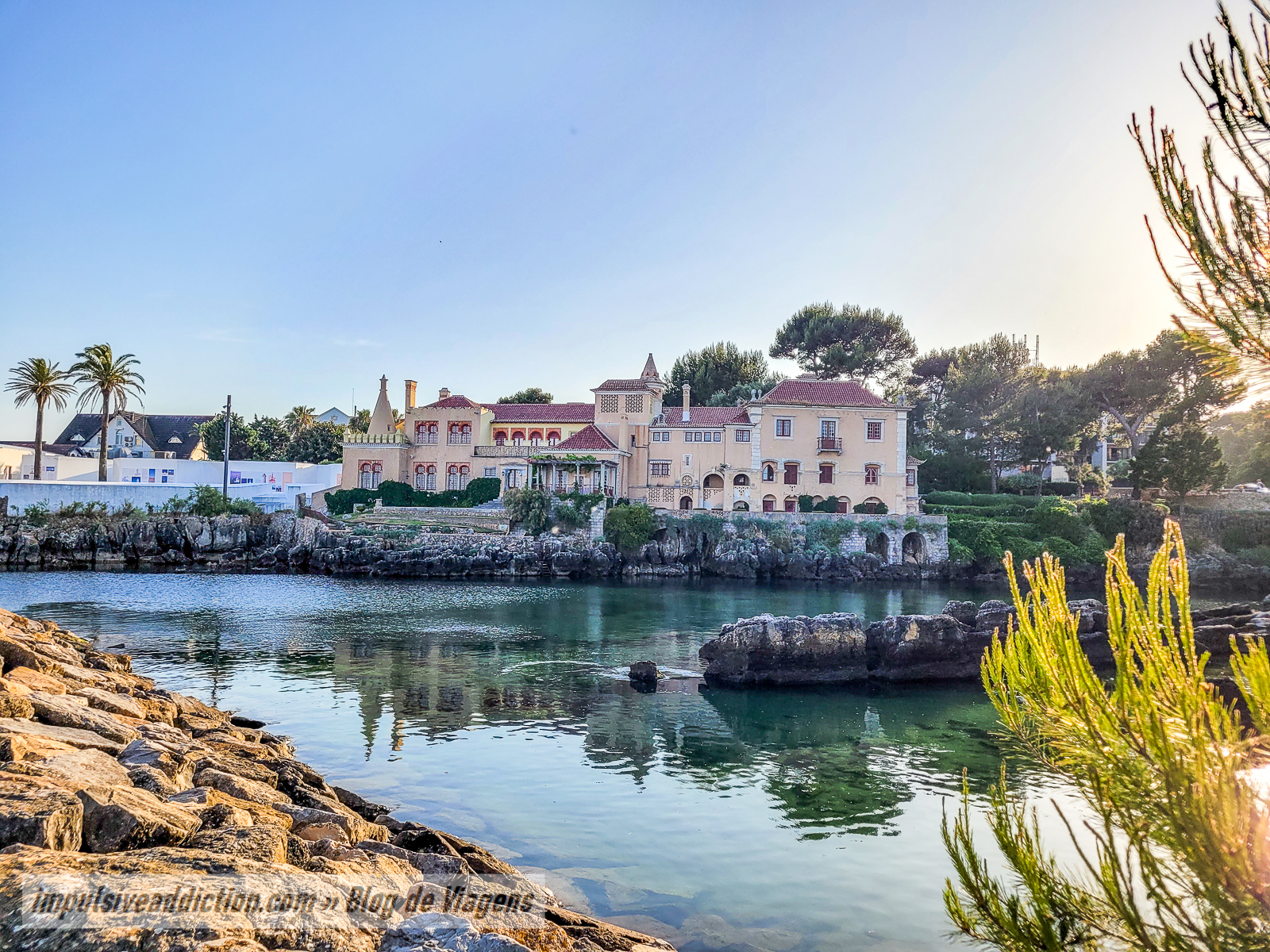
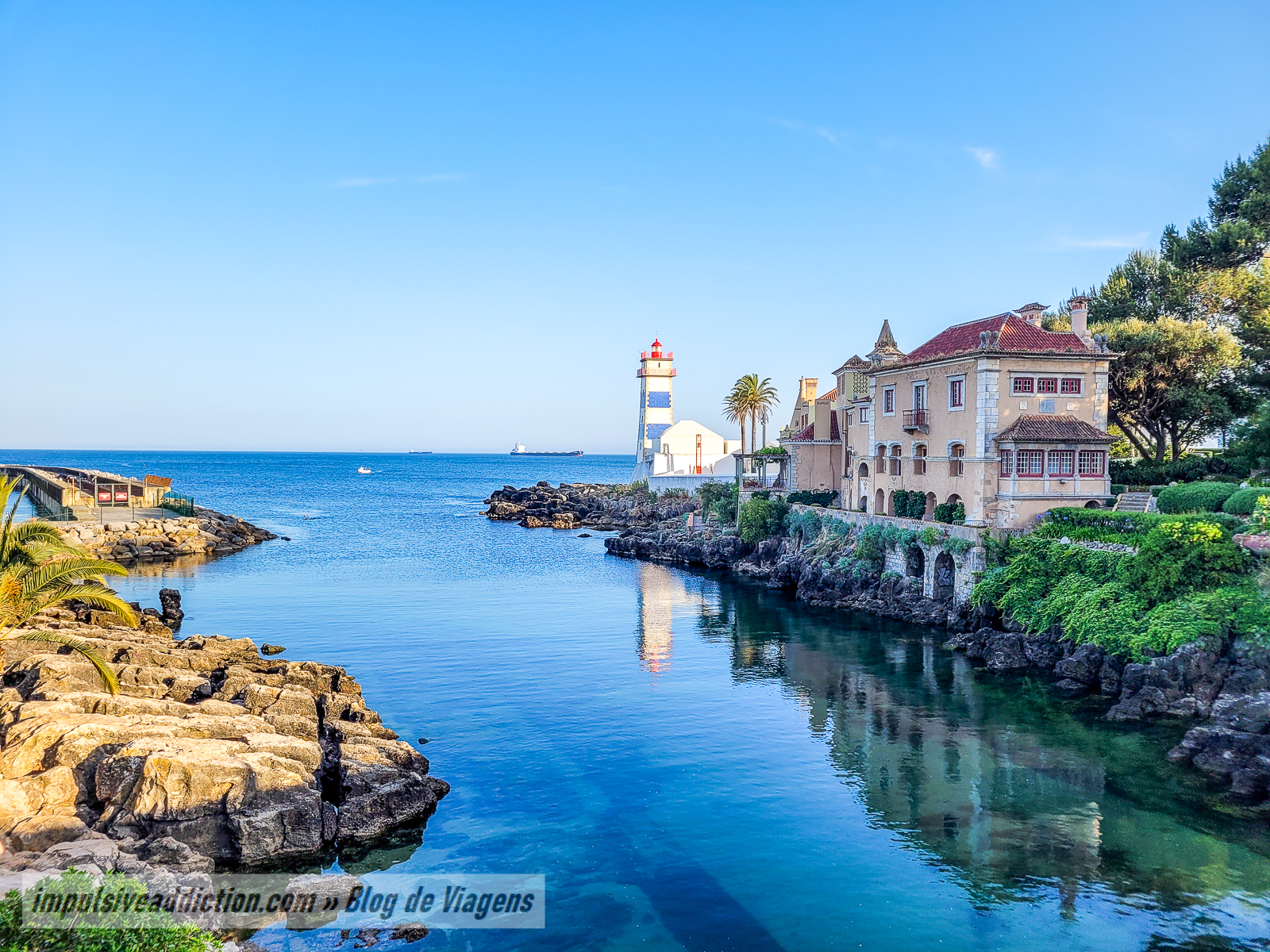
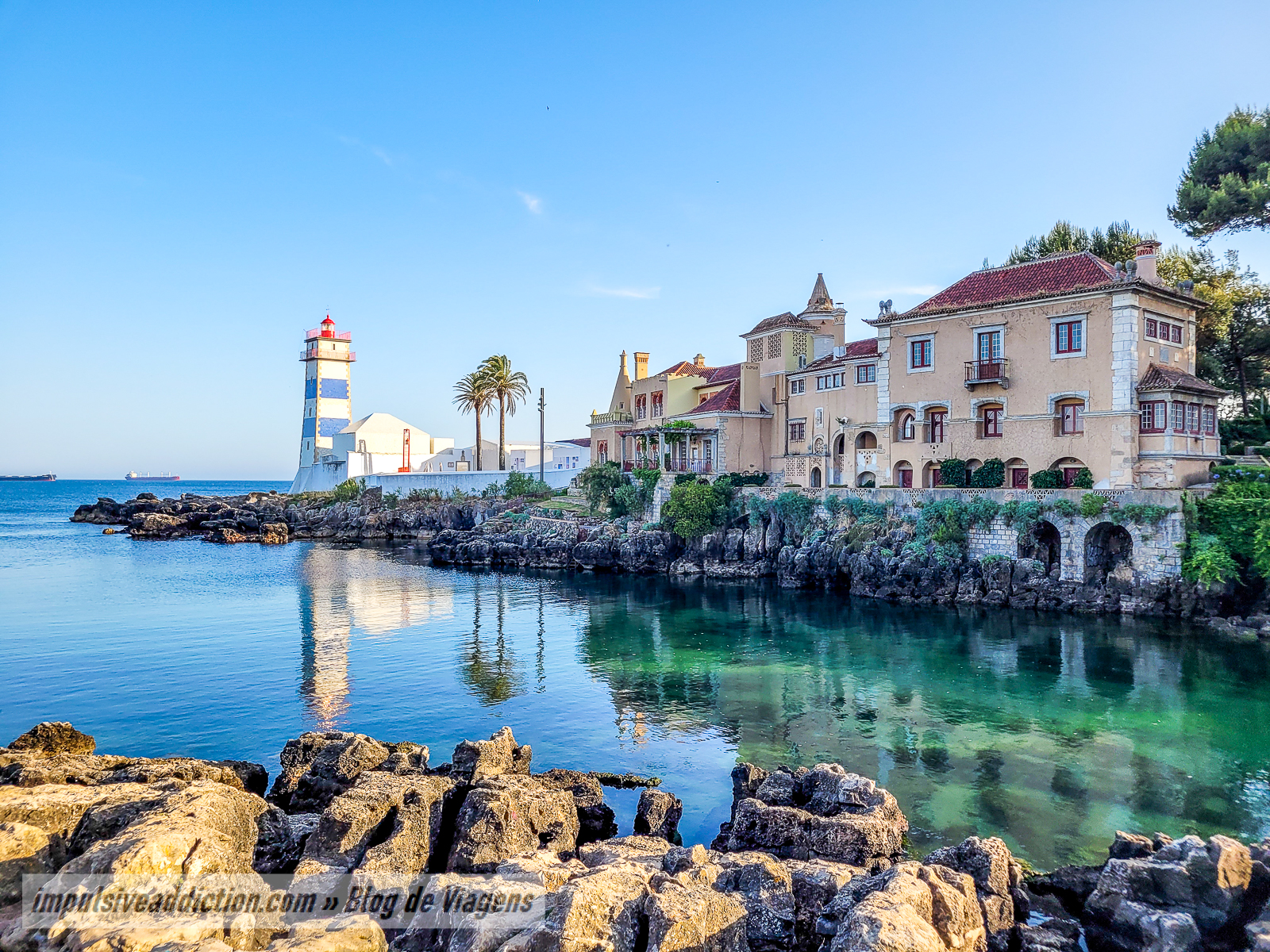
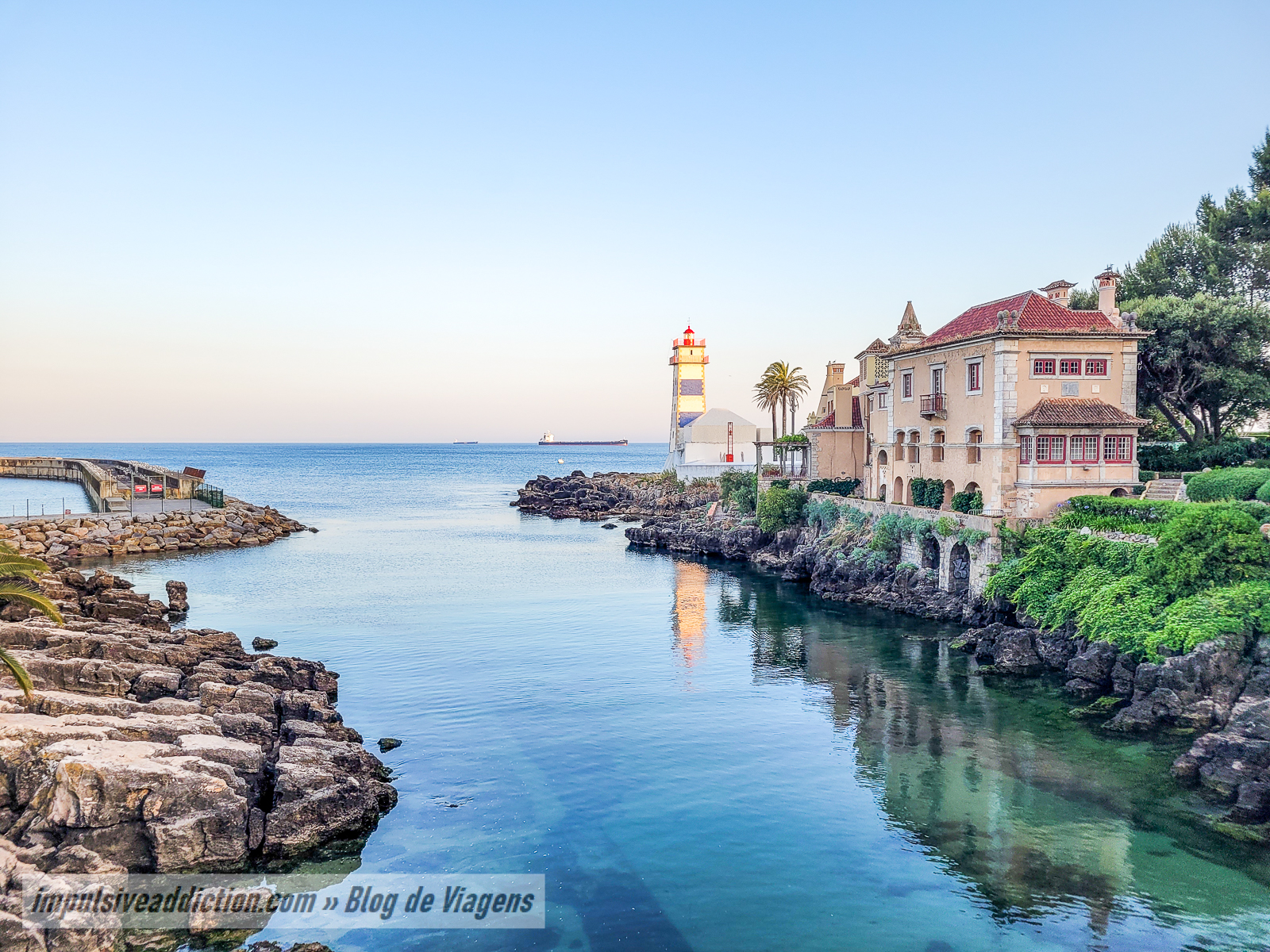
As you reach Av. Rei Humberto II de Itália, you’ll easily spot both the Condes de Castro Guimarães Museum and the Casa Museu de Santa Maria. The two buildings are separated by the avenue and a small cove with emerald-green waters — inviting enough for a quick swim, and some visitors do enjoy relaxing at the tiny Santa Marta beach! 😉
You’ll visit the Condes de Castro Guimarães Museum later when returning from Boca do Inferno. Regarding the Casa Museu de Santa Maria, it was designed by architect Raul Lino in 1902 at the request of Jorge O’Neill, an aristocrat and financier of Irish descent. The house remained a private residence for about 100 years until it was sold to the Cascais City Council in 2004 by its last owners.
Don’t expect rooms filled with paintings, statues, or furniture — there aren’t many. The interior has interesting details, but I consider the visit optional. The main attraction is the house’s façade overlooking the Santa Marta cove, along with its rich history. The house once hosted several distinguished guests, including the Grand Duchess Charlotte of Luxembourg and her family, the Counts of Barcelona, King Umberto II of Italy, and the Dukes of Windsor.
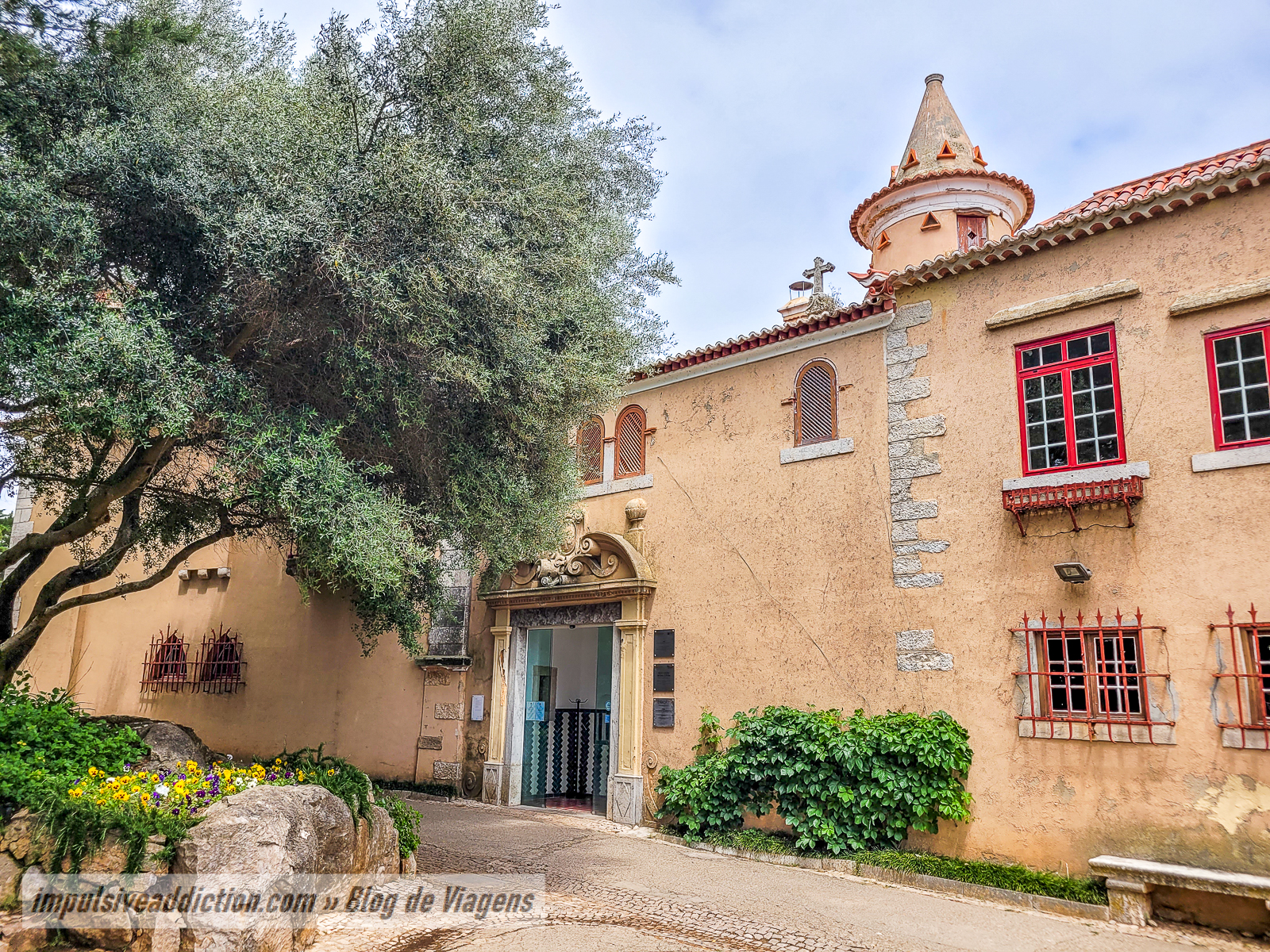
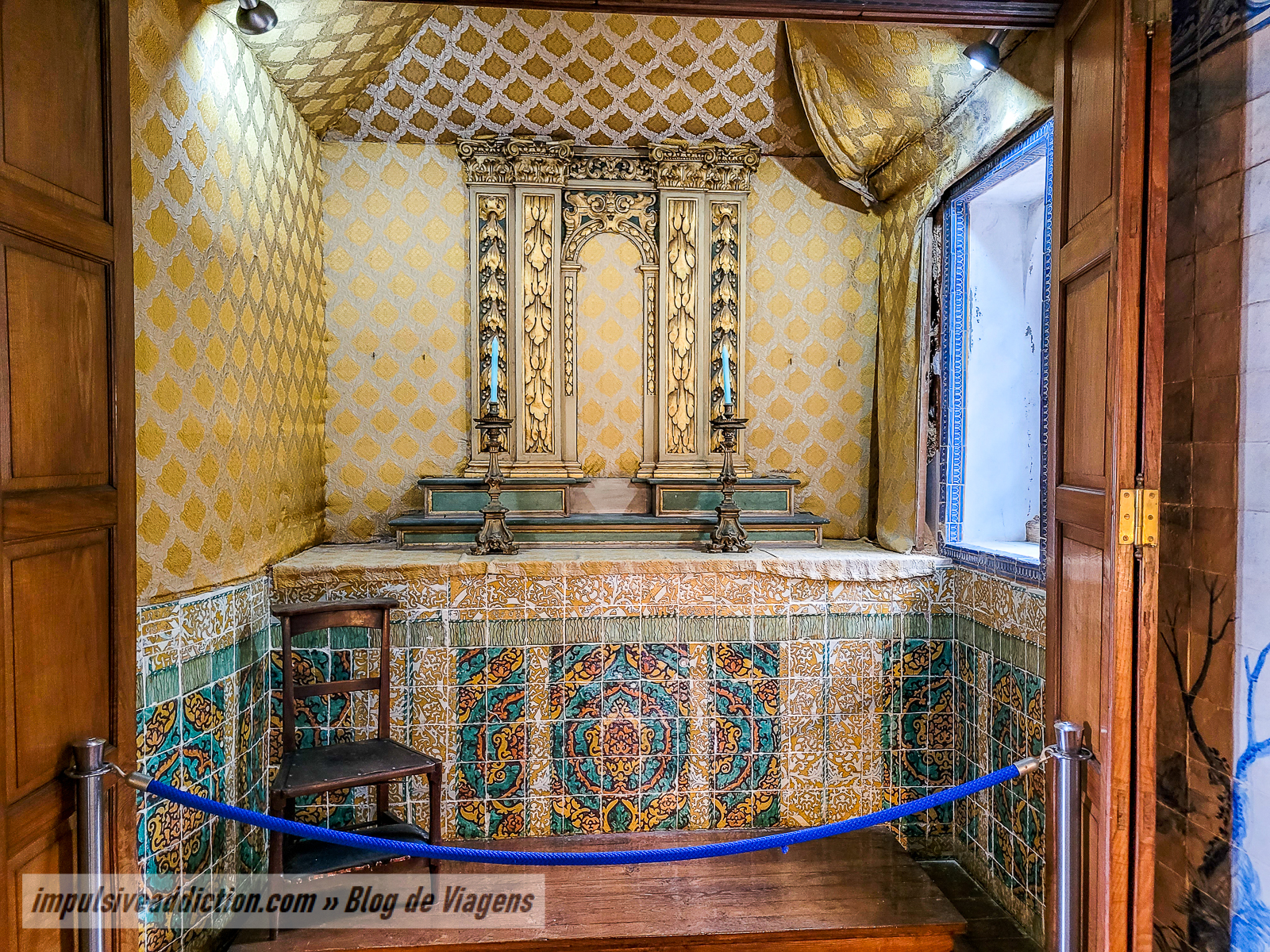
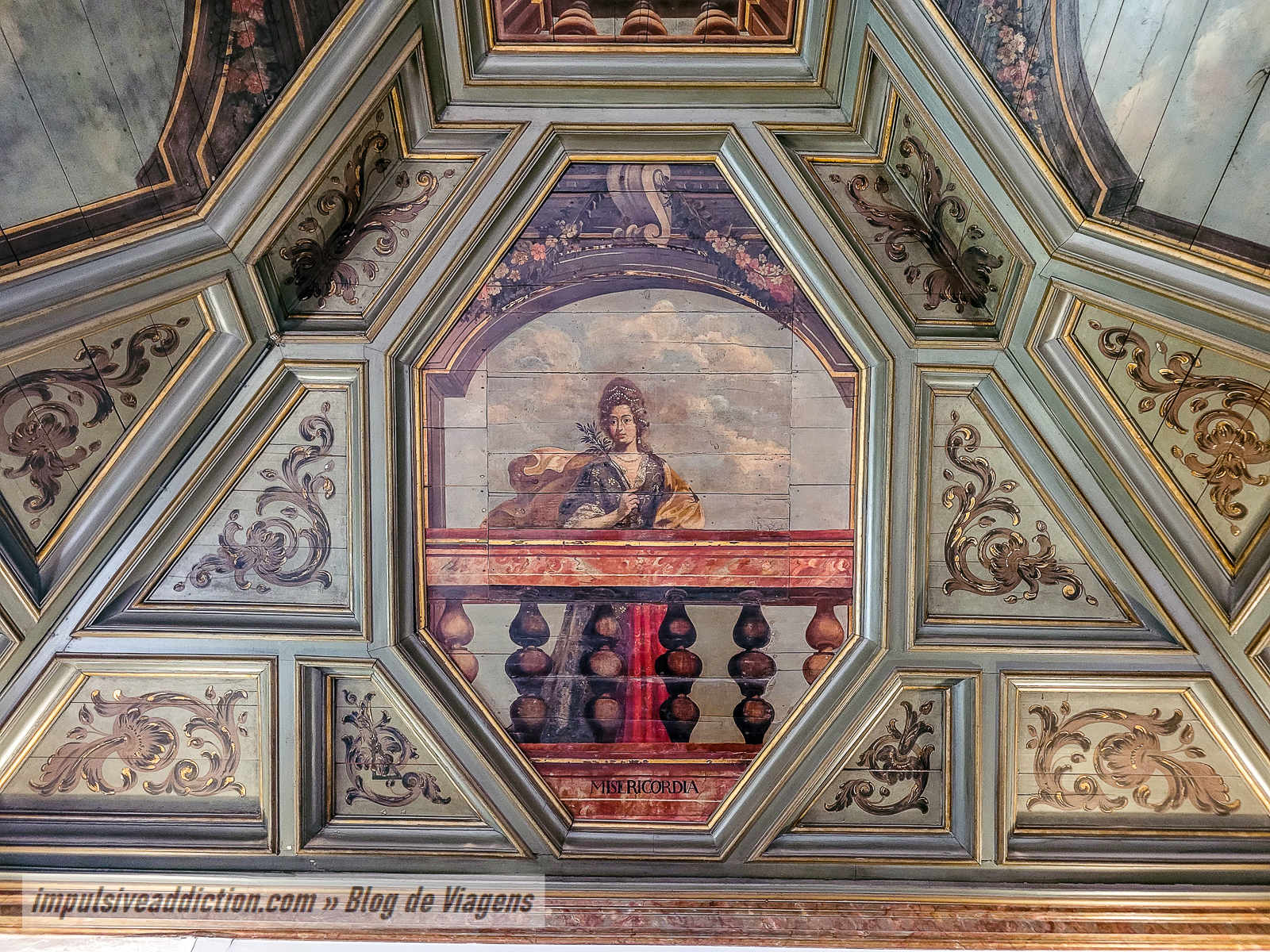
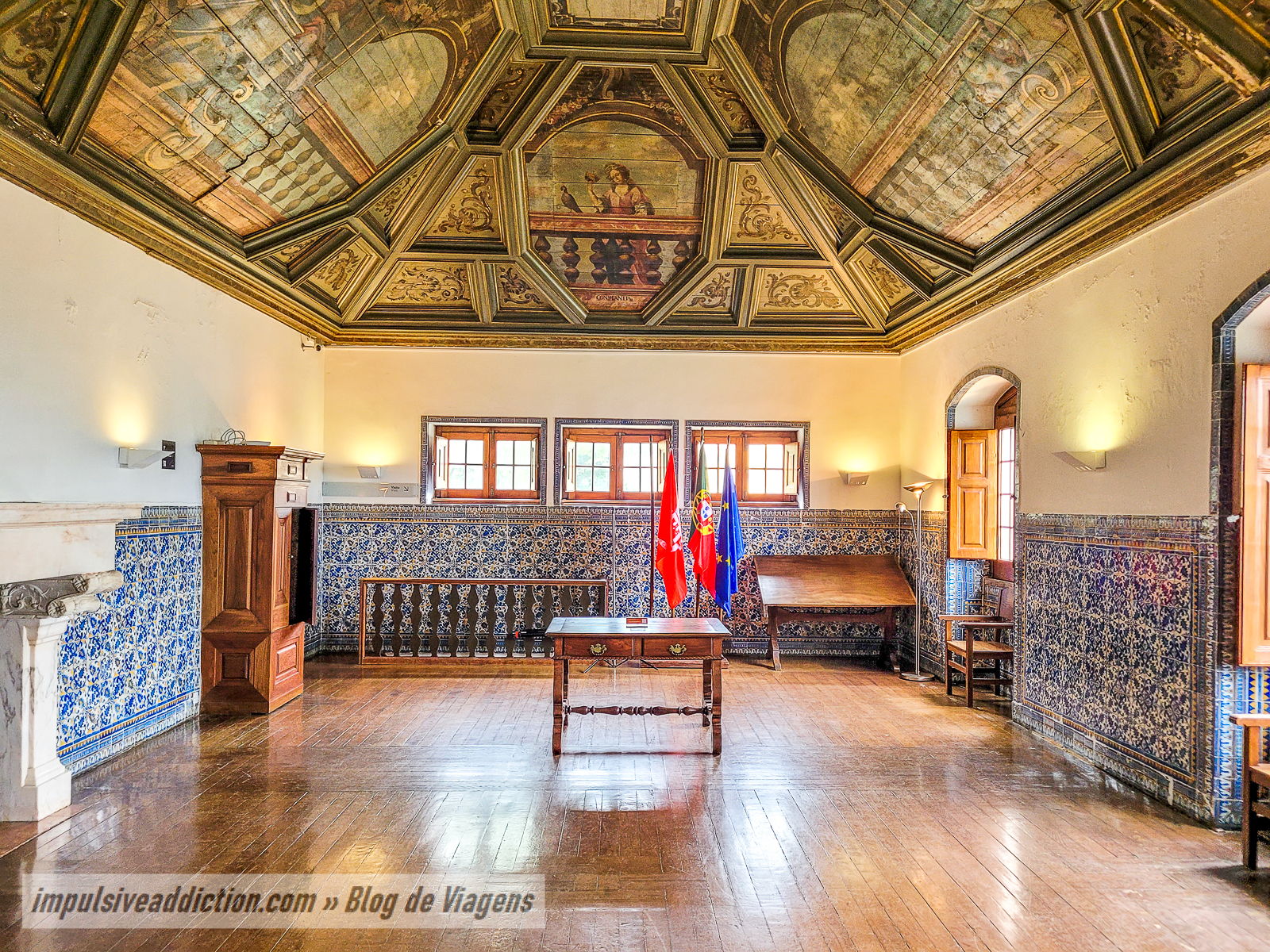
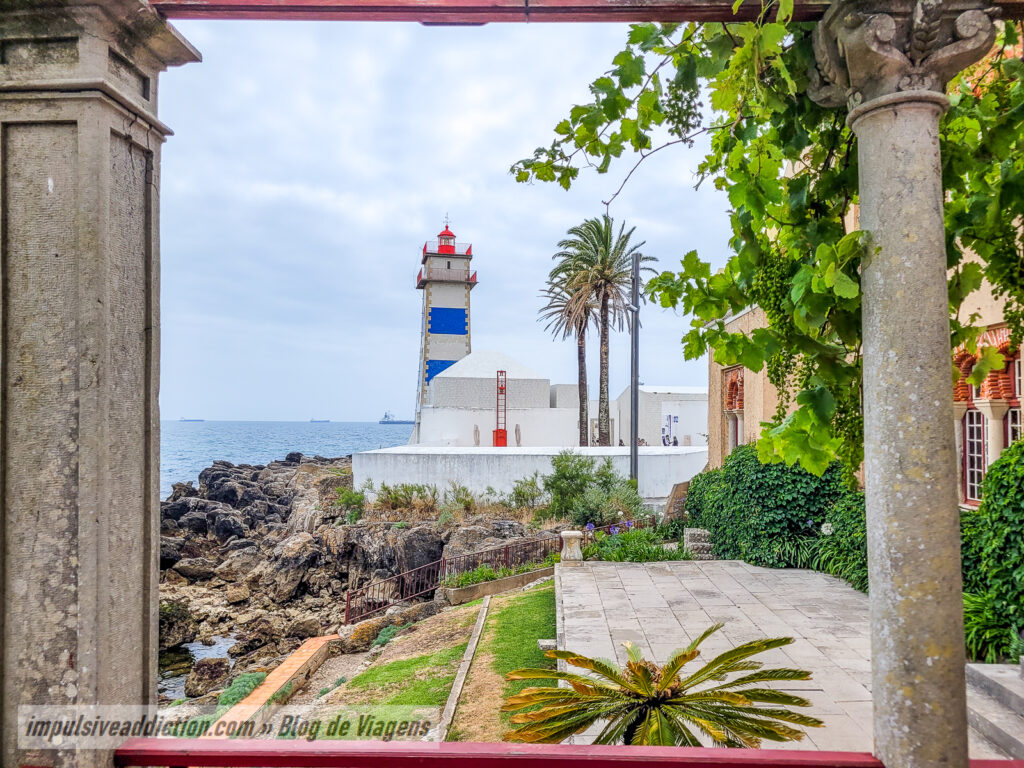
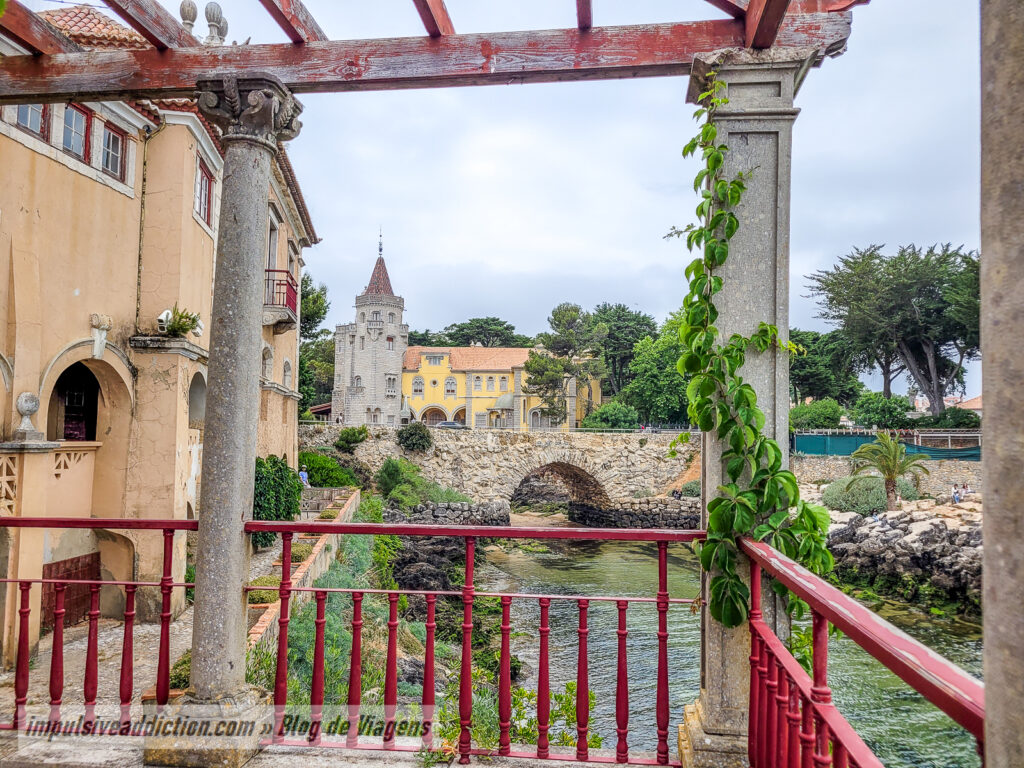
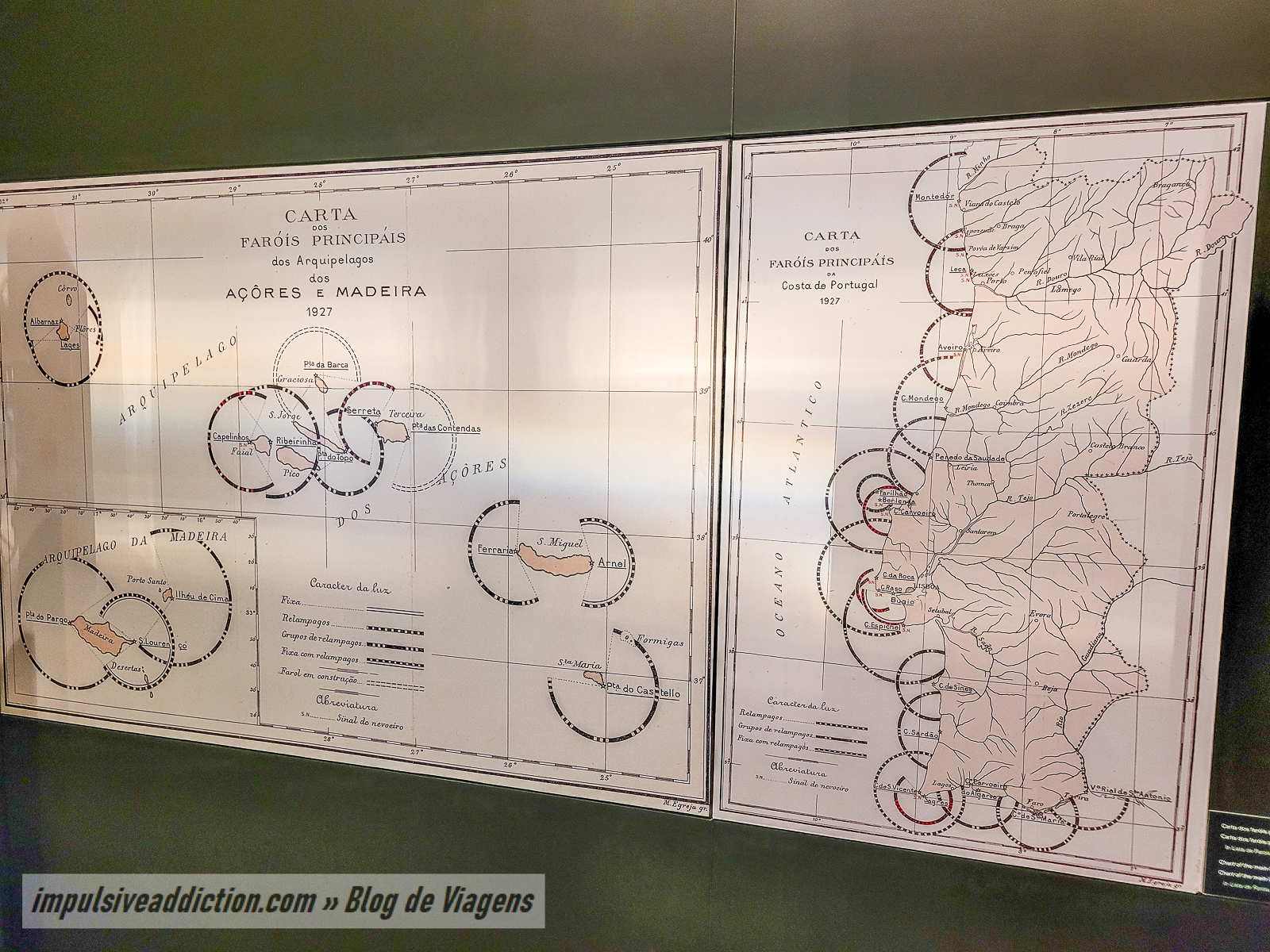
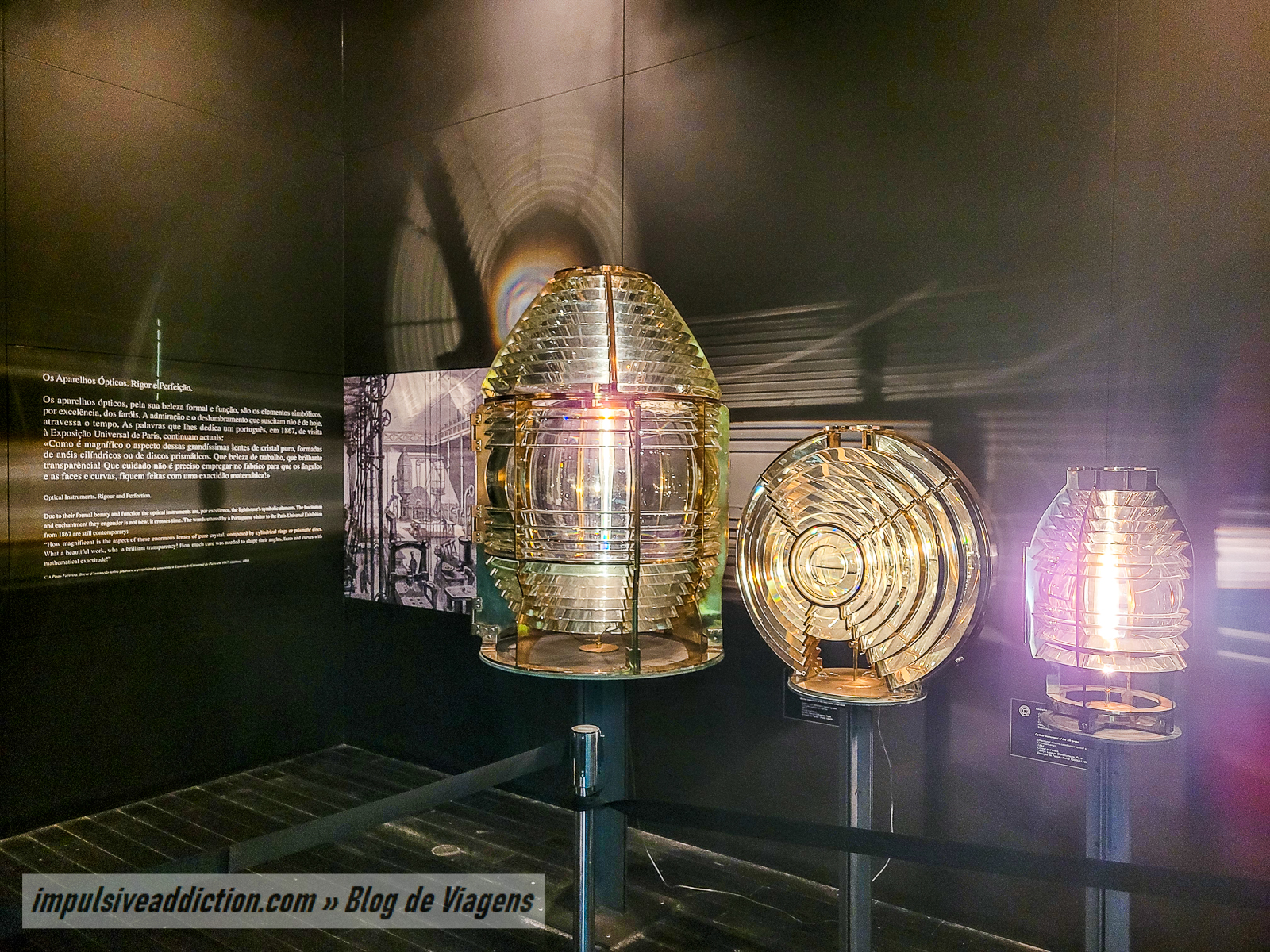
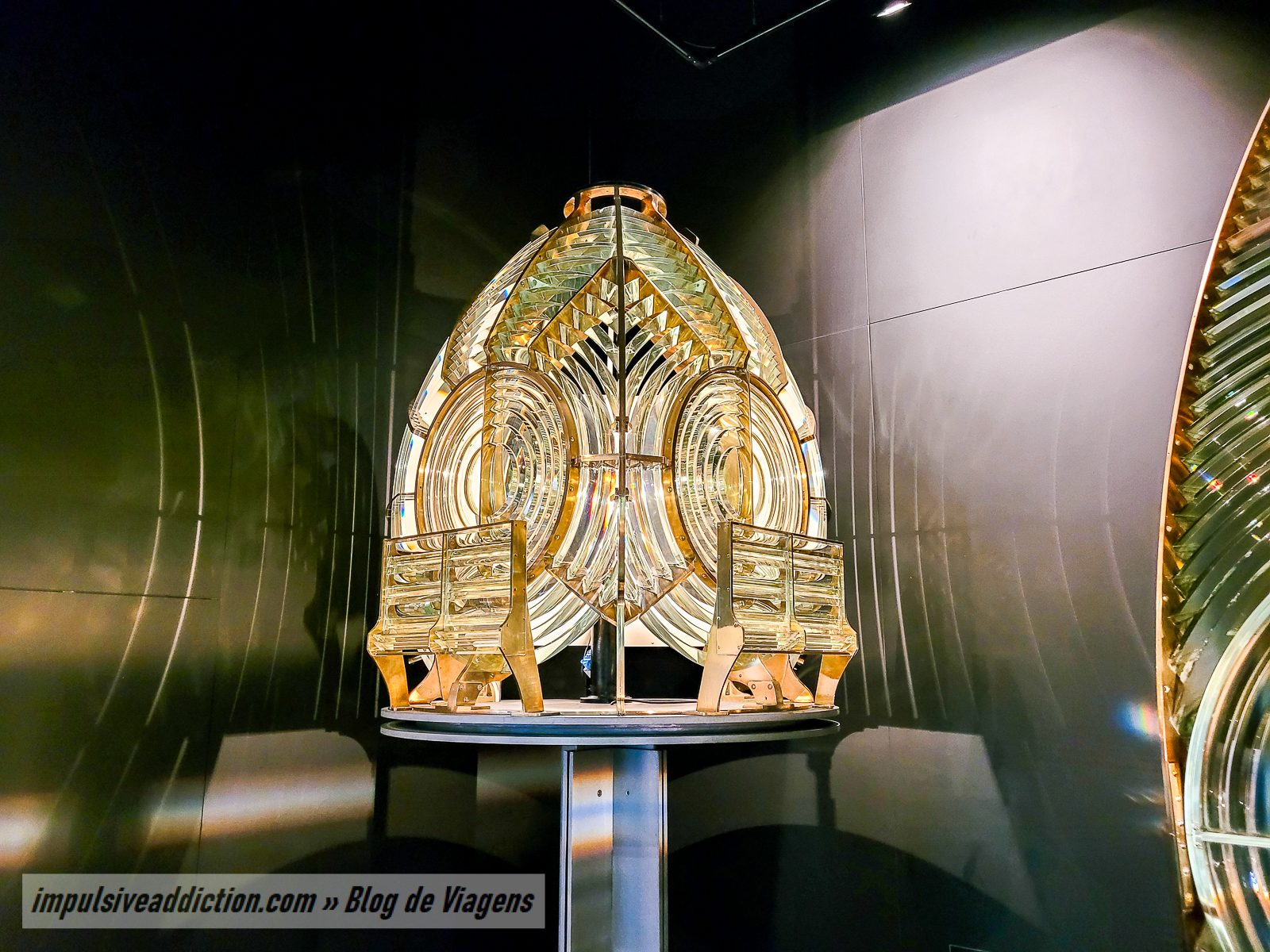
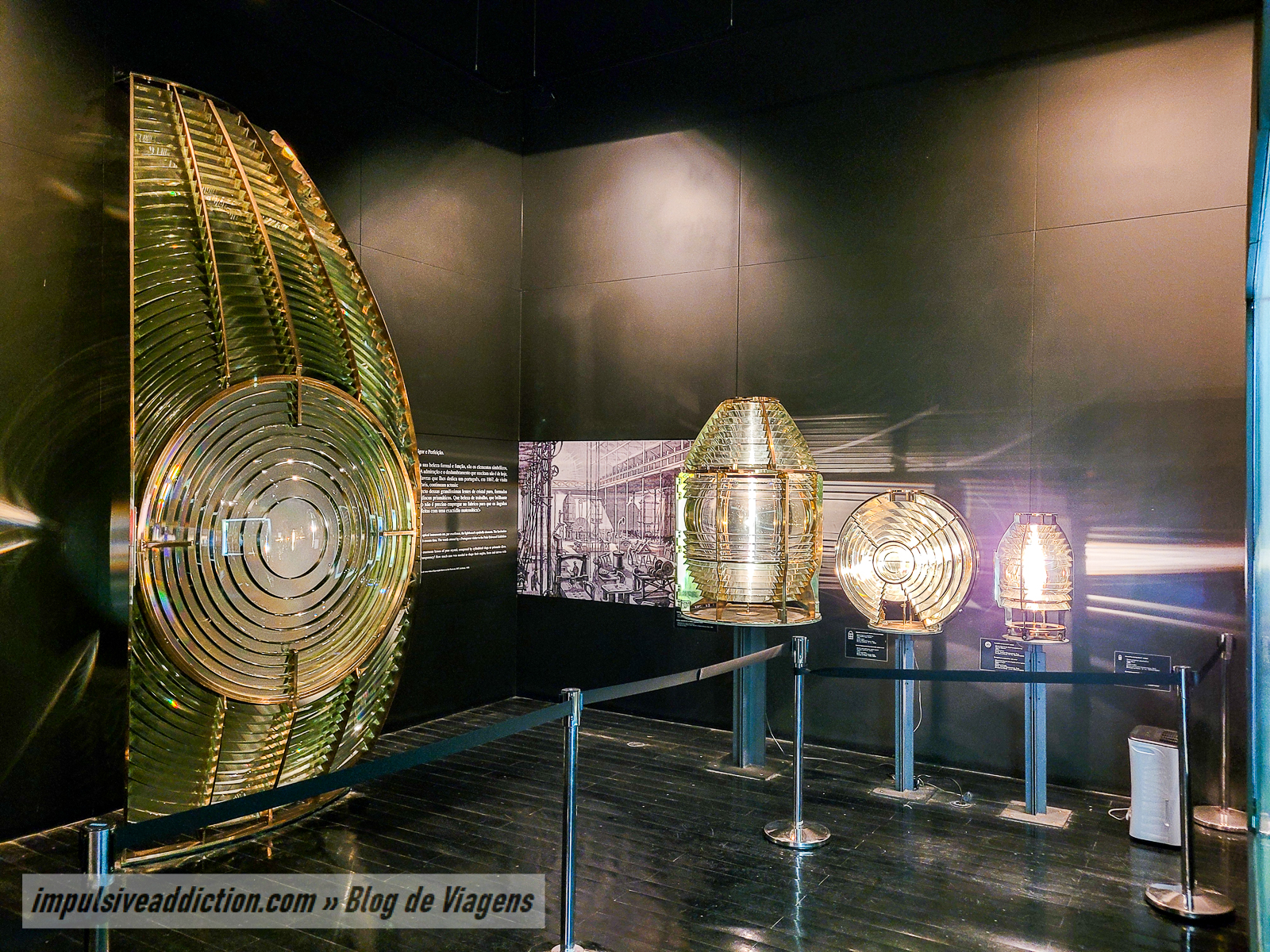
7. Santa Marta Lighthouse Museum
Continuing toward Boca do Inferno, you can visit the Santa Marta Lighthouse Museum. Opened to the public in 2007, the museum is divided into two main sections:
- The Portuguese Lighthouses Exhibit: Here, you can see equipment used in various lighthouses, including the impressive 3.7-meter-tall optical panel from the Berlengas Lighthouse.
- The Lighthouse Keeper Exhibit: This section shows what daily life was like for lighthouse keepers. To help visitors better understand the museum’s content, there is an optional 15-minute video featuring lighthouse keepers sharing the history of lighthouses in Portugal.
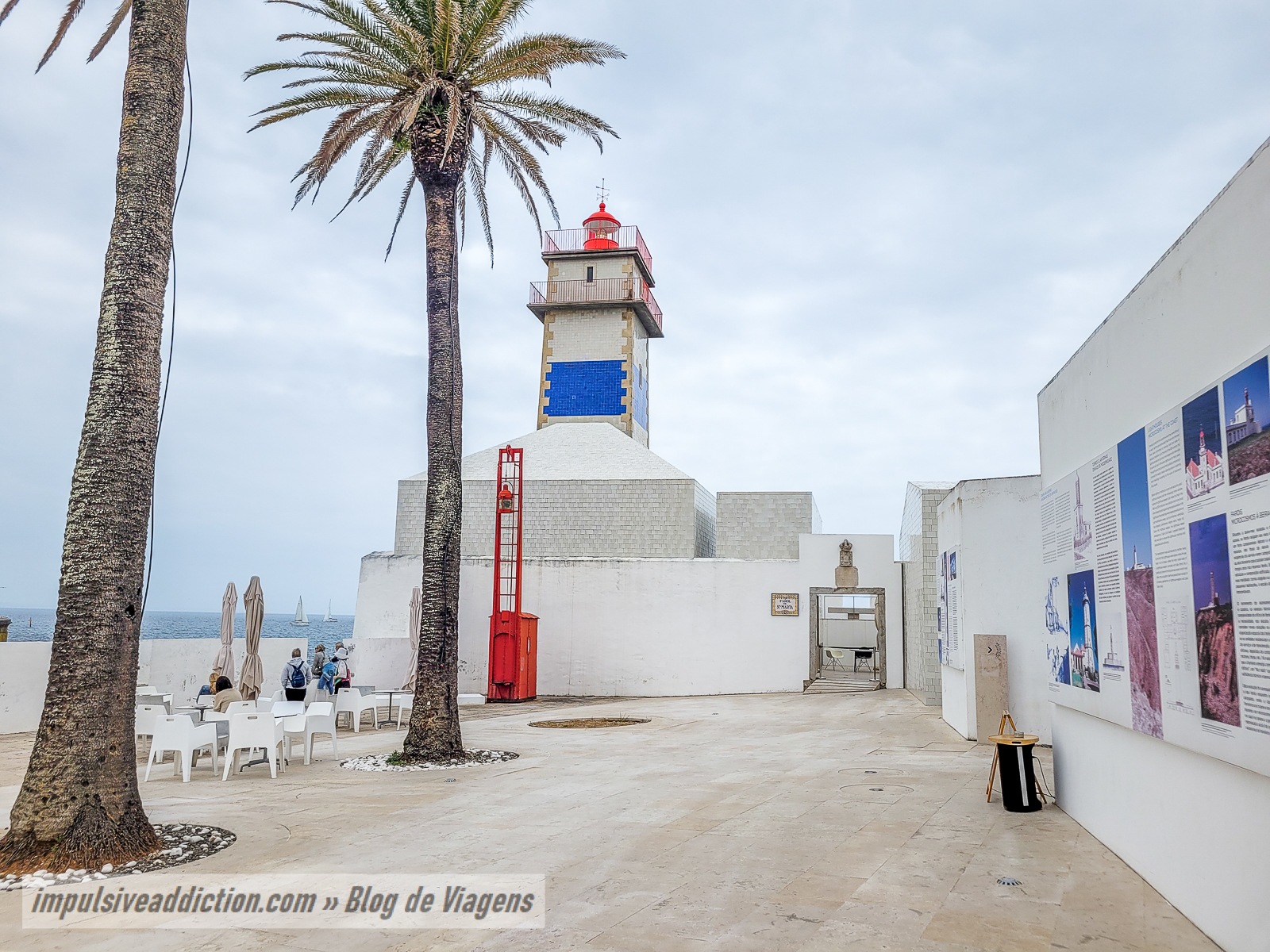
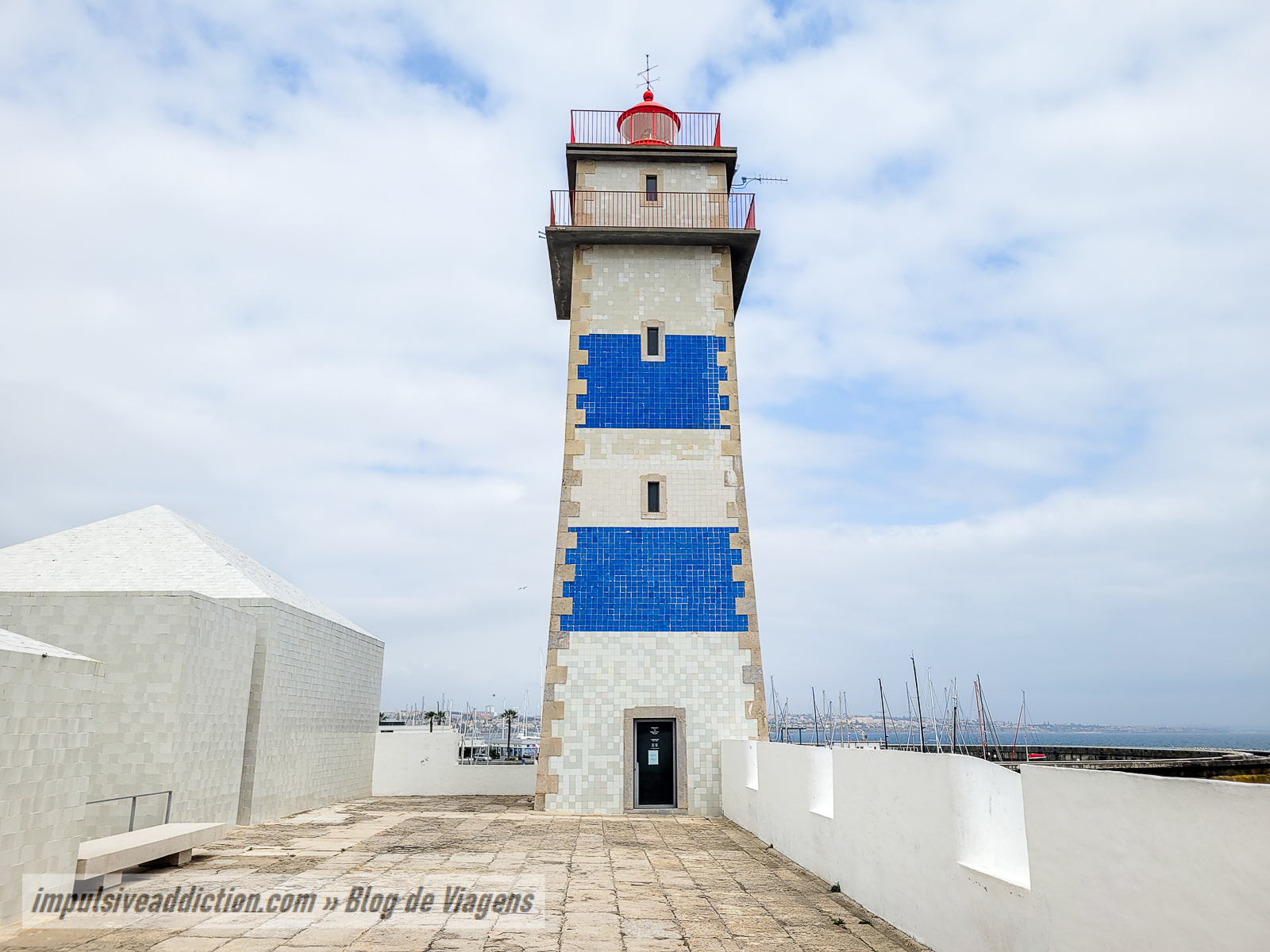
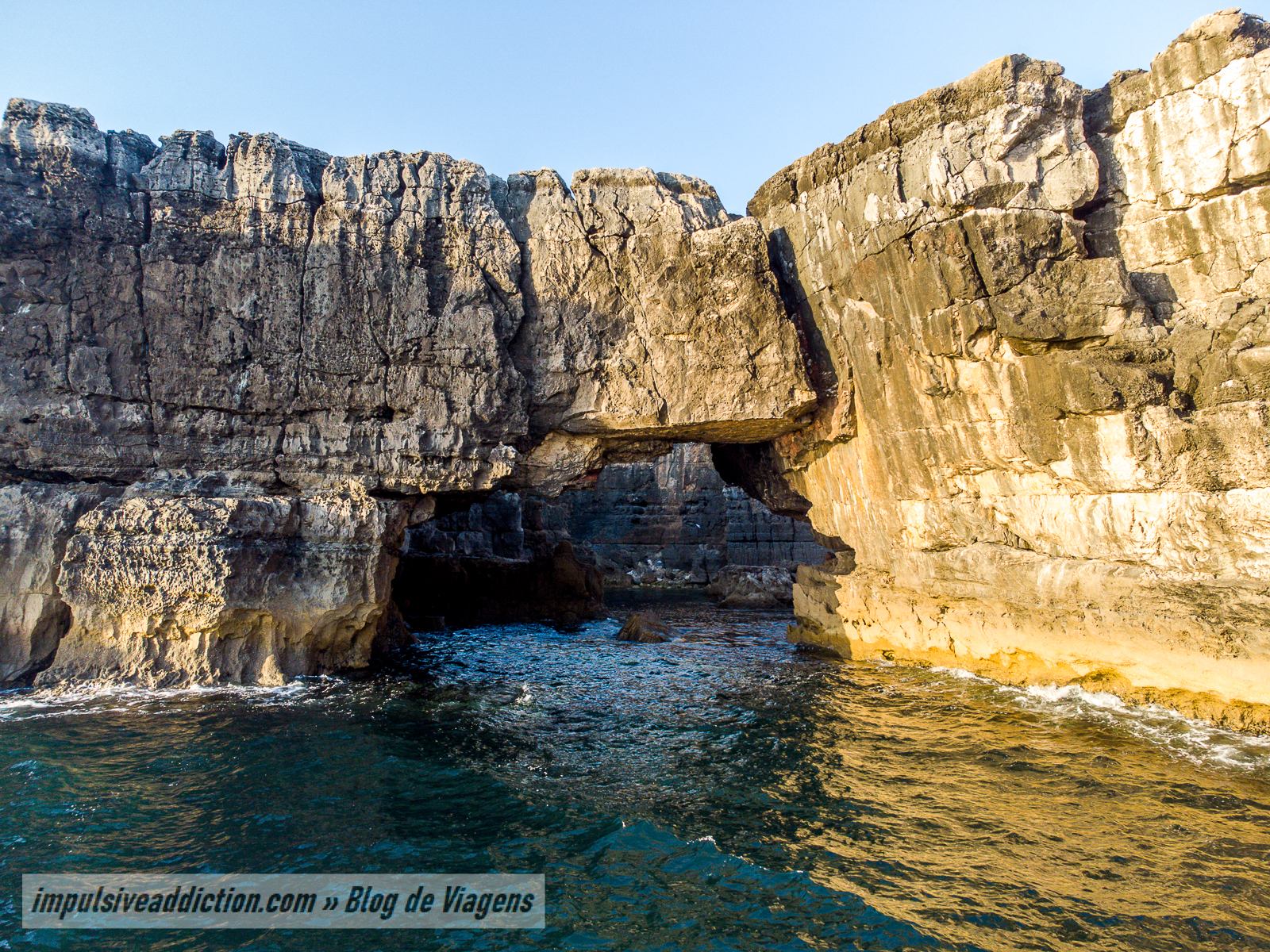
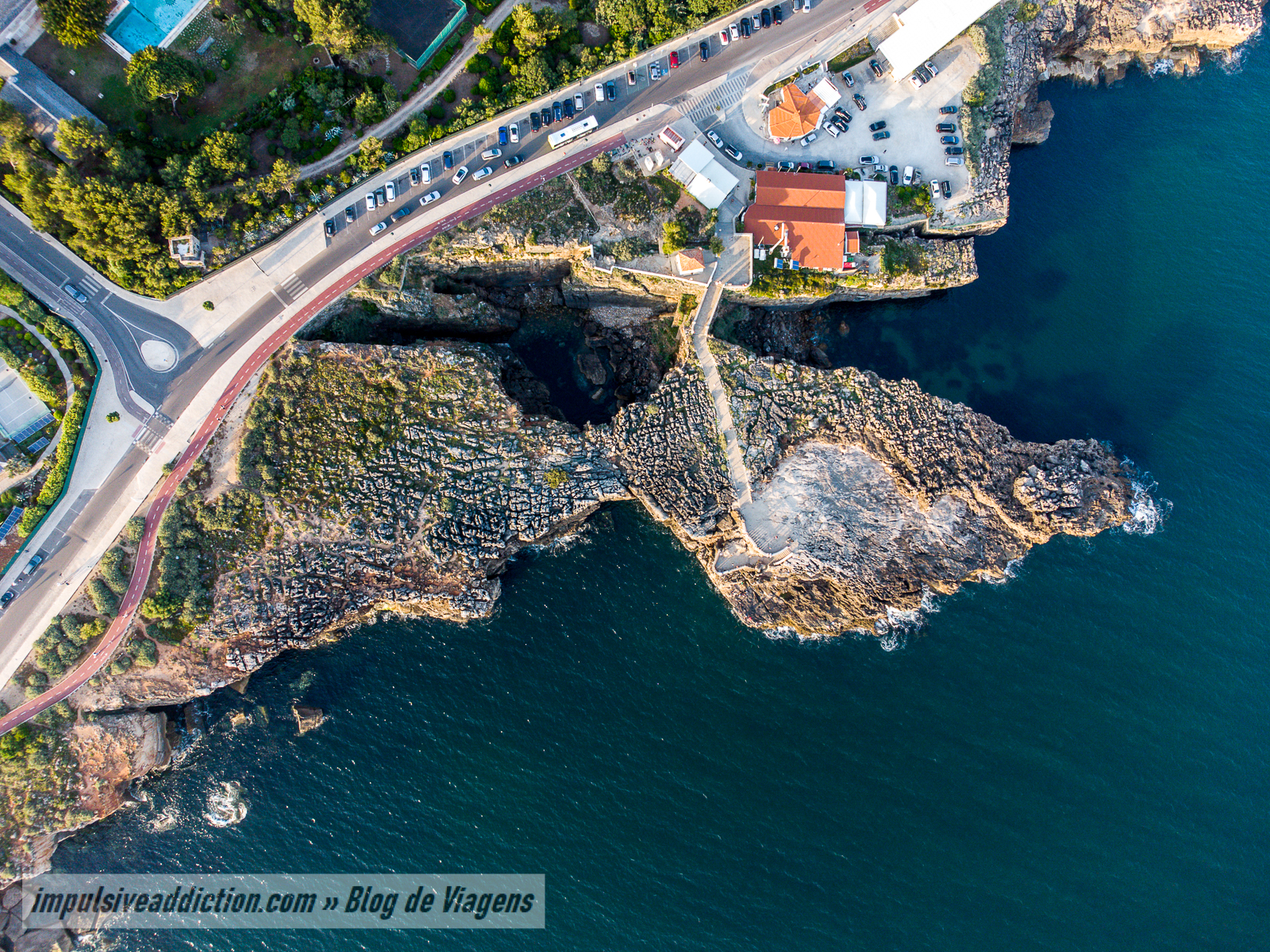
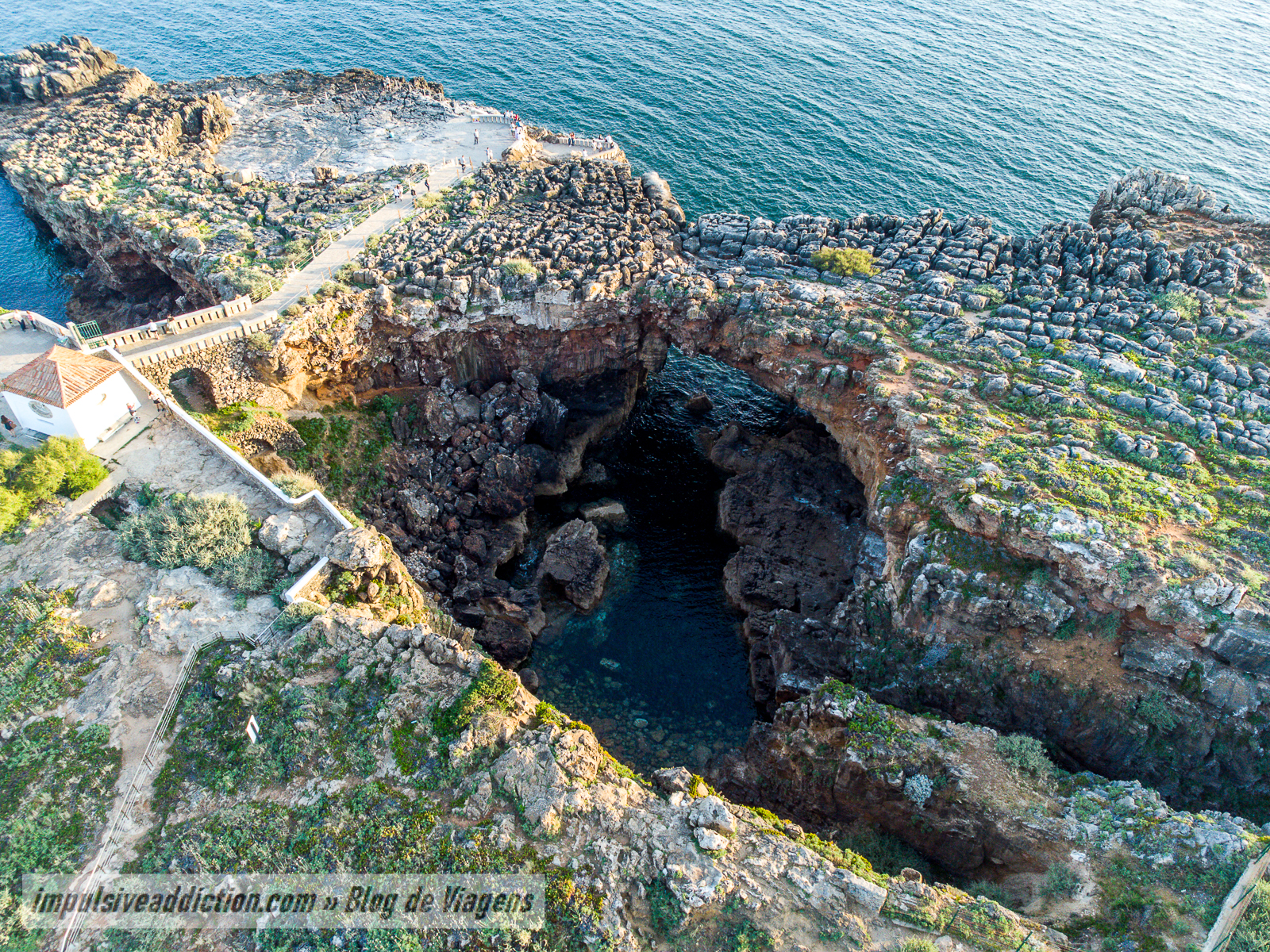
8. Boca do Inferno
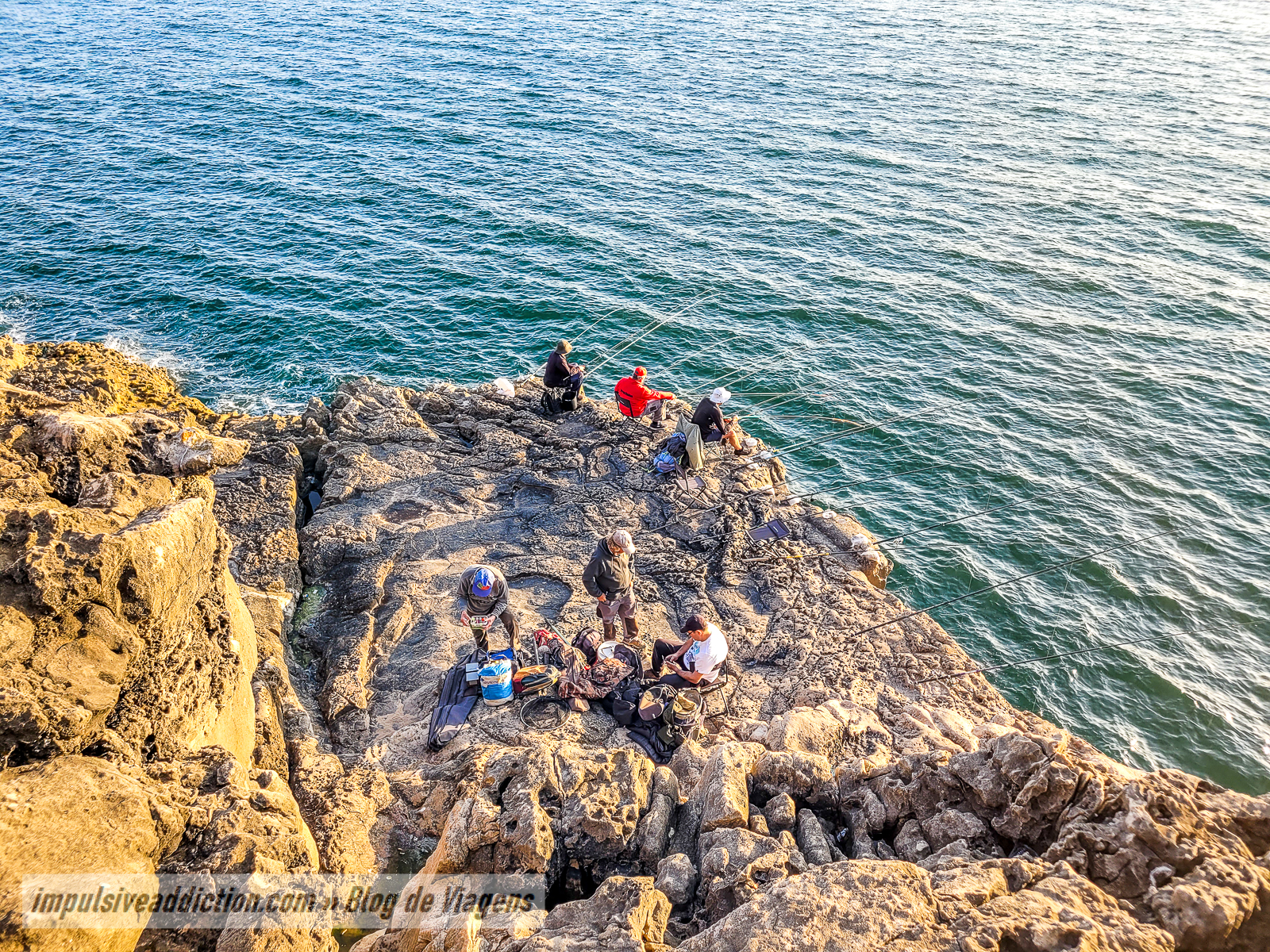
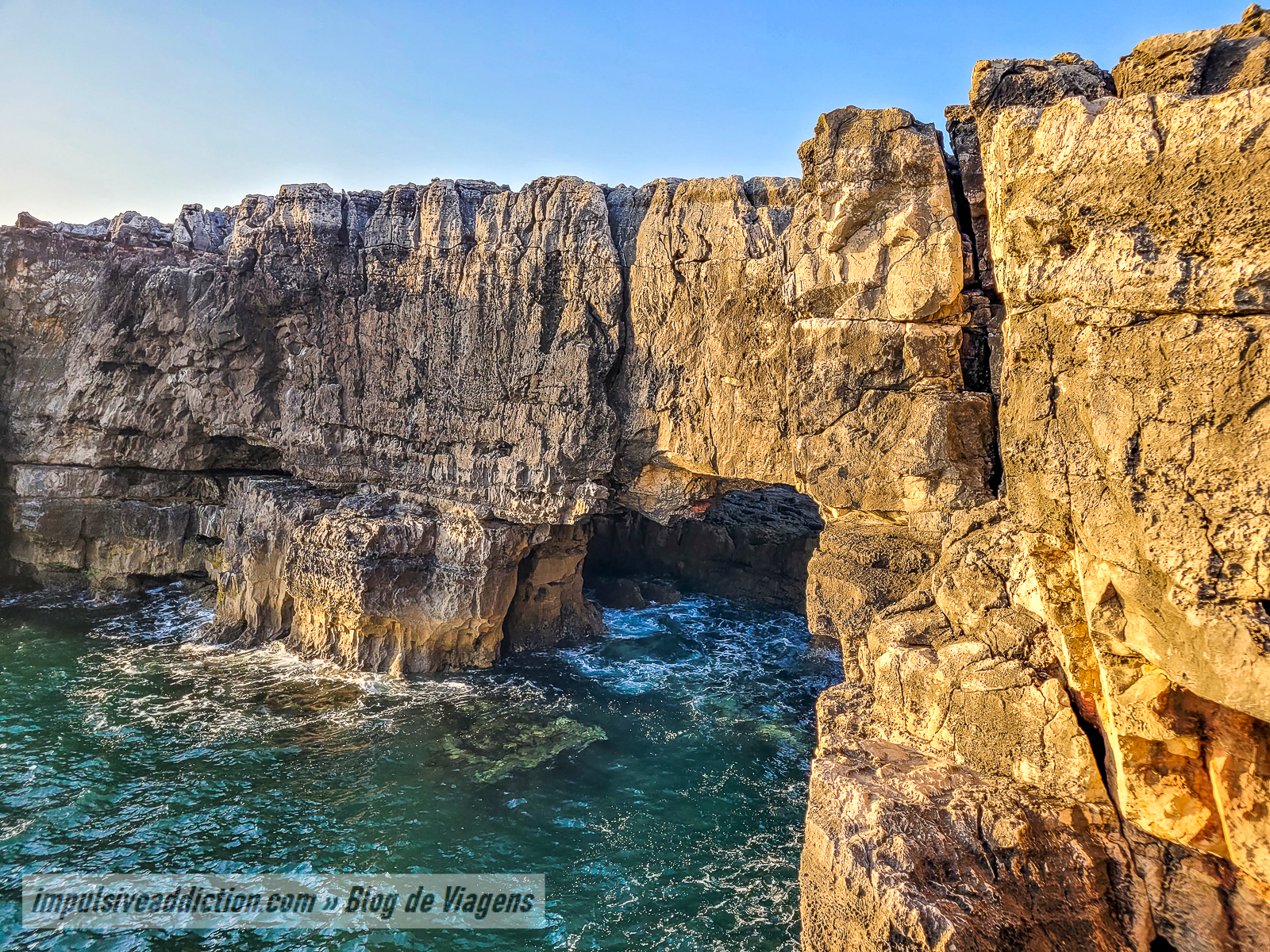
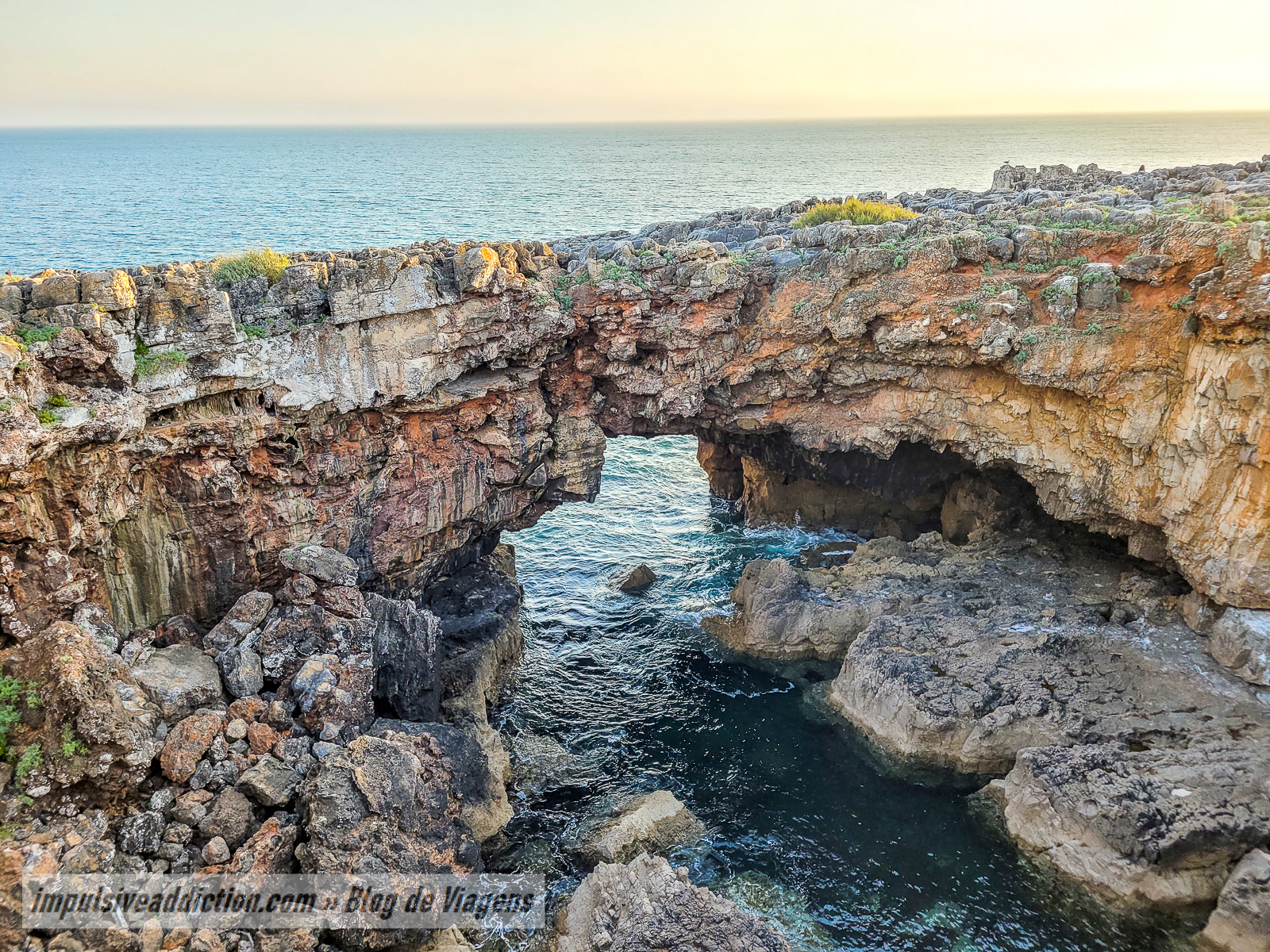
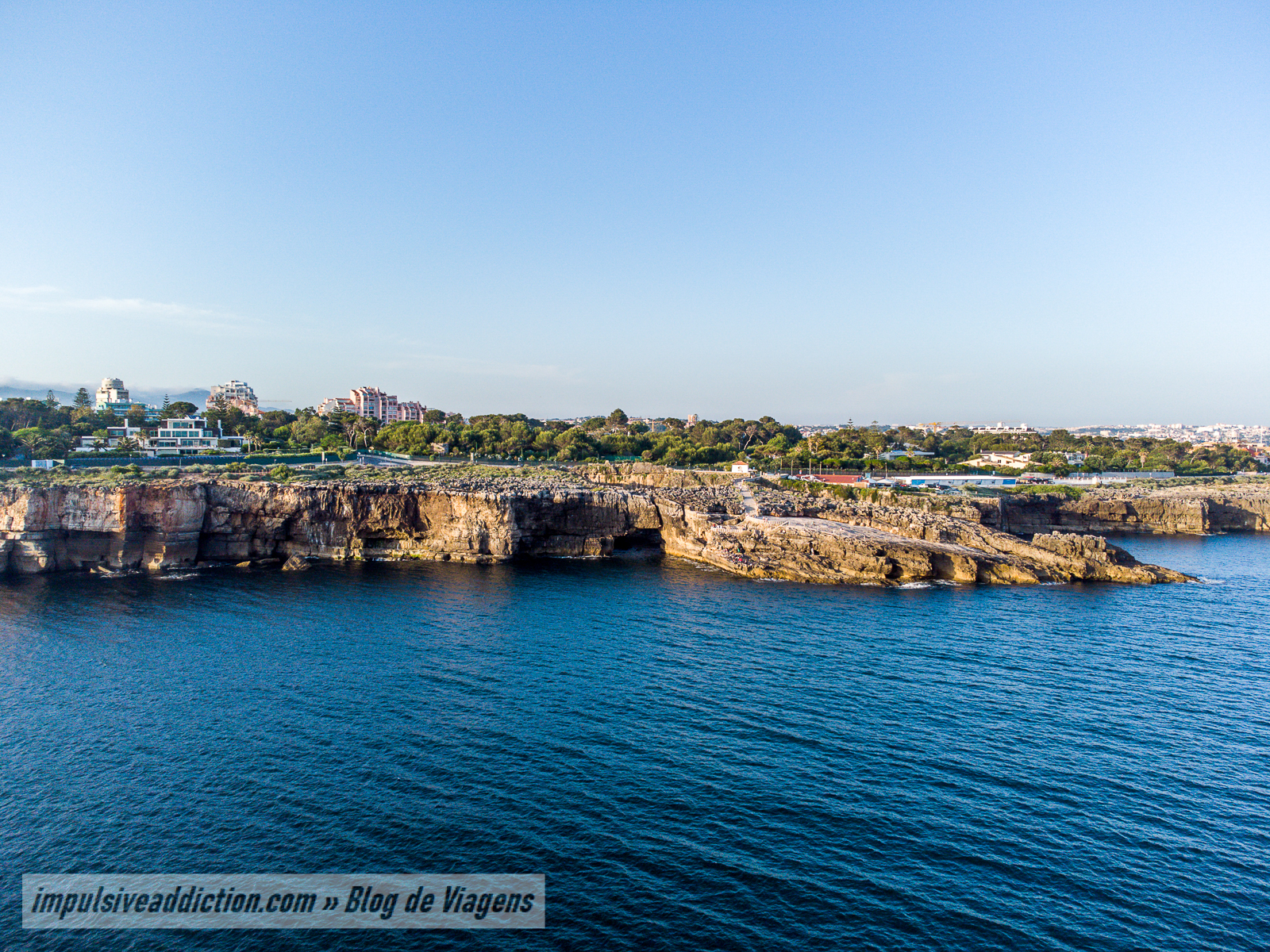
Most visitors walk along Av. Rei Humberto II de Itália to Boca do Inferno and then return the same way to Cascais. It’s nearly 1 km each way, always by the seaside.
In my opinion, there are far more fascinating spots along the municipality’s coast, so I consider Boca do Inferno optional: it’s very famous, but that’s about it. The name comes from the roar of the waves crashing against the rocks in that spot.
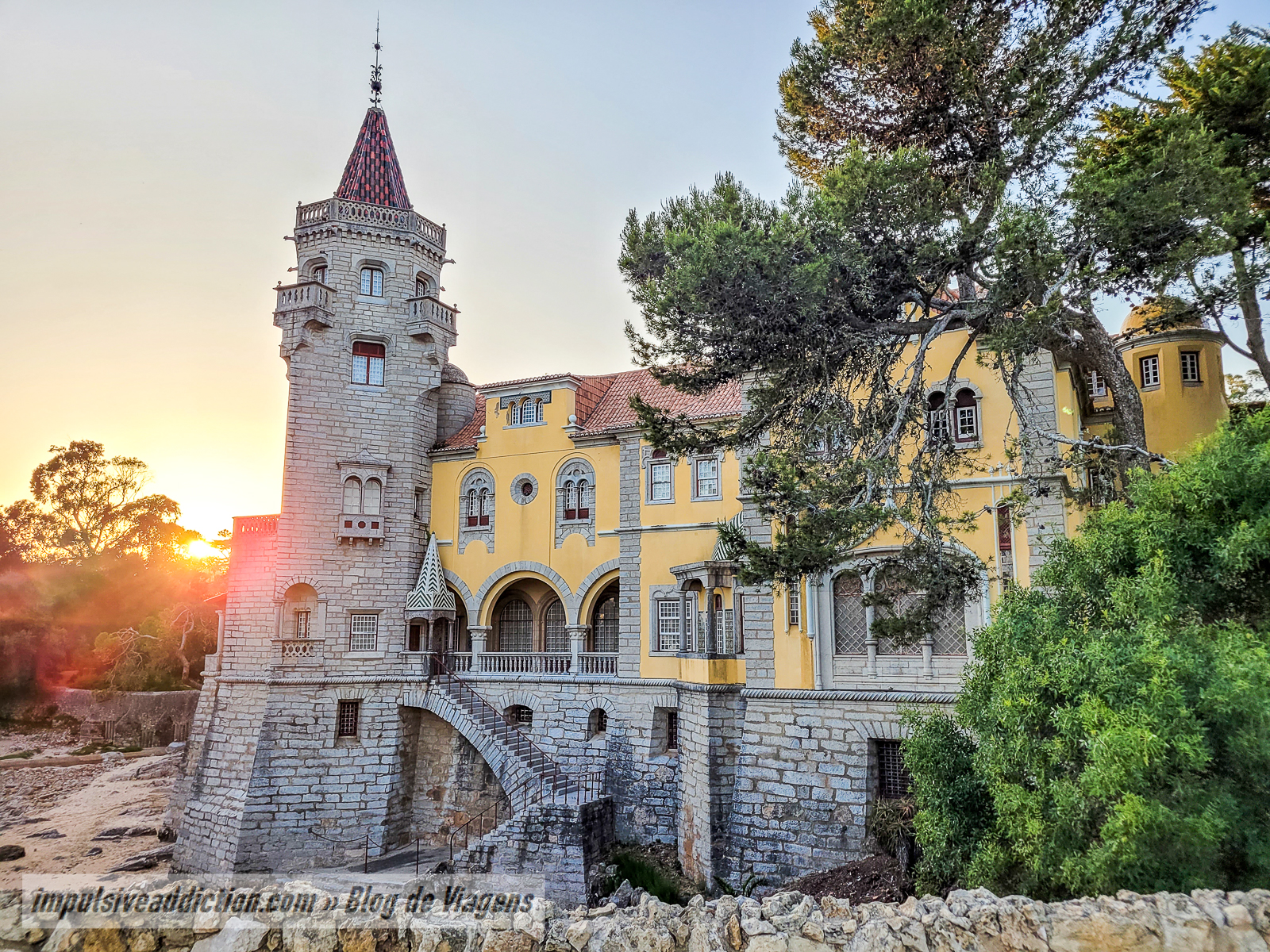
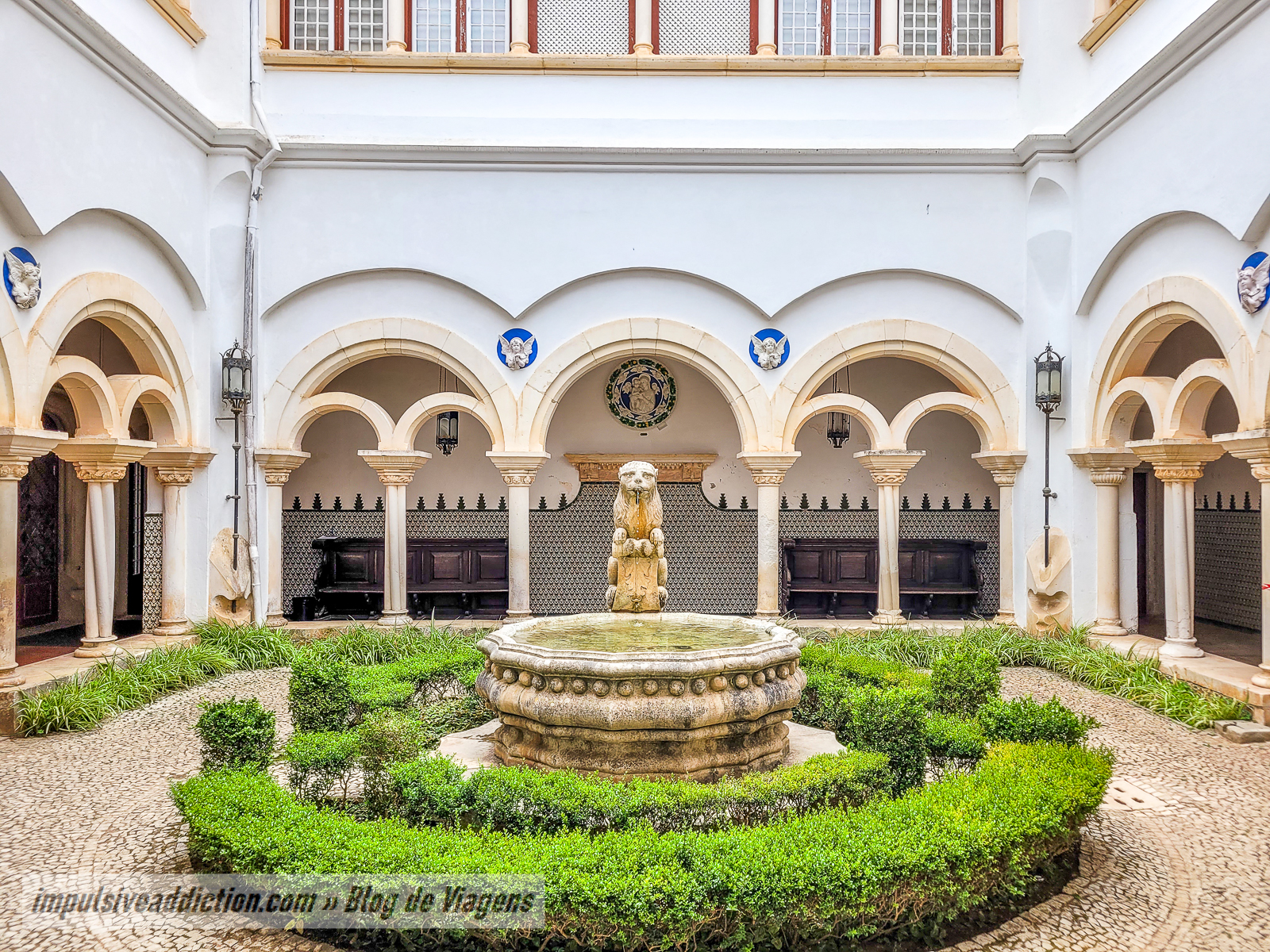
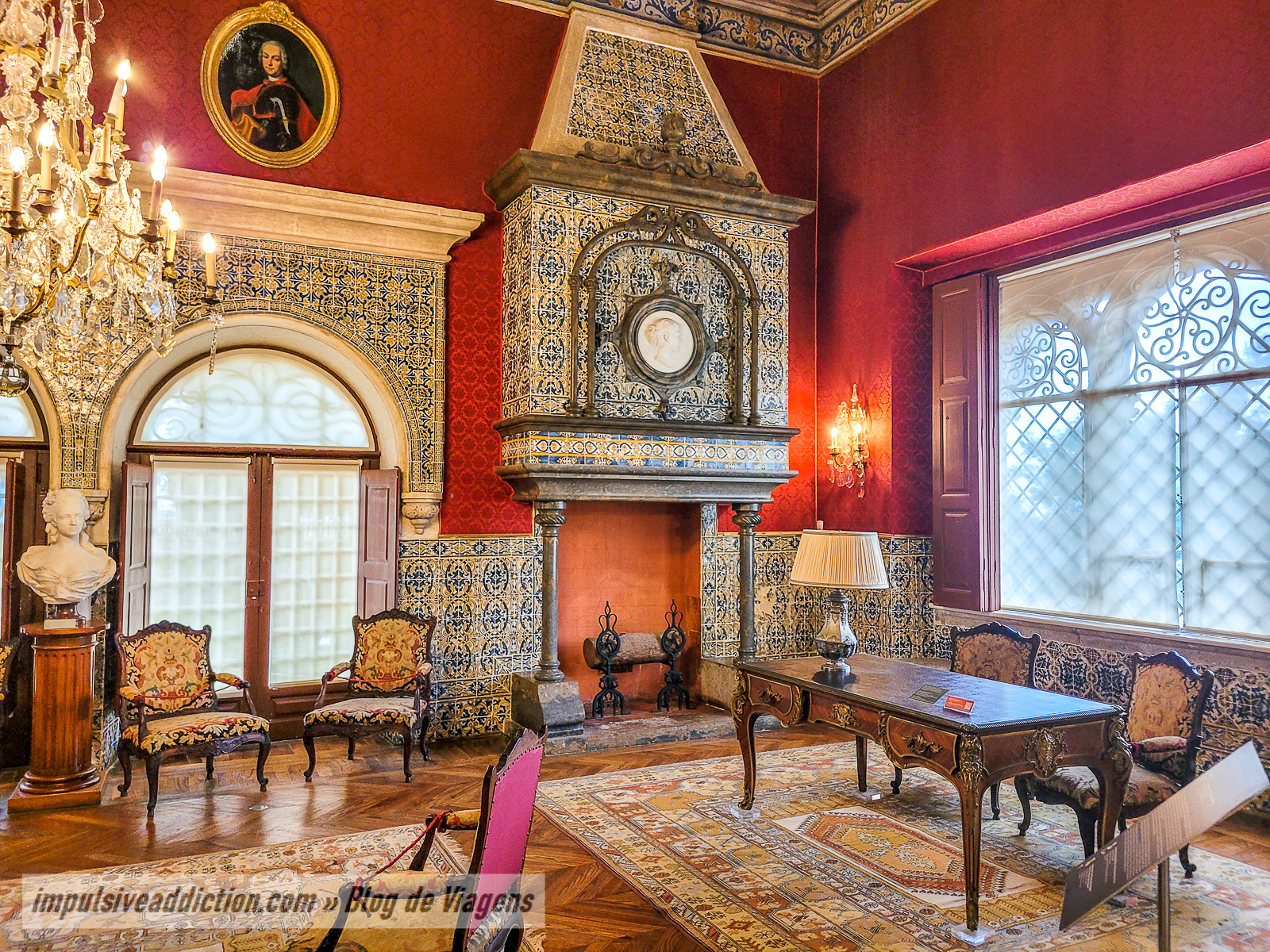
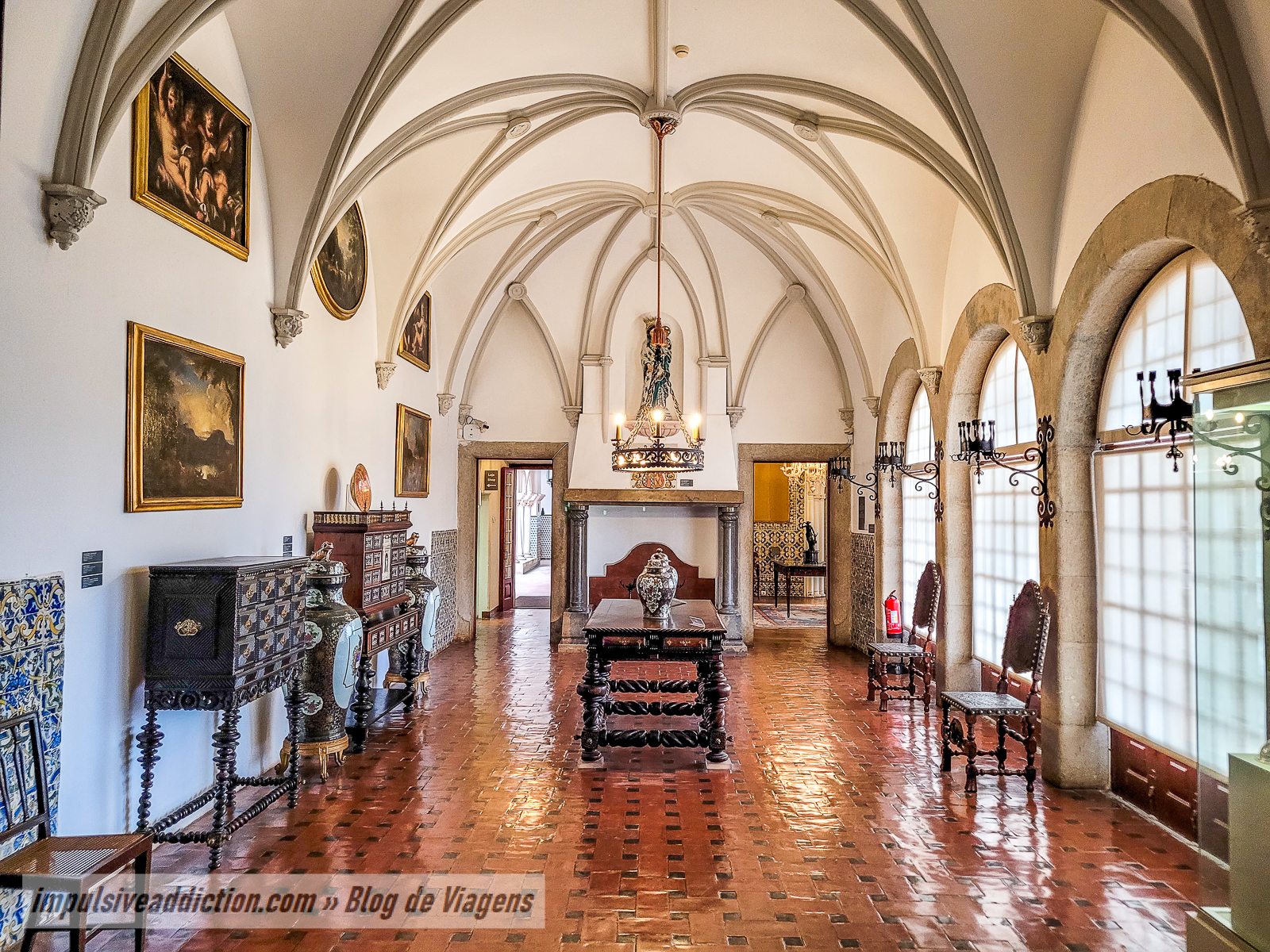
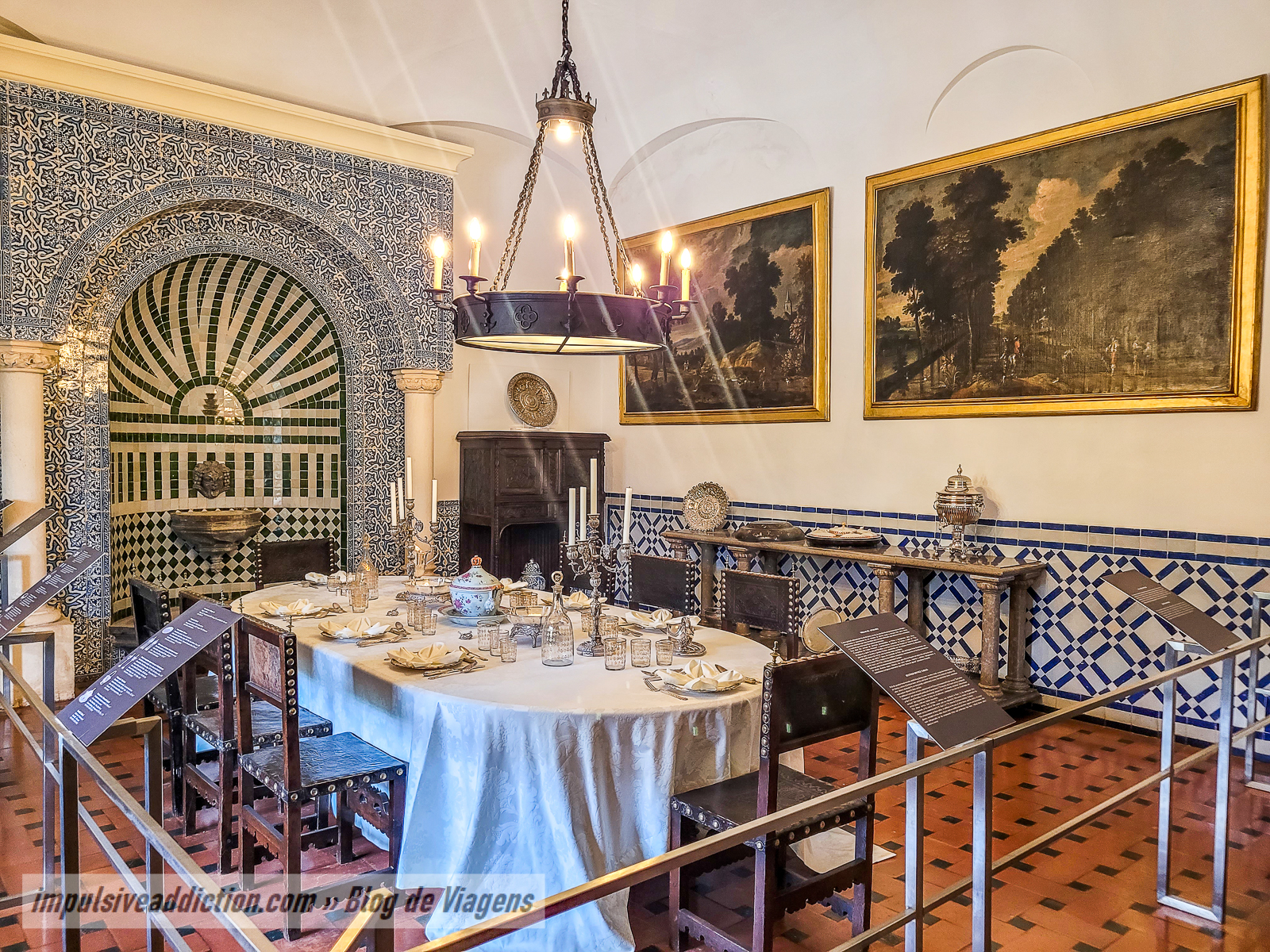
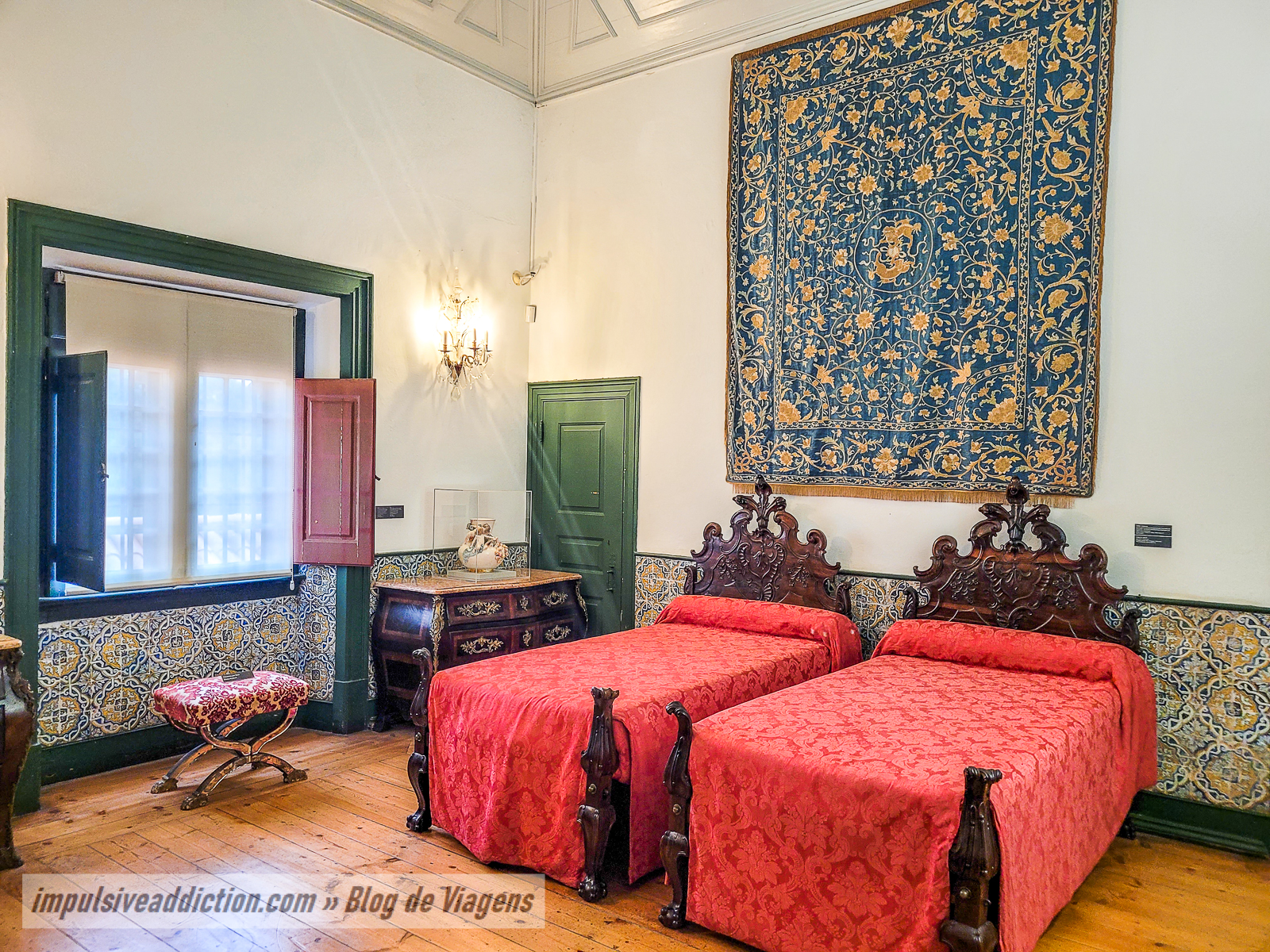
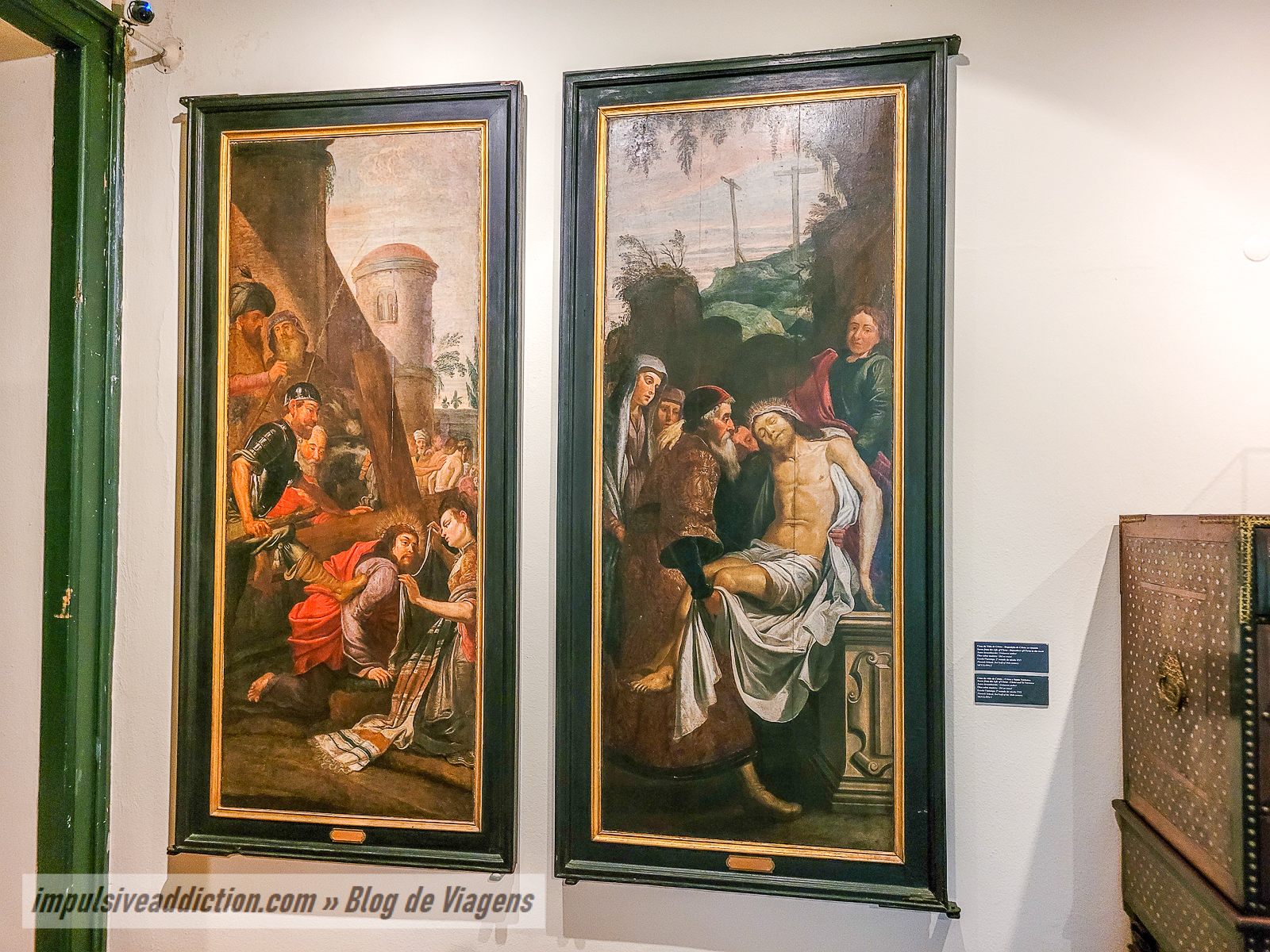
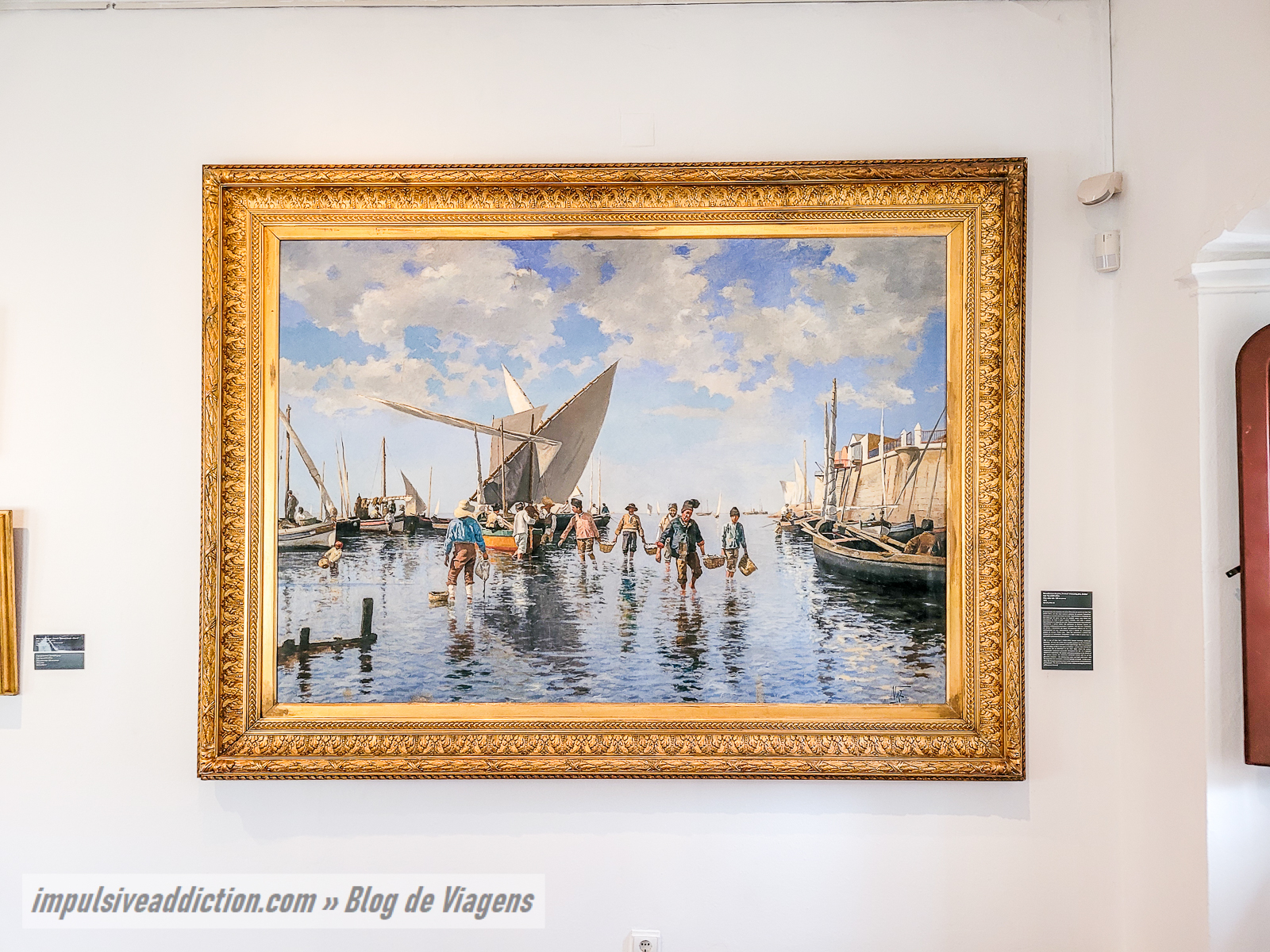
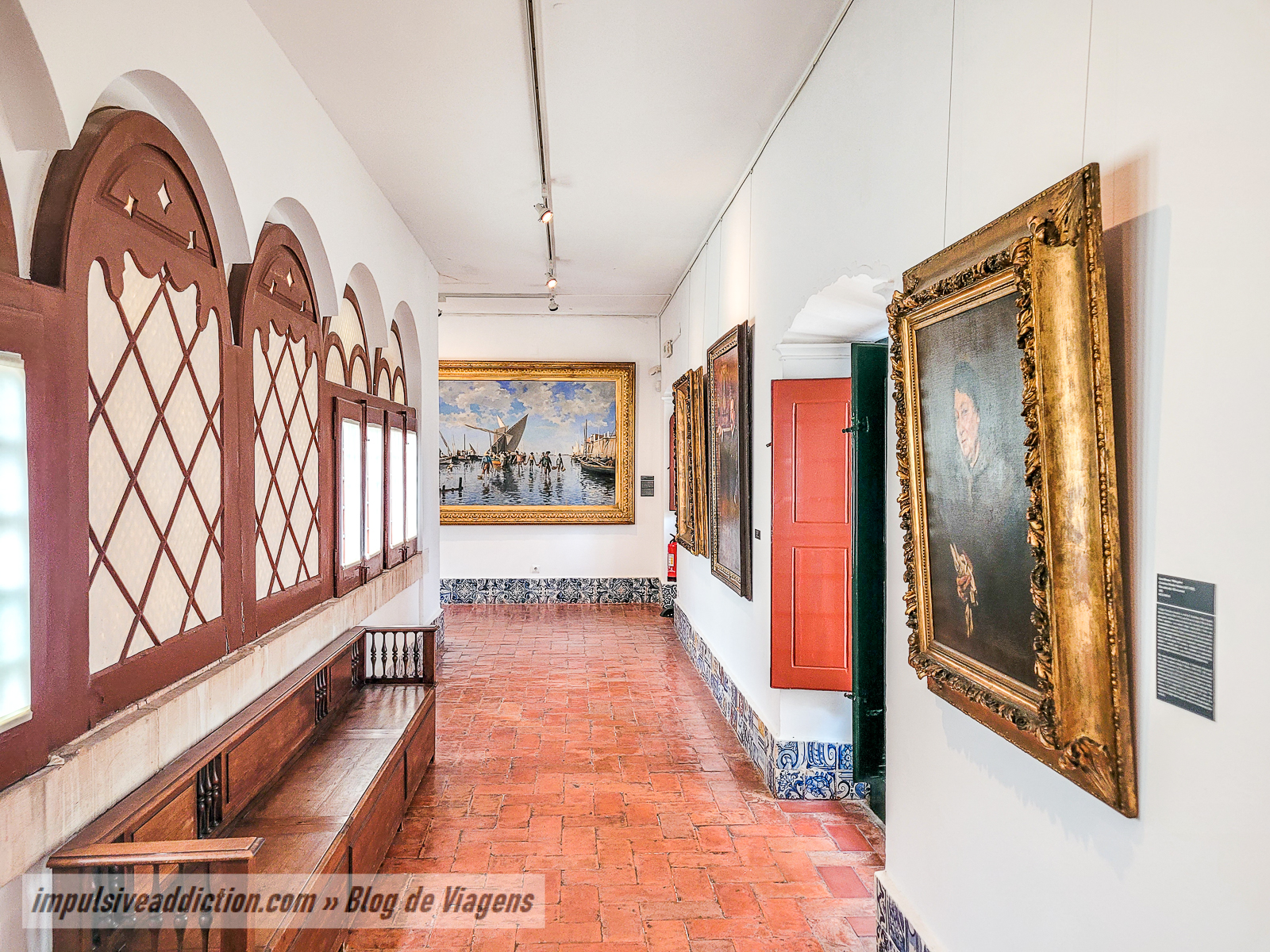
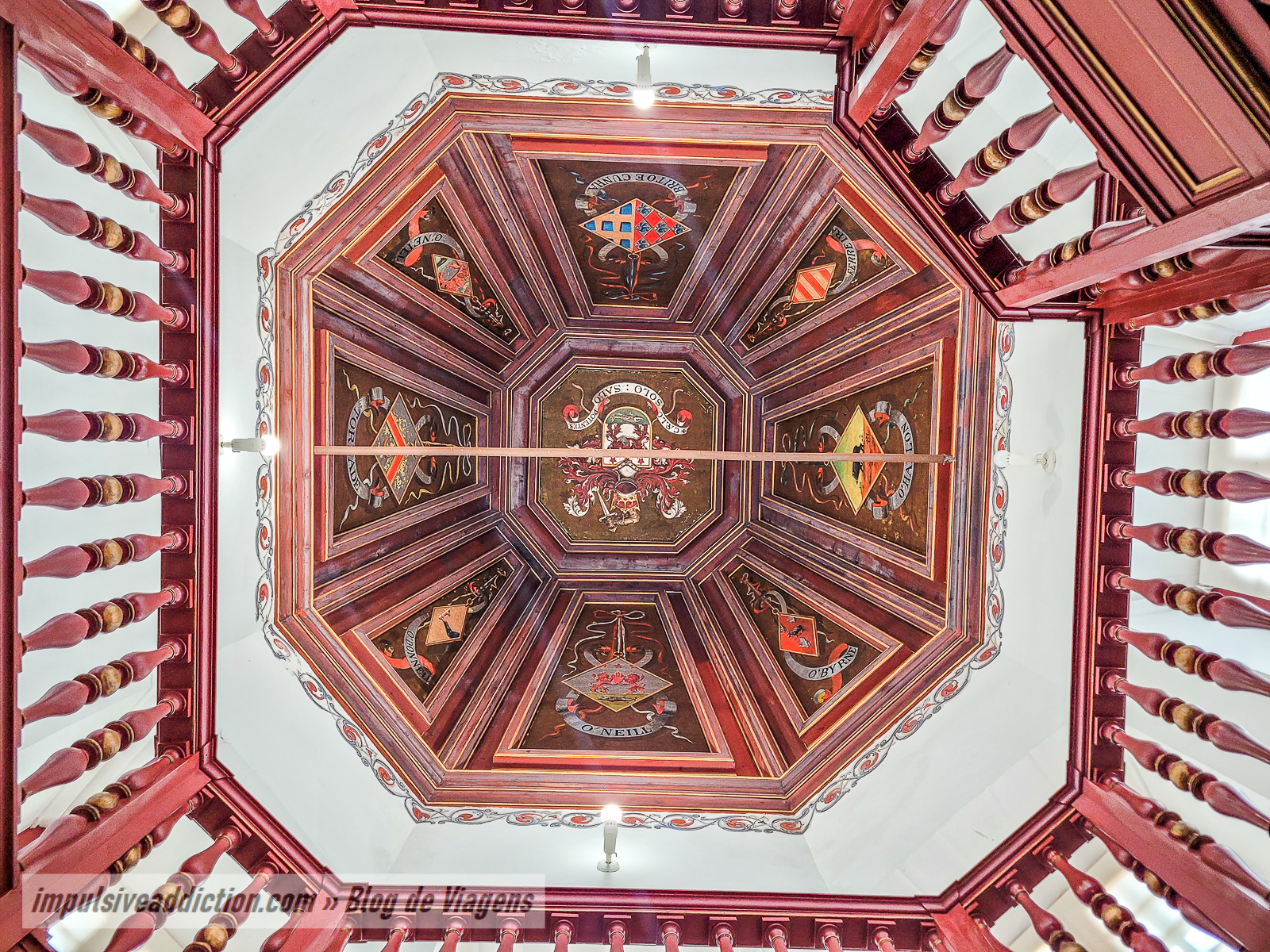
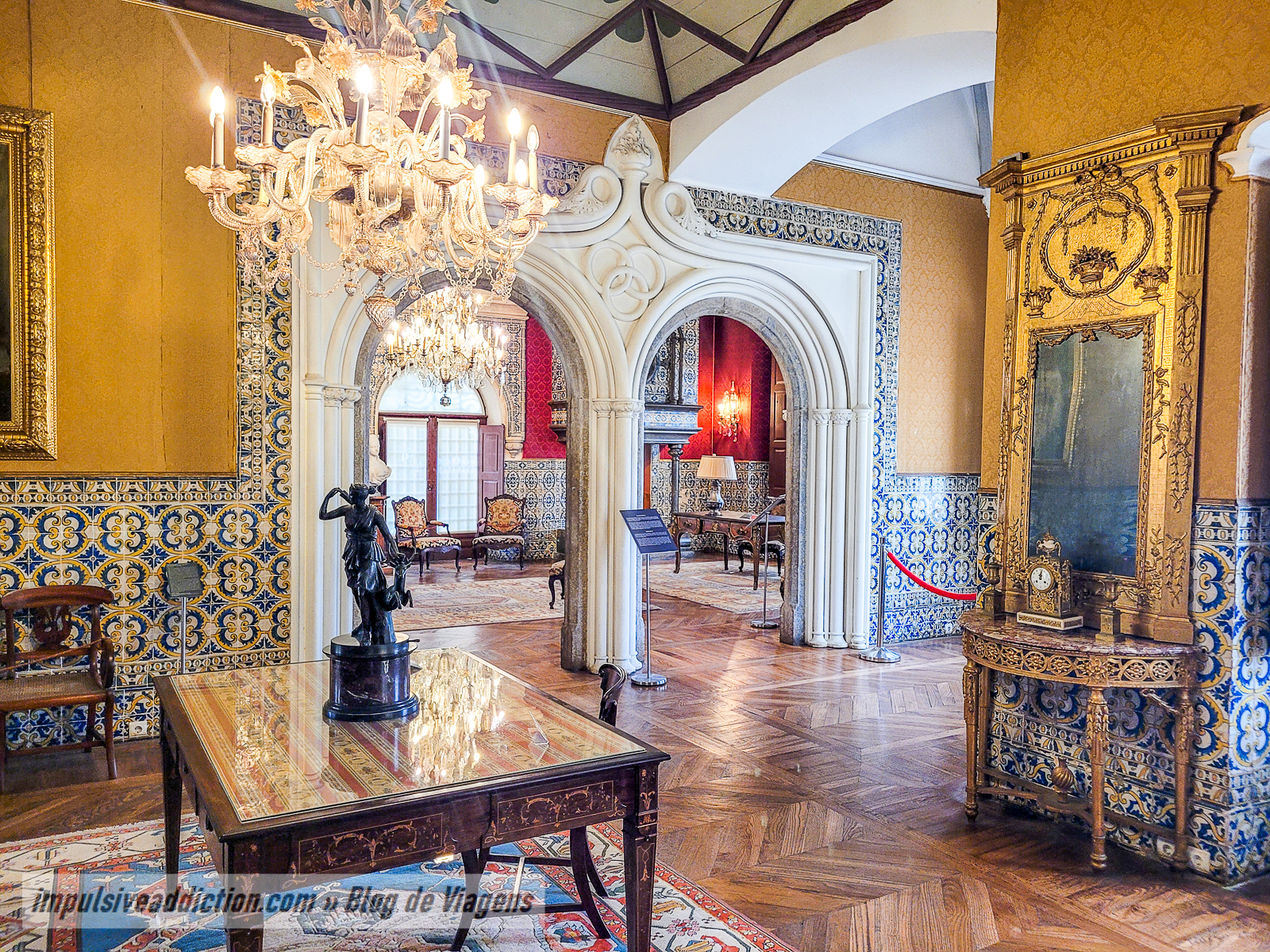
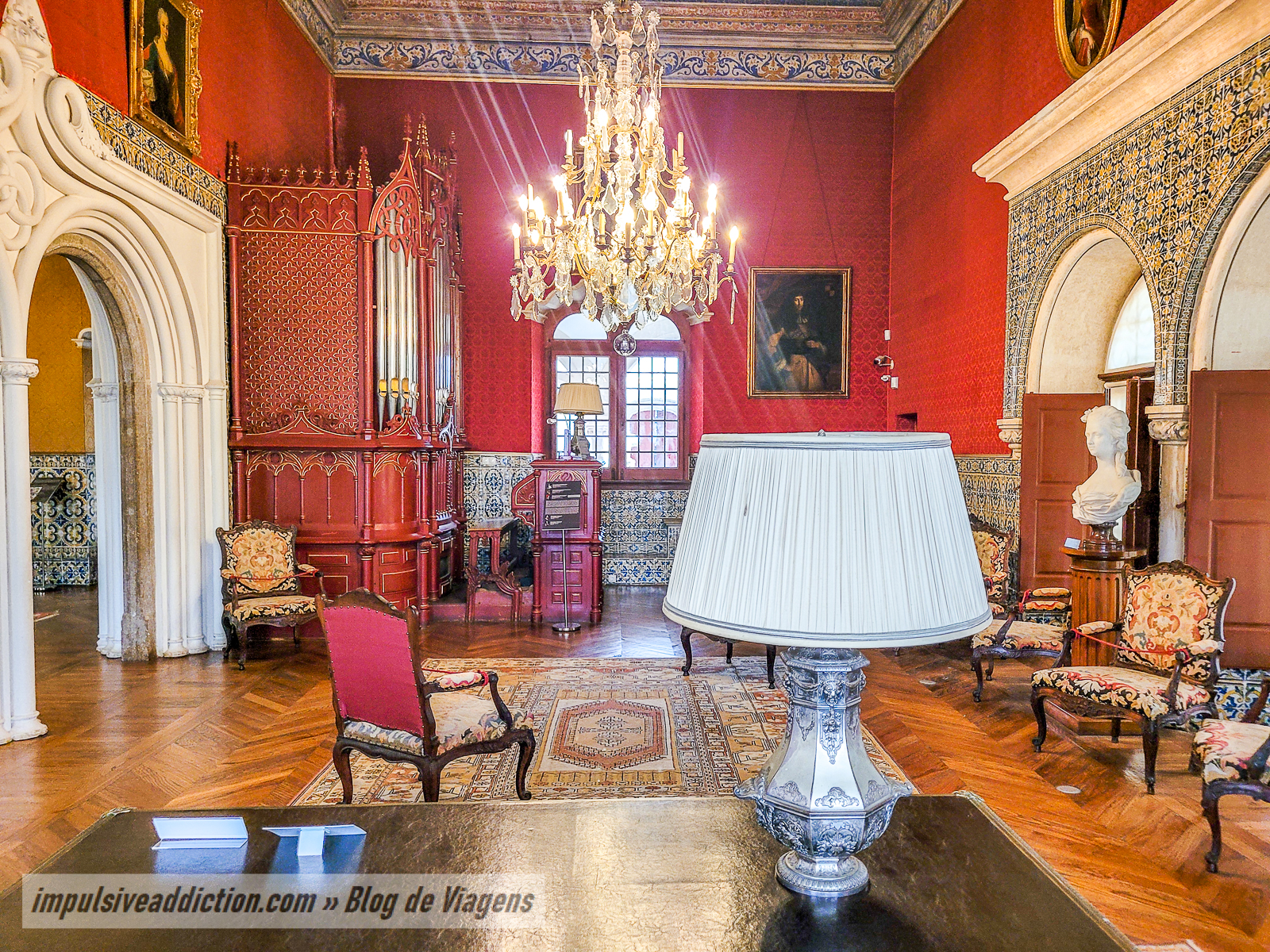
9. Condes de Castro Guimarães Museum
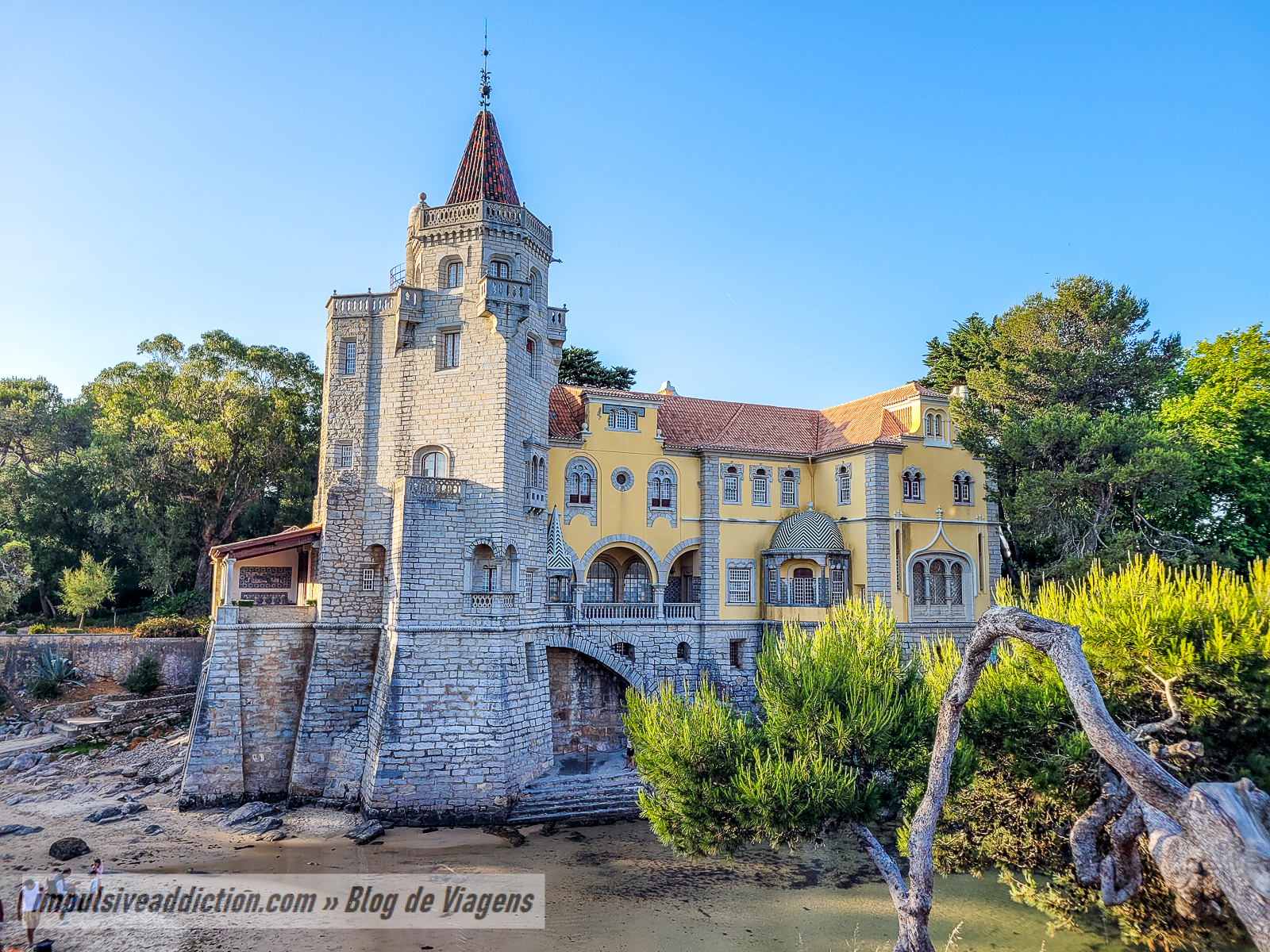
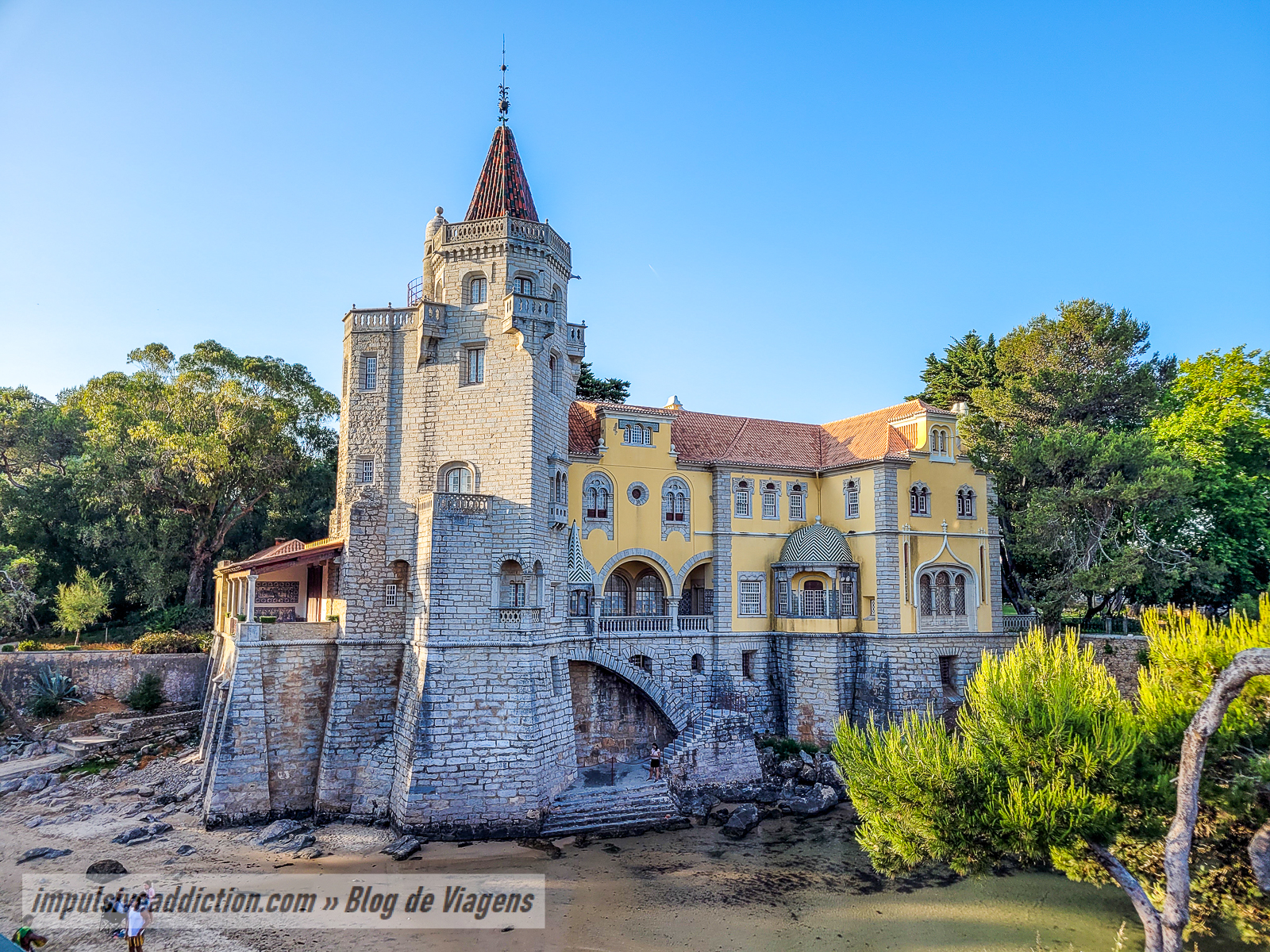
Back in the town center, you’ll visit a truly worthwhile museum: the Condes de Castro Guimarães Museum. It’s housed in a palace built in 1897 by order of Jorge O’Neill, like the Casa de Santa Maria, but this time designed by architect Francisco Vilaça. Originally, the building was called Torre de São Sebastião due to its proximity to a chapel with the same name.
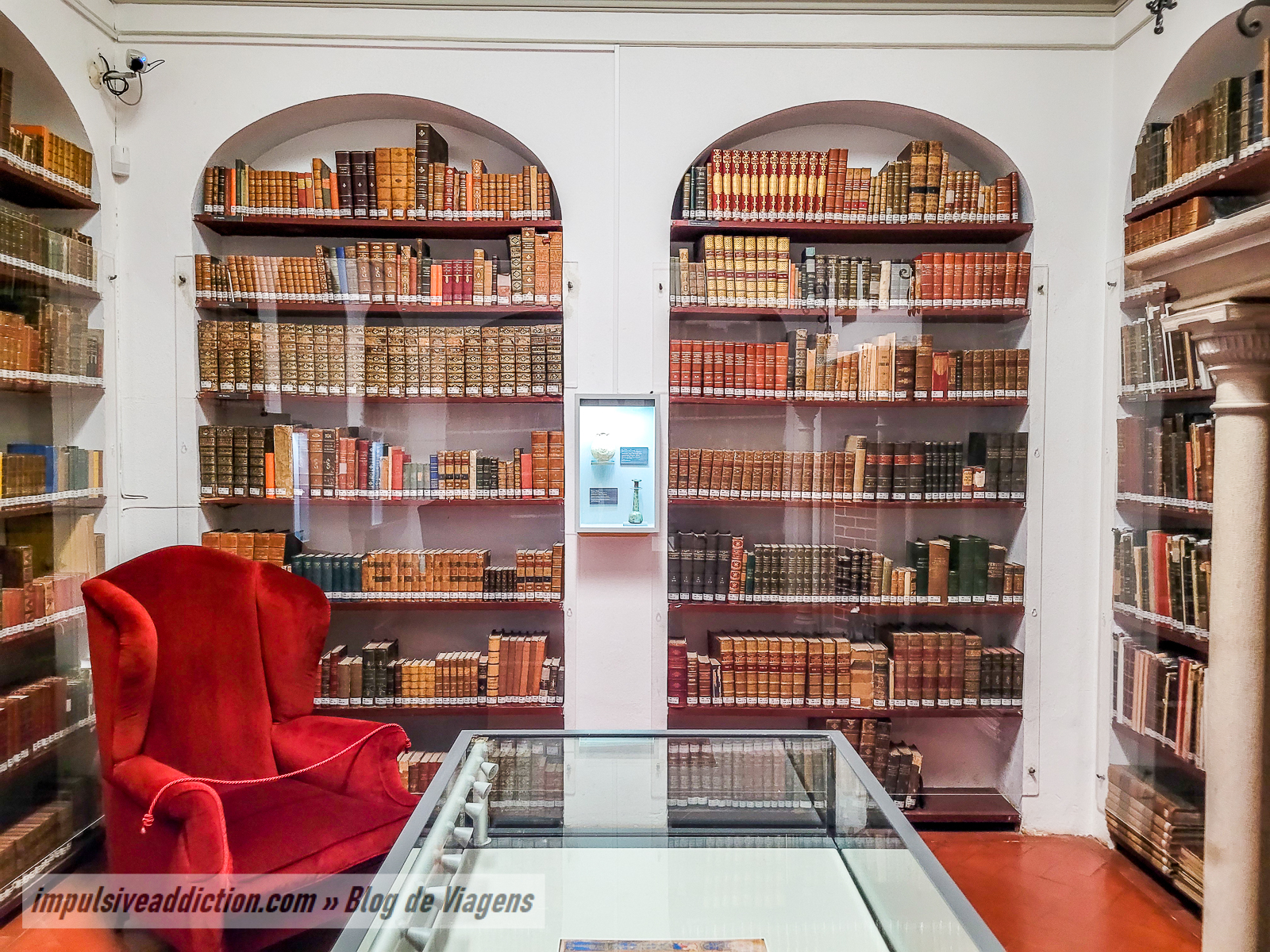
In 1910, the Condes de Castro Guimarães acquired the palace and donated both the building and its gardens to establish Cascais’ first museum and library. The museum opened in 1931. The counts are buried in the old garden, now part of Parque Marechal Carmona.
A funny tidbit: in 1932, the famous poet Fernando Pessoa applied for the position of museum curator but was rejected due to lack of qualifications. He only became renowned as a writer later on.
The museum’s collections include painting, sculpture, jewelry, furniture, porcelain, and more.
10. Parque Marechal Carmona
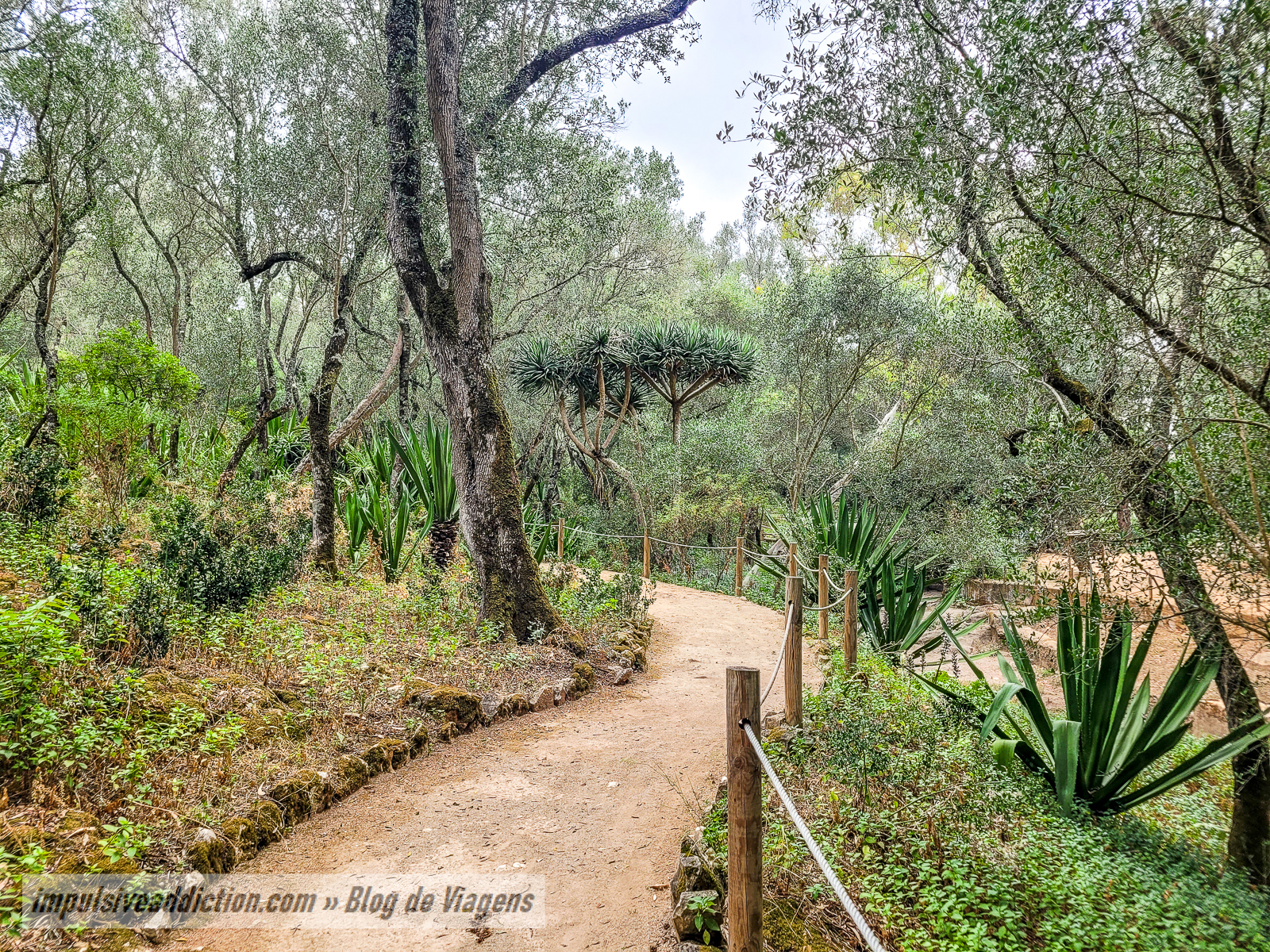
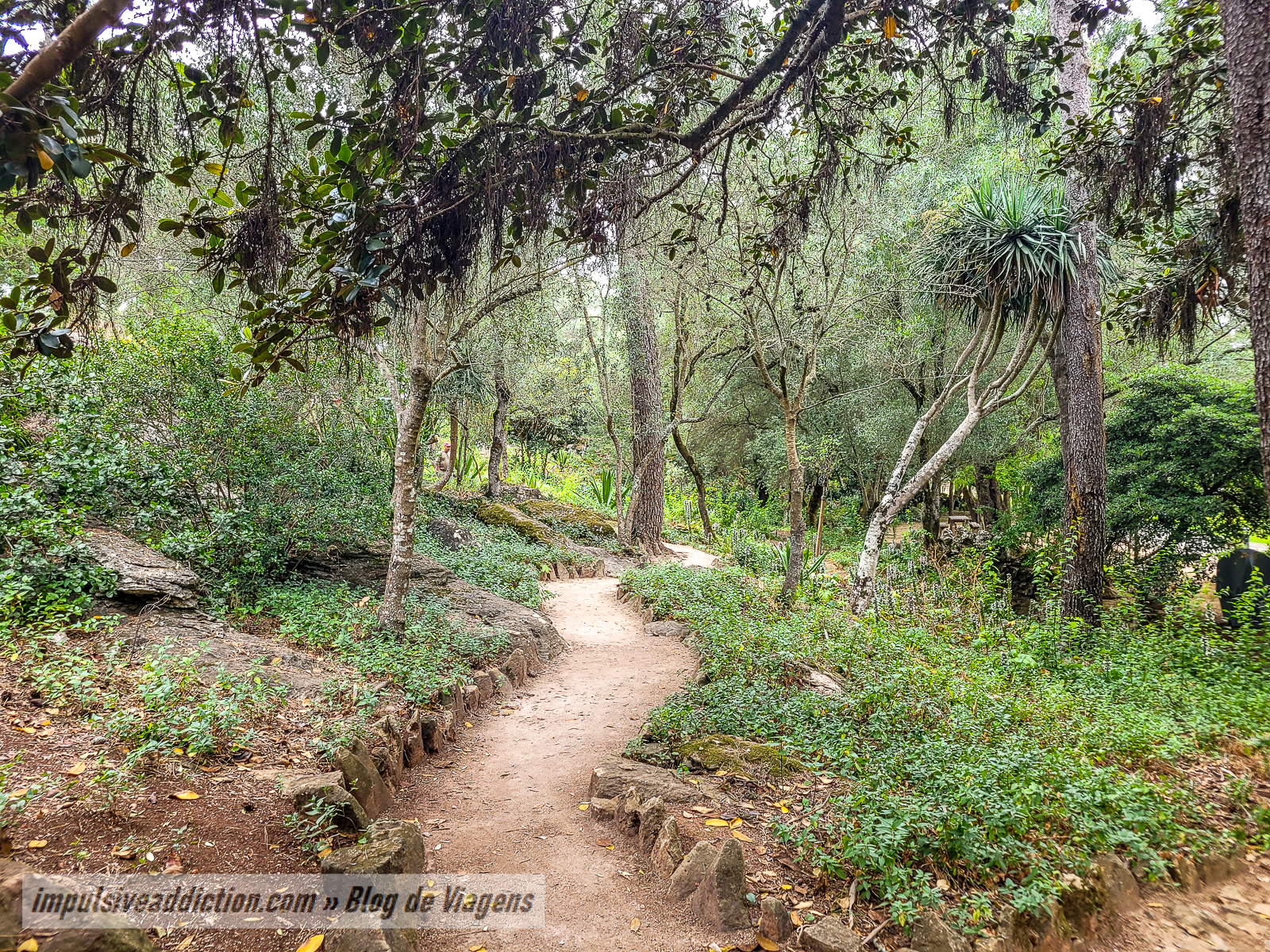
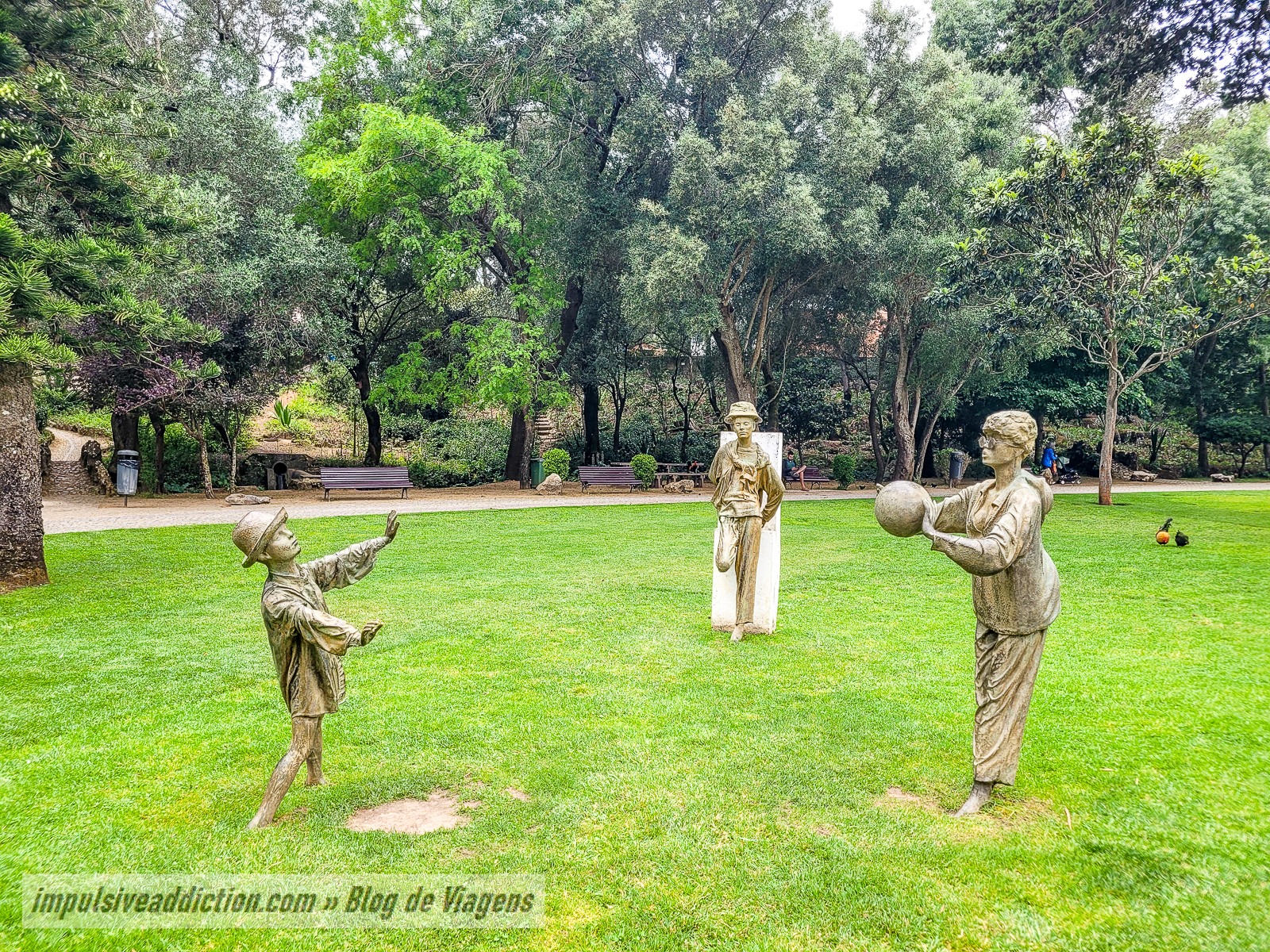
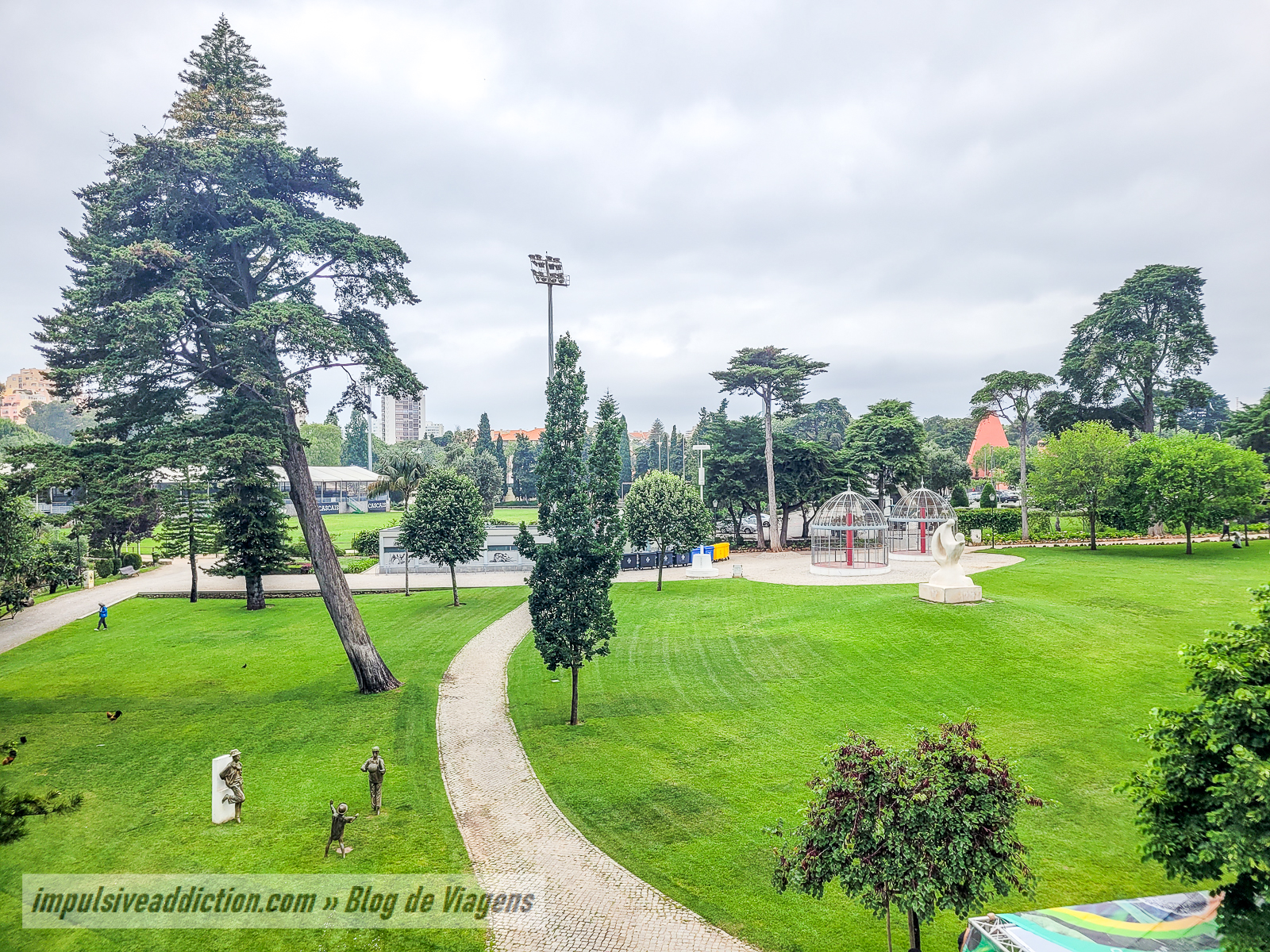
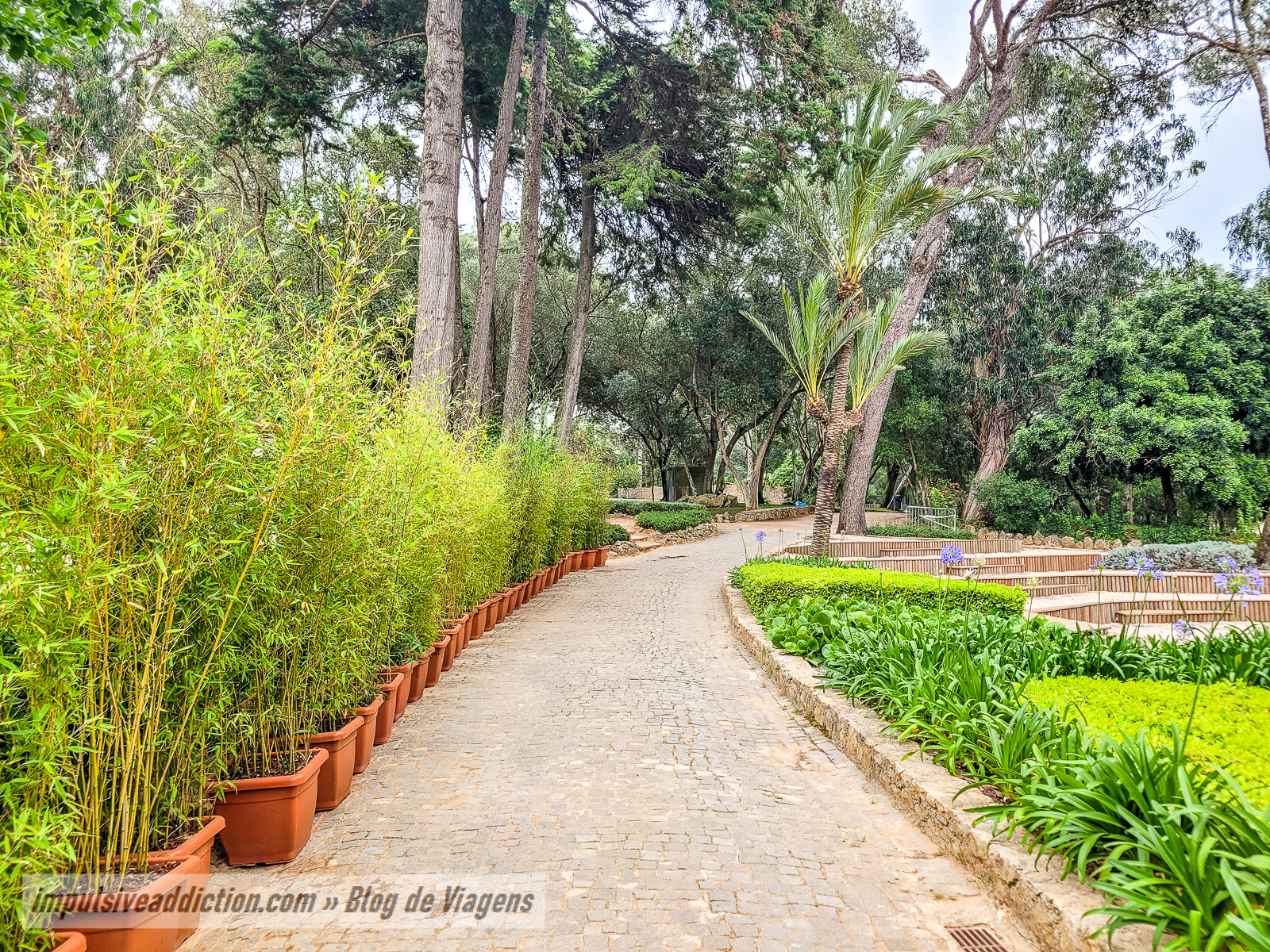
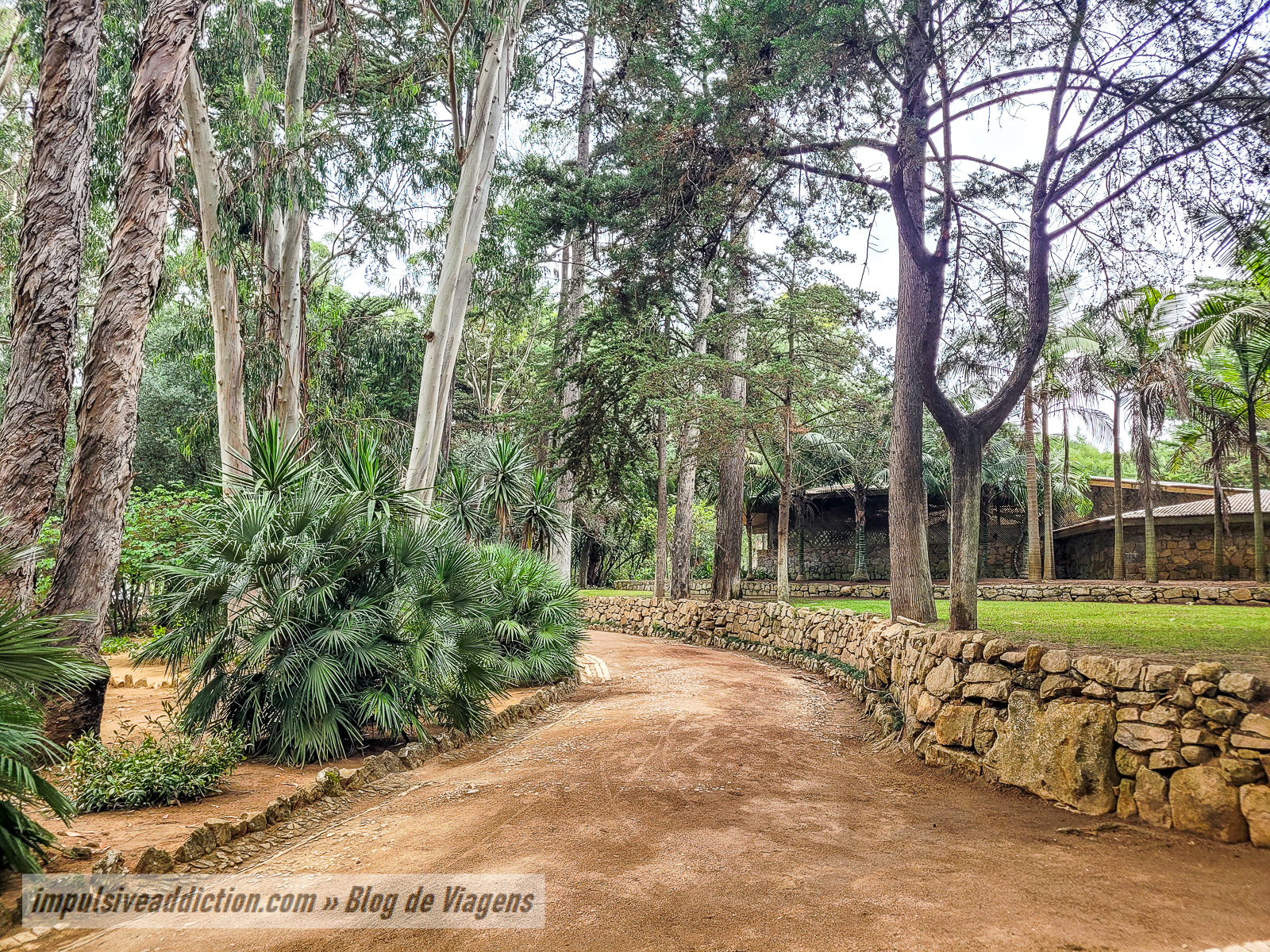
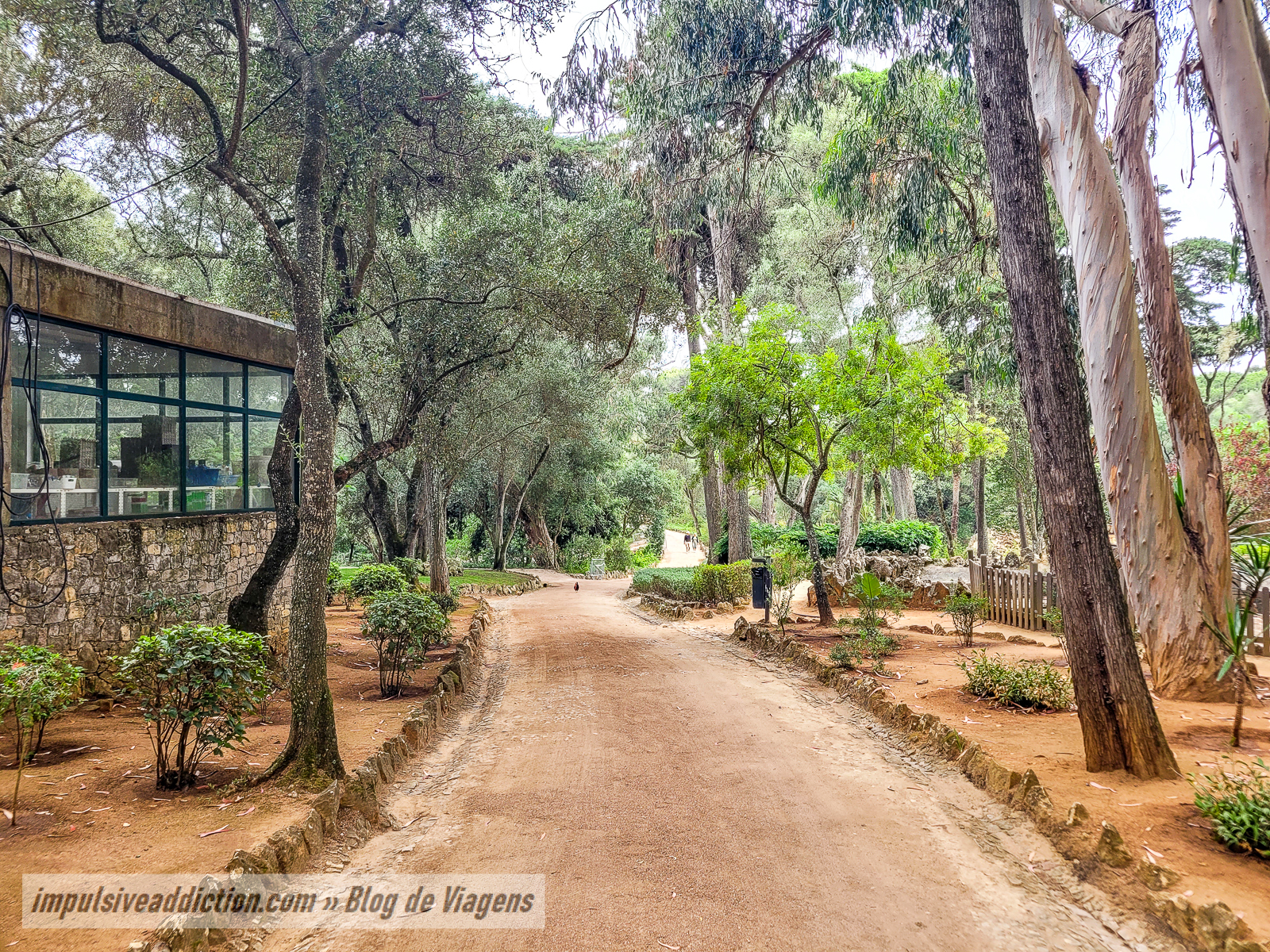
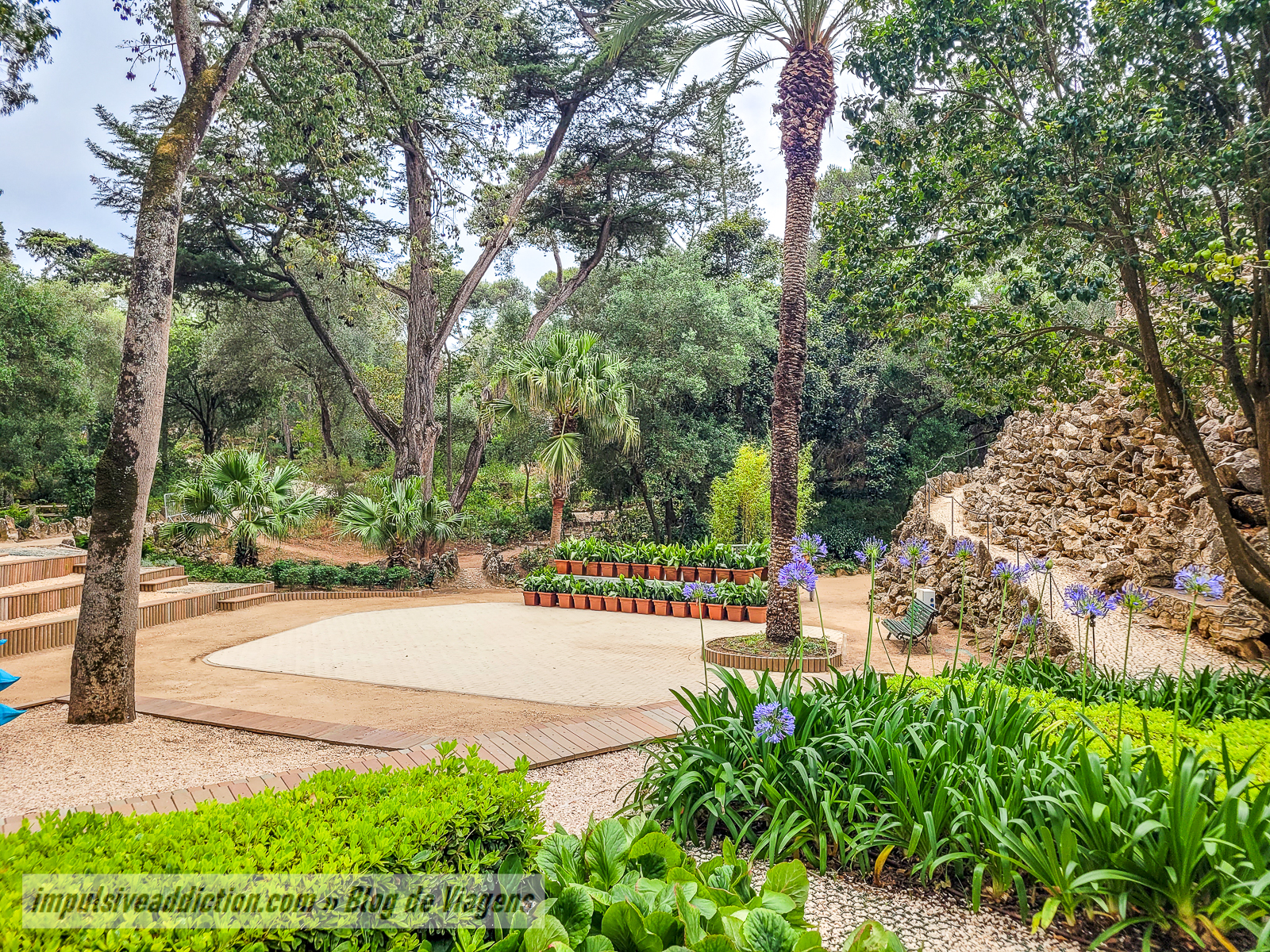
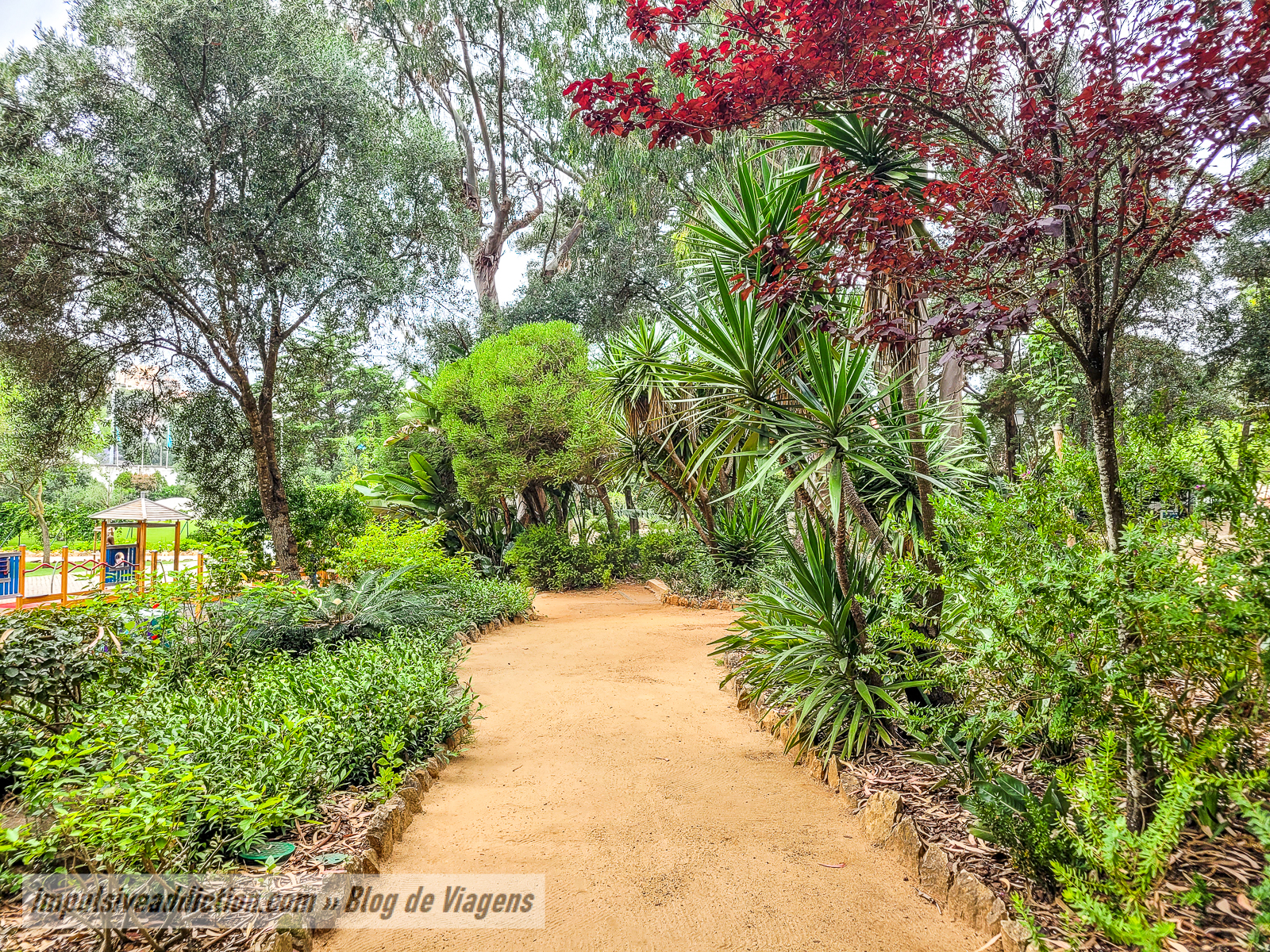
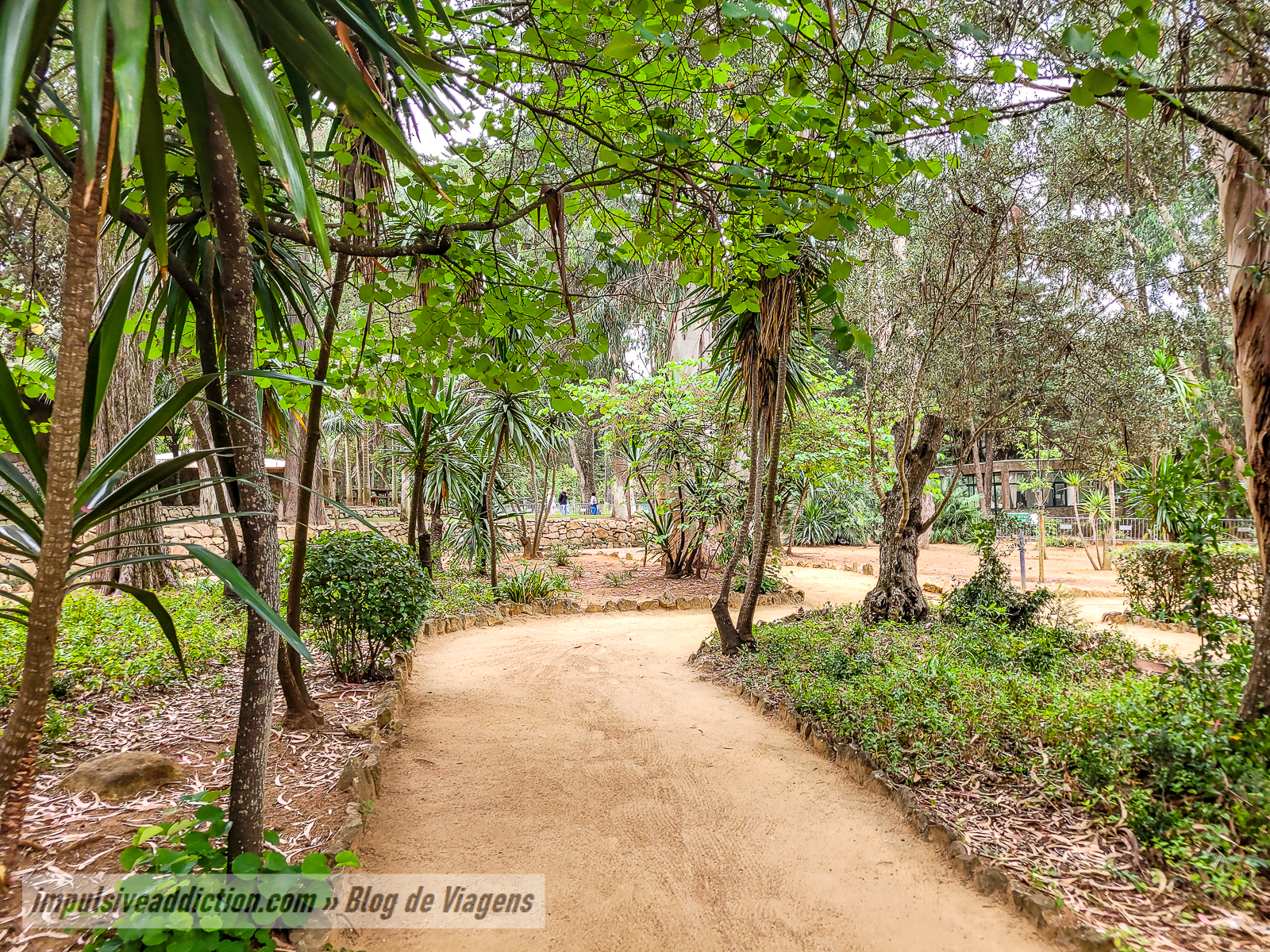
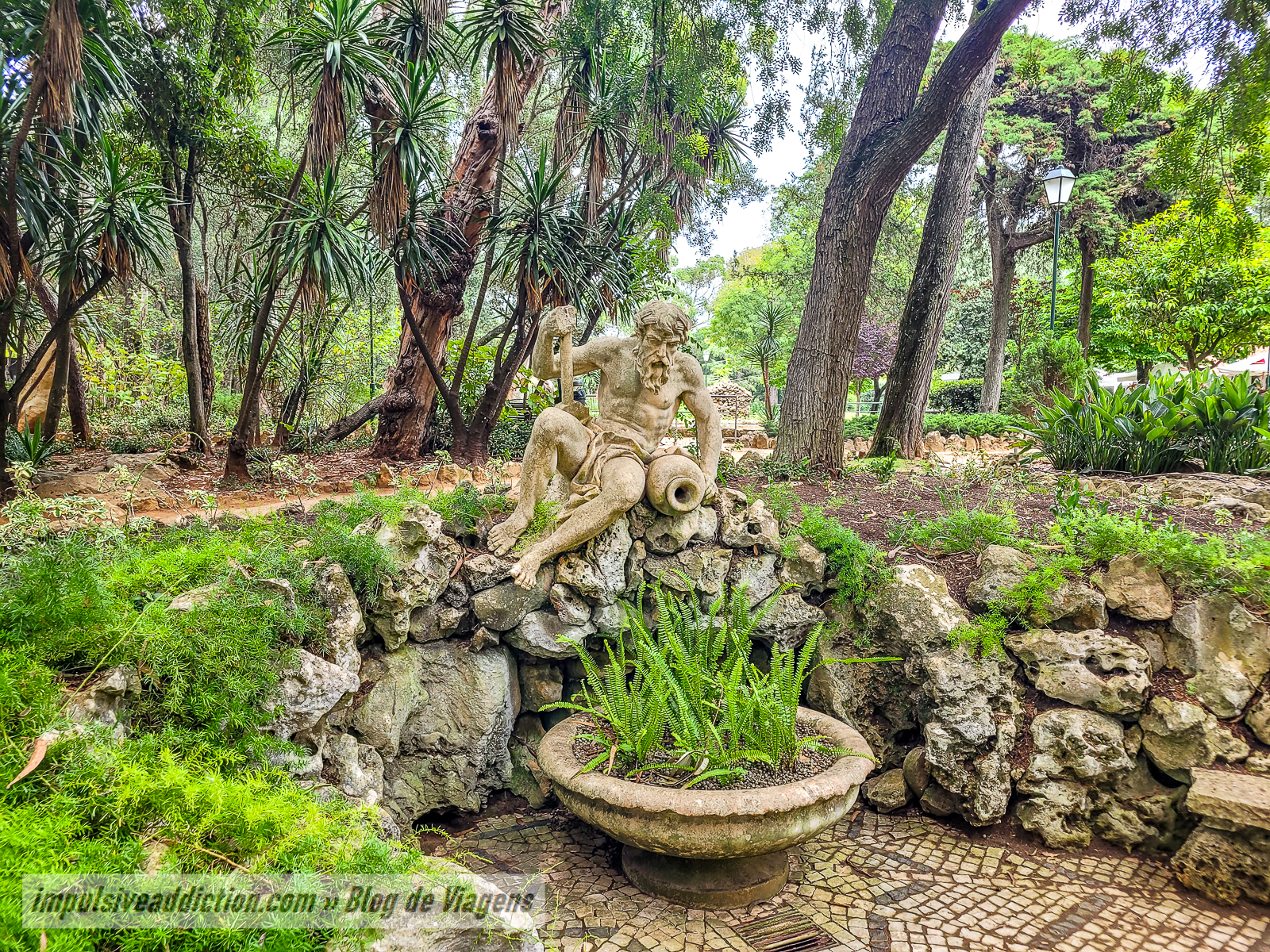
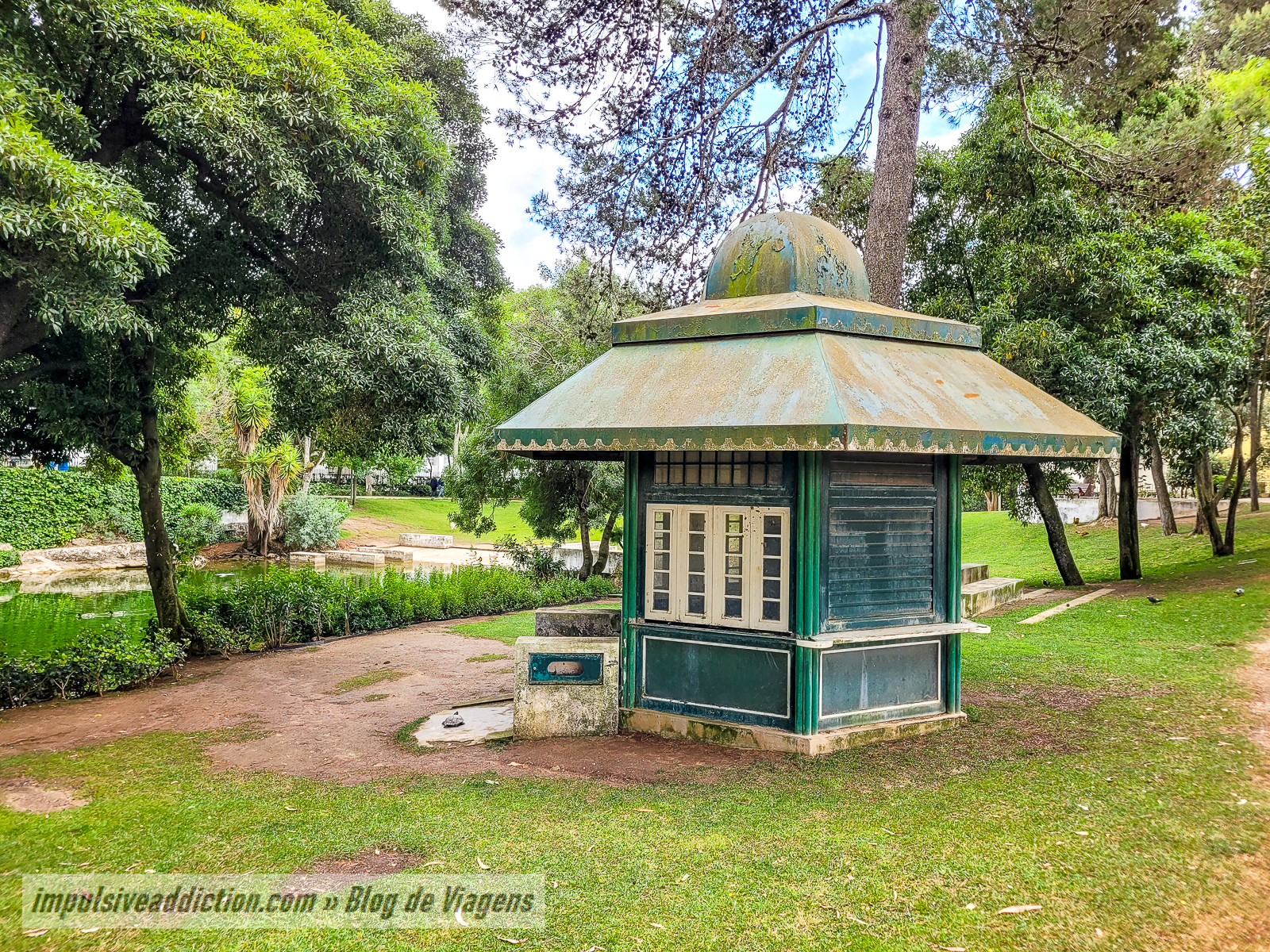
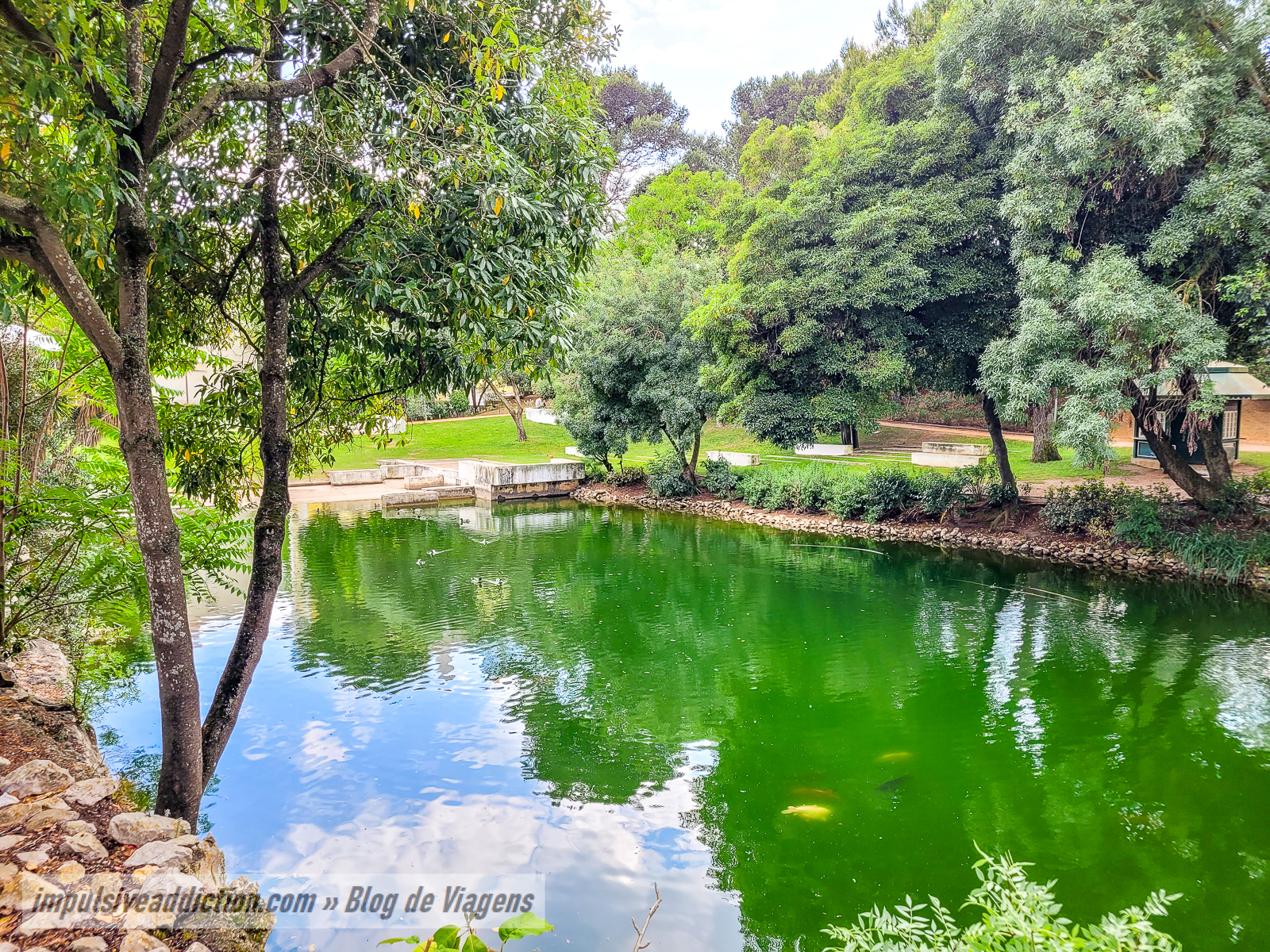
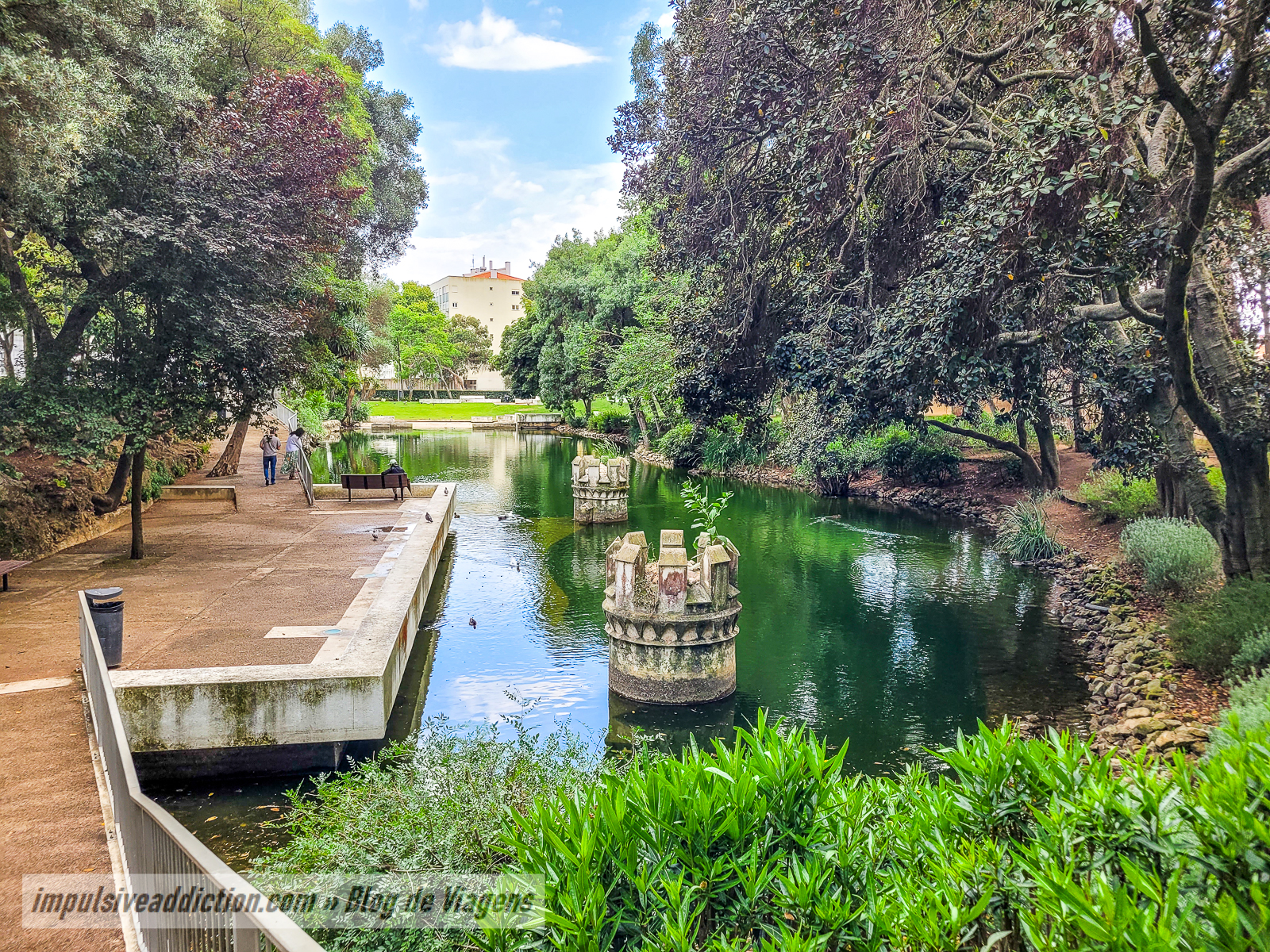
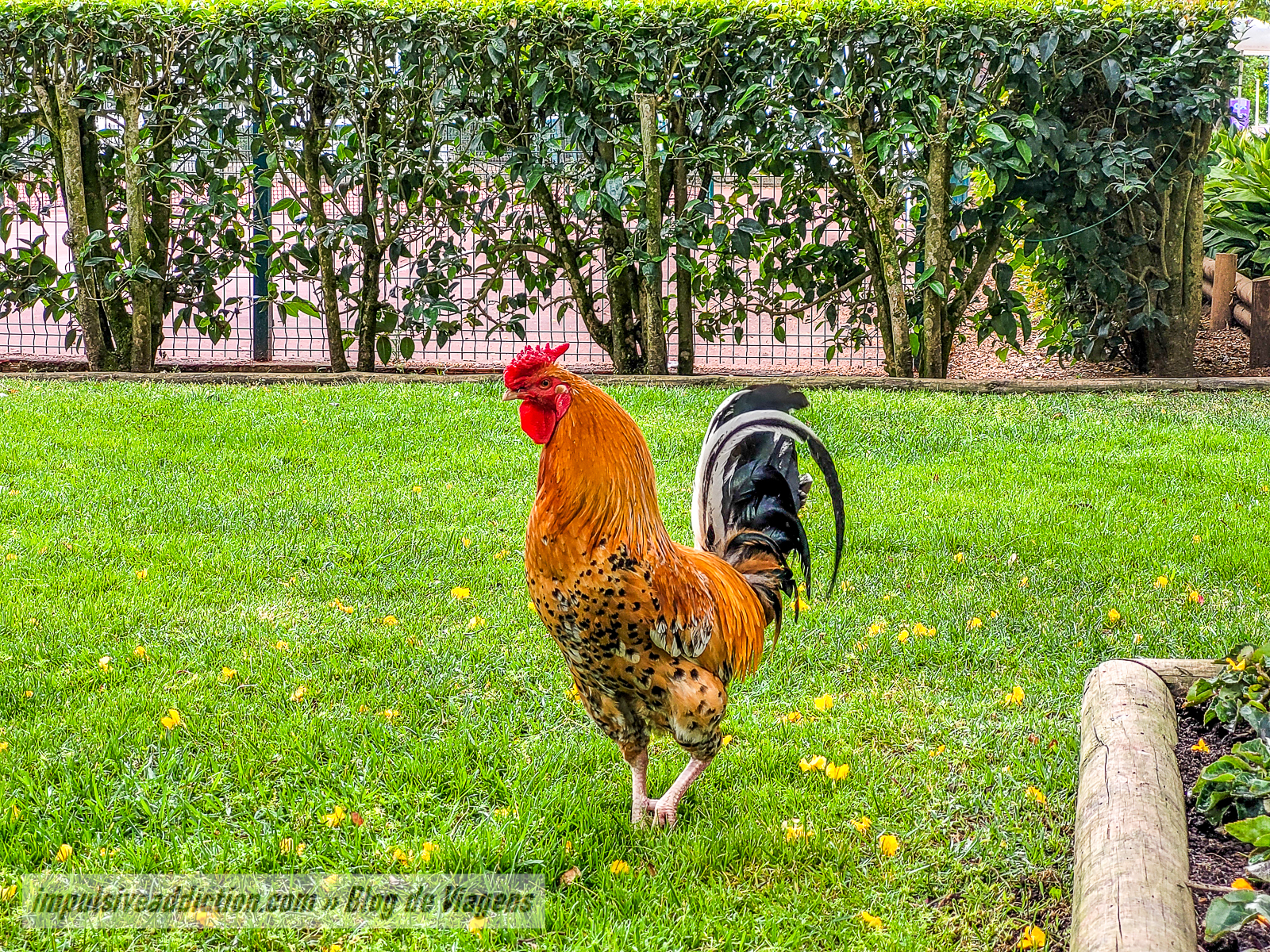
Next up is Cascais’ best park: Parque Marechal Carmona, located right beside the Condes de Castro Guimarães Museum. It’s a spacious area featuring lawns, wooded areas, lakes, streams, and a well-equipped picnic park.
The park was officially created in the 1940s, but the site has served as a leisure estate since the 16th century. It came about by combining the gardens of the Condes de Castro Guimarães Palace with the estate of the Visconde da Gandarinha, which is why it’s also known as Parque do Gandarinha.
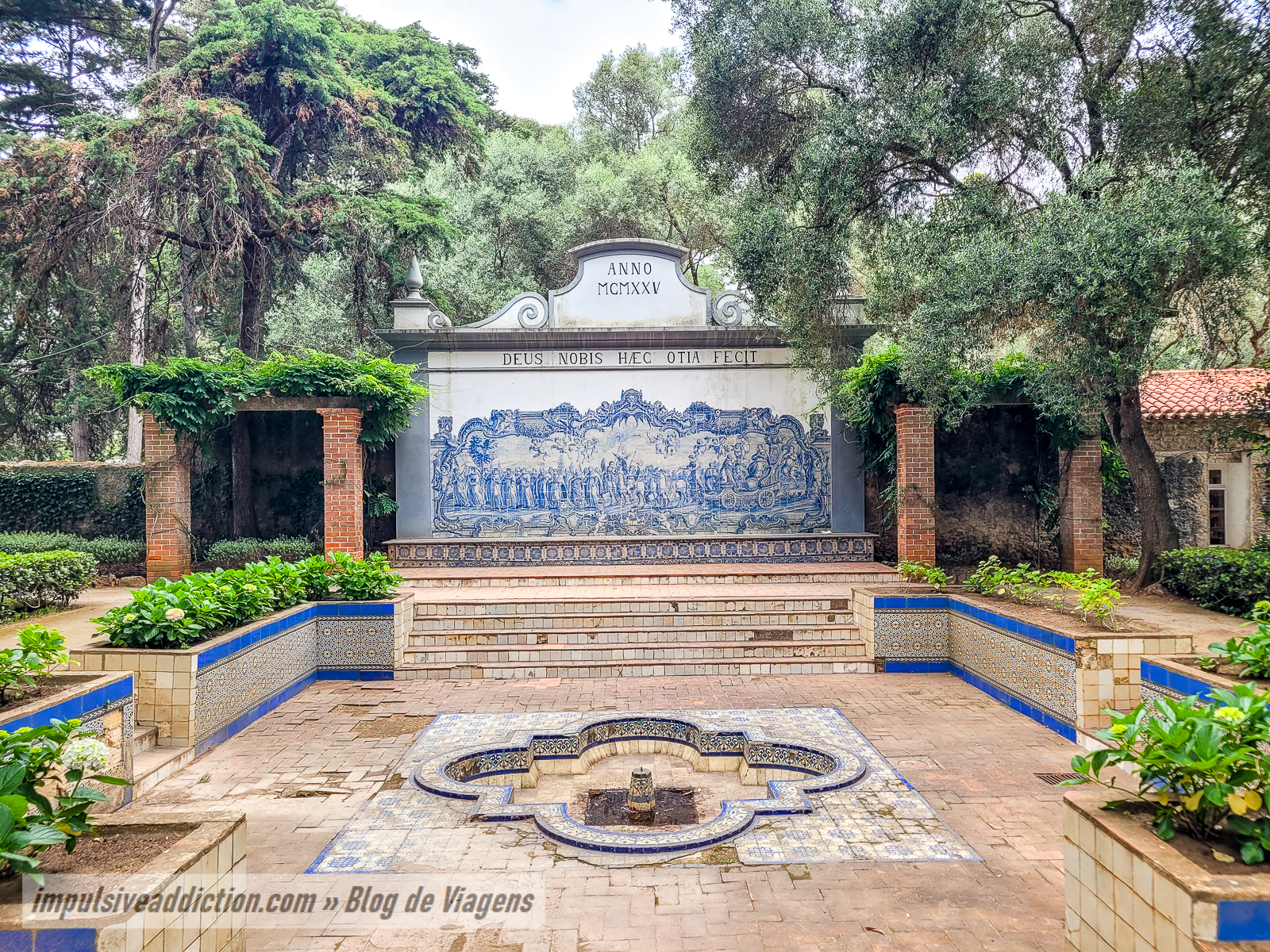
11. Dom Luís I Foundation (Former Convent of Nossa Senhora da Piedade)
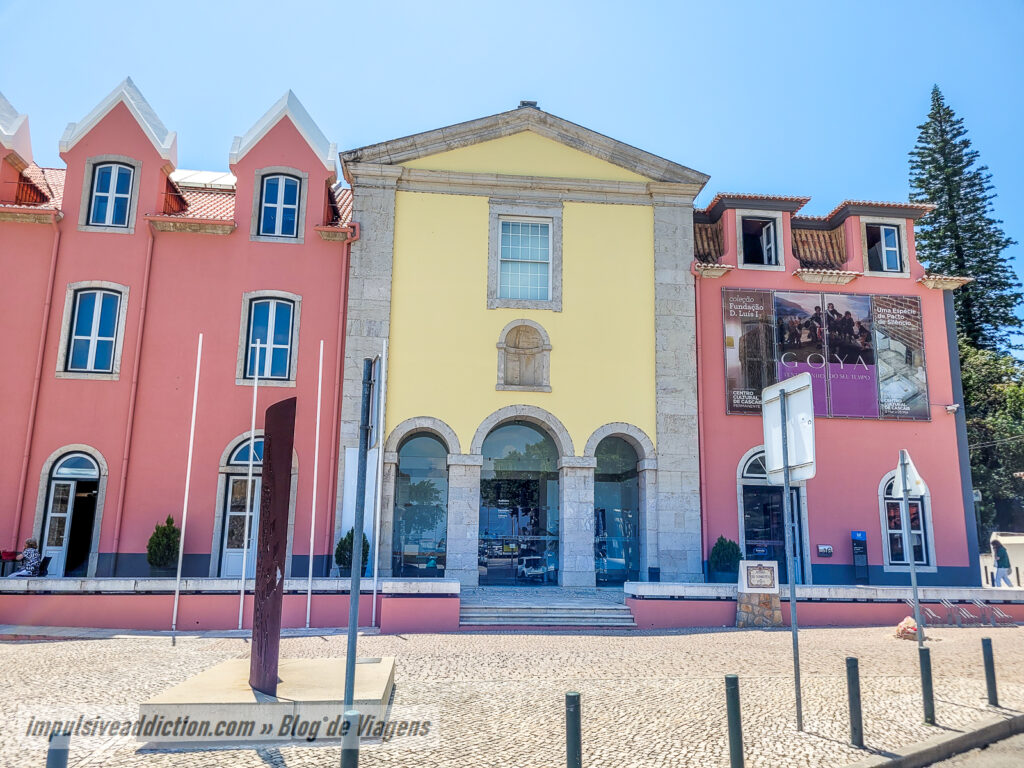
The next tourist attraction is the former Convent of Nossa Senhora da Piedade, now home to the Dom Luís I Foundation. This is Cascais’ new cultural center, hosting various temporary exhibitions throughout the year. The foundation’s name honors King Luís I, the first monarch to choose Cascais as a summer retreat in 1870. It was also this king who established the royal residence within the Citadel.
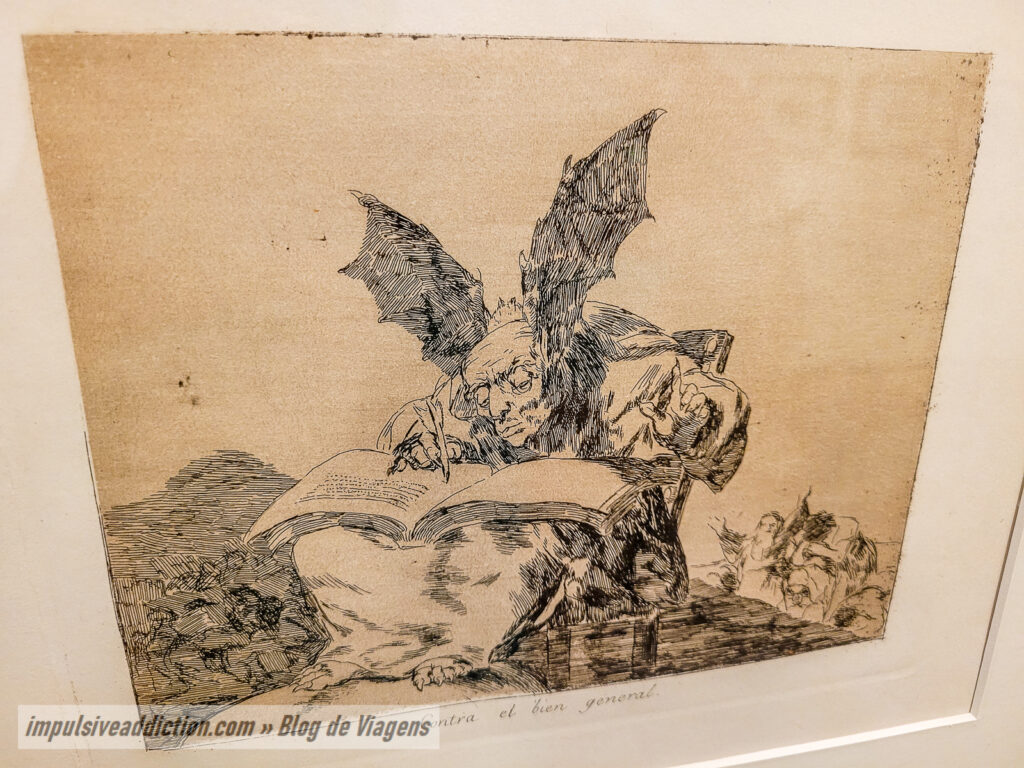
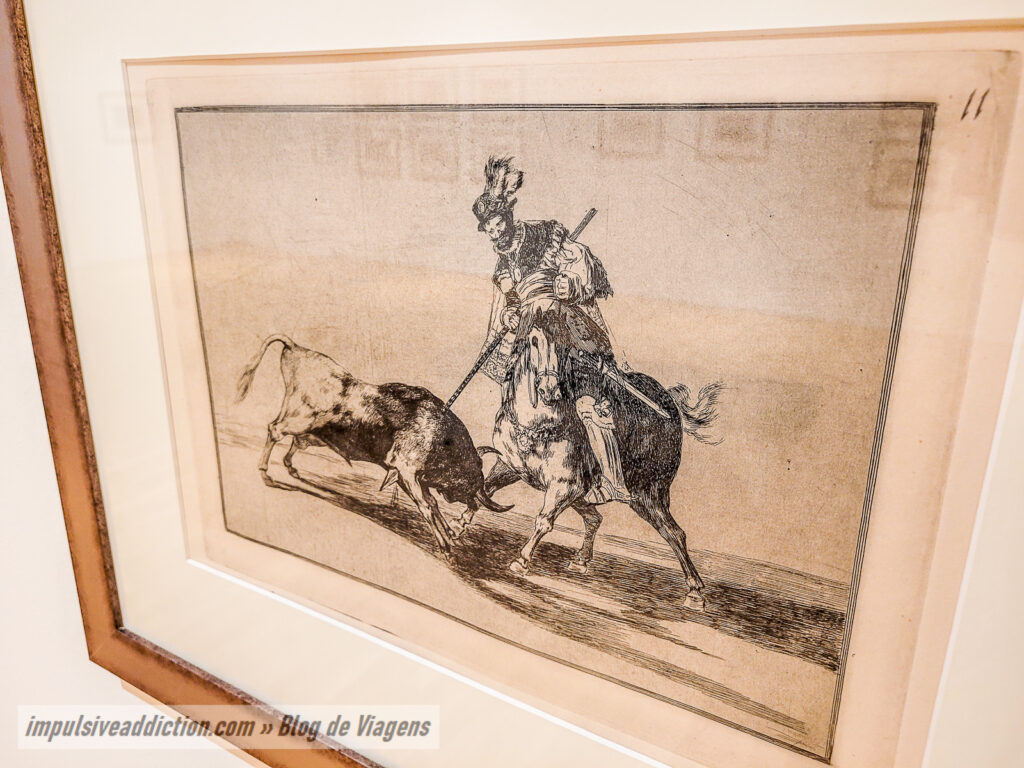
The Convent of Nossa Senhora da Piedade, belonging to the Discalced Carmelites, was founded in 1594 and remained inhabited until the dissolution of religious orders in Portugal. During my visit to the cultural center, I had the chance to see a temporary exhibition dedicated to the artist Goya.

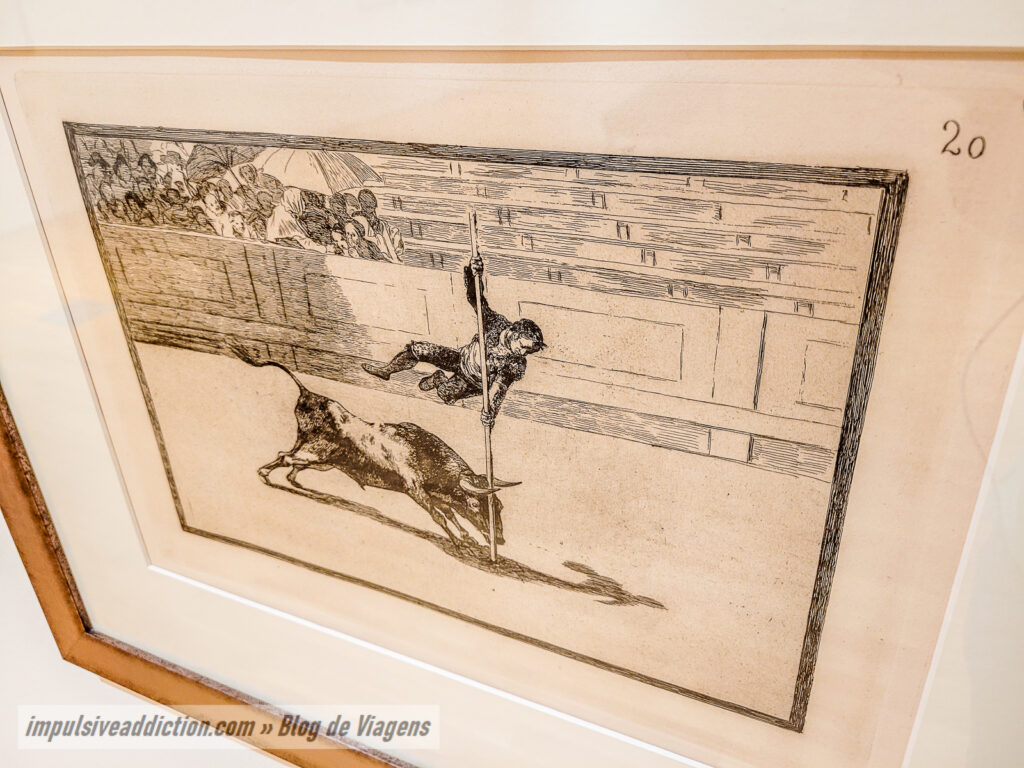

12. Church of Nossa Senhora da Assunção
It’s worth noting that when visiting this site and the previous one, you’re very close to the Cascais Citadel. The center of Cascais is quite compact, especially if you focus only on the main attractions.
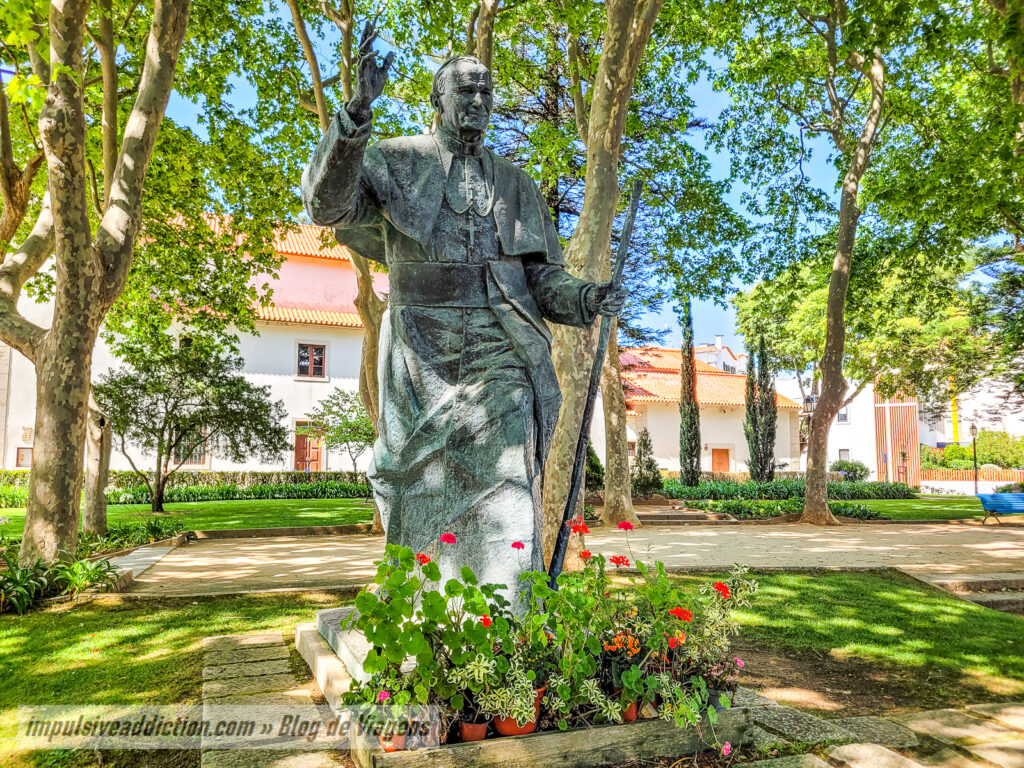
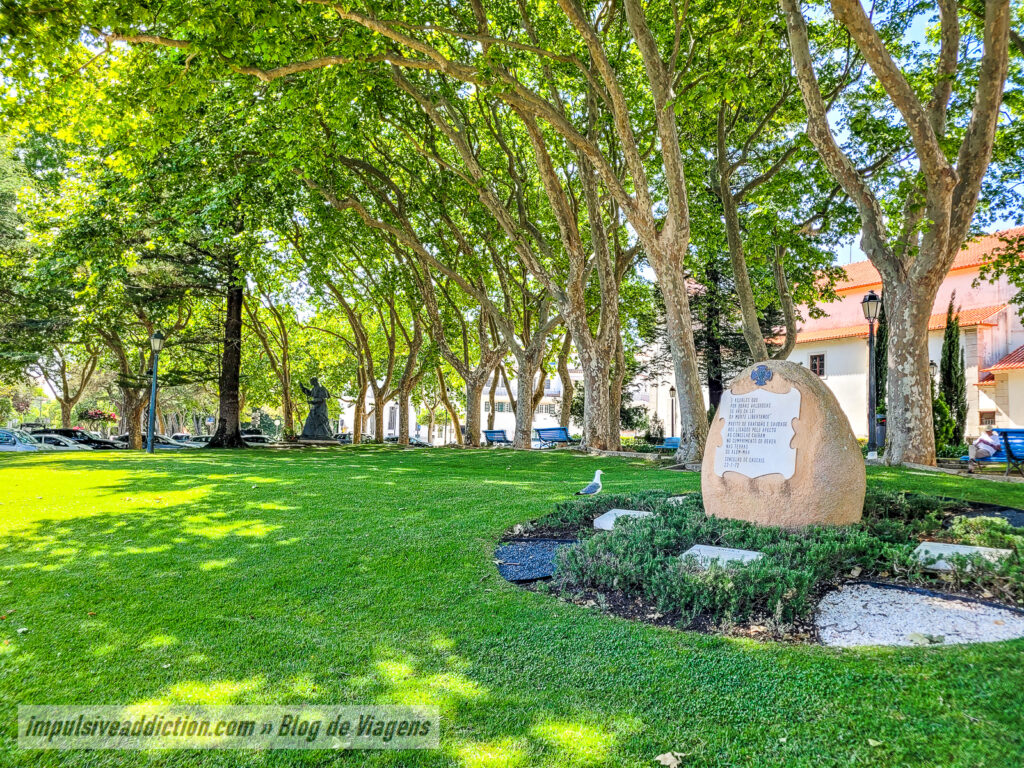
Be sure to visit the 16th-century Church of Nossa Senhora da Assunção, located in the square that shares its name.
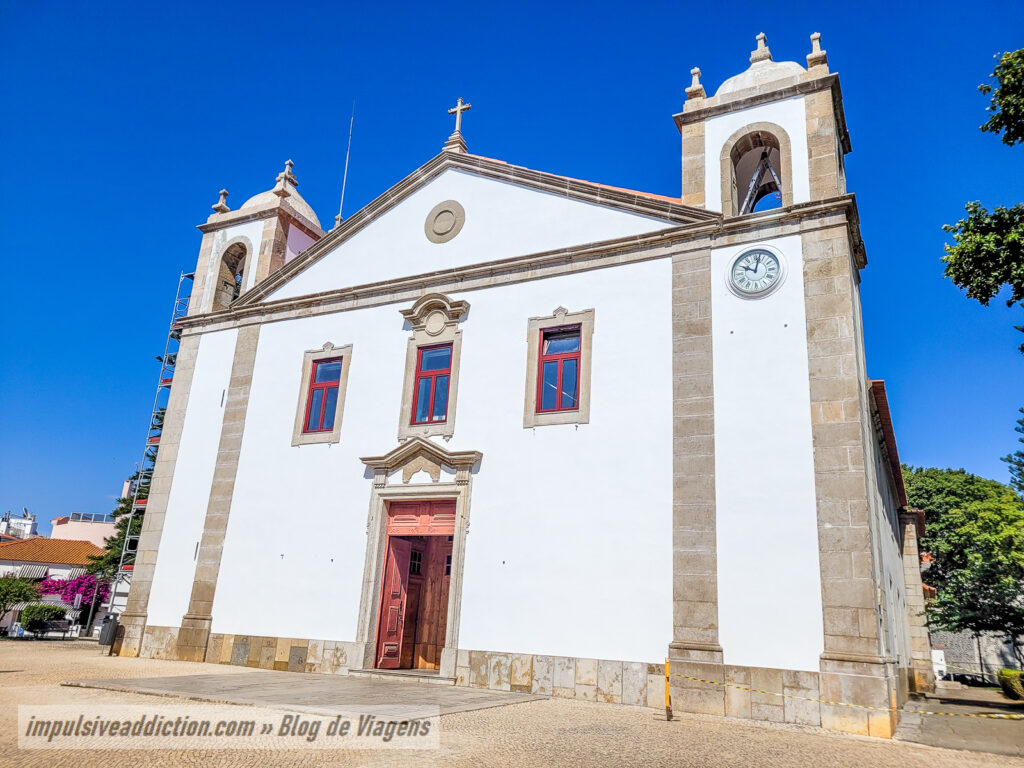
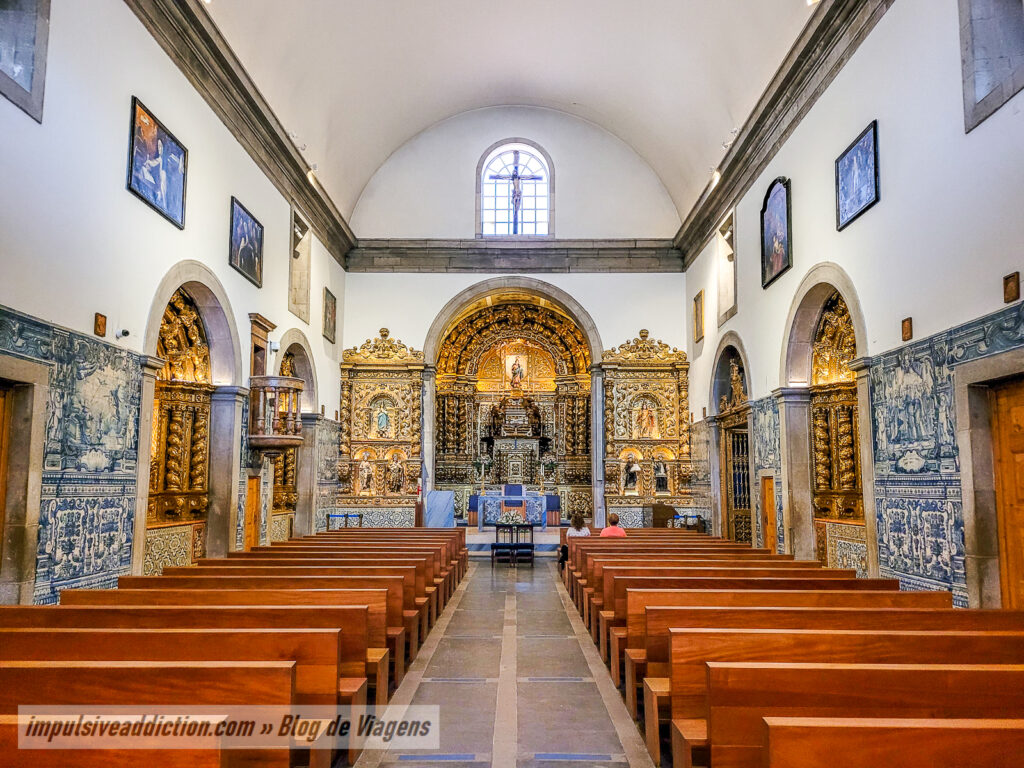
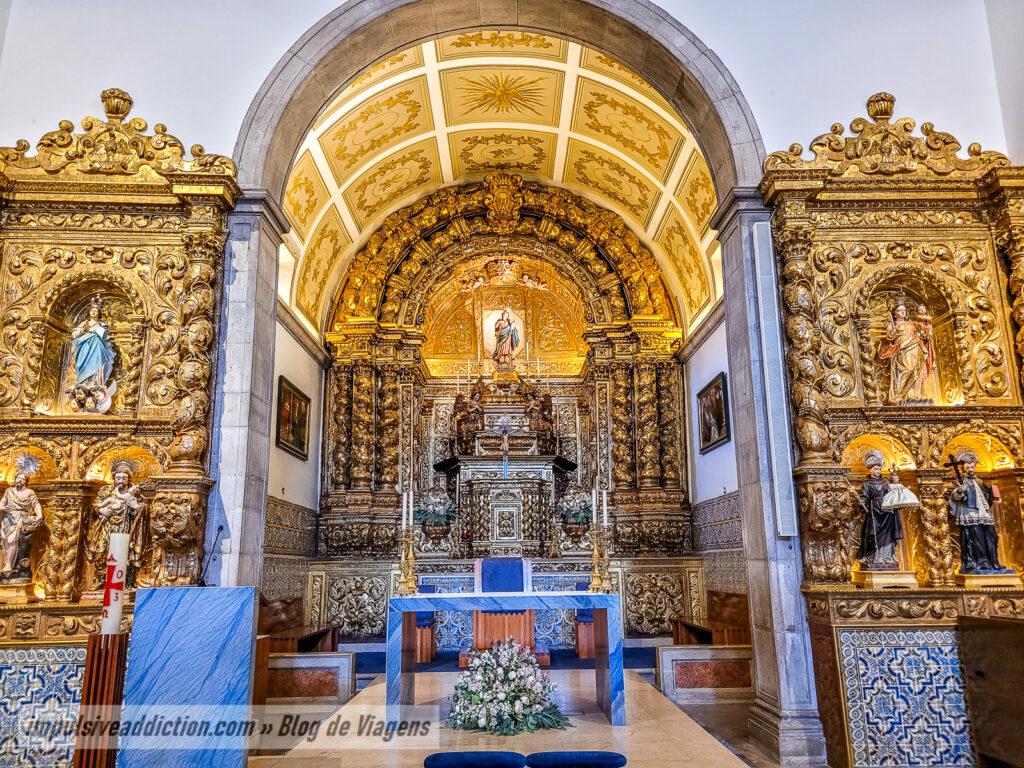
13. Casa Sommer
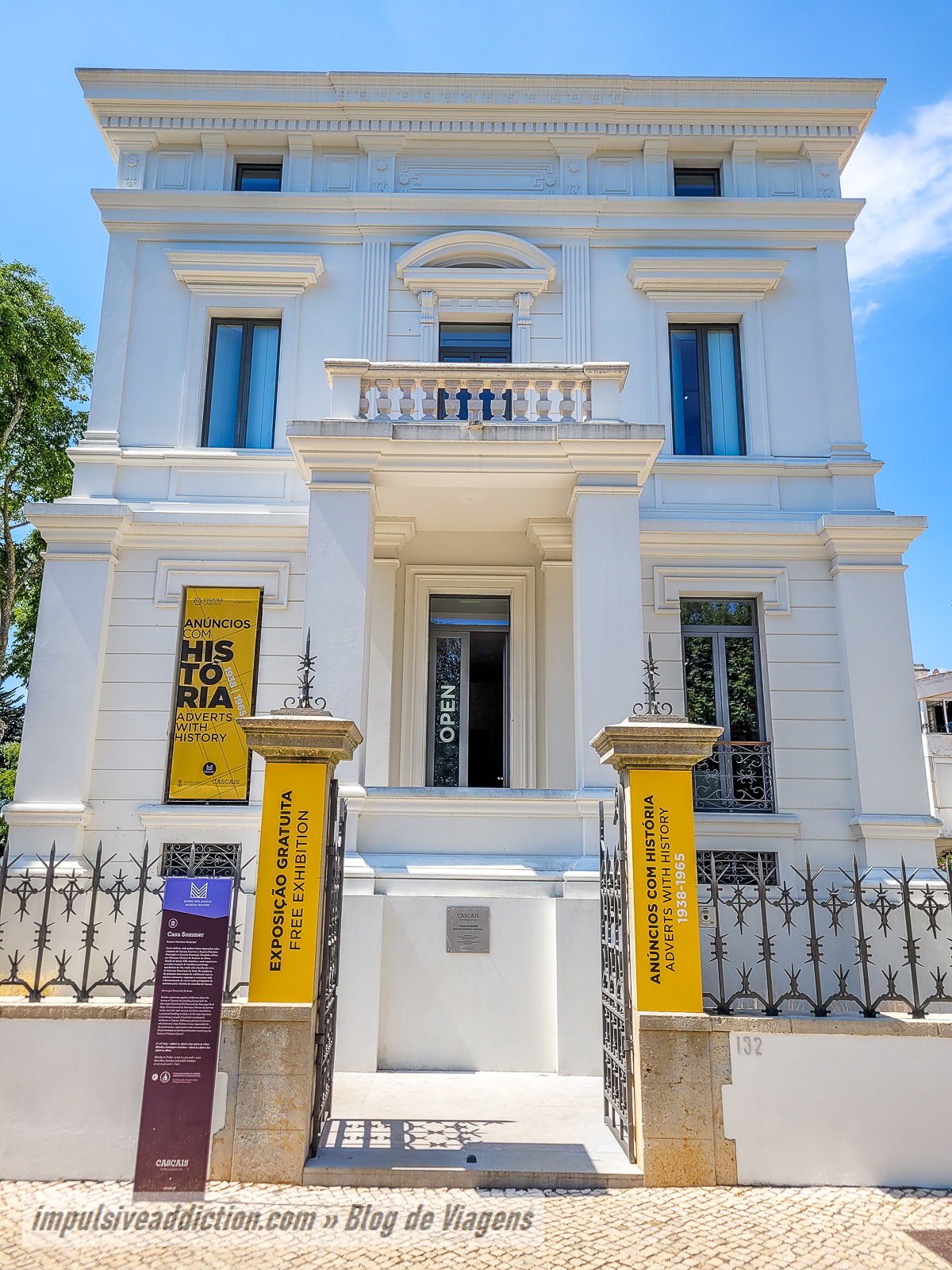
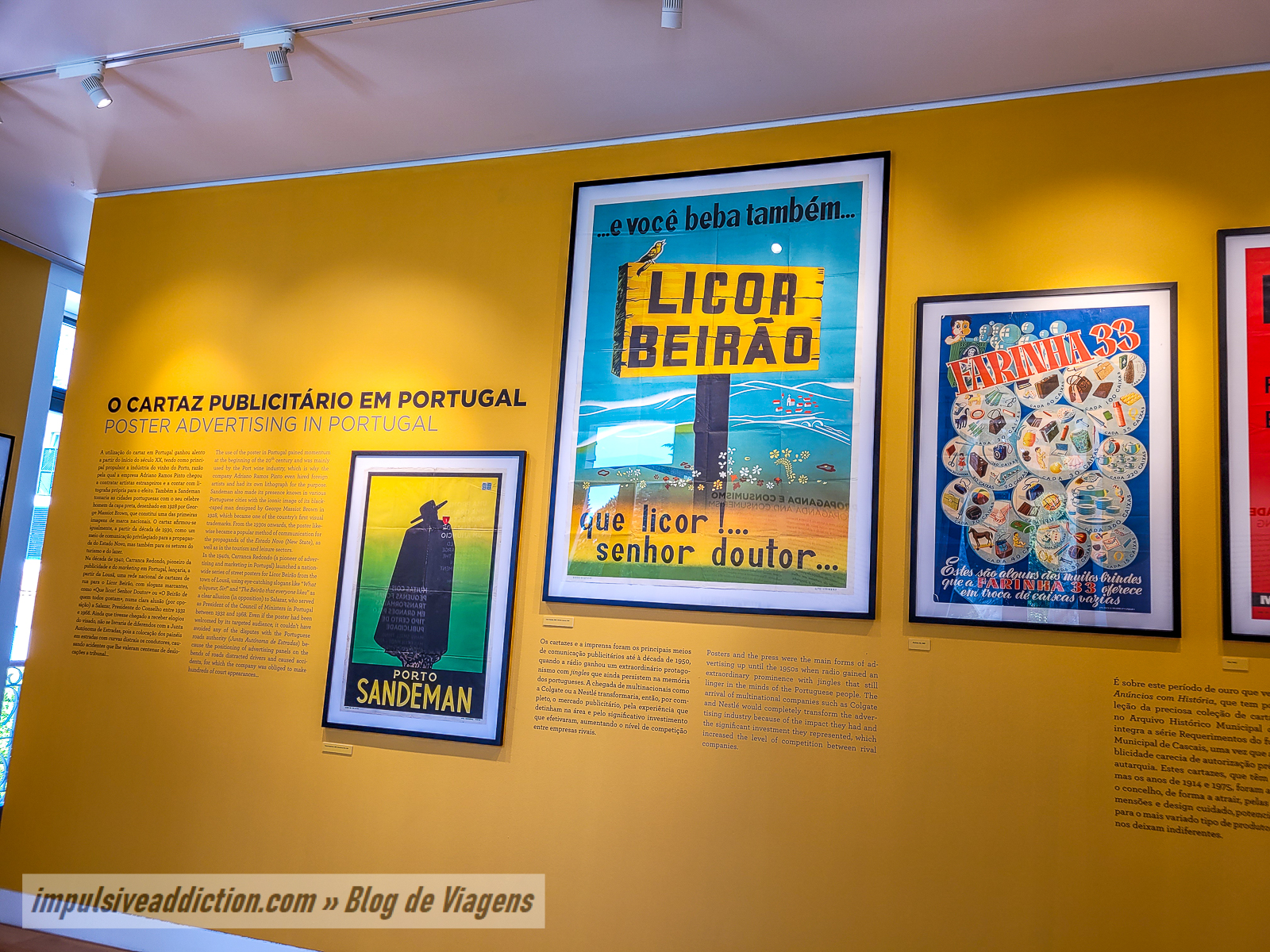
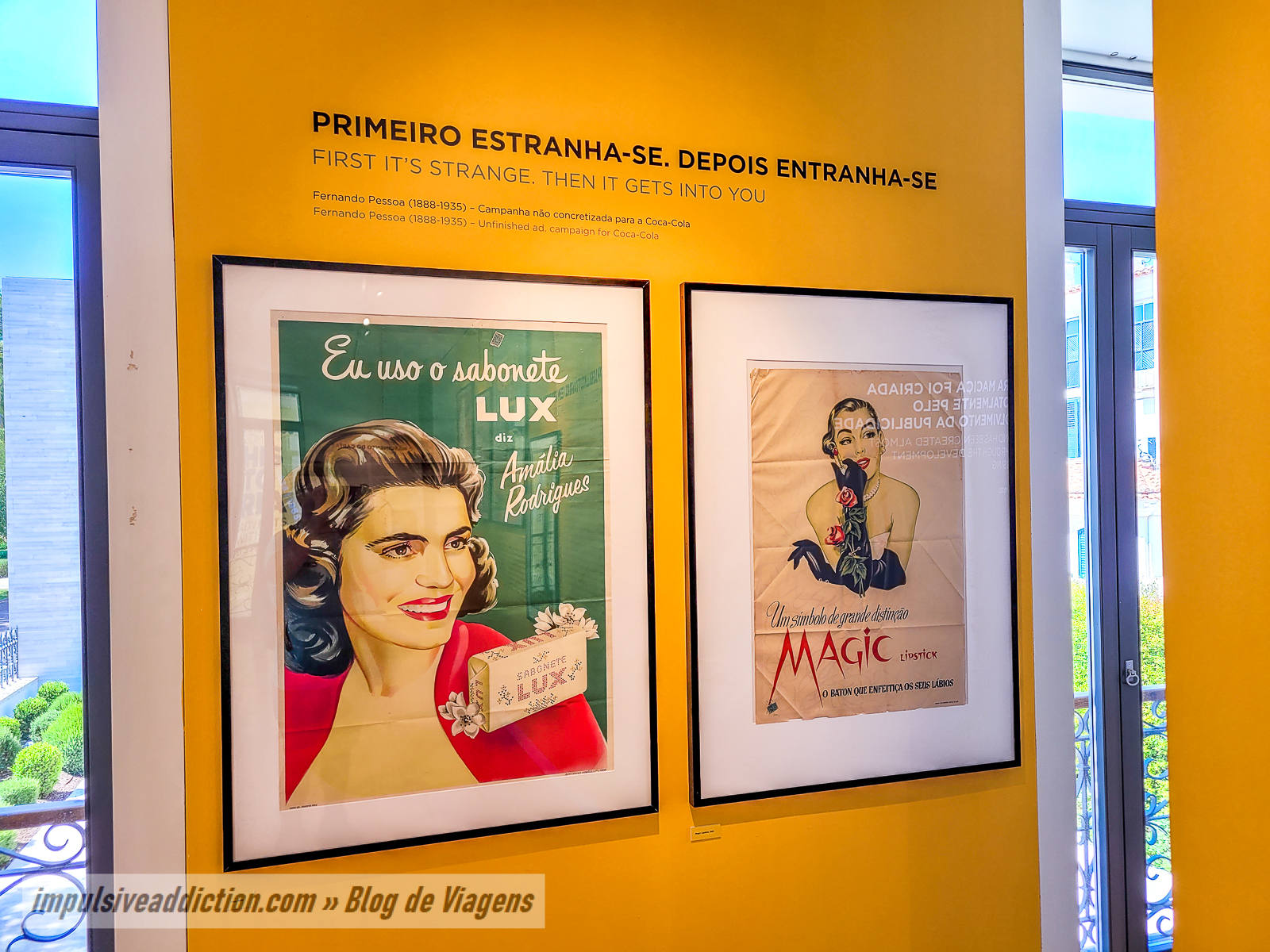
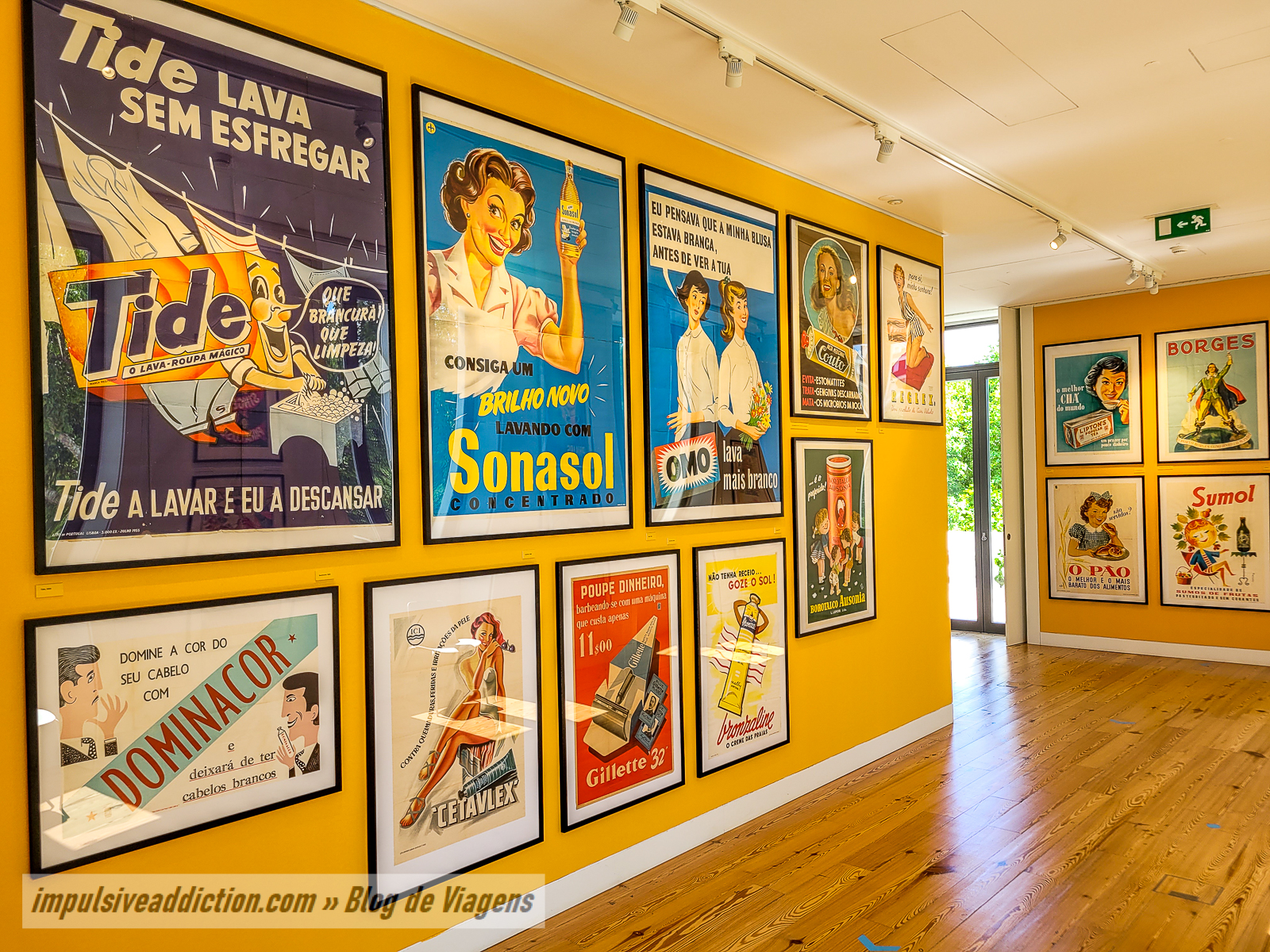
You will also visit Casa Sommer, built at the end of the 19th century by businessman Henrique Sommer. Today, it houses the Cascais Municipal Historical Archive and the Municipal Library, among other functions. Temporary exhibitions are also held there; during my visit, the exhibit focused on the history of advertising and announcements.


14. King Dom Carlos I Sea Museum
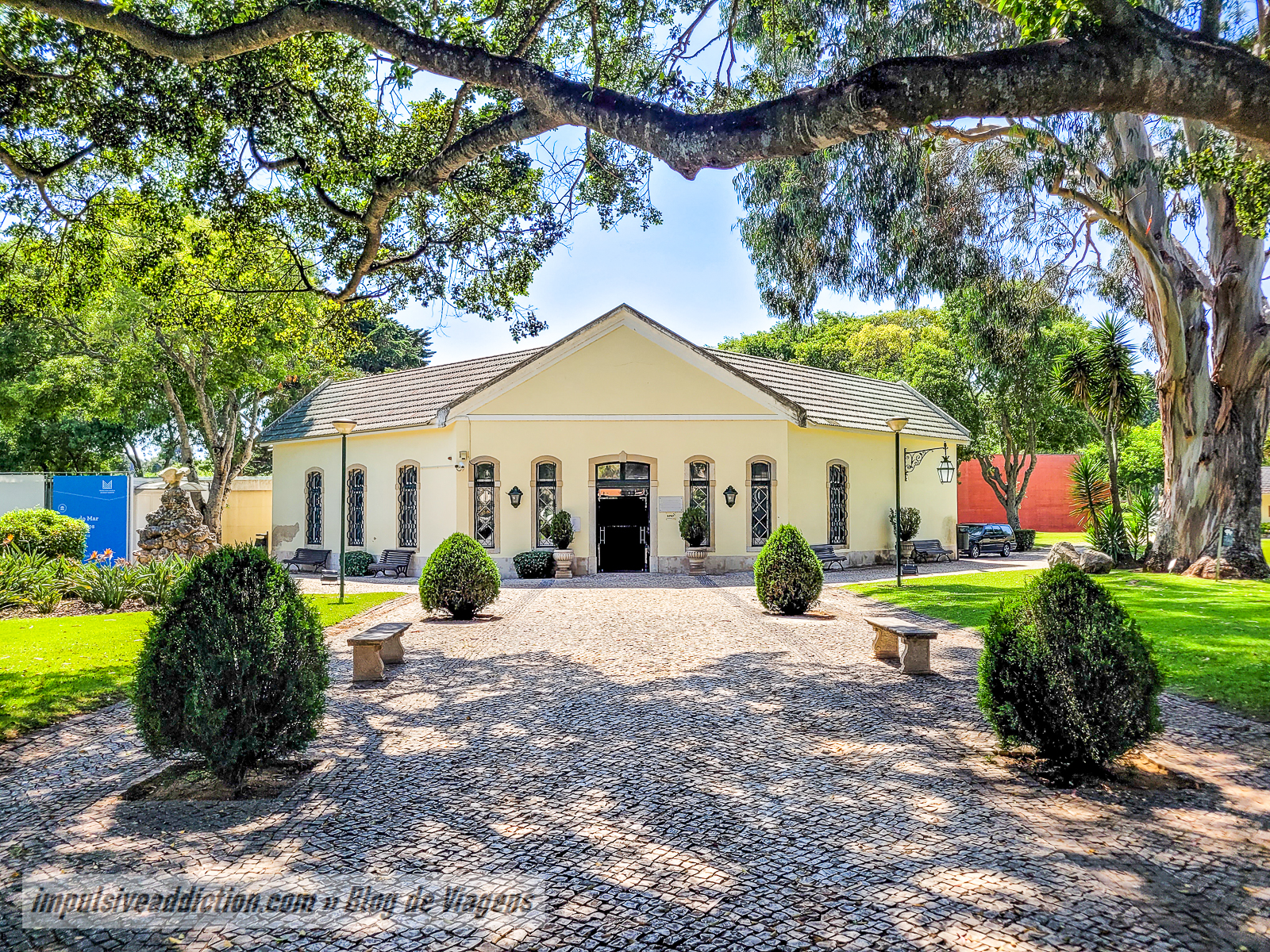
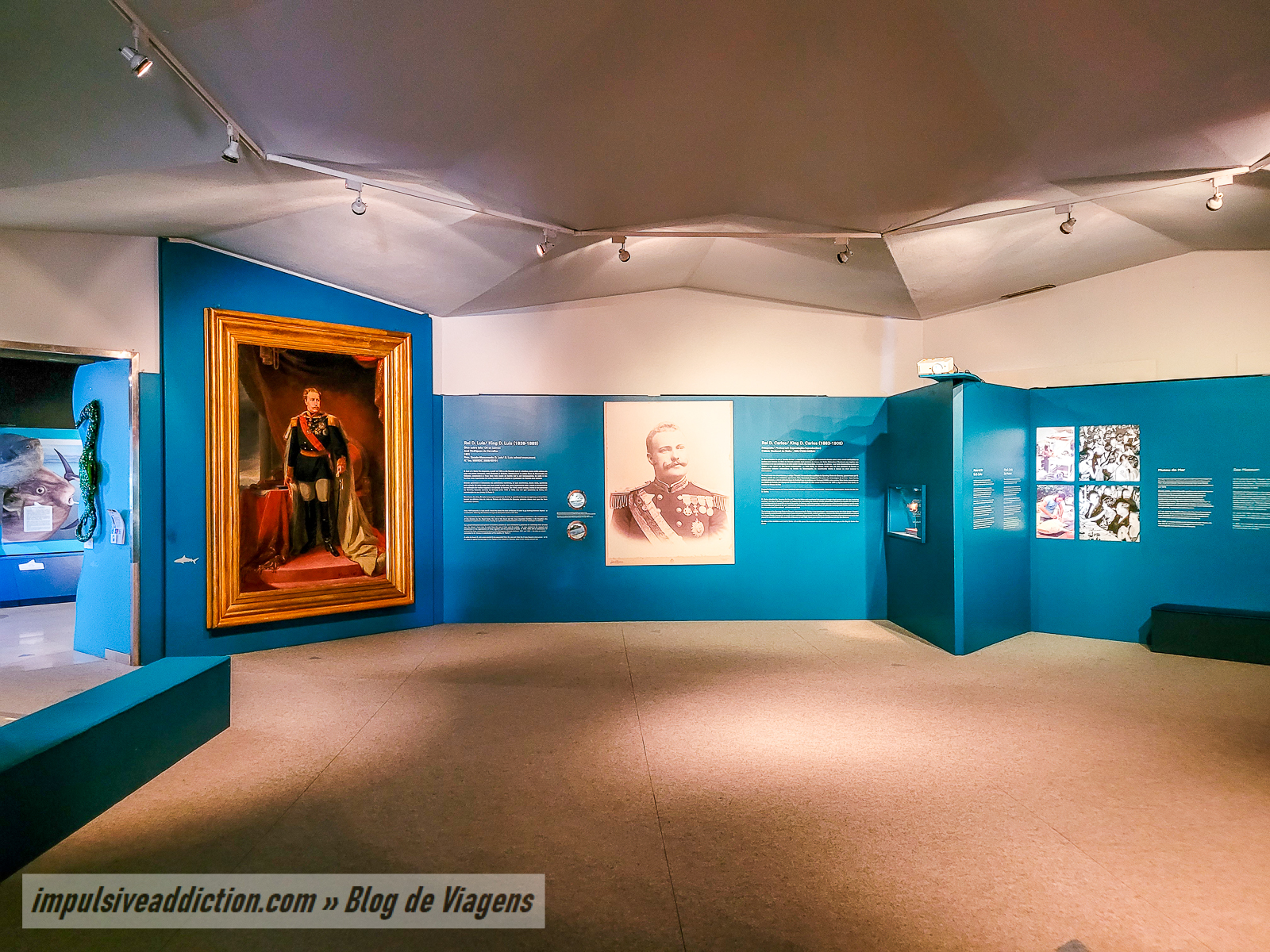
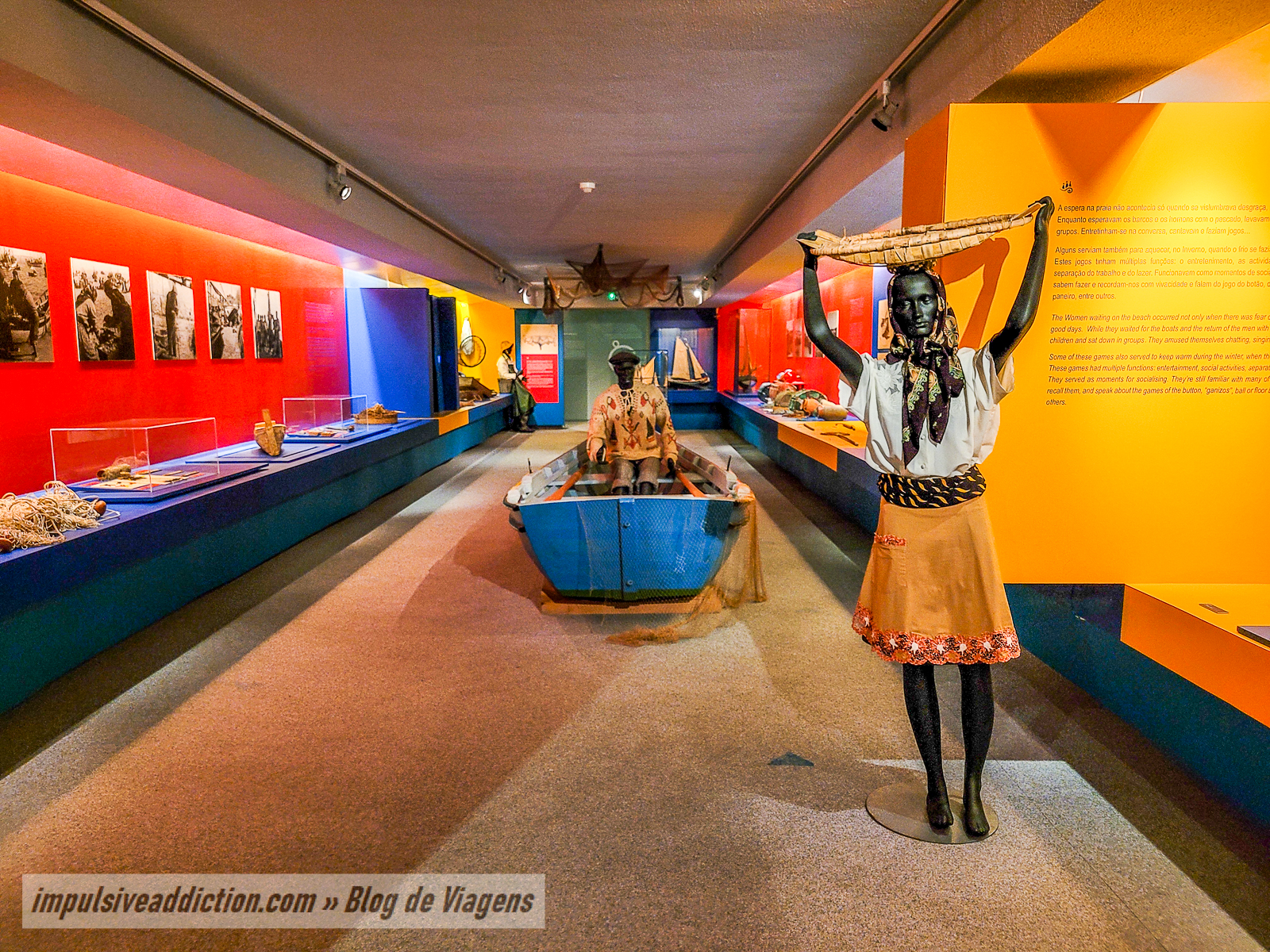
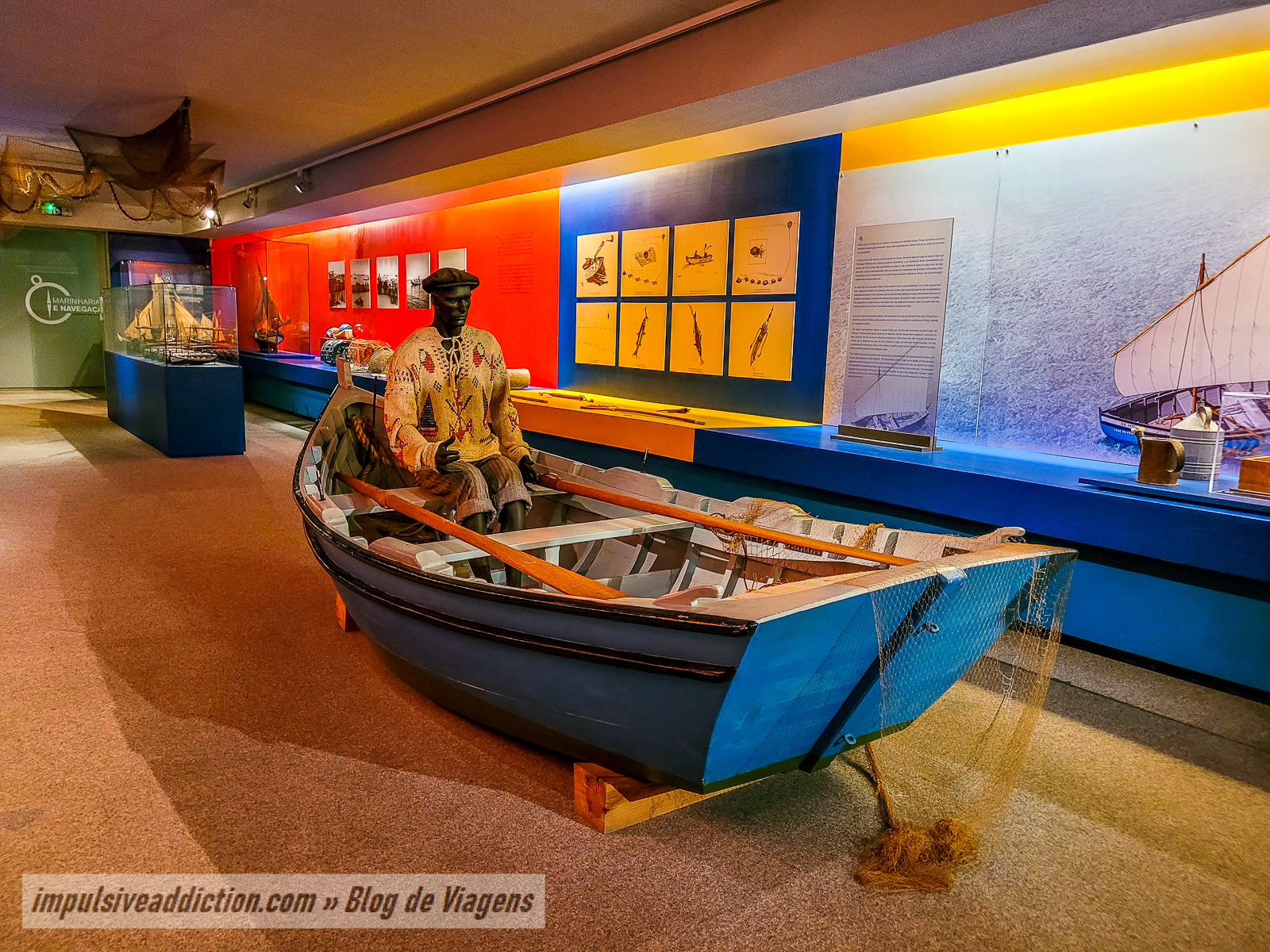
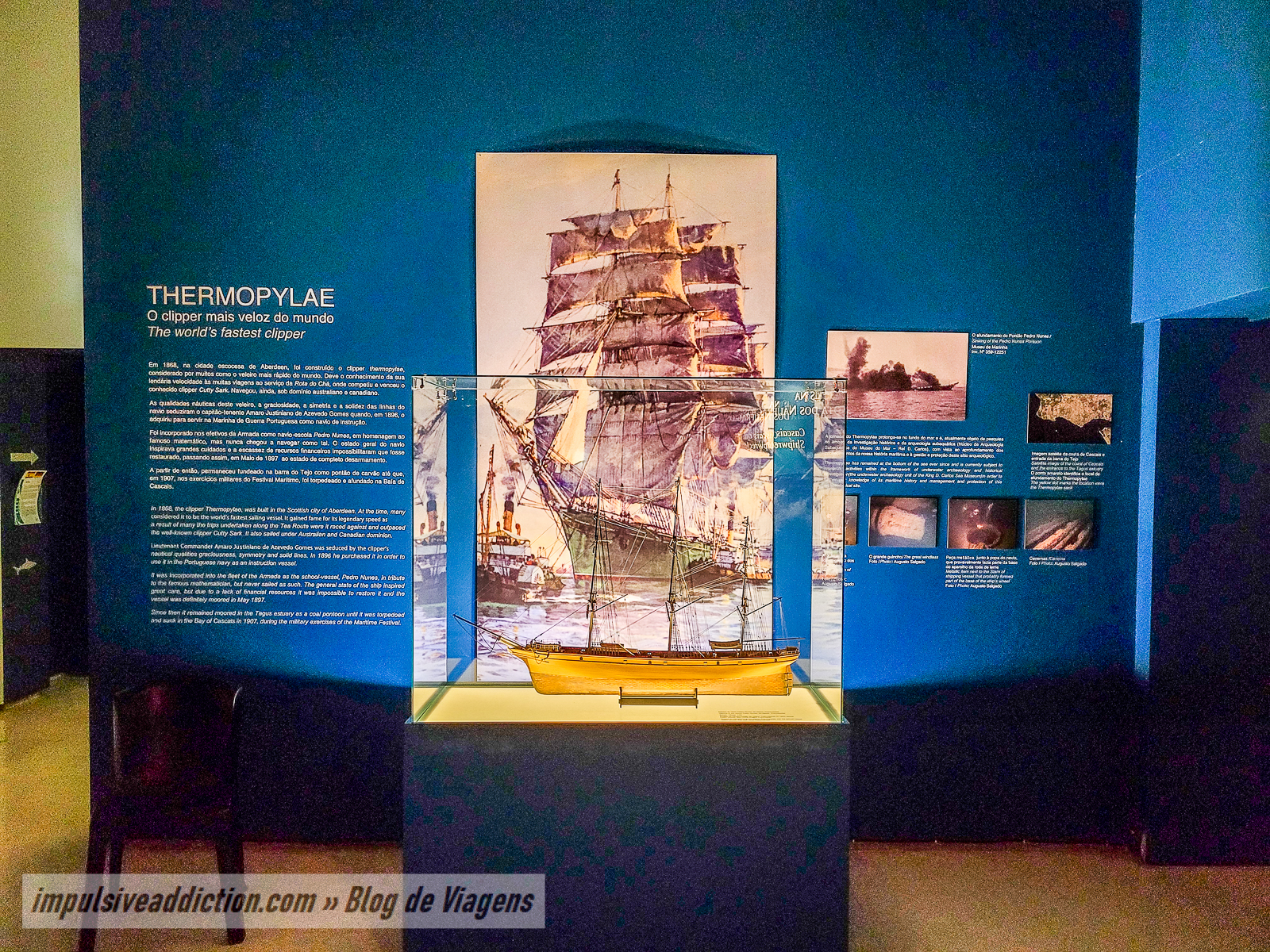
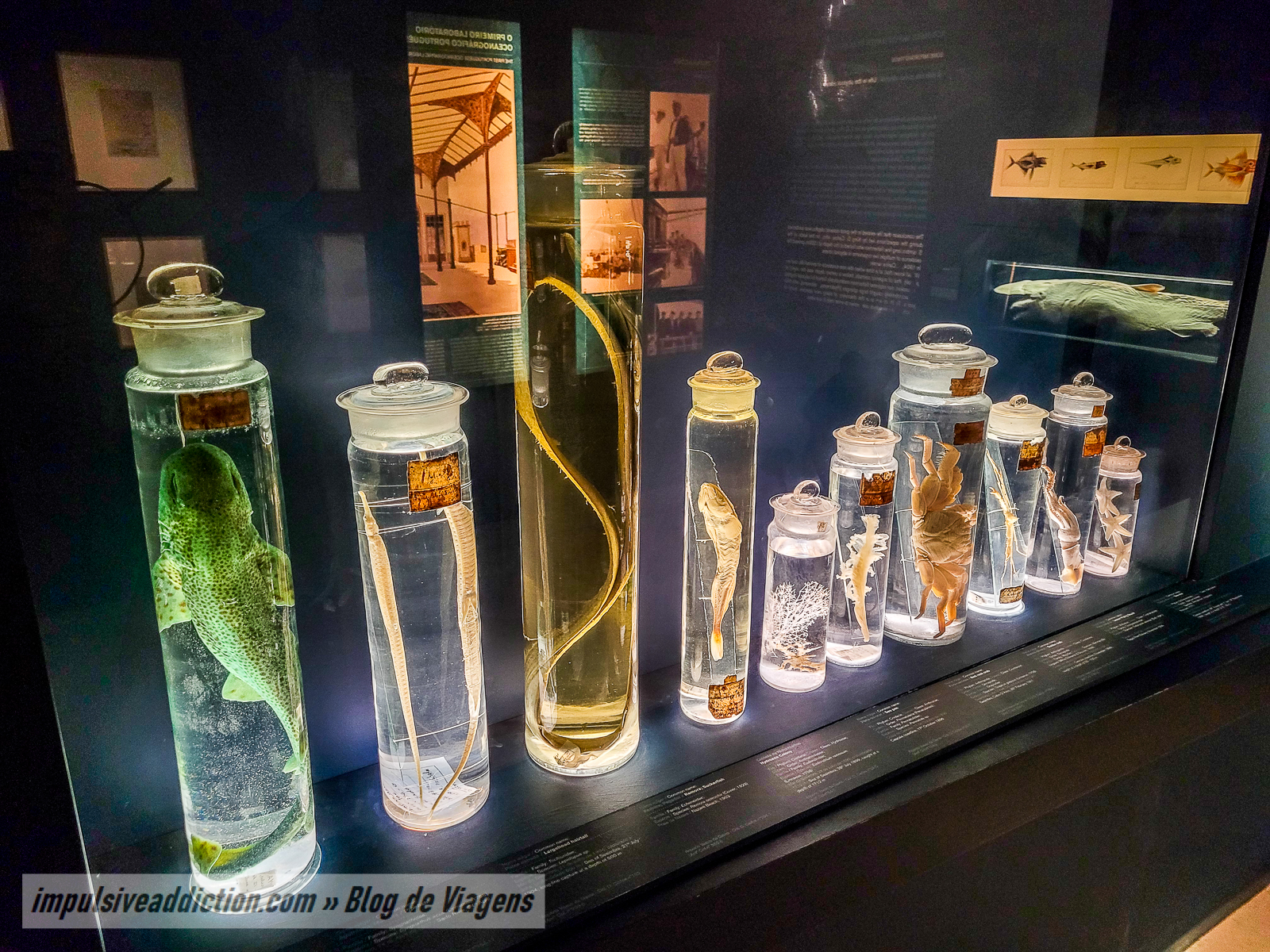
Another museum in Cascais is dedicated to the sea: the King Dom Carlos I Sea Museum. It is housed in the former Sporting Club of Cascais building, founded in 1879 by King Dom Carlos himself when he was still a prince. The museum opened in 1992 and focuses primarily on marine biodiversity and the traditional fishing arts of the region.

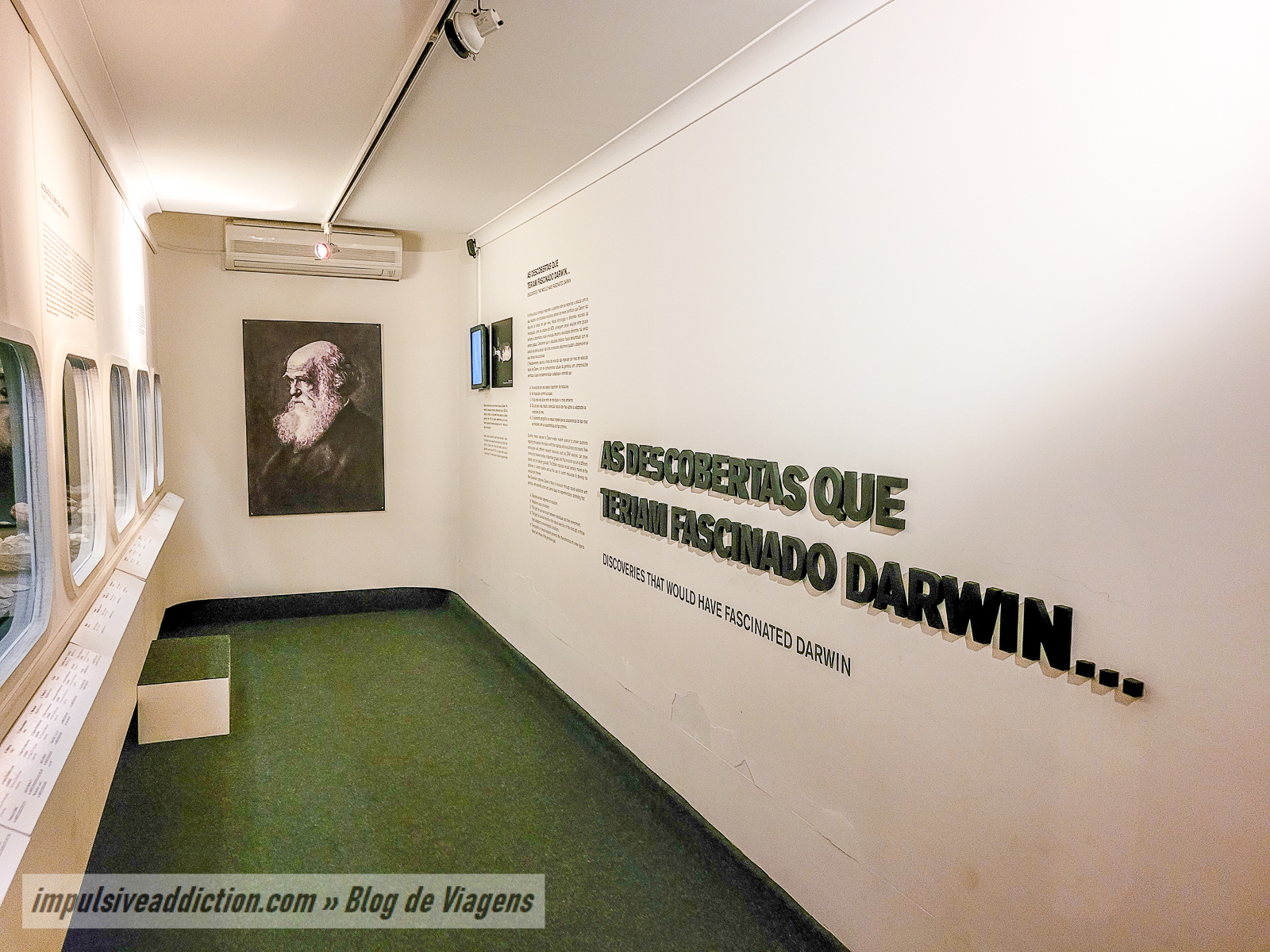
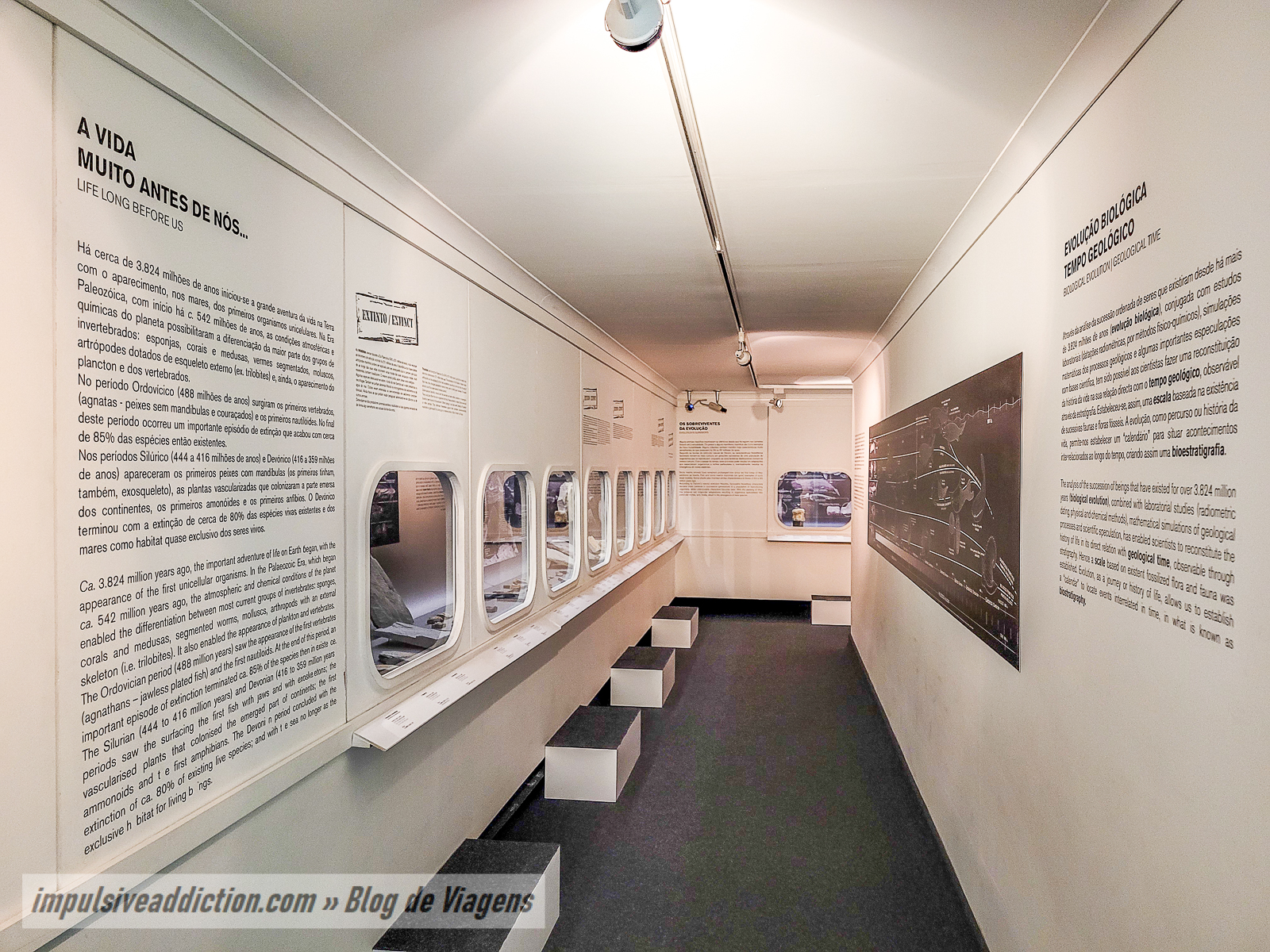
15. Casa das Histórias Paula Rego
I didn’t get the chance to visit Casa das Histórias Paula Rego, but I highly recommend it. While I’m not familiar with the interior, the exterior is modern and striking, featuring pyramid-shaped buildings that contrast sharply with the surrounding architecture. It’s an art museum, both inside and out.
16. Roman Cetariae
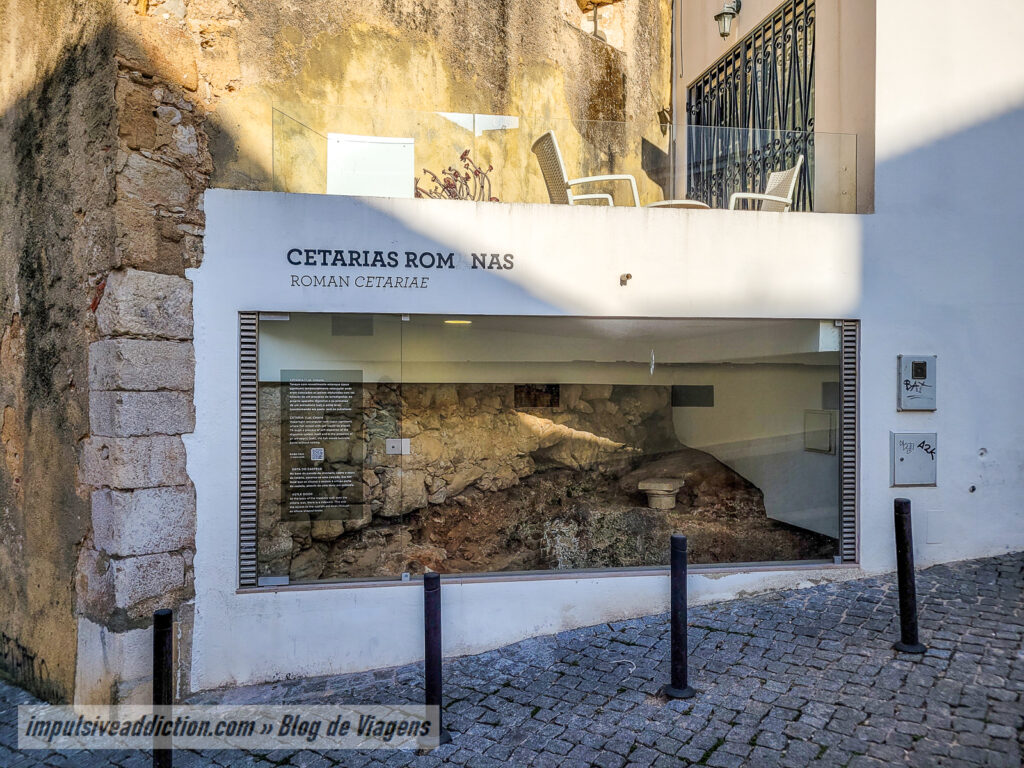
The first part of your Cascais itinerary ends at the previous point. Now you’ll need to return to your starting point near Praça 5 de Outubro to begin the second stage. On your way, make sure to pass by Rua Marques Leal Pancada, where you can admire the remains of ancient Roman Cetariae (to salt and process fish). These are believed to have been in use during the second half of the 1st century AD and the late 2nd century AD. Later, medieval structures of the Cascais castle were built on top of these ruins.
17. Church of Nossa Senhora dos Navegantes
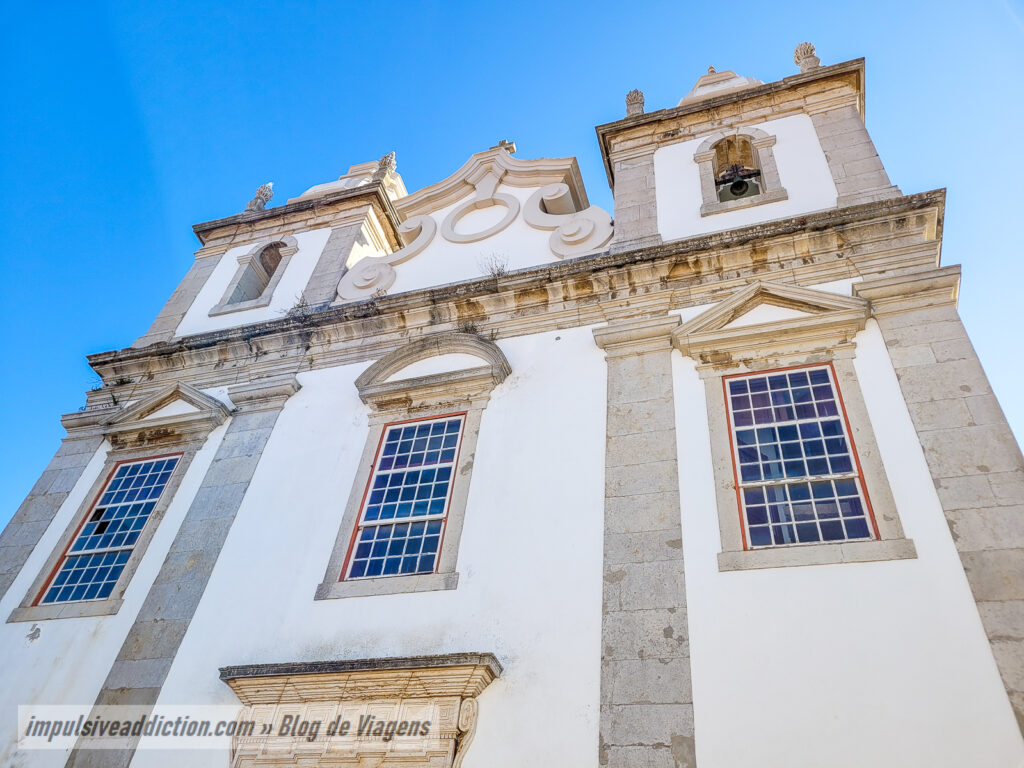
Optionally, take a detour to the Church of Nossa Senhora dos Navegantes, also known as the Church of the Men of the Sea. It dates back to the early 18th century.
18. Largo Luís de Camões
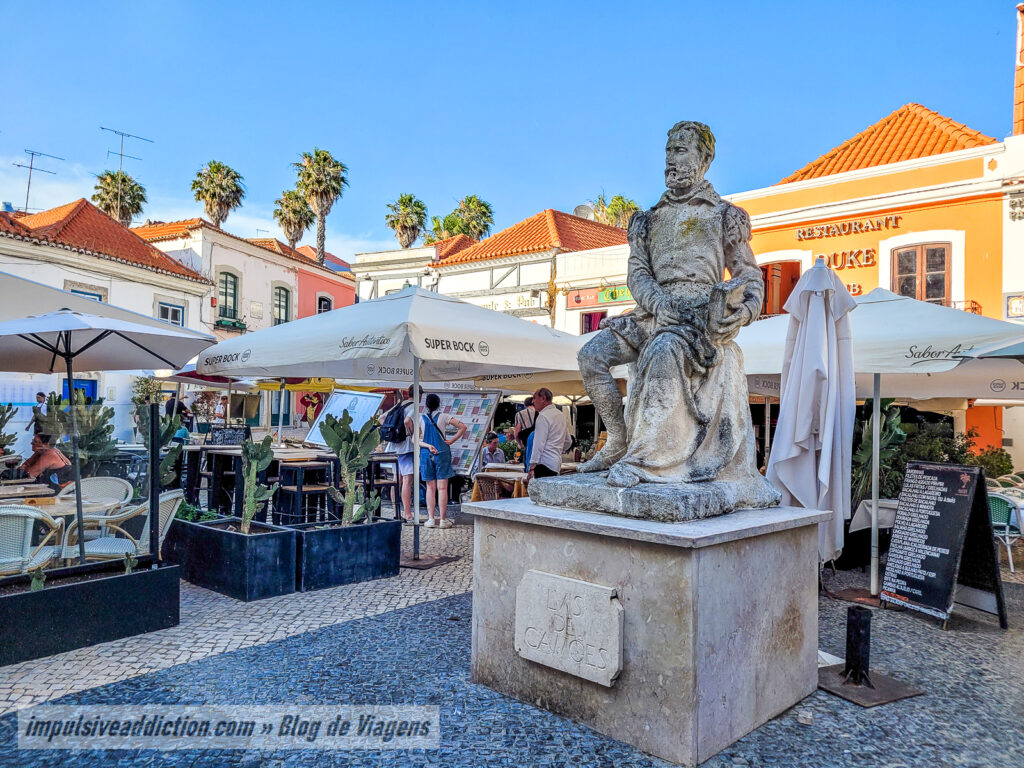
Walk through Largo Luís de Camões, full of outdoor cafés. In the center, you’ll find a statue of the famous poet.
Explore the narrow streets around it—you’re in one of Cascais’ lively central areas.
19. Largo Cidade de Vitória and Igreja da Misericórdia
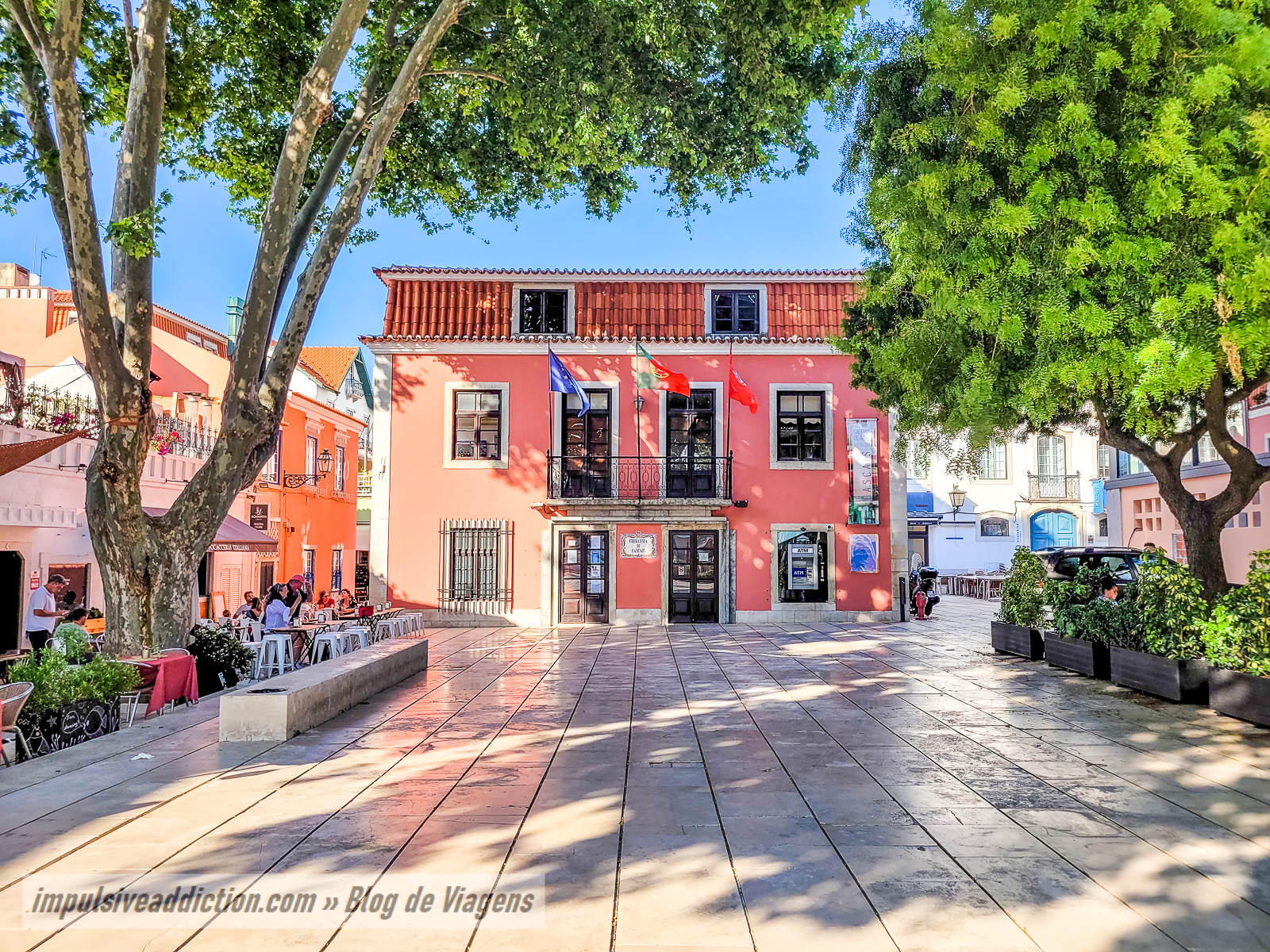
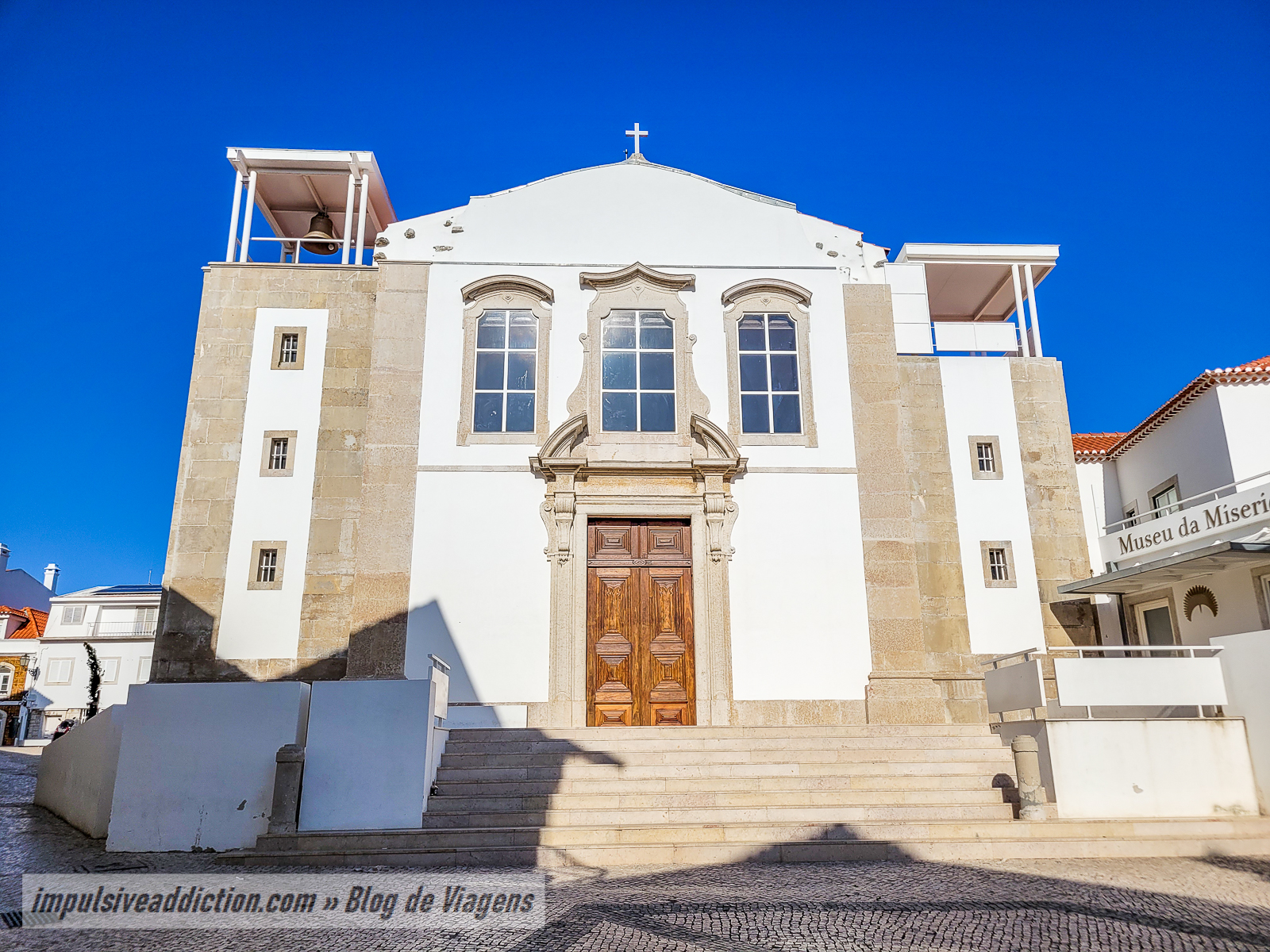
On your way to Praia da Rainha, you’ll pass through two more squares in Cascais: Largo Cidade de Vitória and Largo da Misericórdia.
In the latter, you’ll find the 16th-century Igreja da Misericórdia.
20. Praia da Rainha
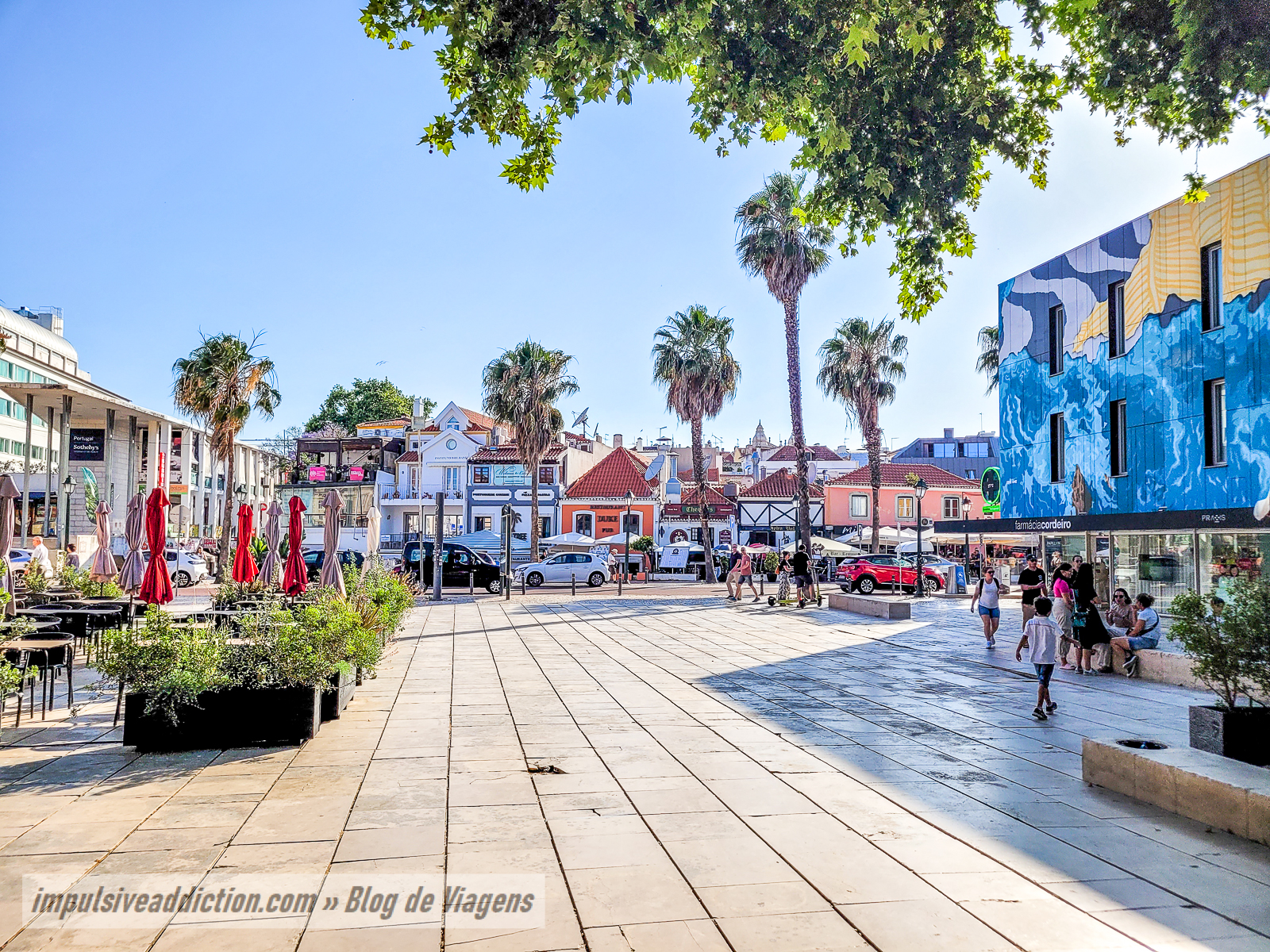
Praia da Rainha is a small beach nestled in a sheltered cove protected by high cliffs. The waters are calm, like all the other beaches in central Cascais. It is named after Queen D. Amélia, who used to bathe here during the royal family’s visits to Cascais.

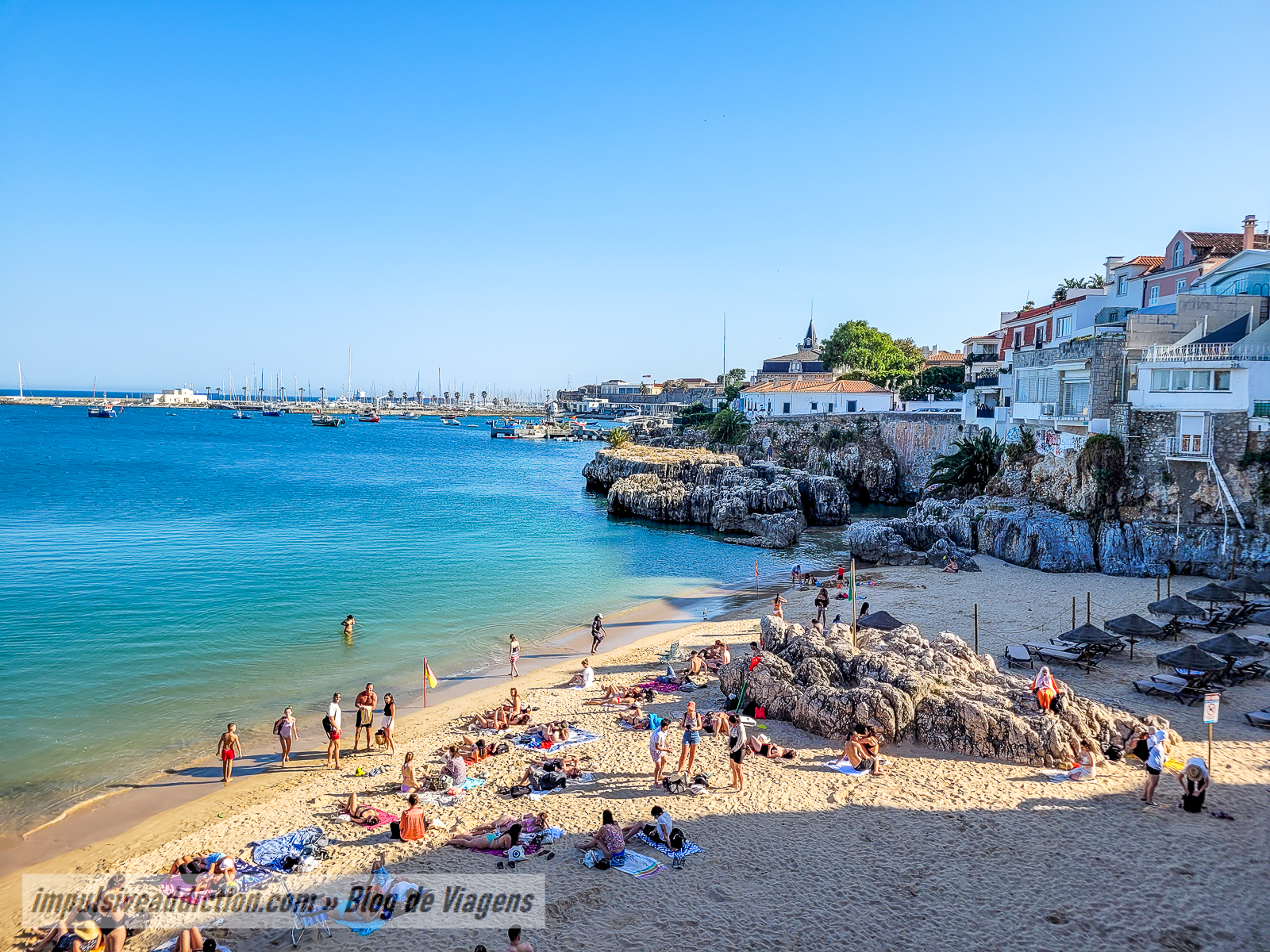
21. Praia da Conceição
Next are two more beaches in Cascais: Praia da Conceição and Praia da Duquesa. These beaches are connected, with Praia da Conceição bordered by Hotel Albatroz and Chalet Faial, and Praia da Duquesa between Chalet Faial and Chalet Palmela. They are among the most popular beaches in Cascais due to their larger size and easy access to transportation.
This is also where one of Cascais’ seaside promenades begins, stretching all the way to Praia da Azarujinha in São João do Estoril. How about a 3 km walk there, then returning to Cascais by train?
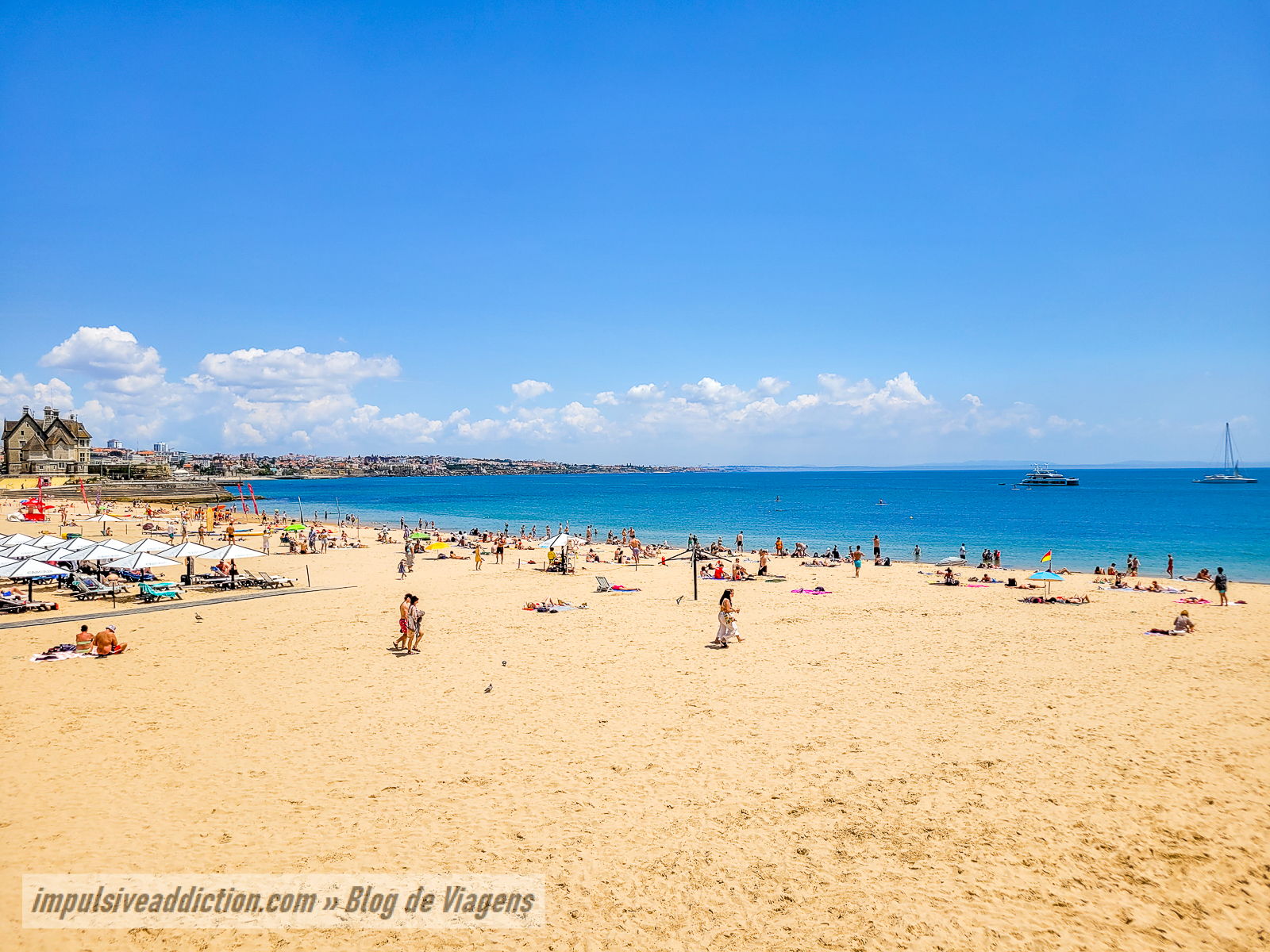
22. Praia da Duquesa
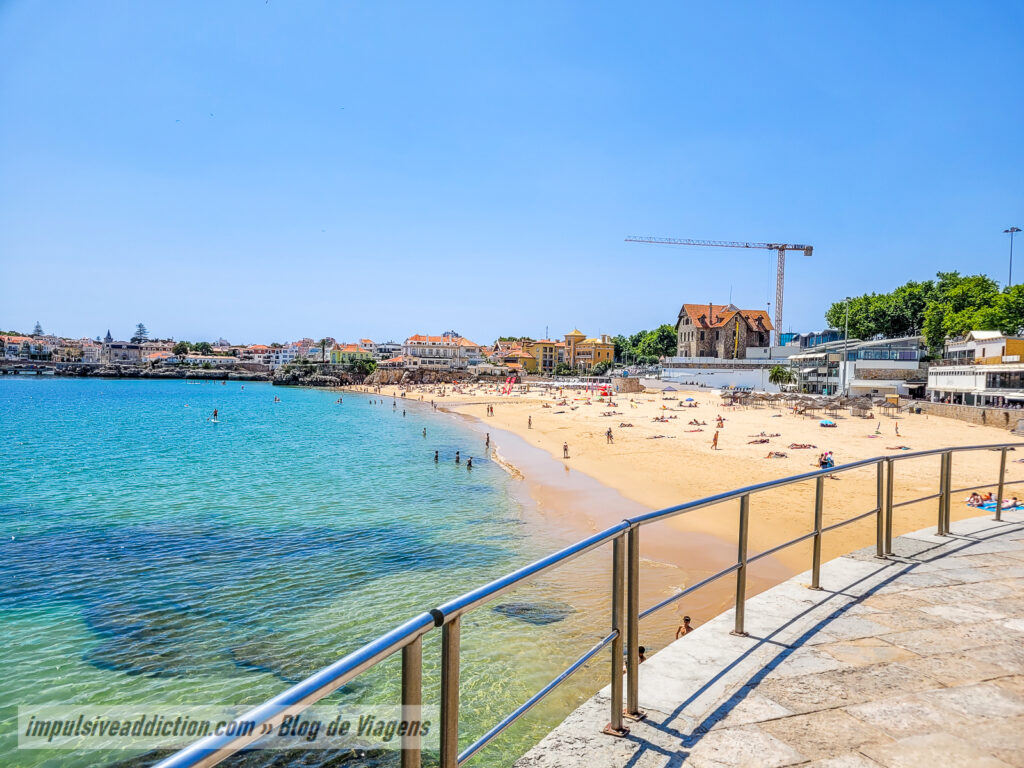
23. Alberto Romano Ocean Pool
Don’t forget the Alberto Romano ocean pool, located next to the Chalet Palmela, also known as the Palace of the Dukes of Palmela. The pool is free to access and is named in honor of a former president of the Costa do Estoril Tourism Board.
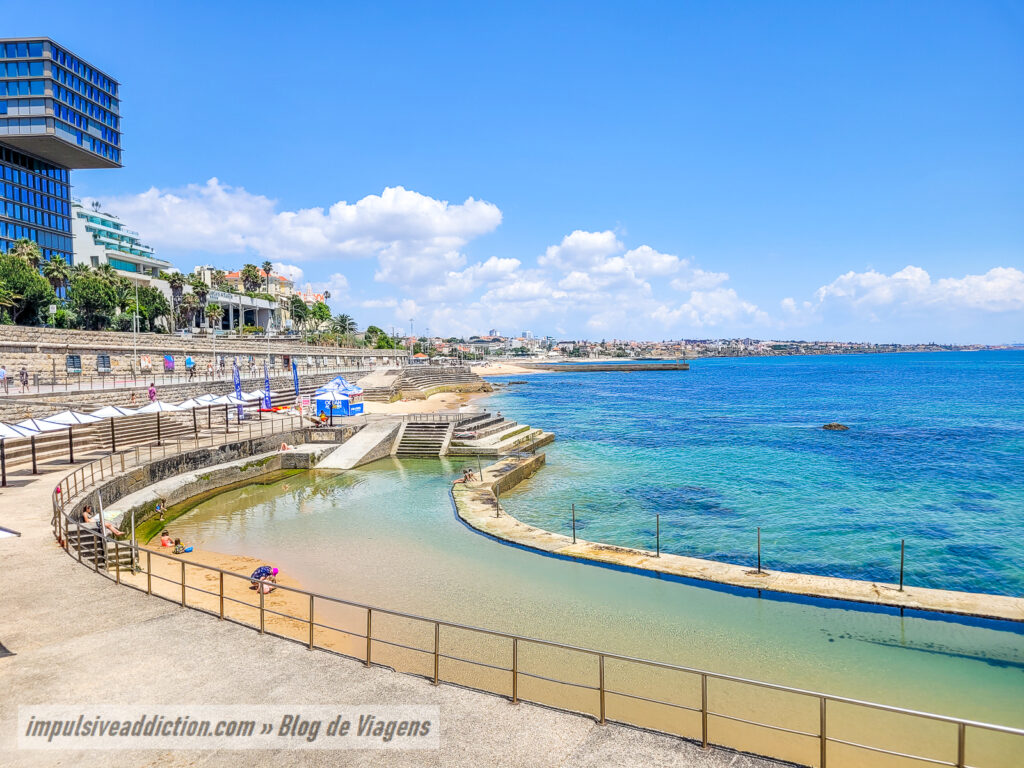
24. Parque de Palmela
The central area of Cascais ends at the previous point. Optionally, you can also visit these nearby spots:
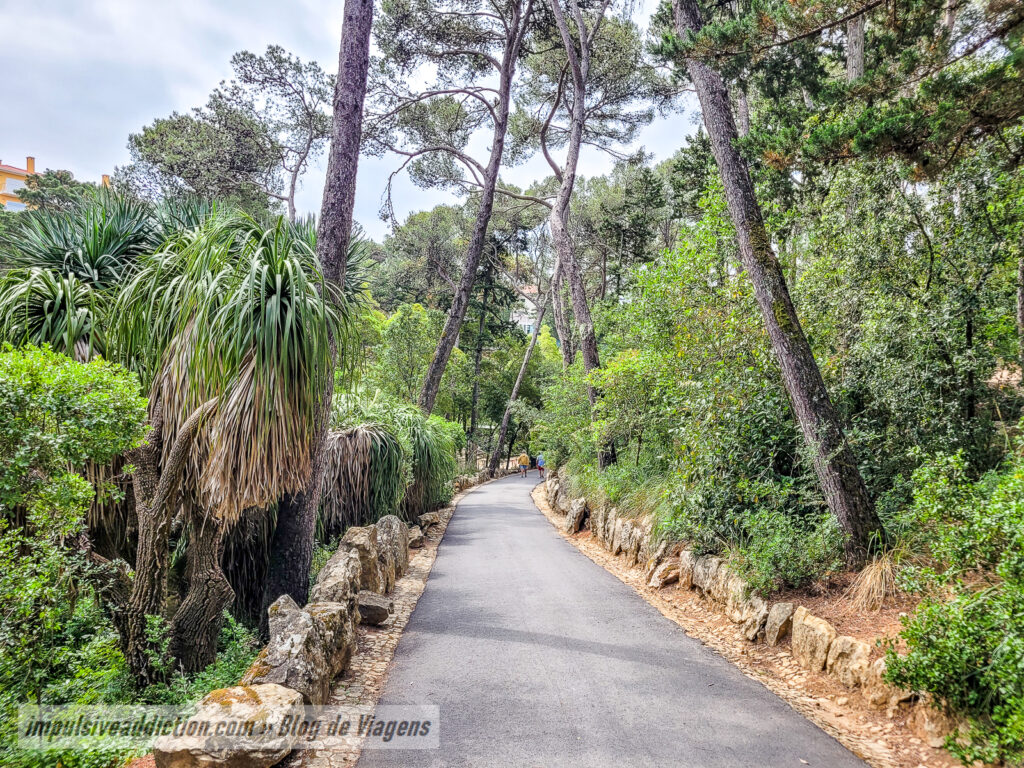
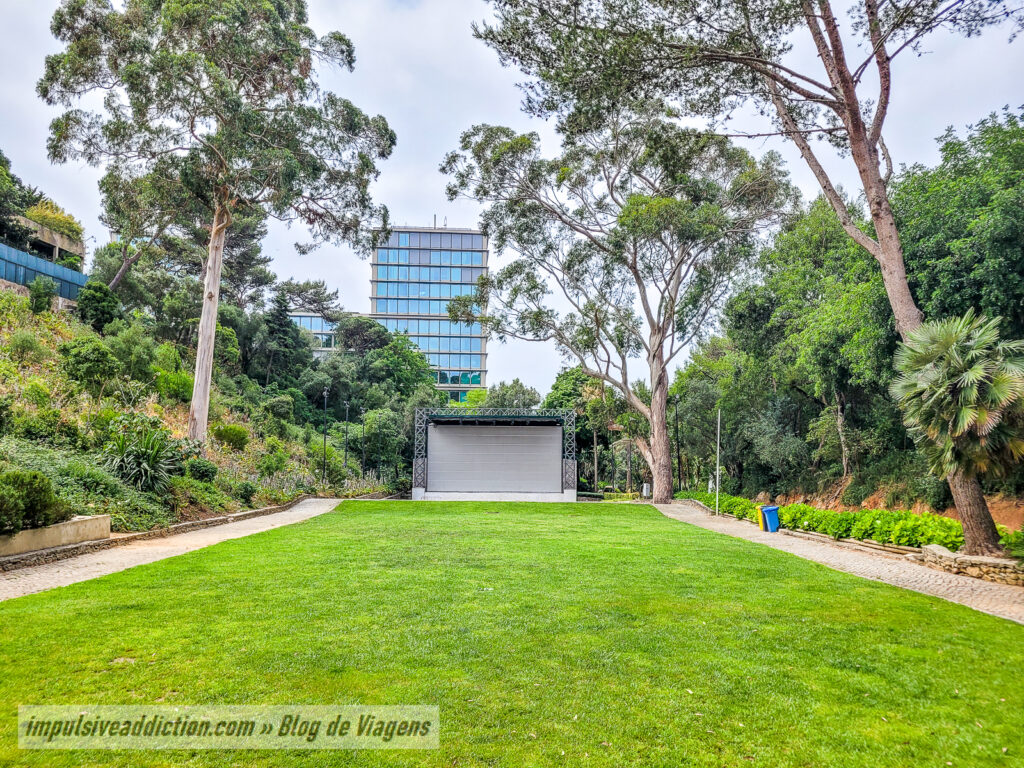
- Parque de Palmela, located on the border between Cascais and Estoril. Built around 1870 by the Dukes of Palmela, it features a small auditorium that frequently hosts cultural events.
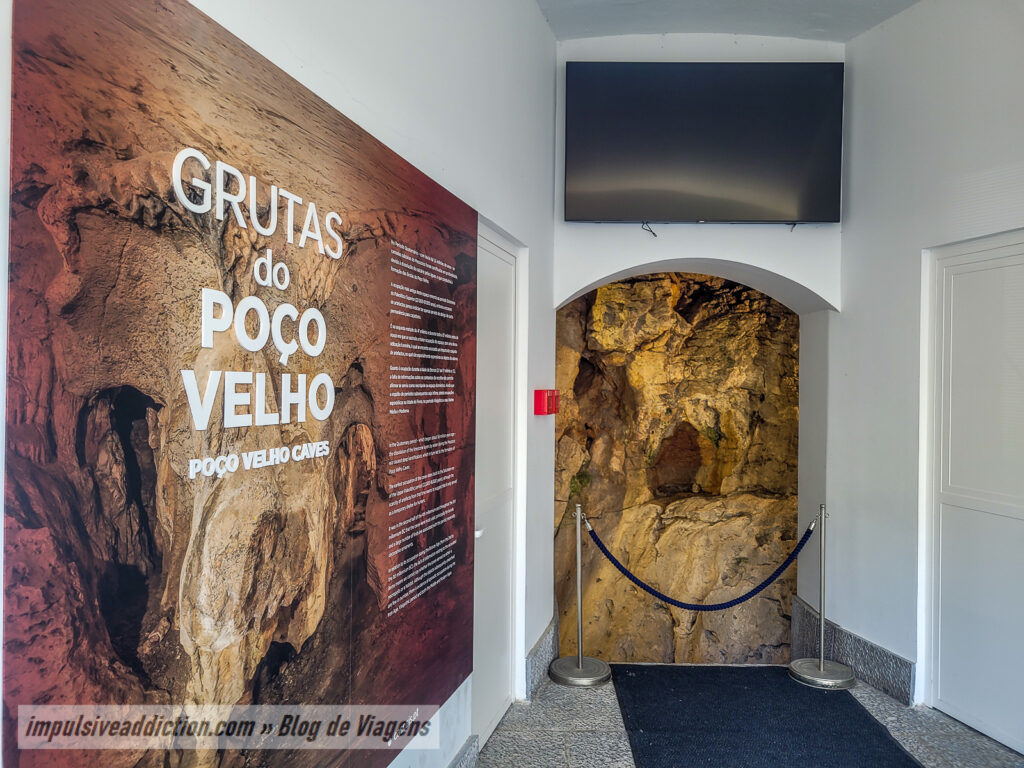
- Grutas do Poço Velho, caves where archaeological remains were found dating from the Paleolithic to Late Antiquity. During the Neolithic and Chalcolithic periods (4th and 3rd millennia BC), the cave was used as a necropolis, with over a hundred burials identified inside.
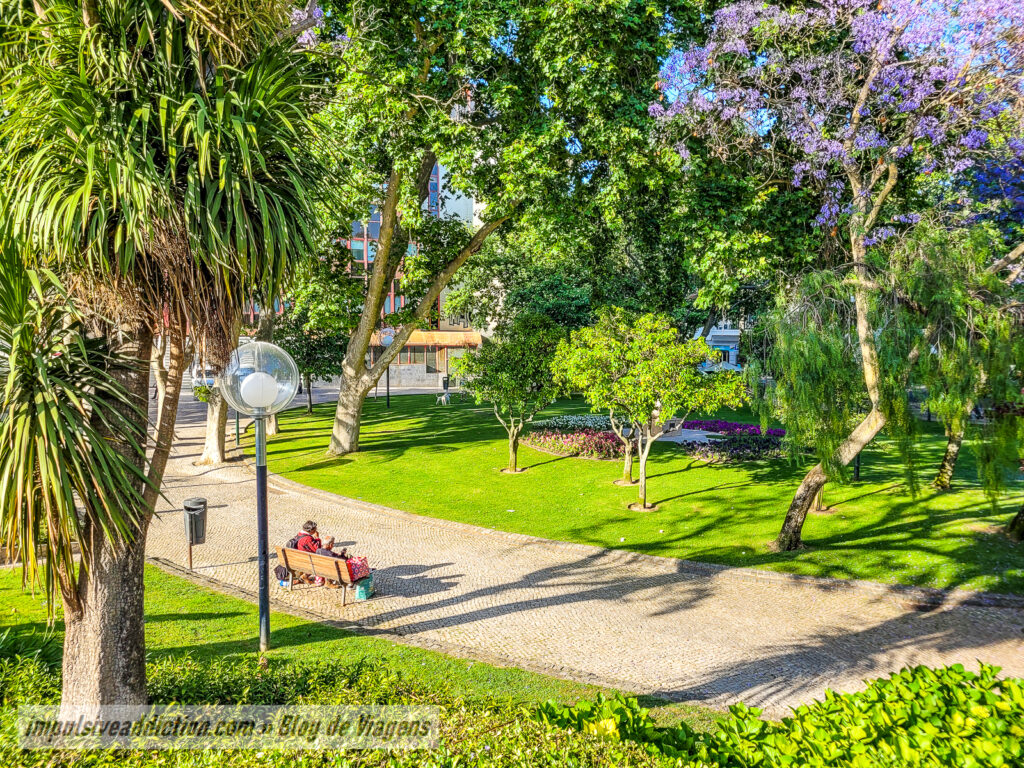
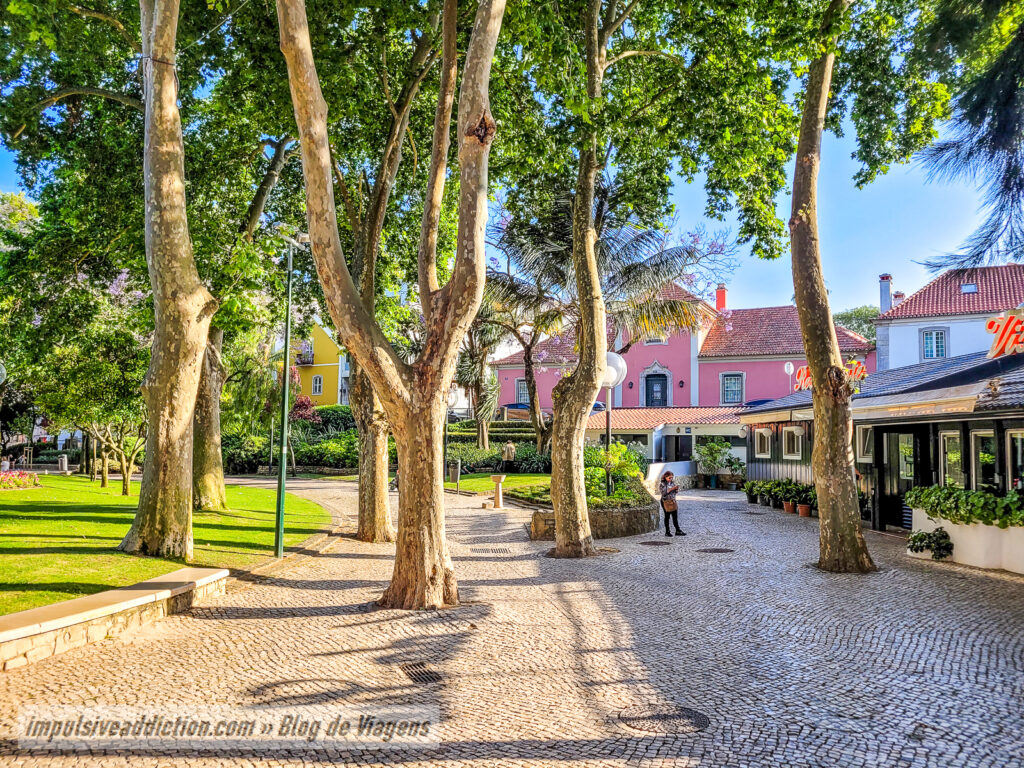
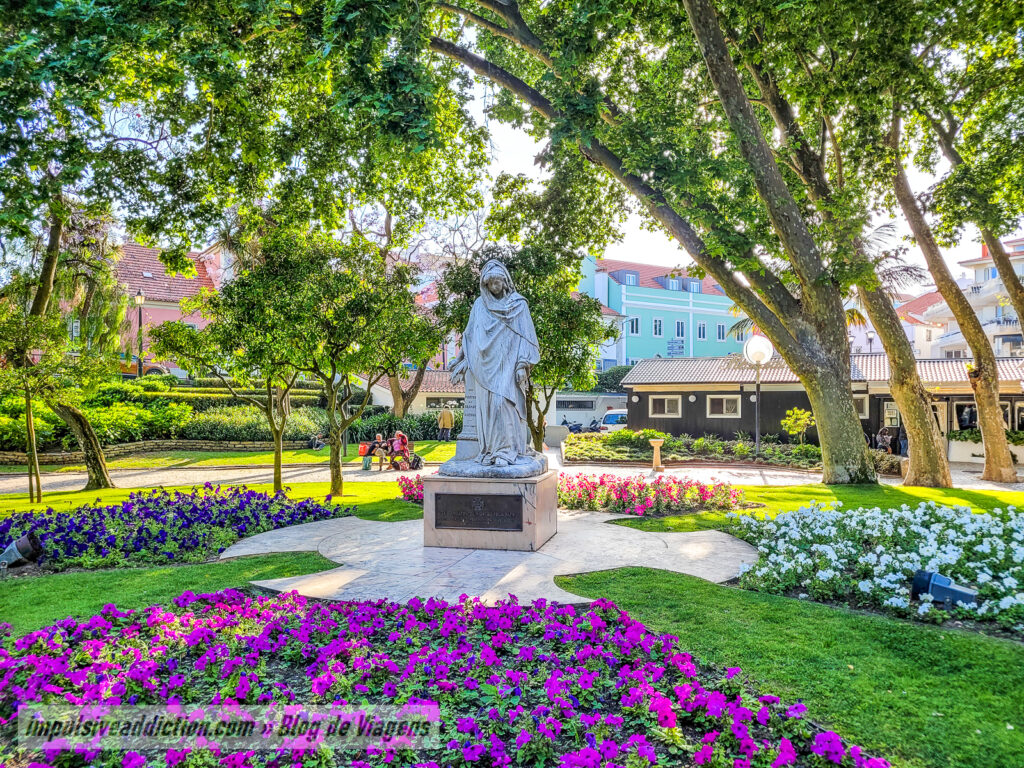
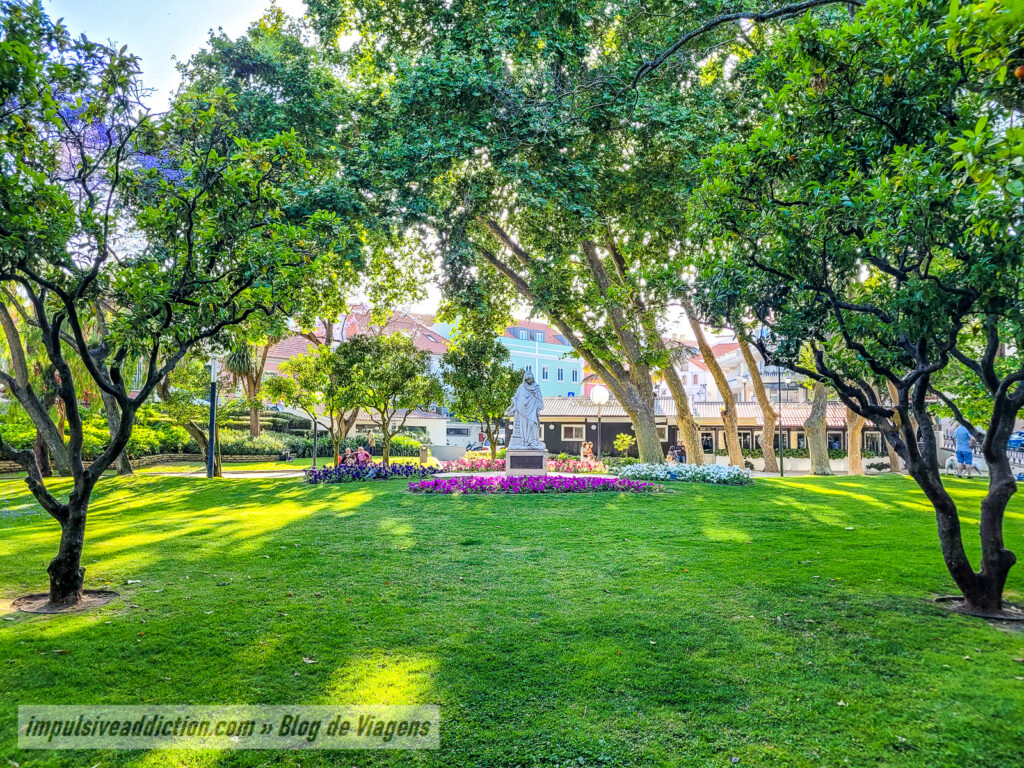
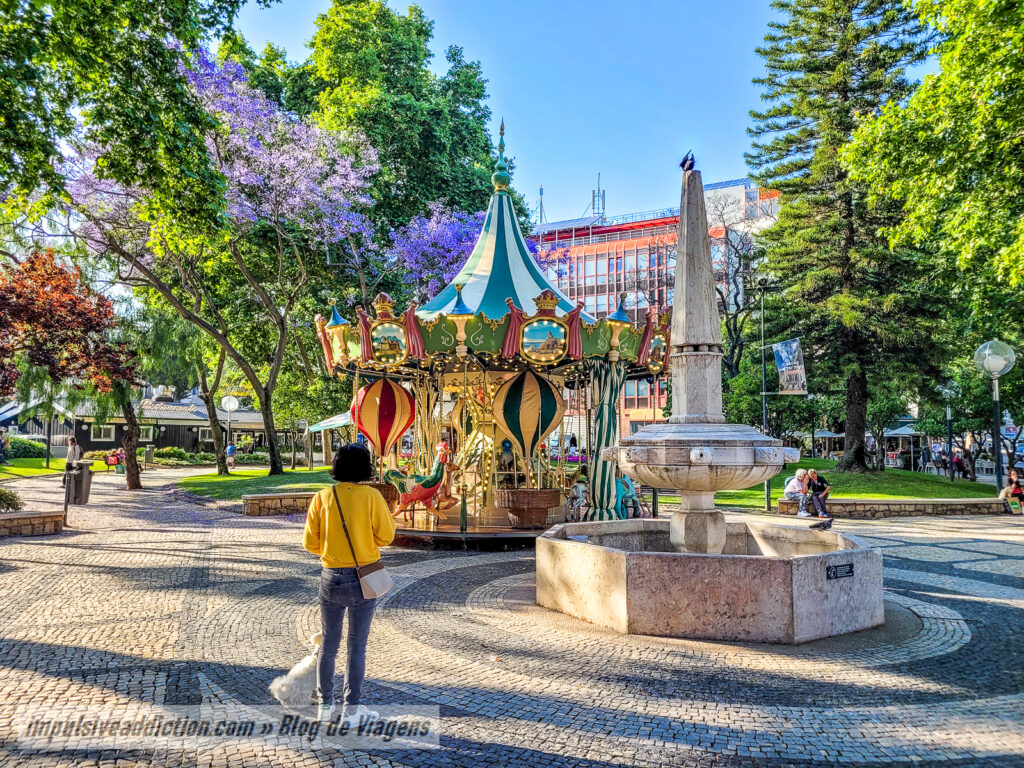
- Jardim Visconde da Luz.
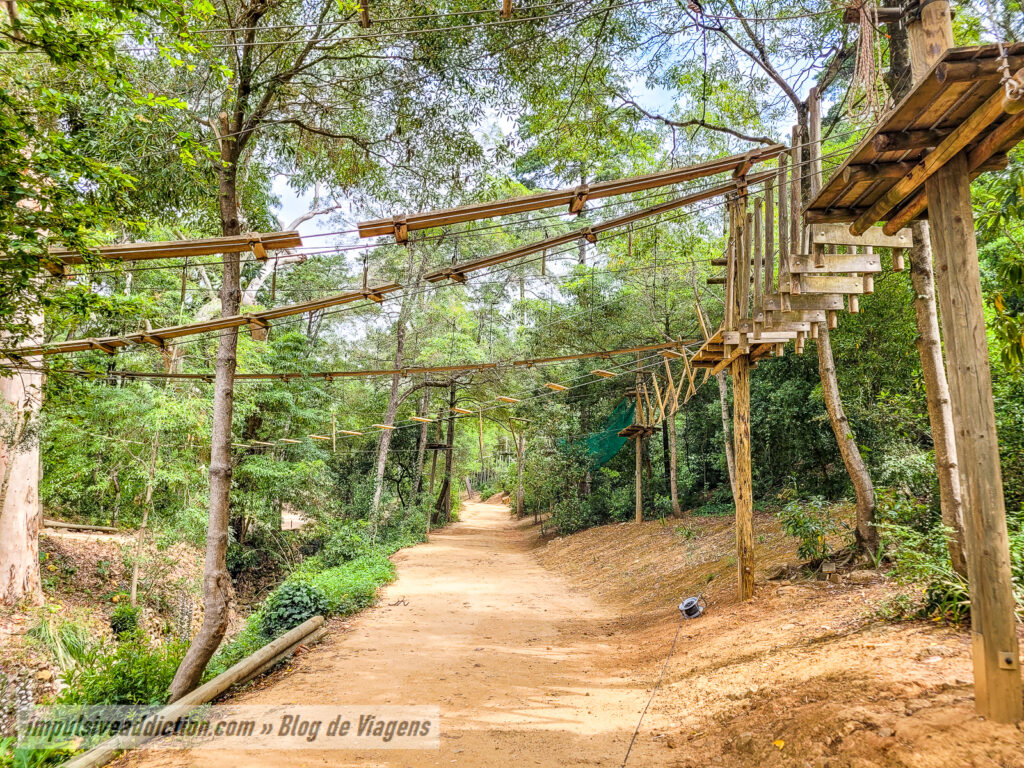
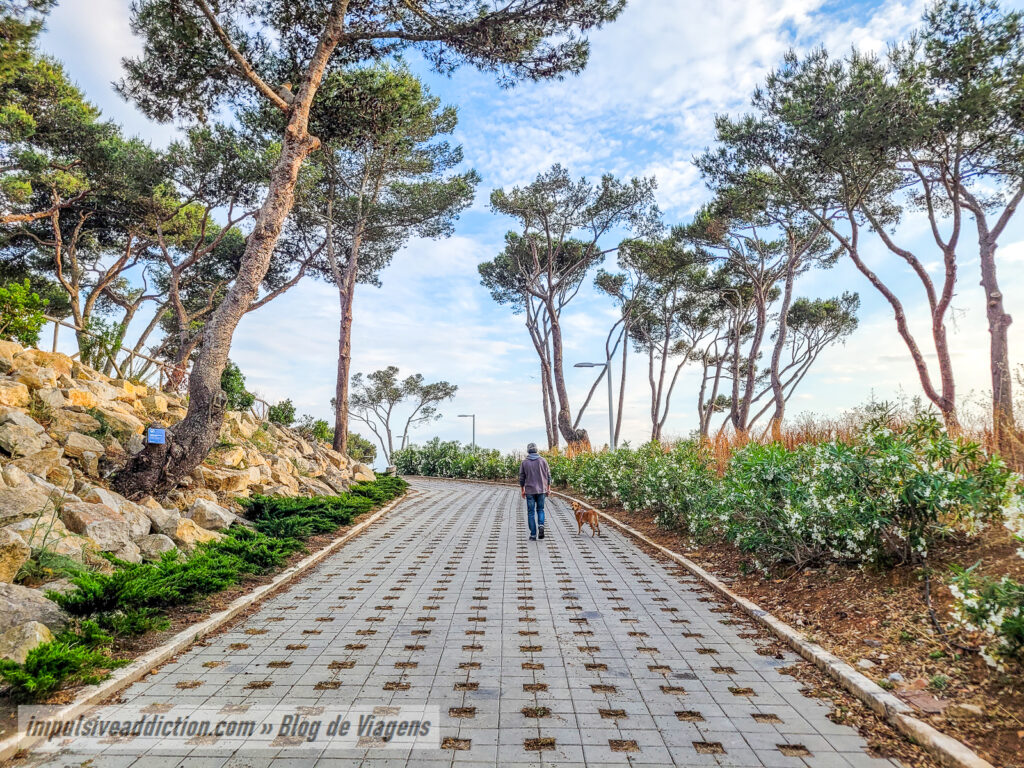
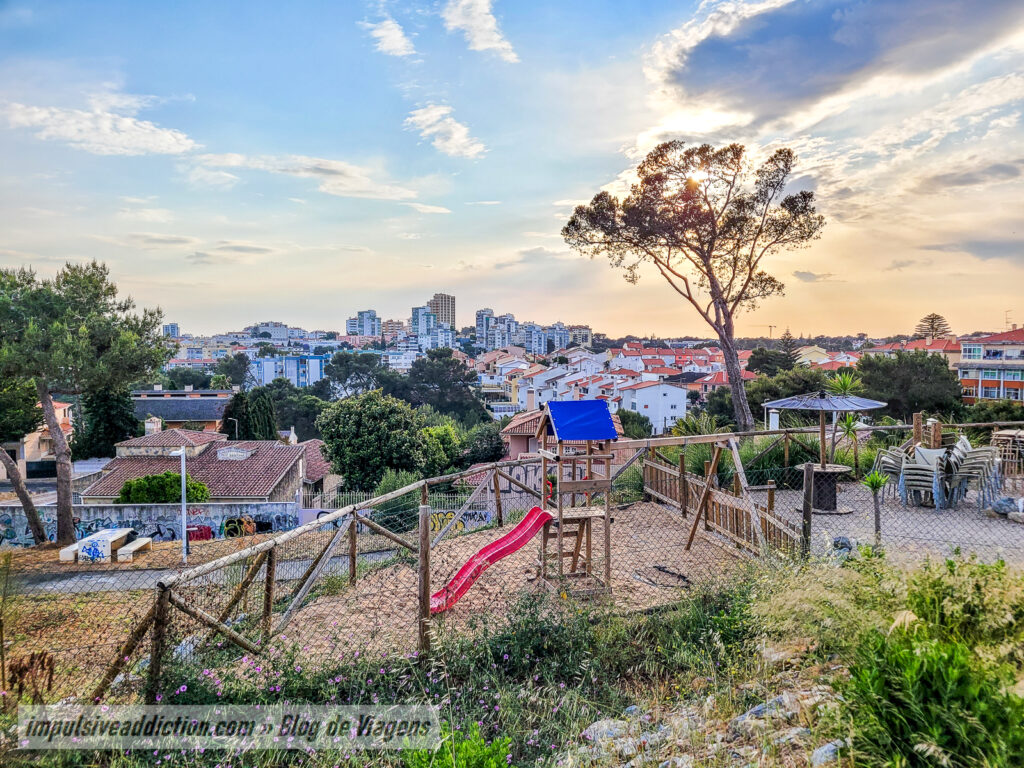
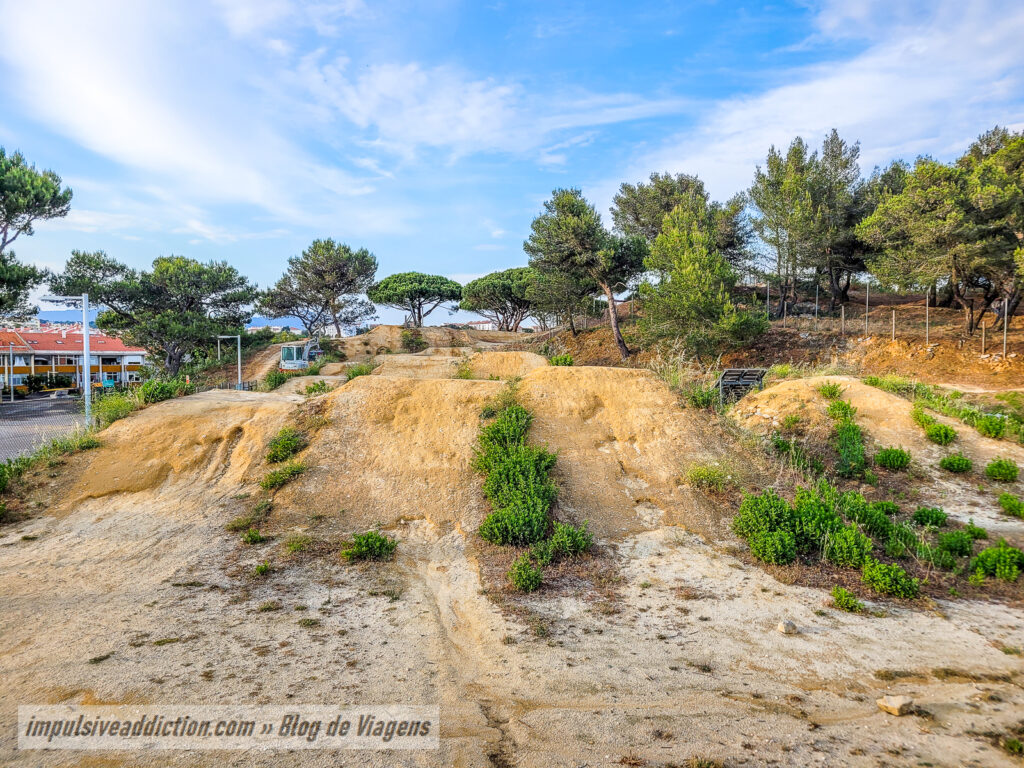
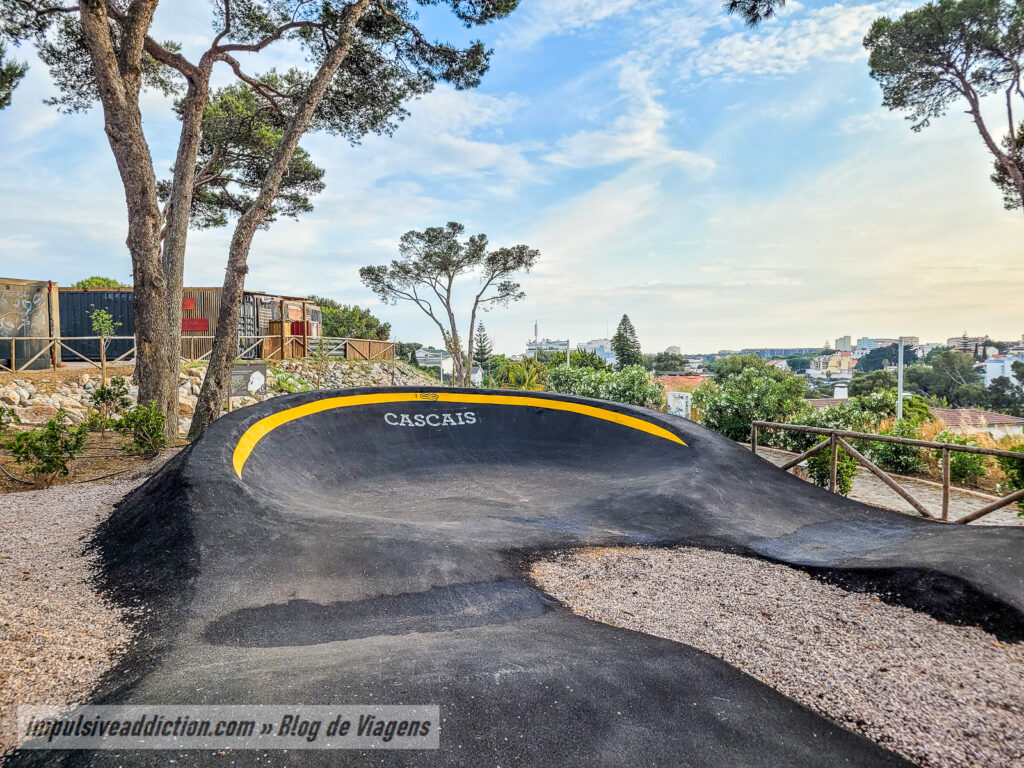
- Parque Urbano do Outeiro da Vela, popular among mountain biking enthusiasts due to its trails that mimic mountainous terrain.
25. Town Market and Grutas do Poço Velho
26. Jardim Visconde da Luz
27. Parque Urbano do Outeiro da Vela
28. Casa da Guia, Lighthouse and Fortress
Next, head to the Cabo Raso area, still part of the Cascais parish. You’ll follow the N247 (Guincho Road) along the coast, with your first stop at Casa da Guia, and optionally, the nearby Lighthouse and Fortress of Nossa Senhora da Guia.
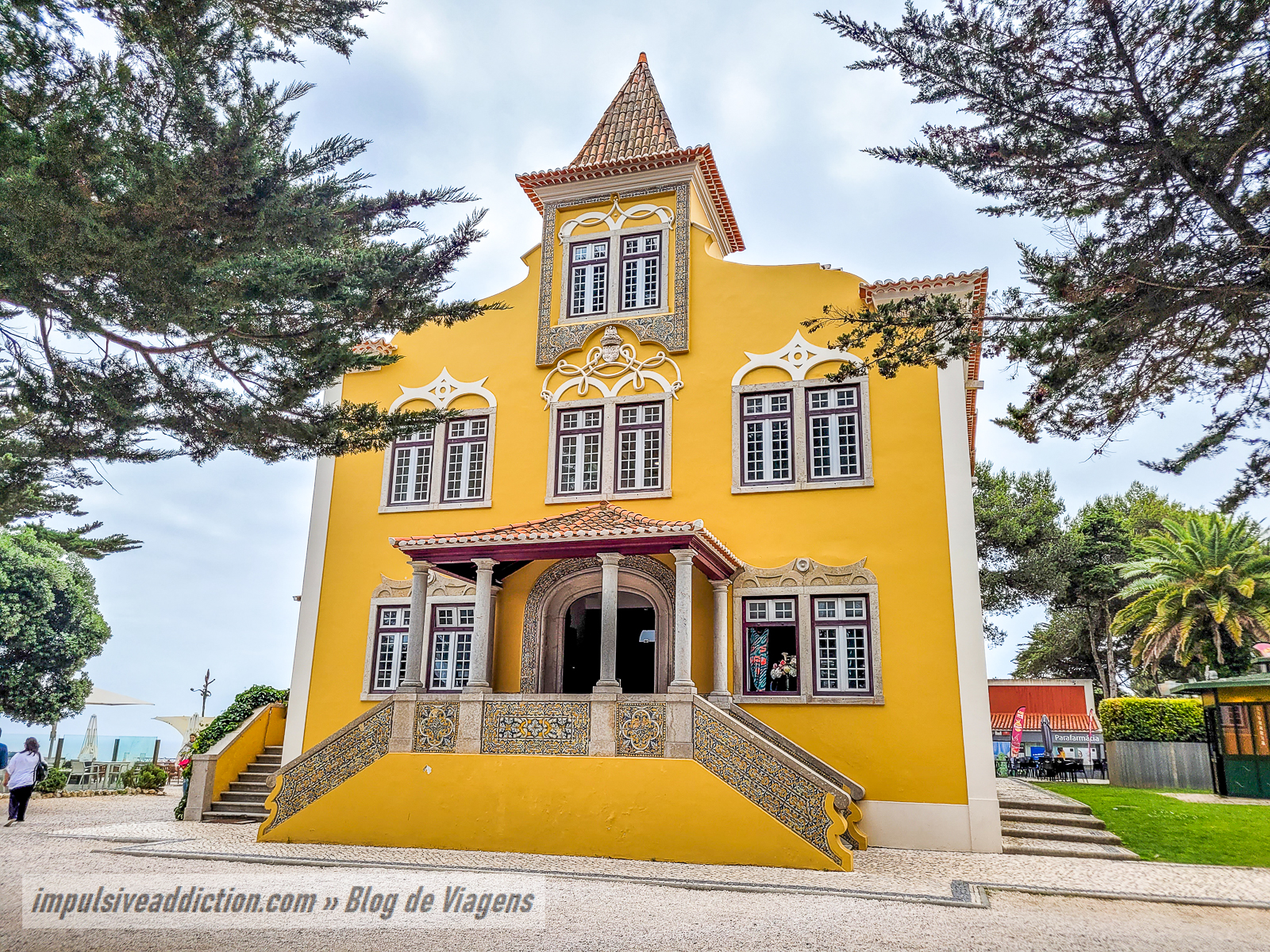
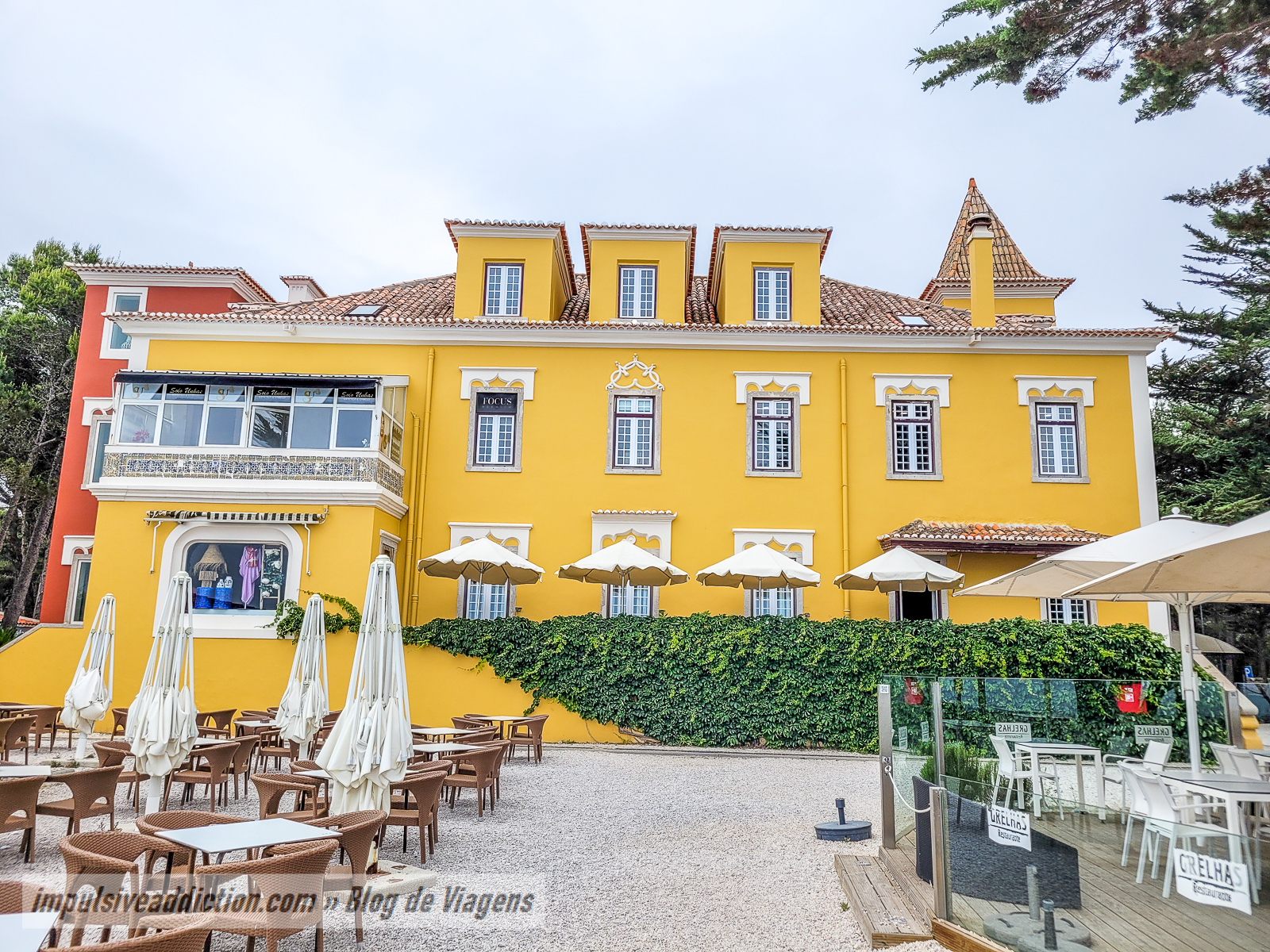
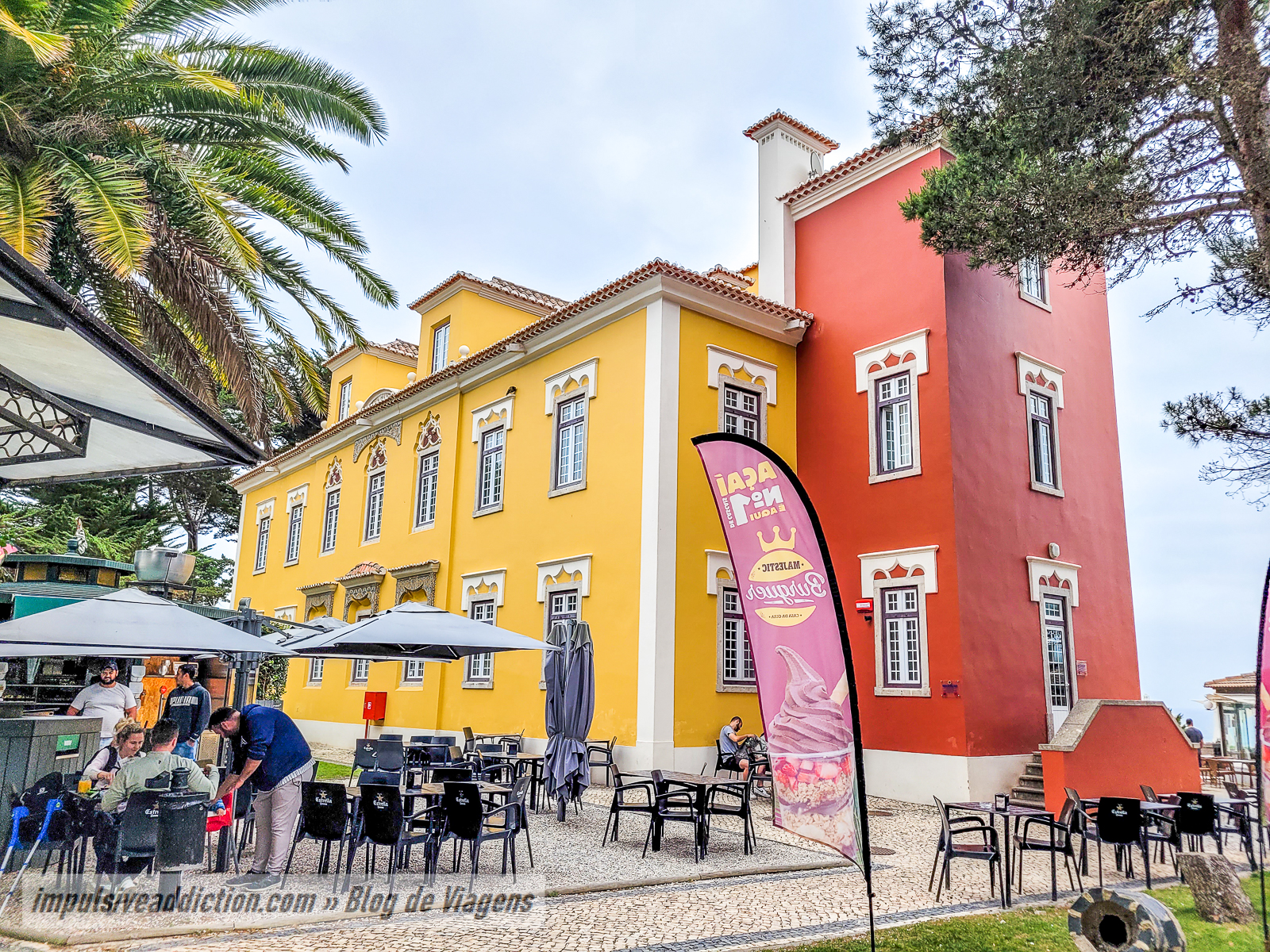
Casa da Guia is another 19th-century manor in Cascais, offering stunning views of the Atlantic Ocean. It has been transformed into a “shopping center” with various shops inside and several restaurants and terraces outside.
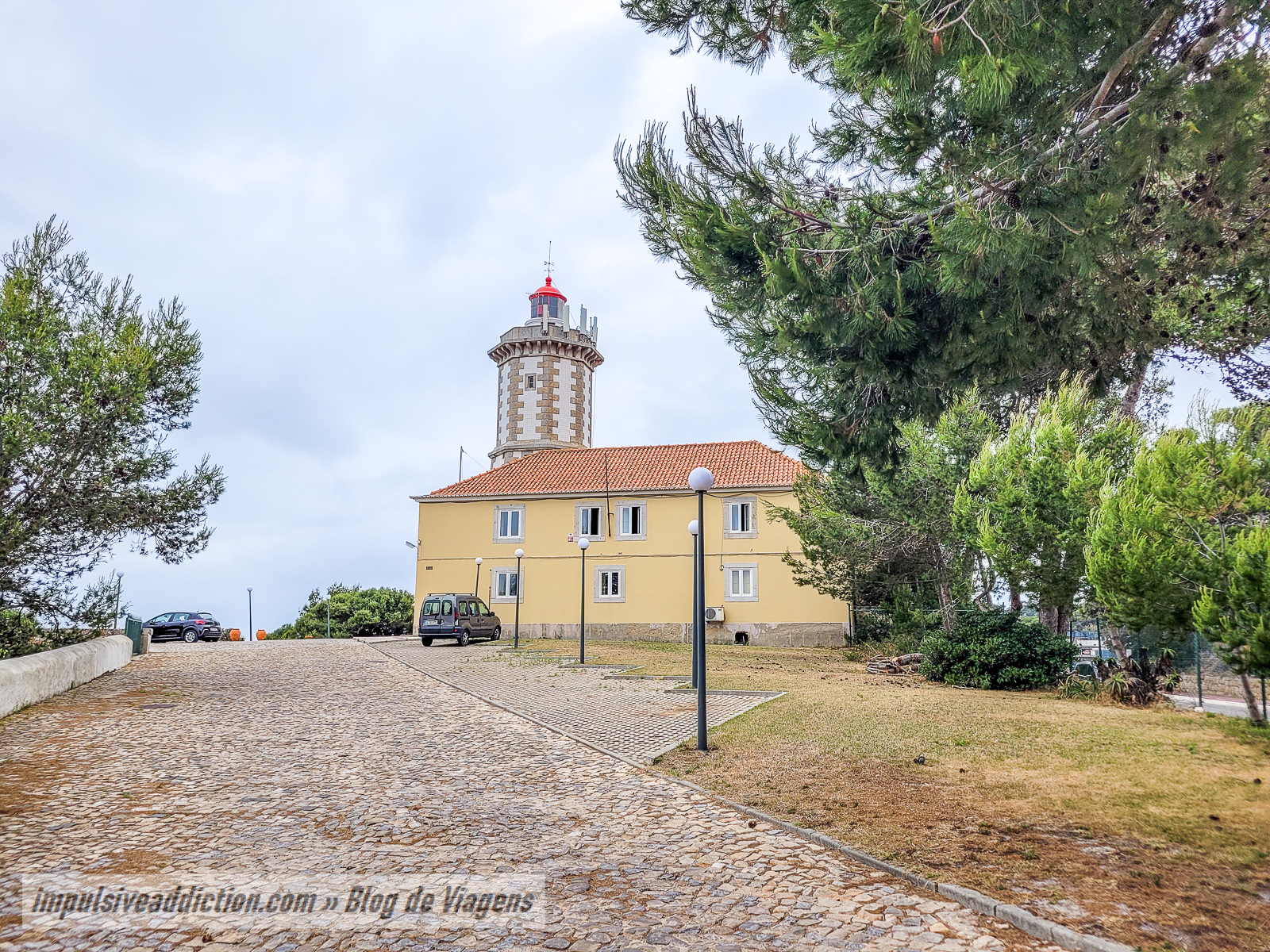
The Guia Lighthouse dates back to the 16th century, built to guide ships entering the port of Lisbon. Next to it is a small chapel dedicated to Our Lady of Guia.
Finally, Forte da Guia began construction in 1642 near the spot where the Spanish army reportedly landed during the 1580 invasion. Since 1999, it has belonged to the Marine Institute and serves as a Maritime Laboratory, conducting research on marine ecology and ecophysiology.
29. Forte de São Jorge de Oitavos
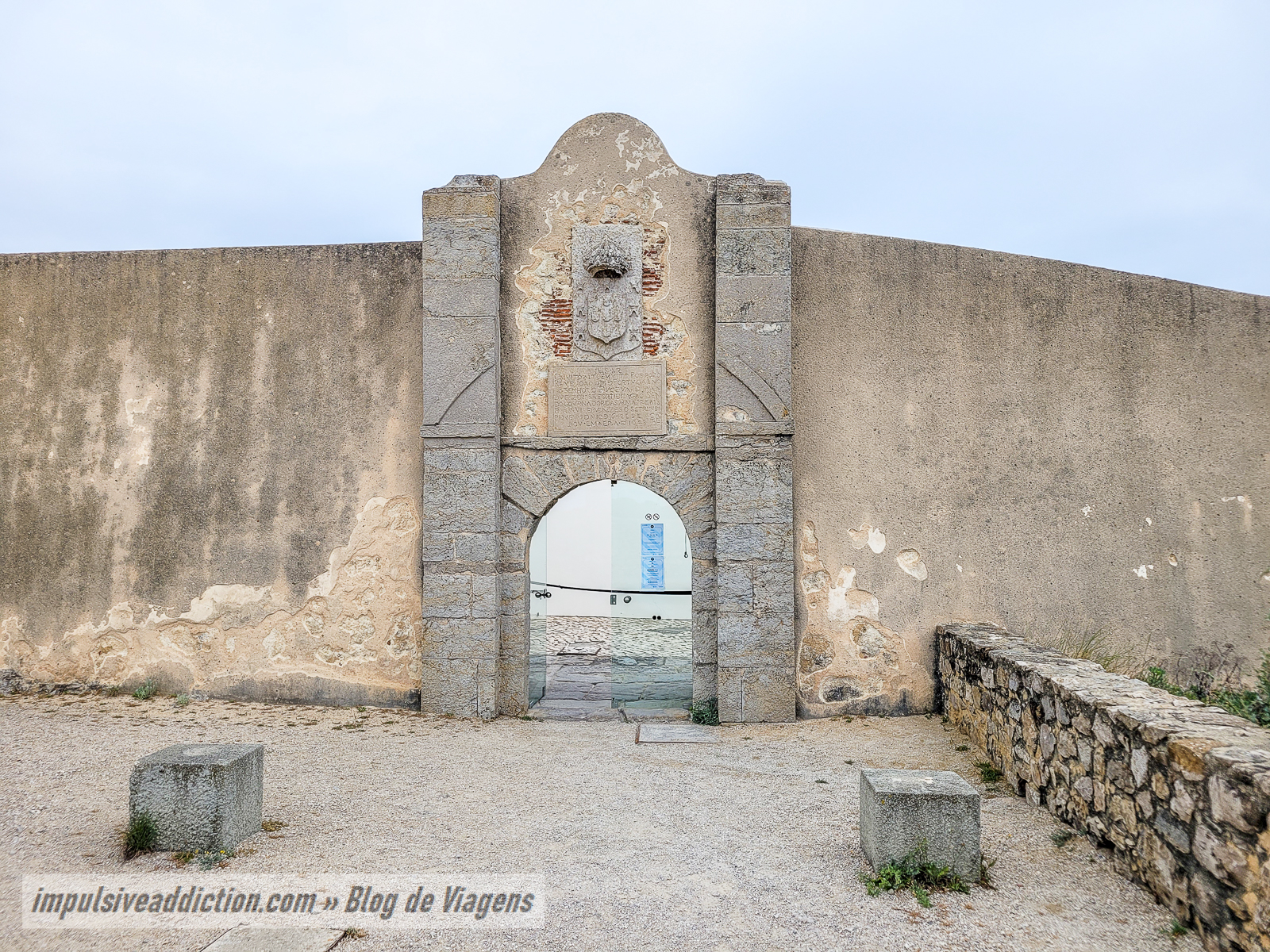
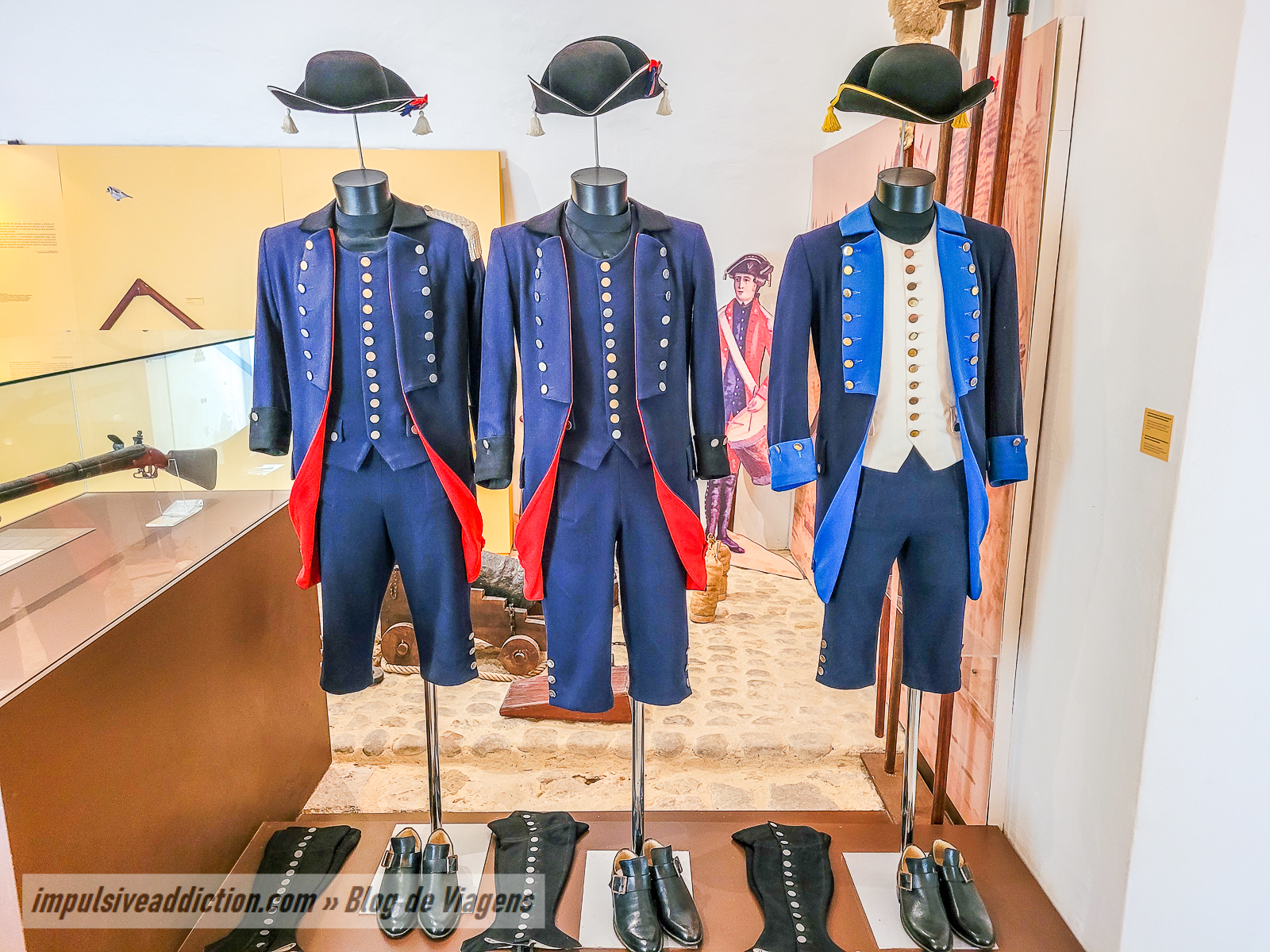
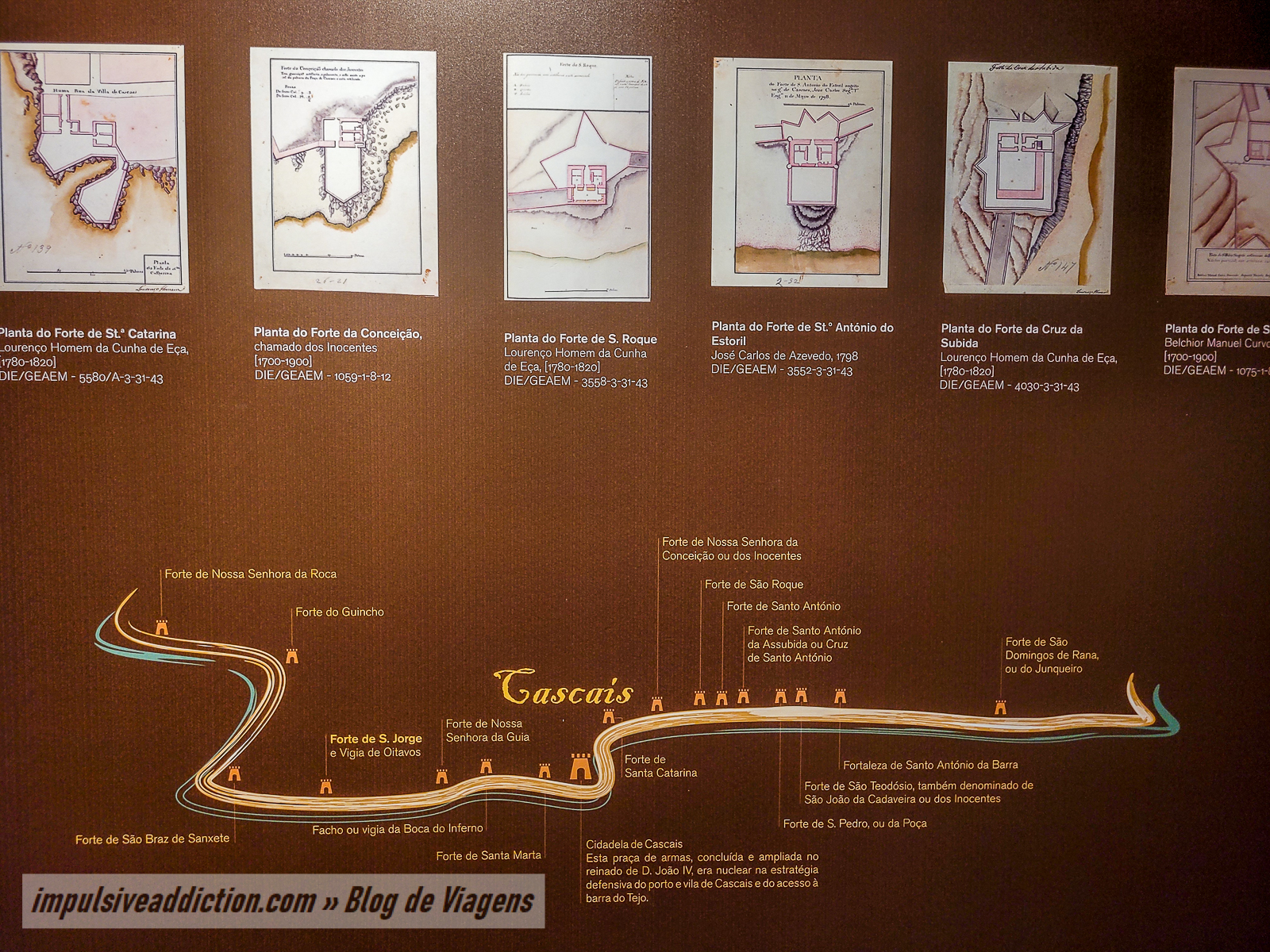
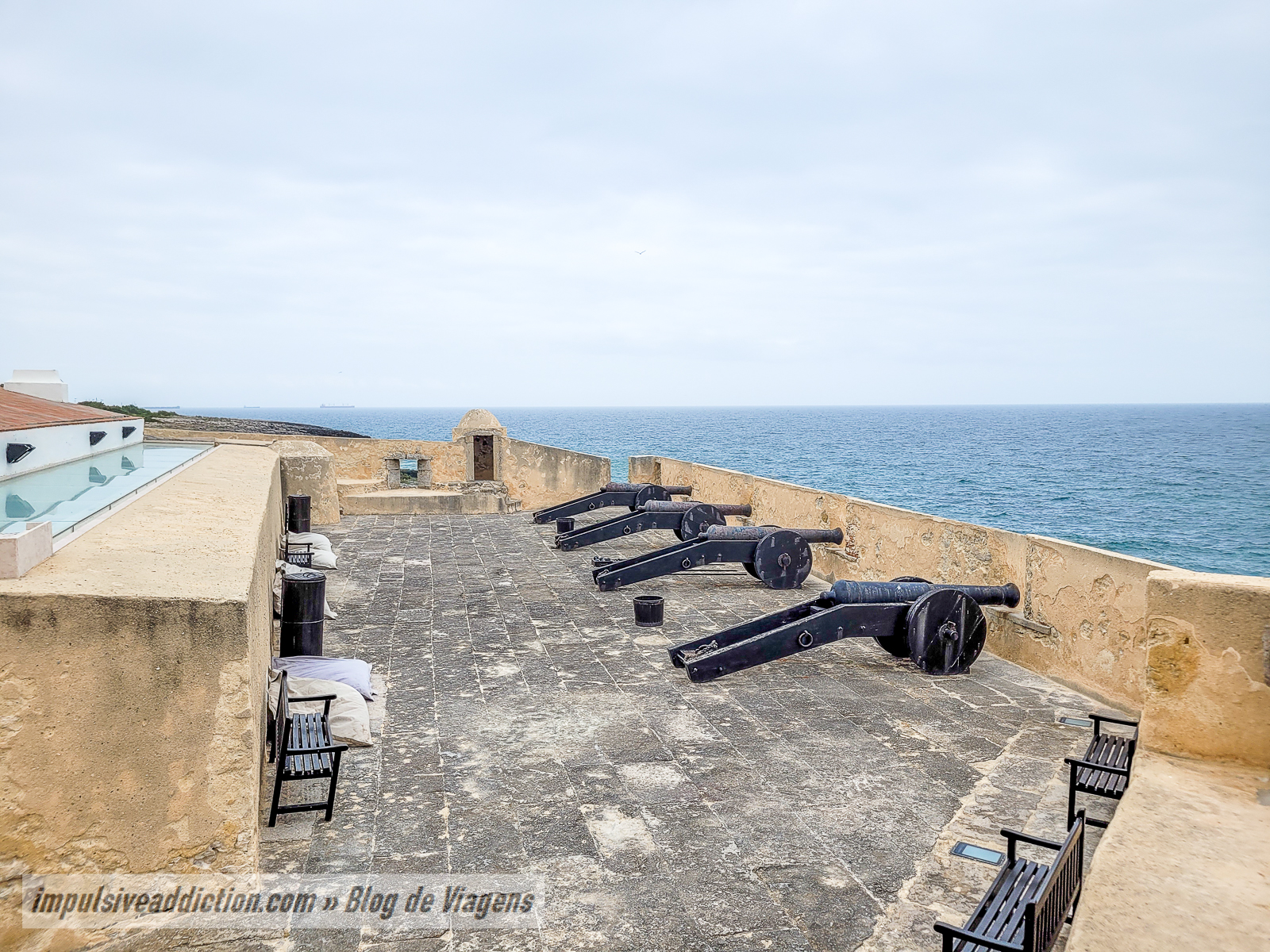
Continuing towards Cabo Raso, the Forte de São Jorge de Oitavos stands out as the most interesting fortress to visit in the region. Inside, it houses a small museum dedicated to the fortifications of Cascais and the Tagus Line, as well as the artillery and garrison from the late 18th century. This fort was built between 1642 and 1648 on the site of a former watchtower.
30. Lighthouse and Fortress of Cabo Raso
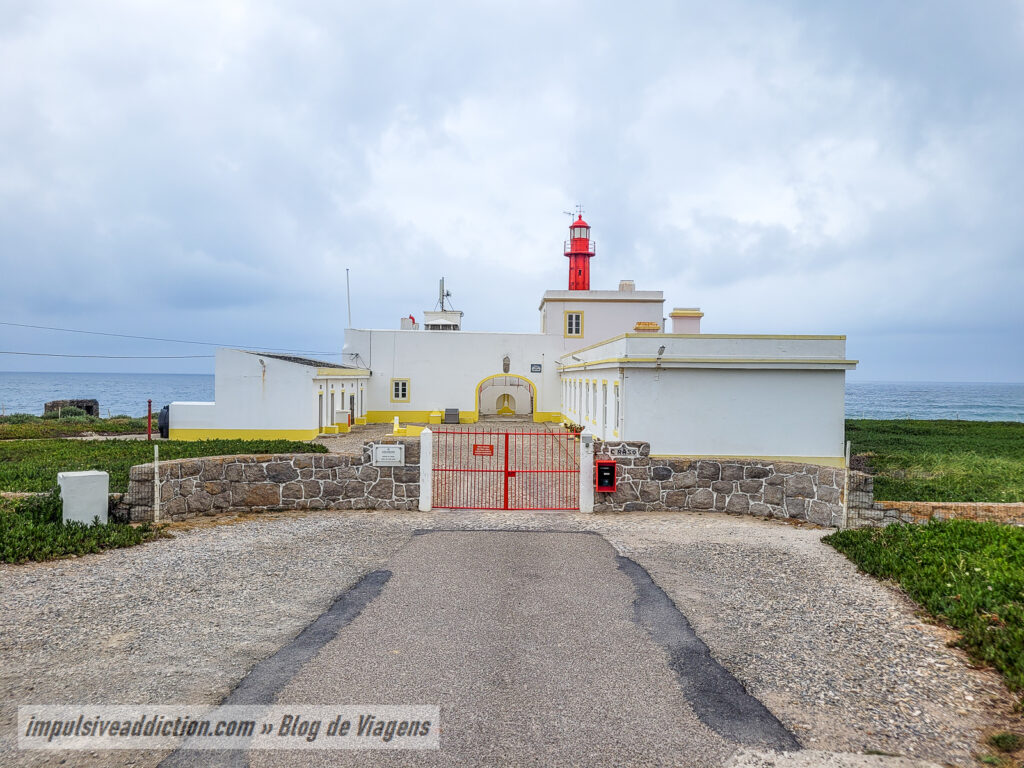
At Cabo Raso, besides the stunning scenery, you’ll find the lighthouse that began operating in 1894, replacing the decommissioned Fort of São Brás de Sanxete.
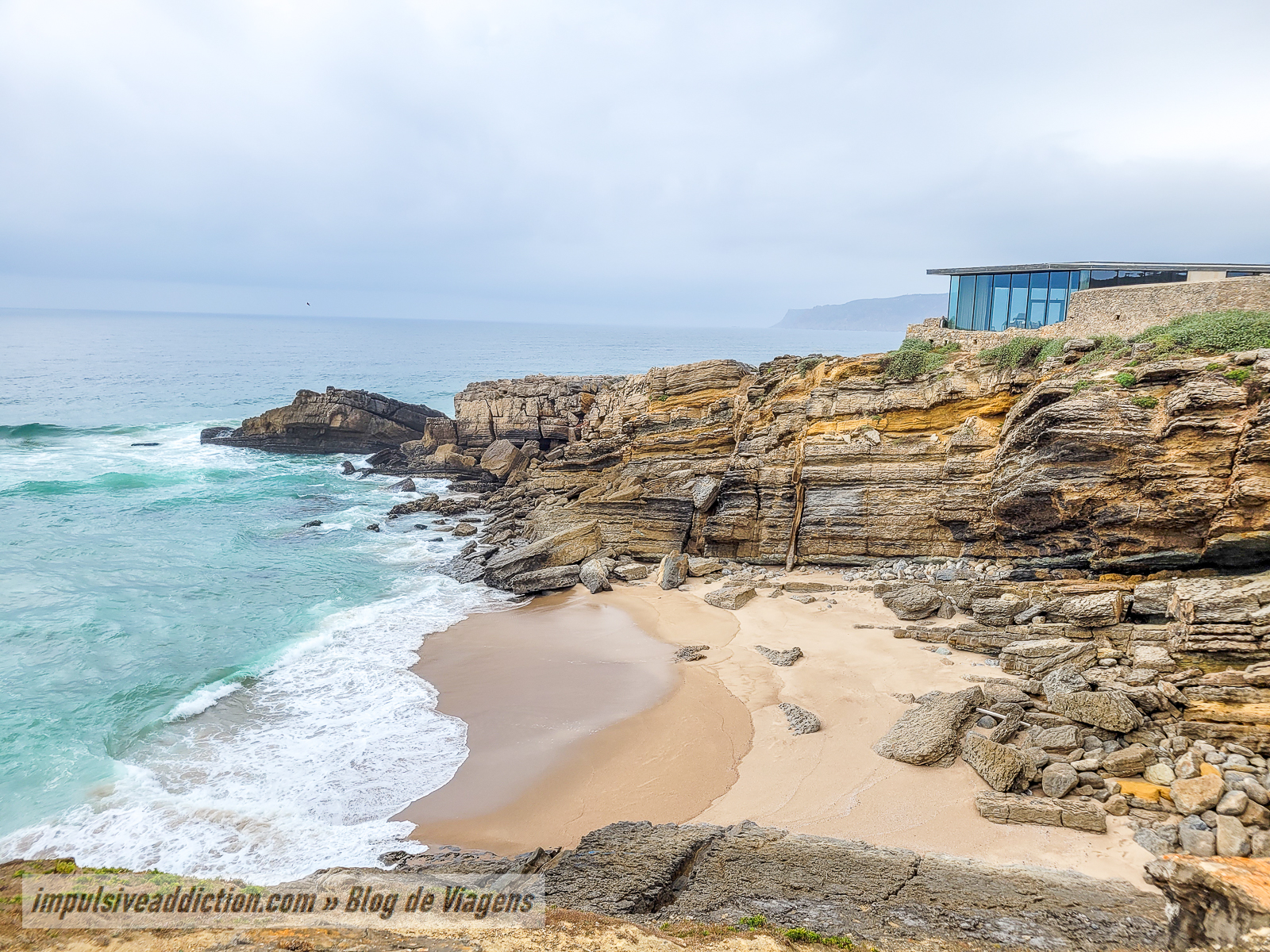
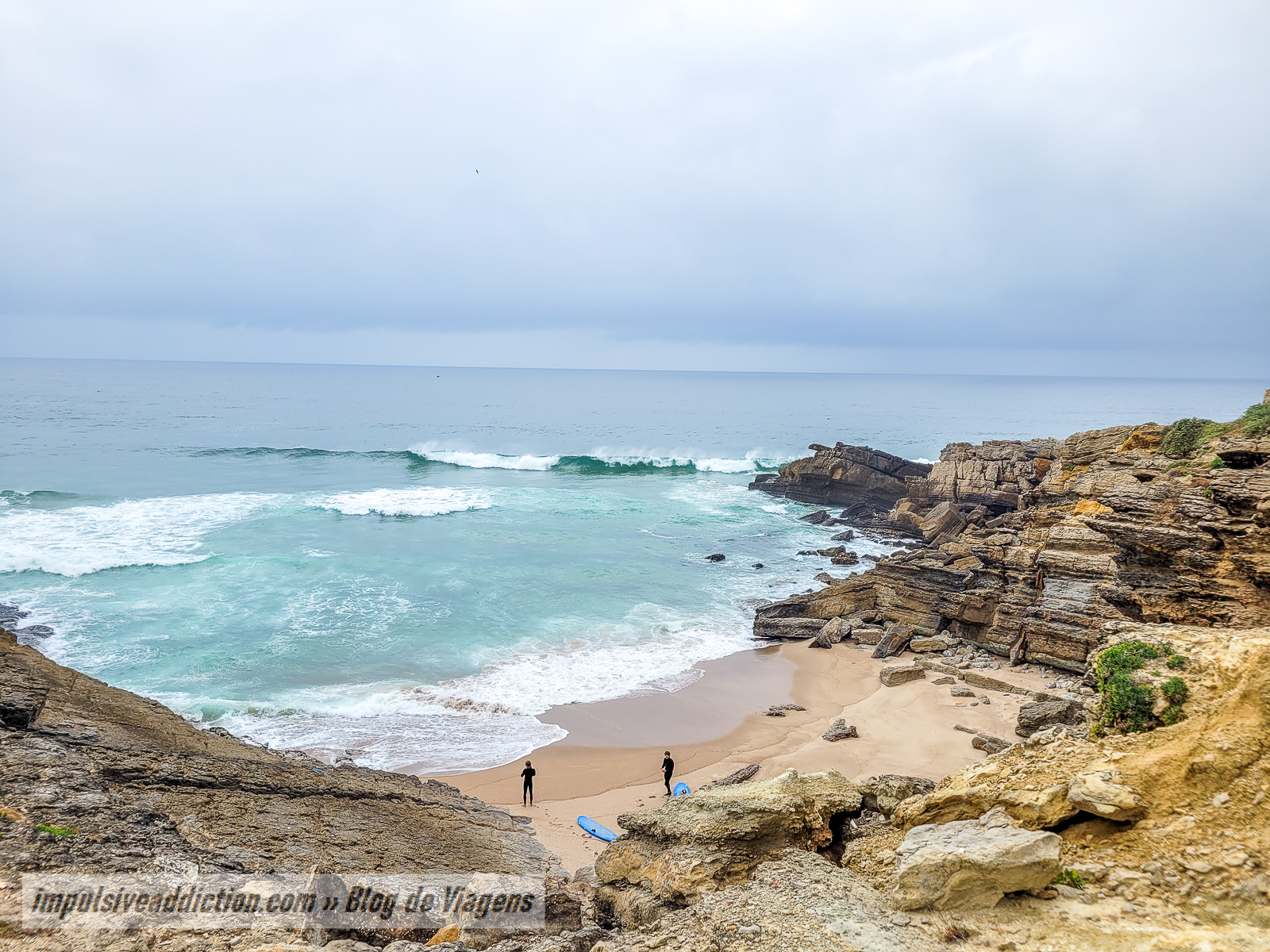
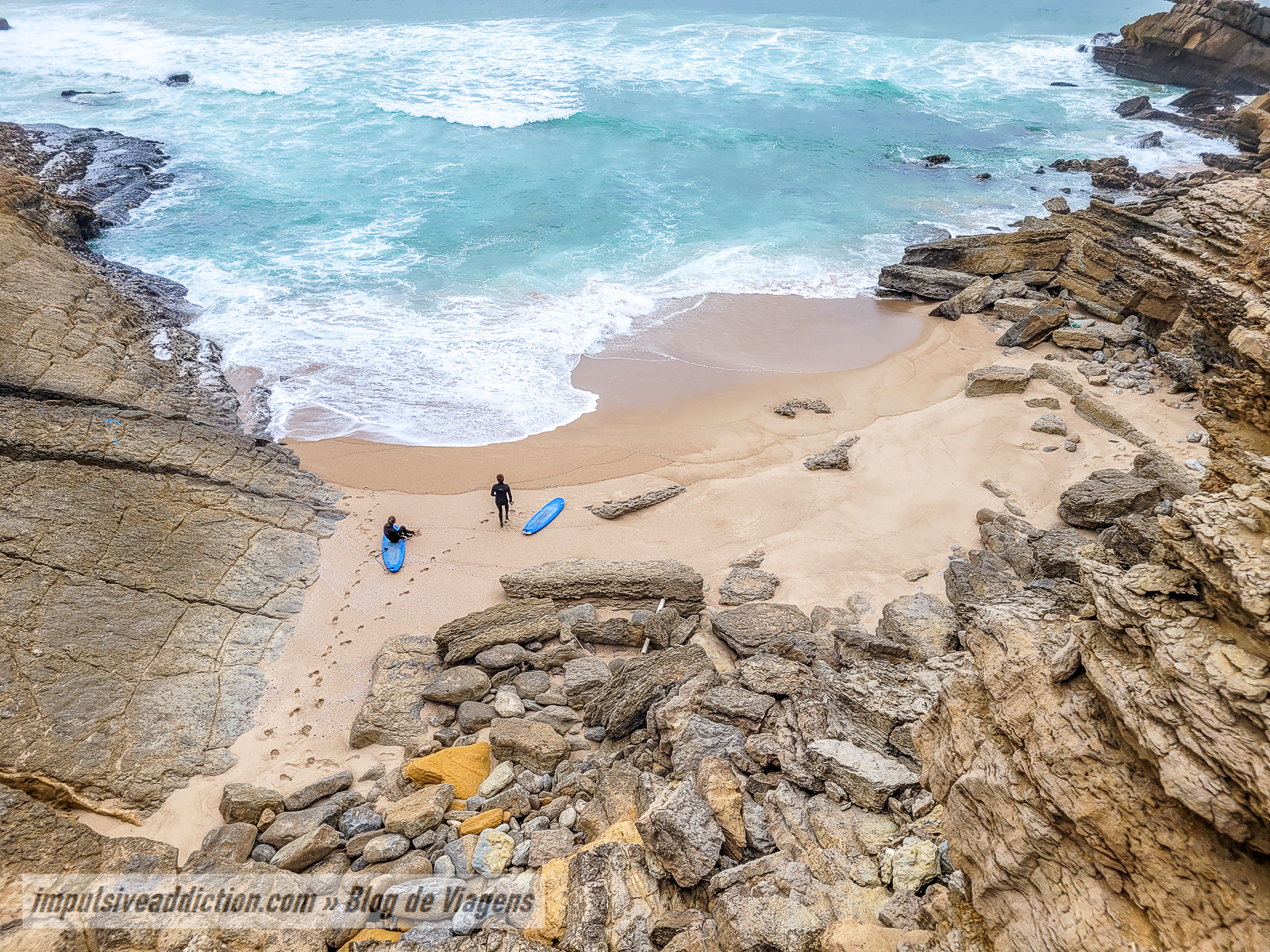
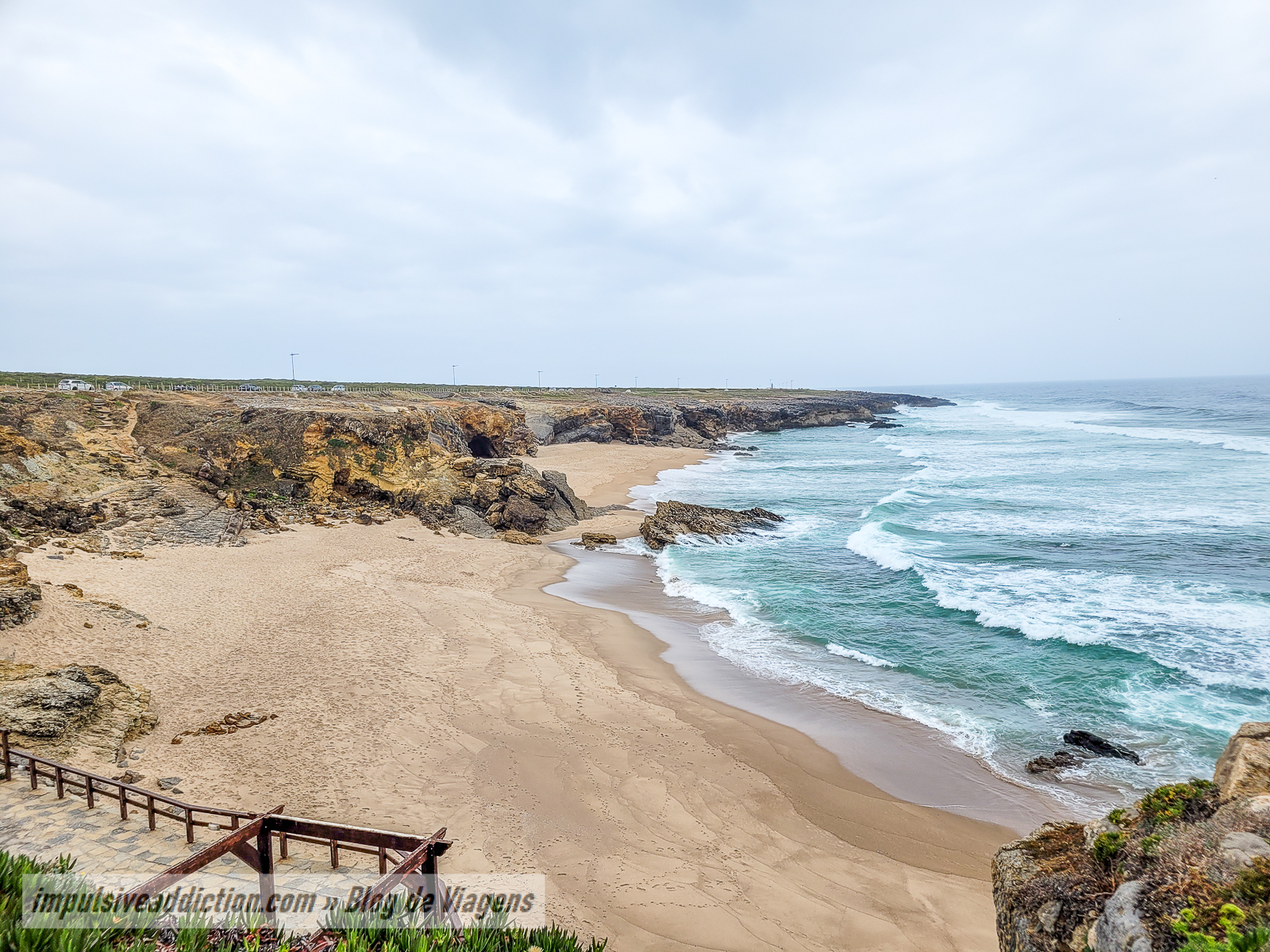
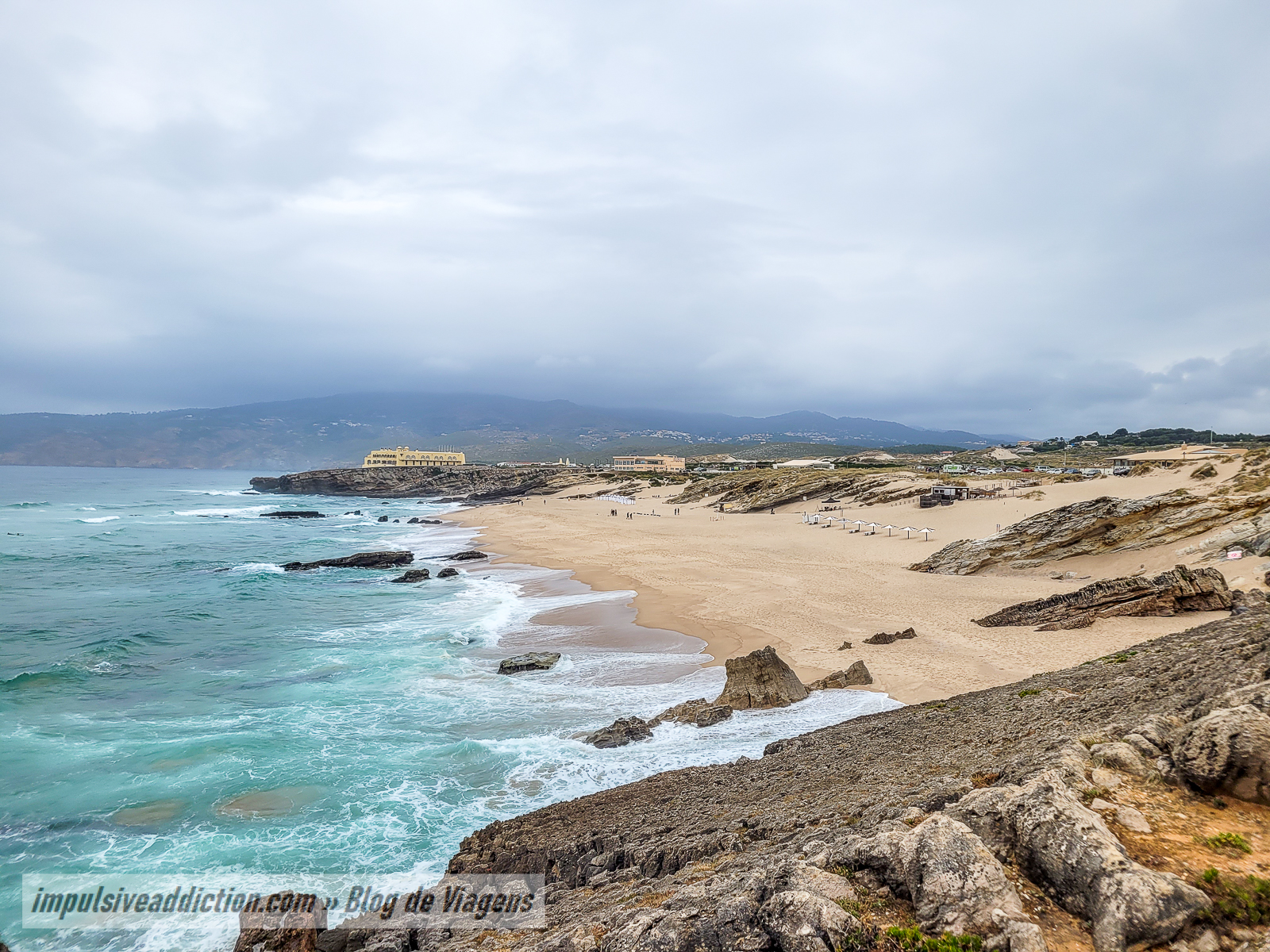
Around Cabo Raso, there are several small beaches still within the Cascais parish, which were highlighted in the best beaches of Cascais article:
- Praia da Arriba
- Praia da Cresmina
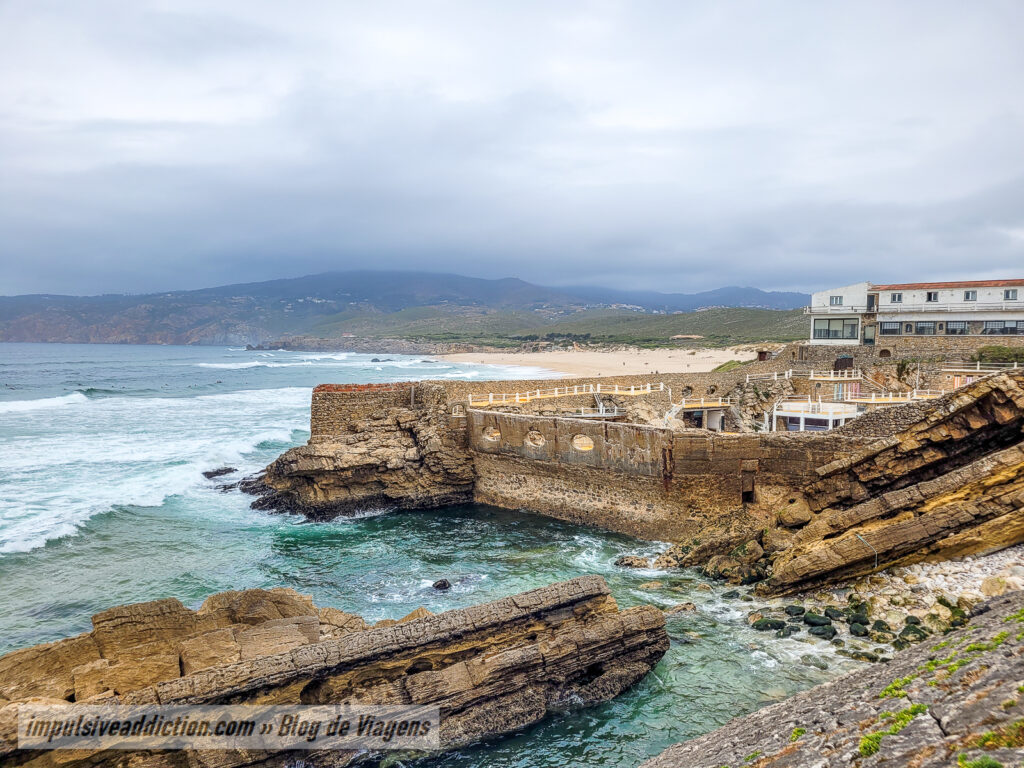
- Praia da Água Doce
Nearby, you can also visit other historic forts while enjoying the surroundings:
- Forte da Cresmina (built in 1762)
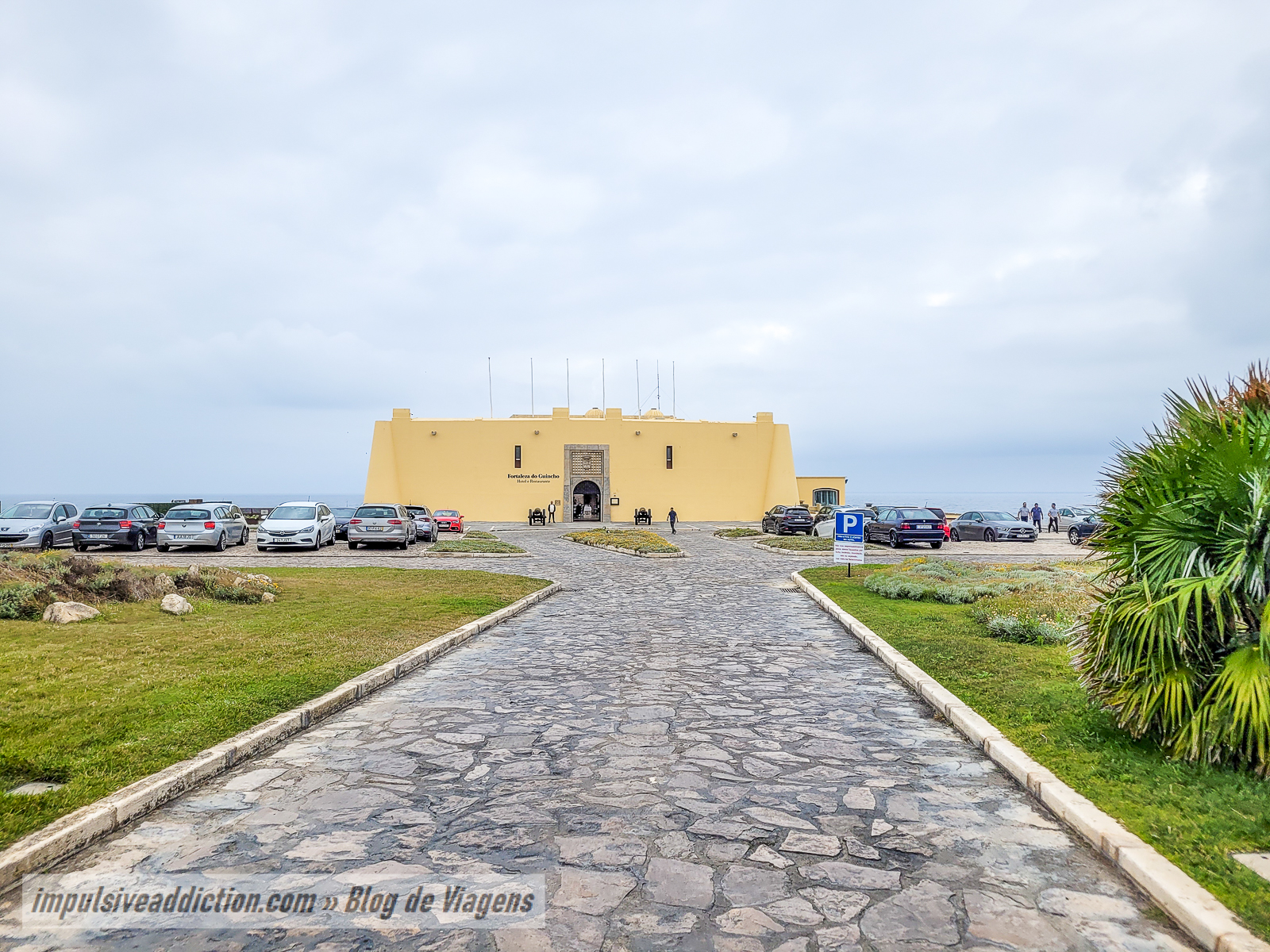
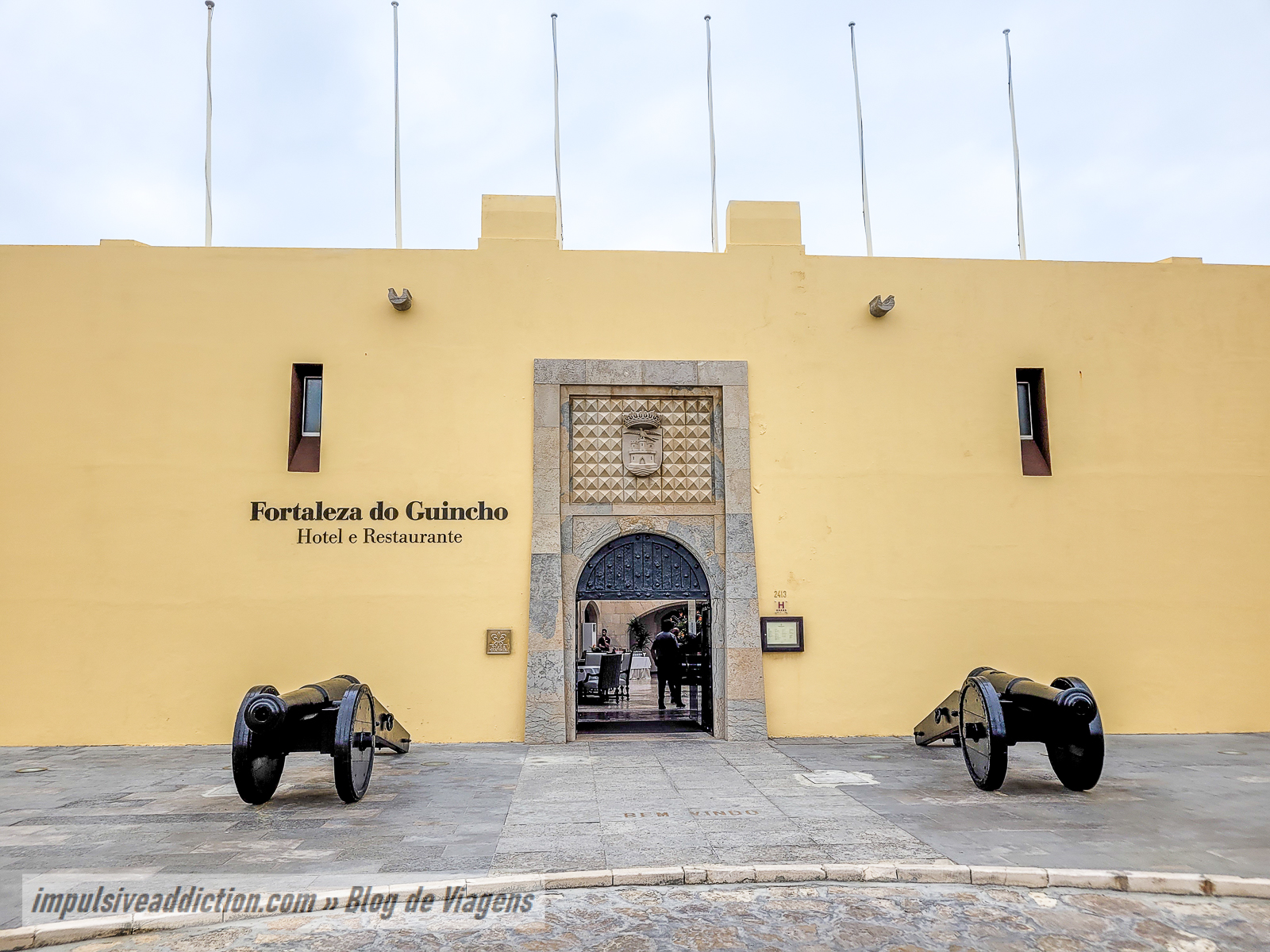
- Fortaleza do Guincho (17th century), now converted into a restaurant and hotel
The Guincho Beach lies in the parish of Alcabideche, which will be covered later.
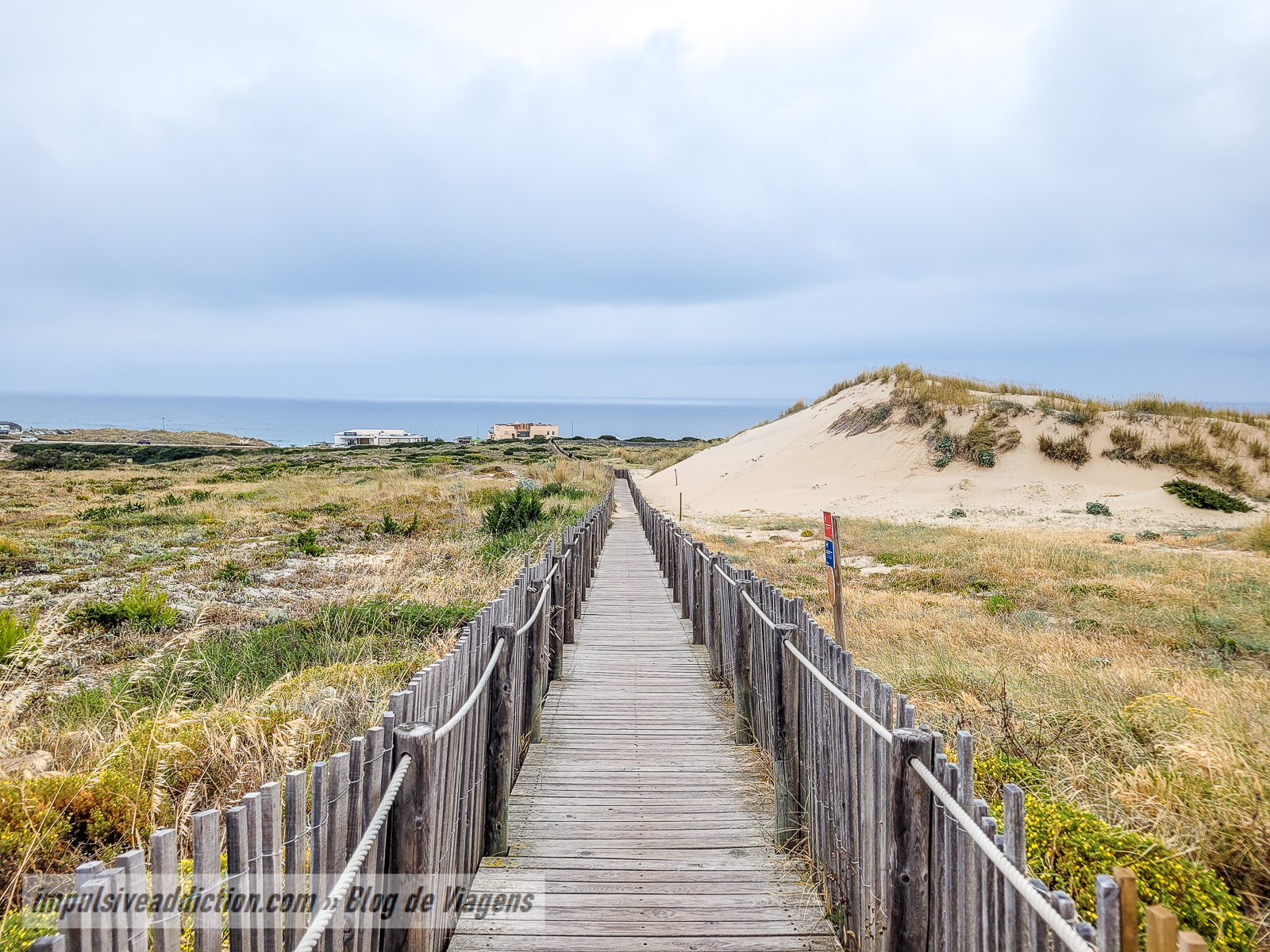
For hiking enthusiasts, there’s a trail through the Cresmina dunes connecting Praia da Cresmina to the Fortaleza do Guincho and the Cresmina Dunes Interpretation Center, featuring wooden walkways to make the walk easier.
31. Praia da Arriba
32. Praia da Cresmina
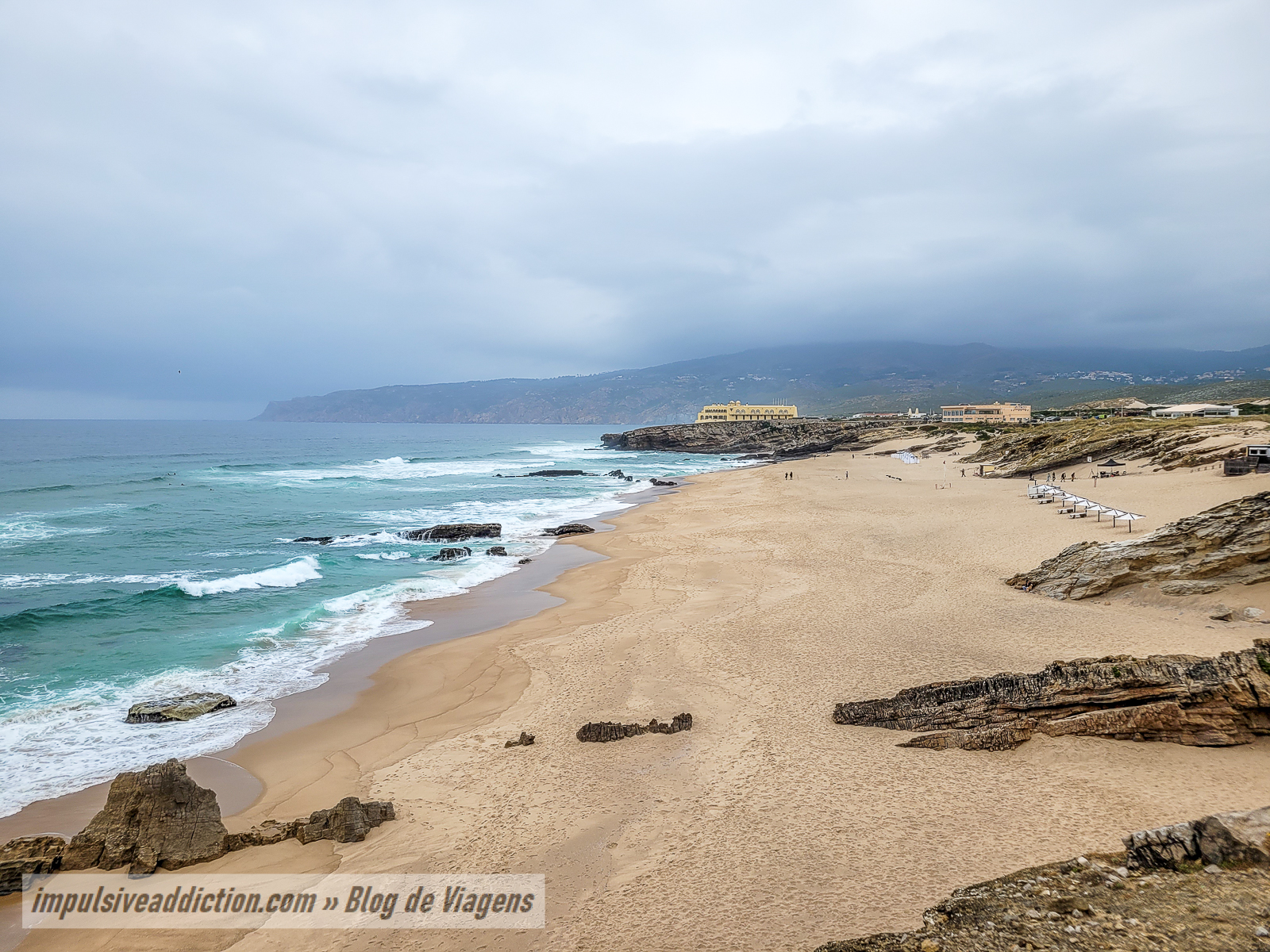
33. Cresmina Dune Interpretation Trail
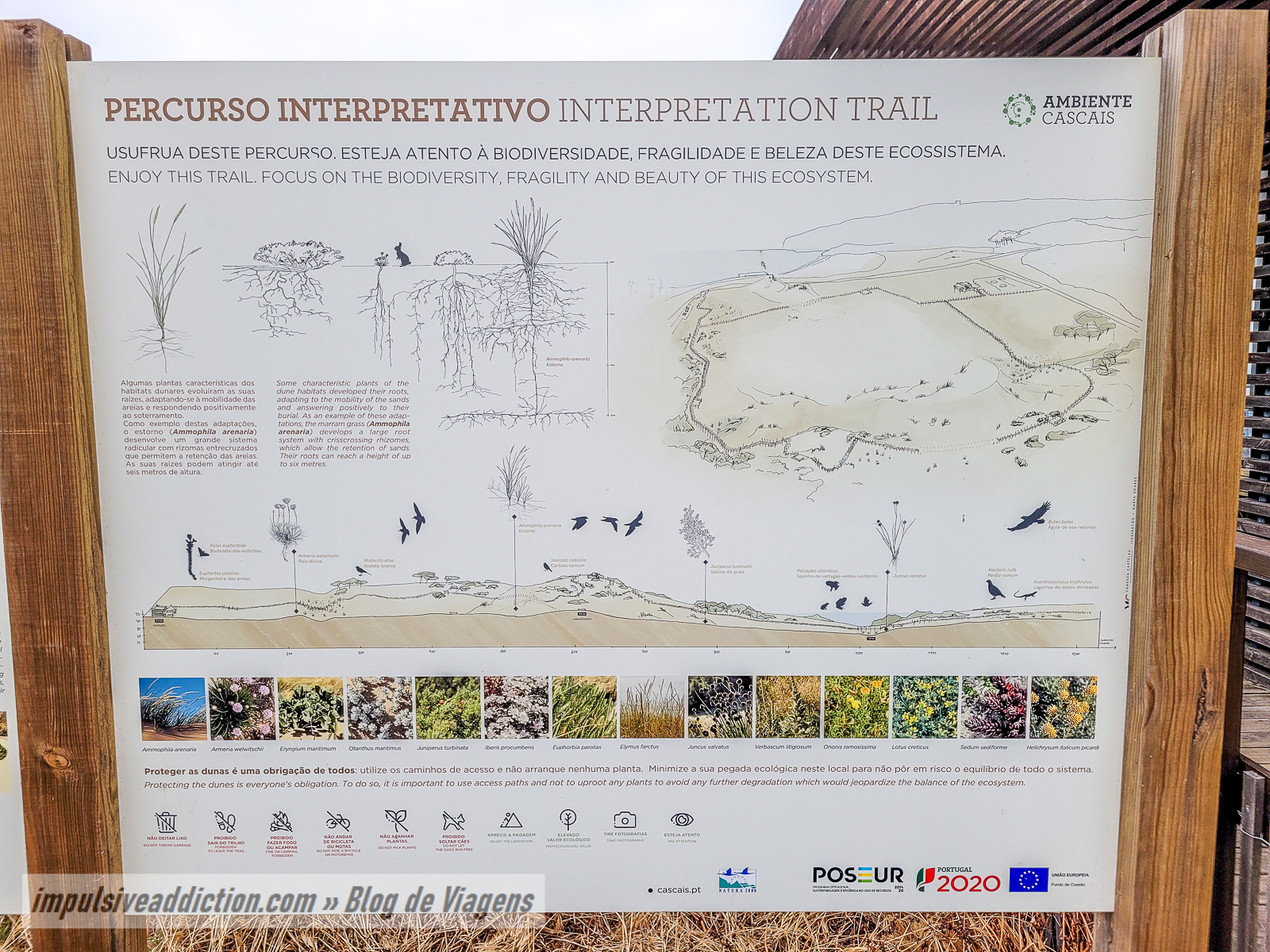
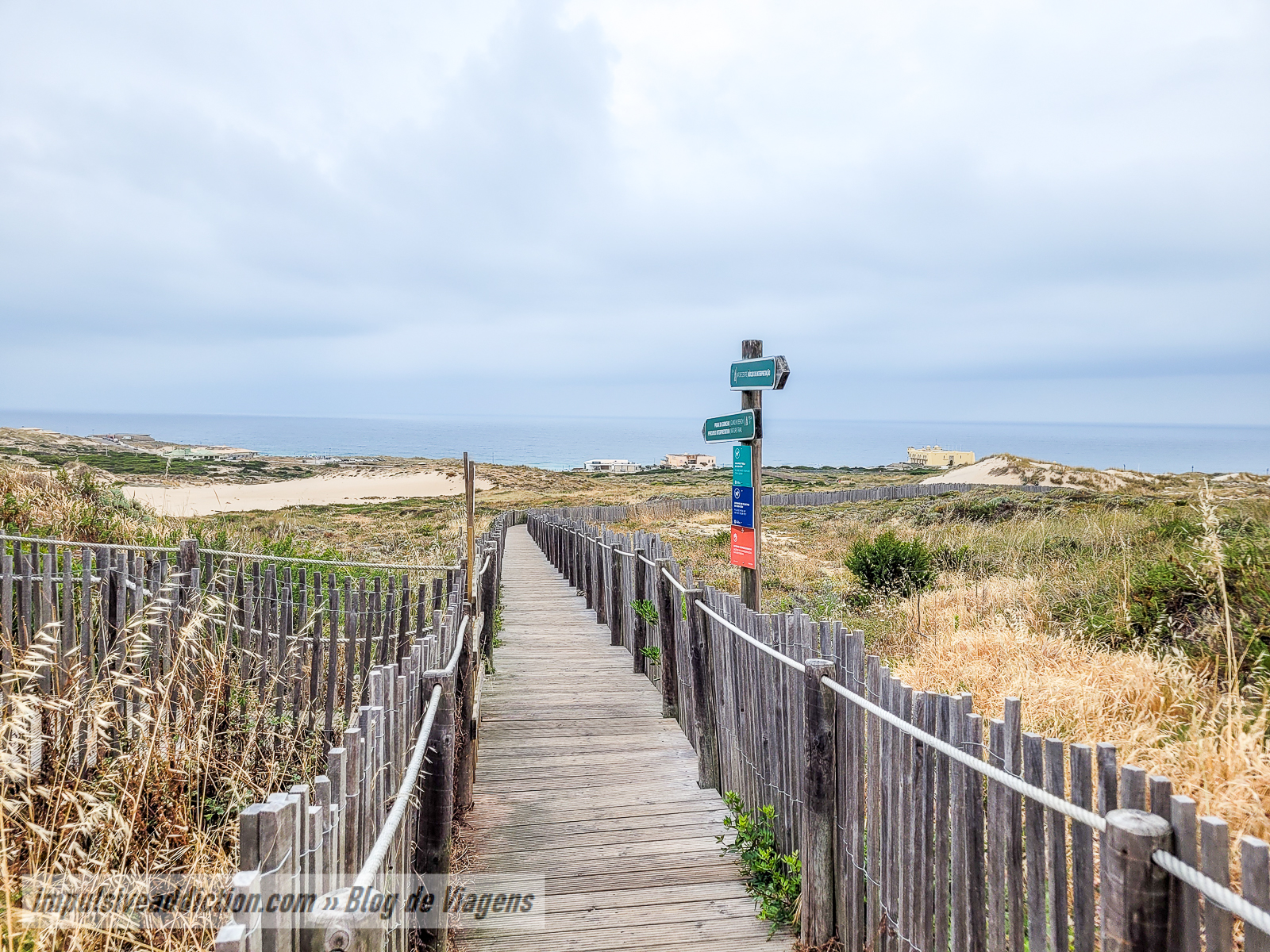
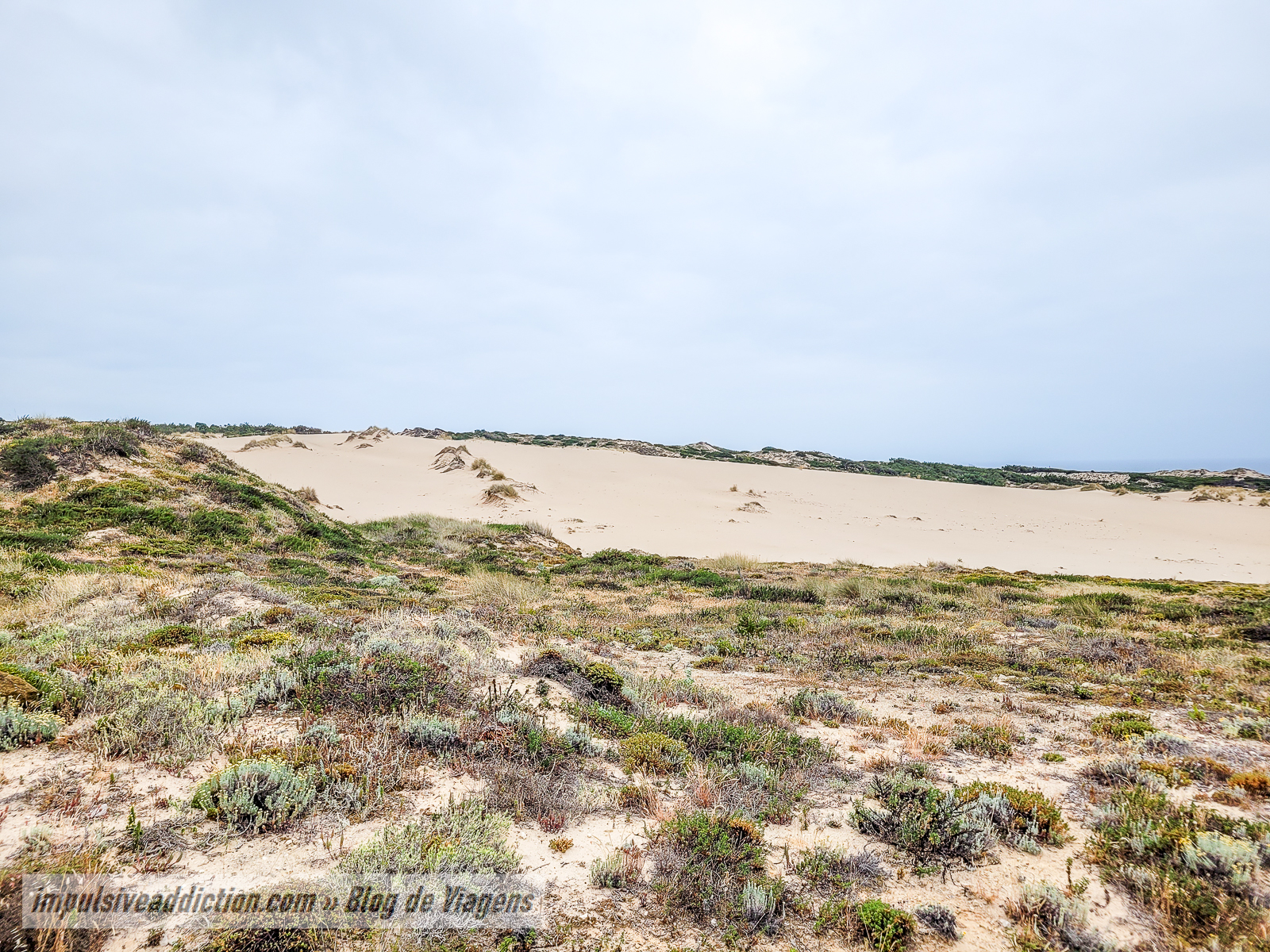
34. Praia da Água Doce
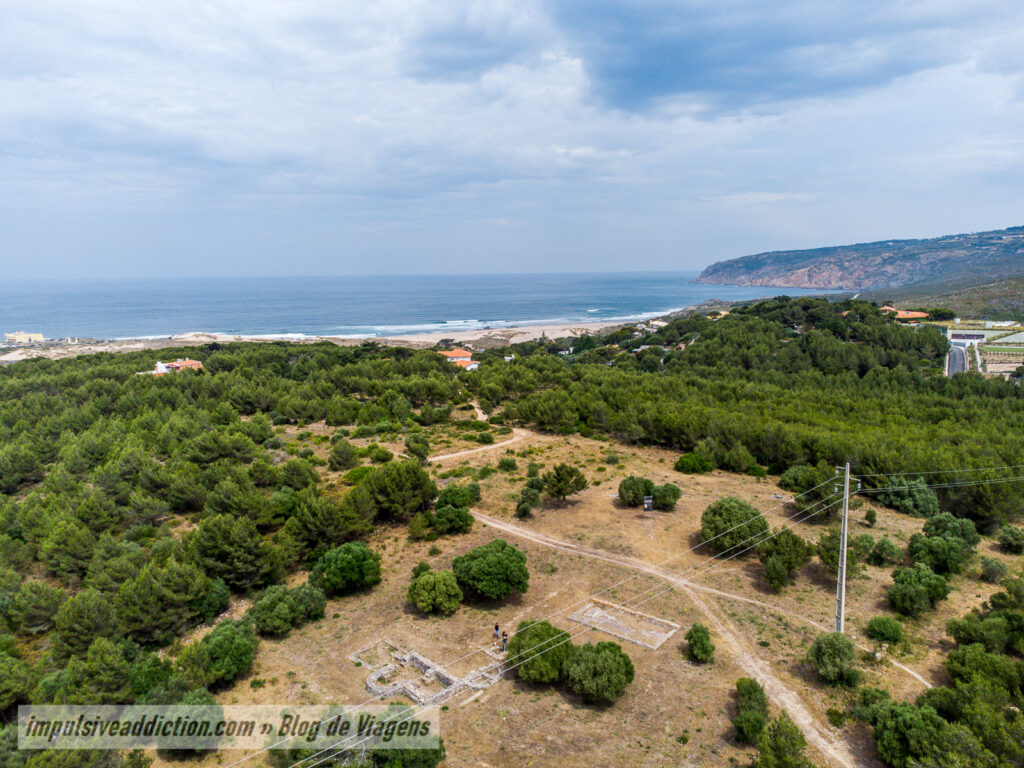
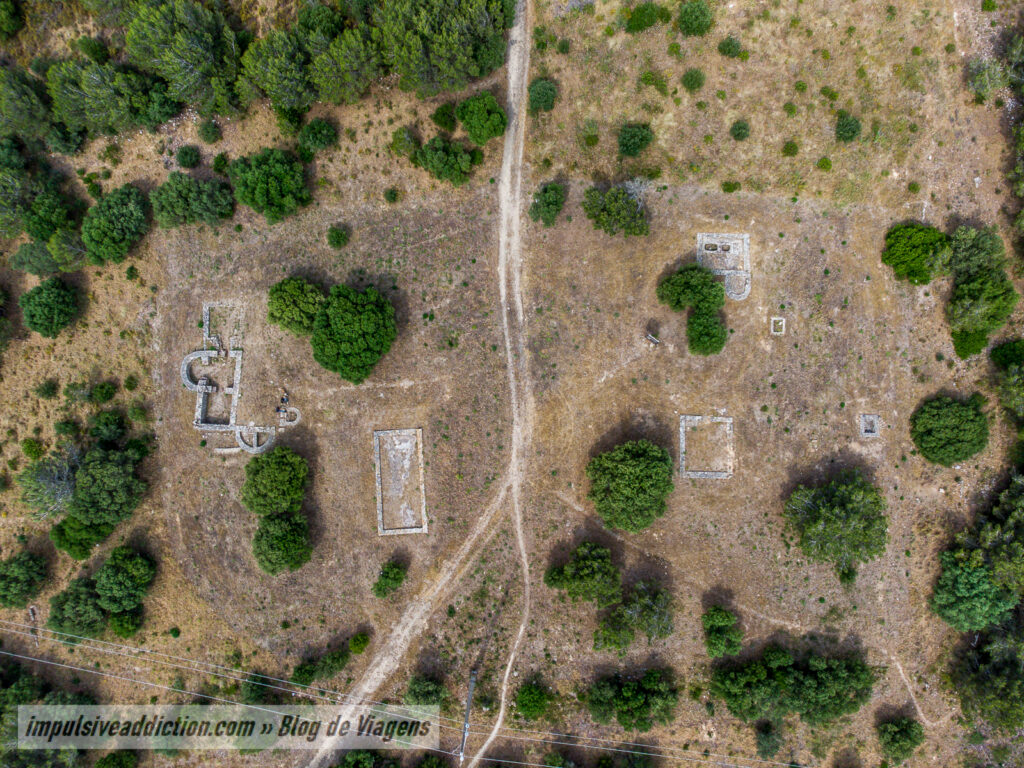
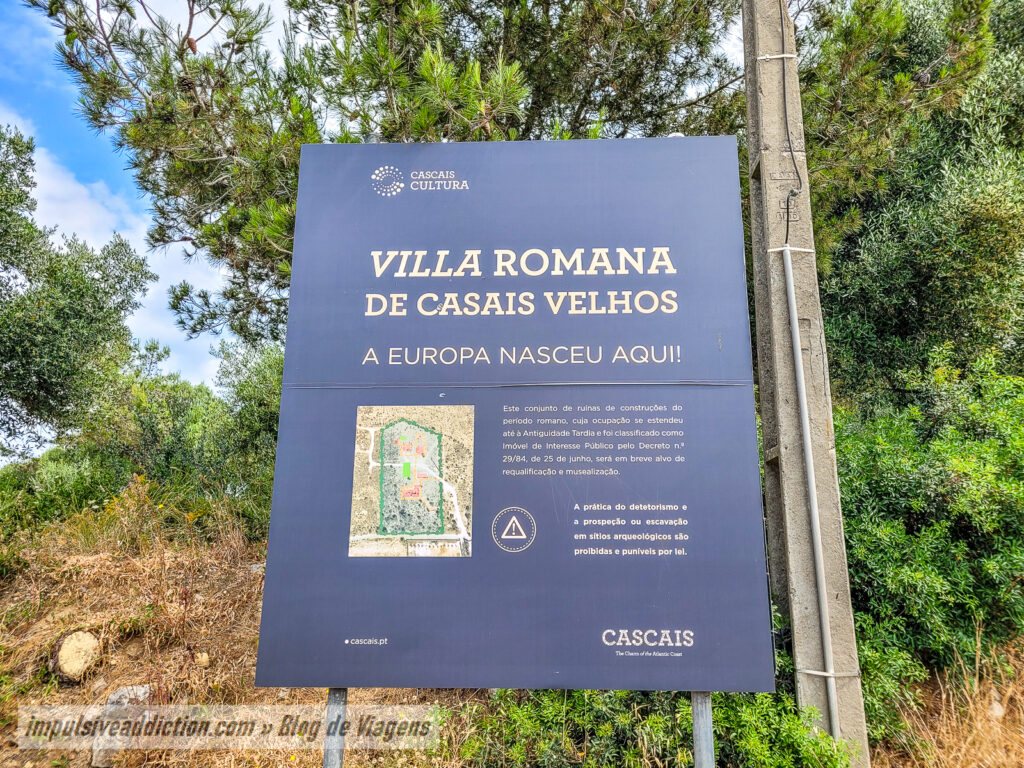
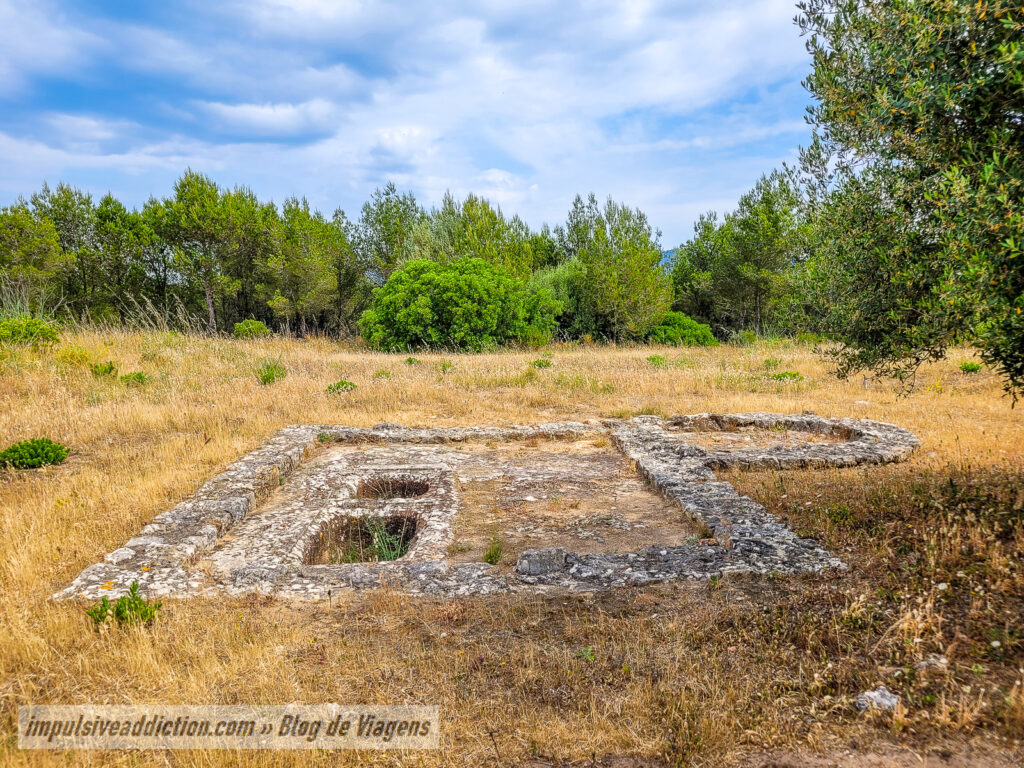
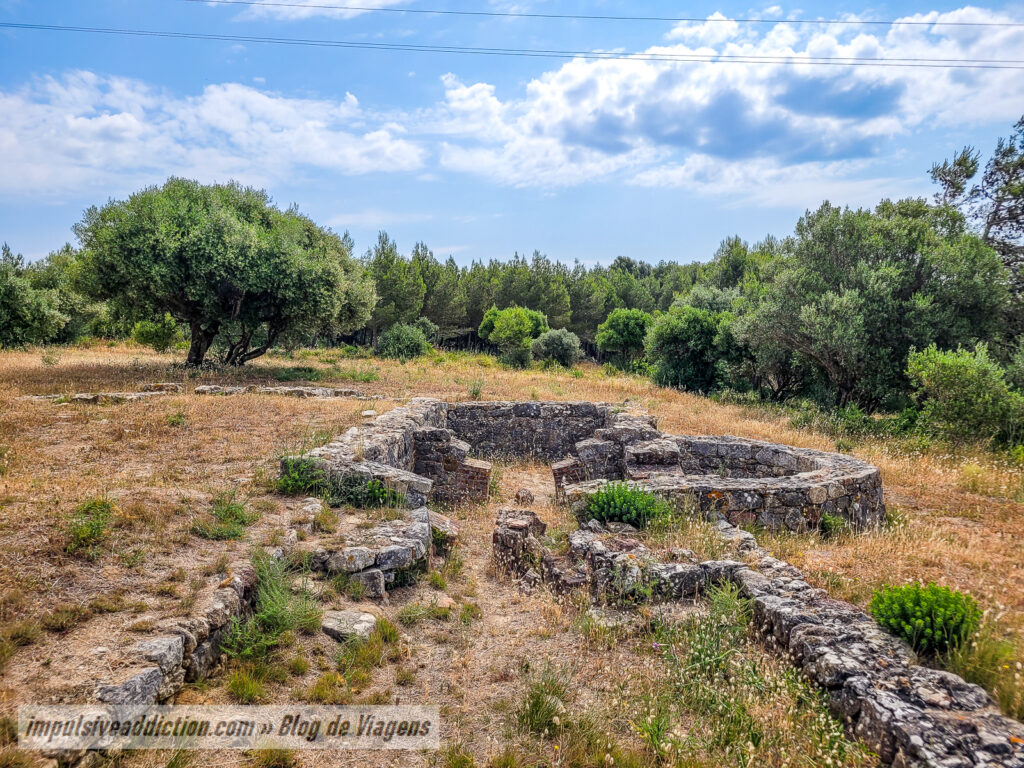
35. Roman Ruins of Casais Velhos
To wrap up your visit to the parish of Cascais, why not make a quick stop at the Roman ruins of Casais Velhos? It’s totally optional, but if you decide to take this detour, here’s a fun fact: these ruins date back to the 3rd to 6th centuries AD. The highlight of the site is the thermal bath complex, which includes a caldarium (room for hot baths), a frigidarium (room for cold baths), and a tepidarium (the warm room that served as a transition between the hot and cold baths).
Visit Estoril
Now entering the parish of Estoril. Below are the main tourist highlights worth visiting:
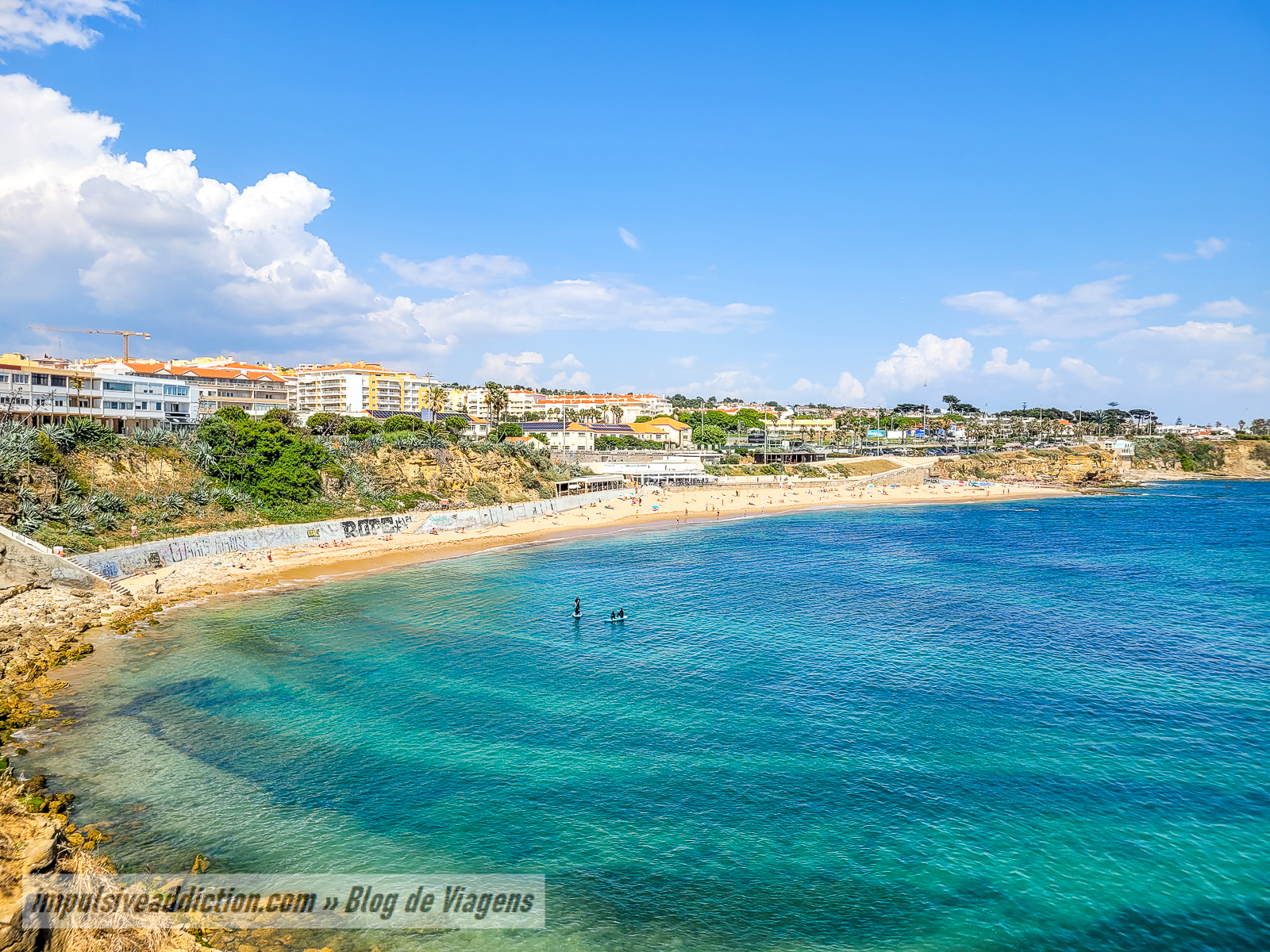
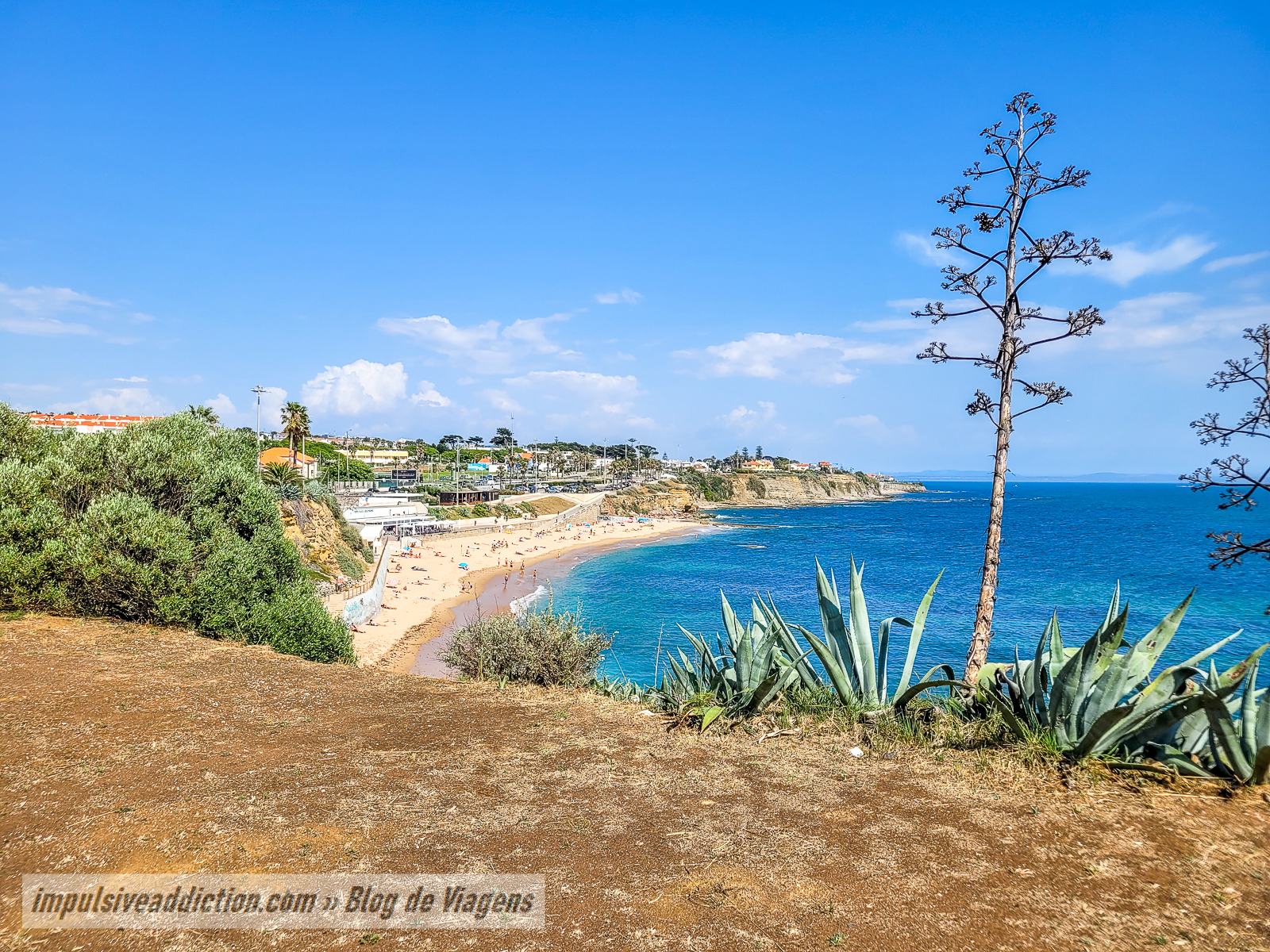
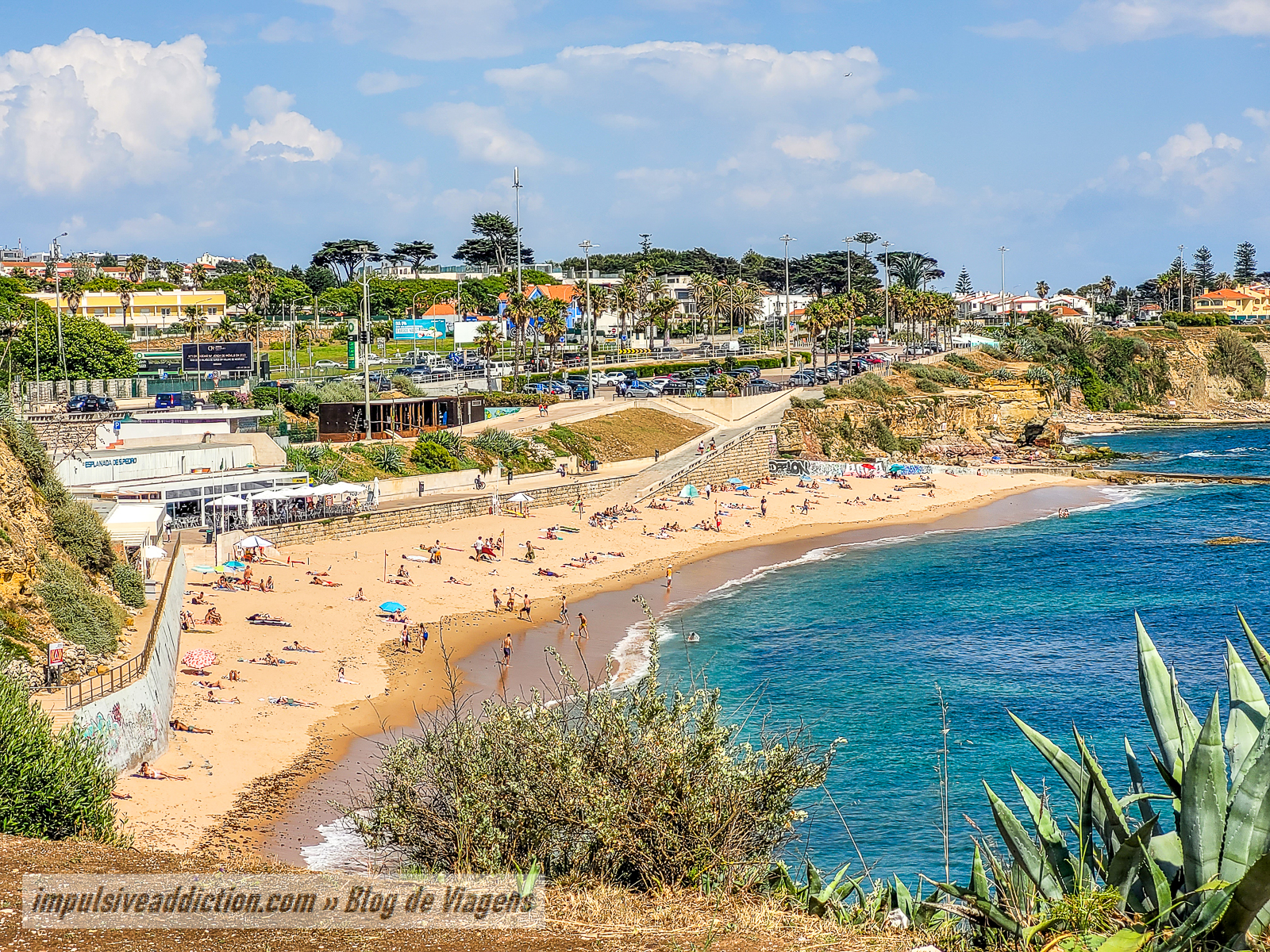
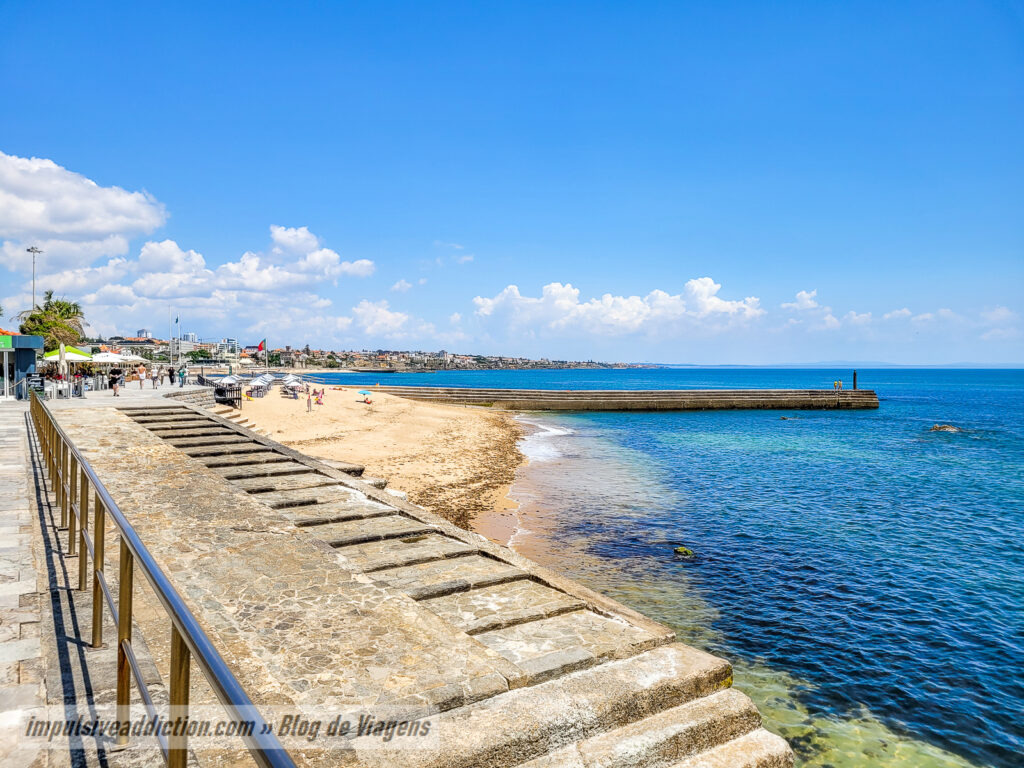
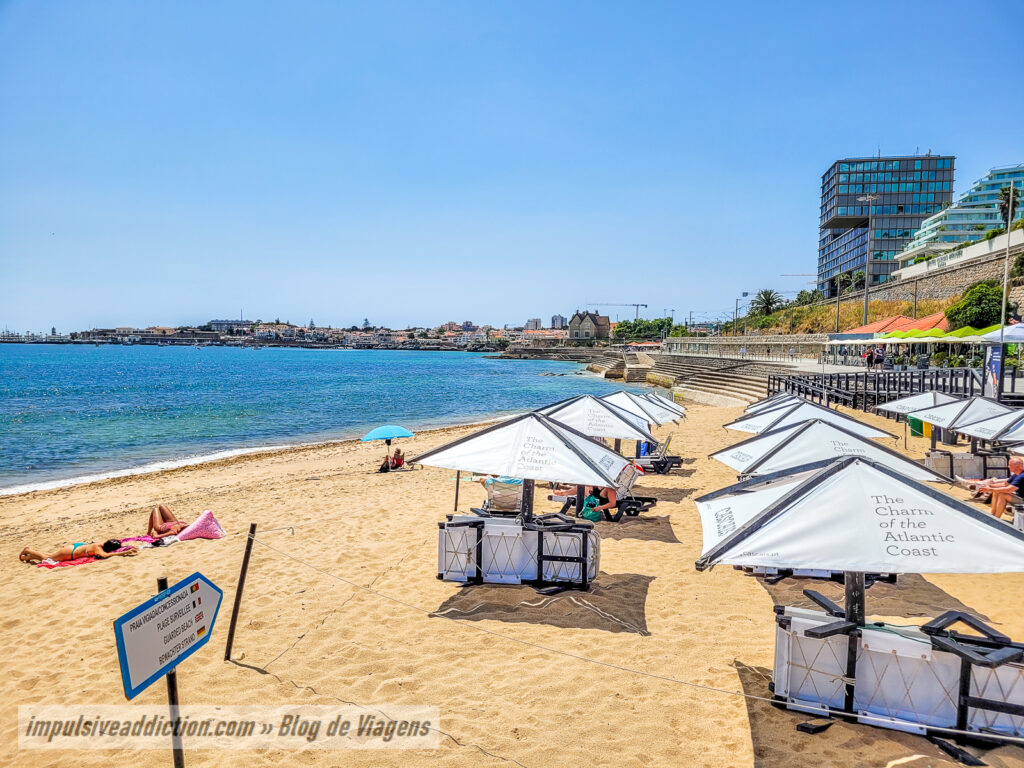
- Estoril Beaches: Already mentioned in another article on this blog—check it out for details. In short, they include São Pedro do Estoril Beach, Azarujinha Beach, Poça Beach, Tamariz Ocean Pool, Tamariz Beach, and Moitas Beach.
- The Cascais Seafront Promenade: Starting at Duquesa Beach and ending at Azarujinha Beach—also mentioned earlier in this guide. 😉
- Pedra do Sal Natural Amphitheatre: A fossil-rich site with a dedicated environmental interpretation center. You can download a detailed field guide using the link provided.
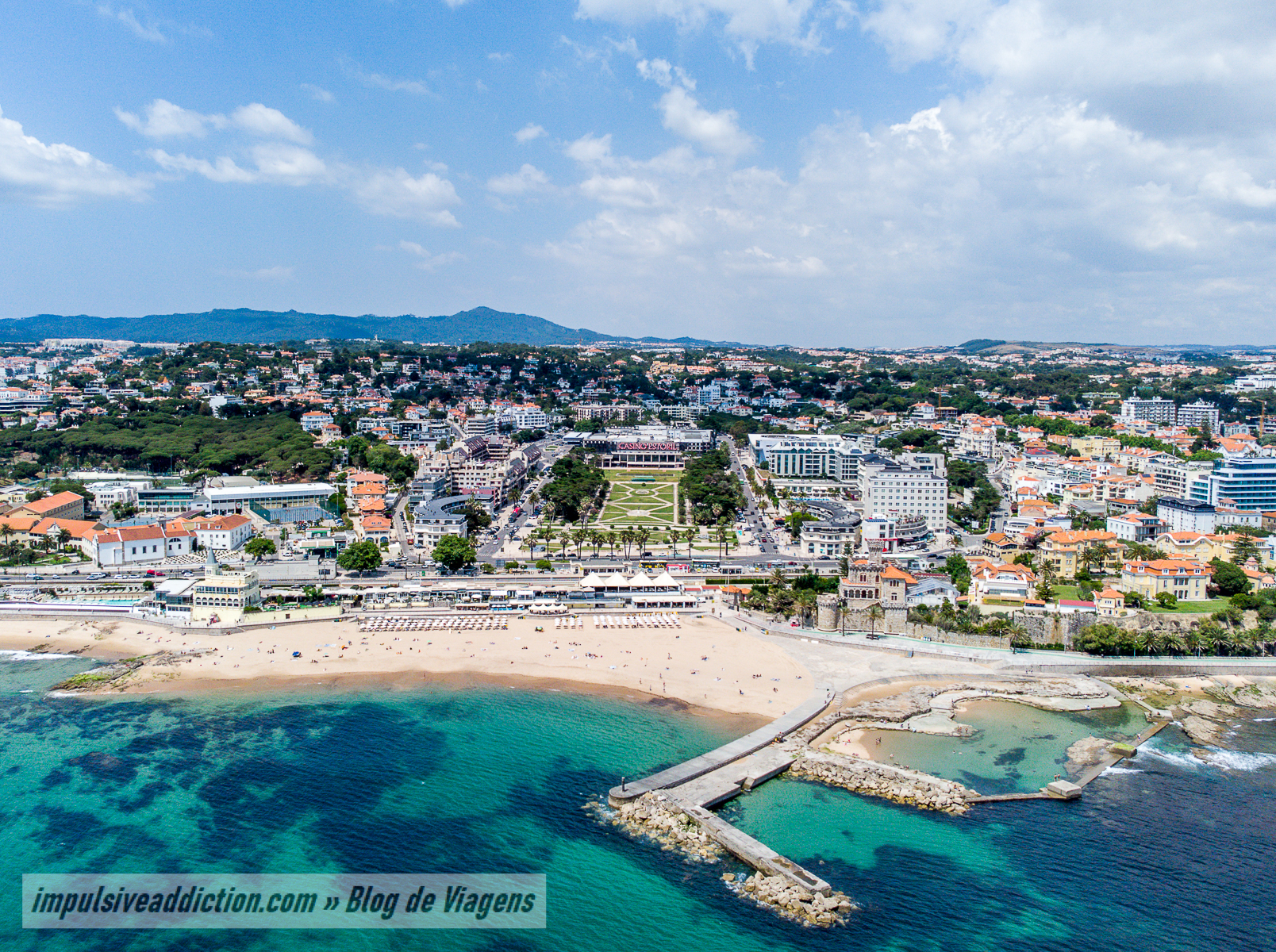
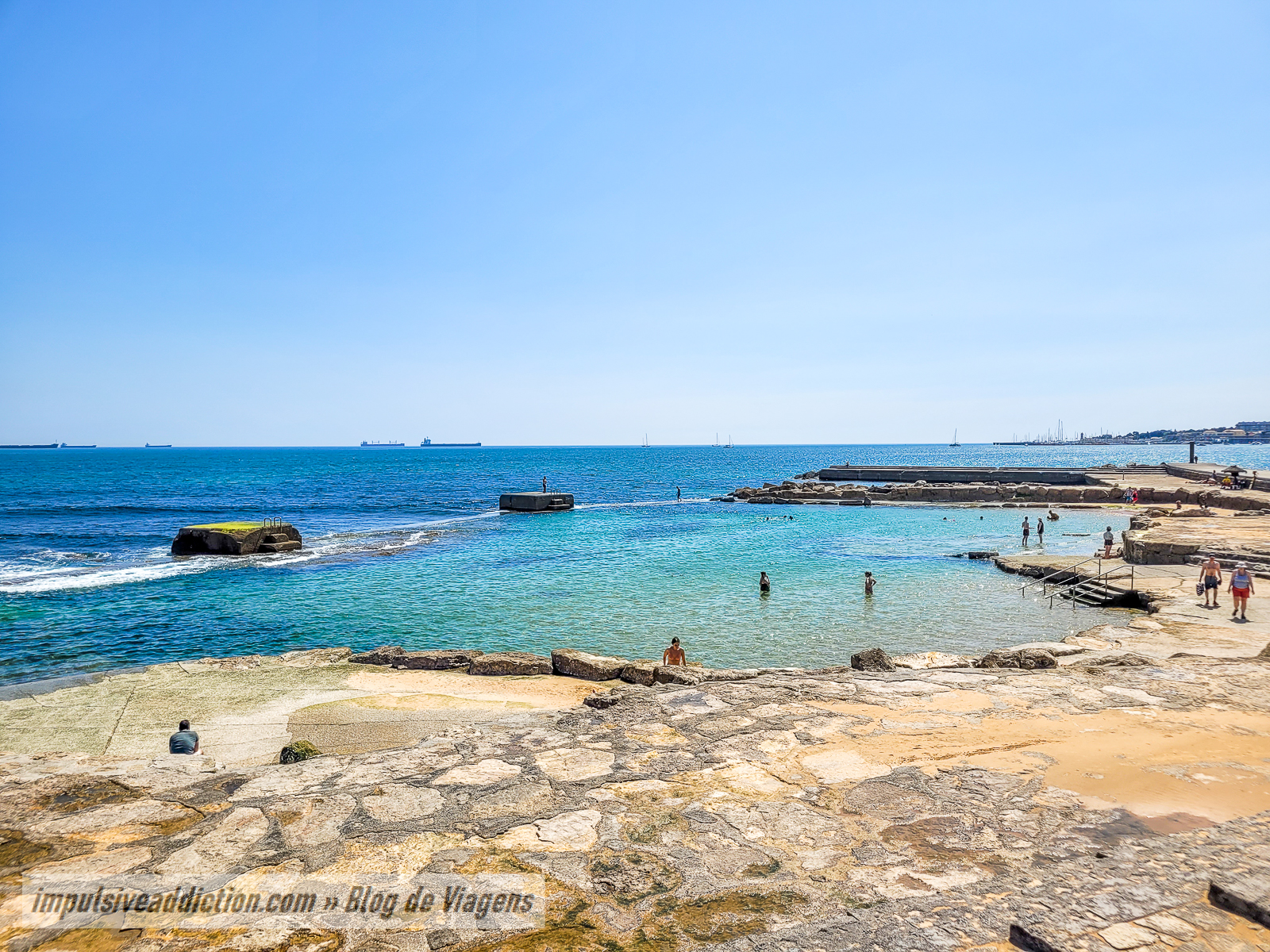
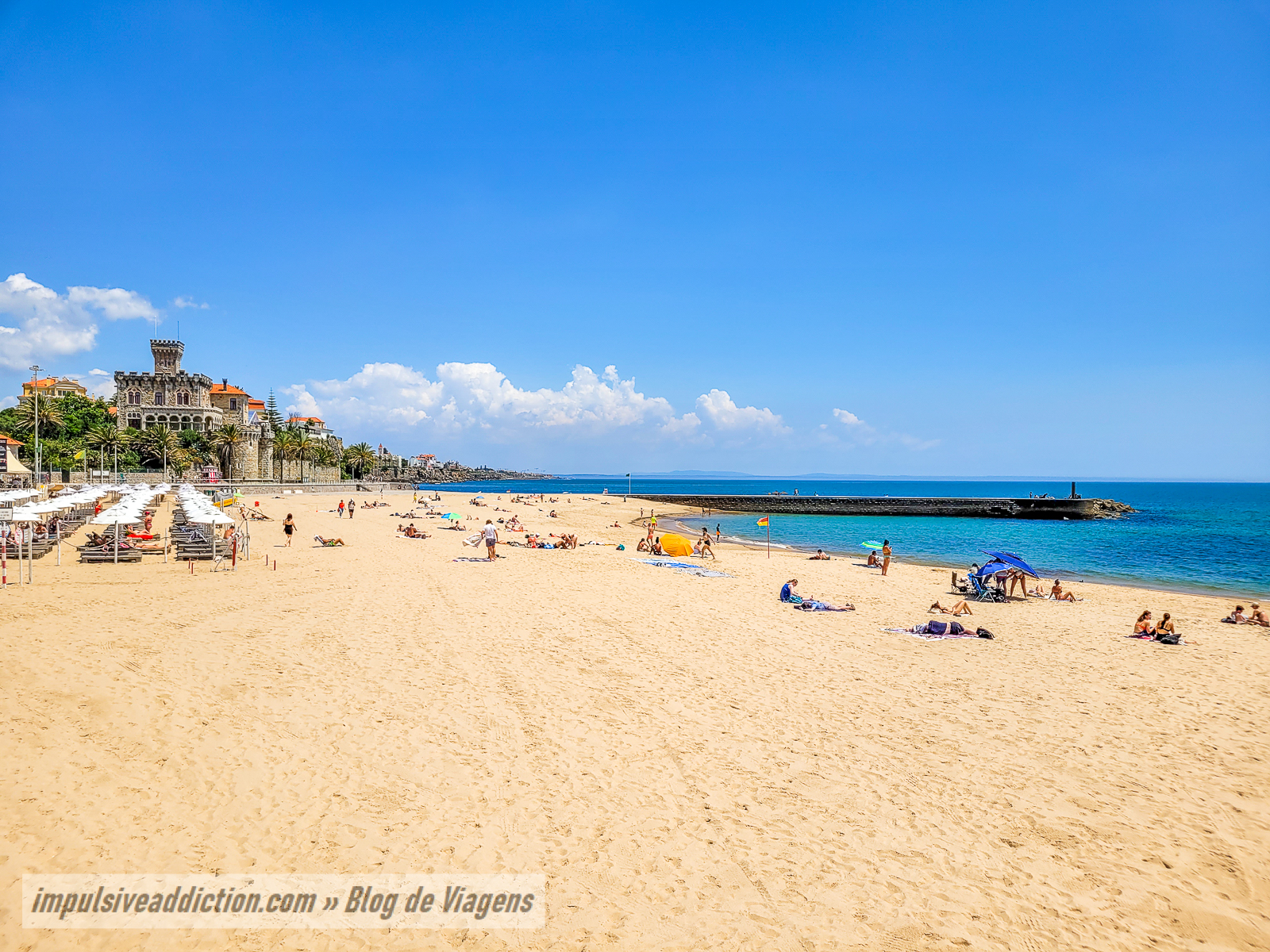
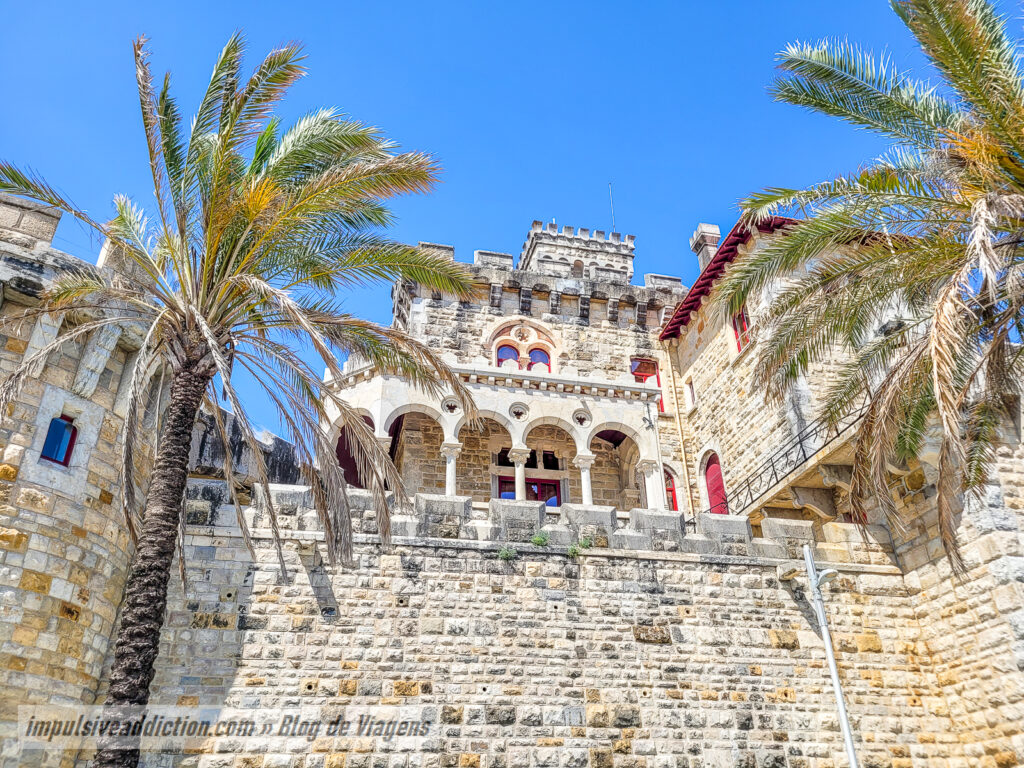
- Forte da Cruz: Located beside Tamariz Beach, this castle-like fort was built over the ruins of a 17th-century stronghold that once defended the entrance to the Tagus River. It’s now used for private events (like weddings!) and is not open to public visits.
- Church of Santo António do Estoril: Originally built in the 16th century by the Order of St. Francis on the site of an old hermitage dedicated to St. Roch.
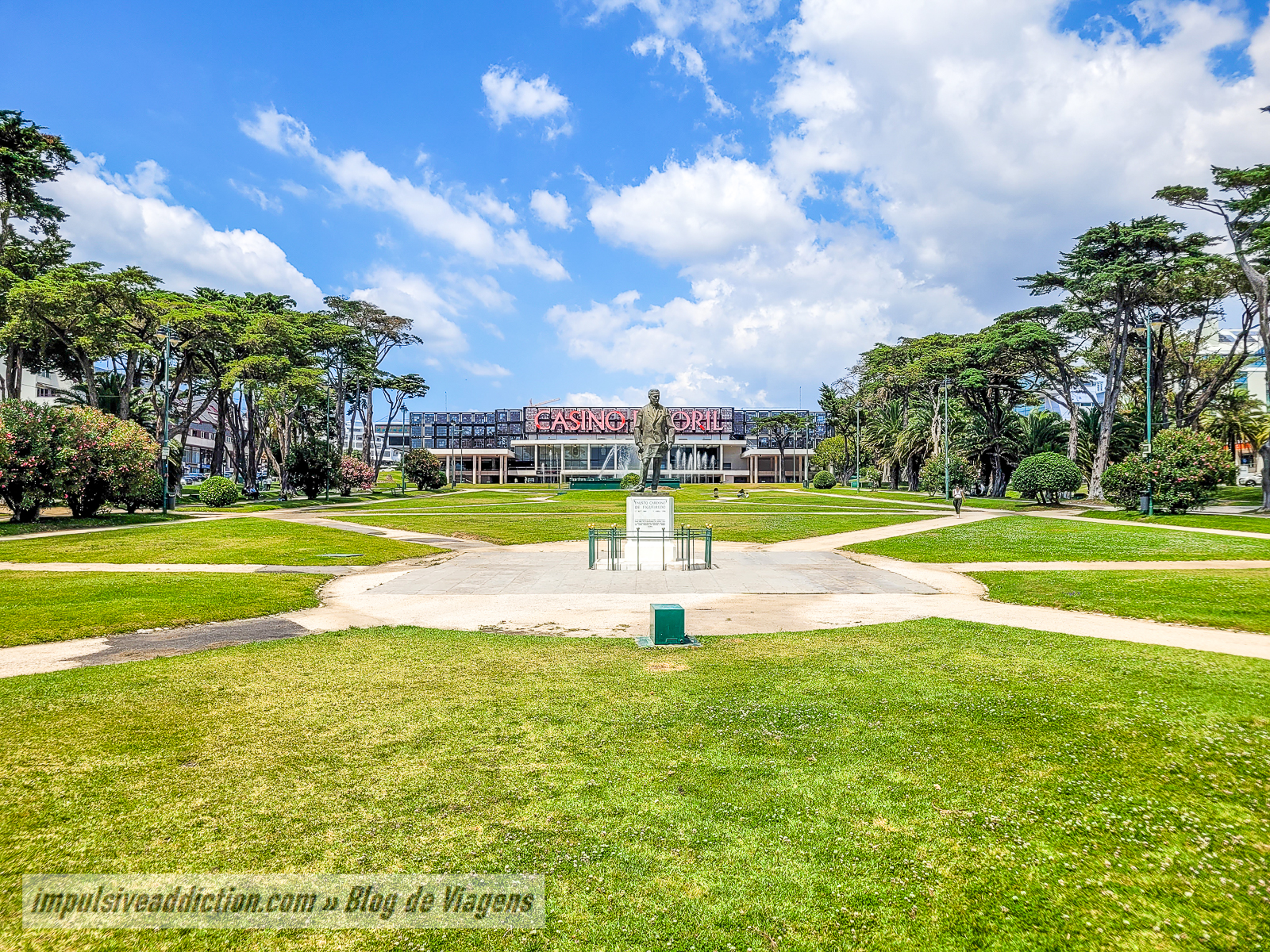
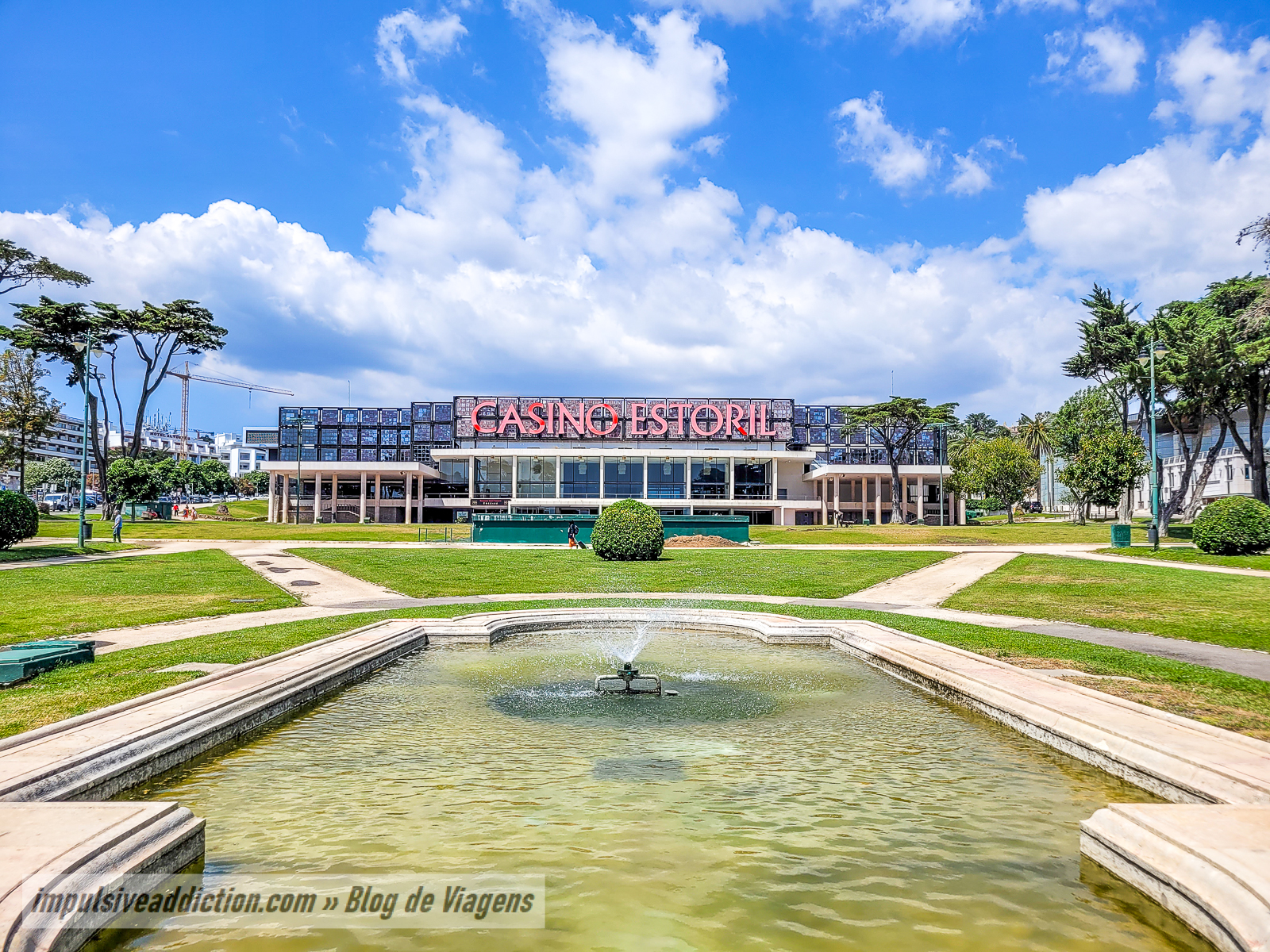
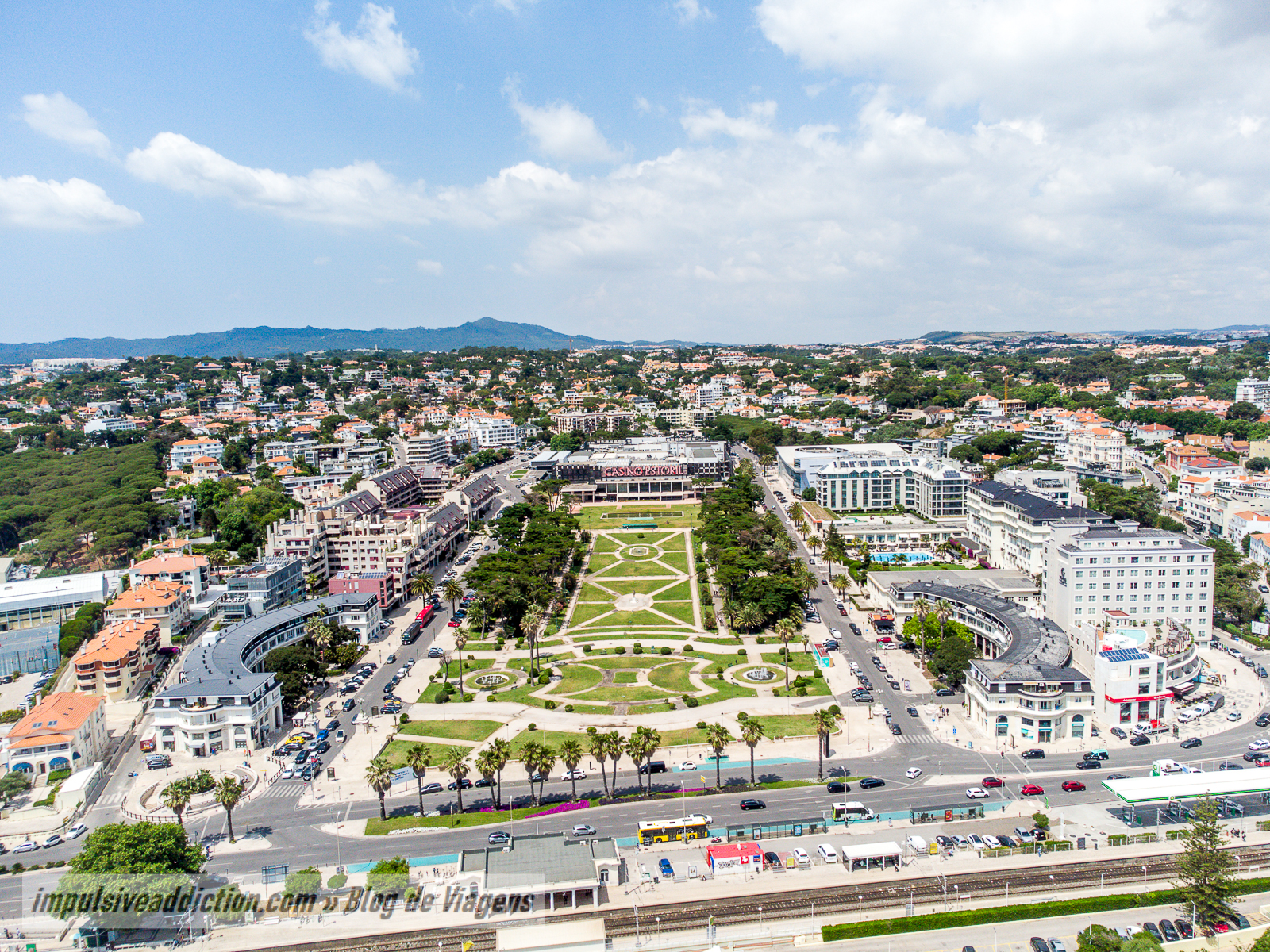
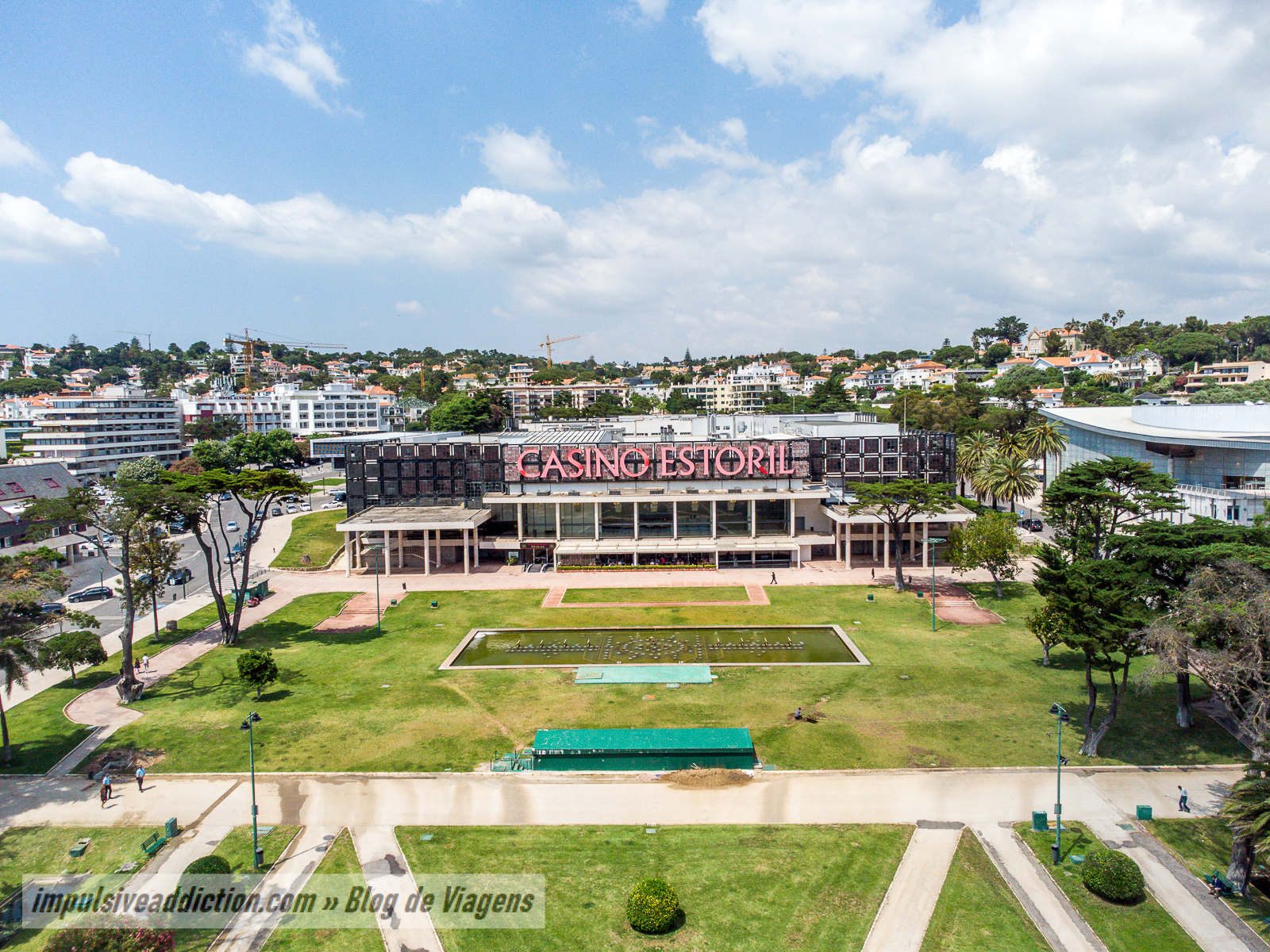
- Casino Estoril: Europe’s largest and oldest casino. For visitor information, event schedules, and gaming regulations, check the official website. Although it officially opened in 1931, gambling in Estoril dates back to the late 19th century, and the casino’s foundation stone was laid in 1916.
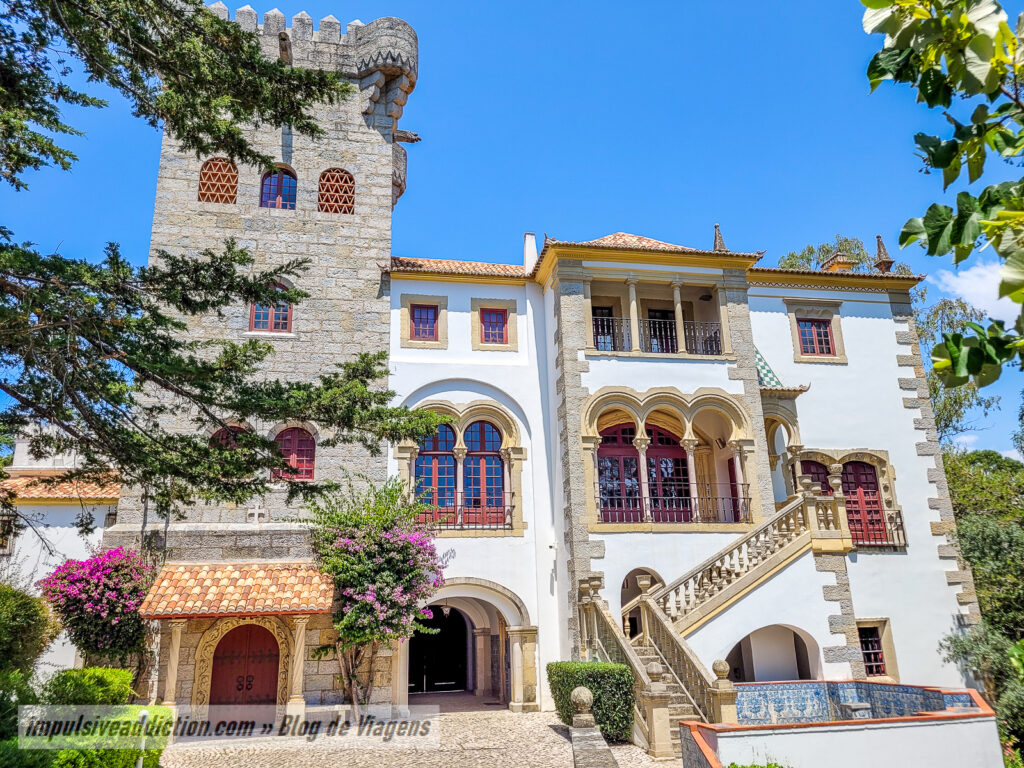
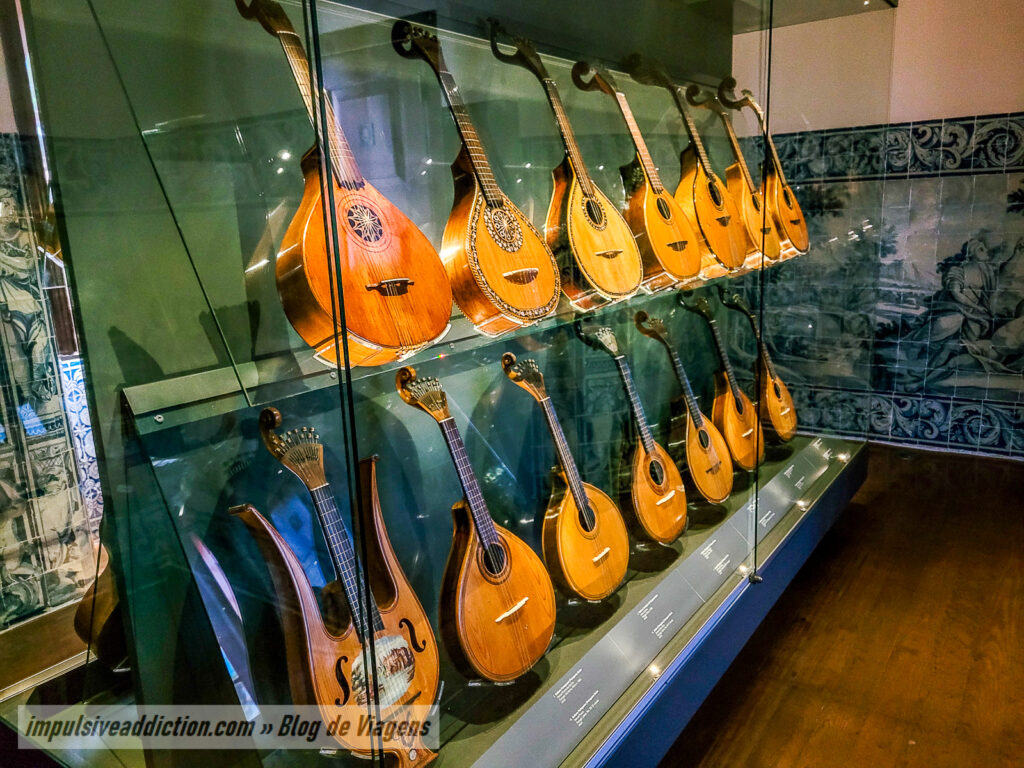
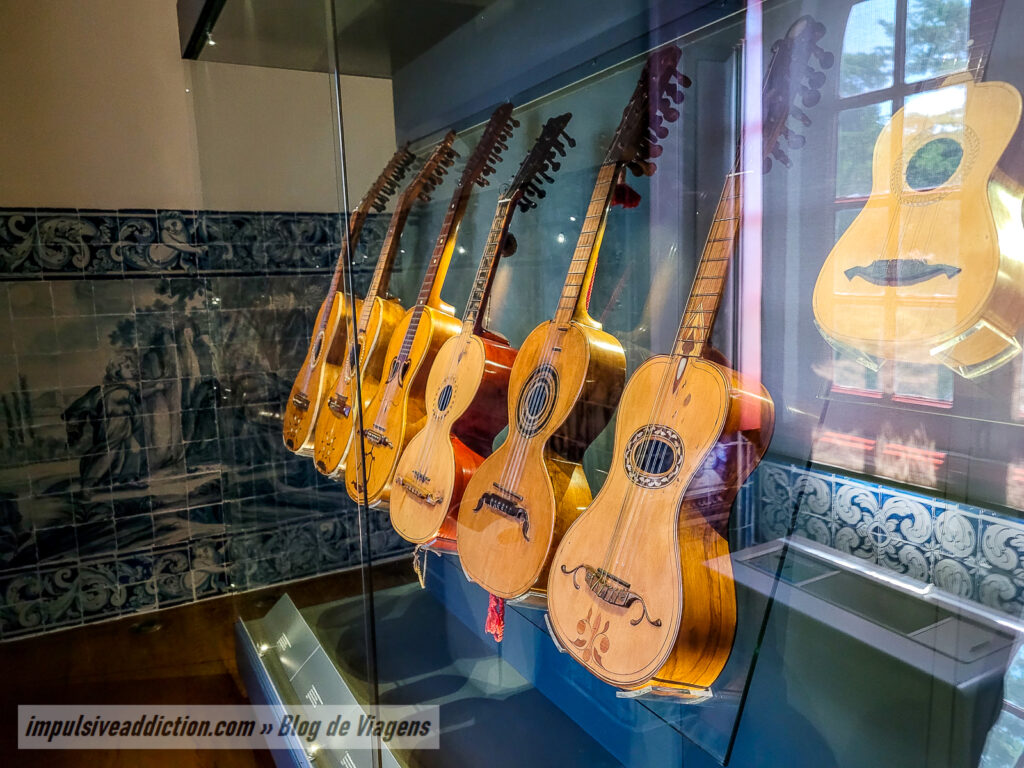
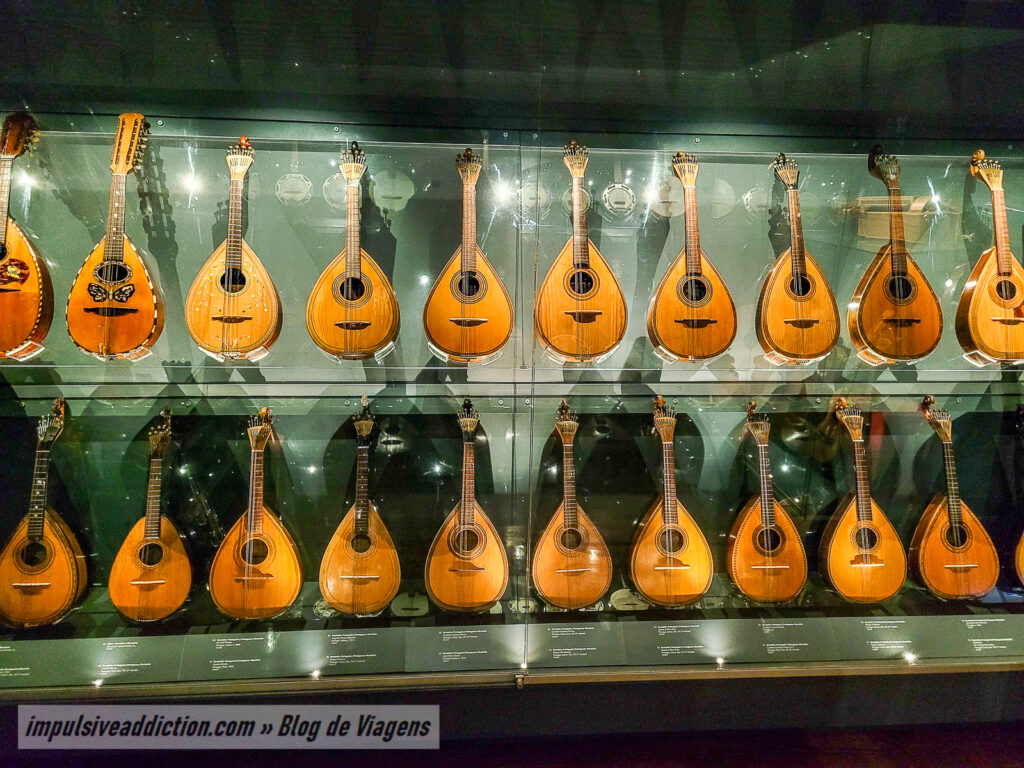
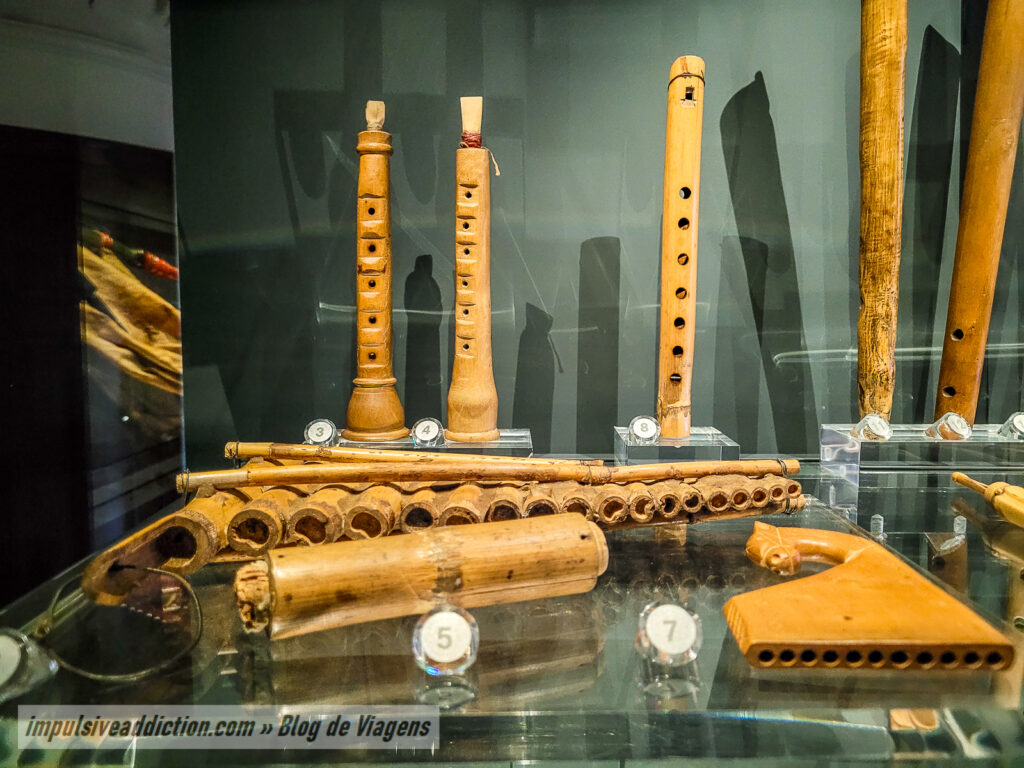
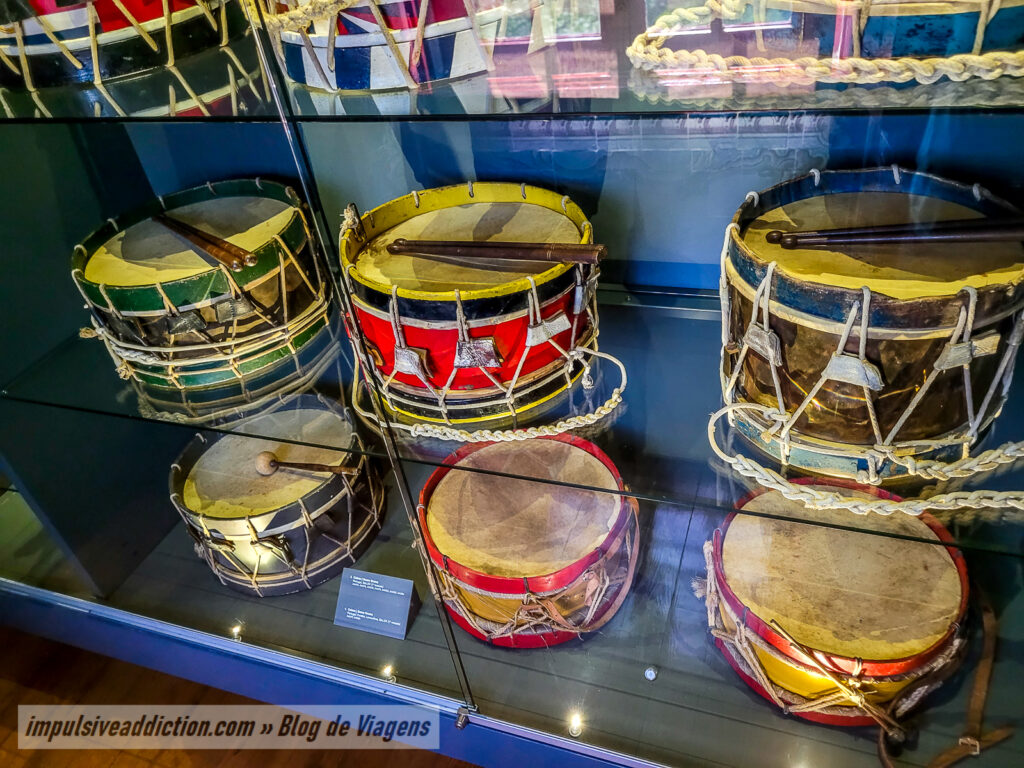
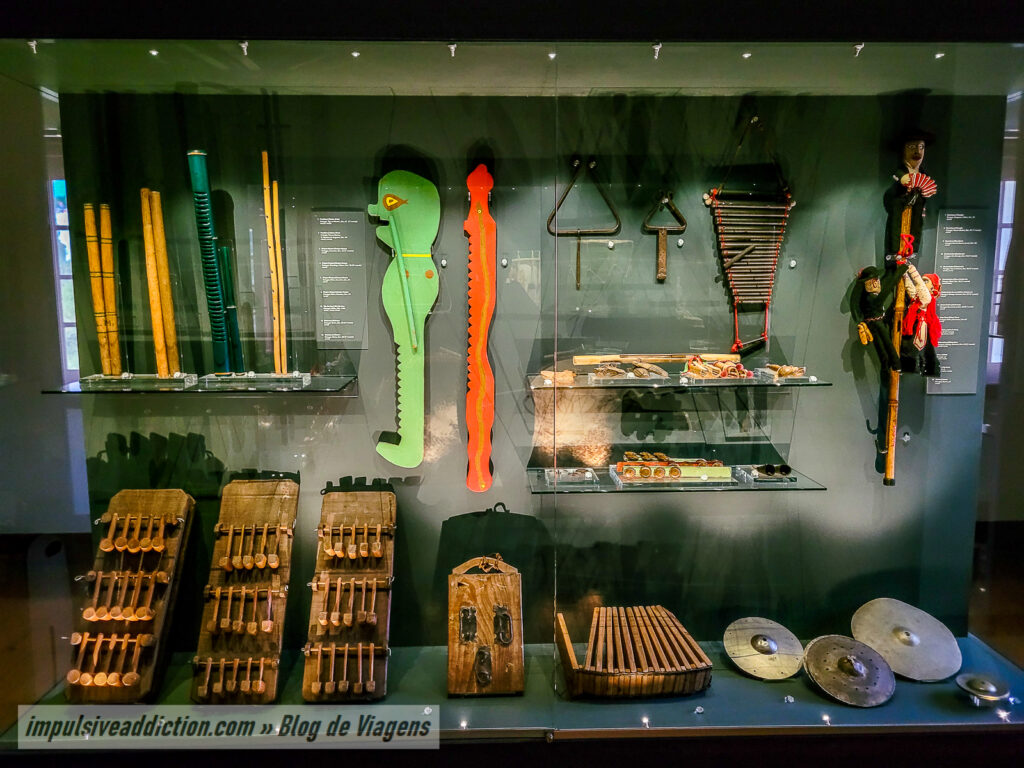
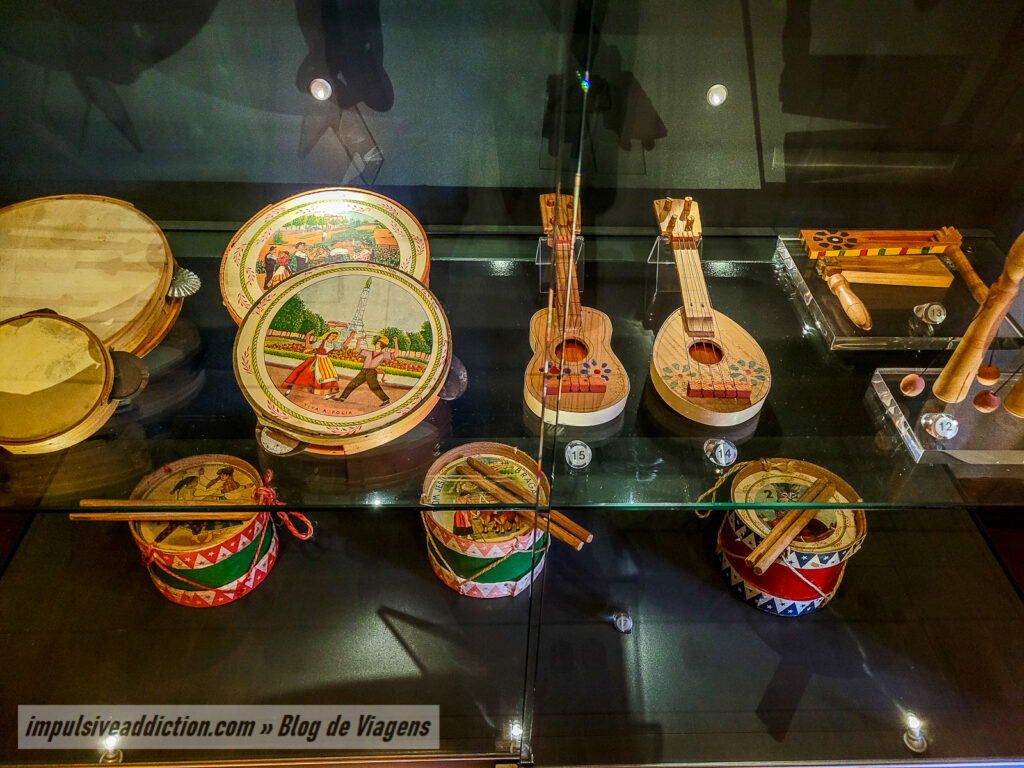
- Museum of Portuguese Music: Housed in the stunning Verdades Faria estate, commissioned in 1918 by Jorge O’Neill and designed by architect Raul Lino. The collection features traditional Portuguese musical instruments and a beautifully preserved building.
- Bosque dos Gaios: A peaceful green space in the heart of Estoril, perfect for a nature walk—though it’s entirely optional.
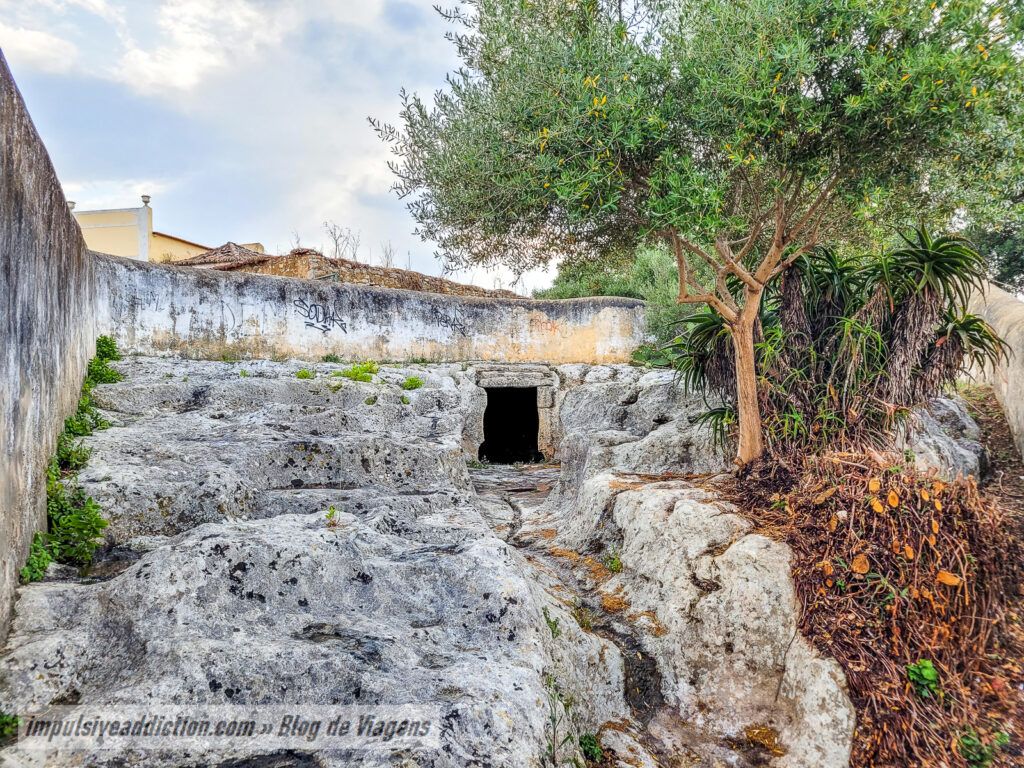
- Alapraia Prehistoric Necropolis: Comprising four man-made limestone caves, likely excavated using only polished stone tools. These burial sites were in use from the late 4th millennium BC into the Bronze Age. Artifacts from the site are on display at the Cascais Municipal Museum.
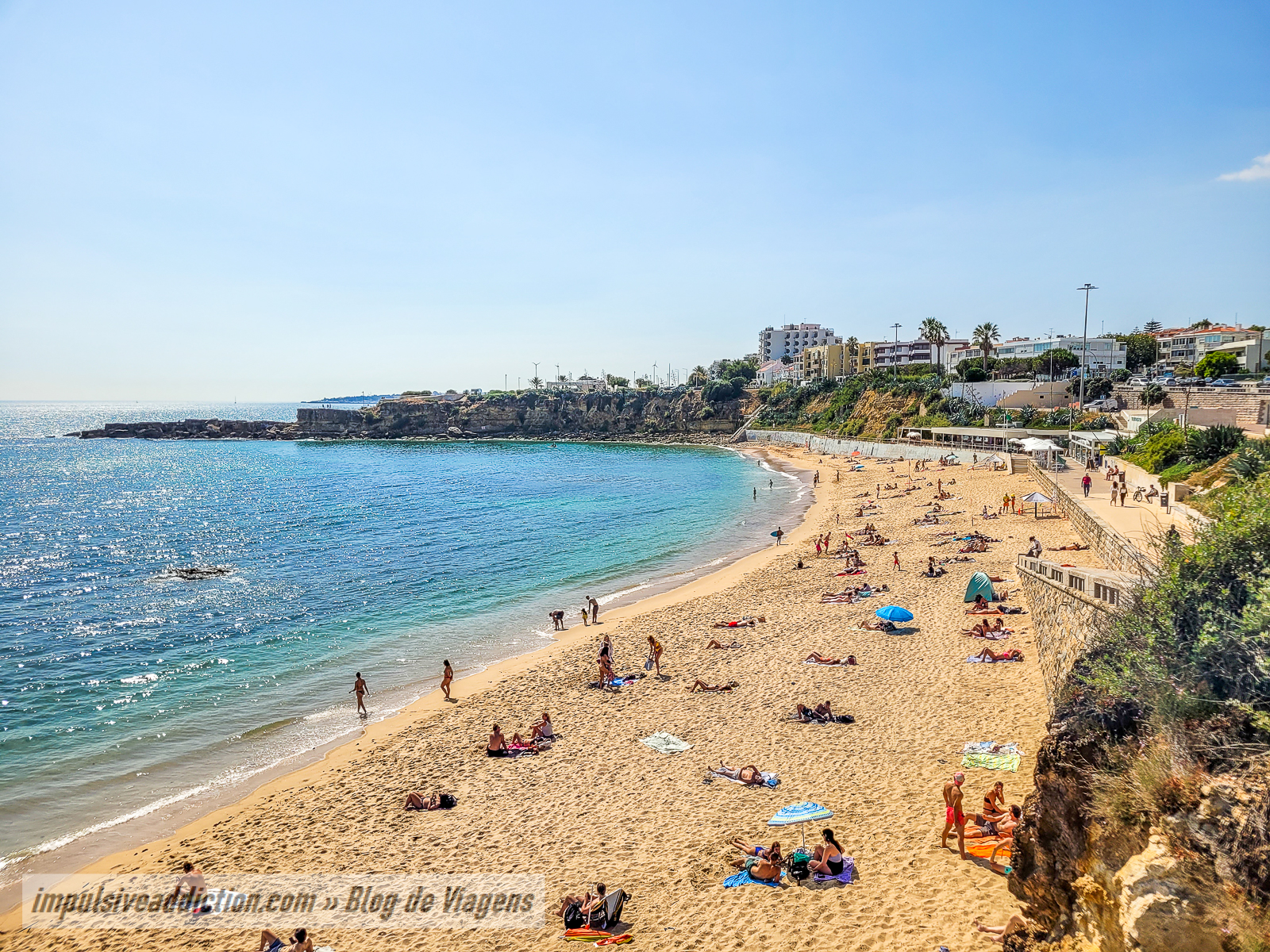
1. Praia de São Pedro do Estoril

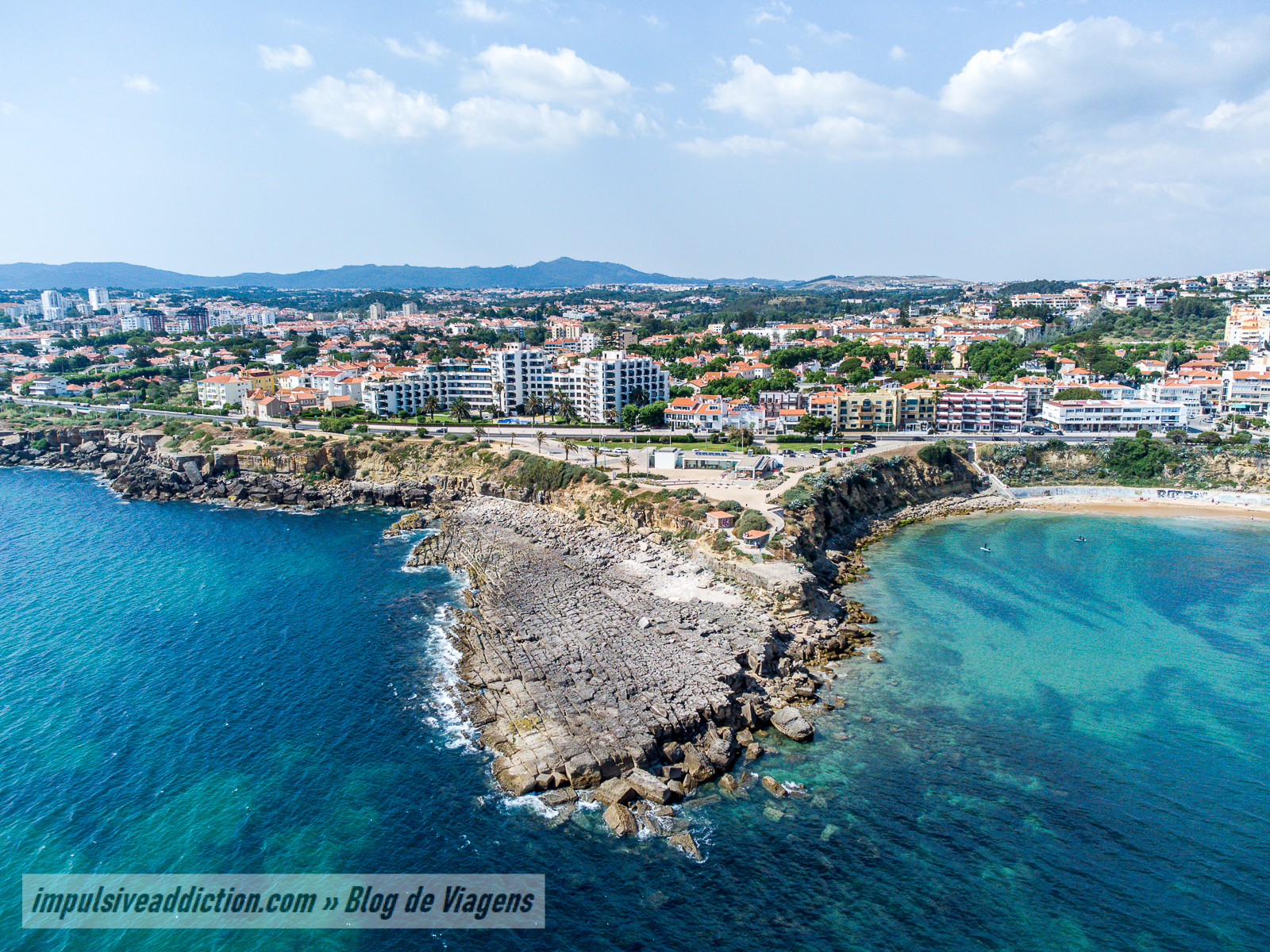
2. Pedra do Sal Natural Amphitheatre
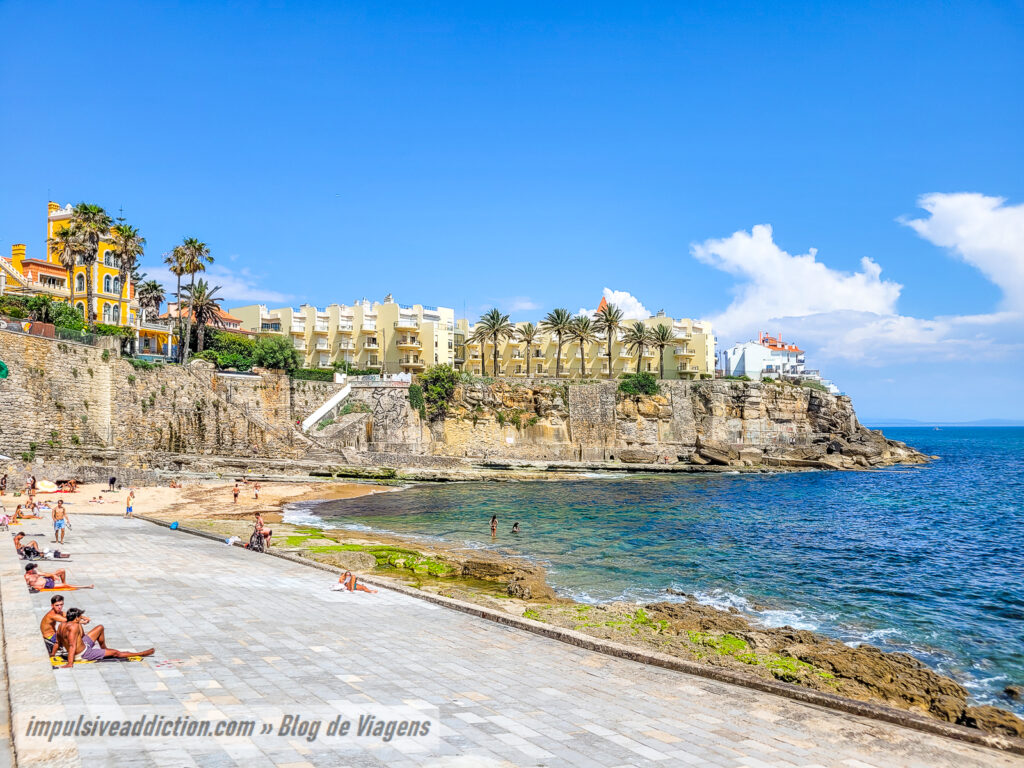
3. Praia da Azarujinha
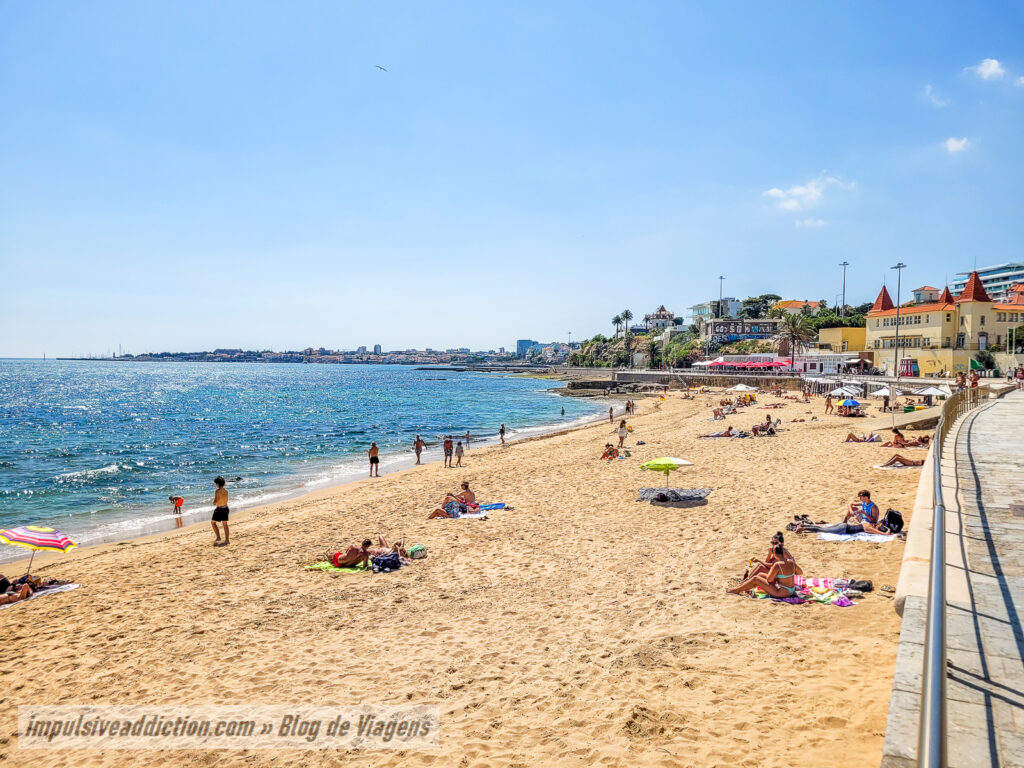
4. Praia da Poça

5. Praia de Tamariz + Ocean pool
6. Forte da Cruz
Existem outros fortes perto das praias anteriores, mas não os mencionei. verificar se vale a pena.
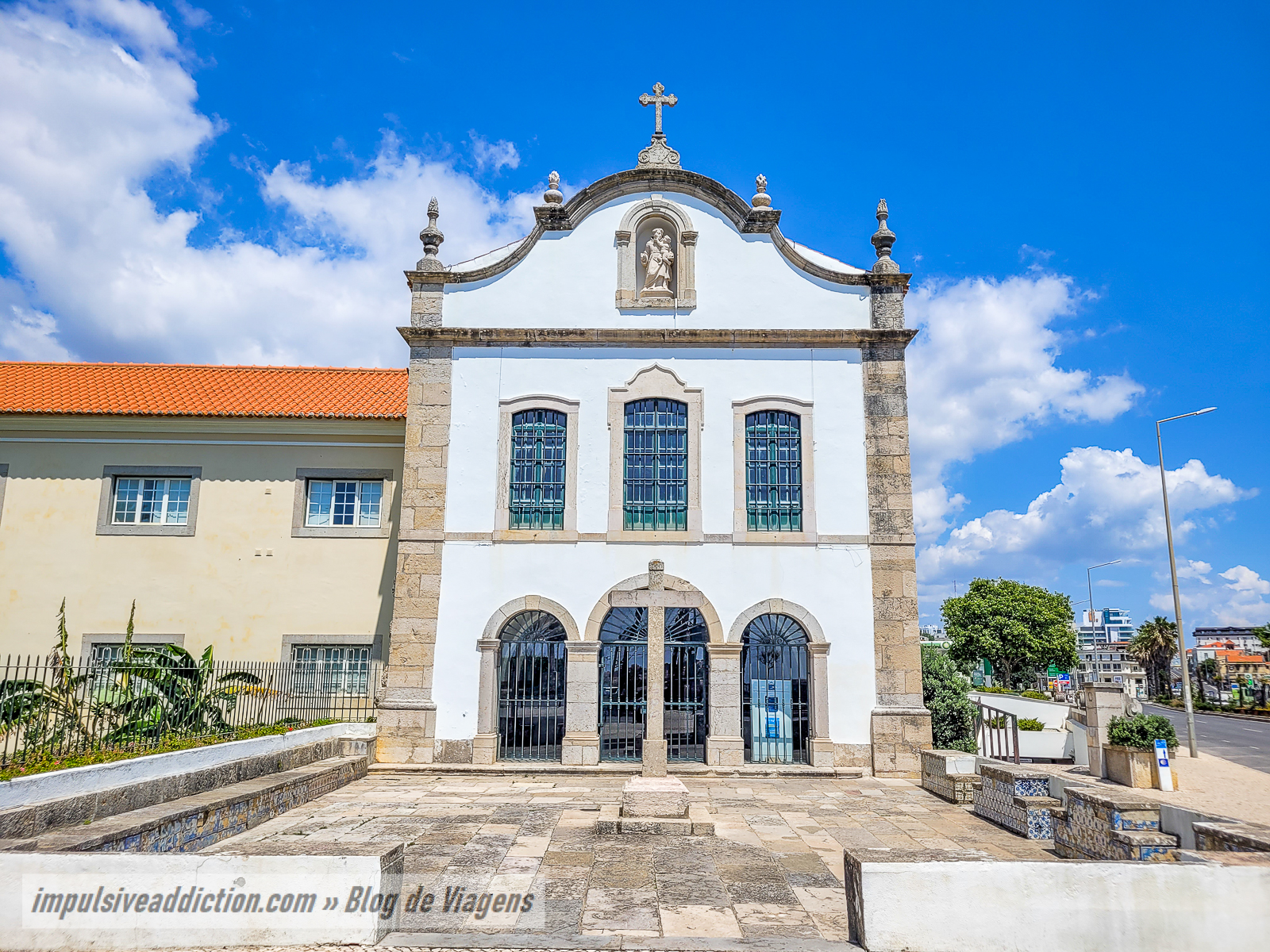
7. Church of Santo António do Estoril
8. Casino Estoril
9. Praia das Moitas
10. Museum of Portuguese Music
11. Bosque dos Gaios
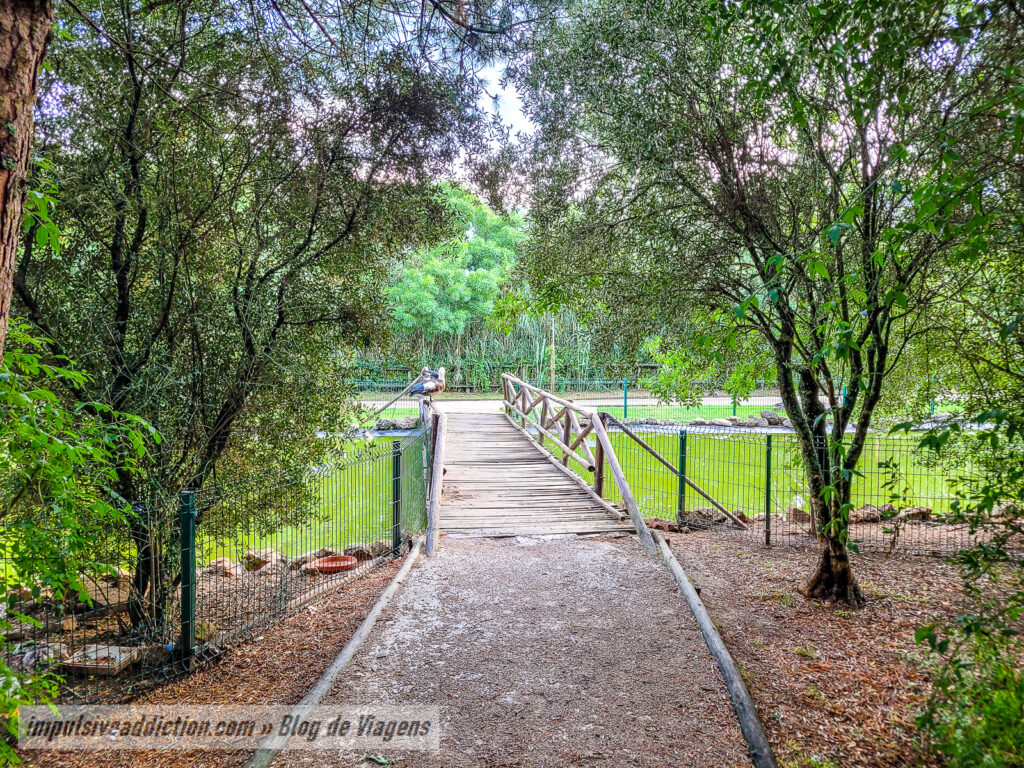
12. Alapraia Prehistoric Necropolis
Visit Carcavelos
Next stop: Carcavelos! What to see? Here are the highlights:
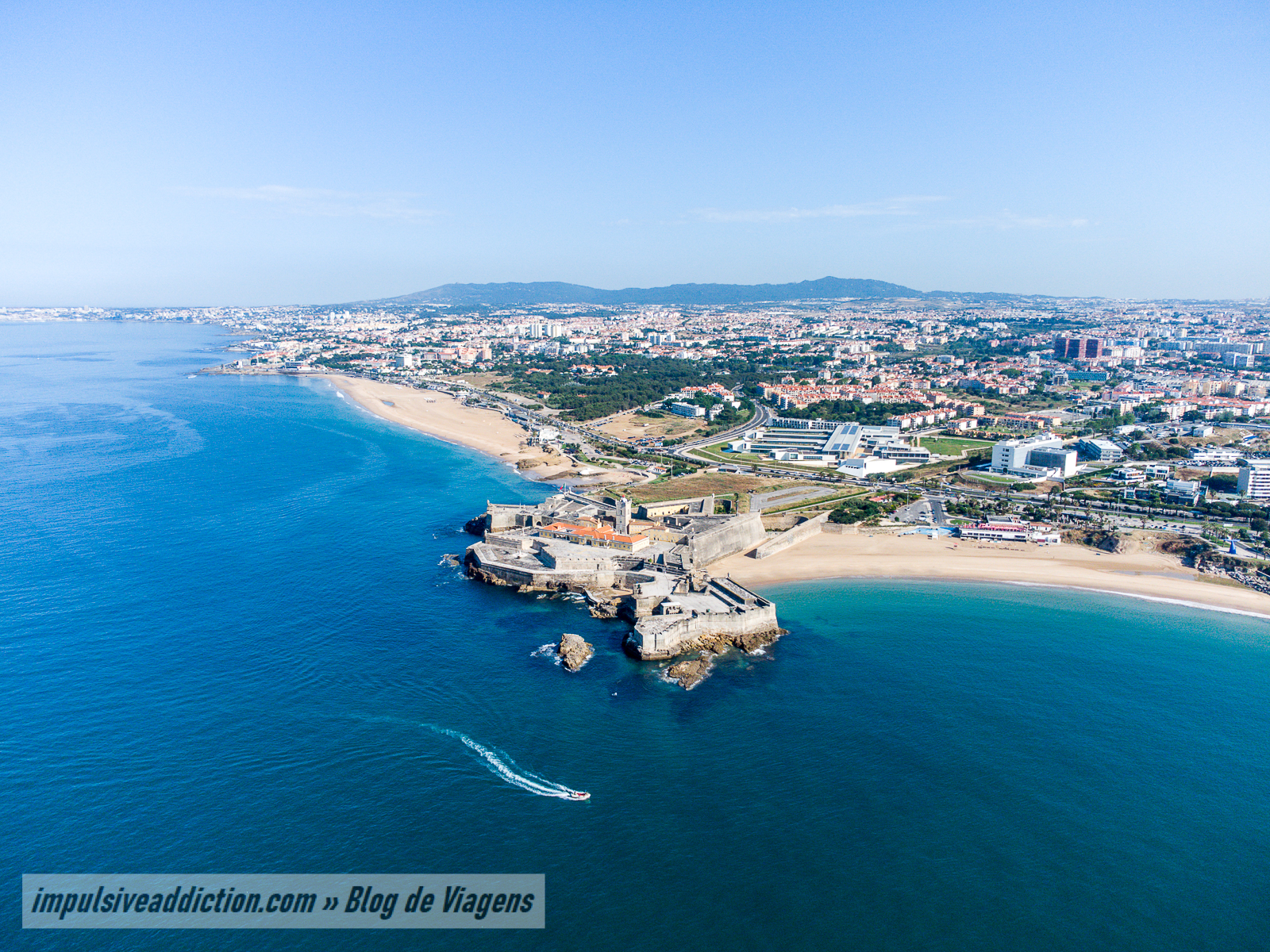
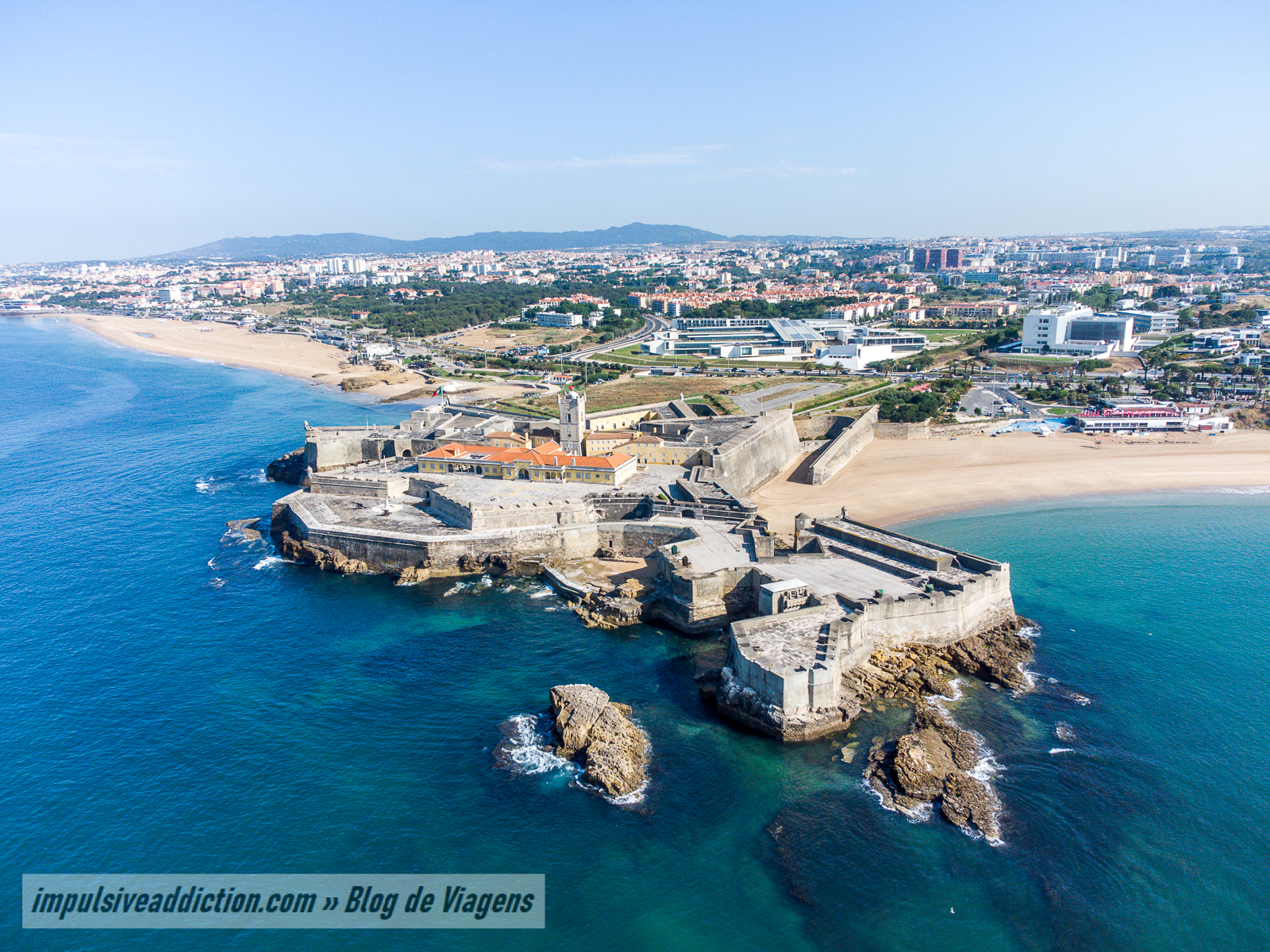
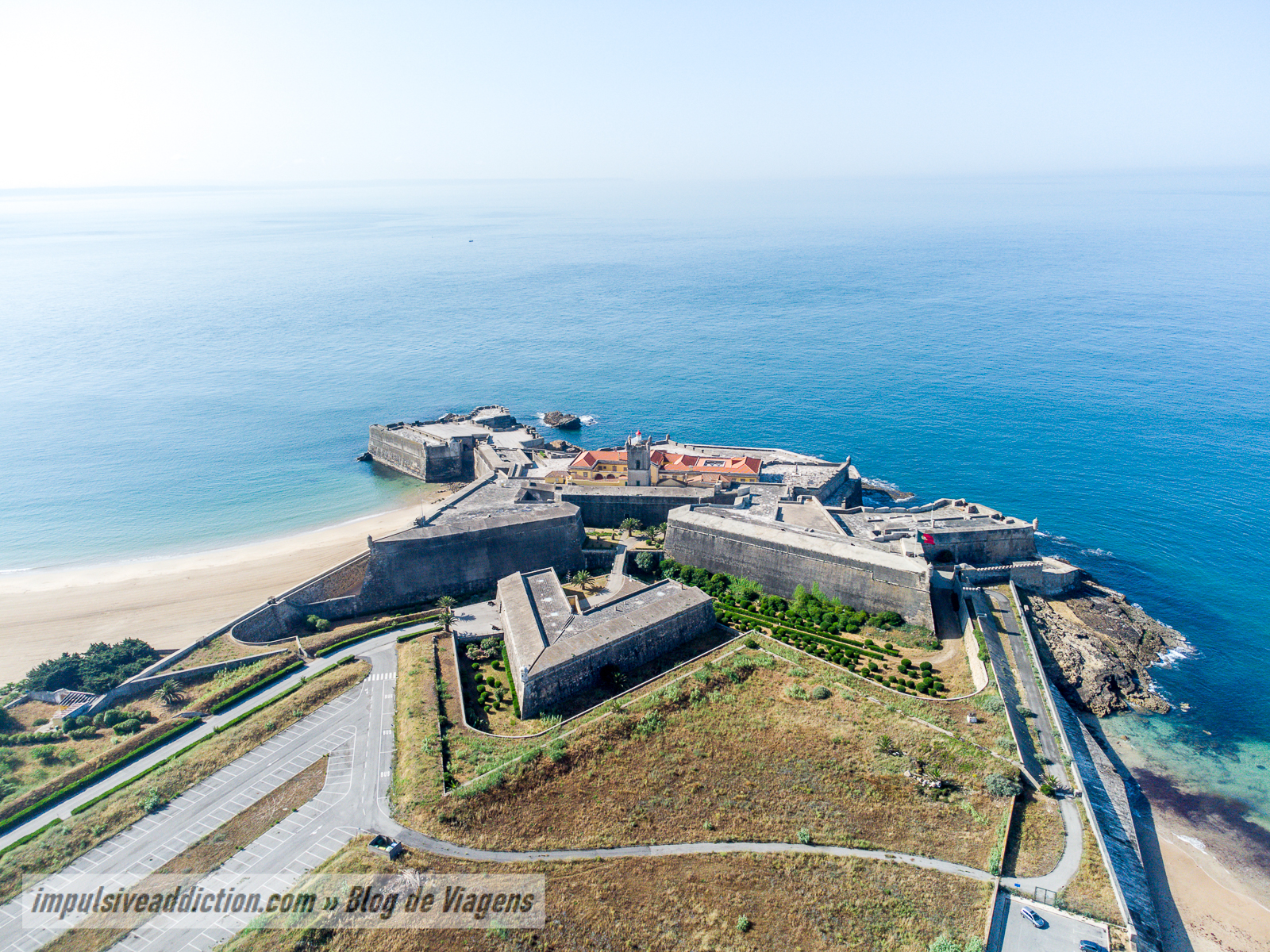
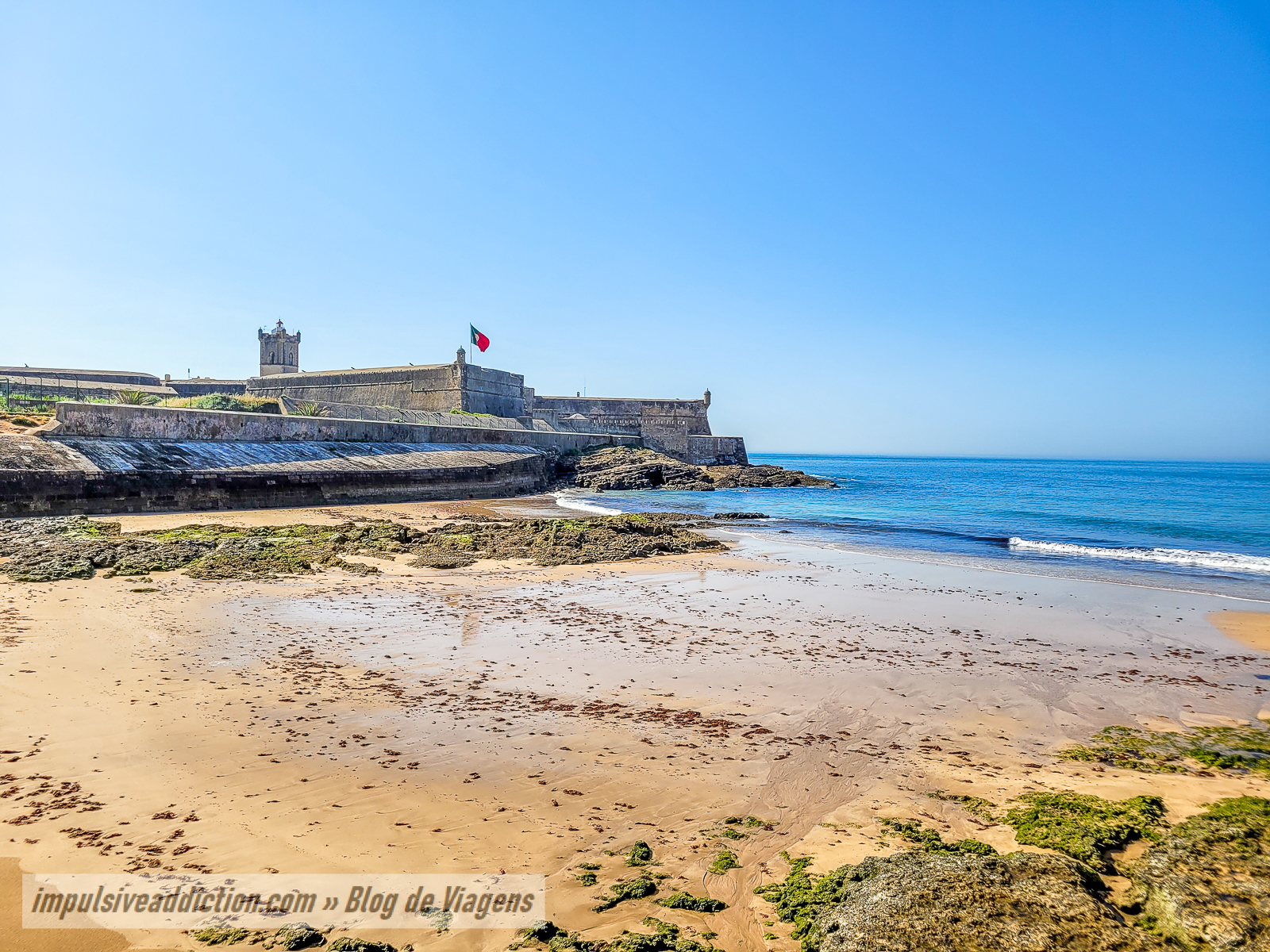
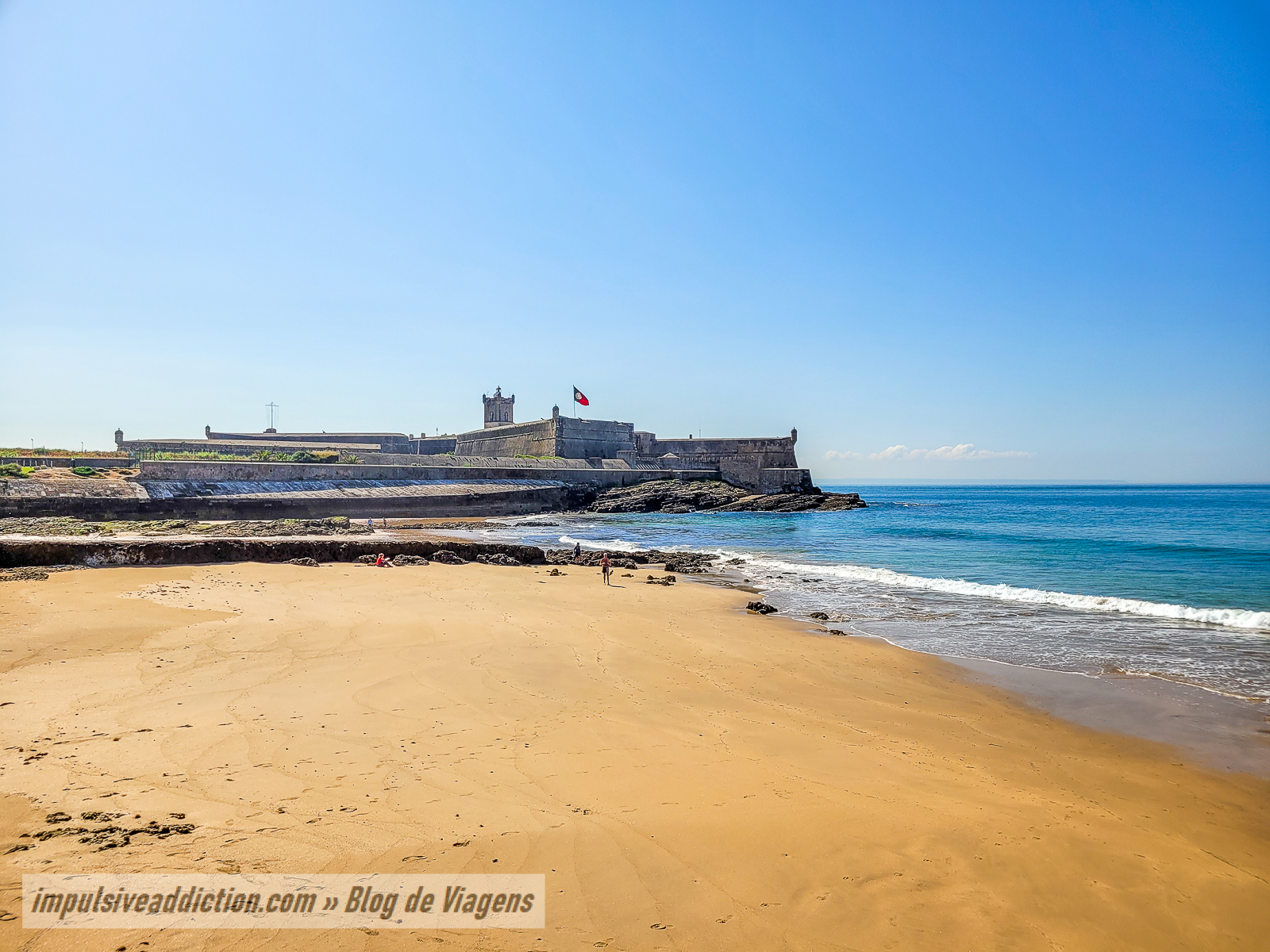
- Carcavelos Beach and the impressive Fort of São Julião da Barra — This massive structure marks the boundary between Carcavelos and Oeiras. Today, it serves as the official residence of Portugal’s Minister of Defense, so visits must be arranged in advance. Built in the mid-16th century to reinforce the defense system of the Tagus estuary, it’s the largest coastal fortress in the country. Historically known as the “Shield of the Kingdom,” it later became part of the Lines of Torres Vedras, serving as a final line of defense in case British troops needed to retreat during the French invasions.
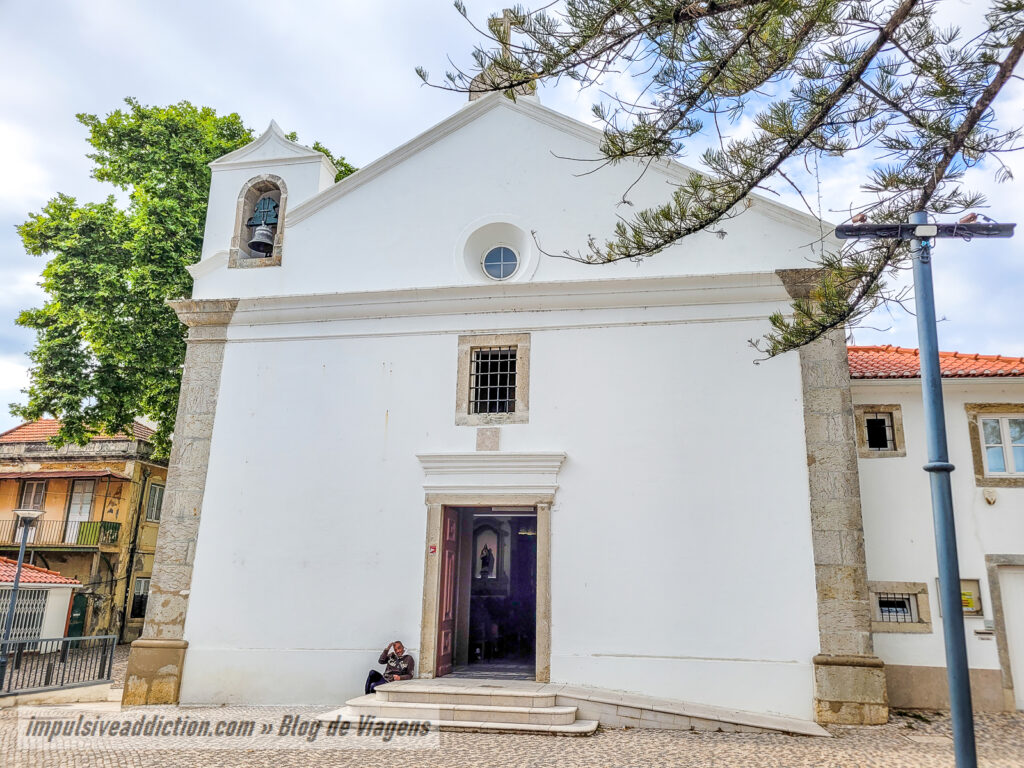
- Praça da República and the Church of Carcavelos — Located in the town center, both are entirely optional stops.
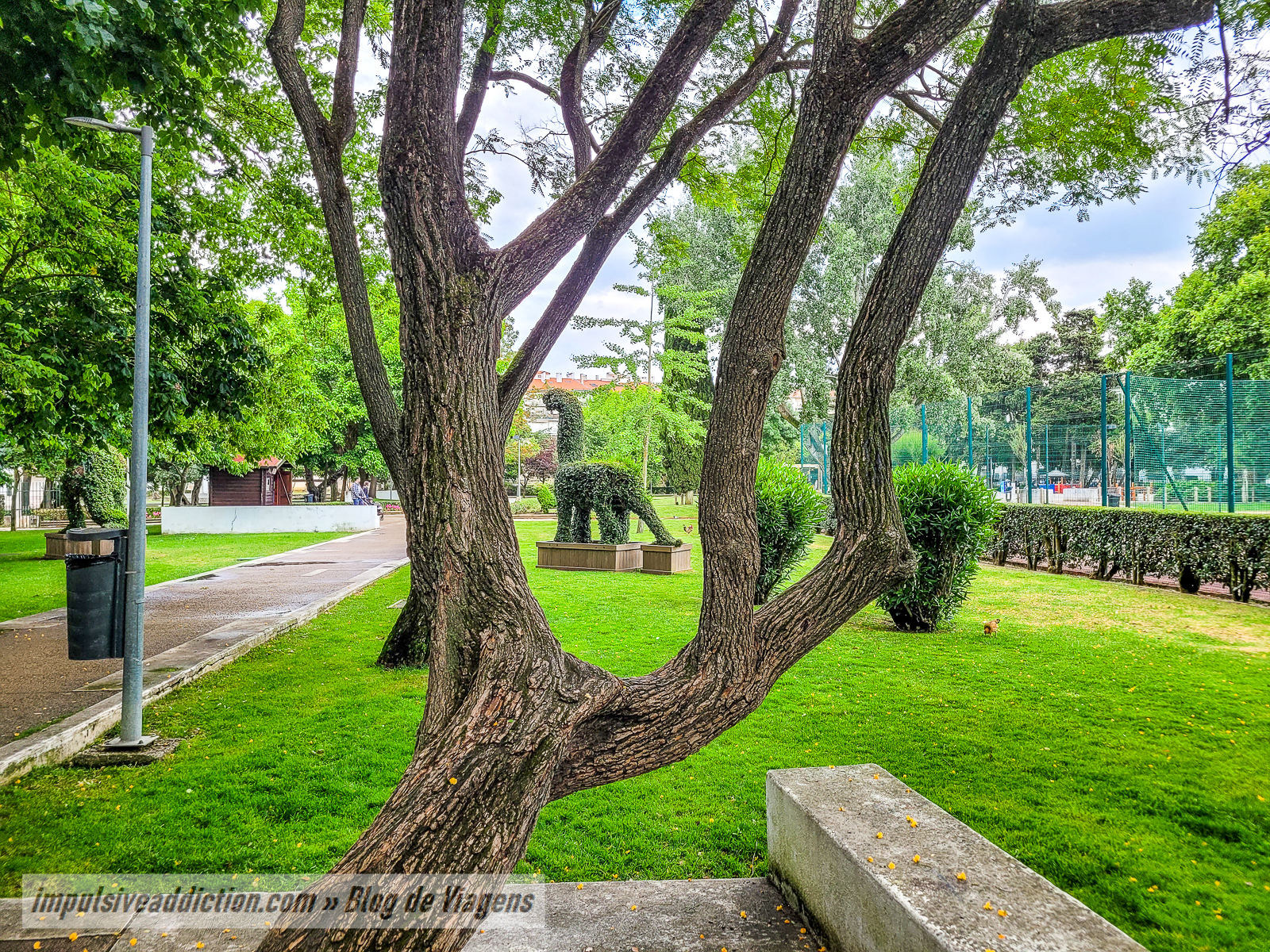
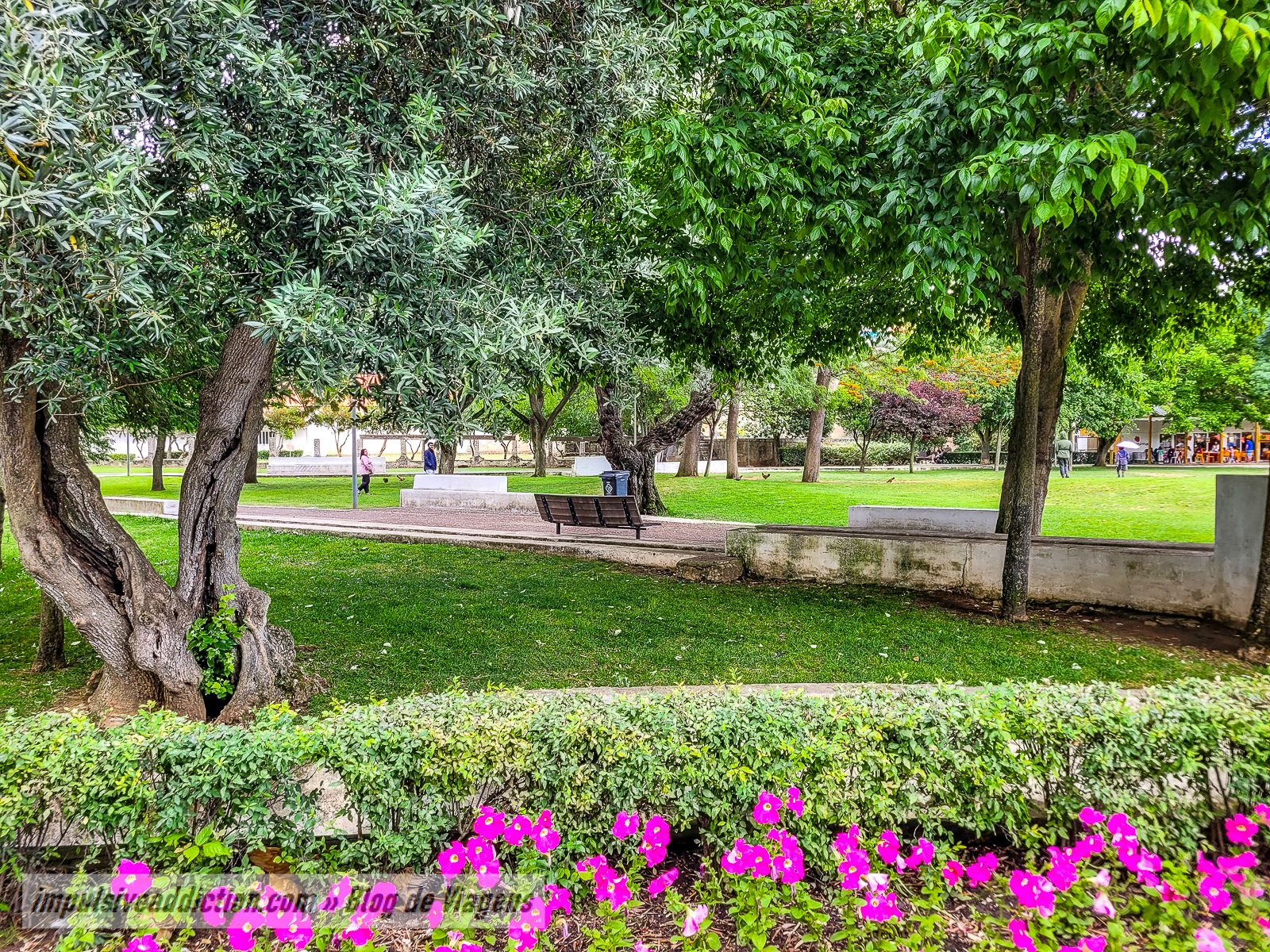
- Jardim da Quinta da Alagoa — Once owned by the Jesuits, this estate was historically used for the production of Carcavelos wine. Today, it’s a pleasant public garden.
1. Fort of São Julião da Barra
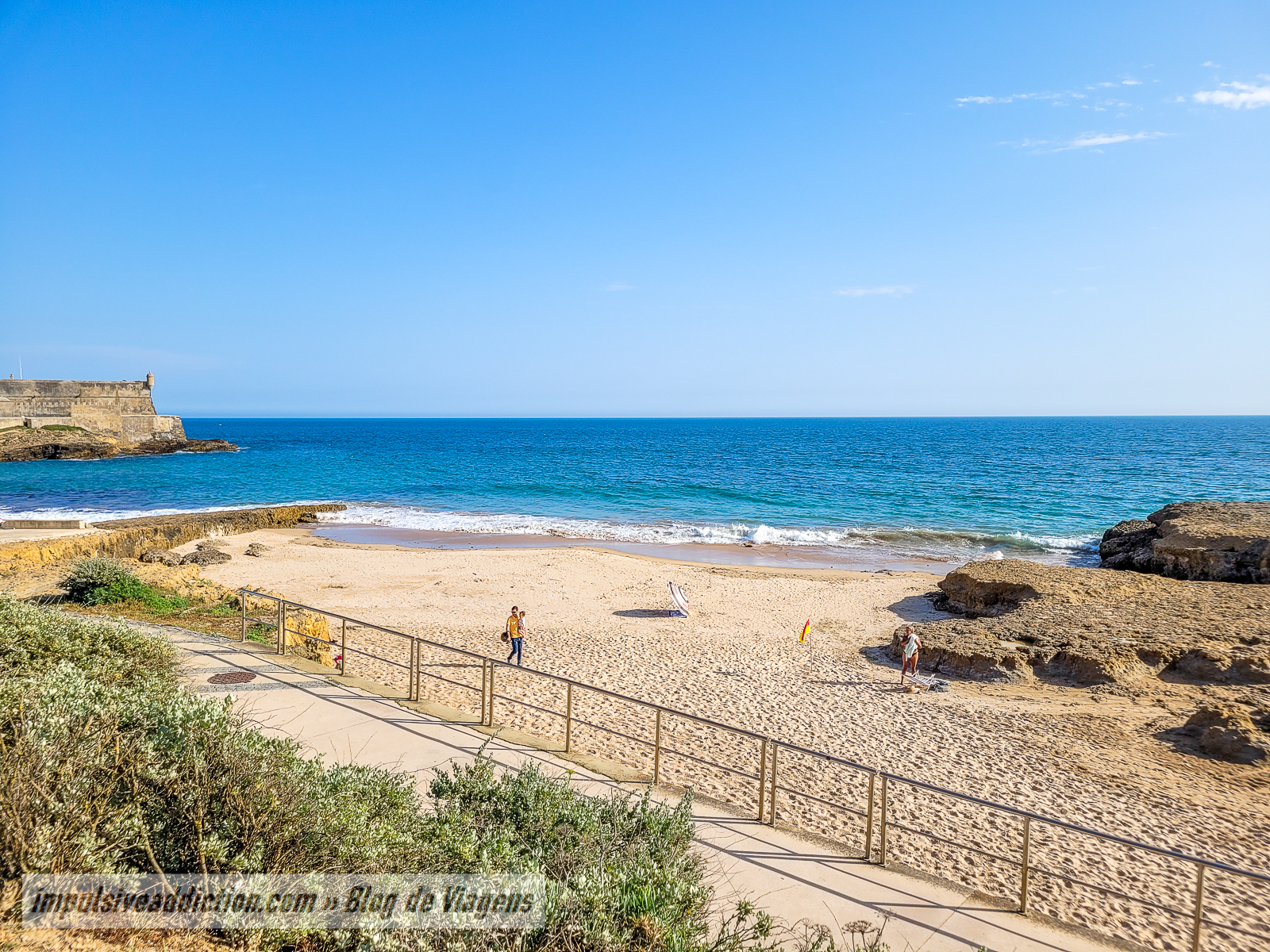
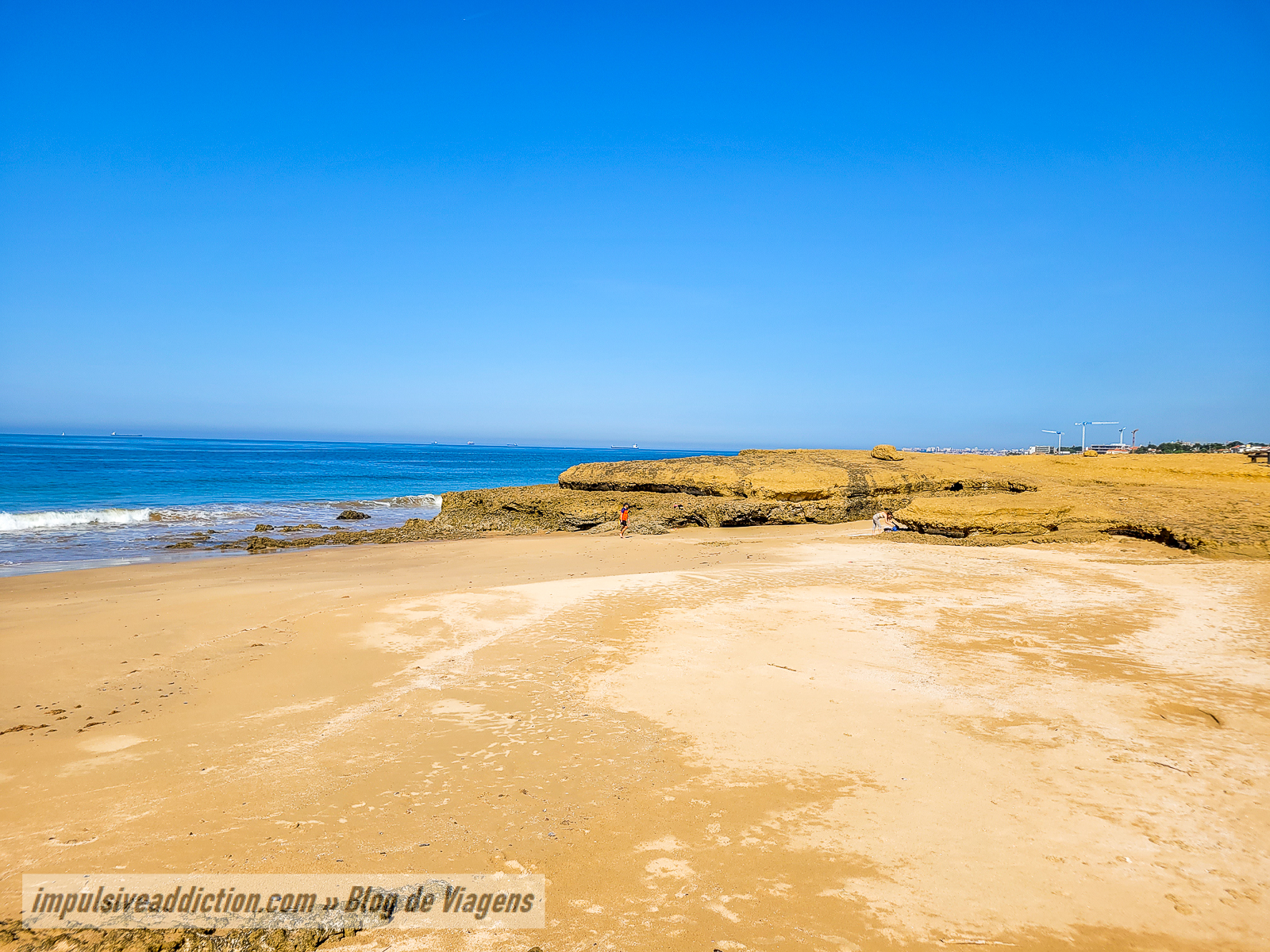
2. Praia do Moinho + Praia dos Gémeos
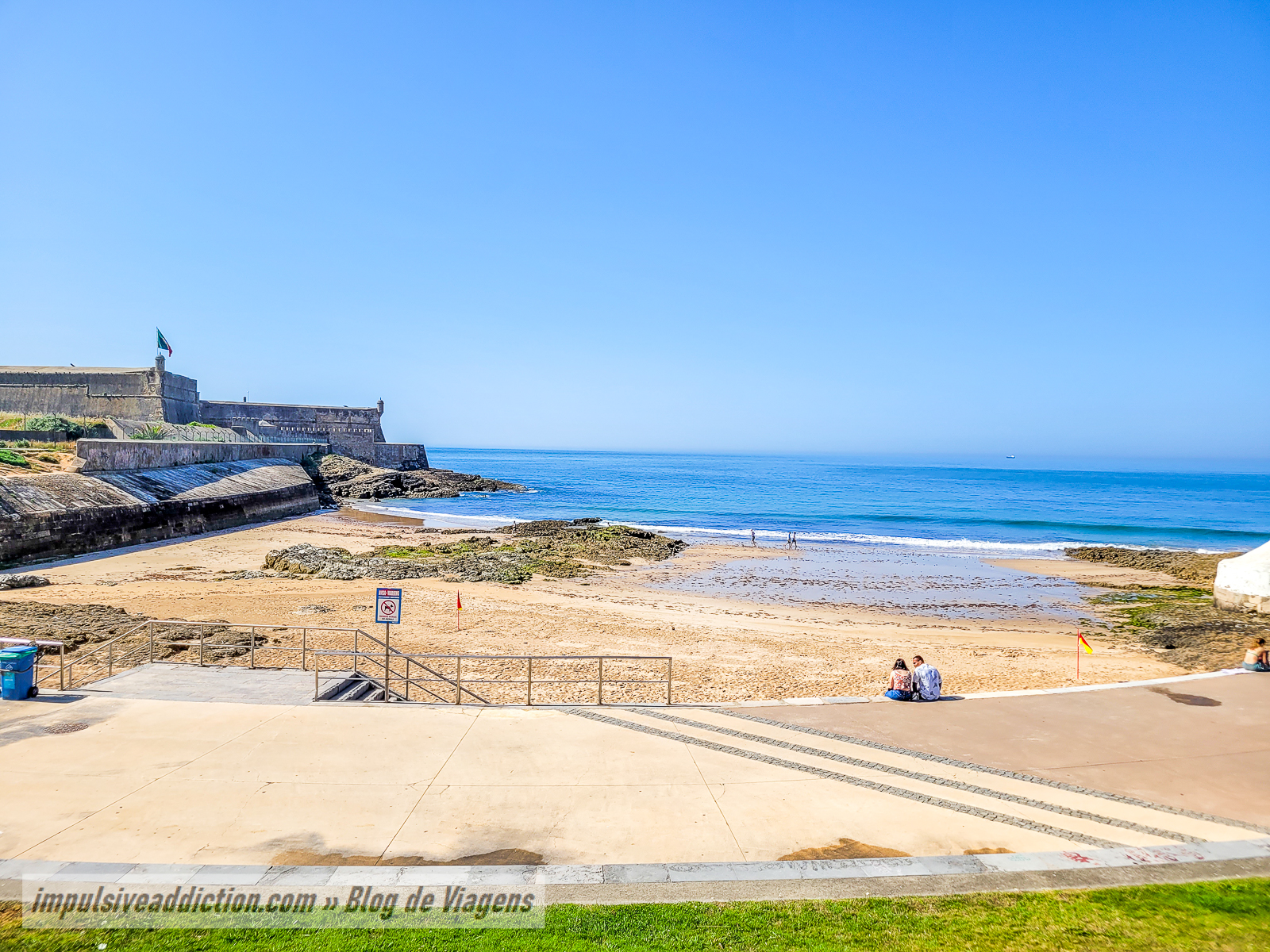
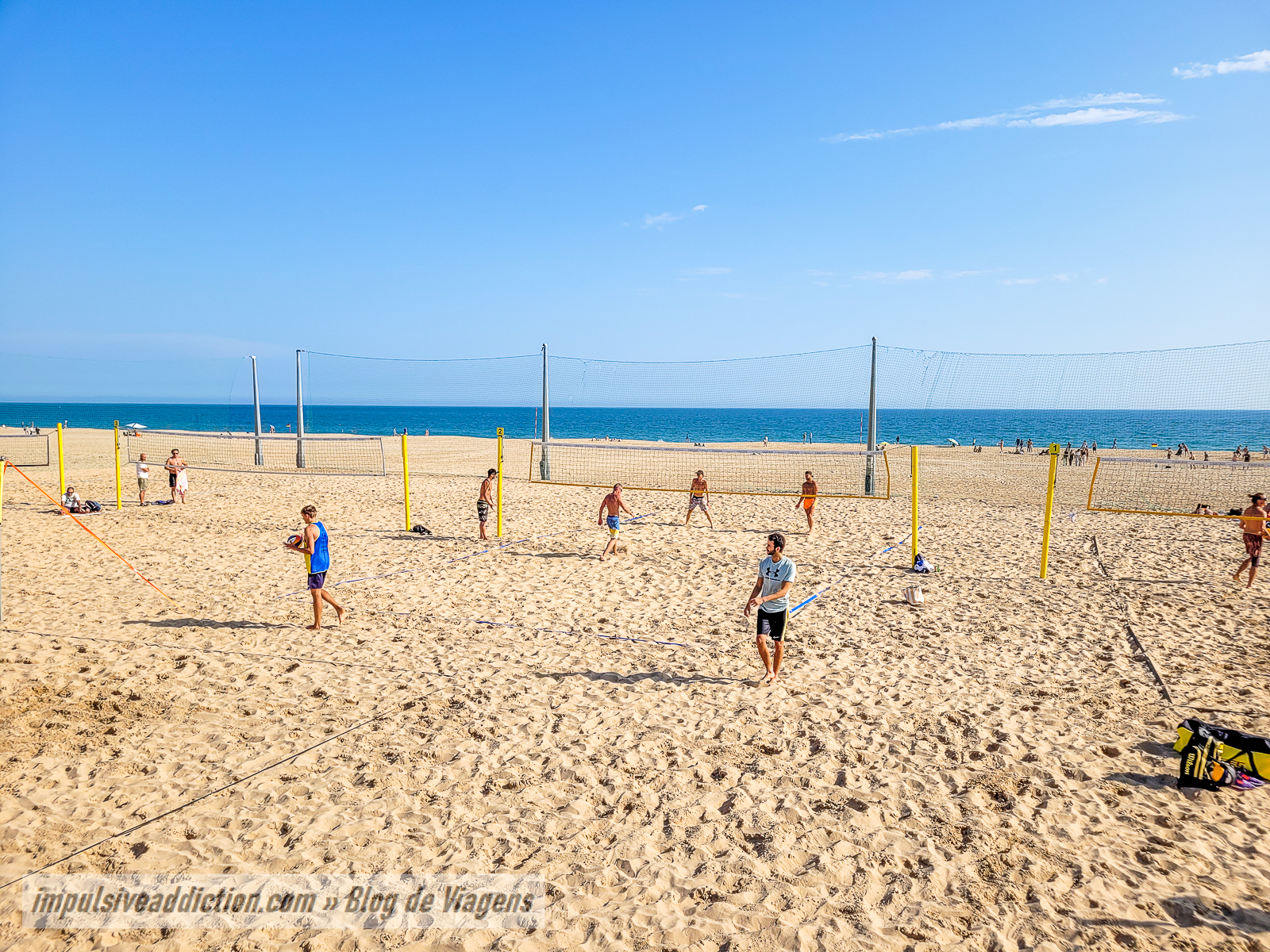
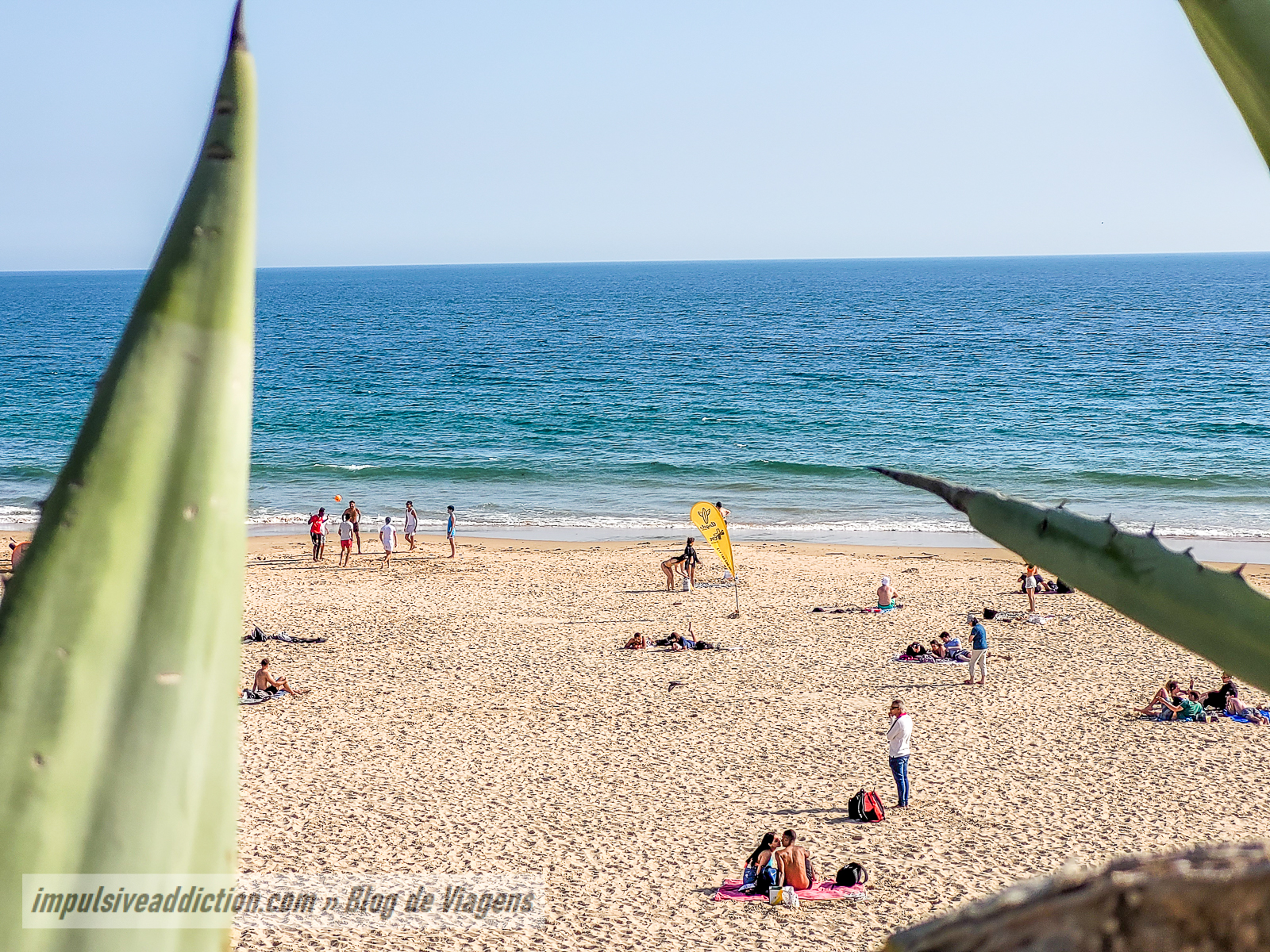
3. Praia de Carcavelos

4. Church of Carcavelos and Praça da República
5. Jardim da Quinta da Alagoa
Visit São Domingos de Rana
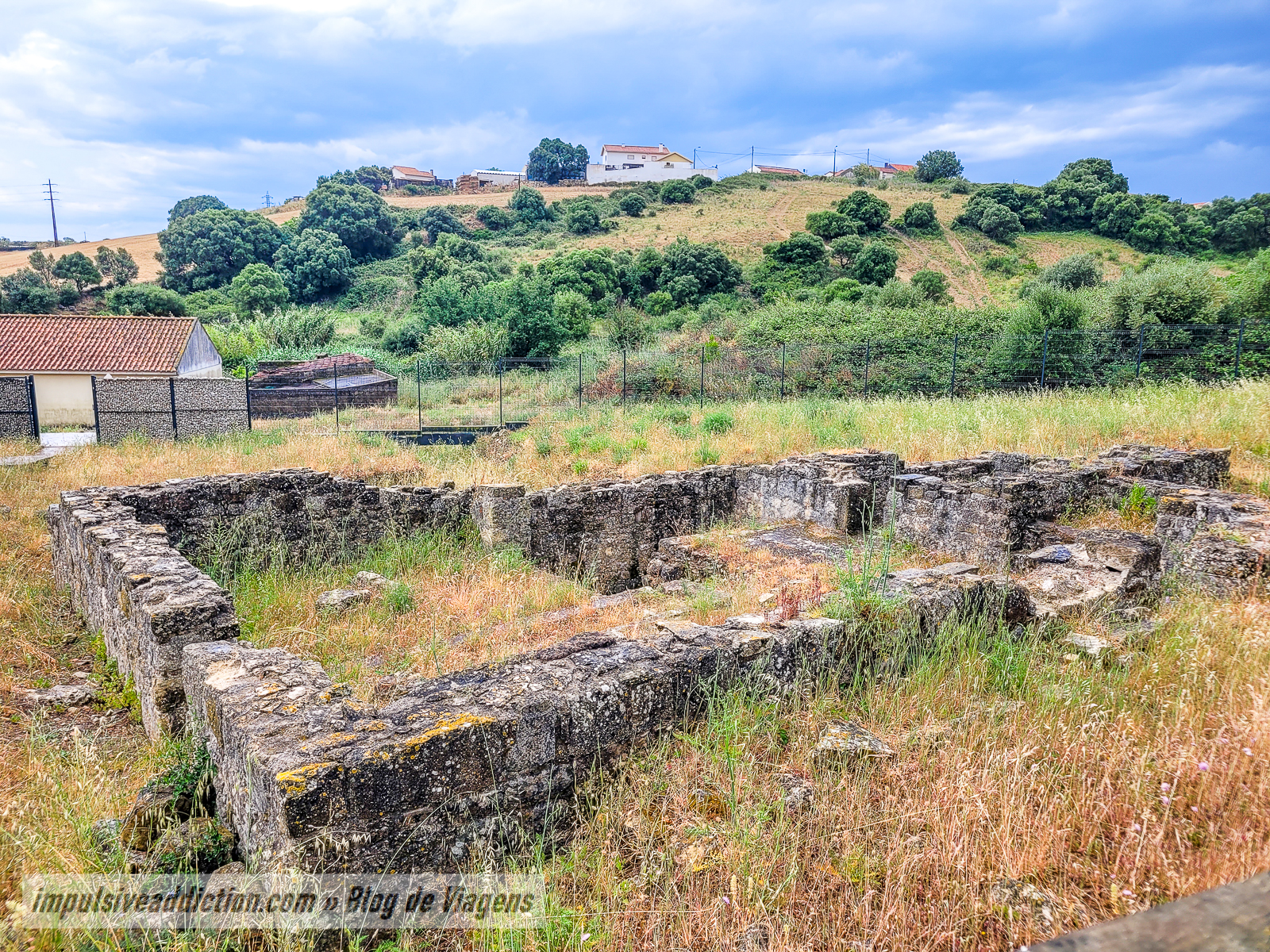
In São Domingos de Rana, you’ll find a few Roman ruins that may be of interest to history lovers.
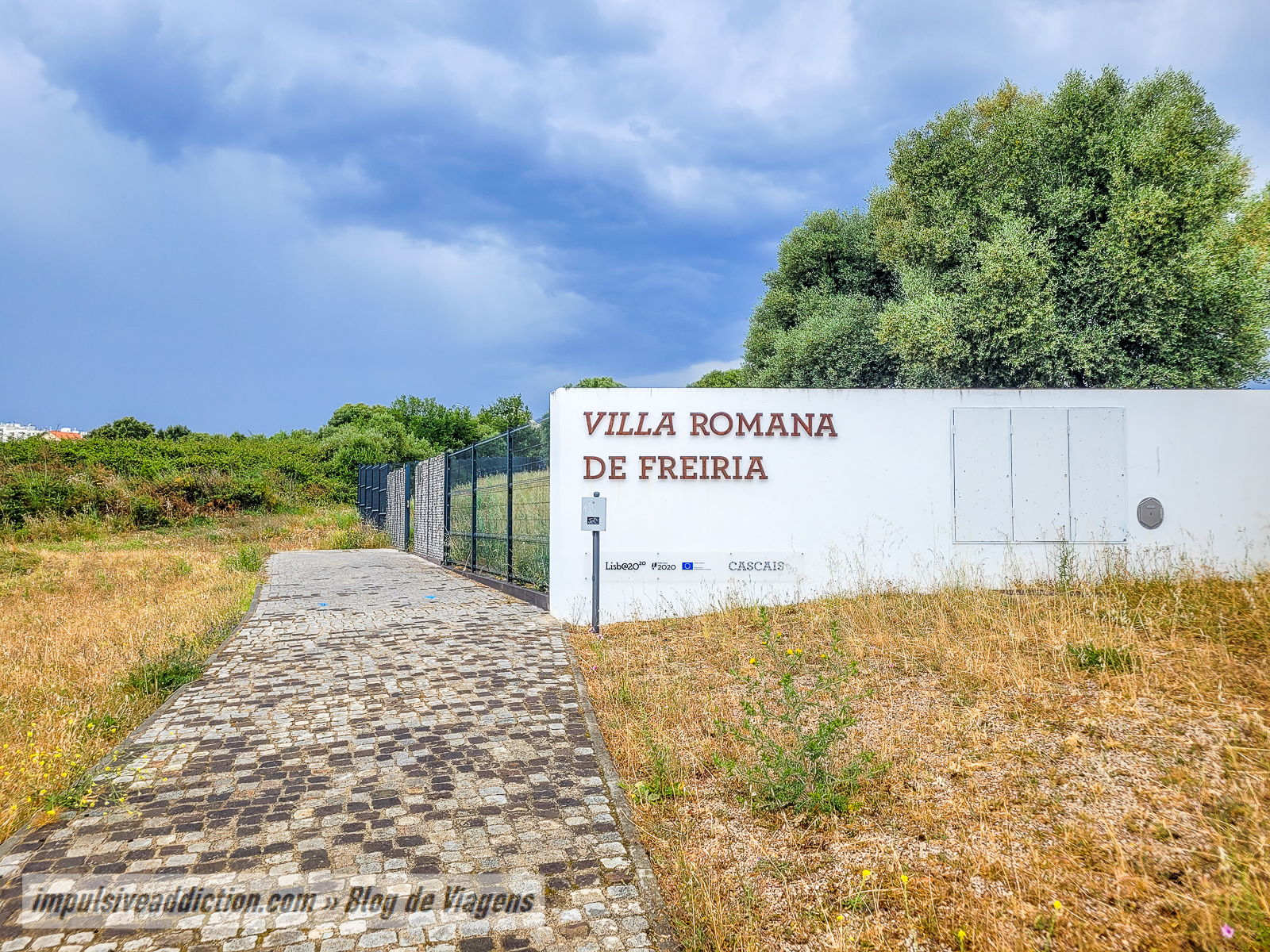
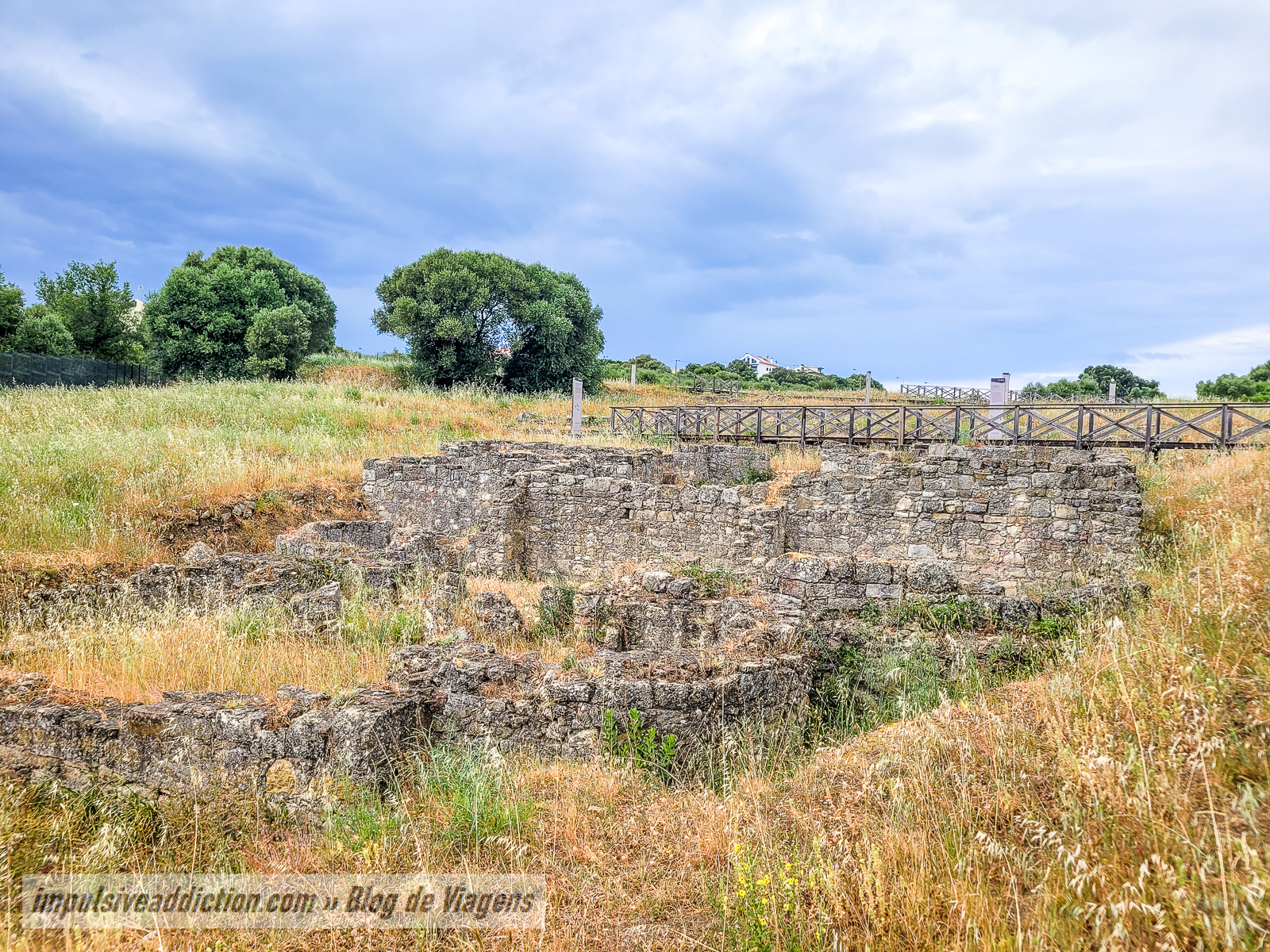
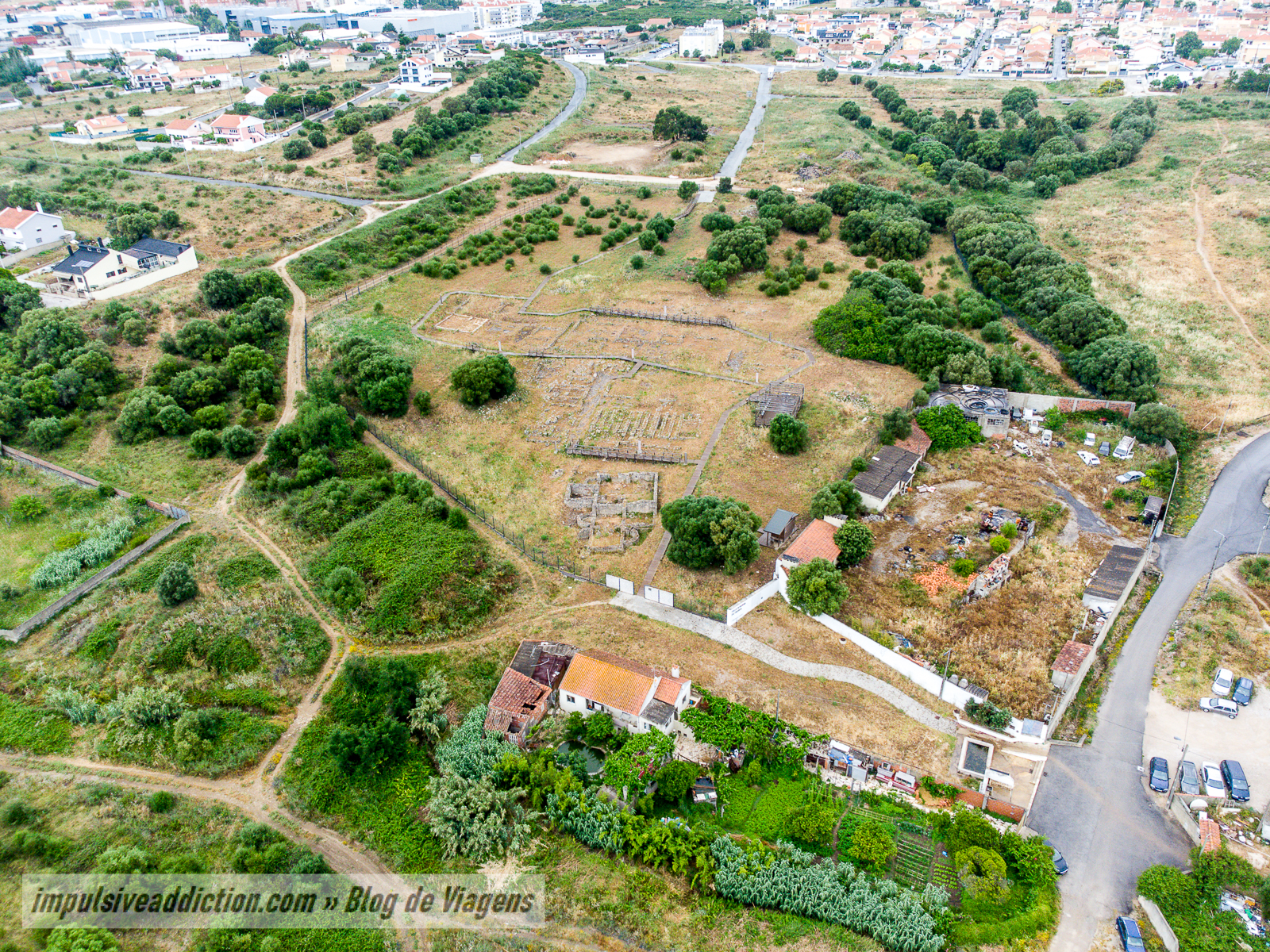
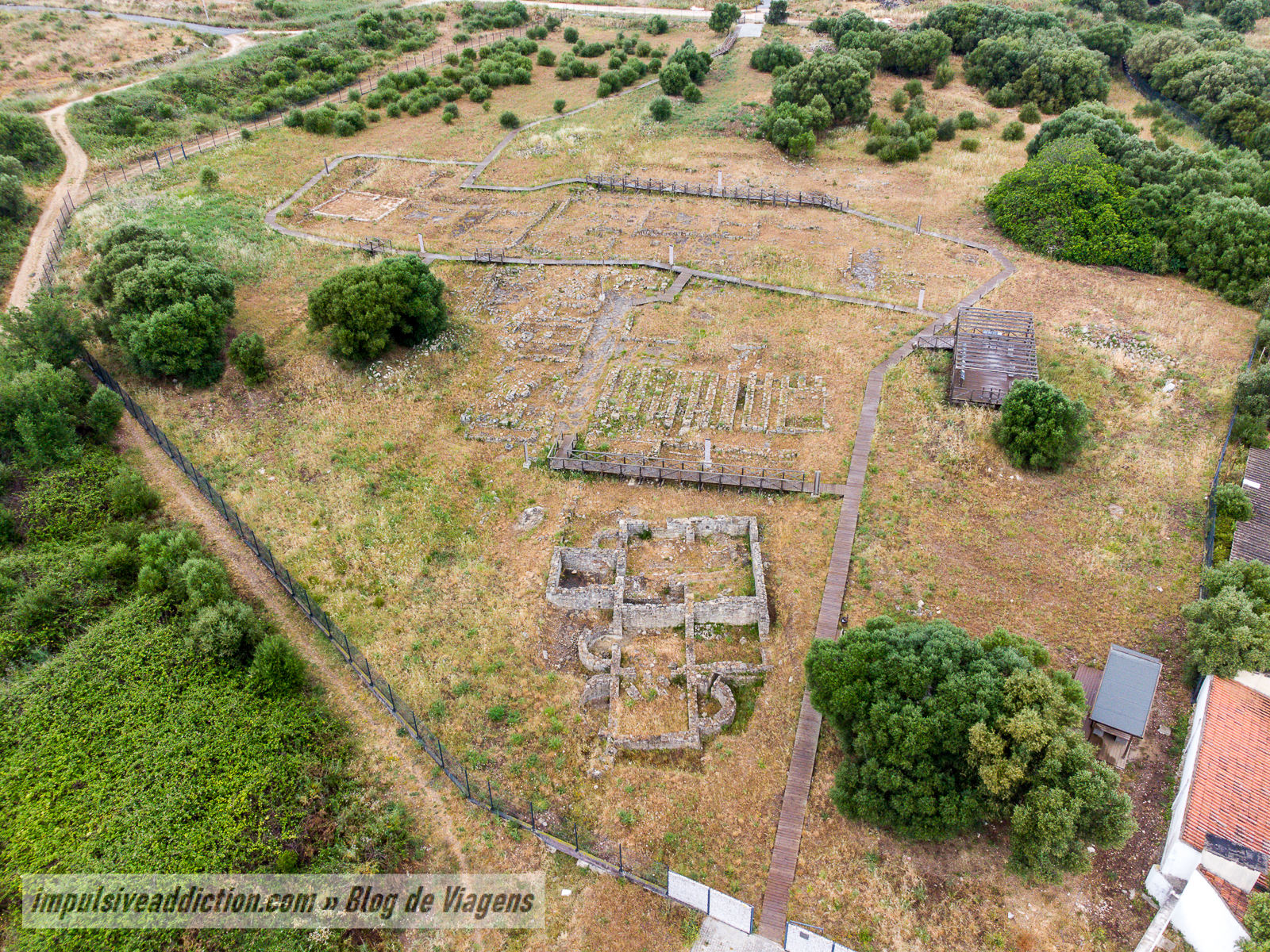
One highlight is the Roman Villa of Freiria, which features an interpretative walking trail with wooden walkways.
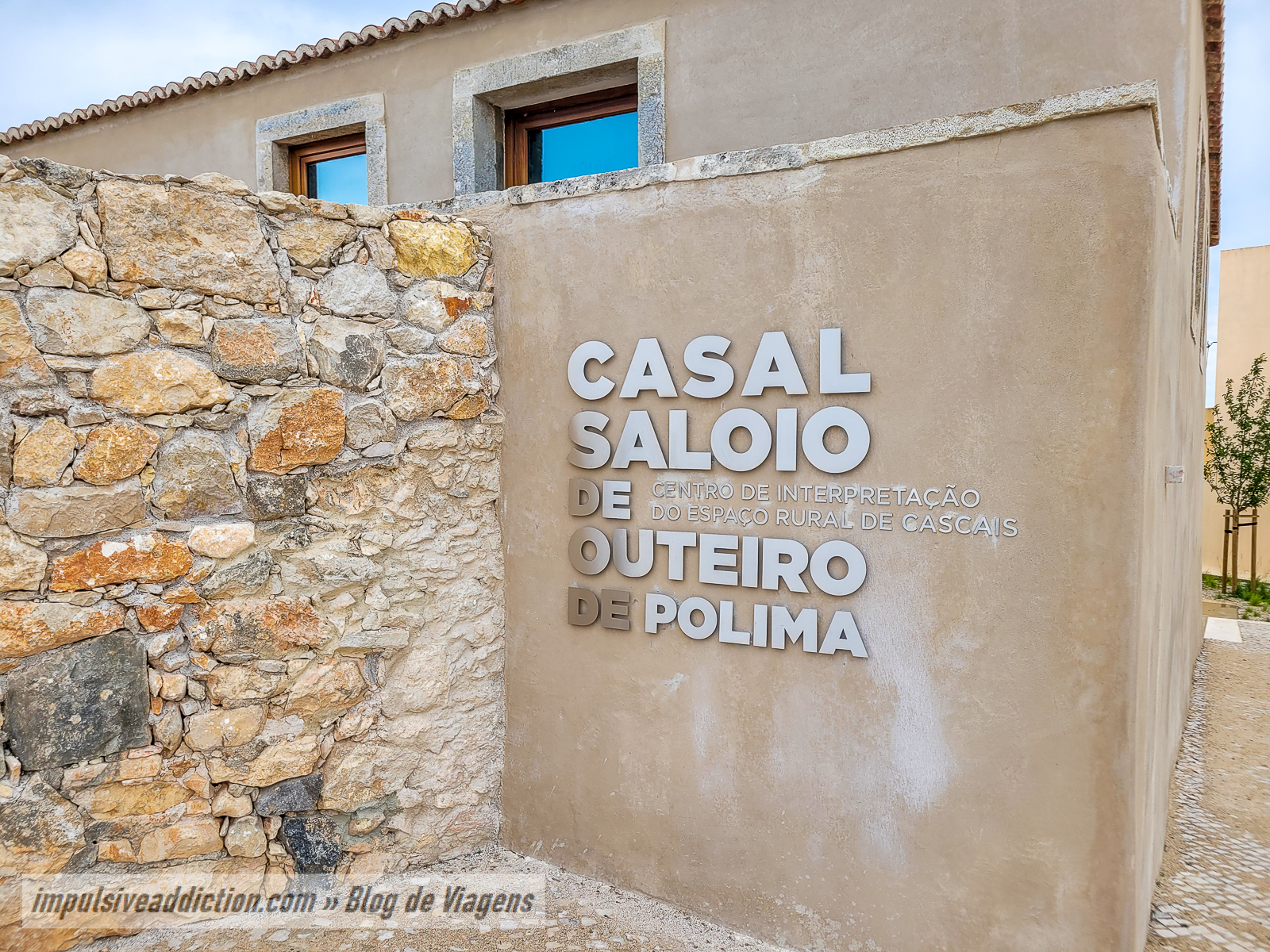
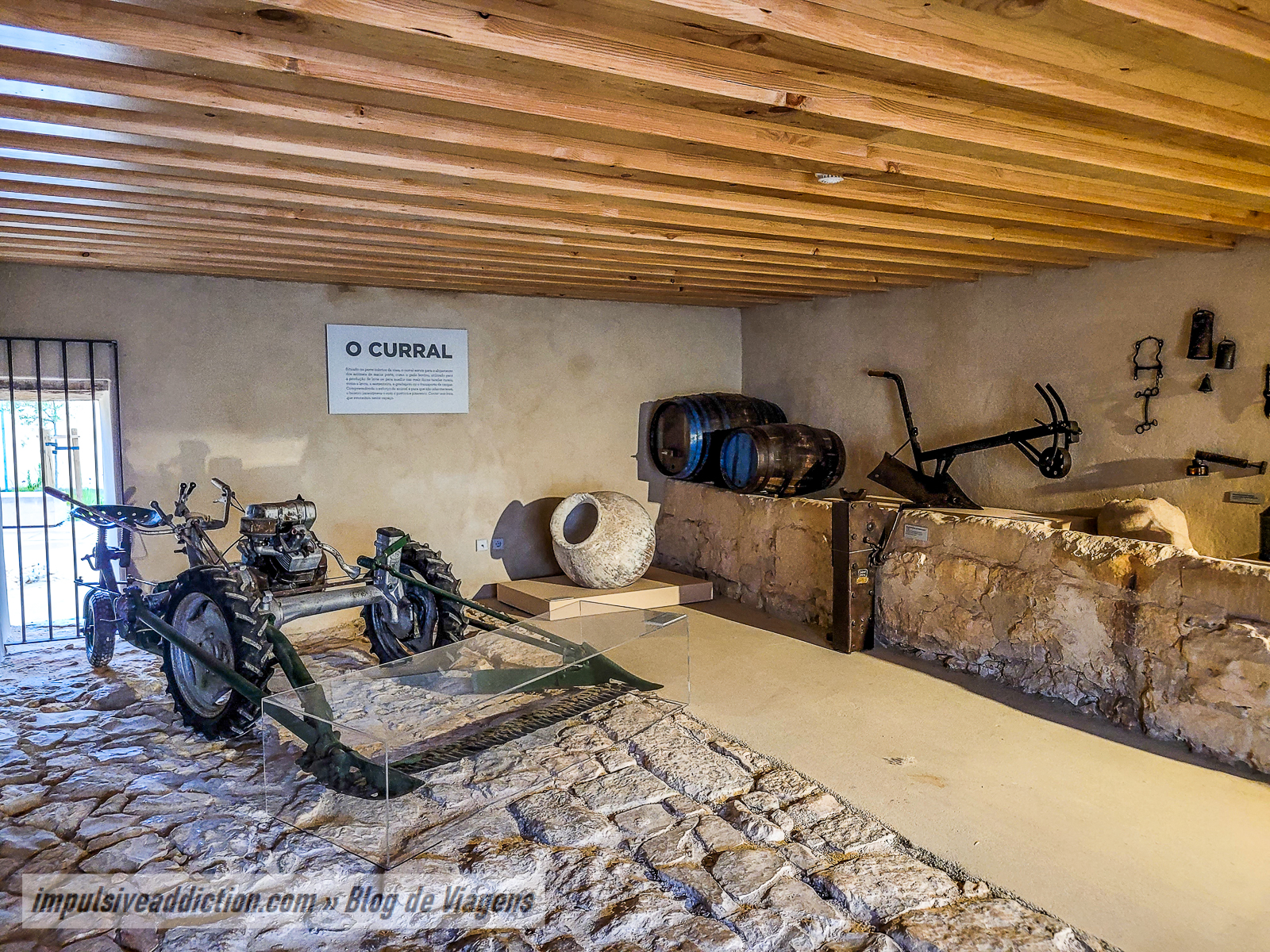
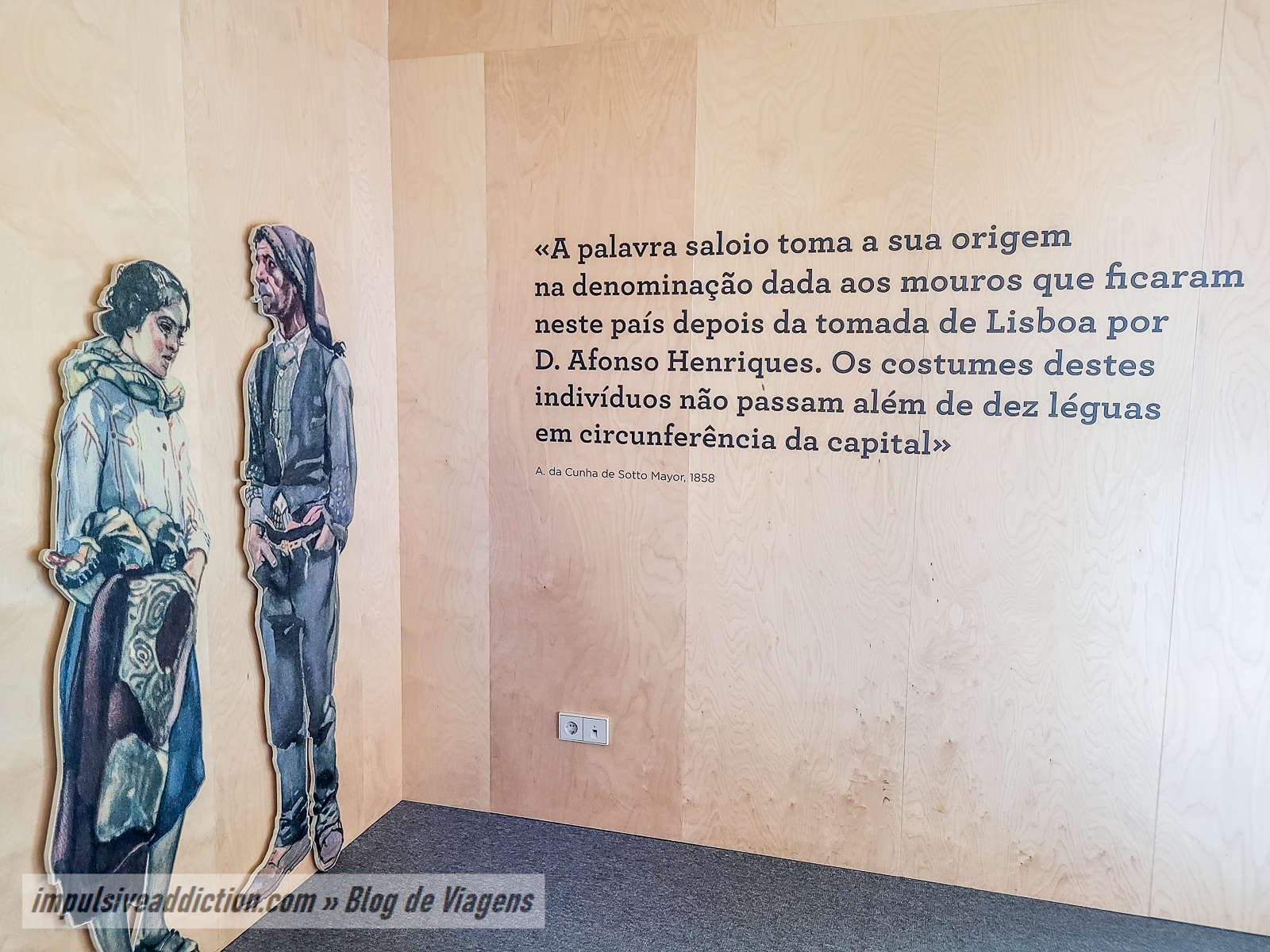
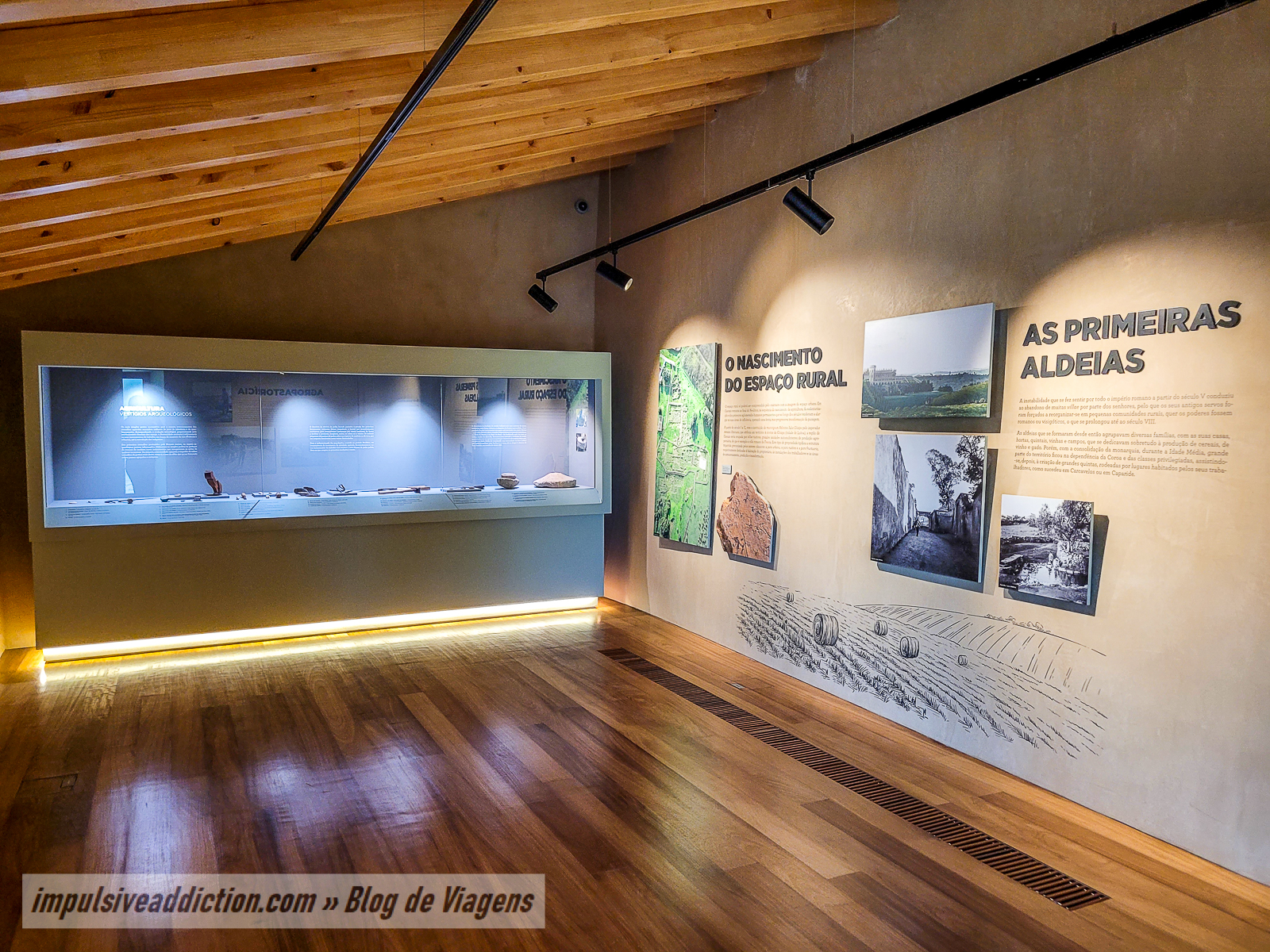
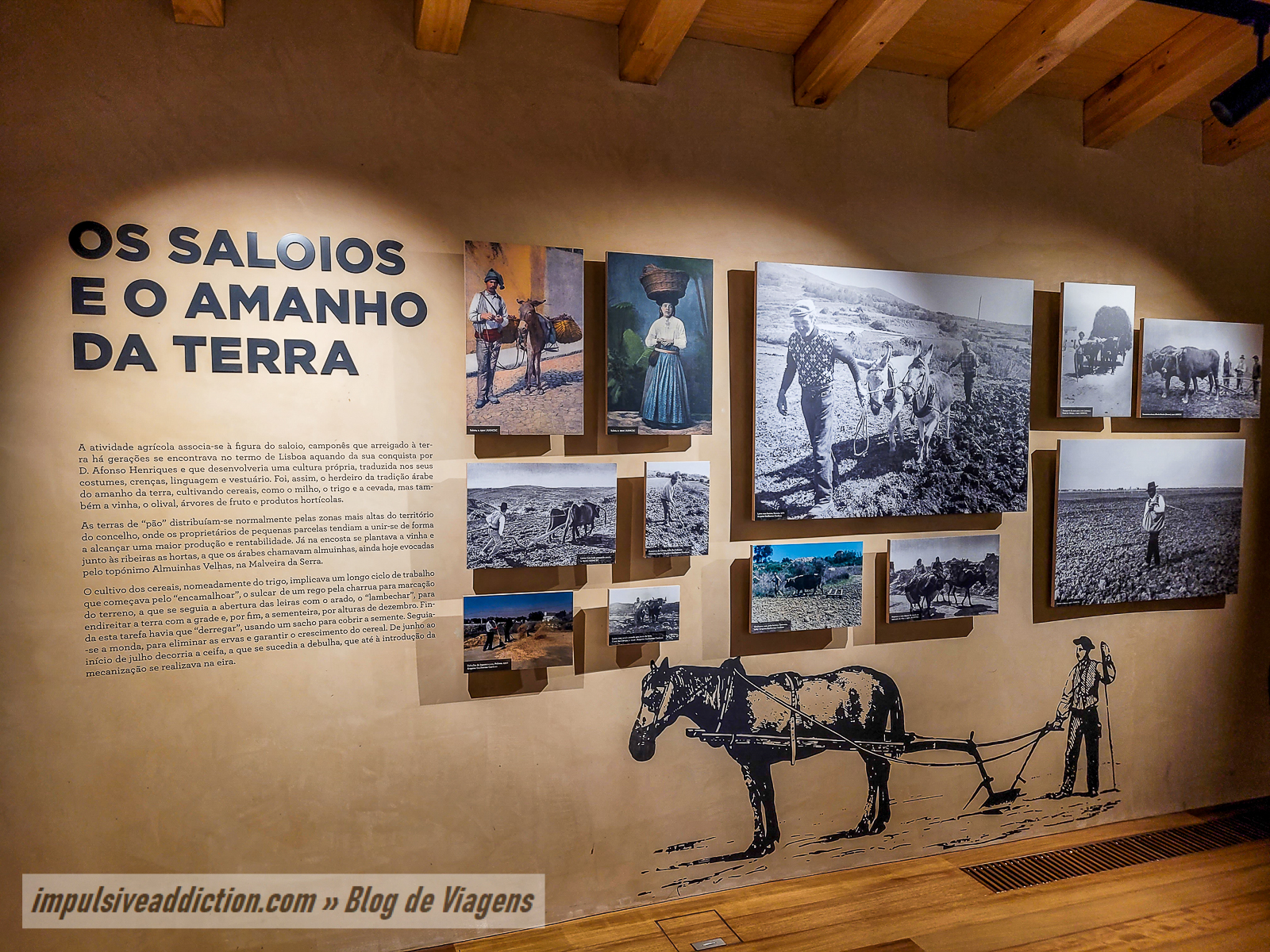
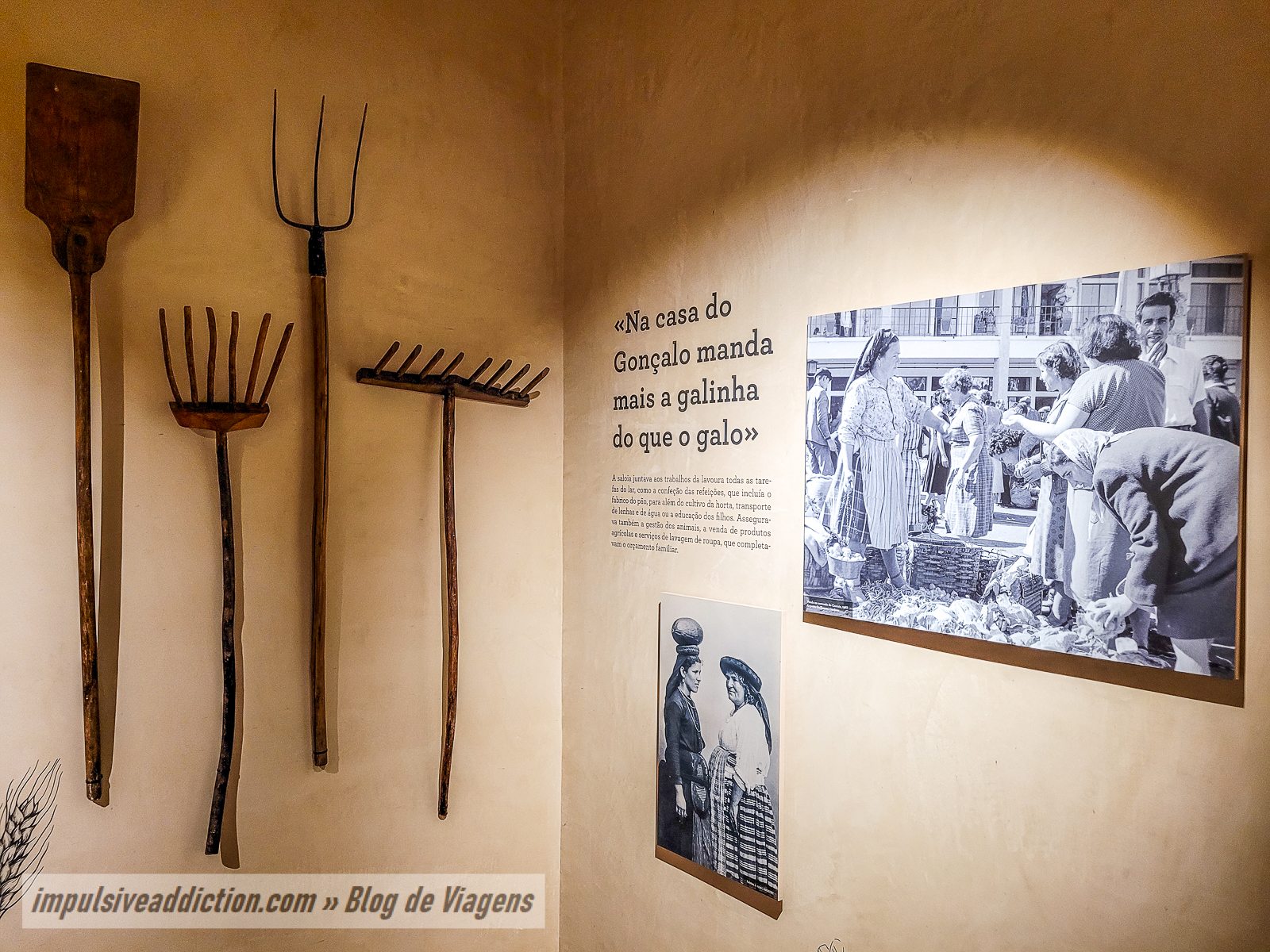
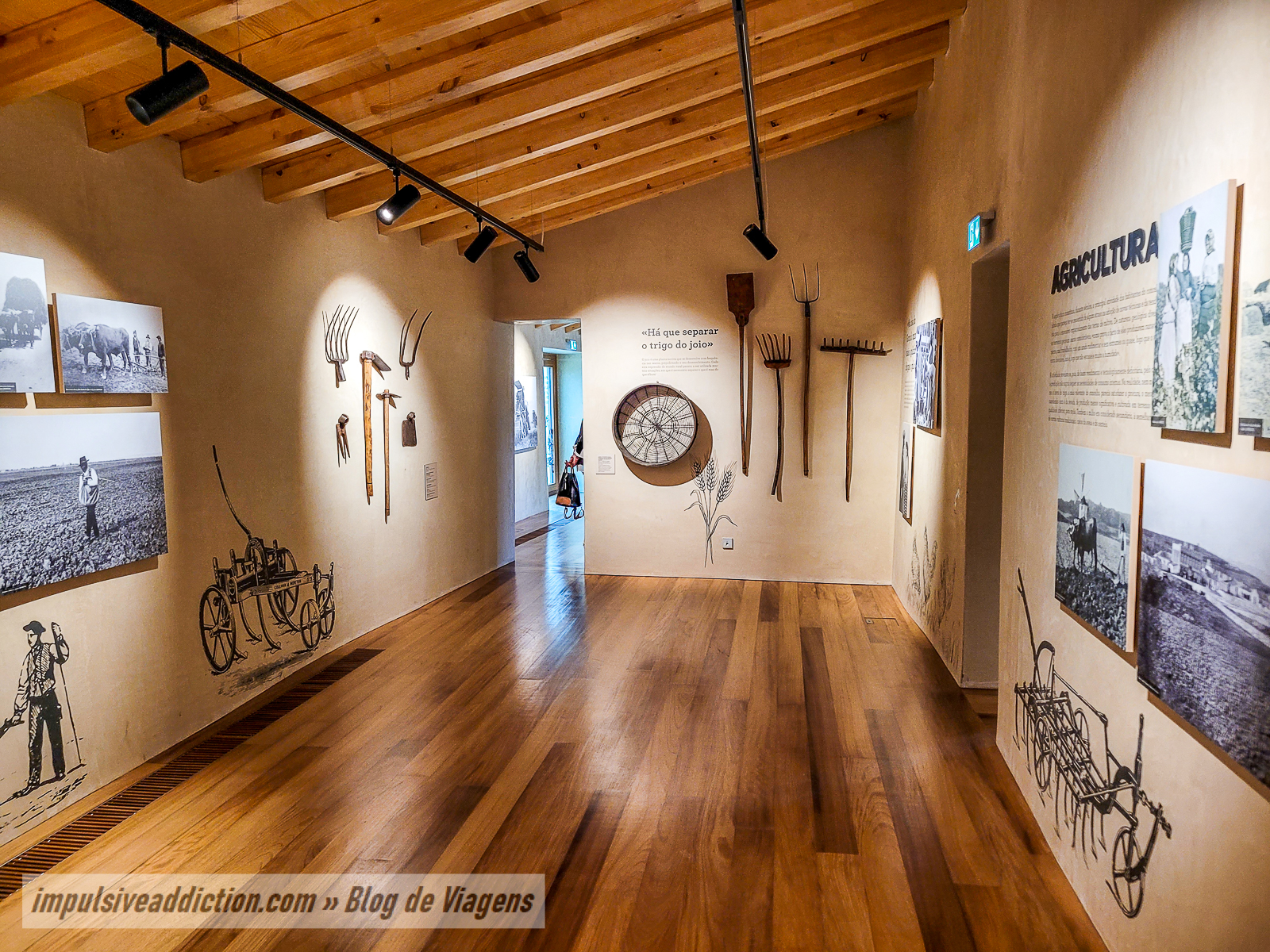
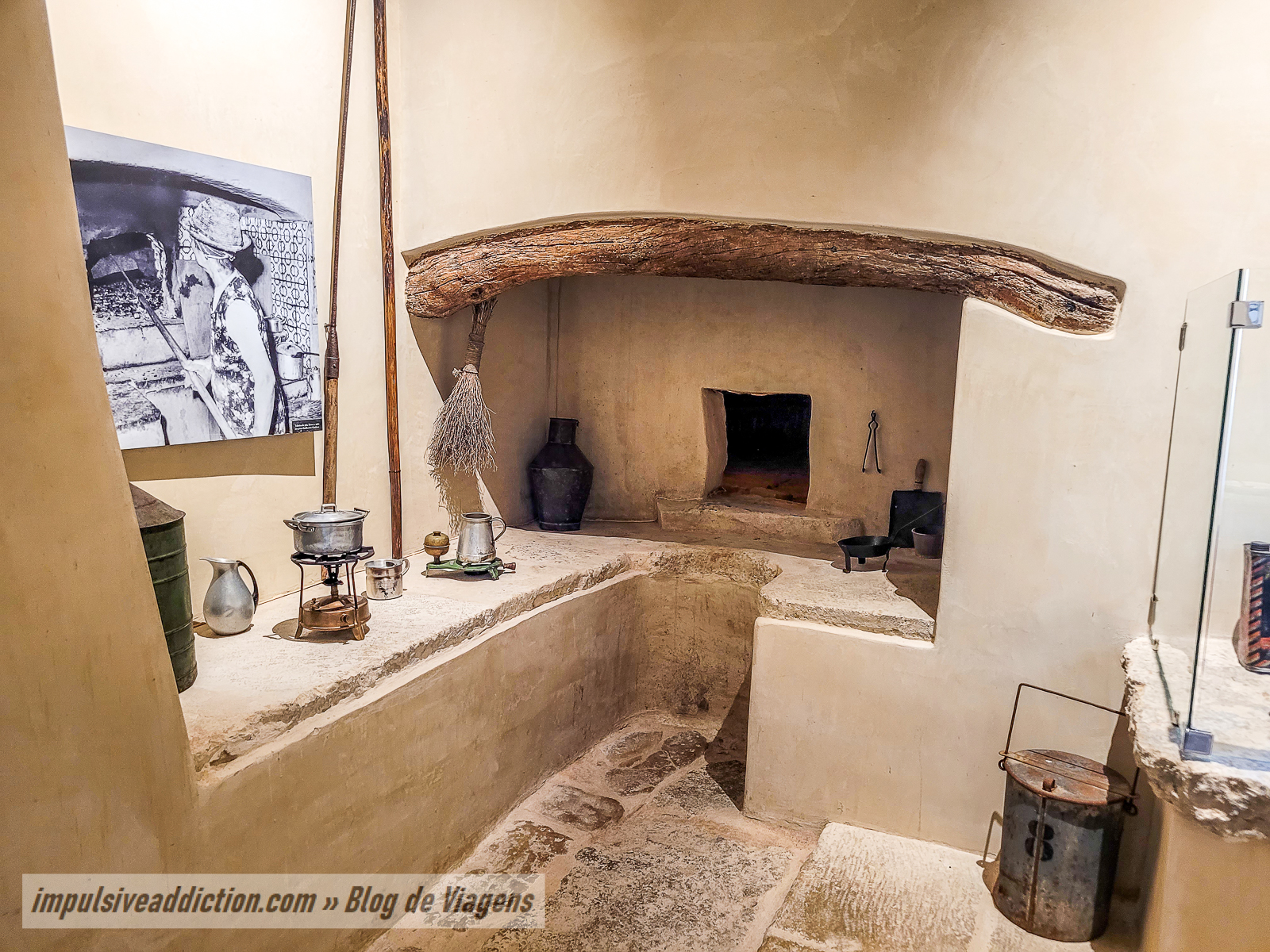
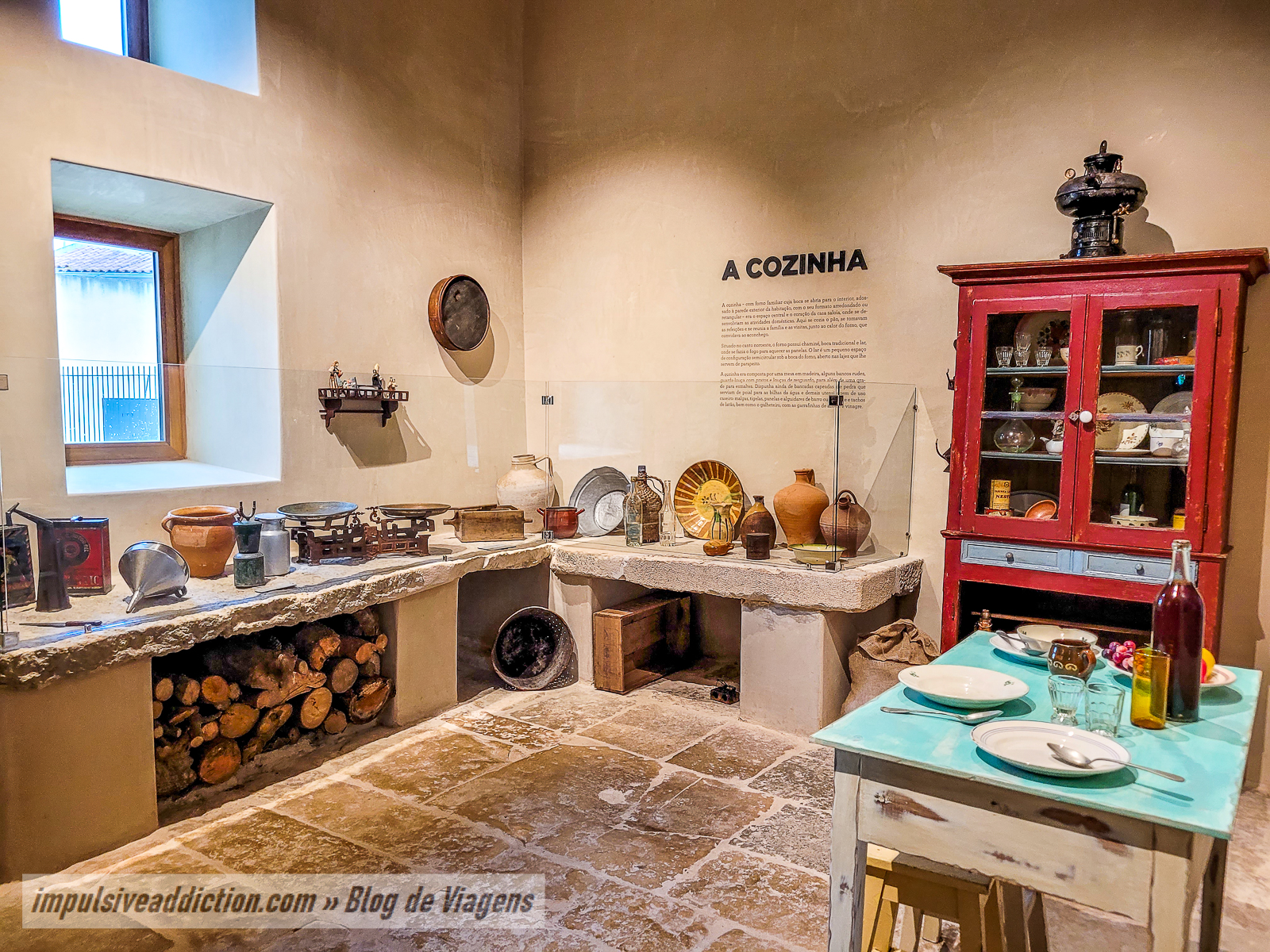
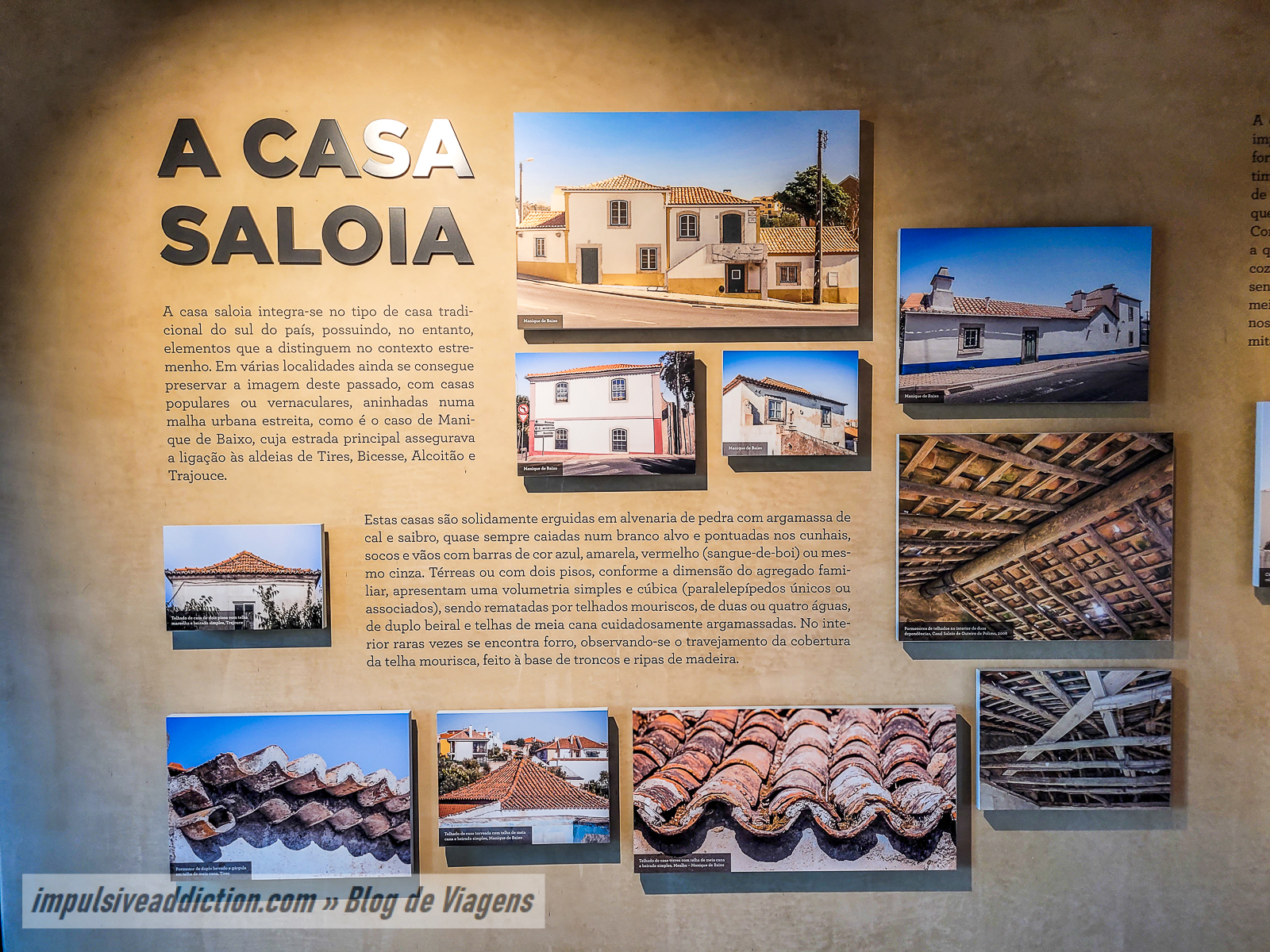
Another stop worth visiting is the Casal Saloio de Outeiro de Polima — a typical 16th-century rural home, showcasing how a traditional saloia family would have lived. The house is filled with ethnographic and archaeological artifacts that offer a glimpse into the local way of life.
There are also several urban parks in the area:
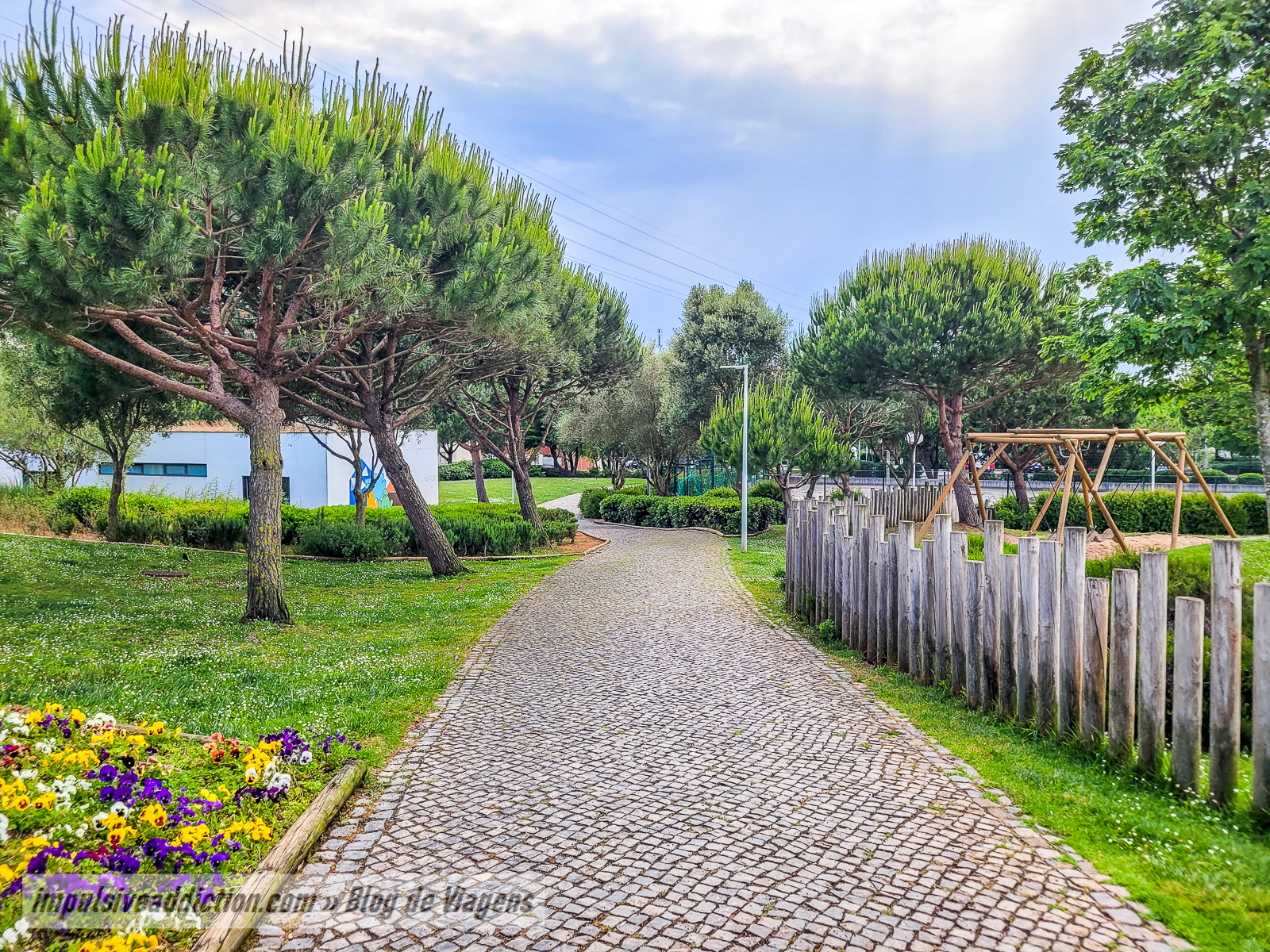
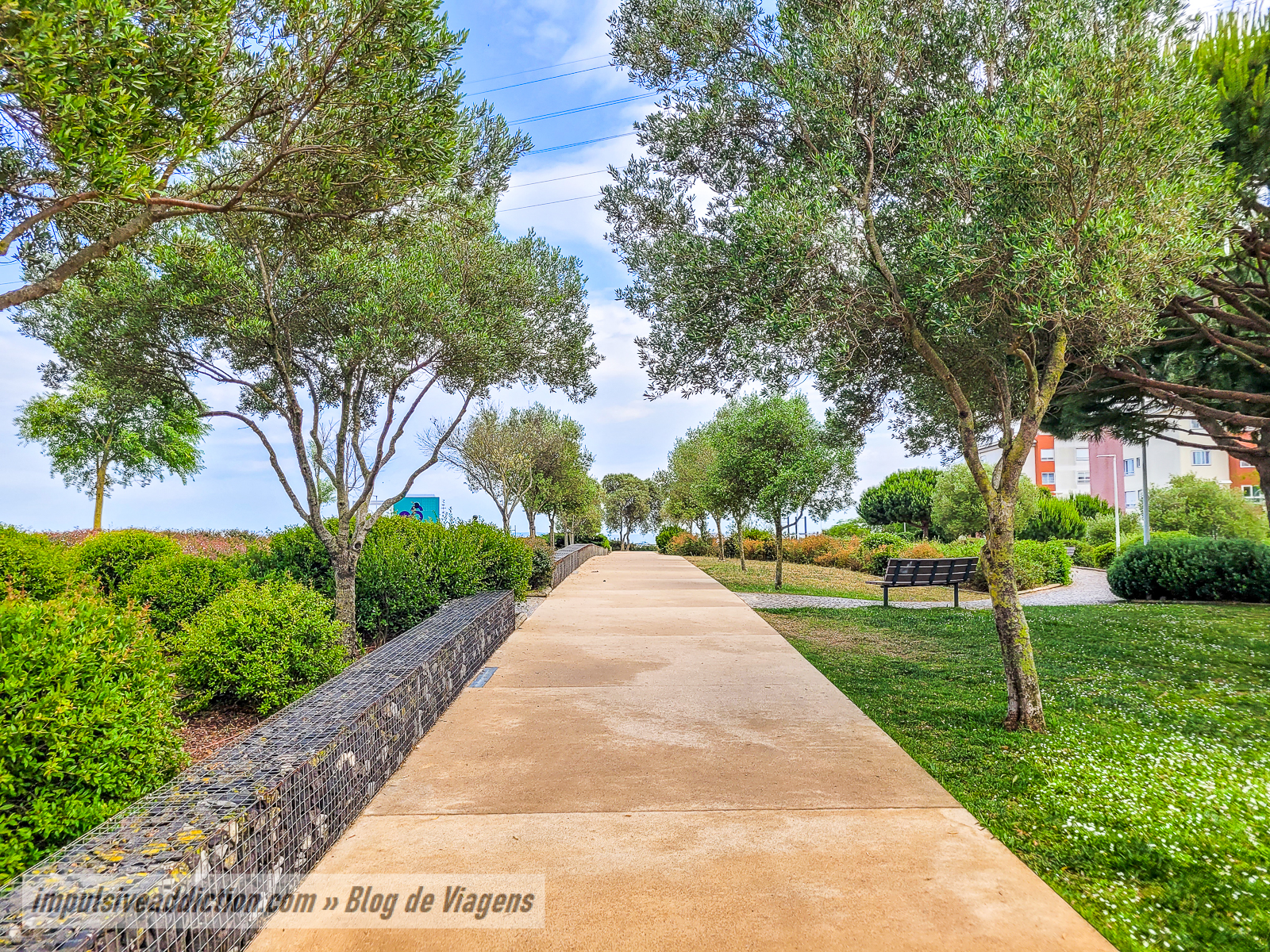
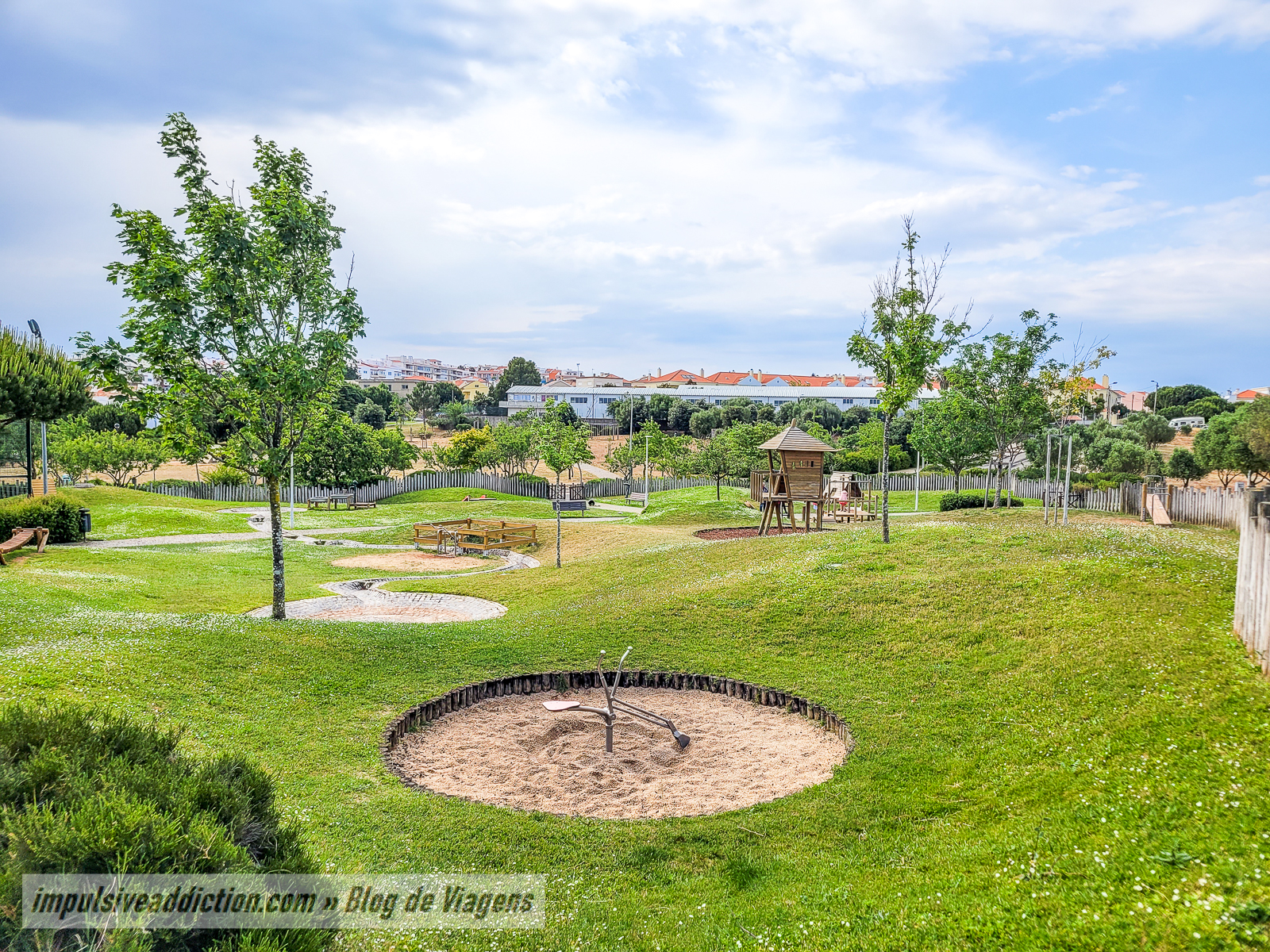
- Outeiro de Polima Park
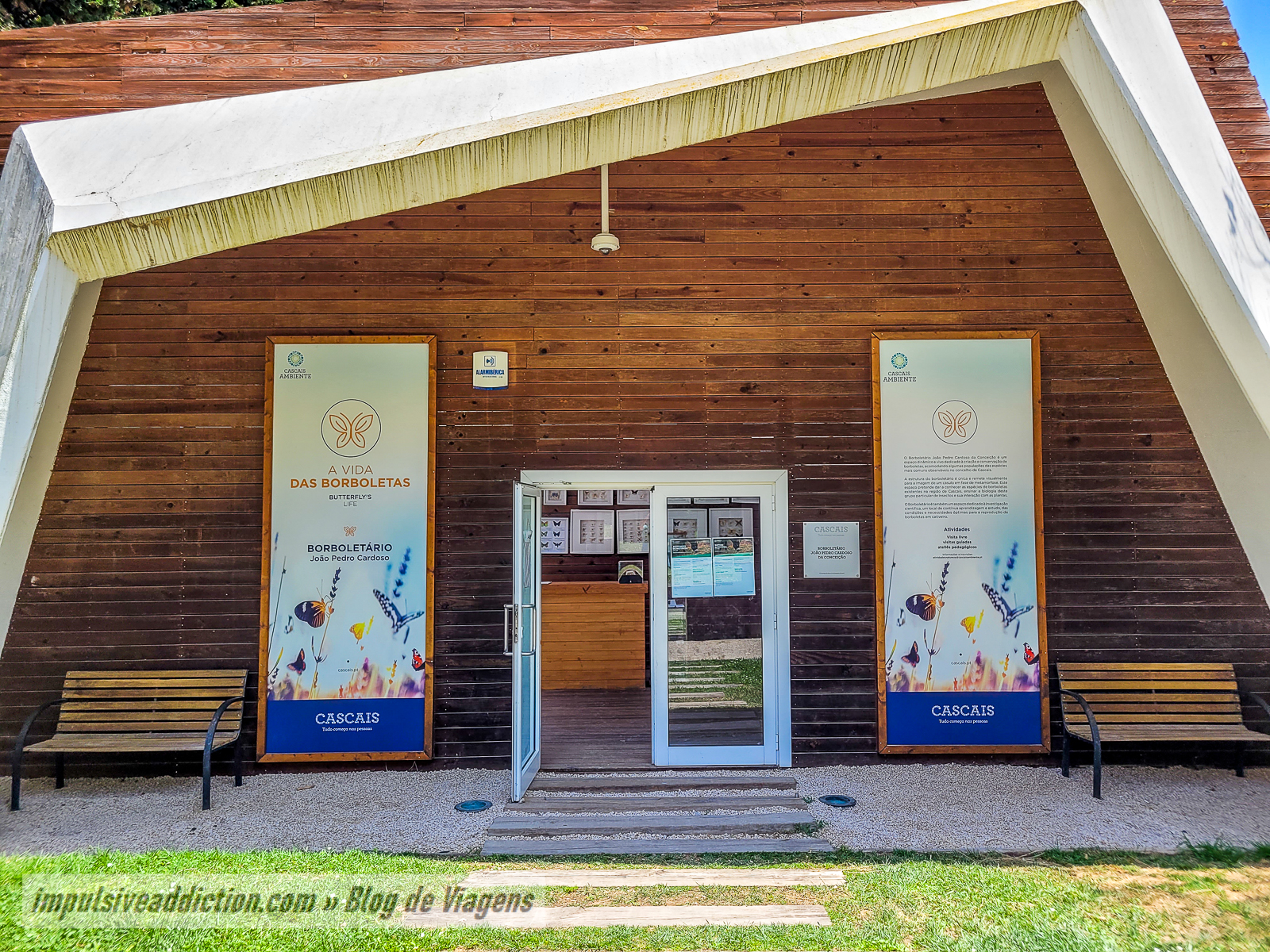
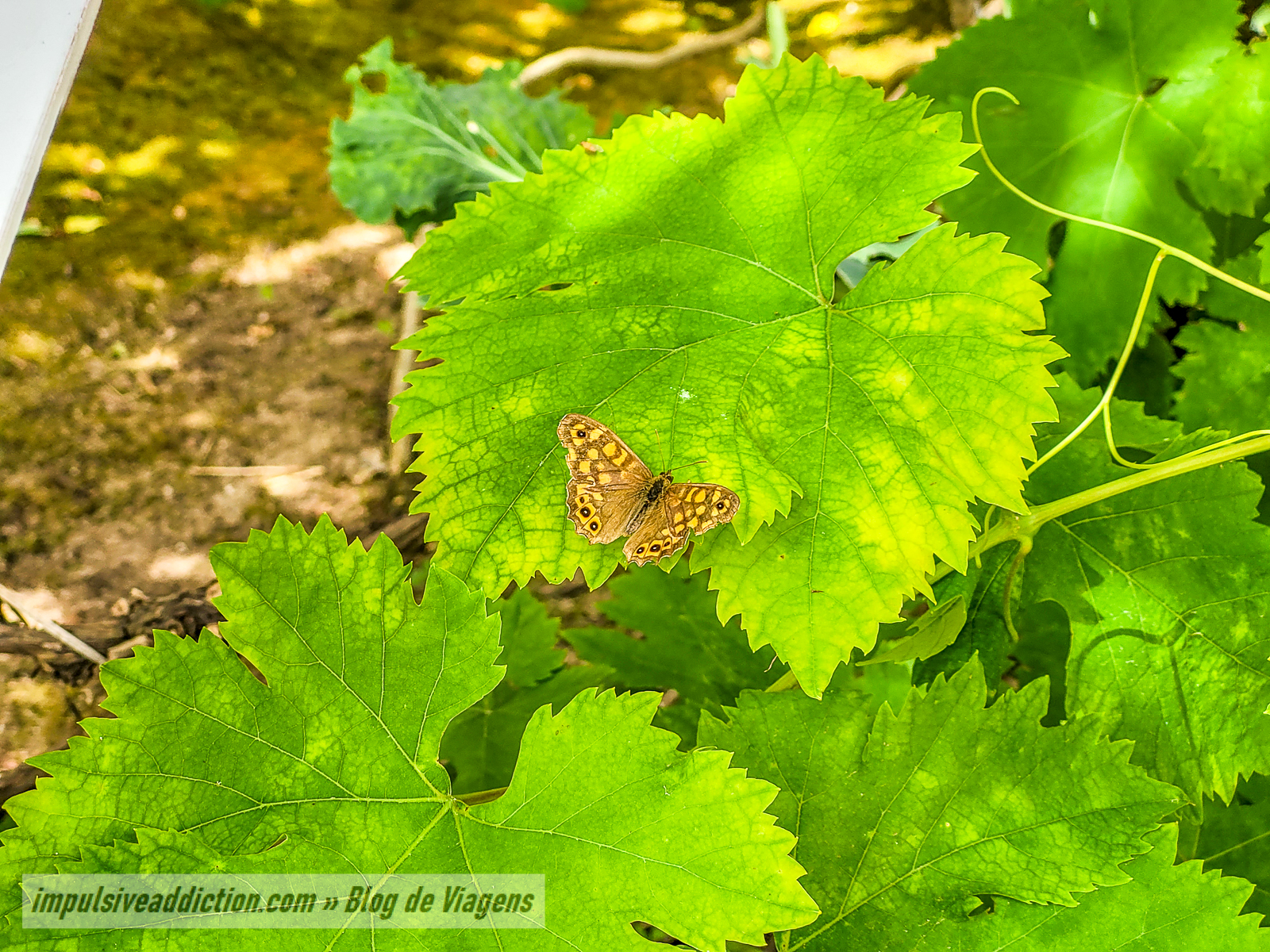
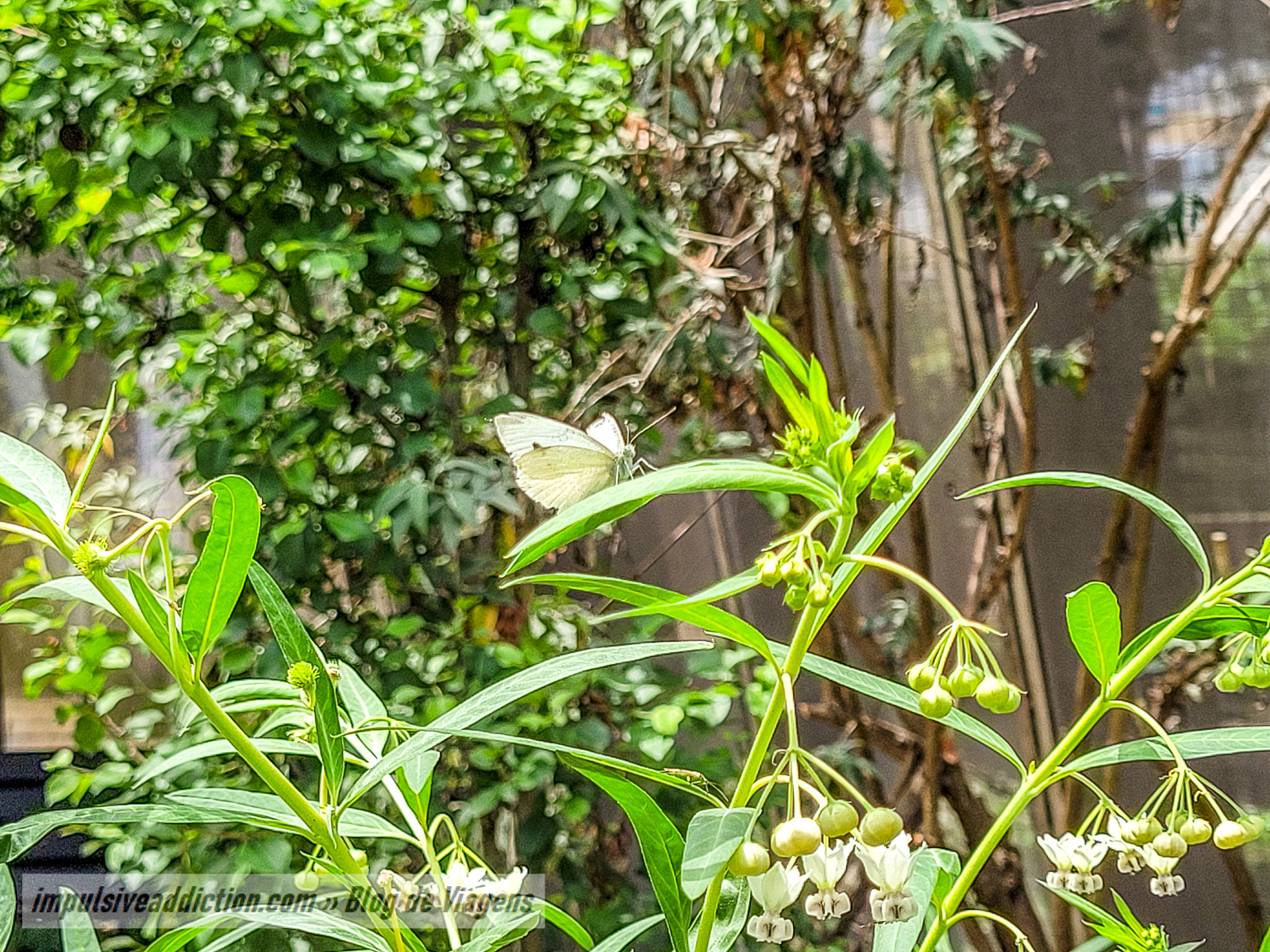
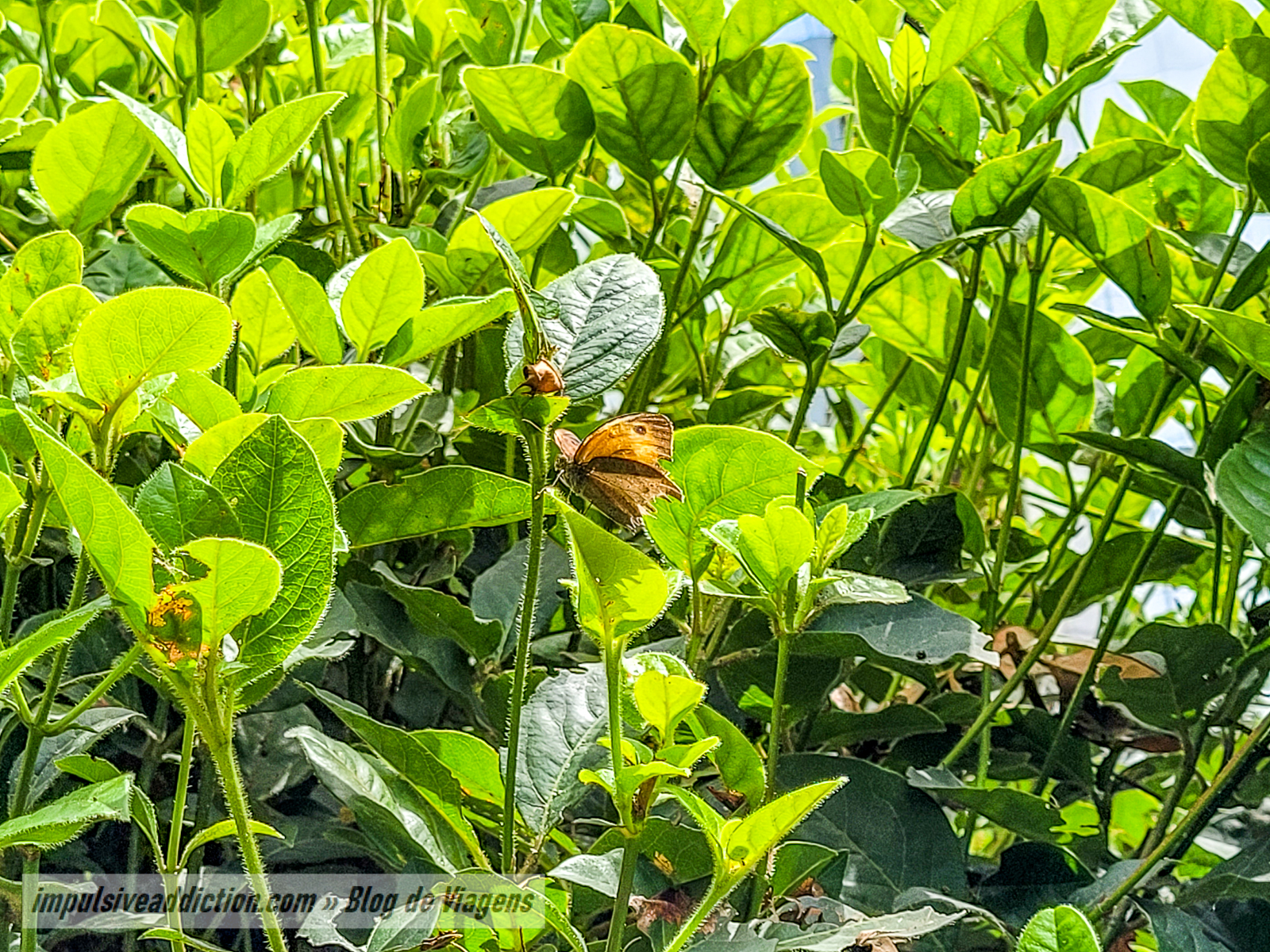
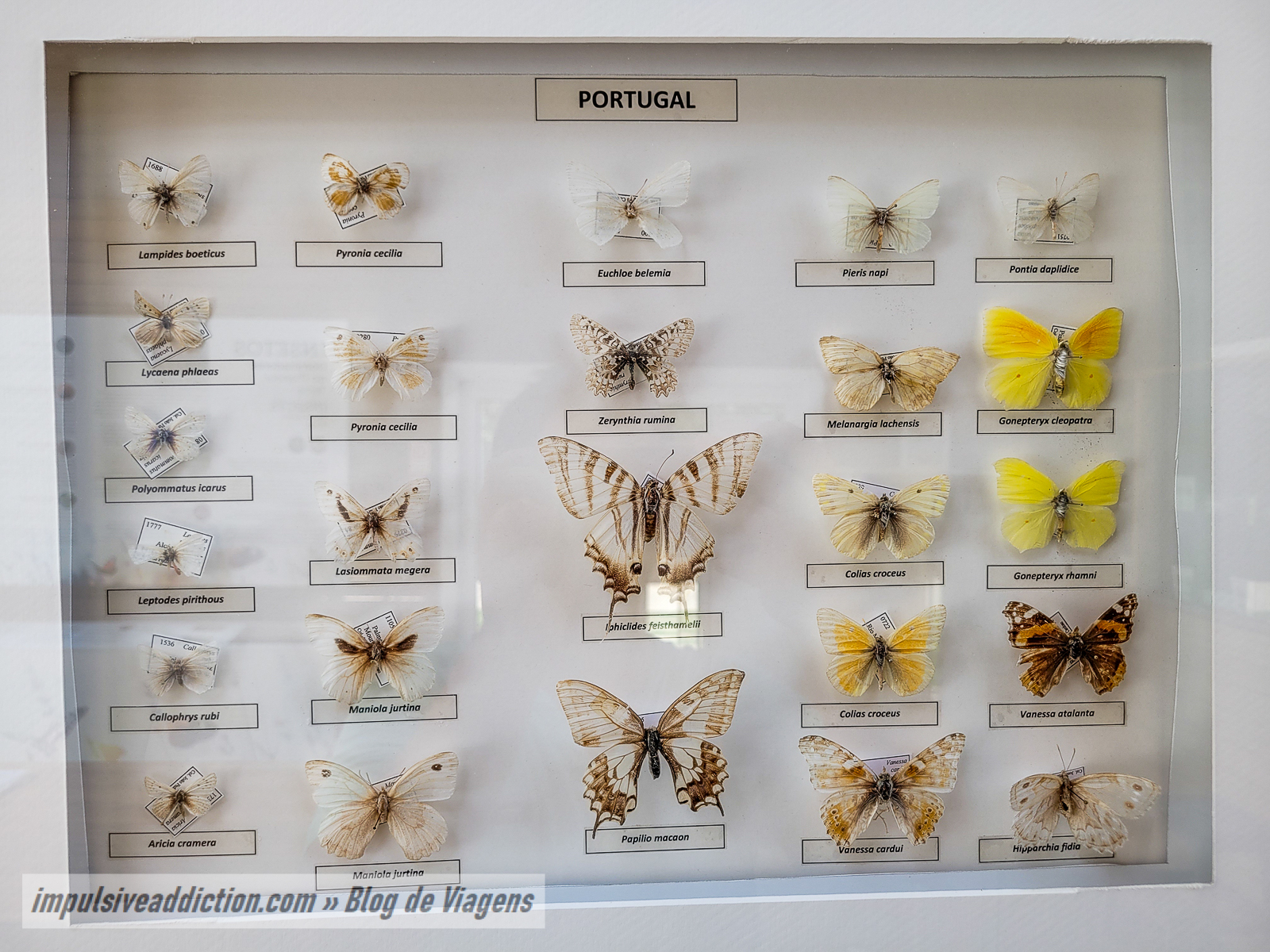
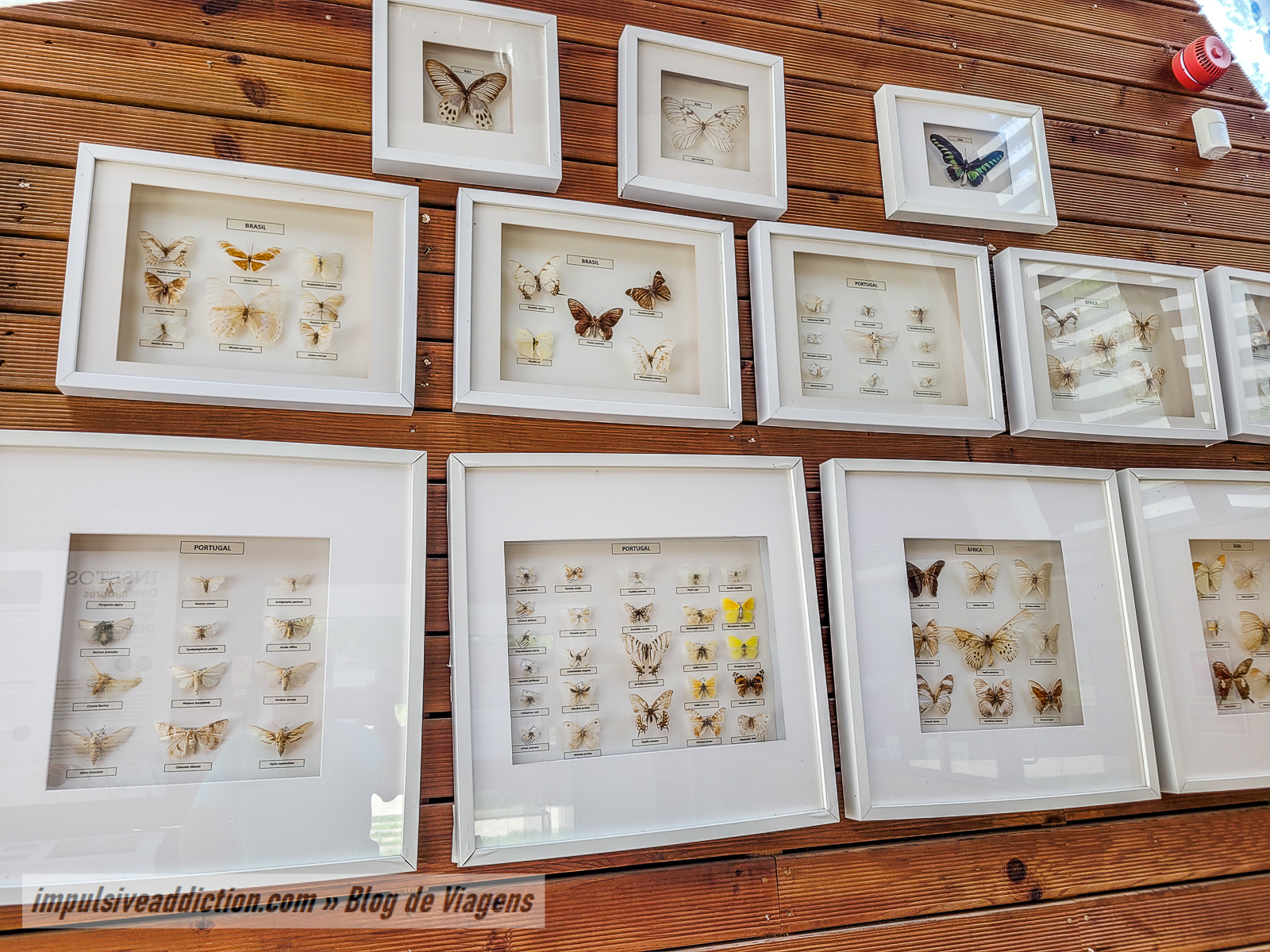
- Quinta de Rana Park – includes a small butterfly house
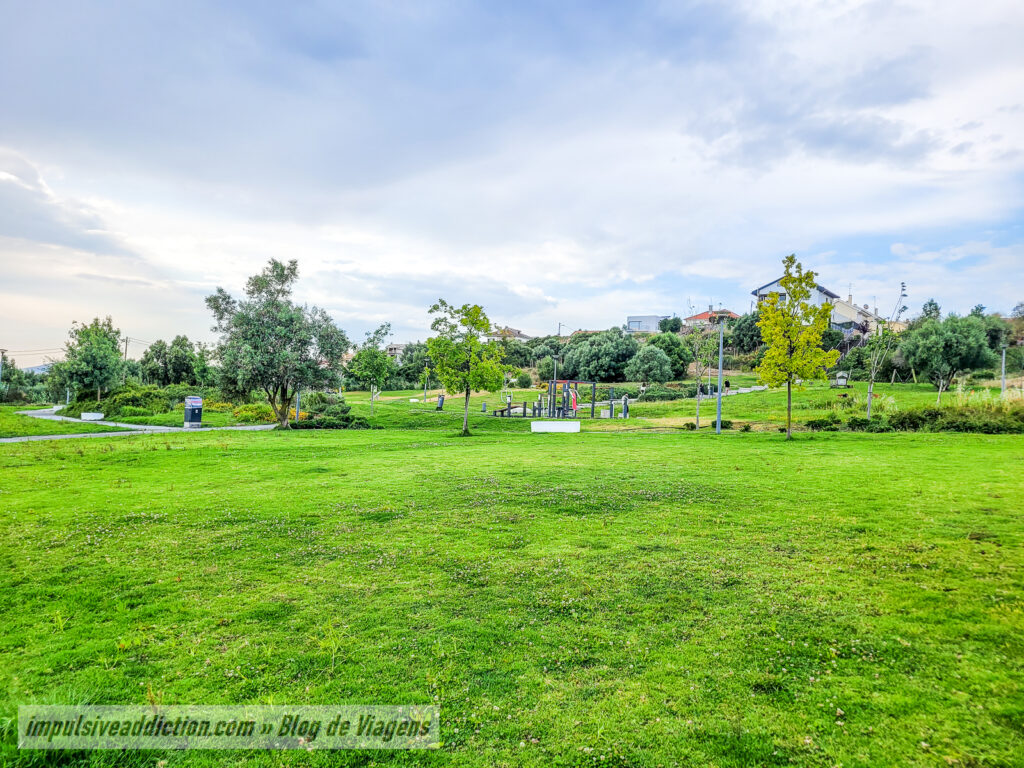
- Penedo Park
To round off your visit — and these are entirely optional — you can stop by the Parish Church of São Domingos de Rana and the Chapel of Quinta de Manique.
1. Roman Villa of Freiria
2. Casal Saloio
3. Outeiro de Polima Park
4. Church of São Domingos de Rana
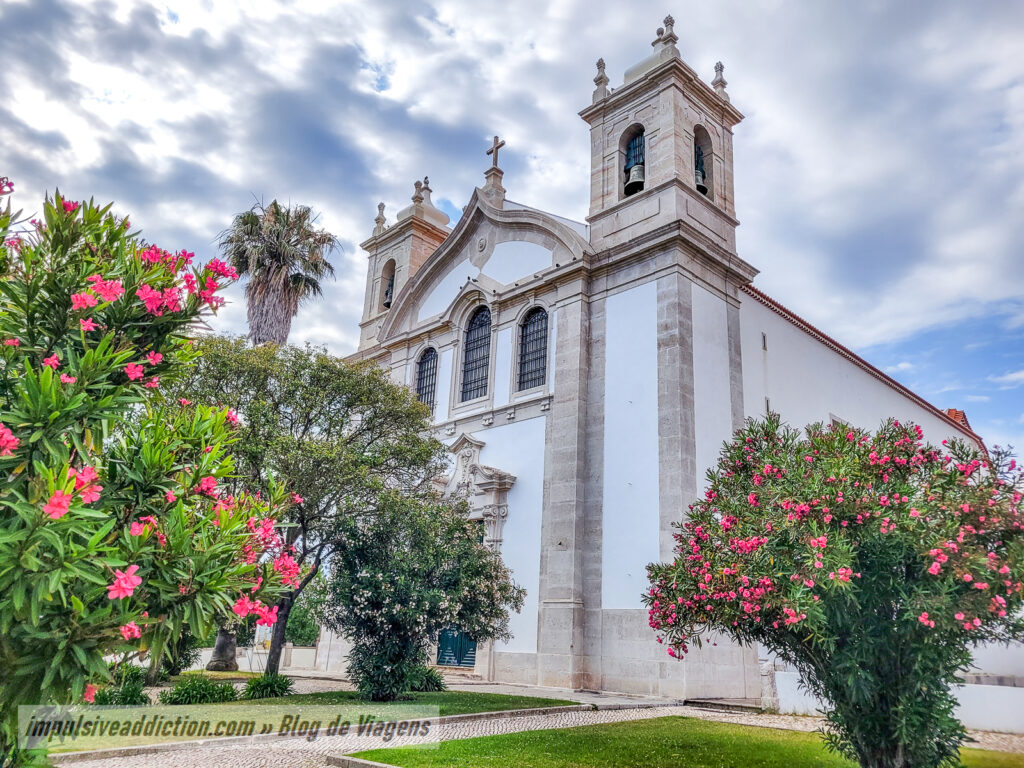
5. Quinta de Rana Park + Butterfly house
6. Penedo Park
7. Quinta de Manique Chapel
Visit Parede
Parede is a coastal parish in the municipality of Cascais, just like Carcavelos.
Its main attractions are its beaches:
- Parede Beach
- Avencas Beach
- Bafureira Beach
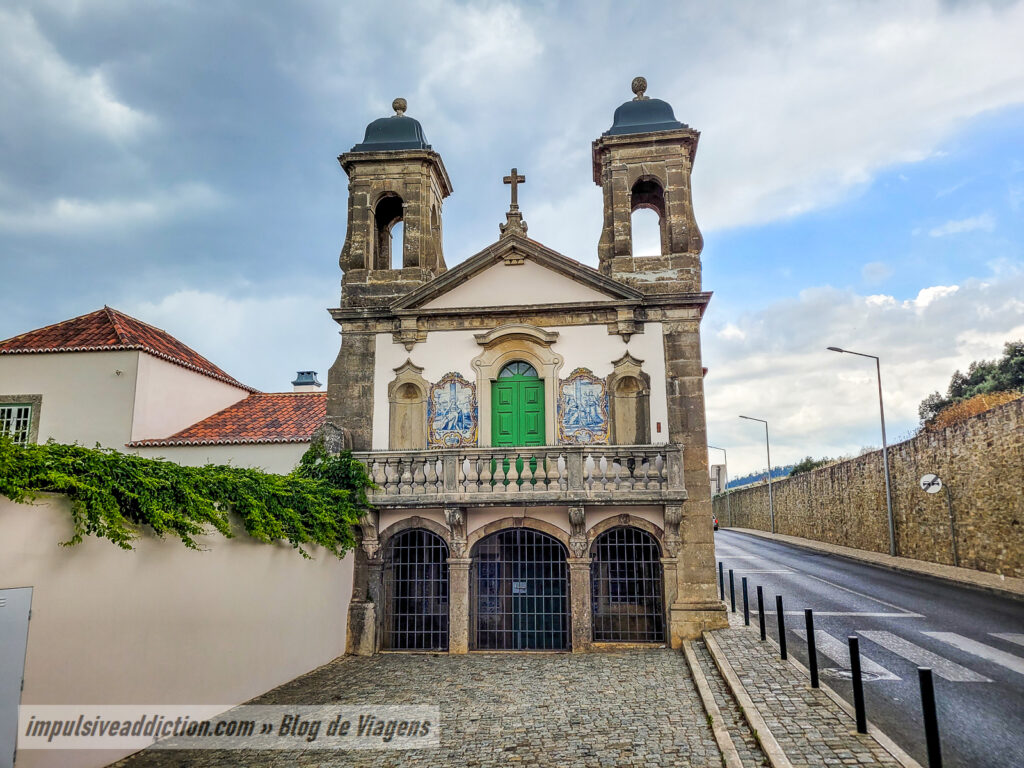
Optionally, you might also take a quick look at the Church of Parede and the nearby Jardim Morais, a small but pleasant garden.
1. Church of Parede
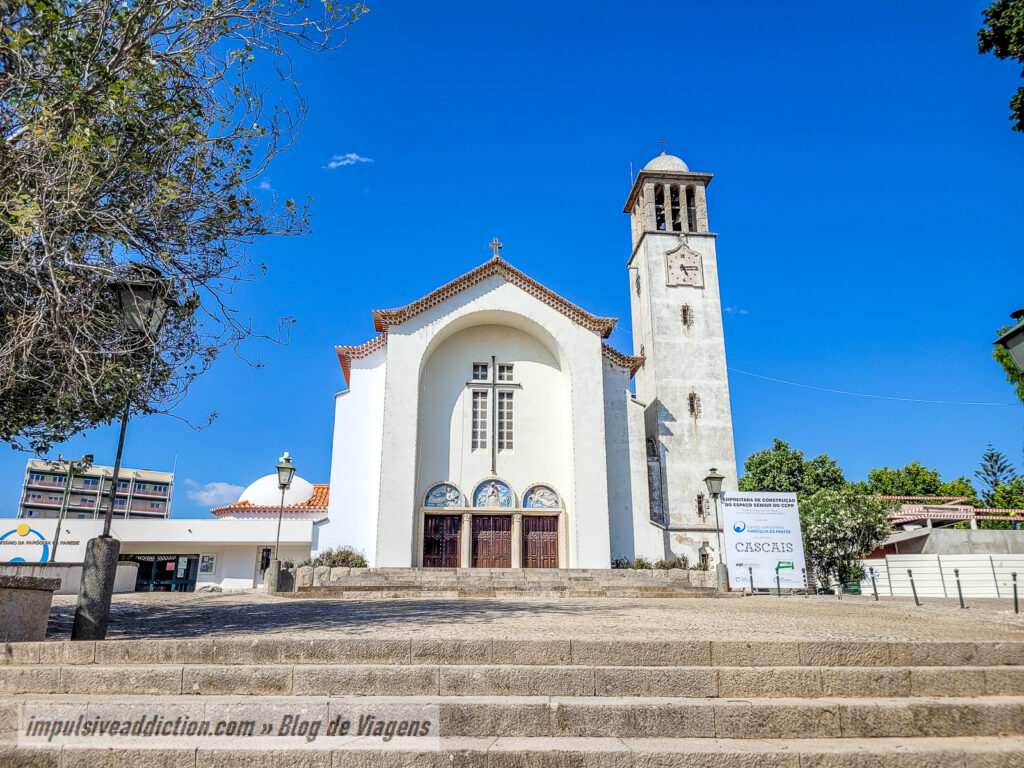
2. Praia de Parede
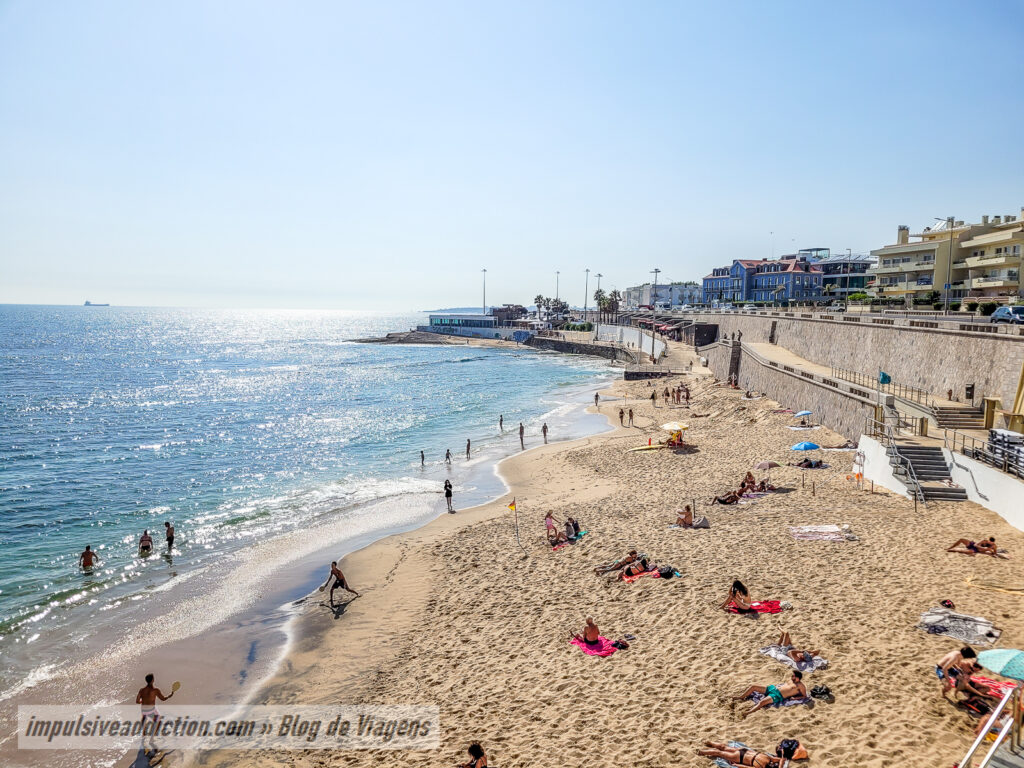
3. Jardim Morais
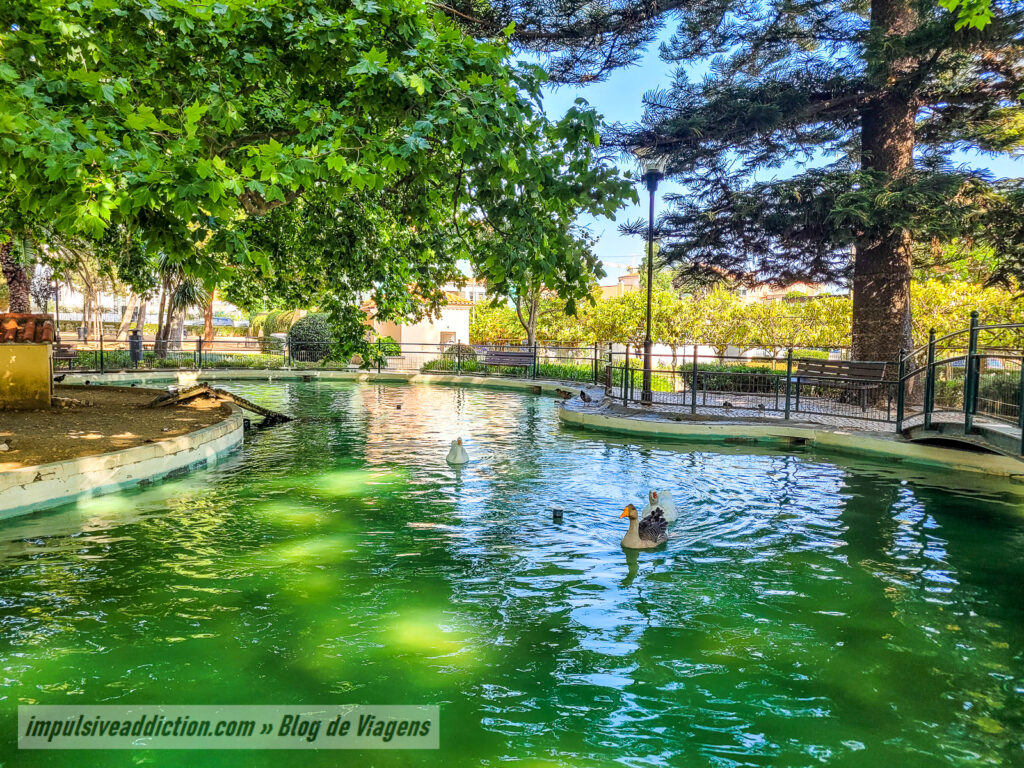
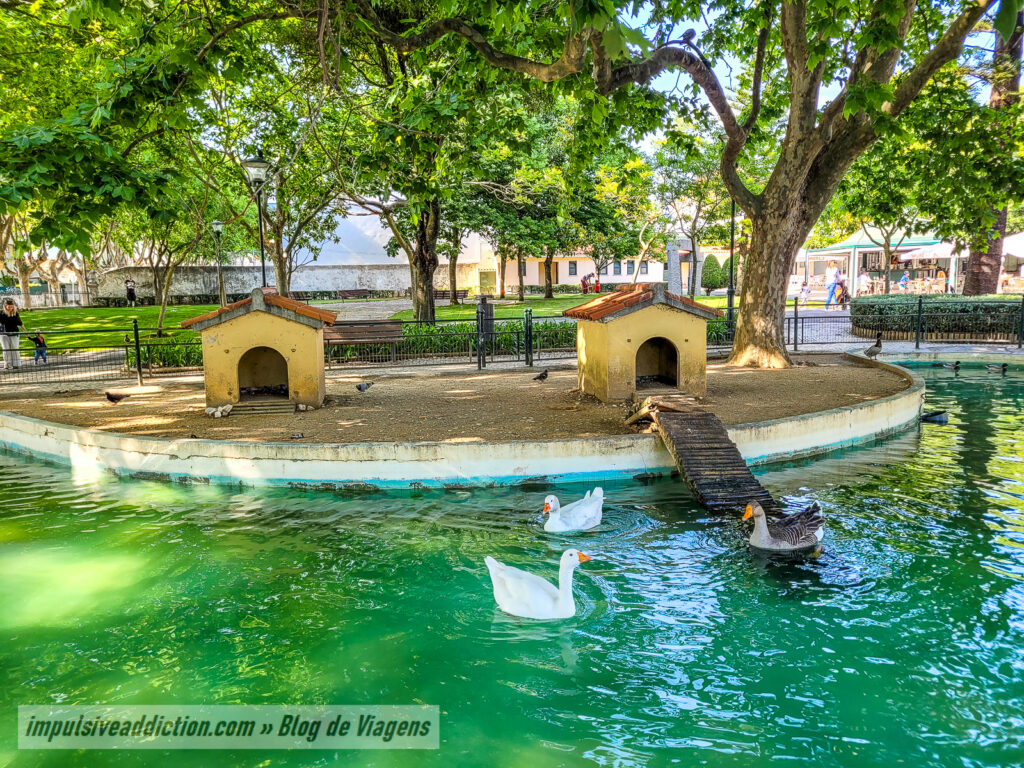
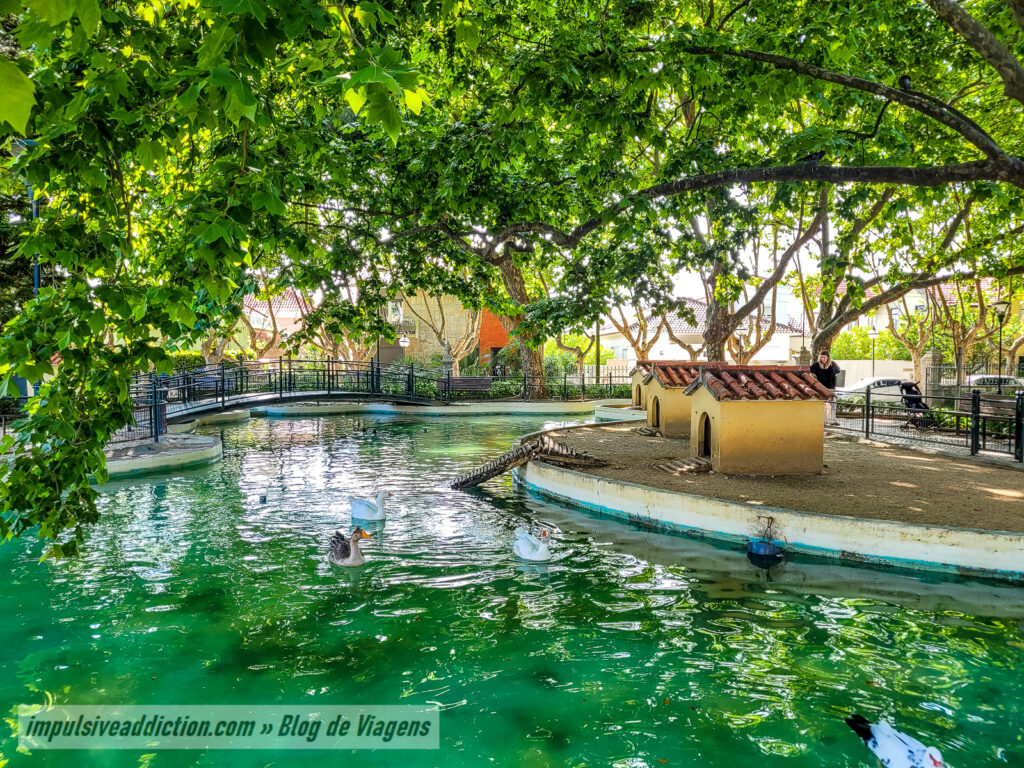
4. Praia das Avencas + Piscina Natural
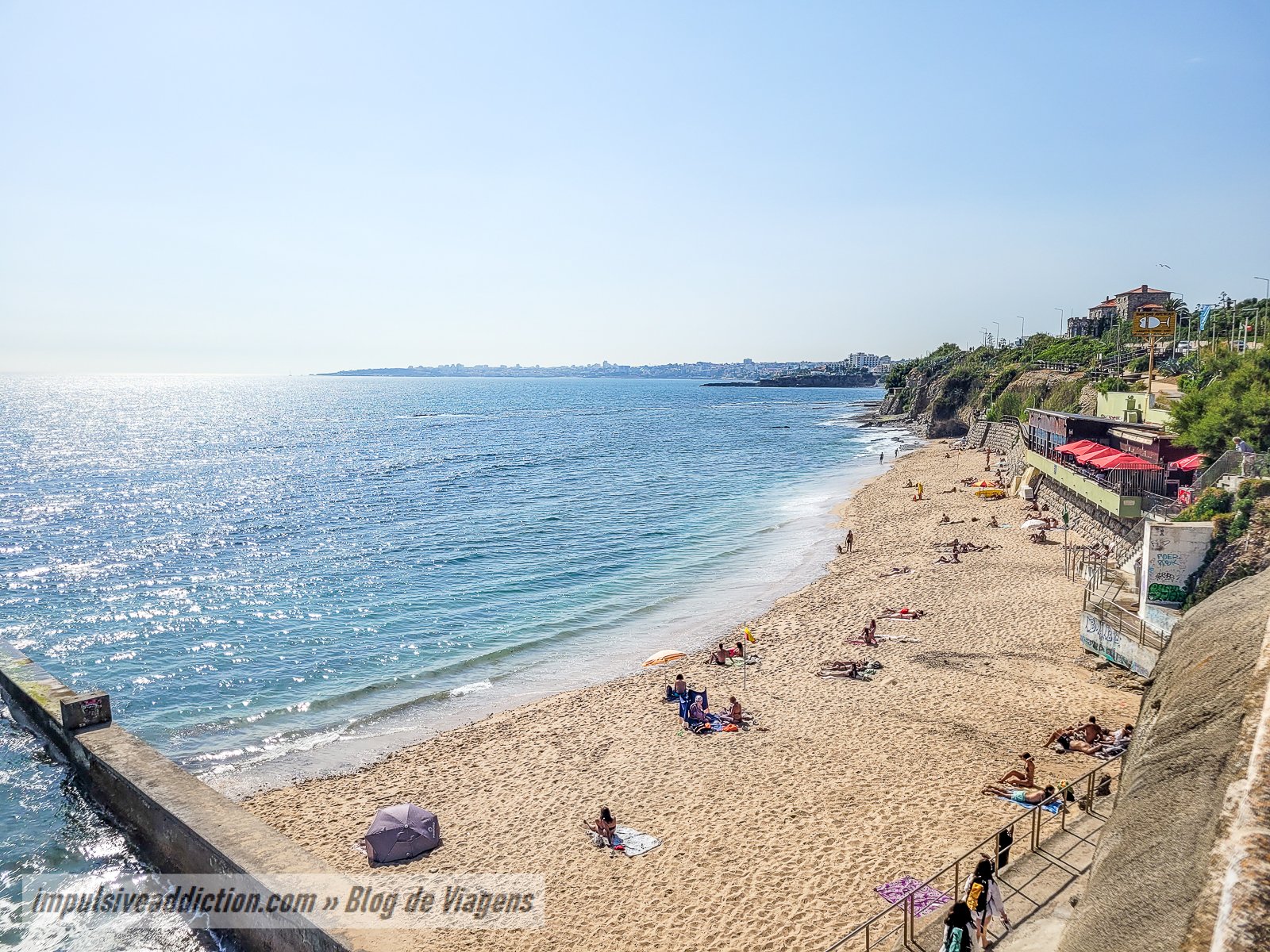
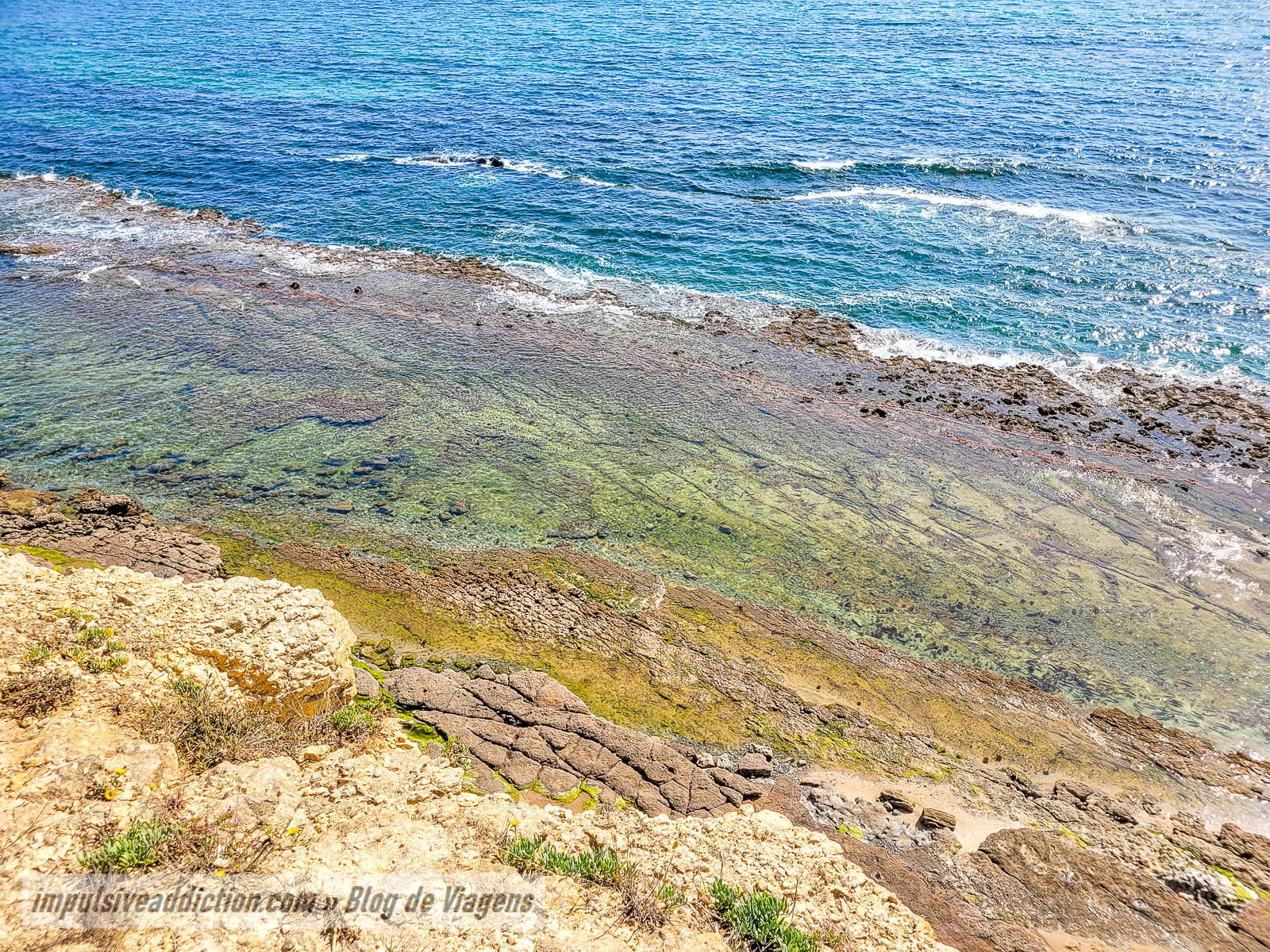
5. Praia da Bafureira
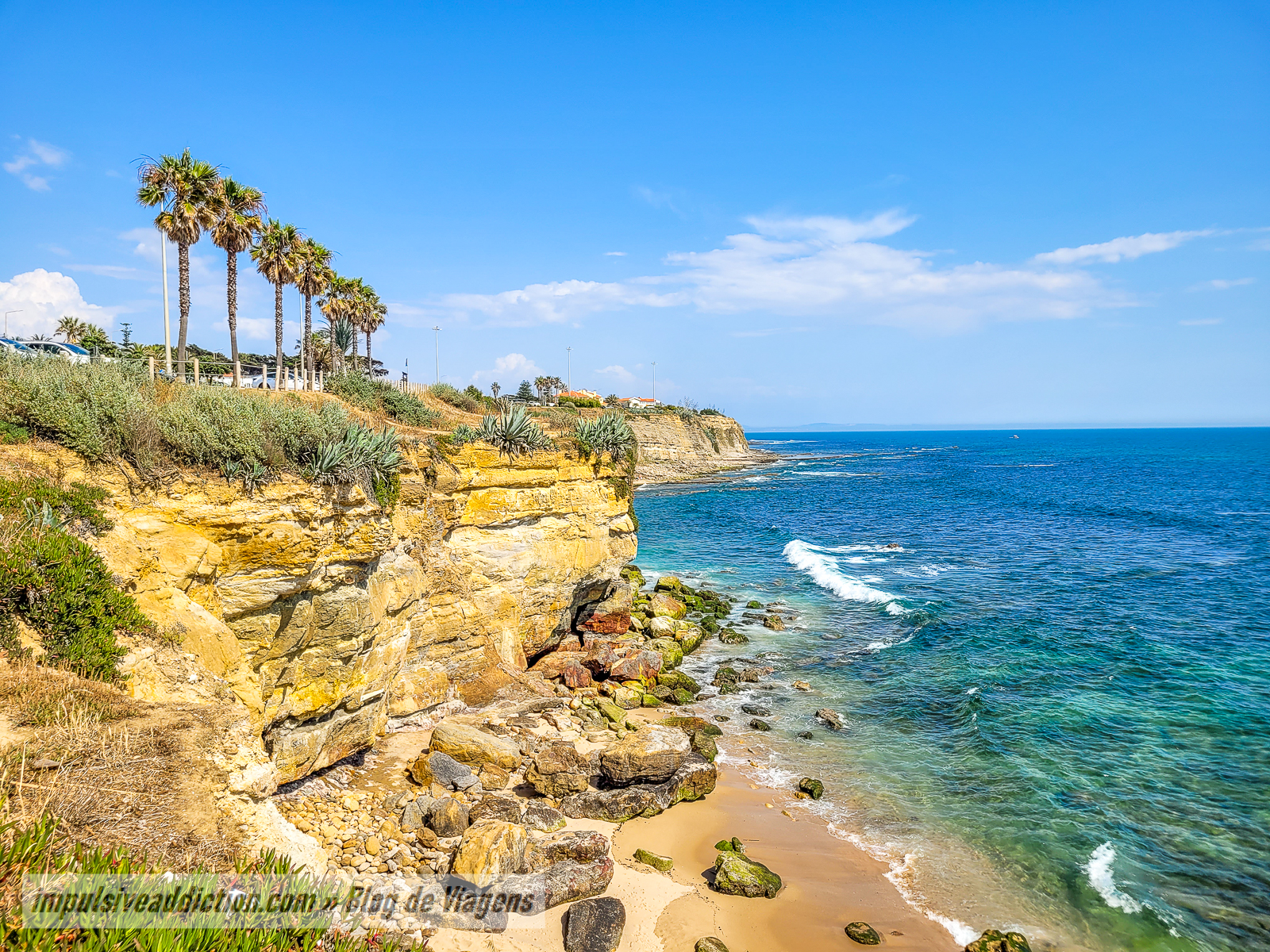
Visit Alcabideche
We finish with Alcabideche.
This parish is home to several highlights along the coastline of Cascais, most notably the Guincho area, featuring:
- Guincho Beach
- Abano Beach
- Forte do Guincho (also known as Forte das Velas), built in the 17th century as part of the defensive belt along Cascais’ coast after the Portuguese Restoration War.
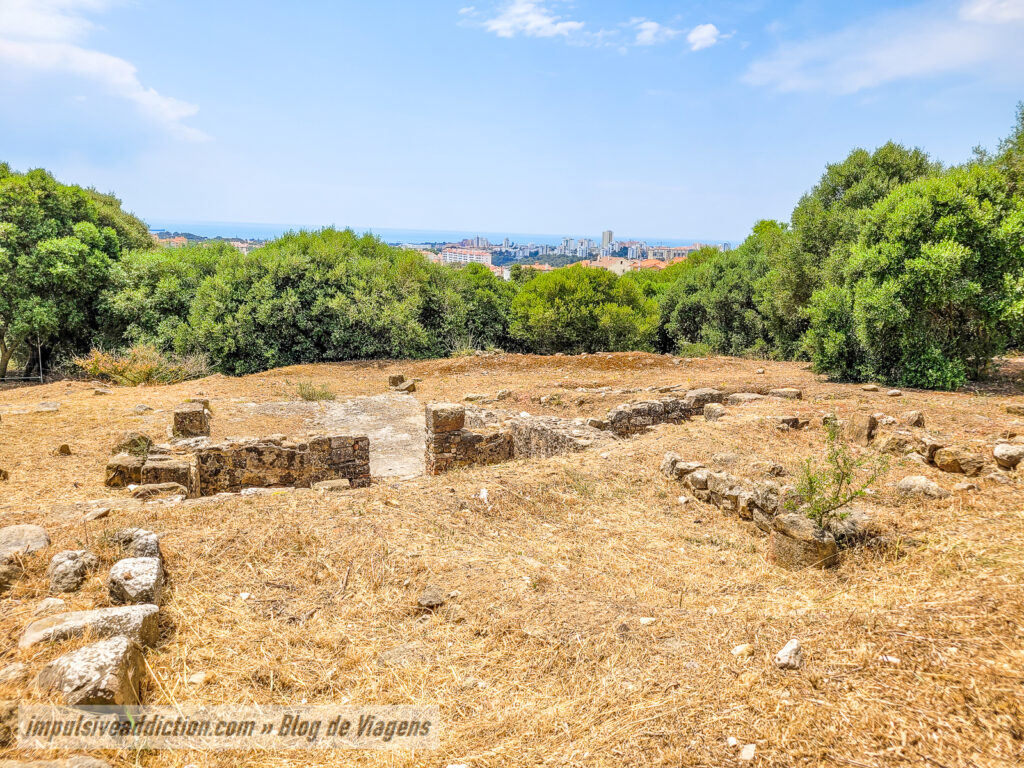
Alcabideche also preserves Roman ruins, including the Roman Villa of Alto da Cidreira, which you may want to explore.
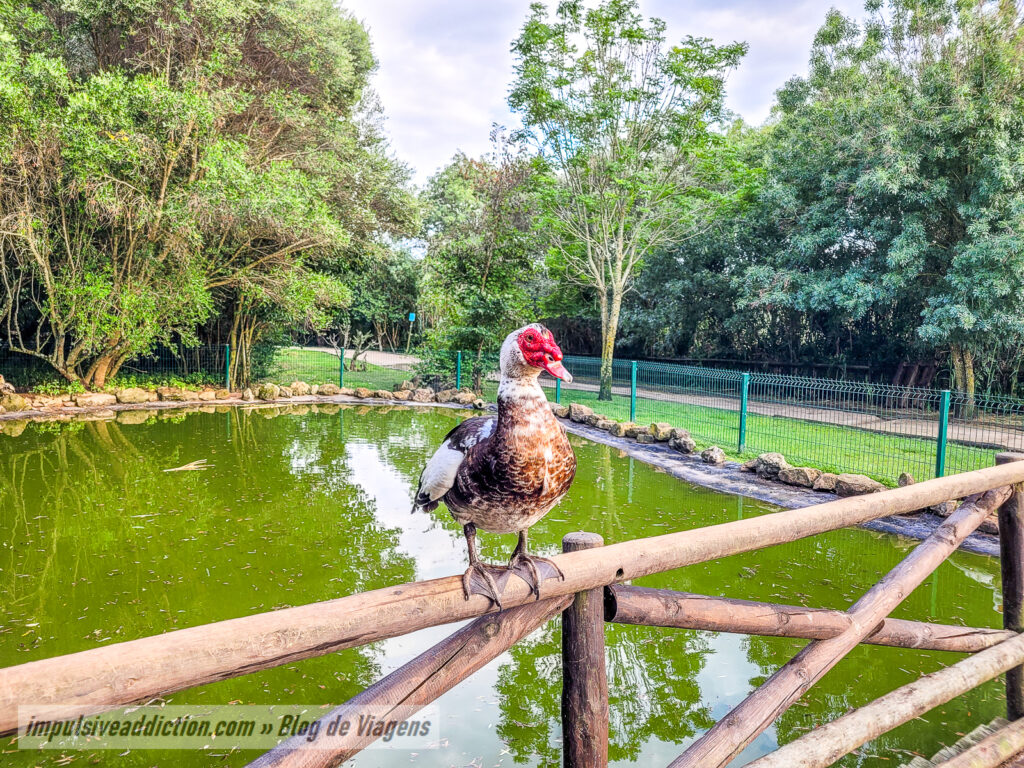
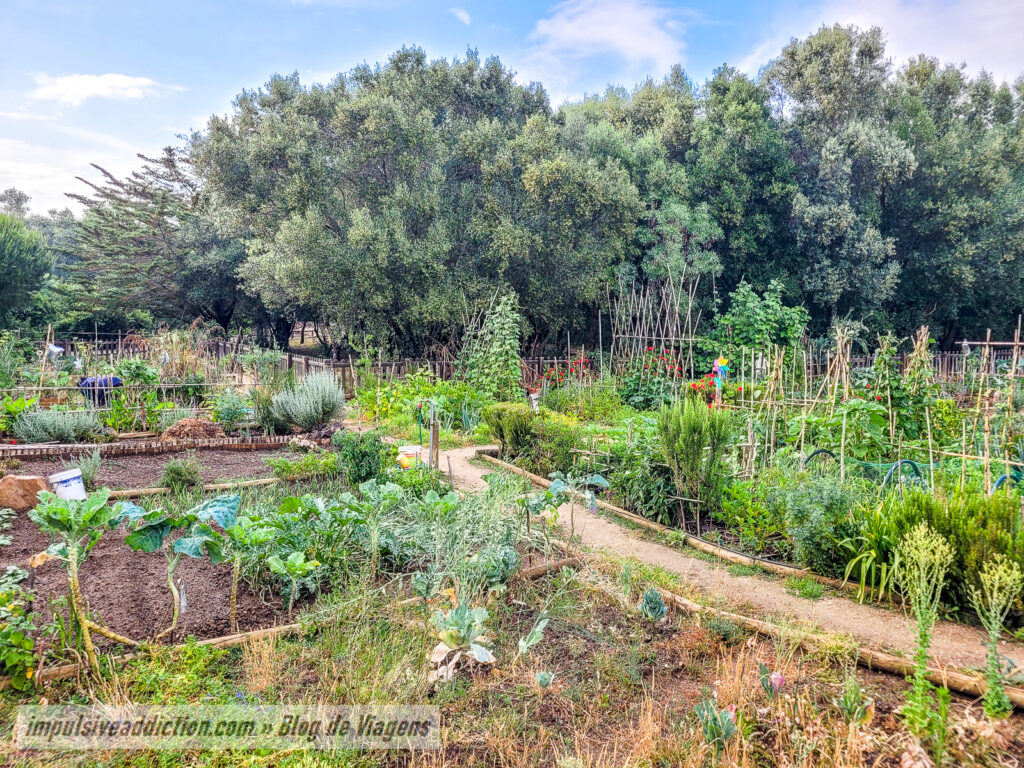
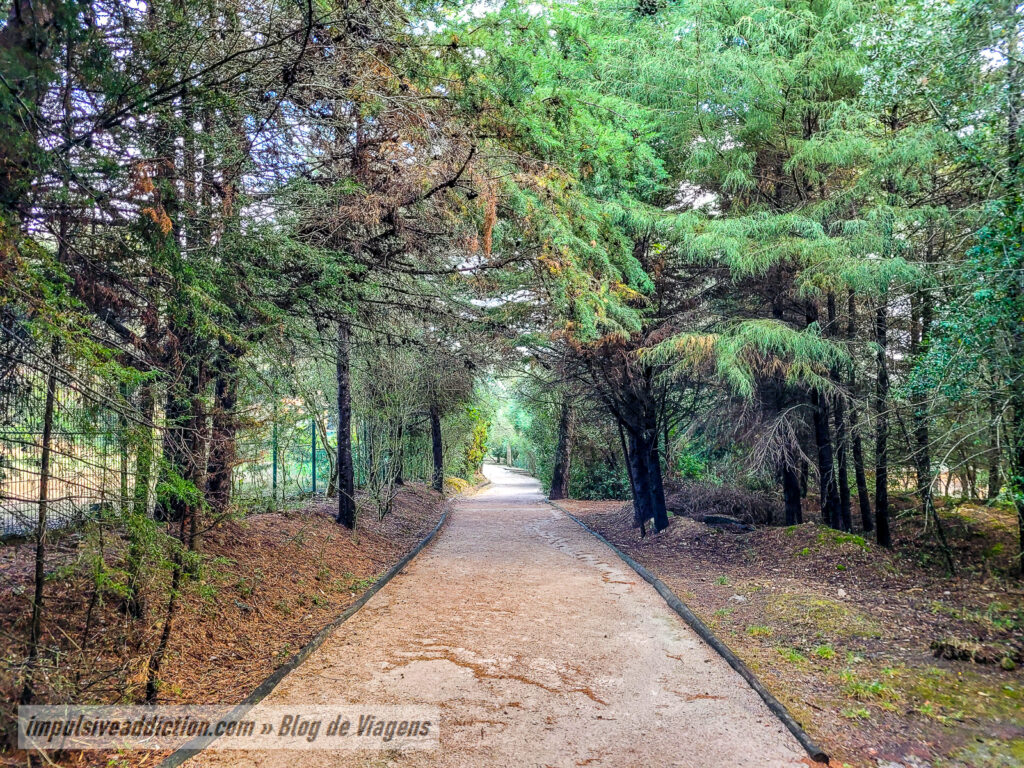
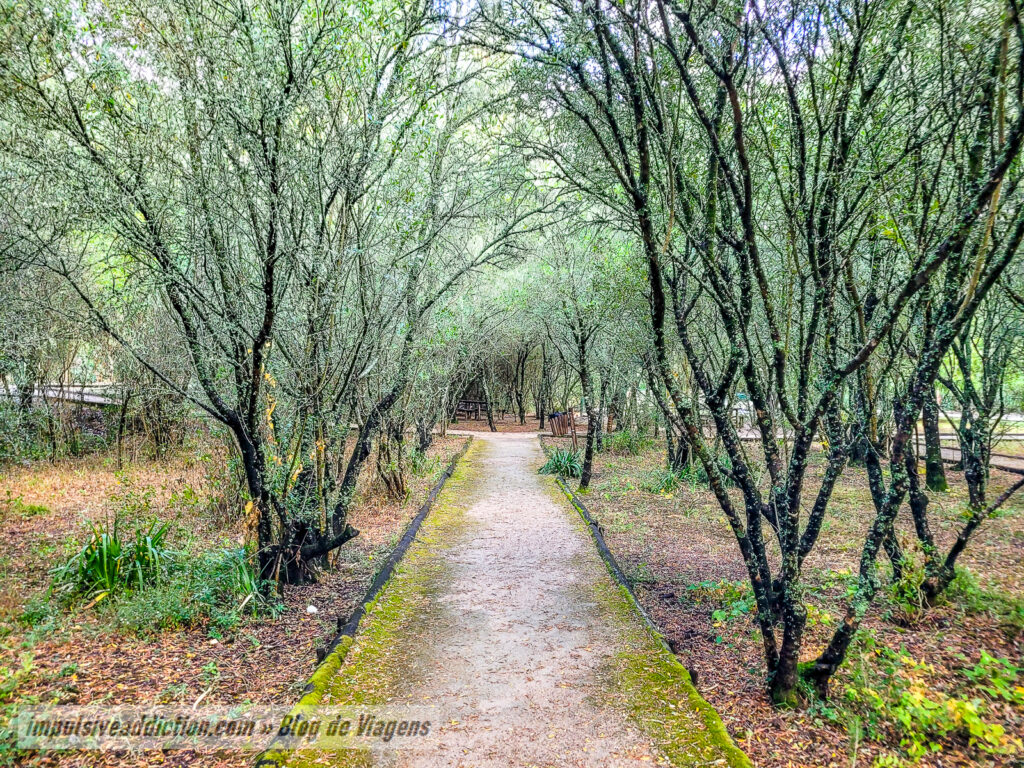
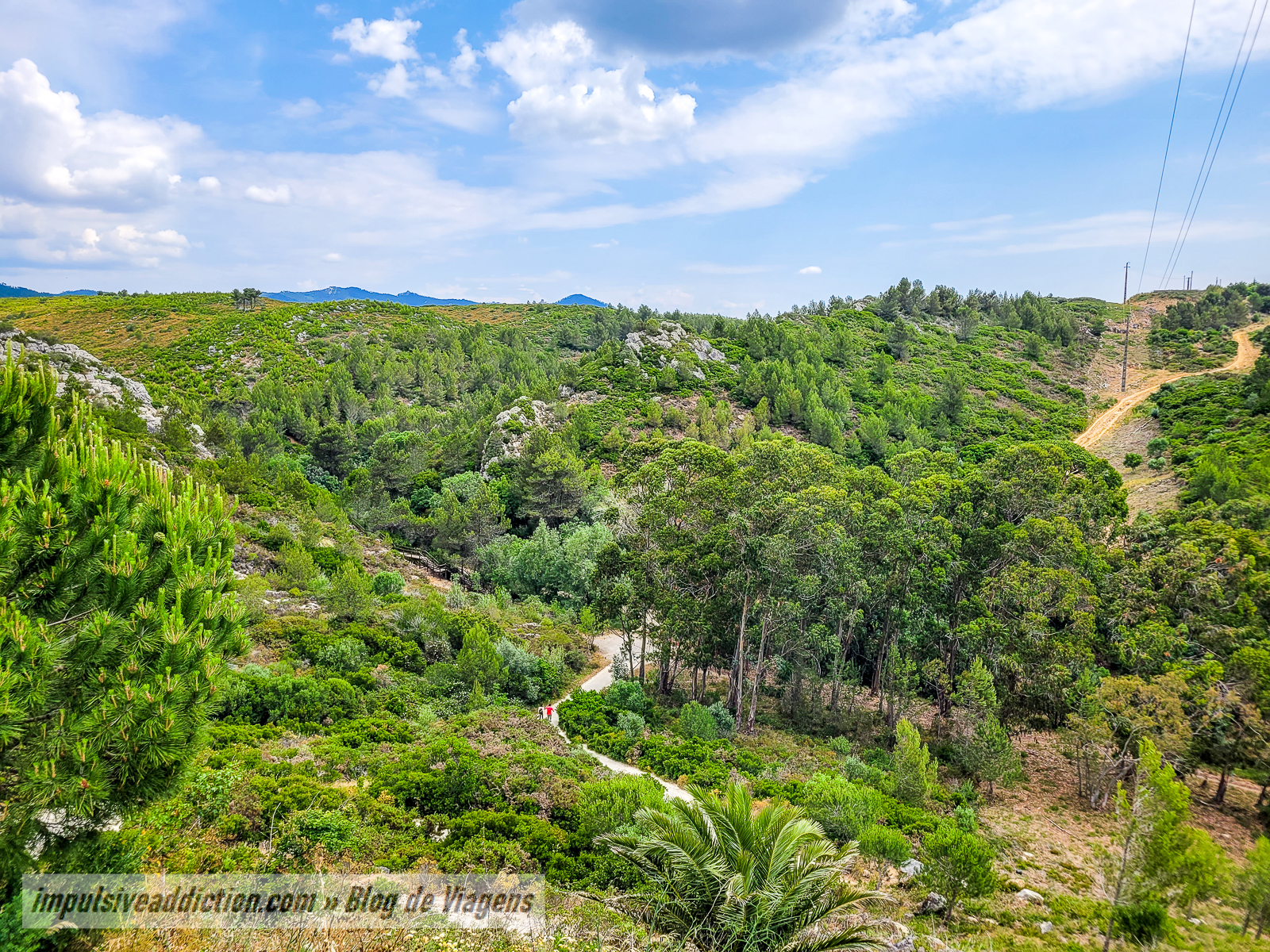
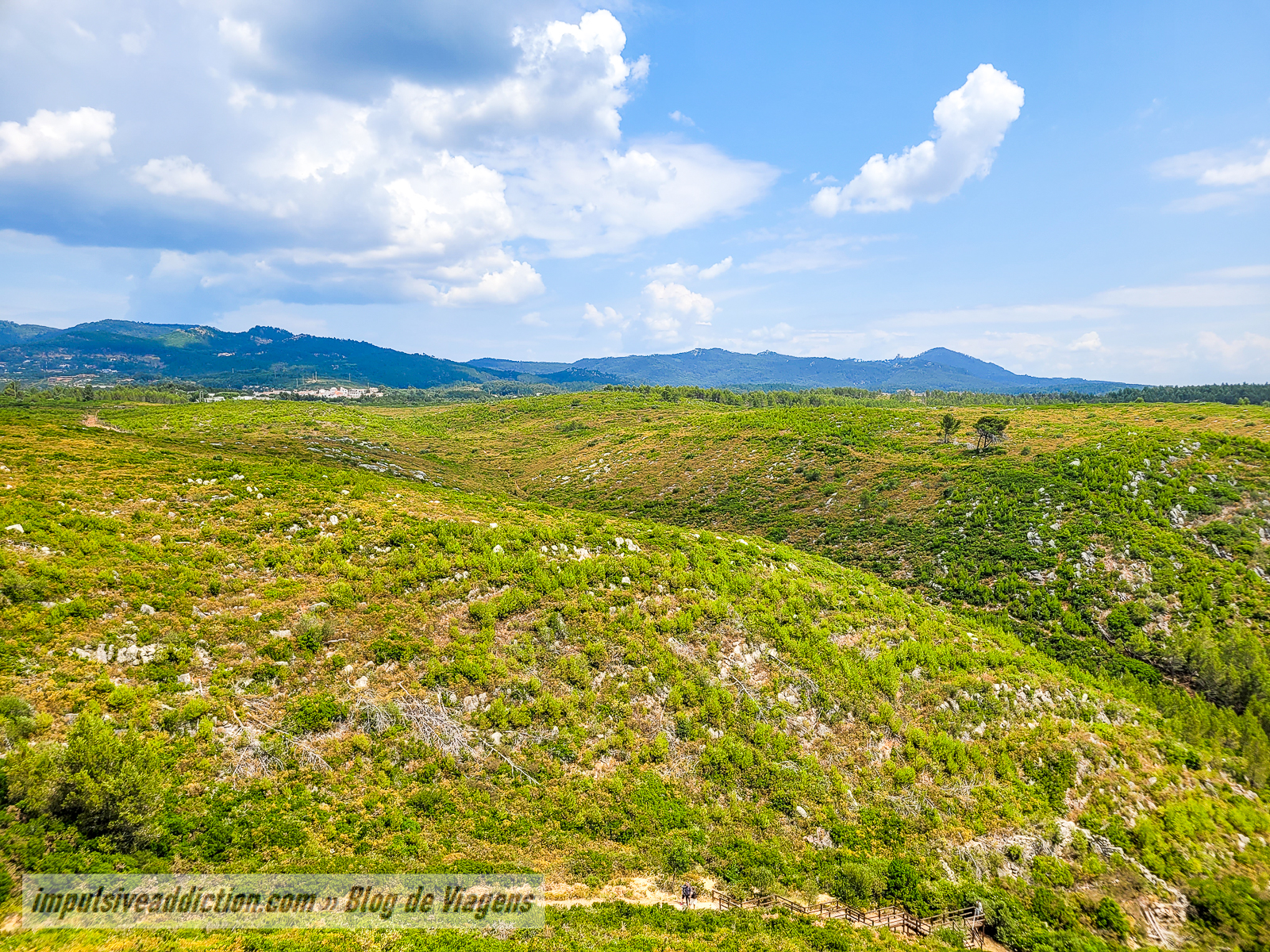
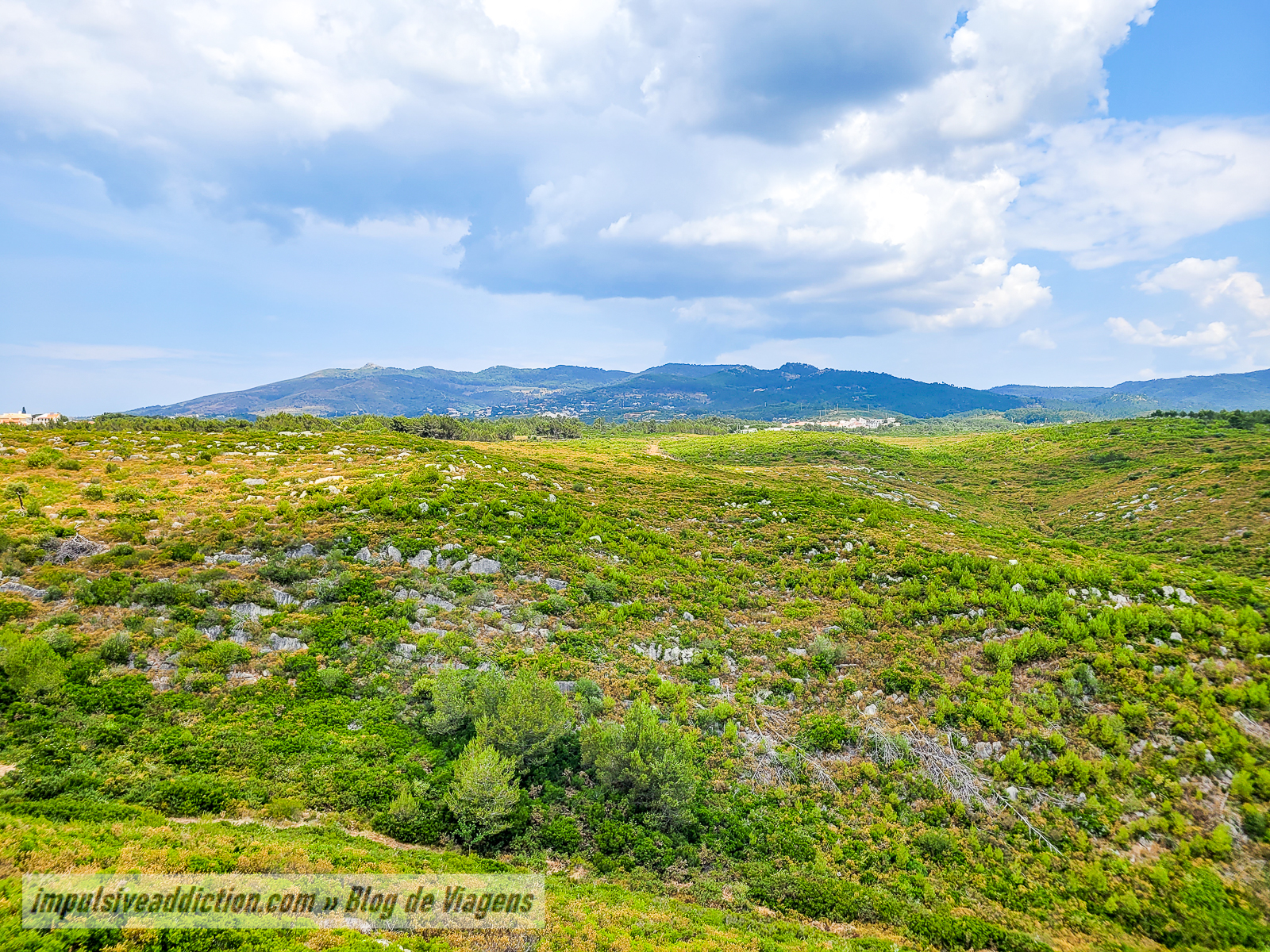
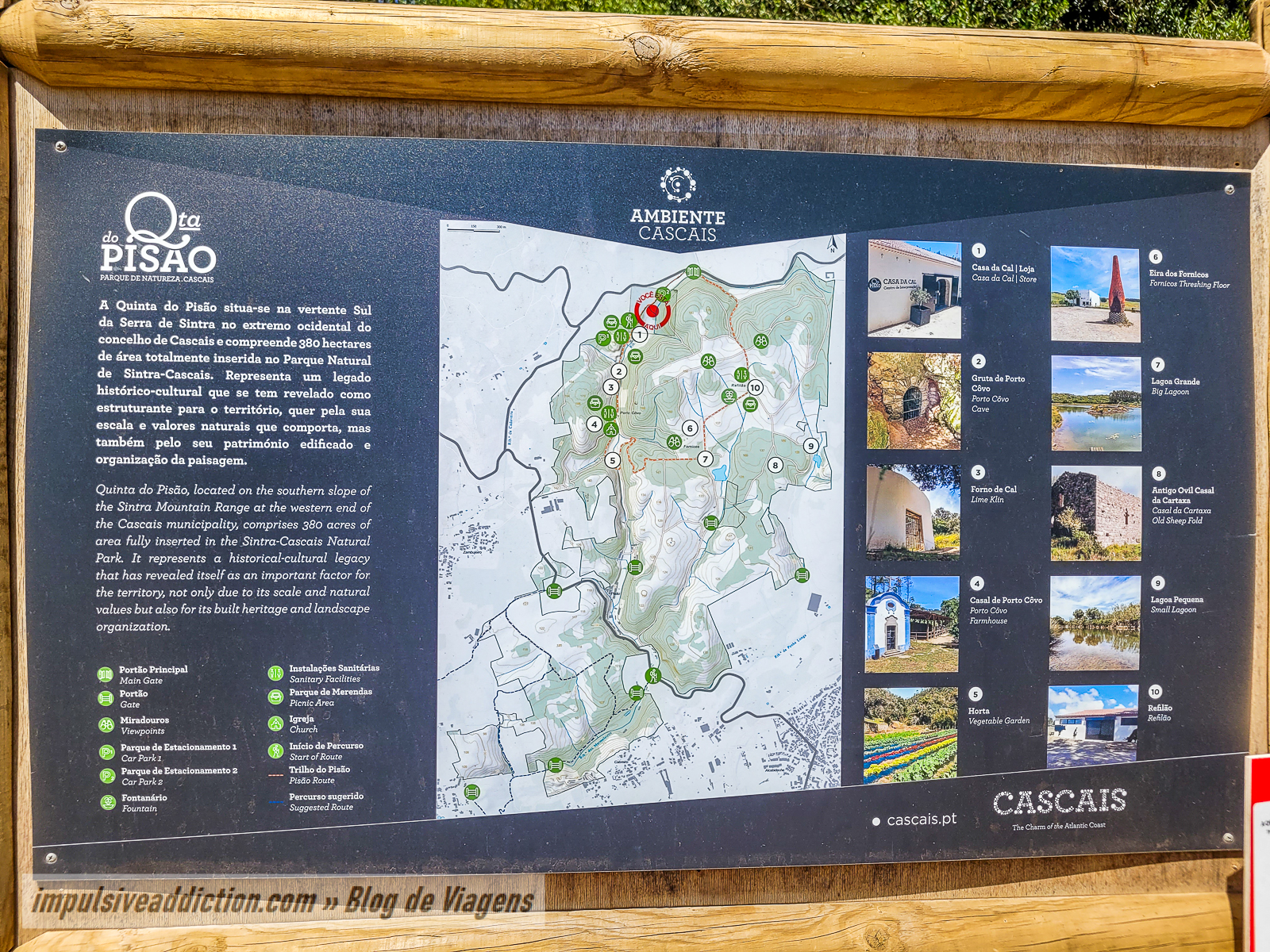
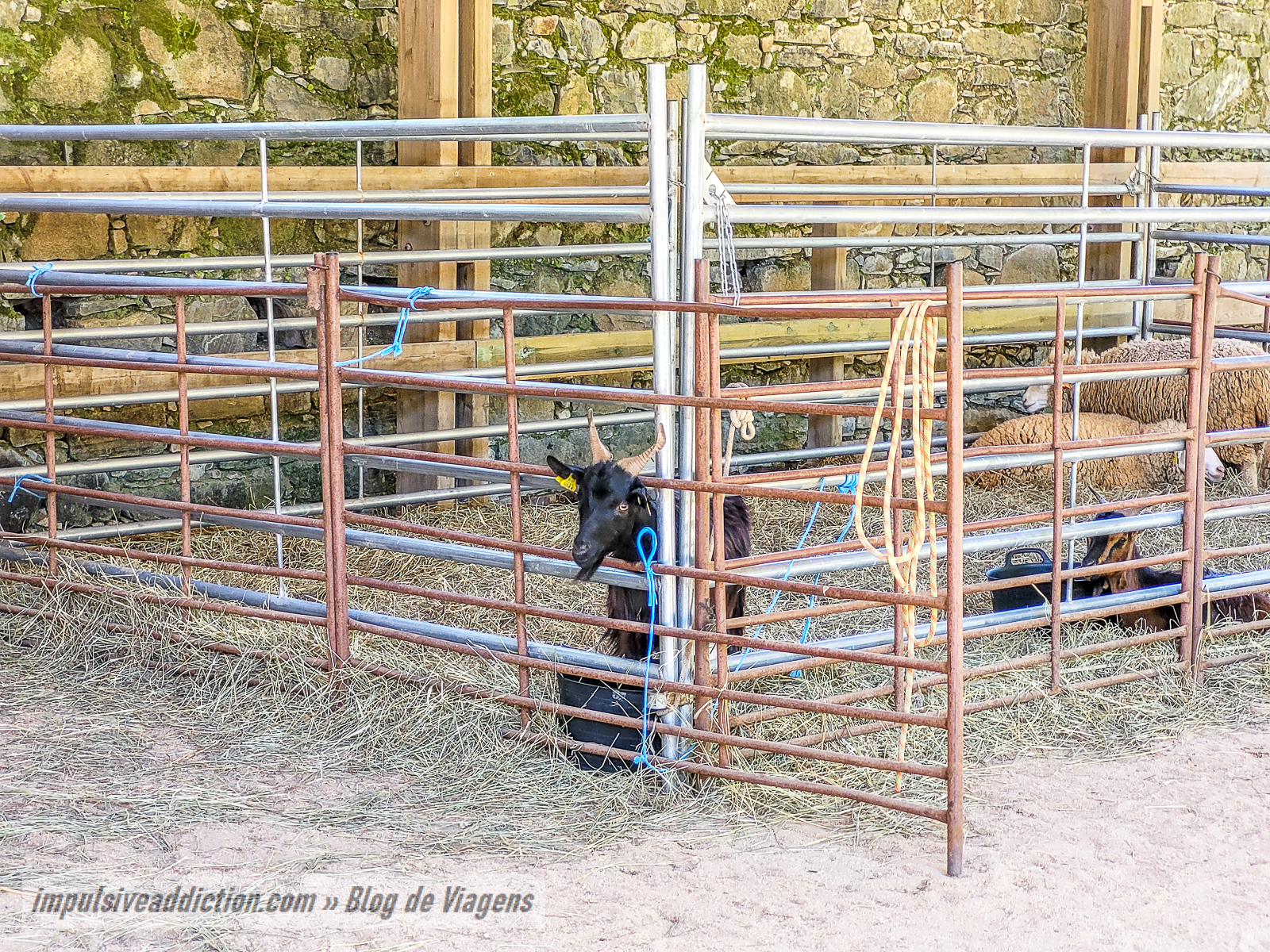
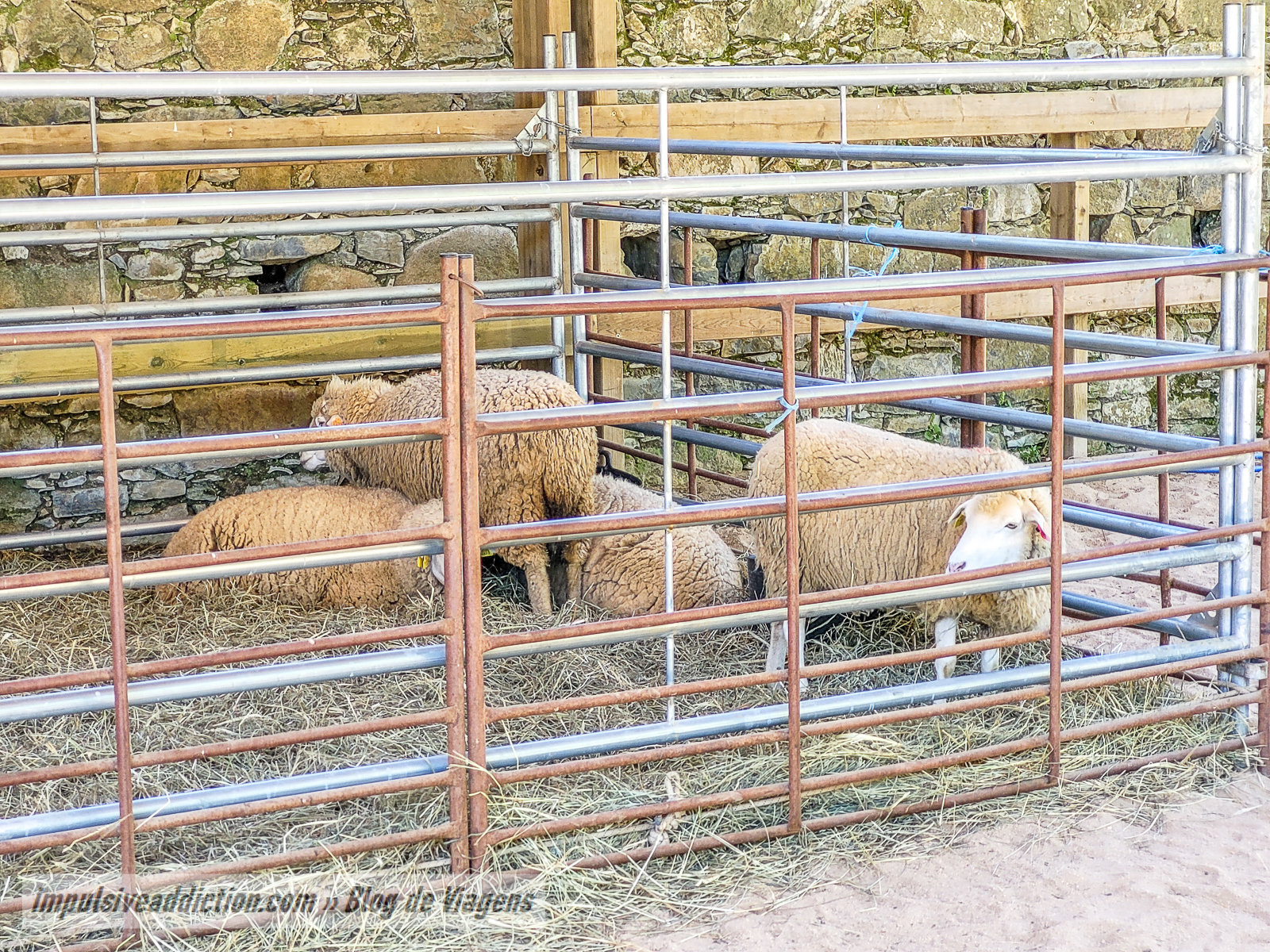
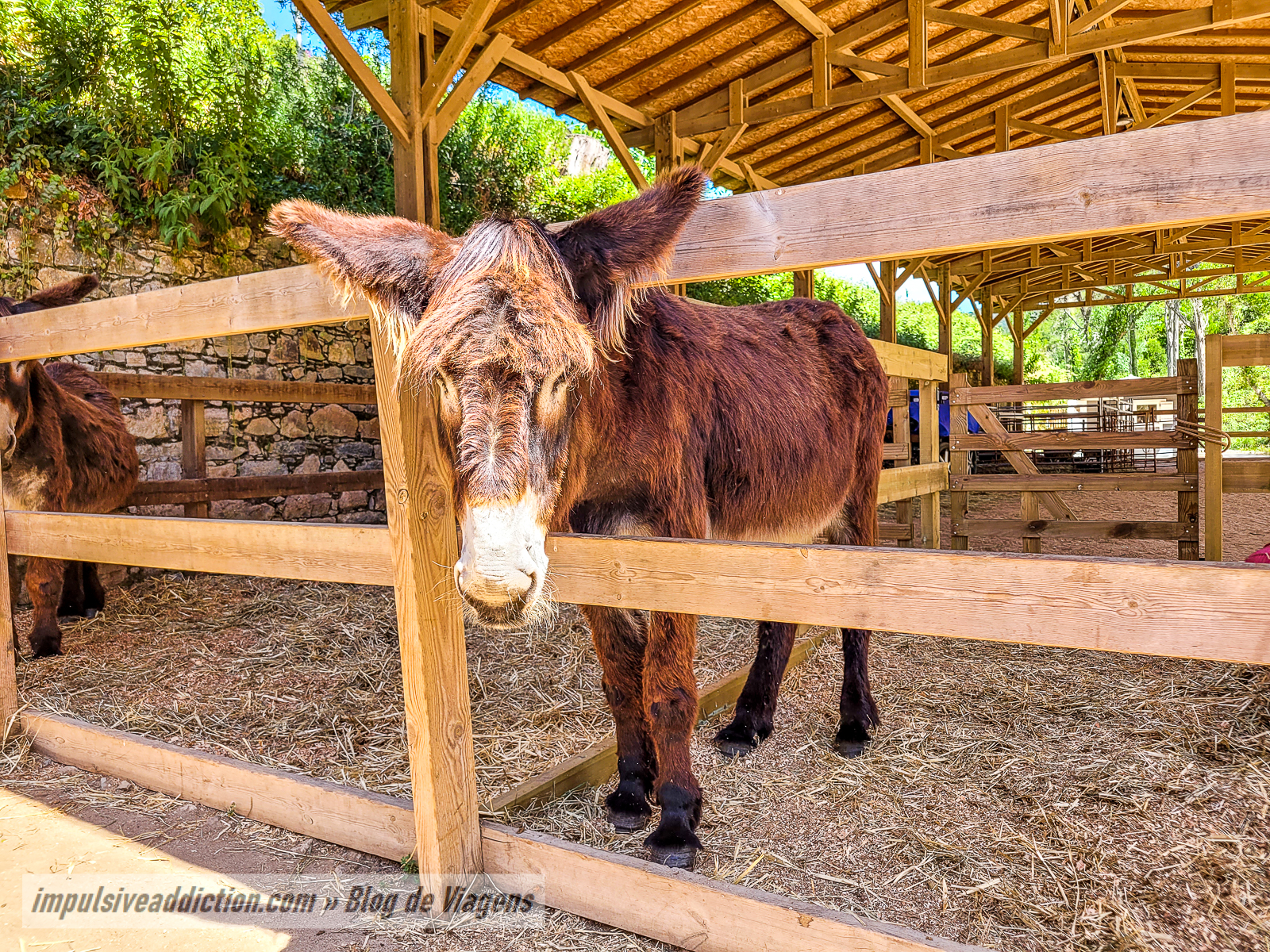
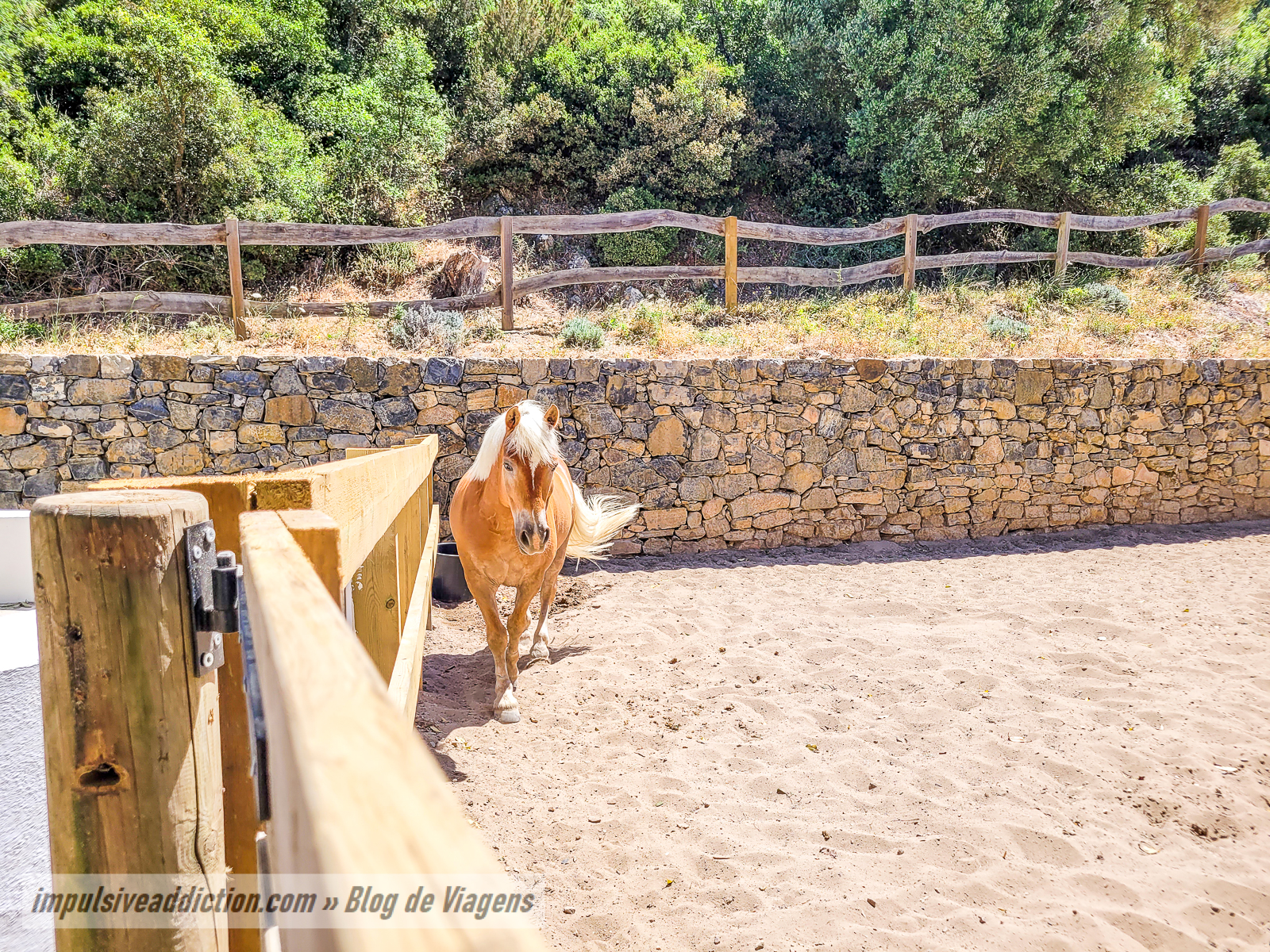
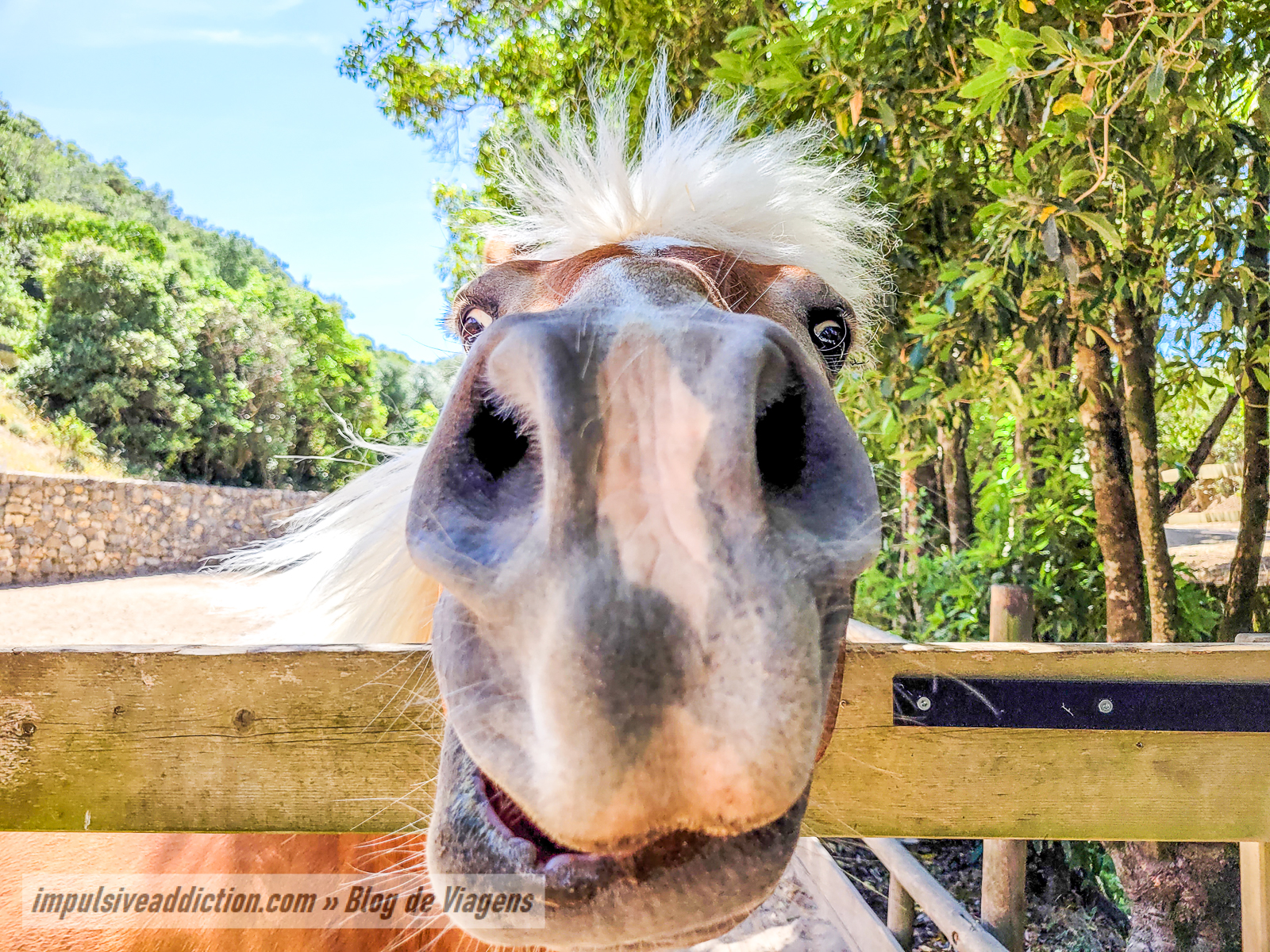
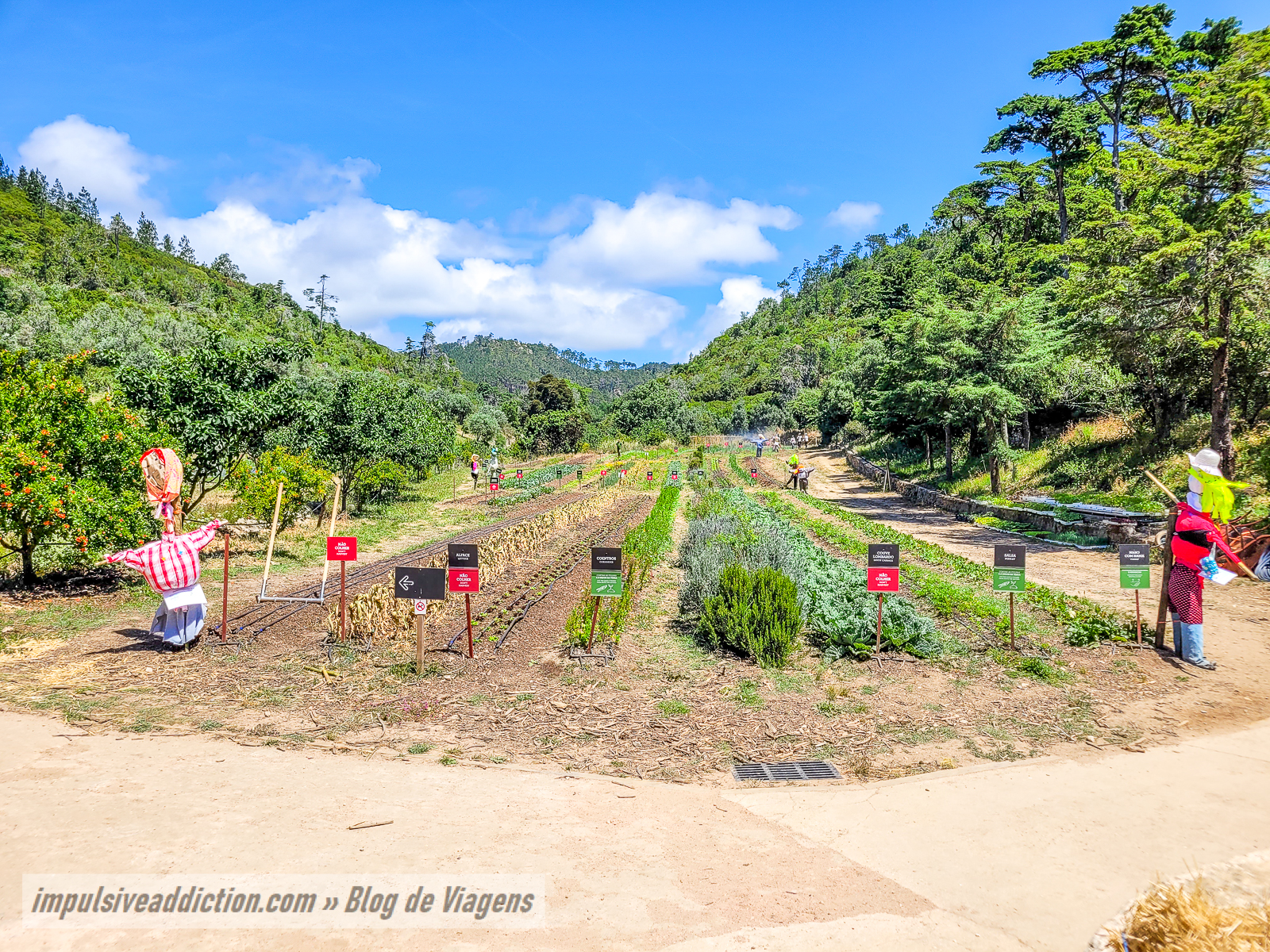
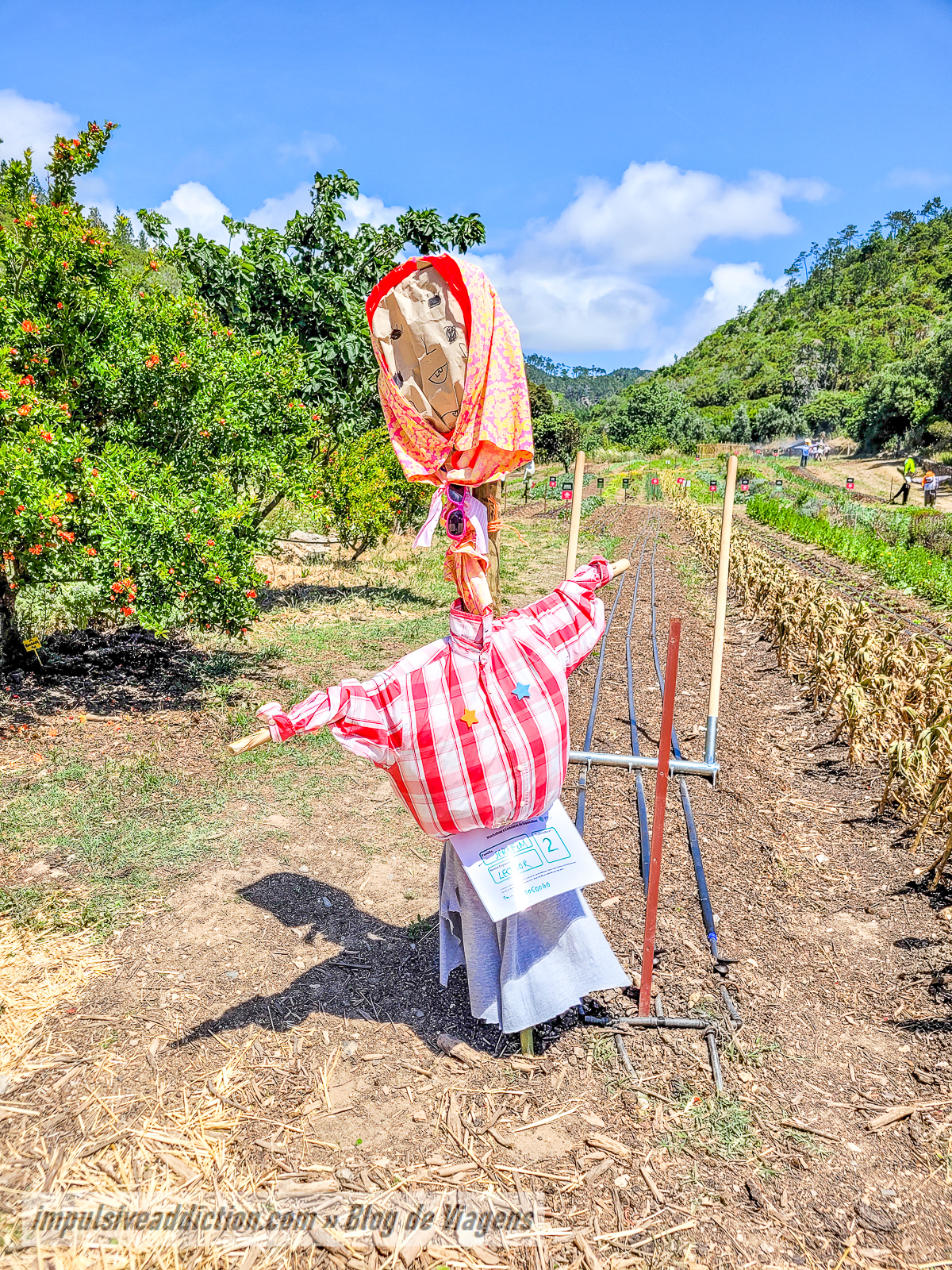
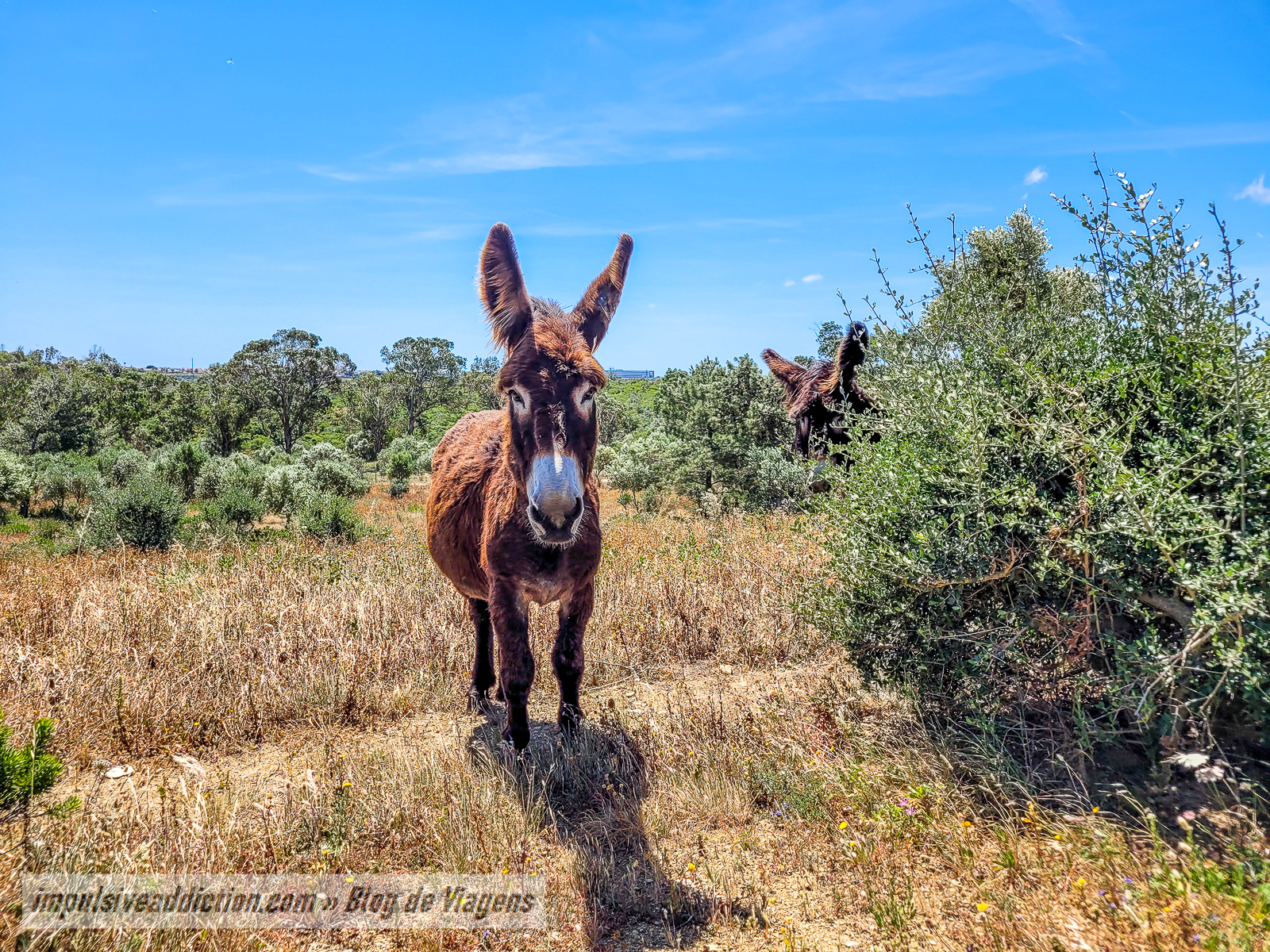
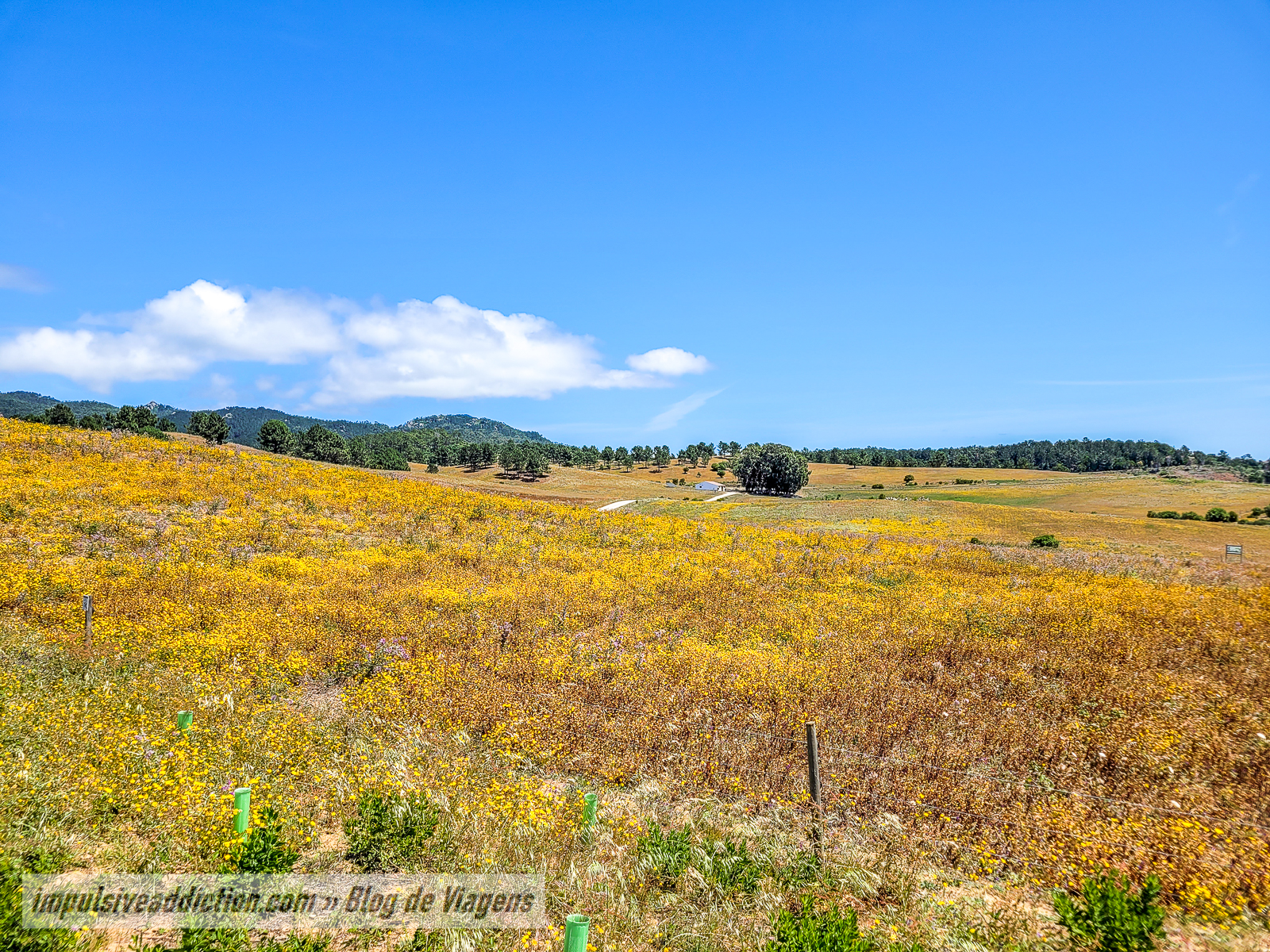
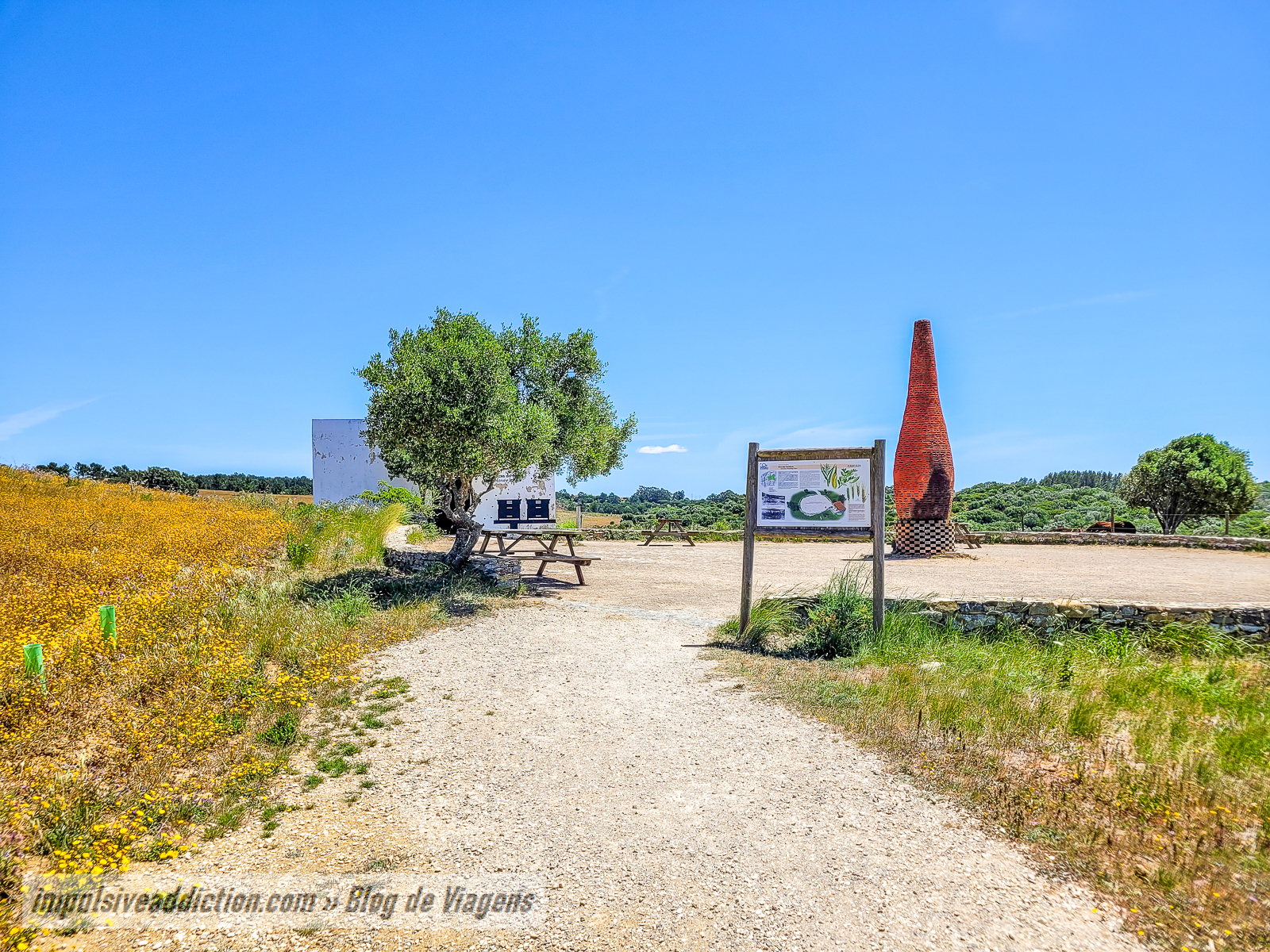
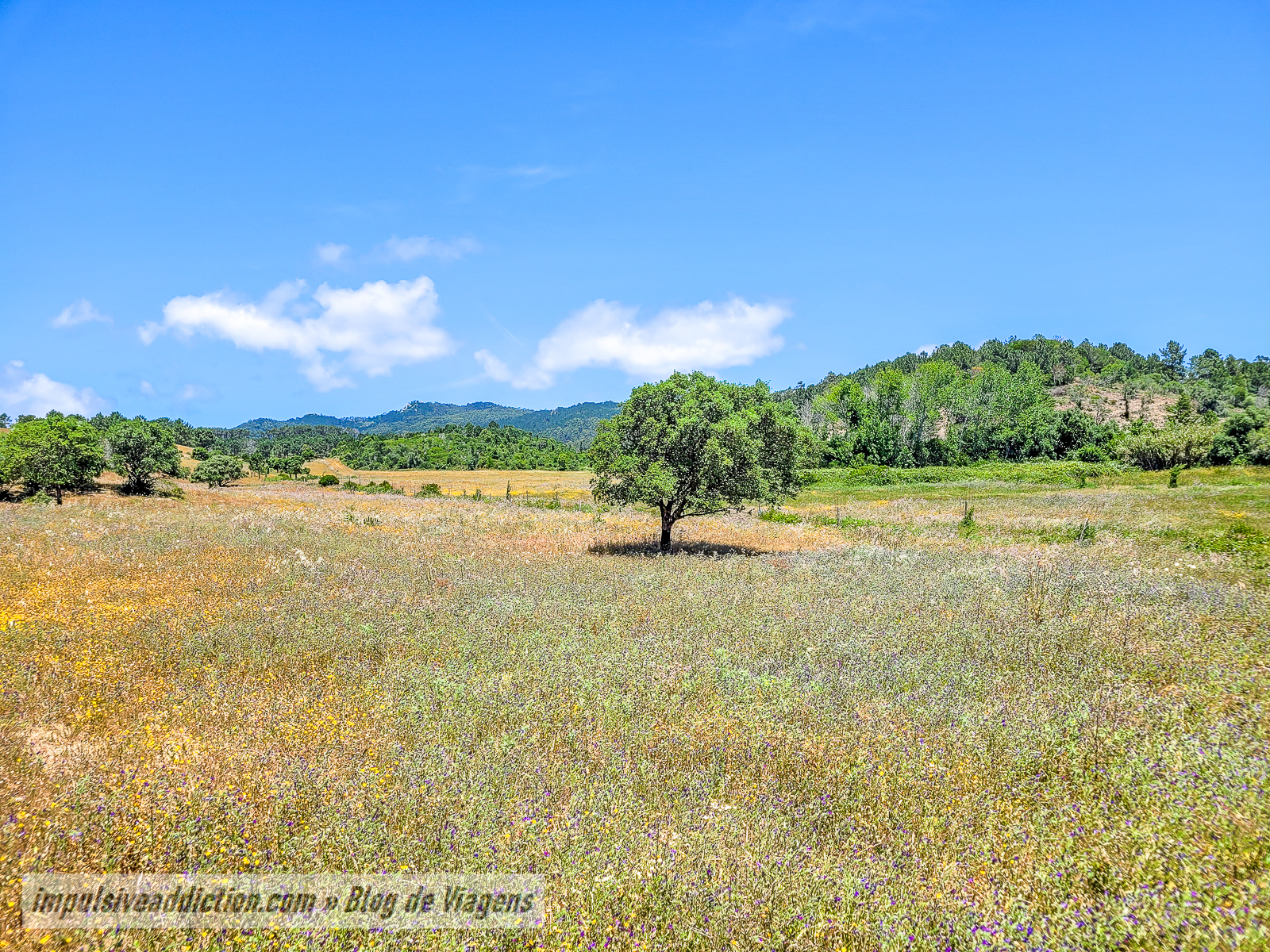
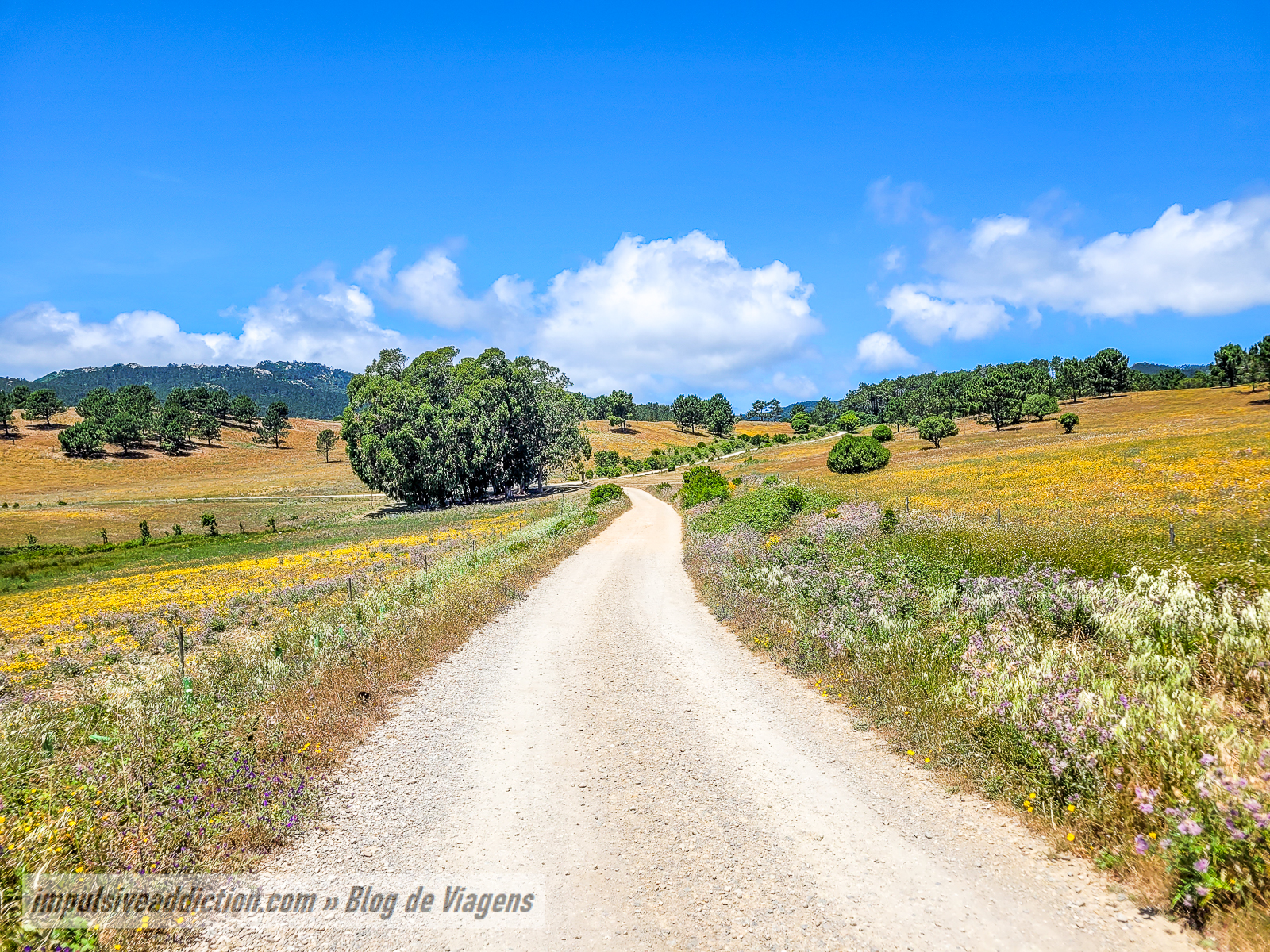
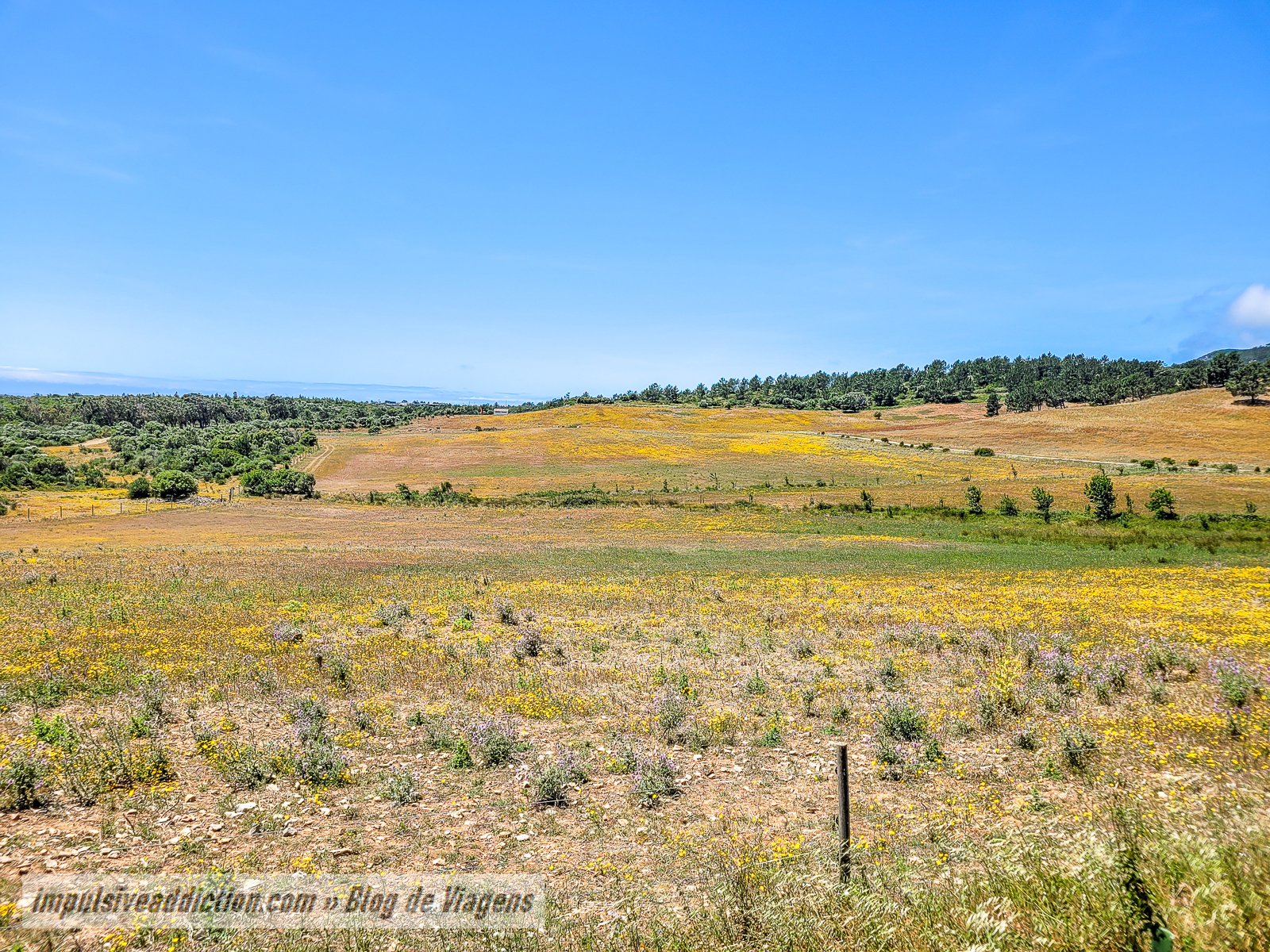
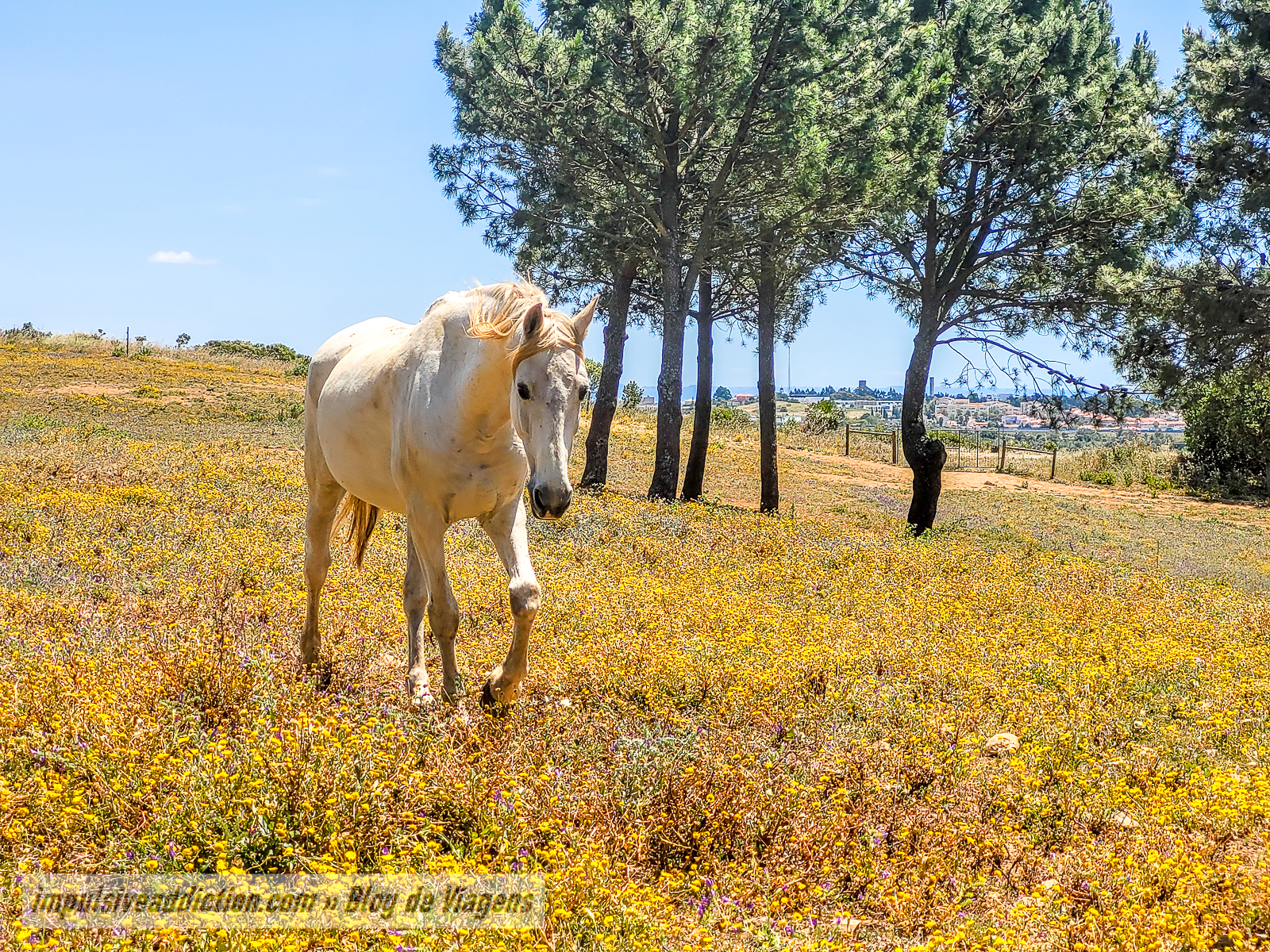
Nature parks are among Alcabideche’s main attractions, especially the Quinta do Pisão, located within the Sintra-Cascais Natural Park. I recommend doing a walking trail through the estate—as I did—to meet the farm animals and check out the organic garden.
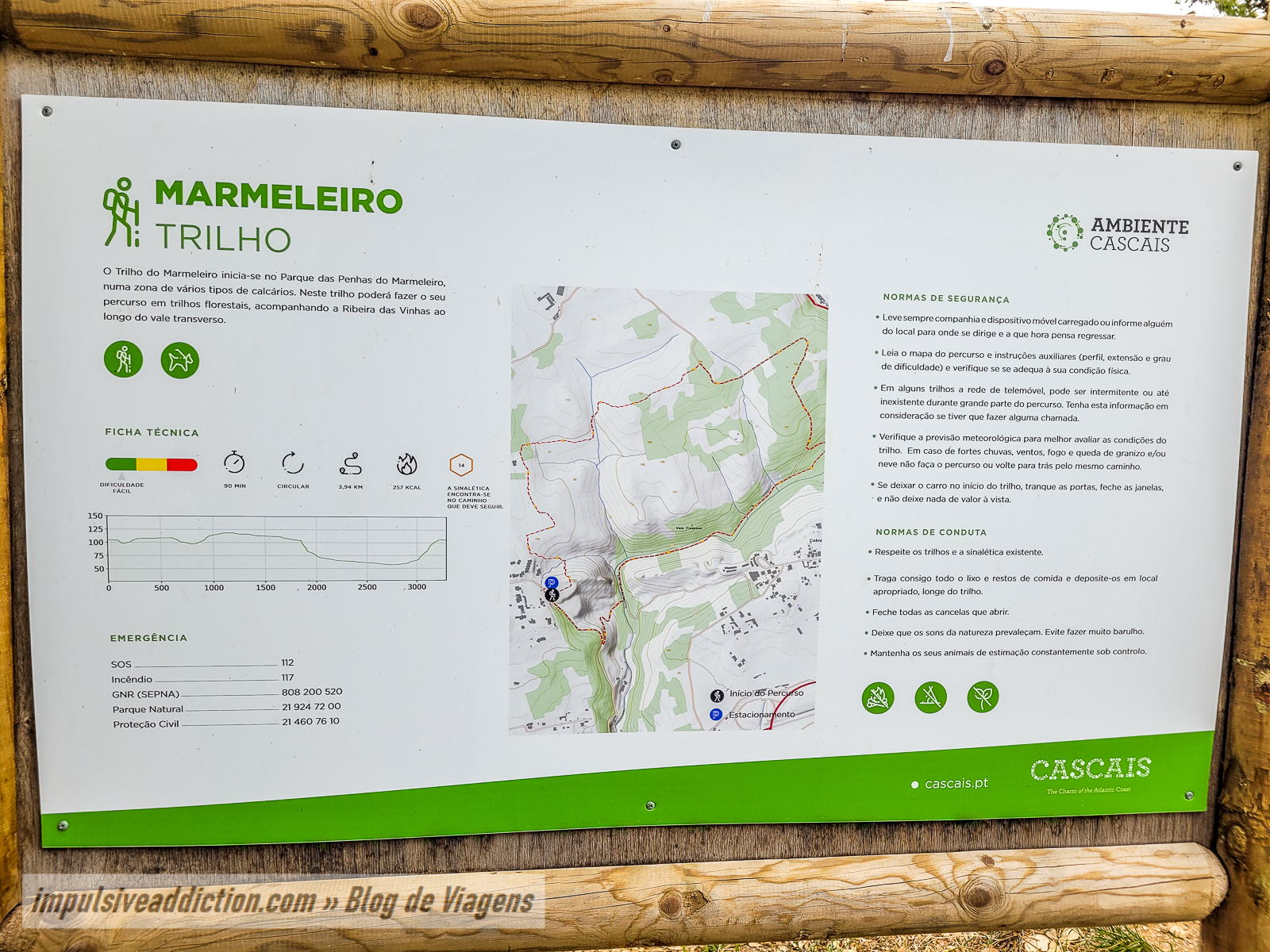
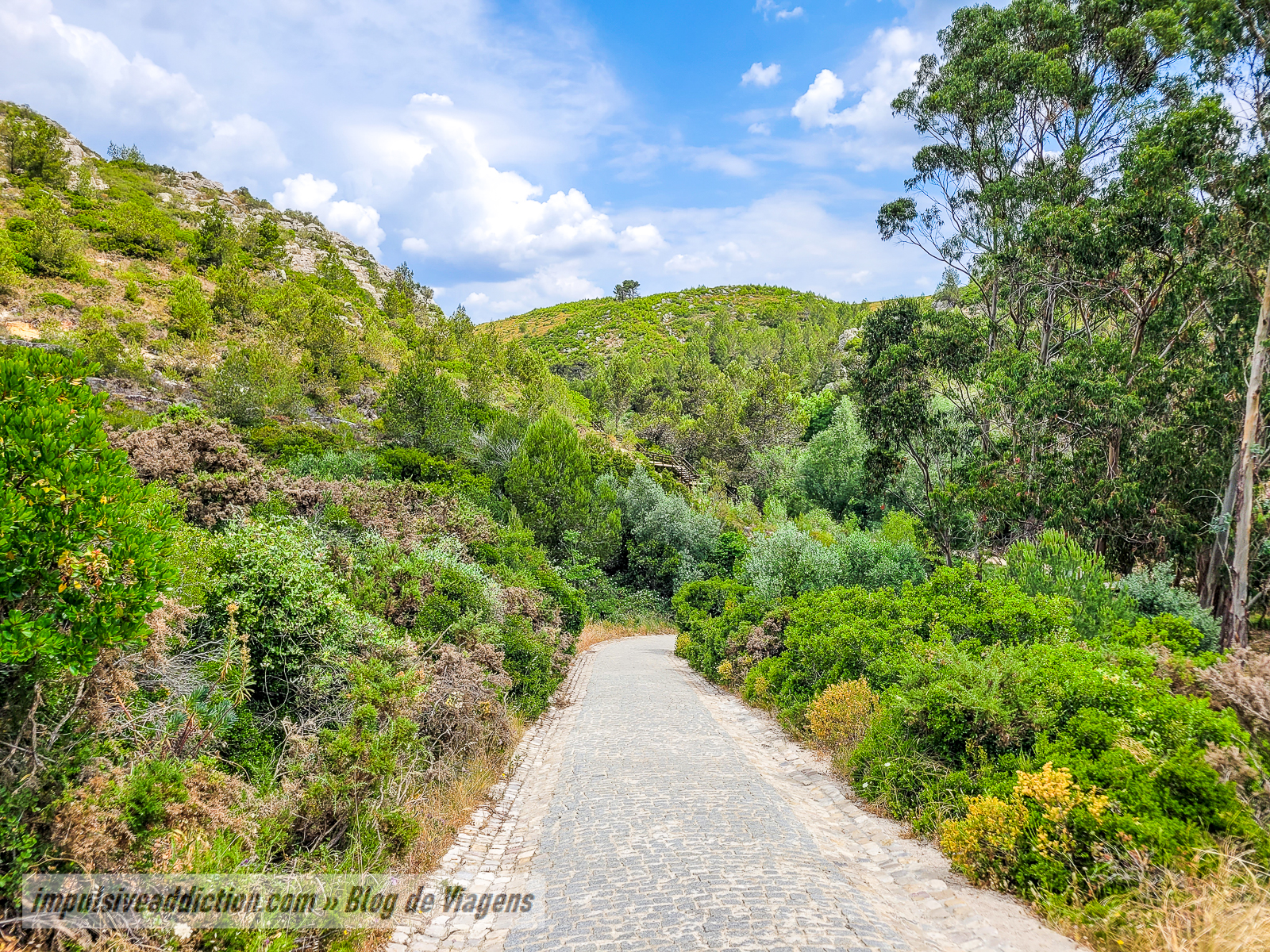
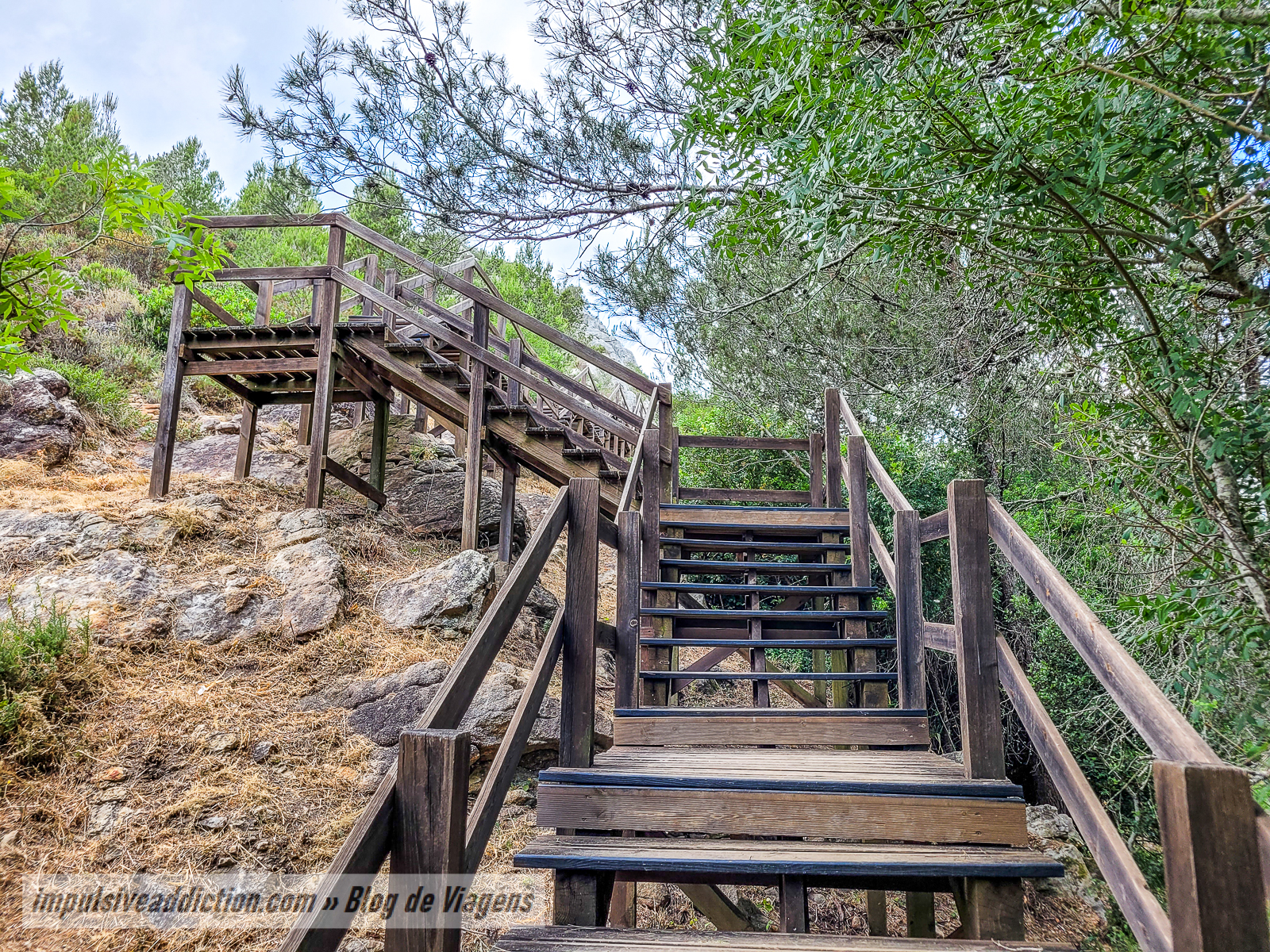
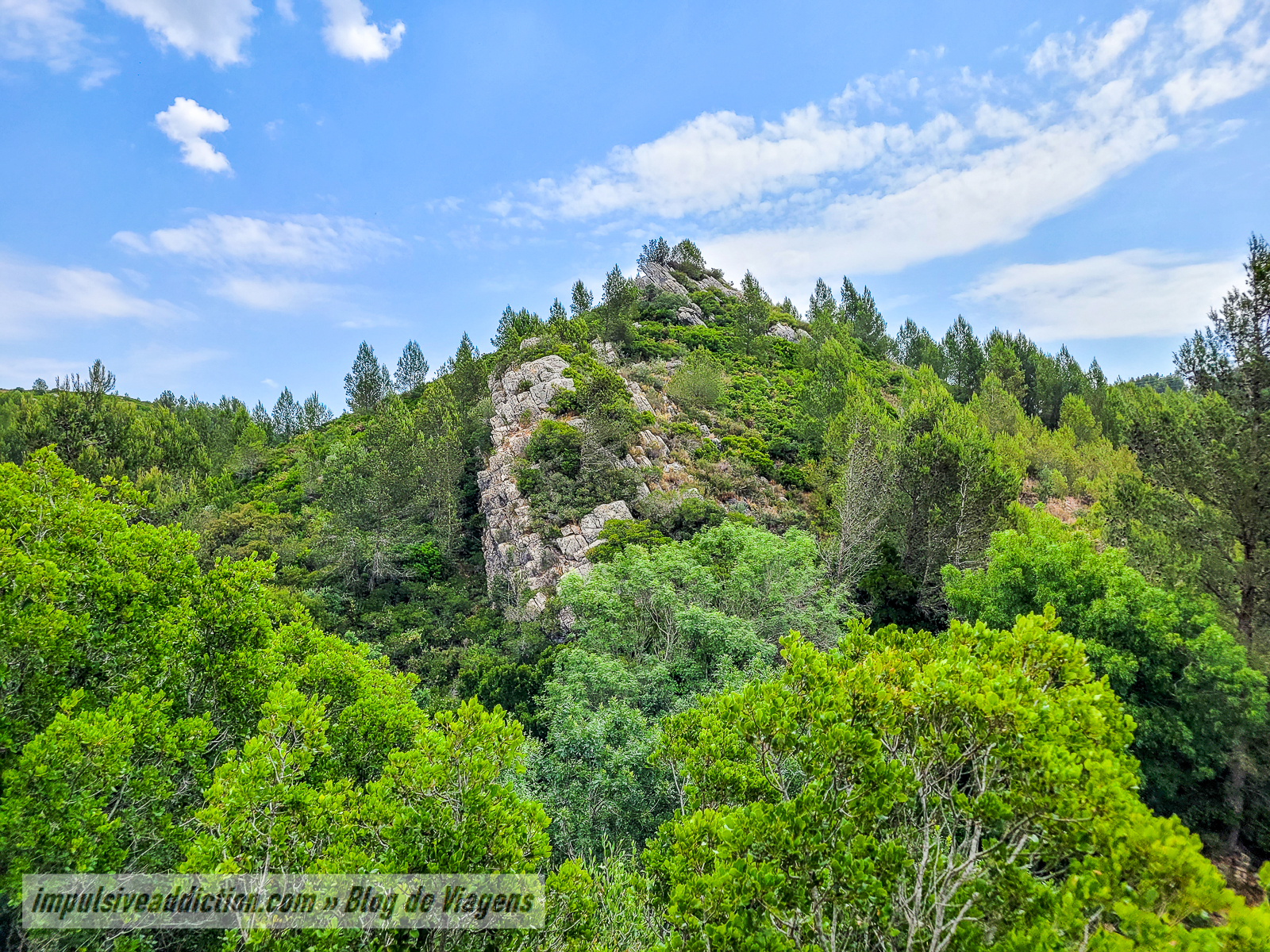
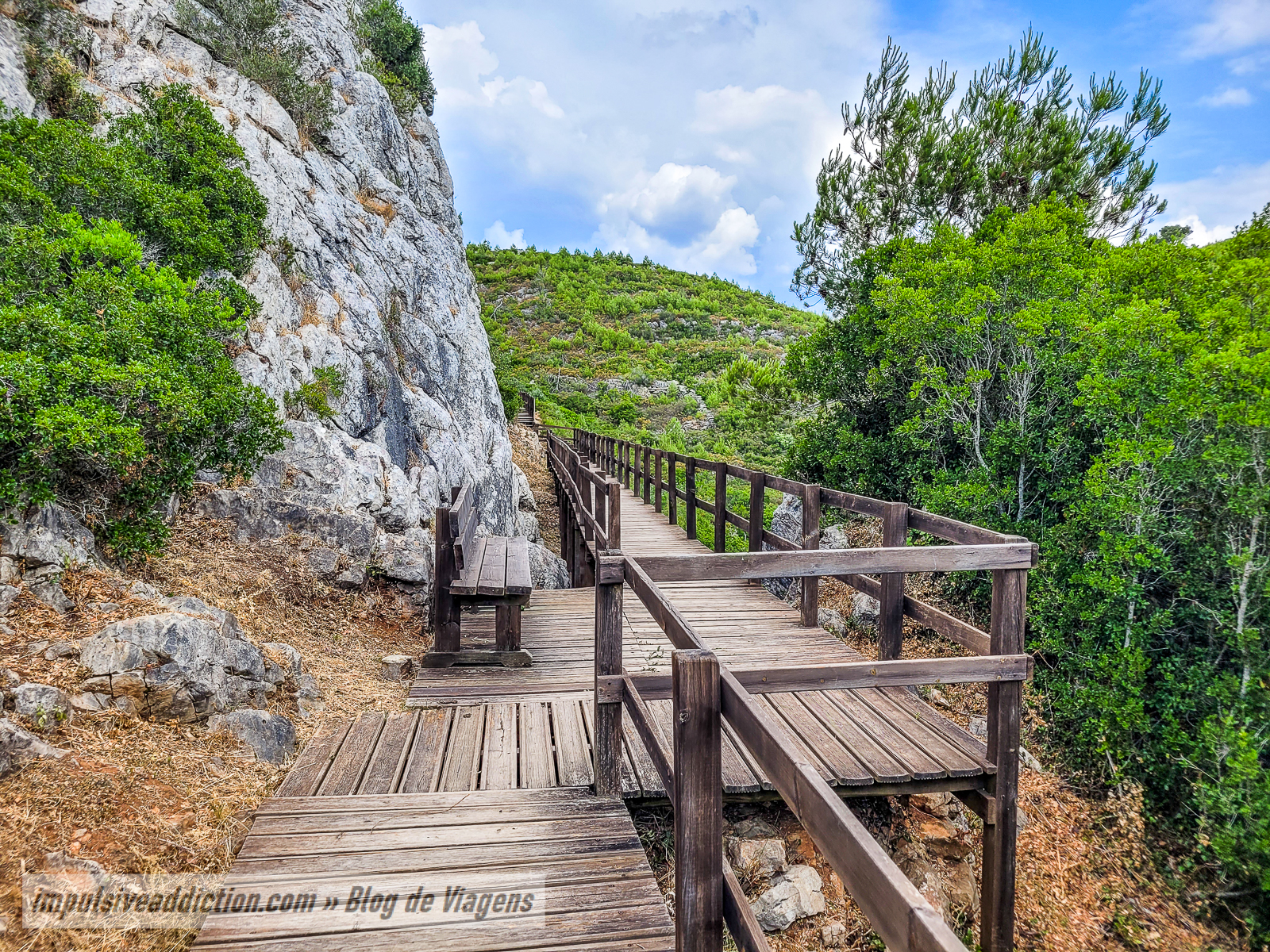
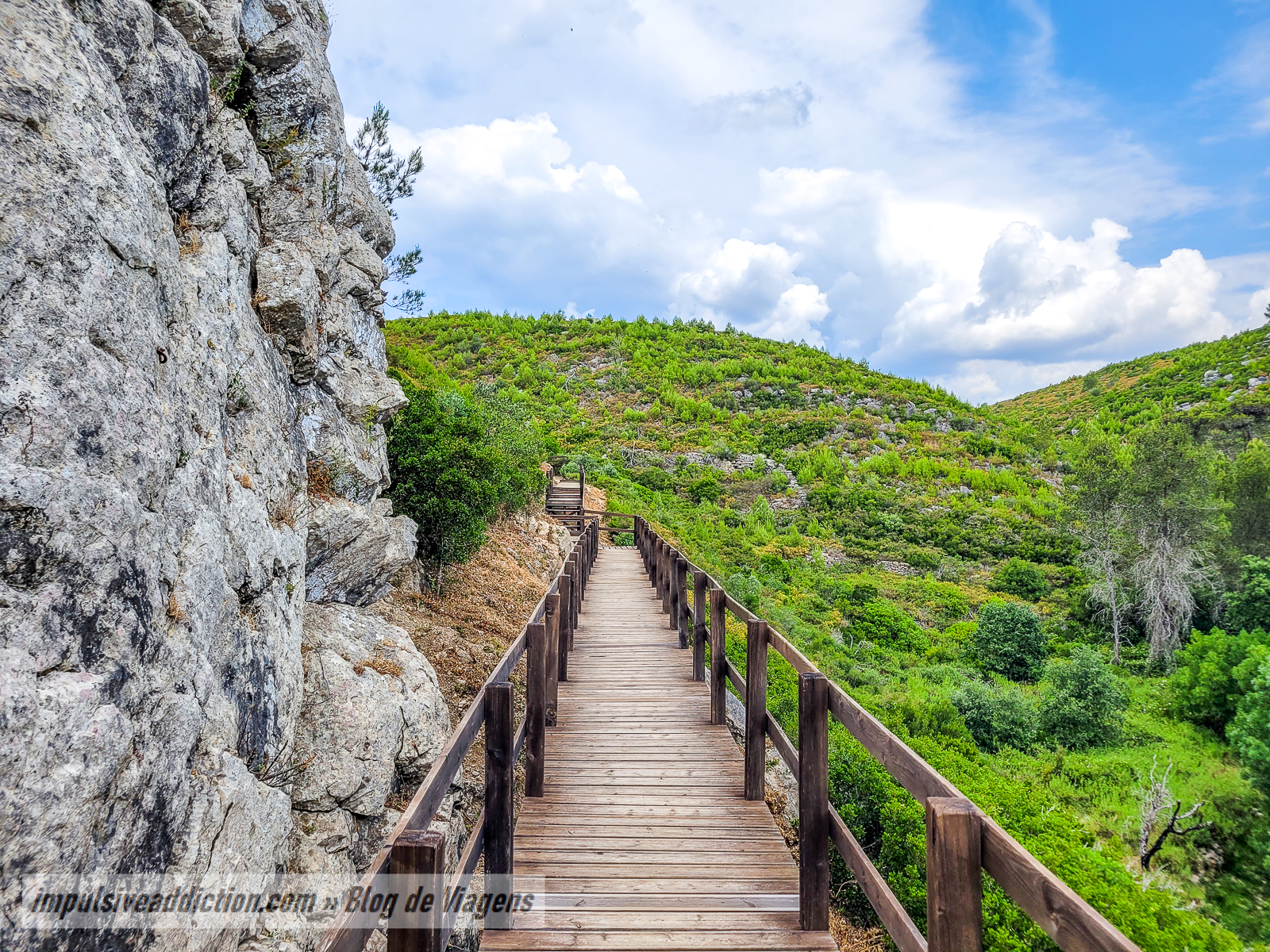
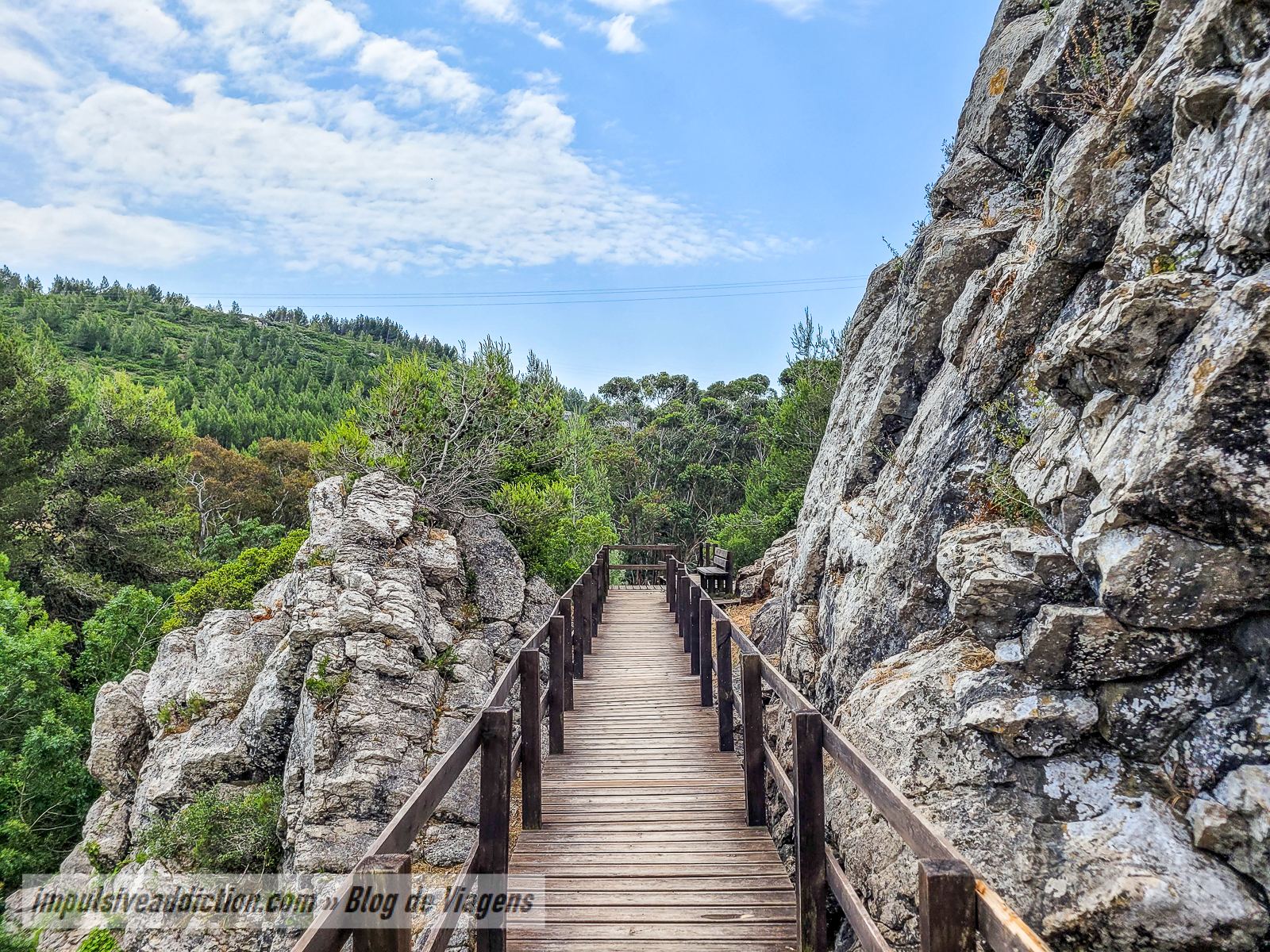
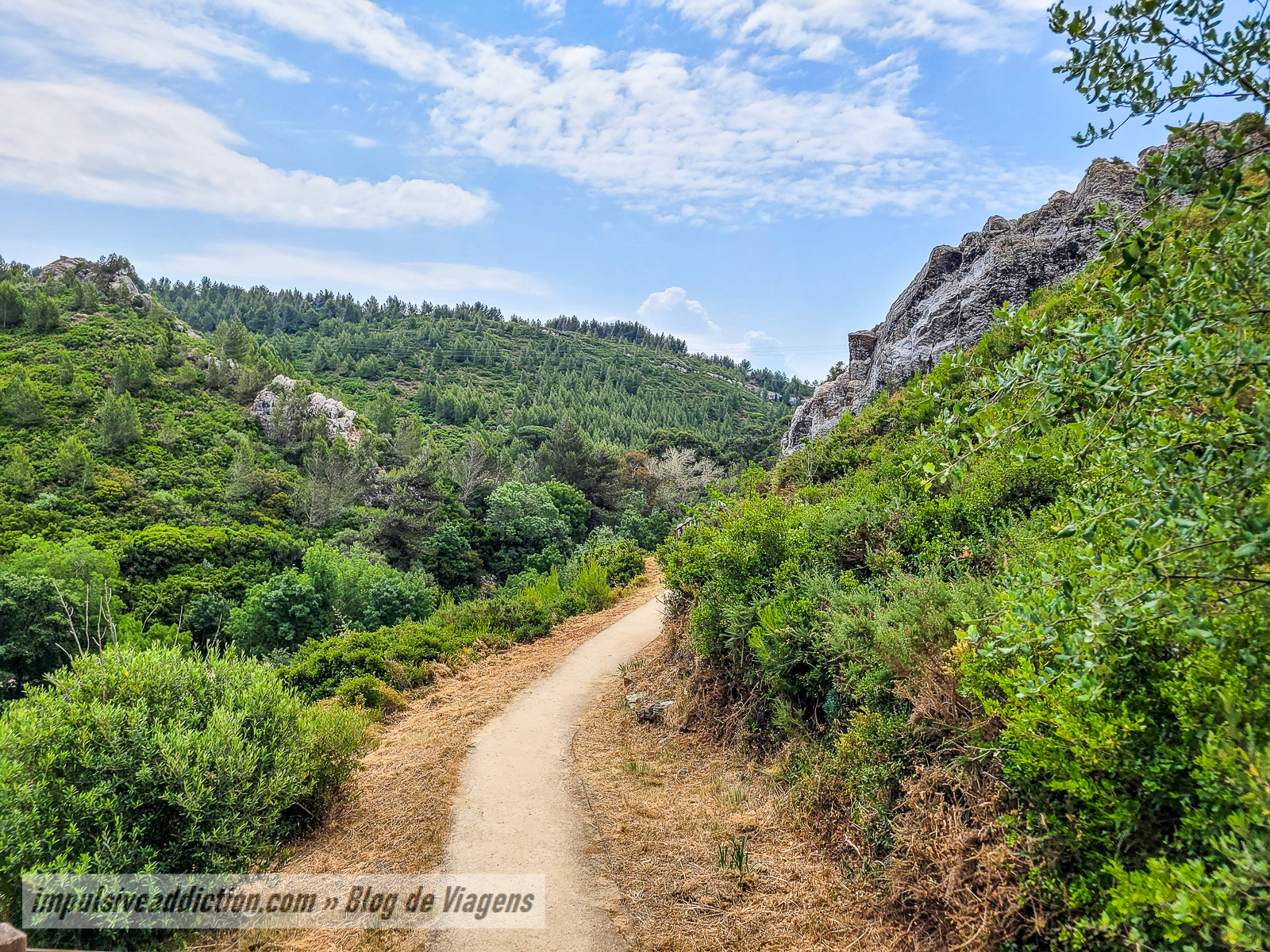
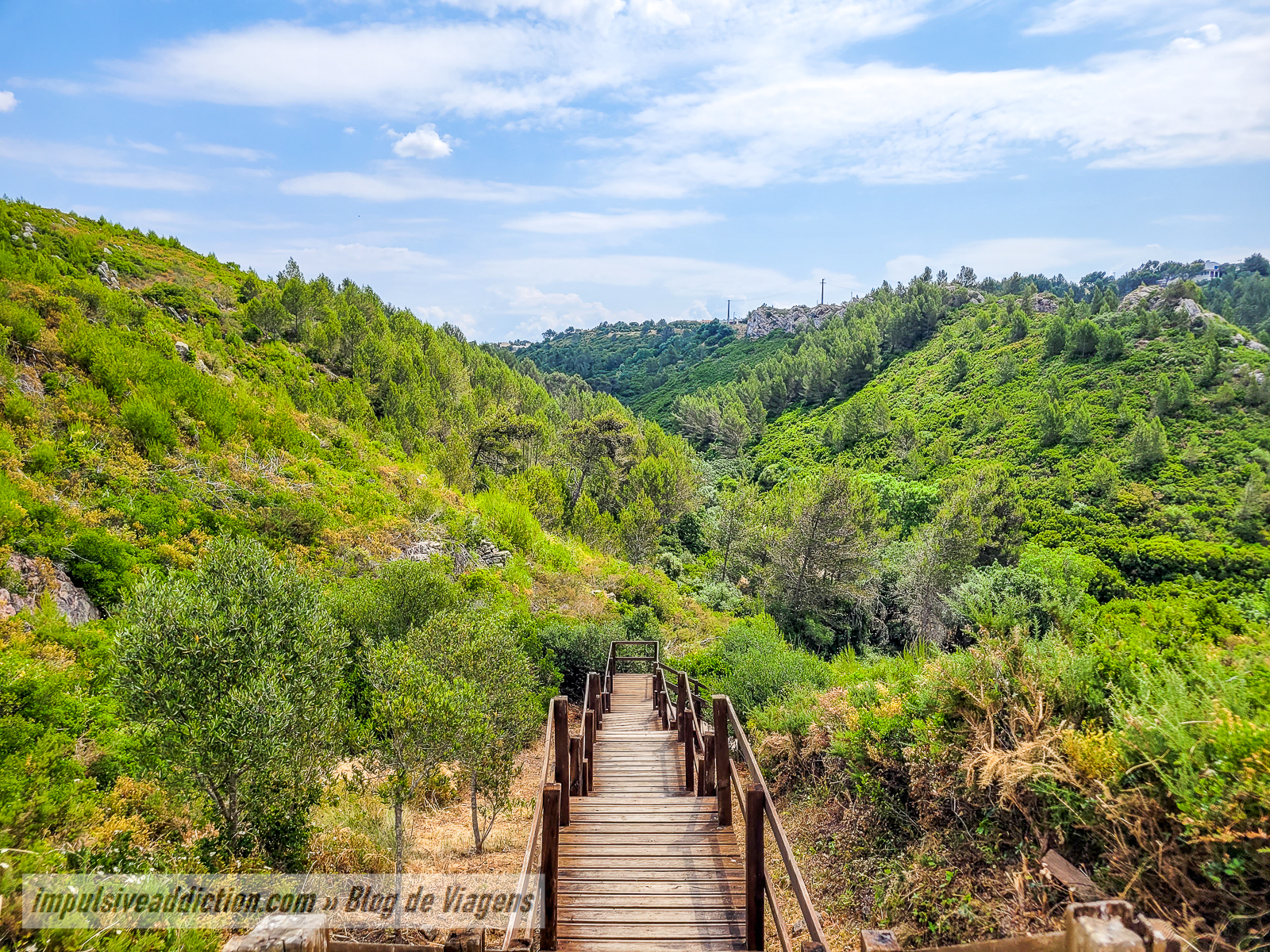
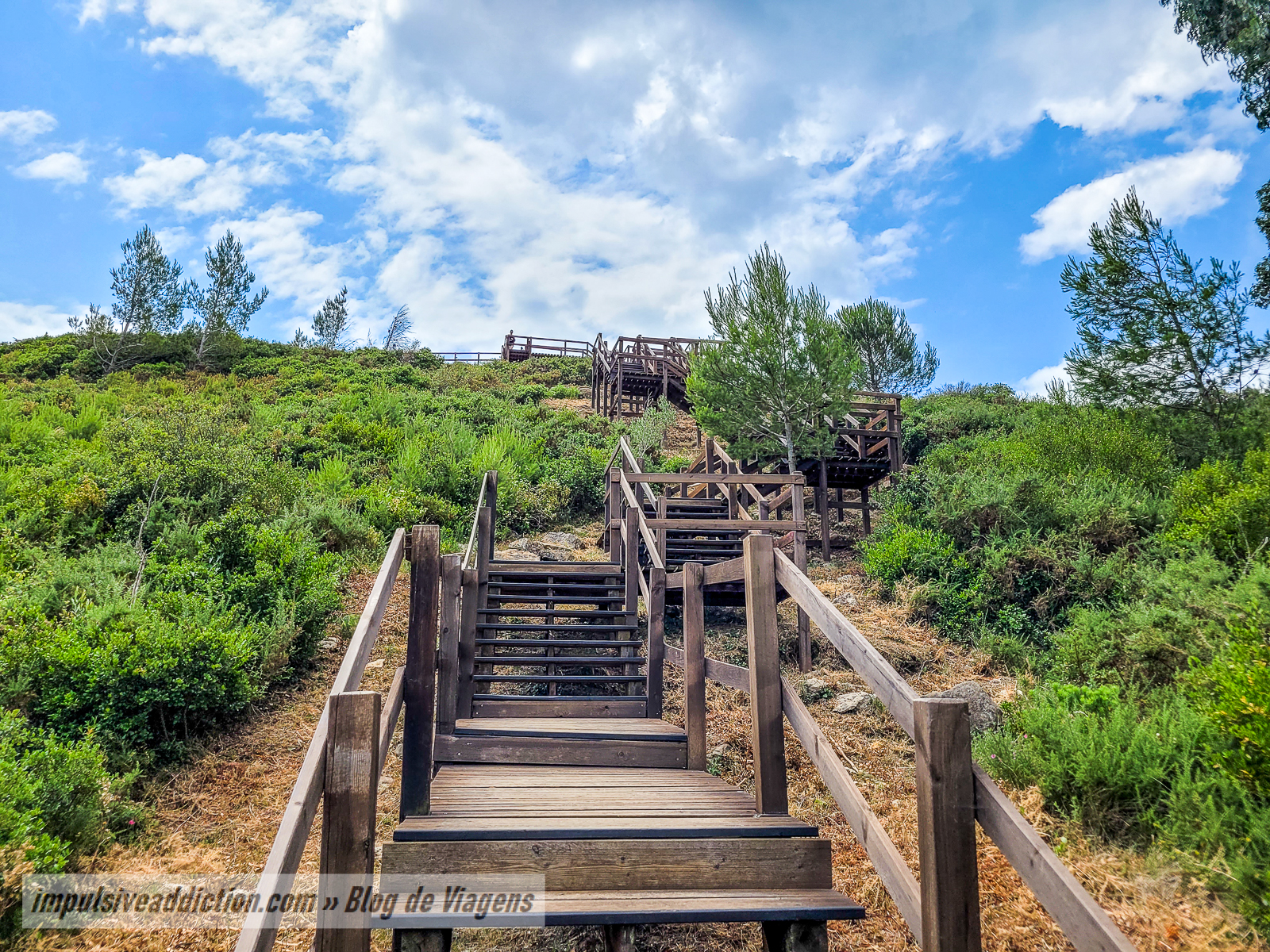
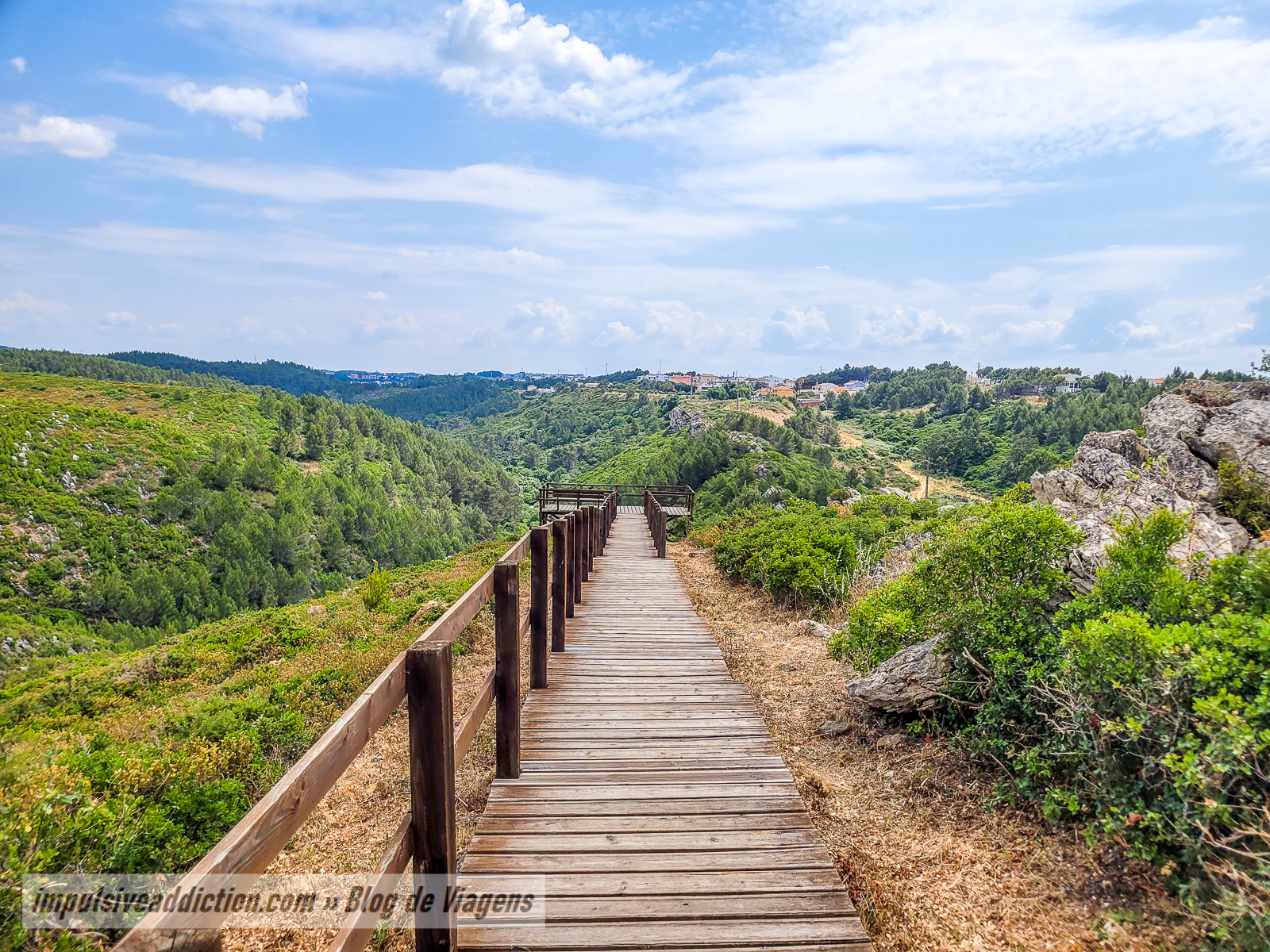
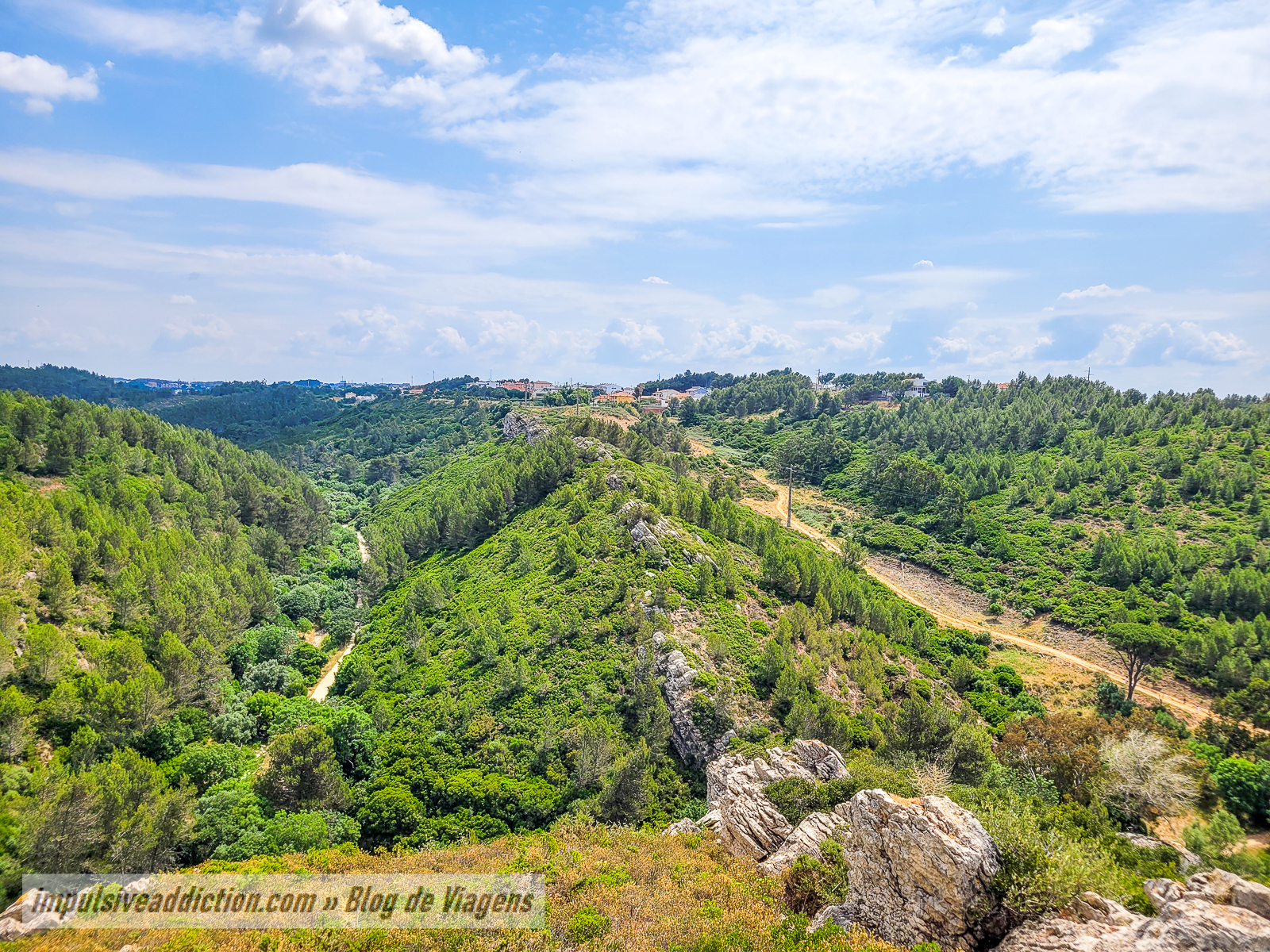
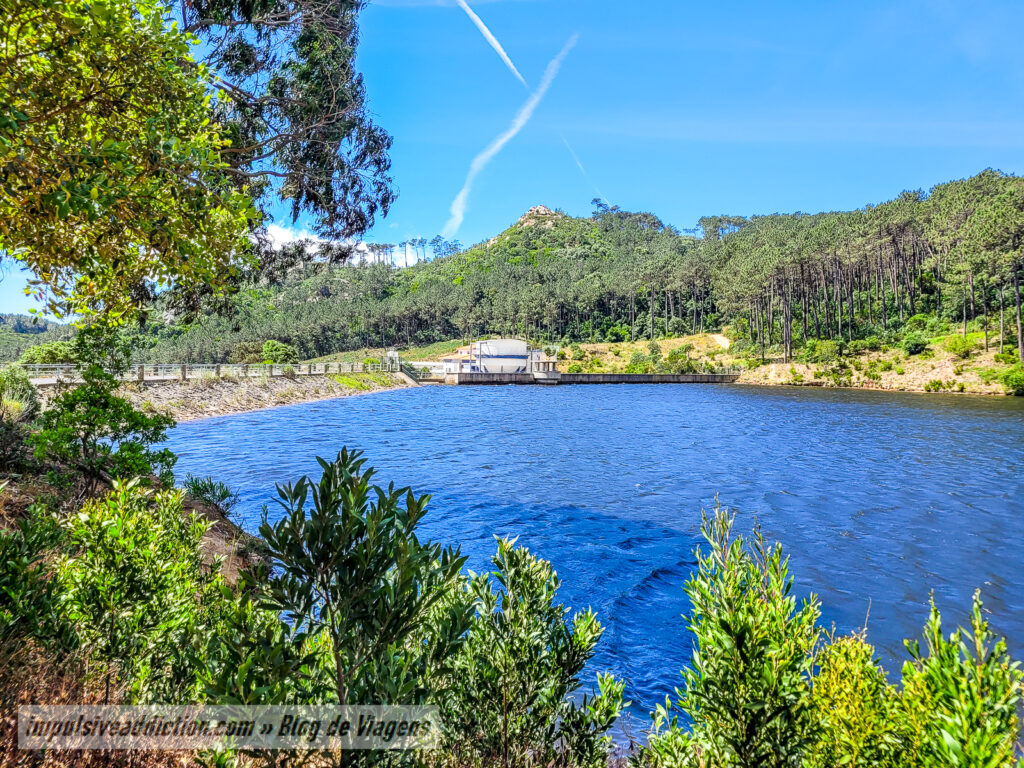
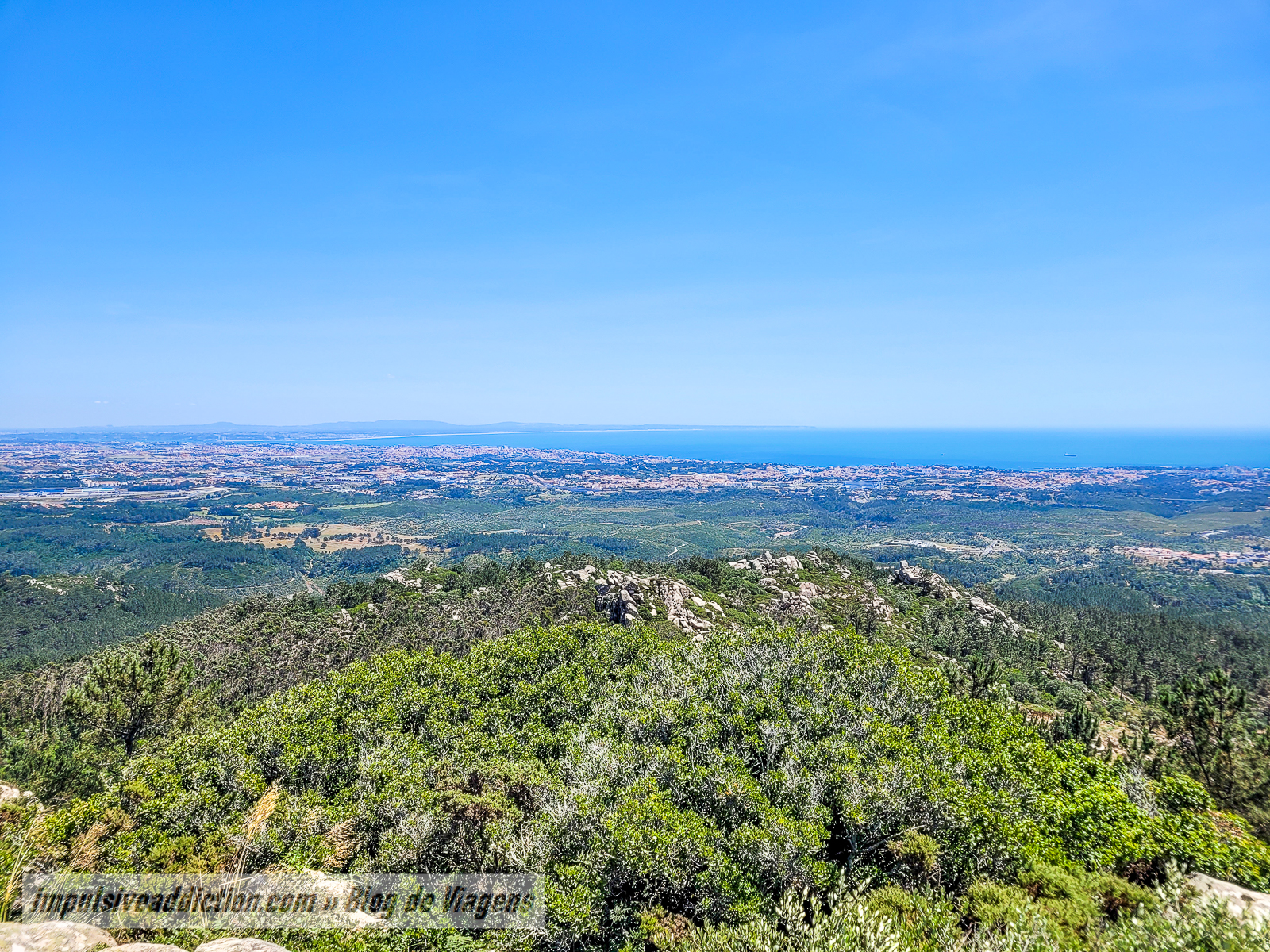
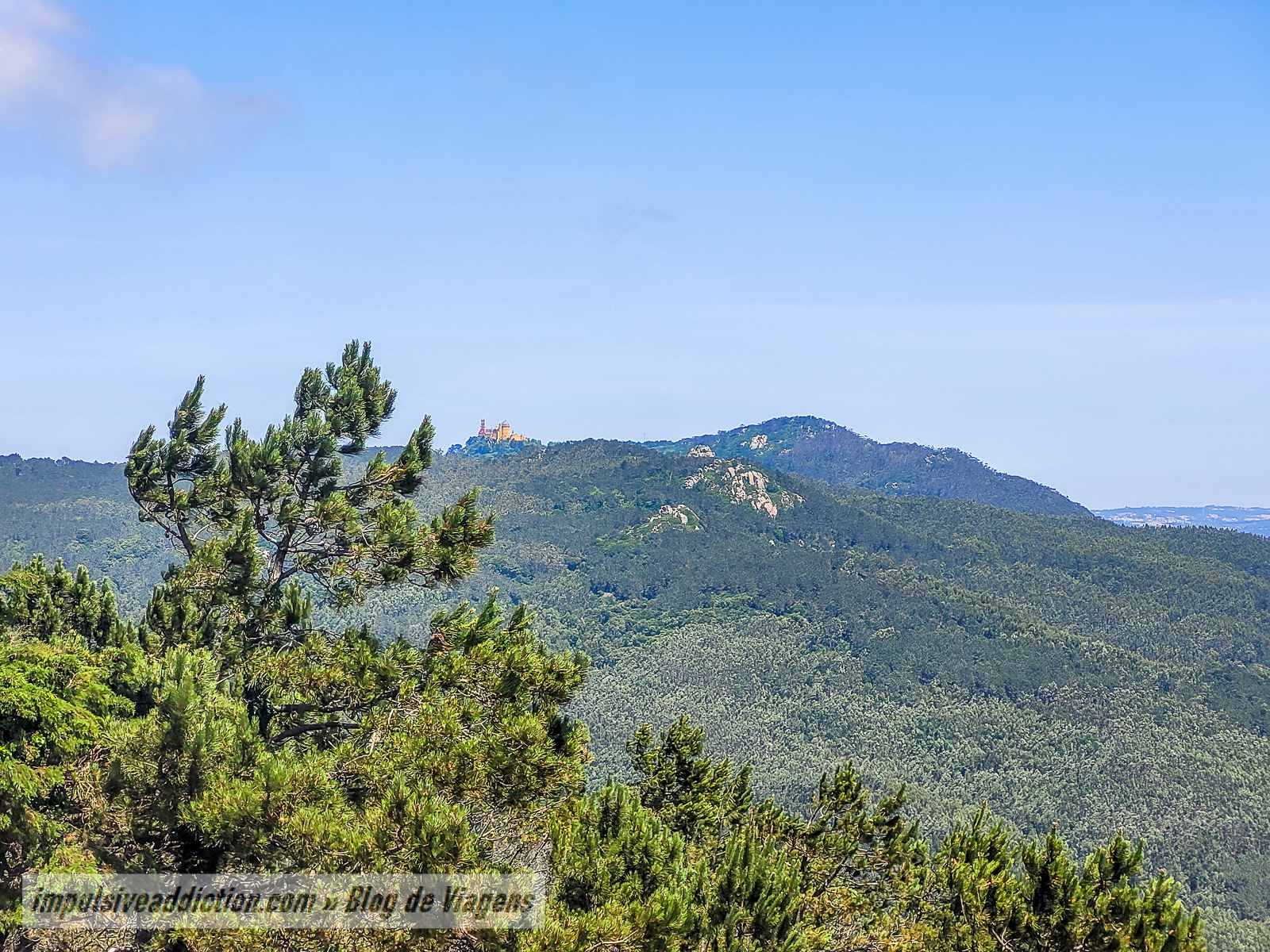
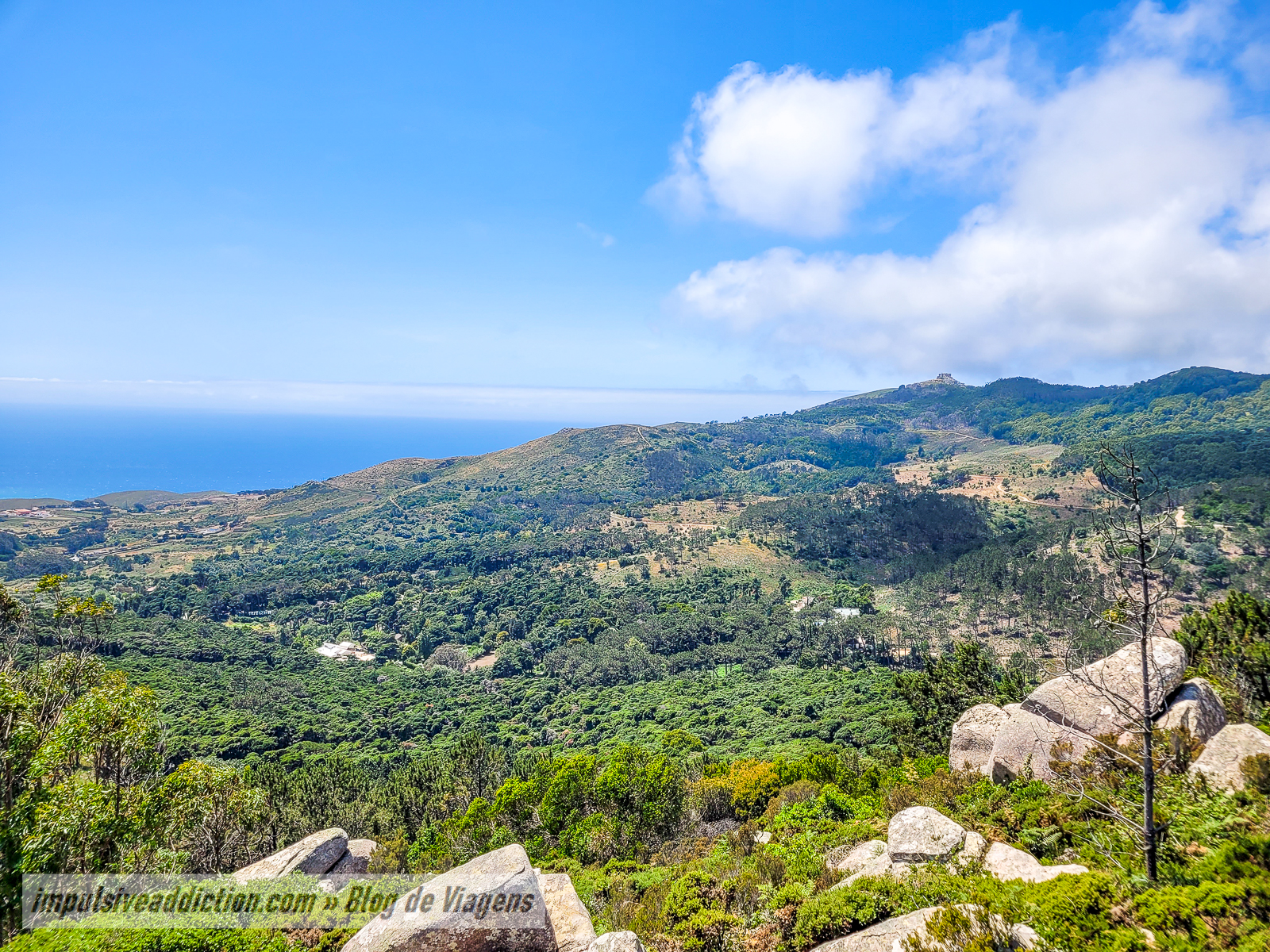
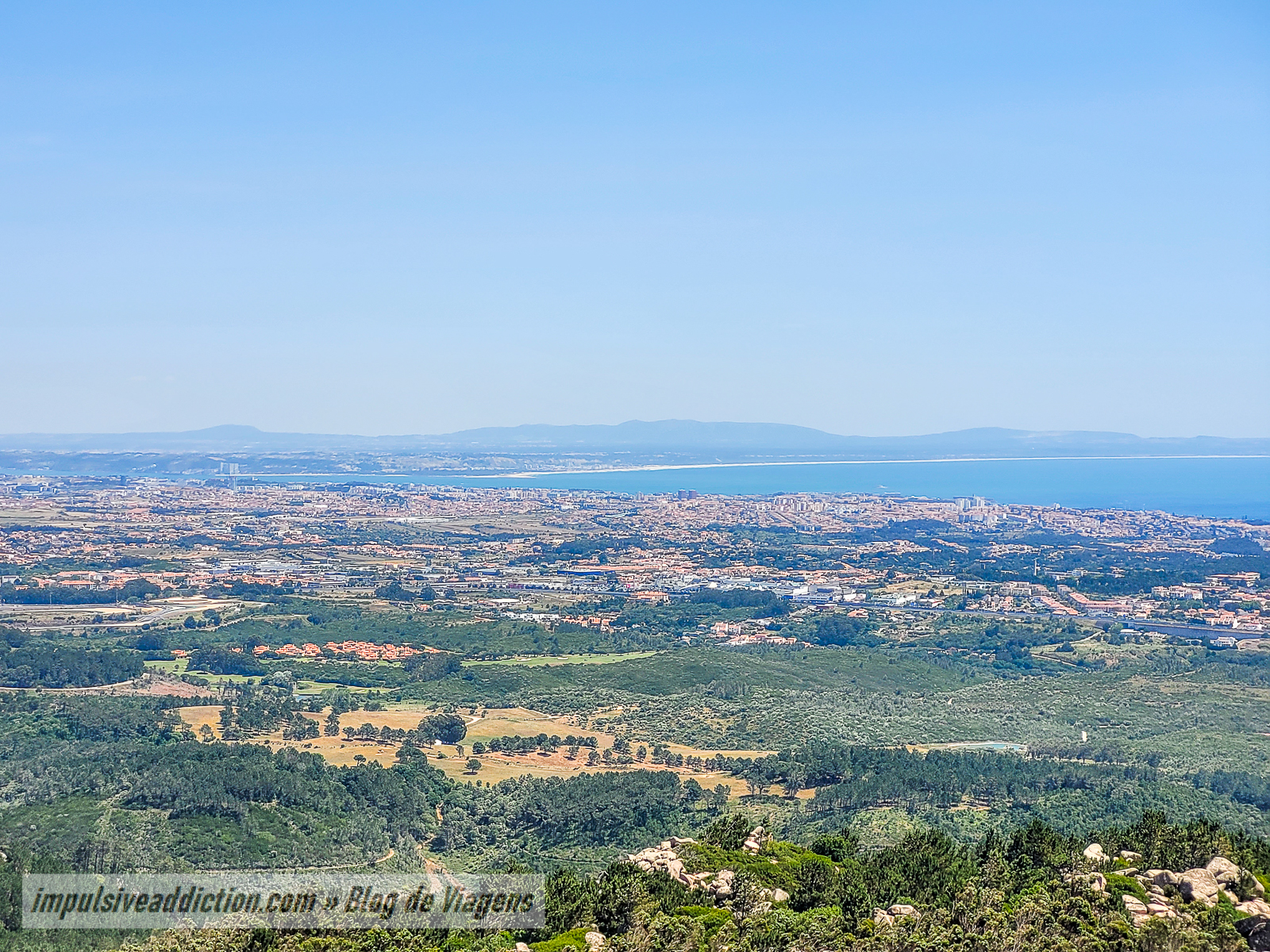
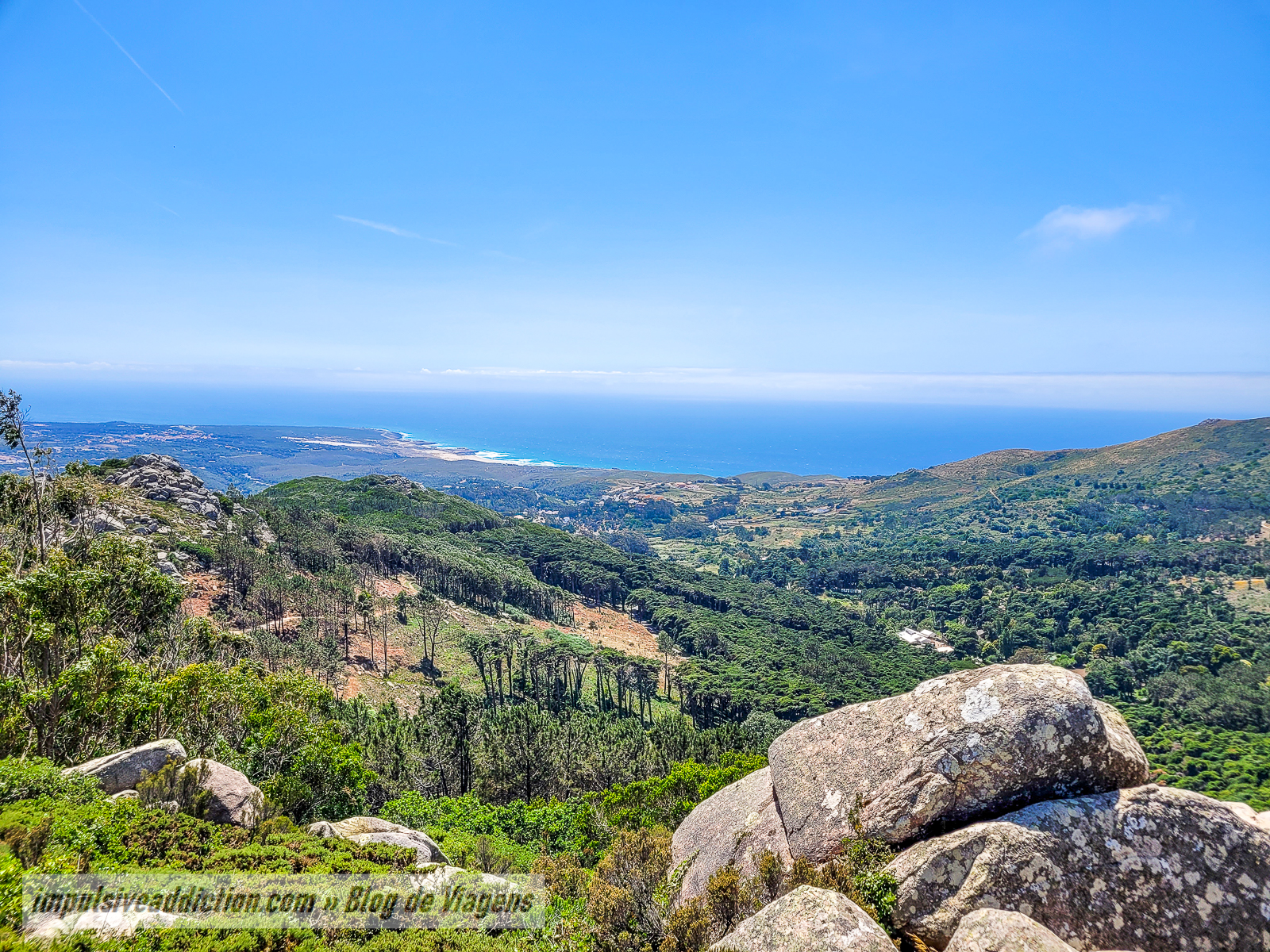
I also really enjoyed the boardwalks at the Urban Park of Penhas do Marmeleiro, and the Pedra Amarela Viewpoint, which offers truly stunning panoramic views. Don’t miss the photos I’ve included below. 😉
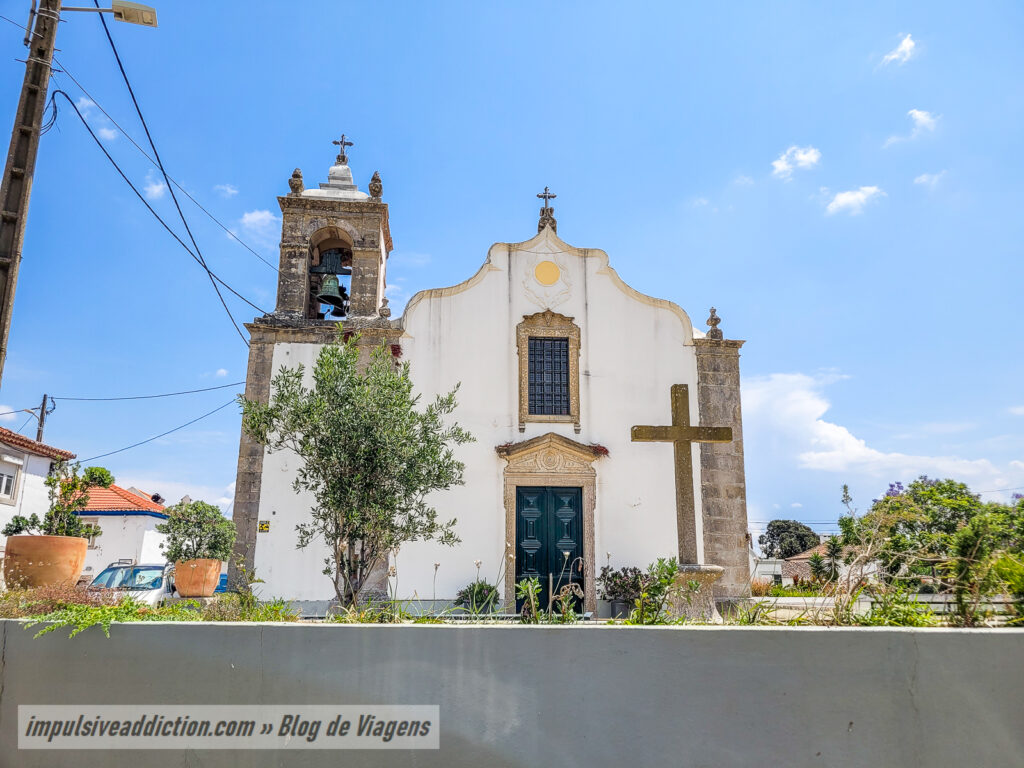
1. Church of Alcabideche
2. Roman Villa of Alto do Cidreira
3. Urban Park of Penhas do Marmeleiro
4. Quinta do Pisão
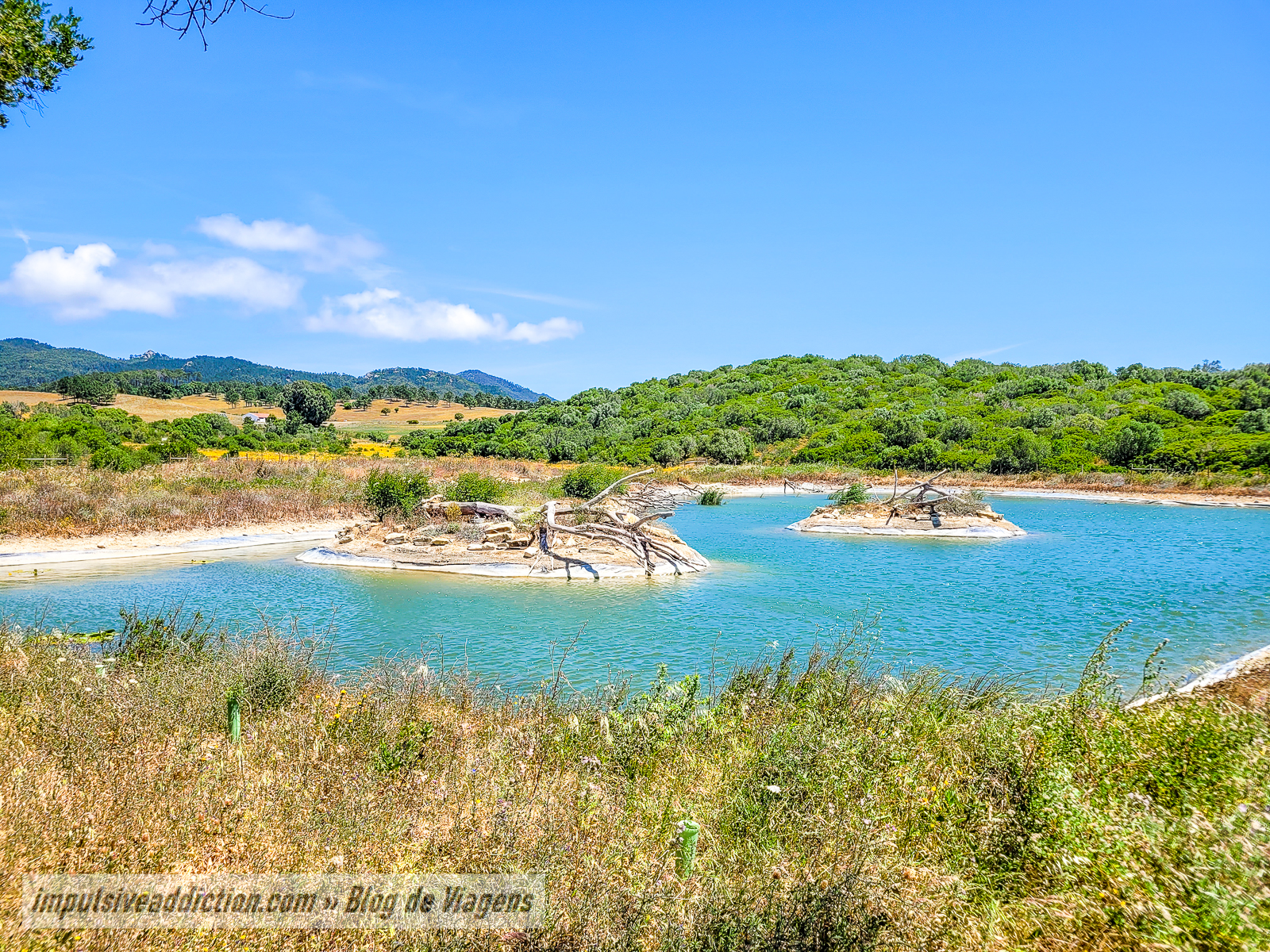
5. Rio da Mula Dam
6. Pedra Amarela Viewpoint
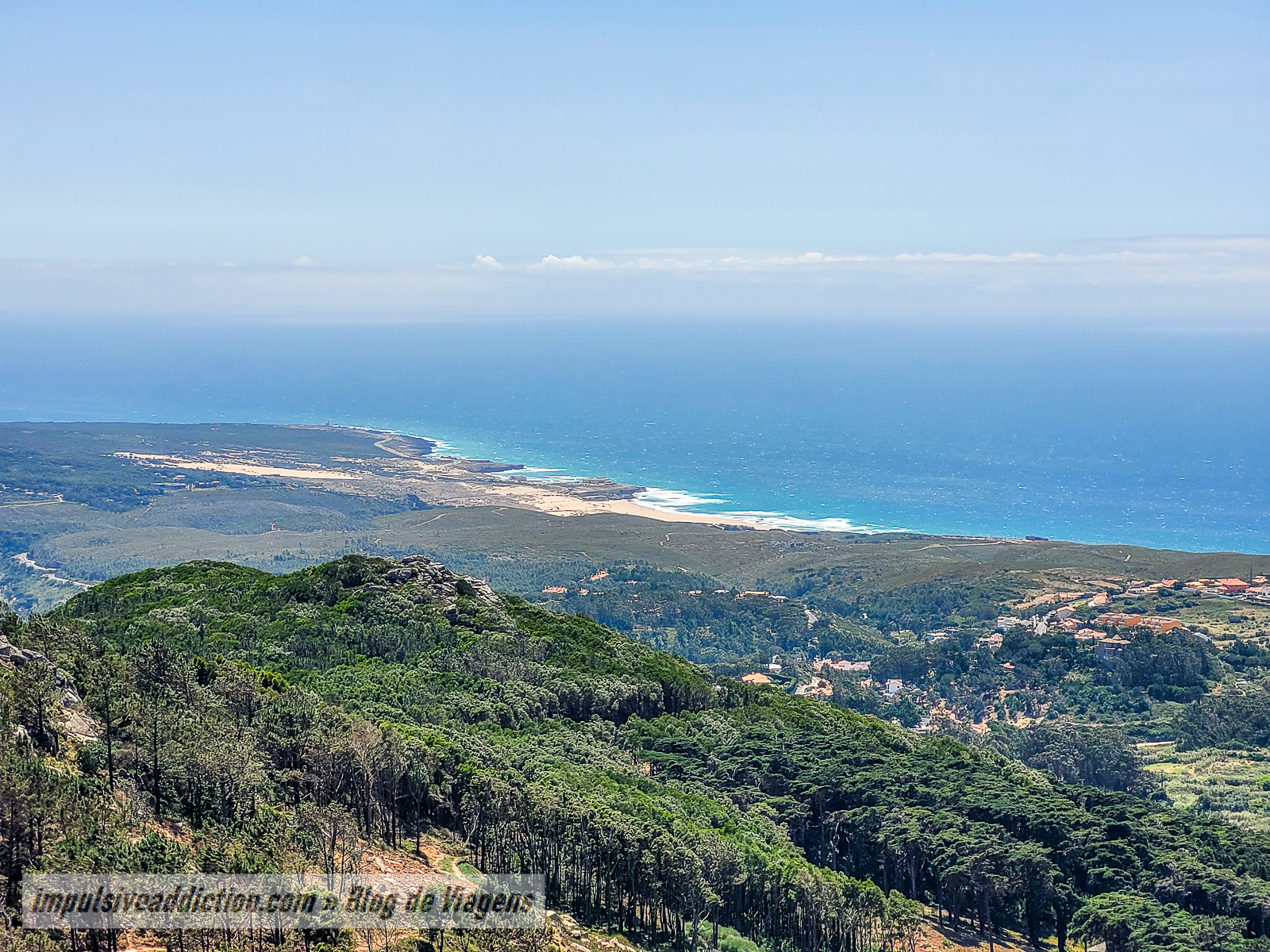
7. Praia do Abano
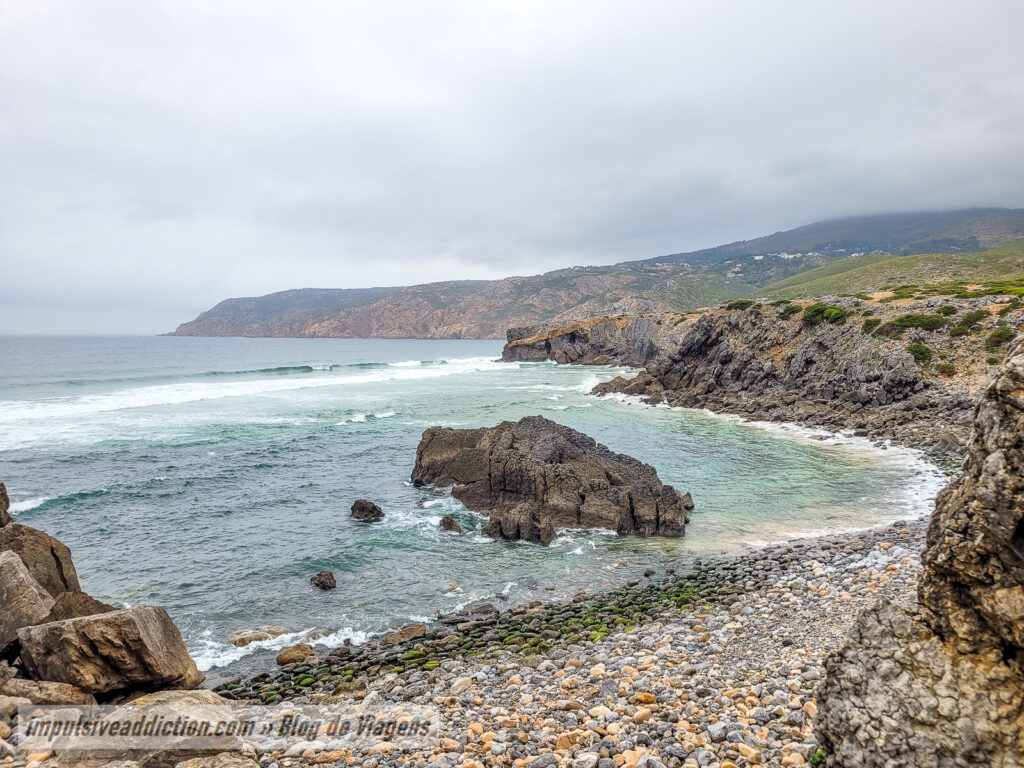
8. Forte do Guincho
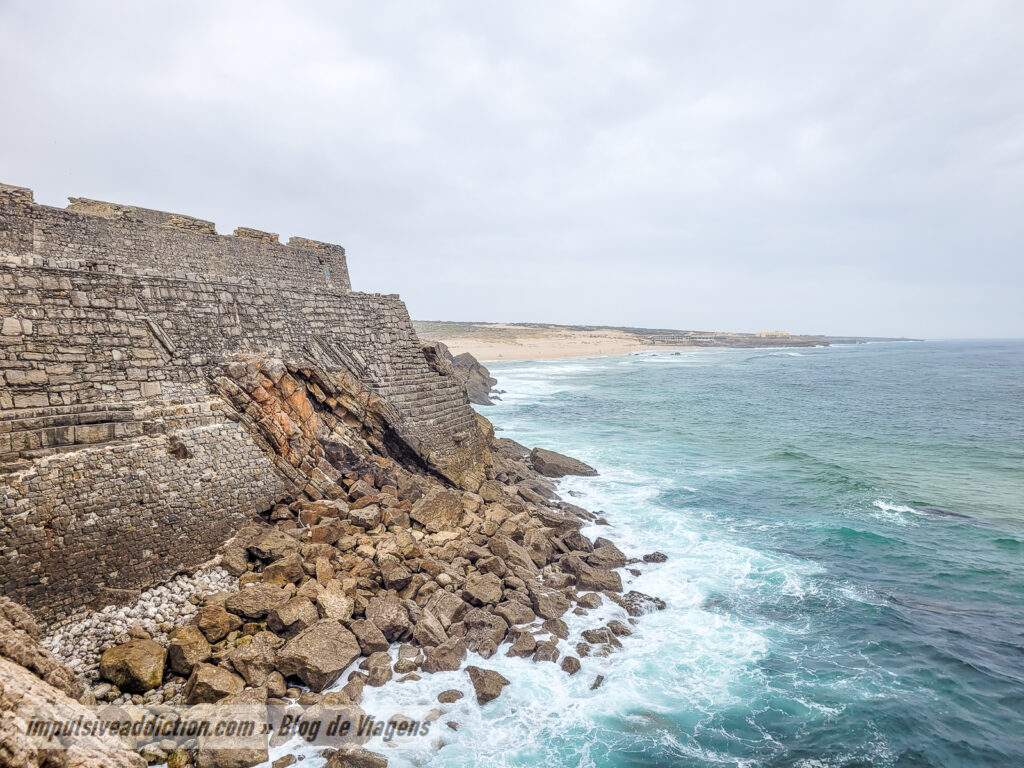
9. Praia do Guincho
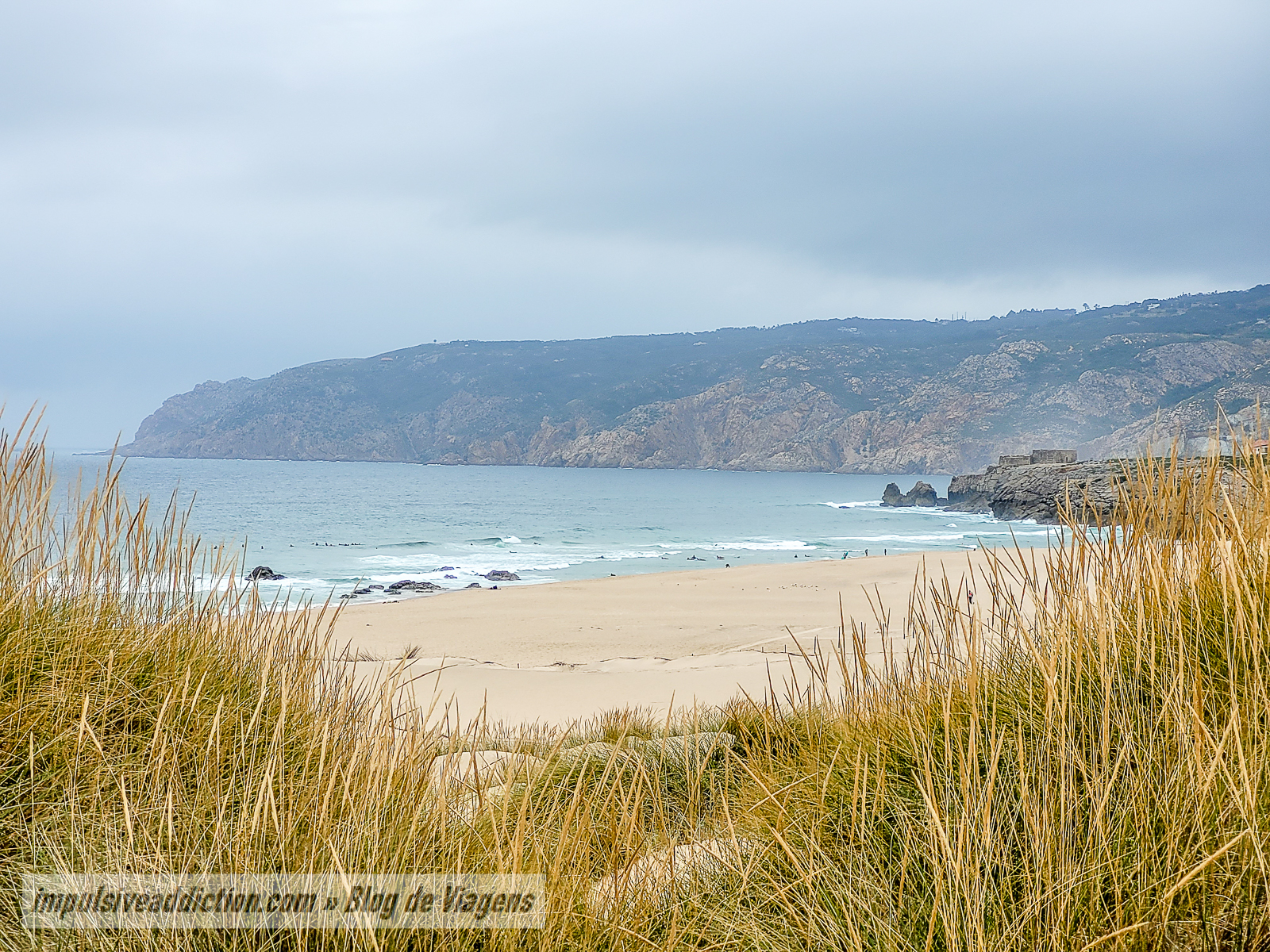
10. Praia do Porto do Touro and Praia da Grota
As a final tip for Alcabideche, I suggest a walking route I found on Wikiloc. I recommend doing only the section from Abano Beach to Porto do Touro Beach, passing by Grota Beach along the way.
I don’t recommend hiking up to Cabo da Roca via the trail, as I’ve heard it’s extremely challenging and not suited for most hikers.
If you do try this walk, let me know what you think in the comments—I’ve got it saved on my list for a future trip. 😉
Cascais Itinerary: 1 to 5 Days
If you’re looking for a quick guide to visit Cascais in 1 to 5 days, here are some fast tips based on the sequence of attractions I’ve mentioned throughout this article:
- 1 Day: Focus on the town center — that is, points 1 to 24 from the “Visit Cascais” section. Skip any museums that interest you less, based on the photos I’ve shared above.
- 2 Days: Do the 1-day itinerary plus spend a day at the beaches in central Cascais: Ribeira, Rainha, and Duquesa beaches. Soak up the lively atmosphere of the town center.
- 3 Days: Walk the Cascais seaside promenade. Explore the beaches of Estoril, Parede, and Carcavelos. Have some fun at the Estoril Casino.
- 4 Days: Head toward Guincho, passing Cabo Raso. Catch some waves at the more rugged beaches. I recommend crossing into the Sintra municipality to visit Cabo da Roca, then start exploring the Sintra-Cascais Natural Park, including a visit to the fabulous Quinta do Pisão estate. It’s vast, so prepare for several hours of pleasant walking.
If you prefer a more intense travel style, 4 days are more than enough for all the attractions mentioned in this article. Consider a fifth day if you prefer a more relaxed pace—that day can be used to tie up any loose ends.
Other Itineraries and Travel Guides in Portugal
- N2 Portugal Road Trip Itinerary
- Madeira Itinerary and Travel Guide
- São Miguel Itinerary and Travel Guide (Azores)
- Terceira Itinerary and Travel Guide (Azores)
- Pico Itinerary in Azores
- Faial Itinerary in Azores
- Things to do in Bragança
- Montesinho Natural Park Itinerary
- Douro International Natural Park Itinerary
- Minho | Northern Portugal Itinerary
- Porto Itinerary and Travel Guide
- Things to do In Braga (Minho)
- Things to do in Guimarães (Minho)
- Things to do in Viana do Castelo (Minho)
- Peneda Gerês National Park Itinerary
- Douro Valley Itinerary
- Trás-os-Montes Itinerary
- Things to do in Aveiro
- Things to do in Coimbra
- Things to do in Leiria
- Things to do in Fatima
- Things to do in Santarém
- Things to do in Tomar
- Things to do in Nazaré
- Things to do in Peniche
- Things to do in Mafra and Ericeira
- Things to do in Cascais
- Sintra Itinerary | Things to do
- Lisbon Itinerary and Travel Guide
- Things to do in Setúbal
- Things to do in Évora (Alentejo)
- Things to do in Beja (Alentejo)
- Algarve Road Trip Itinerary
- Things to do in Lagos (Algarve)
- Things to do in Portimão (Algarve)
- Things to do in Faro (Algarve)
- Things to do in Tavira (Algarve)
