 Pedro Domingues
Lisbon is a city full of charm, and I can’t help but mention its urban oases — the parks and gardens. From romantic corners to vast botanical spaces, the city offers a remarkable diversity of green areas, with the most iconic including Estrela Garden, Eduardo VII Park, the Gulbenkian Gardens, and Monsanto Forest Park.
But there are many more! In this article, I’ll introduce you to 29 parks and gardens in Lisbon, all accompanied by photos so you can decide for yourself whether they’re worth visiting.
My favorites? The Tropical Botanical Garden in Belém, Estrela Garden, and the gardens of the Palácio Marquês de Fronteira.
MORE ARTICLES FROM CENTRAL PORTUGAL:

- Things to do in Espinho
- Things to do in Ovar
- Things to do in Aveiro
- Aveiro to Costa Nova
- Best beaches in Aveiro

- Things to do in Mira beach
- Things to do in Coimbra
- Schist Villages in Portugal
- Things to do in Figueira da Foz

- Visit Monsanto in Portugal
- Historical Village of Piódão
- Historical Villages of Portugal

- Things to do in Leiria
- Visit Batalha Monastery and surroundings
- Visit Alcobaça Monastery and surroundings
- Things to do in Fátima
- Visit Mira de Aire Caves
- Things to do in Nazaré
- Things to do in Peniche
- Best beaches in Peniche
- Visit Berlenga Island

- Best beaches in Ericeira
- Visit Ursa Beach
- Best Beaches in Sintra
- Best Beaches in Cascais
- Things to do in Mafra and Ericeira
- Things to do in Sintra
- Parks and Palaces in Sintra
- Things to do in Cascais

- Best Costa da Caparica beaches
- Best beaches in Setúbal
- Best Beaches in Sesimbra
- Visit Ribeiro do Cavalo Beach
- Best beaches in Tróia, Comporta and Melides
- Things to do in Setúbal
Where to stay when visiting Lisbon?
If you haven’t booked your accommodation in Lisbon yet, now’s the perfect time to do it.
Below, you’ll find a variety of suggestions — but there are plenty more options on Booking.com.
Whenever possible, choose places that offer free cancellation, and always read reviews from past guests carefully to get a real sense of the experience.
| Accomodation | Score | Location |
|---|---|---|
| Castilho 63 Hostel & Suites | 7.5 | Marquês de Pombal |
| SANA Capitol Hotel | 8.6 | Marquês de Pombal |
| TURIM Marquês Hotel | 8.4 | Marquês de Pombal |
| Ibis Styles Lisboa | 8.6 | Marquês de Pombal |
| Lisbon Serviced Apartments | 8.7 | Marquês de Pombal |
| Alfama – Lisbon Lounge Suites | 8.6 | Alfama |
| Independente Príncipe Real | 8.5 | Principe Real |
| Rossio Hostel | 8.1 | Baixa de Lisboa |
| Browns Central Hotel | 9.0 | Baixa de Lisboa |
| Lisbon Rentals Chiado | 9.3 | Chiado |
29 Best Parks and Gardens in Lisbon
Map | Best parks and gardens in Lisbon
1. Tropical Botanical Garden
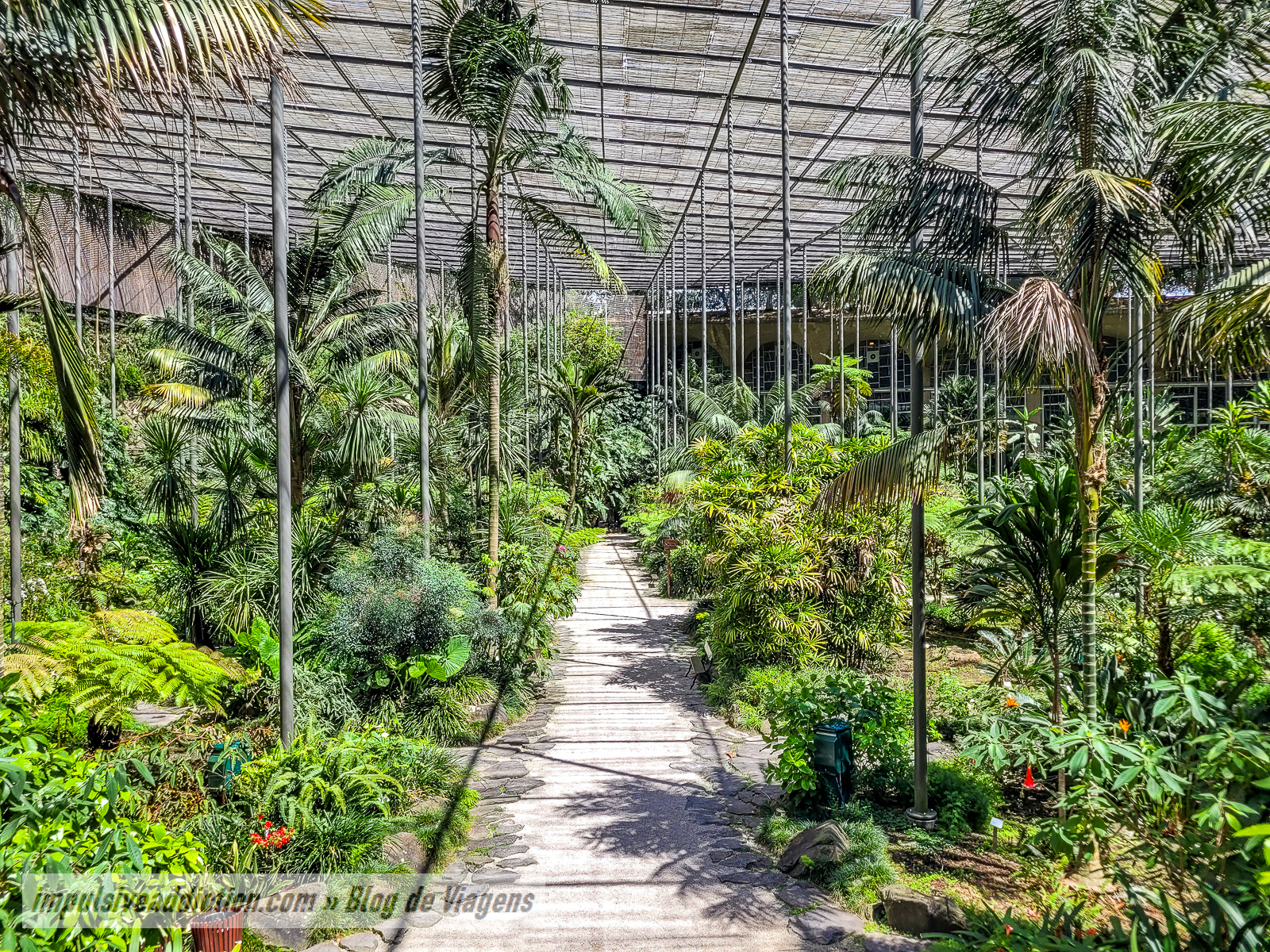
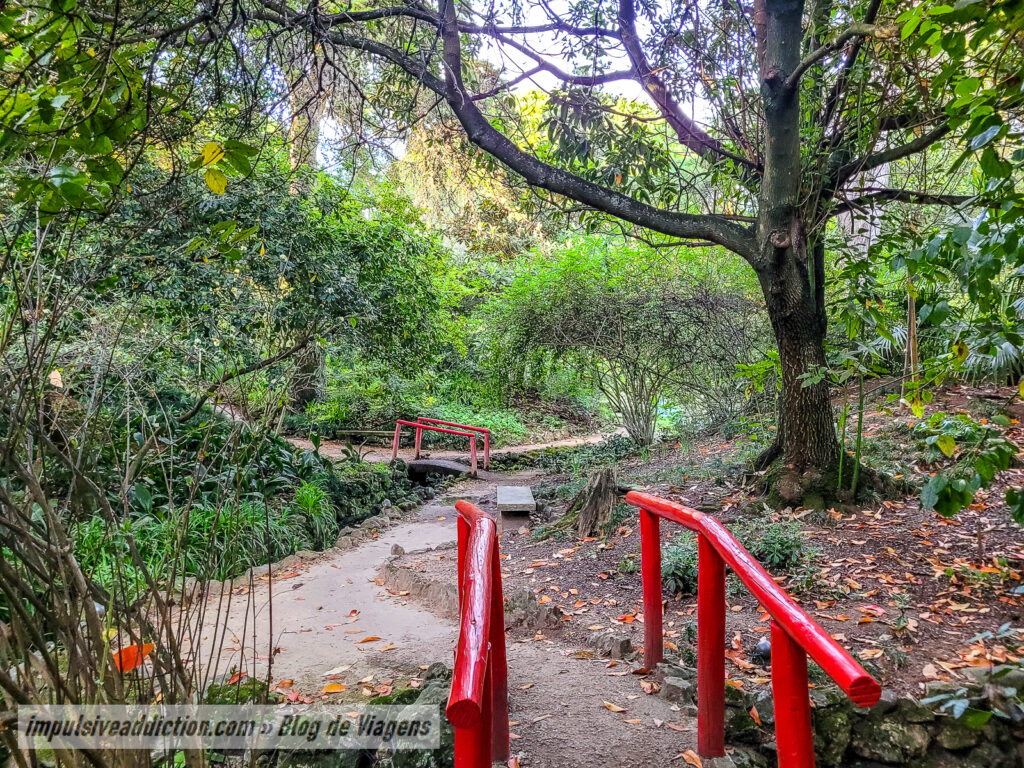
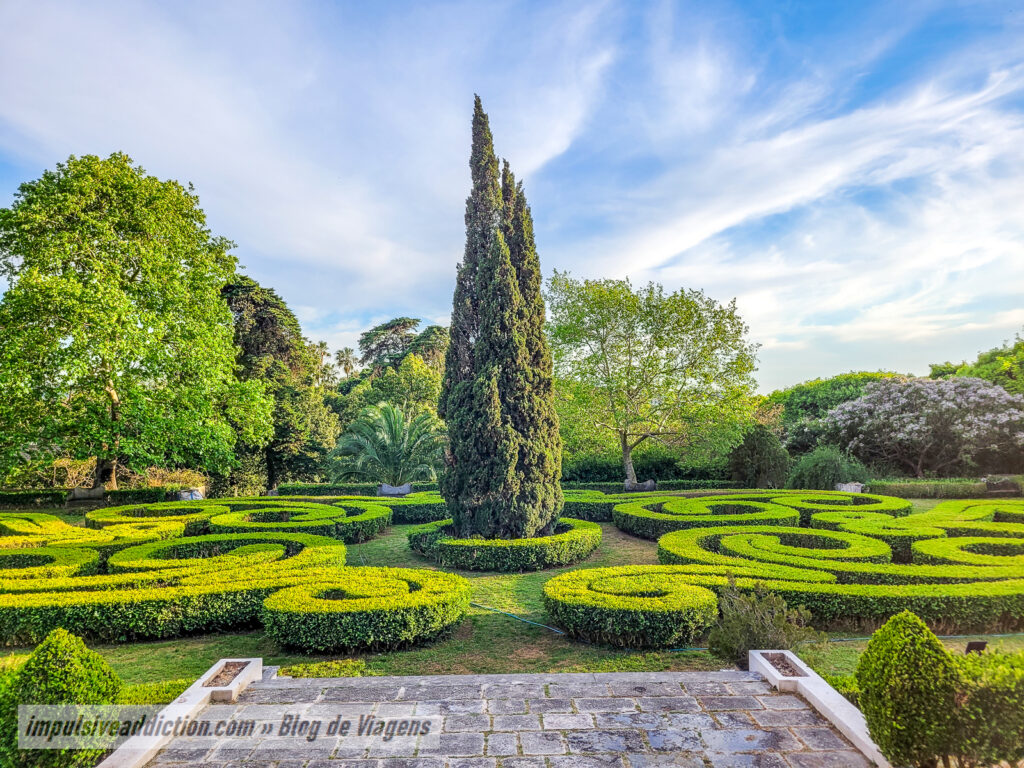
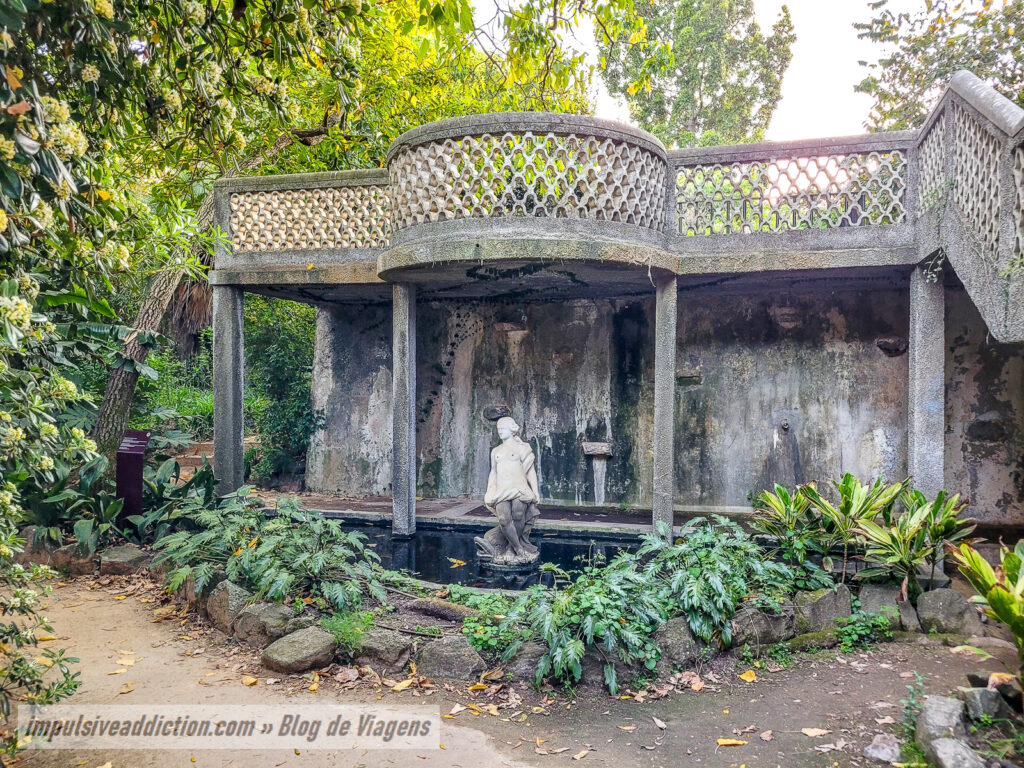
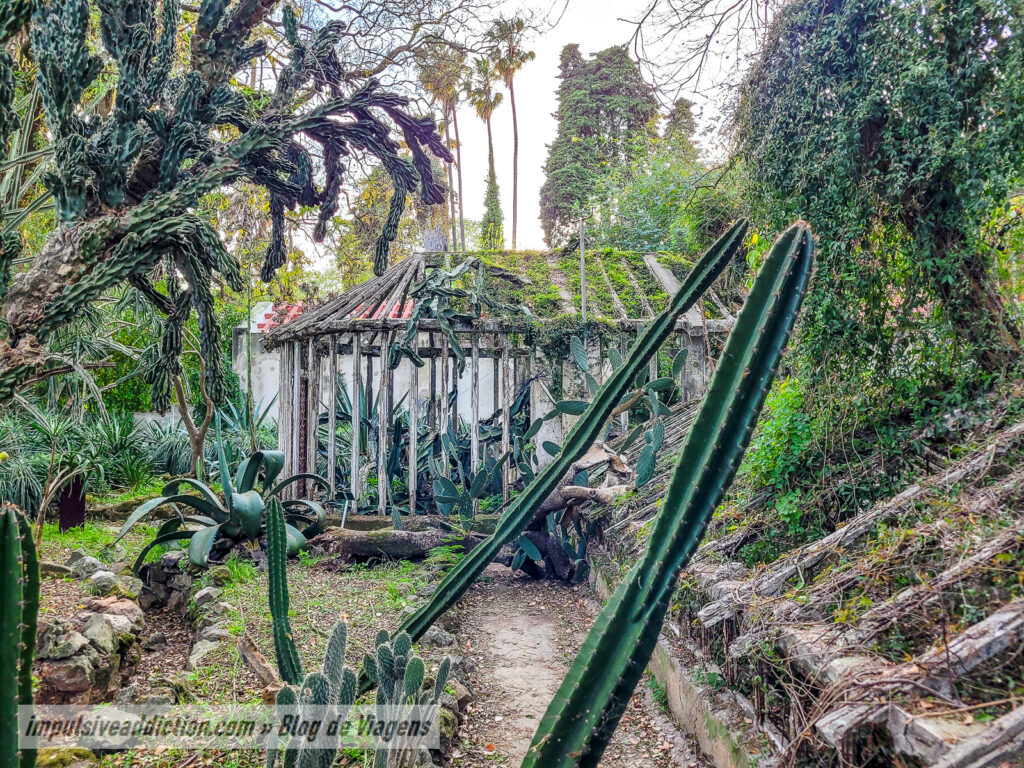
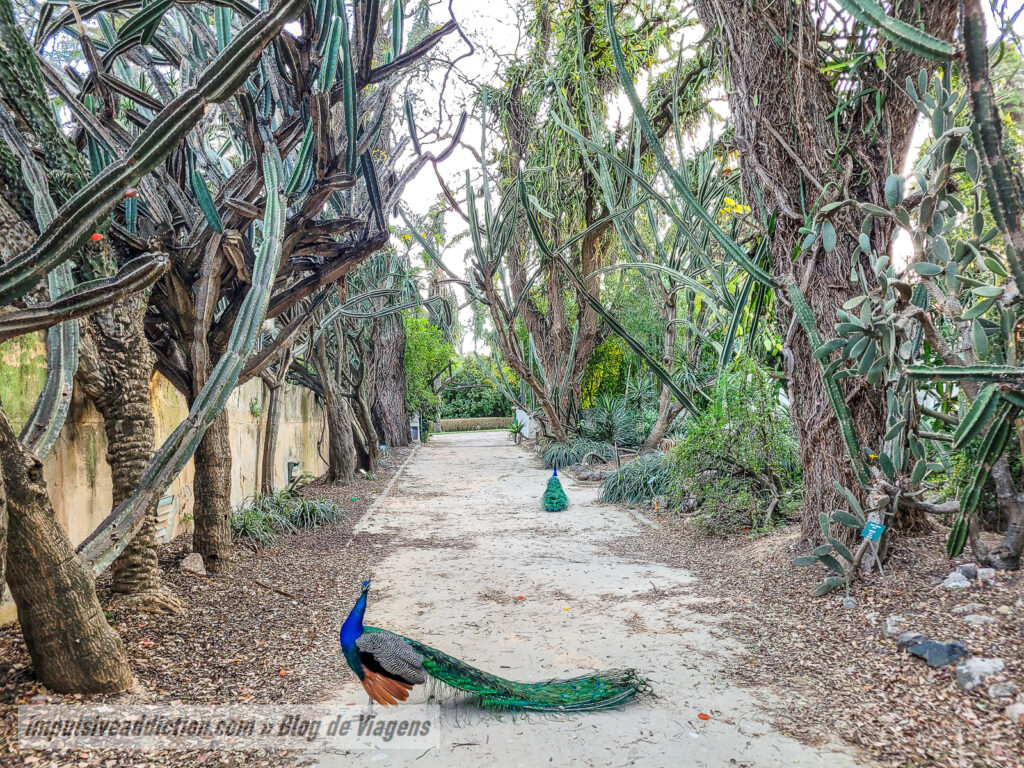
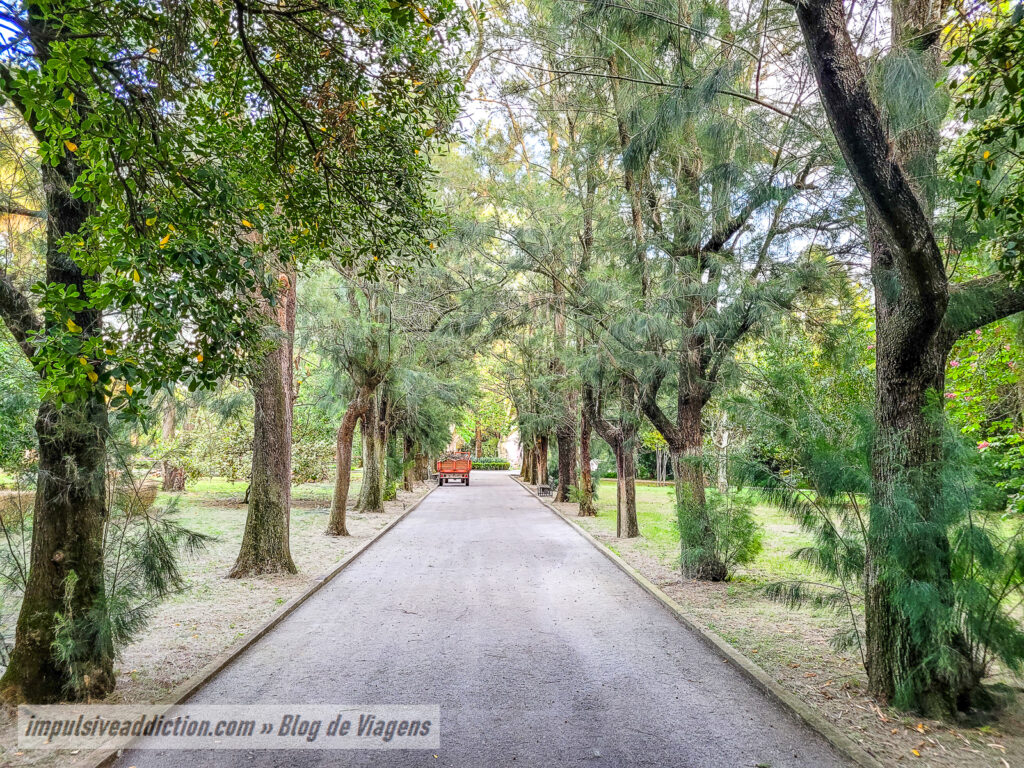
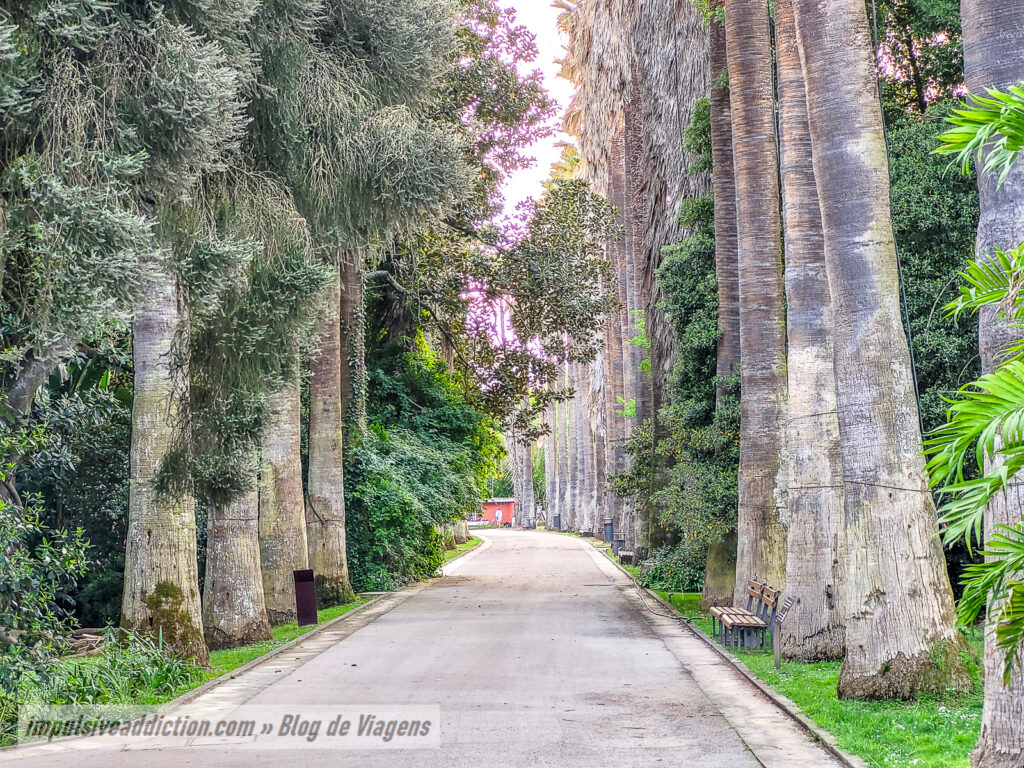
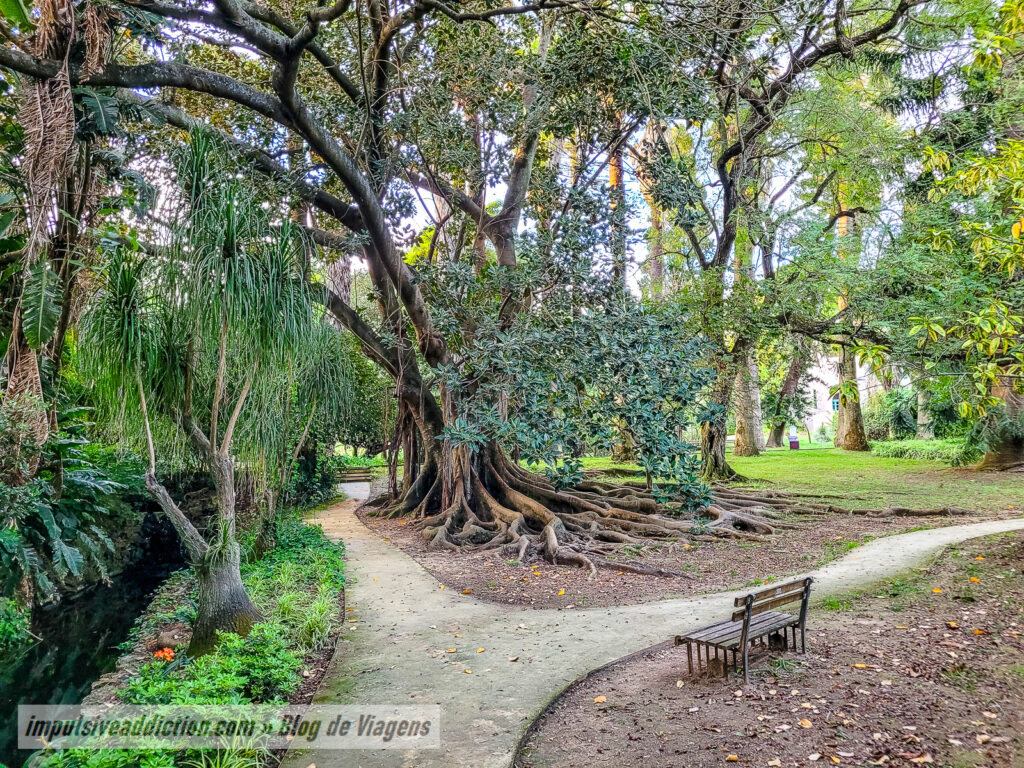
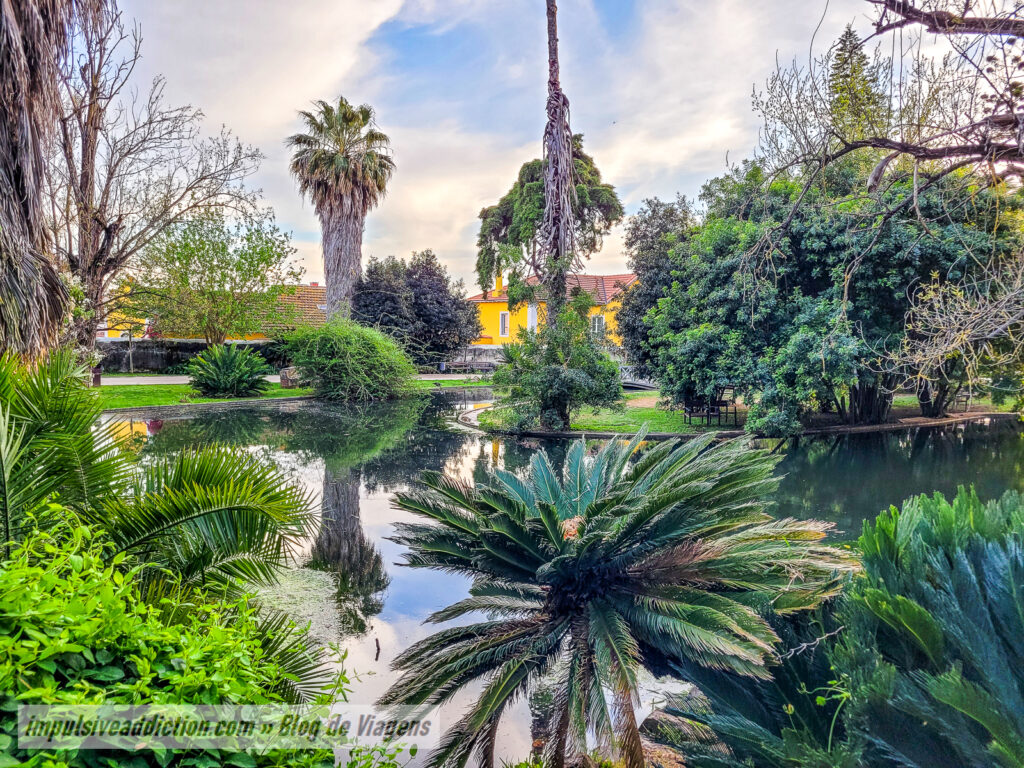
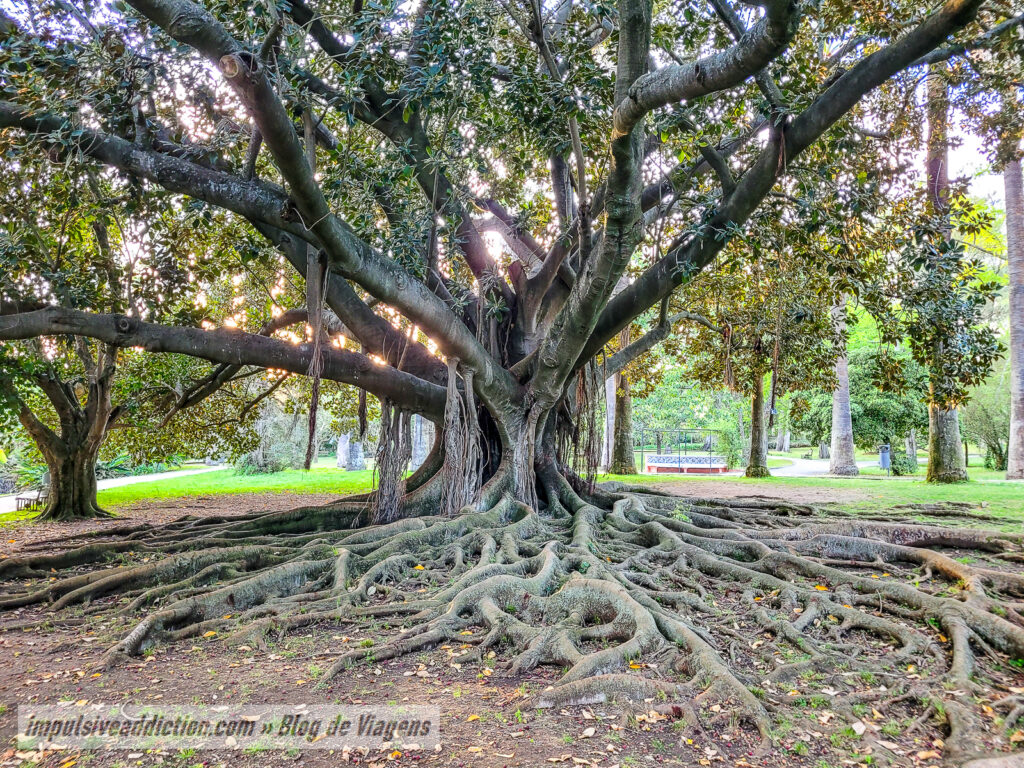
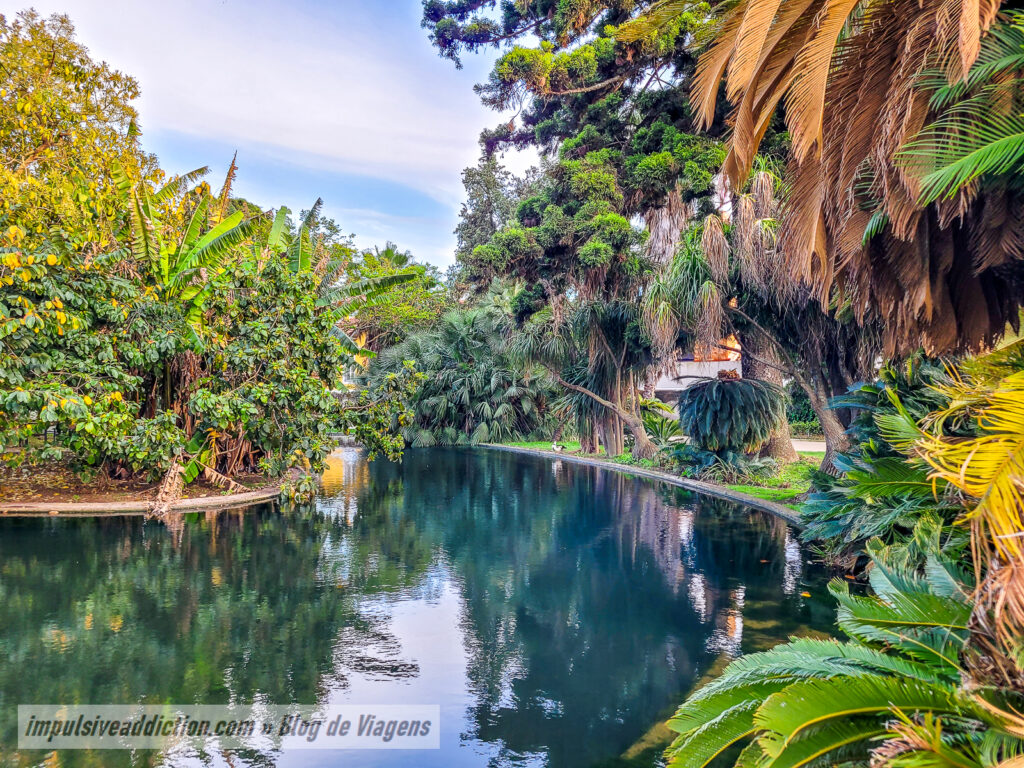
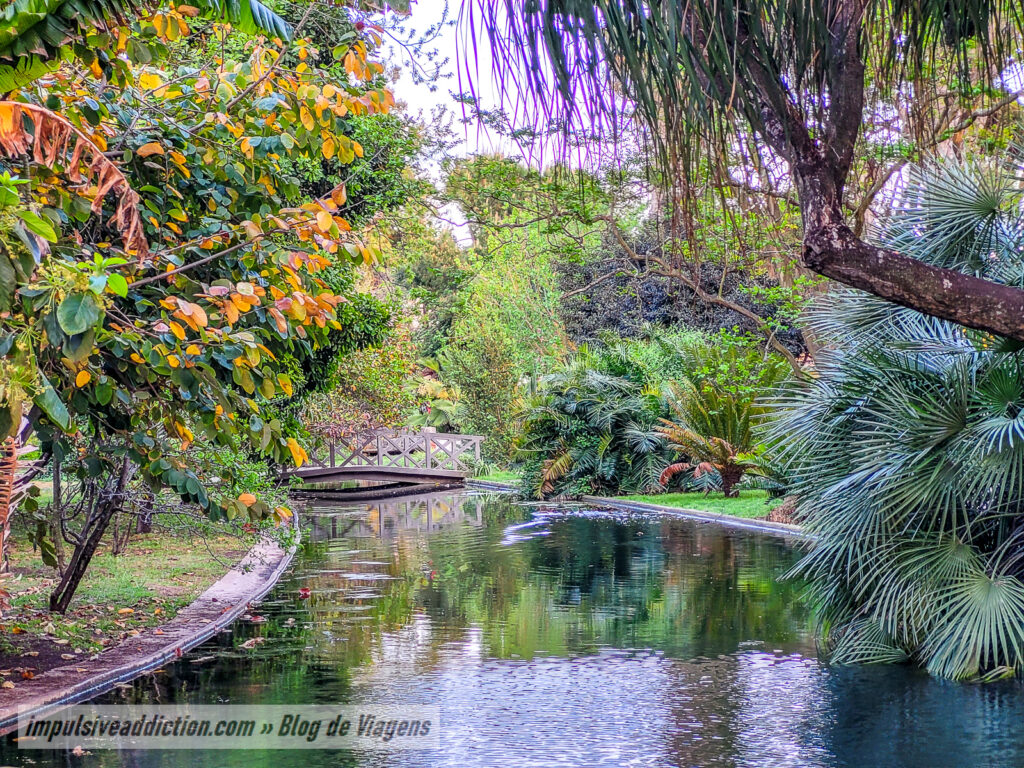
The Tropical Botanical Garden, located in Belém, is one of Lisbon’s most exotic green spaces. Founded in 1906, it was originally created to study species from Portugal’s former overseas colonies — which explains its remarkable diversity of tropical and subtropical plants. Strolling along its shaded paths, you’ll encounter towering palm trees, bamboo groves, and rare specimens that transport visitors to far-off landscapes, in a setting where science, history, and nature intertwine.
Beyond its lush flora, the Tropical Botanical Garden is also a cultural haven. Scattered among the greenery are lily-covered ponds, colonial-inspired sculptures, and small historic buildings that echo Portugal’s imperial past. It’s the perfect spot for peaceful moments away from the city’s bustle — whether you’re a family, a student, or a botanical enthusiast. Located right next to the Jerónimos Monastery, it’s an unmissable stop for anyone wanting to discover a greener side of Lisbon.


2. Ajuda Botanical Garden
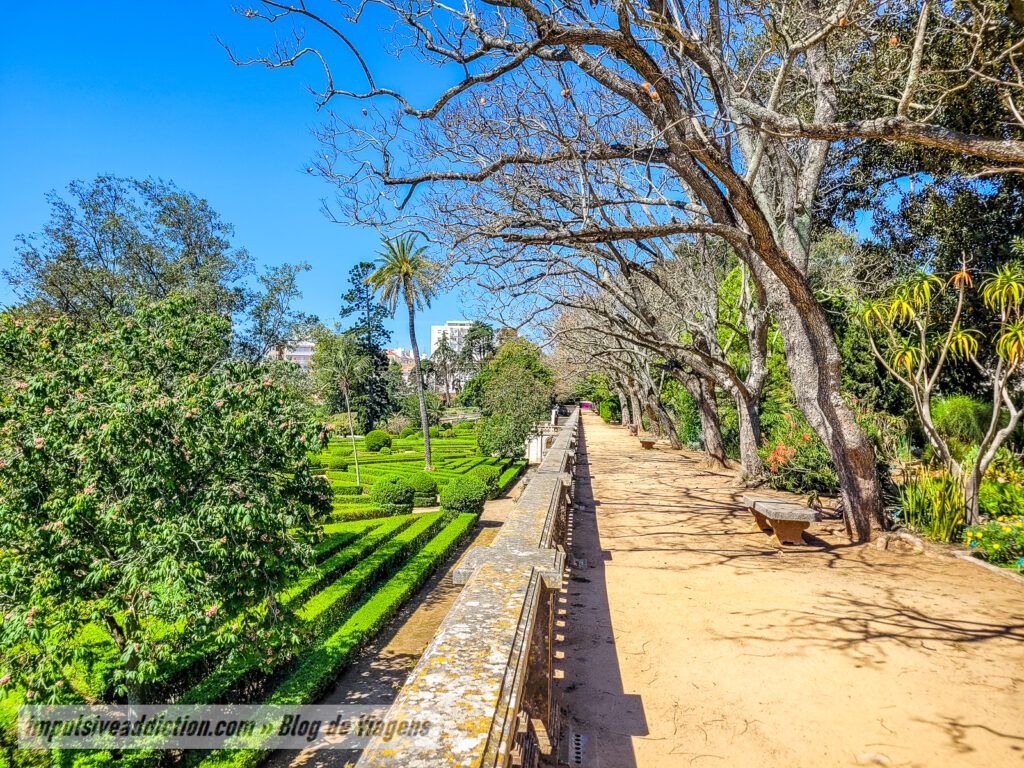
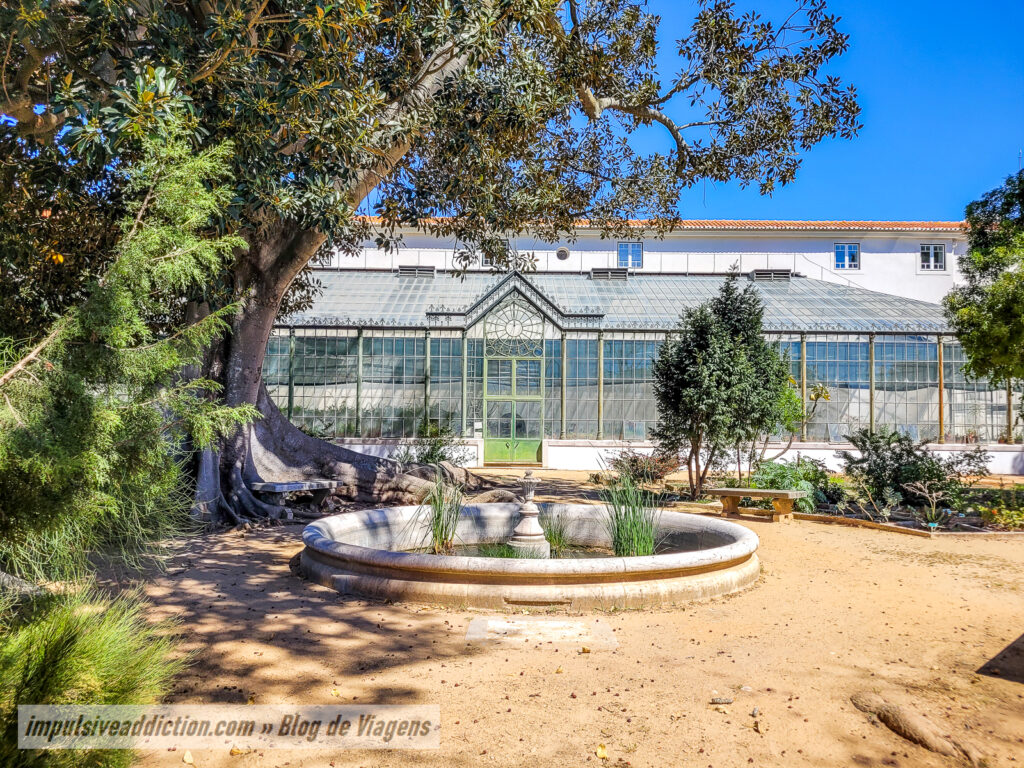
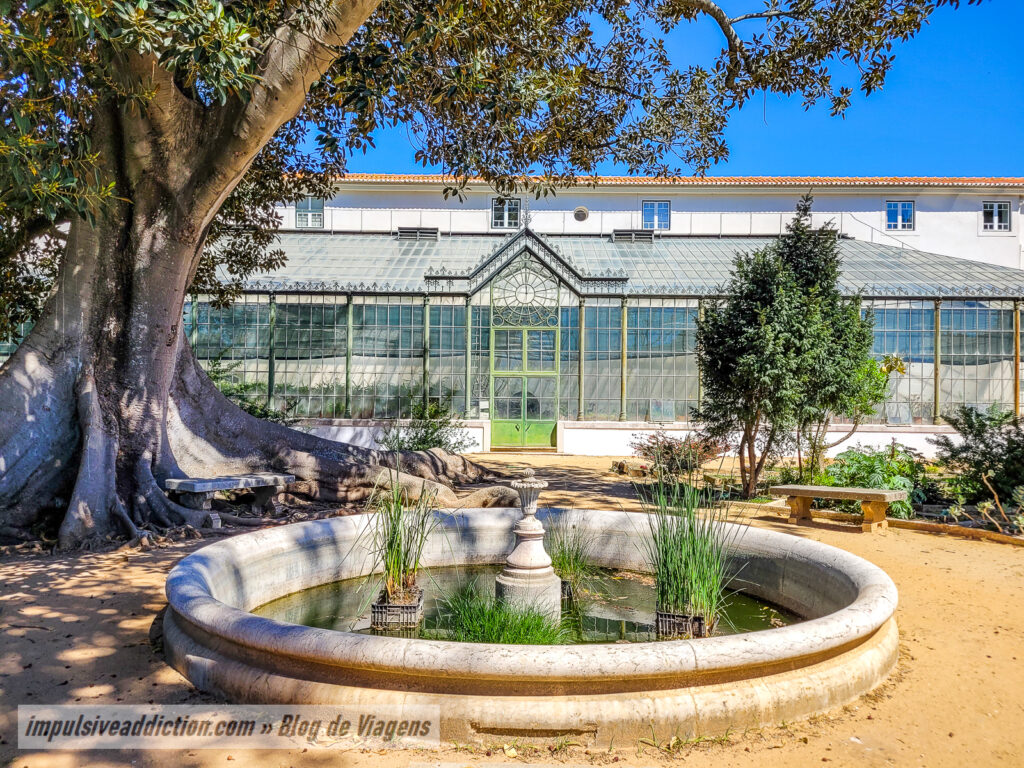
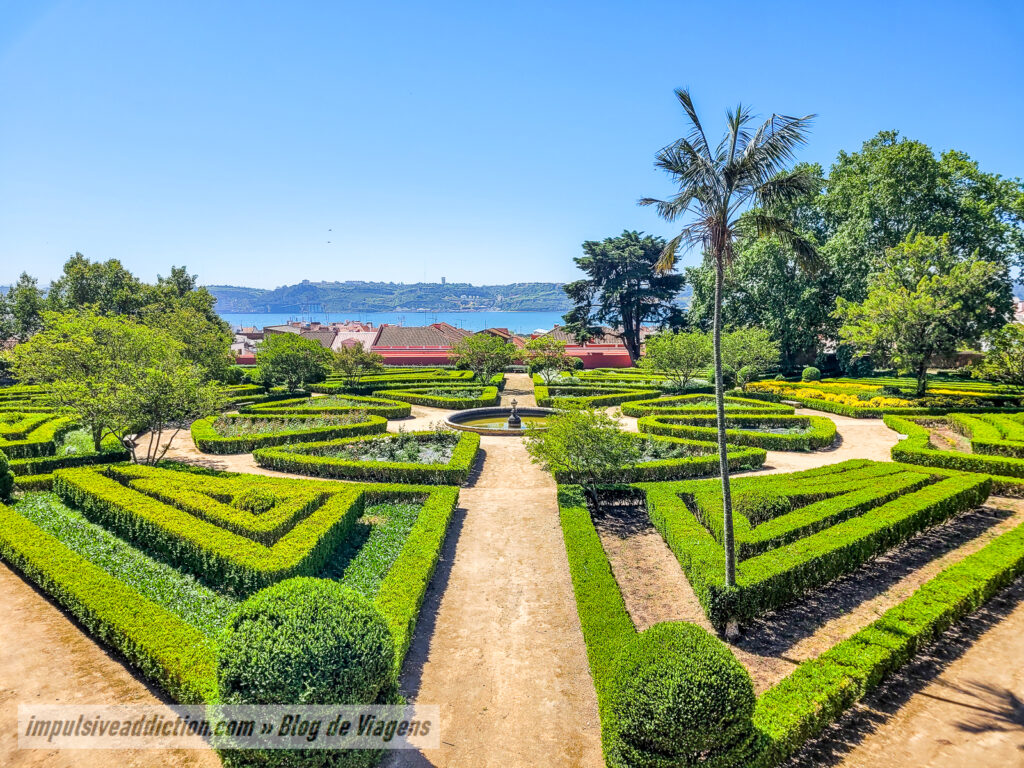
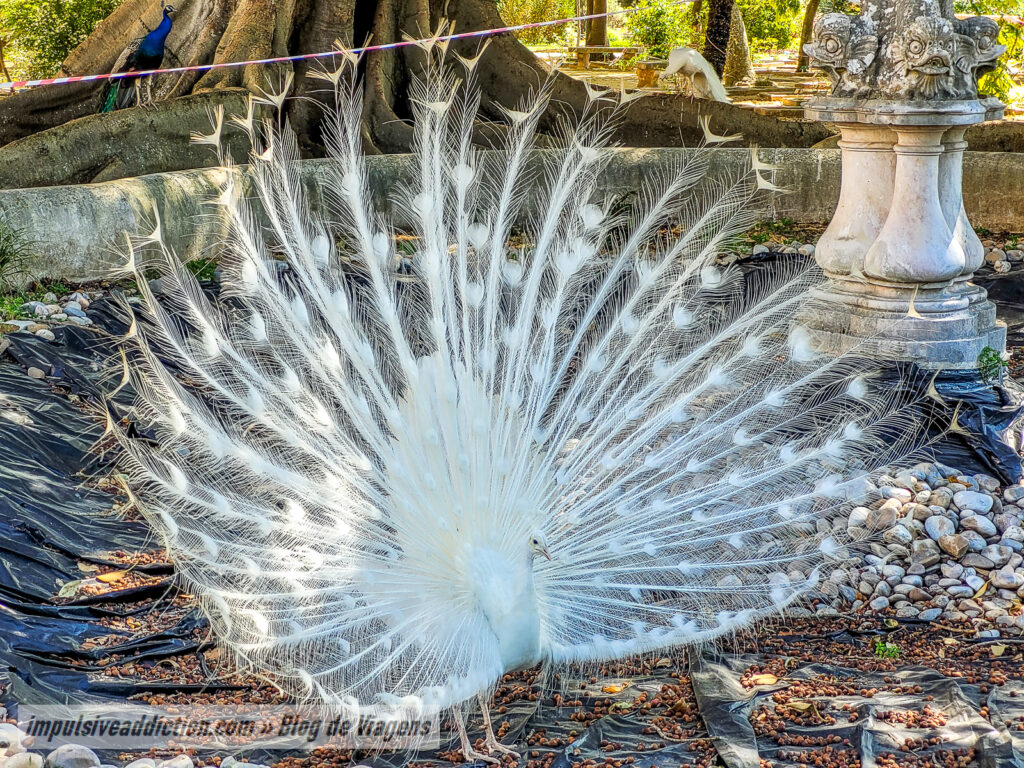
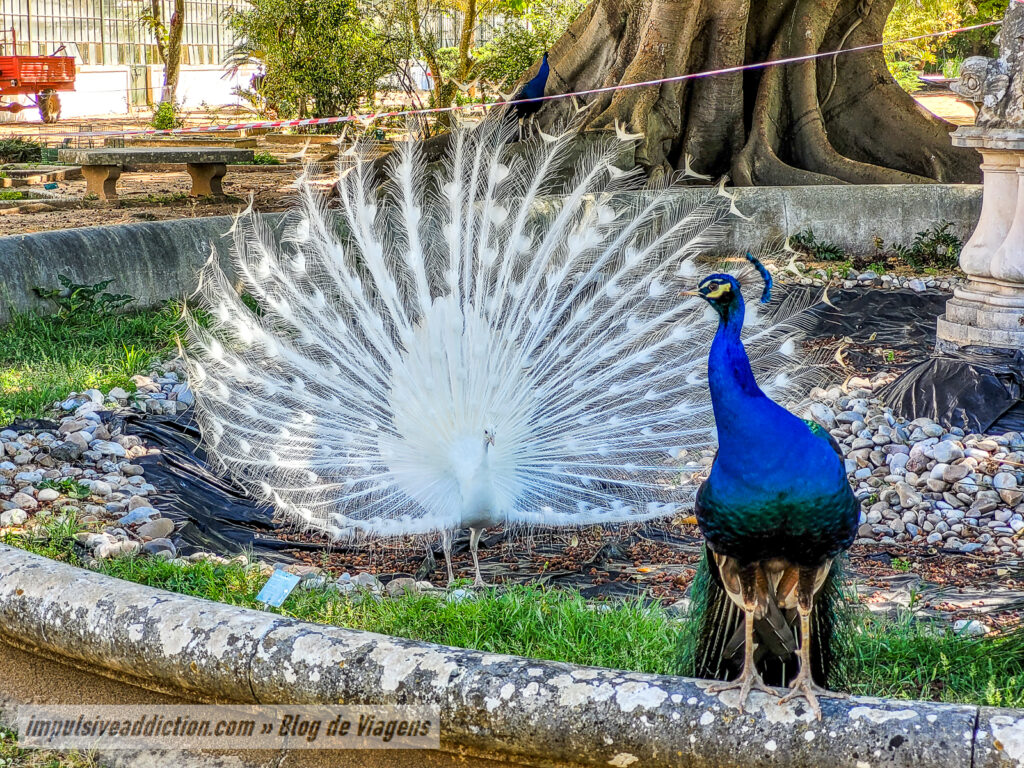
The Ajuda Botanical Garden is Portugal’s oldest botanical garden, commissioned in the 18th century to serve the scientific education of the royal court at the nearby Ajuda Palace. Laid out in elegant terraces, it features geometric parterres, fountains, and a remarkable collection of century-old trees — living witnesses to more than two centuries of acclimatisation of species from across the globe. The harmony between classical design, botanical diversity, and the historic royal setting gives the garden a truly unique character, where history and science meet in full bloom.
For visitors, the garden is an invitation to slow down and take in its beauty. From the upper terraces, panoramic viewpoints open over the riverfront and the 25 de Abril Bridge; along the paths, you’ll pass aromatic beds, precisely trimmed hedges, and generous patches of shade perfect for a peaceful break. It’s a wonderful spot for families and plant lovers alike, with informative panels to help identify species and trace their origins. Spring brings an extra splash of colour, but all year round it remains a serene refuge — ideal for photography, reading, or simply pressing pause on the city’s pace.
3. Monsanto Forest Park
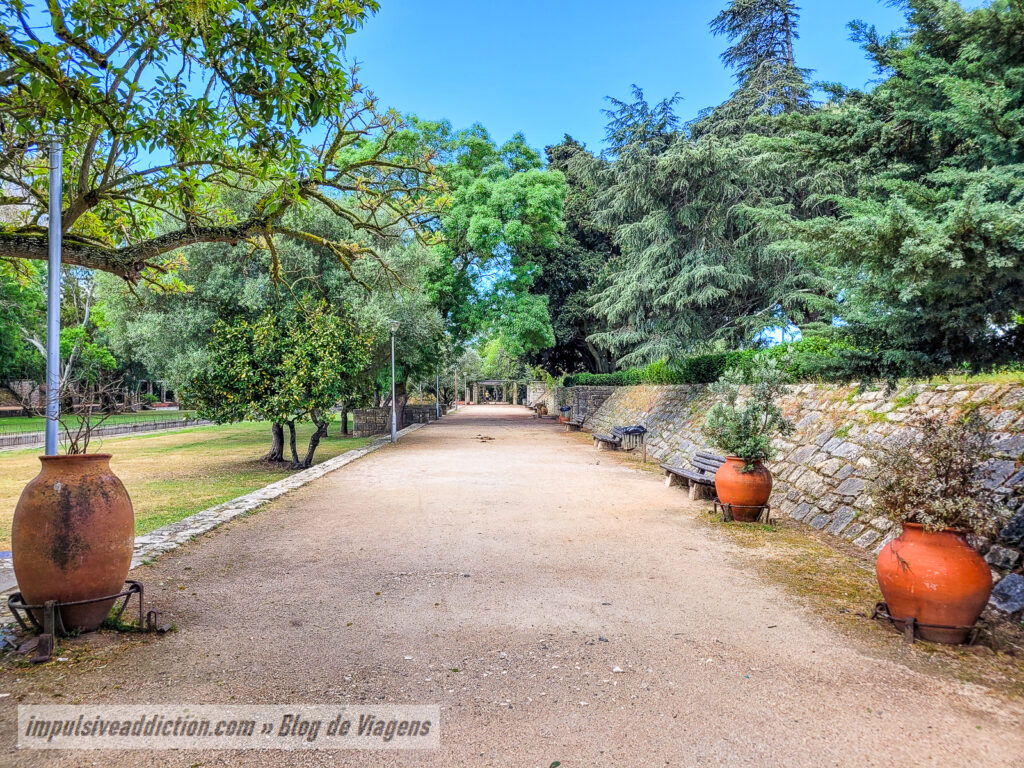
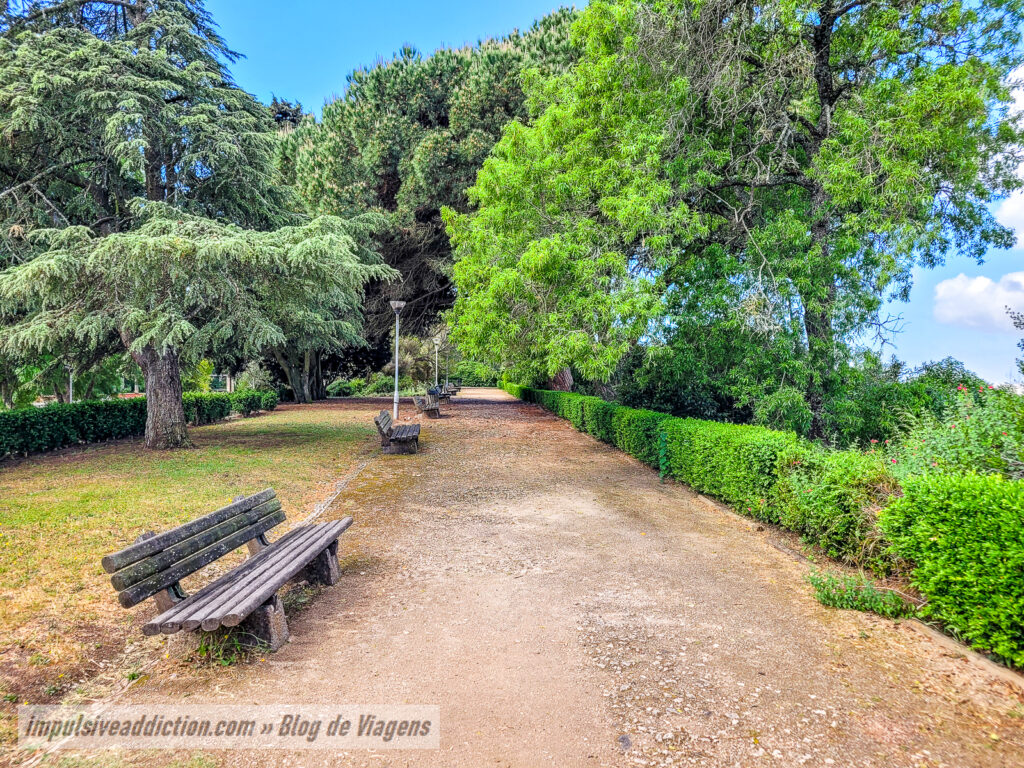
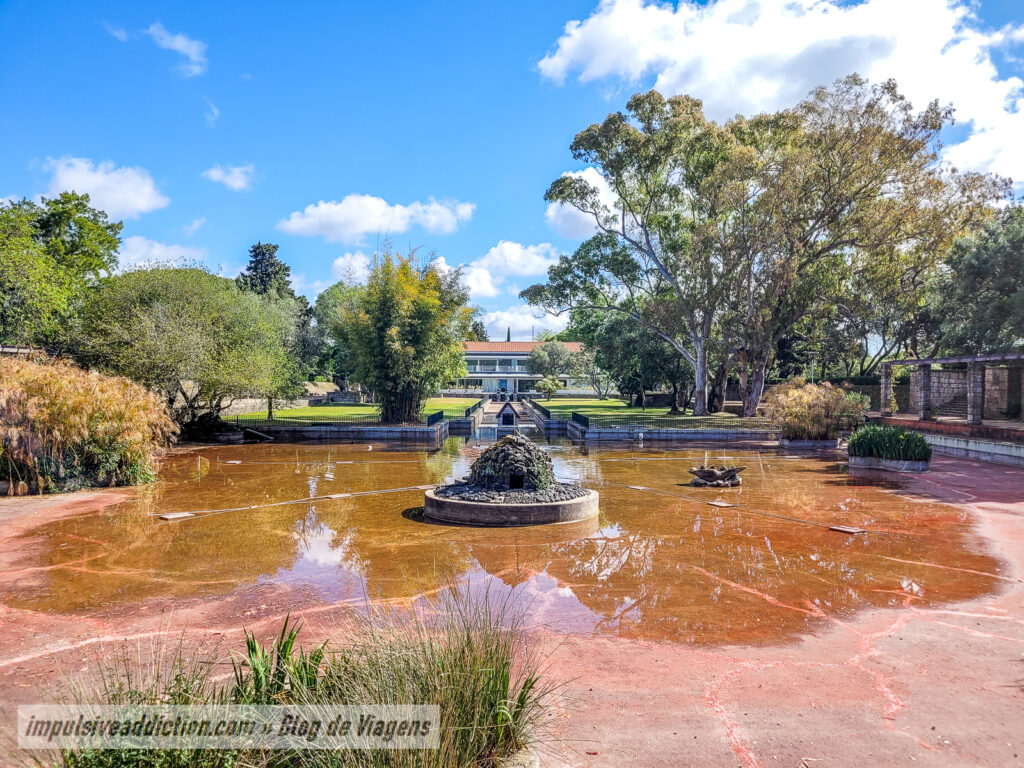
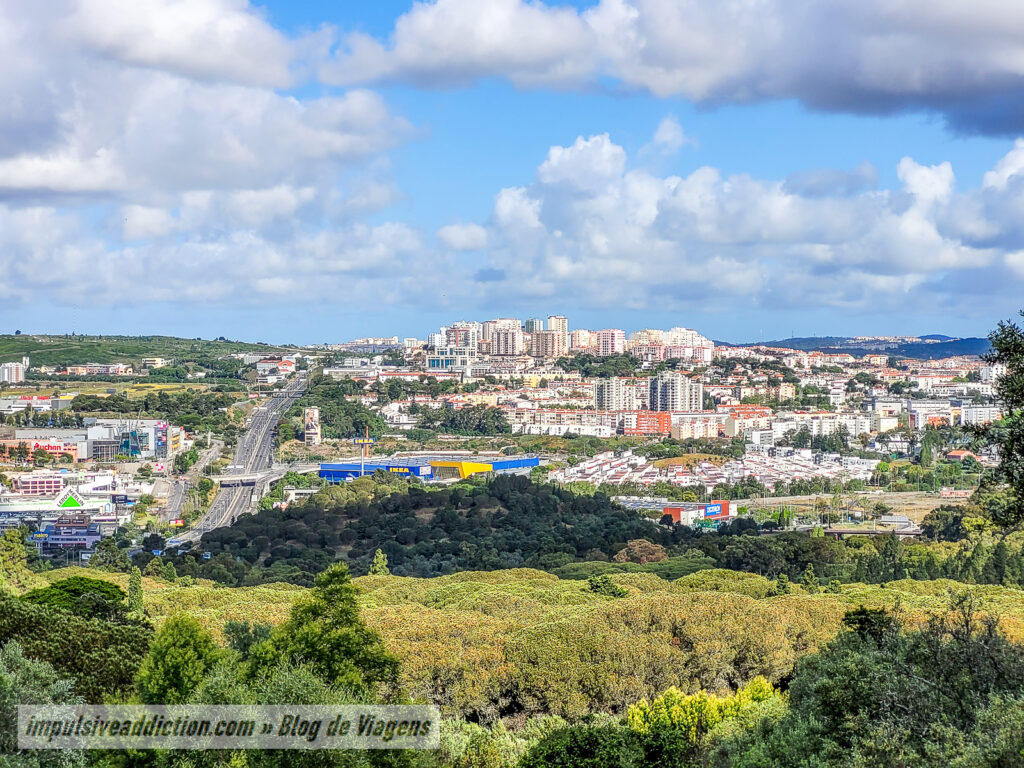
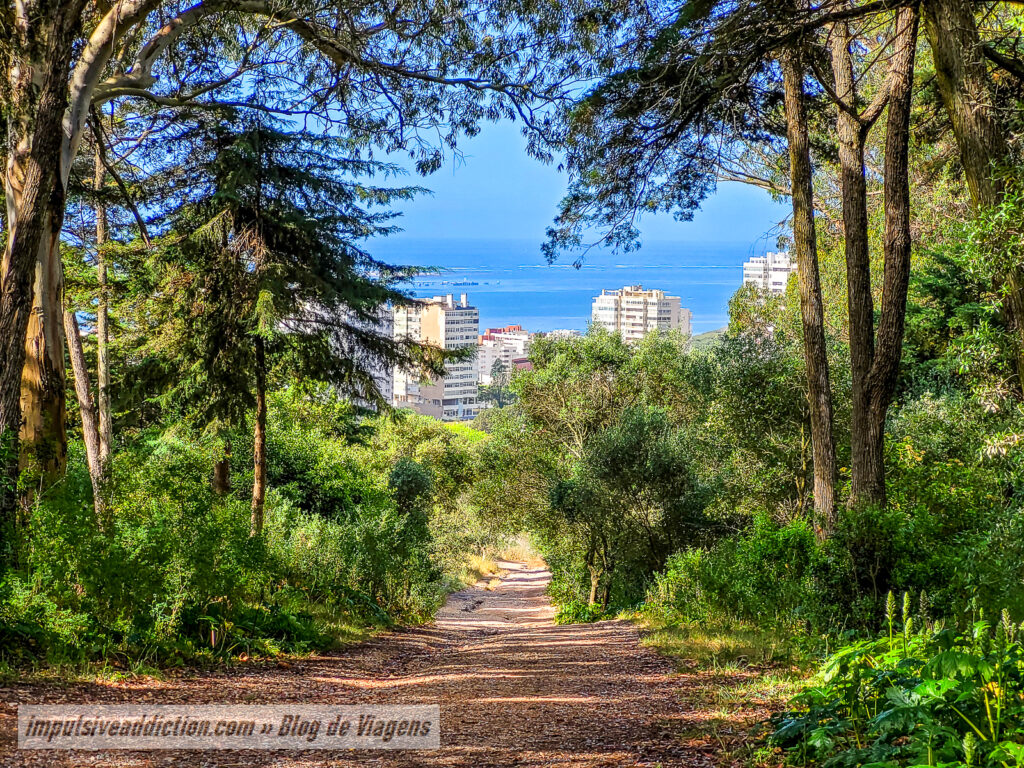
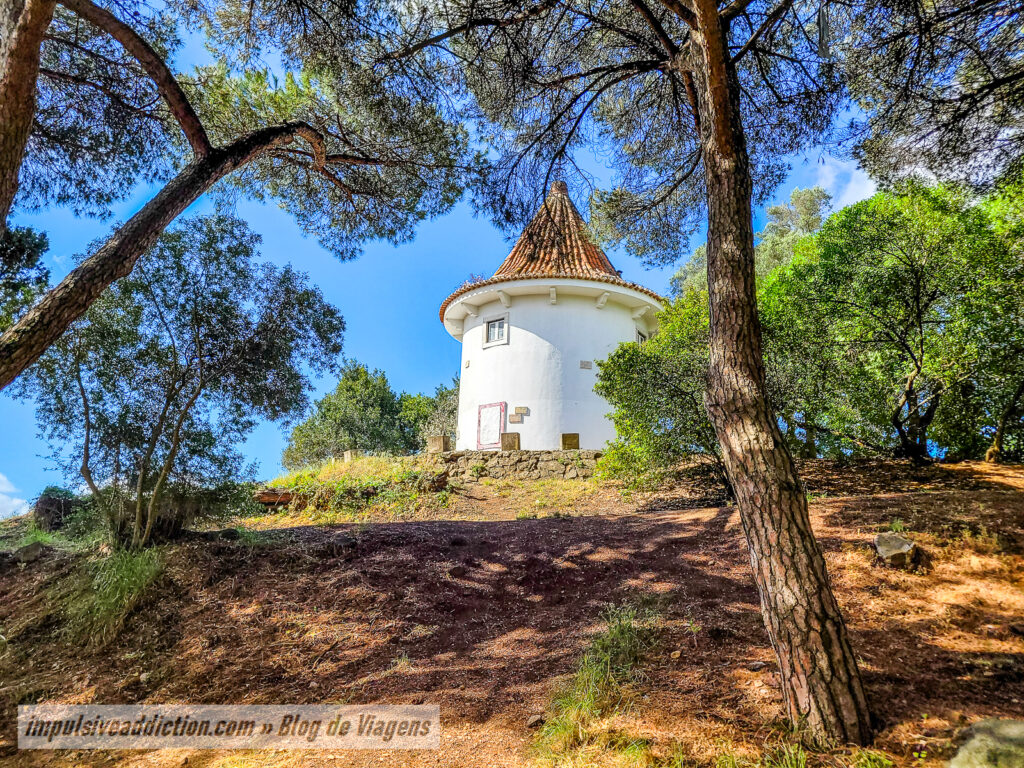
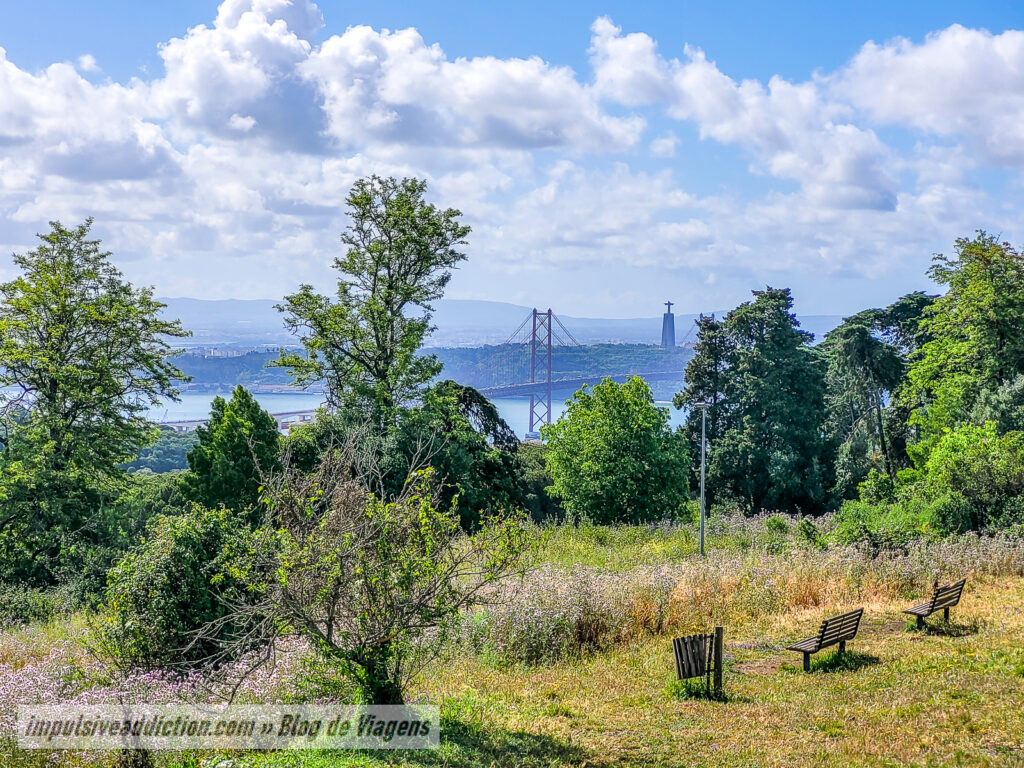
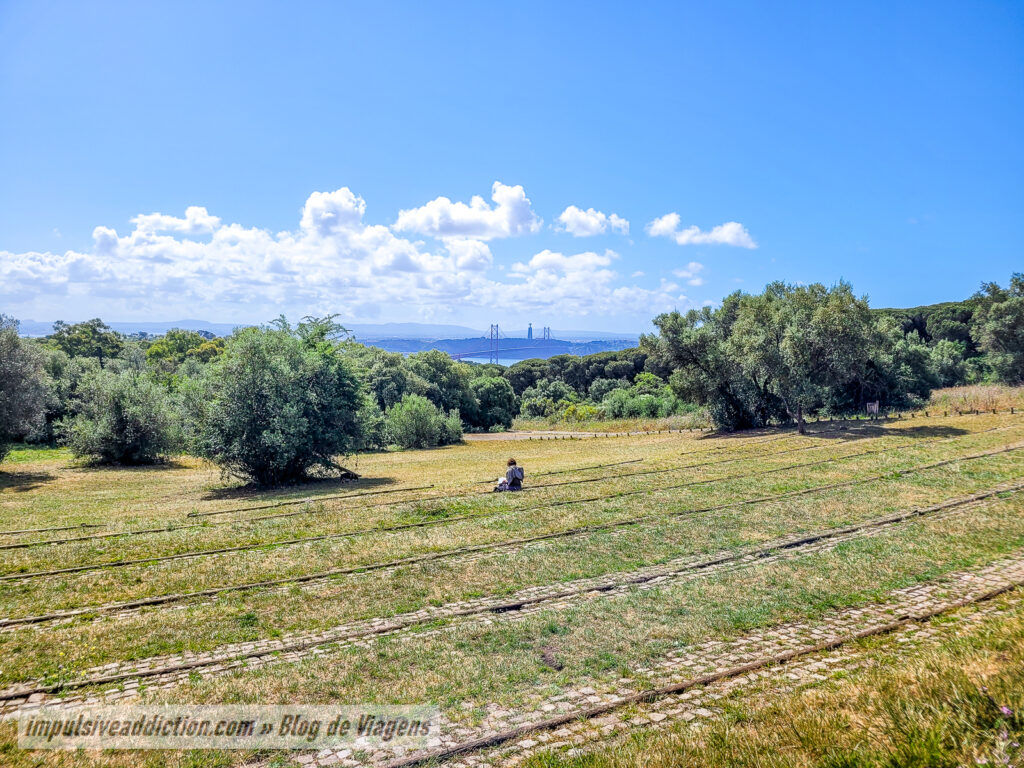
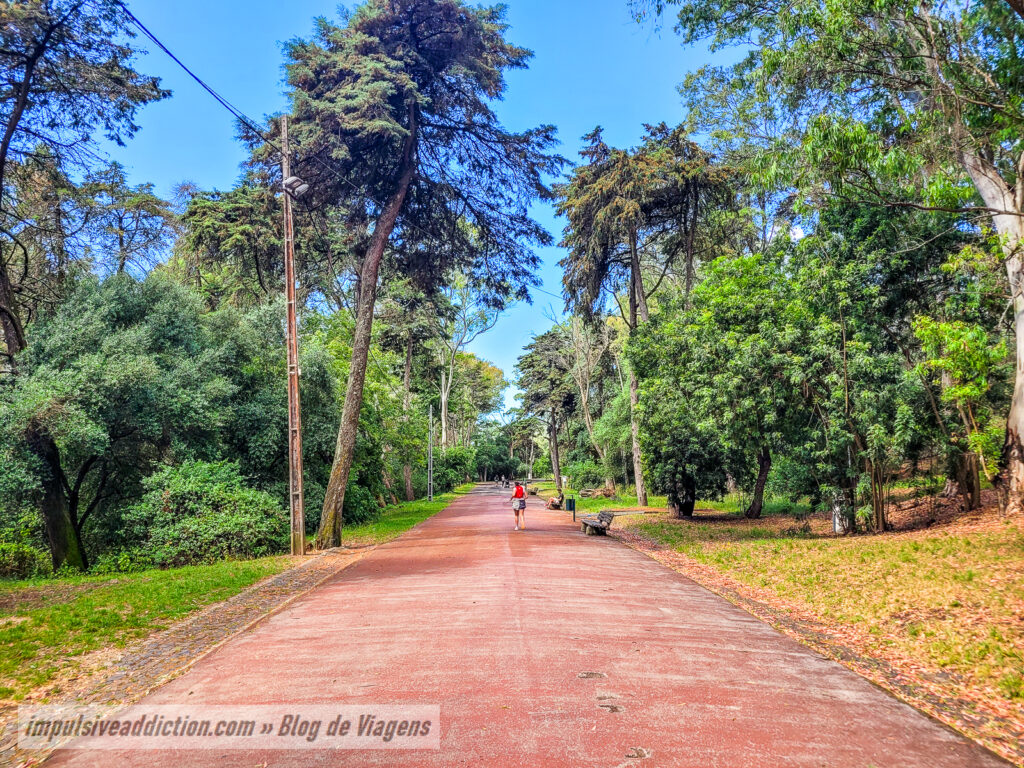
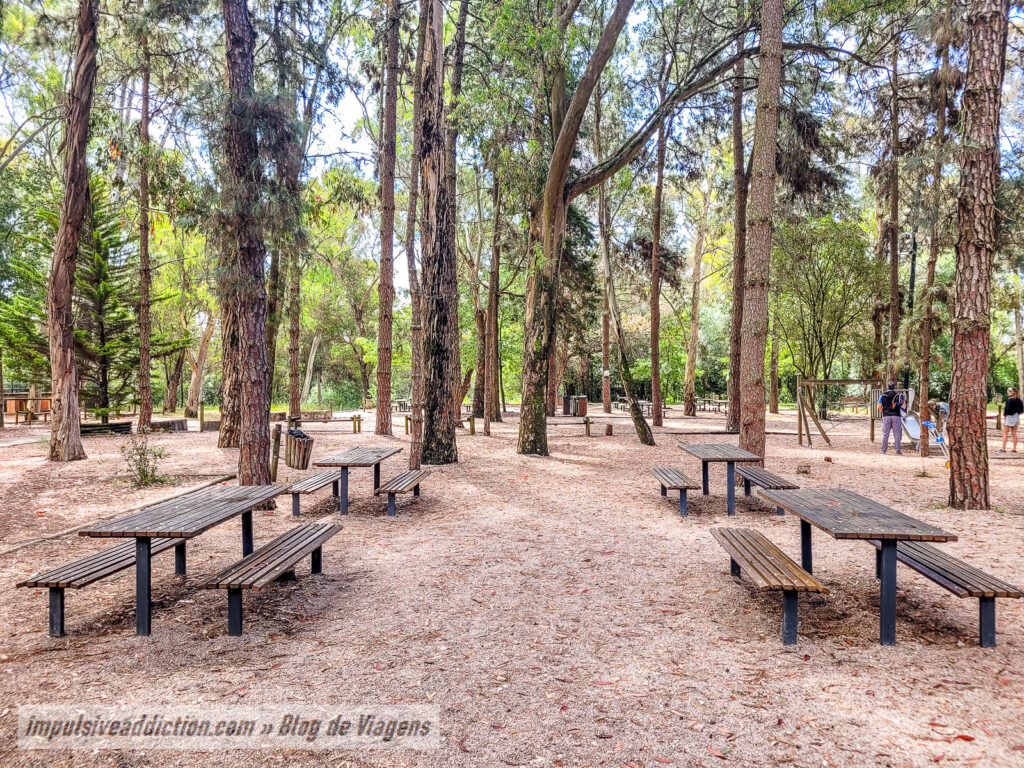
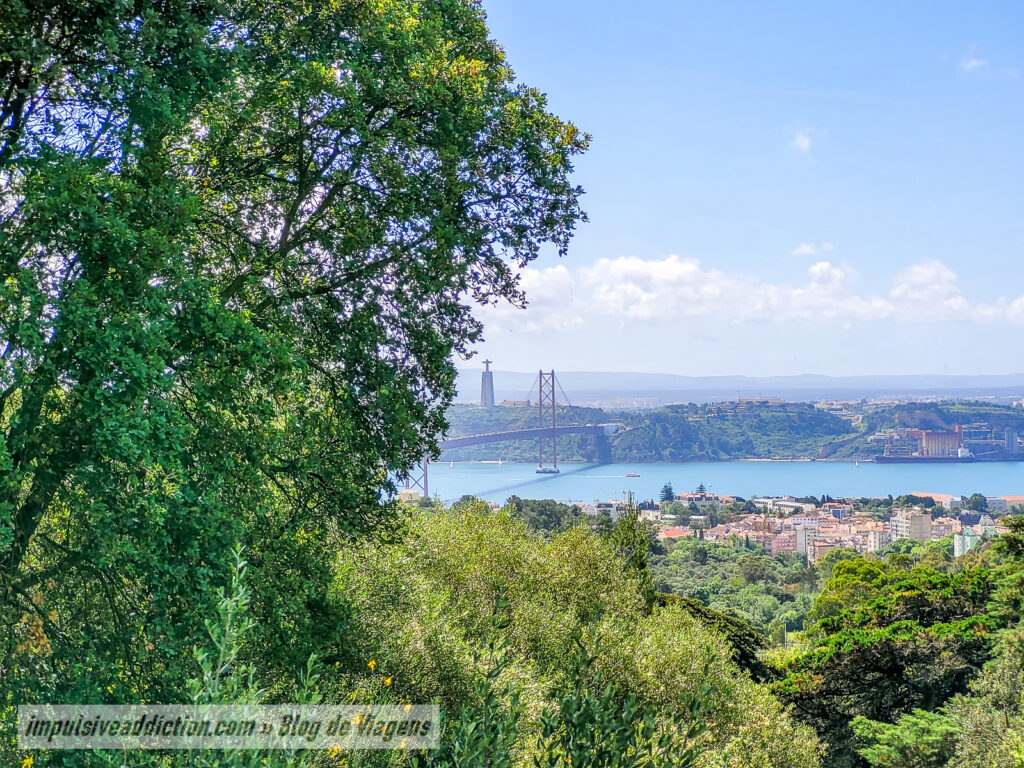
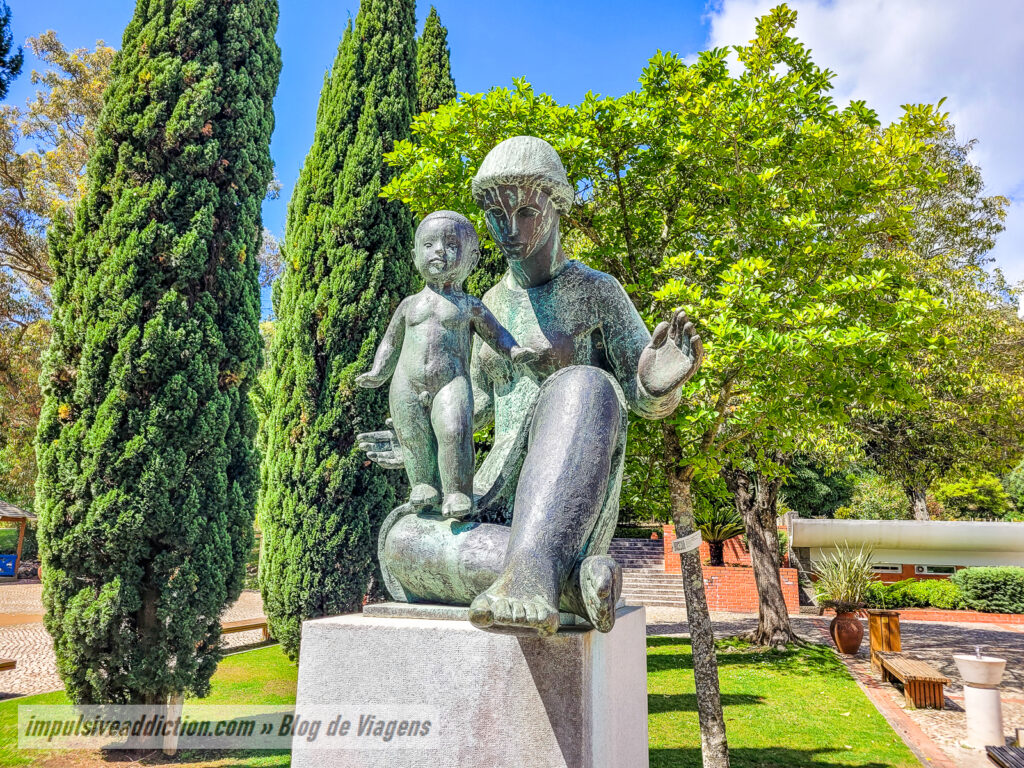
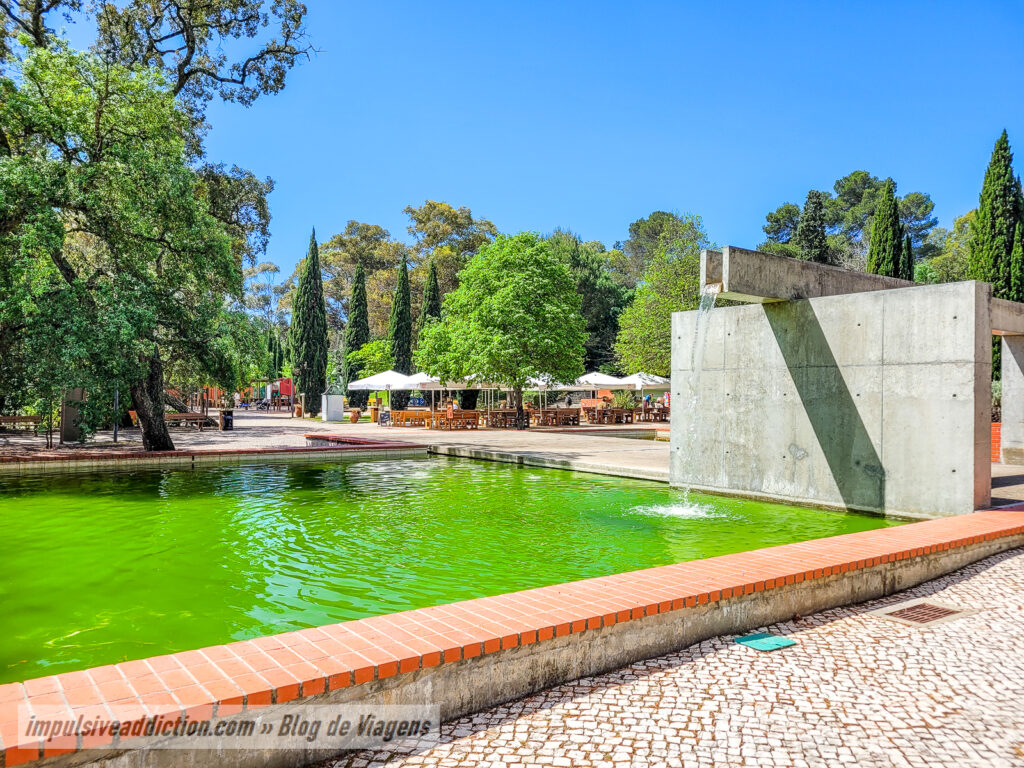
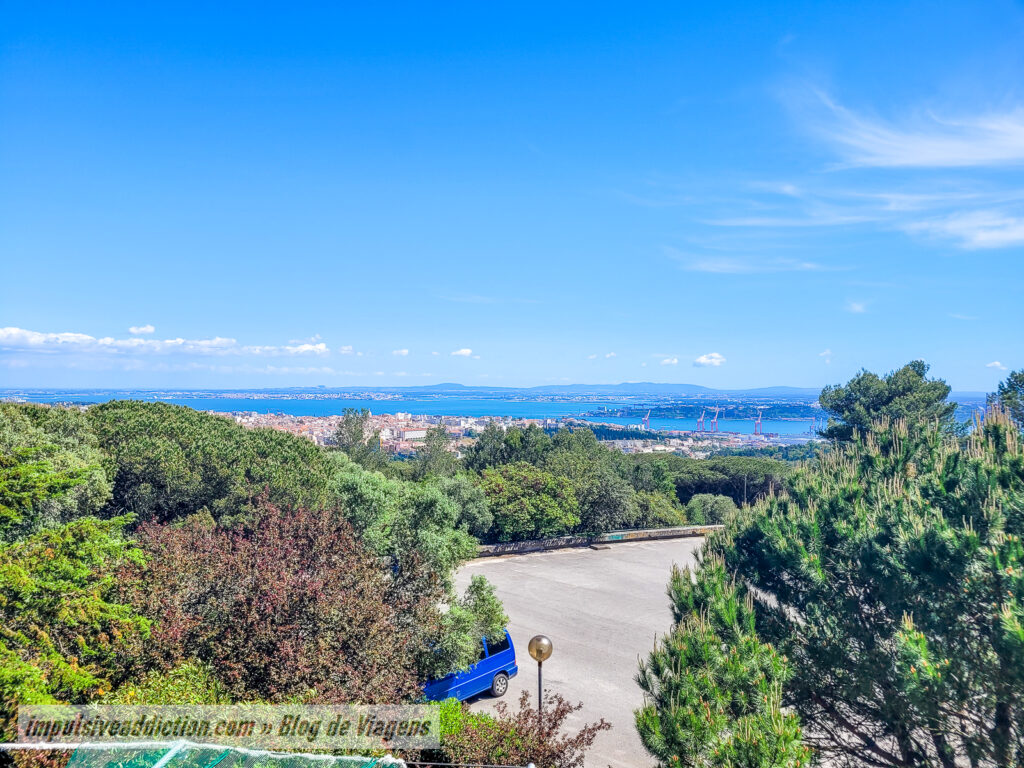
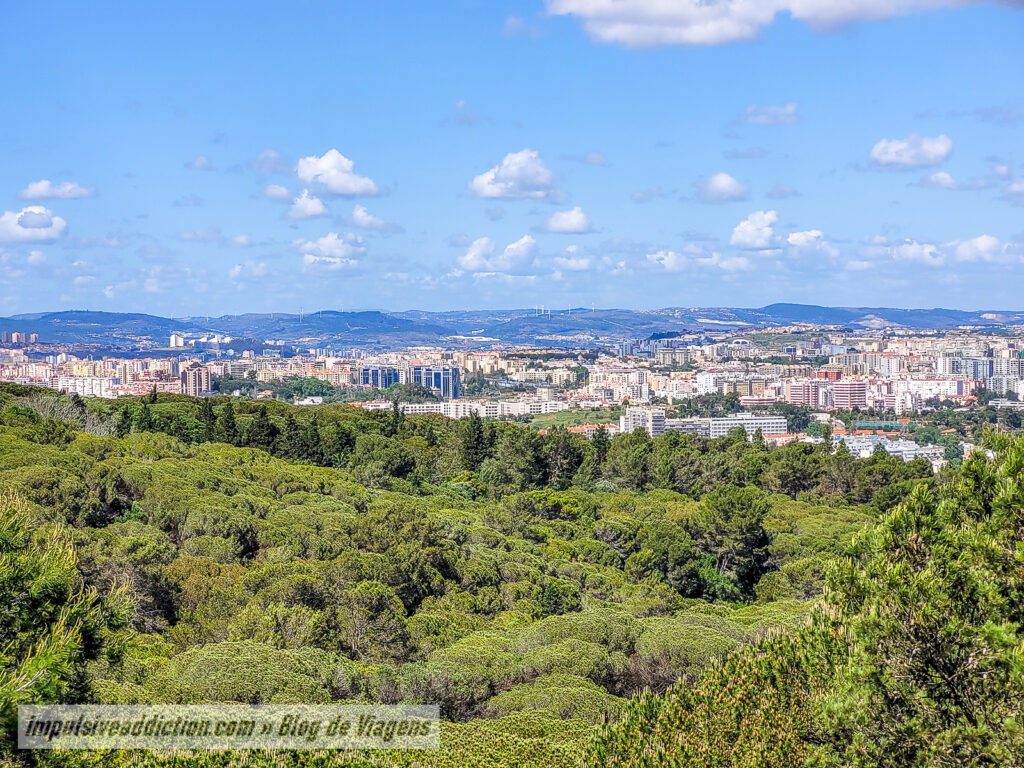
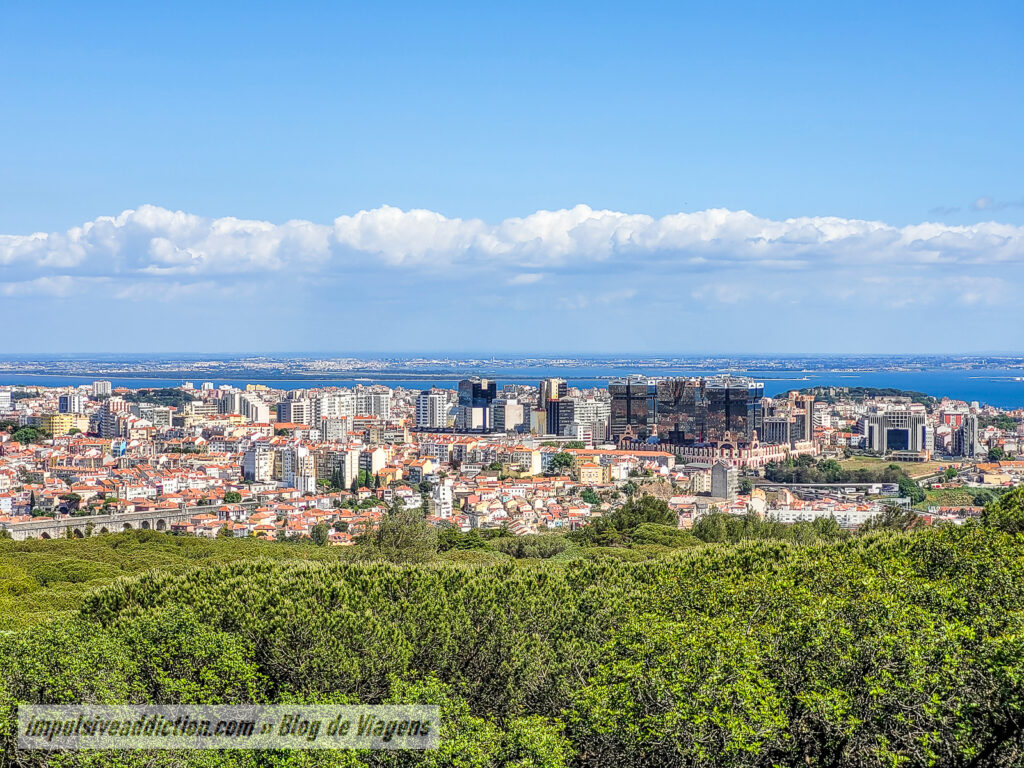
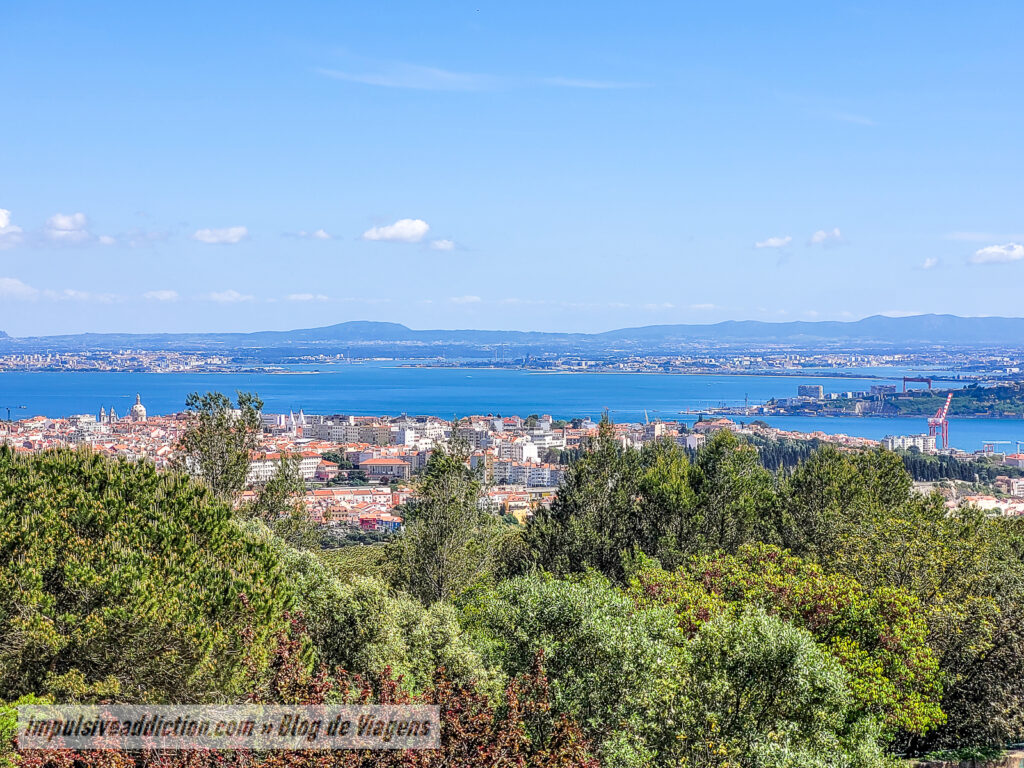
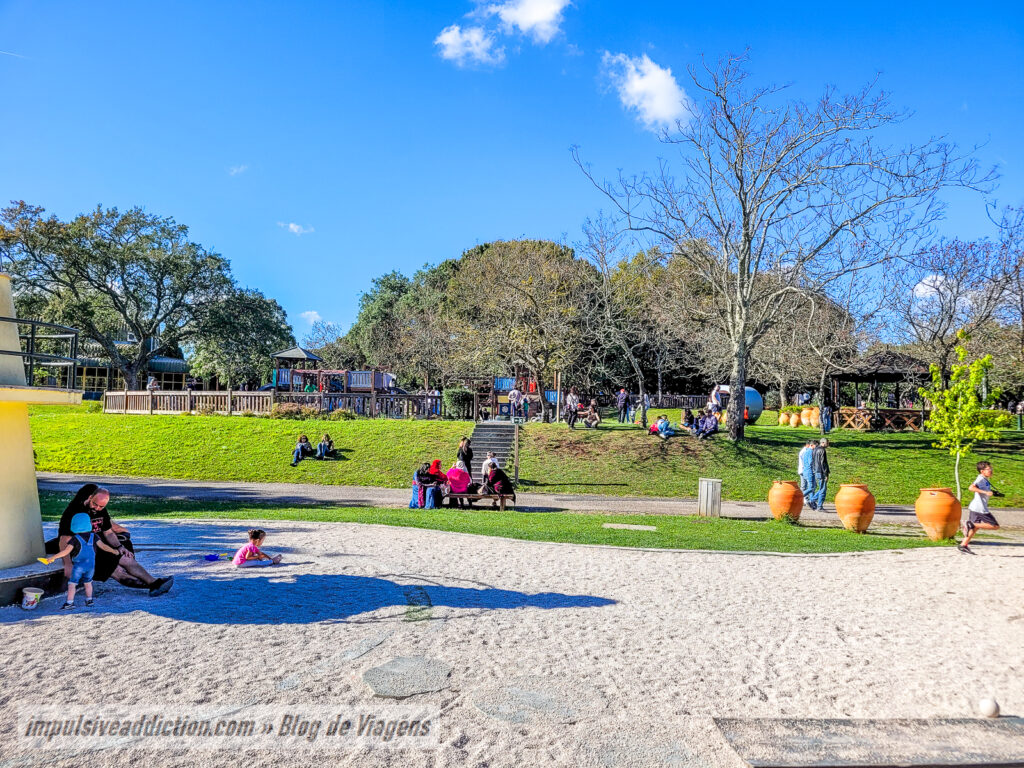
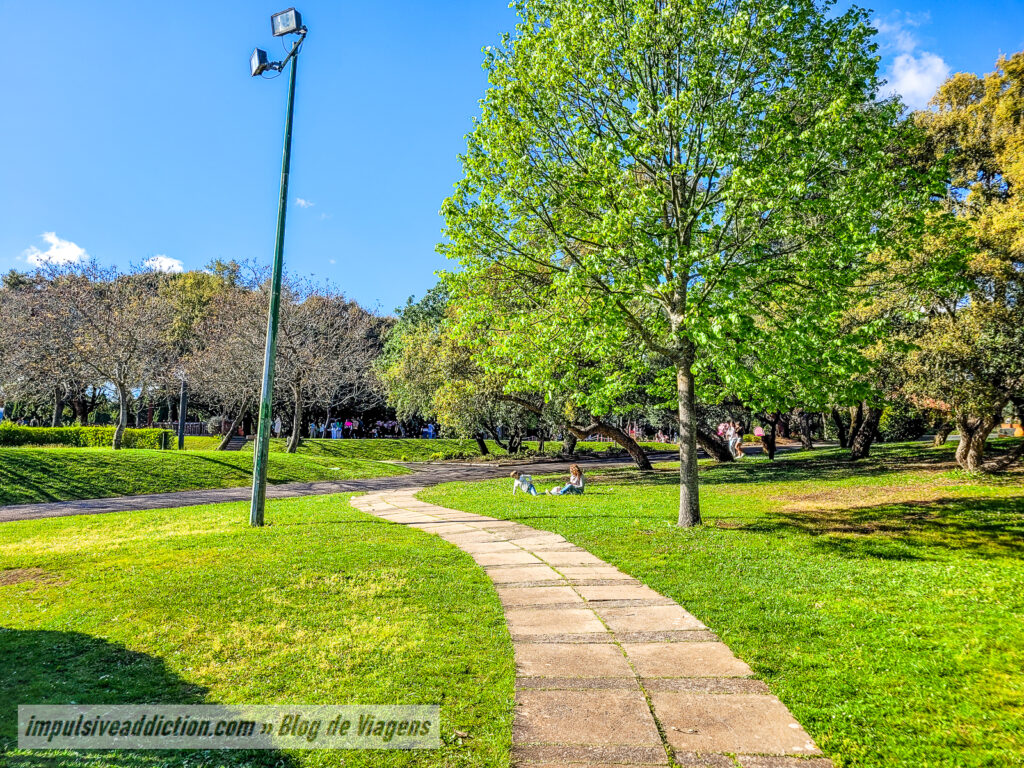
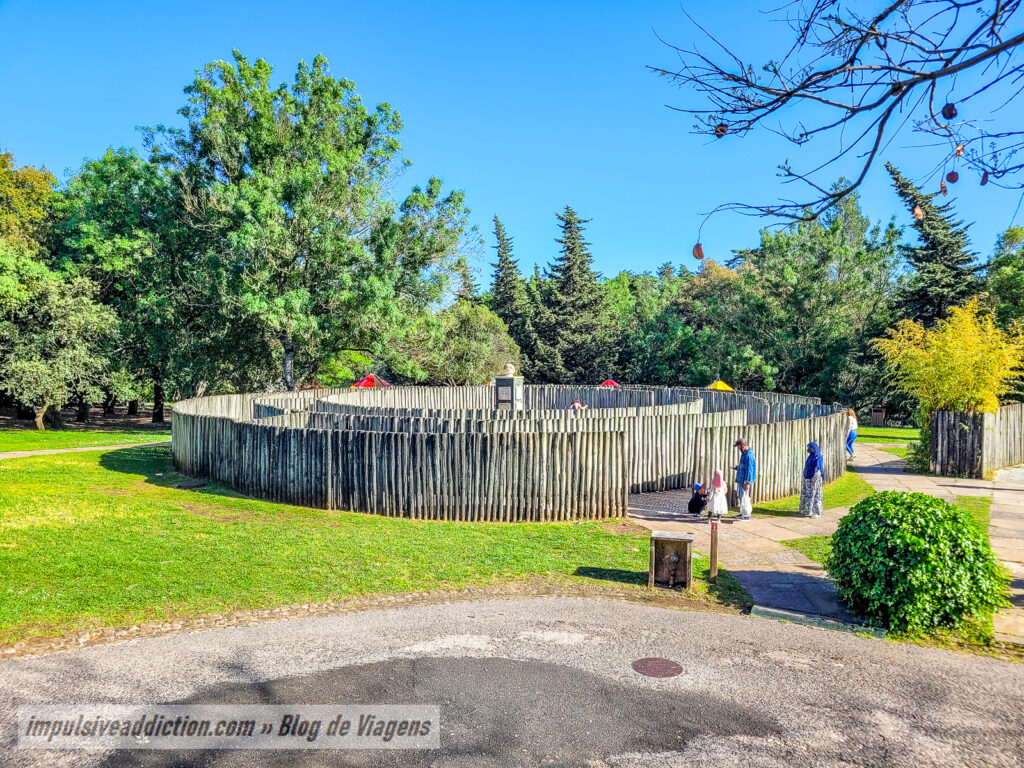
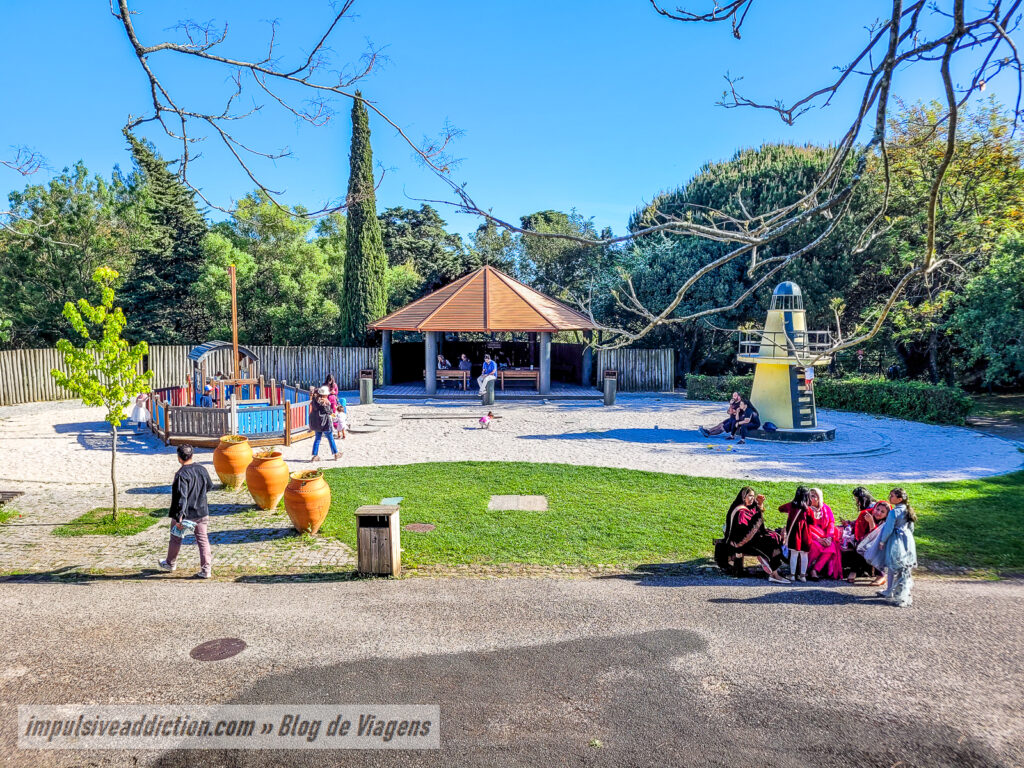
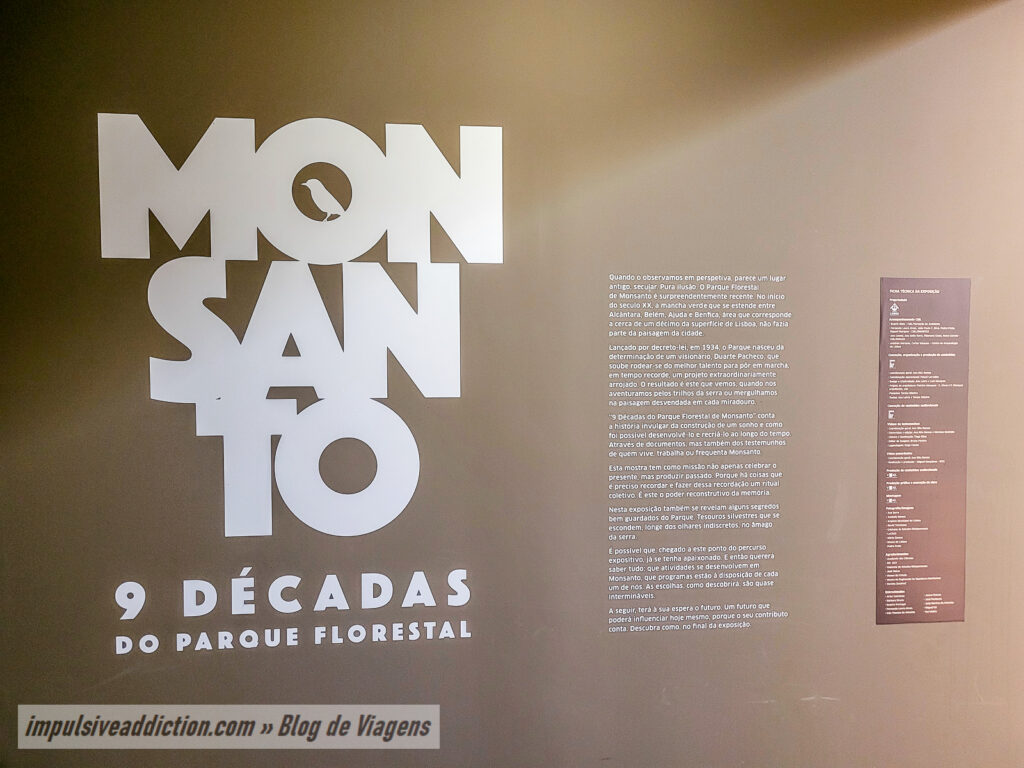
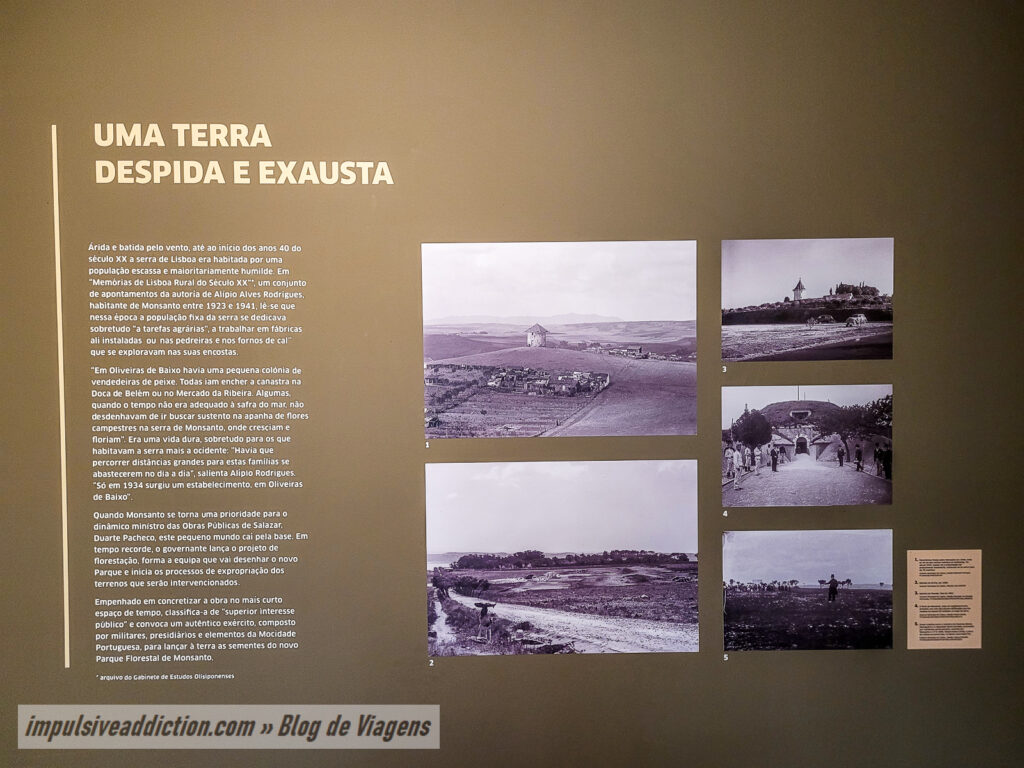
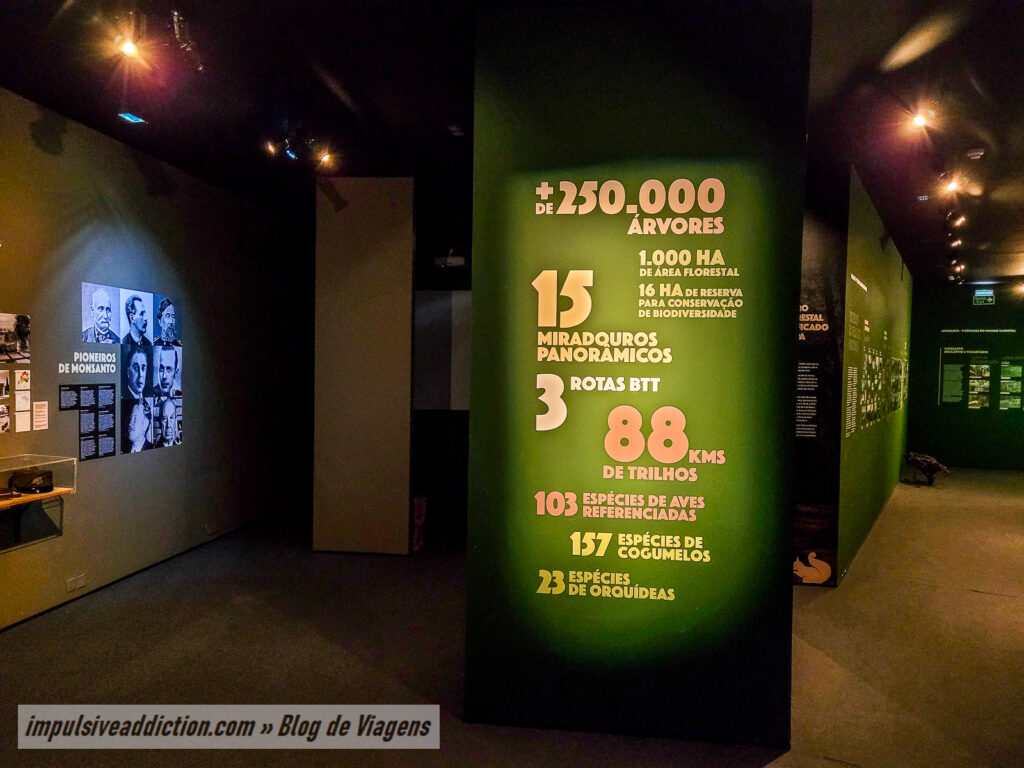
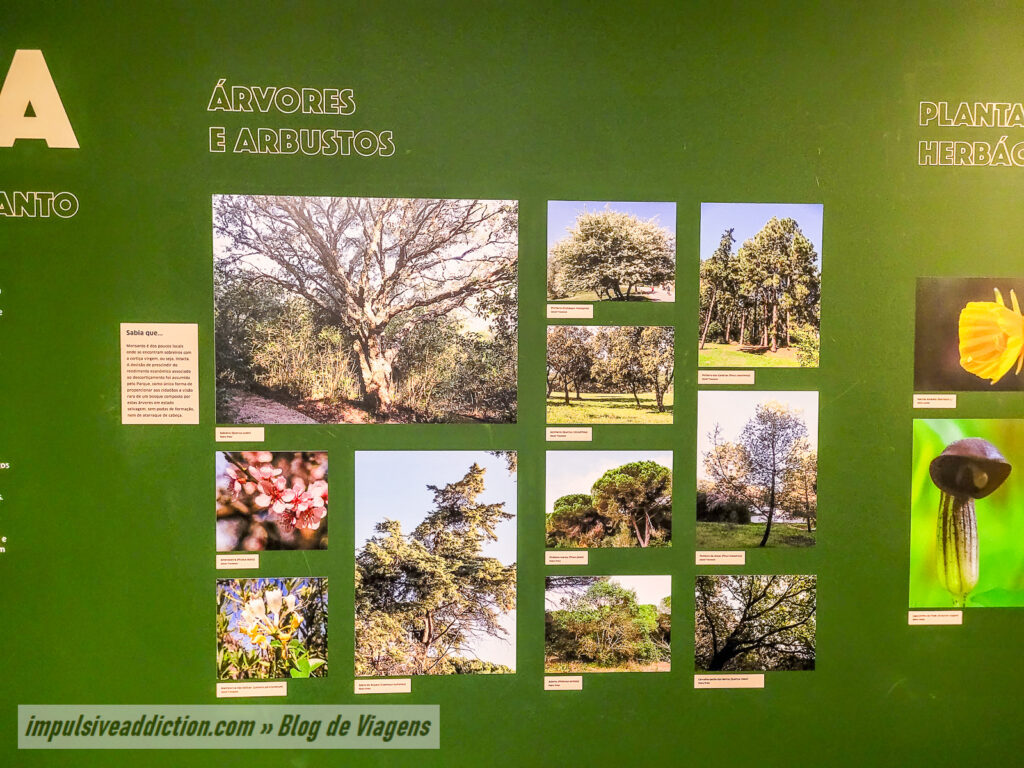
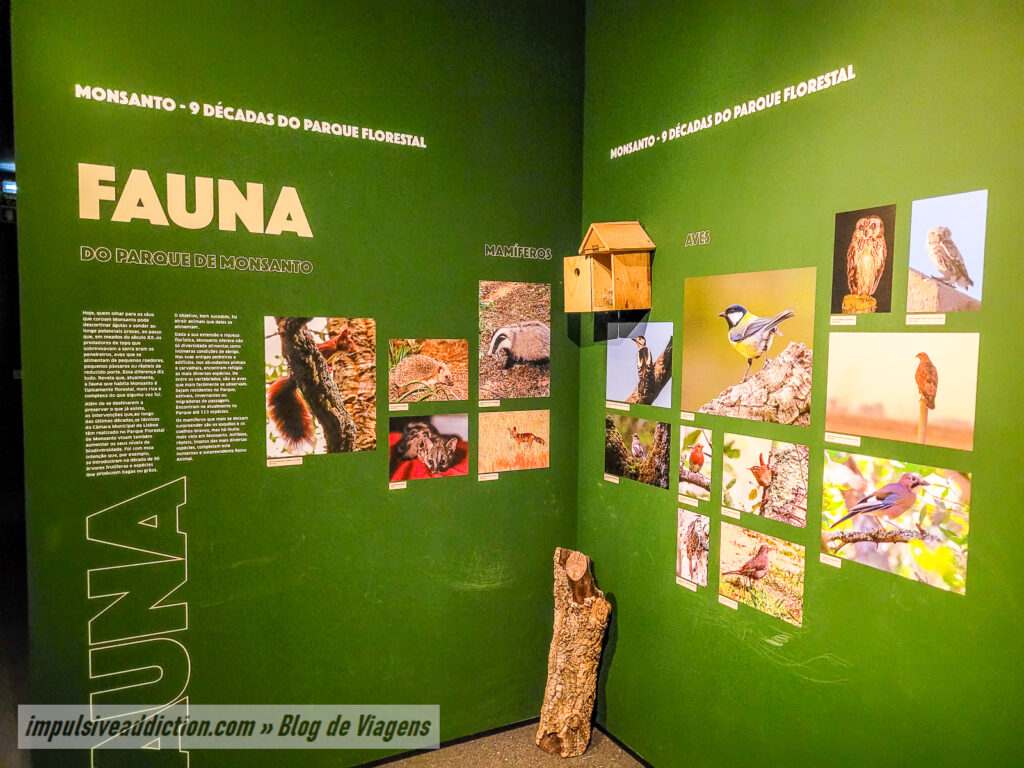
Monsanto Forest Park is Lisbon’s “green lung” — a vast woodland stretching over hundreds of hectares of hills, valleys, and scenic viewpoints with sweeping vistas of the Tagus River and the city skyline. Strolling here means walking under cork oaks, stone pines, and acacias, hearing the calls of resident birds, and feeling nature’s slower rhythm just minutes from the urban centre. Well-marked walking and cycling trails range from gentle paths to more challenging routes, always alternating between shady woodland and sunny clearings.
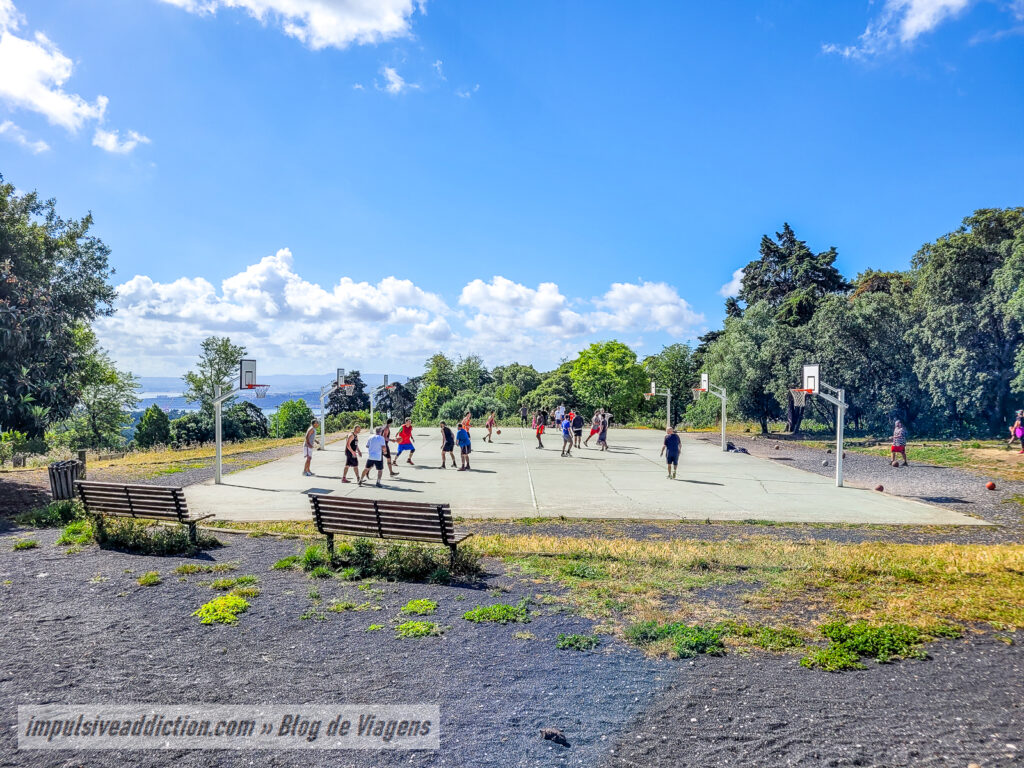
Families will find plenty to enjoy, from the well-equipped Alvito and Calhau recreational parks — complete with picnic areas, playgrounds, and sports spaces — to open meadows perfect for laying down a blanket and watching the sunset. Along the way, iconic viewpoints such as the Panorâmico de Monsanto offer some of the best panoramas in Lisbon. A Green Corridor connects the park directly to the city centre, making it easy to arrive on foot or by bike. Whether you come for outdoor training or to simply switch off and breathe, Monsanto is where Lisbon reveals its wild side.
Montes Claros Garden
Moinho do Penedo Picnic Park
Keil do Amaral Garden Amphitheatre
Alvito Recreational Park
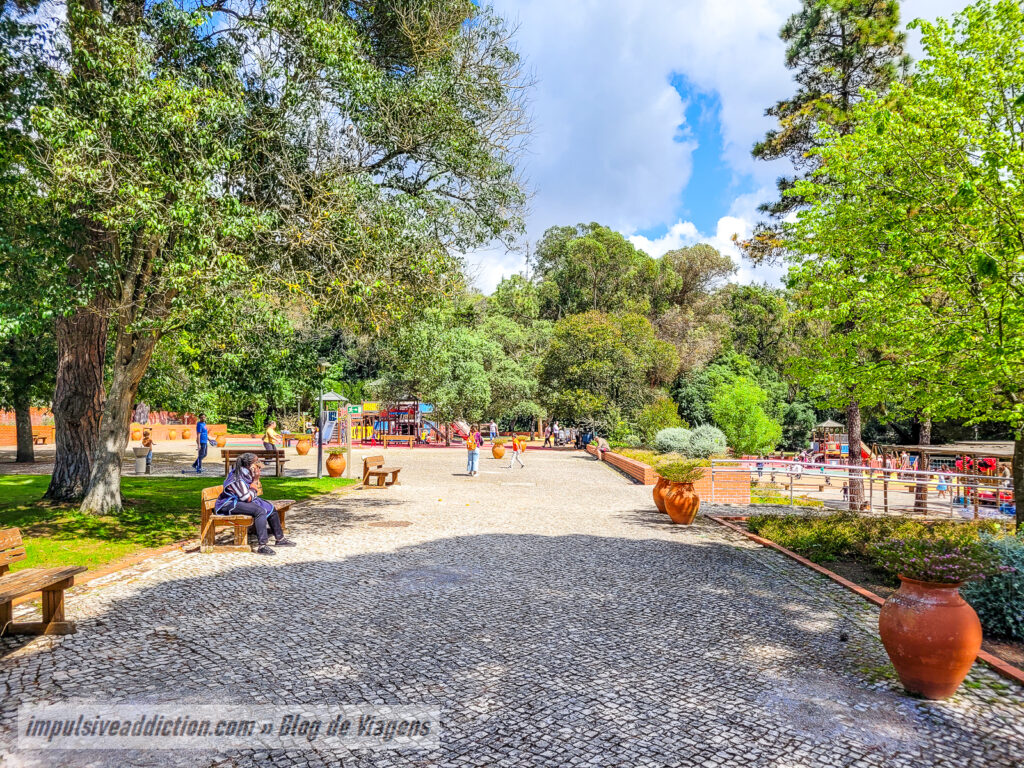
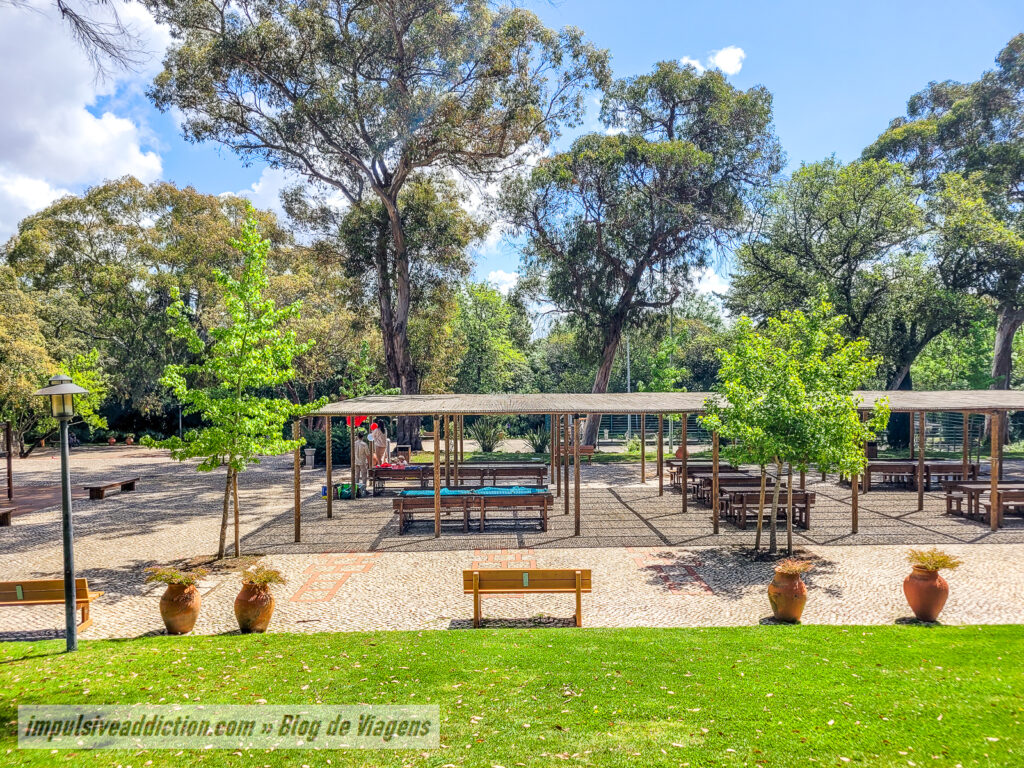
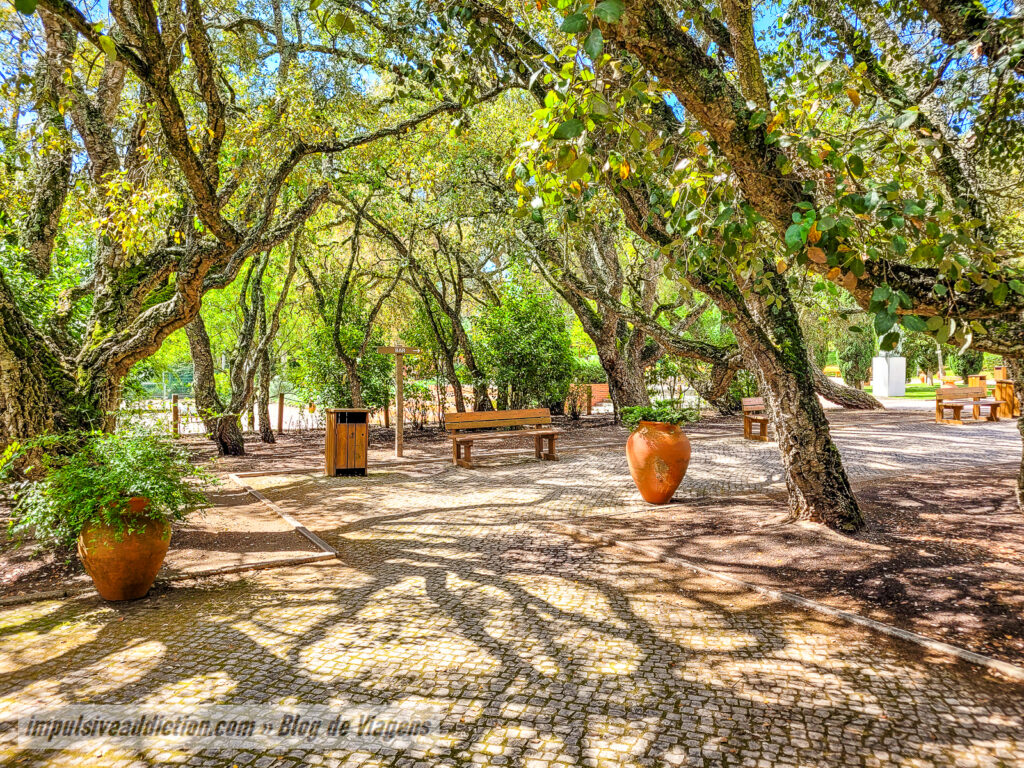
Panorâmico de Monsanto
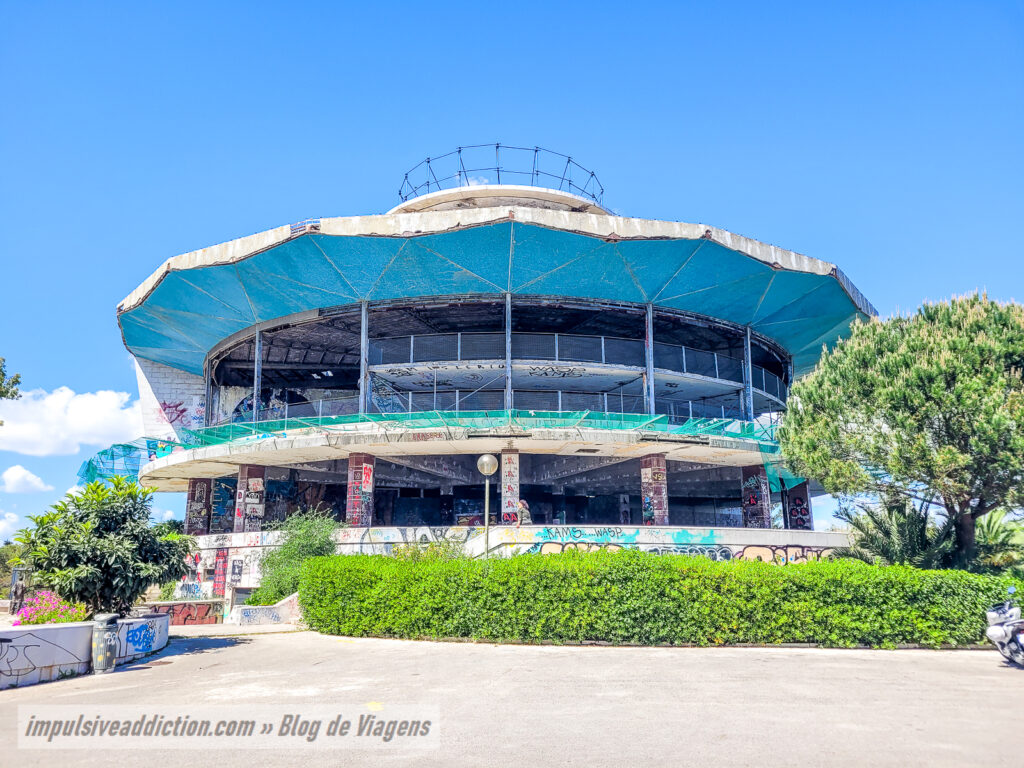
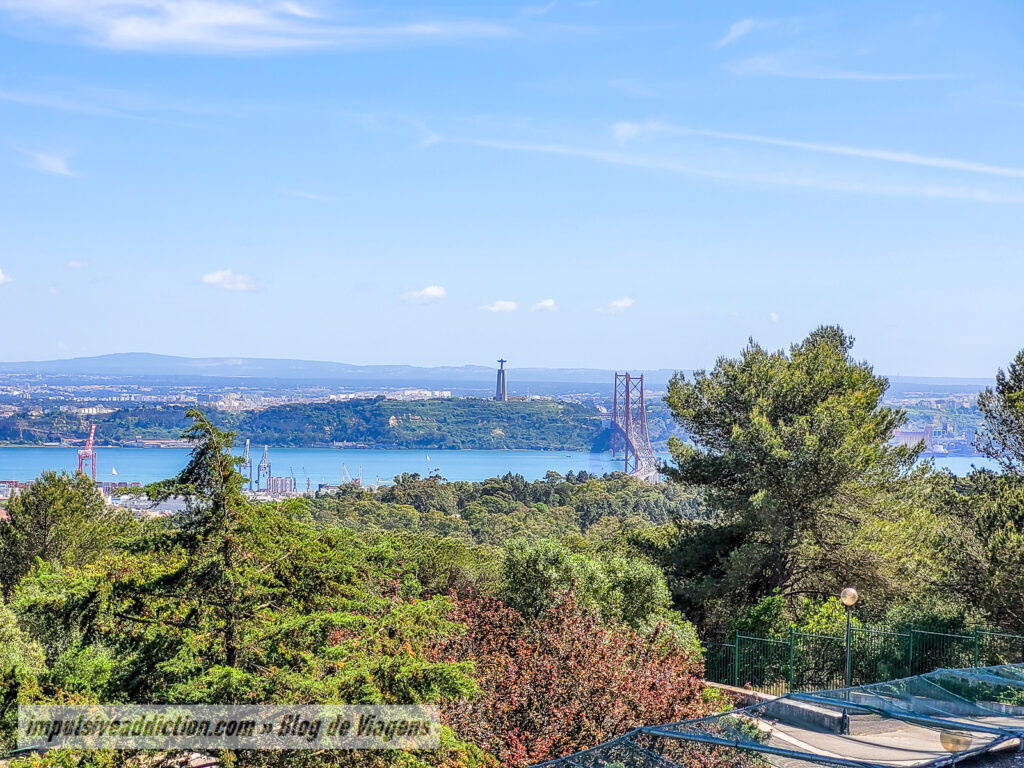
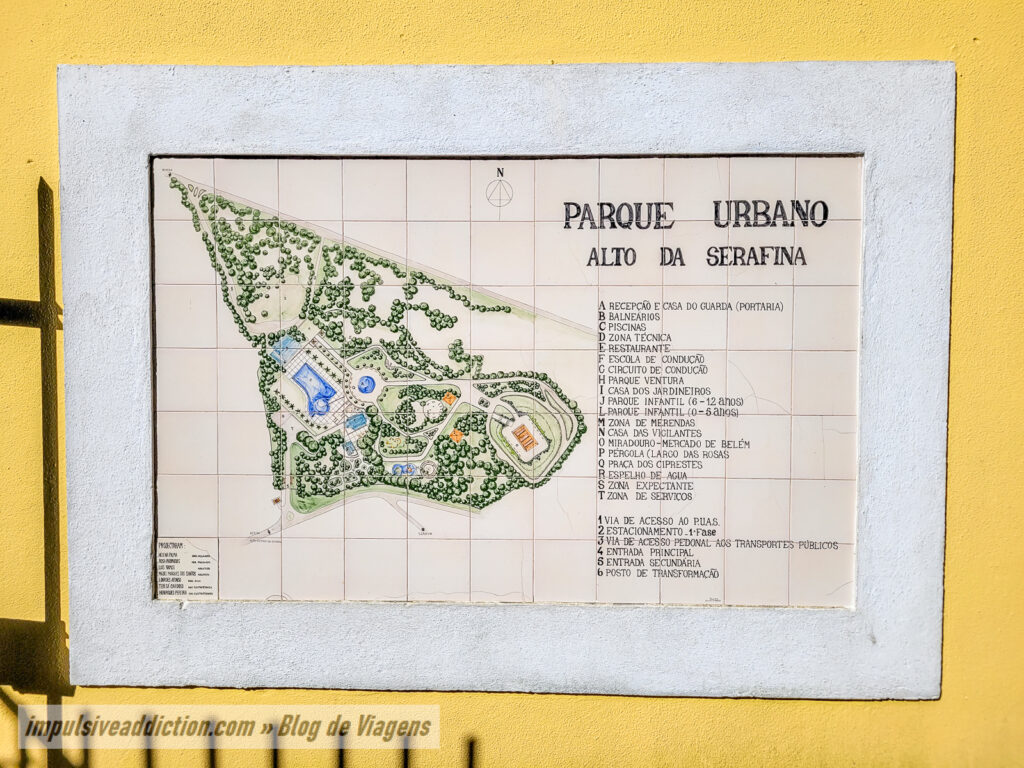
Urban Park of Alto da Serafina
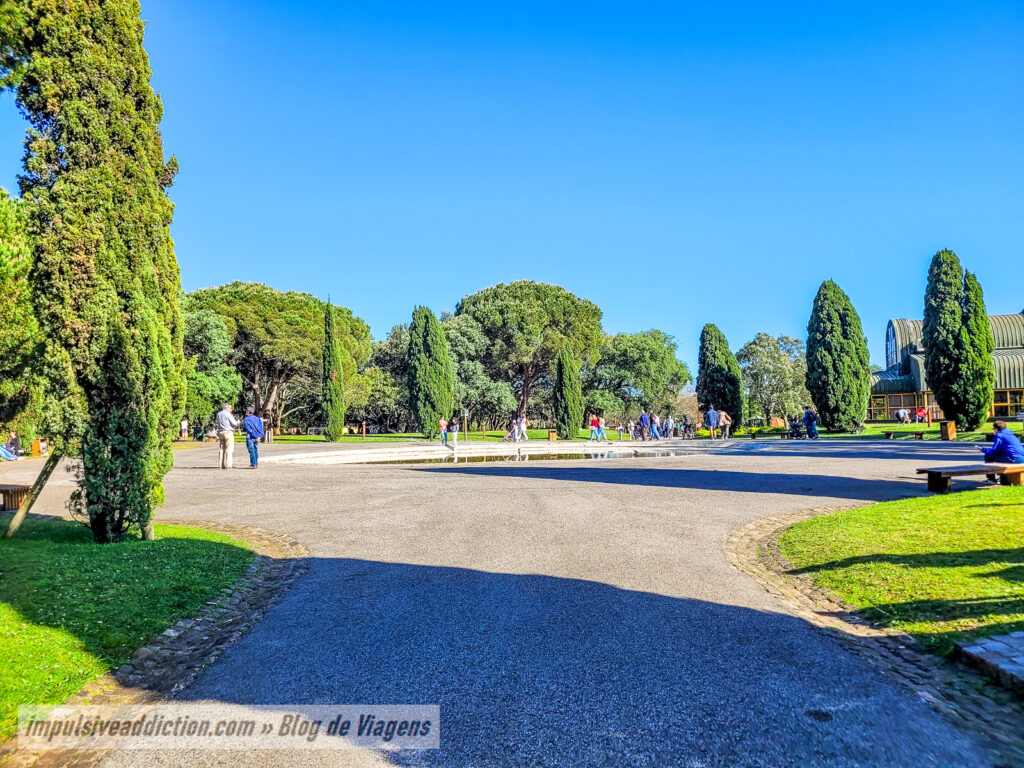
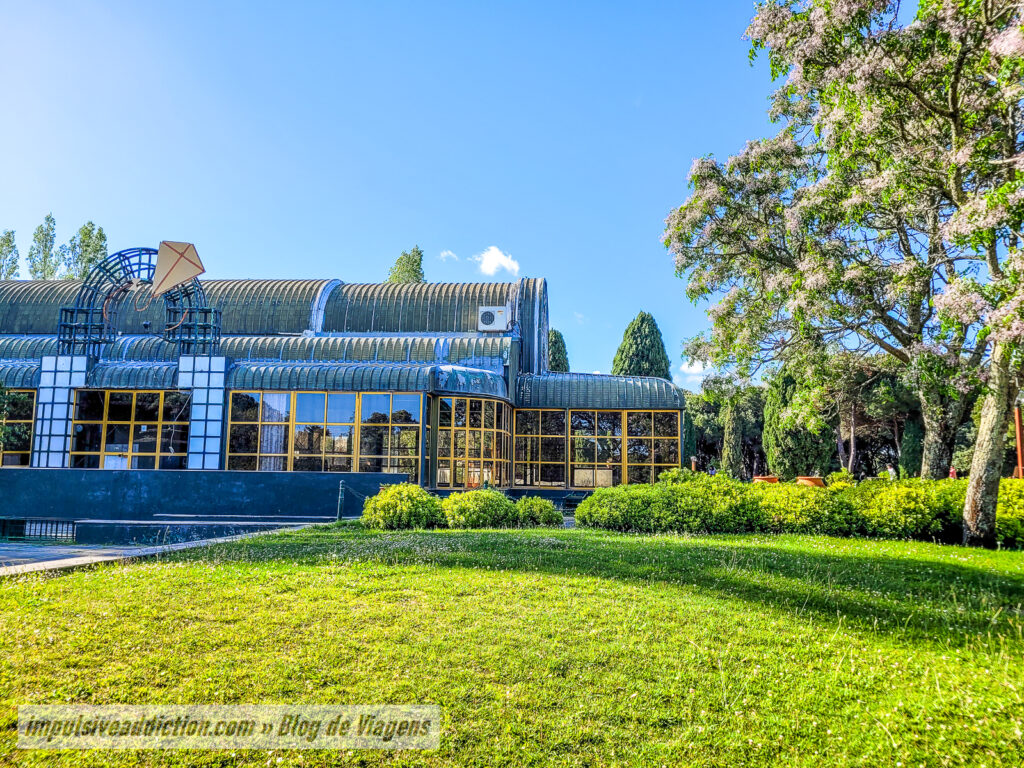
Monsanto Interpretation Centre
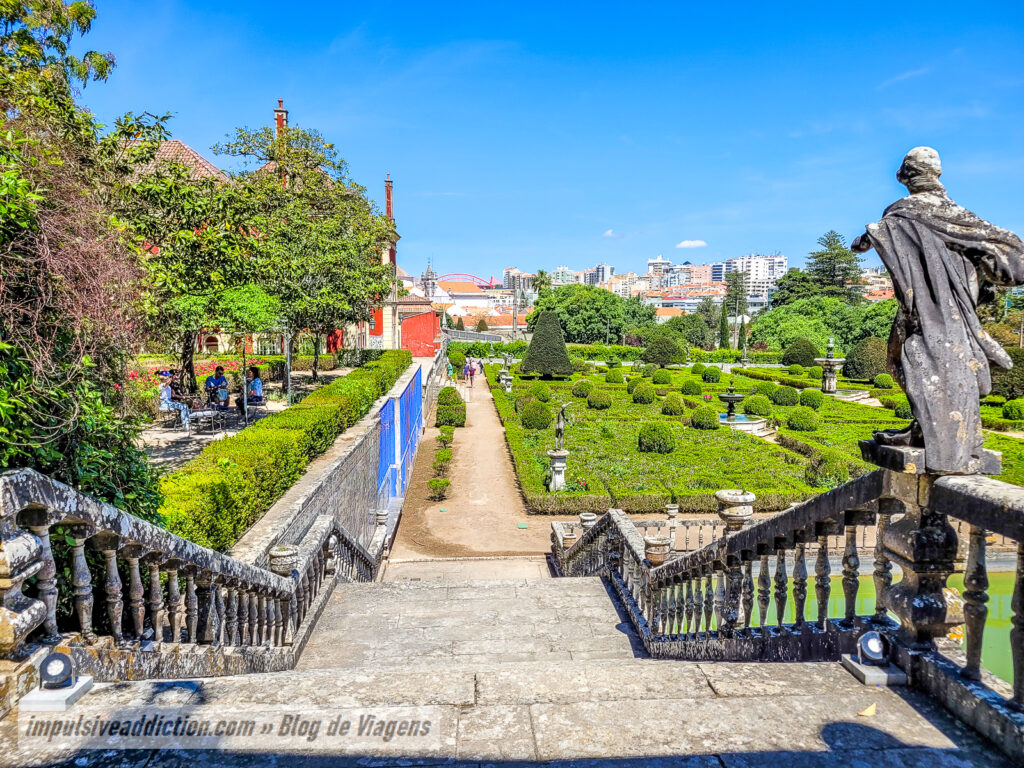
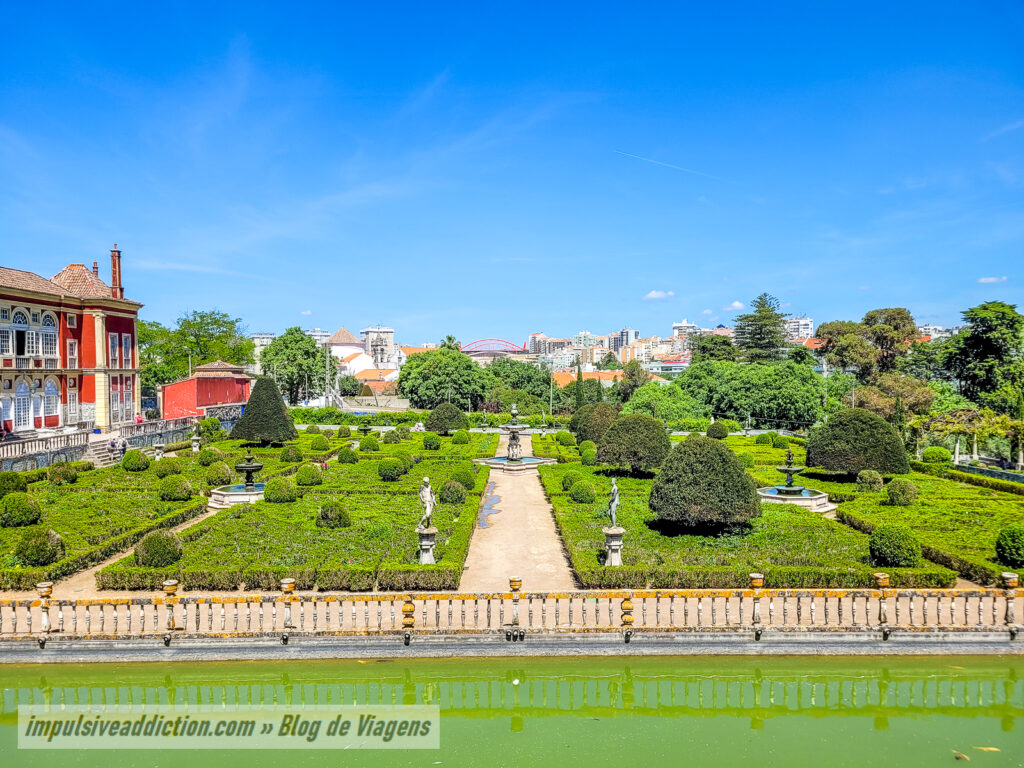
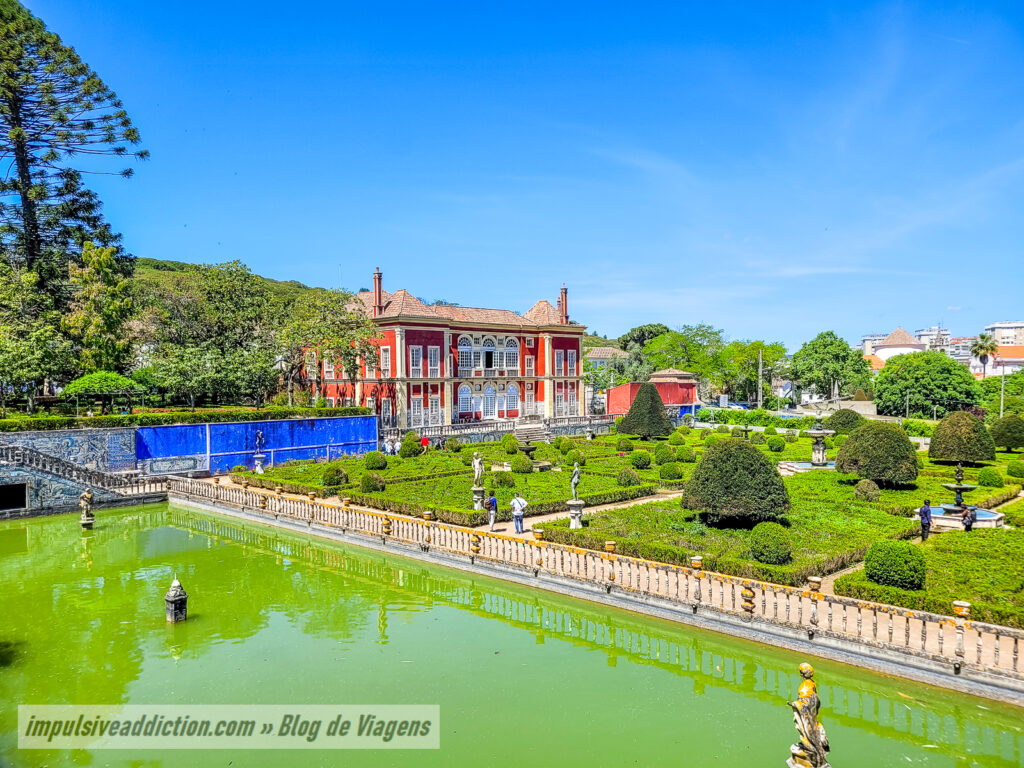
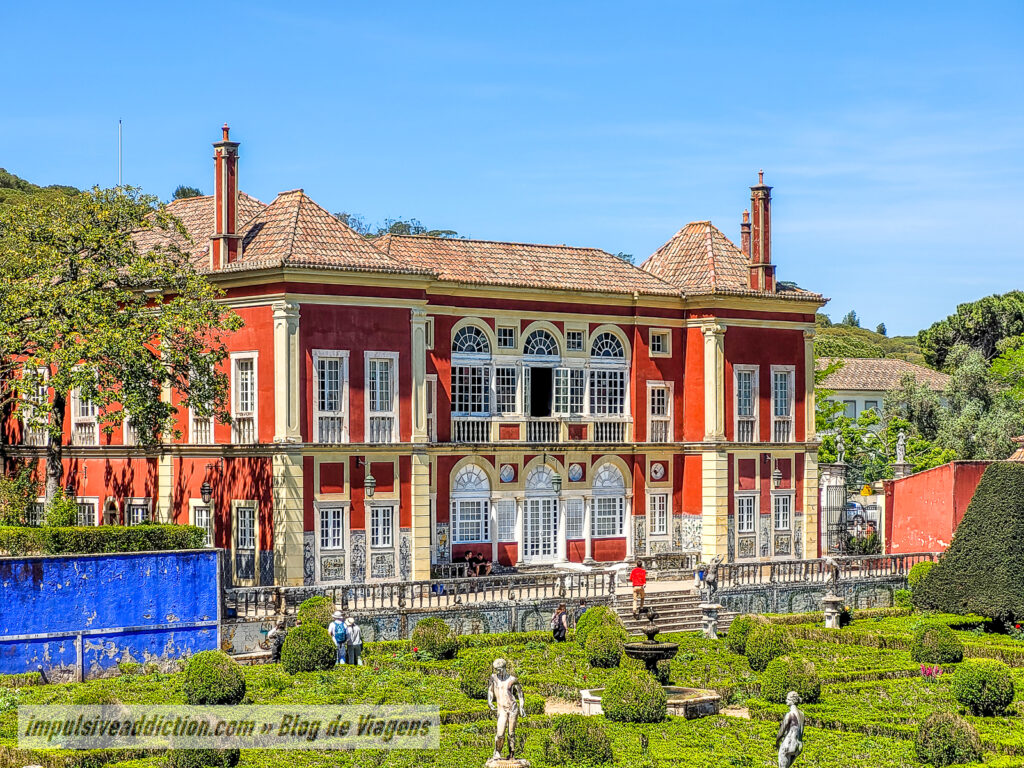
4. Gardens of the Marquês de Fronteira Palace
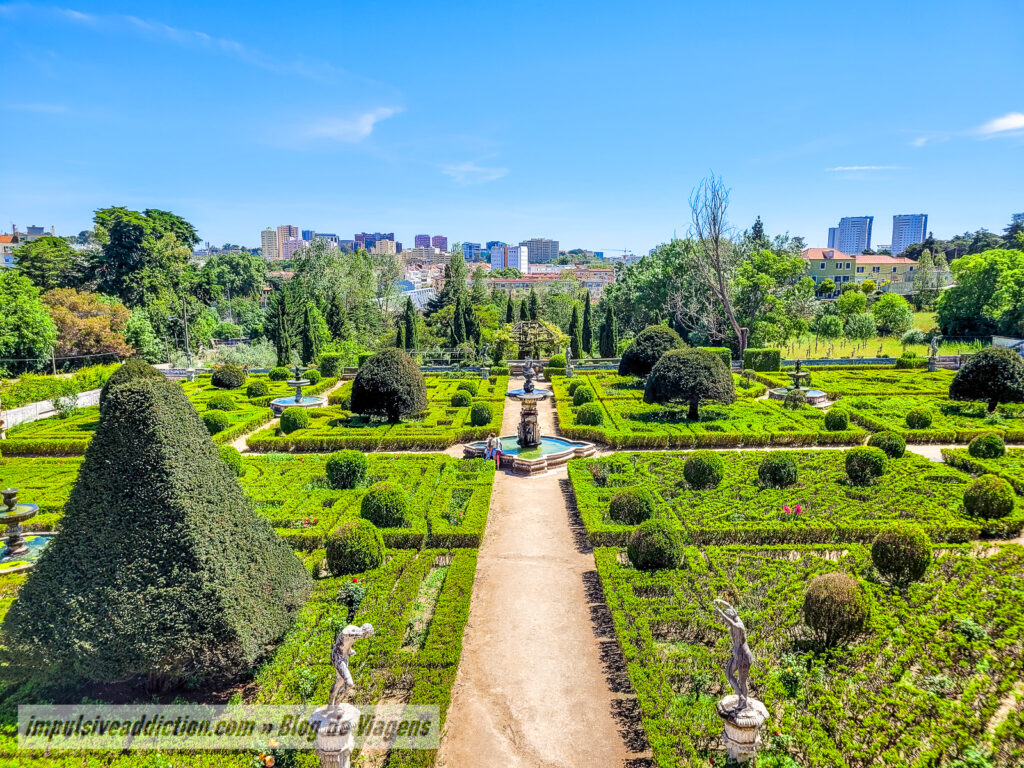
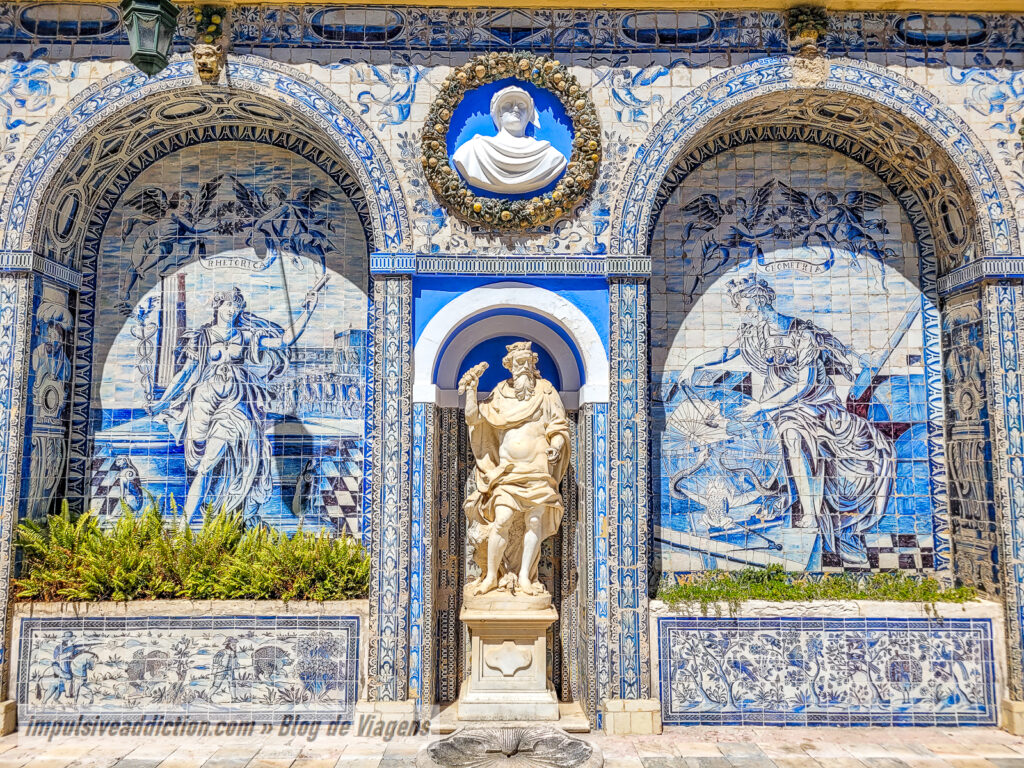
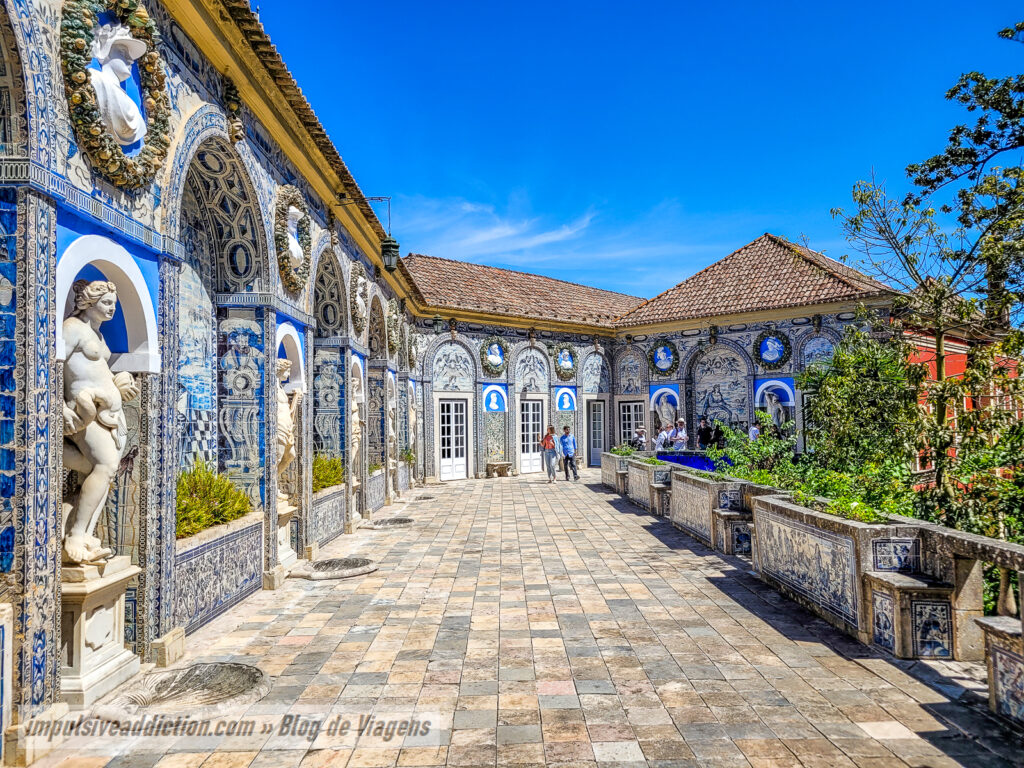
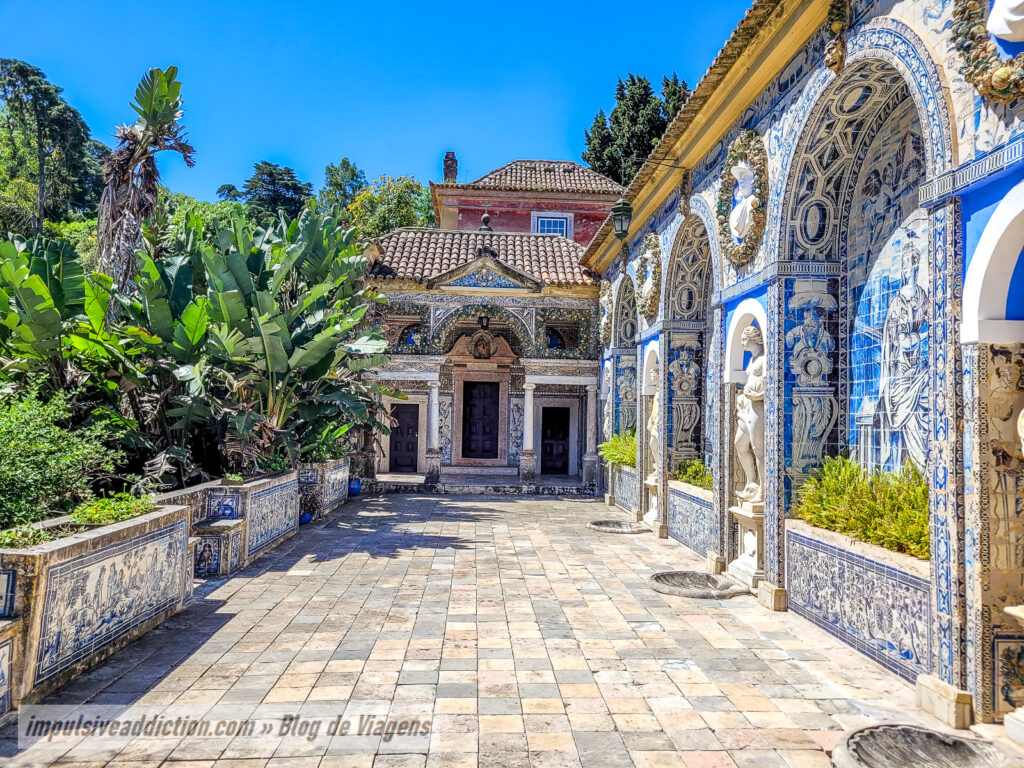
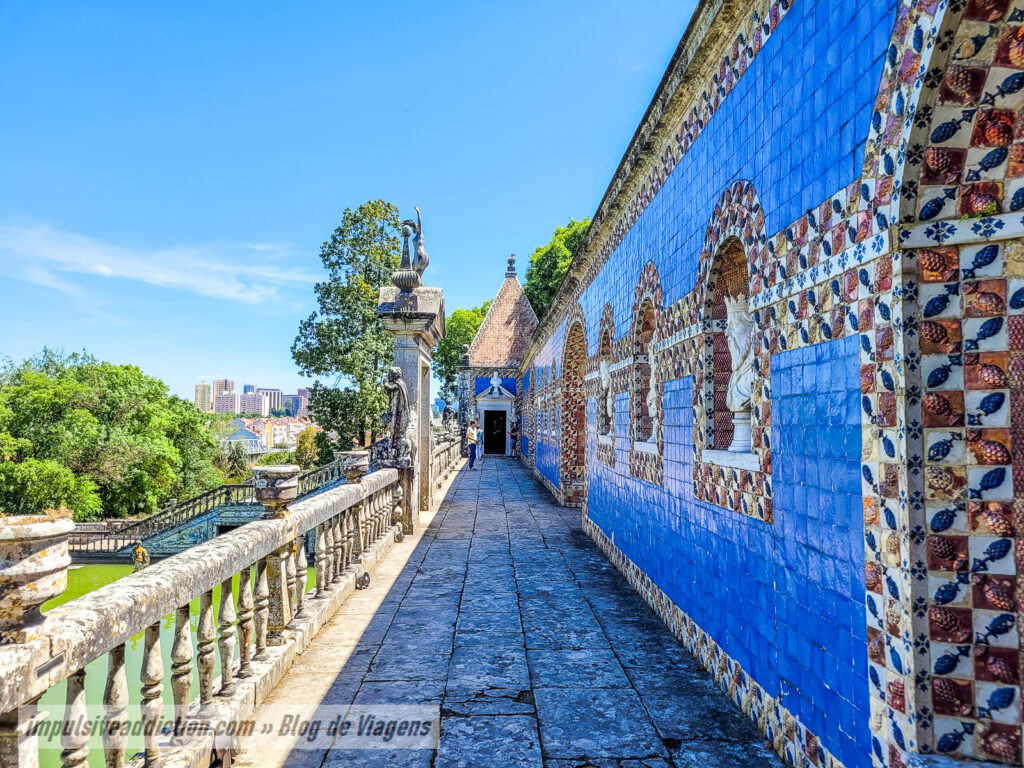
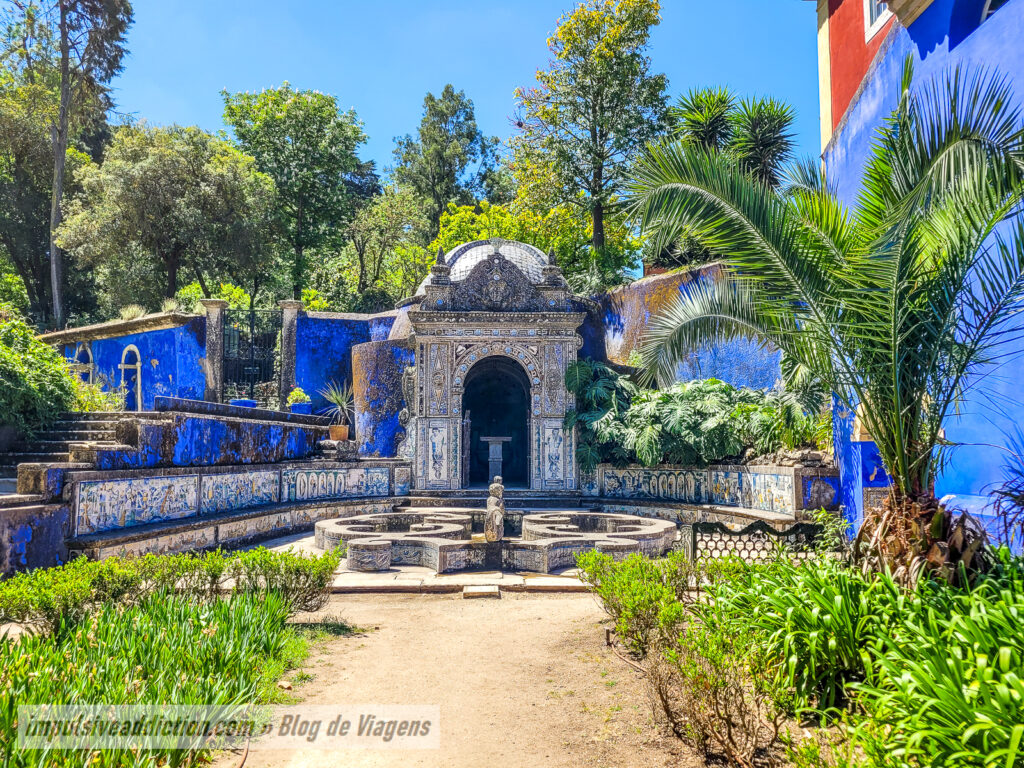
The Gardens of the Marquês de Fronteira Palace, in Benfica, are among the finest examples of formal Baroque gardens in Portugal. Laid out in terraces, they blend geometric parterres, neatly clipped hedges, fountains, and a large central lake adorned with sculptures. The setting is elevated by exquisite 18th-century azulejo panels covering walls and galleries, depicting mythological scenes, allegories, and pastoral motifs — a perfect dialogue between art and nature.
A stroll through these gardens reveals one surprise after another: the famous Gallery of the Kings with its aligned busts, azulejo-lined staircases, lemon trees in terracotta pots, and viewpoints overlooking the lake and treetops. On soft-light days, reflections on the water and glazed tiles create an intimate, photogenic atmosphere. It’s an elegant retreat for a quiet pause, just minutes from Lisbon’s urban bustle.
5. Silva Porto Park
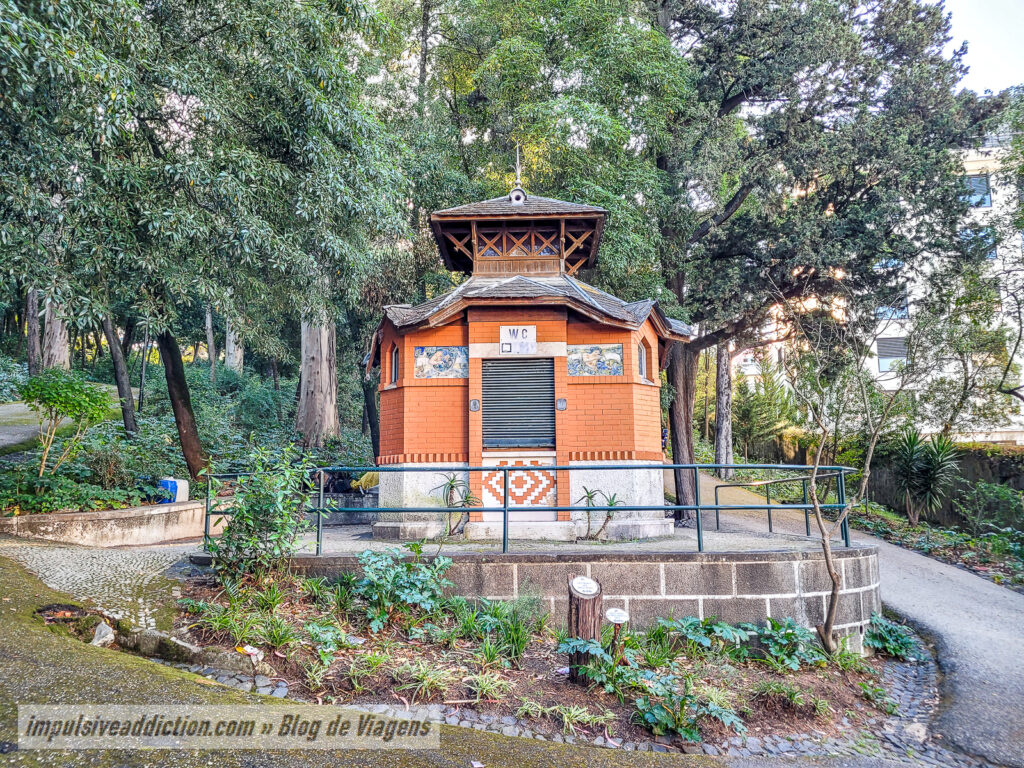
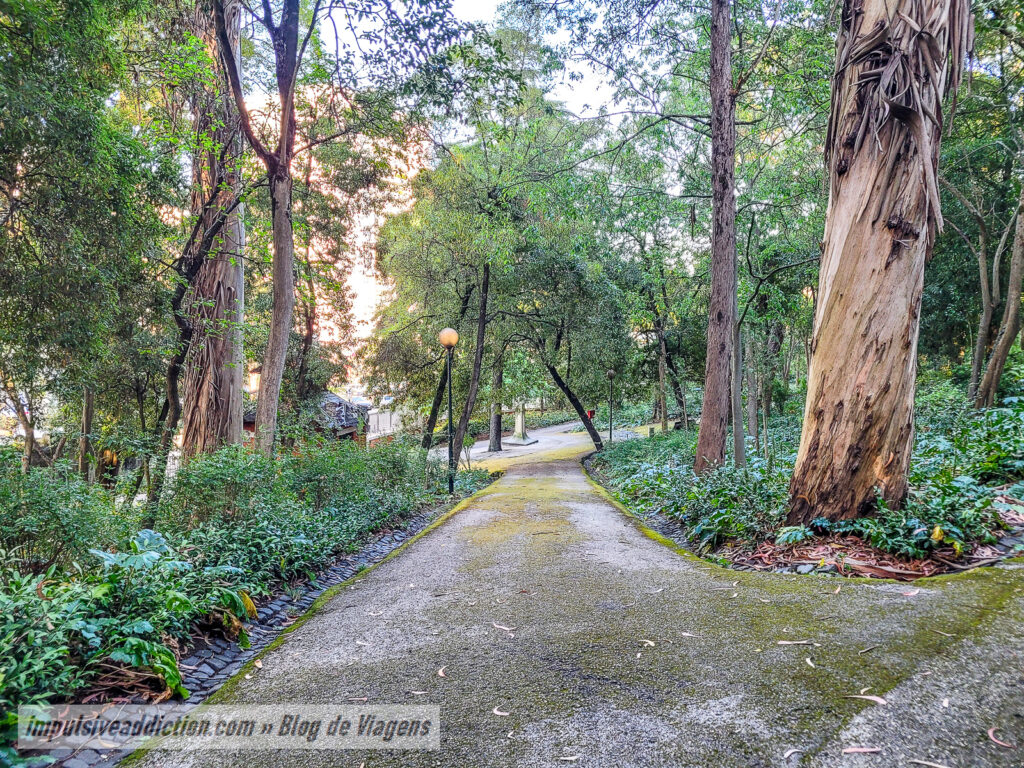
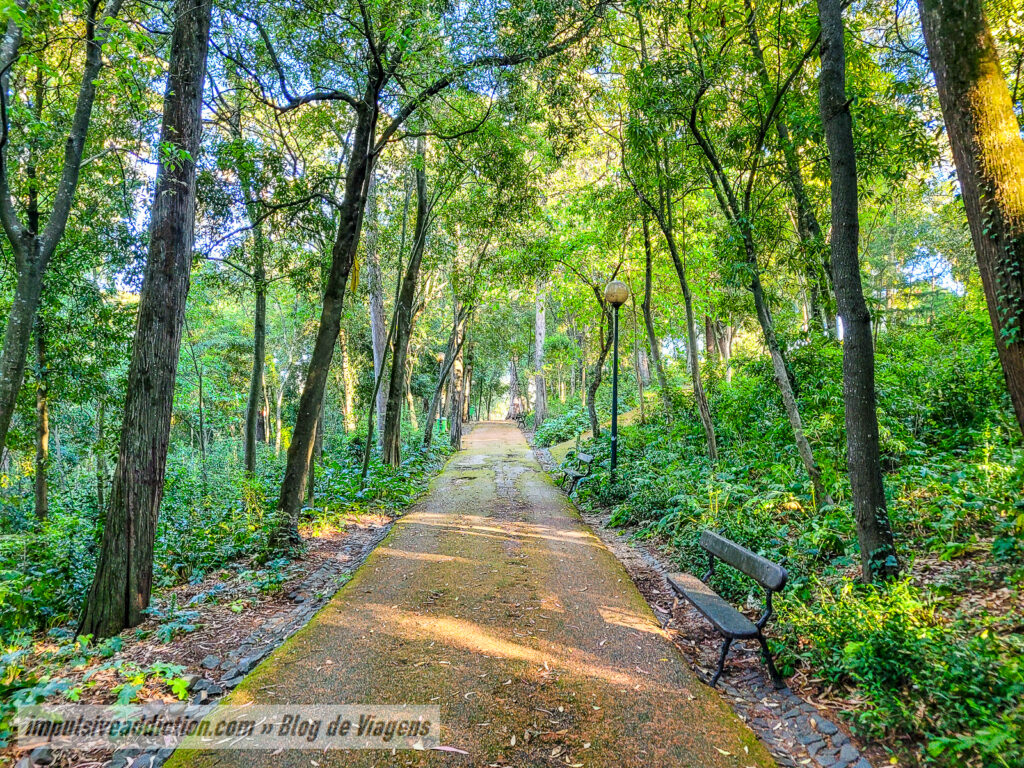
Silva Porto Park — often called Mata de Benfica — spans around five hectares in the Benfica district of Lisbon. It began life in 1880 as the private woodland of Quinta da Feiteira and was gifted to the City Council in 1911 by César Augusto de Figueiredo, on the condition that it remain open to the public. The park is named after painter António da Silva Porto, whose bust by sculptor Costa Motta (nephew) greets visitors at the entrance.
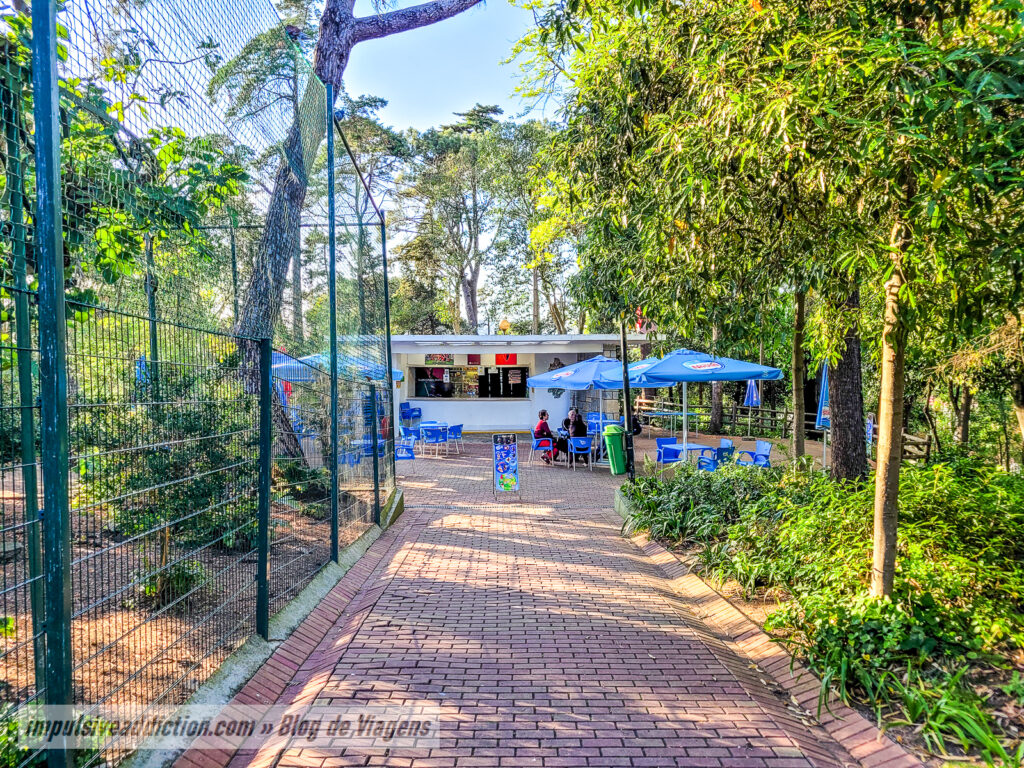
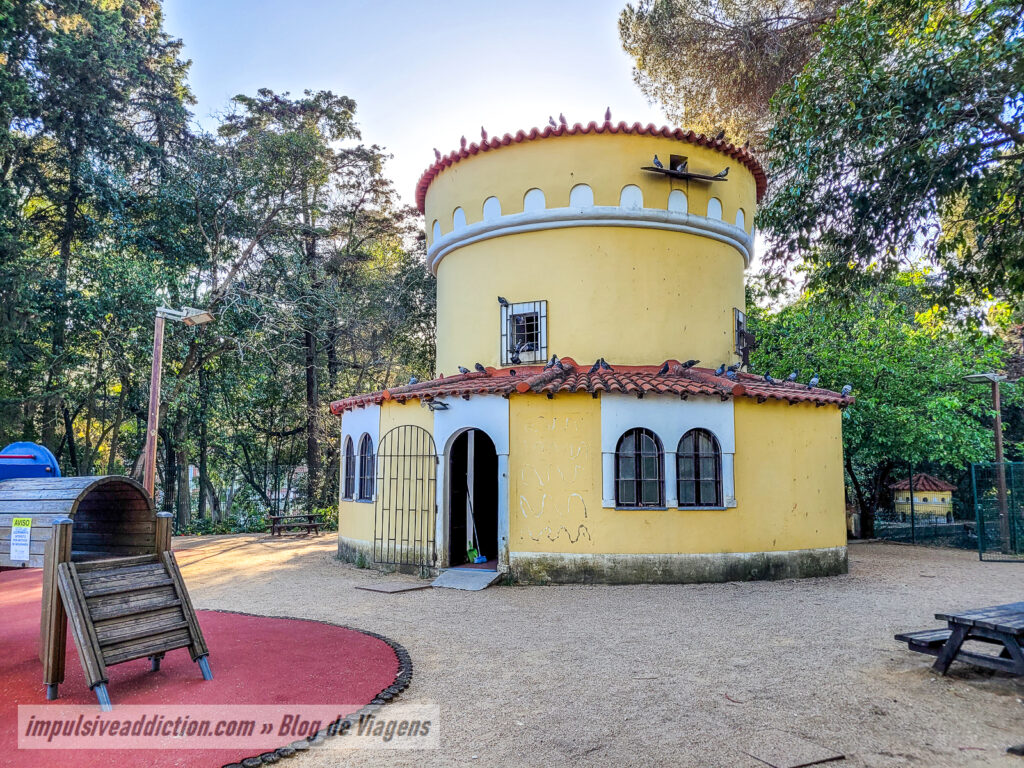
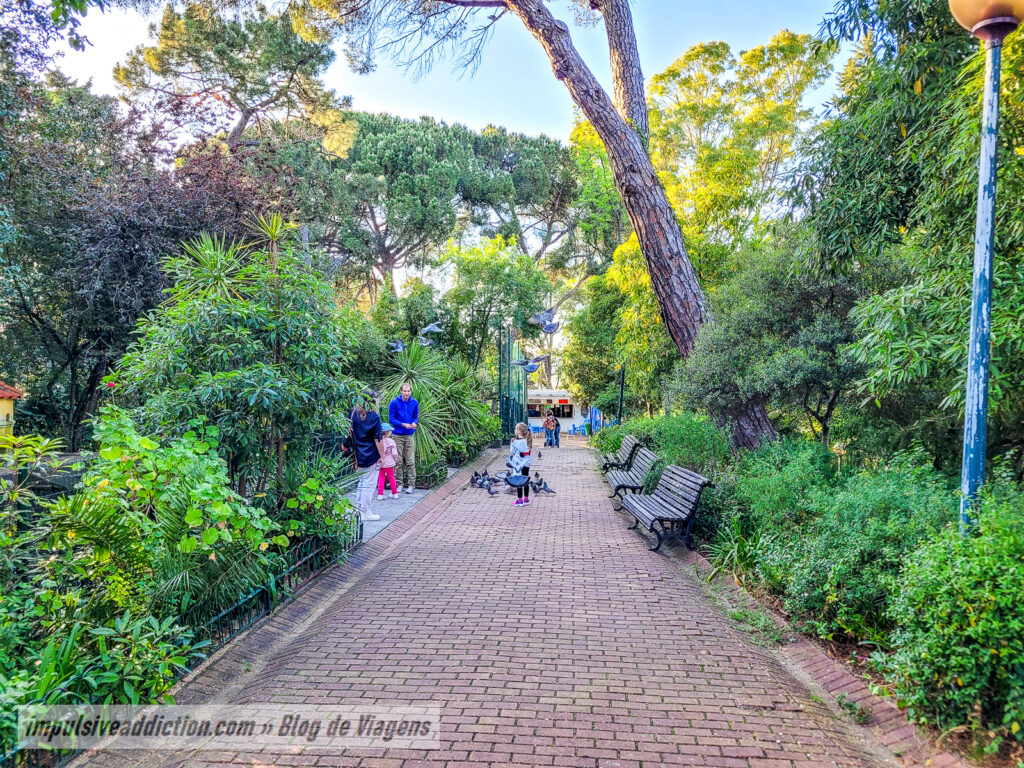
Its botanical diversity is remarkable: around 22 different species of trees and shrubs have been identified here, including cedro-do-buçaco (Portuguese cedar), eucalyptus, cypress, stone pine, Aleppo pine, oak, and cork oak. The park also features a serene lake, an accessible playground, picnic areas, an adventure park, and padel courts, making it a versatile green space for families, leisure, and outdoor activities.
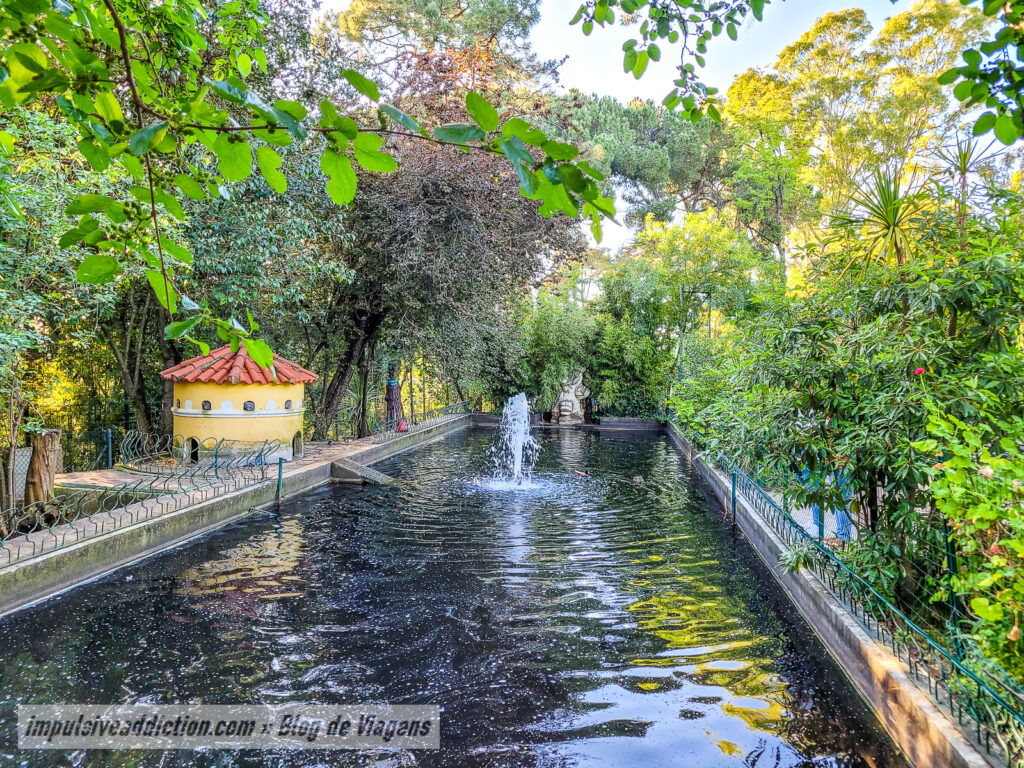
6. Beau-Séjour Palace Garden
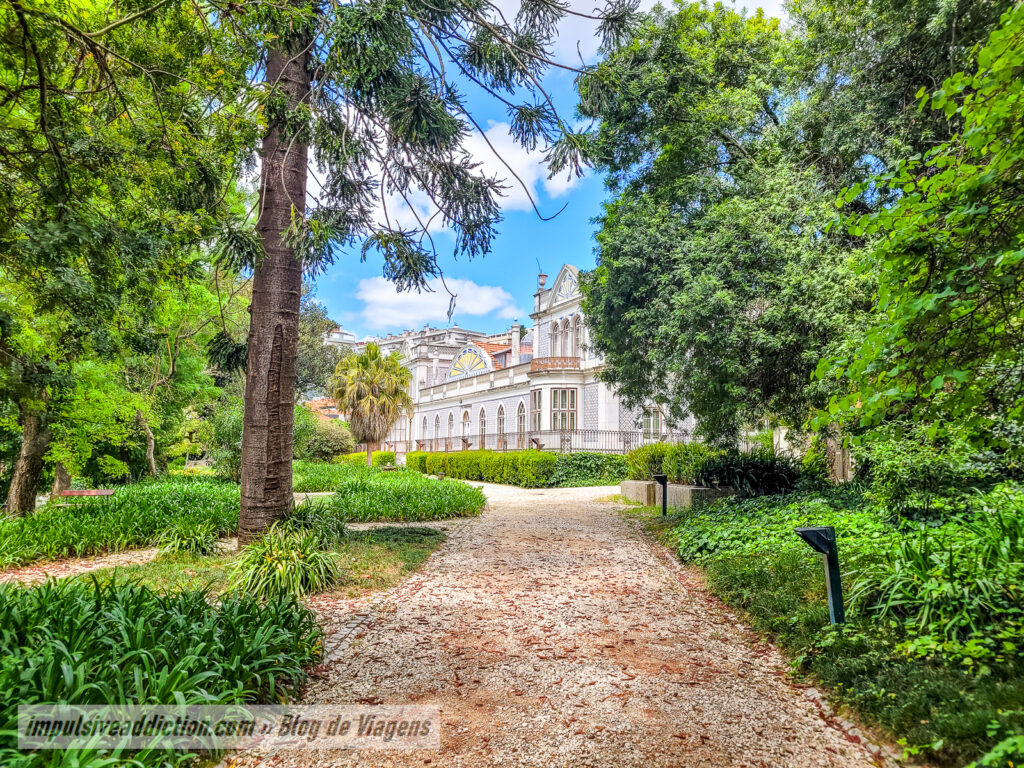
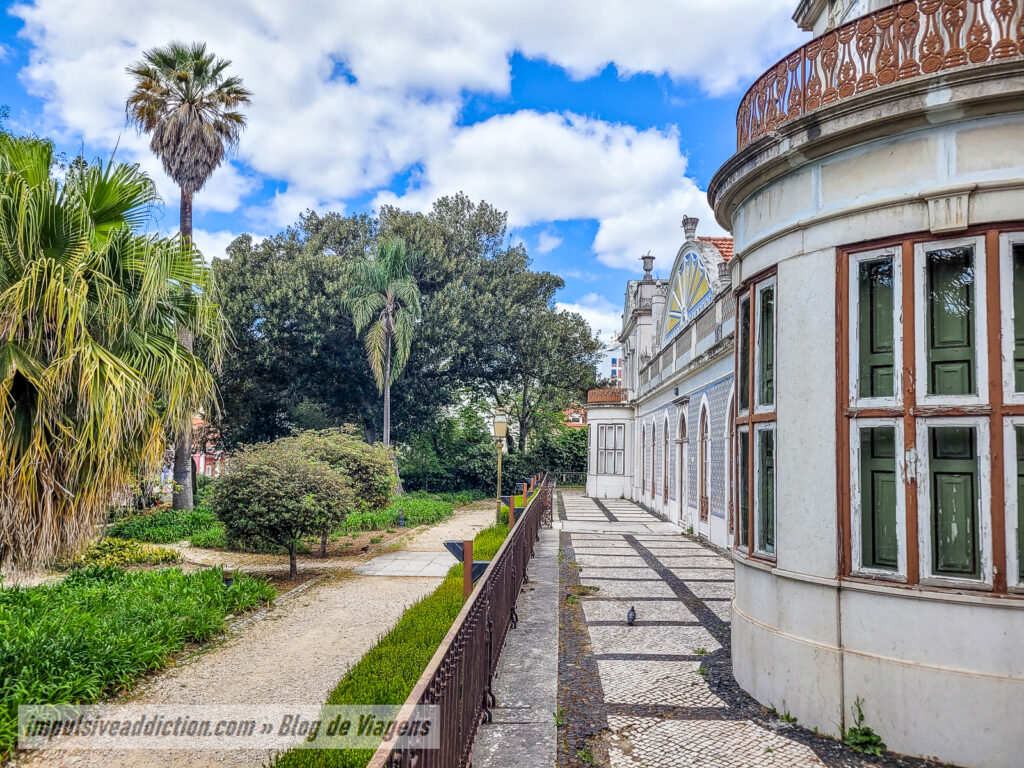
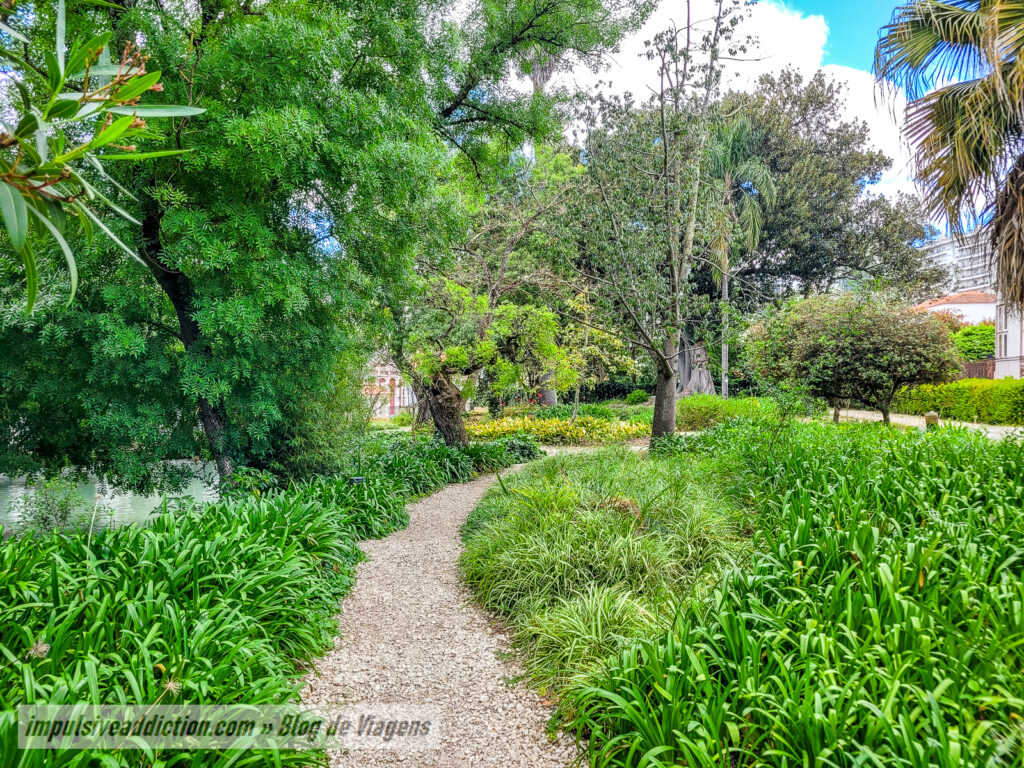
The Beau-Séjour Palace Garden, in the Benfica district of Lisbon, surrounds the romantic 19th-century palace built by textile entrepreneur António de Brugada. Designed in the picturesque style, the garden blends winding paths, ornamental flowerbeds, and mature trees with decorative elements such as statues, fountains, and tiled benches. Its layout invites leisurely strolls, revealing hidden corners and framed views of the palace’s elegant façades.
Shaded lawns and quiet seating areas make it a perfect spot to pause, read, or simply enjoy the interplay of nature and architecture. Seasonal blooms add colour throughout the year, while the historical charm of the grounds makes it a favourite not only for locals but also for visitors seeking a peaceful retreat away from the city’s bustle.
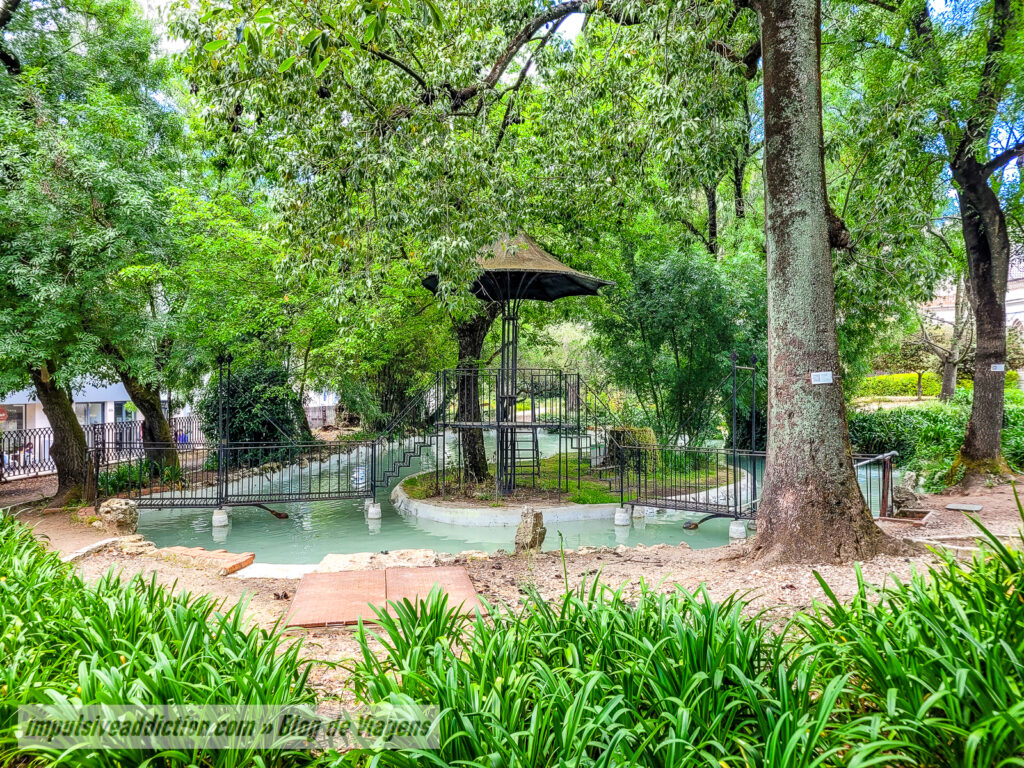
7. Bensaúde Park
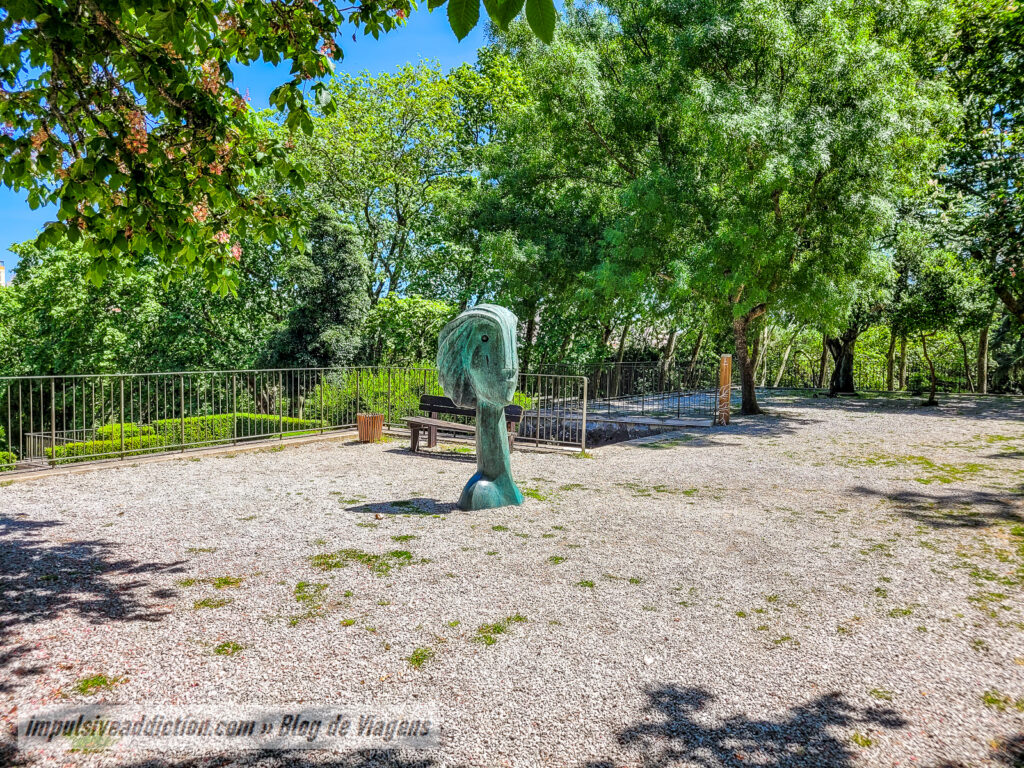
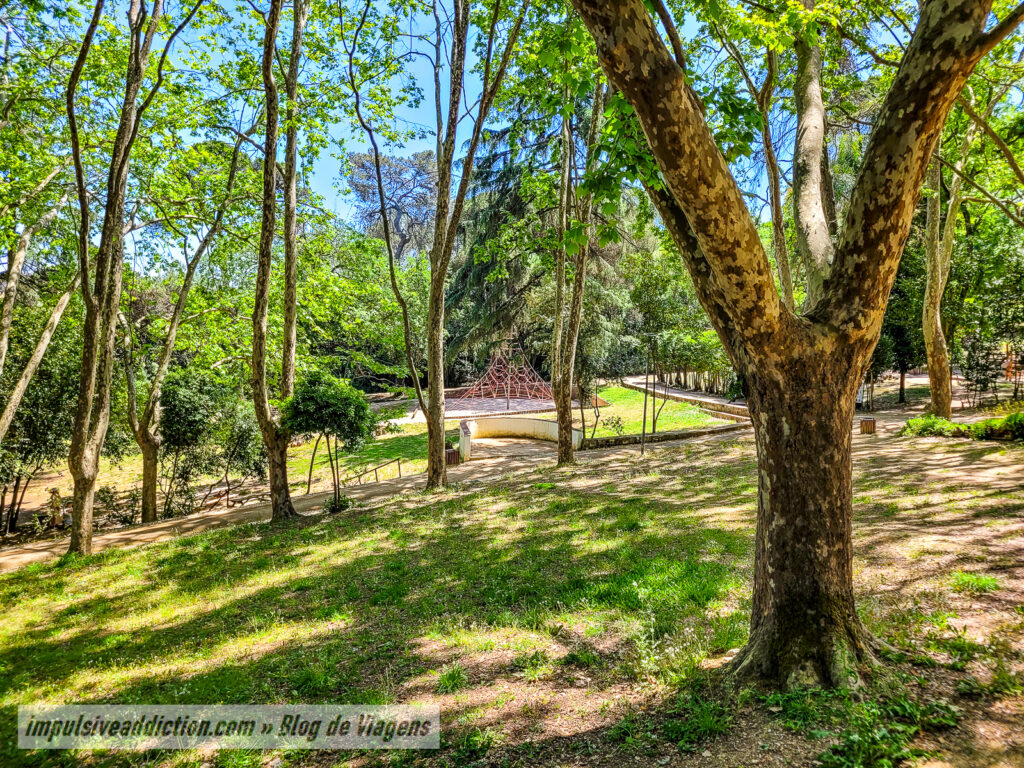
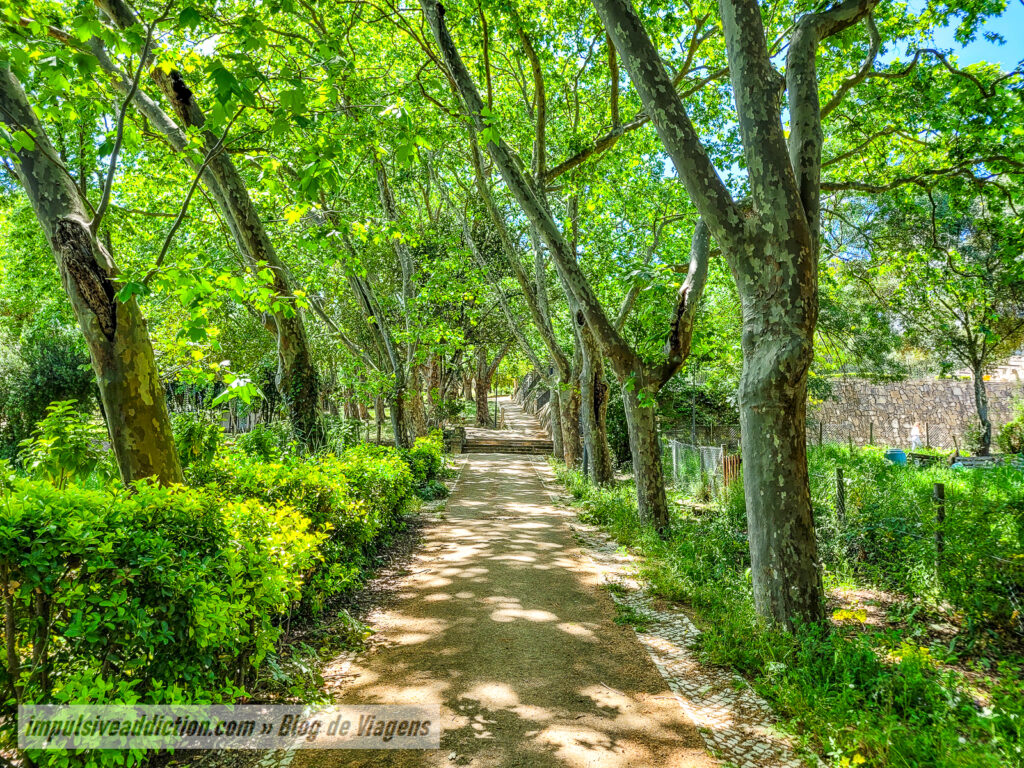
Bensaúde Park, in São Domingos de Benfica, is a charming 3.5–4-hectare urban green space set within the grounds of a former 17th-century estate, once known as the Quinta de Santo António das Frechas. Its most remarkable botanical feature is Lisbon’s largest and oldest cork oak, flanked by a distinctive plane-tree avenue that offers generous shade. Inside the park, neoclassical terraces, stone staircases, and an elegant Scottish-inspired pavilion reveal its aristocratic past, blending architecture and nature in perfect harmony.
Today, the park caters to all ages and activities. Alongside peaceful picnic areas with tables and benches, visitors will find a café kiosk with a terrace, public restrooms, and outdoor fitness equipment. It’s a place where history and heritage meet leisure and community life, making it an inviting stop for a relaxed break in Lisbon.
8. Lisbon Zoo
Opened on 28 May 1884, Lisbon Zoo was the first zoological park in the Iberian Peninsula, founded by figures such as Dr. Pedro Van der Laan and José Thomaz Sousa Martins, with the support of King Ferdinand II. After changing locations several times, the zoo settled in 1905 at the Quinta das Laranjeiras estate in Sete Rios, where it now spans 22 hectares and houses around 2,000 animals from nearly 300 species — including mammals, birds, reptiles, and amphibians.
The zoo blends biodiversity with interactive and educational experiences. Highlights include the Dolphin Bay, where dolphins and sea lions perform daily shows aimed at raising awareness of marine life and conservation, and the panoramic cable car, installed in 1994, offering a 20-minute ride over the grounds with sweeping views of both the zoo and Lisbon. Visitors can also explore themed areas such as the African Savannah, the Tropical Rainforest, the Reptile House, and the Children’s Farm, where they can meet guinea pigs, goats, and domestic birds up close.
Although I haven’t visited in years (so no fresh photos to share!), it’s absolutely worth adding to your Lisbon itinerary. 😉
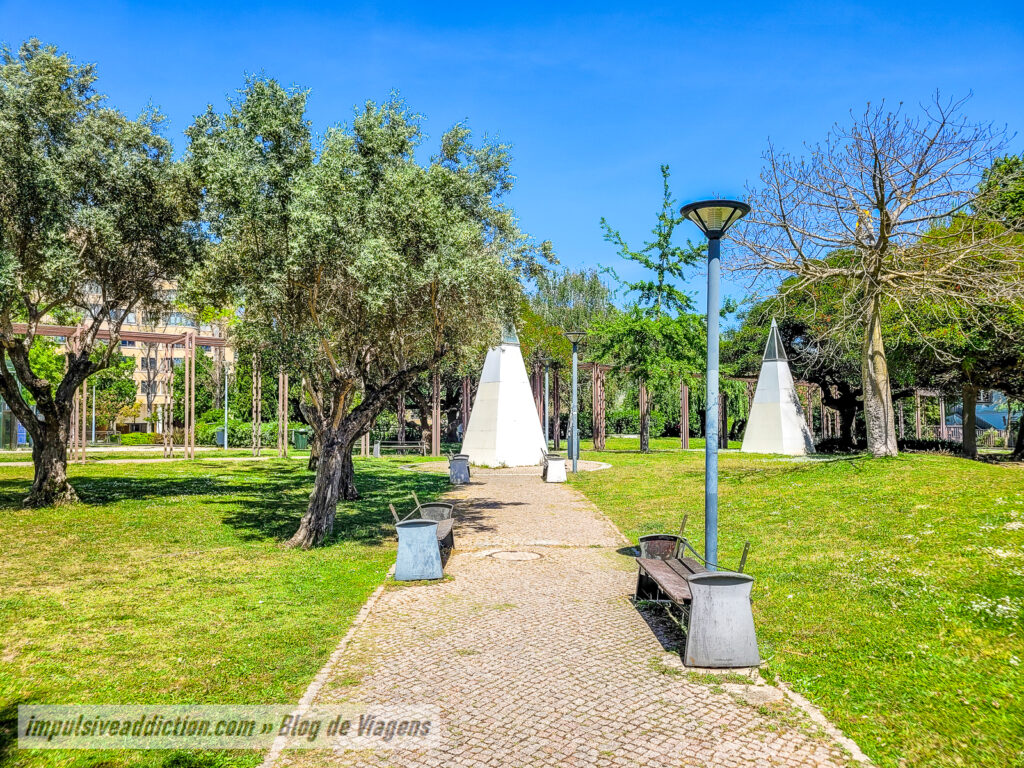
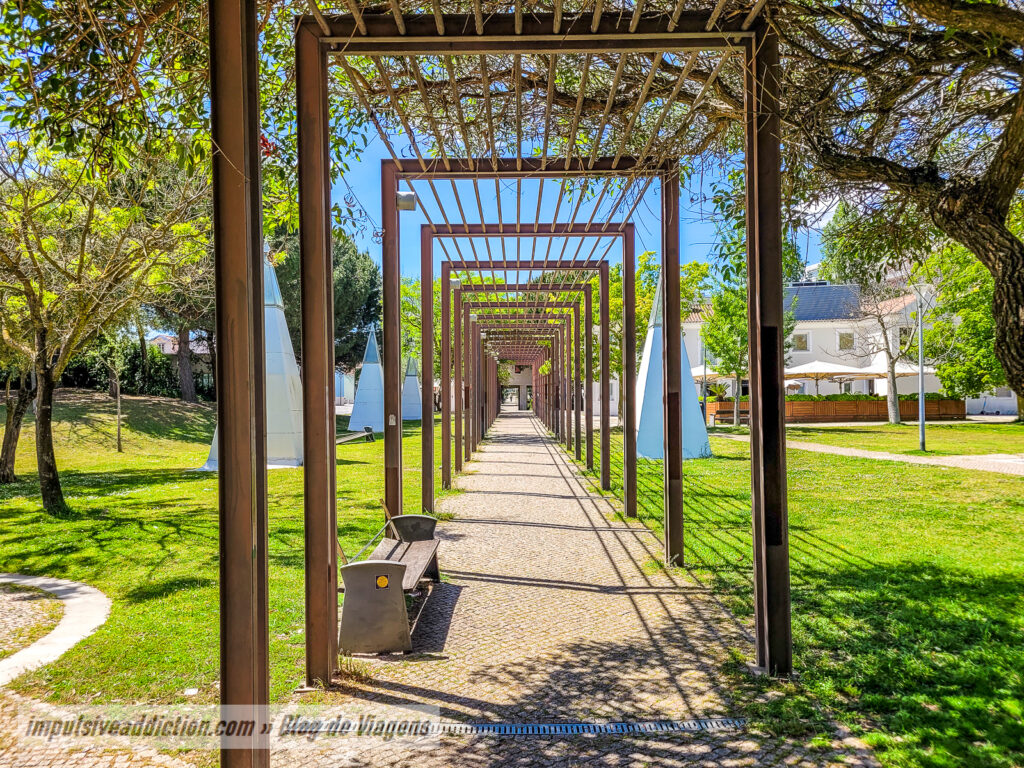
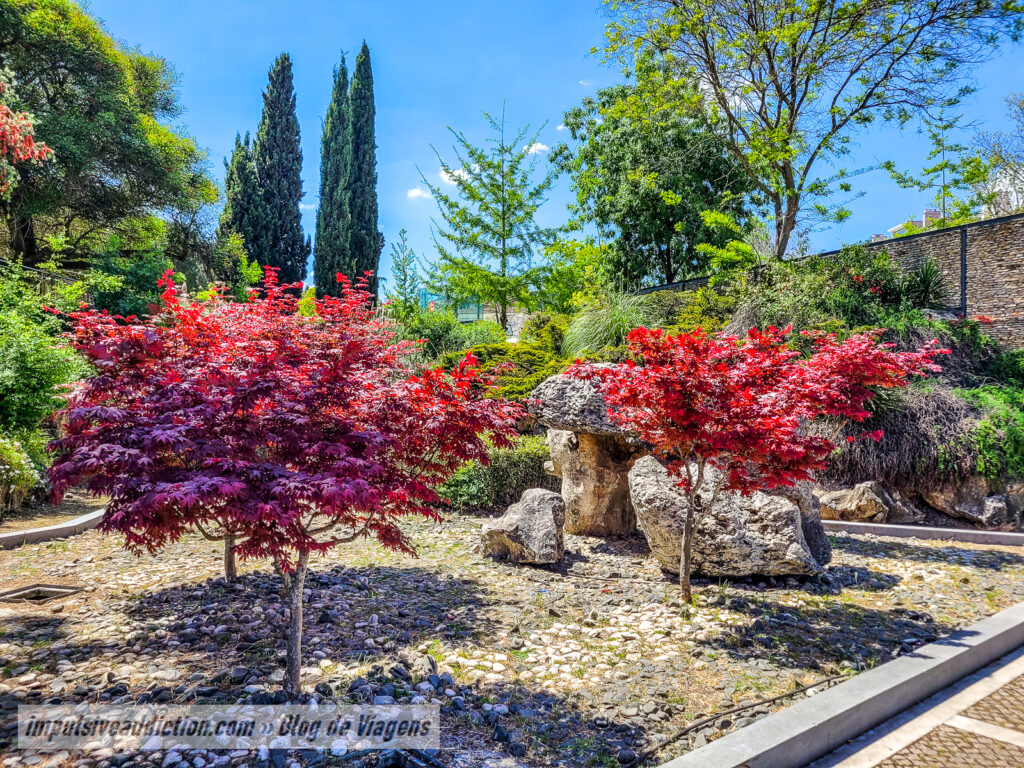
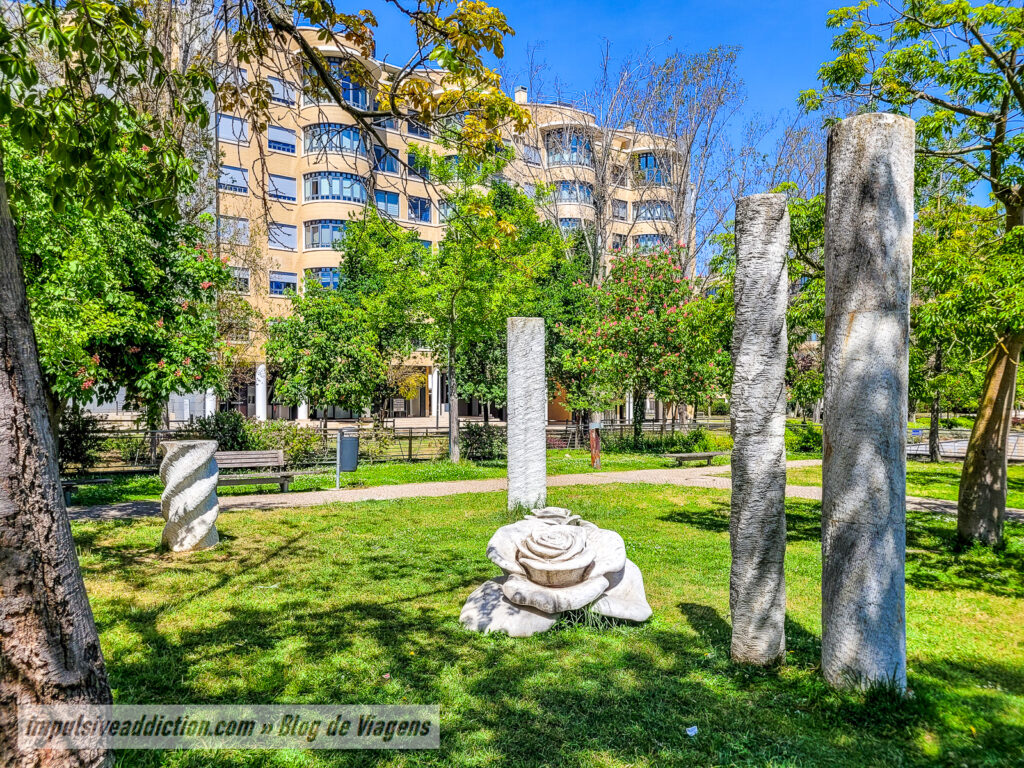
9. Professor Francisco Caldeira Cabral Garden
Inaugurated in 2008 to mark the centenary of its namesake, this modern garden sits in the heart of Telheiras, Lisbon, right next to the metro station. It pays tribute to Francisco Caldeira Cabral (1908–1992), one of Portugal’s first and most influential landscape architects, whose vision helped shape the country’s approach to green urban spaces.
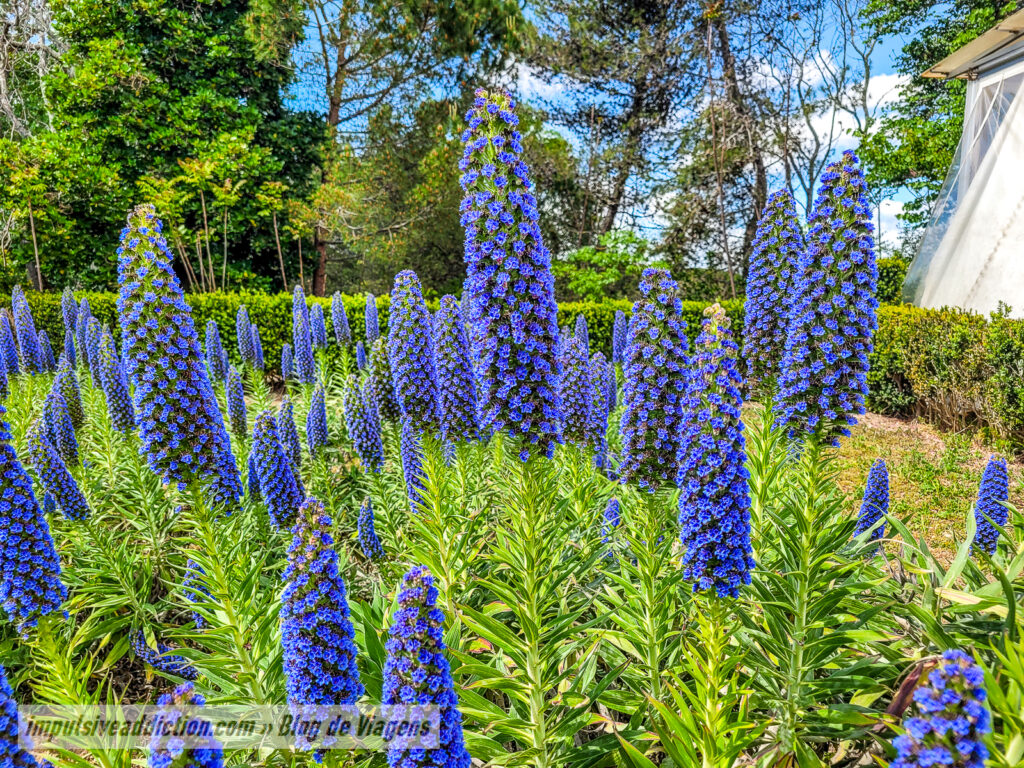
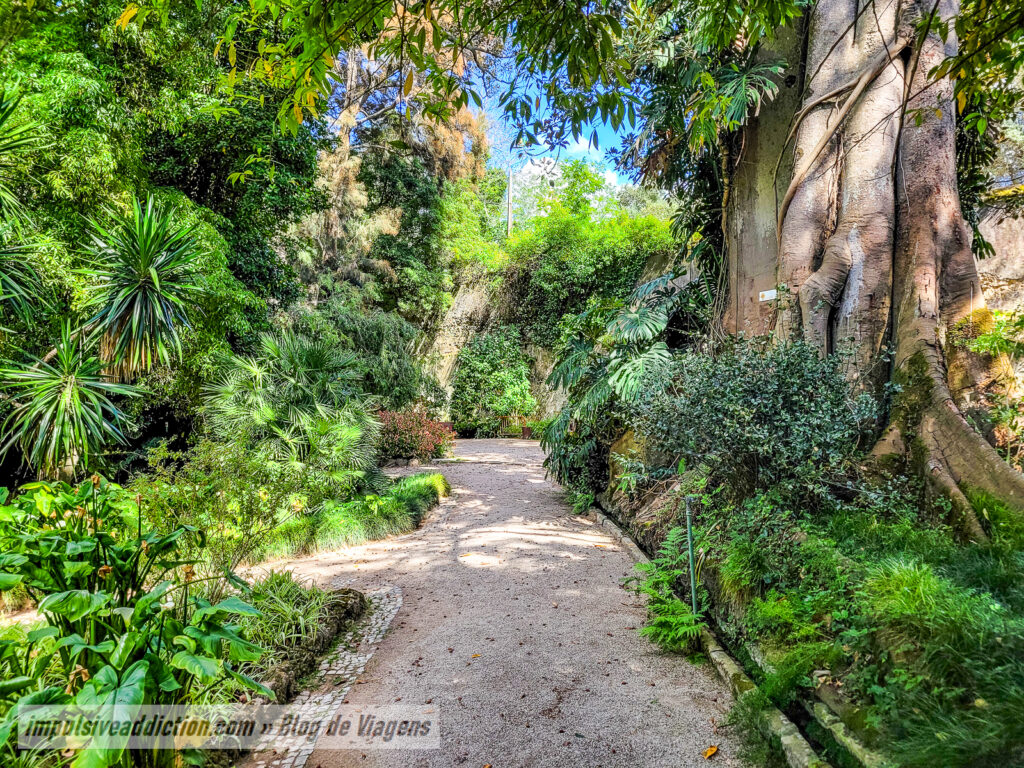
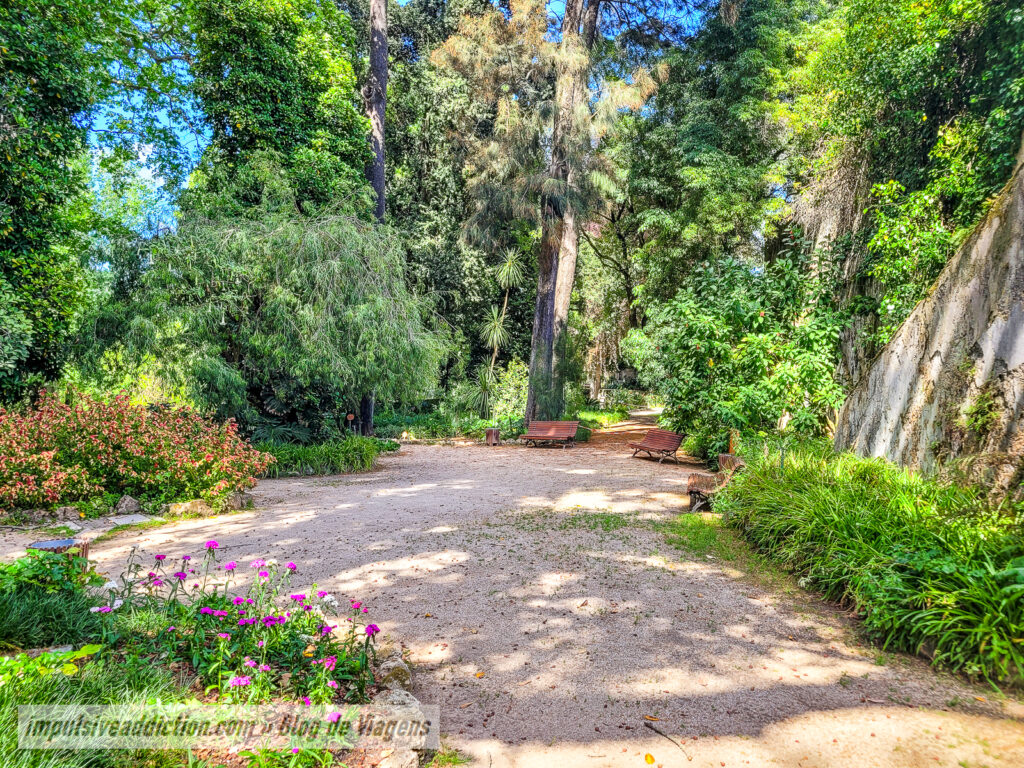
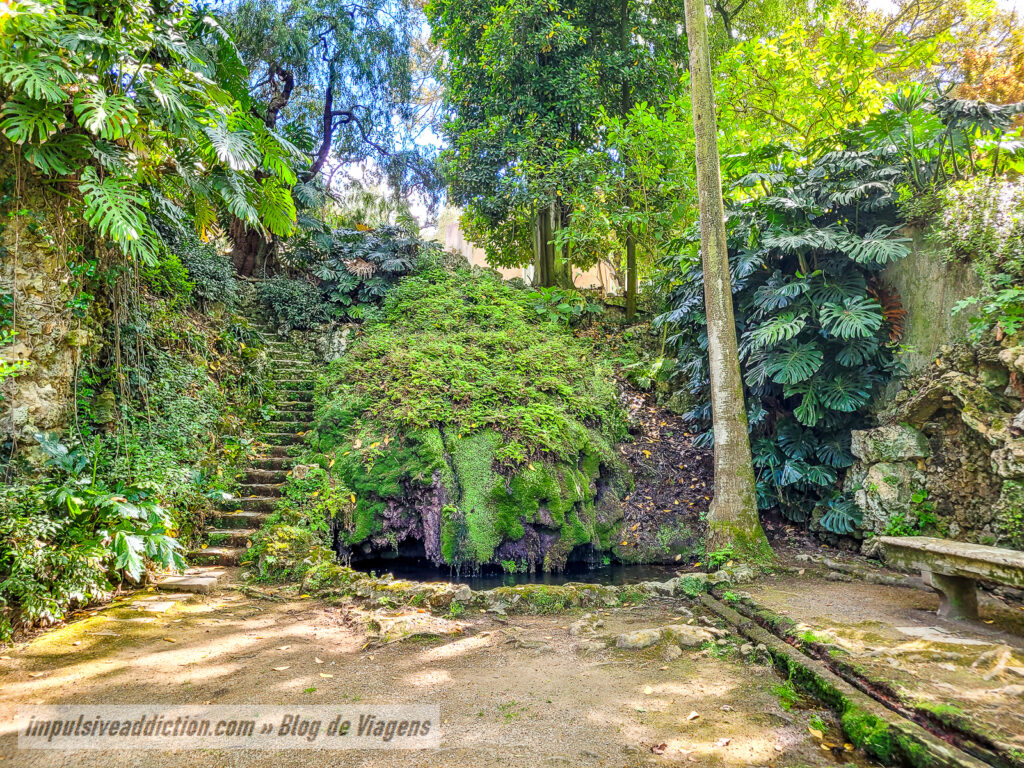
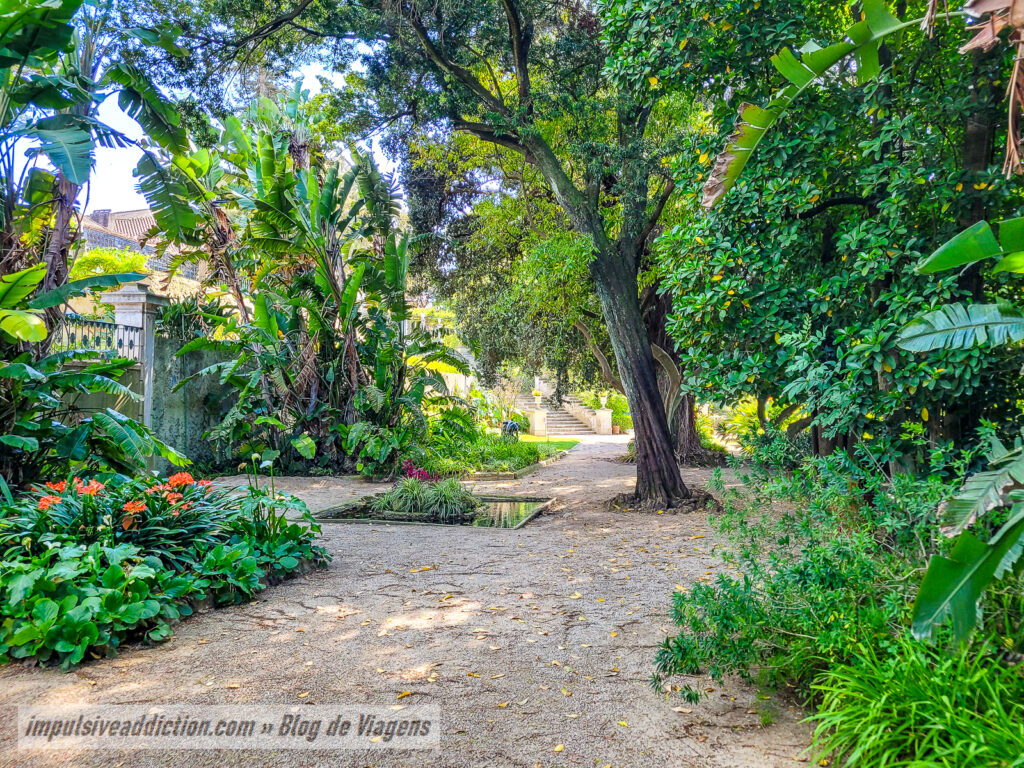
10. Monteiro-Mor Botanical Park
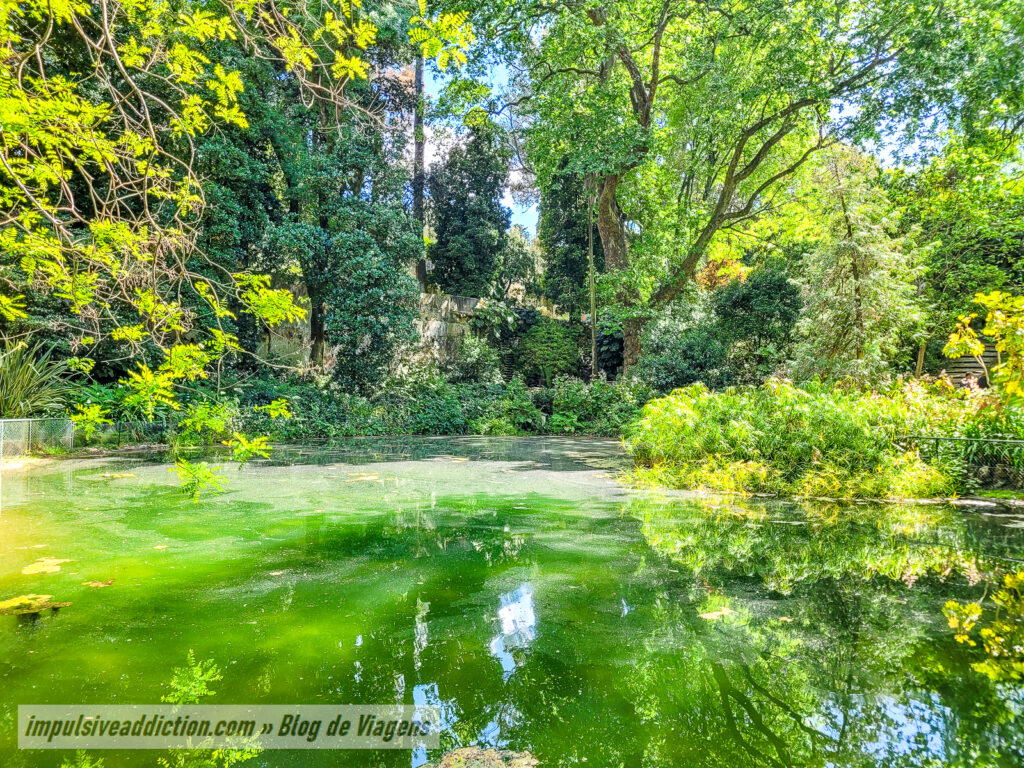
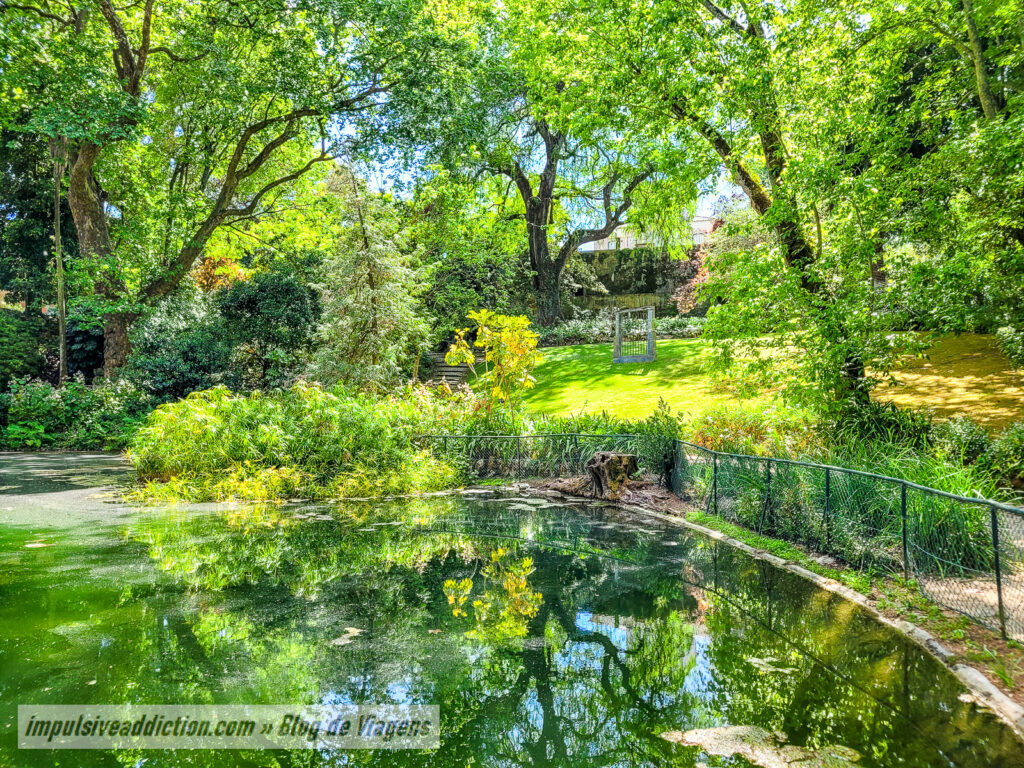
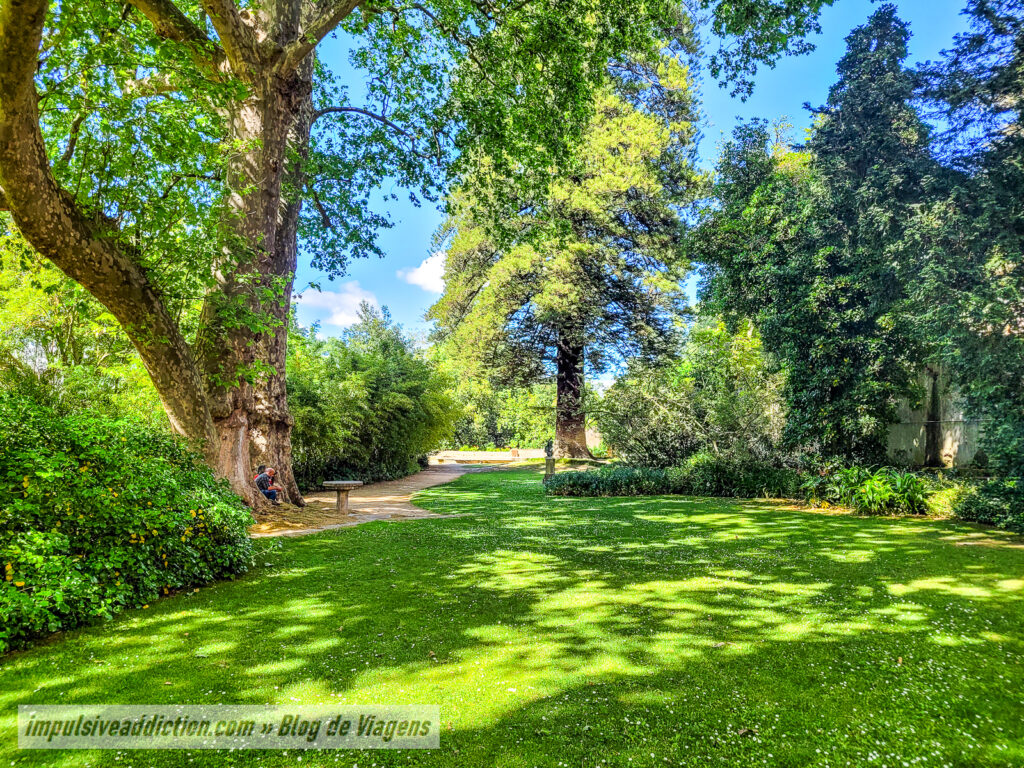
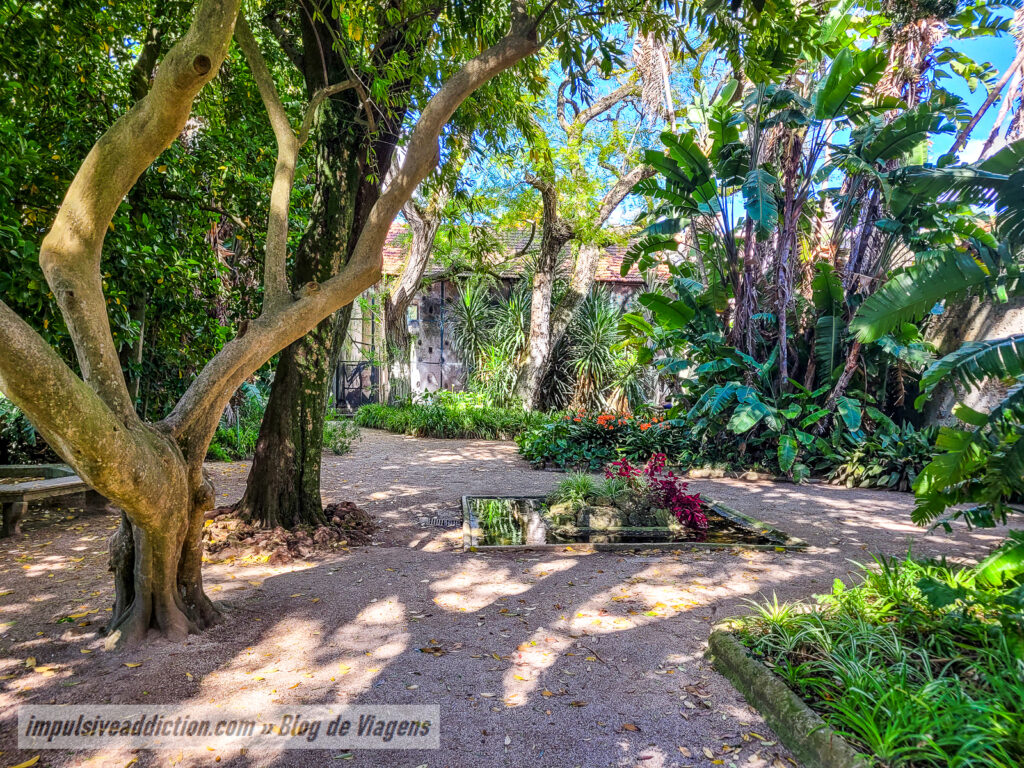
Located in the Lumiar district, the Monteiro-Mor Botanical Park spans around 11 hectares and forms part of the historic Quinta do Monteiro-Mor estate, which also houses the National Costume Museum and the National Museum of Theatre and Dance. The gardens were first laid out in the 18th century by Pedro José de Noronha, 3rd Marquis of Angeja, under the guidance of Italian botanist Domenico Vandelli. In the 19th century, the Duke of Palmela expanded the grounds, preserving their romantic layout with terraced earthworks, formal ponds, and graceful stairways that survive to this day.
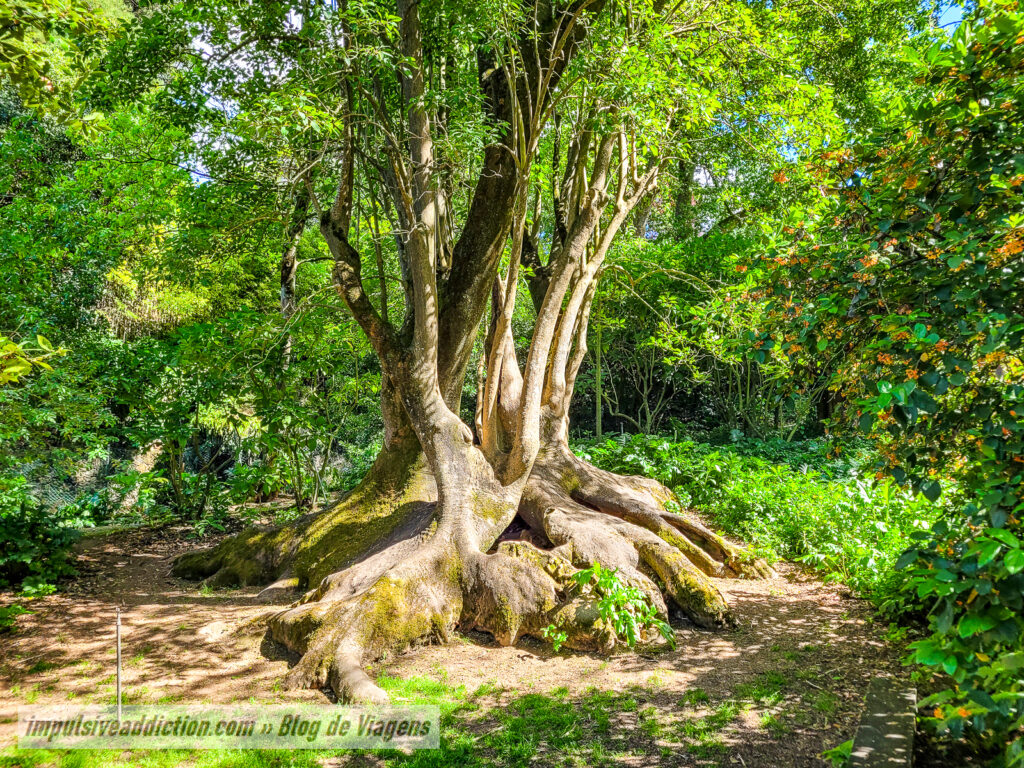
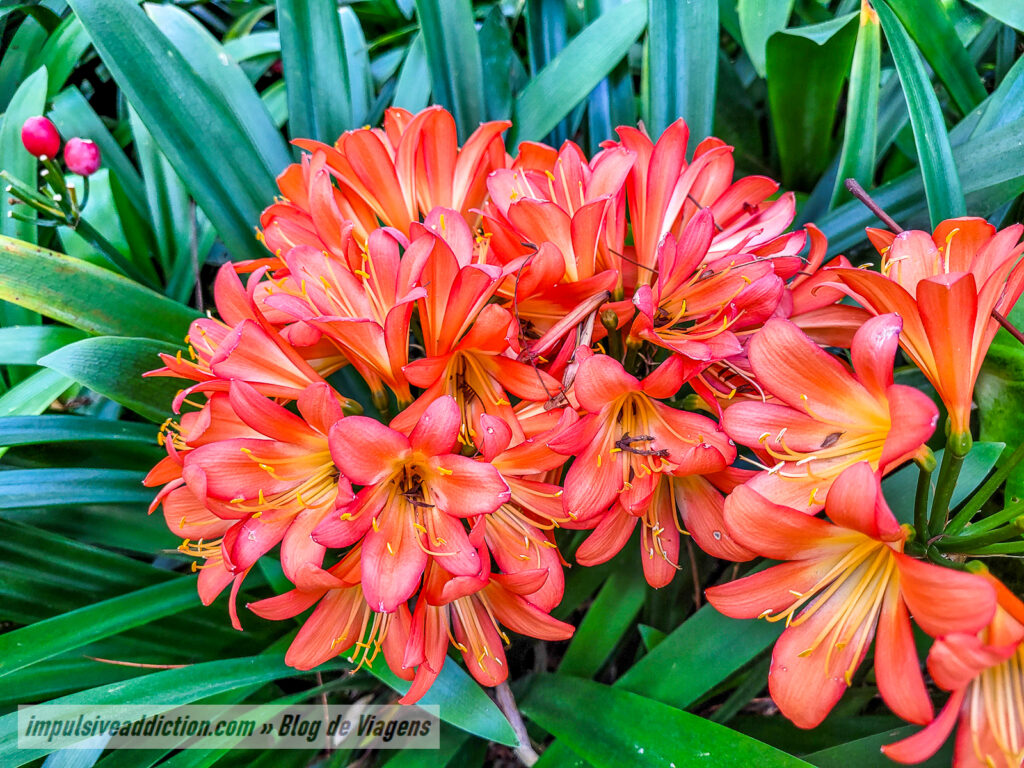
The park’s flora is remarkable, boasting over 250 botanical species spread across woodland, rose gardens, orchards, vegetable plots, and meadows. Highlights include notable specimens such as the first Norfolk Island pine planted in mainland Portugal, as well as giant sequoia, ginkgo, bald cypress, and dragon trees. A manicured boxwood garden with roses and ornamental beds of amaryllis, hydrangeas, lilies, and daisies adds seasonal bursts of colour.
Wildlife thrives here too: the park provides habitat for a wide variety of birds, including ring-necked parakeets and European robins, and even hosts a colony of around 200 “velvety free-tailed bats” living in the underground passages of the Angeja-Palmela Palace. Reptiles and amphibians — such as tegus, geckos, and salamanders — are also a common sight near the ponds and in the dense vegetation.
11. Quinta das Conchas and Lilases Park
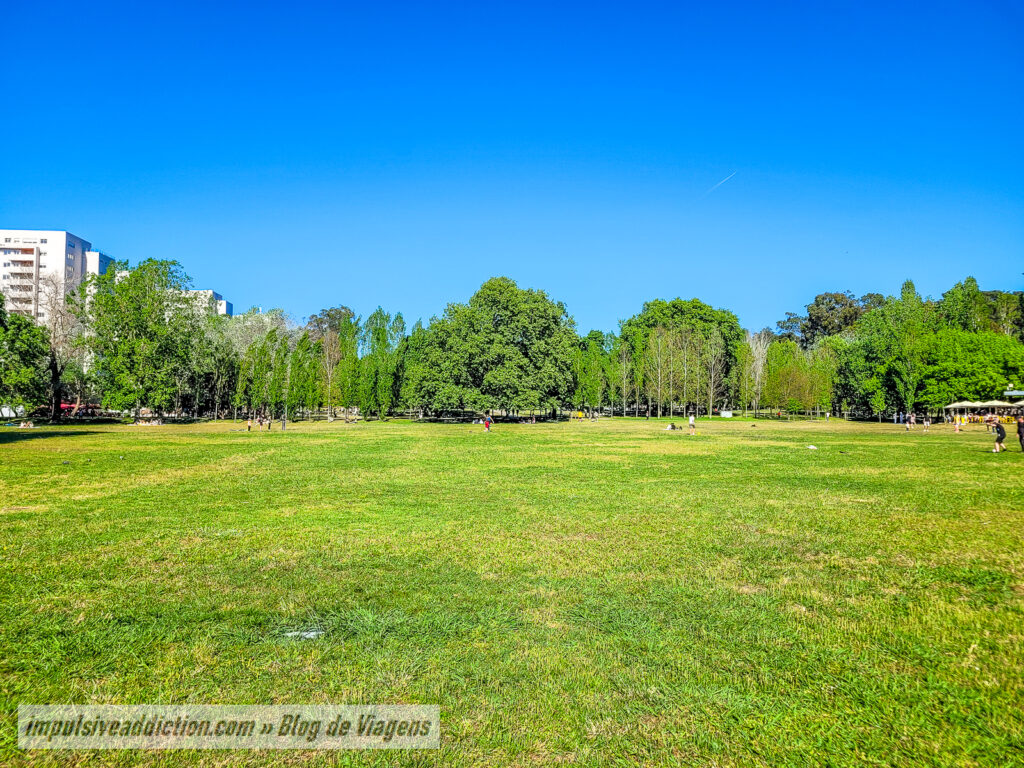
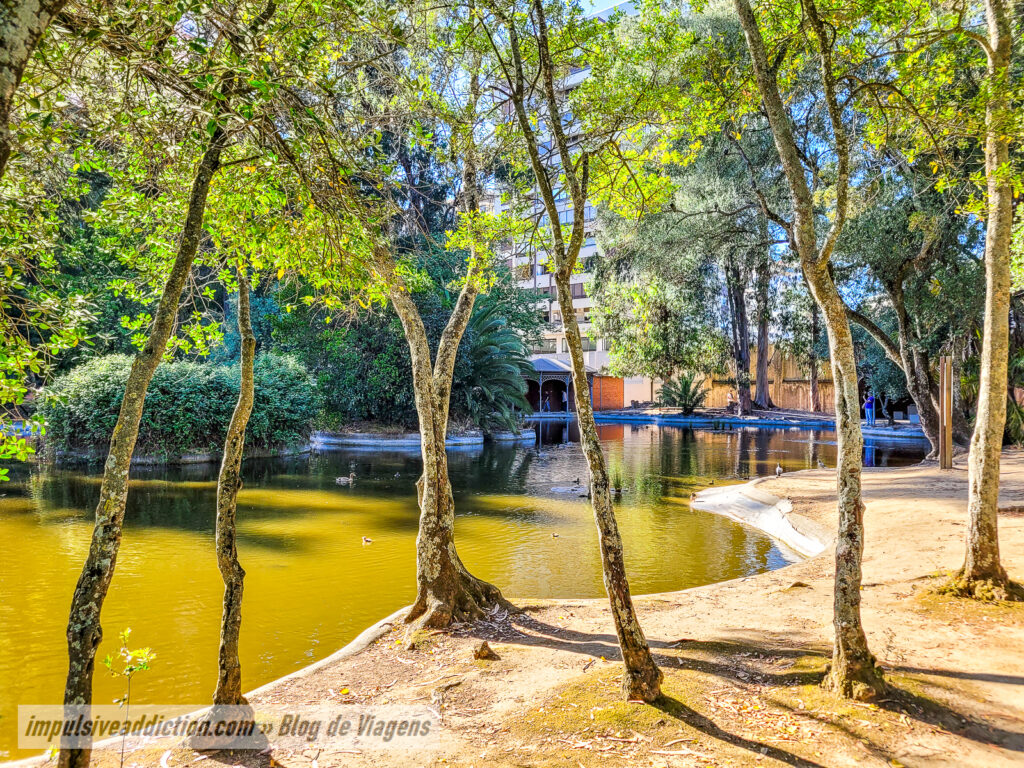
Located in the Lumiar district, the Quinta das Conchas and Lilases Park is Lisbon’s third-largest green space — around 26 hectares — surpassed only by Monsanto and Bela Vista Park. It brings together two historic estates: the Quinta das Conchas, with sweeping lawns dotted with olive, wild olive, and eucalyptus trees (some officially recognised as trees of public interest), and the Quinta dos Lilases, home to a colonial-style mansion, a glass-and-iron gallery, and a lake with tree-covered islands evoking the landscapes of São Tomé and Príncipe.
The park is divided into three main areas:
- Central Lawn – an open expanse perfect for picnics, games, or simply relaxing in the sun.
- Woodland – shaded paths through dense tree cover, ideal for walking or jogging.
- Quinta dos Lilases – the mansion grounds, with romantic garden features and a scenic ornamental lake.
Facilities include a café/auditorium, a restaurant, a children’s playground, picnic areas, a running and cycling track, outdoor fitness equipment, and even a charming Little Free Library for book exchanges. Whether for leisure, sport, or quiet contemplation, this park is a versatile urban escape.
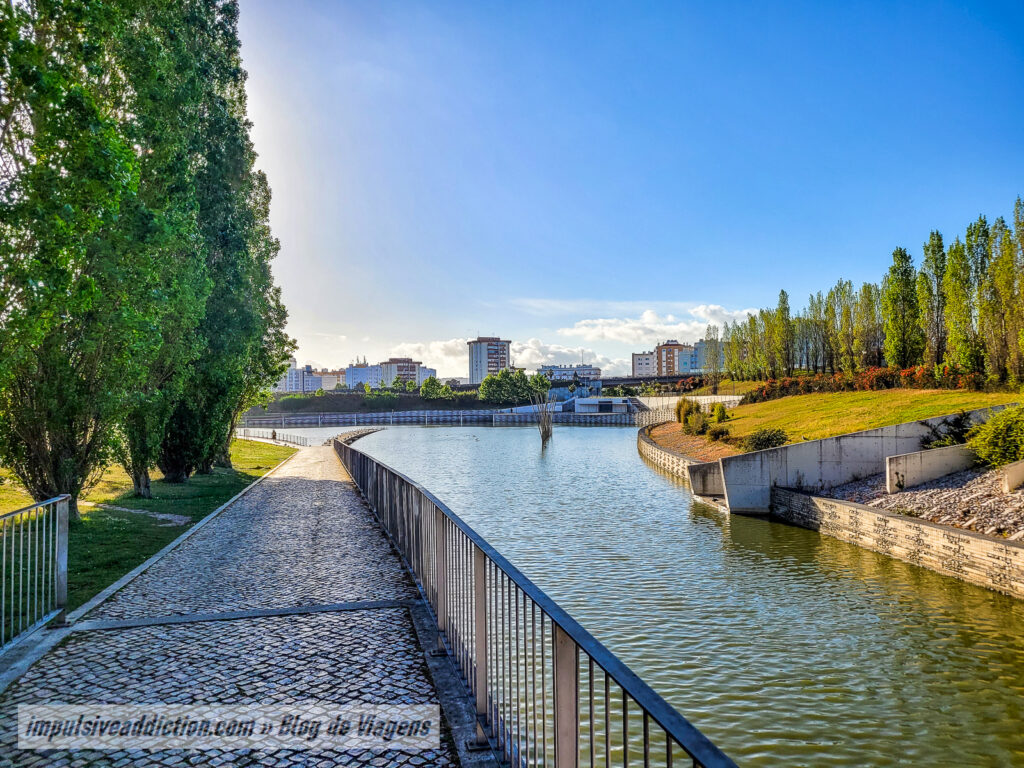
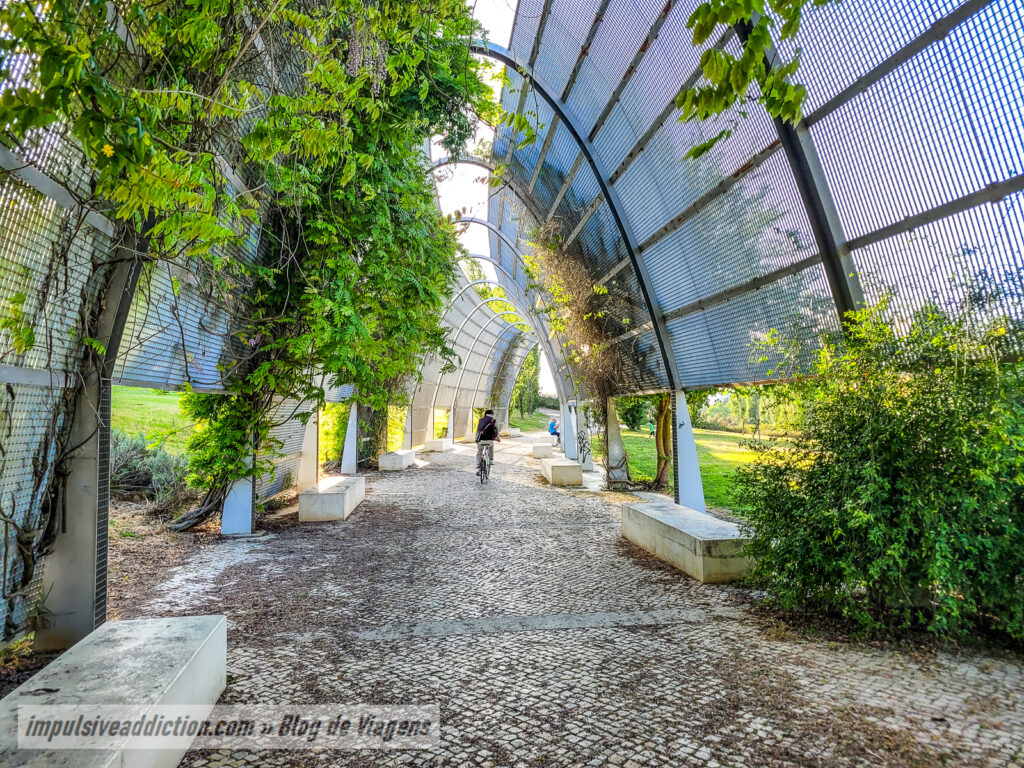
12. Parque Oeste (Vale Grande Park)
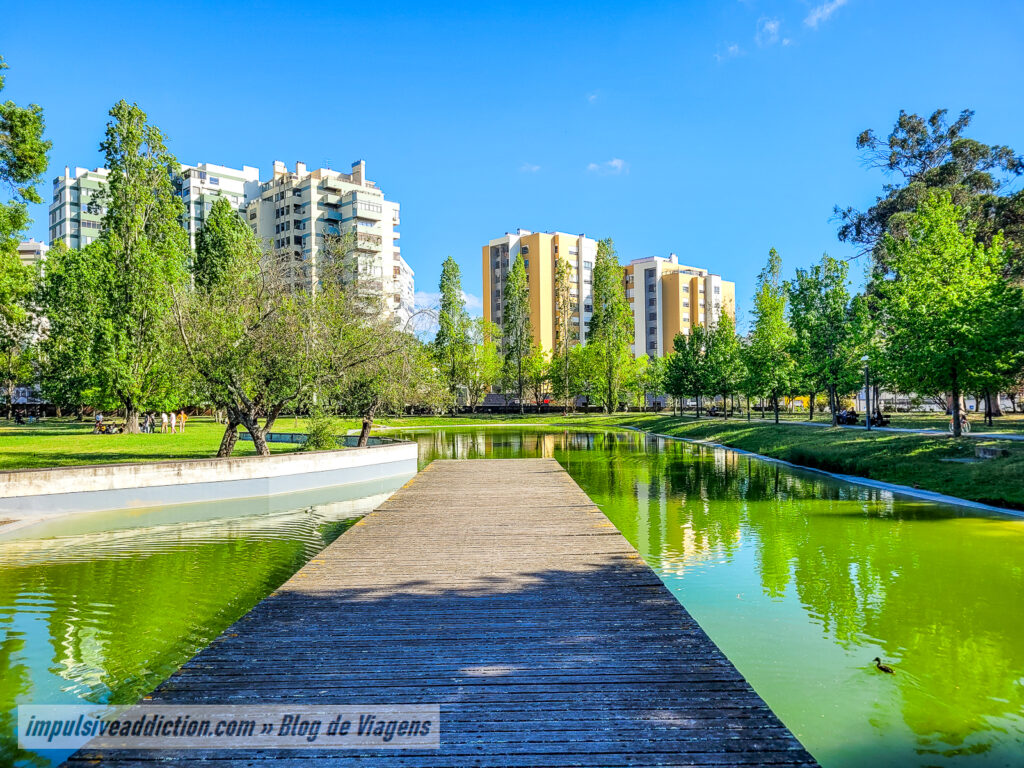
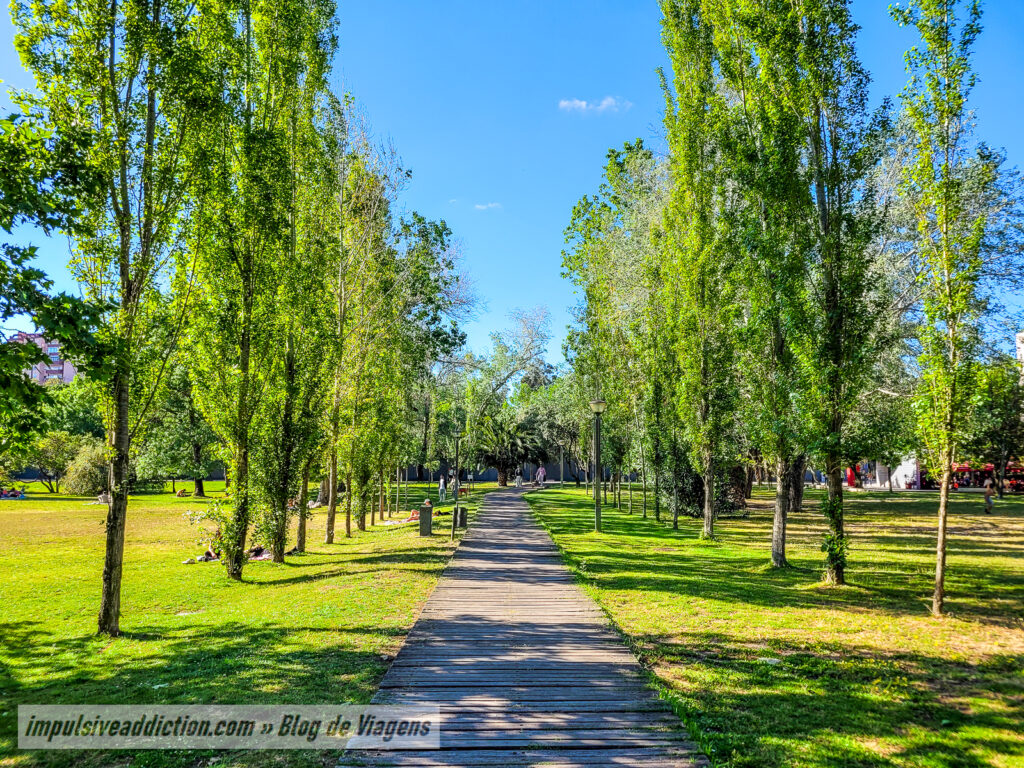
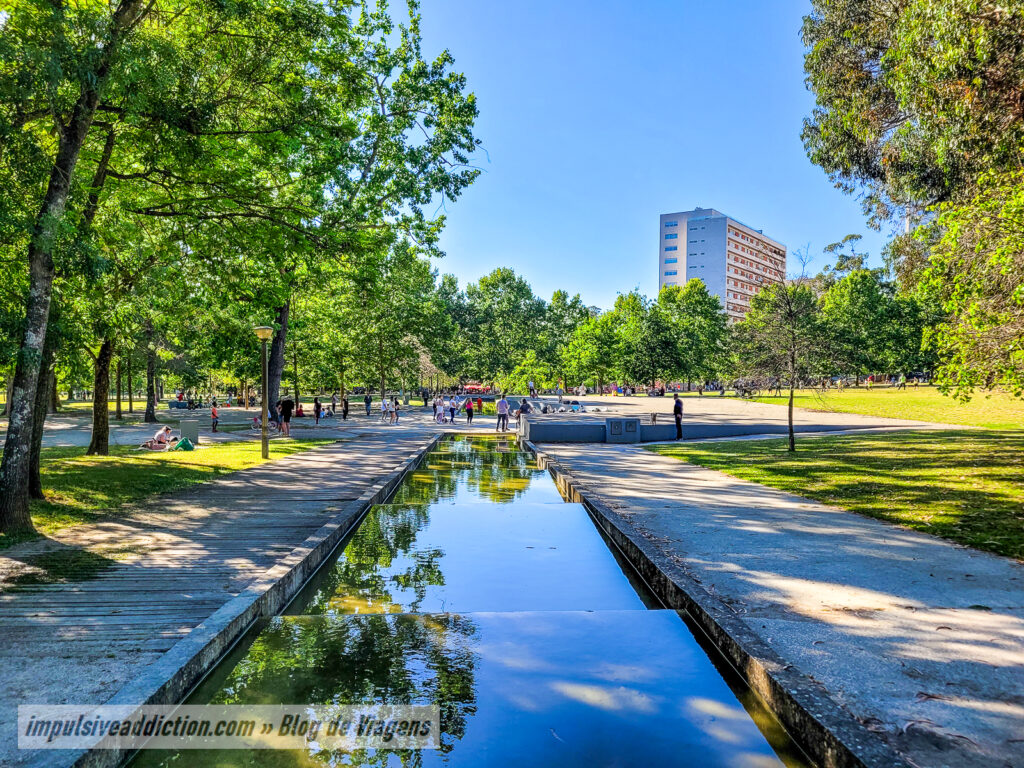
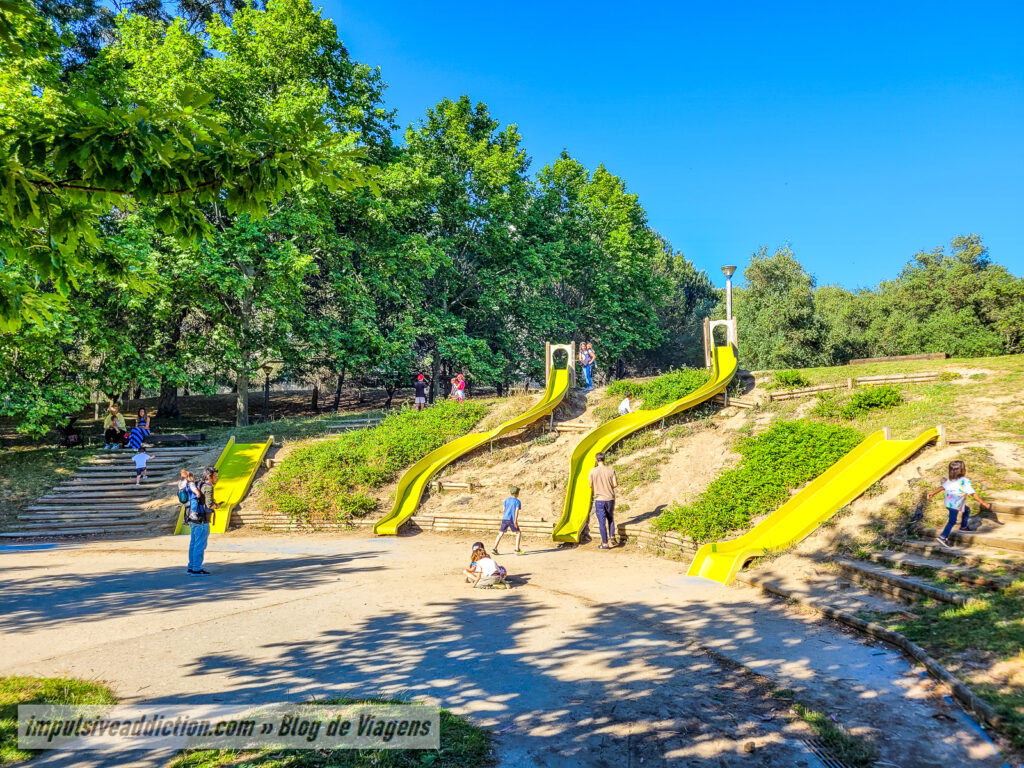
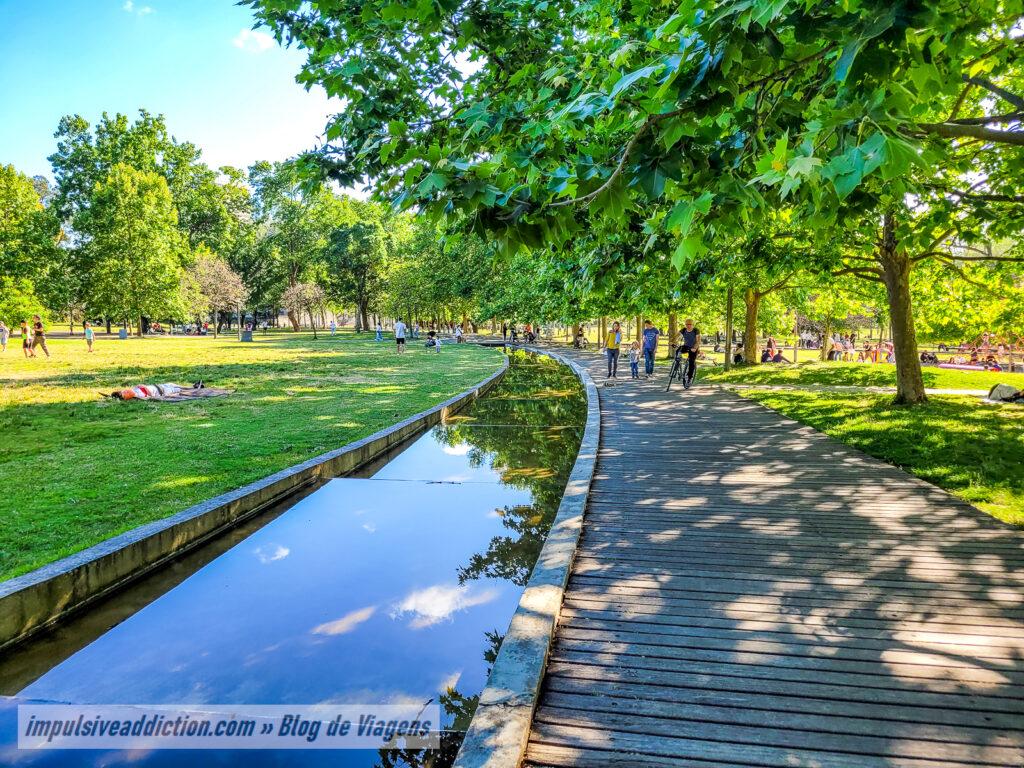
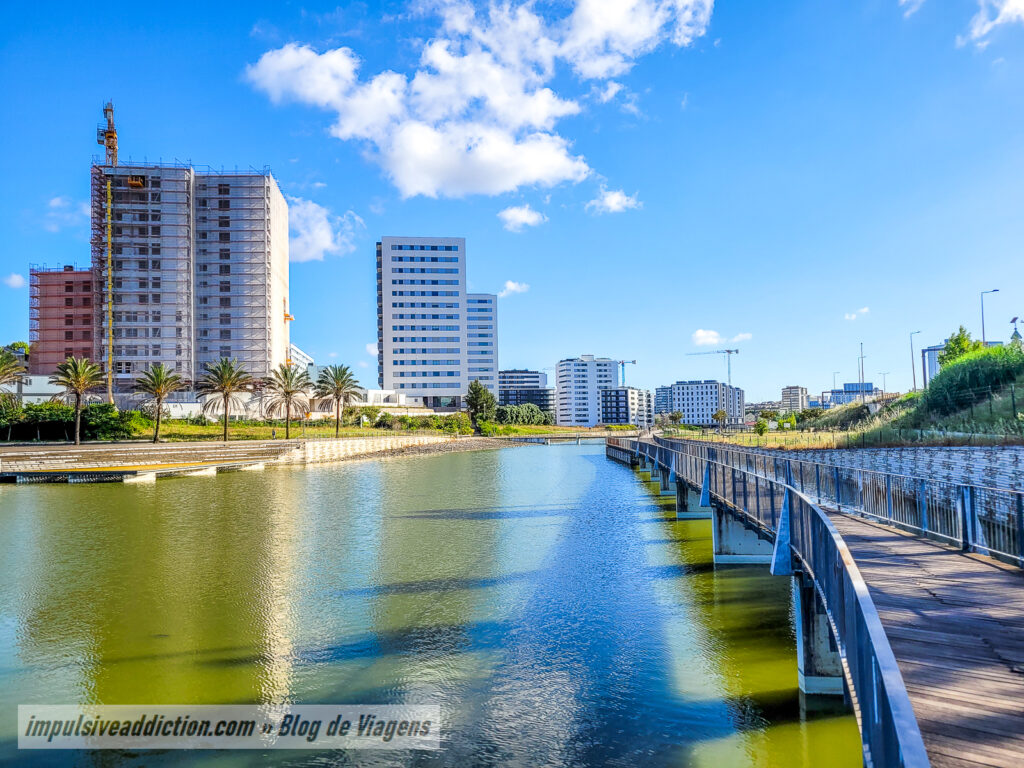
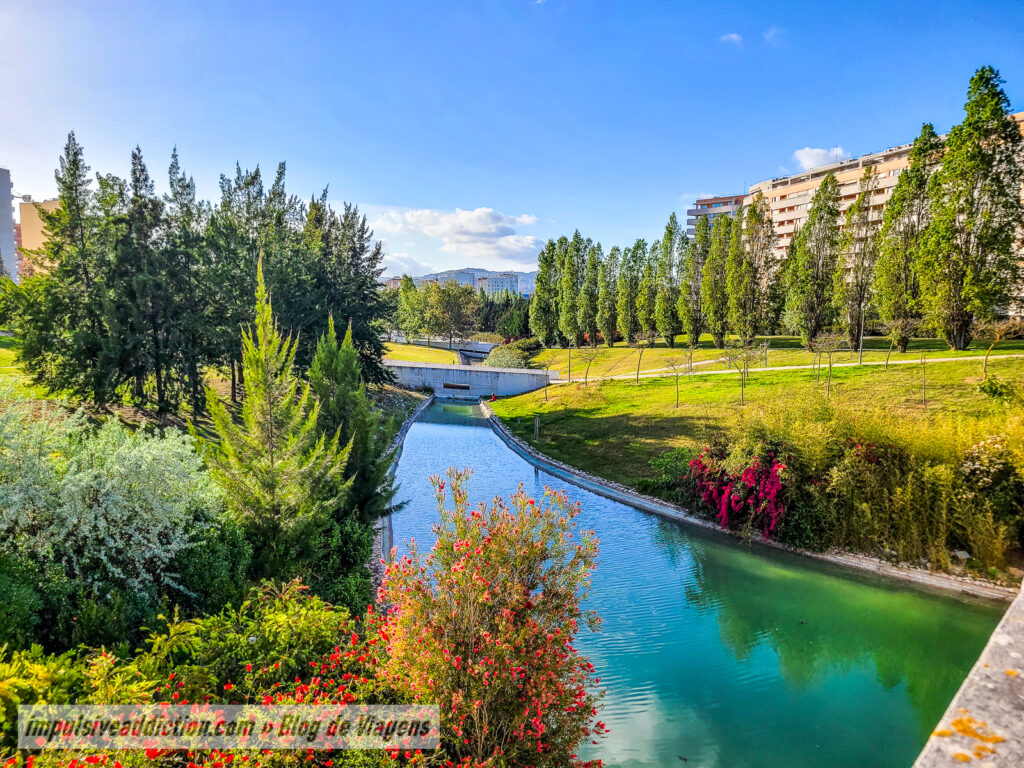
The Parque Oeste — officially Parque Vale Grande — is one of the landmark green spaces in Lisbon’s Alta district. Opened in 2006, it was designed by landscape architect Isabel Aguirre Urcola as a contemporary park that blends form, function, and sustainability. Set within a natural valley, its layout makes the most of the topography: sweeping lawns, wide walking paths, and a central lake fed by a rainwater retention basin, which also supplies sustainable irrigation for the park’s vegetation.
Covering around 13 hectares, it’s a park designed for everyday use, with a fitness circuit, outdoor gym equipment, rest areas, and a kiosk with a terrace on its eastern edge. The 2.3 km circular path is an easy, pleasant walk, often accompanied by sightings of ducks on the water.
More than just a recreational space, Parque Oeste offers an artistic and contemplative dimension — a place where you can work out, enjoy a picnic at sunset, or simply breathe deeply and take in the landscape. It’s a harmonious blend of wellness, art, and nature in the heart of Lumiar and Santa Clara.
13. Jardim Bordallo Pinheiro
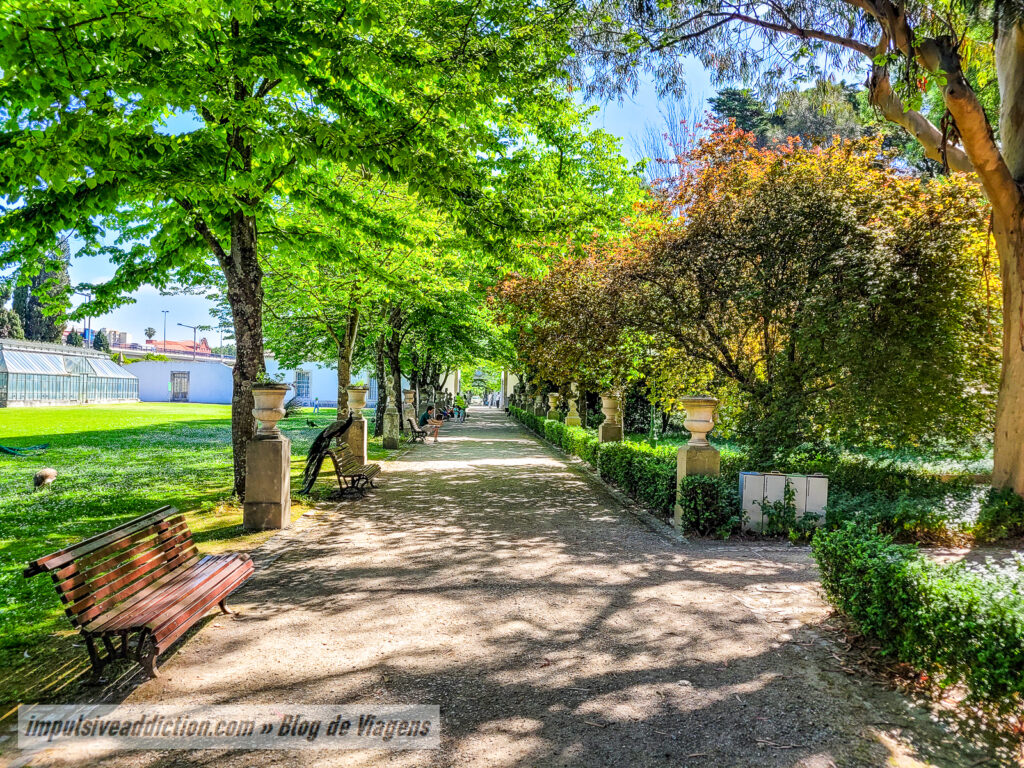
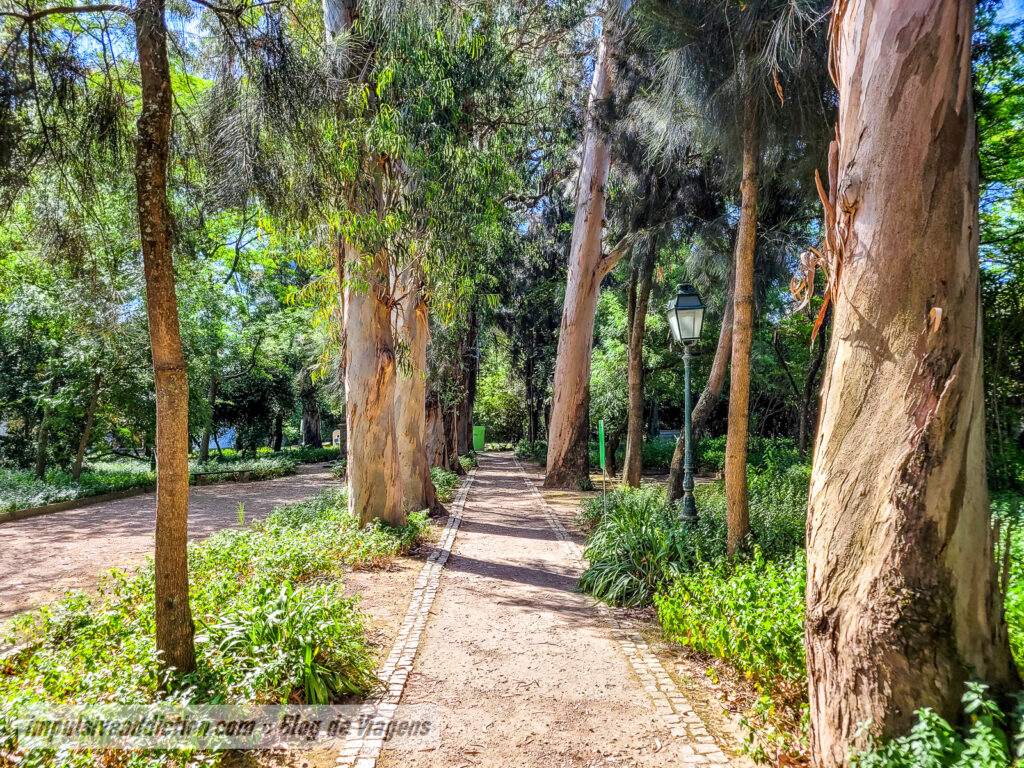
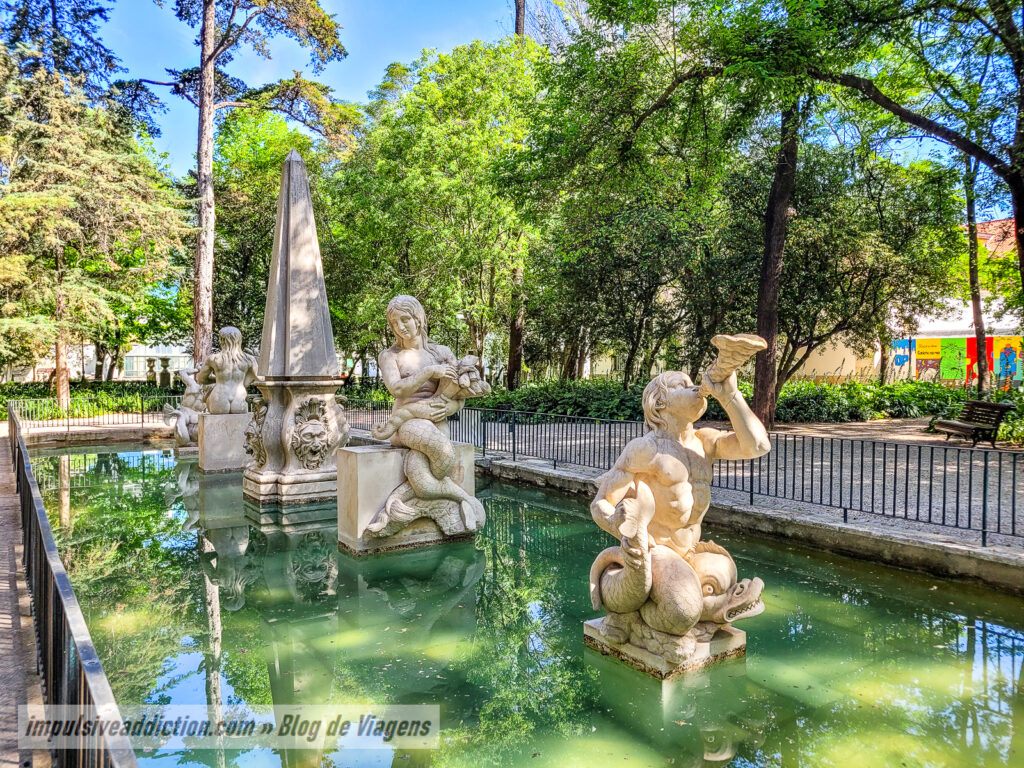
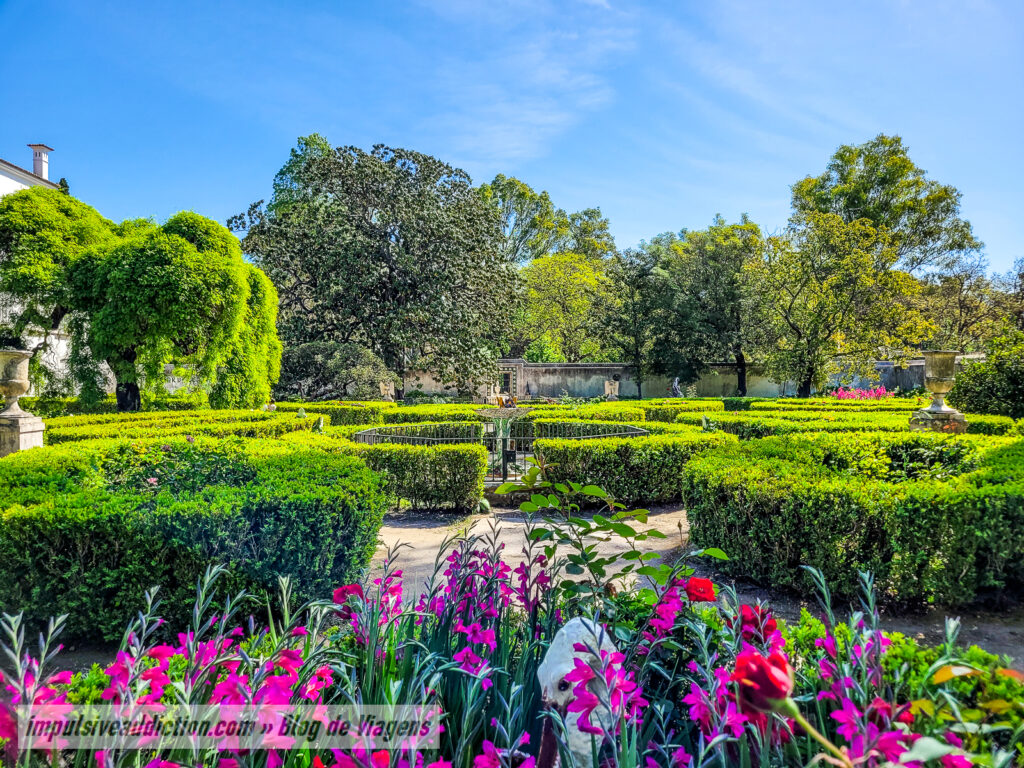
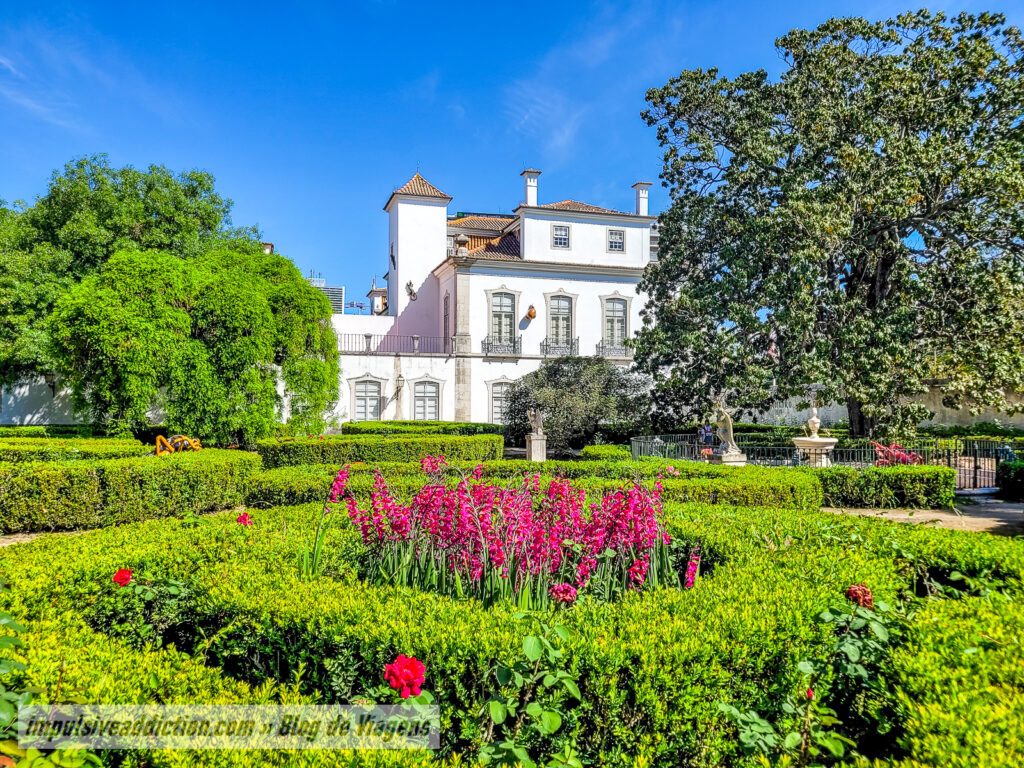
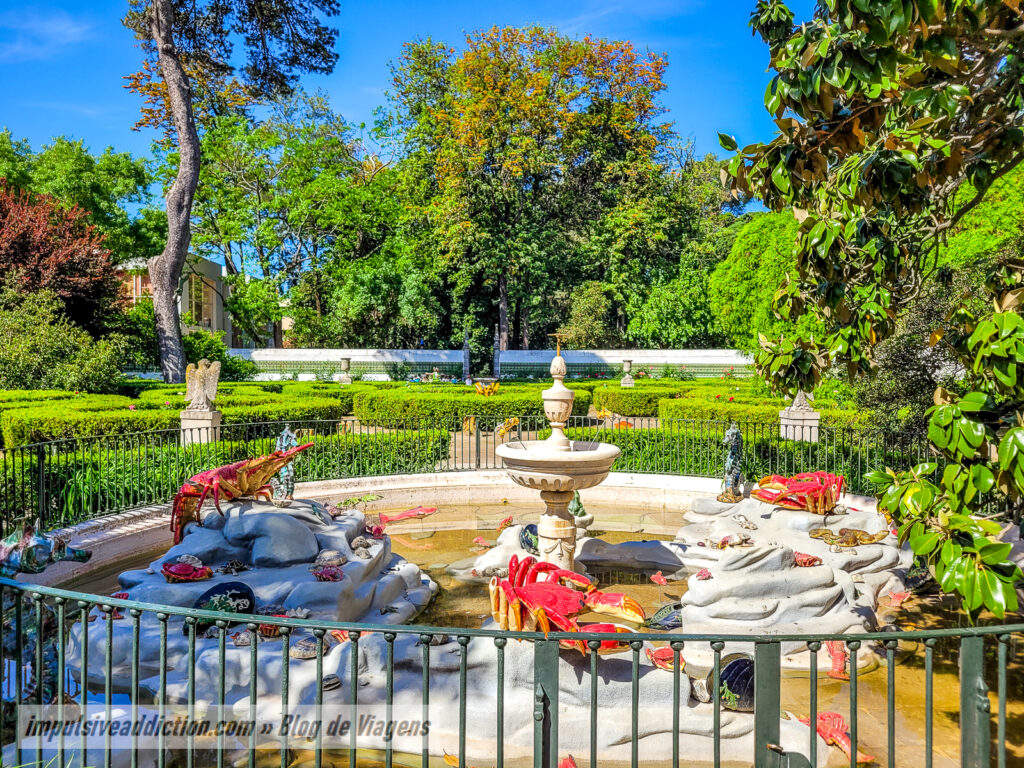
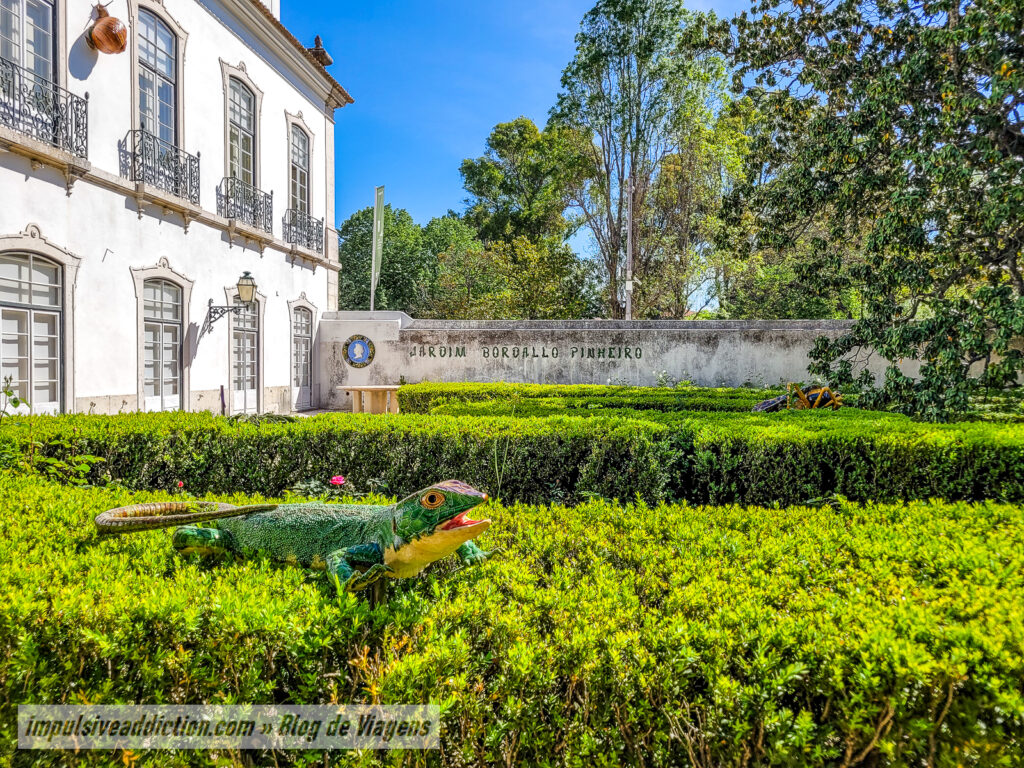
The Jardim Bordallo Pinheiro, also known as the Boxwood Garden, is a unique green space located at the Palácio Pimenta (Lisbon Museum). With free entry and its own access separate from the main building, this is not just a garden — it’s an open-air art installation.
Created in 2010 by artist Joana Vasconcelos at the invitation of Lisbon City Council, the garden brings together more than 1,200 ceramic sculptures from the iconic Bordallo Pinheiro brand. The result is a living exhibition where art and nature blend in unexpected and delightful ways, turning each visit into a walk through both creativity and greenery.
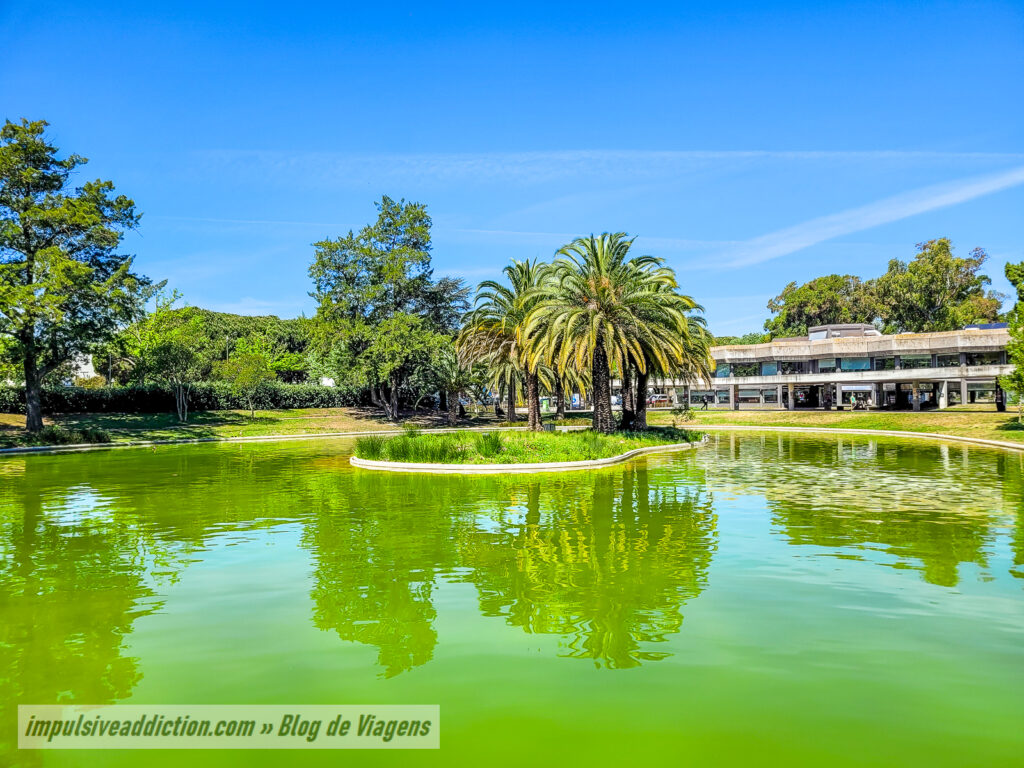
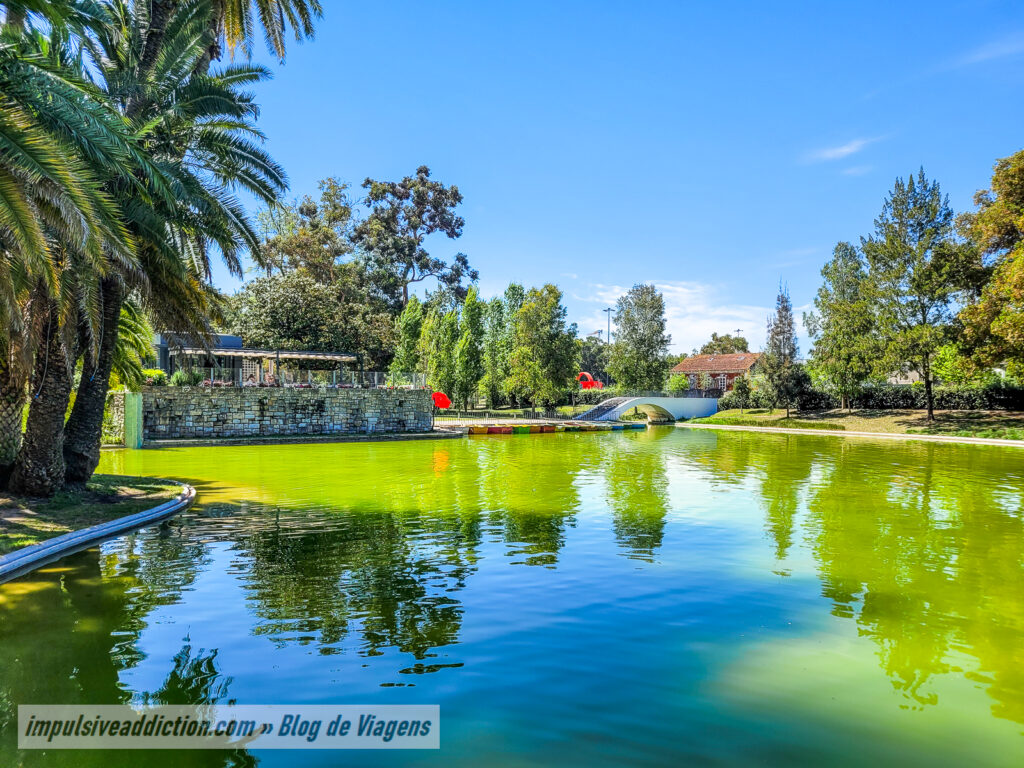
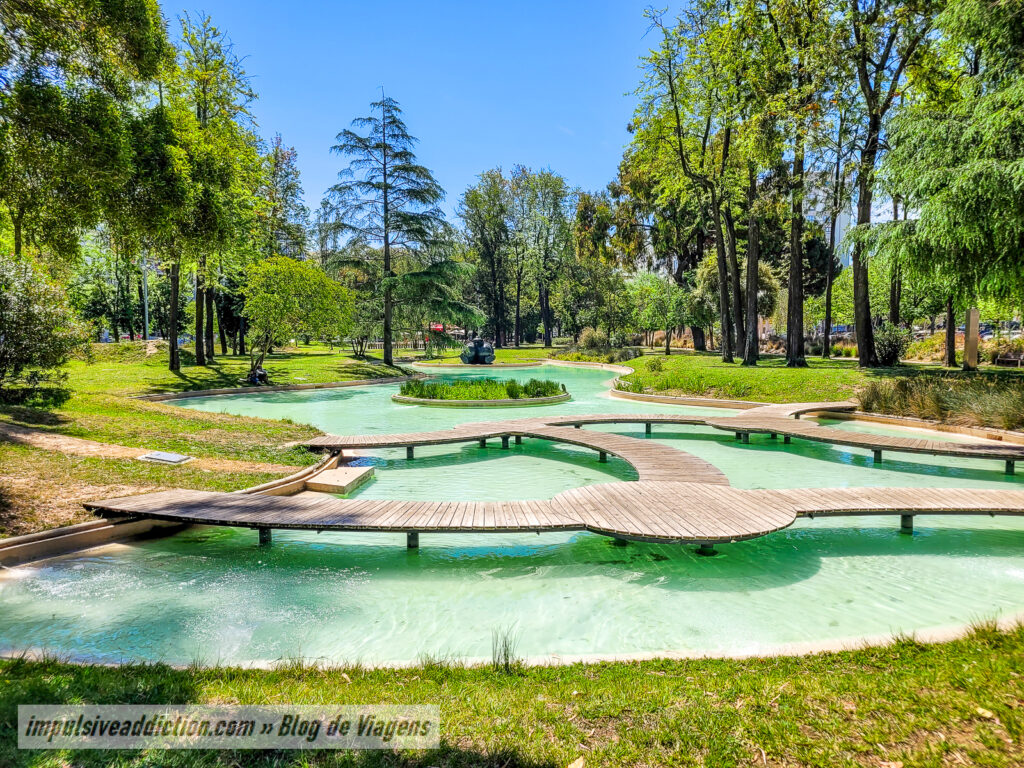
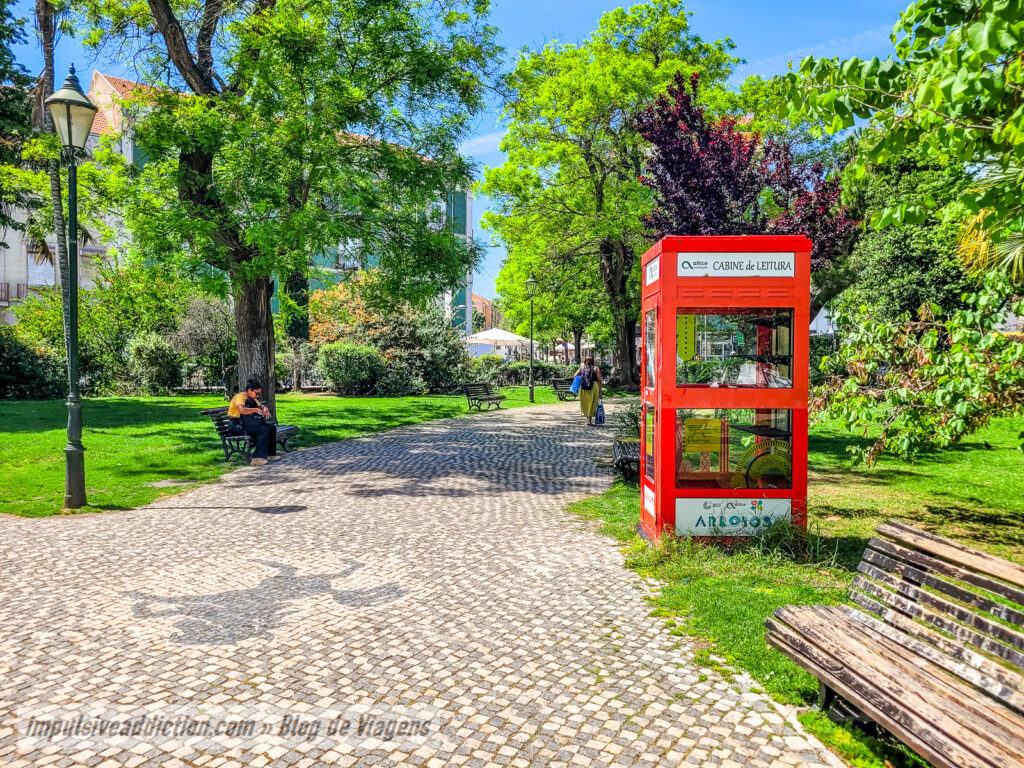
14. Jardim Mário Soares (Campo Grande Garden)
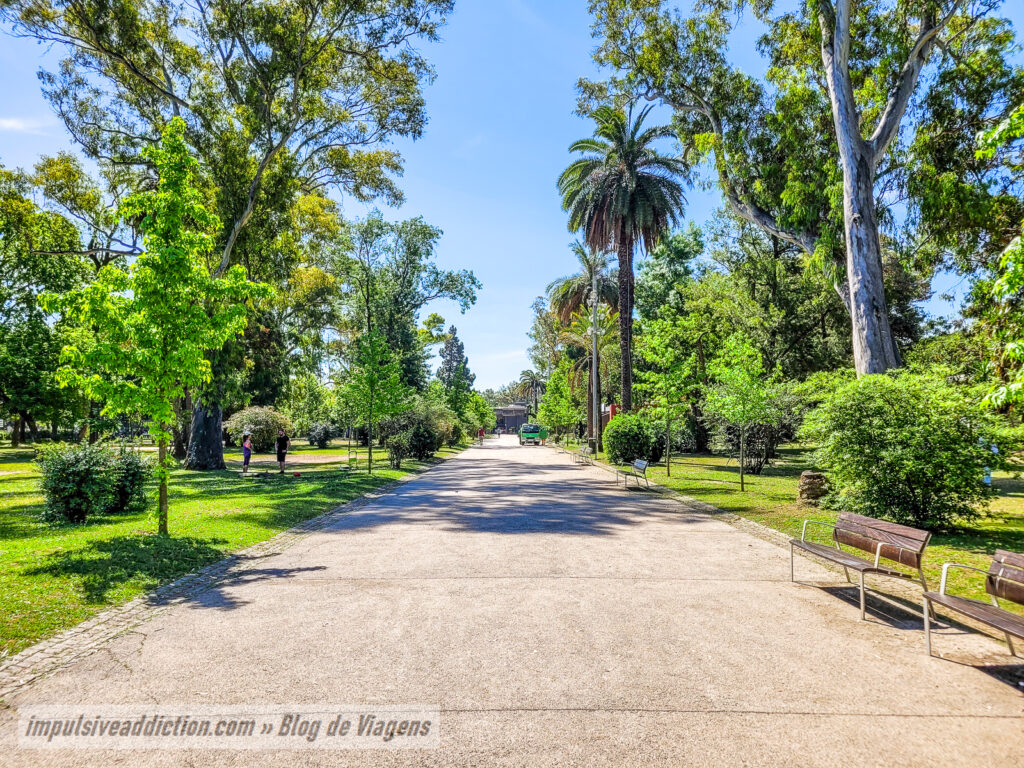
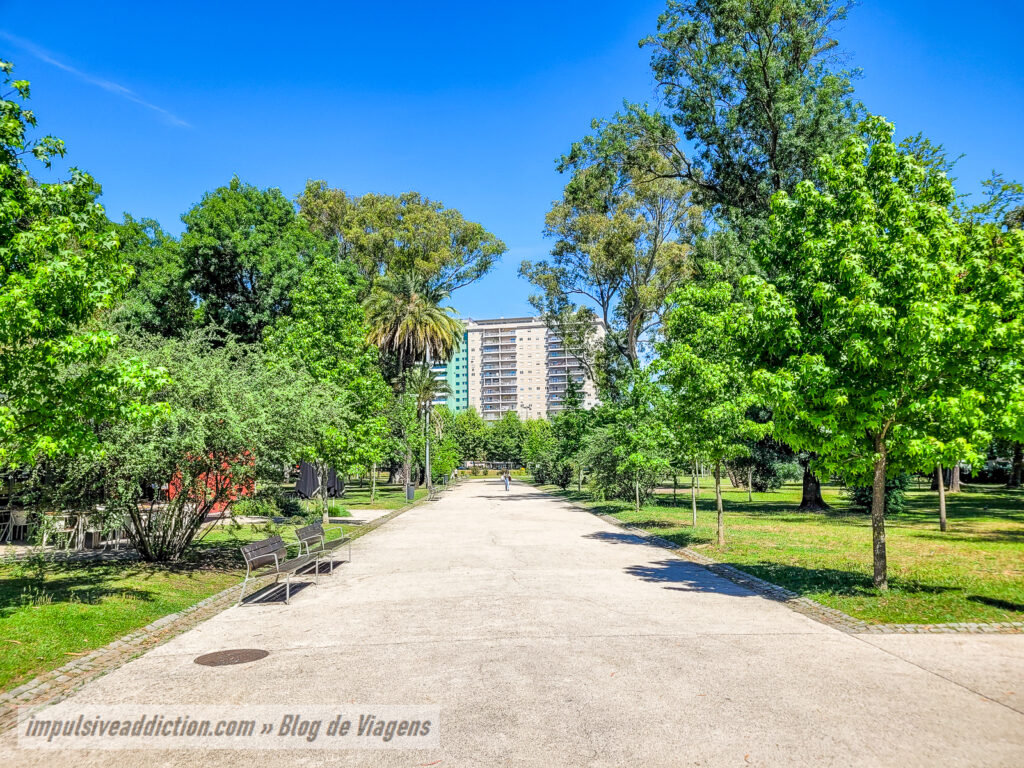
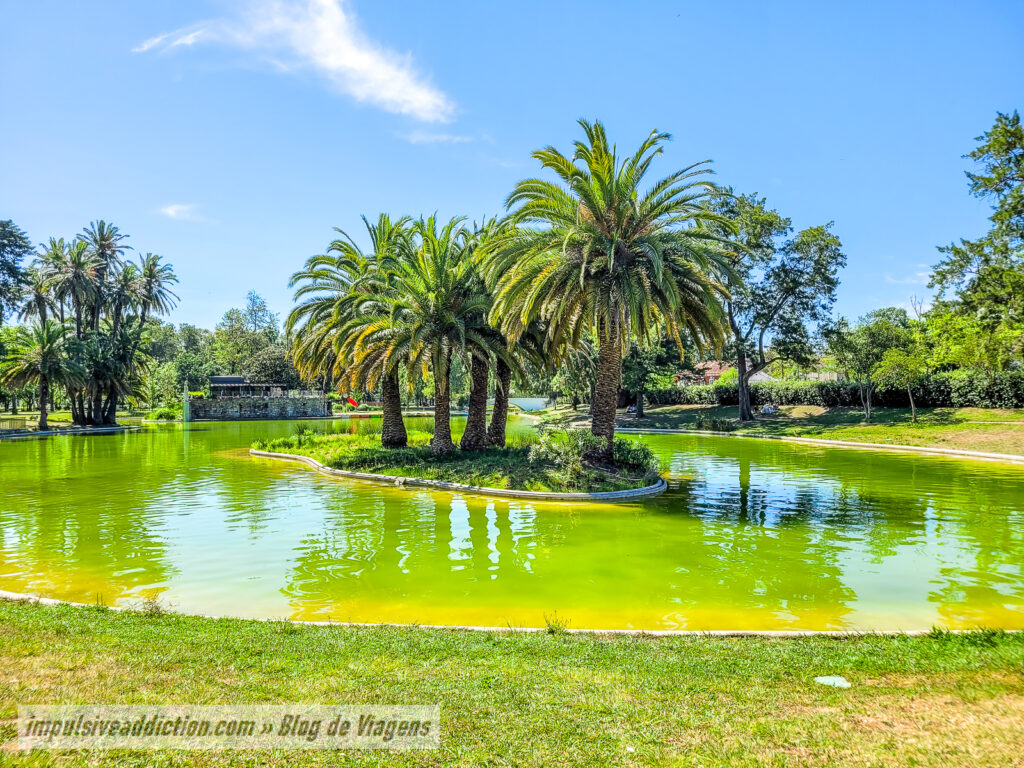
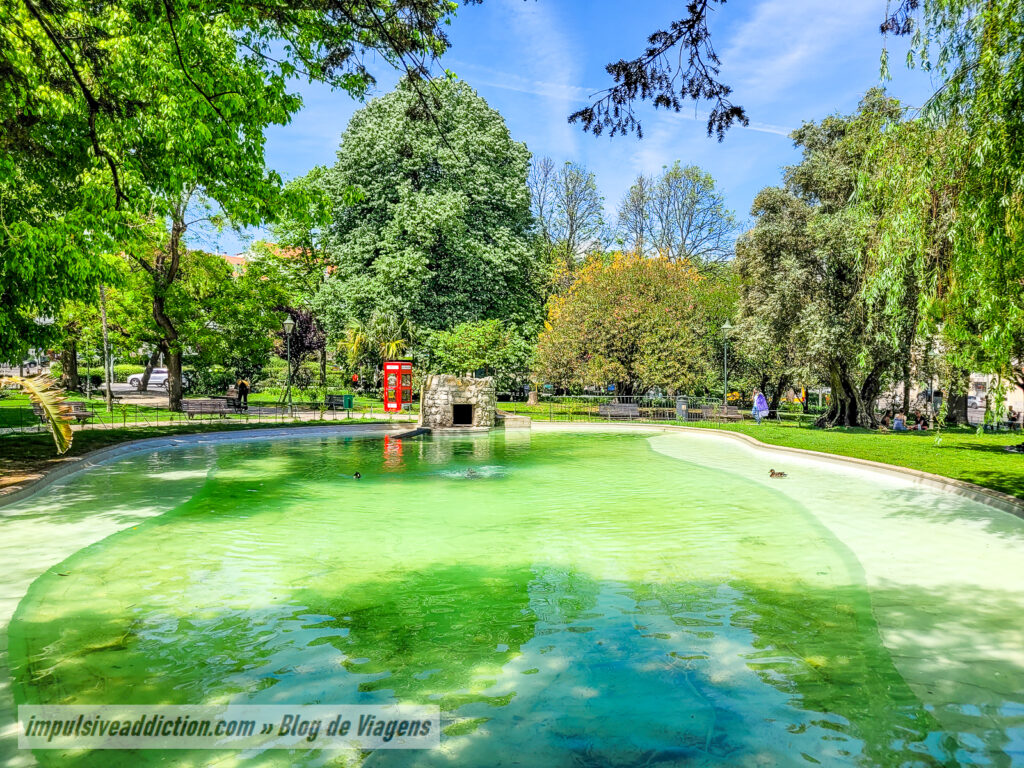
The Jardim Mário Soares — better known to locals as the Campo Grande Garden — stretches along the Campo Grande boulevard in Lisbon’s Alvalade district. Covering 13.4 hectares, it is the largest park in central Lisbon, combining long tree-lined avenues, wide lawns, reflective lakes and historic statuary, including notable sculptures at its northern end.
There’s plenty here to enjoy: hire a rowboat on the lake, relax at cafés and terraces such as Casa do Lago or Caleidoscópio, let the kids play in the playground, challenge friends on the padel courts, or let your four-legged companions run free in Lisbon’s first enclosed dog park.
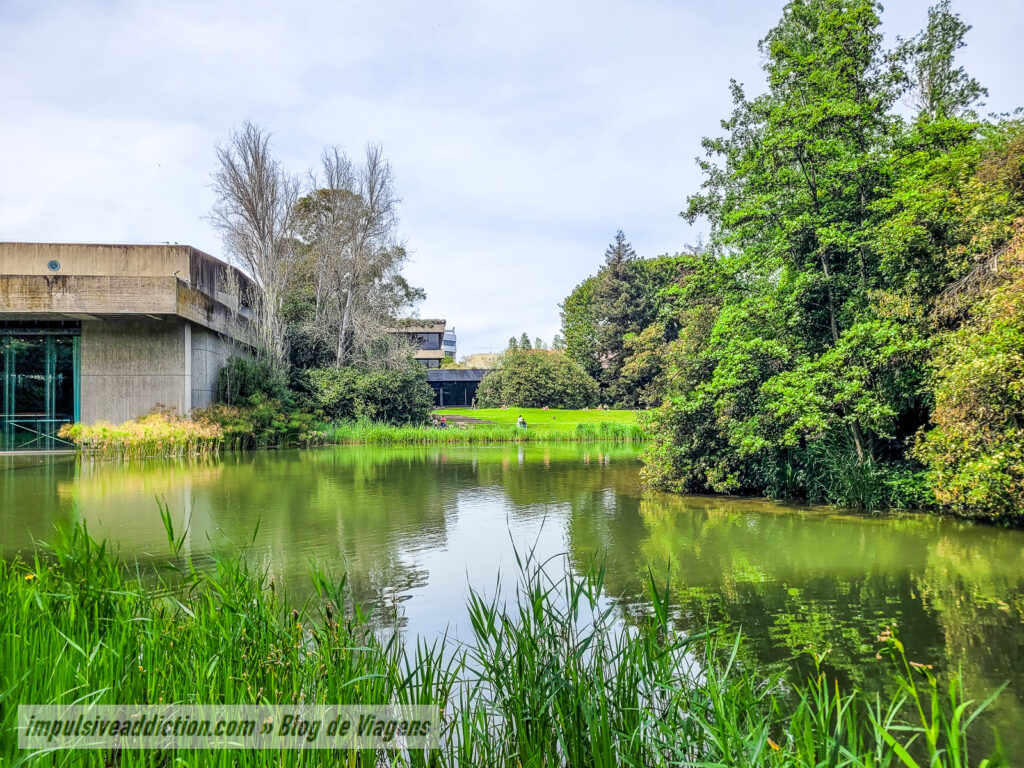
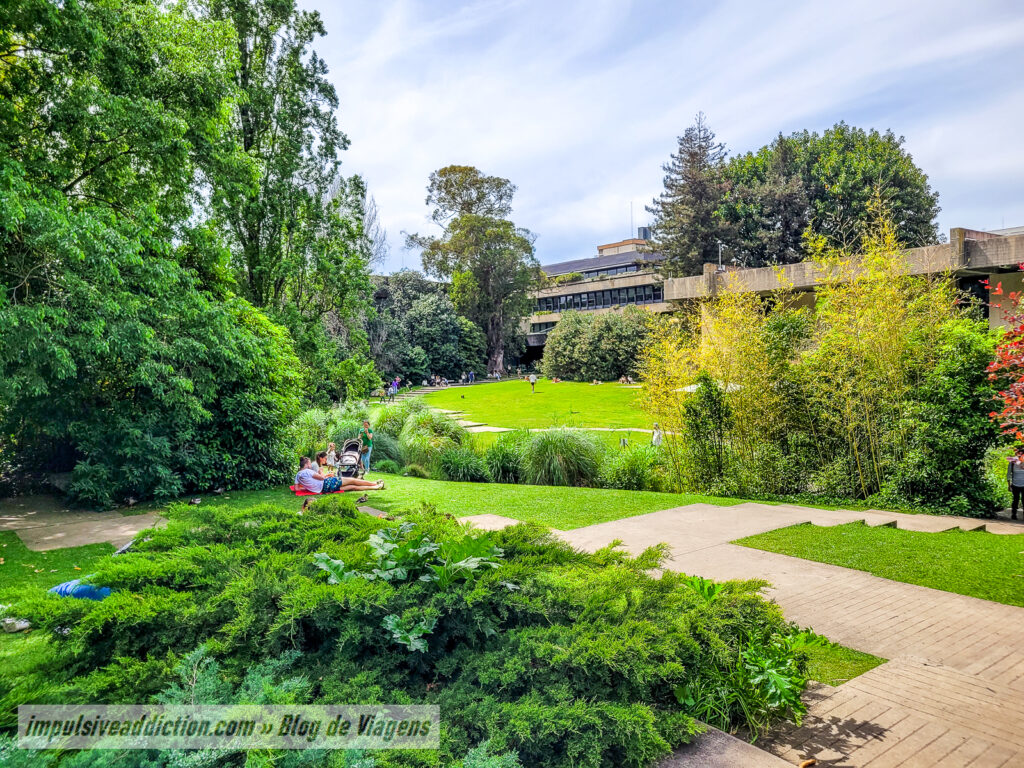
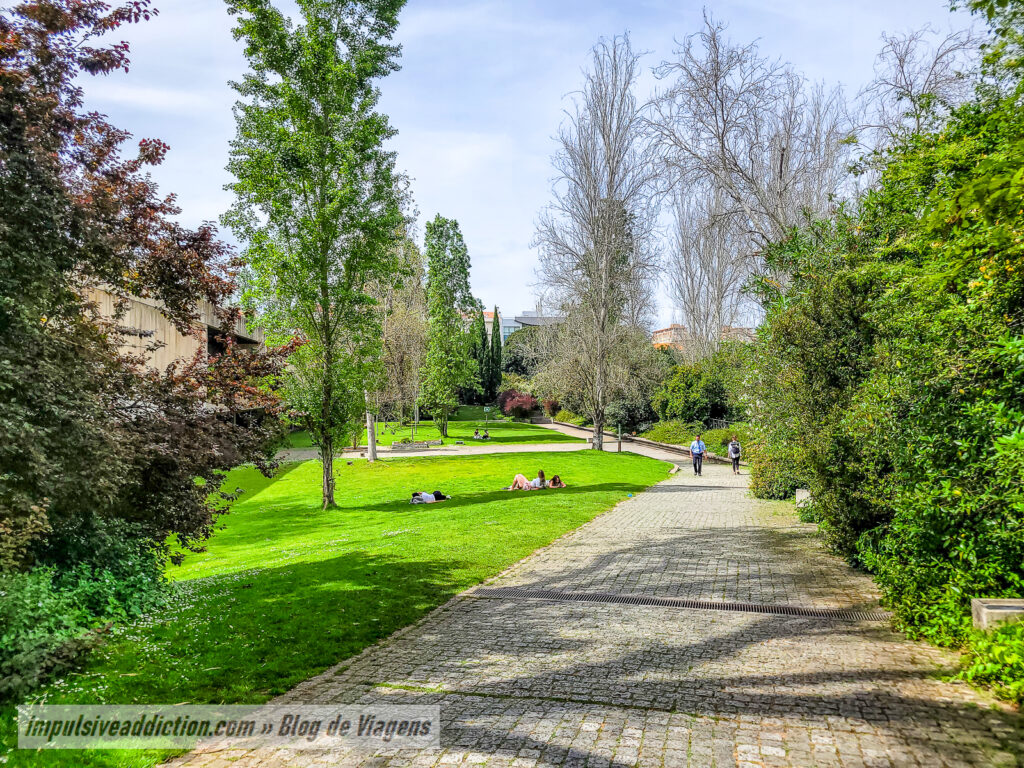
15. Gulbenkian Garden
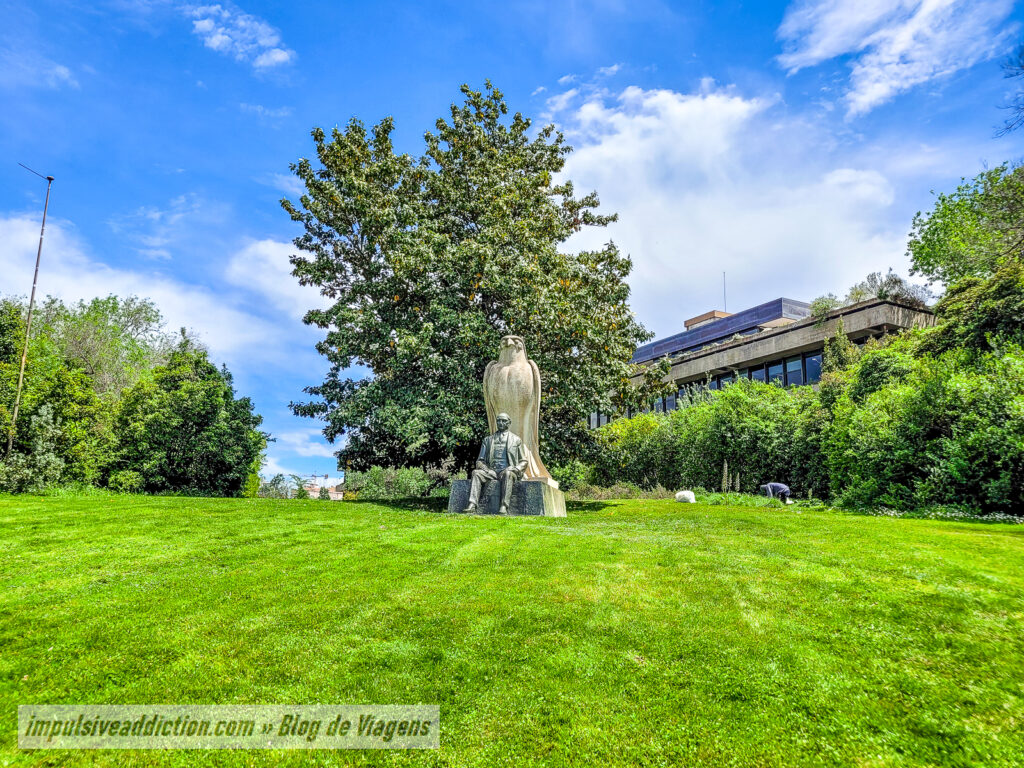
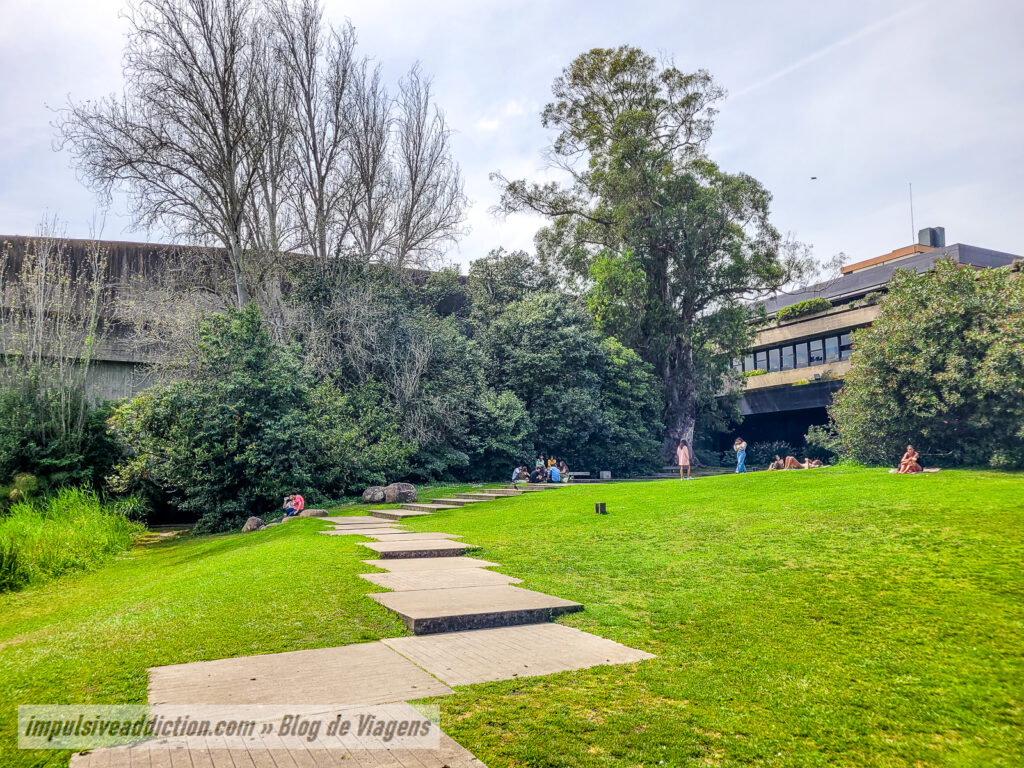
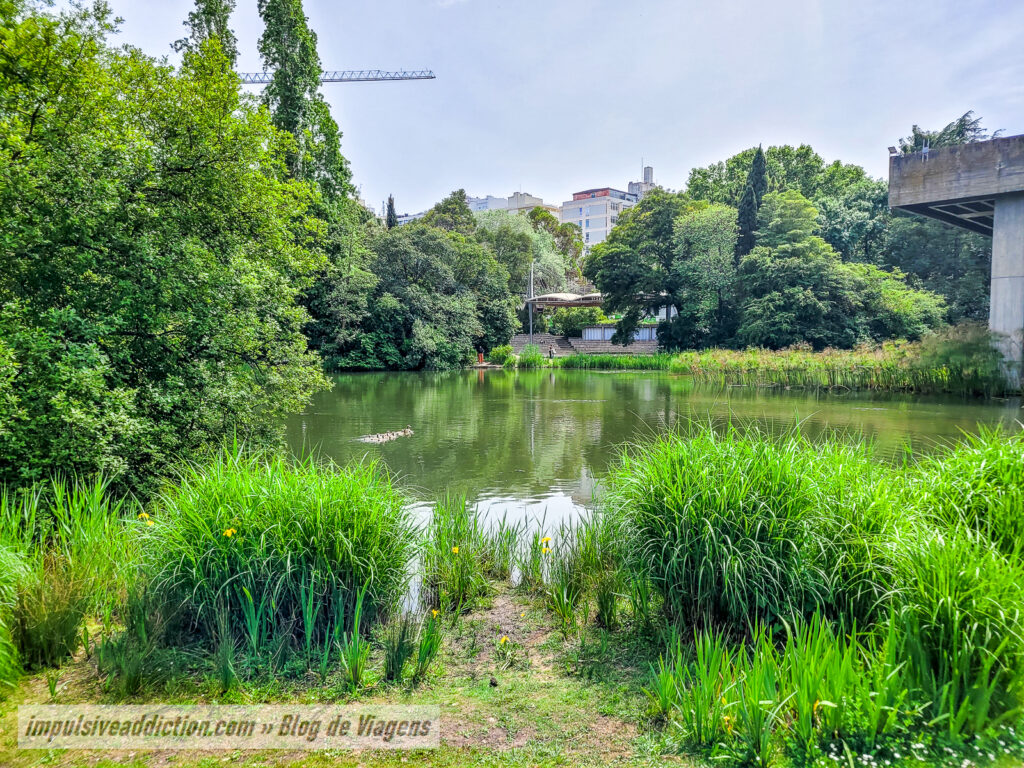
The Gulbenkian Garden — formerly the Parque de Santa Gertrudes — spreads across 8 hectares (6.7 of them landscaped) along Avenida de Berna, near Lisbon’s Praça de Espanha. Designed in the 1960s by renowned landscape architects António Viana Barreto and Gonçalo Ribeiro Telles, it is considered one of the finest examples of modern landscape design in Portugal. Inspired by the forms, colours and ecology of the Mediterranean, the garden creates a series of harmonious “micro-landscapes” that feel both natural and intimate.
A central lake, winding streams, terraced lawns, shaded pathways and an open-air amphitheatre set the scene. In summer, the amphitheatre hosts concerts and performances; all year round, the space supports rich biodiversity, with over 230 plant species and some 43 species of birds that thrive among the water features and wooded areas.
16. Eduardo VII Park
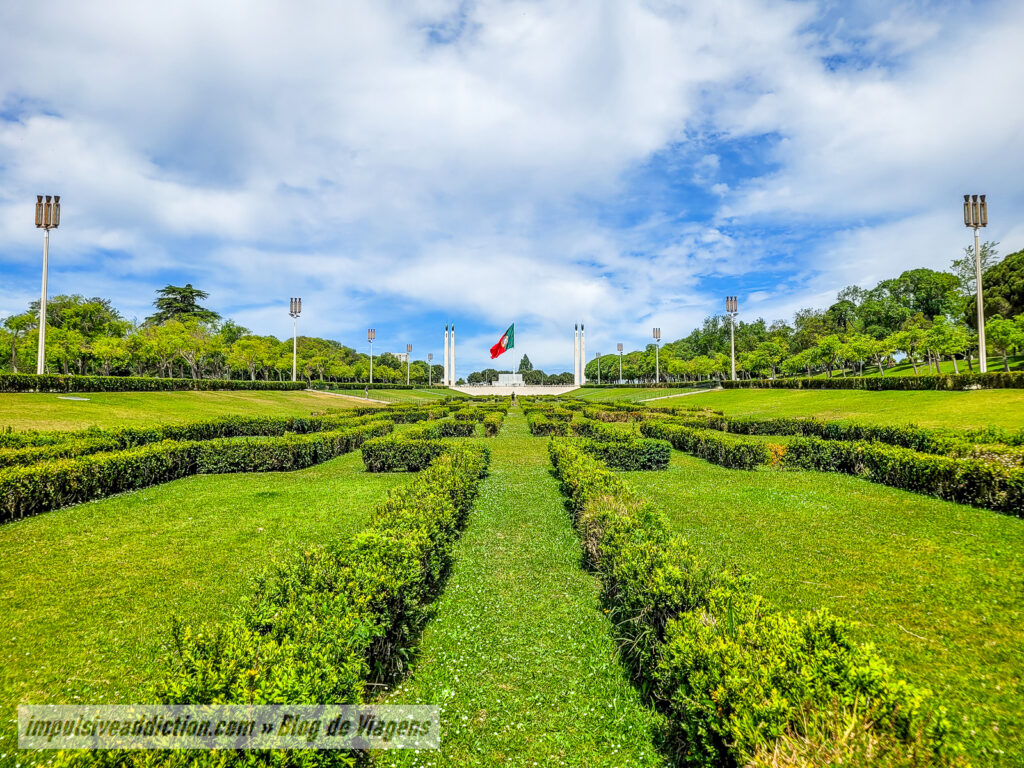
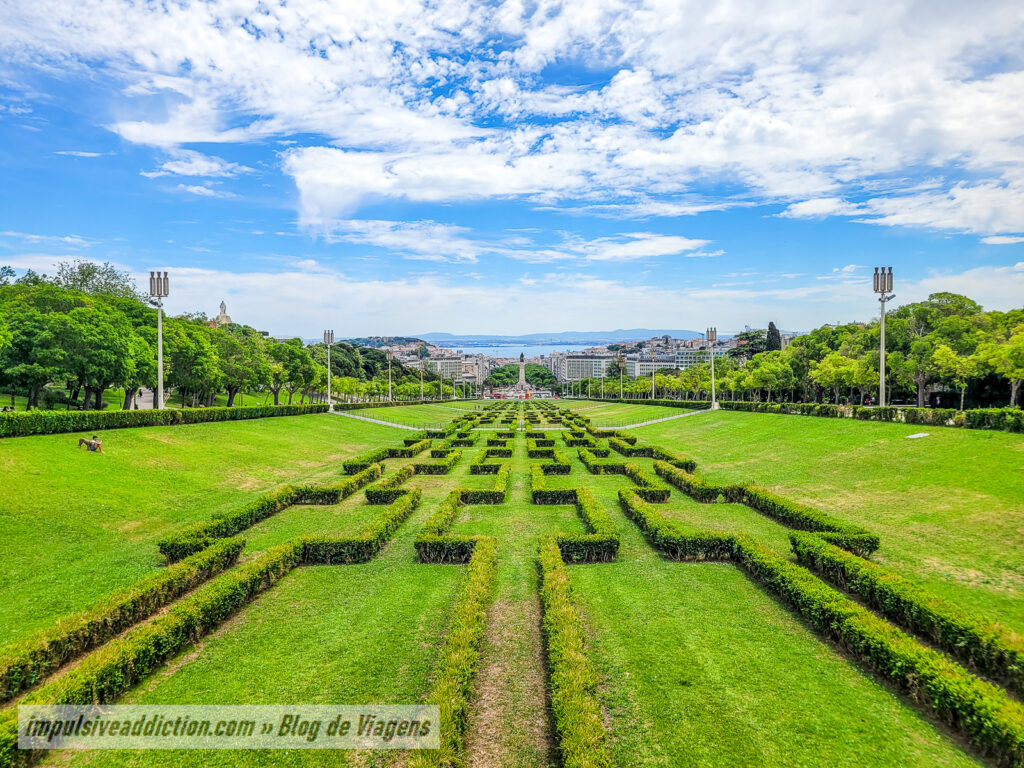
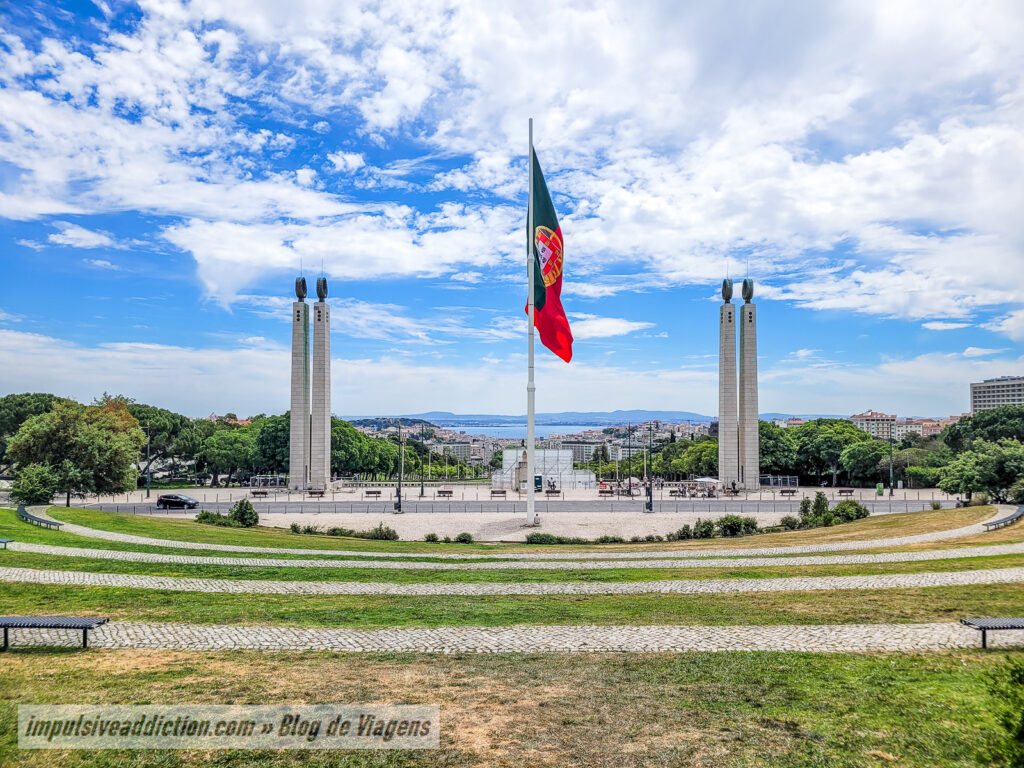
Eduardo VII Park — officially Parque de Eduardo VII de Inglaterra — covers around 26 hectares in one of Lisbon’s most central and iconic locations, just above Marquês de Pombal Square and the start of Avenida da Liberdade. Originally called Parque da Liberdade, it was renamed in 1903 to honour the visit of Britain’s King Edward VII, a gesture celebrating the centuries-old Anglo-Portuguese alliance.
In 1942, architect Francisco Keil do Amaral redesigned the park into its present layout: a wide central lawn flanked by Portuguese-paved walkways and shaded side avenues, following the park’s natural slope.
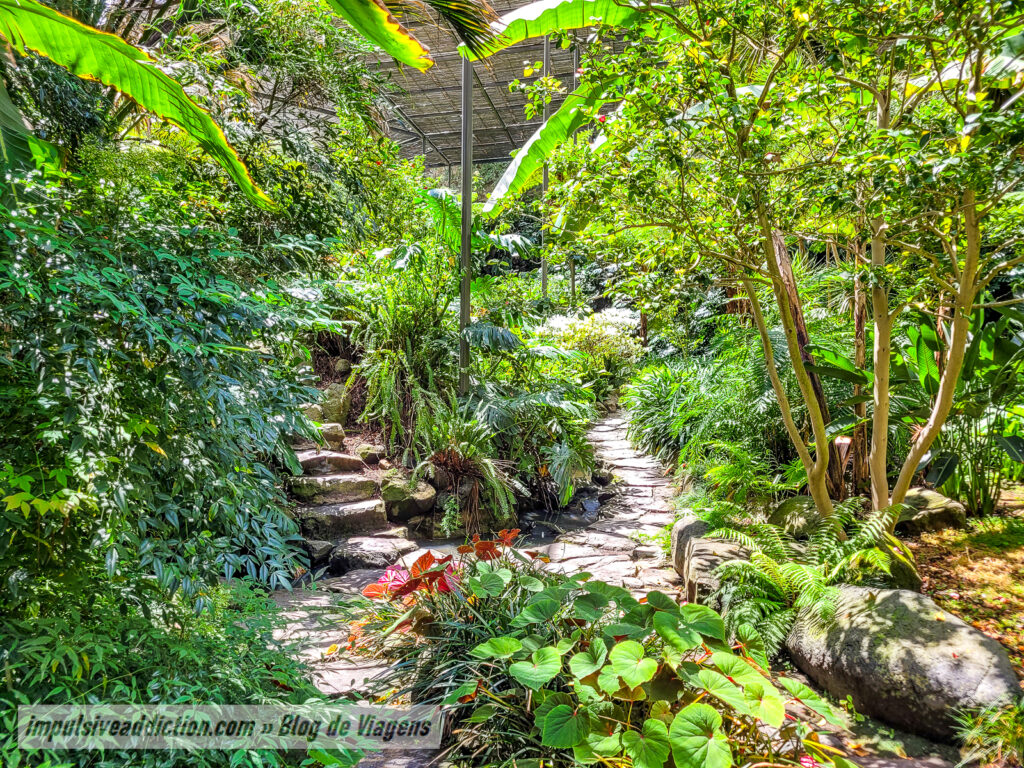
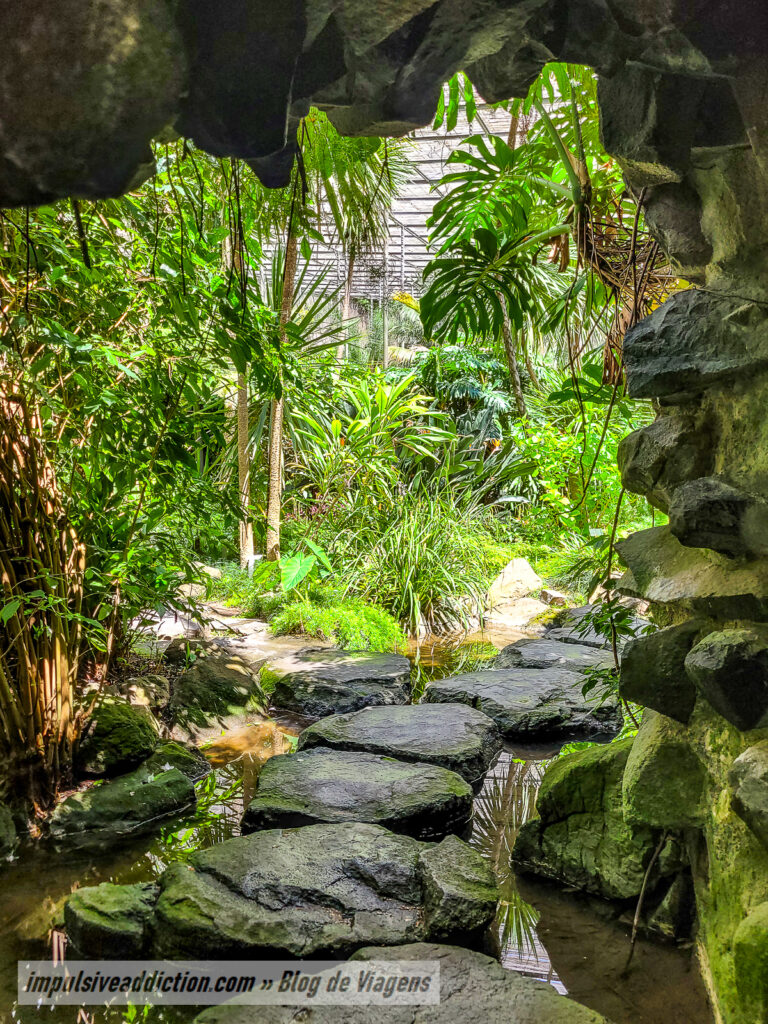
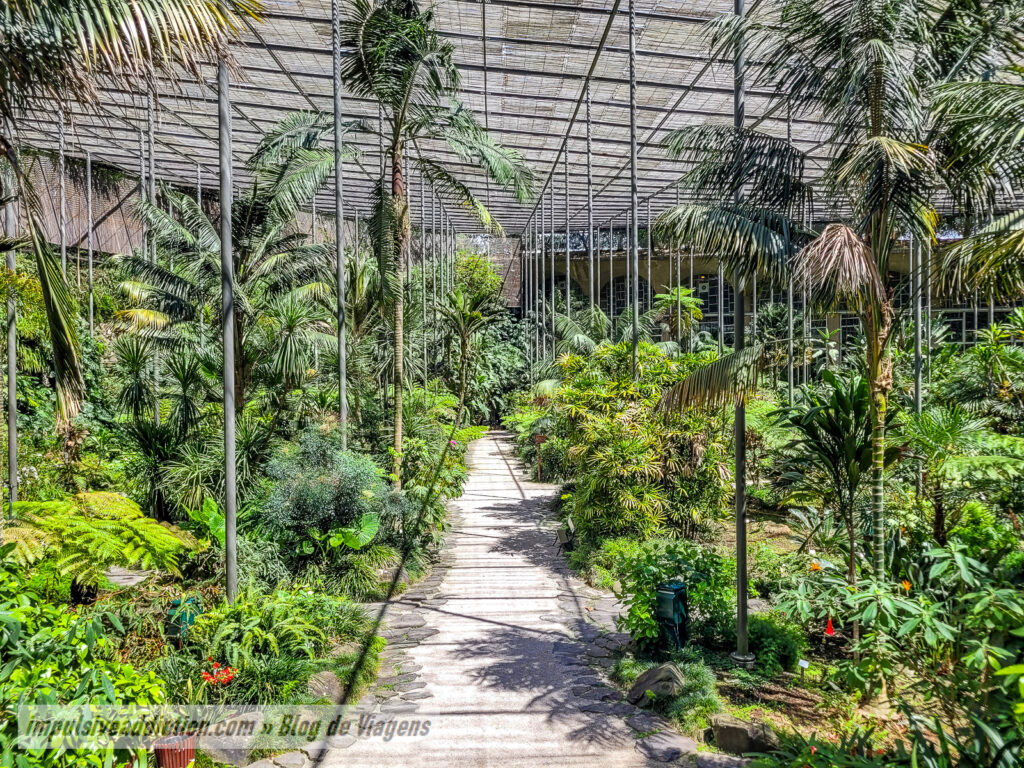
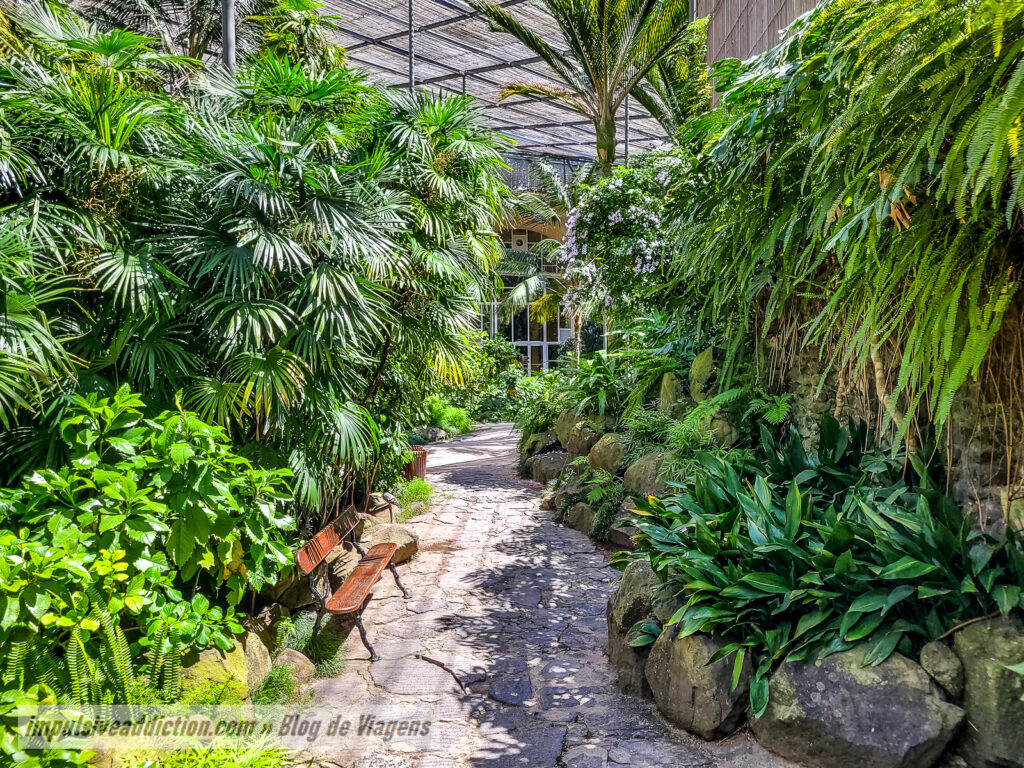
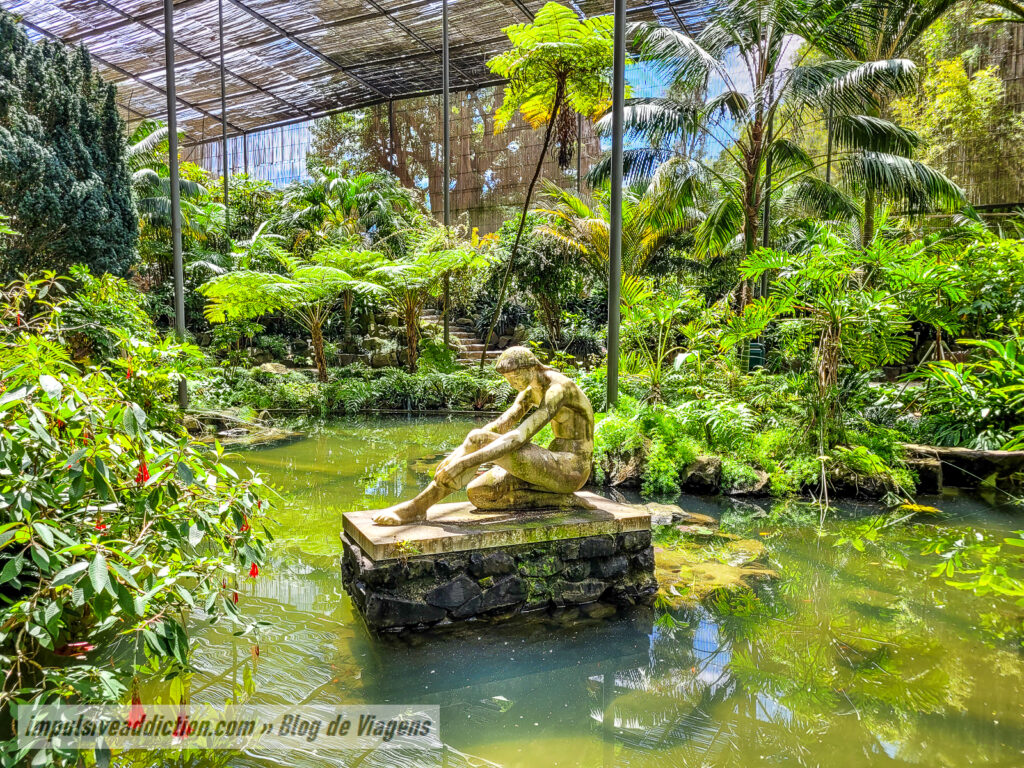
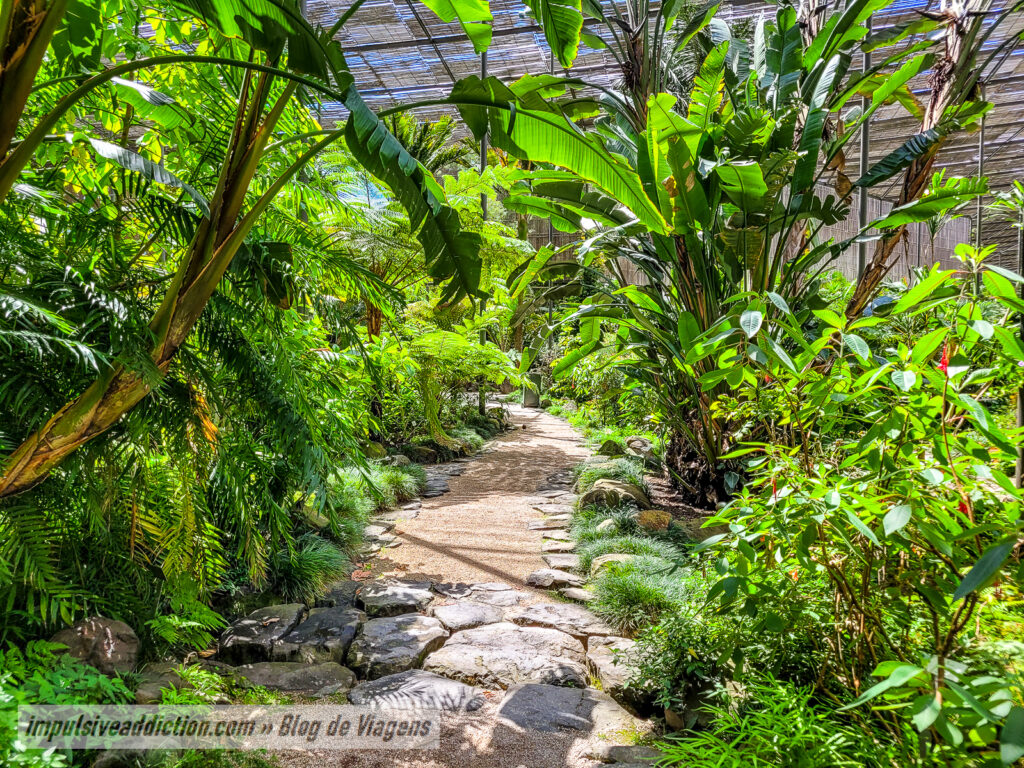
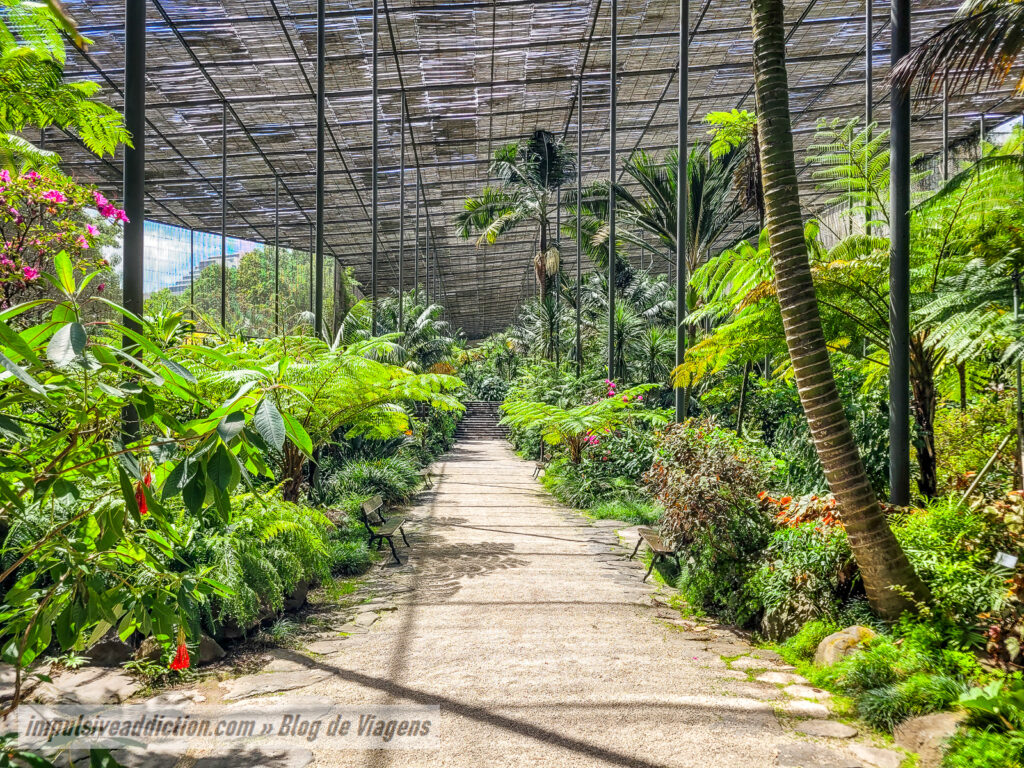
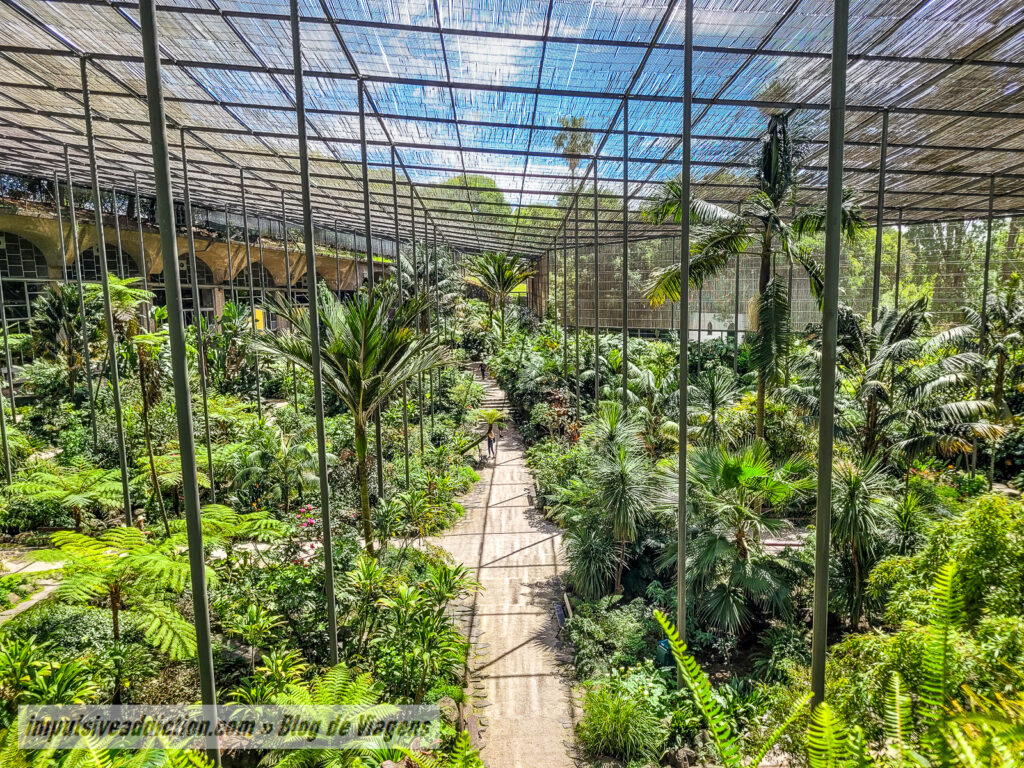
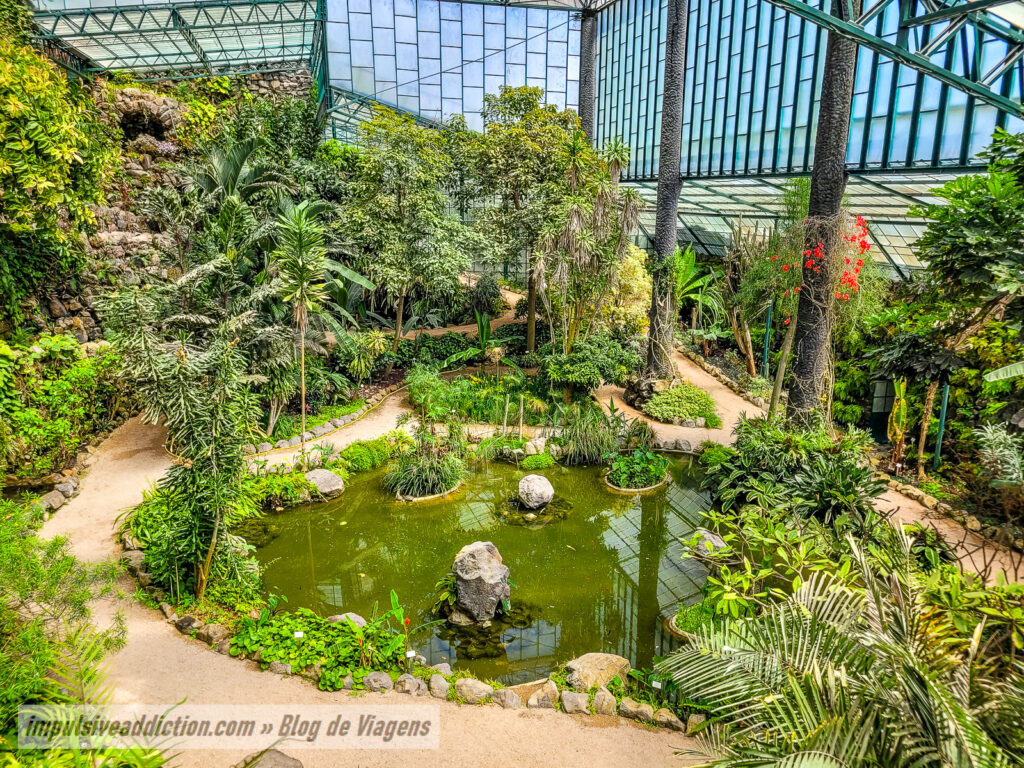
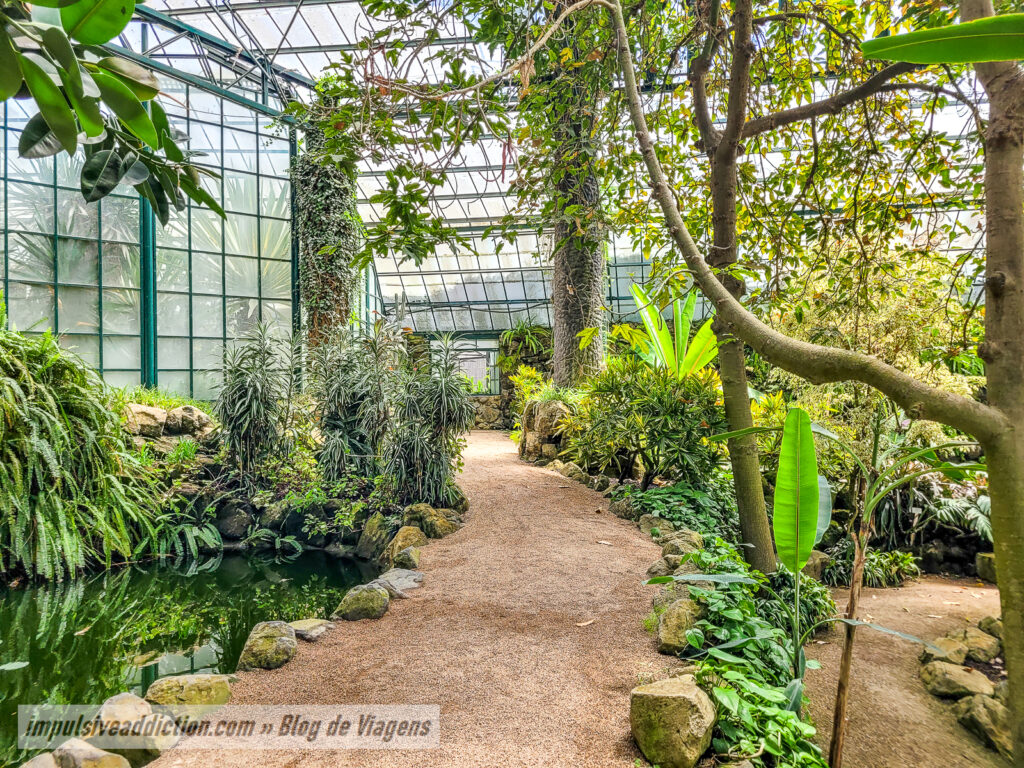
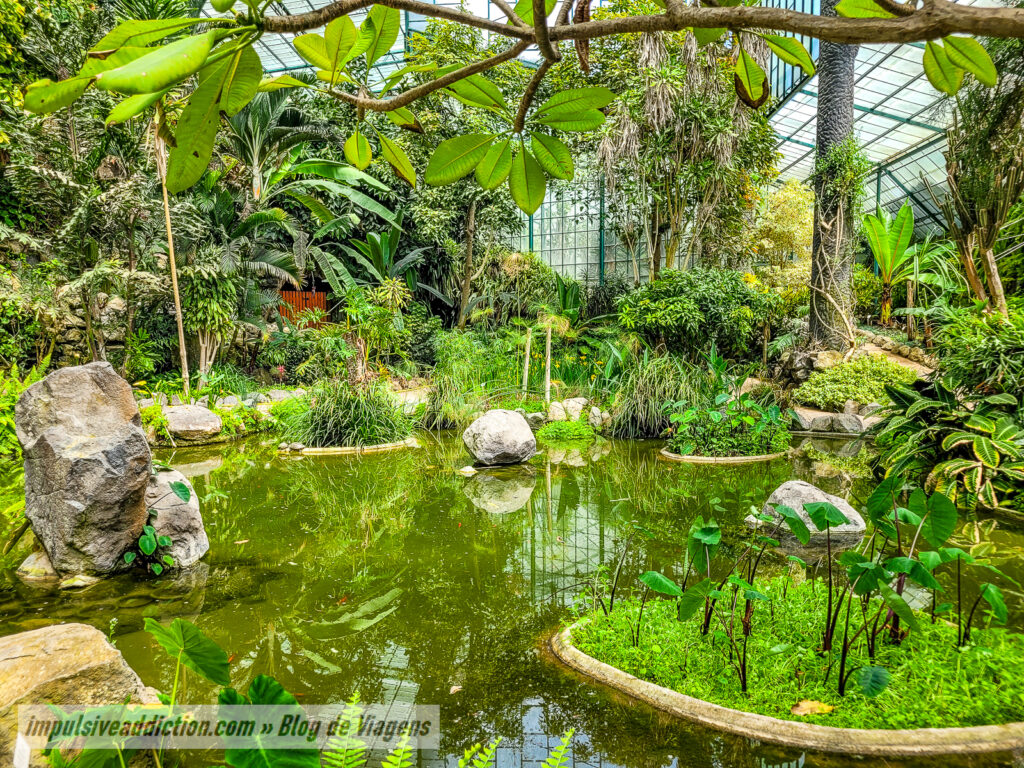
Its northwest corner is home to the Estufa Fria — a 1.5-hectare natural greenhouse and botanical garden, divided into three sections (Cold, Hot and Sweet) with exotic species, small lakes, waterfalls and palm groves. From the park’s upper viewpoint, you get sweeping views over Avenida da Liberdade, Lisbon’s downtown and the River Tagus.
17. Estufa Fria of Lisbon
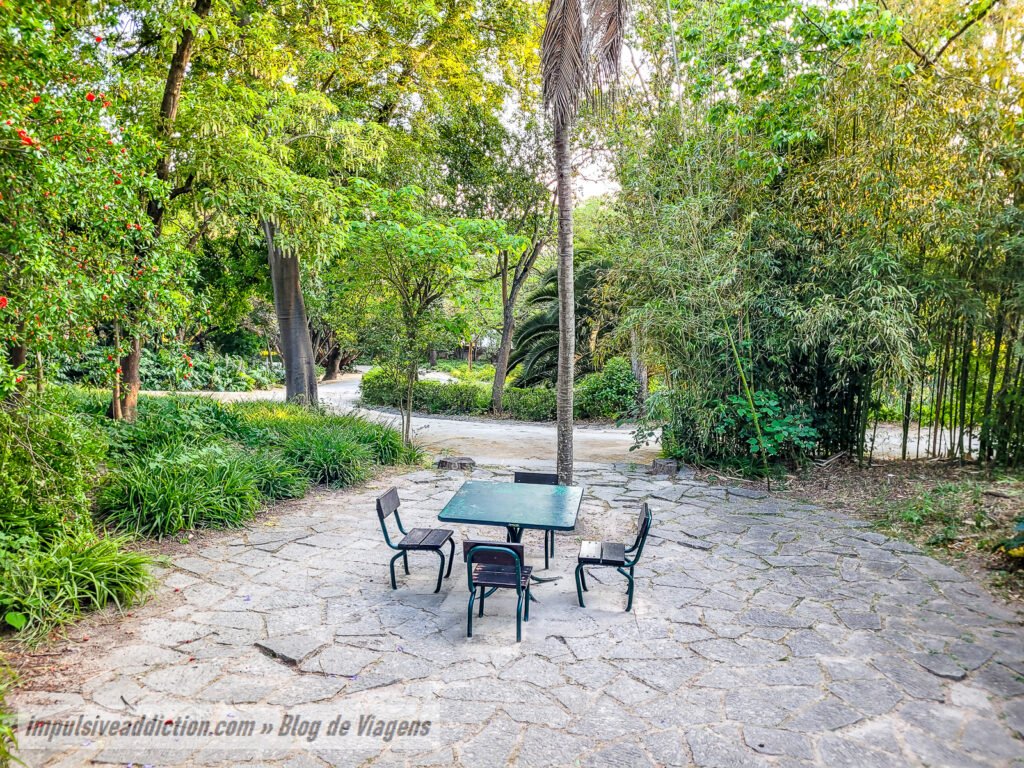
18. Tapada das Necessidades
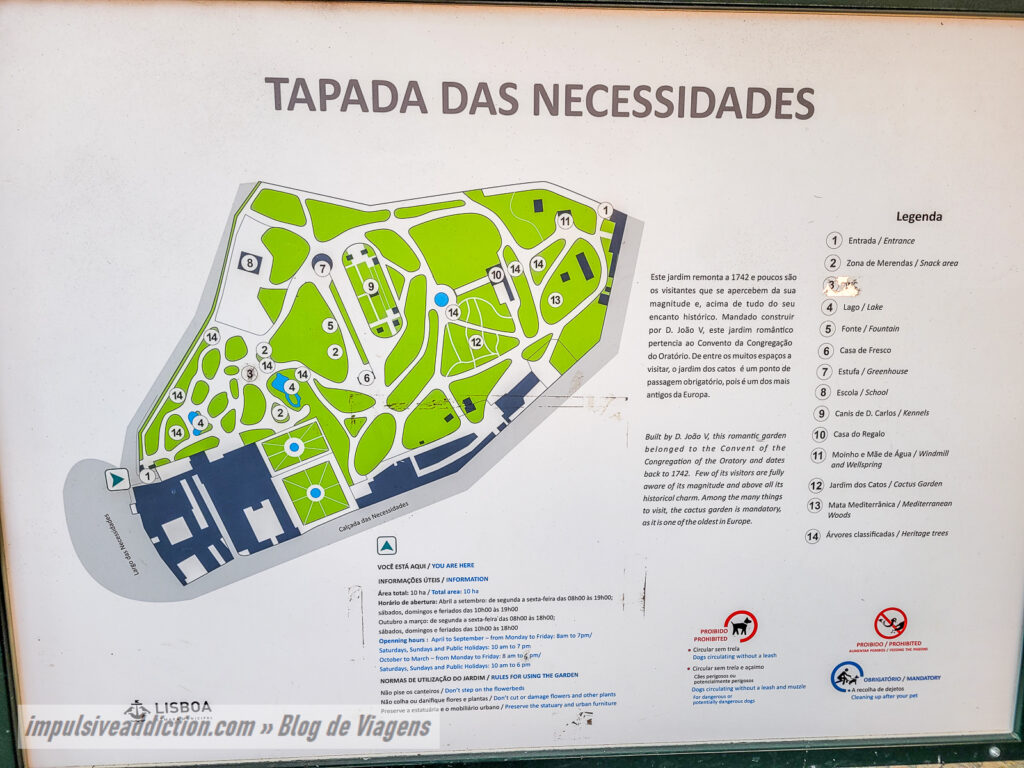
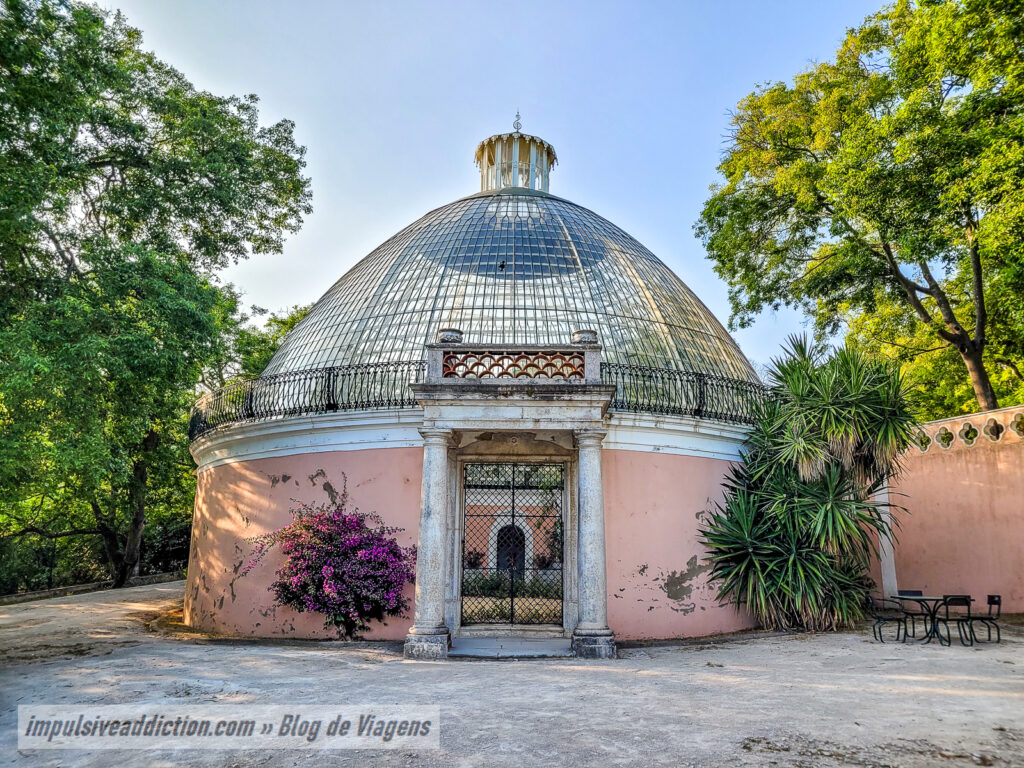
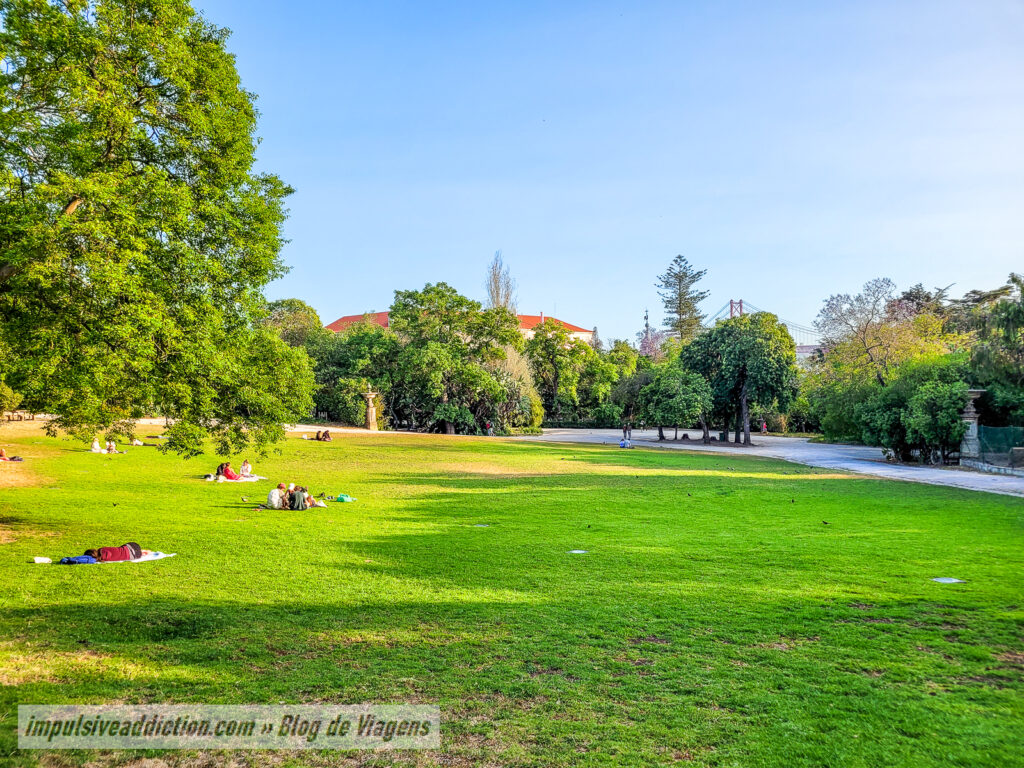
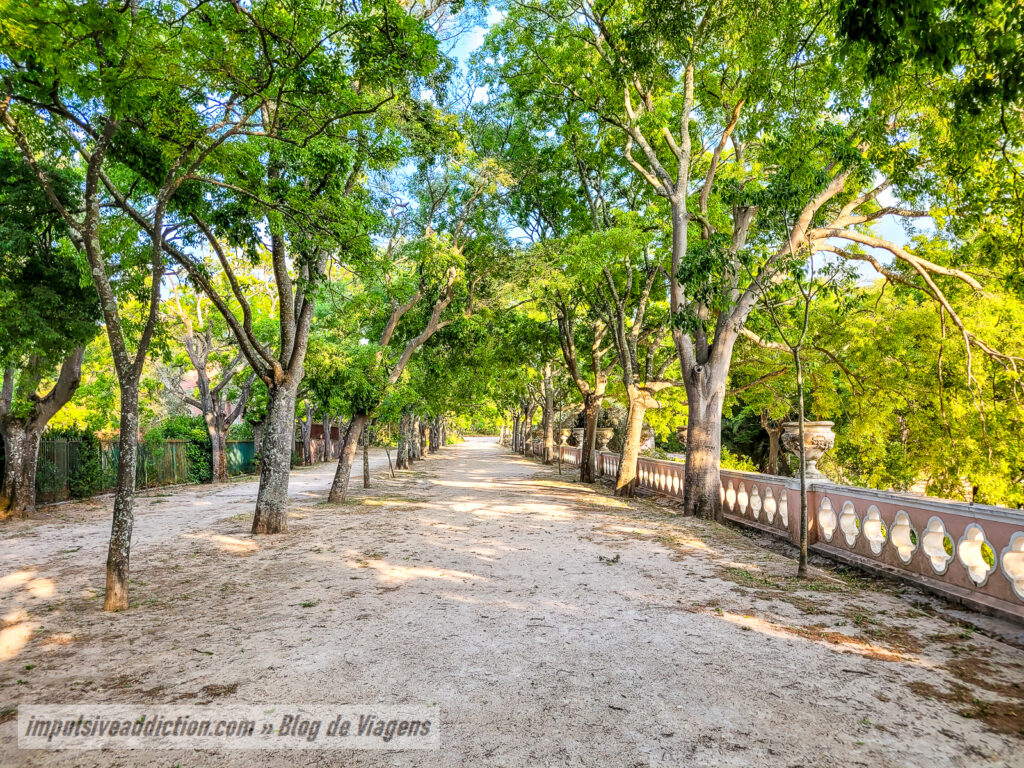
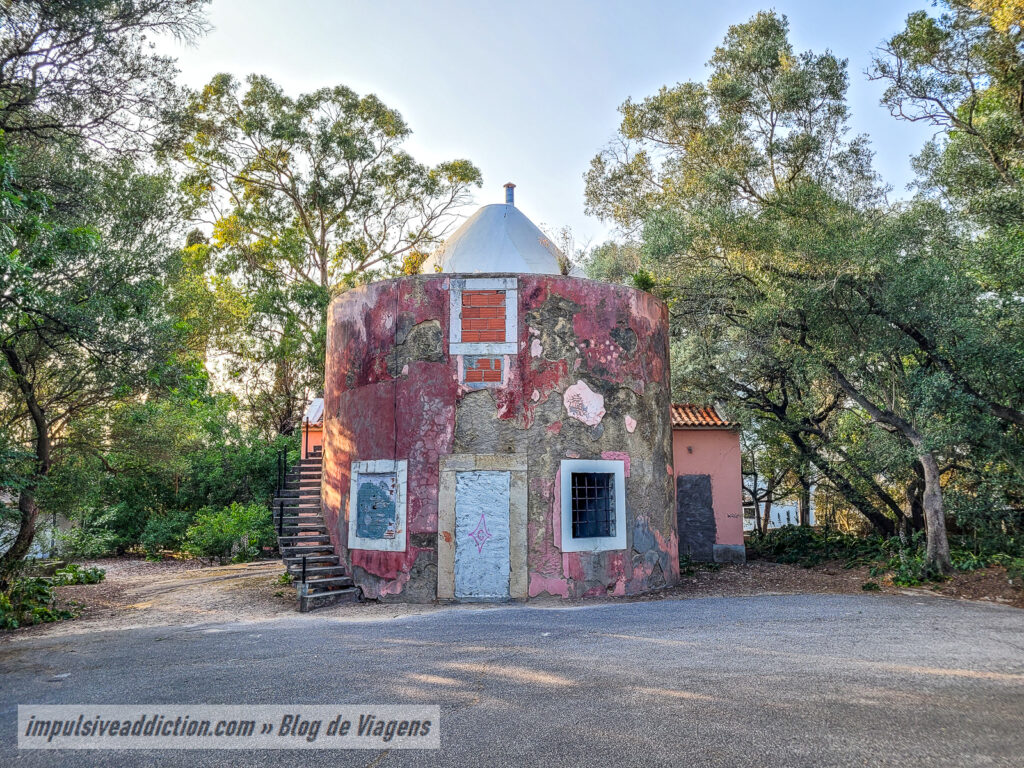
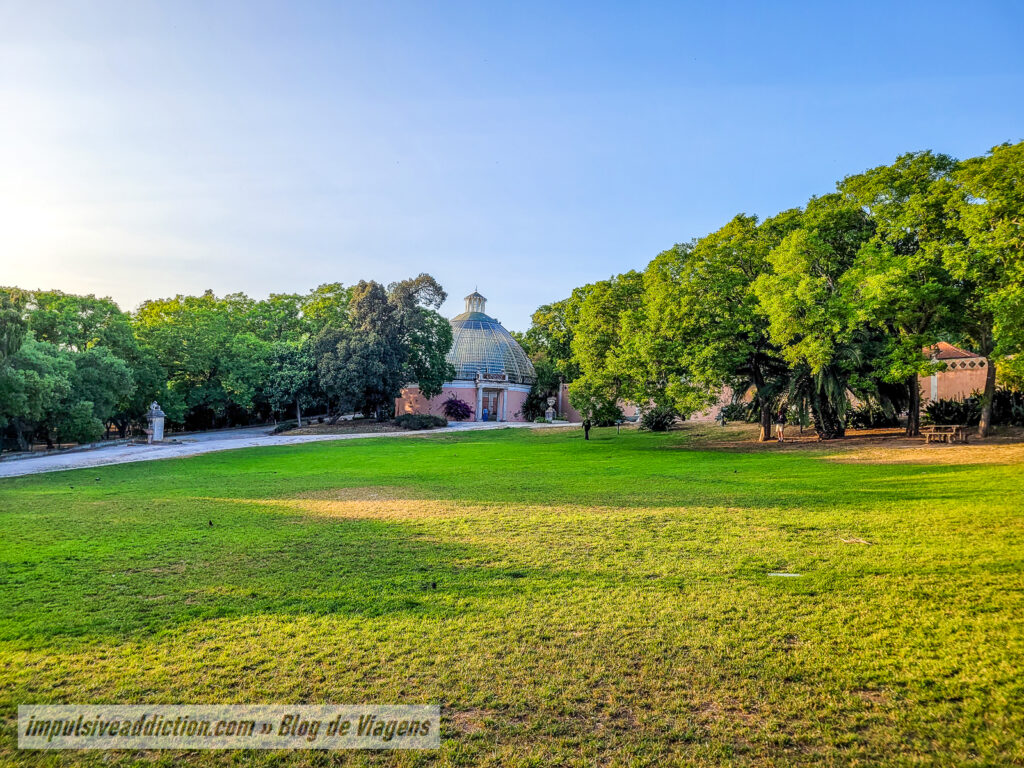
The Tapada das Necessidades, in the Prazeres neighbourhood of Alcântara, is a walled 10-hectare park surrounding the historic Palácio das Necessidades — a royal residence built by King João V in 1742. In the 19th century, King Fernando II remodelled it in the style of an English landscape garden. Between 1855 and 1861, King Pedro V added the striking circular greenhouse, while King Carlos introduced pavilions, tennis courts, and the charming Casa do Regalo.
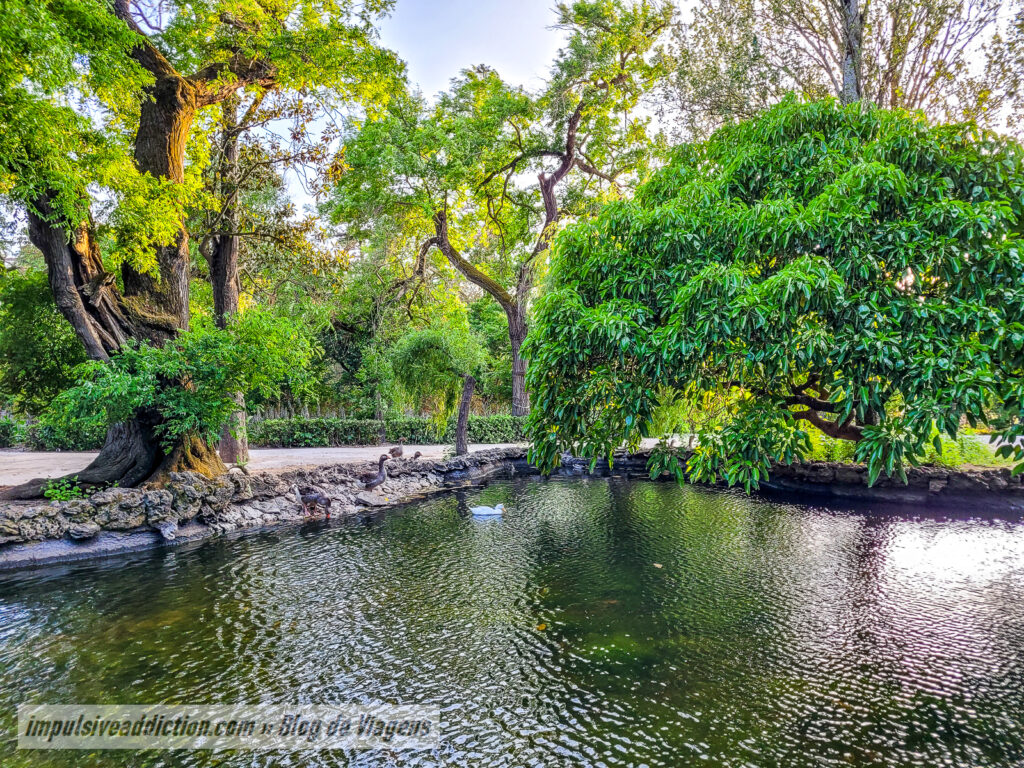
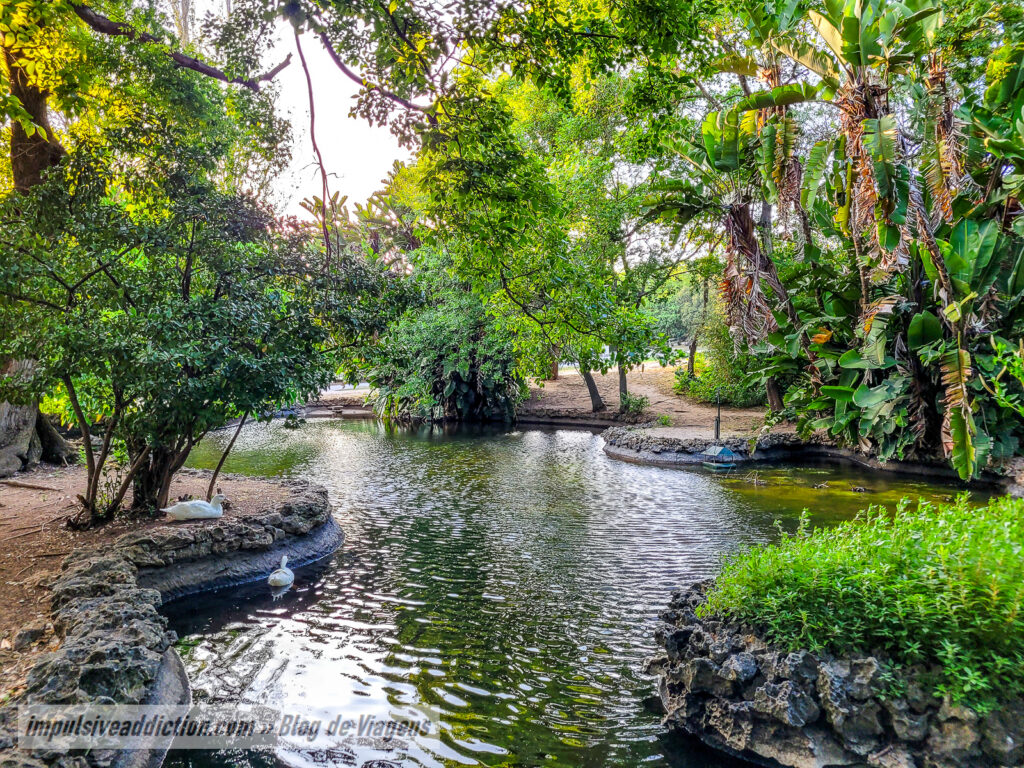
The park is home to three lakes — Palmeira, Estrelícias, and Duque de Lafões — framed by exotic vegetation, waterfalls, fountains, and sculptures, including the “Virtues” ensemble and a bust of King João V.
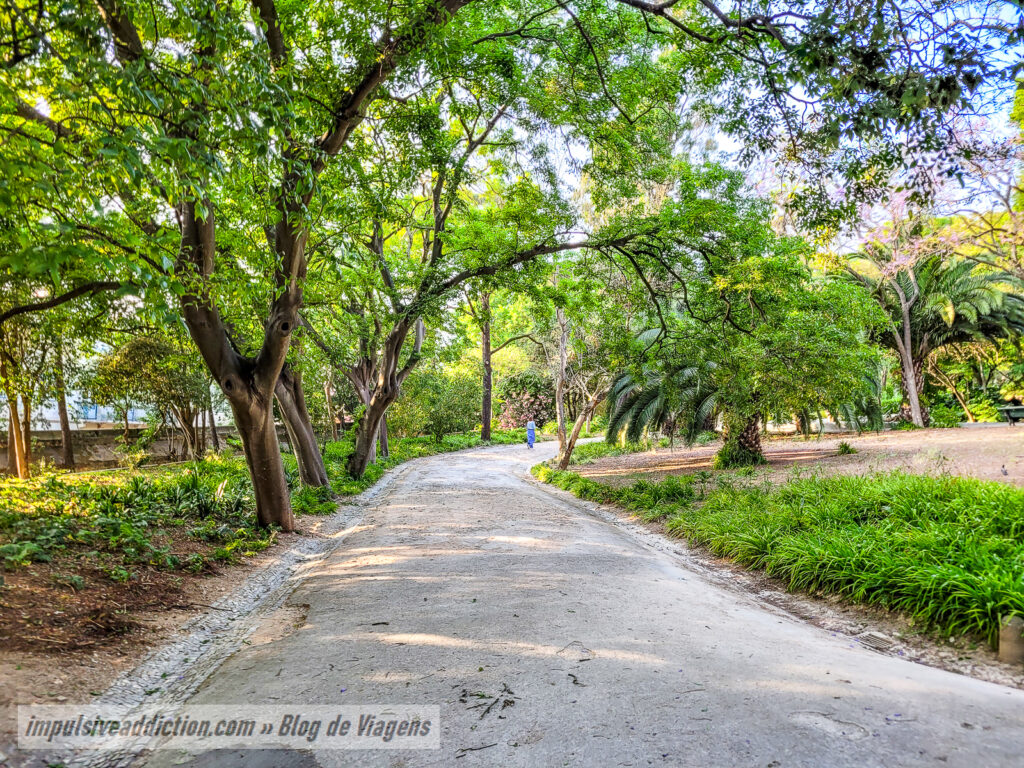
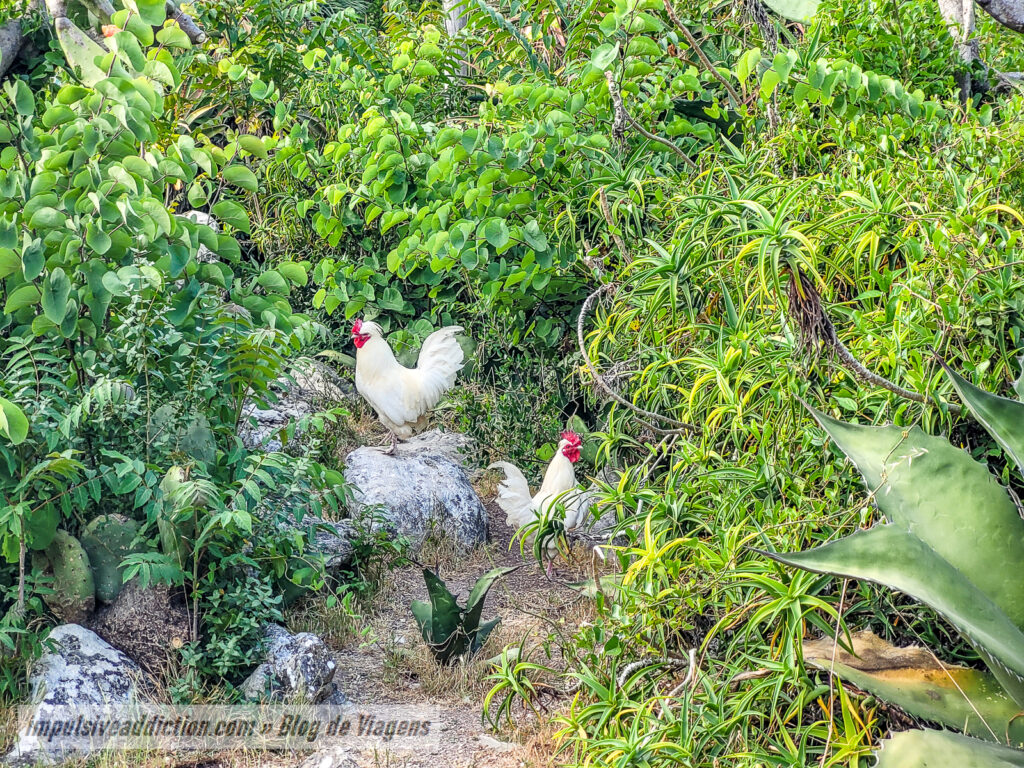
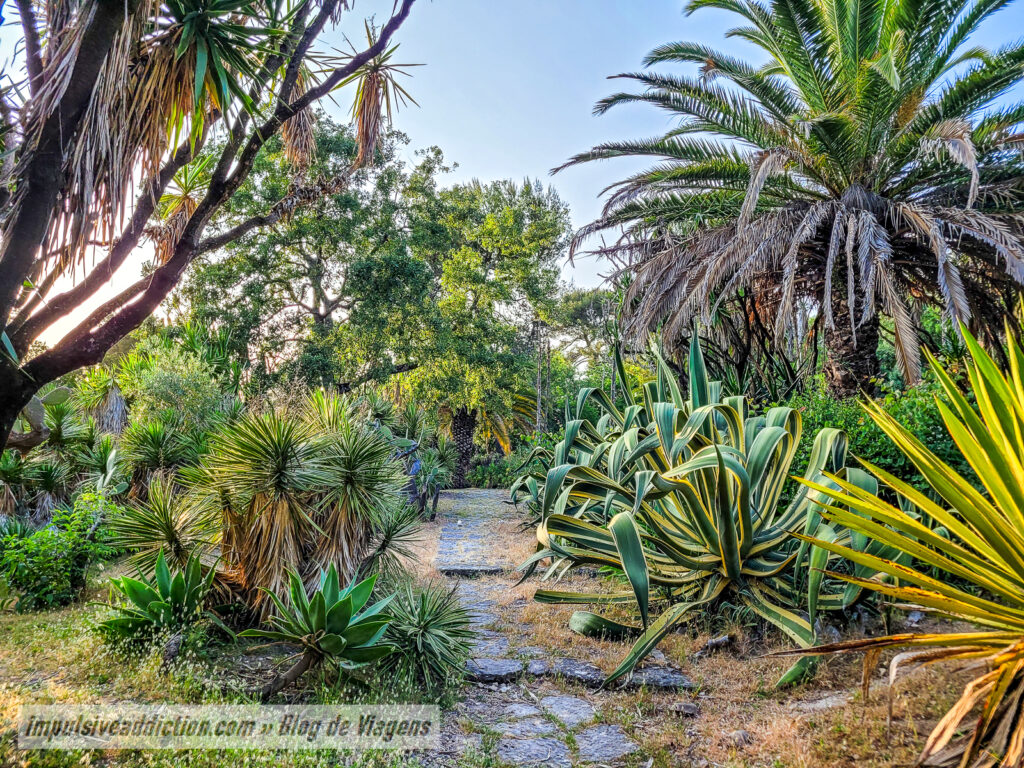
Today, the Tapada is a semi-hidden urban refuge, beloved by locals for its shady walking paths, picnic spots, and peaceful atmosphere. A grassy clearing near the south entrance hosts summer concerts, while the dense woodland shelters stone pines, palms, acacias, Japanese pagoda trees, carob trees, and pepper trees — many classed as of public interest. One of its crown jewels is the Cactus Garden, among the earliest and most impressive of its kind in Europe.
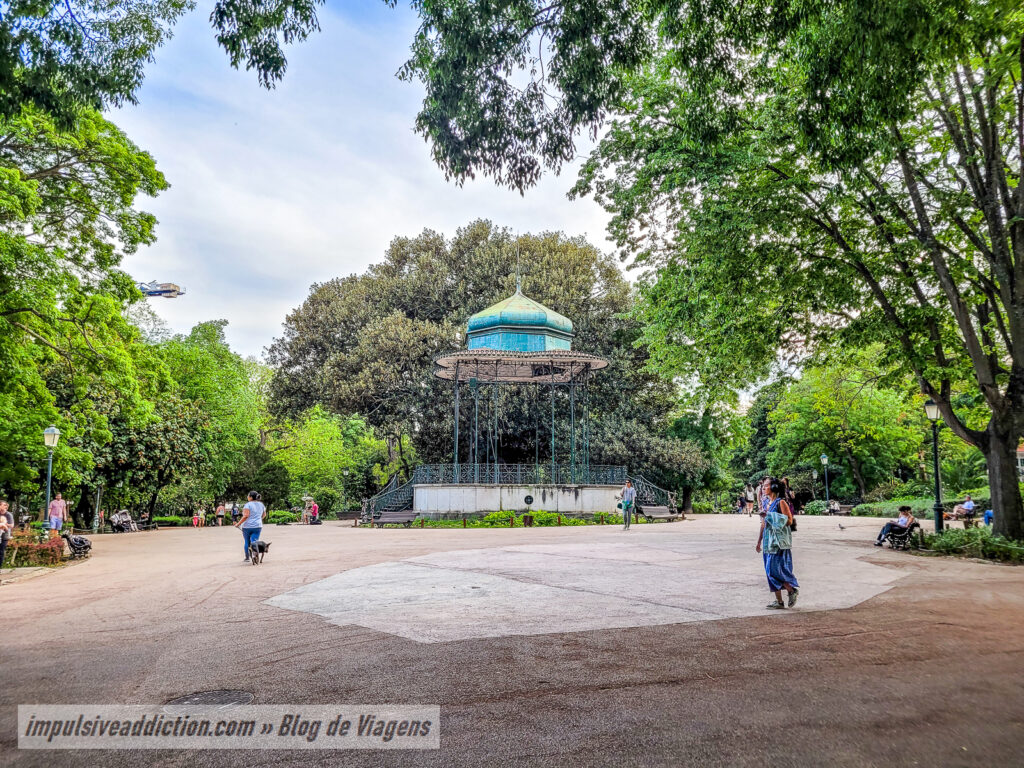
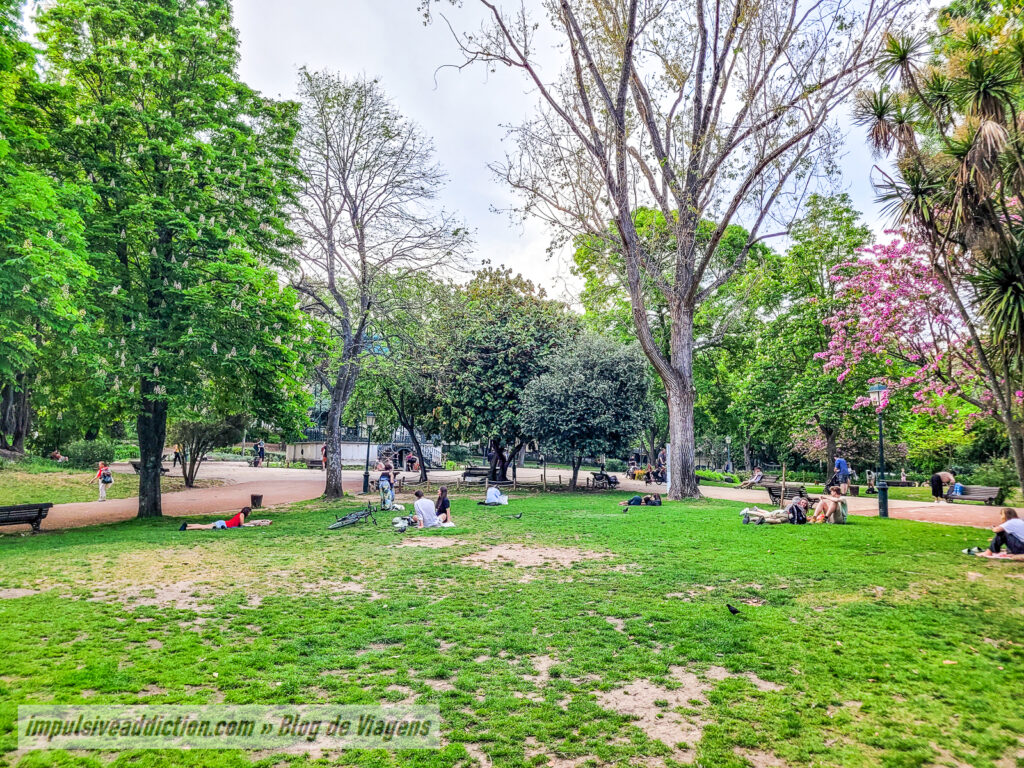
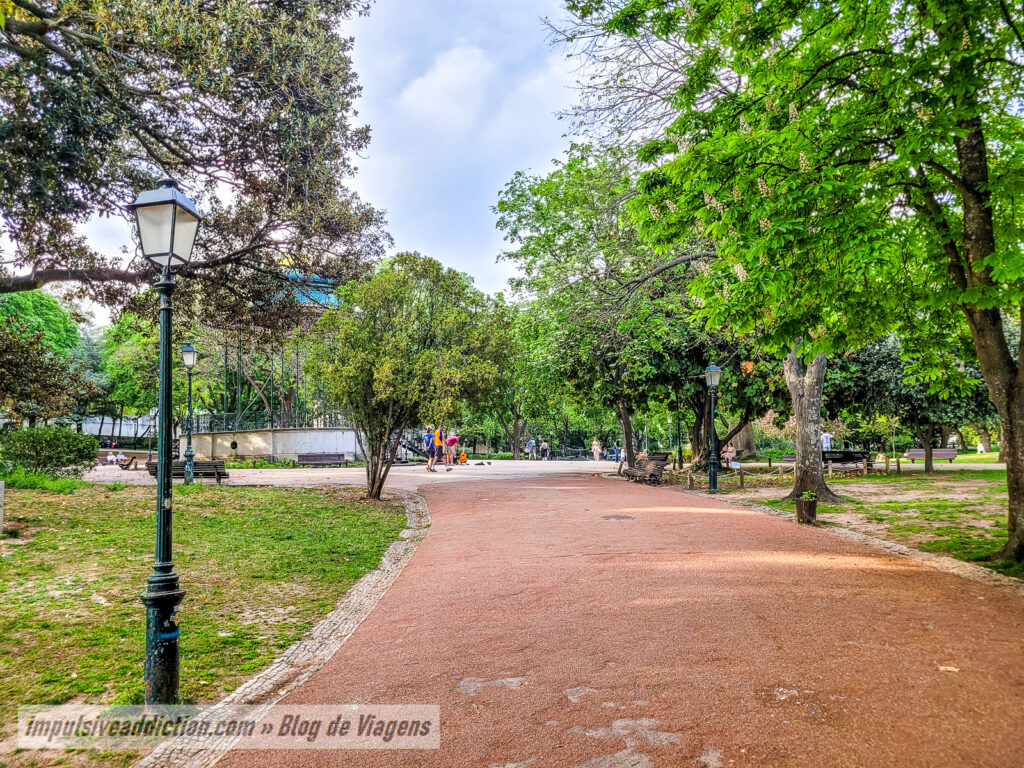
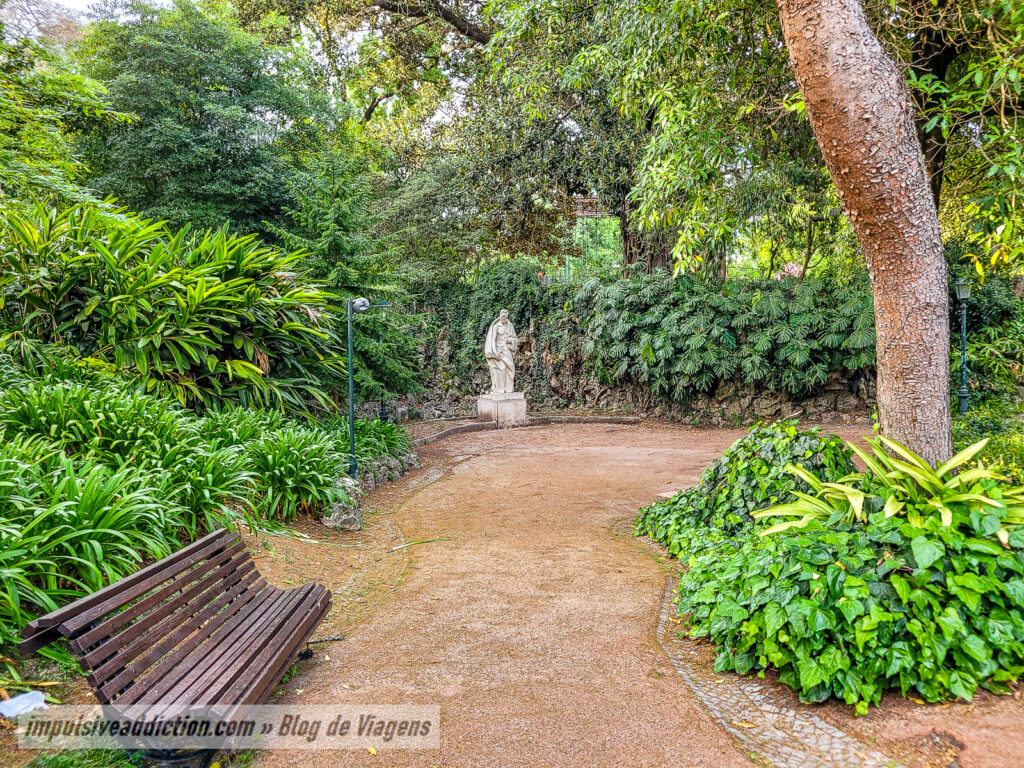
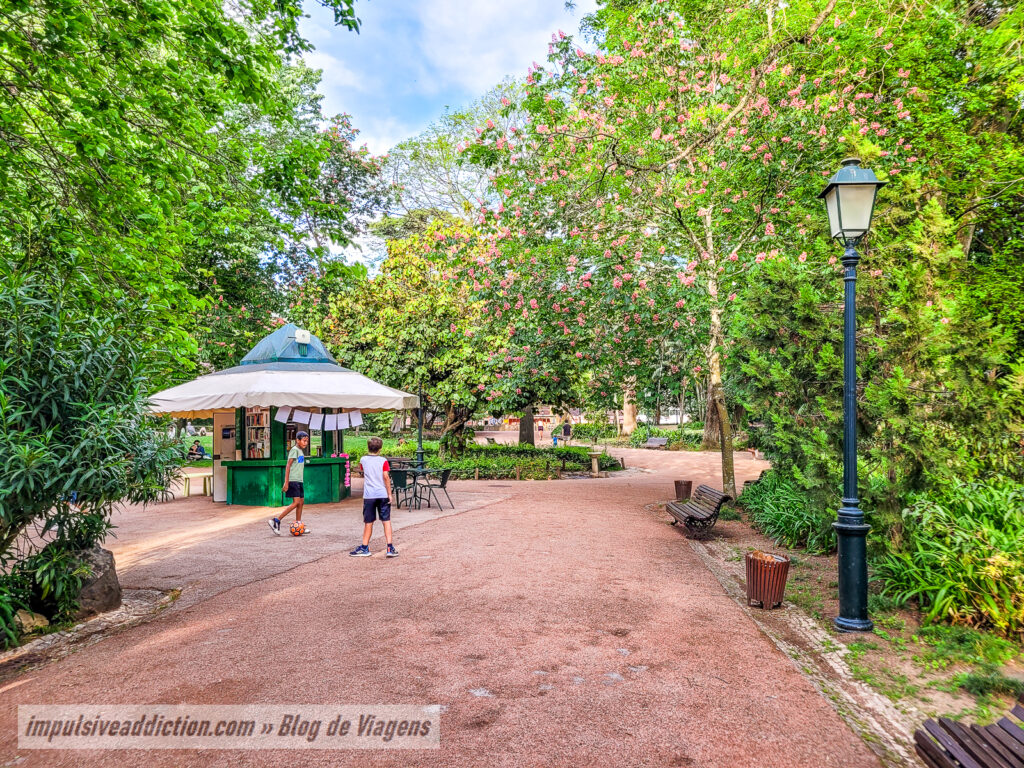
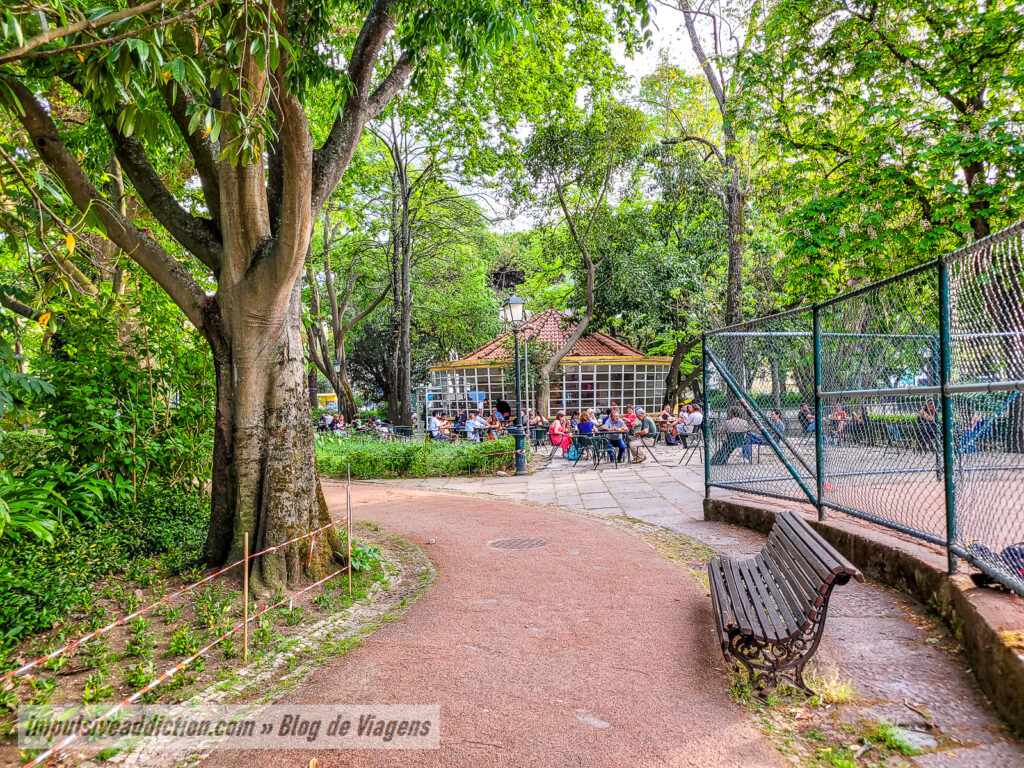
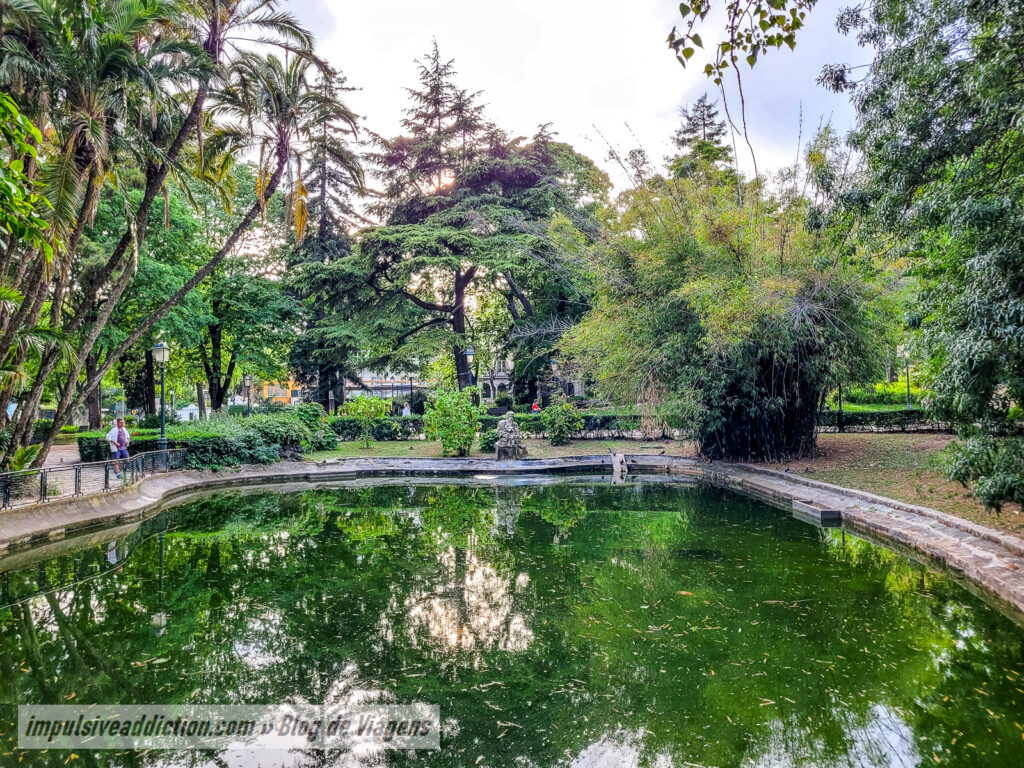
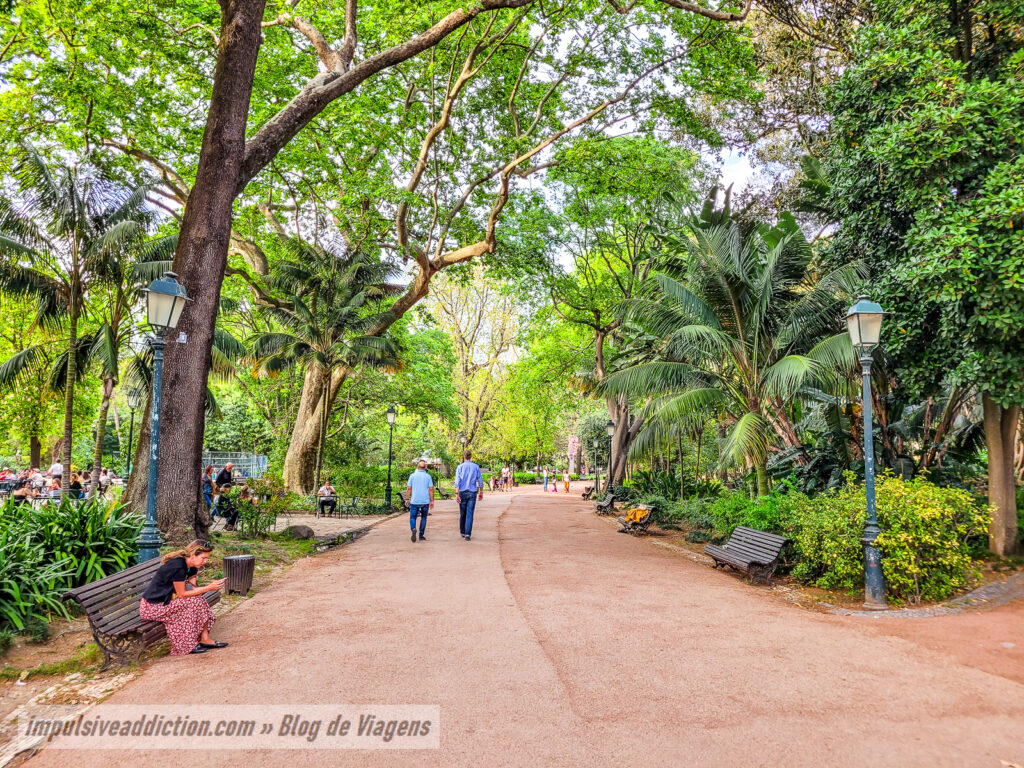
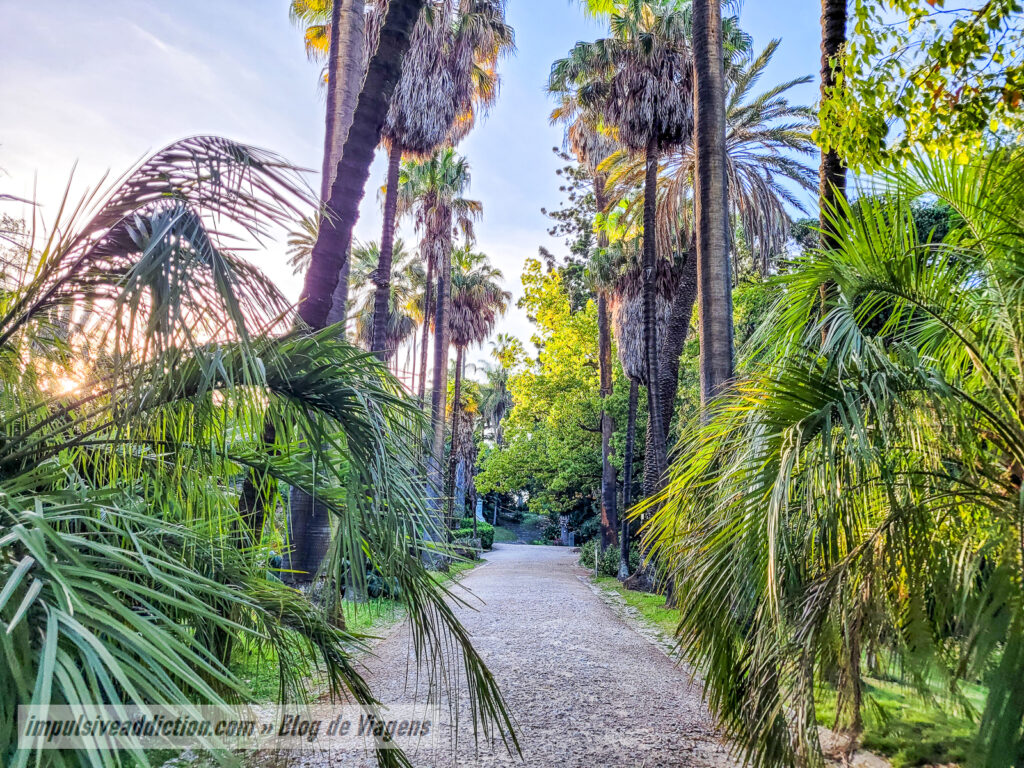
19. Jardim da Estrela
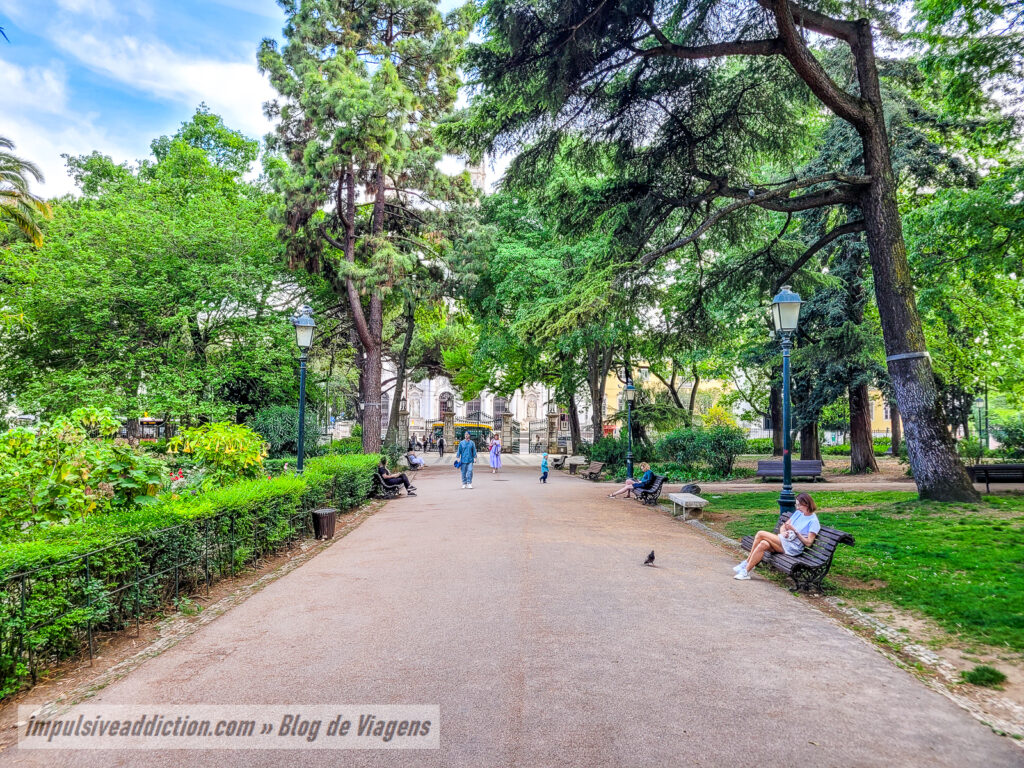
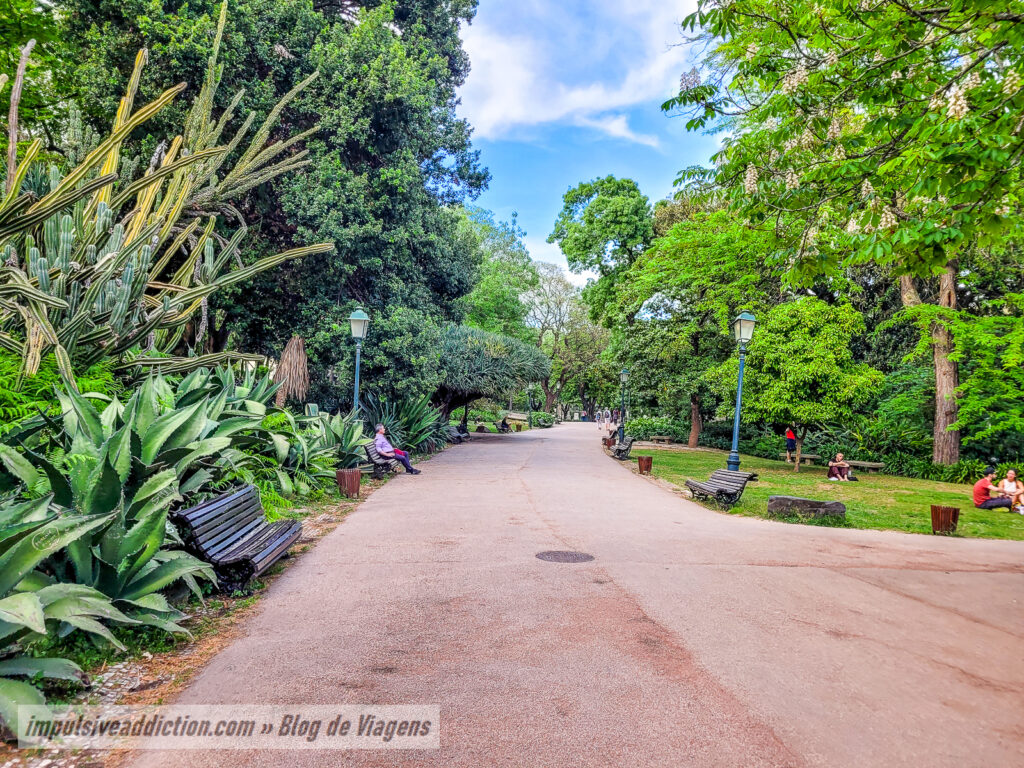
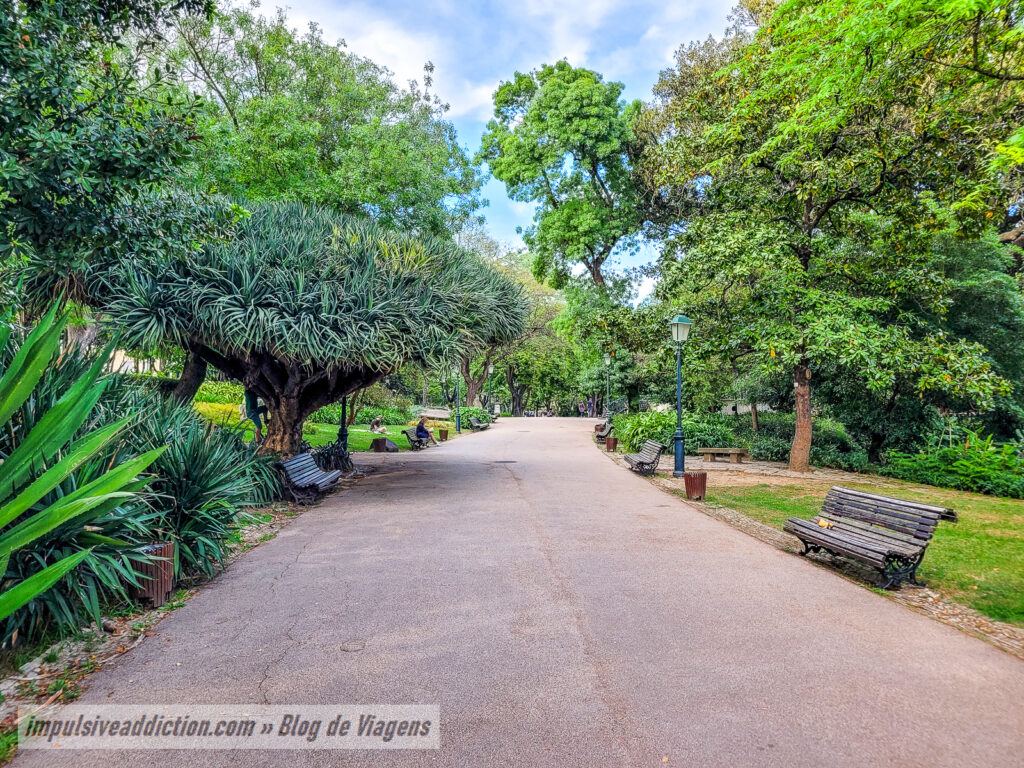
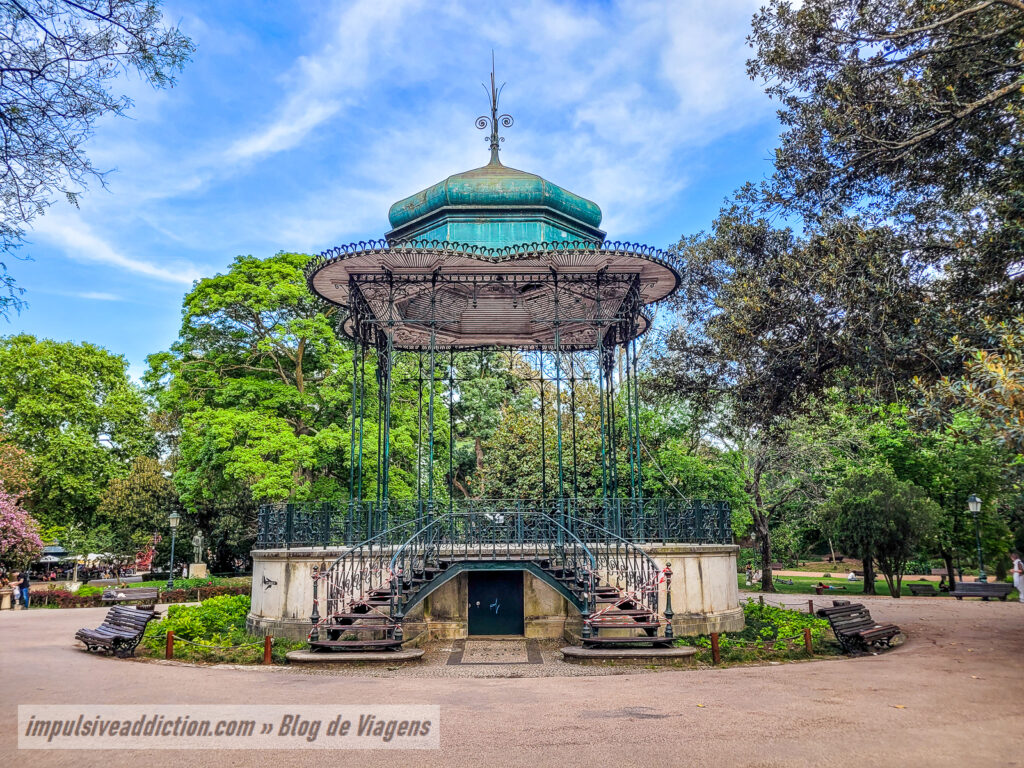
Facing the Basílica da Estrela, the Jardim da Estrela is a Lisbon classic — a romantic 19th-century garden laid out in the style of English landscape parks. Meandering paths lead past lakes with little islands, iron bridges, sinuous flowerbeds, and a remarkable collection of trees, including jacarandas, tipu trees, araucarias, and palms. At any time of year it’s a peaceful retreat, but in spring the purple canopy of blooming jacarandas gives the park an especially magical touch.
The garden is as much about daily life as it is about botany. A historic bandstand hosts concerts and activities, while playgrounds, shaded kiosks, and a small lake with ducks and turtles charm visitors of all ages. On weekends, neighbourhood markets and community events add extra vibrancy. It’s the perfect spot to bring a book, enjoy a picnic under the trees, or simply slow down and watch the city go by.
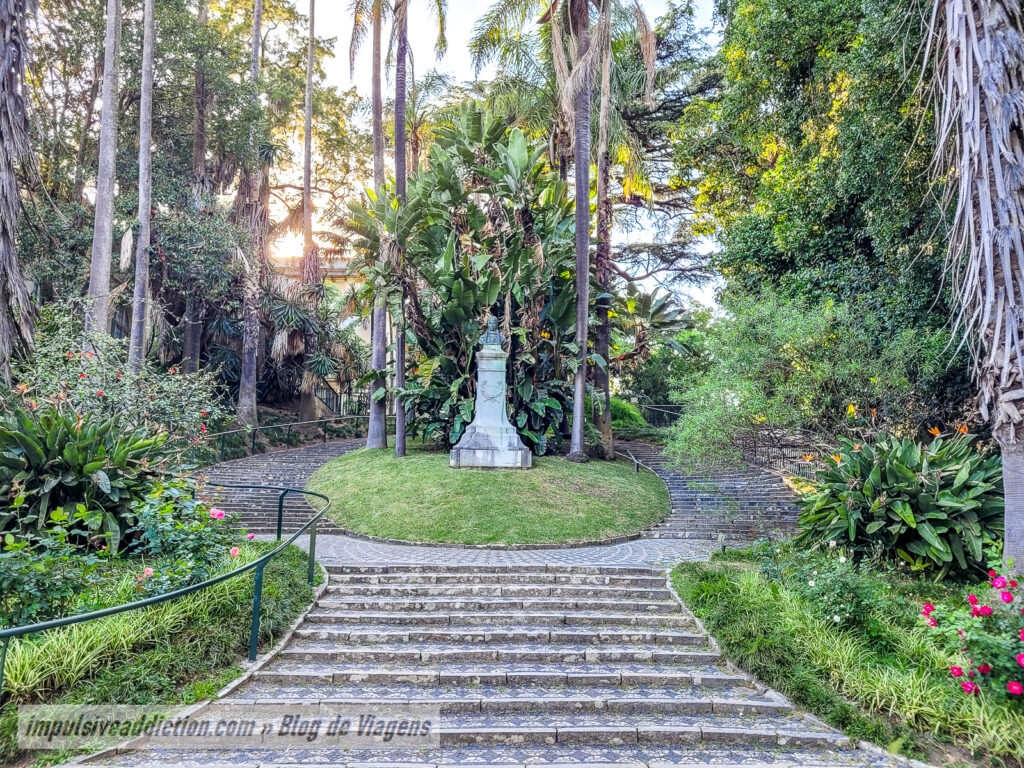
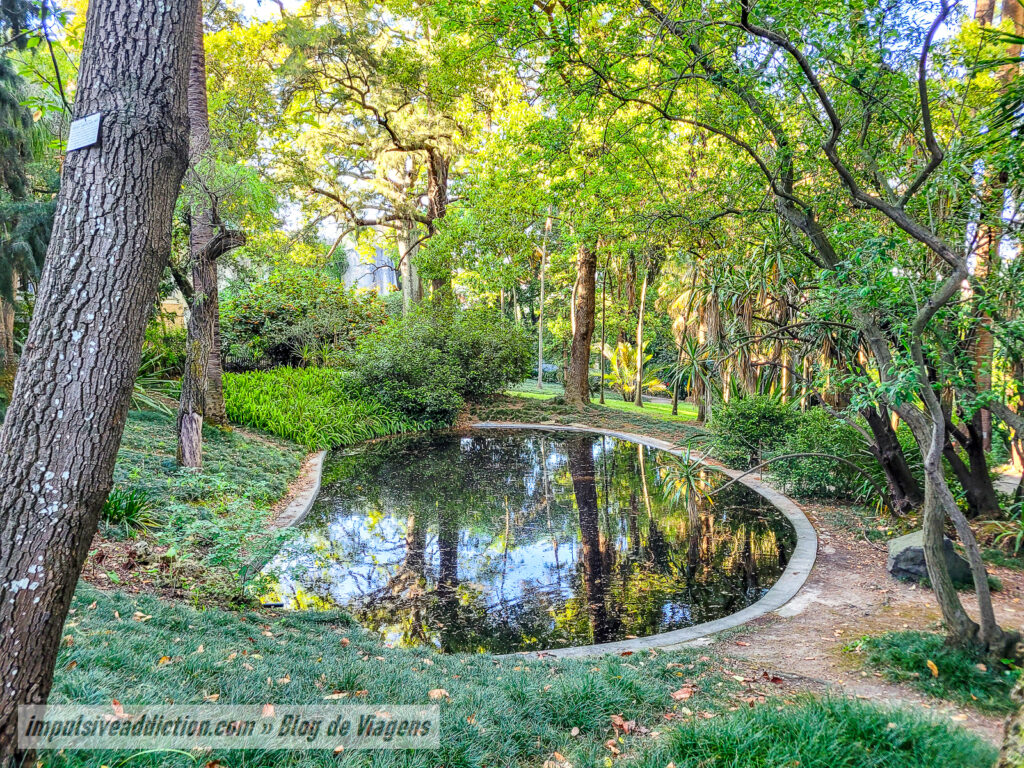
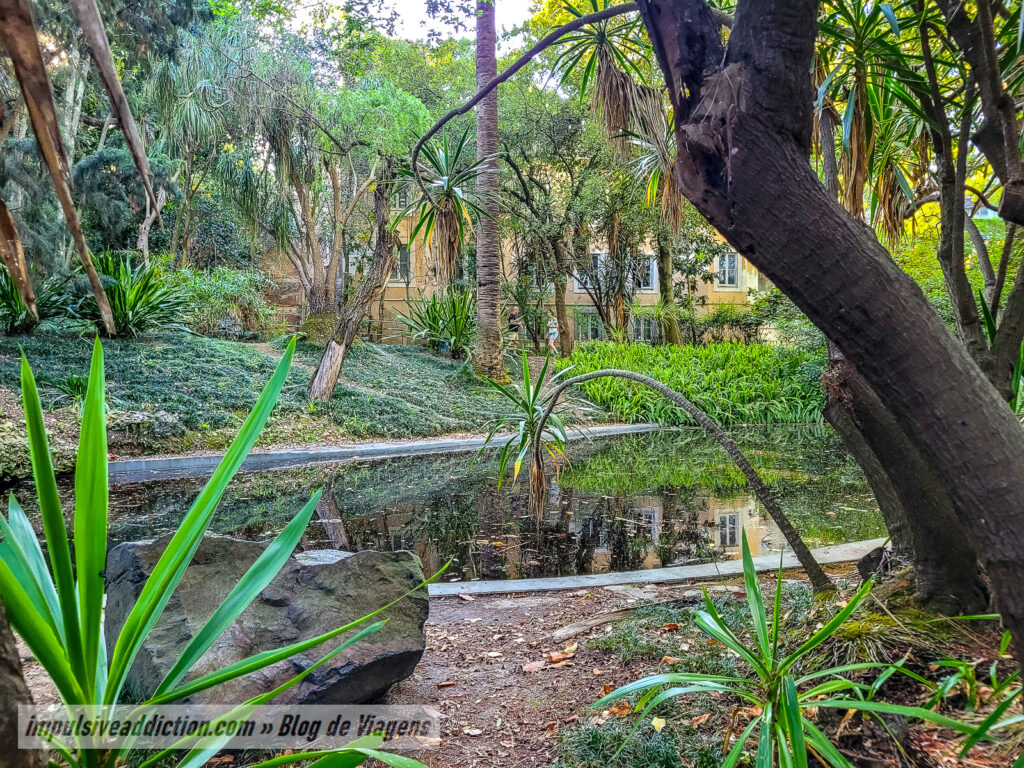
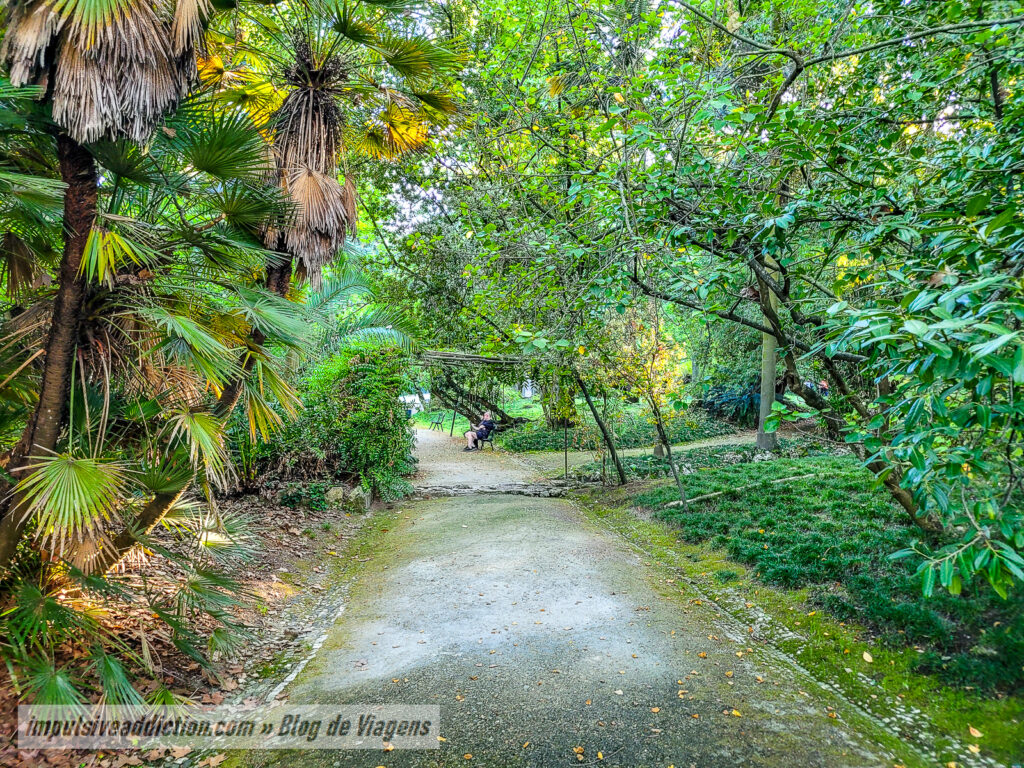
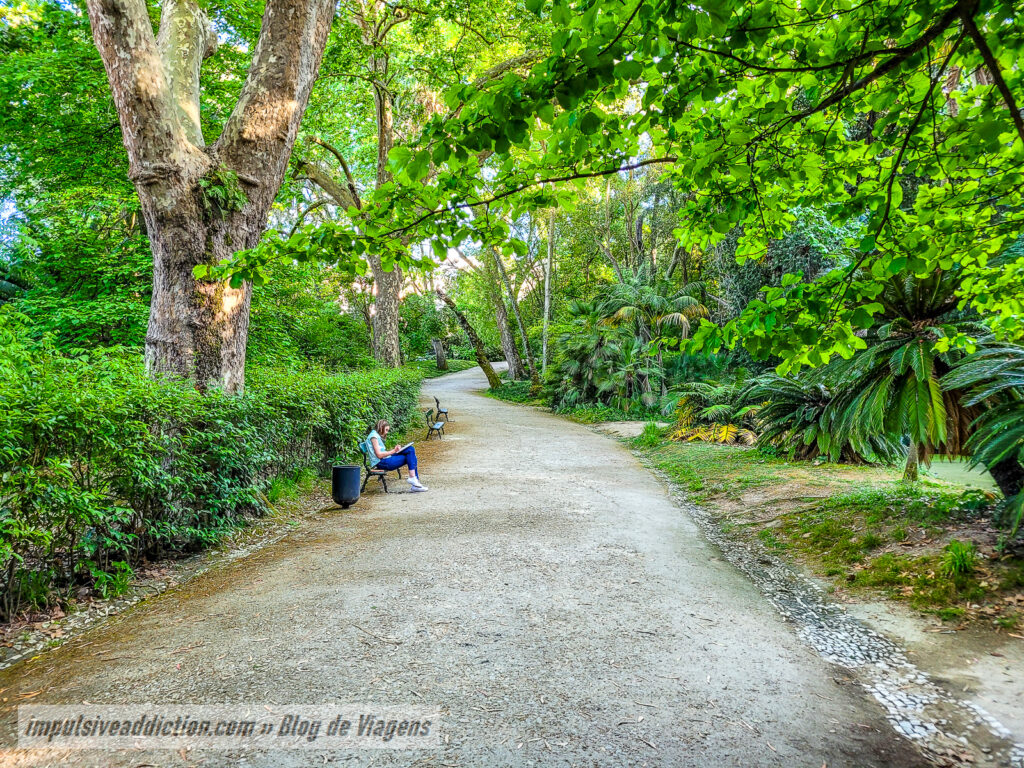
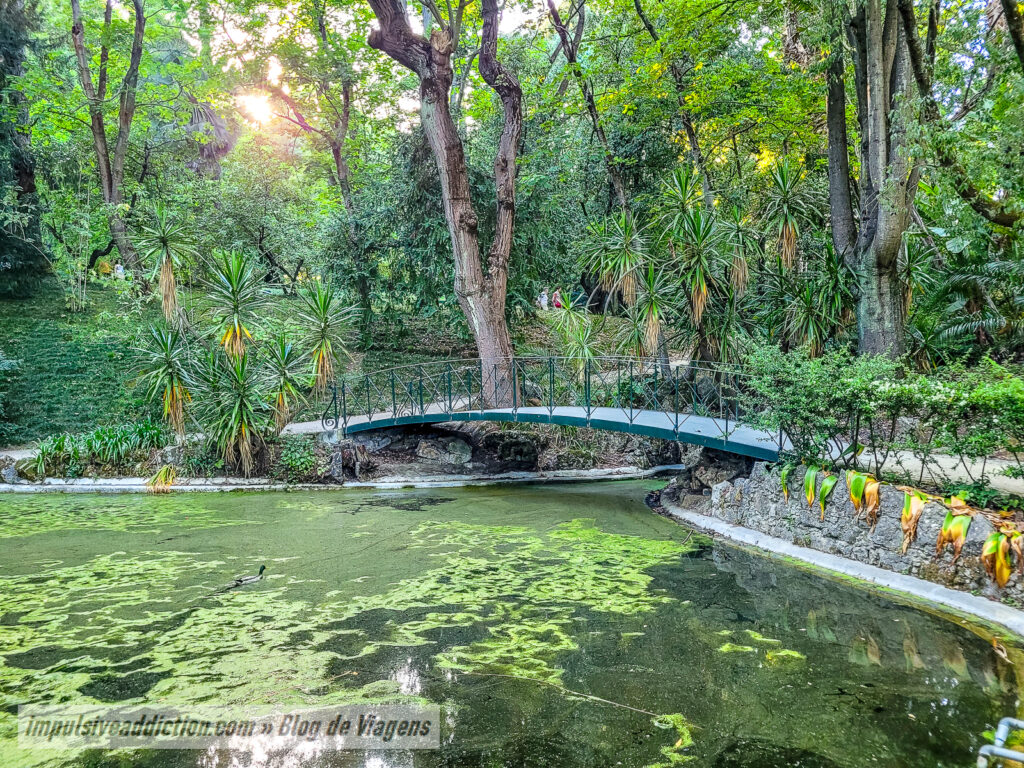
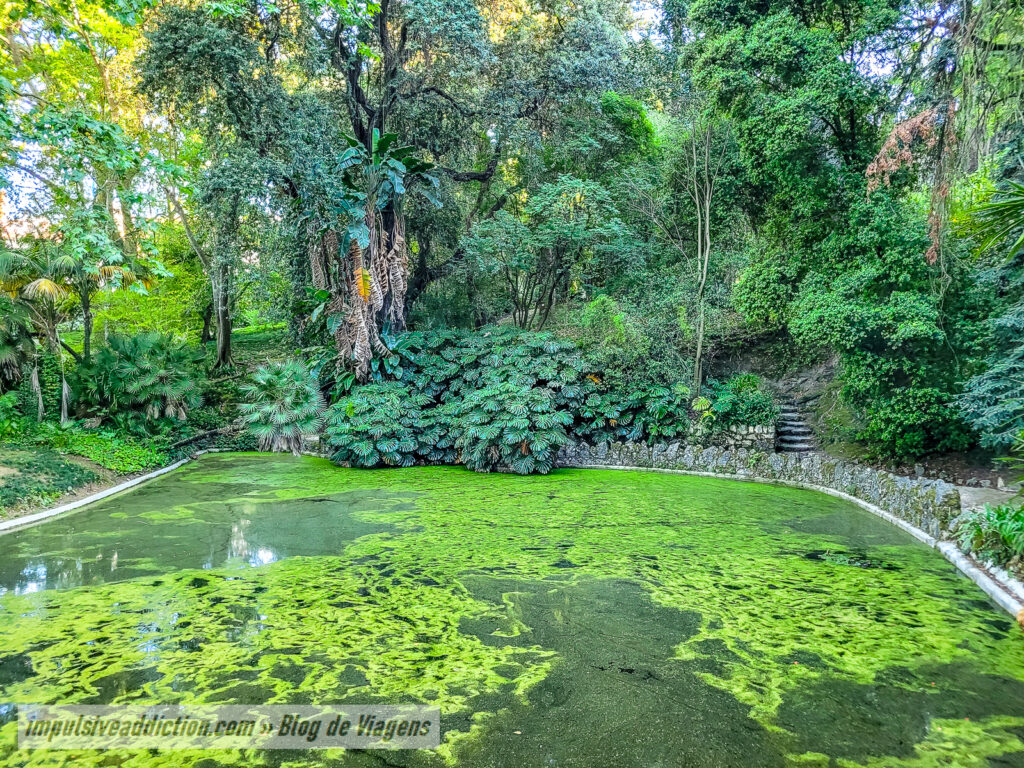
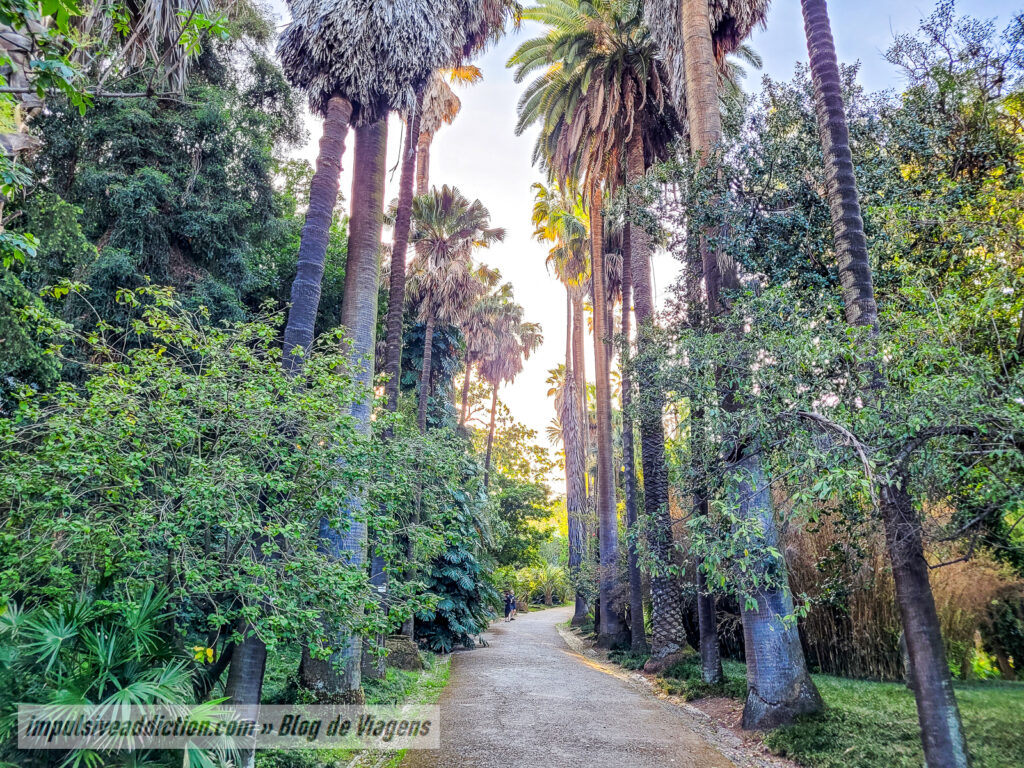
20. Lisbon Botanical Garden
Managed by the University of Lisbon and part of the National Museum of Natural History and Science, the Lisbon Botanical Garden opened to the public in 1878, following planting work that began in 1873 on the grounds of the former Colégio dos Nobres. It was the vision of professors such as the Count of Ficalho and Andrade Corvo, with technical direction by botanists Edmund Goeze and Jules Daveau, that shaped it into one of the most respected scientific gardens in Europe.
Today, this National Monument (since 2010) is not only a hub for botanical research and conservation, but also a peaceful green haven in the heart of the city — home to an impressive diversity of plant species from around the globe.
21. Jardim do Príncipe Real
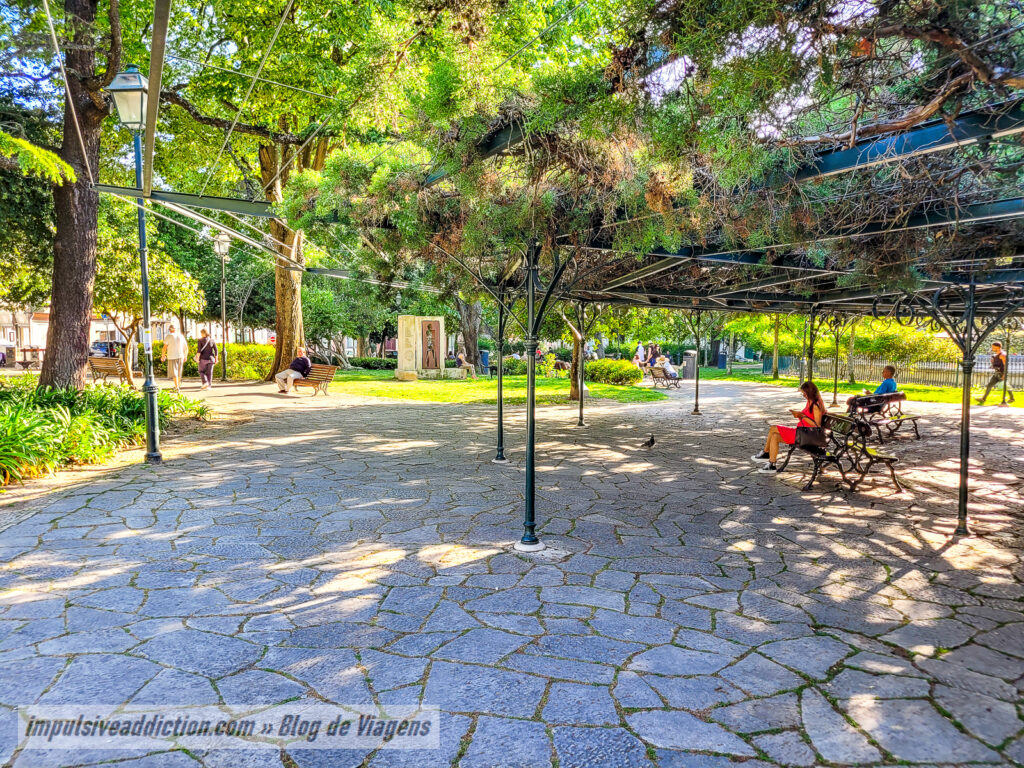
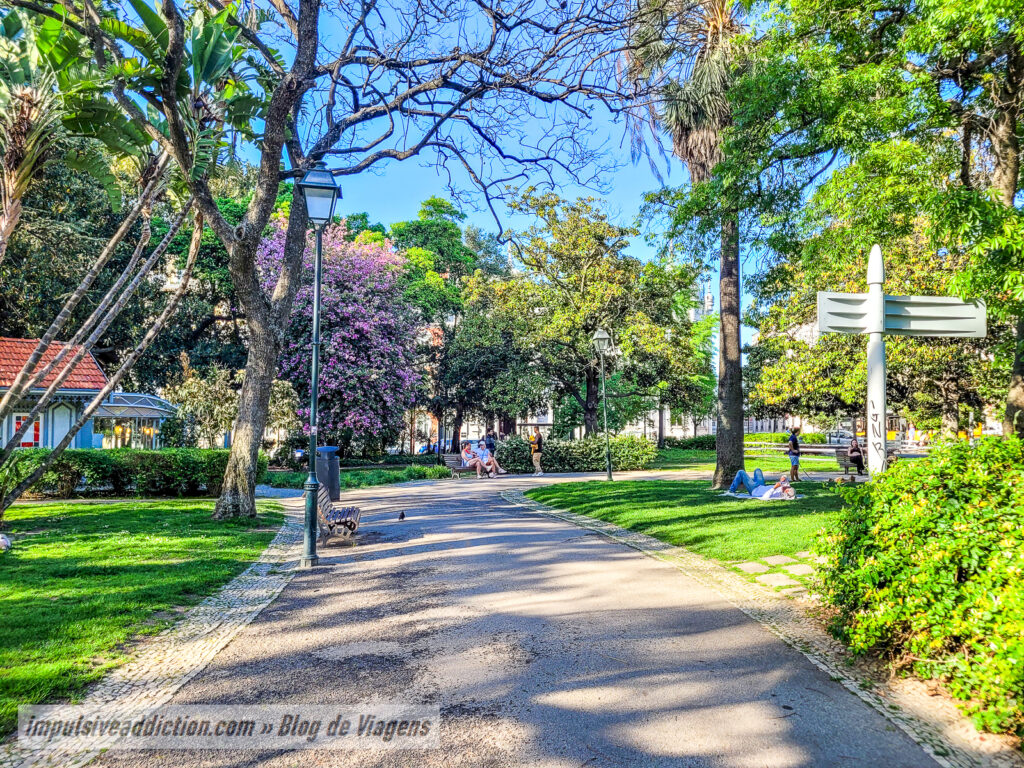
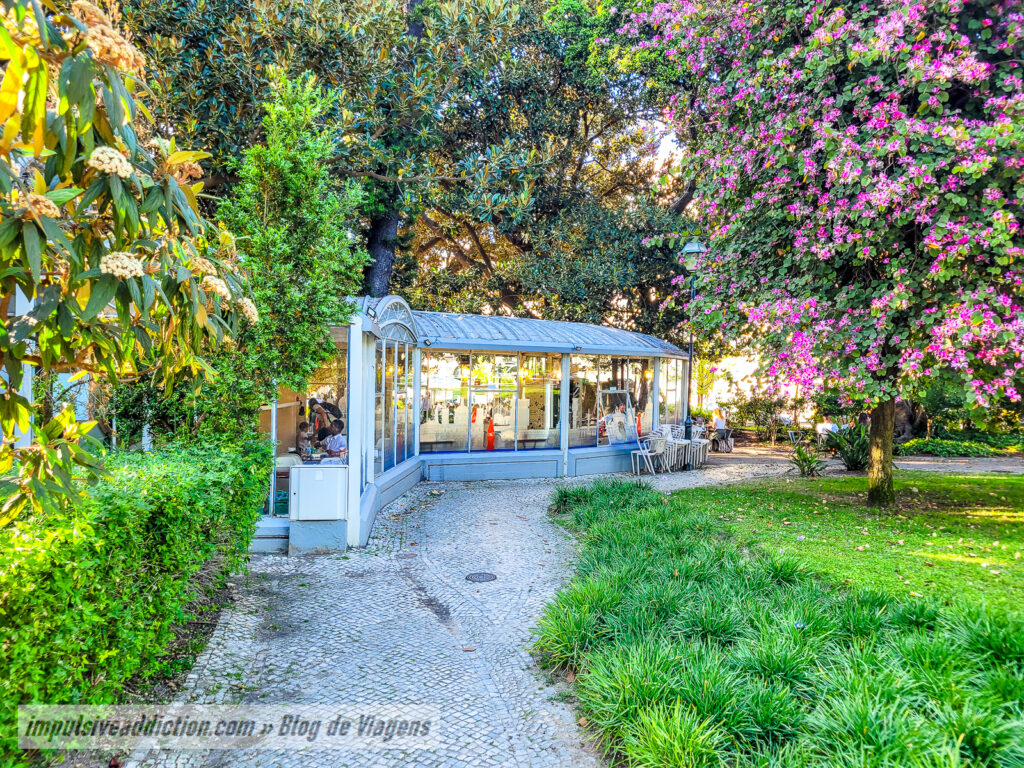
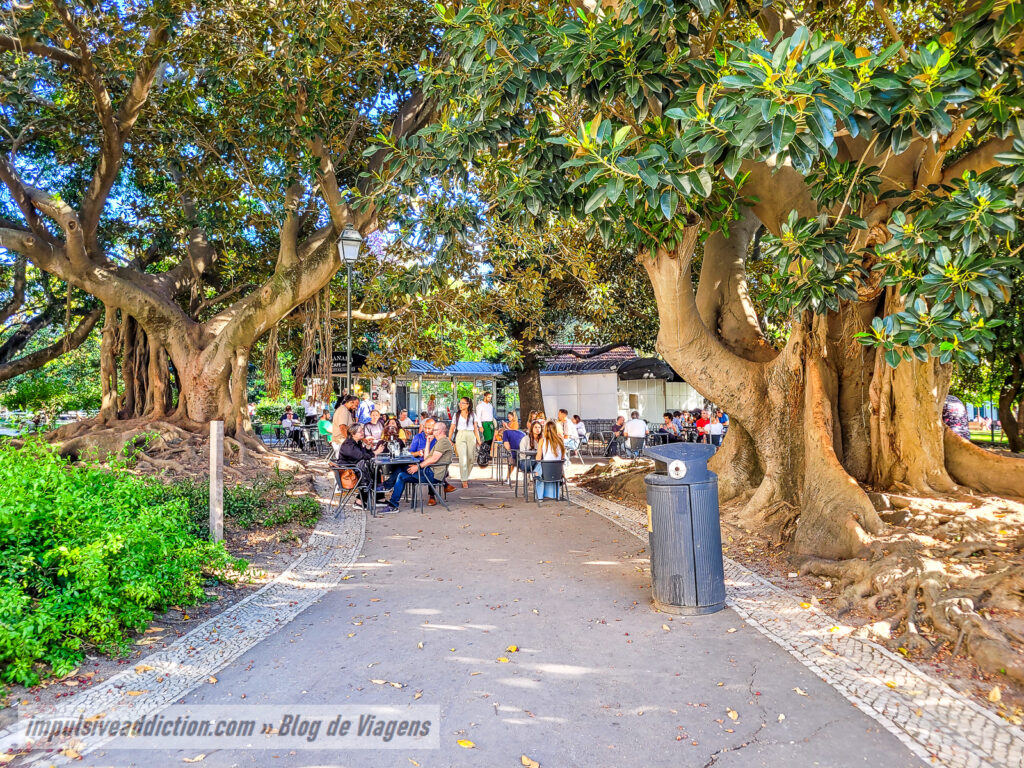
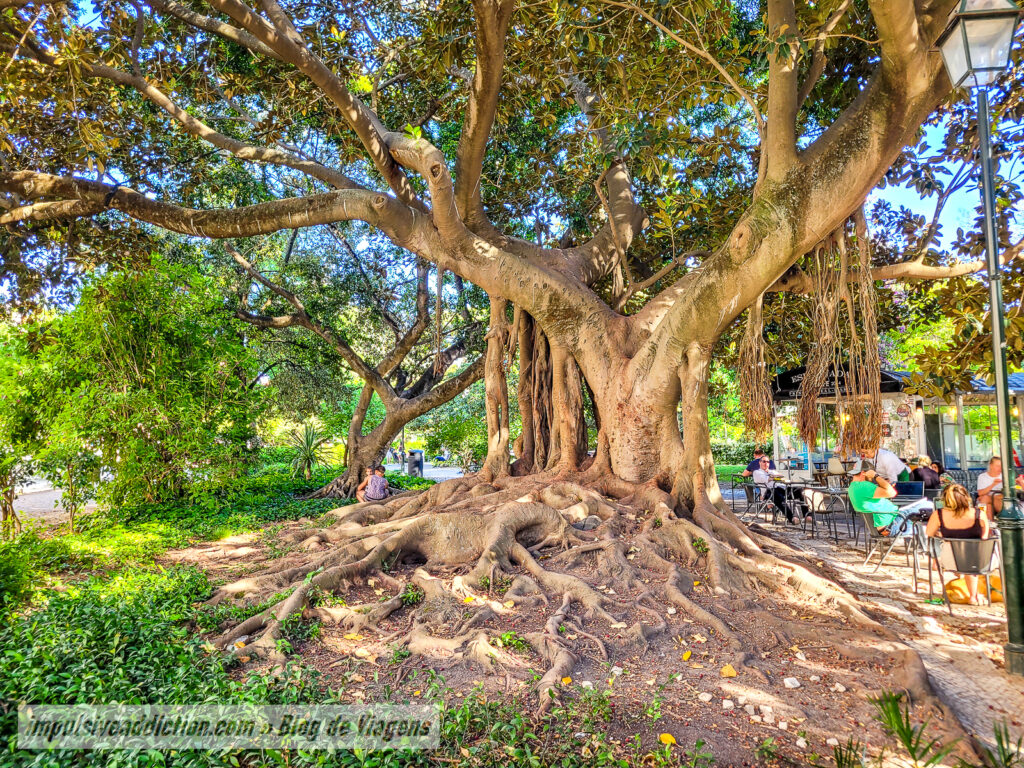
Officially named Jardim França Borges, this romantic-style garden was laid out around 1863 as a leafy square in the heart of the Príncipe Real neighbourhood, facing the Bairro Alto. Covering about 1.1 hectares, it’s best known for its spectacular Bussaco cedar, whose vast canopy spans more than 20 metres in diameter — a true botanical landmark and a favourite meeting spot for locals and visitors alike.
At its centre lies an octagonal pond and fountain, framed by symmetrical flowerbeds and statues honouring literary figures such as Antero de Quental and França Borges. Around the square, you’ll find kiosks, an outdoor café, and, every Saturday, a lively organic market.
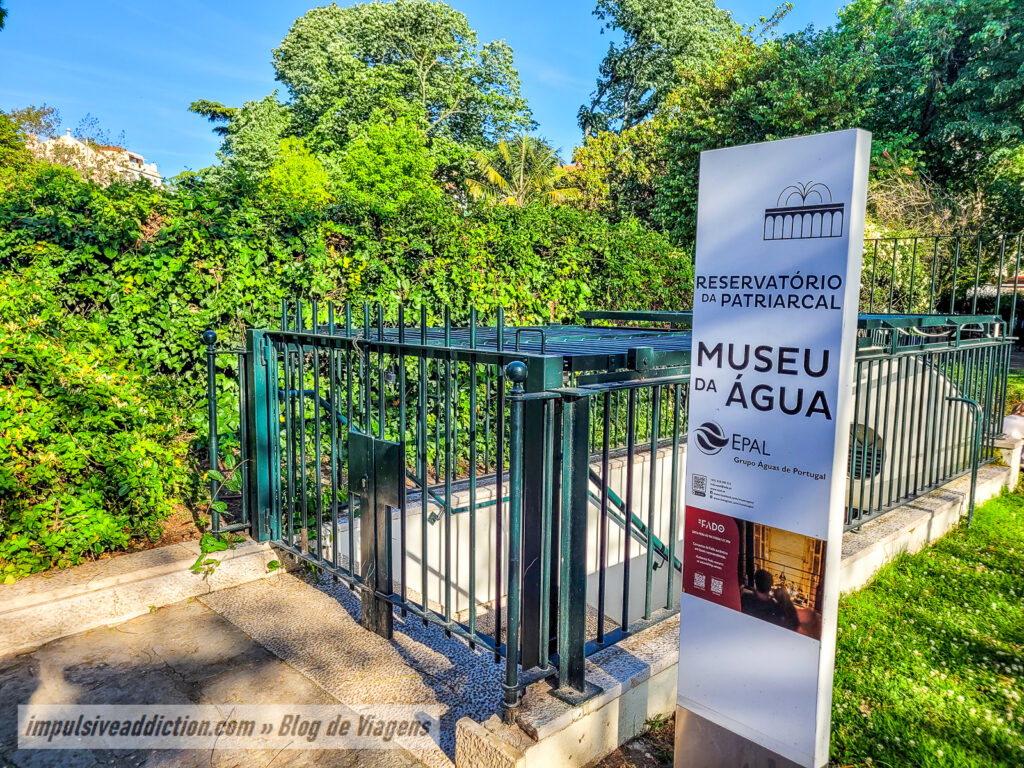
Beneath the lawns lies the Patriarcal Reservoir, a 19th-century cistern that’s part of Lisbon’s Water Museum. Guided tours lead you down a spiral staircase into its vaulted interior, where light reflects off the water and the stories of Lisbon’s aqueduct network come to life. It’s an unusual way to experience the garden — from underneath.

22. Jardim do Torel
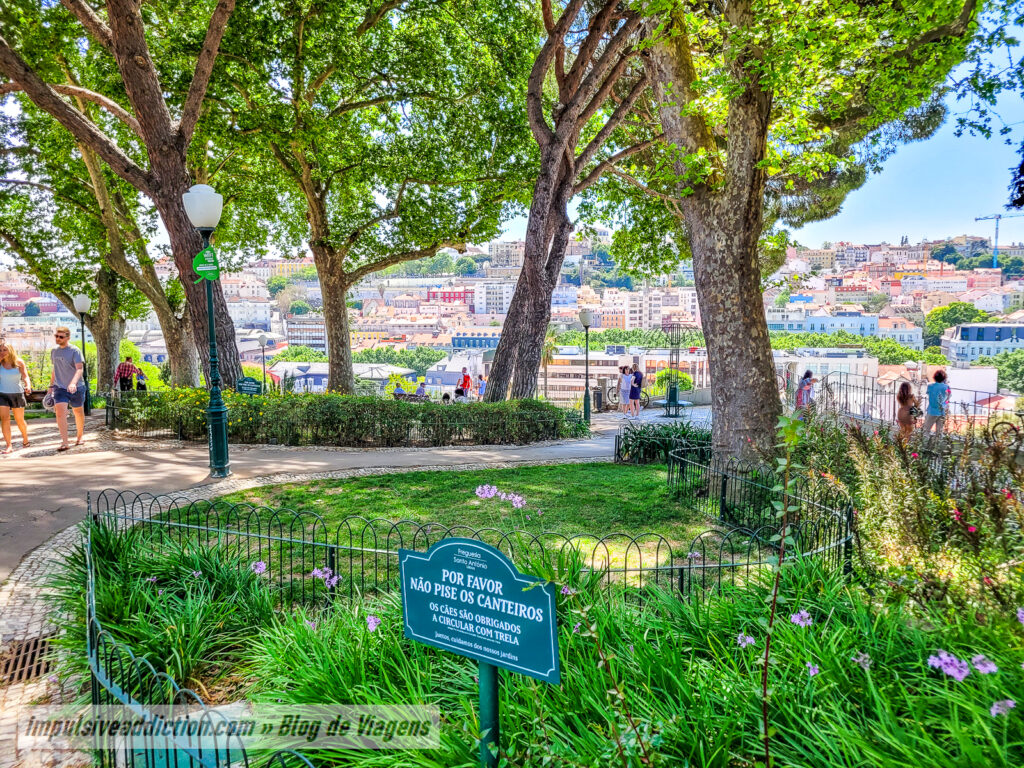
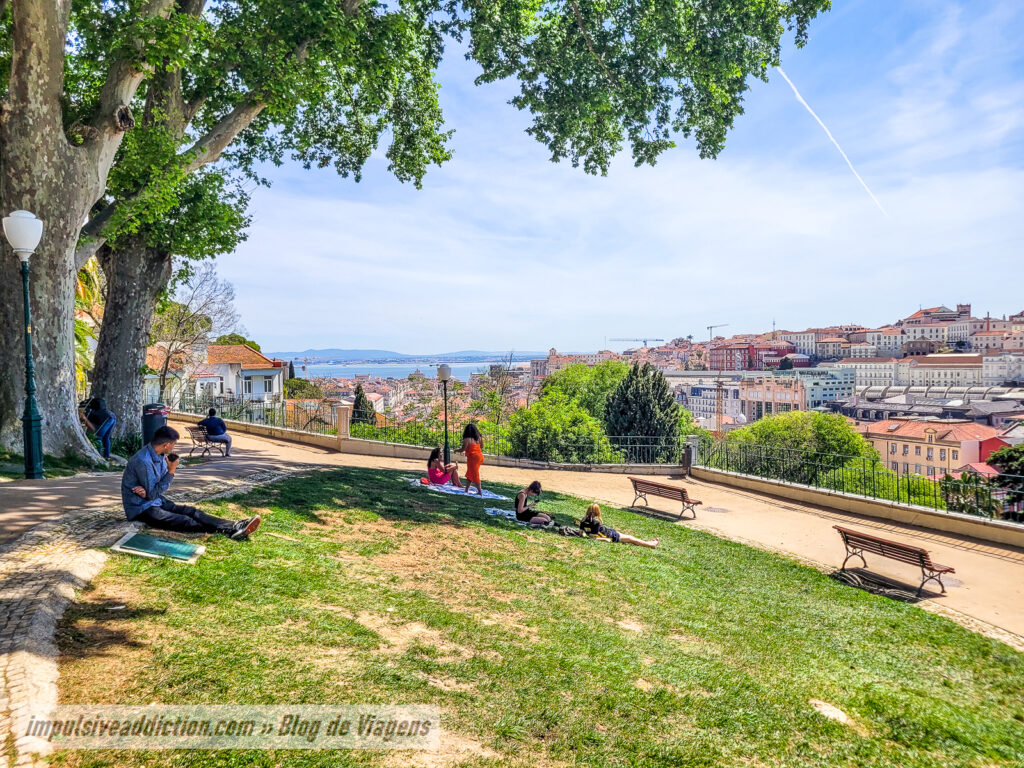
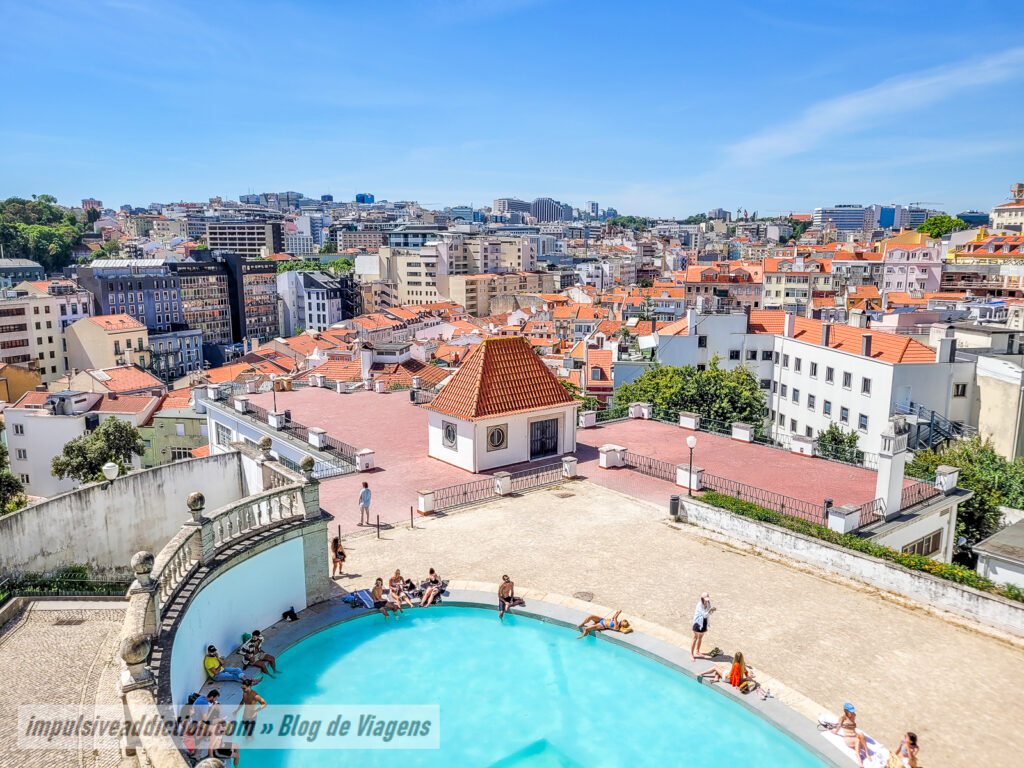
Perched atop one of Lisbon’s hills, Jardim do Torel is a peaceful hideaway that blends romantic charm with one of the city’s most beautiful views. Once part of an 18th-century estate, it became a public garden in the 1960s and still follows a terraced layout that leads visitors down to its panoramic viewpoint. From here, you can admire sweeping vistas over Avenida da Liberdade, the Baixa district, and even the River Tagus — perfect for photographs or simply soaking in the scenery. The most iconic entrance is next to the historic Lavra funicular.
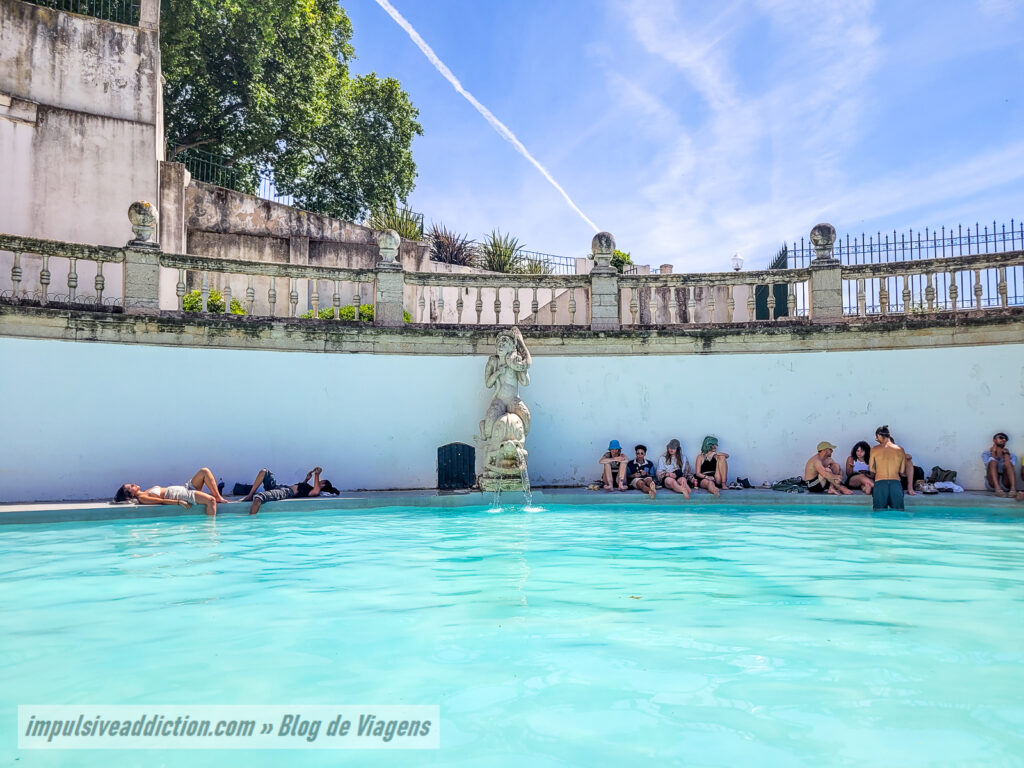
Highlights include the central pond, the statue of composer Viana da Mota, and the ornate “Egyptian” fountain by Mathurin Moreau. In summer, the pond transforms into a small urban beach, attracting families and locals looking to cool off. With shady corners, benches, and a café with outdoor seating, Jardim do Torel offers a tranquil escape from the city’s bustle — still one of Lisbon’s best-kept secrets.
23. Jardim da Alameda
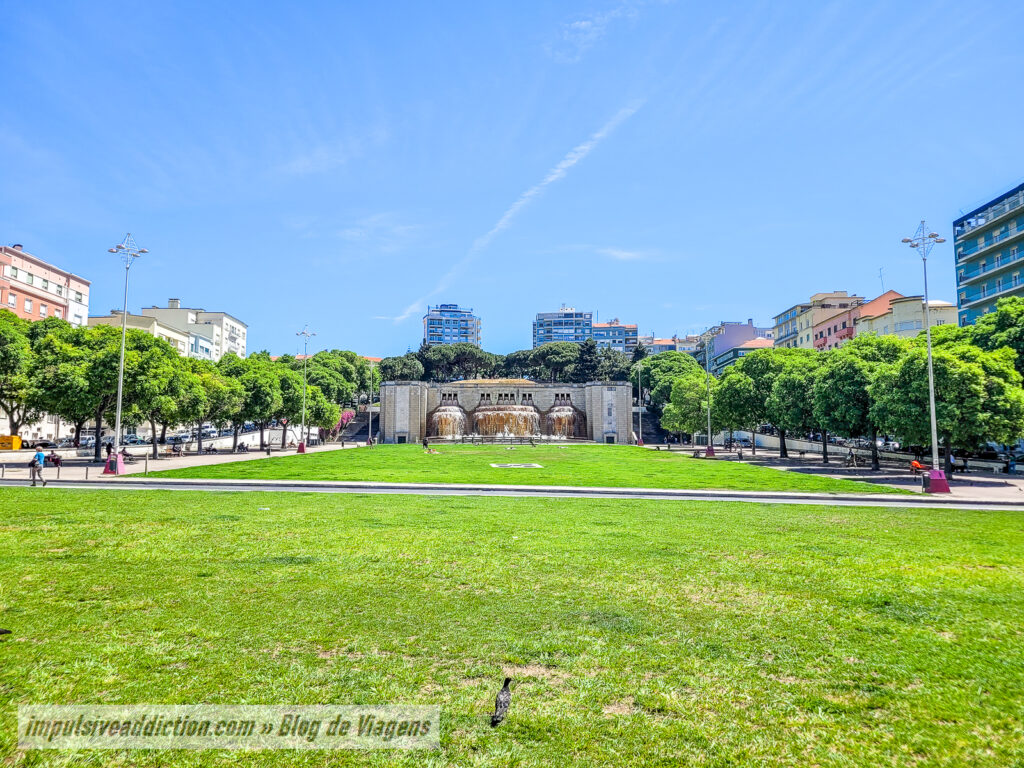
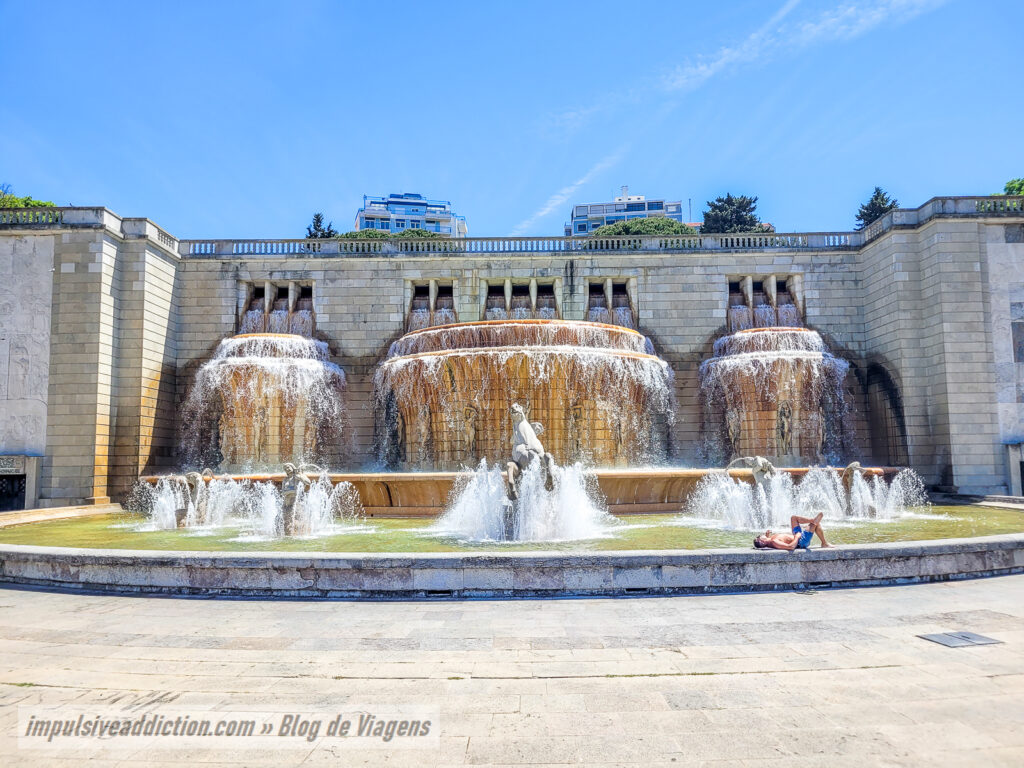
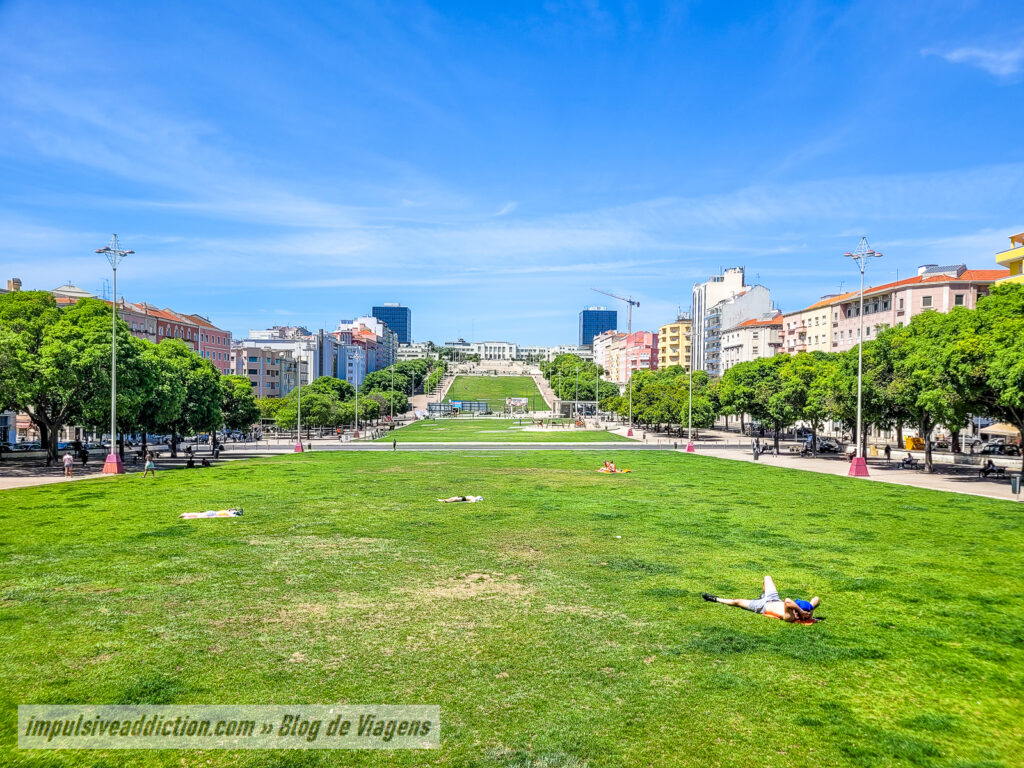
Stretching between the Instituto Superior Técnico and Lisbon’s grand Fonte Luminosa, Jardim da Alameda is a sweeping green axis in the city’s east-central area. Its geometric design — with broad lawns, symmetrical flowerbeds, and tree-lined walkways — creates a classic setting for strolling, while the gentle slope draws the eye towards the grand staircase and fountains, making it photogenic year-round.
Day to day, the Alameda thrives on social life. Shady benches invite reading or people-watching, children flock to the popular playground, and small kiosks with outdoor seating offer a relaxed break. Come evening, joggers, skaters, and groups of friends gather to catch the sunset. In spring, blossoms bring bursts of colour; in summer, lingering by the illuminated fountain on warm nights is a true Lisbon ritual. Versatile and welcoming, it’s equally suited to a quiet pause, a light picnic, or a lively meet-up.
24. Parque da Bela Vista
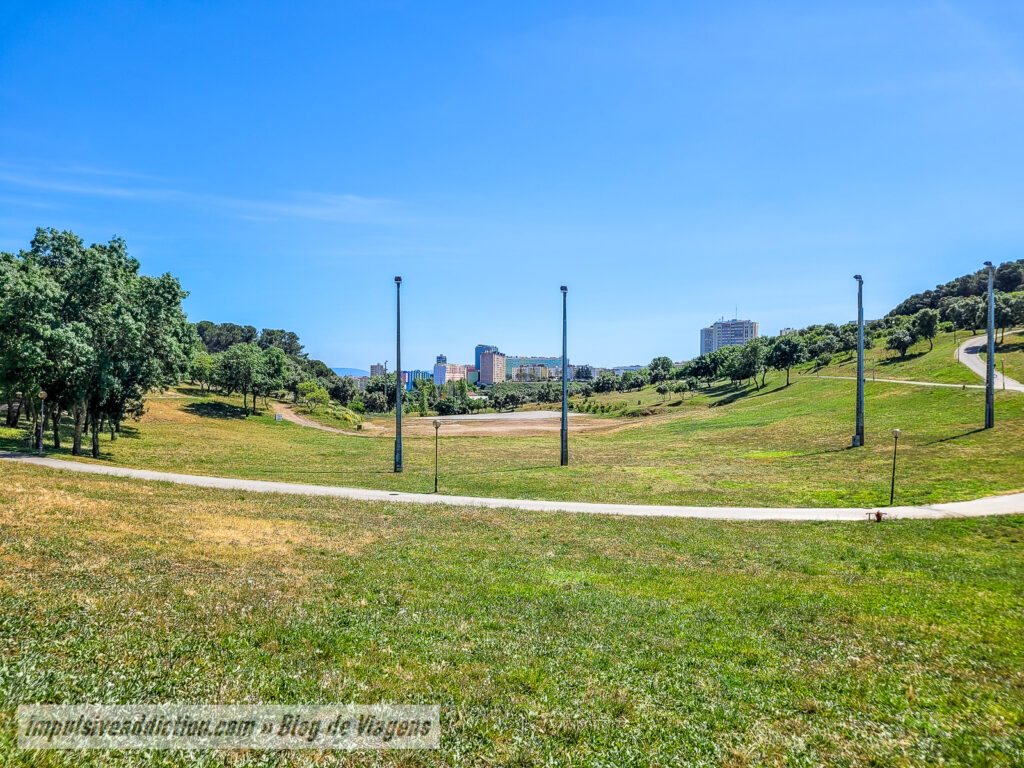
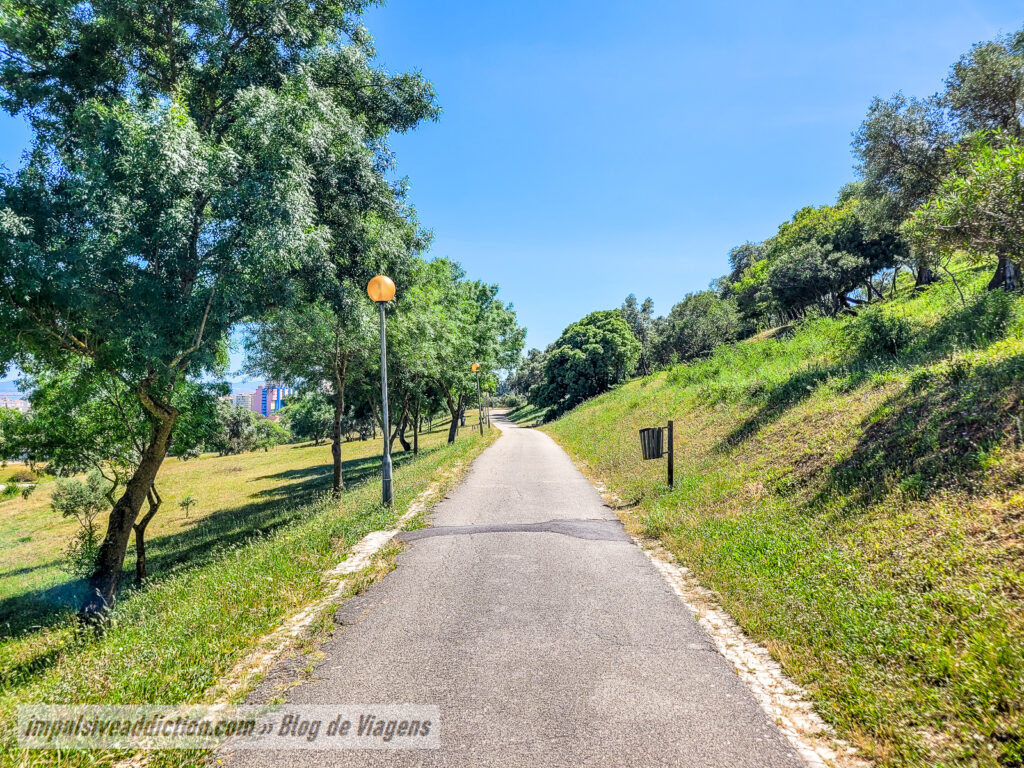
Set in Lisbon’s Marvila district, Parque da Bela Vista is one of the city’s largest green spaces, covering around 85 hectares of former farmland transformed into an expansive urban park. Its rolling lawns, clearings, olive groves, cork oaks, and pine trees preserve a distinctly rural feel — despite being right inside the city.
More than just a park, Bela Vista has become an iconic stage for major cultural events, most famously hosting Rock in Rio Lisboa from 2004 to 2022, with global headliners such as Madonna, Bon Jovi, Sting, Ed Sheeran, Metallica, and the Red Hot Chili Peppers, drawing tens of thousands of fans each edition.
Outside of festival season, it’s a favourite spot for locals and visitors alike to picnic, play informal games, walk, or train in the open air. Facilities include a playground, picnic areas, and outdoor fitness circuits. Whether packed with cheering crowds or quietly basking in the sun, Bela Vista lives up to its name — the “Beautiful View.”
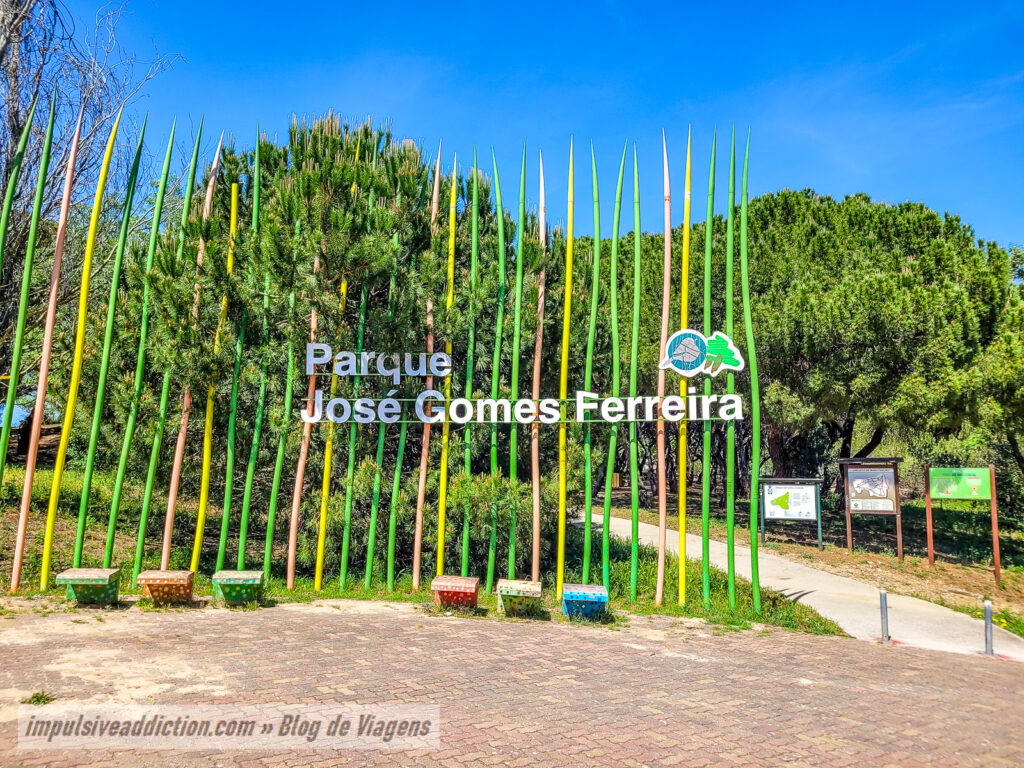
25. Parque José Gomes Ferreira
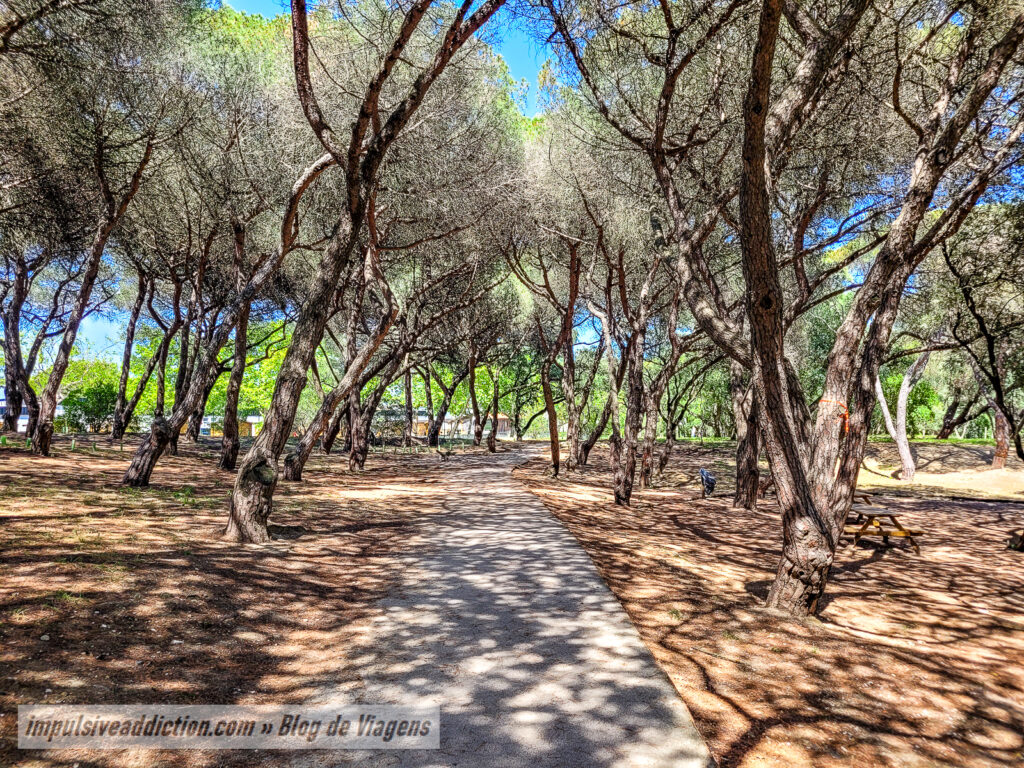
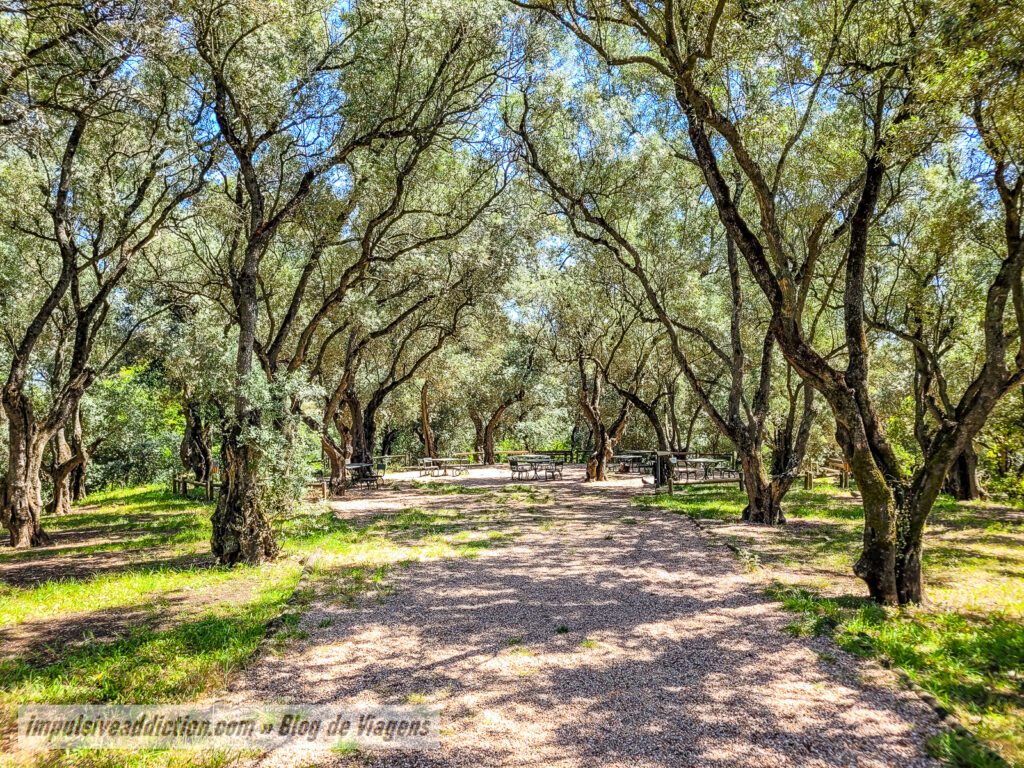
Locally known as Mata de Alvalade, Parque José Gomes Ferreira spans about 11 hectares in Lisbon’s Alvalade neighbourhood. This green haven blends dense woodland — including olive trees, ash, cedar, cork oak, and white poplar — with open meadows, creating a varied and inviting landscape. Well-marked trails loop around the park, forming a 2.6-km circuit ideal for walking, running, or cycling. Birdlife is abundant here, with blackbirds, jays, blue tits, and goldfinches adding colour and song to the scenery.
Designed for both family outings and social gatherings, the park features two picnic areas complete with tables, drinking fountains, and barbecue grills, as well as a fenced children’s playground and an outdoor fitness circuit. Whether you’re after a morning jog, a weekend barbecue, or a quiet spot to watch the birds, this is one of Lisbon’s most versatile green escapes.
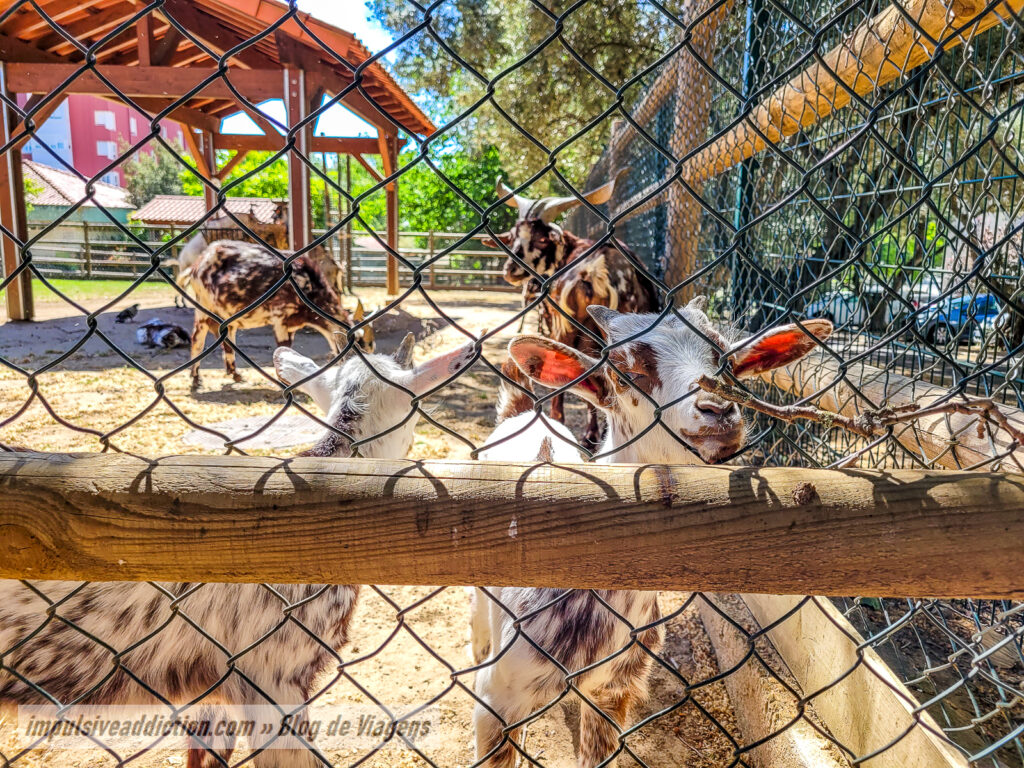
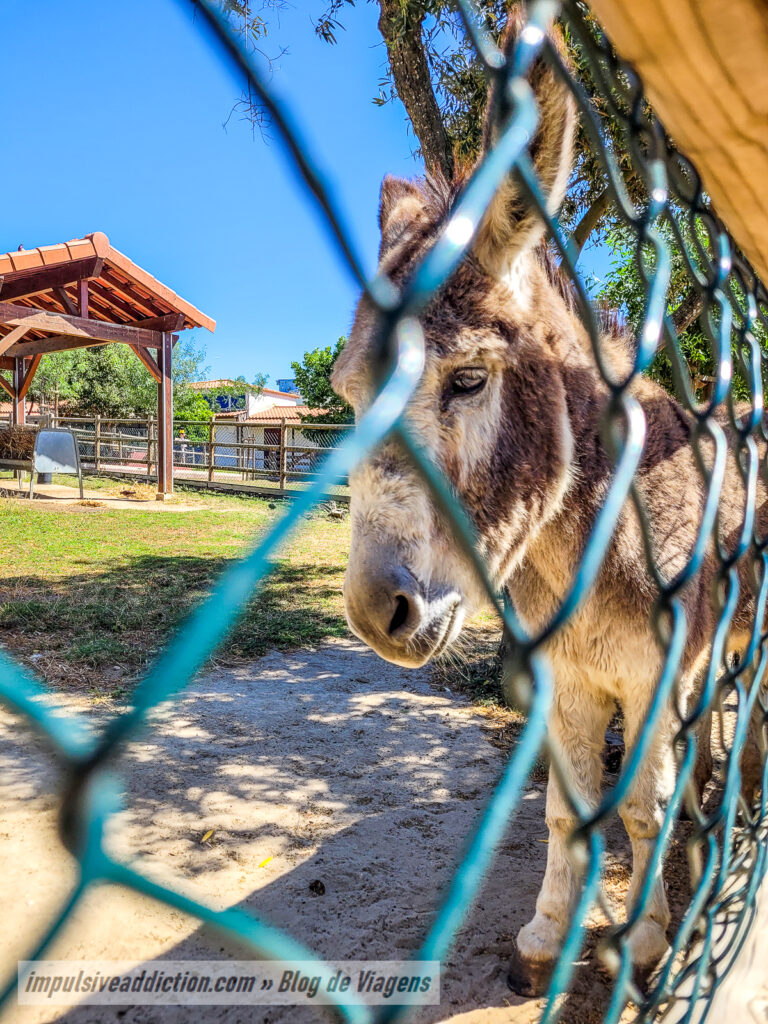
26. Quinta Pedagógica dos Olivais
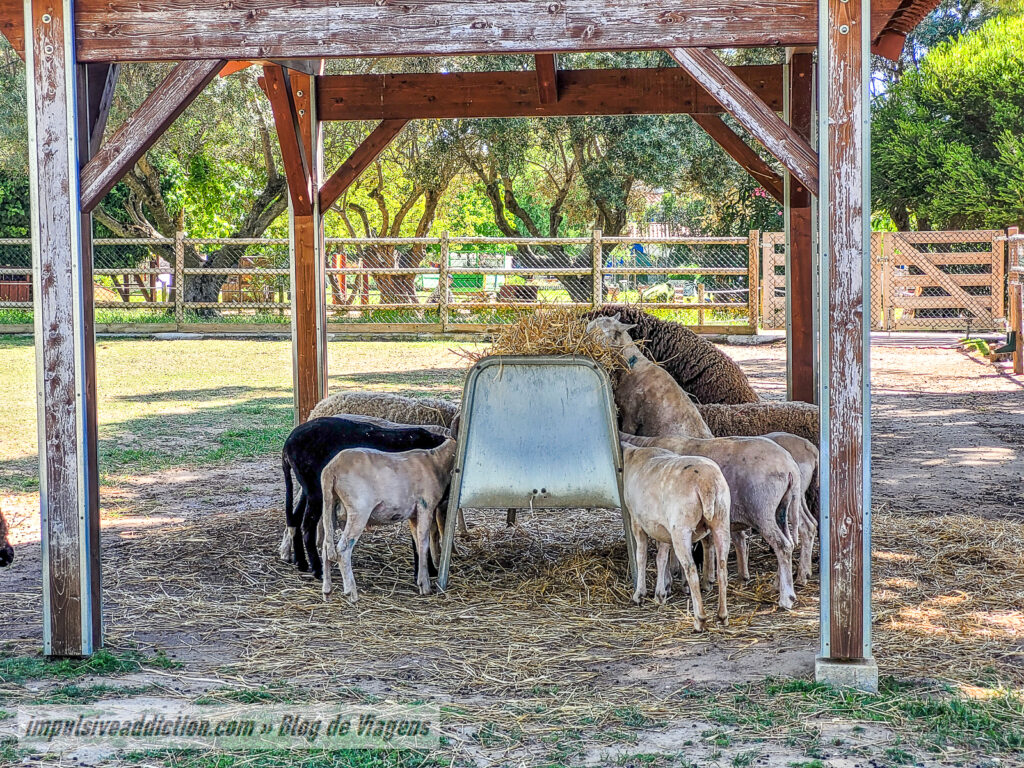
Set in Lisbon’s Olivais district, the Quinta Pedagógica dos Olivais is a 2-hectare public space that brings a slice of the countryside into the city. Opened in April 1996, it was designed to connect children and adults with nature and urban farming. Visitors can meet and interact with over 80 farm animals — including donkeys, goats, cows, pigs, chickens, ducks, quails, geese, parakeets, and pheasants — in a friendly, educational setting.
Beyond the animals, the farm features a greenhouse, vegetable gardens, orchards, and an aromatic herb garden. Hands-on workshops invite visitors to try their hand at bread, butter, and cheese making, while seasonal activities introduce the rhythms of rural life. Popular with schools, families, and curious city dwellers, the Quinta is a charming place to learn, play, and experience the slower pace of the countryside without leaving Lisbon.








27. Parque Tejo
Stretching along the north shore of the Tagus estuary, between Lisbon’s Parque das Nações and Sacavém (Loures), Parque Tejo is an open landscape of meadows, salt marshes, and wooden boardwalks, with a continuous riverside cycle path and sweeping views of the Vasco da Gama Bridge. In the late afternoon, the low golden light over the river and floodplains creates a striking, photogenic backdrop — perfect for leisurely walks, jogging, or flat, easy bike rides.
Beyond its wide Tagus horizon, the park is ideal for birdwatching and picnics on its expansive lawns, dotted with benches and shaded spots, and seamlessly connected to the Parque das Nações waterfront promenade. Trails also follow the Trancão River, with a pedestrian bridge enabling circular routes. Breezy and spacious, Parque Tejo is a favourite for families, cyclists, and nature lovers — a place where the city slows down and the estuary takes centre stage.
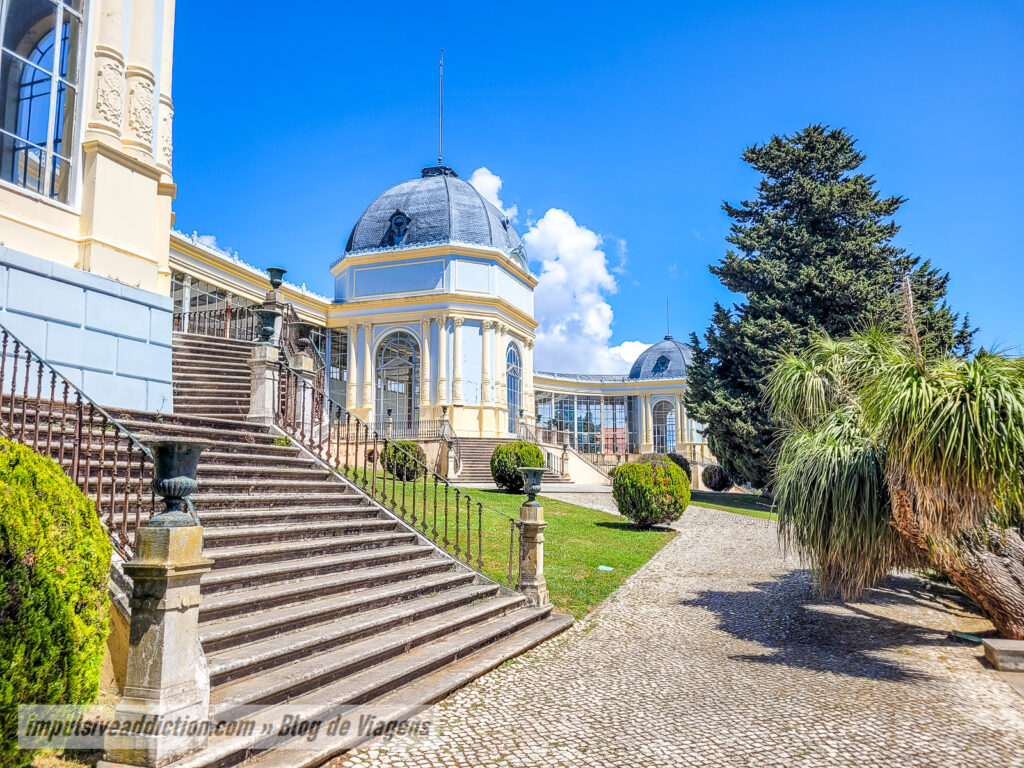
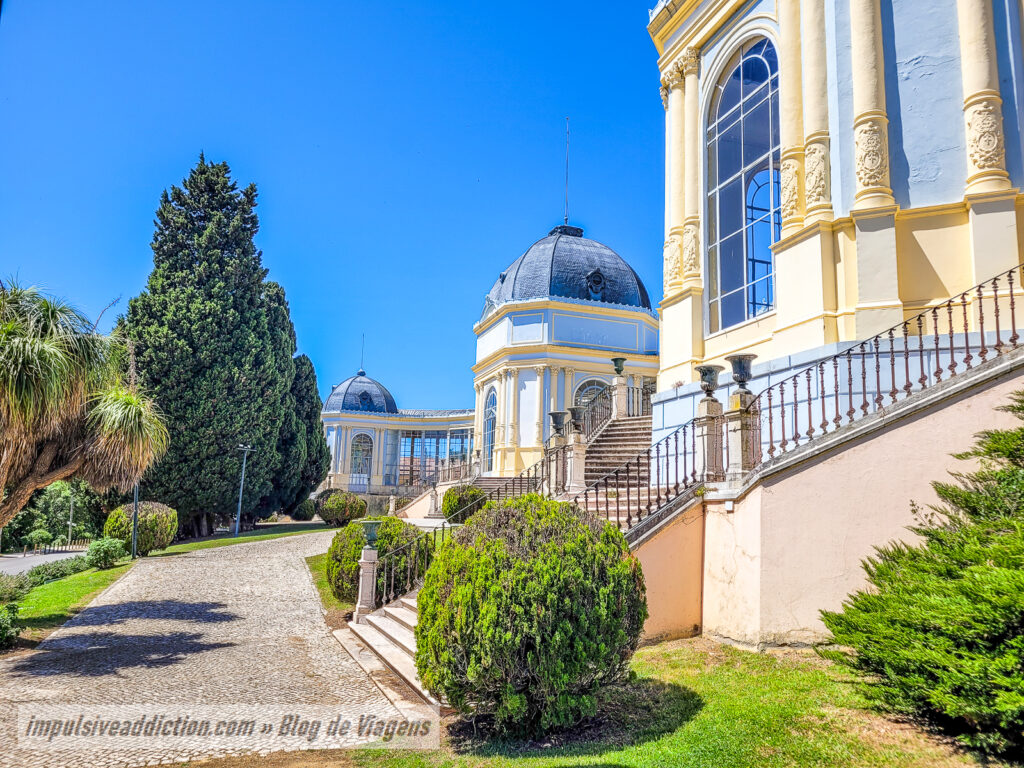
28. Tapada da Ajuda
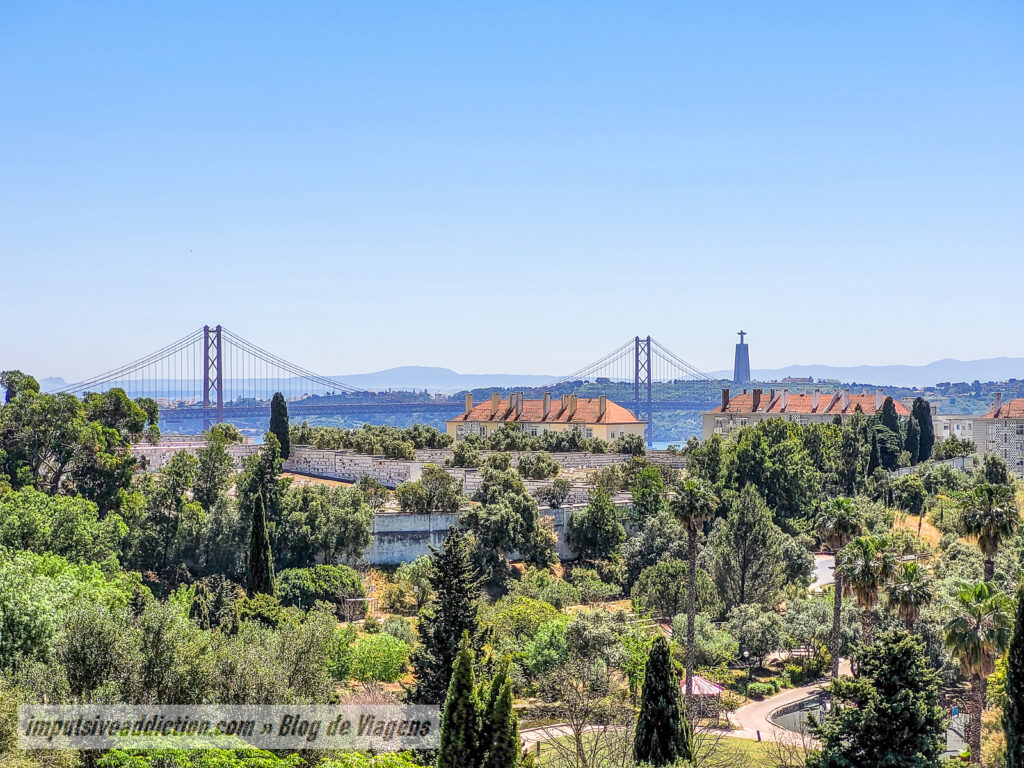
The Tapada da Ajuda is a vast, walled rural estate hidden within the city, stretching across the hills between Ajuda and Alcântara. Now part of the Instituto Superior de Agronomia, it preserves the layout of an old royal hunting ground: rolling hills planted with vineyards, olive groves, and orchards; experimental crop plots; a small arboretum; and wide clearings scattered among cork oak and pine woodlands. Dirt tracks wind up to scenic viewpoints with sweeping vistas over Lisbon’s riverside and the 25 de Abril Bridge, offering a unique contrast between agricultural landscape and urban skyline.
For visitors, it’s a place of slow discovery and plenty of breathing space. Trails invite walking or running, lawns are perfect for a picnic blanket, and historical features — like the stone amphitheatre — add charm to the landscape. Occasionally, the Tapada opens to the public for events on farming, sustainability, and gastronomy. Quiet, non-touristy, and bathed in golden evening light, it’s ideal for birdwatching, photography, or simply realising that Lisbon still keeps pieces of the countryside tucked behind centuries-old walls.
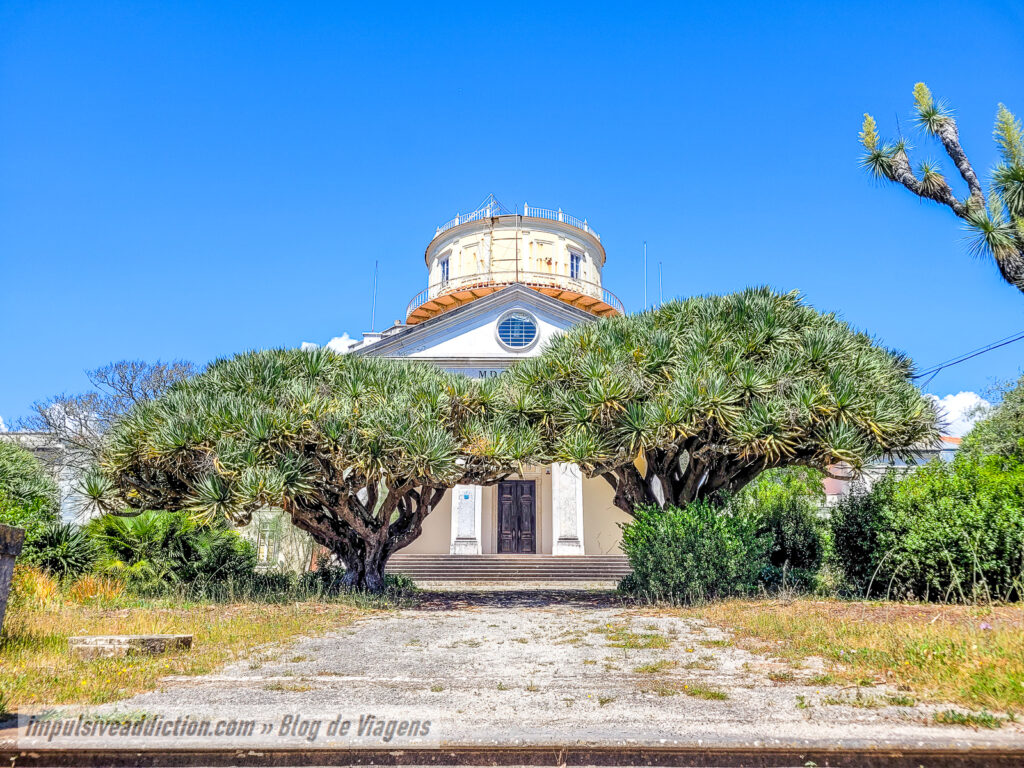
29. Parque Urbano dos Moinhos de Santana
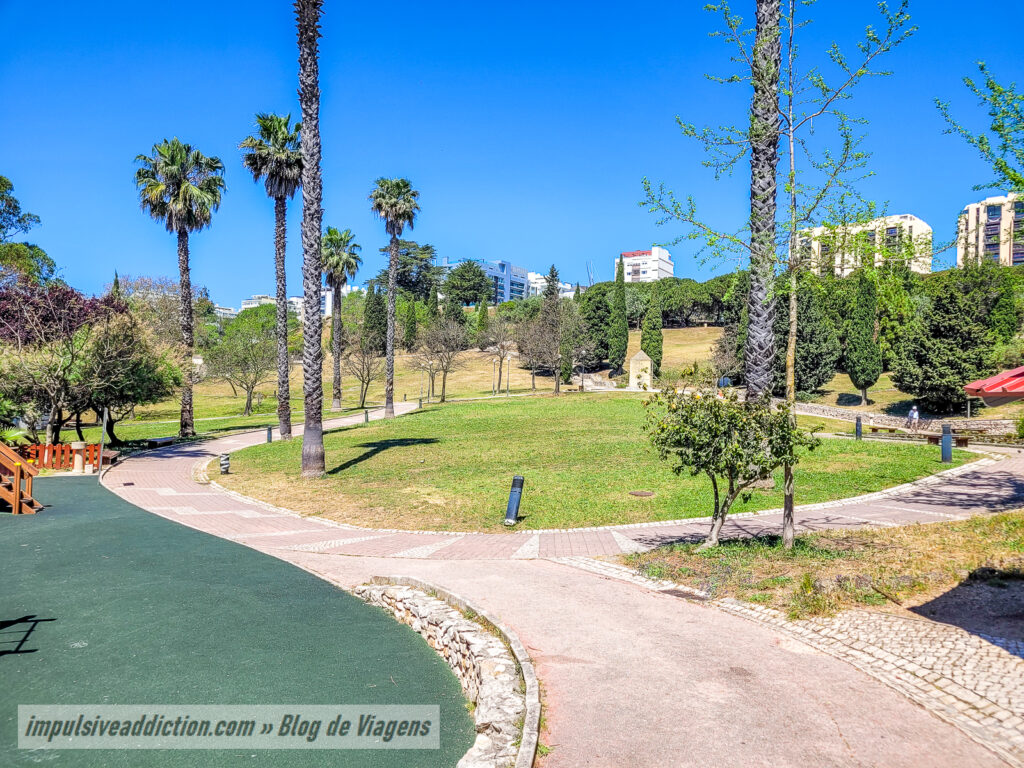
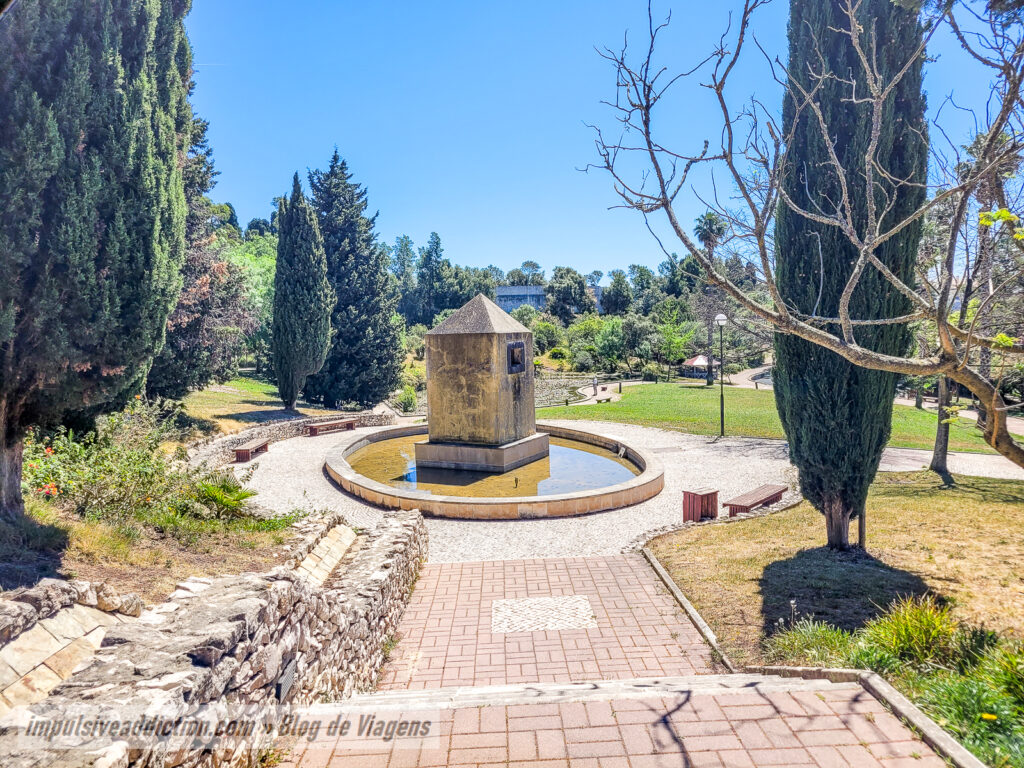
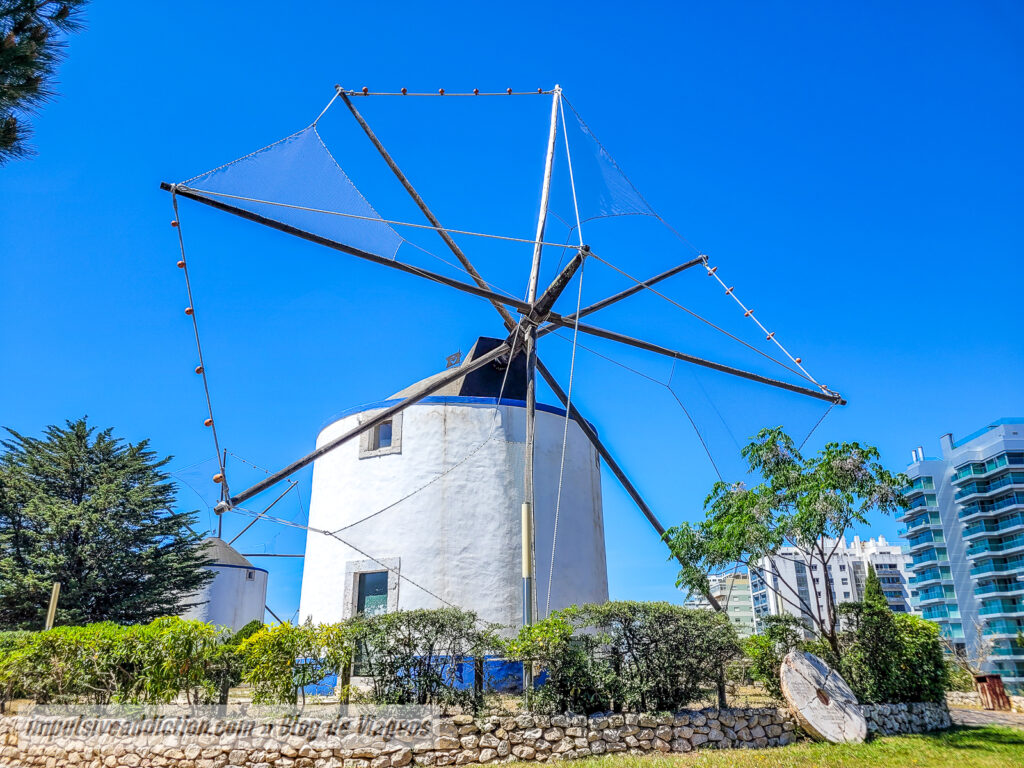
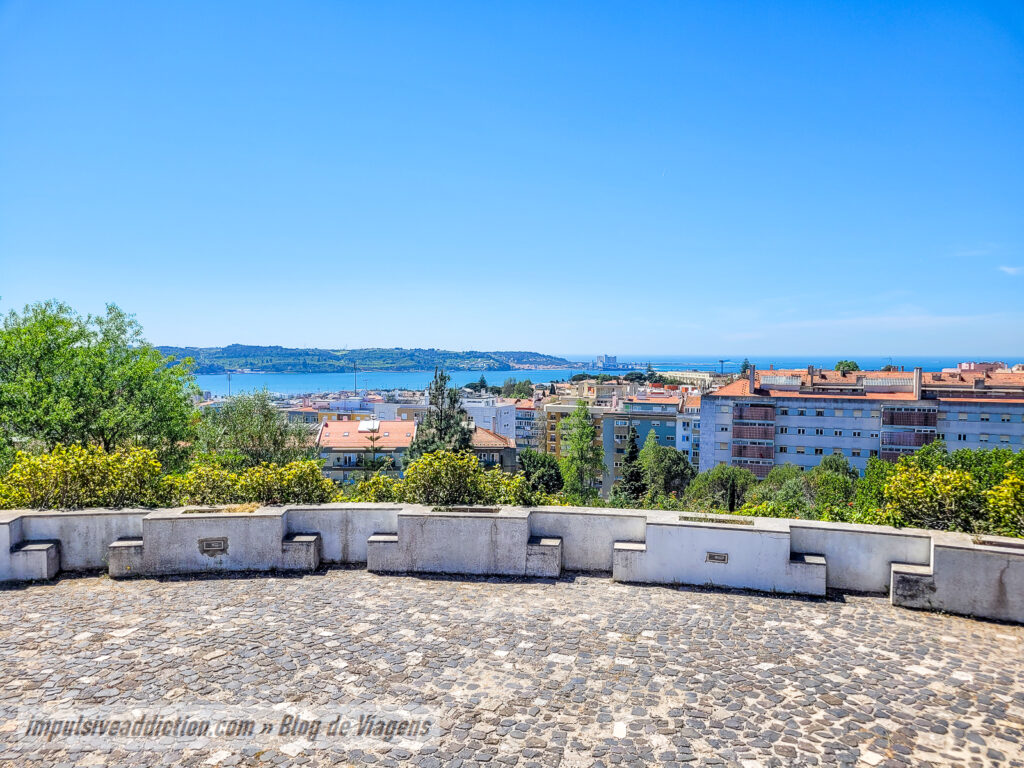
The Parque Urbano dos Moinhos de Santana — also known as the Moinhos de Santana Recreational Park — covers around 5 hectares on the edge of Lisbon’s Monsanto Forest Park, in the Belém district. Its name comes from two iconic 18th-century windmills, the only ones in Lisbon still fully preserved, recalling Monsanto’s milling past.
Inaugurated in 1997, the park unfolds as a landscaped natural amphitheatre, with sweeping lawns, a variety of trees, a small lake, and a cascading water feature. From its higher points, visitors enjoy privileged views over the Tagus River and the city. Peaceful yet close to urban life, it’s a perfect spot for relaxation, gentle walks, or simply enjoying Lisbon’s softer side.
Lisboa Card – Is it worth it?
Lisboa Card – Is it Worth It?
Buying the Lisboa Card might be worth it — or not. It really depends on how you plan to use it and your travel style.
The Lisboa Card offers great value if you’re aiming to visit as many museums and attractions as possible in one or two days. However, that may not be the best approach for travelers who prefer to take their time, explore the city area by area, and follow a more relaxed itinerary.
I’ll let you decide whether it’s a good deal based on the full details available on the official Lisboa Card website. But keep in mind: if you go for it, your itinerary should be built around it to really make it pay off.
Did I get the Lisboa Card on my most recent trip to Lisbon?
Yes — and I saved a lot… even though I spent a lot too! 😄 I really wanted to see everything Lisbon has to offer!
Tours to visit Lisbon and surroundings
TOURS TO VISIT LISBON
- Sunset boat trip in Lisbon
- 1.5 hour Amphibious Vehicle tour in Lisbon
- Guided walking tour of Lisbon
- Private Tuk Tuk tour of Lisbon
- Lisbon: Estádio da Luz Tour (SL BENFICA)
- Lisbon: History, Stories and Lifestyle Walking tour
- Alfama Food Tour with 18 tastings
- Lisbon: Sightseeing cruise on the Tagus River
- Lisbon: Fado and Wine Experience
- Pastel de Nata Baking Class in Lisbon
- Lisbon pub crawl

TOURS TO VISIT LISBON SURROUNDINGS:
- From Lisbon: Sintra, Pena, Regaleira, Cabo da Roca and Cascais
- From Lisbon: Fátima, Nazaré, Batalha and Óbidos
- From Lisbon: Kayaking experience in Sesimbra
- From Lisbon: Dolphin watching boat tour
- Wine tasting tour in Setúbal Region
- Tour to Algarve from Lisbon
- Tour to Évora from Lisbon
- Tour to Tomar and Almourol Castle
Safe travels! ✈️
Which of these Lisbon parks is your favorite? 😉
Let me know in the comments! 💬🖼️
