 Pedro Domingues
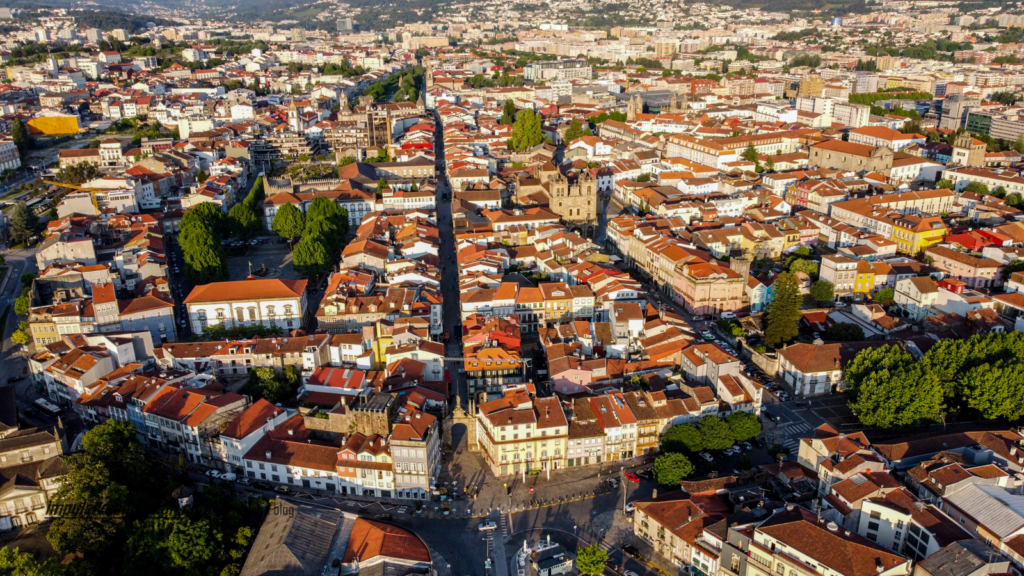
Braga is one of the most historic and vibrant cities in northern Portugal, and for me it is truly the queen of Minho. I lived and worked here for many years, and it remains one of the cities closest to my heart. Every time I return, Braga continues to surprise me with its charm, culture, and energy. If you are planning a trip to Portugal and wondering what to do in Braga, this city will offer you a perfect mix of history, gastronomy, leisure, and nature.
Braga has it all—that’s what I always say. It has a young soul, full of life and energy, and at the same time it preserves an extraordinary historical heritage. The old town is packed with monuments, museums, and churches that tell the story of one of the oldest cities in Portugal. Food lovers will also be delighted, as Braga is known for its fabulous traditional dishes and welcoming restaurants. Beyond its cultural and culinary scene, the city has excellent infrastructure, with modern shopping centers, entertainment venues, and a lively atmosphere day and night.
For those who love nature, Braga does not disappoint. Its parks and gardens are beautiful and pleasant, ideal for relaxing or strolling on sunny afternoons. Even though the sea is not right next door, you will find several incredible river beaches in the surrounding areas, perfect for a summer escape. Throughout the year, the city also hosts unmissable events that combine tradition and modernity, attracting visitors from all over the world.
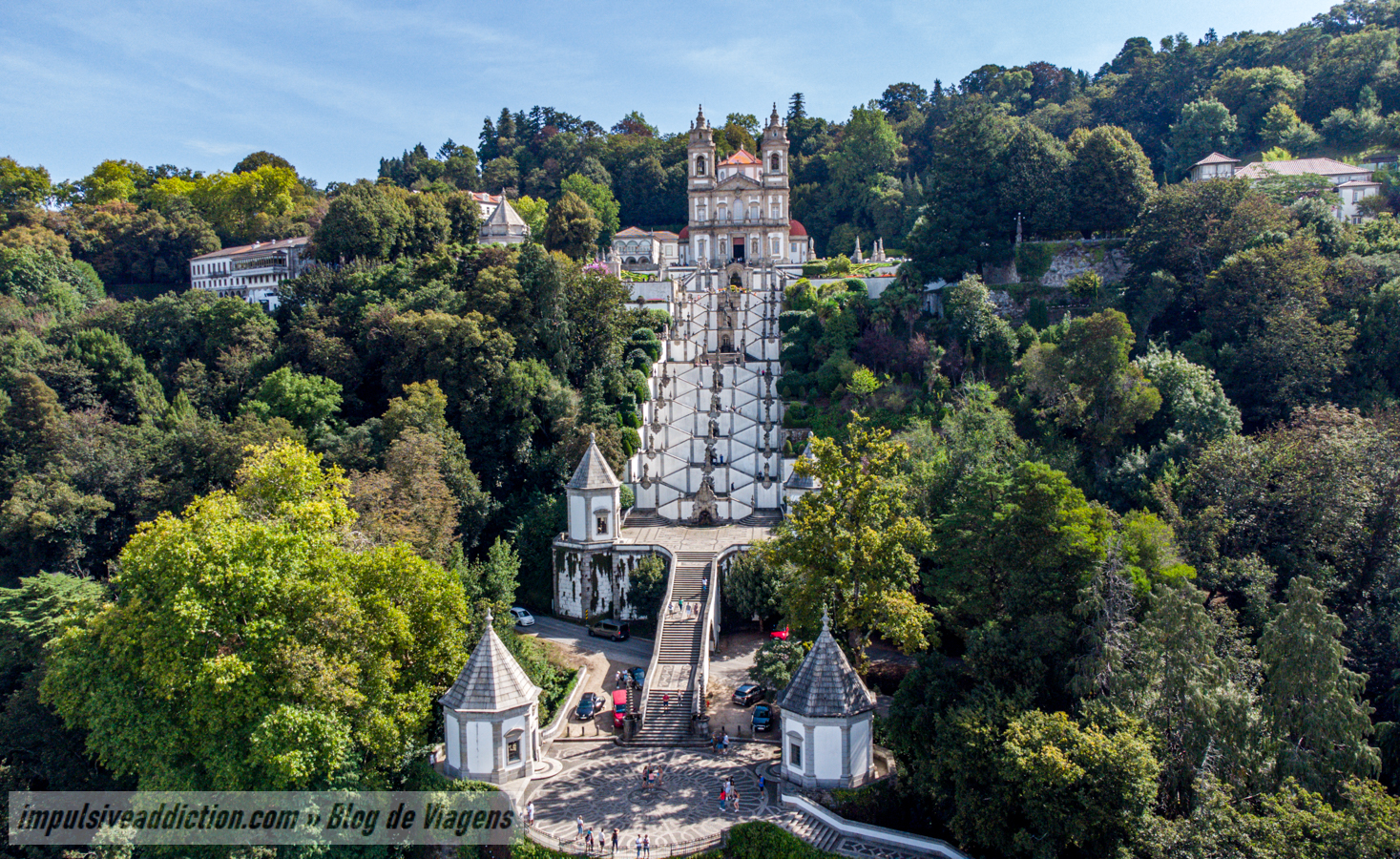
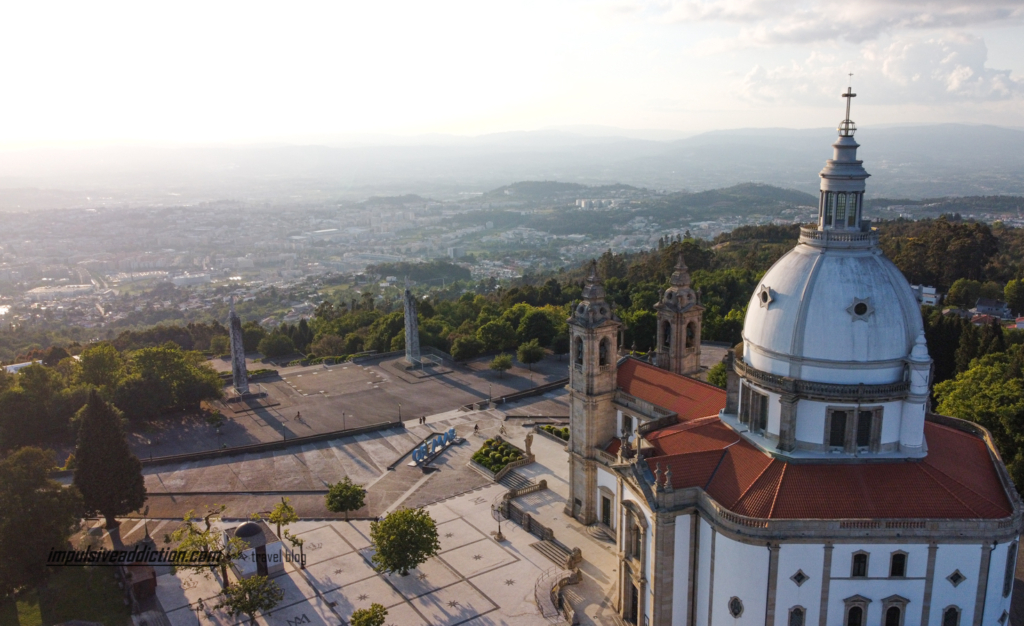
One of the highlights of Braga is without a doubt Bom Jesus do Monte, classified as a UNESCO World Heritage Site. With its monumental staircase, sanctuary, and breathtaking views over the city, it is one of the most famous attractions in Portugal and a must-see for any visitor. For some reason Braga is often considered one of the best European city destinations, and it is easy to understand why. In this article I will share with you the best tips on things to do in Braga, what to see and visit, and how to plan a short itinerary that lets you enjoy the very best of this remarkable city.
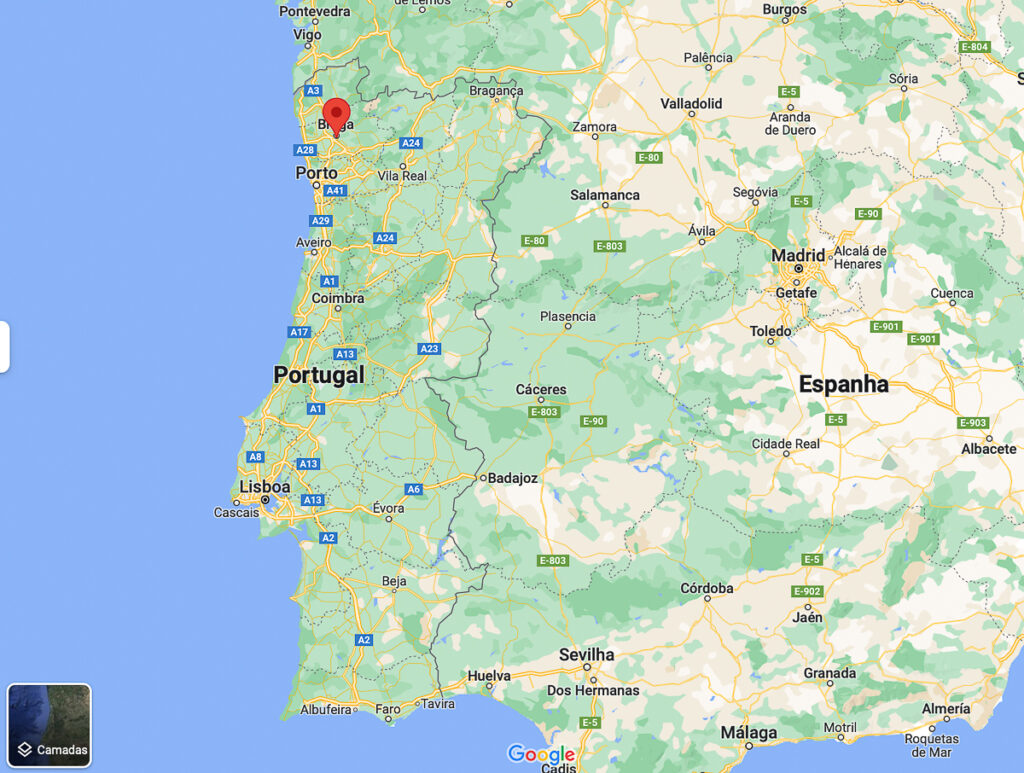
Where is Braga located?
Braga is a historic city in northern Portugal, situated in the Minho region between Viana do Castelo to the north and Porto to the south. As one of Portugal’s district capitals, it plays an important cultural and administrative role in the country.
MORE ARTICLES FROM THE NORTH OF PORTUGAL:
- Porto Itinerary
- Things to do in Porto
- Best Museums in Porto
- Best Churches and Cathedrals in Porto
- Best Parks and Gardens in Porto
- Best Port Wine Cellars in Porto
- Best Beaches in Porto
- Best Day Trips from Porto
- Best Matosinhos Beaches
- Things to do in Matosinhos
- Things to do in Vila do Conde
- Things to do in Póvoa de Varzim
- Things to do in Vila Nova de Gaia
- Things to do in Espinho

- Minho | Northern Portugal Itinerary
- Things to do in Viana do Castelo
- Things to do in Ponte de Lima
- Things to do in Monção
- Things to do in Valença
- Things to do in Caminha
- Things to do in Guimarães
- Things to do in Barcelos
- Things to do in Esposende
- Things to do in Arcos de Valdevez
- Peneda Gerês National Park Itinerary
- Best Hikes and Trails in Peneda Gerês National Park
- Best Peneda Gerês National Park Waterfalls and Lagoons

- Douro Valley Itinerary
- Douro Valley Wineries
- Best Douro Viewpoints
- Things to do in Peso da Régua
- Things to do in Lamego
- Things to do in Pinhão

- Best beaches in Northern Portugal
- Trás-os-Montes Itinerary
- Things to do in Bragança
- Montesinho Natural Park Itinerary
- Douro International Natural Park Itinerary
How to get to Braga?
Braga is one of the main cities in Portugal, which means it has excellent transport connections and modern infrastructure. Getting to Braga is easy: you can travel by train or bus from several Portuguese cities, including Porto and Lisbon. However, if you want the freedom to explore all the sights and hidden gems I’ll recommend in this article, renting a car is the best option. For car hire in Braga, a great choice is Discover Cars, which offers a reliable way to compare prices between different rental companies
If you prefer traveling by train, you can buy tickets directly from CP – Comboios de Portugal, the official railway company, which connects Braga with major destinations across the country.
Note that It is possible to get to Braga in a day trip from Porto that also passes through Guimarães.
When to visit Braga?
Braga can be visited at any time of the year, as the city is full of life in every season. There are plenty of things to do in Braga all year round, from exploring its historic center to enjoying nearby attractions and day trips in the Minho region. Of course, if you want to experience the city at its liveliest, you can plan your trip to coincide with Braga’s main annual events and festivals, which bring even more color and tradition to the streets.
1. Braga Roman Festival – May
Braga is one of the oldest cities in Portugal, founded more than 2,000 years ago by Emperor Augustus under the name Bracara Augusta. Because of its strong Roman heritage and countless churches, it is often called the “Portuguese Rome” and was once one of the most important cities in the Iberian Peninsula. Today, the city proudly celebrates this legacy every year with the Braga Roman Festival, when locals dress as Romans, the streets fill with reenactments, music, food, and drinks, and the whole city comes alive in a unique journey back in time. It’s one of Braga’s most iconic events—and also one of my personal favorites.
2. Rally de Portugal – May
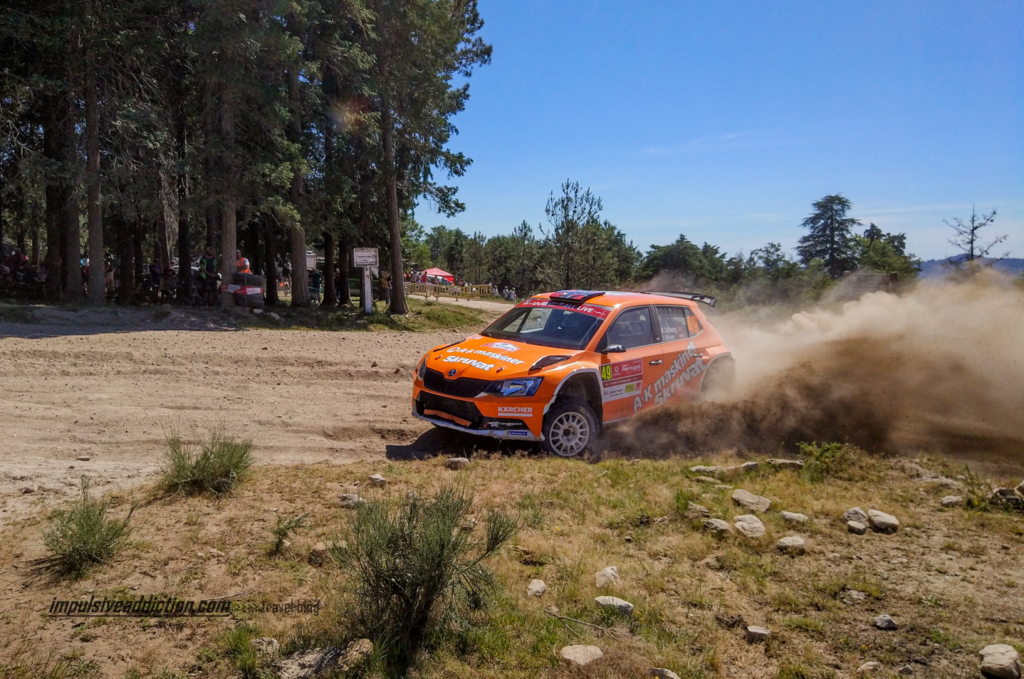
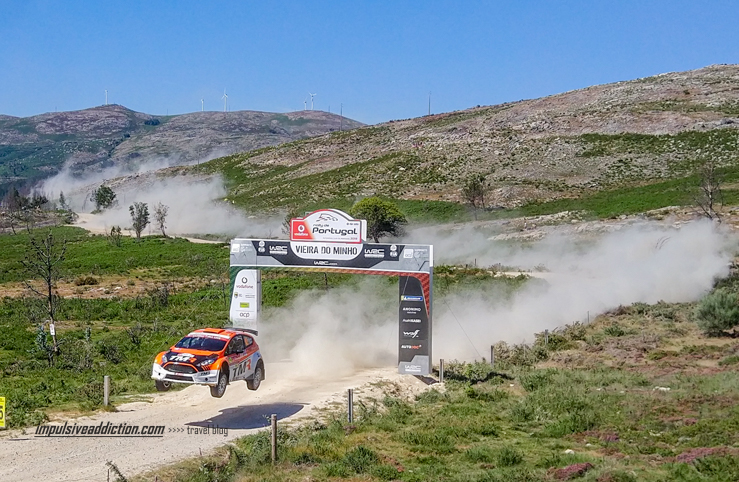
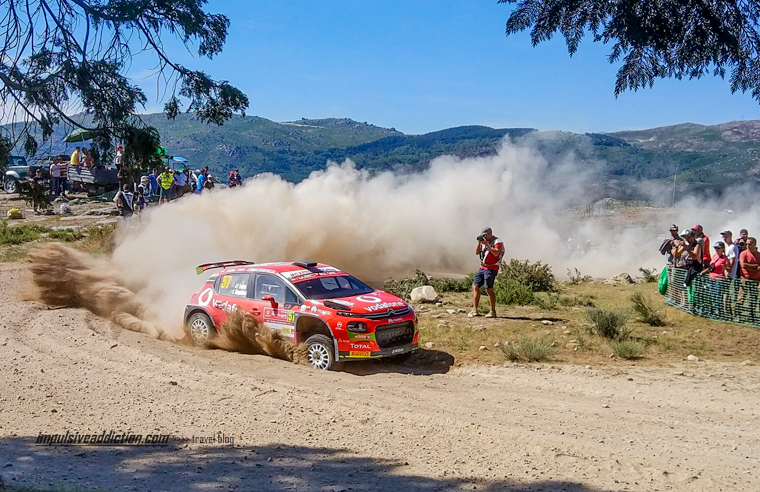
Another great reason to visit Braga is the Rally de Portugal, one of the most exciting motorsport events in the country. Some of the most spectacular stages of this world-famous race take place in the surroundings of Braga, especially in Fafe and Vieira do Minho, where the thrilling jumps and challenging dirt roads attract thousands of fans every year. For rally enthusiasts, experiencing the Portugal Rally near Braga is truly unforgettable and adds a unique adventure to any trip.
3. Holy Week in Braga (Easter)
The Holy Week (Semana Santa) is the most important religious event in Braga, attracting visitors from all over Portugal and beyond. The city is known for its countless churches and sacred traditions, which come to life during this special time of year with solemn processions, rituals, and unique cultural celebrations. Braga is often called the city of archbishops thanks to its long ecclesiastical history, and Holy Week is the perfect moment to experience this deep spiritual heritage while also taking the opportunity to explore its many historic churches and chapels.
4. São João de Braga – June
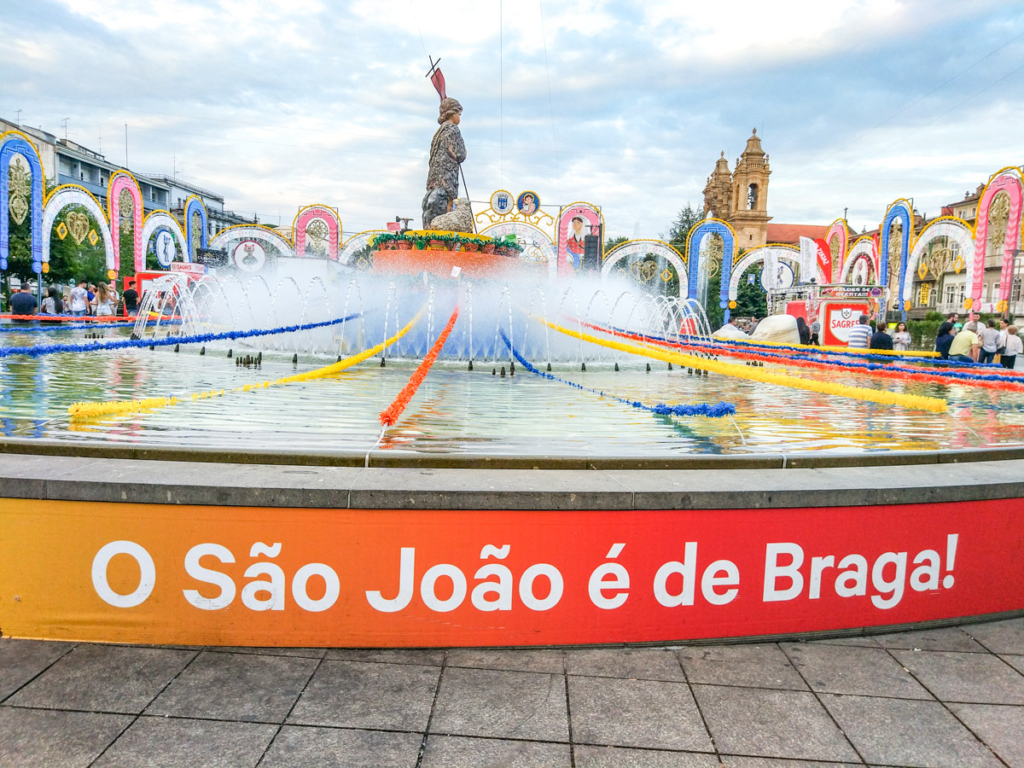
The biggest popular festival in Braga is the São João de Braga, a tradition that dates back to 1150 and is considered the liveliest and most joyful celebration in the city. During this event, Braga’s streets fill with music, dancing, parades, food stalls, and endless revelry, creating an atmosphere of pure fun and community spirit. For many locals and visitors alike, São João de Braga is the highlight of the year and one of the best times to experience the city’s vibrant culture.
5. White Night of Braga – September
The Noite Branca de Braga (White Night) is considered the biggest event of its kind in Europe and fills the city with entertainment for all ages. Concerts, art performances, and street shows take over the historic center, and it is tradition for everyone to wear white clothing during the celebrations.
6. The Falperra Hill Climb
Another highlight for motorsport fans is the Falperra Hill Climb, one of the most iconic car racing events in Portugal. Born in 1950, it takes advantage of the spectacular curves of the mountain range near Braga and attracts drivers and fans from all over Europe.
7. “O Bananeiro” – Christmas Eve Tradition
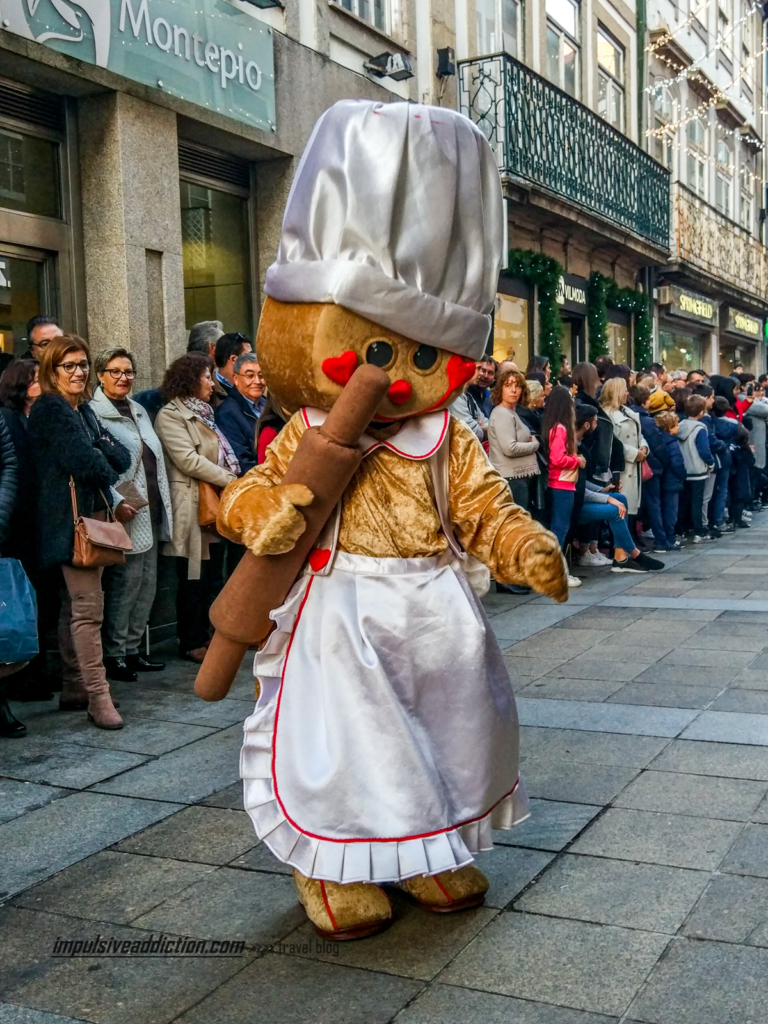
On December 24th, a few hours before Christmas dinner, Braga hosts a unique and fun tradition known as O Bananeiro. Locals and visitors gather on Rua do Souto to eat a banana and drink a “banano,” a sweet muscatel wine. This quirky ritual has become one of Braga’s most beloved Christmas traditions and is a must-experience if you happen to be in the city during these days.
Tours to visit Braga
I also want to share a few tips on organized activities you can enjoy in this beautiful city in the north of Portugal. A fun and practical way to discover the main attractions is by taking a Tuk-Tuk tour of Braga, which allows you to cover more ground while still experiencing the charm of the historic center. If you prefer something slower and more immersive, a guided walking tour is a fantastic option to learn about the city’s history, monuments, and traditions from a local perspective. Depending on the season, you may also find sightseeing tourist buses available, which are a convenient way to explore Braga and its surroundings at your own pace.
Gastronomy in Braga
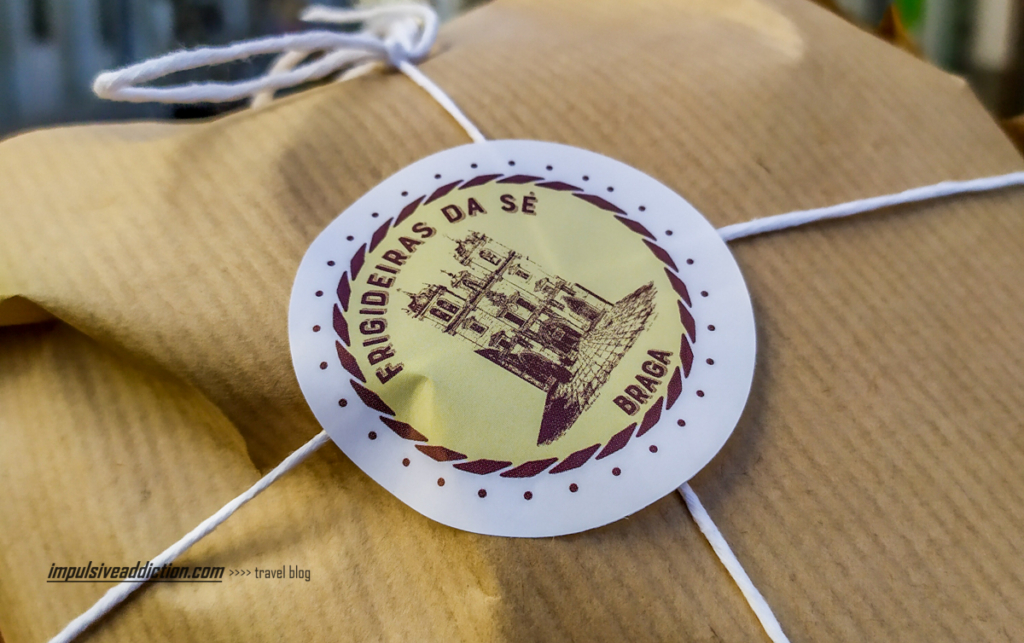
When it comes to food, Braga is a true paradise for anyone who loves Portuguese gastronomy. In my opinion, you’ll find the best francesinha in Portugal at Taberna Belga, a must-try for first-time visitors. If you’re looking for something more traditional, don’t miss local specialties such as Papas de Sarrabulho, Rojões, or the ever-popular Bacalhau (codfish) prepared in different ways. For a quick snack, try the famous Frigideiras da Sé, a savory pastry filled with meat, and to end on a sweet note, indulge in Braga’s most iconic desserts: Tíbias de Braga and the extraordinary Pudim Abade de Priscos. This last one is a true masterpiece of Portuguese conventual sweets — and absolutely unmissable!
Nice Restaurants in Braga
In addition to Taberna Belga, famous for serving what many consider the best francesinha in the country, Braga has plenty of other excellent restaurants worth trying. For traditional Portuguese food, Restaurante Tia Isabel and Tasquinha Dom Ferreira are always great choices. If you’re in the mood for something different, Bira dos Namorados is a popular spot for gourmet burgers in a fun, relaxed setting. Meat lovers will enjoy Naco na Pedra, where steak is served sizzling on a hot stone, while Tasquinha do Fujacal offers hearty regional dishes full of flavor. Another recommendation is Restaurante São Frutuoso, known for its cozy atmosphere and quality cuisine.
Where to stay in Braga?
Braga also offers plenty of accommodation options to suit every type of traveler and budget. Whether you’re looking for a central hotel close to the historic center, a boutique guesthouse with local charm, or a more affordable stay, you’ll find excellent choices here. Below, I leave you with my personal suggestions for where to stay in Braga.
| Accommodation | Score | Location |
|---|---|---|
| Souto Guest House | 9.2 | Central Braga |
| Domus 26 Guesthouse | 9.7 | Central Braga |
| Braga Heritage Lofts | 9.3 | Central Braga |
| The Arch Apartments | 9.2 | Central Braga |
| Melia Braga | 8.4 | Surroundings |
| Hotel do Parque | 8.5 | Bom Jesus |
| Hotel Dona Sofia | 8.7 | Central Braga |
| Hotel Moon & Sun | 8.7 | Central Braga |
| Burgus Tribute | 9.1 | Central Braga |
| Signature Apartments | 9.0 | Central Braga |
| Vila Gale Braga | 8.8 | Central Braga |
| Pousada da Juventude | 8.7 | Central Braga |
| Isis Guest House | 9.2 | Central Braga |
| Sé Guesthouse | 8.9 | Central Braga |
Best things to do in Braga | Portugal
When it comes to planning an itinerary for Braga, it can be challenging to divide the city into a fixed number of days. Each traveler has their own pace and interests—some prefer museums and cultural sites, while others enjoy the outdoors and nature. Personally, although I’ve visited most of Braga’s museums (and some are truly impressive!), I find myself more drawn to outdoor activities and walking through the city’s vibrant streets.
In this guide, I’ll show you the best things to do in Braga so you can build your own itinerary. Consider the suggestions below as possible day plans, but feel free to adapt them to your preferences, available time, and travel style.
- Day 1 – Explore the Historic Center of Braga, with its monuments, museums, and lively streets.
- Day 2 – Discover the Sanctuaries of Braga, the Falperra mountain, and the Monastery of Tibães.
- Day 3 – Enjoy the natural wonders of the Cávado River, with peaceful landscapes and outdoor activities.
Map with the highlights to visit in Braga
Visit the Historic Center of Braga
My recommendation is to start your visit to Braga at the traditional entrances to the city, beginning with the Arco da Porta Nova and Campo das Hortas. From there, you can follow the numbered sequence below, which I’ve designed as a suggested walking itinerary through the historic center. The map above is also marked with the same numbers to help you easily follow along. 😉
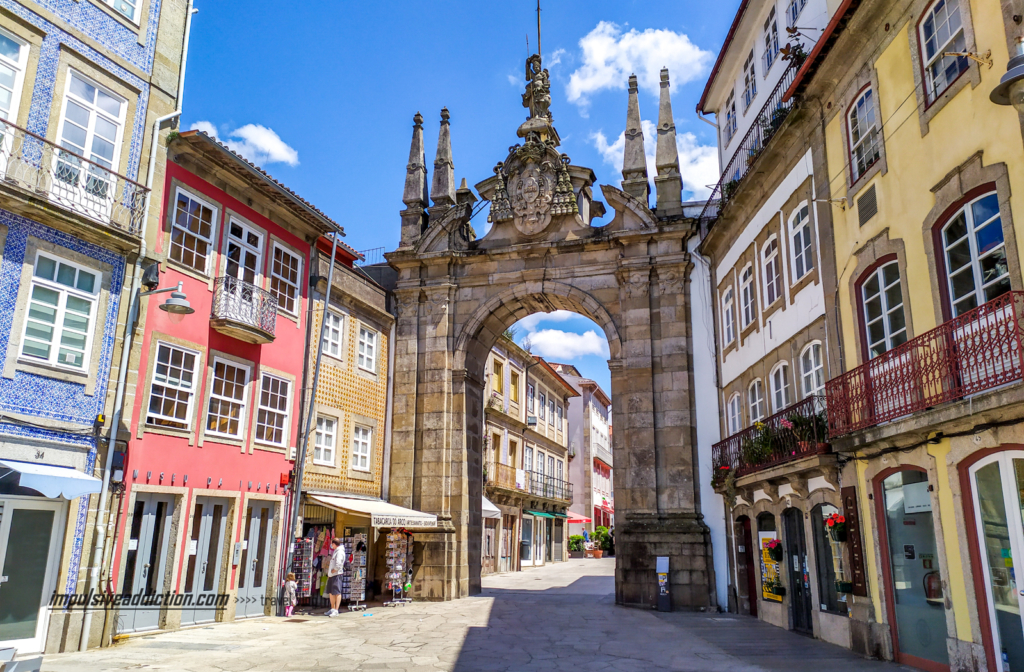
1. Arco da Porta Nova, Campo das Hortas and Image Museum
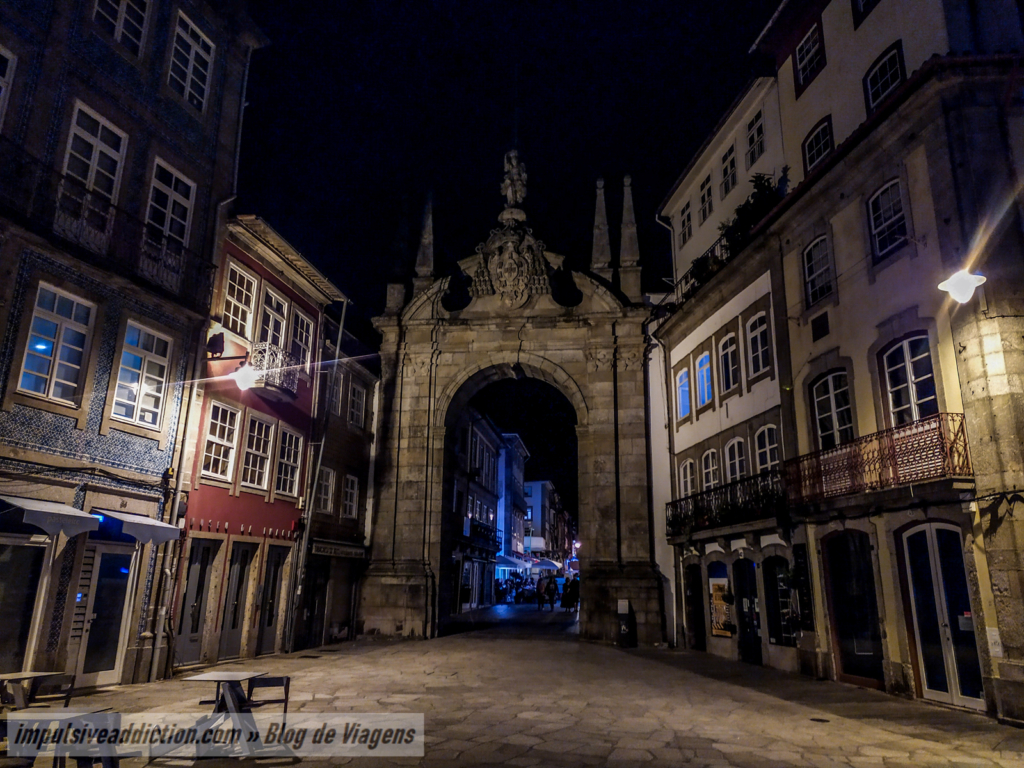
The Arco da Porta Nova is one of Braga’s most iconic landmarks and marks the entrance to the historic center. Passing through this beautiful archway, you’ll reach Rua do Souto, the city’s main pedestrian street, full of shops, cafés, and local life. Right next to the arch stands the reddish building that houses the Image Museum (Museu da Imagem), a small but interesting museum dedicated to photography—with free admission.
If you have extra time, you can also walk up to Campo das Carvalheiras, where you’ll find an impressive 17th-century stone cross, another glimpse into Braga’s rich history.
2. Rua do Souto
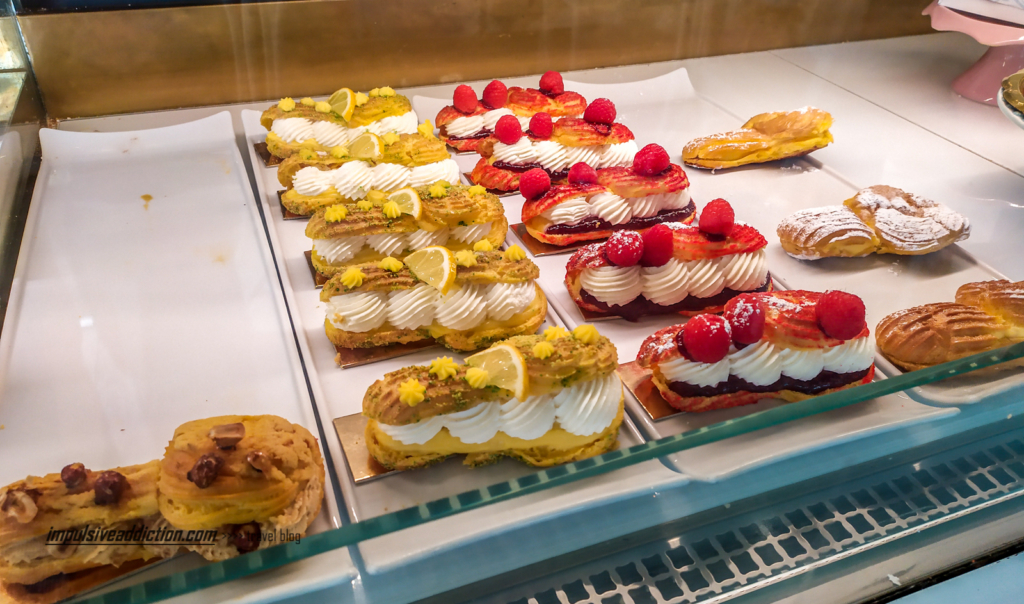
Before crossing the Arco da Porta Nova into Rua do Souto, make a quick stop at the nearby pastry shop to try the famous tíbias de Braga. These delicious pastries come in the traditional version as well as several other flavors—you won’t regret it. 😉
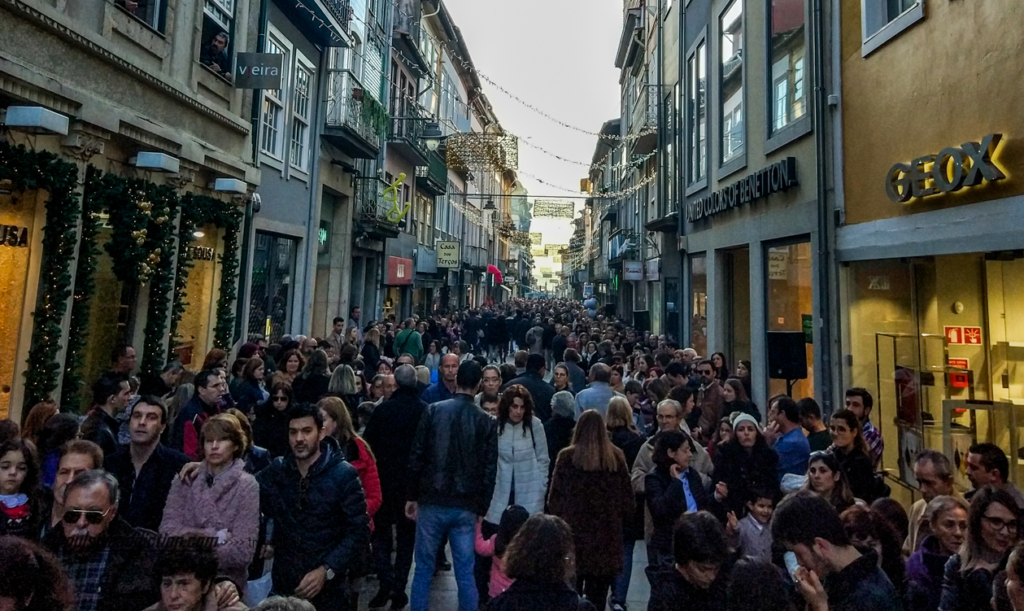
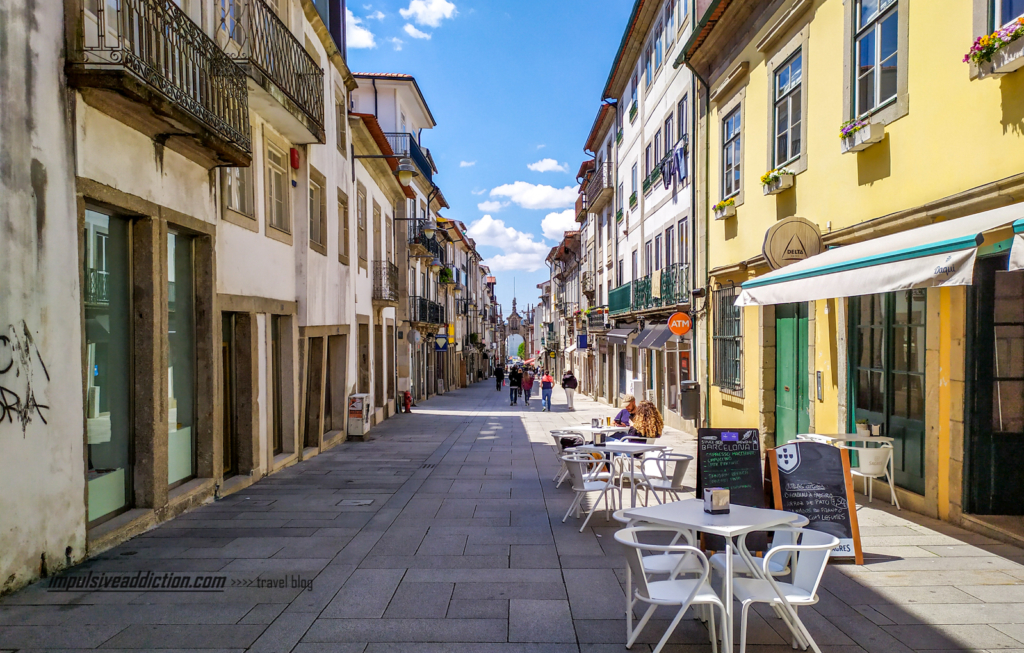
Rua do Souto is one of the most important streets in Braga, connecting the arch to the city’s Avenida Central. Along the way you’ll find plenty of shops, cafés, restaurants, and outdoor terraces, perfect for soaking up the local atmosphere. Many of Braga’s main attractions are just a few steps away in the side alleys, making Rua do Souto the ideal starting point for exploring the historic center.
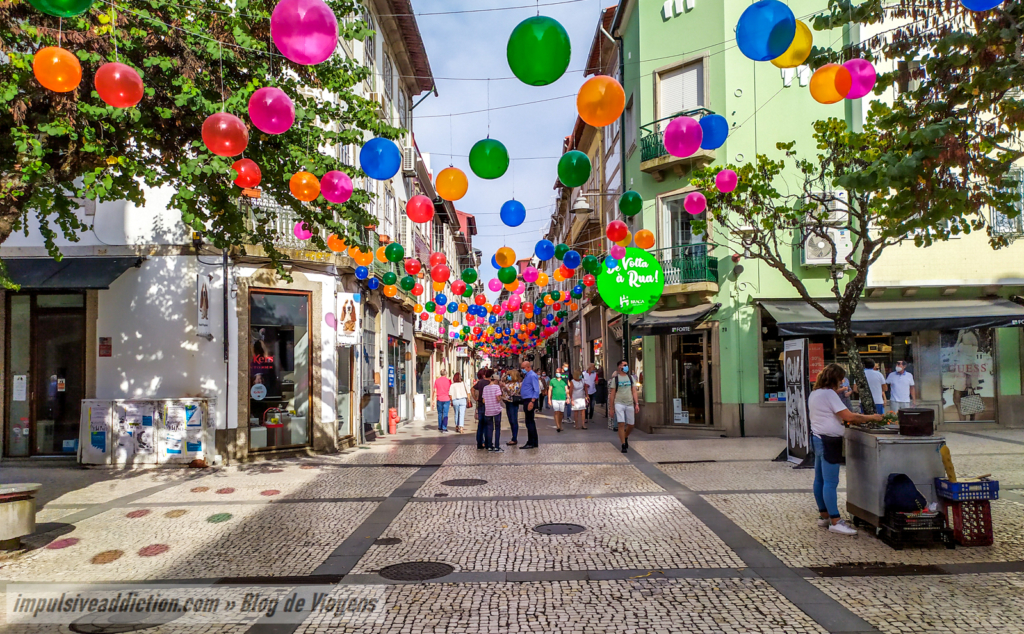
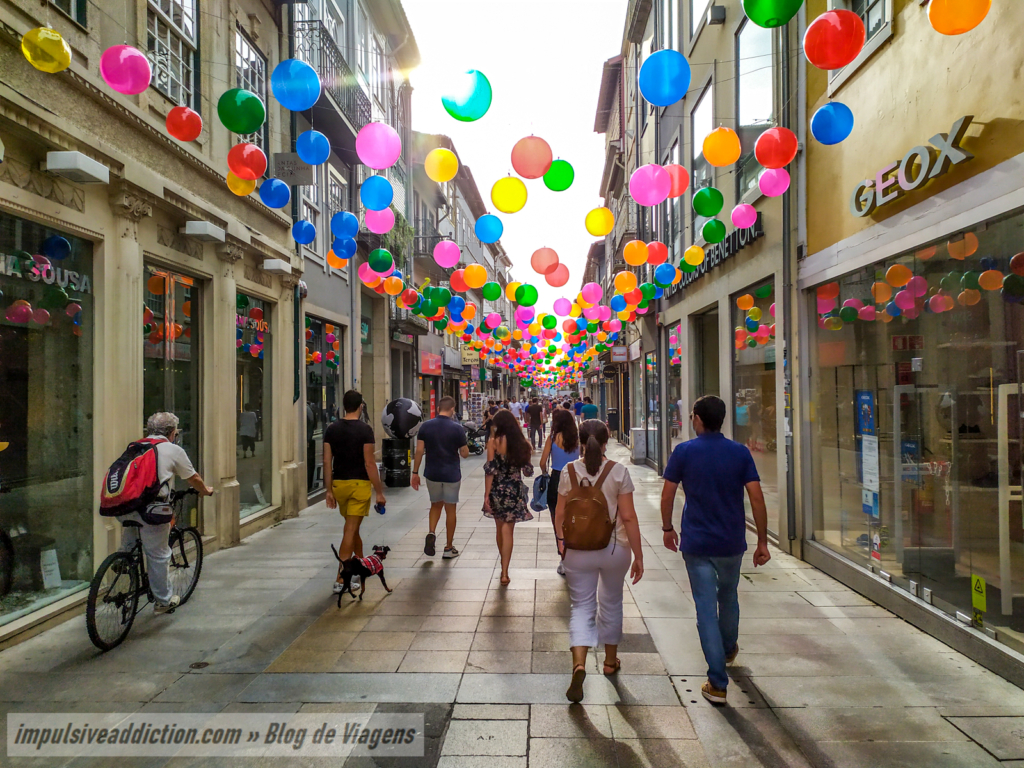
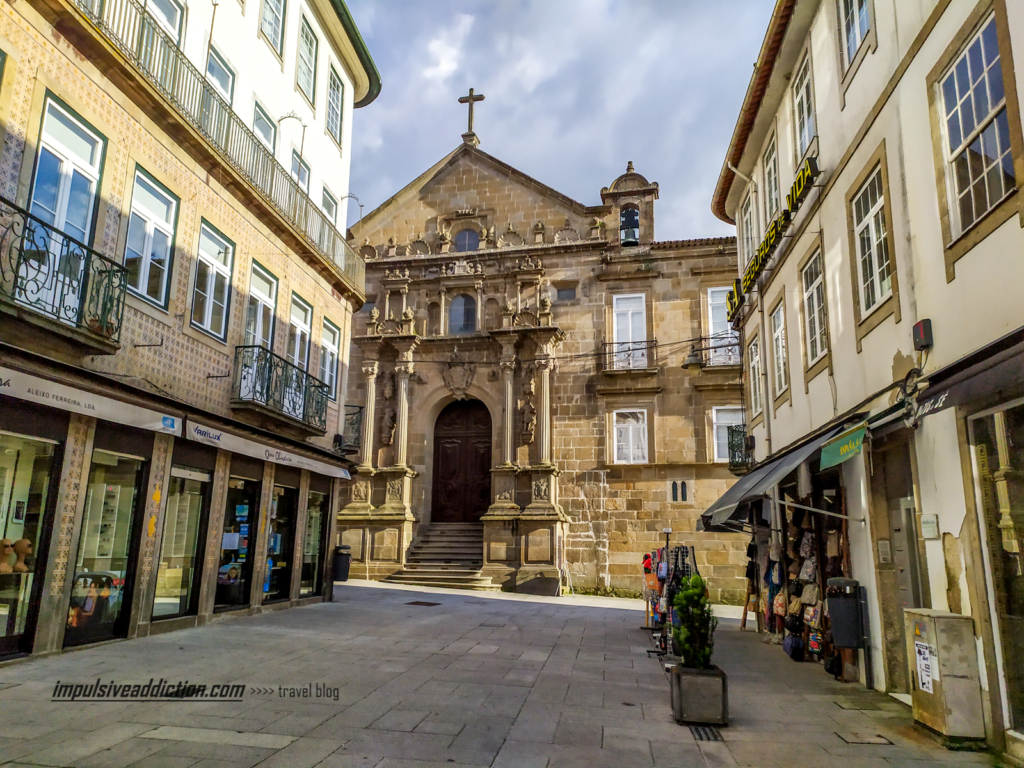
3. Chapel of São Geraldo and Church of Misericórdia
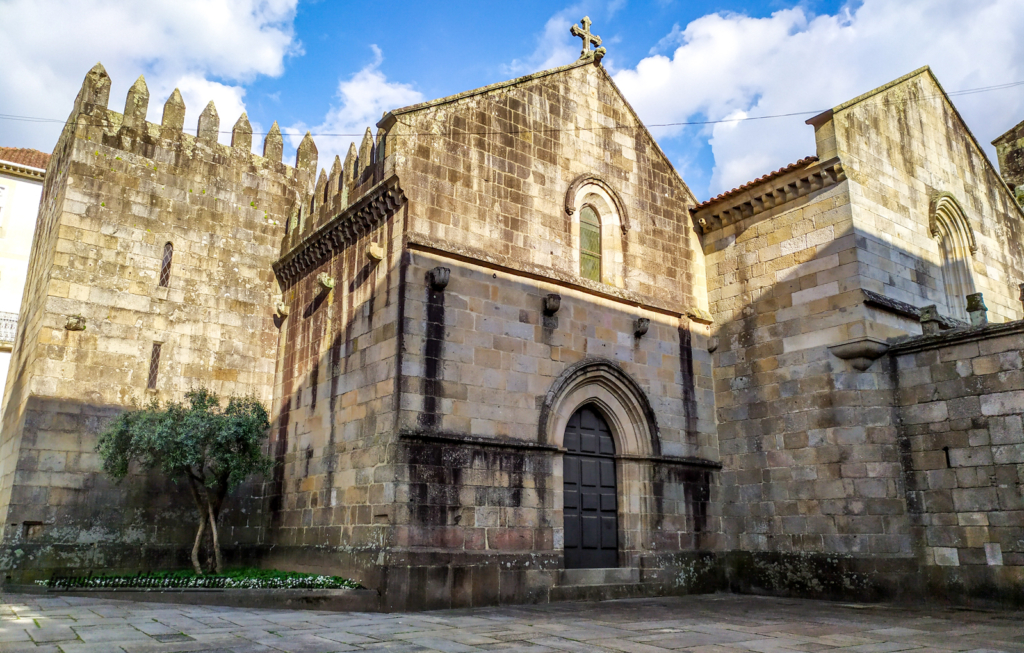
Almost in the middle of Rua do Souto, you’ll find the Chapel of São Geraldo and the Church of Misericórdia, both located right next to one of the entrances to the Braga Cathedral complex—almost like small annexes to it. To be honest, I don’t recall ever finding them open for visits, but they are still worth noting for their historical significance.
The Church of Misericórdia dates back to the 16th century, while the Chapel of São Geraldo is much older, built in the 12th century. São Geraldo himself was the first Archbishop of Braga and is today considered the city’s patron saint. According to tradition, he is buried in the chapel, and his feast day is celebrated every year on December 5th.
4. Braga Cathedral, Treasure-Museum and Rossio da Sé
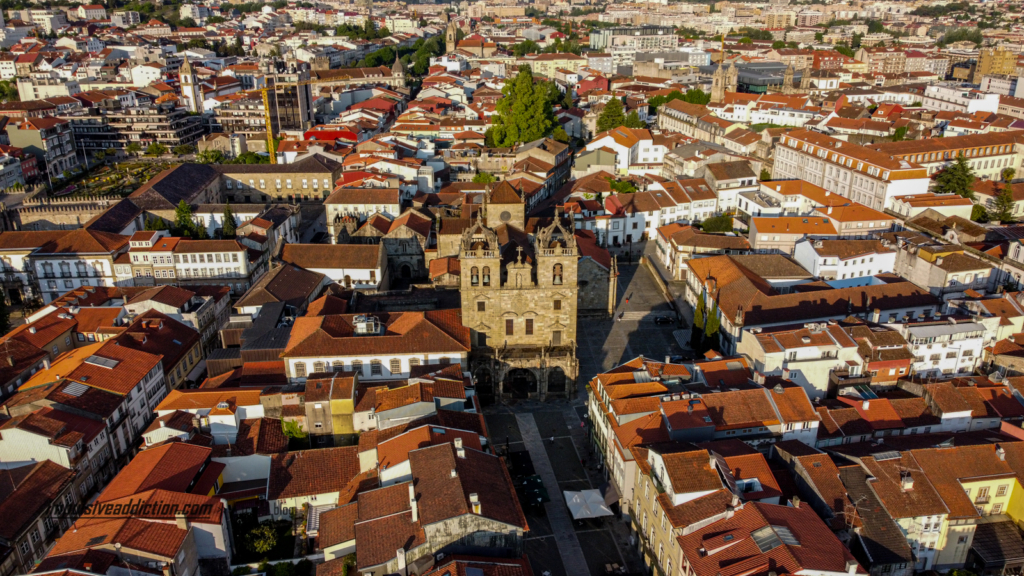
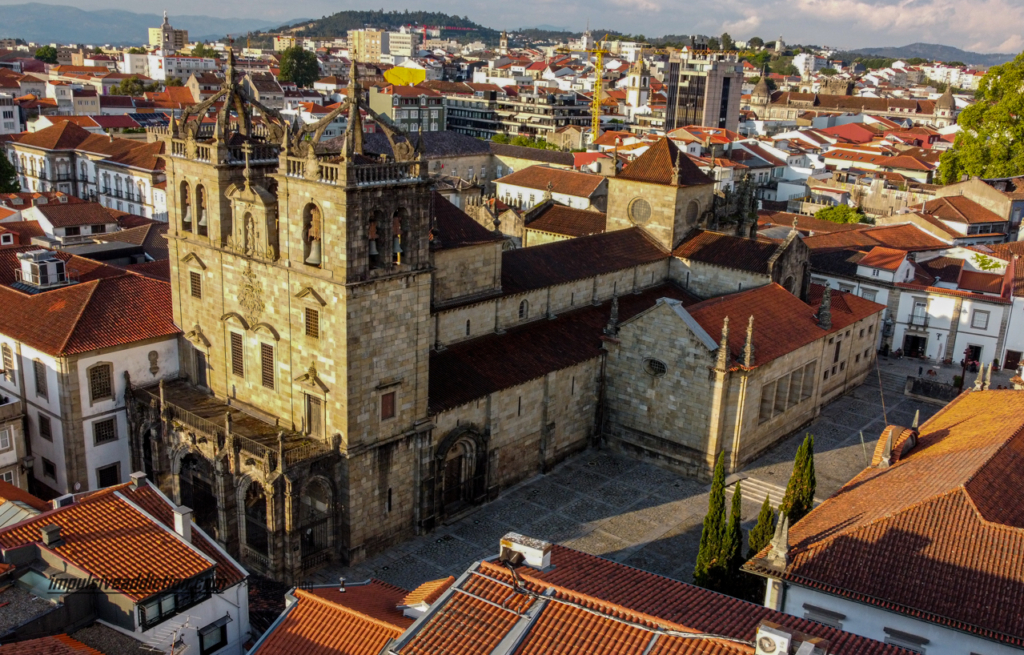
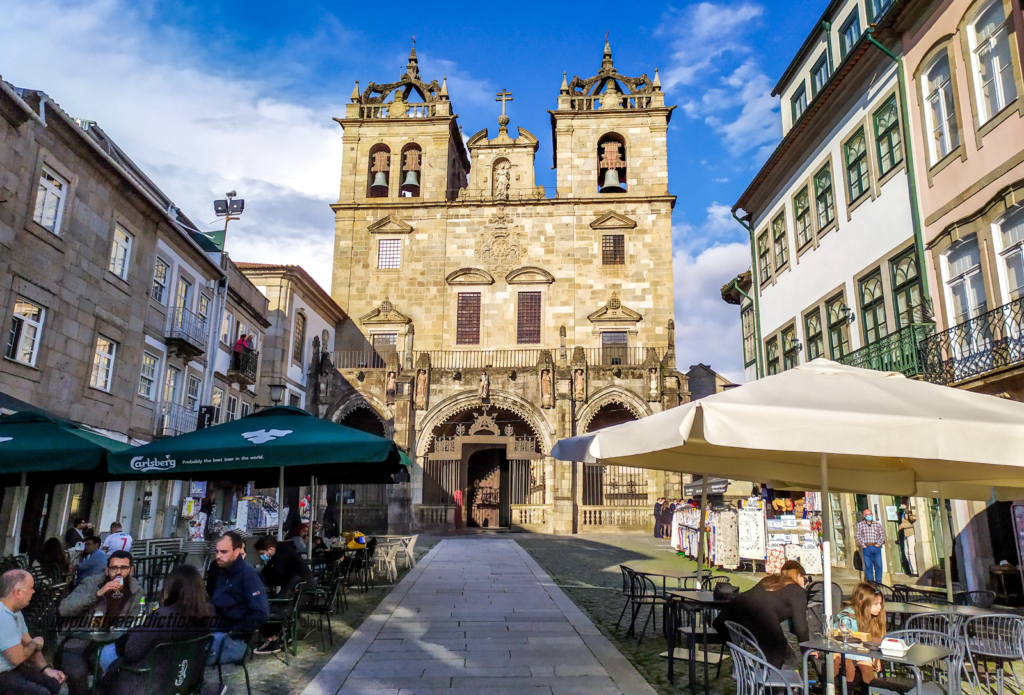
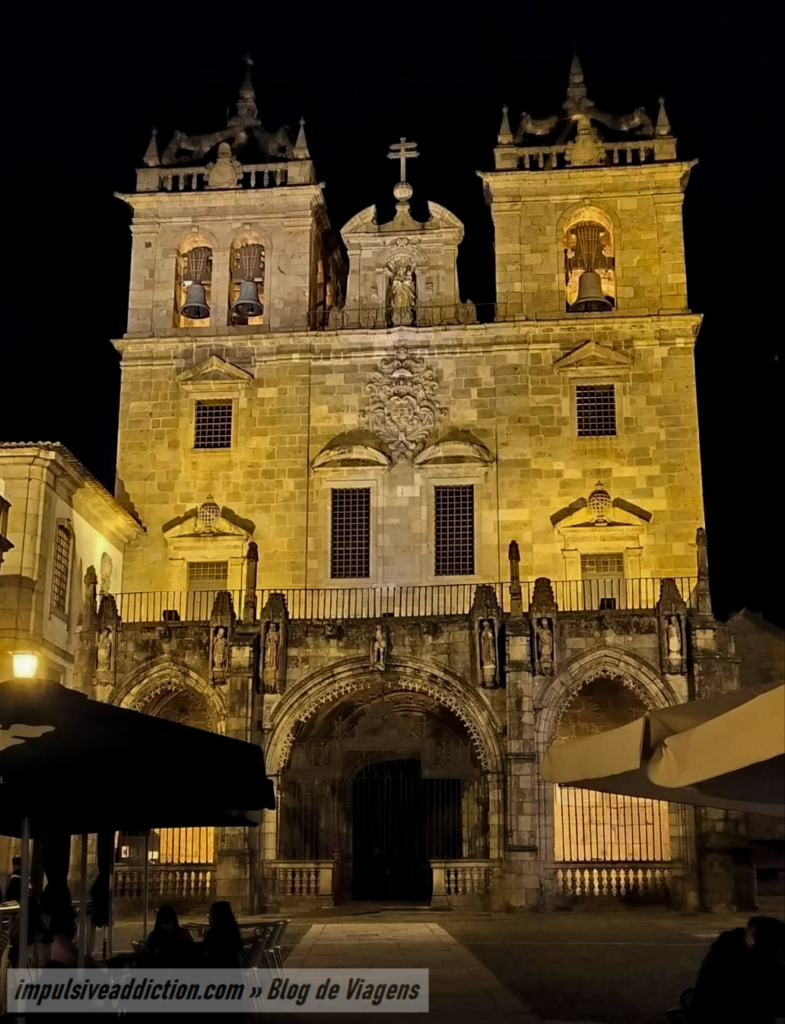
The true highlight of the historic center is without a doubt the Braga Cathedral (Sé de Braga), the oldest cathedral in Portugal, built in the 11th century.
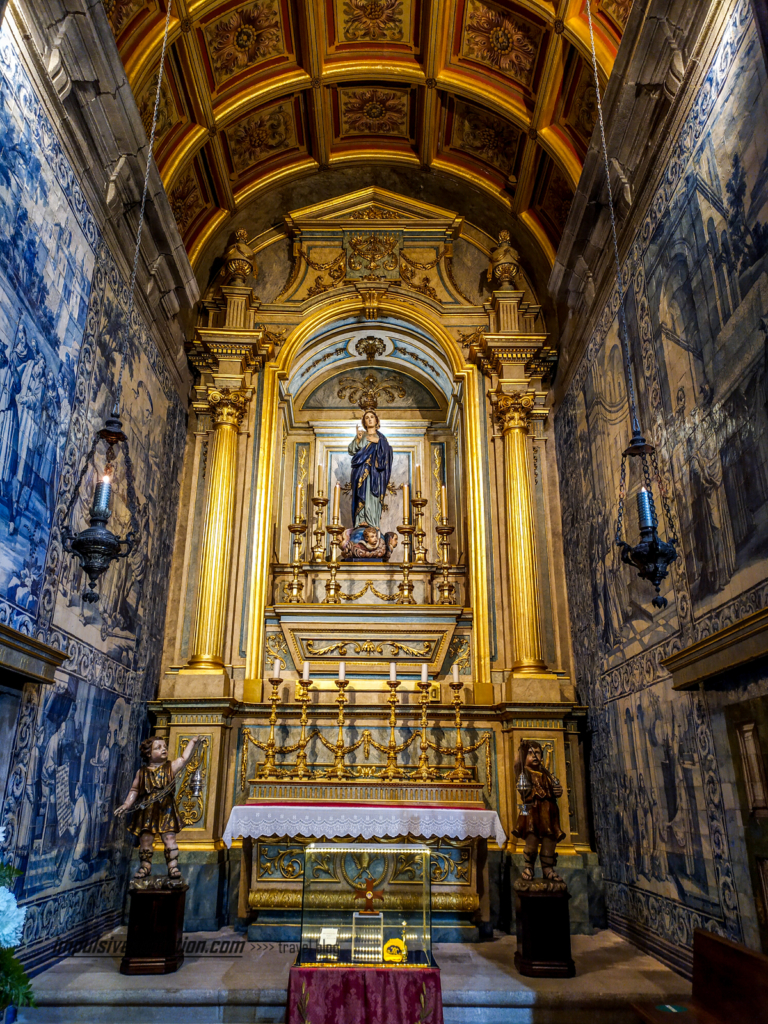
There are different tickets available: one for the Treasury-Museum, another for the Cathedral itself, and others for the Chapels and the High Choir. However, I definitely recommend booking the complete visit with a combined ticket, as it’s the best way to experience the full richness of the site.
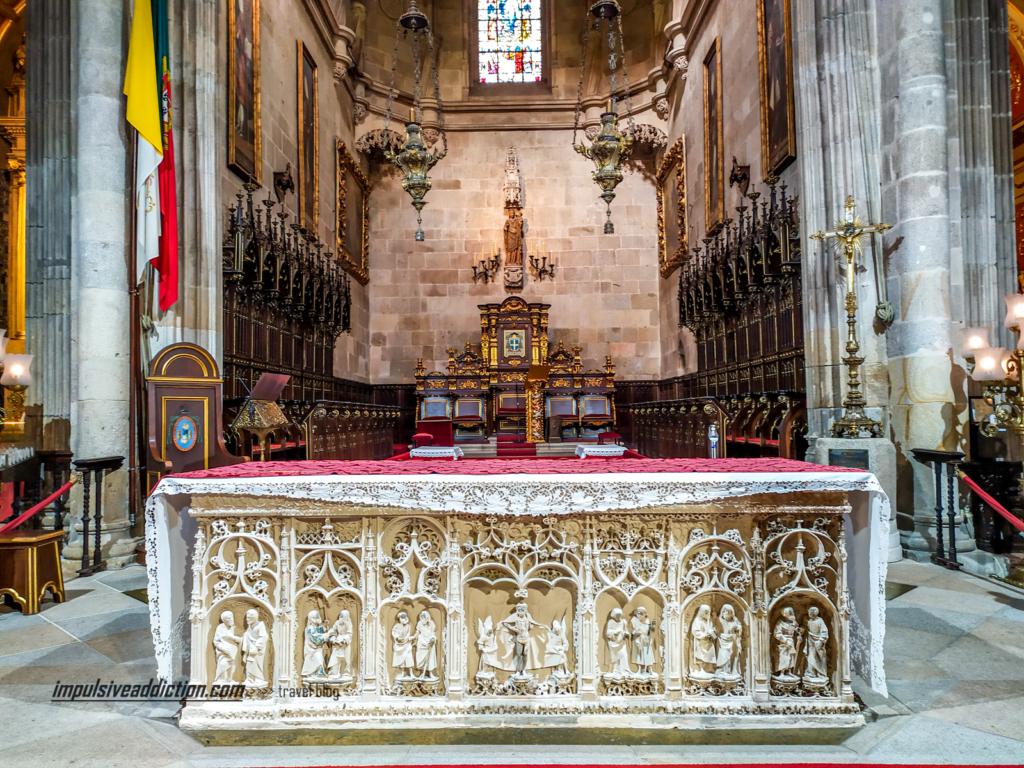
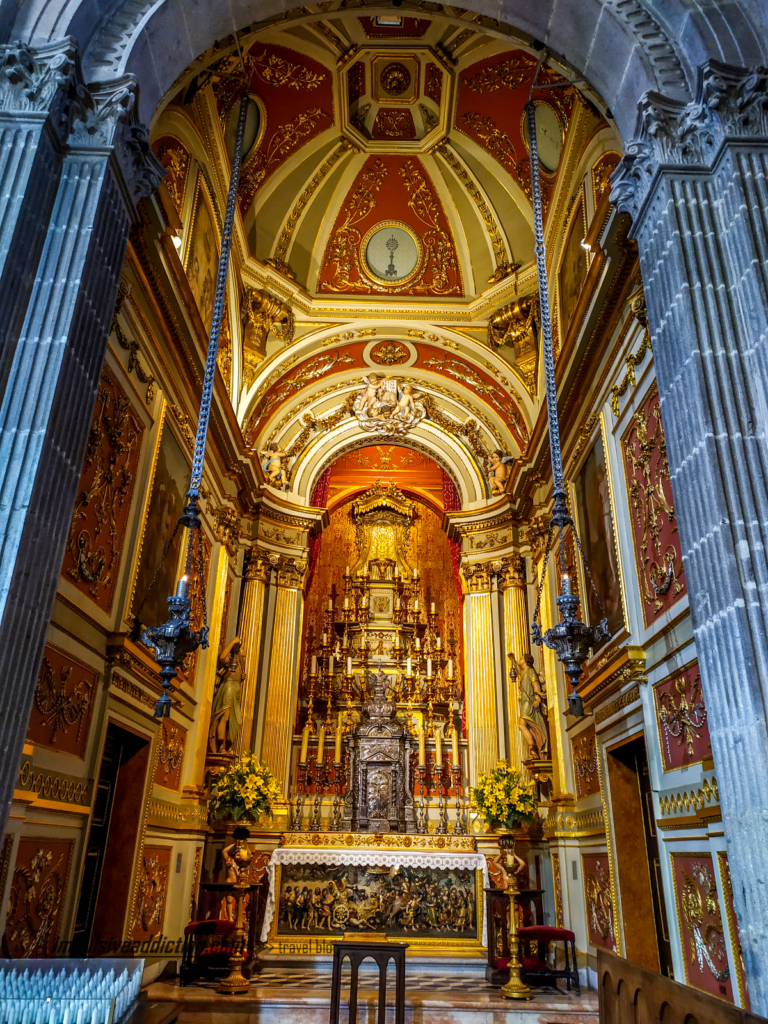
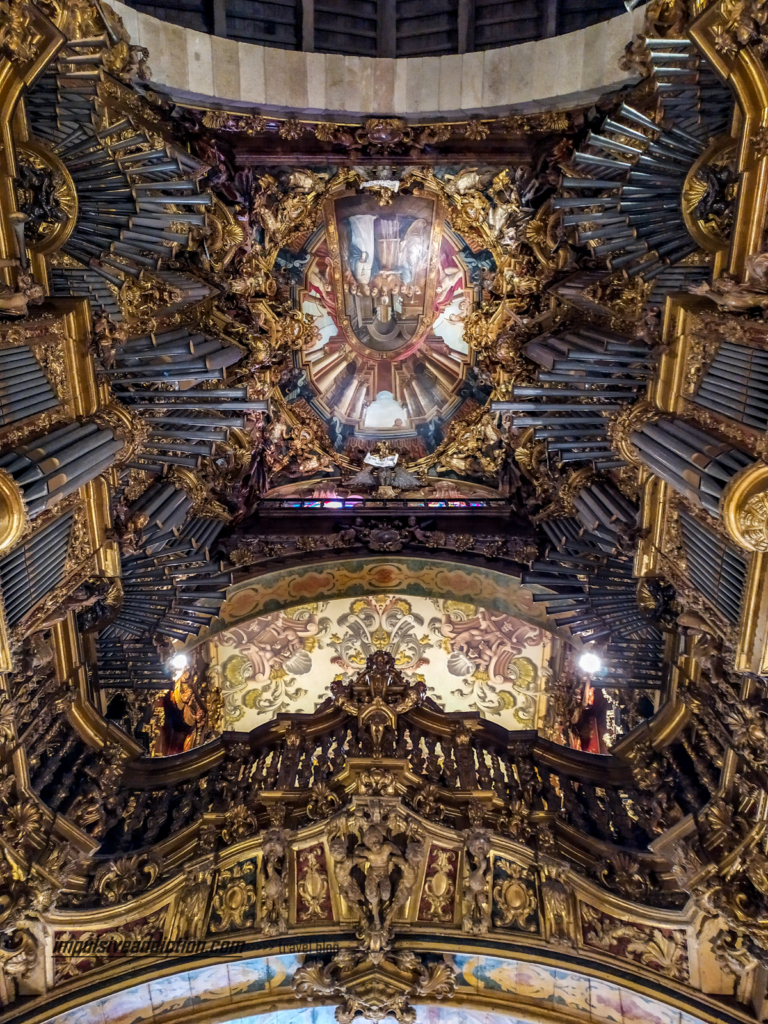
The cloister of Braga Cathedral is free to access, and it’s also where you’ll find the ticket office. From my most recent visit, what impressed me the most was the magnificently carved altar, the tomb of Infante D. Afonso (son of King João I and Queen Filipa de Lencastre), the stunning ceiling decorations, and of course, the majestic pipe organ—an unforgettable sight.
Rossio da Sé is one of my favorite squares in Braga and a space full of charm. It’s especially pleasant in the late afternoon, when the sun begins to set and the atmosphere becomes calm and golden. At night, the square comes alive with several bars and nightlife venues, making it a great place to enjoy a drink with friends while soaking up the lively spirit of the city.
5. São Paulo Square (Churches of São Tiago da Cividade, São Paulo and Nossa Senhora da Torre)
From Rossio da Sé, you can already spot the Chapel of Nossa Senhora da Torre in the distance, a monument that you’ll be visiting next. But if you’re starting to feel hungry, this is the perfect moment to stop at Frigideiras da Sé, one of Braga’s most famous pastry shops, where you can try the city’s traditional meat-filled puff pastry.
Once you reach São Paulo Square, take some time to explore its main highlights:
- The Monument to Friar Bartolomeu dos Mártires, one of Braga’s most notable archbishops.
- The Church of São Tiago da Cividade, dating back to the 17th century.
- The Church of São Paulo, a beautiful 16th-century temple.
- And finally, the Chapel of Nossa Senhora da Torre, built beside one of the old entrances to Braga’s medieval city walls, where part of a historic tower can still be seen today.
The last two churches are part of Pio XII Museum.
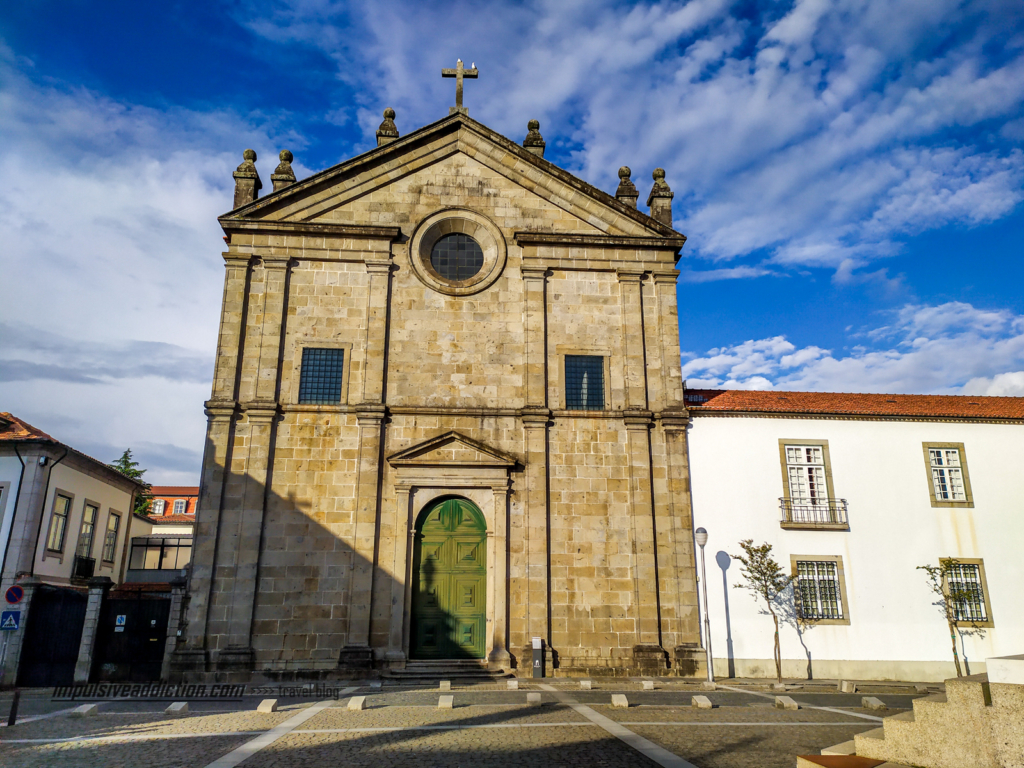
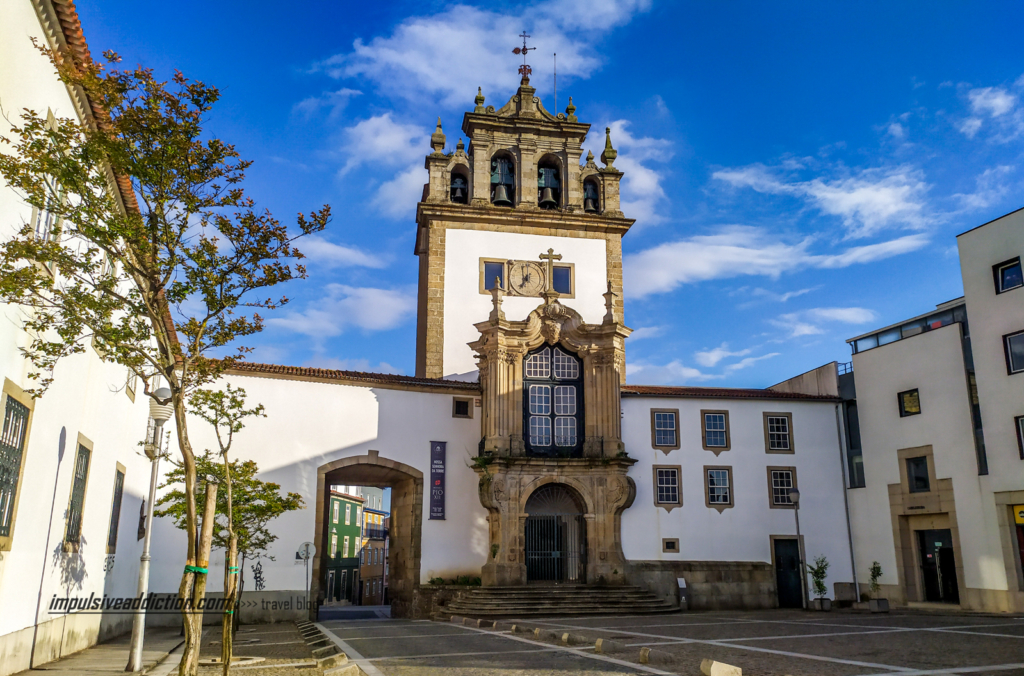
6. Santiago Square and Pio XII Museum
The entrance to the Pio XII Museum is located in Santiago Square, just past the arch you can see in the photo above.
Although it’s not my personal favorite, the Pio XII Museum is without doubt one of the most important museums in Braga. Its collection spans several centuries of history and art, and among its highlights are the Henrique Medina Gallery, dedicated to the works of the renowned Portuguese portrait painter, and the climb to the top of the Medieval Tower, where you’ll find a window with a unique view over the city.
7. Church of Santa Cruz in Braga
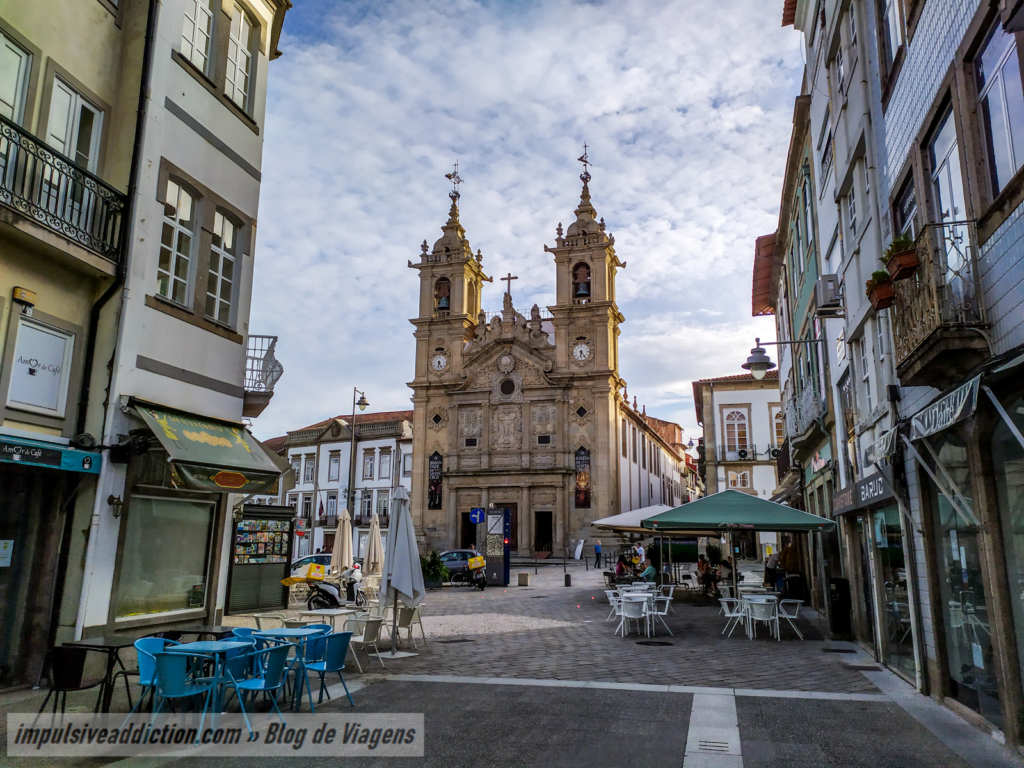
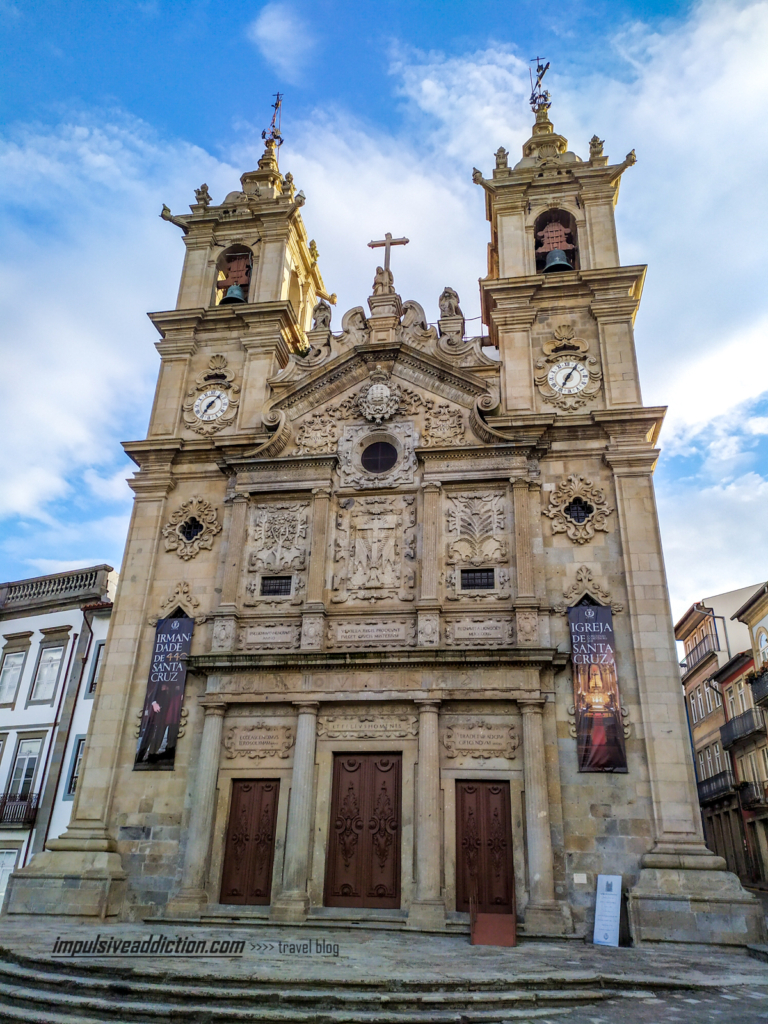
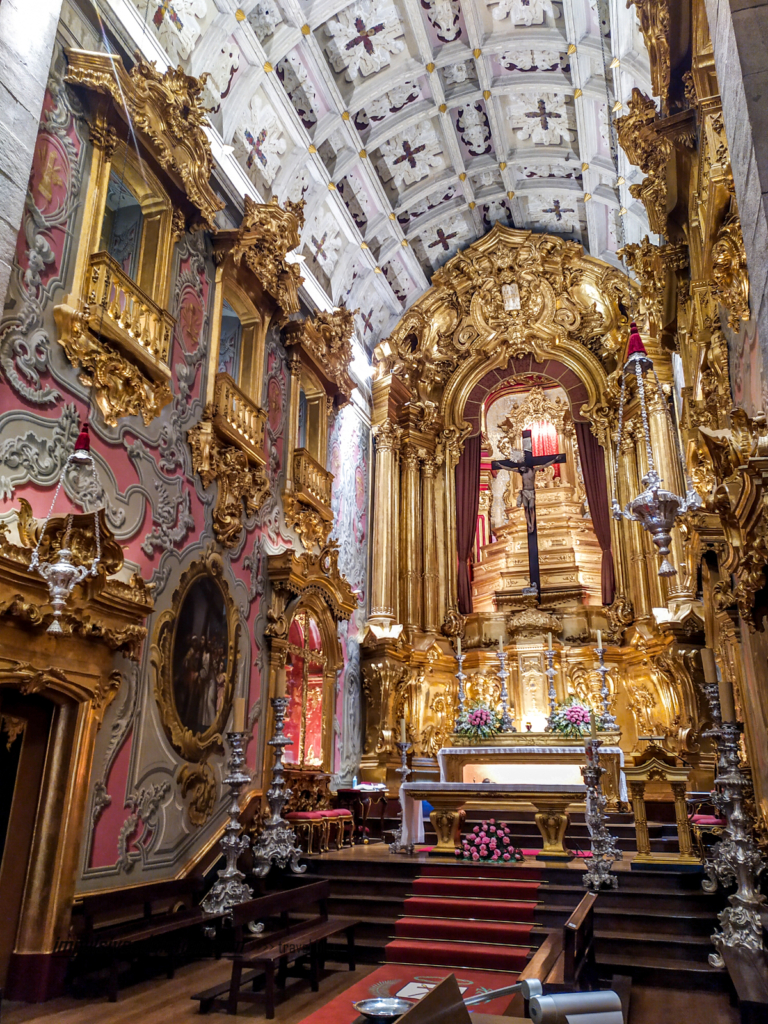
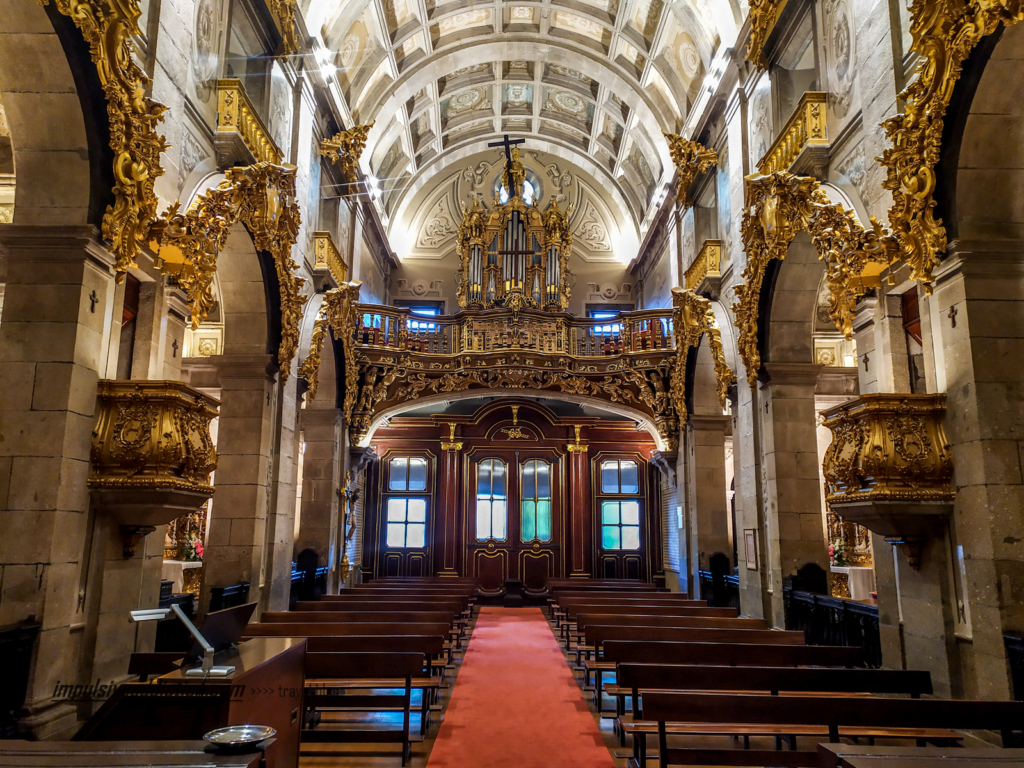
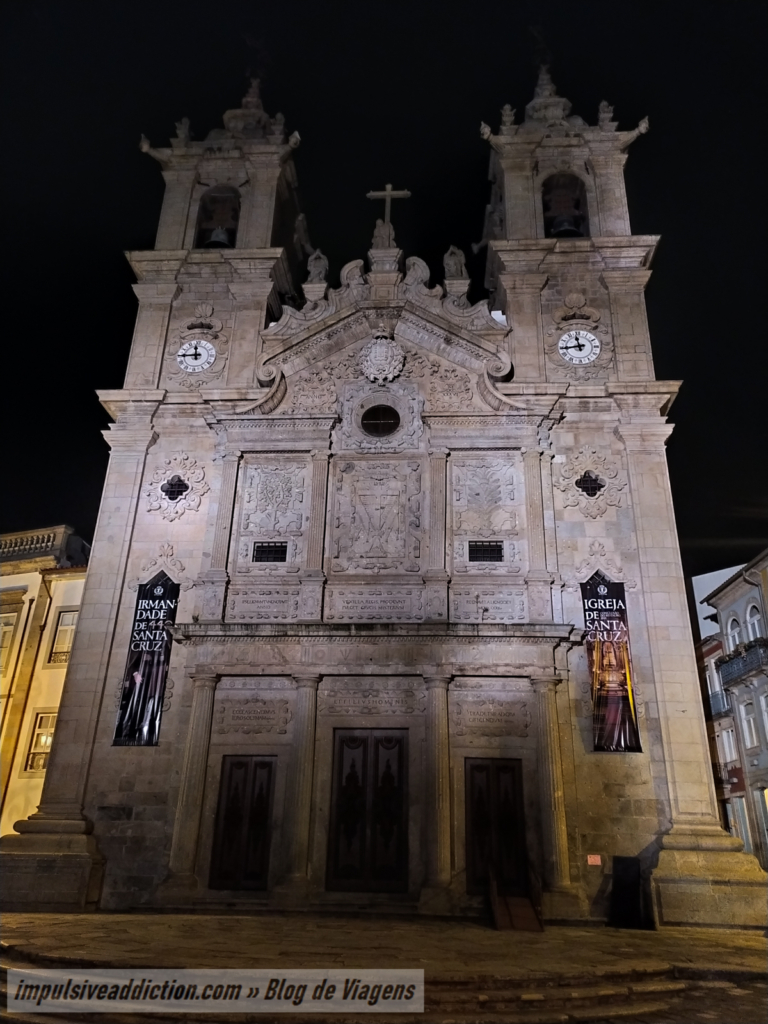
The next stop is the Church of Santa Cruz, which in my opinion is the most beautiful church in Braga, with no rival. Built in the 17th century, it stands out for its richly decorated façade and impressive interior, making it a true architectural gem of the city.
Visiting the inside is a must, so don’t miss the chance to step in. If you happen to find the doors closed, a good tip is to plan your visit around the usual mass times (typically at 11 a.m. and 6 p.m.), when the church is open to the public.
8. Church of São Marcos and Chapel of São Bentinho
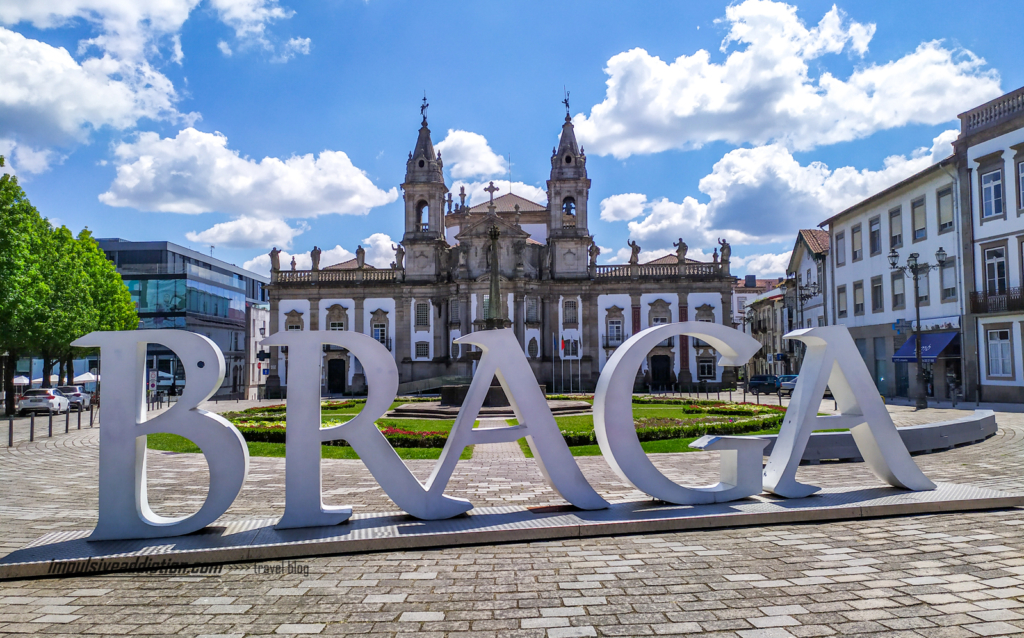
In the same square as the Church of Santa Cruz, you’ll also find the Church of São Marcos, an imposing 18th-century building. Its façade is particularly striking, adorned with several statues that make it one of the most recognizable churches in Braga. For those looking for accommodation nearby, the centrally located Hotel Vila Galé is right here on the square—an excellent base for exploring the city.
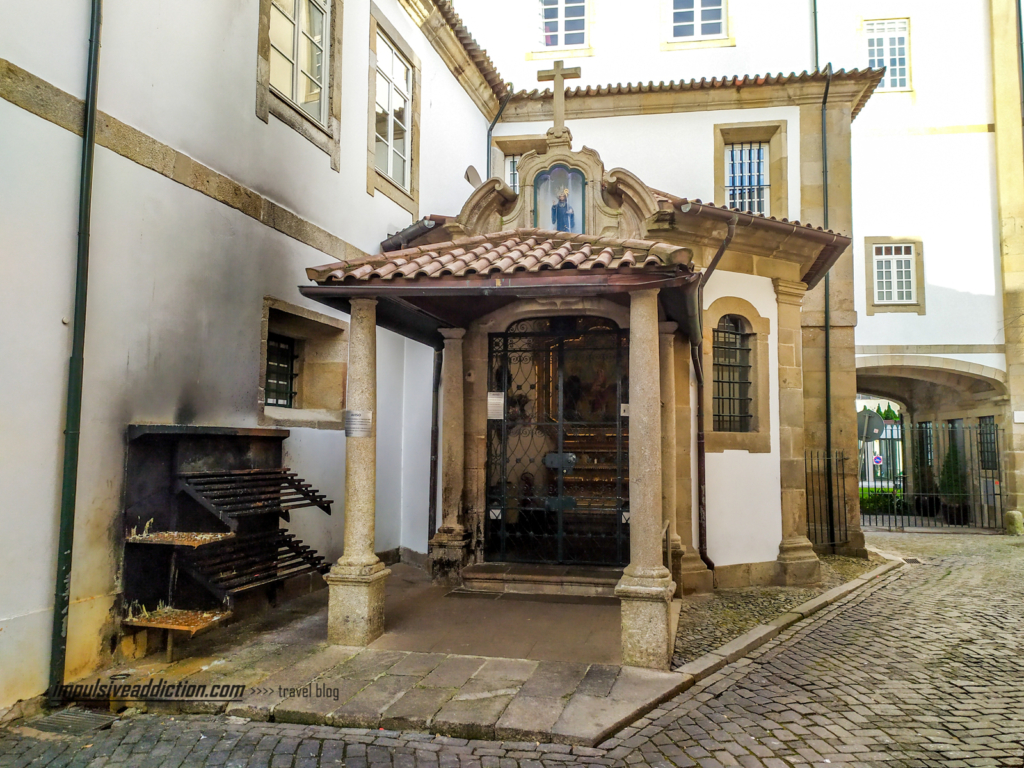
Just a short walk away, on a parallel street, stands the Chapel of São Bentinho. Unlike the grand churches nearby, this small chapel is simple and unassuming, yet it attracts many devotees. Almost every time I passed by, I saw people stopping at the door to pray, a touching sign of its spiritual importance to the locals.
9. Raio Palace, Costume Museum and Idol Fountain
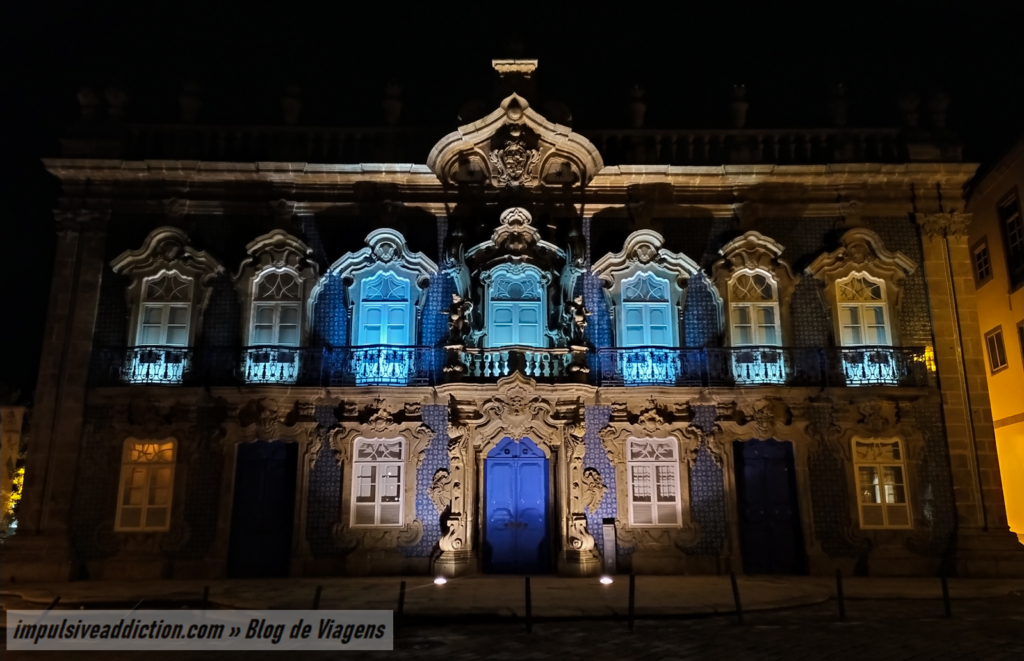
The Raio Palace (Palácio do Raio) is one of Braga’s most unforgettable landmarks, thanks to its unique architecture and striking blue façade. While the exterior is already a masterpiece, it’s well worth stepping inside, where you can explore several exhibition rooms showcasing objects and treasures from the Santa Casa da Misericórdia. The interior decoration is breathtaking—those ornate ceilings and traditional Portuguese tiles will truly make your jaw drop.
Just a short distance away, you’ll find two more fascinating sites. The Costume Museum of Dr. Gonçalo Sampaio is an ethnographic museum dedicated to traditional Minho costumes and musical instruments, offering an authentic glimpse into local culture. Nearby, the Idol Fountain (Fonte do Ídolo) preserves the remains of an ancient Roman sanctuary dedicated to the cult of water, providing yet another layer of Braga’s rich historical heritage.
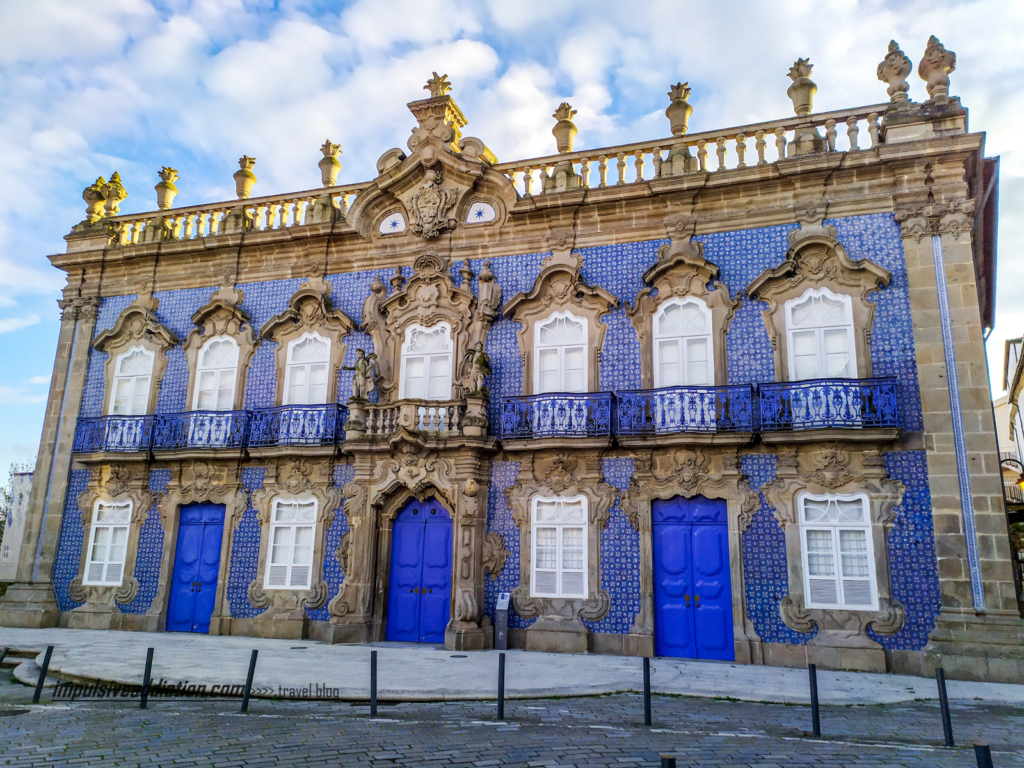
10. Avenida da Liberdade and Theatro Circo
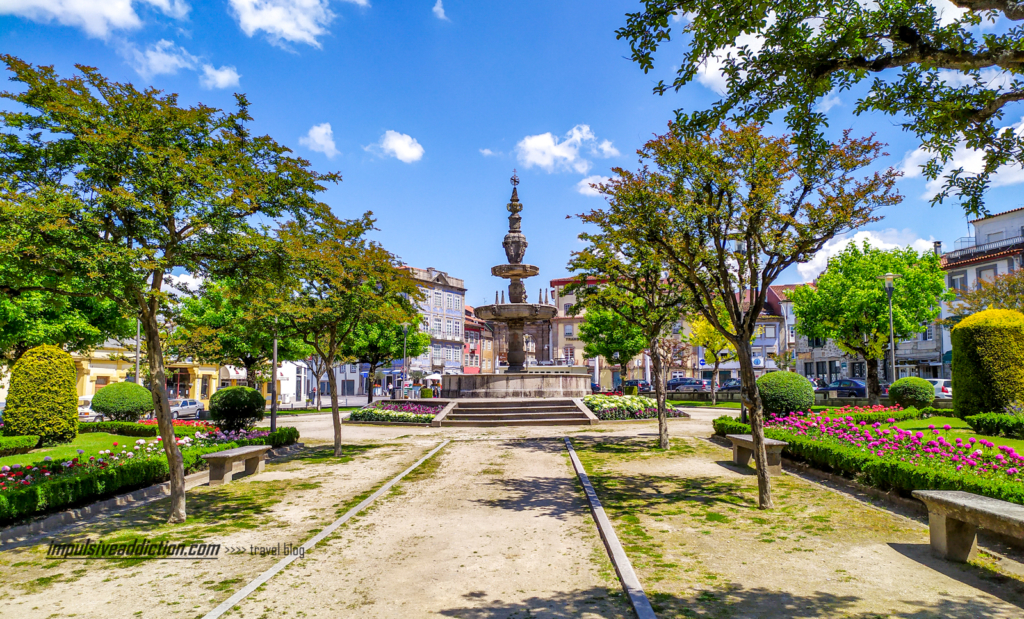
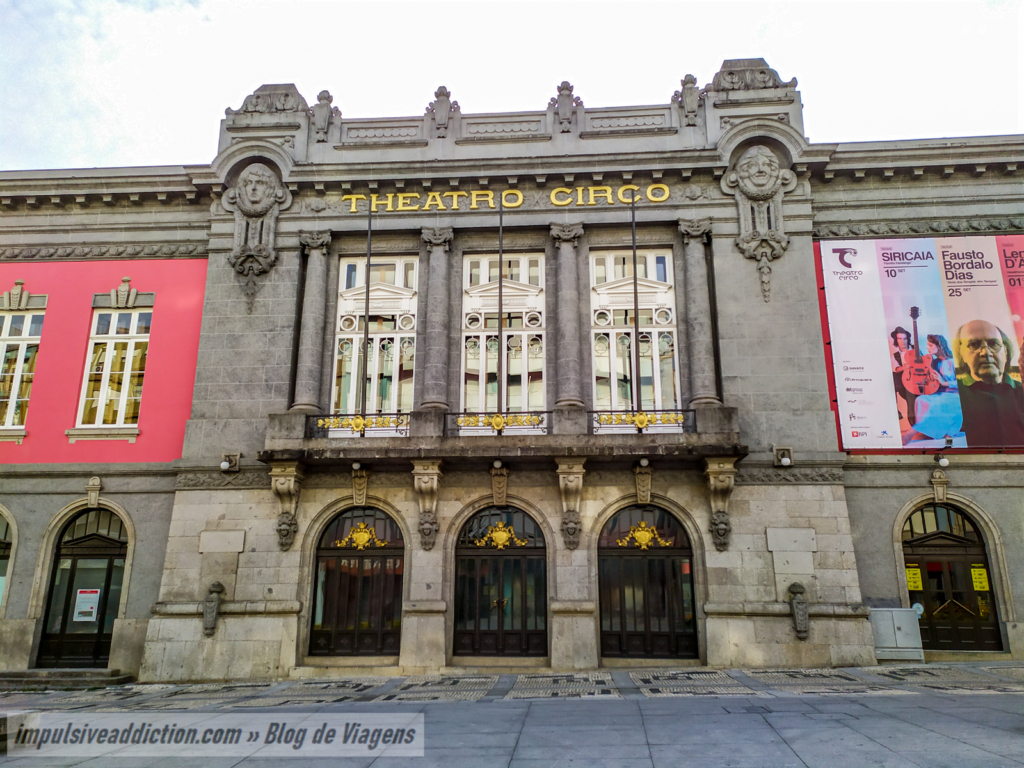
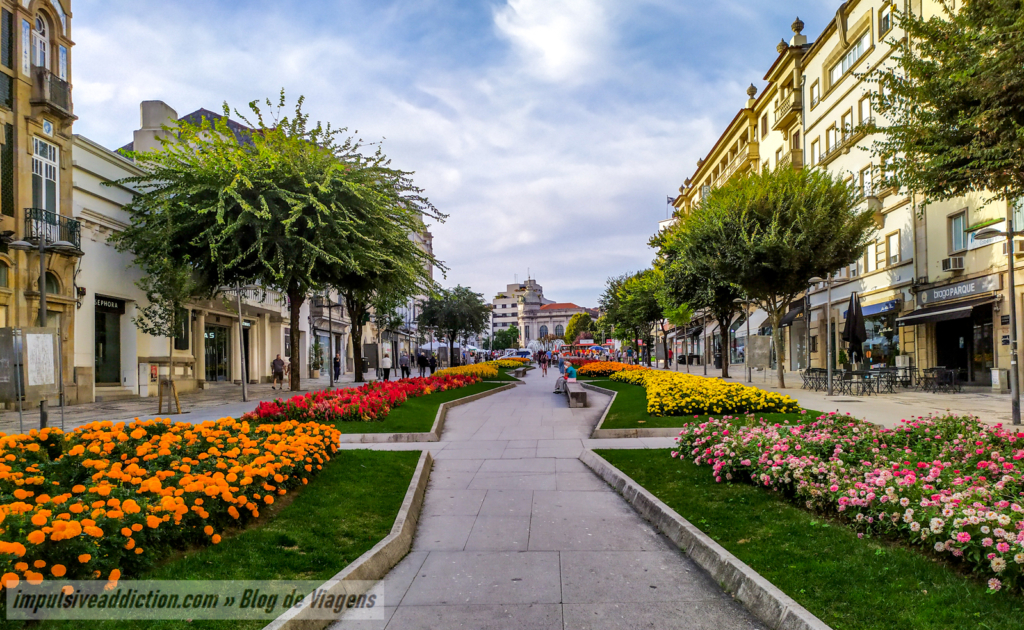
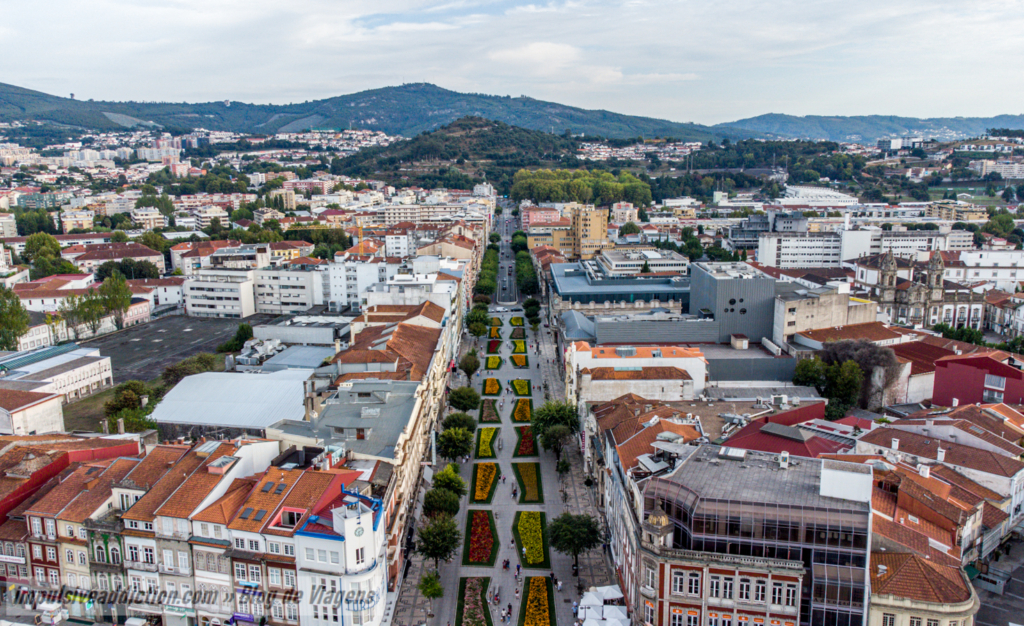
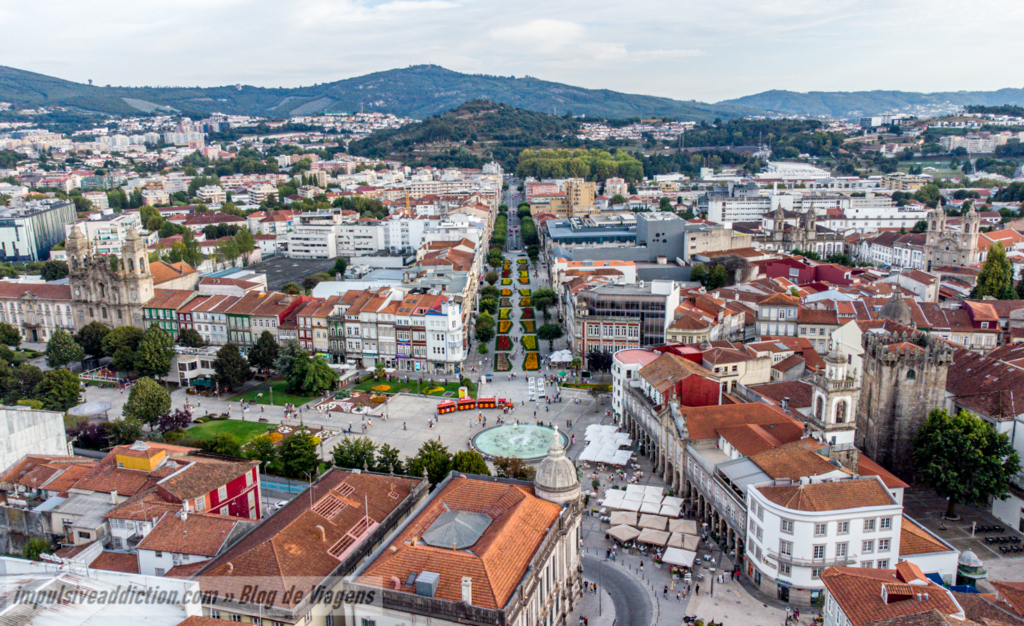
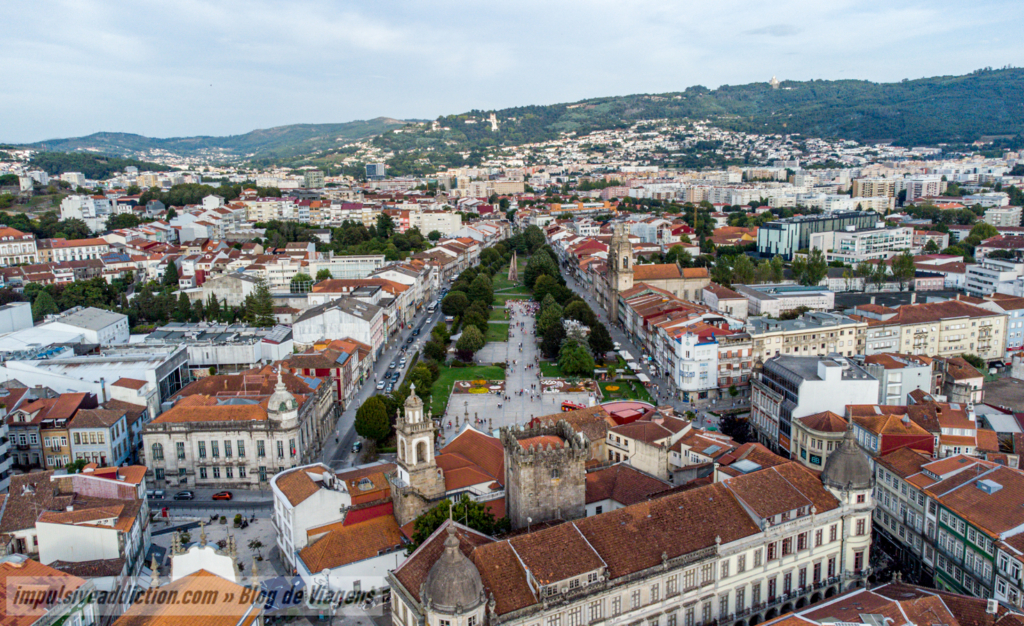
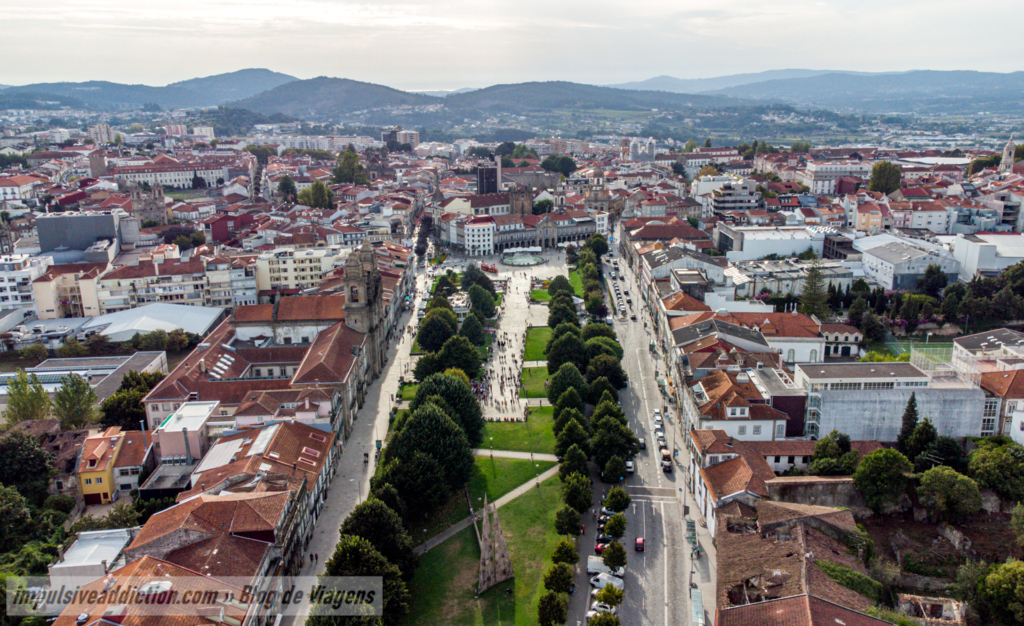
Avenida da Liberdade is one of the most emblematic avenues in Braga, beautifully decorated with flowers along its central gardens. As you walk down this lively street, you’ll also notice some striking modern buildings, including the impressive Theatro Circo, considered one of the most beautiful theatres in Portugal.
Although guided tours are available, my recommendation is to actually attend a performance during your stay in Braga. The interior of the theatre is stunning, and watching a show there is a truly memorable experience. I’ve been lucky enough to go several times, and each visit reminded me just how special this venue is.
11. Braga Central Avenue
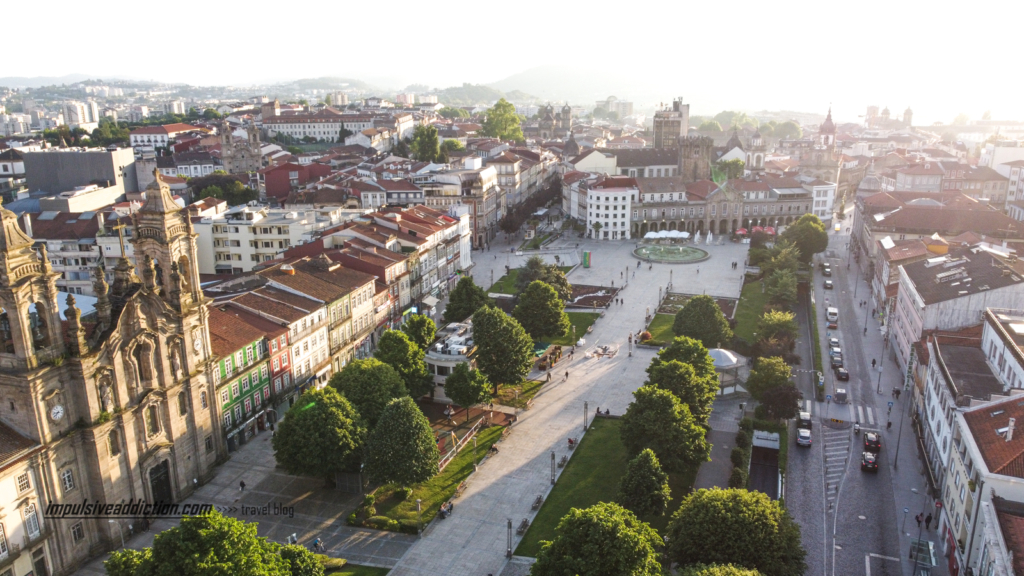
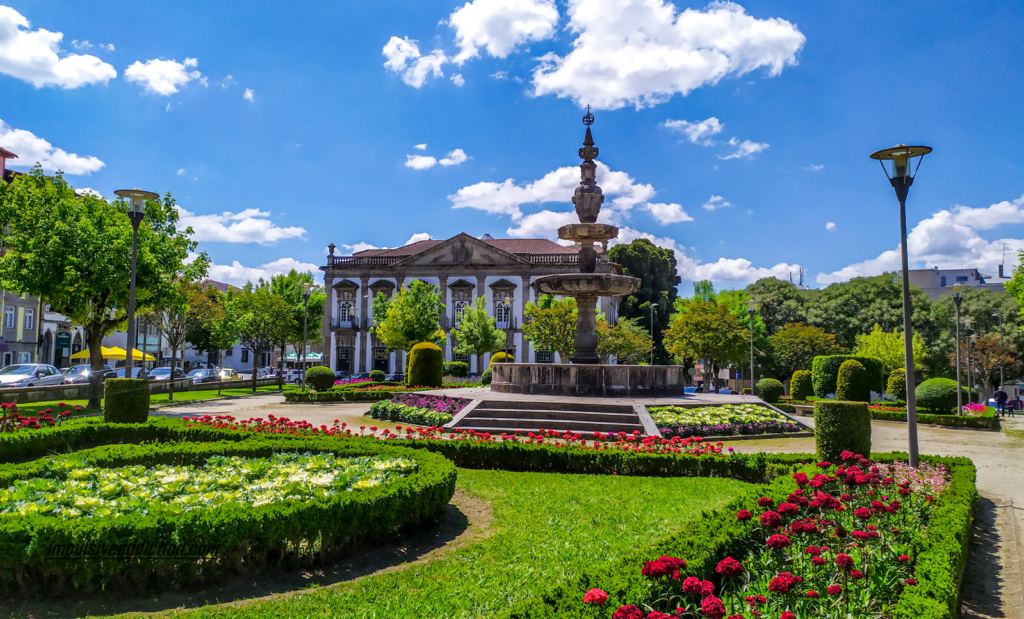
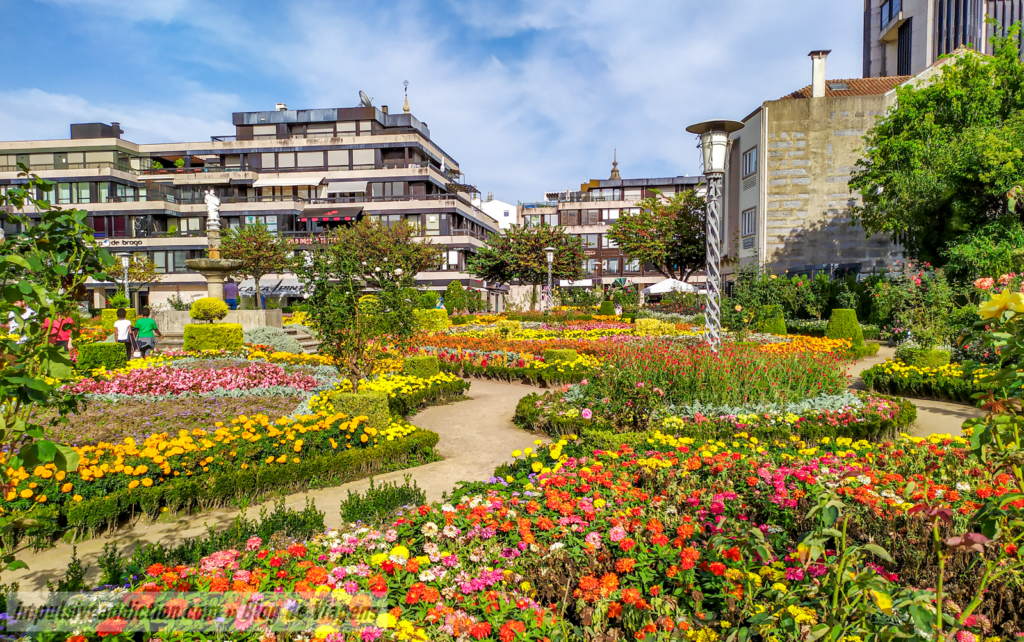
At the top of Avenida da Liberdade, you’ll arrive at the beautiful gardens of Braga Central Avenue (Avenida Central). If Rua do Souto is the heart of the historic center, then these gardens are truly the heart of the entire city—an open, lively space surrounded by cafés, shops, and landmarks.
This is also where you’ll find the Braga Tourist Office, conveniently located on the corner. It’s a great place to pick up maps, brochures, and practical information about things to do in Braga and in the surrounding Minho region.
12. Arcada de Braga (Praça da República)
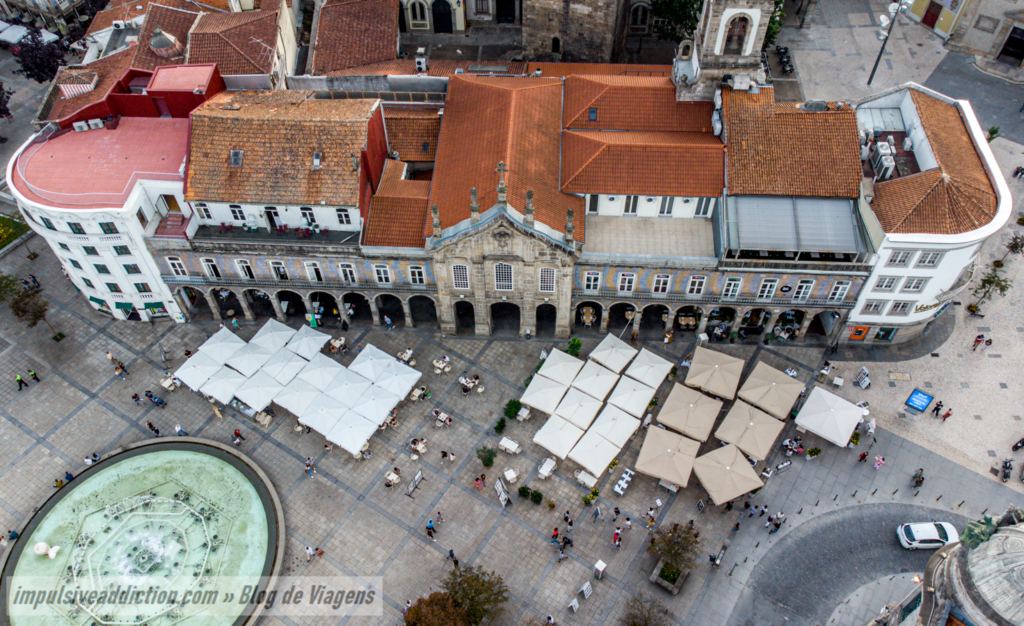
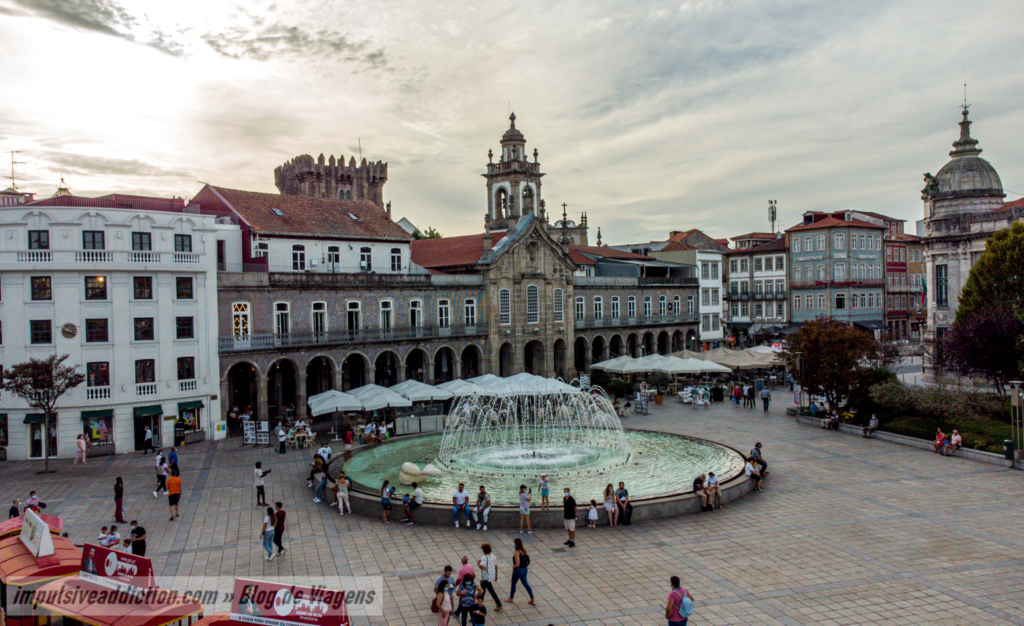
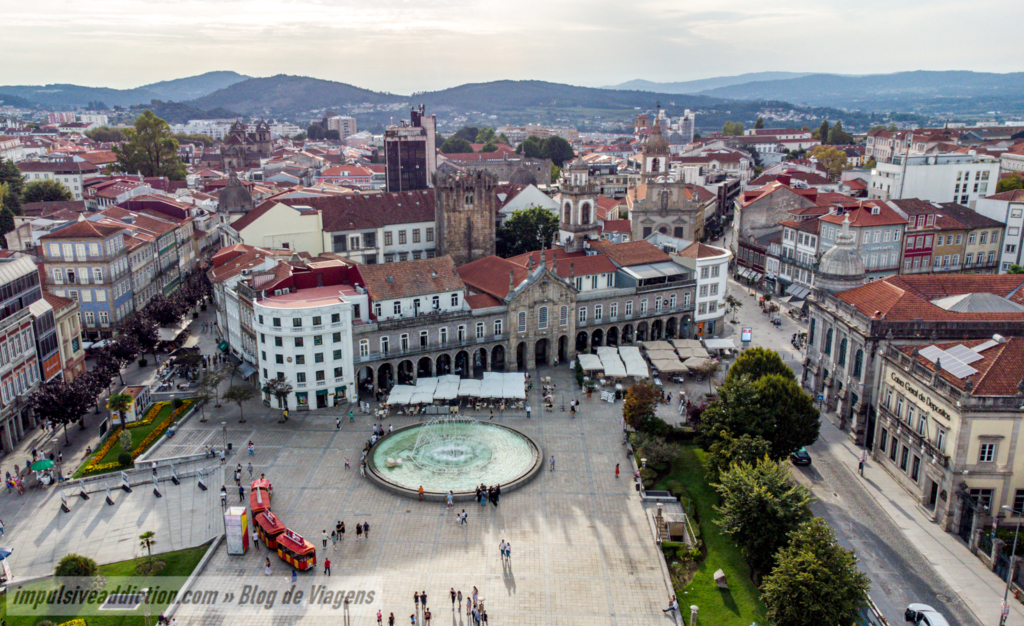
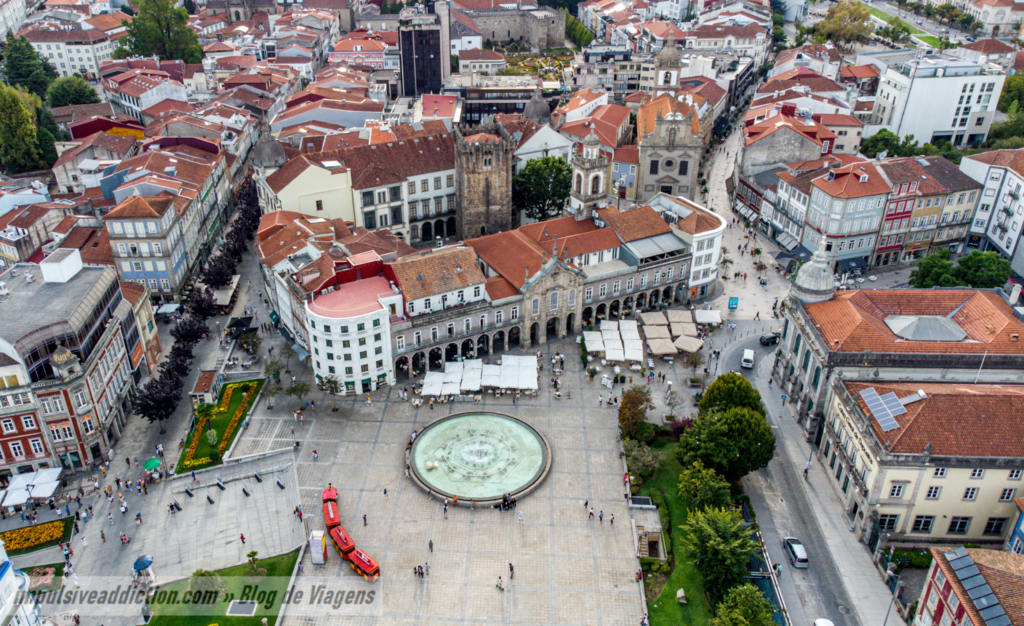
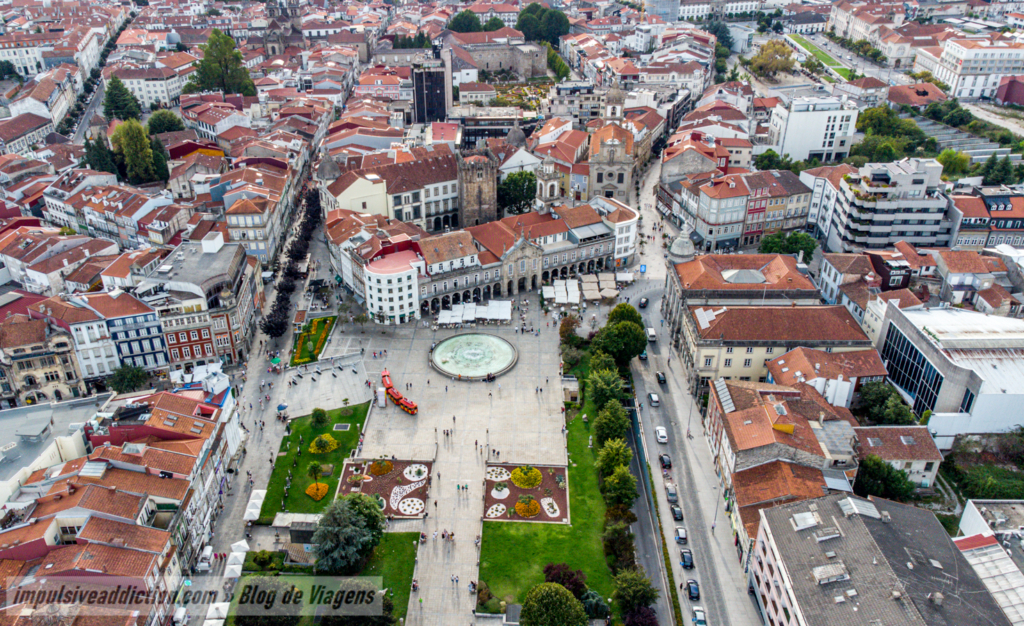
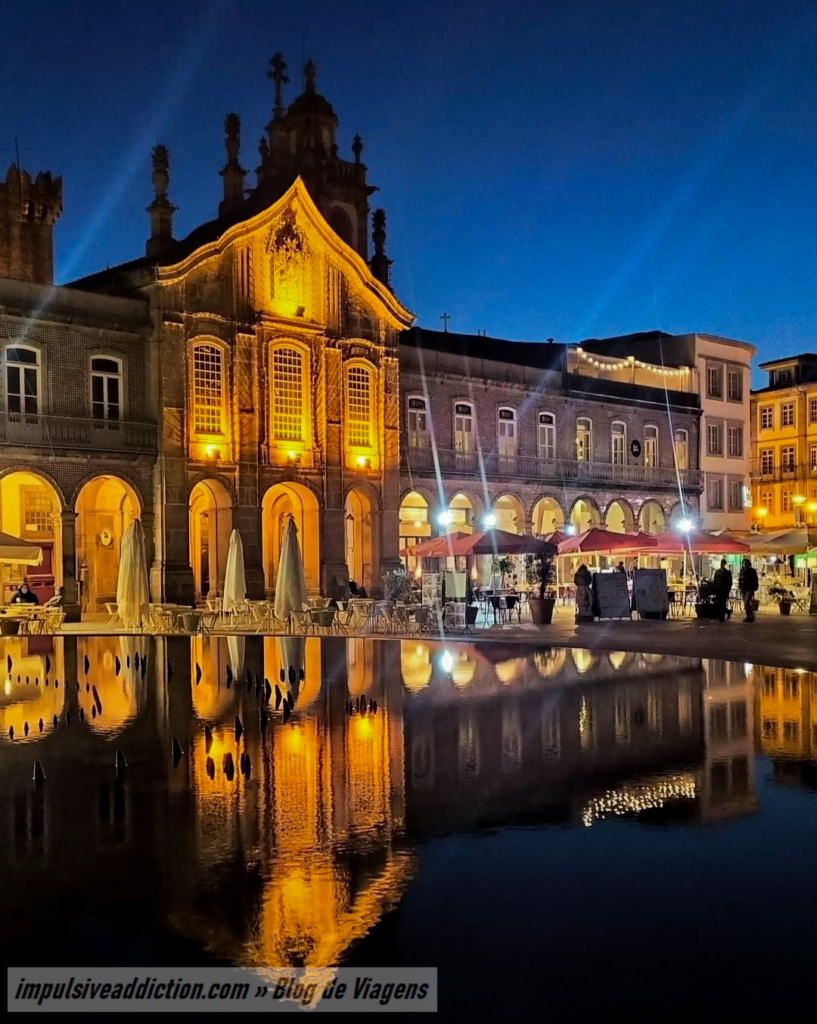
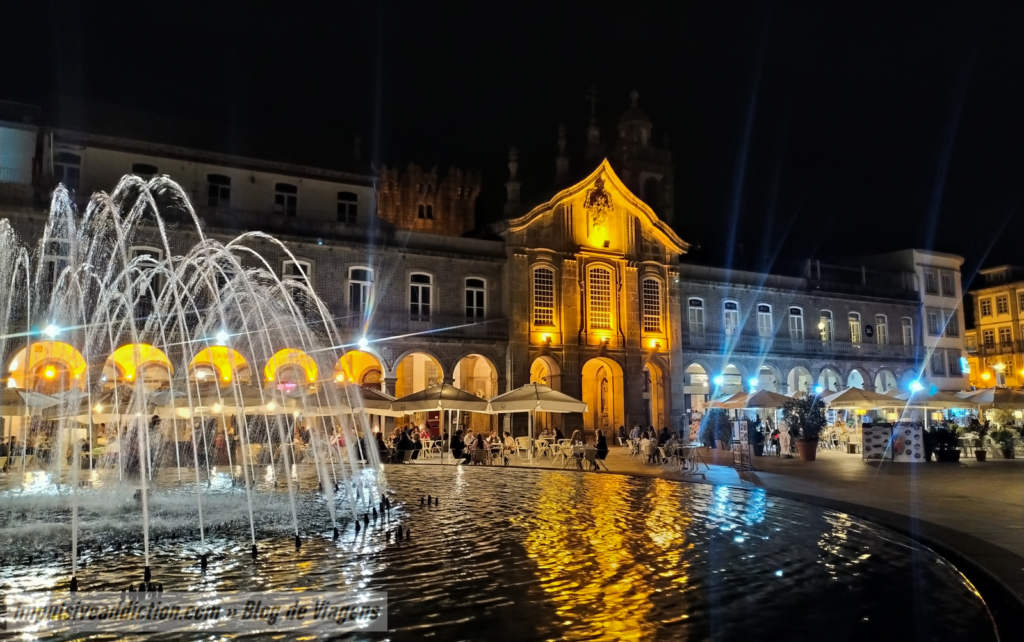
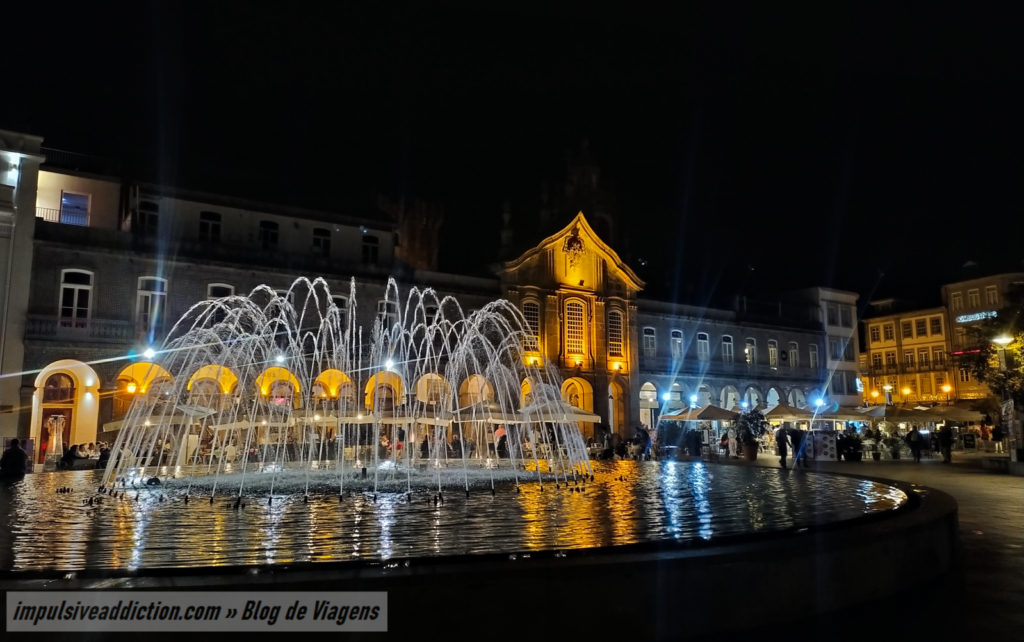
The Arcada de Braga, located in Praça da República, is one of the most spectacular spaces on Braga Central Avenue. In the middle of the square stands the Church of Lapa, while on either side you’ll find two of Braga’s most iconic cafés: Café Astória and Café Vianna. At the center, the fountain creates beautiful reflections of the arcade, especially at sunset or at night when the arches are illuminated—making it a perfect spot for photography.
The Arcade is one of the city’s main meeting points, just like Rossio da Sé, and the entire area is pedestrian-only, surrounded by the gardens of Avenida Central. Both cafés are must-stops: Café Astória, dating back to the early 20th century, and Café Vianna, which has been welcoming visitors since the mid-19th century, are historic institutions in Braga where you can relax, enjoy a coffee, and soak in the atmosphere of the square.
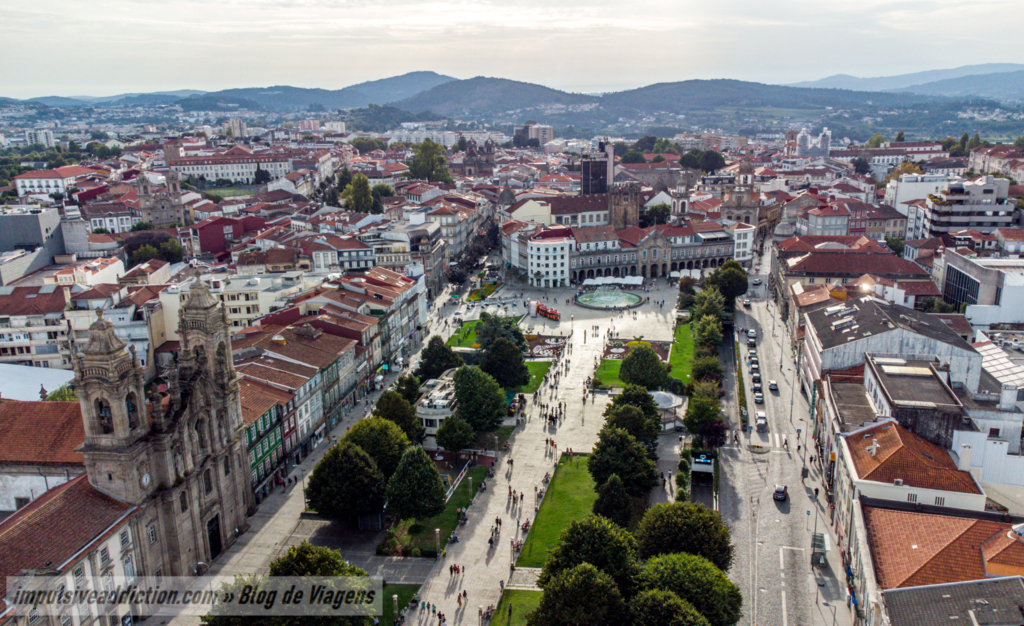
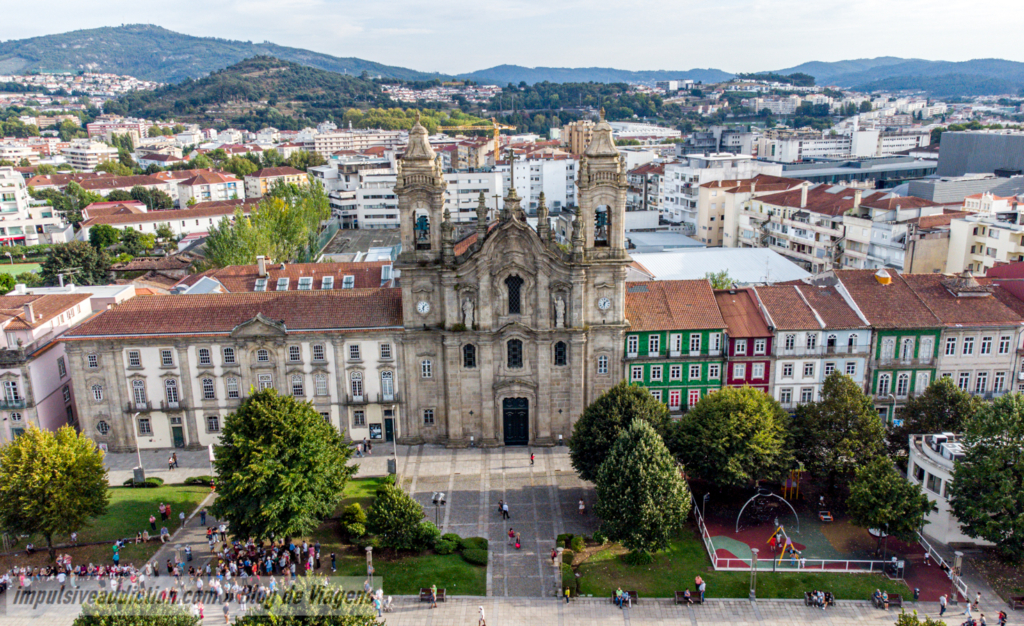
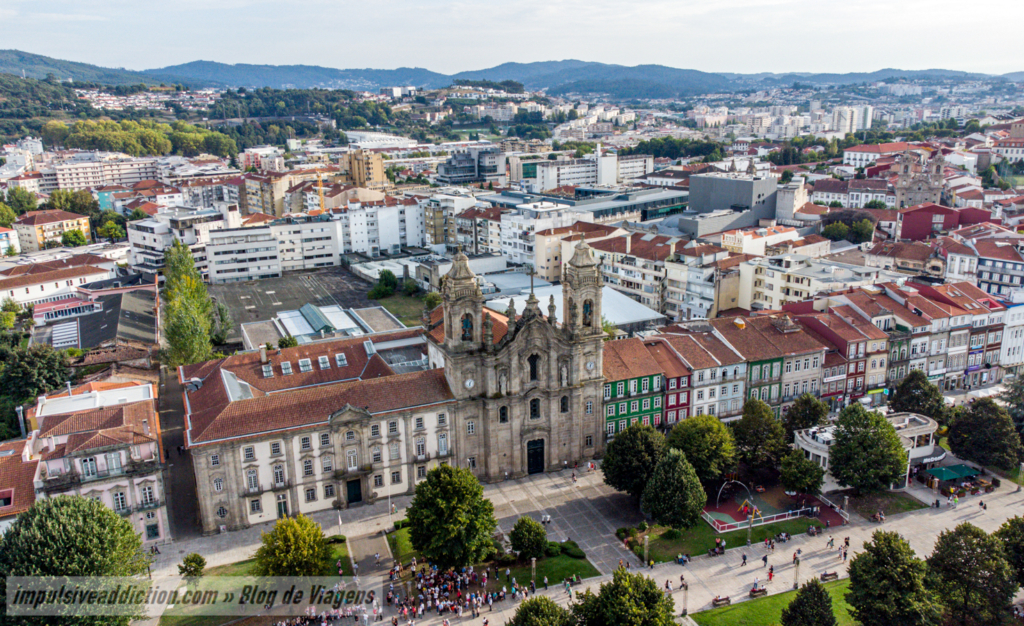
13. Basílica dos Congregados
The Basílica dos Congregados is one of the most imposing and emblematic churches on Braga Central Avenue. Its construction began in the 18th century but was only completed in the 20th century, which explains its unique architectural blend. I still remember my very first visit to Braga—this basilica immediately became my favorite church, and even today it remains one of the places I most enjoy returning to. With its striking façade and beautifully decorated interior, it is without a doubt a must-see landmark in the city.
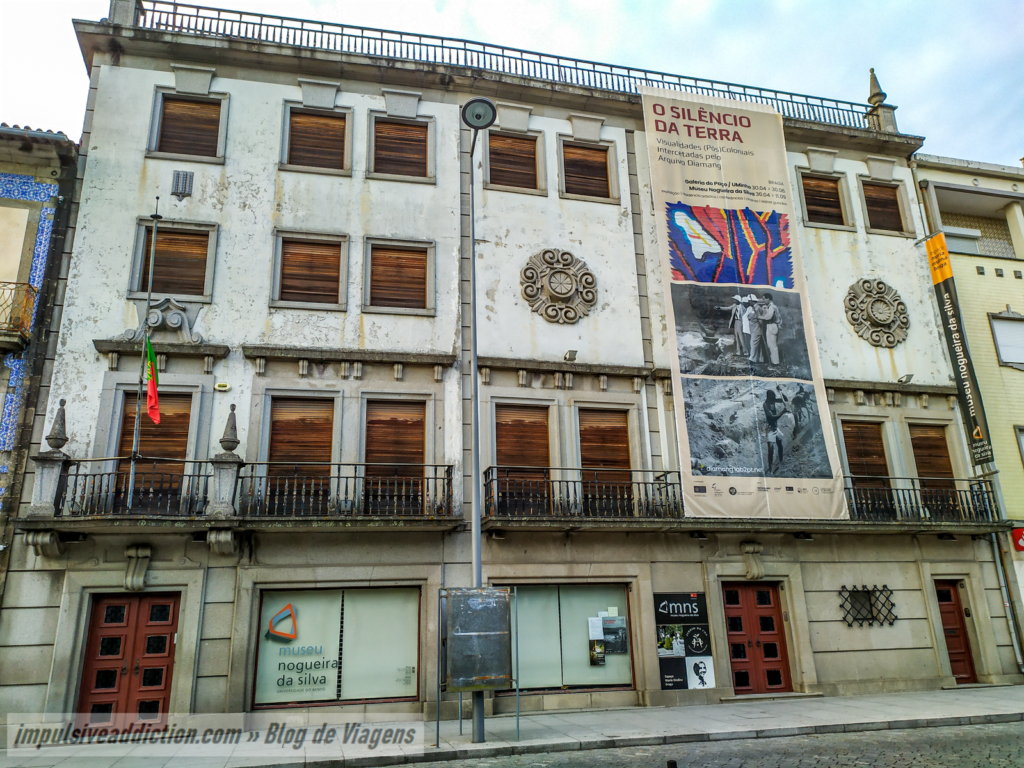
14. Nogueira da Silva Museum
Also located on Braga Central Avenue, the Nogueira da Silva Museum is a hidden gem for art and history lovers. Its collection includes an elegant display of antique furniture, tapestries, paintings, tiles, porcelain, and other decorative arts, offering a glimpse into Braga’s cultural heritage and refined taste across centuries.
15. Churches of Penha, Nossa Senhora-a-Branca and São Victor
To make sure you explore the entire length of Braga Central Avenue, I recommend continuing your walk to visit three more churches: Igreja da Penha, Igreja de Nossa Senhora-a-Branca, and Igreja de São Vítor. The first is located right at the end of the avenue, while the other two are a little further beyond. Of these, the Church of São Vítor is the furthest away, but it’s well worth the detour—the interior is richly decorated with traditional Portuguese tiles, a real highlight for anyone who appreciates sacred art and azulejo work.
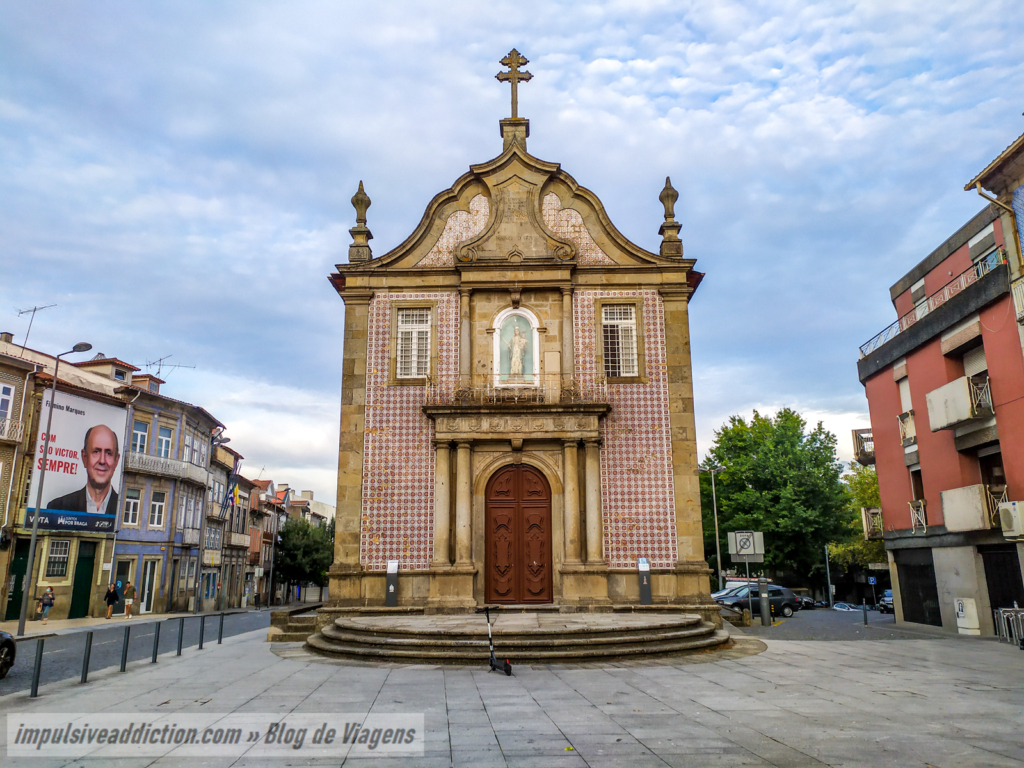
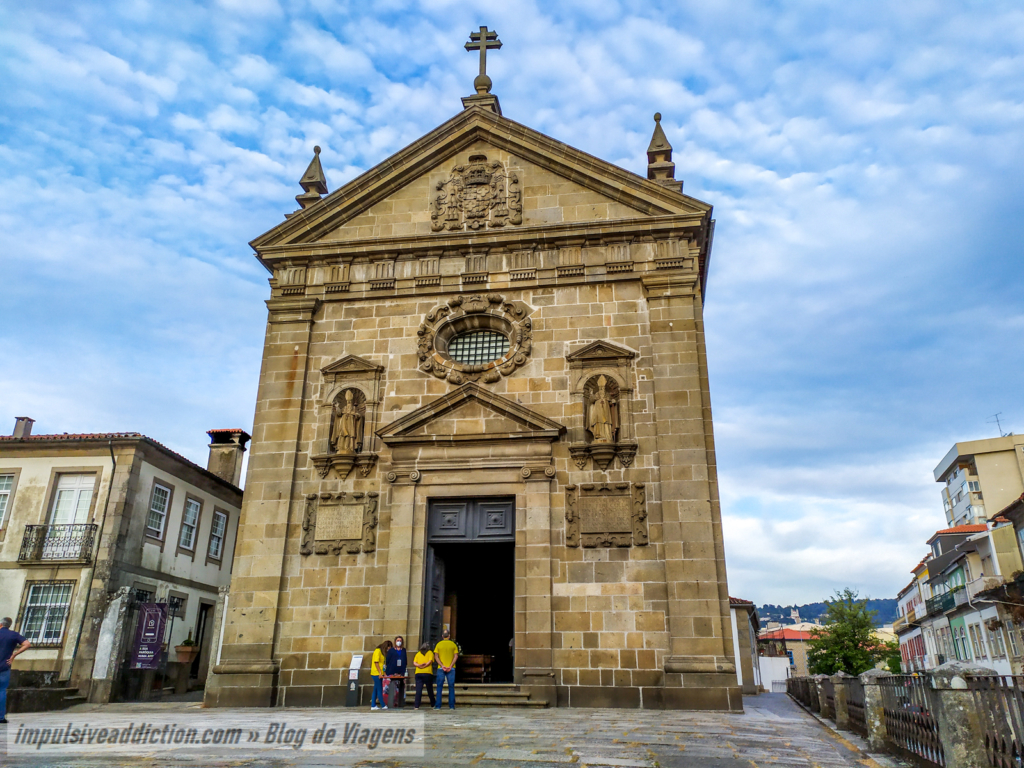
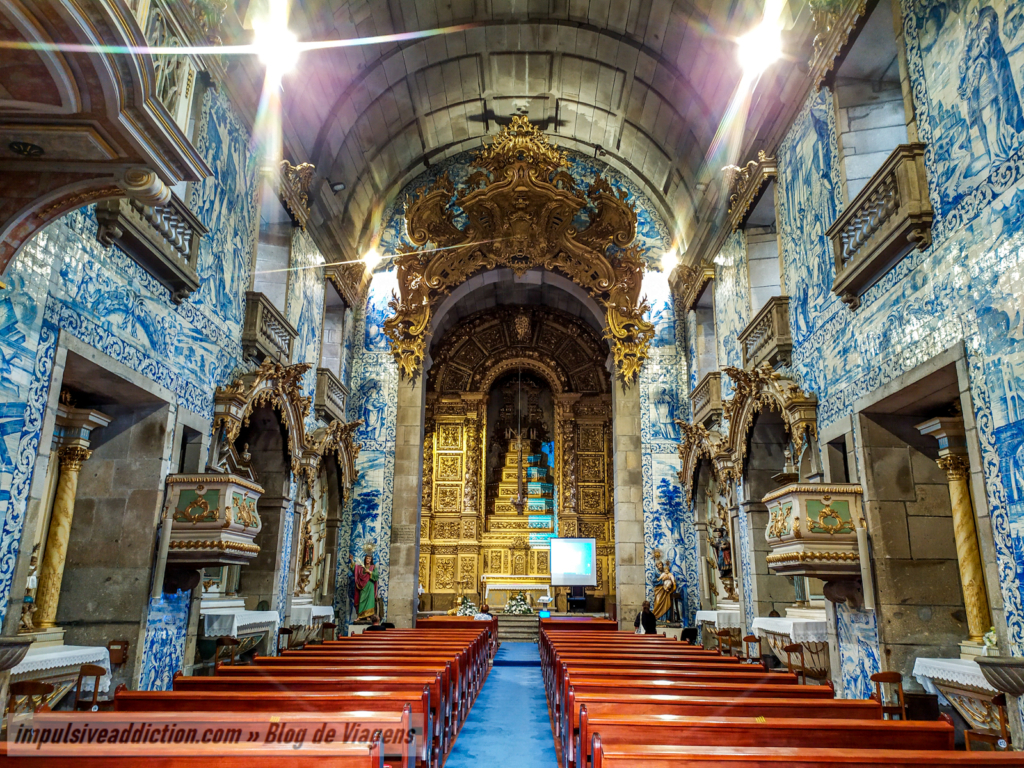
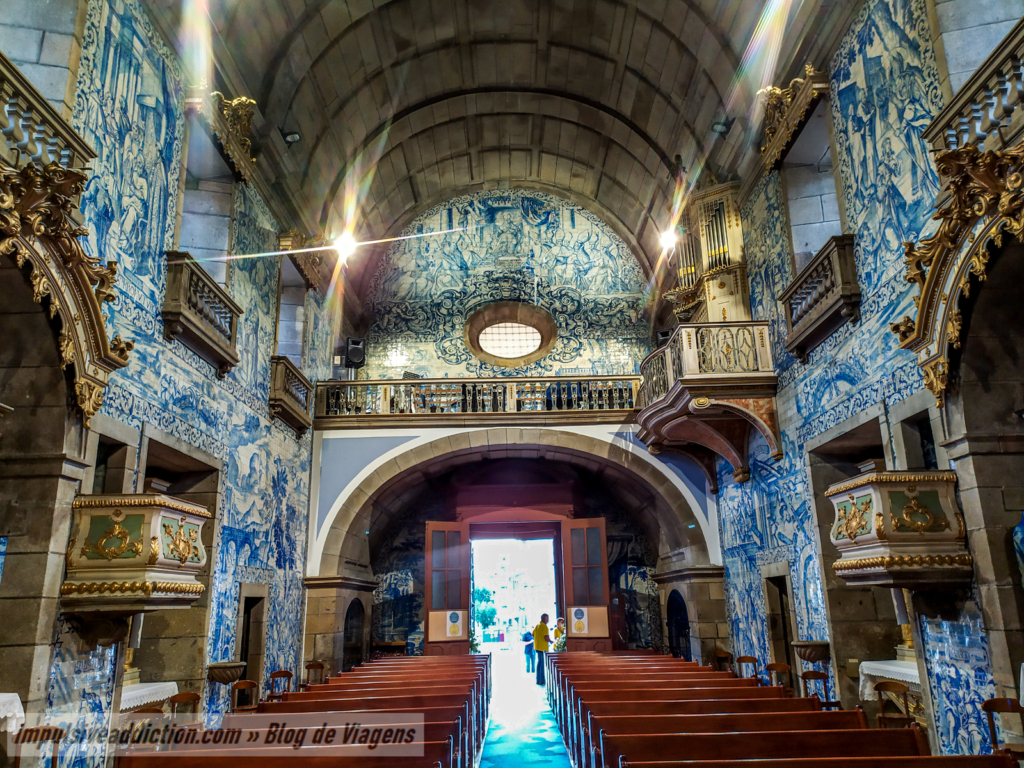
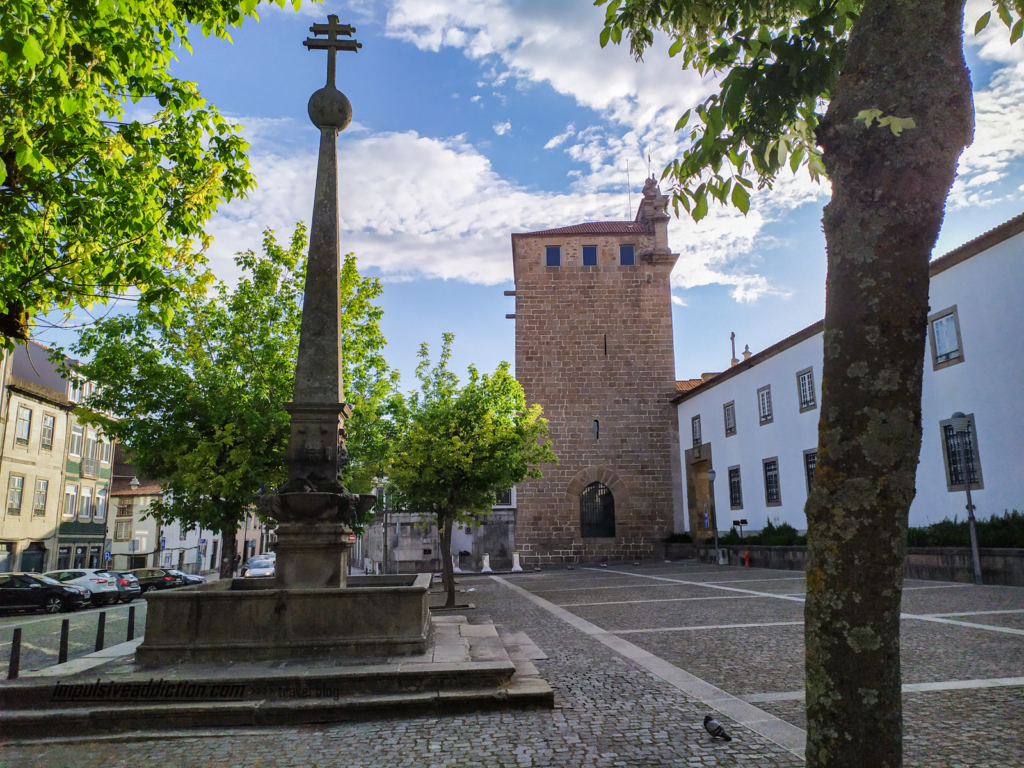
16. Terceiros Church and Tower of Braga
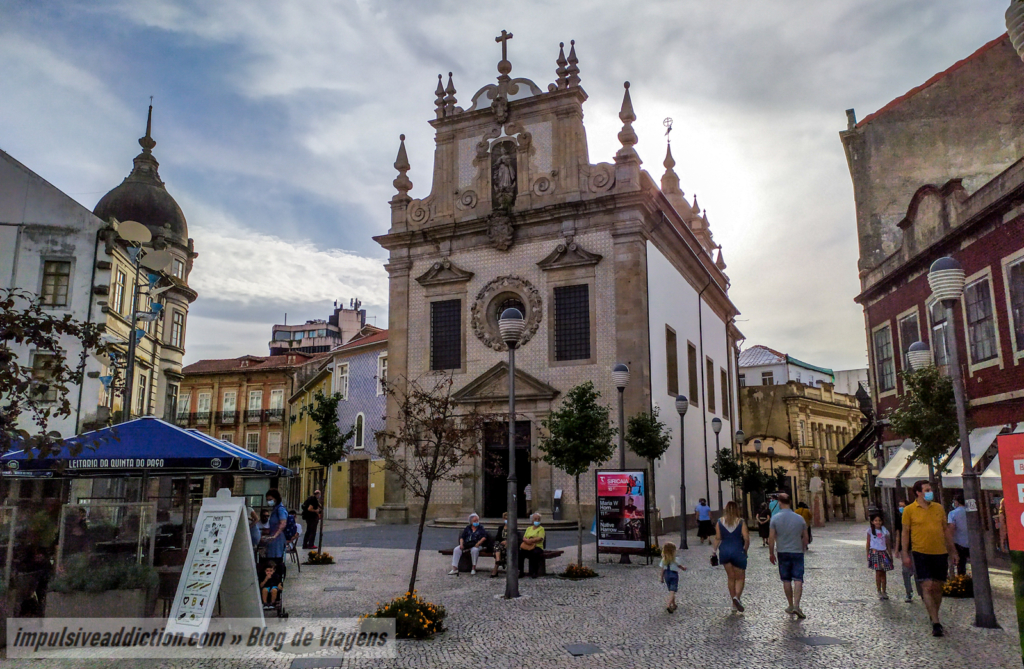
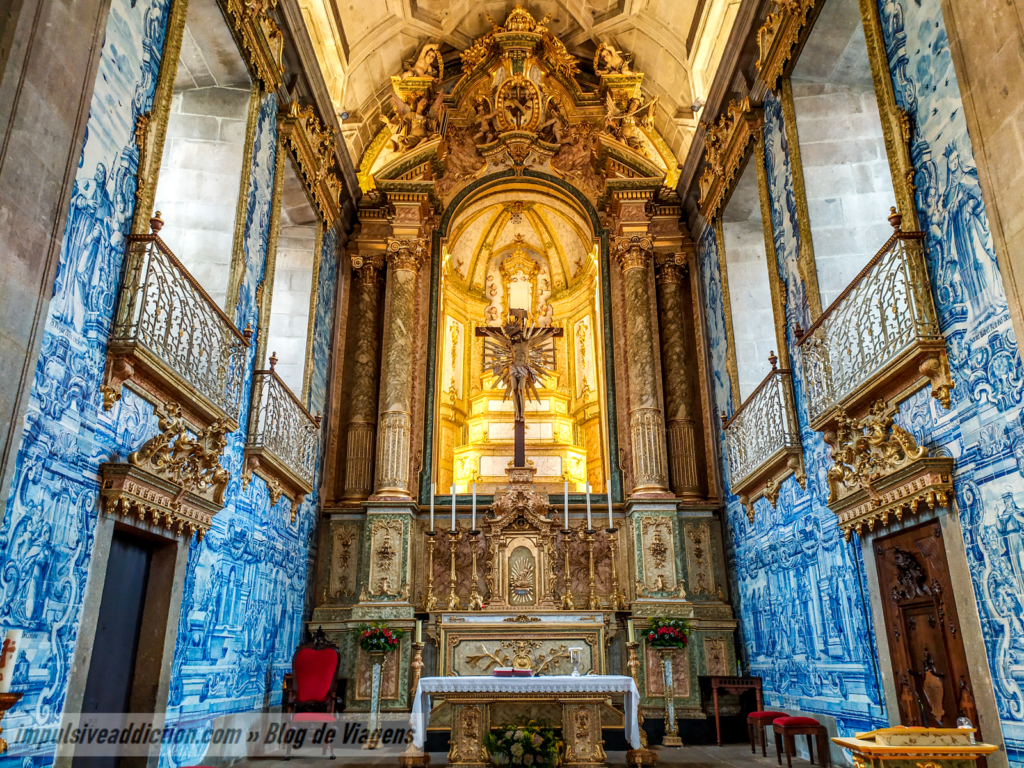
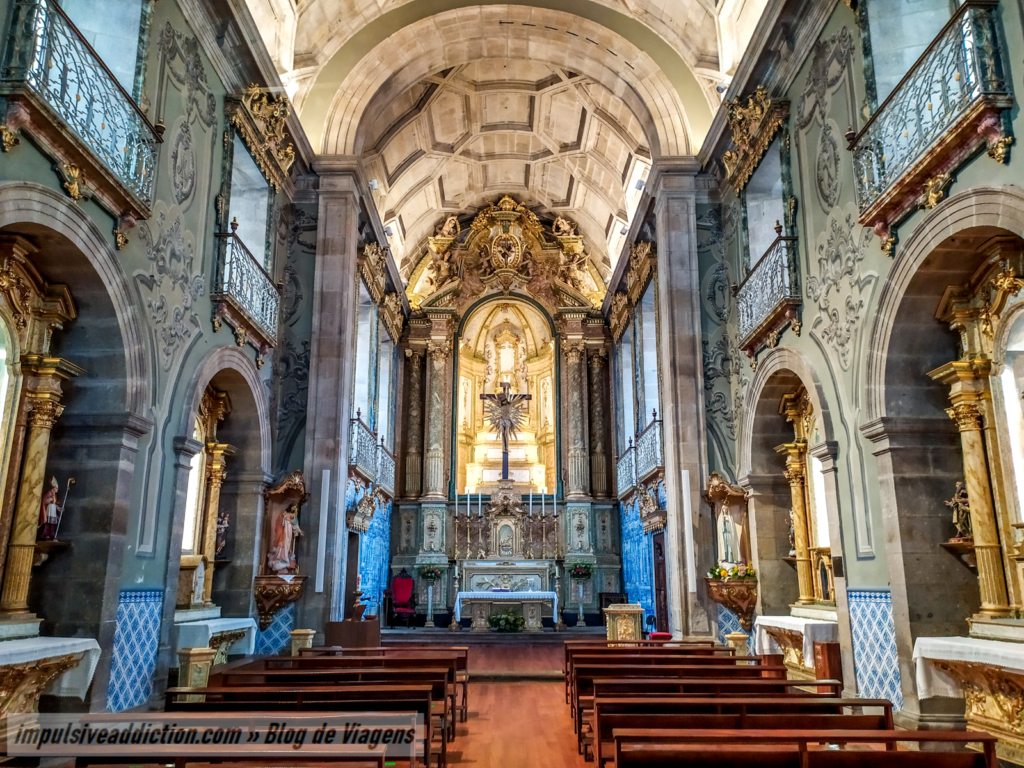
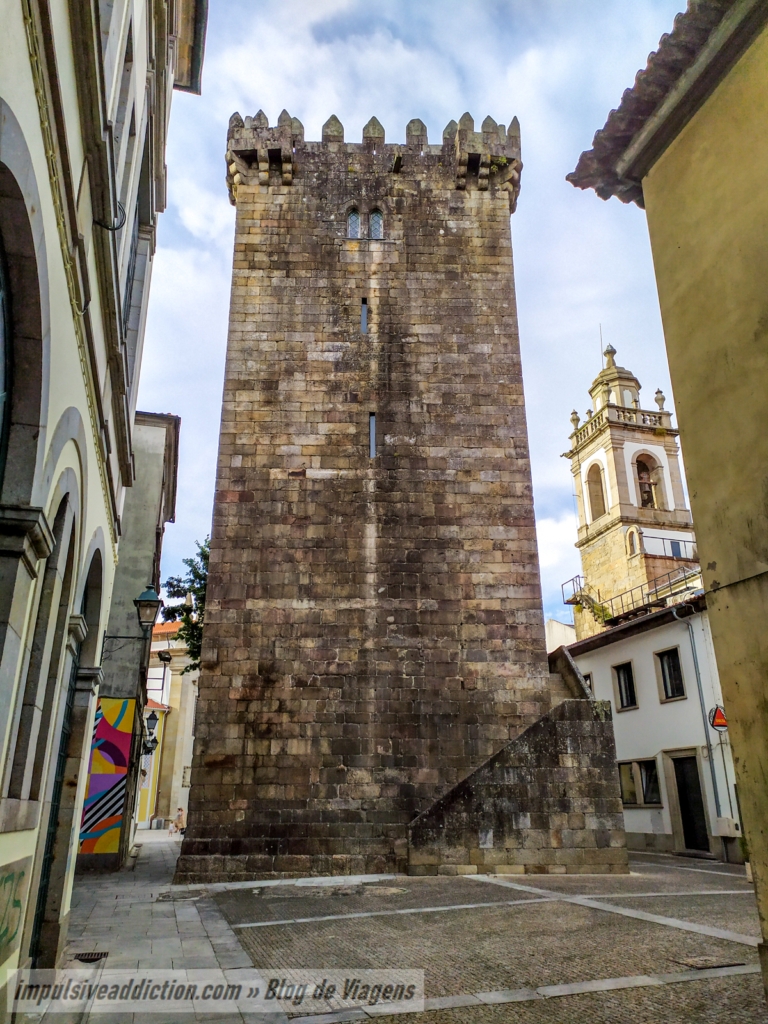
On your way back to the historic center, make sure to stop at the Terceiros Church (Igreja dos Terceiros), a beautiful temple that is definitely worth visiting inside for its artistic details and serene atmosphere. Right next to it stands the Tower of Braga, one of the few surviving remains of the city’s old 14th-century castle. Entry is free, but keep in mind that it is only open in the afternoons from Tuesday to Saturday. Since very little remains of the medieval castle today, this tower is a rare glimpse into Braga’s fortified past—so take the opportunity to step inside and experience it.
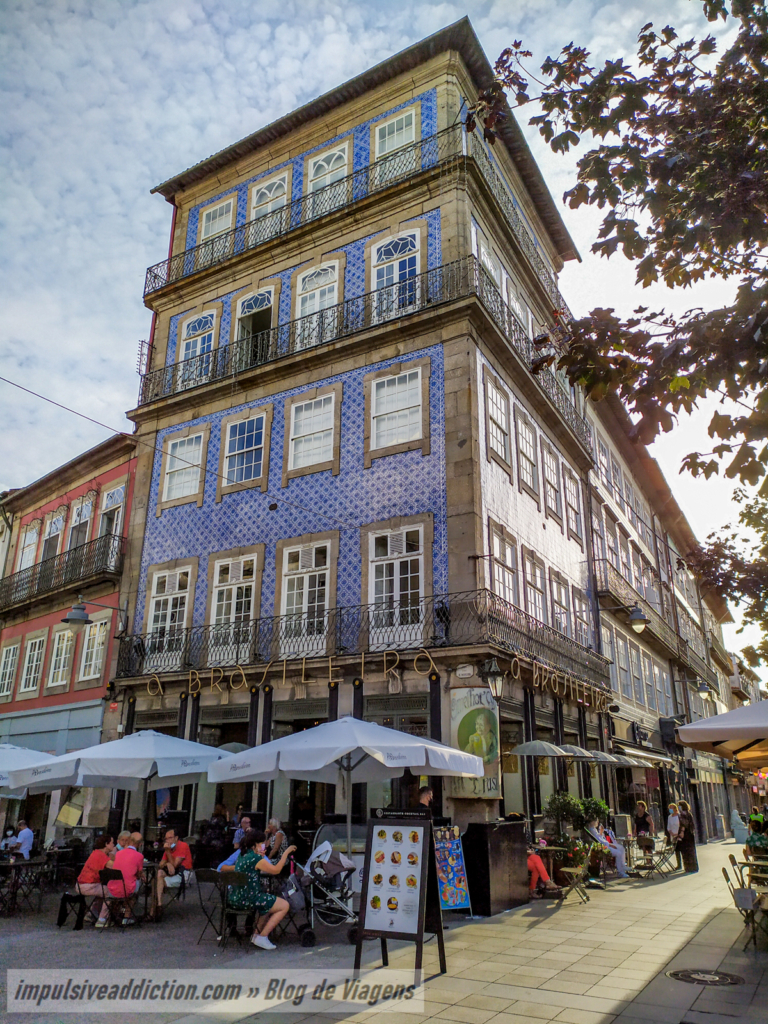
17. Café A Brasileira and Casa dos Crivos
At A Brasileira, you can stop at any time of day to enjoy a traditional “café de saco”, the house specialty that gives this historic café its authentic charm. Of course, you can order a regular espresso too, but it won’t be quite as characteristic of this place. Beyond the coffee, the interior of A Brasileira is beautifully decorated and well worth stepping inside just to admire its atmosphere.
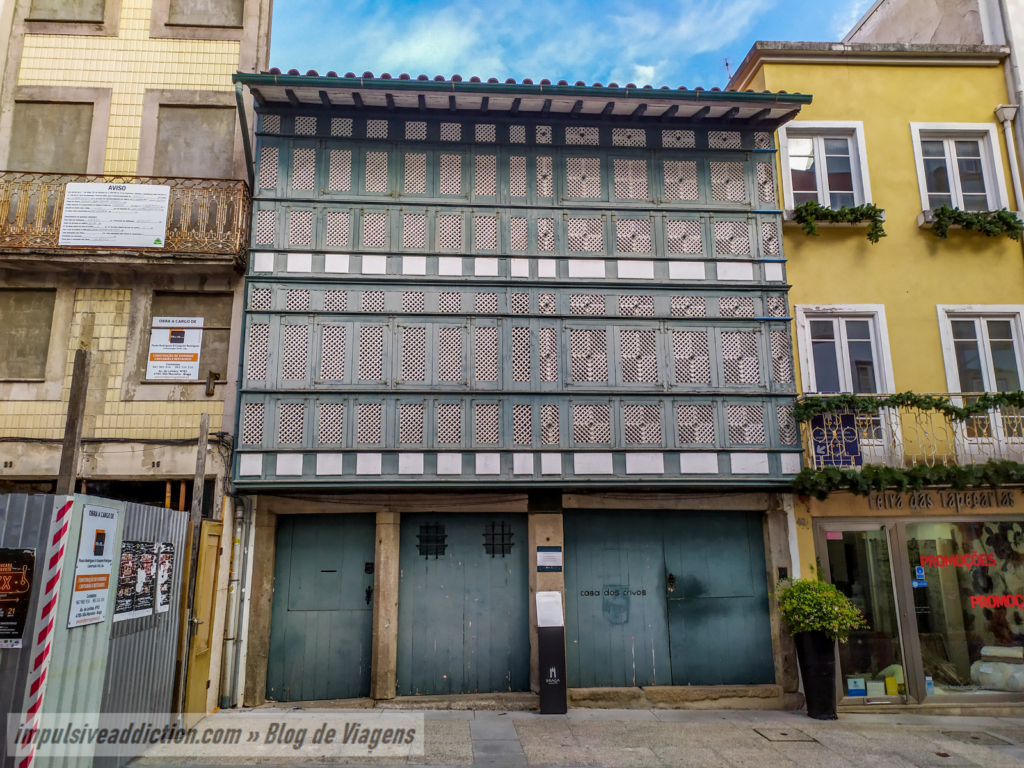
As you continue along Rua de São Marcos toward the next square, make sure to look out for the Casa dos Crivos (also known as Casa das Gelosias). This well-preserved building is a rare example of typical 17th- and 18th-century houses in Braga. Its distinctive lattice windows were designed to ensure that the inhabitants could observe the street while maintaining complete privacy—a reflection of life in a city that was deeply religious at the time.
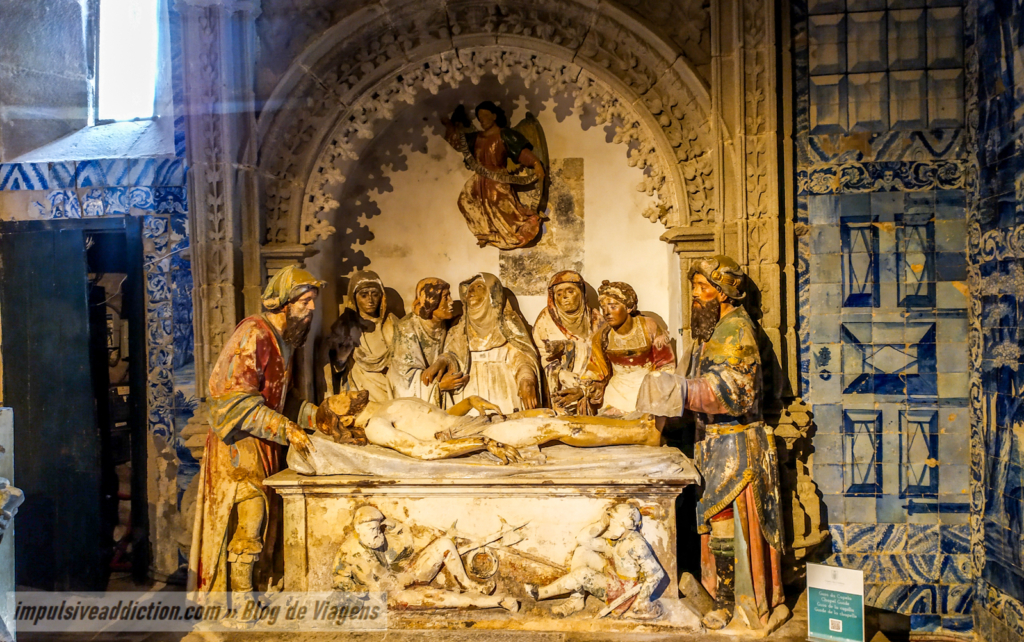
18. São João do Souto Square: Chapel of Coimbras and Casa do Passadiço
In São João do Souto Square, you’ll find a memorial dedicated to Francisco Sanches, the famous philosopher, physician, and mathematician from Braga. The square is also decorated with several modern urban-style artworks that add to its charm.
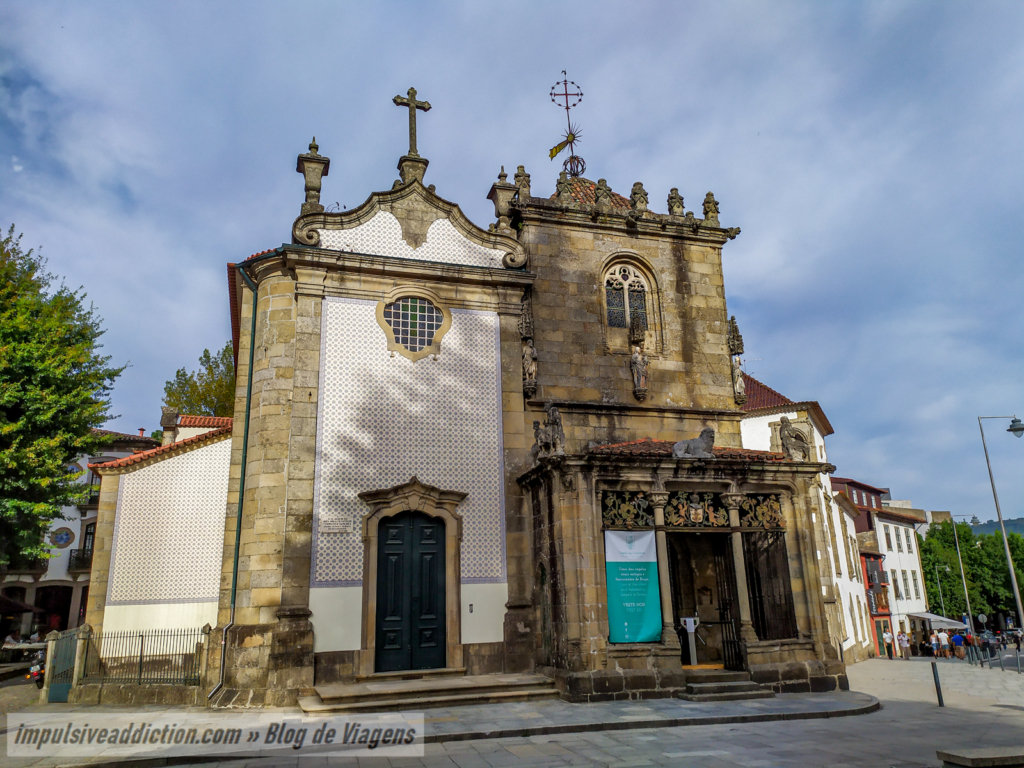
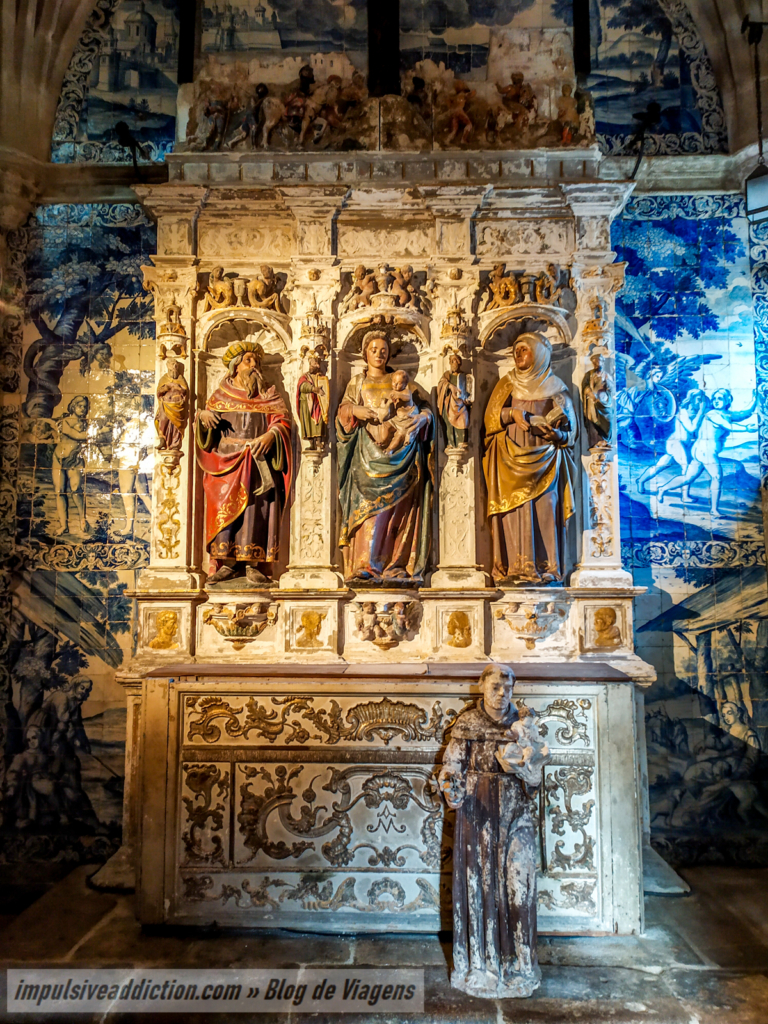
The real highlight here, however, is the Chapel of Coimbras, dating back to the 16th century. Its entrance portico is simply extraordinary, so be sure to stop and admire the details. The chapel is open to the public, and for just €2 you can also climb its tower for a closer look.
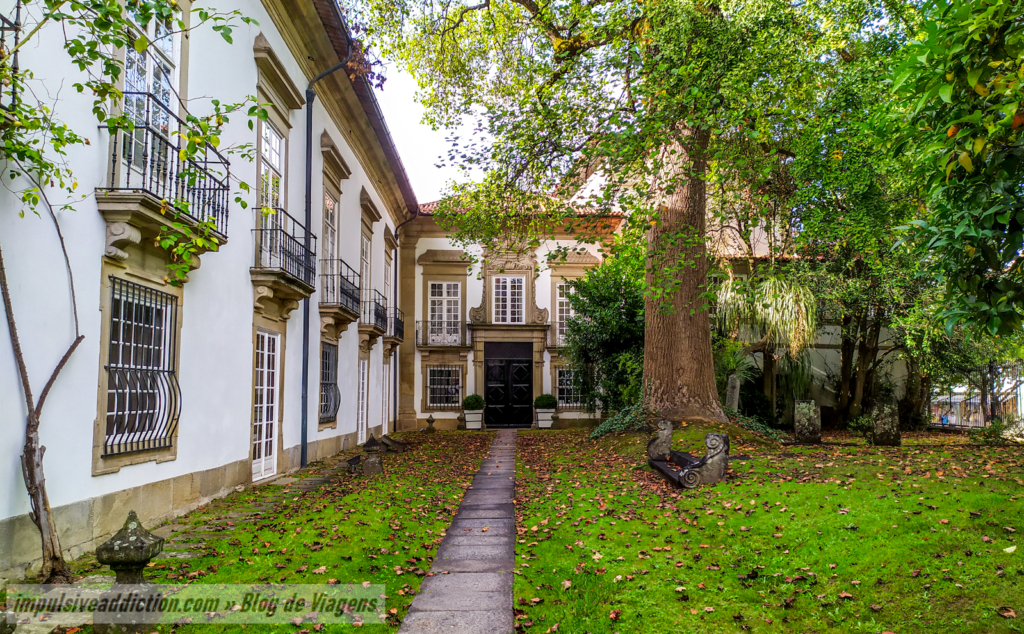
Facing the entrance of the Casa do Passadiço, you’ll spot the rear of the Braga Cathedral in the background (on your left). Before continuing in that direction, I highly recommend a quick detour to Rua do Janes, a delightful street now decorated with colorful umbrellas and other creative elements—a recent discovery of mine and definitely worth seeing.
And if you’re feeling hungry again, São João do Souto Square is also home to another great pastry shop, Frigideiras do Cantinho, where you can try the city’s traditional Frigideiras de Braga—a perfect local snack to keep you going.
19. Archbishop’s Palace of Braga and Castelo Fountain
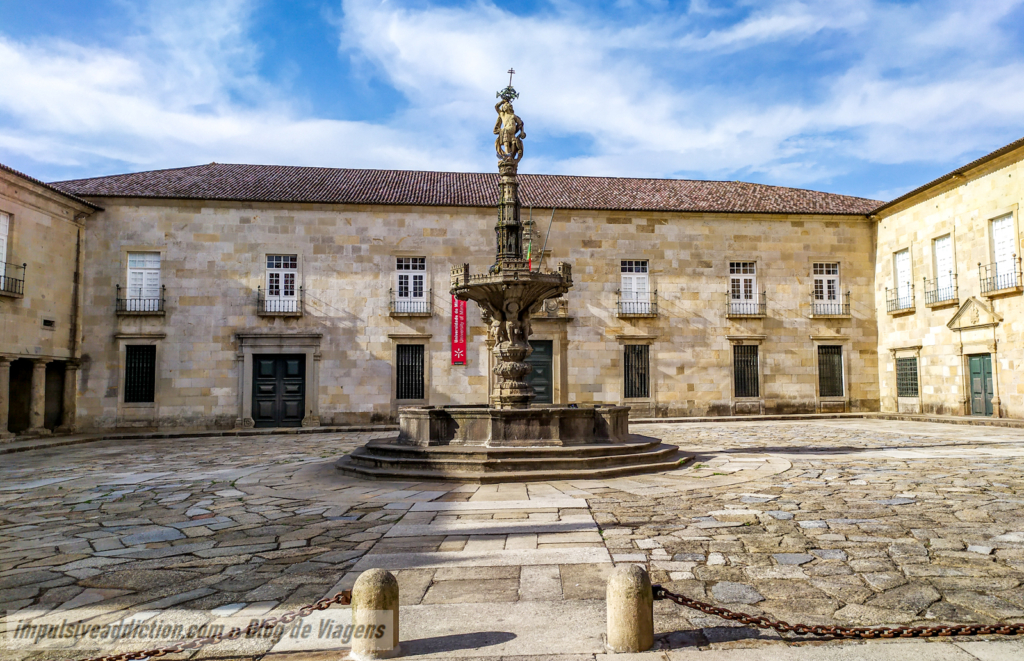
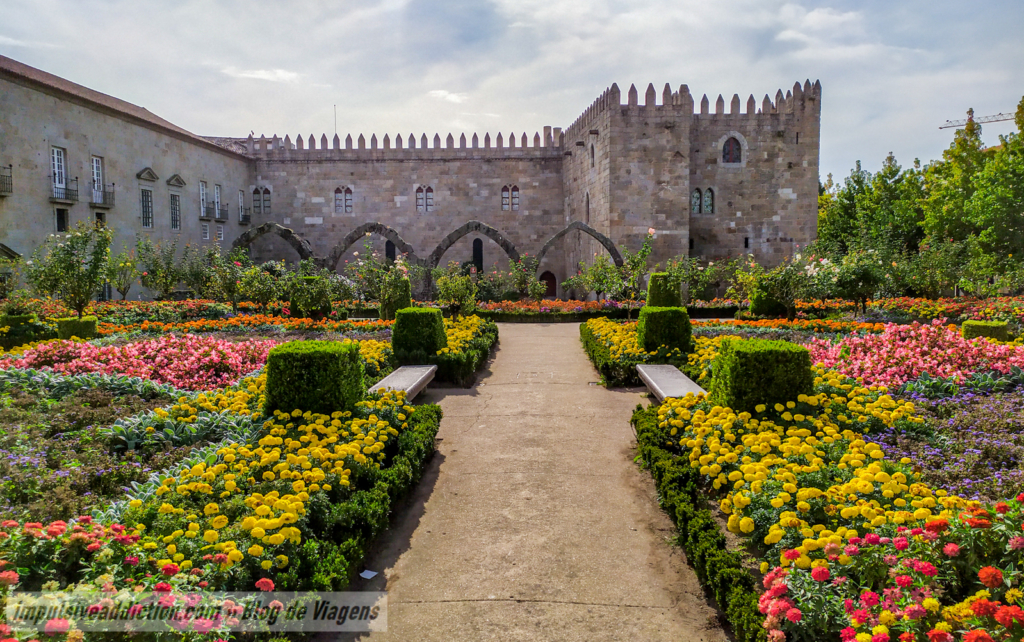
If you’ve been following this itinerary step by step, you’ll find yourself once again on Rua do Souto, this time in the large old square facing the Archbishop’s Palace of Braga. What you see here is only part of the palace complex—it also extends to the Braga Public Library and the castle-like wing located beside the Santa Bárbara Garden. Today, the palace also serves as the Rectorate of the University of Minho, giving the building both historic and academic importance.
The origins of the Archbishop’s Palace are believed to date back to the 14th century, though its construction took place in different stages over several centuries. As a result, you’ll notice a fascinating mix of styles, from Gothic elements to more modern touches.
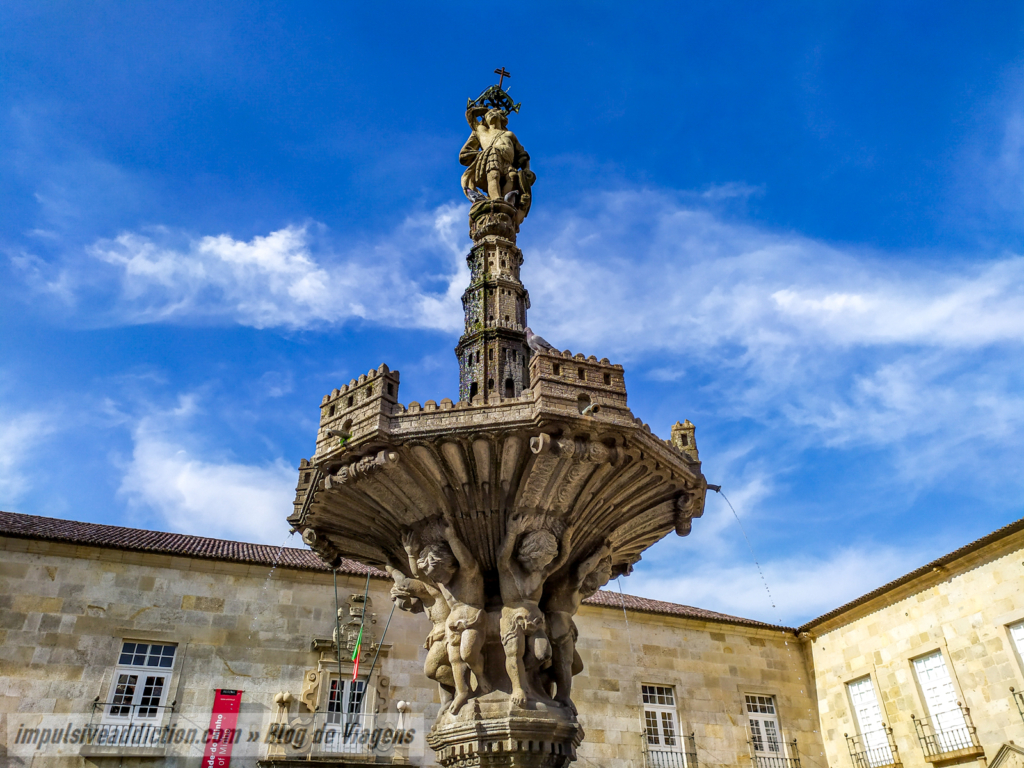
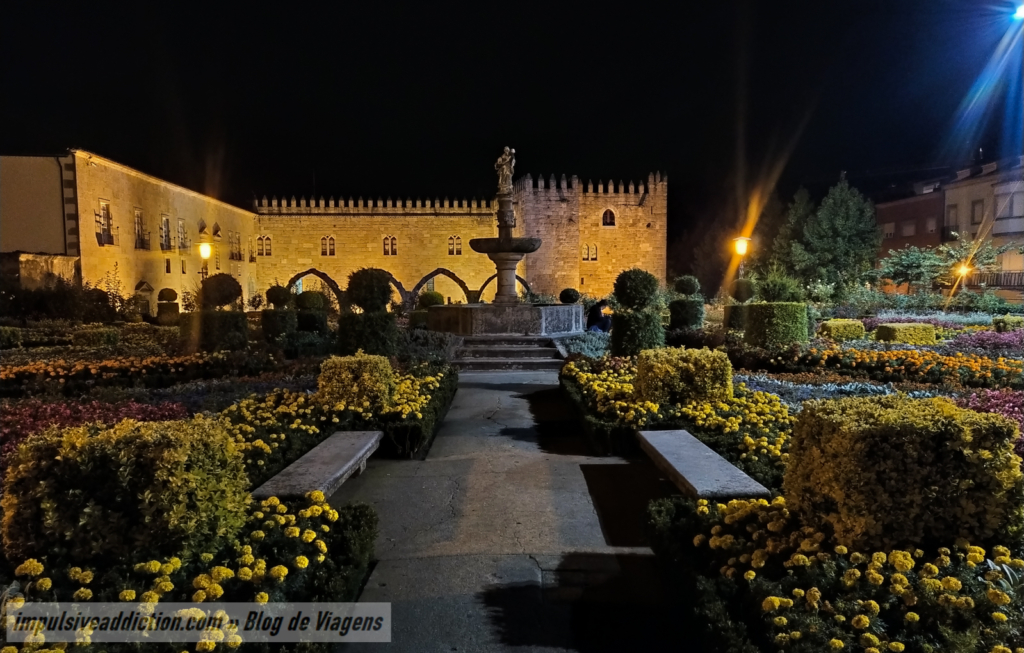
In the center of the square stands the Castelo Fountain (Fonte do Castelo), a unique early 18th-century fountain topped with a female figure and decorated with carved castles around its base. It’s an unusual and charming detail that adds character to the square.
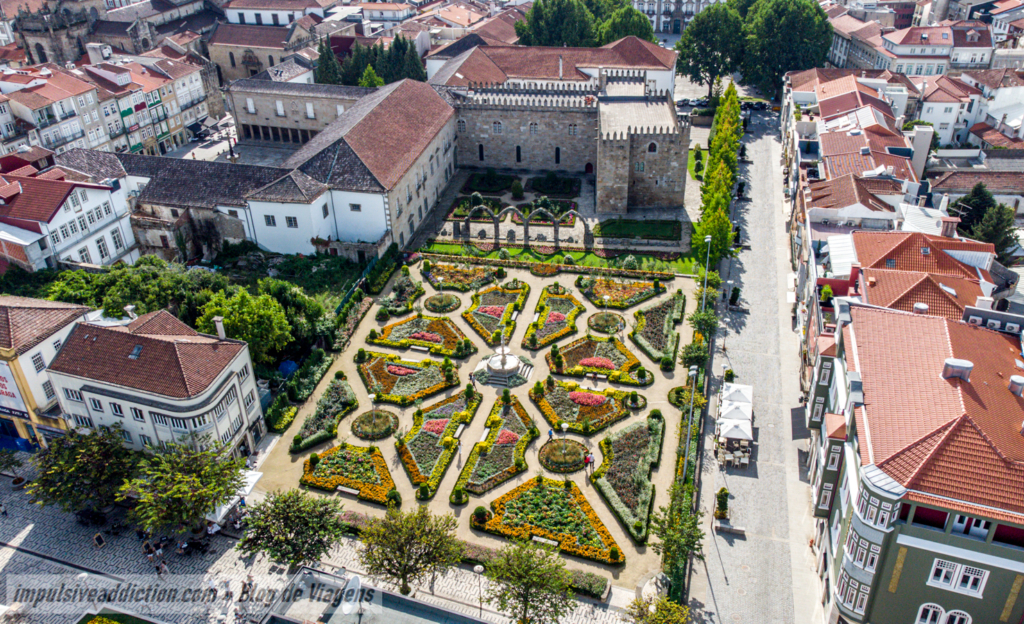
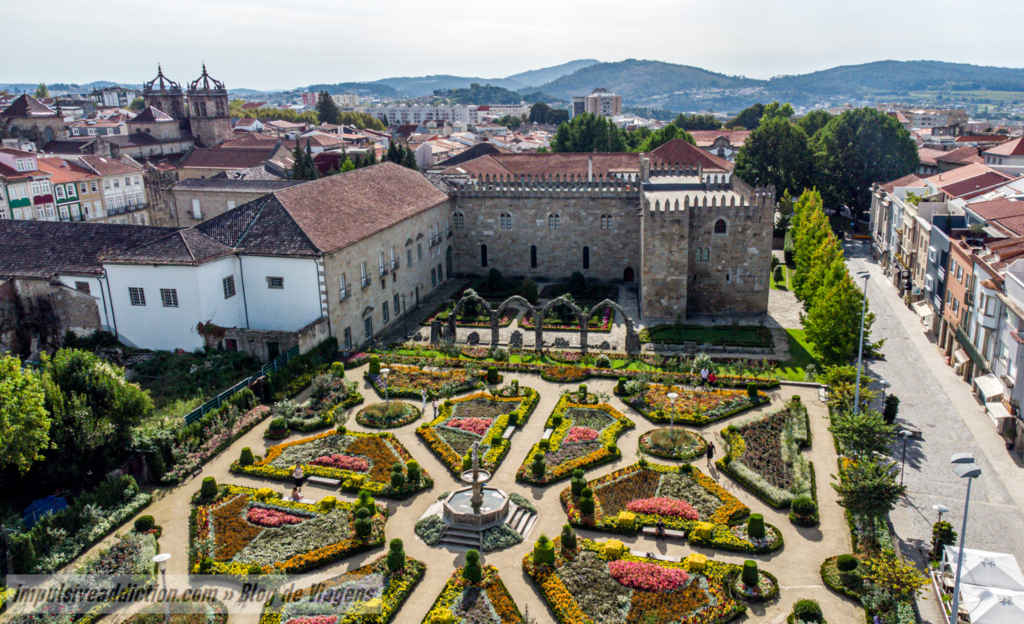
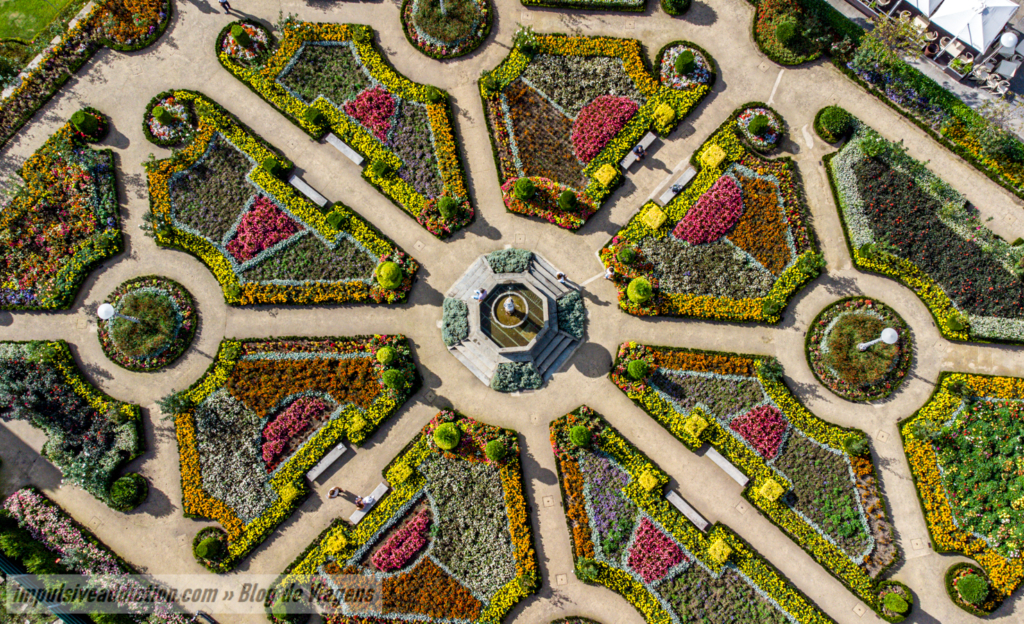
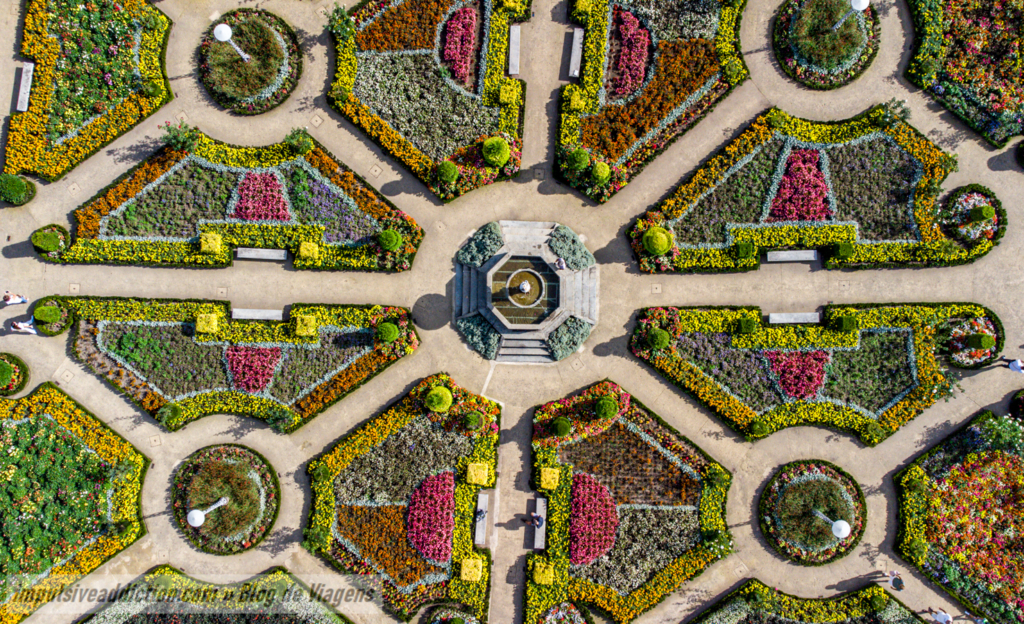
20. Santa Bárbara Garden
The Santa Bárbara Garden is, in my opinion, the most beautiful garden in Braga’s historic center—stunning, colorful, and always full of flowers. It’s a favorite spot for both locals and visitors to relax, stroll, and take photos, with the Archbishop’s Palace as a dramatic backdrop.
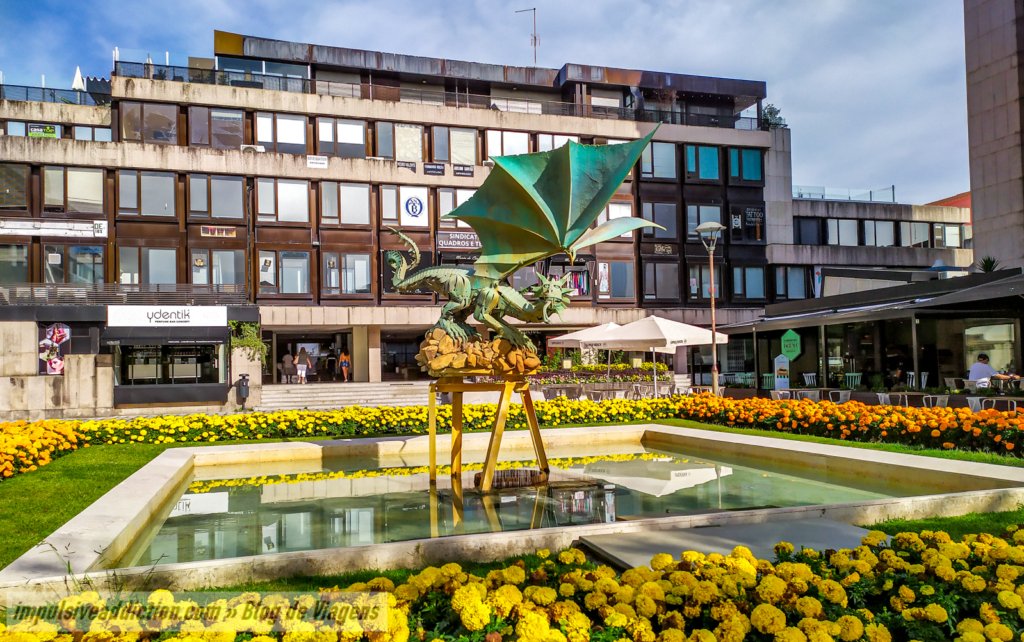
At the entrance to the garden, don’t miss the striking dragon statue, a detail that has always fascinated me. I recently learned that it was created by Aureliano Aguiar, a remarkable Portuguese artist responsible for many other well-known works across the country. Definitely look him up if you’d like to discover more about his art.
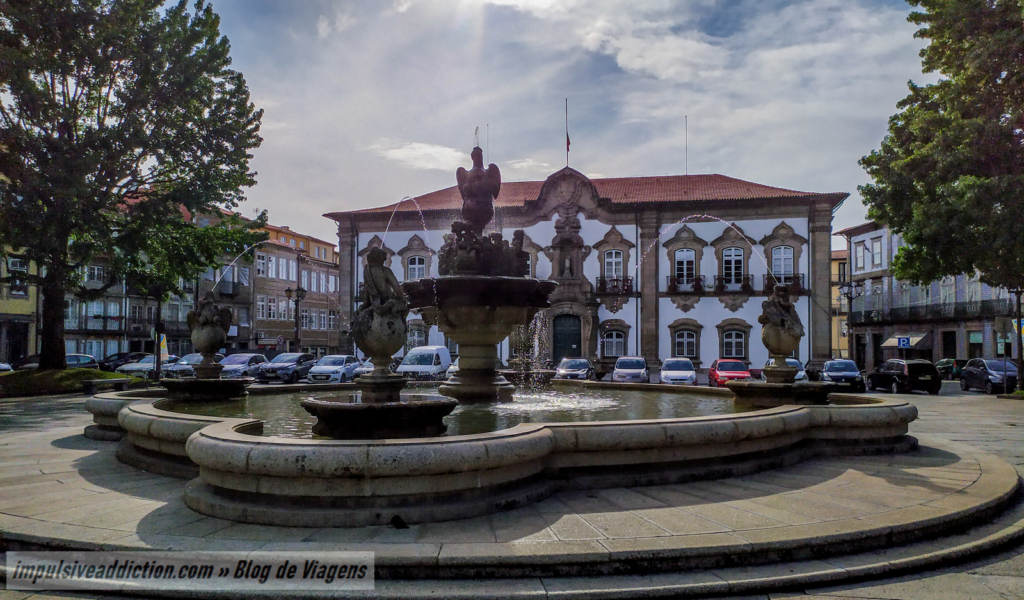
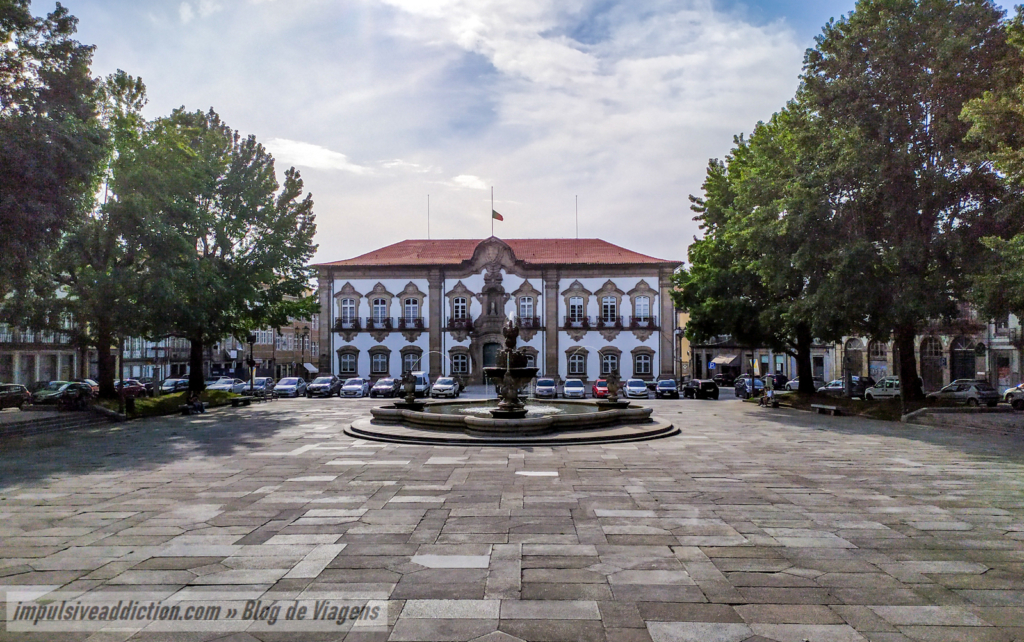
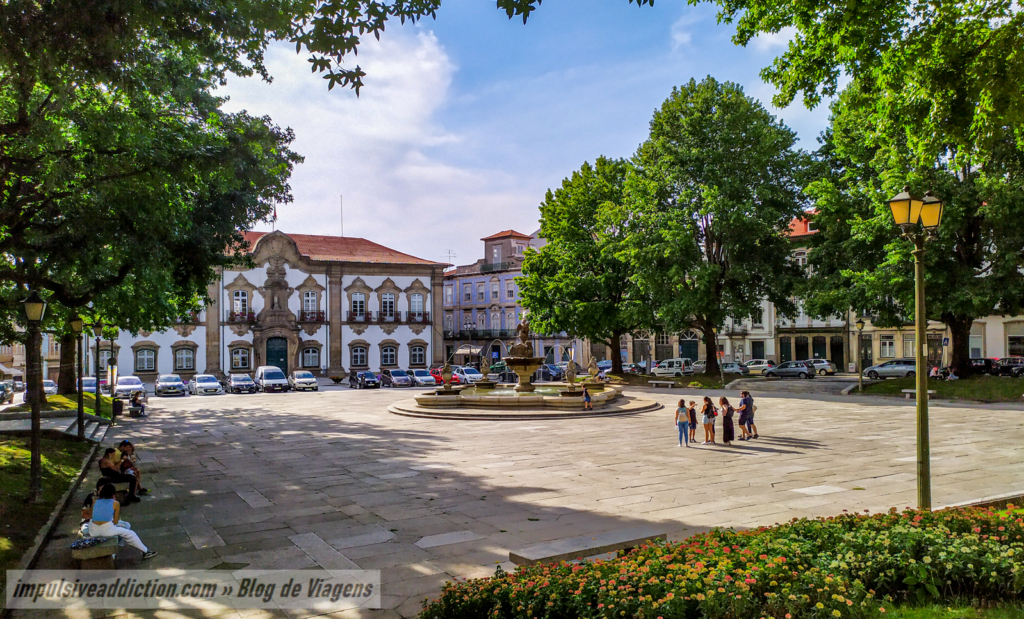
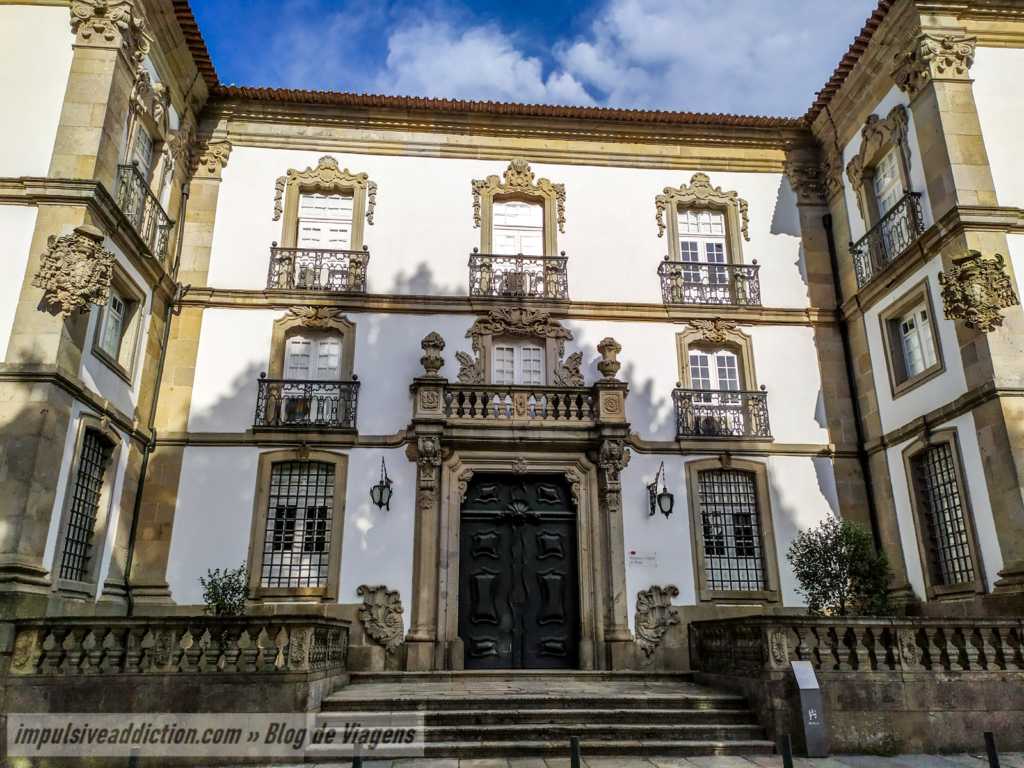
21. Town Square: Braga City Hall, Public Library and Pelican Fountain
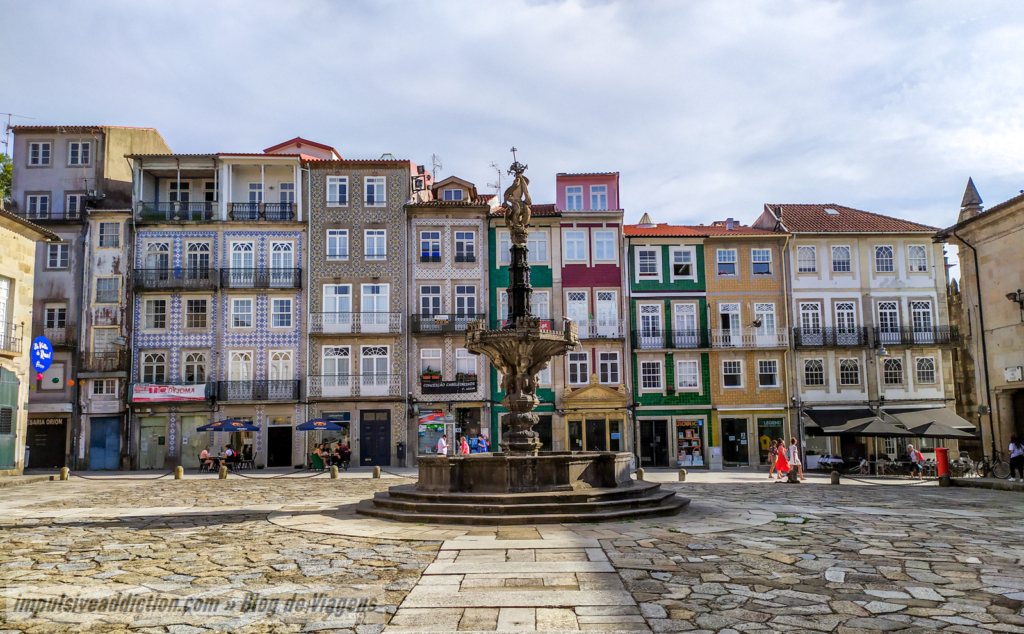
Walking down the street to the right of the Santa Bárbara Garden, you’ll arrive at Braga’s Town Square (Praça do Município). On one side stands the Braga Public Library, integrated into the Archbishop’s Palace complex, and on the other side the Town Hall, a dignified building with beautiful tiled interiors.
Outside, however, you’ll find the true highlight: the Pelican Fountain (Fonte do Pelicano). According to legend, the pelican pierces its own breast to feed its young with its blood when food is scarce—an image that symbolizes Christ offering his blood to humanity. This makes the Pelican Fountain not just a decorative feature, but also a religious monument and one of Braga’s most symbolic fountains.
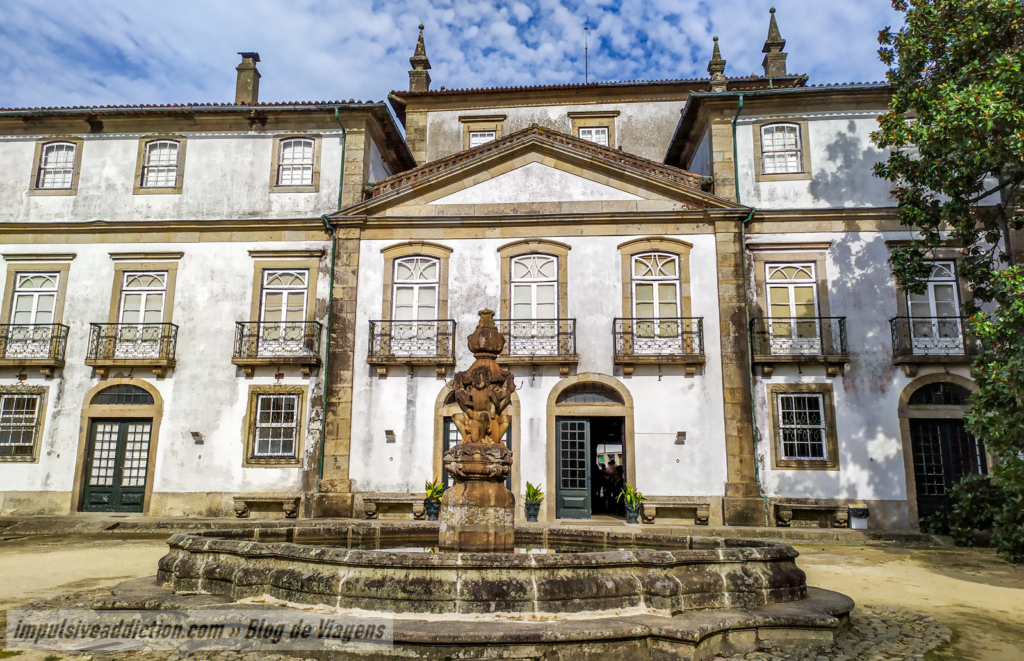
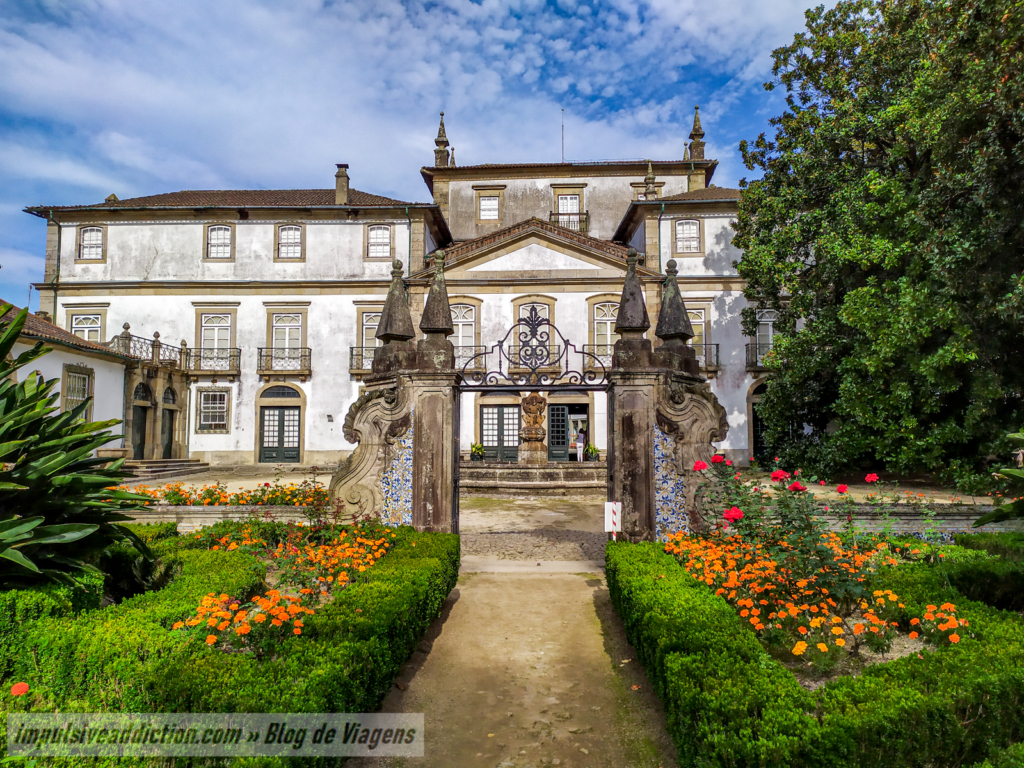
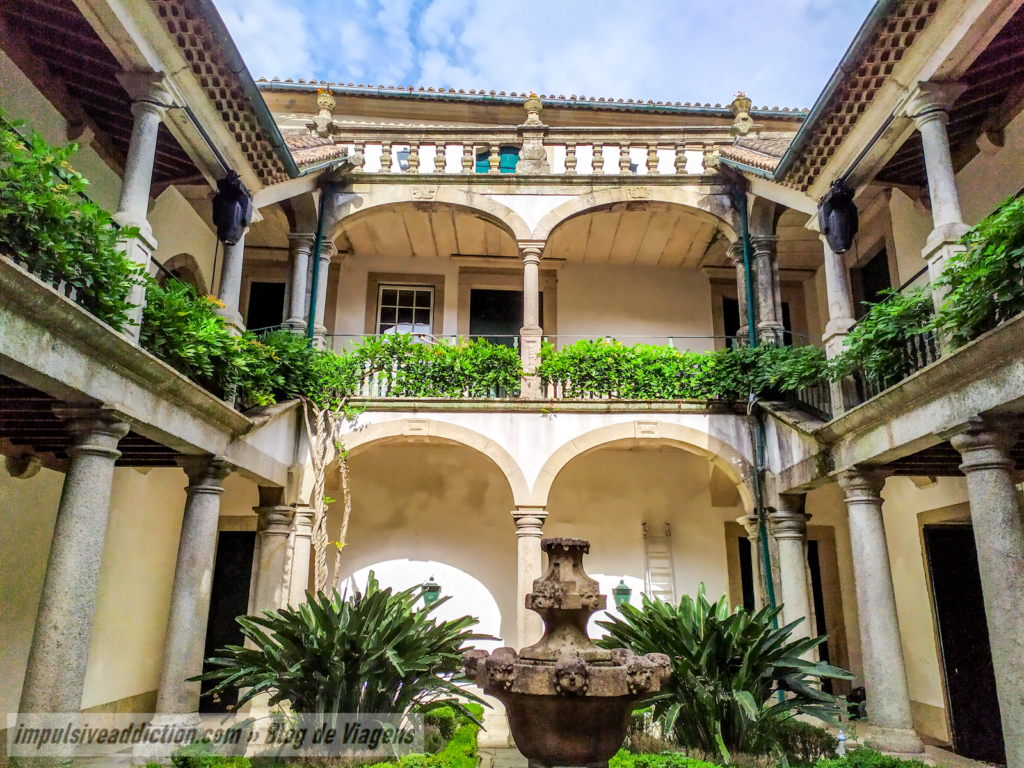
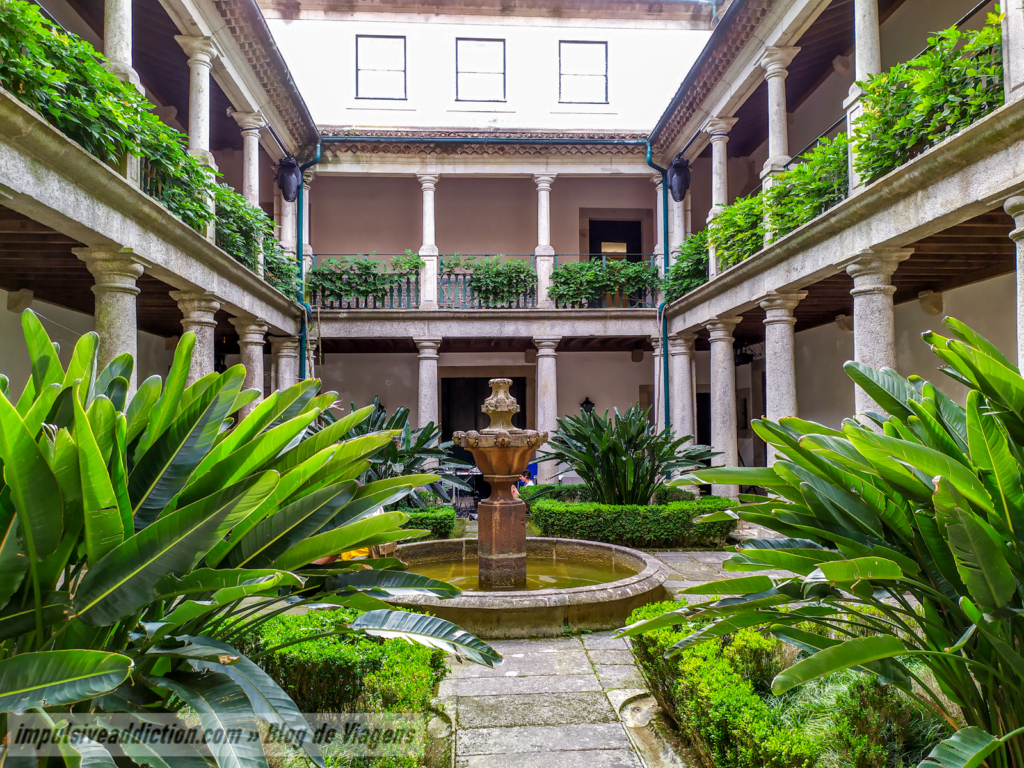
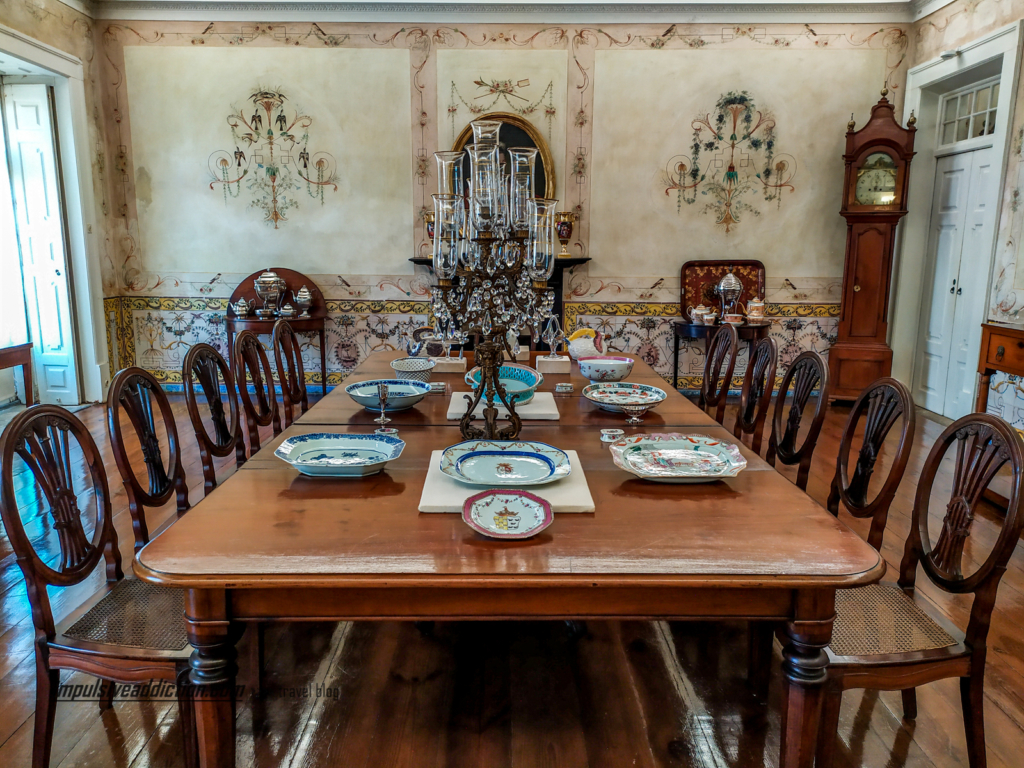
22. Biscainhos Museum and Gardens
Finally, we come to what I consider the best museum in Braga: the Biscainhos Museum (Museu dos Biscainhos). A useful tip: on Sundays, museum entry is free across the city—including the Monastery of Tibães, which I’ll mention later.
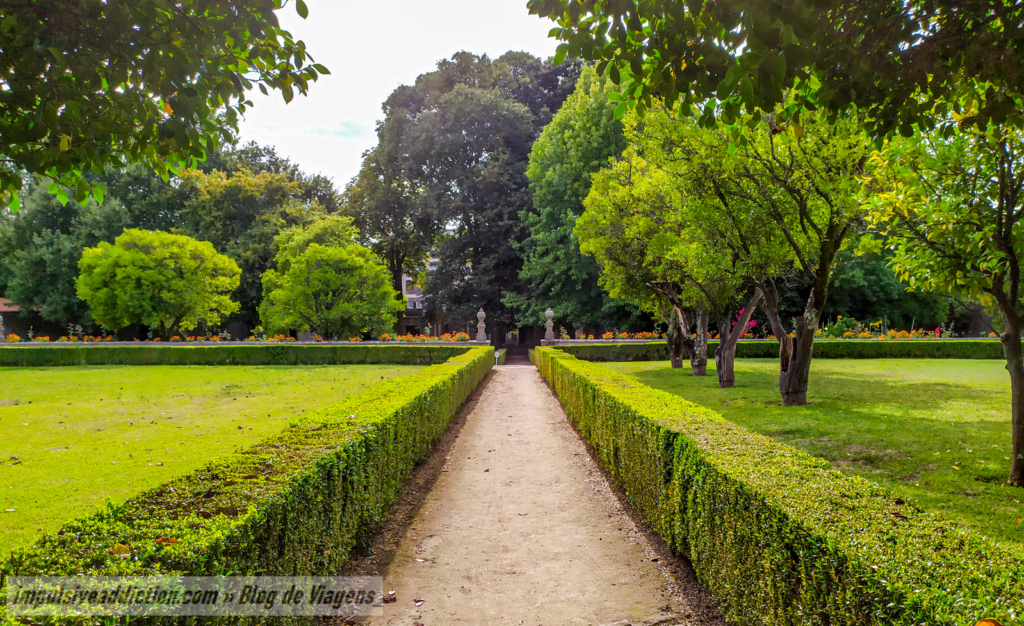
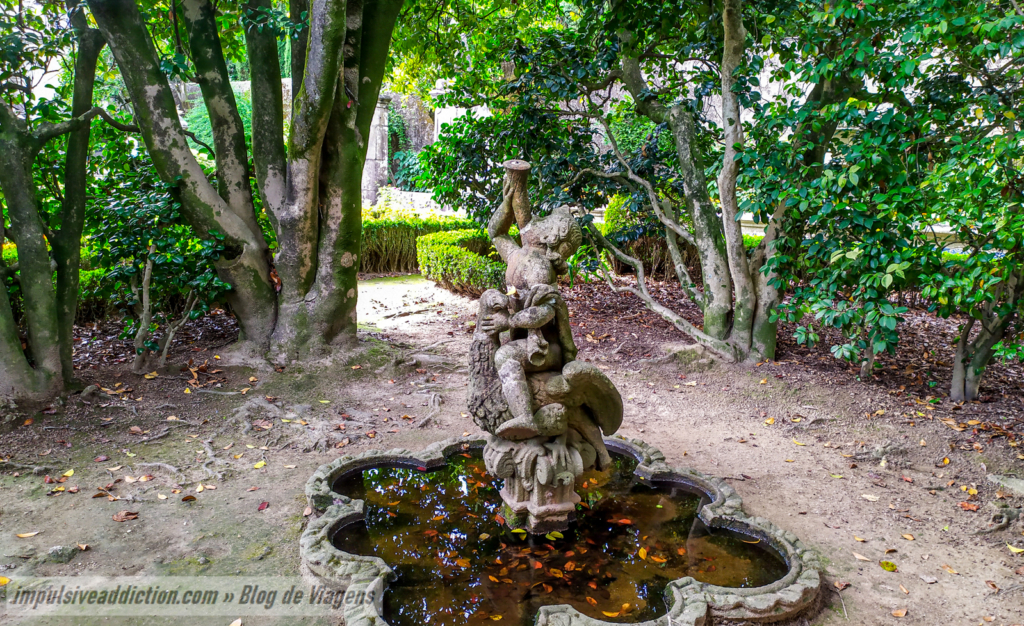
That said, the Biscainhos Museum is worth every cent of the ticket on any day of the week. The gardens can be visited for free and are absolutely charming, but I strongly recommend touring the palace itself. Inside, you’ll find extraordinary furniture, artwork, and decorative details, though for me the beautifully painted ceilings were the true highlight.
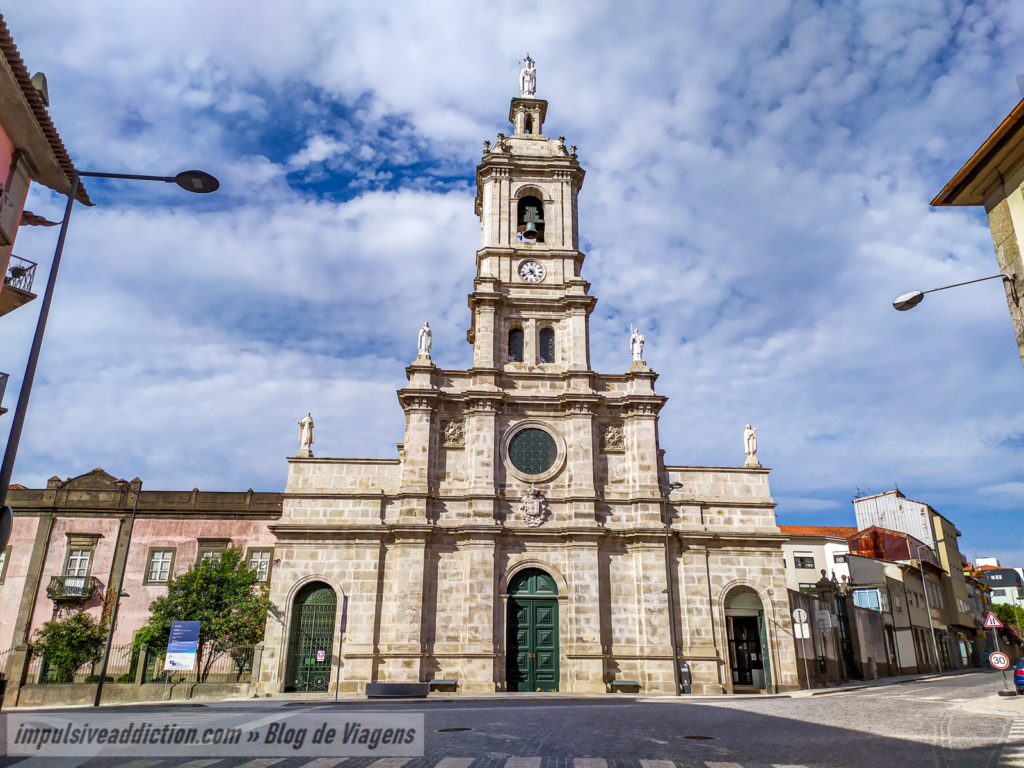
23. Pópulo Church, Conde Agrolongo Square and Carmo Church
Not far from the Biscainhos Museum you’ll find the Pópulo Church (Igreja do Pópulo) and its former convent. The church’s tiled interior is absolutely beautiful and definitely worth stepping inside. To reach the Carmo Church (Igreja do Carmo), continue through the wide Conde Agrolongo Square and turn left at the end. While I was impressed by the interior of Pópulo, what stood out most for me at Carmo was its striking exterior façade—an architectural gem that contrasts beautifully with the surrounding square.
24. Mouzinho de Albuquerque Square and Chapel of Guadalupe
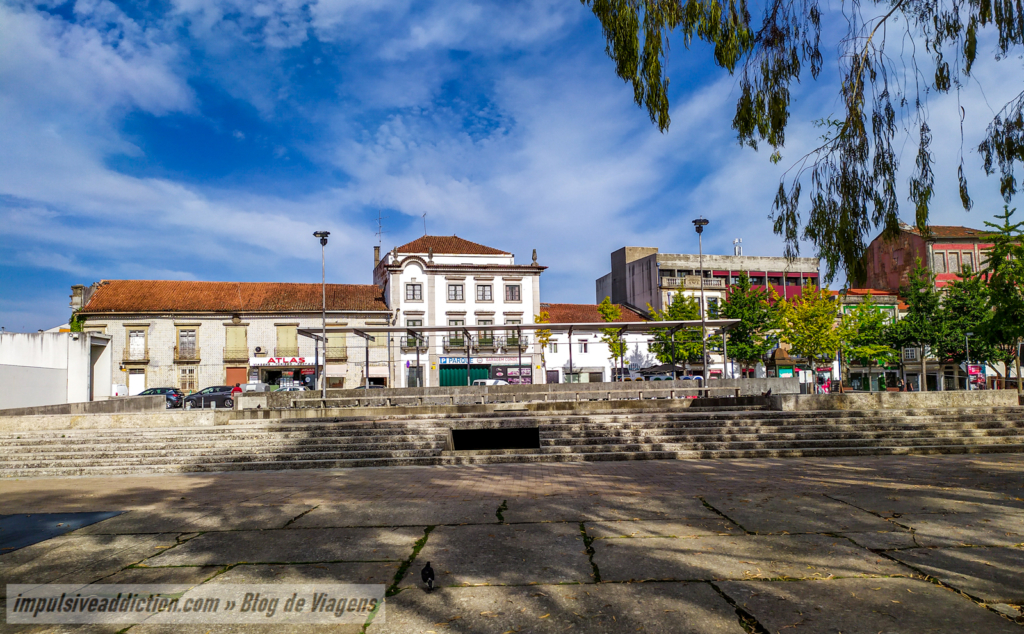
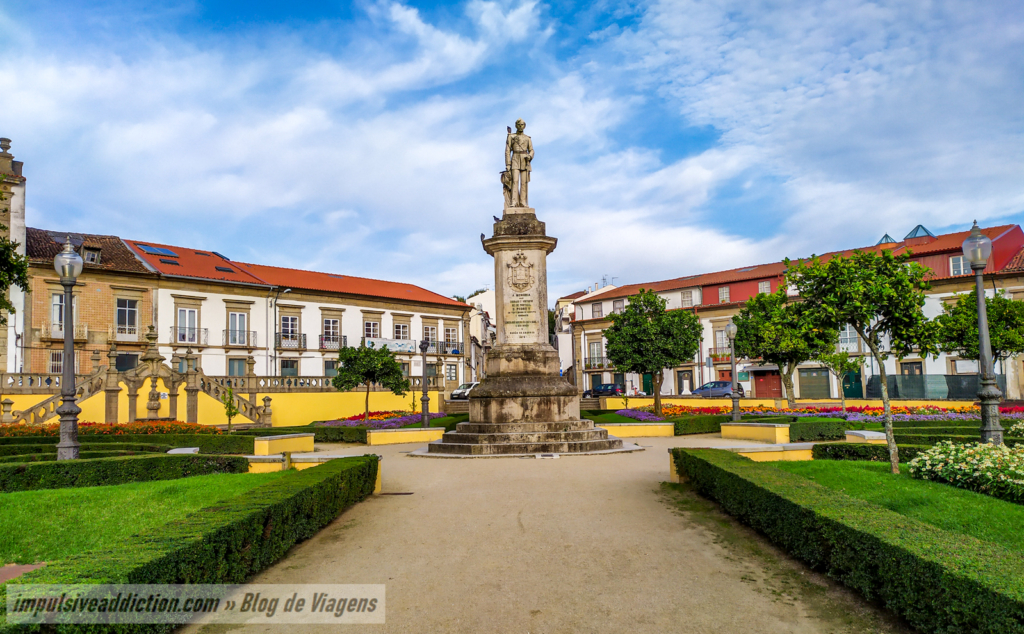
Your walk through the historic center of Braga will naturally end at the Chapel of Guadalupe, which offers a wonderful viewpoint over the city—a perfect way to wrap up your itinerary. On the way there, you’ll inevitably pass through Mouzinho de Albuquerque Square, another pleasant spot in the heart of Braga.
If you prefer, you can also choose to watch the sunset back on Braga Central Avenue, where the light at the end of the day makes the gardens and arcades even more beautiful. By this point, you’ll have walked many miles and burned plenty of calories, so why not treat yourself to dinner at Taberna Belga? 😉
Visit the Sanctuaries of Braga, Falperra and Tibães
After exploring the entire historic center, it’s time to discover Braga’s surroundings, especially its impressive sanctuaries, breathtaking mountain viewpoints, and the historic Monastery of Tibães. These sites offer a different perspective on the city, combining spirituality, nature, and history in a way that perfectly complements your visit to the center.
1. Sanctuary of Bom Jesus do Monte, in Braga
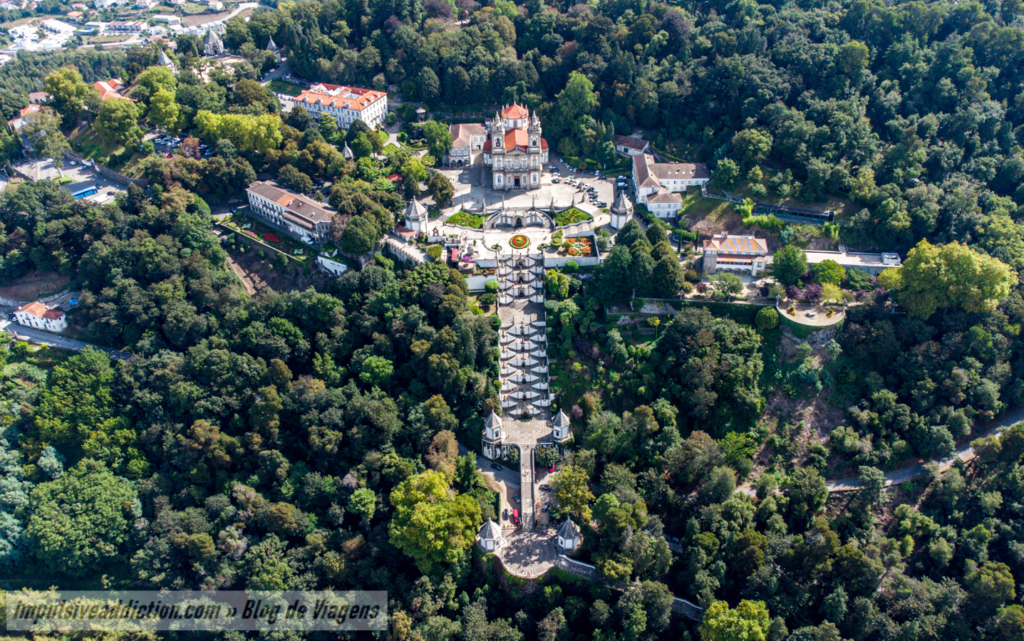
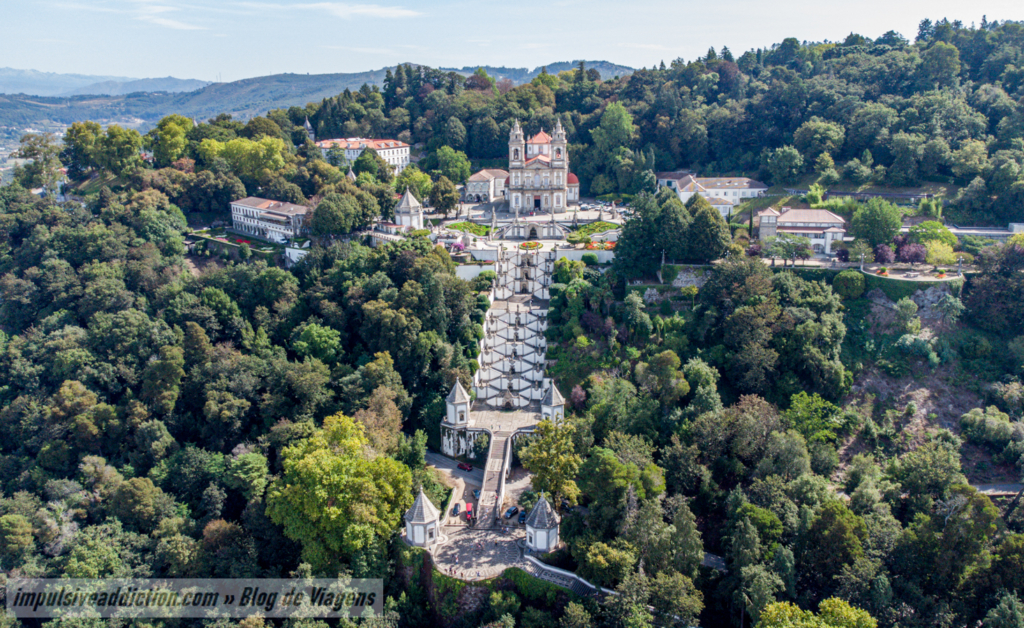
A car is essential to reach Bom Jesus do Monte, but I dare you to climb the long baroque staircase on foot! 😀 If that feels like too much, you can always take the Bom Jesus funicular up to the sanctuary and then walk all the way back down. Honestly, both experiences are worth it.
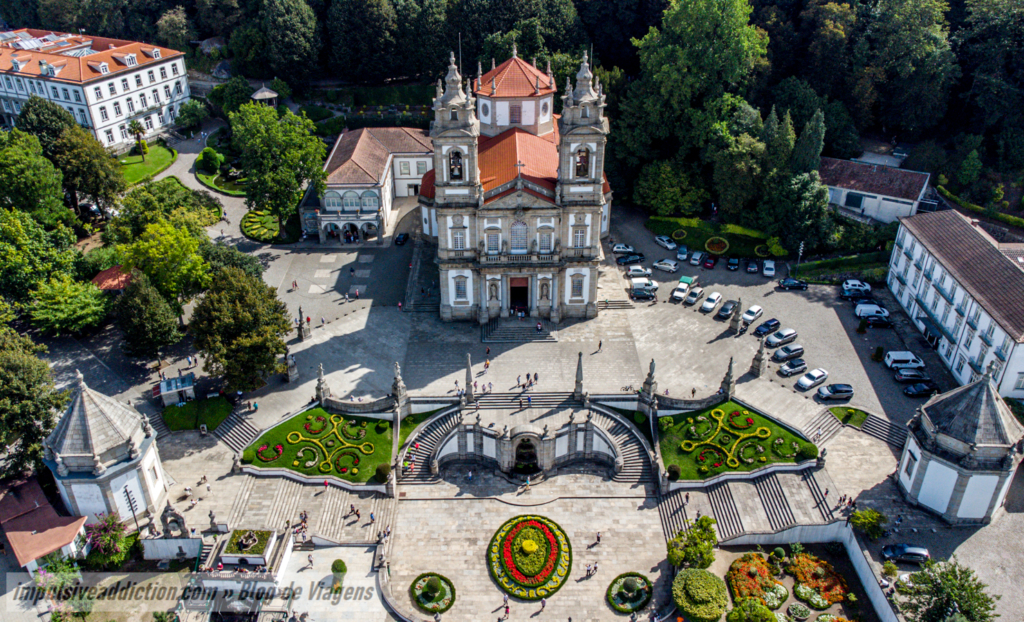
- The staircase of Bom Jesus, with more than 500 steps, is one of the most iconic in Portugal. It is divided into three symbolic sections: the Stairway of the Portico, the Stairway of the Five Senses, and the Stairway of the Virtues, each adorned with statues, fountains, and incredible detail.
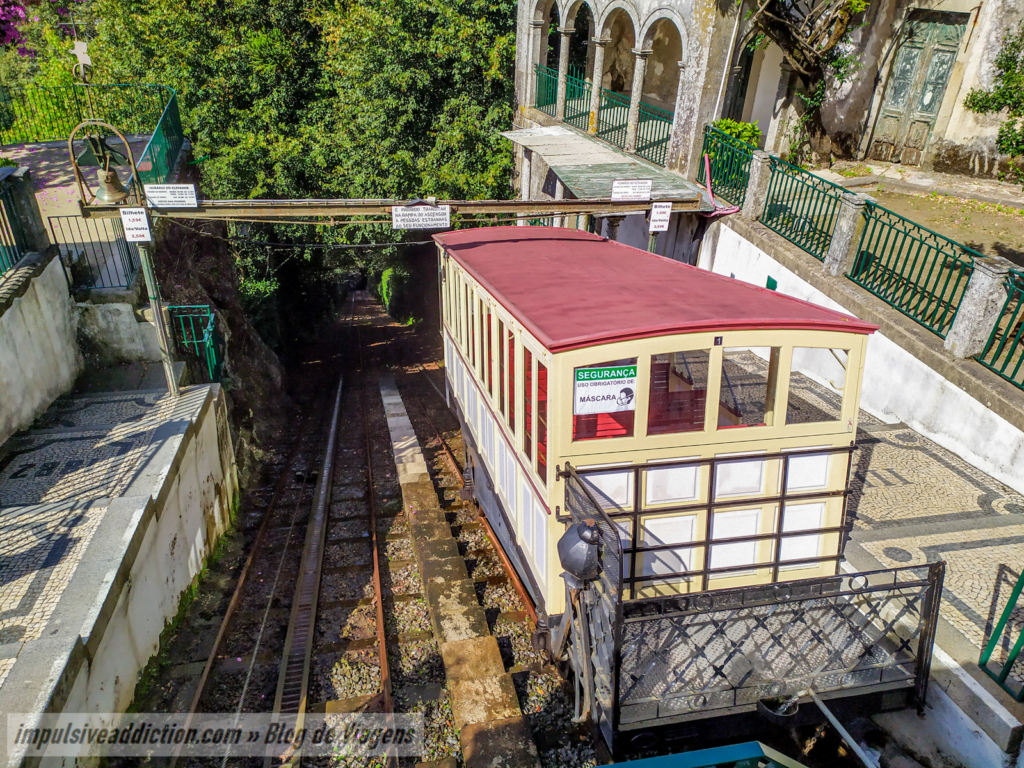
- The elevator of Bom Jesus is equally extraordinary—it was the very first funicular installed in Portugal (1882) and still works today using a fascinating water counterweight system.
There are many beautiful churches and sanctuaries in Portugal, but for me Bom Jesus stands out above them all. In fact, I find it even more beautiful than the Sanctuary of Fátima. In 2019, Bom Jesus was finally recognized as a UNESCO World Heritage Site, an honor that, in my opinion, should have come many years earlier.
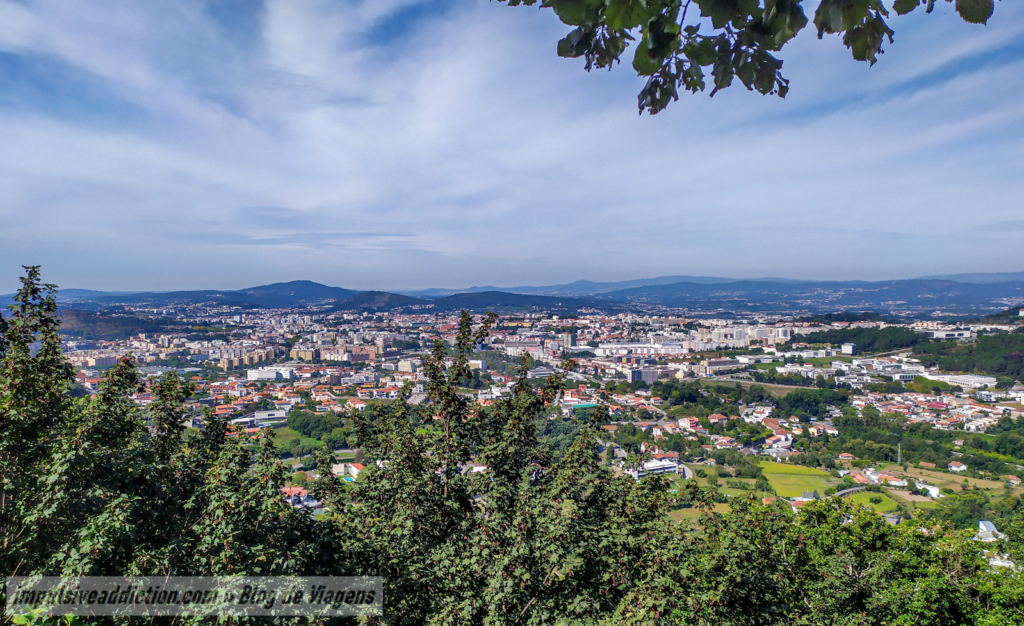
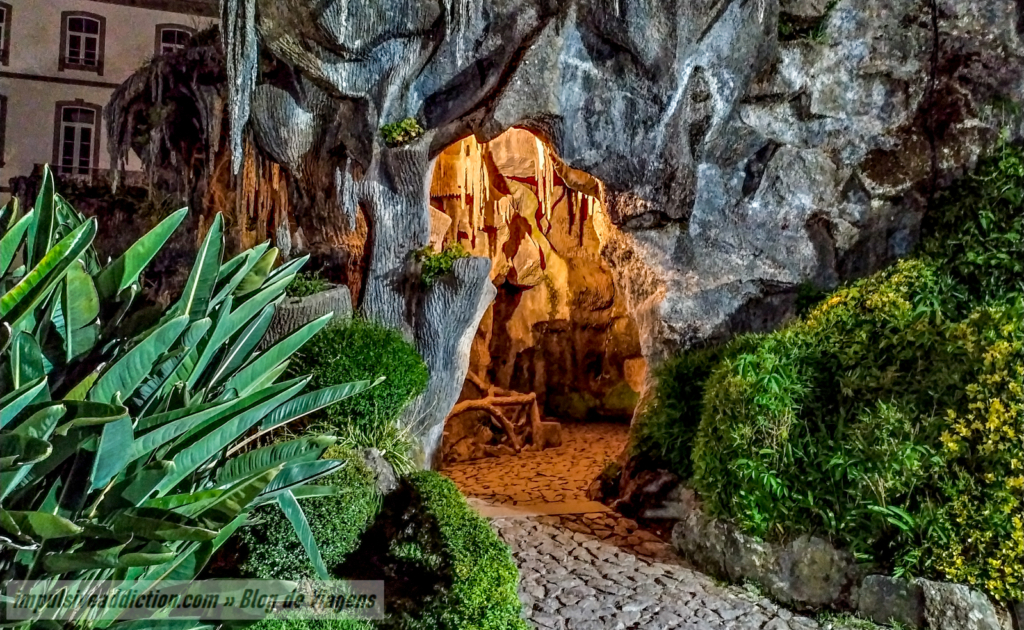
Next to the church, you’ll also find the equestrian statue of São Longuinho, as well as a charming lake, a cave, and a park where you can relax. And of course, don’t miss the breathtaking view over the city of Braga—one of the most beautiful panoramas you’ll find in northern Portugal.
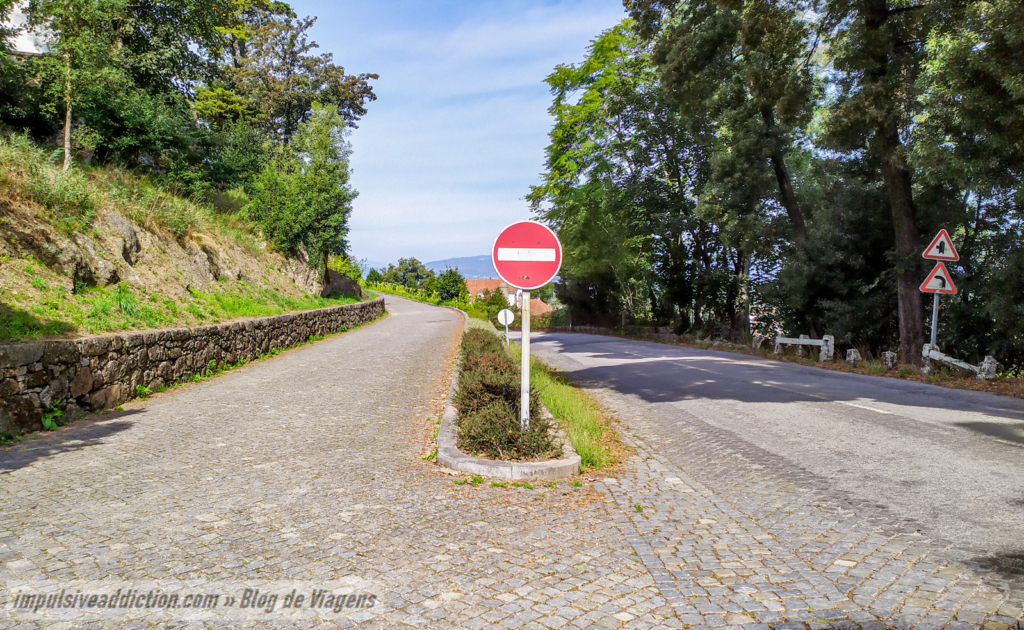
Did you know there’s also a magic road in Bom Jesus de Braga? If you visit the sanctuary by car, you’ll almost certainly pass by it. At first glance, the road looks like it’s going downhill—but here’s the surprise: if you put your car in neutral and release the brake, it will appear to climb uphill on its own.

Of course, it’s not witchcraft but a fascinating optical illusion. The slope is actually upward, though your eyes and the surrounding landscape trick your perception. This quirky phenomenon has been tested and proven, but it’s still one of those curiosities of Braga that’s fun to experience. Take a friend there and watch their reaction—you’ll definitely freak someone out with this magical little secret! 😀
2. Sanctuary of Sameiro
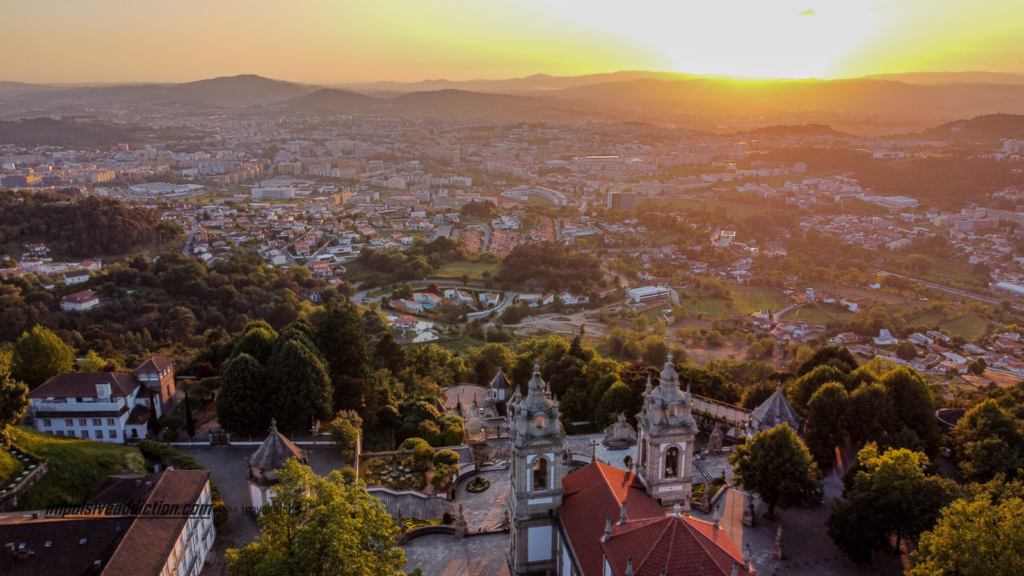
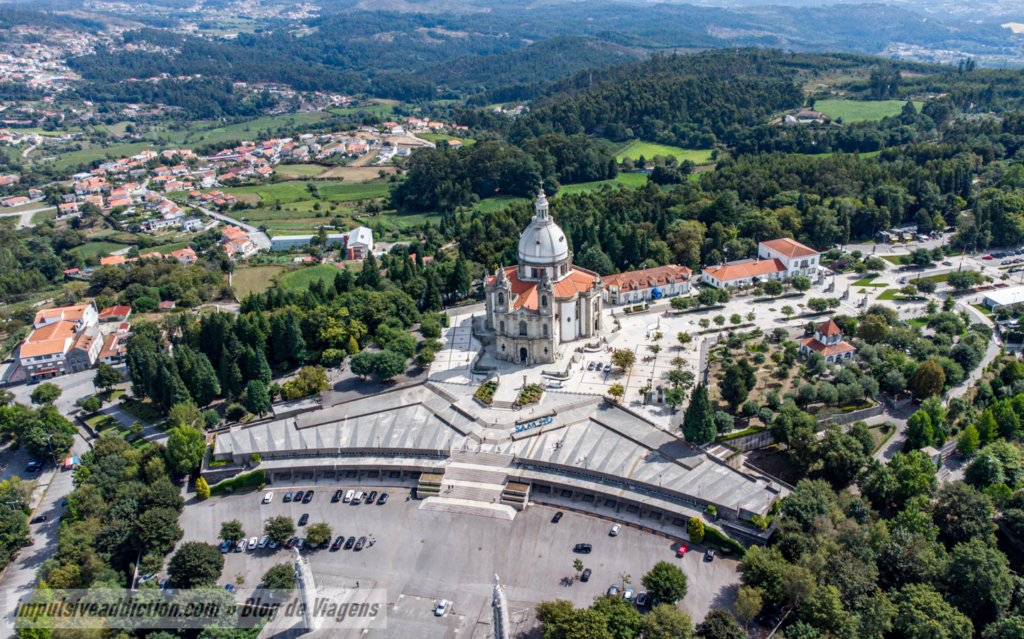
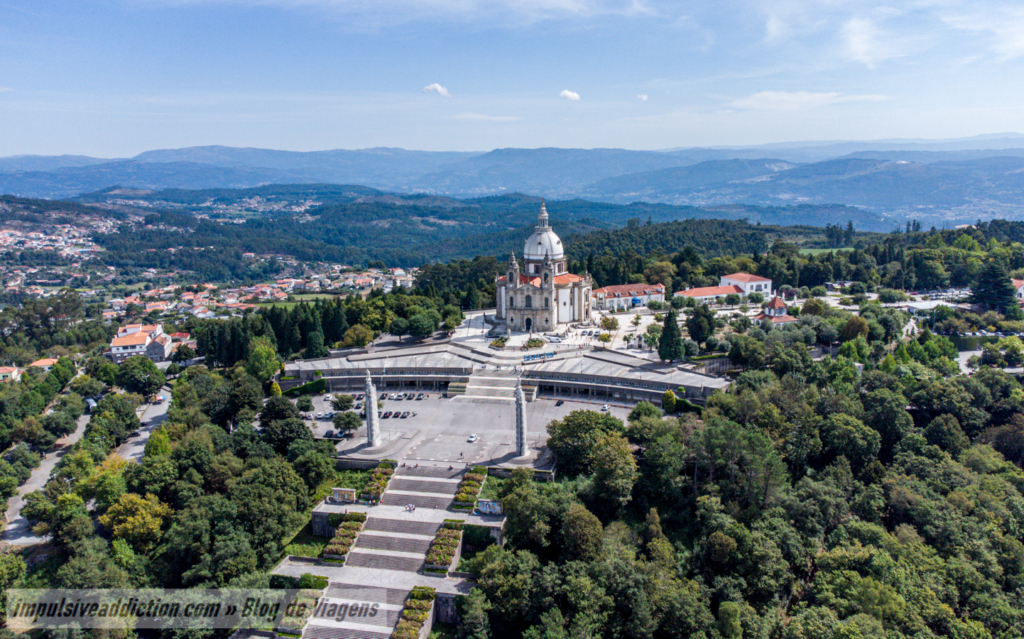
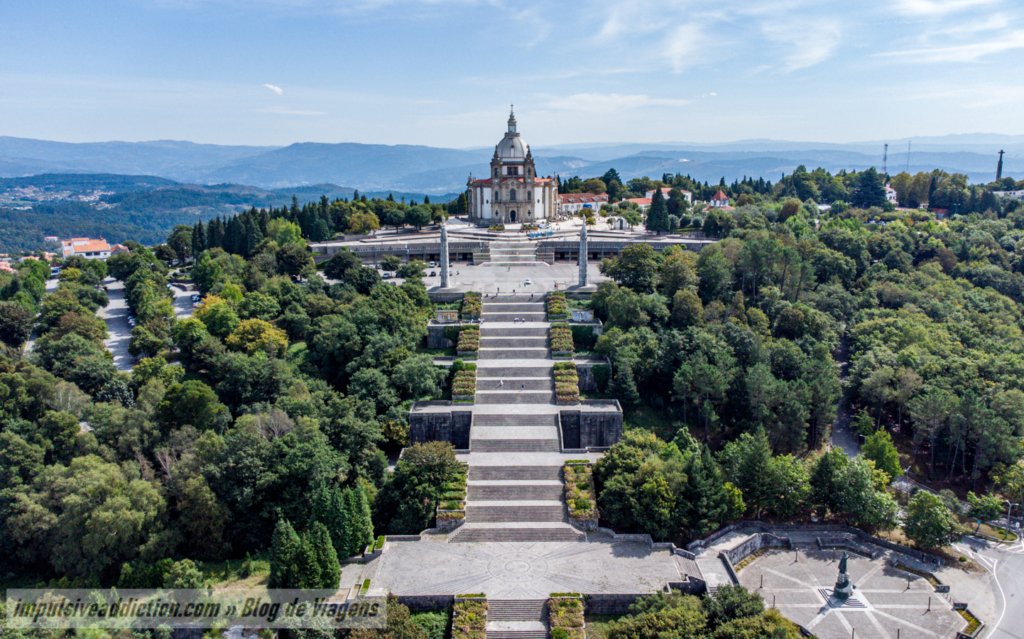
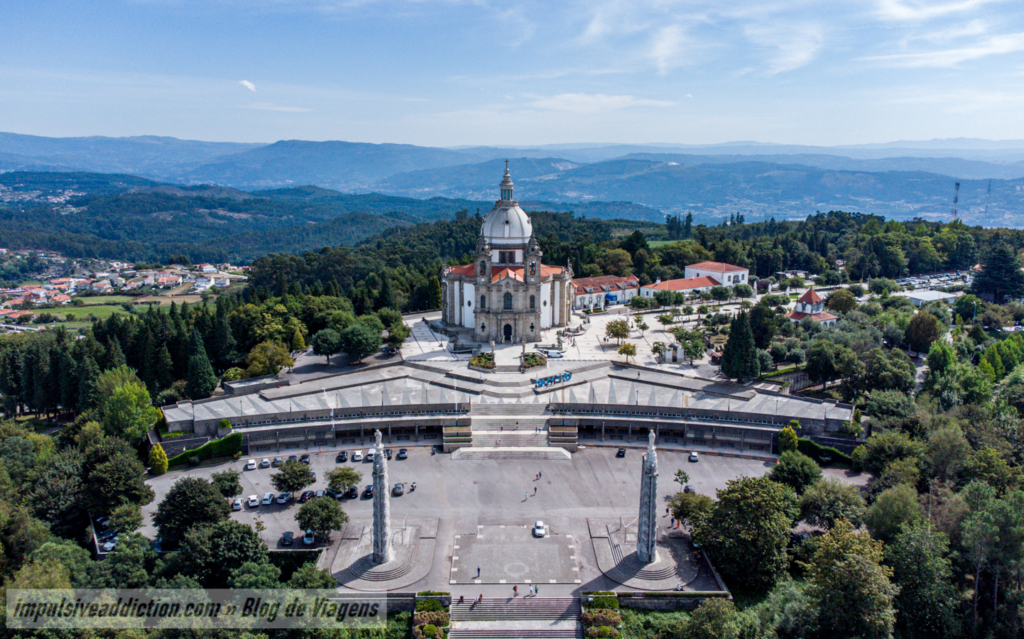
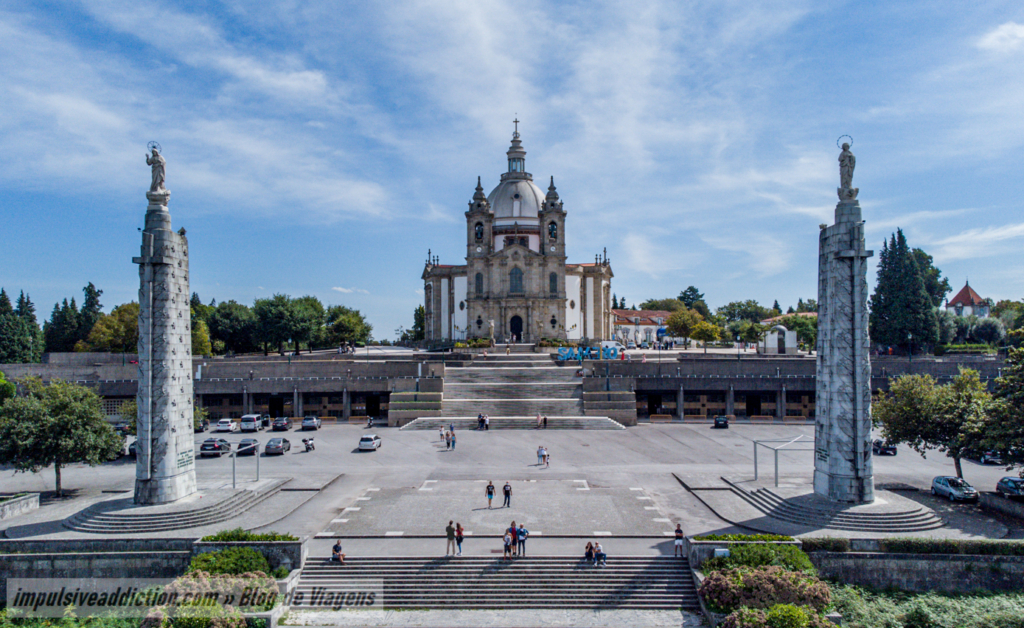
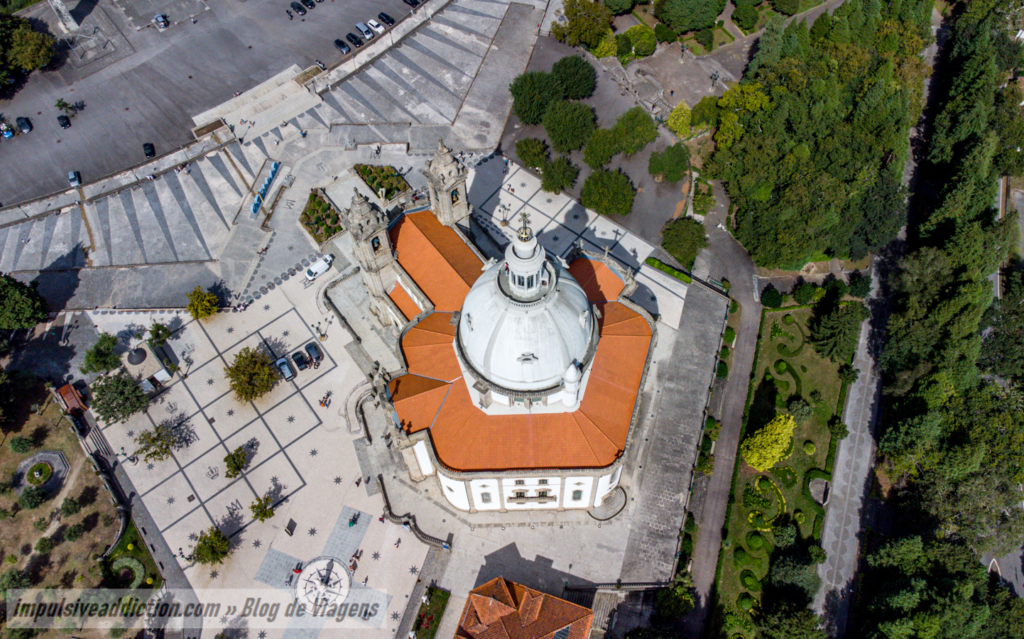
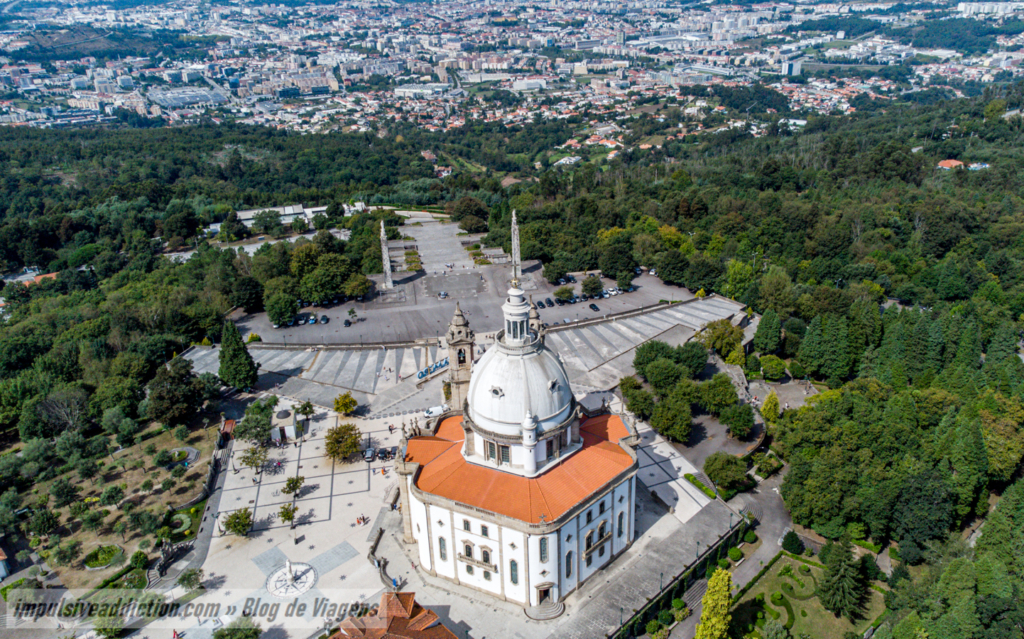
If Bom Jesus do Monte is the most beautiful church in Braga, the Sanctuary of Sameiro (Santuário do Sameiro) offers the best viewpoint over the city and surrounding mountains. The two giant white pillars that frame the esplanade make the site even more iconic and memorable.
When visiting Sameiro, don’t miss the chance to climb up to the dome, where you’ll be rewarded with panoramic views, and head down to the crypt located beneath the sanctuary. If you can, plan your visit for sunset, when the light makes the landscape even more breathtaking. On windy days, however, you might prefer Bom Jesus, since it’s a little more sheltered, but on calm evenings Sameiro is absolutely magical.
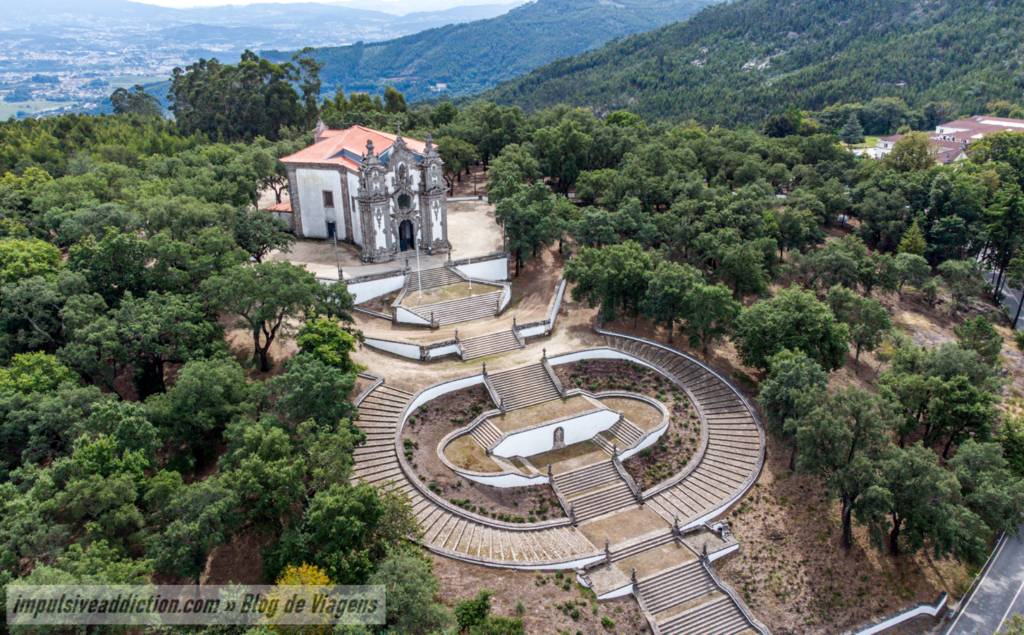
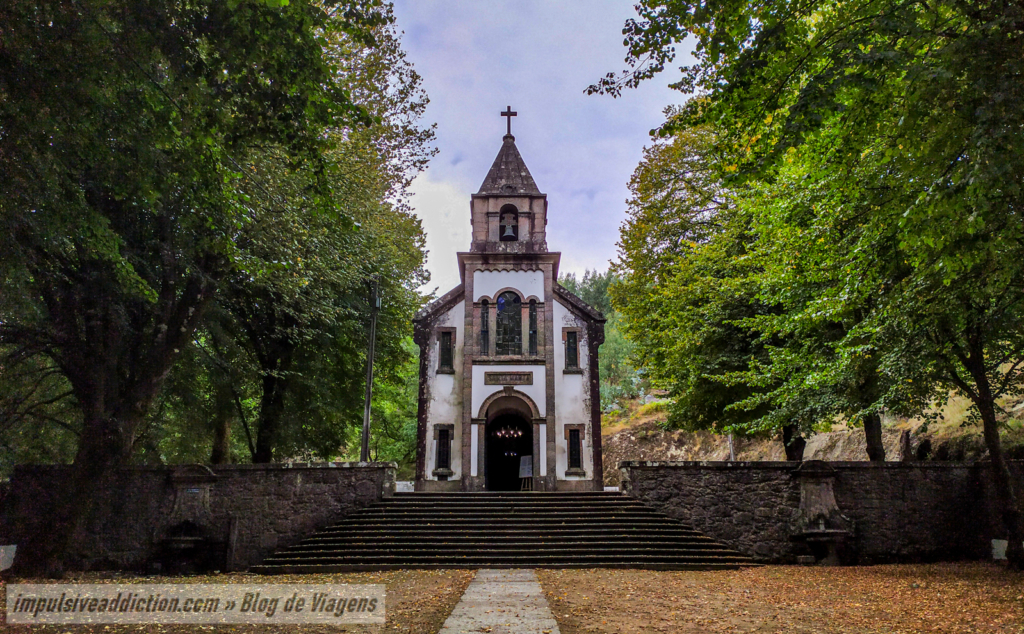
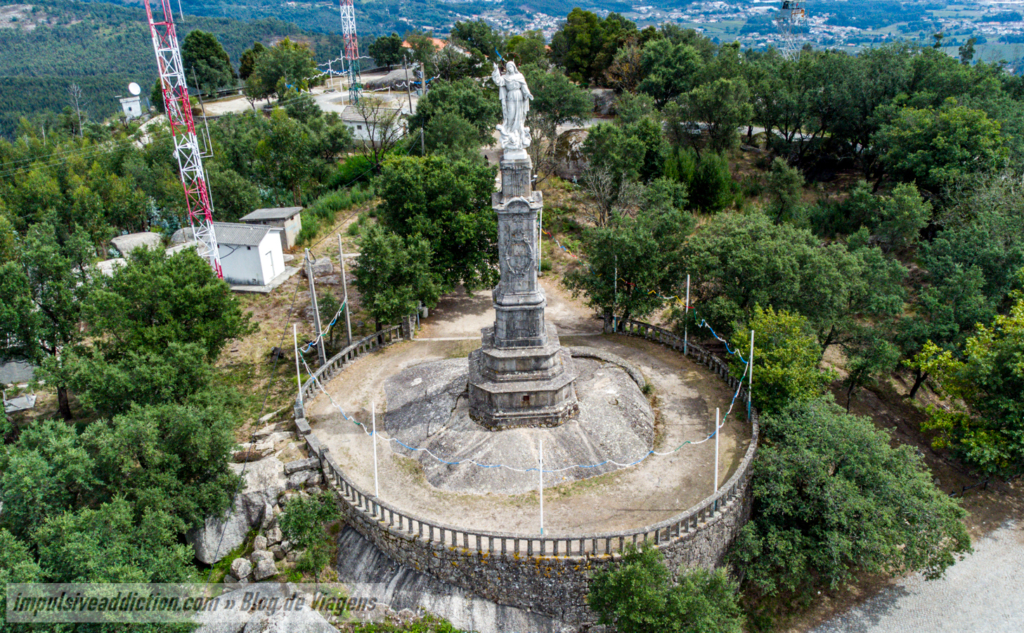
3. Church of Santa Maria Madalena and Chapel of Santa Marta de Leão (Falperra)
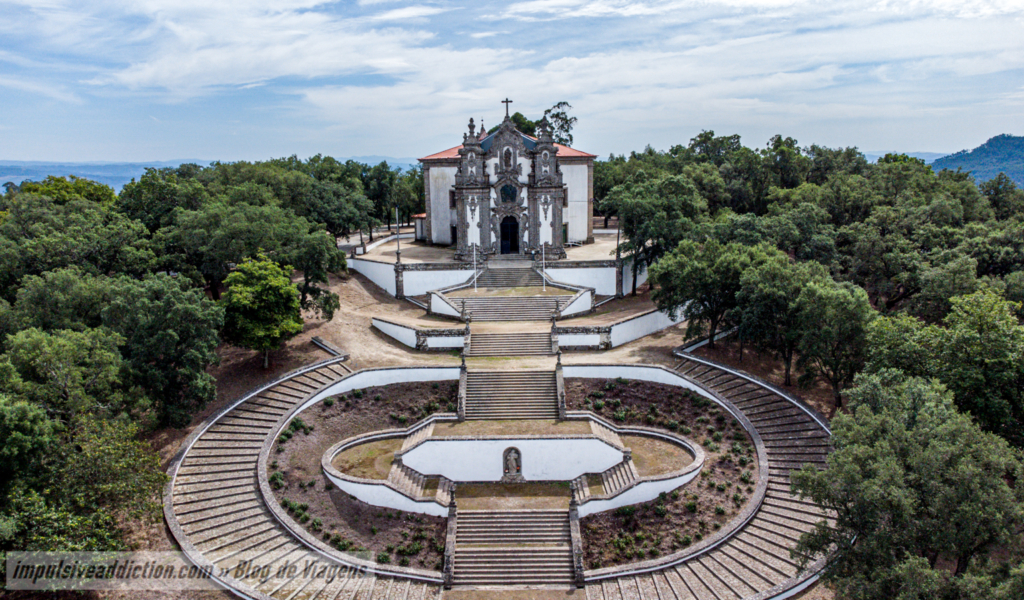
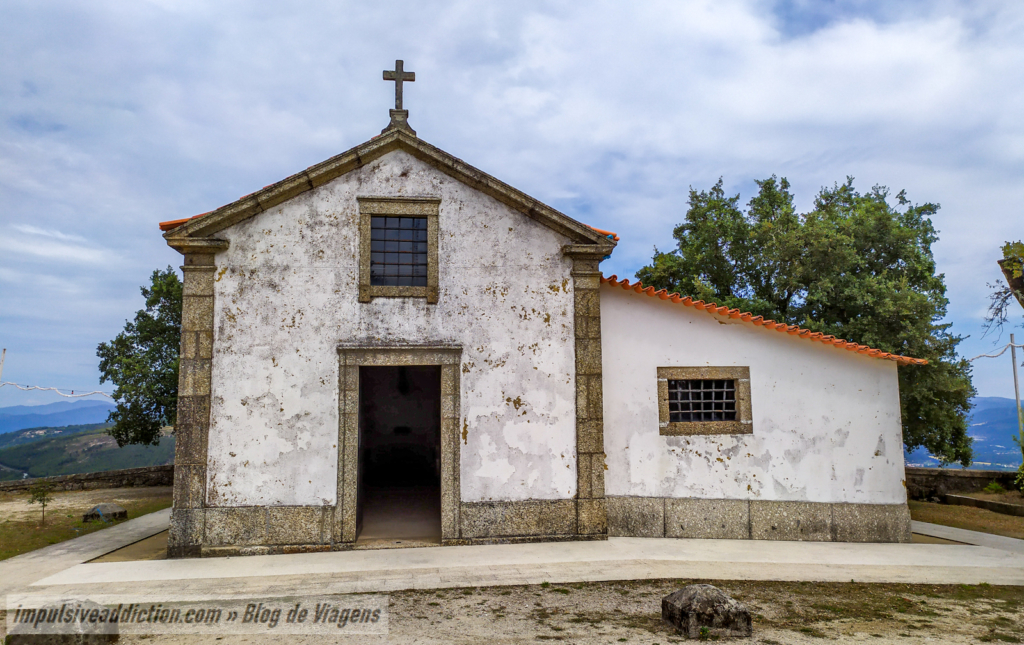
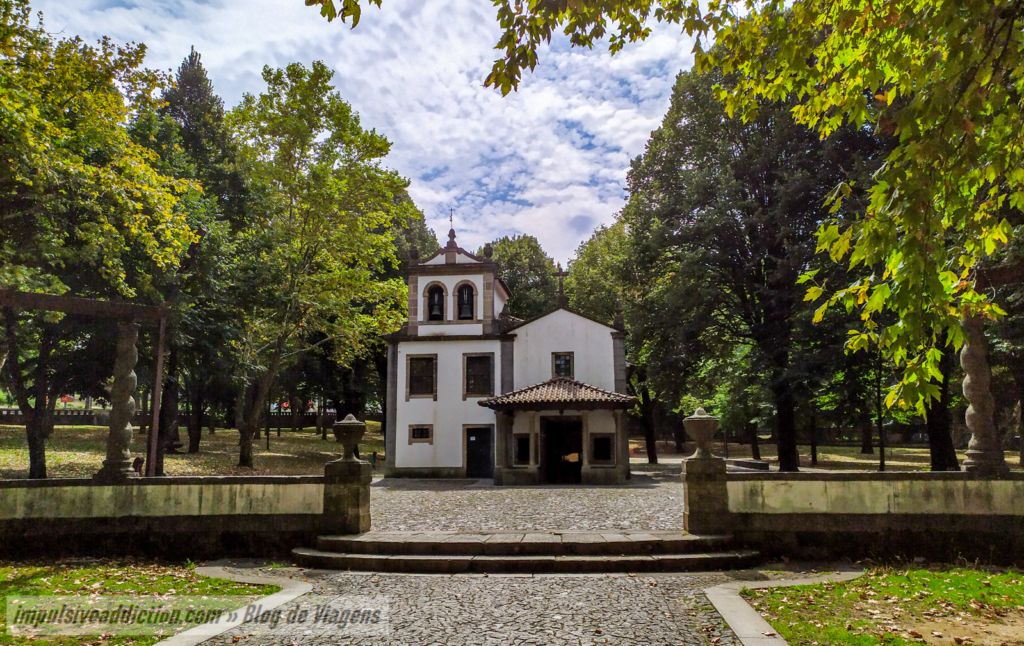
From Sameiro, it’s worth exploring the other scenic corners of Falperra, a mountainous area full of charm and spirituality. One of the highlights is the Chapel of Santa Marta de Leão, which I find especially fascinating because of its peaceful setting surrounded by trees and lush nature. Another stop is the Church of Santa Maria Madalena, an important sanctuary in the mountains. While it doesn’t have the grandeur or beauty of Bom Jesus or Sameiro, it’s still a special place to visit for its serenity and mountain views.
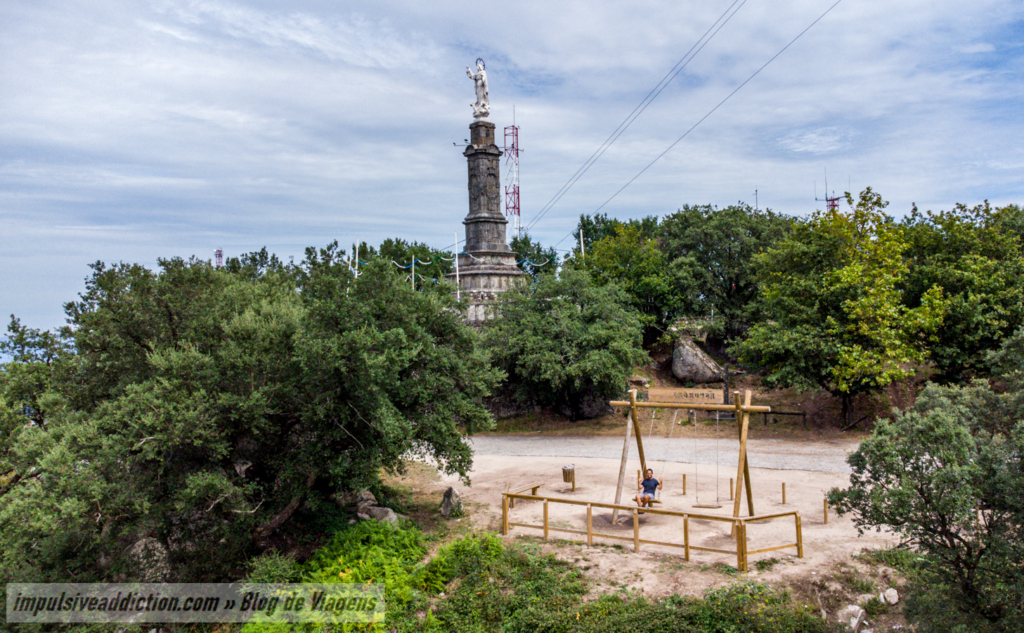
4. Santa Marta das Cortiças and Esporões Swing
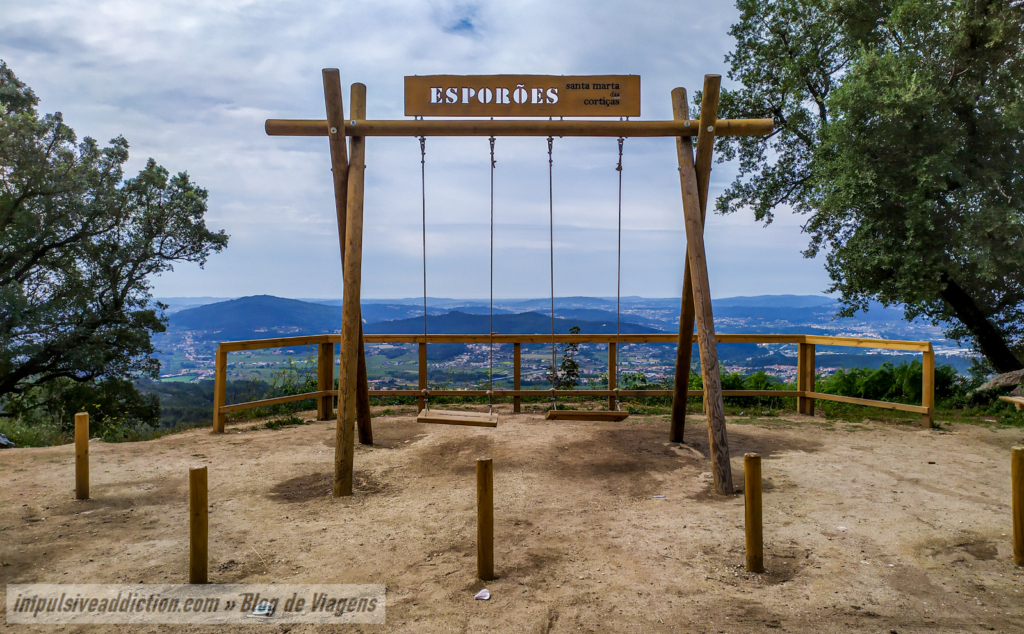
Santa Marta das Cortiças is the highest point in the Falperra mountains, and that alone makes it worth a visit. To make things even more appealing, you’ll now find a panoramic swing here, known as the Esporões Swing, which has become a favorite spot for photos with a stunning natural backdrop. From the viewpoints of Santa Marta das Cortiças, you can admire sweeping views over Braga and even spot the three great sanctuaries of the mountain already mentioned: Bom Jesus do Monte, the Sanctuary of Sameiro, and the Church of Santa Maria Madalena.
5. Picoto Viewpoint and Parque da Ponte
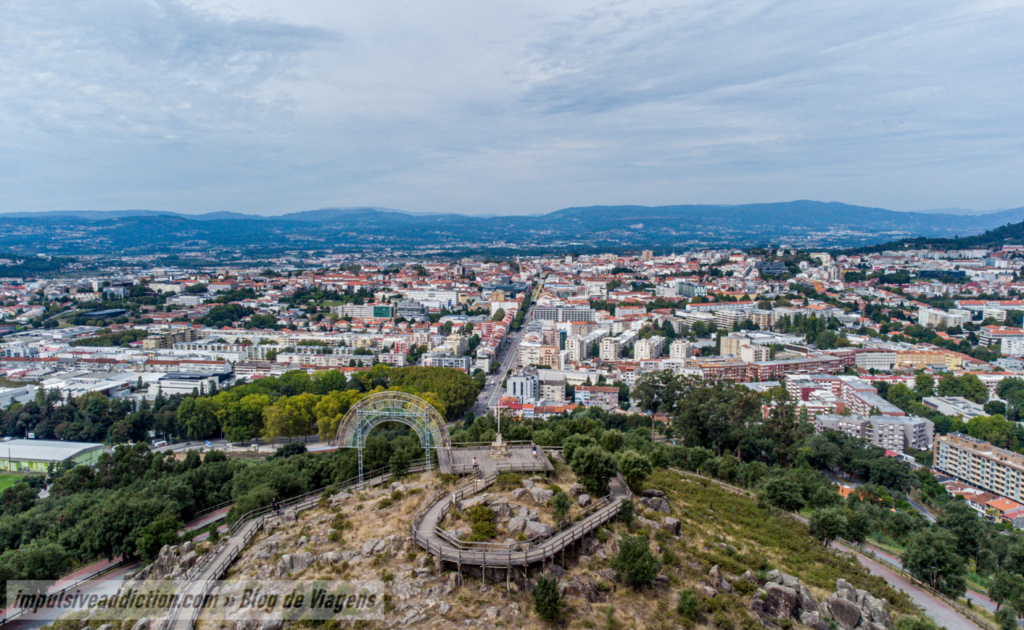
On your way back to the city, make a stop at the Picoto Viewpoint (Miradouro do Monte do Picoto), which many consider to be the most beautiful in Braga. Personally, I prefer the view from the Sanctuary of Sameiro, but I understand why Picoto is so popular—it offers a much closer perspective of the city, with detailed views of Braga’s buildings and streets.
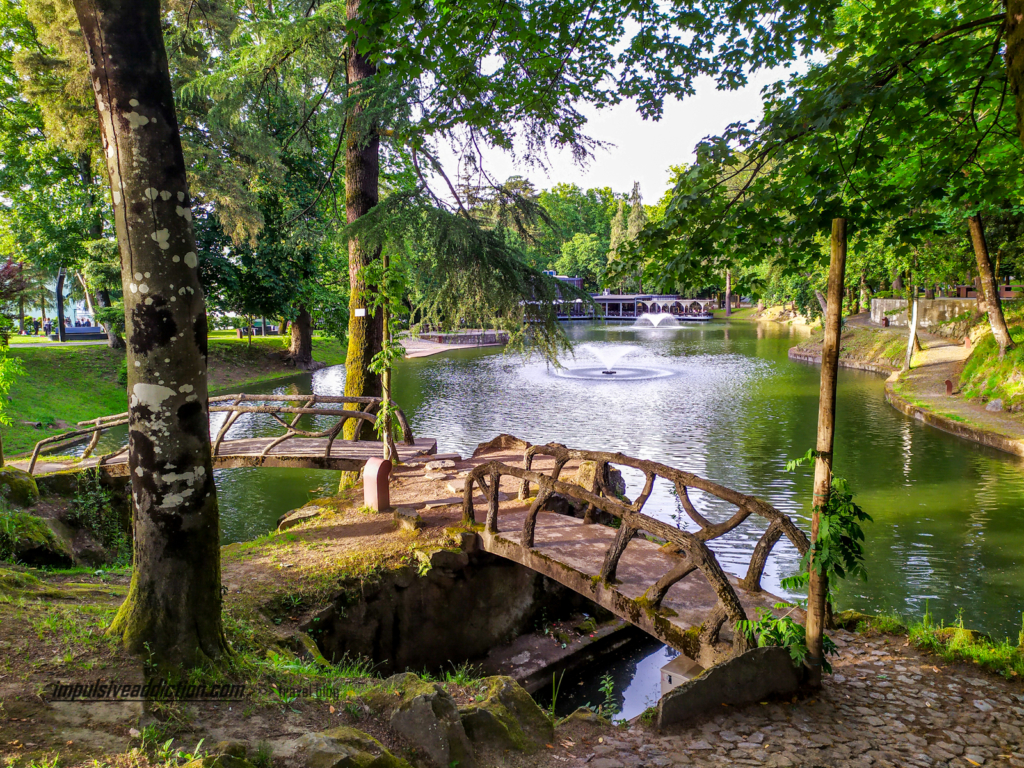
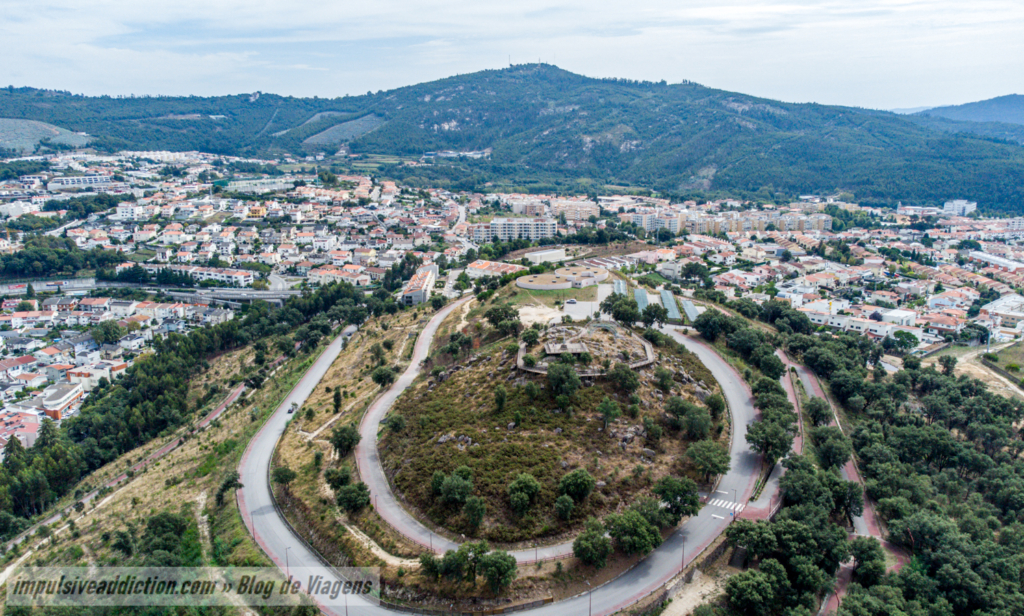
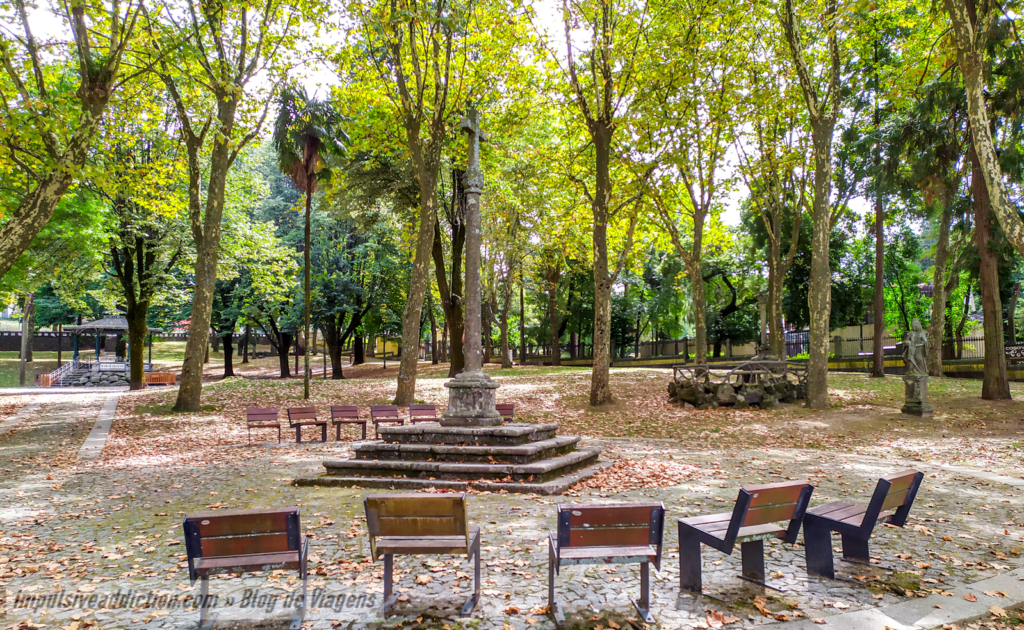
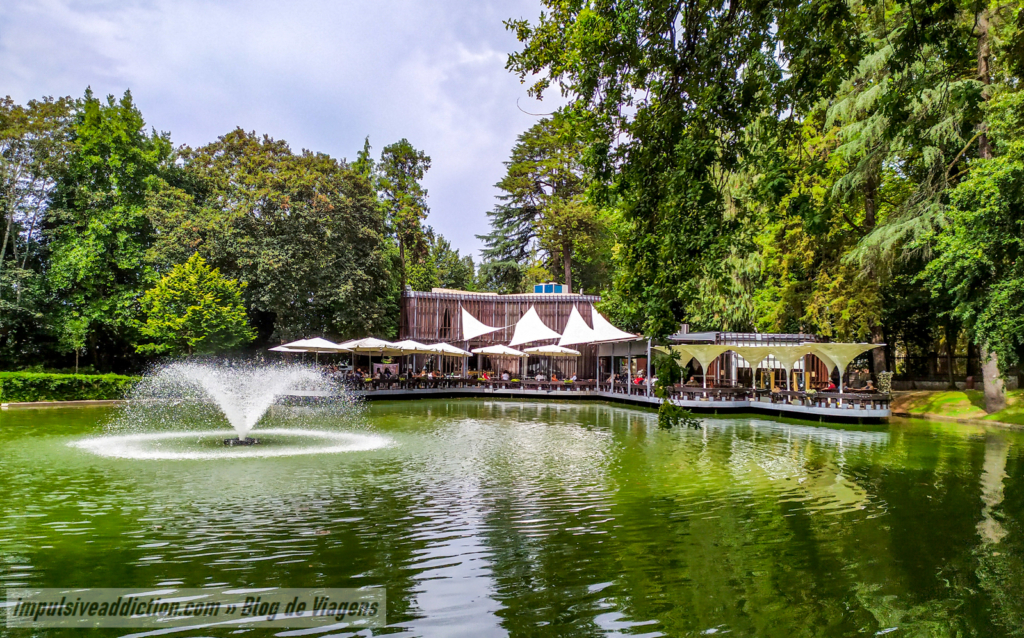
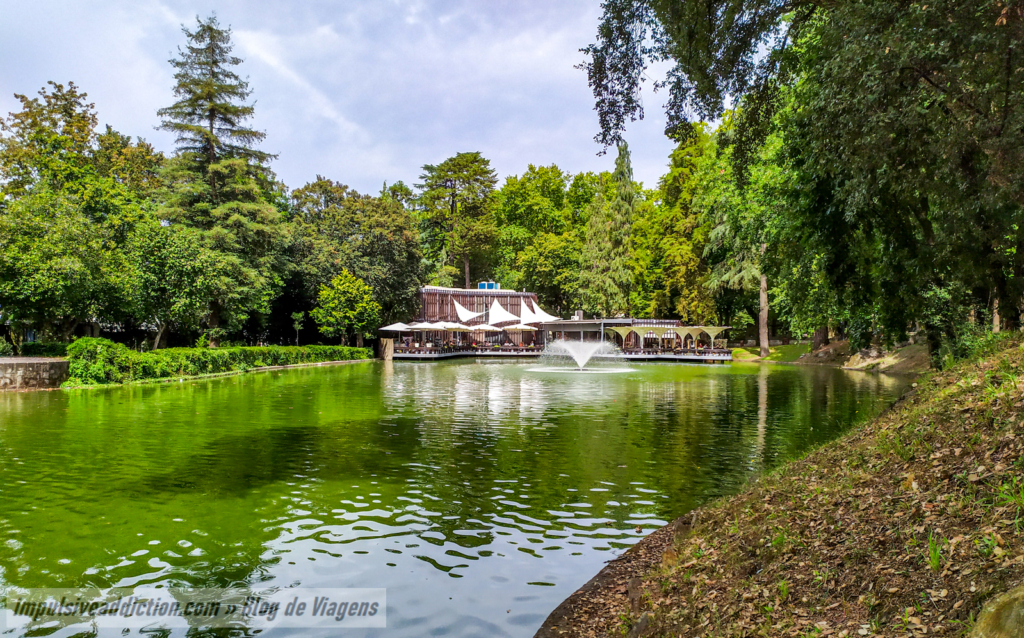
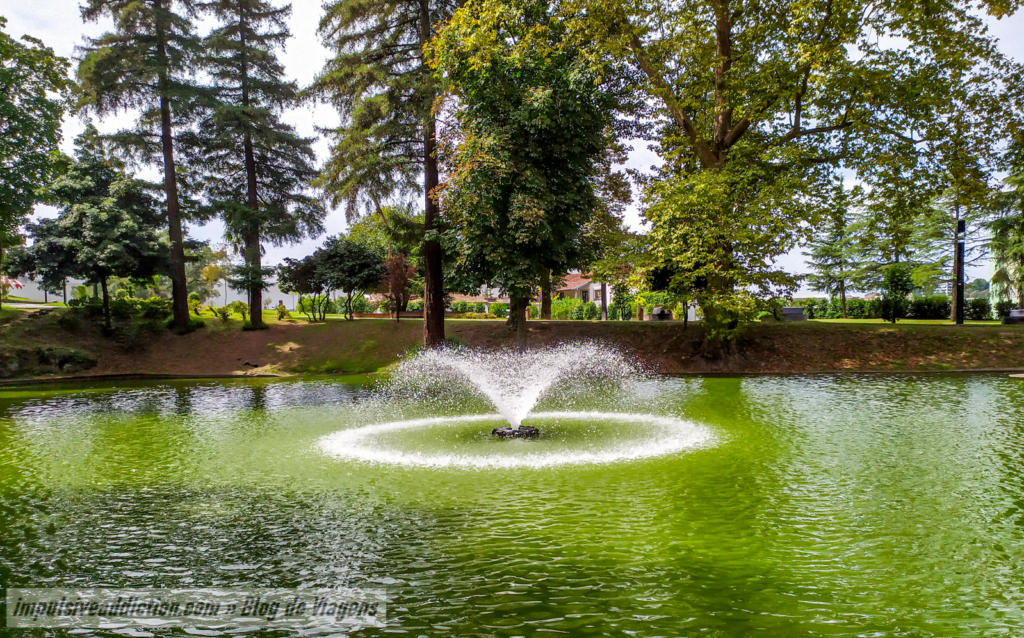
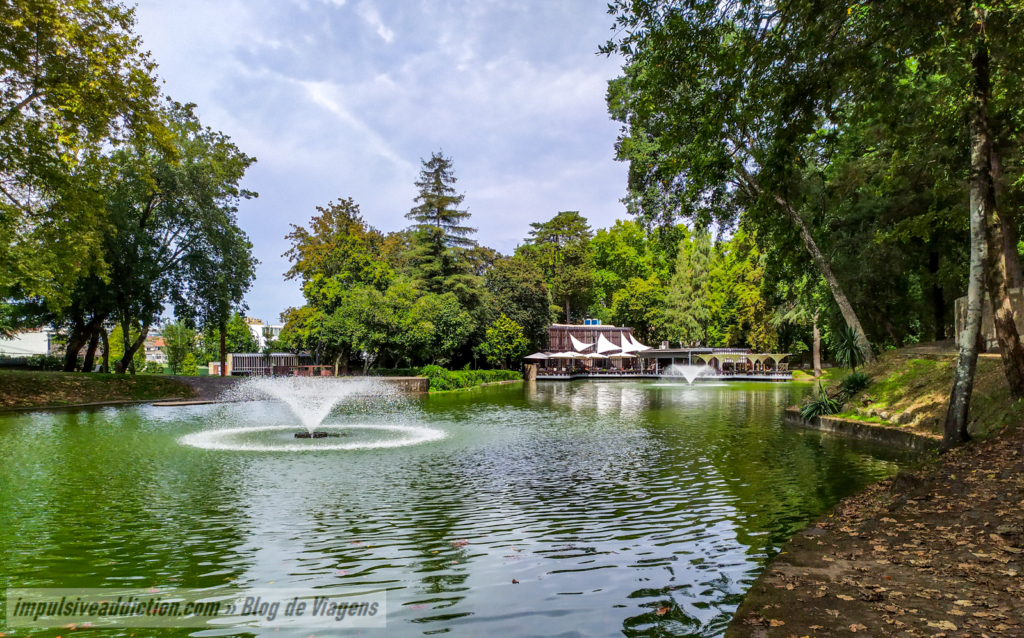
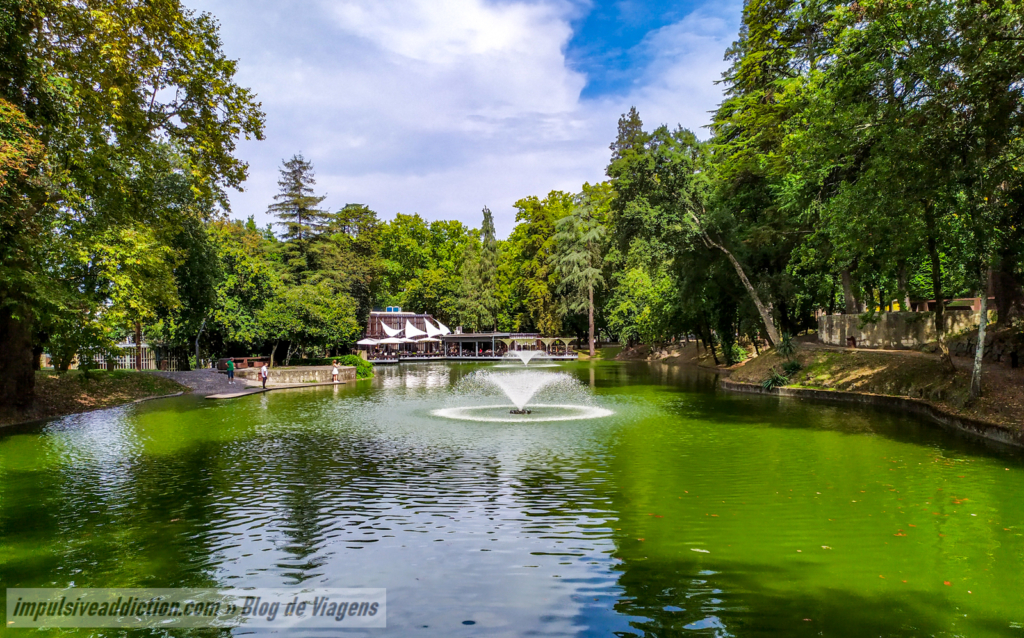
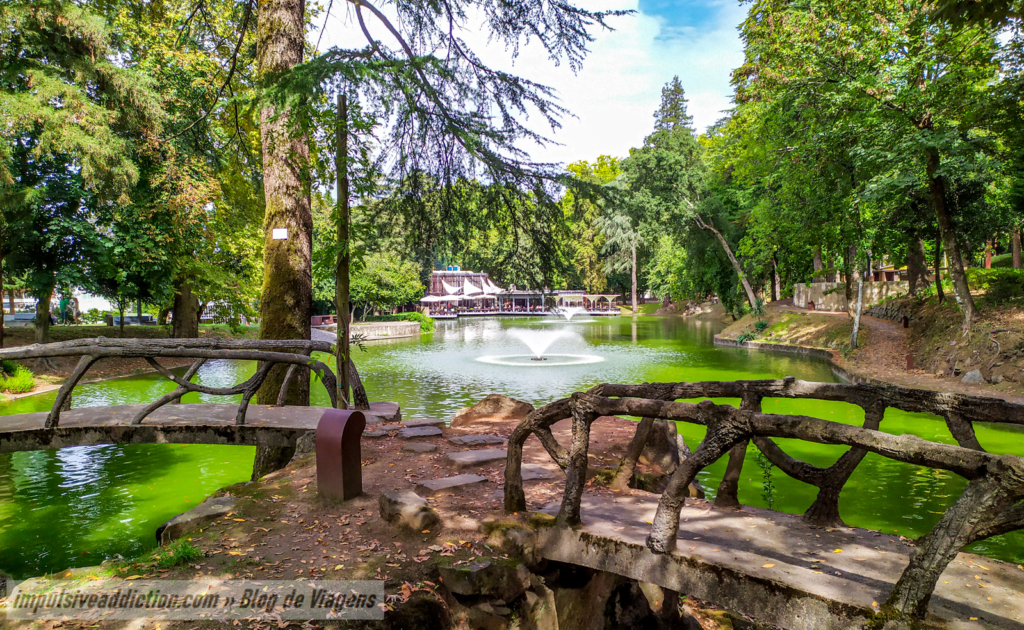
Afterwards, take some time to stroll through the Parque da Ponte (Bridge Park), one of Braga’s most inviting green spaces. Here you can relax by the large lake, enjoy a drink at the bar, or simply unwind in the peaceful surroundings. It’s also a fantastic spot for capturing souvenir photos of your trip, with nature and the city blending beautifully in the background.
6. Archeology Museum D. Diogo de Sousa and Roman Baths in Alto da Cividade
Before heading to the Monastery of Tibães, you can make an optional stop to visit the Roman Baths of Braga and the D. Diogo de Sousa Archaeology Museum, both located in the Alto da Cividade area.
While they may not be the most visually striking attractions, they are of enormous historical importance. The first remains of the Roman baths were uncovered in 1977, and in 1999 a Roman theater was also discovered nearby. Excavations are still ongoing, meaning that this site will likely continue to reveal new pieces of Braga’s fascinating Roman past.
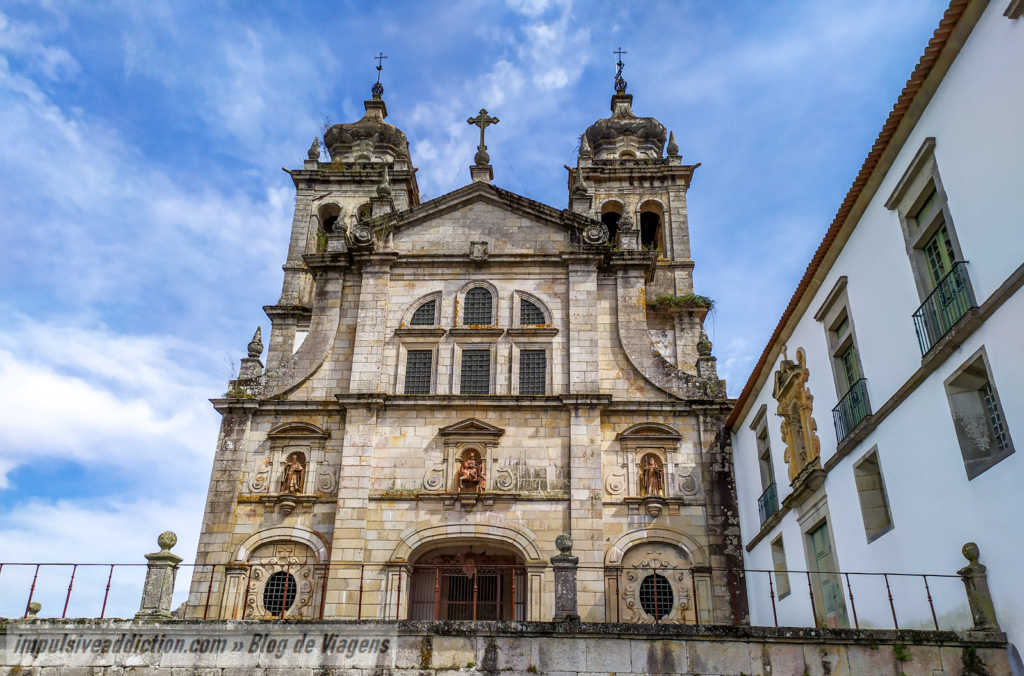
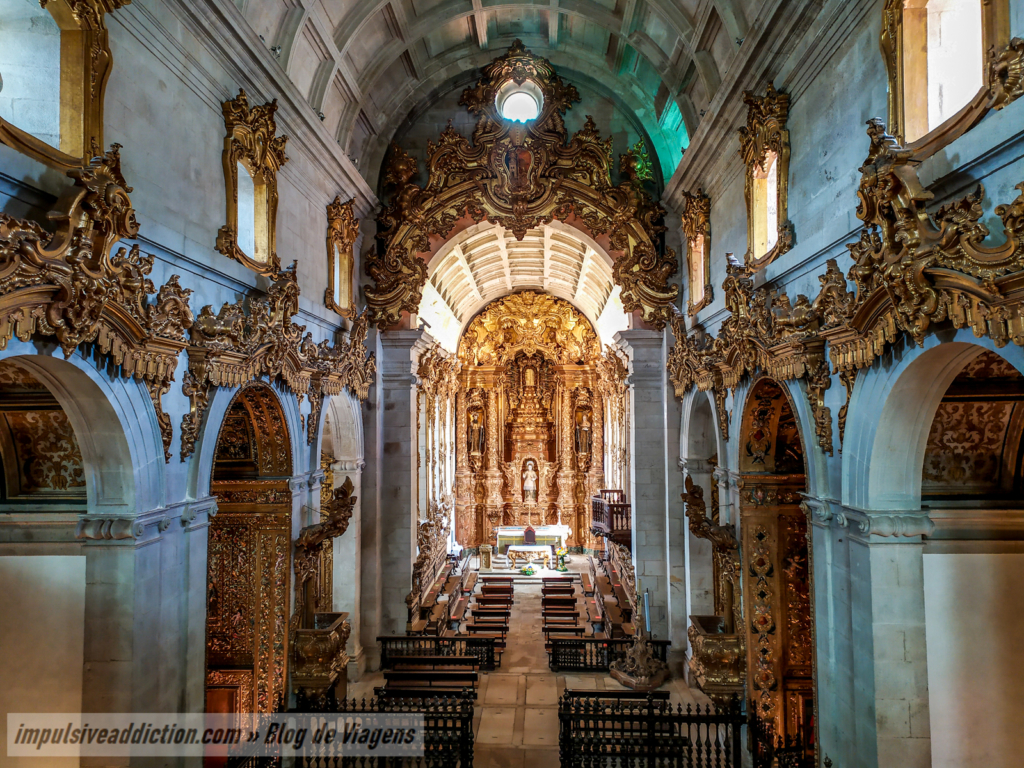
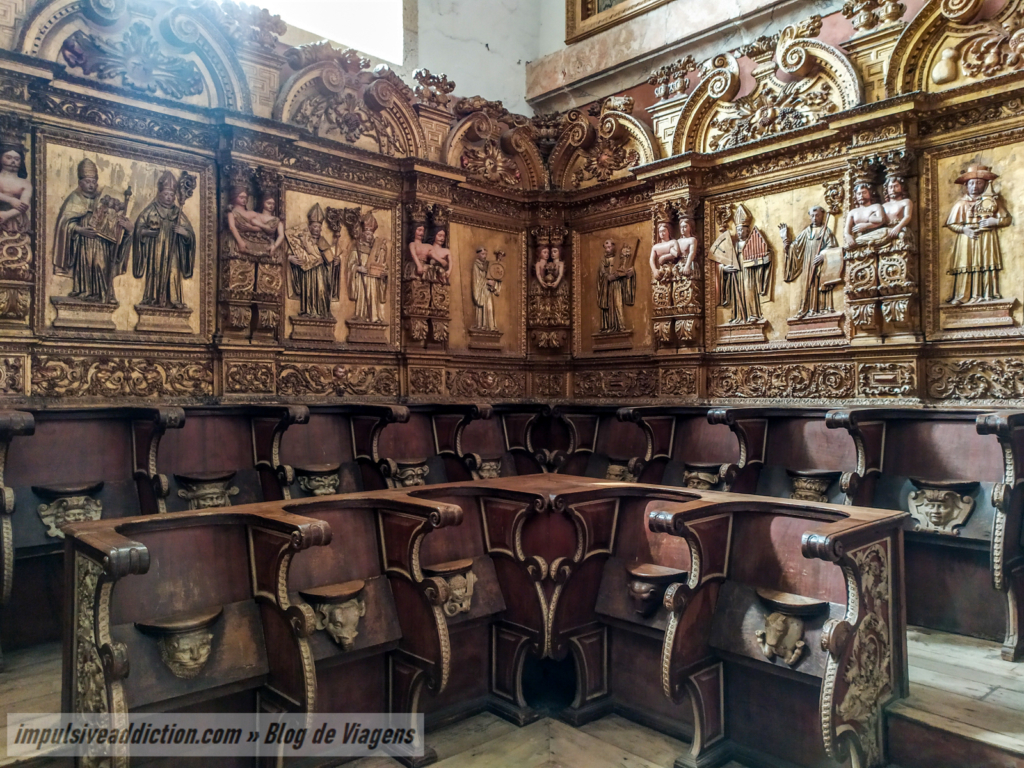
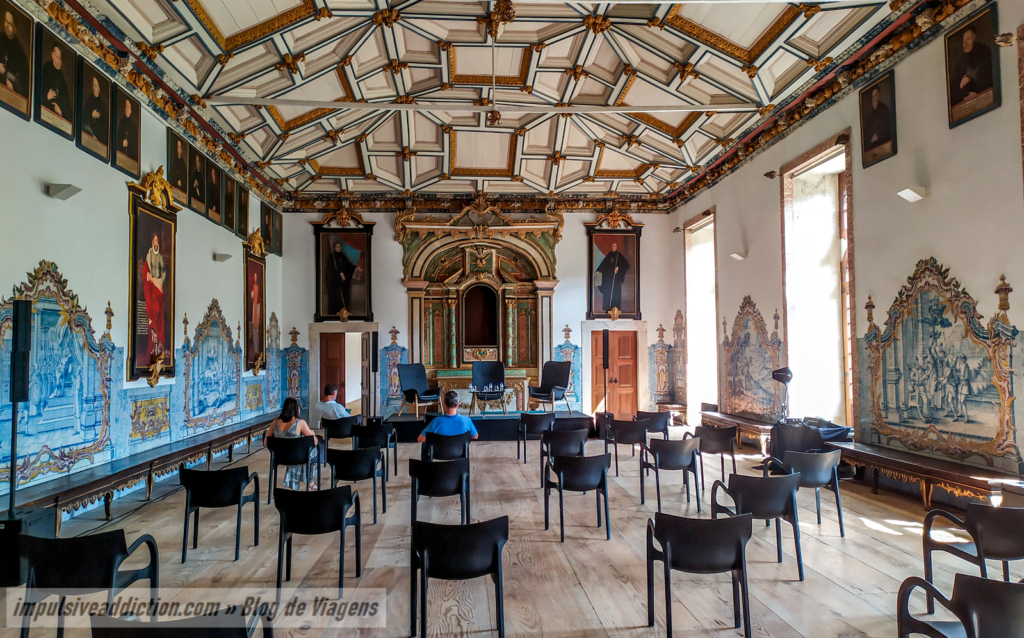
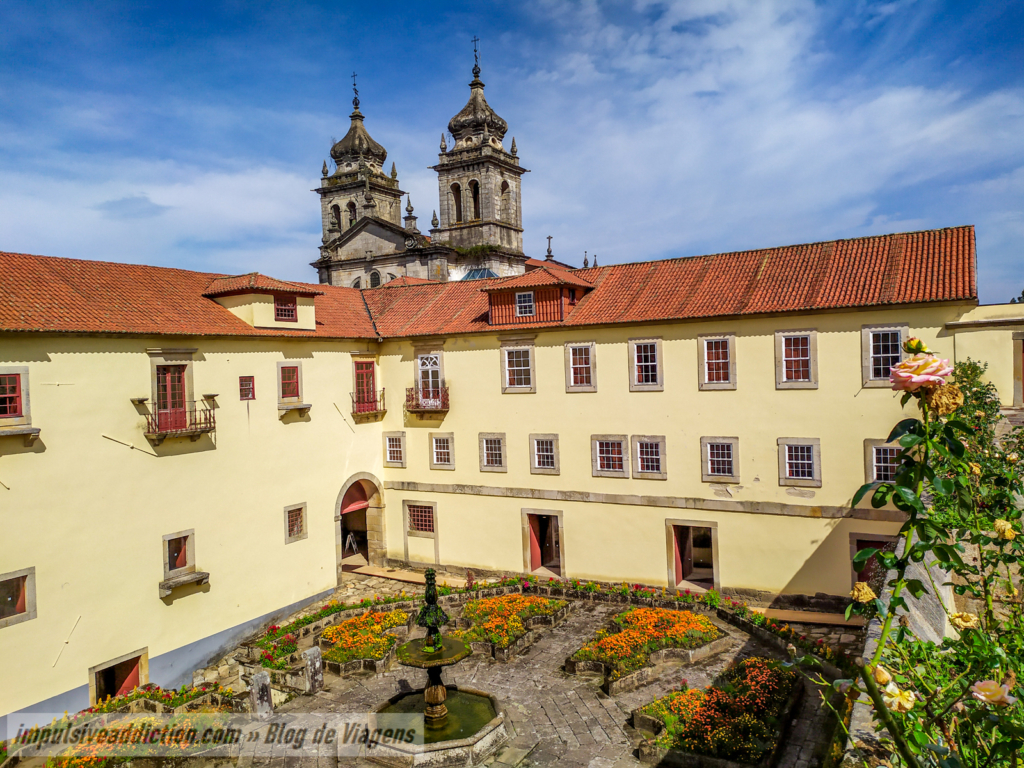
7. Monastery of Tibães
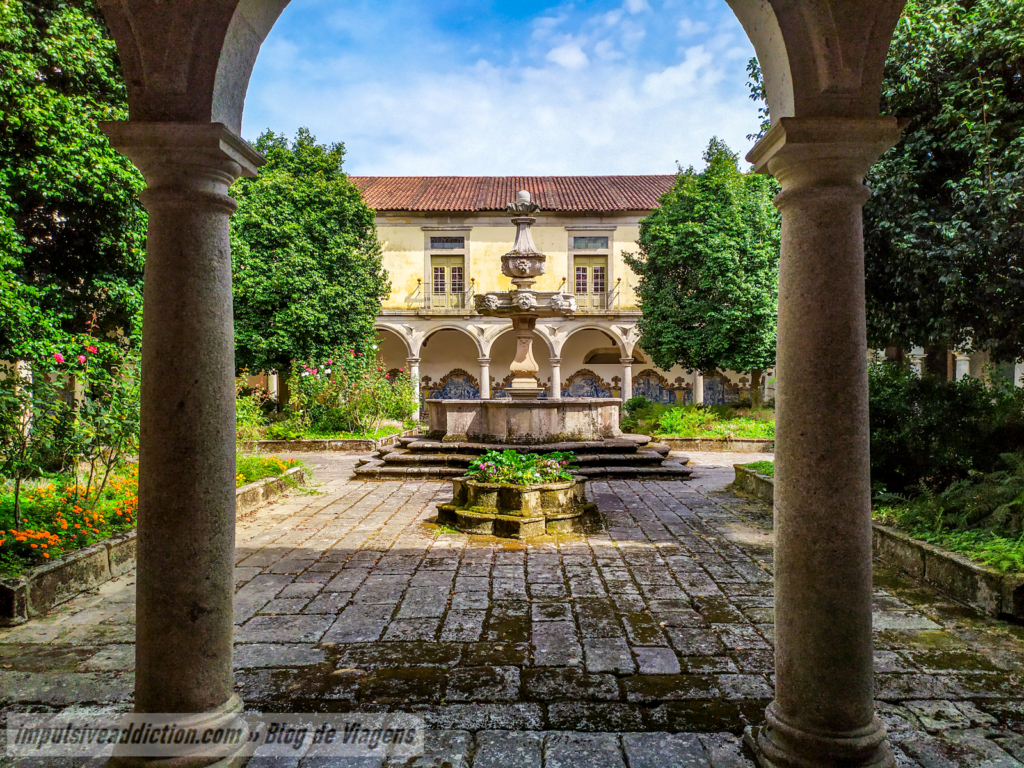
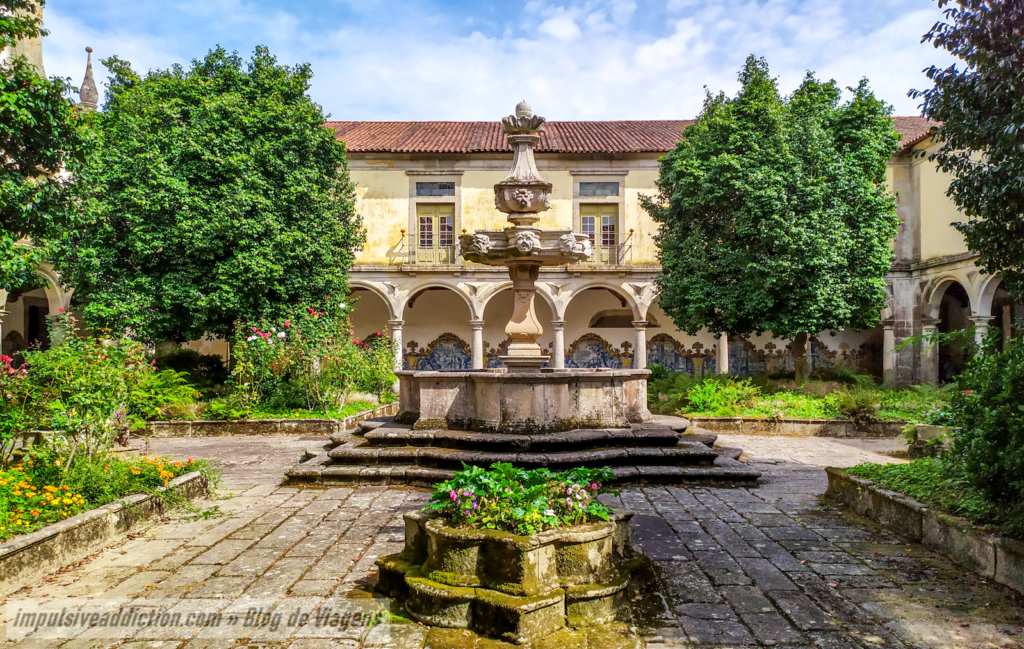
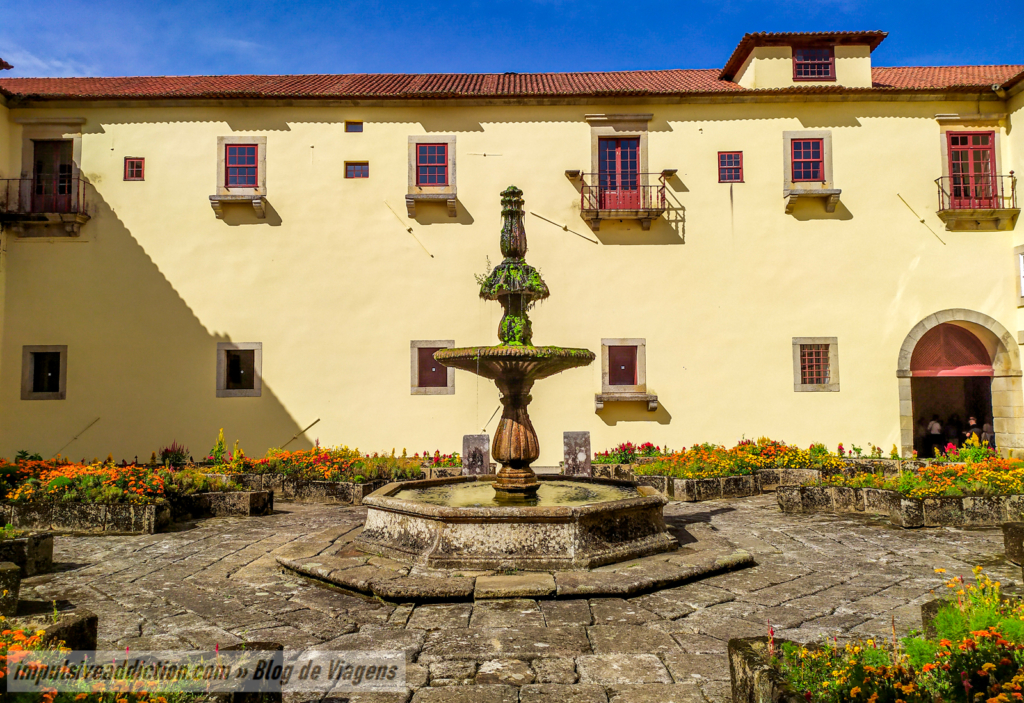
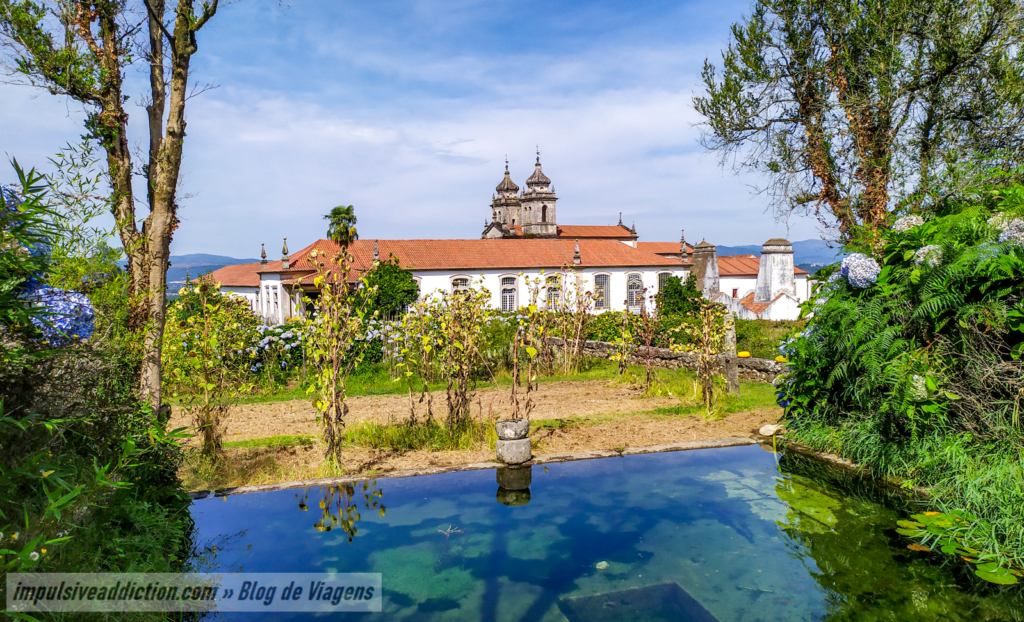
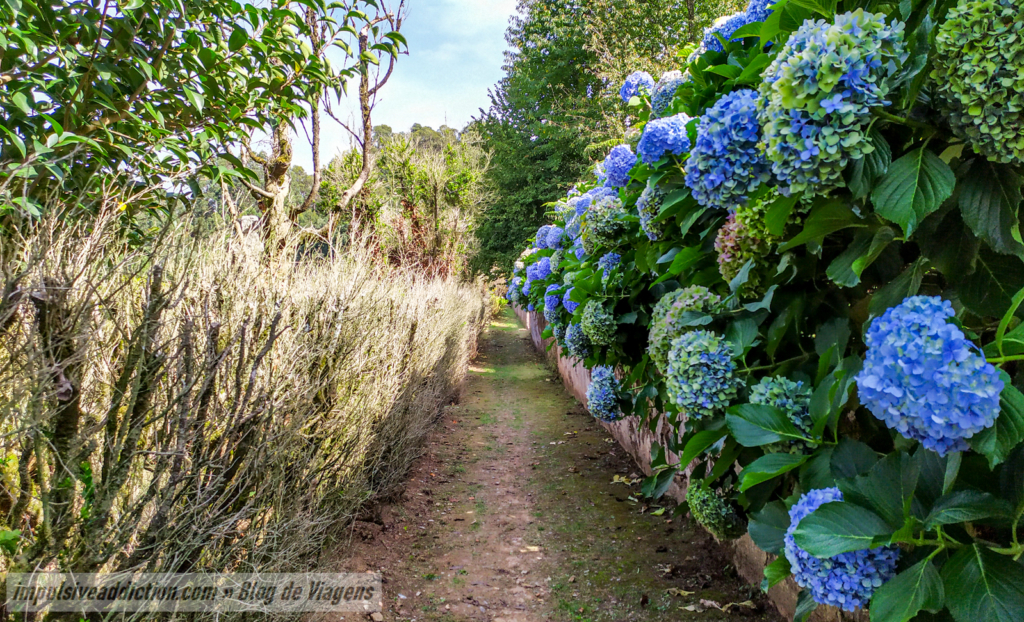
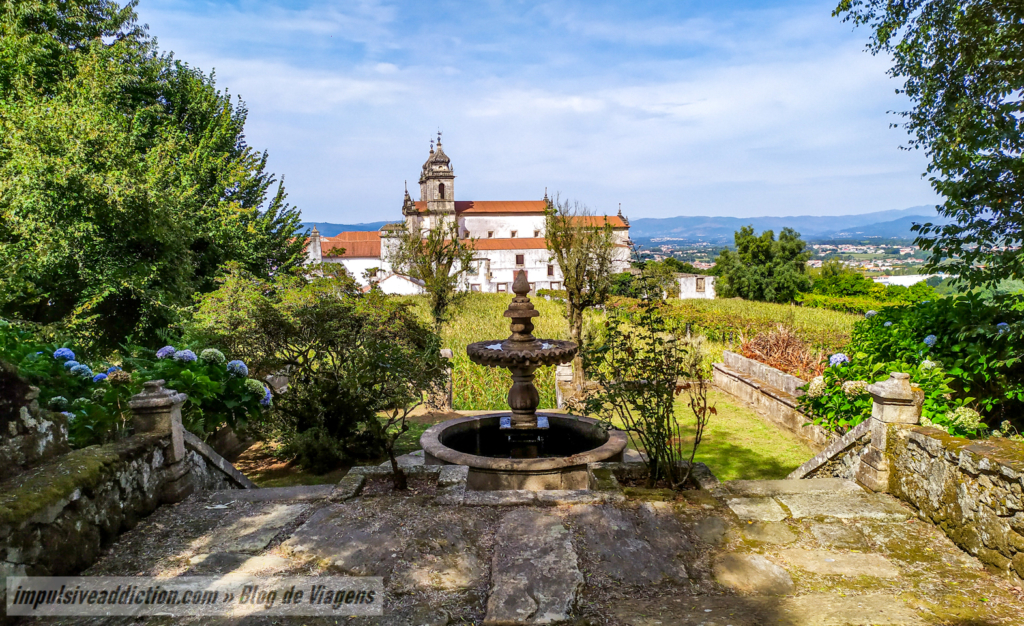
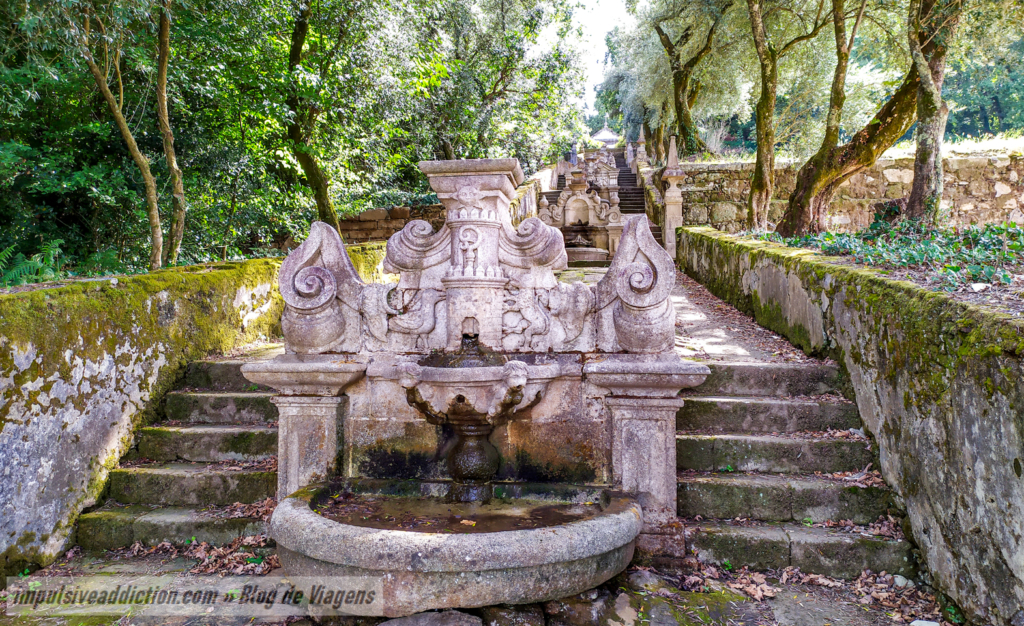
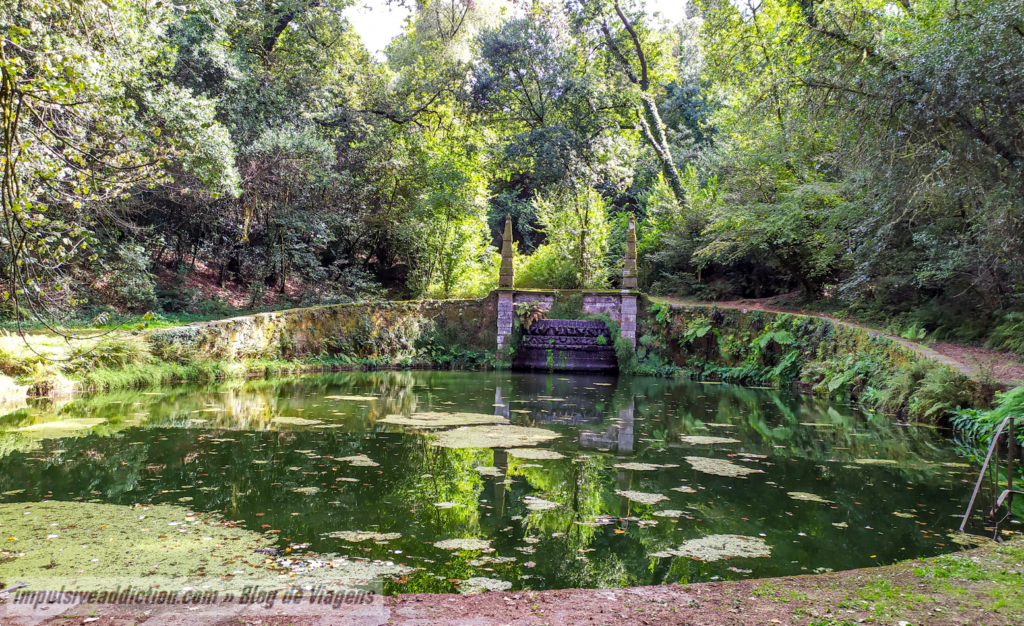
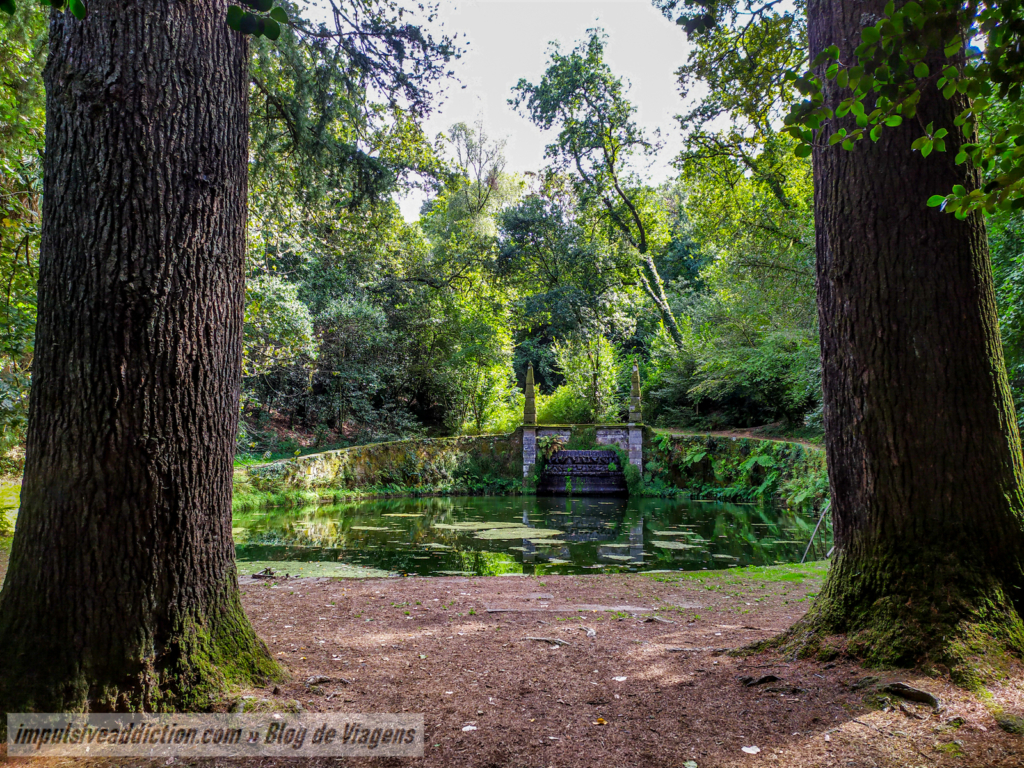
The Monastery of Tibães (Mosteiro de Tibães) is an absolute must-visit in Braga—not only for the monastery itself but also for its vast and peaceful gardens stretching behind the complex.
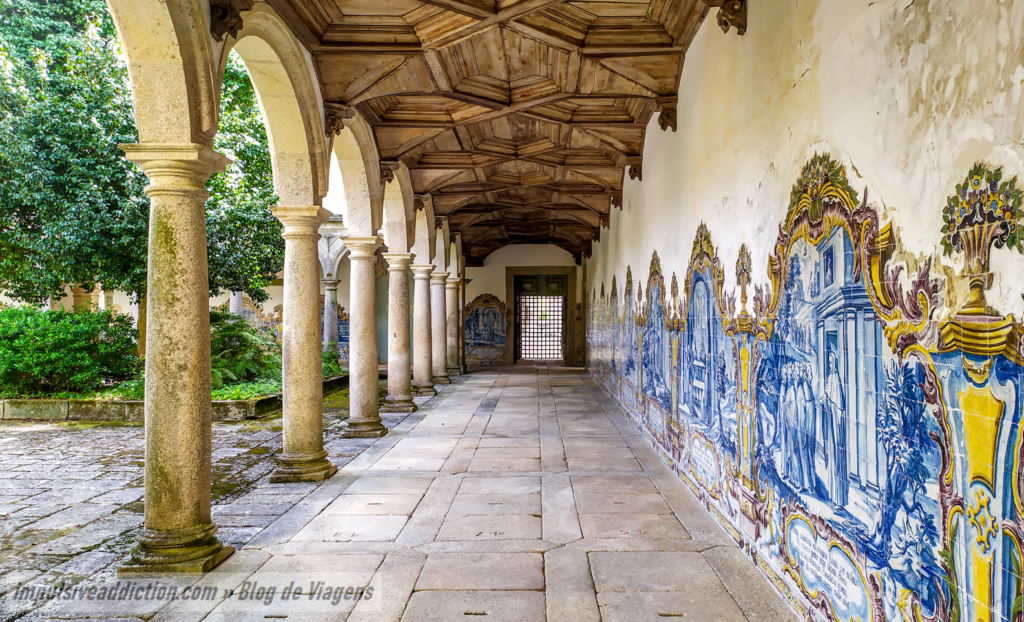
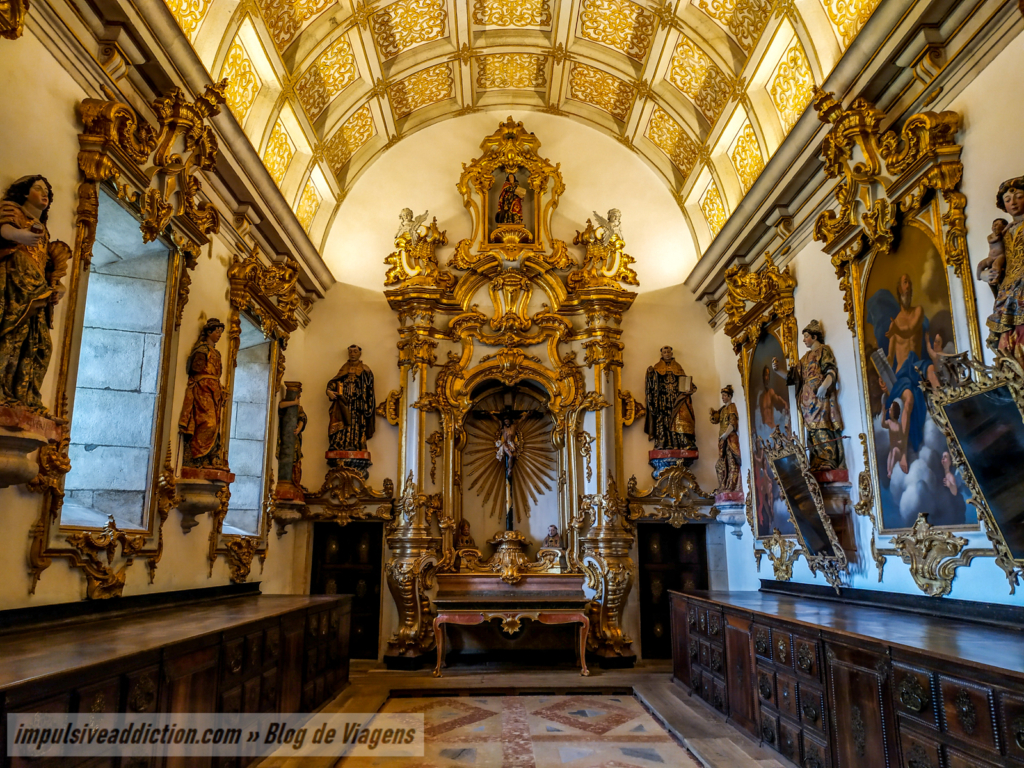
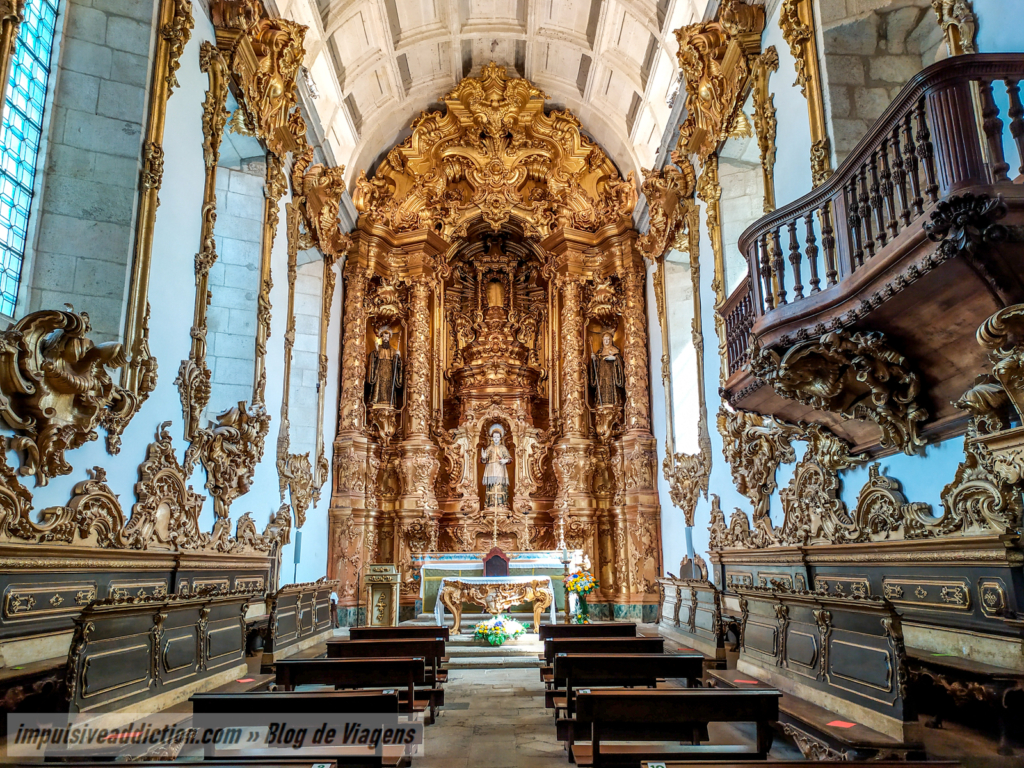
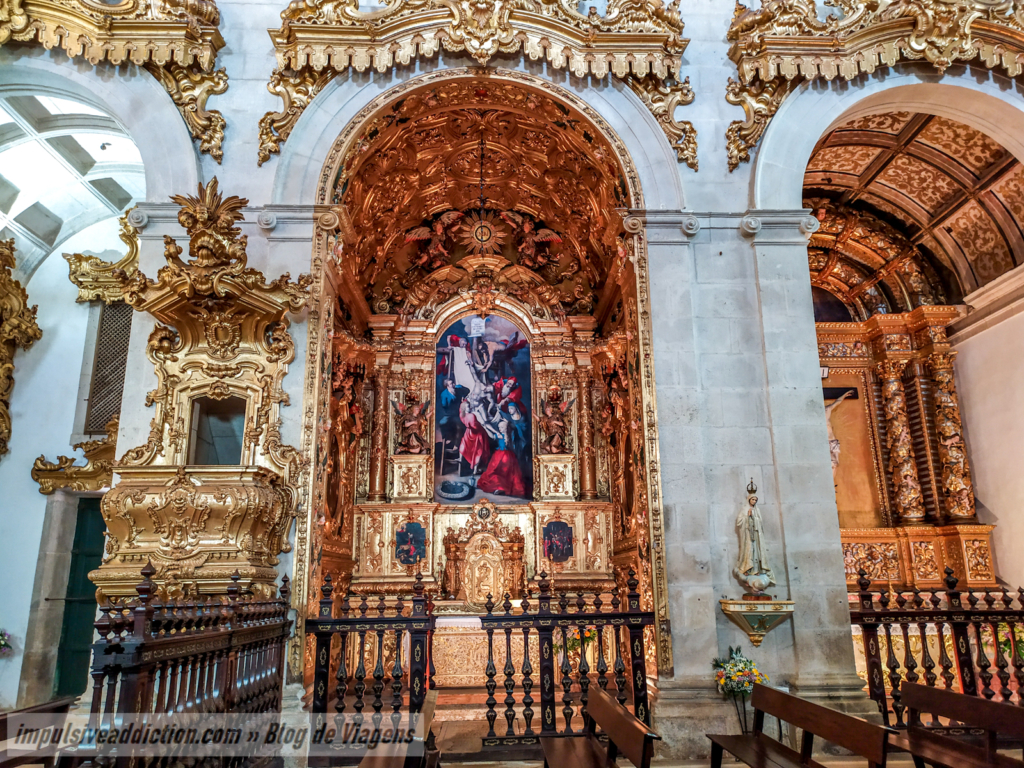
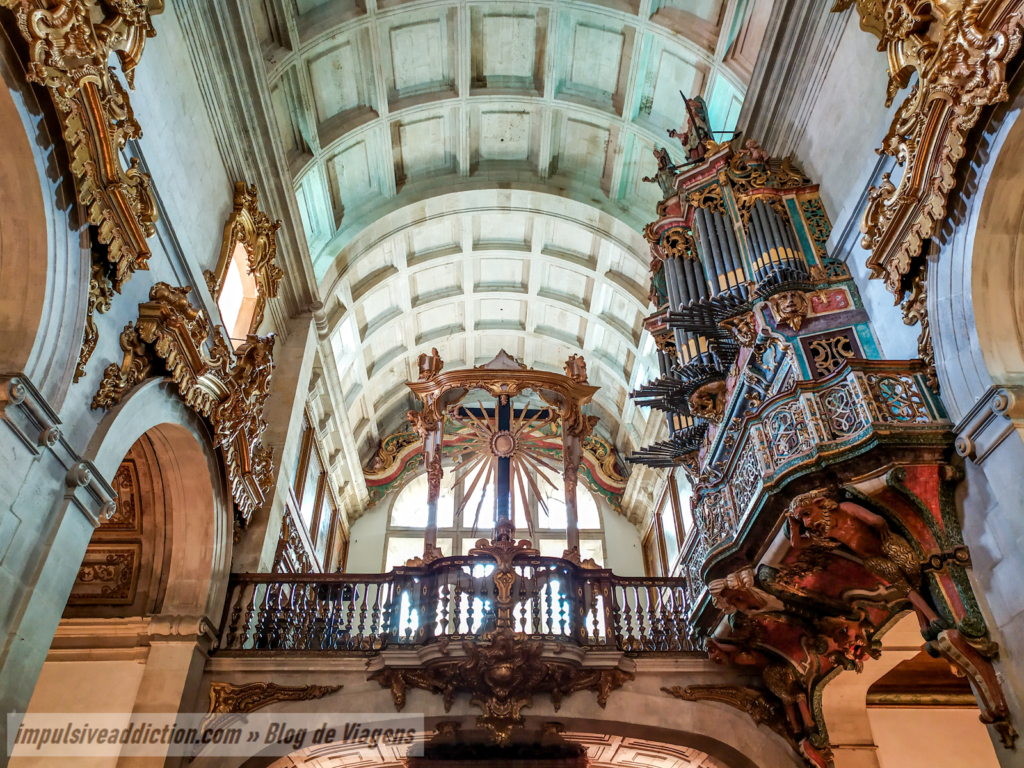
Although it’s unfortunate that many of the original tiles in the cemetery cloister have been damaged or lost over the centuries, the rest of the ensemble remains truly impressive. Highlights include the Sacristy, the richly decorated Church, the High Choir, and the Chapter Room, each showcasing the grandeur of monastic life.
The monastery was originally founded in the 11th century and dedicated to Saint Martin of Tours, though the buildings you see today mostly date from the 17th to 19th centuries.
Visit Braga’s River Beaches
If your stay in Braga is short, I recommend heading straight to the River Beach of Adaúfe, the best equipped and most visitor-friendly spot. For a first visit, one river beach is more than enough to experience this side of Braga, but rest assured—they’re all fantastic and definitely worth coming back to.
The Cávado River is the star here, offering not just refreshing waters for swimming but also plenty of outdoor fun. At Adaúfe, for example, you can go canoeing or simply relax on the banks, making it a perfect summer escape close to the city.
1. Cabanelas River Beach
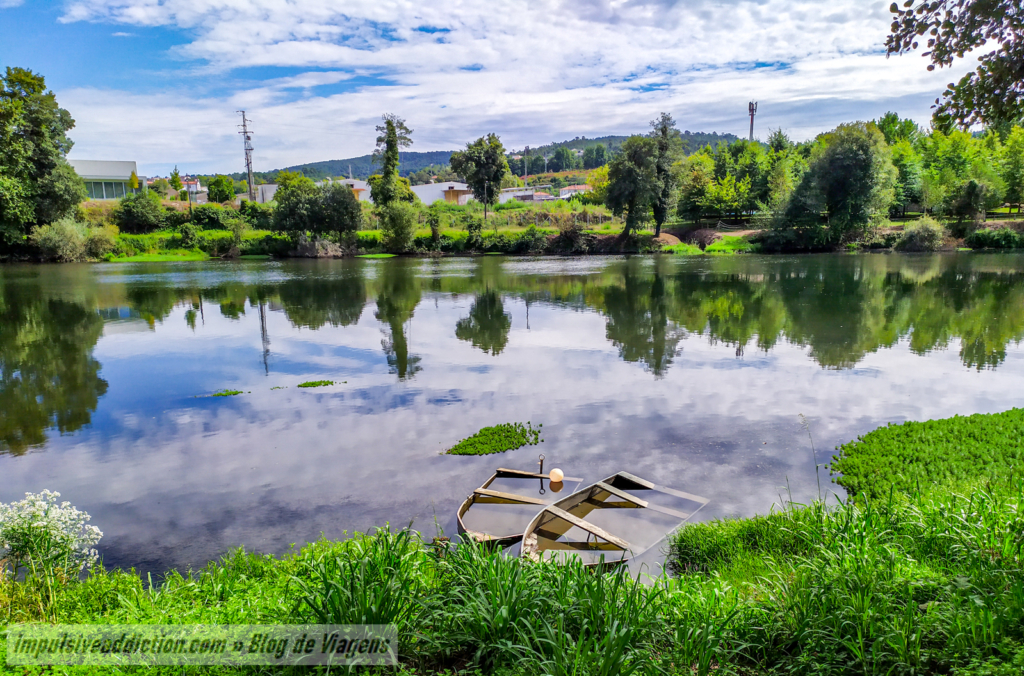
Although the Cabanelas River Beach is technically located in Vila Verde and not in Braga, it sits just across the Cávado River, with views of the city from the opposite bank. Because of its proximity, I decided to include it here as an option for those exploring the river beaches around Braga.
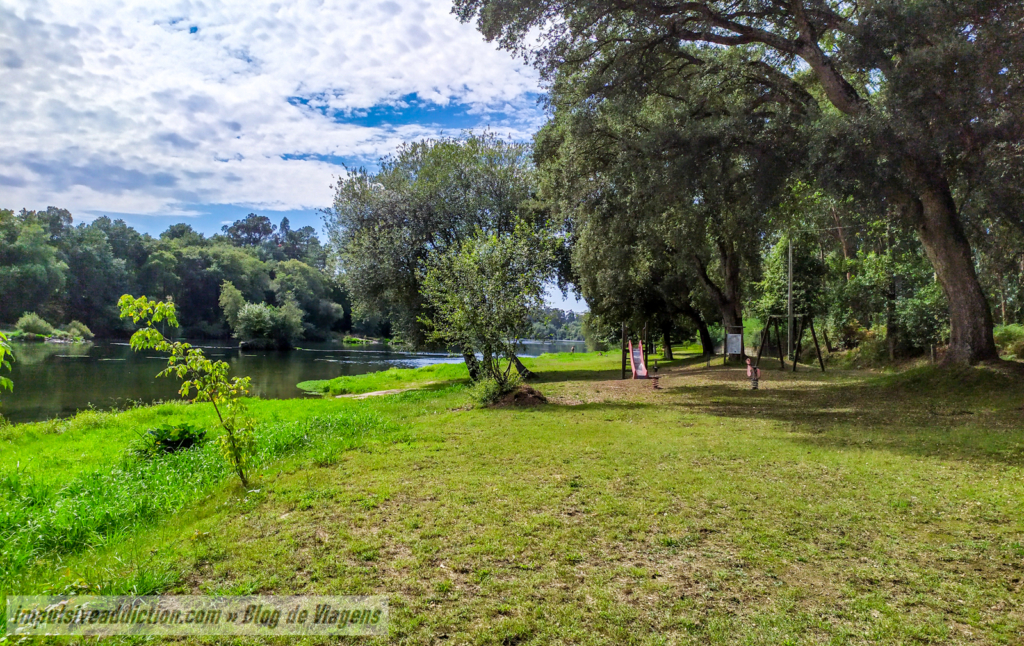
The beach is well equipped, featuring a small bar, grassy areas to spread your towel, picnic tables, and plenty of shaded spots under the trees, as well as open sunny spaces. Families will appreciate the playground with slides and swings, making it a child-friendly destination.
As you walk along the banks, you might also notice a surprising amount of wildlife—especially frogs, whose calls are clearly audible if you approach quietly.
That said, while Cabanelas is pleasant and has its charms, it’s personally my least favorite among the river beaches on this list.
2. River Beach of Merelim de São Paio
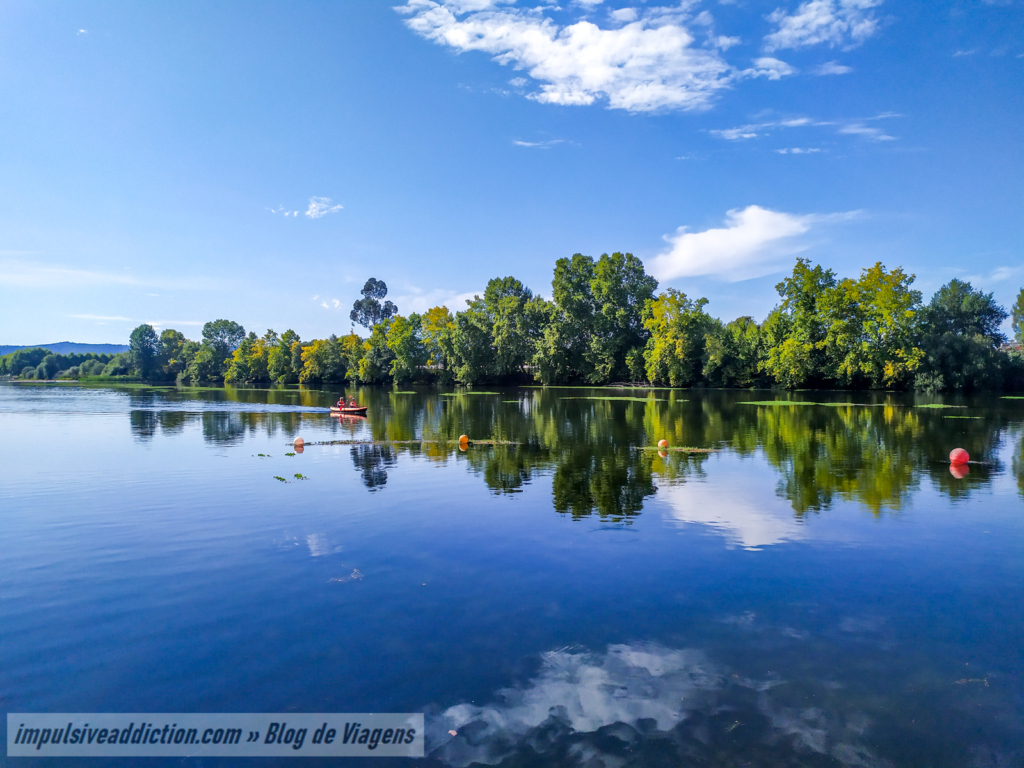
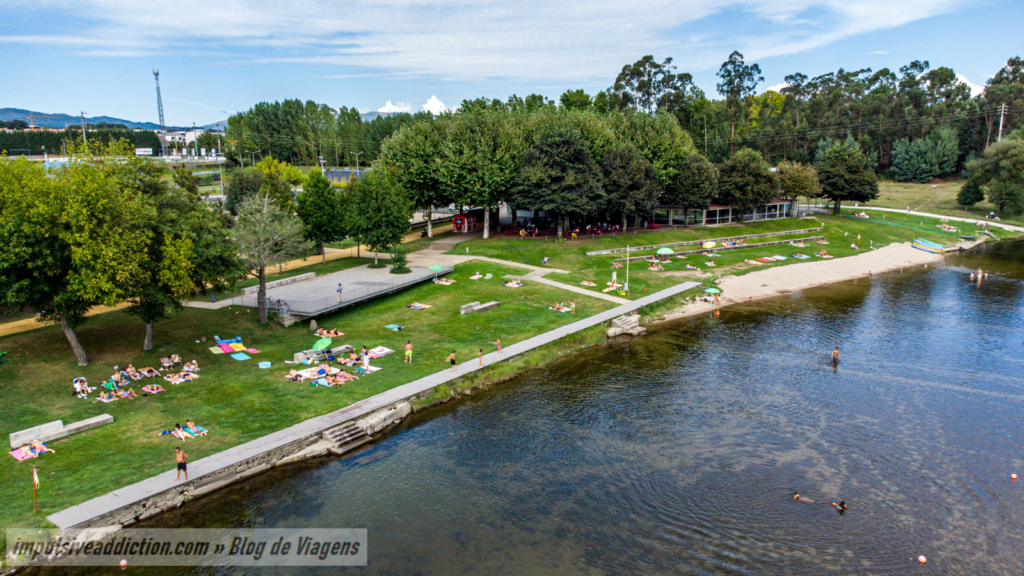
The Merelim de São Paio River Beach is, in my opinion, the second or third best-equipped of Braga’s river beaches. Behind the beach you’ll find a large wooded park with excellent facilities, including a bar, restrooms, a playground, picnic tables, and even barbecue grills—making it a great spot for families or groups of friends.
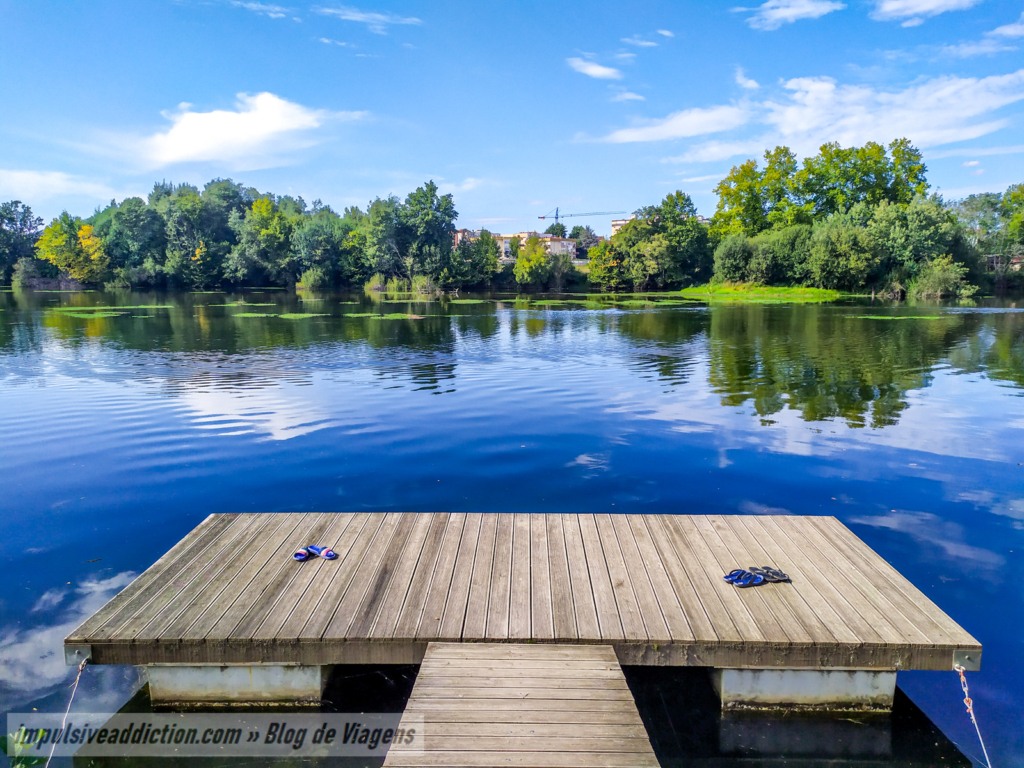
Access to the water is easy thanks to a ramp and wooden ladder, and the beach is supervised during the bathing season. Another plus is that it’s open to the public 24 hours a day, so you can enjoy the area whenever you like.
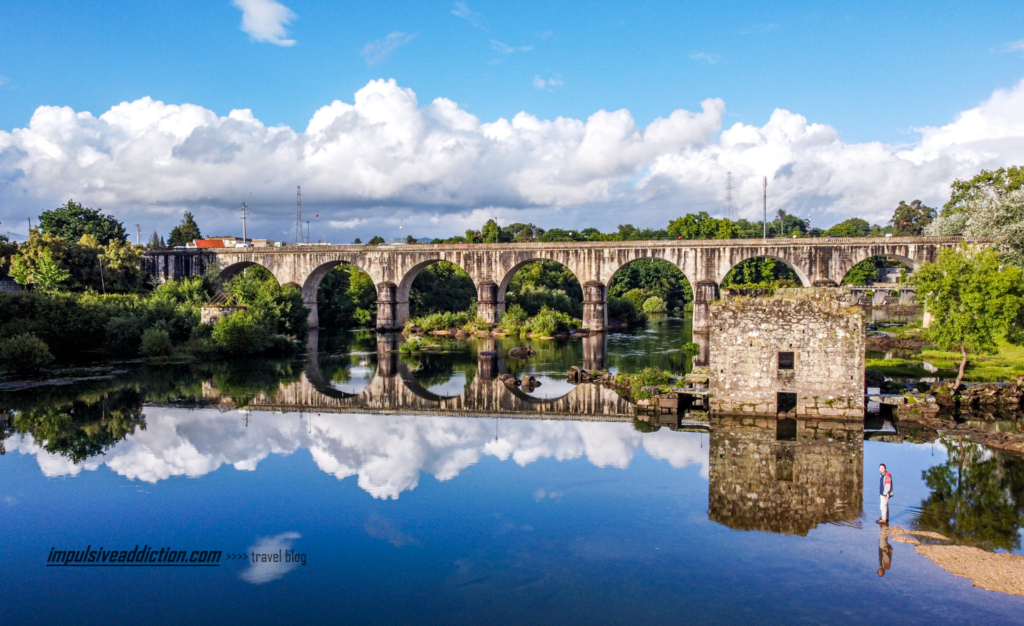
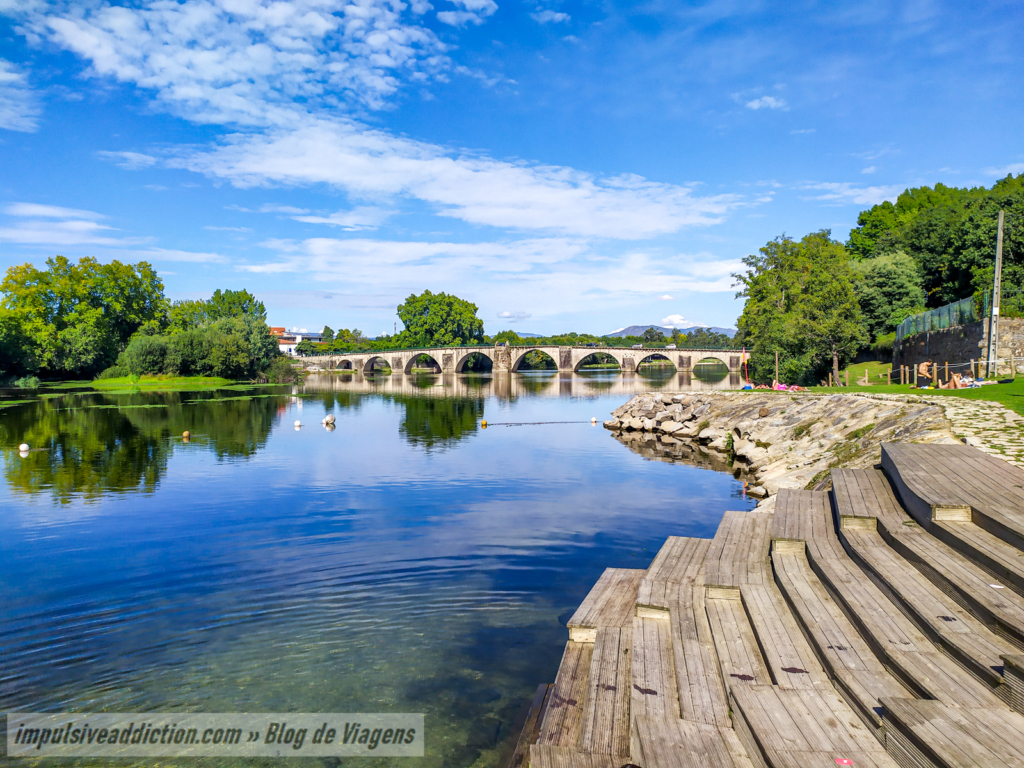
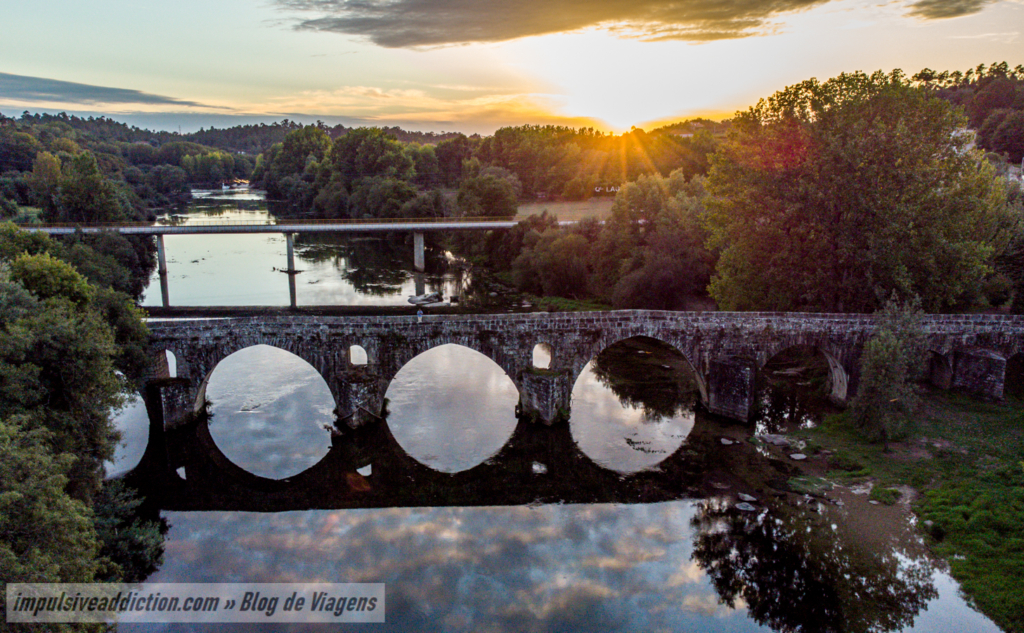
From here, you also get a fantastic view of the Prado Bridge, which at the right time of day reflects perfectly on the waters of the Cávado River. For those who enjoy walking, there’s a lovely riverside trail that starts at the beach. I personally walked it as far as an old factory before turning back, and it made for a very pleasant outing.
Note that: It is believed that the Prado Bridge (Ponte de Prado) was originally built during Roman times, serving as a crucial link that connected Bracara Augusta (ancient Braga) to territories further north. For centuries, it was also one of the main routes between Braga and Ponte de Lima, in Viana do Castelo, making it an important artery for communication and trade.

Today, the bridge still offers not only a passage across the Cávado River but also beautiful views. From the top, you can see the Merelim de São Paio River Beach on one side and the Faial River Beach on the other—two excellent options for enjoying the water and nature around Braga.
3. Faial River Beach
The Faial River Beach is located on the edge of Vila Verde, just like the previously mentioned Cabanelas River Beach. Although technically outside of Braga, the city is within sight from here, which is why I include it among the best river beaches near Braga. Much like Cabanelas, I also noticed plenty of frogs along the riverside, their calls echoing through the greenery.
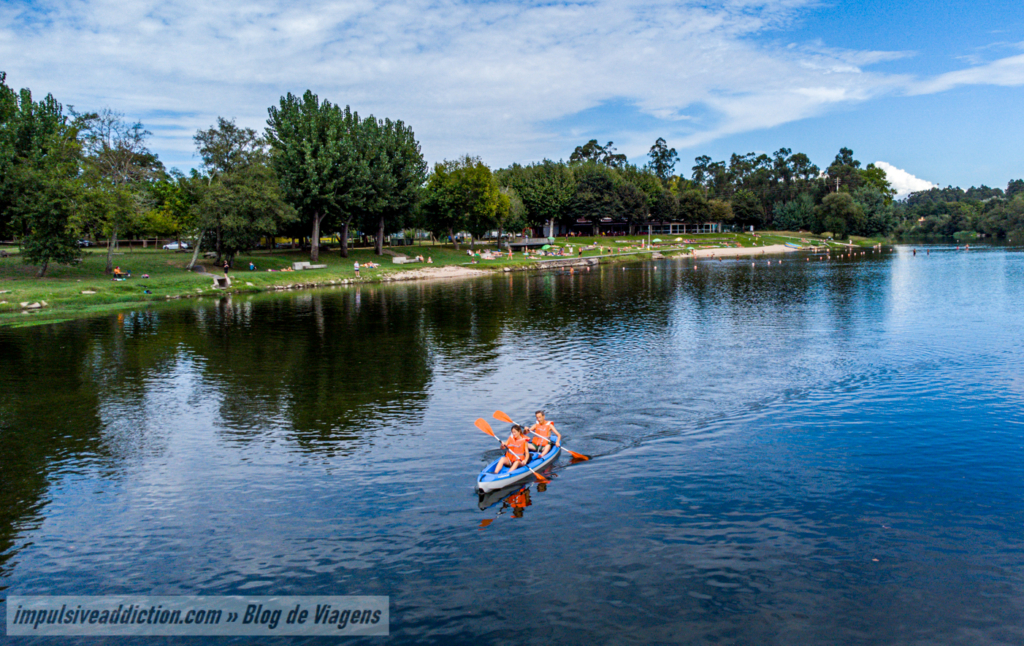
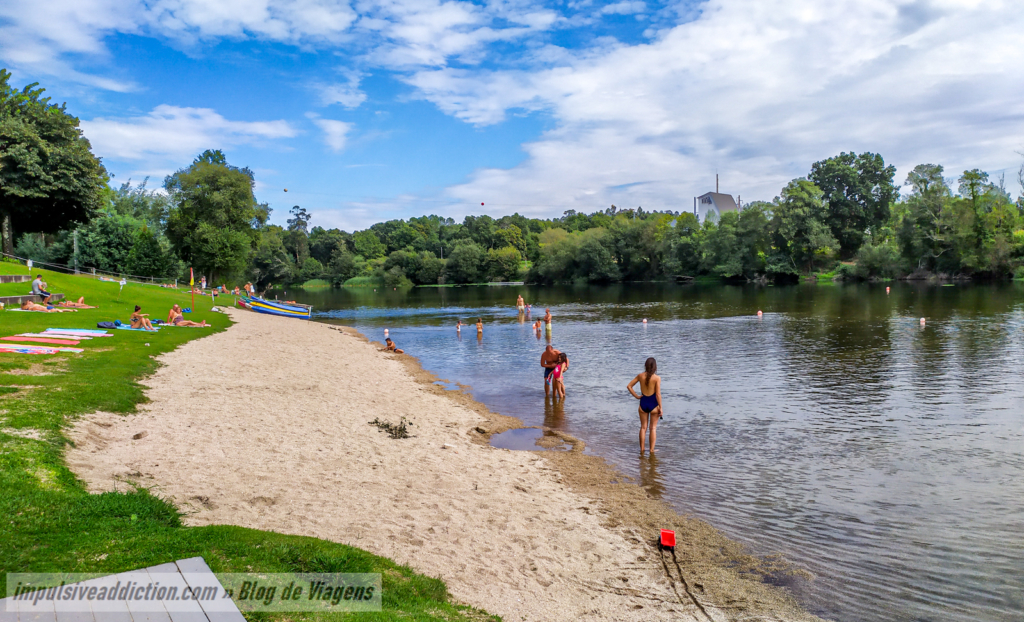
The beach itself is a wide grassy area, perfect for laying down a towel or enjoying a picnic. Right next to it is the Nautical Club of Faial, which is dedicated to canoeing and other water activities. If you’re interested in canoeing on the Cávado River, this spot makes for an excellent starting point.
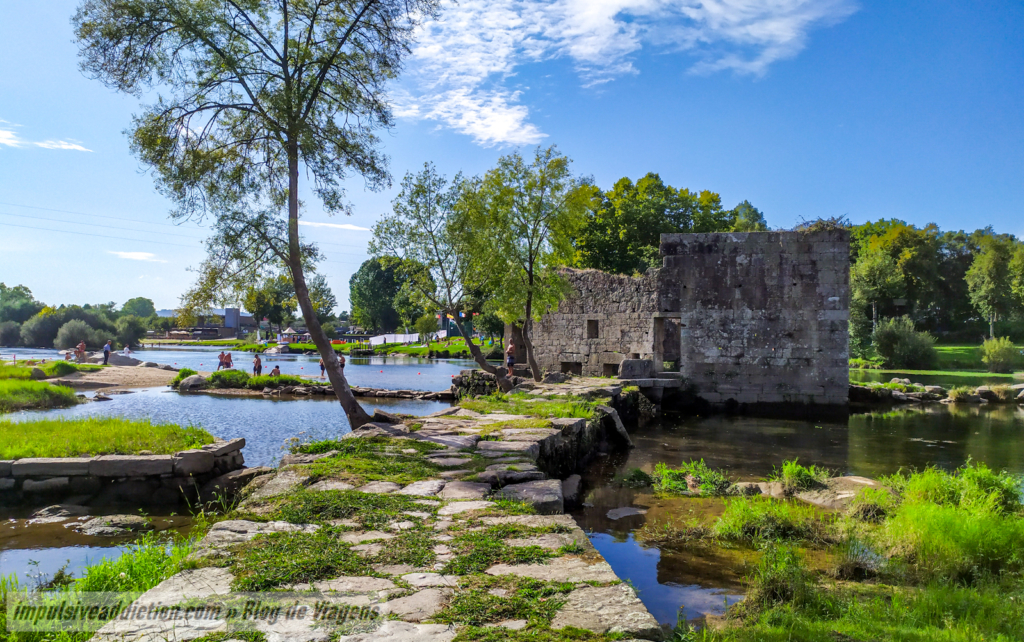
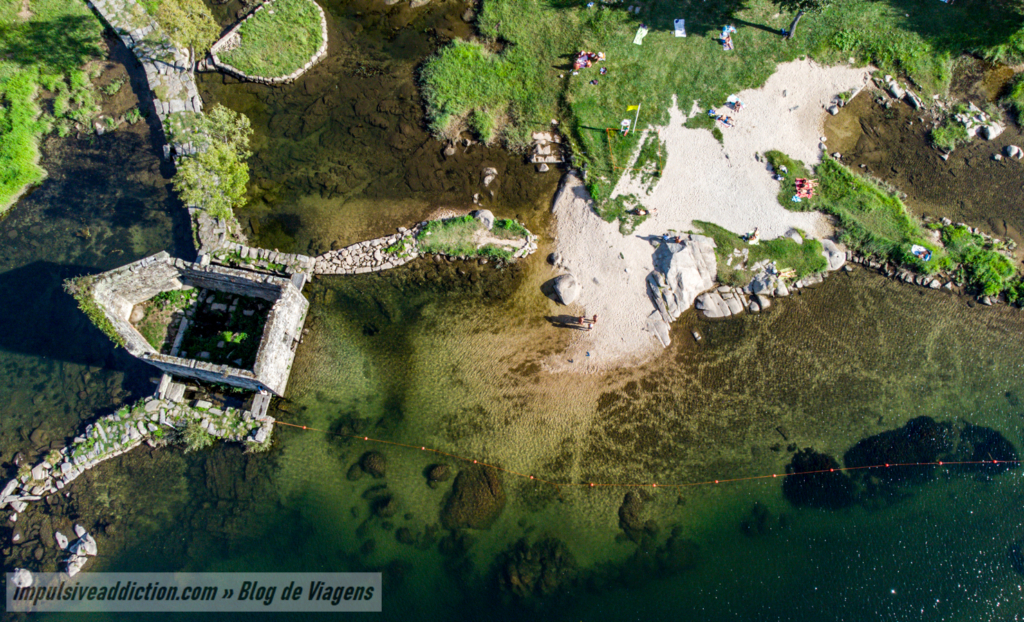
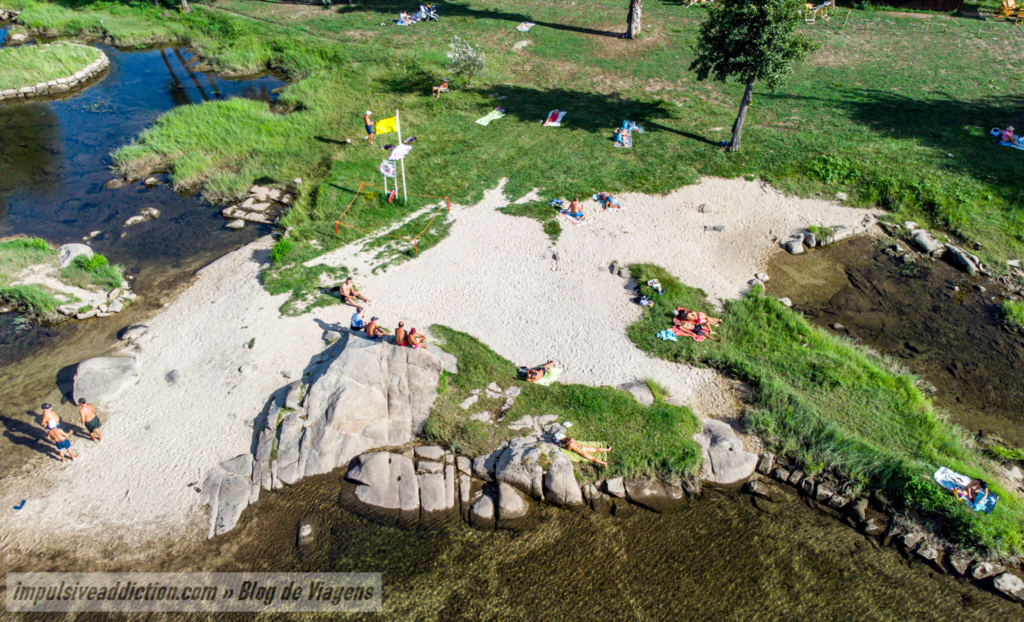
4. River Beach of Palmeira
The first time I visited the Palmeira River Beach, I must admit I wasn’t impressed. Located right beside the Ponte do Bico, the access to the water seemed poorly maintained, and around the ruins of the old watermill I even came across quite a bit of rubbish.
However, when I returned on another day, I was completely amazed. In terms of landscape, Palmeira is one of the most beautiful river beaches near Braga. The scenery alone makes it worth a visit, and I especially recommend climbing up to Ponte do Bico around sunset—the views are great.
Even if you don’t go for a swim here (in my opinion there are better options for that), the natural beauty of Palmeira makes it a must-see spot on the Cávado River.
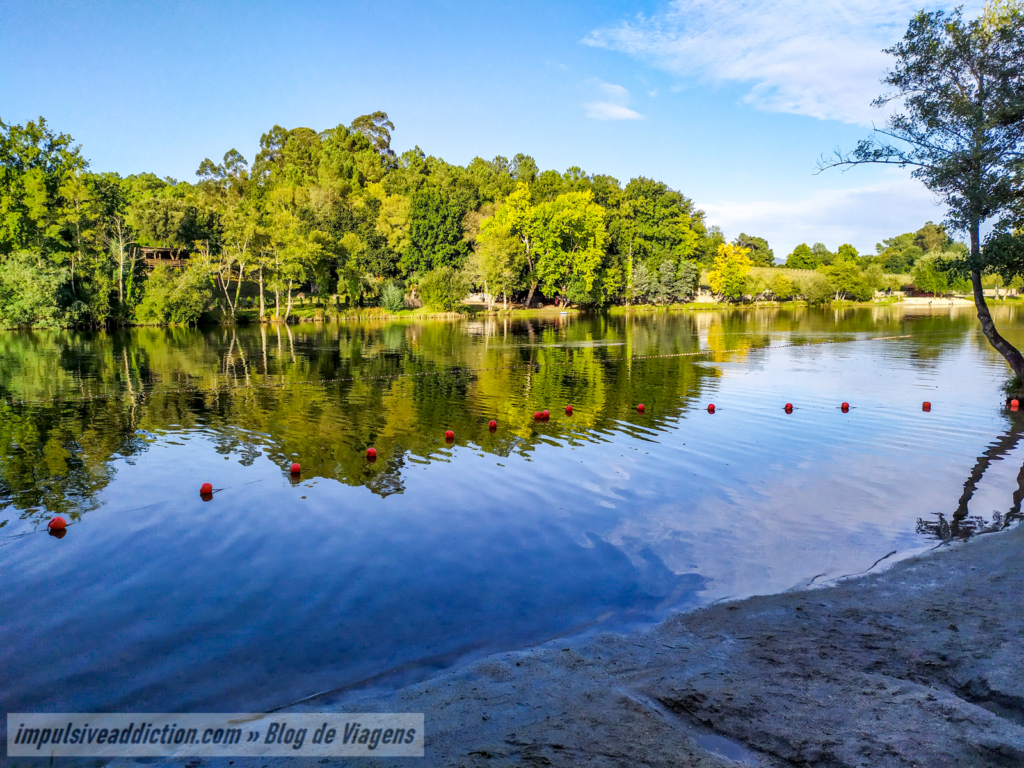
5. Adaúfe River beach
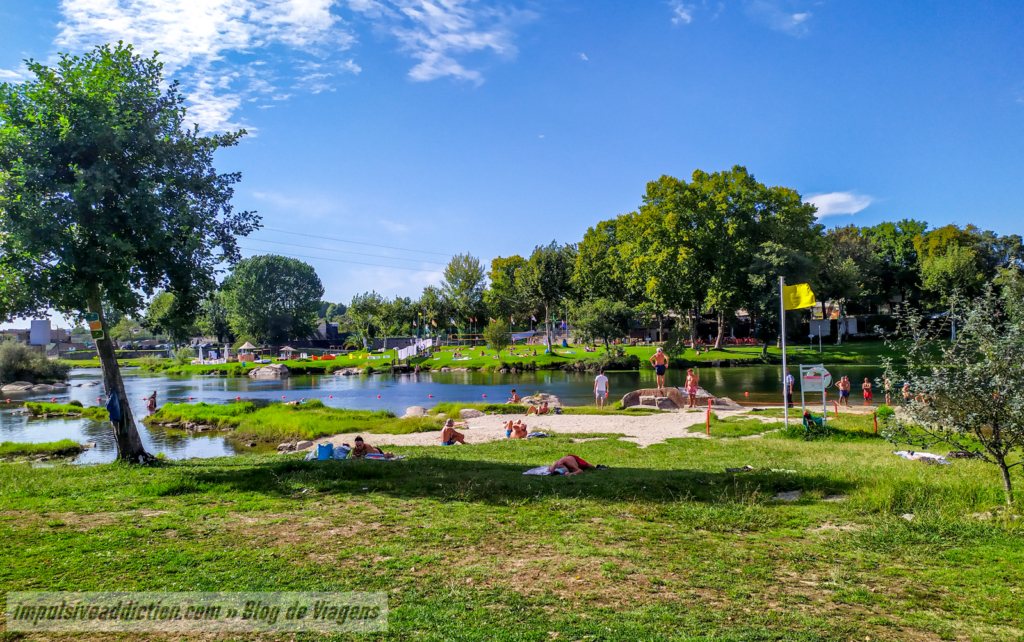
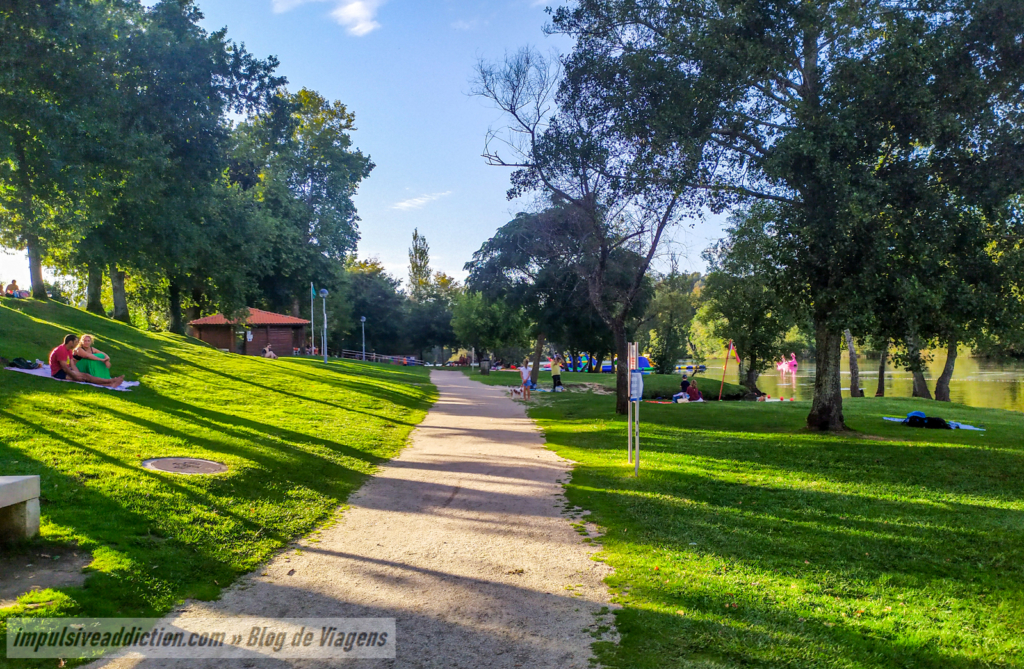
The Adaúfe River Beach is one of the best-known and most visited river beaches near Braga. It proudly holds the Blue Flag, which certifies its quality, and it is also classified as a beach accessible to all.
What makes Adaúfe so popular is its excellent infrastructure. It has a vast grassy leisure area perfect for relaxing, as well as a bar, restrooms, and all the essentials for a comfortable day out. For fun in the water, there’s a wooden board for jumping in, plus a ladder for easy access—just like in a swimming pool. The calm waters of the Cávado River make it ideal for families and safe swimming.
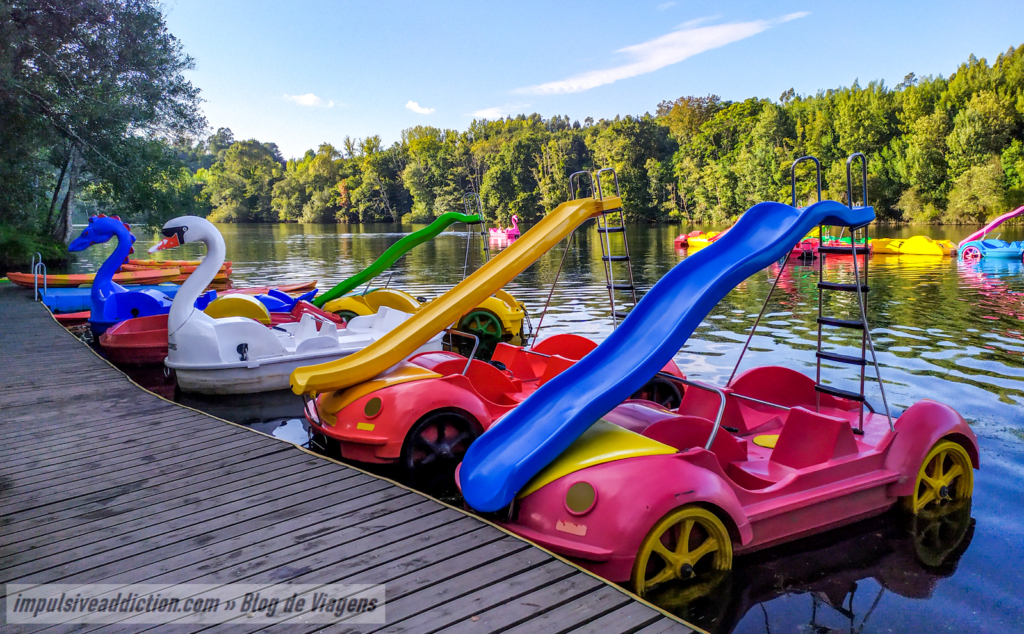
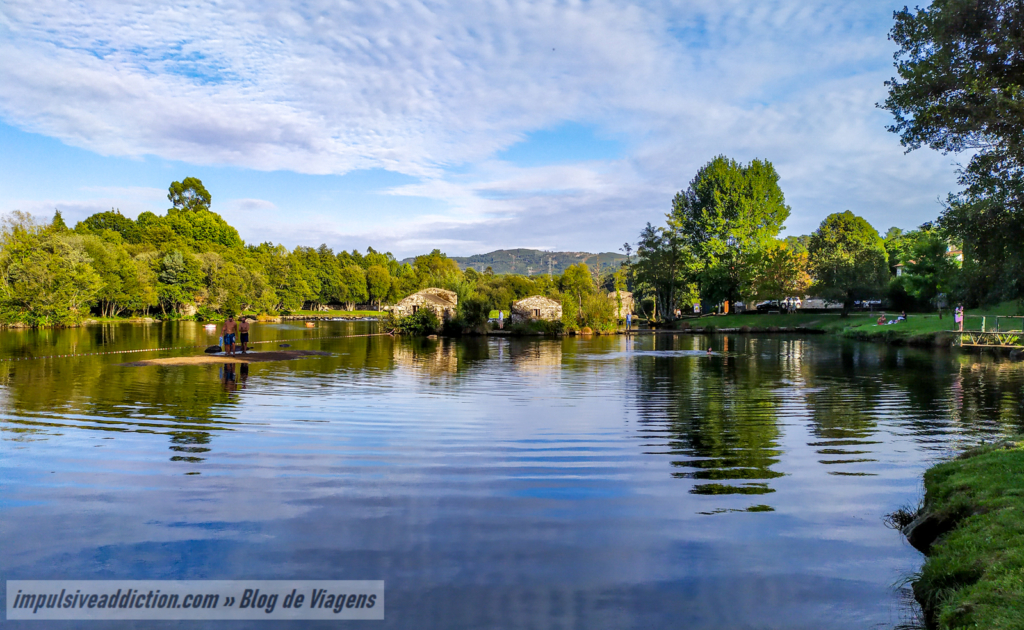
Canoeing is available here, and in summer you can also rent inflatables and other equipment for extra fun beyond kayaks. Another highlight is the presence of old watermills at the end of the beach and the charming small waterfalls that complete the landscape.
At quieter times of the year, Adaúfe reveals a different side—peaceful, silent, and absolutely enchanting. For me, it’s one of the most fascinating spots to simply disconnect and enjoy the beauty of nature.
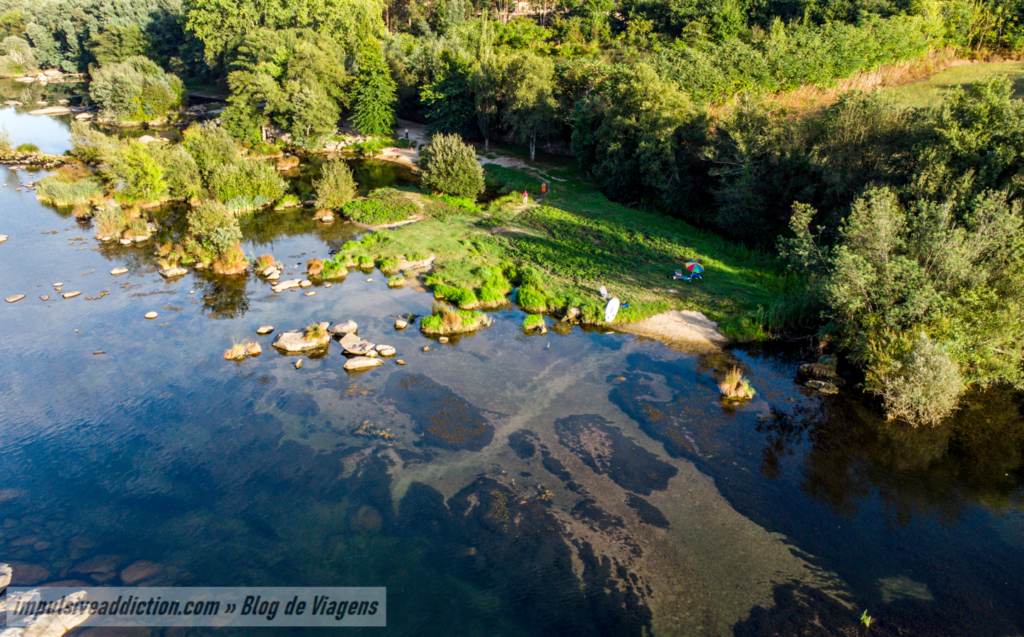
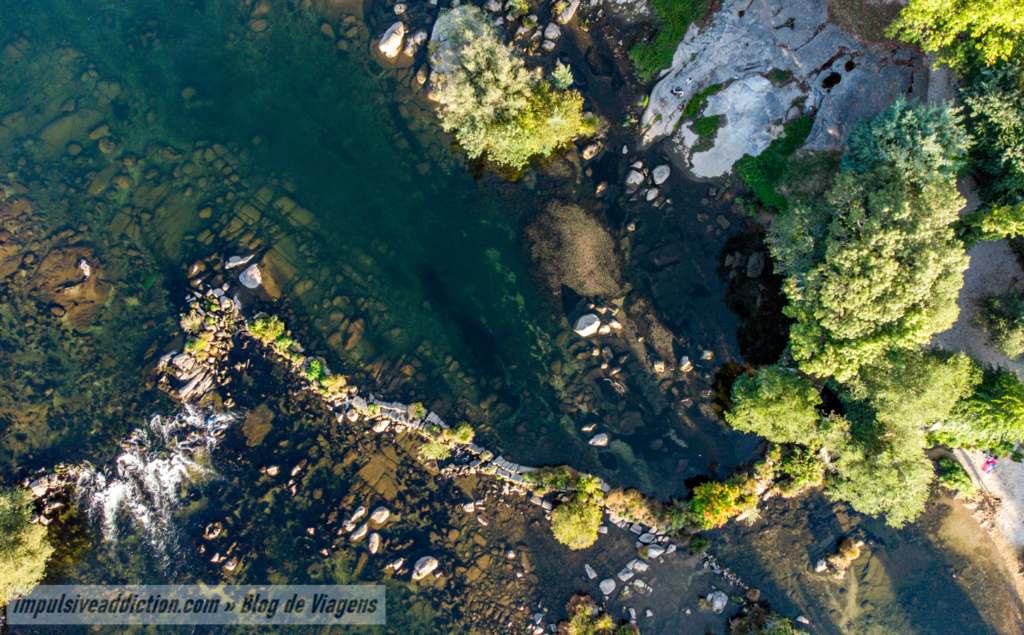
6. River Beach of Navarra
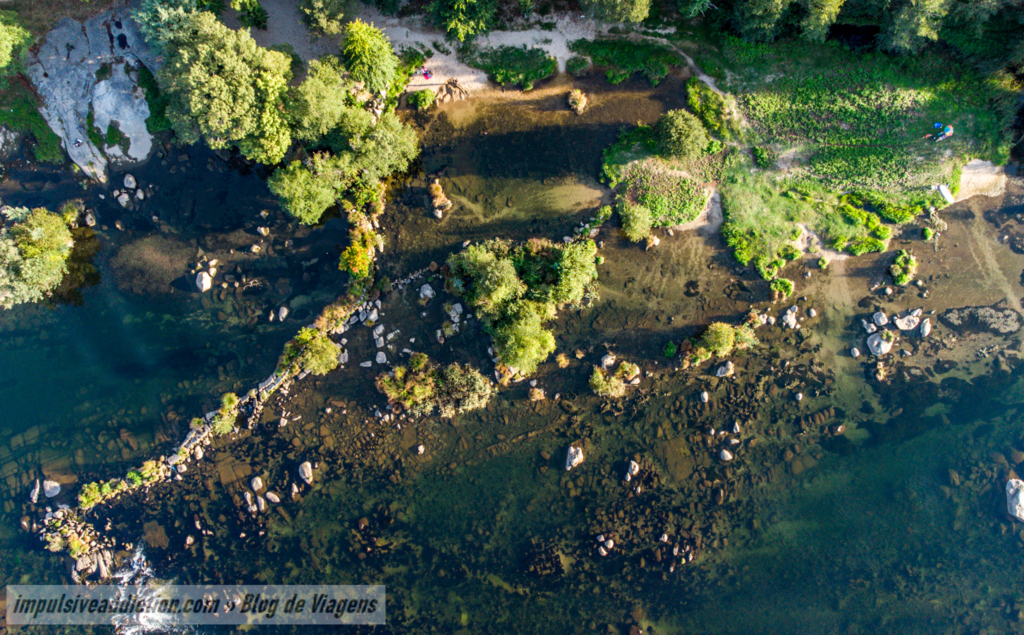
At the Navarra River Beach, it’s important to pay attention when choosing where to swim. During my visit, I noticed areas with strong currents, but there were also calmer spots naturally protected by rocks. Keep in mind that this is not a supervised river beach, so extra care is always necessary.
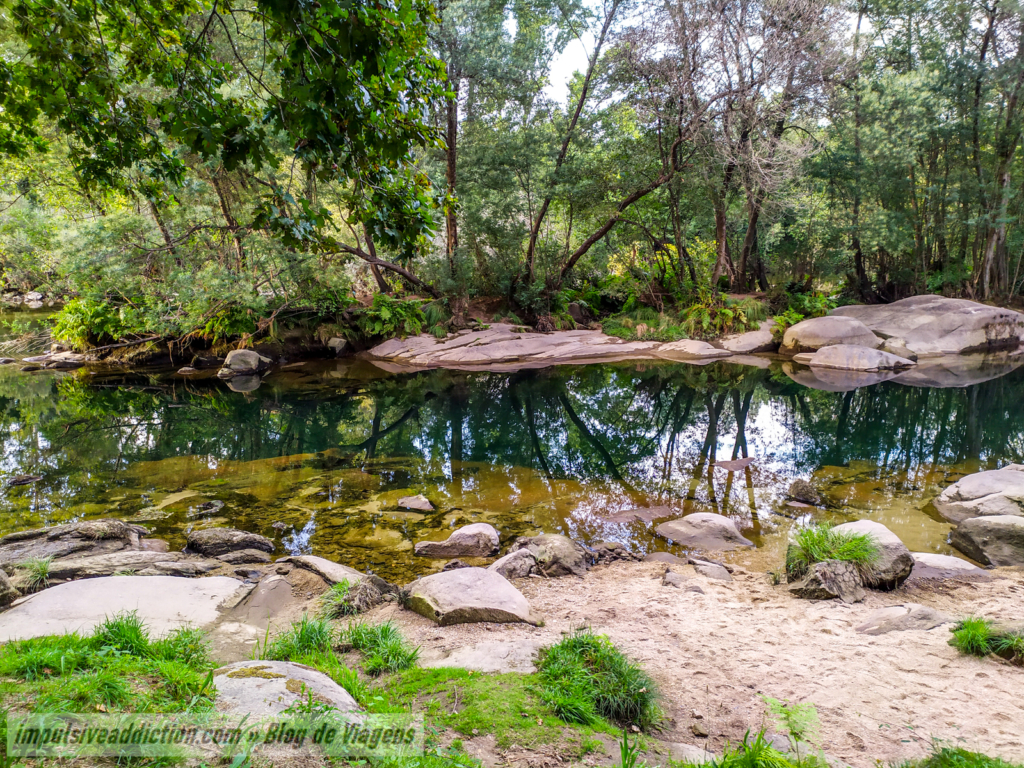
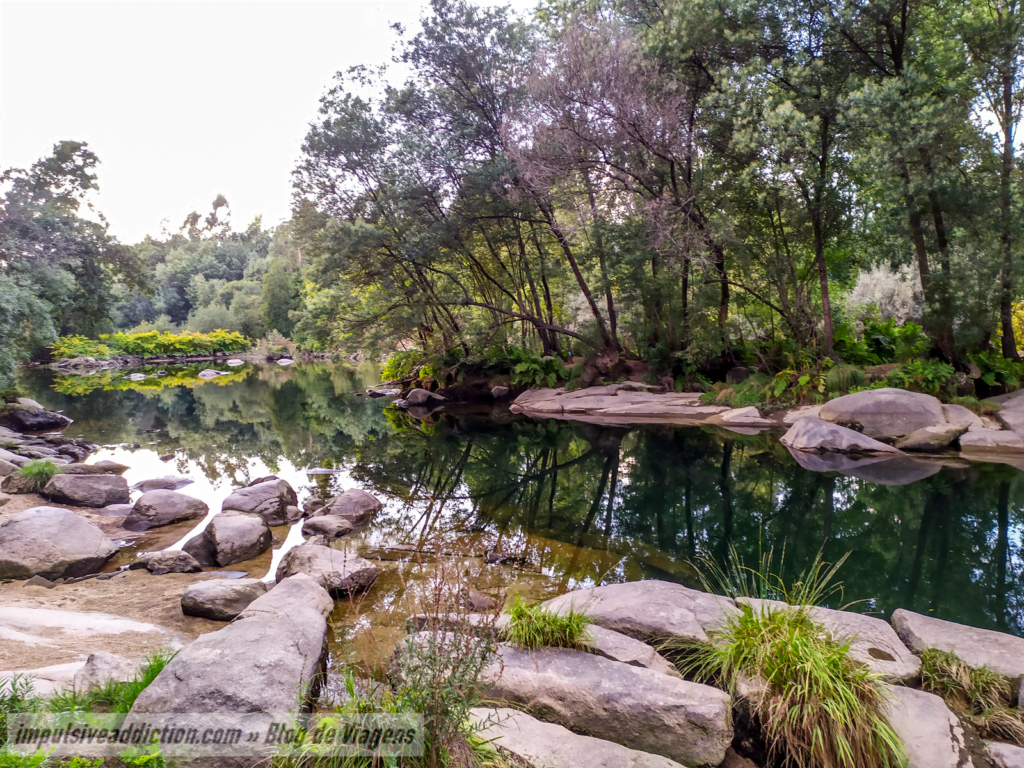
7. Cavadinho River beach (Crespos)
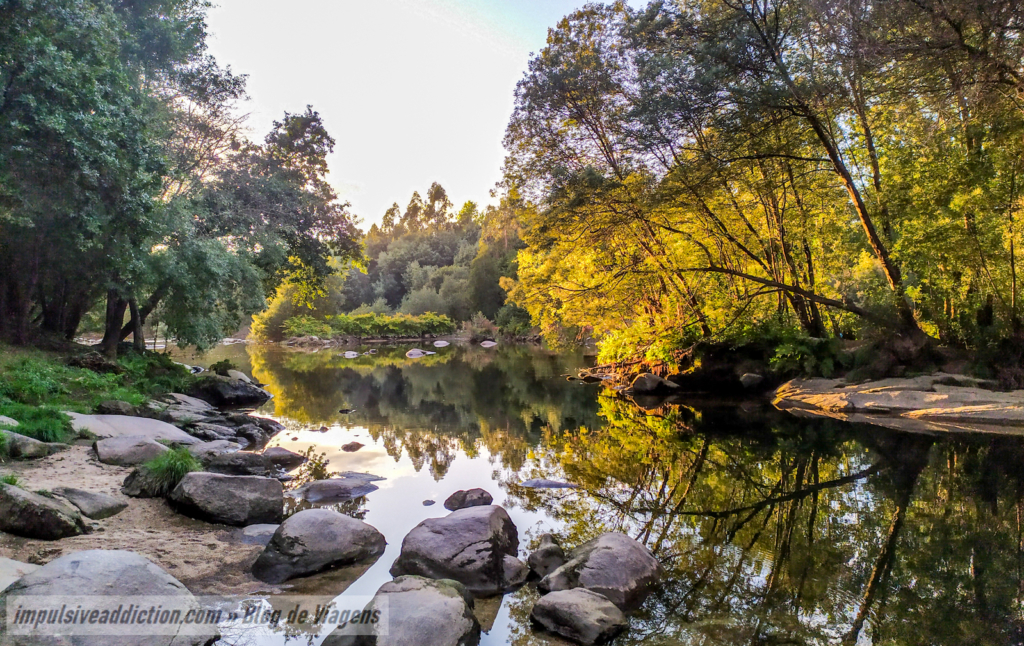
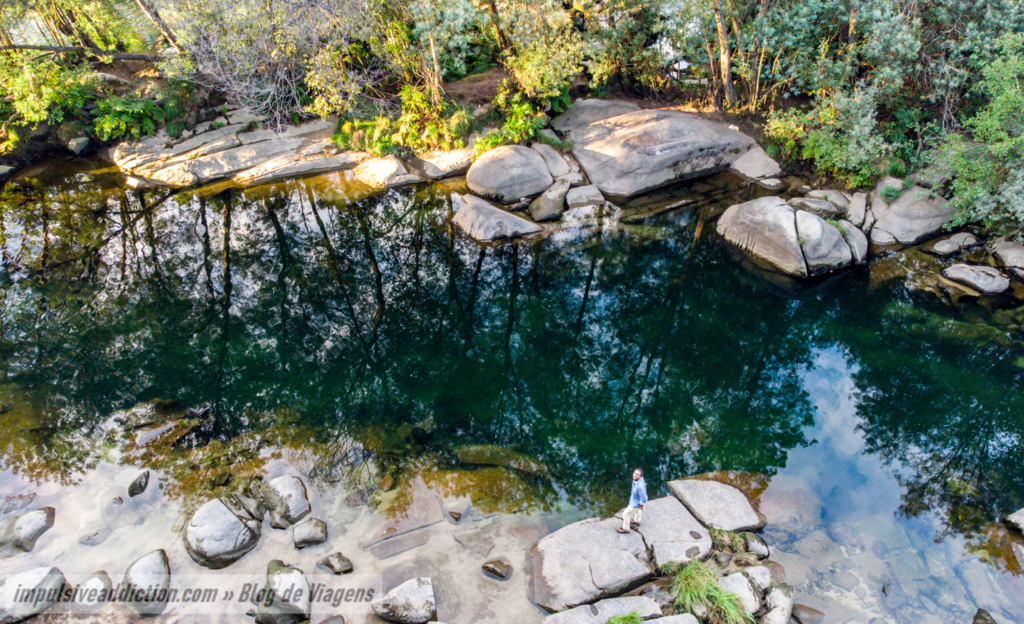
The Cavadinho River Beach was, to my surprise, one of the most memorable of all. It’s the wildest of Braga’s river beaches, yet it still offers a decent picnic area, making it a great choice for those who enjoy nature but also want a spot to relax and eat. Keep in mind, however, that it is not supervised.
Because it’s more natural and untouched, access by car can be tricky—the last stretch is a dirt road. Luckily, there is a small parking area just a short walk away. If you follow the path along the riverbank, you’ll even come across the ruins of old watermills, which add to the rustic charm of this beautiful spot on the Cávado River.
Extra – Porto Bridge crossing Cávado River in Braga
Optional and extra places when visiting Braga
I also want to mention some optional but equally beautiful places near Braga, perfect for short trips or excursions if you have extra time in the region.
1. Palace of Dona Chica
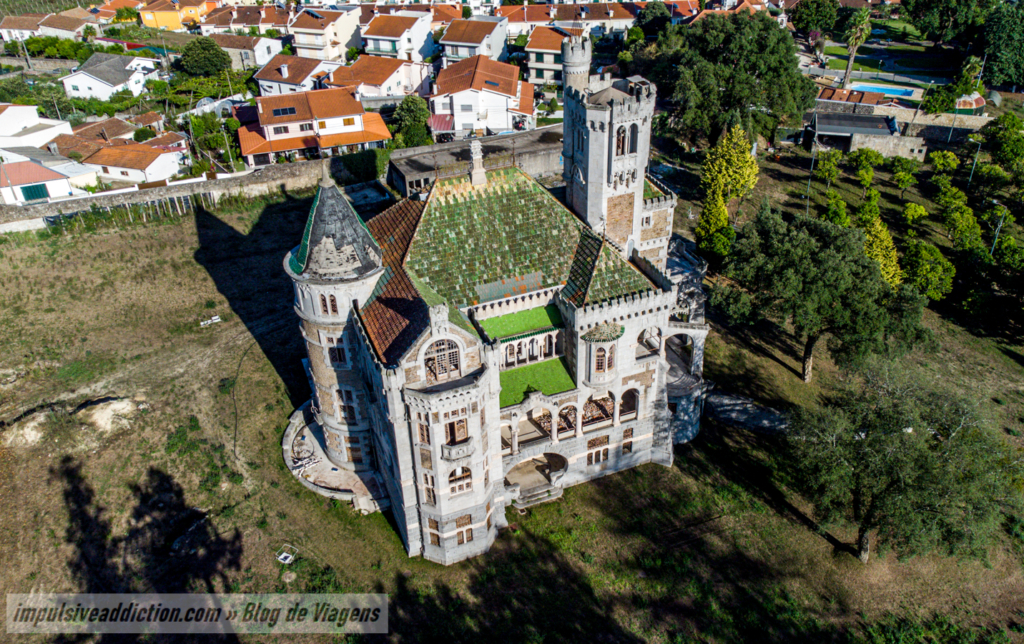
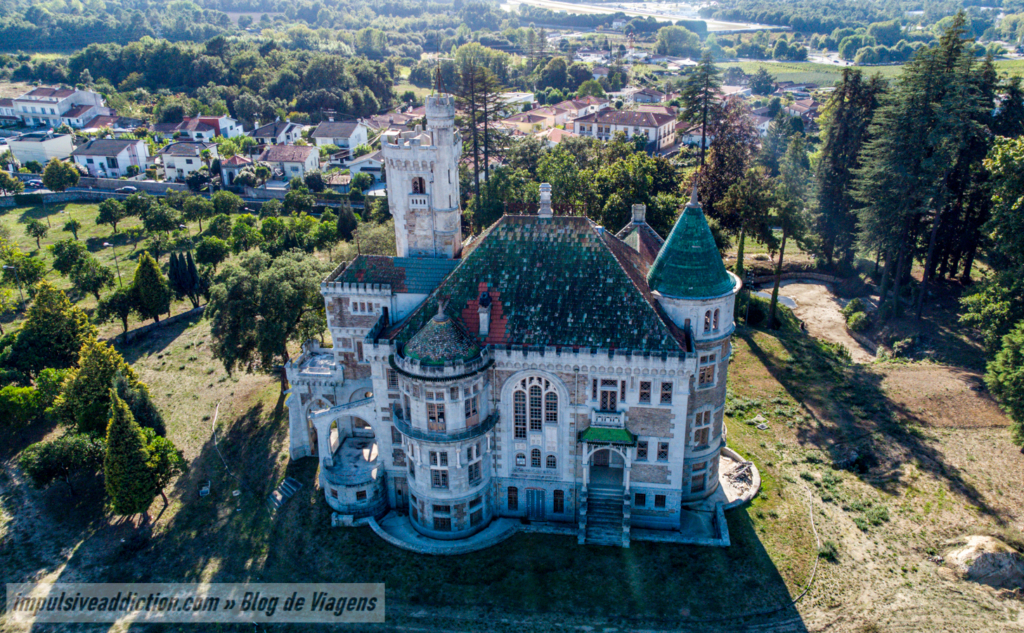
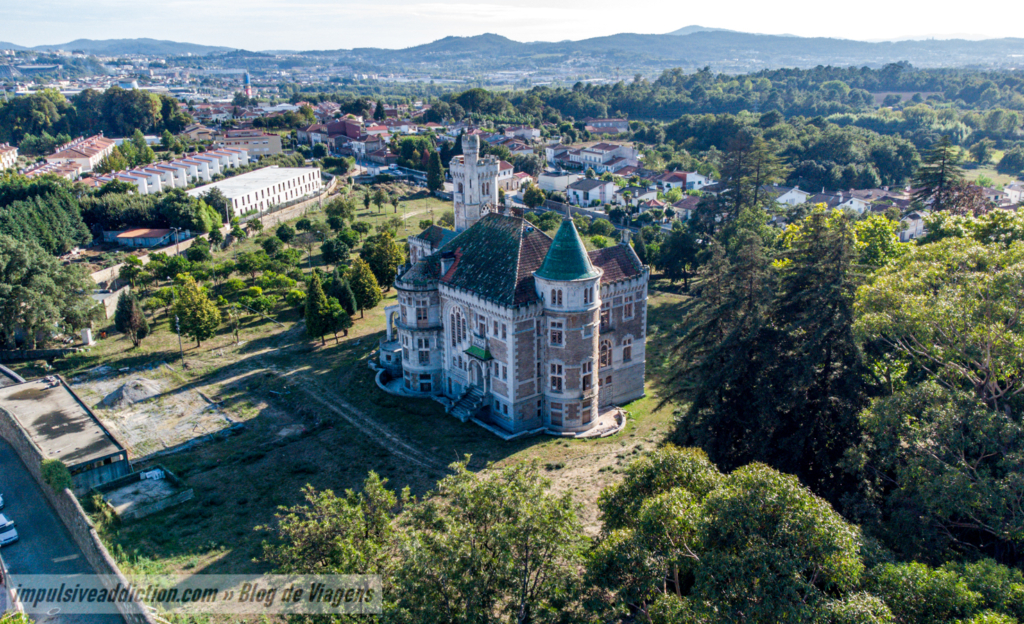
The first place worth mentioning is the mysterious Palace of Dona Chica, located in Palmeira, right next to the Cávado River. With its imposing yet ruined appearance, it is one of Braga’s most intriguing landmarks. The only reason I don’t consider it a must-see is because the palace is private property—you can’t enter or visit the interior, and sadly it remains in poor condition.
Still, its story is too fascinating to ignore. Known as Braga’s cursed palace, it was commissioned in the early 20th century by Dona Chica, a wealthy Brazilian woman who wanted to settle in Braga with her Portuguese husband. The palace was meant to be their dream home, but the couple divorced before construction was completed.
According to legend, Dona Chica’s spirit haunts the palace, cursing it so that no one would ever live there if she couldn’t. And indeed, history seems to support the myth: the palace has passed from owner to owner but has never been finished or inhabited. Any restoration or repurposing project has failed, and some even claim that Princess Diana of Wales once considered buying it—an acquisition that ultimately never happened.
To this day, the future of the Palace of Dona Chica remains uncertain, which only adds to its mystery and allure.
2. Waterfalls and Mills of Portuguediz (Sobreposta)
The Portuguediz Waterfalls and Mills are one of Braga’s hidden gems and form part of a highly recommended hiking route. They’re located in Sobreposta, along the Great Route of Serra dos Picos, a trail classified as difficult—so if you plan to do the full hike, make sure you’re well prepared.
That said, you don’t need to complete the entire route to enjoy this natural wonder. The waterfalls and mills can also be visited directly from the small village of Portuguediz, which is much easier to access. The village itself is charming, known for its residents who are passionate collectors of antiques. From there, head down to the river, where you’ll find even more ruined mills and breathtaking scenery.
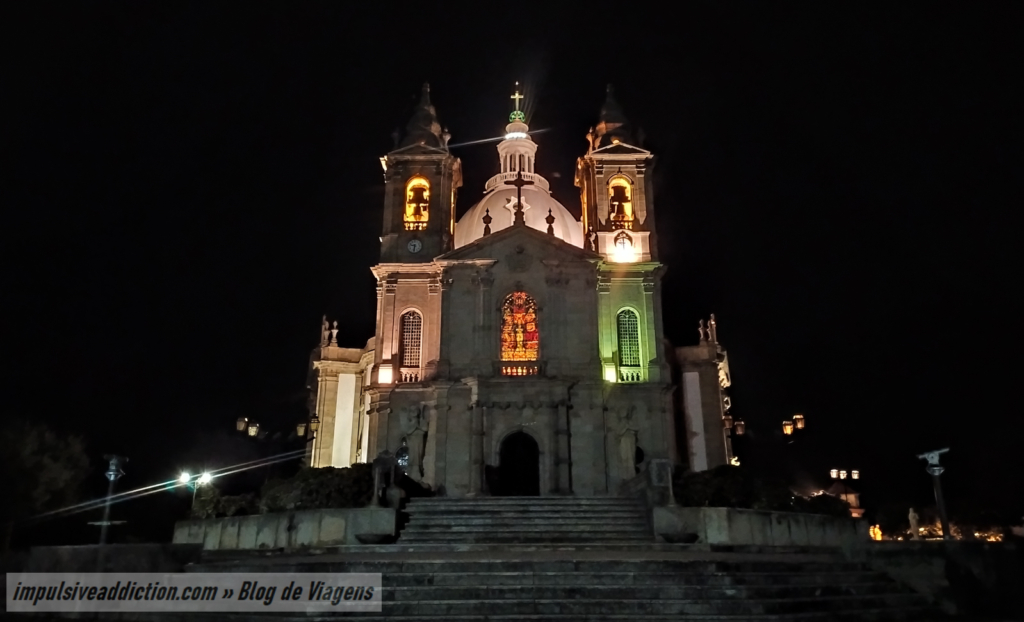
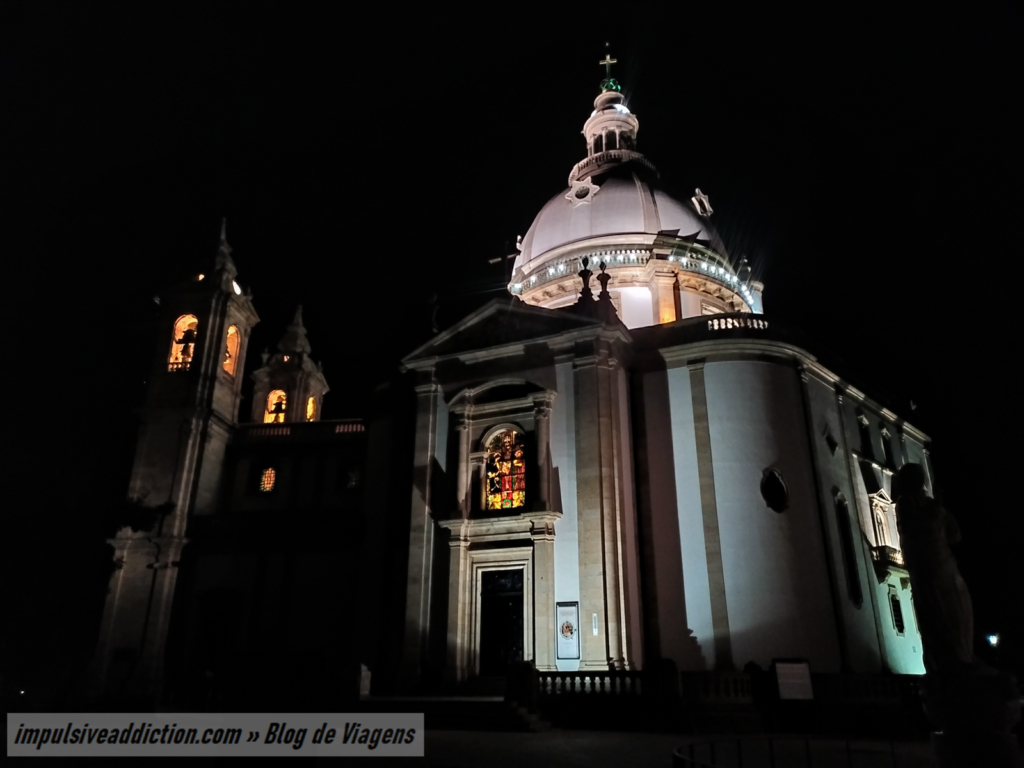
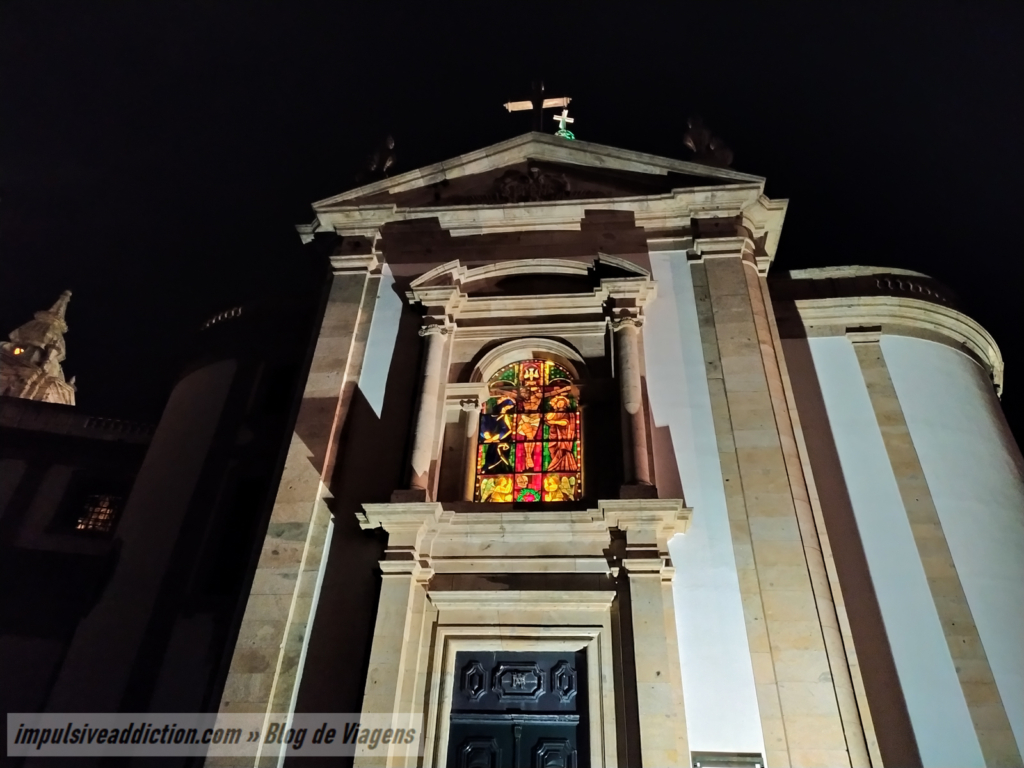
Things to do in Braga at night?
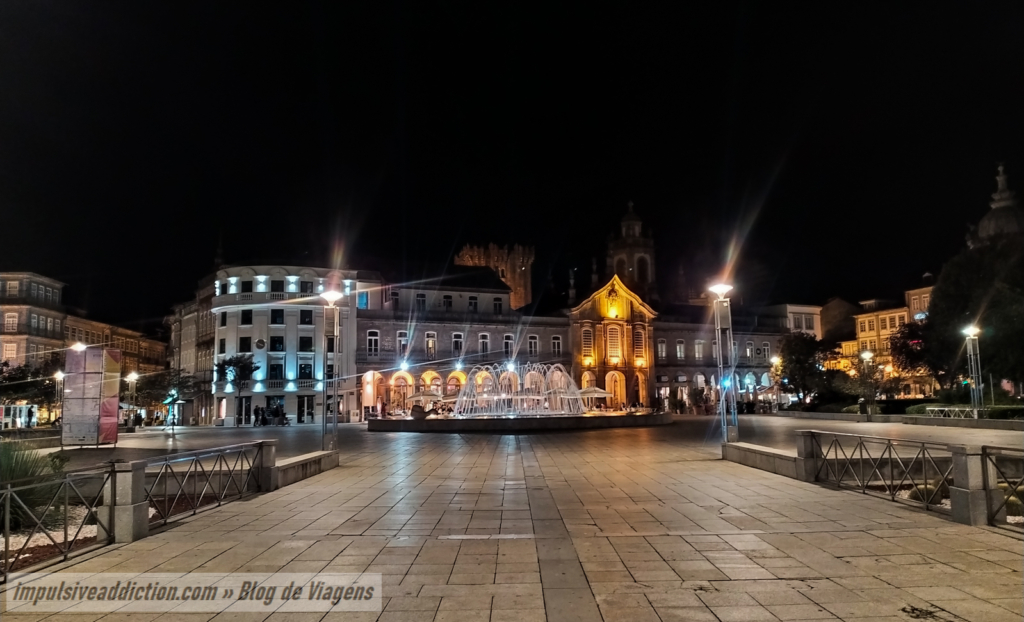
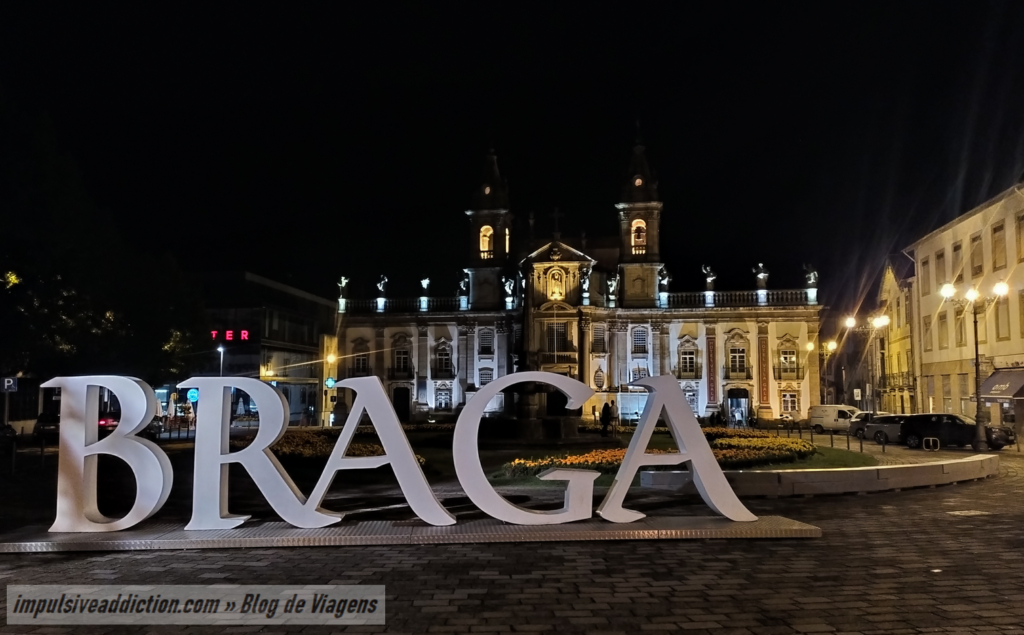
At night, Braga is completely transformed! Wondering what to do in Braga after dark? Here are some ideas to make the most of the city in the evening:
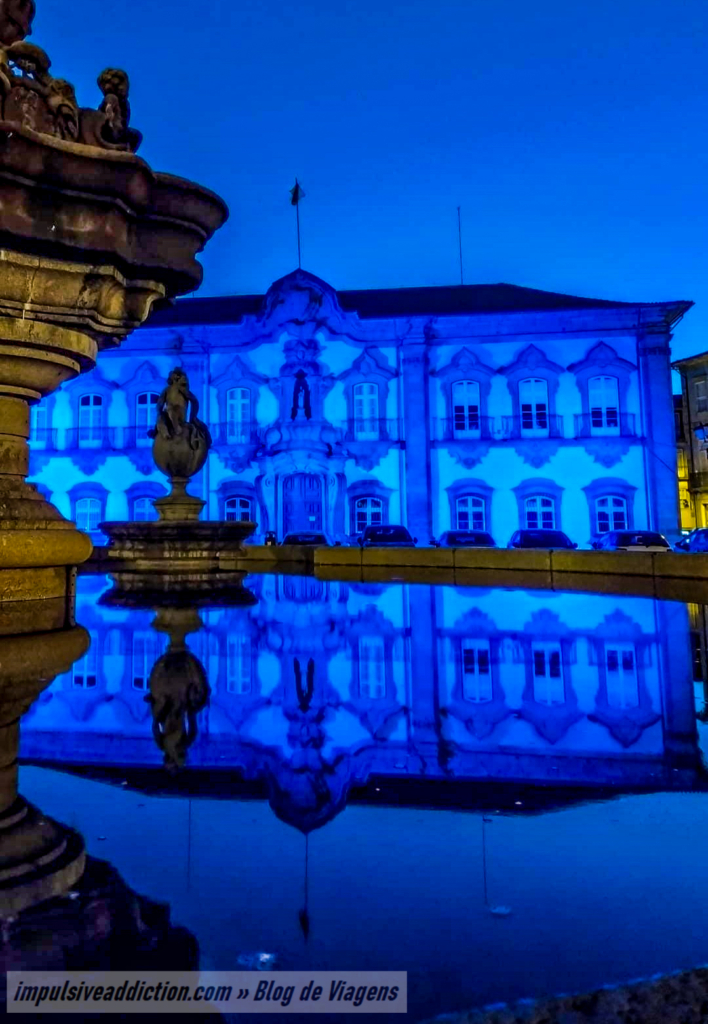
- Stroll along Avenida Central and Praça da República to admire the city lights. One of the highlights is seeing Braga City Hall reflected in shades of blue on the Pelican Fountain.
- Head to Rossio da Sé, where you’ll find plenty of bars to enjoy a relaxed drink with friends.
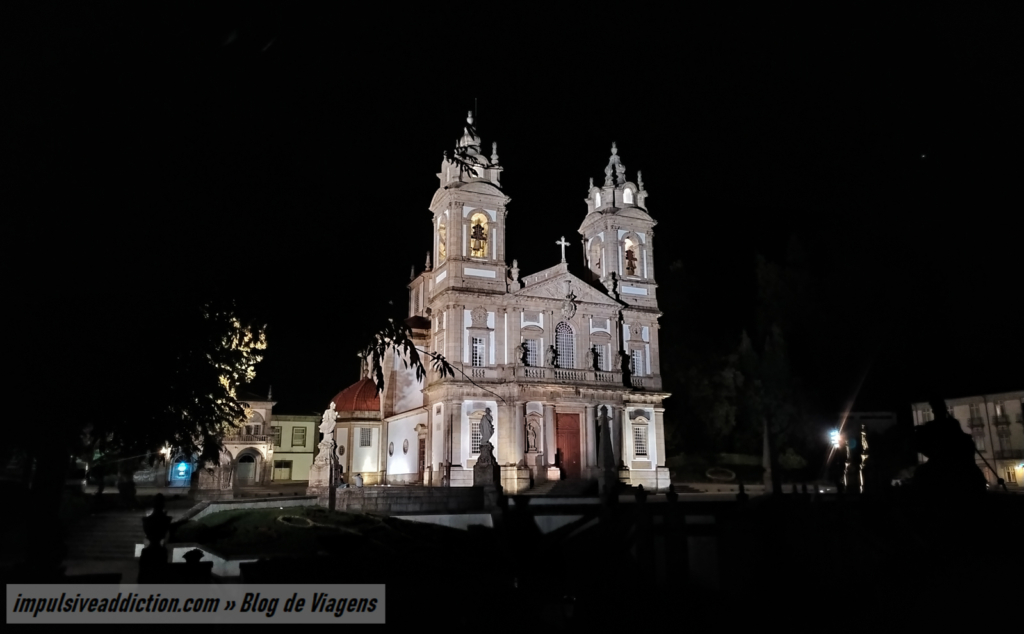
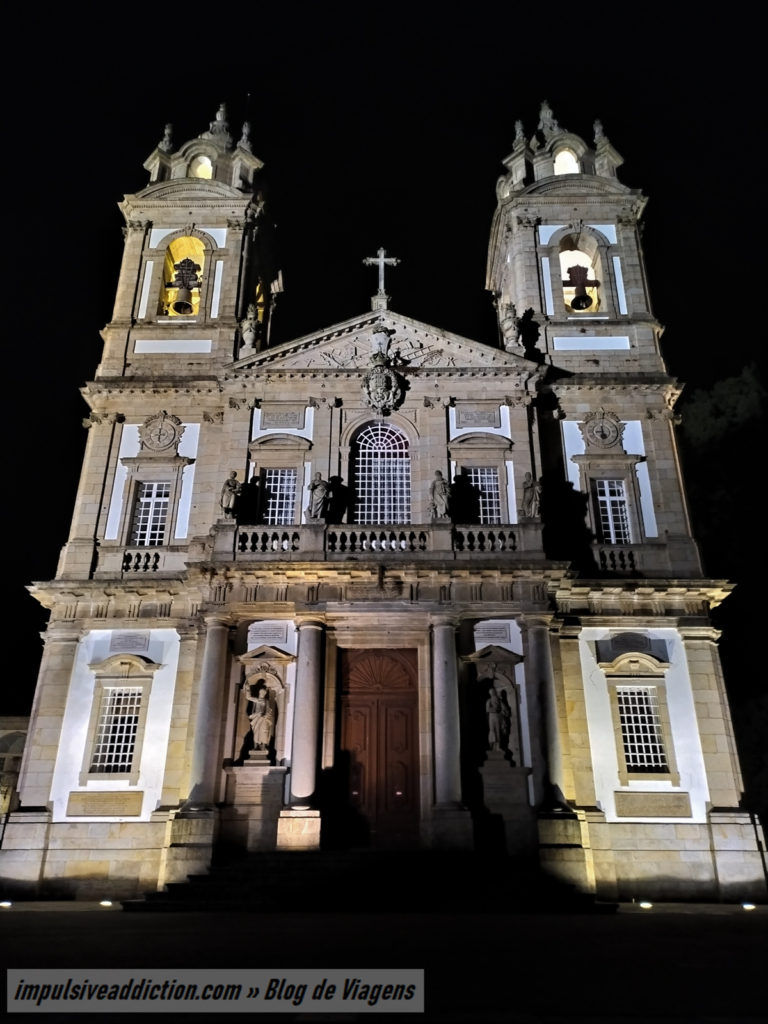
- Drive up to the Bom Jesus Sanctuary for one of the most beautiful night viewpoints over Braga—the city lights from above are simply magical. 😀
- Visit the Sanctuary of Sameiro, where the lighting enhances its stained glass windows and creates a truly unique atmosphere.
There are, of course, many other places to enjoy in Braga at night, but these are my top recommendations. Below, I leave you some photos as inspiration to help you plan your evening itinerary.
Day Trips from Braga
To wrap up, here are some tips on the best day trips from Braga—wonderful places and nearby cities in the Minho region that will help you extend your itinerary and discover even more of northern Portugal.
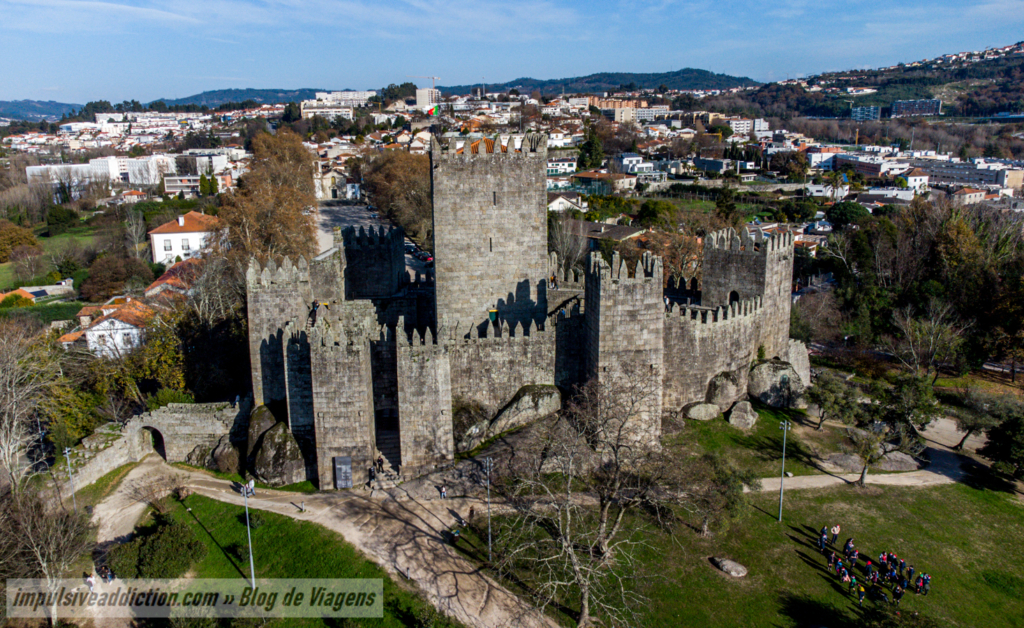
1. Visit Guimarães
For those visiting Braga for the first time, the best day trip option is without doubt Guimarães. In my opinion, the historic center of Guimarães is the most beautiful in all of Portugal—even more charming than Braga’s own. Its colorful squares, narrow alleys, and well-preserved medieval atmosphere make it feel like stepping back in time. The city’s heritage and unique character truly set it apart, and its old-world charm is why Guimarães is often called the “birthplace of Portugal.”
2. Visit Esposende
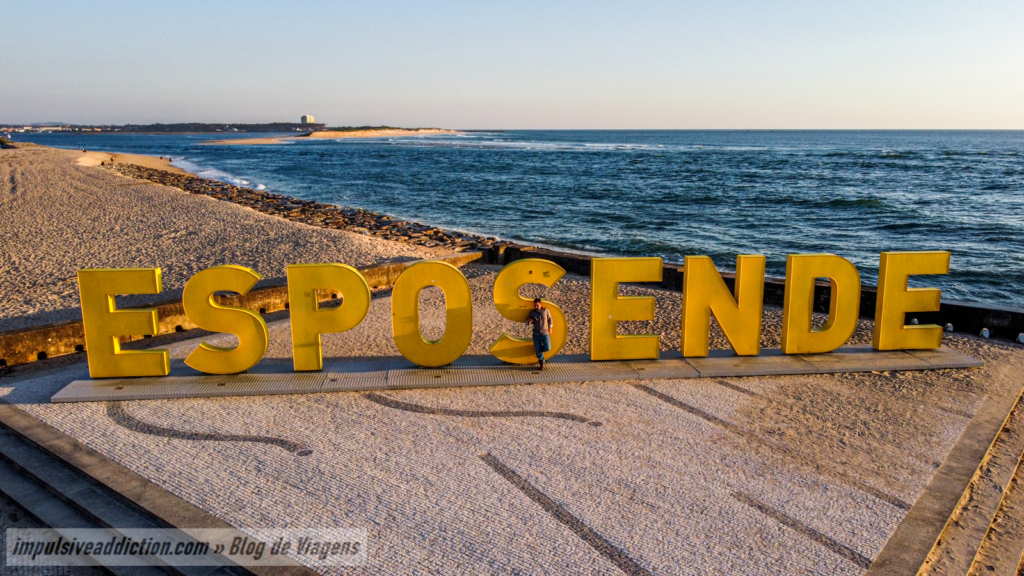
If you’re looking for sea beaches near Braga, head to Esposende, which still belongs to the Braga district. 😉 It’s the perfect spot to enjoy the Atlantic coast and see the exact place where the Cávado River meets the sea. Besides relaxing on the sand, Esposende is also a great destination for practicing water sports, from surfing and bodyboarding to stand-up paddleboarding and kitesurfing.
3. Visit Barcelos
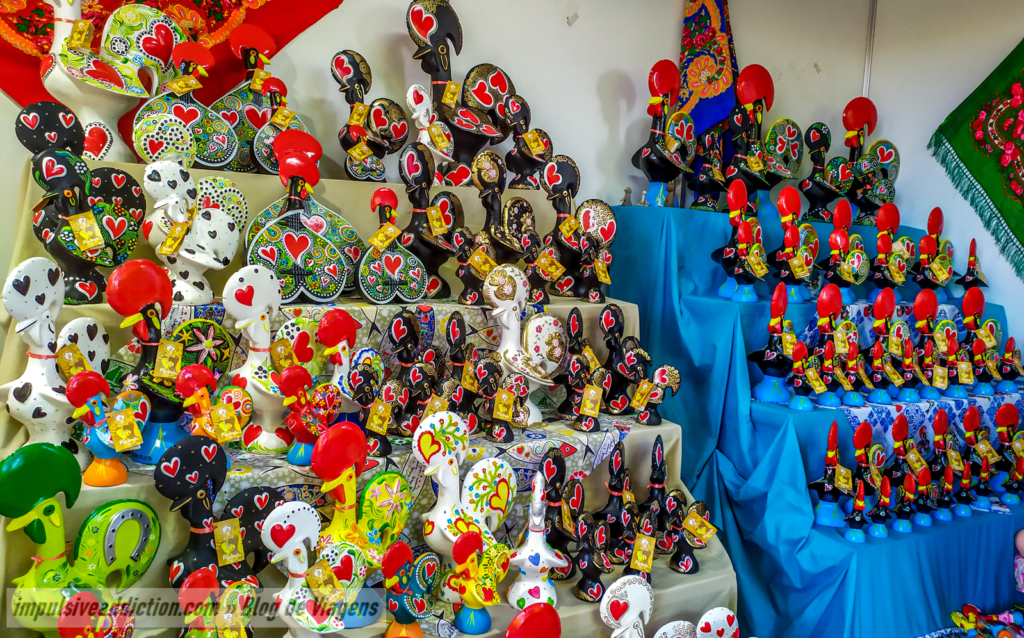
You can also choose to visit Barcelos, a charming city near Braga and the birthplace of one of Portugal’s greatest symbols: the famous Barcelos Rooster. This iconic figure of Portuguese folklore and craftsmanship originated here, and today Barcelos remains closely tied to traditional art, ceramics, and lively weekly markets. It’s a perfect day trip from Braga for anyone interested in culture, history, and local traditions.
4. Visit Peneda-Gerês National Park
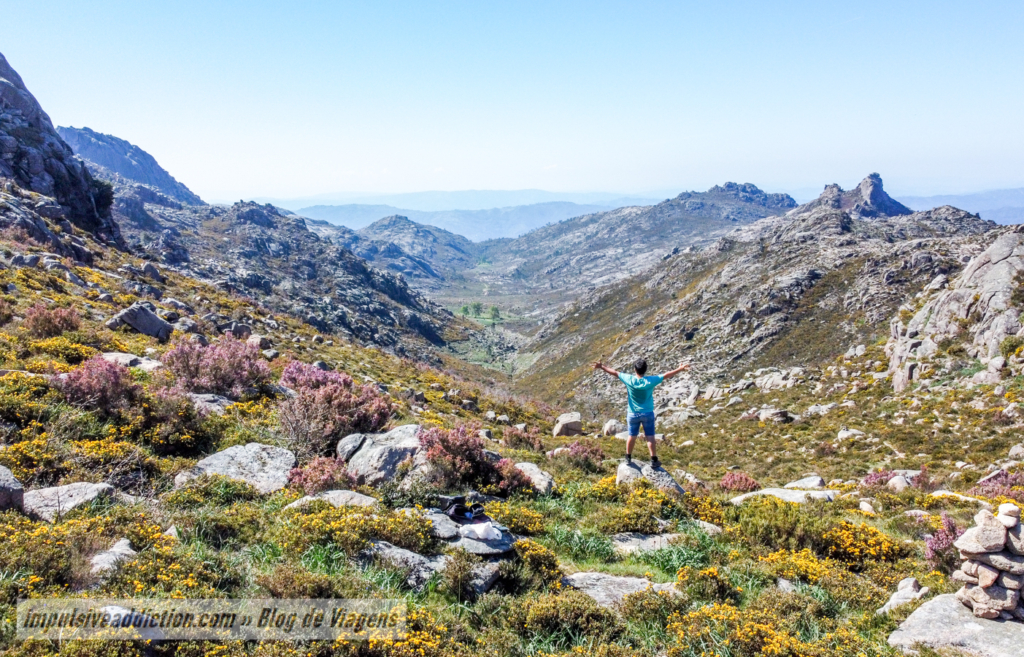
If you’re a nature lover, then a visit to Gerês National Park (Parque Nacional da Peneda-Gerês) is a must. Just a short trip from Braga, it’s Portugal’s only national park and home to some of the country’s most stunning landscapes. Here you can enjoy some of the best mountain hikes in Gerês, leading you to breathtaking waterfalls, natural lagoons, and panoramic viewpoints. 😉 It’s an unforgettable experience for anyone who loves the outdoors and one of the best ways to connect with the wild beauty of northern Portugal.
5. Visit Ponte de Lima
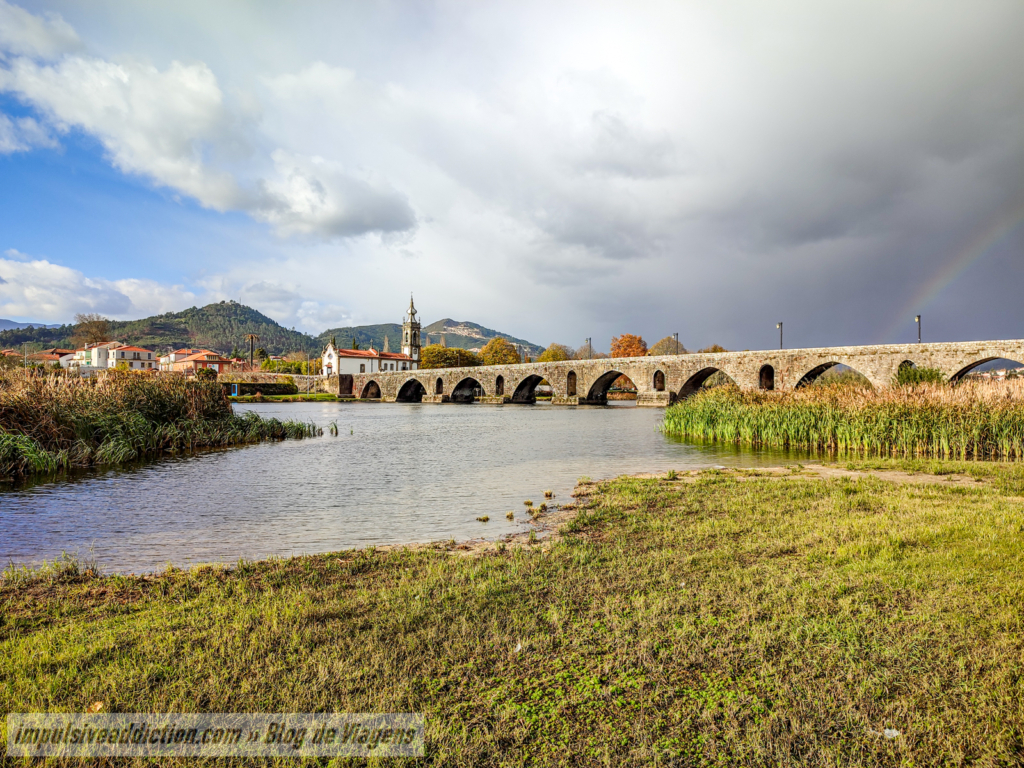
North of Braga, you can also visit Ponte de Lima, often considered the oldest village in Portugal. Its most famous landmark is the impressive Roman-medieval bridge that crosses the Lima River, but the charm of the village goes far beyond that. With its traditional streets, scenic riverside walks, beautiful gardens, and excellent local cuisine, Ponte de Lima is a perfect day trip from Braga for history and culture lovers alike.
Other Itineraries and Travel Guides in Portugal
- N2 Portugal Road Trip Itinerary
- Madeira Itinerary and Travel Guide
- São Miguel Itinerary and Travel Guide (Azores)
- Terceira Itinerary and Travel Guide (Azores)
- Pico Itinerary in Azores
- Faial Itinerary in Azores
- Things to do in Bragança
- Montesinho Natural Park Itinerary
- Douro International Natural Park Itinerary
- Minho | Northern Portugal Itinerary
- Porto Itinerary and Travel Guide
- Things to do In Braga (Minho)
- Things to do in Guimarães (Minho)
- Things to do in Viana do Castelo (Minho)
- Peneda Gerês National Park Itinerary
- Douro Valley Itinerary
- Trás-os-Montes Itinerary
- Things to do in Aveiro
- Things to do in Coimbra
- Things to do in Leiria
- Things to do in Fatima
- Things to do in Santarém
- Things to do in Tomar
- Things to do in Nazaré
- Things to do in Peniche
- Things to do in Mafra and Ericeira
- Things to do in Cascais
- Sintra Itinerary | Things to do
- Lisbon Itinerary and Travel Guide
- Things to do in Setúbal
- Things to do in Évora (Alentejo)
- Things to do in Beja (Alentejo)
- Algarve Road Trip Itinerary
- Things to do in Lagos (Algarve)
- Things to do in Portimão (Algarve)
- Things to do in Faro (Algarve)
- Things to do in Tavira (Algarve)
I hope you enjoy visiting this beautiful city in my country. 😉 If this article on the best things to do in Braga was useful to you, I’d love to hear your thoughts! Feel free to share your feedback, questions, or travel tips about Braga in the comments section below. Your experience might help other travelers plan their own trip too.
