 Pedro Domingues
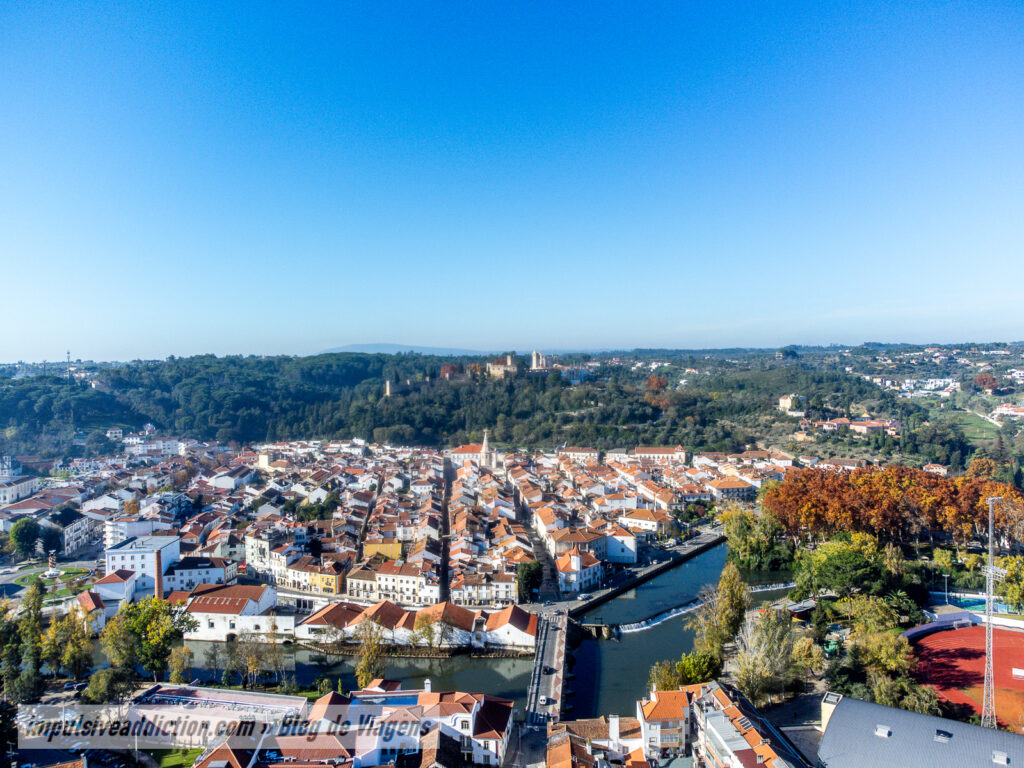
Set along the banks of the Nabão River, the city of Tomar is one of Portugal’s most storied and heritage-rich destinations. Founded in 1160 by Gualdim Pais, Master of the Order of the Templars, Tomar grew under the banner of the Crusades, faith, and monumental architecture. Today, it offers a true journey into the past, where every street and monument tells a chapter of the Templar epic that helped shape the nation.
Tomar is far more than a tourist stop—it’s a living lesson in art, religion, and military strategy. The iconic Convent of Christ, a UNESCO World Heritage Site, stands as the crowning jewel of this legacy, yet it’s only one of many reasons to visit. From peaceful gardens and well-preserved medieval streets to historic synagogues and intriguing museums, Tomar holds treasures that delight both history enthusiasts and casual travelers alike.
In this guide, we’ll explore the city’s must-see attractions through an organized itinerary that takes you from its most famous landmarks to hidden gems. Whether you’re planning a cultural getaway or simply looking for an enriching day trip, you’ll find practical tips, fascinating stories, and recommendations that reveal why Tomar is one of the most captivating destinations in the heart of Portugal.
Where is Tomar located, in Portugal
Tomar is located in the Centro region of Portugal, specifically in the district of Santarém, within the Médio Tejo subregion. It sits along the banks of the Nabão River, approximately:
- 135 km from Lisbon (about 1h30 by car)
- 190 km from Porto (around 2 hours)
- 30 km from Fátima
Its strategic location greatly contributed to its historical importance—especially during the Middle Ages, when it served as the headquarters of the Order of the Templars in Portugal.
MORE ARTICLES FROM CENTRAL PORTUGAL:

- Things to do in Espinho
- Things to do in Ovar
- Things to do in Aveiro
- Aveiro to Costa Nova
- Best beaches in Aveiro

- Things to do in Mira beach
- Things to do in Coimbra
- Schist Villages in Portugal
- Things to do in Figueira da Foz

- Visit Monsanto in Portugal
- Historical Village of Piódão
- Historical Villages of Portugal

- Things to do in Leiria
- Visit Batalha Monastery and surroundings
- Visit Alcobaça Monastery and surroundings
- Things to do in Fátima
- Visit Mira de Aire Caves
- Things to do in Nazaré
- Things to do in Peniche
- Best beaches in Peniche
- Visit Berlenga Island

- Best beaches in Ericeira
- Visit Ursa Beach
- Best Beaches in Sintra
- Best Beaches in Cascais
- Things to do in Mafra and Ericeira
- Things to do in Sintra
- Parks and Palaces in Sintra
- Things to do in Cascais

- Best Costa da Caparica beaches
- Best beaches in Setúbal
- Best Beaches in Sesimbra
- Visit Ribeiro do Cavalo Beach
- Best beaches in Tróia, Comporta and Melides
- Things to do in Setúbal
How to Get to Tomar
Tomar is easily accessible both by car and public transport, making it an excellent choice for a weekend getaway or a stop on a tour through central Portugal.
From Lisbon, the drive takes about 1h30 via the A1 motorway, exiting at Torres Novas and continuing on the A23. By public transport, regional trains on the Northern Line offer direct connections to Tomar Station, with regular departures from Lisbon’s Santa Apolónia or Oriente stations. There are also buses departing from the Sete Rios terminal.
From Porto, the journey takes roughly 2 hours by car via the A1. By train, the trip requires a transfer at Entroncamento before continuing to Tomar.
When to Visit Tomar
Tomar can be visited at any time of year, but certain seasons are especially recommended depending on what you’re looking for.
For mild weather and ideal conditions for walking tours, spring (April to June) and autumn (September and October)are the best choices—pleasant temperatures, fewer tourists, and vibrant natural scenery.
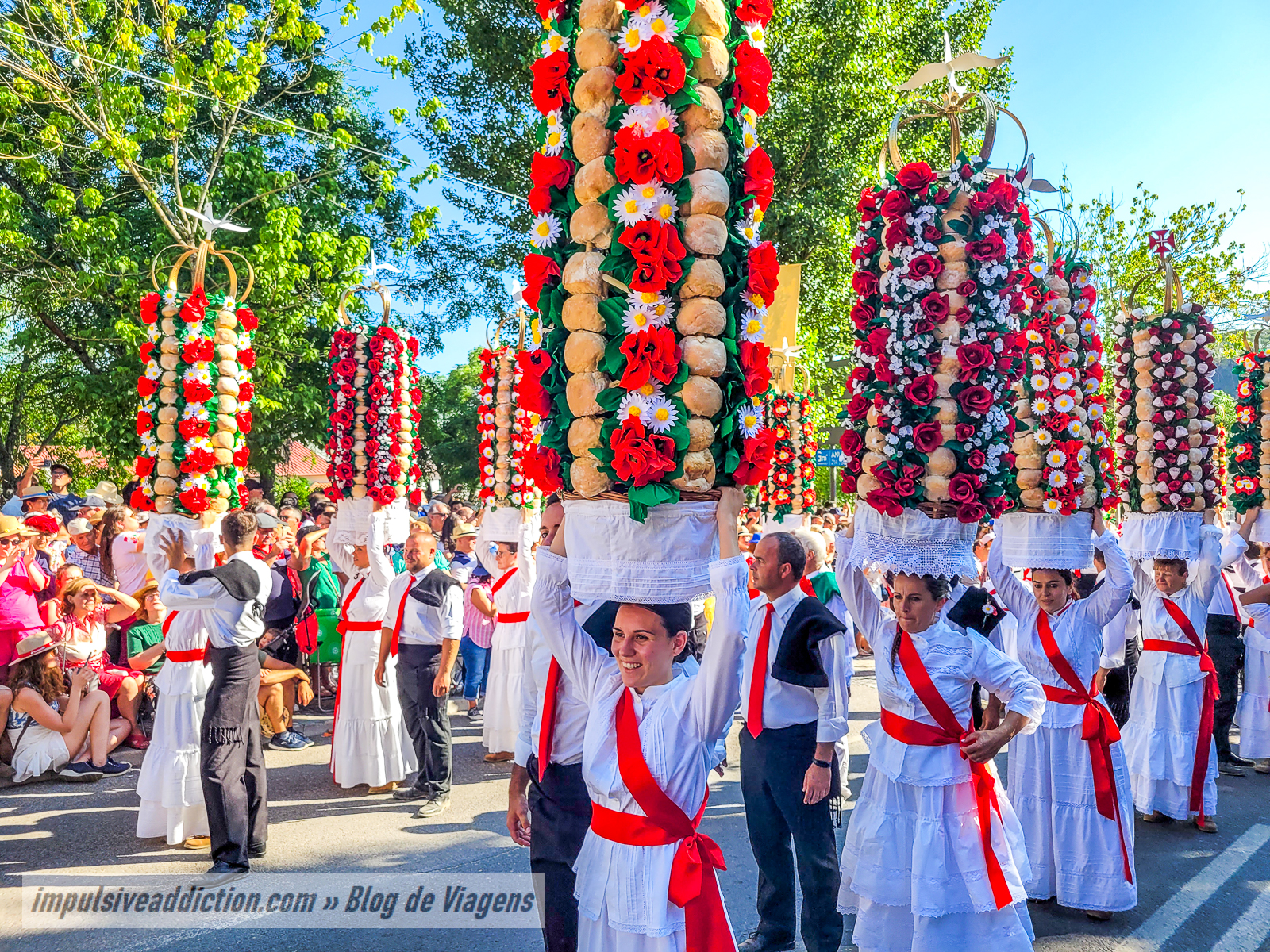
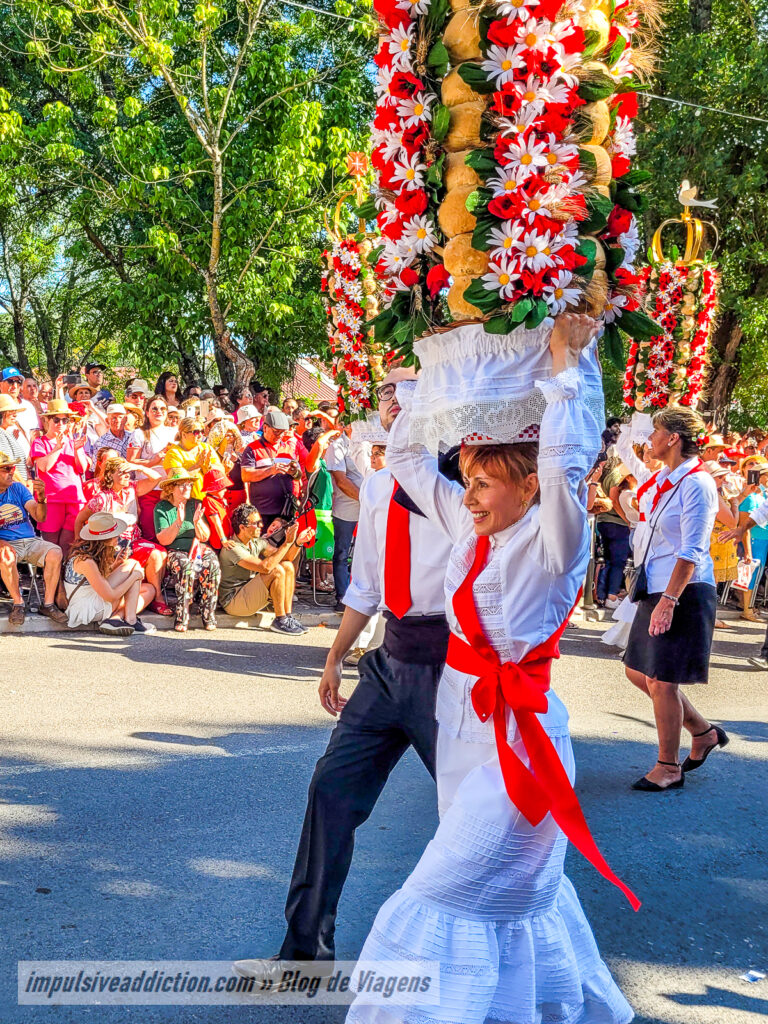
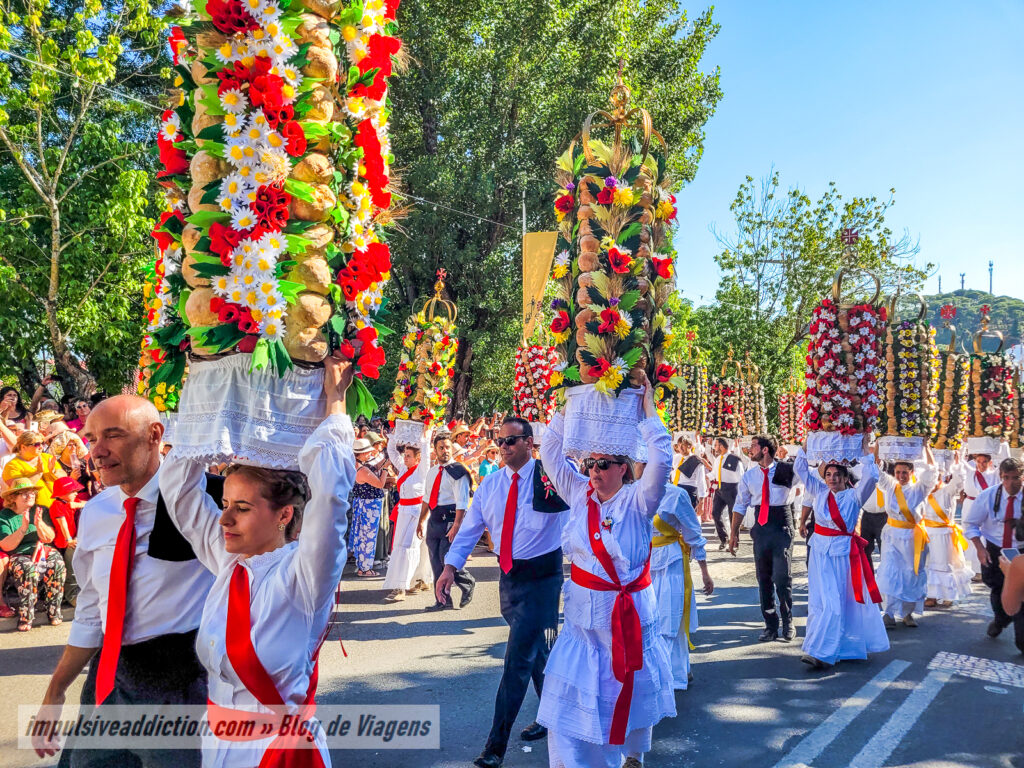
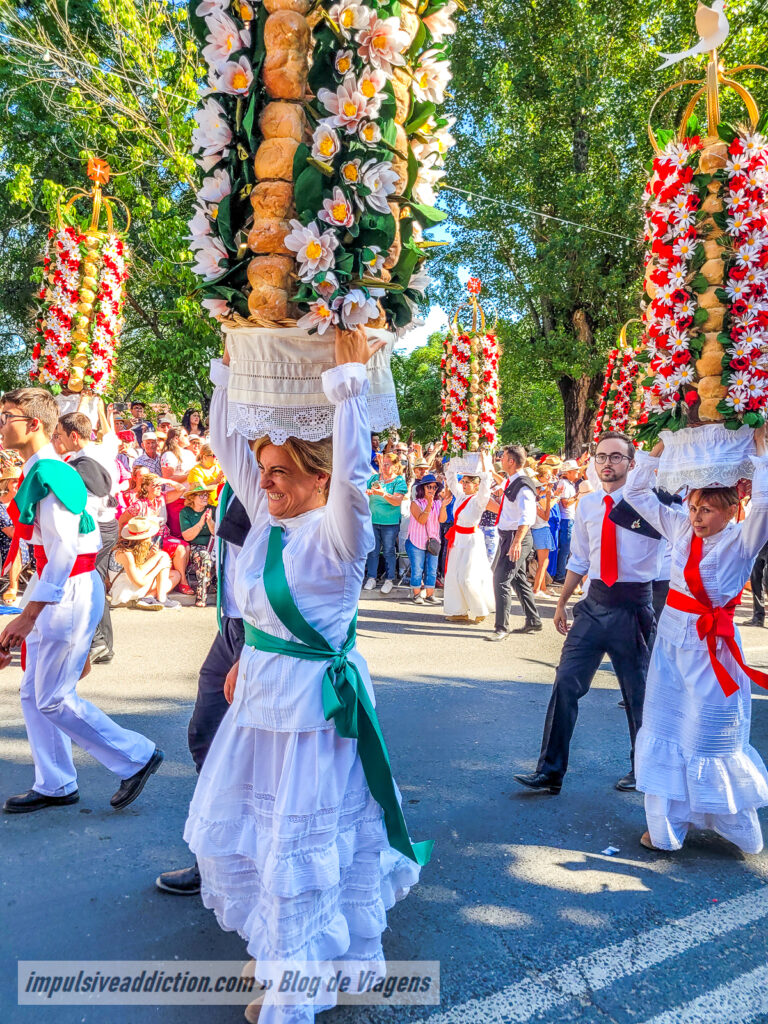
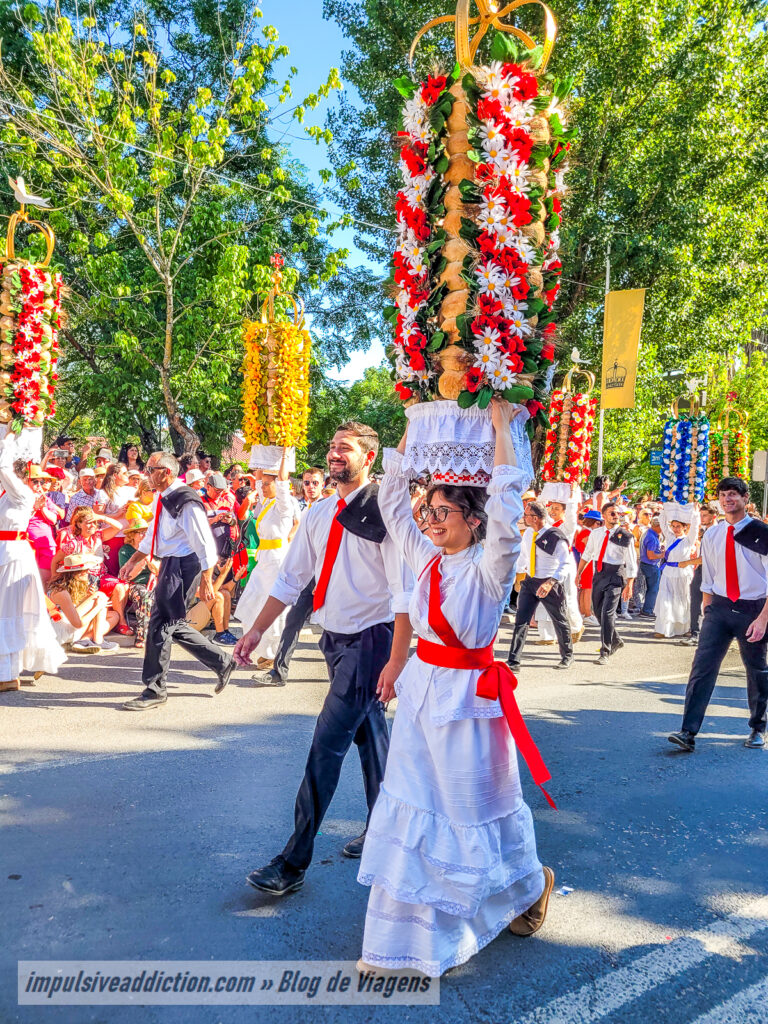
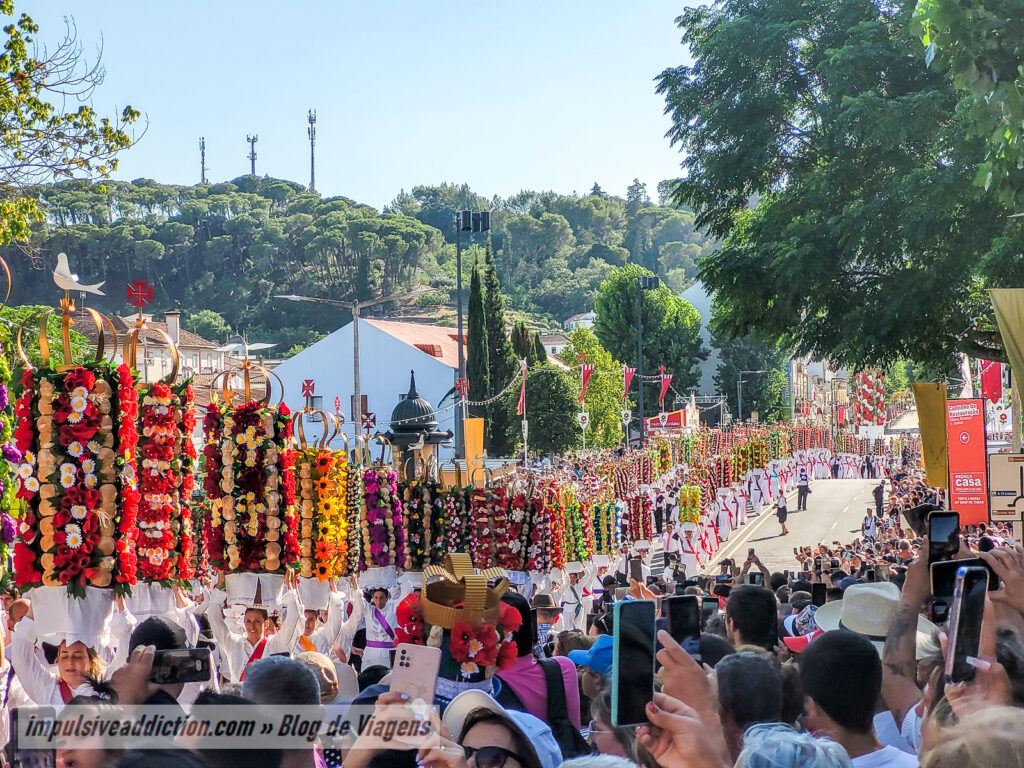
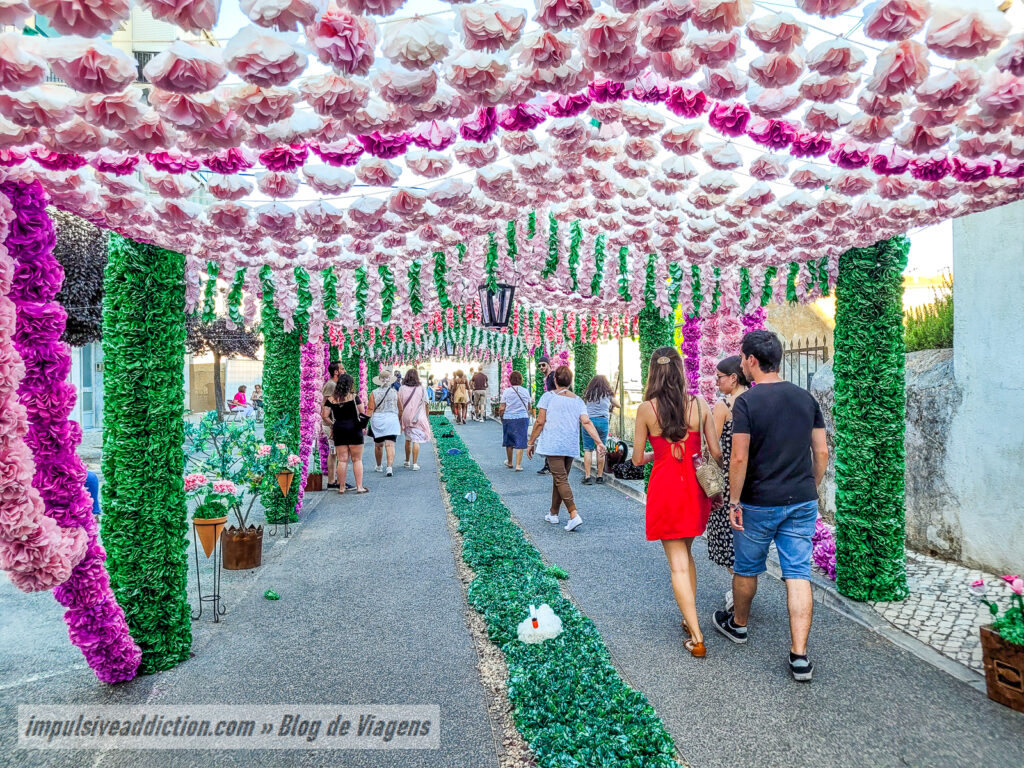
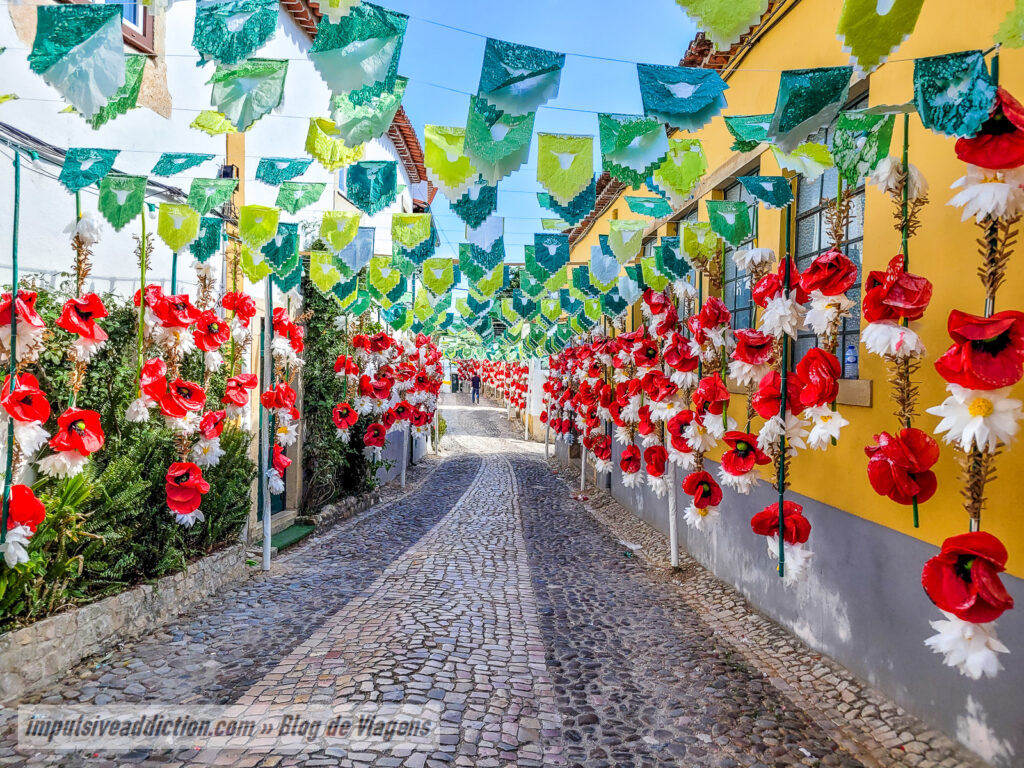
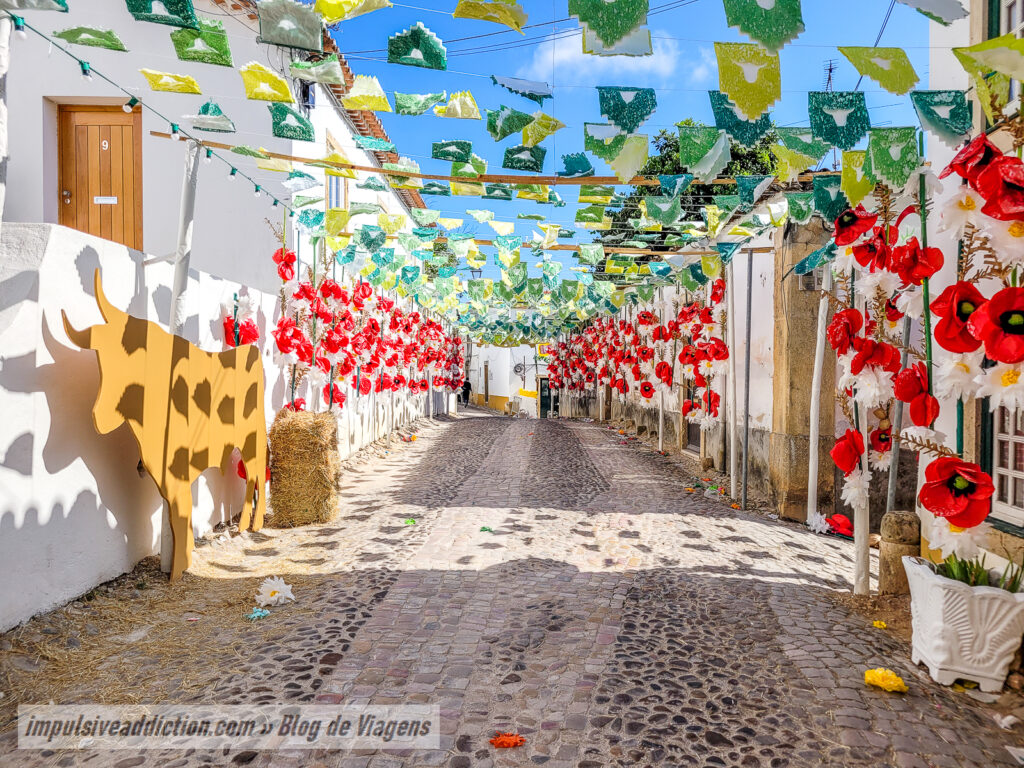
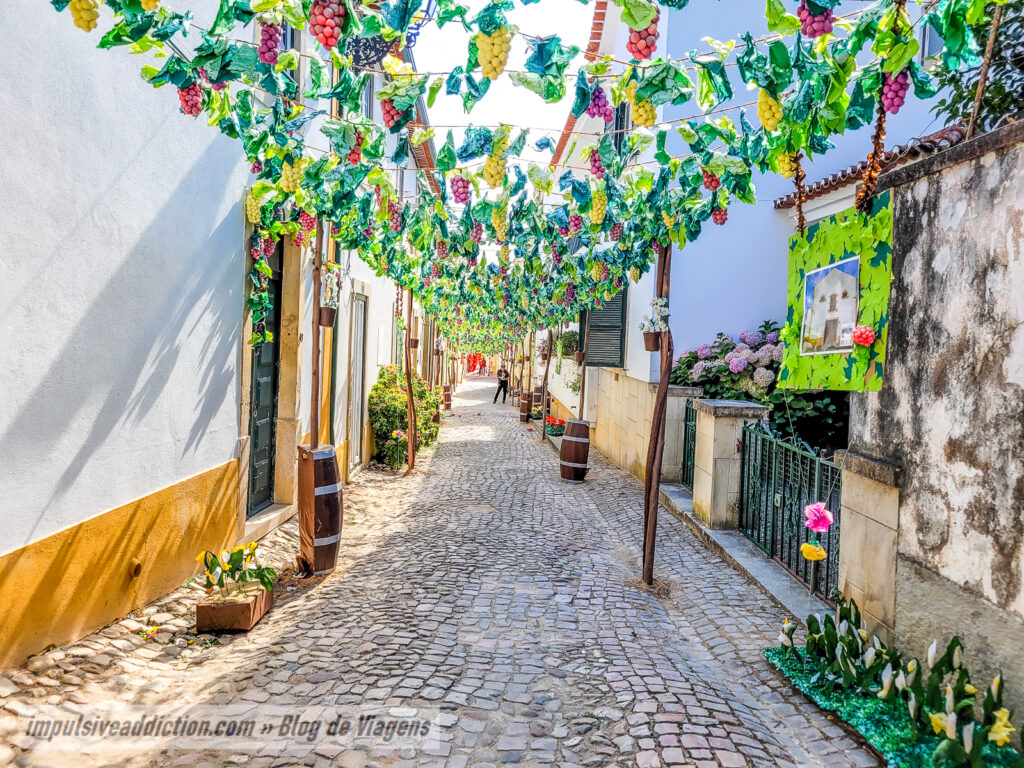
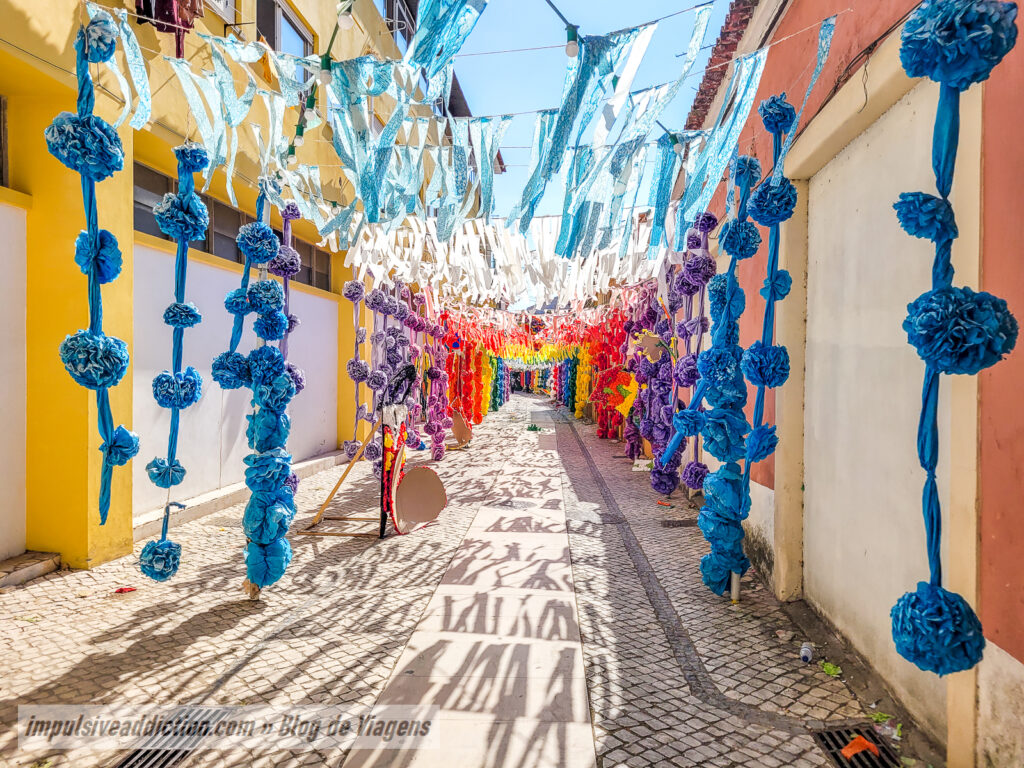
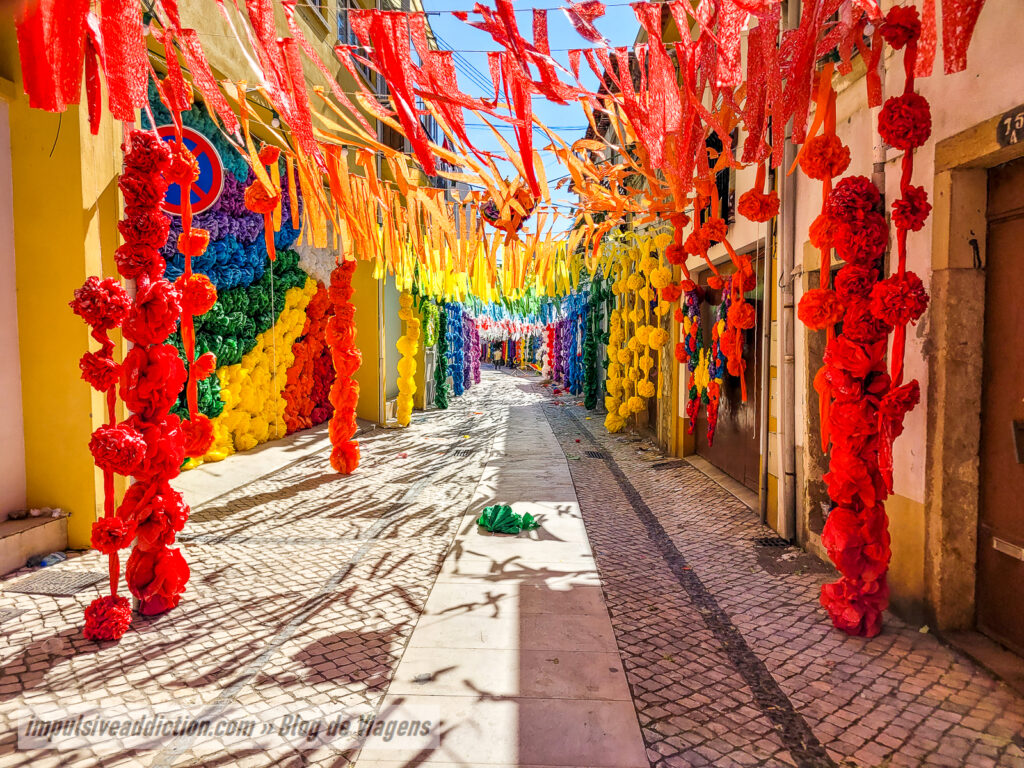
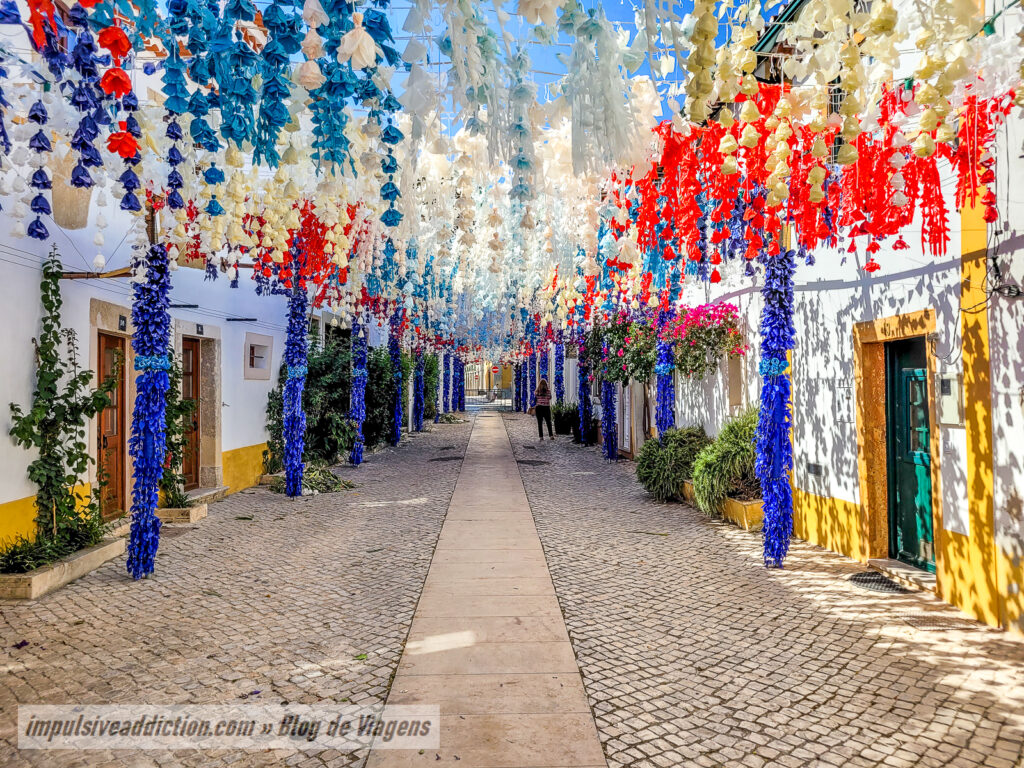
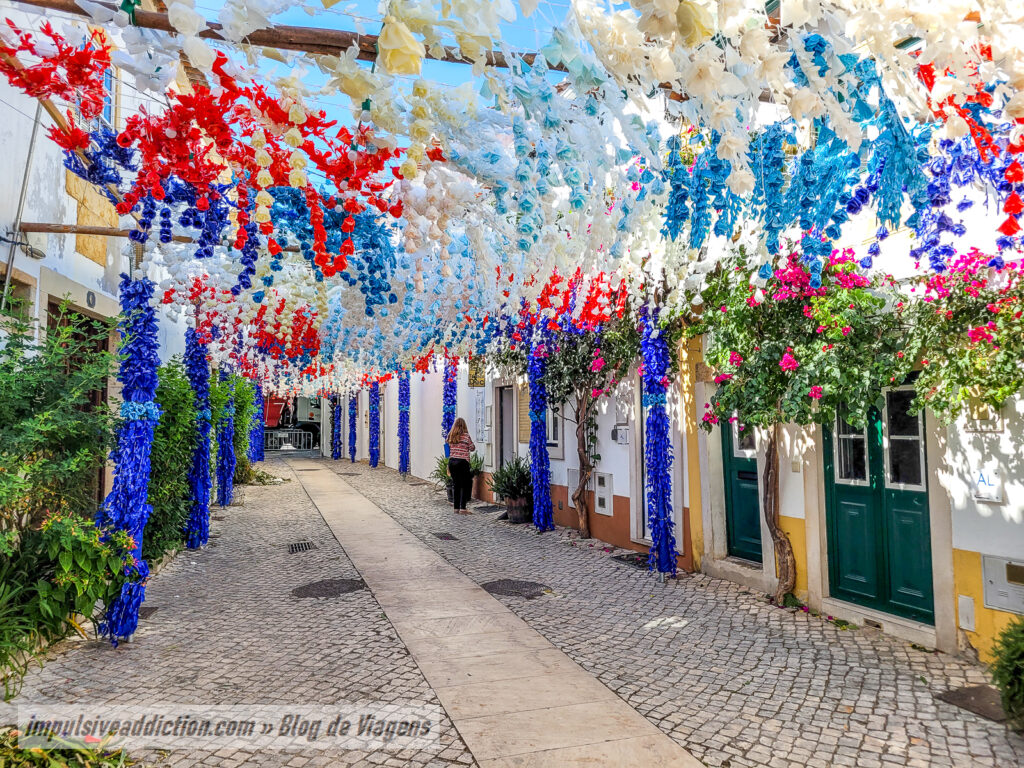
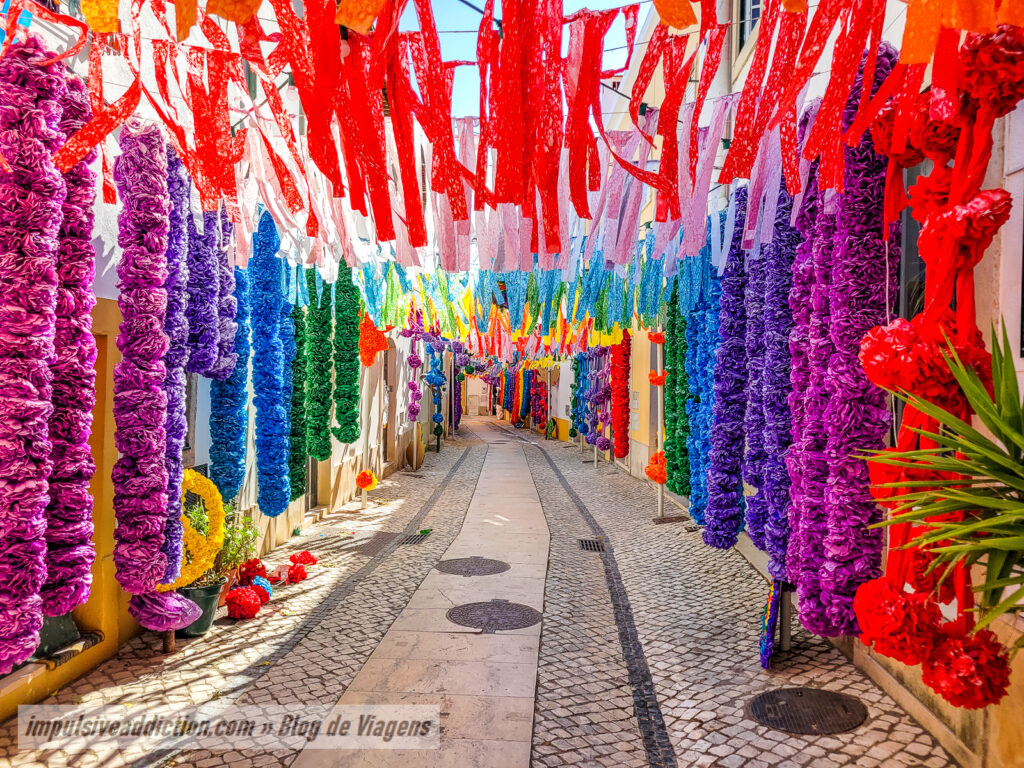
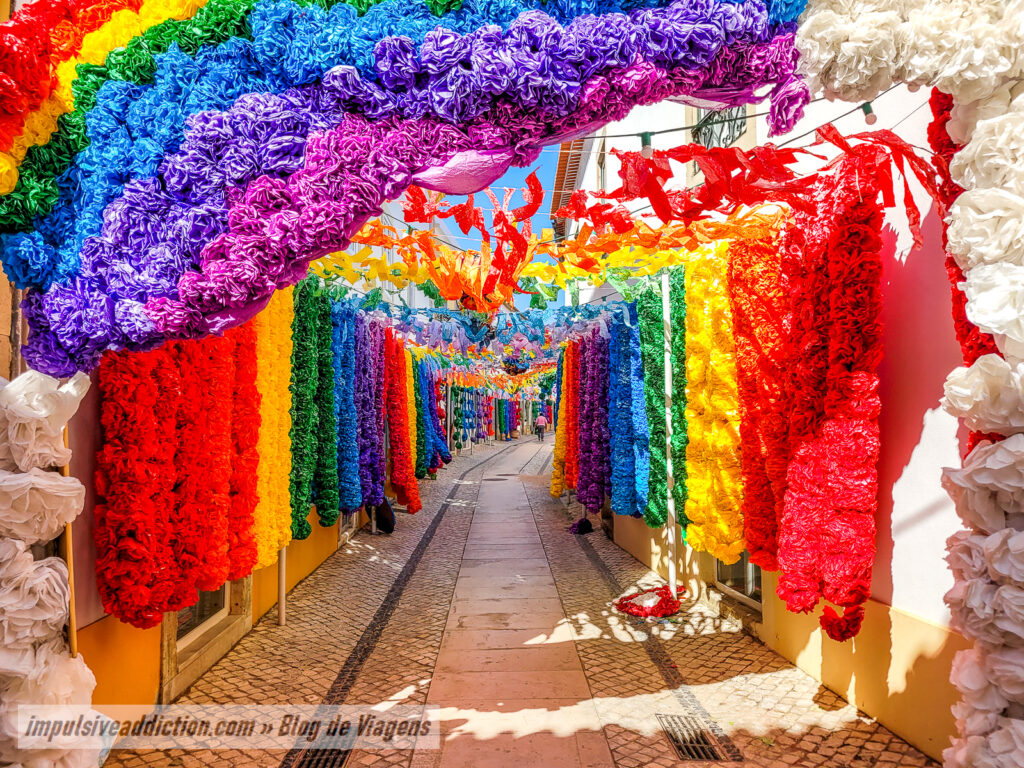
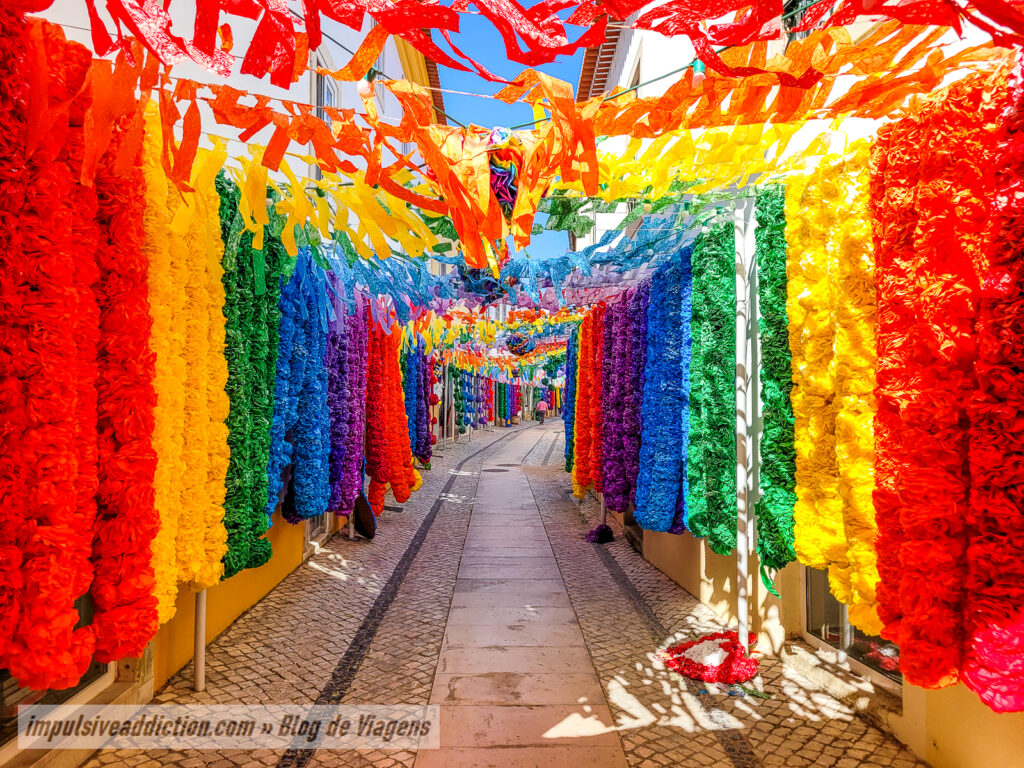
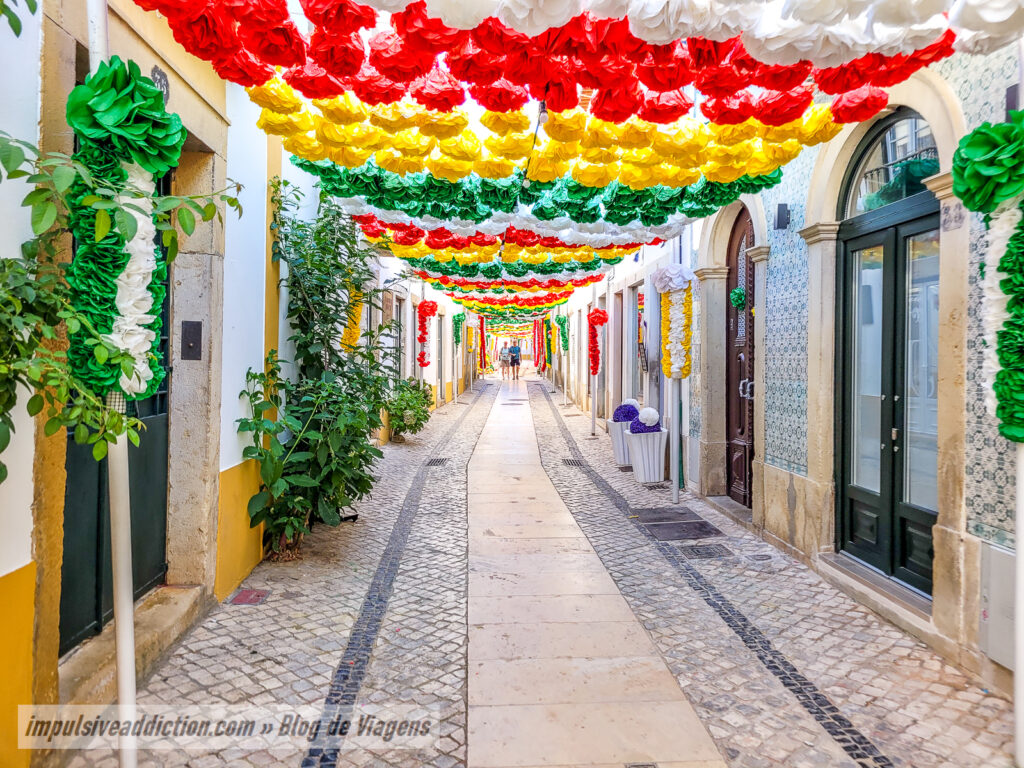
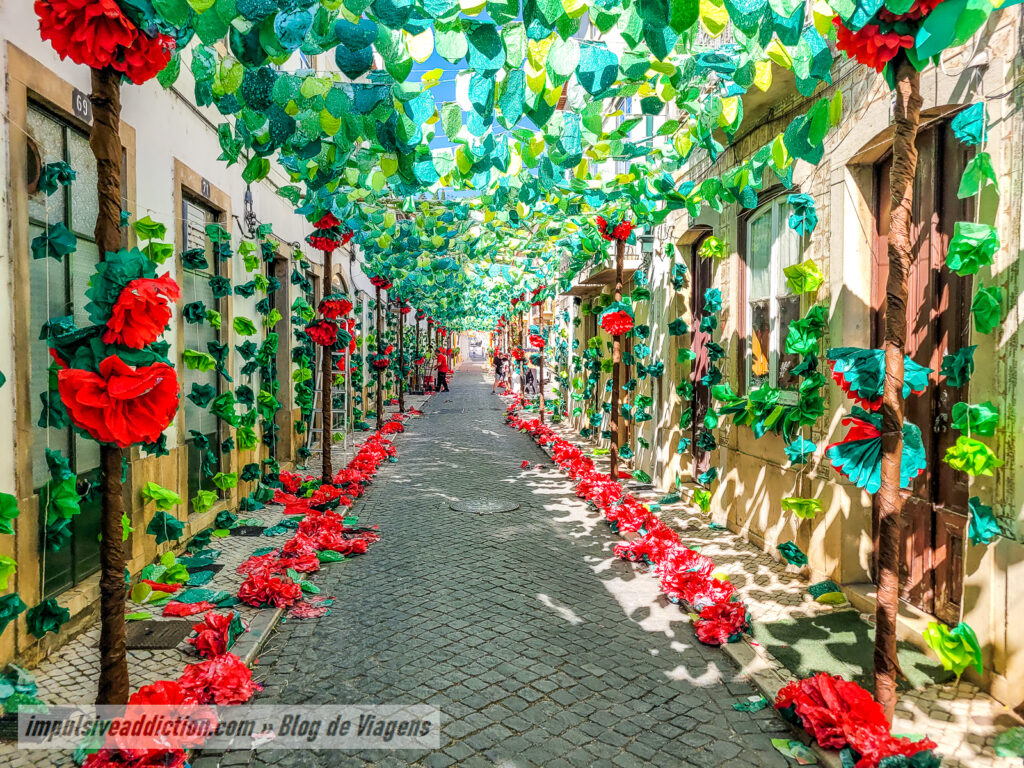
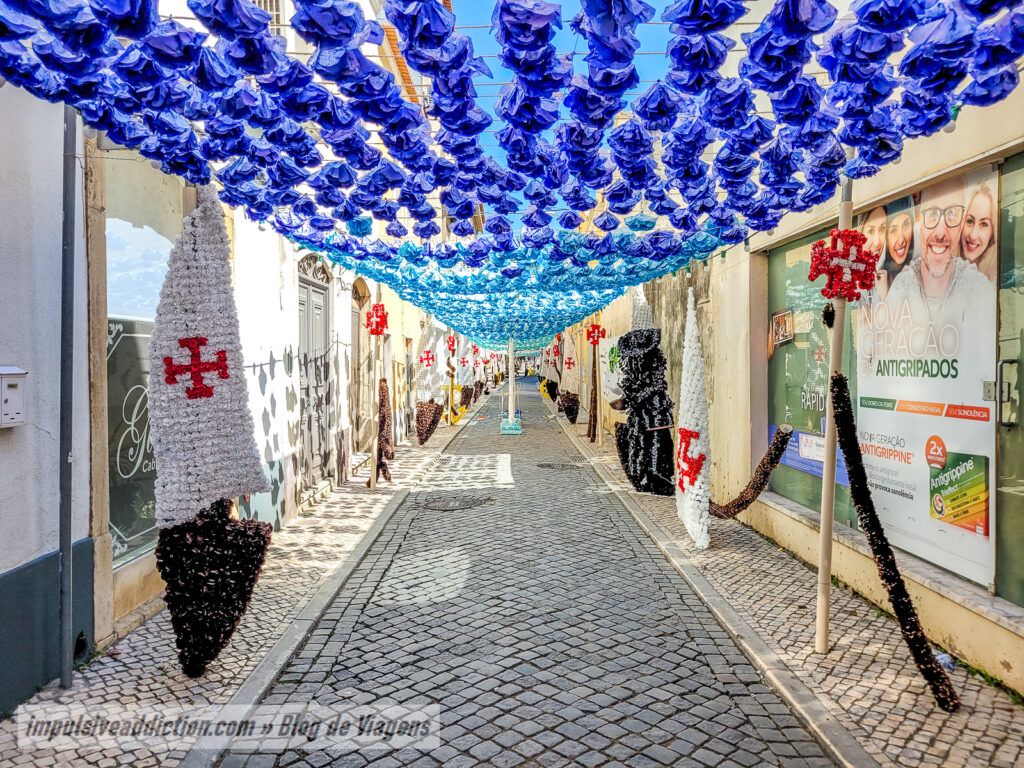
Summer is the liveliest season, especially in years when the Festa dos Tabuleiros (held every four years, usually in July) takes place, filling the city with color, processions, and tradition—a truly unique experience.
Winter, though cooler and wetter, can be appealing for those who prefer exploring monuments without the crowds.

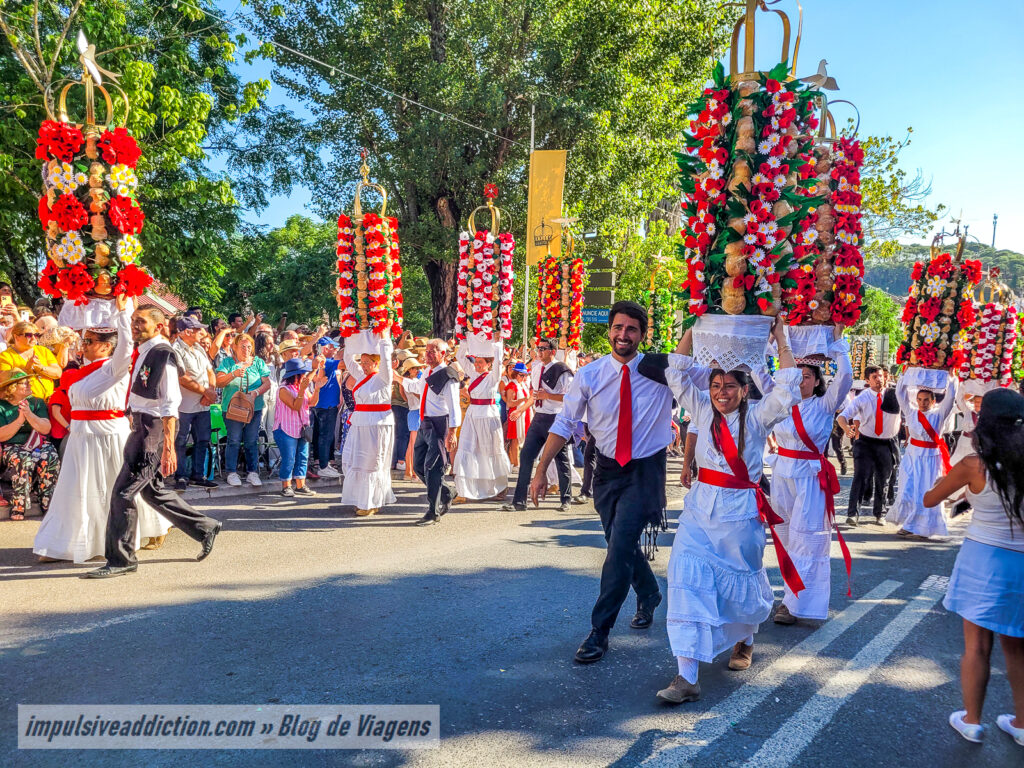
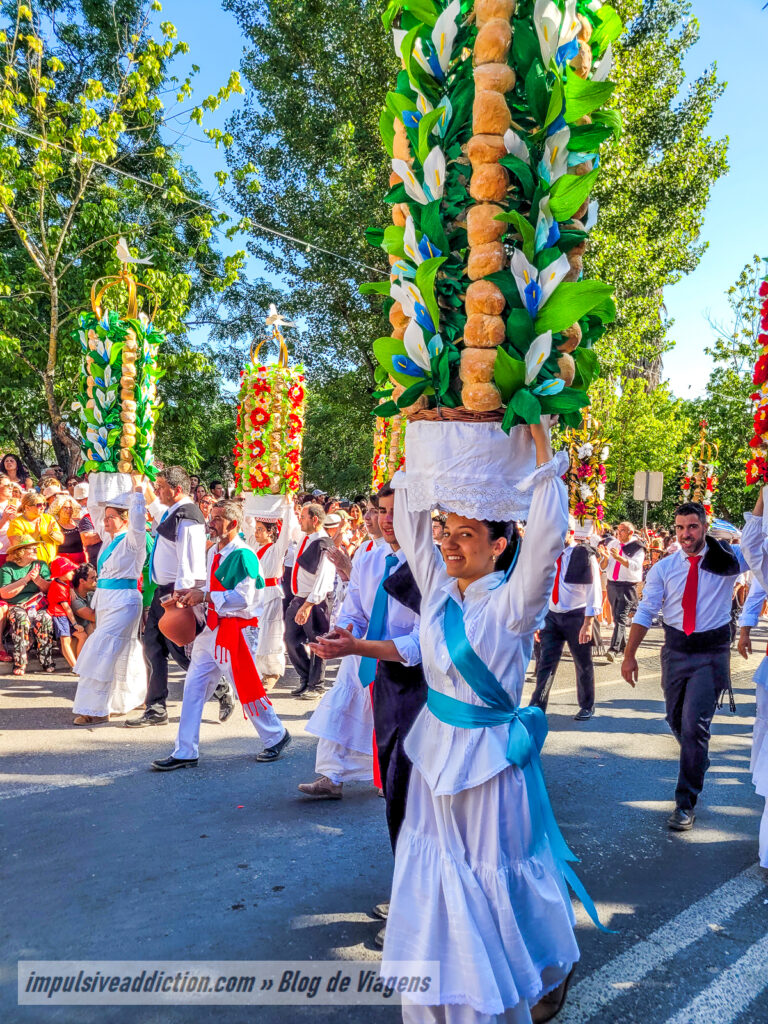

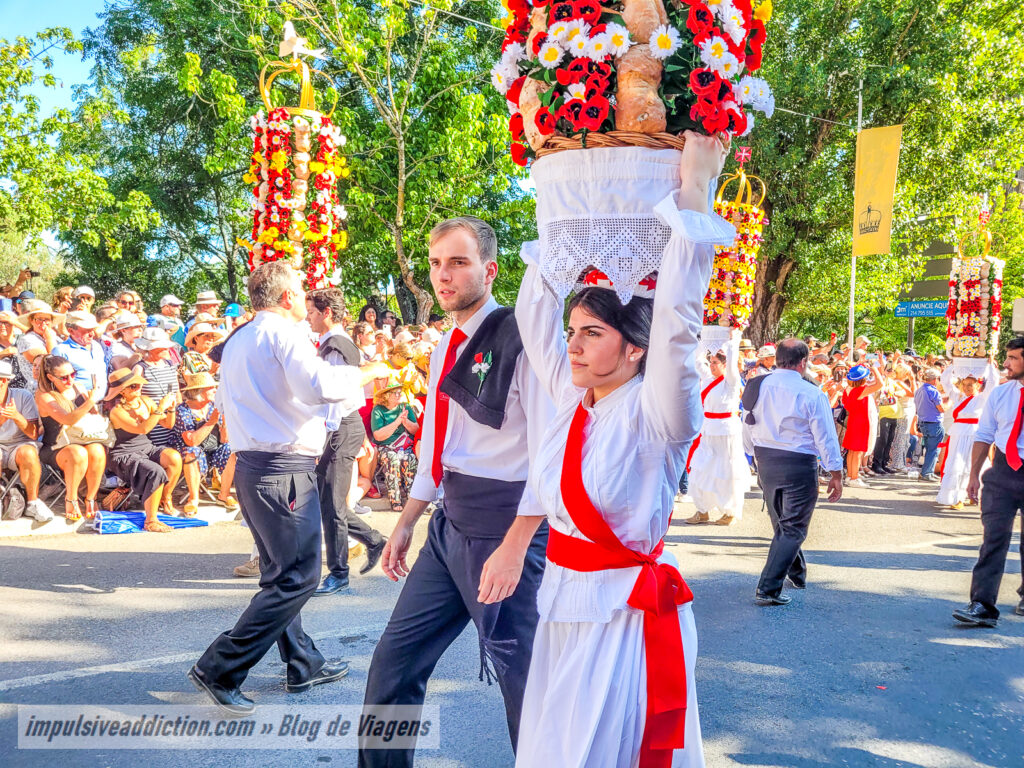

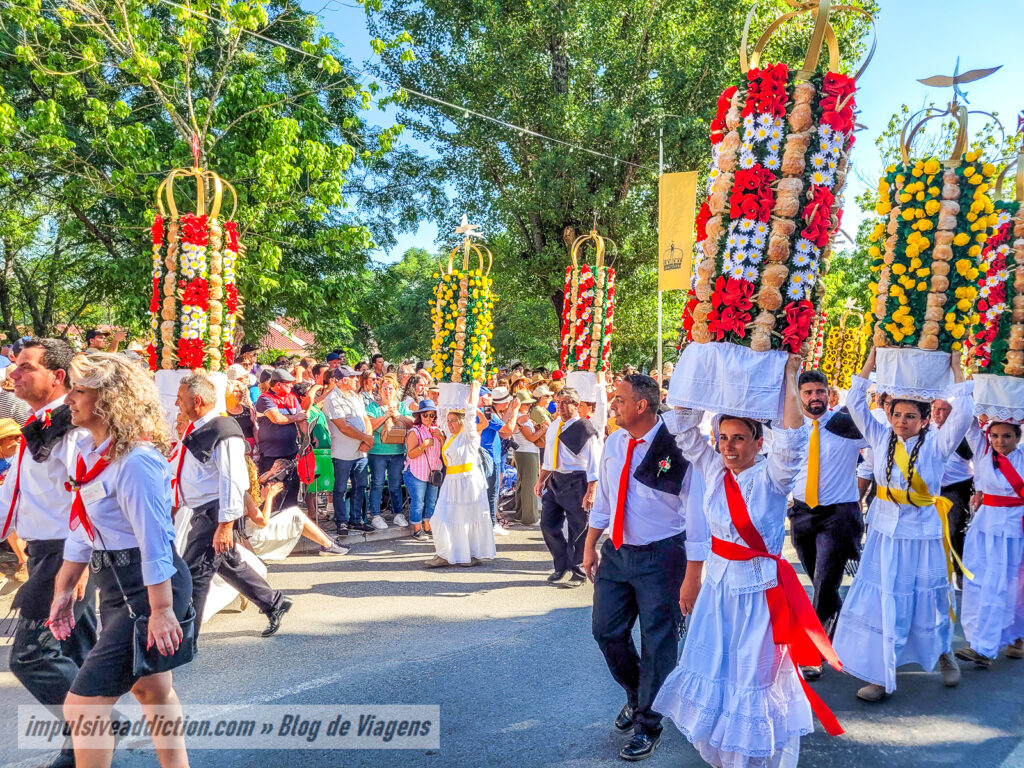
Gastronomy and Restaurants in Tomar
Tomar’s cuisine takes pride in its deeply regional roots, with dishes that stand out for their rich flavors and strong ties to local tradition. Among the most iconic are:
- Couves à D. Prior — a traditional cabbage dish, well-seasoned and typical of the region.
- Morcelas de arroz — rice blood sausages served with turnip greens.
- Coelho na abóbora — rabbit stewed inside pumpkin, a staple of Tomar’s gastronomy.
- Feijoada de caracóis — a hearty, flavorful snail and bean stew.
- Portuguese classics such as bacalhau (salt cod), dobrada (tripe stew), cabidela (rice cooked in poultry blood), and the beloved cabrito assado com arroz de forno (roast kid goat with baked rice).
Beyond the city itself, the surrounding area offers other notable specialties, such as:
- Lamprey or shad from the Nabão River.
- Mexida — a cornmeal porridge with grilled sardines.
- Bucho da Junceira — a pork stomach dish.
- Quentado de feijão com couves e migas — a warm bean, cabbage, and bread-based dish from Carregueiros.
Recommended restaurants in Tomar include: D’o Costume, Sabores ao Rubro, Chico Elias.
Where to Stay in Tomar
If you haven’t booked your accommodation for Tomar yet, now’s the perfect time to do it—either by following my suggestions below or by clicking the blue button to search for available stays for your travel dates. Whenever possible, choose accommodation with free cancellation, just in case your plans change.
| Accomodation | Score | Location |
|---|---|---|
| Vila Gale Collection Tomar | 9.0 | Tomar |
| Thomar Boutique Hotel | 9.1 | Tomar |
| Hotel República Boutique Hotel | 9.5 | Tomar |
| Hotel dos Templarios | 8.7 | Tomar |
| Thomar Story | 8.9 | Tomar |
Best things to do in Tomar
Let’s wrap things up with the highlights—everything worth visiting, seeing, and experiencing in Tomar. I’ll start by showing you a map with all the attractions we’re about to explore. 😉 I’m sure you’ll find it useful.
Map | Best things to do in Tomar
Exploring Tomar’s Historic Centre and the Convent of Christ
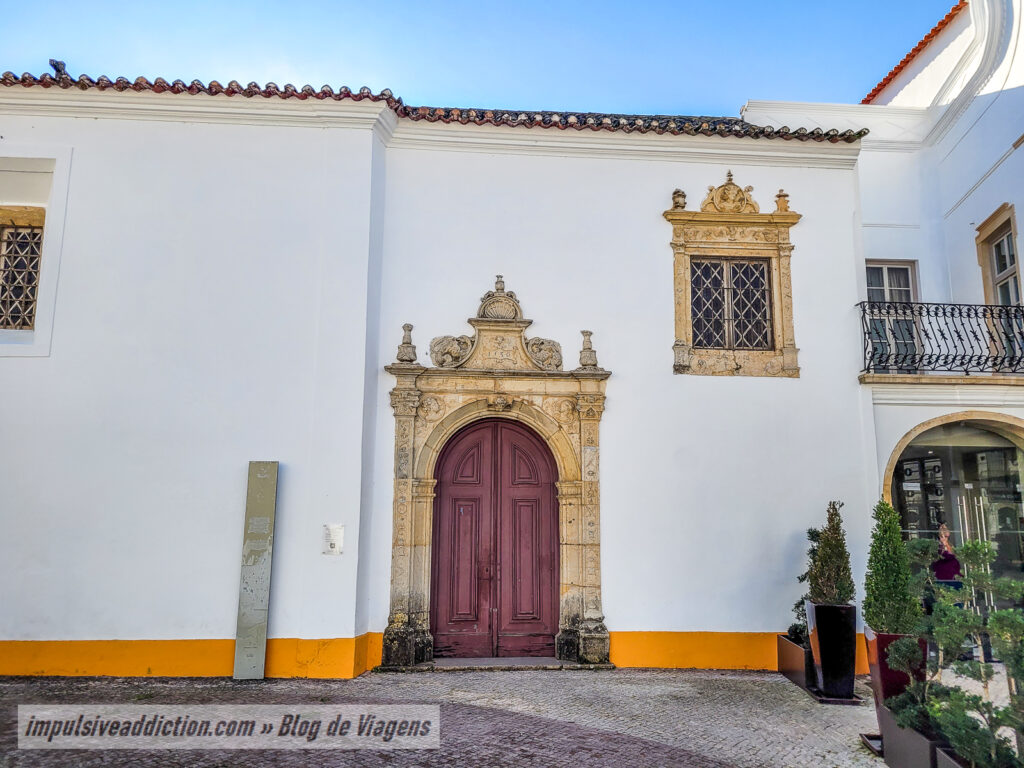
1. Chapel of Saint Iria
Located near the Old Bridge, the Chapel of Saint Iria is a modest yet deeply meaningful temple. Small and peaceful, it is dedicated to Saint Iria, Tomar’s mystical patroness, whose legend is deeply woven into the city’s memory. Visitors often highlight its serene atmosphere and architectural details, which invite quiet contemplation amid subtle beauty. Nestled in the heart of Tomar’s historic centre, it’s easy to include the chapel in a broader walking tour of the city.
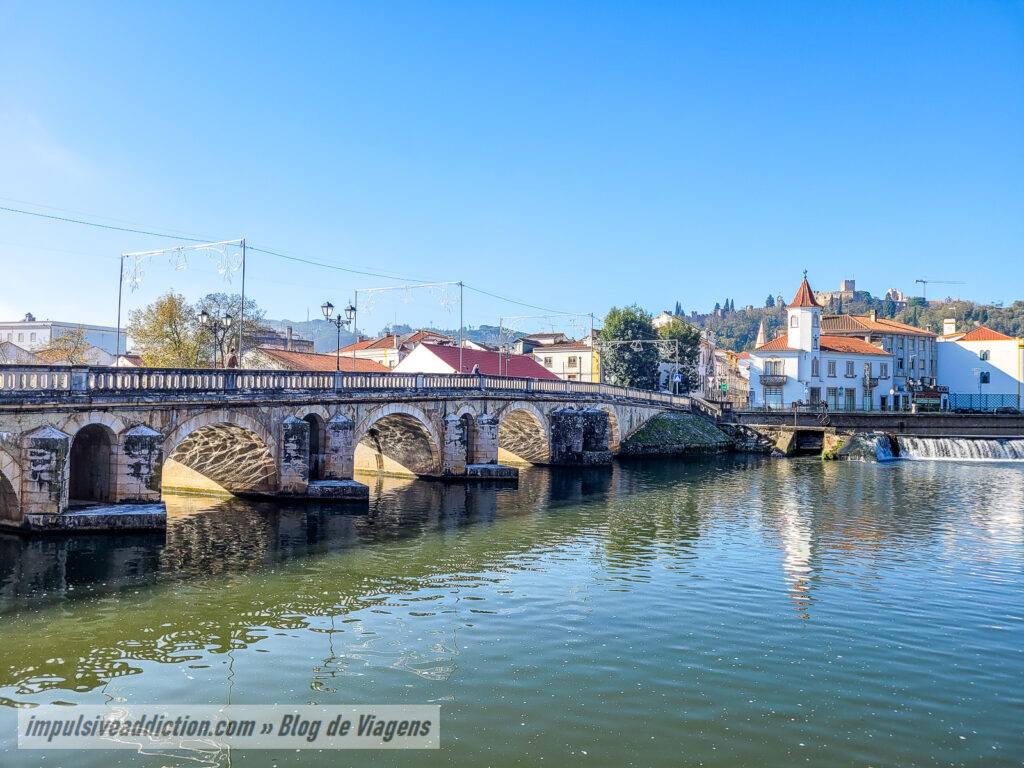
2. Old Bridge
The Old Bridge, also known as the Bridge of King Manuel I, spans the Nabão River and stands as one of Tomar’s most emblematic landmarks. Built over an ancient Roman crossing, it was reinforced by the Templars to secure access to the historic centre. Crossing it offers a charming panorama: on one side, the city’s reflection shimmers on the calm waters; on the other, the promise of medieval streets waiting to be explored.
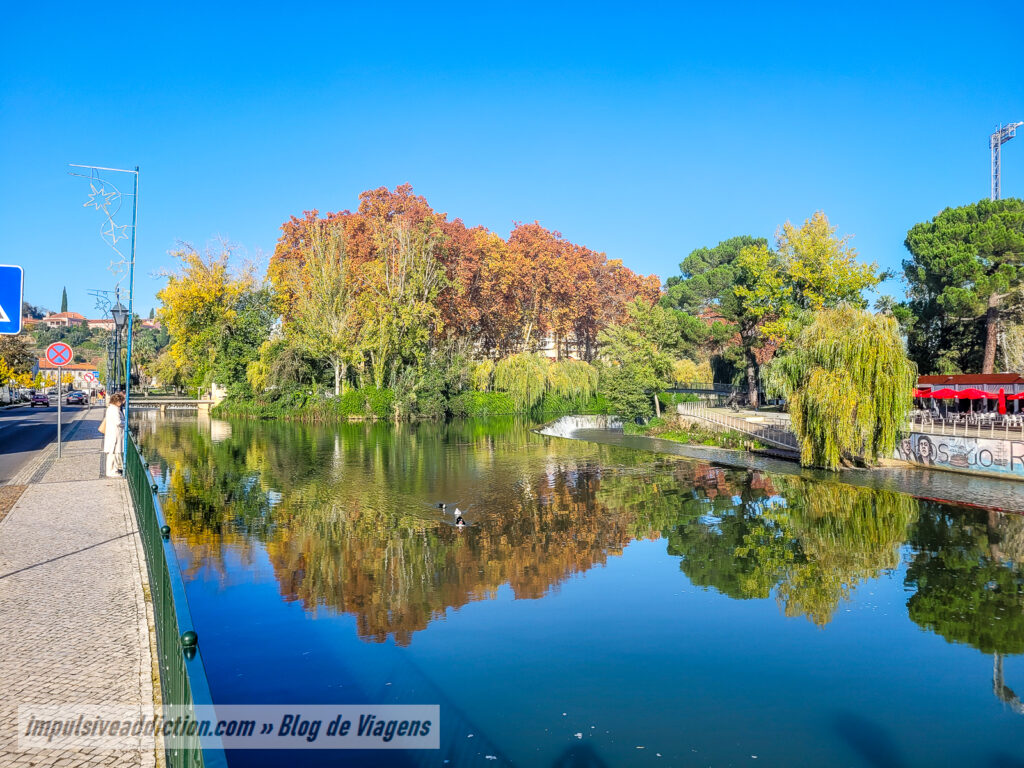
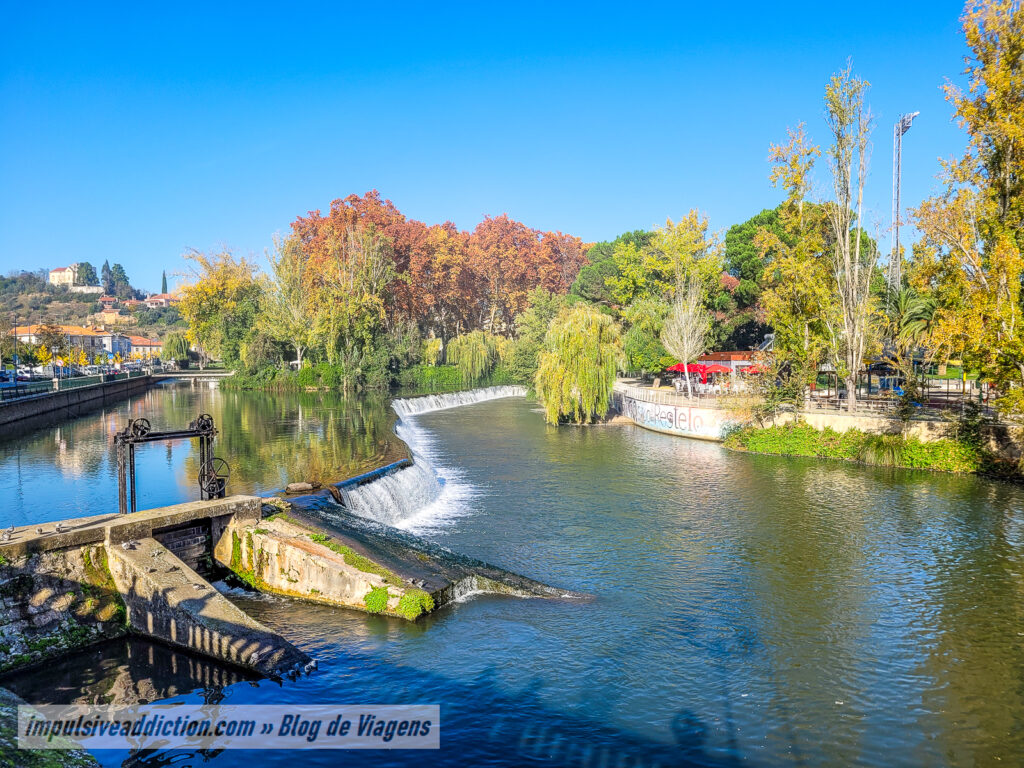
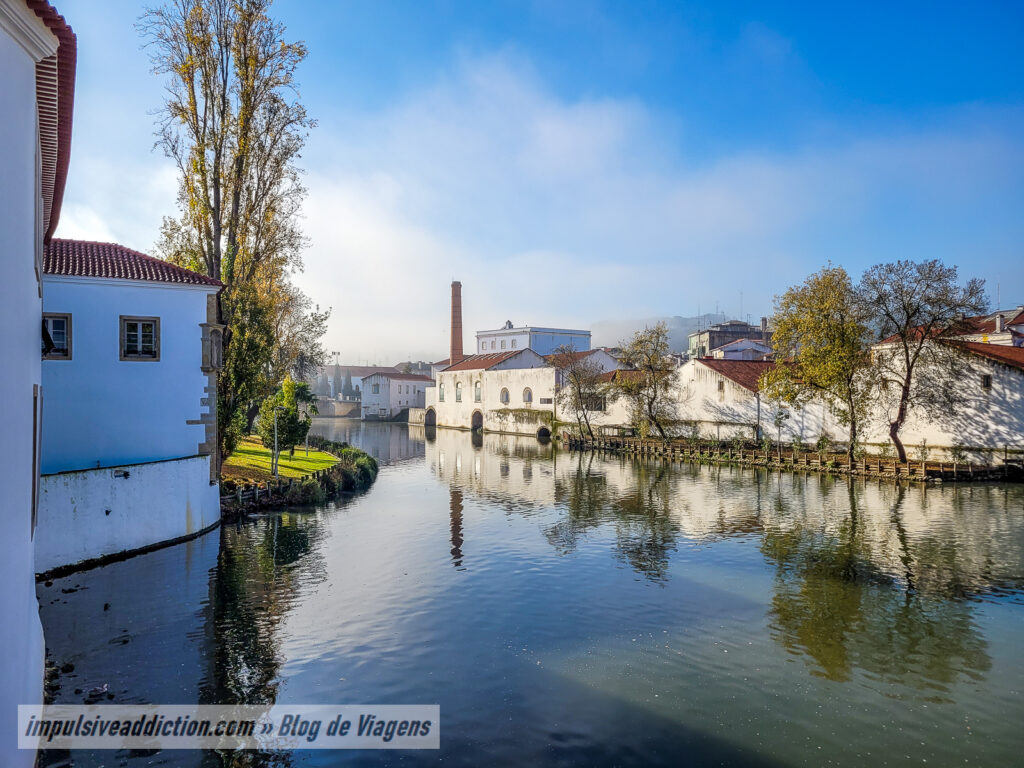
3. Mouchão Park and Várzea Pequena Garden
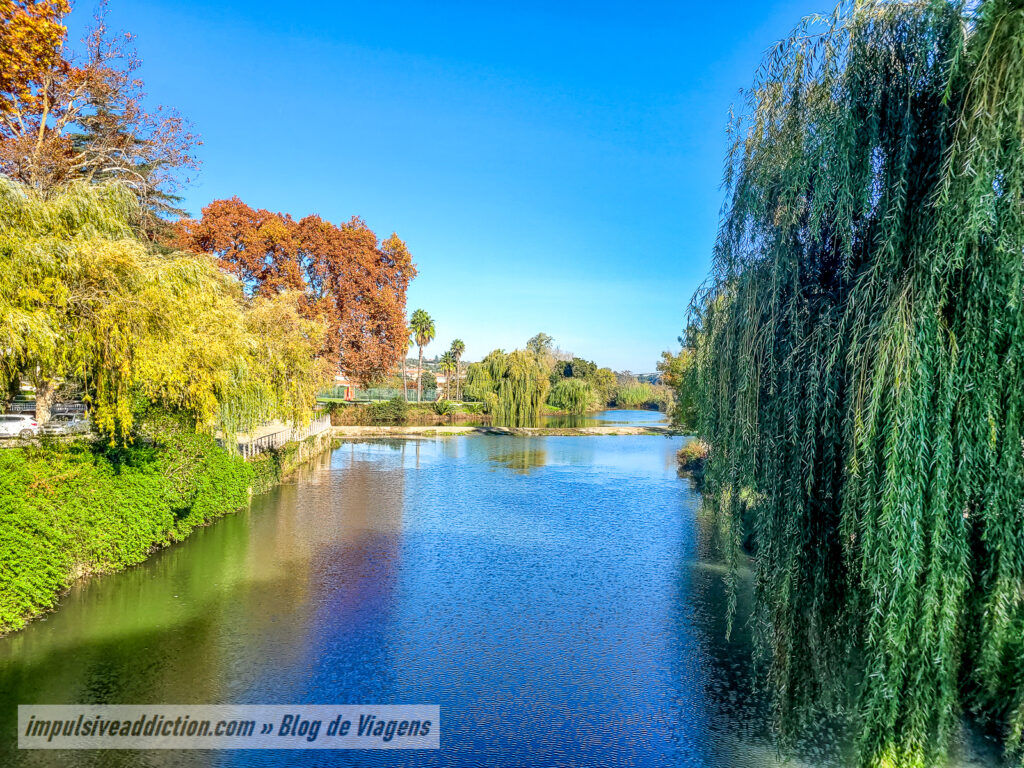
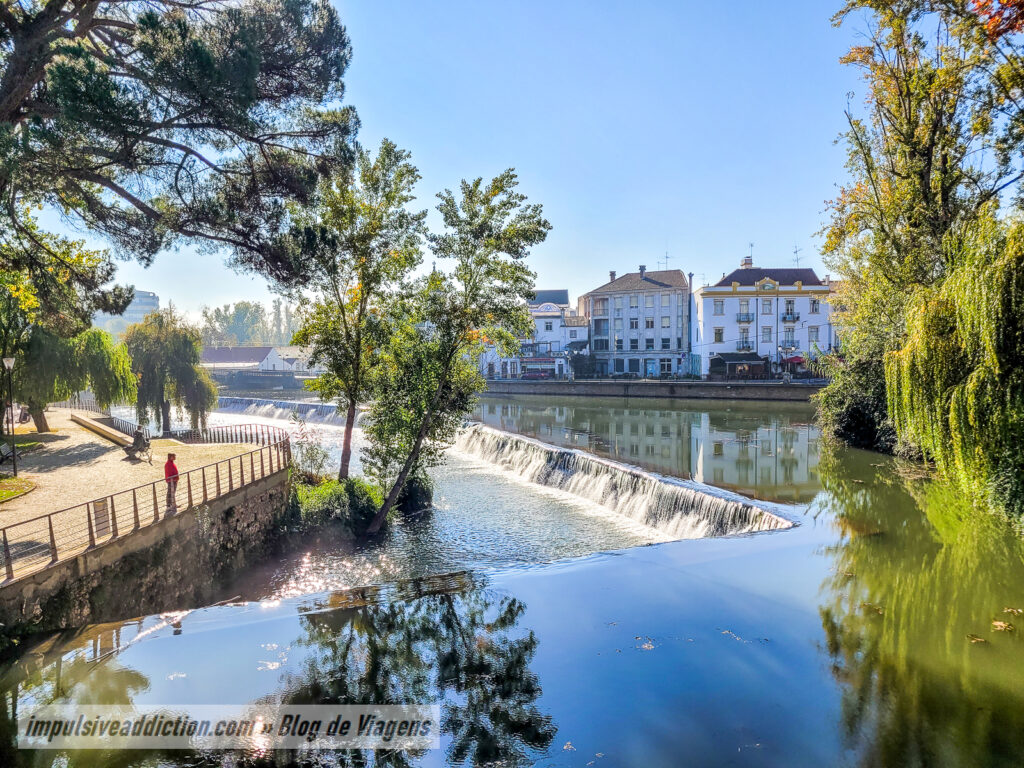
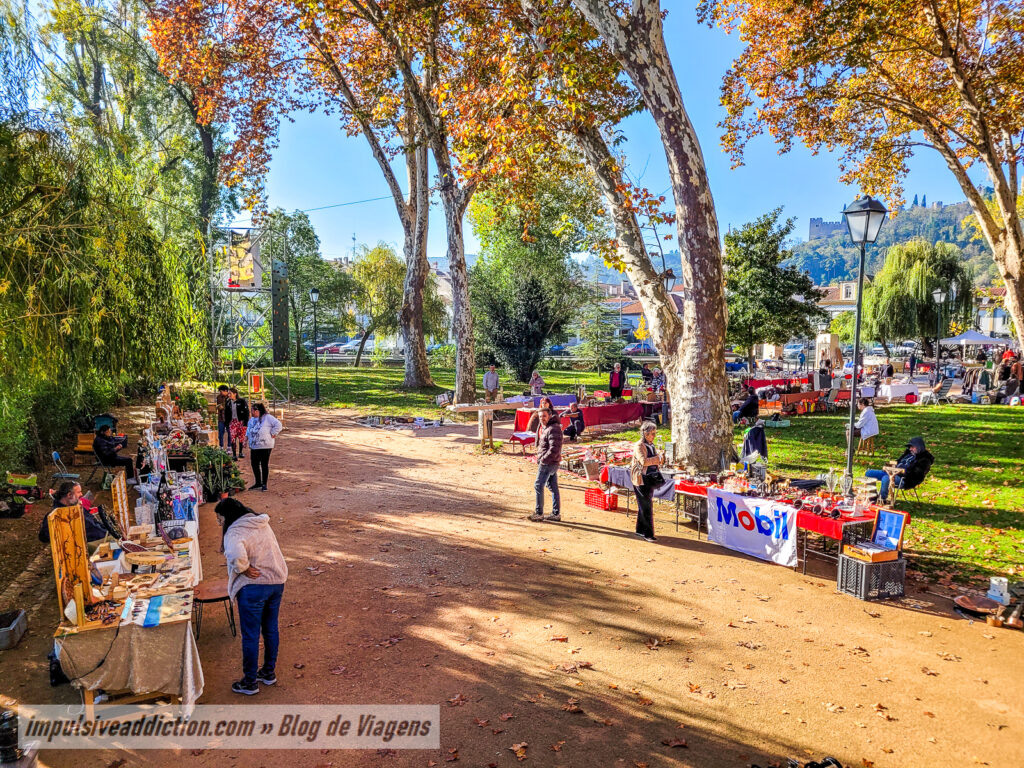
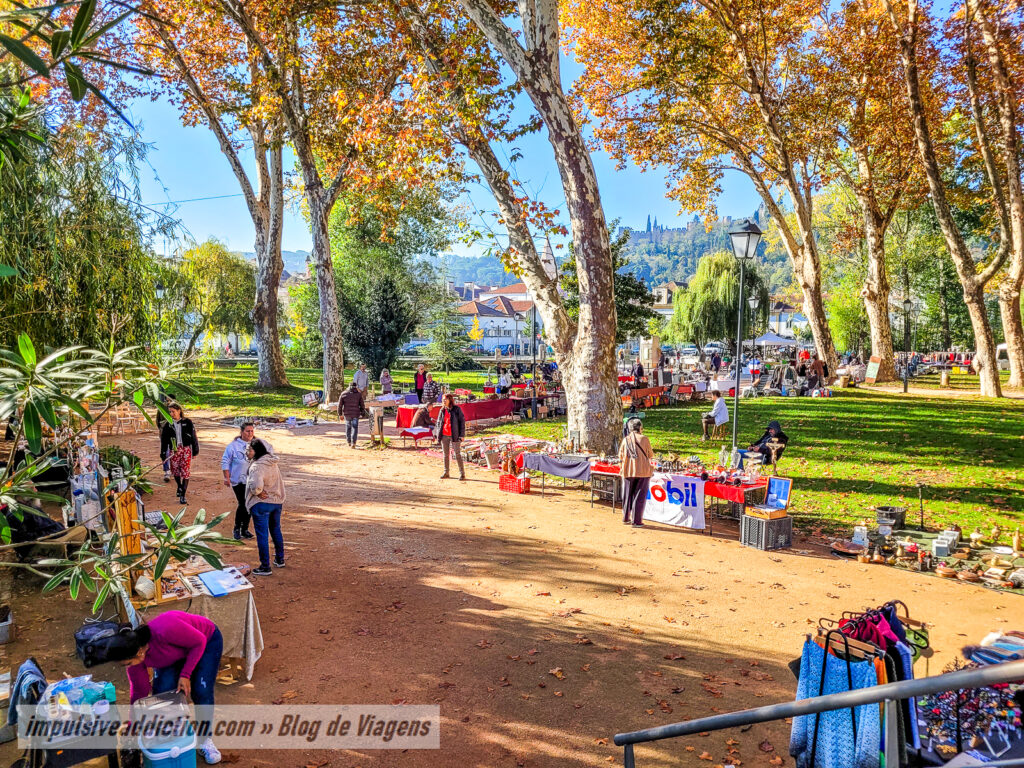
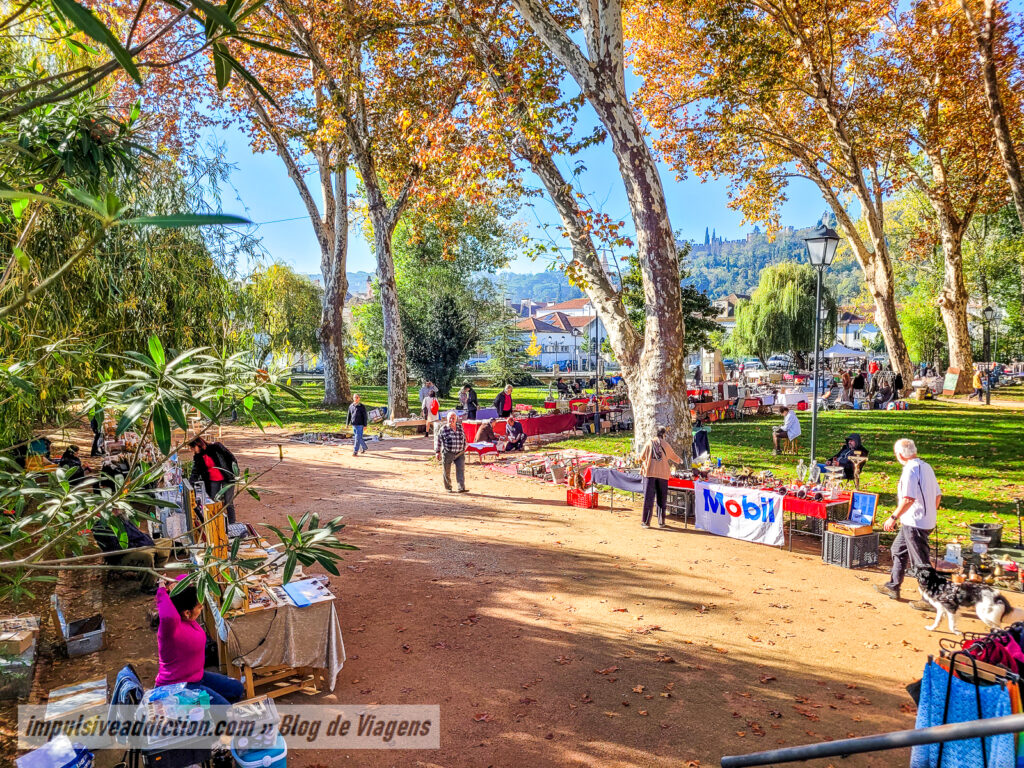
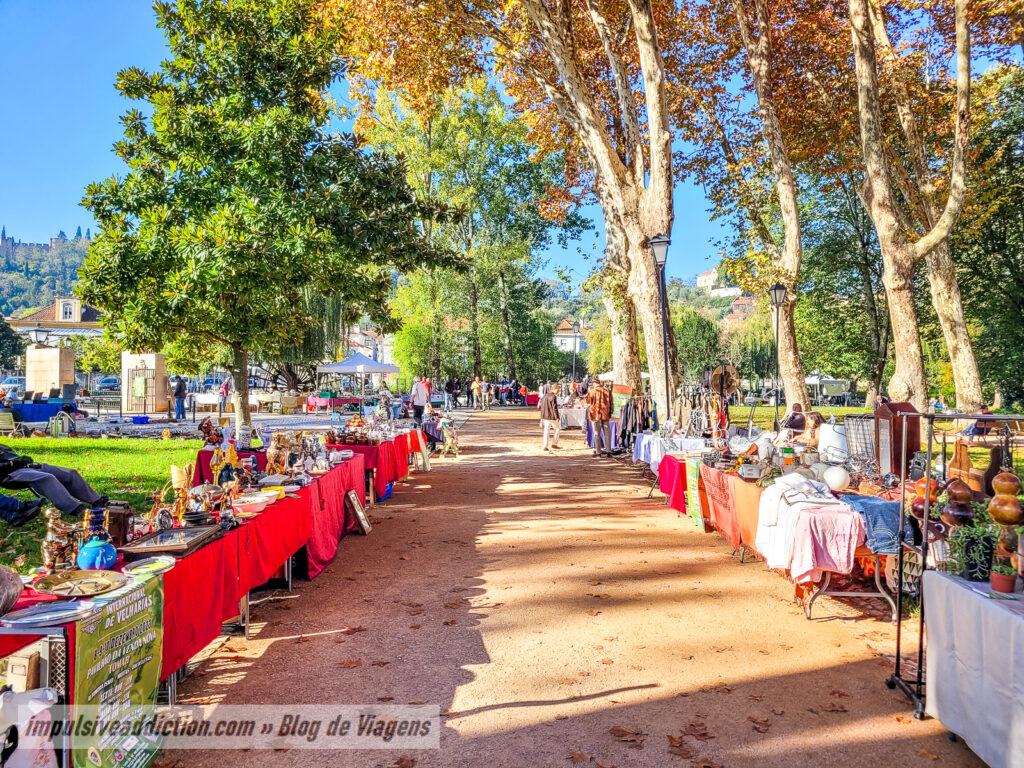
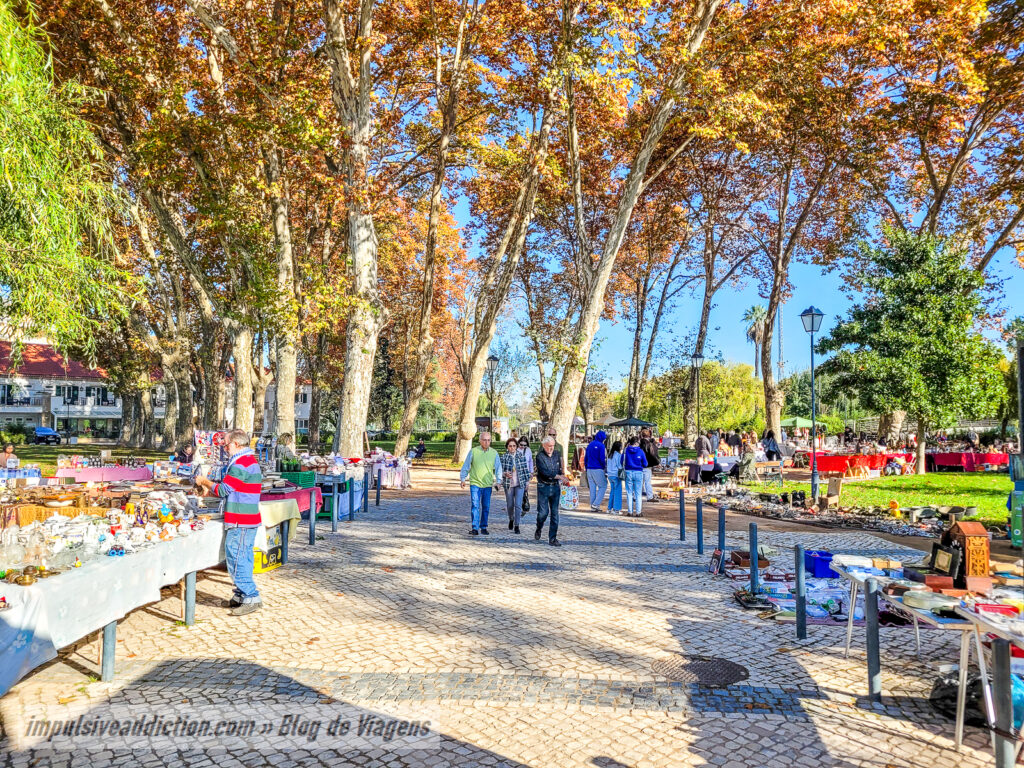
Right after crossing the Old Bridge, Mouchão Park appears as a green haven in the heart of the city. Towering trees line a riverside path, while small waterfalls create a soothing natural soundtrack. The park’s most iconic feature is the Mouchão Waterwheel, a traditional wooden structure that once powered local mills and presses. This is the perfect spot for a peaceful pause or a short outdoor break after exploring the city.
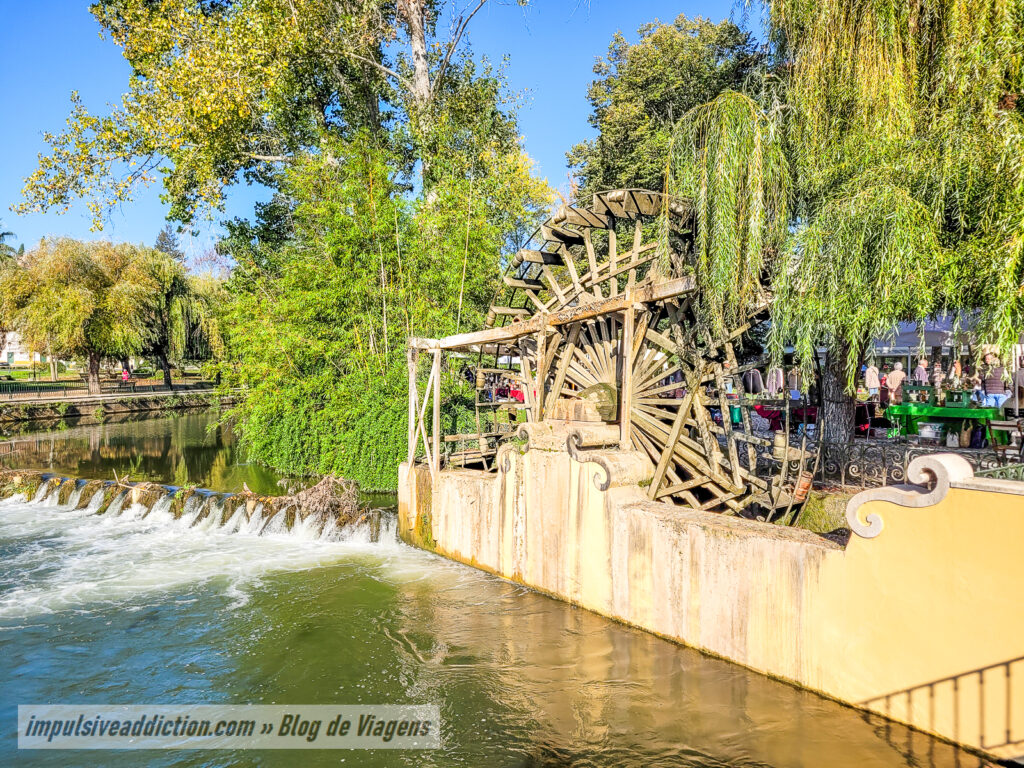
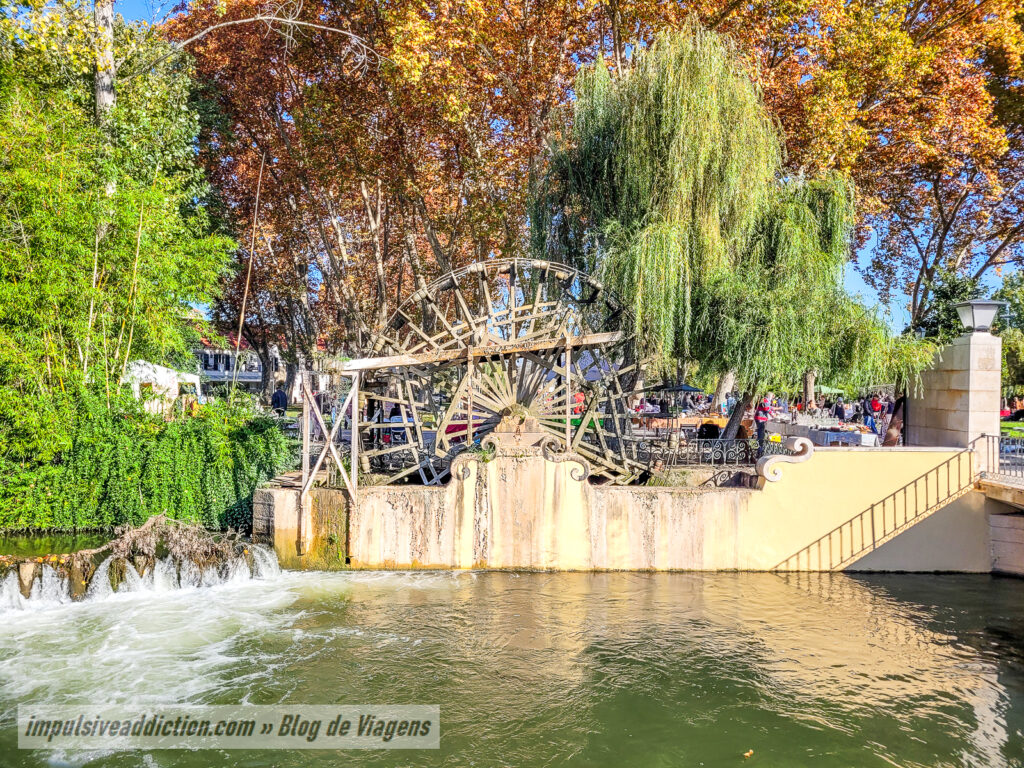
4. Chapel and Fountain of Saint Gregory
Near the park, the Chapel of Saint Gregory stands out for its octagonal structure and Manueline-style portal, offering a distinctive and picturesque sight. Just a few steps away is an emblematic fountain, adding a historical and symbolic touch to the visit. Together, the simple chapel and understated fountain form a tranquil urban setting—perfect for those seeking a contemplative pause within a broader sightseeing itinerary.
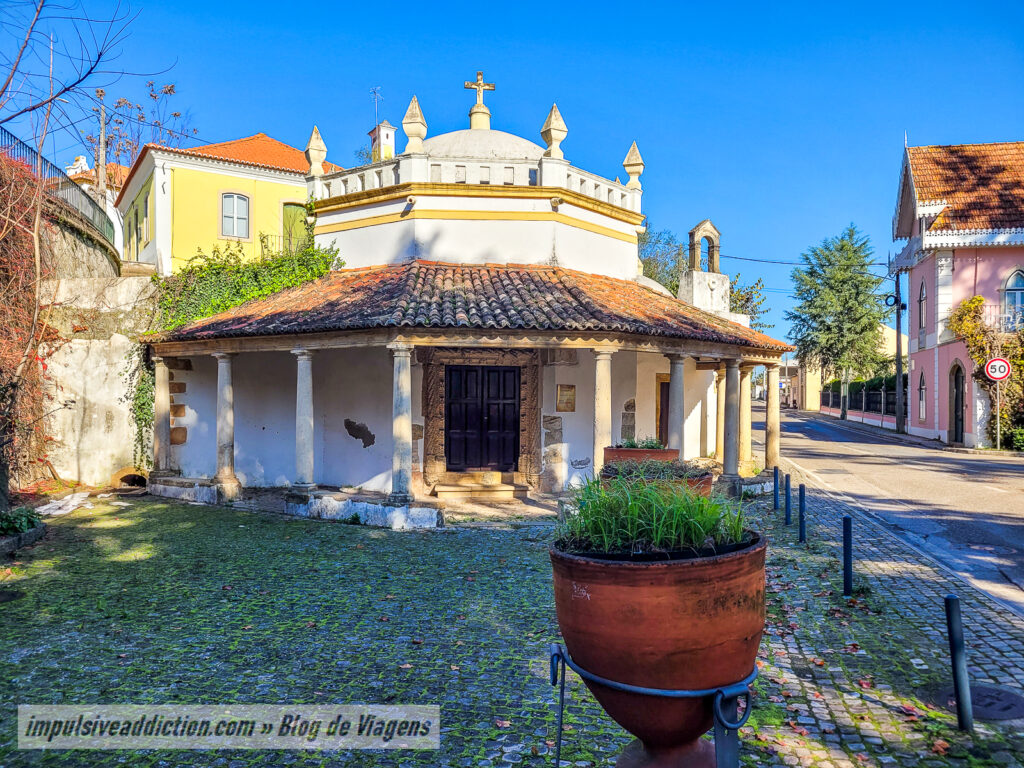
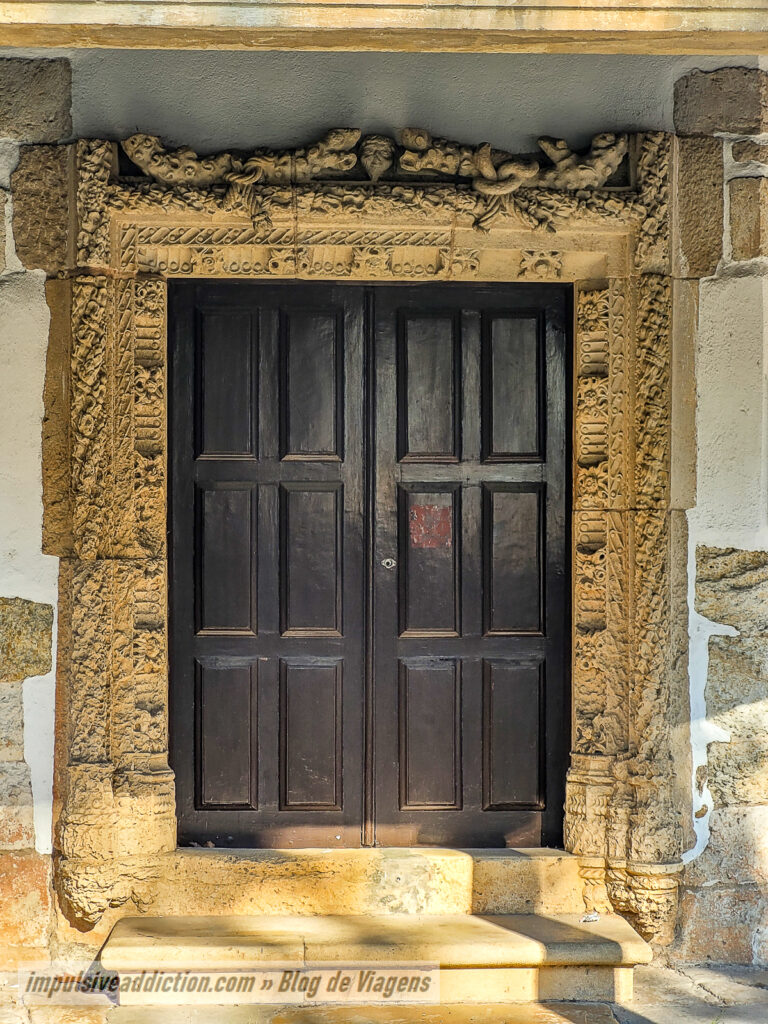
5. Largo do Pelourinho (Pillory Square)
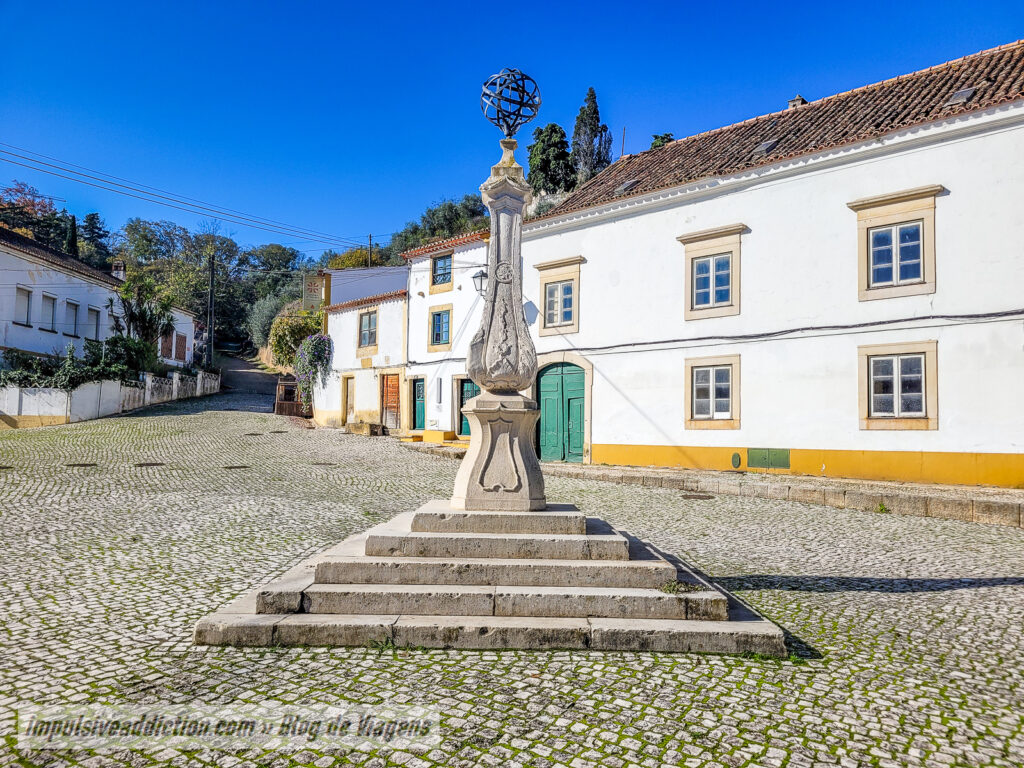
A little further along lies Largo do Pelourinho, a small central square built around the city’s old pillory. This space exudes a quiet, rustic charm, with surrounding houses and the nearby river creating a peaceful atmosphere. It serves as an excellent transition point—from the greenery of the park to the winding paths leading into the historic centre—and offers fine views of the old city walls and the castle above.
6. Tomar Contemporary Art Centre
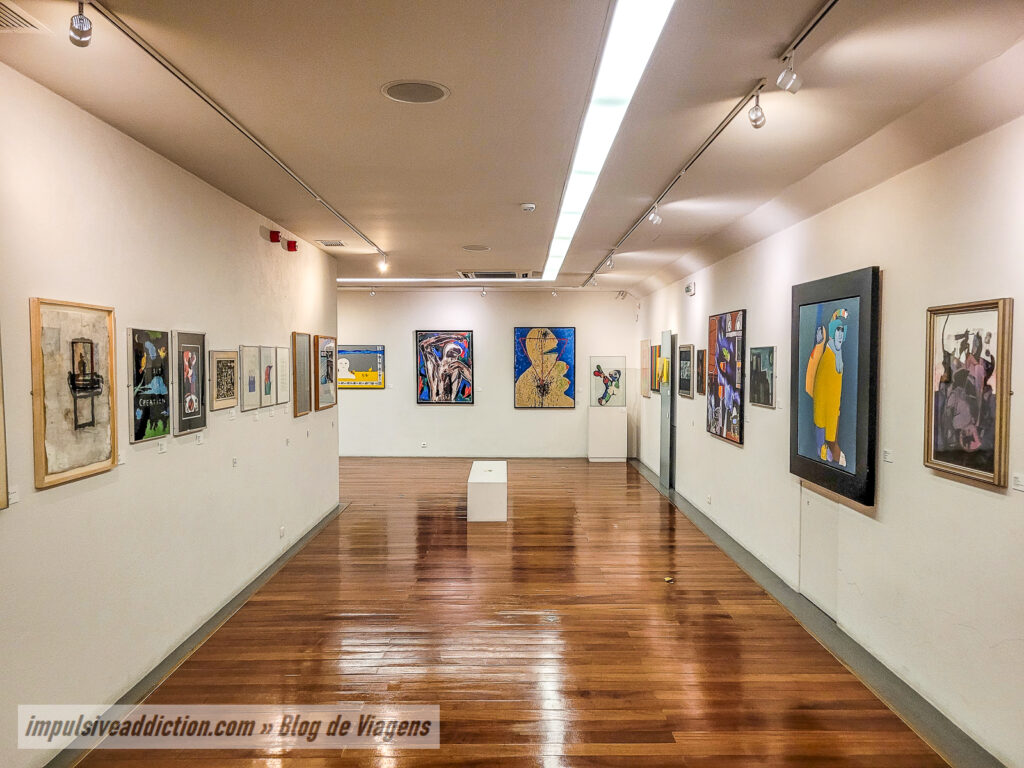
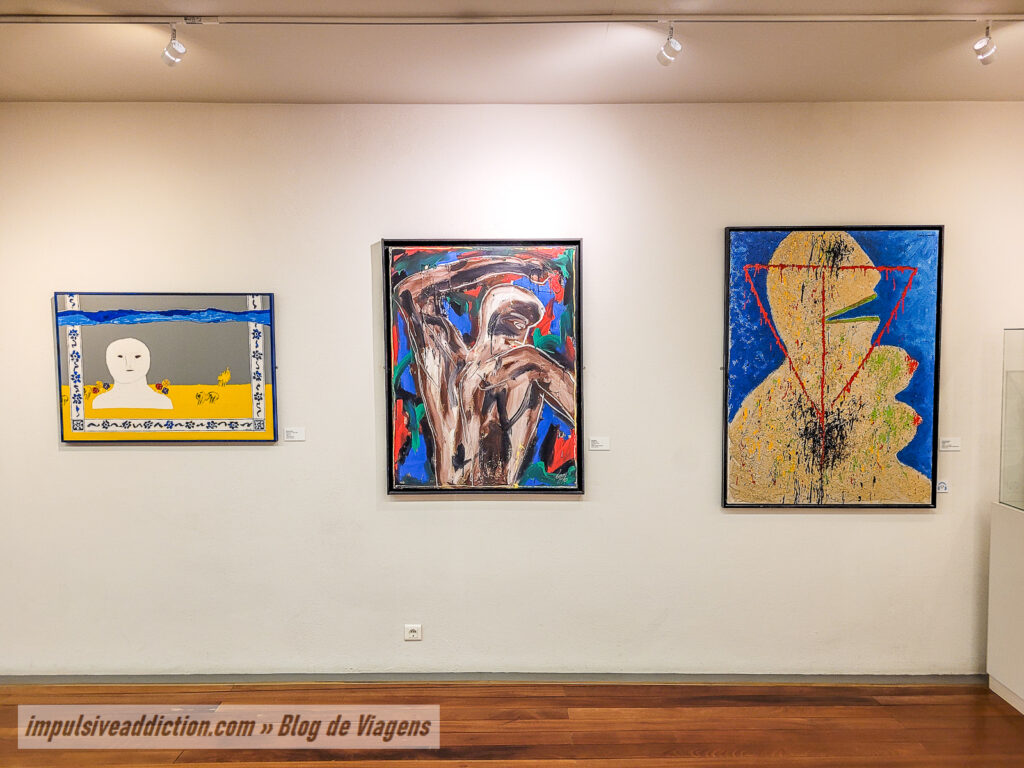
Just a few steps from the city’s historic heart, the Graça Morais Contemporary Art Centre offers a modern counterpoint to Tomar’s rich heritage. Housed in a restored building and featuring a diverse collection, it hosts temporary exhibitions, installations, and works by both Portuguese and international artists. This is a place that invites reflection and provides a striking contrast to the city’s Templar past, enriching your visit with a more contemporary cultural perspective.
7. Manuel Guimarães House
Located near the historic centre, the Manuel Guimarães House is a cultural space dedicated to the Tomar-born filmmaker who left a significant mark on 20th-century Portuguese cinema. The building serves as both a memorial and an audiovisual exhibition venue, hosting film screenings and educational activities. For those interested in art and culture, it’s a discreet yet rewarding stop, deeply connected to the city’s creative identity.
8. Rua Serpa Pinto
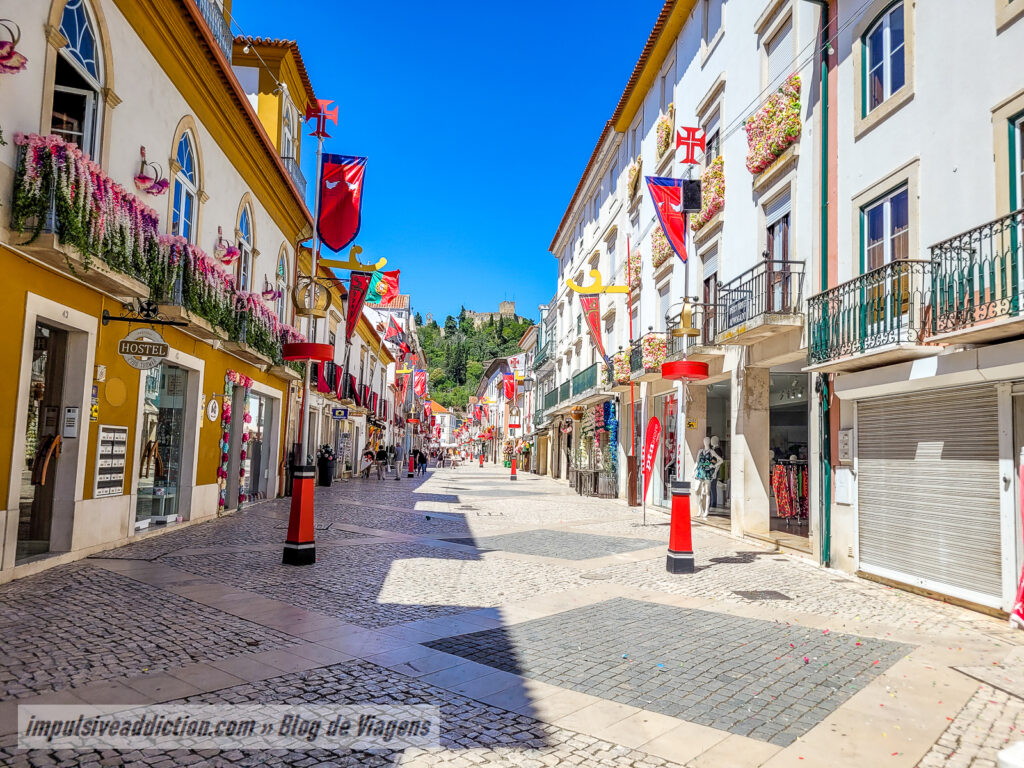
Known locally as the Corredoura, Rua Serpa Pinto is Tomar’s main pedestrian street. Once the route for Templar parades, it is now lined with cafés, pastry shops, craft stores, and historic buildings. Strolling along here means absorbing the very essence of the city—from the bustle of market days to the sound of street musicians, from Pombaline architecture to flower-filled balconies. It’s the perfect spot to pause, enjoy a local sweet, and watch Tomar’s daily life unfold.
9. Republic Square and Church of Saint John the Baptist
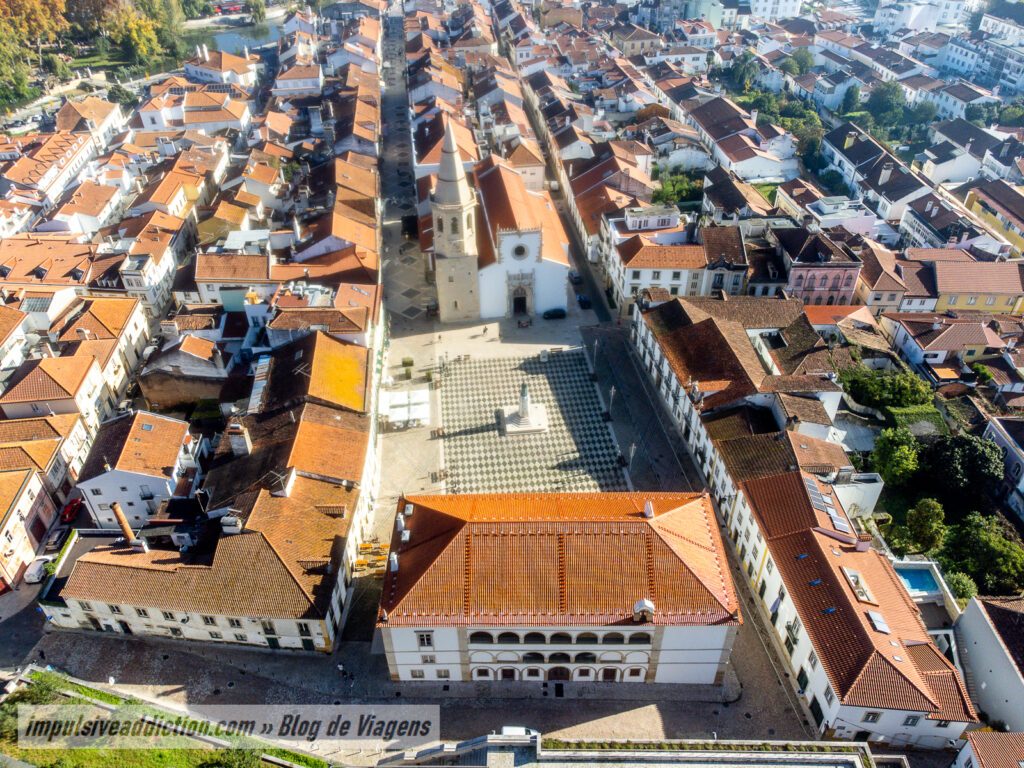
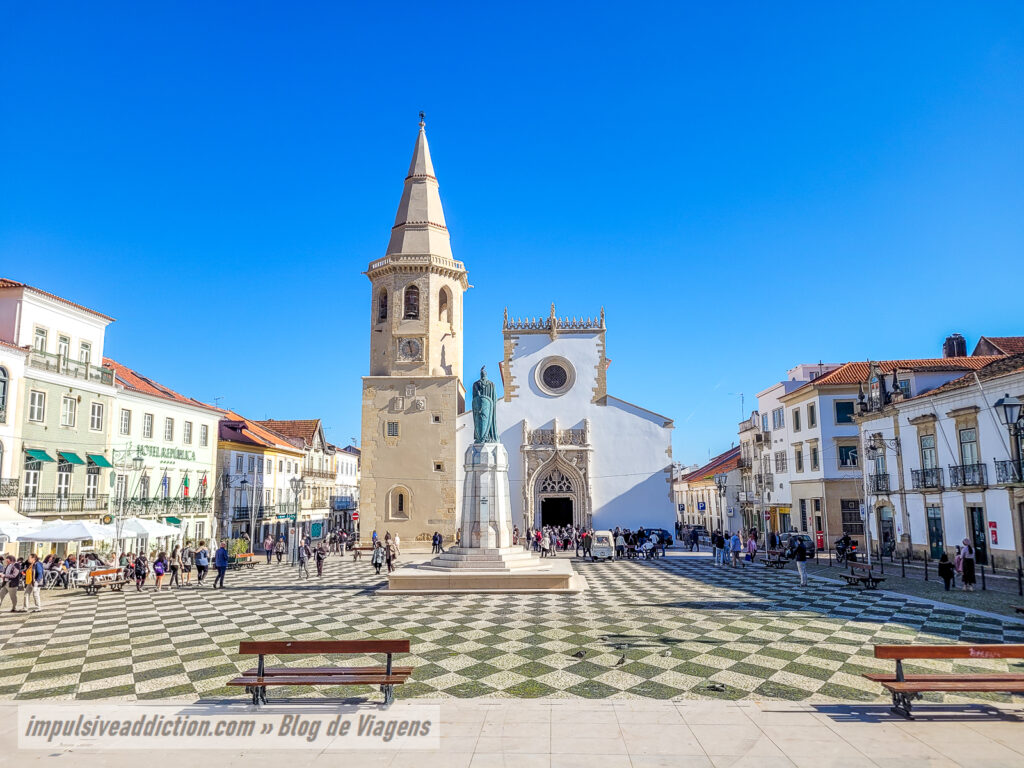
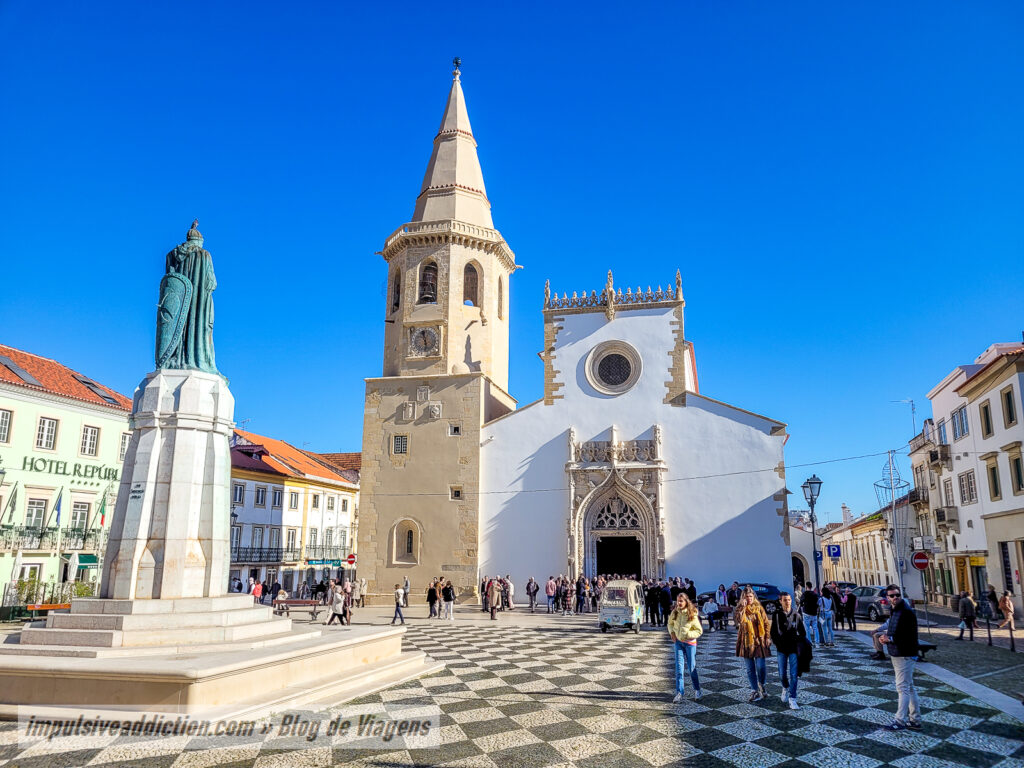
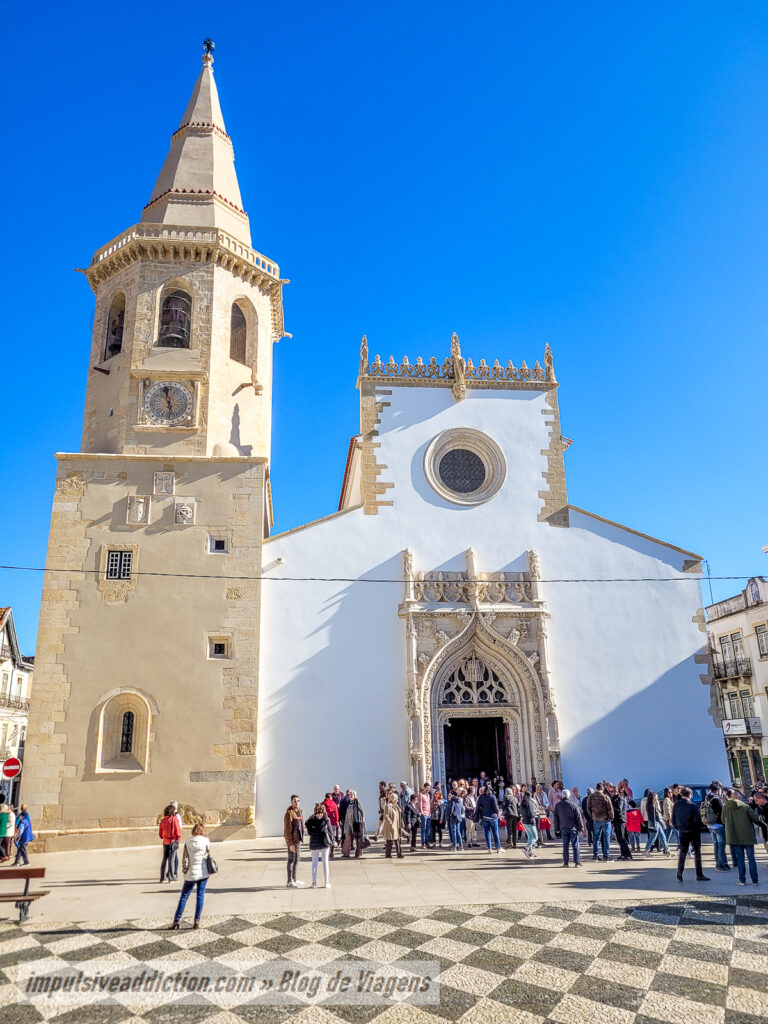
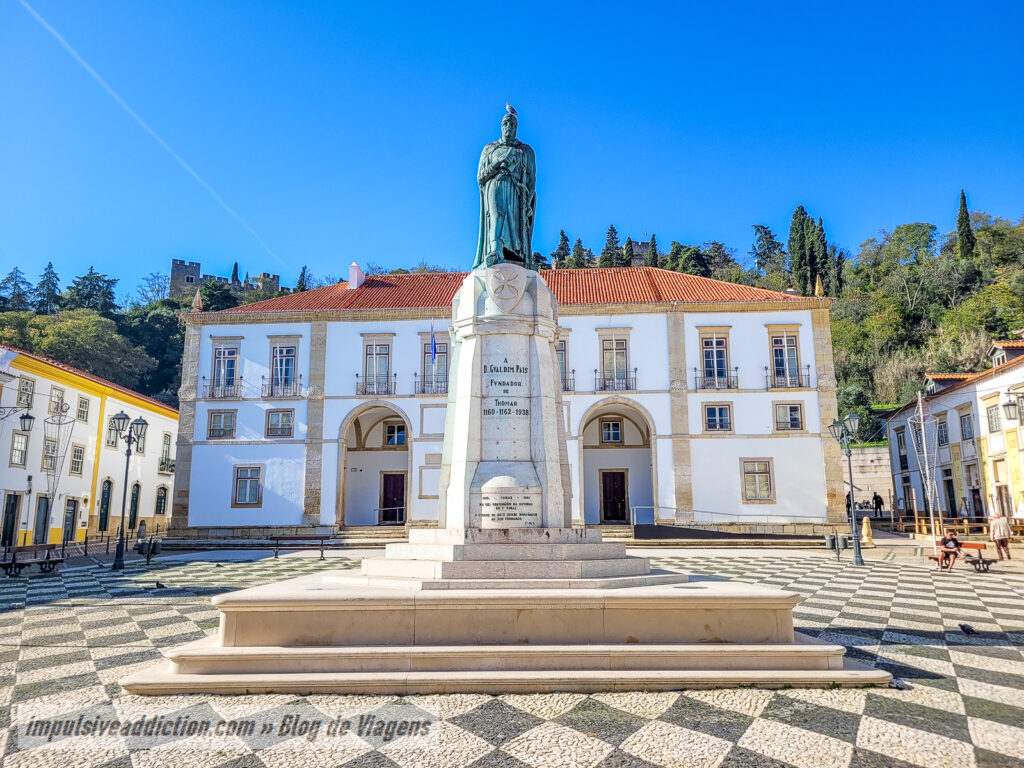
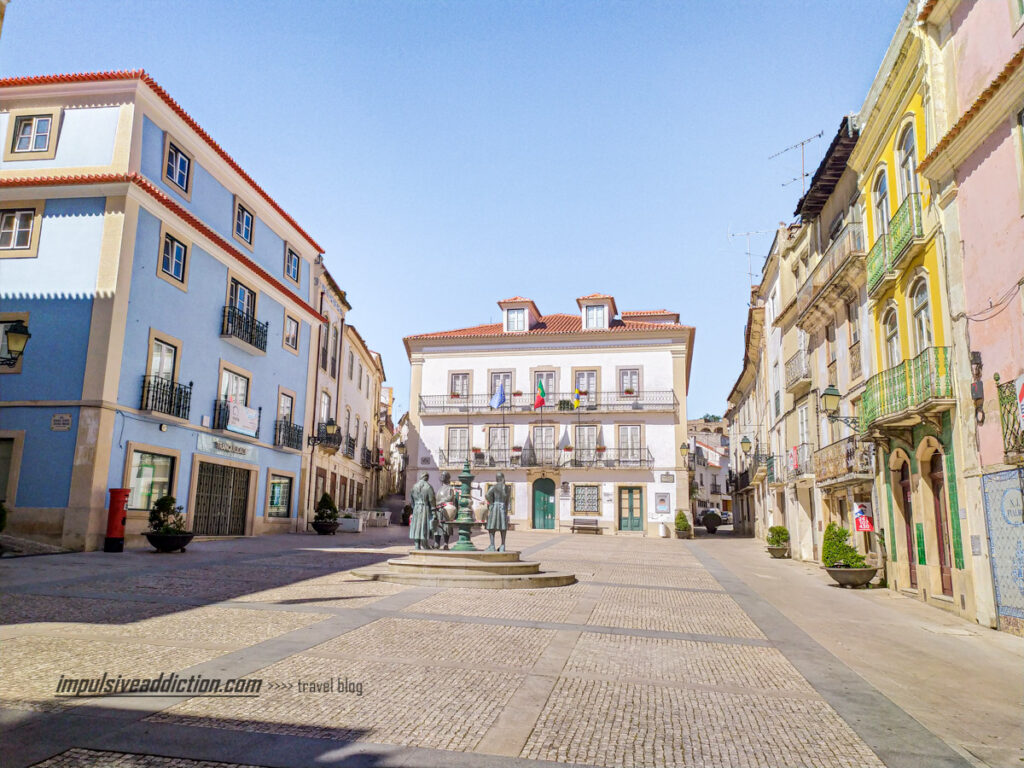
Republic Square is the true heart of Tomar. Flanked by the Church of Saint John the Baptist and the old Town Hall, it radiates the city’s Templar spirit. At its centre stands the statue of Gualdim Pais, Tomar’s founder, surrounded by historic buildings and cafés with inviting terraces. The church, in Gothic-Manueline style, boasts a beautiful portal and an interior that is simple yet elegant, featuring altarpieces and azulejos (painted tiles) well worth admiring.
10. Tomar Synagogue
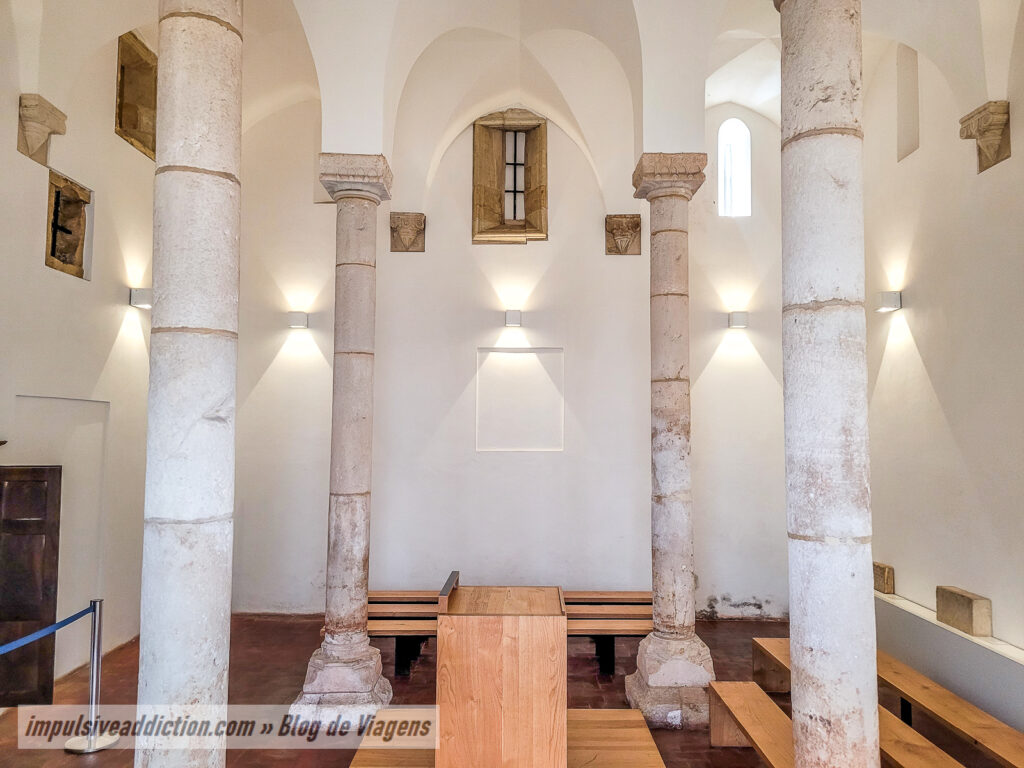
Hidden away on a quiet side street, the Tomar Synagogue is the only preserved medieval Jewish temple in Portugal. Built in the 15th century, it served the local Jewish community until their expulsion during the Inquisition. Today, it is a small yet fascinating museum space, featuring interior columns that support a rare vaulted ceiling and clay jars embedded in the walls—possibly to enhance the acoustics. Visiting this site invites introspection and a deeper appreciation of the city’s historical diversity.
11. Cineteatro Paraíso
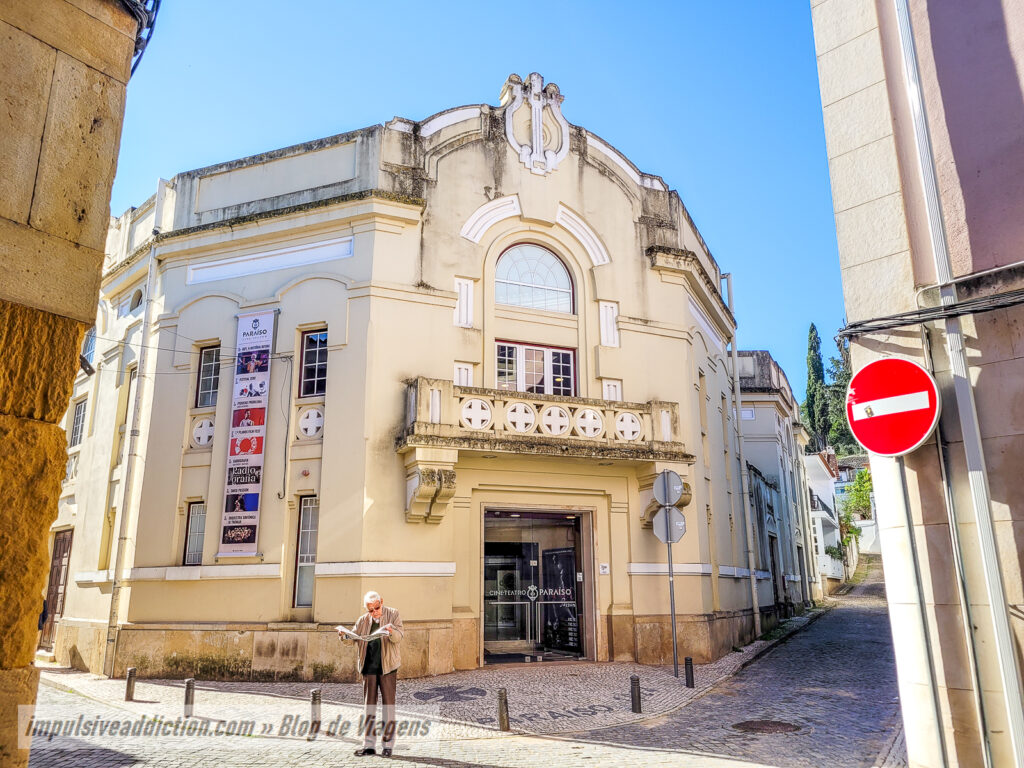
Located next to Republic Square, the Cineteatro Paraíso is Tomar’s main performance venue. Opened in 1925 and restored in 2002, it blends classical architecture with modern facilities, hosting a varied programme ranging from theatre and music to film and conferences. With its distinctive, elegant façade, the building embodies the central role of culture in the city, serving as a bridge between tradition and contemporary life.
12. Church of Our Lady of Grace
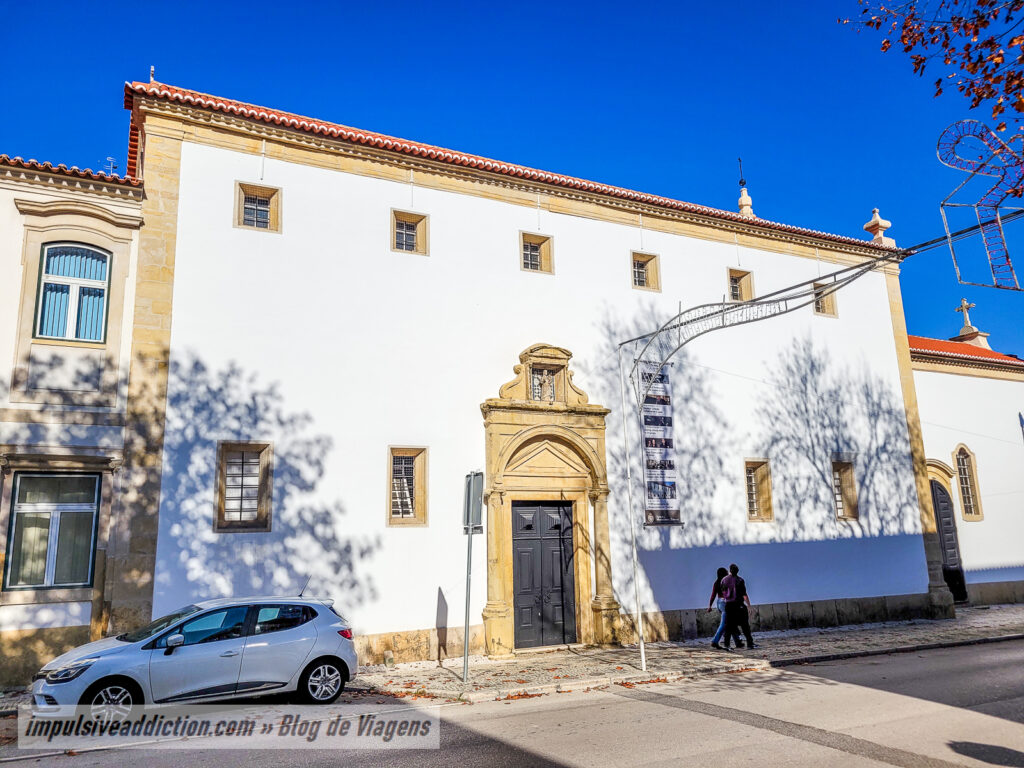
Tucked away among the city’s historic streets, the Church of Our Lady of Grace often goes unnoticed, yet it deserves a closer look. Modest in design, it has deep historical roots and connections to local religious traditions, having served various confraternities over the centuries.
13. National Forest of the Seven Hills
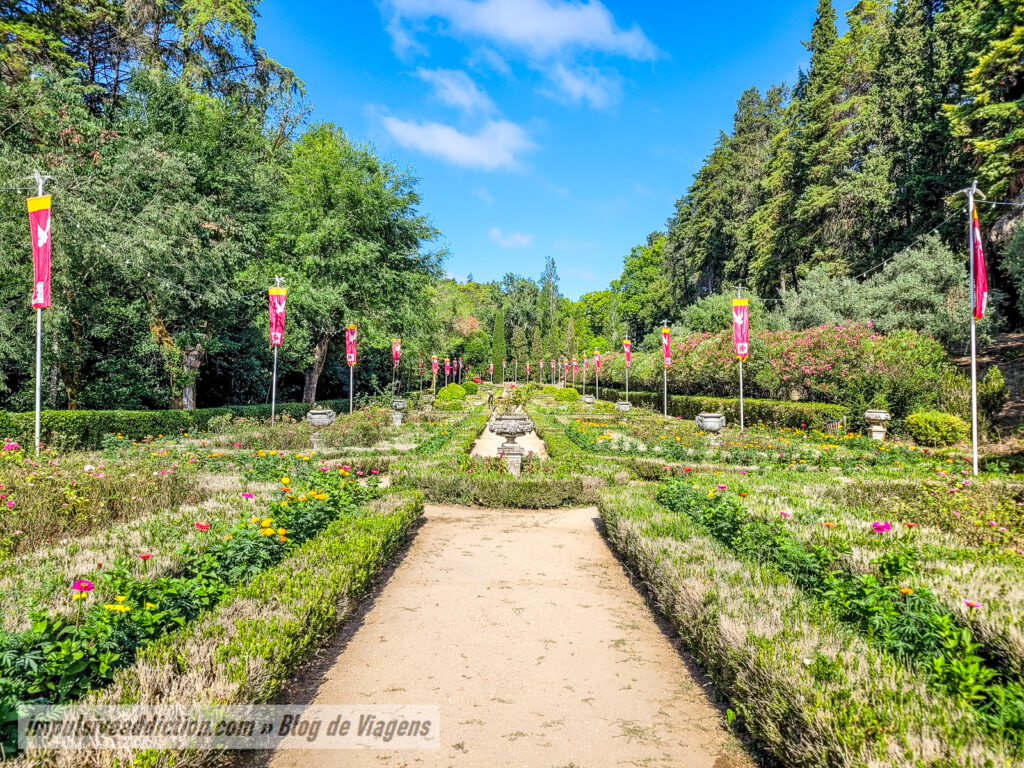
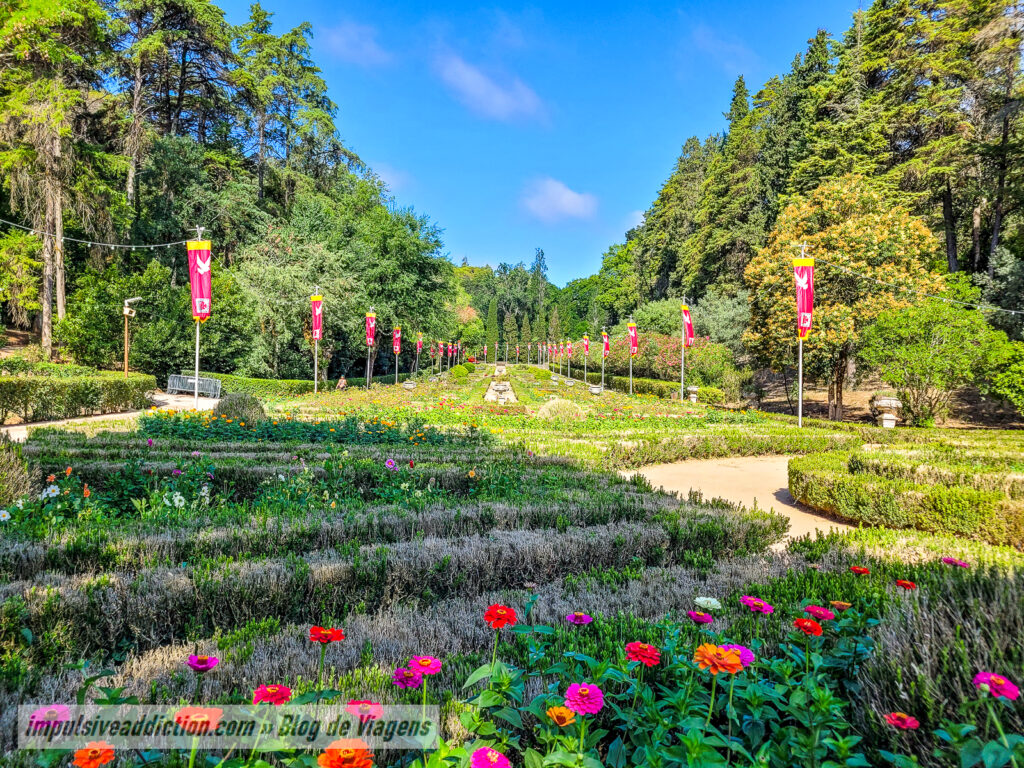
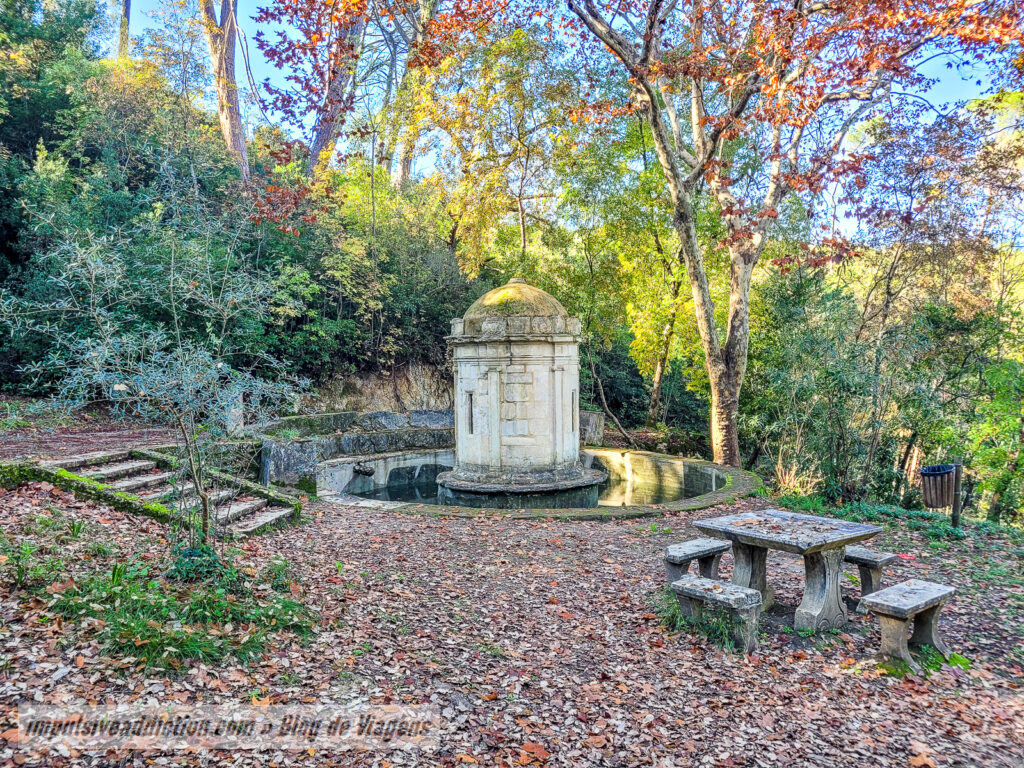
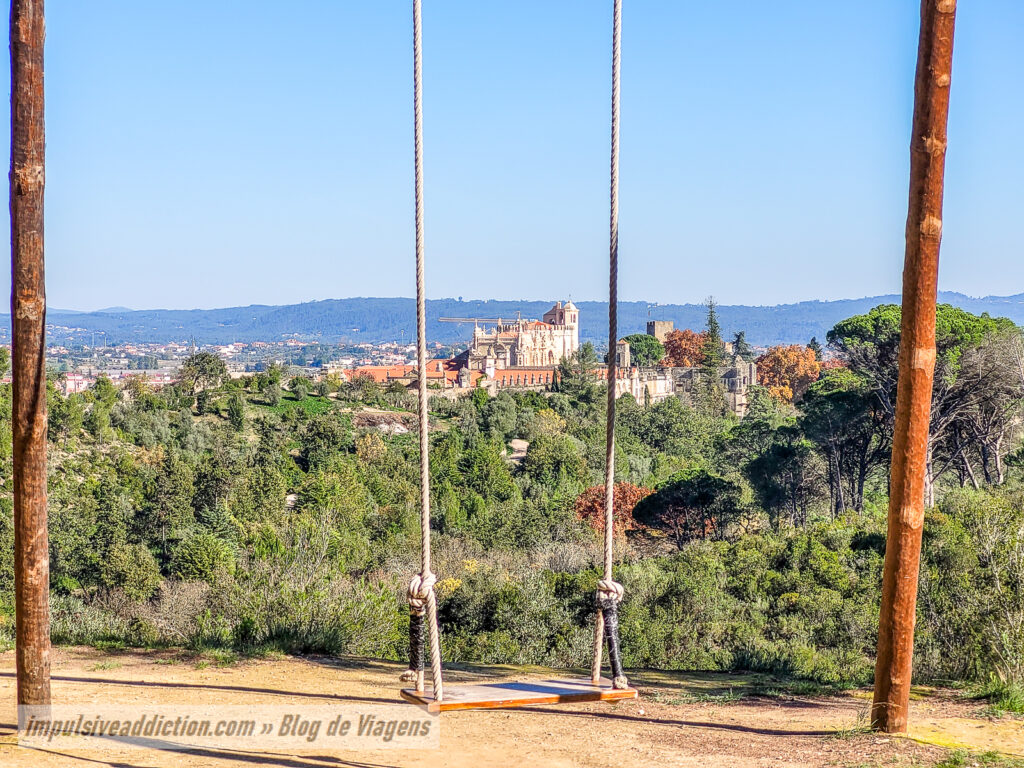
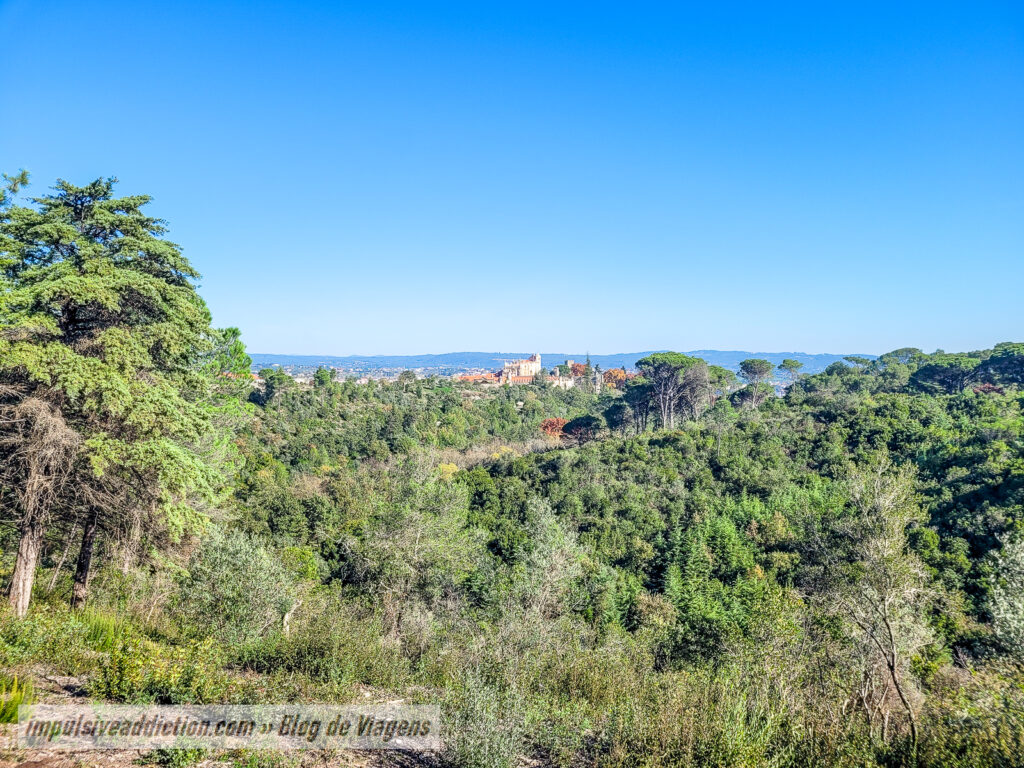
On the way up to the Convent, you enter the National Forest of the Seven Hills (Mata Nacional dos Sete Montes), Tomar’s largest green space and the former walled grounds of the Convent of Christ. Covering 39 hectares of dense vegetation, it’s perfect for walks, picnics, or moments of quiet contemplation. Along its trails, you’ll find ruins, viewpoints, and the intriguing Charolinha—a small circular structure surrounded by water, evoking Templar spirituality. The forest offers not only shade and coolness, but also a serene immersion into monastic symbolism.
14. Convent of Christ and Tomar Castle
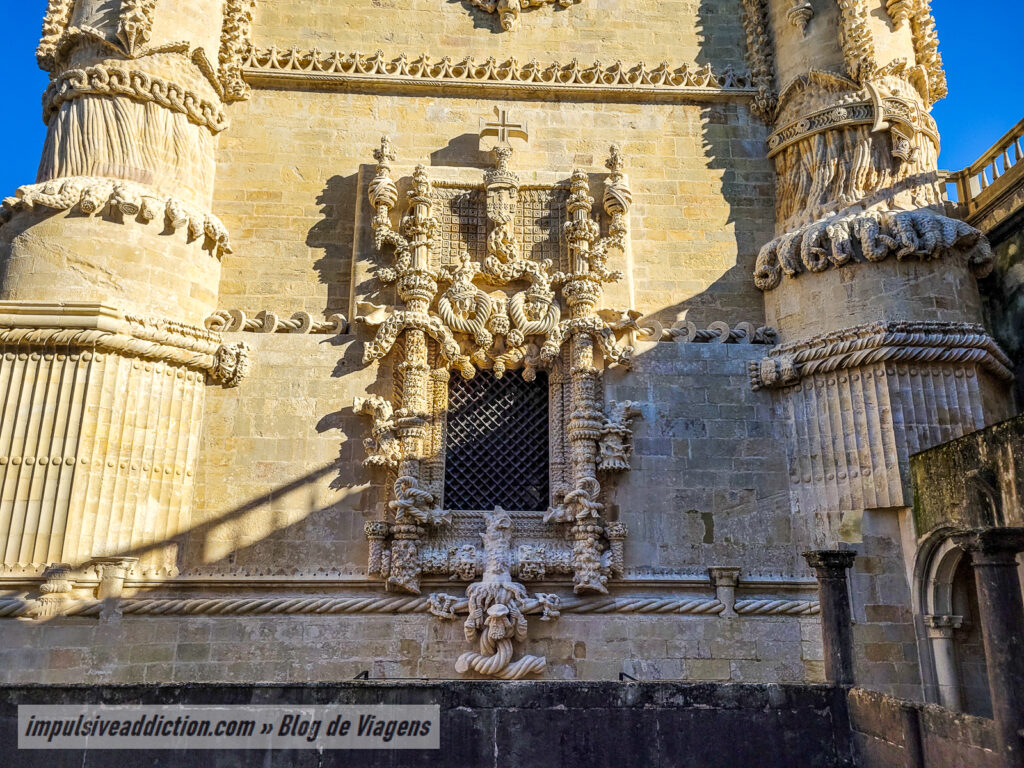
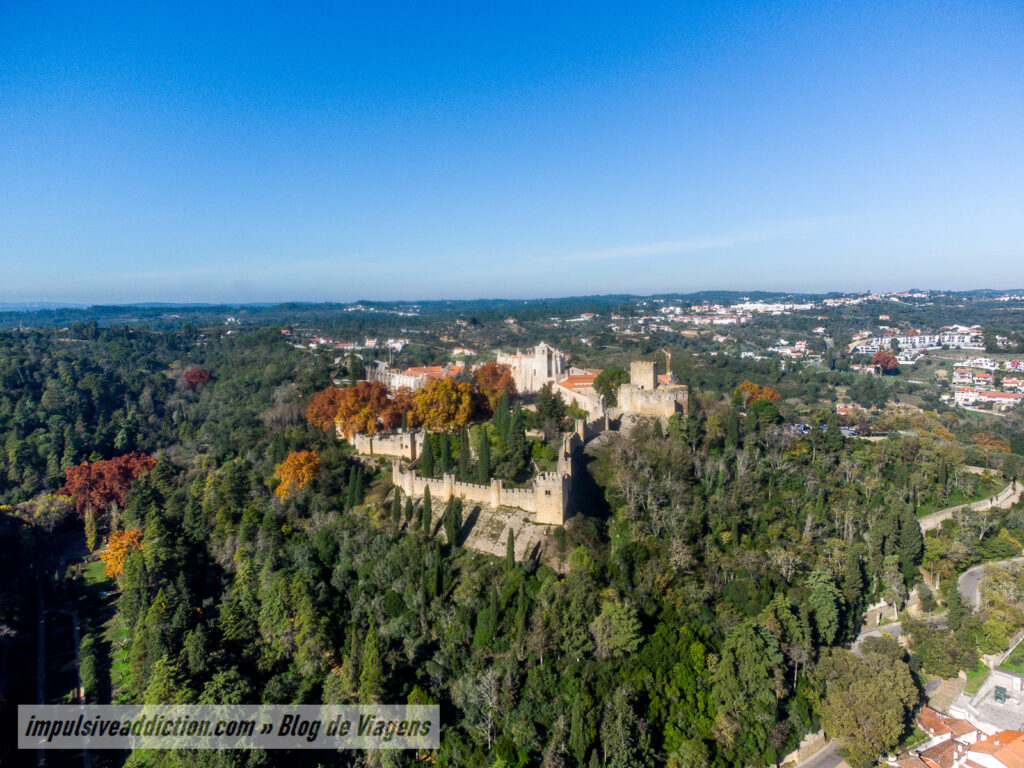
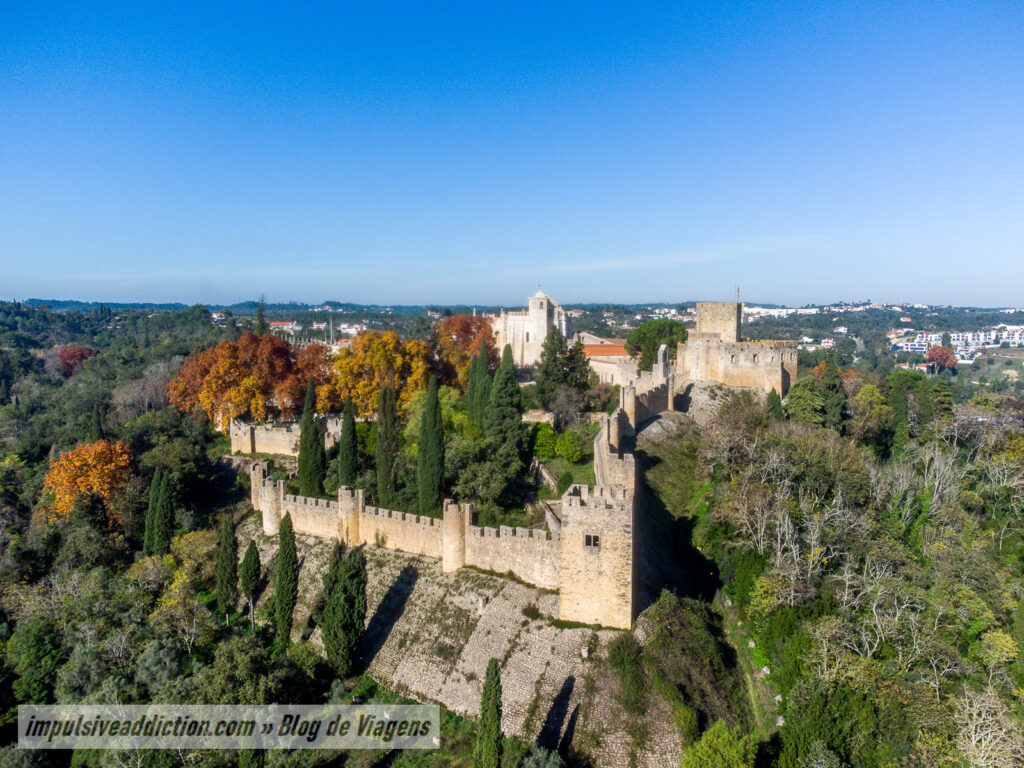
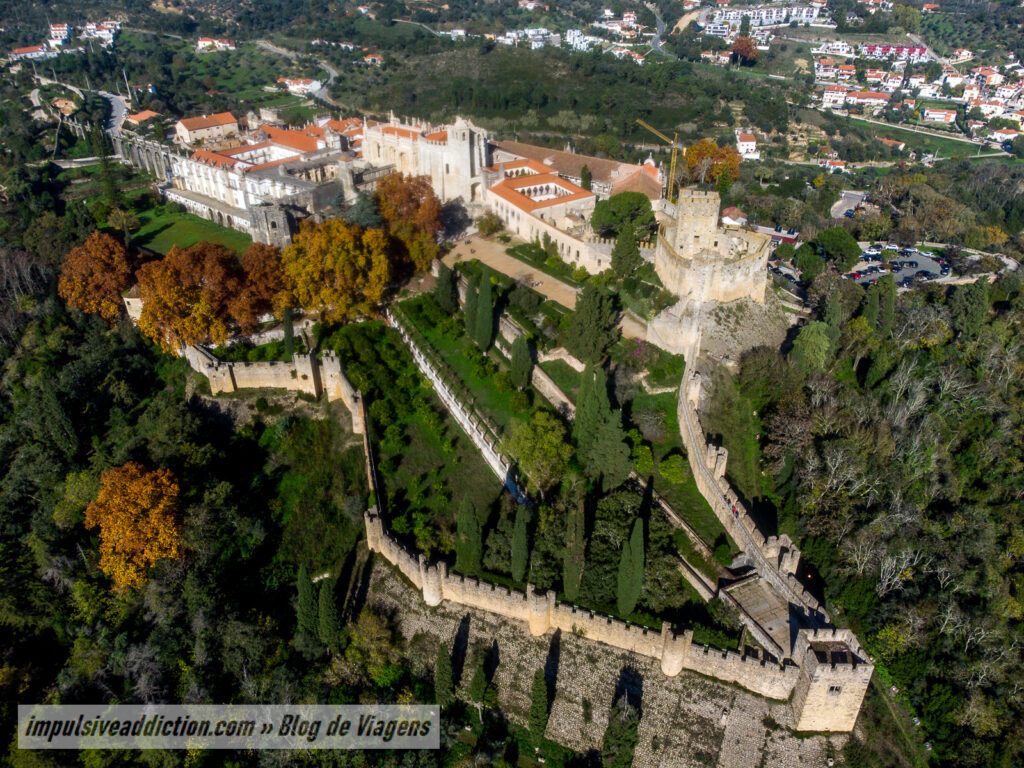
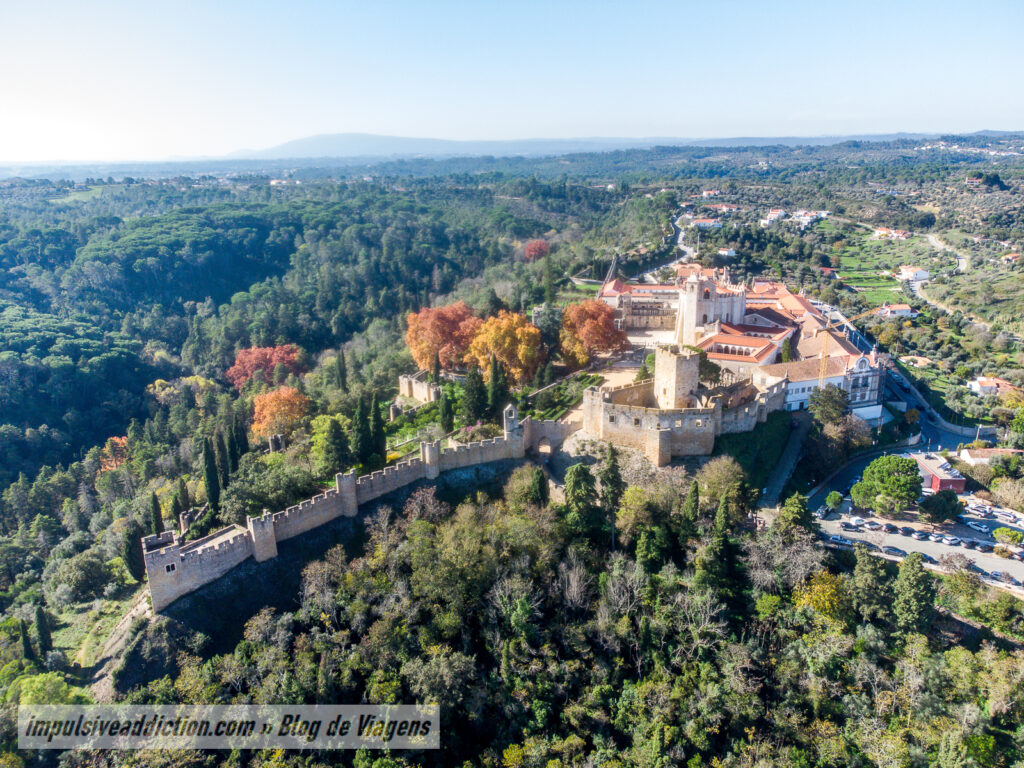
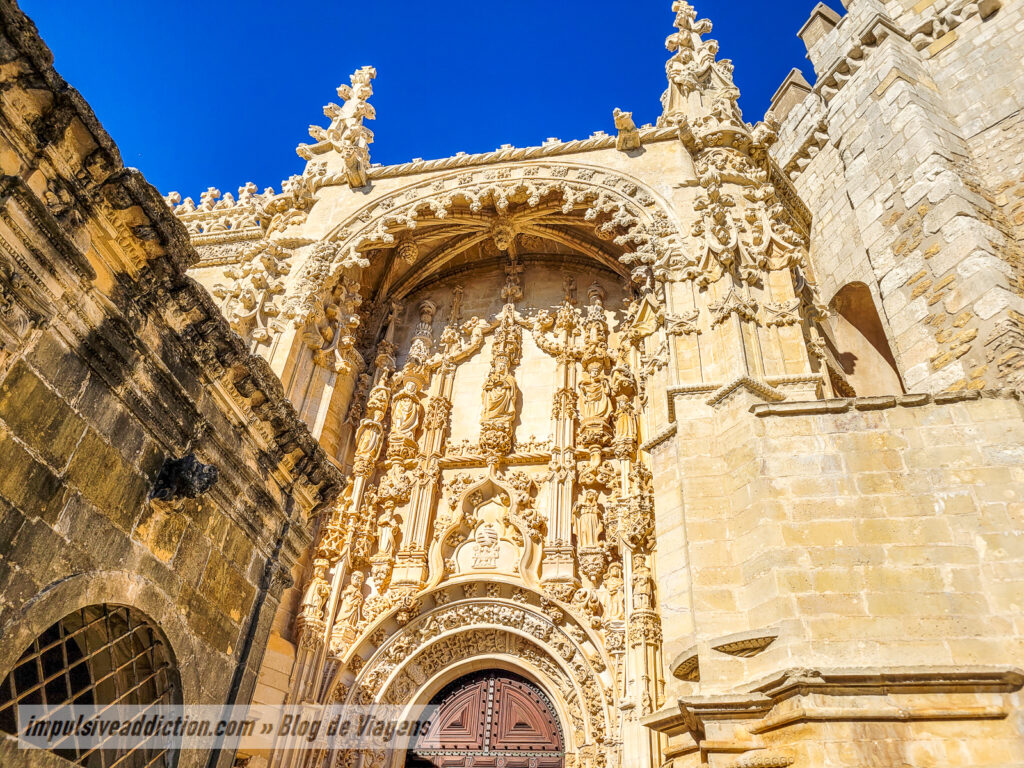
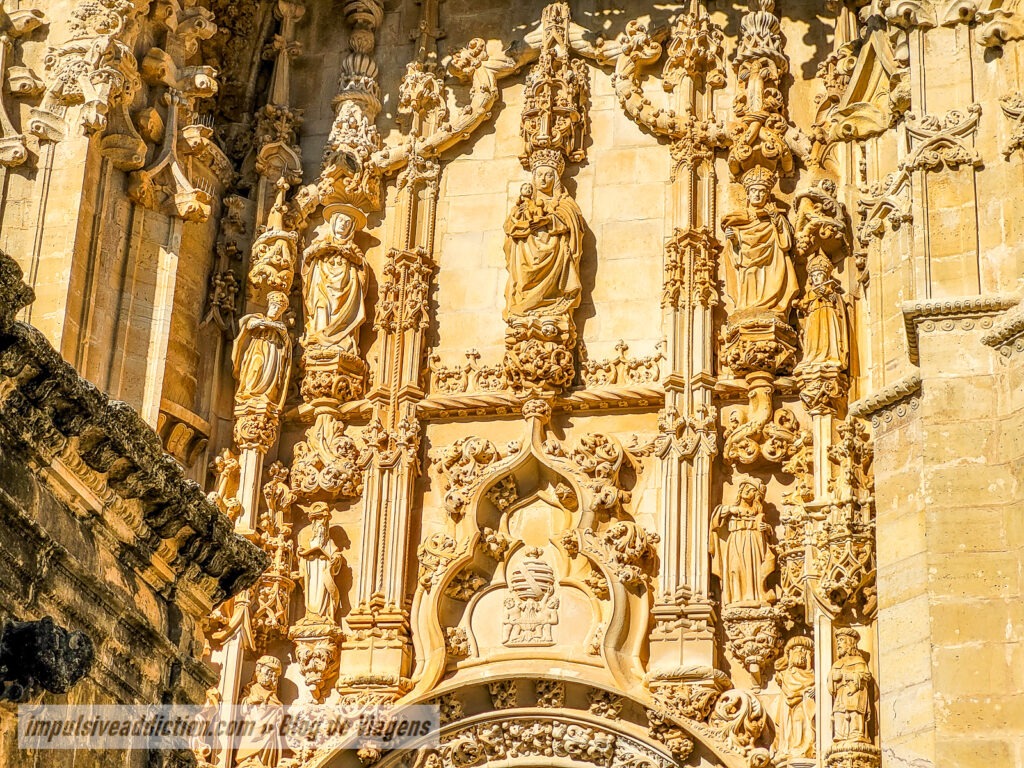
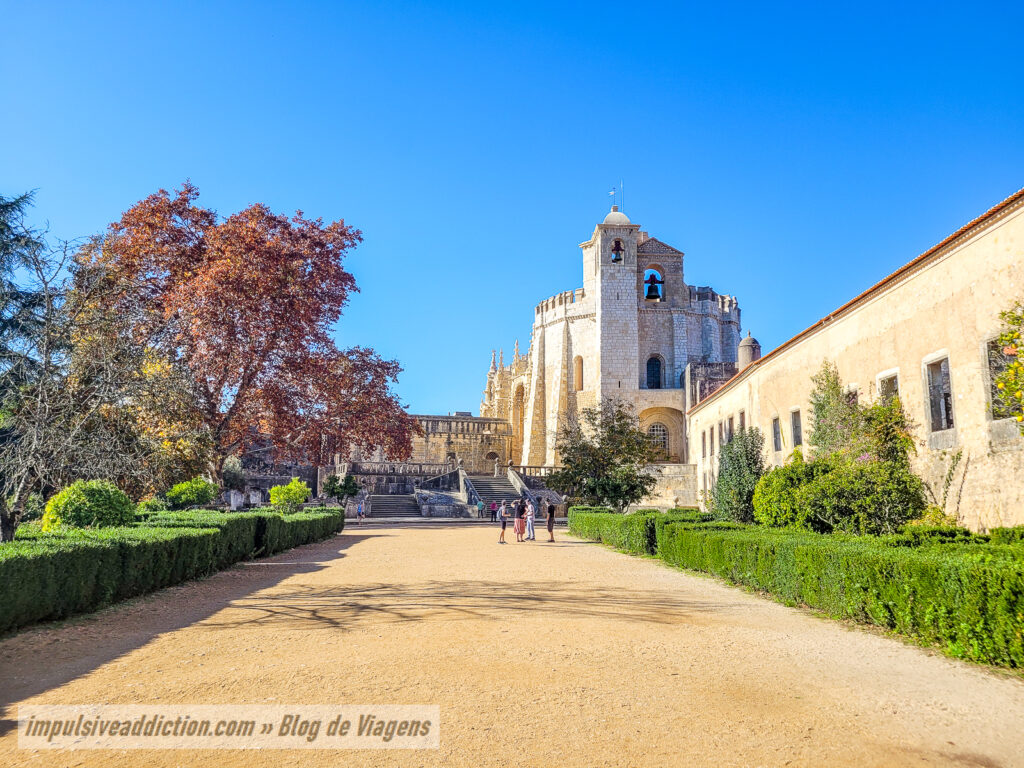
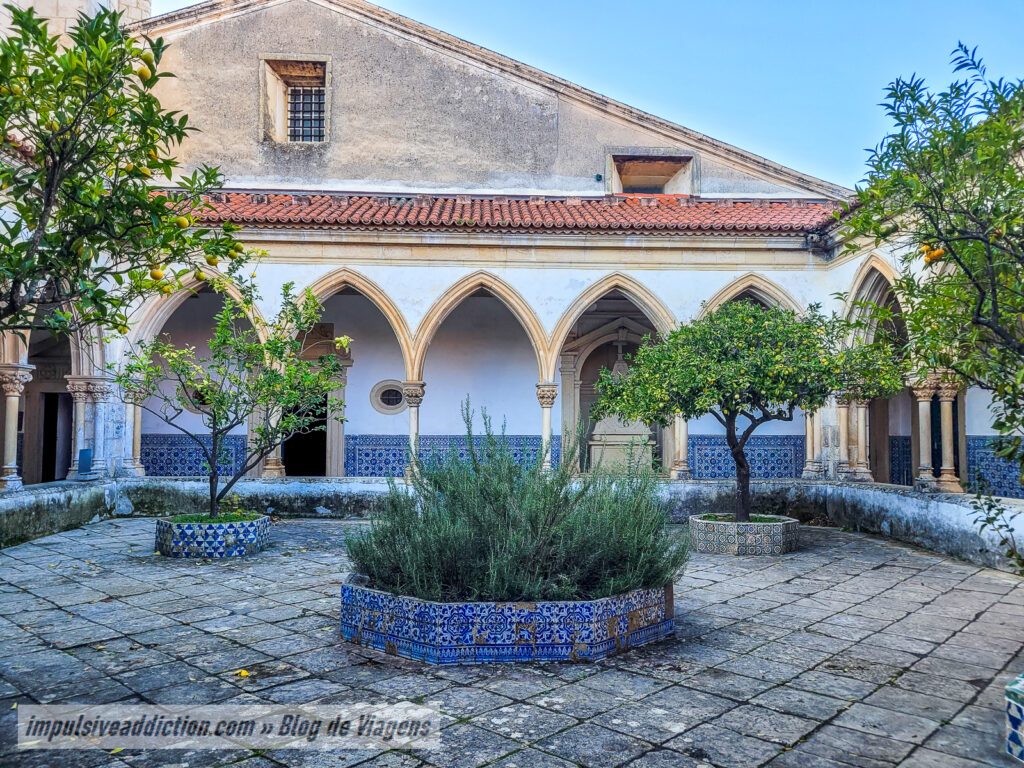
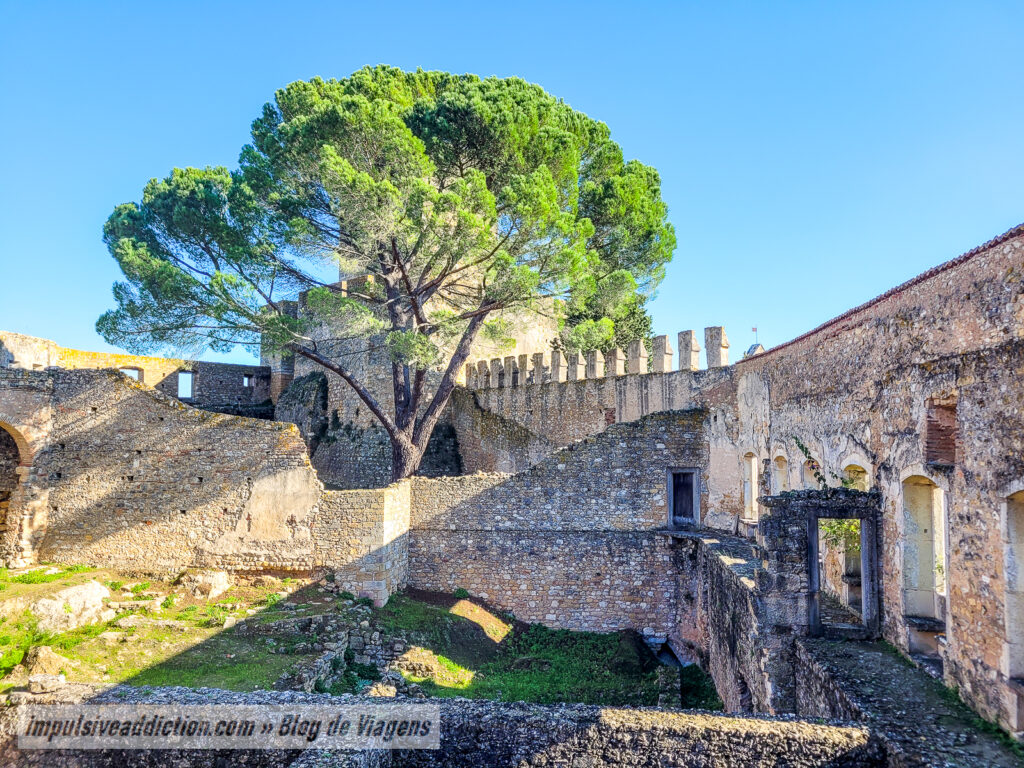
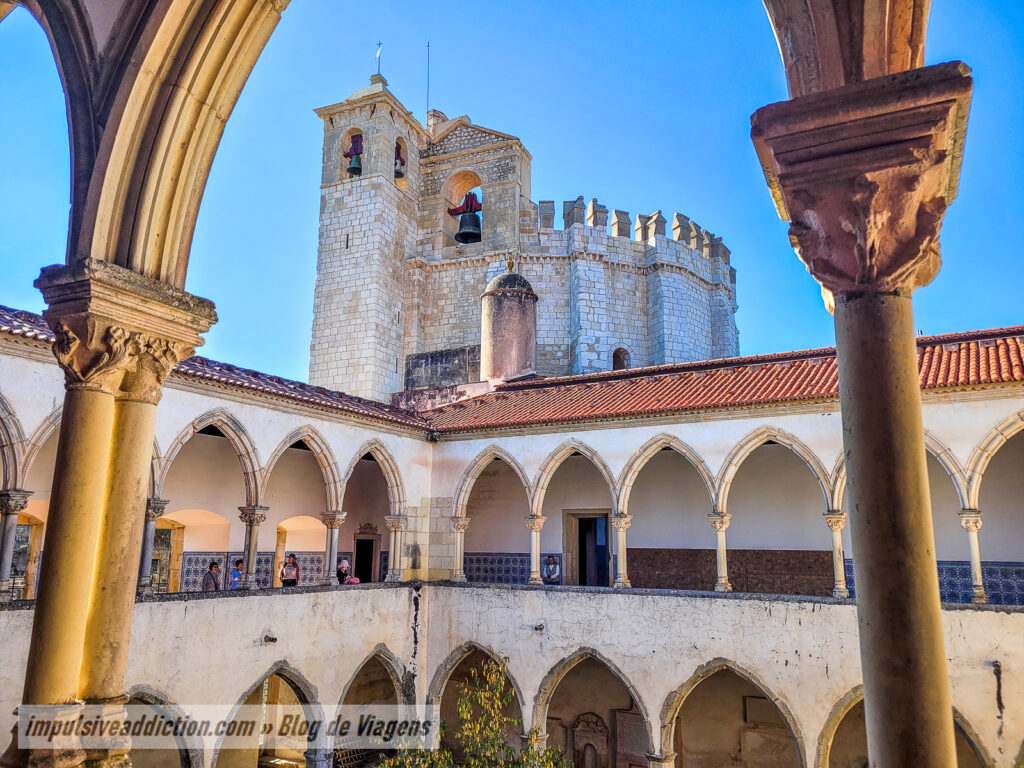
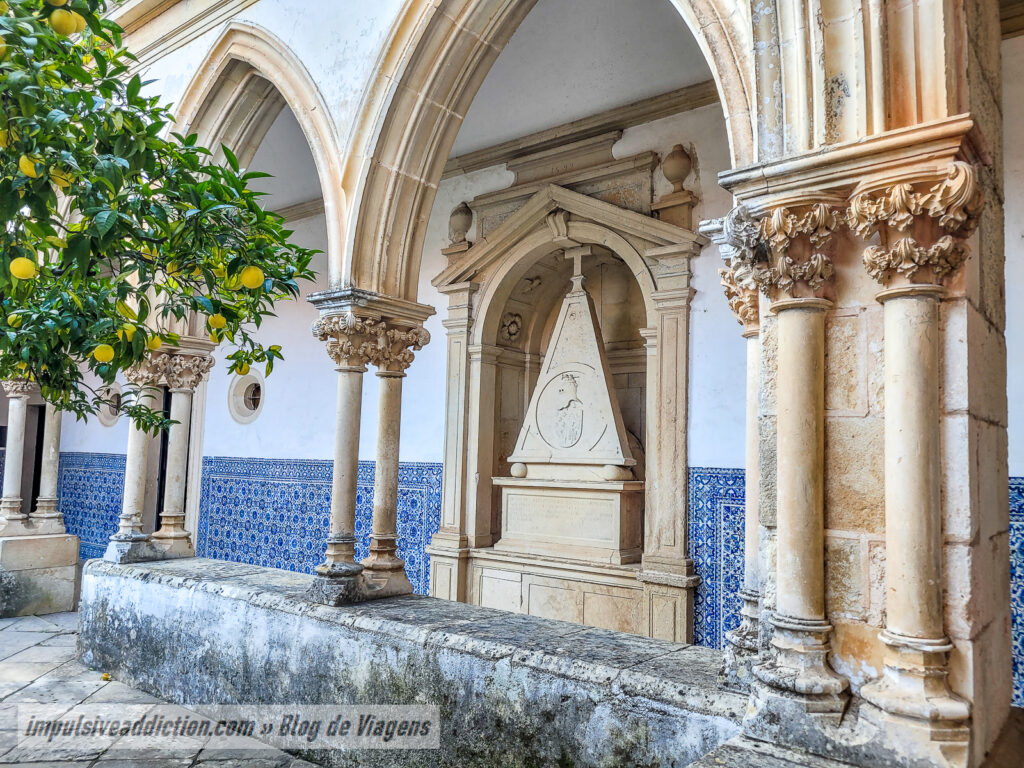
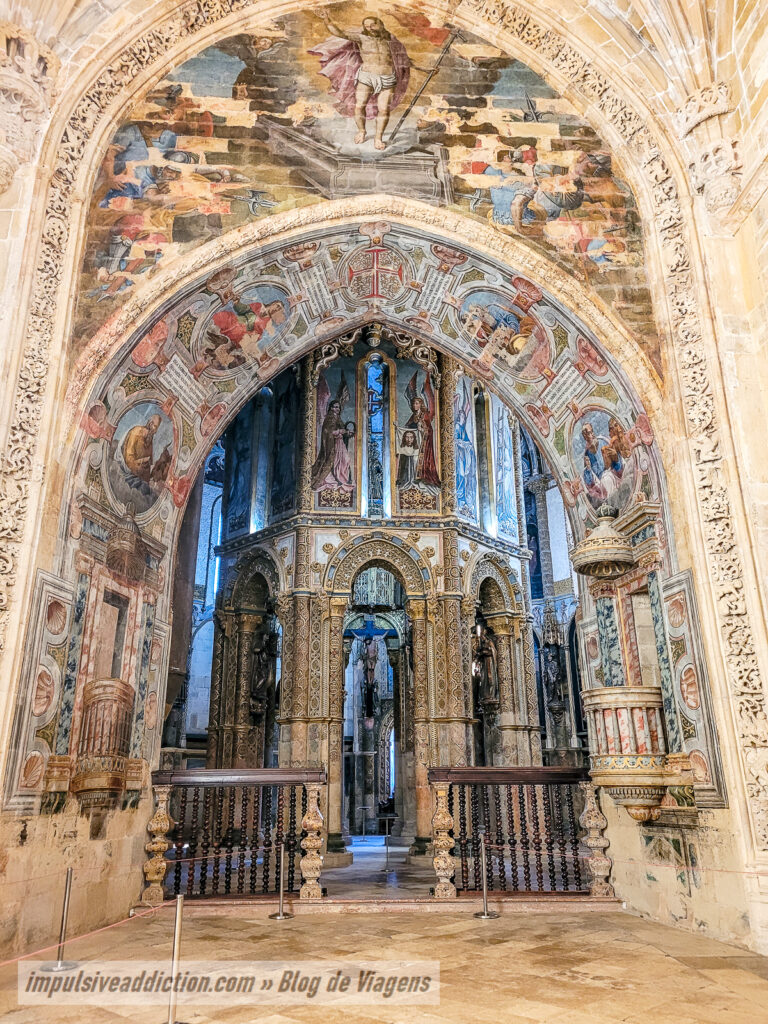
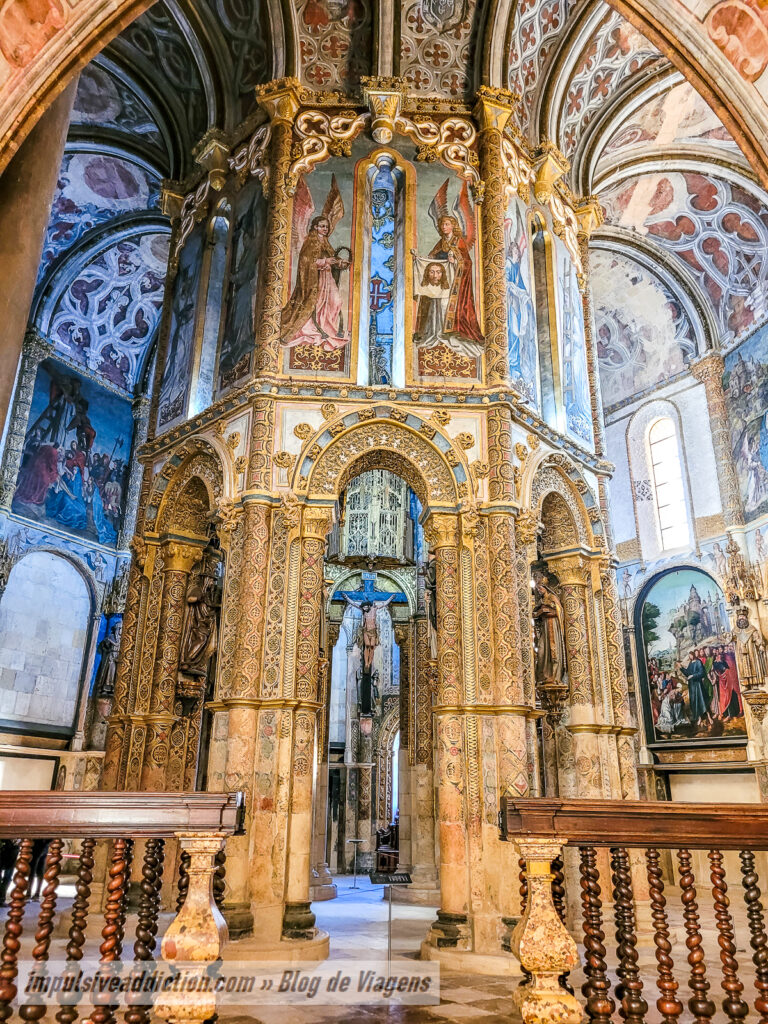
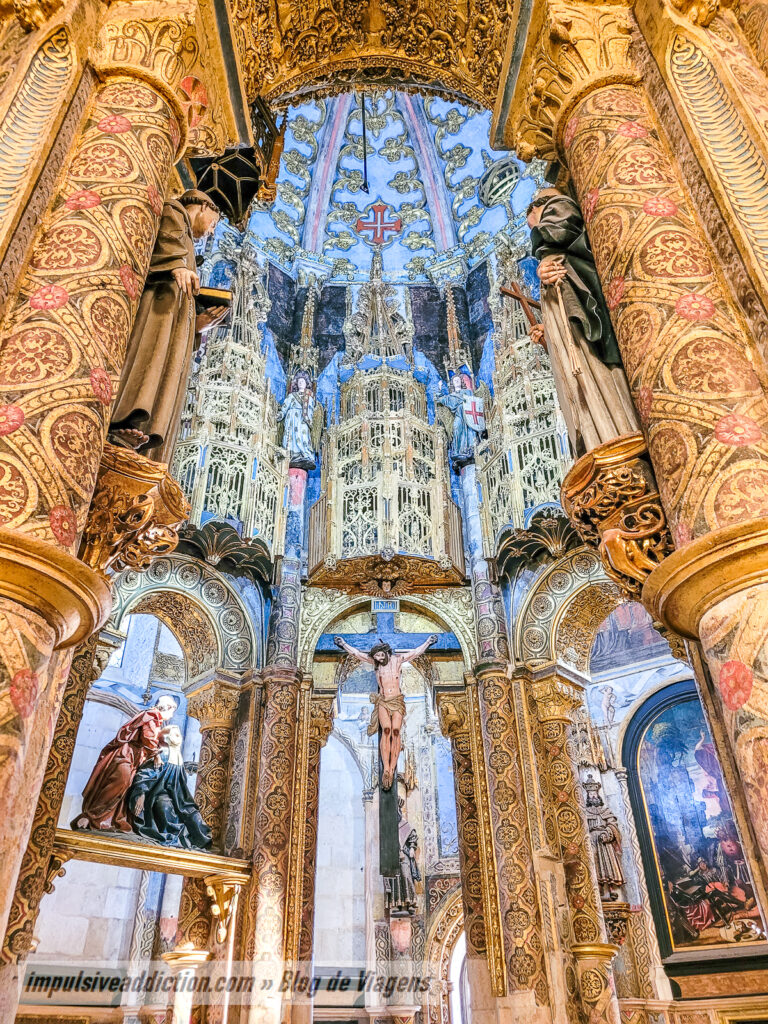
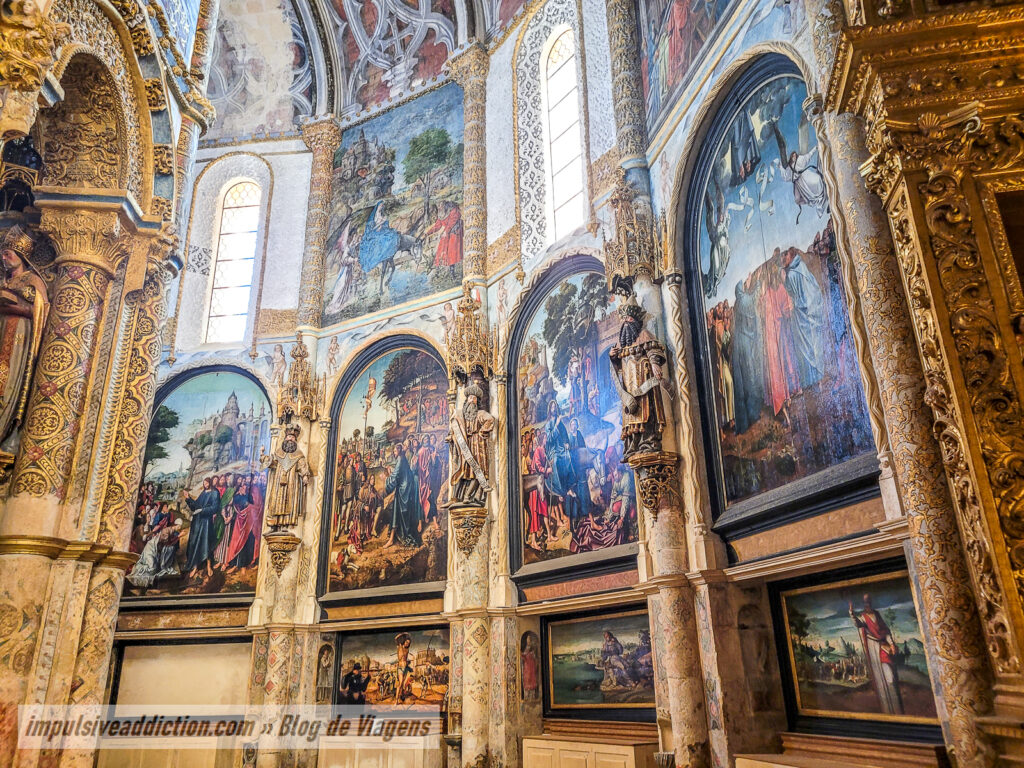
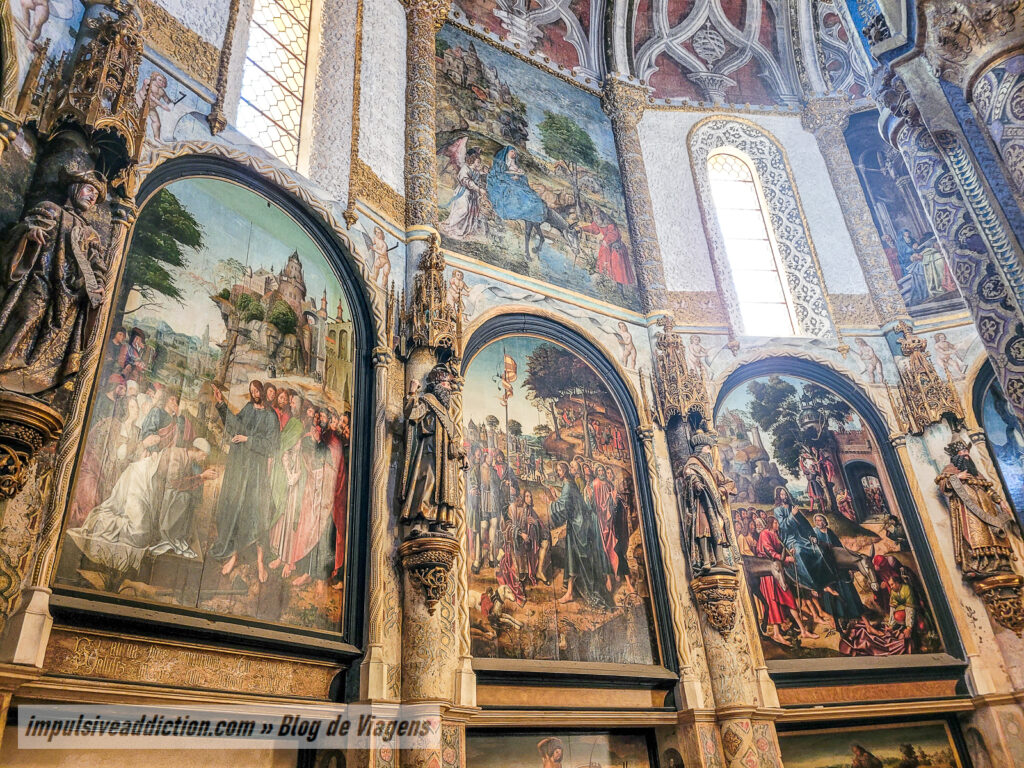
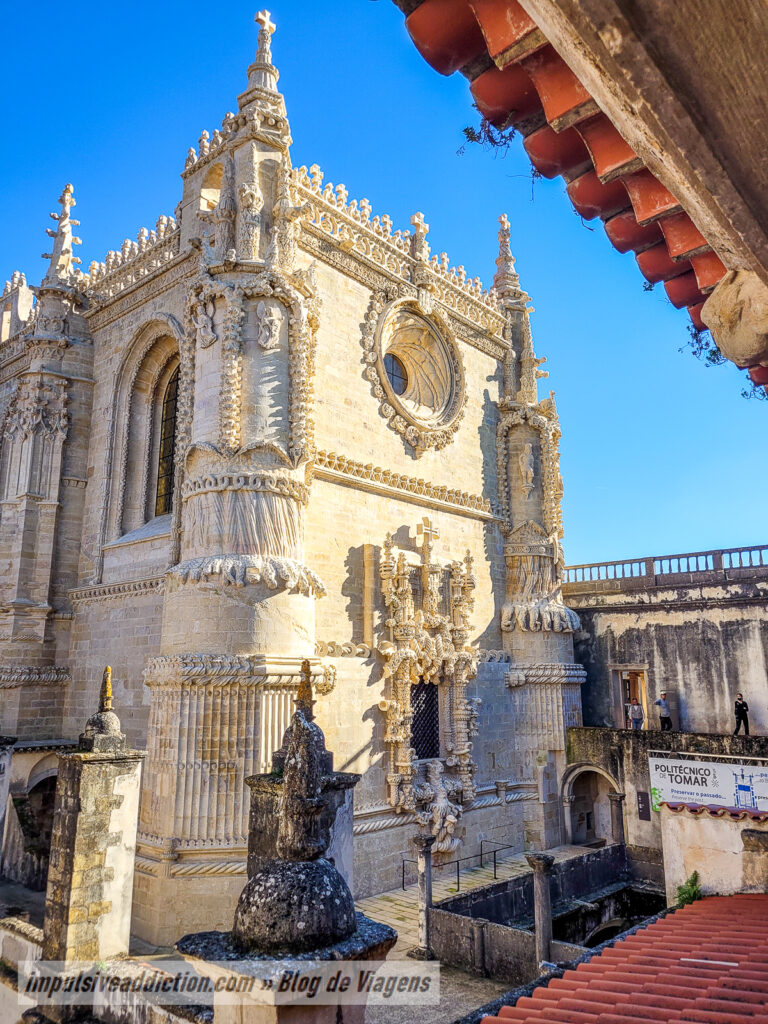
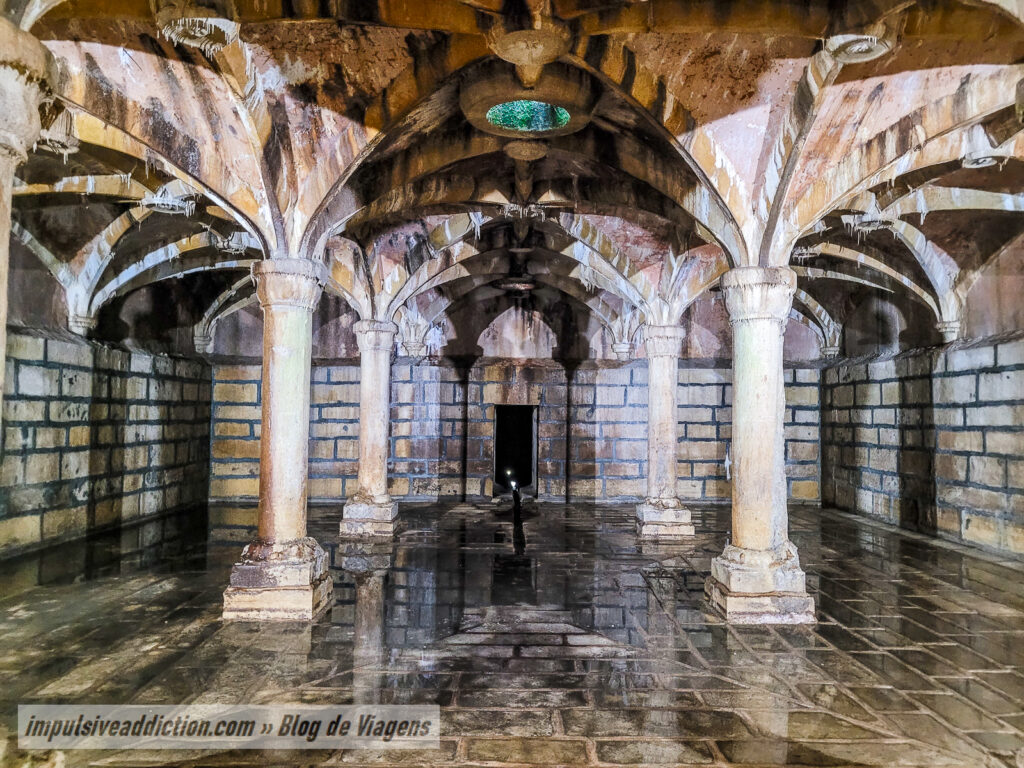
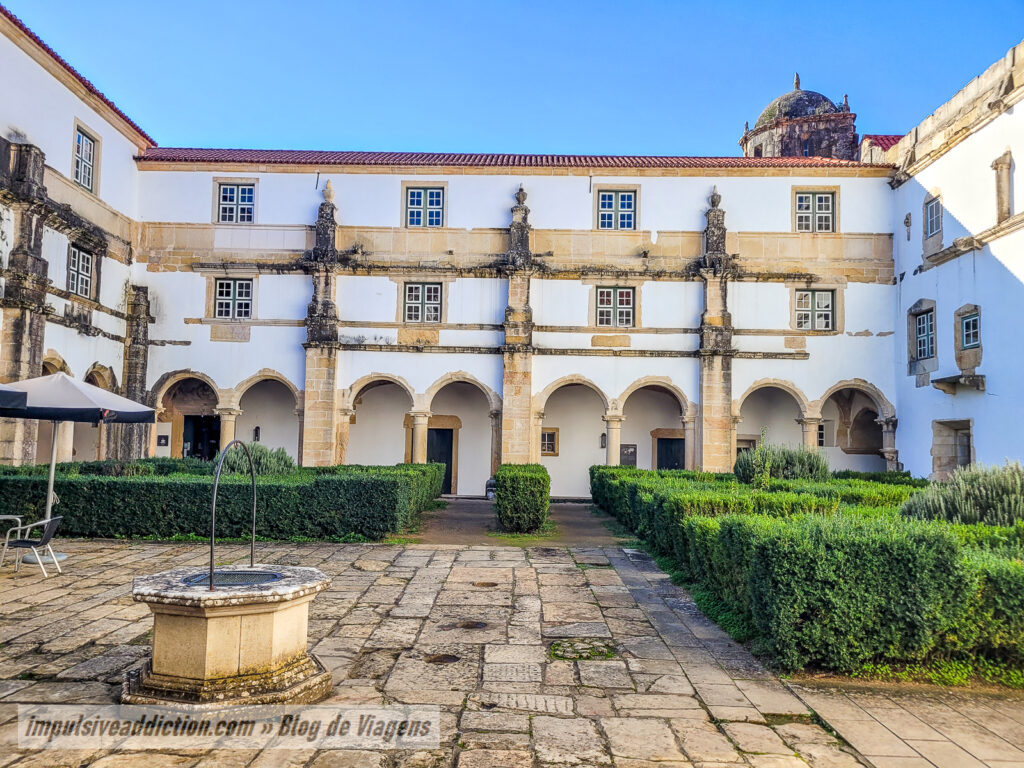
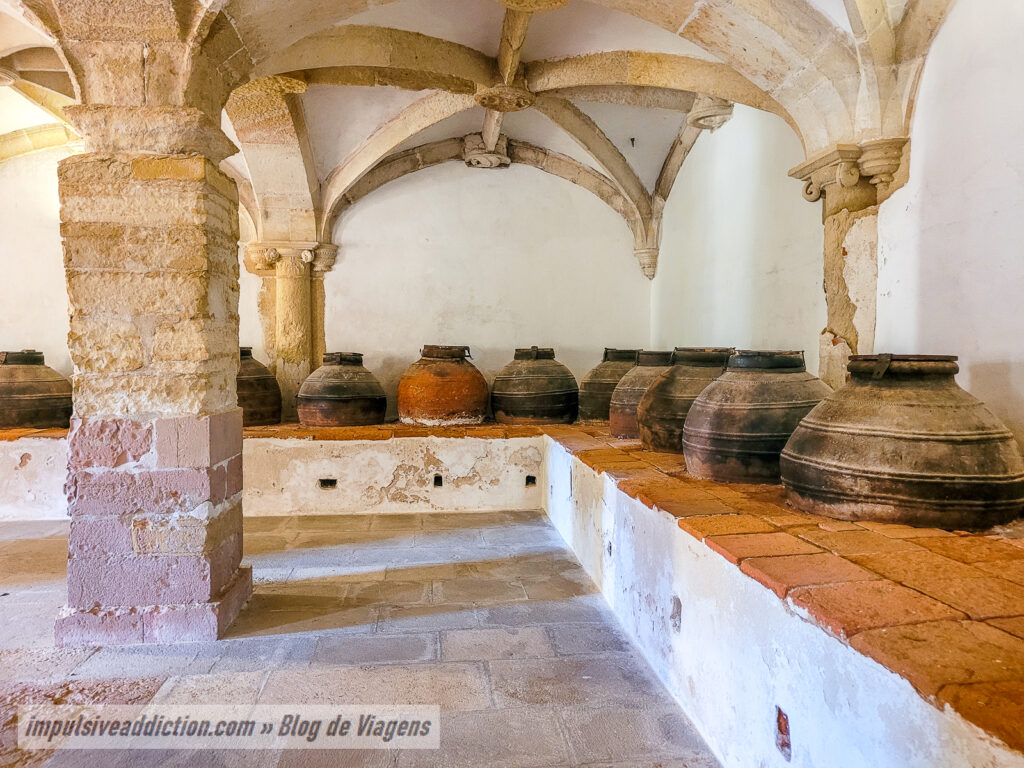
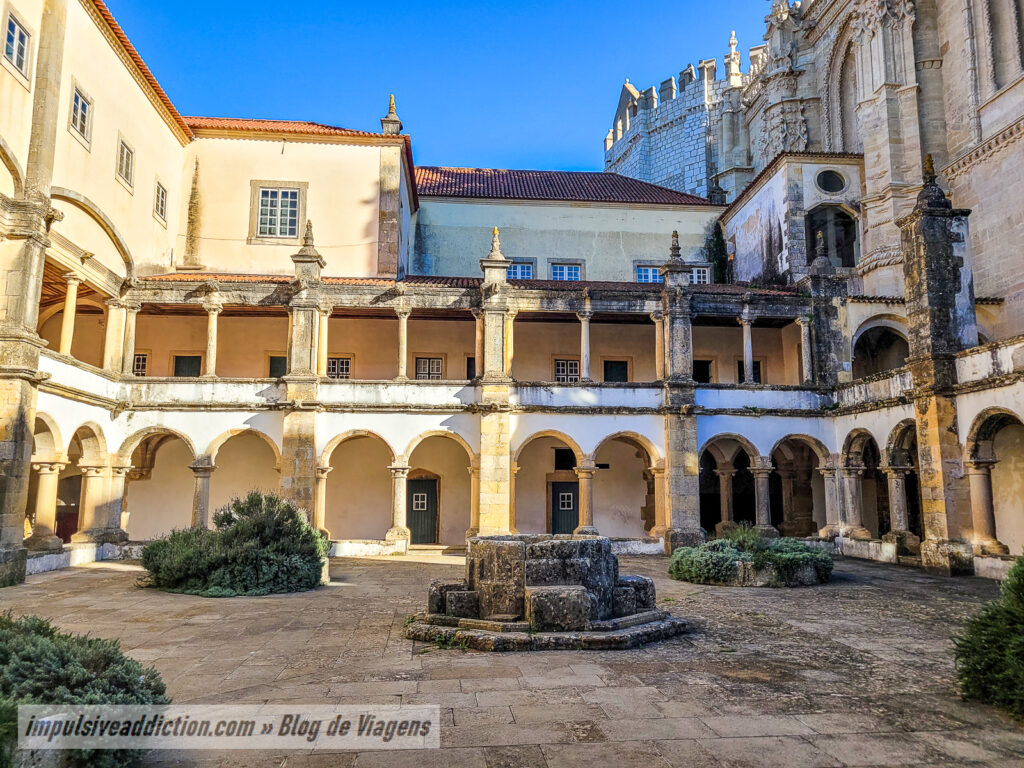
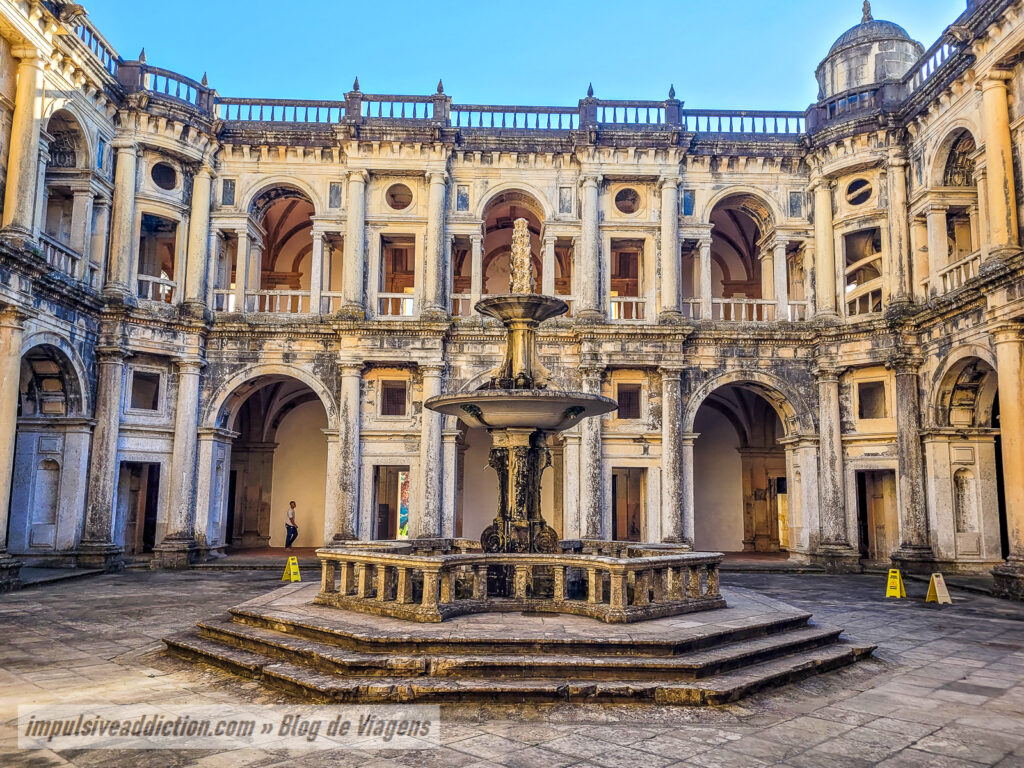
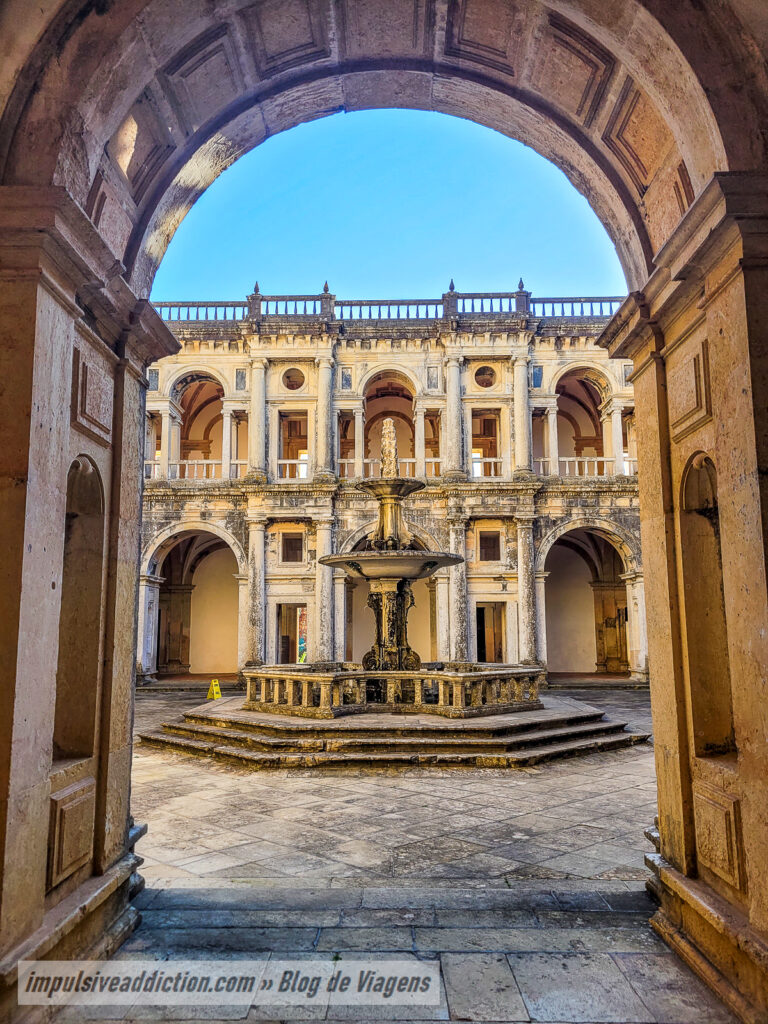
The Convent of Christ is the monumental and symbolic heart of Tomar. Founded in 1160 by the Order of the Templars and later renovated by the Order of Christ, this architectural complex is a UNESCO World Heritage Site. Highlights include the awe-inspiring Templar Charola, the elegant Cloister of King João III, and the elaborate Manueline window of the Chapter House—a true masterpiece in stone.
Surrounding the convent, Tomar Castle offers panoramic views and reveals the defensive layout that made the city a military and spiritual stronghold during the Reconquista.
Visiting the Convent is an immersion into centuries of history, art, and Templar mystique—one of Portugal’s most iconic monuments.
15. Hermitage of Our Lady of the Conception
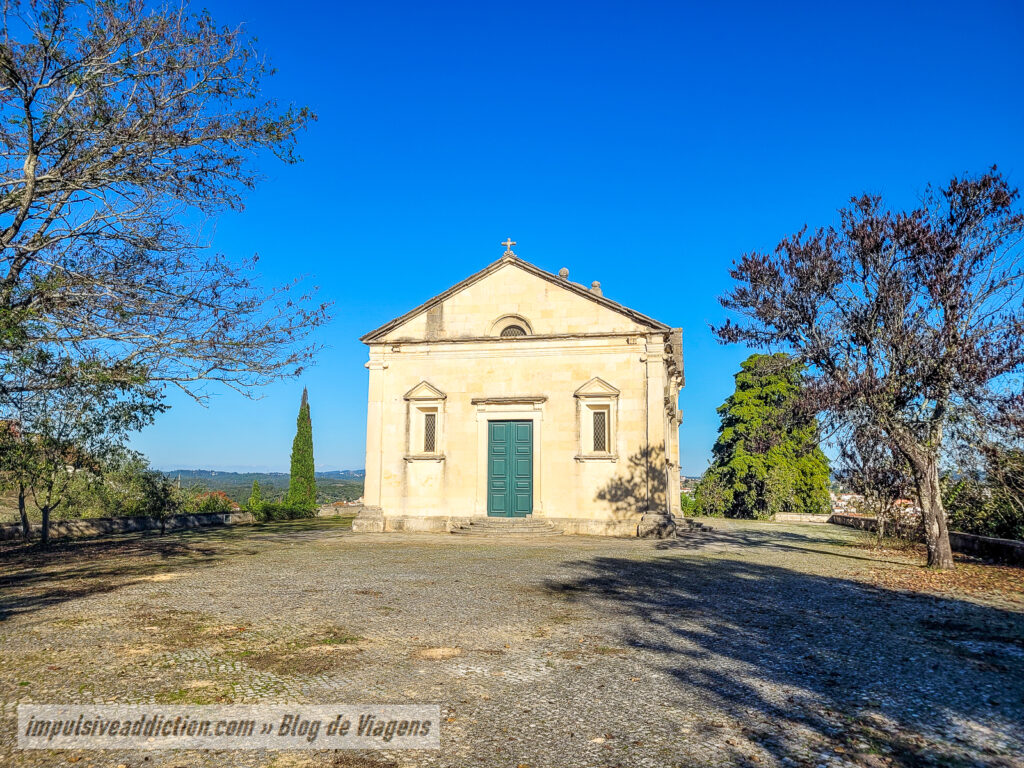
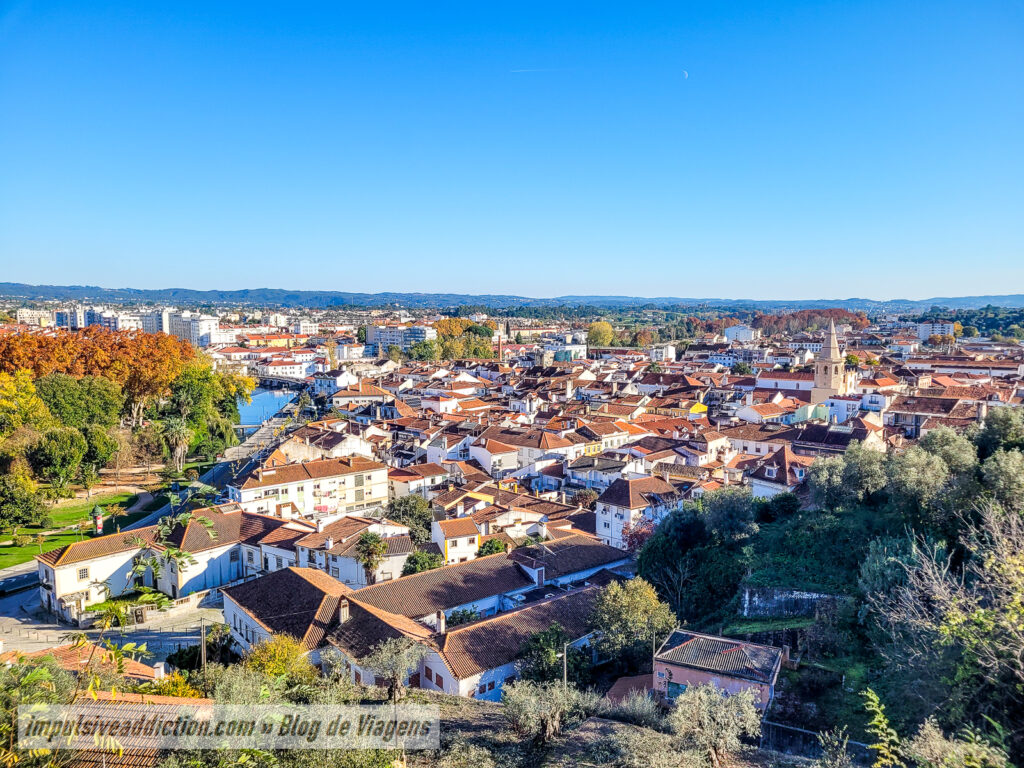
Built in the 16th century, the Hermitage of Our Lady of the Conception stands on a high point near the Convent of Christ. This small Renaissance church was originally intended as the burial place of King João III, although it was never used for that purpose. With a harmonious floor plan and an austere façade, it is celebrated for its architectural purity, considered a remarkable example of Portuguese Renaissance style. The site also offers magnificent views over the city, making it one of Tomar’s most peaceful and contemplative stops.
16. Church and Convent of Saint Francis
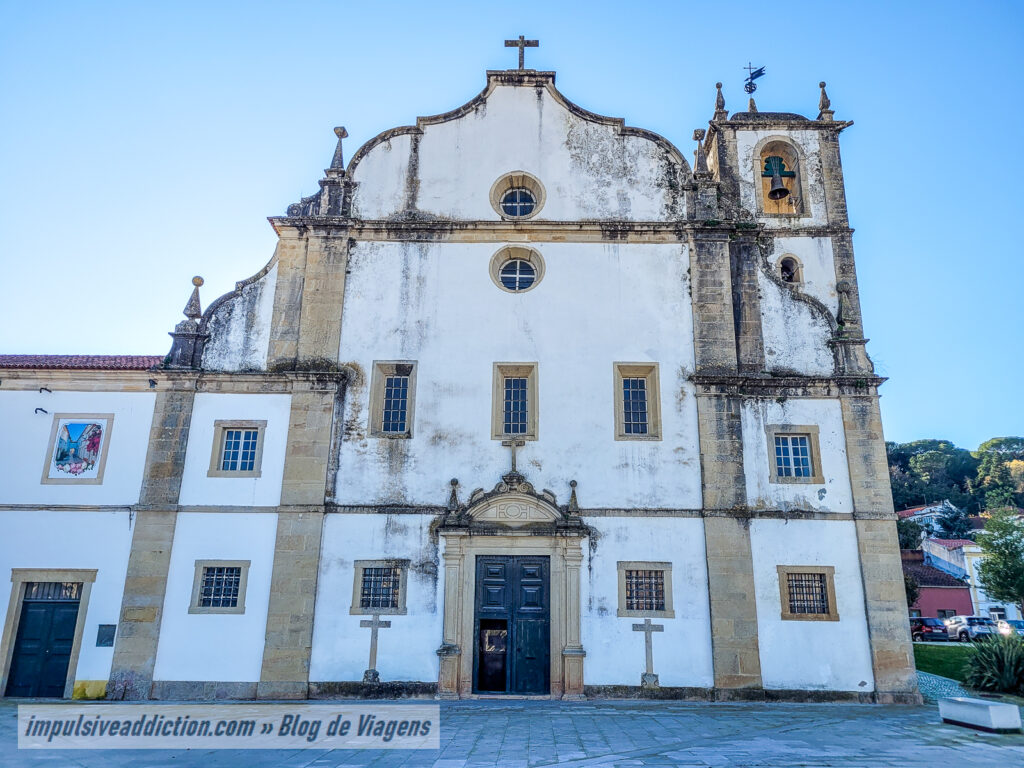
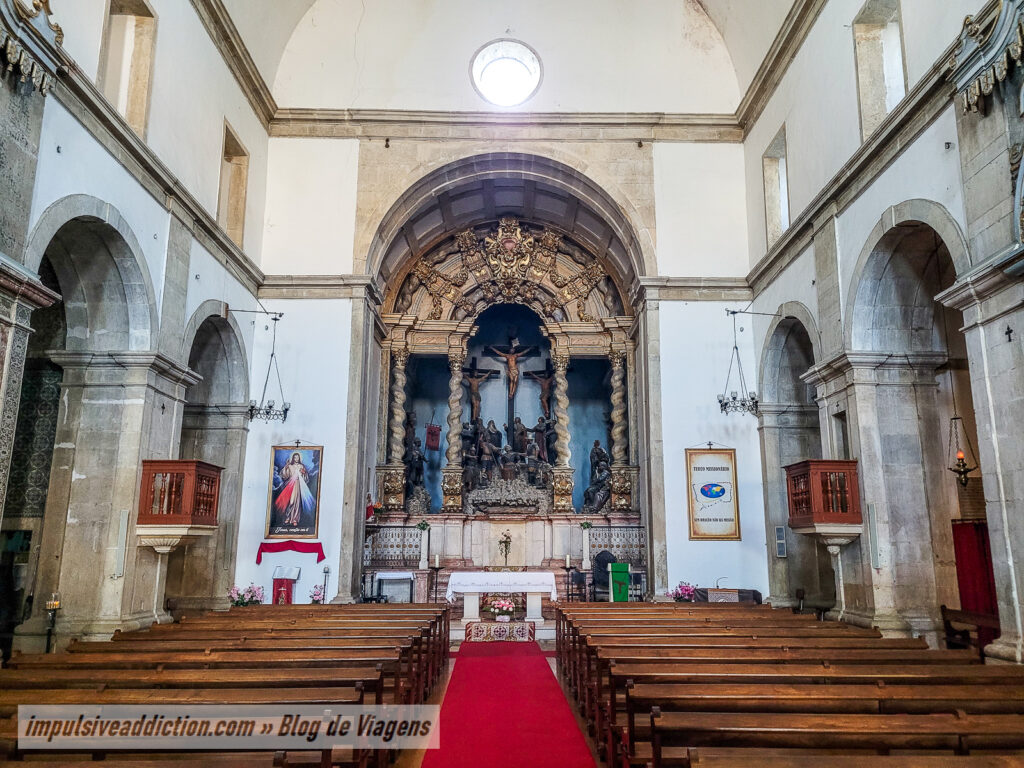
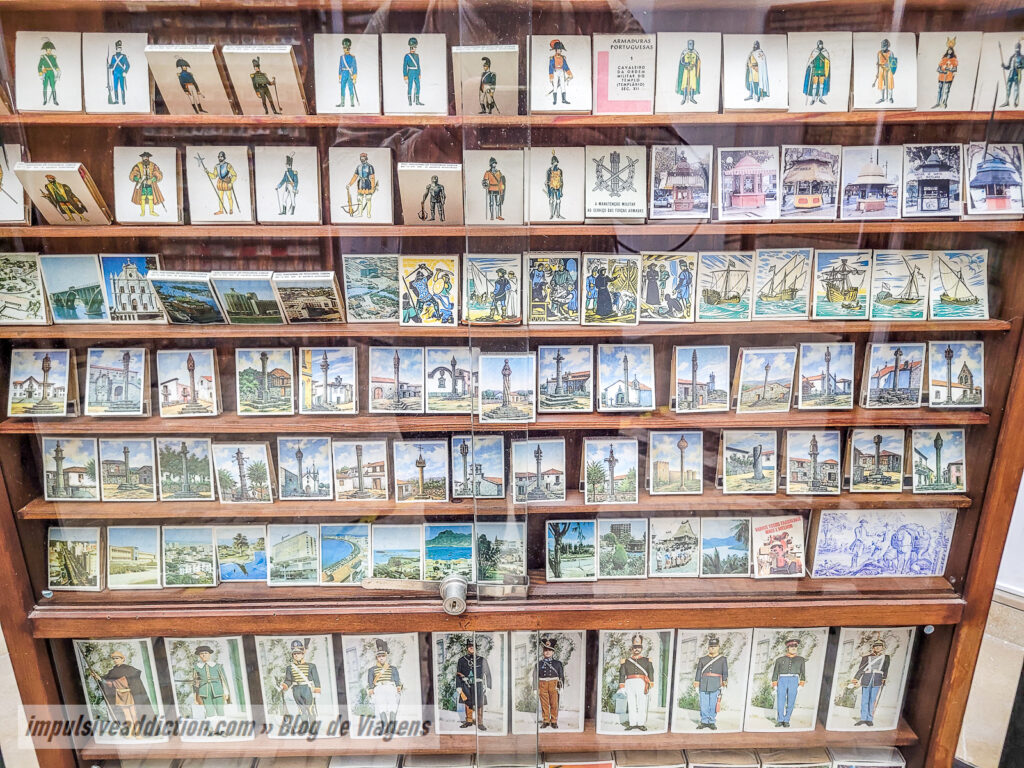
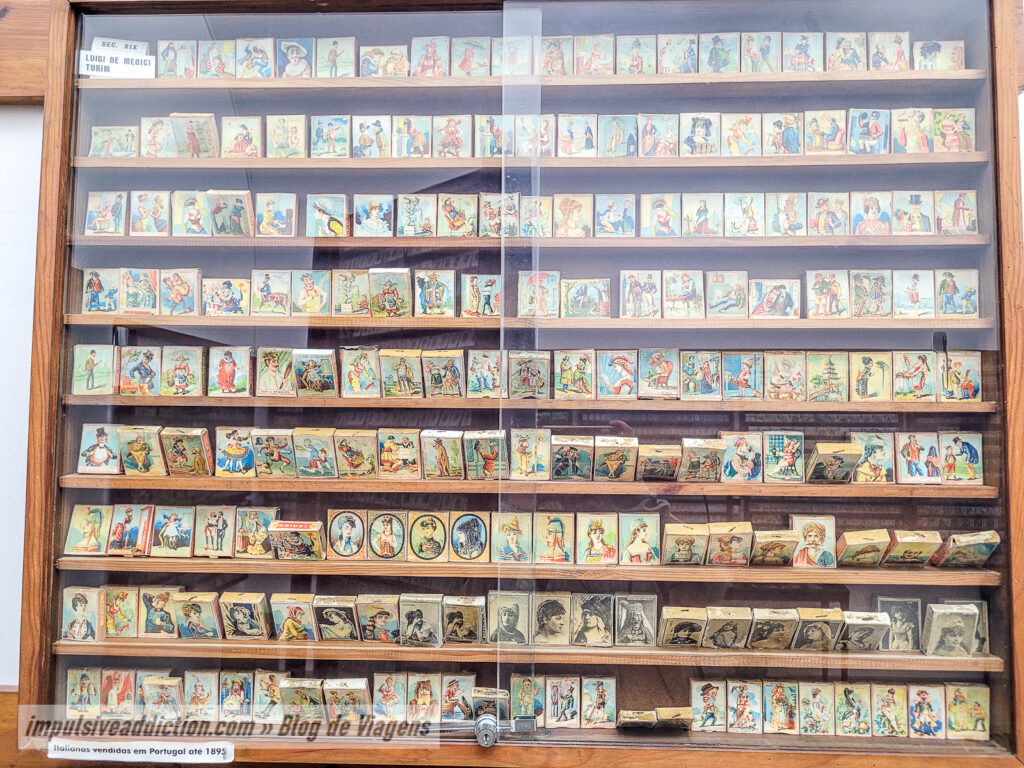
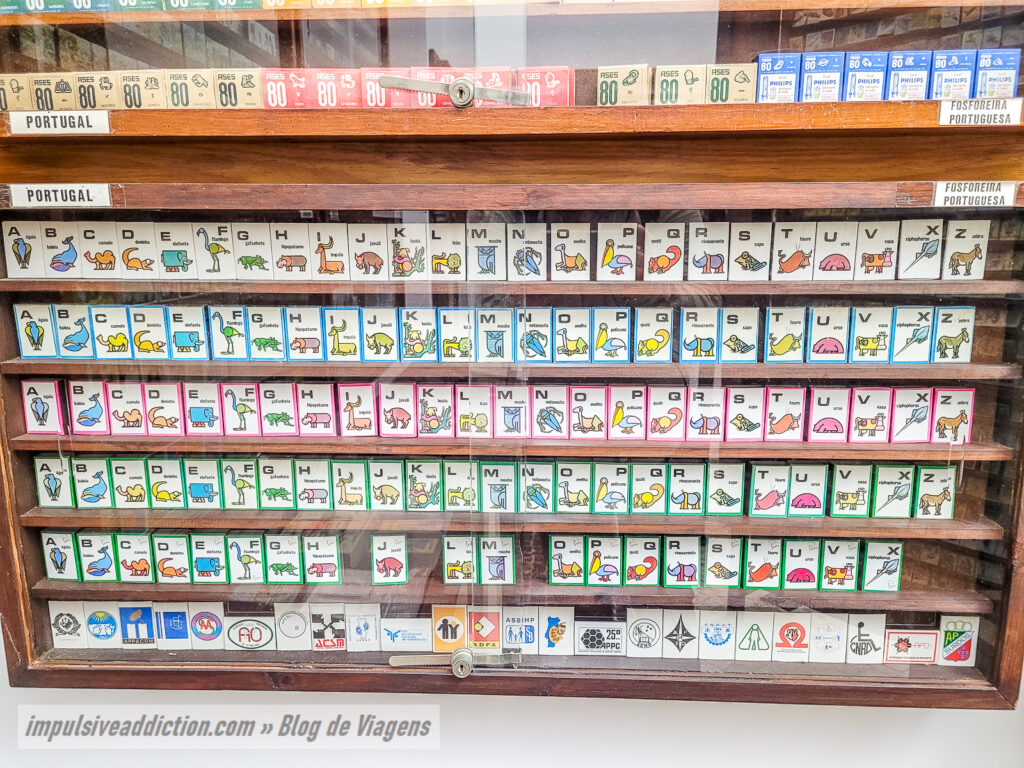
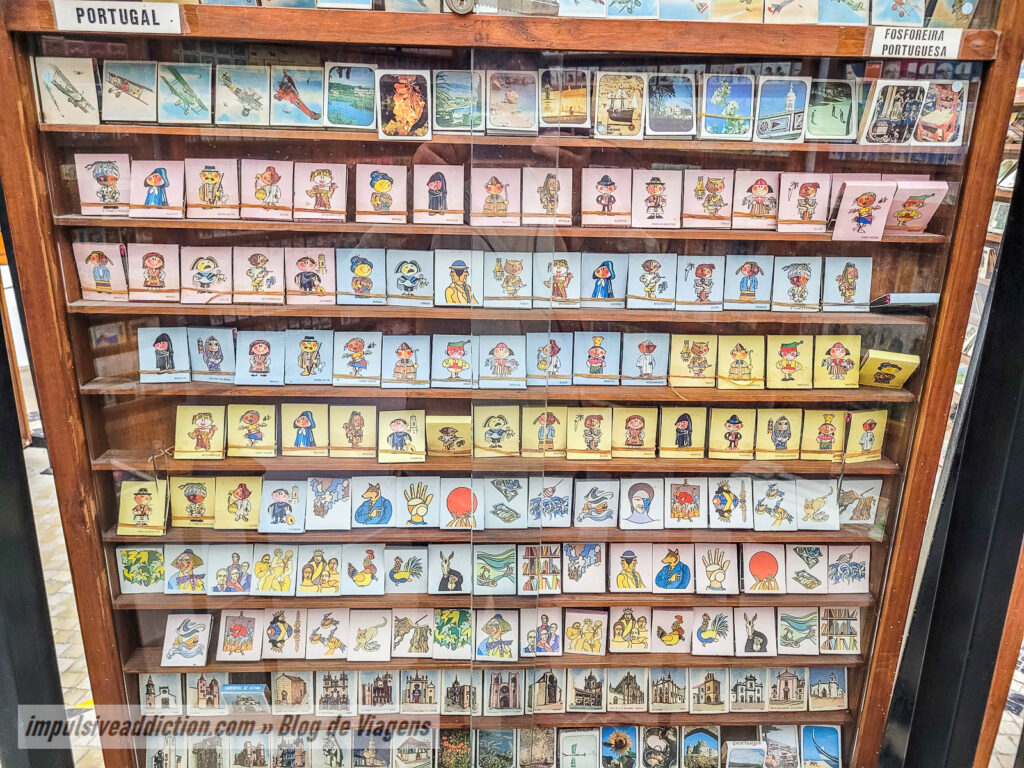
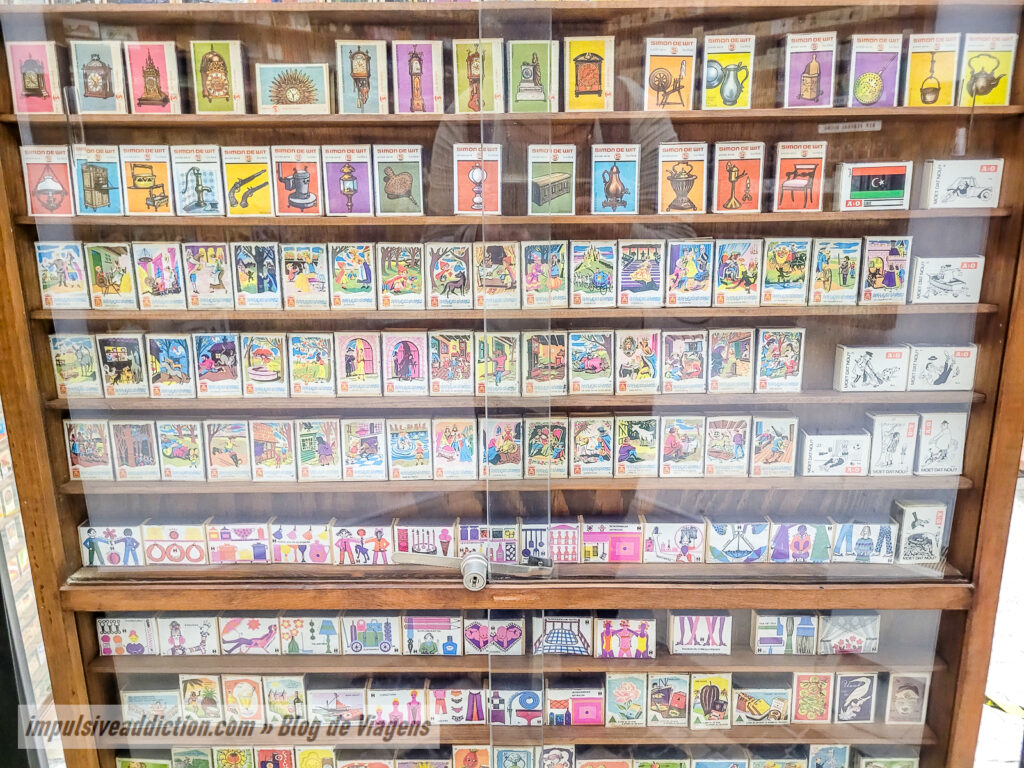
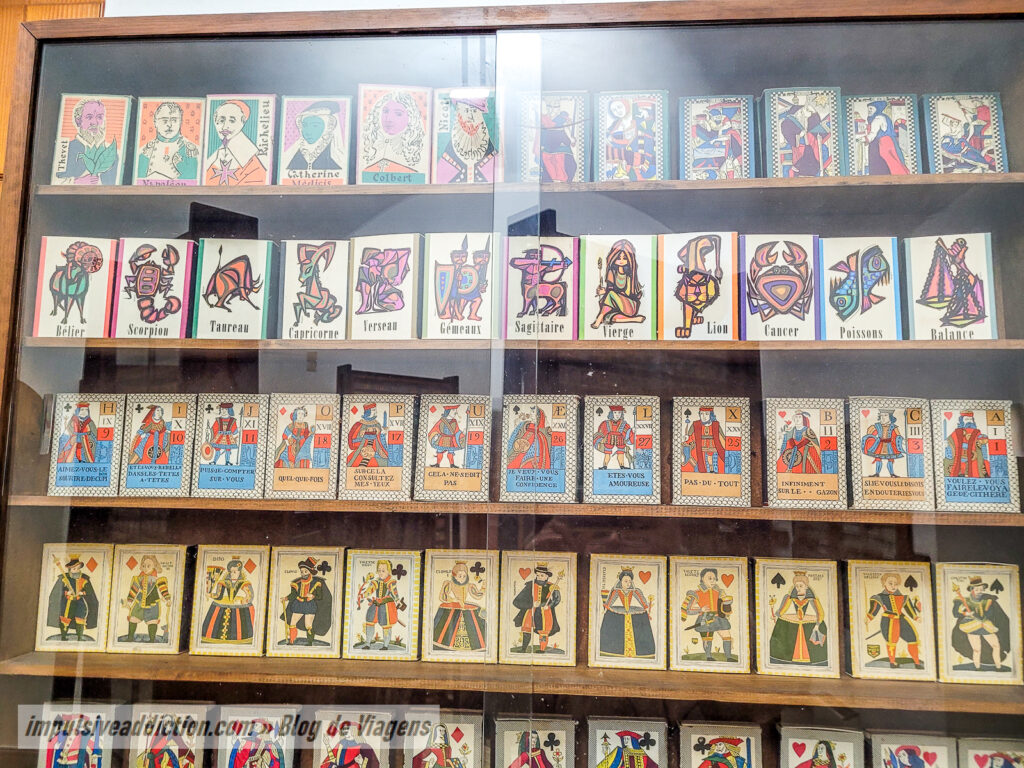
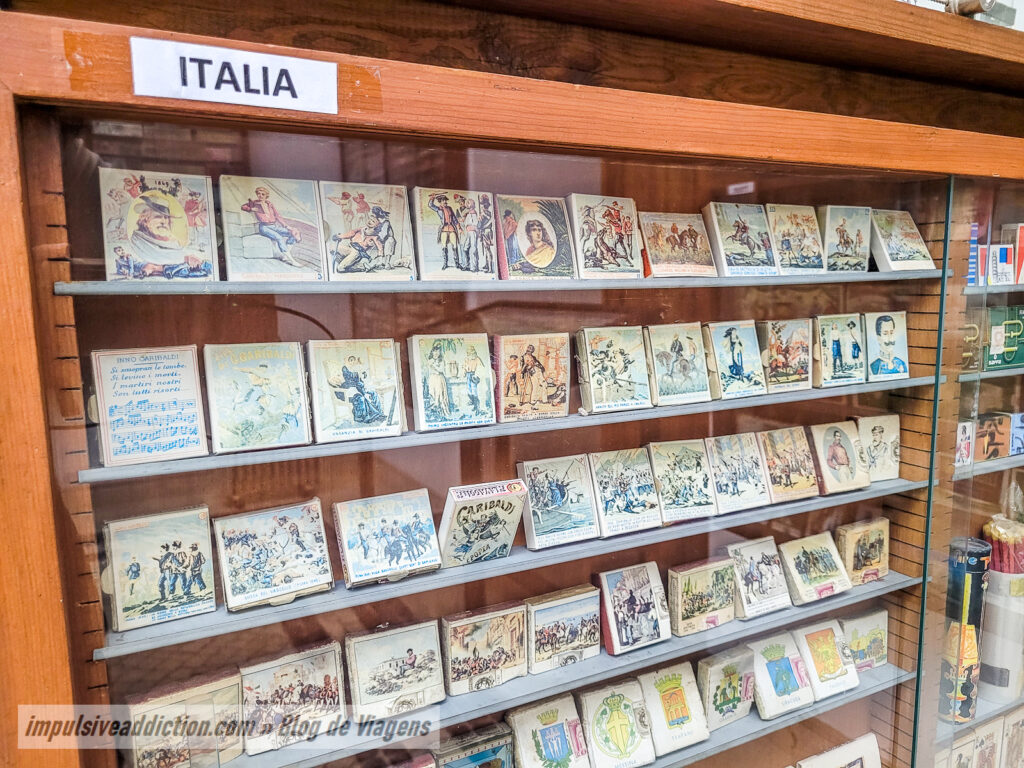
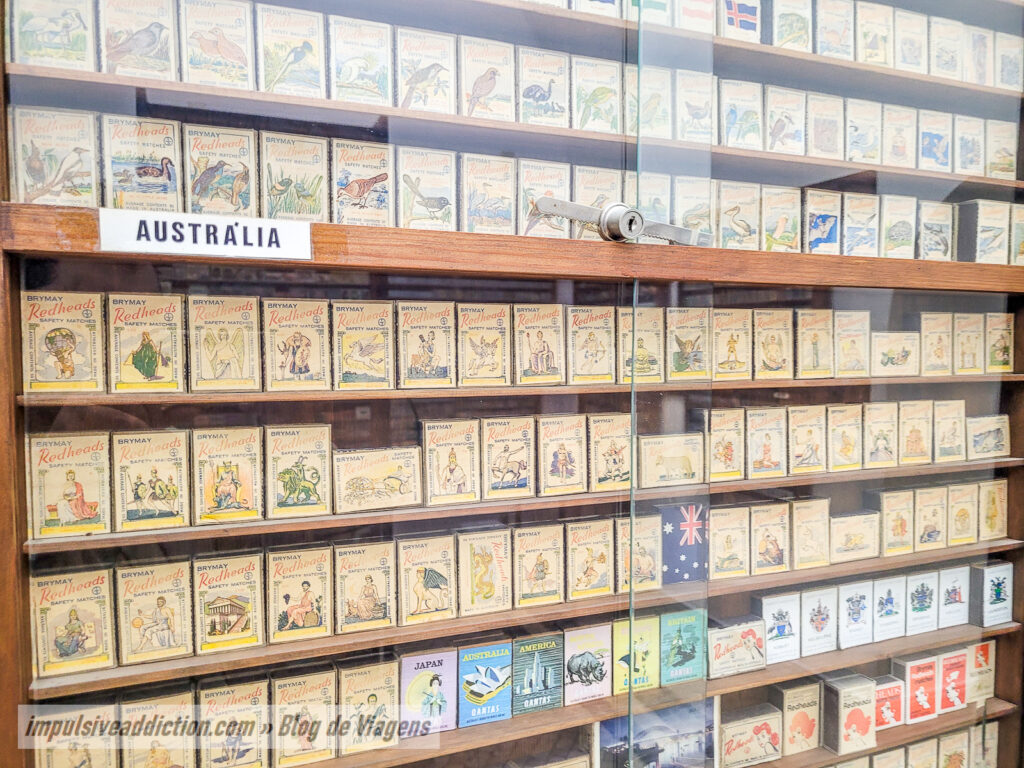
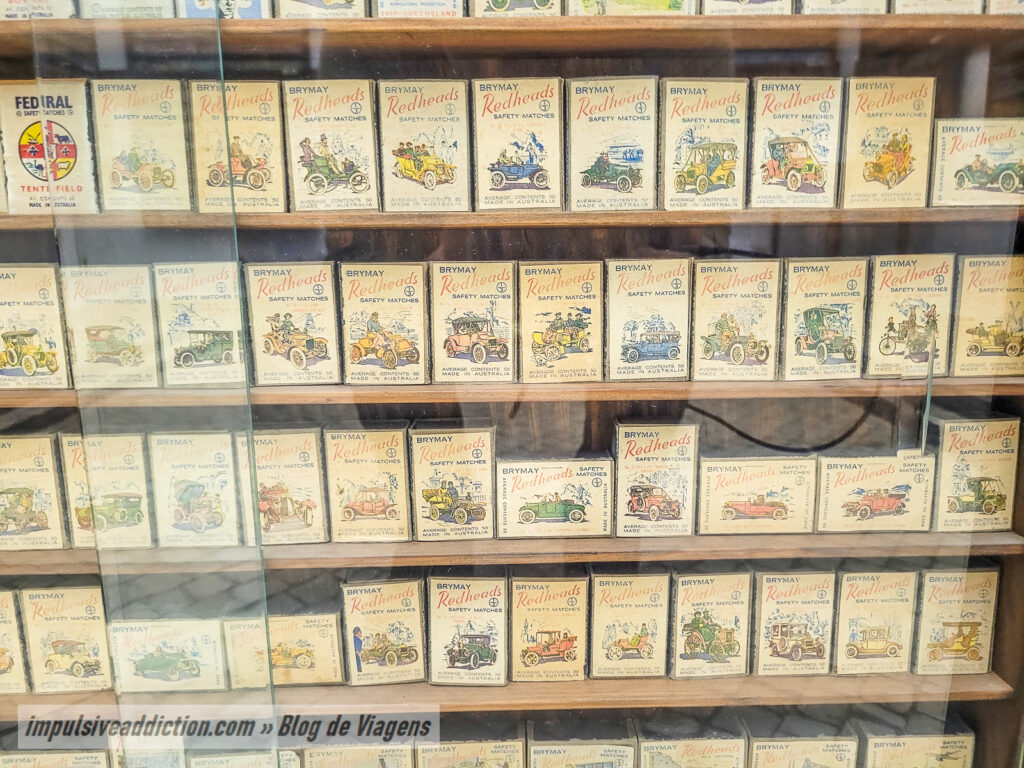
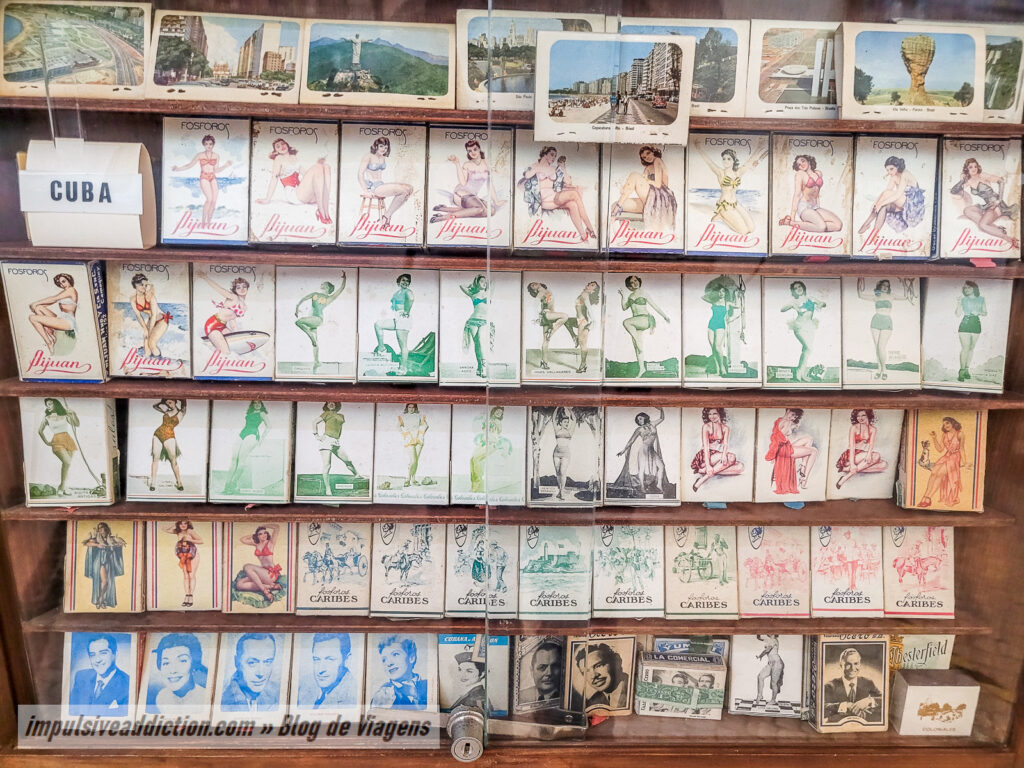
Just a few minutes from the city centre, the Church and Convent of Saint Francis mark the transition between Tomar’s religious past and its present-day museum life. Simple yet elegant in design, the building now houses the Matchbox Museum (Museu dos Fósforos), one of the largest of its kind in the world, with over 60,000 matchboxes from more than 120 countries. The combination of a conventual setting with such an unusual collection makes this a curious and memorable stop.
17. Pottery and Tile Workshop
Housed within the same complex as the Convent of Saint Francis, the Pottery and Tile Workshop offers a glimpse into the artisanal skills that have shaped the region’s cultural identity. Here, visitors can observe traditional techniques and even take part in hands-on activities related to ceramics and tile painting. It’s an educational and interactive space, ideal for families and for anyone who appreciates the craftsmanship behind local history.
18. Matchbox Museum of Tomar
The Matchbox Museum deserves special mention for its originality. Born from the collection of Aquiles da Mota Lima, it brings together matchboxes and matchbooks featuring images of art, politics, advertising, and popular culture. Surprising in both scale and variety, the collection sparks curiosity in adults and children alike, making it one of Tomar’s most unexpected attractions.



19. Largo da Várzea Grande and Tomar Letters
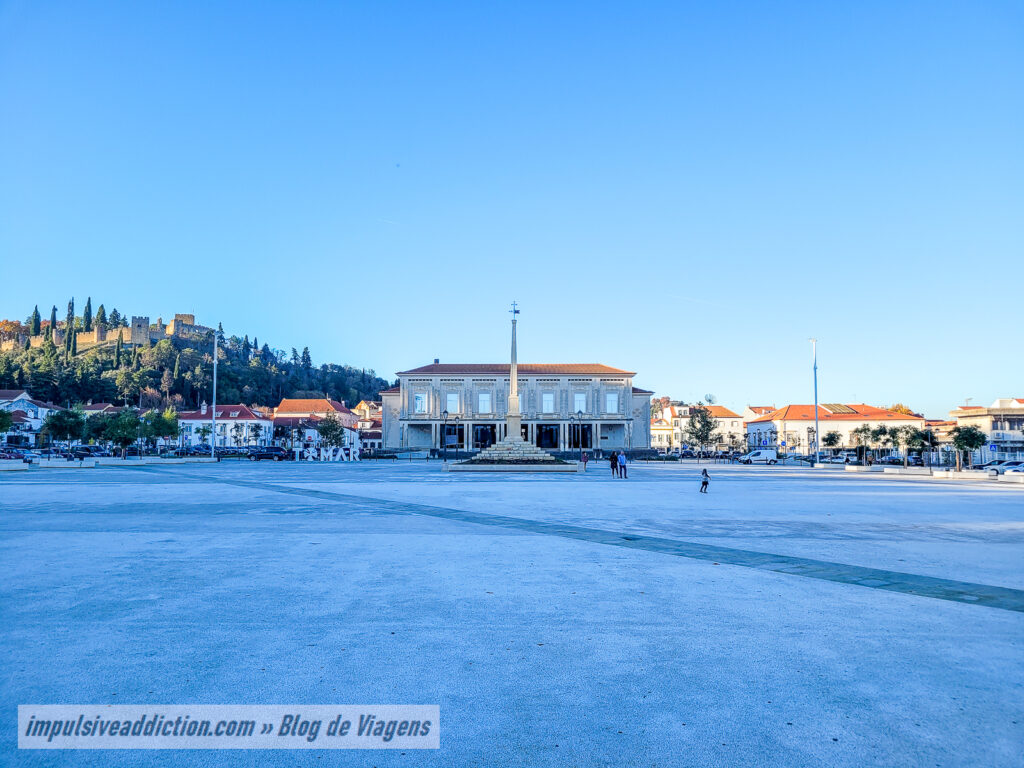
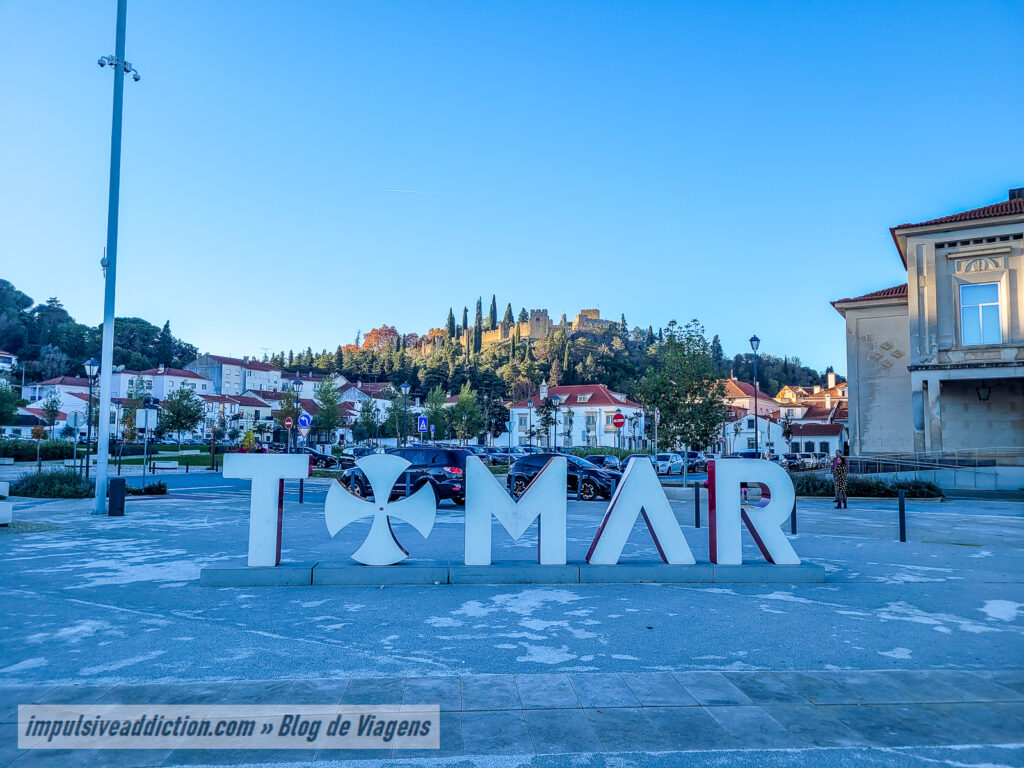
Largo da Várzea Grande, also known as Largo 5 de Outubro, is a spacious urban square that has been recently renovated. Here you’ll find the iconic “TOMAR” letters—perfect for that must-have travel photo. The square also hosts fairs and events and is surrounded by institutional buildings such as the Fire Brigade Headquarters, the former Convent of Saint Iria, and other administrative spaces. It’s a great starting or finishing point for those exploring the city on foot.
20. The Estaus
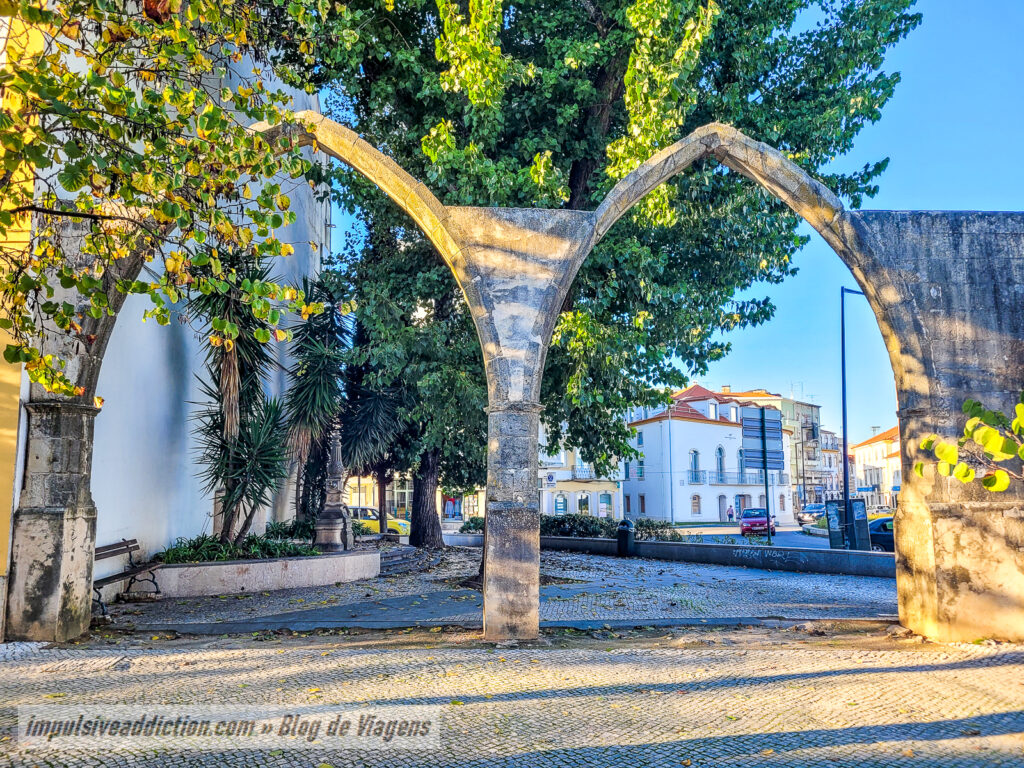
The Estaus of Tomar were commissioned in the 15th century by Prince Henry the Navigator to host nobles, dignitaries, and officials of the Order of Christ visiting the city. Today, only a few stone Gothic arches remain—either embedded in modern buildings or standing alone in a small urban garden—marking what’s left of this former lodging complex. Located on what is now Rua dos Arcos, these remnants are a rare example of medieval civic architecture and were classified as a Property of Public Interest in 1946.
21. Casa dos Cubos
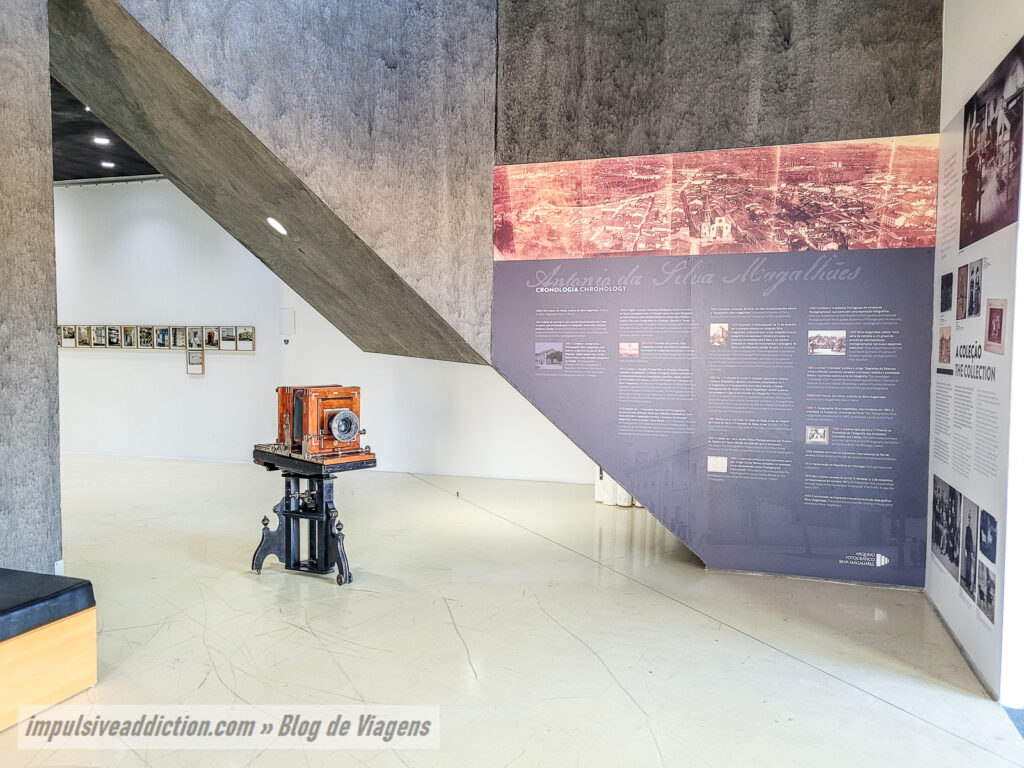
Casa dos Cubos is a contemporary building integrated into a historic structure with origins in the 14th century. Restored through an award-winning architectural project, it now hosts temporary exhibitions and cultural activities, often focused on photography and the visual arts. The blend of ancient stone and modern lines makes it a symbol of how Tomar preserves its heritage while investing in contemporary creativity.
22. Lopes-Graça Memory House
Dedicated to composer Fernando Lopes-Graça, born in Tomar, this house-museum preserves the personal and creative legacy of one of the most influential figures in 20th-century Portuguese music. The collection includes scores, manuscripts, personal objects, and documents that portray the life and artistic contributions of a composer closely linked to the anti-fascist resistance. A must-visit for those who value music and Portugal’s cultural memory.
23. Levada Cultural Complex and Museum Spaces
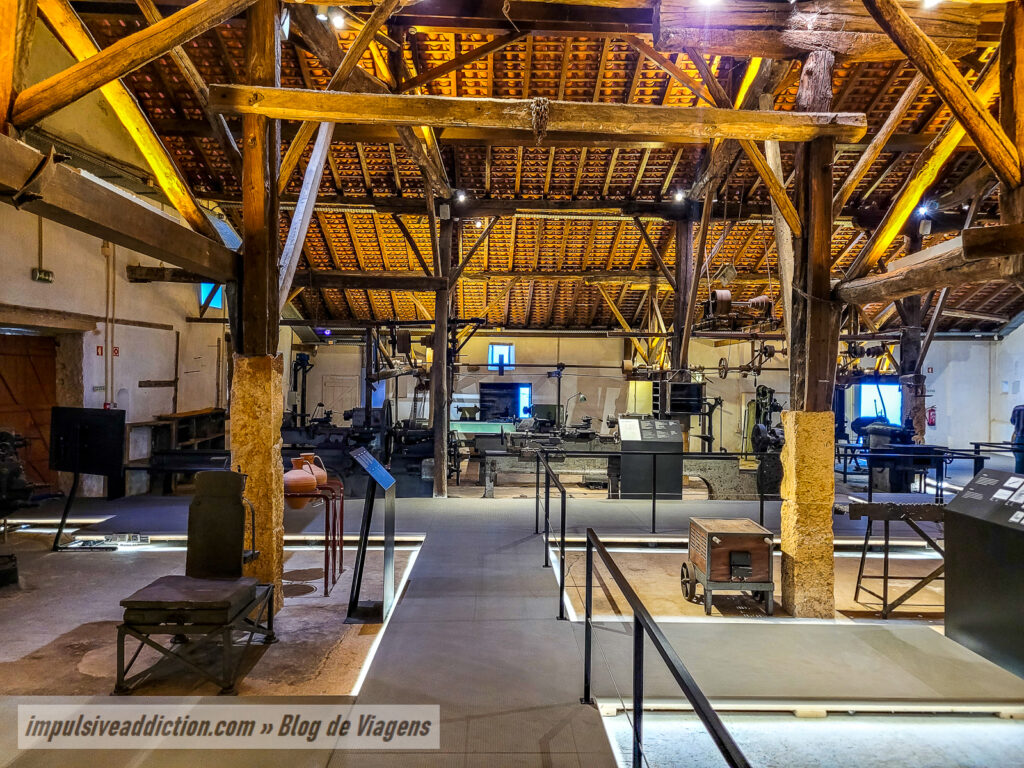
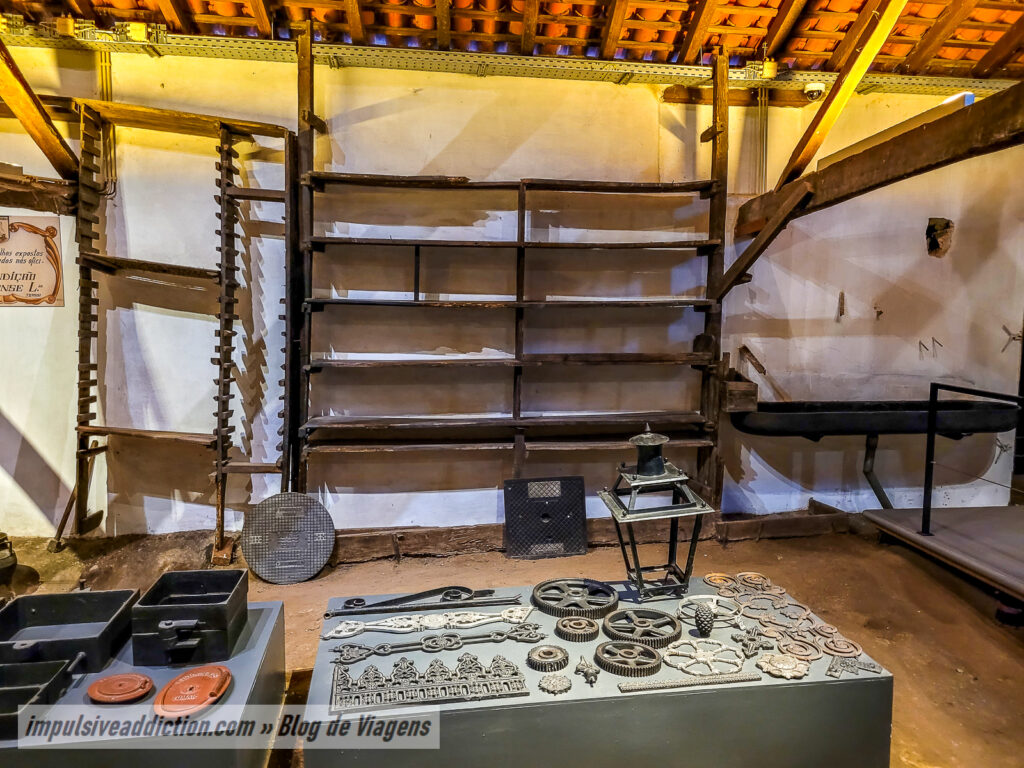
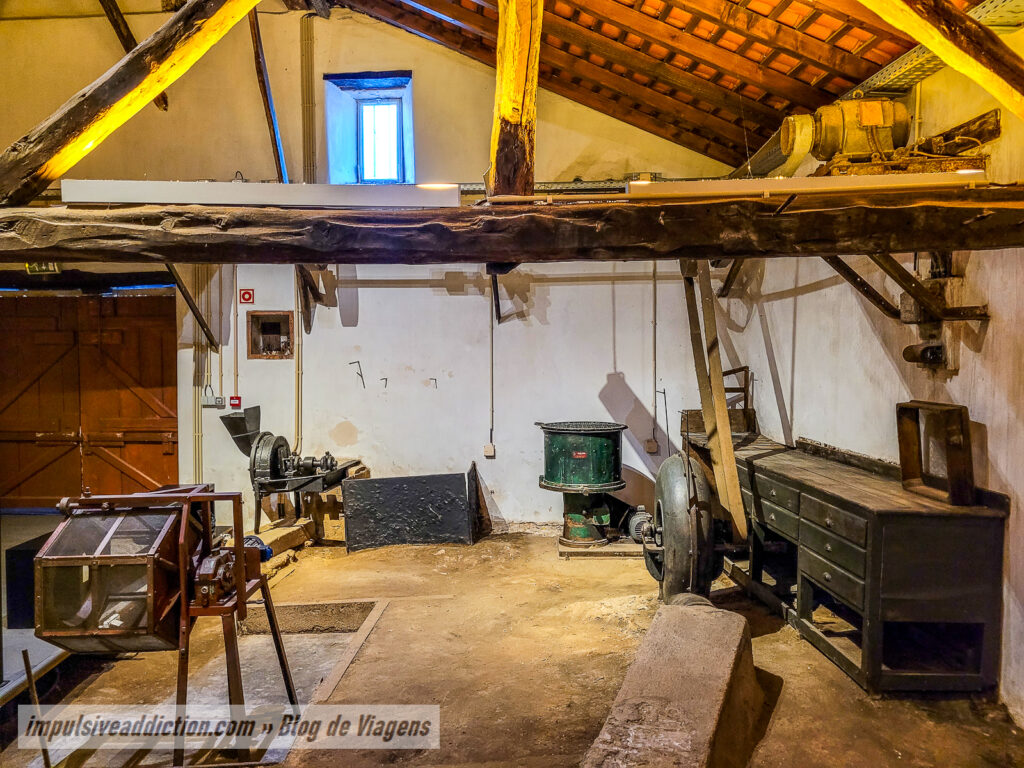
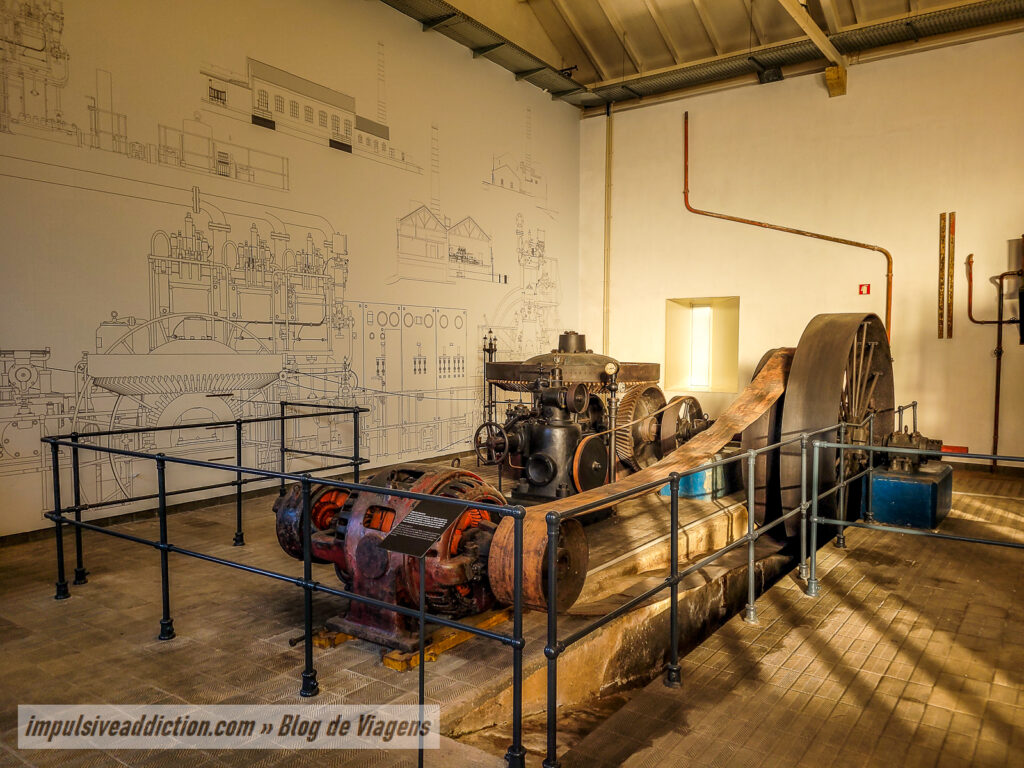
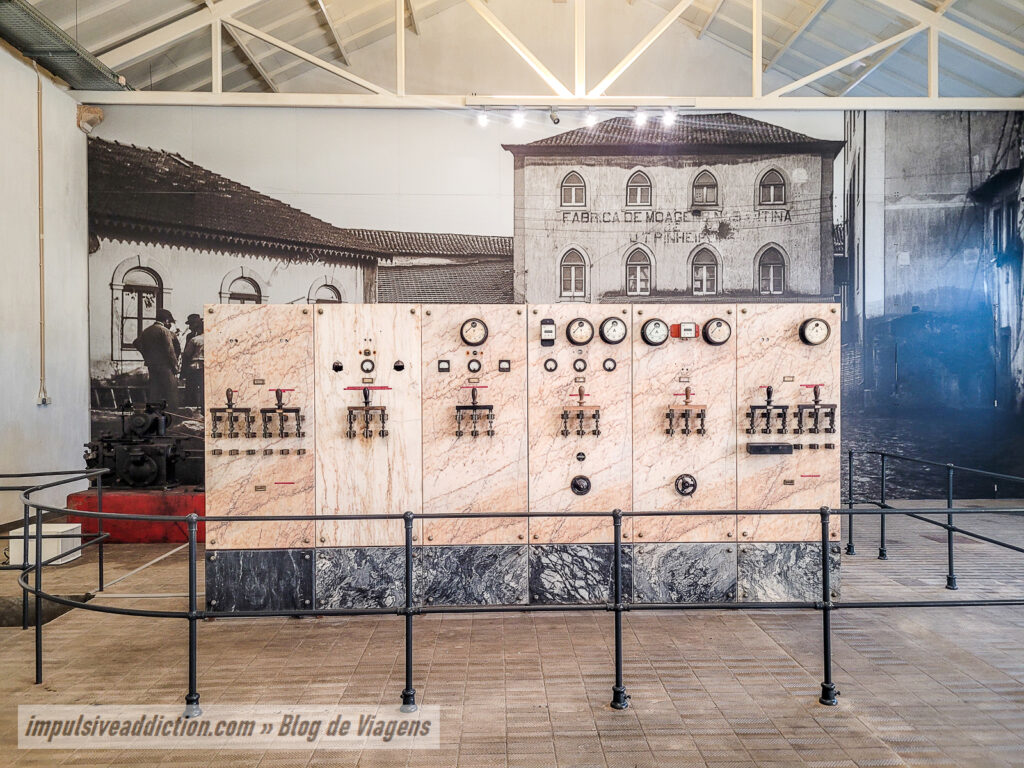
The Levada Cultural Complex of Tomar is one of the city’s most emblematic examples of urban renewal and heritage preservation. Located by the Nabão River, it stands on ancient Templar structures from the 12th and 13th centuries—such as mills and presses—which have been transformed into a vibrant cultural hub. The site retains its historical-industrial character while embracing contemporary use, serving today as a meeting point between memory, culture, and community.
Within this multi-faceted complex, key museum spaces and cultural projects include:
- Tomar Foundry – Museum Unit: preserves machines, tools, and equipment related to locksmithing and foundry work, showcasing the local industrial activity up to 2005. The visit offers both a technical and human journey through the full process of iron transformation.
- Tomar Power Plant – Museum Unit: the first industrial unit in the complex to open to the public. It documents and illustrates the cycles of electric power production (hydraulic, steam, diesel) and tells the story of electrification—Tomar was one of the first cities in Portugal to be electrically lit.
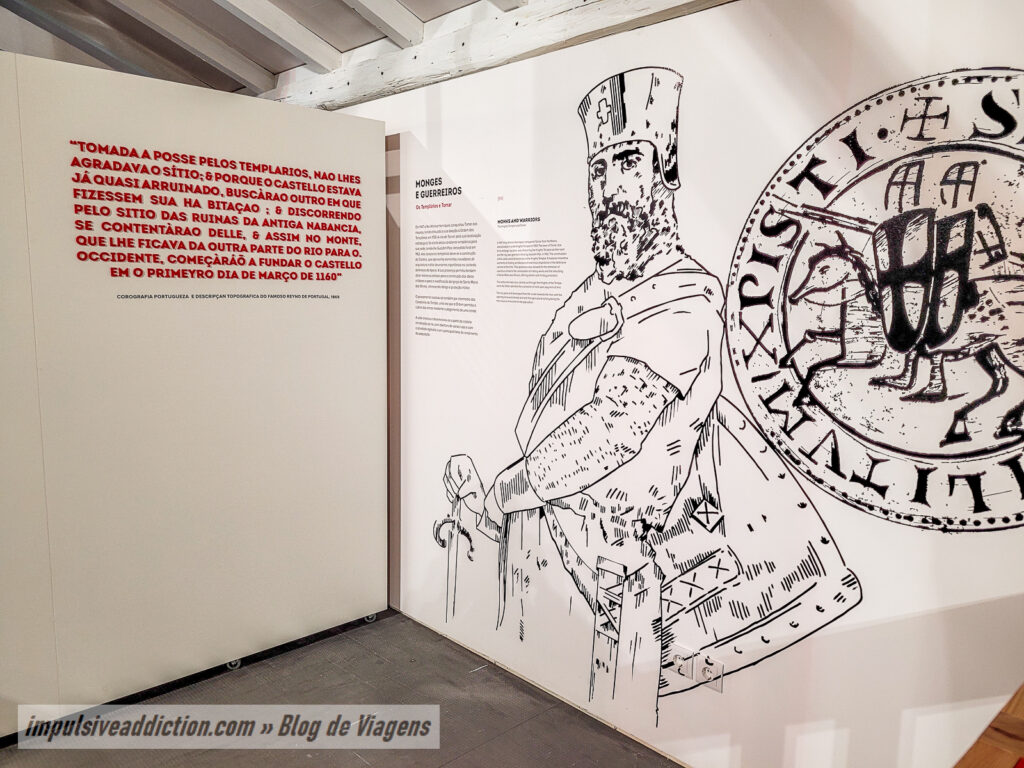
- Tomar Templar Interpretive Centre: presents a chronological exhibition narrating the city’s history from prehistory to the Templar presence, using visual, audiovisual, and interactive elements to immerse visitors in Tomar’s different eras.
- “A Portuguesa” and “A Nabantina” Flour Mills: preserve the industrial milling units (dating from 1883 and 1912), which now serve as venues for artistic activities, workshops, and exhibitions.
24. Vieira Guimarães House
The Vieira Guimarães House honours one of the most influential figures in Tomar’s political and cultural life during the 19th century: jurist, writer, and parliamentarian António Vieira Guimarães. Located in a stately building in the historic centre, this space evokes not only the personal memory of its namesake but also the intellectual and social circles of his time. Though less well-known than other museum sites in the city, the house promotes cultural initiatives and preserves a valuable documentary collection.
25. Estrelas de Tomar
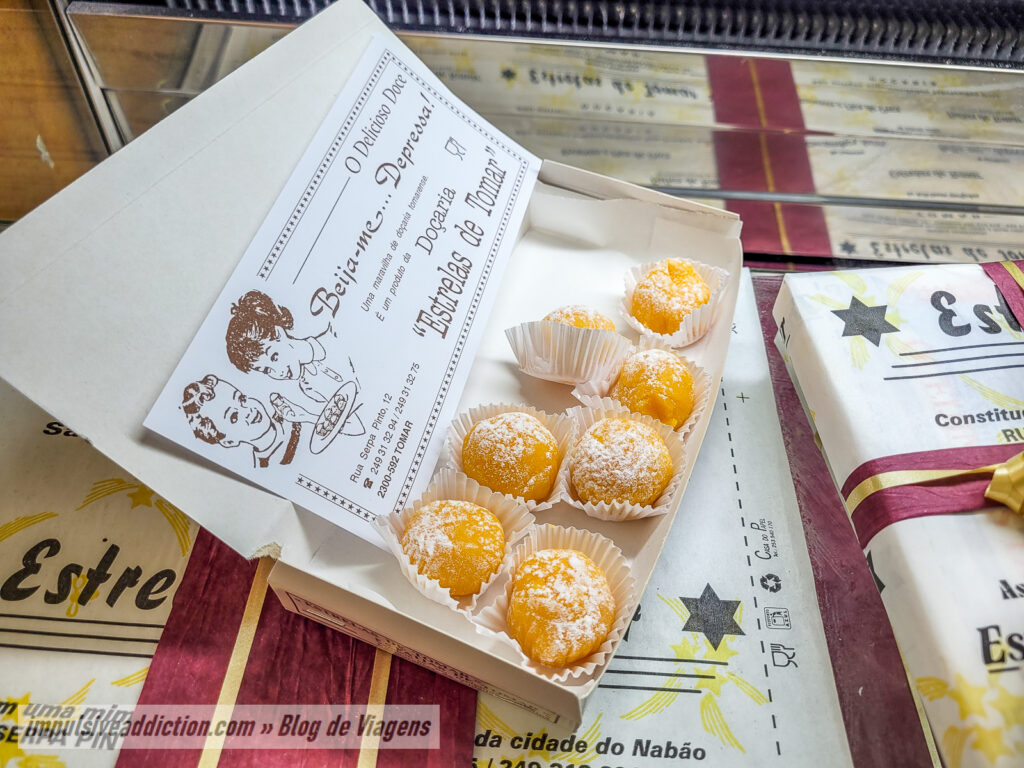
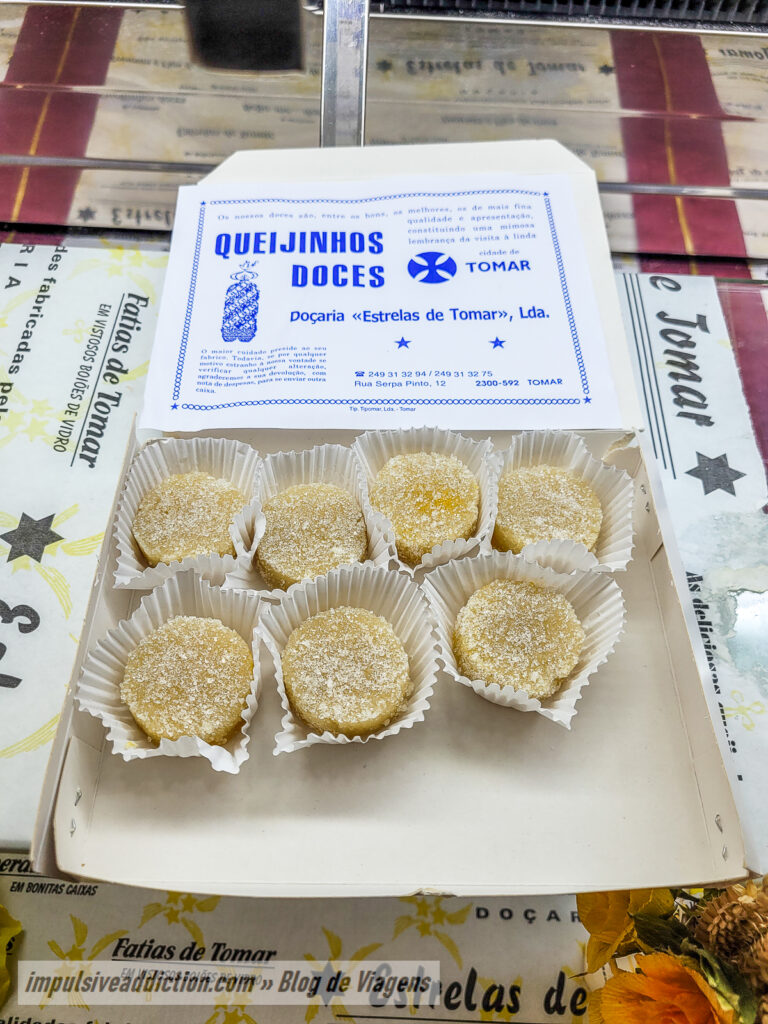
Estrelas de Tomar is one of the city’s most iconic pastry shops and an unmissable reference in local conventual sweets. Located on Rua Serpa Pinto, in the heart of the historic centre, this retro-style shop—with green tiles and classic furnishings—preserves unique recipes that capture the sweet soul of Tomar. Here were born specialties such as the iconic Estrelas de Tomar (delicate almond-based cheesecakes) and the famous Beija-me Depressa (“Kiss Me Quickly”), small egg-based sweets with poetic names and presentation. The list continues with Fatias de Tomar (steamed egg yolk slices in syrup), Queijinhos Doces, Ninhos, Tamares, and other conventual treasures.
With more than half a century of history, this pastry shop not only honours tradition but also attracts visitors from across Portugal—many making it a ritual stop after visiting the Convent of Christ.
26. Tomar Municipal Market
The Municipal Market is a vibrant space that reveals the most authentic side of daily life in Tomar. From early morning, it fills with voices, aromas, and colours: locally grown fruit, artisanal cured meats, traditionally baked bread, fresh flowers, and aged cheeses. Beyond its commercial role, the market is also a community meeting point—a place for conversation and the sharing of knowledge. It’s the ideal spot for those wanting to feel the city’s pulse and taste local products away from the conventional tourist circuit.
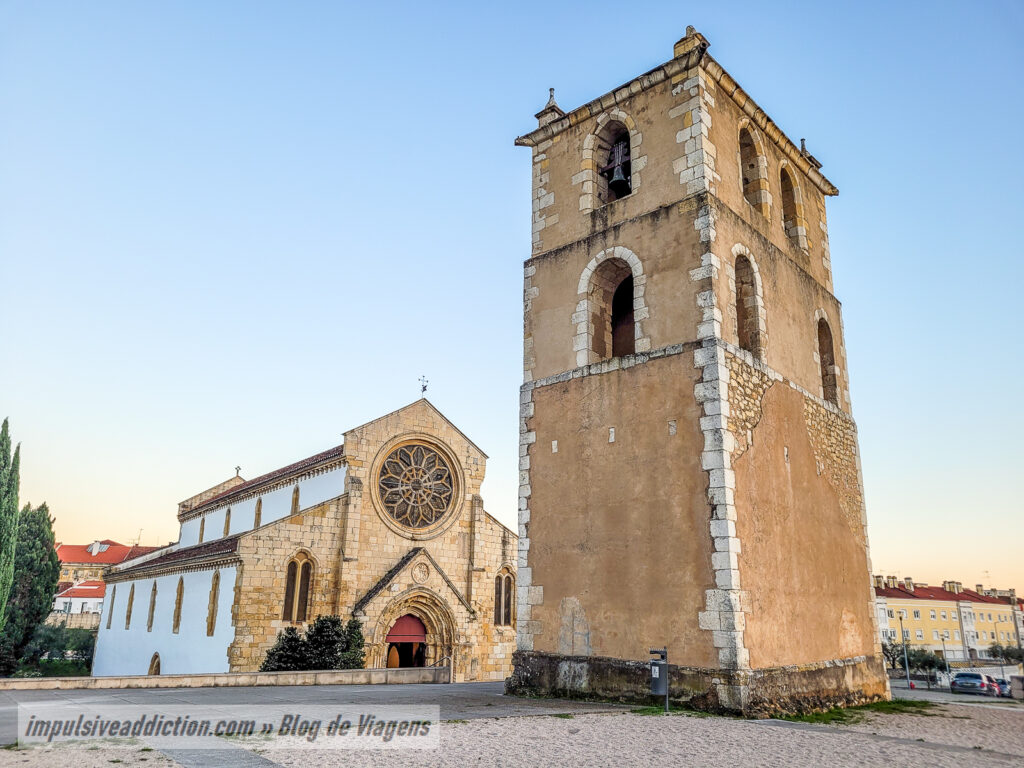
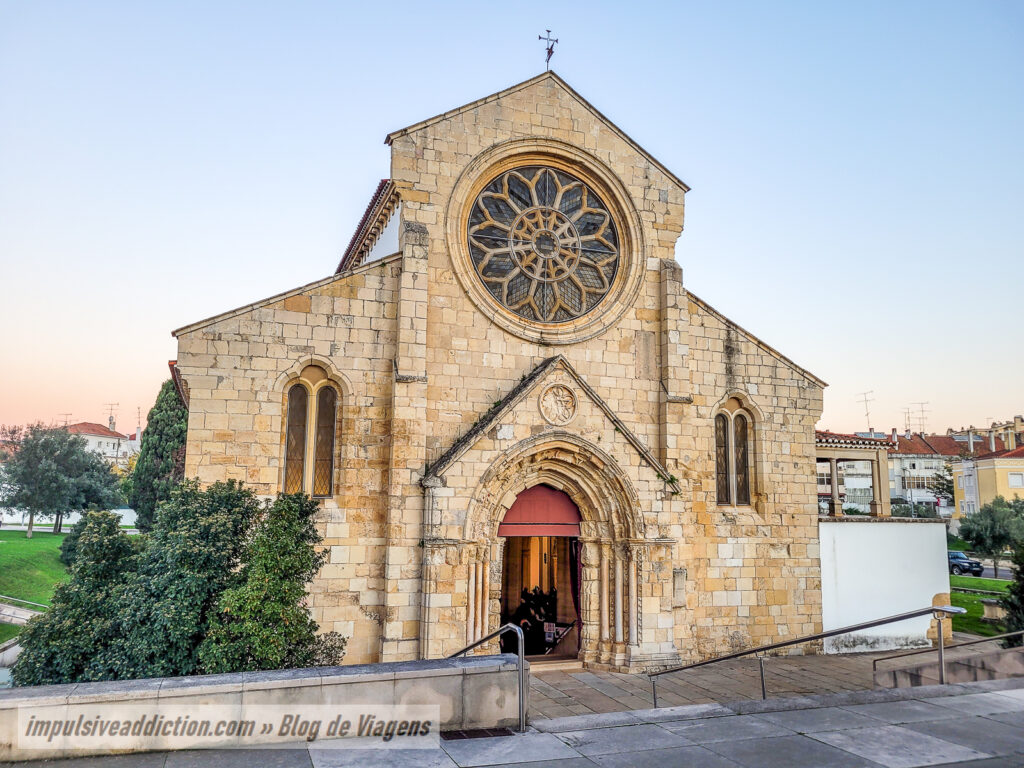
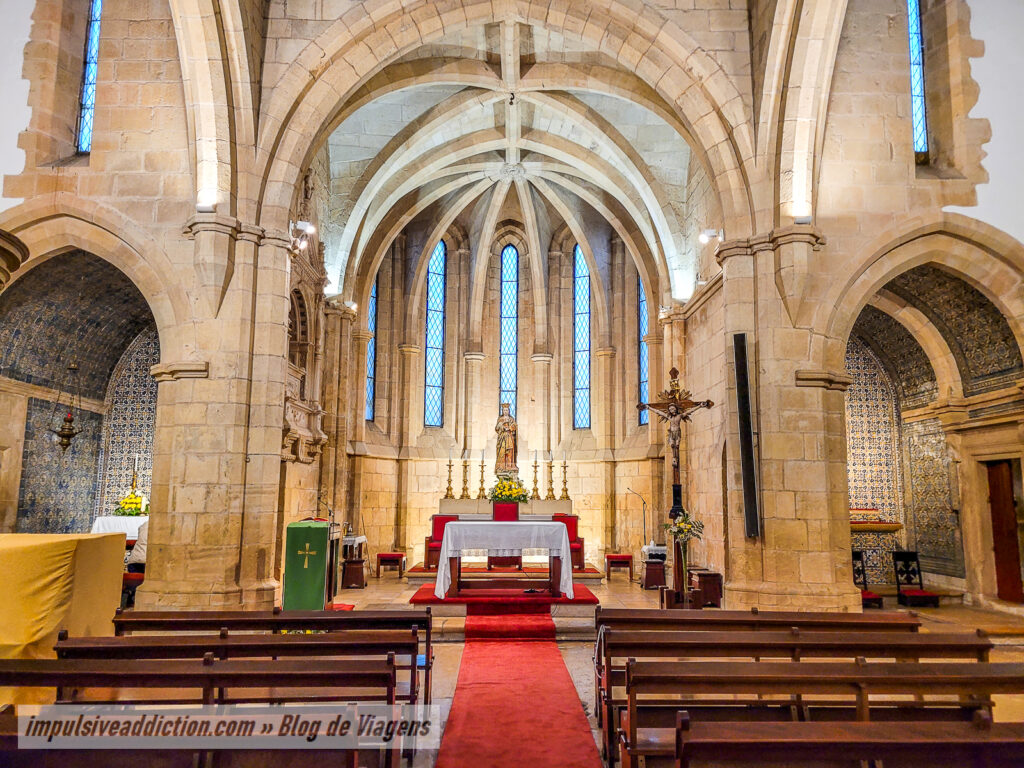
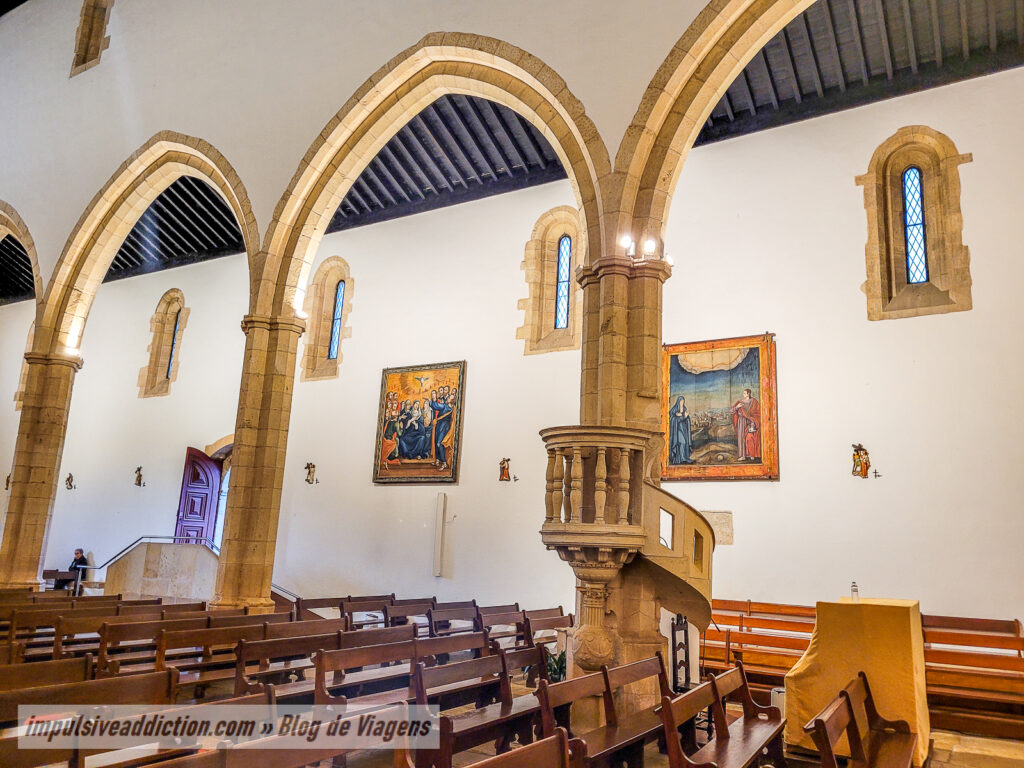
27. Church of Santa Maria do Olival
The Church of Santa Maria do Olival is a jewel of Gothic architecture and one of the most important temples in Tomar’s history. Founded in the 13th century by Gualdim Pais, it served as the burial site for the Templar Order in Portugal. Its austere interior holds the tombs of several Grand Masters of the Order, and its symbolism runs deep—not only as a place of worship but also as a spiritual and strategic reference point for the Templars.
Visiting the Aqueduct of the Convent of Christ (Pegões Aqueduct)
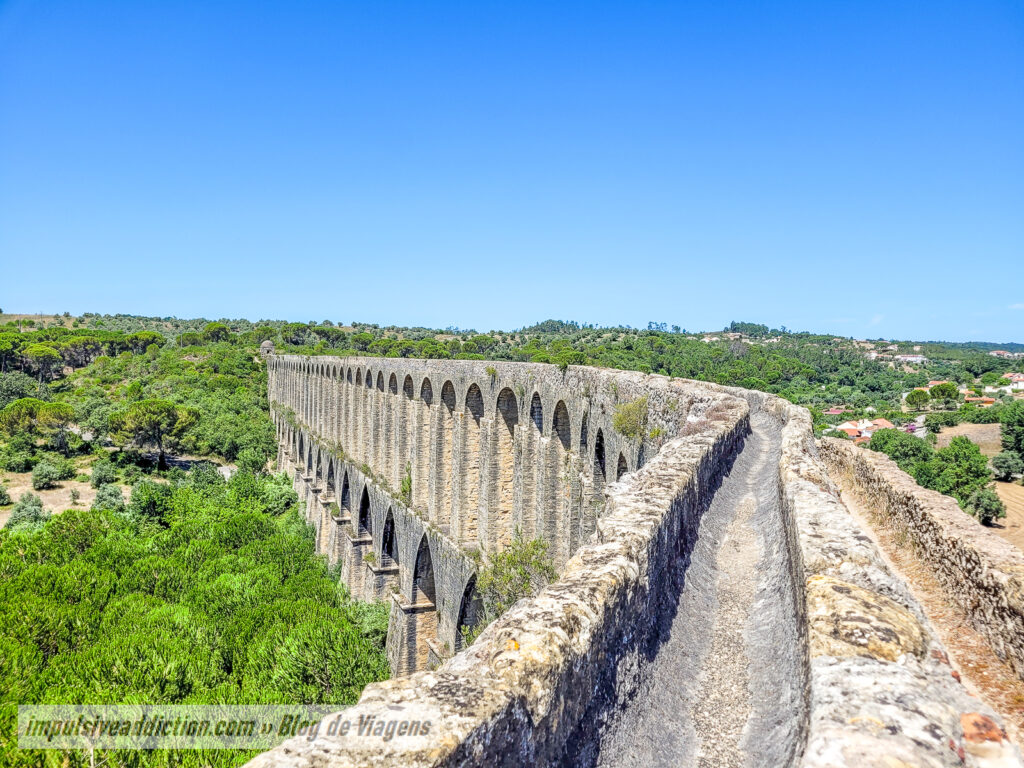
On the outskirts of Tomar’s centre, the Aqueduct of the Convent of Christ is not to be missed. A perfect example of Portuguese Renaissance engineering, the Aqueduto de Pegões was designed by Filippo Terzi in 1593 and completed by Pedro Fernando de Torres in the early 17th century—around 1614–1619—to supply water to the Convent of Christ from four springs located in the surrounding area. Stretching for about 6 km, it is considered one of the greatest public works of the 17th century in Portugal.
Its most spectacular section—visible from the roads leading into Tomar—rises up to 30 metres high, with a double tier of arches: 58 round arches resting on 16 pointed arches supported by massive pillars, spanning the Pegões valley.
Although less frequently mentioned in classic tourist itineraries, the aqueduct is a monumental and silent presence that surprises those who come across it. Classified as a National Monument in 1910, it can be visited on foot along the upper platform that follows the original water channel—a challenging and thrilling experience, especially as there are no guardrails or protective barriers.
Visiting the Castelo de Bode Reservoir
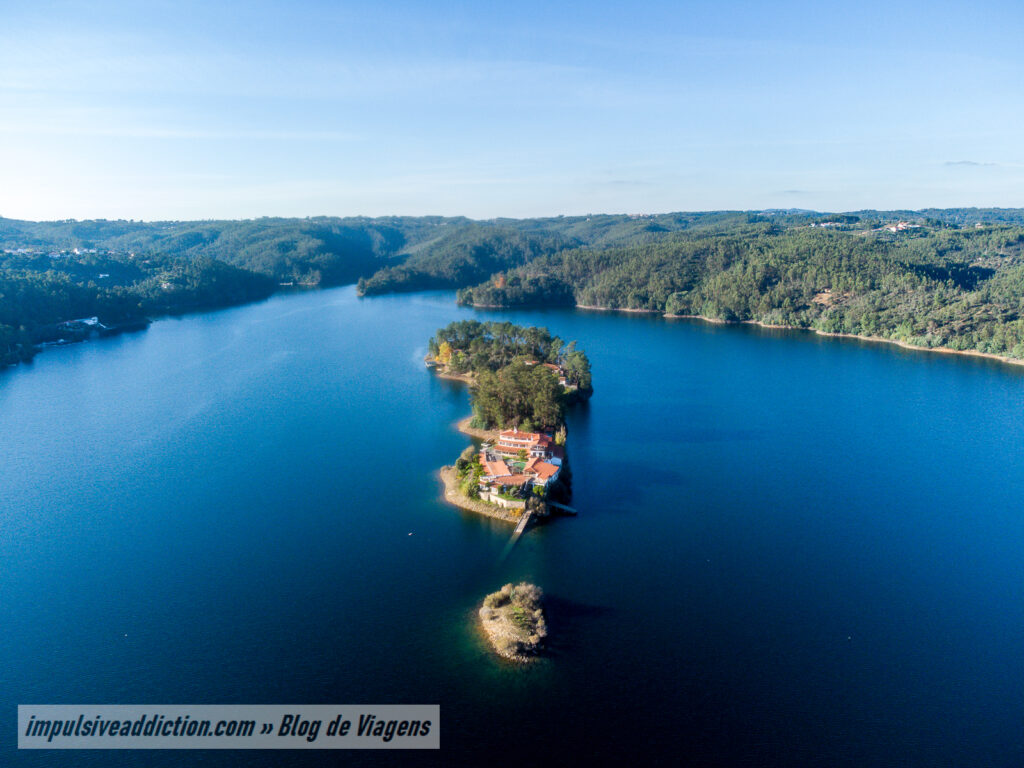
The Castelo de Bode Dam opens onto a vast expanse of calm, crystal-clear waters—perfect for water activities of all kinds. Whether it’s kayaking, stand-up paddleboarding, skippered boat trips, or wakeboarding, every style of adventure finds its place on this winding lake surrounded by nature.
For more independent experiences, head to the Castelo de Bode Nautical Station at its various river beaches: Fernandaires, Lago Azul, Trízio, Montes, and Aldeia do Mato. Here you can rent kayaks, SUP boards, towable inflatables, and rowing boats, with logistical support and the Quercus eco-certification.
If you’d rather enjoy the scenery from the shore or take a relaxed cruise, Banauticas / Barcaça offers boat rentals with a skipper and guided tours of varying lengths—perfect for families or groups of friends.
For thrill-seekers, Blue Lake House and Clube Náutico Lago Azul deliver non-stop excitement with wakeboarding, water skiing, jet skiing, towable tubes, and lessons for all levels, in a vibrant and well-equipped setting.
Finally, NaturZ complements the offer with guided canoeing experiences from the dam to Constância—ideal for those wanting to combine sport and scenery, in deep connection with the river and its ecosystem.
River Beaches North of Tomar
North of Tomar, there are alternatives to the Castelo de Bode Reservoir—three beautiful river beaches perfect for a summer swim. The best one? Without a doubt, Agroal!
1. Sobreirinho River Beach
Located about 9 km from Tomar, Sobreirinho River Beach is a true hidden retreat that invites relaxation. Surrounded by lush vegetation and marked by the remains of a 19th-century paper mill weir, it offers natural shade and ideal spots for riverside picnics. Often praised as a peaceful and authentic place to unwind.
2. Mendacha River Beach
More secluded and intimate, Mendacha River Beach stands out for the unique karst landscape of the Nabão River. With a flat riverbed and crystal-clear waters, it’s the perfect destination for a serene swim in harmony with the river and the surrounding nature.
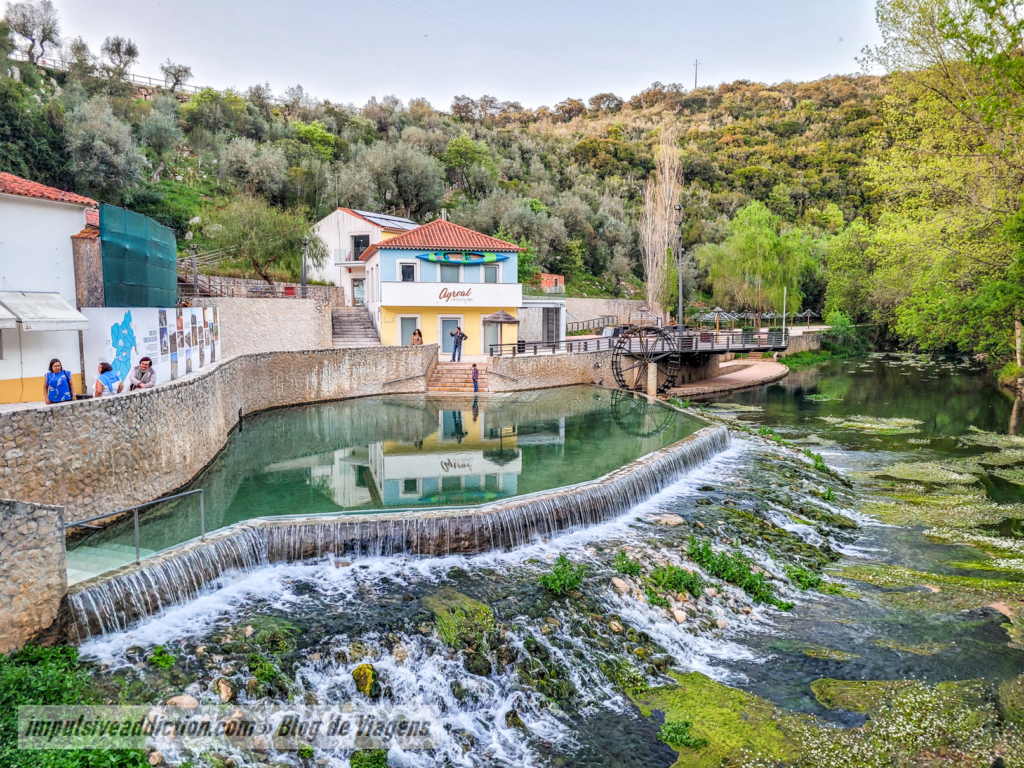
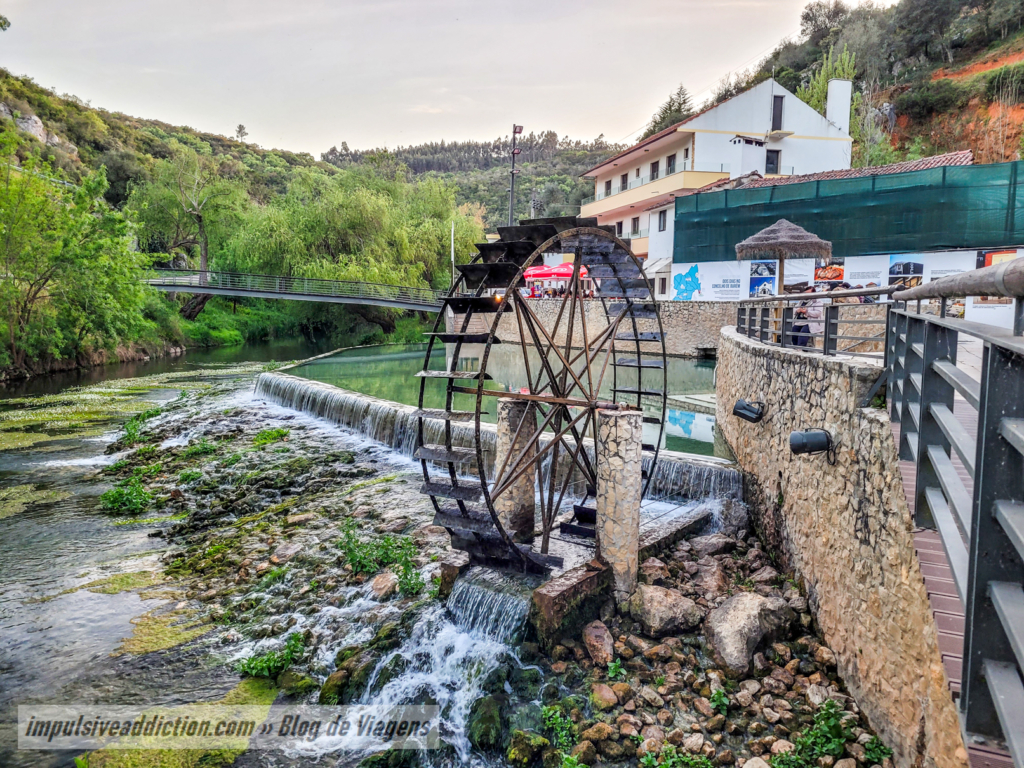
3. Agroal River Beach
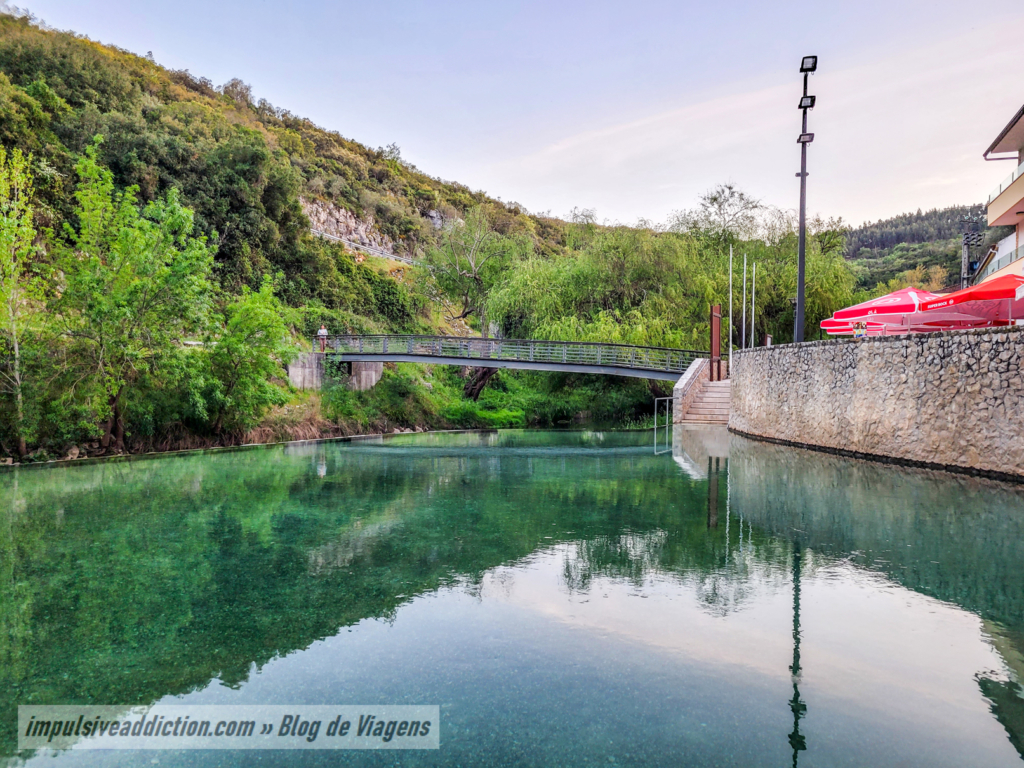
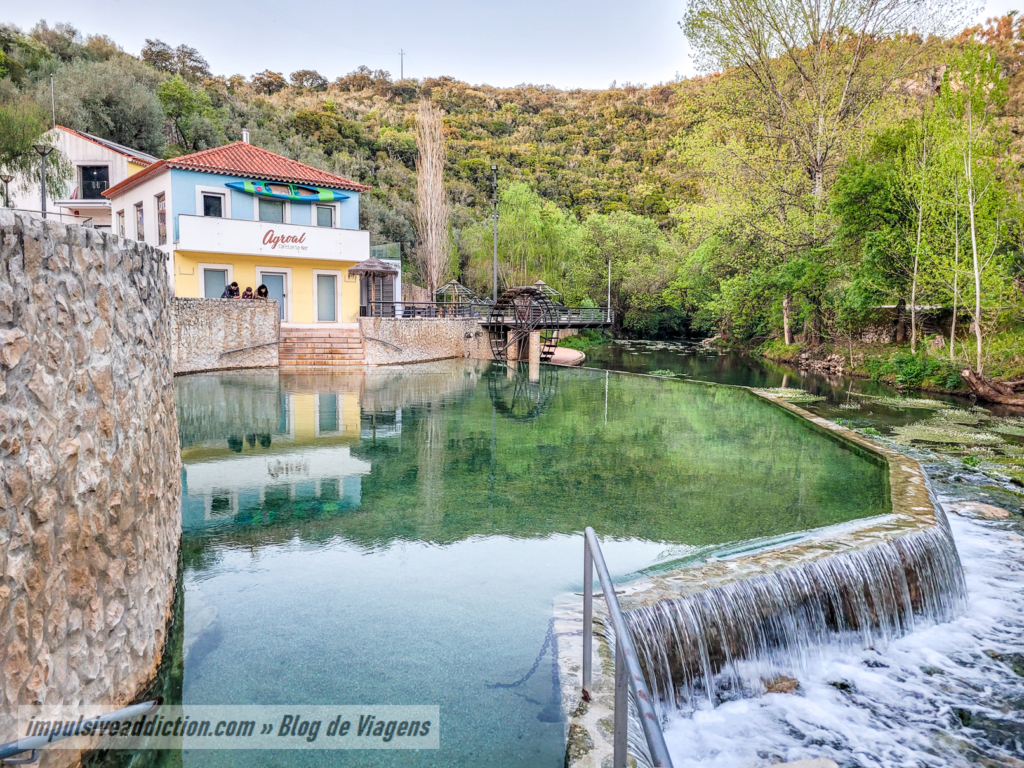
Situated on the banks of the Nabão River between the parishes of Formigais (Ourém) and Sabacheira (Tomar), Agroal River Beach is a true natural and historical gem. Its water springs from limestone sources and is famed for its therapeutic properties, recommended for gastrointestinal discomfort and skin conditions such as eczema and psoriasis.
With awards such as Blue Flag, Accessible Beach, and Gold Quality by Quercus, it boasts excellent facilities including a natural swimming pool, changing rooms, picnic areas, a café, and even wooden bridges over the river (Passadiço do Agroal). The brightness and freshness of its surroundings make a visit to Agroal a complete getaway—one that leaves memories to cherish all year long.
What to Visit Around Tomar?
If you’re planning to extend your itinerary beyond the city, why not explore some of the nearby attractions listed below? They link to other articles on this blog for further details.
1. Visit the Almourol Castle
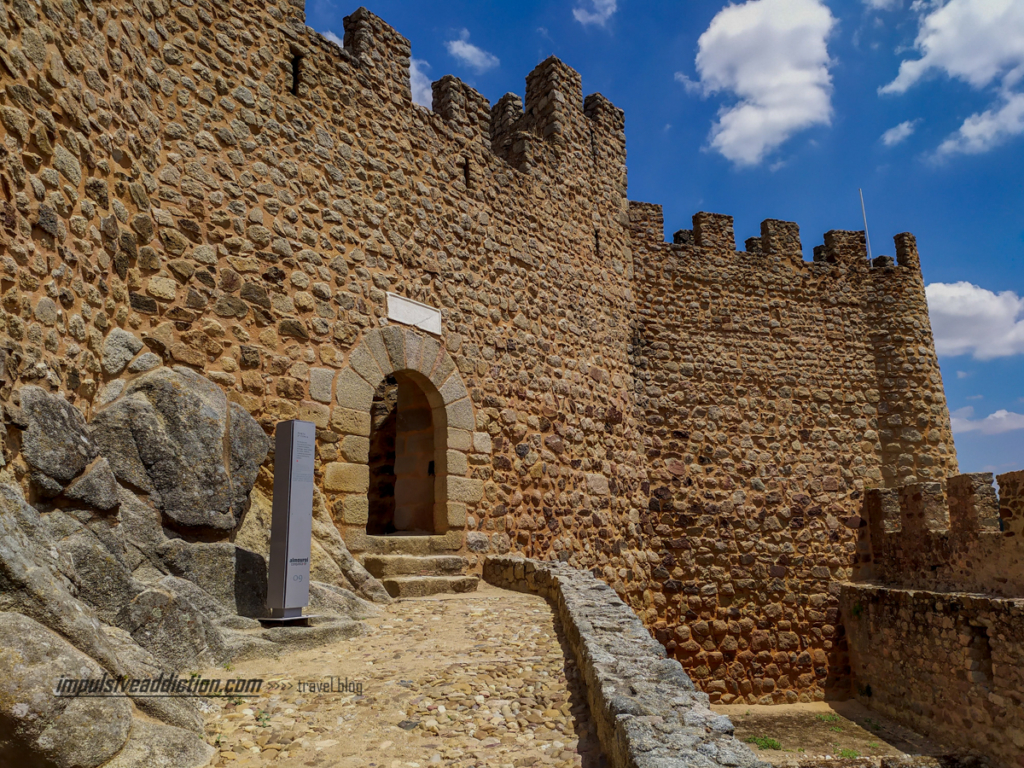
Perfect for an afternoon boat trip or a photo excursion, Almourol Castle rises from a small island in the River Tagus, surrounded by a medieval aura and gentle landscapes. Built in the 12th century, it was part of the Templar defensive line along the Tagus and remains today a symbol of romance and living history. The short boat crossing to the island is part of the magic—ideal for families or couples—and the river views create a serene and memorable atmosphere.
2. Visit Fátima
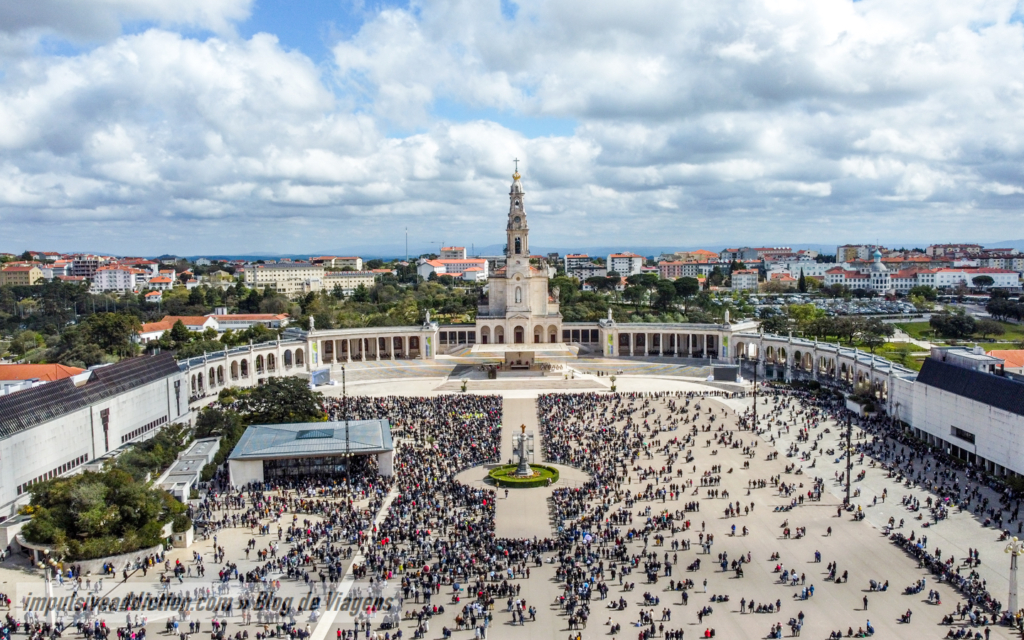
Located about 30 km from Tomar, Fátima is one of the most important Catholic sanctuaries in the world, welcoming thousands of pilgrims every year. The modern and imposing Basilica of the Holy Trinity contrasts with the small Chapel of the Apparitions, a place of prayer and silence. It is a perfect destination for those seeking spiritual reflection or simply wishing to understand the profound symbolic and cultural significance that Fátima holds in Portugal.
3. Visit Ourém
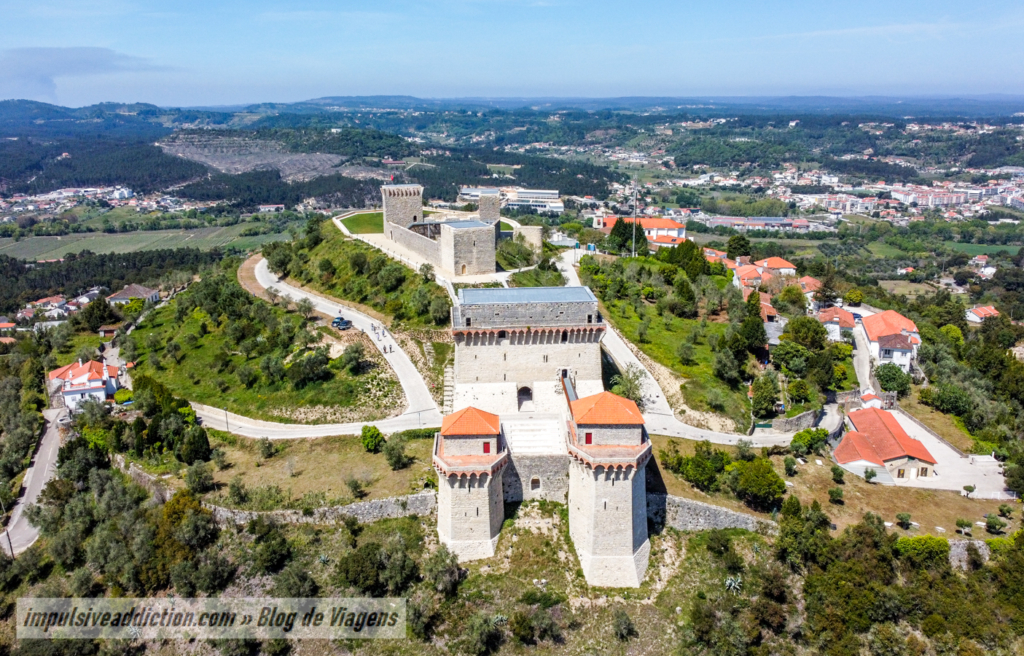
Just a few minutes away lies Ourém, a historic town crowned by its namesake castle overlooking the landscape. Visitors can stroll through the medieval streets of the historic centre, taste local conventual sweets, and climb the castle walls for panoramic views. Ourém is a charming alternative to complement a day in Tomar—blending rural charm, history, and local gastronomy in perfect balance.
4. Visit Santarém
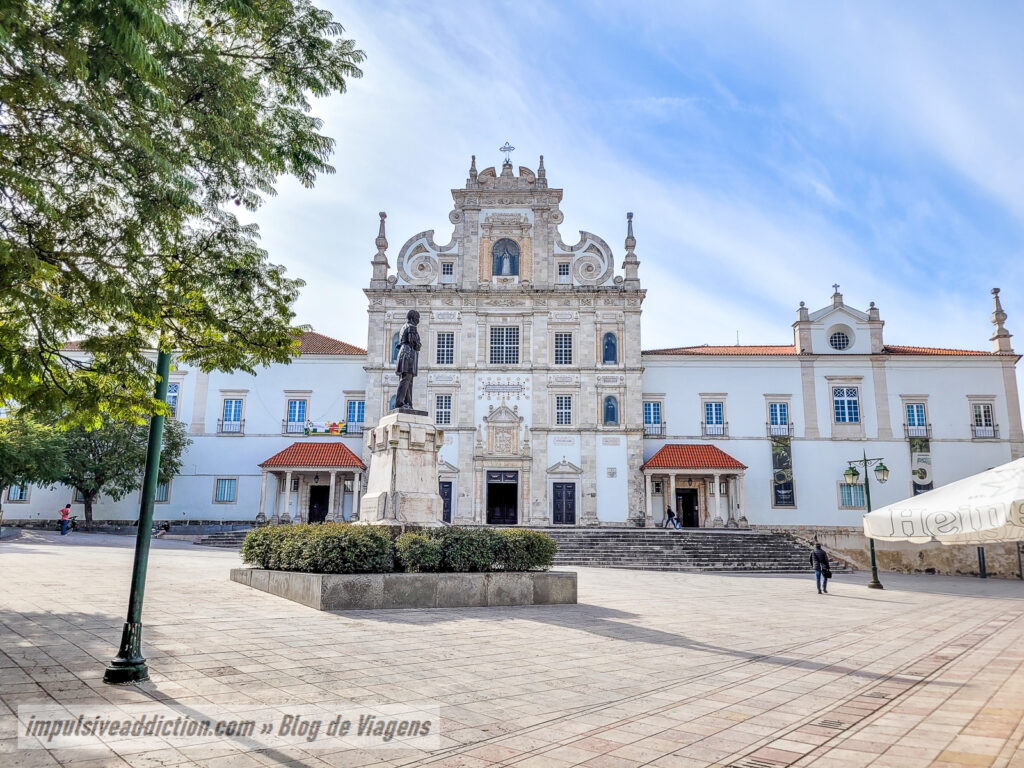
Known as the “Gothic Capital” of Portugal, Santarém is a true open-air museum. Its historic centre gathers Gothic churches such as Santa Maria de Marvila, São João de Alporão (now the archaeological museum), and the impressive Church of Graça, where the navigator Pedro Álvares Cabral is buried. Every narrow street reveals new details—wrought-iron balconies, colourful tiles, and hidden courtyards with a faded charm—a delight for lovers of history and urban photography.
But Santarém is not just about the past. The Jardim das Portas do Sol, with its panoramic view over the Tagus River and the Ribatejo floodplains, is a must-see. Here, you can feel the authentic spirit of Ribatejo—and if you visit on a weekend, you’re likely to find fairs, open-air concerts, or exhibitions. The city is also a great gastronomic destination: don’t miss the sopa da pedra (stone soup) or the ensopado de borrego (lamb stew) at one of the traditional restaurants in the centre. Less than an hour from Tomar, it’s the perfect getaway that combines heritage, scenery, and flavour.
5. Visit Dornes
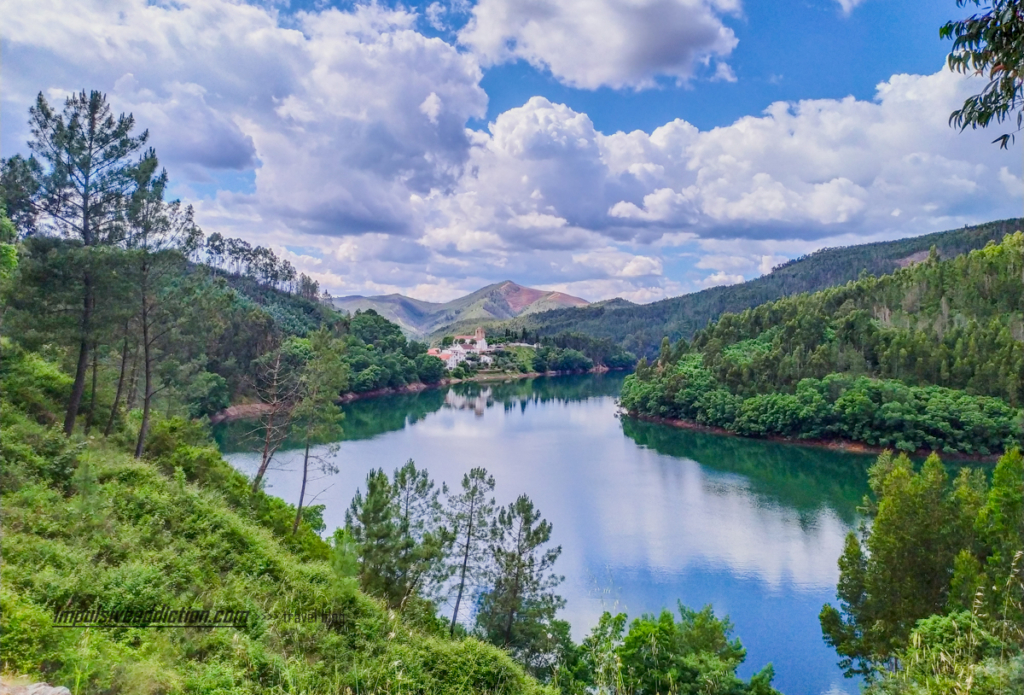
Nestled on a peninsula along the Zêzere River, Dornes has been named one of the most beautiful villages in Portugal—and with good reason. Its whitewashed houses, schist-paved alleys, and stunning views over the water create a picture of absolute tranquillity, especially at sunset, when the sun reflects on the calm waters of the reservoir.
6. Visit the Mira de Aire Caves
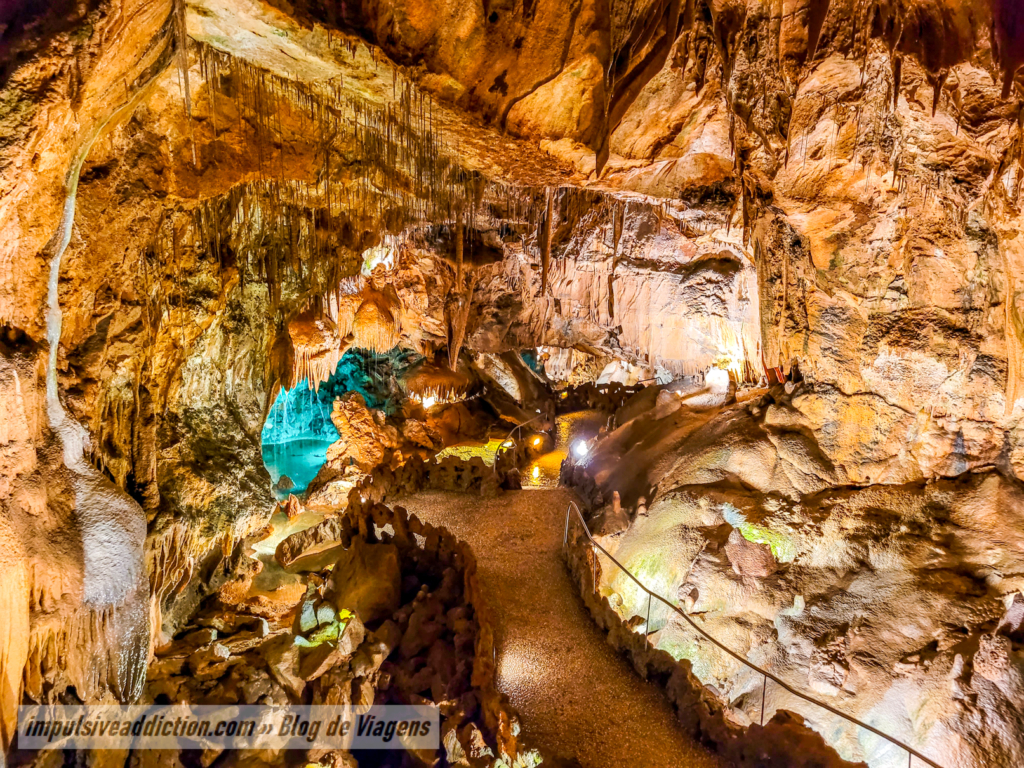
Located in the small town of Mira de Aire (municipality of Porto de Mós, district of Leiria), the Mira de Aire Caves are the largest network of natural caves open to the public in Portugal. Discovered in 1947 and open to visitors since 1974, these underground passages stretch for about 11 km, of which roughly 600 m can be explored on a guided tour.
The descent is quite the adventure: you’ll go down about 110 m through 683 steps, with the return to the surface via elevator. While you’re in the area, why not also visit the nearby Santo António Caves?
7. Visit Abrantes
Located about 30 km from Tomar, Abrantes is a Ribatejo city with a past deeply linked to the Templar defence line along the Tagus River. At the top of the hill stands Abrantes Castle, offering breathtaking views over the river and the vast surrounding landscape, with the former Church of Santa Maria do Castelo—now a museum—at its heart.
The historic centre features churches such as São Vicente, along with quiet streets lined with traditional houses, while the local gastronomy shines with sweets like palha de Abrantes and river-inspired dishes. Rich in history, flavour, and scenery, Abrantes is a detour well worth taking for anyone visiting Tomar.
Other Itineraries and Travel Guides in Portugal
- N2 Portugal Road Trip Itinerary
- Madeira Itinerary and Travel Guide
- São Miguel Itinerary and Travel Guide (Azores)
- Terceira Itinerary and Travel Guide (Azores)
- Pico Itinerary in Azores
- Faial Itinerary in Azores
- Things to do in Bragança
- Montesinho Natural Park Itinerary
- Douro International Natural Park Itinerary
- Minho | Northern Portugal Itinerary
- Porto Itinerary and Travel Guide
- Things to do In Braga (Minho)
- Things to do in Guimarães (Minho)
- Things to do in Viana do Castelo (Minho)
- Peneda Gerês National Park Itinerary
- Douro Valley Itinerary
- Trás-os-Montes Itinerary
- Things to do in Aveiro
- Things to do in Coimbra
- Things to do in Leiria
- Things to do in Fatima
- Things to do in Santarém
- Things to do in Tomar
- Things to do in Nazaré
- Things to do in Peniche
- Things to do in Mafra and Ericeira
- Things to do in Cascais
- Sintra Itinerary | Things to do
- Lisbon Itinerary and Travel Guide
- Things to do in Setúbal
- Things to do in Évora (Alentejo)
- Things to do in Beja (Alentejo)
- Algarve Road Trip Itinerary
- Things to do in Lagos (Algarve)
- Things to do in Portimão (Algarve)
- Things to do in Faro (Algarve)
- Things to do in Tavira (Algarve)
