 Pedro Domingues
Perched on a plateau overlooking the Tagus Valley, Santarém is a city where history and beauty meet at every turn. Rich in churches, viewpoints, and corners steeped in memory, it’s the perfect destination for those looking to immerse themselves in Portuguese heritage away from the more obvious tourist routes. This itinerary will guide you step by step through the most remarkable sights to see, visit, and experience in this Ribatejo capital.
Want to know everything there is to visit in Santarém? Keep reading—and don’t forget to follow me on social media!
Where is Santarém located, in Portugal
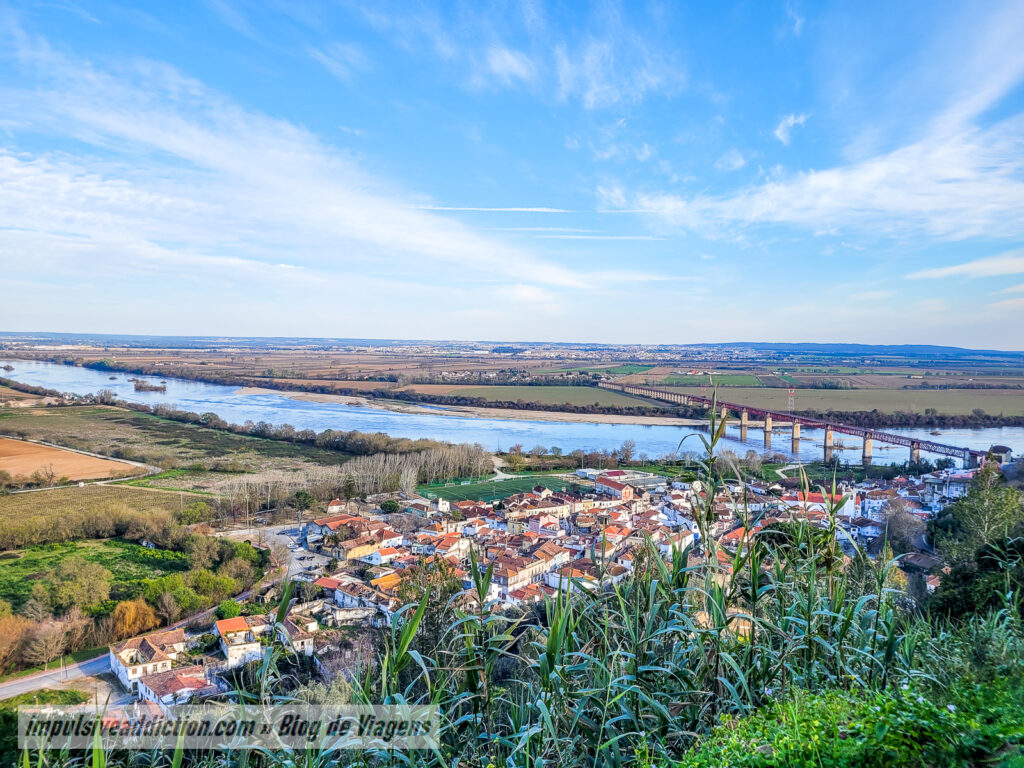
Santarém is located in central Portugal, in the historic Ribatejo region. It is the capital of the Santarém district and currently belongs to the Lezíria do Tejo subregion. The city sits on a plateau on the right bank of the Tagus River, overlooking the vast agricultural plain known as the Ribatejo lezíria. This geographical position has made Santarém, throughout history, a city of great strategic, political, and economic importance.
MORE ARTICLES FROM CENTRAL PORTUGAL:

- Things to do in Espinho
- Things to do in Ovar
- Things to do in Aveiro
- Aveiro to Costa Nova
- Best beaches in Aveiro

- Things to do in Mira beach
- Things to do in Coimbra
- Schist Villages in Portugal
- Things to do in Figueira da Foz

- Visit Monsanto in Portugal
- Historical Village of Piódão
- Historical Villages of Portugal

- Things to do in Leiria
- Visit Batalha Monastery and surroundings
- Visit Alcobaça Monastery and surroundings
- Things to do in Fátima
- Visit Mira de Aire Caves
- Things to do in Nazaré
- Things to do in Peniche
- Best beaches in Peniche
- Visit Berlenga Island

- Best beaches in Ericeira
- Visit Ursa Beach
- Best Beaches in Sintra
- Best Beaches in Cascais
- Things to do in Mafra and Ericeira
- Things to do in Sintra
- Parks and Palaces in Sintra
- Things to do in Cascais

- Best Costa da Caparica beaches
- Best beaches in Setúbal
- Best Beaches in Sesimbra
- Visit Ribeiro do Cavalo Beach
- Best beaches in Tróia, Comporta and Melides
- Things to do in Setúbal
How to Get to Santarém
Santarém is about 80 km from Lisbon and is easily accessible by both car and public transport. By car, simply take the A1 (Autoestrada do Norte) and exit at Santarém. By train, there are frequent services on the Northern Line, with regular departures from Lisbon’s Oriente, Santa Apolónia, or Entrecampos stations—the journey takes around 45 to 60 minutes. There are also daily bus options departing from several cities.
When to Visit Santarém
Santarém can be visited year-round, but spring (March to June) and autumn (September to November) are the best seasons to explore the city, with mild temperatures and ideal light for enjoying its viewpoints, monuments, and historic streets. Spring, in particular, fills the lezíria’s gardens and fields with colour and life, creating the perfect atmosphere for outdoor walks and cultural visits.
If you’re looking for local festivities, June stands out with the National Agriculture Fair held at CNEMA, attracting thousands of visitors with gastronomy, crafts, equestrian events, and shows. Summer can be hot, with temperatures exceeding 35 °C, making it a good time to combine your visit with a trip to the Aquatic Complex.
Gastronomy and Restaurants in Santarém
- Torricado with Salt Cod – A humble Ribatejo classic: slices of rustic bread toasted over embers, rubbed with garlic, drizzled with olive oil, and often served with salt cod. This dish was born in the fields as a way to use up dry bread and keep workers nourished during the grape harvest.
- Sopa da Pedra – A hearty, comforting soup made with beans, sausages, and the symbolic “stone” used to enrich its flavour. An icon of Portuguese hospitality and a dish that embodies Santarém’s warm culinary tradition.
- Pampilhos – Long, delicate pastries made from puff pastry and filled with a soft egg-yolk cream flavoured with cinnamon. Created in the 19th century, they quickly became a local favourite for breakfast or an afternoon treat.
- Santarém Cheese – A semi-cured goat’s cheese produced locally, with a firm texture and refined flavour. Often served as part of tastings or appetisers, it’s an excellent introduction to the region’s artisanal products.
- Migas & Naco de Boi Bravo – Migas (or magustas) are a rustic bread-based side dish that combines leftovers like potatoes, cabbage, and beans with bread, often served alongside generous cuts of beef seasoned with spices. The “naco de boi bravo” (wild bull steak), stewed in wine with vegetables and served in a rich sauce, is a traditional centrepiece for Scalabitano celebratory tables.
Restaurants: Taberna do Quinzena, Ó Balcão, Oh!Vargas, A Grelha, Restaurante Caravela.

Where to Stay in Santarém
If you haven’t booked your stay in Santarém yet, now’s the perfect time—either by following my suggestions below or by clicking the blue button to search for available accommodations for your travel dates. Whenever possible, choose places that offer free cancellation, just in case your plans change.
| Accomodation | Score | Location |
|---|---|---|
| Santarém Hotel | 8.3 | Santarém |
| A Casa Brava | 9.2 | Santarém |
| Villa Graça | 8.8 | Santarém |
| Quinta da Gafaria | 9.1 | Almeirim |
Best things to do in Santarém
Finally, here’s what to visit, see, and experience in Santarém. Let’s start with a map showing all the attractions I’ll be mentioning next.
Map | Best things to do in Santarém
Exploring Santarém’s Historic Centre
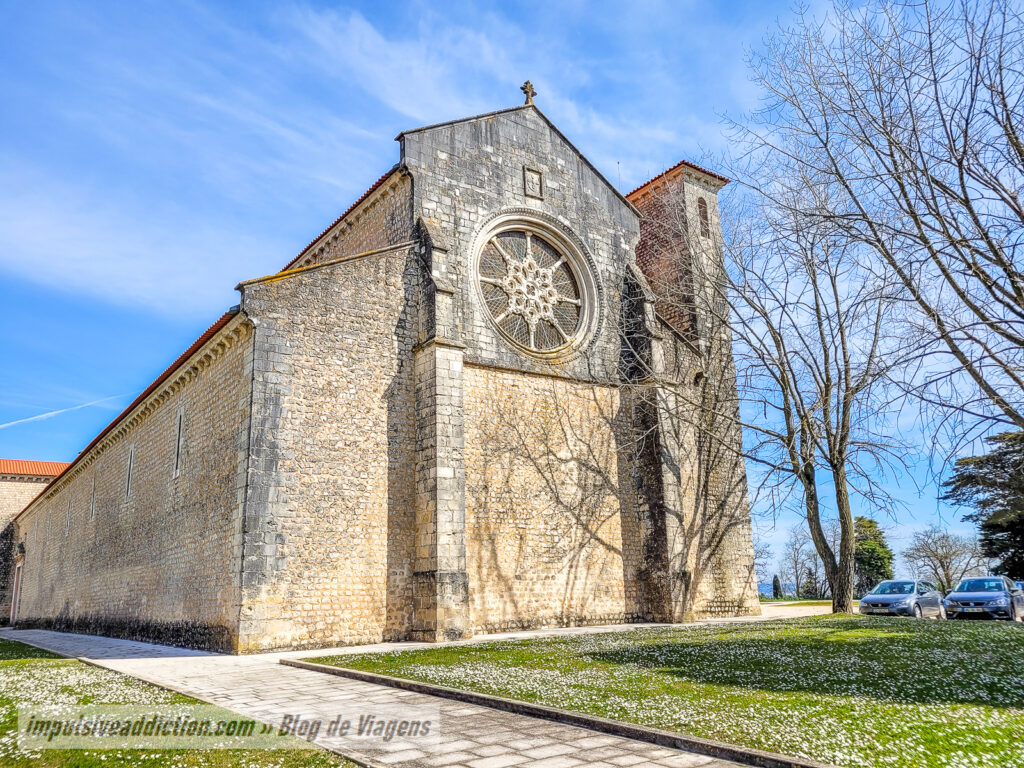
1. Church of Santa Clara
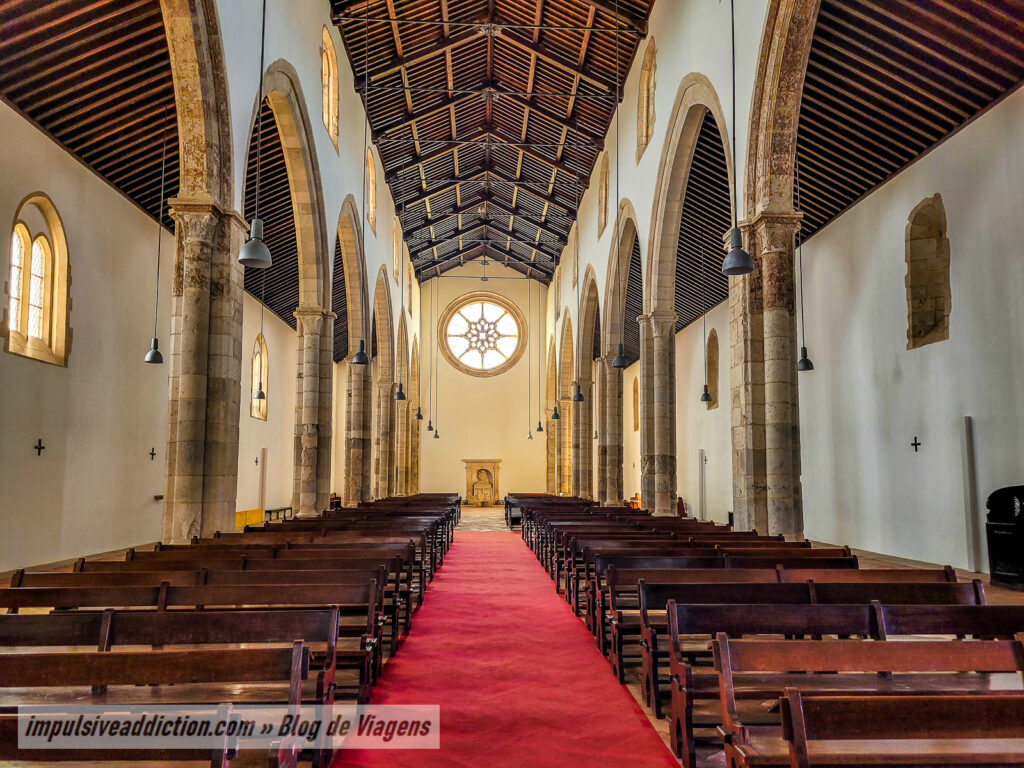
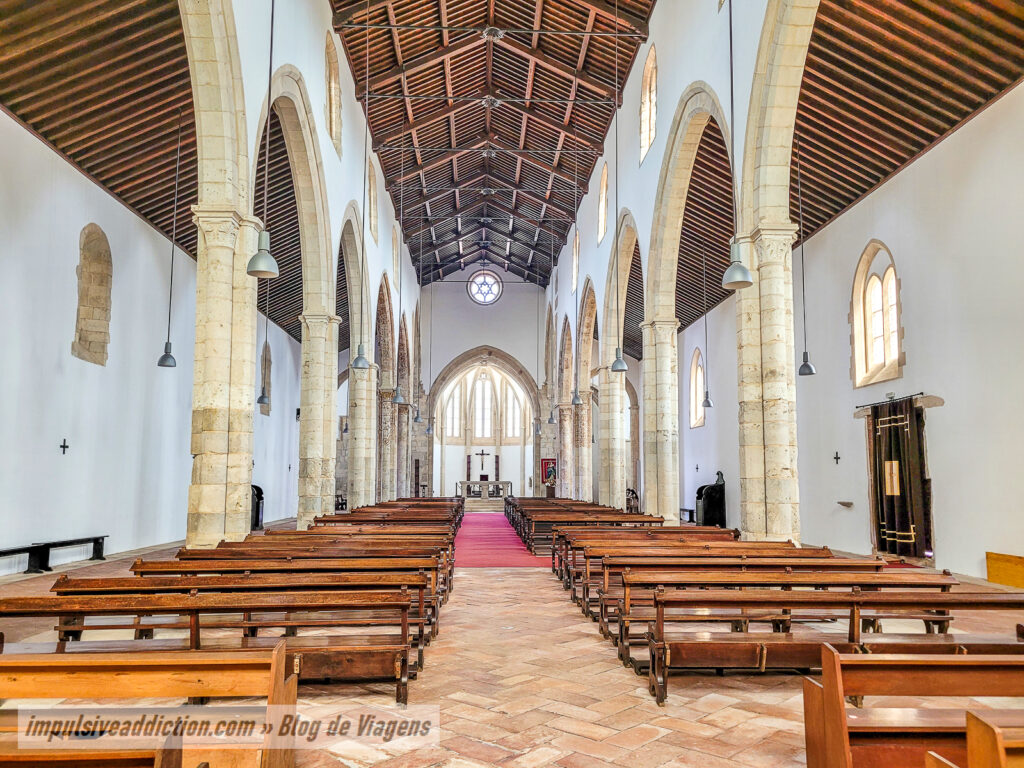
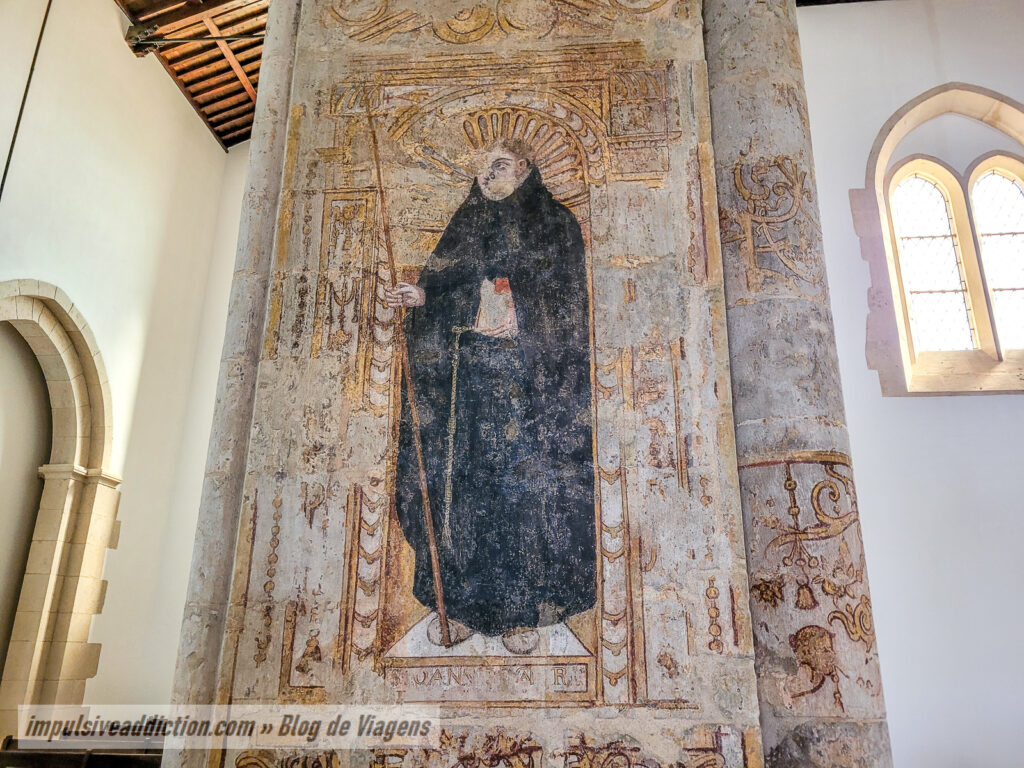
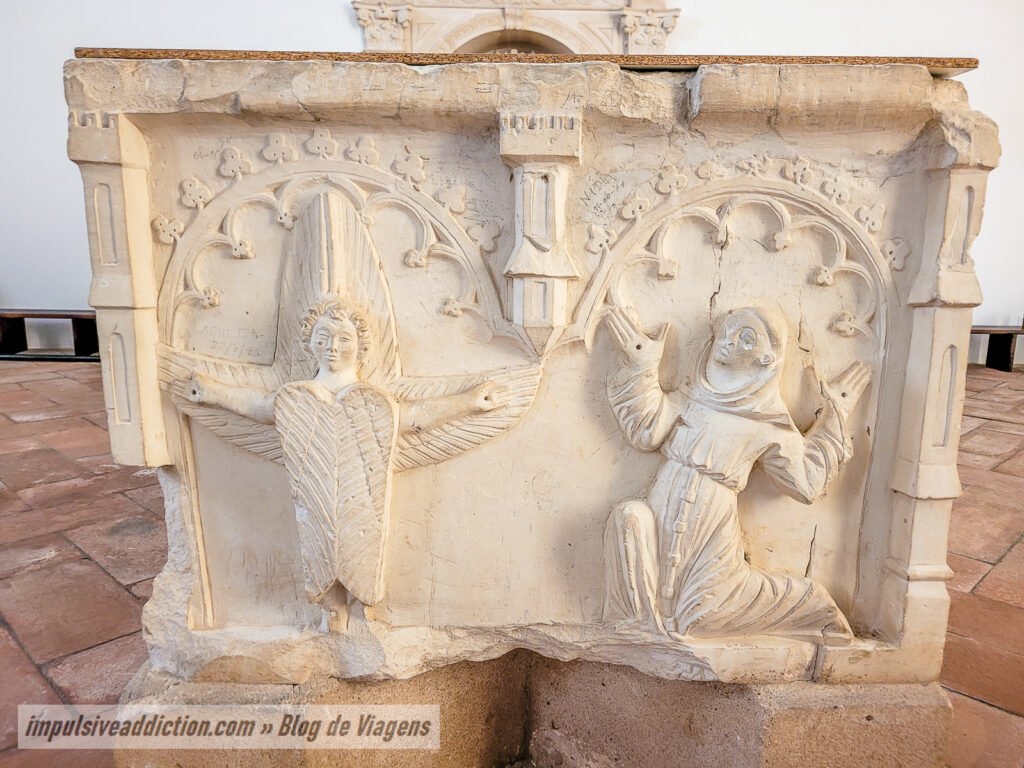
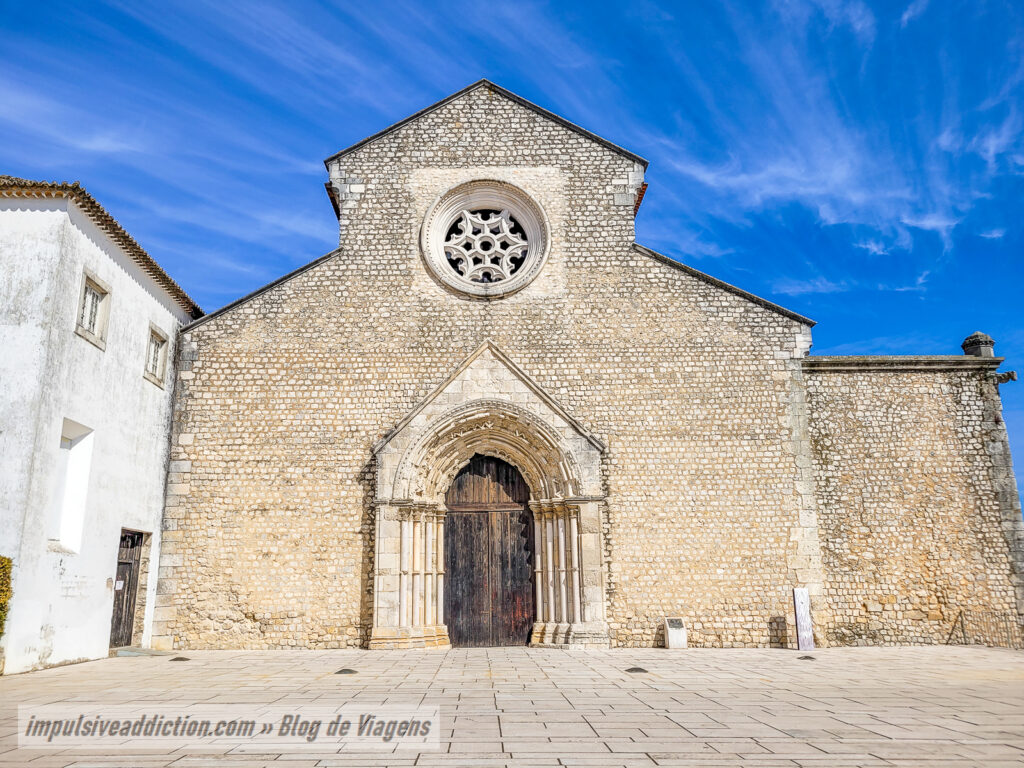
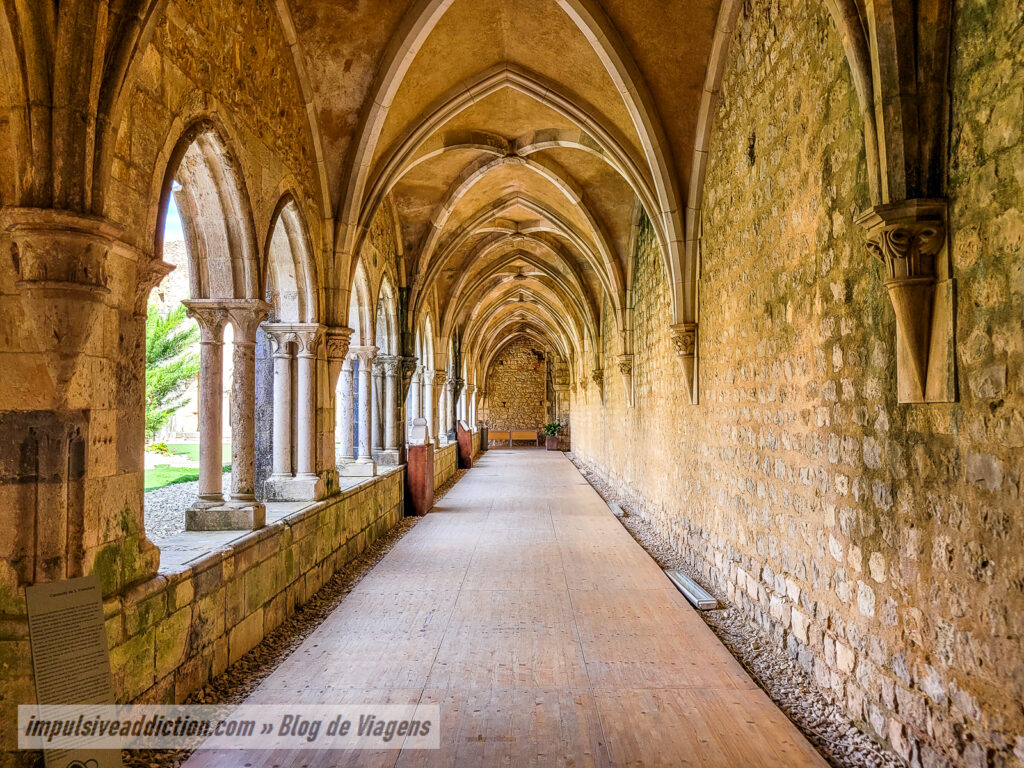
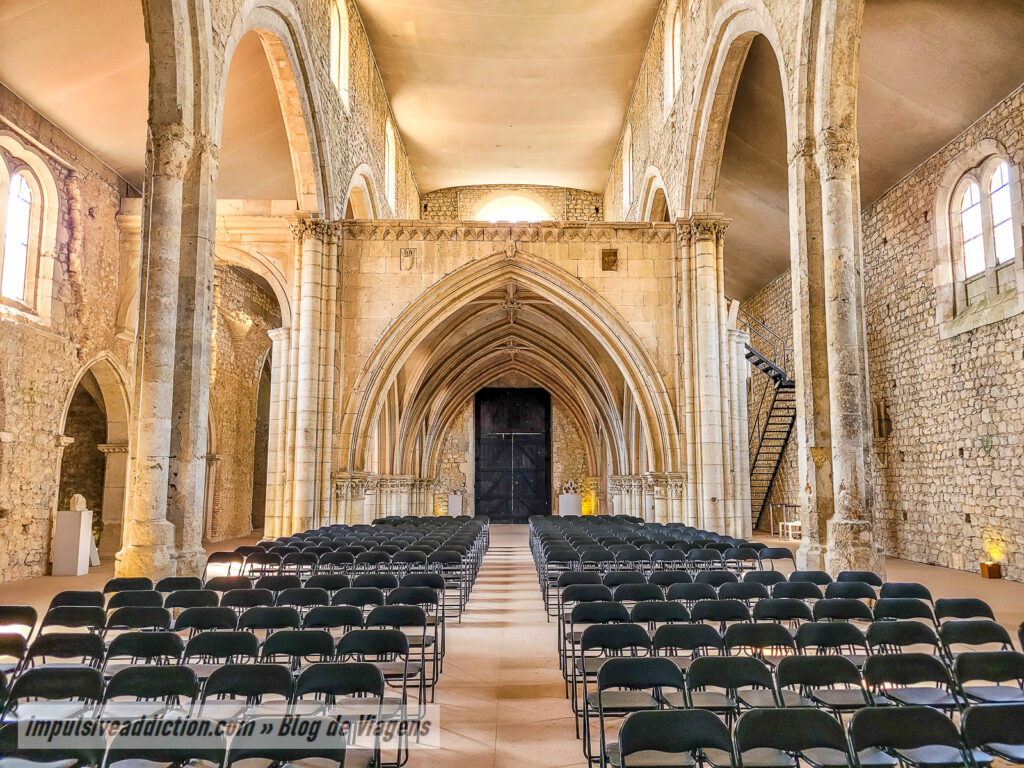
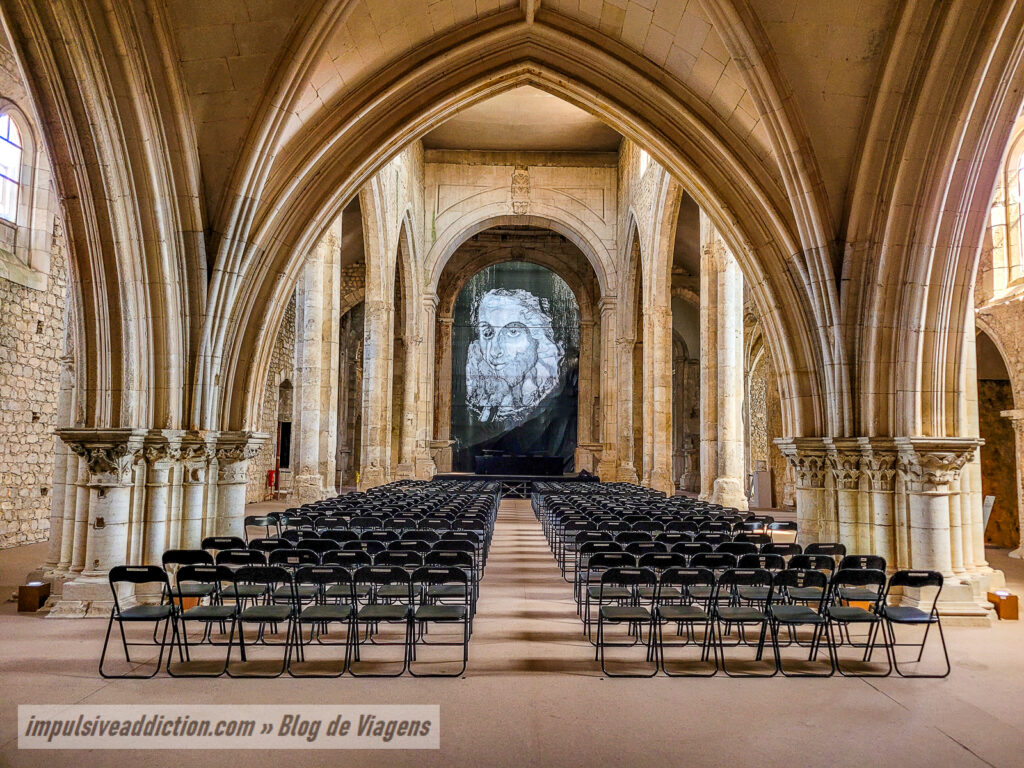
Founded in 1259 by King Afonso III to welcome the Poor Clares arriving from Lamego, the Church of Santa Clara is a remarkable example of mendicant Gothic architecture in Portugal. Its austere façade, imposing nave, and tiered chapels in the apse are rare architectural features that reflect the order’s ideal of evangelical poverty. Over the centuries, it continued to receive royal patronage, notably from Queen Isabel and King Dinis, and underwent purist restorations in the 20th century. Classified as a National Monument since 1917, it remains one of the city’s key heritage landmarks.
2. Convent of Saint Francis
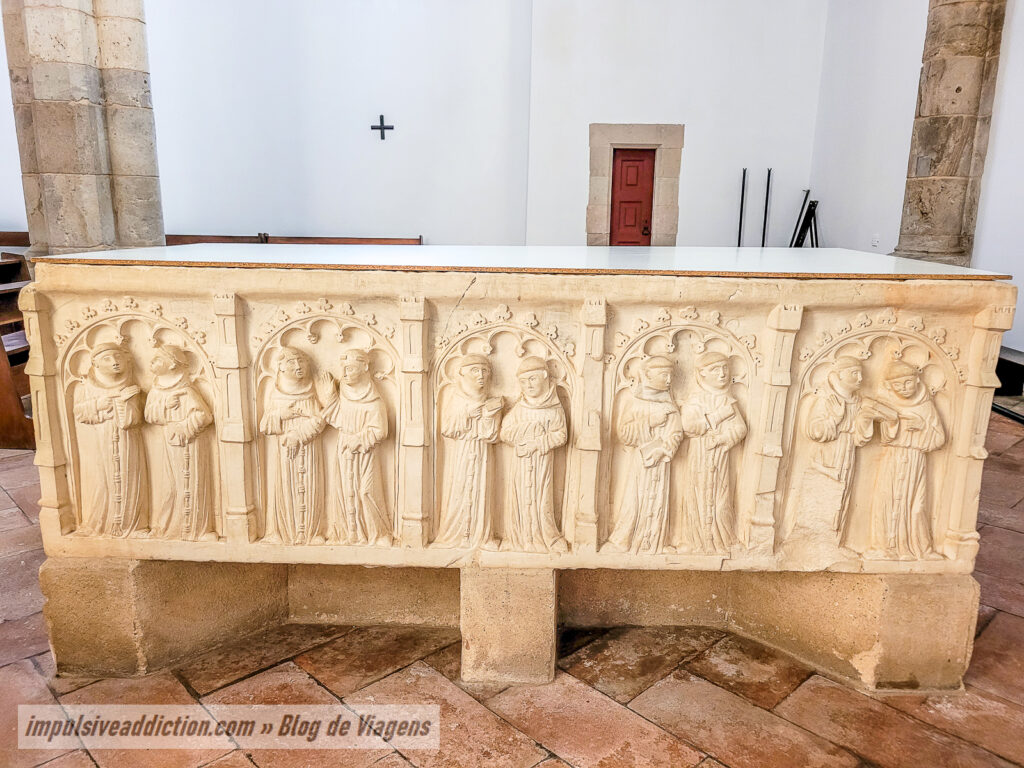
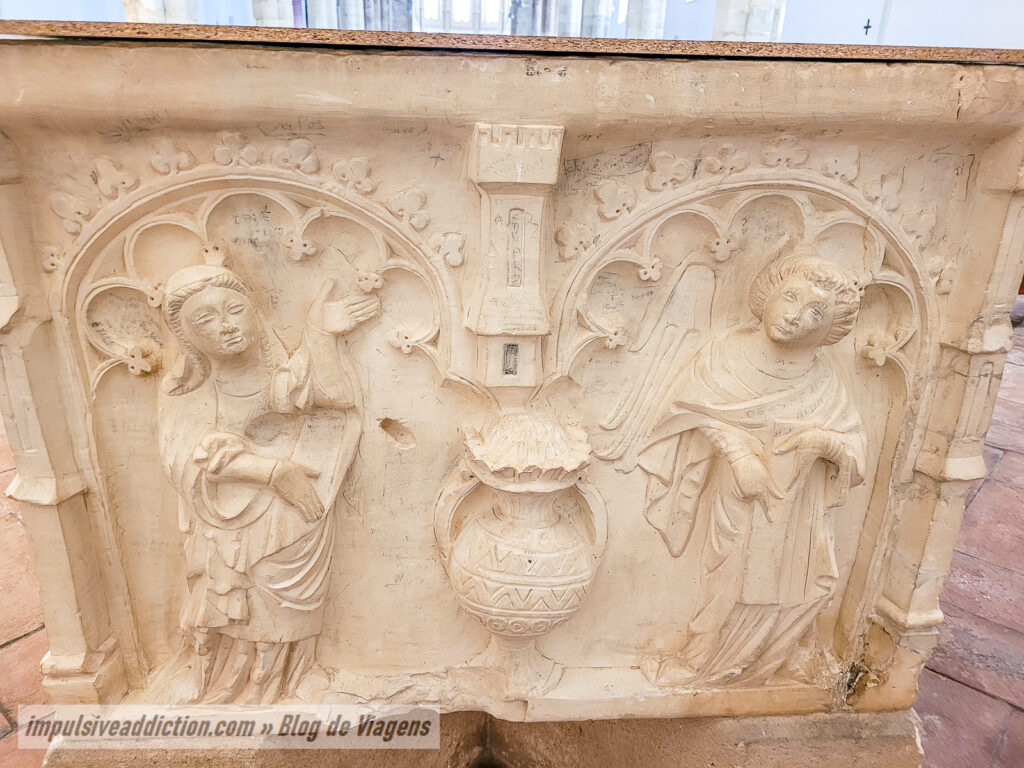
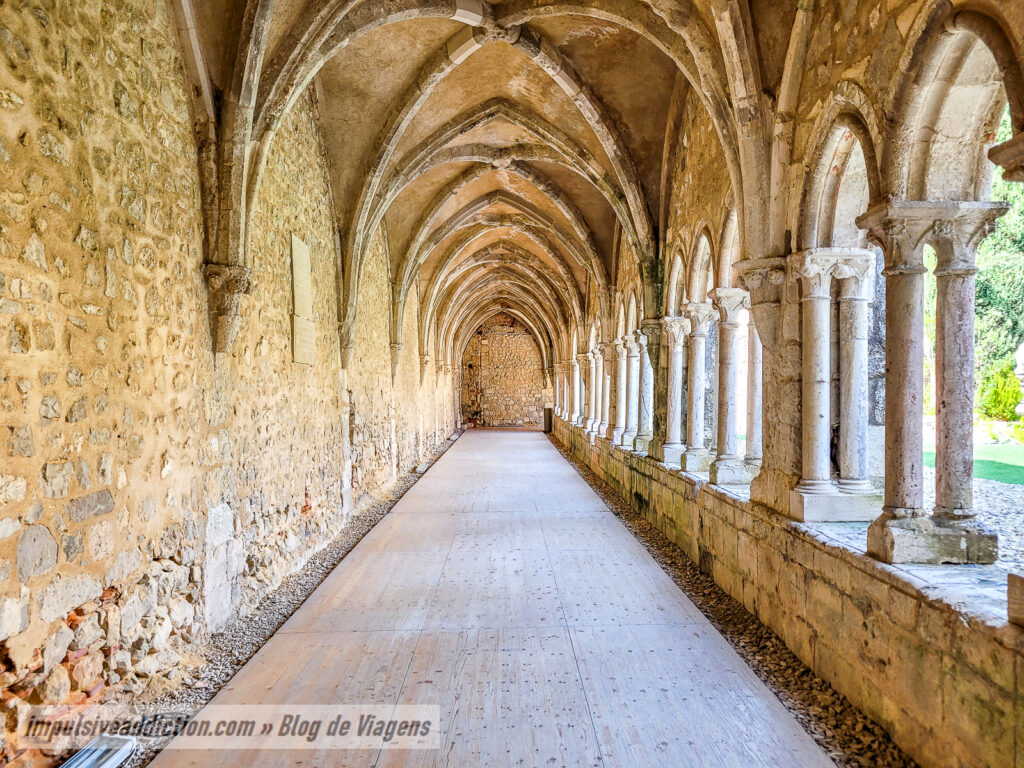
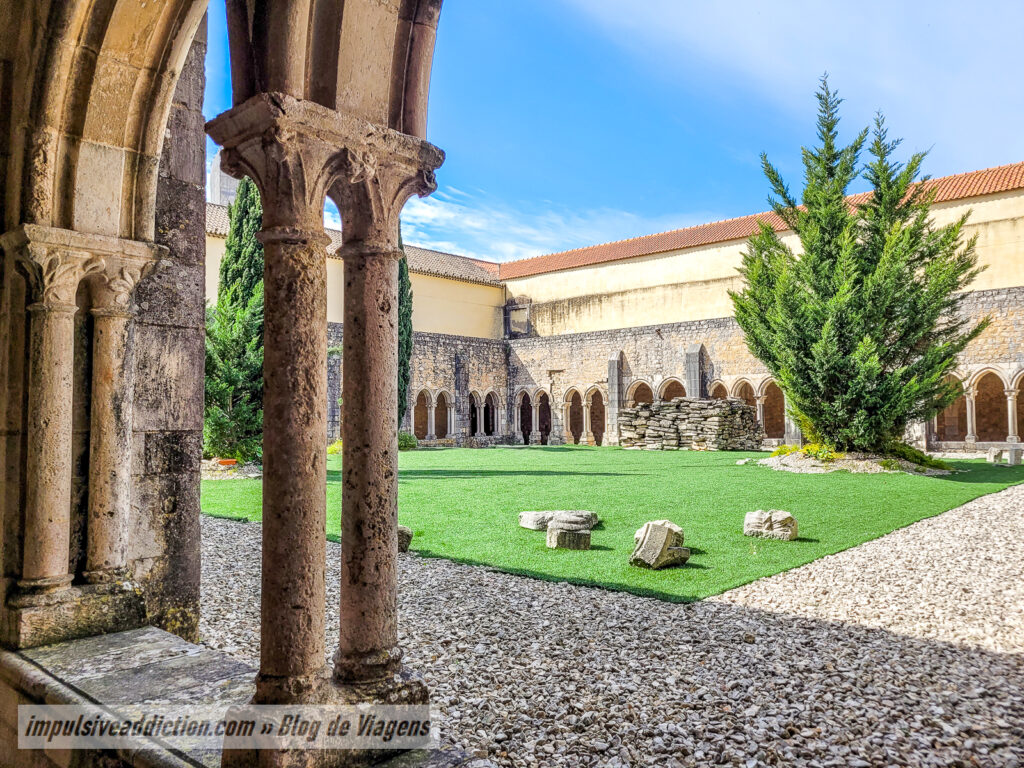
Just a few steps from the Church of Santa Clara stands the Convent of Saint Francis, founded in 1242 by King Sancho II and considered one of the purest examples of mendicant Gothic architecture in Portugal. In the 14th century, King Fernando enriched it with new elements, such as the high choir, intending to be buried there (his remains are now kept at the Carmo Museum in Lisbon). Also classified as a National Monument in 1917, the complex underwent extensive restoration in the 20th century and remains a living symbol of the Franciscan presence in the city.
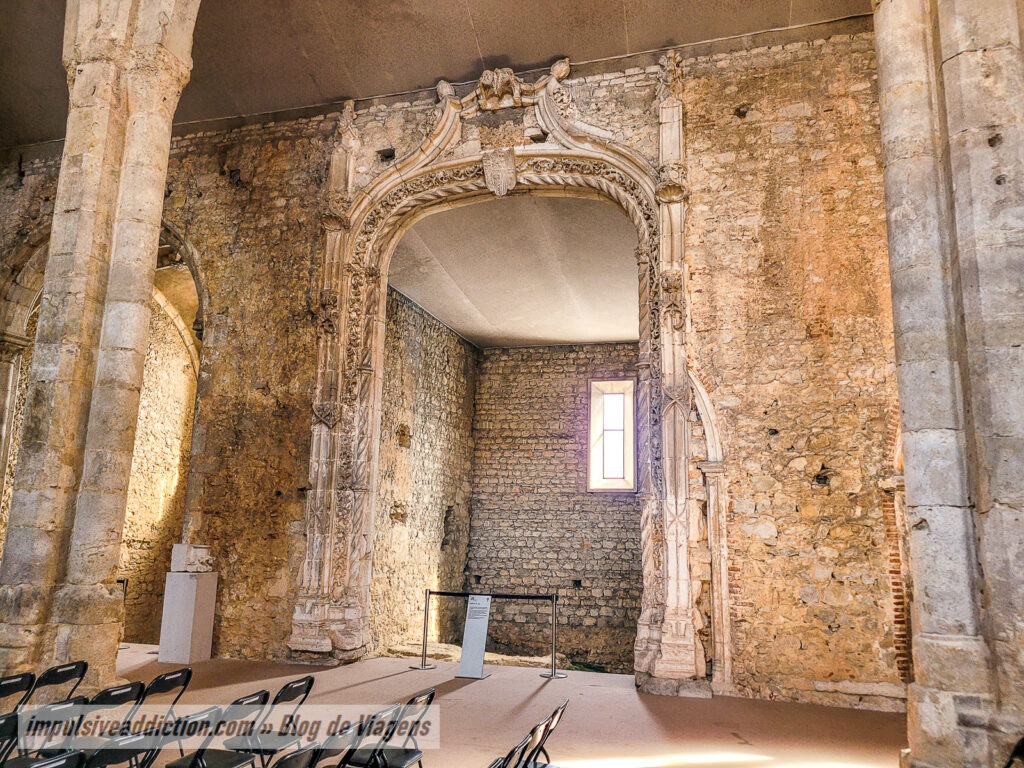
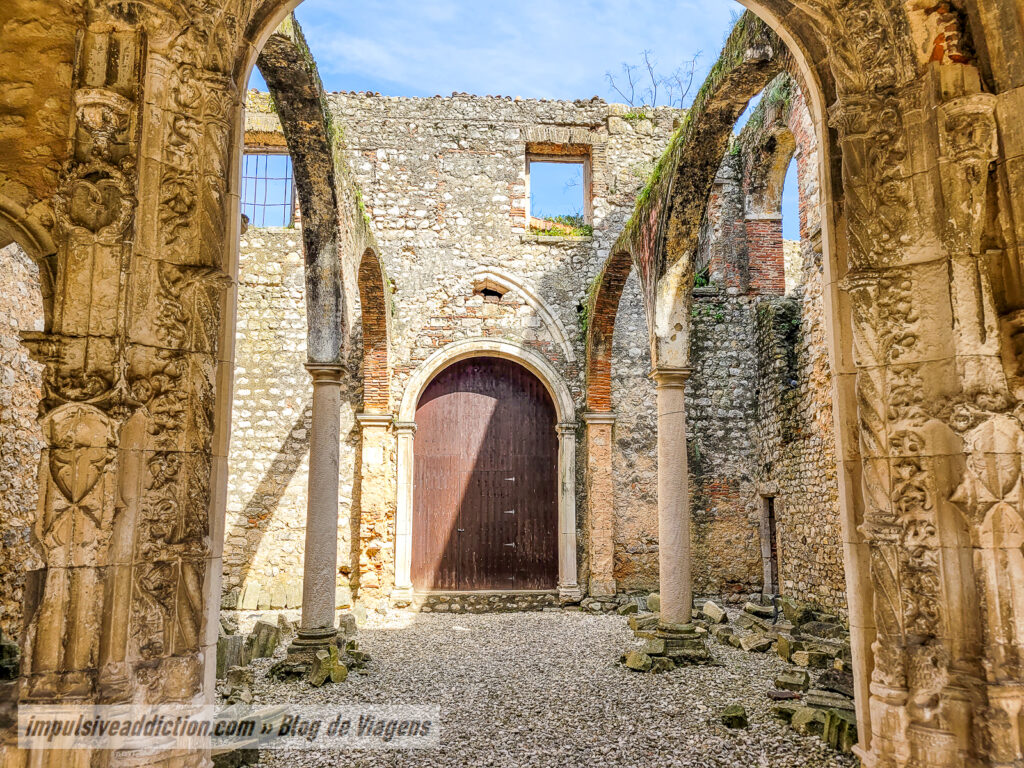
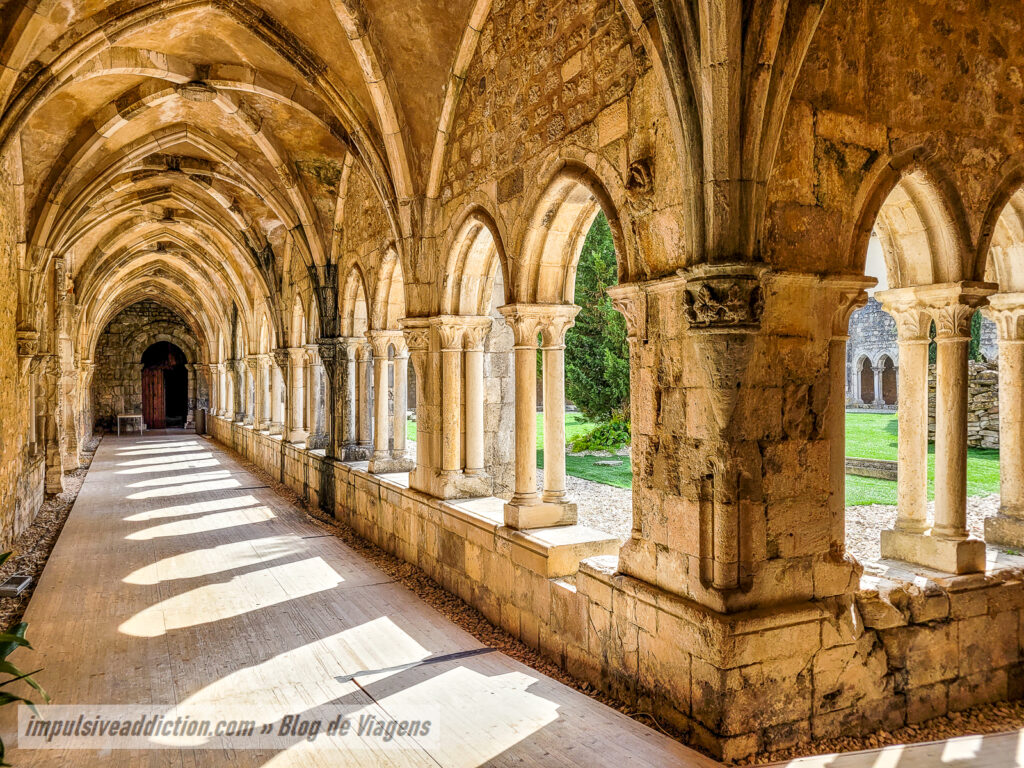
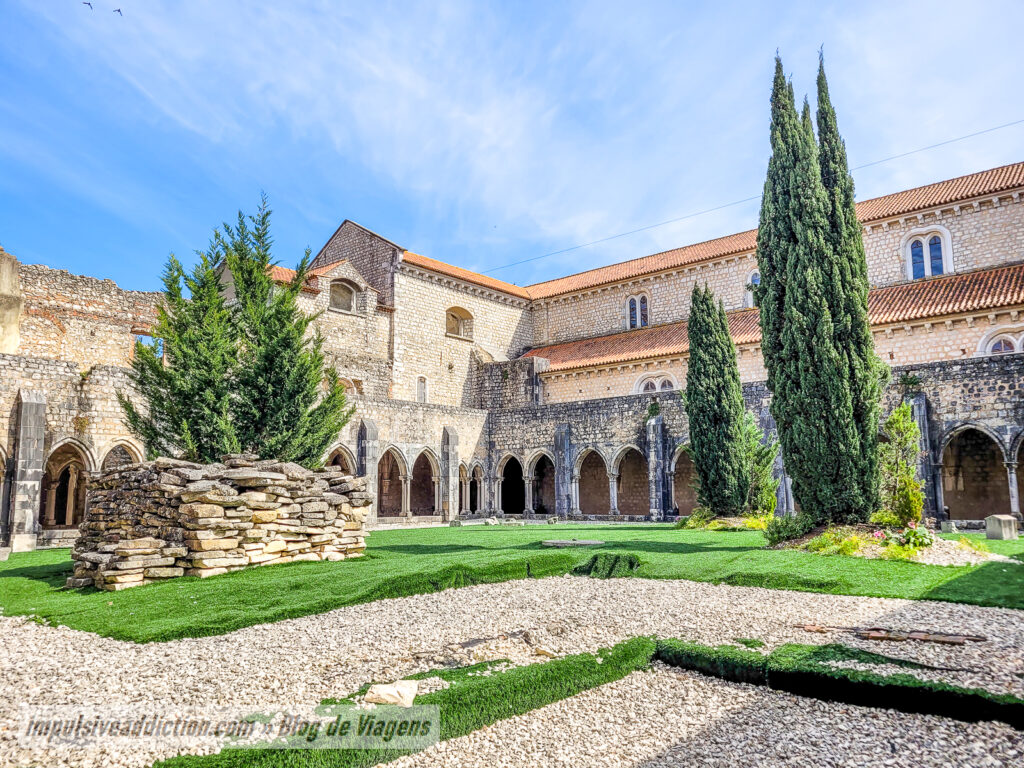
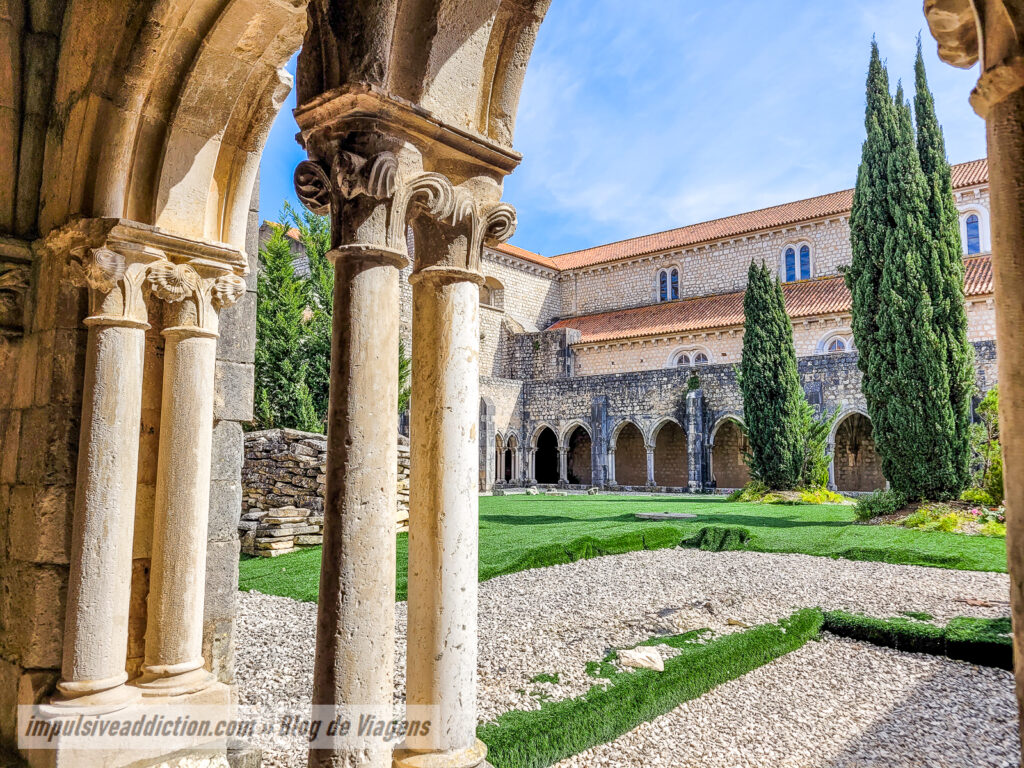
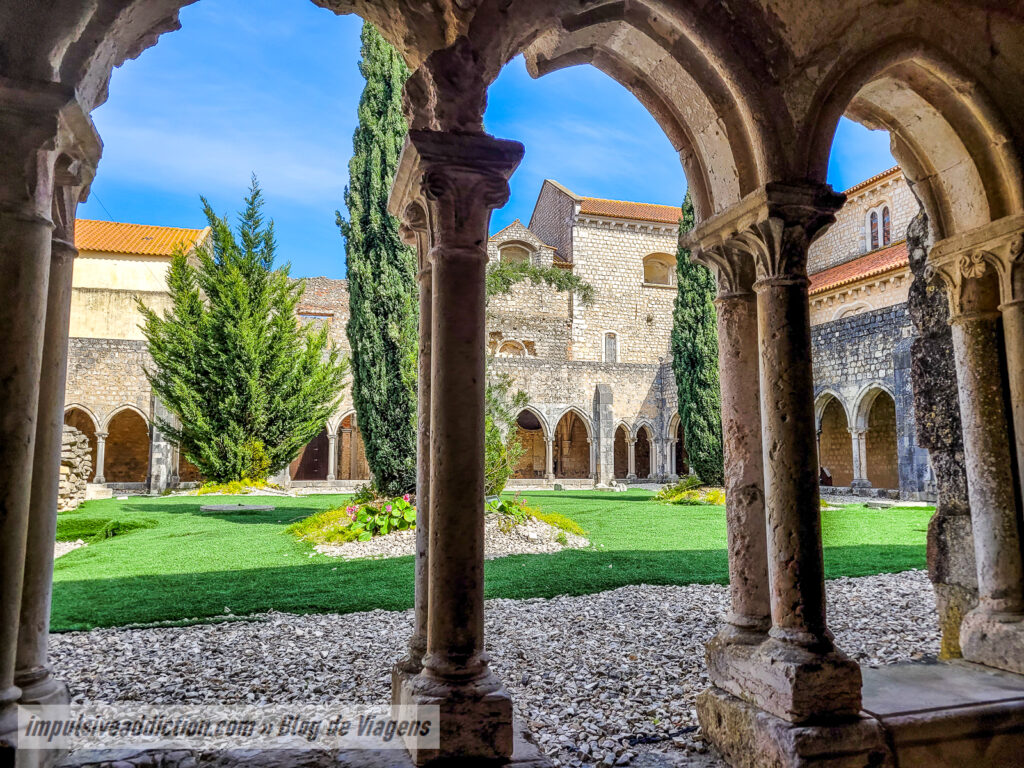
3. Republic Garden and Largo do Infante Santo
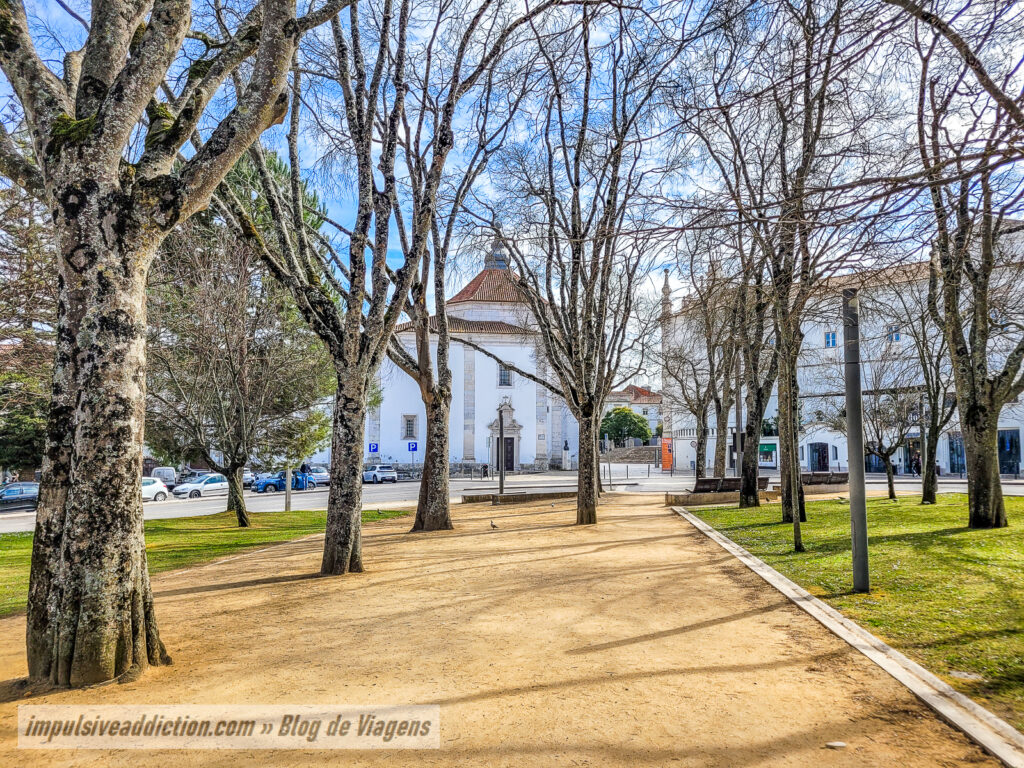
The walk leads to the Republic Garden, a 19th-century green oasis in the urban heart of Santarém, complemented by Largo do Infante Santo. The square’s name honours Prince Ferdinand, known as the “Holy Prince,” who died in captivity in Morocco after refusing to exchange his freedom for Ceuta—a spiritual and political memory that endures in the city’s place names.
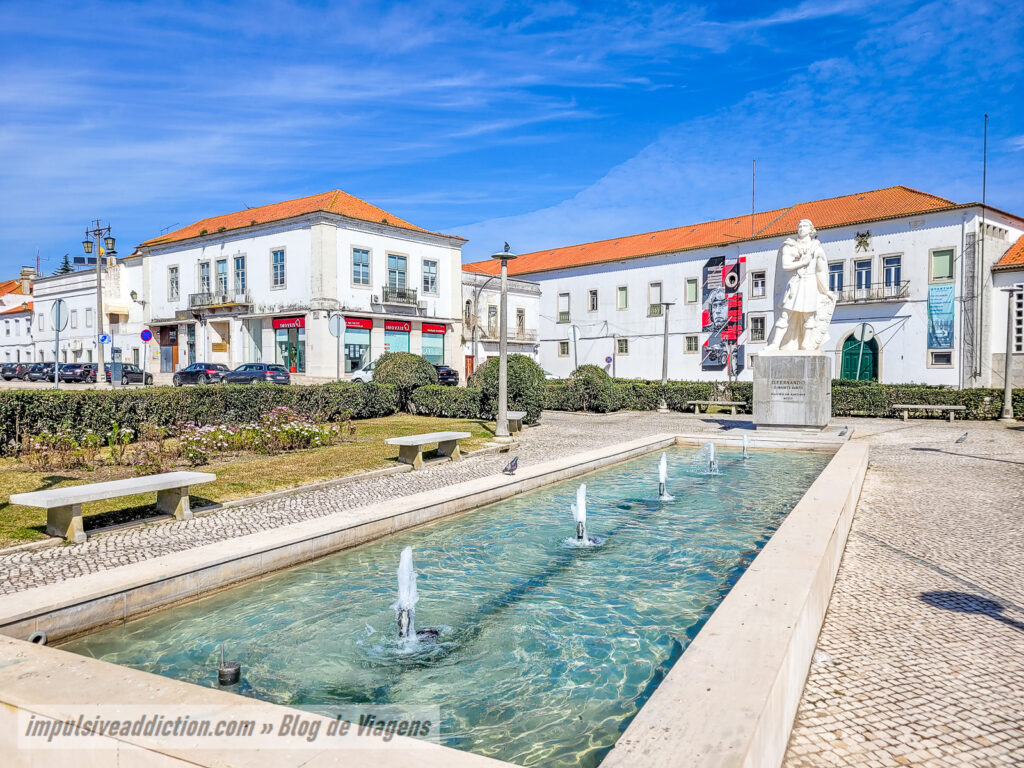
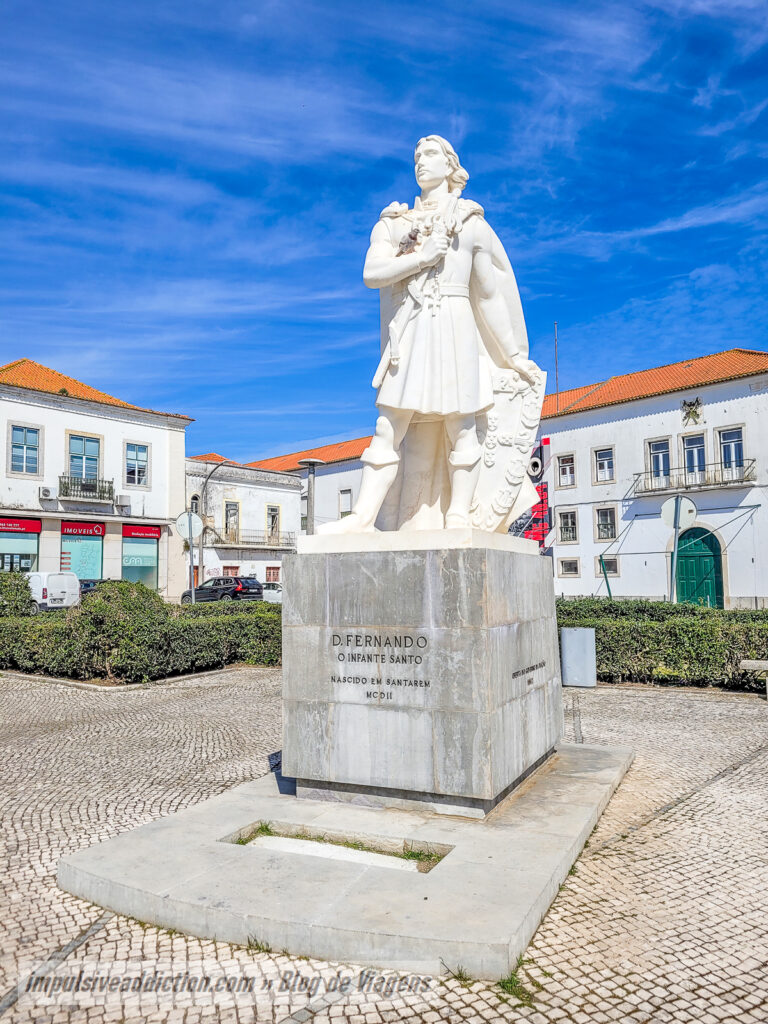
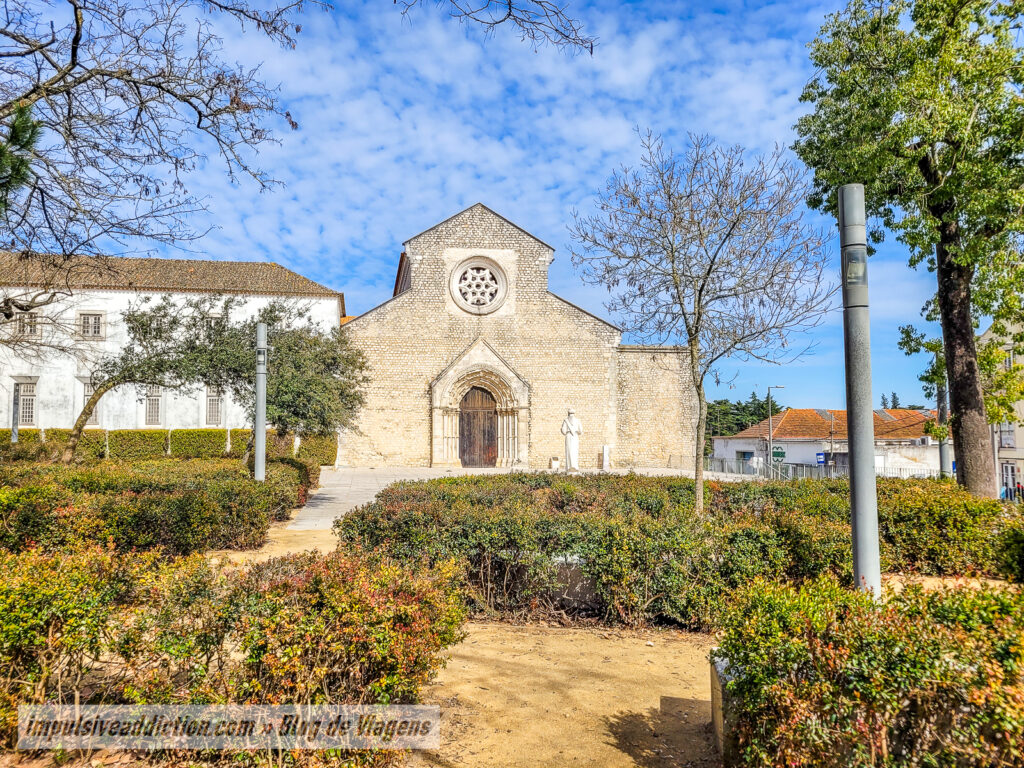
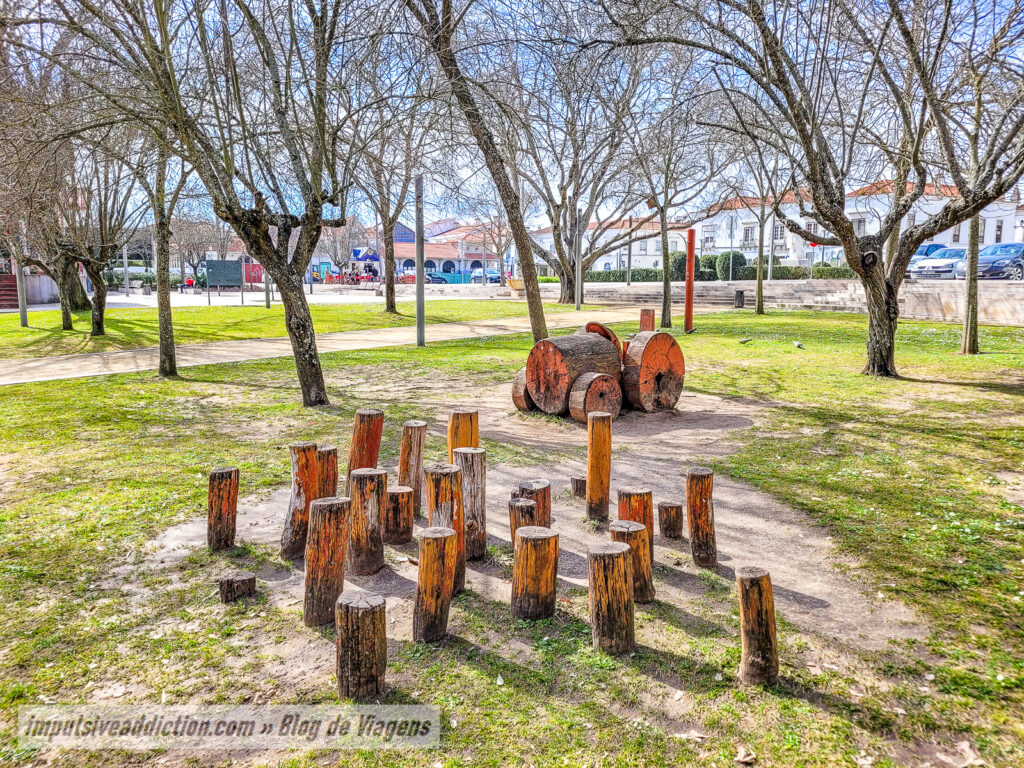
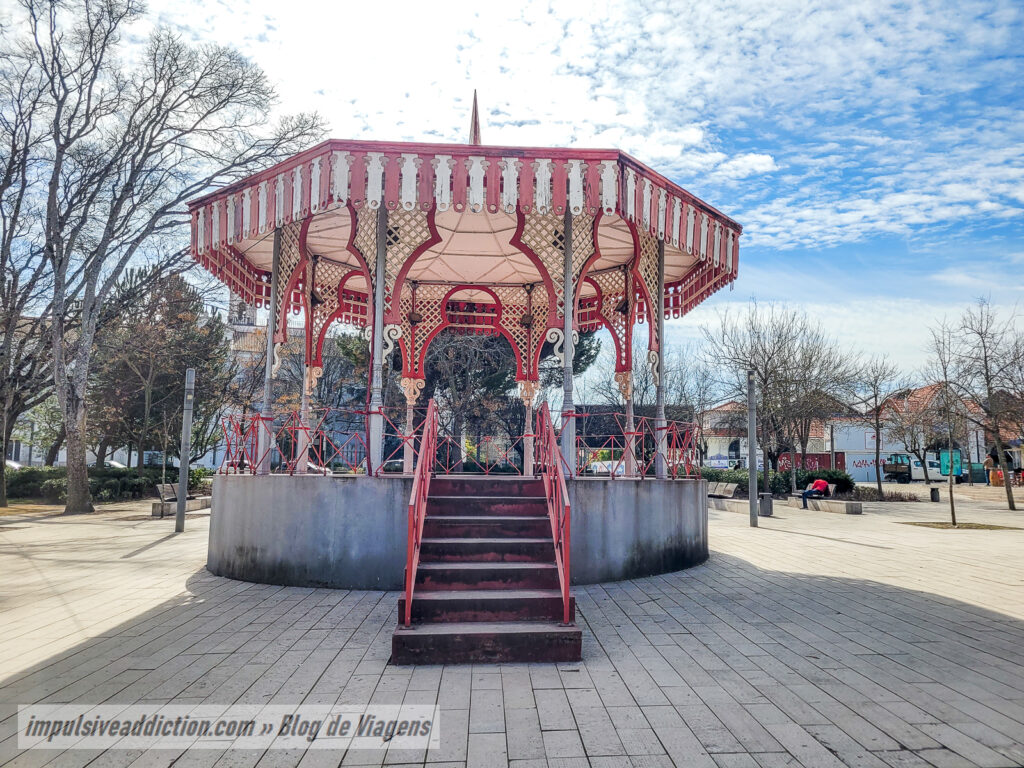
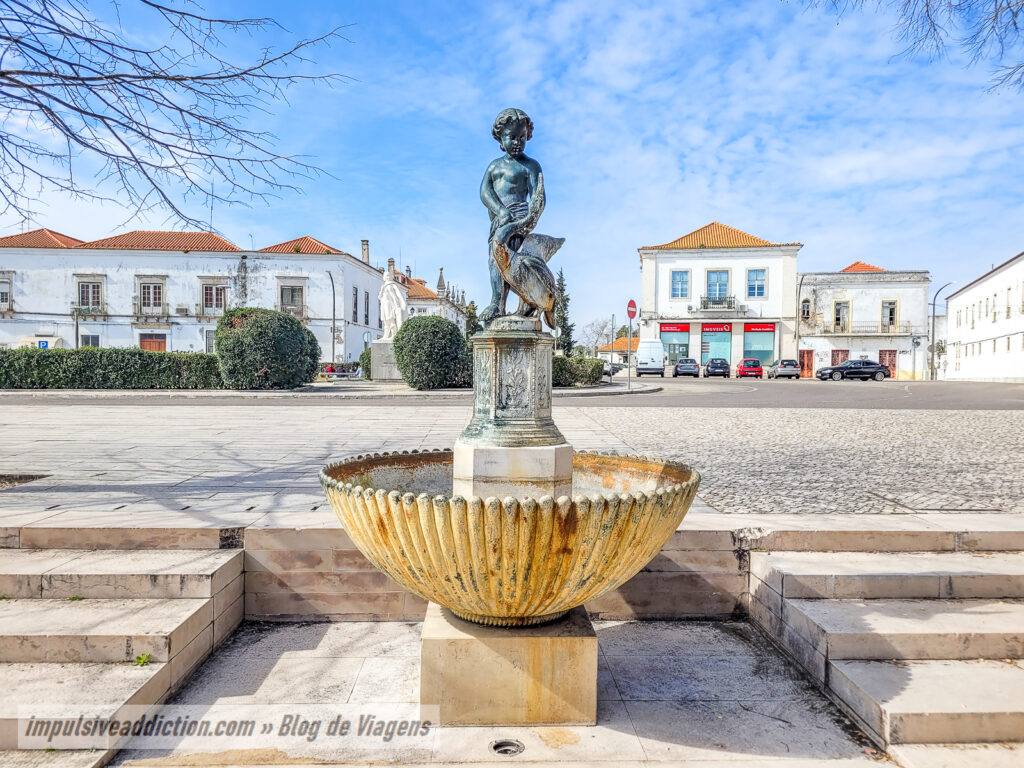
4. Santarém Municipal Market
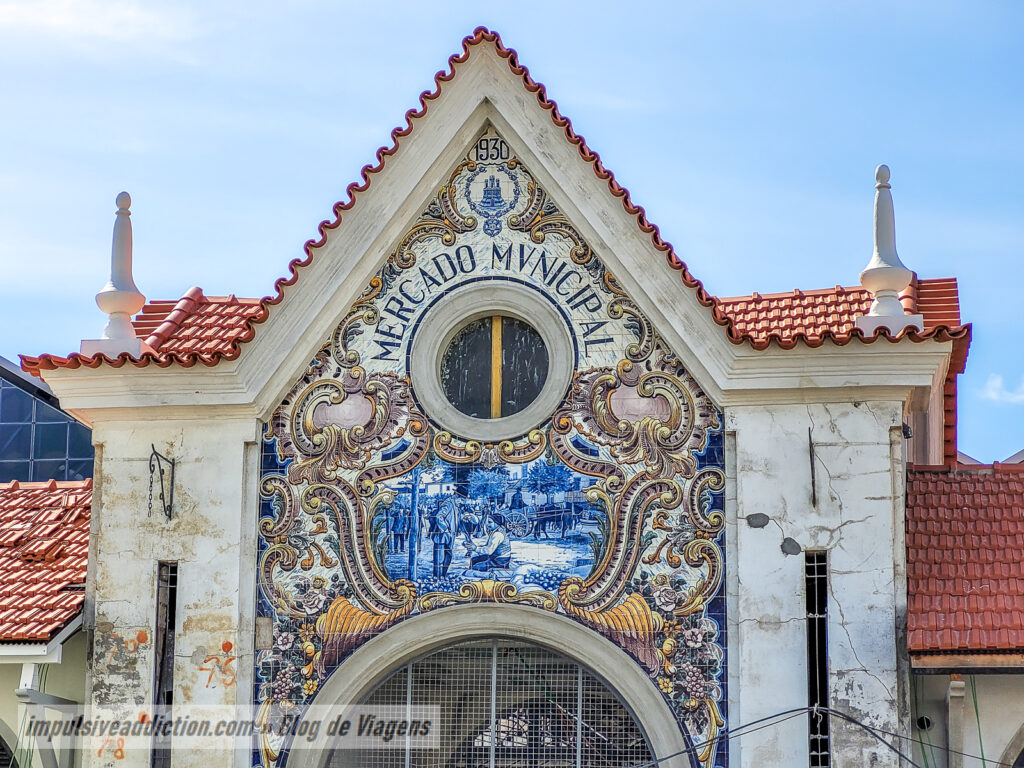
Opened in 1930 with functional architecture in the Estado Novo style, the Santarém Municipal Market remains one of the city’s most authentic spots. Surrounded by stalls selling fresh produce—vegetables, meats, fish, cheeses—the market reflects the agricultural heartbeat of the Ribatejo region and the daily life of Santarém.
5. Sá da Bandeira Square
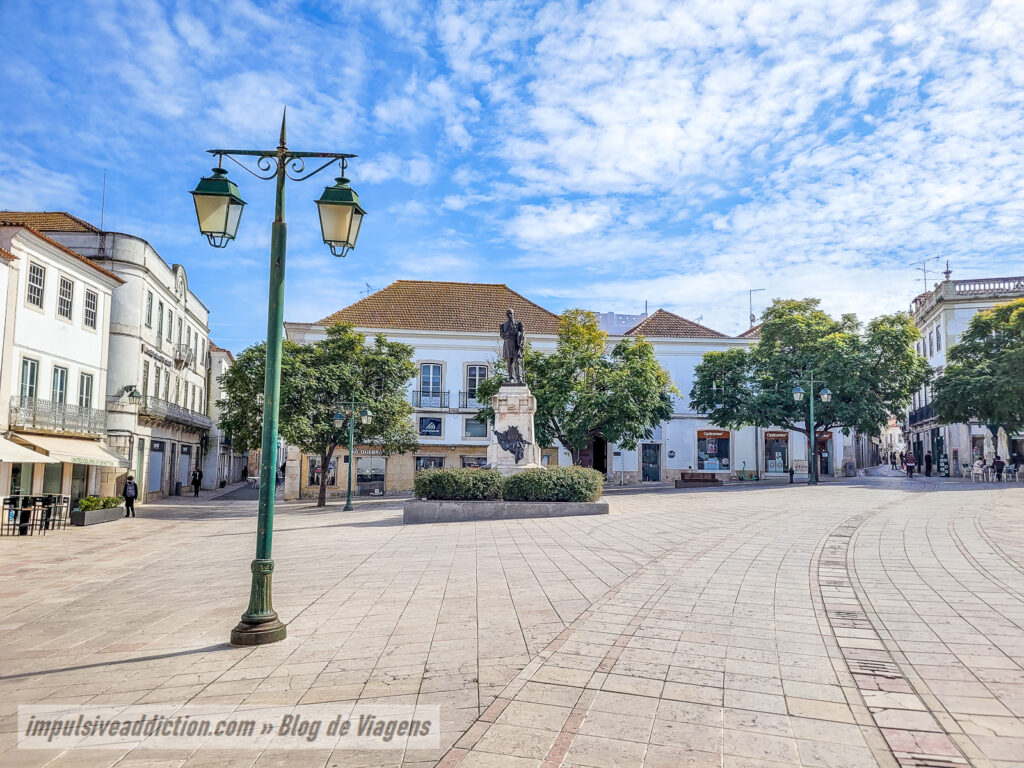
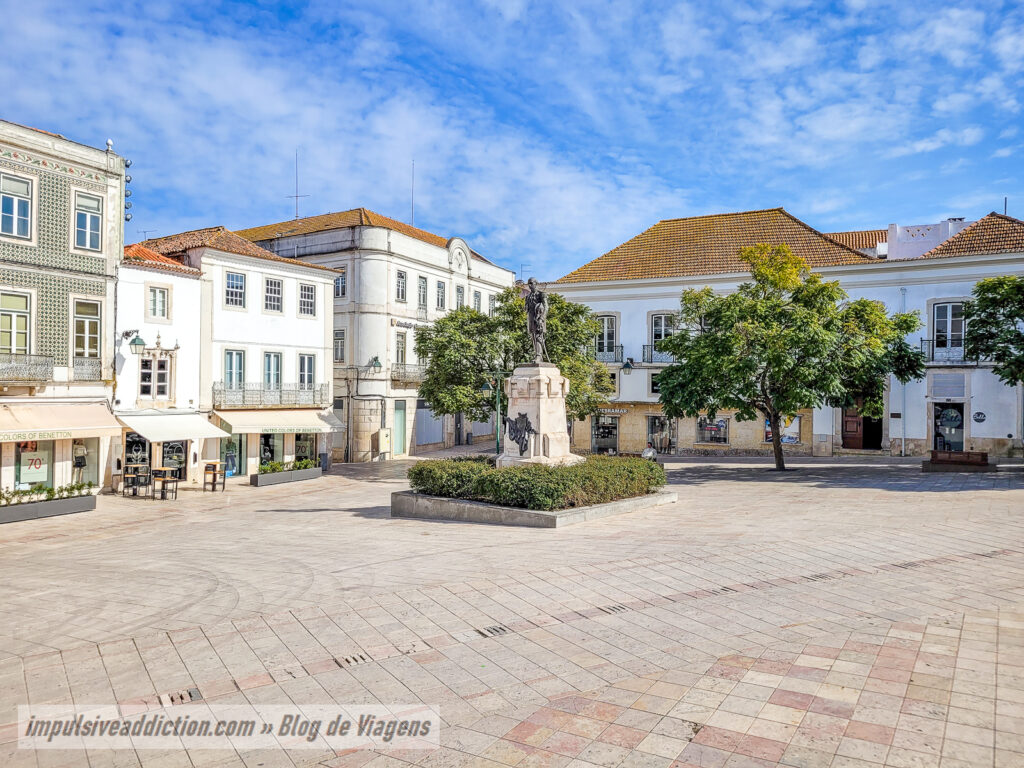
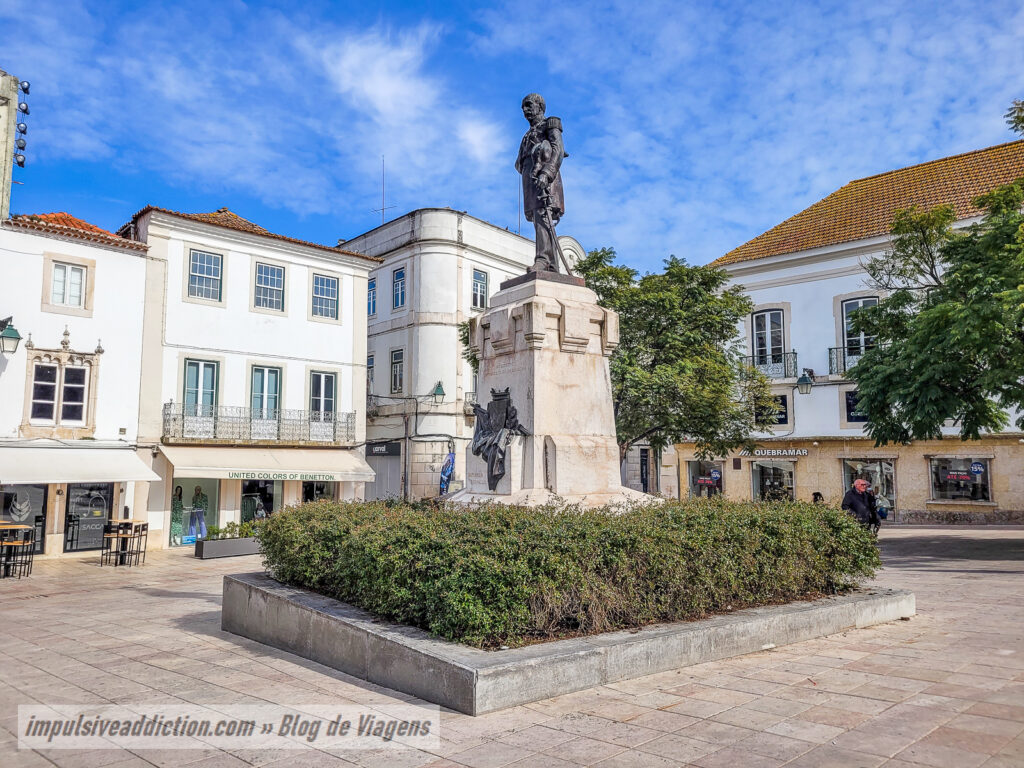
A short walk brings you to Sá da Bandeira Square, formerly known as Commerce Square, a historic stage for fairs, events, and civic speeches. Today it is lined with cafés and shops, and takes its name from the liberal politician Bernardo de Sá Nogueira de Figueiredo. It remains the city’s social epicentre, where different architectural layers coexist with the living memory of urban life.
6. Church of Our Lady of Piety
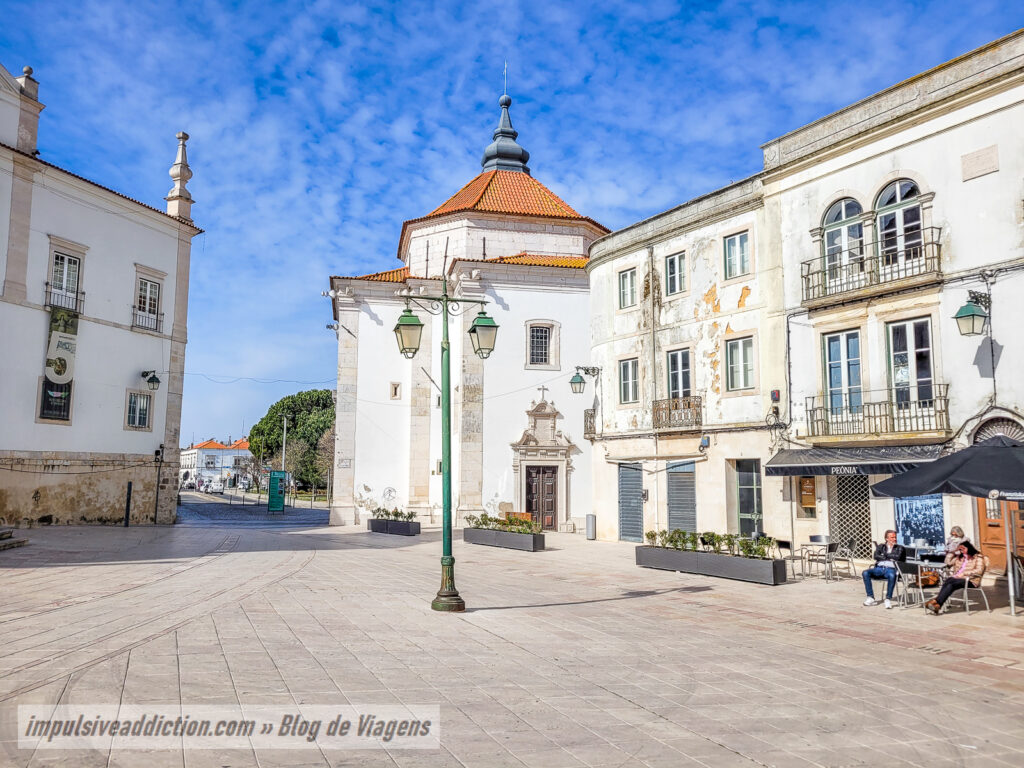
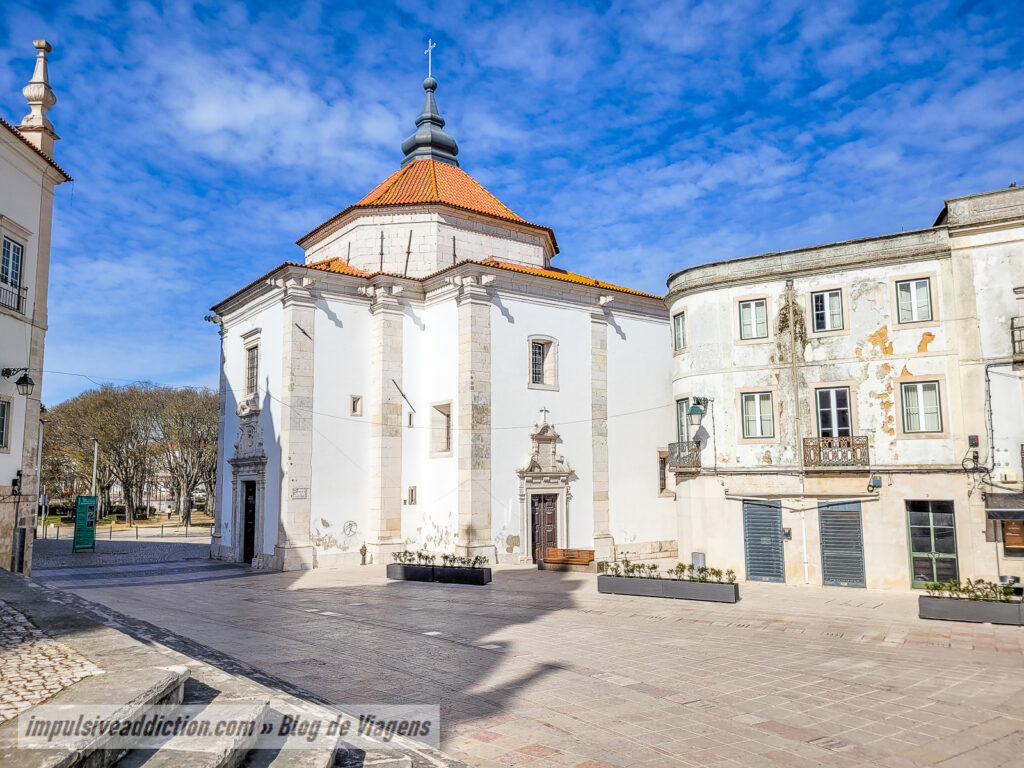
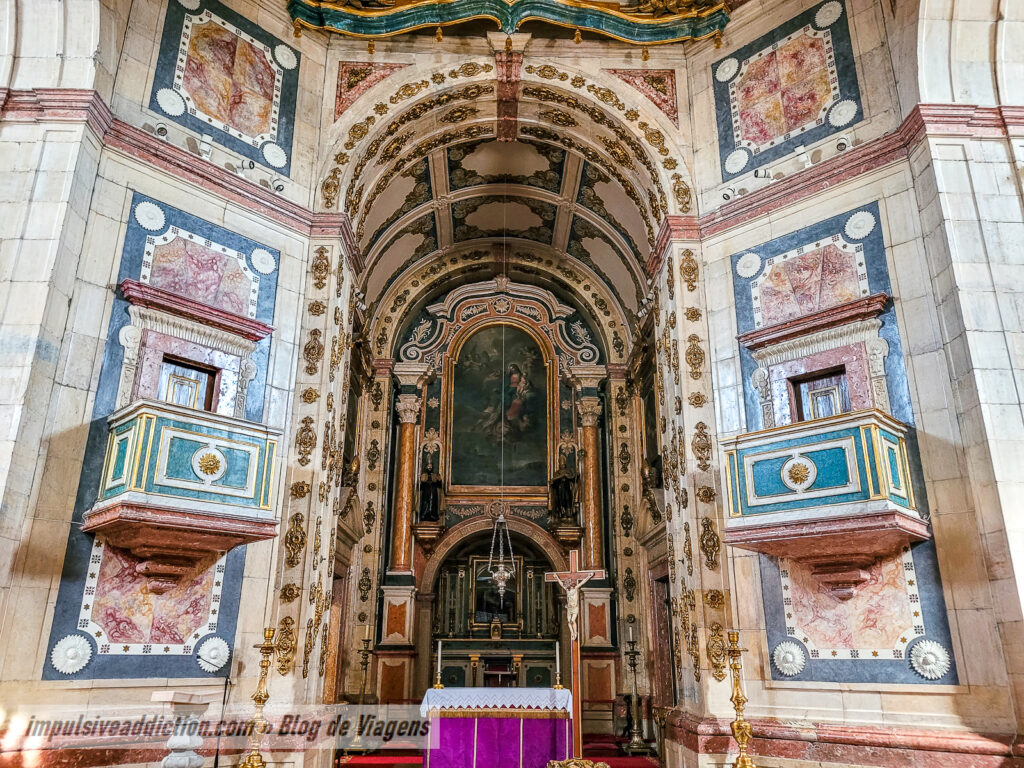
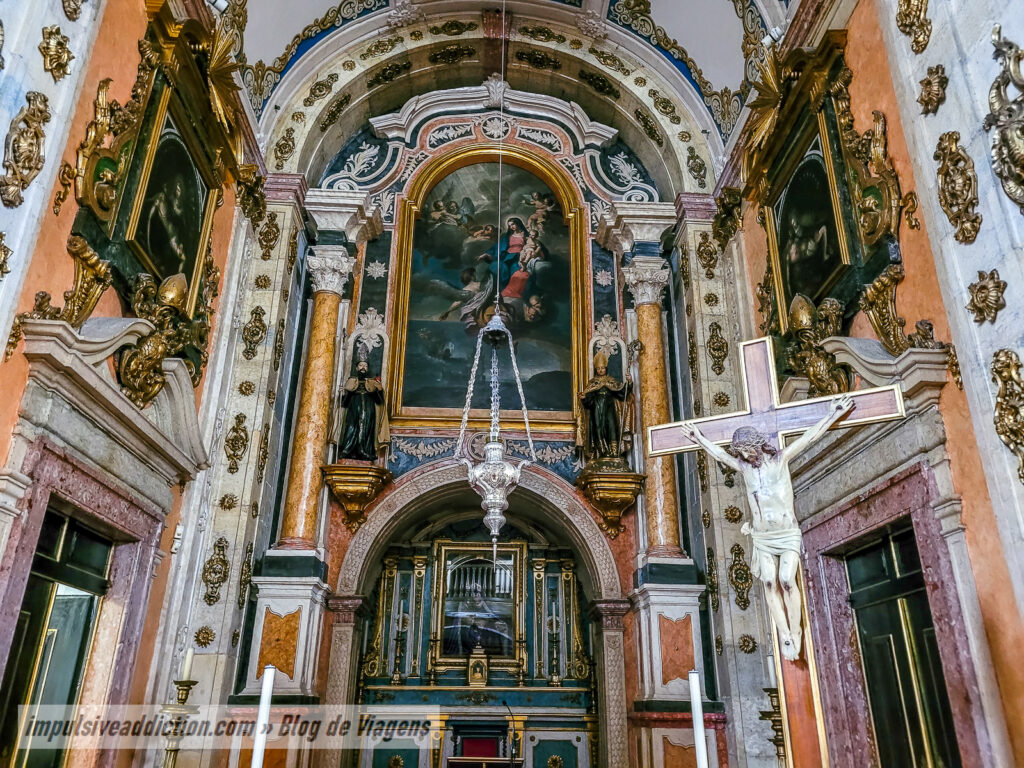
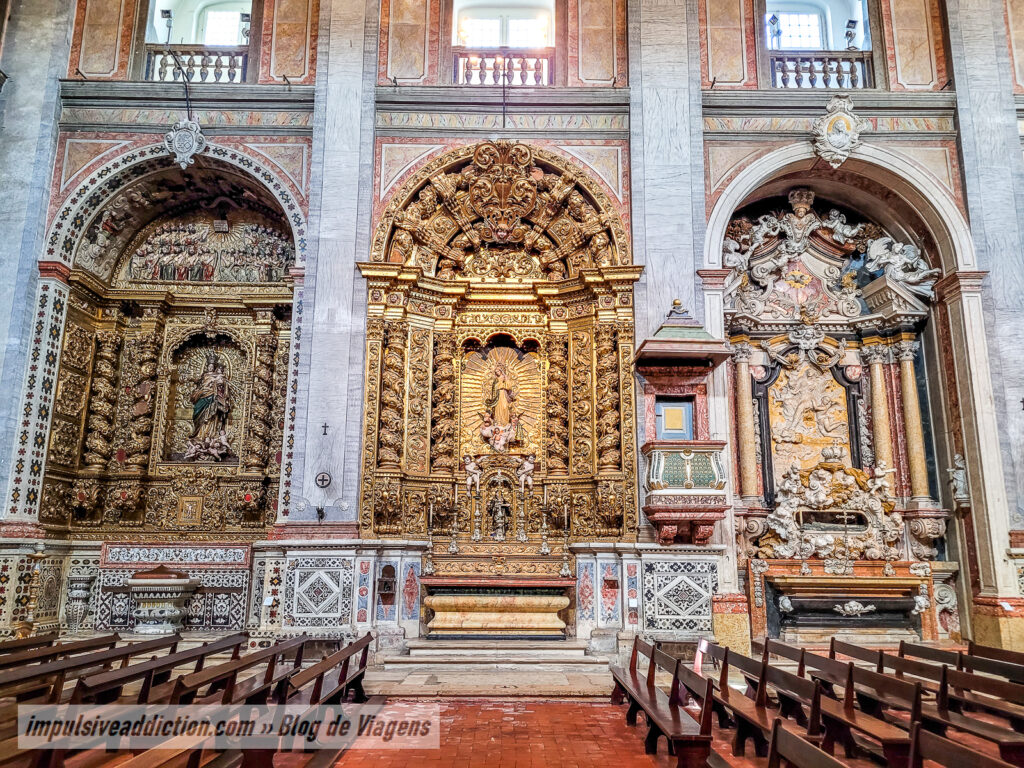
Next comes the imposing Church of Our Lady of Piety, built in 1664 by order of King Afonso VI as a gesture of thanks for the Portuguese victory at the Battle of Ameixial. Designed by João Nunes Tinoco, it represents the transition from late Mannerism to Baroque style. Its lavish interior features marble work, 18th-century paintings, and gilded woodcarving harmoniously combined with richly decorated ceilings.
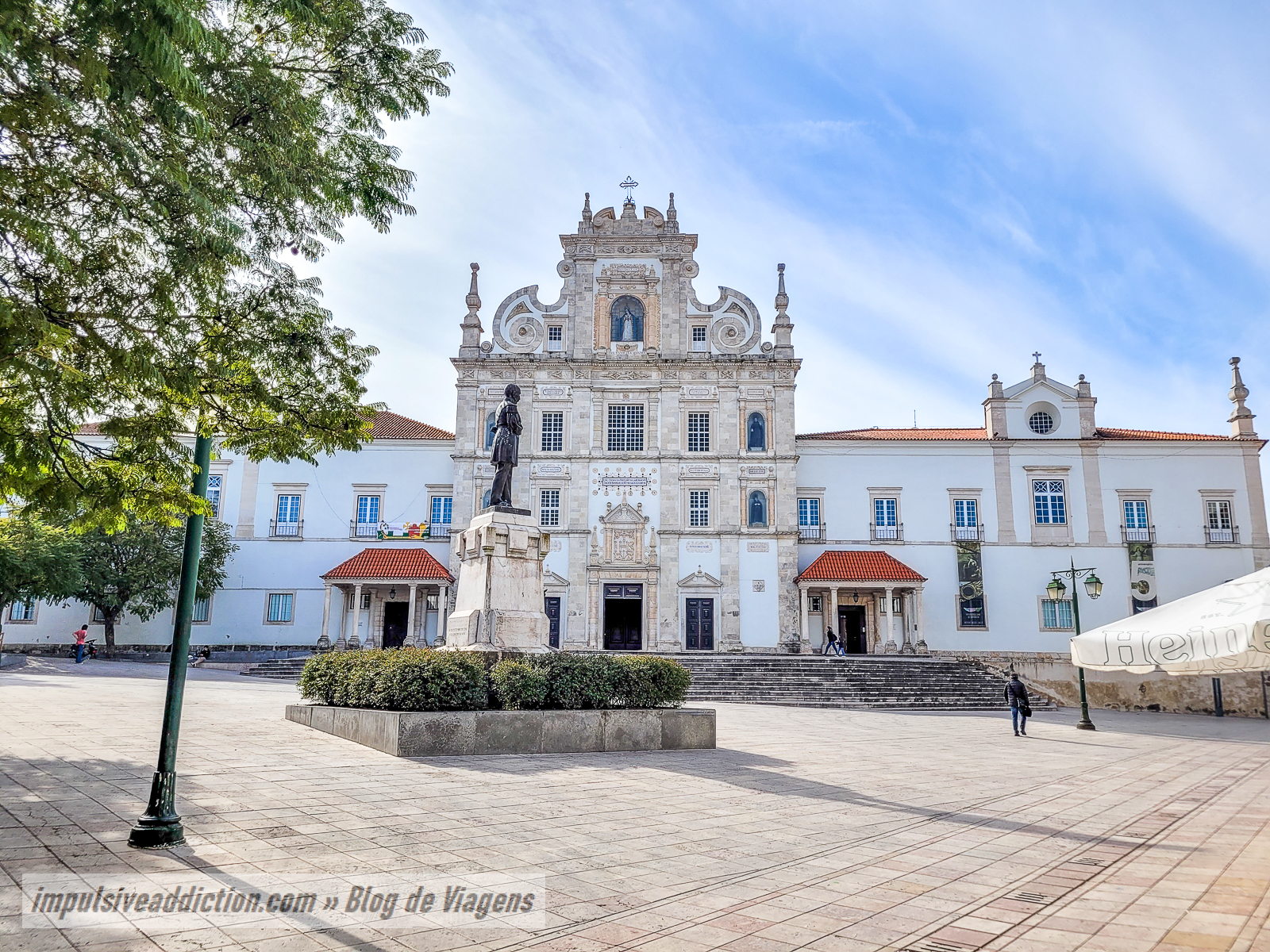
7. Santarém Cathedral and Diocesan Museum
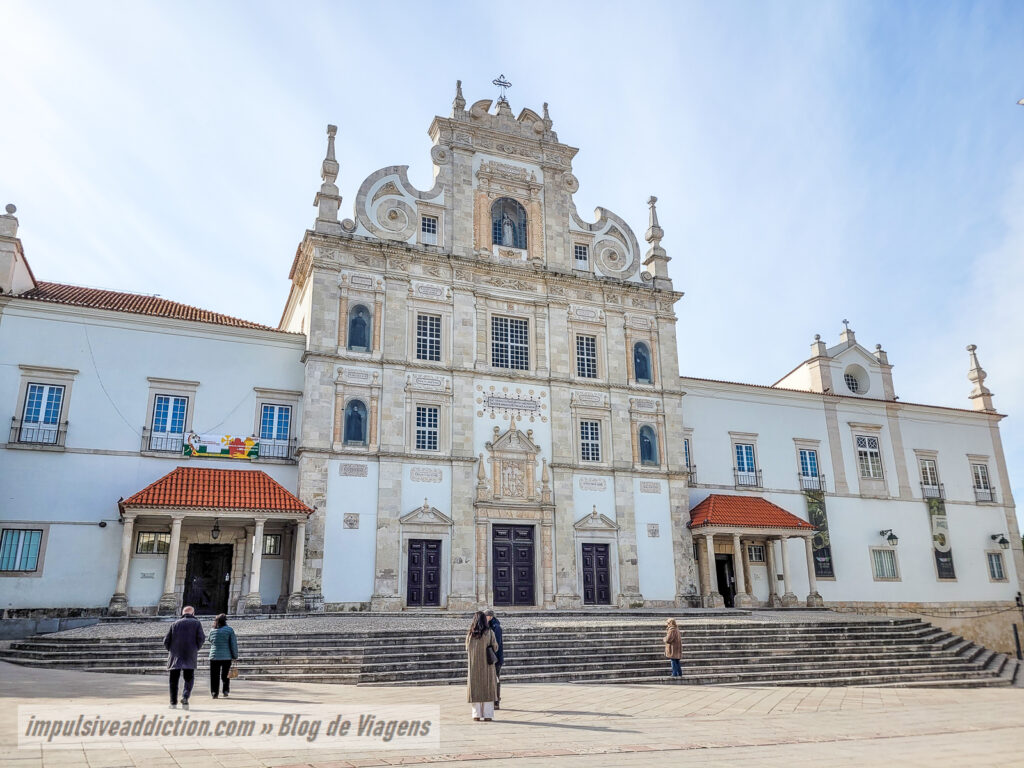
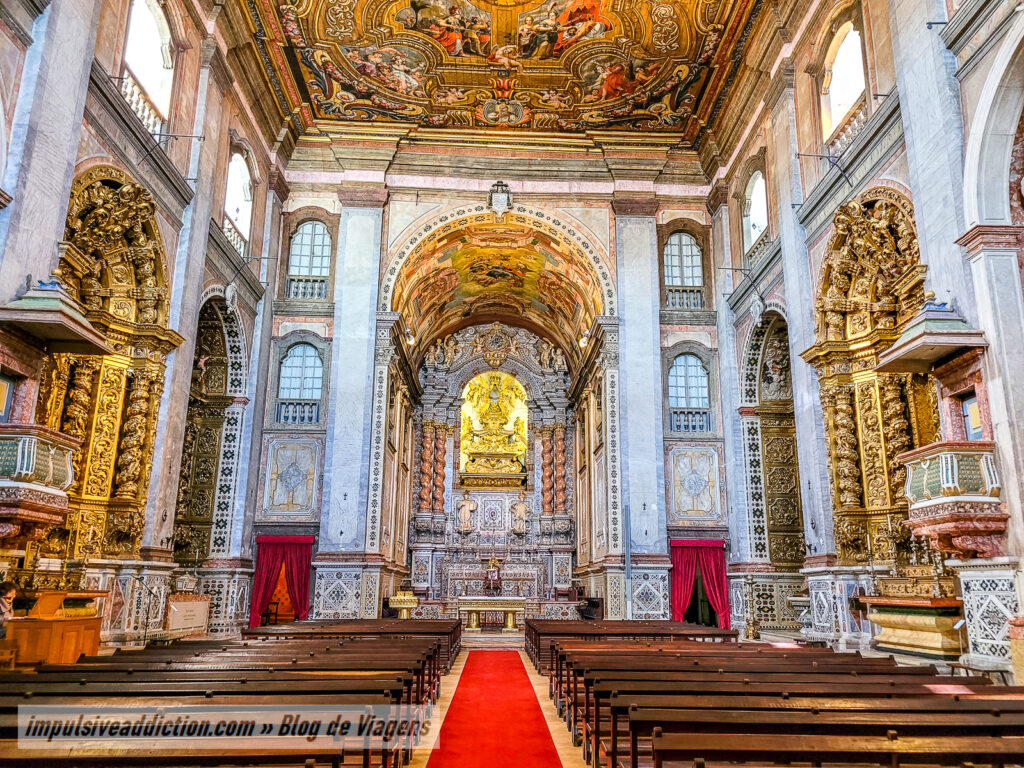
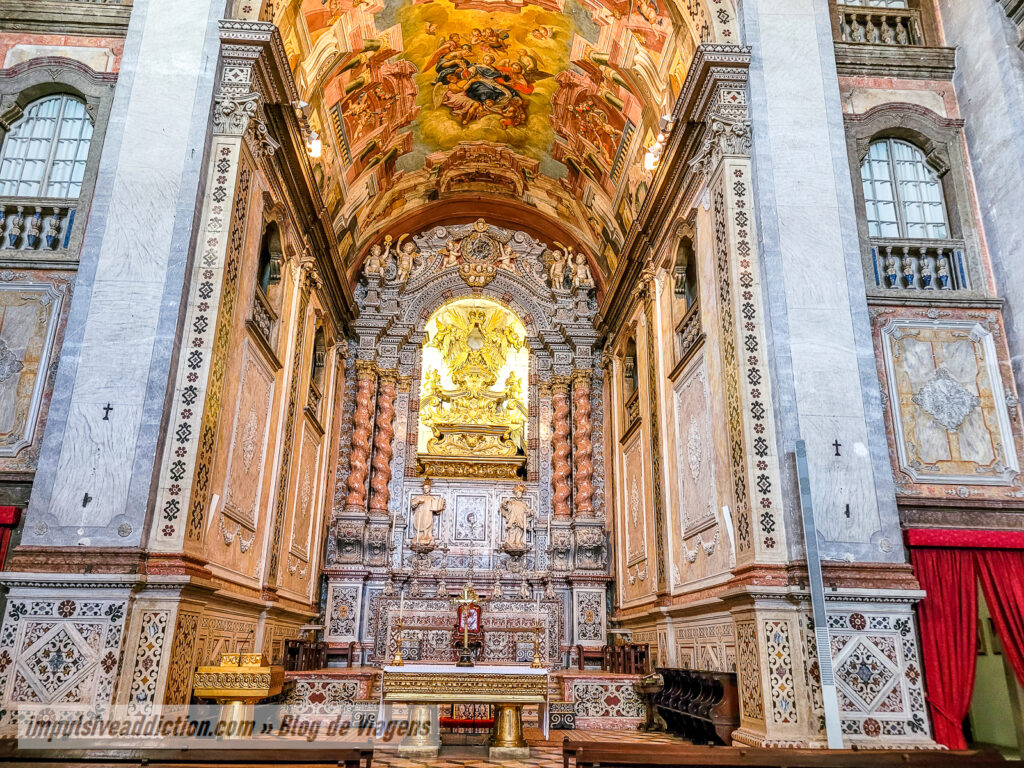
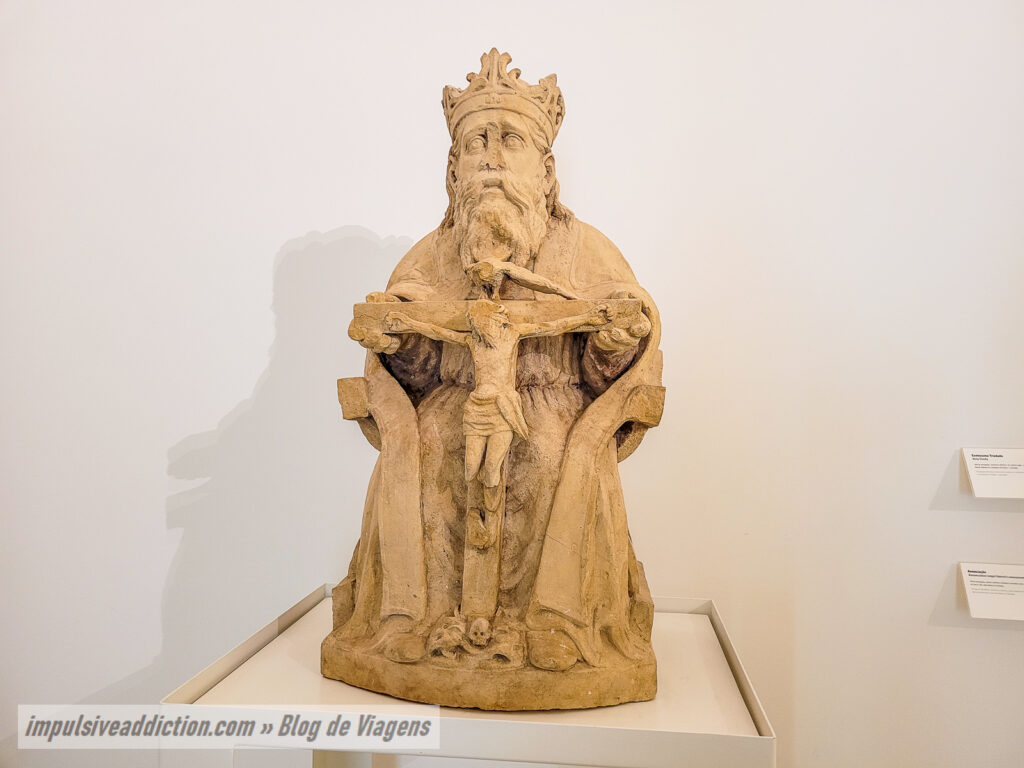
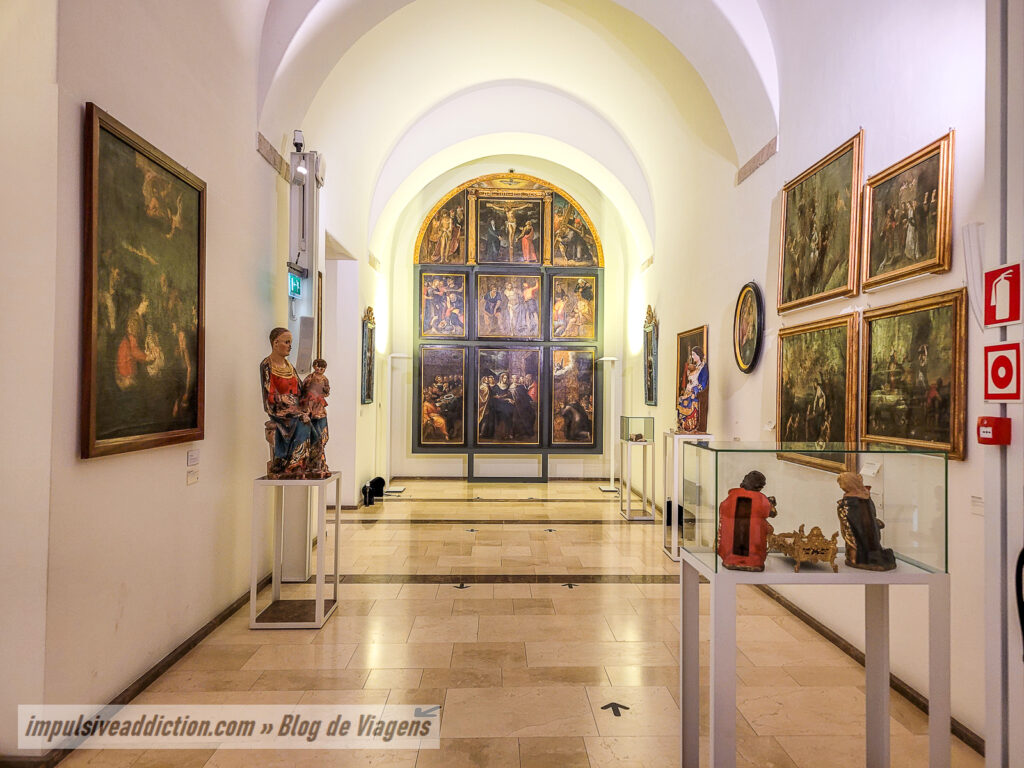
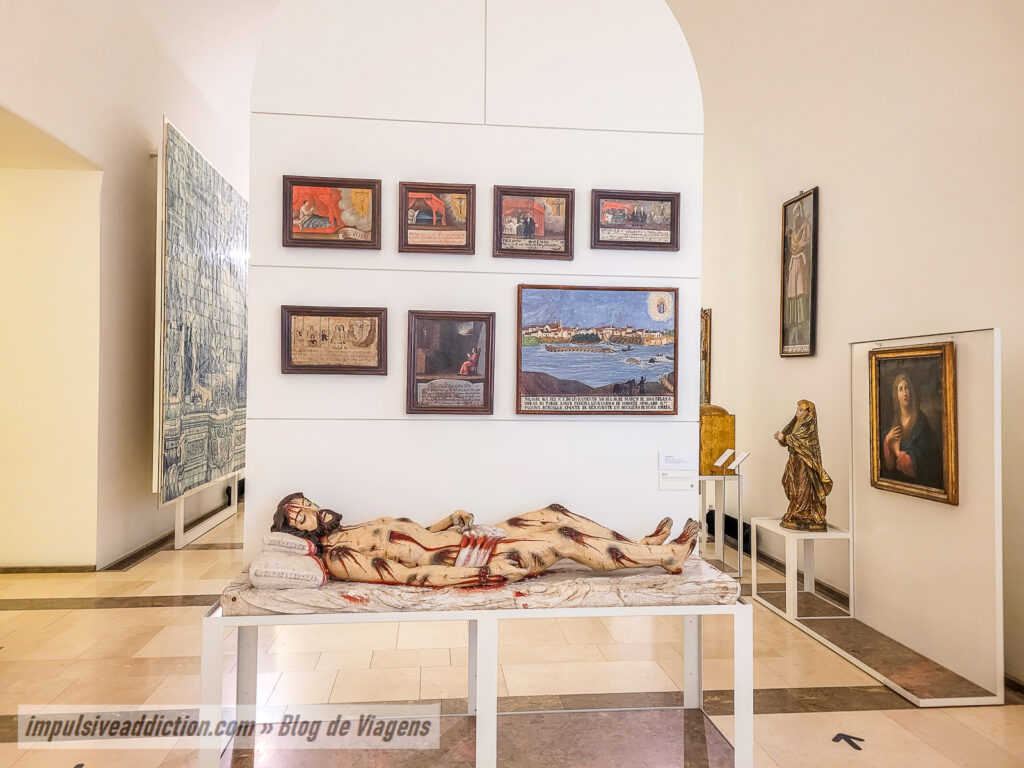
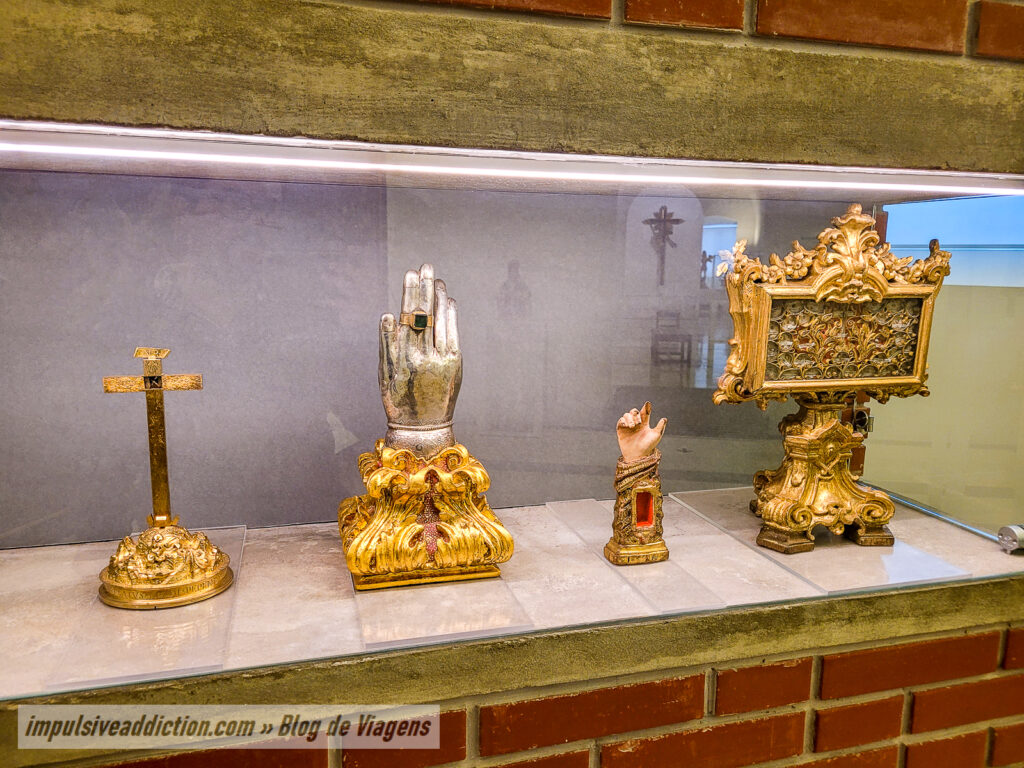
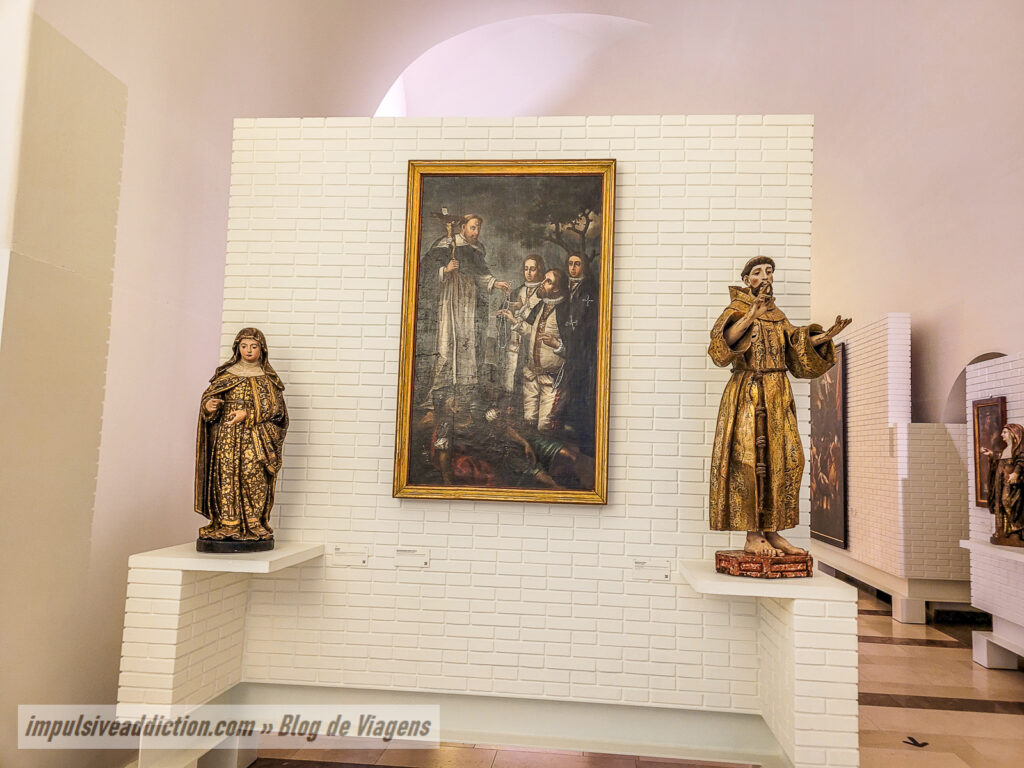
Next comes Santarém Cathedral, standing imposingly on the site of the former Royal Palace of the Alcáçova Nova since the second half of the 17th century, when King João IV entrusted it to the Jesuits. In 1975, it was elevated to cathedral status and also became home to the Diocesan Museum, housed in the former adjoining Episcopal Palace. Today, the museum displays around 150 pieces of sacred art from the vast diocesan collection, restored and reinterpreted between 2005 and 2014.
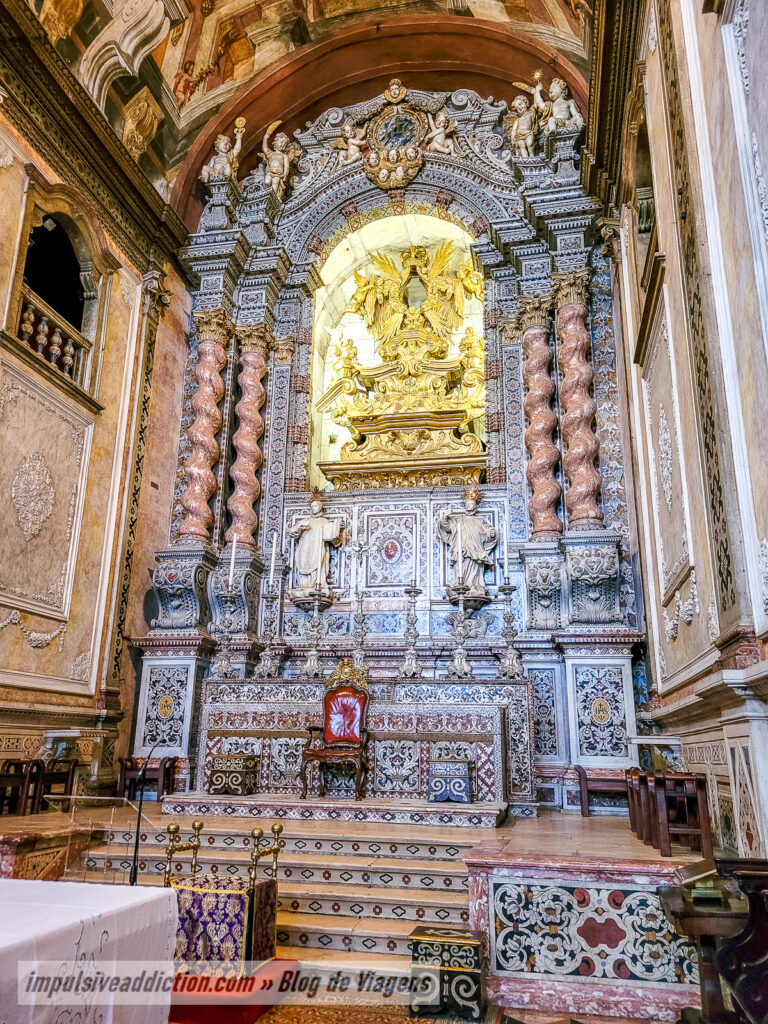
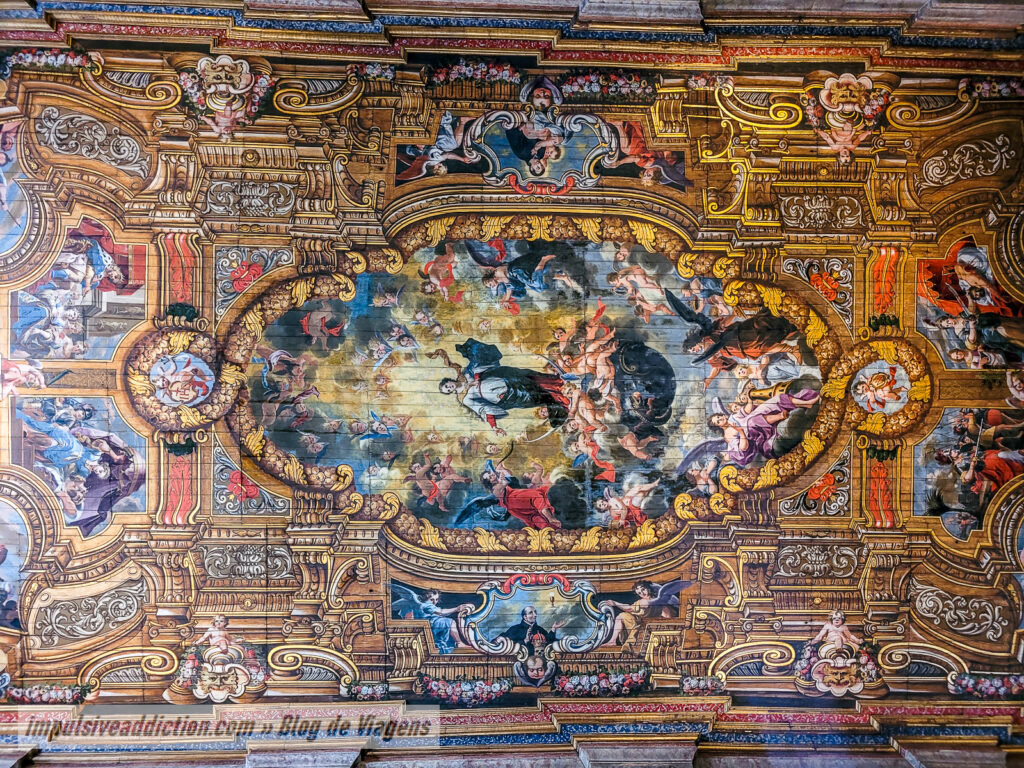
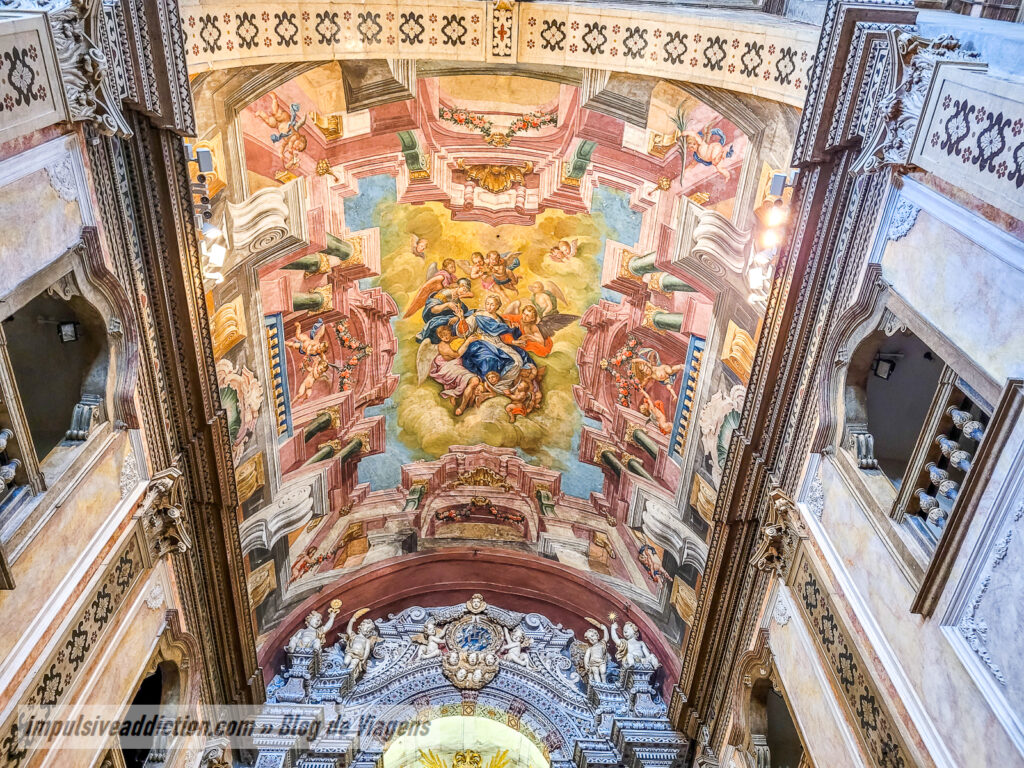
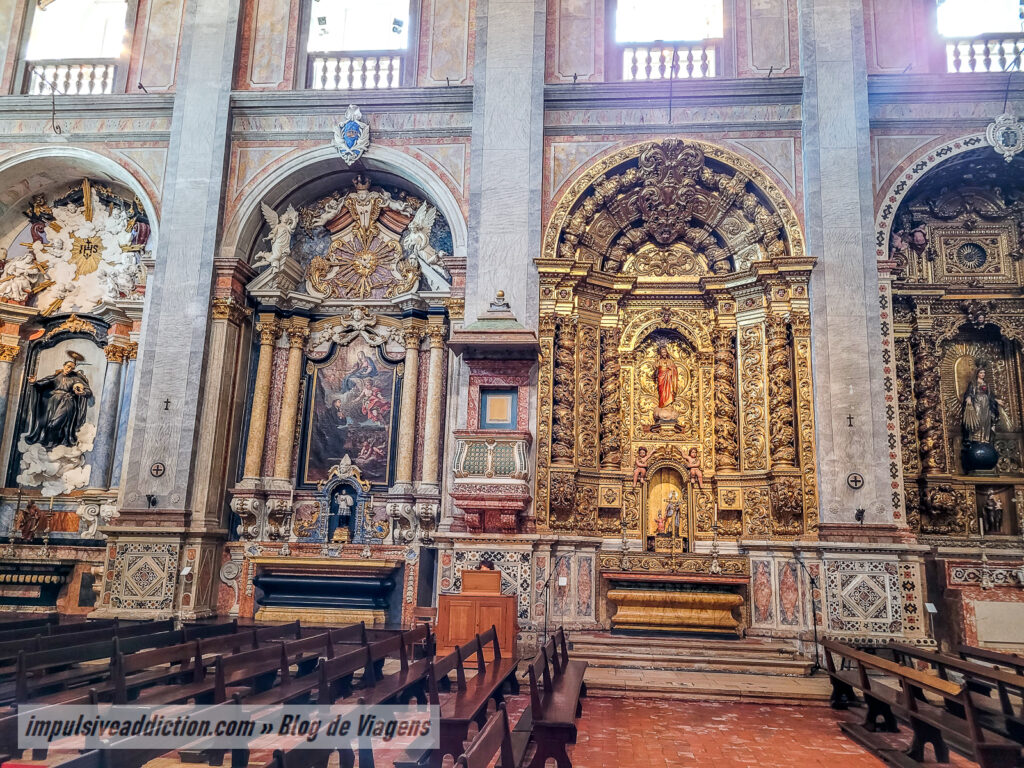

8. Rua Serpa Pinto
Heading down through the historic centre, we reach Rua Serpa Pinto, formerly Santarém’s “Rua Direita.” This pedestrian thoroughfare features well-preserved historic façades and traditional cafés, linking the city’s main squares. Its current name honours the navigator and explorer Alexandre Serpa Pinto, and the atmosphere—filled with local shops—echoes the city’s historic heartbeat while narrating its own evolution.
9. Church of Santa Maria de Marvila
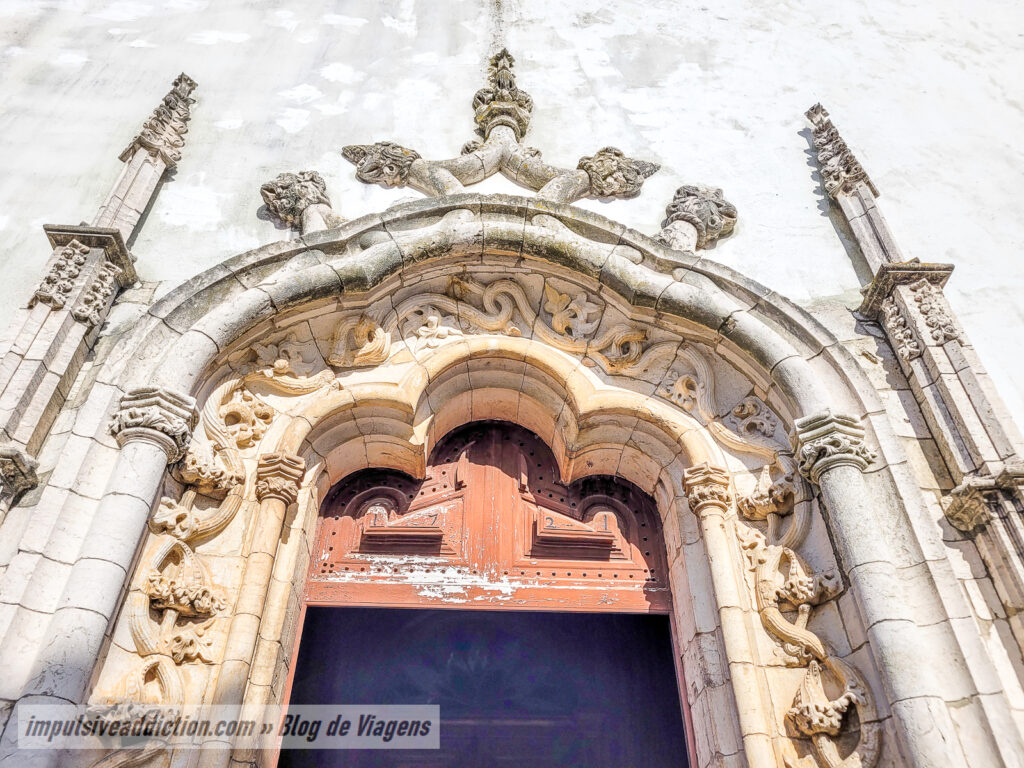
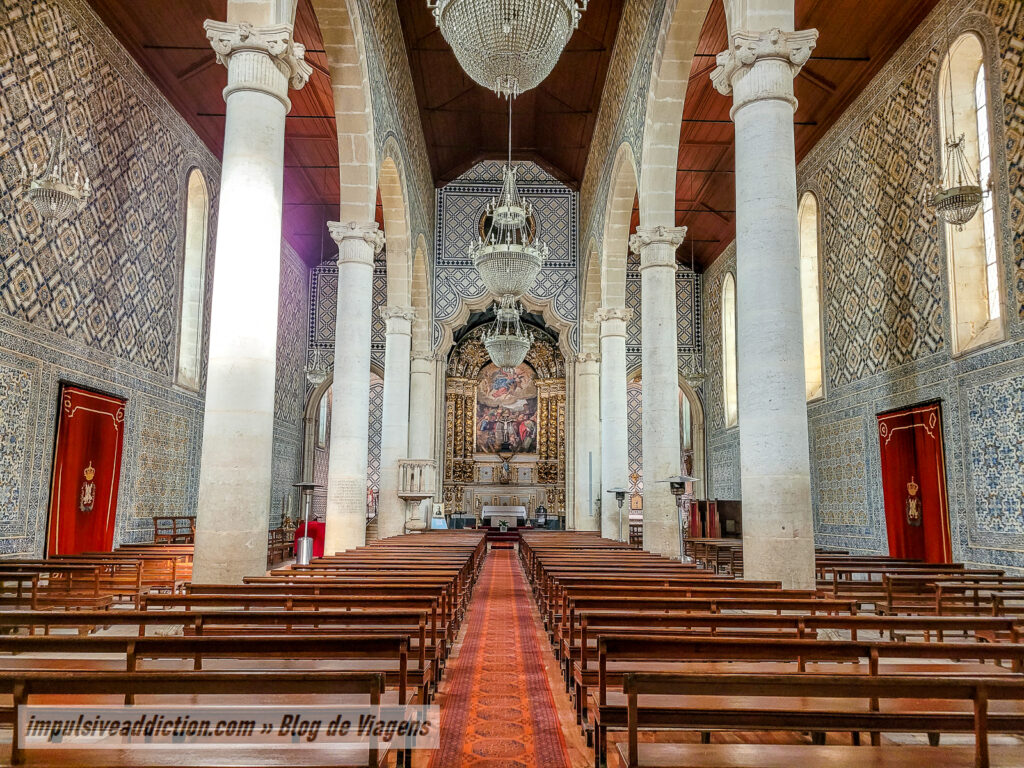
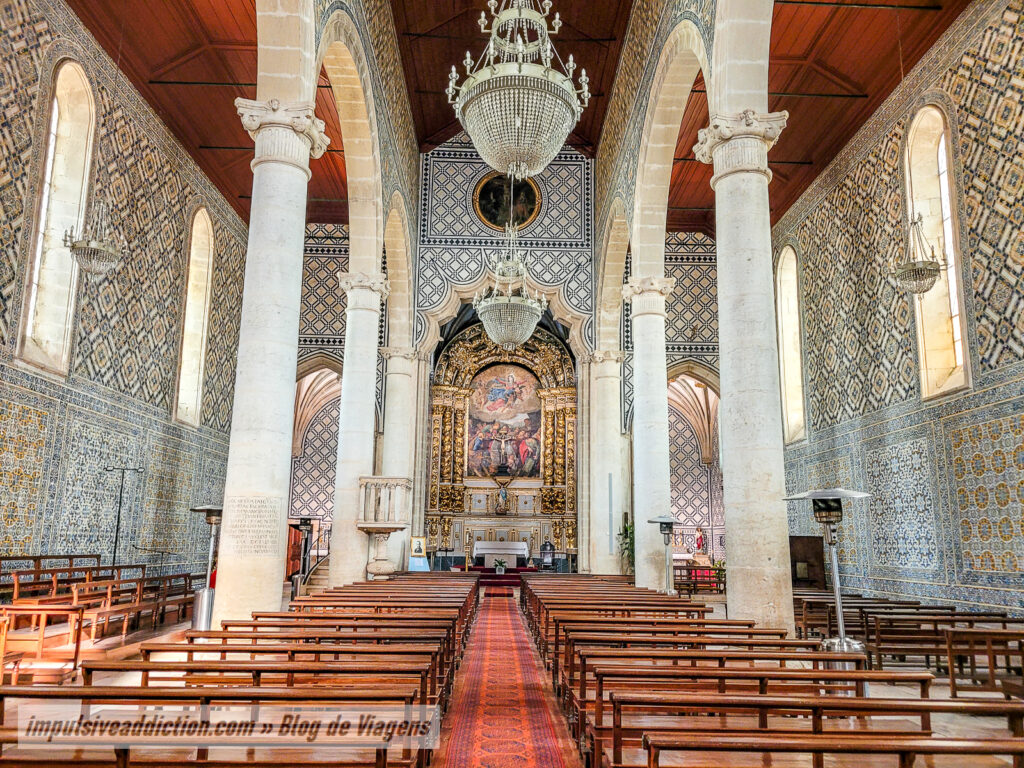
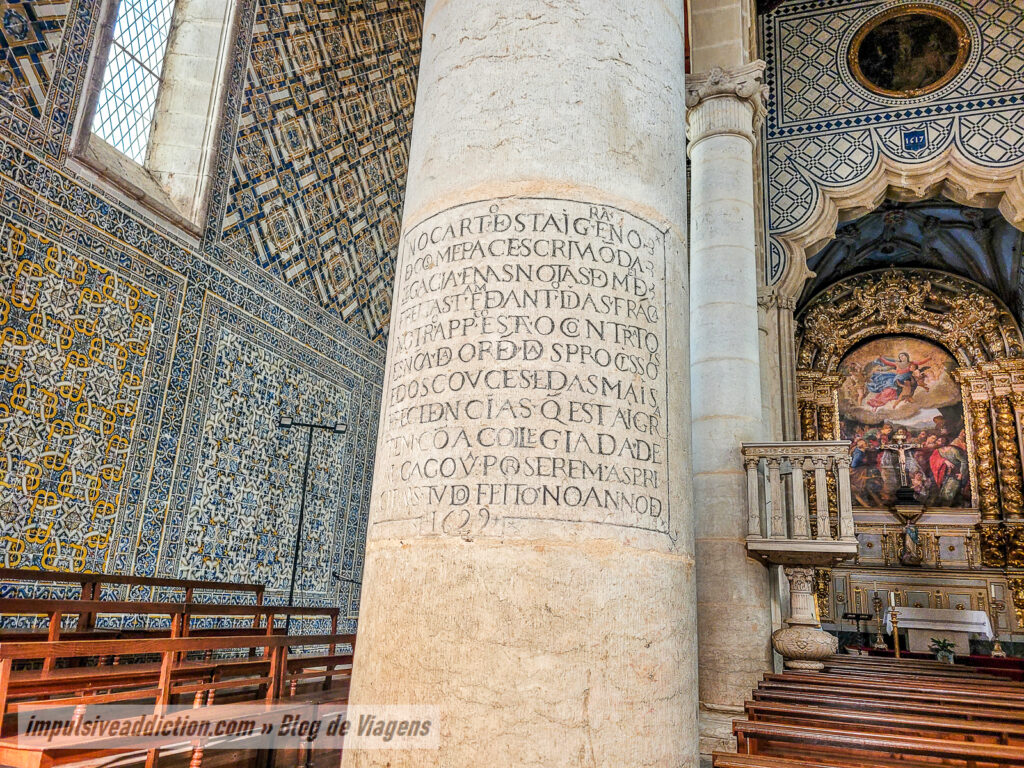
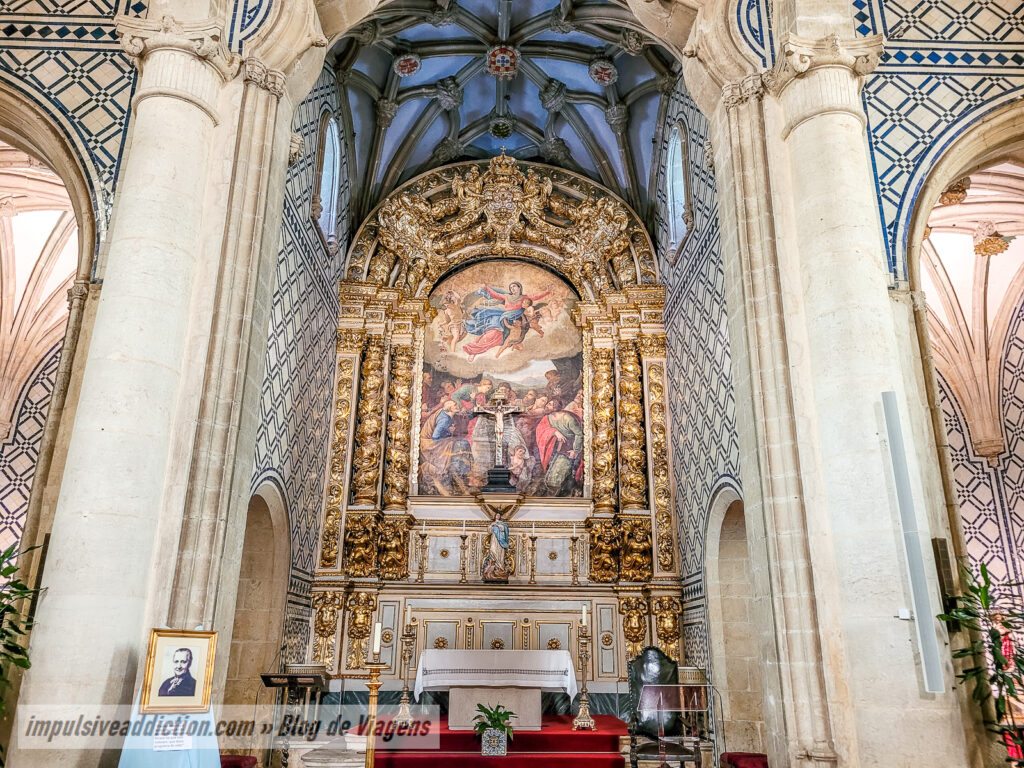
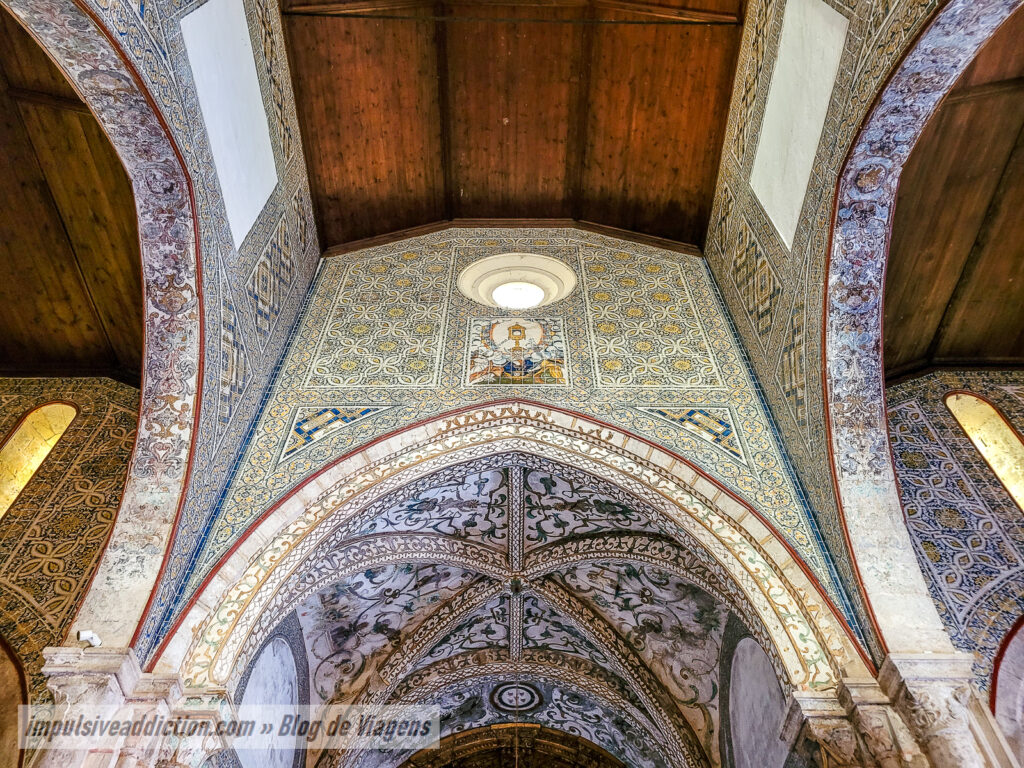
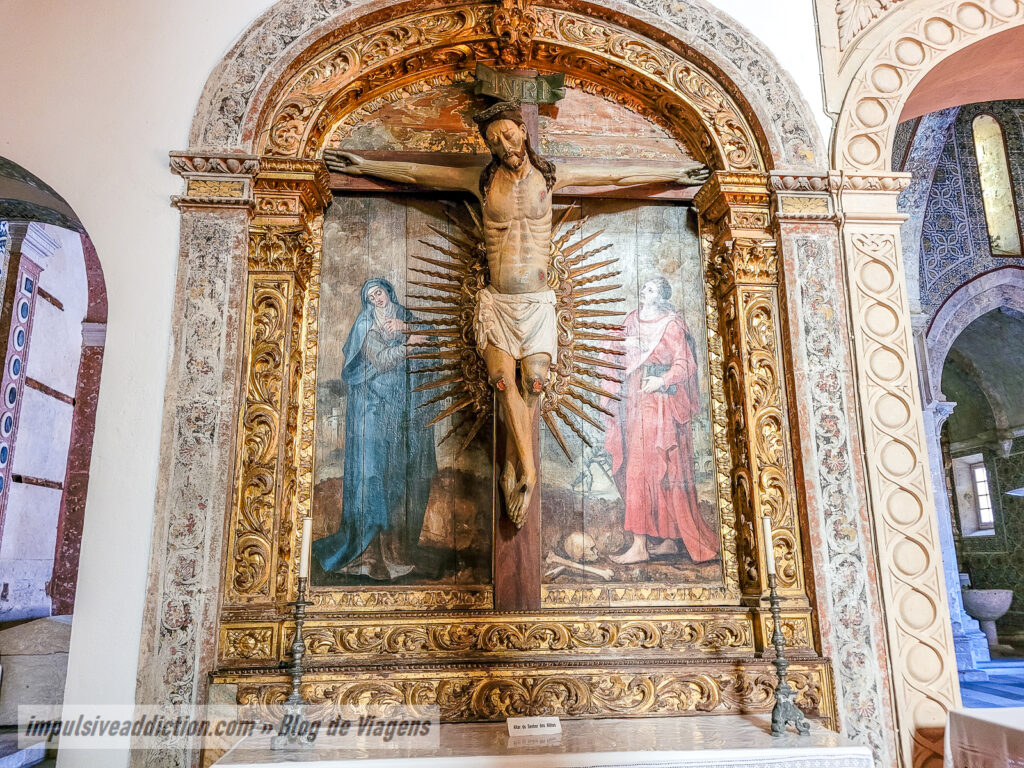
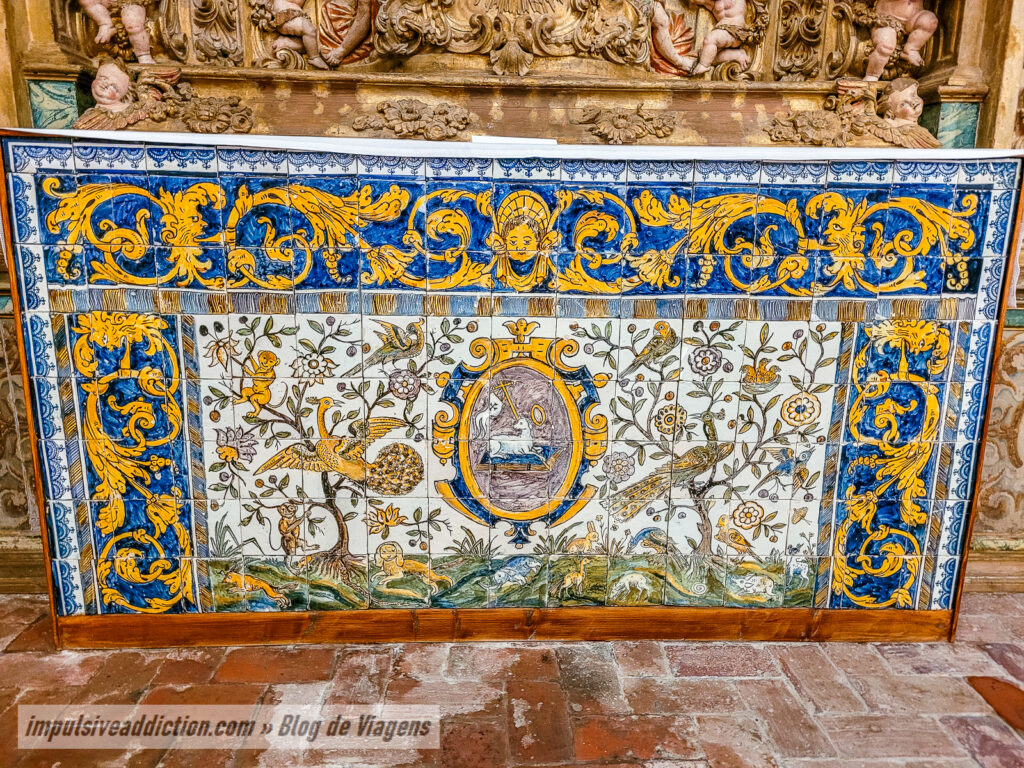
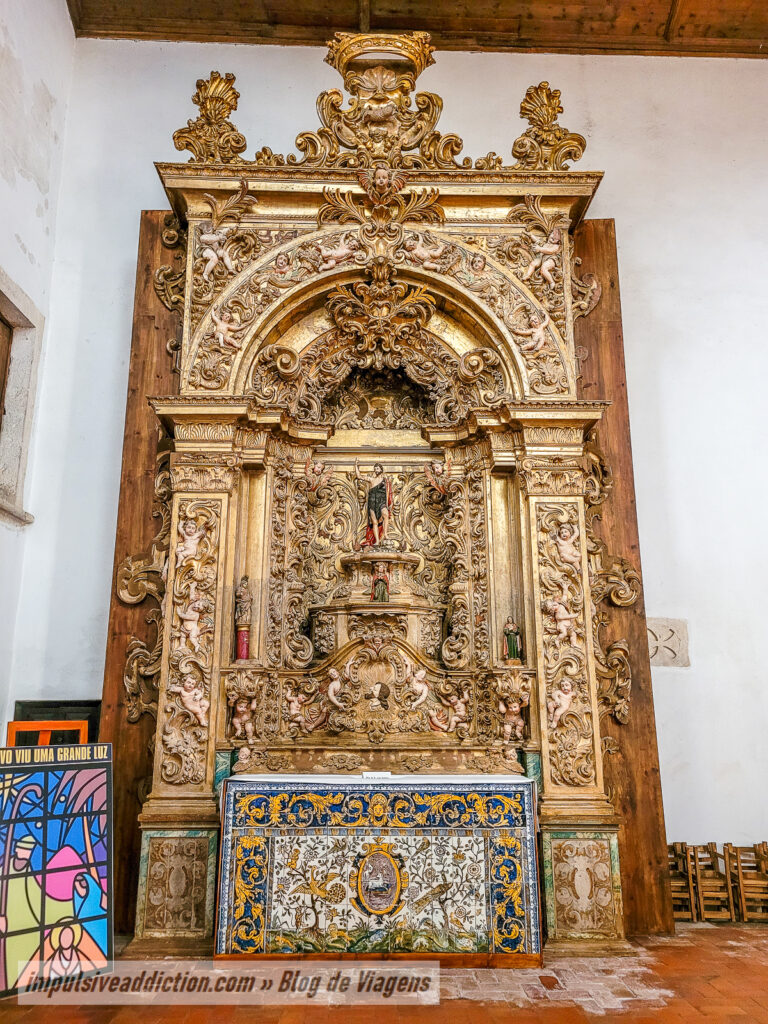
Turning down a side street, we discover the sublime Church of Santa Maria de Marvila, founded after the 1147 Reconquest by King Afonso Henriques on what is believed to have been the site of a mosque. Over time, it was rebuilt and embellished in Manueline and Renaissance styles, with an ornate portal leading into one of Santarém’s most stunning interiors—covered with over 65,000 17th-century tiles, earning it the title of a true national “Tile Cathedral.”
10. “Poupa” – Bordalo II
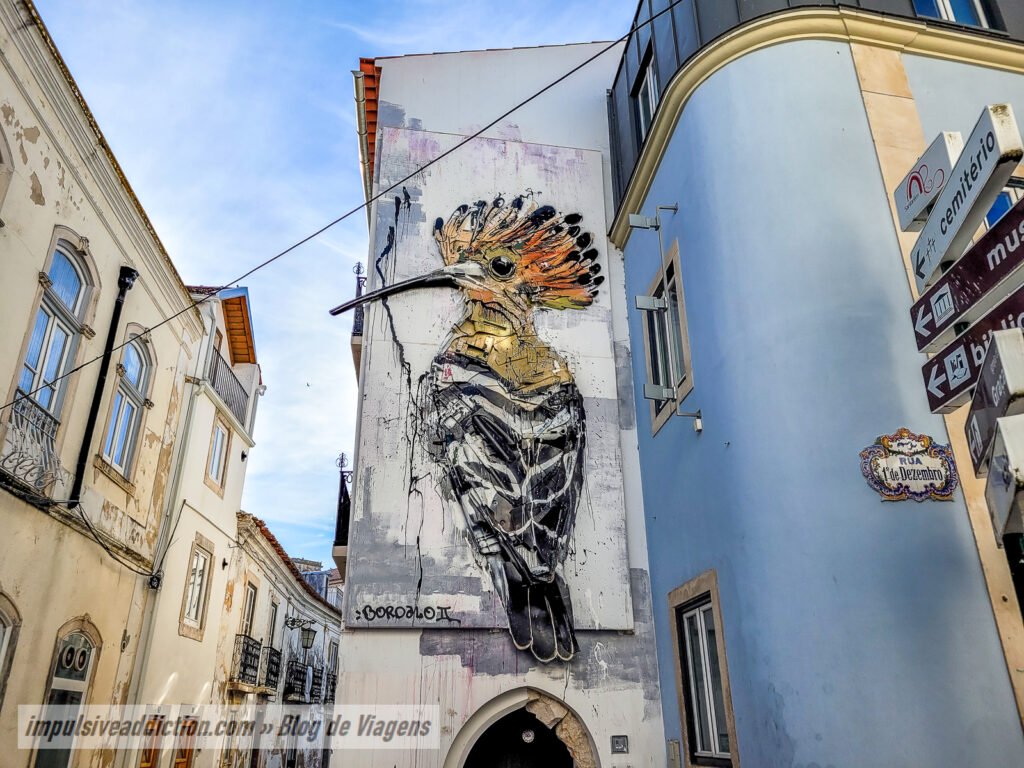
Adding a contemporary touch to the cityscape, “Poupa” is a monumental sculpture by artist Bordalo II, installed in 2020 next to the façade of the Villa Graça hostel, in the heart of the historic centre. Built from recycled materials—bumpers, hoses, containers—and spanning around six metres, the work pays tribute to the hoopoe, a bird typical of the Ribatejo region. It stands as a symbol of ecological hope and environmental awareness amid the medieval urban setting.
11. Torre das Cabaças
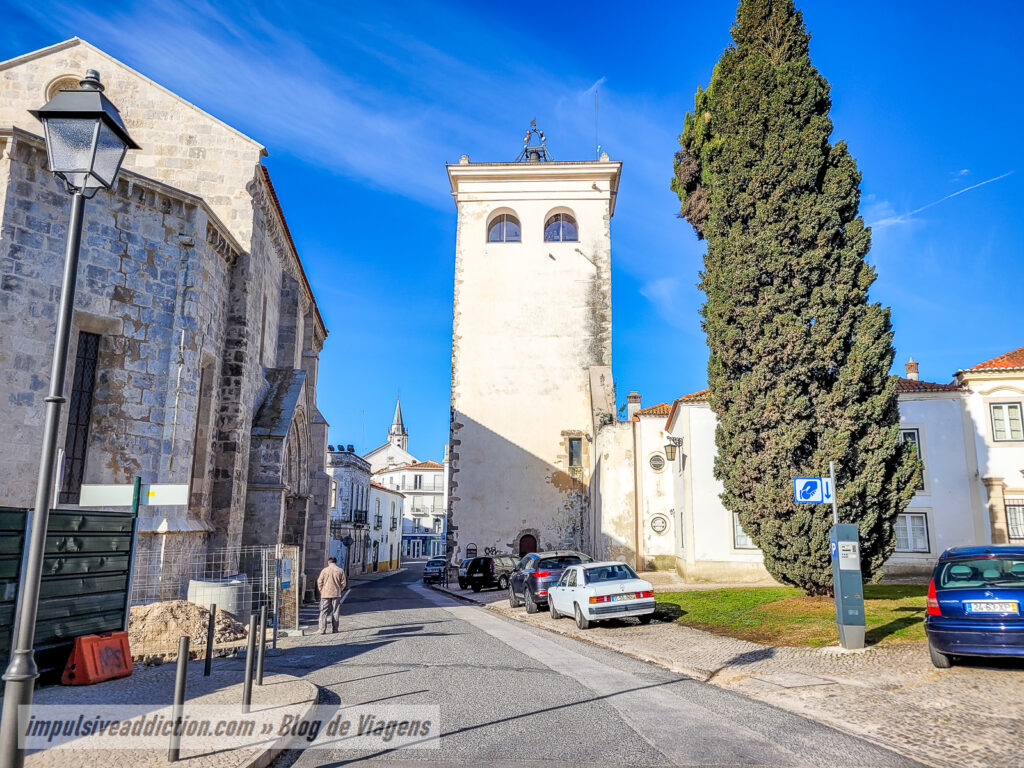
The Torre das Cabaças is one of the most emblematic remnants of Santarém’s castle walls, built in the 15th century over earlier defensive structures linked to the Porta de Alpram or Alporão—most notably the public clock that once kept time for the city. Its curious name dates back to the 18th century and comes from the eight clay gourds (or similar containers) fixed to a metal frame above the bell, an image that endured in local memory. Classified as a Property of Public Interest since 1917, it now houses the Núcleo Museológico do Tempo, which celebrates the history of timekeeping in Santarém.
12. Museu Municipal de Santarém
Next to the tower stands the Museu Municipal de Santarém, housed in the former Church of São João de Alporão. This medieval temple, founded in the 12th century by the Knights Hospitaller, was adapted into a museum space and today holds a valuable collection of archaeology, sacred art, and local sculpture—serving as a guardian of the city’s ancient memory.
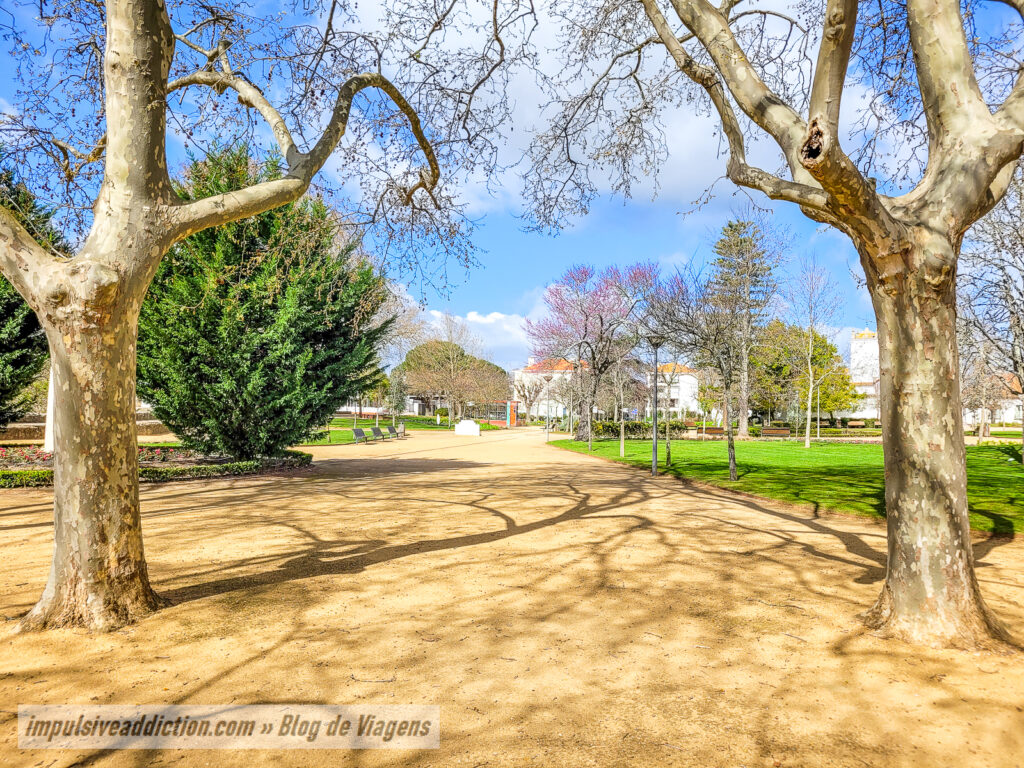
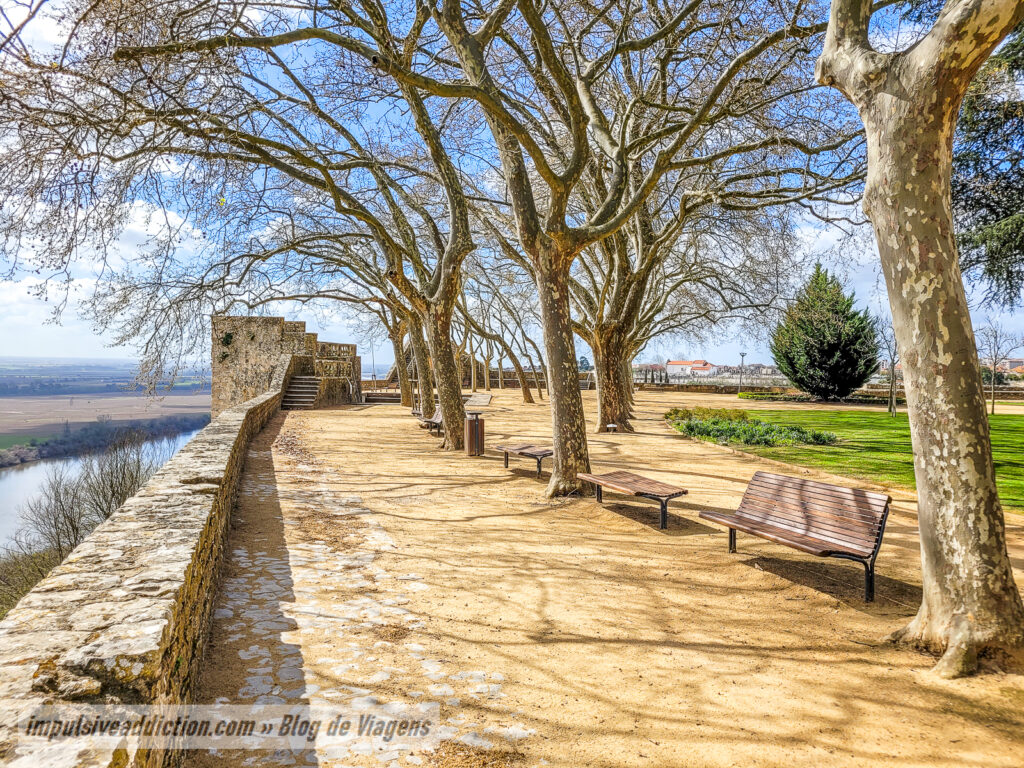
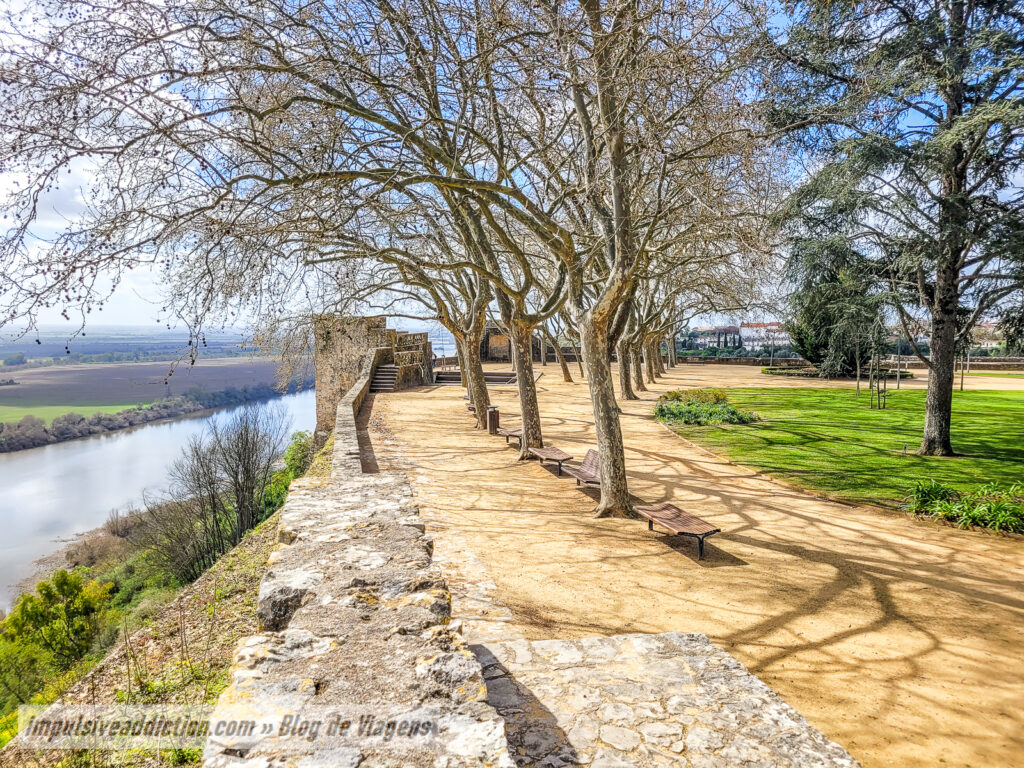
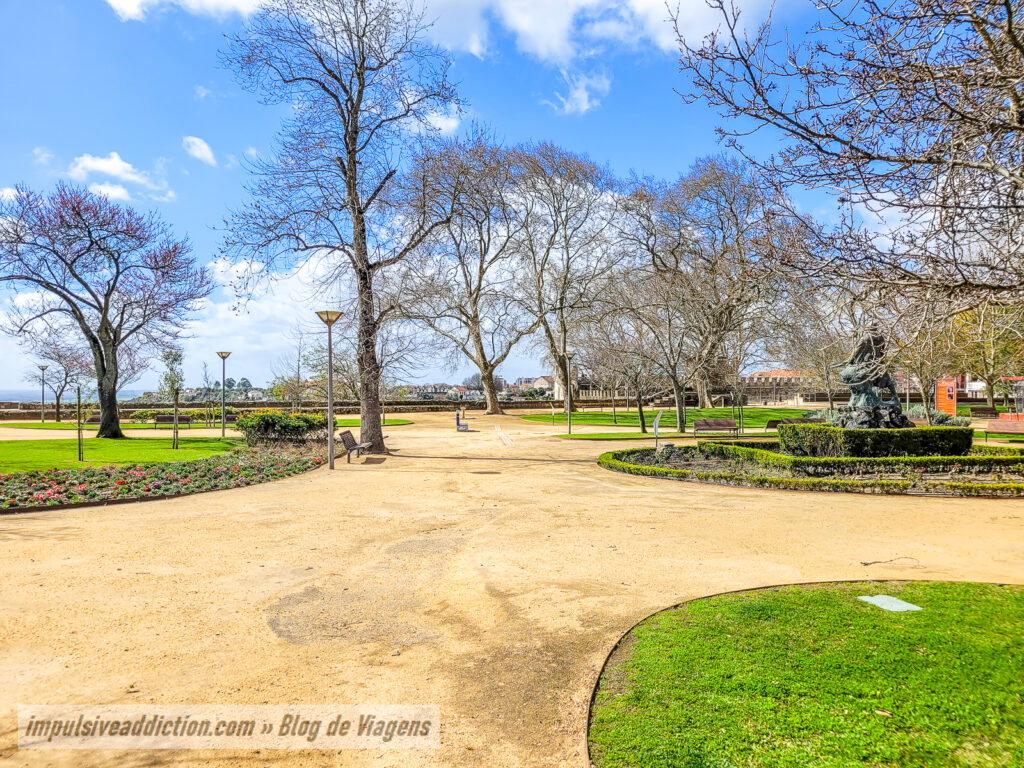
14. Portas do Sol (Santarém Castle and Viewpoint)
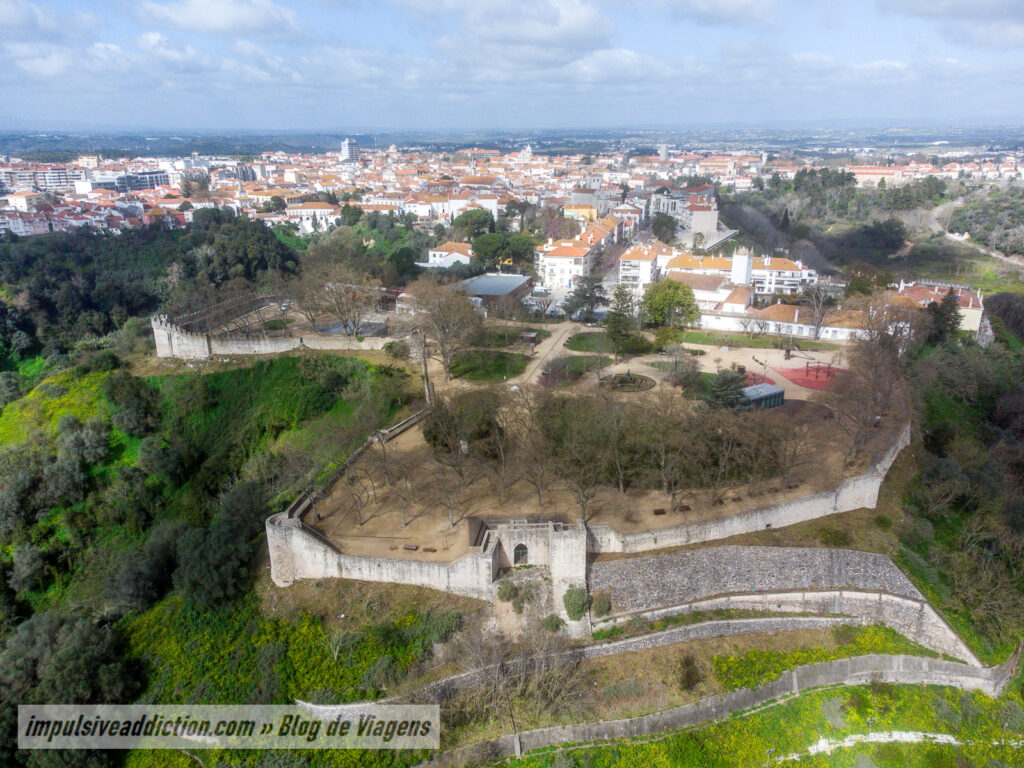
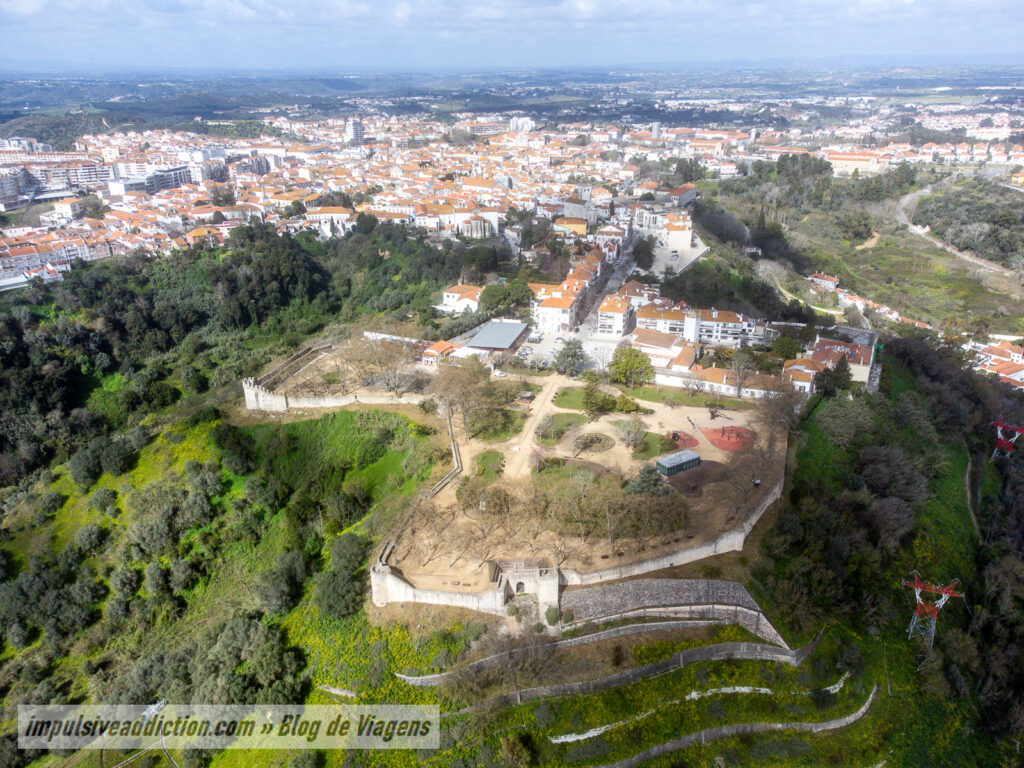
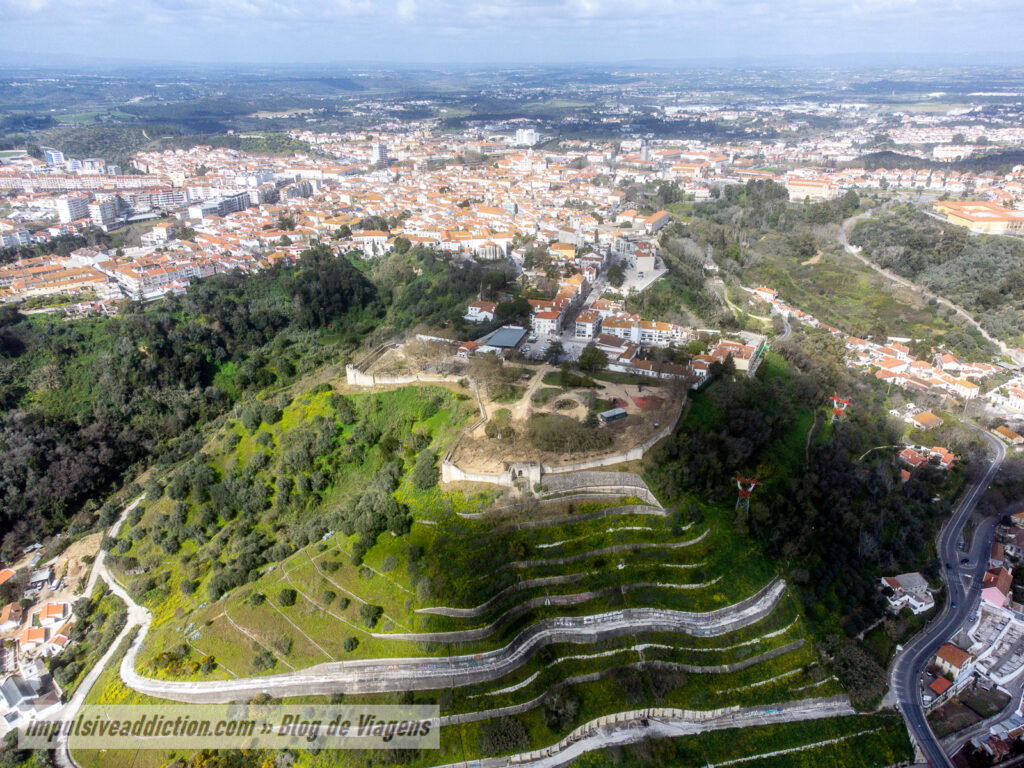
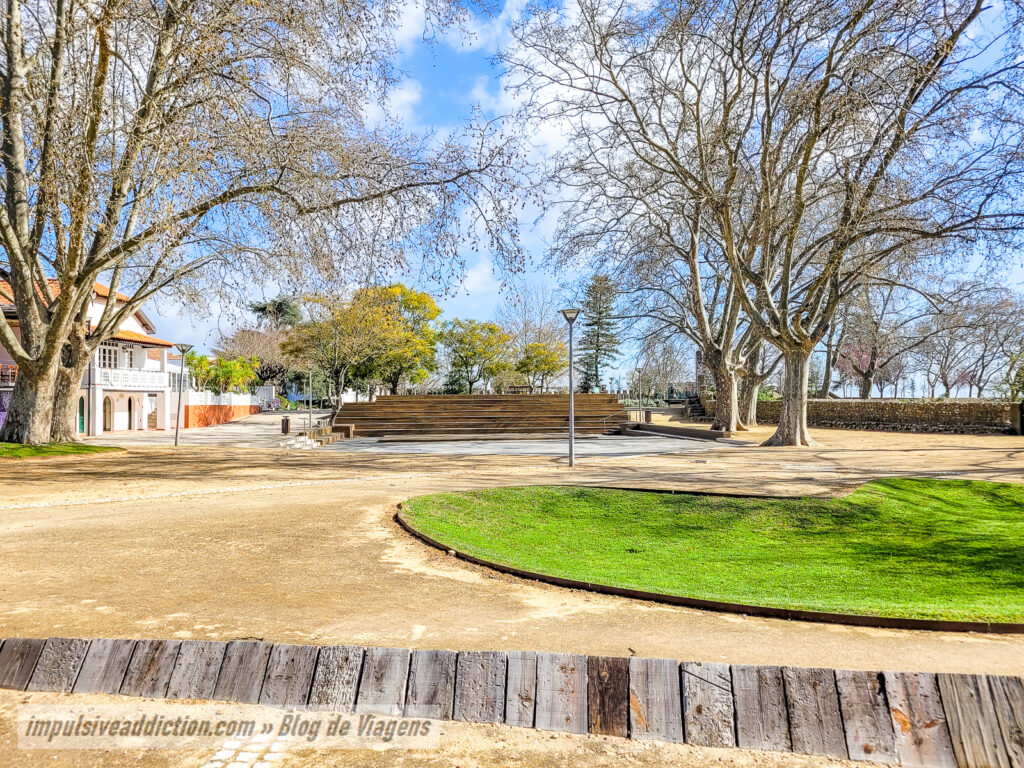
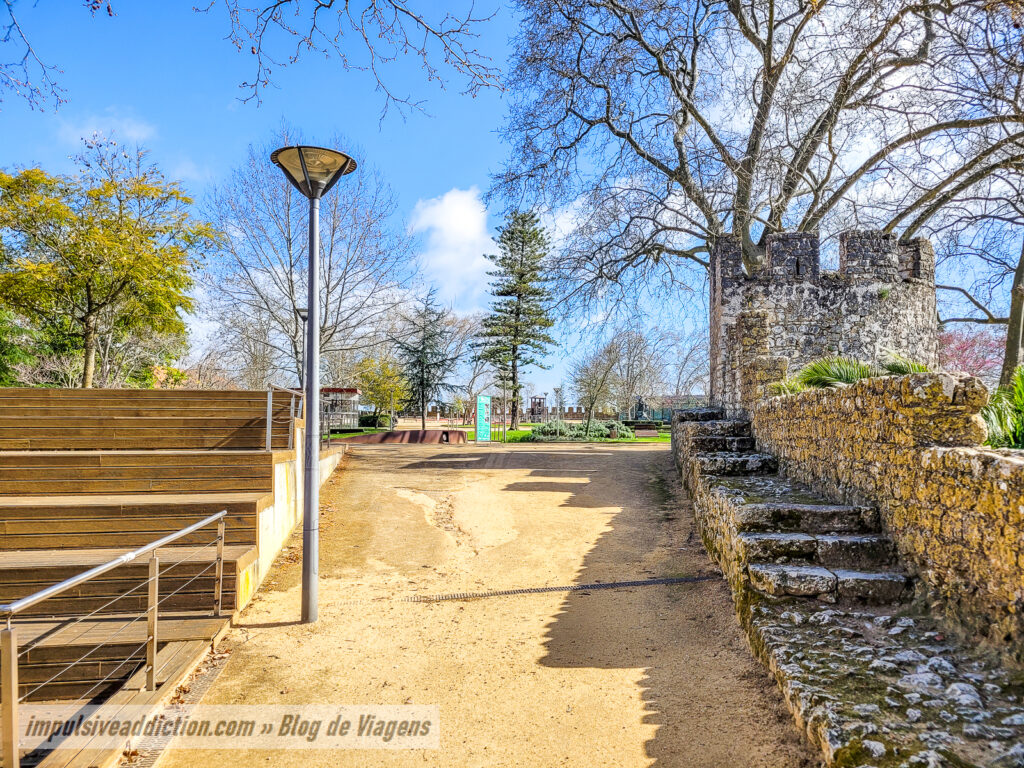
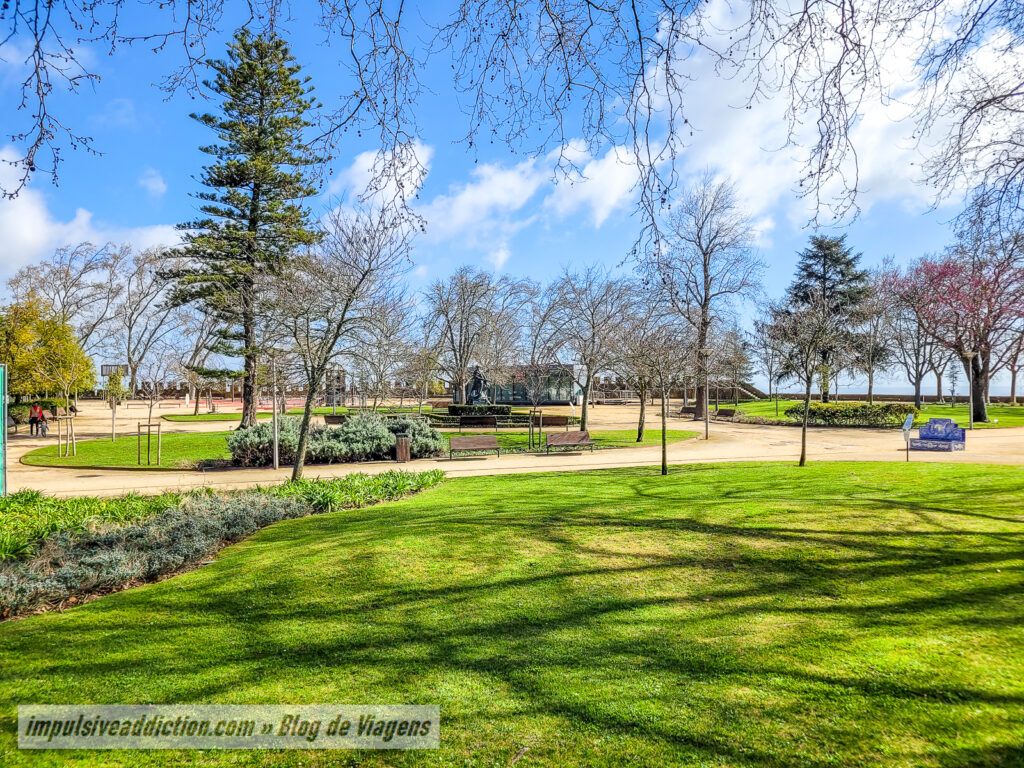
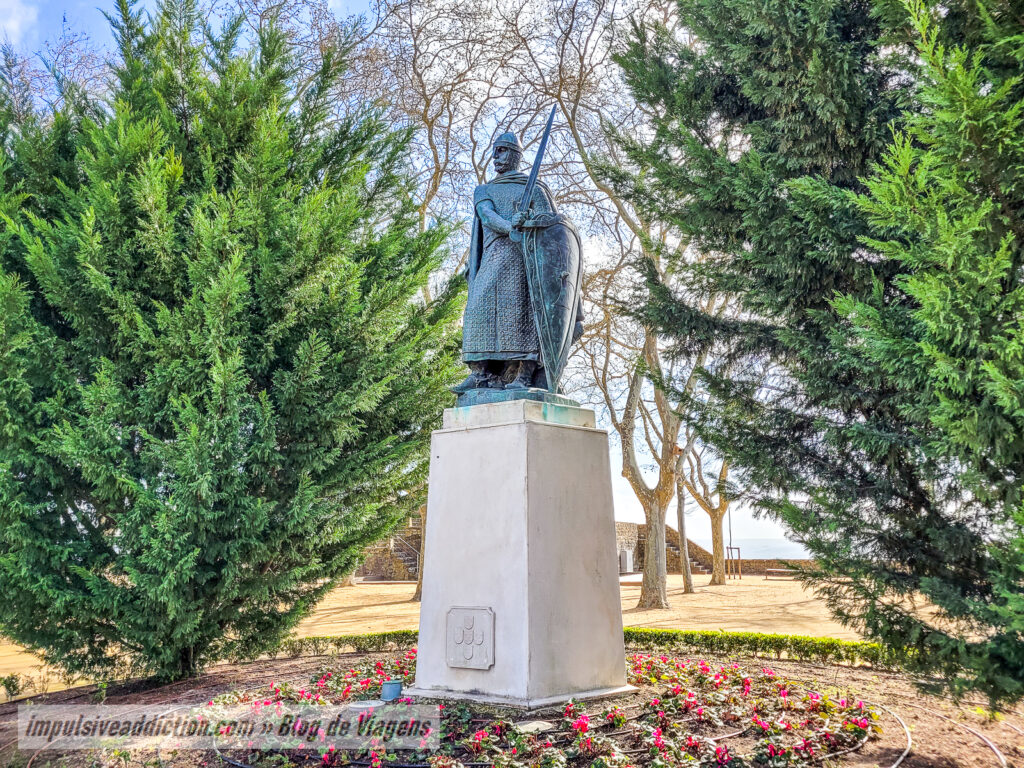
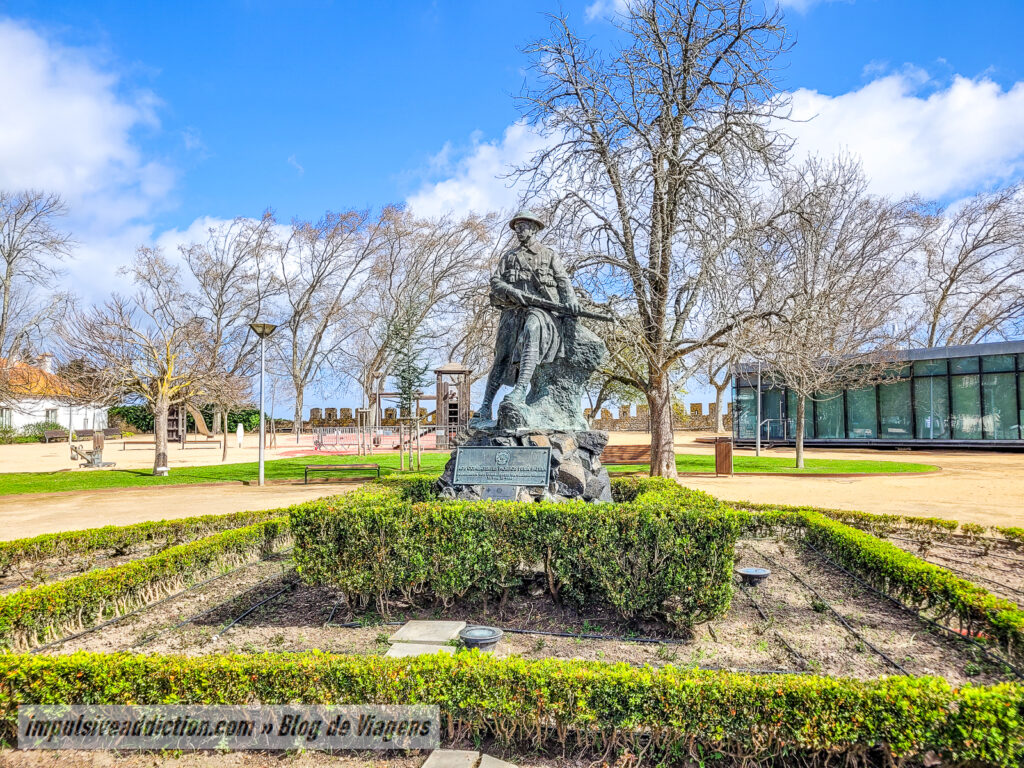
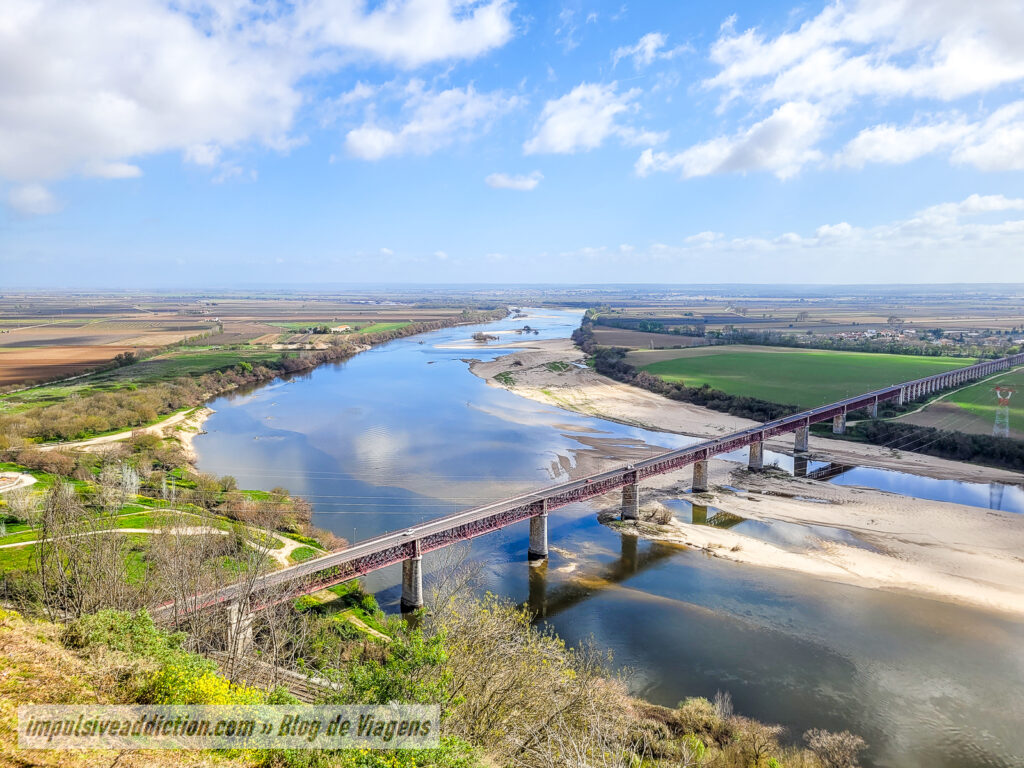
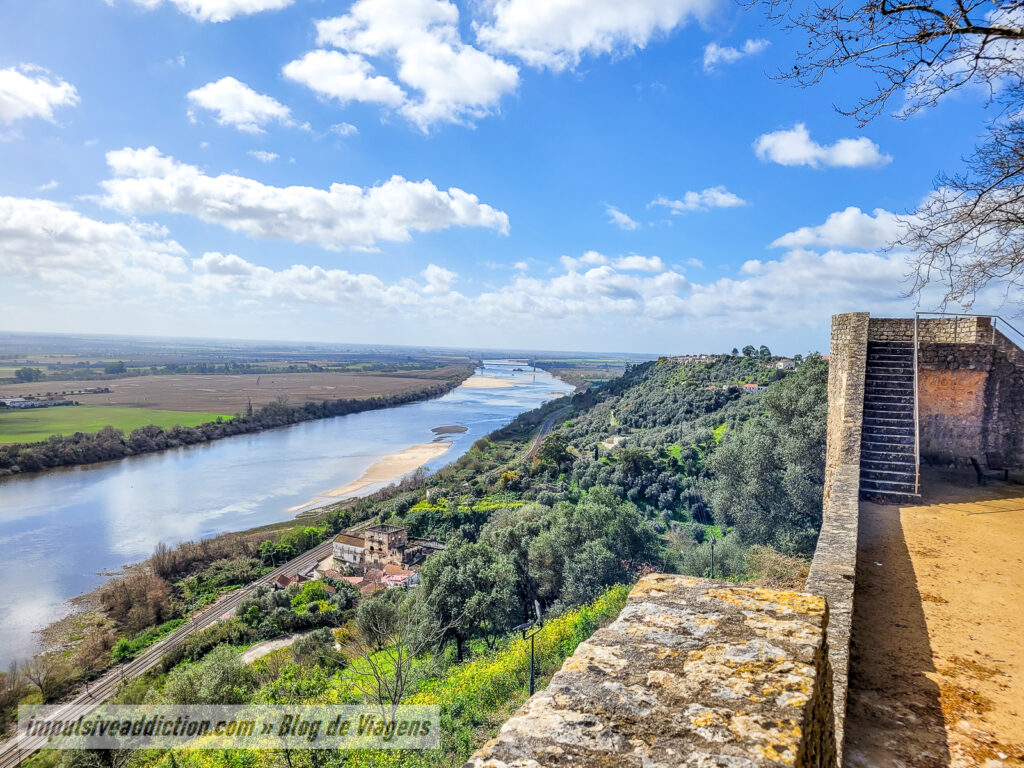
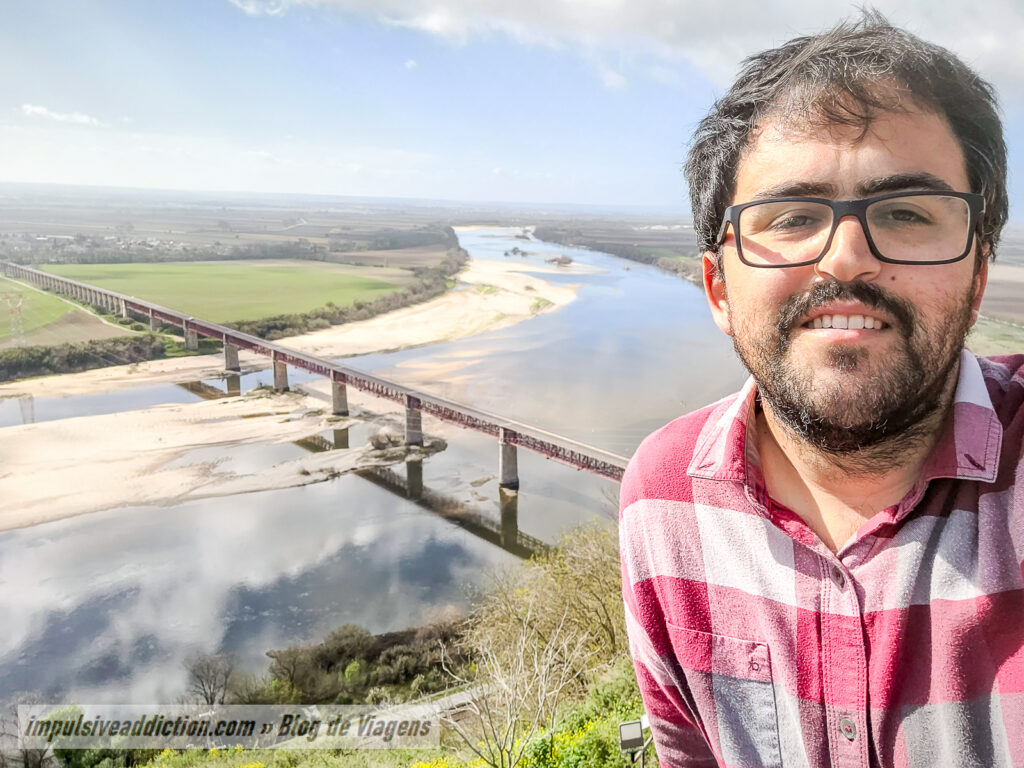
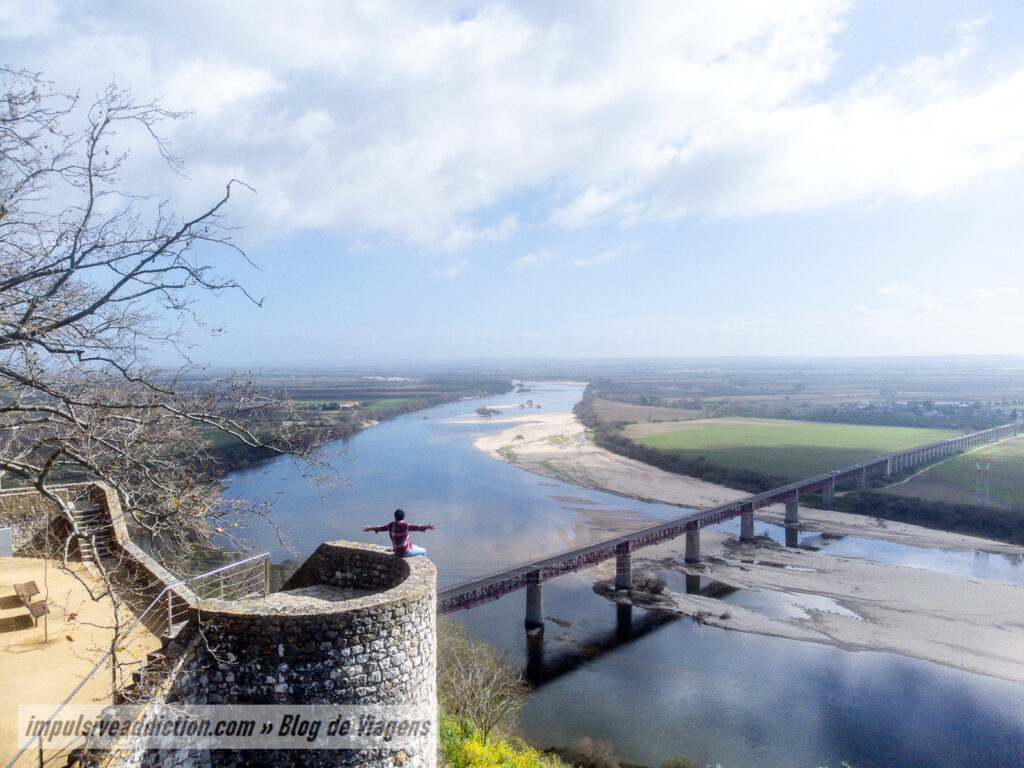
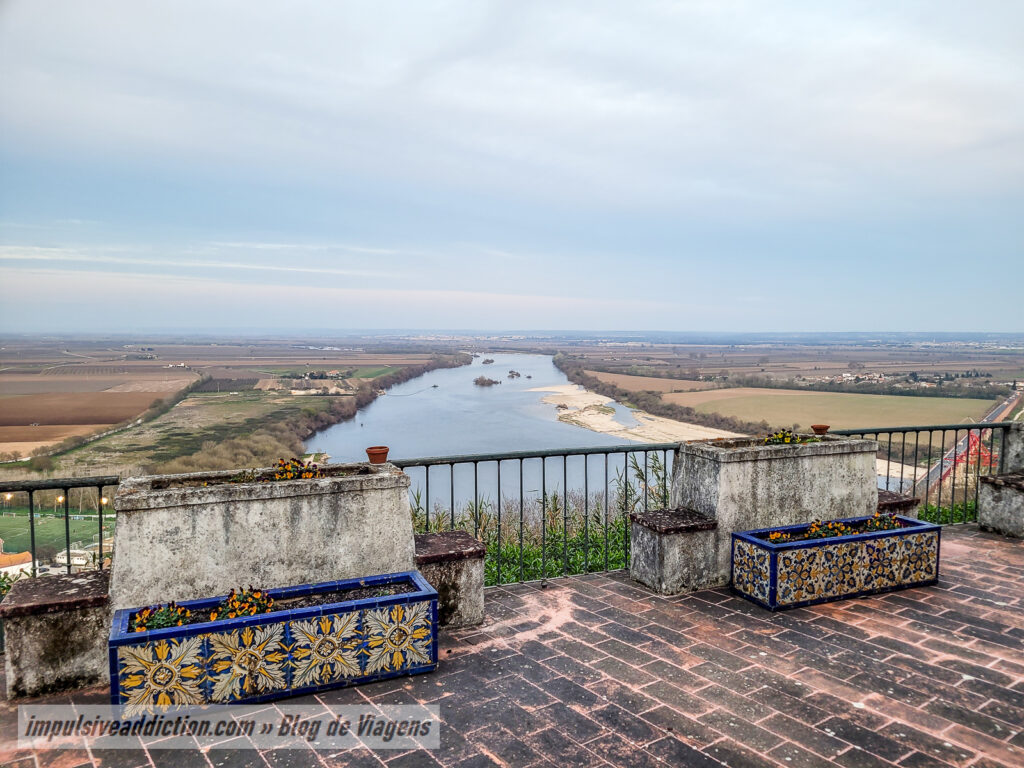
The walk continues to the Portas do Sol, where the urban landscape gives way to sweeping views over the Tagus Valley. This viewpoint sits atop the remains of the castle walls and offers a unique blend of history and scenery—like open windows onto the “eternal lezíria” that has shaped Santarém.
14. Church of Santa Maria da Alcáçova
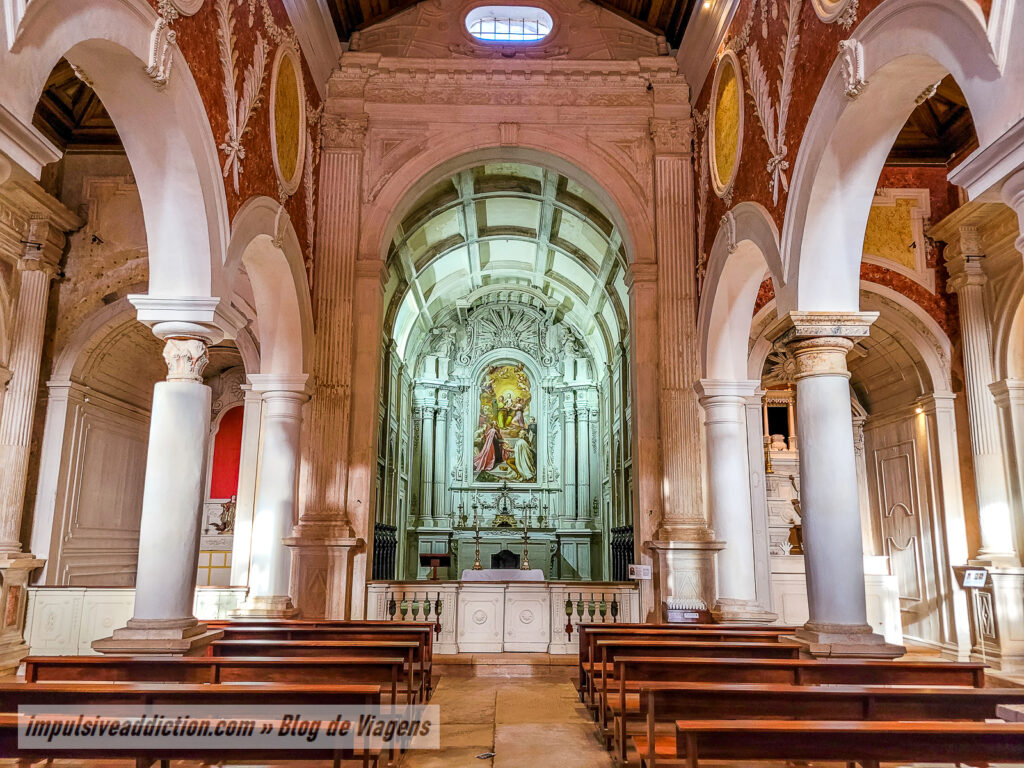
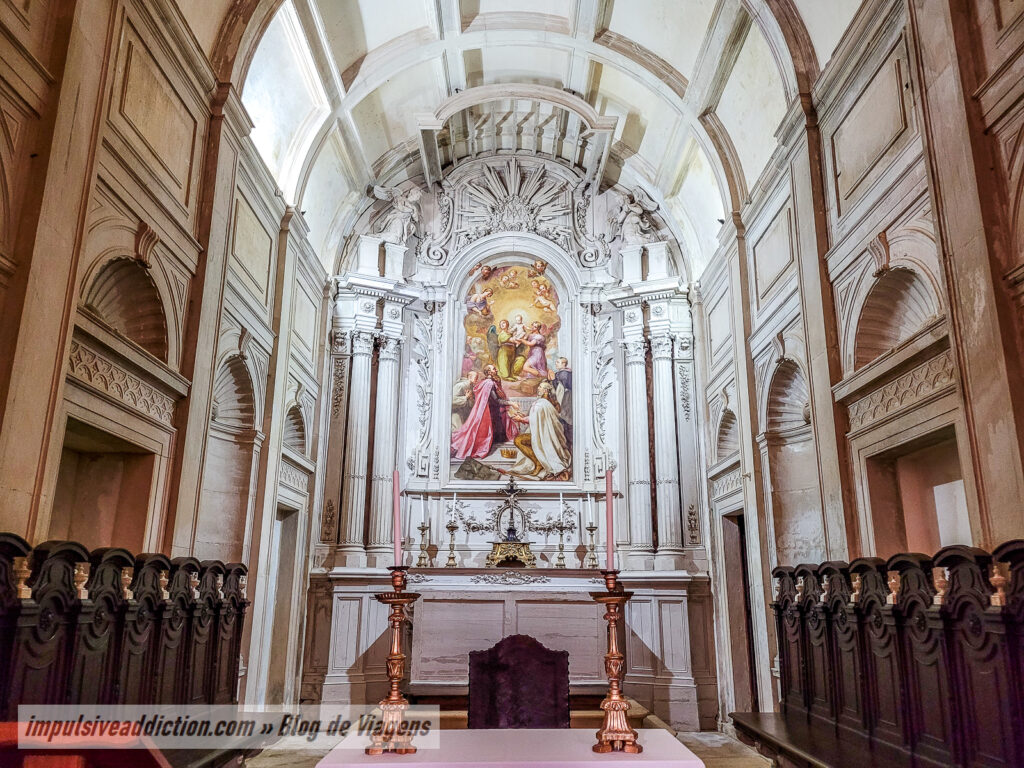
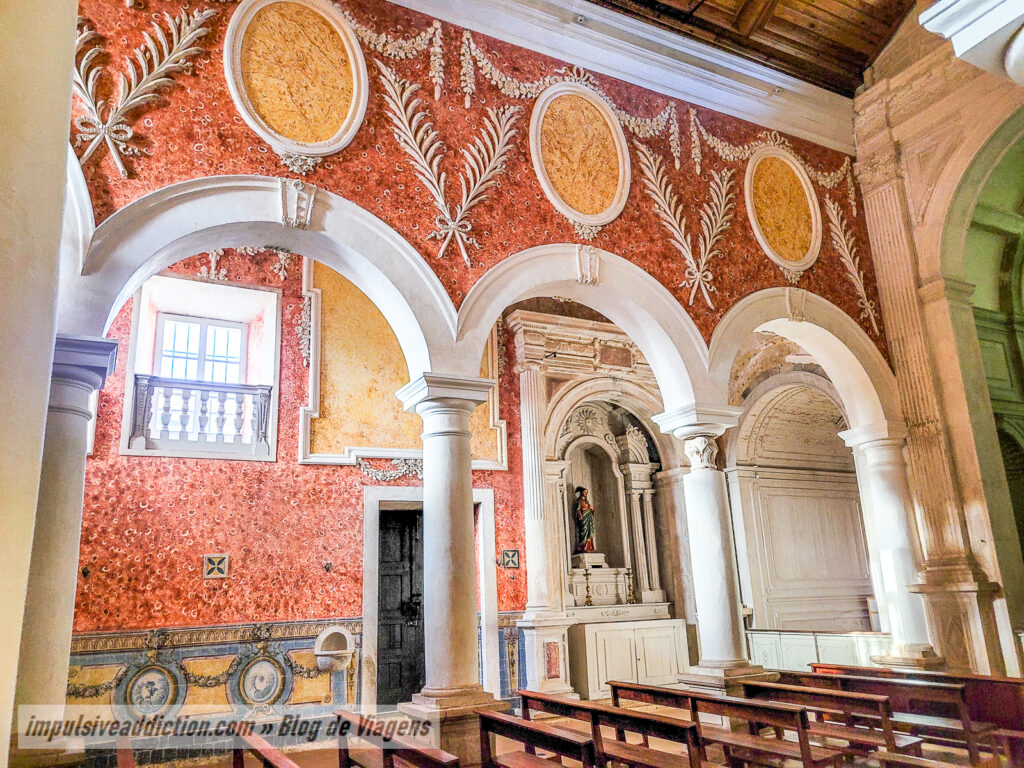
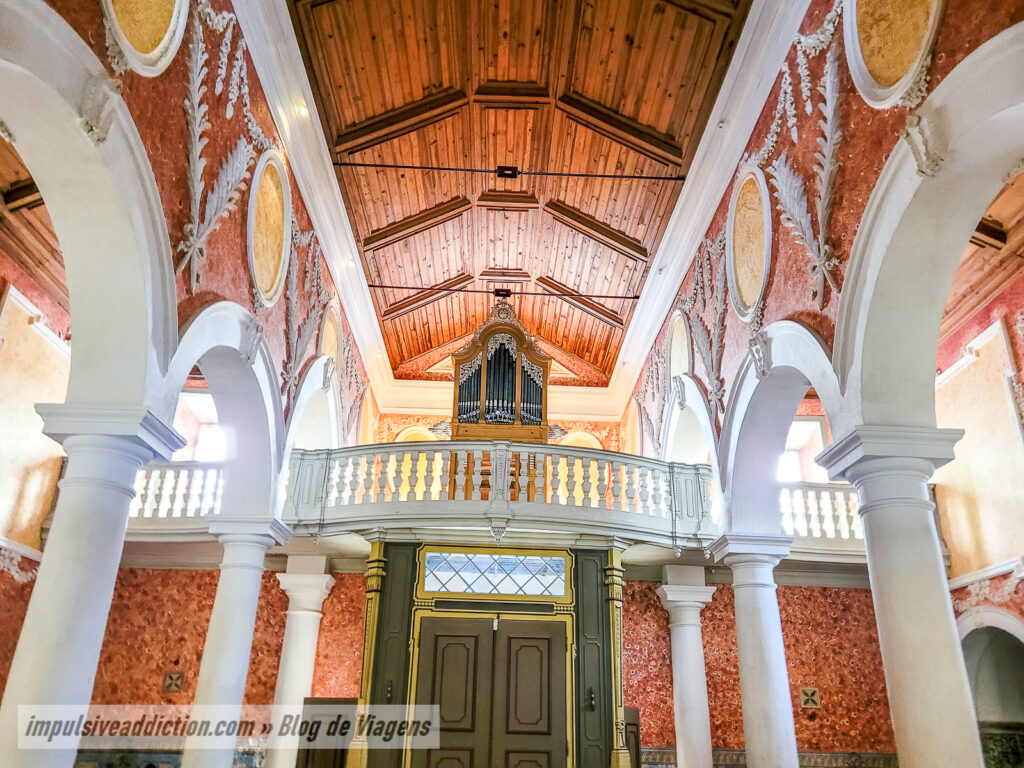
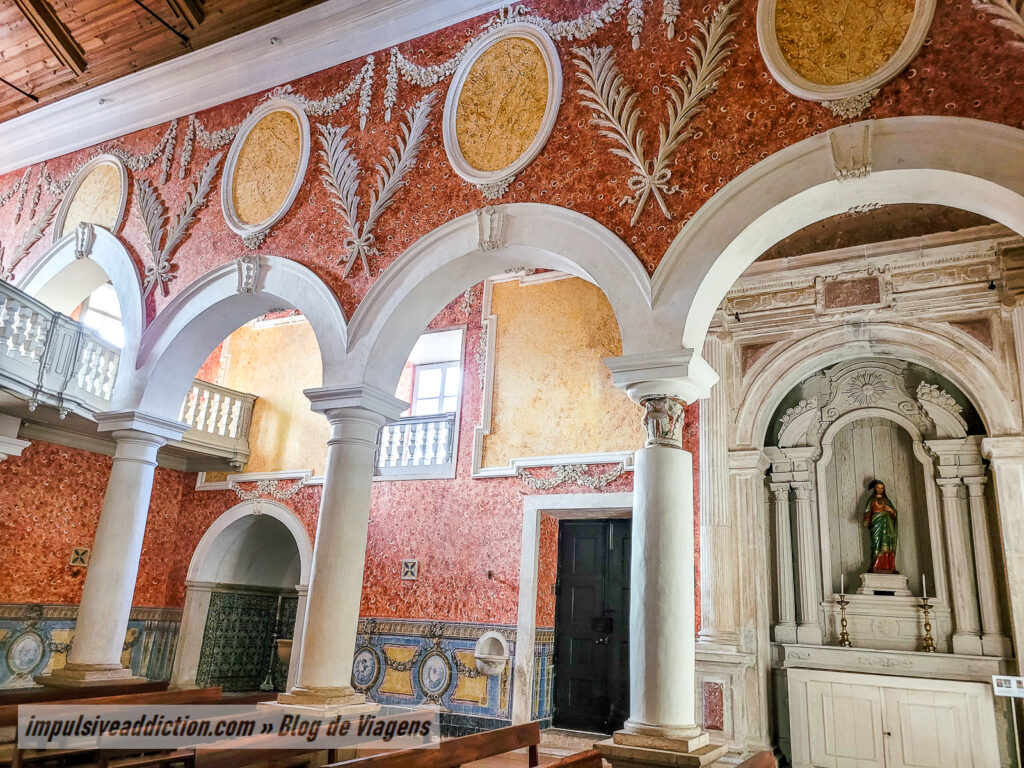
Right next to it stands the Church of Santa Maria da Alcáçova, founded in 1154 as the chapel of the Royal Palace and as a Templar convent.
15. Casa-Museu Passos Canavarro
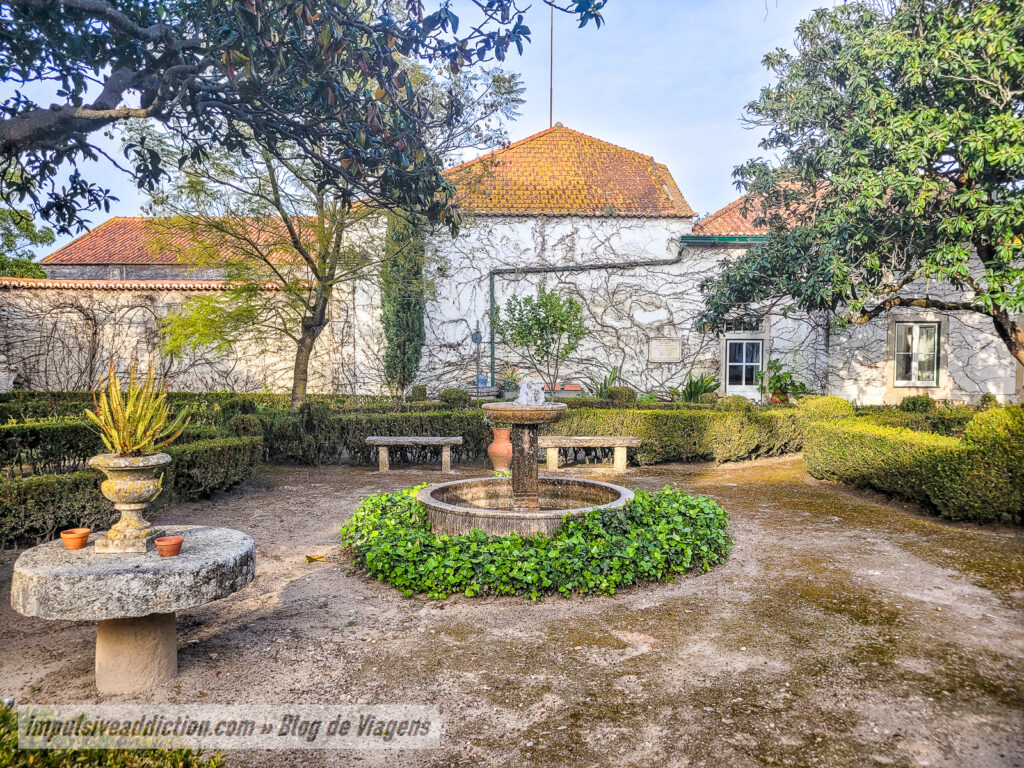
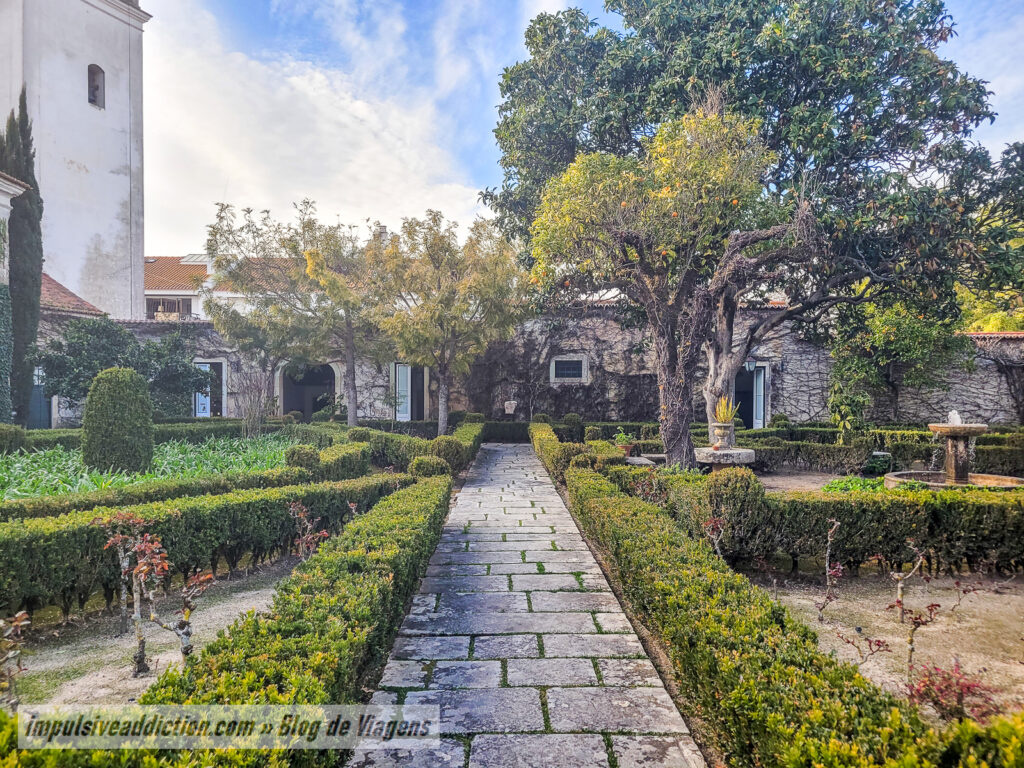
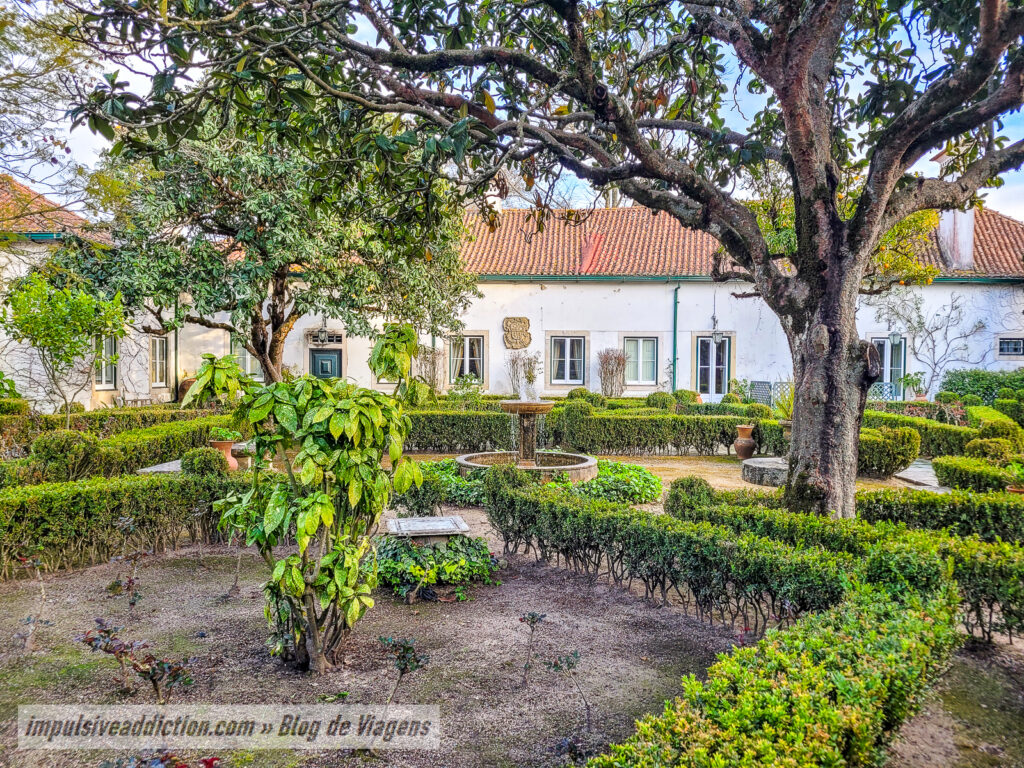
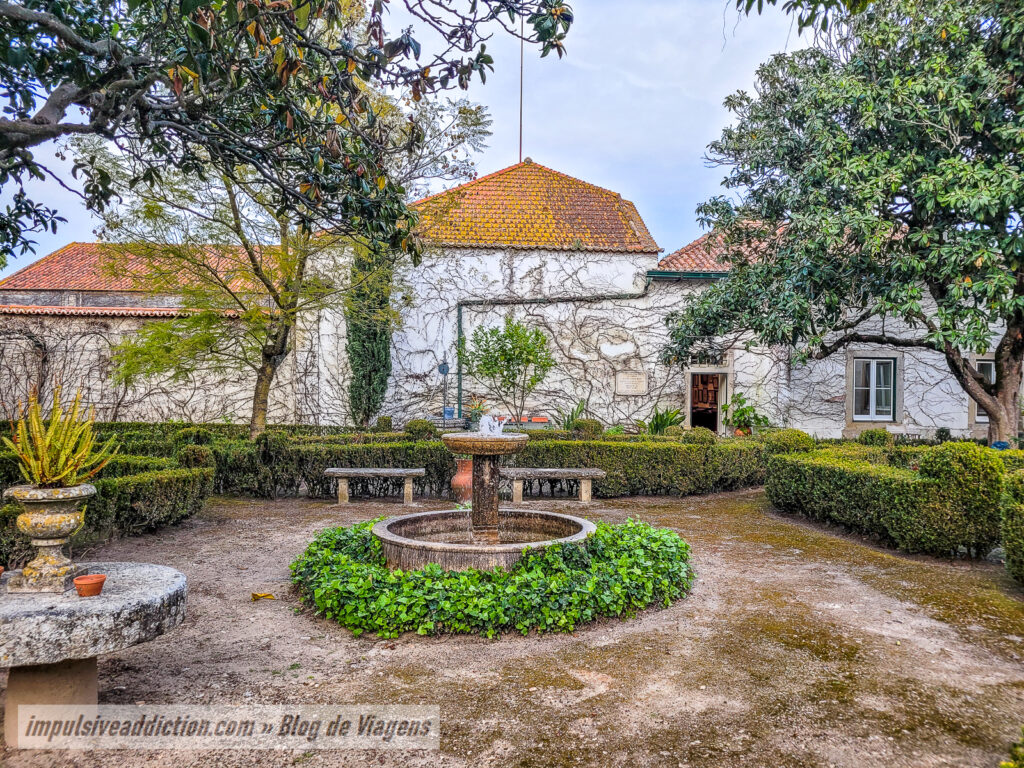
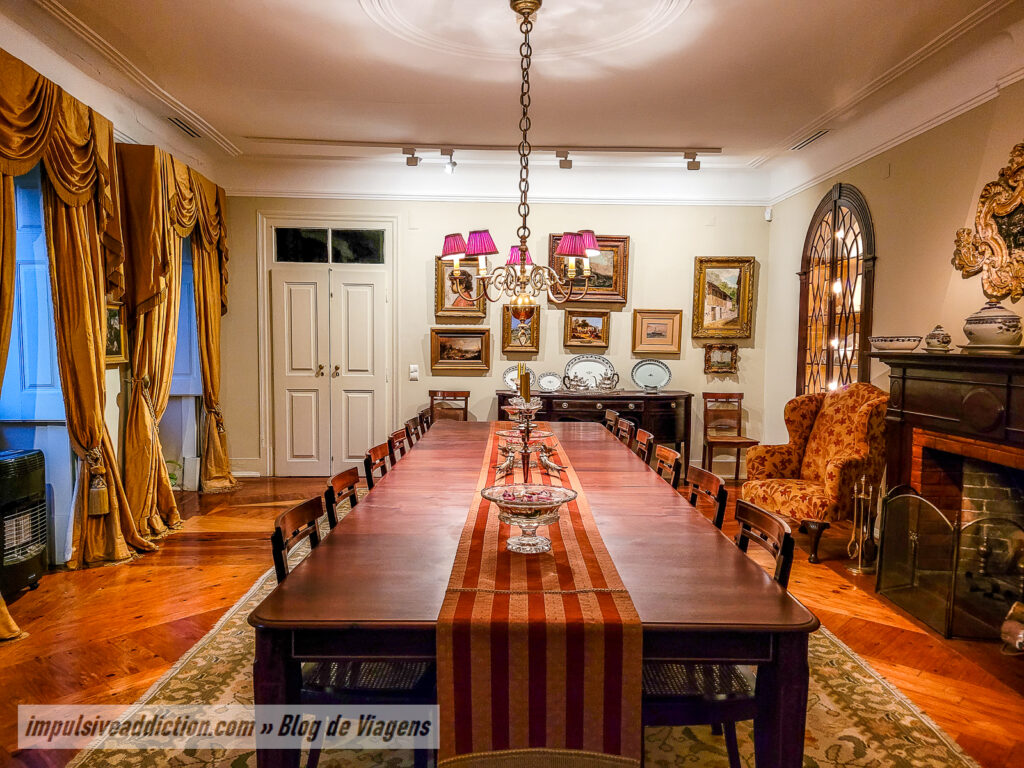
Also in the Portas do Sol area stands the discreet and charming Casa-Museu Passos Canavarro, a 19th-century residence linked to one of Santarém’s most influential families. This stately home, with its garden and period furnishings, has strong ties to the writer Eça de Queirós, who is said to have spent time here. It transports visitors into the domestic and cultural atmosphere of the 19th century, surrounded by books, art, and the kind of intellectual conversations that defined an era.

16. Urbi Scallabis – Interpretation Centre and Roman Ruins
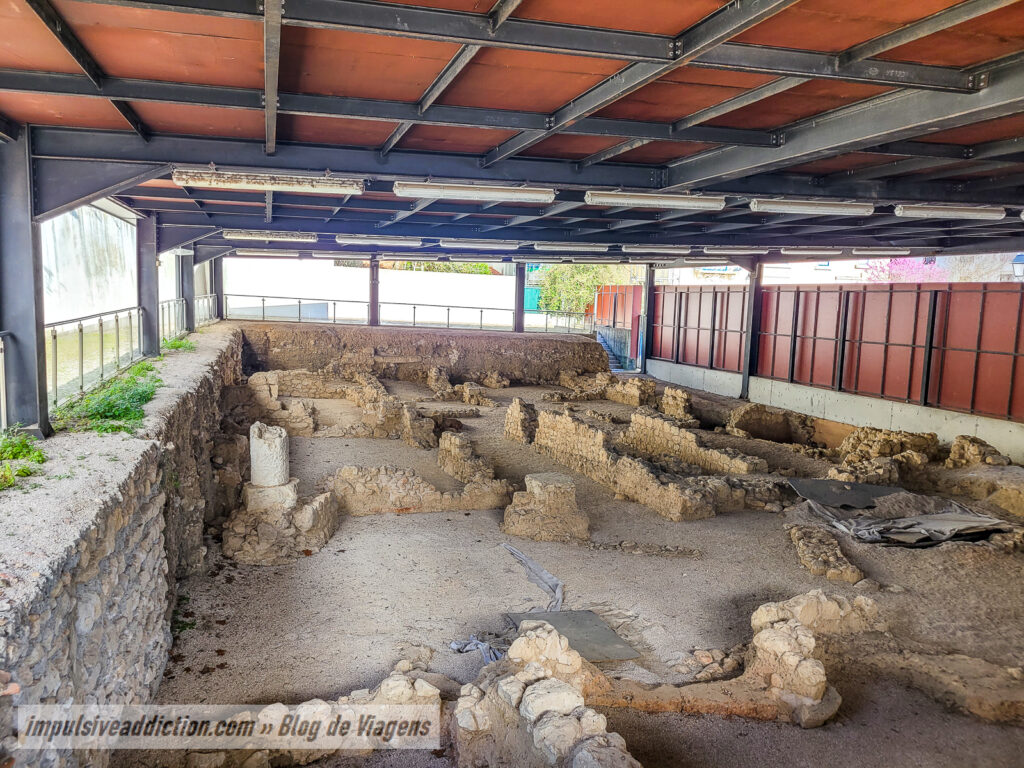
Also located in the Portas do Sol is the Urbi Scallabis Interpretation Centre, built over a protected archaeological platform. Here, the ancient Roman city of Scallabis—once the administrative head of the province of Lusitania with judicial authority—is brought to life through multimedia panels and display cases showcasing finds such as mosaics, temple foundations, and defensive walls. The visit offers a layered reading of the city across its many centuries of occupation.
18. Casa do Brasil
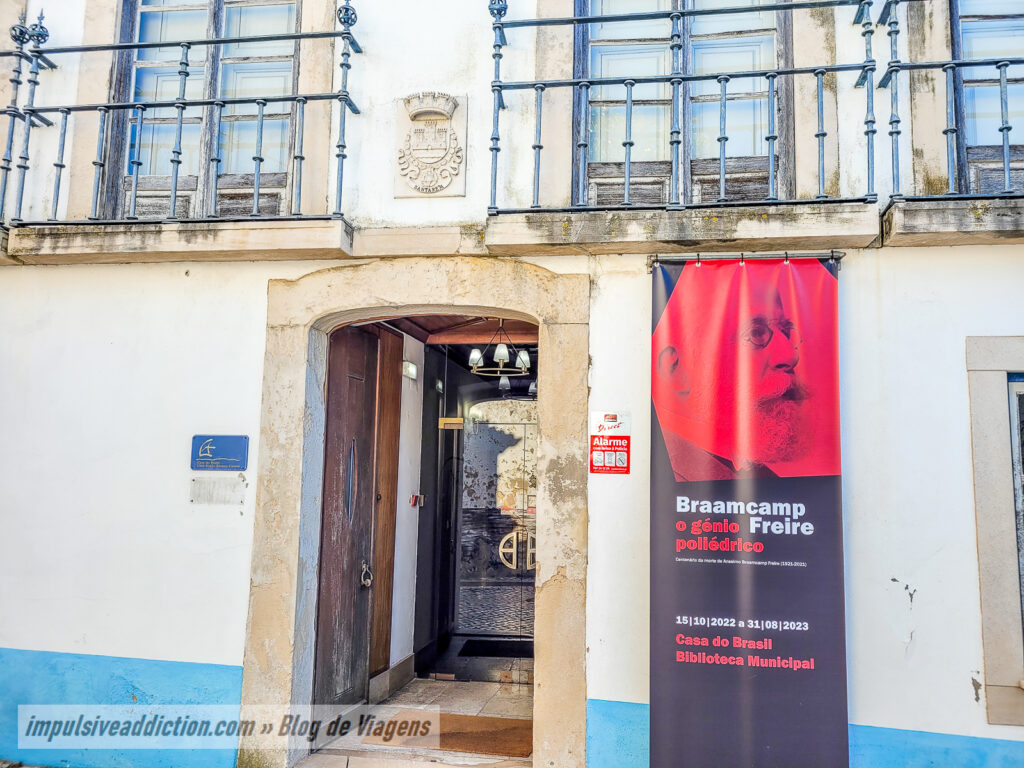
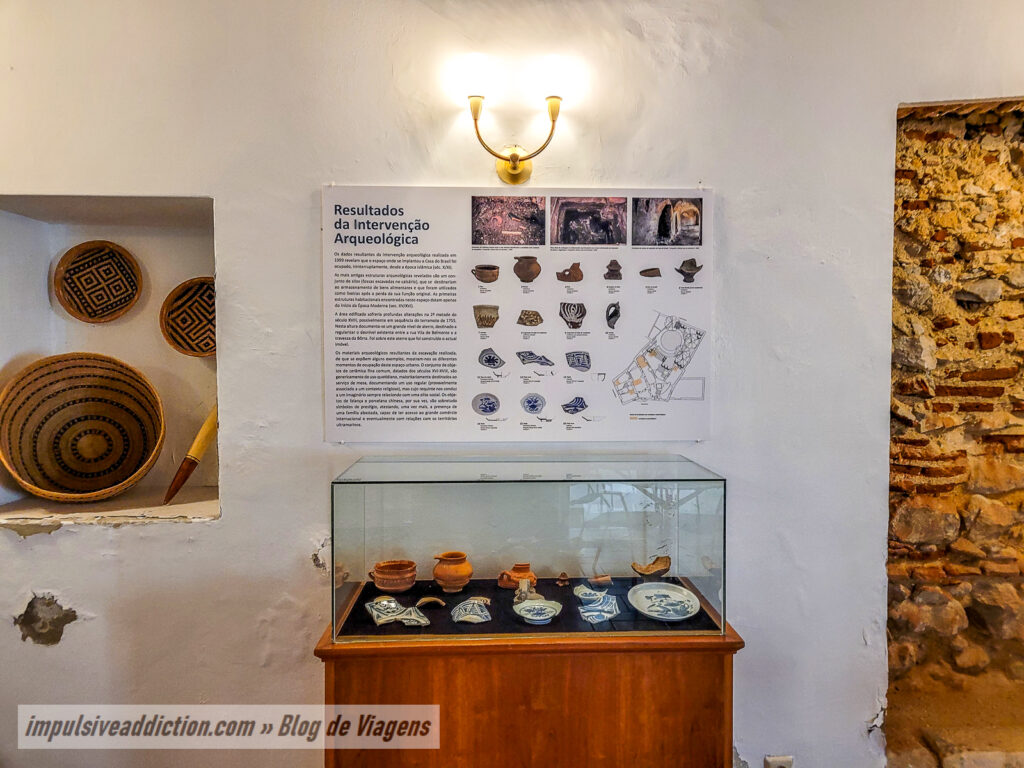
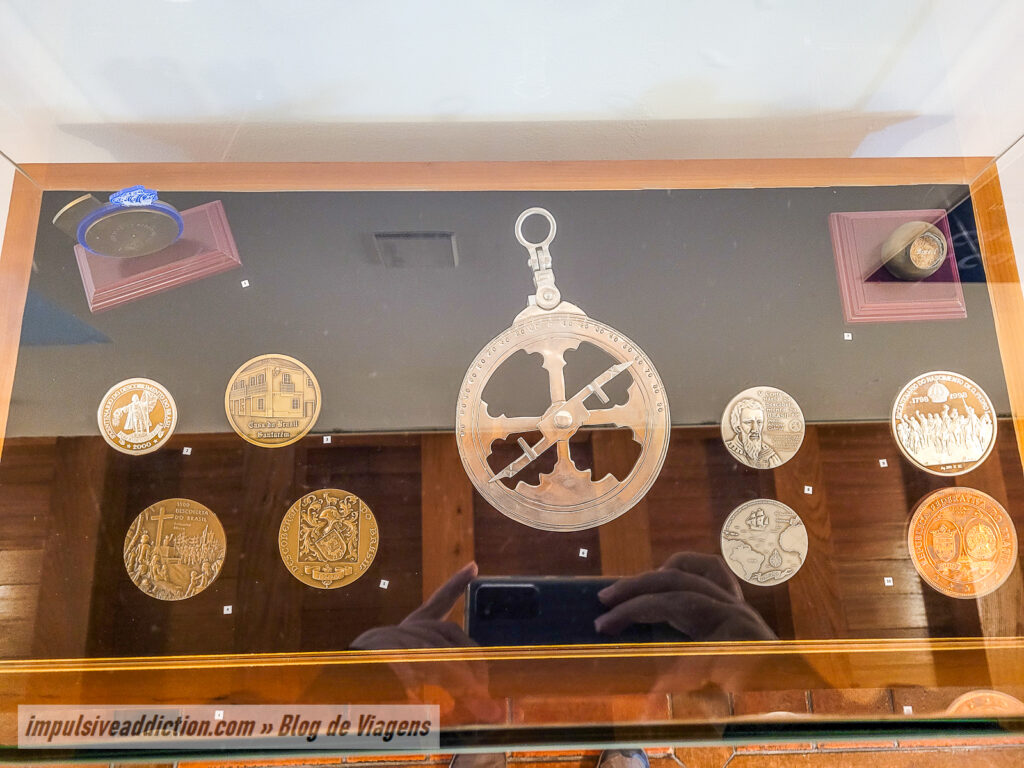
Heading down through the historic centre towards Calçada da Graça, you’ll come across the Casa do Brasil, the former residence of the family of Pedro Álvares Cabral, built in the 18th century. Today, it serves as a cultural and museum centre, strengthening the ties between Santarém and Brazil. The building hosts exhibitions, artist residencies, and conferences, celebrating the spirit of the Age of Discoveries and the transatlantic connection. Admission is free.


19. Church of Santa Maria da Graça
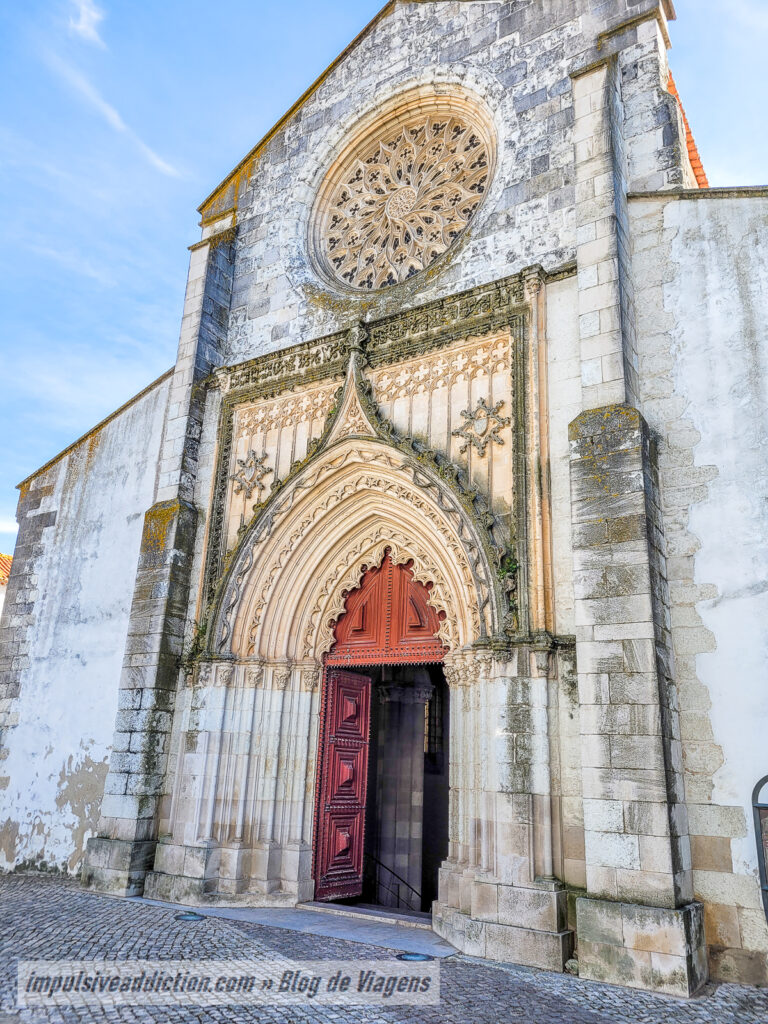
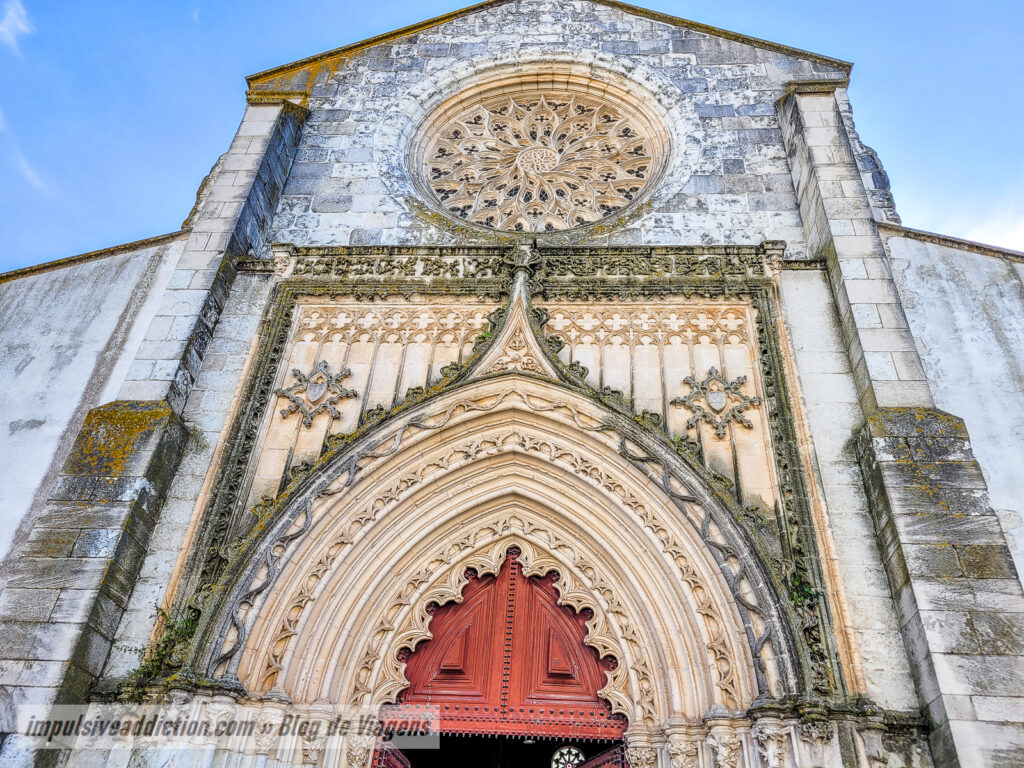
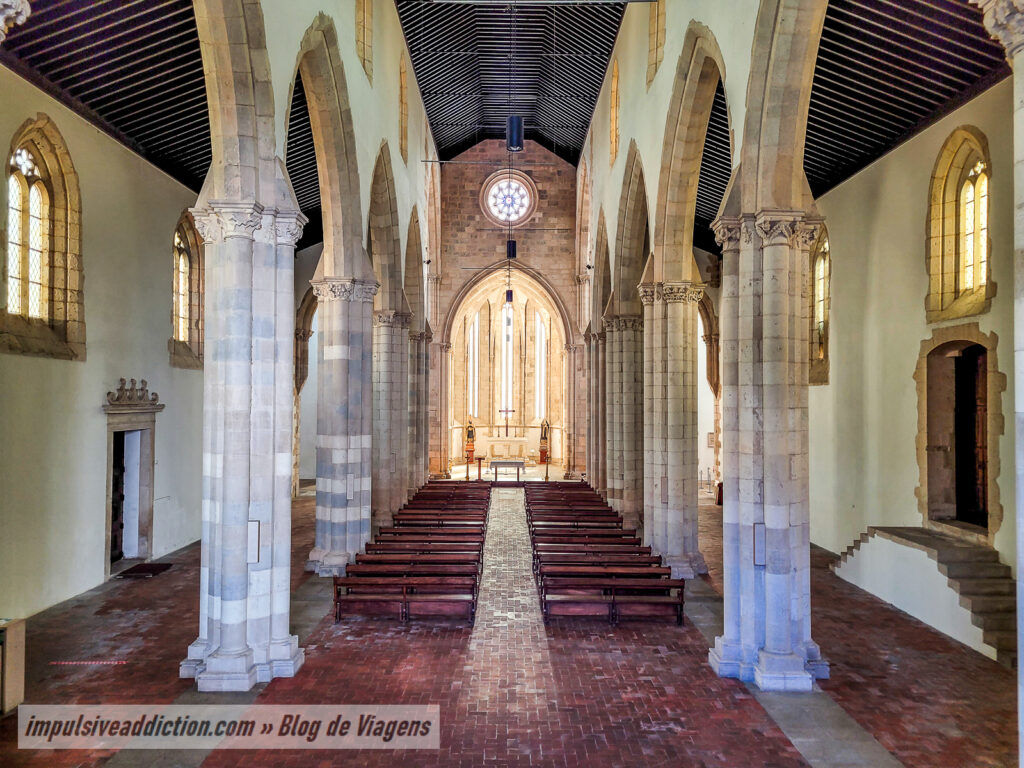
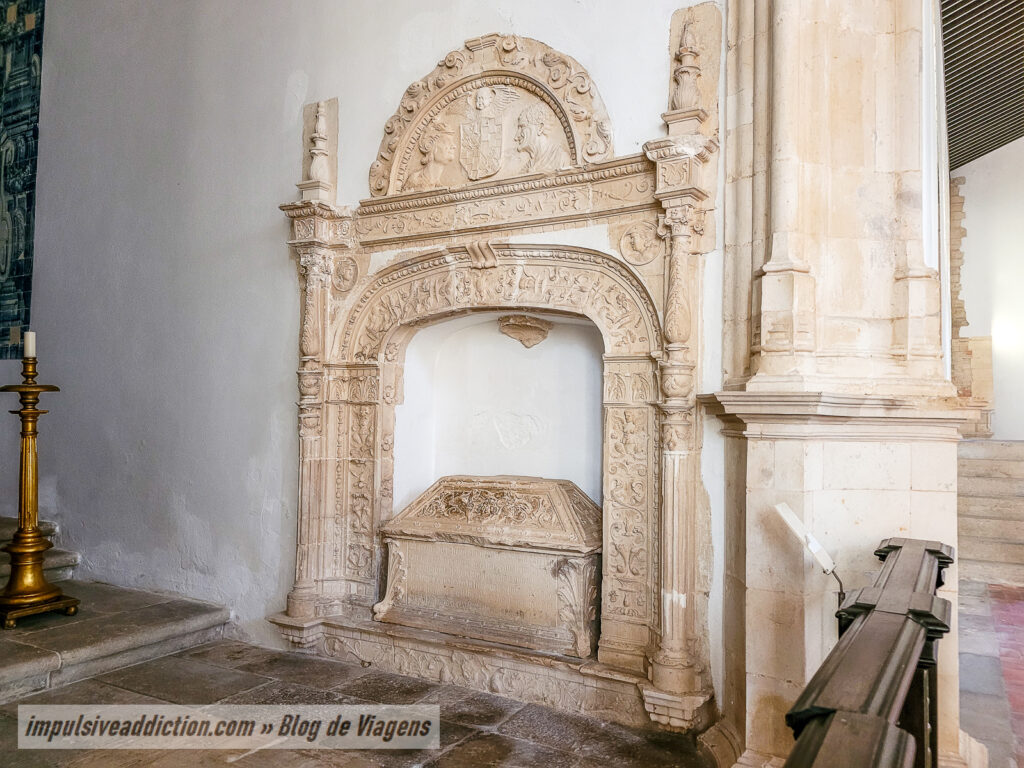
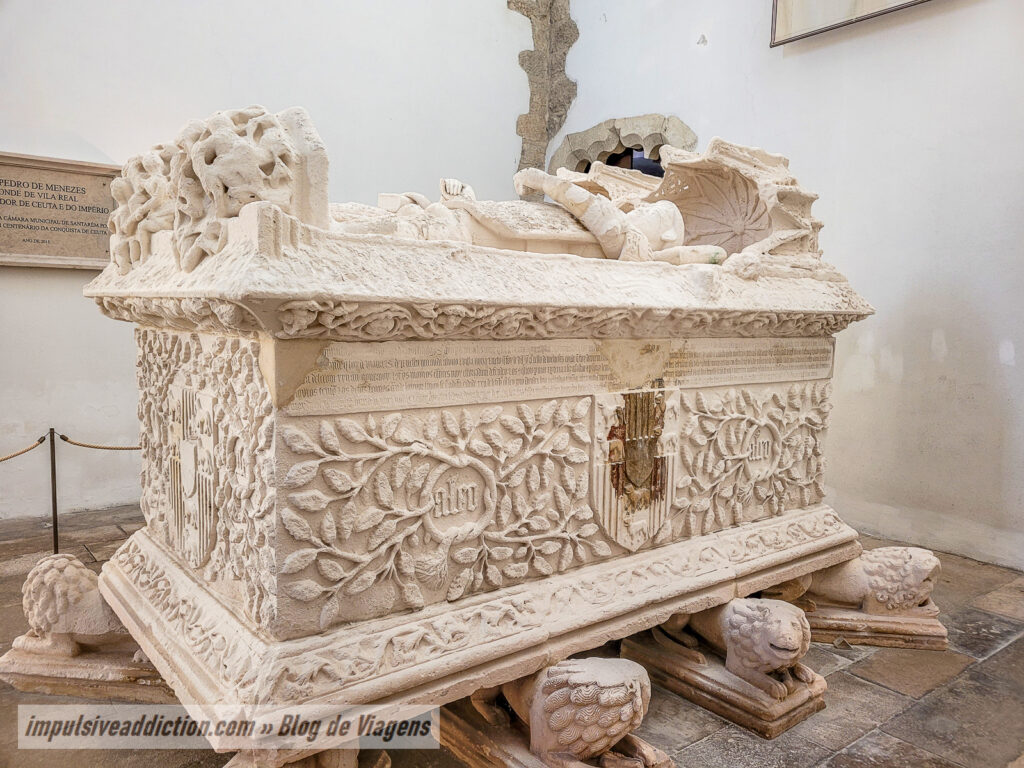
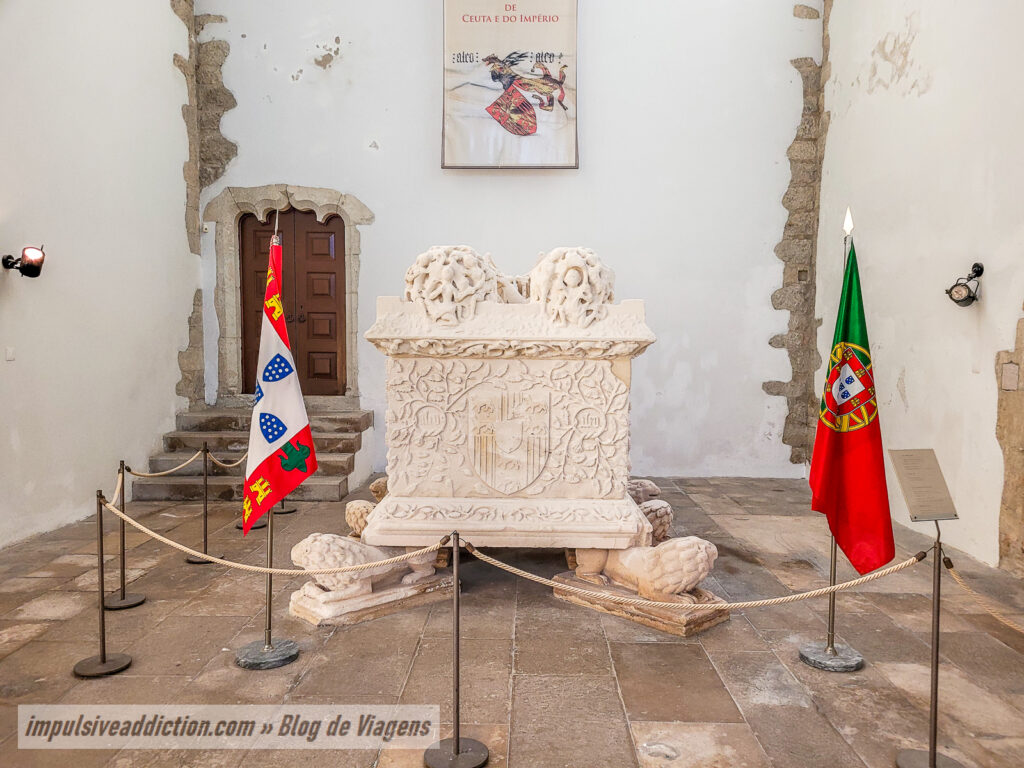
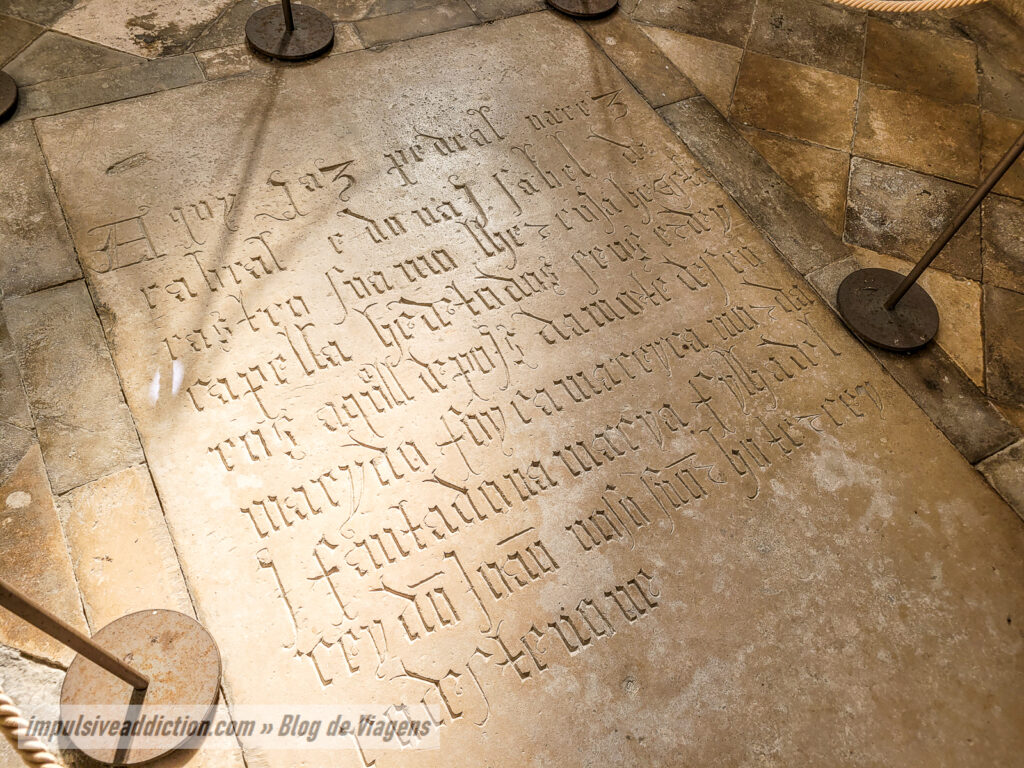
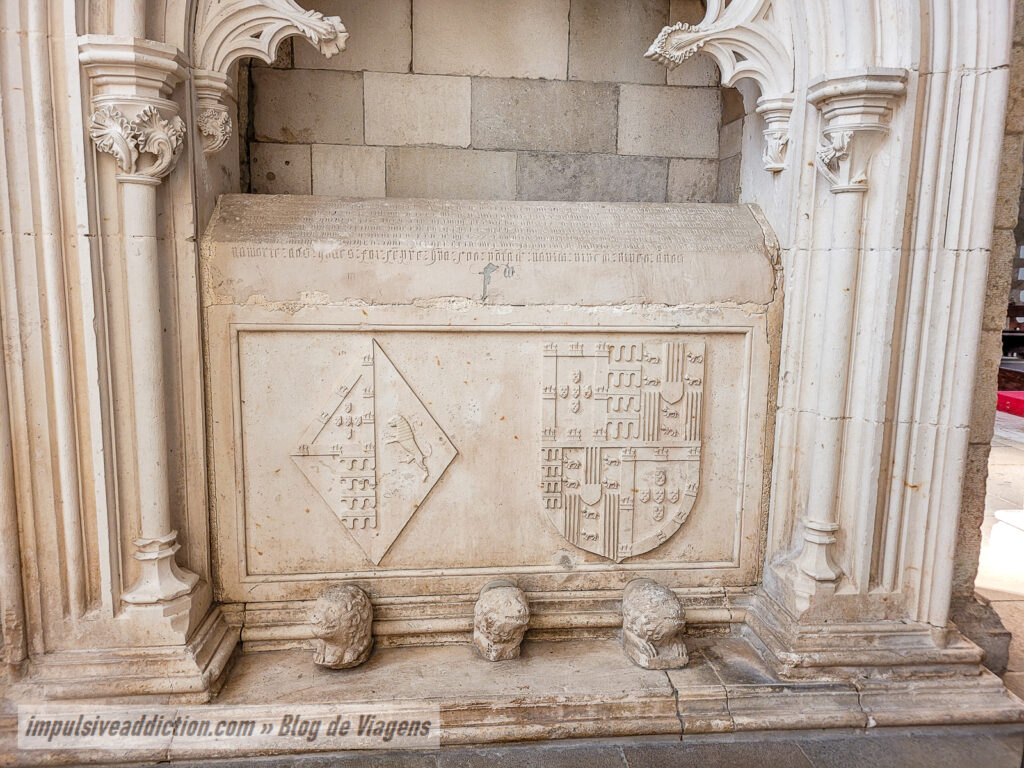
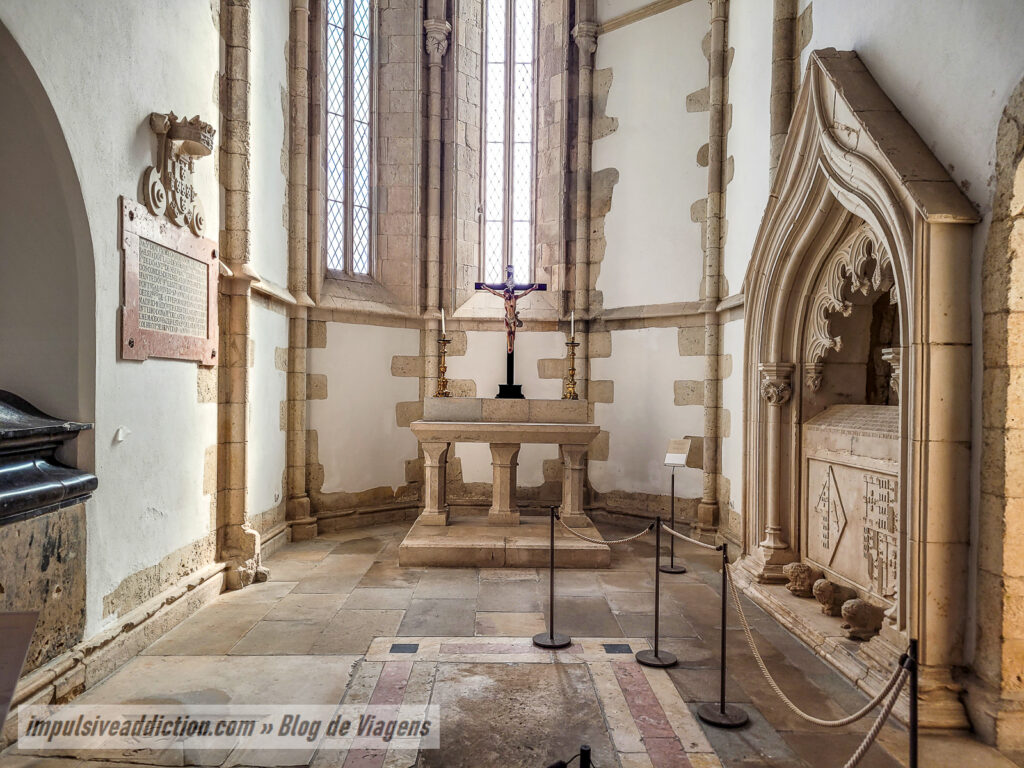
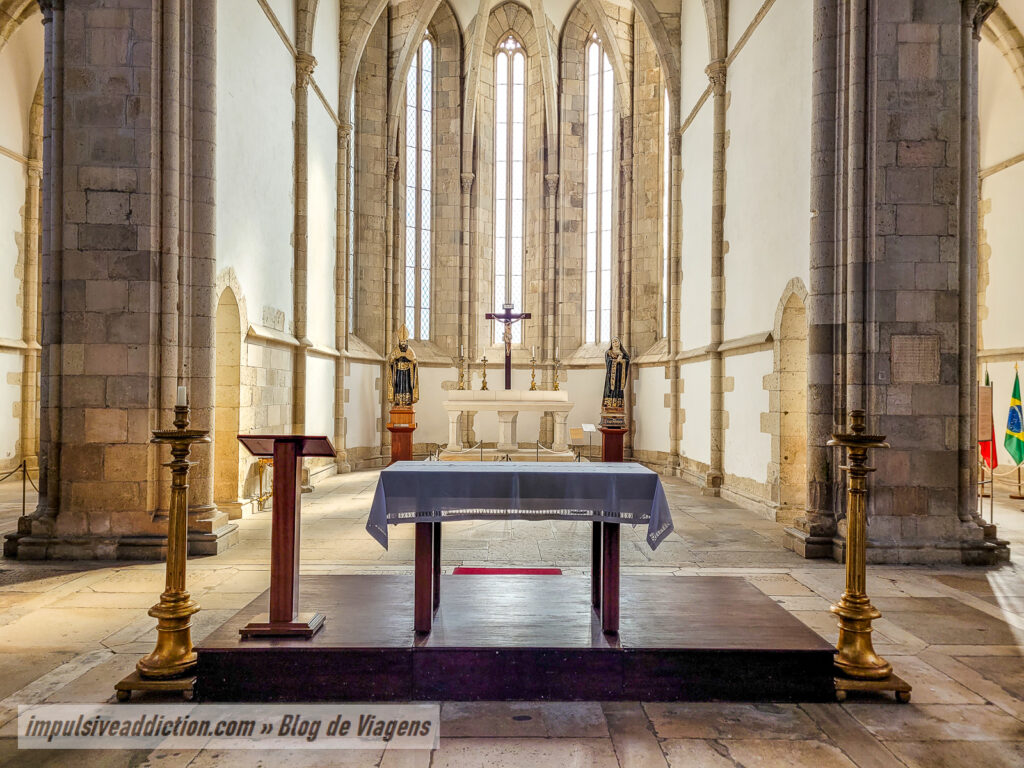
Right next door, the Church of Santa Maria da Graça, founded in the late 14th century, is one of the finest examples of mendicant Gothic in the Ribatejo region and reverently holds the tomb of Pedro Álvares Cabral, the discoverer of Brazil. Its stone façade and austere interior reinforce the monastic spirit and the sense of a national dawn during the Age of Discoveries.
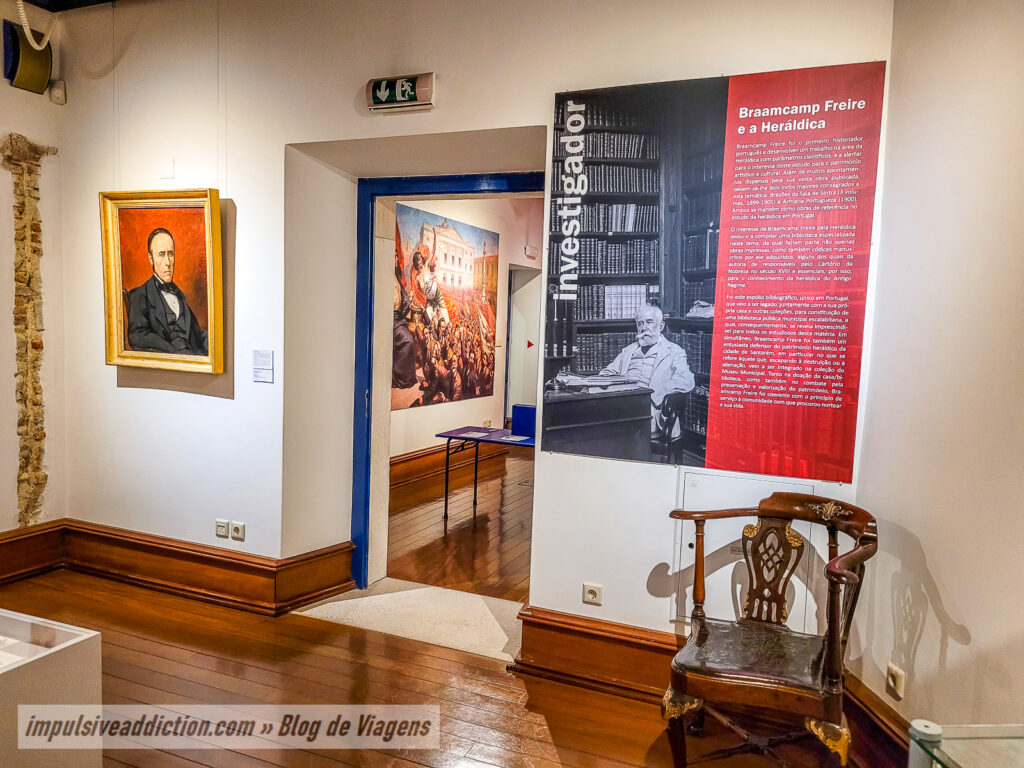
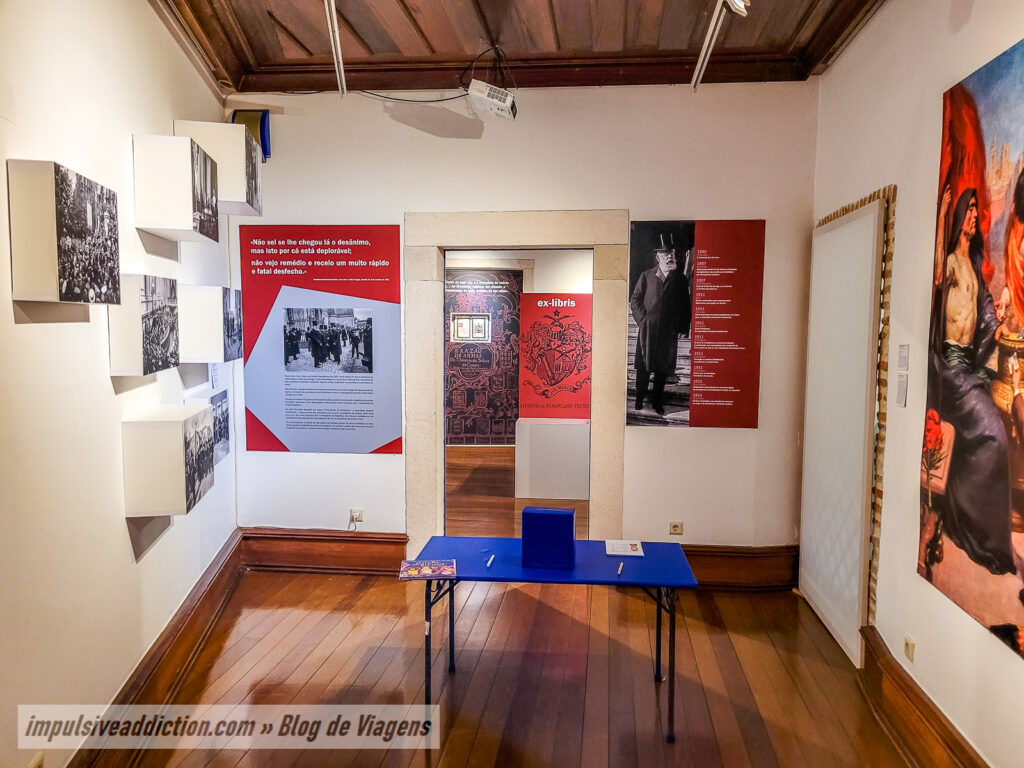
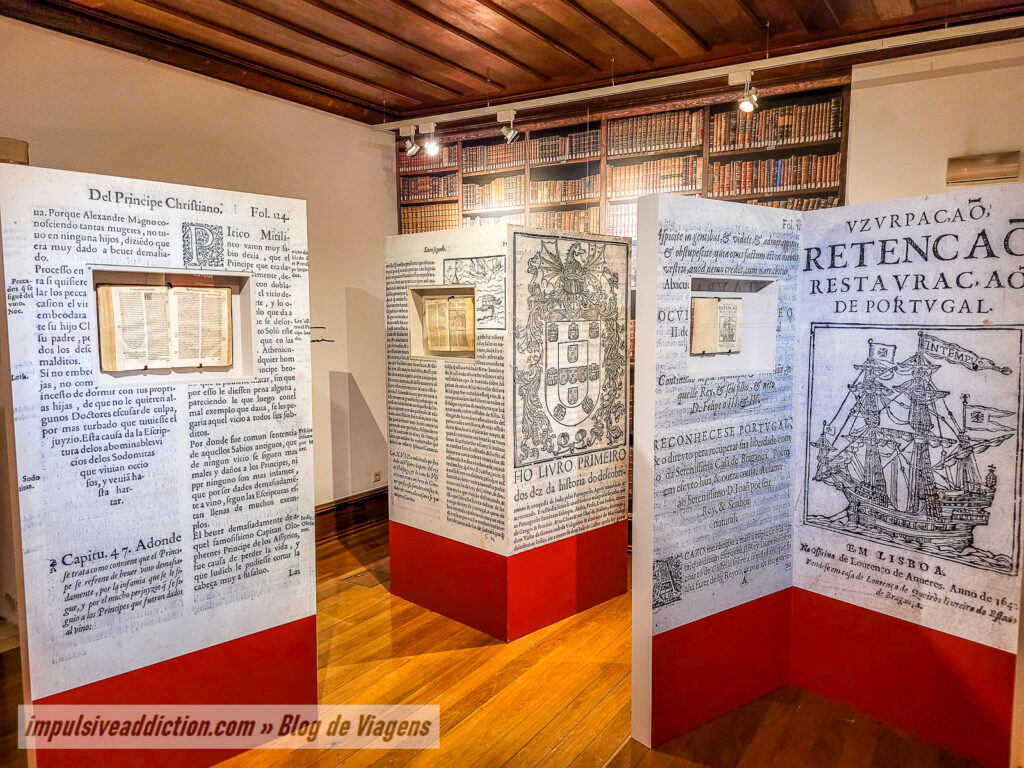
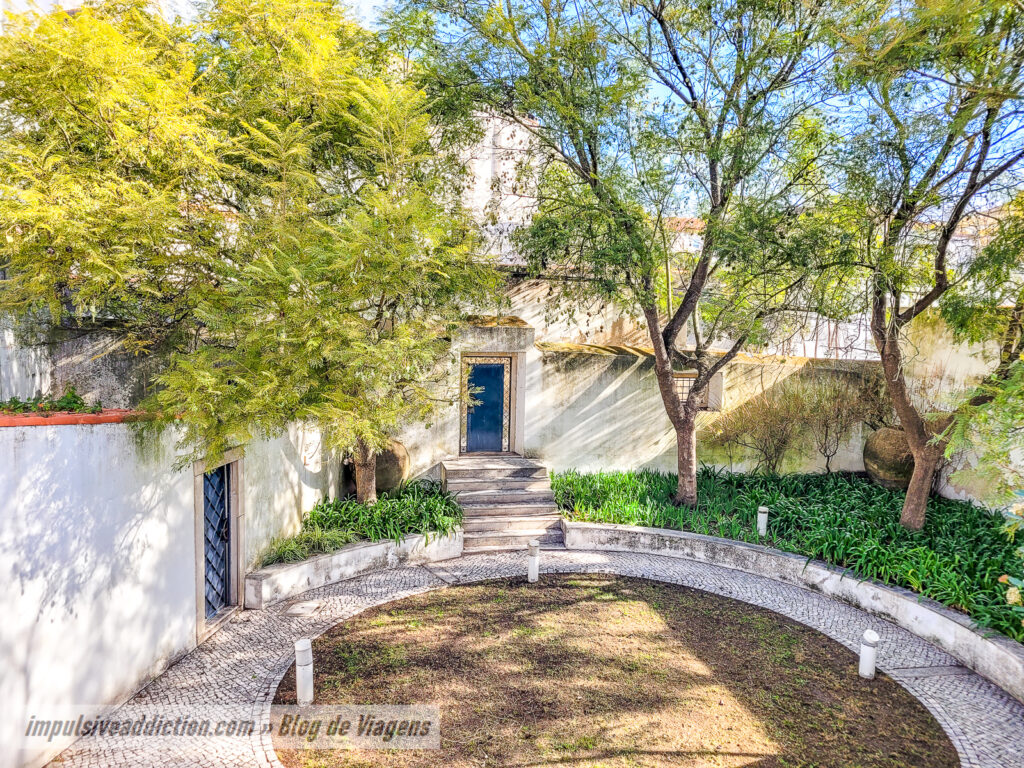
20. Museu Biblioteca Anselmo Braamcamp Freire
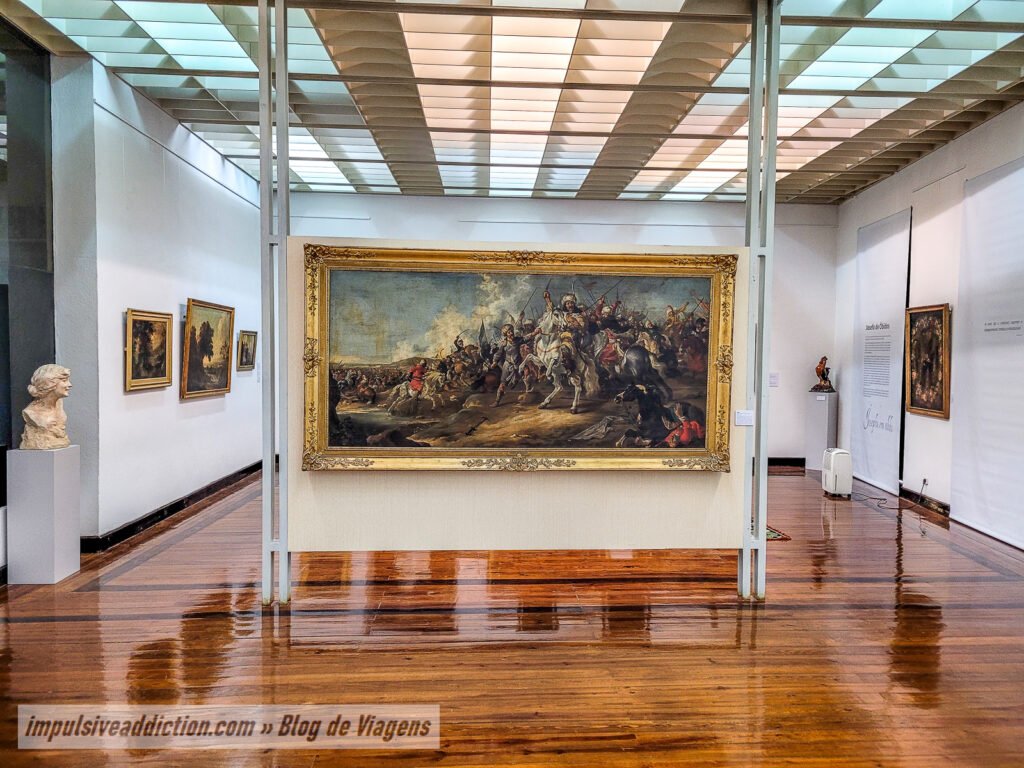
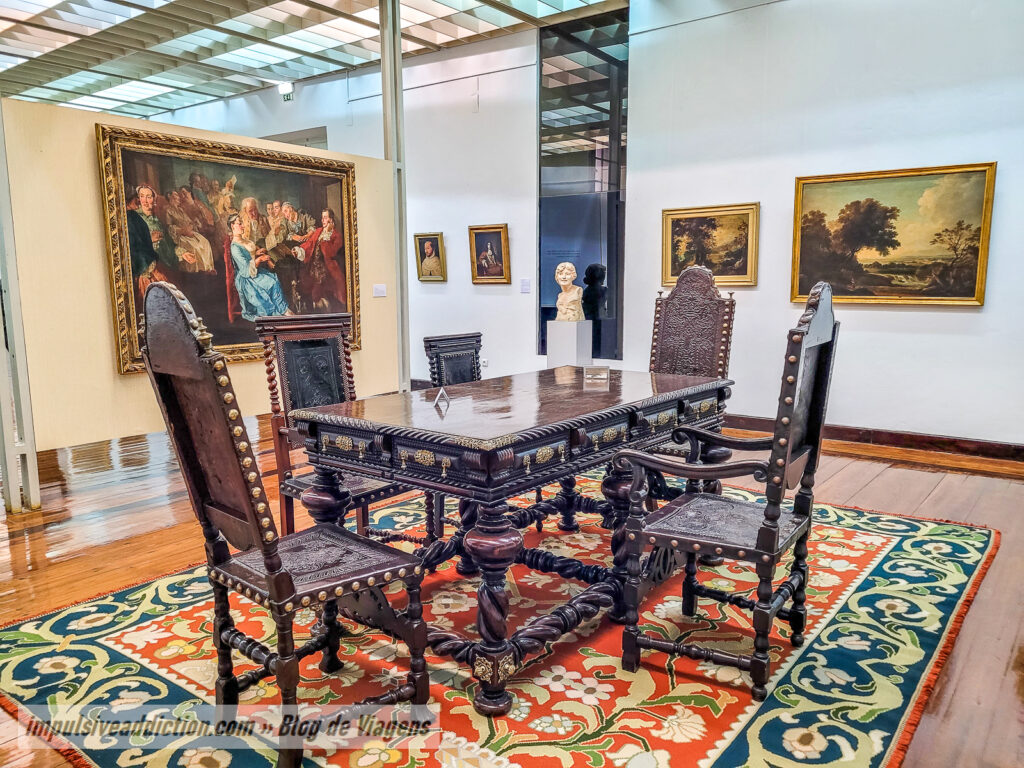
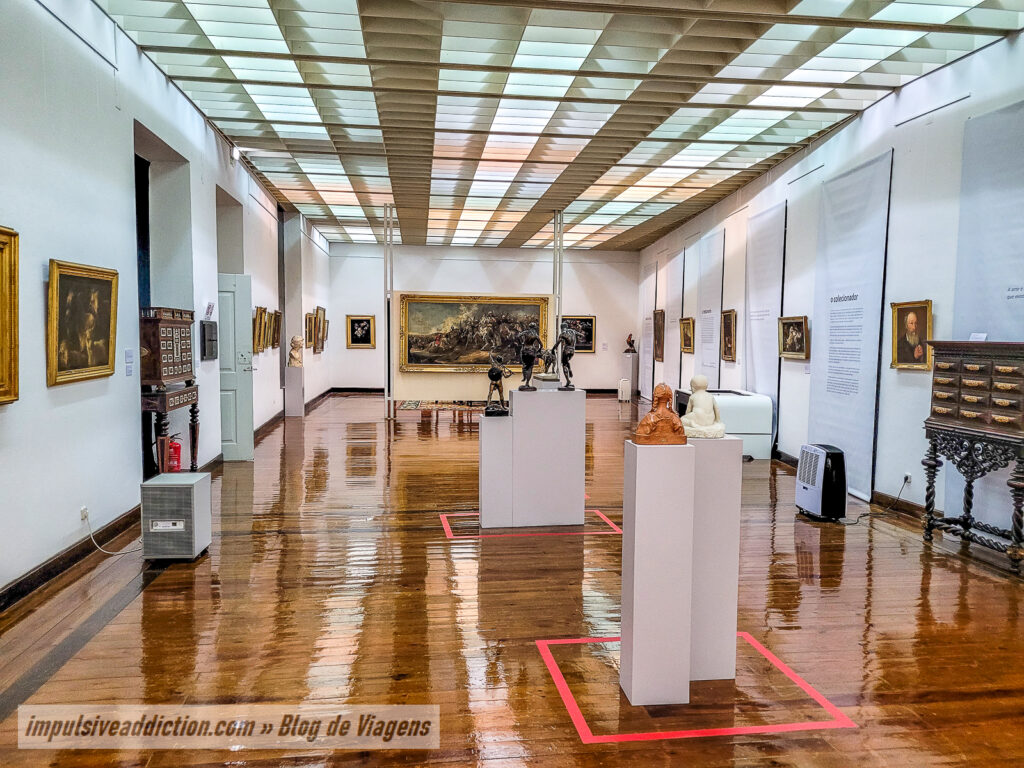
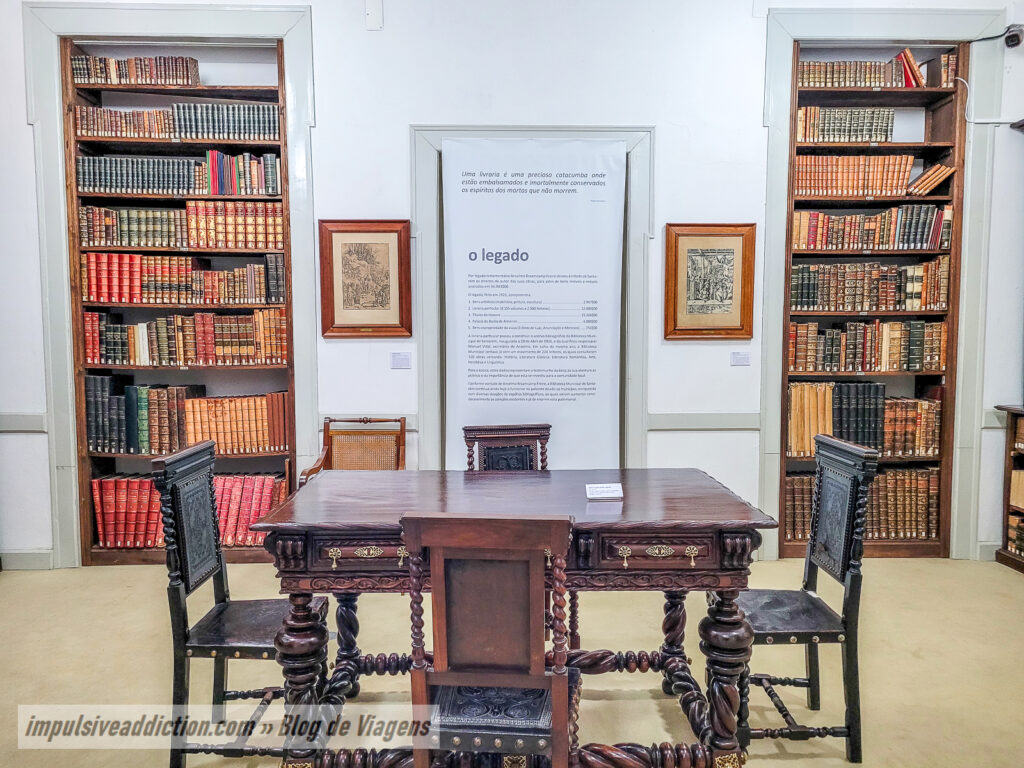
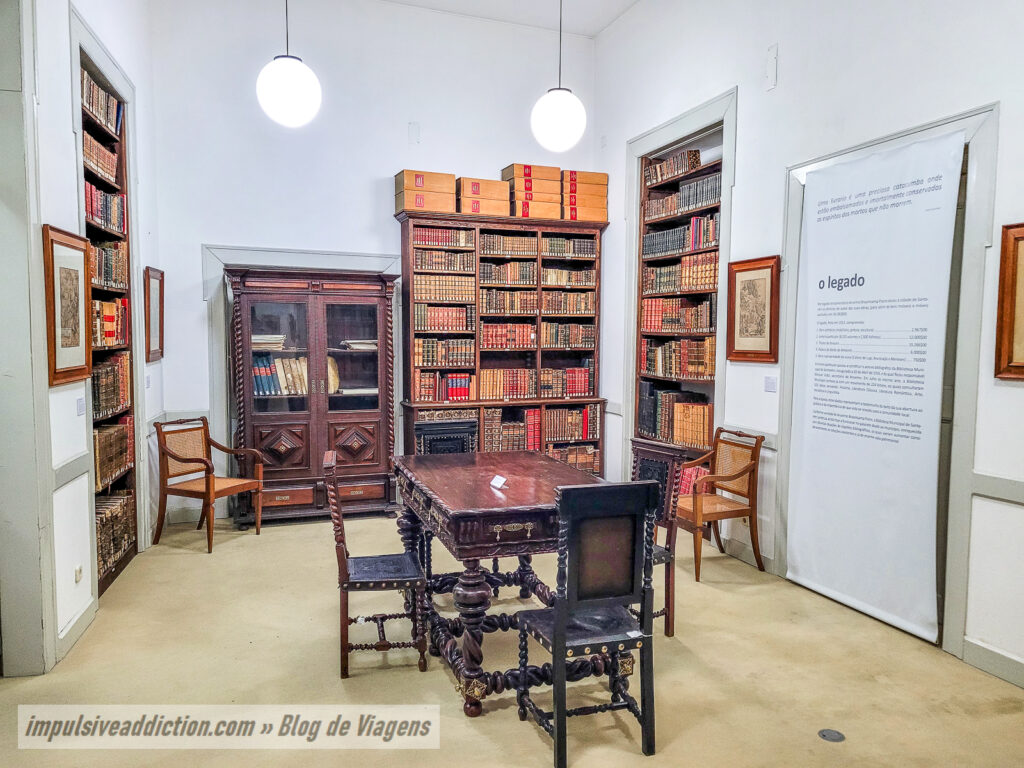
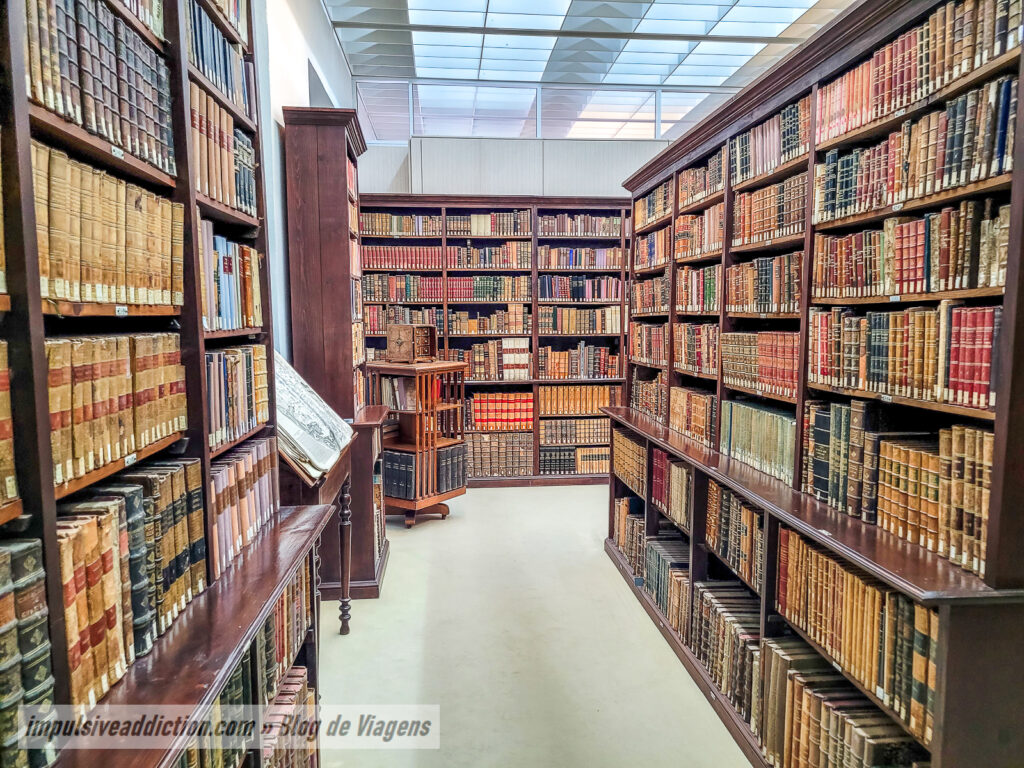
A short distance away, our route takes us to the elegant mansion that houses the Museu Biblioteca Anselmo Braamcamp Freire. This cultural space, inaugurated in the 19th century, preserves the vast documentary, bibliographic, and artistic collection of the distinguished historian and genealogist Anselmo Braamcamp Freire. Walking through its corridors lined with rare books and family portraits, one can feel the heartbeat of the scholarly research that helped shape part of the cultural identity of Santarém and of Portugal in the 20th century.

21. Convento das Capuchas de Santarém
Next we find the Convento das Capuchas, also known as the Recolhimento de Nossa Senhora dos Inocentes. Founded in 1677 on the site of a medieval hospital created by Queen Saint Isabel, the complex served as a shelter for abandoned children and underwent various transformations over the centuries. After the expulsion of the nuns in 1910, it was acquired by Luiza Andaluz in 1924 and adapted for social work—today it houses the Luiza Andaluz Knowledge Centre, offering cultural and educational activities open to the public.
22. Santuário do Santíssimo Milagre de Santarém
The route then leads to the Santuário do Santíssimo Milagre, built over the former Church of Santo Estêvão. According to tradition, in the 13th century a consecrated host bled and mysteriously shone in the home of a local woman, causing such a stir that it was solemnly returned to the church. Since then, the site has become a destination for pilgrimages and annual celebrations, with the relic remaining on display in a silver monstrance. Classified as a National Monument since 1917, the sanctuary is renowned for the popular devotion that continues to attract thousands of visitors, especially from abroad.
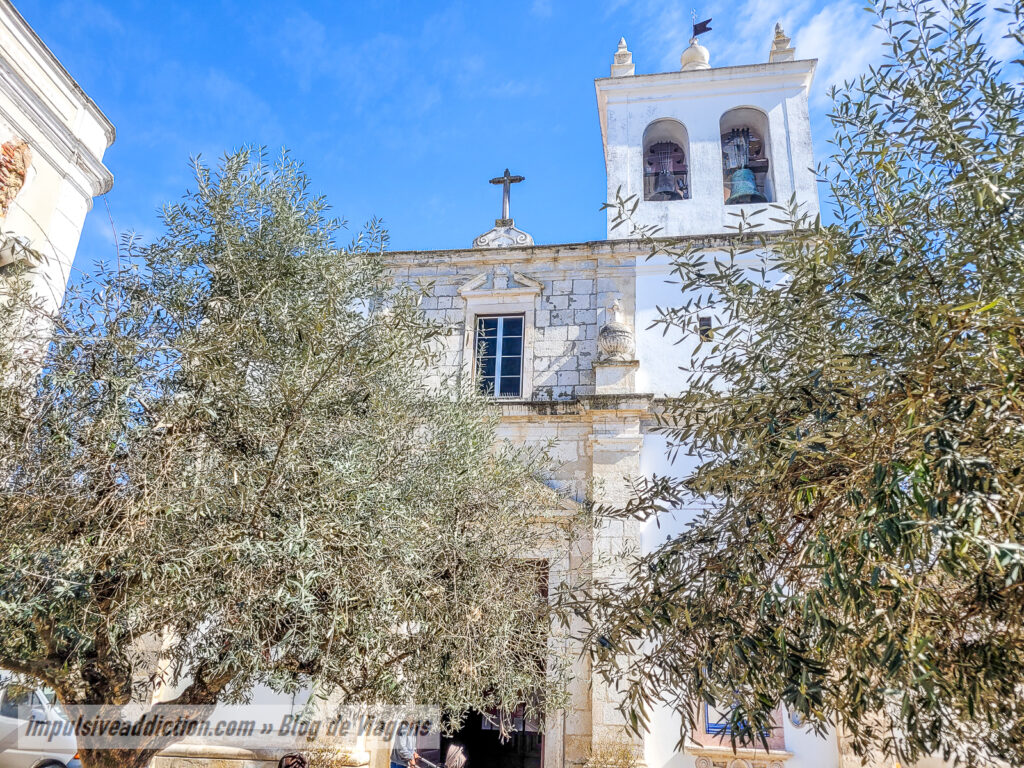
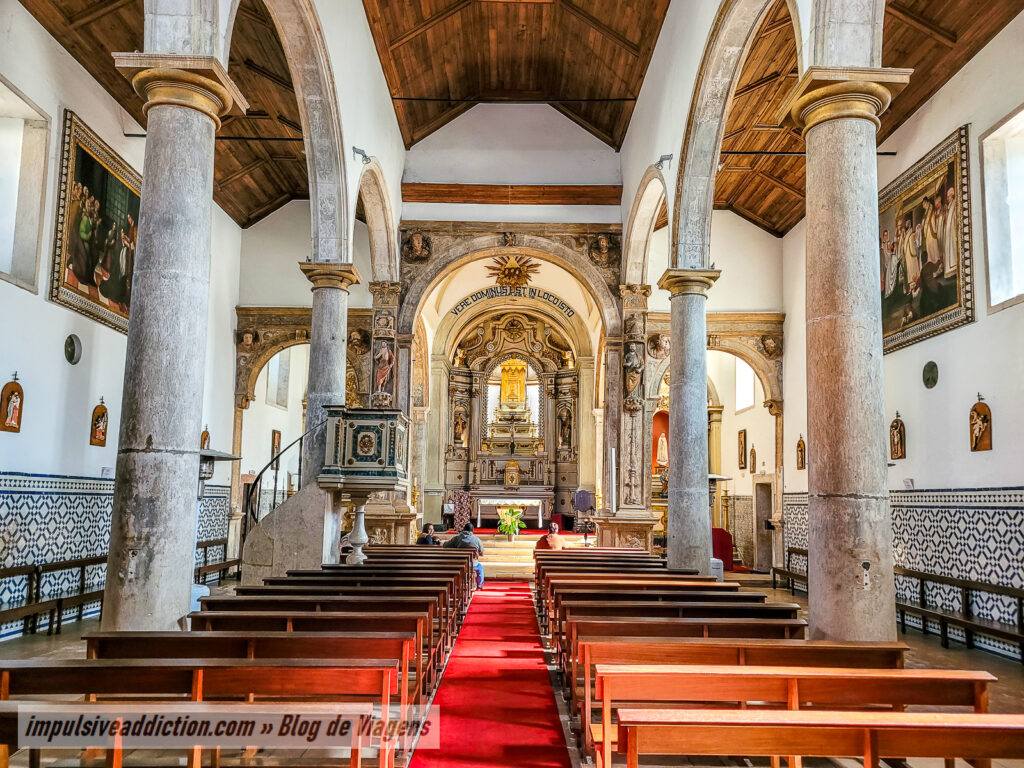
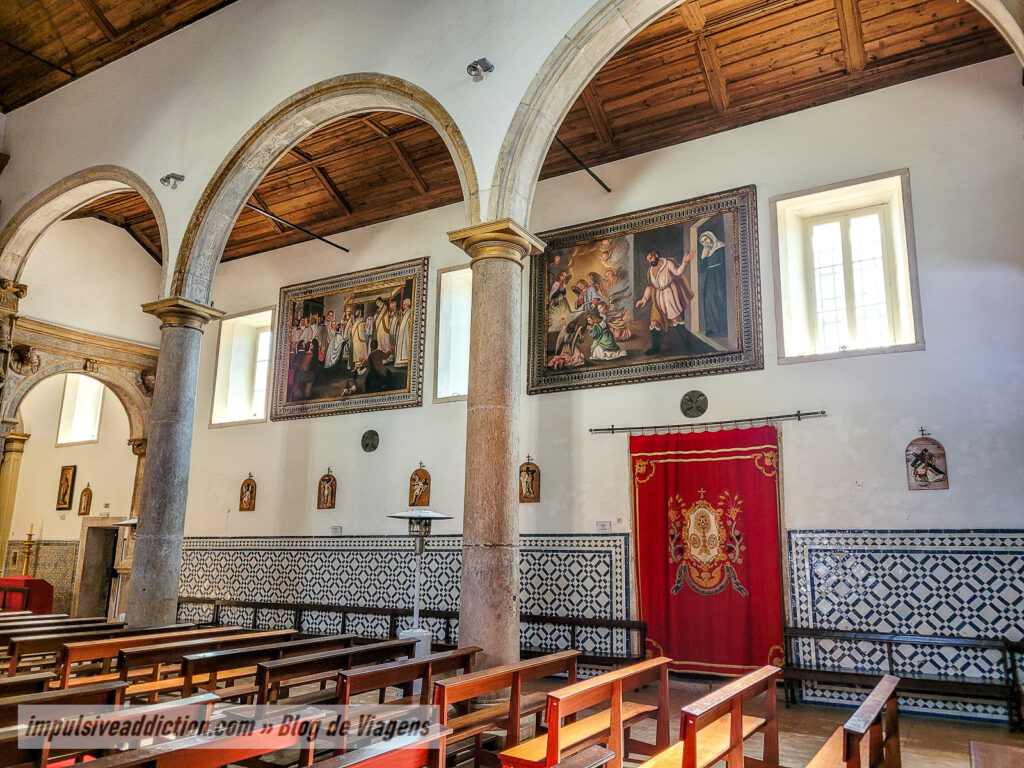
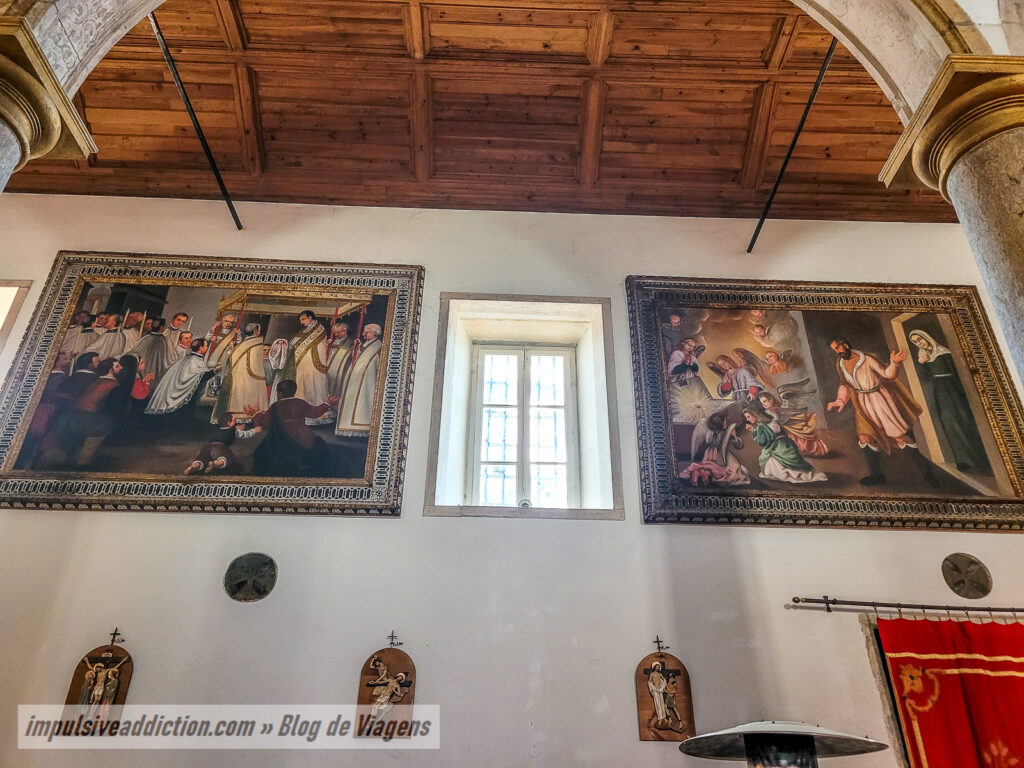
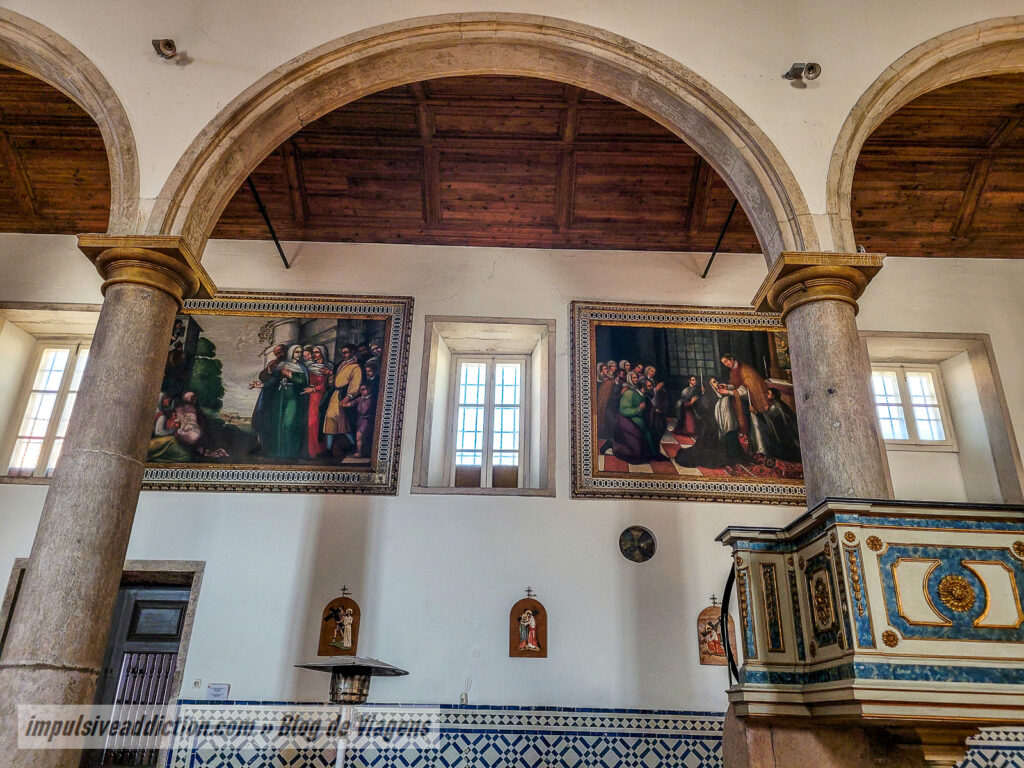
23. Igreja da Misericórdia
Just a few metres from the sanctuary, the Igreja da Misericórdia welcomes visitors with a modest exterior and a harmonious interior. Founded in the 16th century, it features a softly lined Mannerist façade and houses altarpieces that reflect the charitable mission of the brotherhood from which it takes its name.
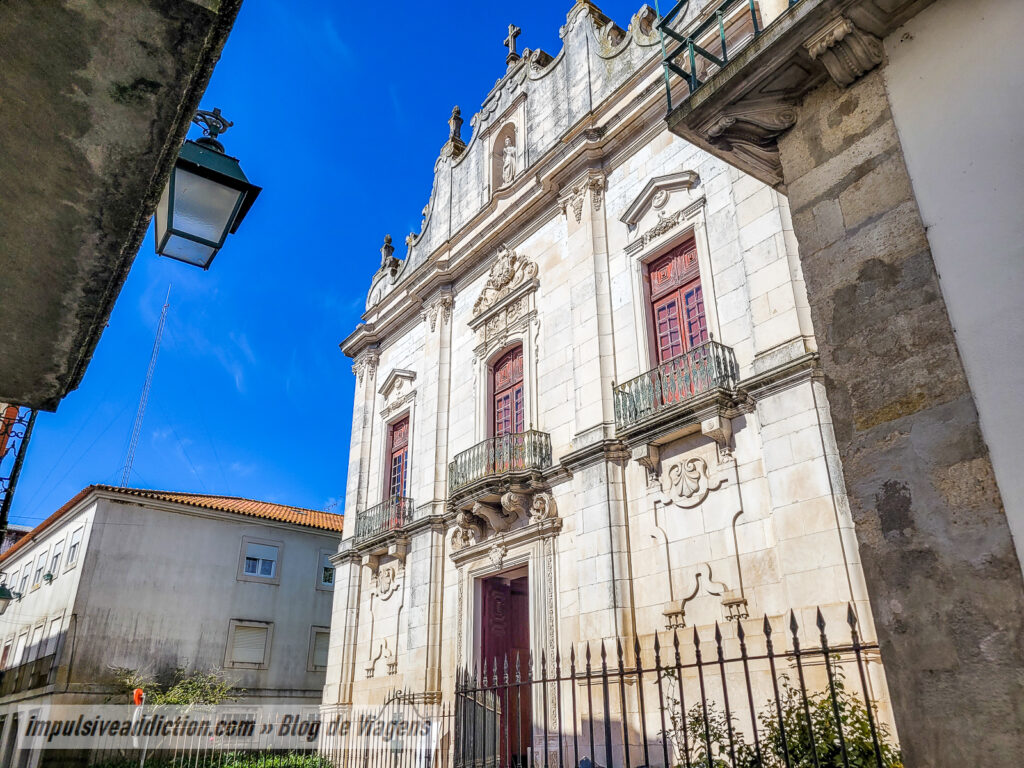
24. Igreja de São Nicolau
Continuing through the historic streets, we arrive at the Igreja de São Nicolau, whose Baroque façade rises with elegance. Dedicated to the patron saint of merchants and travellers, this church reflects Santarém’s mercantile vitality during the 17th and 18th centuries.
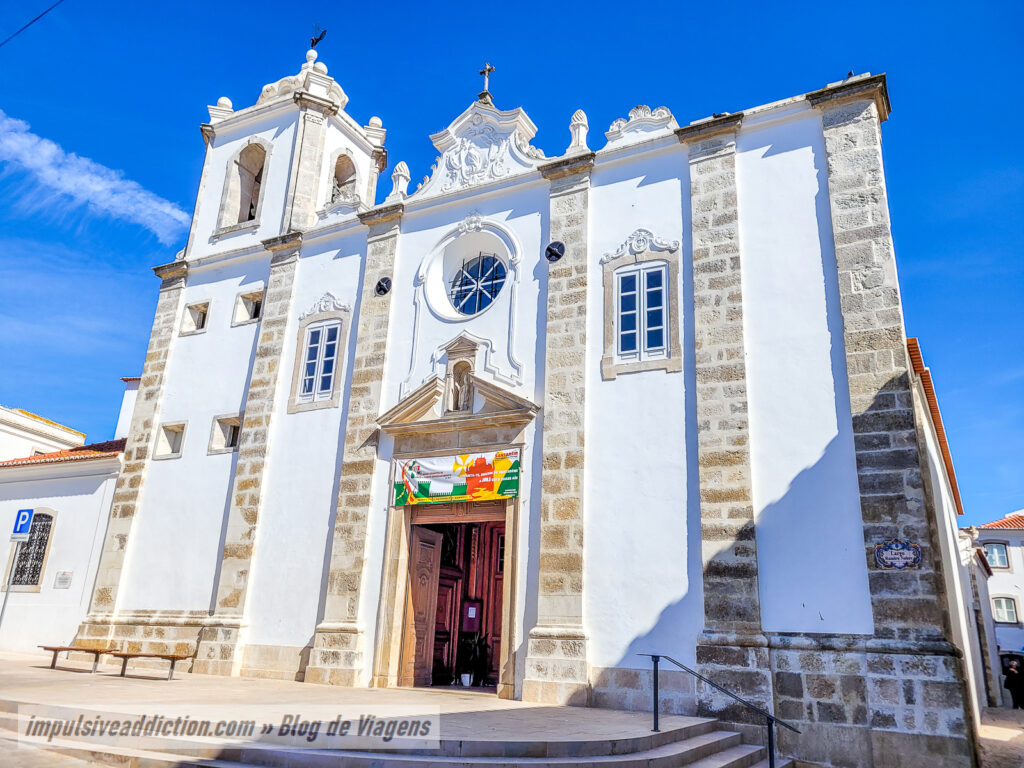
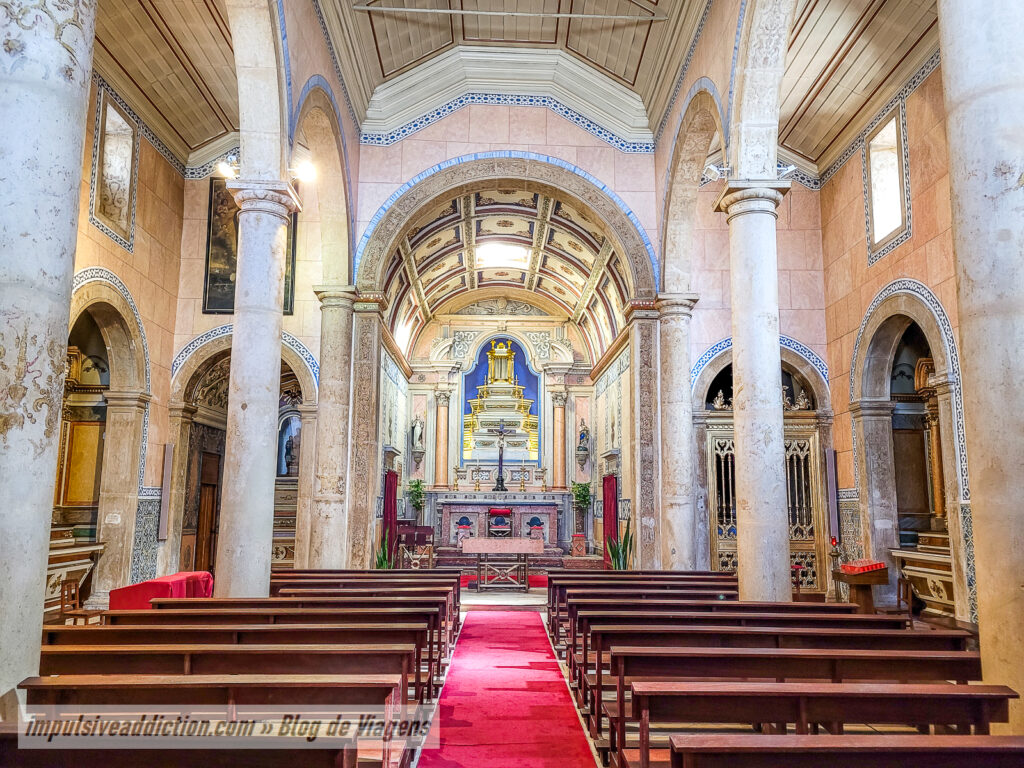
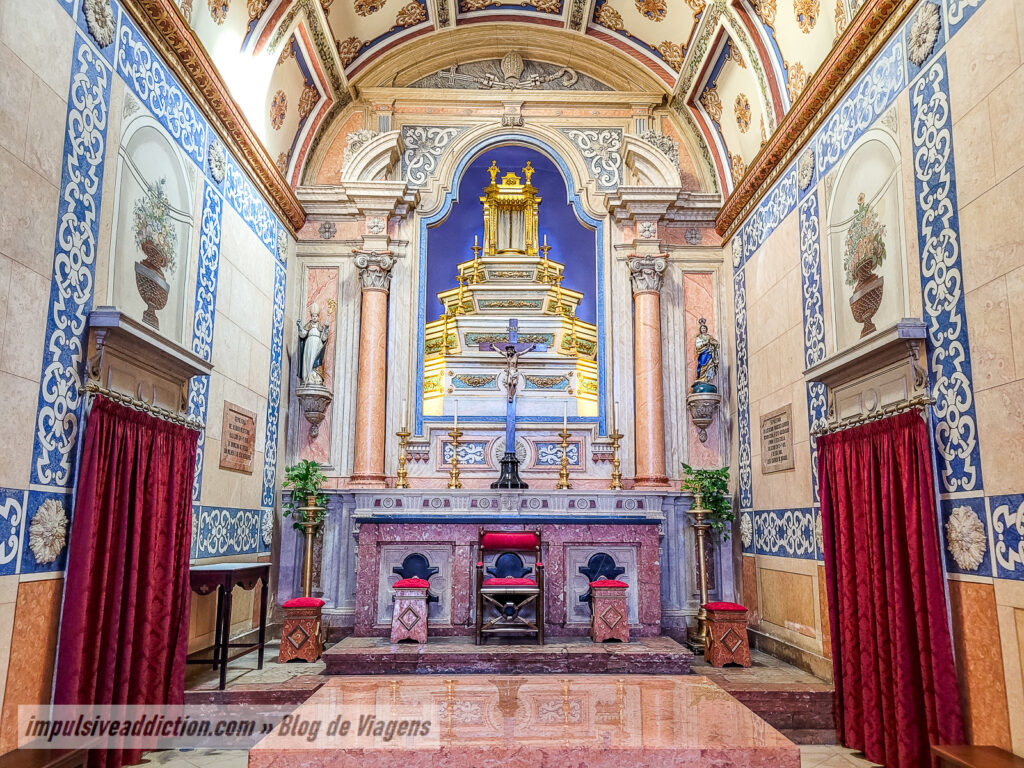
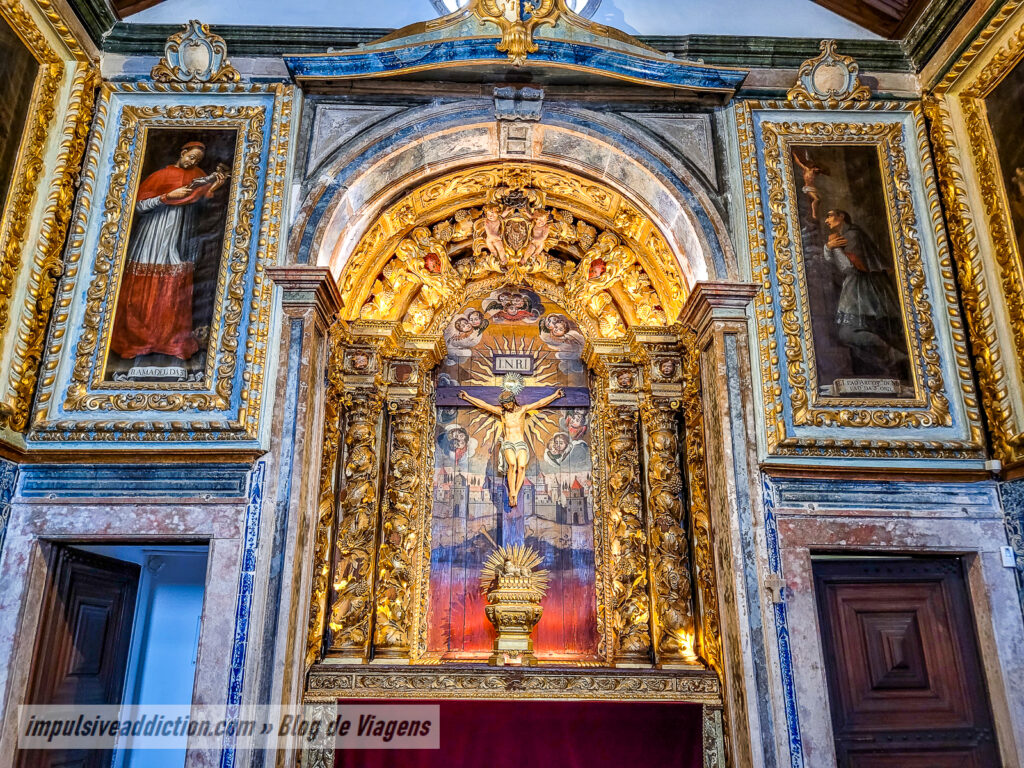
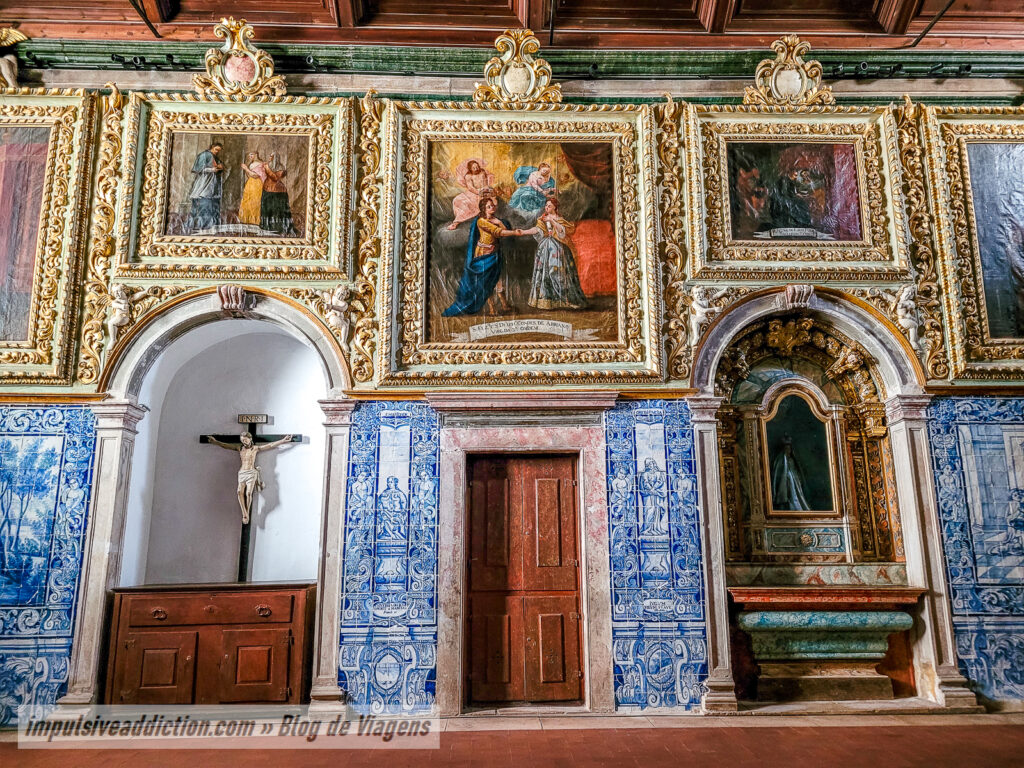
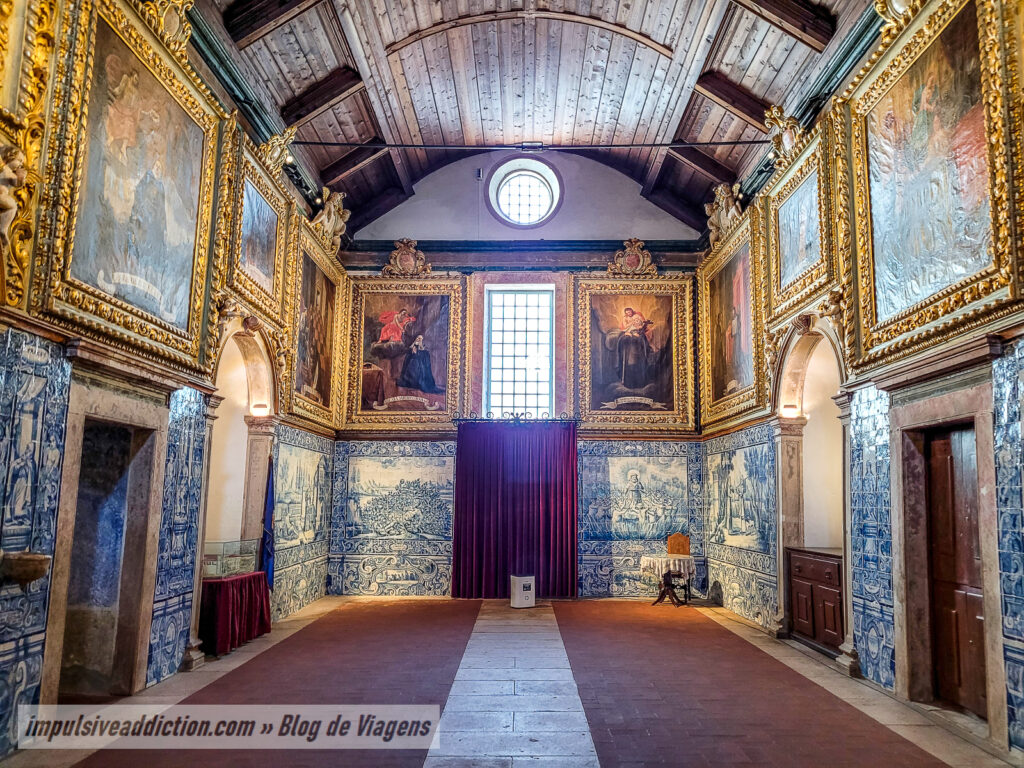
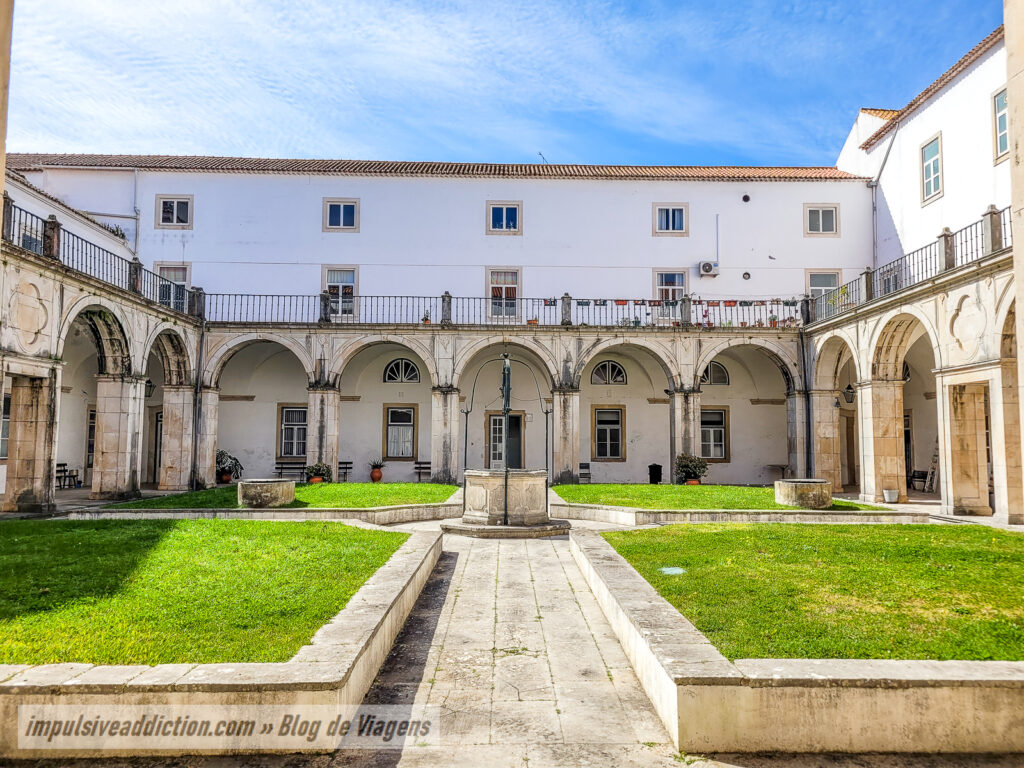
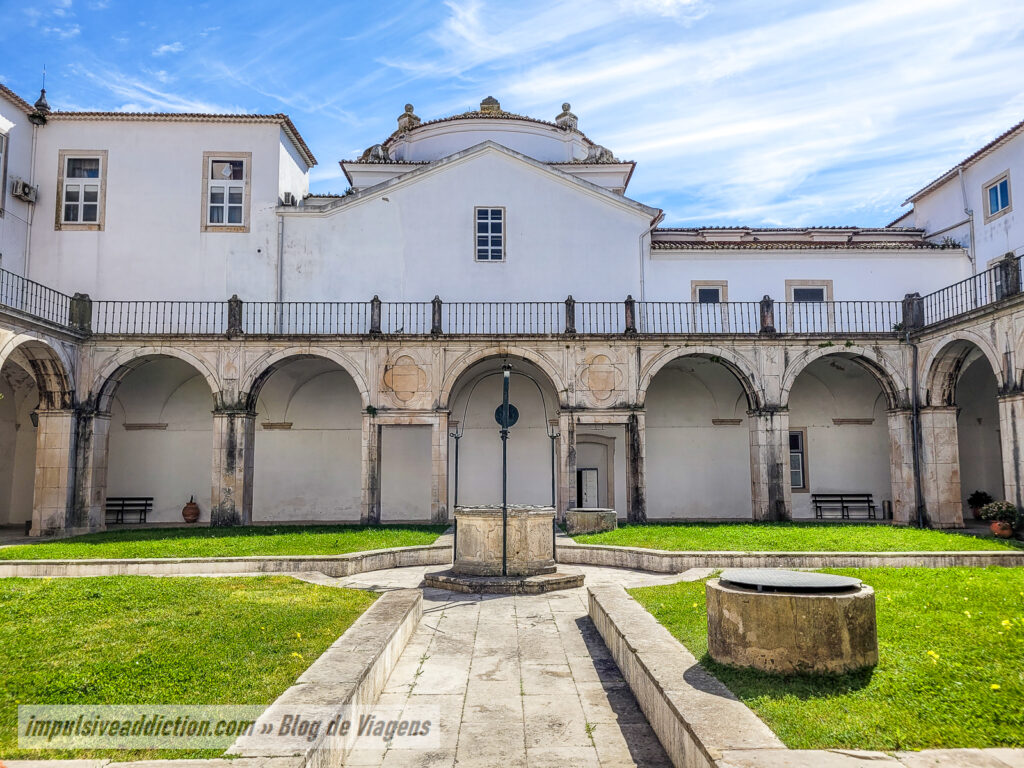
25. Igreja de Nossa Senhora de Jesus Cristo + Capela Dourada
Lesser known but equally charming, this church reveals a more discreet and serene side of Santarém’s religious heritage.
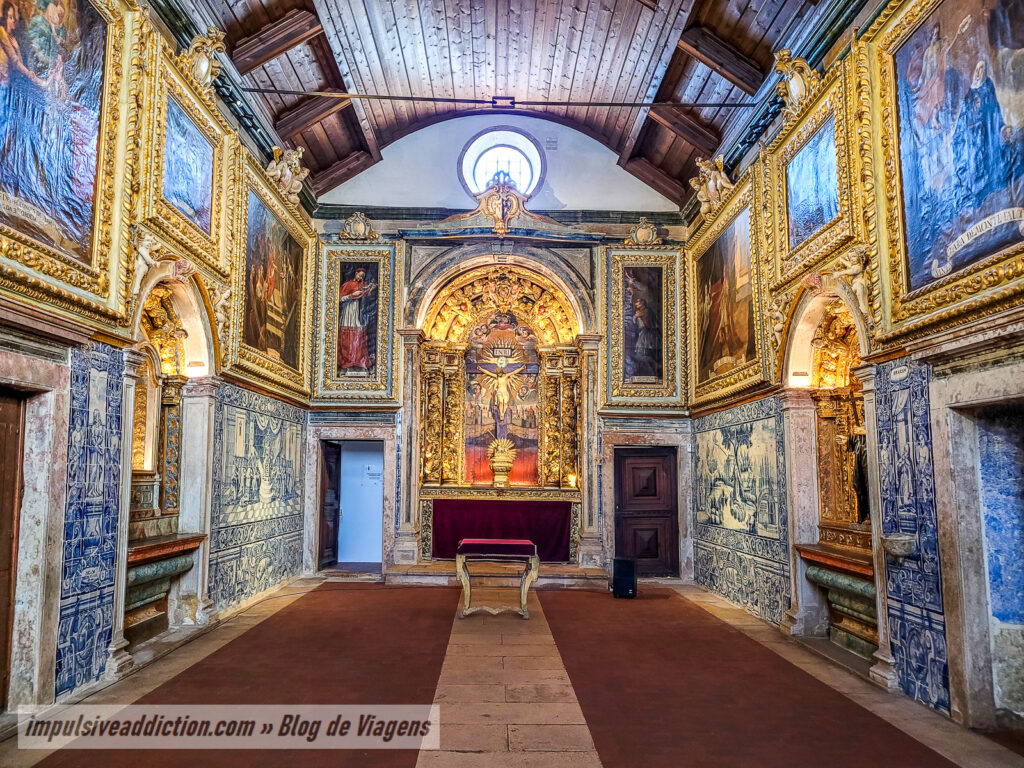
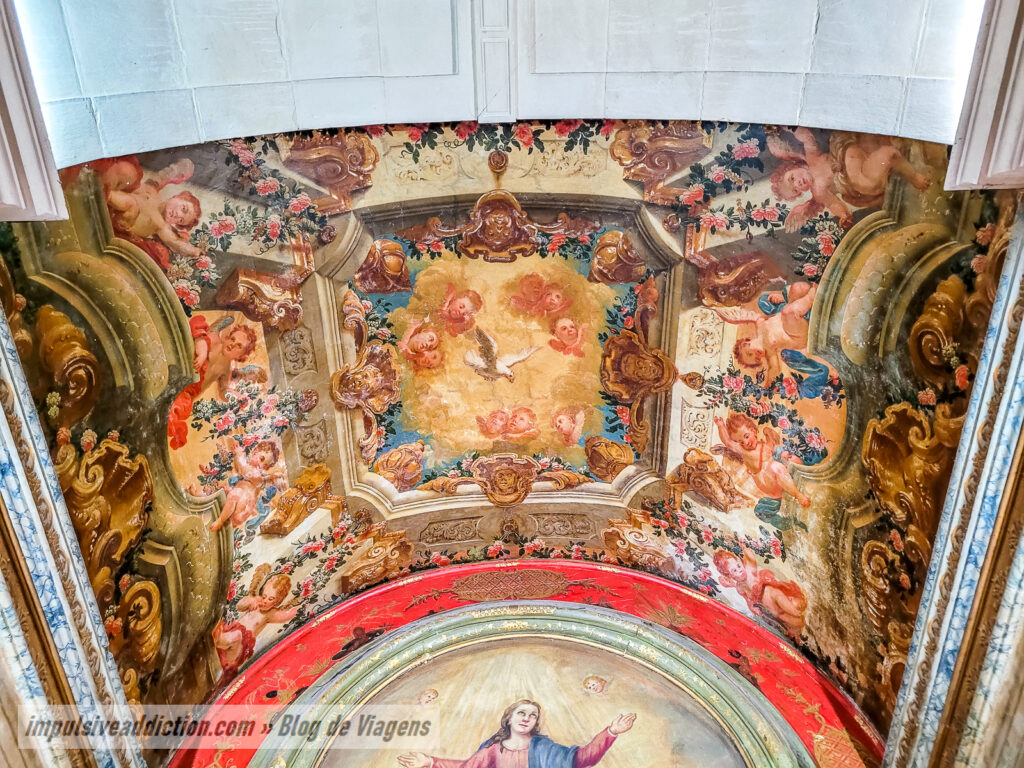
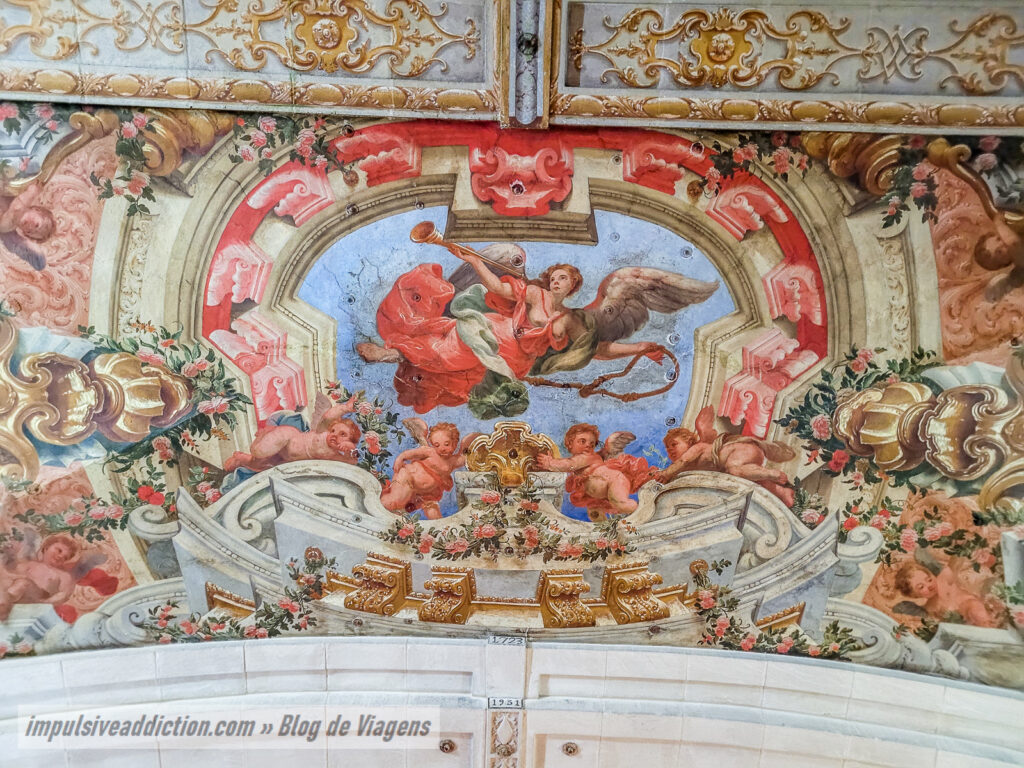
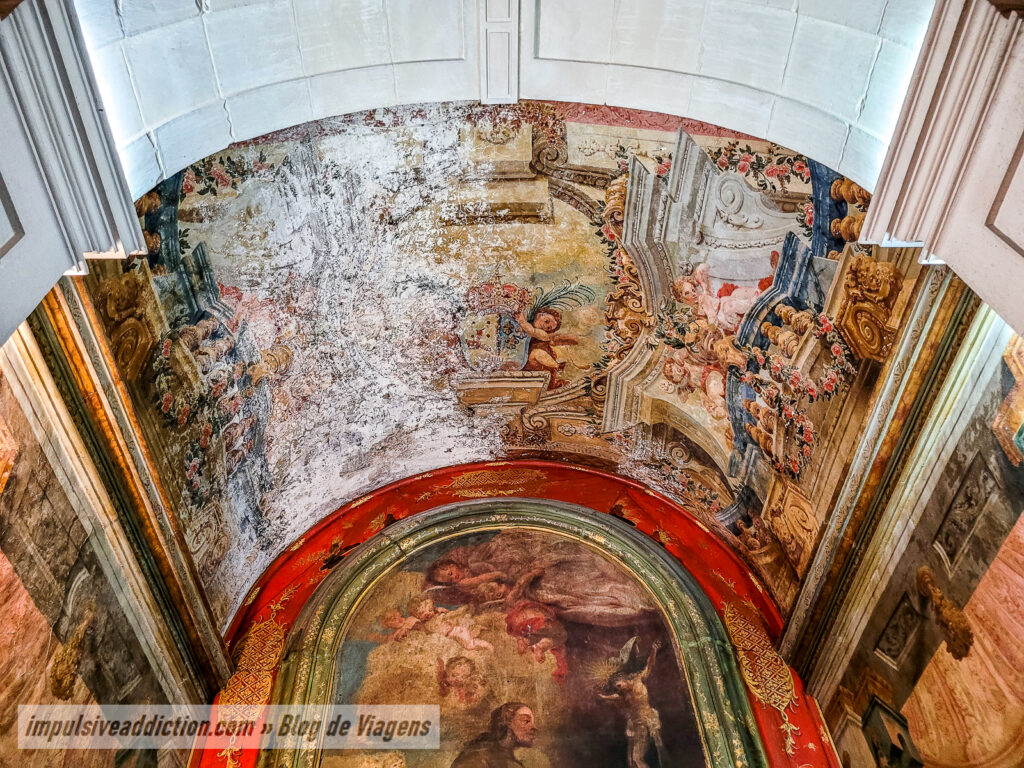
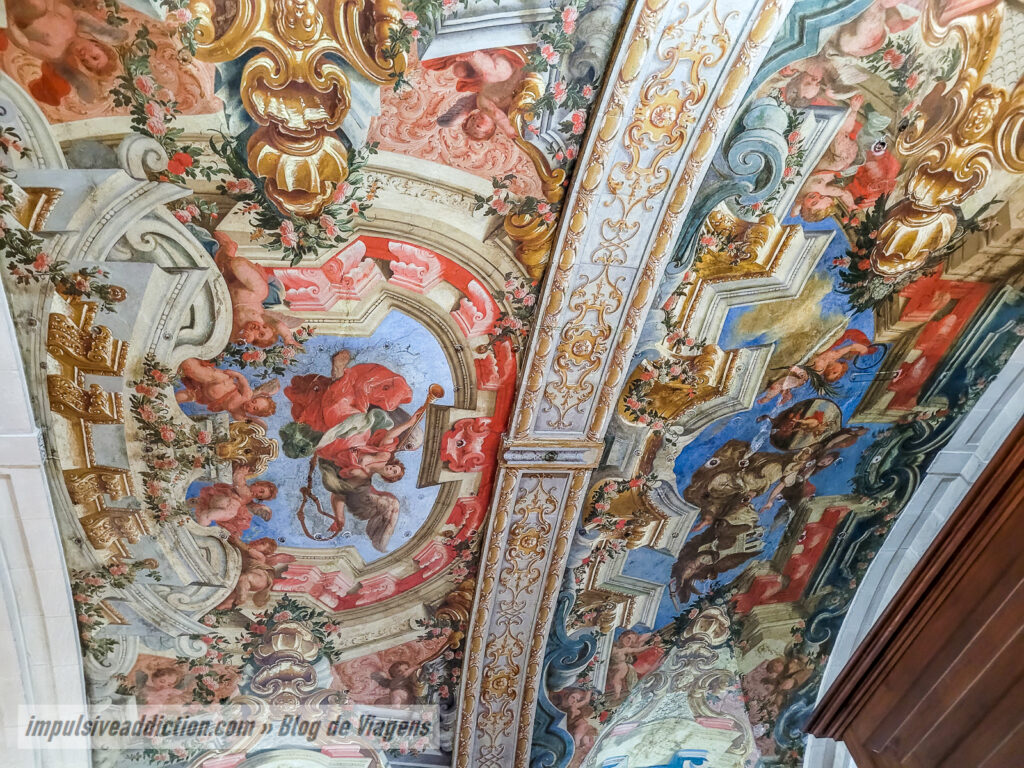
The true treasure lies in the Capela Dourada, an opulent space adorned with Rococo gilded woodcarving, featuring a central altarpiece of great delicacy, sculpted figures, and illusionist painting on the choir ceiling. This chapel is considered one of the finest examples of Baroque woodcarving in the city.
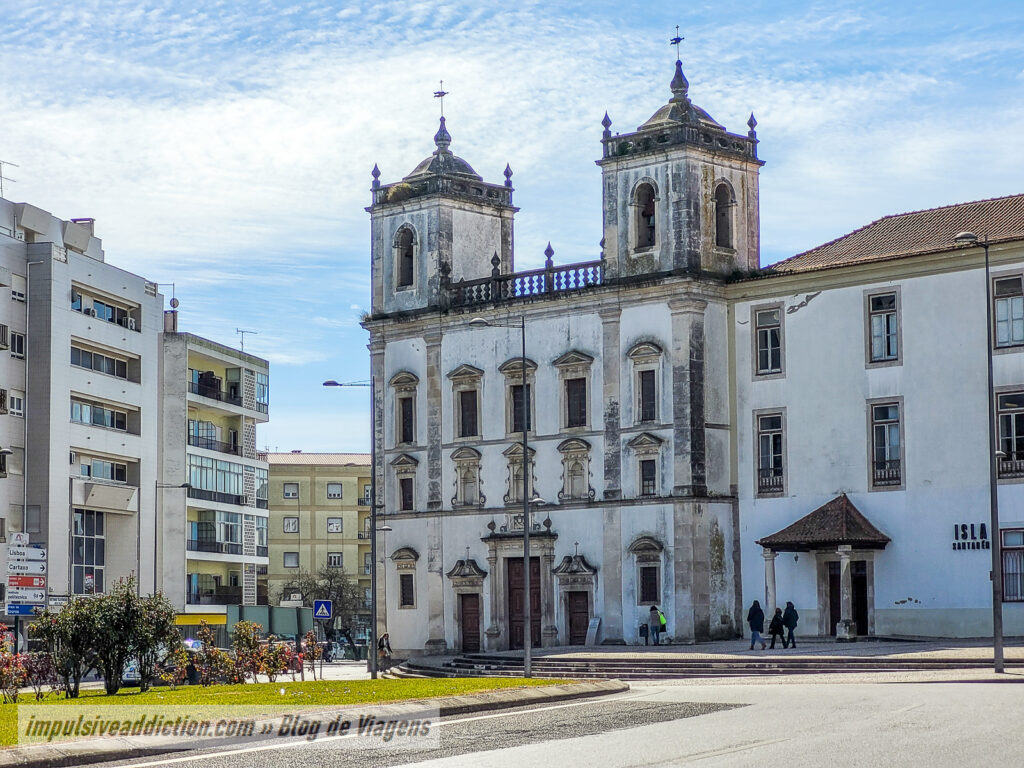
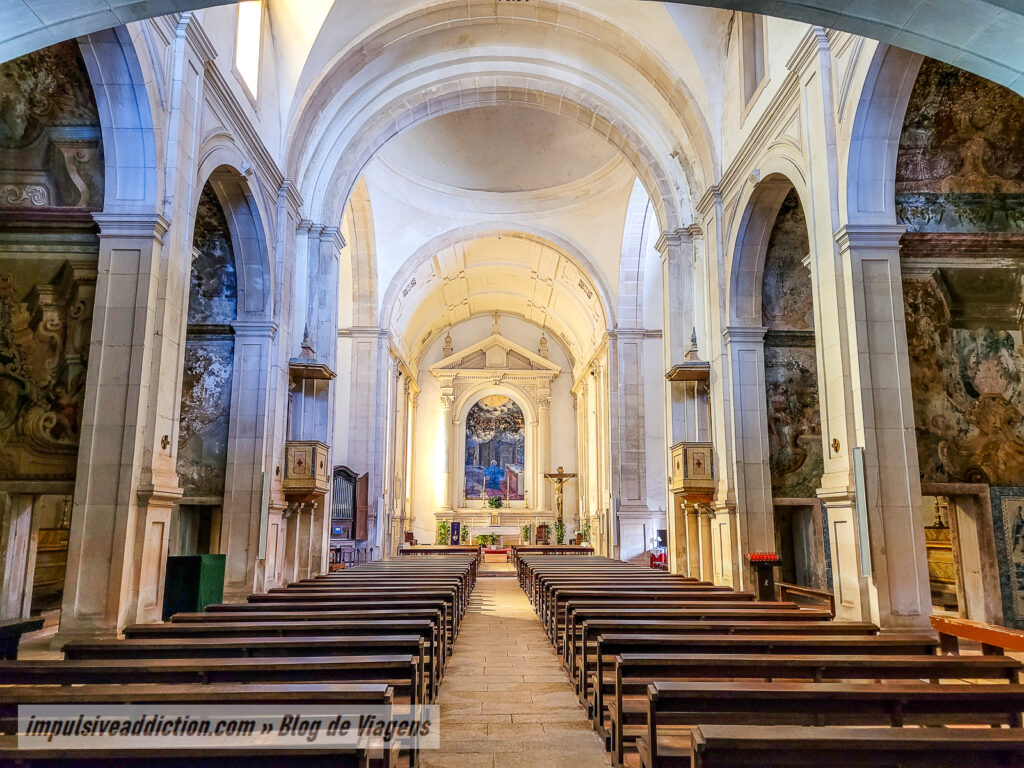
26. Antigo Mosteiro de São Domingos (current PSP headquarters)
Nearby stands the unusual case of the former Monastery of São Domingos, now adapted as the Santarém PSP police station. Founded in the 13th century, this Dominican convent was an important centre for teaching and preaching, actively participating in the city’s intellectual life. Despite its functional changes, the building retains Gothic and Manueline elements visible in the portal and some windows. Its reuse shows how Santarém has managed to adapt its heritage to modern needs without erasing it.
27. Jardim da Liberdade
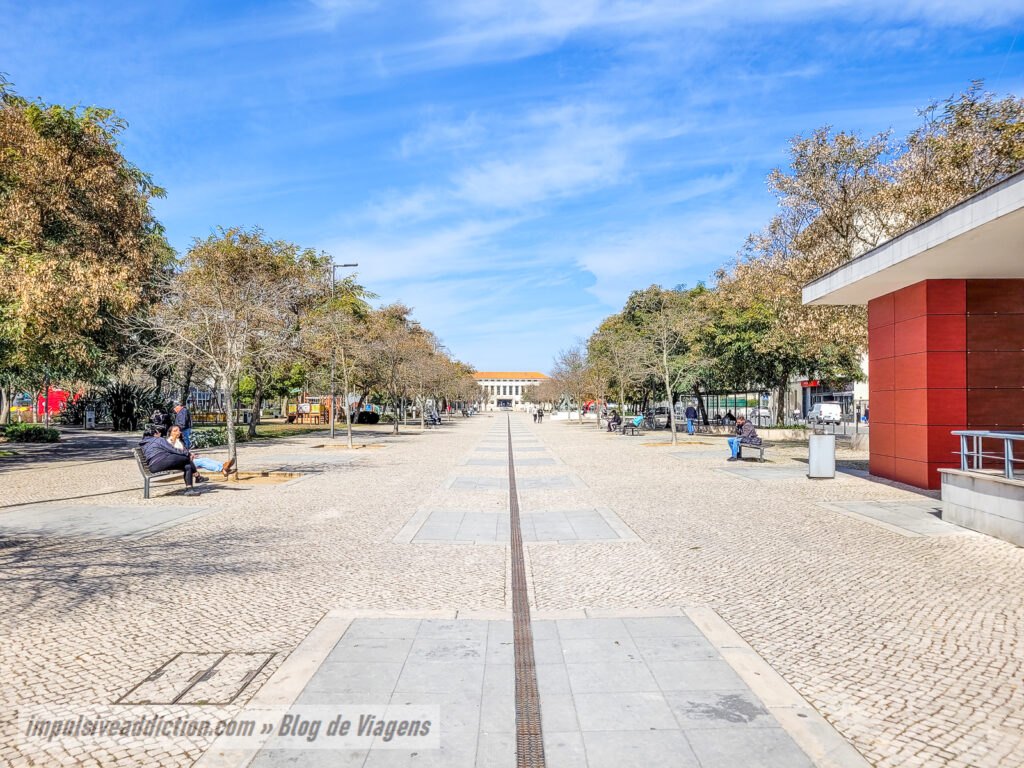
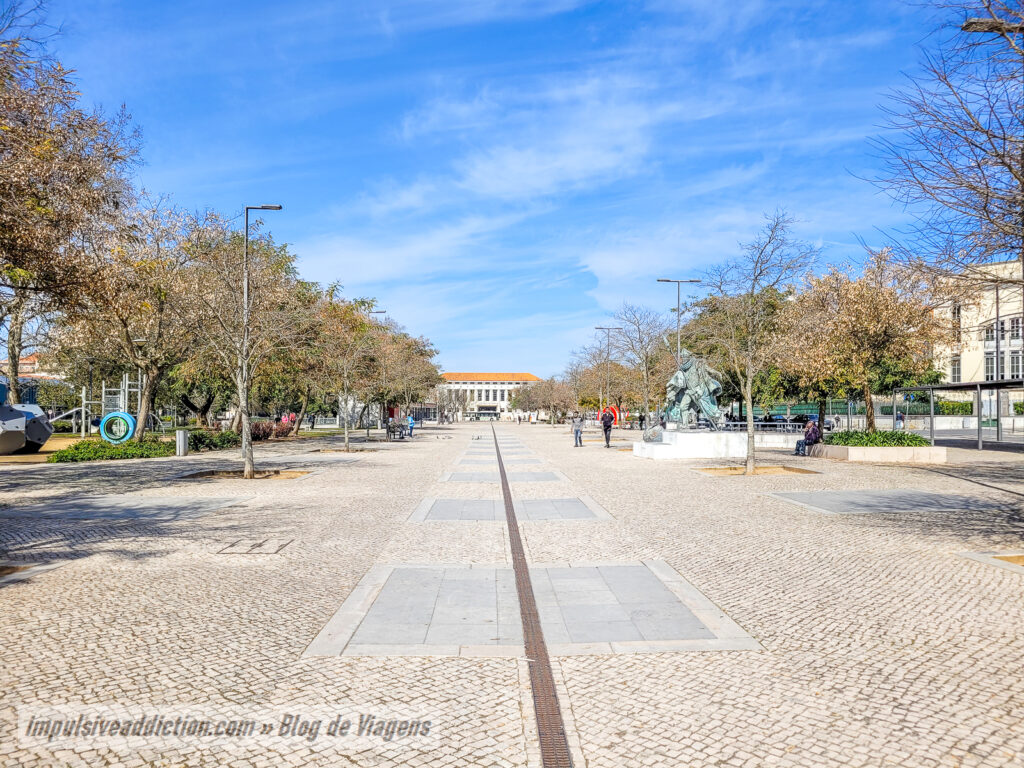
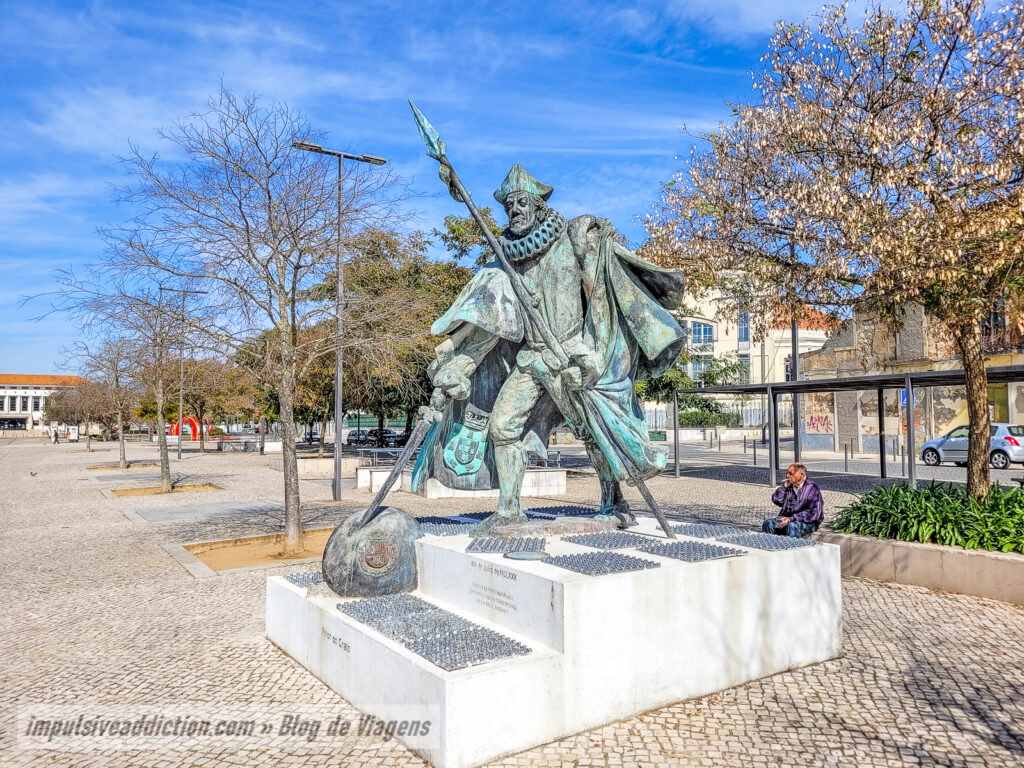
Just beyond is the Jardim da Liberdade, inaugurated in 1873 in the heart of the city, offering shade and coolness along paths lined with centuries-old trees. This urban space was built on a site that hosted historic proclamations, such as that of Prince Ferdinand, and its name evokes the ideals of the new liberal era. It remains a place of rest and gathering, symbolically connecting the city’s political past with the modern life of the scalabitanos.
28. Miradouro de São Bento
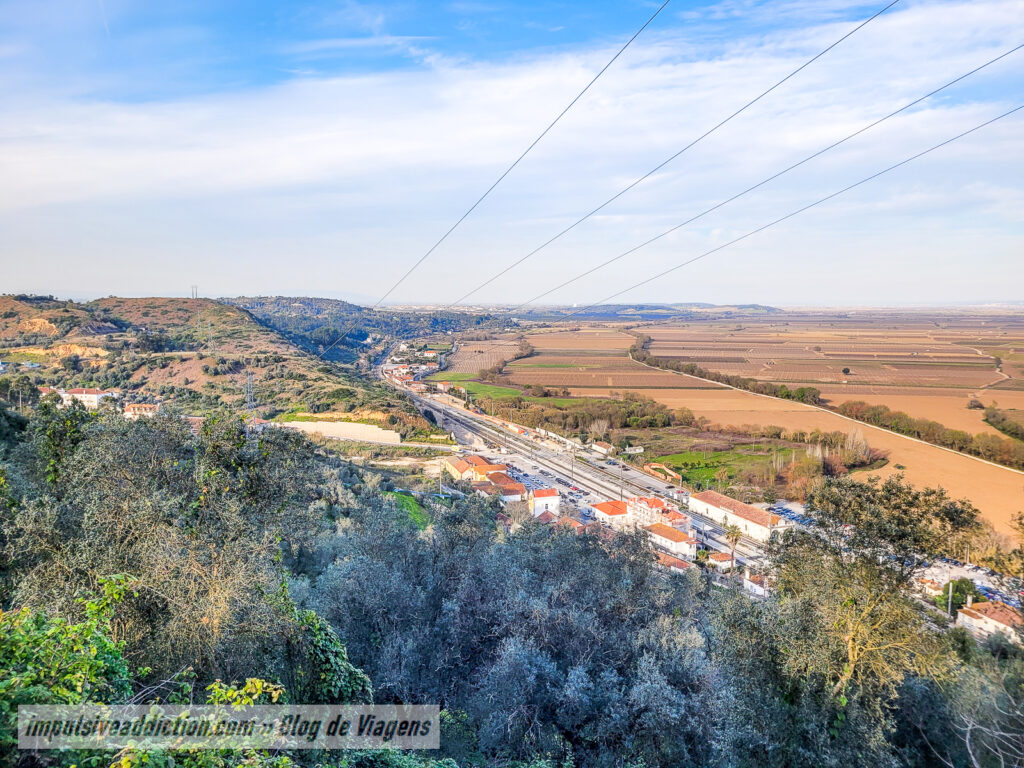
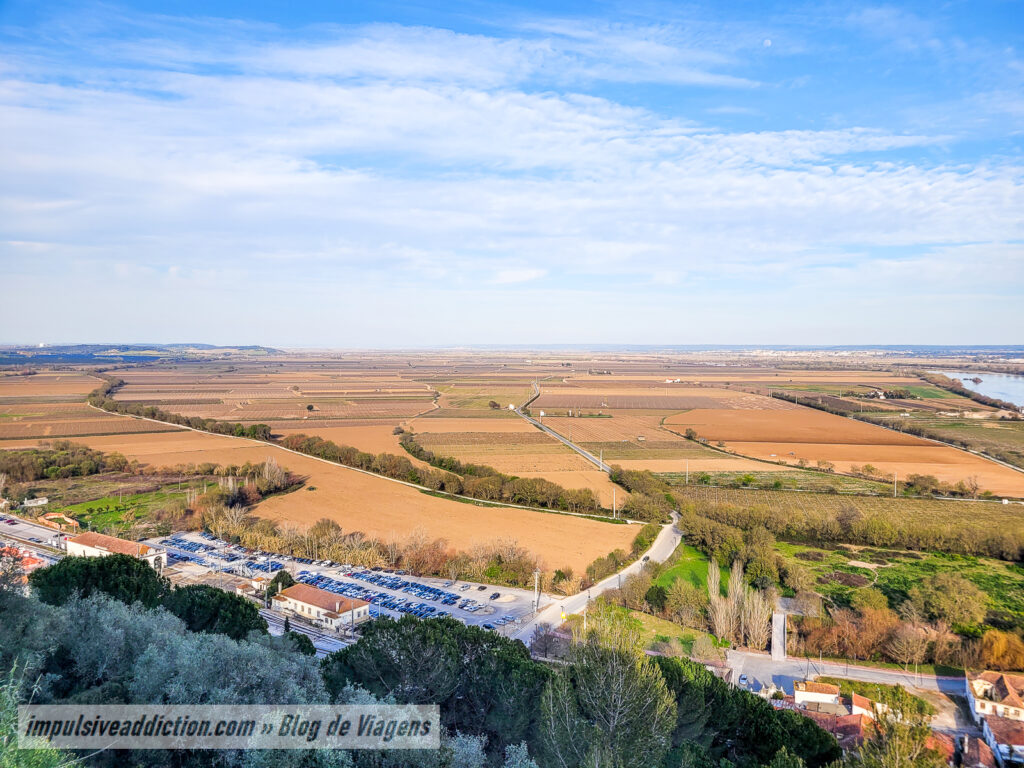
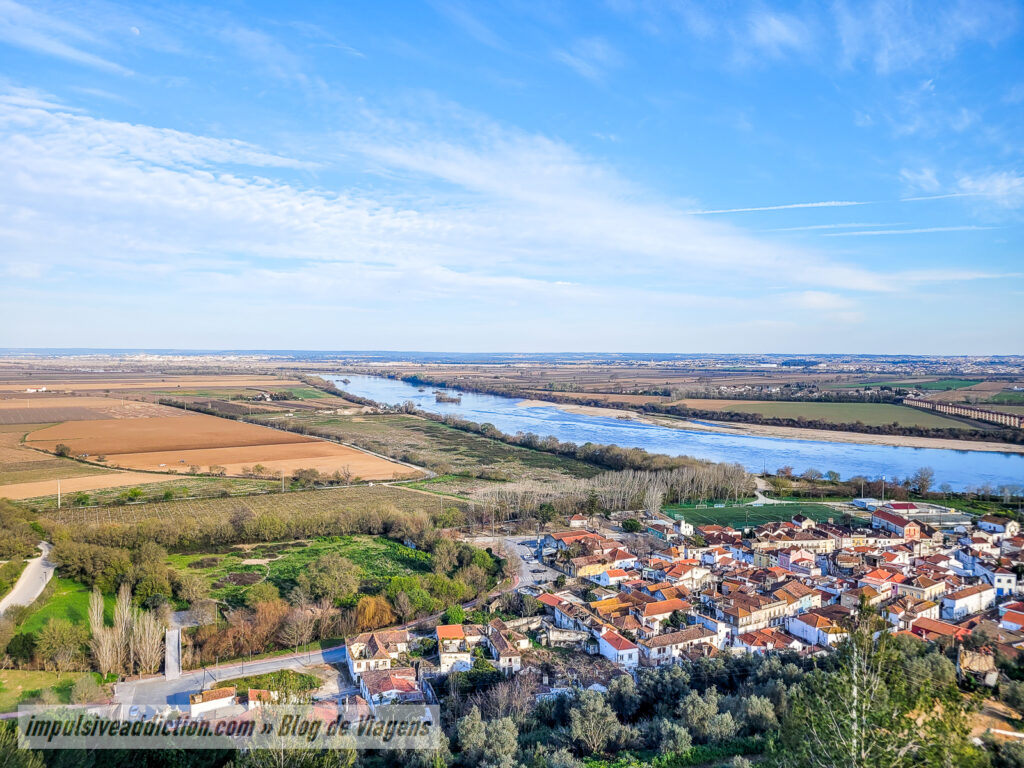
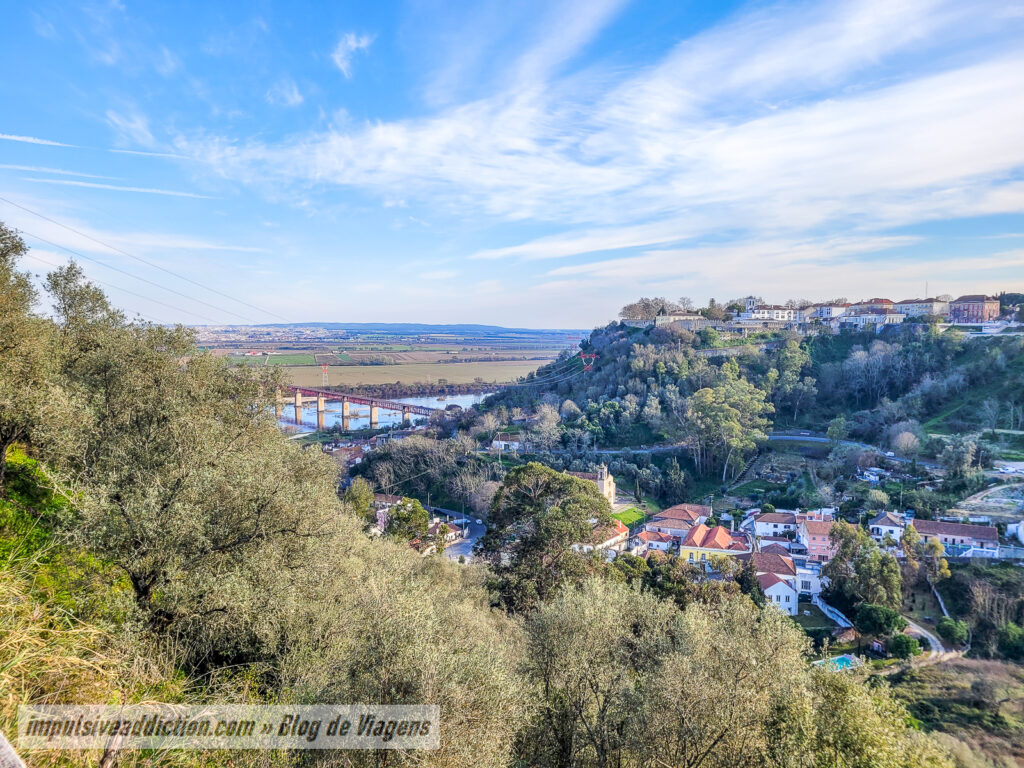
The Miradouro de São Bento offers one of the most enchanting views over the Tagus Valley and the surrounding lezíria—a perfect setting to grasp the territorial scale of Santarém. Located next to the old city walls, this viewpoint reveals not only the Tagus framed by fertile fields and gentle slopes, but also the city’s strategic role in the fluvial and agricultural history of the region.
29. Fonte das Figueiras
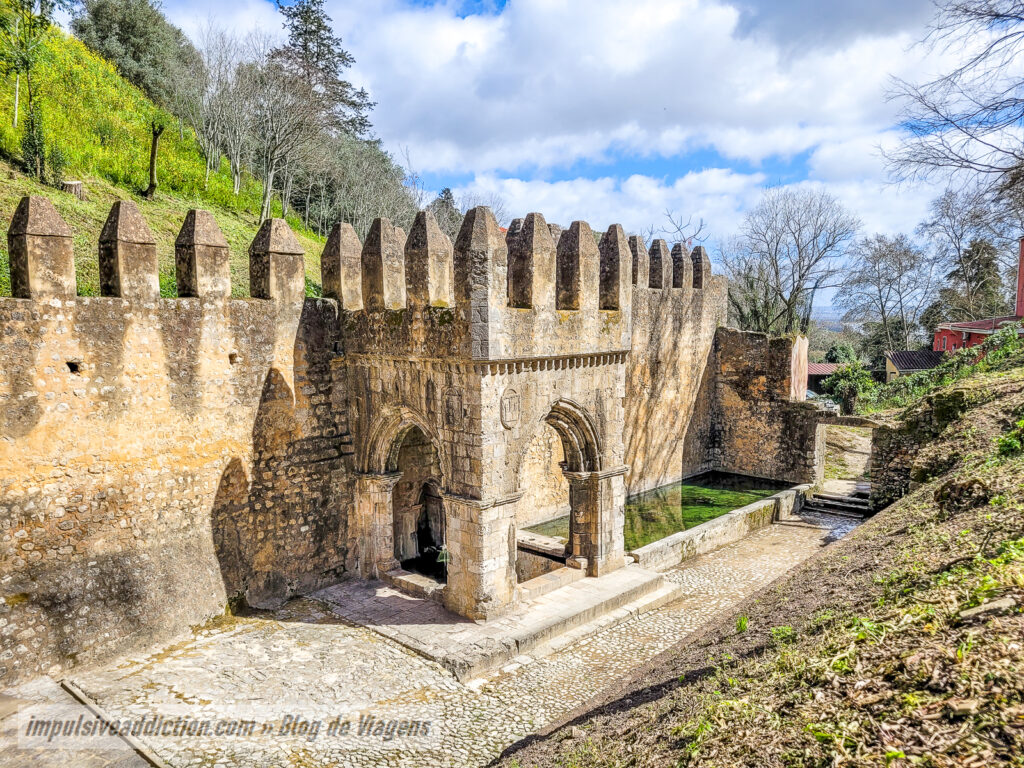
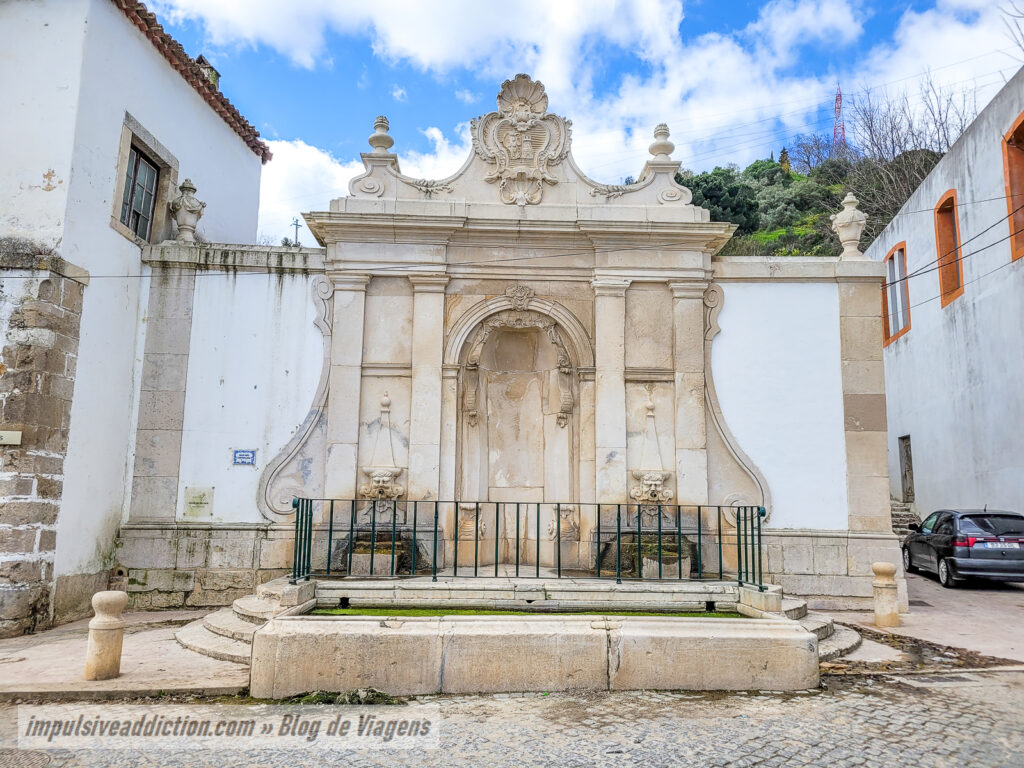
Continuing towards Ribeira, we come to the Fonte das Figueiras, also known as the Moorish Fountain, a work of 14th-century Gothic civic architecture that once served as a public water source and medieval meeting point. It is sheltered by a porch with ribbed vaulting and columns topped with vegetal capitals. Royal coats of arms carved into the stone confirm the patronage of King Dinis or King Afonso IV. It has been classified as a National Monument since 1910.
30. Ribeira de Santarém
Finally, at the foot of the historic hillside, we enter the riverside atmosphere of the Ribeira de Santarém, which for centuries served as the city’s vital port area. Now quieter and more discreet, it still preserves traces of quays, riverside churches, and old houses—testimonies to Santarém’s commercial and maritime past. Walking through the Ribeira is a way to understand the river’s central role in urban and economic life and to feel the steady rhythm that has shaped scalabitano history.
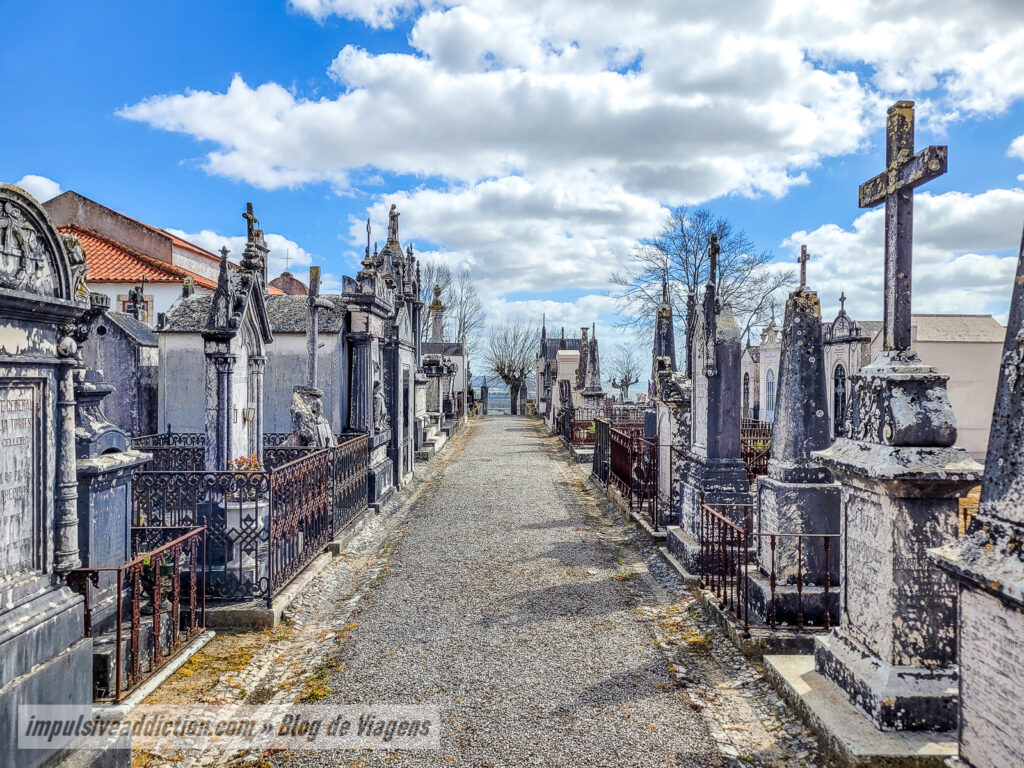
31. Miradouro do Cemitério dos Capuchos
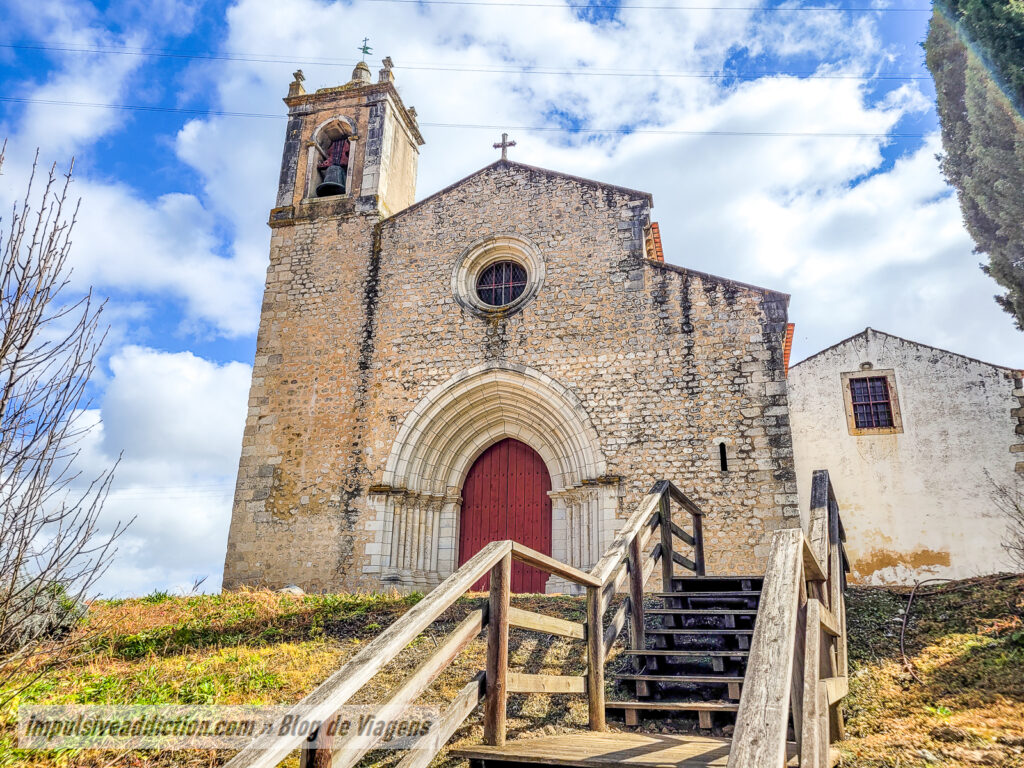
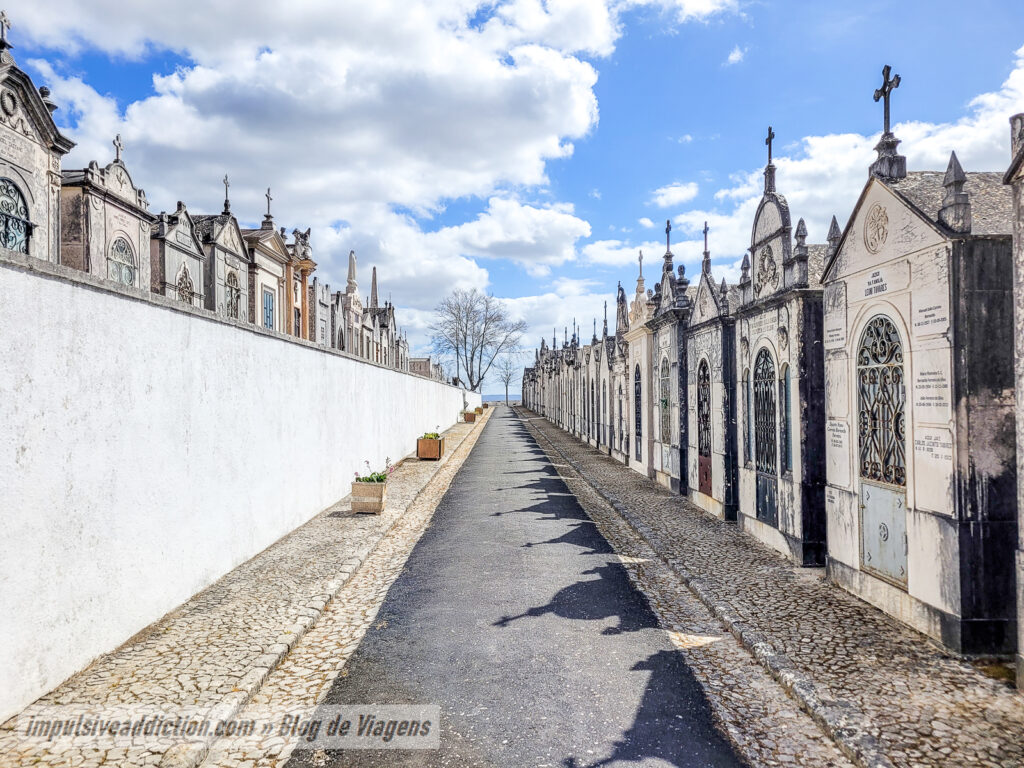
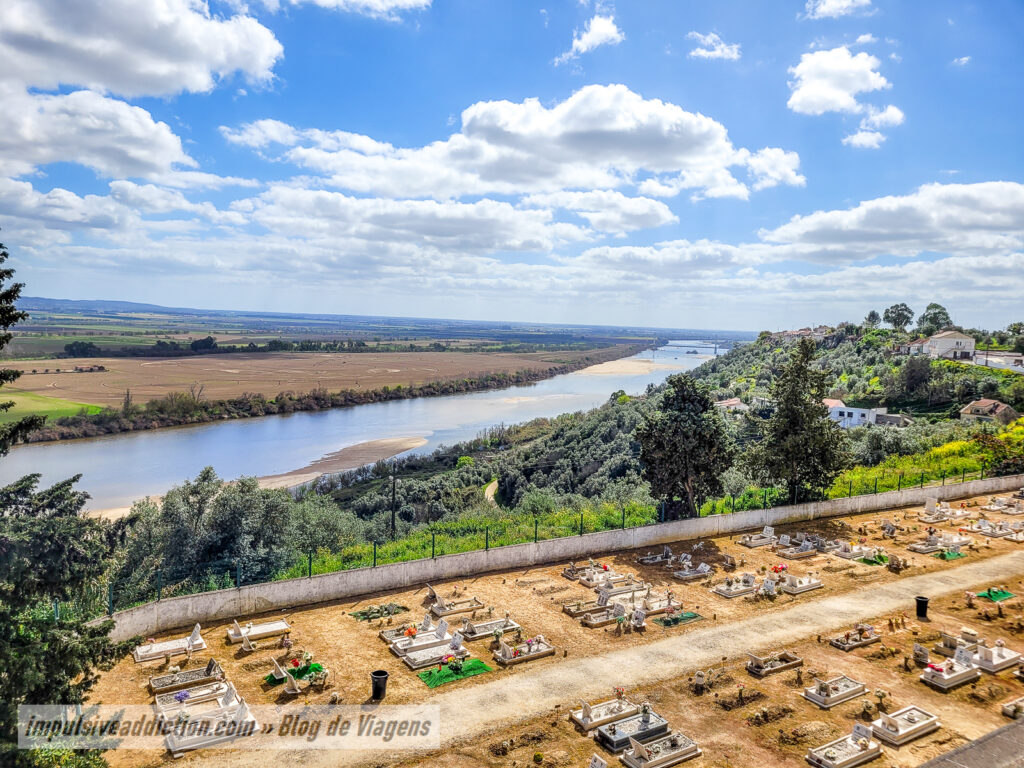
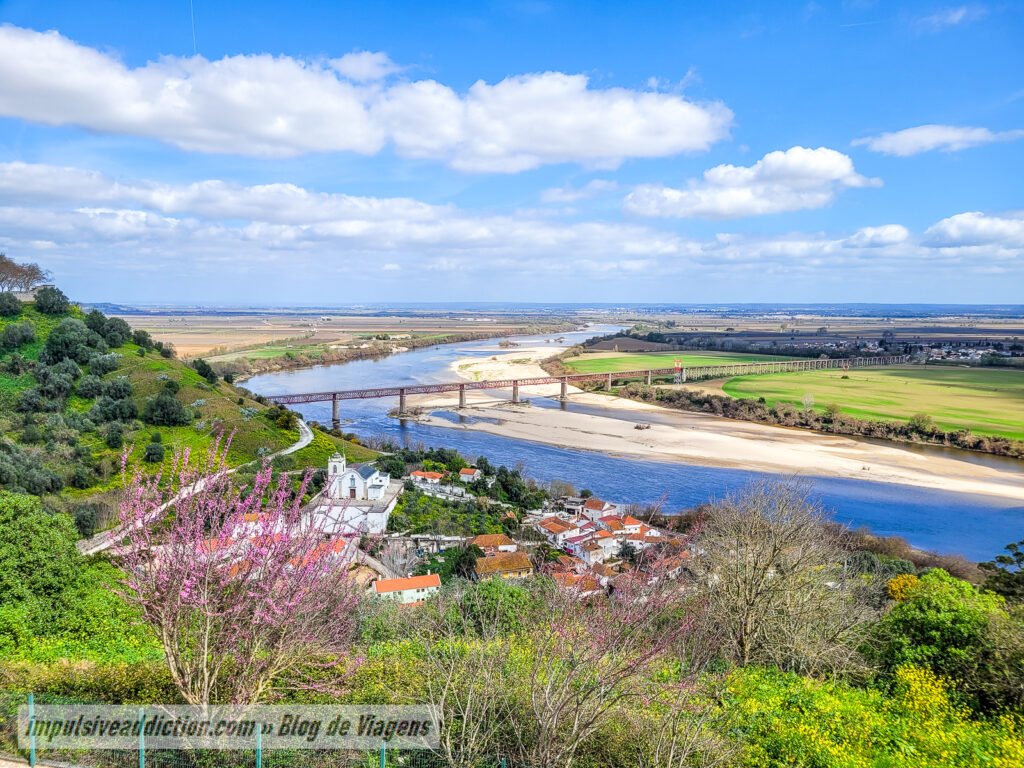
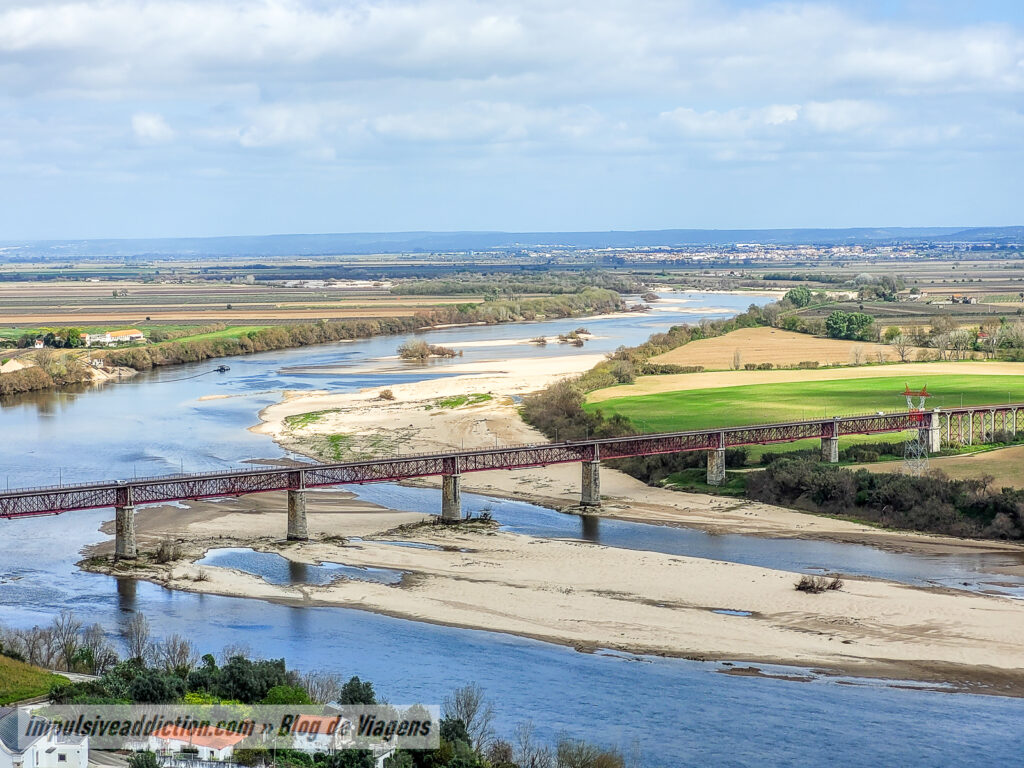
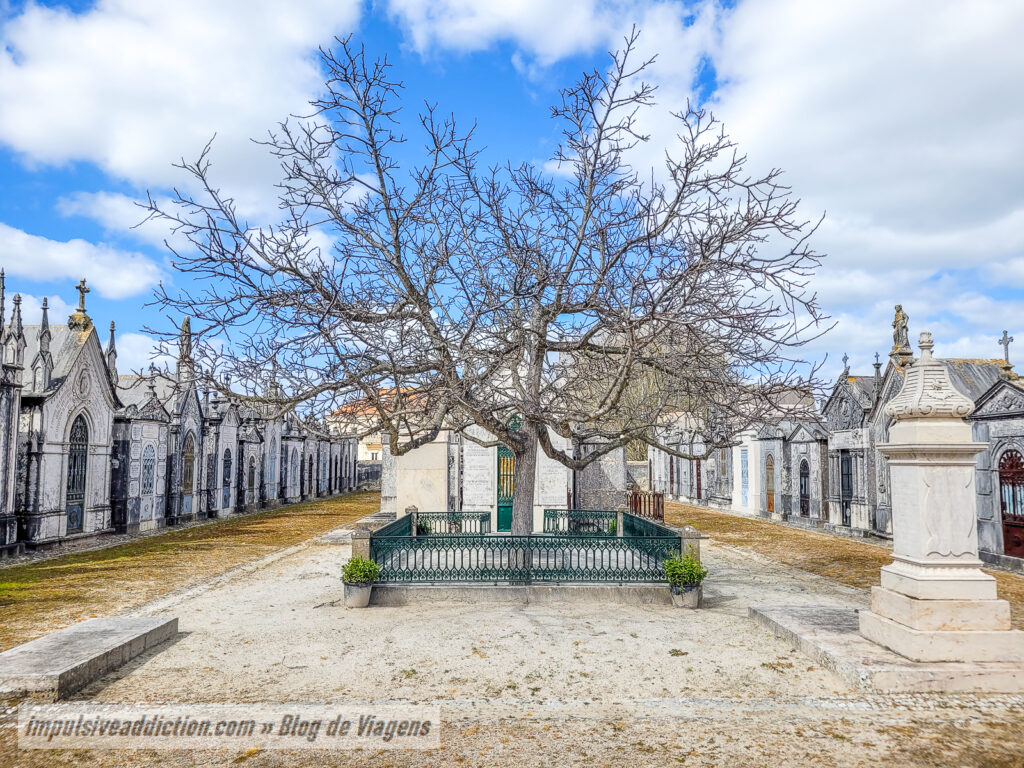
Optionally, you can visit the Miradouro do Cemitério dos Capuchos, a quiet spot with sweeping views over the lezíria and the Tagus River. Set within the grounds of the former Capuchos complex, it offers a contemplative experience where the landscape stretches as far as the eye can see. The contrast between the cemetery, a symbol of memory, and the fertile horizon makes this viewpoint one of the most poetic in the city.
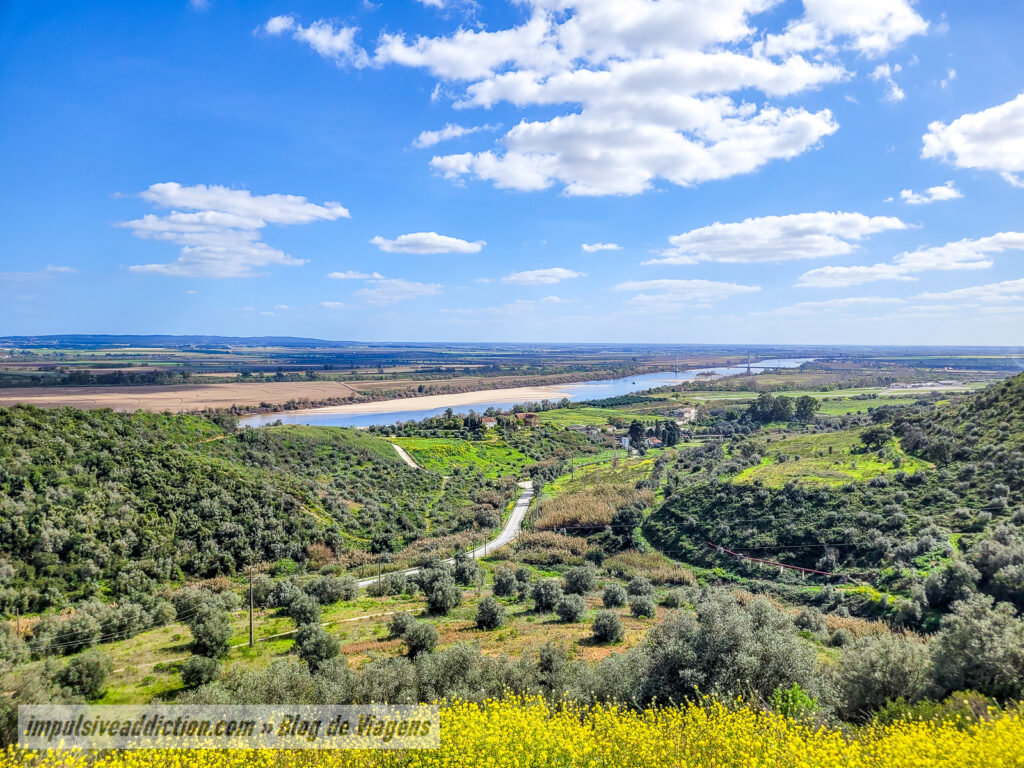
32. Miradouro Sudeste
Continuing the tour of Santarém’s lesser-known viewpoints, we reach the Miradouro Sudeste, which offers a more secluded and intimate perspective over the Tagus Valley.
33. CNEMA – National Exhibition Centre for Agriculture and Markets
Returning to Santarém’s contemporary urban energy, we arrive at CNEMA, a vast exhibition centre inaugurated in 1994 and located on the former Quinta das Cegonhas estate. It is the stage for the renowned National Agriculture Fair / Ribatejo Fair and hosts equestrian, cultural, gastronomic, and business events throughout the year. Covering 64 hectares and equipped with multiple versatile facilities, CNEMA stands as a living symbol of Santarém’s agricultural heritage and innovative spirit.
34. Miradouro da Rafoa
Returning to the city’s scenic side, we find the Miradouro da Rafoa, one of Santarém’s most peaceful and discreet viewpoints. Located in an elevated, wooded area, it offers an alternative perspective over the lezíria and the urban fabric of Santarém. It’s one of those places where time seems to slow down—ideal for those who enjoy reading, writing, or simply watching the subtle movements of the Ribatejo landscape. Often overlooked by tourists, it remains a well-kept secret among locals.
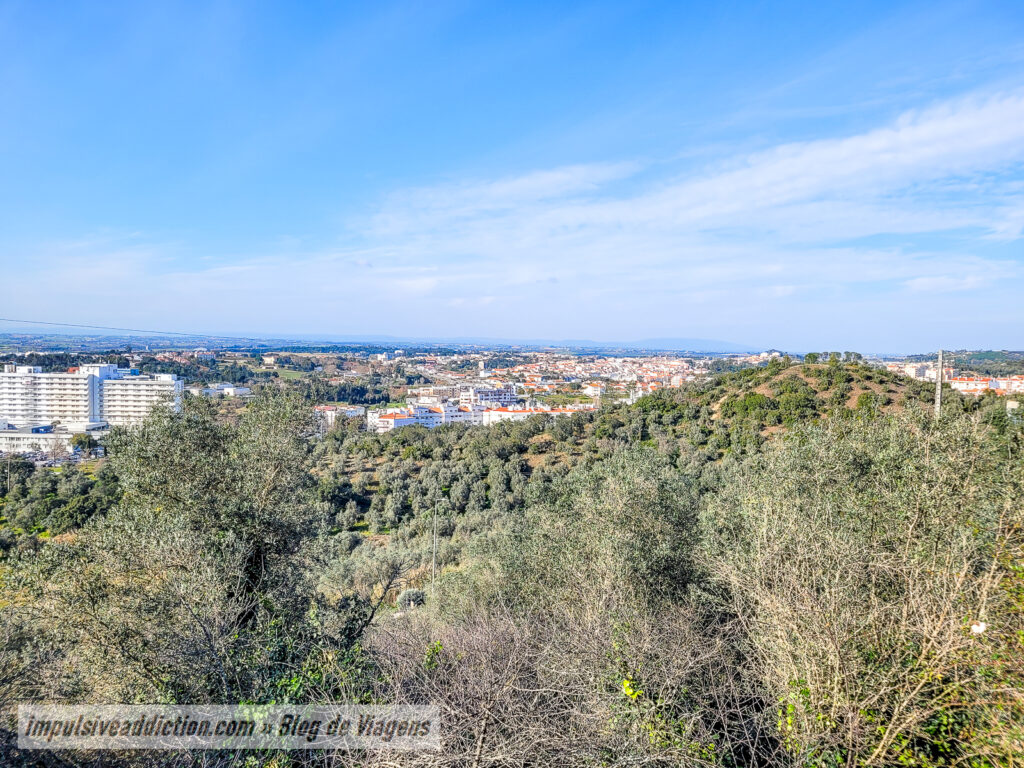
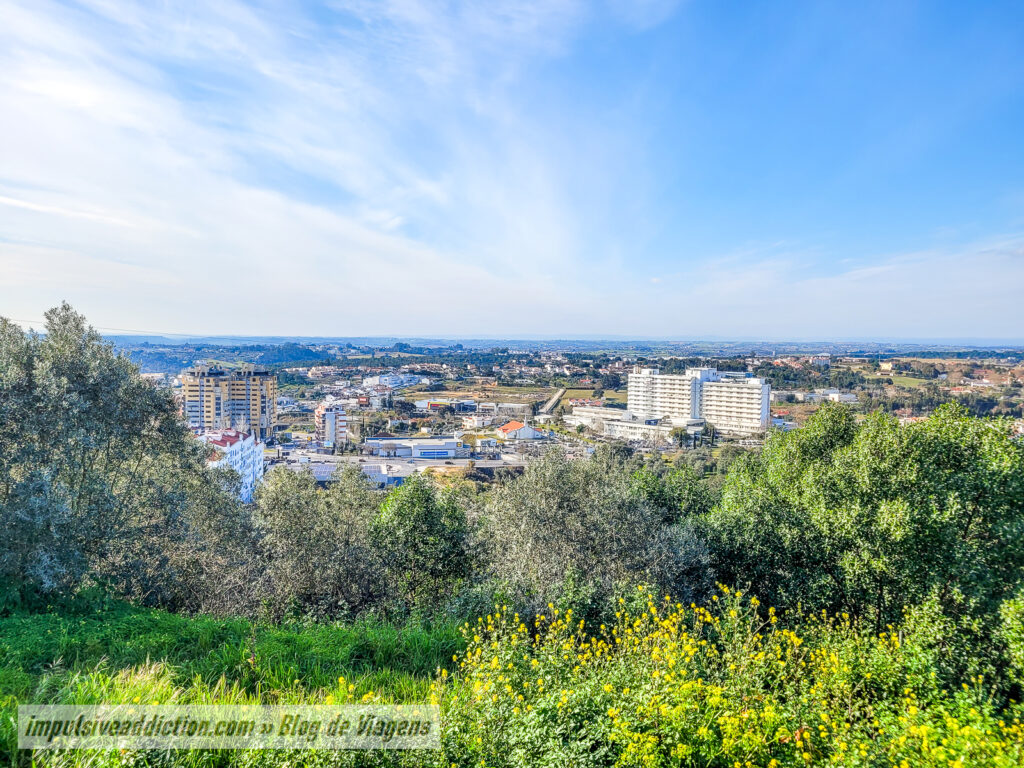
35. Capela do Monte
At the highest point of the city, the Chapel of Our Lady of the Hill stands with simplicity and history. Founded between the 12th and 13th centuries as part of the Leper Hospital of Saint Lazarus and classified as a National Monument, it still preserves traces of its Gothic and Mannerist design. Located in a more discreet area, this chapel offers a moment of spiritual retreat and a gentle view over the city, closing the heritage tour with a note of serenity.
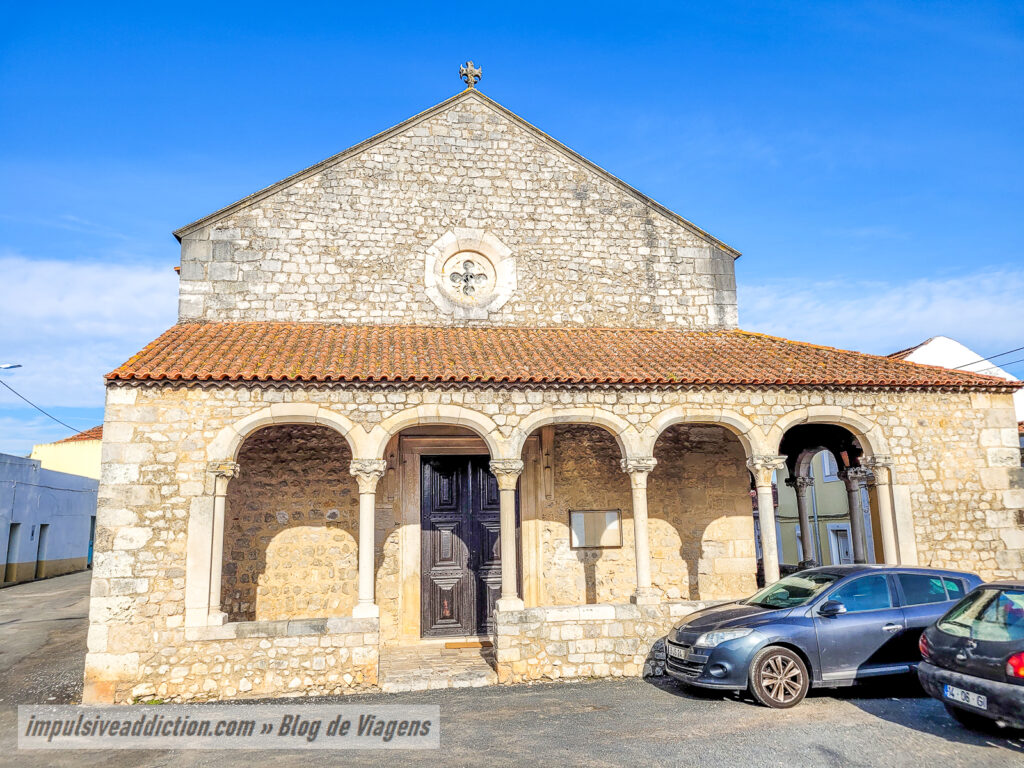
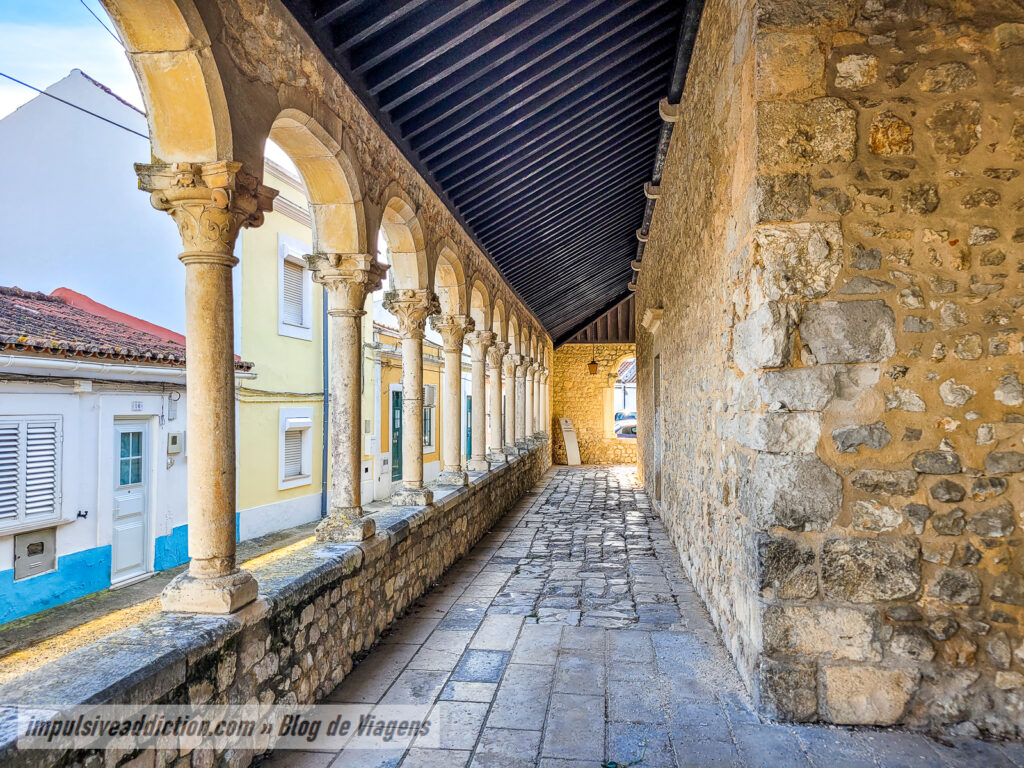
36. Municipal Aquatic Complex of Santarém
To wrap up the tour on a lighter note, the Municipal Aquatic Complex of Santarém, inaugurated in 2002 and fully operational during the summer (from 10 a.m. to 7 p.m.), offers wave pools, slides, a jacuzzi, play areas, and a landscaped lawn with an esplanade. It’s perfect for families or visitors looking to unwind after a morning exploring the city’s heritage. With online ticketing and a safe environment, it’s a refreshing and highly recommended alternative.
Visiting Alcanede and the PNSAC
In the outskirts of Santarém, still within the municipality, there are several attractions to discover — particularly around Alcanede and the PNSAC (Natural Park of the Aire and Candeeiros Mountains).
1. Alcanede Castle and Swing
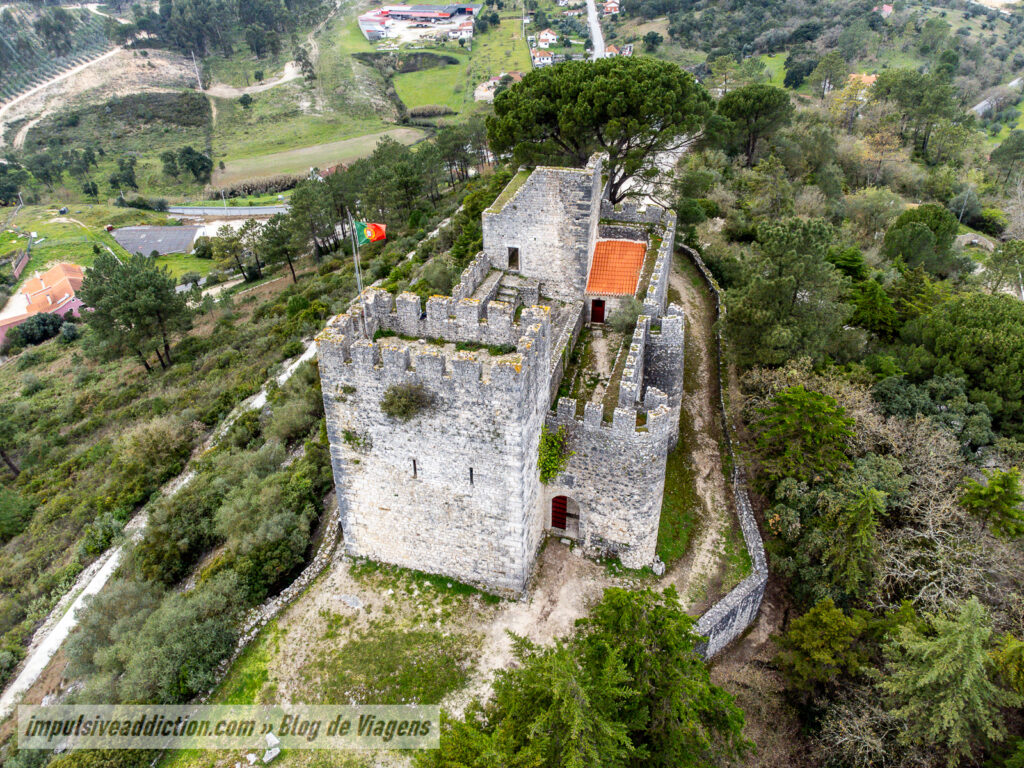
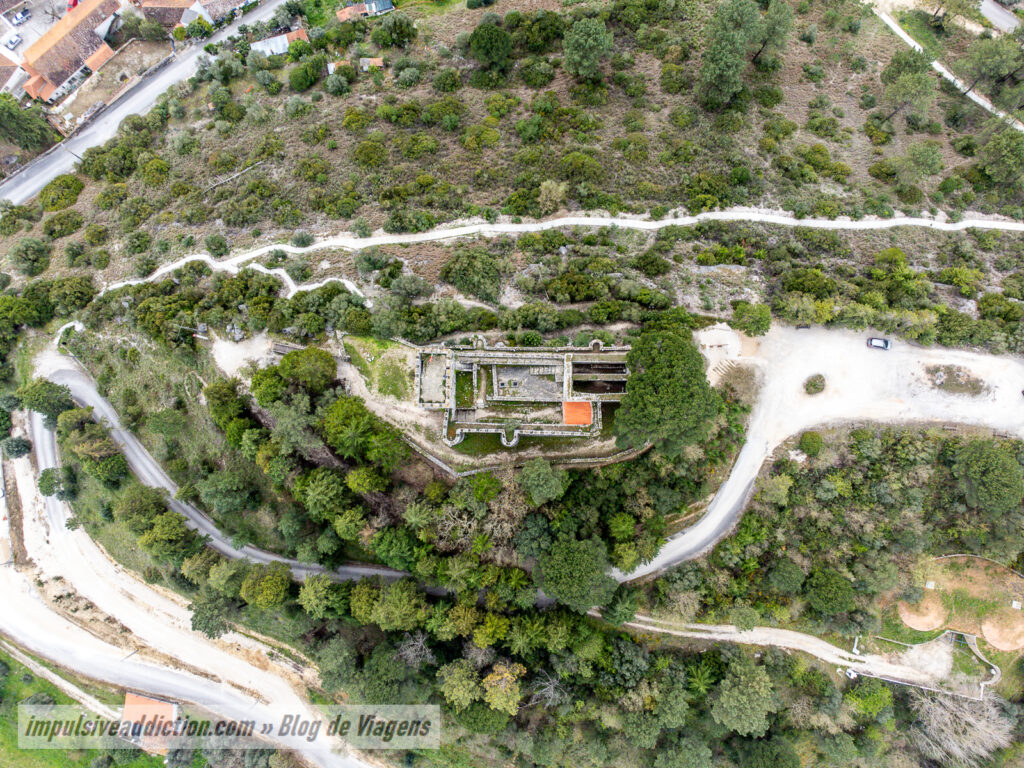
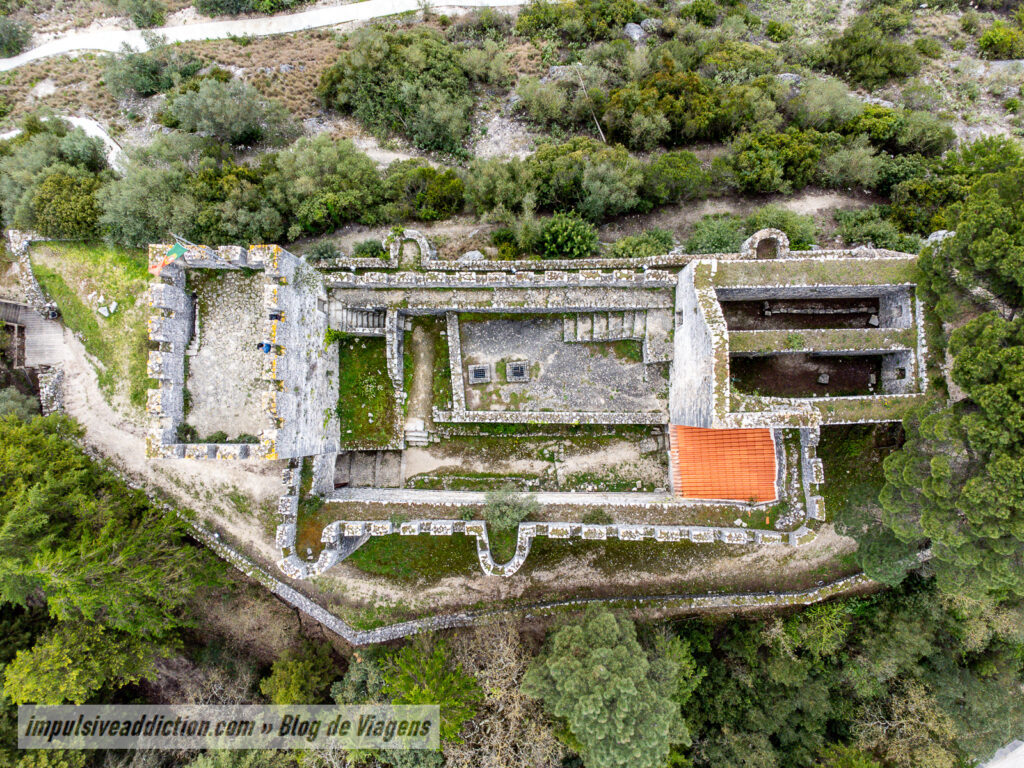
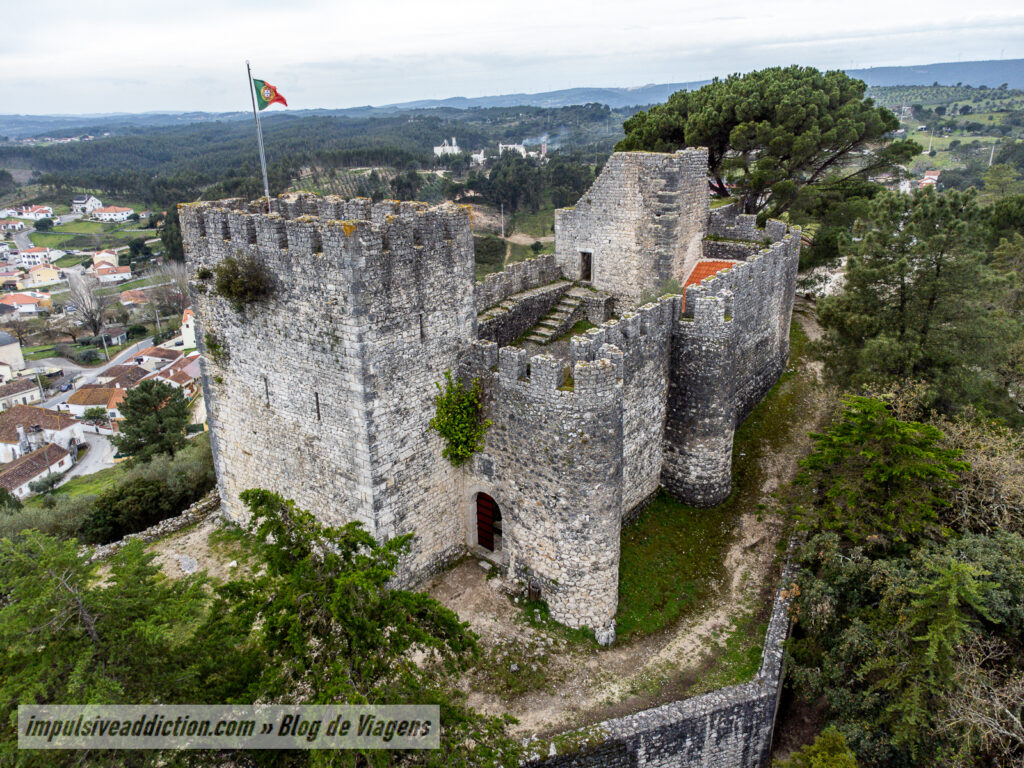
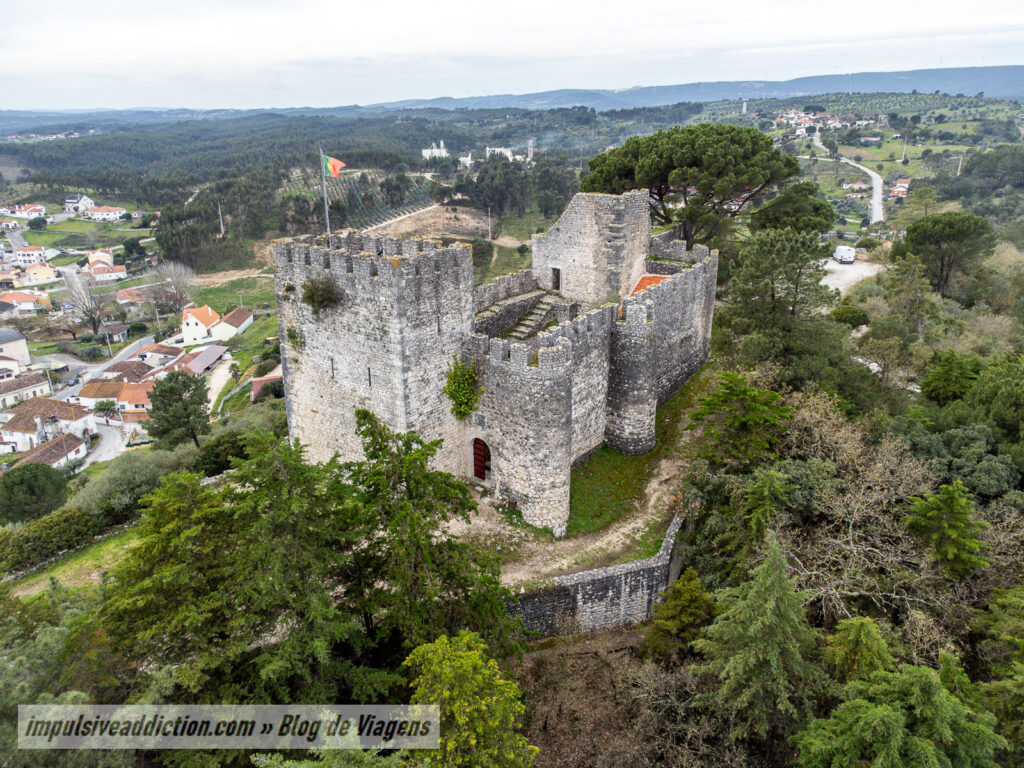
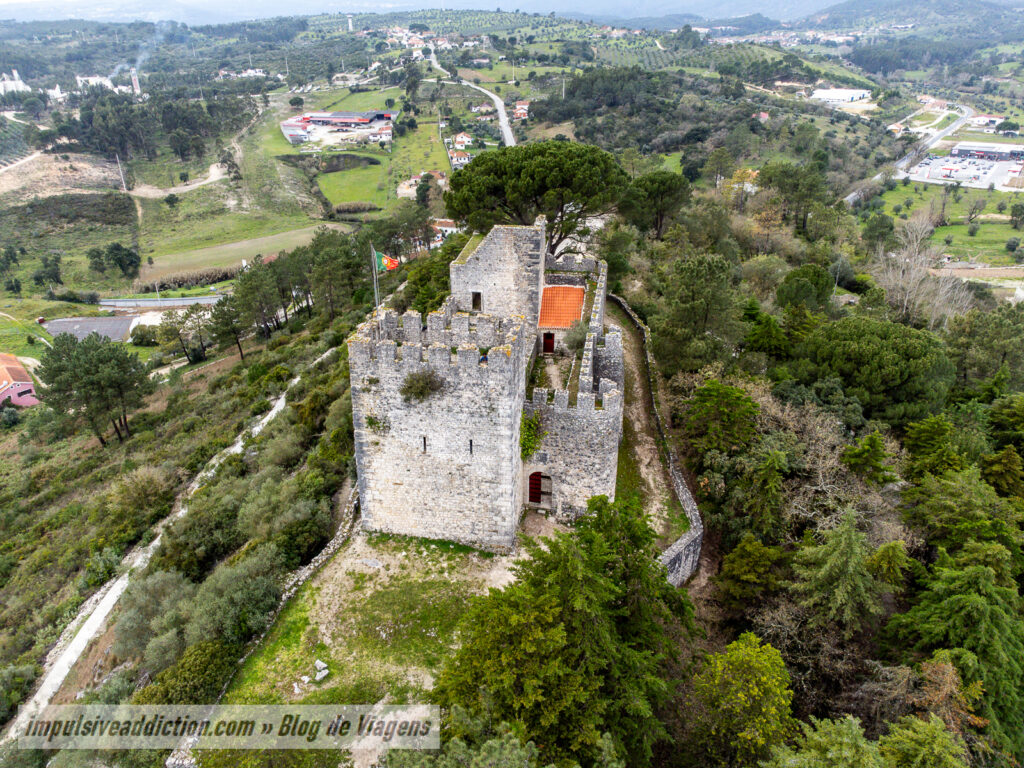
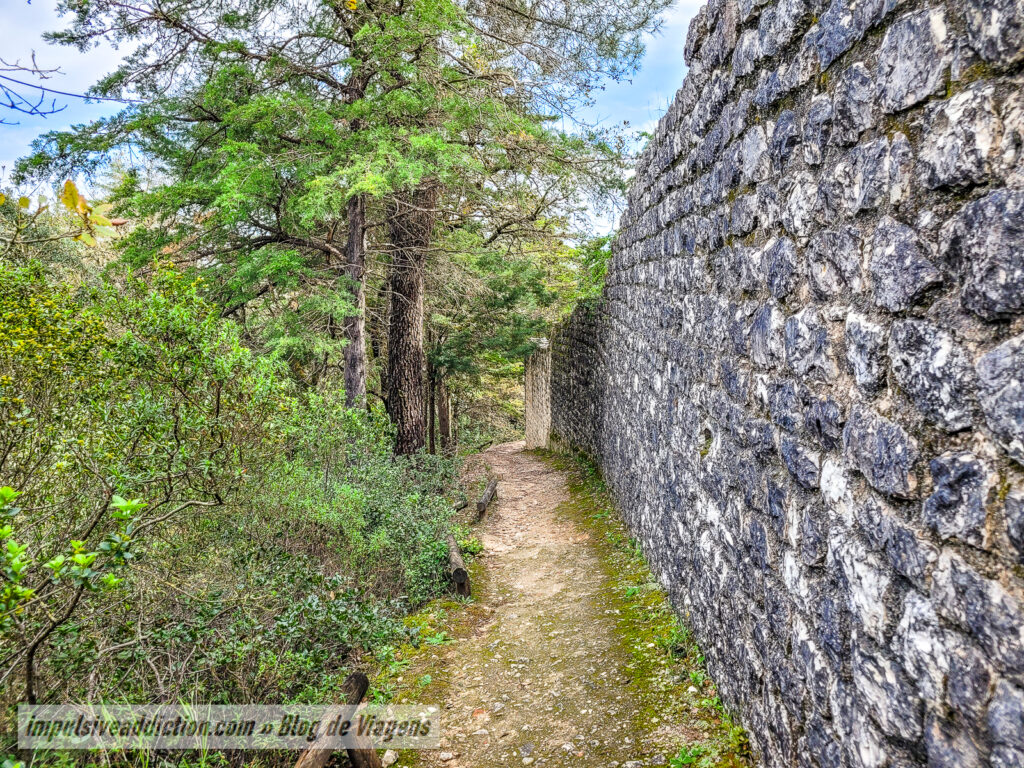
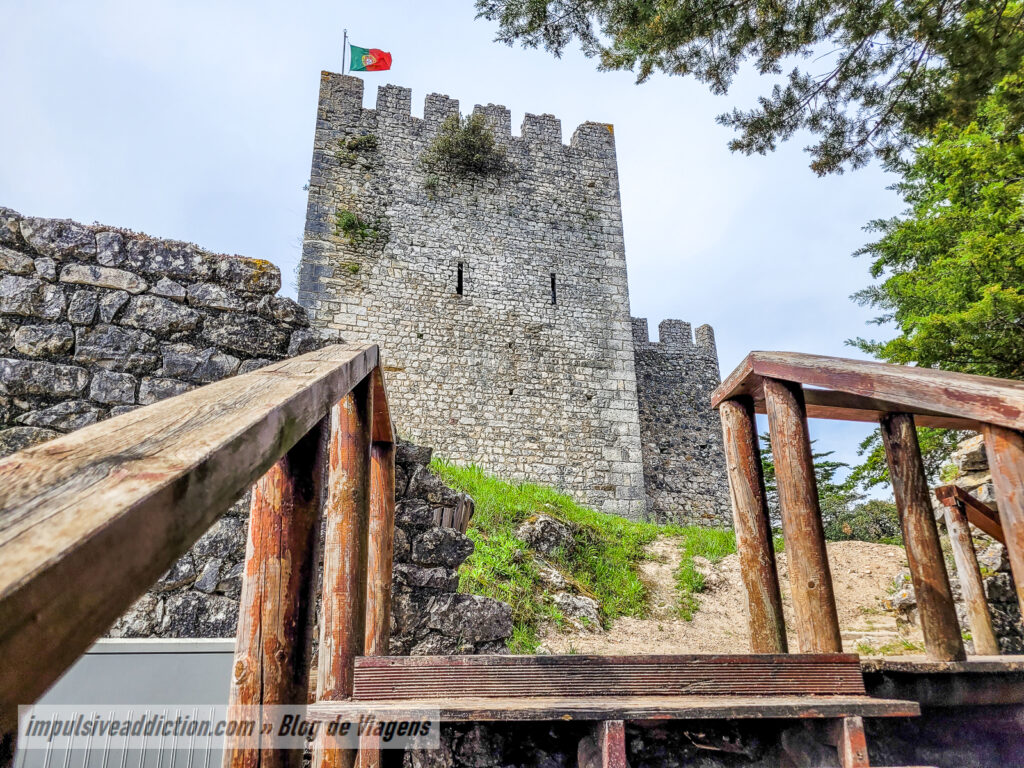
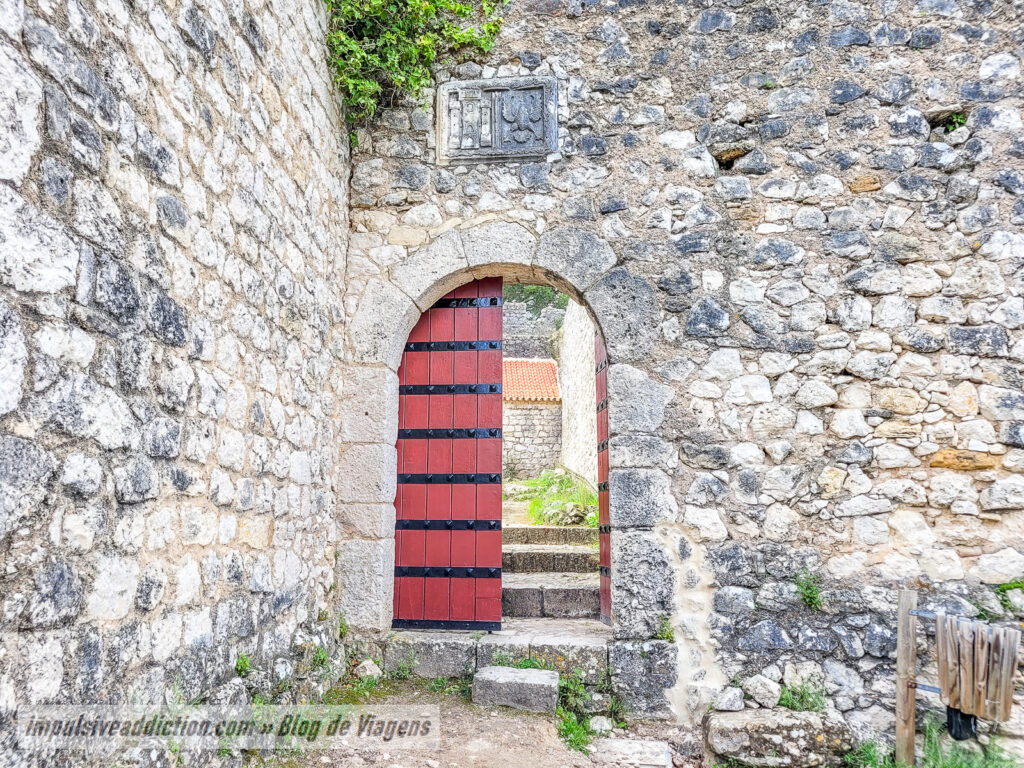
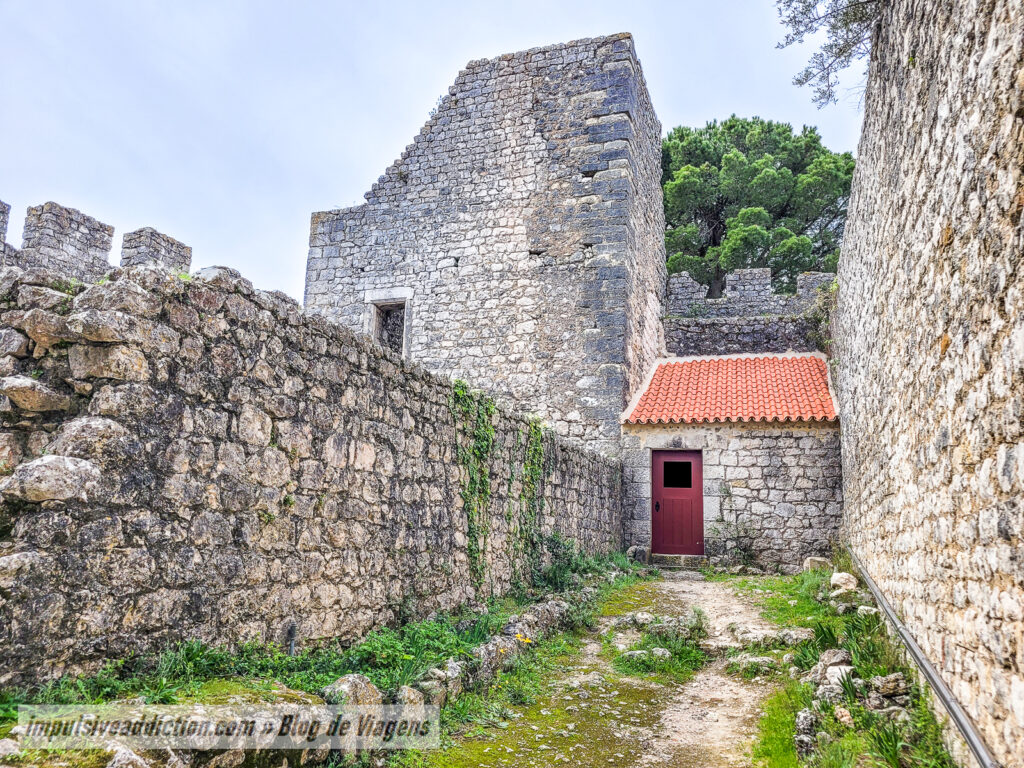
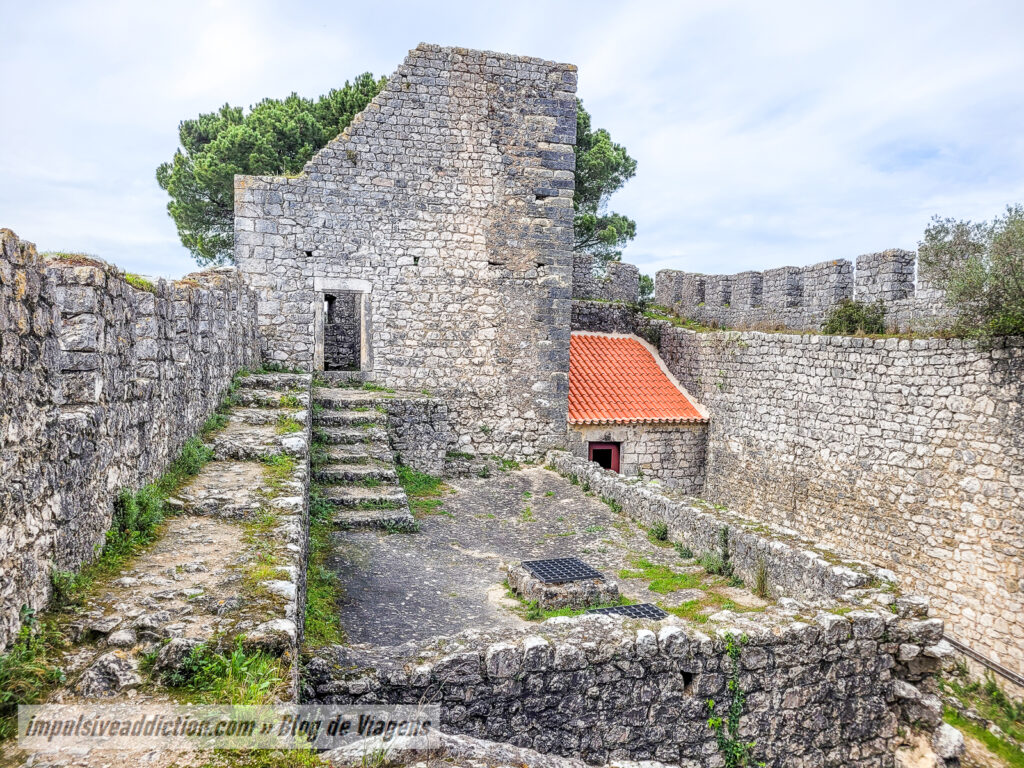
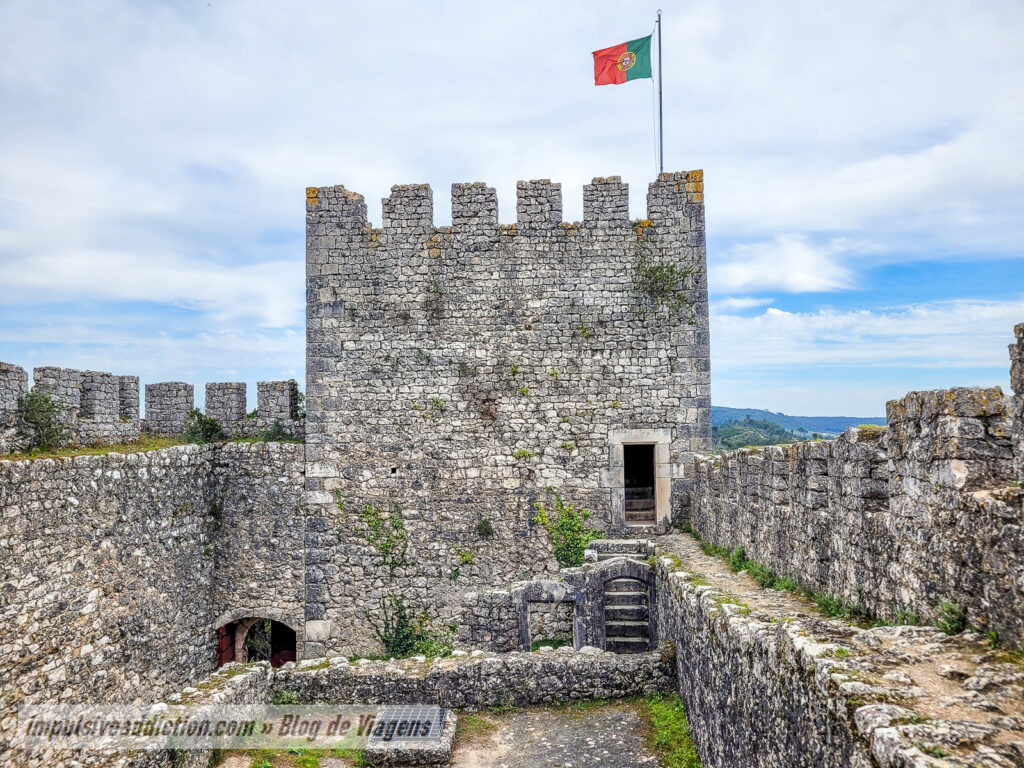
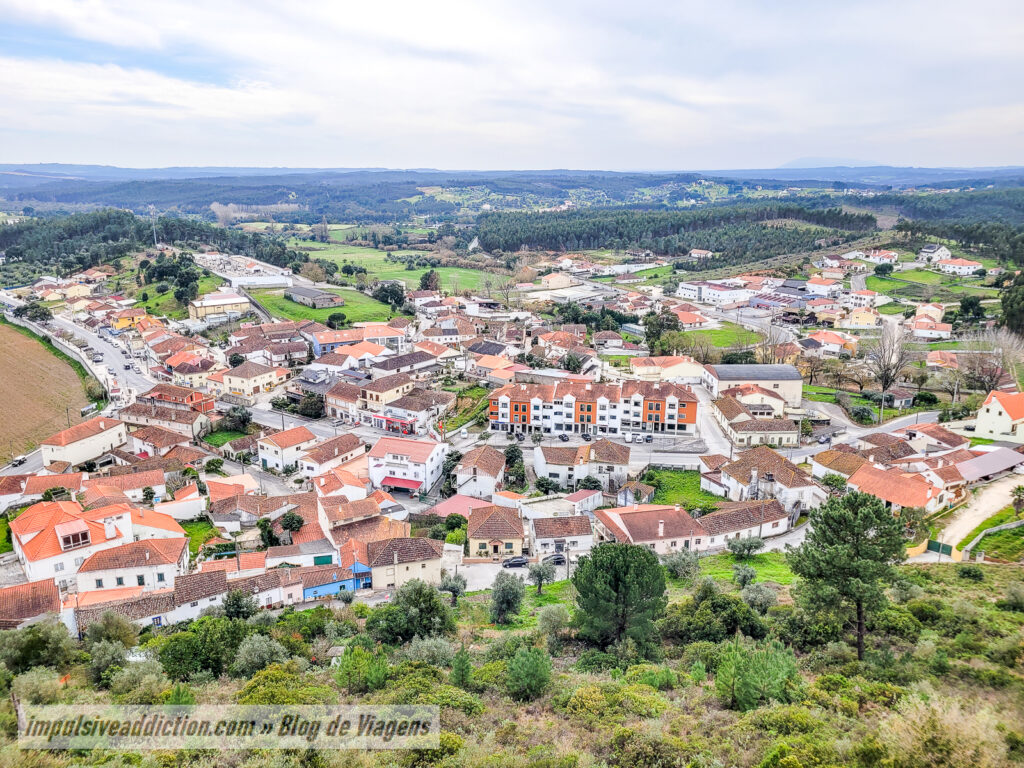
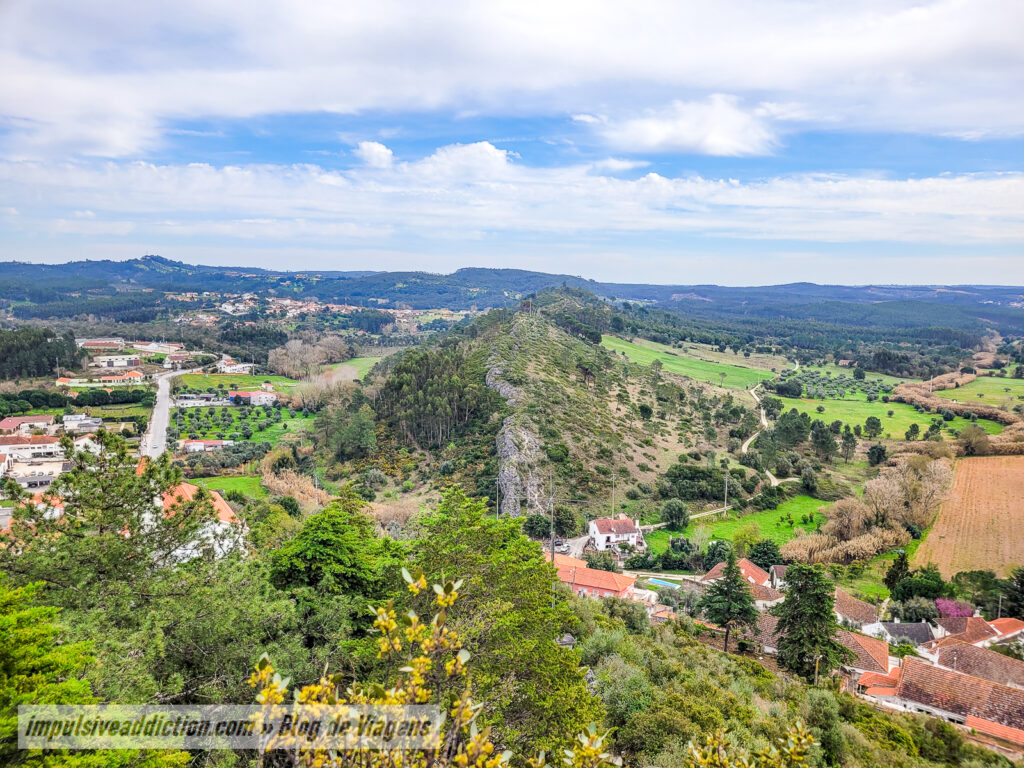
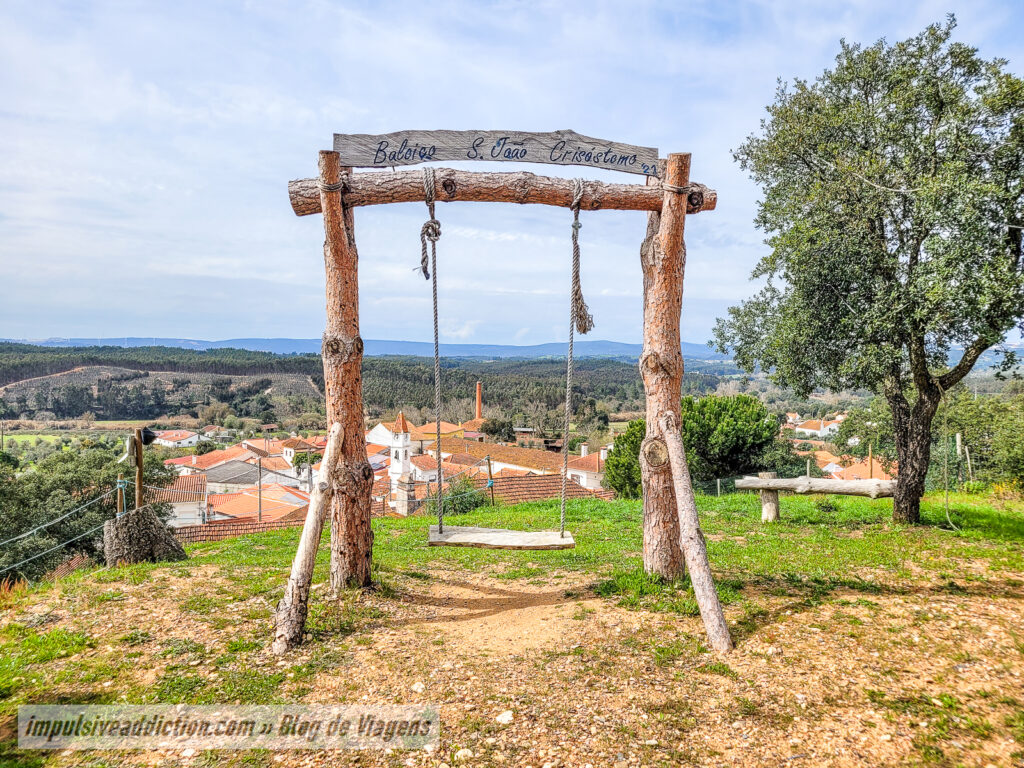
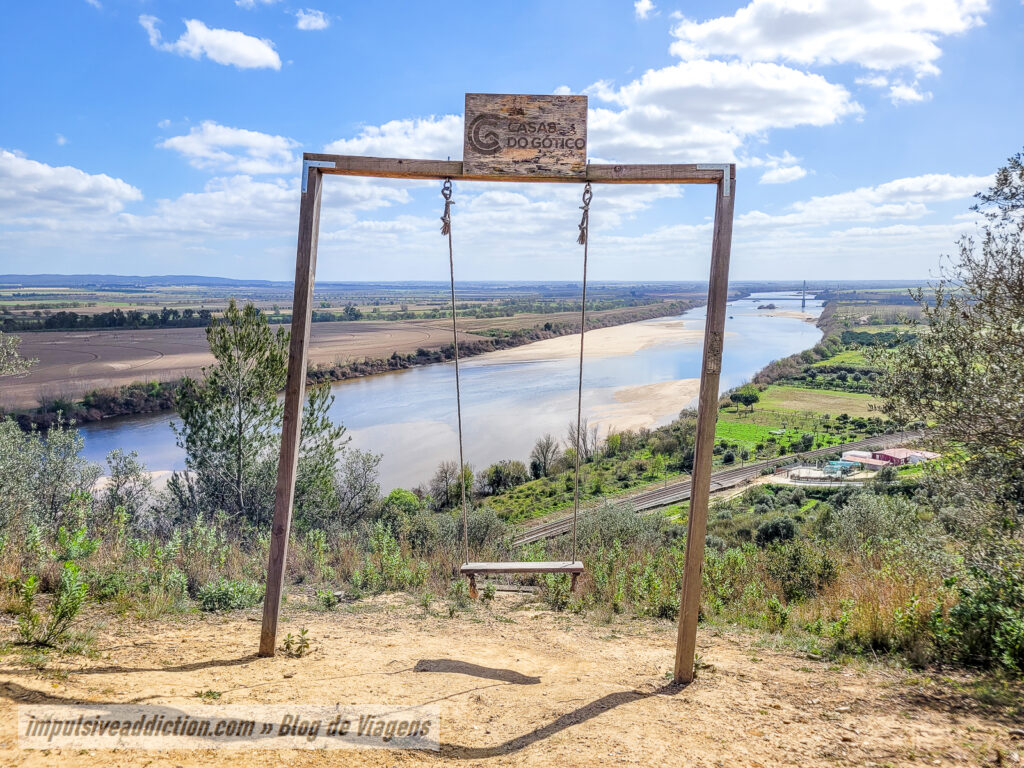
Alcanede Castle, perched on a hill overlooking the village, is a remarkable example of 12th-century medieval military architecture, built shortly after the Christian reconquest of the region. With its towers in ruins but sections of the walls still preserved, it offers a striking glimpse into the defensive past of the Ribatejo. Next to the walls, the modern panoramic swing invites visitors to take a moment’s pause and admire the rural landscape stretching for miles.
2. Parish Church of Alcanede and Church of Mercy
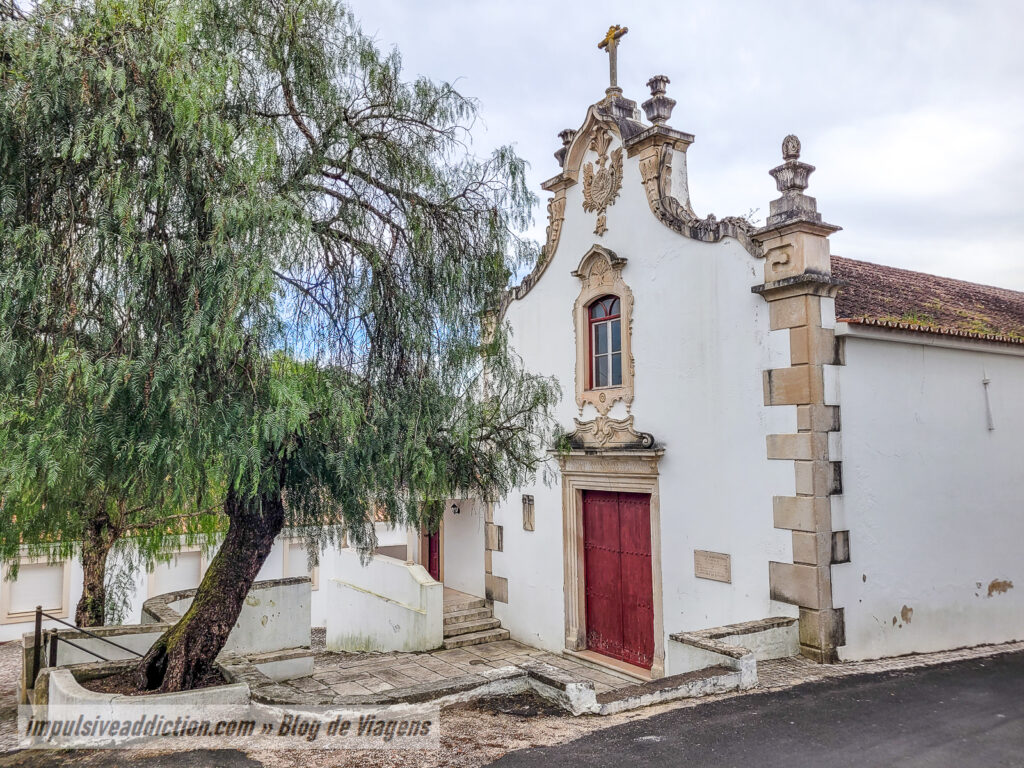
In the heart of the village, the Parish Church of Alcanede stands as a testament to local devotion, with medieval origins and several renovations over the centuries. Its interior displays elements of popular sacred art and a welcoming atmosphere. Just a few meters away, the 17th-century Church of Mercy completes this small spiritual cluster. Together, these churches form the religious and community core of the village.
3. Pillory of King Afonso Henriques
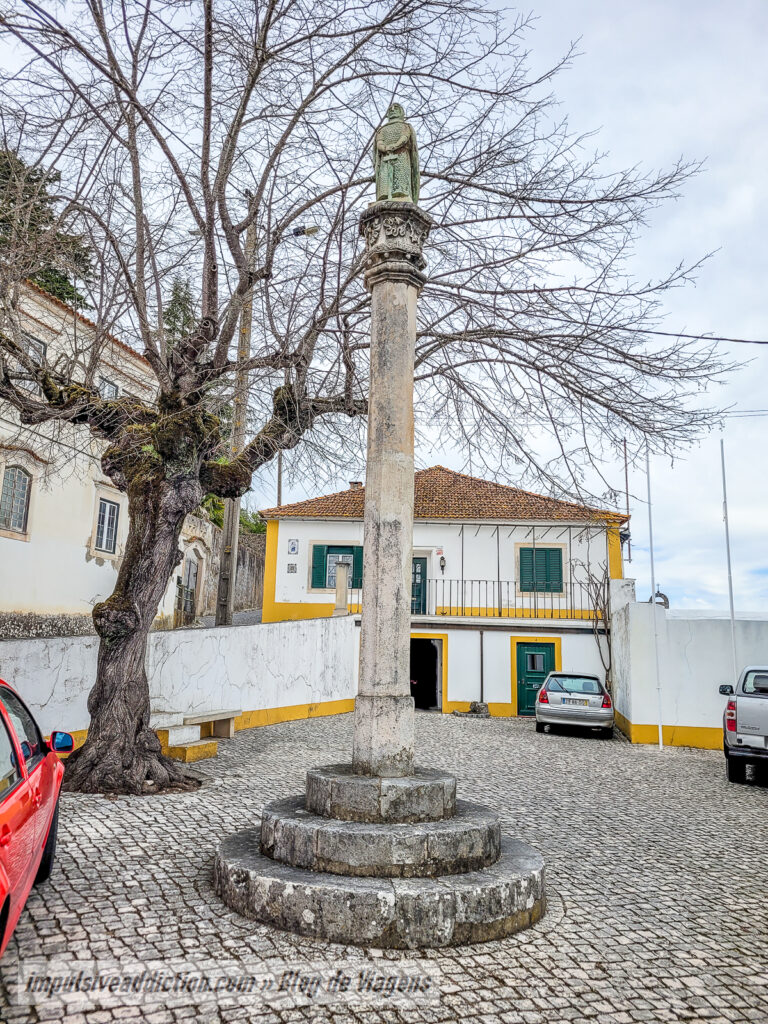
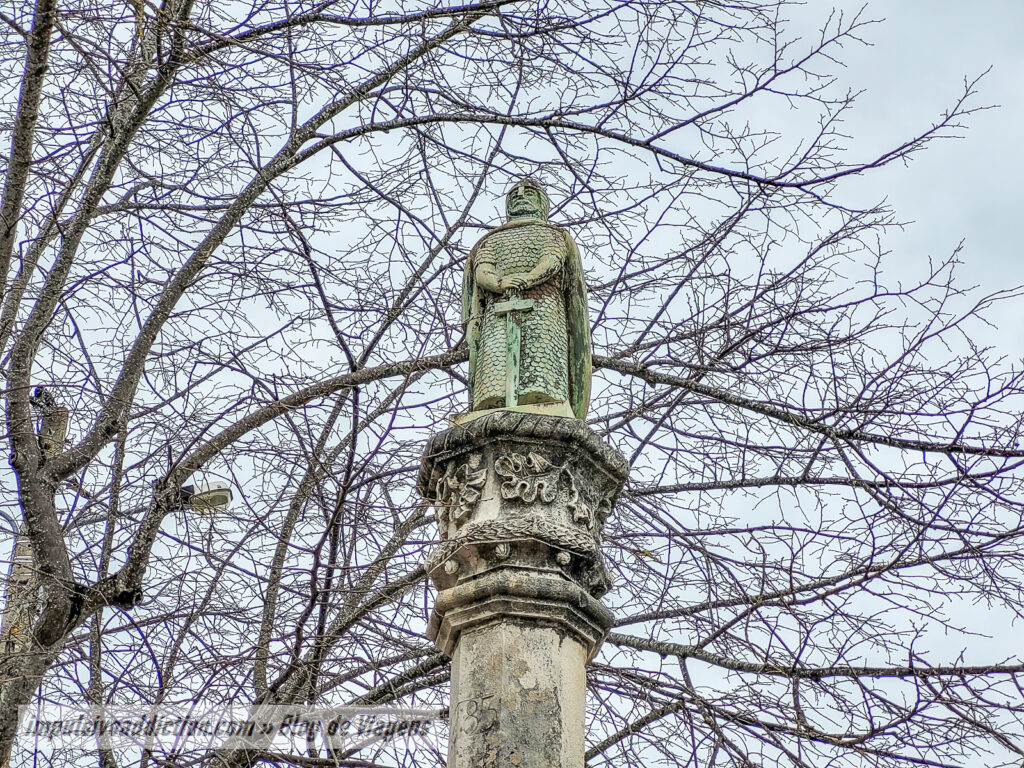
In the center of the village, the Pillory of Alcanede stands as a symbol of the former municipal autonomy, although the current monument was only built in 1883, during a period of renewed appreciation for the medieval past. It features a circular limestone stepped base and a shaft with revivalist decoration inspired by the Manueline style. Although no physical remains of the original pillory survive, it is highly likely that one existed since the 12th century, when King Afonso Henriques granted the village its charter, establishing its rights and jurisdiction. The statue of the founder of the nation, placed at the top in 1988, reinforces the symbolic character of this landmark.
4. São Crisóstomo Swing
5. Alto Lavradio Swing
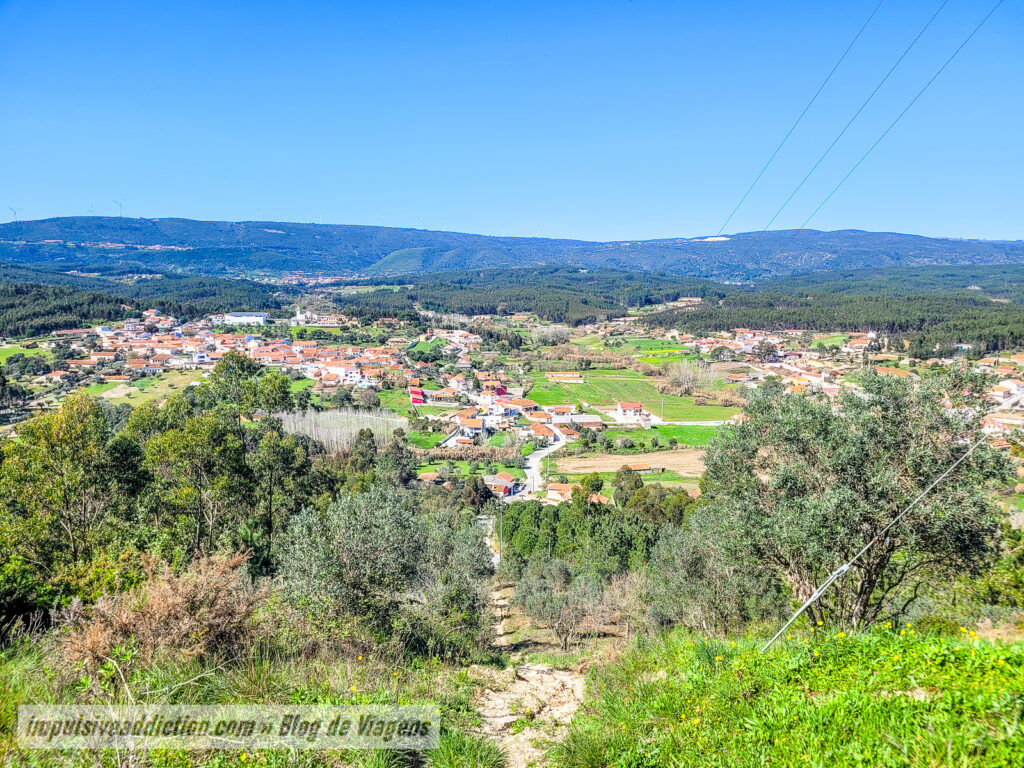
6. Hermitage of Nossa Senhora das Neves
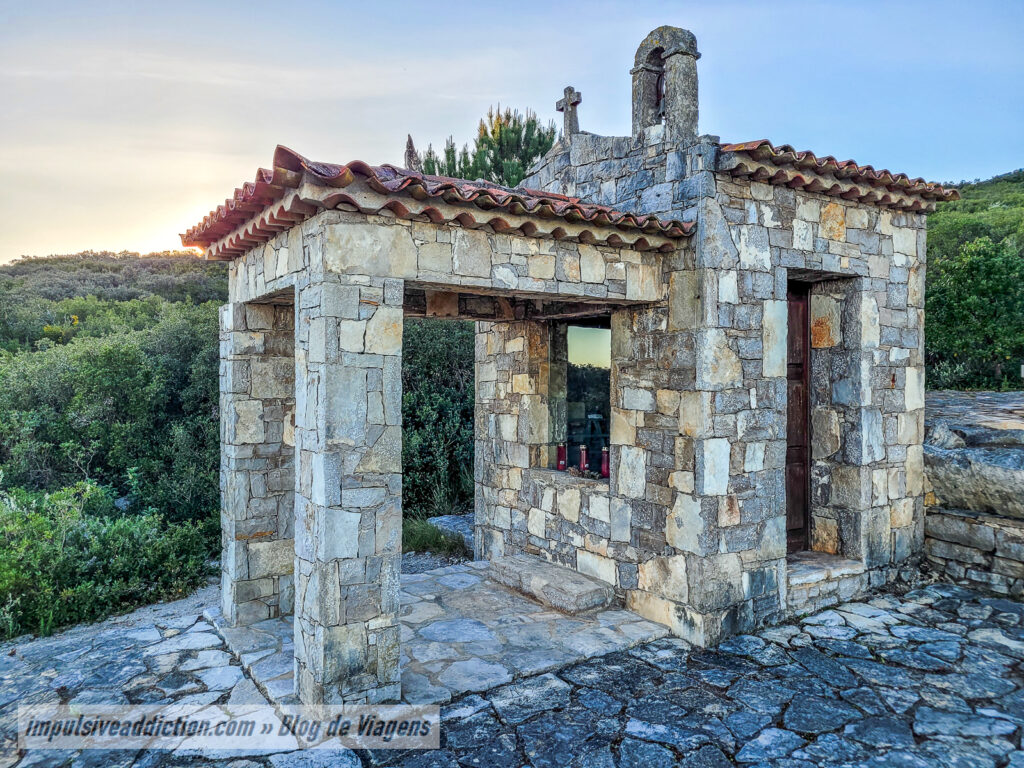
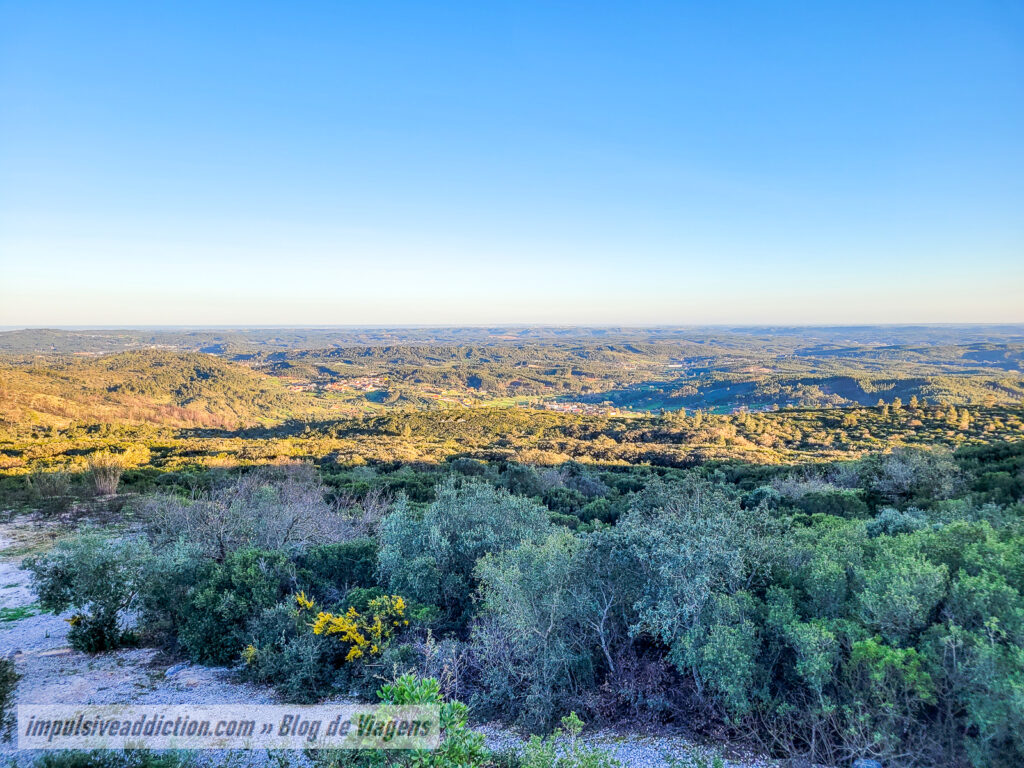
7. Valverde Lagoon
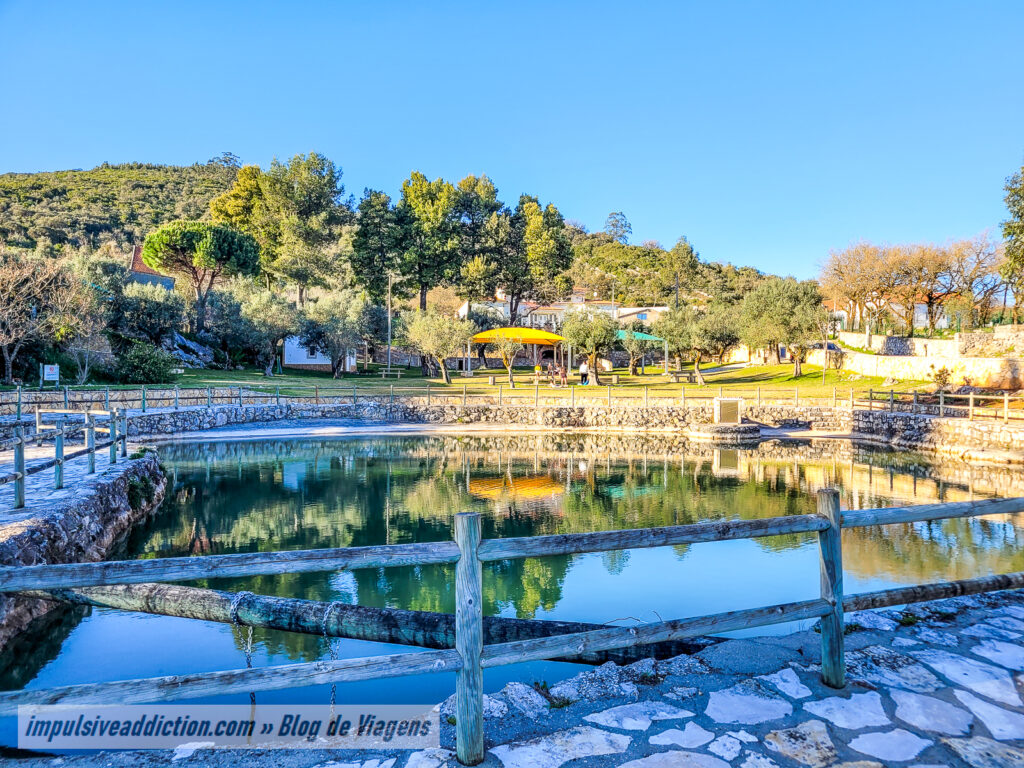
8. Dinosaur Footprints of Vale dos Meios
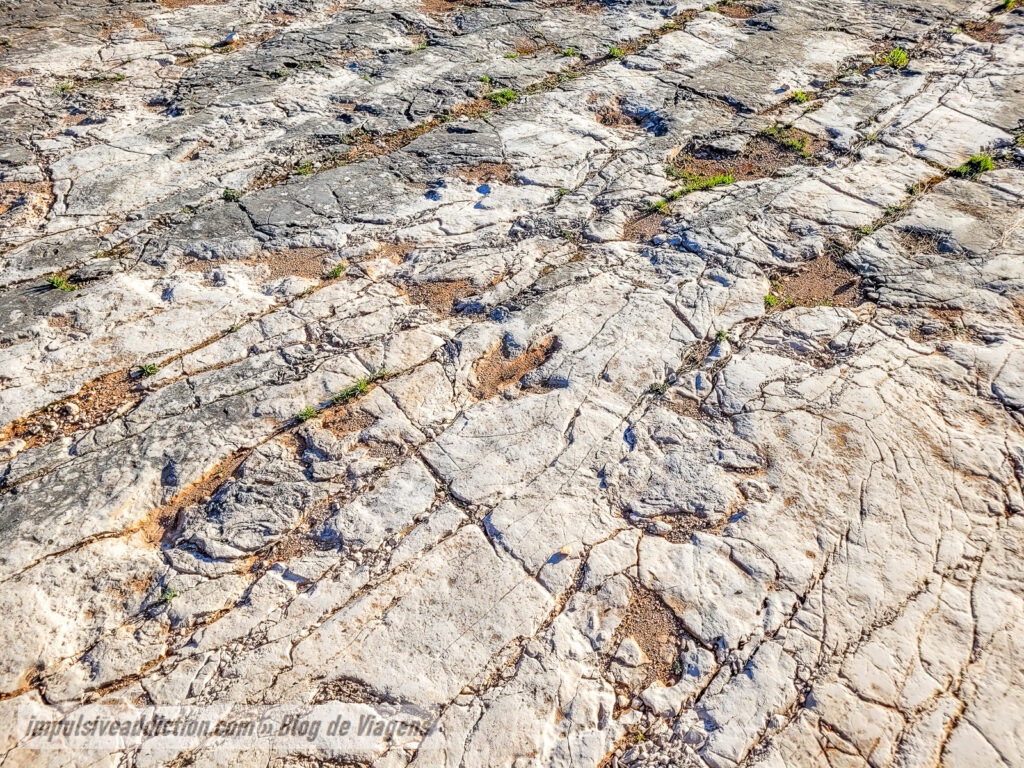
On the limestone slopes of the Serra de Aire, Vale de Meios preserves one of the most impressive dinosaur tracksites in Portugal. Dating from the Middle Jurassic, around 170 million years ago, these footprints were left by large theropods — bipedal carnivorous dinosaurs — that once walked across a muddy terrain, now fossilized into extensive slabs. In addition to the hundreds of tridactyl trackways attributed to the ichnotaxon Megalosauripus, paleontologists have also identified some footprints of sauropods, the giant quadrupedal herbivores, revealing a habitat rich in Jurassic biodiversity. This site is currently classified as a geosite of international significance.


9. Algar do Pena
The Algar do Pena is one of the most impressive cavities in the limestone massif of the Serra de Aire, discovered by chance in 1985. About 40 meters deep, it features a monumental underground chamber filled with speleothems, offering visitors an unforgettable experience. Visits are always by prior appointment and organized through the Subterranean Interpretation Center of the Algar do Pena Cave (CISGAP), which manages access in a safe and informative way.
Other places to visit in the municipality of Santarém
Scattered throughout the municipality, you should also remember these spots, some of which are optional.
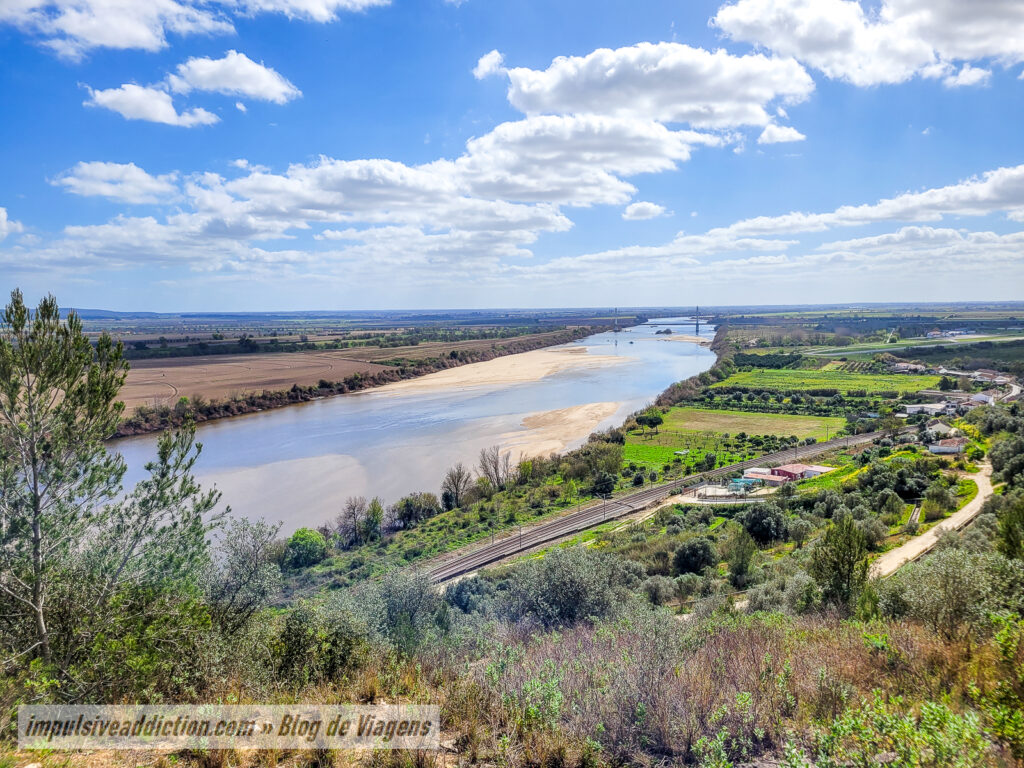
1. Tejo Swing
2. Avieira Village of Caneiras
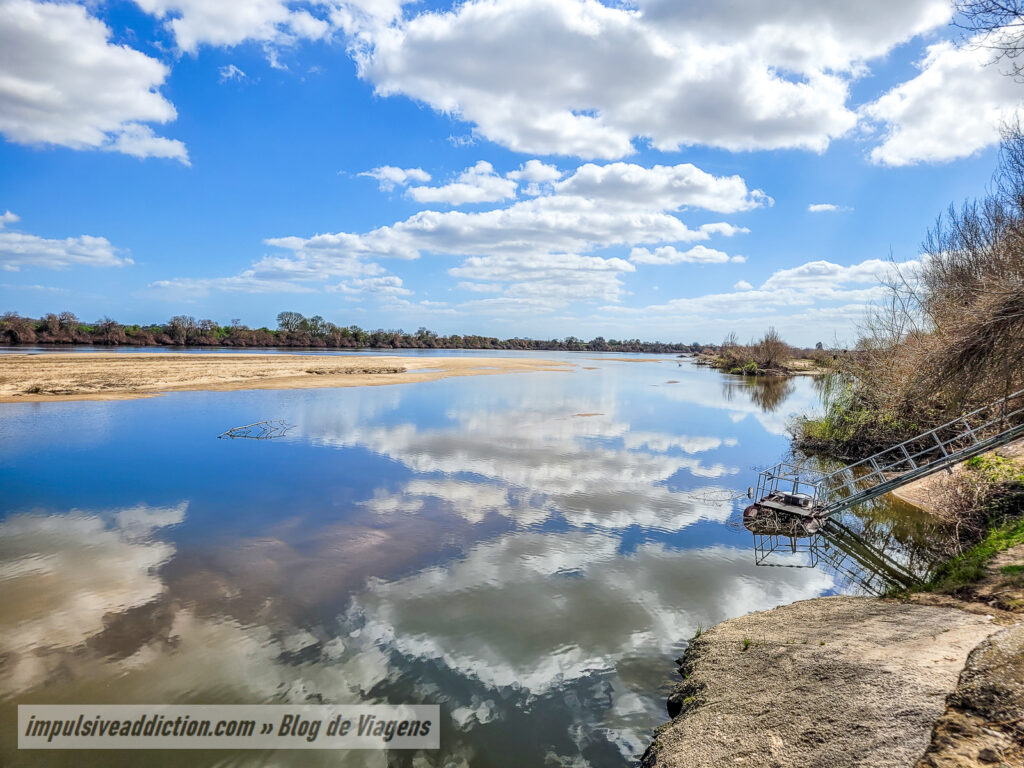
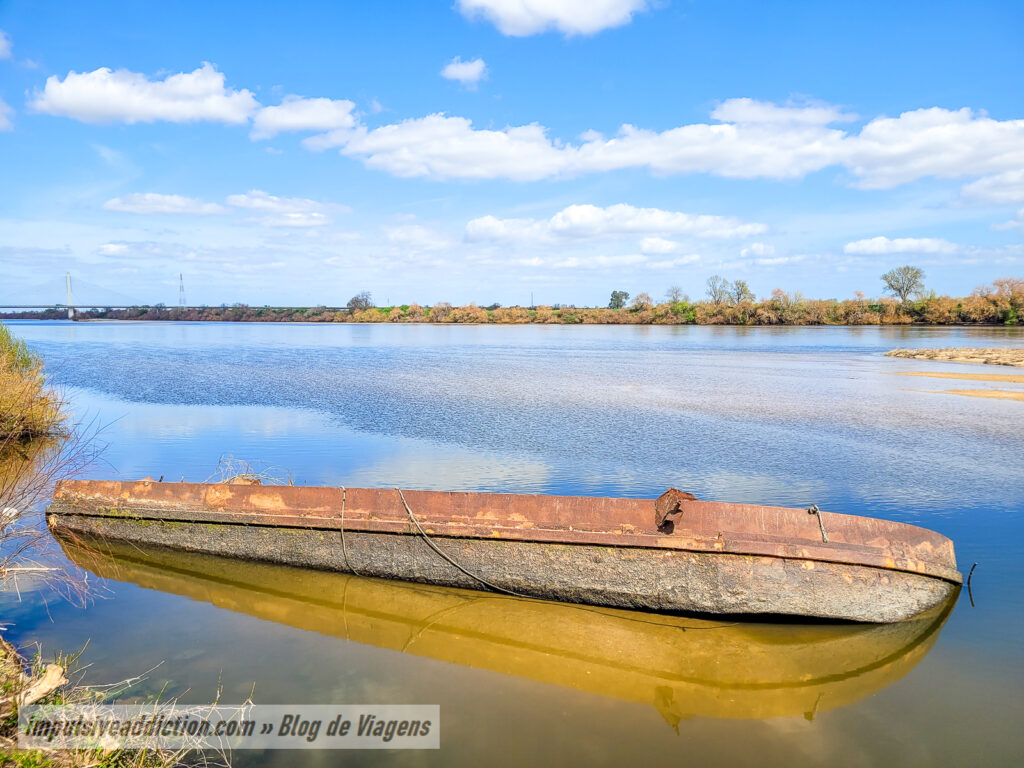
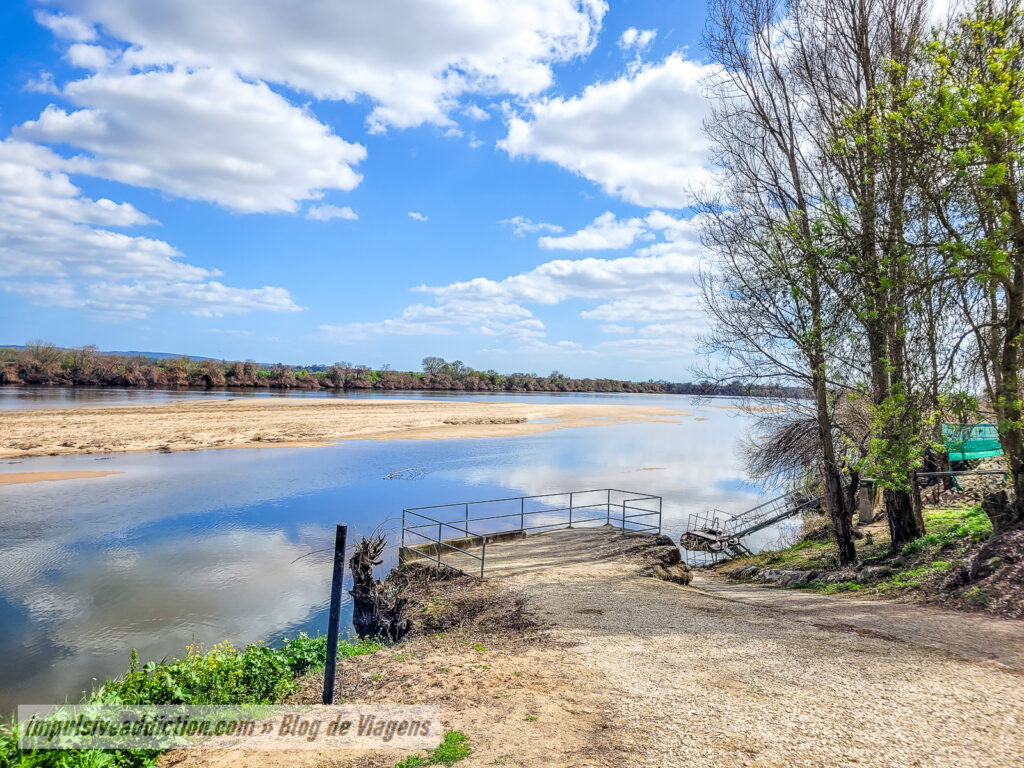
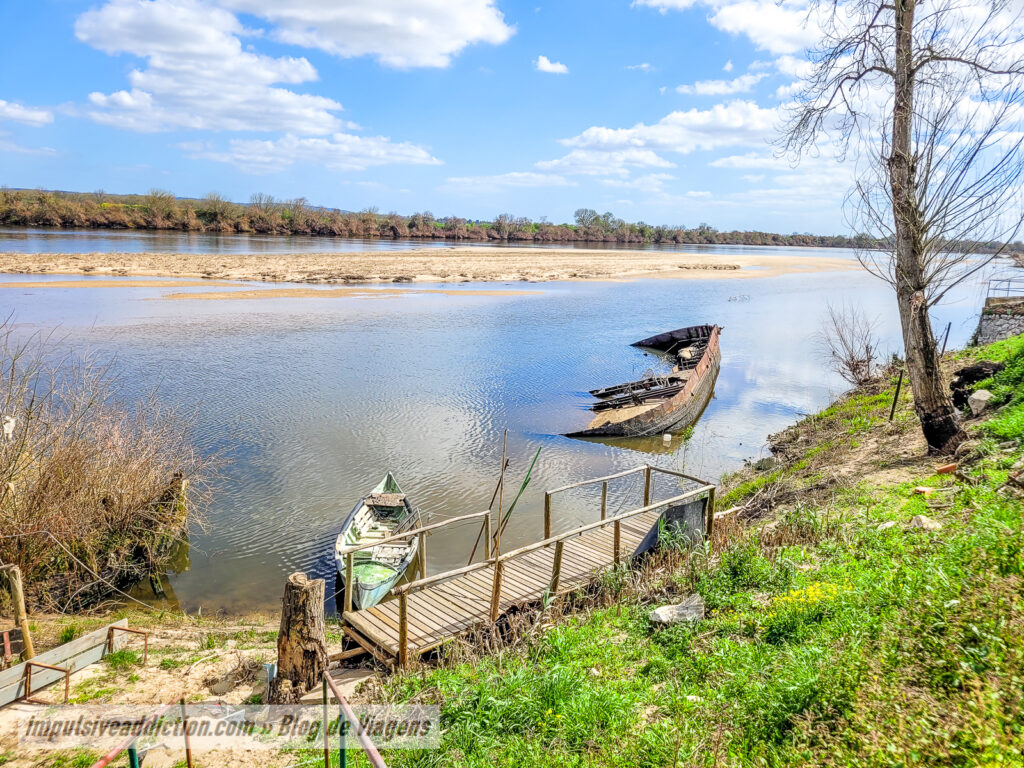
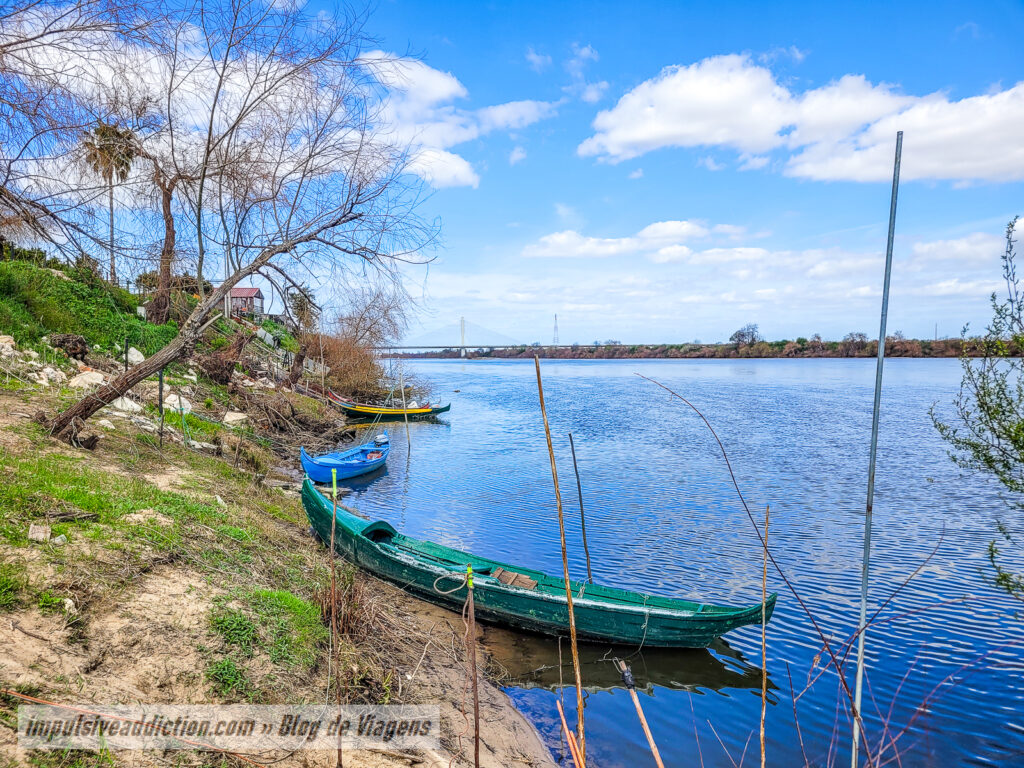
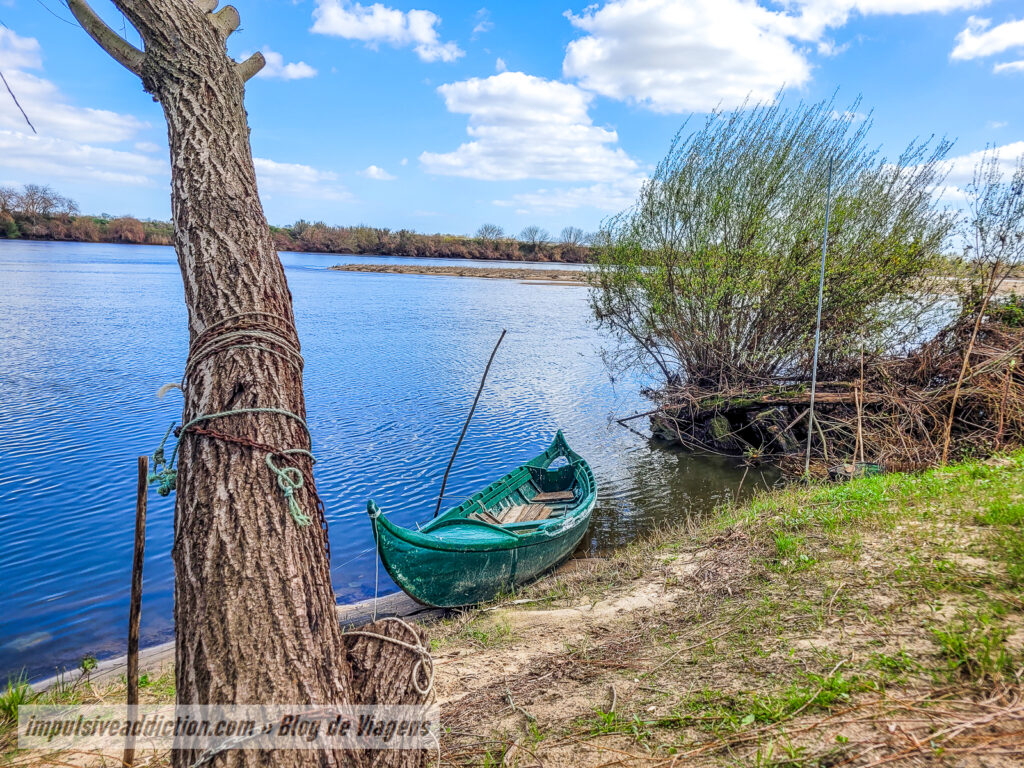
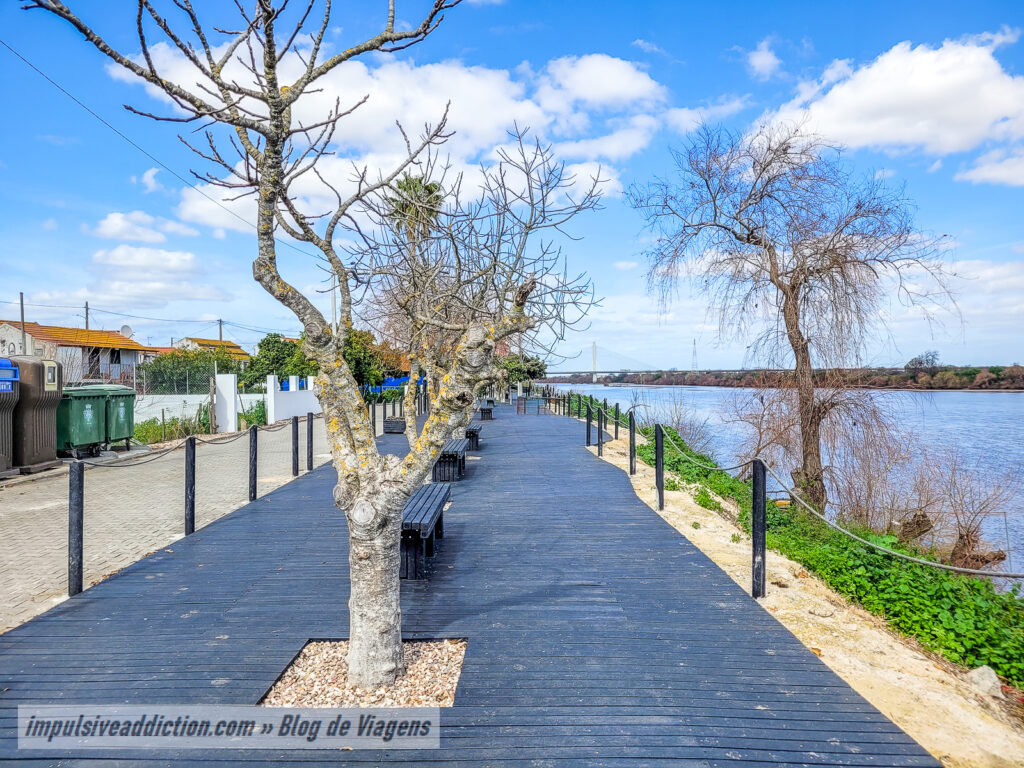
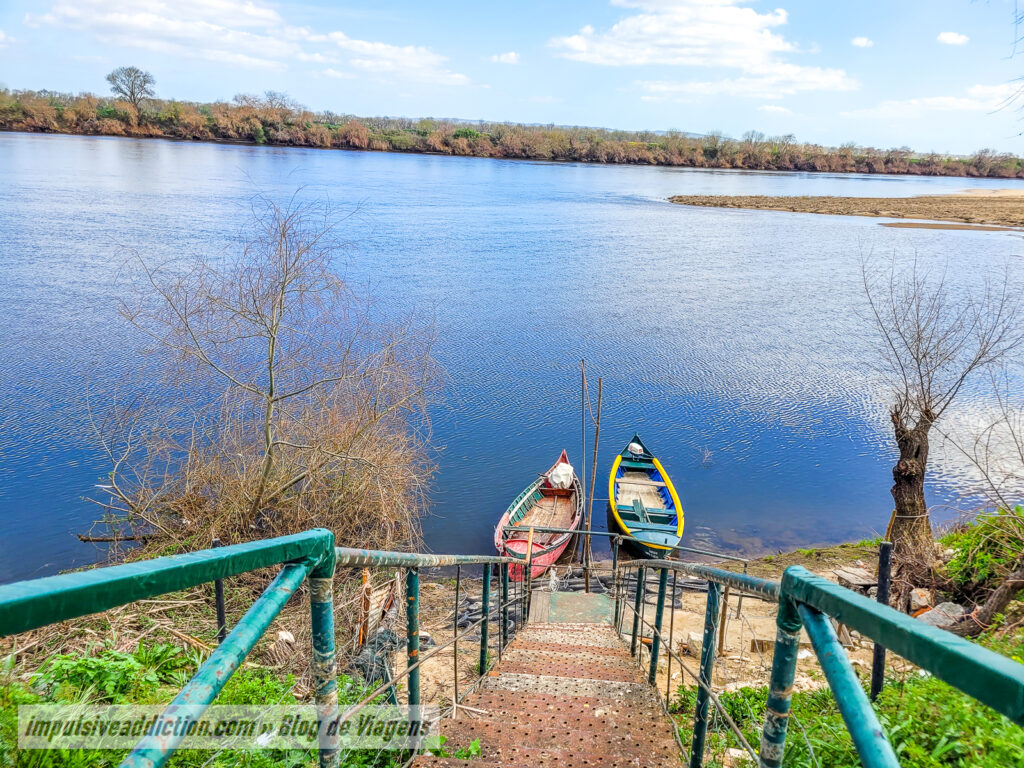
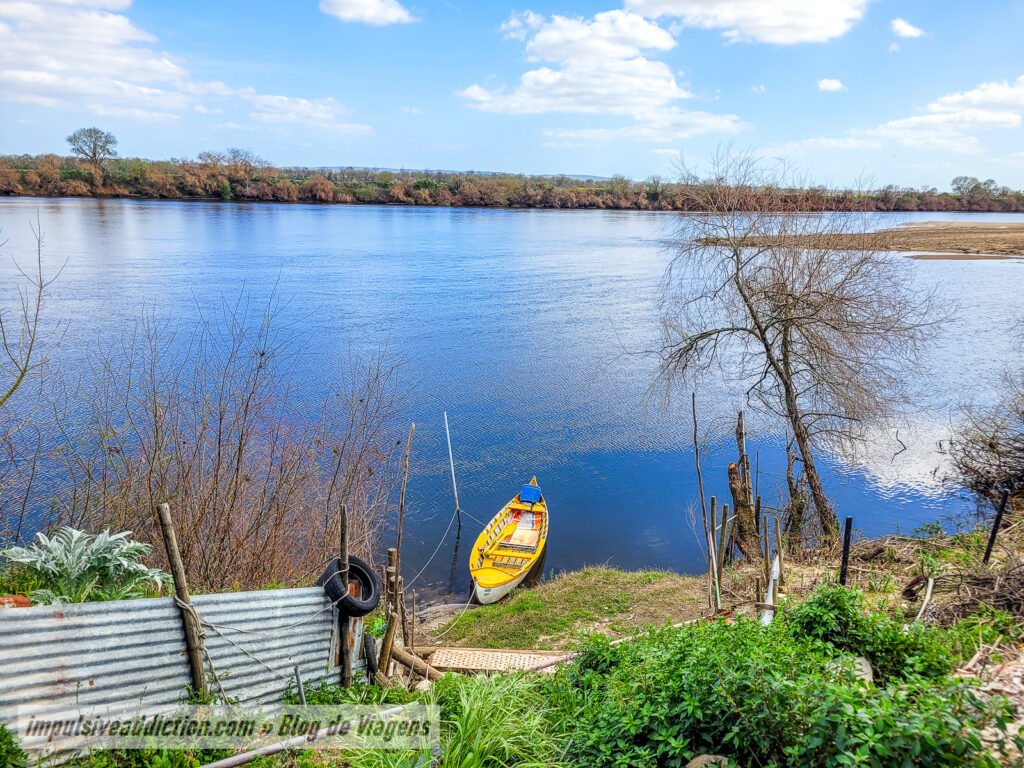
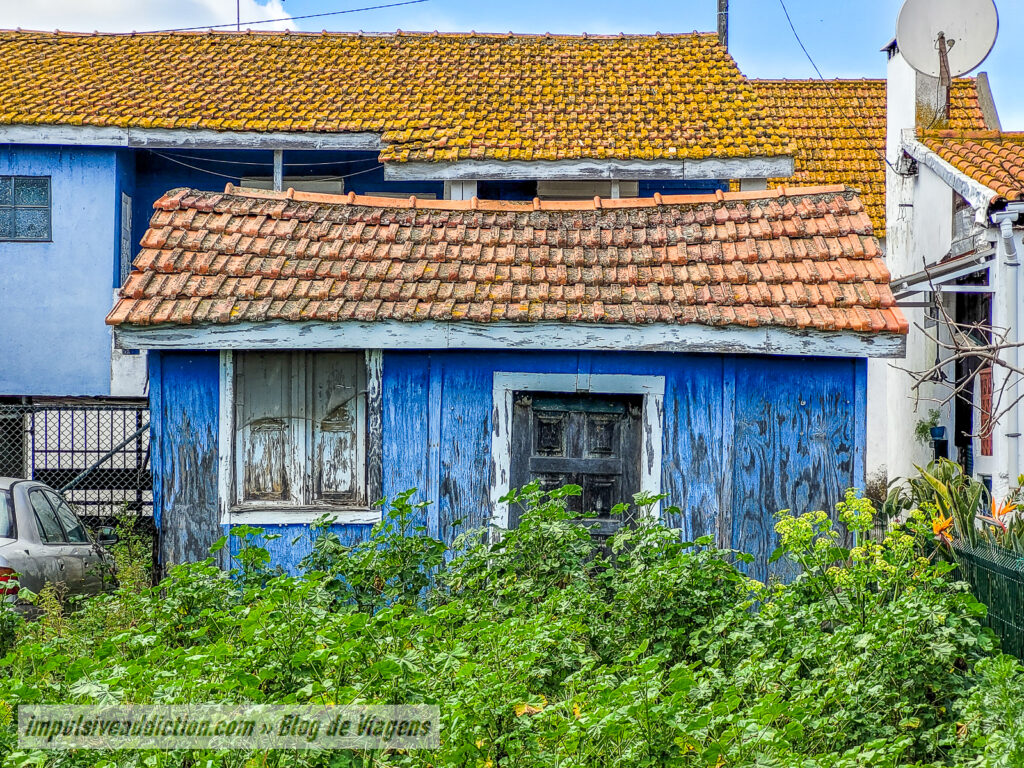
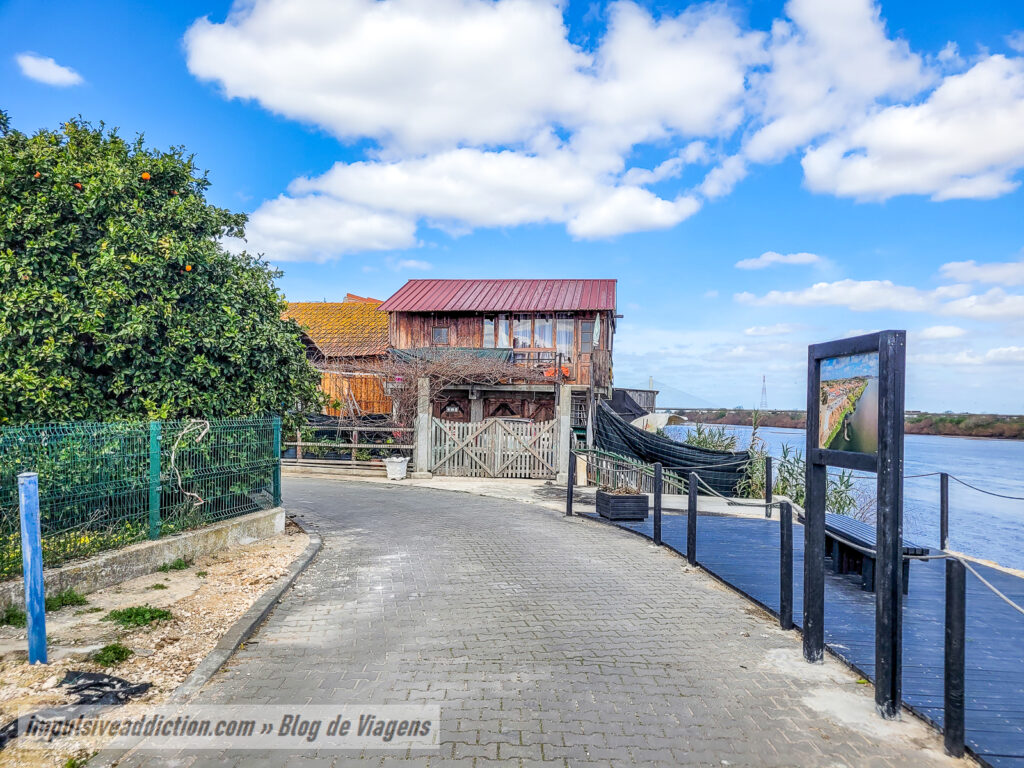
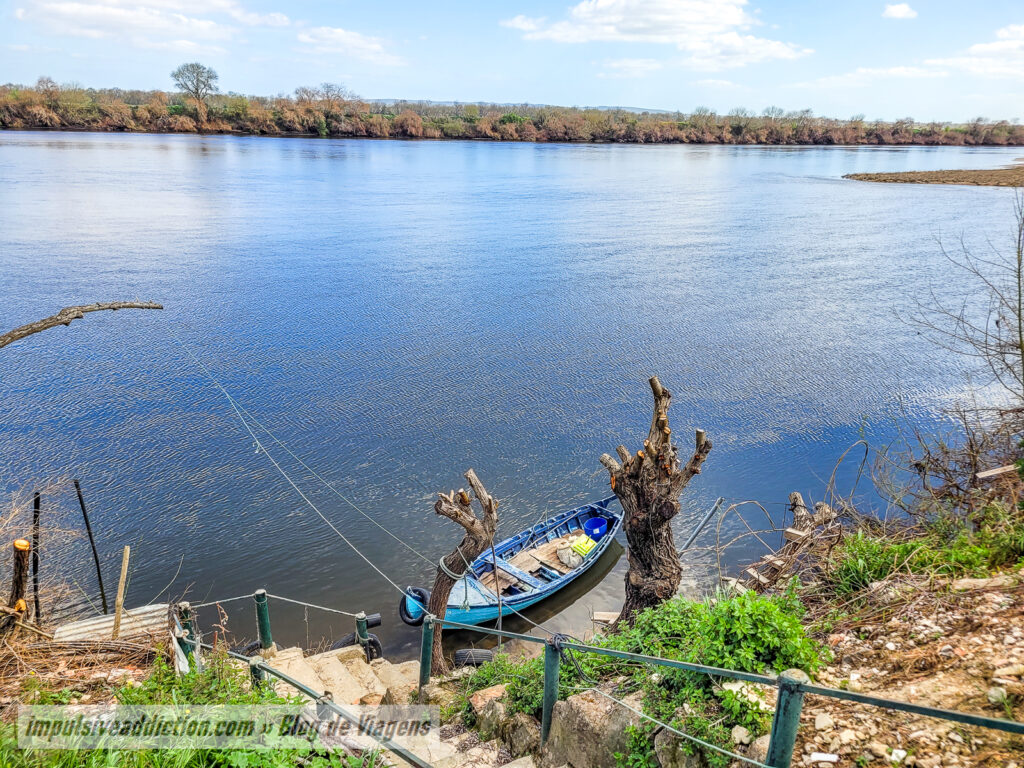
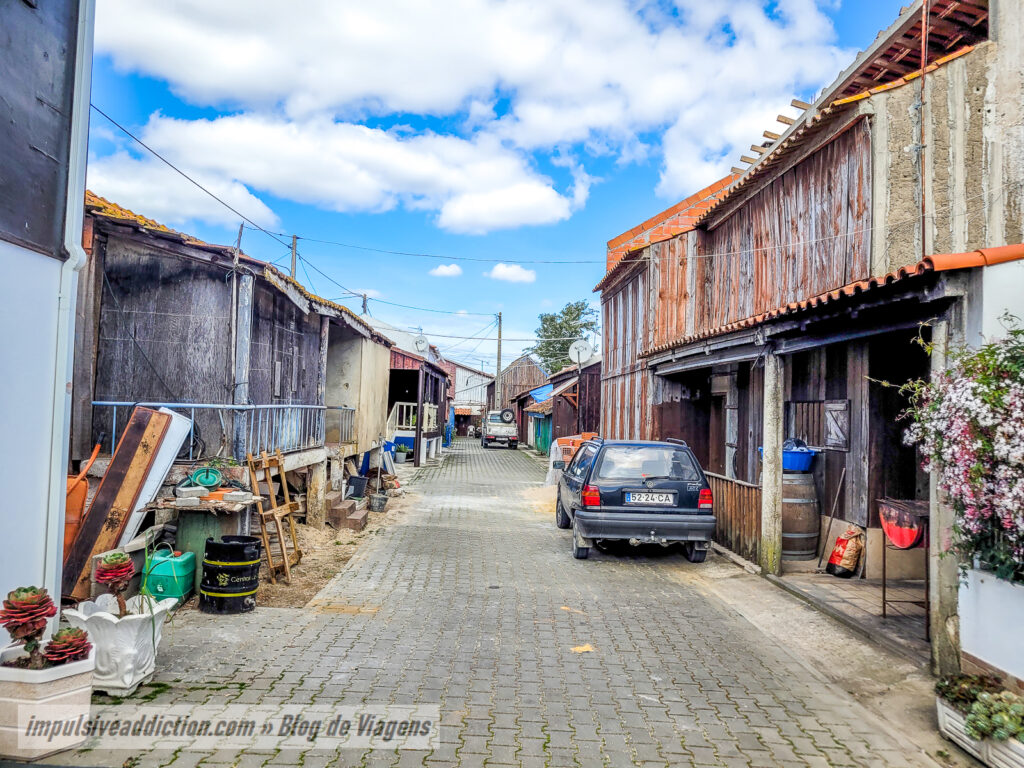
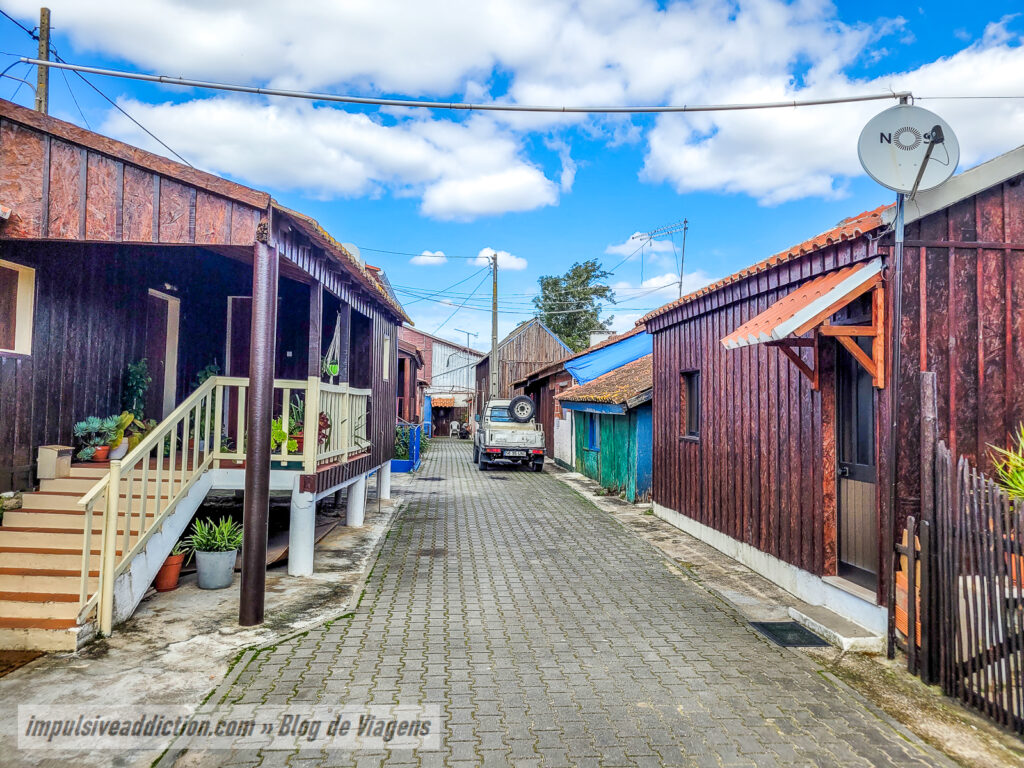
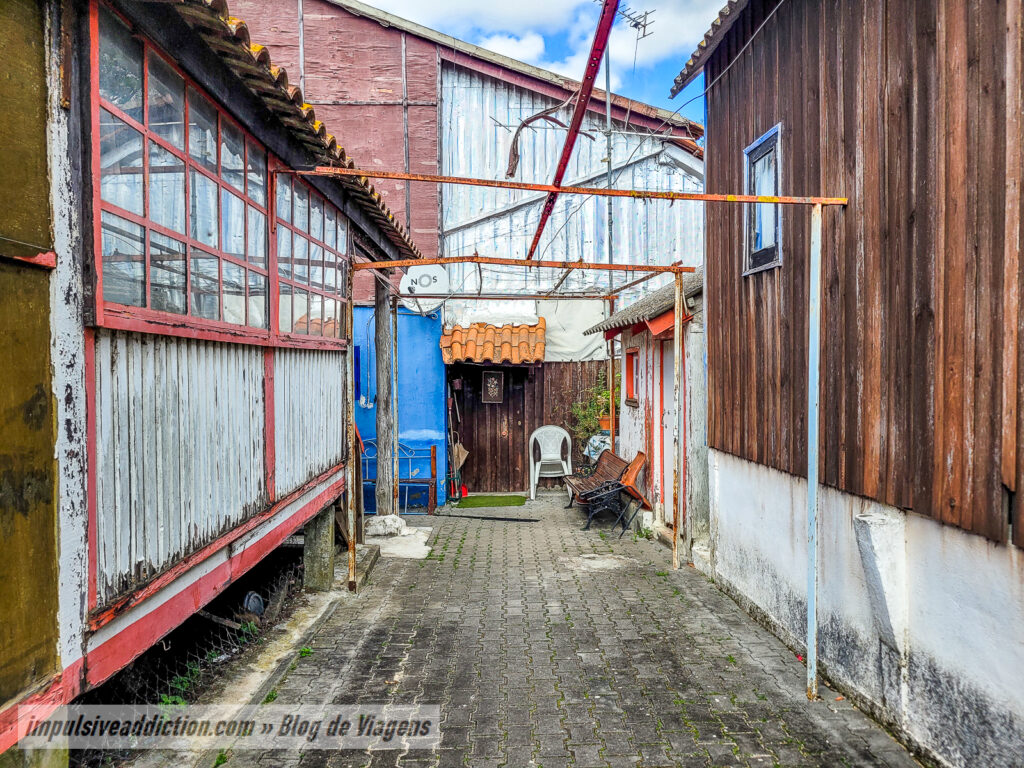
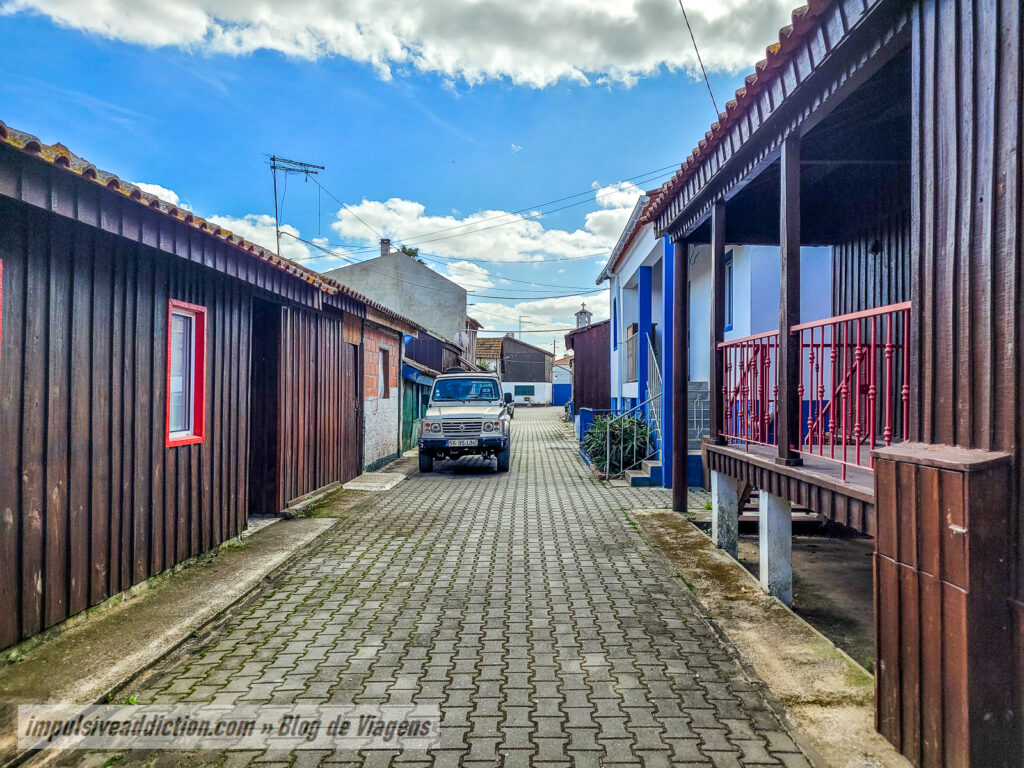
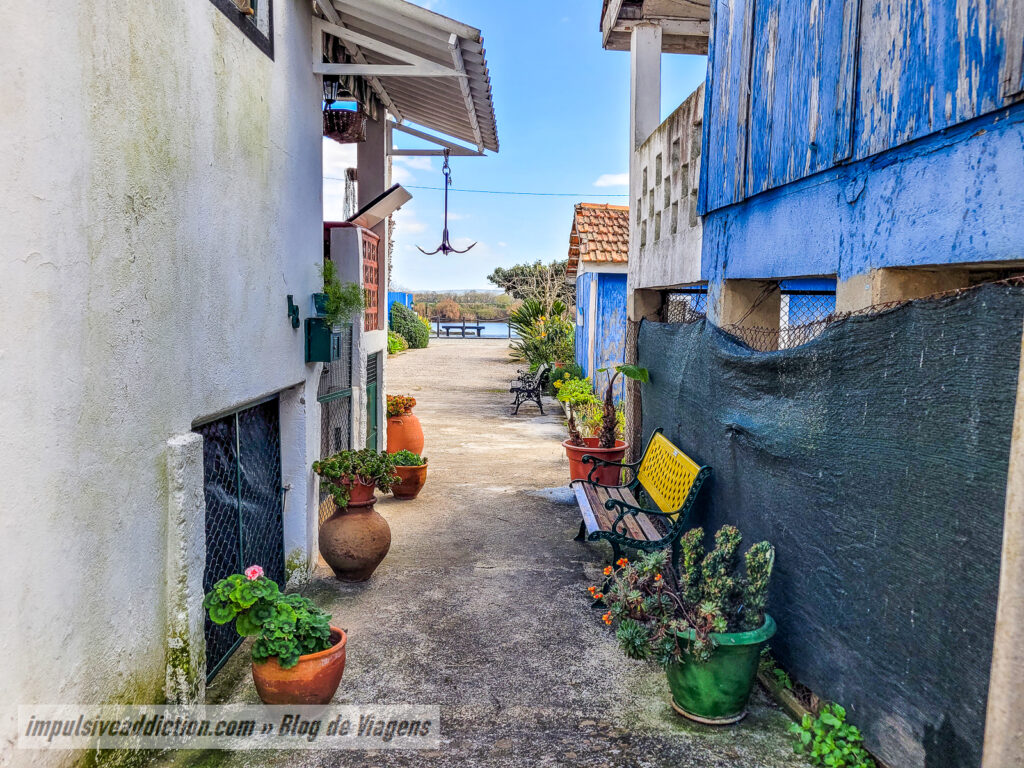
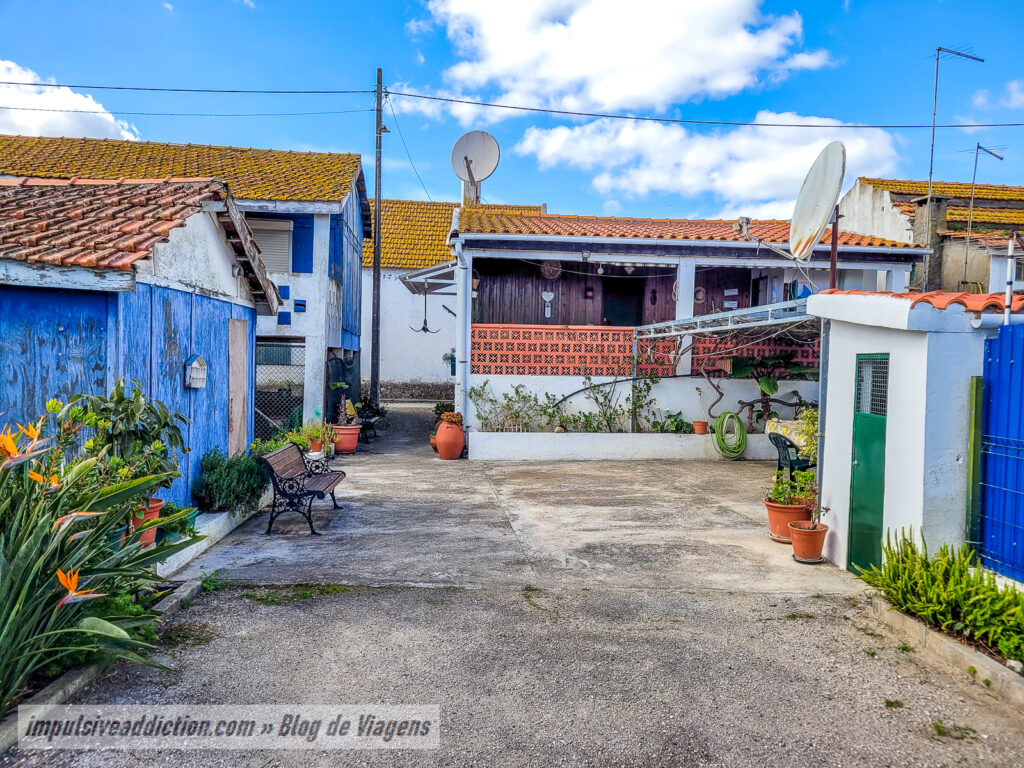
About five kilometres from Santarém, on the banks of the Tagus, the Avieira Village of Caneiras keeps alive the tradition of fishermen who came from Vieira de Leiria, building wooden houses on stilts. Rebuilt after the 1941 flood, the village preserves its colourful wooden houses and authentic riverside way of life. The vibrant façades and small boats create a picturesque scene that breathes Avieira culture, making it an unmissable spot for those seeking rural authenticity and a genuine connection with the Tagus.
3. Convent of Santa Maria de Almoster
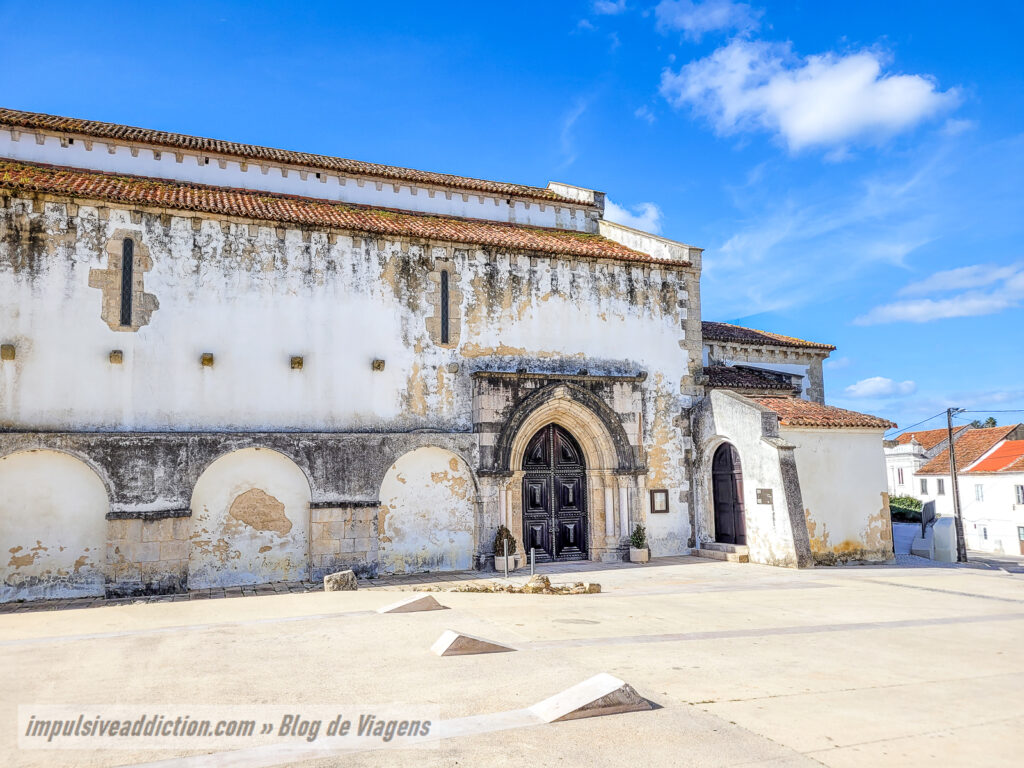
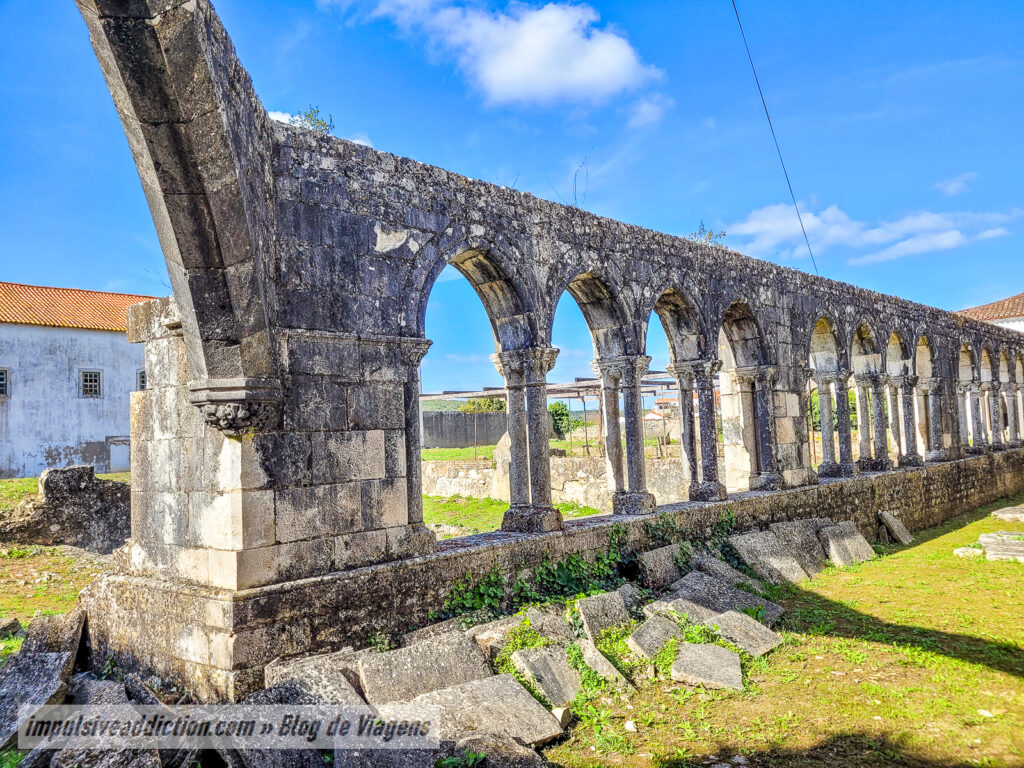
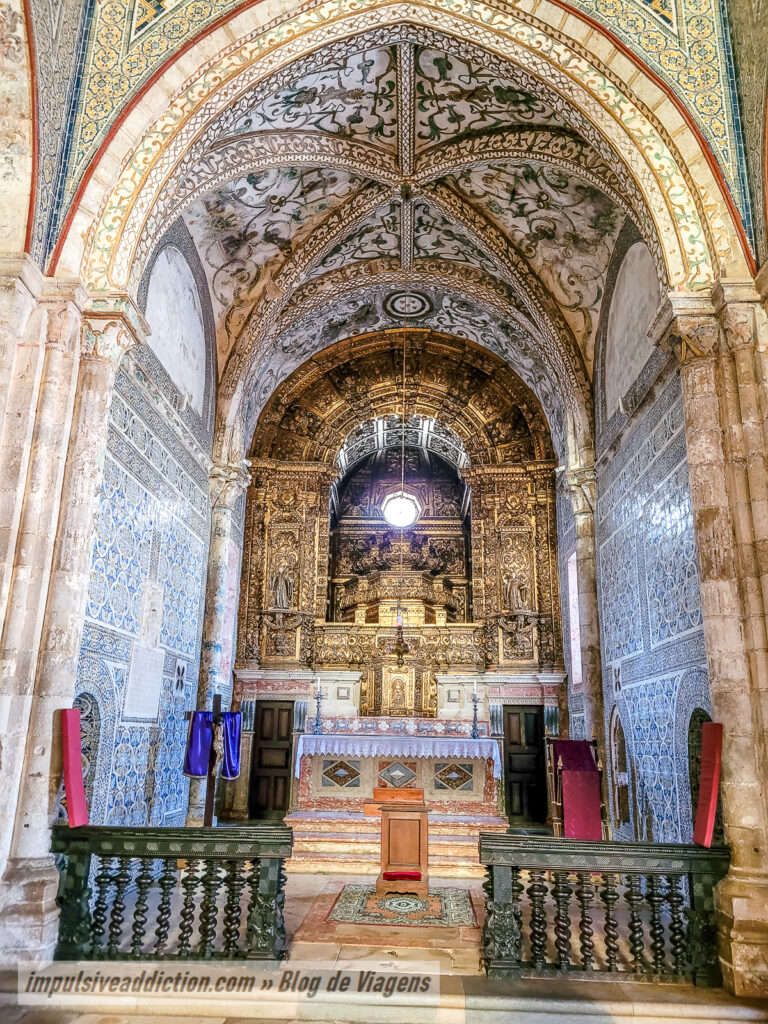
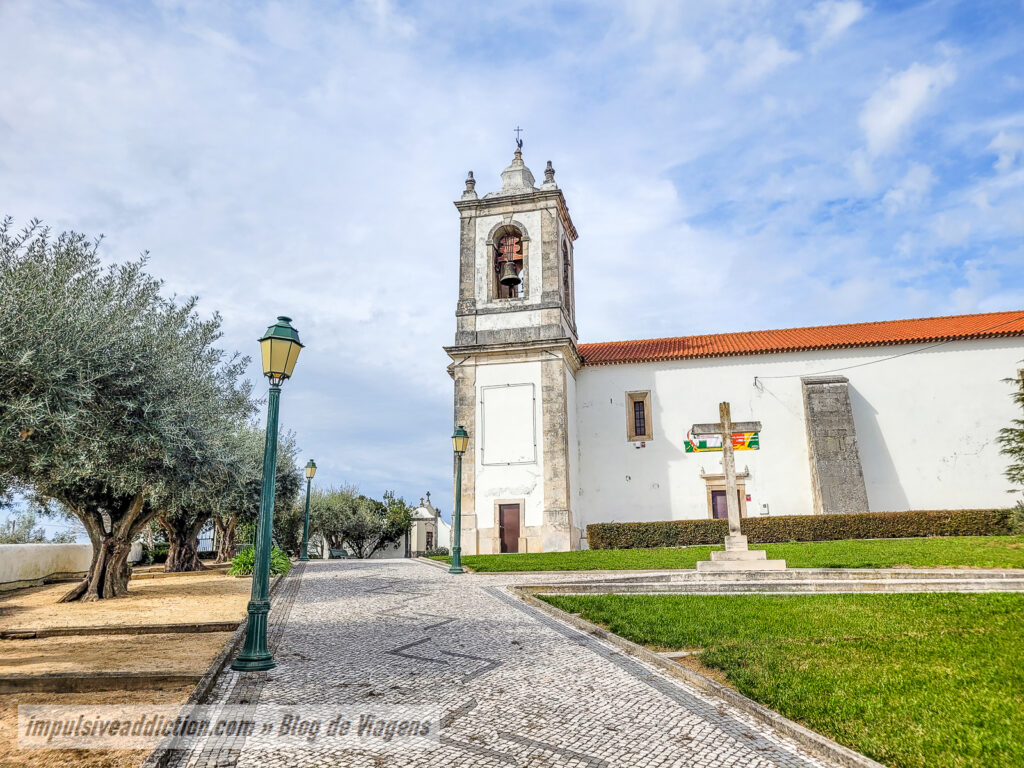
A few kilometres west of Santarém, the Convent of Santa Maria de Almoster was founded in the 13th century by D. Sancha Pires, daughter of King Sancho I, and housed Cistercian nuns. Despite its dissolution in 1834, much of the church and the ruins of the cloister remain, classified as a National Monument since 1920. This former convent stands as a serene rural Gothic landmark, quietly bearing witness to the faith and history of the Ribatejo region.
4. Parish Church of Pernes and Mouchão Park
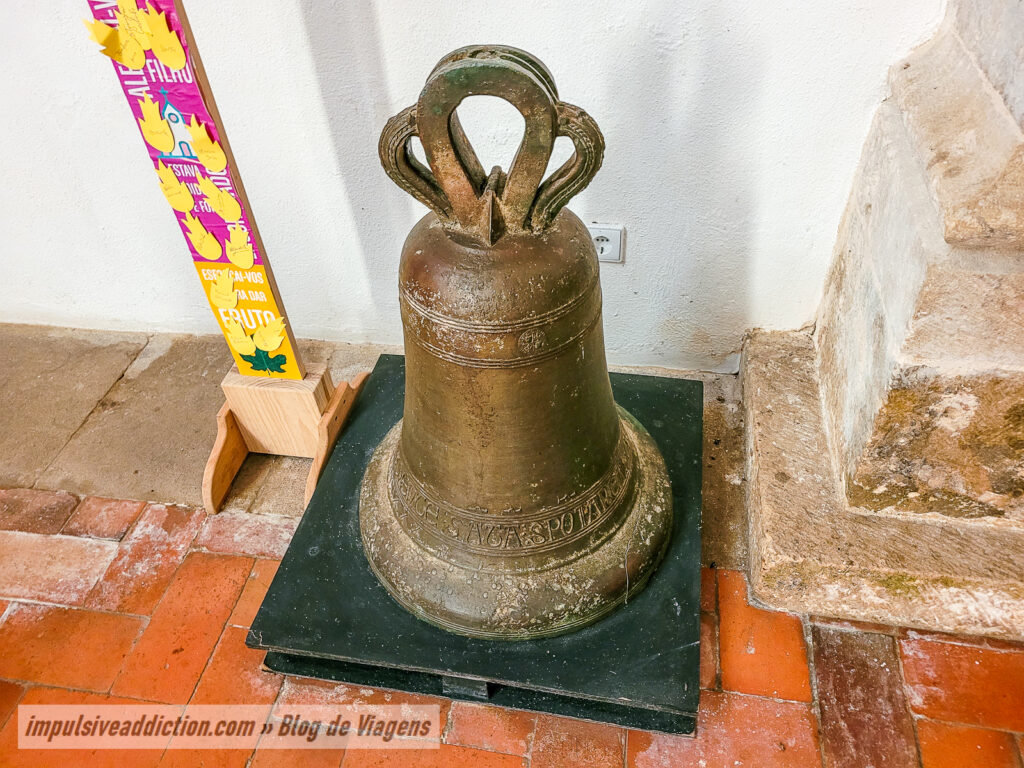
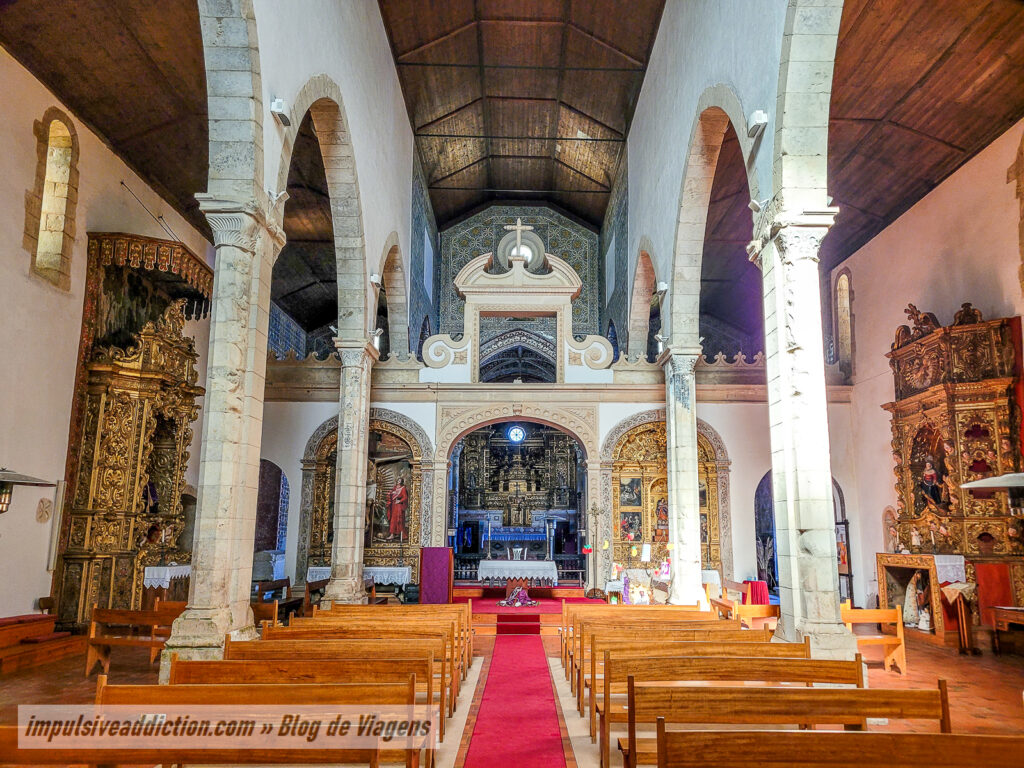
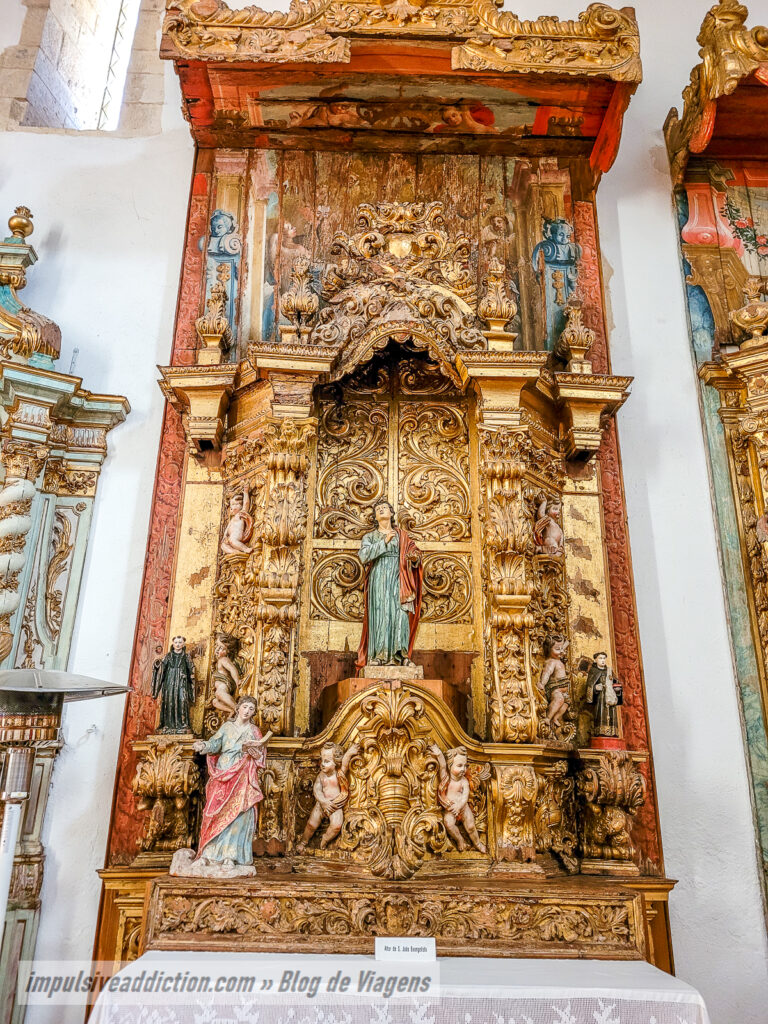
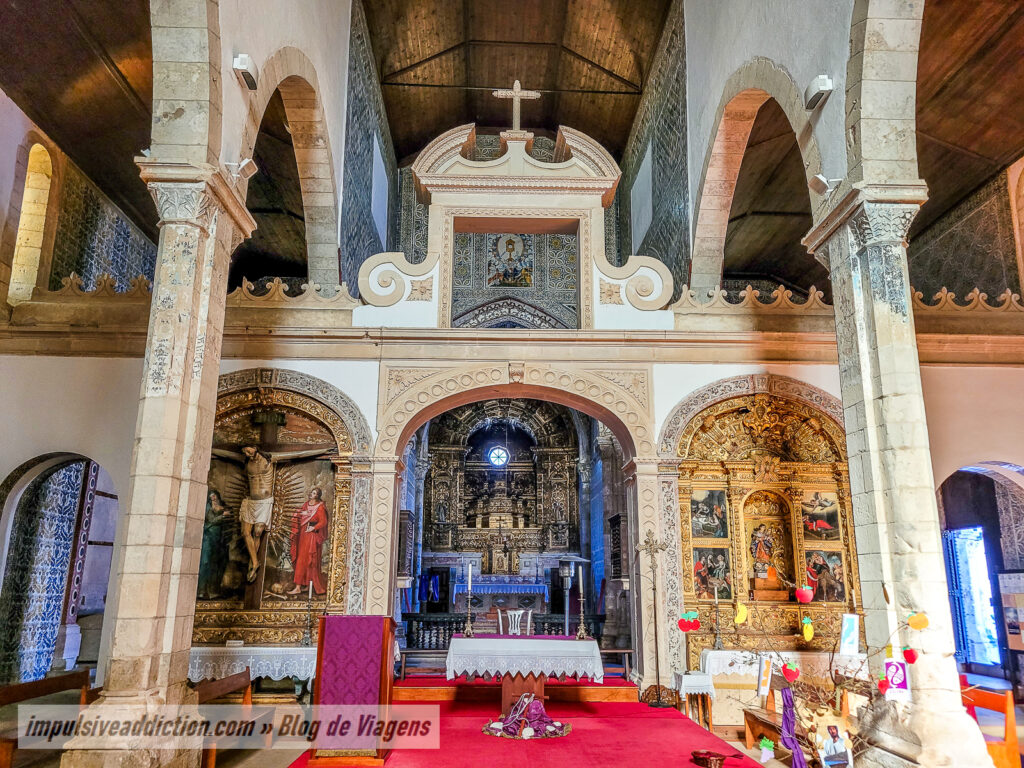
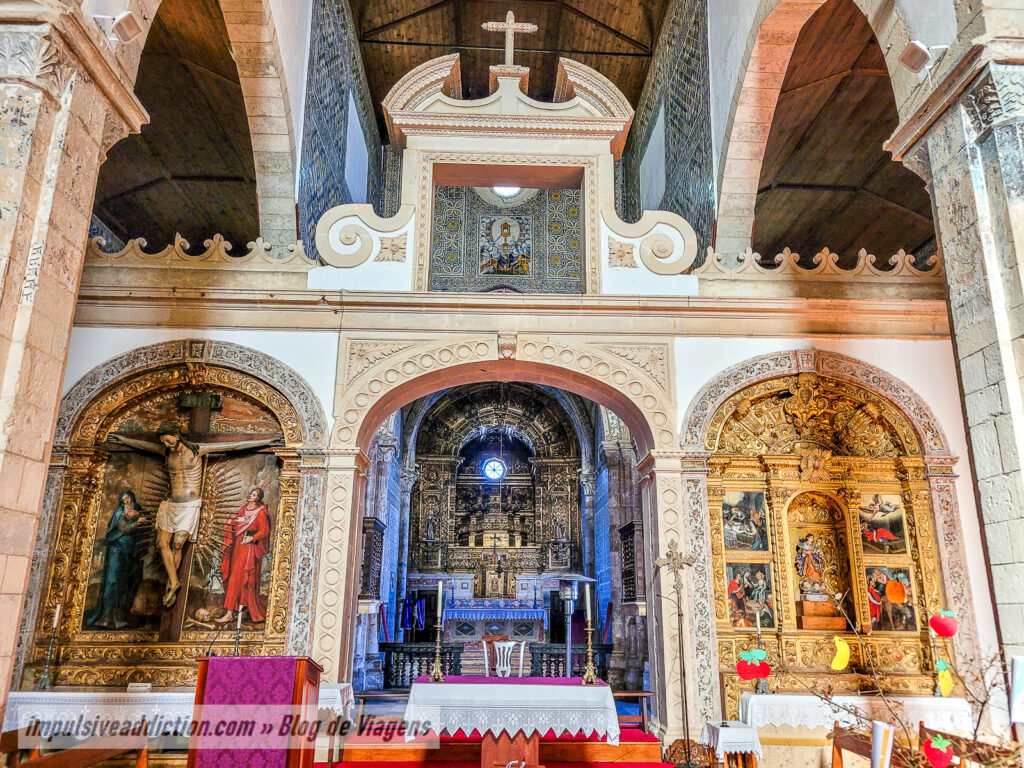
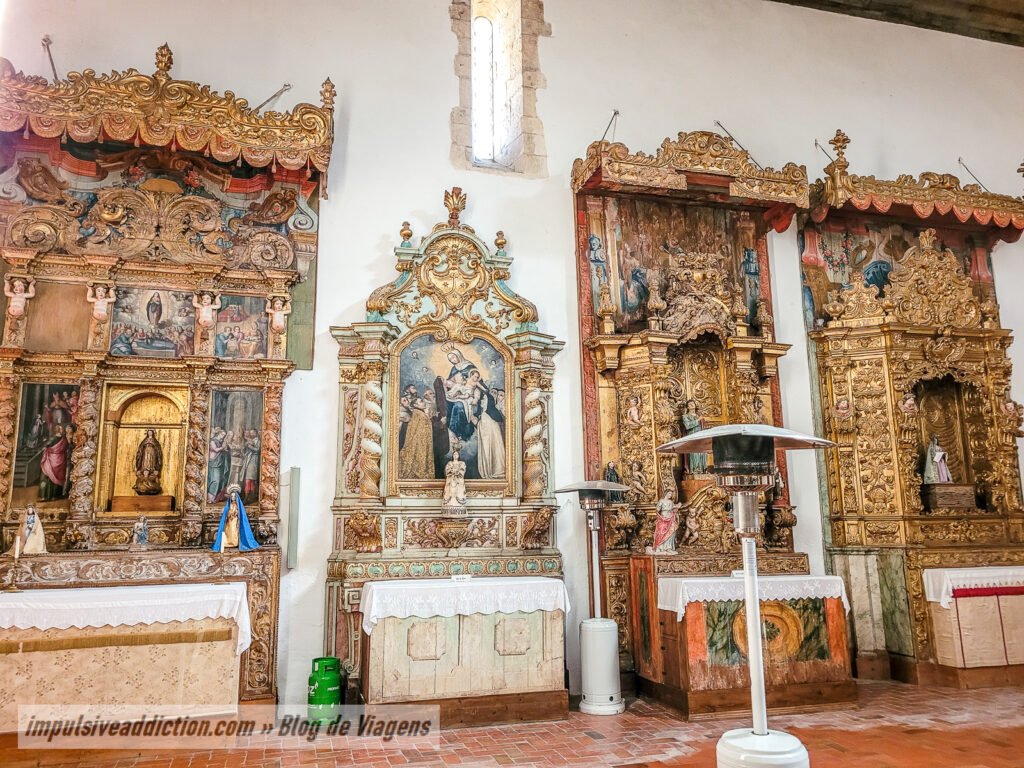
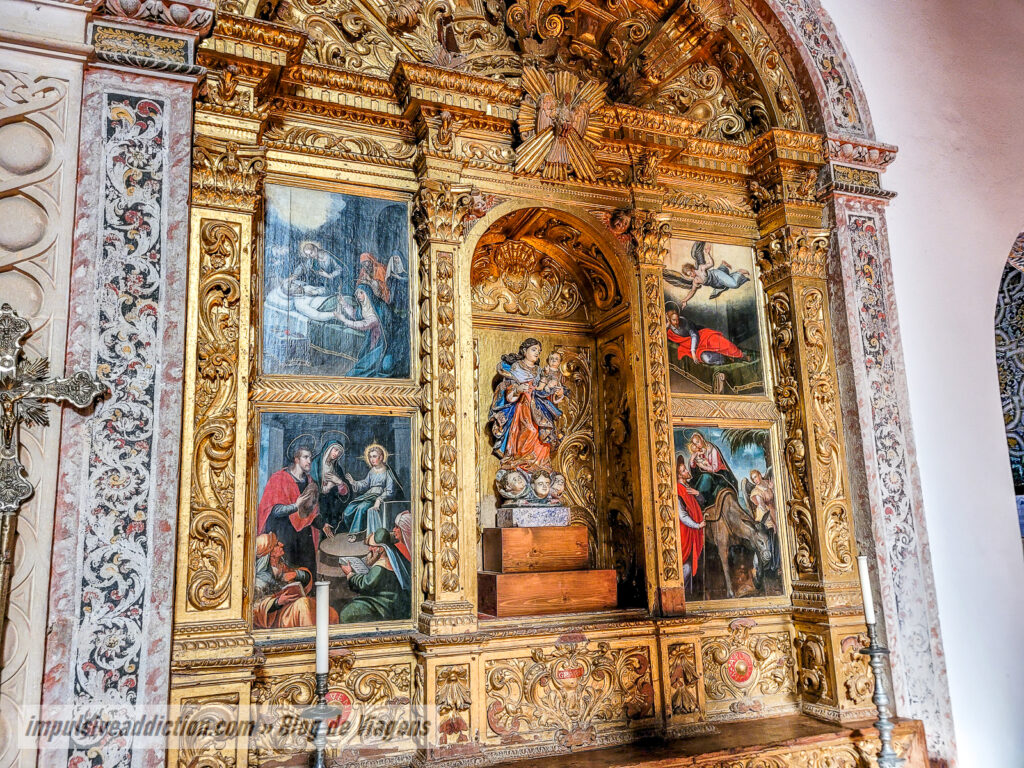
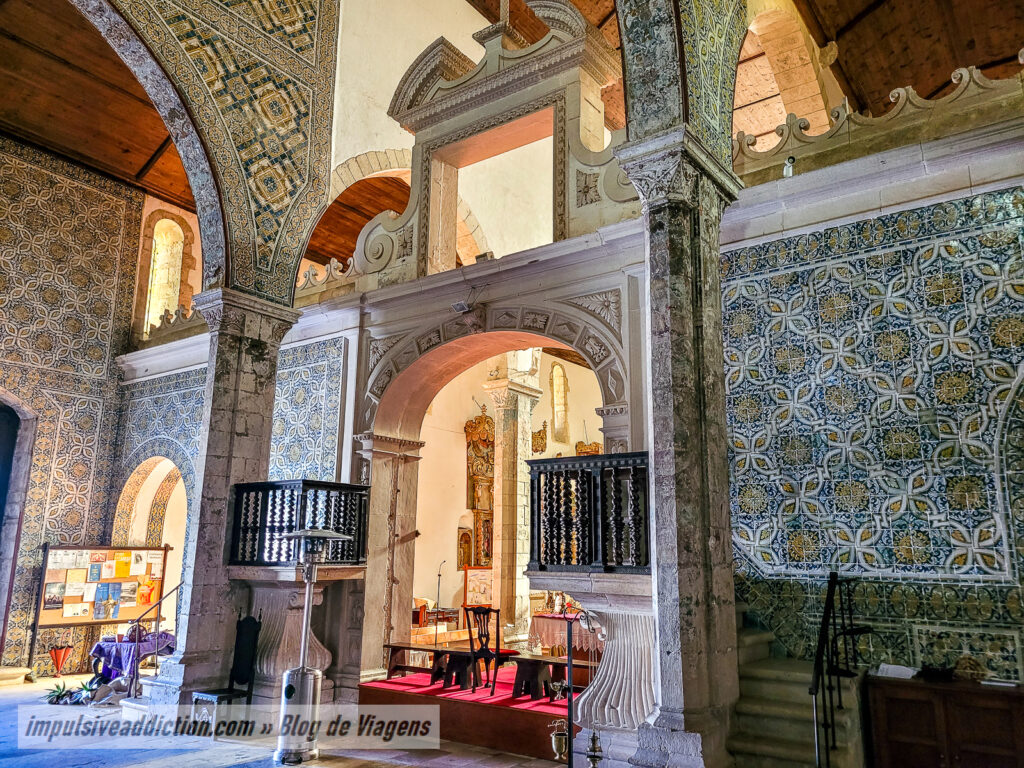
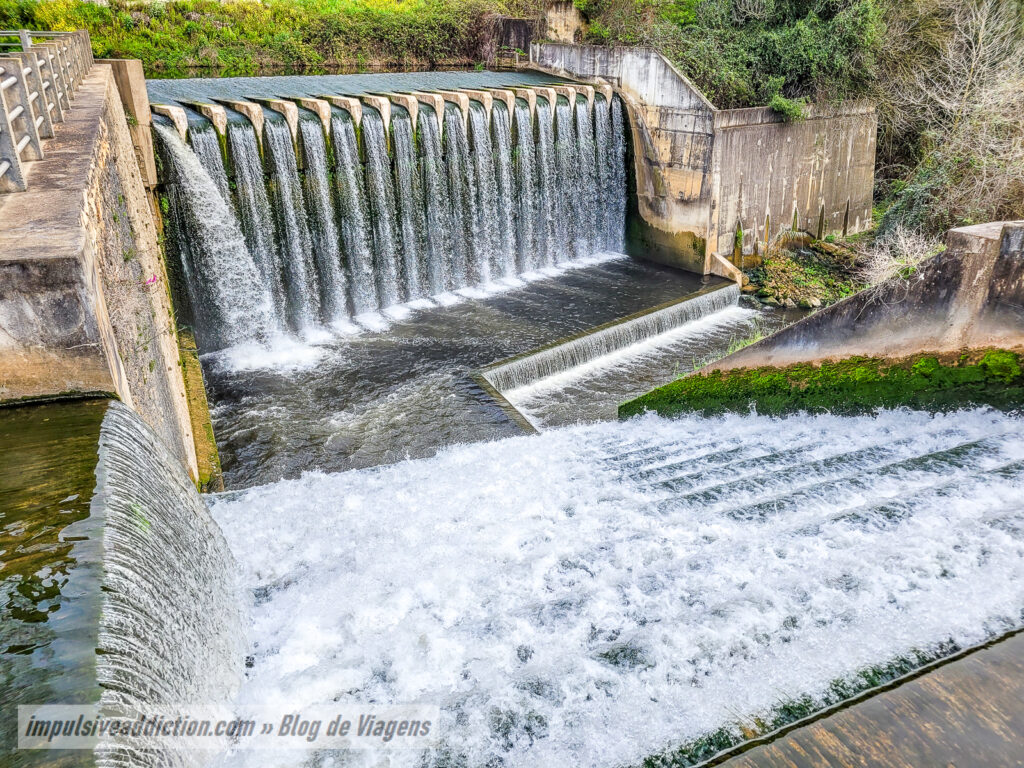
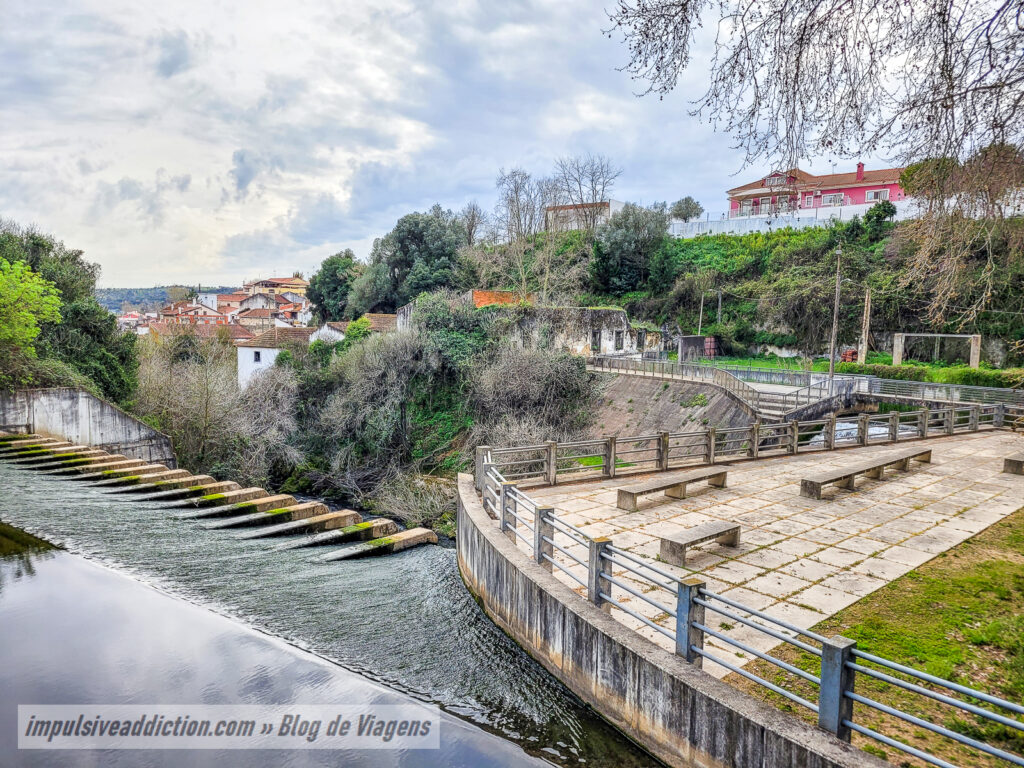
The Parish Church of Pernes, dedicated to Saint Sylvester, is one of the oldest in the municipality, with Romanesque origins and later additions that introduced Manueline and Baroque elements. Its pointed arch portal and decorative stone details reflect the importance Pernes once held in the medieval ecclesiastical and administrative structure. Near the village, Mouchão Park offers a natural and relaxing counterpoint: a green area along the River Alviela, with a picnic zone, pedestrian bridge, and leisure circuits — ideal for those seeking direct contact with nature and a pause from the historical itinerary.
5. Sociedade Agrícola da Quinta da Ribeirinha
Located in the parish of Póvoa de Santarém, the Sociedade Agrícola da Quinta da Ribeirinha is a benchmark in the Ribatejo wine scene. This family-run estate has been dedicated for generations to producing quality wines, cultivating both native and international grape varieties in vineyards set along the fertile banks of the Tagus River. The winery combines traditional methods with modern technology, resulting in a diverse range of red, white, rosé, and sparkling wines, all recognized for their balanced and expressive character. Why not pay it a visit?
What to visit around Santarém?
Finally, here’s what to see in the surroundings of Santarém, so you can extend your itinerary through the region. Here are a few suggestions. 😉
1. Almourol Castle
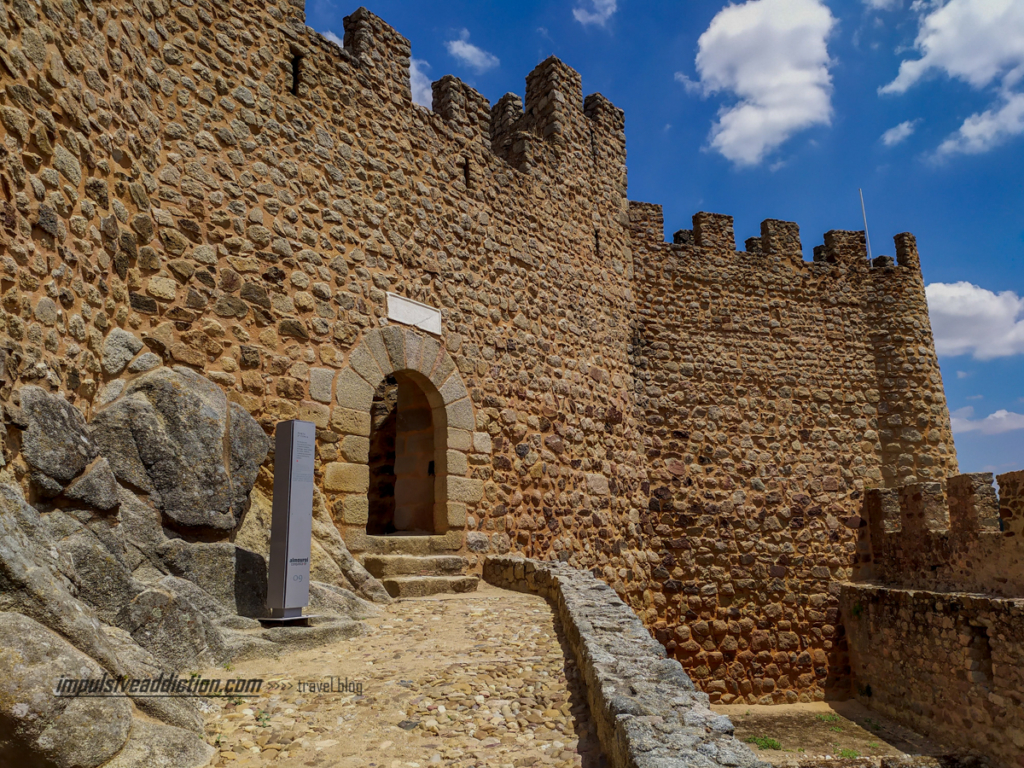
Dominating a small island in the middle of the Tagus River, Almourol Castle is one of the most romantic and emblematic symbols of the Portuguese Reconquista. Favored by Gualdim Pais, the Templar master, it underwent various renovations in the 12th century and preserves the austere elegance of the medieval walls that surround it. Classified as a National Monument since 1910, it still fascinates visitors with the unique landscape that emerges from the river’s morning mist.
Much more than just a fortress, Almourol tells a story of successive occupations — Latin, Visigothic, and Moorish — and remains a place that embodies mysticism and the deep connection between land and water. From the riverbanks in Tancos or Vila Nova da Barquinha, you can take a boat trip to the castle and explore the inside of the keep for a complete experience.
2. Convent of Christ in Tomar
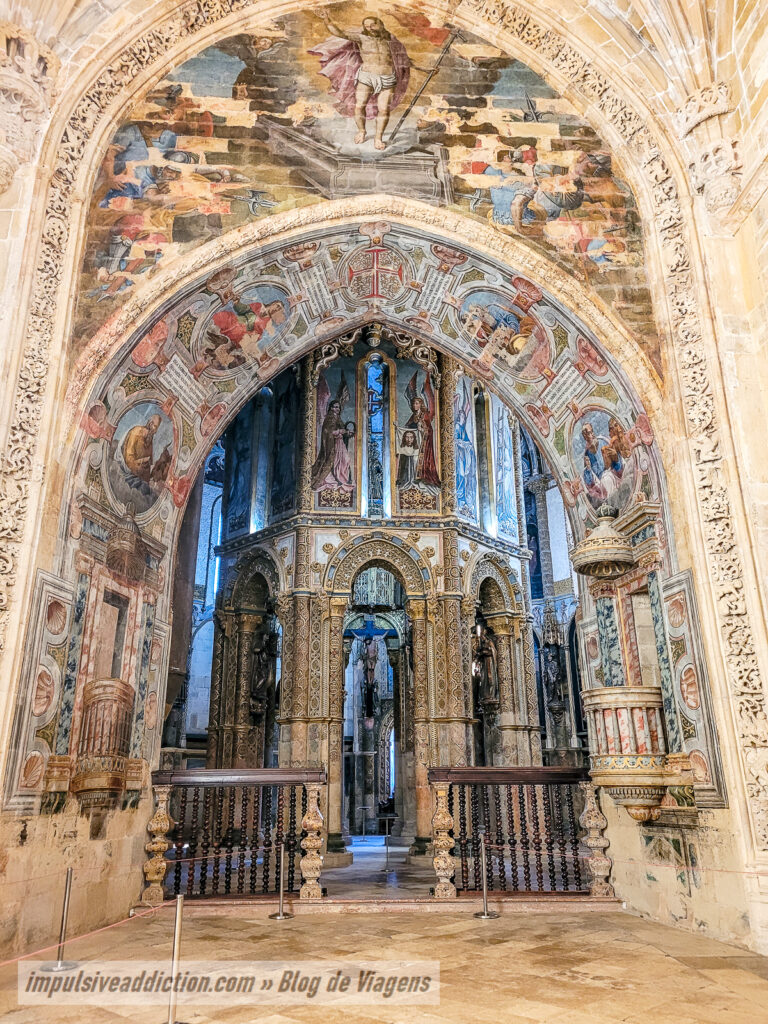
About 40 km from Santarém, Tomar is home to one of Portugal’s most fascinating historical experiences: Tomar Castle and the Convent of Christ, a UNESCO World Heritage Site since 1983. Founded in 1160 by Gualdim Pais, the Templar master, the complex blends Romanesque, Gothic, Manueline, and Renaissance architecture — in a harmonious dialogue between the Christian East and West. It’s truly an open-air architectural lesson.
3. Ourém Castle
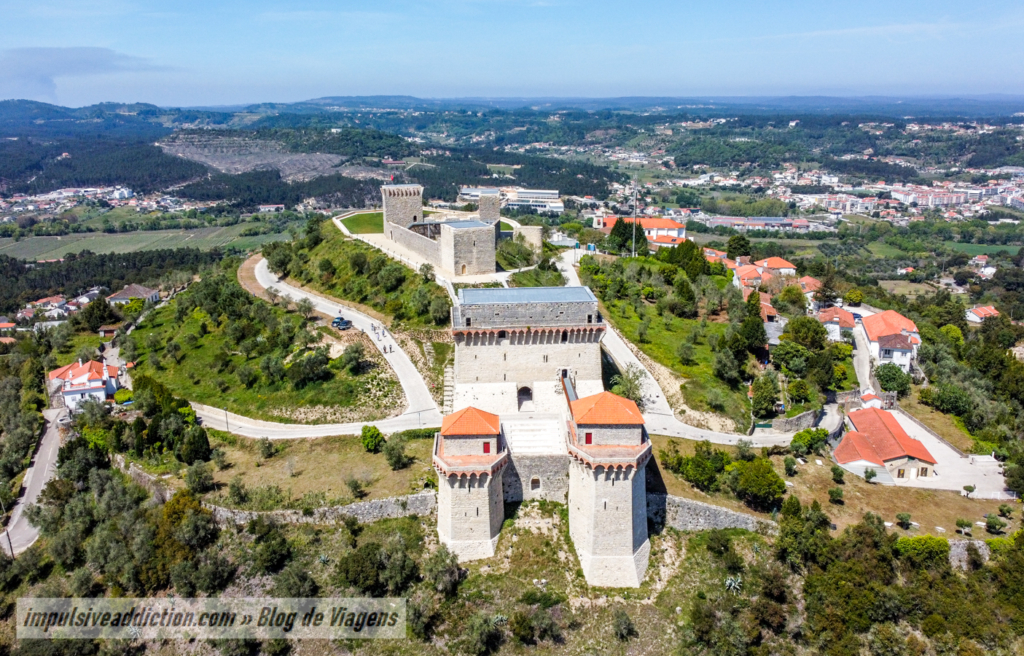
Less than 30 km away, Ourém Castle rises above the medieval town, dominating the Seiça river valley since the 12th century. Classified as a National Monument since 1910, it is also known as the “Palace of the Counts of Ourém” and features both Gothic and Renaissance elements in its structure.
Its proximity to the historic town of Ourém makes it appealing not only for the fortress itself but also for the surrounding medieval atmosphere — cobbled lanes, old houses, and scenic viewpoints over the mountains.
4. Rio Maior Salt Pans
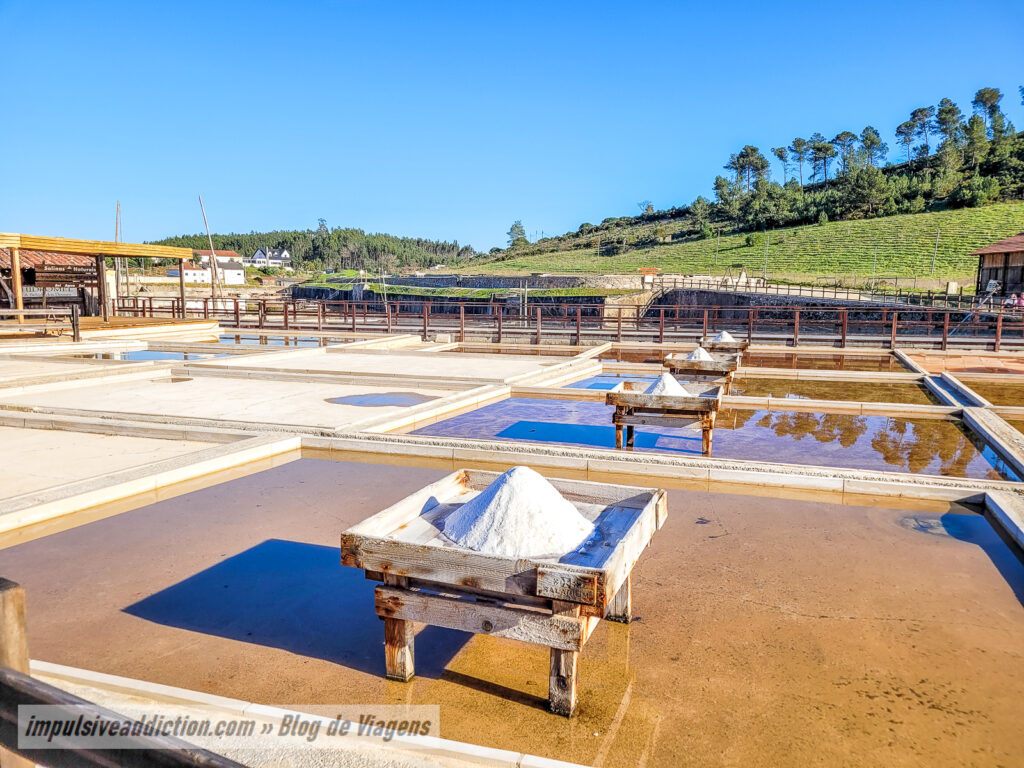
Nestled among bucolic limestone hills, the Rio Maior Salt Pans are a natural salt marsh where sea salt has been extracted since ancient times. This wetland habitat shelters unique flora and fauna and reflects traditional land management practices. The salt pans have been reactivated in recent years and can be explored via interpretative trails that explain the saline water cycle and the surrounding geology.
A symbolic visit to the traditional salt warehouse reveals the origins of the salt and the ancestral production methods, blending them with the local nature and sustainability efforts. Beyond the historical and ecological aspects, the circular landscape formed by the tanks is particularly striking at sunset.
5. Sanctuary of Fátima
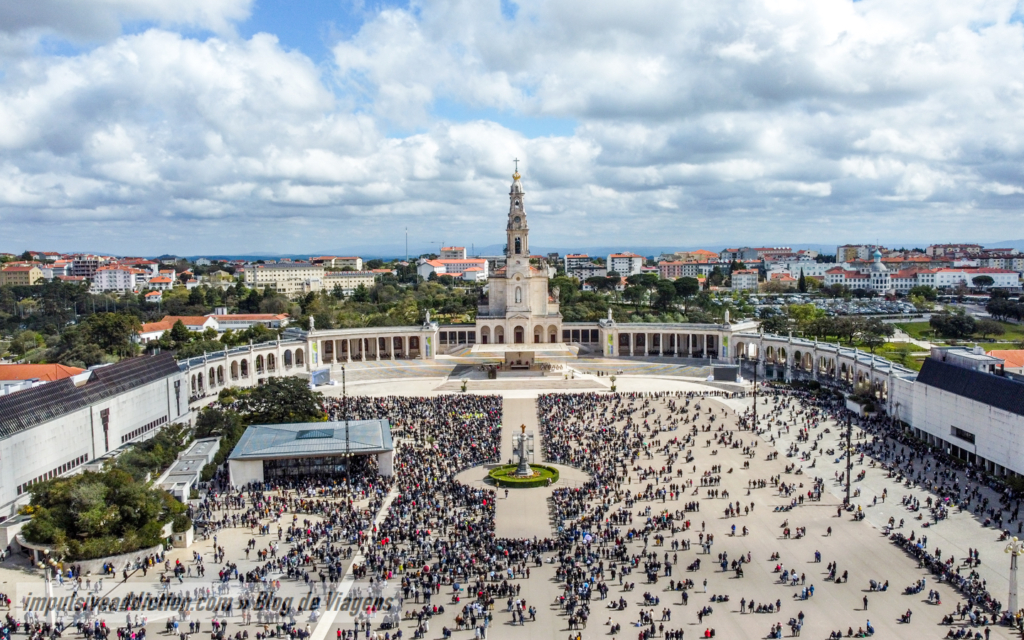
About 40 km from Santarém, the Sanctuary of Fátima is one of the most important Catholic pilgrimage sites in the world. Built on the location of the 1917 apparitions to the three shepherd children of Fátima, it comprises the Basilica of Our Lady of the Rosary, the Chapel of the Apparitions, and the imposing Basilica of the Holy Trinity. Millions of pilgrims visit every year for celebrations that blend faith, history, and popular devotion.
Beyond the central complex, the forest of crosses, the Way of the Cross, and the spaces for welcome and prayer invite introspection and a profound spiritual experience. It is also an opportunity to better understand contemporary religious phenomena and the collective memory linked to the apparitions.
6. Mira de Aire Caves
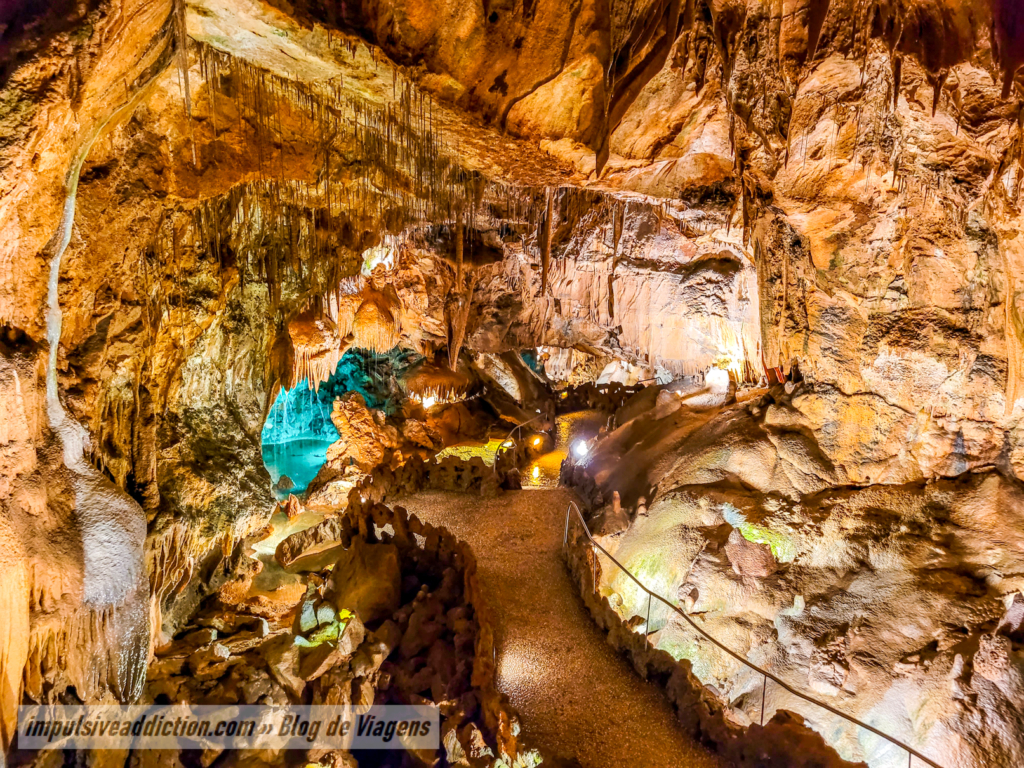
About 40 km northwest of Santarém lie the spectacular Mira de Aire Caves, the largest cave system open to the public in Portugal. Discovered in 1947, these underground galleries offer guided tours through vast chambers, colorful stalactites and stalagmites, narrow passages, and crystal-clear pools. Each room has a name — such as the Stalactites Hall or the Tower Hall — that sparks the visitor’s imagination.
Designated a natural monument since 1995, the caves blend beauty with geology and even serve as a stage for cultural events like classical music concerts. They are a must-see for anyone traveling from Santarém in search of underground mystery.
Why not also visit the nearby Santo António Caves, which are equally stunning?
Other Itineraries and Travel Guides in Portugal
- N2 Portugal Road Trip Itinerary
- Madeira Itinerary and Travel Guide
- São Miguel Itinerary and Travel Guide (Azores)
- Terceira Itinerary and Travel Guide (Azores)
- Pico Itinerary in Azores
- Faial Itinerary in Azores
- Things to do in Bragança
- Montesinho Natural Park Itinerary
- Douro International Natural Park Itinerary
- Minho | Northern Portugal Itinerary
- Porto Itinerary and Travel Guide
- Things to do In Braga (Minho)
- Things to do in Guimarães (Minho)
- Things to do in Viana do Castelo (Minho)
- Peneda Gerês National Park Itinerary
- Douro Valley Itinerary
- Trás-os-Montes Itinerary
- Things to do in Aveiro
- Things to do in Coimbra
- Things to do in Leiria
- Things to do in Fatima
- Things to do in Santarém
- Things to do in Tomar
- Things to do in Nazaré
- Things to do in Peniche
- Things to do in Mafra and Ericeira
- Things to do in Cascais
- Sintra Itinerary | Things to do
- Lisbon Itinerary and Travel Guide
- Things to do in Setúbal
- Things to do in Évora (Alentejo)
- Things to do in Beja (Alentejo)
- Algarve Road Trip Itinerary
- Things to do in Lagos (Algarve)
- Things to do in Portimão (Algarve)
- Things to do in Faro (Algarve)
- Things to do in Tavira (Algarve)
