 Pedro Domingues
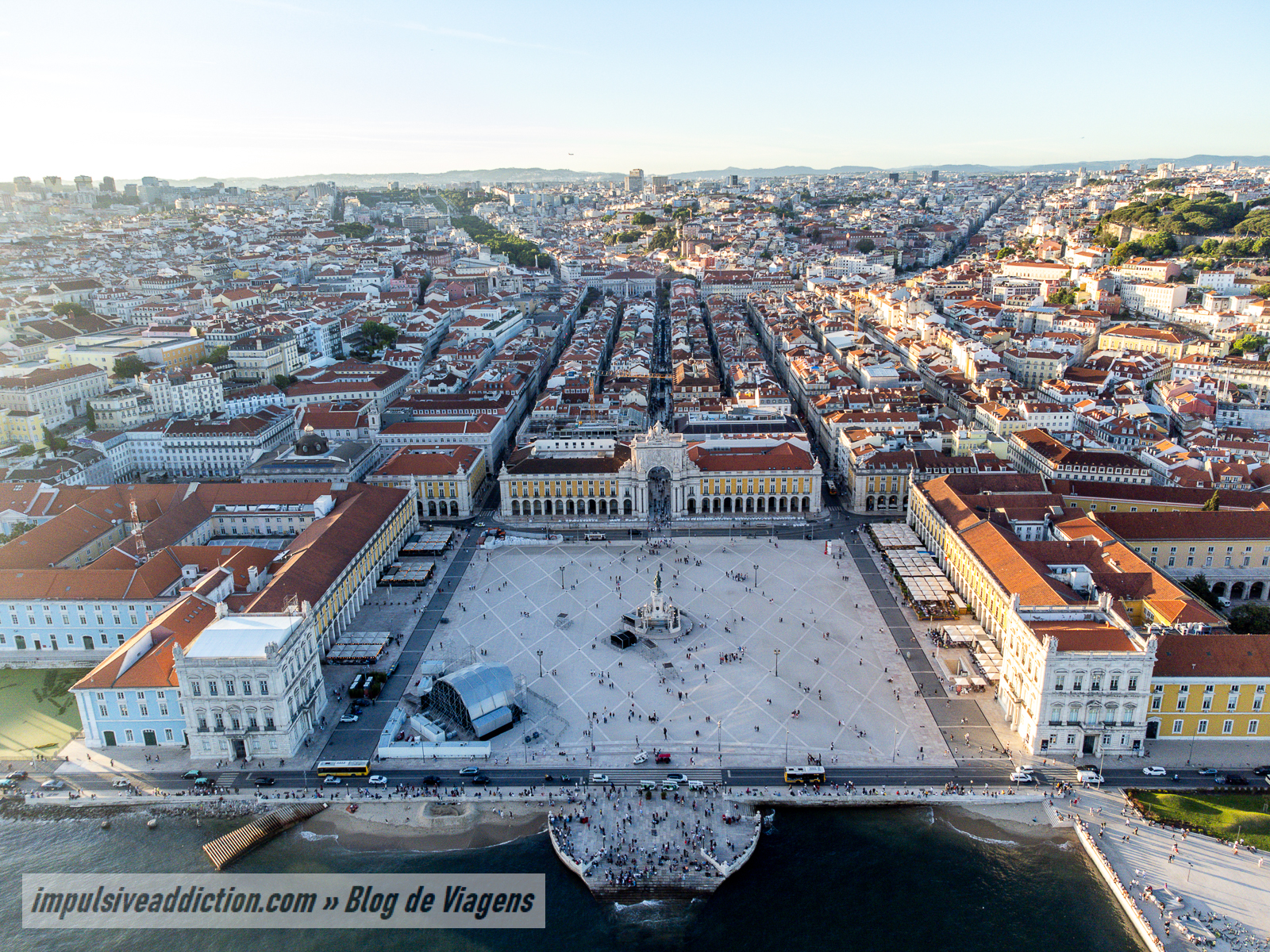
Lisbon is a city that captivates at first sight. Surrounded by sunlit hills, cobblestone streets, and viewpoints offering breathtaking views of the Tagus River, the Portuguese capital seamlessly blends history, culture, and a vibrant energy that wins over every visitor.
The good news is that Lisbon is ideal for exploring on foot or by public transport, making it easy to see a lot in a short amount of time. With smart planning, you can visit the main attractions without rushing and even discover hidden gems few tourists know about.
In this article, you’ll find a detailed itinerary to make the most of Lisbon, organized in a practical way so you won’t miss any of the city’s best spots. Get ready to experience unforgettable days in the Portuguese capital.
Where is Lisbon located, in Portugal?
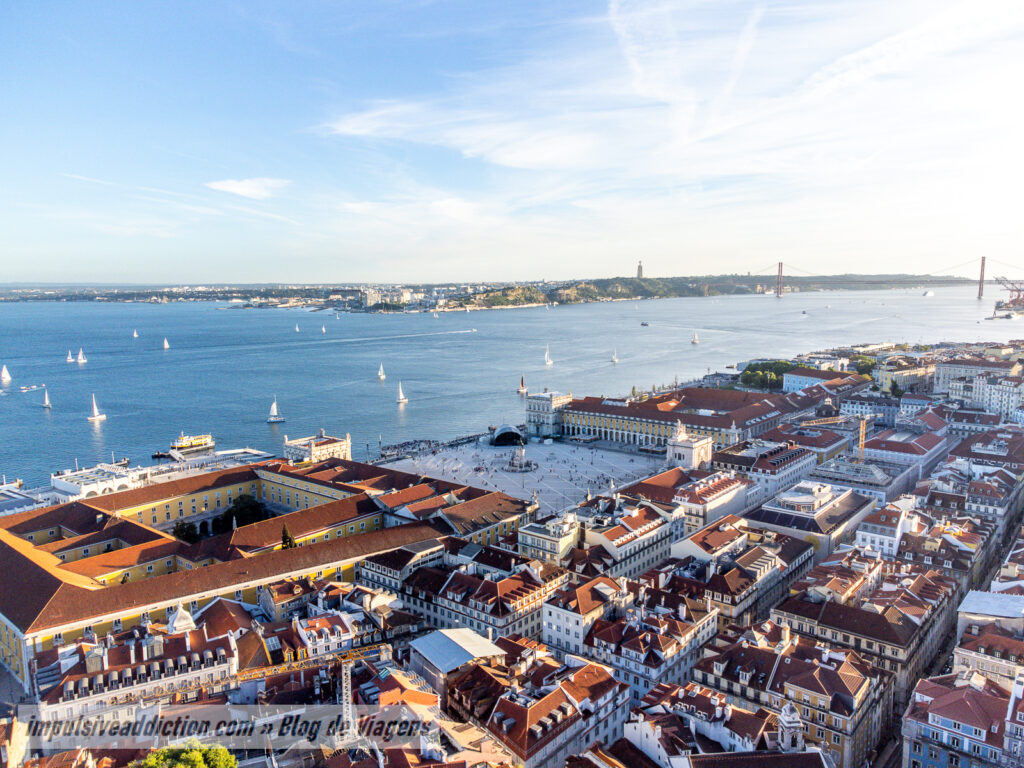
Lisbon is the capital of Portugal, located on the country’s western coast, bordered by the Atlantic Ocean and crossed by the Tagus River. The city lies at the southwestern tip of Europe, giving it a mild climate for most of the year. Its strategic geographical position made Lisbon a key connection point between Europe, Africa, and the Americas during the Age of Exploration, a legacy still reflected in its culture and architecture today.
MORE ARTICLES FROM CENTRAL PORTUGAL:

- Things to do in Espinho
- Things to do in Ovar
- Things to do in Aveiro
- Aveiro to Costa Nova
- Best beaches in Aveiro

- Things to do in Mira beach
- Things to do in Coimbra
- Schist Villages in Portugal
- Things to do in Figueira da Foz

- Visit Monsanto in Portugal
- Historical Village of Piódão
- Historical Villages of Portugal

- Things to do in Leiria
- Visit Batalha Monastery and surroundings
- Visit Alcobaça Monastery and surroundings
- Things to do in Fátima
- Visit Mira de Aire Caves
- Things to do in Nazaré
- Things to do in Peniche
- Best beaches in Peniche
- Visit Berlenga Island

- Best beaches in Ericeira
- Visit Ursa Beach
- Best Beaches in Sintra
- Best Beaches in Cascais
- Things to do in Mafra and Ericeira
- Things to do in Sintra
- Parks and Palaces in Sintra
- Things to do in Cascais

- Best Costa da Caparica beaches
- Best beaches in Setúbal
- Best Beaches in Sesimbra
- Visit Ribeiro do Cavalo Beach
- Best beaches in Tróia, Comporta and Melides
- Things to do in Setúbal
A Brief Historical Introduction to Lisbon
Ancient Origins
Human traces date back to prehistory. During Roman times (2nd century BC – 5th century AD), the city was called Olisipo, a prosperous port connected to the empire.
Islamic Period (8th–12th centuries)
Conquered by the Moors, it became al-Ushbuna. The city expanded its walls, developed neighborhoods (such as what would become Alfama), and grew its Mediterranean trade.
Reconquista and Capital of the Kingdom
In 1147, King Afonso Henriques took Lisbon.
In 1255, Lisbon became the capital of Portugal, expanding around the castle and the Cathedral.
Age of Exploration (15th–16th centuries)
From Belém, expeditions set out connecting Europe, Africa, Asia, and Brazil.
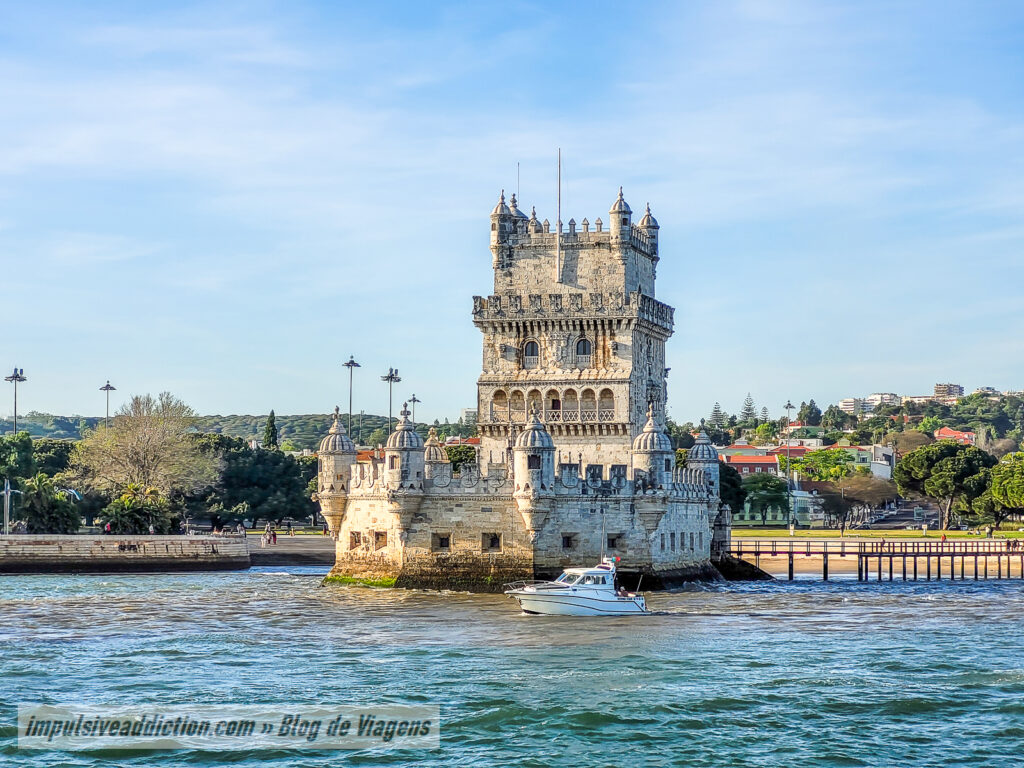
The wealth from the empire left its mark on Manueline art (Jerónimos Monastery, Belém Tower).
Earthquake and Pombaline City (1755)
The 1755 earthquake, followed by fires and a tsunami, destroyed much of the city.
The Marquis of Pombal rebuilt the Baixa with an orthogonal layout and “earthquake-resistant” buildings, giving rise to the Pombaline Downtown.
19th–20th Centuries
Industrialization, the opening of avenues (such as Avenida da Liberdade), and urban growth.
1910: The establishment of the Republic.
The Estado Novo dictatorship (1926–1974) followed by the Carnation Revolution (1974), which restored democracy.
Contemporary Lisbon
1986: Portugal’s entry into the European Economic Community accelerated modernization.
Expo ’98 transformed the Parque das Nações and projected the city internationally.
In recent decades, Lisbon has revitalized its historic neighborhoods, strengthened tourism, and emerged as a cultural and technological hub.
Why This Matters to Visitors
- Alfama and the Castle: Medieval/Islamic layout.
- Baixa–Chiado: Pombaline urban planning post-1755.
- Belém: Monuments from the Age of Exploration.
- Parque das Nações: The modern face of the city post-Expo.
When to Visit Lisbon?
Anytime: Lisbon is always fascinating! Seriously! 😉
For festivals and street life: June (month of the Popular Saints).
For beach and festivals: July–early September. Music festivals: NOS Alive (July) and MEO Kalorama (early September).
For lower prices and museums without queues: November–February.
Lisboa Card – Is it worth it?
Lisboa Card – Is it Worth It?
Buying the Lisboa Card might be worth it — or not. It really depends on how you plan to use it and your travel style.
The Lisboa Card offers great value if you’re aiming to visit as many museums and attractions as possible in one or two days. However, that may not be the best approach for travelers who prefer to take their time, explore the city area by area, and follow a more relaxed itinerary.
I’ll let you decide whether it’s a good deal based on the full details available on the official Lisboa Card website. But keep in mind: if you go for it, your itinerary should be built around it to really make it pay off.
Did I get the Lisboa Card on my most recent trip to Lisbon?
Yes — and I saved a lot… even though I spent a lot too! 😄 I really wanted to see everything Lisbon has to offer!
Tours to visit Lisbon and surroundings
TOURS TO VISIT LISBON
- Sunset boat trip in Lisbon
- 1.5 hour Amphibious Vehicle tour in Lisbon
- Guided walking tour of Lisbon
- Private Tuk Tuk tour of Lisbon
- Lisbon: Estádio da Luz Tour (SL BENFICA)
- Lisbon: History, Stories and Lifestyle Walking tour
- Alfama Food Tour with 18 tastings
- Lisbon: Sightseeing cruise on the Tagus River
- Lisbon: Fado and Wine Experience
- Pastel de Nata Baking Class in Lisbon
- Lisbon pub crawl

TOURS TO VISIT LISBON SURROUNDINGS:
- From Lisbon: Sintra, Pena, Regaleira, Cabo da Roca and Cascais
- From Lisbon: Fátima, Nazaré, Batalha and Óbidos
- From Lisbon: Kayaking experience in Sesimbra
- From Lisbon: Dolphin watching boat tour
- Wine tasting tour in Setúbal Region
- Tour to Algarve from Lisbon
- Tour to Évora from Lisbon
- Tour to Tomar and Almourol Castle
What to Eat When Visiting Lisbon?
- Grilled sardines, grilled sea bass/gilt-head bream, seafood rice, clams à Bulhão Pato, octopus à lagareiro.
- Bacalhau dishes: à Brás, à Gomes de Sá, with cream, lagareiro. Almost every restaurant has its own version.
- Bifana (pork sandwich), prego (steak in bread), fried liver, chicken gizzards, pataniscas (cod fritters), octopus salad, peixinhos da horta (fried vegetables).
- Caldo verde (green soup), açorda (seafood or cod), sopa da pedra (a Ribatejo specialty, but common in menus).
- Sweets: Pastel de nata and Pastel de Belém, travesseiros (from Sintra, but easy to find), rice pudding, toucinho do céu(almond-based dessert).
Where to stay when visiting Lisbon?
If you haven’t booked your accommodation in Lisbon yet, now’s the perfect time to do it.
Below, you’ll find a variety of suggestions — but there are plenty more options on Booking.com.
Whenever possible, choose places that offer free cancellation, and always read reviews from past guests carefully to get a real sense of the experience.
| Accomodation | Score | Location |
|---|---|---|
| Castilho 63 Hostel & Suites | 7.5 | Marquês de Pombal |
| SANA Capitol Hotel | 8.6 | Marquês de Pombal |
| TURIM Marquês Hotel | 8.4 | Marquês de Pombal |
| Ibis Styles Lisboa | 8.6 | Marquês de Pombal |
| Lisbon Serviced Apartments | 8.7 | Marquês de Pombal |
| Alfama – Lisbon Lounge Suites | 8.6 | Alfama |
| Independente Príncipe Real | 8.5 | Principe Real |
| Rossio Hostel | 8.1 | Baixa de Lisboa |
| Browns Central Hotel | 9.0 | Baixa de Lisboa |
| Lisbon Rentals Chiado | 9.3 | Chiado |
7-Day Lisbon Itinerary
My 7-day itinerary for visiting Lisbon leaves out many tourist spots in the city, but I believe it’s a great starting point for anyone wanting to explore the region. It doesn’t only cover Lisbon, but also nearby areas like Sintra, Cascais, Ericeira, and even Setúbal and Sesimbra. If you’re new to Lisbon, this is an excellent starting point.
Day 1 | Lisbon Itinerary
On the first day, you’ll explore the Pombaline Downtown, Chiado, Bairro Alto, Mouraria, and Alfama, ending with a sunset boat ride on the Tagus River. It’s an intense day!
1. Praça do Comércio
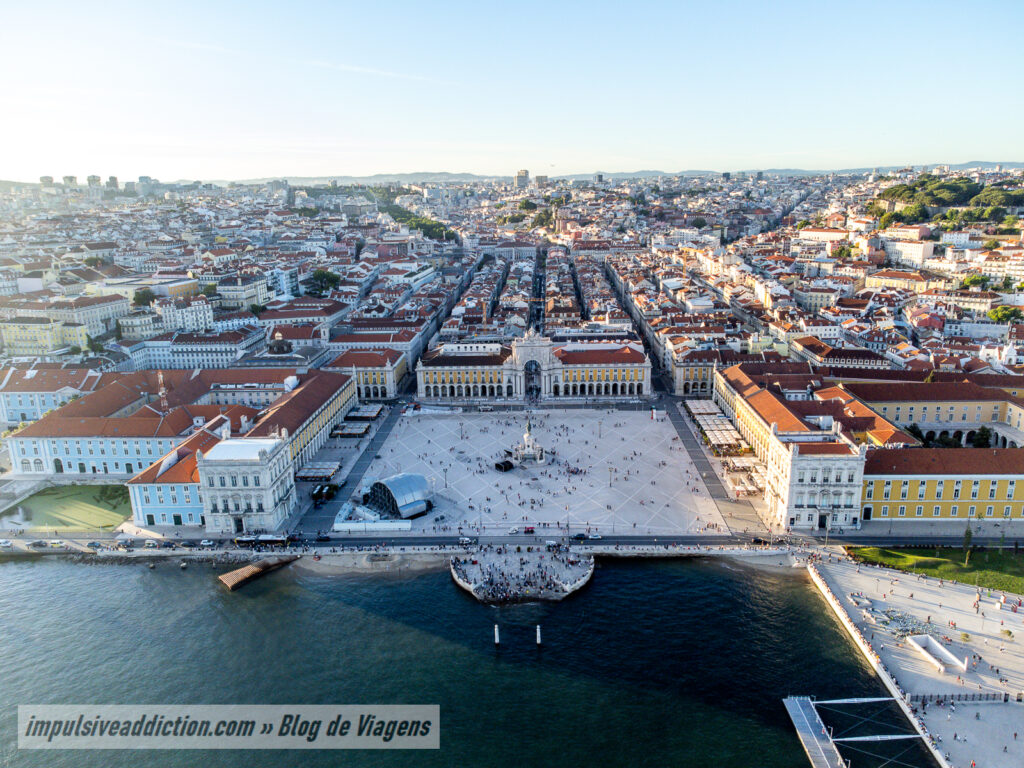
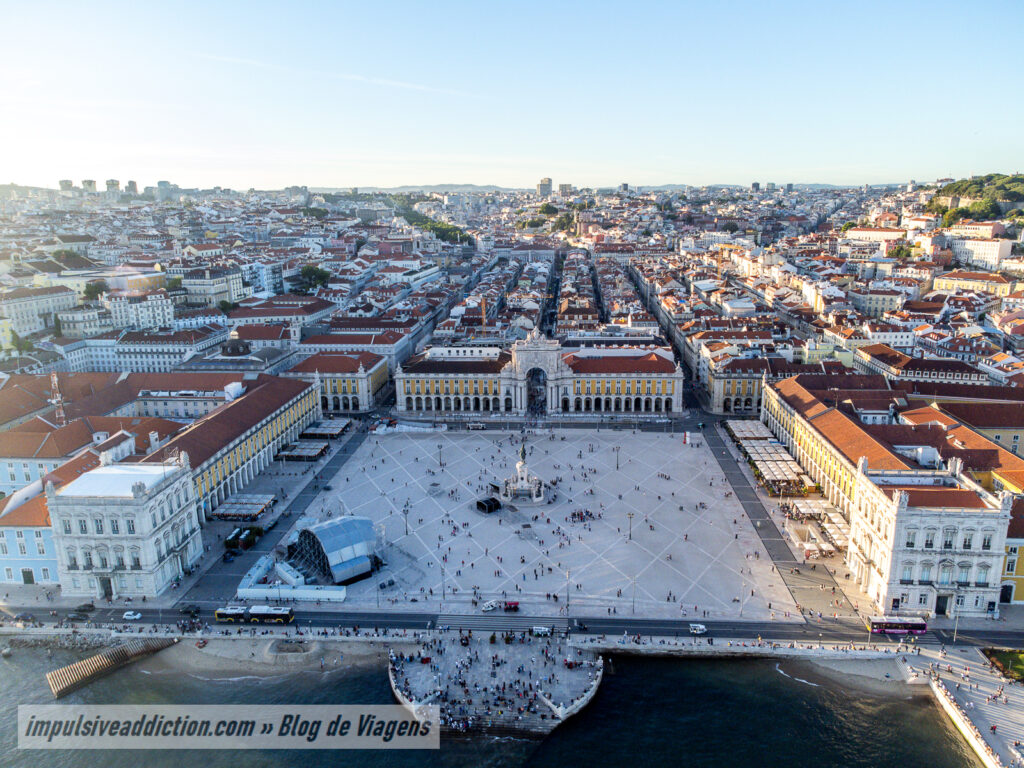
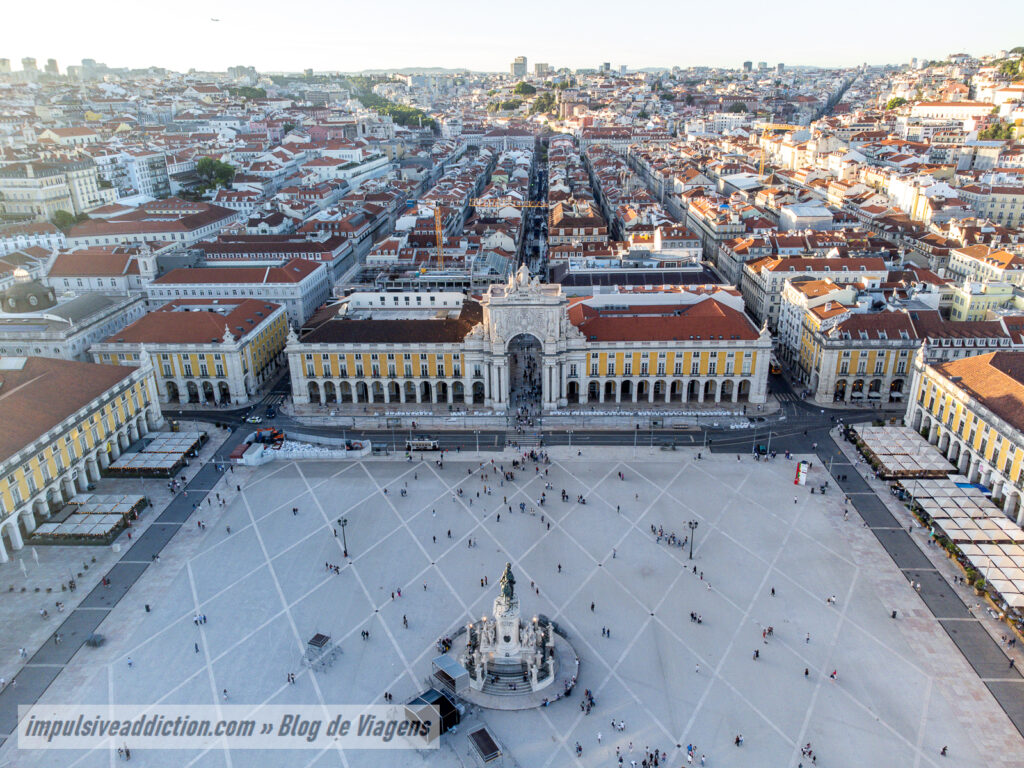
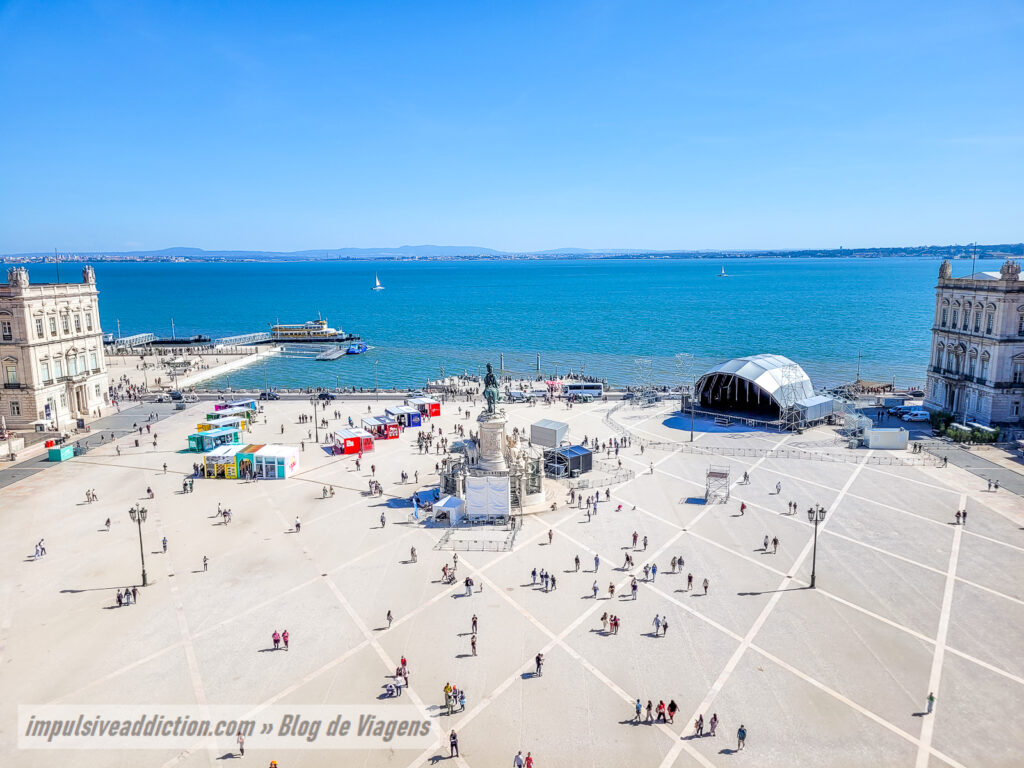
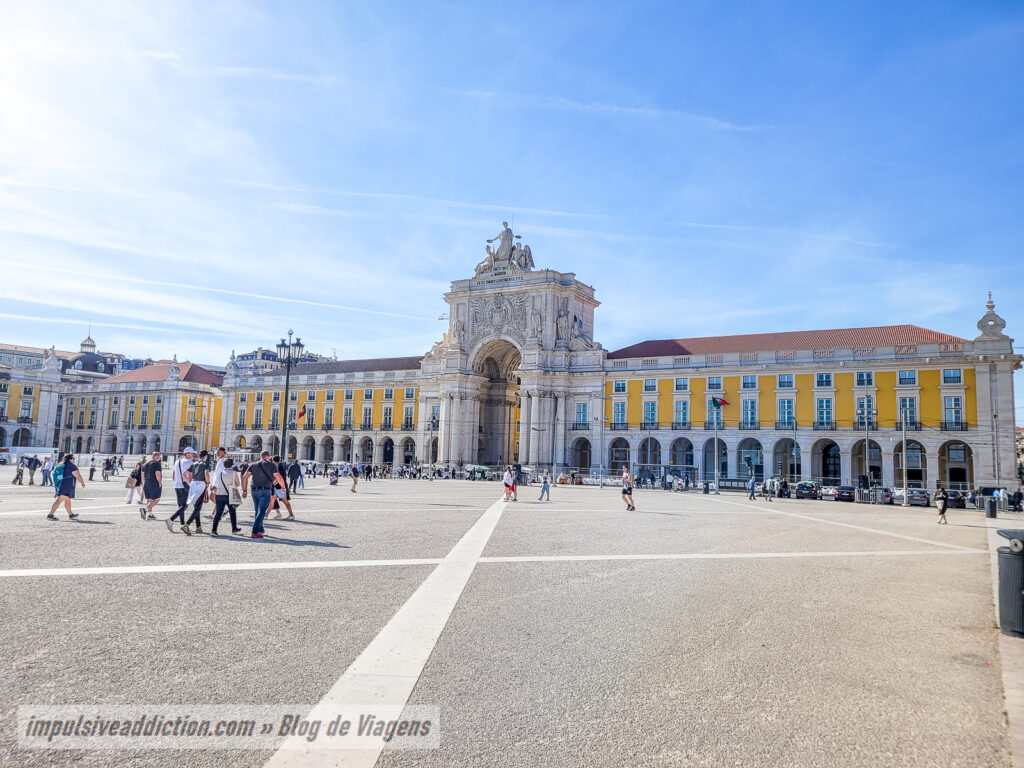
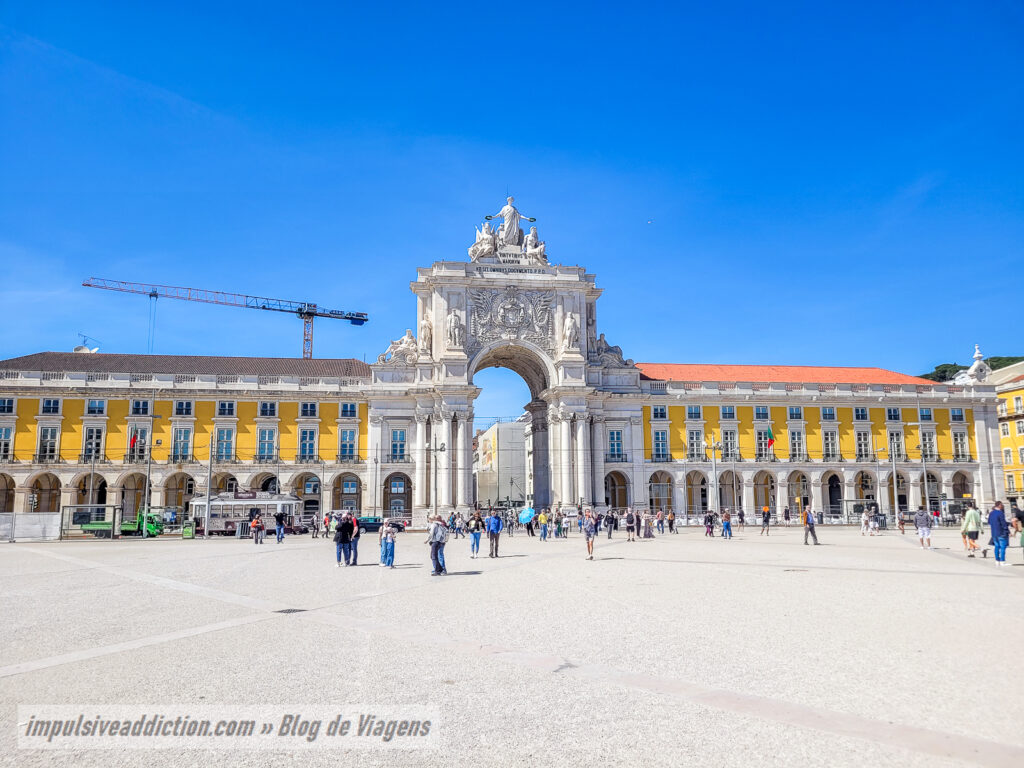
We begin at Terreiro do Paço, the majestic Praça do Comércio, once the maritime gateway to Lisbon and the stage for significant moments in Portuguese history. Surrounded by Pombaline arcades and open to the Tagus, the square impresses with its scale and harmony, featuring an equestrian statue of King José I at its center. It’s a perfect place to understand the city’s reconstruction after the 1755 earthquake and feel the morning breeze from the river.
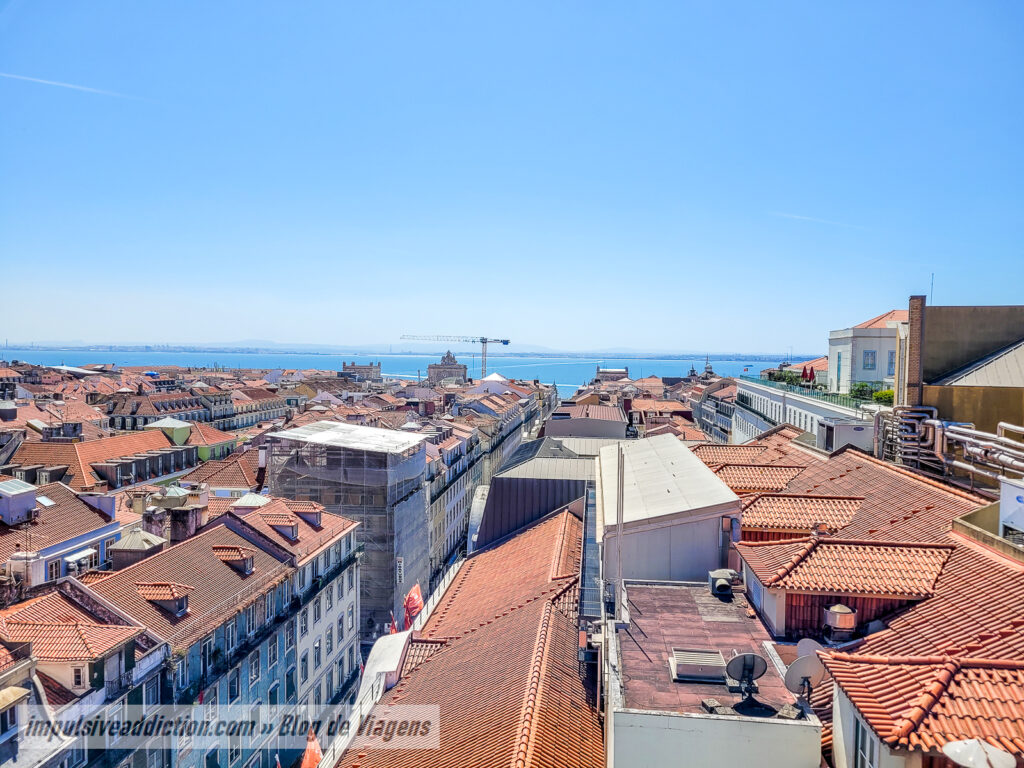
Take a moment to explore the arcades; there are traditional cafés, cultural spaces, and the Lisboa Story Centre, which is great for a quick dive into the city’s history. If you want elevated views, the Arco da Rua Augusta offers a viewpoint with a privileged perspective over the square, the river, and the Baixa district.
From here, our route naturally continues beneath the arch, directly entering Rua Augusta and the orthogonal streets of Pombaline Downtown, the heart of Lisbon’s commercial area.


2. Rua Augusta and Pombaline Downtown
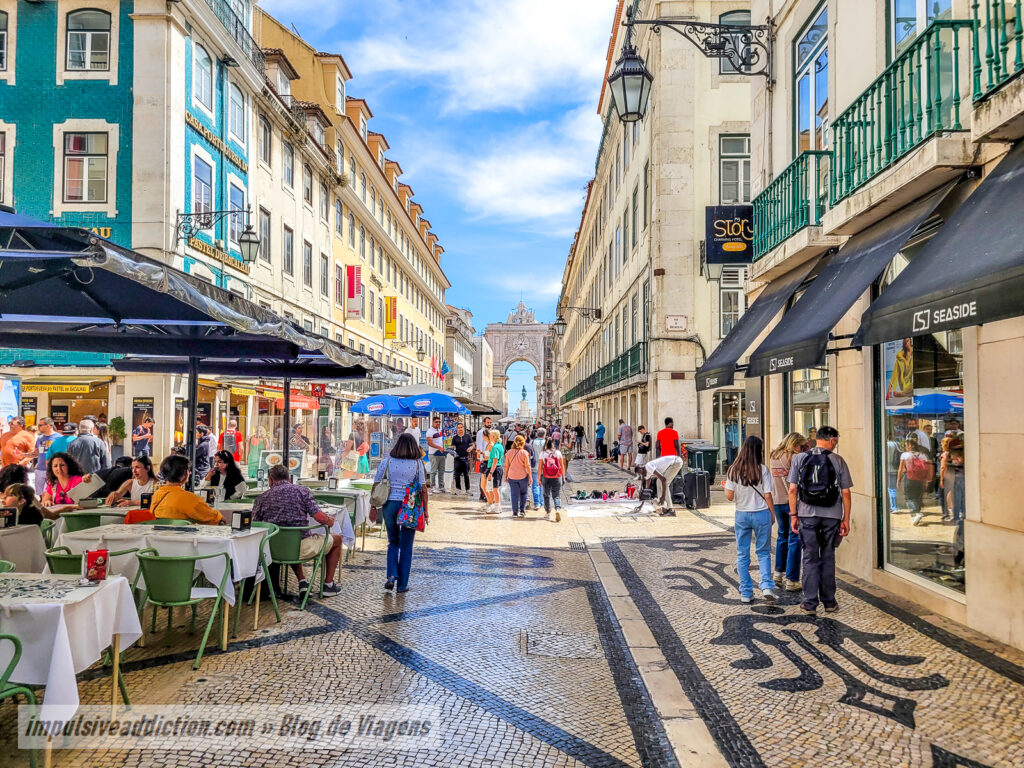
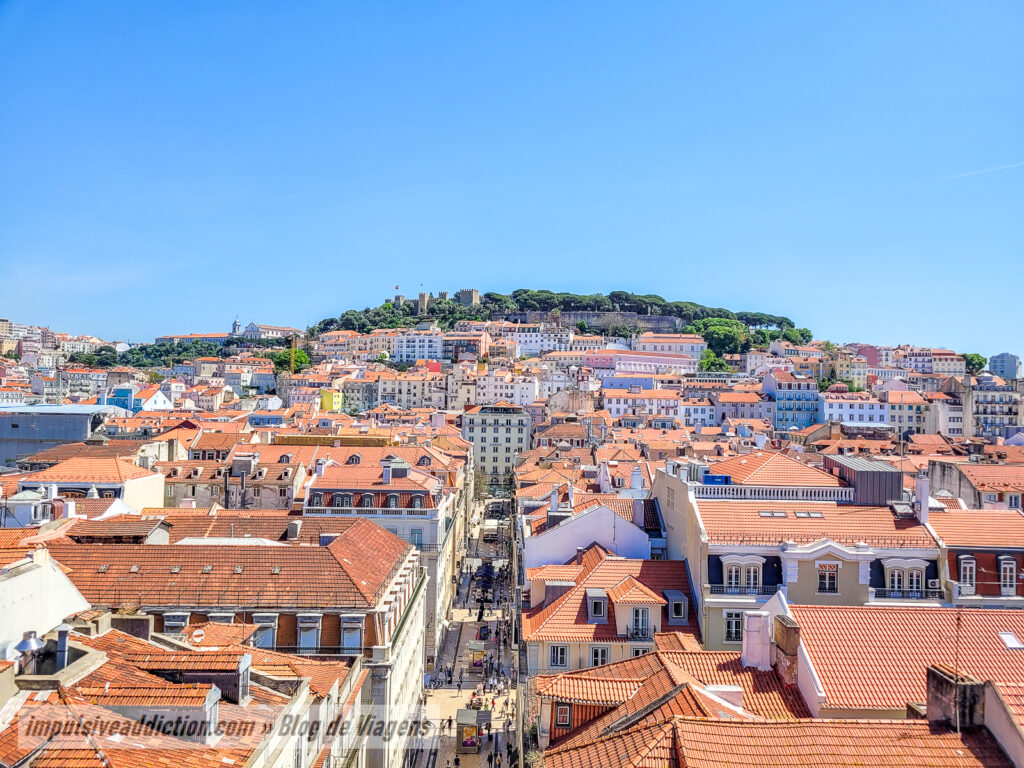
Rua Augusta is Lisbon’s most famous pedestrian street, adorned with Portuguese cobblestone mosaics, outdoor cafés, and street performers. The shops range from international brands to traditional commerce, making the walk vibrant and photogenic. Look up at the façades: the Baixa was rebuilt using the innovative “Pombaline cage” system, designed to withstand earthquakes.
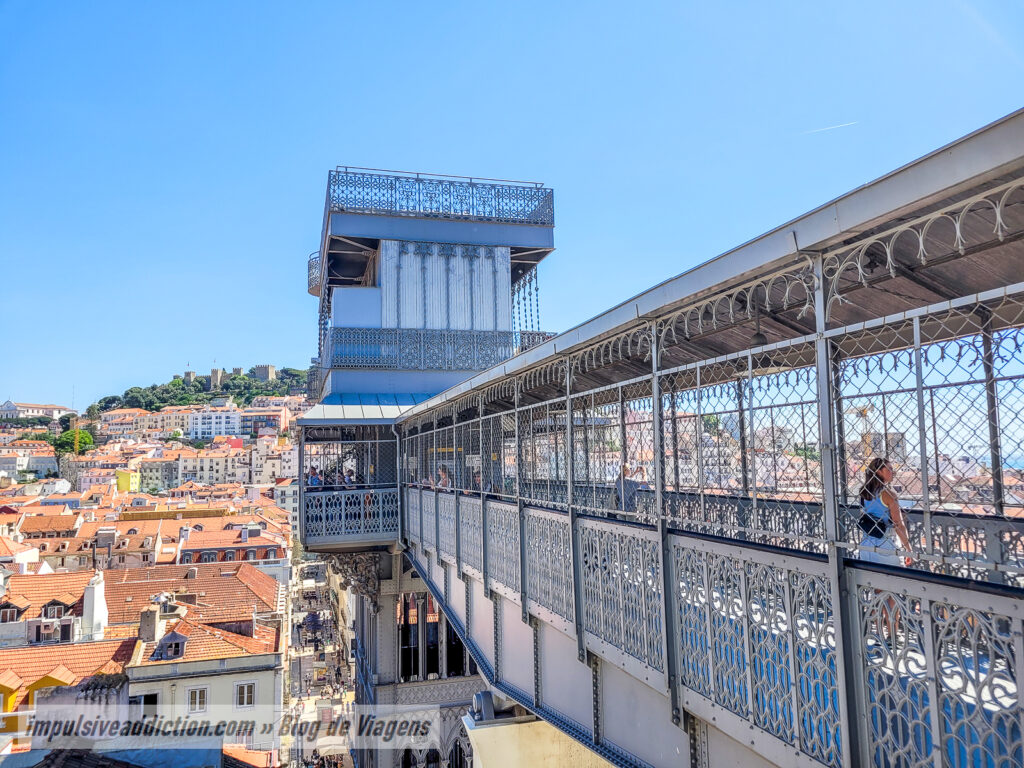
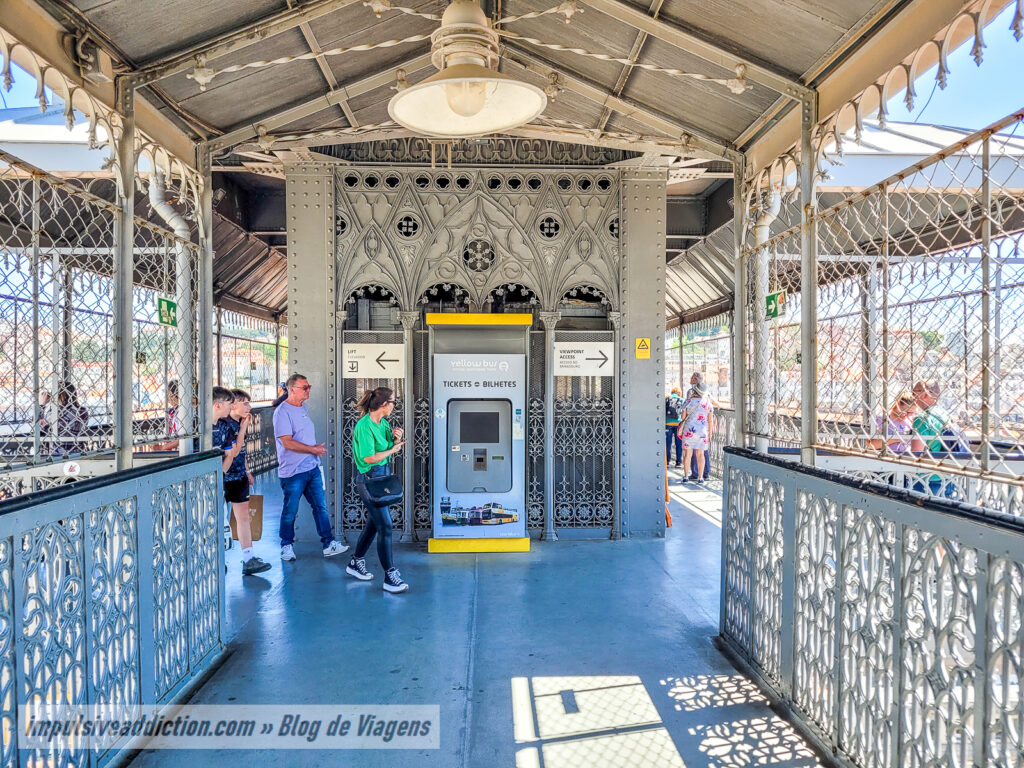
Explore parallel streets like Rua da Prata and Rua do Ouro, observe the geometric squares, and notice the neoclassical details. If you enjoy historical interiors, step into the Santa Justa Lift (built in 1902).
At the end of Rua Augusta, the landscape begins to rise towards Chiado. That’s where we’re headed next, leaving behind the Pombaline uniformity to enter a literary and elegant neighborhood.
3. Chiado
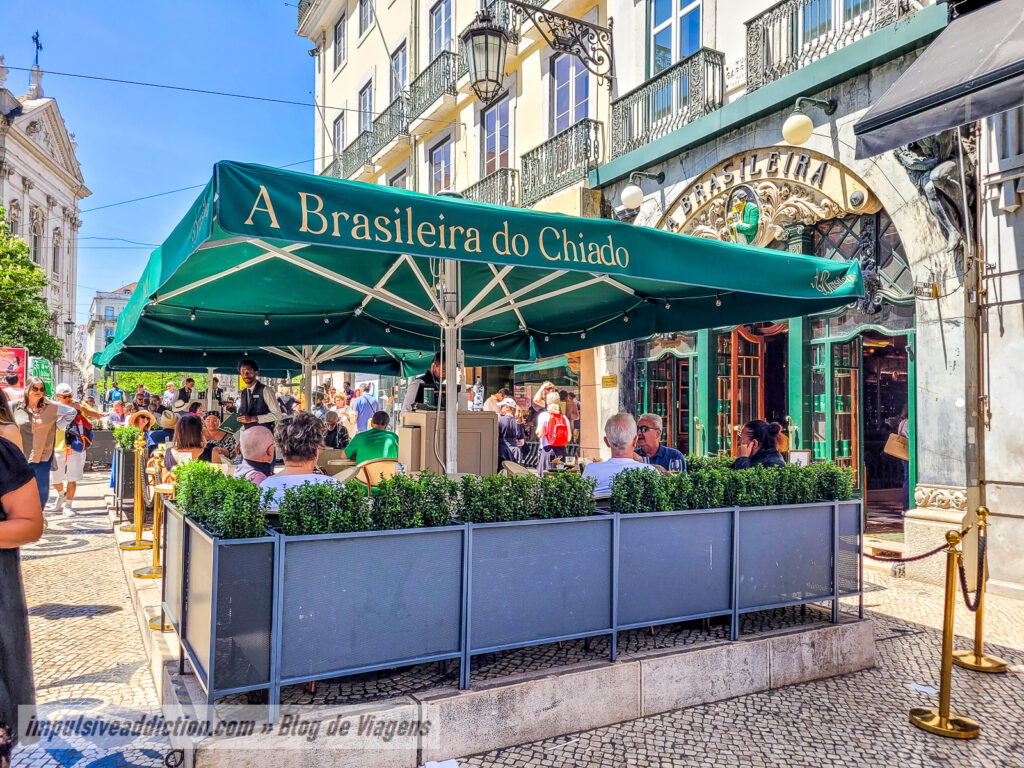
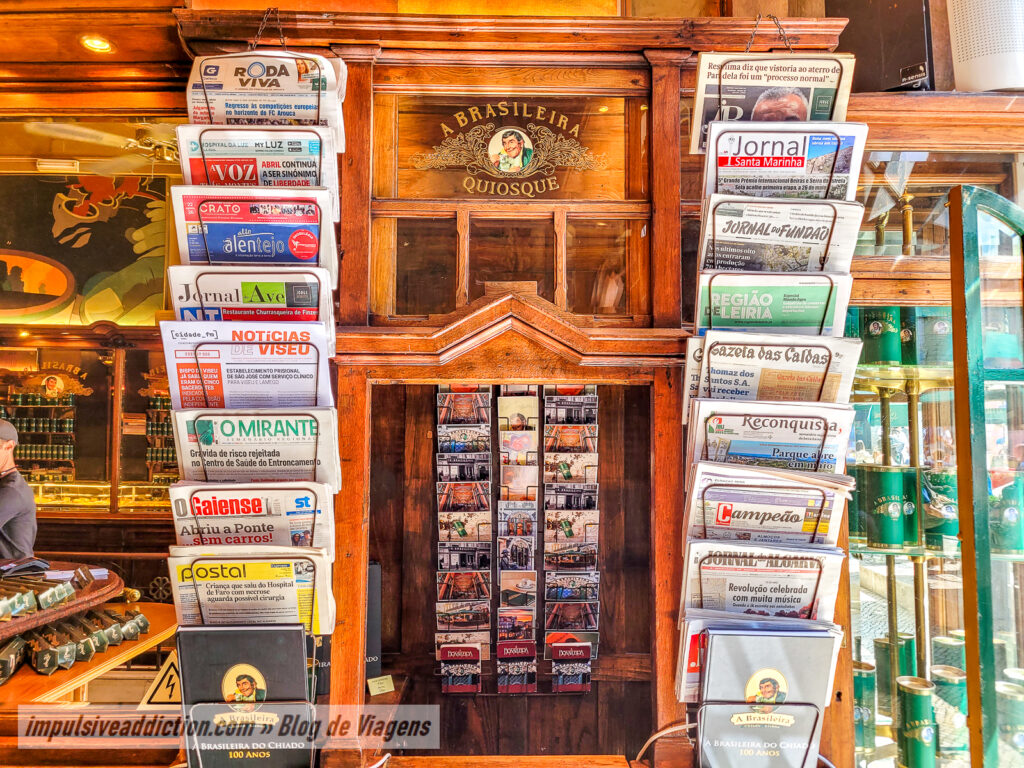
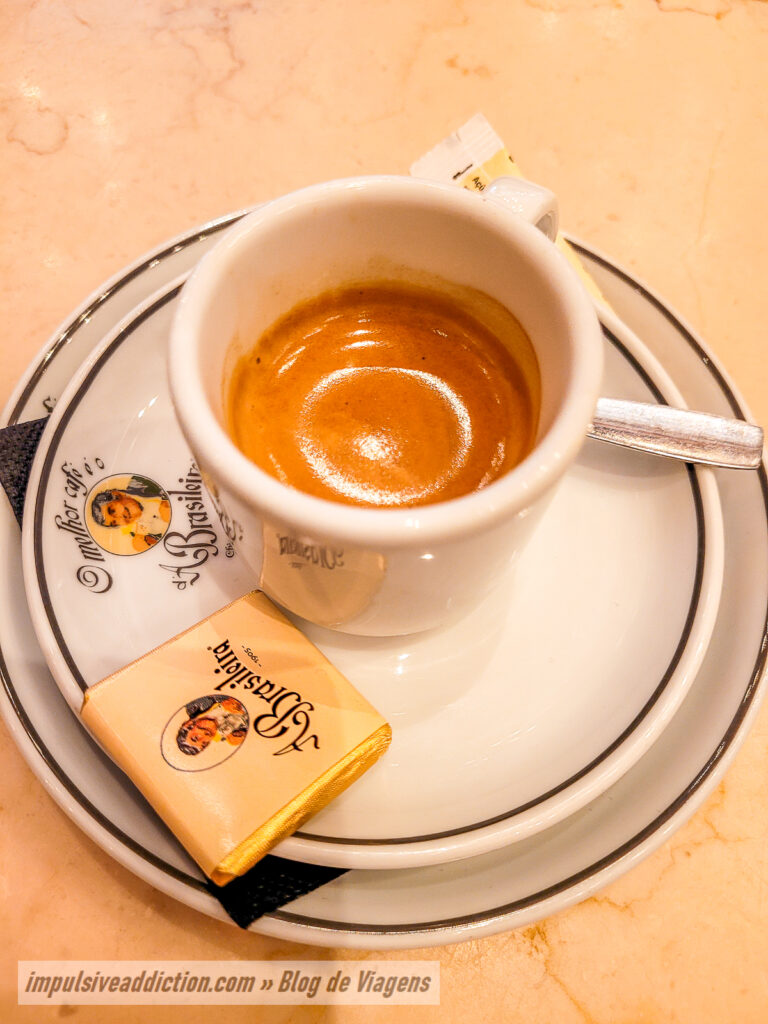
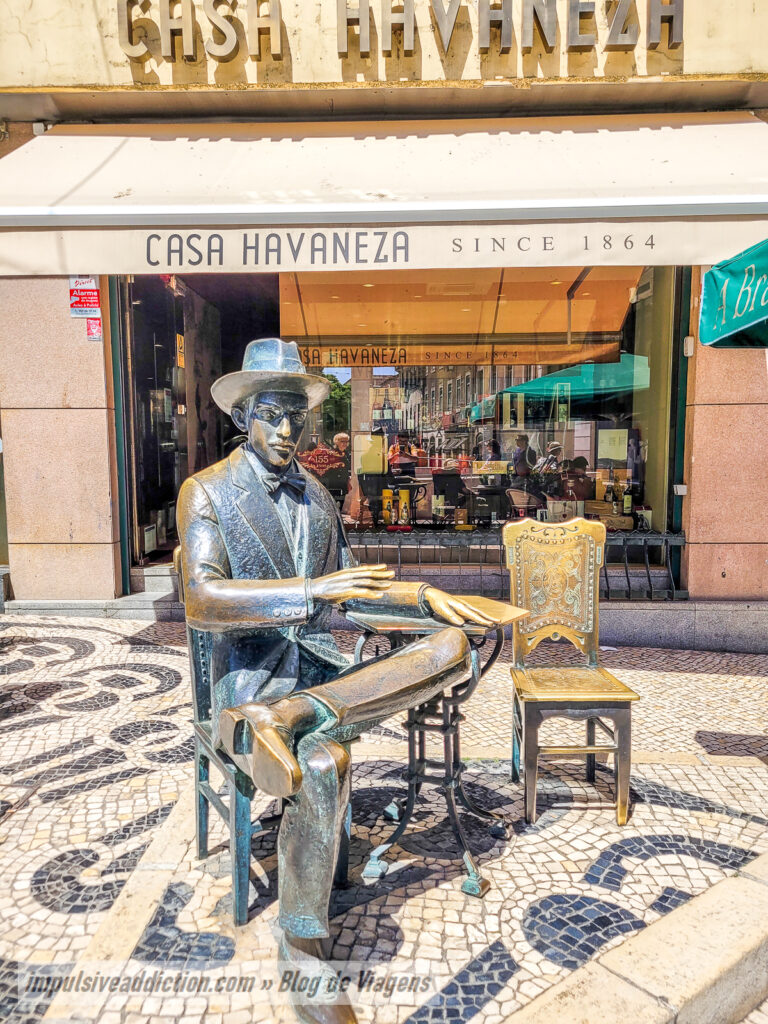
Take your time and head up to Chiado (the escalators at the Baixa-Chiado metro station are helpful) and explore literary cafés like A Brasileira, home to the statue of Fernando Pessoa.
Things to see:
- A Brasileira and the statue of Fernando Pessoa
- Livraria Bertrand (the oldest operating bookstore)
- Largo do Carmo, with the Ruins of the Carmo Convent and the Archaeological Museum
- Teatro São Luiz and Teatro Nacional São Carlos
- The Santa Justa Lift balcony (upper access) for views over the Baixa
For a pastel de nata, Manteigaria is usually a safe bet.
In Chiado, you can also visit some beautiful churches in Lisbon, including the Church of the Incarnation, the Church of Loreto, and the Basilica of Our Lady of the Martyrs.
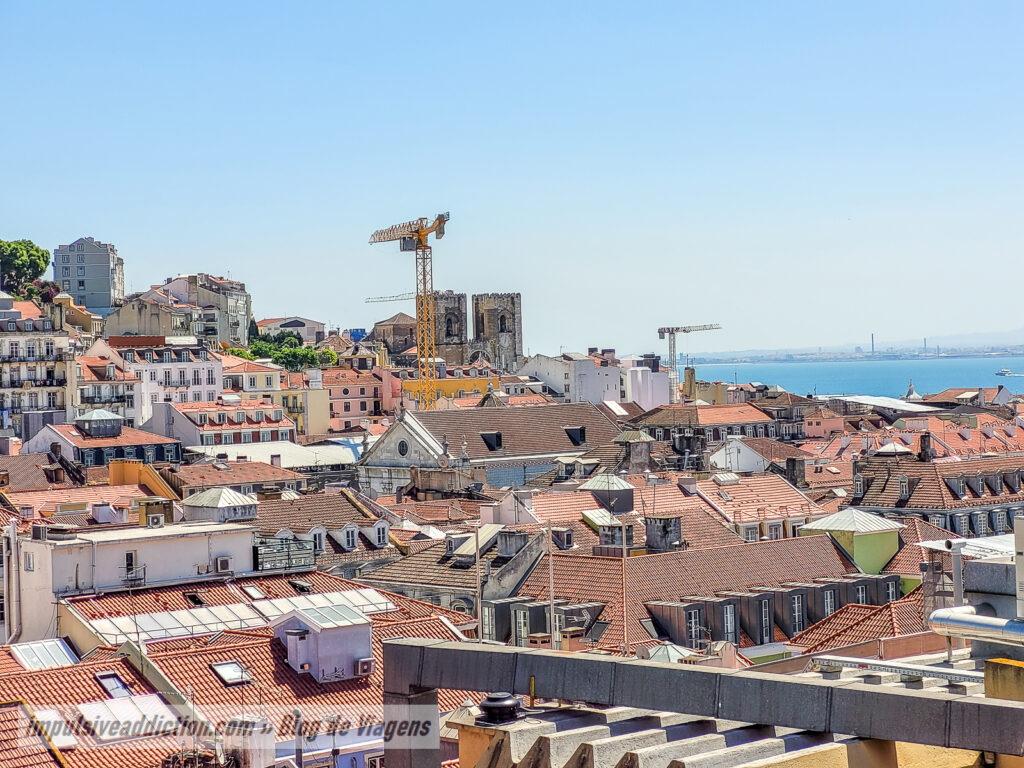
4. Bairro Alto
Head over to Bairro Alto. By day, it’s a calm neighborhood with ateliers, independent shops, and street art.
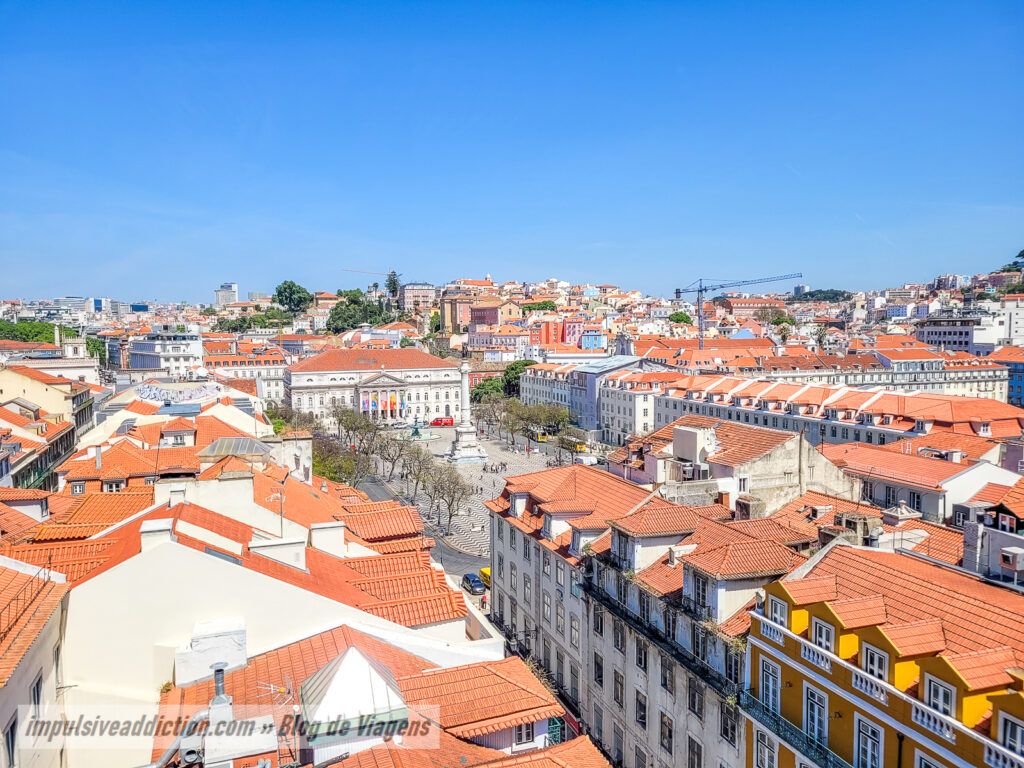
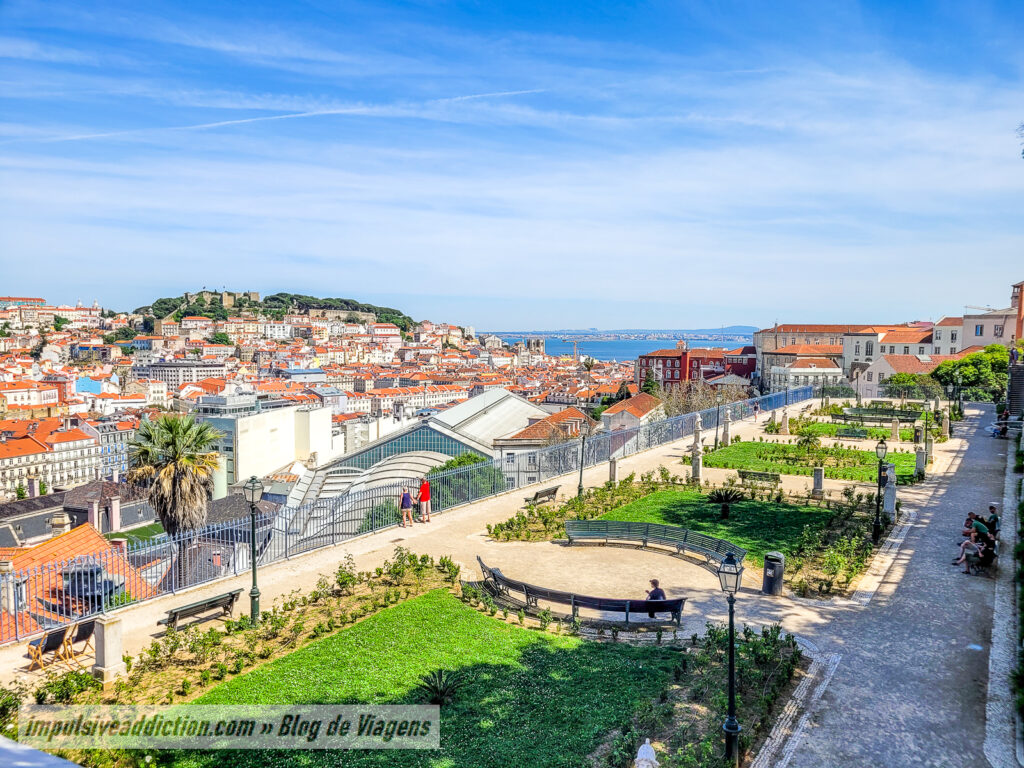
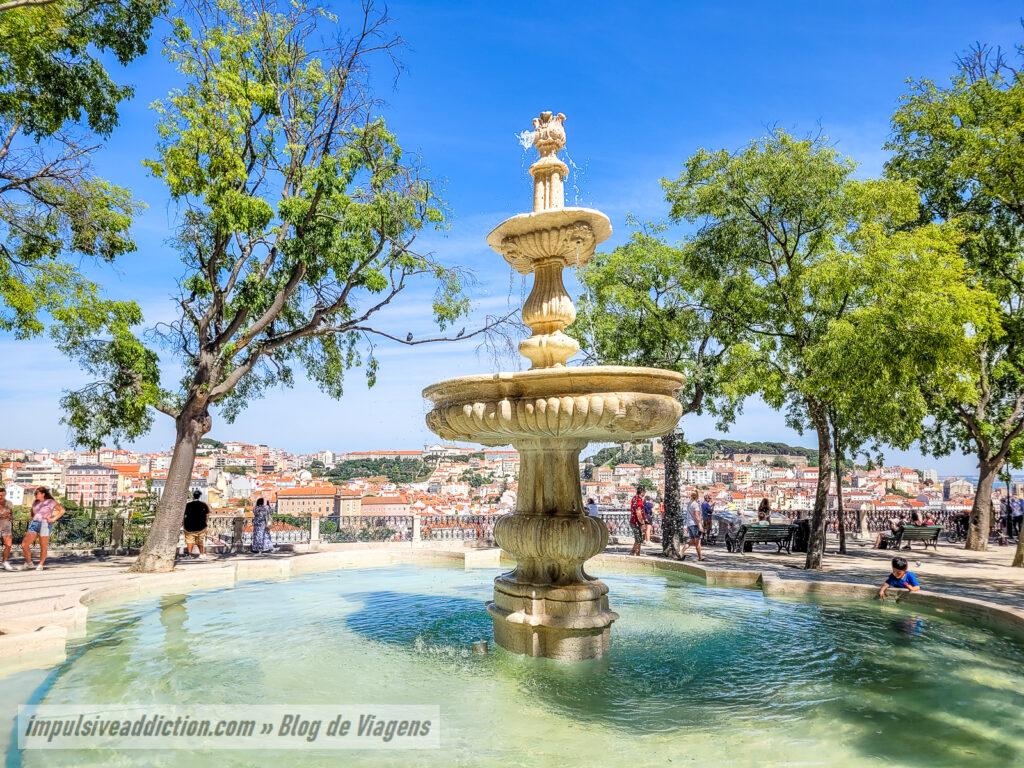
At the Miradouro de São Pedro de Alcântara, enjoy panoramic views of the Baixa with the castle in the distance; the gardens and the tile panel help identify the different neighborhoods.
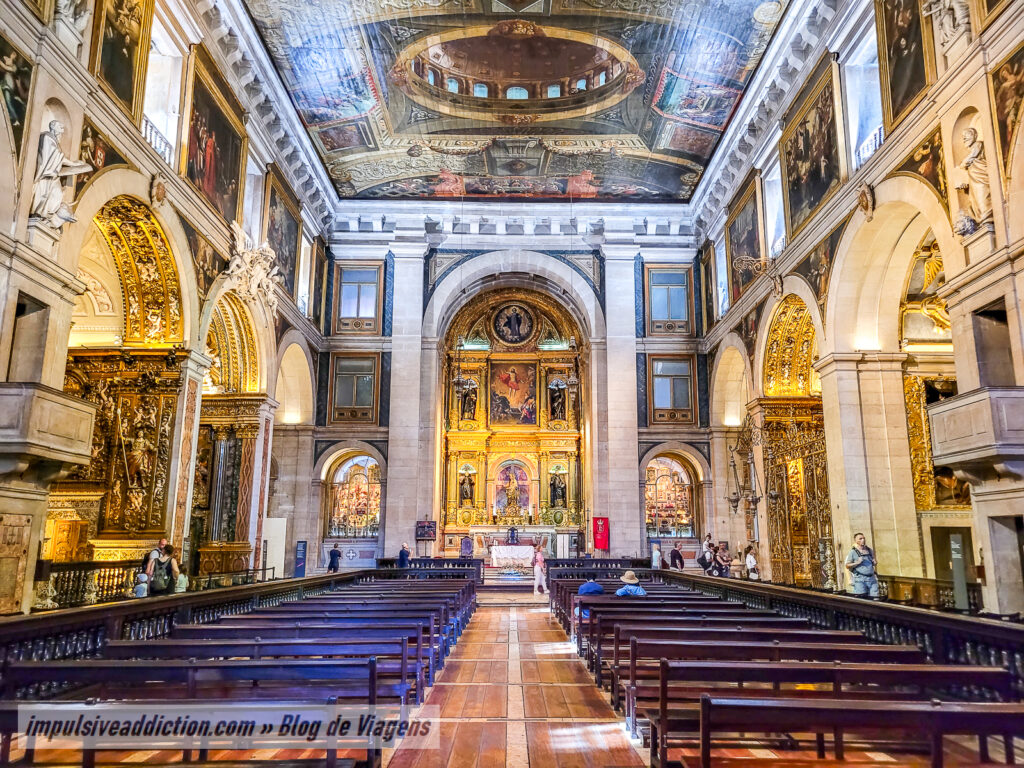
Visit discreet churches like Igreja de São Roque (with its richly decorated interior), and if you’re interested, explore the São Roque Museum. Save some energy: at night, the neighborhood transforms, so you’ll want to come back here later.
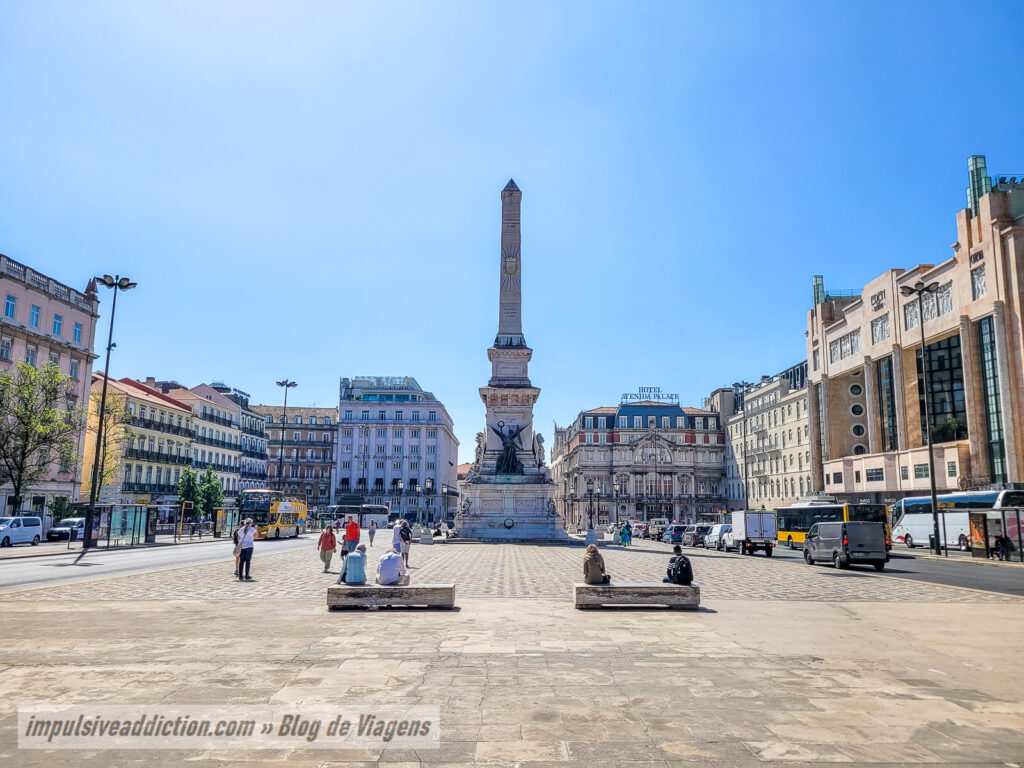
5. Largo dos Restauradores and Rossio Square
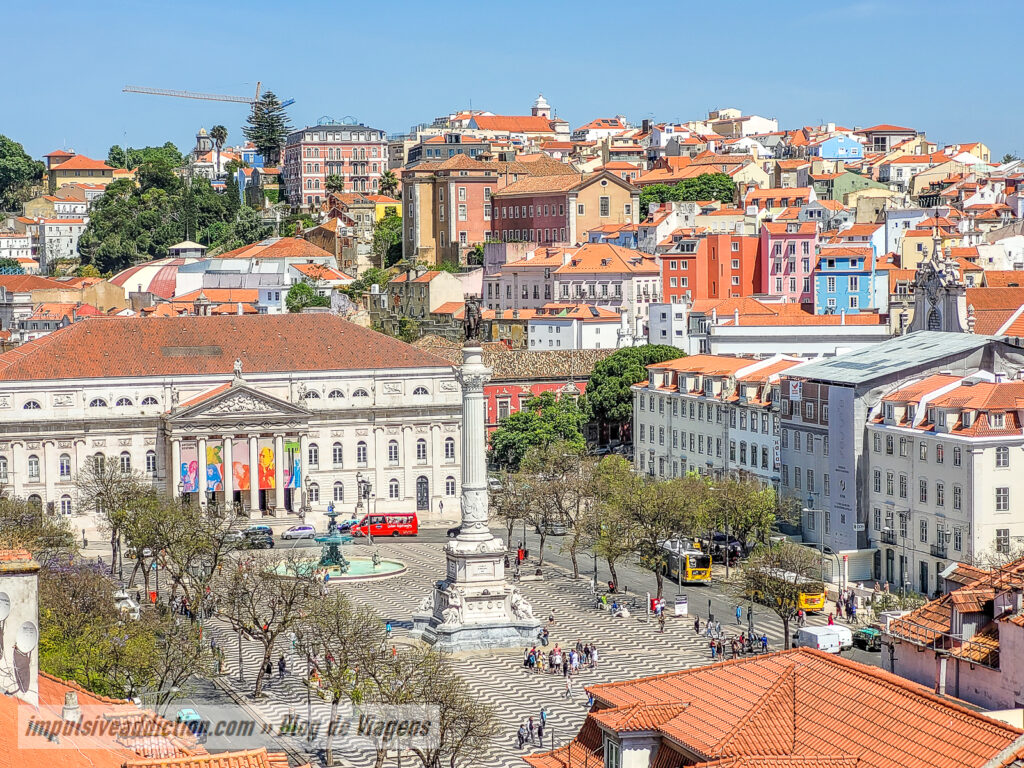
Head down to the Restauradores-Rossio to experience the “living room” of Lisbon.
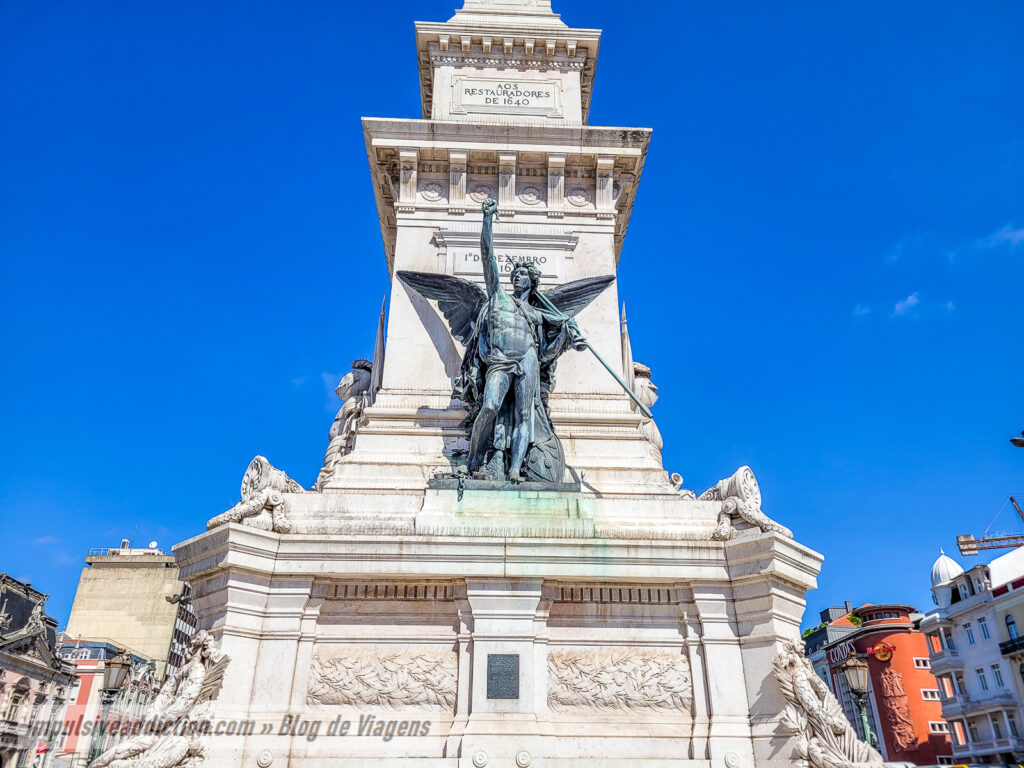
Largo dos Restauradores celebrates the Restoration of Independence (1640) with a central obelisk and iconic buildings, such as the former Eden. Just a few steps away, Rossio Station displays a Manueline-style double-arch façade that’s worth admiring.
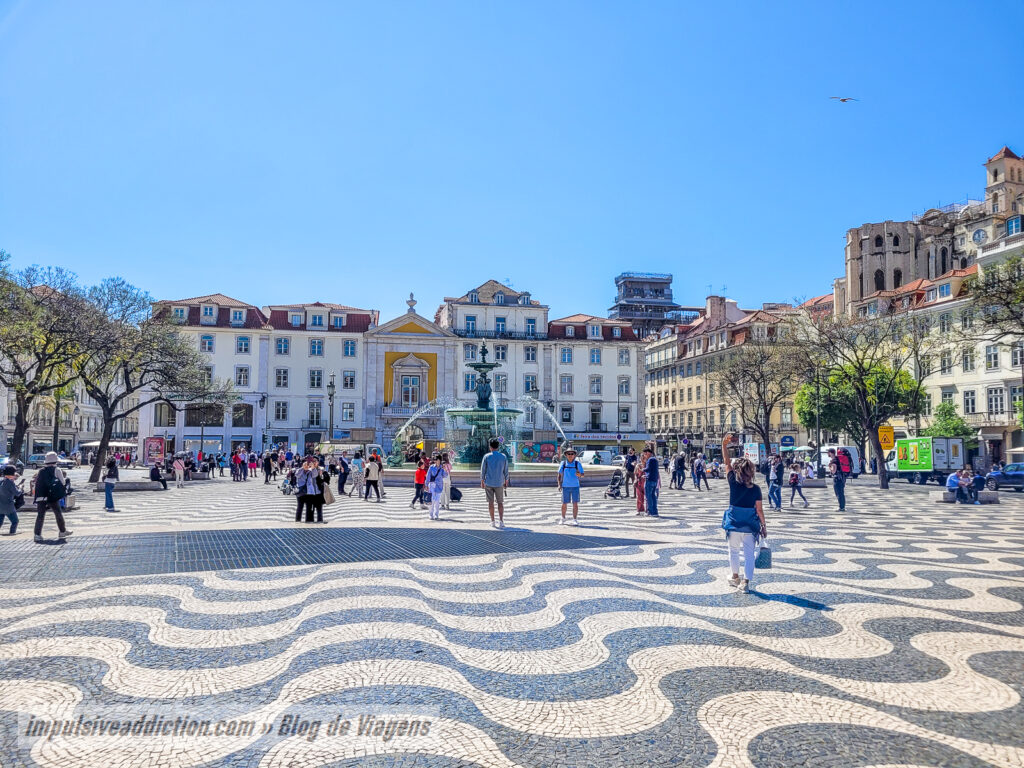
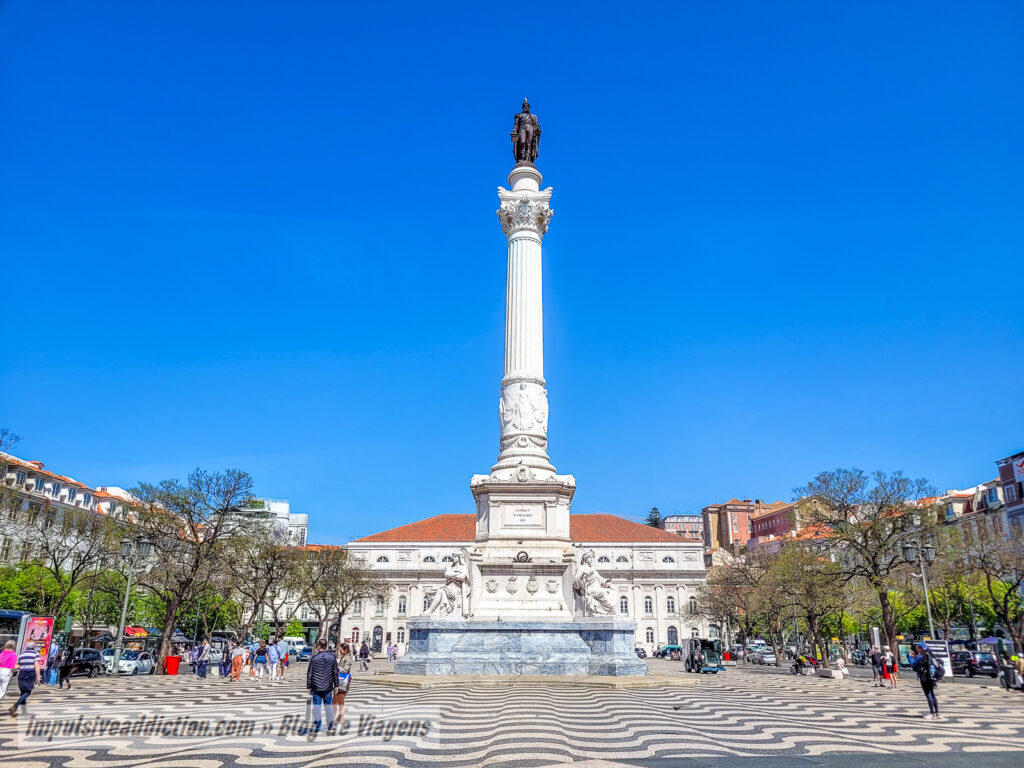
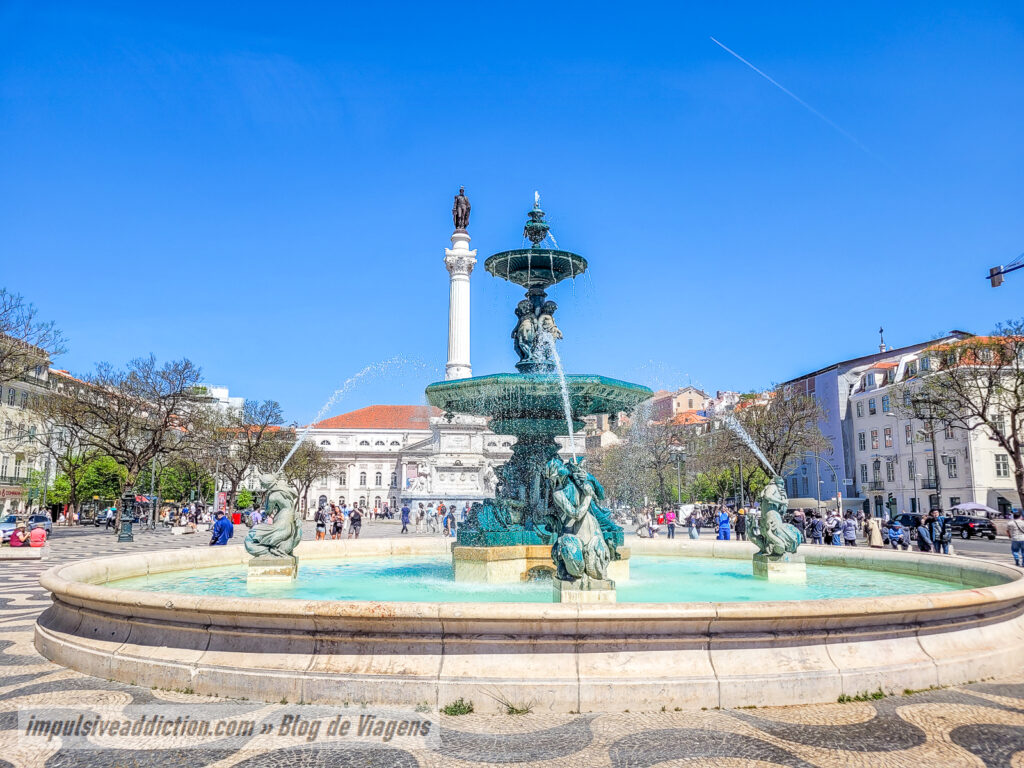
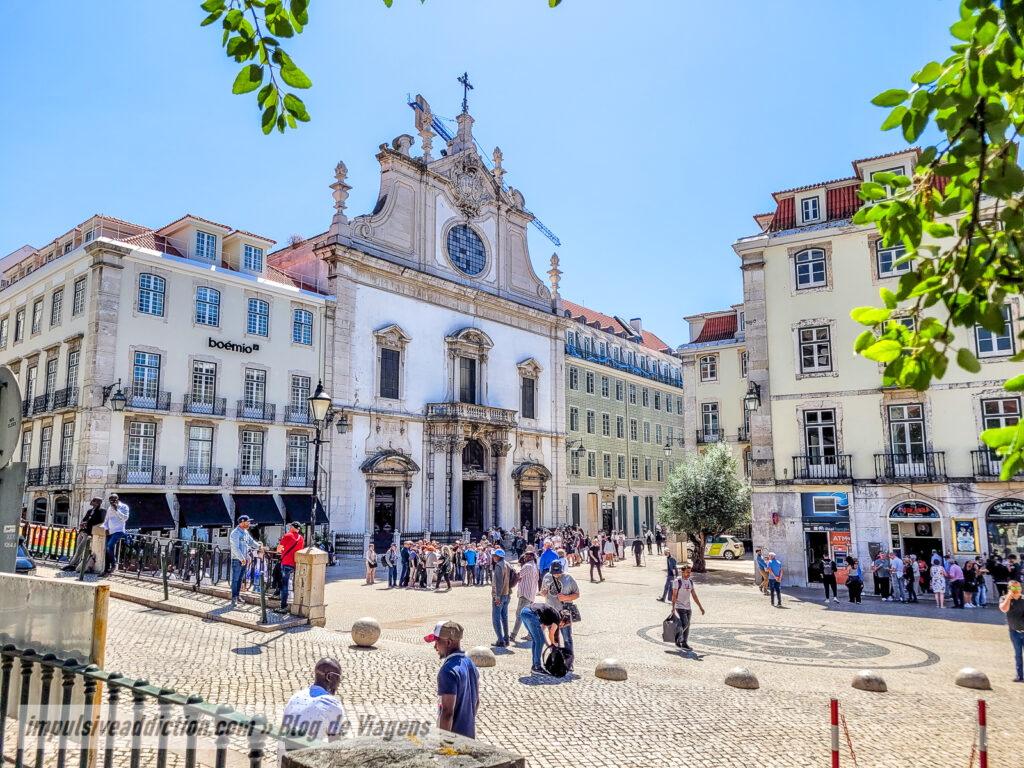
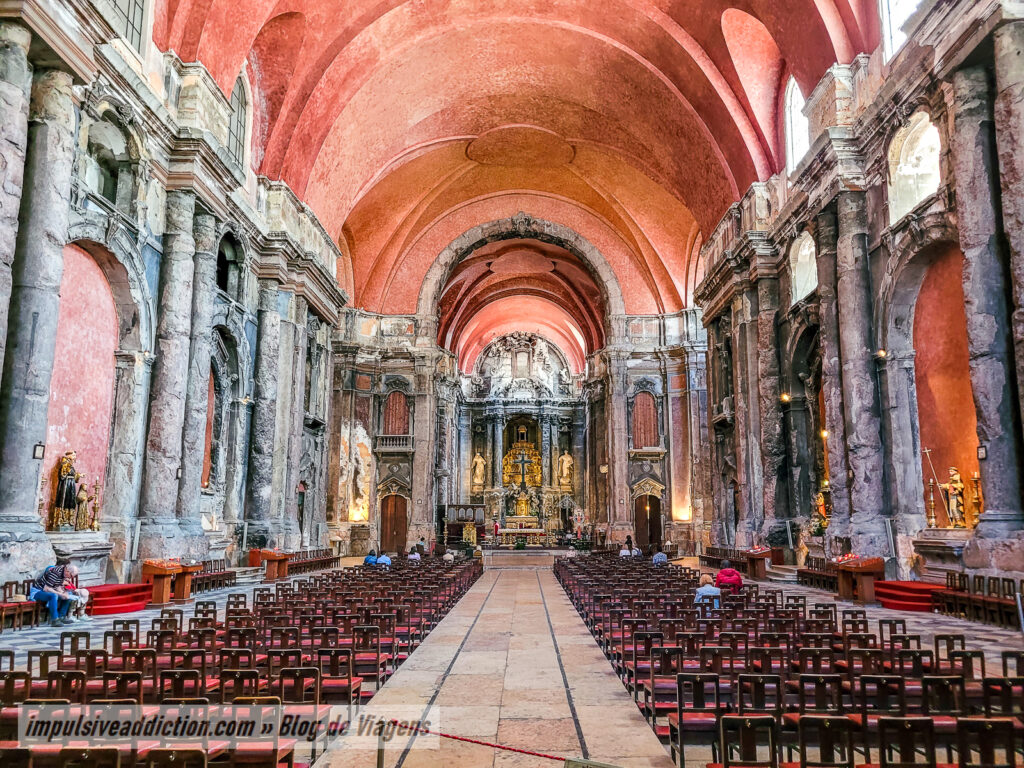
In Praça Dom Pedro IV (Rossio), notice the wavy cobblestone patterns, the twin fountains, and the Teatro Nacional D. Maria II. It’s a perfect spot for a break: sitting at an outdoor café and watching the world go by is almost a Lisbon ritual. Don’t forget to visit Igreja de São Domingos.
From this urban heart, we head east toward a culturally rich neighborhood: Mouraria, the birthplace of multicultural stories and Fado music.
6. Mouraria
Mouraria is a mosaic of cultures, with world groceries, Asian and African flavors, and narrow alleys that tell the story of Lisbon’s more popular side. Look for Rua do Capelão and the panels honoring the voices of Fado, the art form that took deep roots here.
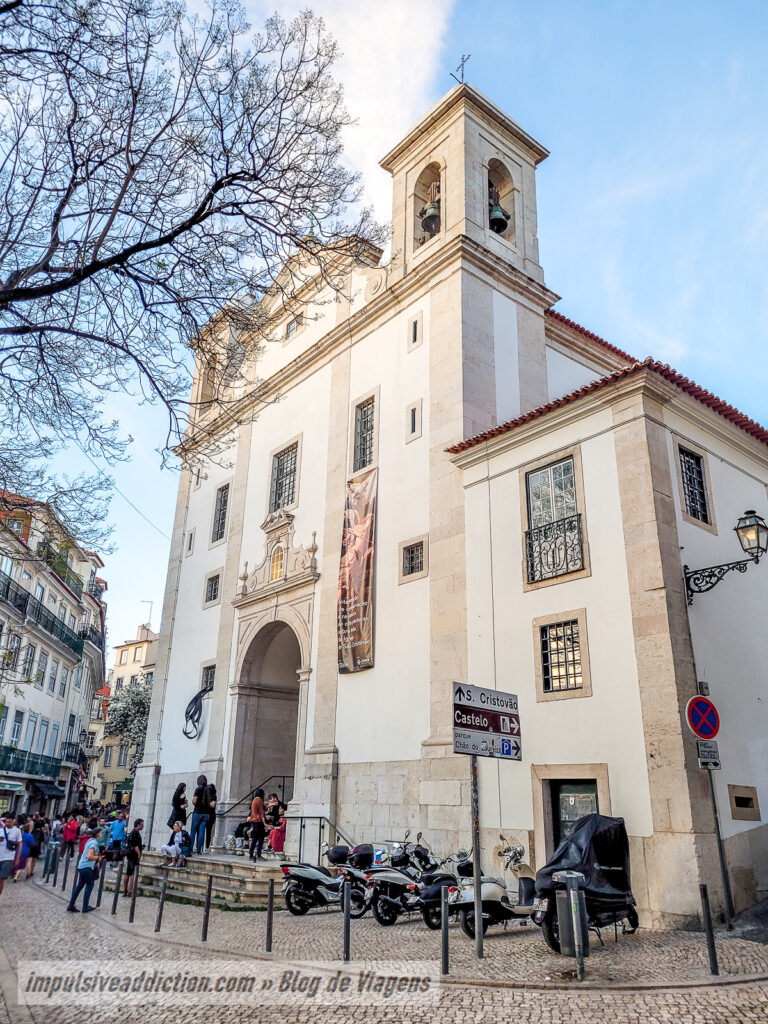
Between small stairs and discreet squares, discover the Igreja de São Cristóvão and tiny taverns where homemade cuisine shines. It’s also a great spot to buy spices and try sweets from other places, all while maintaining the neighborhood’s spirit.
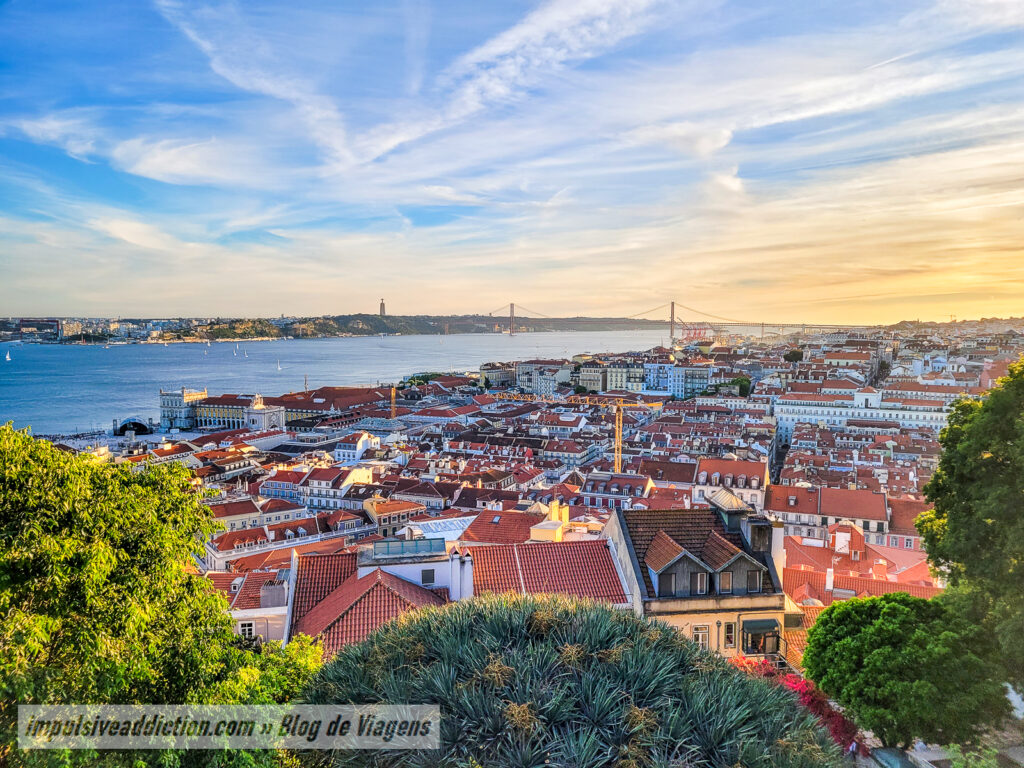
From here, we climb the hill; the houses open up, and the city wall makes its presence known. Our destination is the summit: Castelo de São Jorge, the city’s guardian.
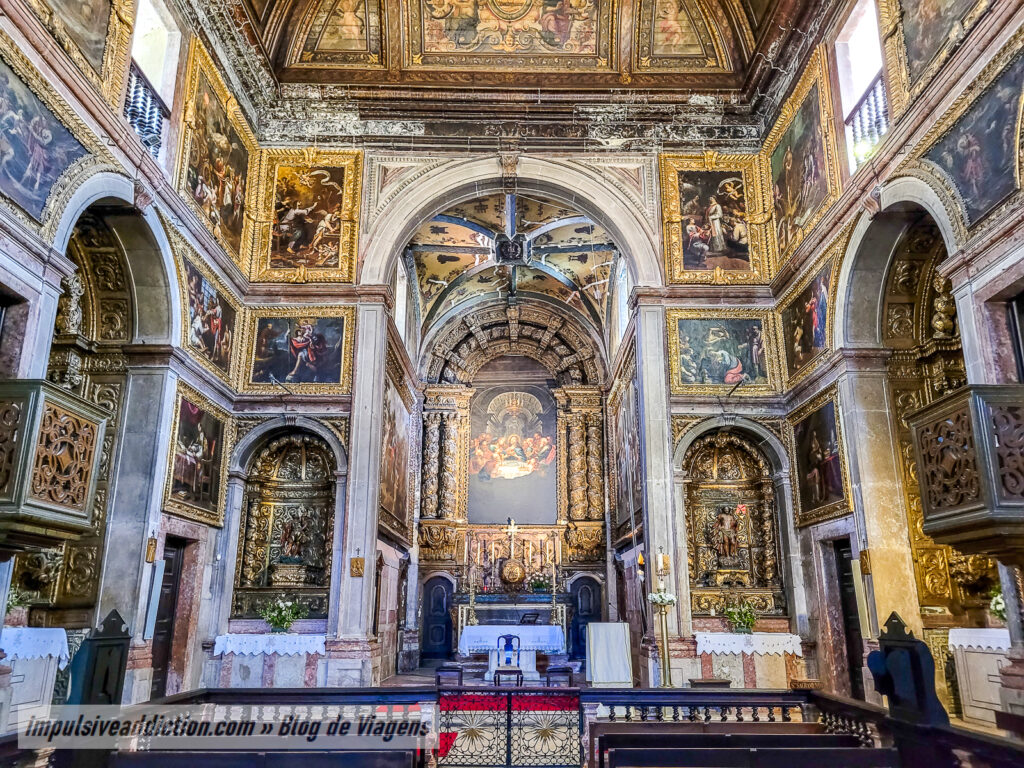
7. Castelo de São Jorge
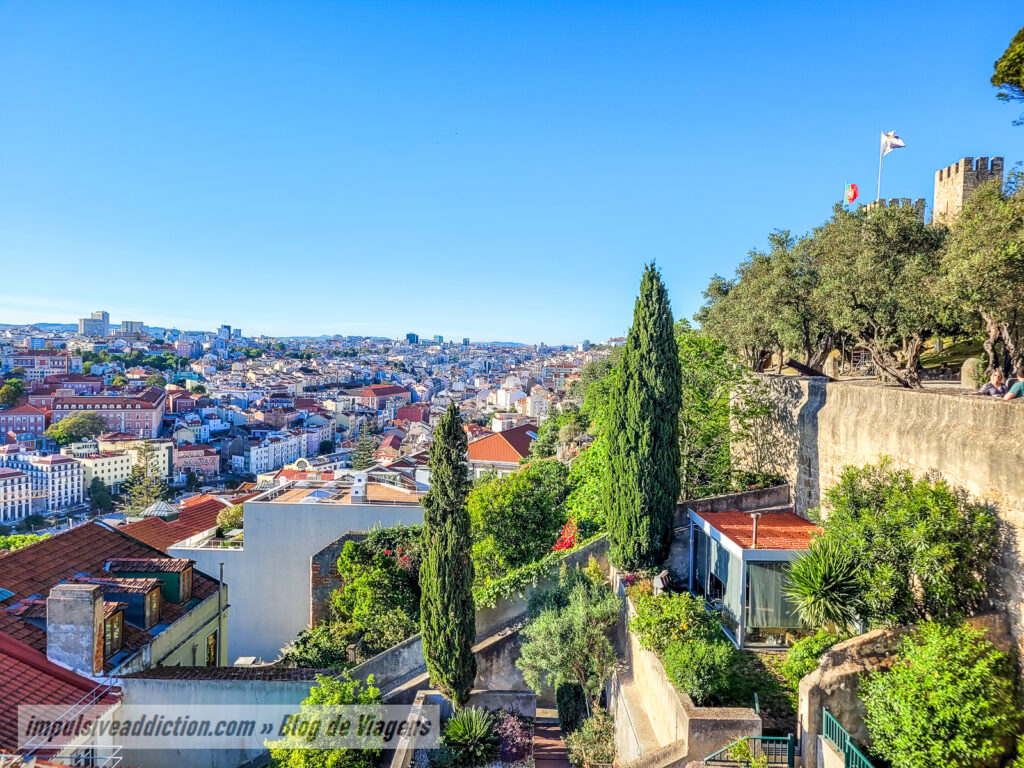
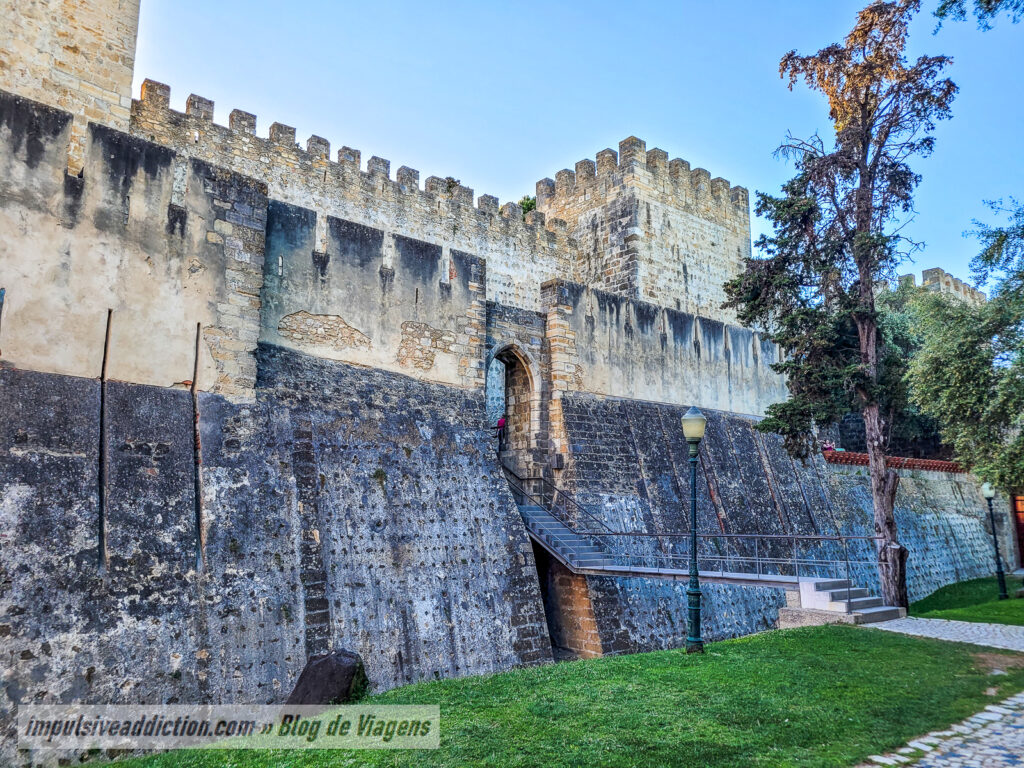
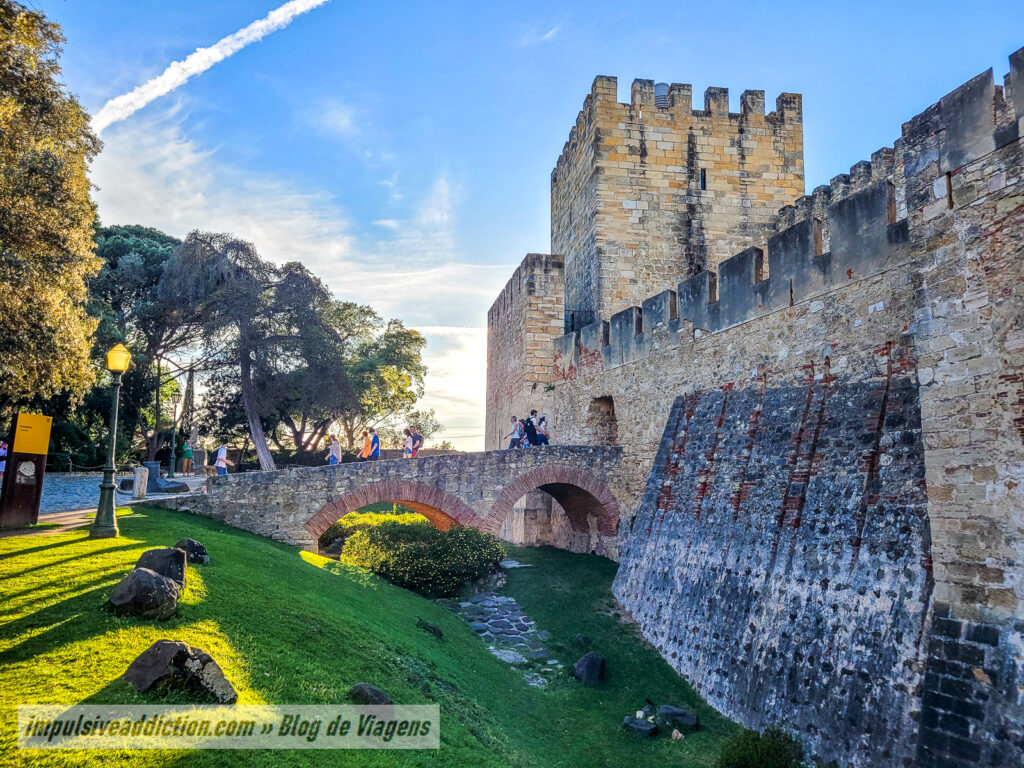
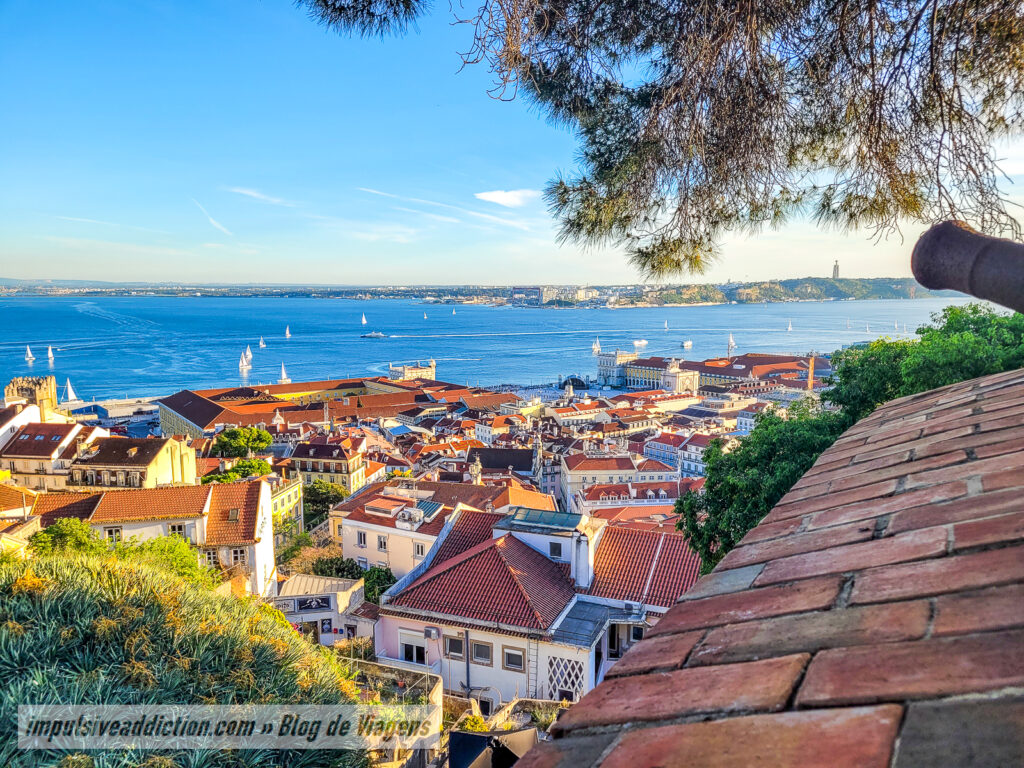
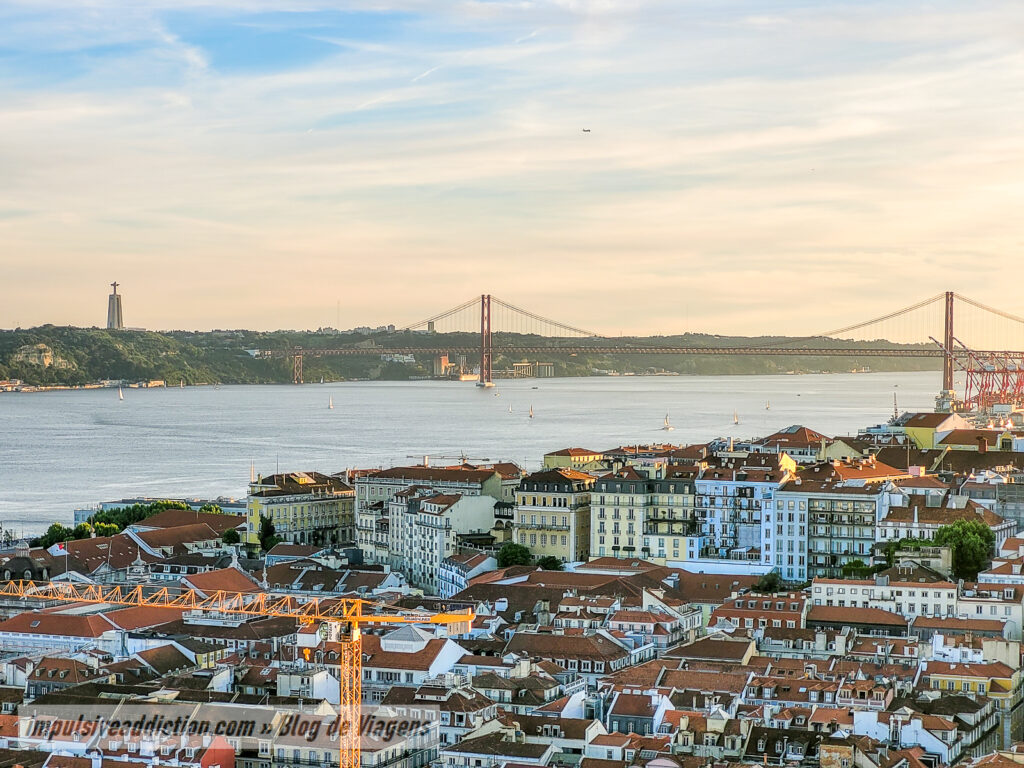
Castelo de São Jorge dominates Lisbon from its most iconic hill. The walls offer stunning viewpoints where you can see the Tagus River, neighboring hills, and the maze-like streets of Baixa. Walk along the battlements, visit the archaeological site, and explore the Núcleo Museológico to understand the various periods of occupation.
Inside, peacocks stroll through the gardens, and the shade of the trees invites you to slow down. It’s a great moment for photography and to mentally map out the neighborhoods we’ve explored and those we’re still going to discover.
Exiting through the castle gate, we continue along the eastern slope, where the Miradouros das Portas do Sol and Santa Luzia await. Just below, the labyrinth of Alfama beckons.
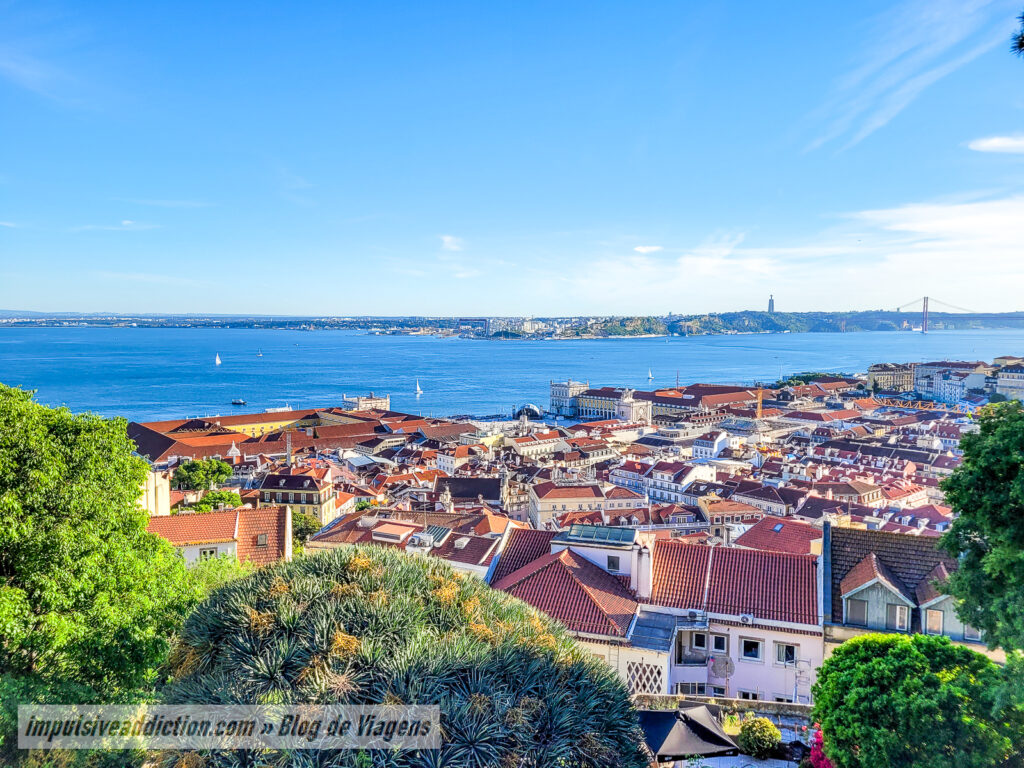
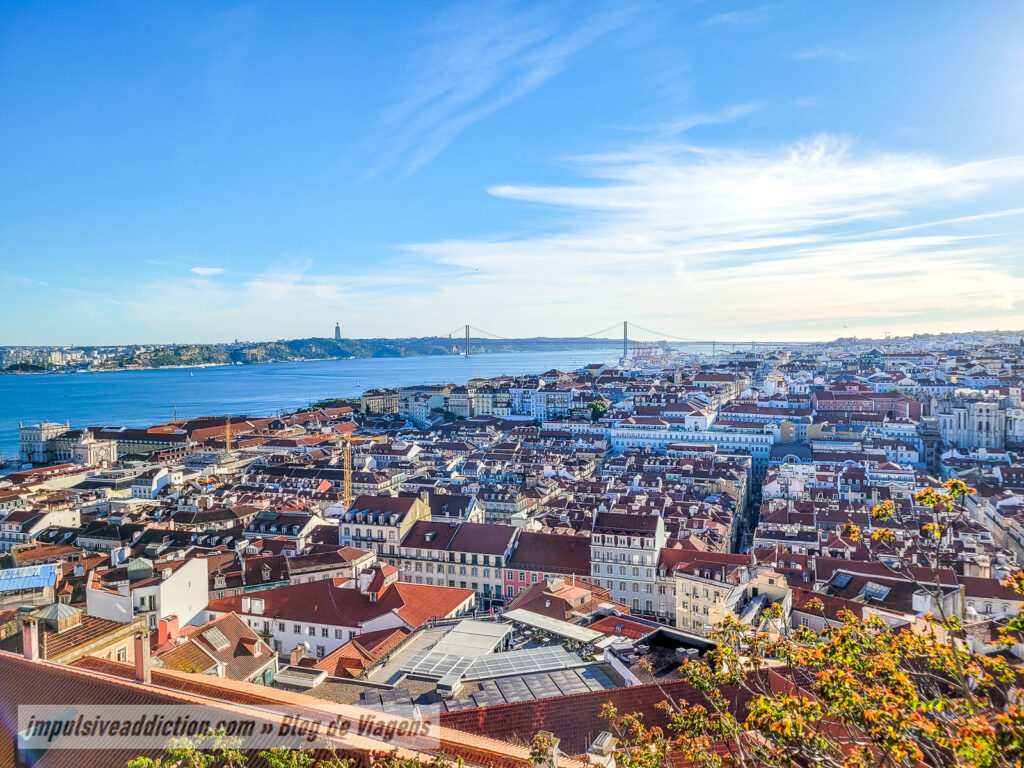
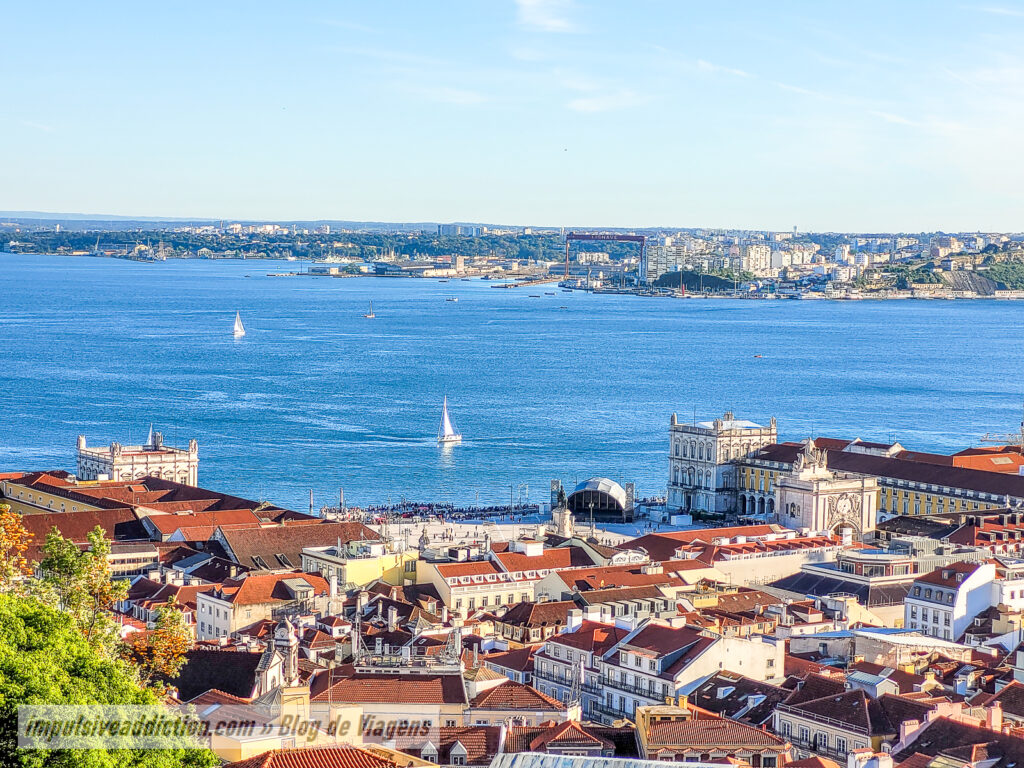
8. Portas do Sol and Alfama
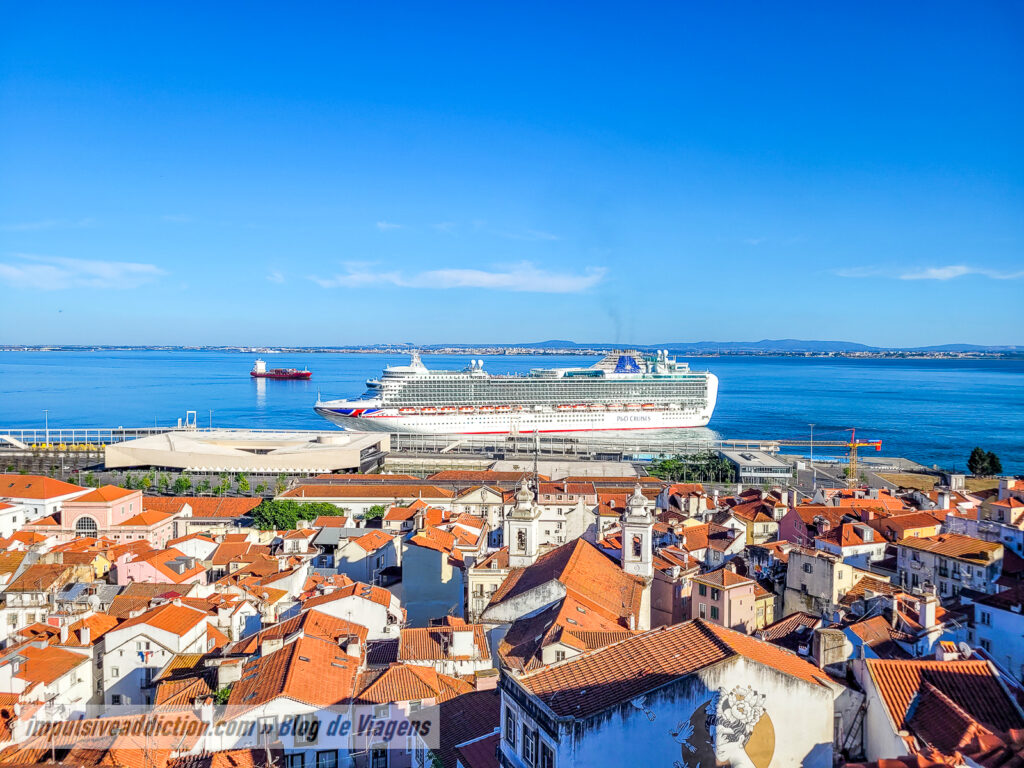
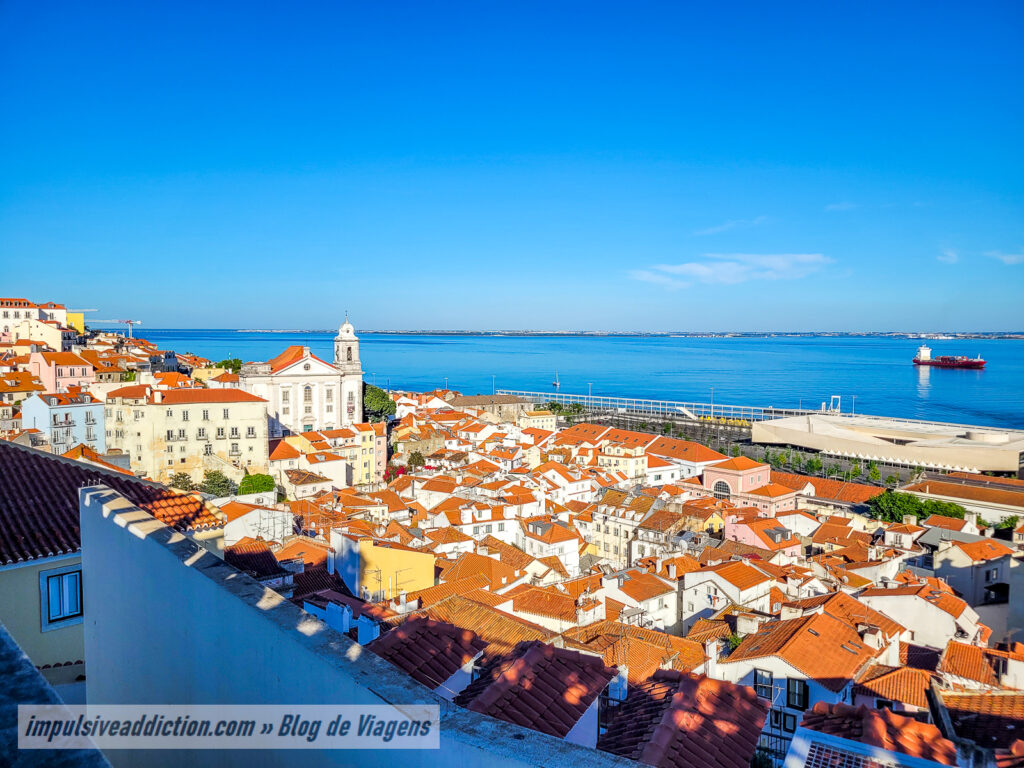
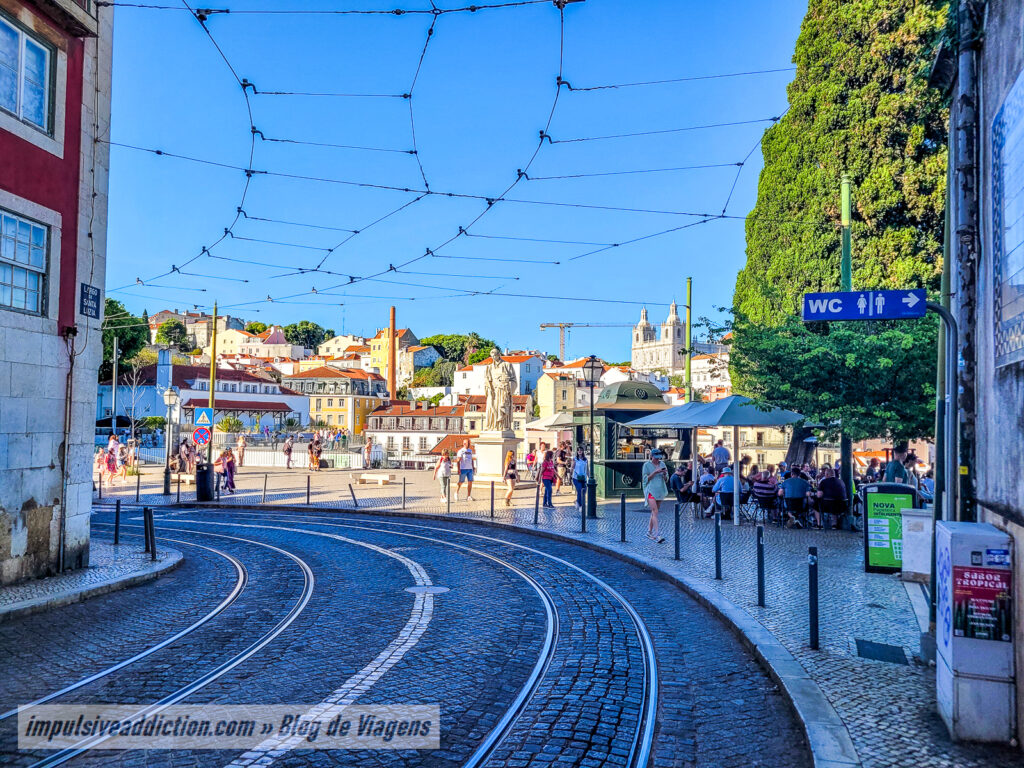
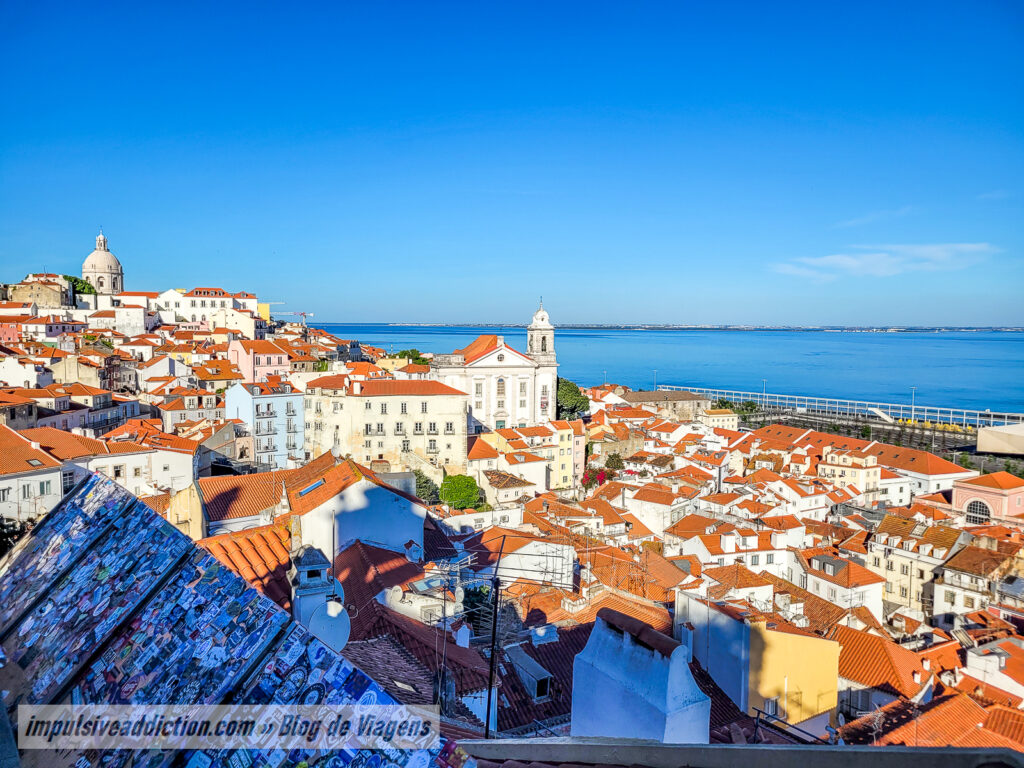
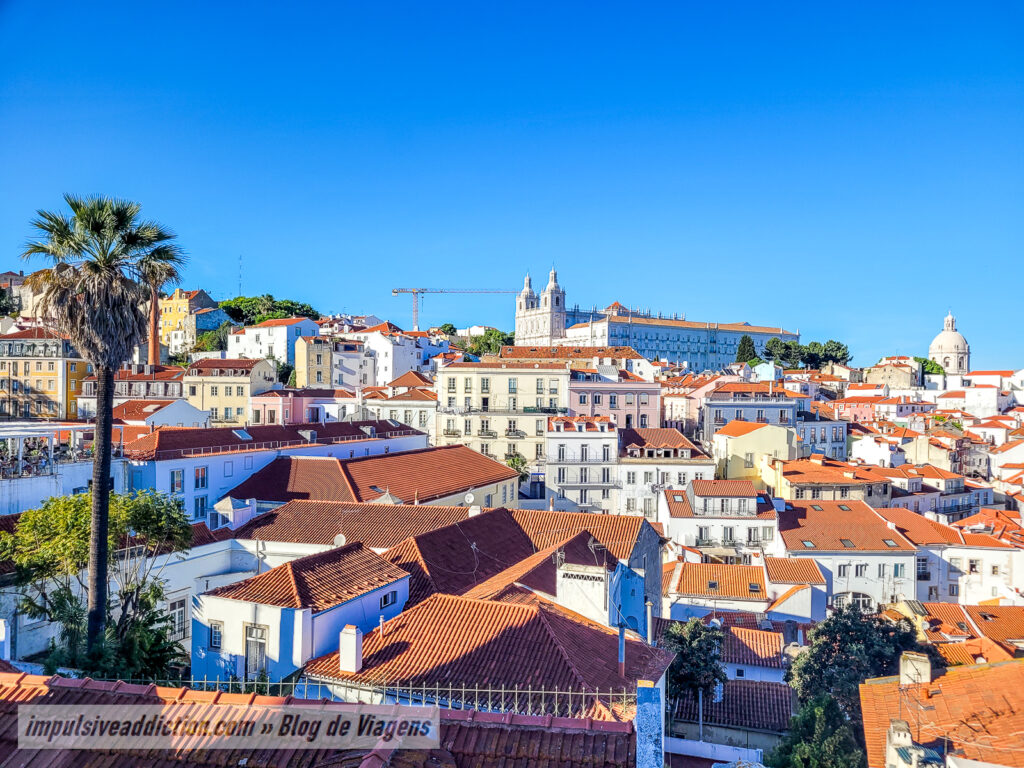
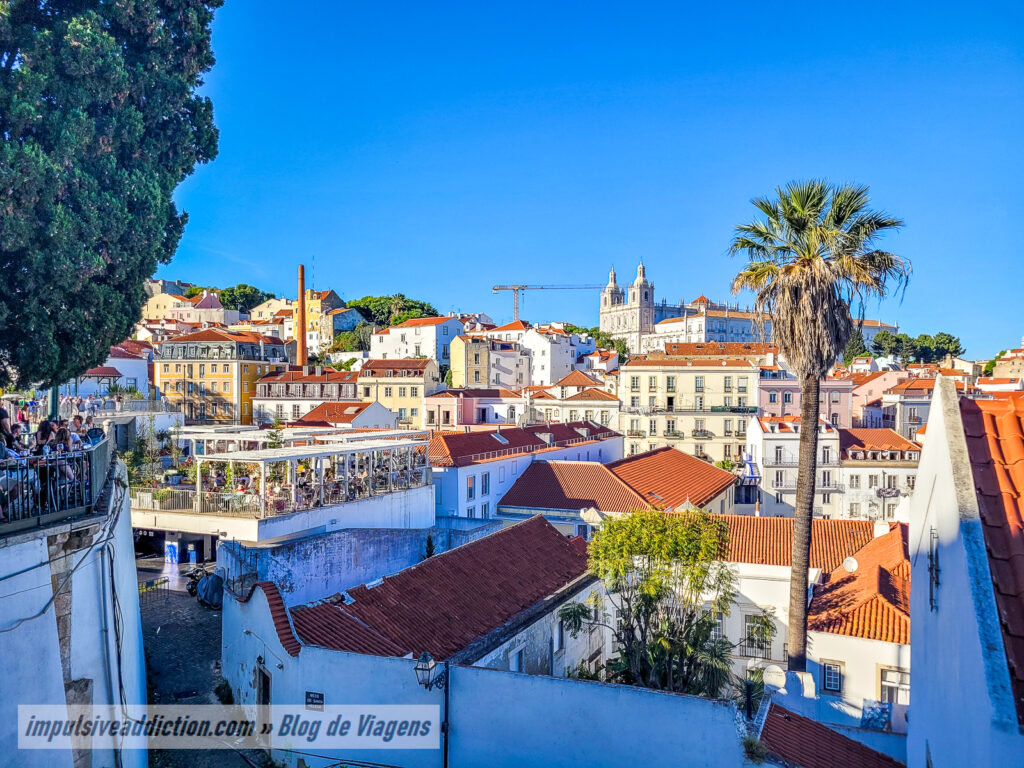
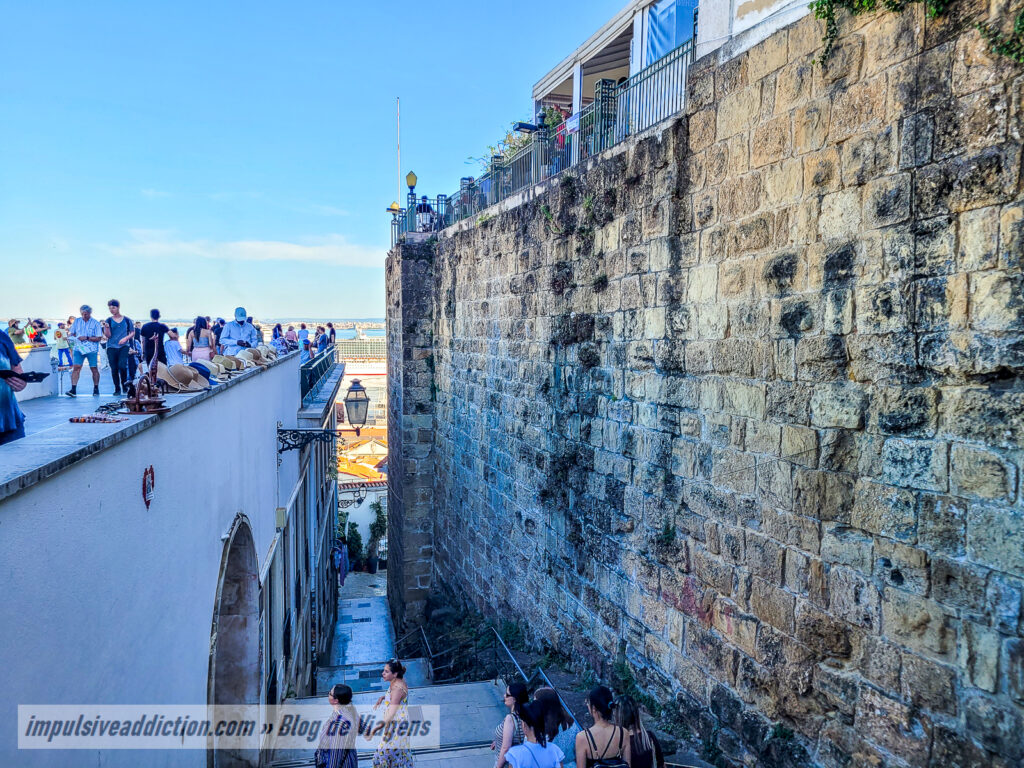
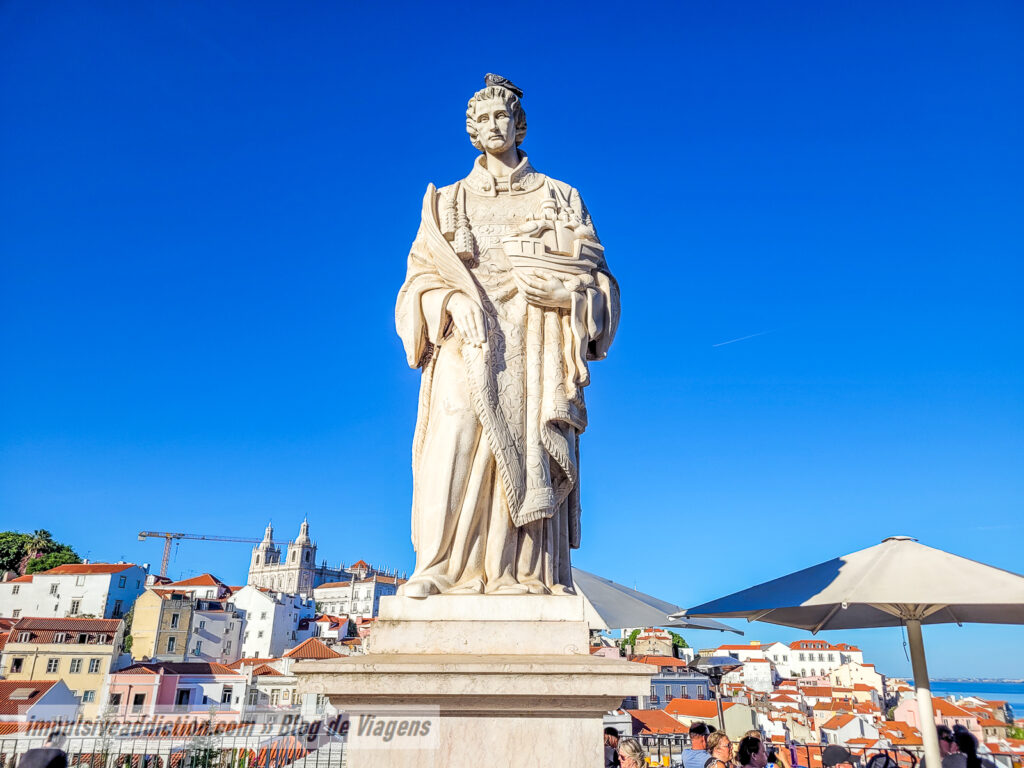
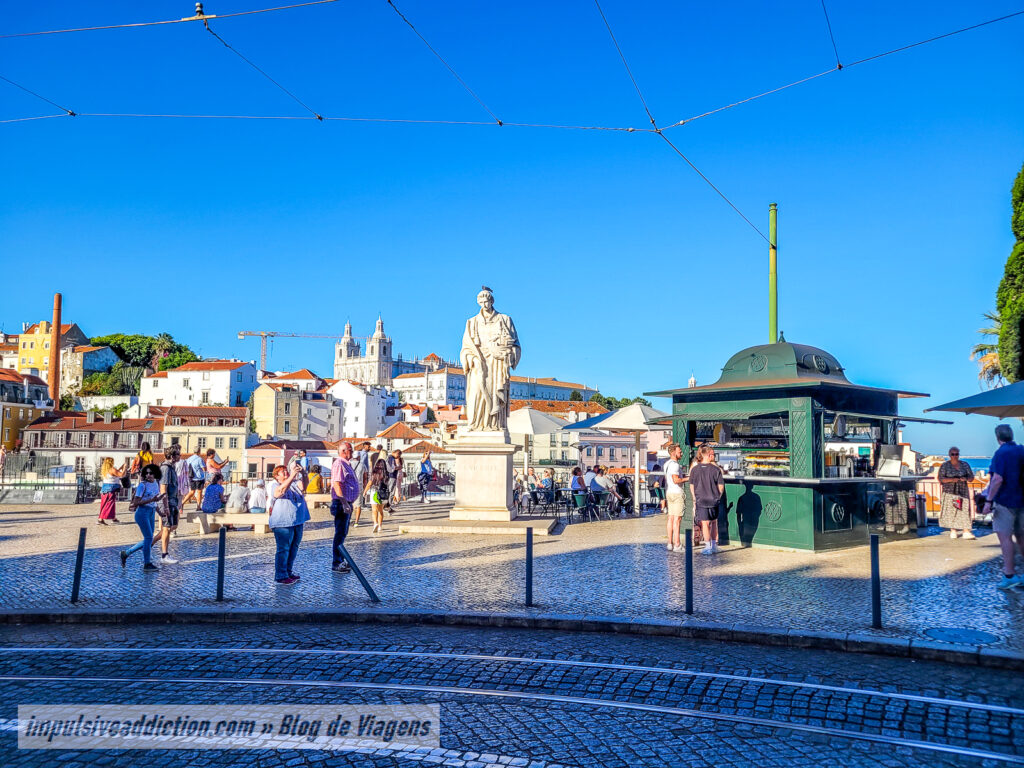
The Viewpoint of Portas do Sol opens up like a postcard: white rooftops, cascading buildings, and the Tagus framing the scene. Just a few meters away, Viewpoint of Santa Luzia combines tile panels with climbing gardens, creating a romantic atmosphere.
Slowly descend through Alfama, Lisbon’s oldest neighborhood, where narrow streets and stairs lead to hidden squares and surprising churches. Listen to the clink of the trams, peek into artisan shops, and feel time slow down.
When the golden light touches the facades, we return to the river: let’s head back to Terreiro do Paço (where we started in the morning) for a boat ride on the Tagus, offering a fresh perspective of the city.

9. Boat Ride on the Tagus river from Terreiro do Paço
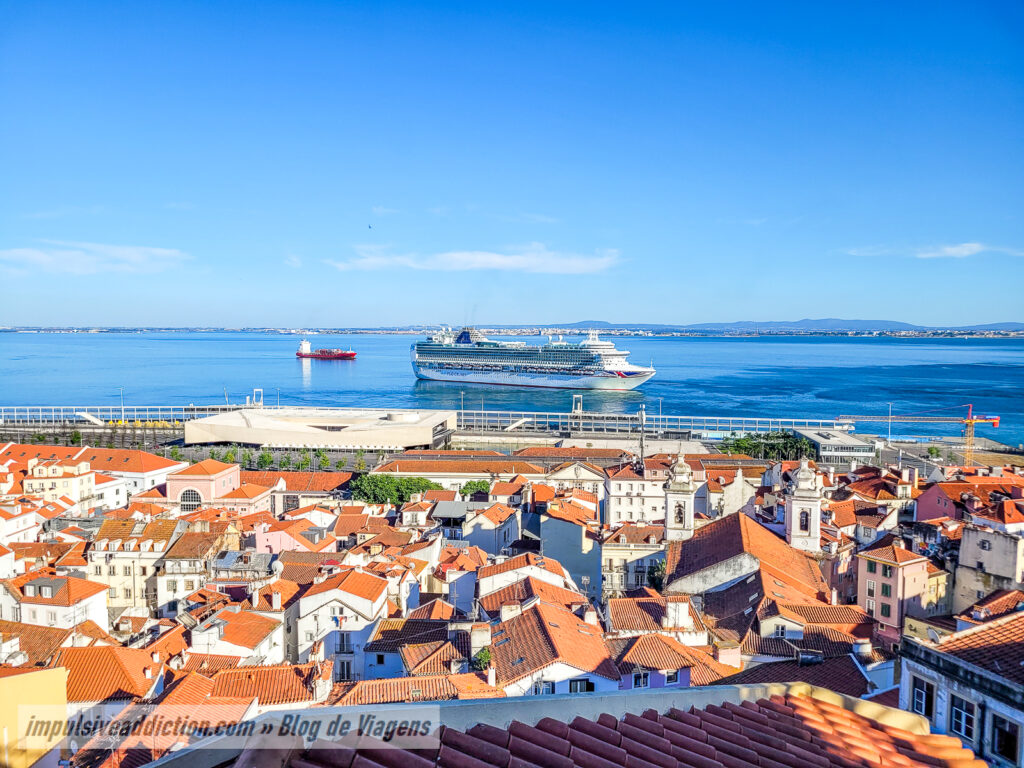
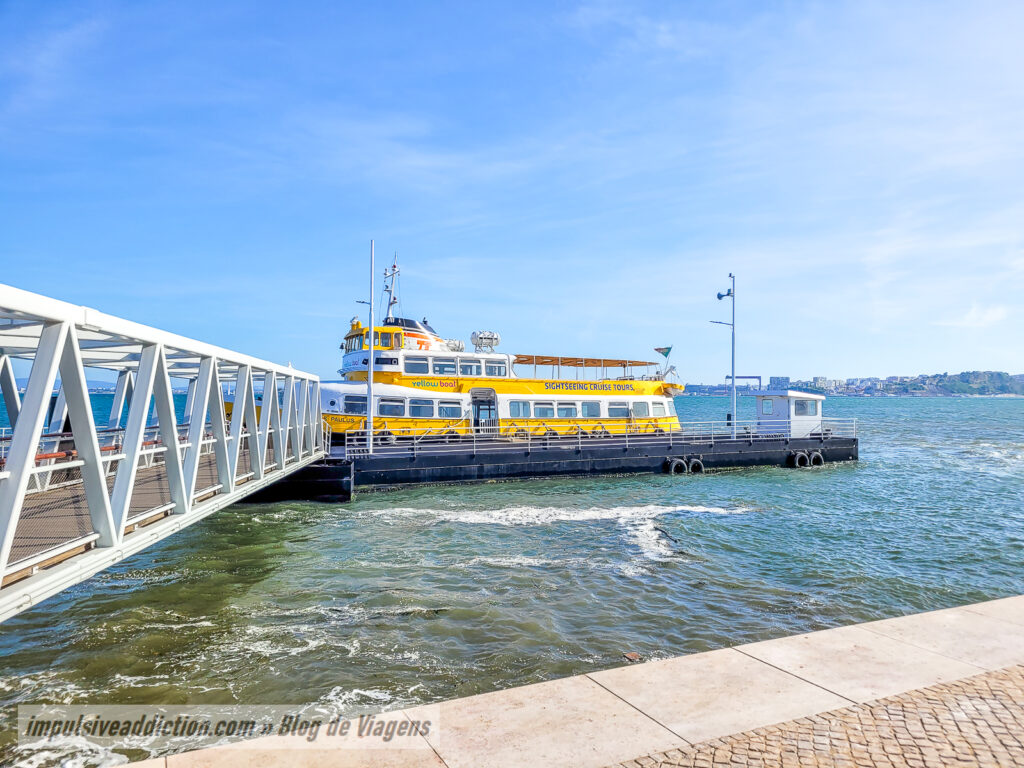
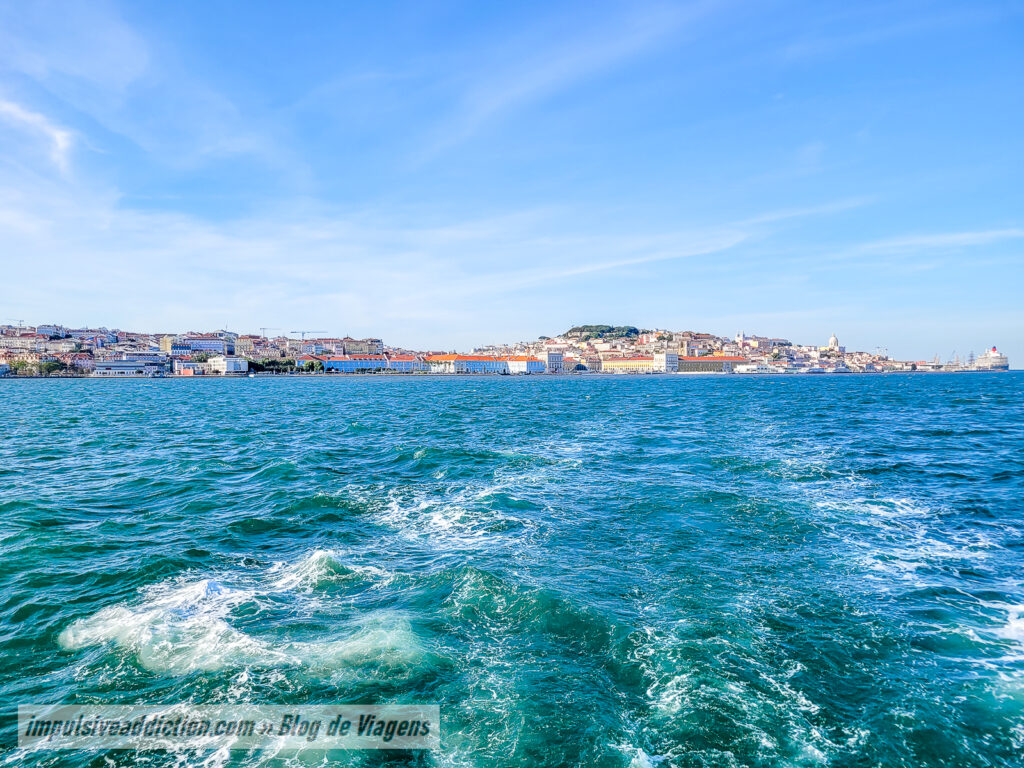
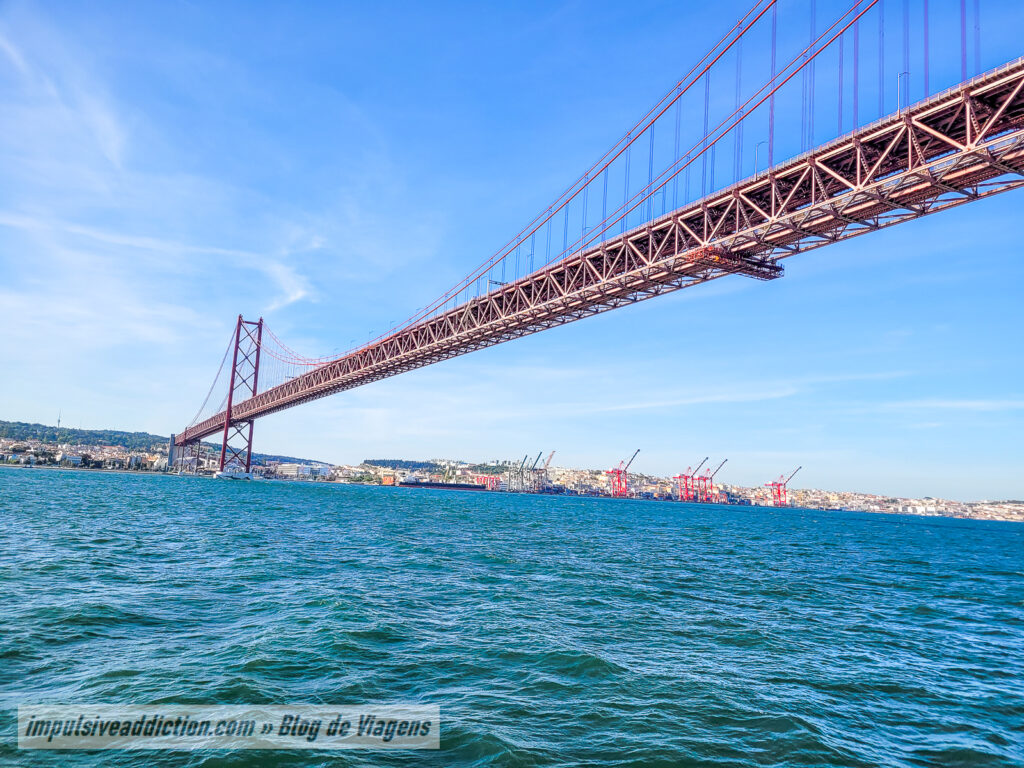
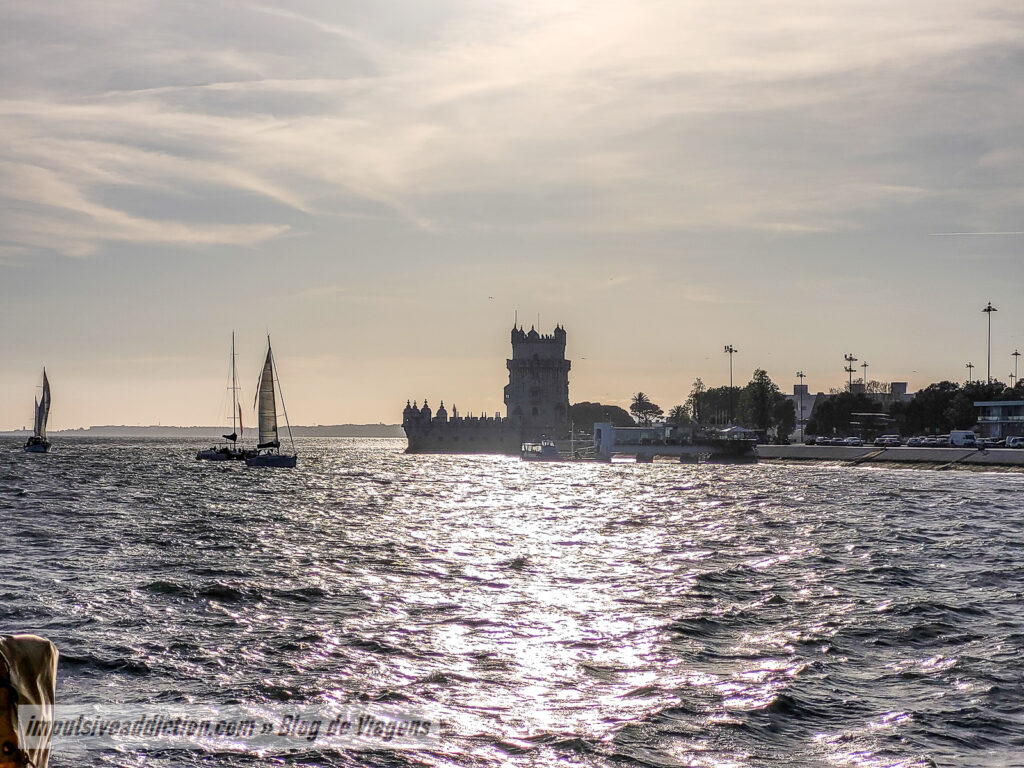
Embarking on the Tagus from Terreiro do Paço offers a view of Lisbon as the navigators once saw it: an amphitheater city facing the river. The skyline reveals the Castle, the hills, and the church towers, all under a changing light. It’s a peaceful experience, perfect at sunset.
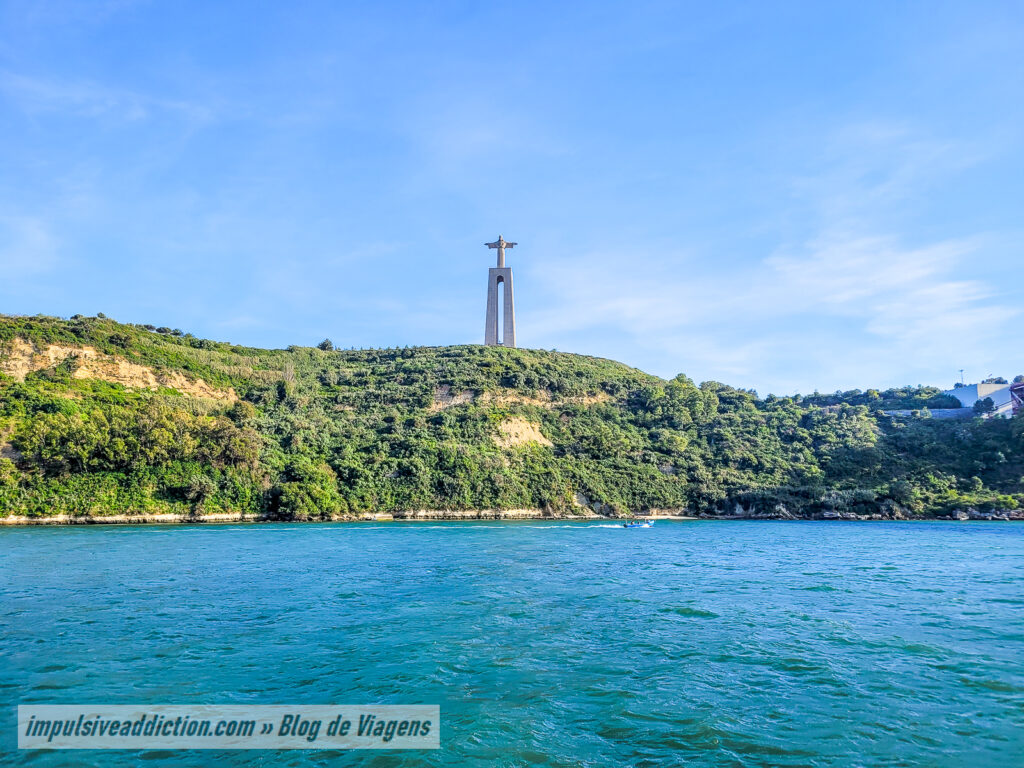
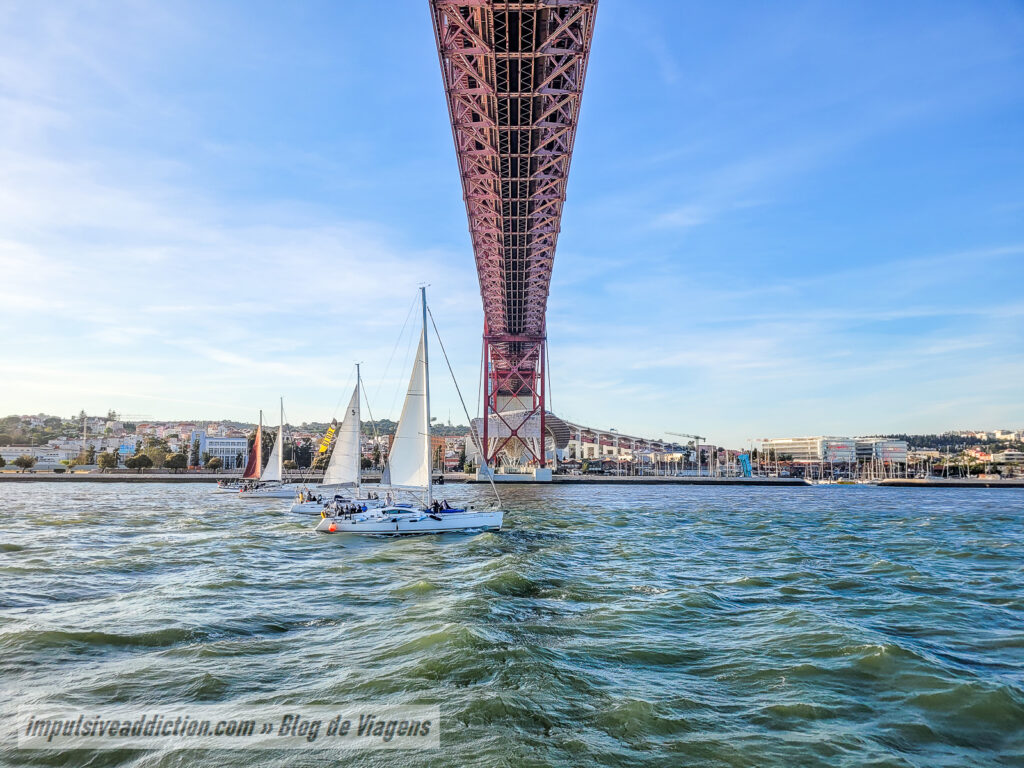
Depending on the chosen tour, you may get closer to the 25 de Abril Bridge, navigate along the riverside, and photograph the Cristo Rei from afar. The guide typically shares interesting facts about the Expo 98, the shipyards, and the riverfront’s historical port functions.
As you return to the dock, we’ll continue along the riverside to the west, taking a short walk to Cais do Sodré, where food, music, and nightlife await to end the day.
10. Cais do Sodré
Cais do Sodré has been revitalized in recent decades, transforming into a gastronomic and nightlife hub. At the Time Out Market / Mercado da Ribeira, dozens of stalls bring together chefs and producers, offering a delicious snapshot of contemporary Portuguese cuisine.
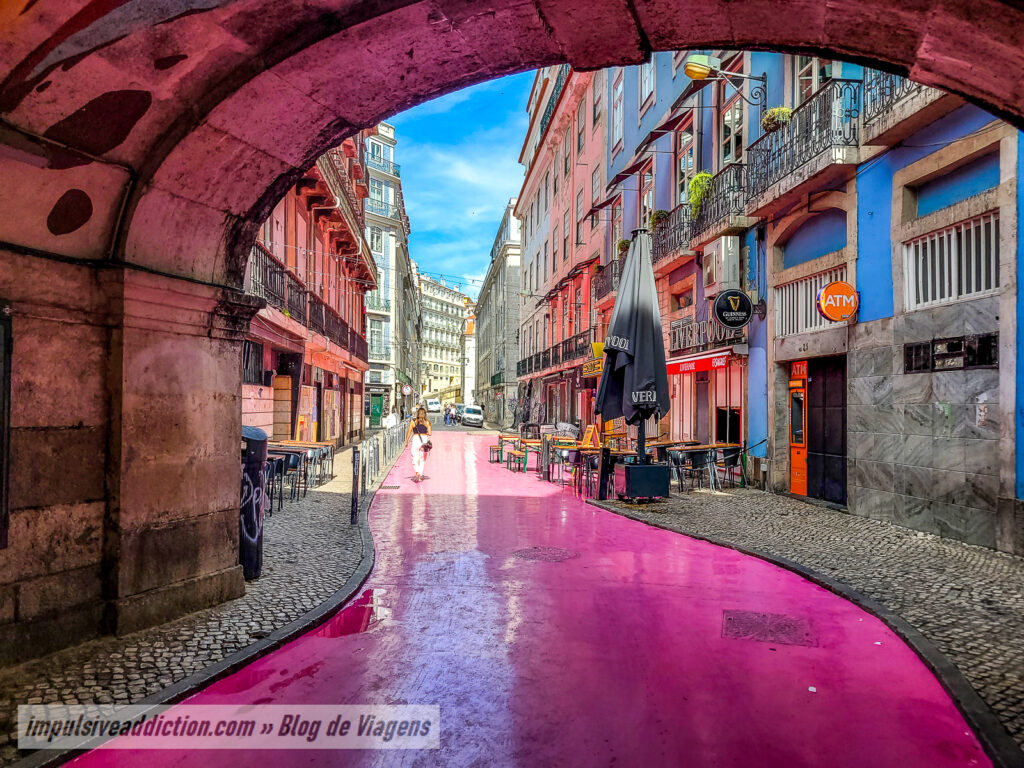
On the outside, Avenida Ribeira das Naus invites you to take a stroll along the water, with benches and steps where locals and visitors gather at sunset. For those in search of music, the neighboring Rua Nova do Carvalho (the famous “Pink Street”) is lined with bars in former port warehouses.
This is where we end our first day: with the Tagus nearby, a drink in hand, and the feeling of having crossed Lisbon from Terreiro do Paço to the hills and back to the river — ready for the next chapter of the journey.
Why not head back to Bairro Alto to experience Lisbon’s nightlife?

Day 2 | Lisbon Itinerary
On the second day, you’ll explore the Belém district, home to some of Lisbon’s most impressive monuments. You’ll visit landmarks like the Torre de Belém and the Mosteiro dos Jerónimos.
1. Palácio Nacional da Ajuda and the Royal Treasury Museum
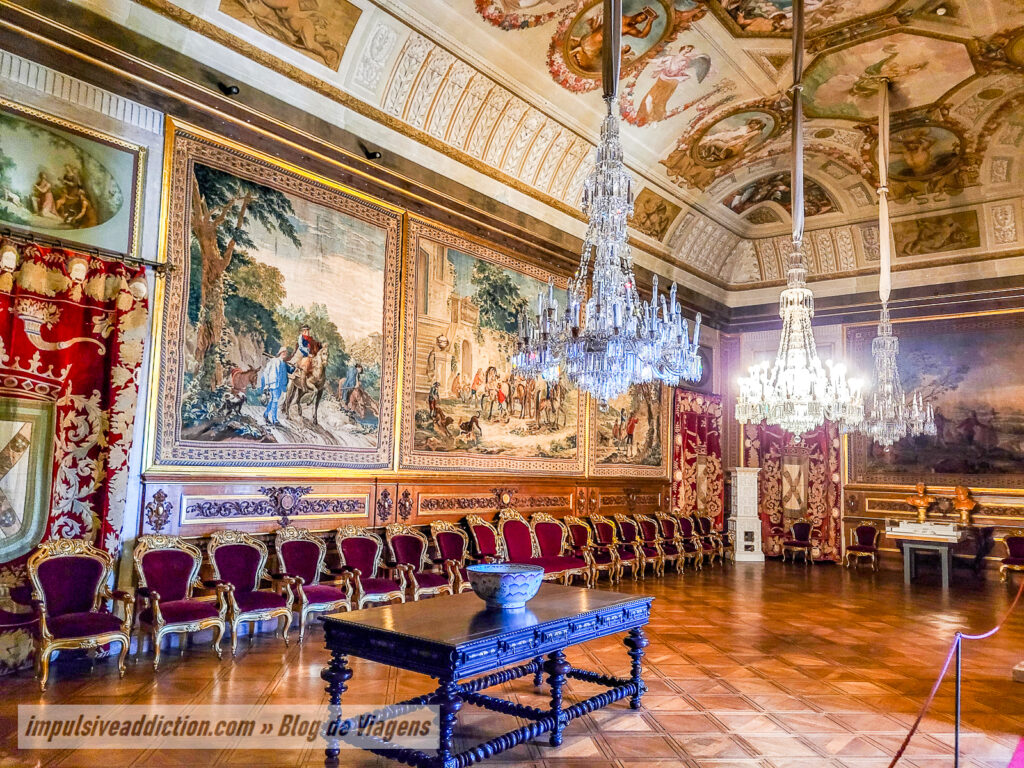
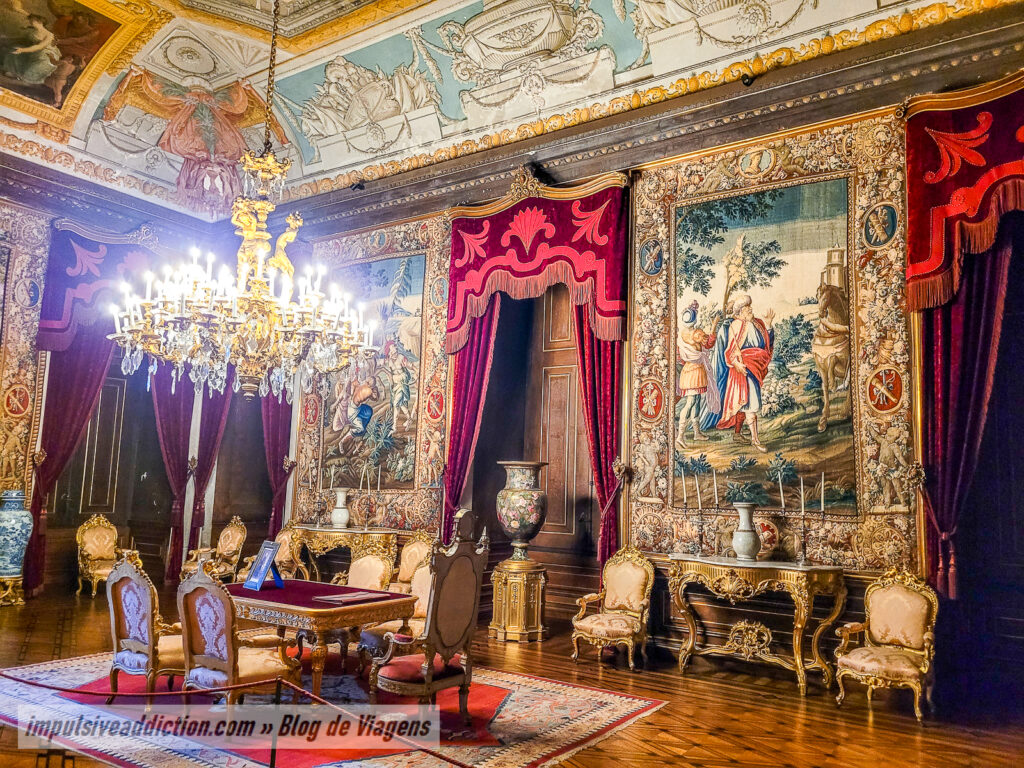
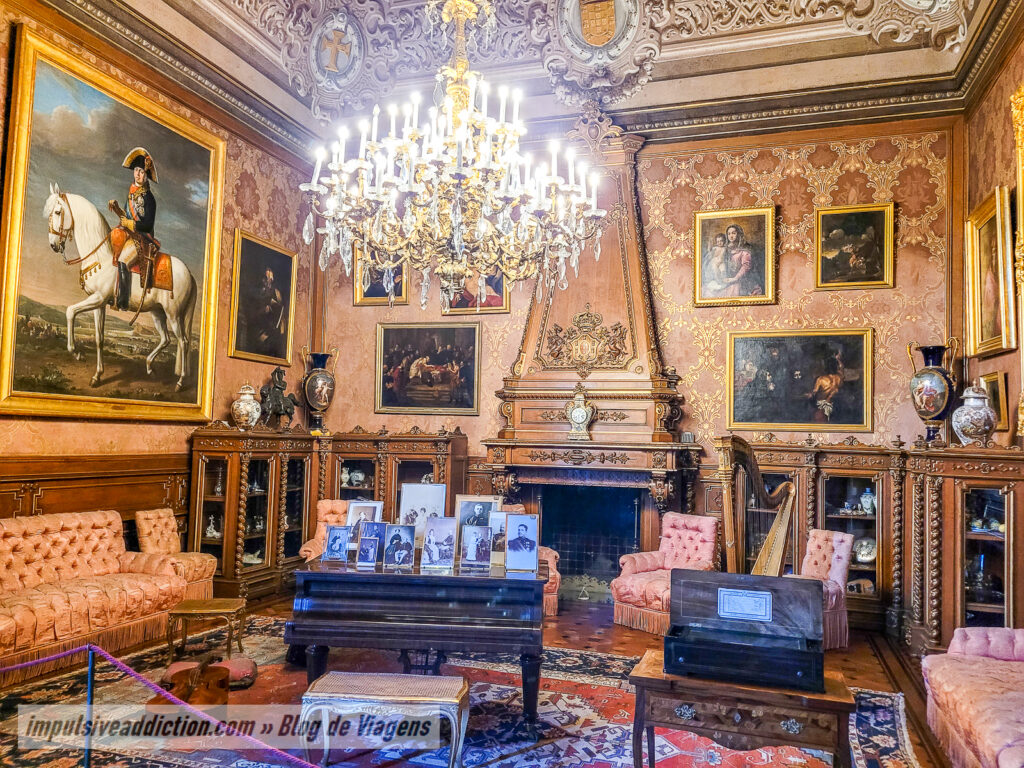
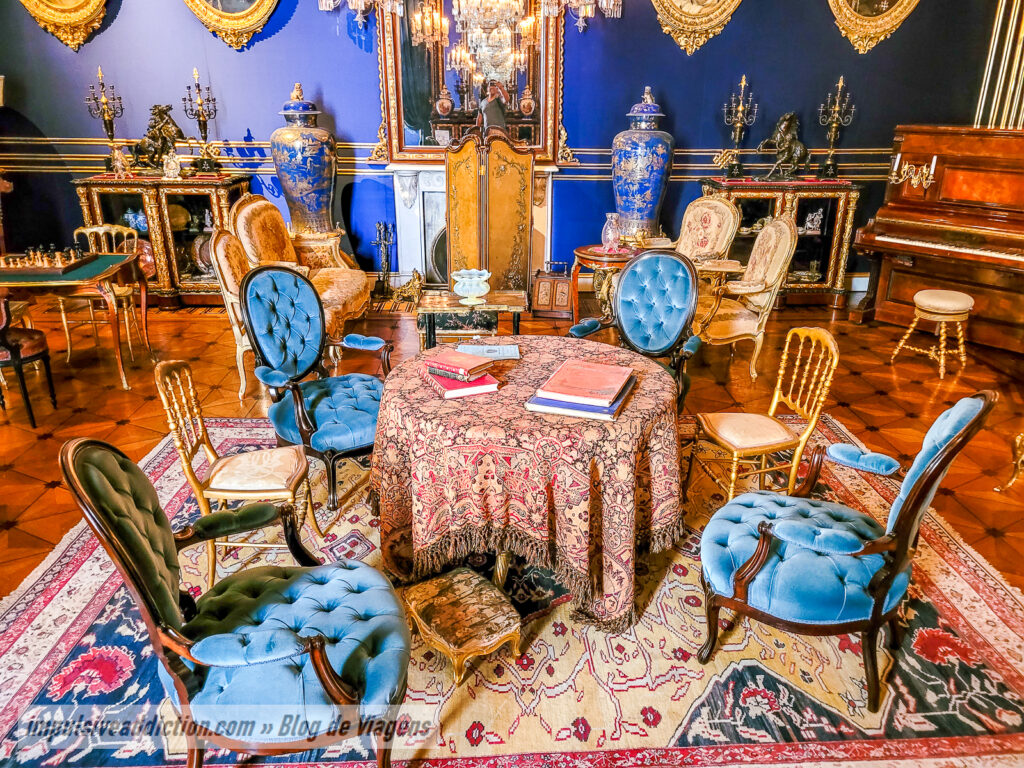
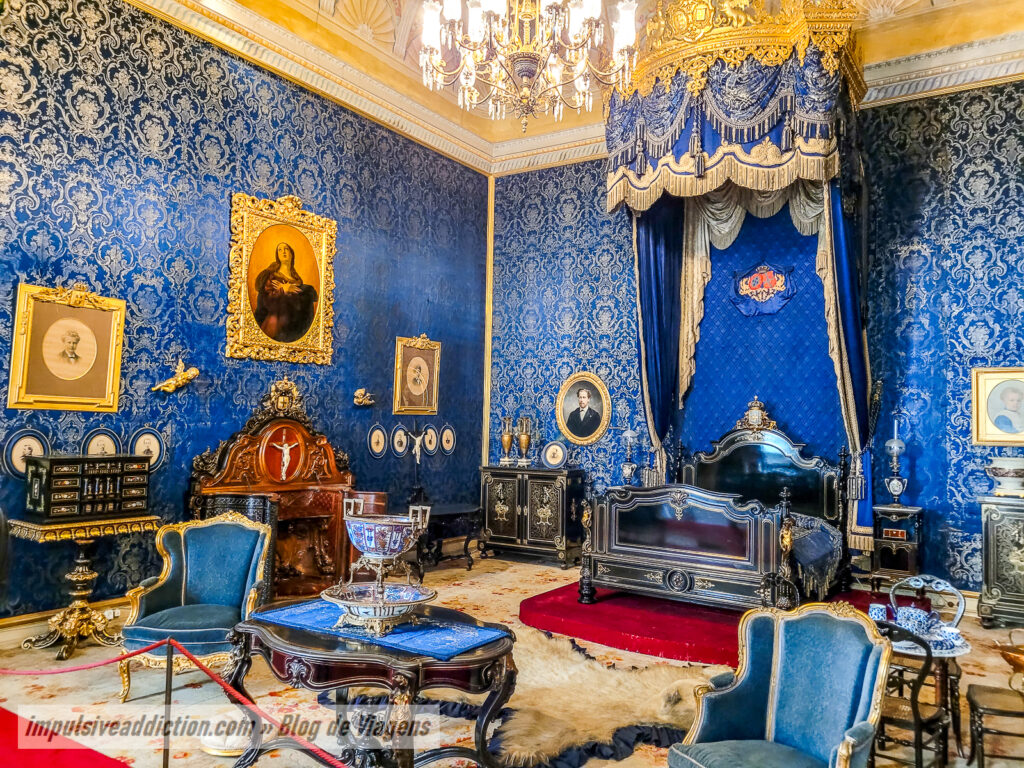
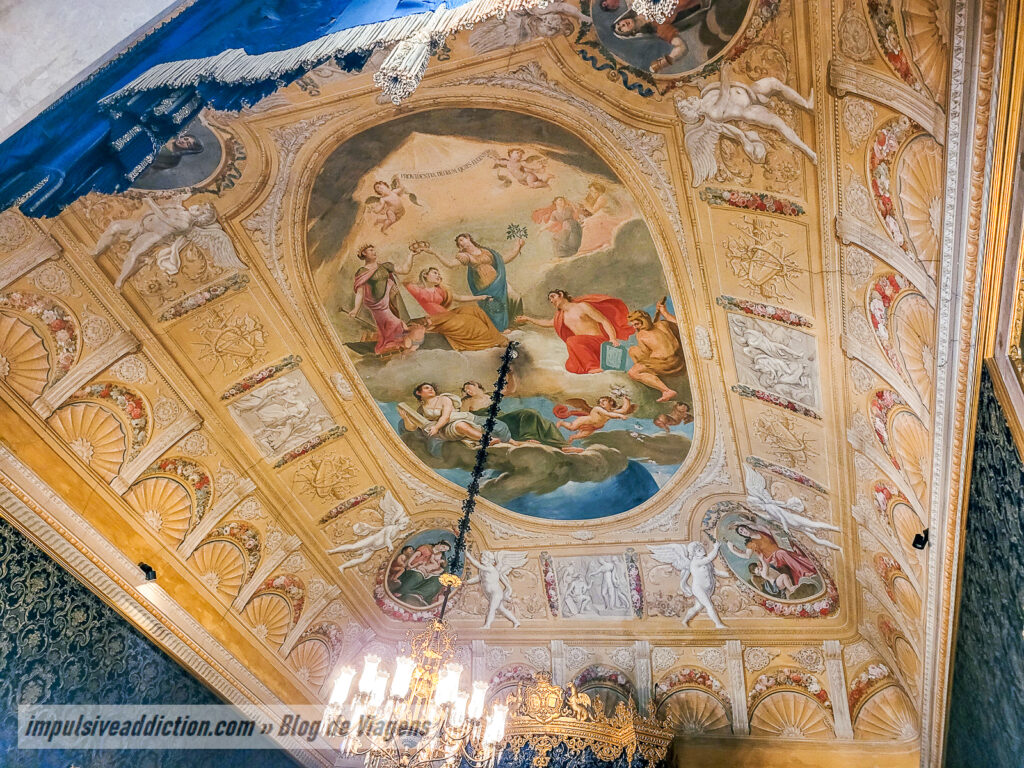
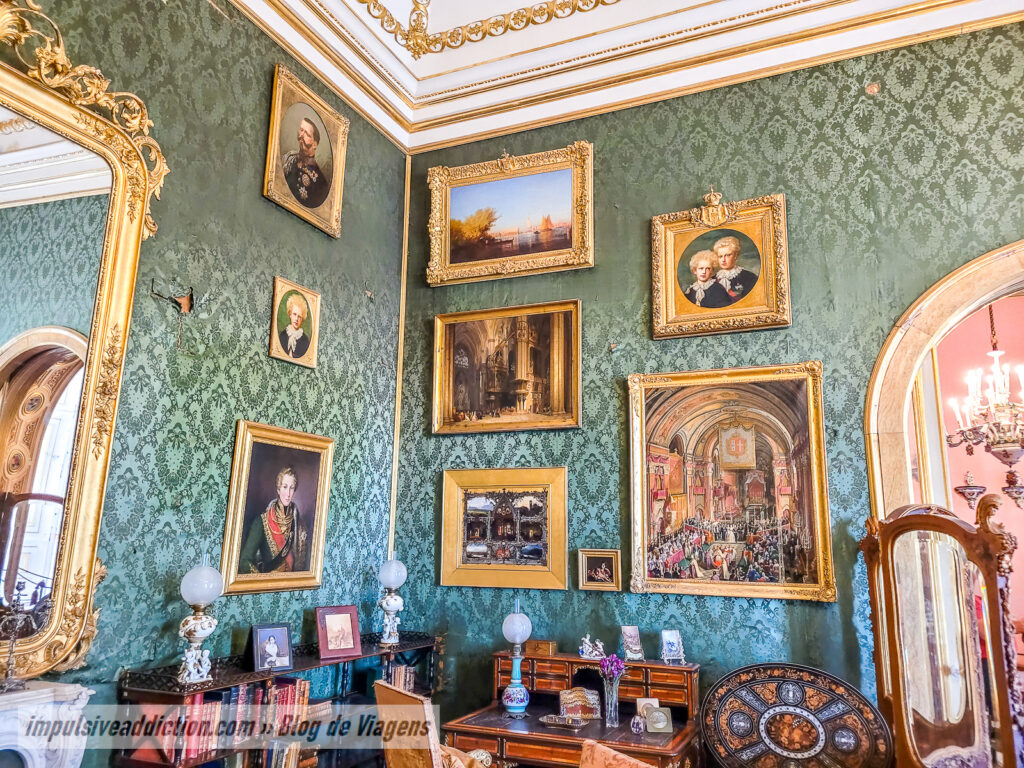
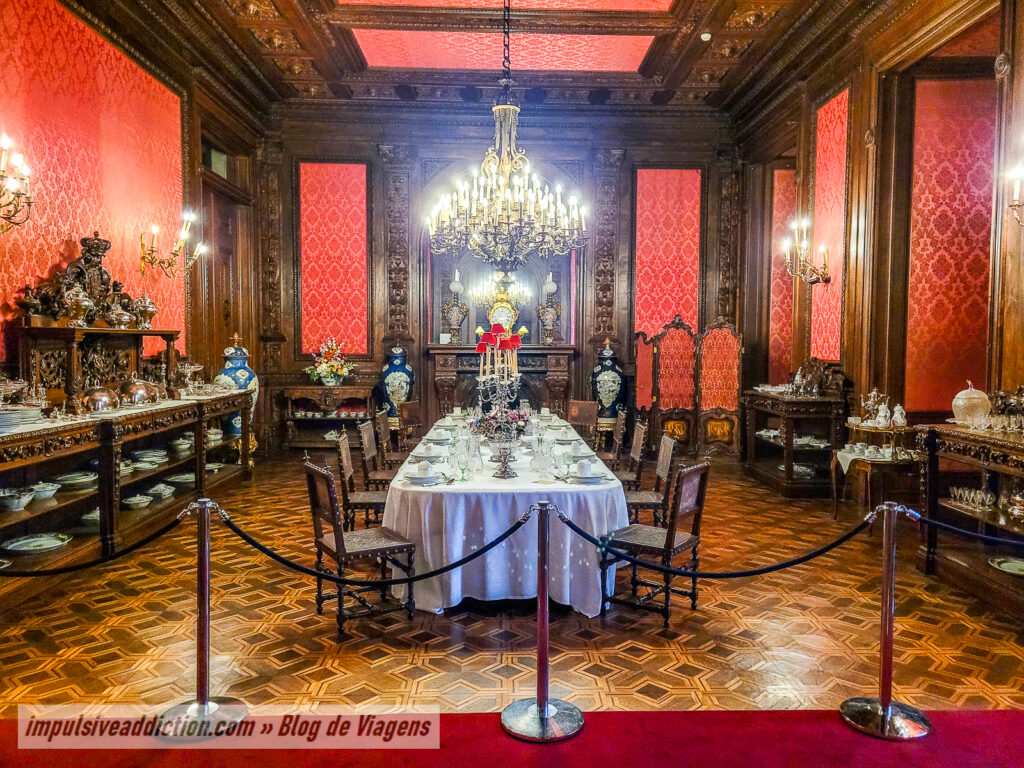
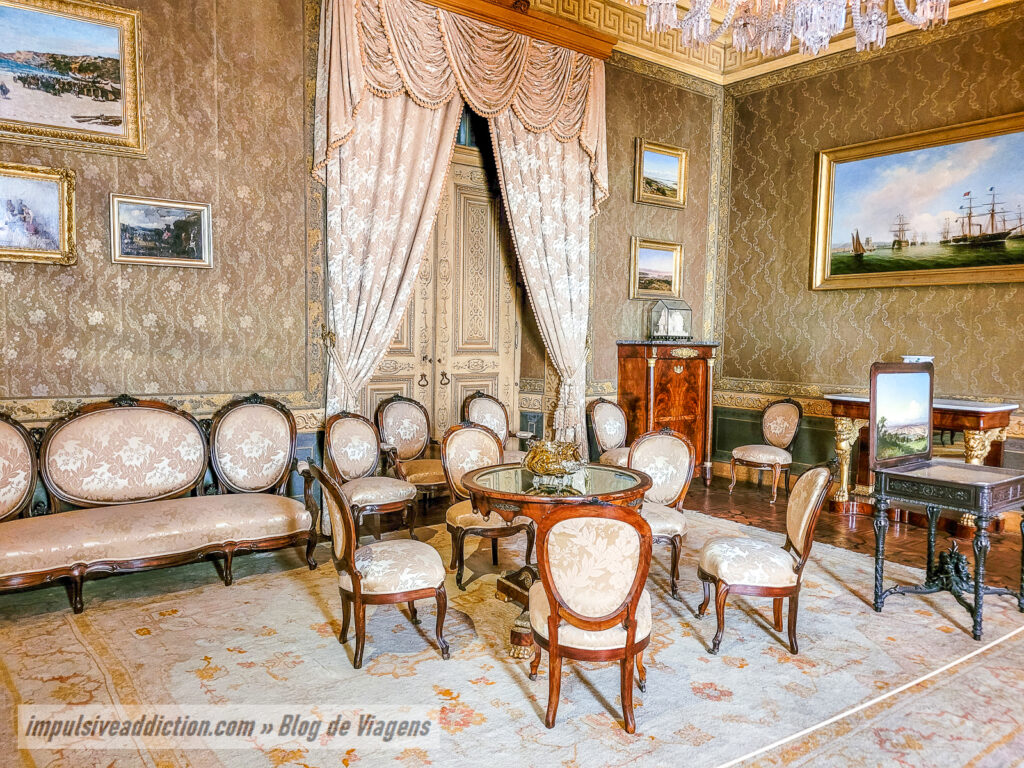
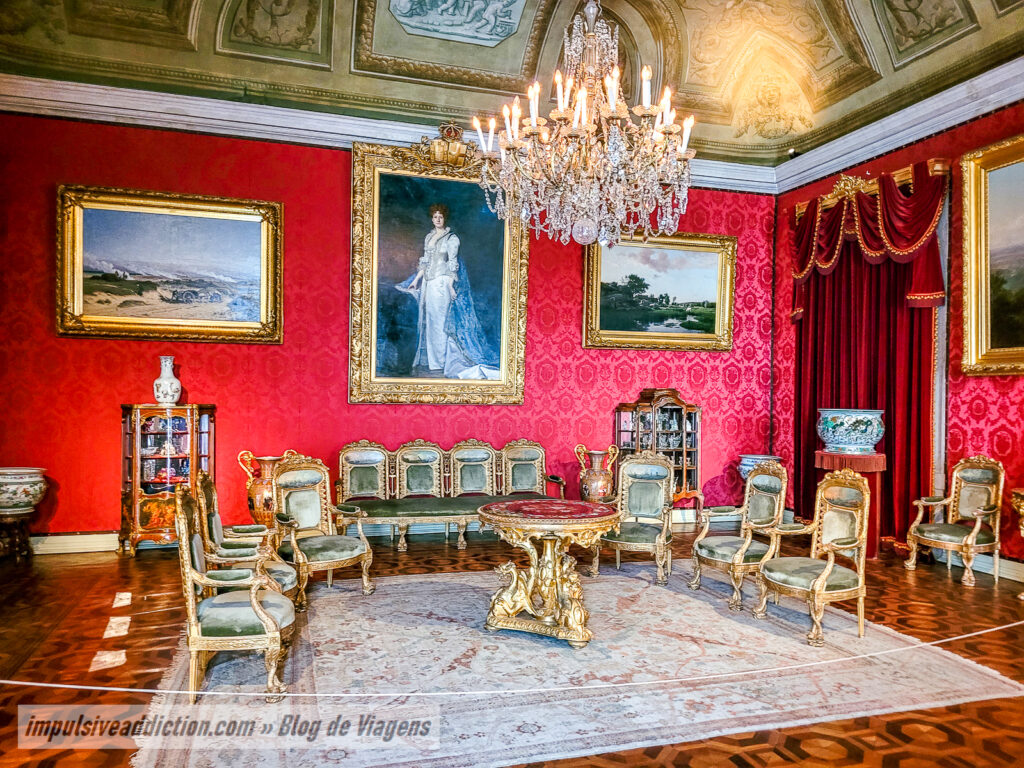
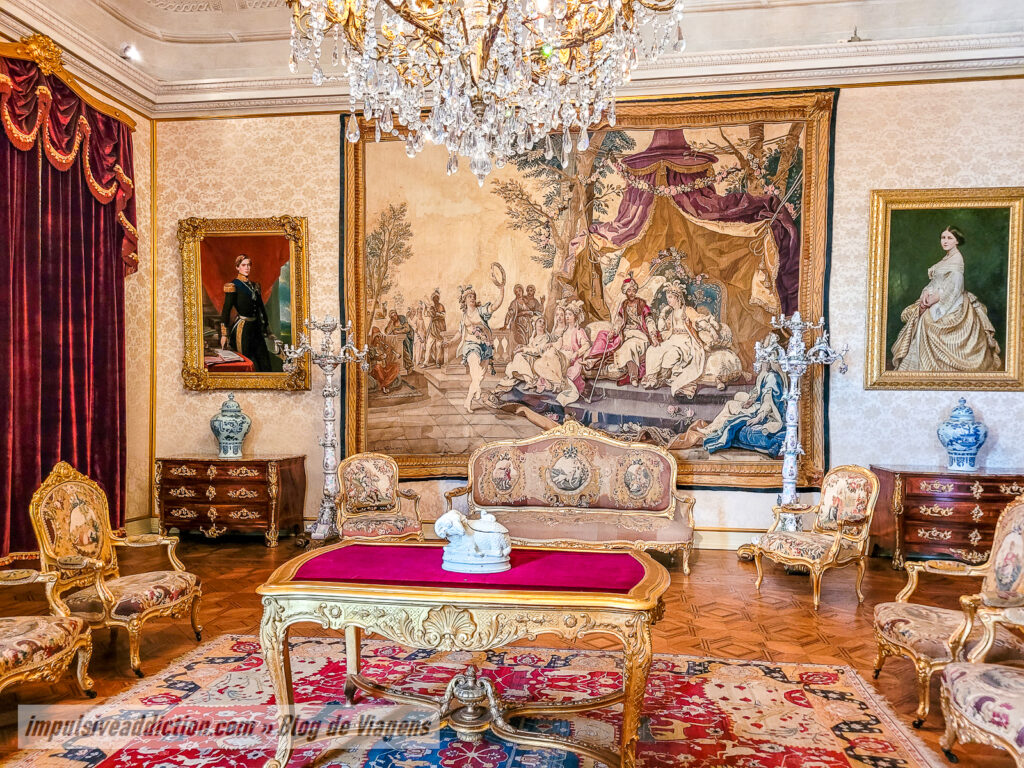
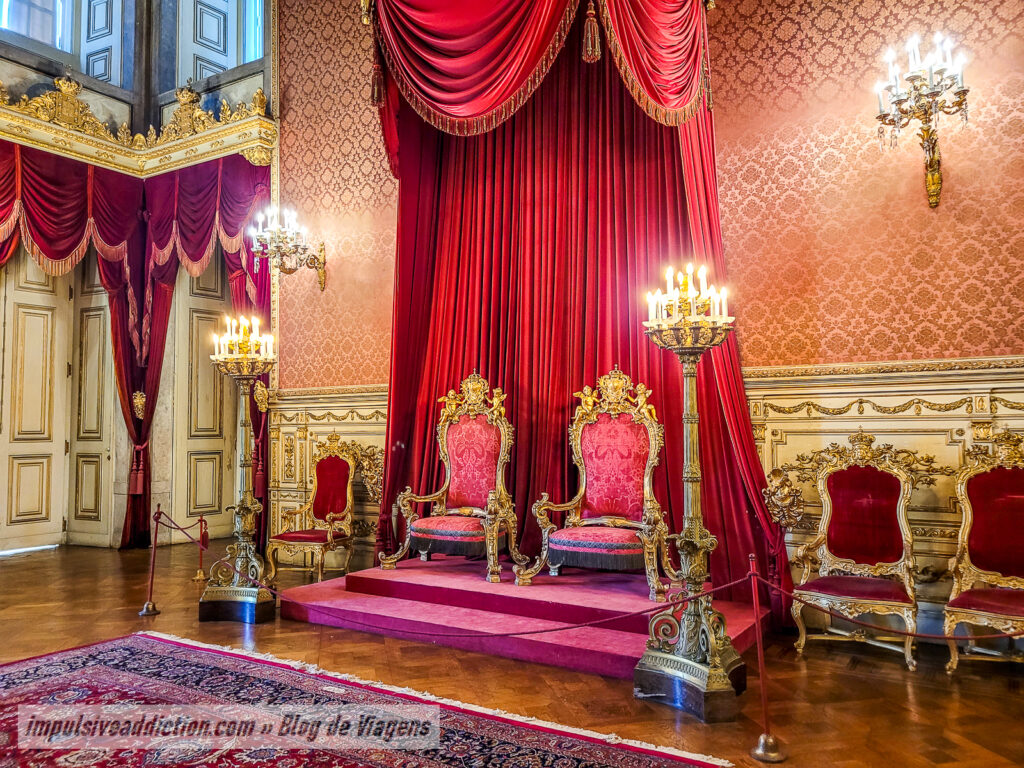
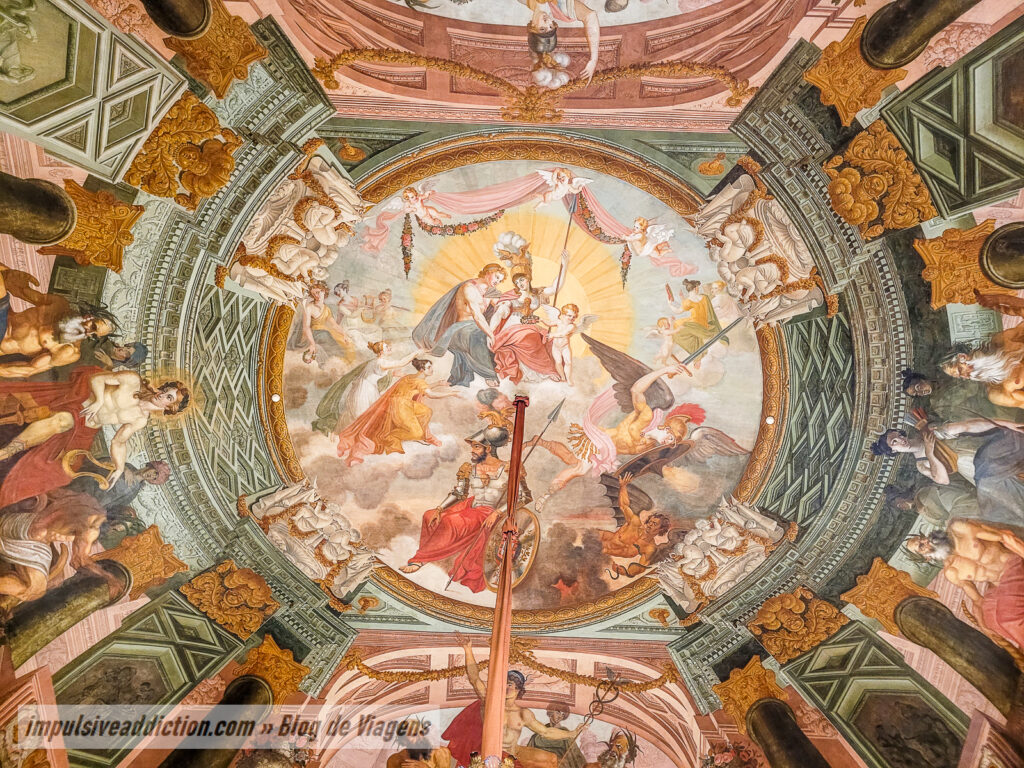
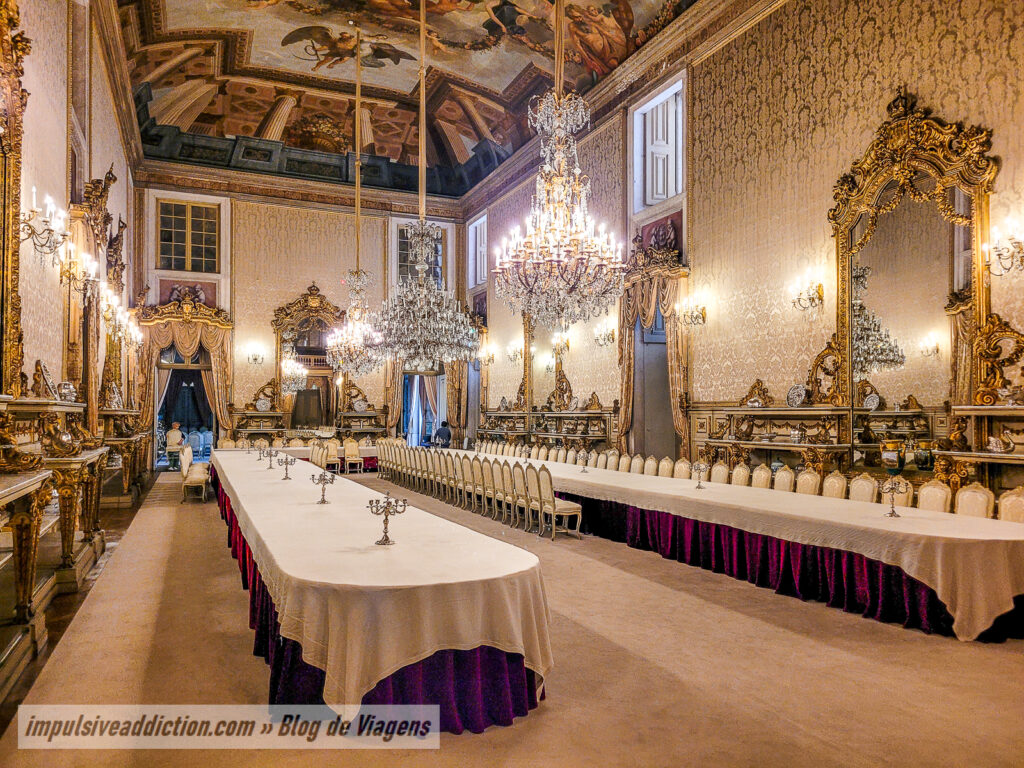
We begin the day at the imposing Palácio Nacional da Ajuda, the former official residence of the Portuguese royal family. Built after the 1755 earthquake, the palace impresses with its grand halls, staircases, and banquet rooms that witnessed significant events in the monarchy’s history. It’s a true dive into the past, with highlights including the furniture, tapestries, and artworks that showcase the splendor of the era.
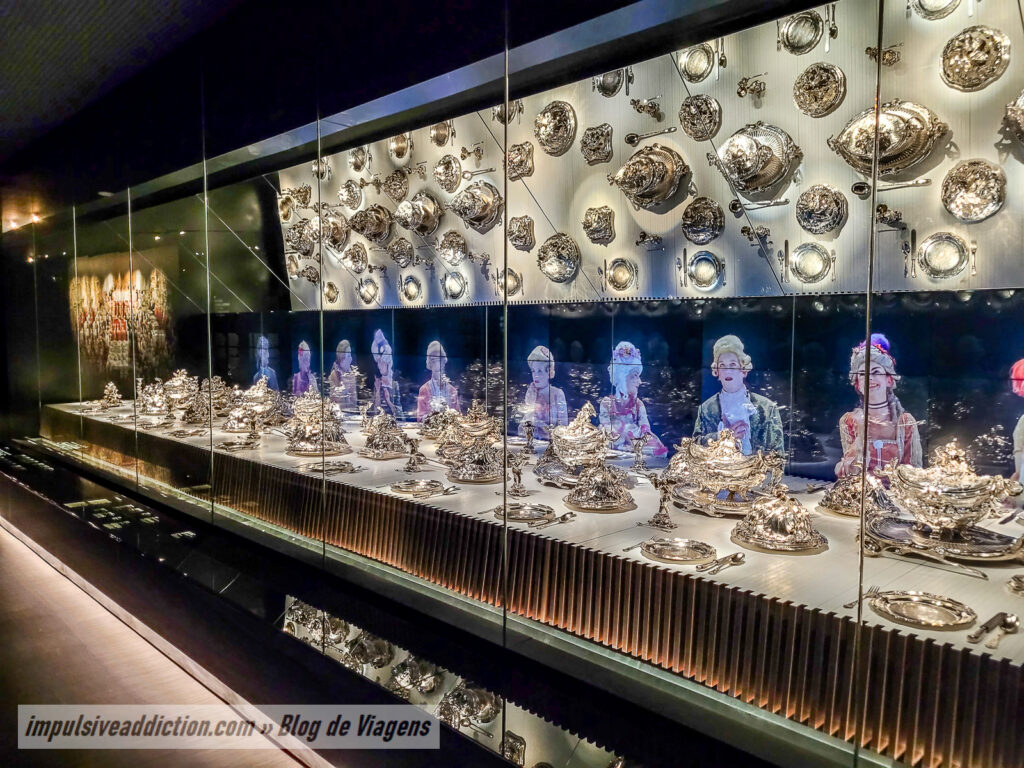
Attached to the palace is the Museu do Tesouro Real, recently opened. The museum houses one of Portugal’s most valuable collections, featuring Crown jewels, decorations, and rare pieces made from gold and precious stones. The museum is housed in a modern structure that contrasts with the classic architecture of the palace but enhances the display of the pieces.
After this visit, we’ll head down to Belém.
2. Tropical Botanical Garden
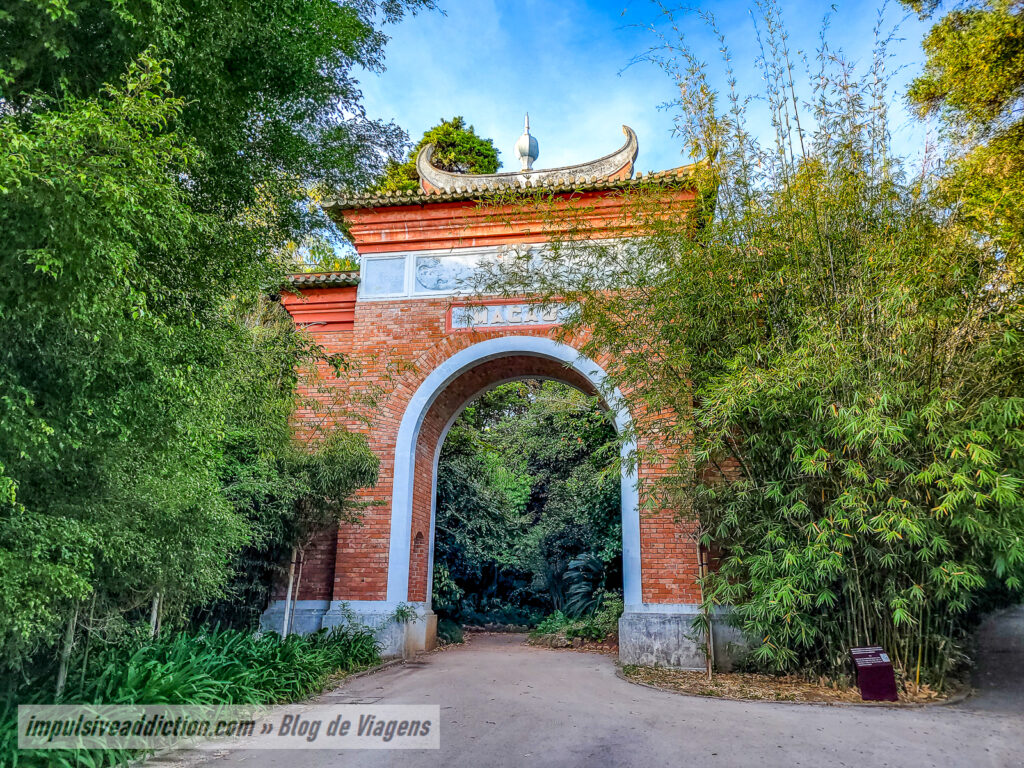
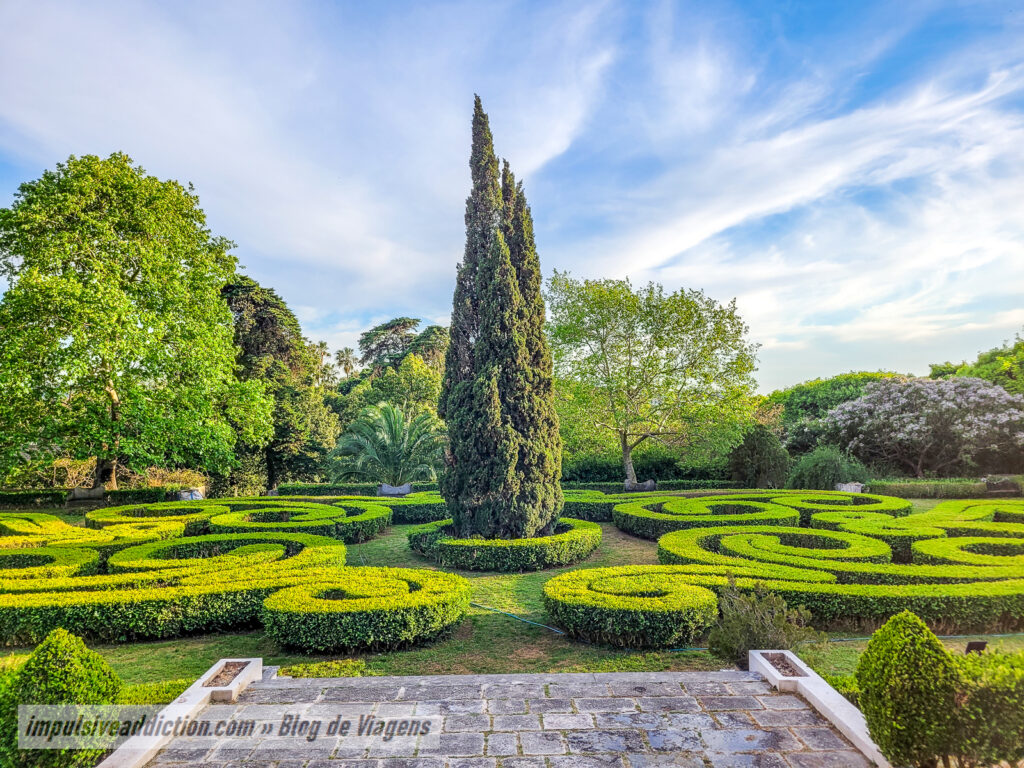
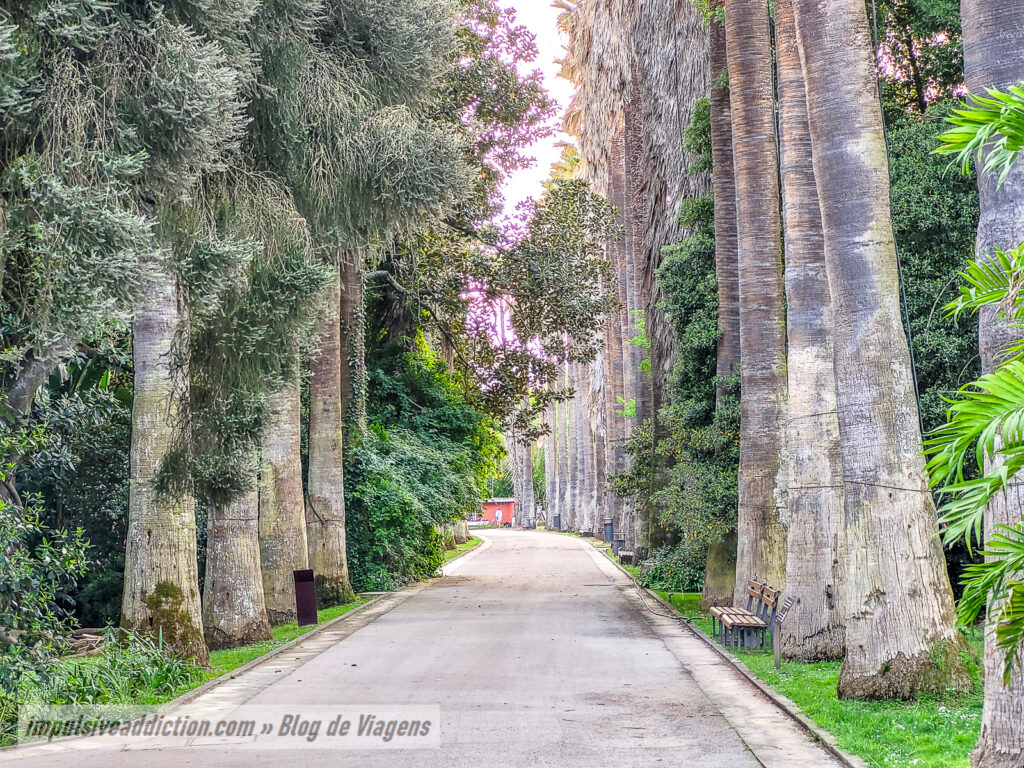
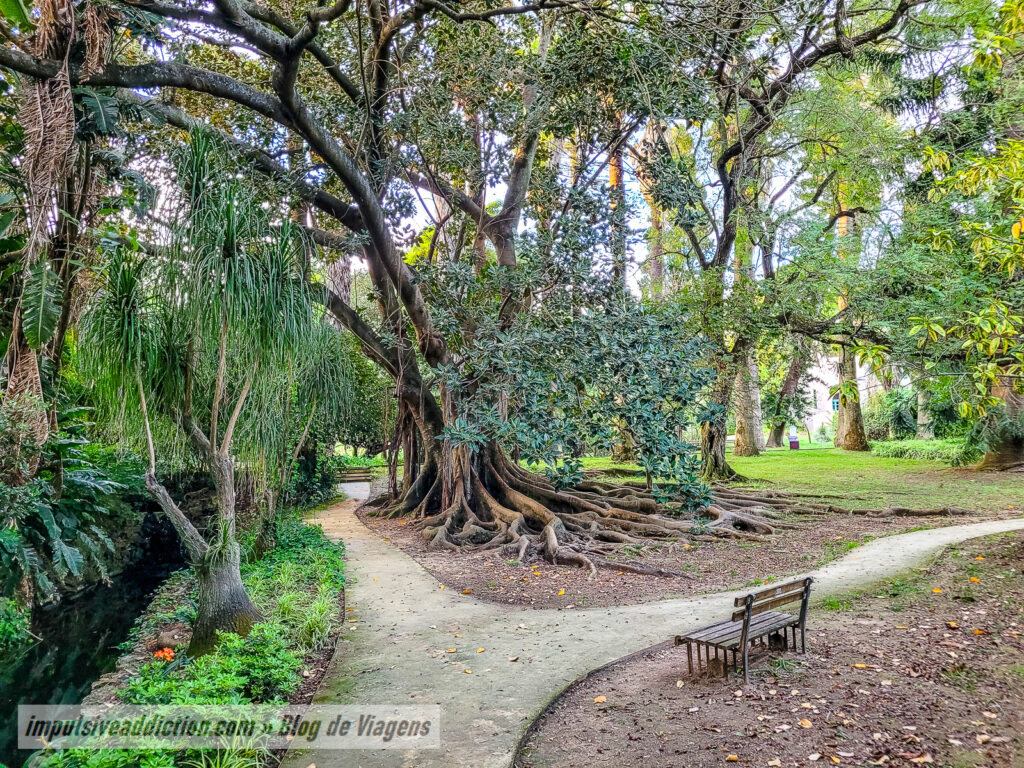
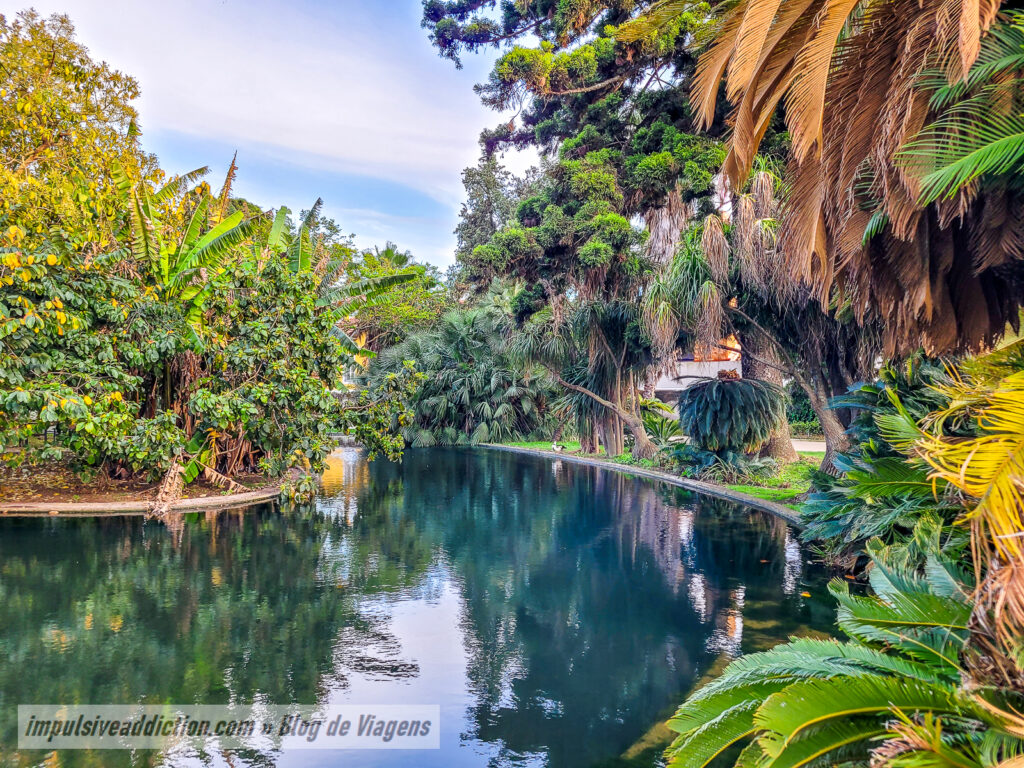
The Tropical Botanical Garden is an oasis of tranquility, created in 1906 to study species from the former Portuguese colonies. Its 7 hectares host over 600 plant species, with a special focus on exotic palms, monumental trees, and rare plants that are hard to find in other gardens.
In addition to its botanical richness, the garden features small lakes, sculptures, and a charming palace that once served as a pavilion during colonial exhibitions. It’s the perfect place to slow down, take photos, and enjoy the bucolic atmosphere before continuing with the itinerary.
Exiting the garden, just a few meters away is an unmissable stop on any visit to Belém: the Pastéis de Belém bakery, where we’ll take a gastronomic break.

3. Pastéis de Belém
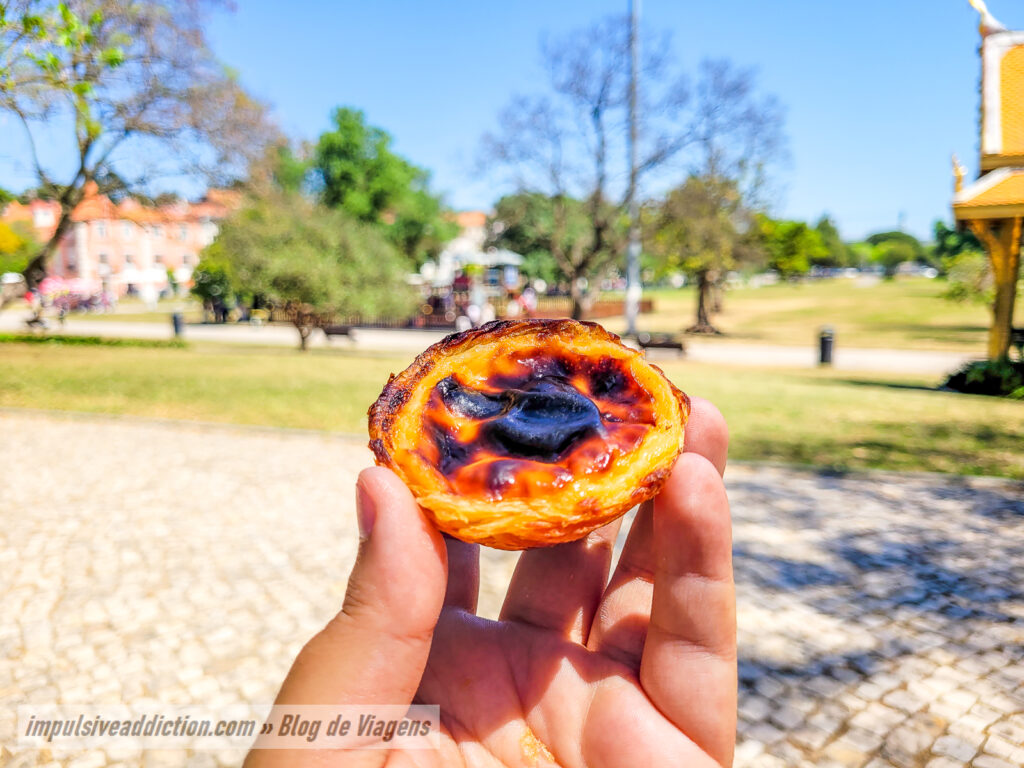
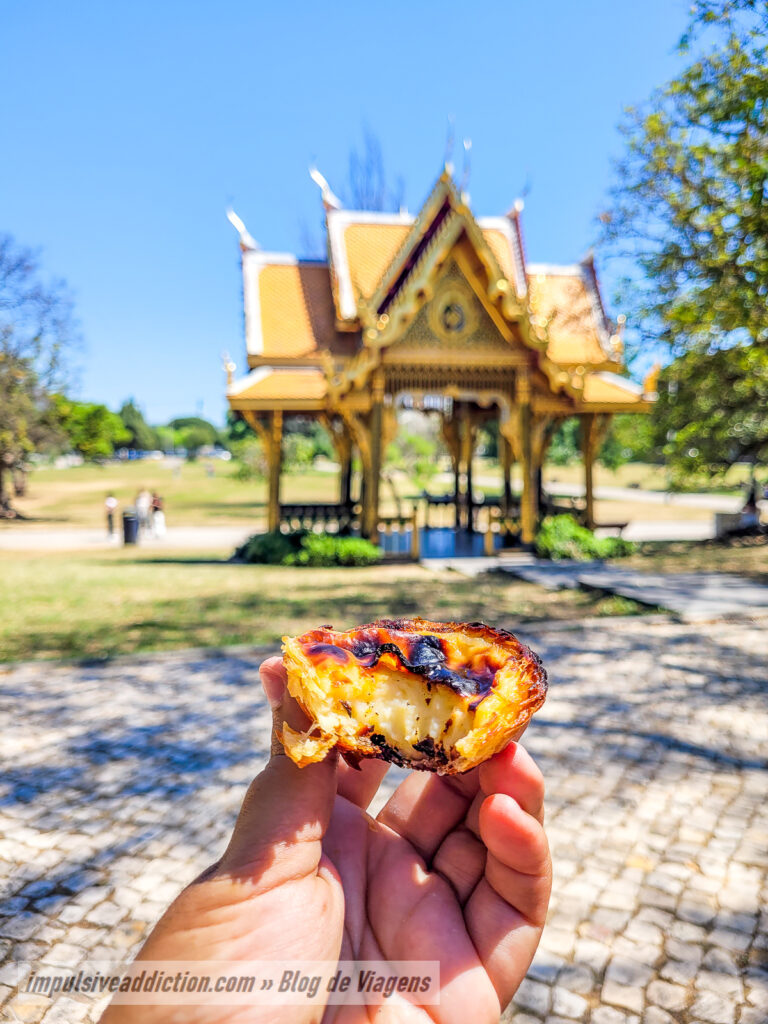
No visit to Belém is complete without trying the authentic Pastéis de Belém, made according to the original recipe from the Mosteiro dos Jerónimos. Founded in 1837, the pastry shop continues the tradition of serving the pastries warm, with a crispy puff pastry and a creamy filling.
It’s common to find lines outside, but the wait is well worth it. The experience of sprinkling cinnamon on the warm pastry is unforgettable.
With renewed energy, we’ll walk to the Museu Nacional dos Coches, one of Lisbon’s most unique museums, housing royal carriages from different centuries.
4. National Coach Museum (Old and New)
The Museu Nacional dos Coches is one of the most visited museums in Portugal and is impressive for its collection of richly decorated carriages used by the Portuguese court from the 16th to the 19th centuries. The modern building, inaugurated in 2015, houses most of the pieces, which are true works of art on wheels.
It’s also worth visiting the old museum, located in the Picadeiro Real (Royal Riding School) of the Palácio de Belém, to experience the historical atmosphere where the carriages were displayed for decades. It’s fascinating to compare the two locations and understand how they complement each other.
After the visit, we continue along the same avenue to the neighboring Mosteiro dos Jerónimos, one of the finest examples of Manueline architecture.



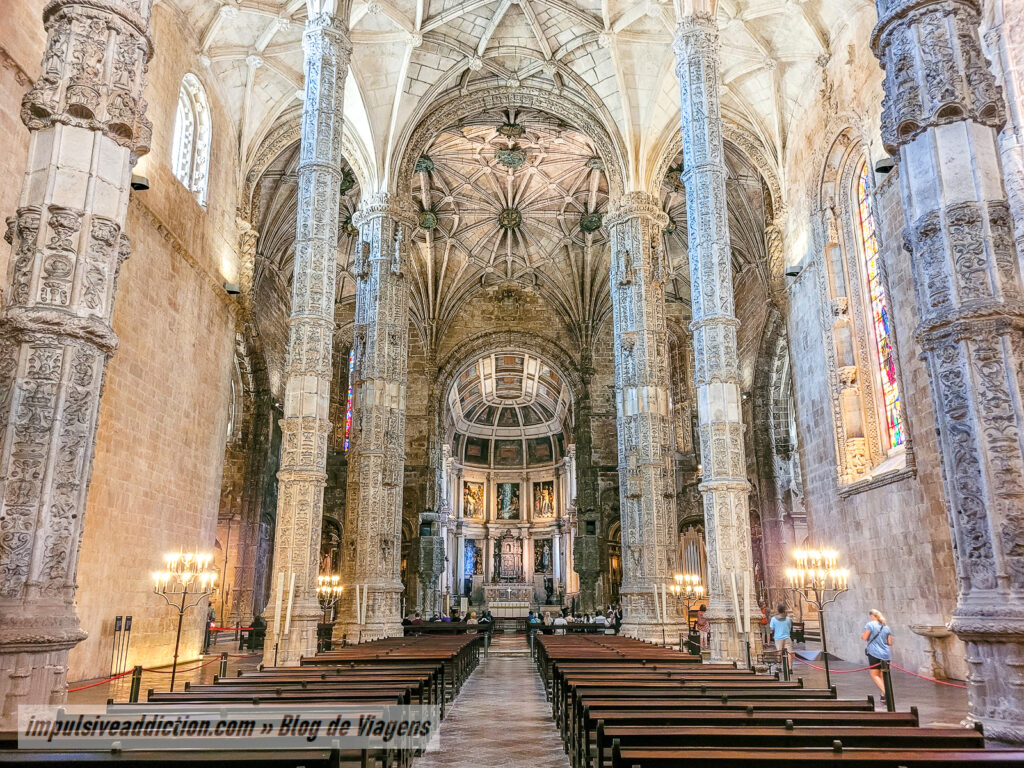
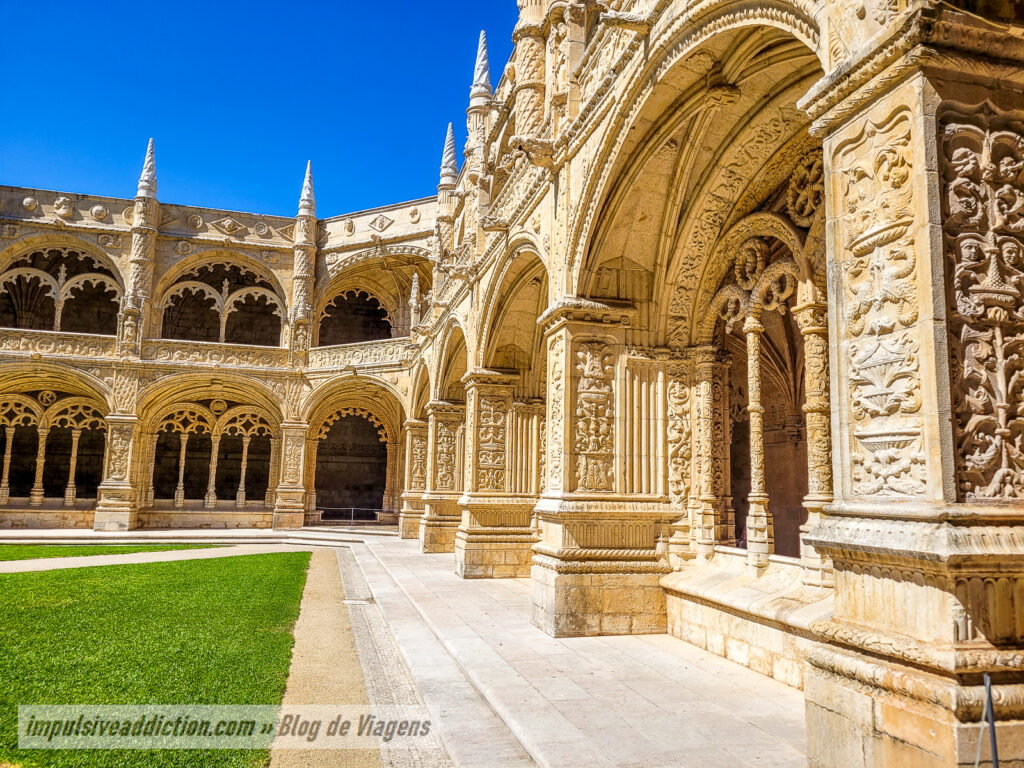
5. Mosteiro dos Jerónimos
The Mosteiro dos Jerónimos is one of Portugal’s most iconic monuments and a UNESCO World Heritage site. Built in the 16th century, it was commissioned by King Manuel I to celebrate the maritime voyages and Portugal’s expansion. The intricate facade and main portal are truly breathtaking.
Inside, highlights include the Igreja de Santa Maria de Belém, which houses the tombs of Vasco da Gama and Luís de Camões, and the magnificent Manueline cloister, considered one of the most beautiful in the world. The detailed decorations showcase elements related to the sea and the Age of Exploration.
Upon leaving, we’ll follow the riverfront toward the Tagus River, where the famous Torre de Belém stands as the city’s sentinel.
Optional: If you have time, visit the Museu Nacional de Arqueologia or the Museu da Marinha. Learn more about them in my article on the best museums in Lisbon. They’re fantastic museums!
6. Torre de Belém
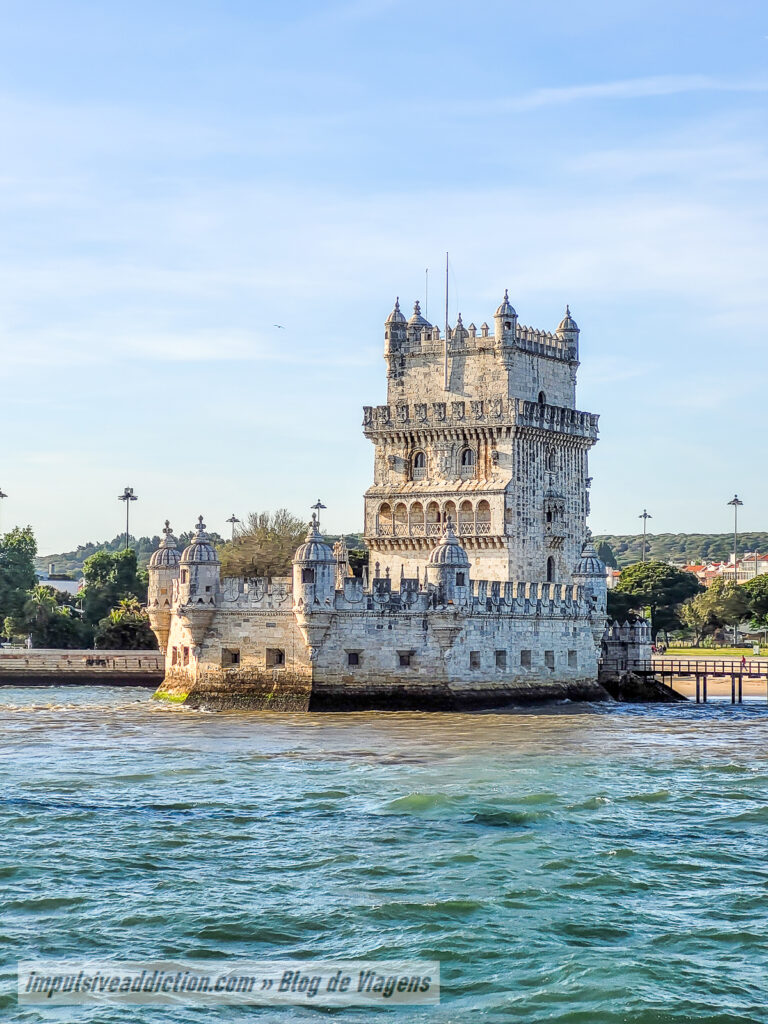
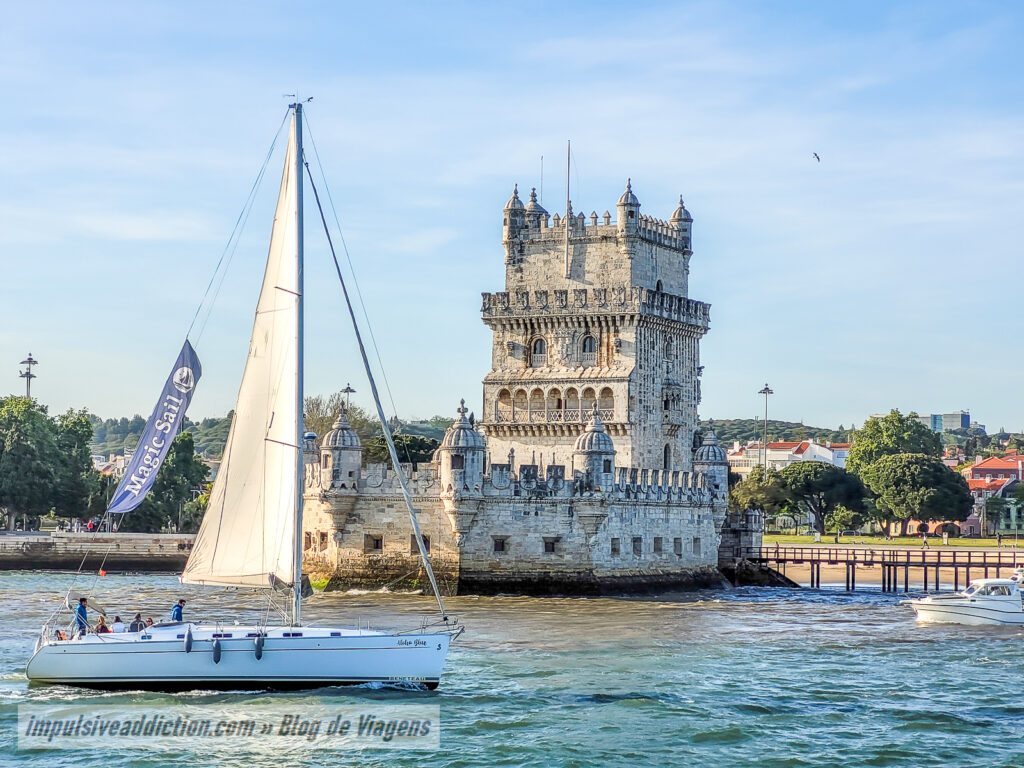
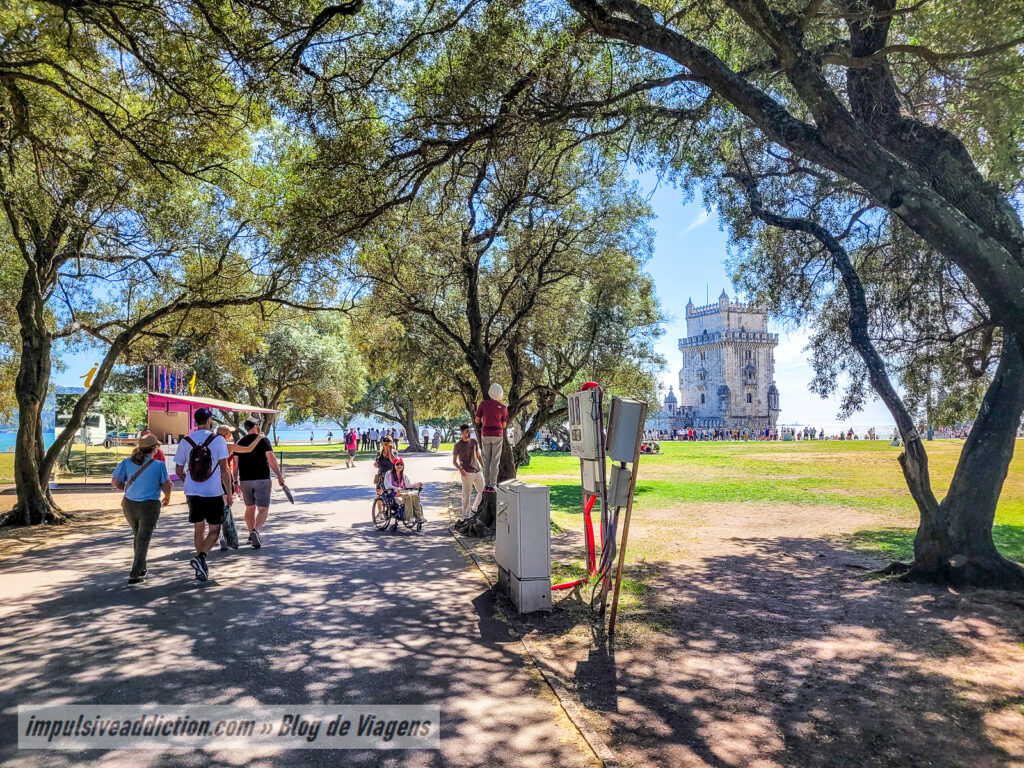
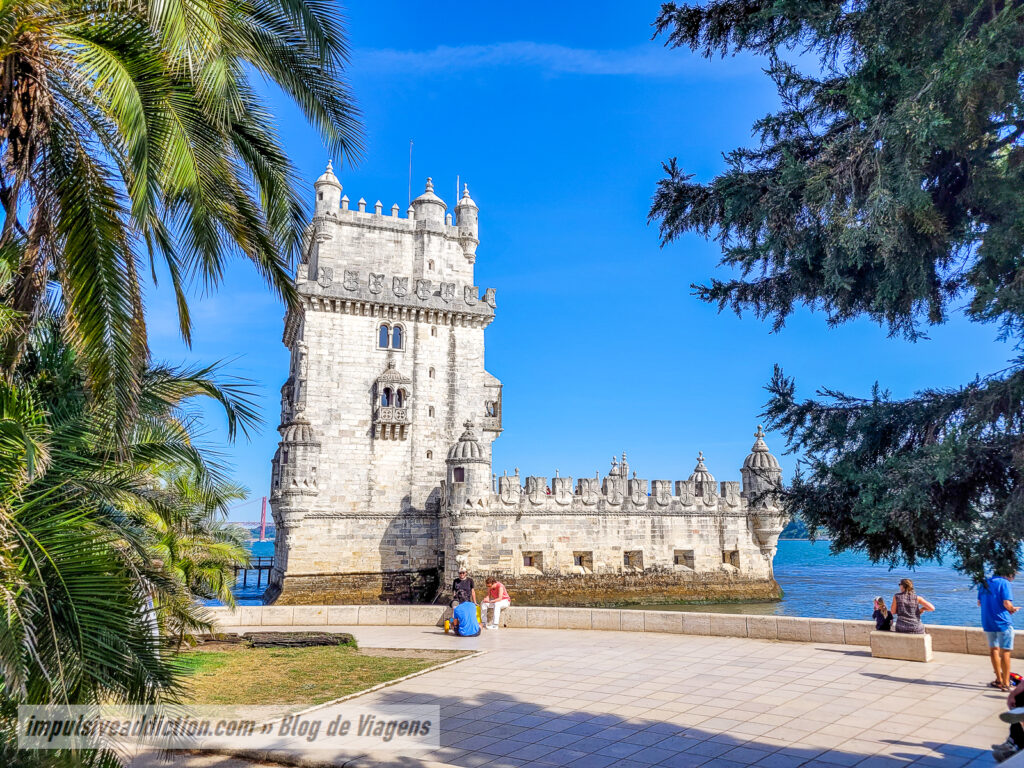
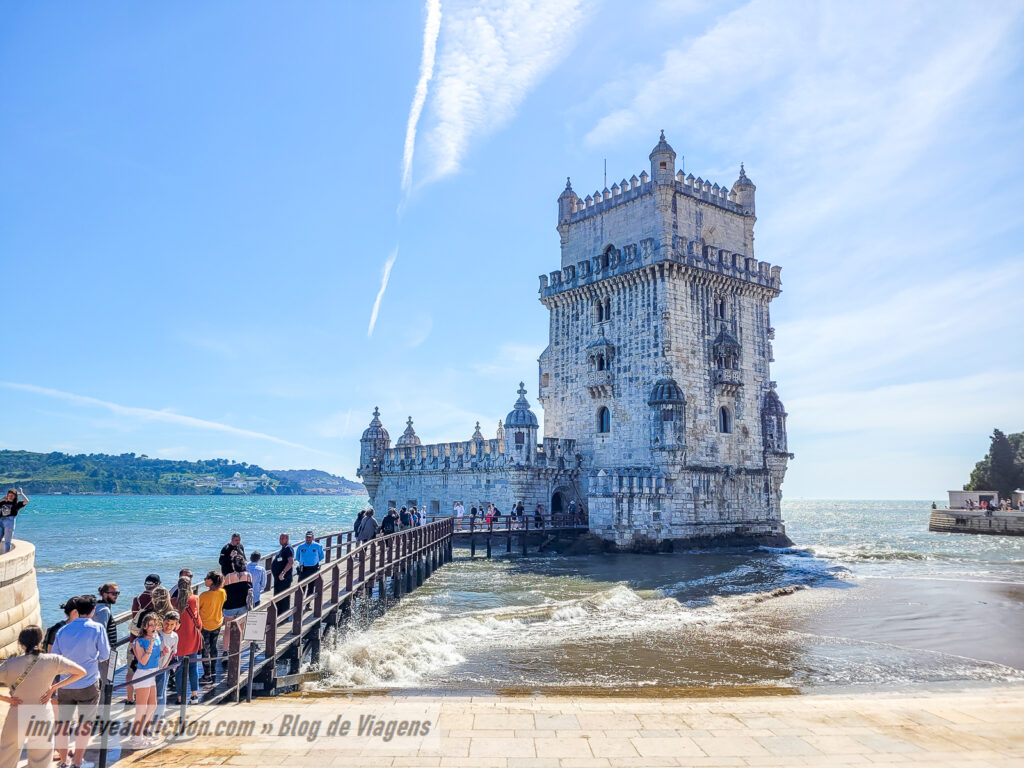
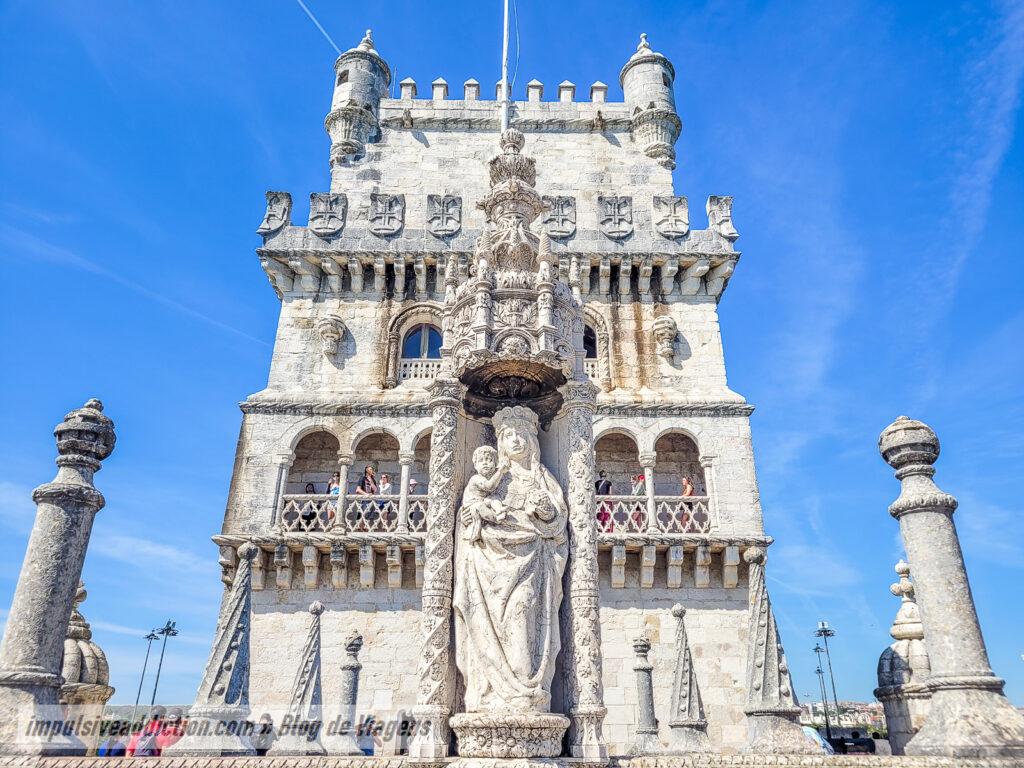
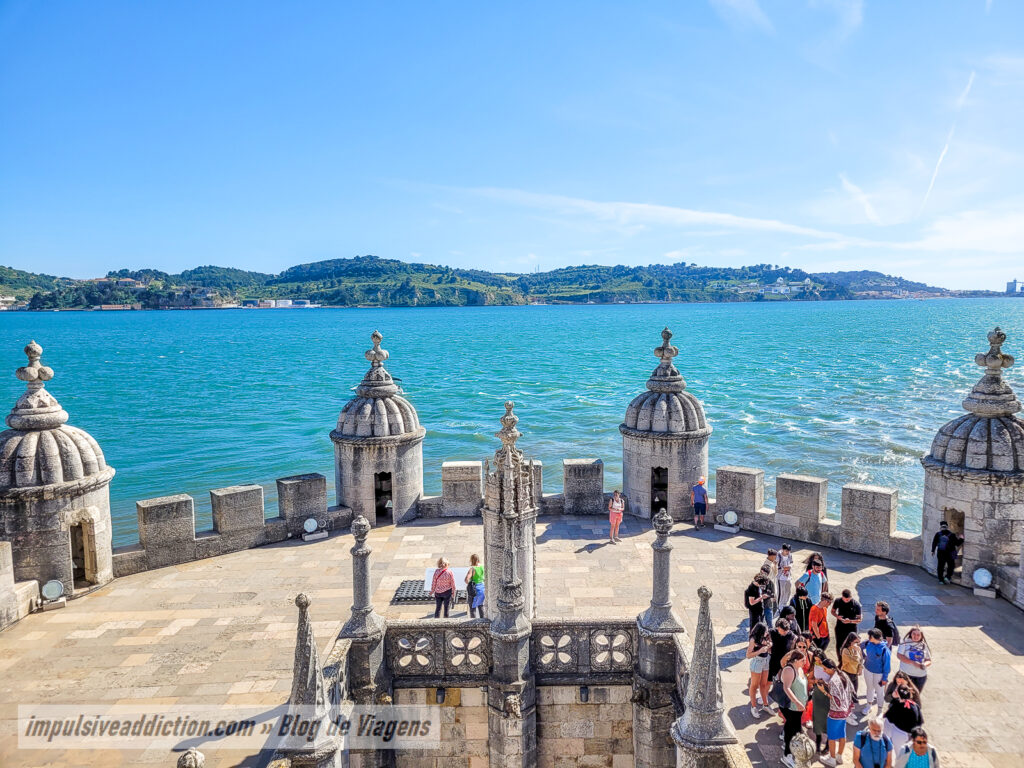
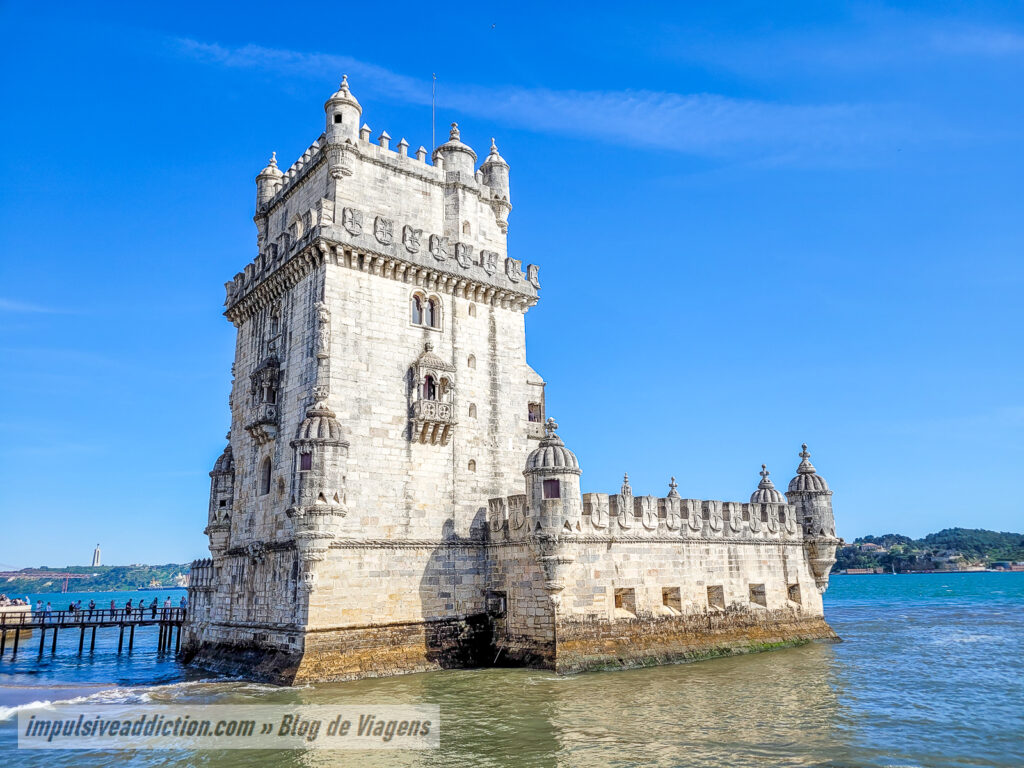
The Torre de Belém, built in the 16th century, is another major symbol of Lisbon. Originally constructed as a defensive fortification at the entrance of the Tagus River estuary, it features a mix of Manueline and Gothic styles, with intricate balconies and decorated battlements.
I recommend not entering the Torre de Belém, as it is empty inside and will only take up time that you could better use exploring other more interesting sites (like the museums mentioned earlier). Visit the tower from the outside – that’s my tip. 😉
Just a few meters from the tower is the Padrão dos Descobrimentos, the next stop on the itinerary, also tied to the Age of Exploration.
7. Padrão dos Descobrimentos
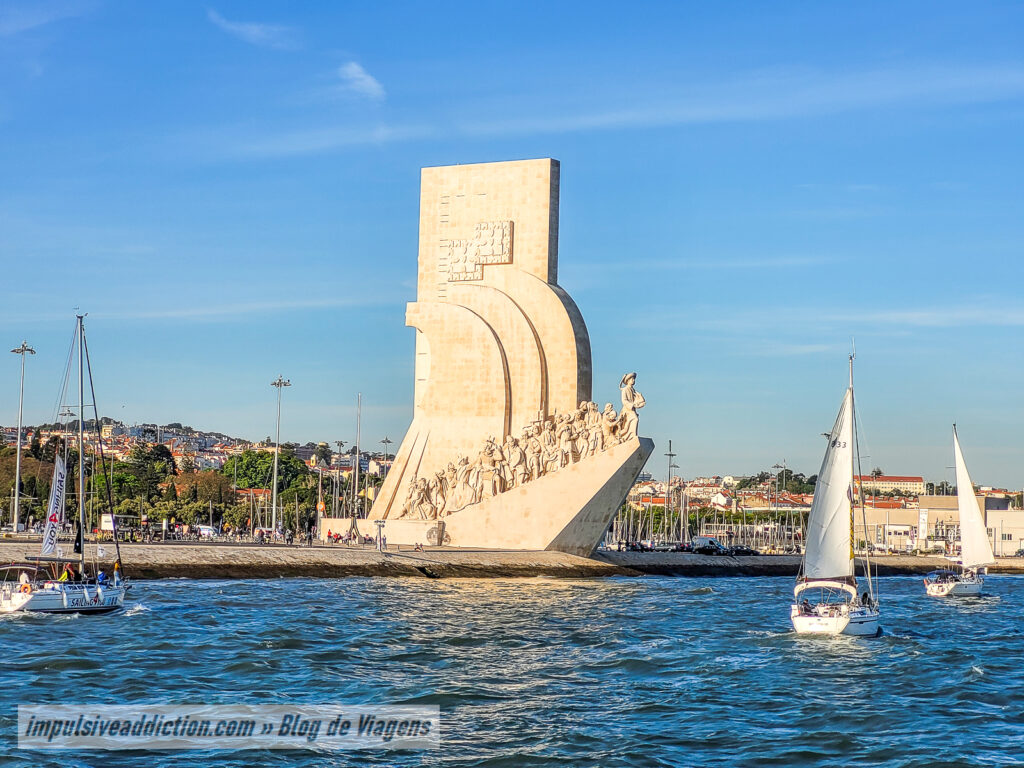
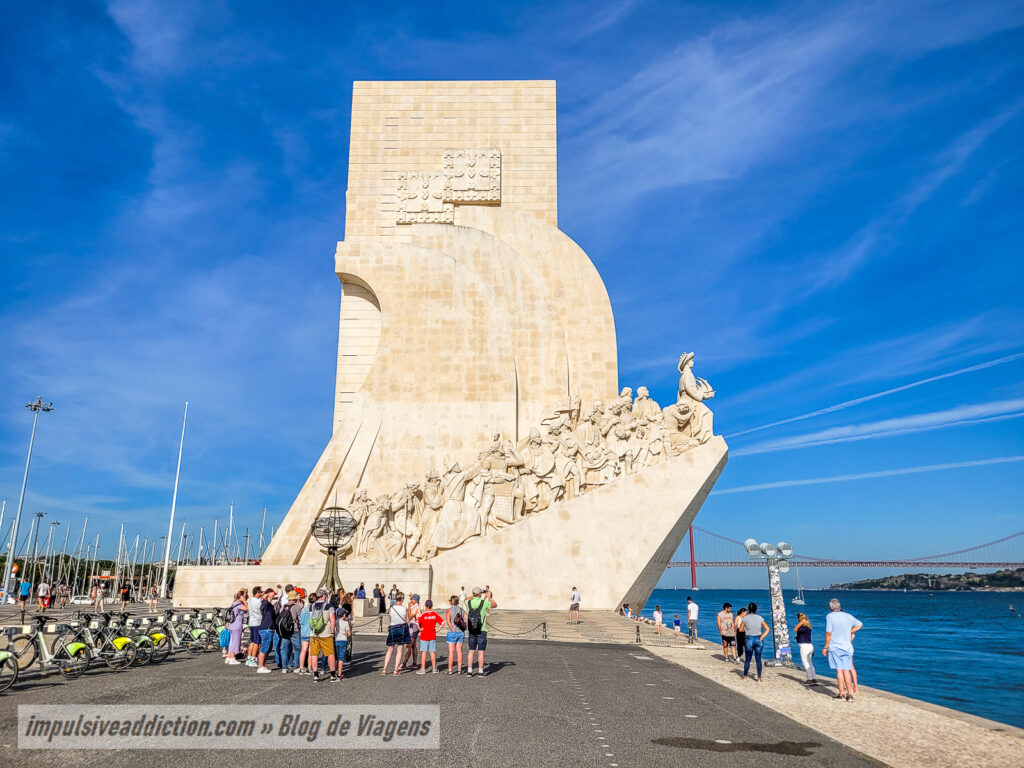
The Padrão dos Descobrimentos is a monument shaped like a caravel, honoring the navigators and key figures of the Portuguese Age of Exploration. The sculpture centers around the figure of Infante D. Henrique, with several other important figures from the era surrounding him.
On the ground, a massive rose of the winds in marble mosaic represents the world map, showing the routes explored by the Portuguese. It’s a great spot for photographs and for understanding the significance of this period in the country’s history.
Just next door, a short walk takes us to the MAAT – Museum of Art, Architecture, and Technology, one of the city’s most modern cultural spaces.


8. MAAT (Museum of Art, Architecture, and Technology)
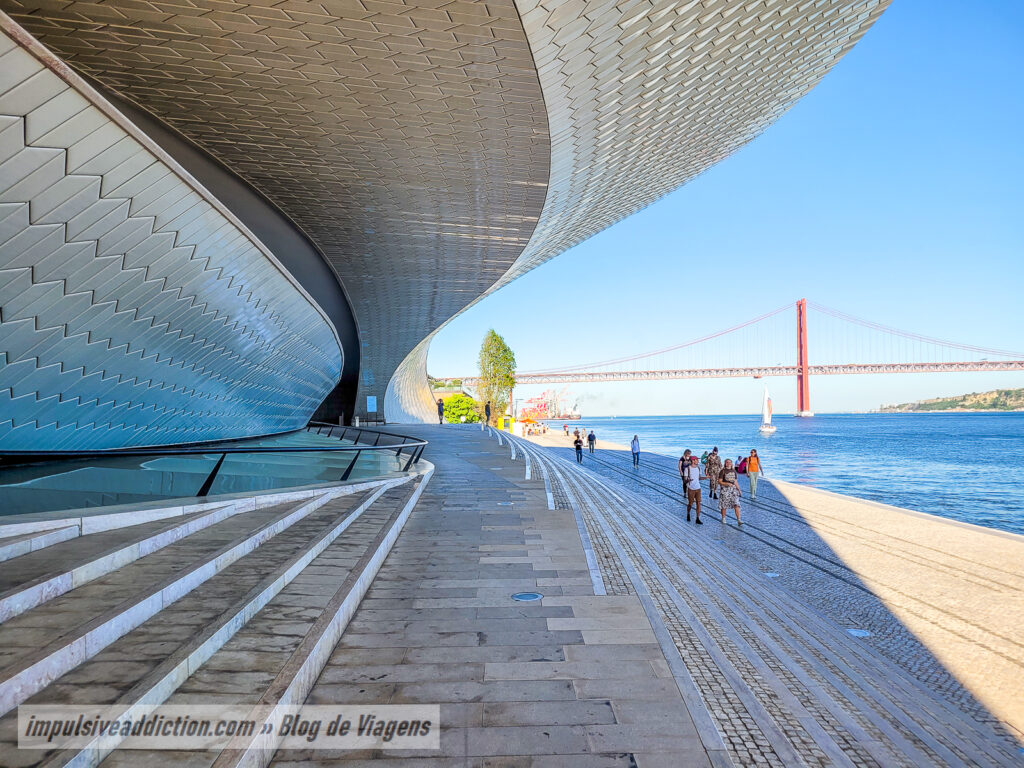
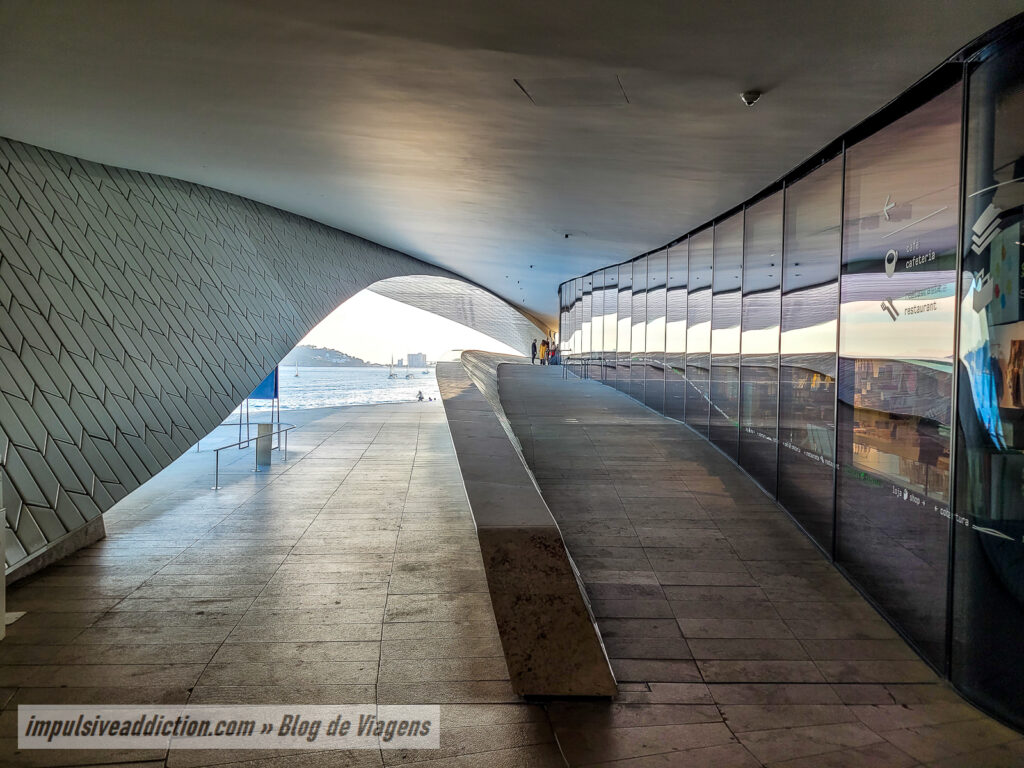
The MAAT is a museum with bold architectural lines, designed by British architect Amanda Levete. The building blends seamlessly with the riverside landscape, offering visitors the opportunity to walk along its roof and enjoy one of the best views of the Tagus River at sunset.
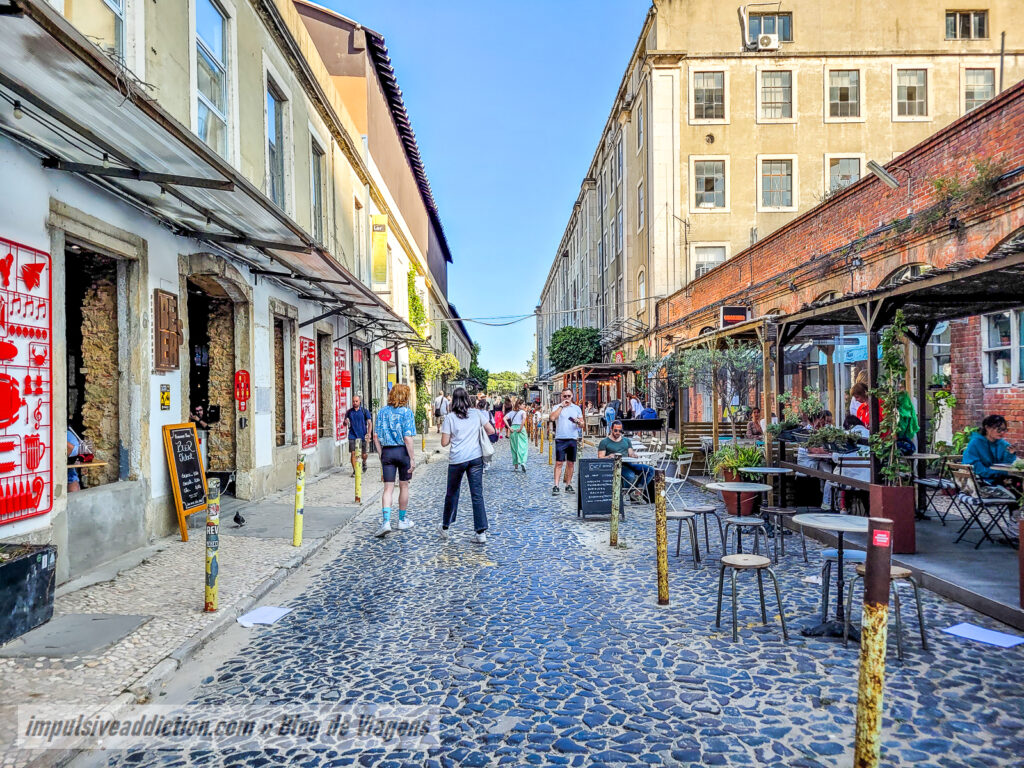
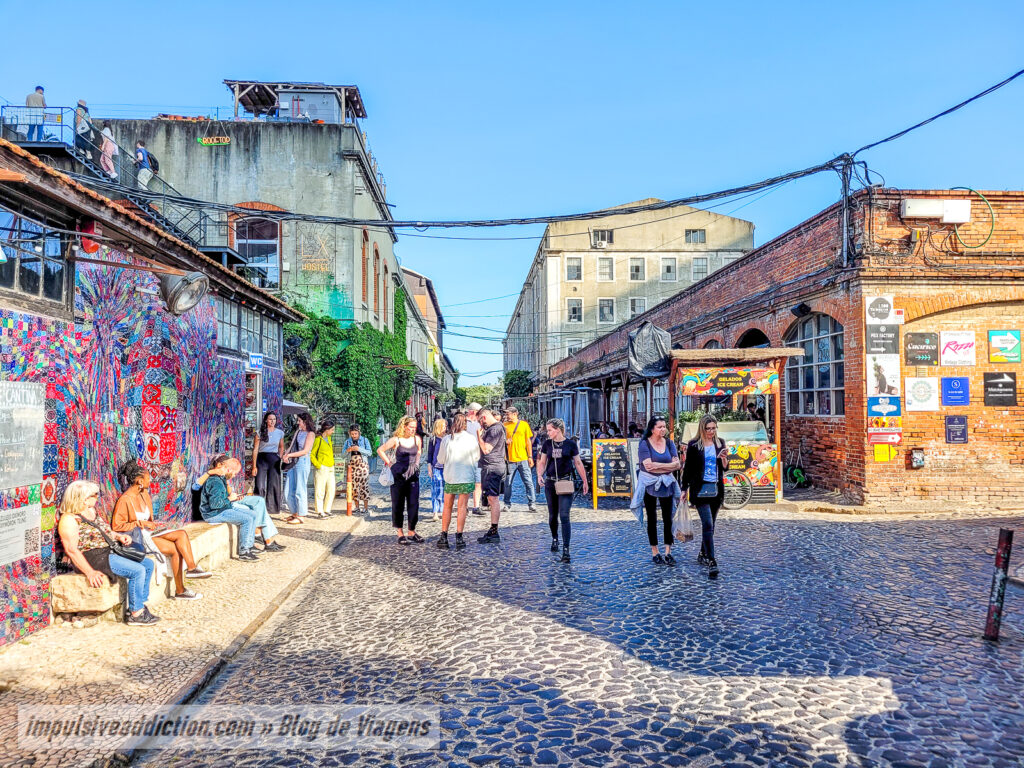
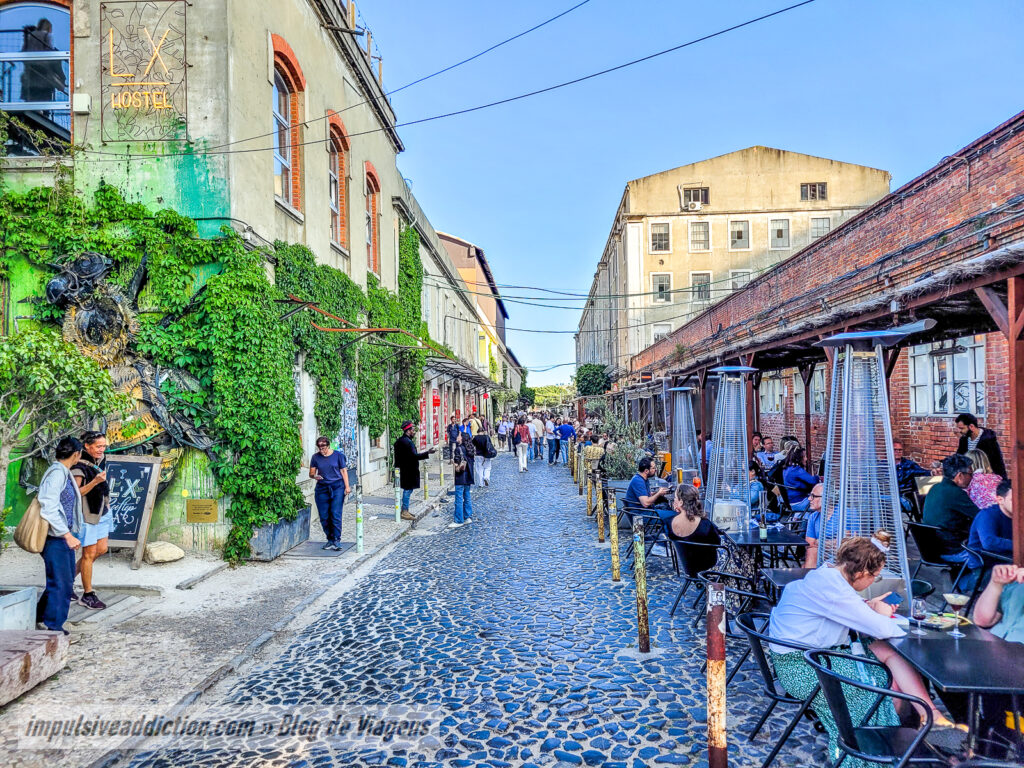
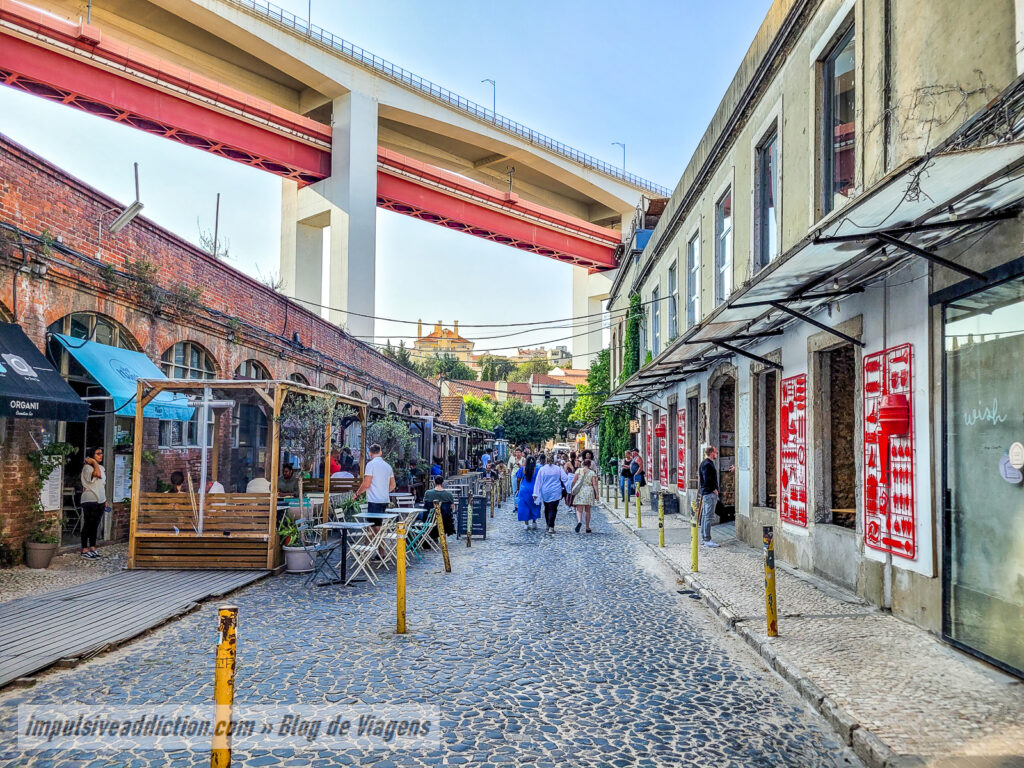
9. LX Factory
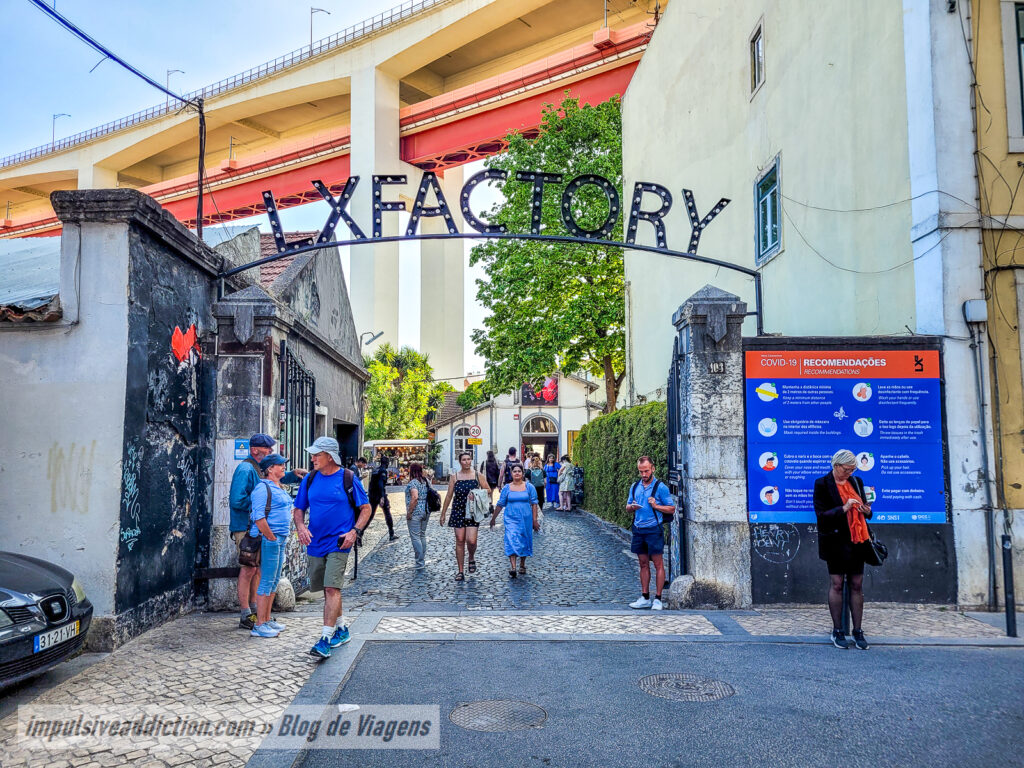
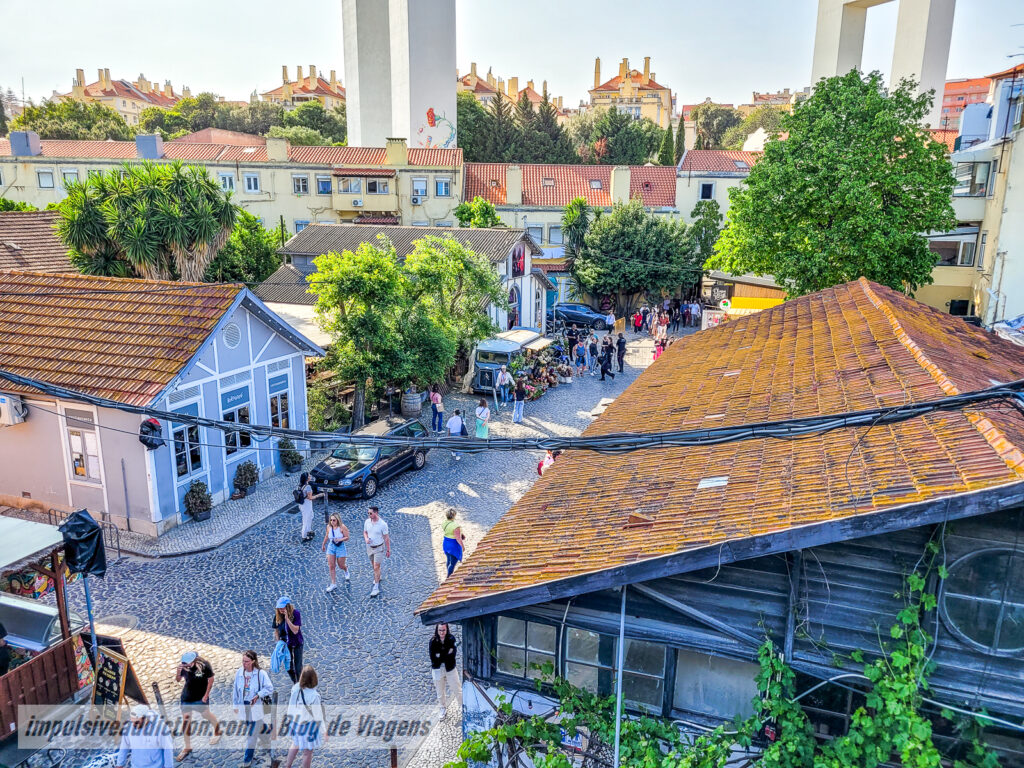
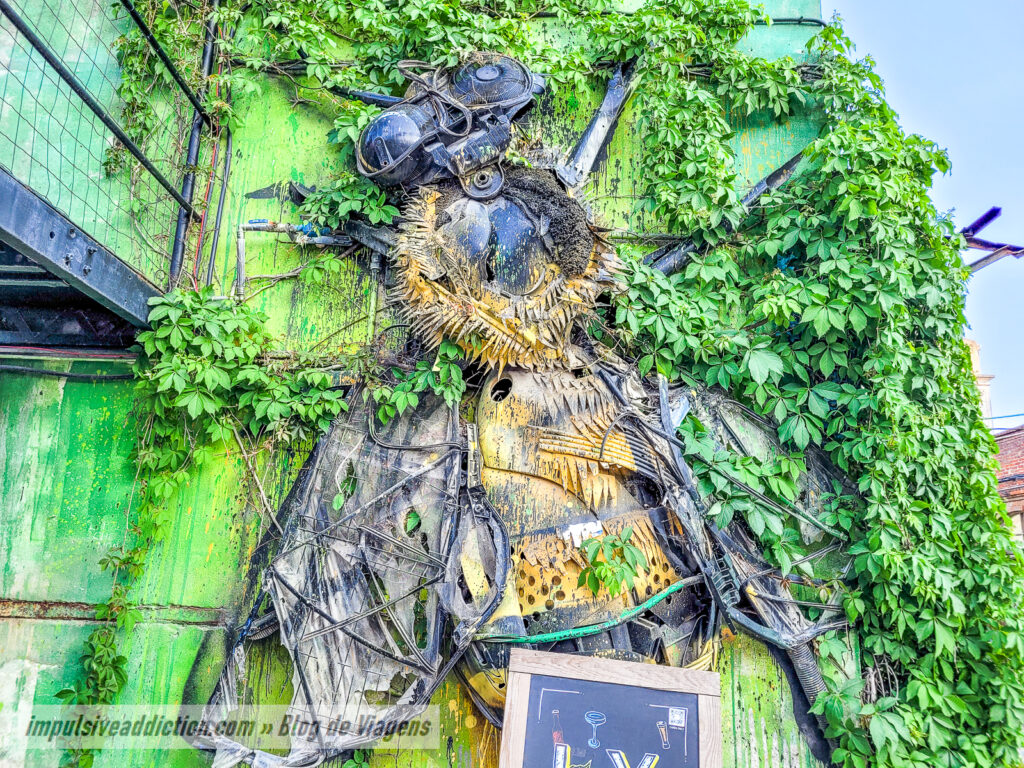
End your day at the former industrial area now transformed into a creative hub, featuring independent shops, ateliers, and restaurants. Wander through the inner streets without a fixed route – there are urban art murals to discover along the way.
Choose a rooftop to watch the sunset with the 25 de Abril Bridge in the background. It’s also a great spot for dinner, where you can enjoy a relaxed atmosphere to close the day.
Day 3 | Lisbon Itinerary
On the third day, you’ll wrap up your exploration of Lisbon’s city center, visiting the remaining spots from the previous days. 😉 You’ll explore Avenida da Liberdade, Príncipe Real, Estrela, the Museu de Arte Antiga, and the Museu do Azulejo, for example.
1. Parque Eduardo VII and Estufa Fria
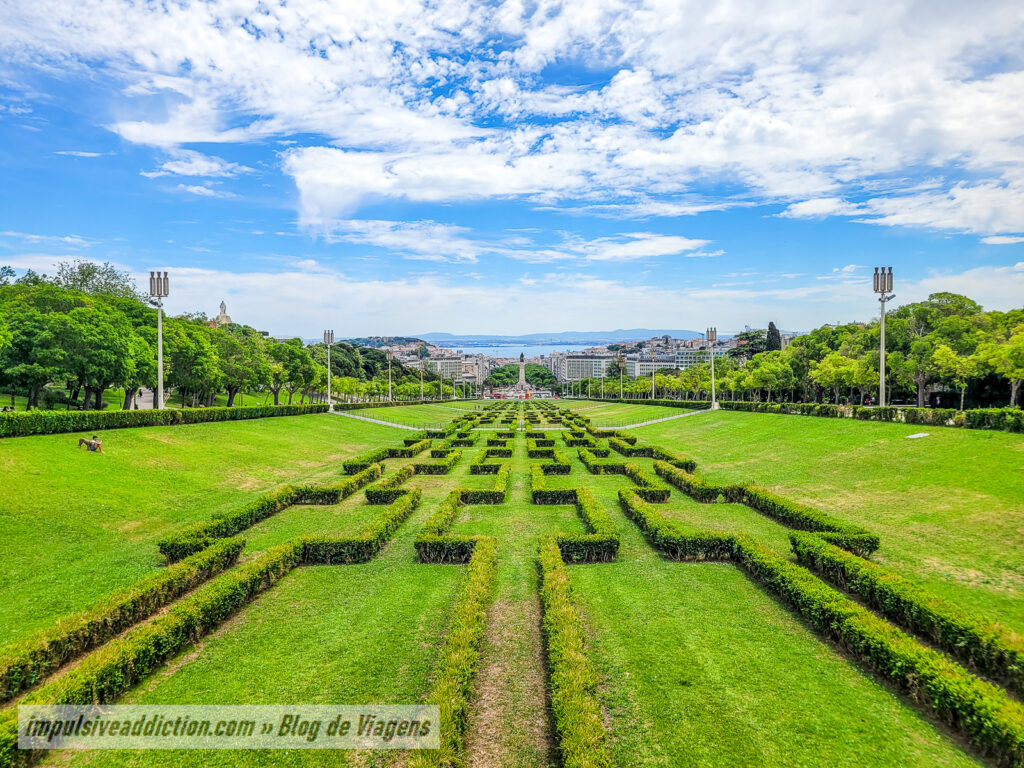
We start the day at the top of Lisbon, in the majestic Parque Eduardo VII, one of the city’s largest green spaces.
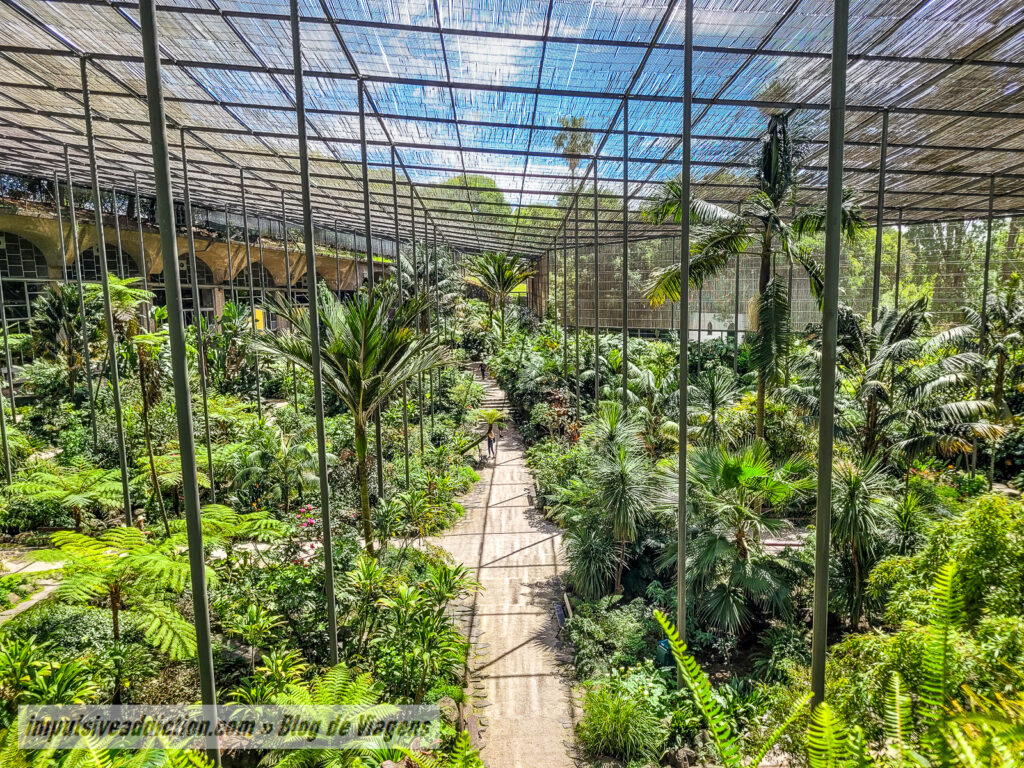
In addition to the park’s viewpoint, it’s worth exploring the Estufa Fria, a greenhouse-garden with a fascinating collection of exotic plants from all over the world. This is the perfect place to begin the day in a calm environment, immersed in nature.
After this green immersion, it’s time to head down toward the heart of the city. Just a few meters from the park is the imposing Praça Marquês de Pombal, the next stop on the itinerary.
2. Praça Marquês de Pombal
Upon arriving at Praça Marquês de Pombal, its grandeur is immediately apparent. This monumental roundabout connects Parque Eduardo VII to Avenida da Liberdade and honors the statesman who rebuilt Lisbon after the 1755 earthquake. The statue of the Marquês, erected at the center, dominates the landscape and tells part of the city’s history.
The square is also one of Lisbon’s main traffic hubs, always bustling with activity. Surrounded by business buildings and prestigious hotels, it gives off a sense of dynamism that contrasts with the serenity of the park visited earlier. This is where you start to feel the cosmopolitan side of Lisbon.
Leaving the square behind, the walk naturally continues along Avenida da Liberdade.
3. Avenida da Liberdade
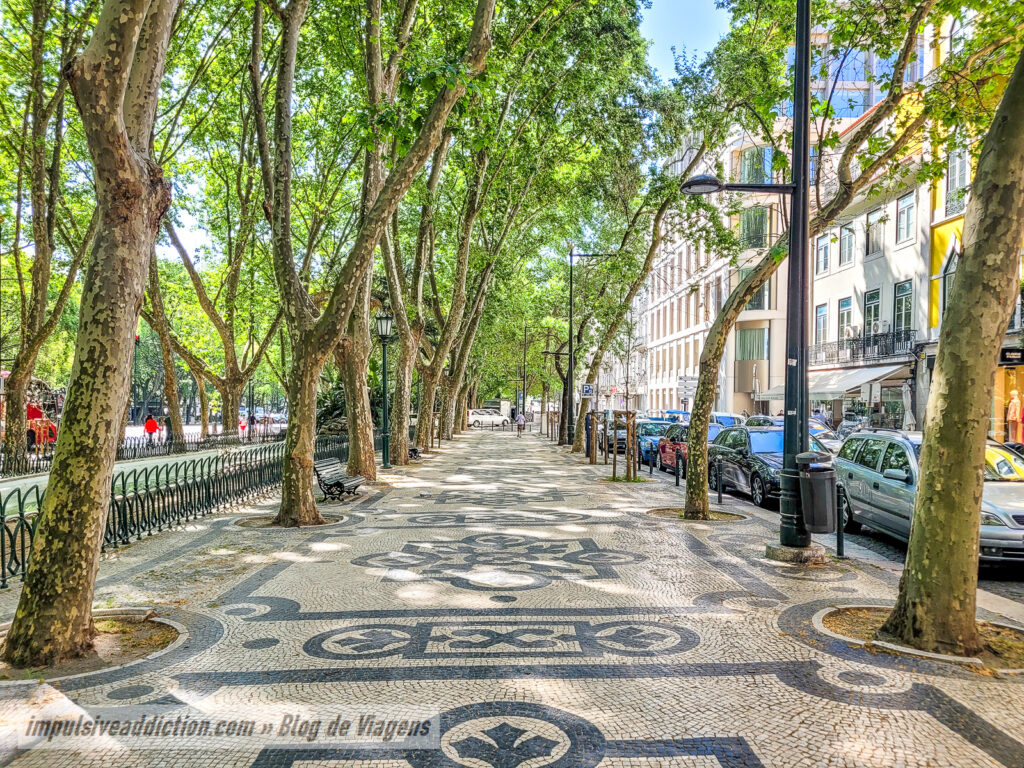
Walking down Avenida da Liberdade is one of the most pleasant moments of the day. Inspired by the boulevards of Paris, the avenue is lined with lush trees, charming kiosks, and central gardens that invite a leisurely stroll. Here, you’ll find some of the most prestigious international brands, such as Prada, Louis Vuitton, and Gucci, as well as theaters and cinemas that keep the cultural life of the capital vibrant.
4. Lisbon Botanical Garden and Museum of Natural History and Science
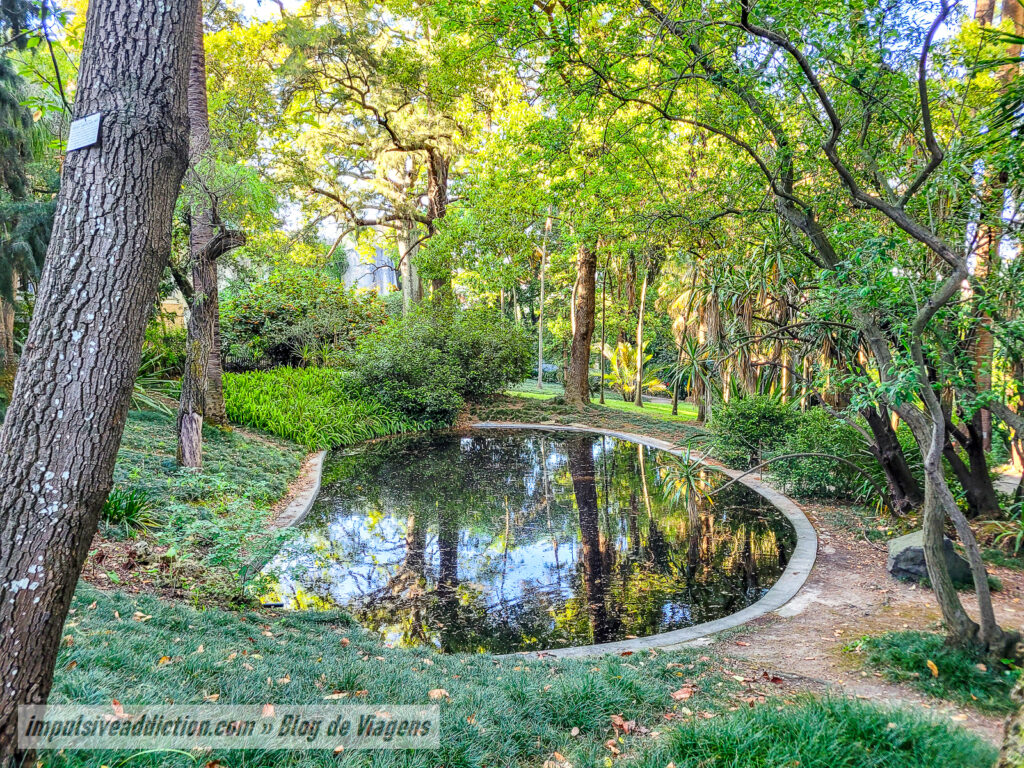
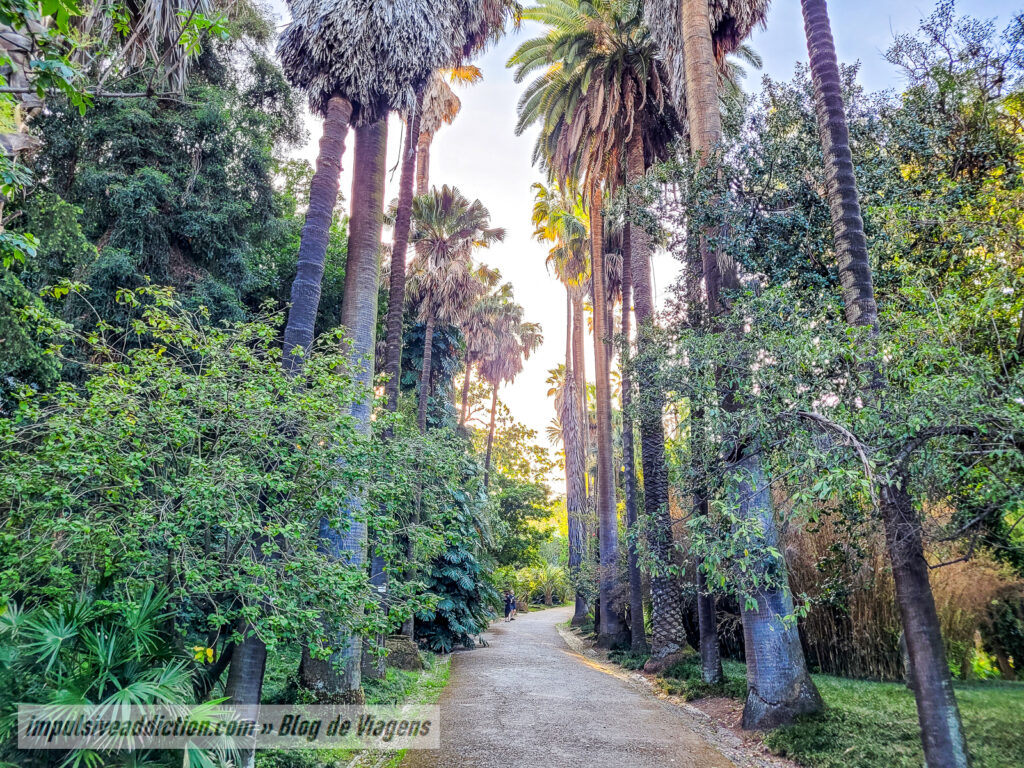
Leaving Avenida da Liberdade behind, we head toward the Lisbon Botanical Garden, a hidden green refuge in the city center. Created in the 19th century, the garden impresses with its collection of exotic plants from various continents, creating a nearly tropical atmosphere. Walking along its shaded avenues feels like stepping back in time, surrounded by rare and centuries-old species.
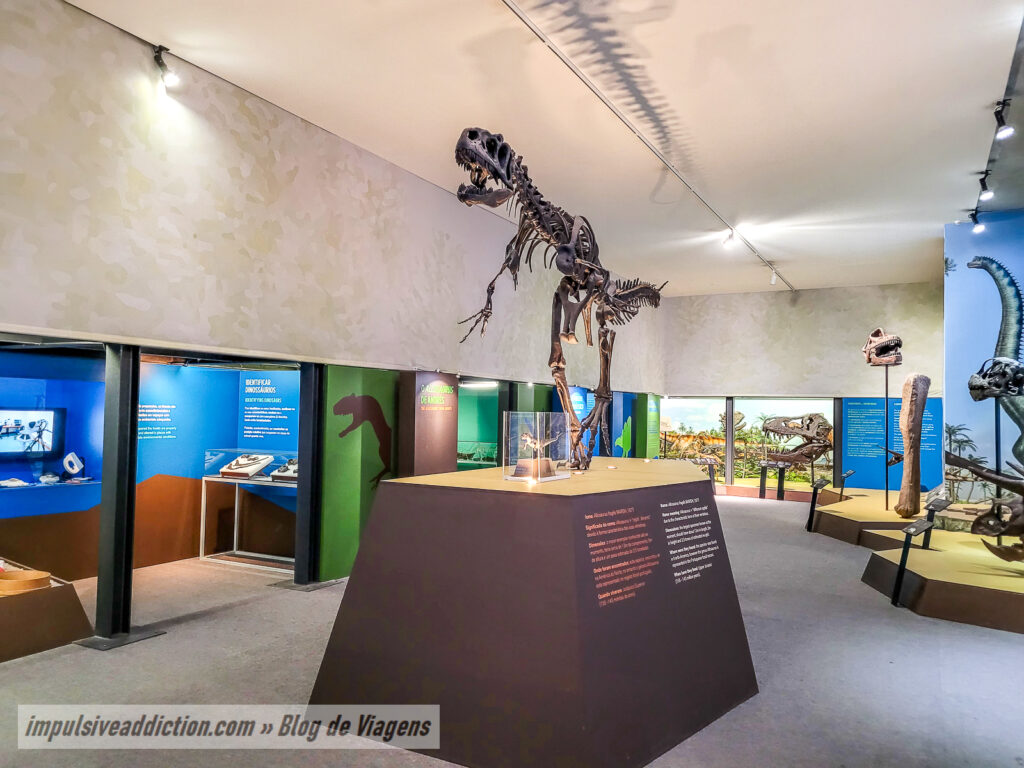
Within the same complex is the Museum of Natural History and Science (optional if you’re short on time), which features exhibitions on geology, paleontology, zoology, and astronomy. It’s a fascinating space for science and history enthusiasts, housing animal skeletons, fossils, and scientific instruments used throughout the centuries. The visit is interactive and piques the curiosity of both adults and children.
Just a few minutes’ walk from the museum, we arrive at the Príncipe Real neighborhood, known for its bohemian atmosphere and alternative shops.
5. Princípe Real
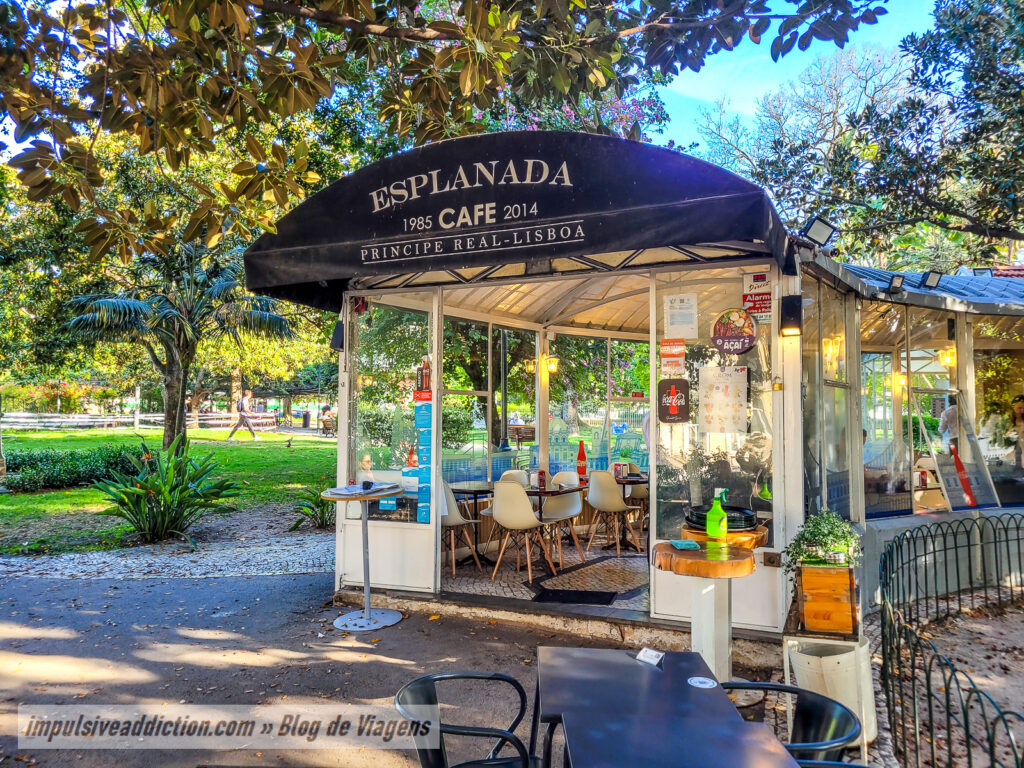
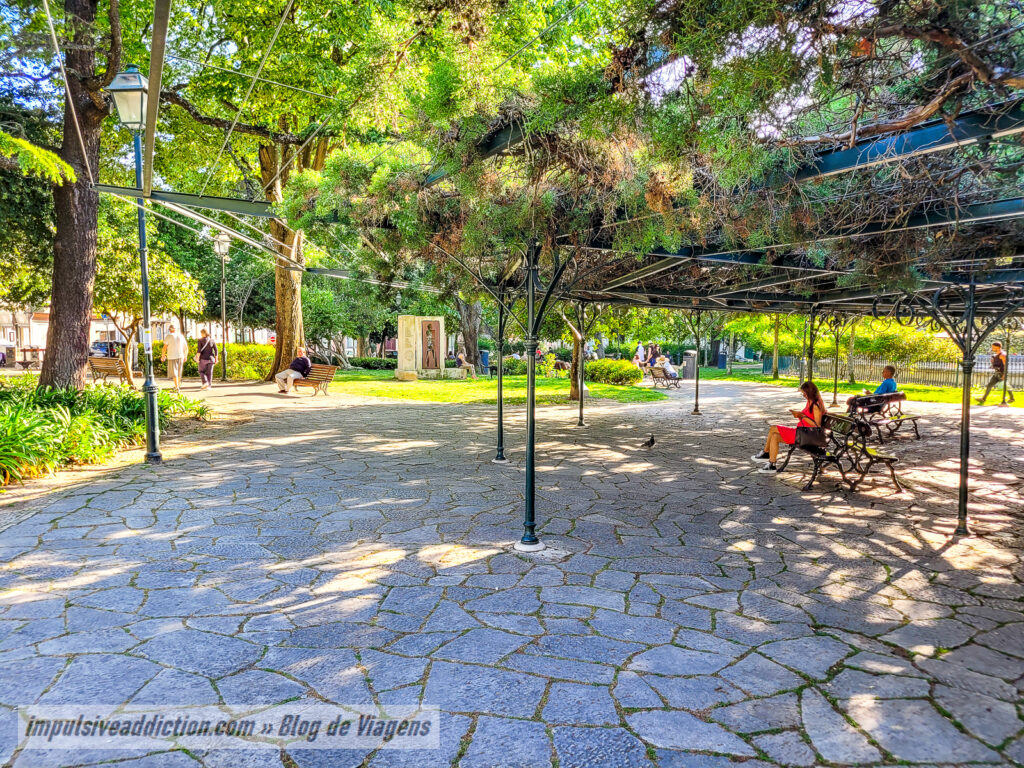
At the heart of the neighborhood is Jardim do Príncipe Real, a small but charming public garden where the massive cedro-do-buçaco, a centennial tree, stands out, offering a welcoming shade.
On Saturdays, a market with organic products and handmade crafts fills the square with life and flavors.
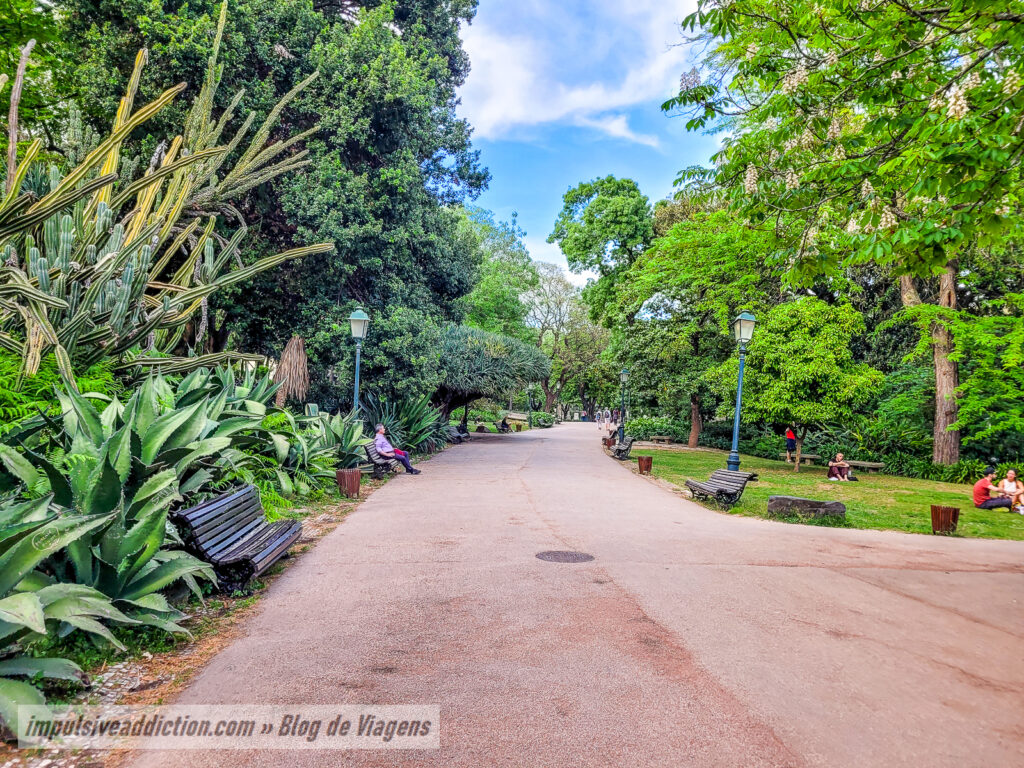
Heading south, we walk toward the majestic Basílica da Estrela, visible from afar with its imposing dome, and the Jardim da Estrela, which has become one of the city’s most popular green spaces.
6. Basílica and Jardim da Estrela
The Basílica da Estrela is one of the most impressive churches in Lisbon, built in the 18th century by order of Queen D. Maria I. Its white marble facade, with two twin towers, hints at the richness of its interior.
In front of the basilica is the Jardim da Estrela, one of the most romantic parks in the city. Its lakes, bandstands, and shaded areas make it the perfect place to rest and observe Lisbon’s daily life. It’s common to find street musicians and small markets in the area, adding to the pleasant atmosphere.
After recharging your energy, we head toward the Ancient Art Museum, which houses one of the most important collections in the country, located just a short walk away.


7. National Museum of Ancient Art
The National Museum of Ancient Art is a true cultural gem. Housed in a 17th-century palace, it brings together works by masters like Bosch, Dürer, and Raphael, along with an extensive collection of Portuguese art from the 14th to the 19th centuries. The highlight is the famous triptych “The Temptation of Saint Anthony” by Hieronymus Bosch, one of the museum’s most admired pieces.
In addition to paintings, the museum also features sculptures, jewelry, textiles, and decorative arts from around the world, showcasing Portugal’s influence during the Age of Exploration.
From here, we head toward the Santa Apolónia area, where the Lisbon Military Museum awaits, the next stop on this journey through Portuguese history.

8. Lisbon Military Museum
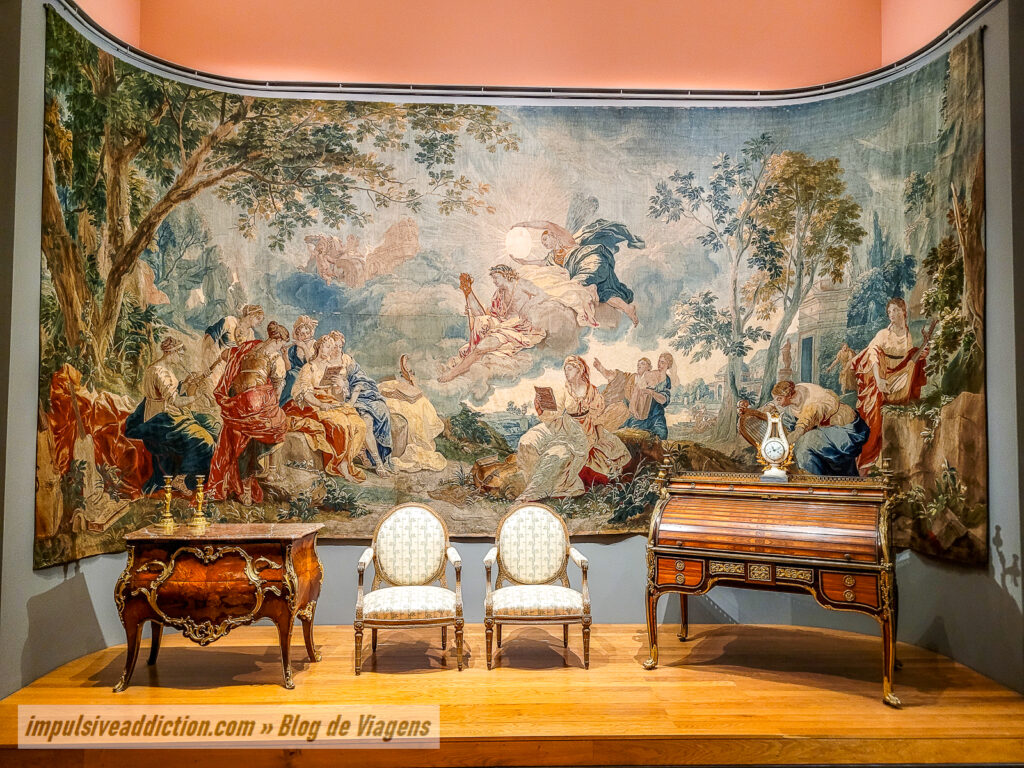
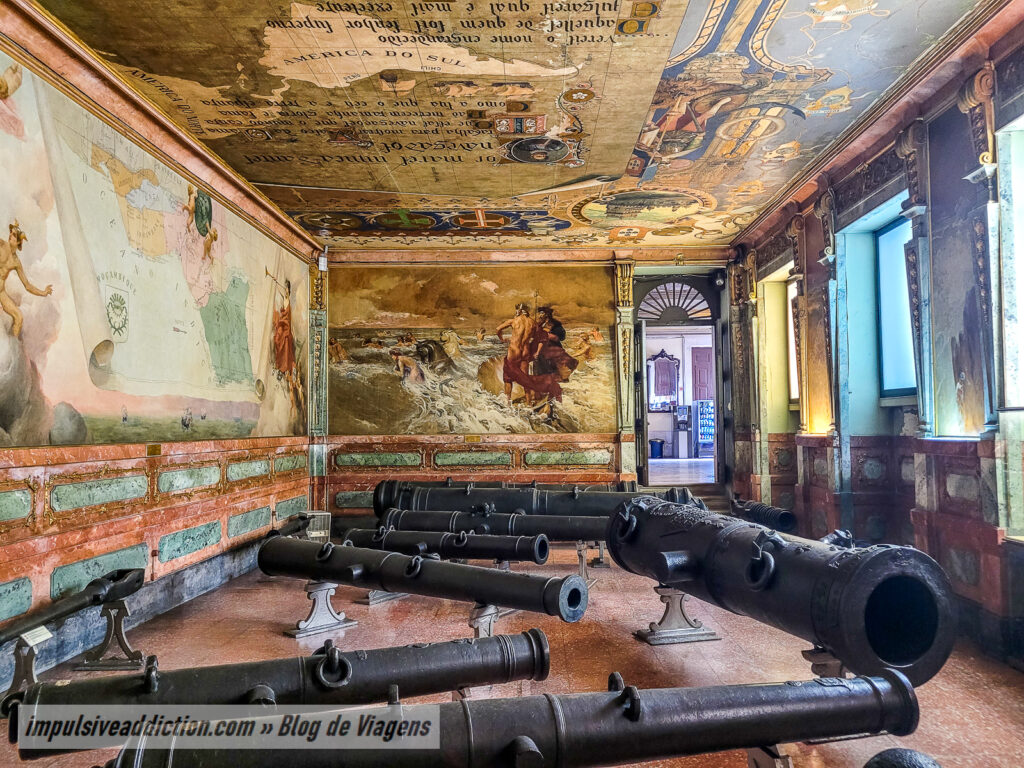
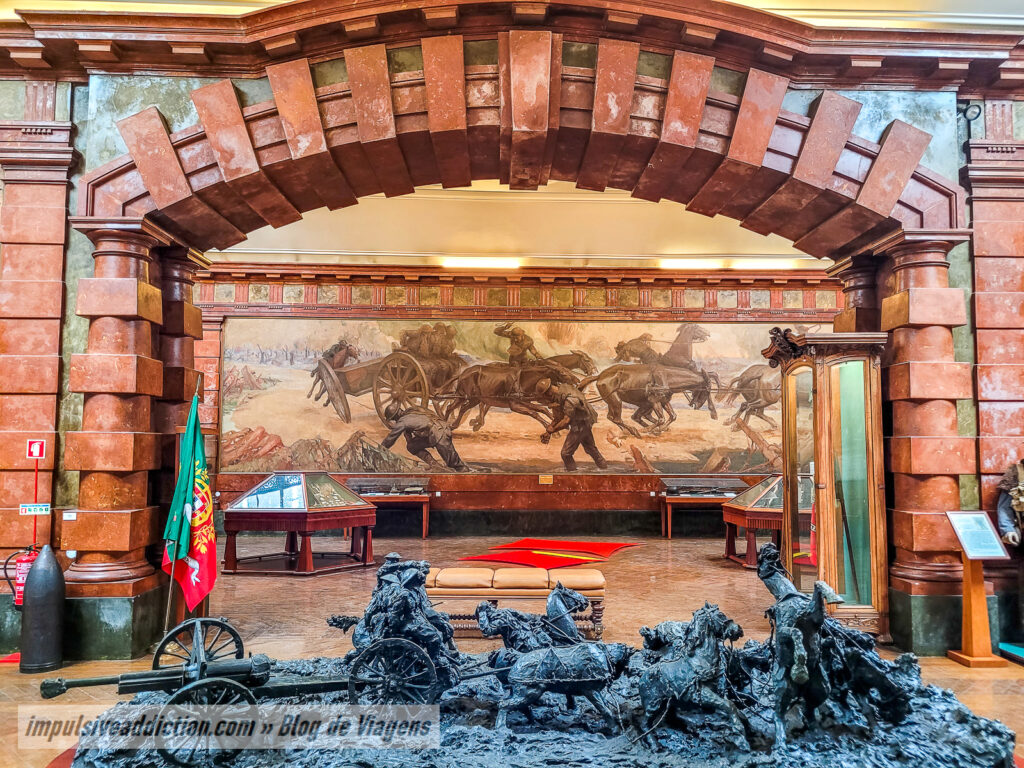
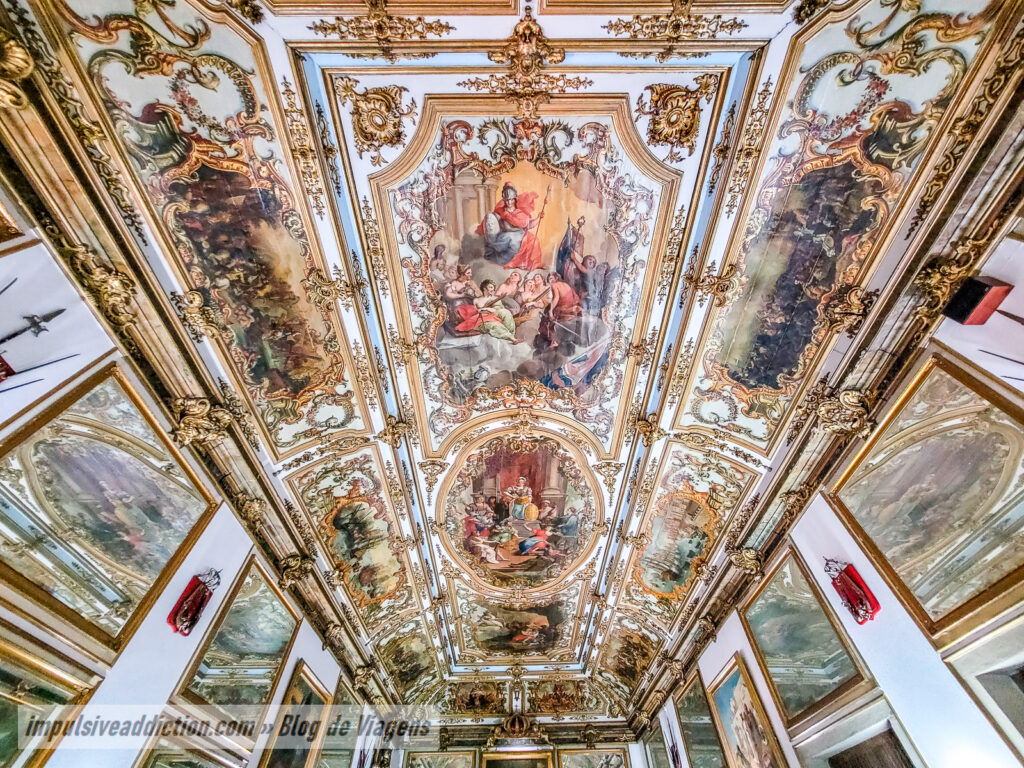
The Lisbon Military Museum is one of the largest military history museums in the world, housed in a 16th-century former arsenal. Upon entering, the grandeur of the building is striking, and the richly decorated rooms transport visitors to different periods of Portuguese military history.
The collection includes weapons, armor, uniforms, and artillery that tell the story of the country’s military campaigns, from medieval times to contemporary wars. The museum also dedicates space to Portugal’s participation in World War Iand recent peacekeeping missions.
9. National Pantheon
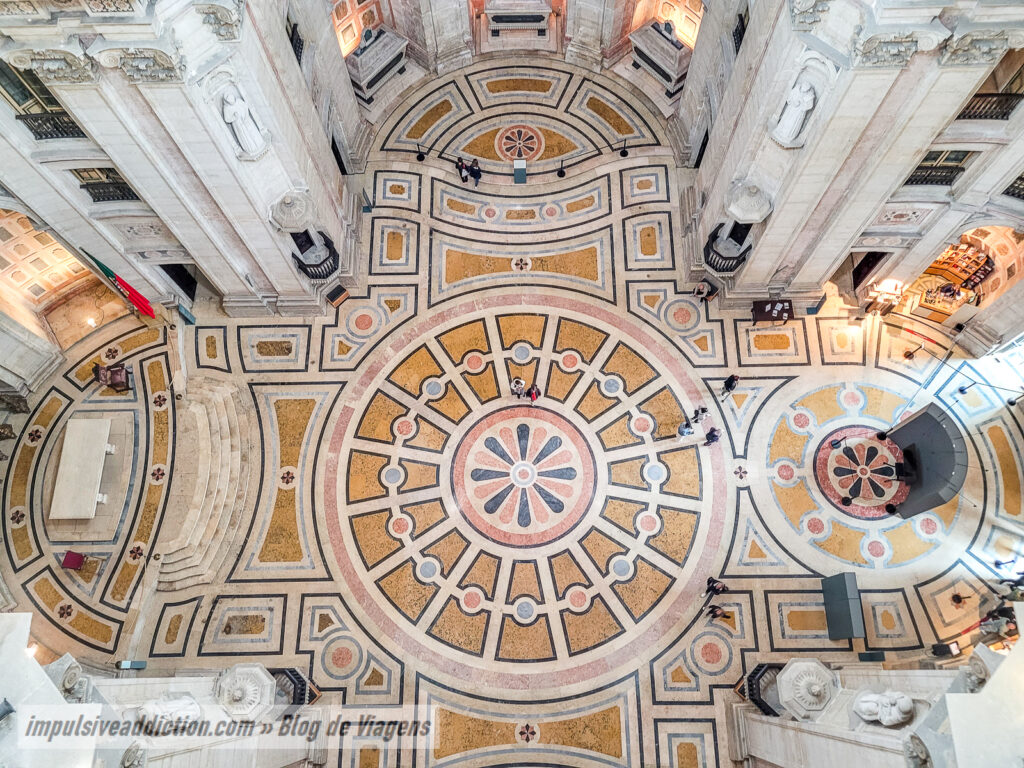
The National Pantheon, also known as the Igreja de Santa Engrácia, is one of Lisbon’s most iconic monuments. Its construction took nearly 300 years to complete, resulting in an impressive example of Baroque architecture.
Inside, you’ll find the tombs of important figures in Portuguese history, such as Amália Rodrigues, Eusébio, and Humberto Delgado. The polychrome marble decoration and the vastness of the interior space leave a lasting impression on any visitor.
A trip to the terrace is a must: from there, you get a privileged view over Alfama, the Tagus River, and the surrounding area. Just a few minutes from the Panteão is the Igreja de São Vicente de Fora, the next stop on our journey.

10. Igreja de São Vicente de Fora
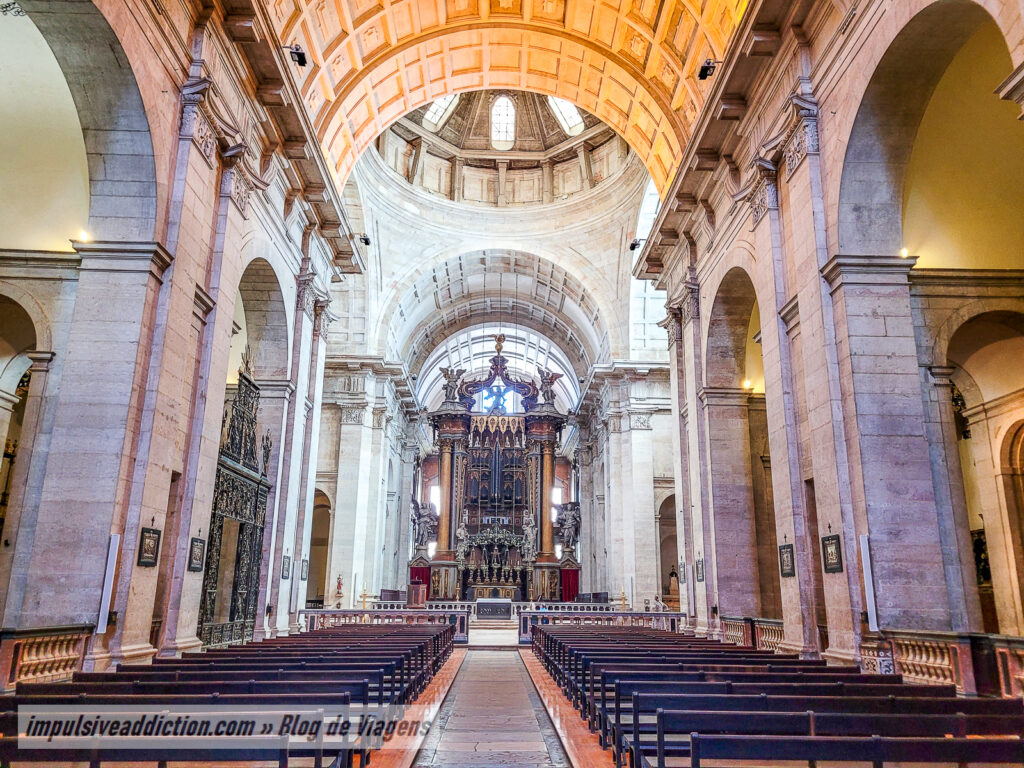
The Igreja de São Vicente de Fora is one of the most important religious monuments in Lisbon. Built in the 16th century, it is dedicated to the city’s patron saint, São Vicente, and combines Mannerist and Baroque architectural elements.
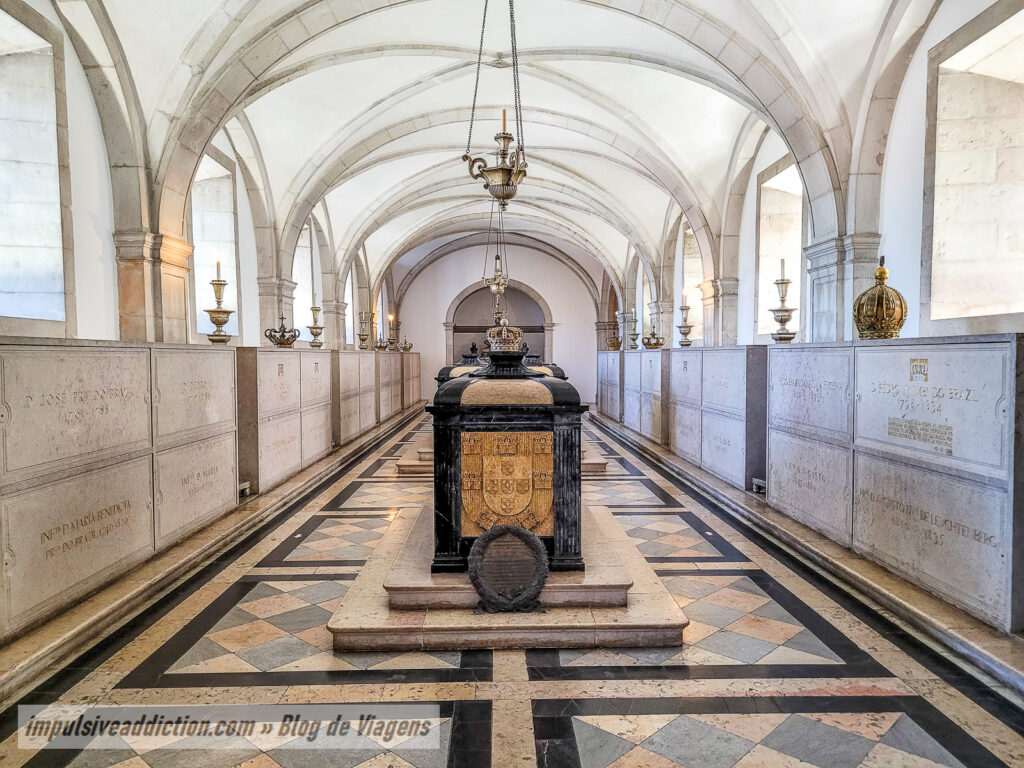
Inside, you’ll find notable azulejo panels depicting La Fontaine’s fables, as well as the royal pantheon of the Braganza dynasty, where several kings of Portugal are buried. The church also features a serene cloister and a terrace with stunning views over Alfama.
After visiting this historically significant space, we’ll head to the Museu Nacional do Azulejo, which will give us an in-depth understanding of one of Portugal’s greatest artistic expressions.

11. National Tile Museum
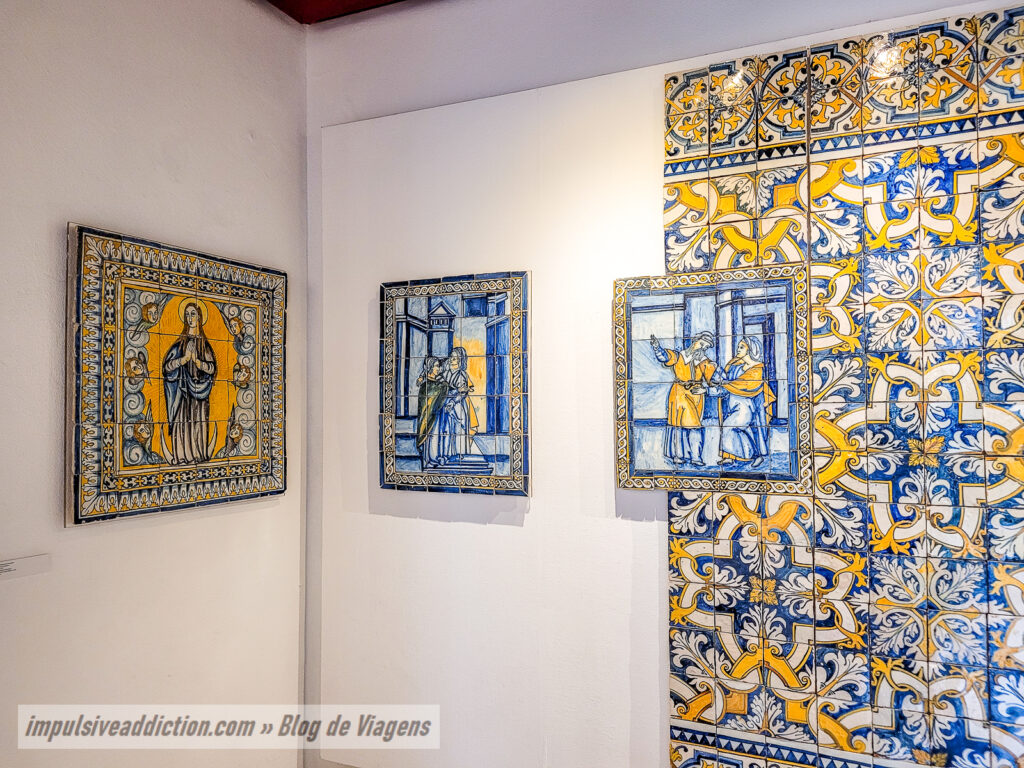
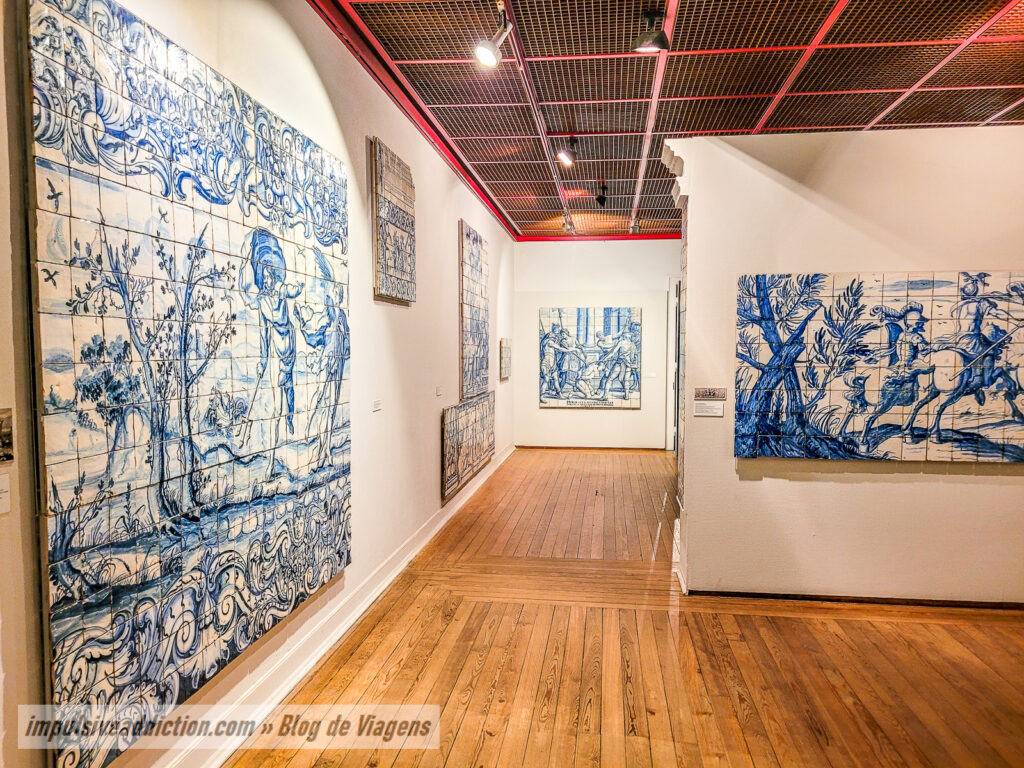
The National Tile Museum is housed in the former Convento da Madre de Deus and is entirely dedicated to the art of azulejo, one of Portugal’s national symbols. The collection spans over five centuries of production, from the first Hispano-Arabic tiles to contemporary creations.
The museum’s standout piece is a tile panel depicting Lisbon before the 1755 earthquake, a unique artwork that shows the city in remarkable detail. The building itself is also a work of art, with its richly decorated church and Renaissance cloister.
We conclude the itinerary by heading to the more modern area of the city, Parque das Nações, where Lisbon reinvented itself at the end of the 20th century.

12. Parque das Nações
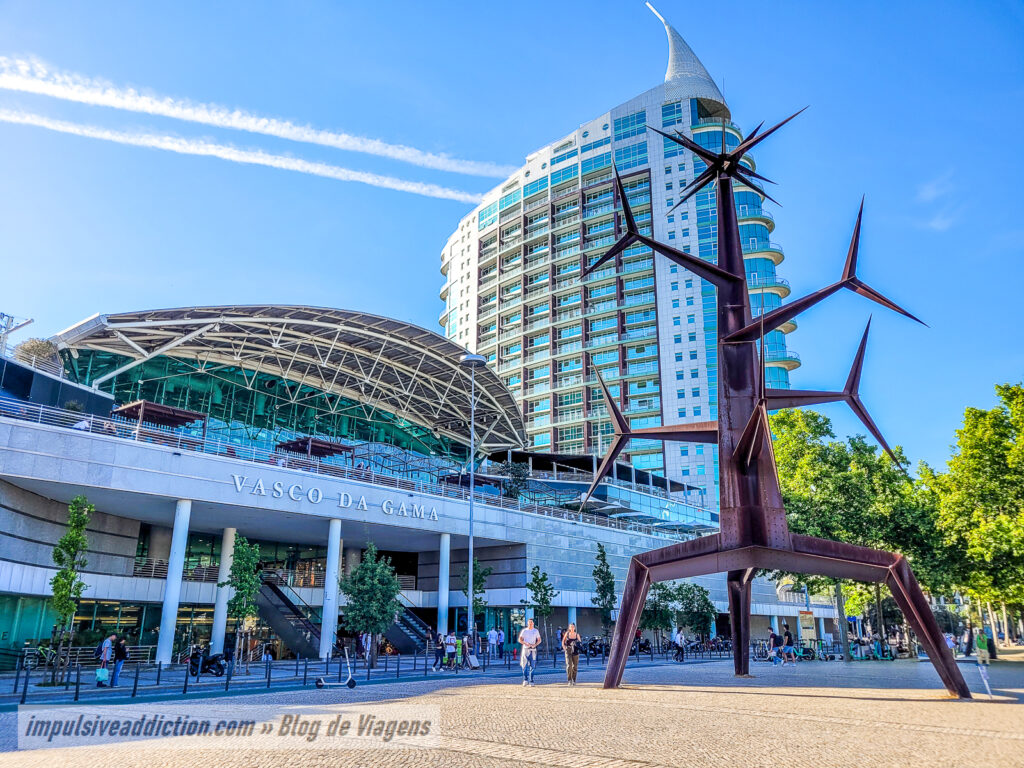
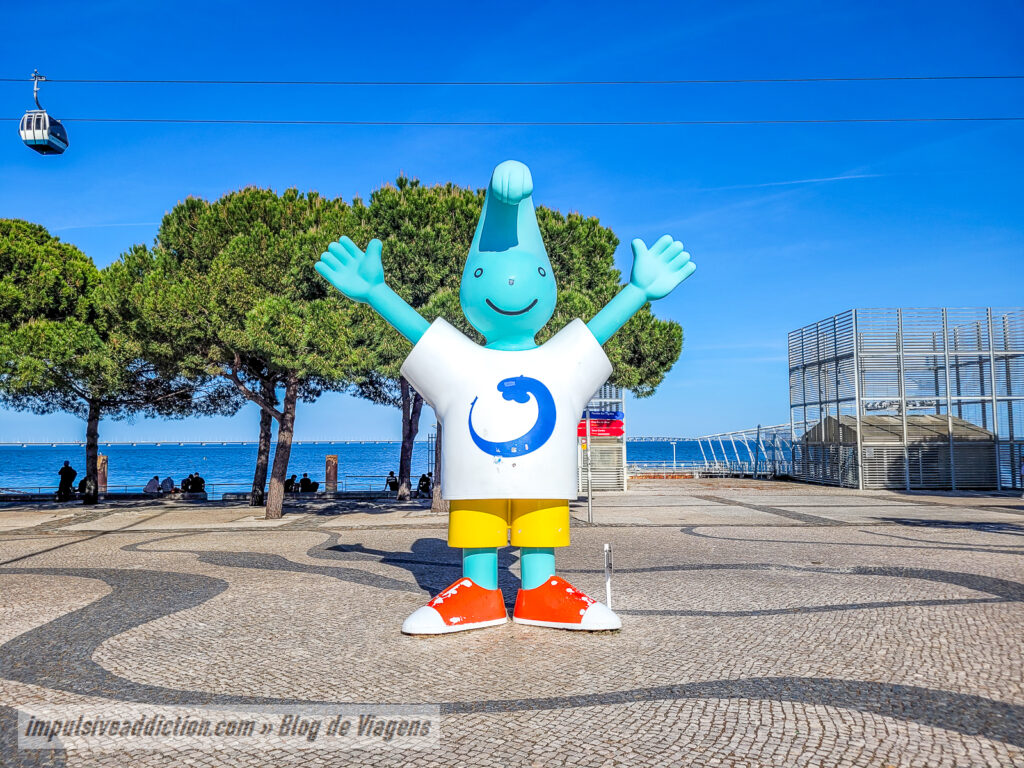
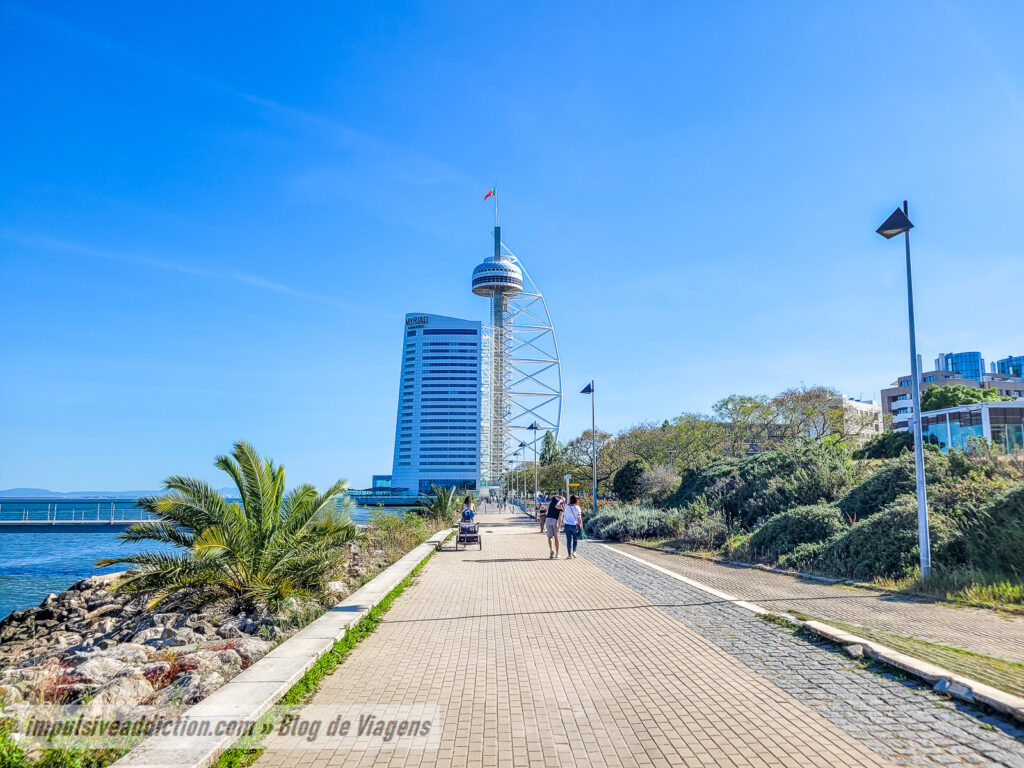
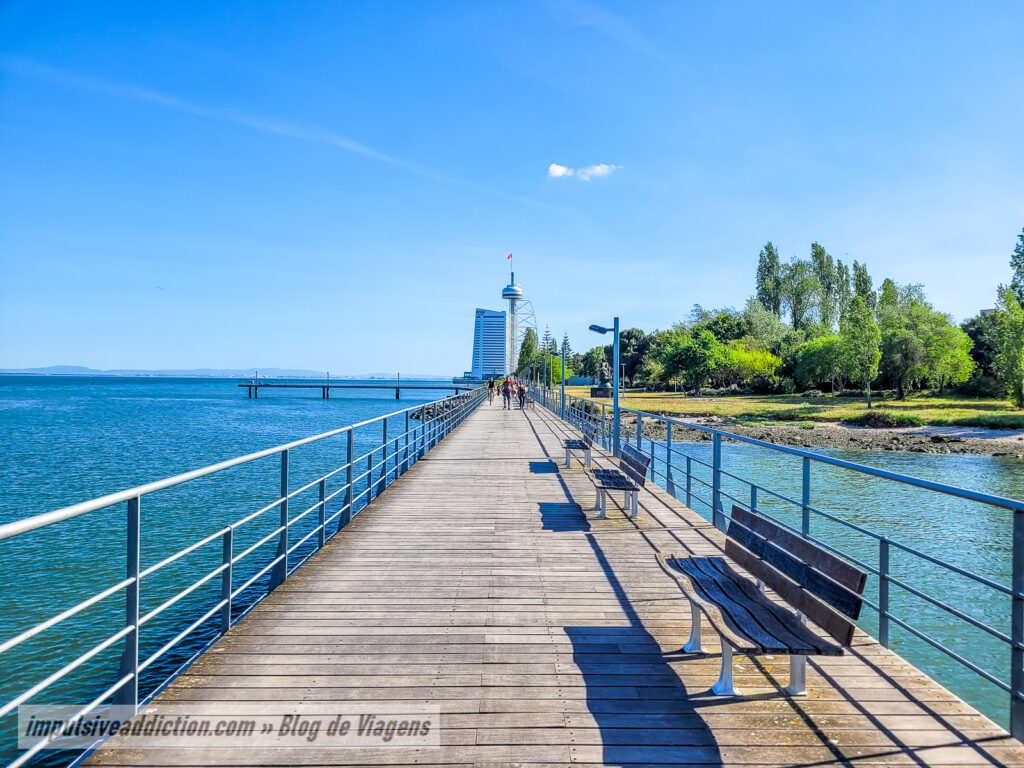
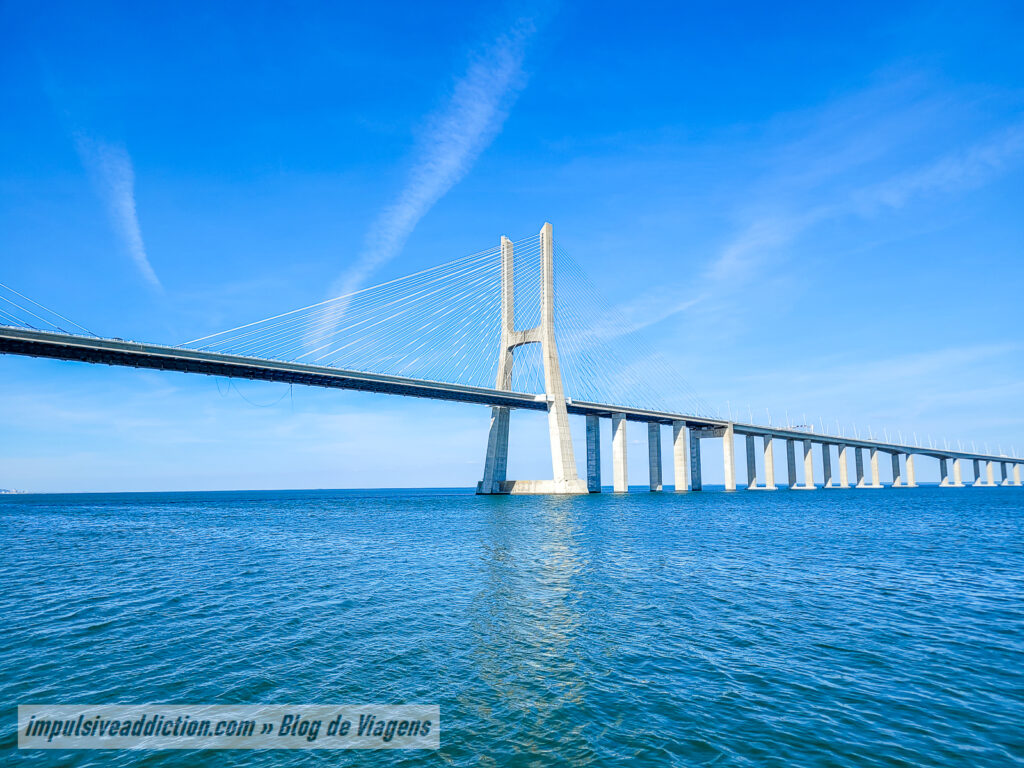
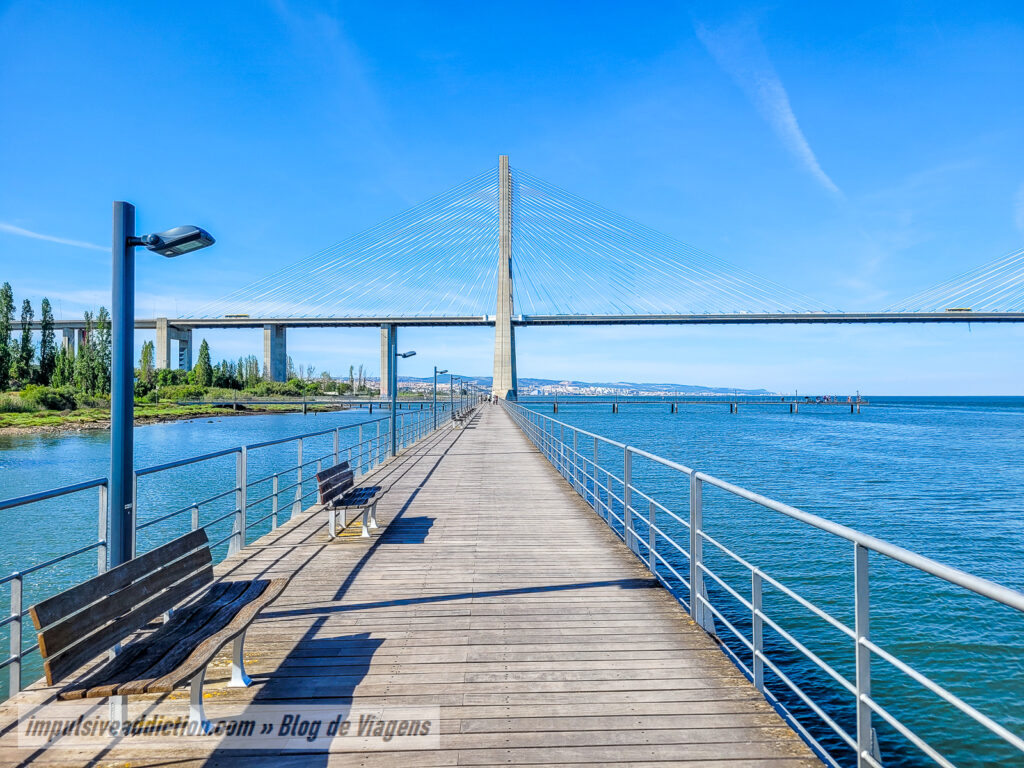
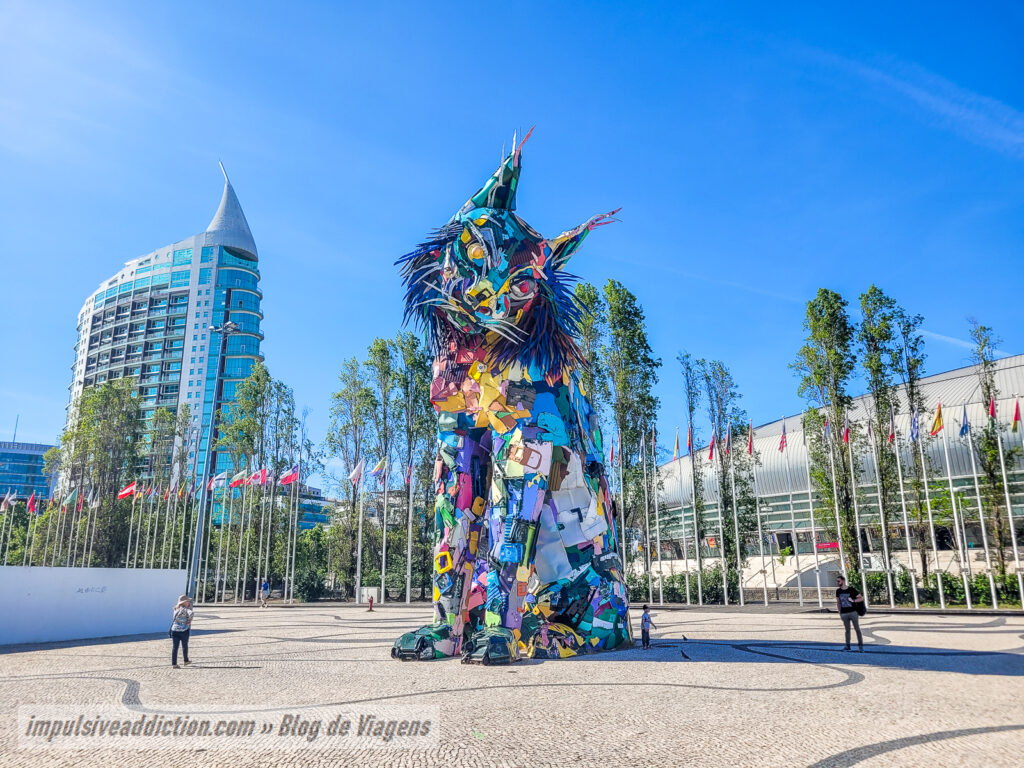
Parque das Nações is the perfect example of contemporary Lisbon. This area was completely renovated for Expo 98 and has since transformed into one of the most vibrant and modern neighborhoods in the city. The riverside promenades, well-maintained gardens, and bold architecture, such as Gare do Oriente by Santiago Calatrava, make it an excellent conclusion to this third day.
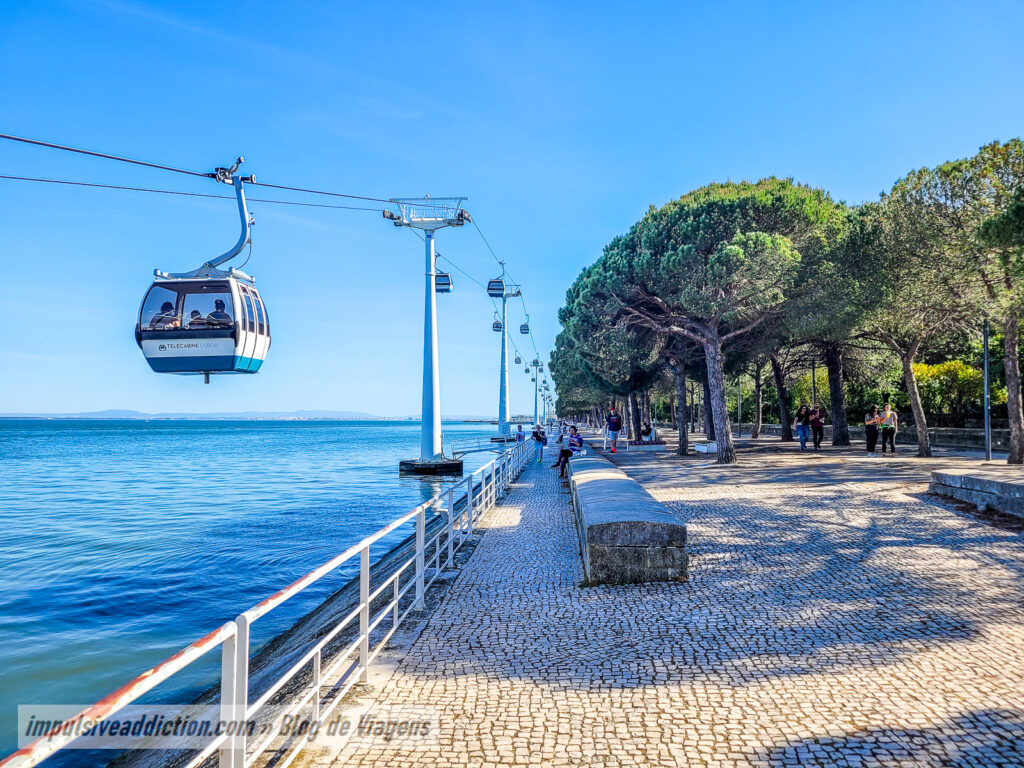
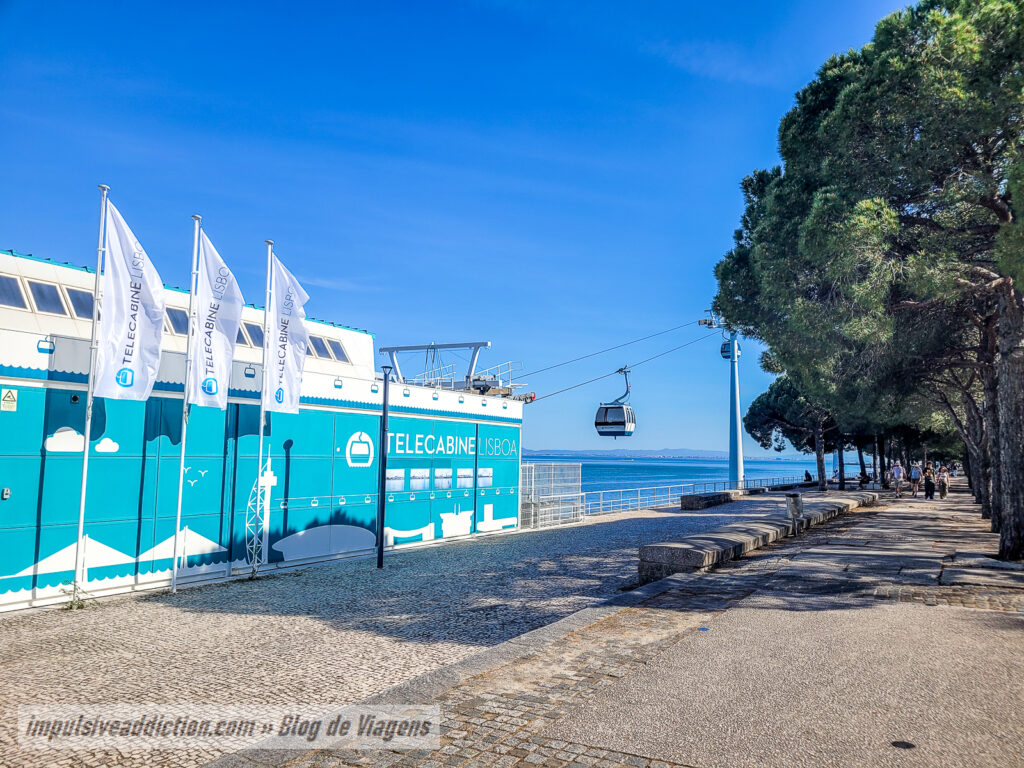
Among the attractions, the Oceanário de Lisboa stands out, being one of the largest aquariums in Europe, perfect for the whole family. You can also take a cable car ride to enjoy the views of the Tagus River and the iconic Pavilhão de Portugal.
With a wide selection of restaurants and bars, Parque das Nações is the ideal place to end the day with a meal by the river, celebrating your journey through Lisbon.
Day 4 | Lisbon Itinerary (Day Trip to Sintra)
On the fourth day of this Lisbon itinerary, you’ll take a day trip to Sintra. A visit to Sintra is a must, with iconic places like Palácio da Pena and Quinta da Regaleira. You’ll be amazed, I’m sure!
I have articles on my blog dedicated to visiting Sintra, which you can check out. Sintra has much more to discover, enough for two or three days of day trips. All the tips on how to get around Sintra are included in these articles.
Note: I also recommend that you consider taking a guided tour to Sintra from Lisbon.

- Itinerary for Visiting Sintra
- Best Parks and Palaces in Sintra
1. Palácio e Parque da Pena
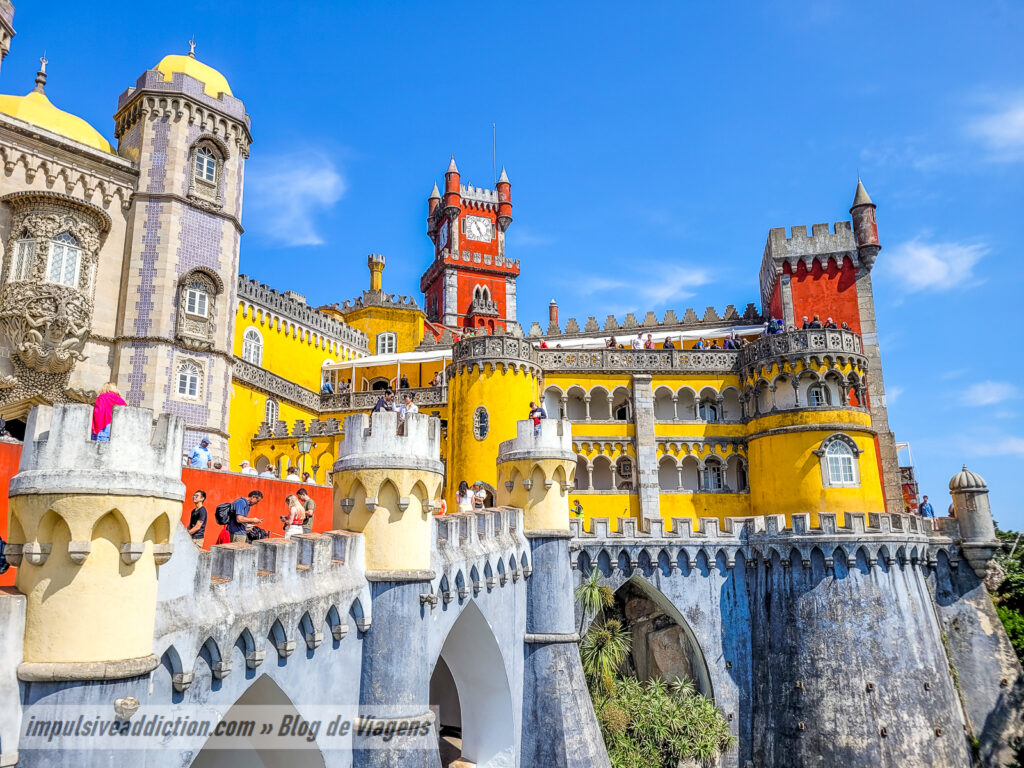
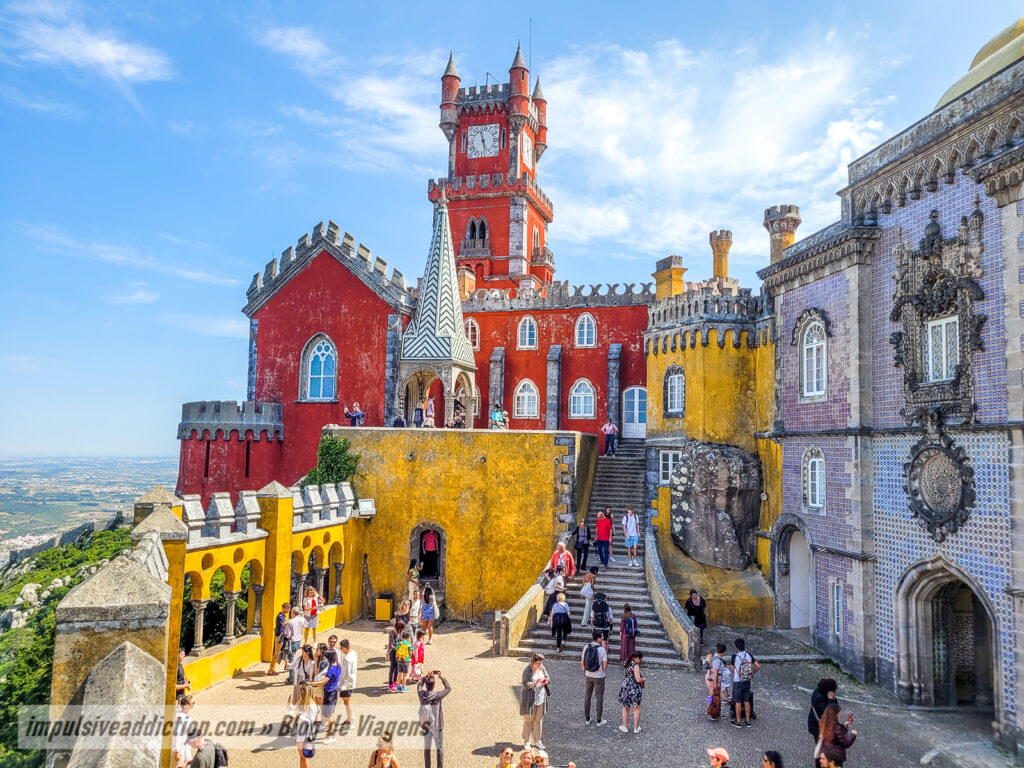
We begin at the top of the Serra de Sintra, at the iconic Palácio da Pena, one of the finest examples of European architectural Romanticism. The vibrant colors, domes, tiles, and neo-Gothic and neo-Moorish details create a fairy-tale setting with sweeping views of the coast and the Lisbon plains. Inside, the rooms retain 19th-century furniture and objects, offering an intimate portrait of Portuguese court life.
Make sure to allocate time to explore the Parque da Pena, with trails through sequoias, tree ferns, lakes, and viewpoints like Cruz Alta, the highest point of the park. The contrast between the lush vegetation and the whimsical architecture makes the walk just as captivating as the visit to the palace itself.
Upon leaving, the proximity to the Castelo dos Mouros makes the transition natural: a short walk along the ridge of the mountain takes us from the 19th-century romantic fantasies to the millennia-old walls that have watched over Sintra since the Middle Ages.
2. Castelo dos Mouros
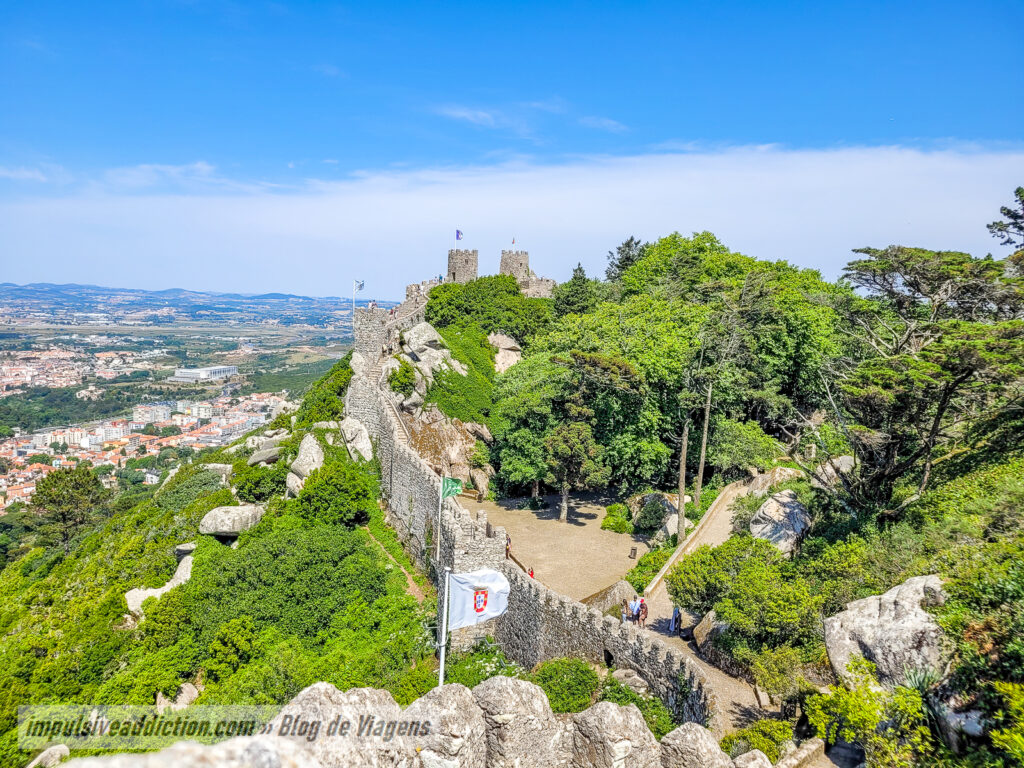
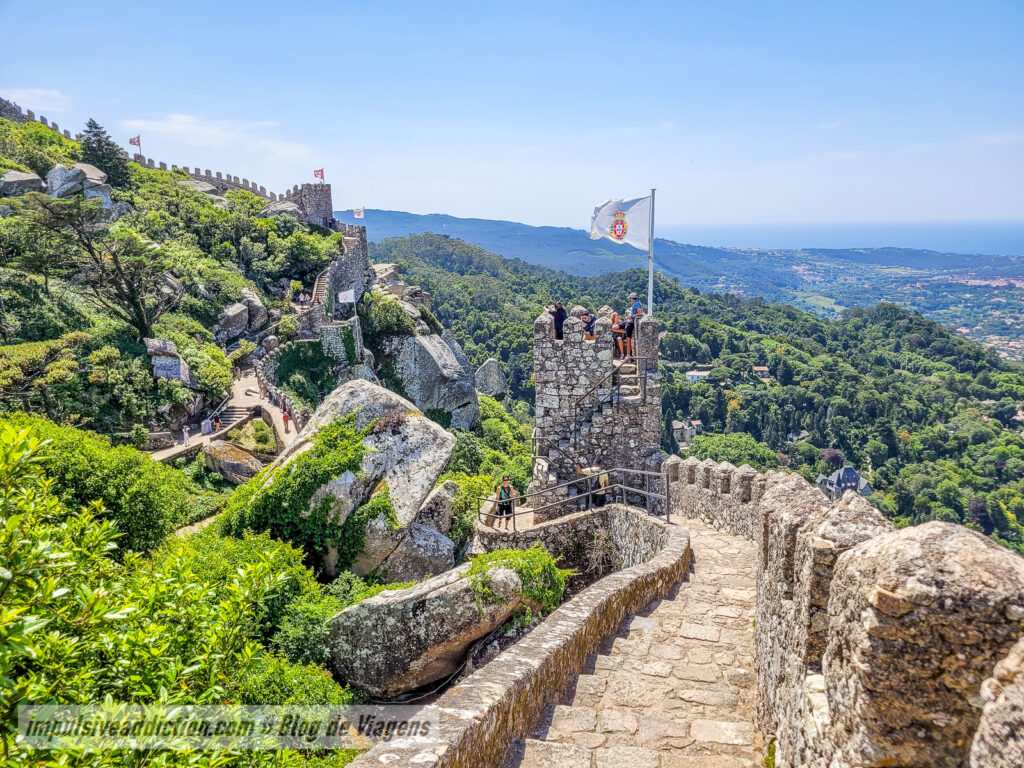
Perched on a rocky outcrop, the Castelo dos Mouros reveals serpentine walls that blend into the mountains, offering some of the most dramatic viewpoints in the region. Climbing the battlements allows you to take in views of the Palácio da Pena crowning the forest on one side, and the Atlantic in the distance, with the village of Sintra nestled in the valleys on the other.
Among watchtowers, cisterns, and archaeological remains, the trail tells the story of Islamic and Christian occupations in a site that was strategically important for centuries. The narrow passages and uneven terrain call for comfortable footwear, but every step is rewarded with breathtaking landscapes.
You can return to Sintra on foot, following paths through the forest from Castelo dos Mouros. The next destination will be Quinta da Regaleira.
3. Quinta da Regaleira
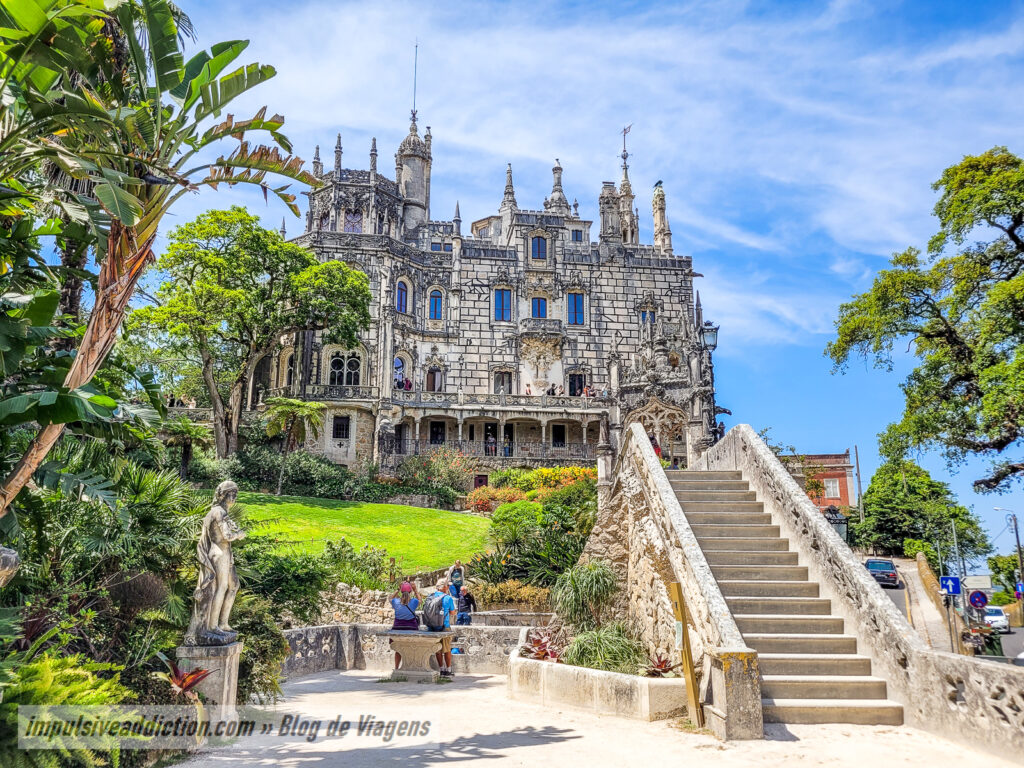
Quinta da Regaleira is a place of symbolism and mystery, where Neo-Manueline architecture, caves, and lakes intersect with esoteric references. The Palácio da Regaleira impresses with its profusion of gargoyles, capitals, and motifs linked to the Age of Exploration, while the chapel and terraces reveal intricate artisanal details.
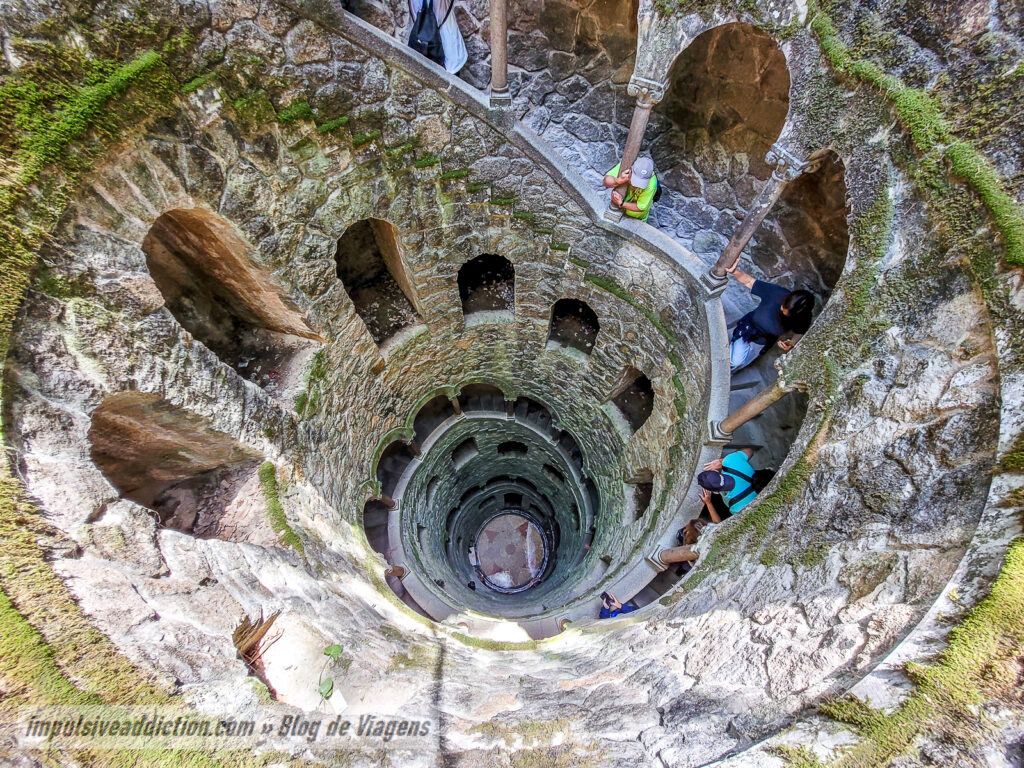
In the gardens, the famous Initiatic Well spirals down through several levels connected by underground passages that lead to lakes and tunnels. Exploring these is part of the magic of the place, evoking rituals and allegories that stir the imagination of visitors. The site is full of photogenic corners and unexpected perspectives.
After the visit, a pleasant walk takes us to Sintra’s Historic Center. The cobbled streets, traditional shops, and the aroma of pastries announce the perfect ending to this day in the mountains.
4. Sintra’s Historic Center
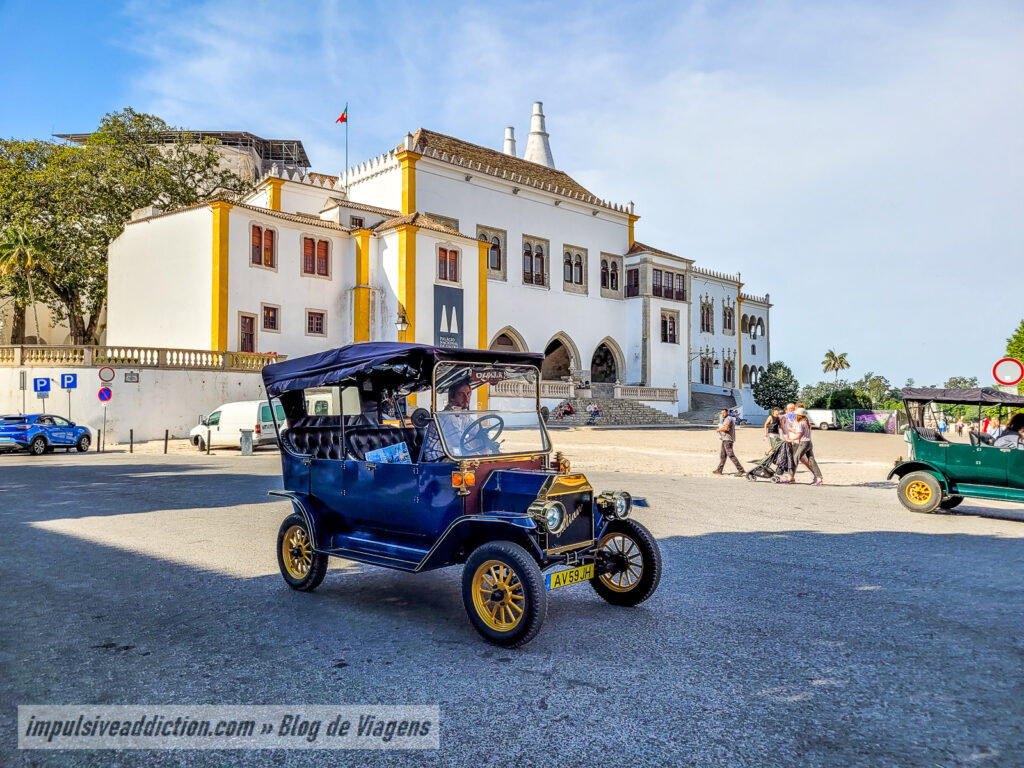
In Sintra’s Historic Center, the pastel-colored facades and flowered balconies frame a romantic atmosphere. Praça da República and the surroundings of the Palácio Nacional de Sintra (with its iconic conical chimneys) invite you to explore shops selling handcrafted goods, tiles, and local products.
This is the perfect moment for a sweet break: try the famous travesseiros and queijadas at historic pastry shops, paired with a coffee. If you have time, check out discreet viewpoints and small gardens hidden between alleys and stairways.
We end the day with the sense of having explored Sintra from top to bottom: from the dreamlike heights of the Palácio da Pena to the walls of the Castelo dos Mouros, passing through the symbols of Quinta da Regaleira and finishing in the picturesque heart of the town.
Day 5 | Lisbon Itinerary (Road Trip from Cascais to Ericeira)
For this 5th day in Lisbon, you’ll need a car. You can rent one through Discover Cars. You’ll explore the Atlantic Ocean, driving from Cascais to Ericeira. 😉
USEFUL ARTICLES

- Best things to do in Sintra
- Best things to do in Cascais
- Best things to do in Mafra and Ericeira
- Best beaches in Cascais
- Best beaches in Sintra
- Best beaches in Ericeira
- Visit Ursa Beach
1. Cascais
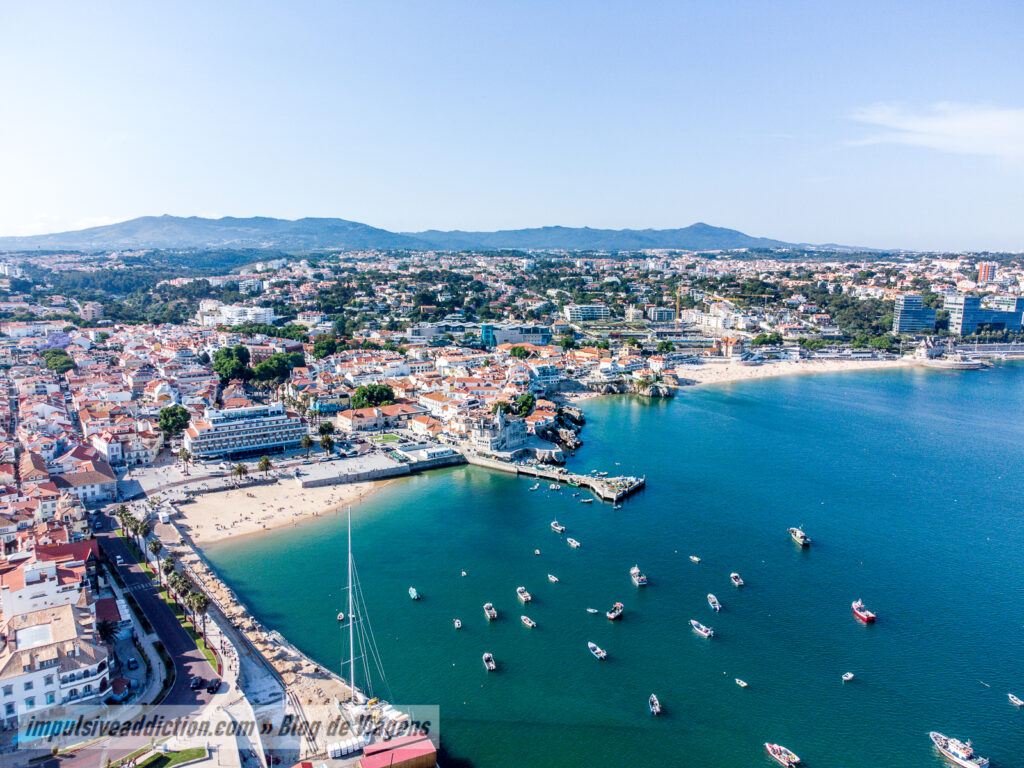
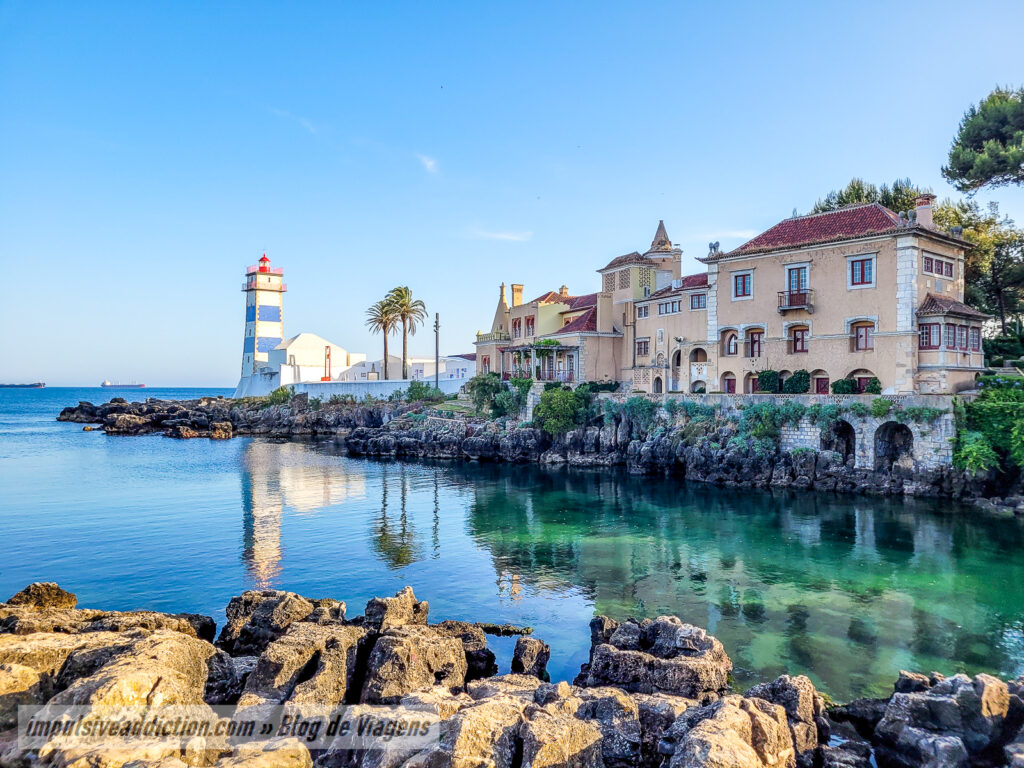
We start the day in Cascais, one of the most elegant and charming towns in the Lisbon region. Once a royal retreat, today Cascais combines urban beaches, lively streets, and a cosmopolitan atmosphere. The historic center is perfect for a morning stroll: explore the squares, local shops, and cafés with outdoor terraces, and don’t forget to admire the Cidadelaand Cascais Marina.
Another must-see stop is Boca do Inferno, an impressive natural arch sculpted by the Atlantic waves, just a few minutes from the center. The sound of the sea crashing against the rocks creates a hypnotic spectacle, especially at dawn.
After this first taste of coastal charm, we continue by car along the seaside road towards Praia do Guincho, one of the region’s most iconic spots.
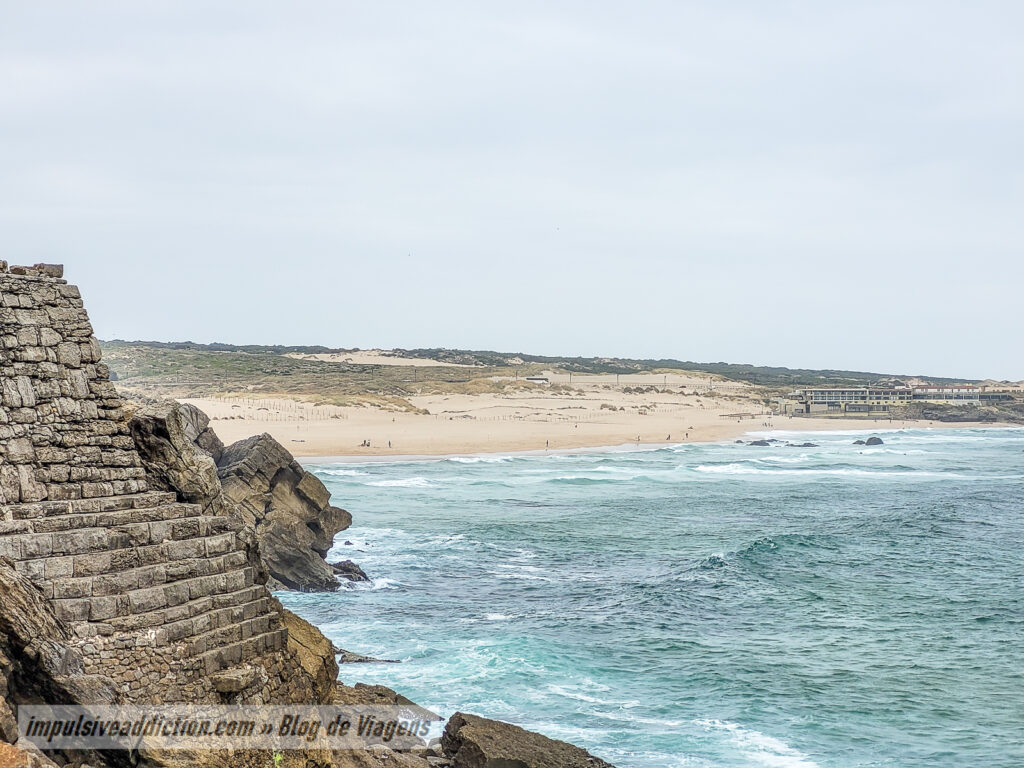
2. Guincho
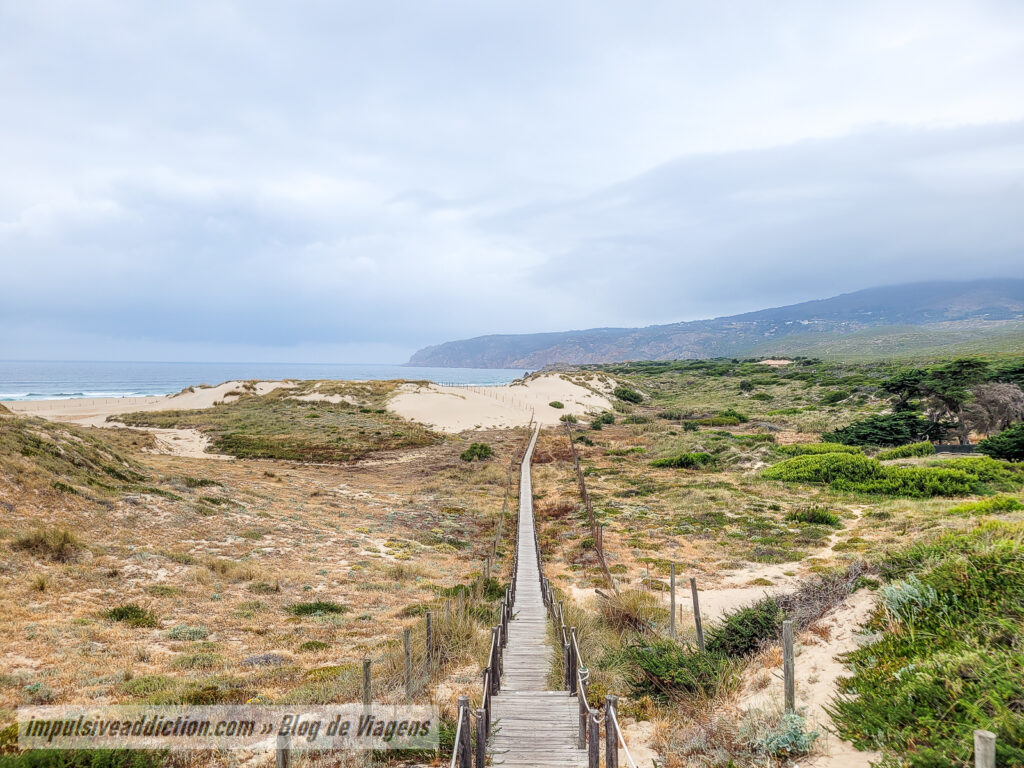
Praia do Guincho is famous for its golden dunes and strong winds, making it one of the best spots for surfing and windsurfing in Portugal. The landscape is one of raw beauty: wild seas, low-growing vegetation, and an endless horizon. Even if you’re not into surfing, it’s a great place for a walk along the sand and to feel the energy of the Atlantic.
Leaving Guincho behind, we follow a winding road that climbs the Serra de Sintra toward Cabo da Roca, the westernmost point of continental Europe.
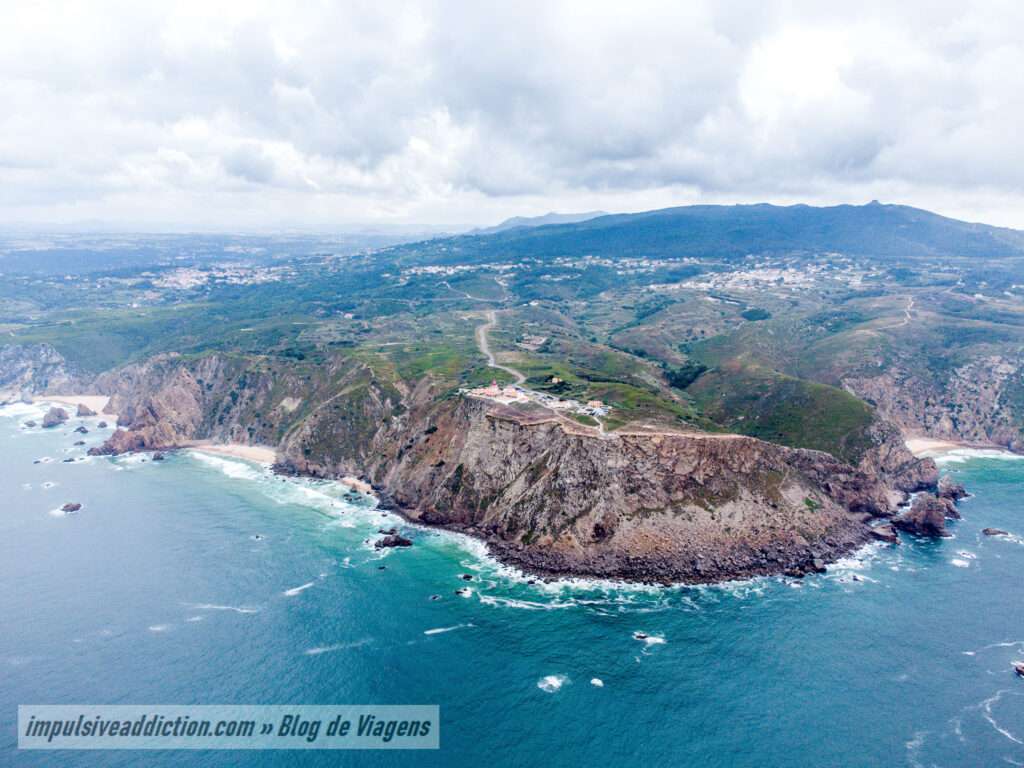
3. Cabo da Roca
Cabo da Roca is one of the most iconic spots in Portugal, and it’s a must-visit on this itinerary. The towering cliffs, 140 meters above the sea, offer a dramatic and unforgettable landscape.
The visit is brief but intense: walk to the lighthouse and enjoy the breathtaking view of the endless ocean. The strong wind is almost a constant, so be sure to bring a jacket, even on sunny days.
I recommend taking the trail to Praia da Ursa, one of the region’s best-kept secrets, perfect for those who love wild, untouched beaches.
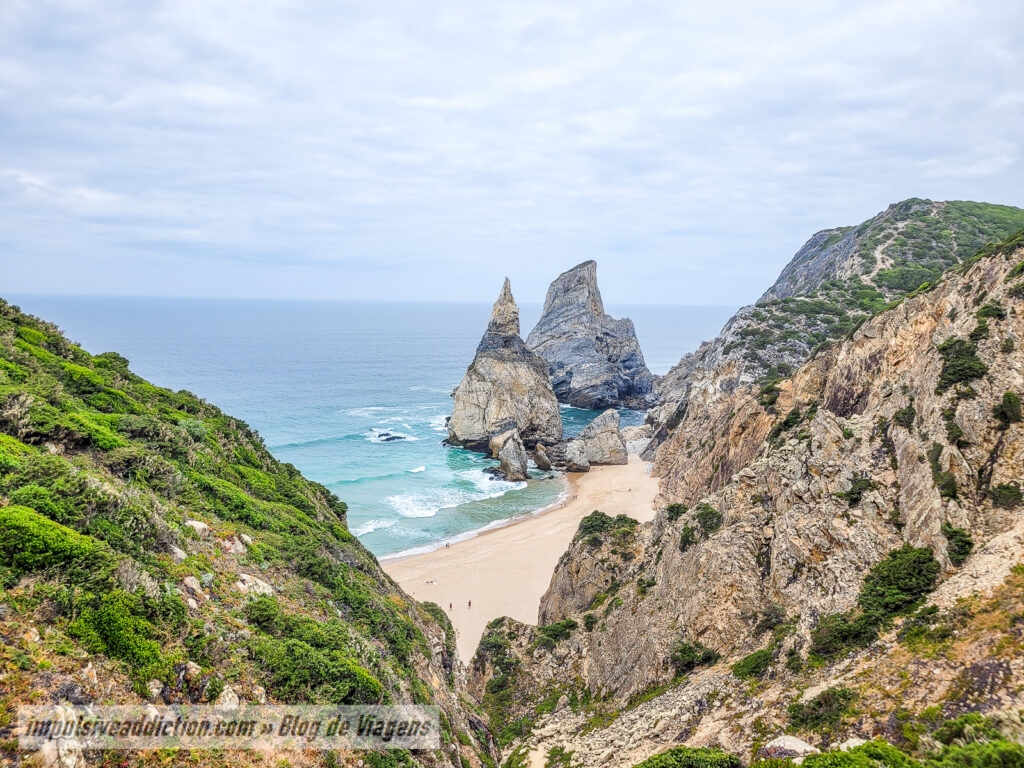
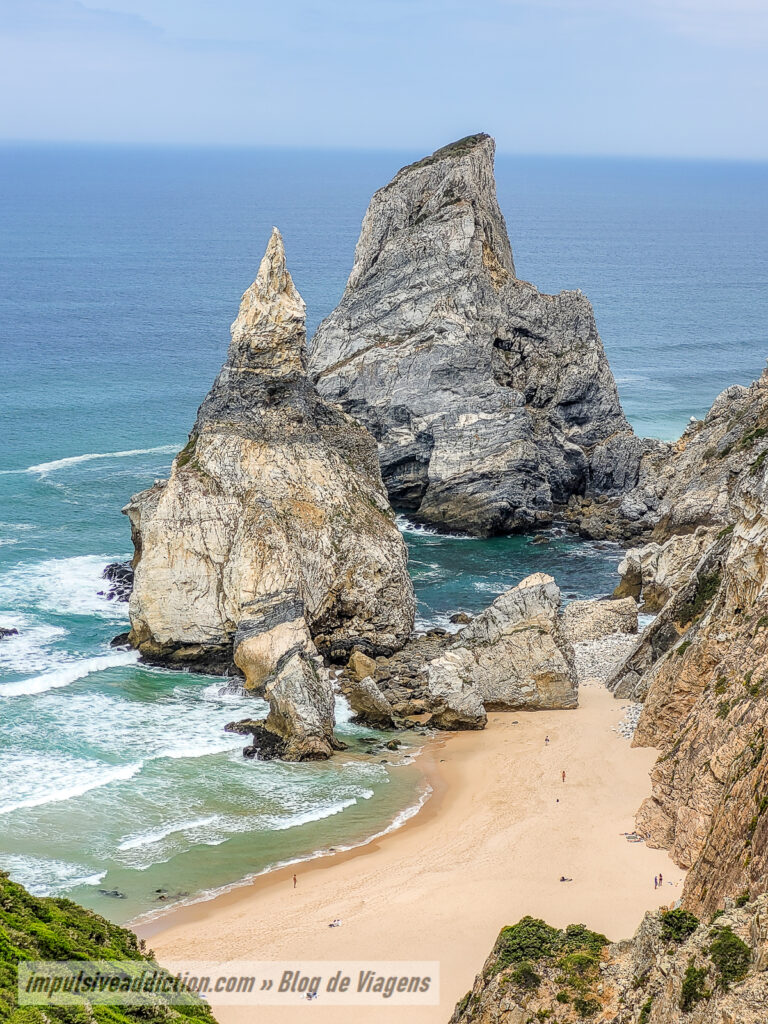
4. Praia da Ursa
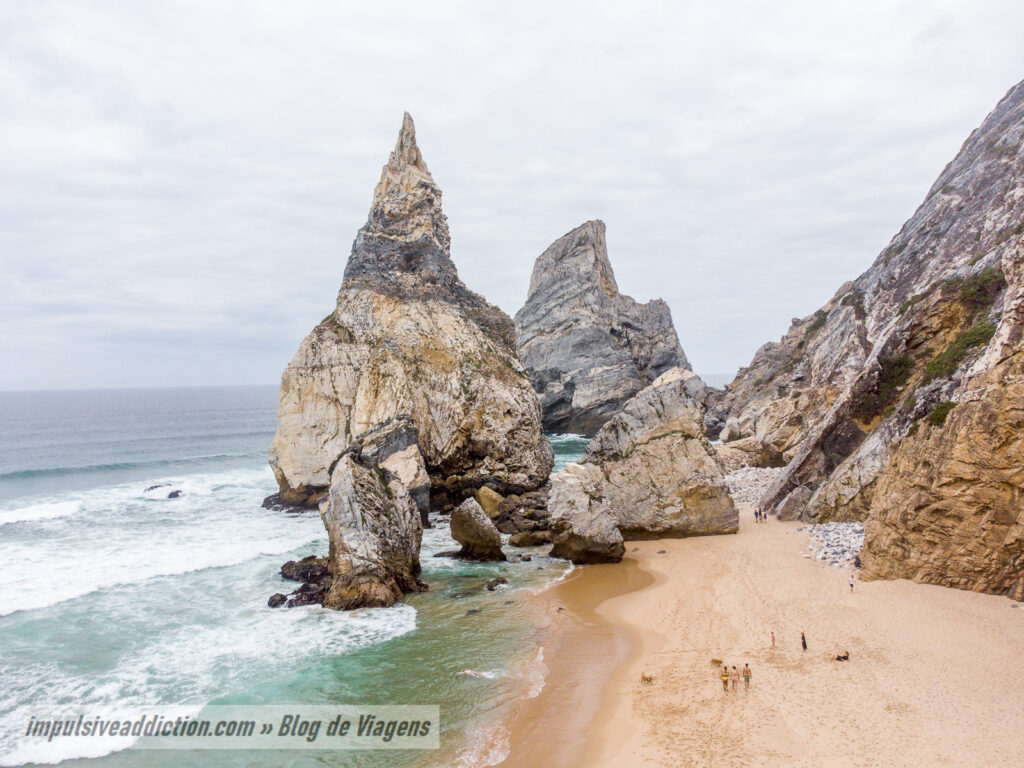
Praia da Ursa is considered one of the most beautiful beaches in Portugal. However, access is only for adventurers: after parking near Cabo da Roca, a steep 20-minute trail leads to the beach. The effort is well worth it once you reach this hidden paradise, surrounded by towering cliffs and unique rock formations.
The beach’s name comes from the impressive Rocha da Ursa, a natural formation shaped like a bear with a cub beside it. The beach is perfect for those seeking an untouched environment, away from the crowds.
After soaking in the scenery, we return to the car and continue along the coastal road to Praia das Maçãs, a more accessible and traditional beach.
5. Praia das Maçãs
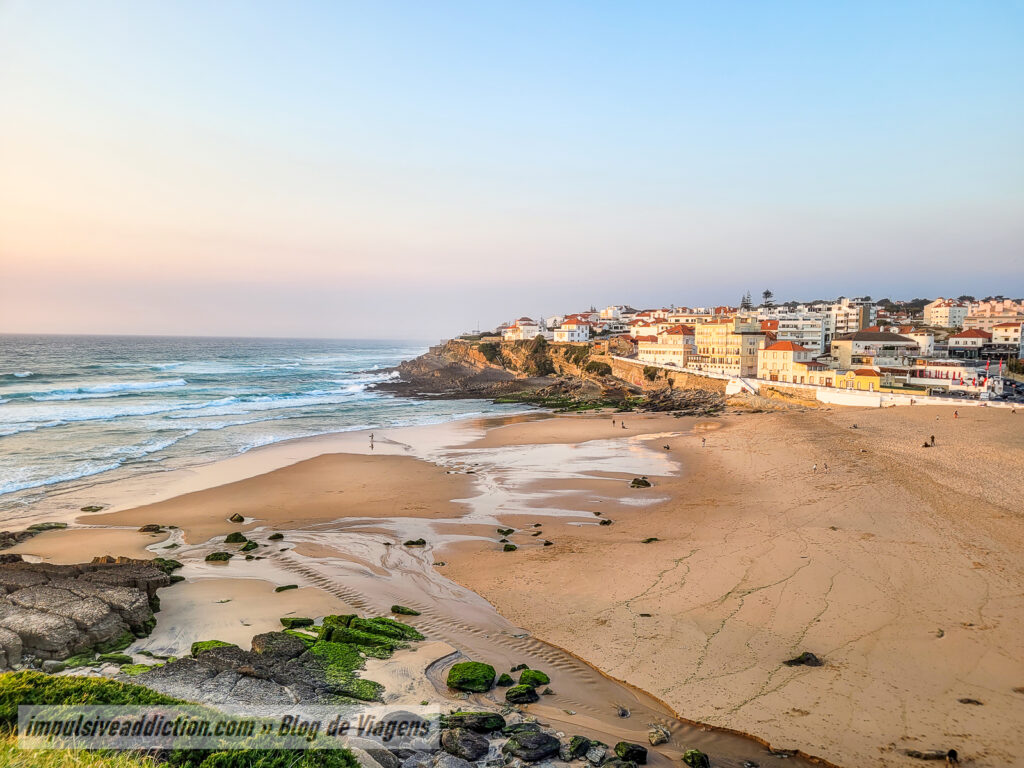
Praia das Maçãs is one of the oldest seaside resorts in the Sintra region. With its expansive sandy shore and excellent facilities, it’s perfect for relaxing in the sun or taking a stroll along the seafront. The surrounding area is quite pleasant, with restaurants and outdoor terraces ideal for a late lunch or snack.
If the weather permits, take a dip in the Atlantic, or simply walk along the beach, enjoying the more family-friendly and relaxed atmosphere. The beach gets its name from the apples that once washed up on the shore, carried by the river.
Just a few minutes by car from Praia das Maçãs is the next stop: Praia das Azenhas do Mar, one of the most photogenic spots on the entire Portuguese coastline.
6. Praia das Azenhas do Mar
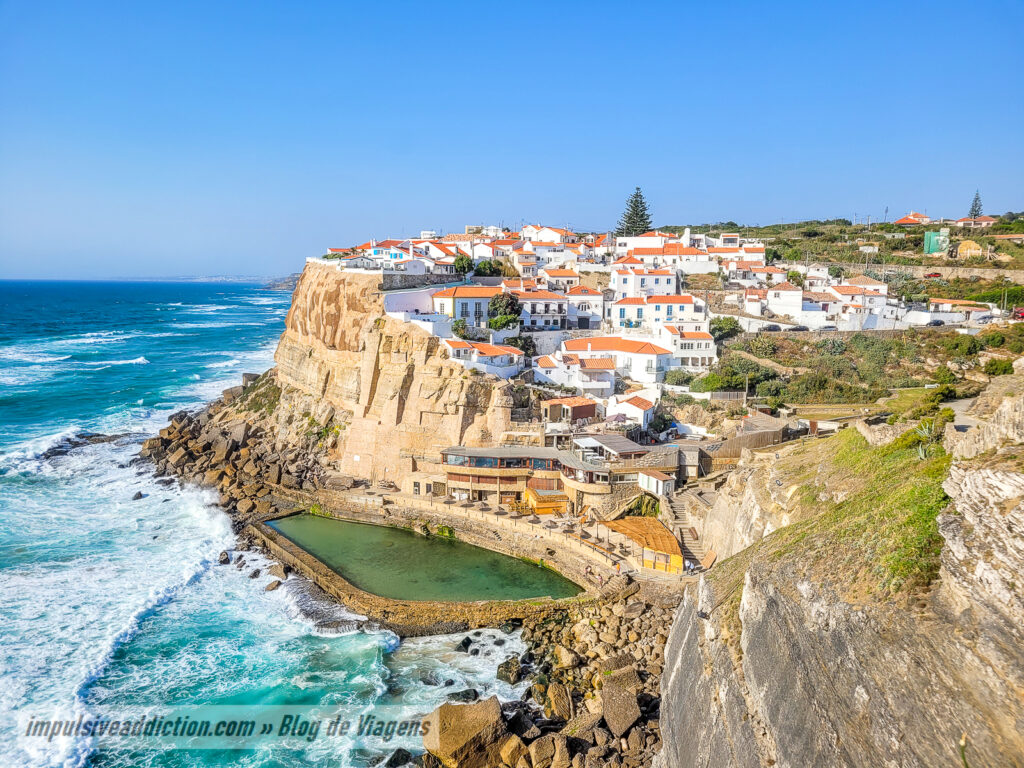
Praia das Azenhas do Mar is a small cove nestled between cliffs, but the real highlight is the village that seems to be suspended over the sea. The white houses perched on the cliffs create one of the most iconic landscapes in the region.
Although the beach is small and often covered by the tide, it’s worth stopping to admire the view and take photos. There’s also an ocean pool where you can swim safely on days with rougher seas.
After soaking in this unforgettable scenery, we continue along the coast toward Ericeira, the last stop of the day, a village renowned for its surfing culture and laid-back atmosphere.
7. Ericeira
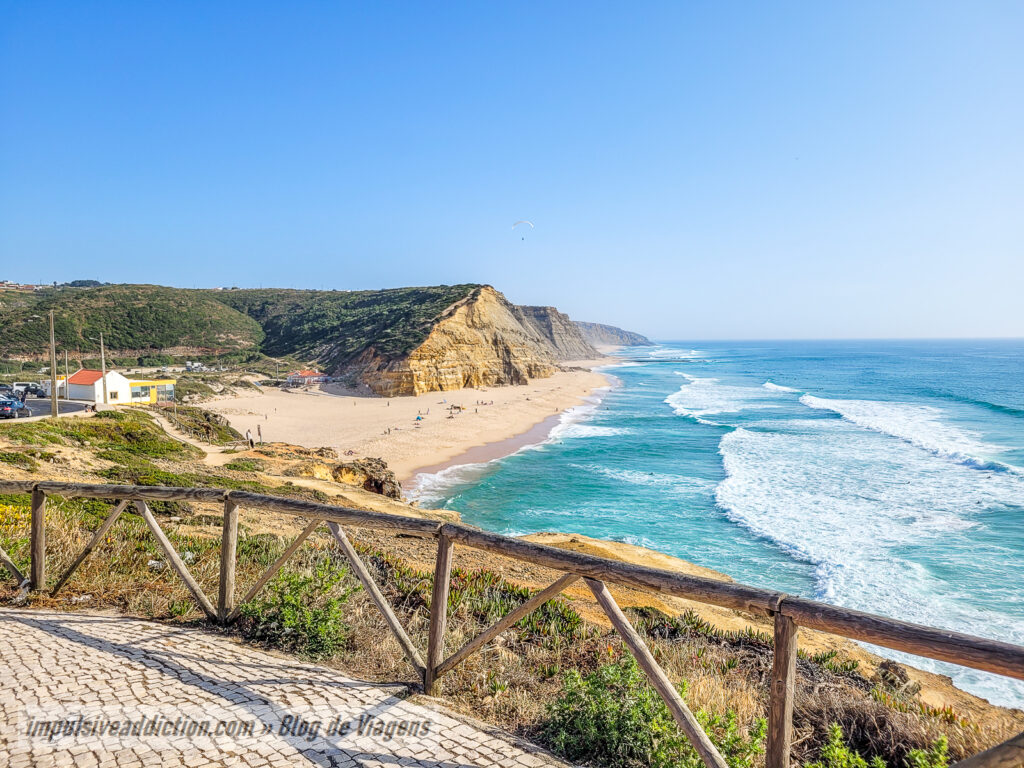
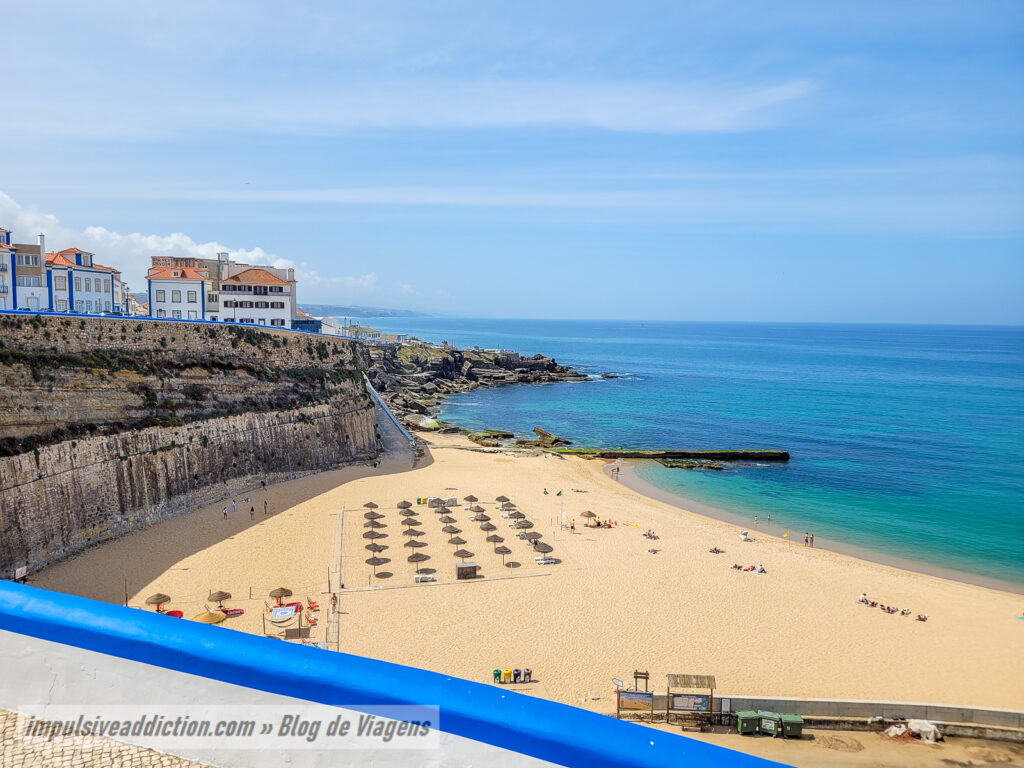
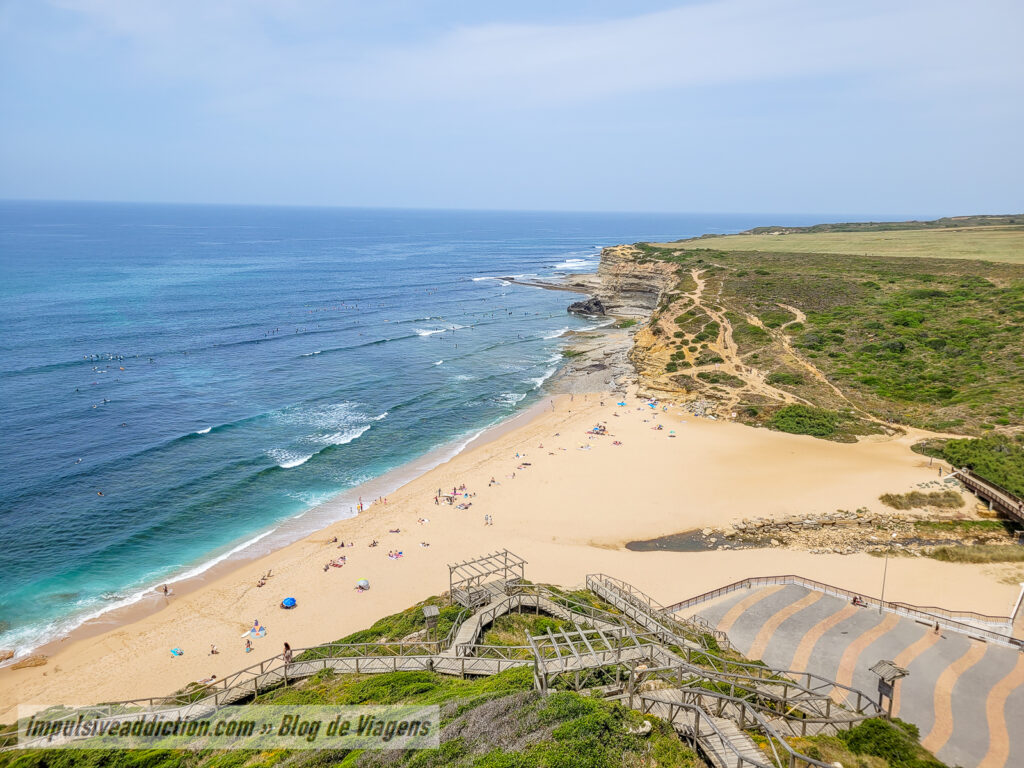
We arrive in Ericeira, a fishing village that has become the European capital of surfing. The historic center is charming, with cobblestone streets, whitewashed houses, and blue accents that evoke the sea. Stroll through the squares and viewpoints and soak in the vibrant atmosphere of this energetic village.
If you still have time and energy, visit one of the region’s iconic beaches, like Praia dos Pescadores or Ribeira d’Ilhas, famous for its surf competitions.
This is the perfect place to enjoy fresh fish or seafood at one of the many traditional restaurants before heading back to Lisbon. This marks the end of Day 5, with a coastal itinerary that combines welcoming villages, wild beaches, and stunning landscapes.
Note: If you have time, why not make a stop in Mafra to visit the Palácio Nacional de Mafra? It’s an option worth considering. 😉
Day 6 | Lisbon Itinerary (Day Trip to Sesimbra and Serra da Arrábida)
On the sixth day, we head to the Sesimbra region and the Serra da Arrábida, a fabulous area! Get ready to visit some of the most beautiful beaches in Portugal, though be prepared for chilly waters!
Once again, a car is essential unless you prefer to opt for an organized tour. The day will be filled with breathtaking coastal views, crystal-clear waters, and the stunning natural landscapes of this part of the Lisbon region.
USEFUL ARTICLES

- Best things to do in Setúbal
- Best things to do in Sesimbra
- Best beaches in Setúbal
- Best beaches in Sesimbra
1. Cabo Espichel
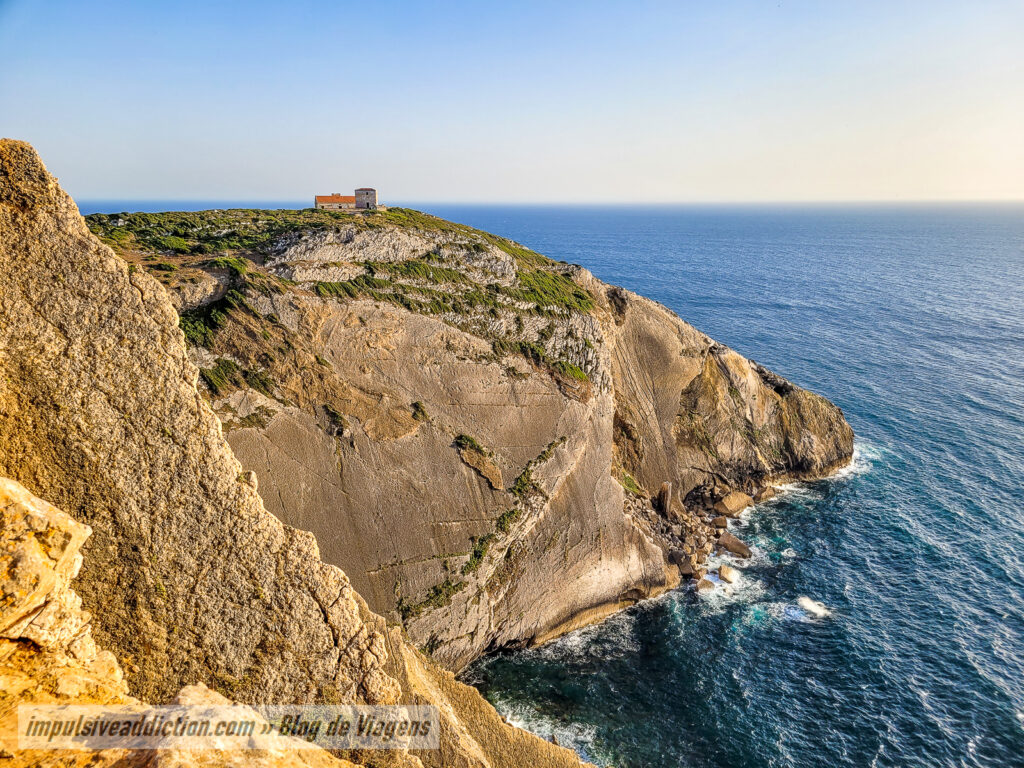
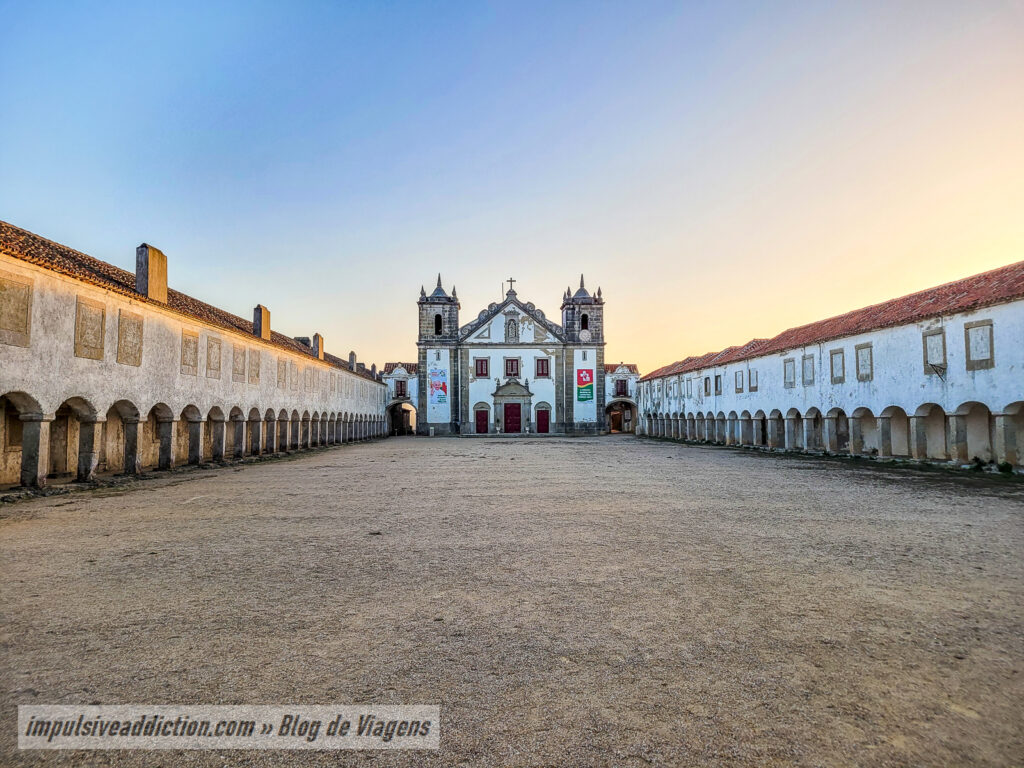
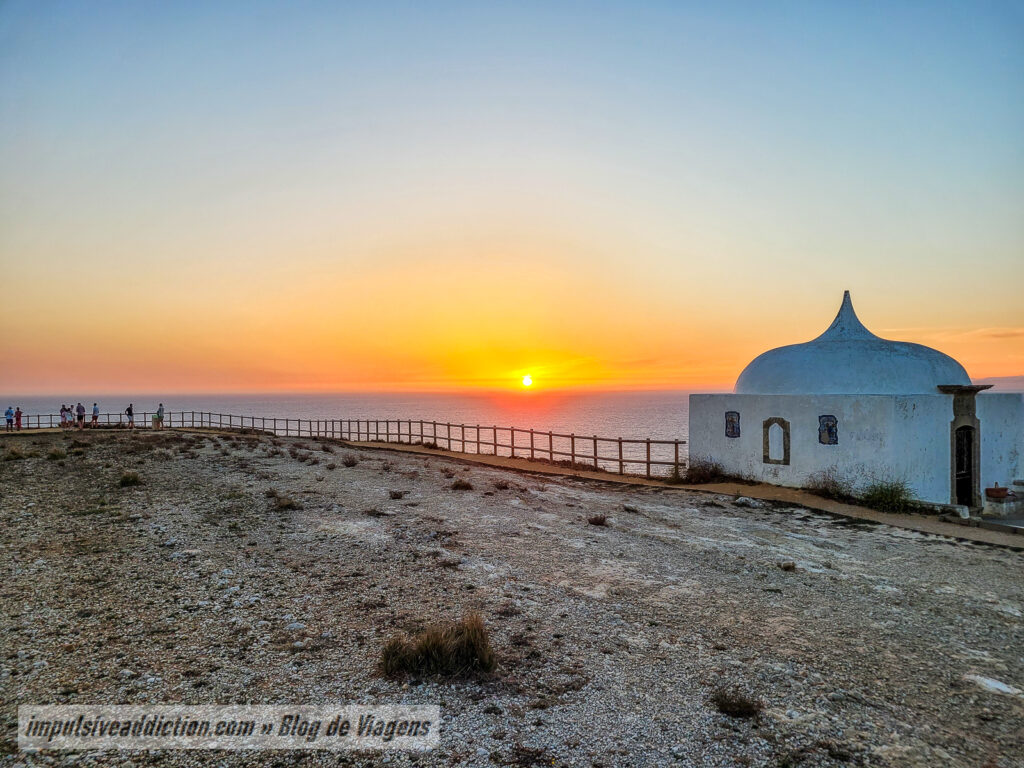
We begin at Cabo Espichel, a dramatic promontory where the cliffs drop steeply into the Atlantic, and the lighthouse has been guiding ships since the 18th century. Visit the Santuário de Nossa Senhora do Cabo, which includes the church, the inns, and the chapel.
You might also consider doing this stop at sunset, as the views are absolutely stunning at that time.
2. Sesimbra
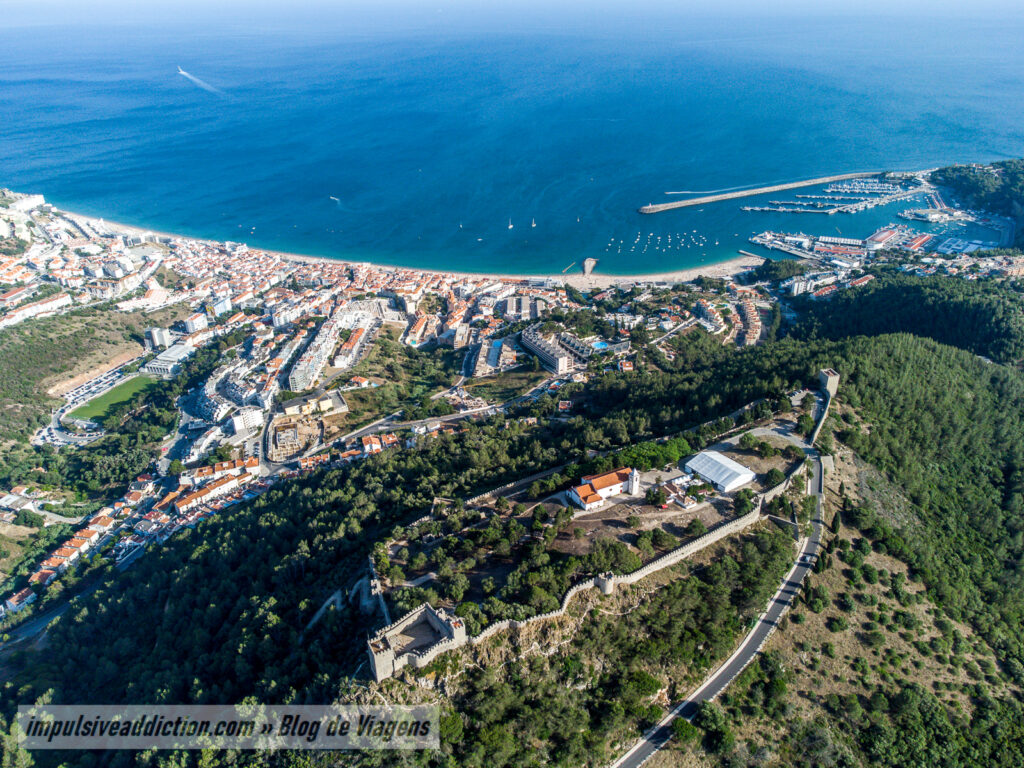
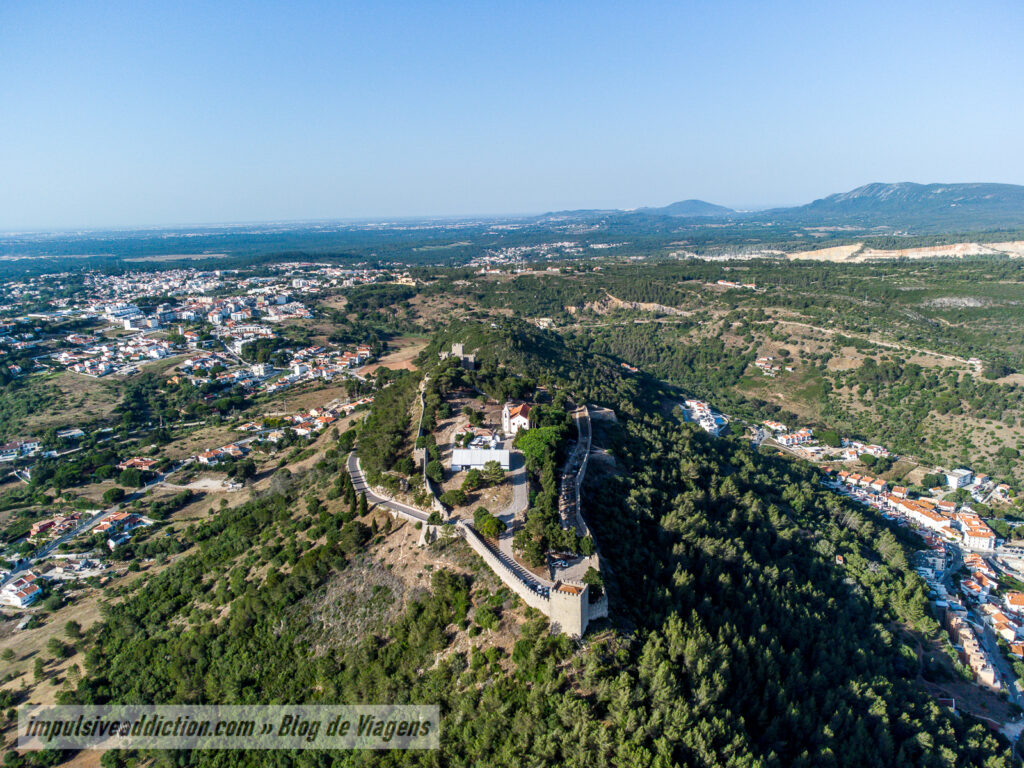
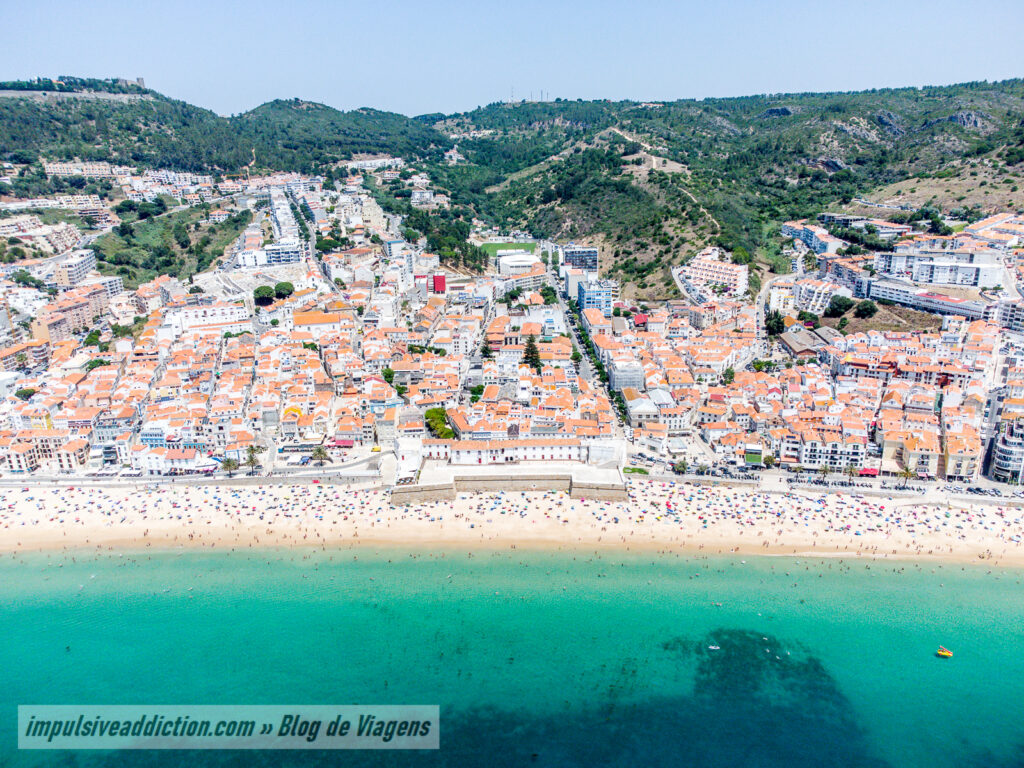
In Sesimbra, park your car and start walking along the waterfront. The town still retains its fishing village charm: observe the boats in the harbor, the fish market, and the white façades facing the sea. If you enjoy viewpoints, drive up to Castelo de Sesimbra for a 360° panorama over the bay, Serra da Arrábida, and the ocean.
Back in the town center, explore the narrow streets, bakeries, and seafood restaurants; this is the perfect place for a lunch of grilled fish or a caldeirada made with local catch. Between swims, you can relax on Praia do Ouro or Praia da Califórnia, both easily accessible and with beach facilities.
With the tide and wind in your favor, it’s time to change perspective: from here, you can easily embark on boat or kayak tours along the cliffs and caves of Arrábida — our next stop.
3. Boat or Kayak Tour in Sesimbra + Praia do Ribeiro do Cavalo
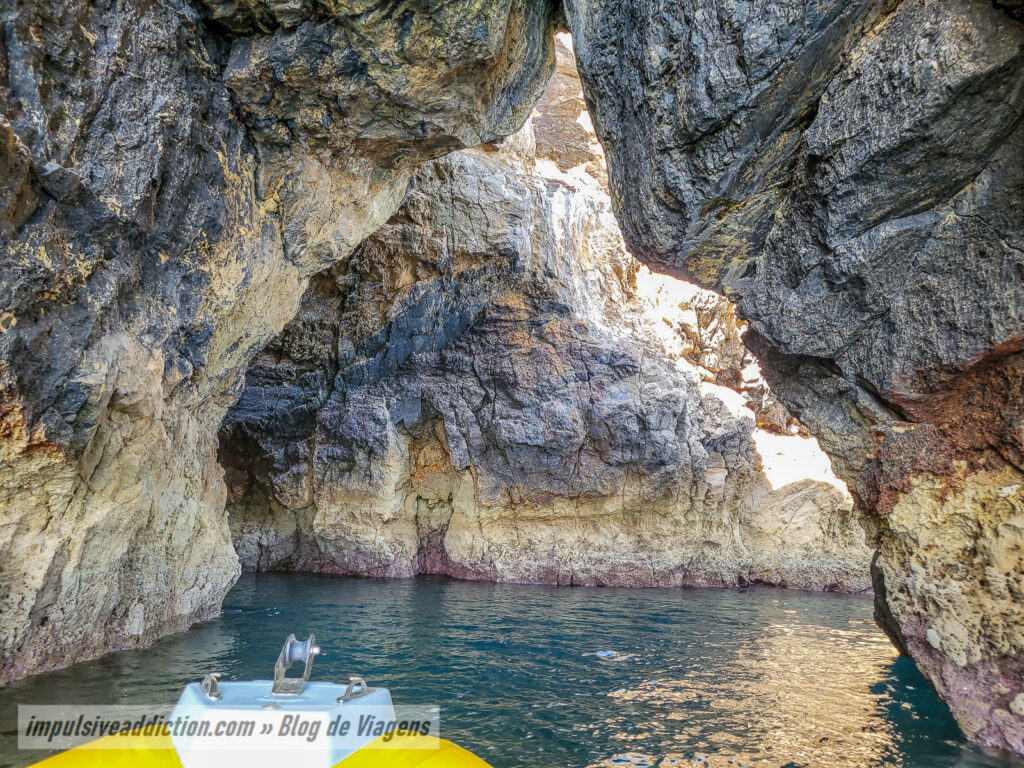
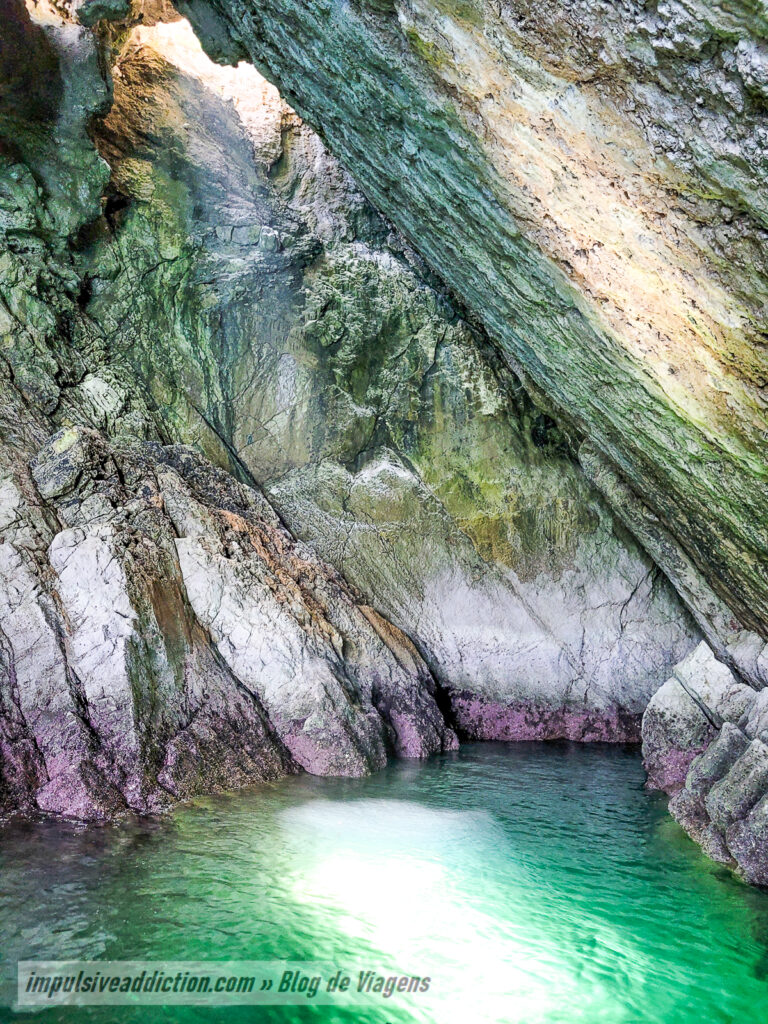
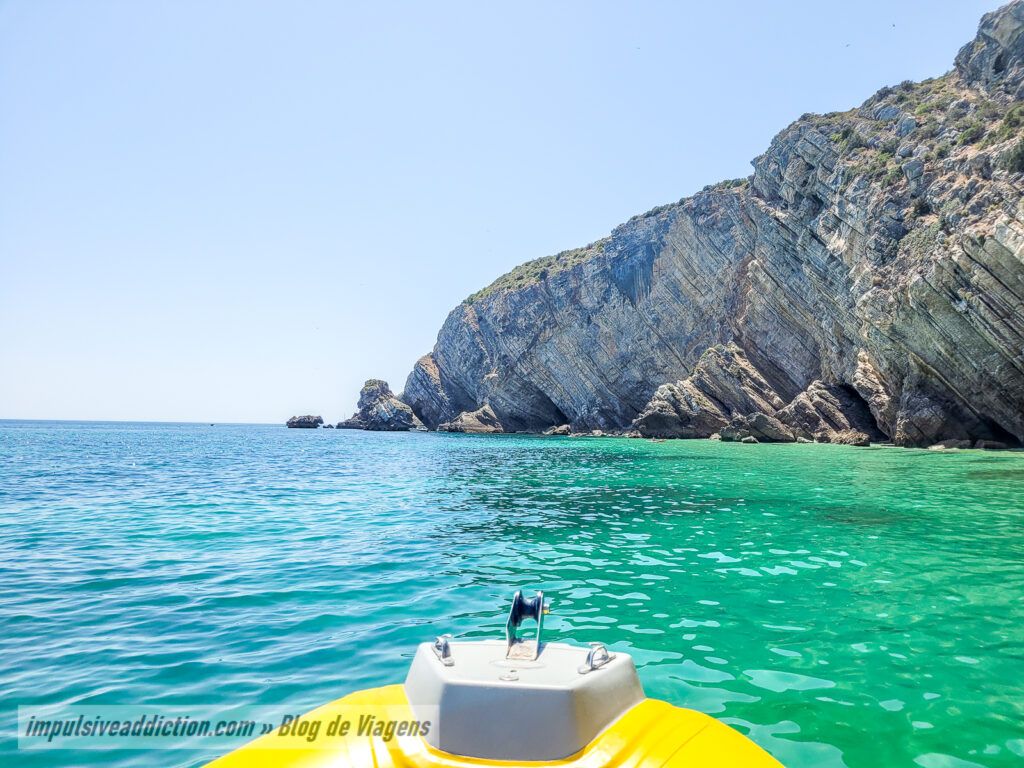
Heading out to sea from Sesimbra is the perfect way to discover Arrábida from the inside: sea caves, natural arches, and crystal-clear coves appear behind every rocky point. By boat, you can cover more coastline in less time and reach hidden spots like Cova da Mijona or Praia da Baleeira. By kayak, the pace is more immersive and quiet, perfect for entering small caves and observing marine life in the crystal-clear waters.
Make sure to stop by Praia do Ribeiro do Cavalo, a once-hidden gem that is unfortunately almost always crowded nowadays. It used to be a secret paradise!


4. Portinho da Arrábida and Surrounding Beaches
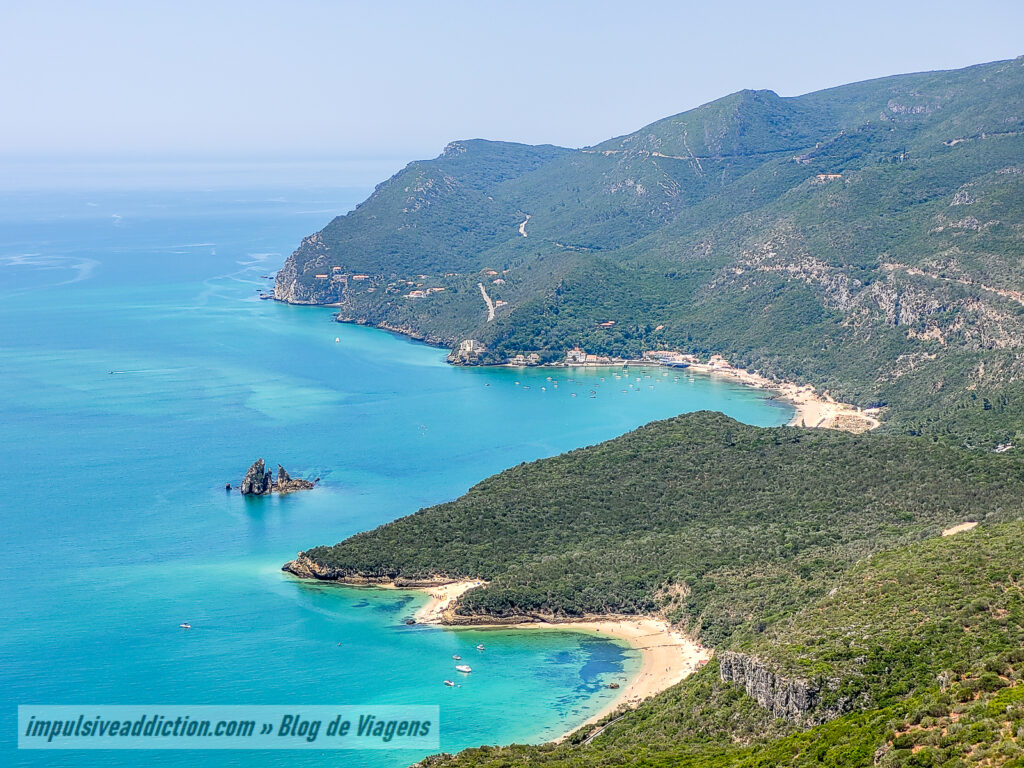
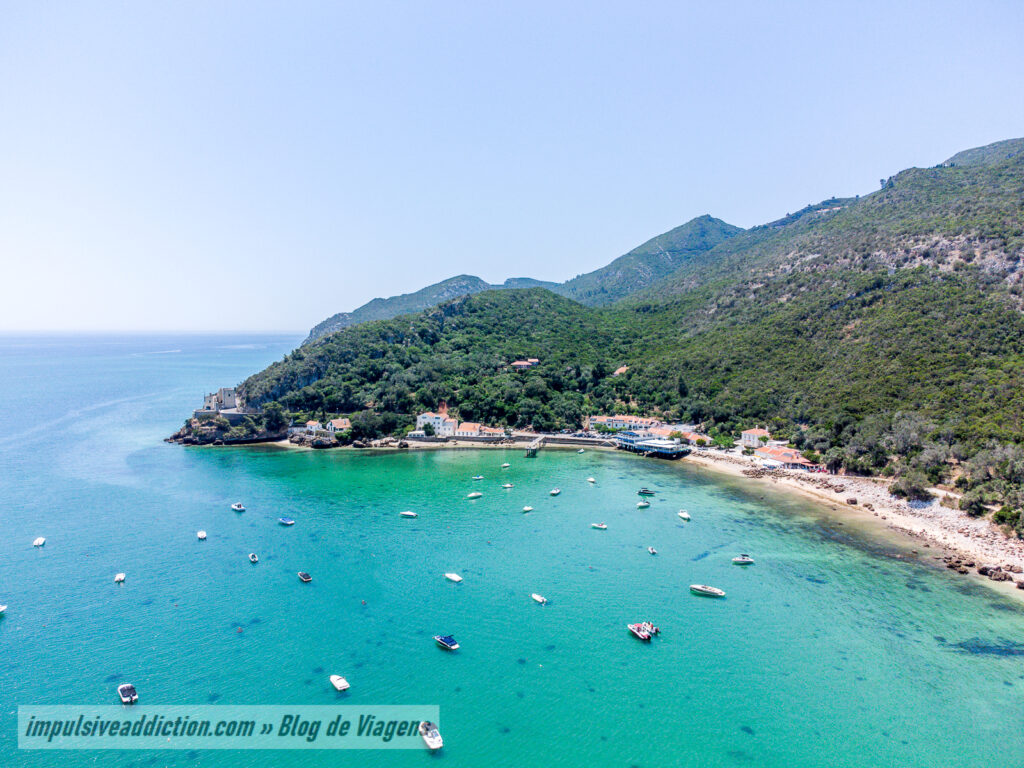
Next, we head to Portinho da Arrábida: a postcard-perfect bay, sheltered by green slopes and bathed in calm waters. Park only in the designated areas (during peak season, access may be restricted, and paid parking may be in place), and walk down to preserve this sensitive ecosystem. The beaches in the region offer fine sands and waters in tropical shades.
In the late afternoon, enjoy the sunset from the viewpoints in the mountains or from a beach café with a view of Ilhéu da Anicha. Afterward, return to Lisbon with the feeling of having explored one of the most beautiful coastal fronts in Portugal, from the grandeur of Cabo Espichel to the serenity of Portinho da Arrábida.
Day 7 | Lisbon Itinerary
For the final day of this Lisbon itinerary, I’m giving you several options.
- How about returning to Sintra for a visit to the Convento dos Capuchos, Palácio de Monserrate, and Palácio Nacional de Sintra?
- How about a day trip to Évora, in the Alentejo, which could seamlessly connect you to an itinerary in the Algarve?
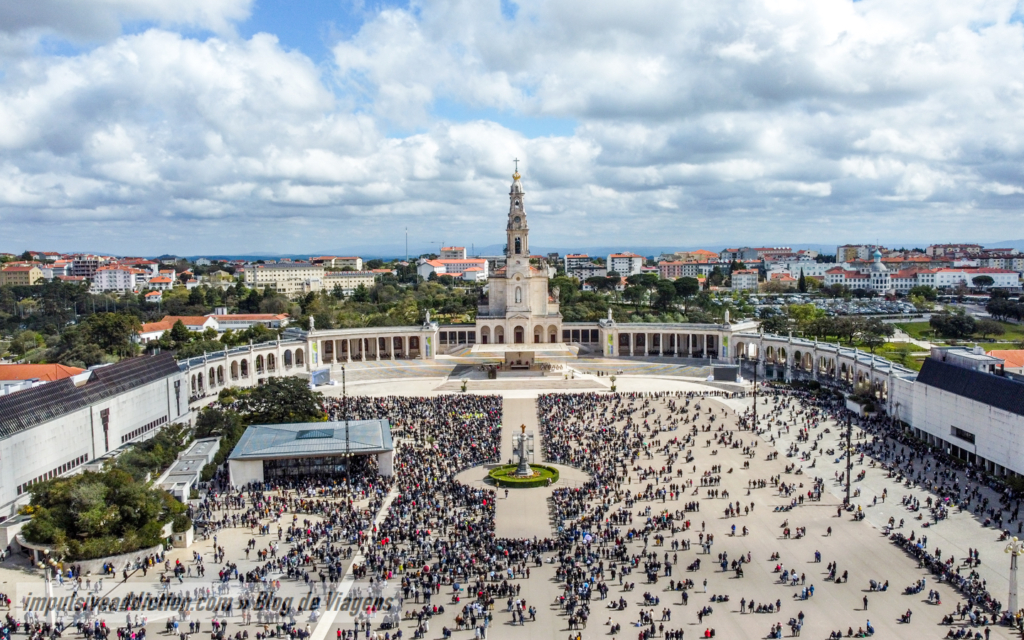
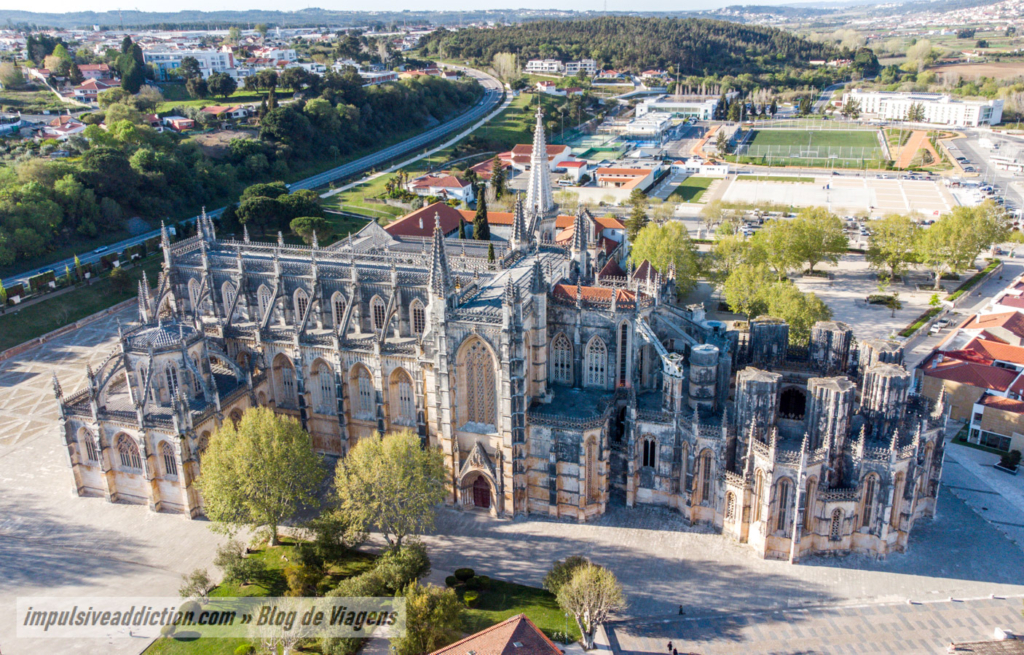
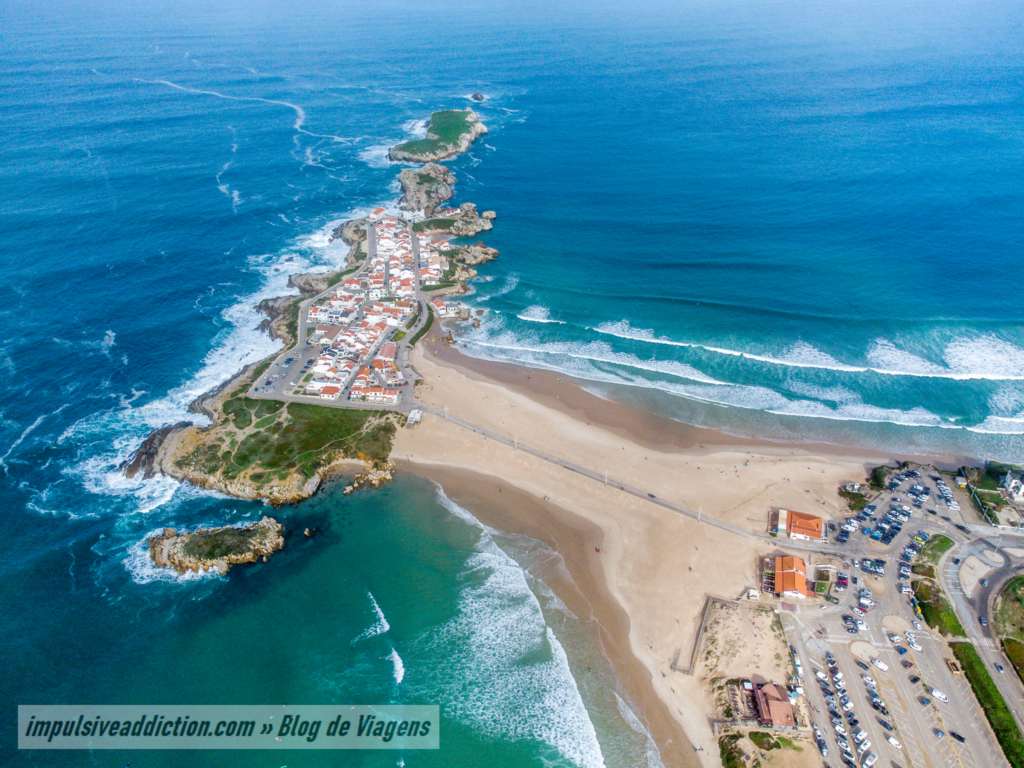
- How about a day trip to fabulous places north of Lisbon, like Fátima, Nazaré, Alcobaça, Peniche, or Batalha?
- How about a day trip to Tomar and the Castle of Almourol?
- Or, if you prefer to stay in Lisbon, how about simply exploring the city in more detail, uncovering everything the city center has to offer?
The choice is yours to tailor your last day, whether you want to discover more of the surrounding regions or focus on Lisbon itself!
USEFUL ARTICLES:

- Best things to do in Évora
- Best things to do in Fátima
- Best things to do in Alcobaça
- Best things to do in Peniche
- Best things to do in Batalha

One-Day Lisbon Itinerary – Follow the Tram 28 Route
For those rare cases when you have only one day in Lisbon, there’s still a perfect solution: follow the route of Tram 28.
Tram 28 is one of Lisbon’s iconic symbols. It connects Martim Moniz to Campo de Ourique (Prazeres), winding through hills and narrow streets, passing through historic areas like Graça, Alfama, Sé, Baixa, Chiado, São Bento, and Estrela. The tram is operated by the “remodelados”, classic wooden cars that preserve the look of trams from the 1930s.
For visitors, Tram 28 is a panoramic tour of the city: viewpoints, churches, tile facades, and the life of traditional neighborhoods unfold right outside the window. This makes it an attraction in itself, combining practical transport with a “vintage” ride that shows off many of Lisbon’s landmarks in a single route.
In practice, it tends to get crowded — especially around midday and during peak season. That’s why I wouldn’t recommend it as a top attraction, but it’s great if you’re short on time. To secure a seat, it’s worth getting on at the ends of the line and going early or late in the day. Keep your belongings close to avoid theft.
Highlights for Just One Day in Lisbon:

- Tram 28: Take a ride on the iconic tram, which offers a scenic journey through the city’s historic neighborhoods and key landmarks.

- Praça do Comércio: Explore the grand Praça do Comércio, a majestic square by the river, full of history and great for taking in the views.

- Torre de Belém and Mosteiro dos Jerónimos: Visit two of Lisbon’s most famous monuments, Torre de Belém and the stunning Mosteiro dos Jerónimos, both UNESCO World Heritage sites.

- Boat Ride on the Tagus River: Enjoy a peaceful boat ride on the Tagus River, offering a unique perspective of Lisbon’s skyline and landmarks.

- Pastéis de Nata at Manteigaria and Pastéis de Belém: Treat yourself to Lisbon’s famous pastéis de nata — try them at Manteigaria and Pastéis de Belém for the ultimate tasting experience.
Itineraries for Visiting Lisbon in 2, 3, 4, or 5 Days
I’ve made sure to prepare my 7-day Lisbon itinerary in order of priority.
- If you have 2 days, follow the first 2 days of the itinerary.
- If you have 3 days, follow the first 3 days.
- If you have 4 days, follow the first 4 days.
- If you have 5 days, follow the first 5 days.
This way, you can adjust your itinerary to fit the time you have available, ensuring you experience the best of Lisbon in any timeframe!
Map | Lisbon Itinerary
Other Itineraries and Travel Guides in Portugal
- N2 Portugal Road Trip Itinerary
- Madeira Itinerary and Travel Guide
- São Miguel Itinerary and Travel Guide (Azores)
- Terceira Itinerary and Travel Guide (Azores)
- Pico Itinerary in Azores
- Faial Itinerary in Azores
- Things to do in Bragança
- Montesinho Natural Park Itinerary
- Douro International Natural Park Itinerary
- Minho | Northern Portugal Itinerary
- Porto Itinerary and Travel Guide
- Things to do In Braga (Minho)
- Things to do in Guimarães (Minho)
- Things to do in Viana do Castelo (Minho)
- Peneda Gerês National Park Itinerary
- Douro Valley Itinerary
- Trás-os-Montes Itinerary
- Things to do in Aveiro
- Things to do in Coimbra
- Things to do in Leiria
- Things to do in Fatima
- Things to do in Santarém
- Things to do in Tomar
- Things to do in Nazaré
- Things to do in Peniche
- Things to do in Mafra and Ericeira
- Things to do in Cascais
- Sintra Itinerary | Things to do
- Lisbon Itinerary and Travel Guide
- Things to do in Setúbal
- Things to do in Évora (Alentejo)
- Things to do in Beja (Alentejo)
- Algarve Road Trip Itinerary
- Things to do in Lagos (Algarve)
- Things to do in Portimão (Algarve)
- Things to do in Faro (Algarve)
- Things to do in Tavira (Algarve)
