 Pedro Domingues
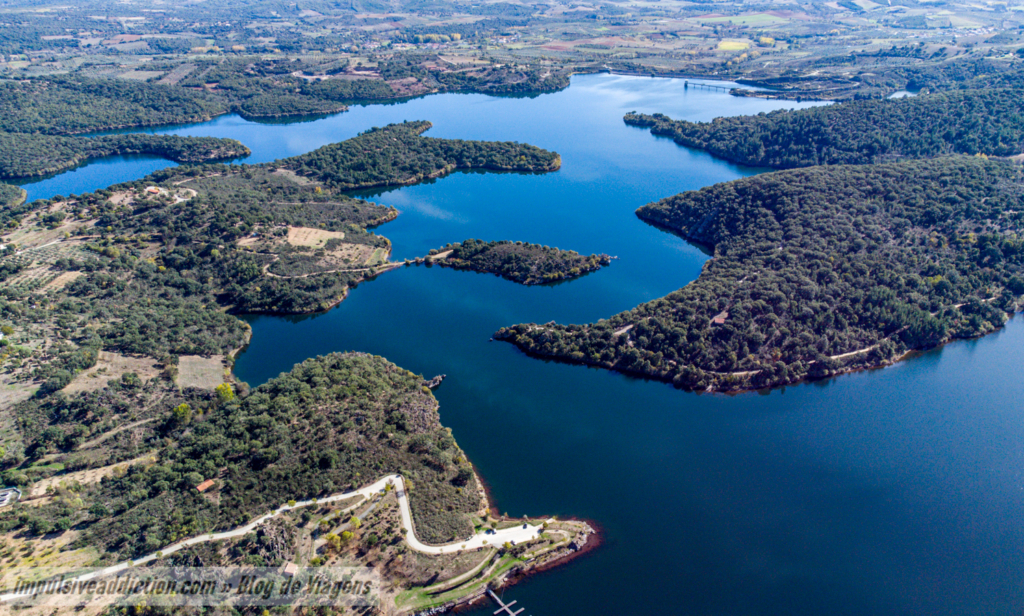
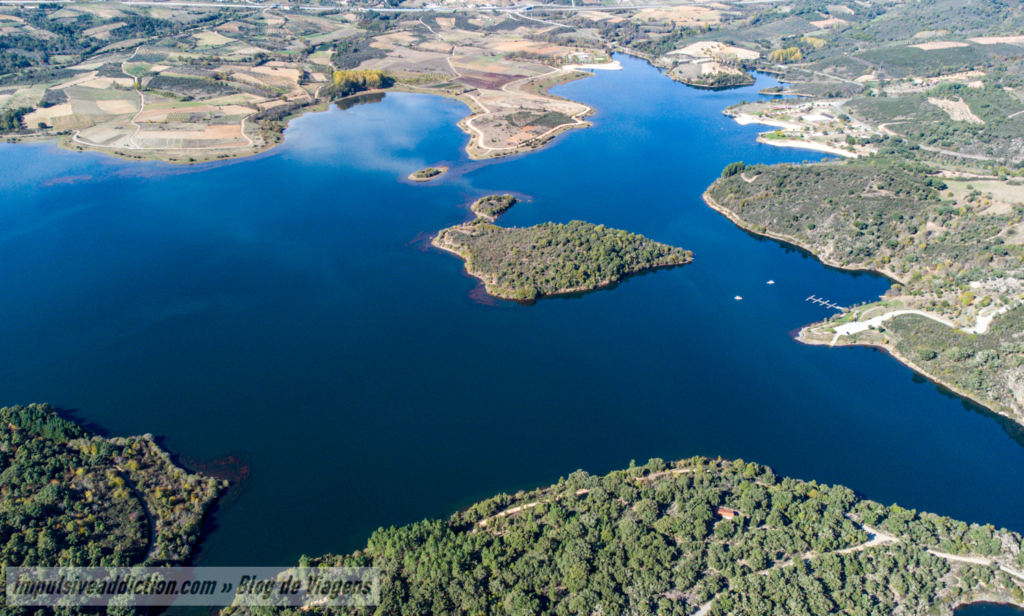
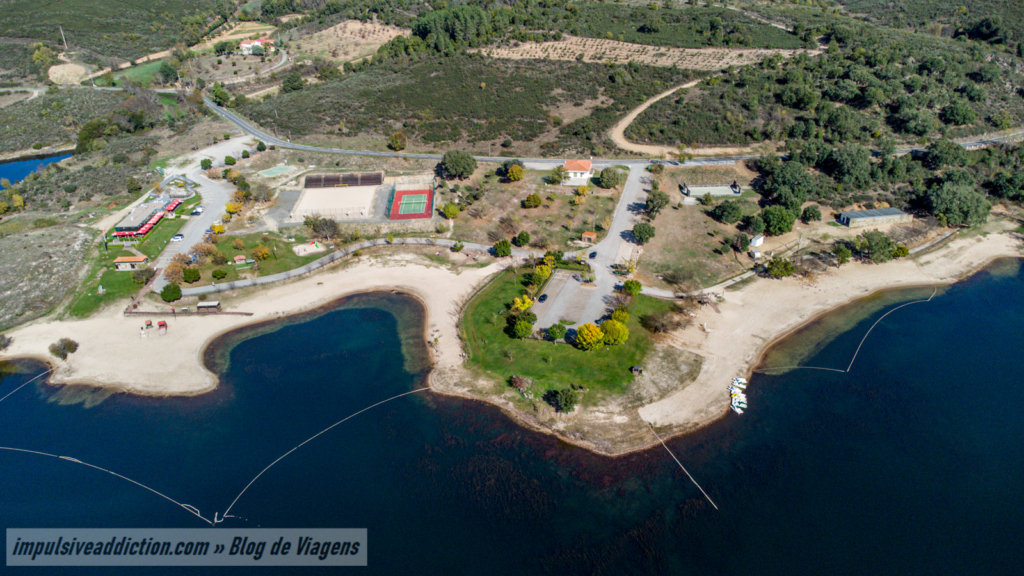
Visiting Macedo de Cavaleiros means discovering the UNESCO Global Geopark known as the Terras de Cavaleiros Geopark, which includes the Protected Landscape of the Azibo Reservoir. It’s also the chance to enjoy extraordinary river beaches, including Ribeira Beach, recognized as one of the official “7 Wonders of Portugal.”
In Macedo de Cavaleiros, you’ll find breathtaking nature, ready to be explored along more than 20 hiking trails. Locals say this municipality is the “navel of the world,” as some of its mountains were formed by the collision of continents around 400 million years ago. It’s no surprise that this geopark is part of the Natura 2000 Network, with more than 40 geosites of outstanding geological and scientific value.
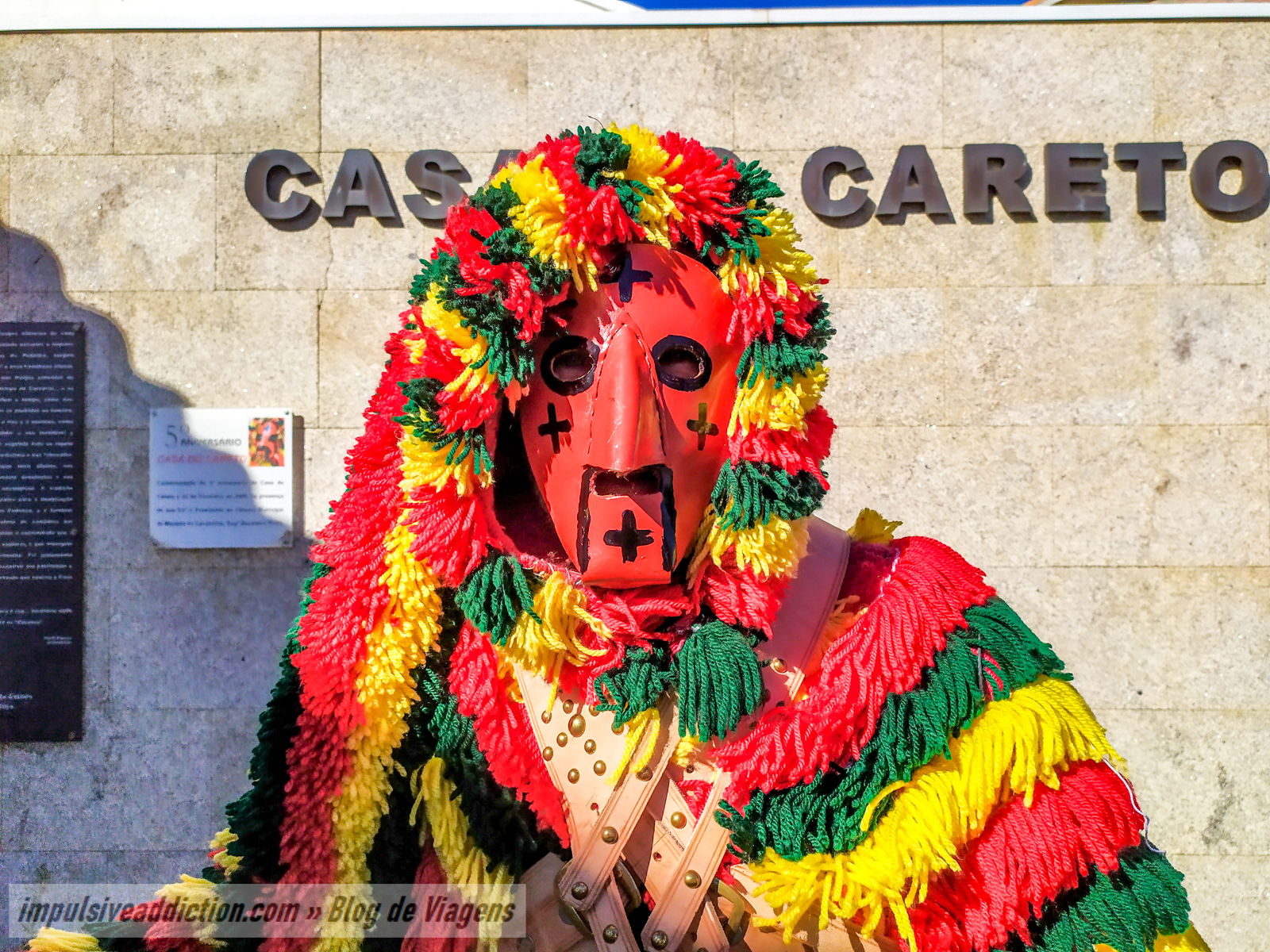
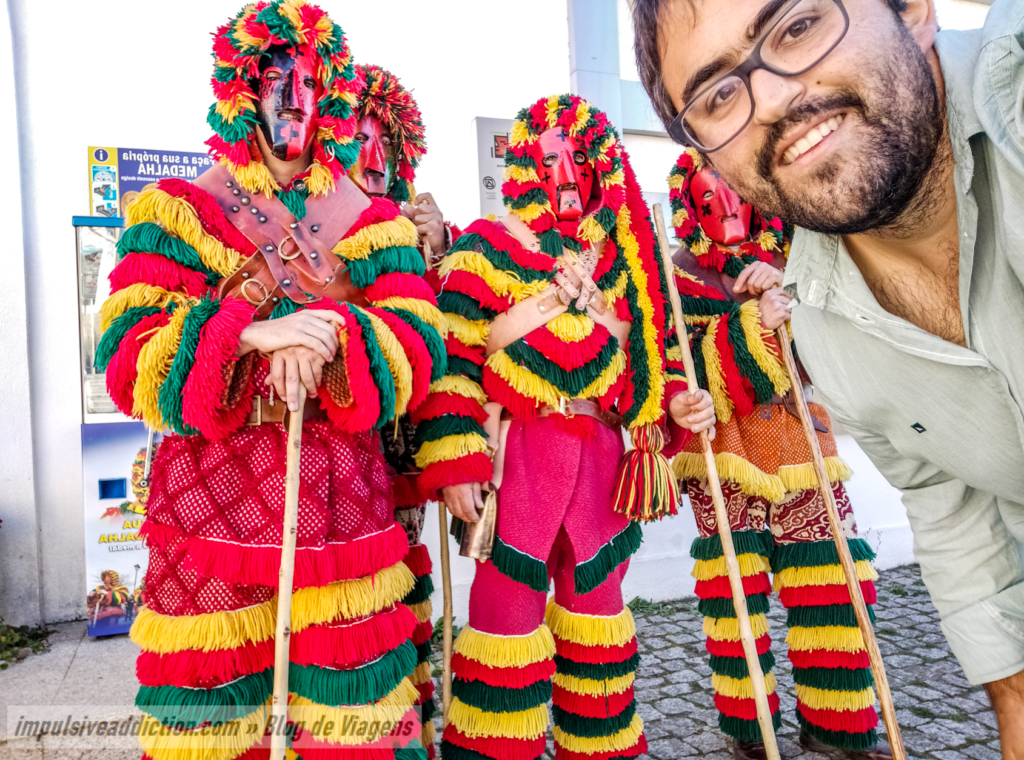
Macedo de Cavaleiros is also a land of deep-rooted traditions. The famous Caretos de Podence are recognized as UNESCO Intangible Cultural Heritage, and their “Entrudo Chocalheiro” is one of the most authentic and vibrant carnivals in Portugal.
There are plenty of reasons to visit Macedo de Cavaleiros. During my trip, I was truly amazed by the landscapes, especially around the Azibo Reservoir and the Bornes Mountain Range. I know I’ll be back!
Below, I’ll share several tips on what to see and do in Macedo de Cavaleiros during a getaway in northeastern Trás-os-Montes. Two days are enough to cover the essentials, but if you’d like to explore the hiking trails and immerse yourself in nature, be sure to add at least a couple more days to your itinerary.
Where is Macedo de Cavaleiros located, in Portugal?
Macedo de Cavaleiros lies in the northeast of Trás-os-Montes, within the district of Bragança. It borders the municipalities of Vinhais, Bragança, Vimioso, Mogadouro, Alfândega da Fé, and Mirandela. Thanks to its central location in the district, it offers easy access to major natural attractions such as the International Douro, the Sabor Lakes, Montesinho Natural Park, and even the Tua Valley Natural Park.
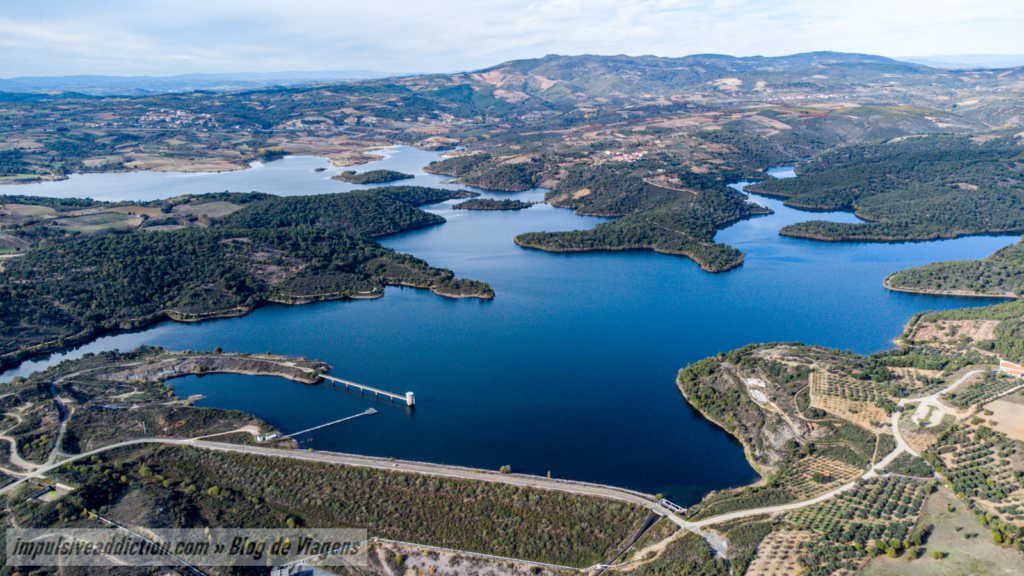
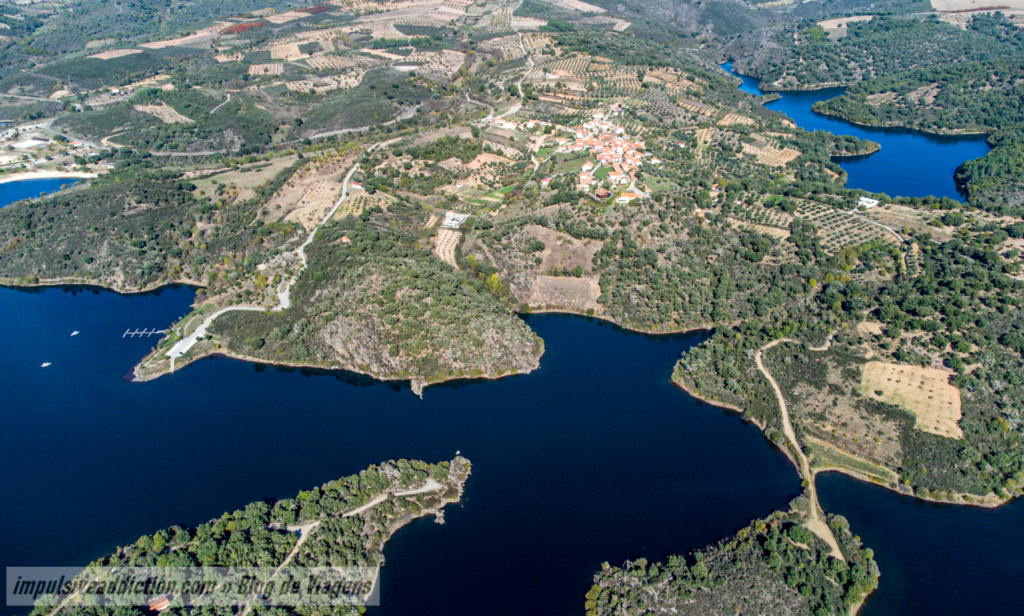
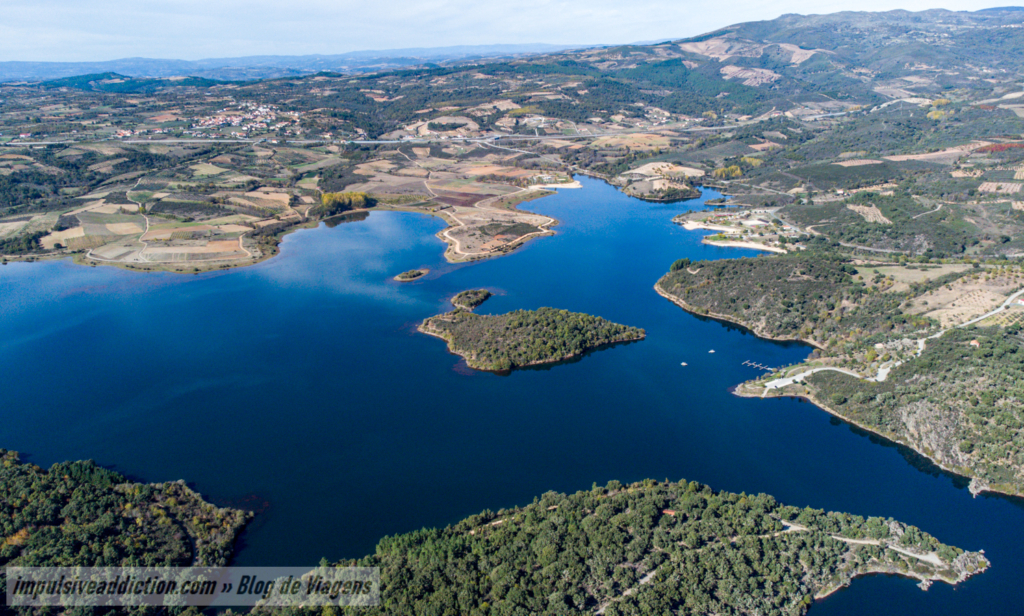
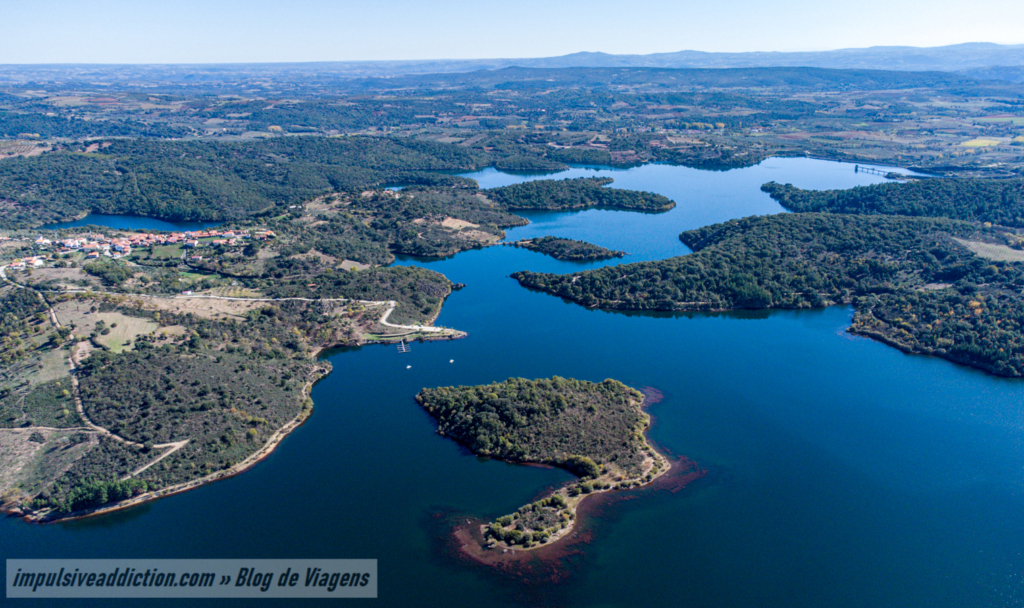
The Terras de Cavaleiros Geopark fully encompasses this municipality, covering an area of around 700 km². One of its highlights is the Azibo Reservoir, located in the northern part of Macedo de Cavaleiros, which stands out as one of the most remarkable sites both within the municipality and the Geopark itself.
MORE ARTICLES ABOUT BRAGANÇA DISTRICT:
- Things to do in Vinhais
- Things to do in Bragança
- Things to do in Mirandela
- Things to do in Vimioso
- Things to do in Miranda do Douro
- Things to do in Mogadouro
- Things to do in Torre de Moncorvo
- Things to do in Freixo de Espada à Cinta
- Things to do in Carrazeda de Ansiães
- Things to do in Macedo de Cavaleiros
- Things to do in Vila Flor
- Montesinho Natural Park Itinerary
- Lagos do Sabor Itinerary
- Douro International Natural Park Itinerary
- Tua Valley Itinerary
- Trás-os-Montes Itinerary
Rent a car to visit Macedo de Cavaleiros
To visit Macedo de Cavaleiros, having a car is highly recommended. Some of my suggestions involve driving, such as the scenic road through the Bornes Mountain Range. A car will help you make the most of your time and truly get to know this municipality in northern Portugal. If you don’t have one, consider renting through Discover Cars.
When to Visit Macedo de Cavaleiros
As for the best time to visit Macedo de Cavaleiros, I’d say summer is ideal—but not the peak of summer. During July and August, it can be too hot for hiking and the beautiful beaches of the Azibo Reservoir tend to get crowded. Instead, plan your trip for June or September. Those are my top recommendations.
Of course, Carnival cannot be overlooked. A getaway to Macedo de Cavaleiros during this time is highly recommended, especially to visit Podence and experience the Entrudo Chocalheiro. I’m sure you’ll have a great time, and with a bit of luck, you might even get good weather for many of the activities I’ll suggest—except for swimming in the Azibo Reservoir, as it’s usually too cold then.
The municipality also hosts several events you may find interesting:
- Hunting and Tourism Fair – last weekend of January
- Grelo Gastronomy Festival – during Carnival
- São Pedro Fair – late June / early July
- Onion Fair – in September, in the village of Chacim
Gastronomy and Restaurants in Macedo de Cavaleiros
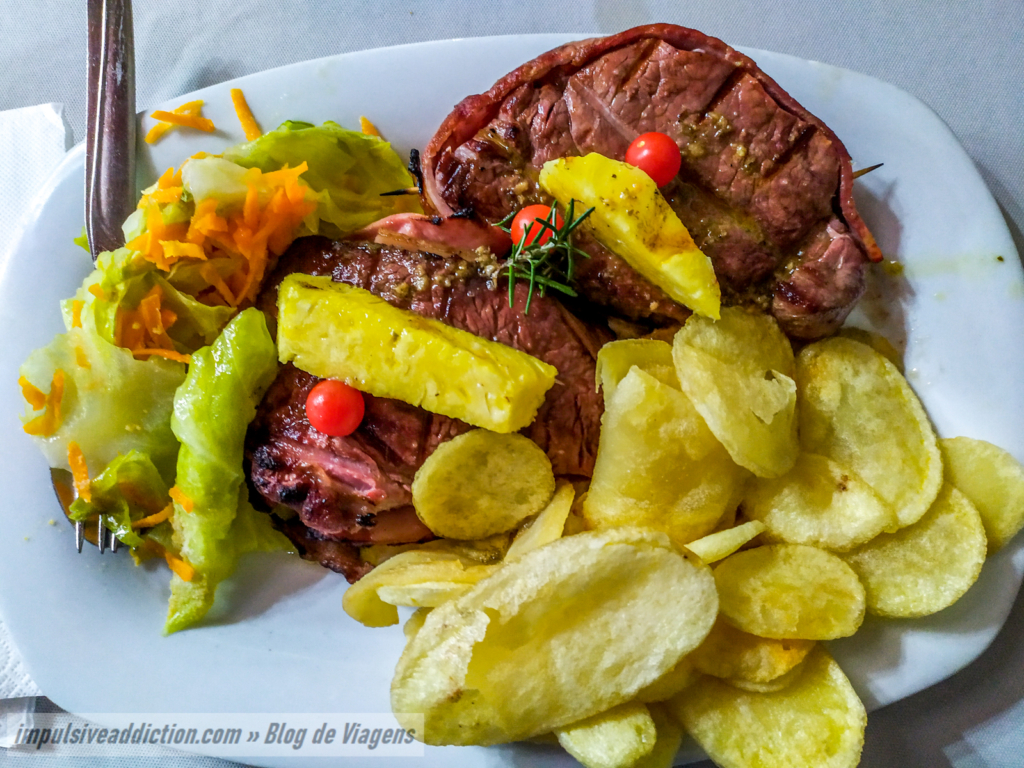
When it comes to food, Posta de Vitela (veal steak) is always an excellent choice in Macedo de Cavaleiros, but you’ll also be well served with any game dish or even oven-roasted goat. For dessert, why not try something made with chestnuts or walnuts?
As for restaurants in Terras de Cavaleiros, I especially enjoyed Restaurante Dona Antónia, conveniently located right next to the hotel where I stayed. Other great options include Restaurante Brasa, Montanhês, Villar de Maseado, and Restaurante Marco António. In truth, you’ll find plenty of good restaurants when visiting Macedo de Cavaleiros.
Since you’ll almost certainly pass through Podence, consider stopping at Moagem João do Padre. 😉 And if you’re spending time at the Azibo Reservoir beaches, Casa do Lago is another great pick.
Where to stay in Macedo de Cavaleiros
| Accommodation | Score | Location |
|---|---|---|
| Hotel Muchacho (onde fiquei hospedado) | 9.1 | Cidade |
| Hotel Marisol | 8.7 | Vale de Prados |
| Casa do Prado | 8.9 | Cidade |
| Casa do Olival | 9.2 | Vale de Pradinhos |
| Casa Vale de Azibo | 9.4 | Vale de Prados |
| Solar de Chacim | 9.0 | Chacim |
| Casa d’Avó Faia | 8.6 | Morais |
| Casa do Azibo | 8.5 | Santa Combinha |
| Monte do Azibo | 8.4 | Podence |
| Redondo Loft | 8.9 | Cidade |
Things to do in Macedo de Cavaleiros & Podence
To give you a clear idea of what to see in Macedo de Cavaleiros, as well as what to do in the Terras de Cavaleiros Geopark and along the Azibo River, I’ve organized this guide into five main sections:
- The town of Macedo de Cavaleiros
- The Azibo River and its surroundings
- The Bornes Mountain Range
- Geosites of the Terras de Cavaleiros Geopark
- Hiking trails in the Geopark
As optional suggestions, I’ve also included two extra spots marked in lilac on the map below. Both are located in the northern part of the municipality and, due to the distance, are best visited if you have extra time available to visit Macedo de Cavaleiros. They are: the church of Lamalonga and the Church of Vilarinho de Arrochão.
Map with the highlights from Macedo de Cavaleiros
Stage 1 | Exploring the Town of Macedo de Cavaleiros
The town of Macedo de Cavaleiros can be visited rather quickly. Its historic center is compact, with three unmissable museums and a few charming squares to stroll around. I’d say three hours are more than enough to wander through the town and get a good feel for the place. Since I stayed at Hotel Muchacho, I began my exploration from there.
1. Praça das Eiras
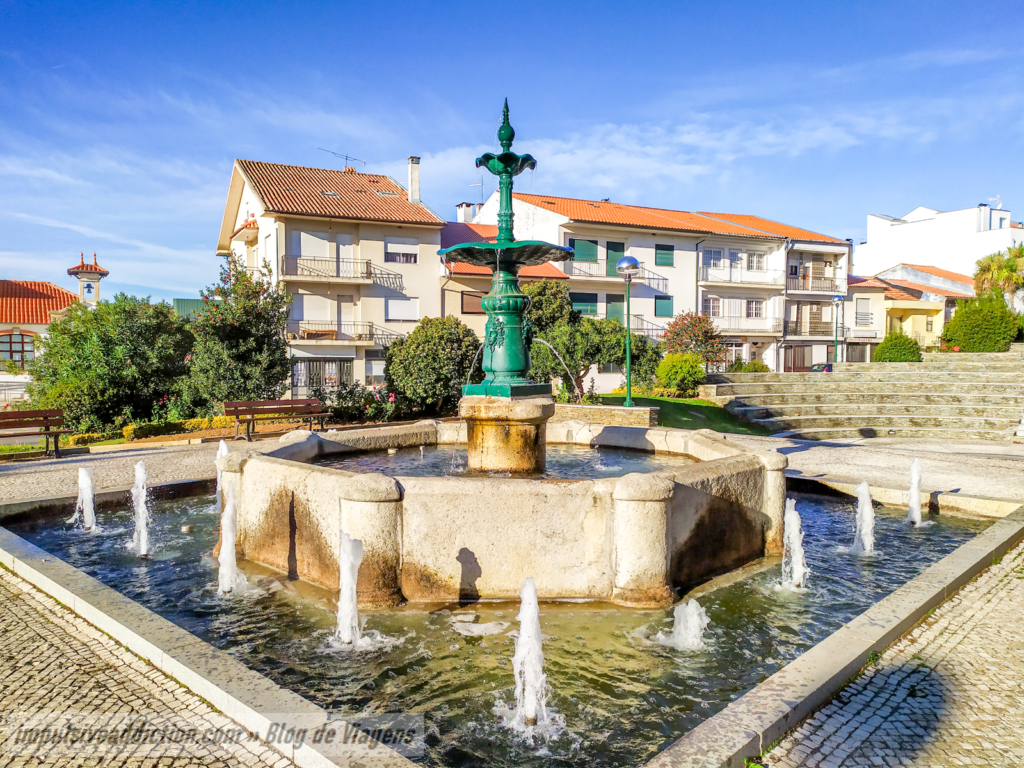
Praça das Eiras was right in front of my hotel, so it became my first stop. The highlights of this square are its central fountain, the amphitheater, and the bandstand. Its name comes from the fact that it once served as a threshing floor where cereals were dried. Later, it became the site of fairs, markets, and even local festivals and popular celebrations. Today, it still hosts a few cultural events during the summer.
2. Praça Agostinho Valente & Largo Manuel Pinto de Azevedo
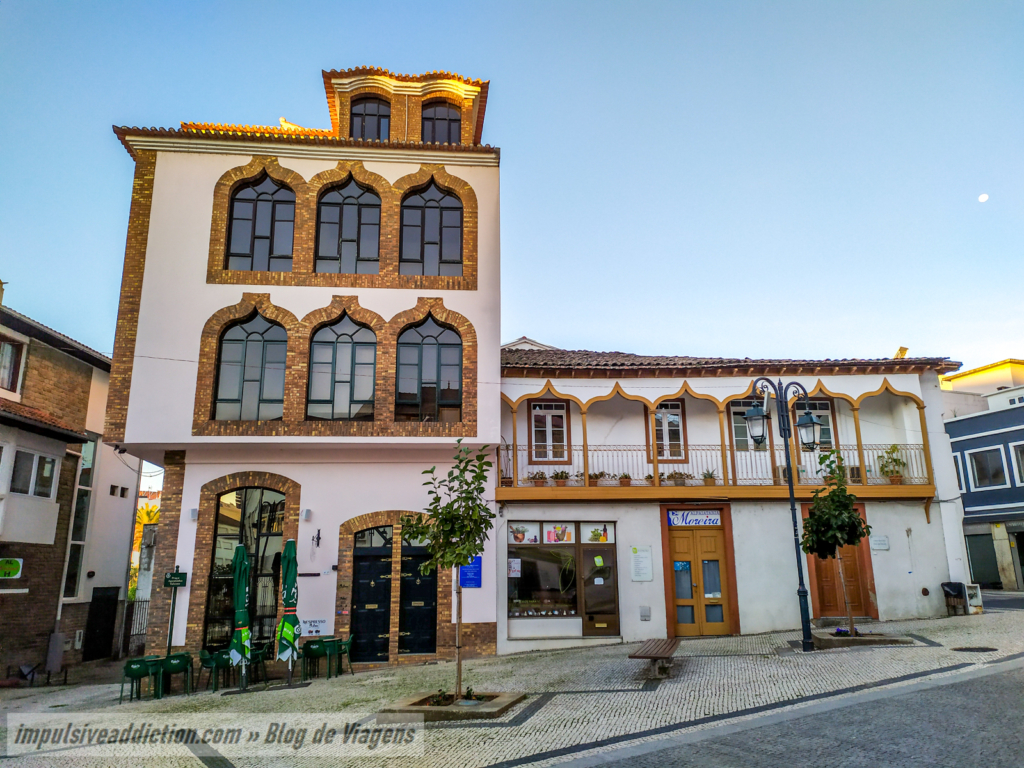
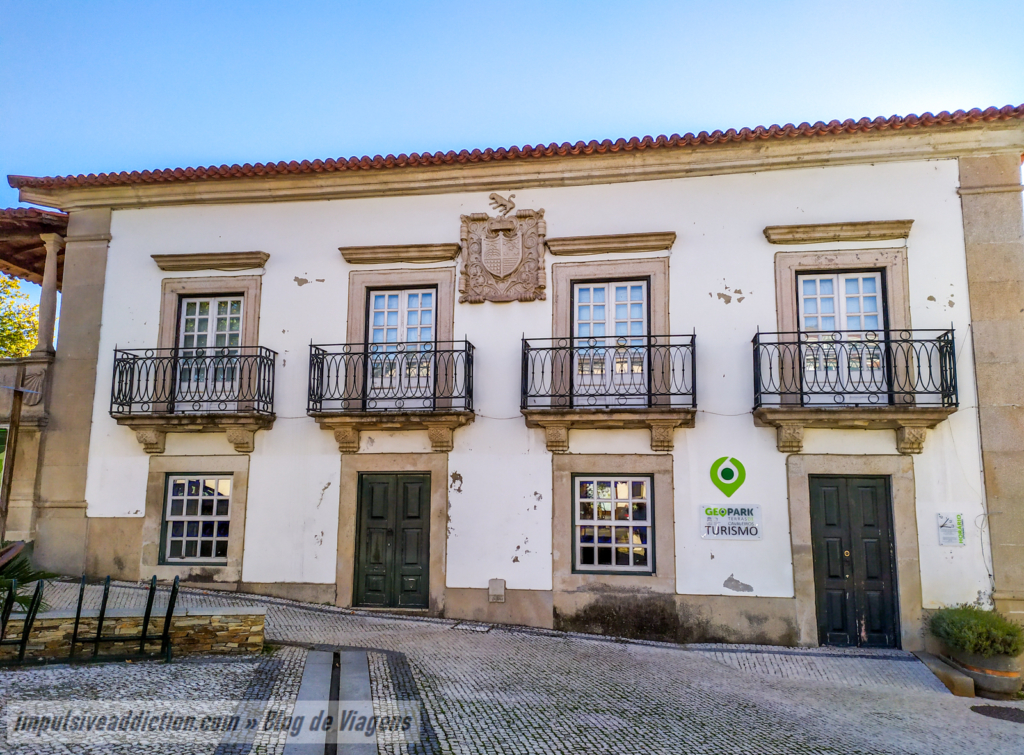
Following the N216 from Praça das Eiras, you’ll arrive at Praça Agostinho Valente and Largo Manuel Pinto de Azevedo. This is the town’s main crossroads, where you’ll find the Museum of Sacred Art as well as the Tourist Office. Be sure to stop there to gather as much information as possible about the Terras de Cavaleiros Geopark—such as municipal maps, hiking trail brochures, and other useful materials.
3. Museum of Sacred Art at Casa Falcão
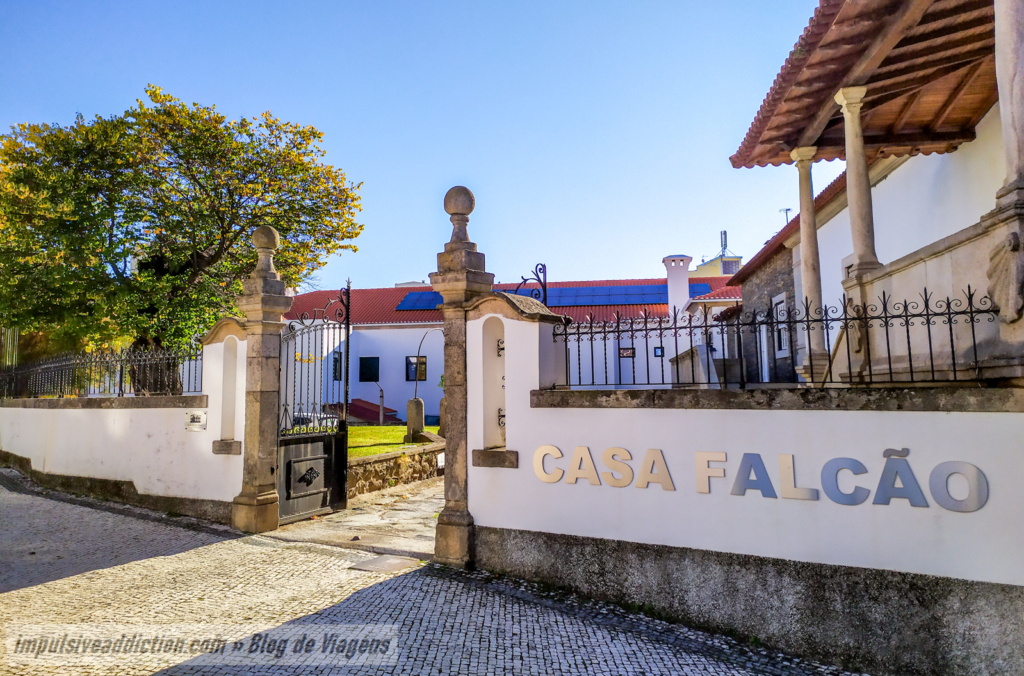
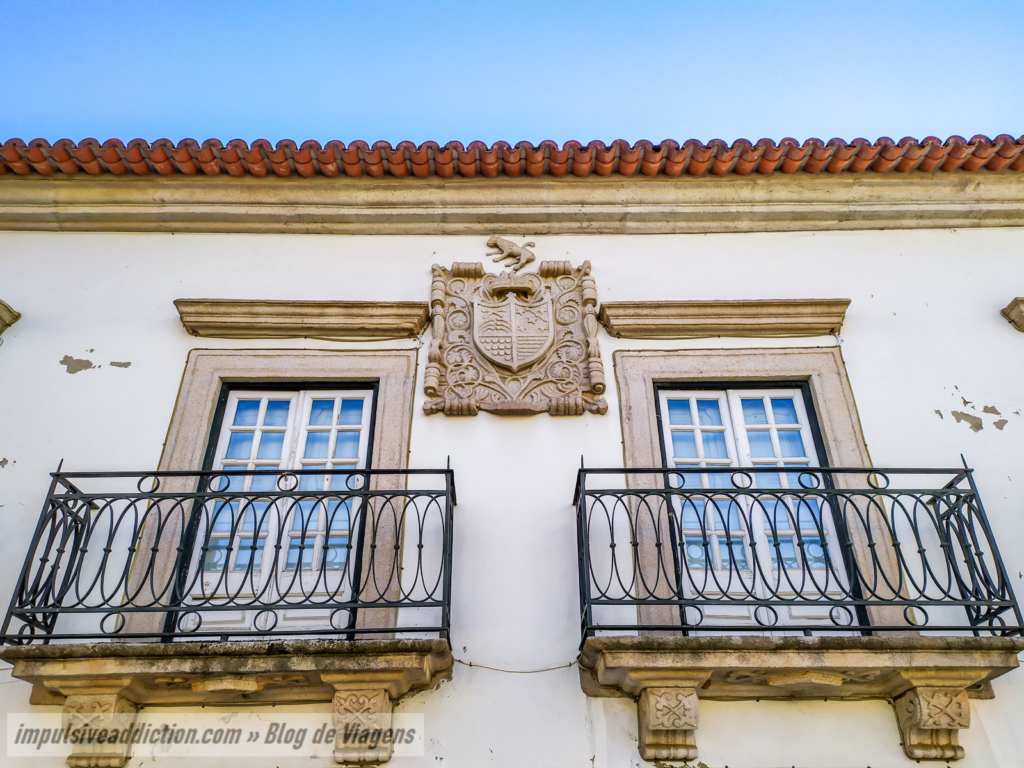
The Museum of Sacred Art is housed in Casa Falcão, an 18th-century manor house. Inside, you’ll find several exhibitions showcasing religious art and artifacts.
4. Largo dos Segadores
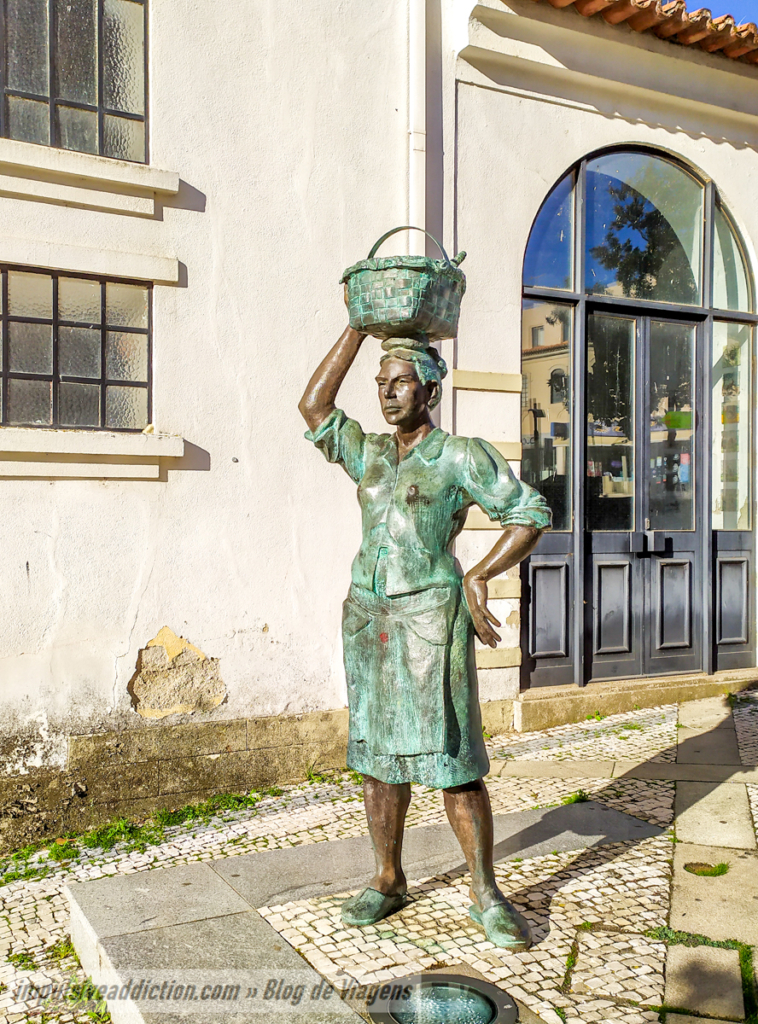
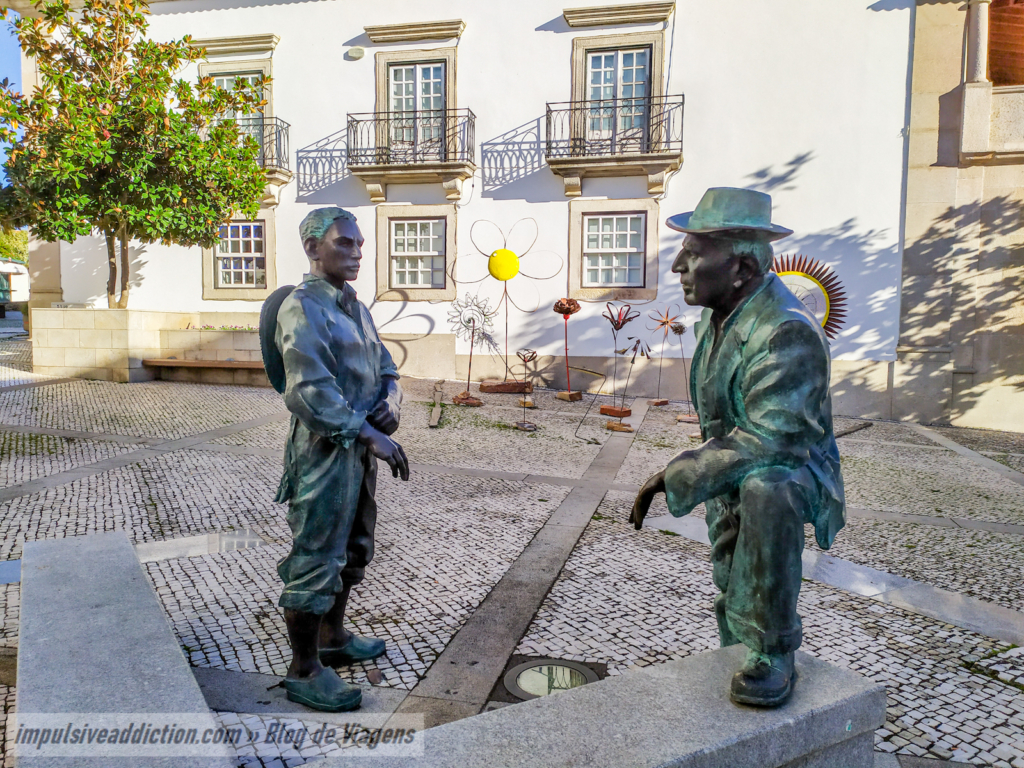
Right next door is Largo dos Segadores, featuring bronze statues that pay tribute to the reapers who once traveled to Macedo de Cavaleiros in search of work in the region’s wheat fields. These men came from neighboring lands—or even from Galicia, Beiras, and the Douro—waiting to be hired by local farmers when extra hands were needed during the harvest season, starting in June.
5. 1º de Maio Garden & “Macedo de Cavaleiros” Sign
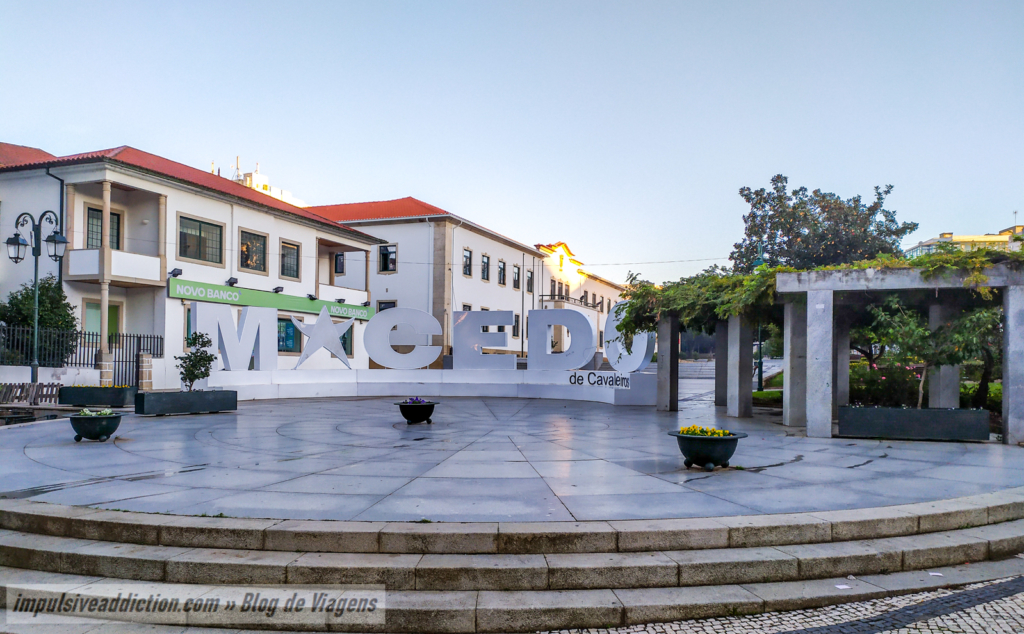
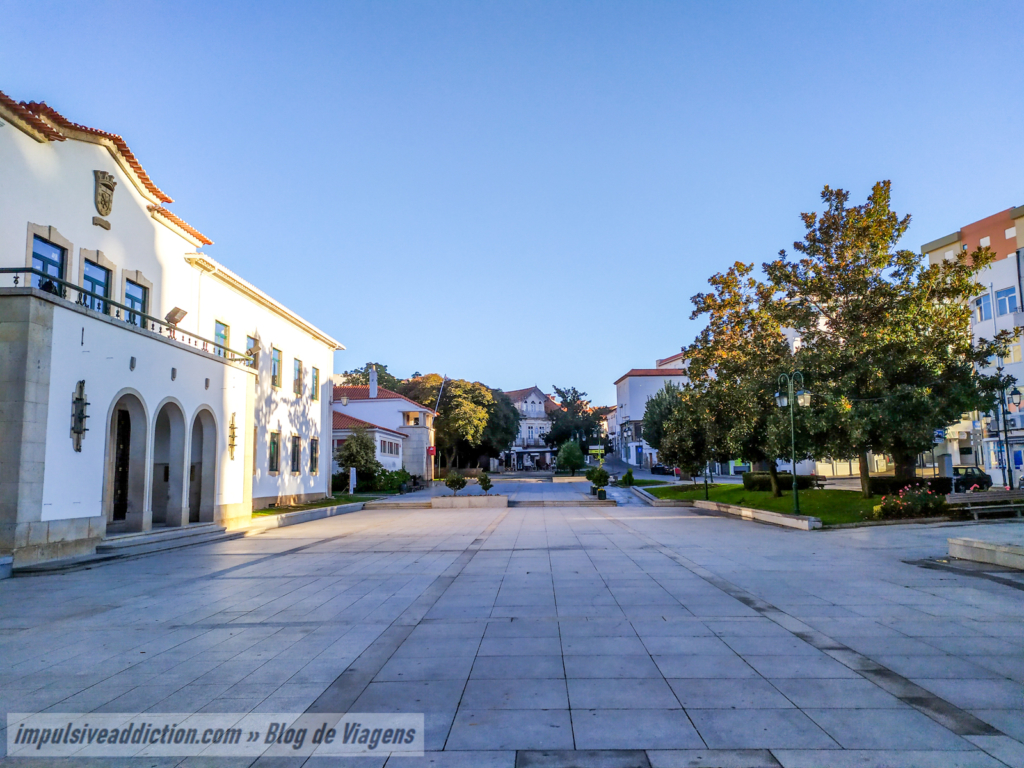
At 1º de Maio Garden Square, you’ll find the Town Hall and the Post Office, which in earlier times was located at Praça das Eiras. This is the largest and most open square in the town, and at one end you’ll see the “Macedo de Cavaleiros” letters—perfect for a photo stop. As a curiosity, the garden was once named after Oliveira Salazar during the Estado Novo regime.
6. Church of Saint Peter
The Church of Saint Peter is the main church in Macedo de Cavaleiros. It stands out for its simplicity, with the bell tower as its most distinctive feature.
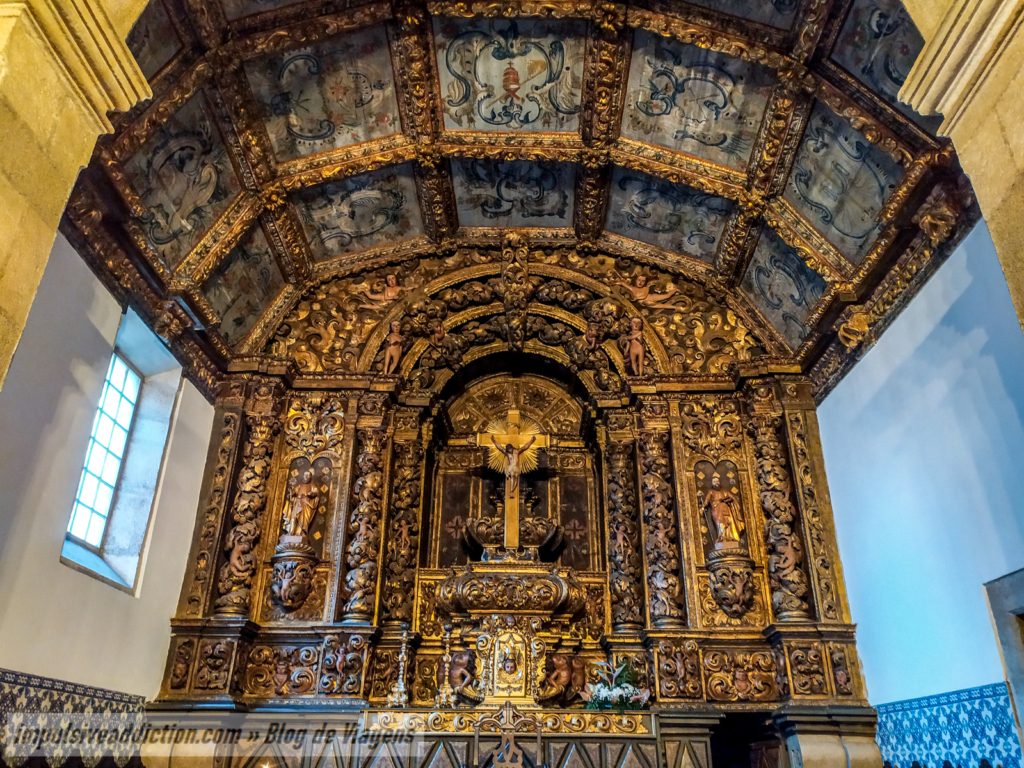
7. Monument to the Fallen Soldiers of Macedo de Cavaleiros
You can walk towards the former Macedo de Cavaleiros Railway Station, but the highlight along the way is the Municipal Archaeology Museum, also known as the Colonel Albino Pereira Lopo Museum. On the route, you’ll pass through the Monument to the Fallen Soldiers of Macedo de Cavaleiros. Built in the shape of a ship’s bow, it pays tribute to the locals who lost their lives during the First World War.
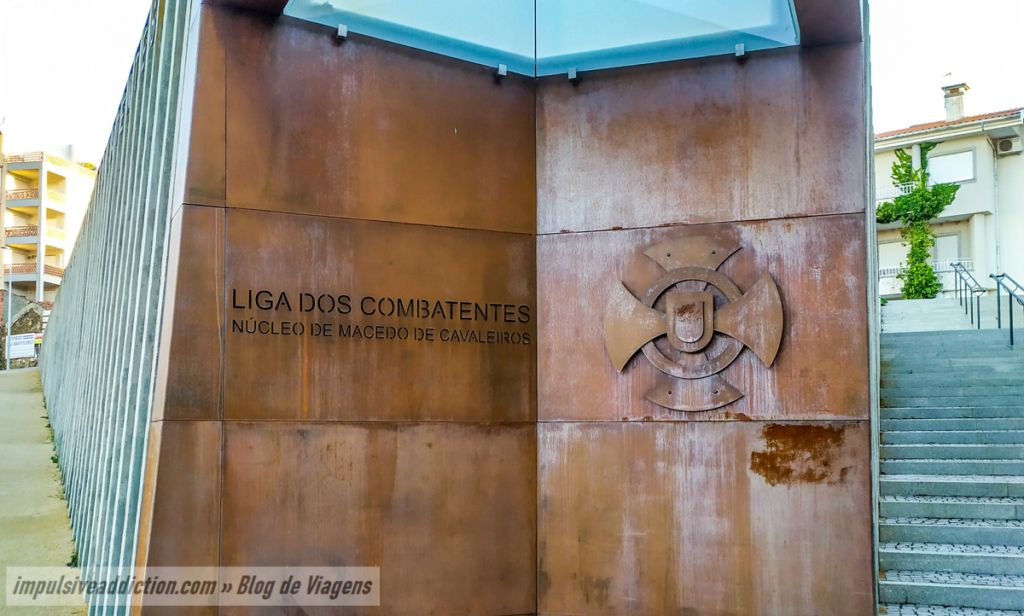
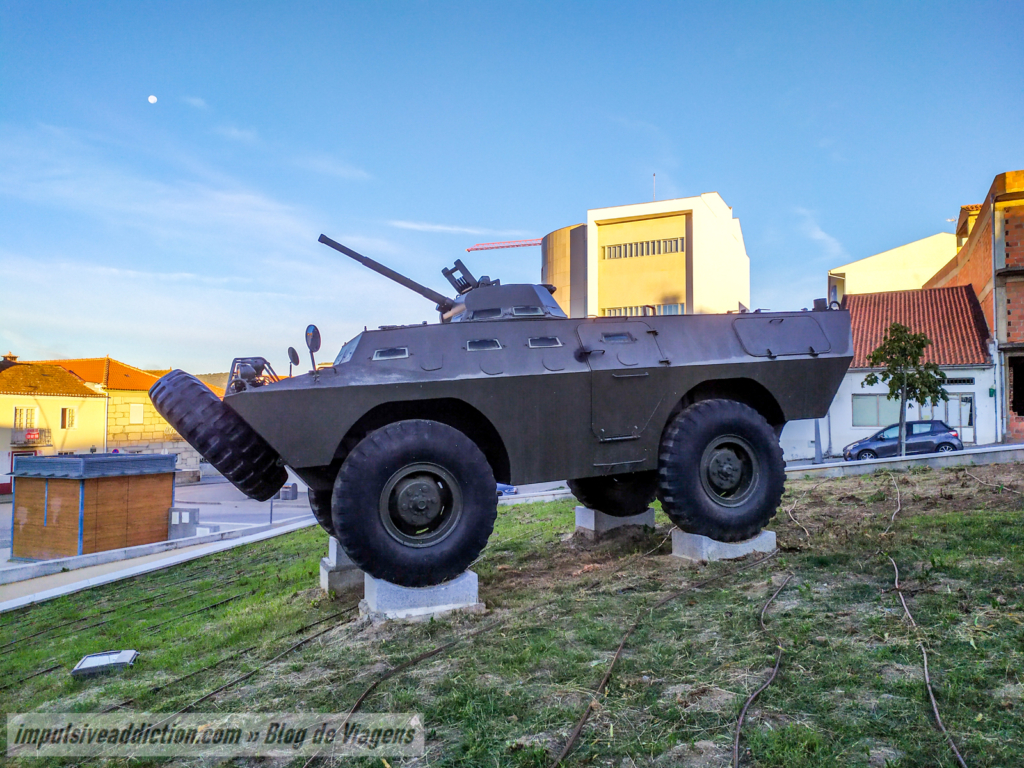
8. Municipal Archaeology Museum
The Municipal Archaeology Museum is housed in a former primary school in Macedo de Cavaleiros and displays a collection of artifacts discovered throughout the municipality. As a point of interest, Colonel Albino Pereira Lopo—after whom the museum is also named—was one of the first recognized archaeologists in Portugal and the founder of the Abade Baçal Museum in Bragança.
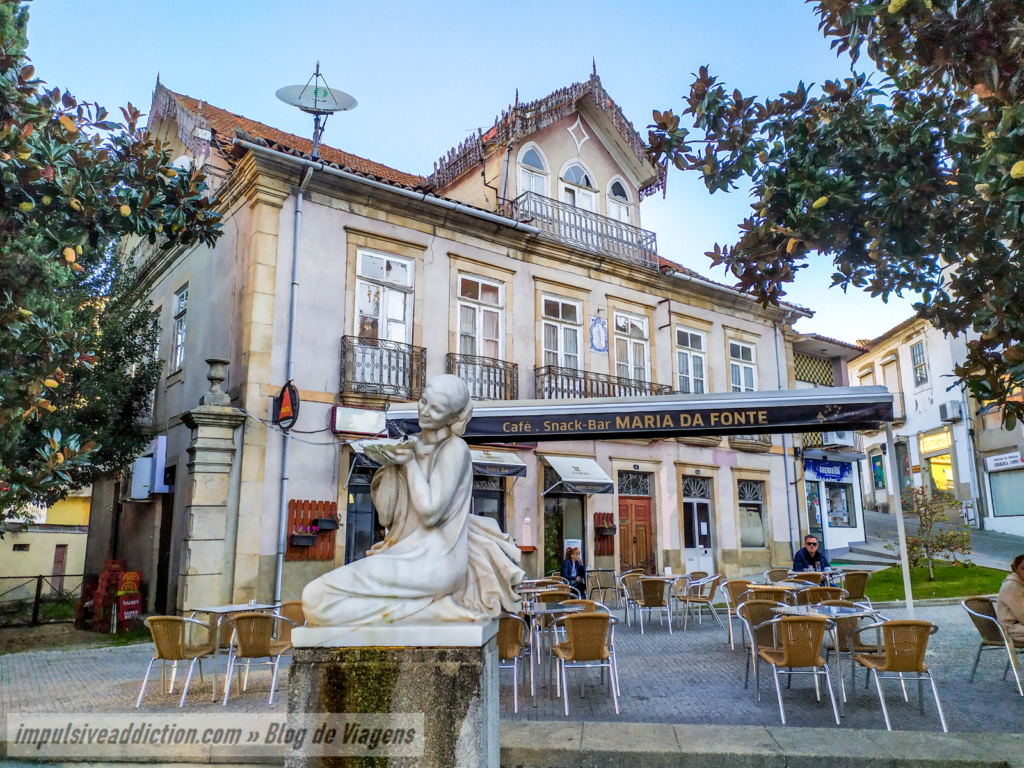
9. Largo Maria da Fonte
On your way back towards the area around 1º de Maio Garden, you’ll come across Largo Maria da Fonte. Its highlight is a marble statue of Maria pouring water into the fountain (hence the square’s name). It’s a pleasant spot, where I found a fantastic terrace café—perfect for a coffee break and a pause in this itinerary.
10. Martim Gonçalves de Macedo Museum
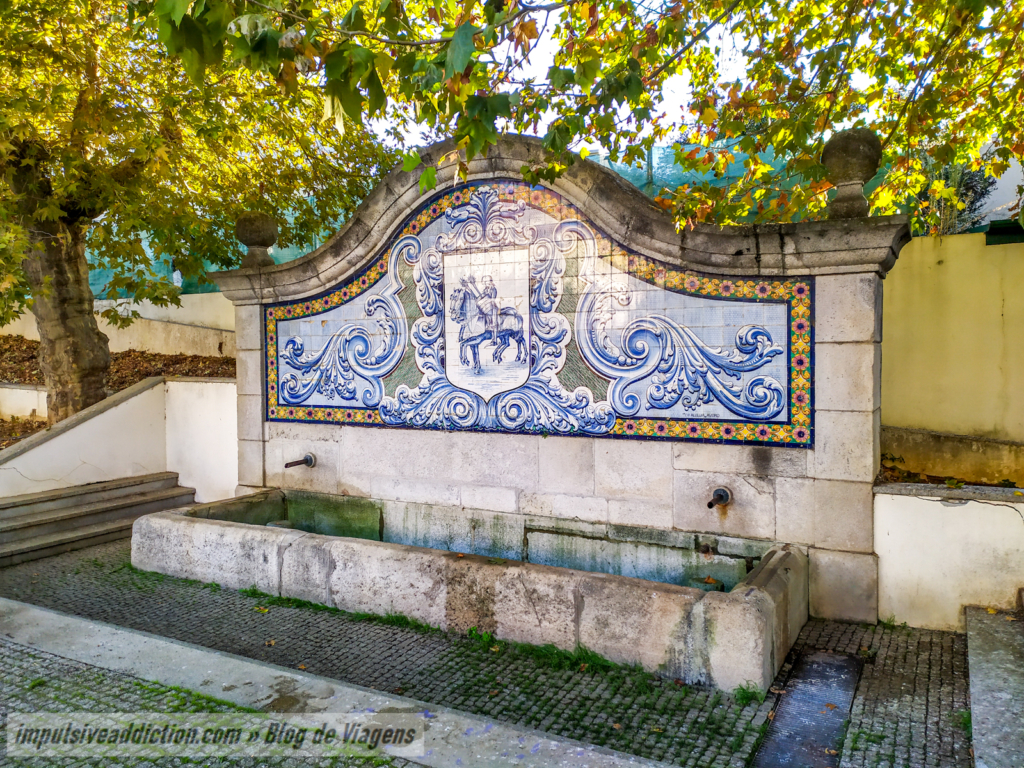
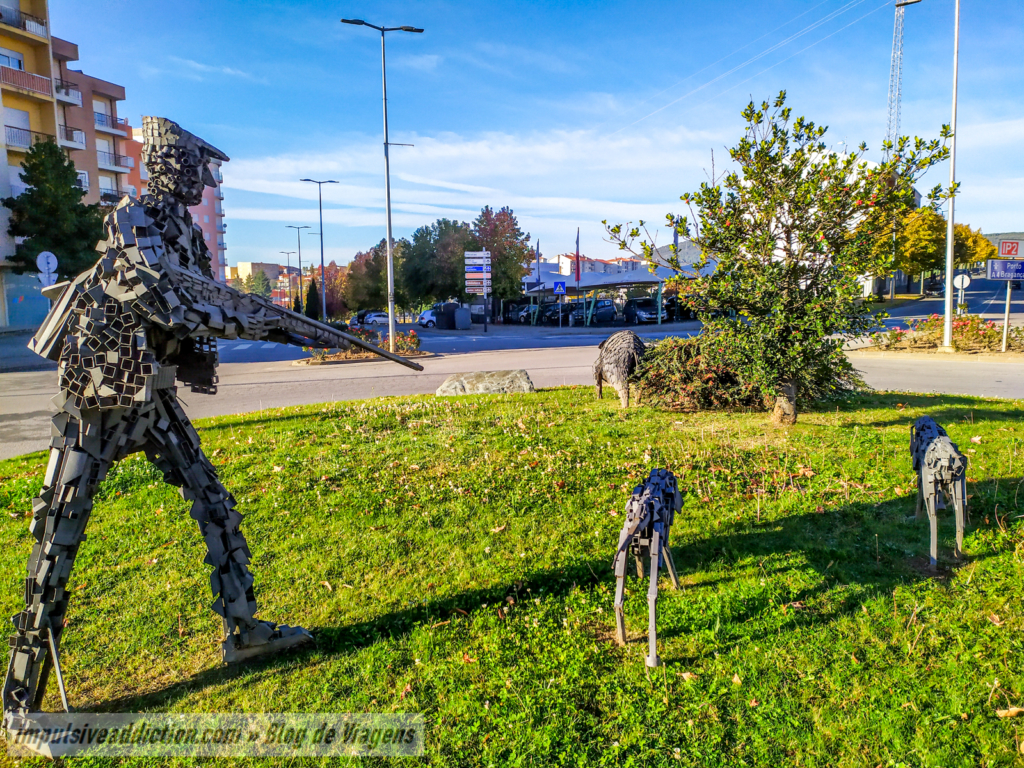
Before heading to the Martim Gonçalves de Macedo Museum, I passed by Largo do Prado de Cavaleiros, notable for its fountain decorated with traditional tiles, and the roundabout featuring a monument in honor of hunting. Both are optional stops, but the museum itself is a must-visit.
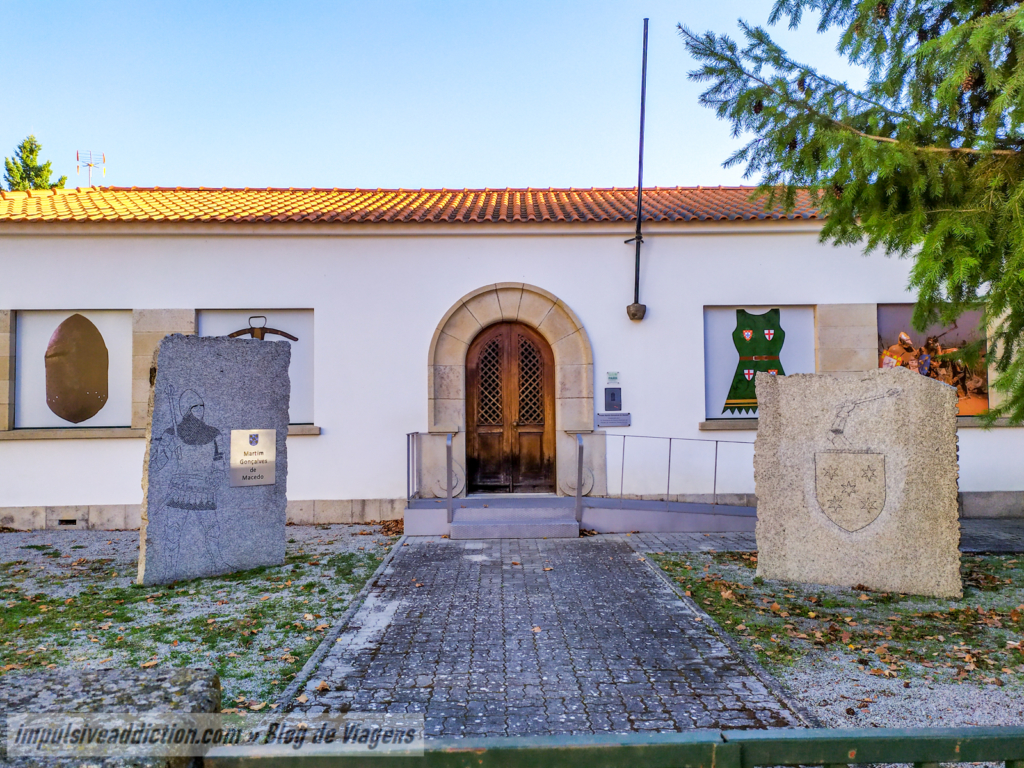
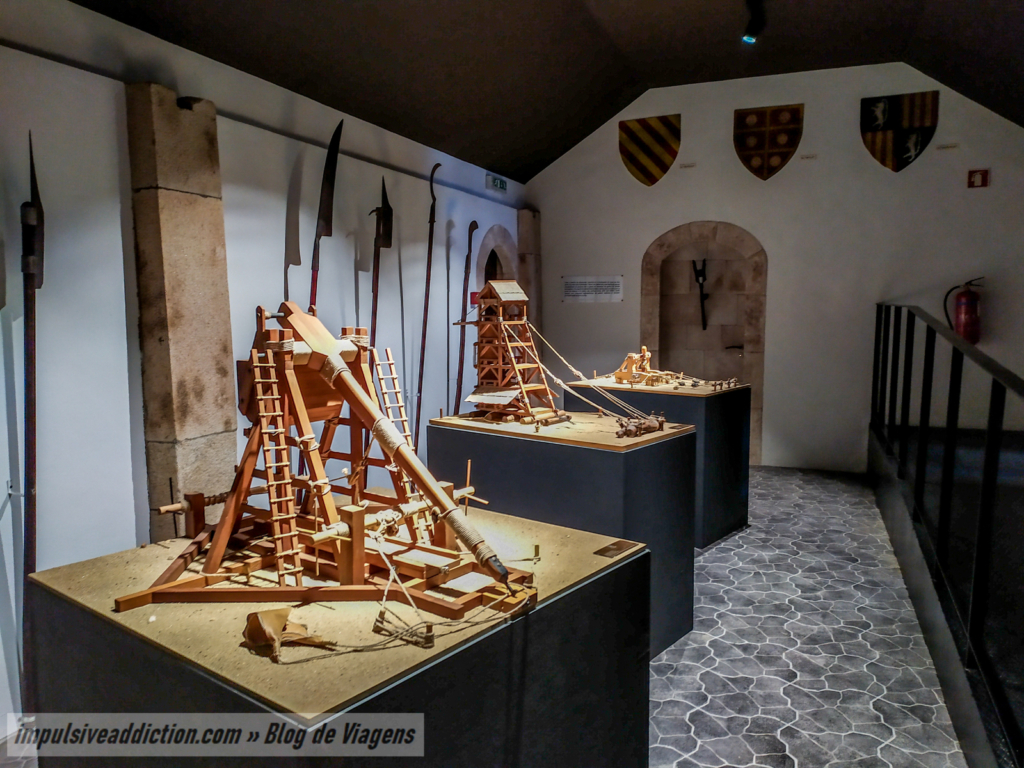
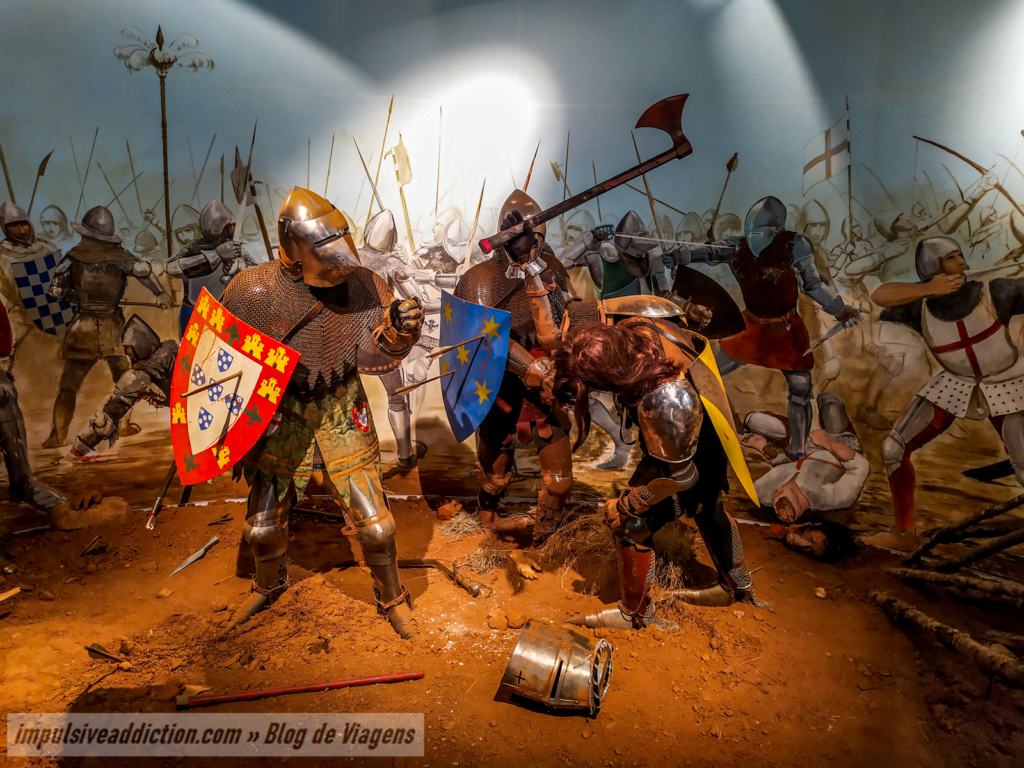
The Martim Gonçalves de Macedo Museum ended up being my favorite place in Macedo de Cavaleiros. Like the Archaeology Museum, it is housed in a former primary school and is dedicated to Martim, one of the heroes of the Battle of Aljubarrota. He is remembered for saving King João I by striking down the Castilian soldier who was about to kill the future king. Fun fact: I’m originally from Pombal, not far from where this historic battle took place. 😉
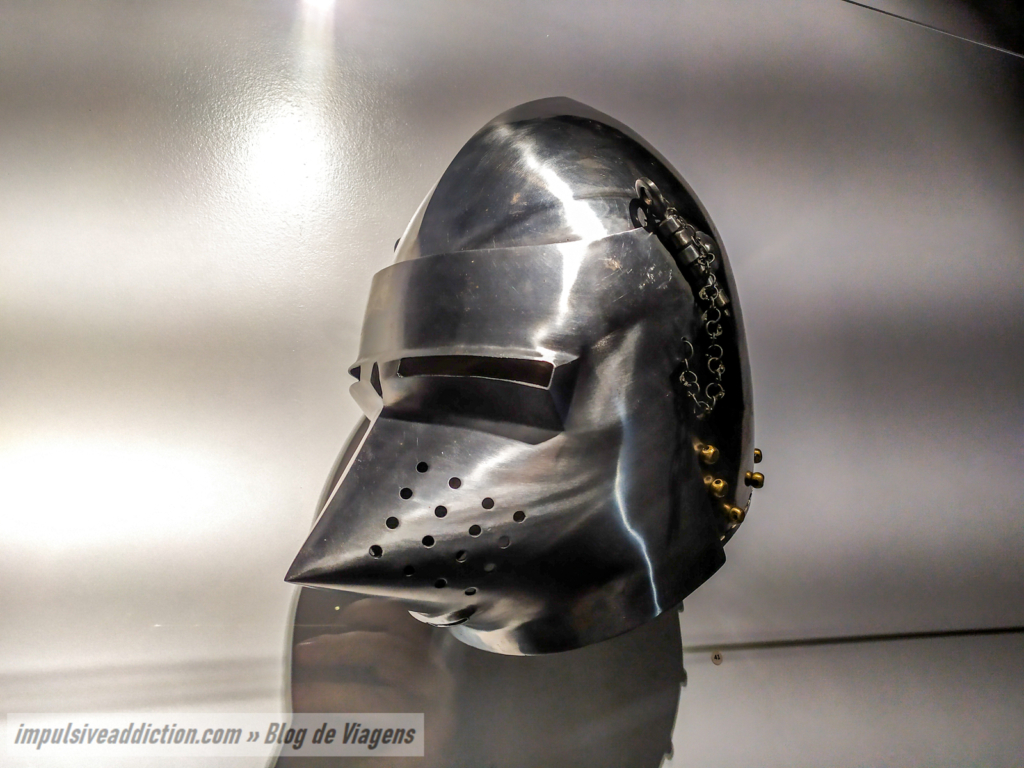
The museum is excellently curated, and visits are guided. I especially enjoyed the detailed battle reconstructions and the room showcasing scale models of siege mechanisms once used in medieval warfare.
Stage 2 | Visiting the Azibo River, Podence & Surroundings
I’ve named this stage after the Azibo River, as there are several attractions to visit along its course, beyond the Azibo Reservoir itself. (The reservoir will have its own dedicated section within this stage. 😉)
1. Vale de Pradinhos
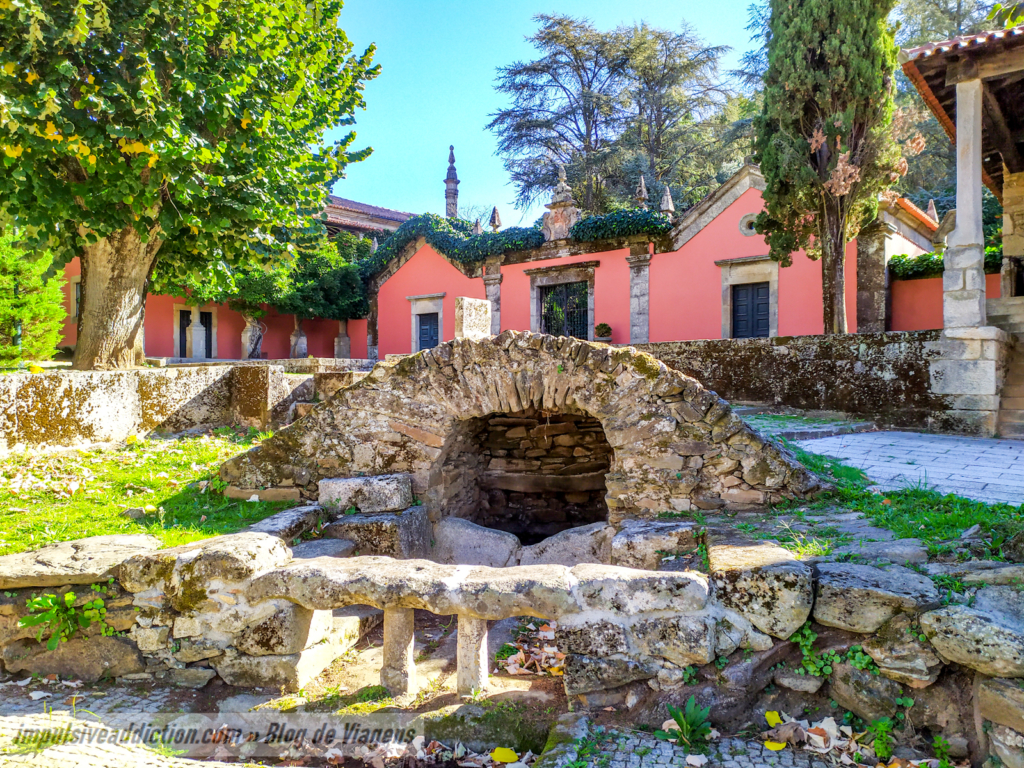
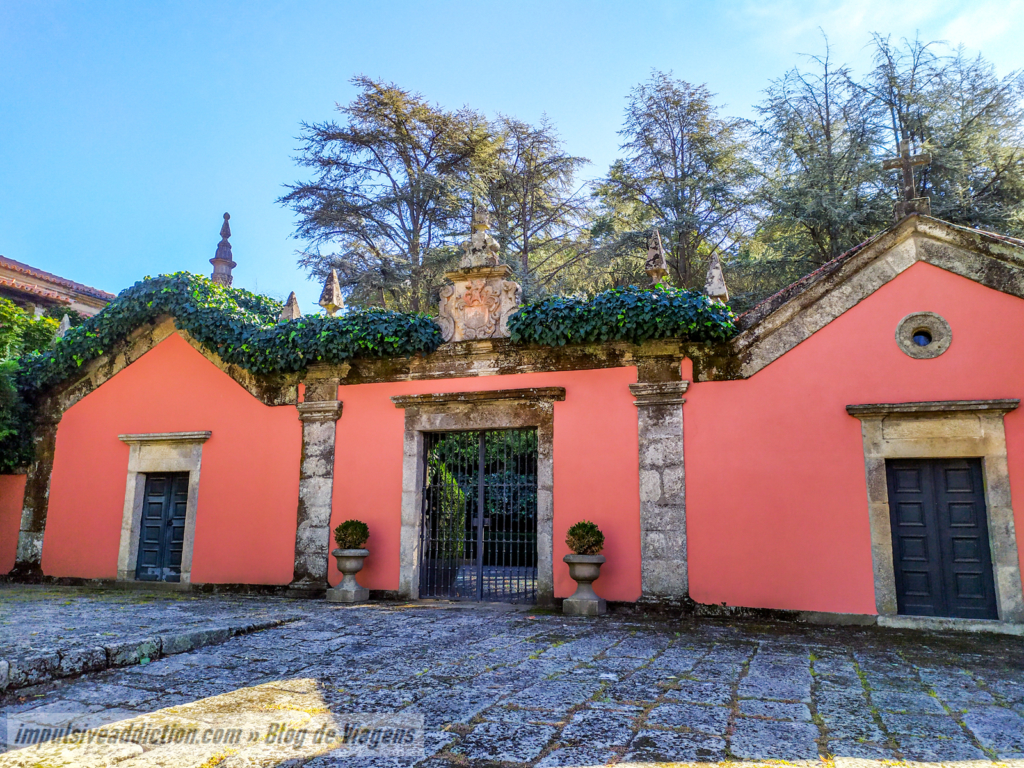
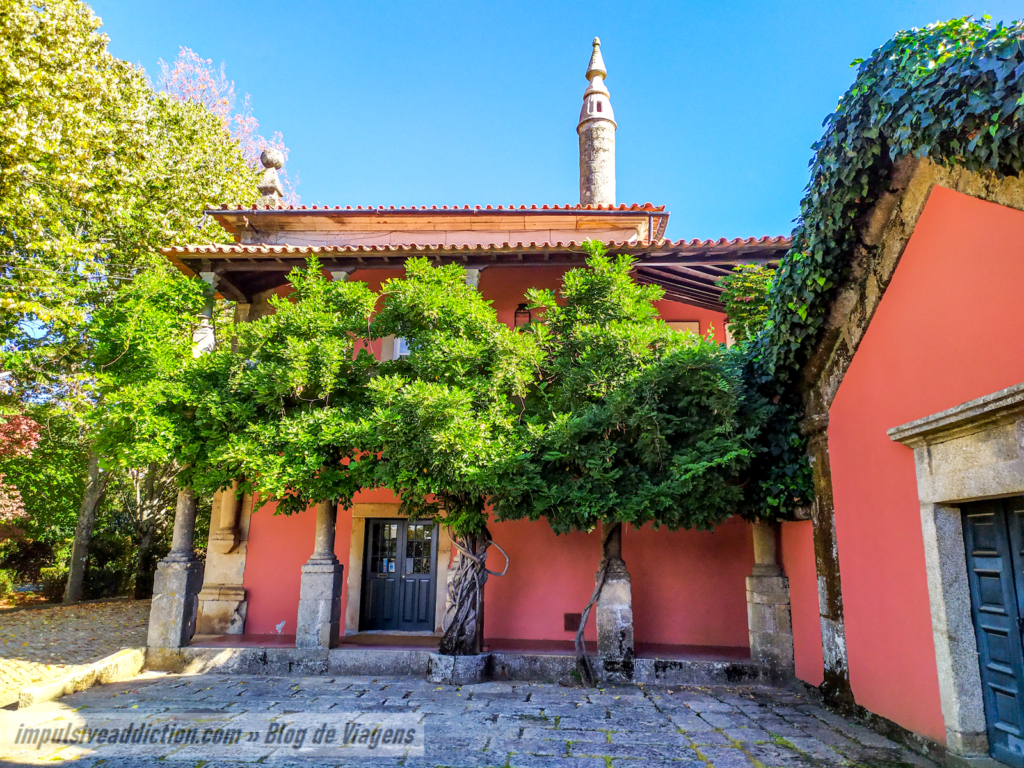
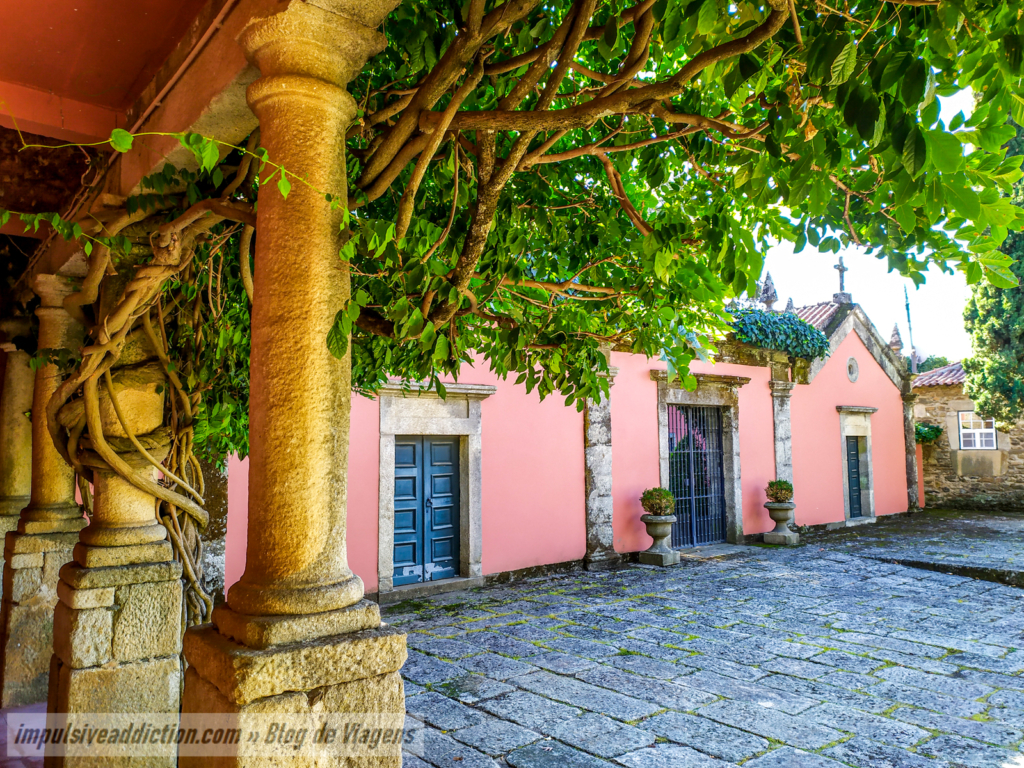
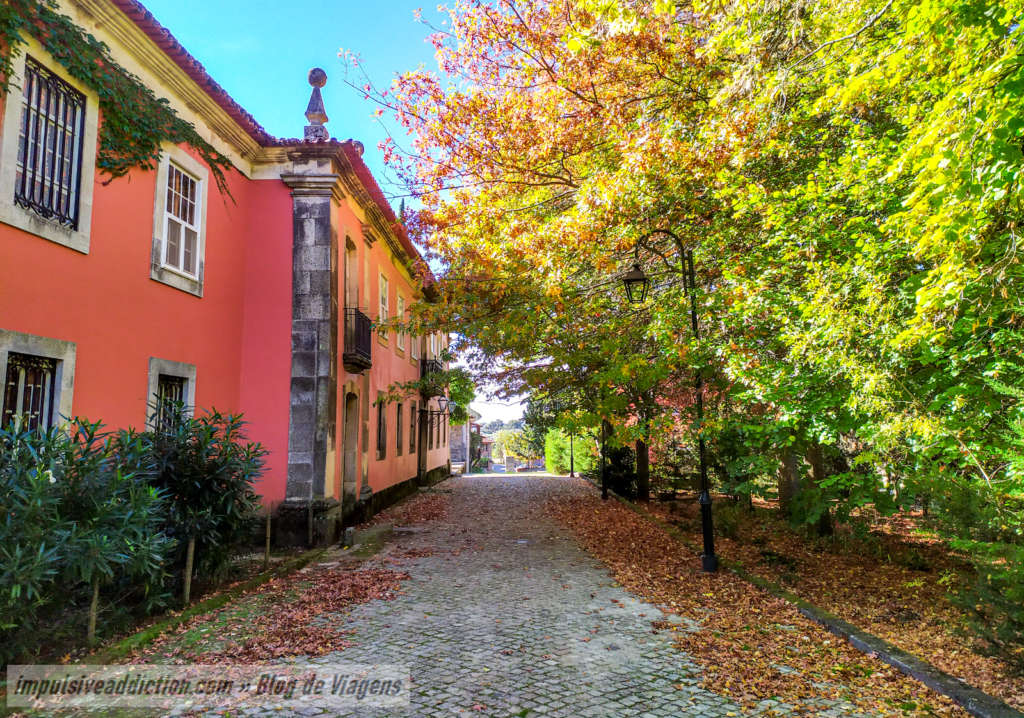
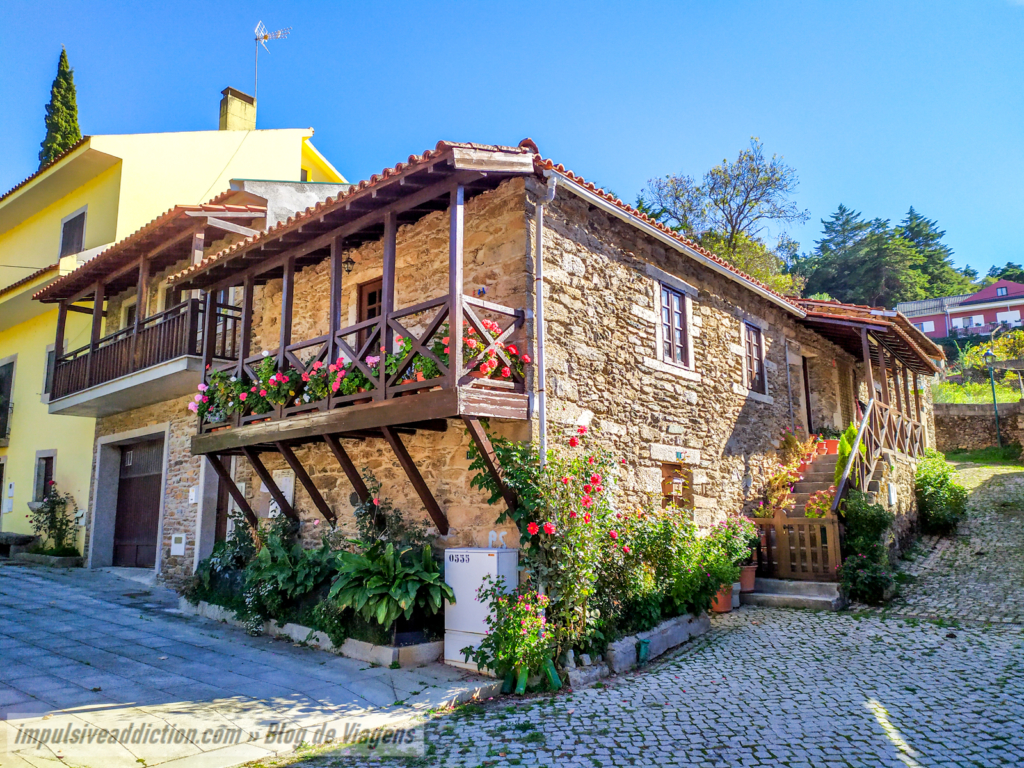
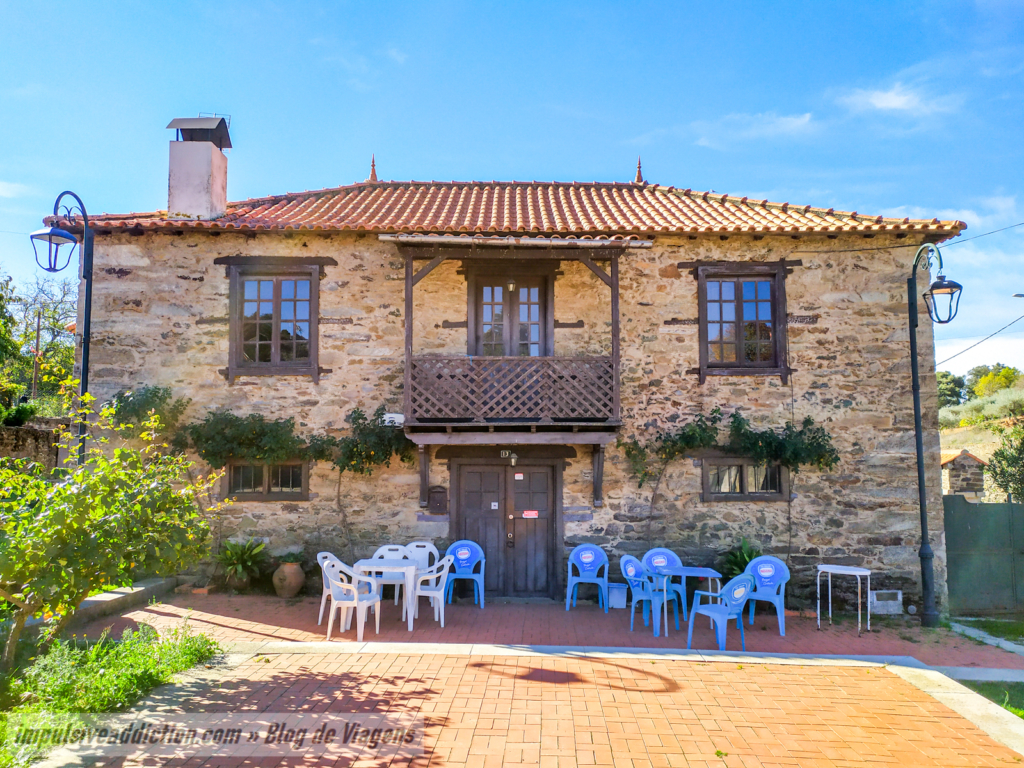
On my route around the Azibo Reservoir, starting from the town of Macedo de Cavaleiros, my first stop was Vale de Pradinhos. The highlight here is the Casal de Vale Pradinhos estate, owned by Maria Antónia Pinto de Azevedo Mascarenhas, where the renowned Valle Pradinhos wine is produced.
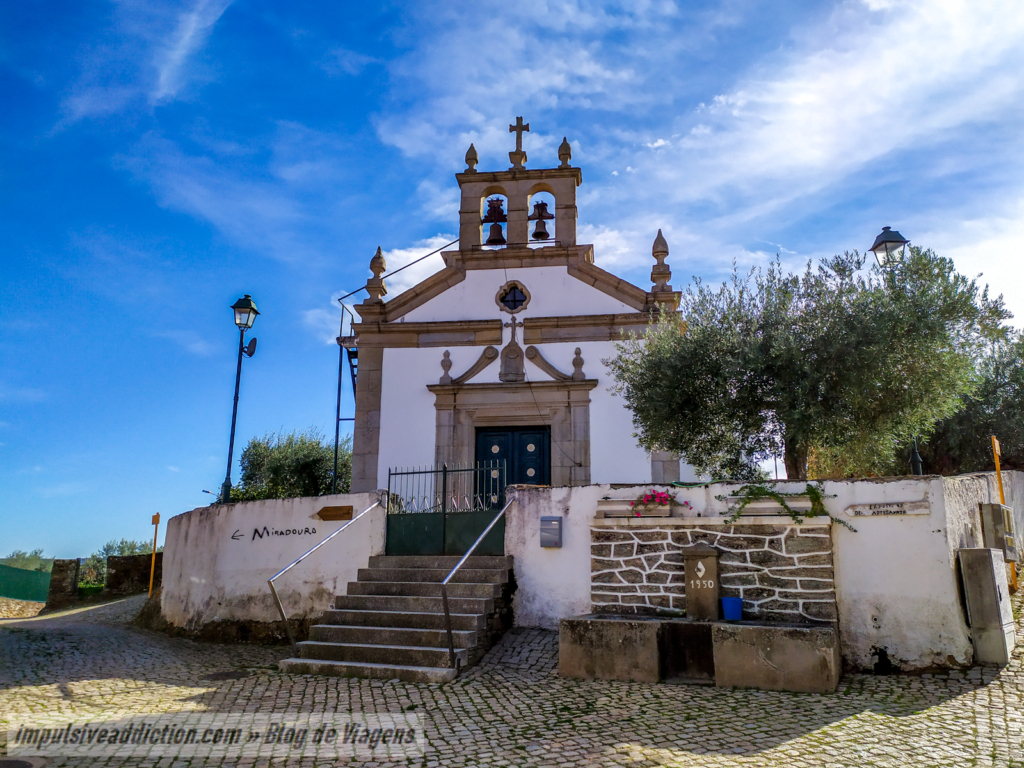
2. Viewpoint of the Chapel of Nossa Senhora do Campo
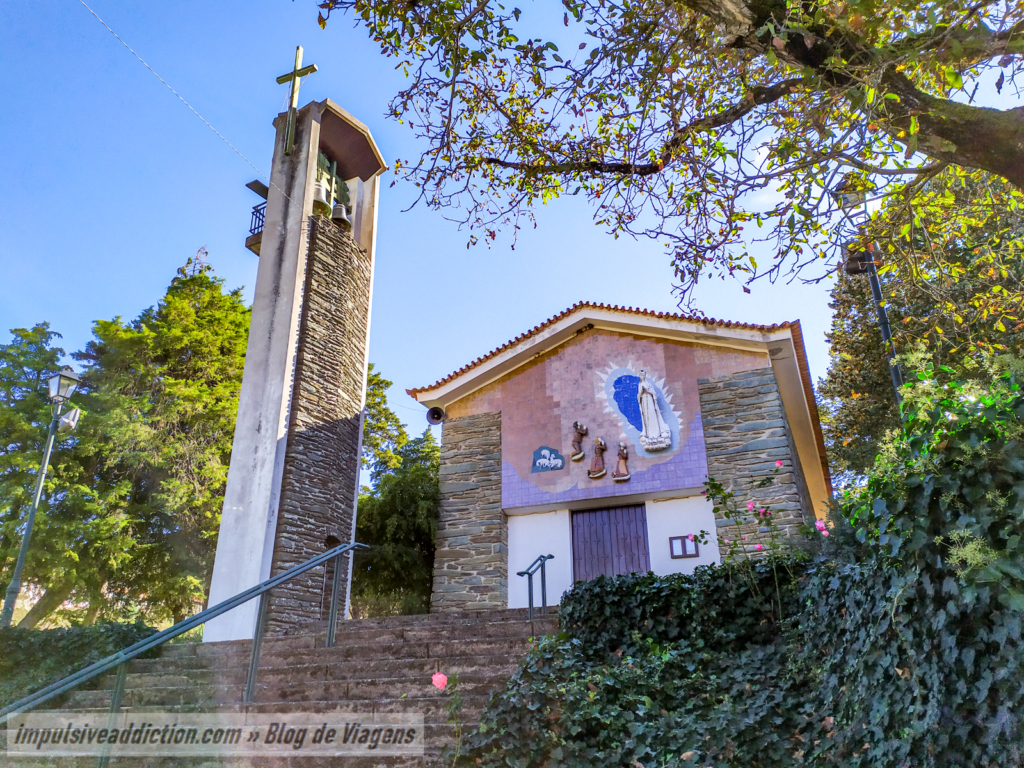
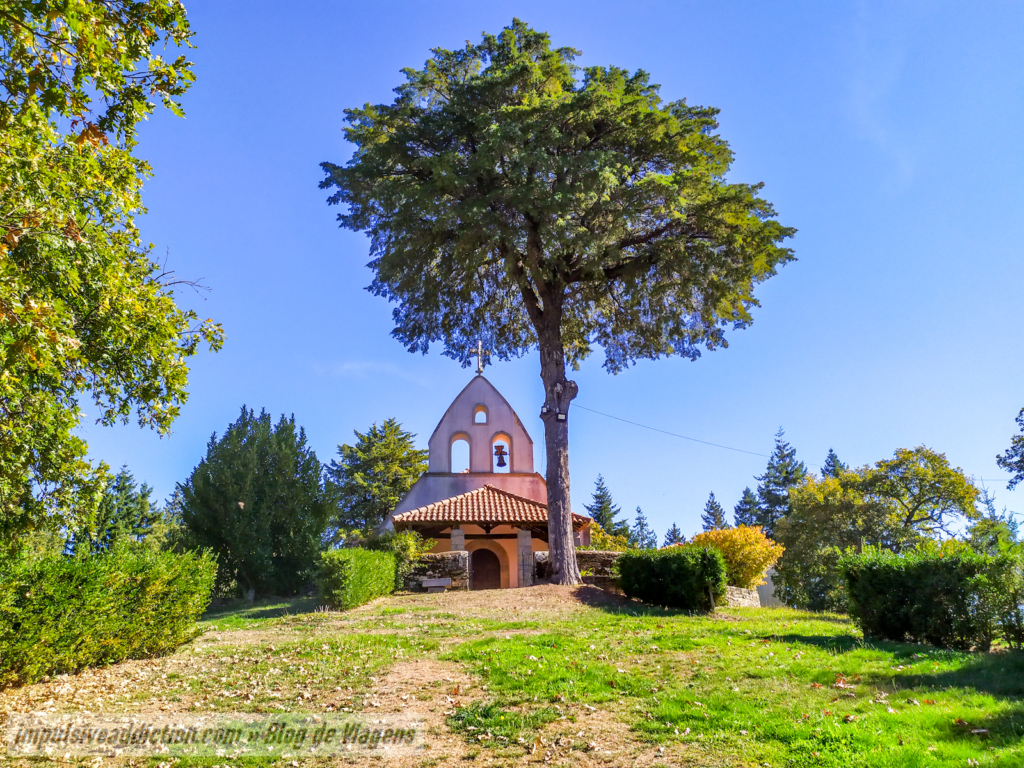
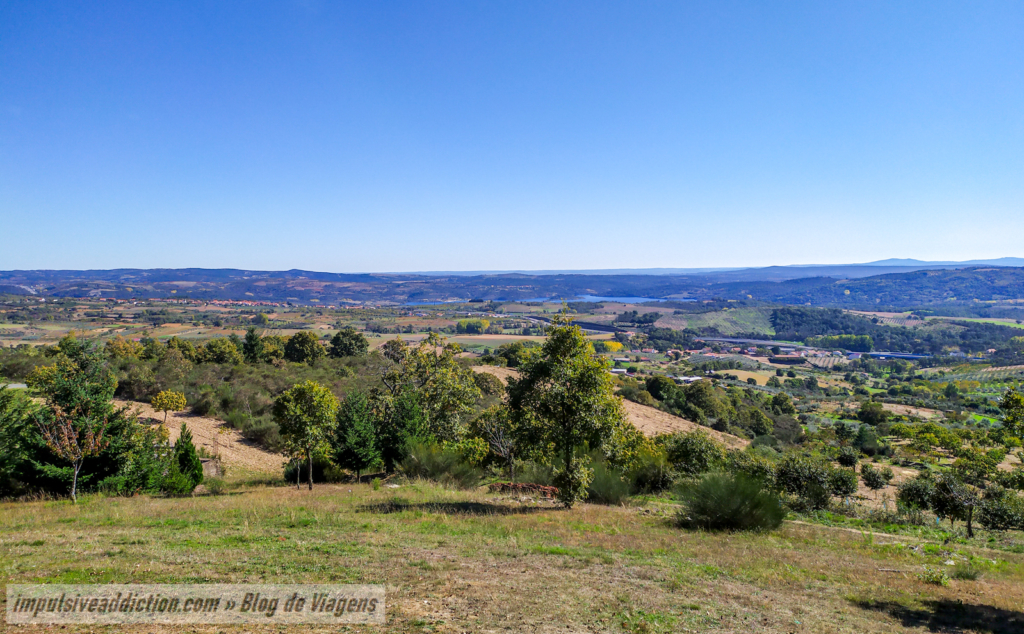
The Chapel of Nossa Senhora do Campo stands at an altitude of 825 meters, offering sweeping views of the Azibo Reservoir in the distance.
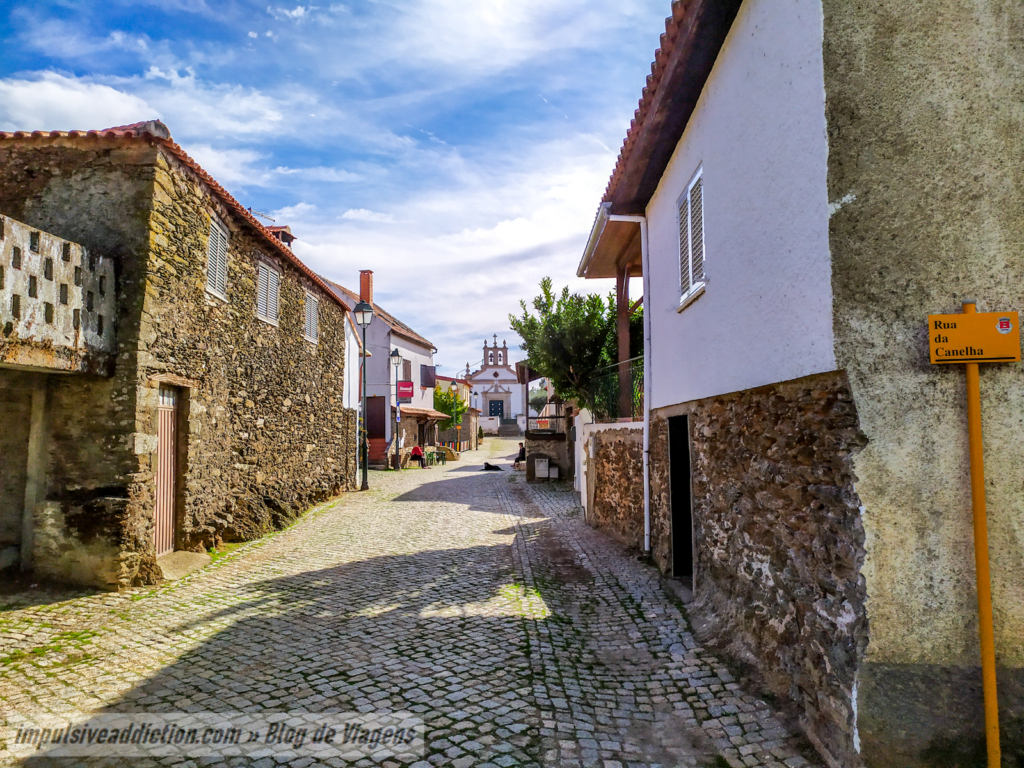
3. Podence: Street Art Murals & Careto Museum
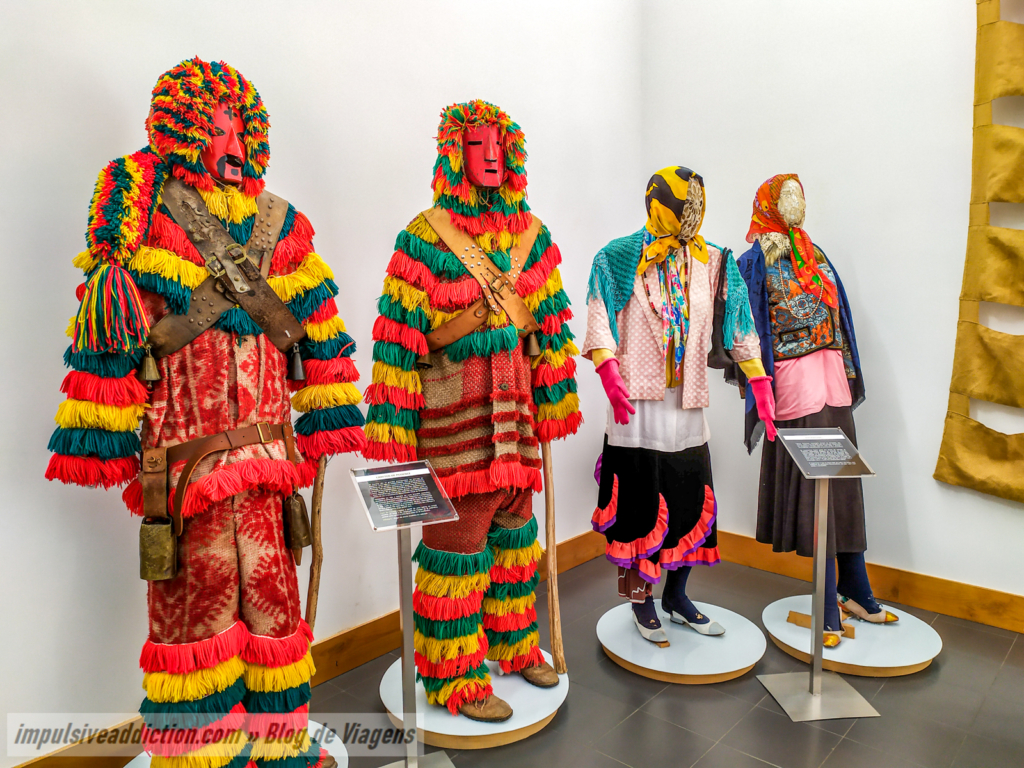
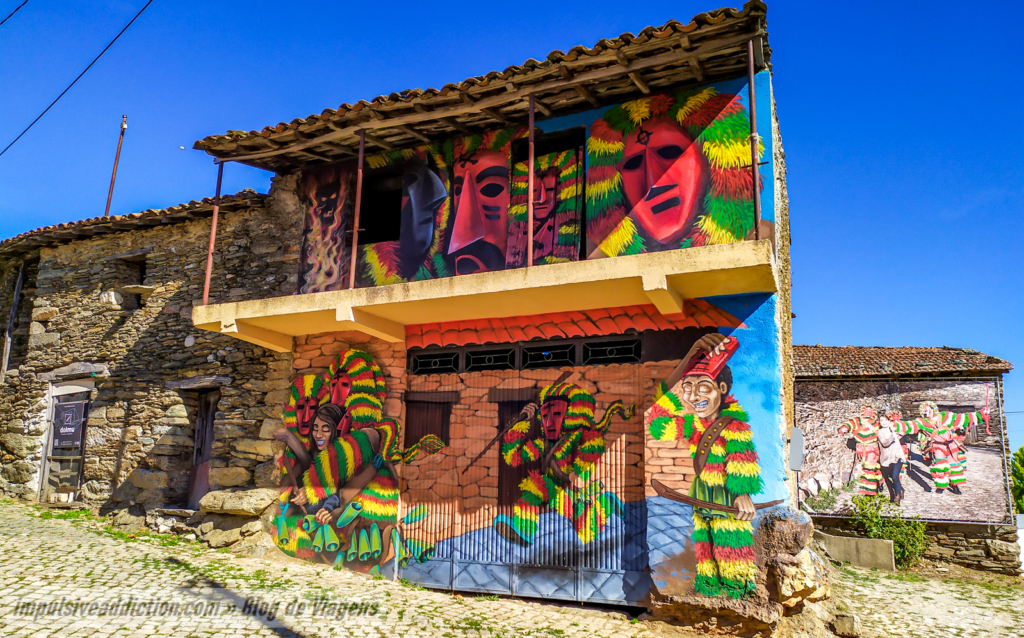
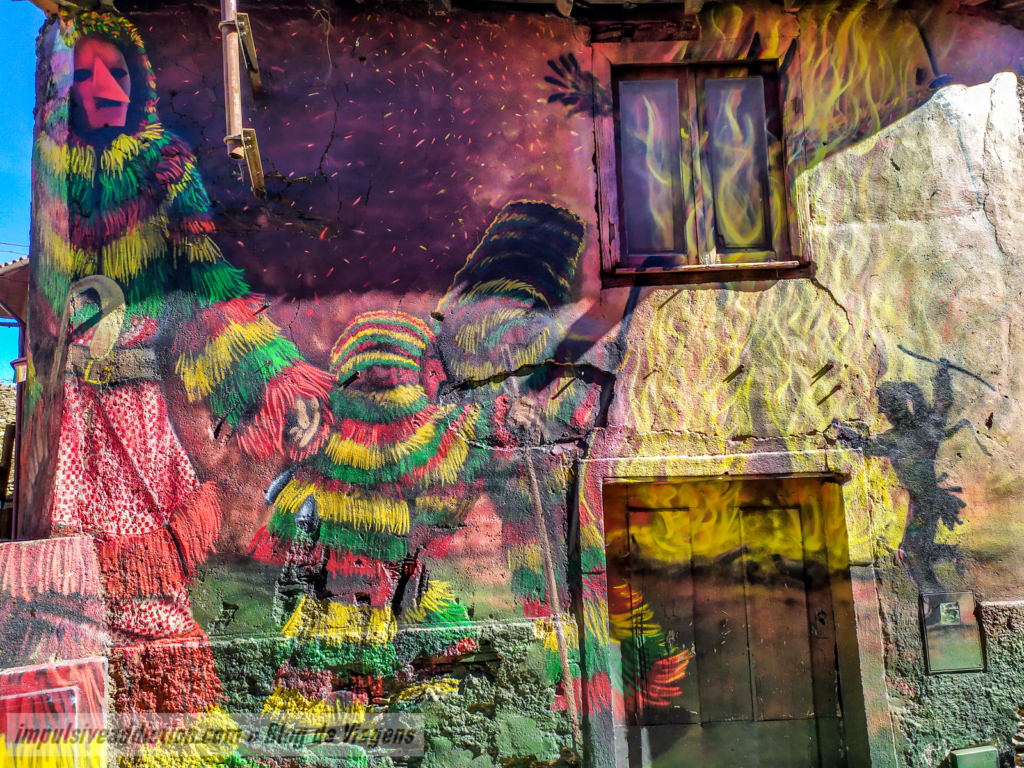
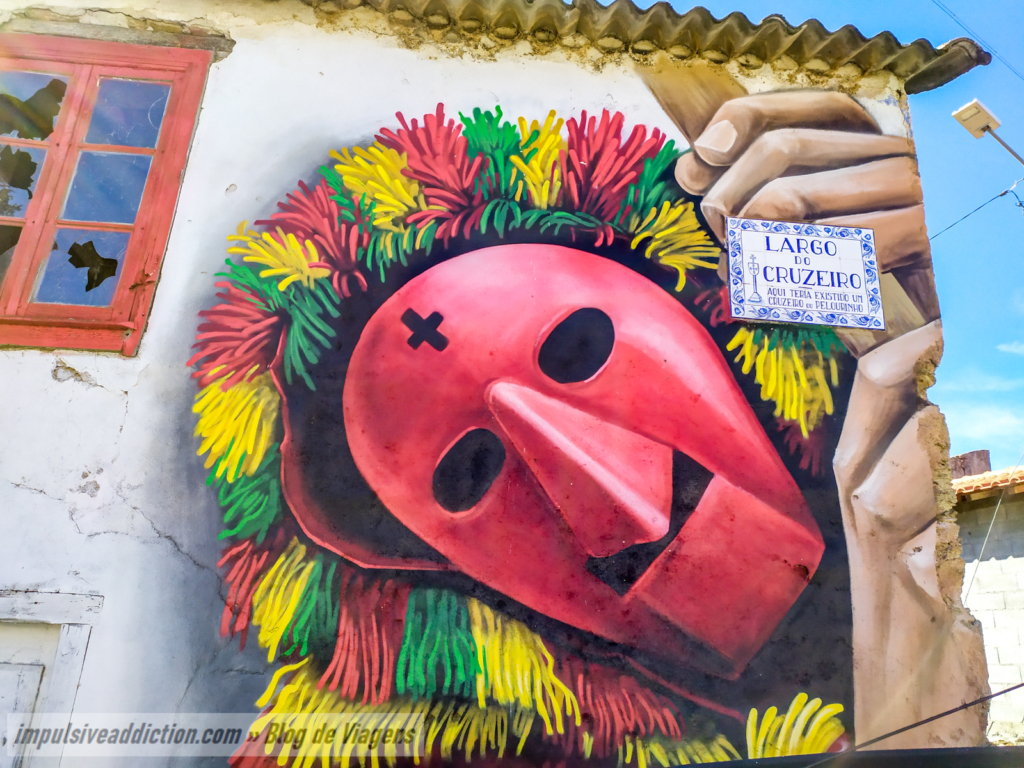
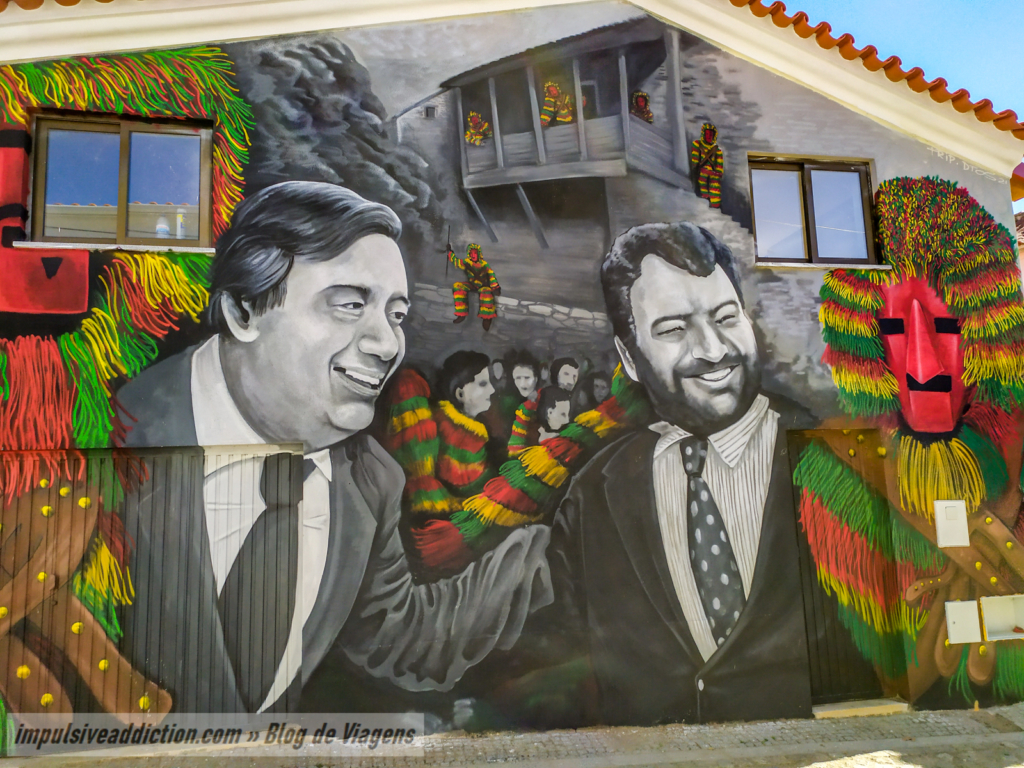
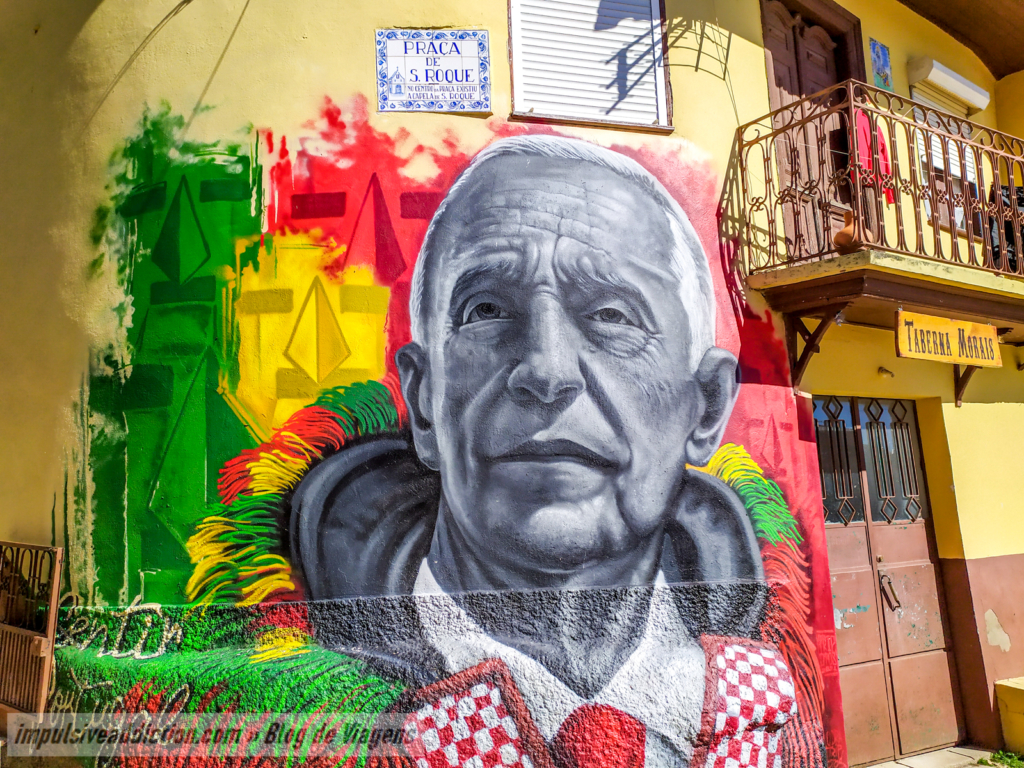
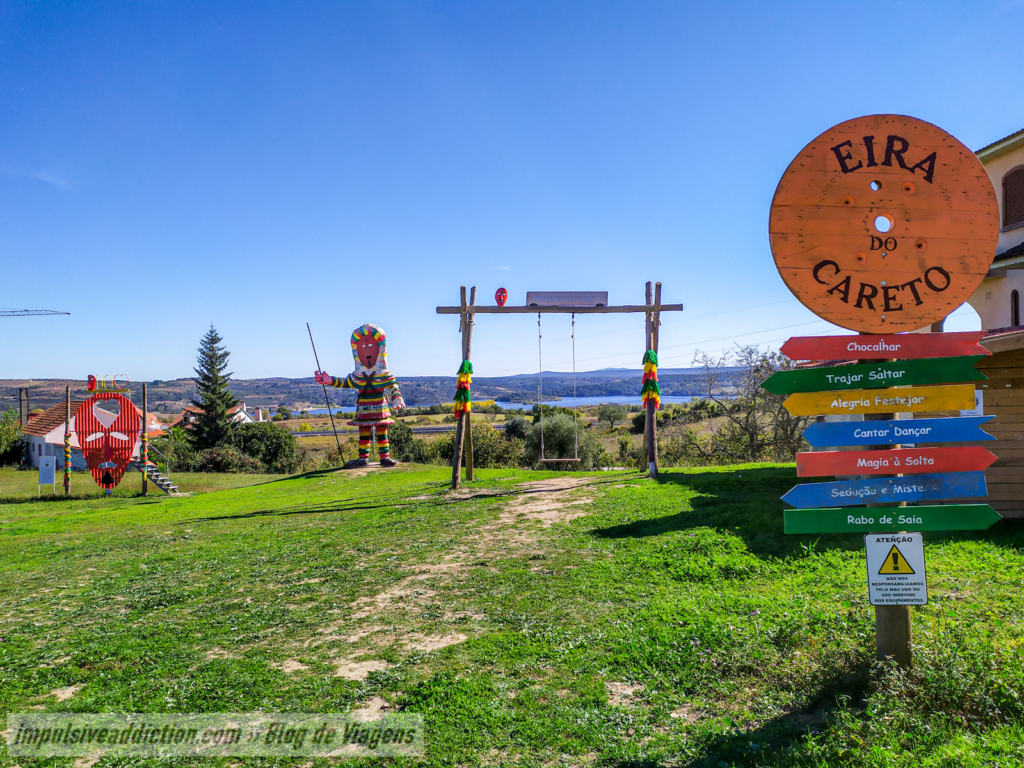
In Podence, what immediately stands out are the many extraordinary street art murals scattered throughout the village. Not even Cristiano Ronaldo or Marcelo Rebelo de Sousa escaped being caricatured alongside the mischievous Caretos.
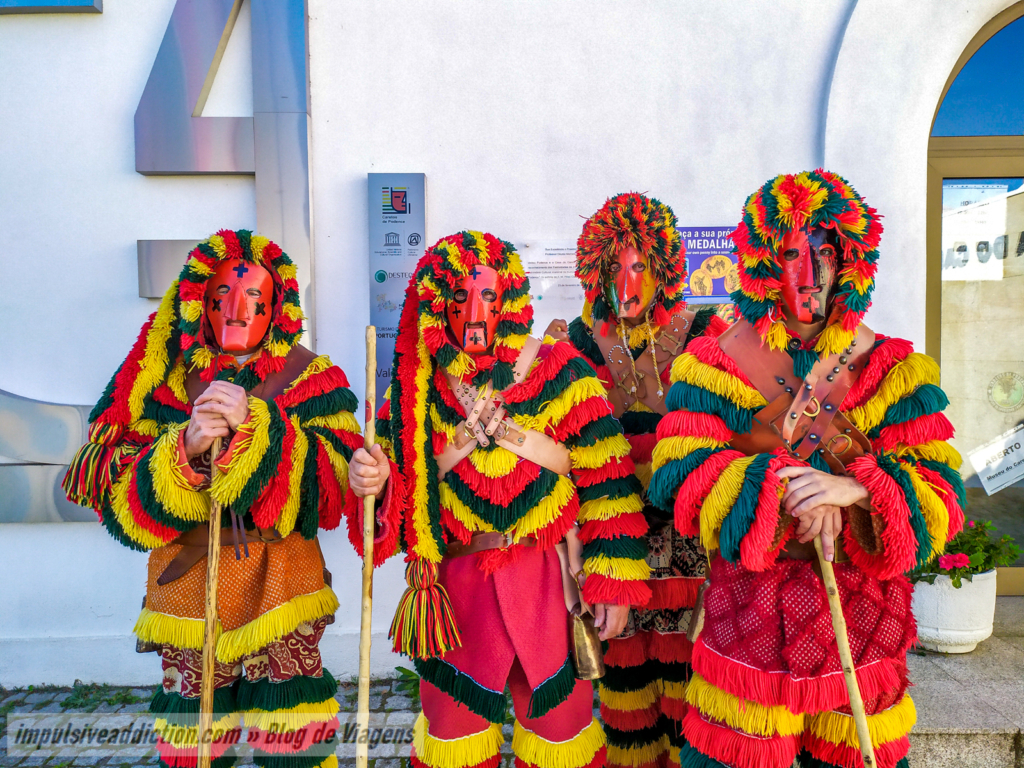
I must admit, I was lucky when I visited. Although I’ve never been to Carnival in Podence, I happened to see the Caretos up close—jumping around, rattling their cowbells, and playfully teasing people. Since the Caretos Museum was being visited by a group at the time, the Caretos were outside entertaining visitors, and I got the chance to meet them. 😉
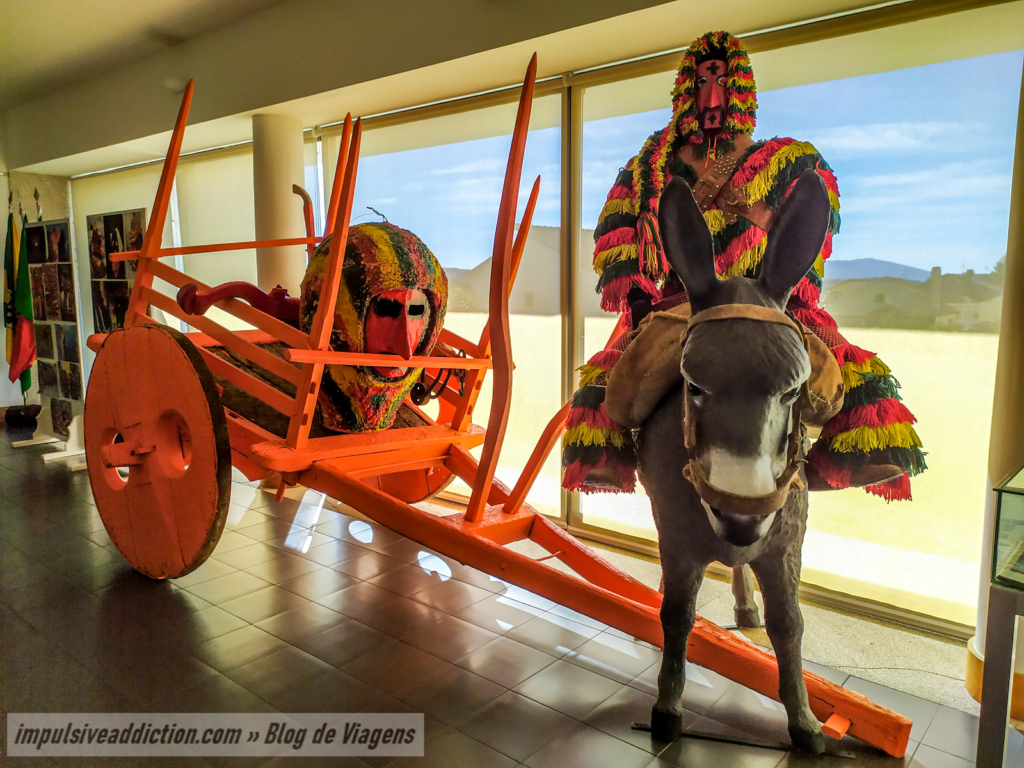
It’s quite rare to see the Caretos outside of Carnival, but at the museum you’ll find examples of the costumes, plenty of photographs, and even a video of past celebrations.
4. Ribeira River Beach & Fraga da Pegada River Beach
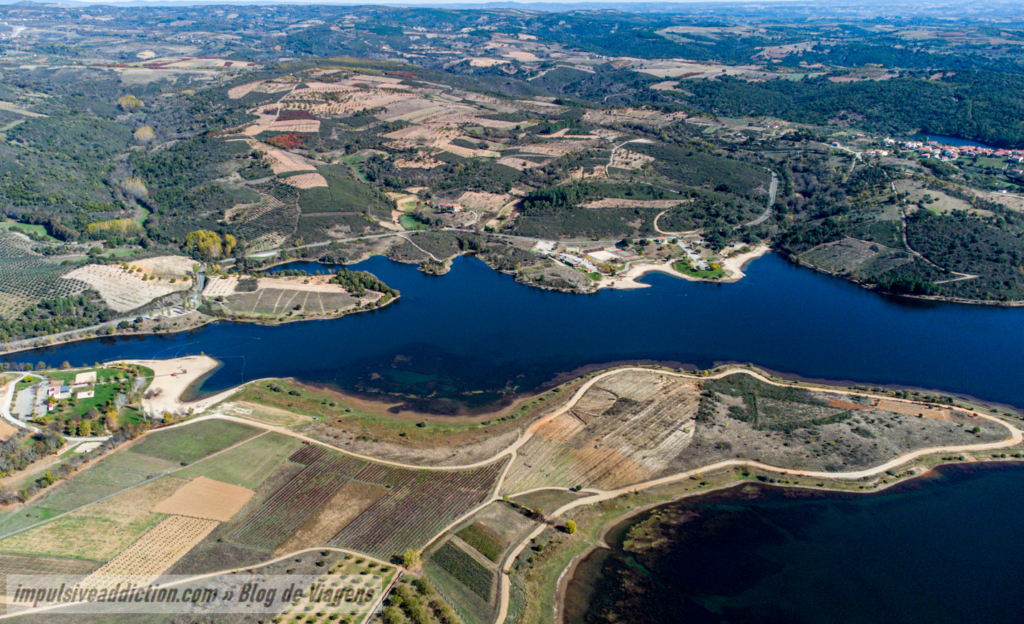
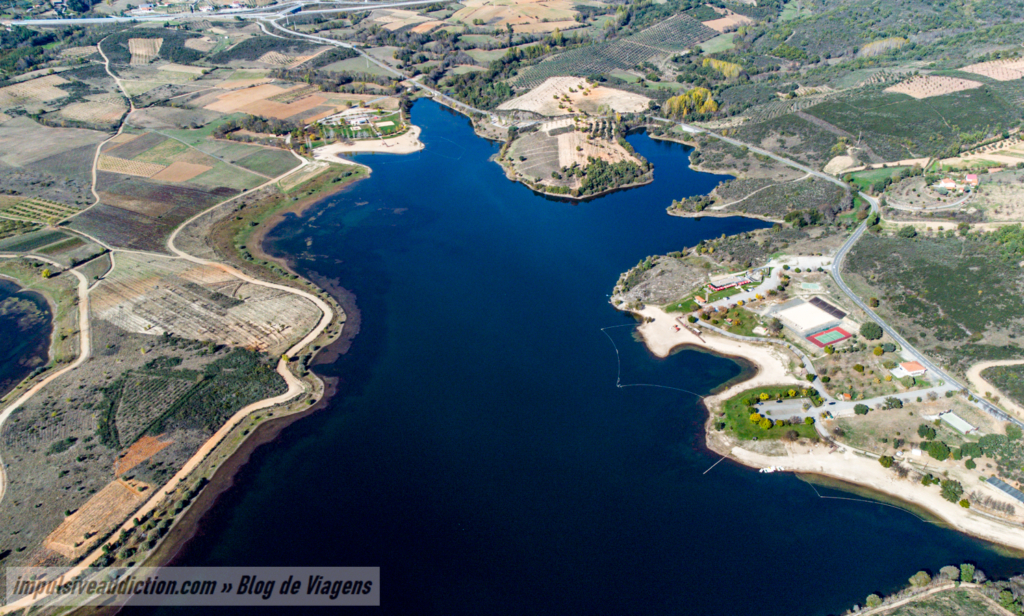
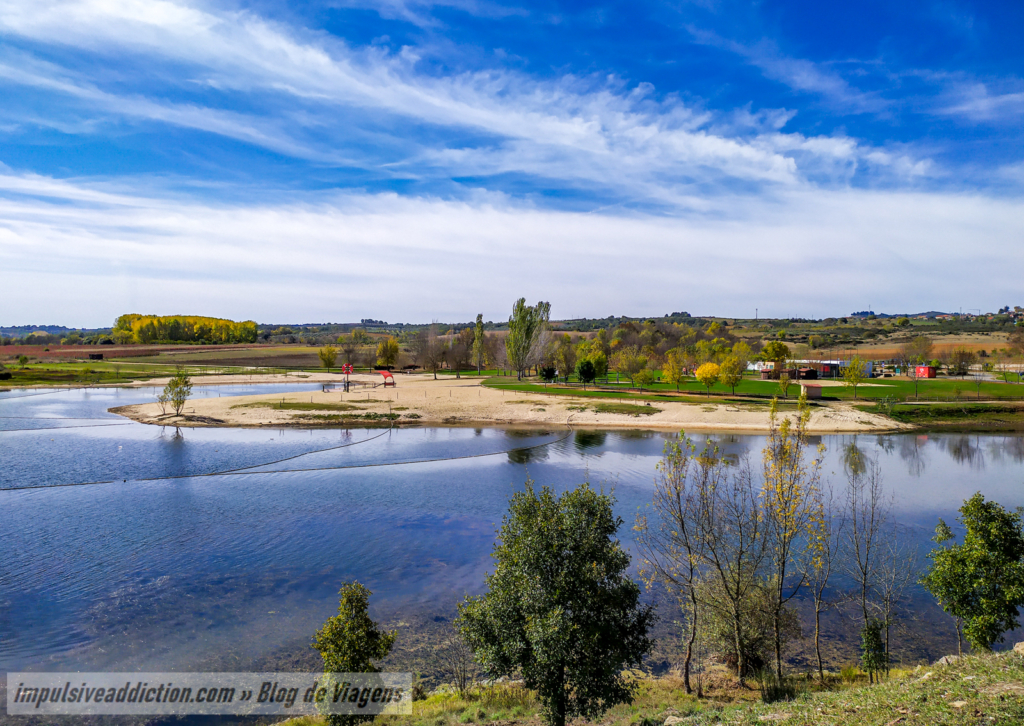
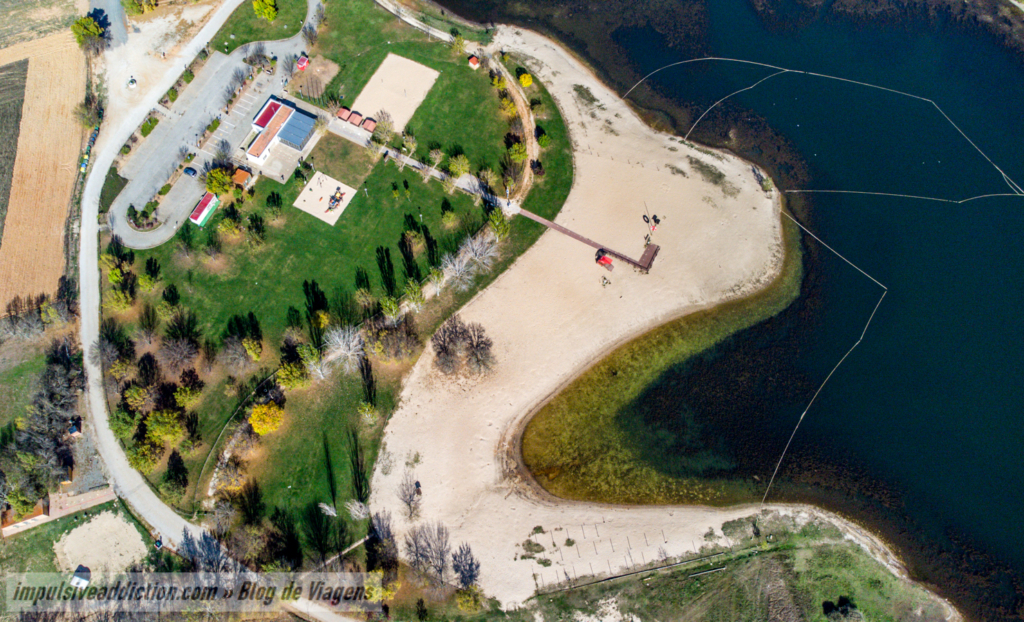
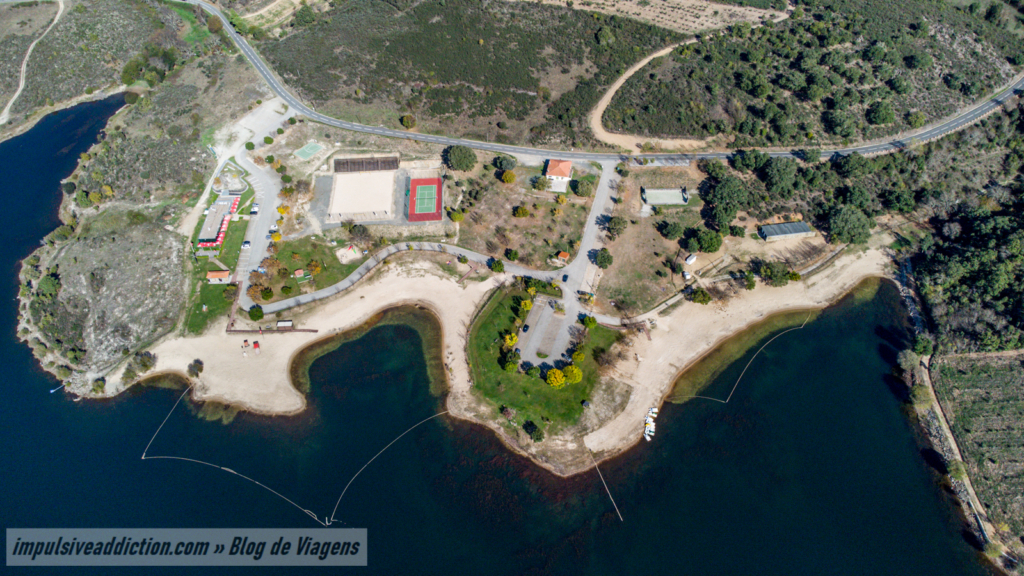
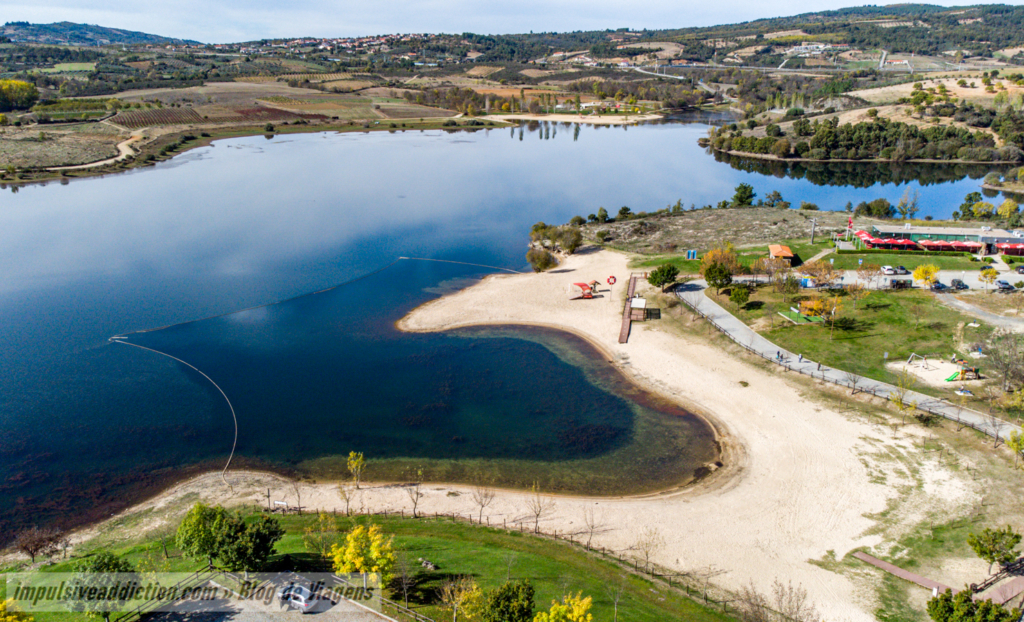
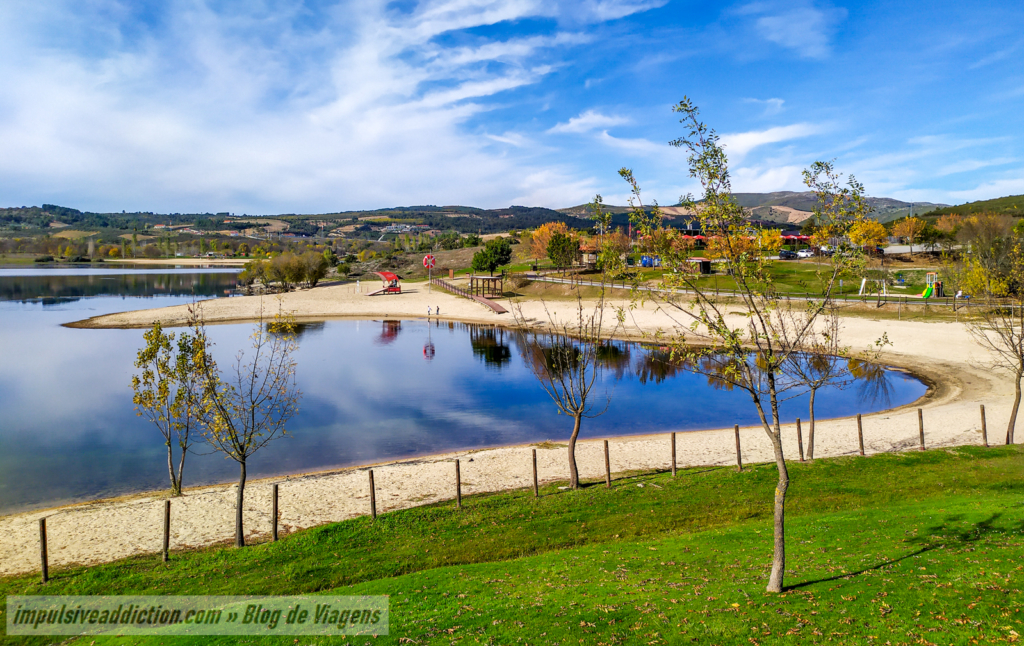
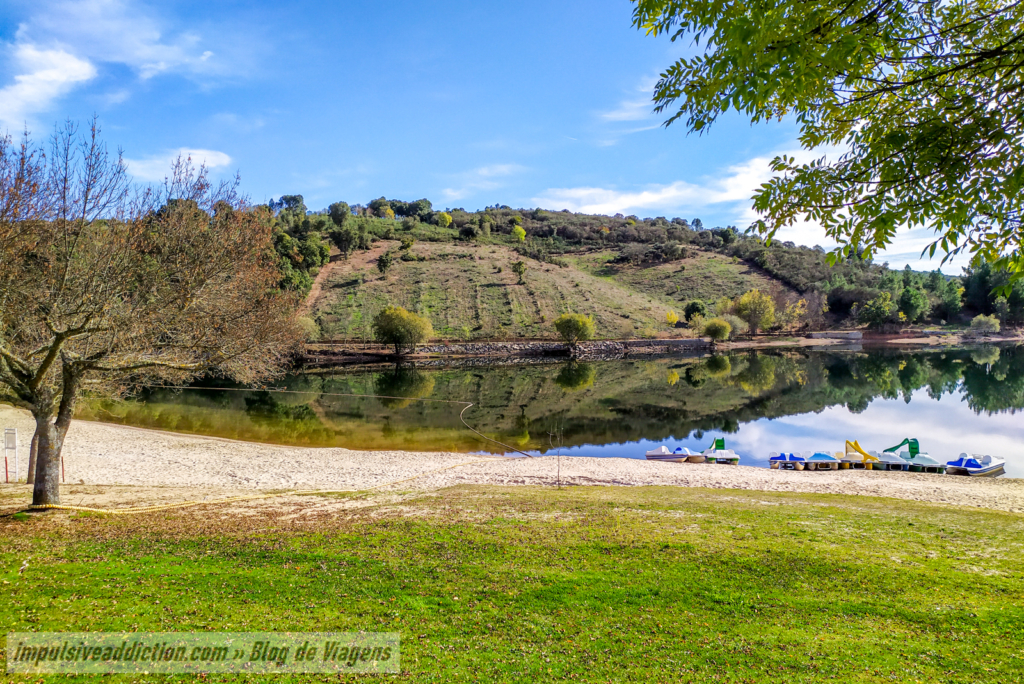
Ribeira River Beach is the main beach of the Azibo Reservoir and was even voted one of the official 7 Wonders of Portugal in 2012. It features a large grassy area as well as a sandy shoreline by the water. The beach proudly holds a Blue Flag and is also recognized as accessible for visitors with reduced mobility. Its length stretches for about 260 meters.
Fraga da Pegada River Beach is no less impressive—though only one could officially earn the “wonder” title, right? In fact, this beach is even larger, with a 480-meter stretch.
At the Azibo Reservoir, you can rent pedal boats, canoes, or stand-up paddleboards right next to these beaches. You can also book excursions through Civitatis [click here to check availability 😉].
5. Santa Combinha & Biodiversity Station
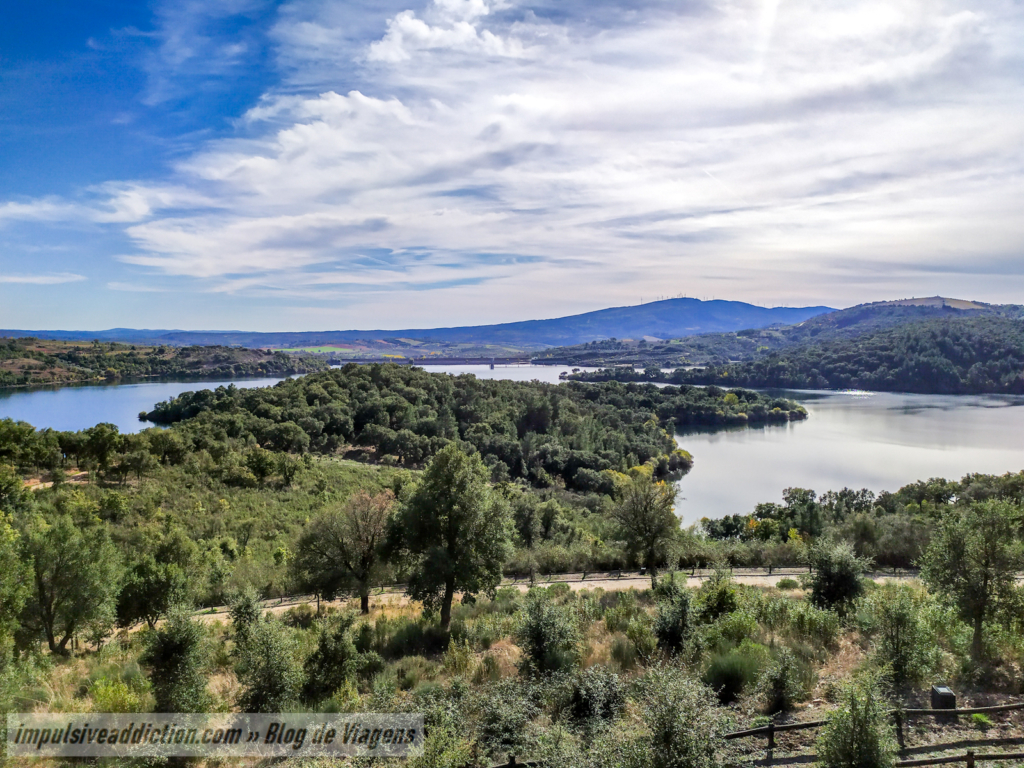
The village of Santa Combinha lies at the heart of the Azibo Reservoir Protected Area. Today, it’s clearly a summer hotspot, located not far from the beaches mentioned above. Near Santa Combinha—specifically by the Biodiversity Station—you’ll find a viewpoint overlooking the reservoir that you simply can’t miss.
It’s also here that a short and easy hiking trail begins, which I’ll describe later in this guide.
6. Azibo Dam
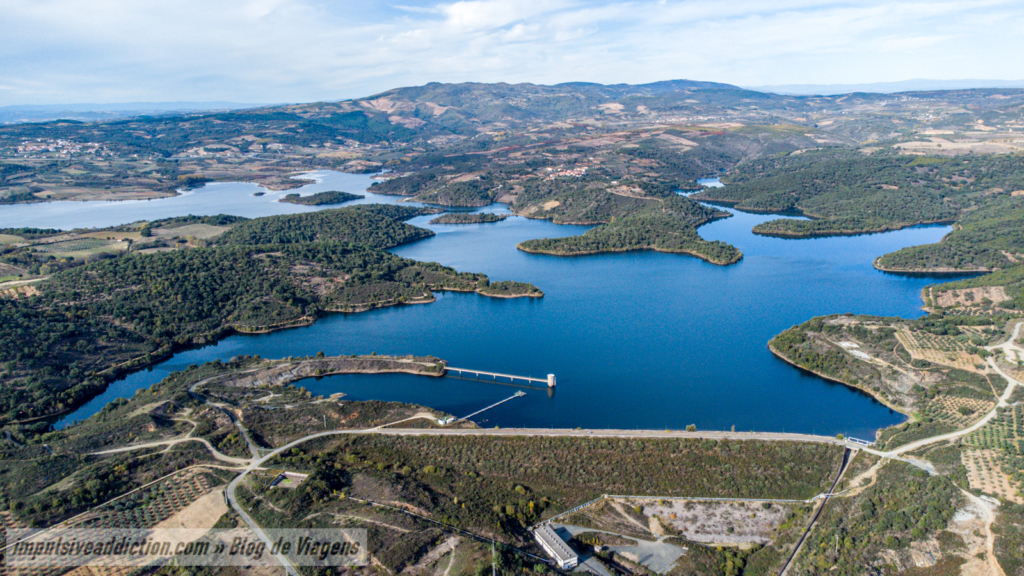
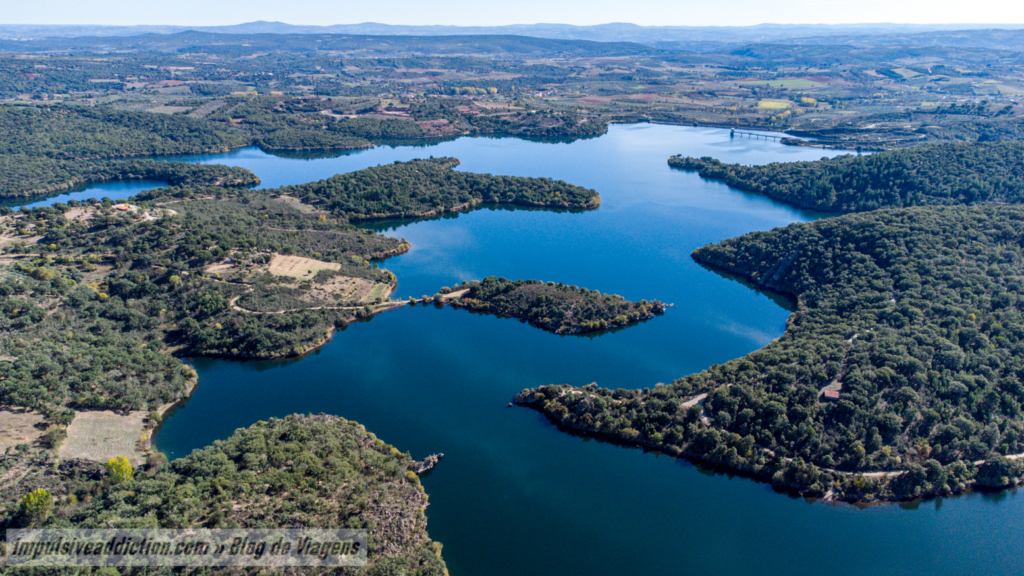
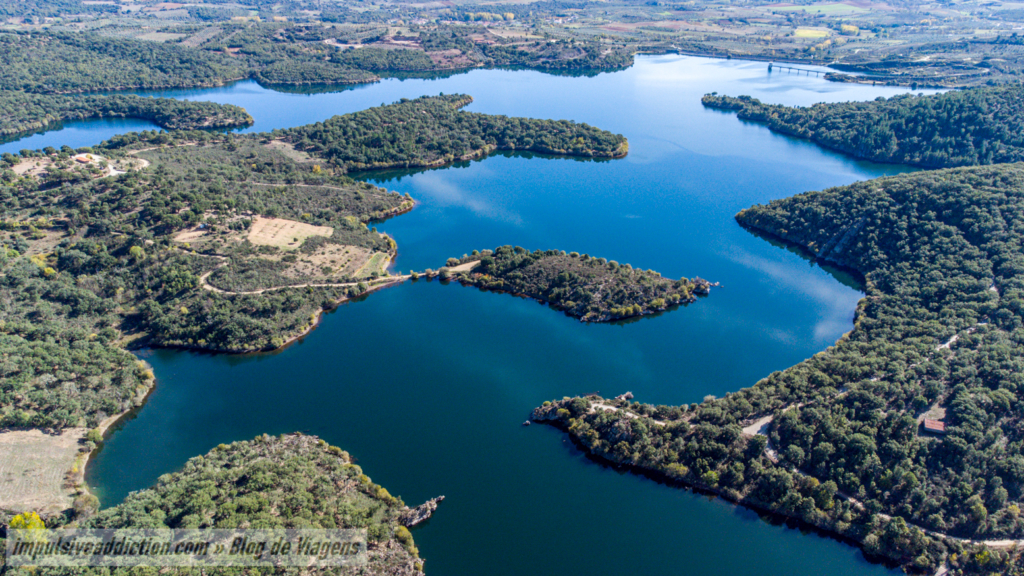
On the opposite side of the Azibo Reservoir lies the Azibo Dam, the structure that gave rise to it. While it may not have the grandeur of Portugal’s largest dams, it’s still worth a stop to admire the surrounding landscape. The dam was inaugurated in 1982.
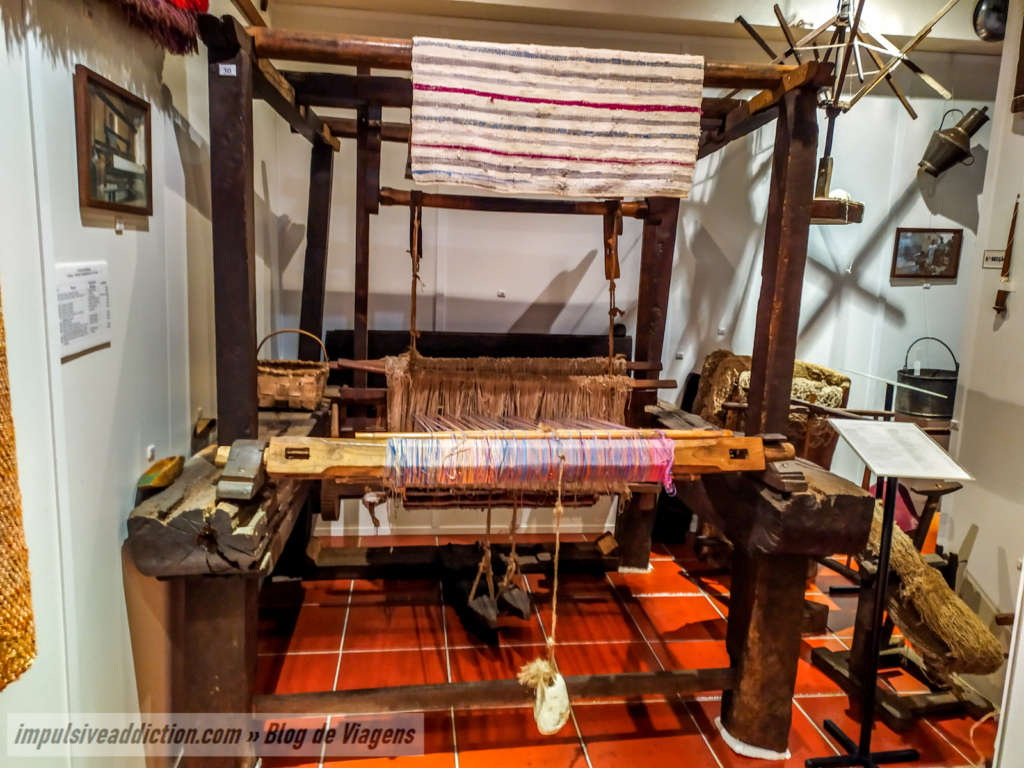
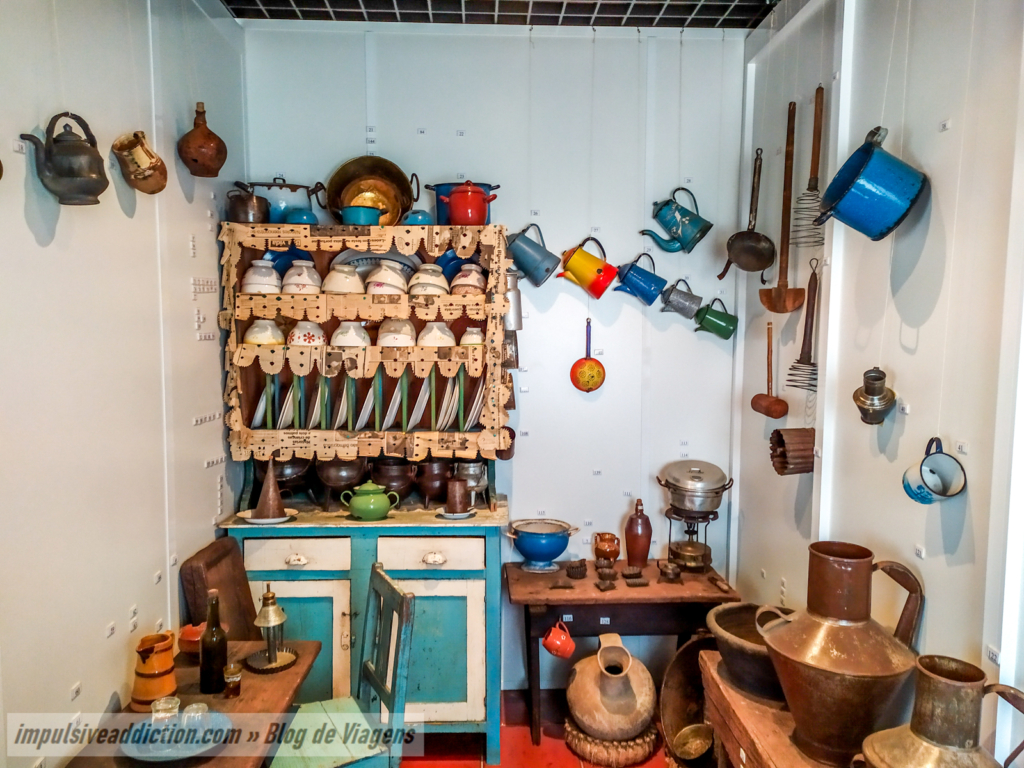
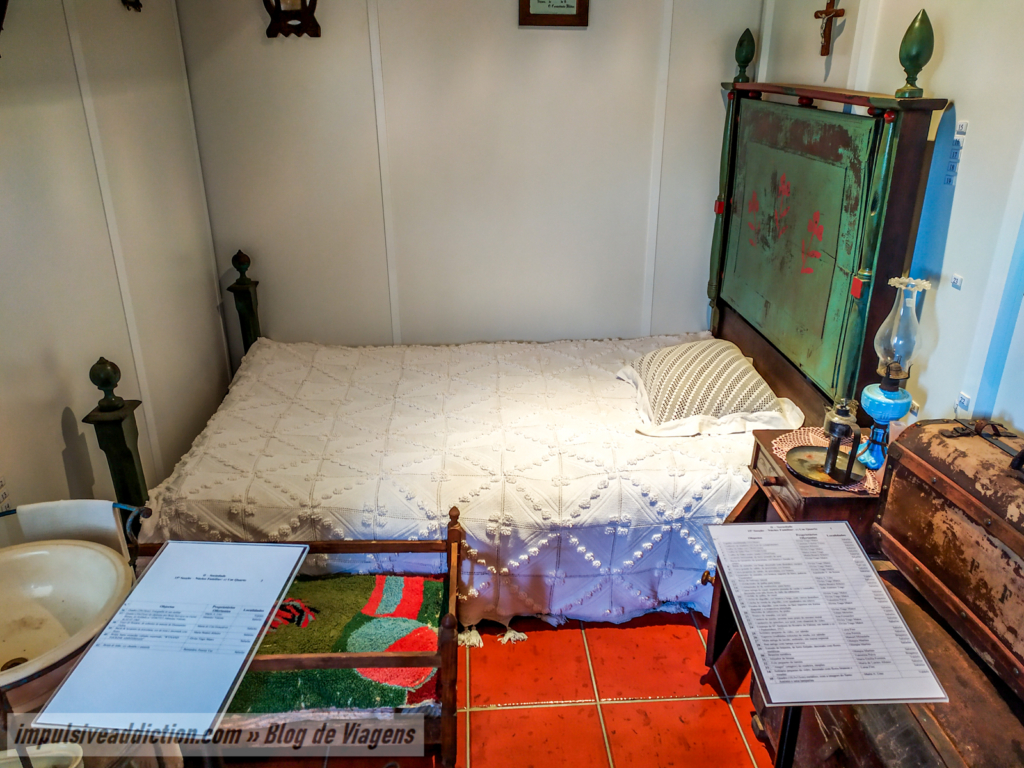
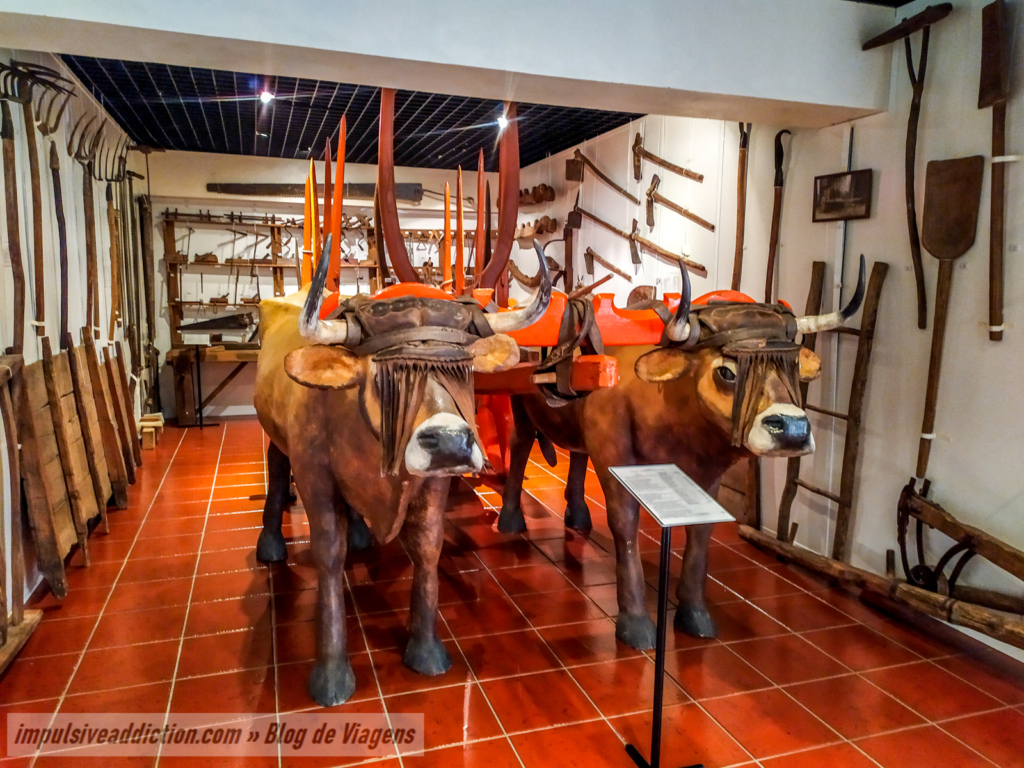
7. Salselas Rural Museum
From the dam, the itinerary leaves the Azibo Reservoir area and follows the river and its surroundings southwards, all the way to its mouth at the Sabor River. The first stop south of the reservoir is Salselas, where you can visit the Rural Museum.
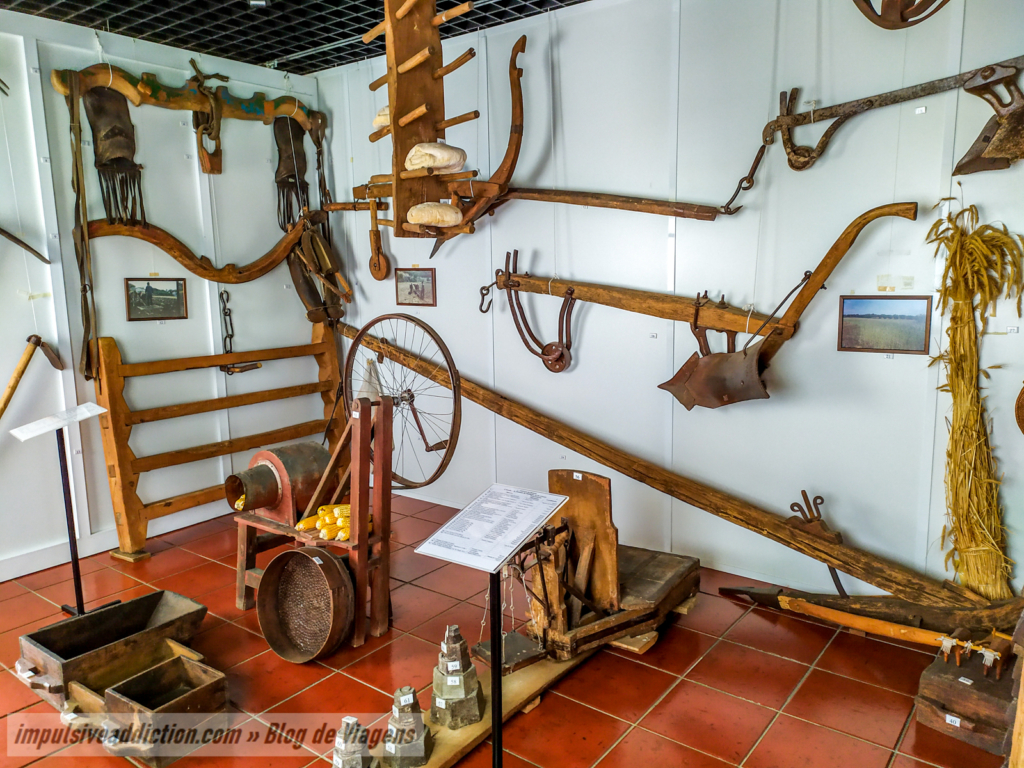
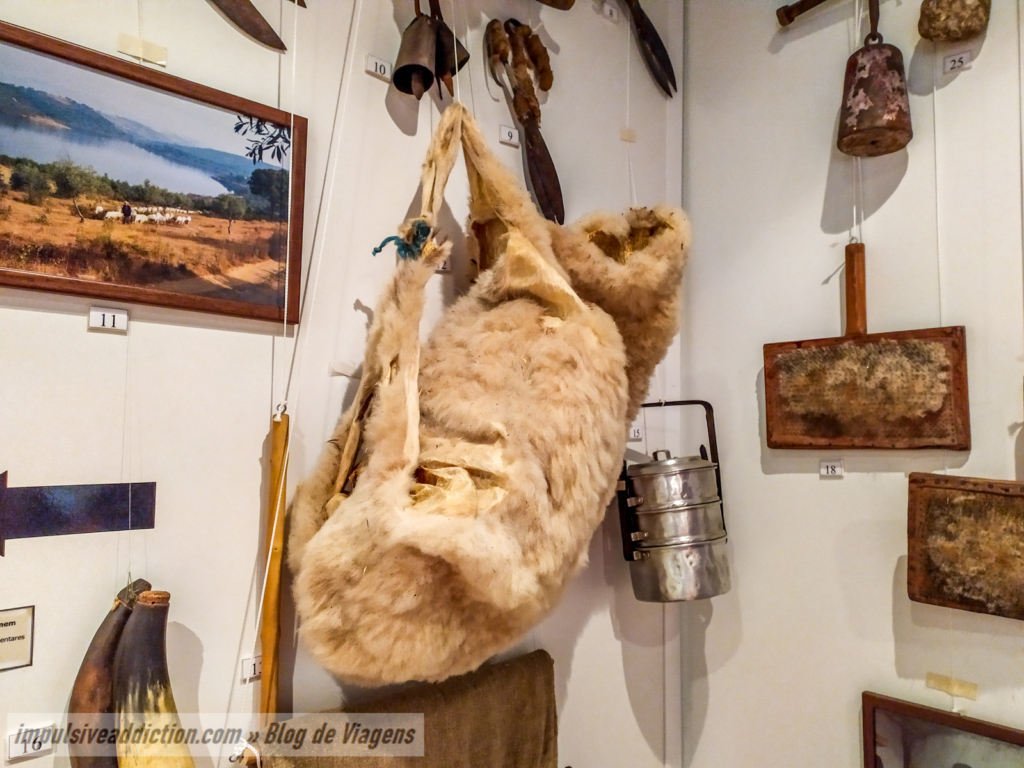
The Salselas Rural Museum truly surprised me with how complete it is. Contrary to what I first thought, it has nothing to do with the famous Pauliteiros de Salselas (traditional stick dancers). Instead, it houses a vast collection of rural artifacts, carefully displayed across several small rooms. The visit is guided, making the experience even more enriching.
8. Former Azibo Railway Station (Vale da Porca)
The former Azibo Railway Station, located by the riverbanks, is another fascinating stop. I’m sure you’ll enjoy exploring this decommissioned site and taking photos along the old railway line—without any of the usual worries.
9. Balsamão Convent
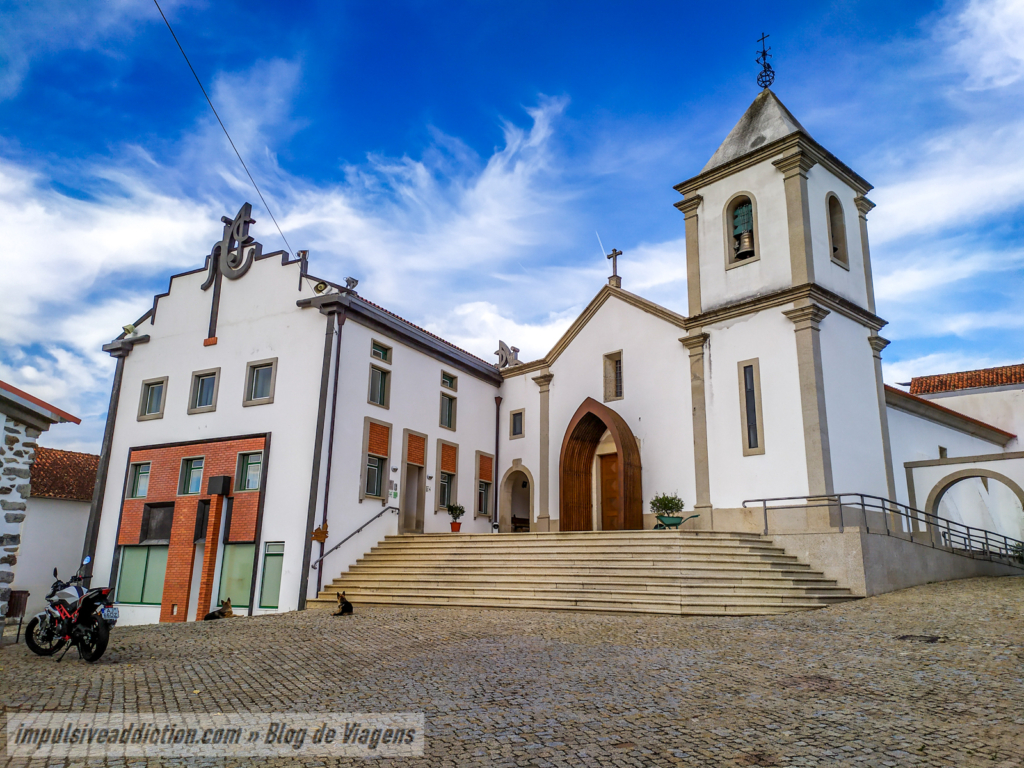
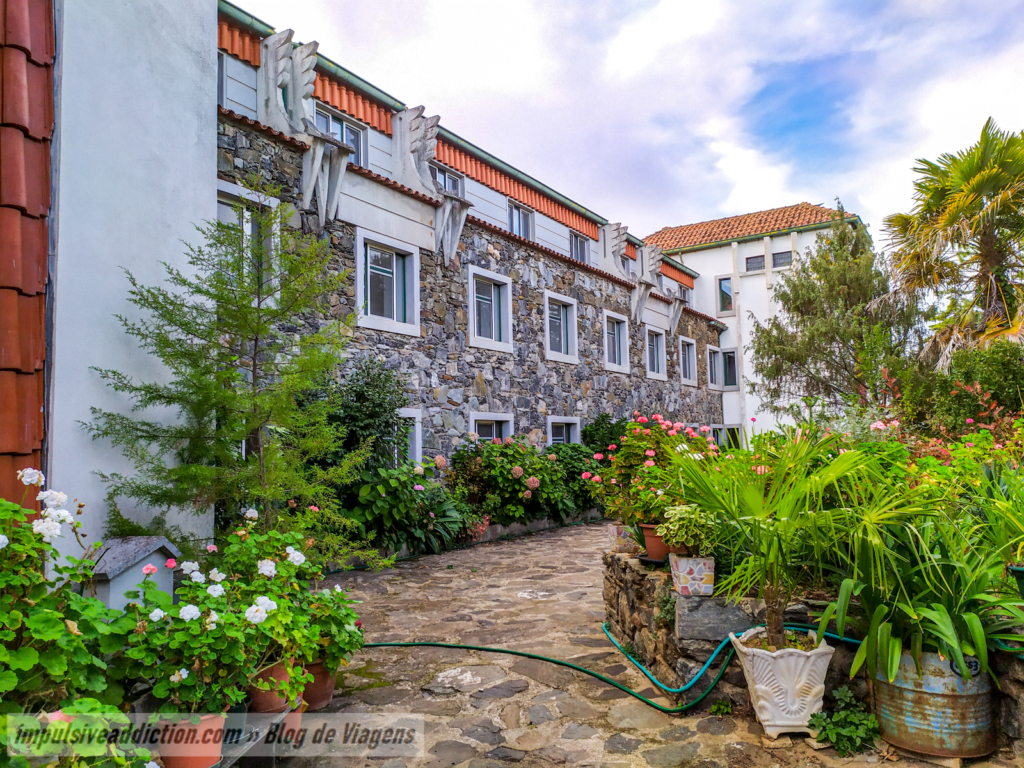
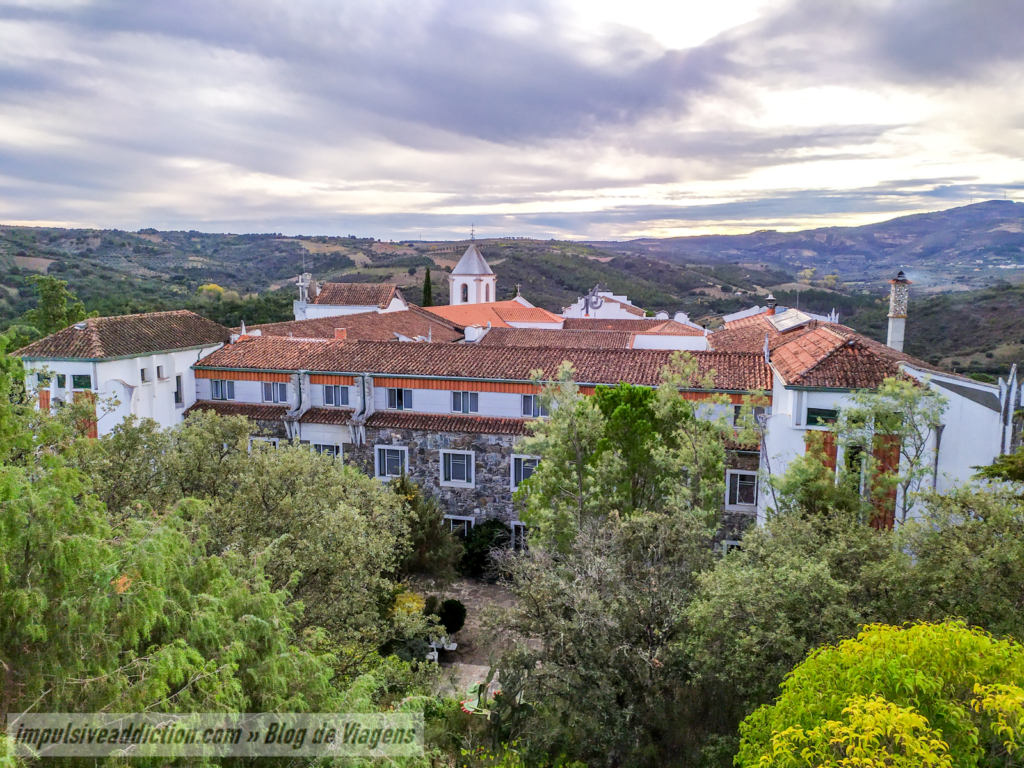
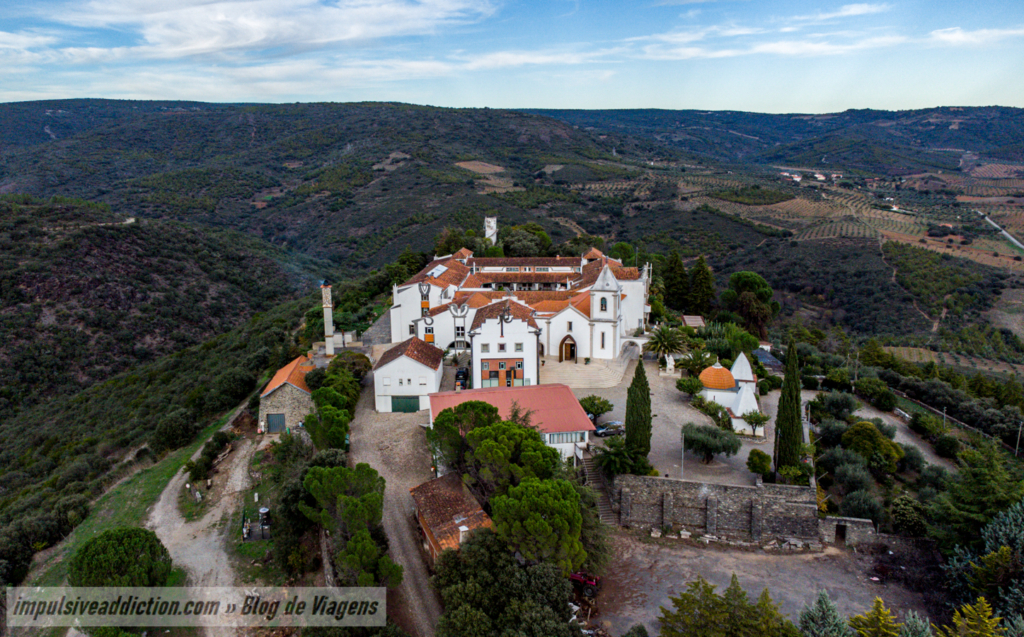
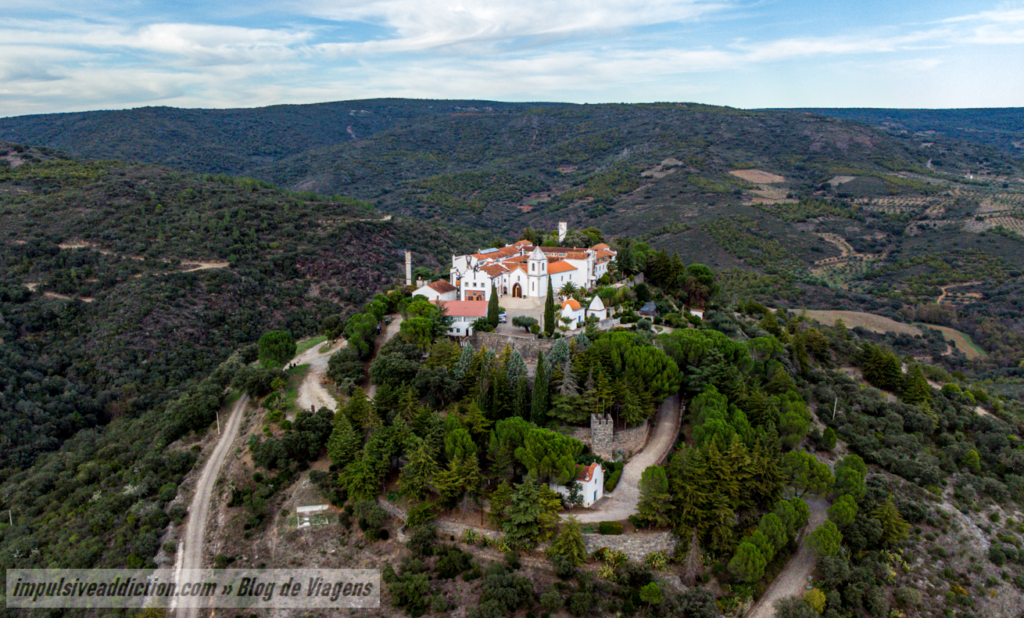
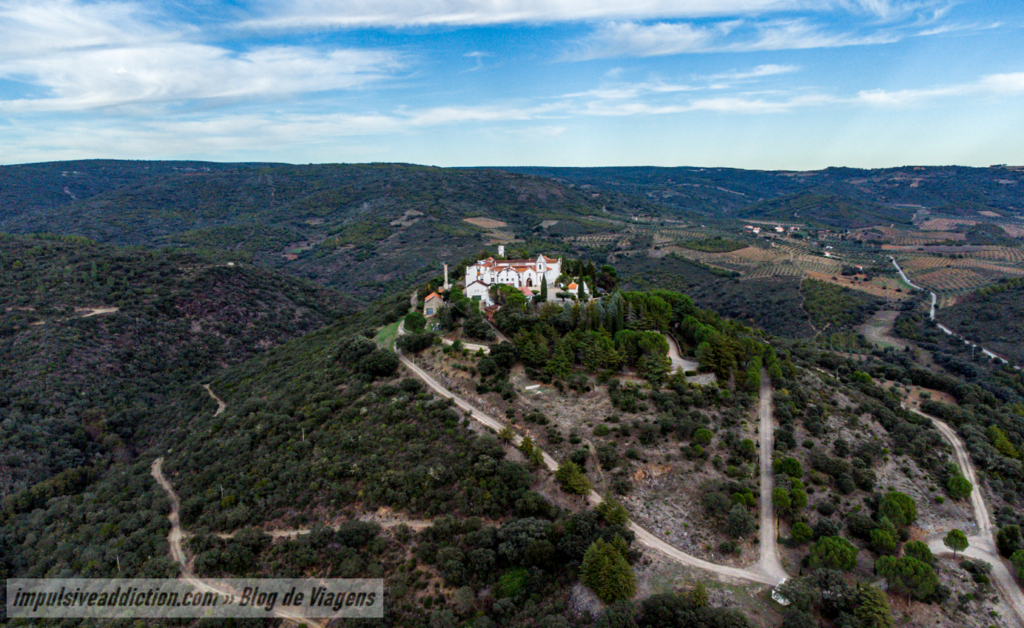
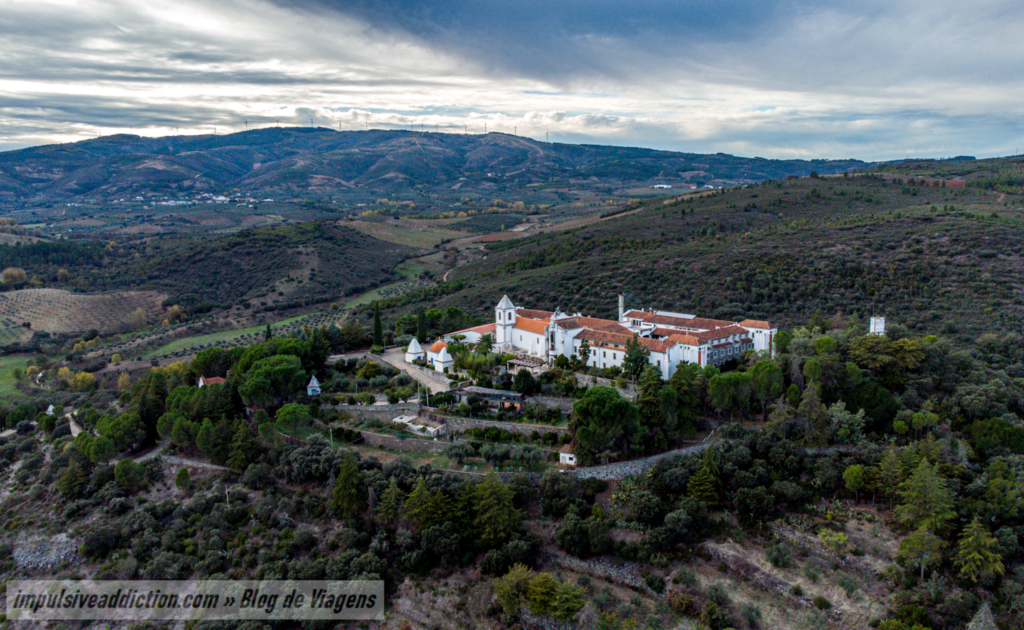
Perched on top of a hill around which the Azibo River flows, the Balsamão Convent is today also a retreat and rest house. There’s a genuine sense of peace when you’re up there, slightly removed from everything else. The castle walls surrounding the convent also add to the site’s charm and historical atmosphere.
10. Poço dos Paus & Paradinha Bridge
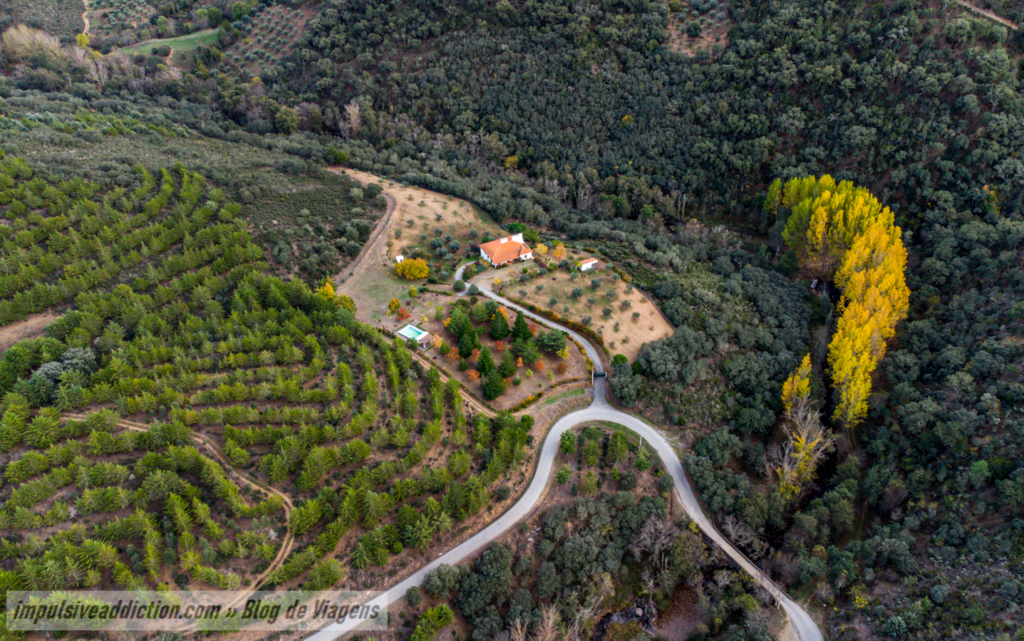
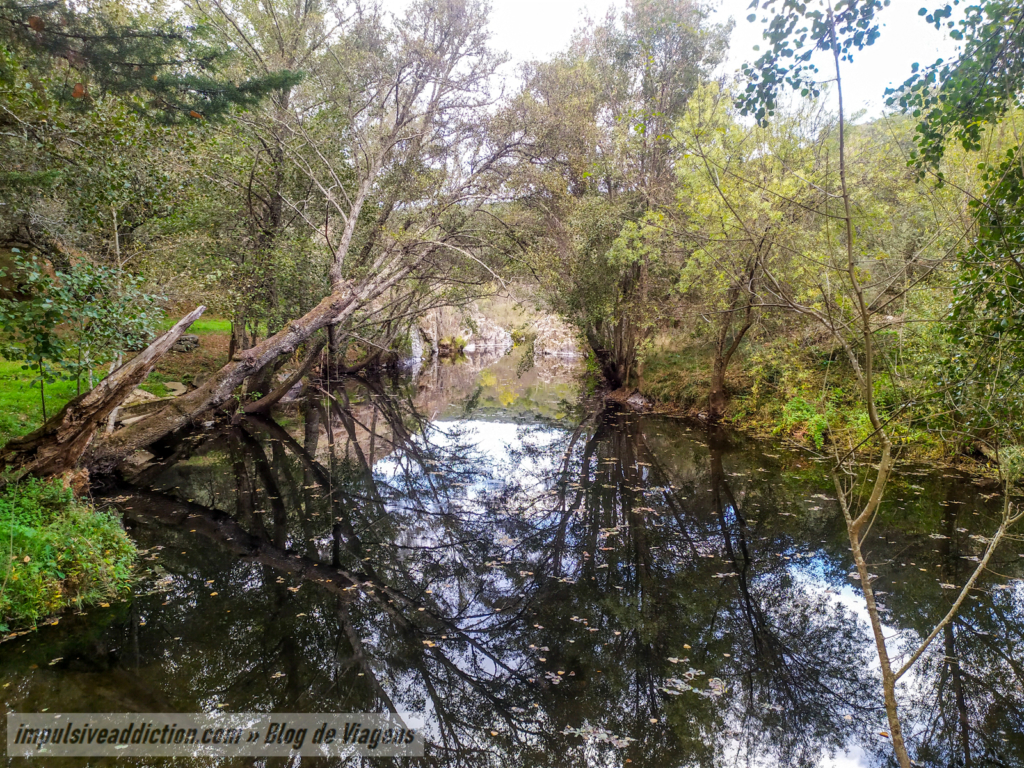
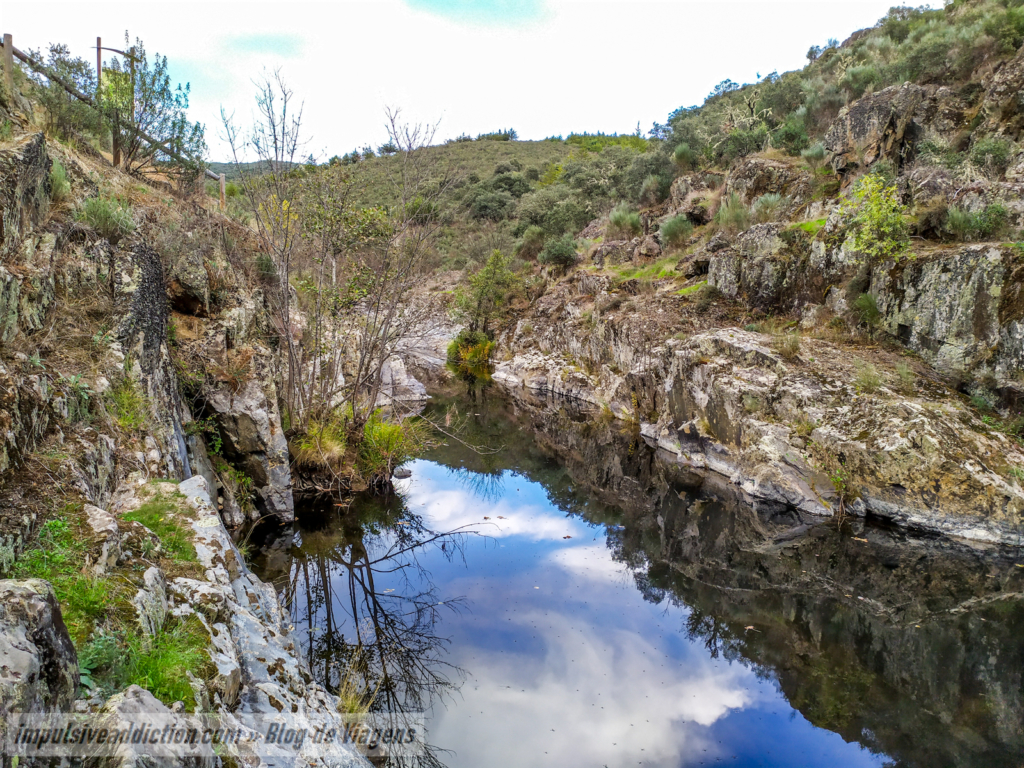
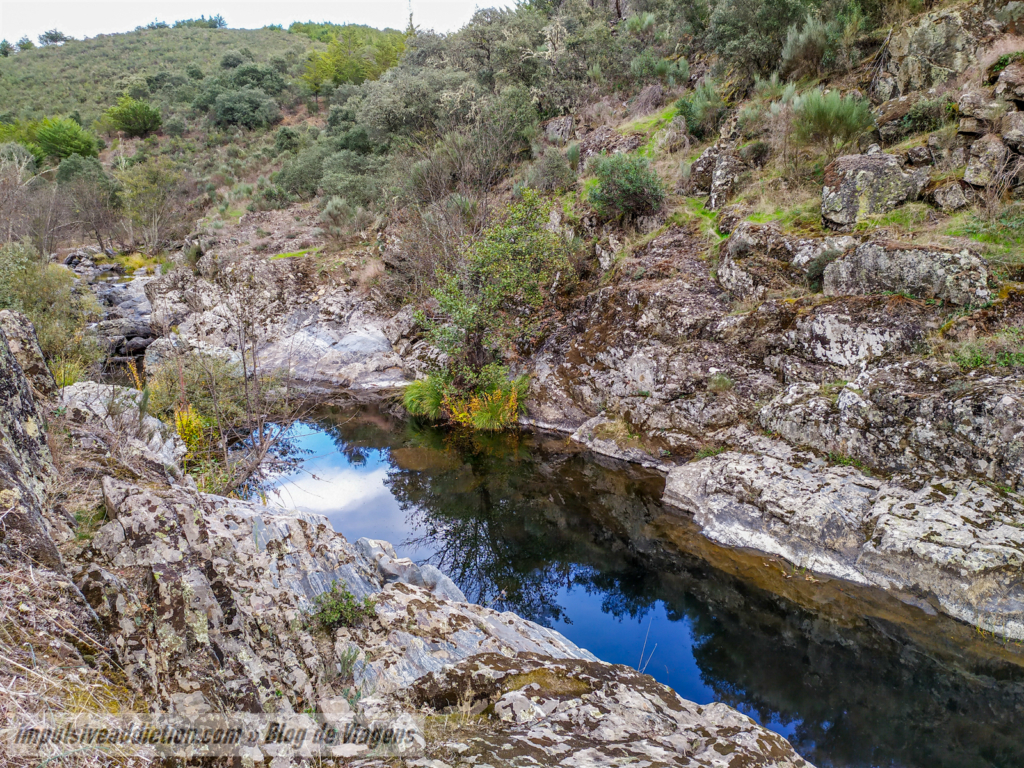
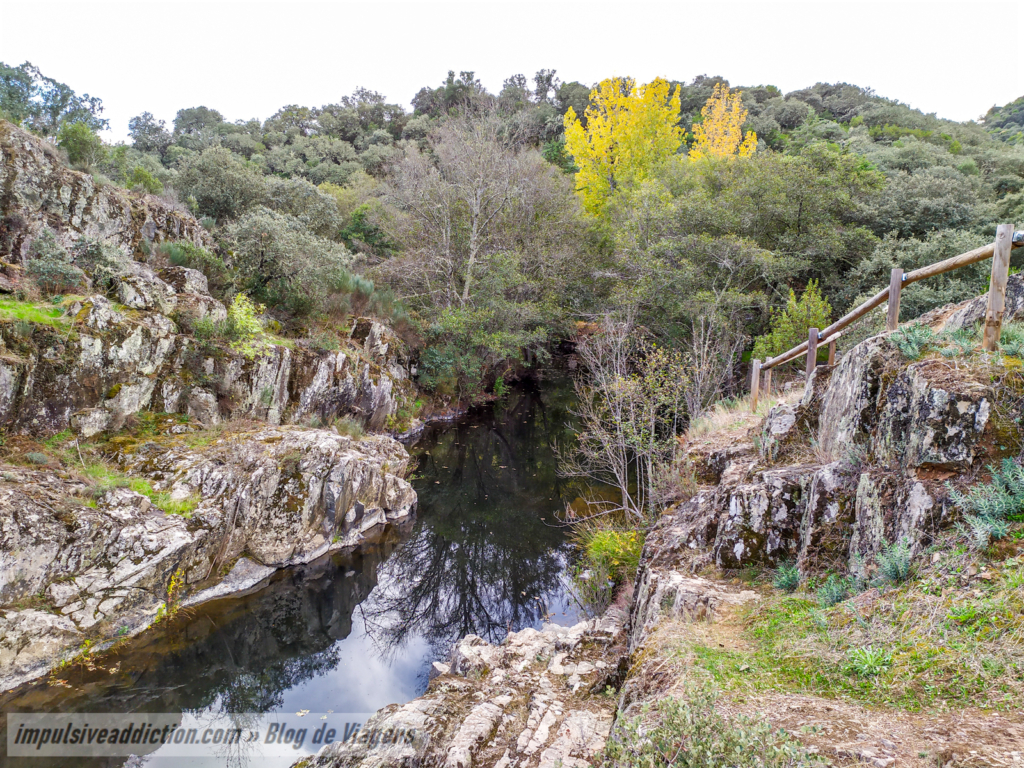
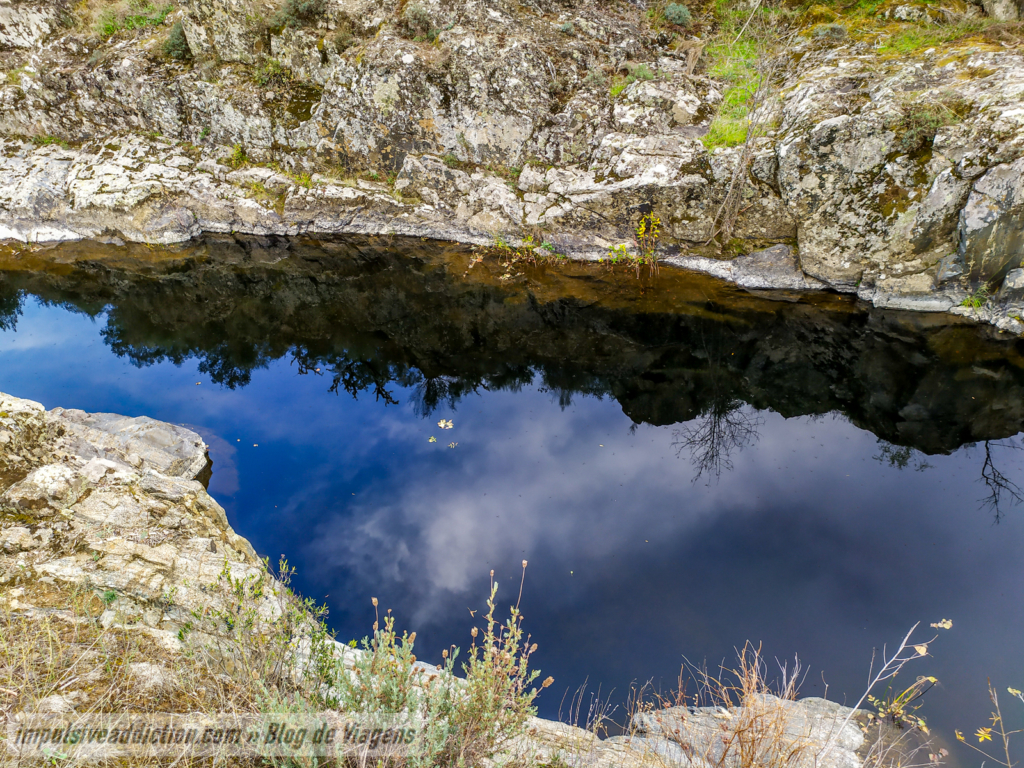
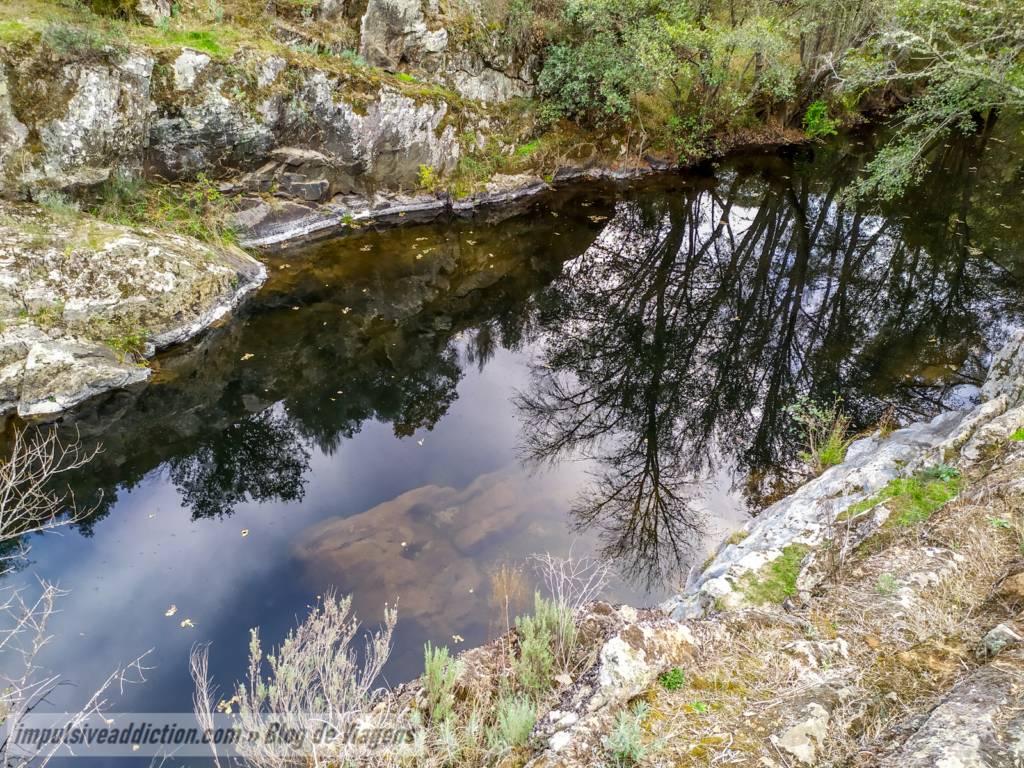
At the base of the hill where the convent stands, you’ll find a dirt road leading to Poço dos Paus, one of the more than 40 geosites within the Terras de Cavaleiros Geopark. I managed to reach it by car without any trouble, as the road was dry and in good condition during my visit. Otherwise, the trail down is short—but remember, it’s downhill on the way there and uphill on the way back!
Nearby lies the Paradinha Bridge, which spans the Azibo River. I’d consider it an optional stop compared to Poço dos Paus, which in summer can be a great spot to escape the crowds of the Azibo Reservoir beaches. It feels far wilder and more secluded.
11. Mouth of the Azibo River at the Sabor
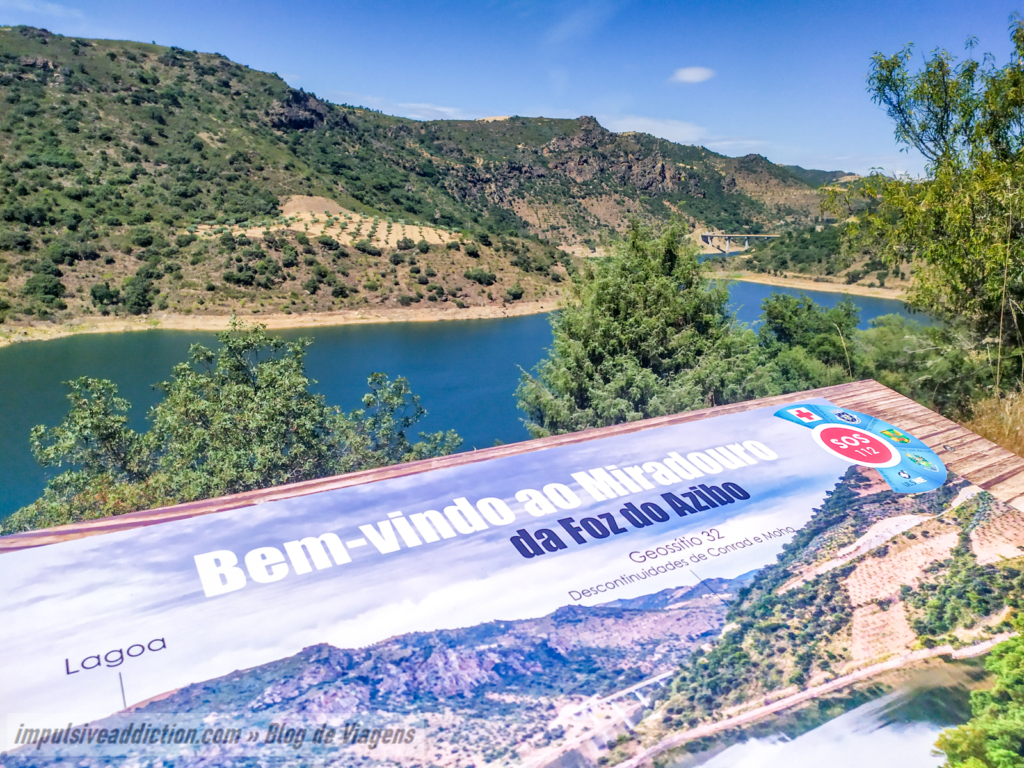
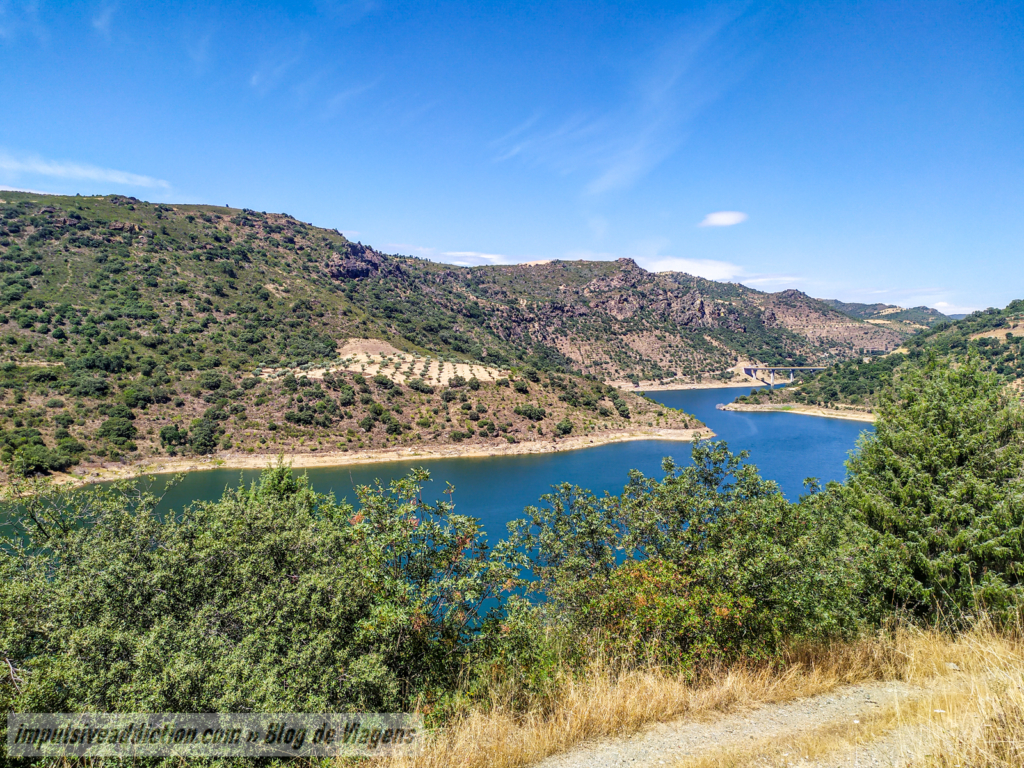
The mouth of the Azibo River can be a good starting point for a tour of the Sabor Lakes. Today, you’ll only find a large lake there, but in the past, there was a river beach that became submerged after the construction of the Sabor Dam. If visiting feels like too much of a detour on your itinerary, you can skip it and head straight to the Bornes Mountain Range.
Stage 3 | Visiting the Bornes Mountain Range
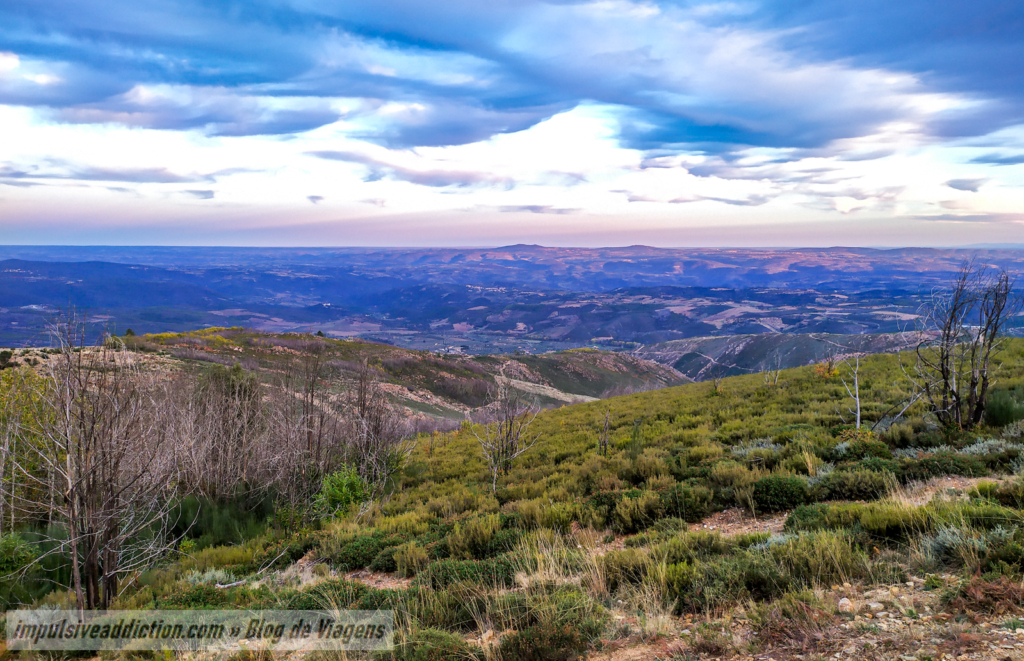
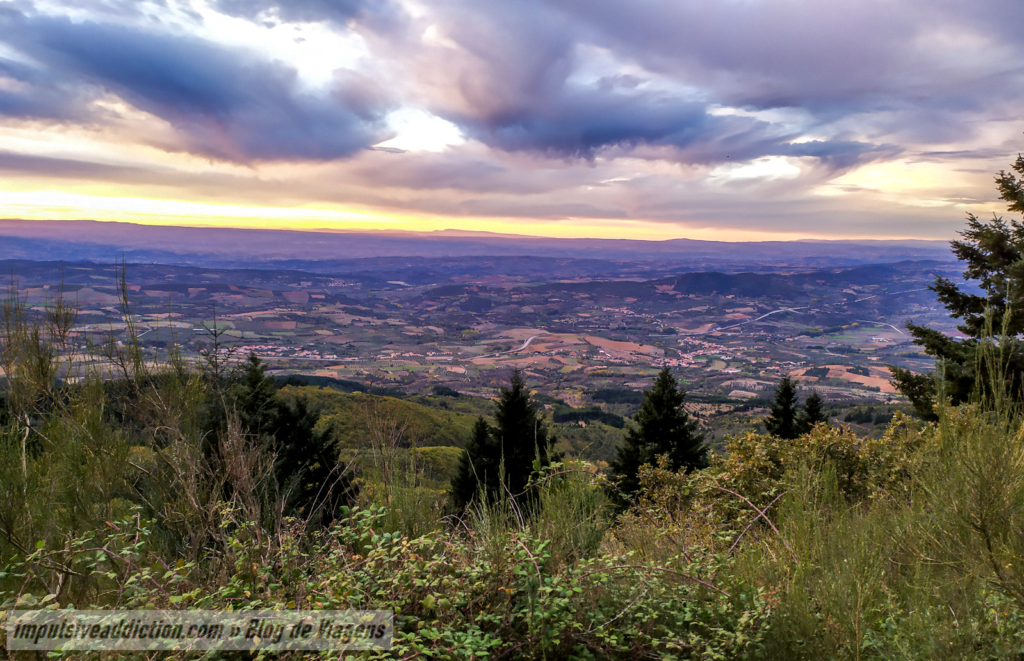
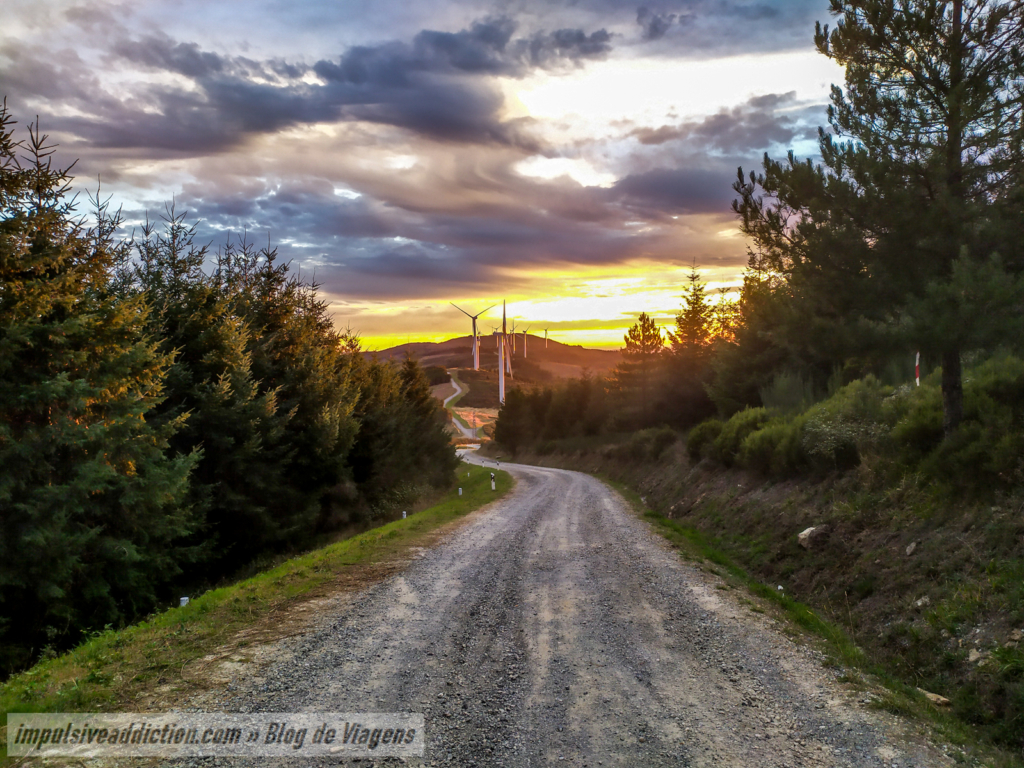
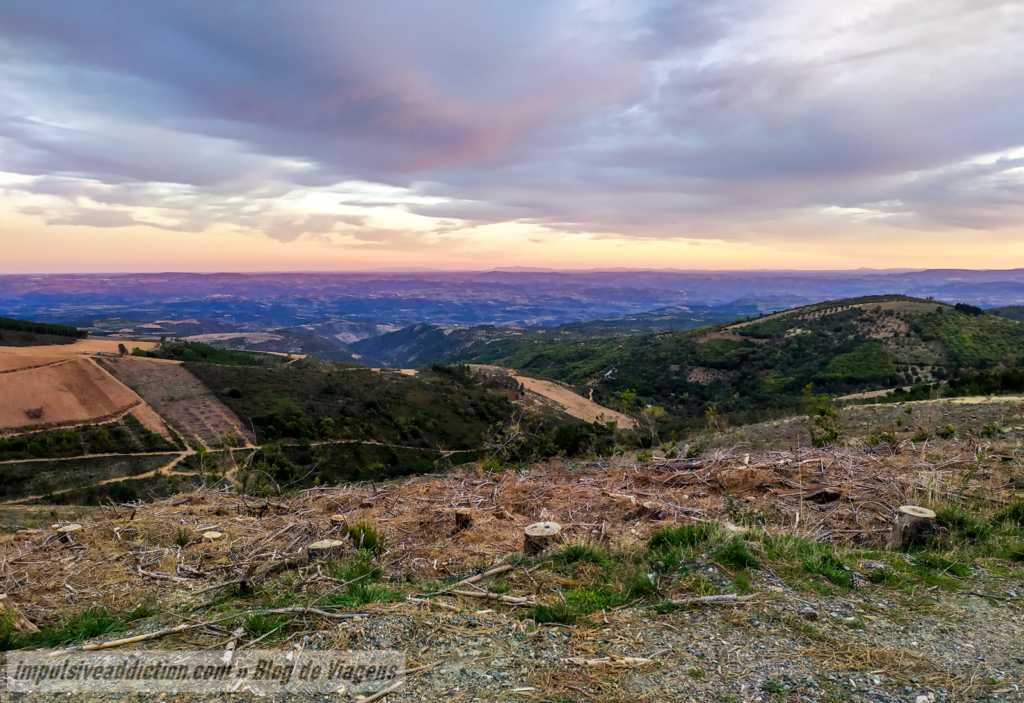
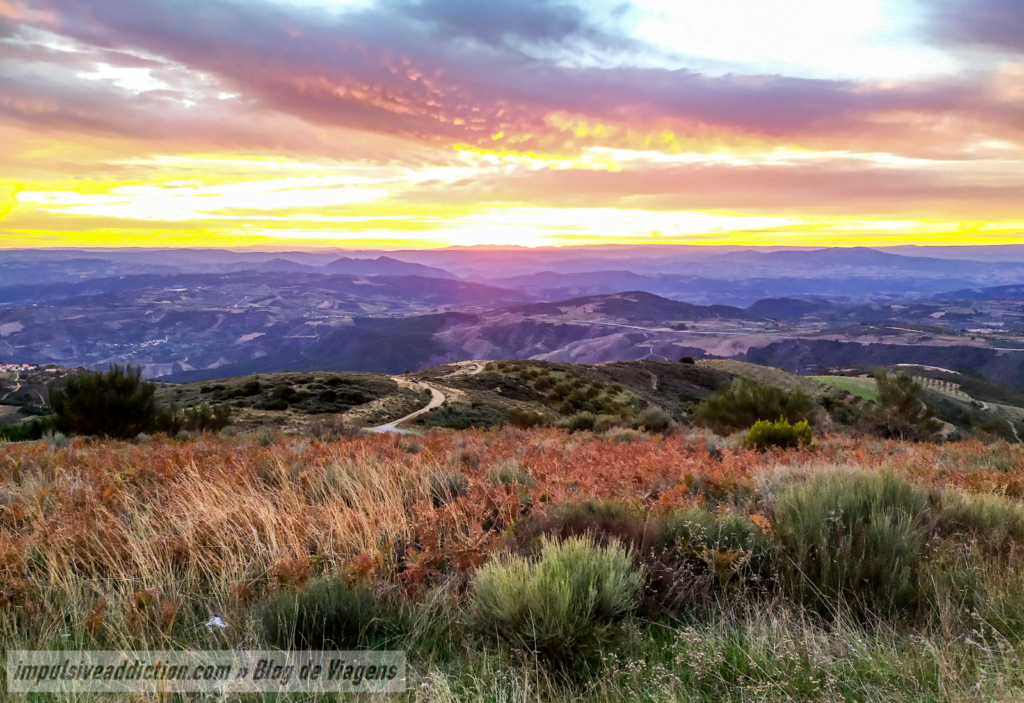
In the Bornes Mountain Range, I had an absolute blast driving along its panoramic dirt roads—it felt almost like a rally! From the top of the range, I could enjoy sweeping views on both sides as I drove along. It was simply incredible.
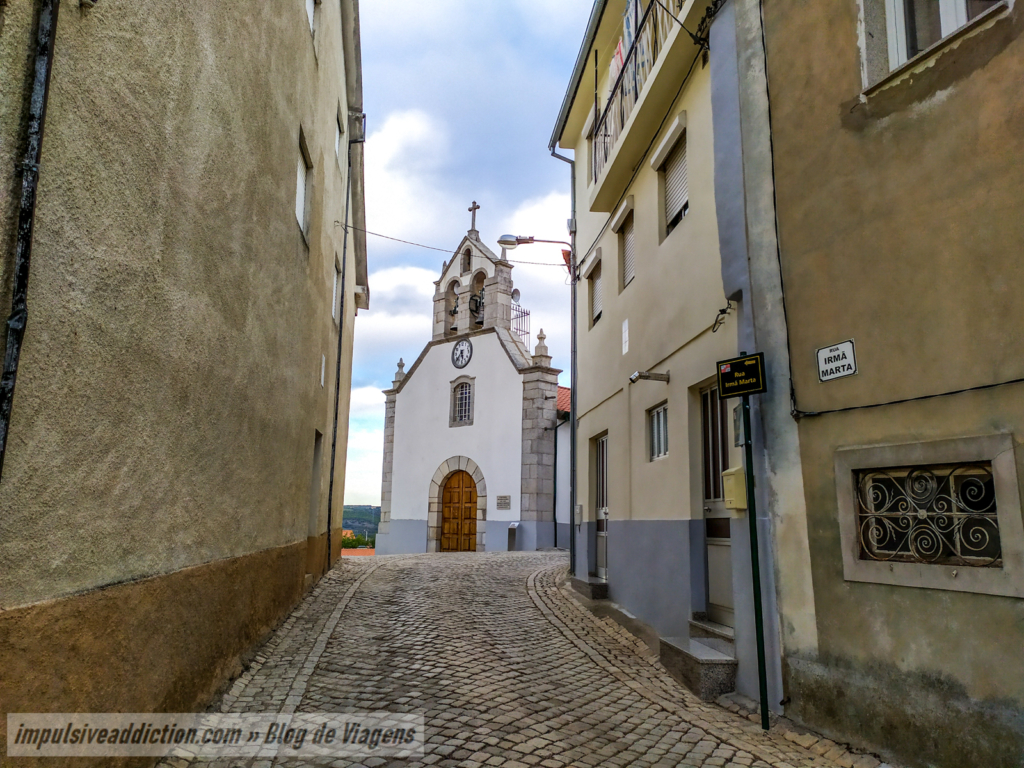
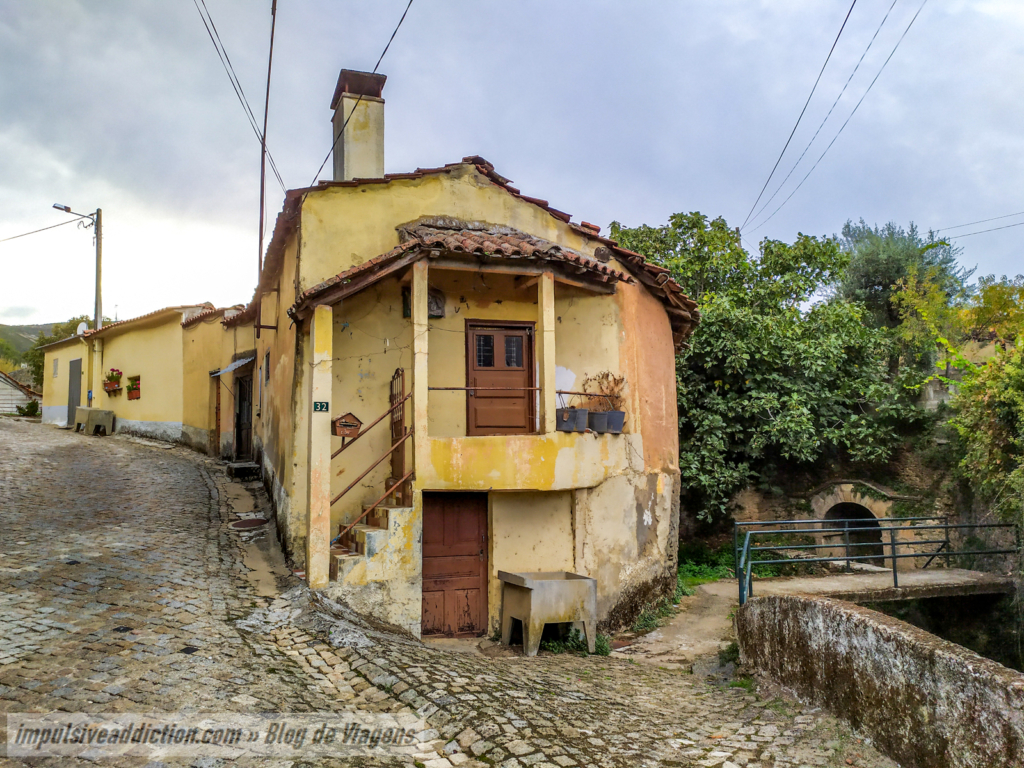
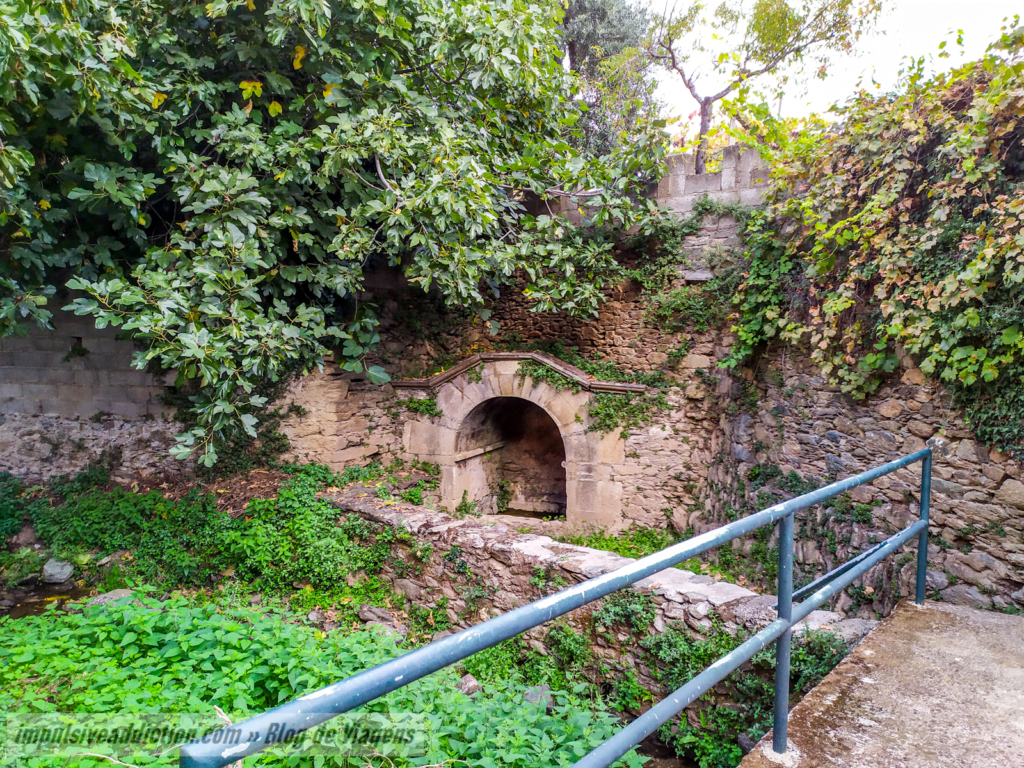
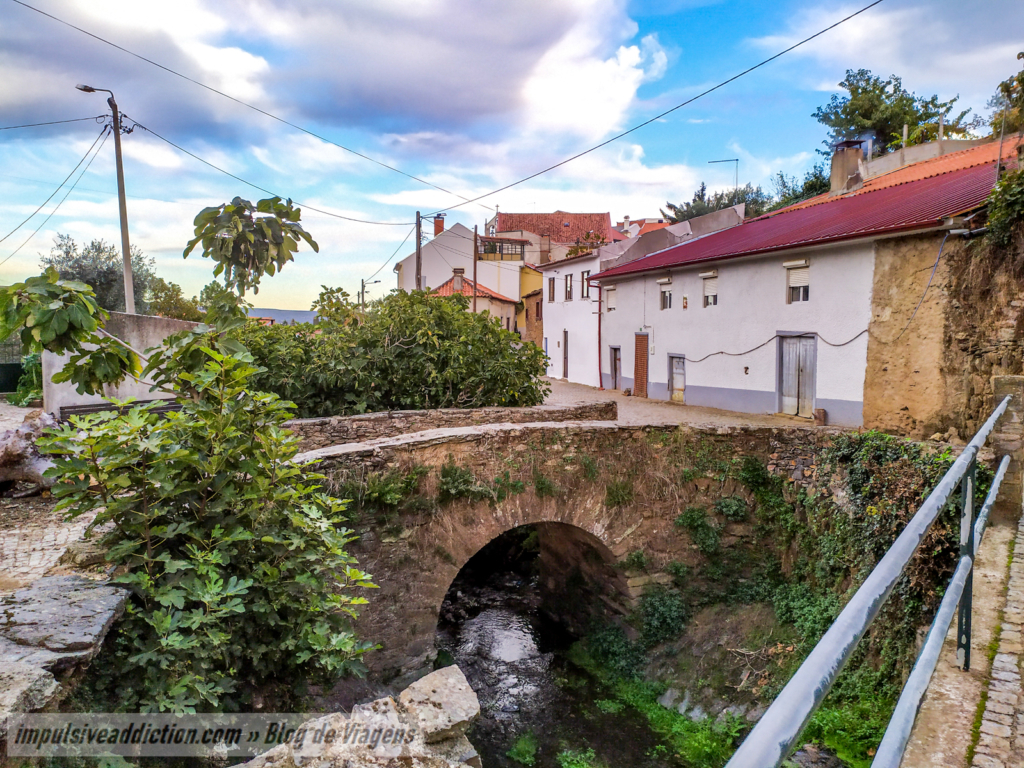
1. Village of Chacim & Royal Silk Factory
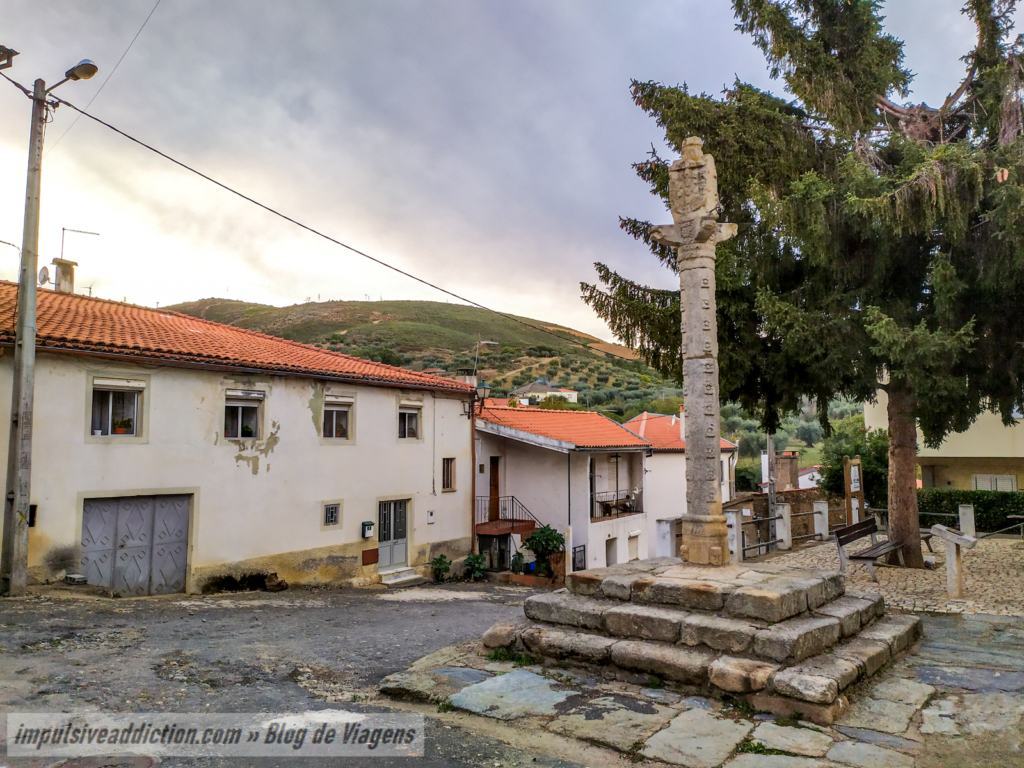
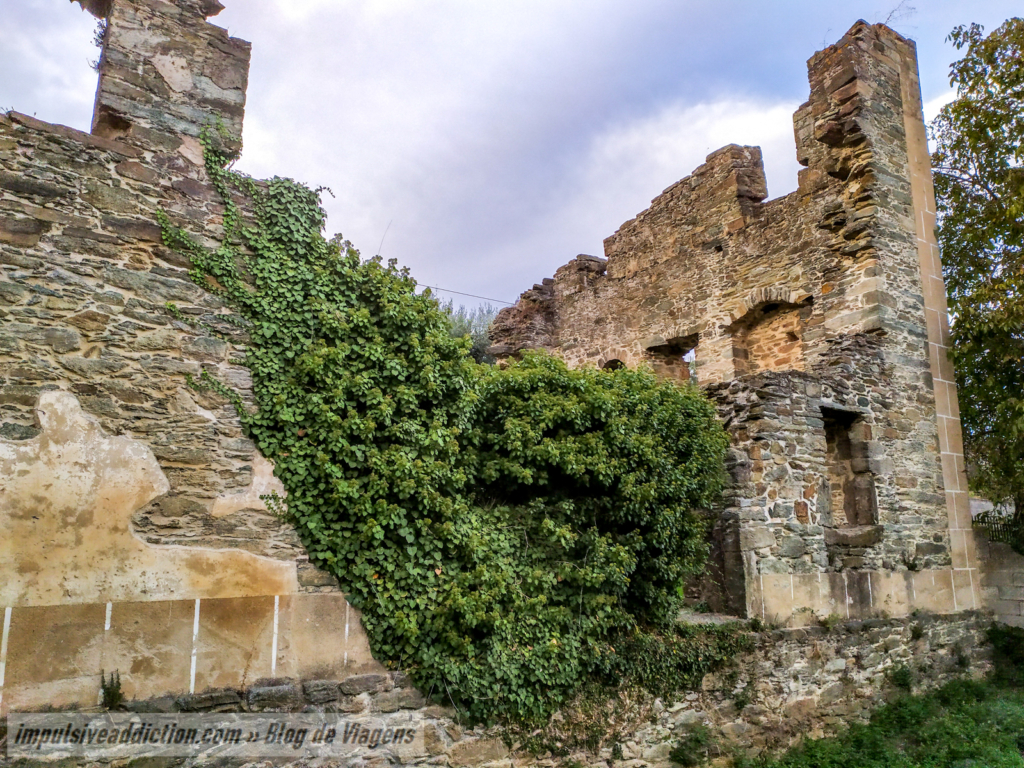
The village of Chacim lies near the base of the Bornes Mountain Range, so I’m including it in this section. Its main highlight is without a doubt the Royal Silk Factory of Chacim, but you can also find a pillory, a parish church, and a stone diving fountain. Fun fact: Chacim was once the municipal seat of Macedo de Cavaleiros.
To visit the Royal Silk Factory, you’ll need to arrange a tour through the Tourist Office. The doors leading to the ruins also display a phone number you can call. This building once served as a regional sericulture factory, dedicated to the breeding of silkworms.
2. Viewpoints of the Bornes Mountain Range: North & South
The Bornes North and Bornes South viewpoints are about 10 km apart, connected by a straight road that runs along the ridge of the mountain range. I drove the entire route at sunset and absolutely loved it—the scenery along the way is breathtaking, with several smaller viewpoints offering vistas to both sides of the range.
Don’t miss the chance to explore this area. Both viewpoints are marked on the map included in this guide.
Etapa 4 | Geossítios do Geopark Terras de Cavaleiros
The essential highlights of Macedo de Cavaleiros and the Terras de Cavaleiros Geopark have already been covered in the first three stages of this guide. You can easily experience those in about two days—depending on your pace and how much time you’d like to spend simply relaxing on the river beaches.
But the geopark offers much more. Before diving into the many hiking trails, let’s talk about the 40+ geosites you can discover here.
👉 [Map and information about the Geosites]
I won’t list them all here, as you’ll find complete details on the official website of the Terras de Cavaleiros Geopark. Personally, I only explored a handful, such as Poço dos Paus and the landscapes of the Bornes Mountain Range.
Had I stayed longer, I would have loved to explore the Morais area or even the Murçós Mines. Just a little tip for your own trip. 😉
Stage 5 | Hiking Trails in the Terras de Cavaleiros Geopark
I didn’t do much hiking during my visit to Macedo de Cavaleiros—it was my first time there, and I only had enough time for the essential highlights I’ve already mentioned. Still, below I’ll share a brief description of the trails that piqued my curiosity the most.
PR2 MDC – Ricardo Magalhães Trail
This short and easy 4.5 km circular trail starts in Santa Combinha and leads to birdwatching and butterfly observation points in a prime location by the Azibo Reservoir. Alternatively, you can begin at the Santa Combinha Viewpoint and Biodiversity Station.
PR4 MDC – Quercus Trail
The Quercus Trail is part of the 9 Steps of Trás-os-Montes project. It’s a linear, easy 4.5 km walk that begins at Fraga da Pegada River Beach, next to the Fraga da Pegada metavolcanics (Geosite 8). The path then follows the shoreline of the reservoir until reaching the central hub of Salselas.
PR6 MDC – Banreses Route
This 8 km circular trail features two historic bridges over the Azibo River: the Banreses Bridge and the Romanesque Bridge of Vale da Porca. Along the way, it also passes the Vale da Porca Cenozoic Sediments Geosite.
PR16 MDC – Balsamão Route
The Balsamão Route is a 5 km circular trail connecting the Balsamão Convent to Poço dos Paus and then to the Abelheira Thermal Springs Geosite. Each stop offers fascinating insights into the area’s history and geology.
PR19 MDC – Mushroom Route
The Mushroom Route is a 12 km circular trail through the Bornes Mountain Range. Highlights include scenic viewpoints, the old forest ranger’s house, and an artificial pond.
PR24 MDC – Geological Walking Trail
The Geological Trail of Macedo de Cavaleiros is a 6.5 km route in the Morais area, starting at the Geological Interpretation Center of Morais. From there, it takes you through the Morais Fault and across landscapes of holm oaks and cork oaks.
What to Visit Near Macedo de Cavaleiros and Podence?
Close to Macedo de Cavaleiros, you’ll find several fascinating municipalities worth exploring—whether around the Sabor Lakes, the Tua Valley Natural Park, or the International Douro. You can also head north towards the Montesinho Natural Park.
Macedo enjoys a privileged location, surrounded by incredible destinations just waiting to be discovered! Check out my suggestions below and set off on your adventure. Safe travels!
MORE ARTICLES ABOUT BRAGANÇA DISTRICT:
- Things to do in Vinhais
- Things to do in Bragança
- Things to do in Mirandela
- Things to do in Vimioso
- Things to do in Miranda do Douro
- Things to do in Mogadouro
- Things to do in Torre de Moncorvo
- Things to do in Freixo de Espada à Cinta
- Things to do in Carrazeda de Ansiães
- Things to do in Macedo de Cavaleiros
- Things to do in Vila Flor
- Montesinho Natural Park Itinerary
- Lagos do Sabor Itinerary
- Douro International Natural Park Itinerary
- Tua Valley Itinerary
- Trás-os-Montes Itinerary
