 Pedro Domingues
On my most recent trip to the Montesinho Natural Park, my first stop was Vinhais. Before arriving, I knew very little about this village in northeastern Trás-os-Montes — other than its reputation for outstanding gastronomy, as it is, after all, the smoked meats capital of Portugal.
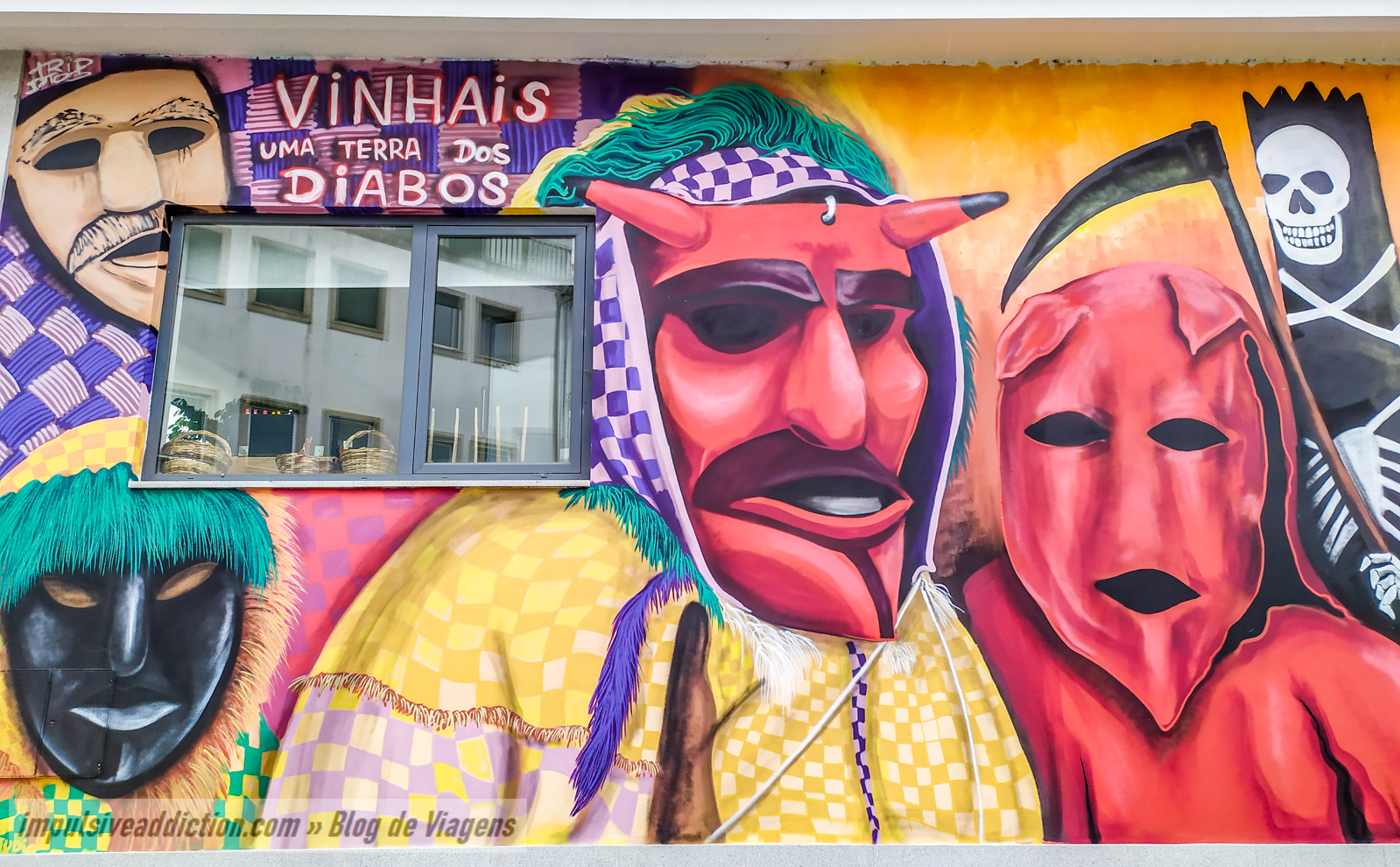
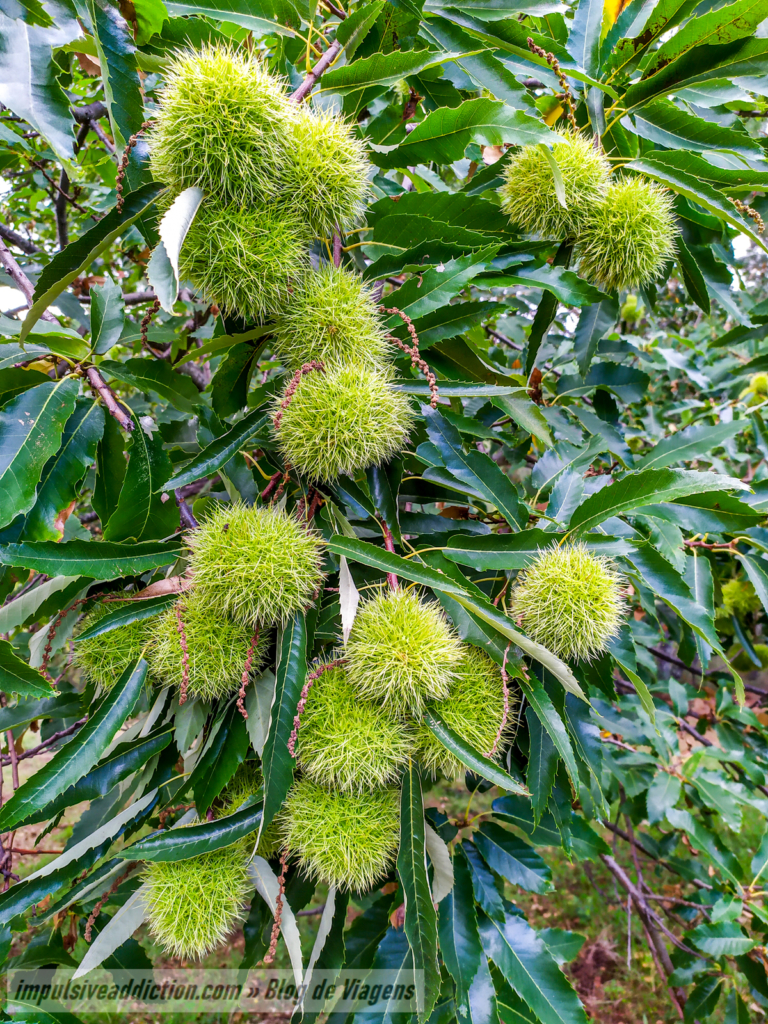
During my visit, I learned that Vinhais is known as the “land of the devils”, a place of deep-rooted traditions still celebrated today. It is also one of the largest chestnut producers in Portugal, with chestnut trees dominating much of the landscape.
I especially loved visiting the Vinhais Biological Park, where you can see many of the animals that inhabit the Montesinho Natural Park. I also enjoyed exploring the mountain villages — most of them still hidden gems for the majority of tourists who pass through.
If you’re looking for a complete itinerary to visit the Montesinho Natural Park, I’ve written a dedicated guide for that. In this article, however, I’ll focus specifically on the main sights in Vinhais and its most beautiful villages, with my personal favorites being Moimenta da Raia, Pinheiro Novo, Casares, and Dine.
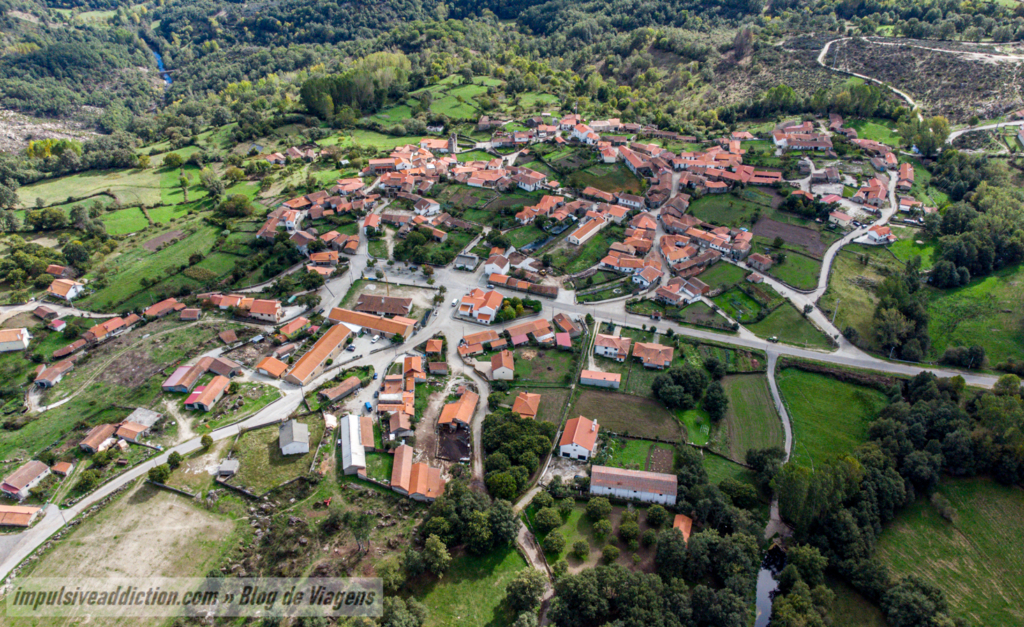
Where is Vinhais located, in Portugal?
Vinhais lies right on the border with Spain, neighboring both Galicia (Ourense) and Castile & León. On this blog you’ll already find plenty of articles about what to visit in Galicia — so if you’re curious, follow the links to learn more.
Administratively, Vinhais is part of the district of Bragança. It borders the municipality of Bragança itself, as well as Macedo de Cavaleiros, Mirandela, Valpaços, and Chaves — the last two belonging to the district of Vila Real.
MORE ARTICLES ABOUT BRAGANÇA DISTRICT:
- Things to do in Vinhais
- Things to do in Bragança
- Things to do in Mirandela
- Things to do in Vimioso
- Things to do in Miranda do Douro
- Things to do in Mogadouro
- Things to do in Torre de Moncorvo
- Things to do in Freixo de Espada à Cinta
- Things to do in Carrazeda de Ansiães
- Things to do in Macedo de Cavaleiros
- Things to do in Vila Flor
- Montesinho Natural Park Itinerary
- Lagos do Sabor Itinerary
- Douro International Natural Park Itinerary
- Tua Valley Itinerary
- Trás-os-Montes Itinerary

Rent a car to visit Vinhais
When it comes to tips for visiting Vinhais using this itinerary, you’ll definitely need a car. If you don’t have one, consider renting with Discover Cars.
When to Visit Vinhais?
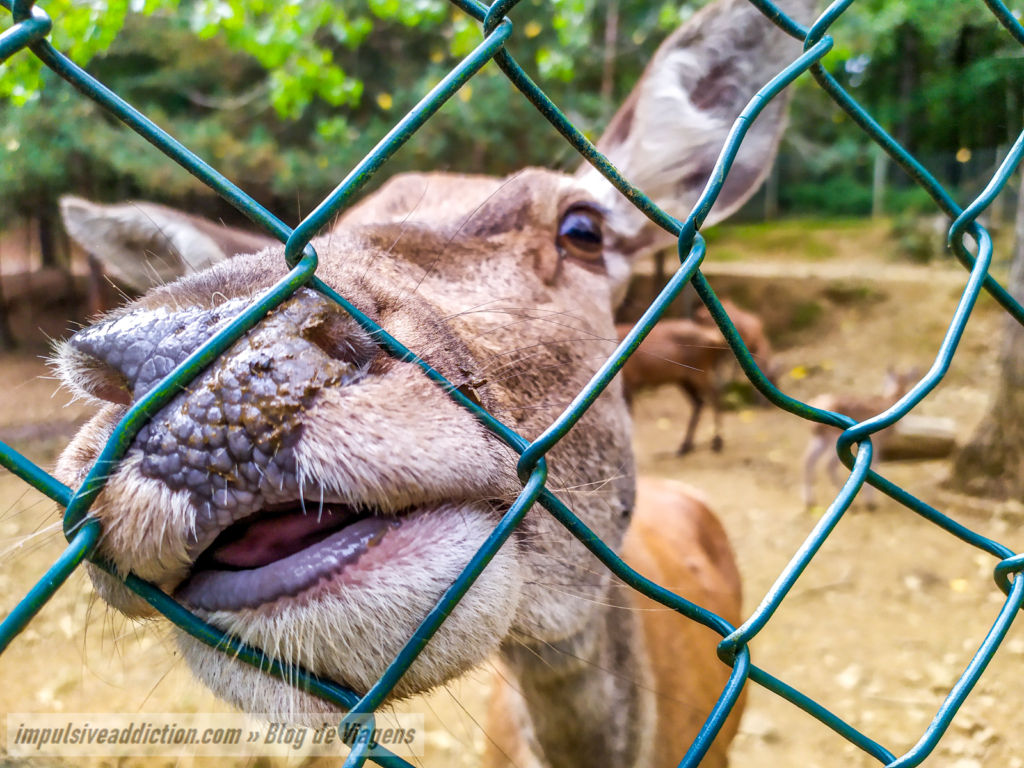
One of the best times to visit Vinhais and the Montesinho Natural Park is in early autumn. That’s exactly when I went, with the goal of experiencing the red deer rut — the impressive call of the stags during mating season.
It’s also in autumn that you’ll find Montesinho draped in warm colors, with plenty of chestnuts and walnuts — especially in the Vinhais area.
As for other times of the year, here’s a summary of the main festivities:
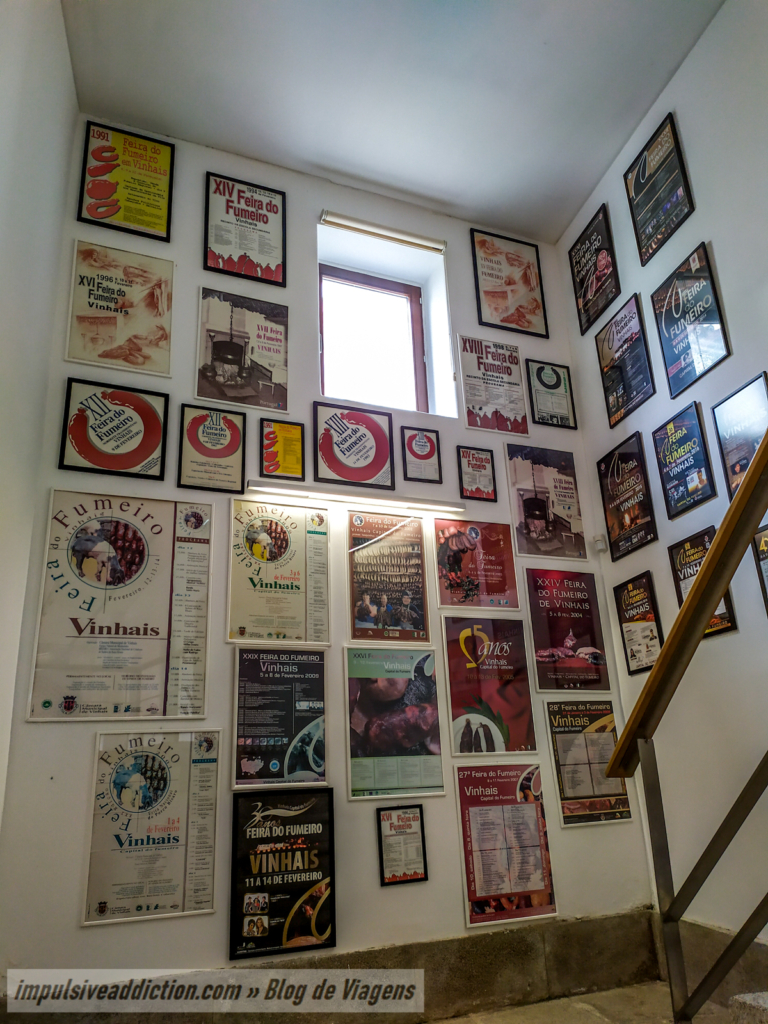
- February – Festa do Fumeiro: Vinhais proudly holds the title of Portugal’s Smoked Meats Capital, and this is its most famous gastronomic festival.
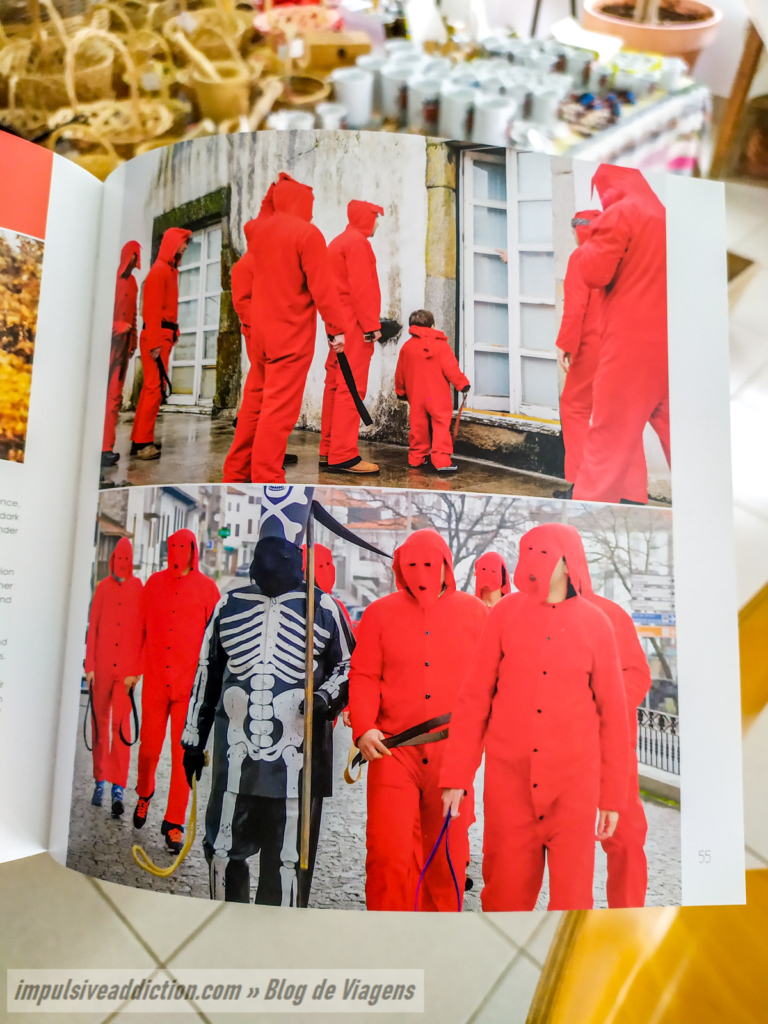
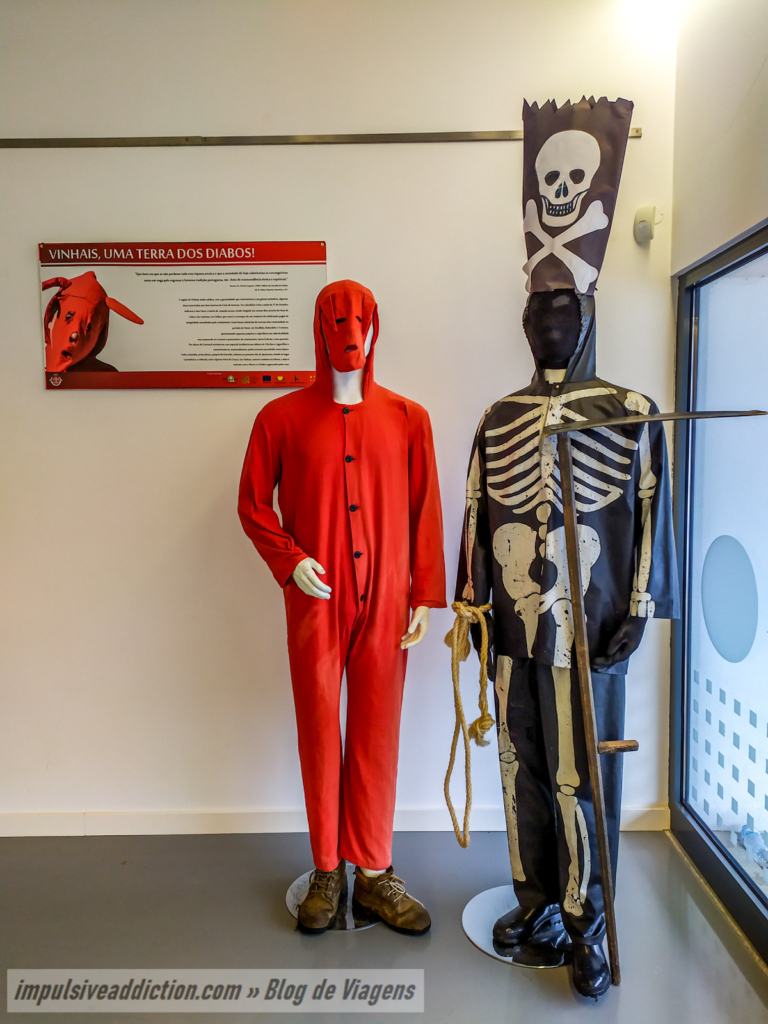
- Ash Wednesday – “Death and the Devils”: On this day, costumed figures known as the “devils” roam the narrow streets of the historic center. The origins of this tradition remain unknown, but it has been celebrated for several centuries. It is the most distinctive event in the municipality — and the reason why Vinhais is often called a “land of devils.”
- October 31 – Festa da Cabra e do Canhoto (Cidões): Local tradition says, “whoever eats the goat and warms by the canhoto will have a year of good luck.” A huge bonfire is lit with tree trunks (the canhotos), where goat meat is cooked and shared, accompanied by chestnuts, dried figs, and walnuts.
- Early November – Rural Castanea, the Chestnut Festival: As one of Portugal’s leading chestnut producers, Vinhais celebrates the harvest with this popular festival dedicated entirely to the fruit that defines its landscape and culture.
- December 25–26 – Festa dos Rapazes (Ousilhão): A traditional winter celebration with strong cultural roots, featuring masks, music, and ancestral rituals.
- December 25–26 – Festas das Varas (Rebordelo): Another unique festivity, marked by local traditions and symbolic rituals.
- December 26–27 – Festas de Santo Estêvão (Travanca): Celebrations in honor of Saint Stephen, blending religious devotion with community gatherings.
Gastronomy and Restaurants in Vinhais
My top suggestions are wild boar, venison, and veal. And of course, you can’t leave without tasting the famous Vinhais smoked meats (Fumeiro) made from Bísaro pork.
For dessert, go for something based on chestnuts or walnuts, both local specialties.
During my visit, I had dinner at Restaurante Vasco da Gama, where I ate very well — and at a fair price.
Where to stay in Vinhais?
My top recommendation is the Vinhais Biological Park, where you can even spend the night. If your stay coincides with the red deer rutting season, you might be lucky enough to hear the stags calling at dawn or dusk — straight from the animals living in the park! 😉
There are, however, other options. For those exploring the Montesinho Natural Park, Casa da Barriada in Gondesende is a great choice thanks to its central location in the park. Alternatively, you might consider Apimonte in Vilarinho.
Things to do in Vinhais
And finally — here’s what to see, do, and visit in Vinhais. Below you’ll find a detailed map with all the places mentioned in this article.
For suggested routes to explore the villages of the Montesinho Natural Park, please check the dedicated article on this blog.
Map with highlights to visit in Vinhais
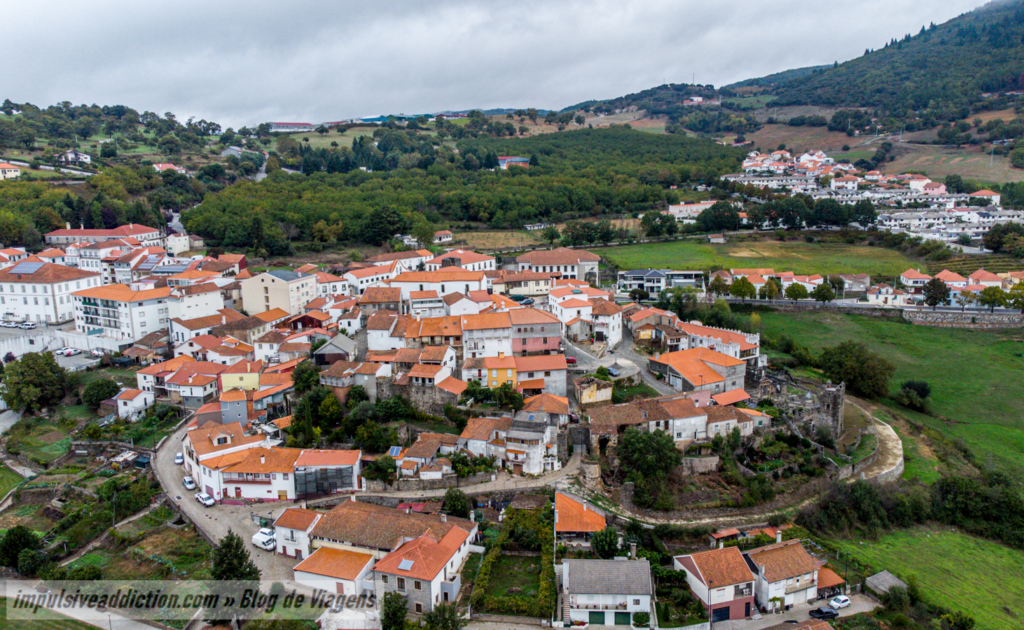
Historic Center of Vinhais
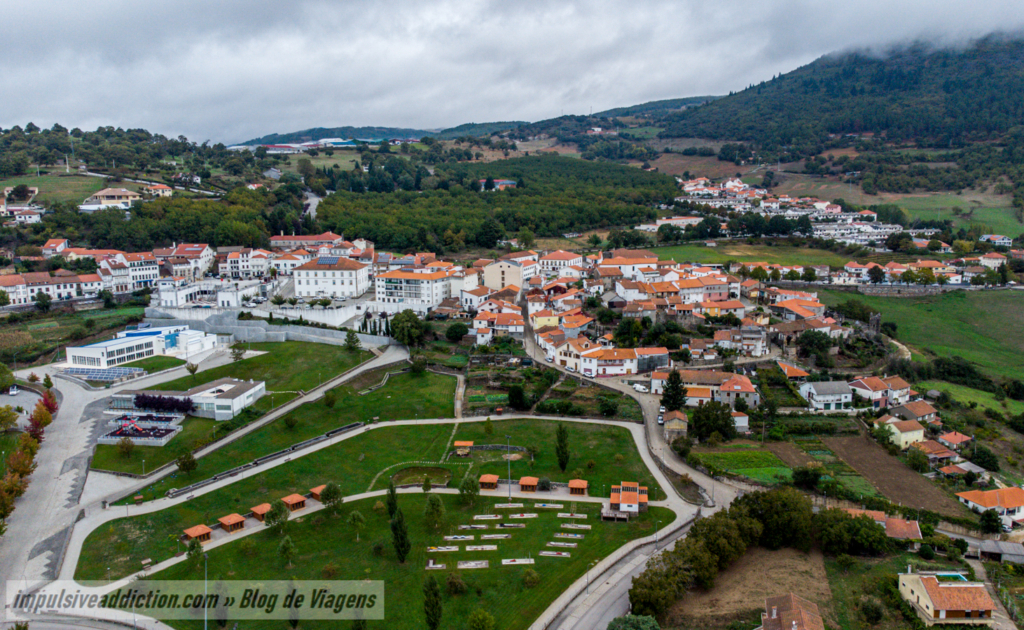
The Historic Center of Vinhais is compact and can be explored in just 2 to 3 hours! A single morning is enough to visit both the old town and the Vinhais Biological Park.
1. Praça do Município and Largo do Arrabalde
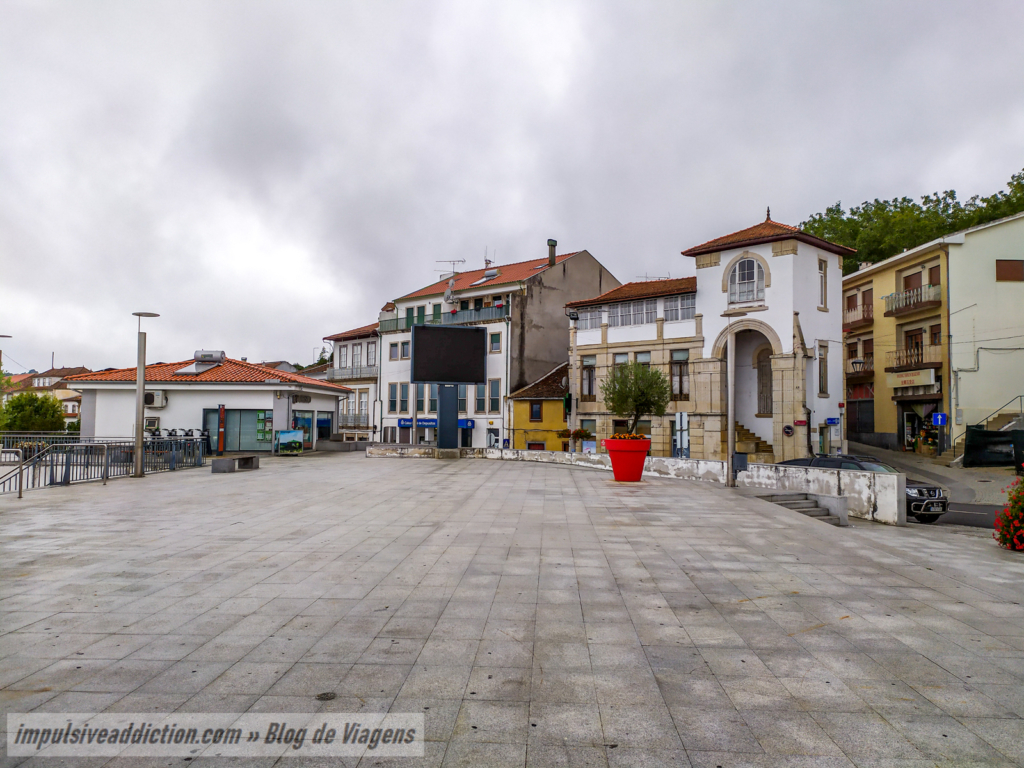
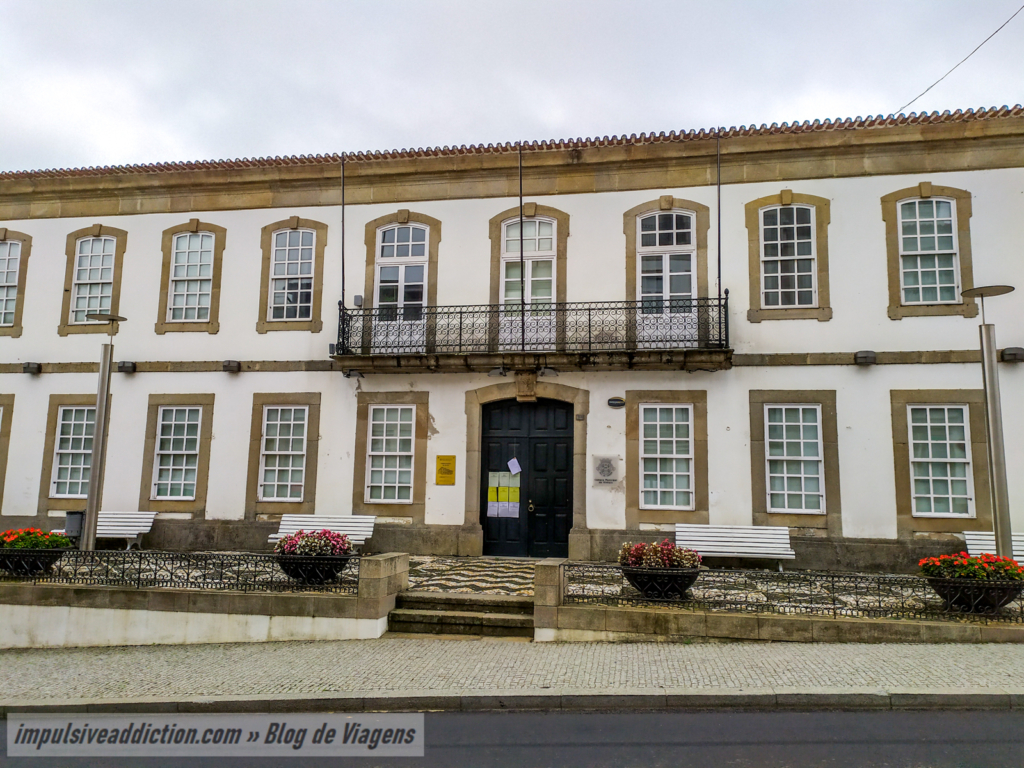
These are the two main squares of Vinhais and its historic center. By the Praça do Município, you’ll find the Tourist Office and the Town Hall, along with a lovely viewpoint overlooking the surroundings of Vinhais and the Green Park of Arts and Crafts.
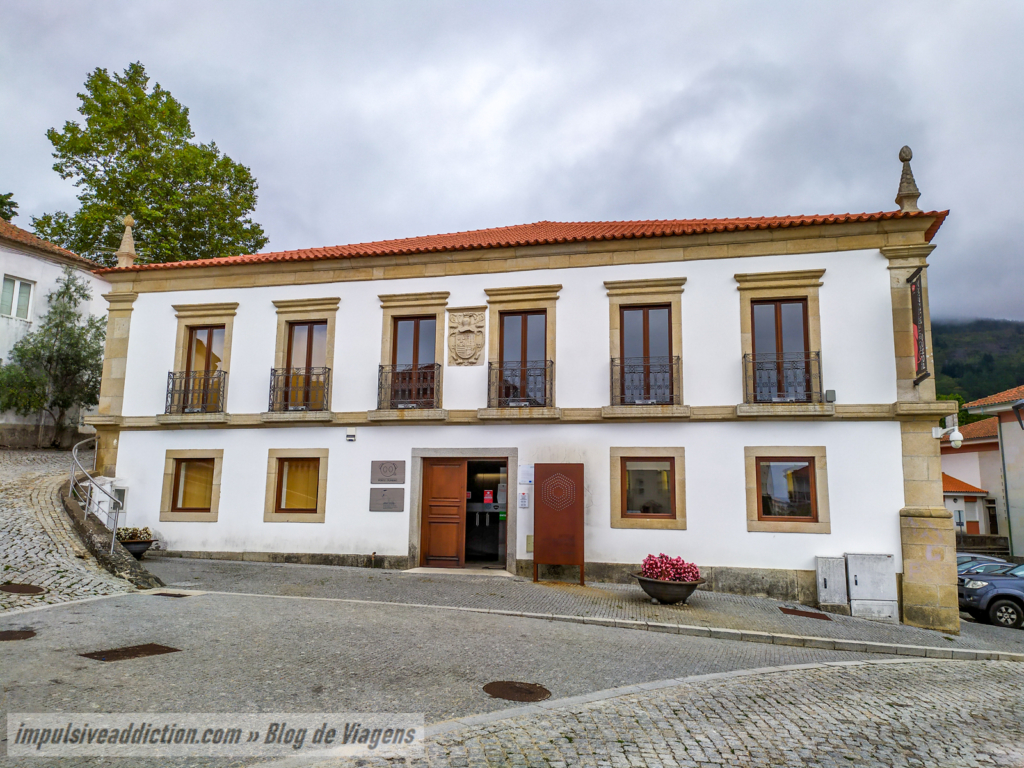
In Largo do Arrabalde, you’ll come across the Interpretive Center of the Pig and Smoked Meats (which I’ll detail later in this article), as well as the charming Fonte do Cano fountain.
2. Fonte do Cano de Vinhais
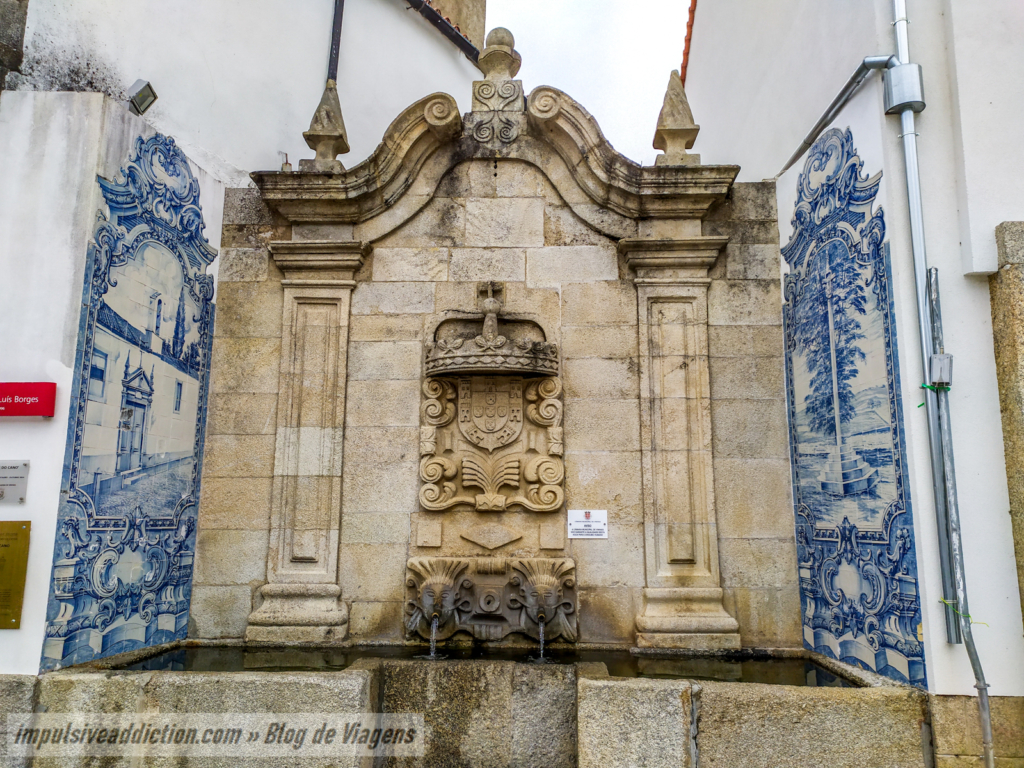
The Fonte do Cano stands out for its impressive coat of arms and several architectural details dating back to the 18th century. On its sides, you can’t miss the 1930s azulejos (ceramic tiles) depicting the pillory of Vinhais and the now-lost Chapel of Misericórdia.
3. Interpretive Center of the Pig and Smoked Meats
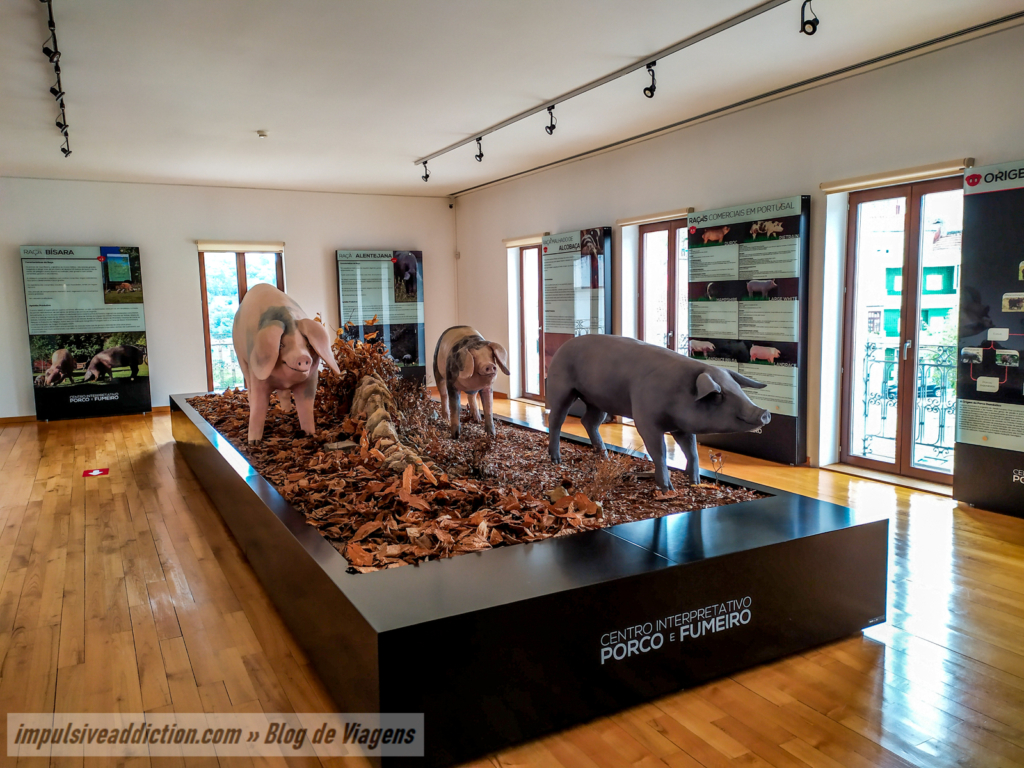
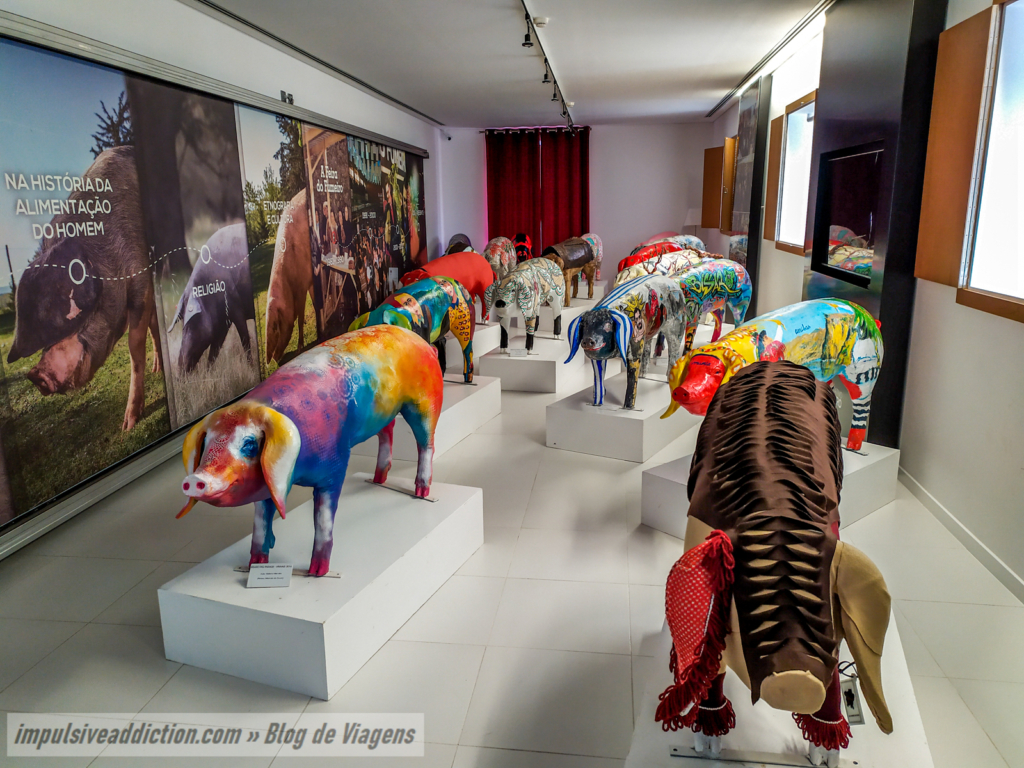
At the Interpretive Center of the Pig and Smoked Meats, you’ll learn about the history and traditional production process of Vinhais’ famous smoked meats (Fumeiro). The exhibition also introduces you to the different breeds of pigs in Portugal, with special focus on the native Bísaro pig.
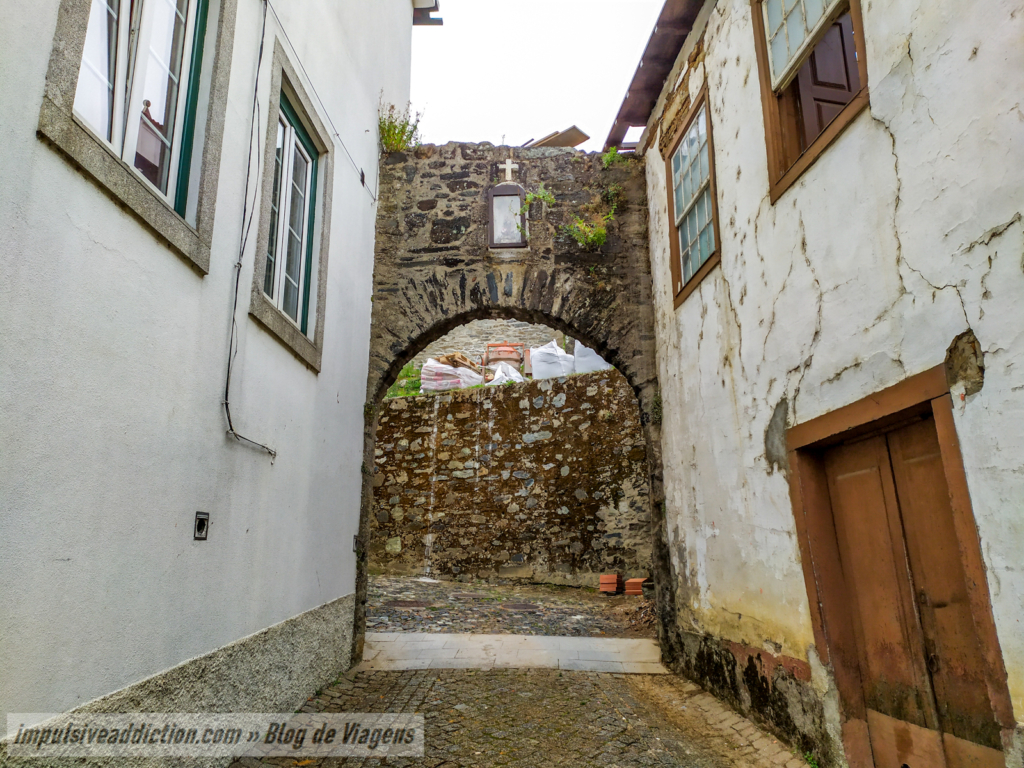
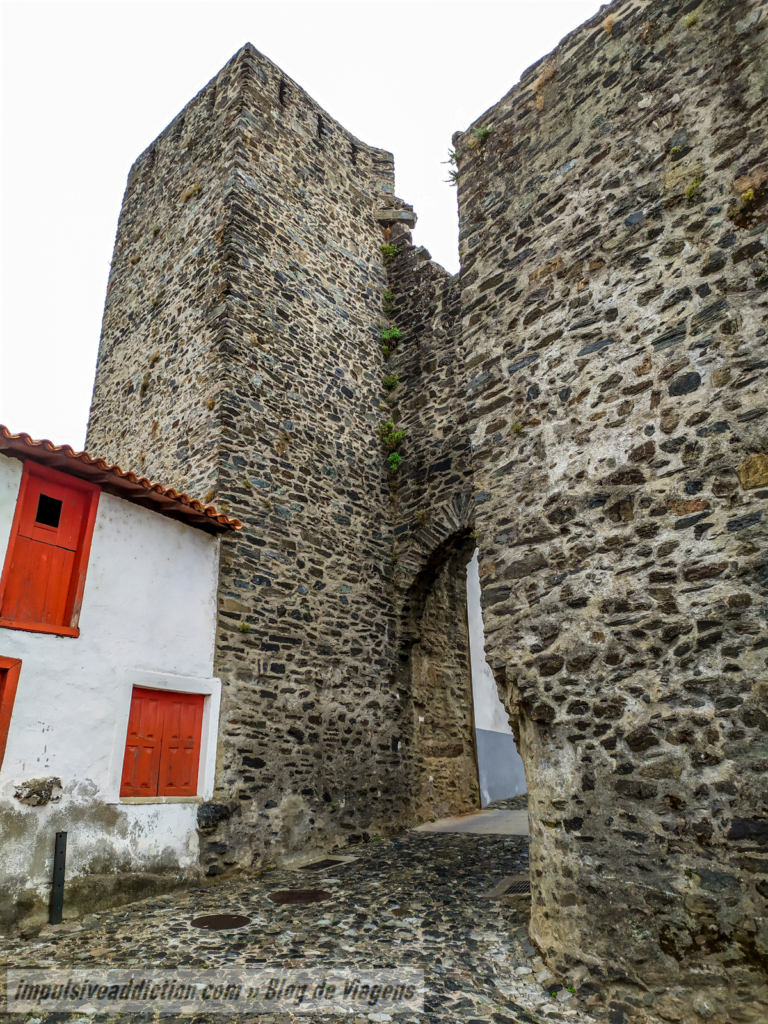
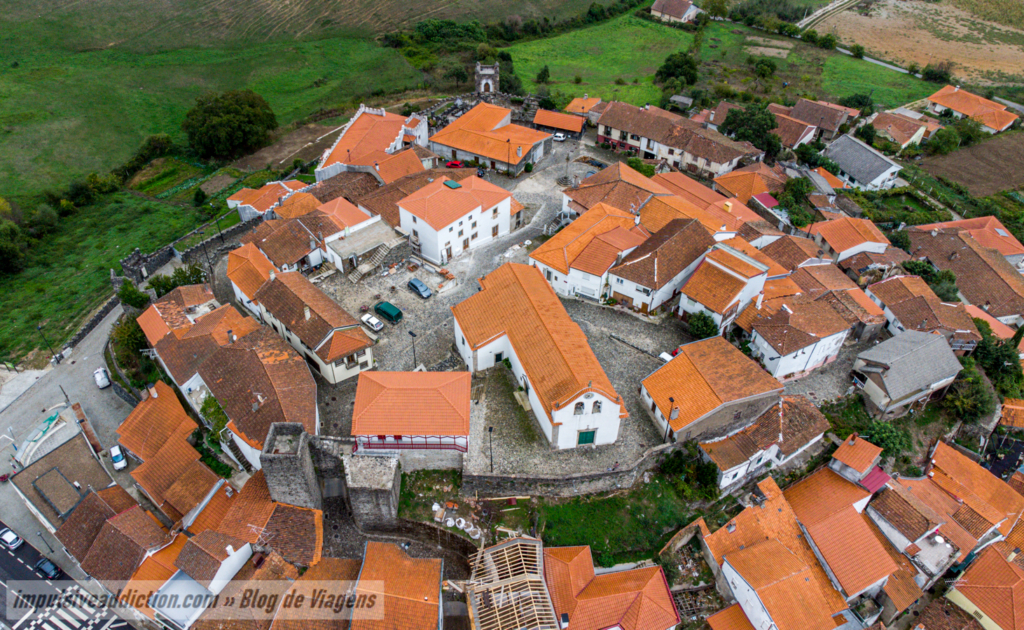
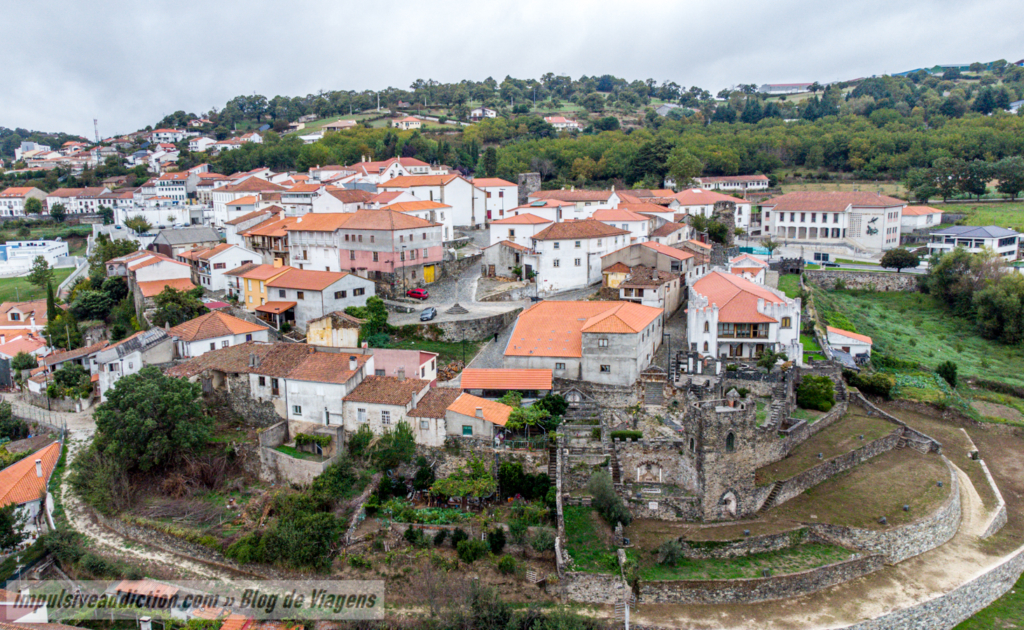
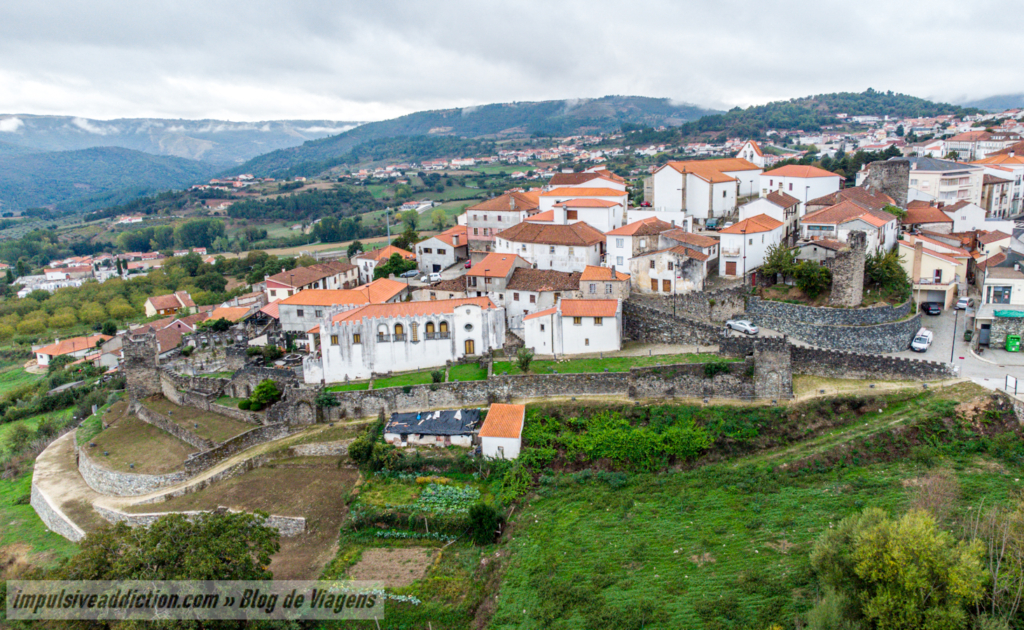
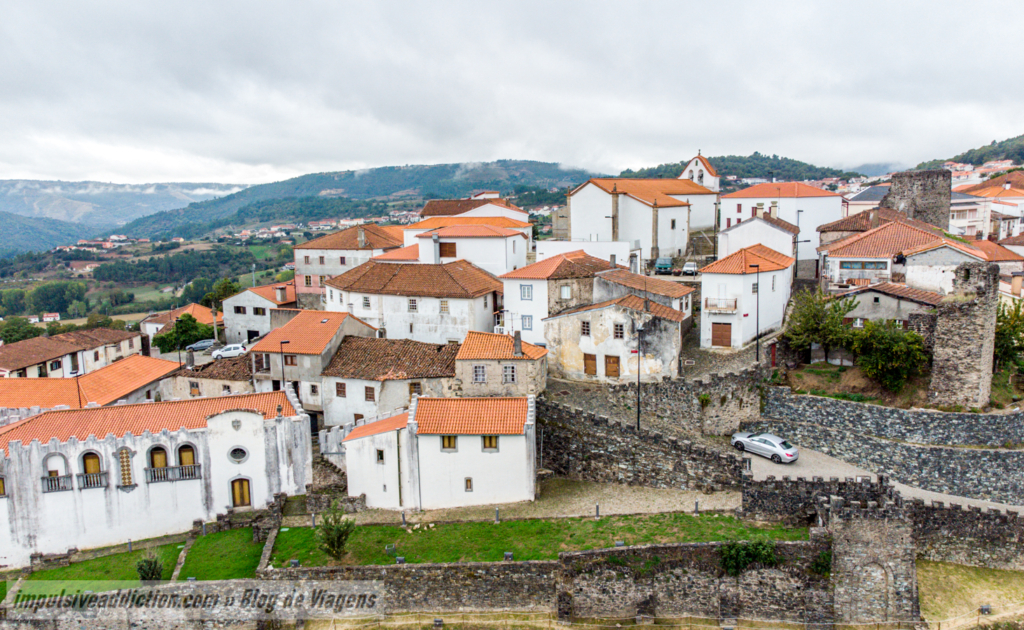
4. Vinhais Castle
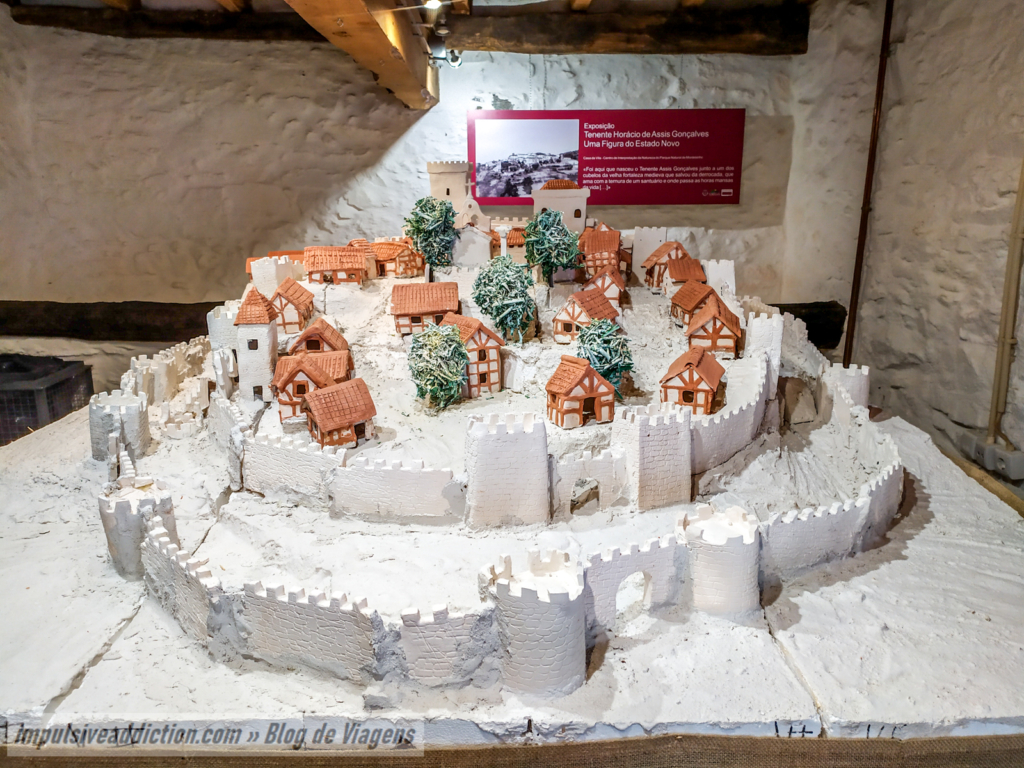
The Castle of Vinhais is believed to have been built during the reign of King Dinis, playing a crucial role in defending Portuguese territory as a border fortress with Spain.
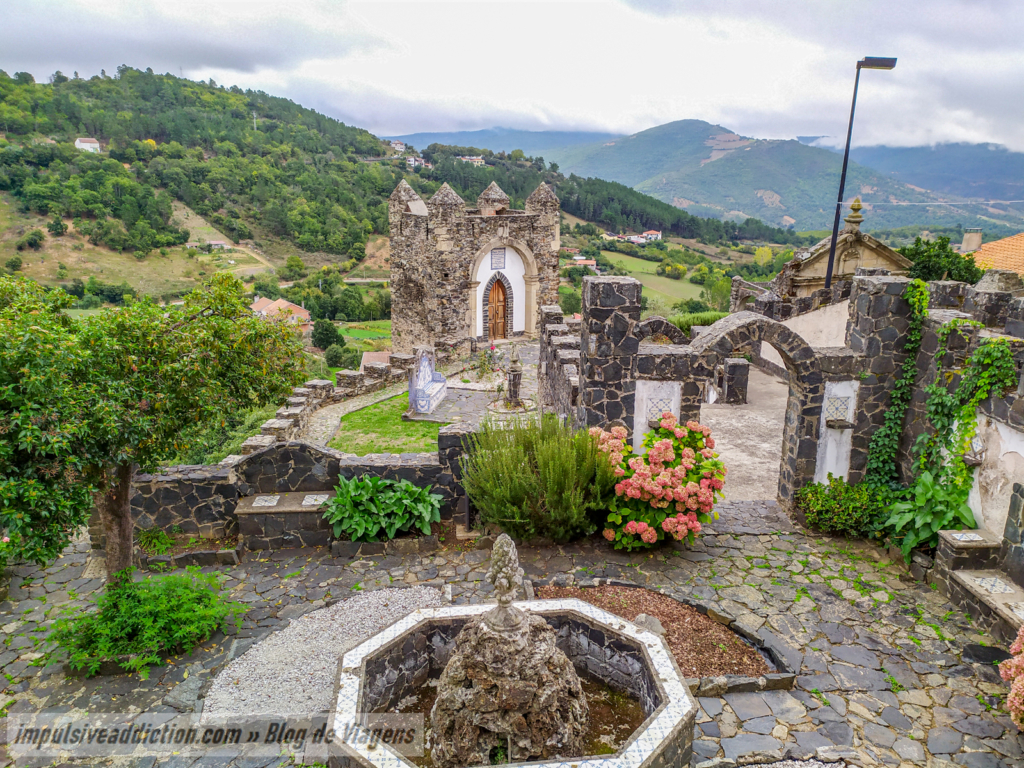
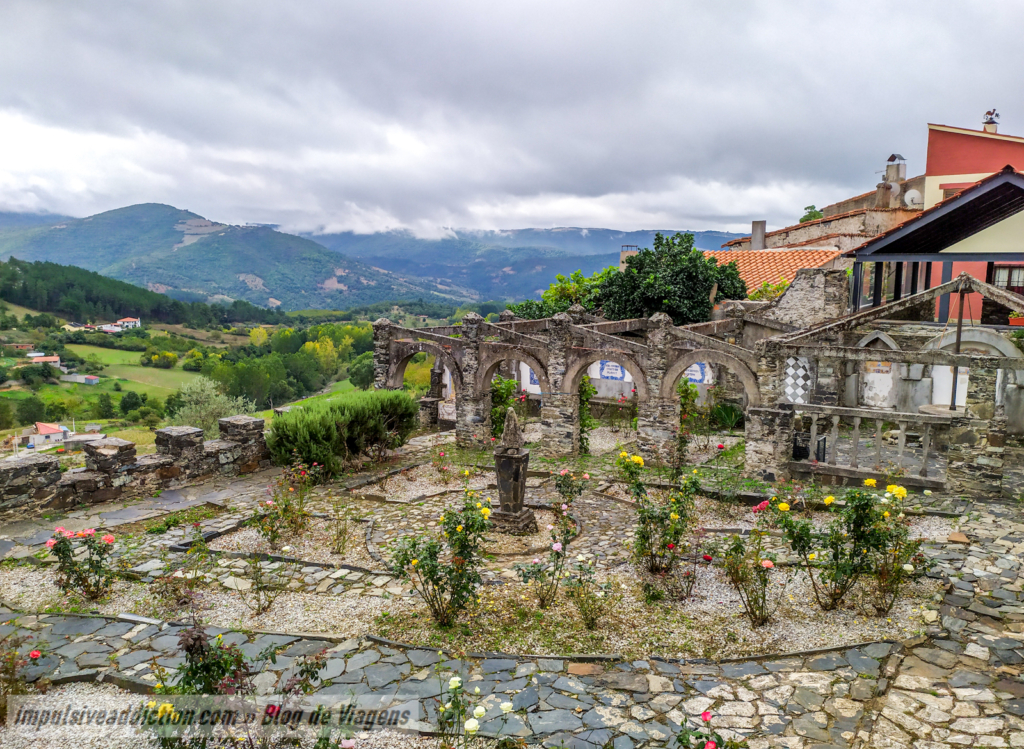
Today, visitors can still see remnants of its medieval structure, including the north and south gates, a relatively well-preserved tower, and a notable stretch of the old wall visible when visiting the Casa da Vila. Don’t miss the Casa dos Militares viewpoint, offering fine views over the surroundings.
5. Montesinho Natural Park Interpretation Center (Casa da Vila of Vinhais Castle)
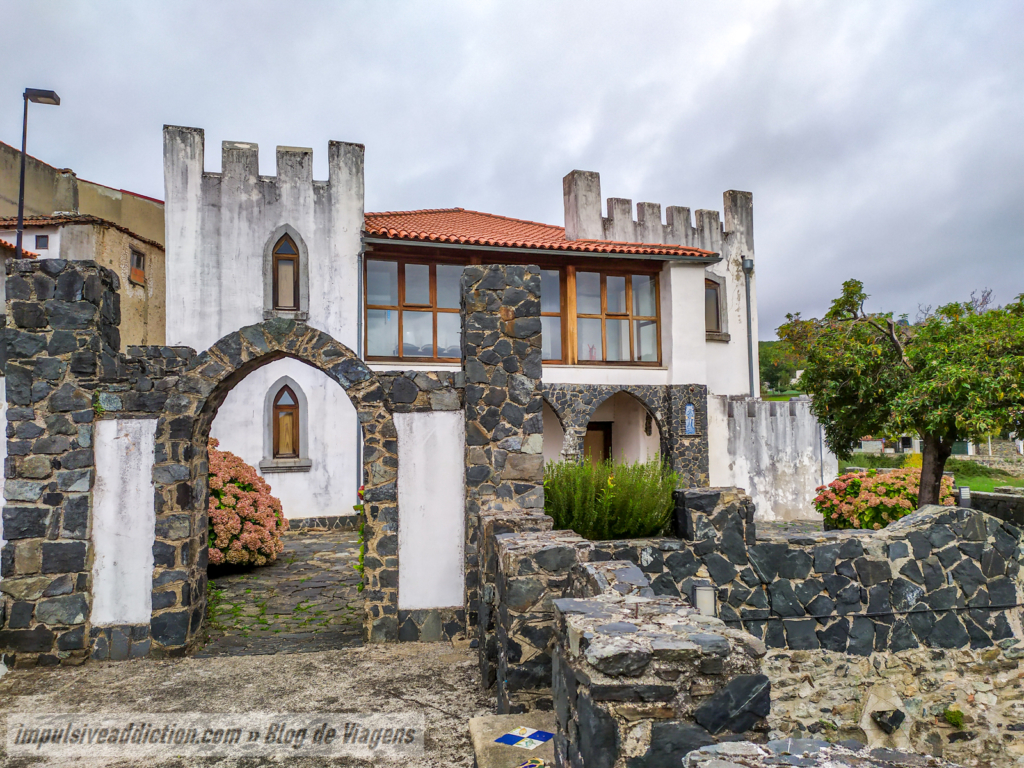
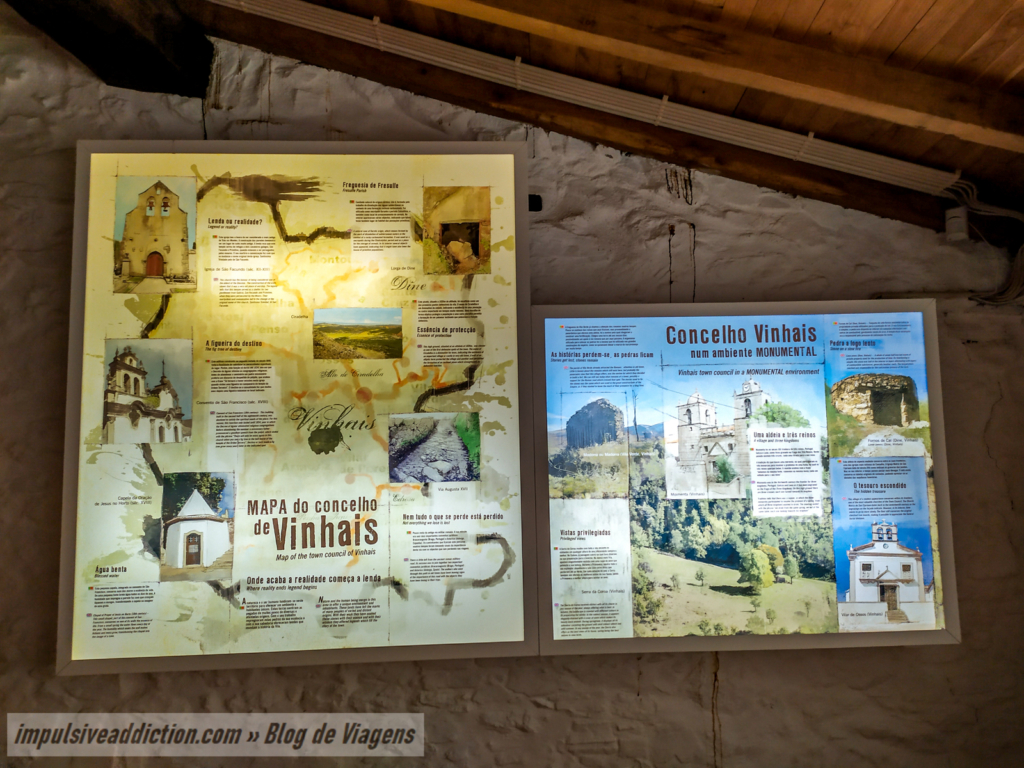
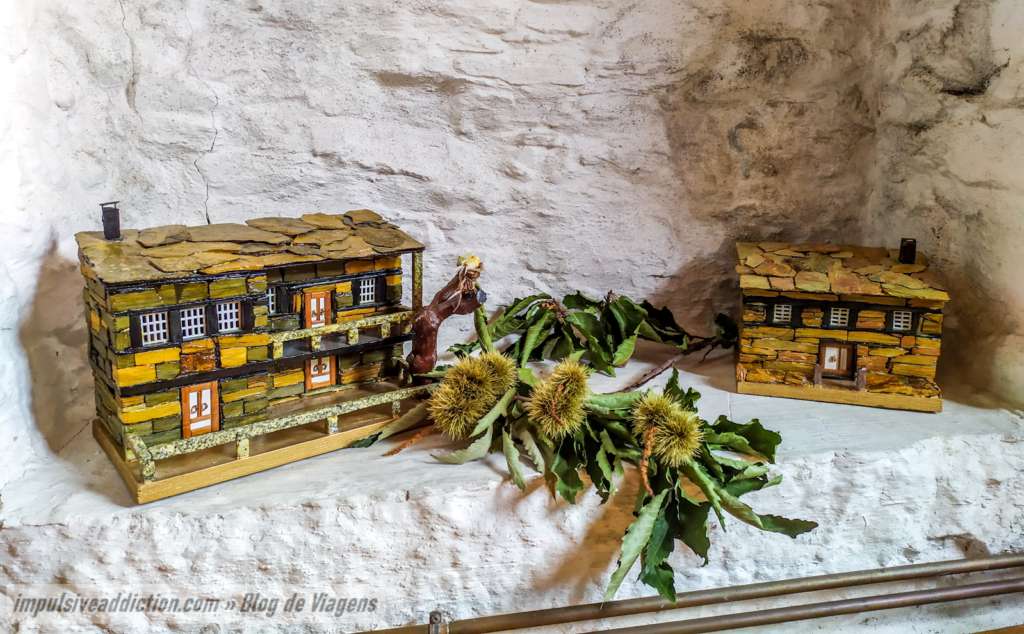
The Casa da Vila now houses the Interpretation Center of the Montesinho Natural Park — an essential stop for anyone planning to explore the park. Here you’ll find useful information such as trail leaflets and, most importantly, a detailed map. (When I visited, this map wasn’t available at the tourist office, so it’s definitely worth picking one up here!)
The center also features engaging educational exhibitions, including a room where you can immerse yourself in the sounds of nature and even hear the howl of the wolf.
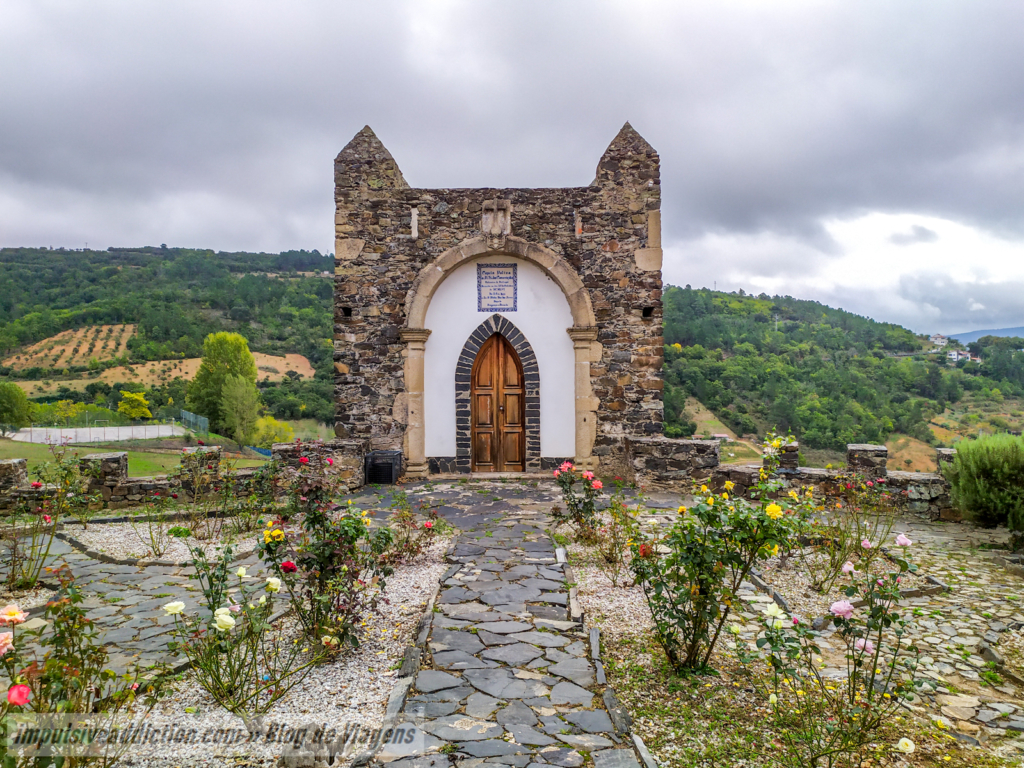
The Casa da Vila itself dates back to 1930, built as the residence of Horácio de Assis Gonçalves, secretary to Oliveira Salazar. The house was constructed right against the medieval wall, incorporating part of it. During your visit, you can also access the rear garden, where there is a small chapel dedicated to Our Lady of the Conception.
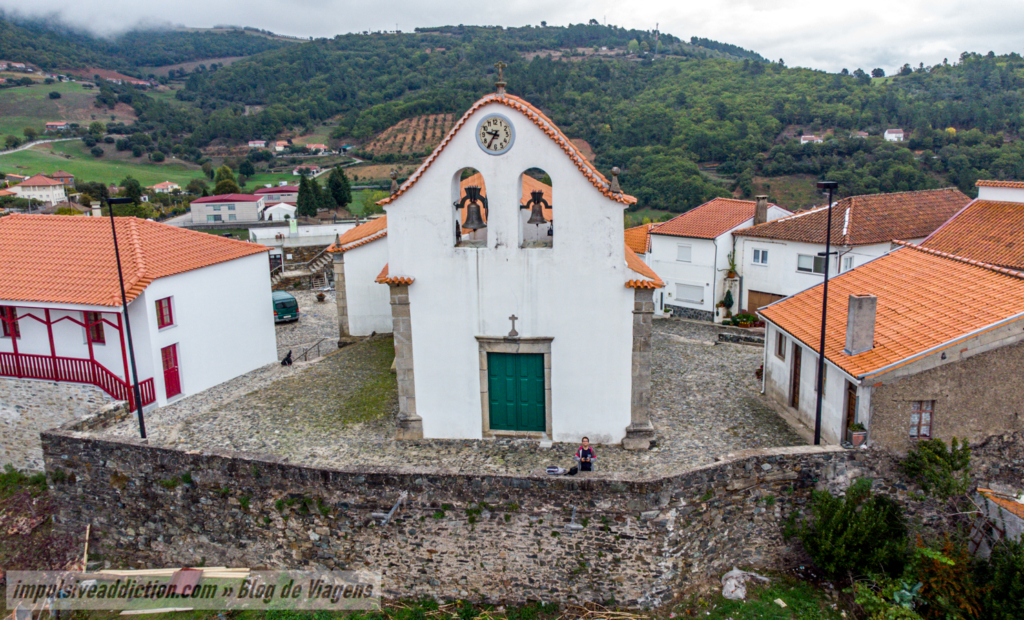
6. Main Church of Nossa Senhora da Assunção
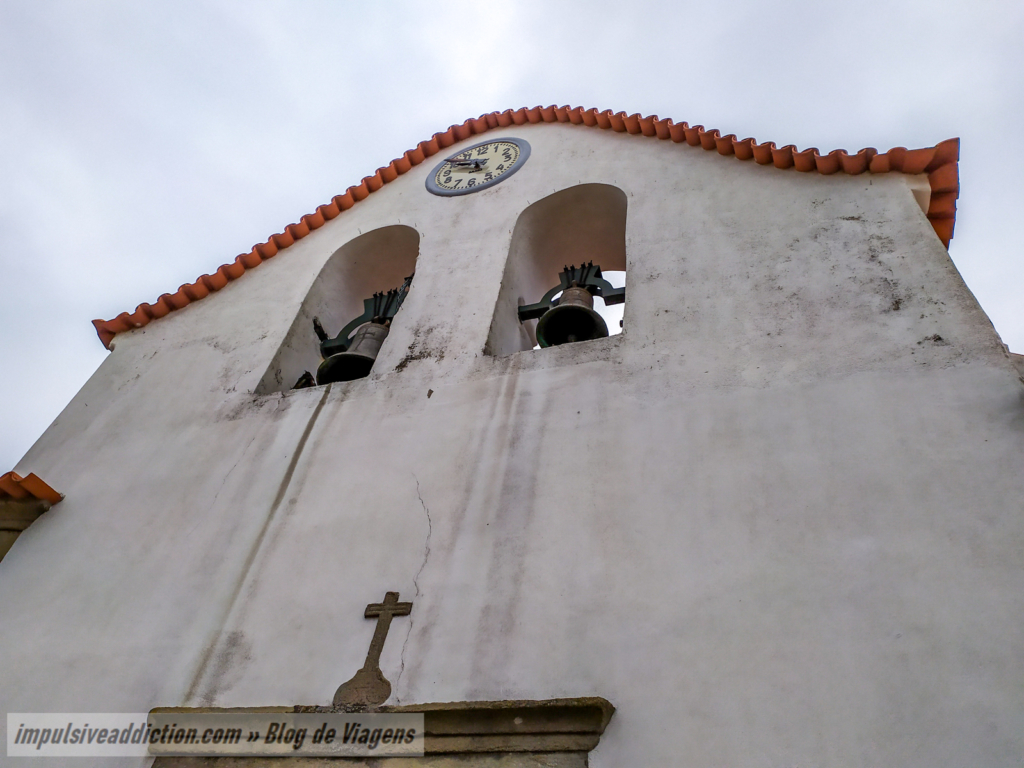
The Main Church of Vinhais is located within the old castle walls and is dedicated to Nossa Senhora da Assunção, the patron saint of the town. A notable feature is the 1723 inscription carved on its side façade.
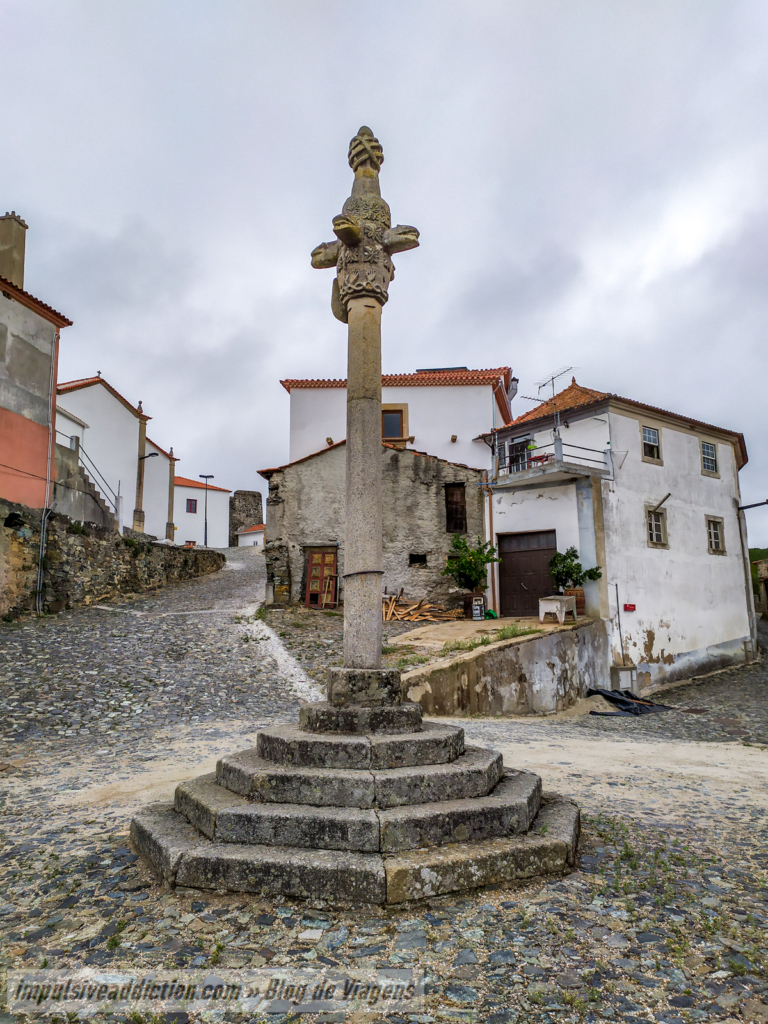
7. Pillory of Vinhais
The Pillory of Vinhais is built in the Manueline style and is crowned with the national coat of arms.
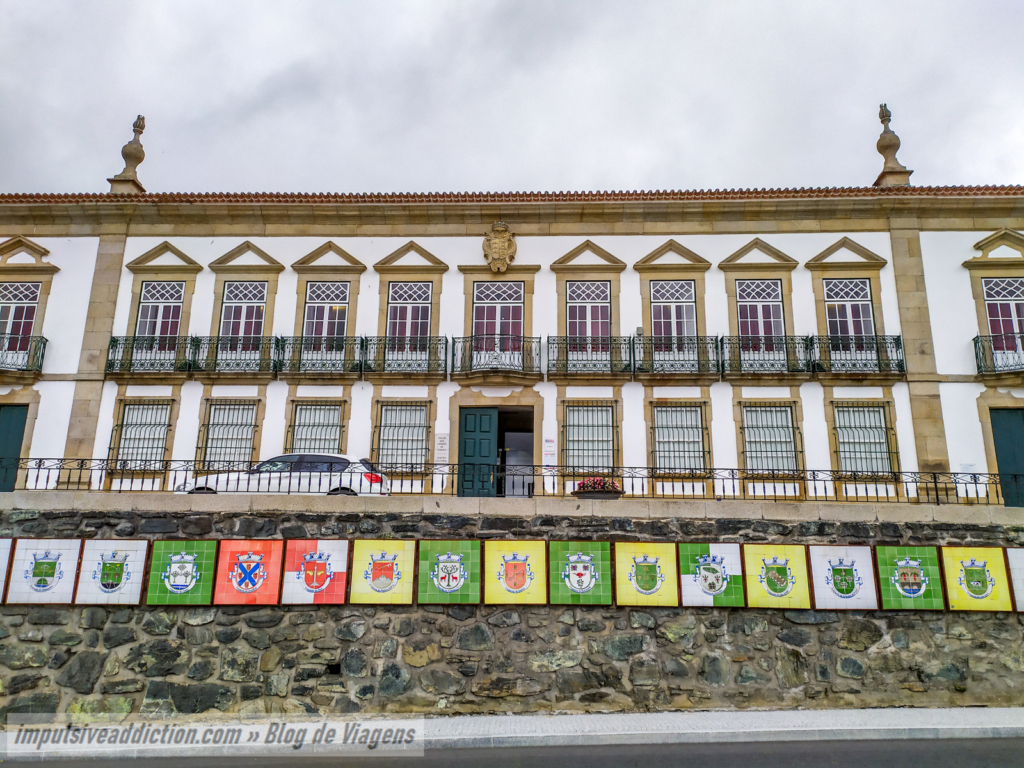
8. Solar da Corujeira and Solar dos Condes de Vinhais (Cultural Center)
There isn’t much to say about the Solar da Corujeira, other than noting its coat of arms and the adjoining Chapel of Nossa Senhora da Oliveira.
The Solar dos Condes de Vinhais, on the other hand, now houses the town’s Cultural Center. Inside, you’ll find exhibition rooms where I, for instance, learned more about Vinhais’ traditions — particularly those connected to the local festivities mentioned earlier in this article.
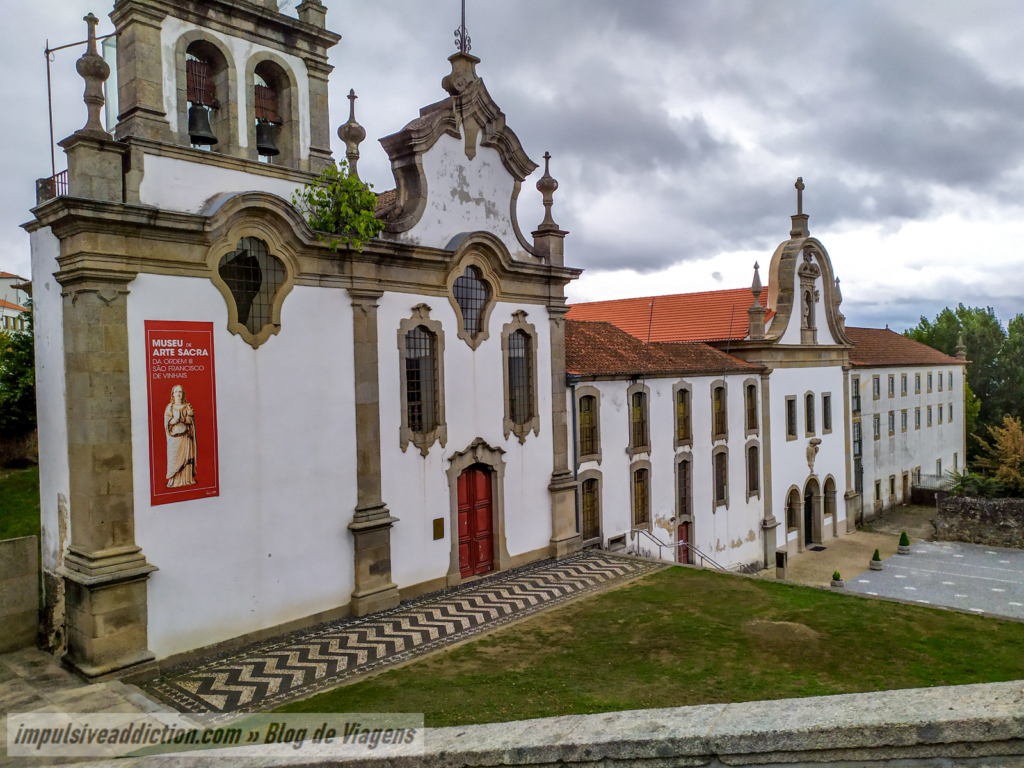
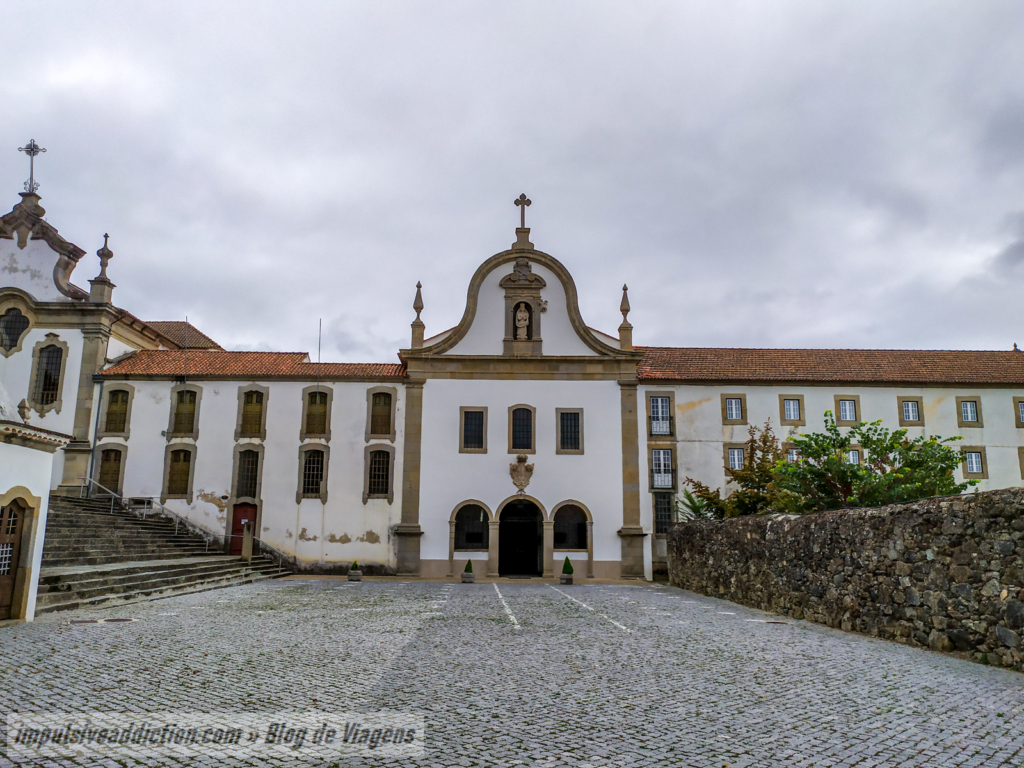
9. Museum of Sacred Art of Vinhais
As you near the end of the historic center, make sure not to miss the Museum of Sacred Art, located within the Convent of São Francisco. I didn’t have the chance to visit, as entry requires prior booking, but I learned that through the museum you can access several remarkable religious spaces: the Church of Nossa Senhora da Encarnação, the Church of São Francisco, the Chapel of Nossa Senhora das Dores, and the Chapel of the Agony of Jesus in the Garden.
All of these are part of the convent and seminary complex where the museum is housed.
10. Chestnut Roaster of Vinhais
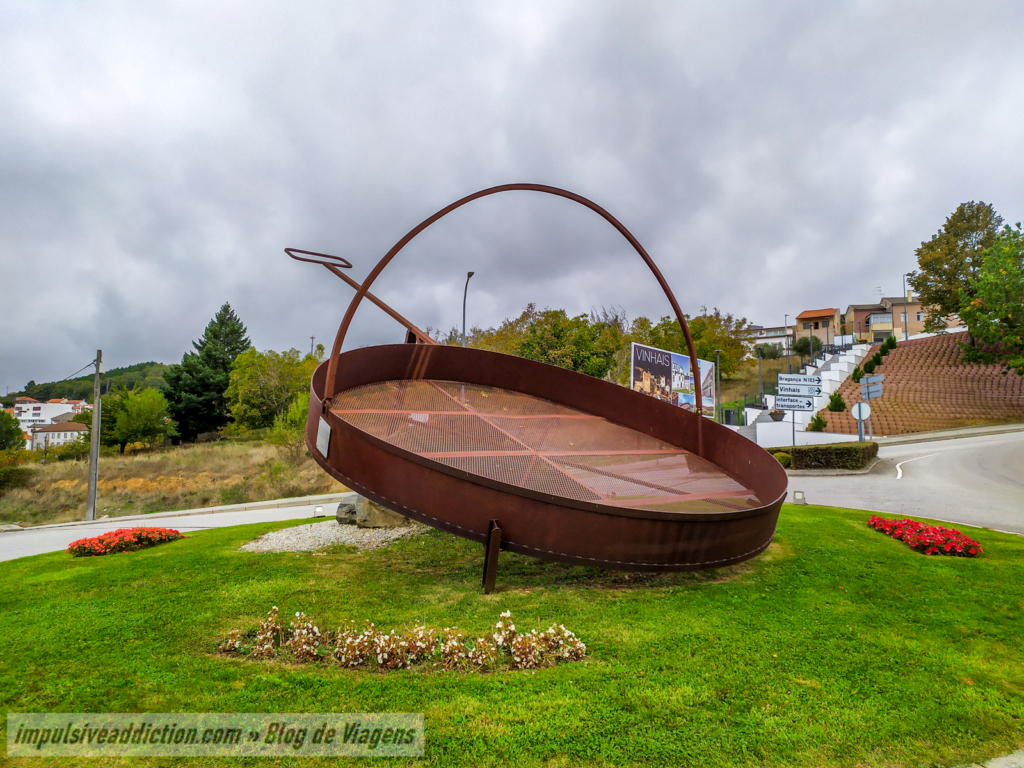
At one of the roundabouts on the way into town, you’ll spot the Chestnut Roaster of Vinhais, which holds a Guinness World Record for its size — it’s the largest chestnut roaster in the world! Measuring 5 meters in diameter and weighing over half a ton, it’s quite a sight. 😉
It is traditionally put to use during the Vinhais Chestnut Festival.
11. Green Park of Arts and Crafts of Vinhais
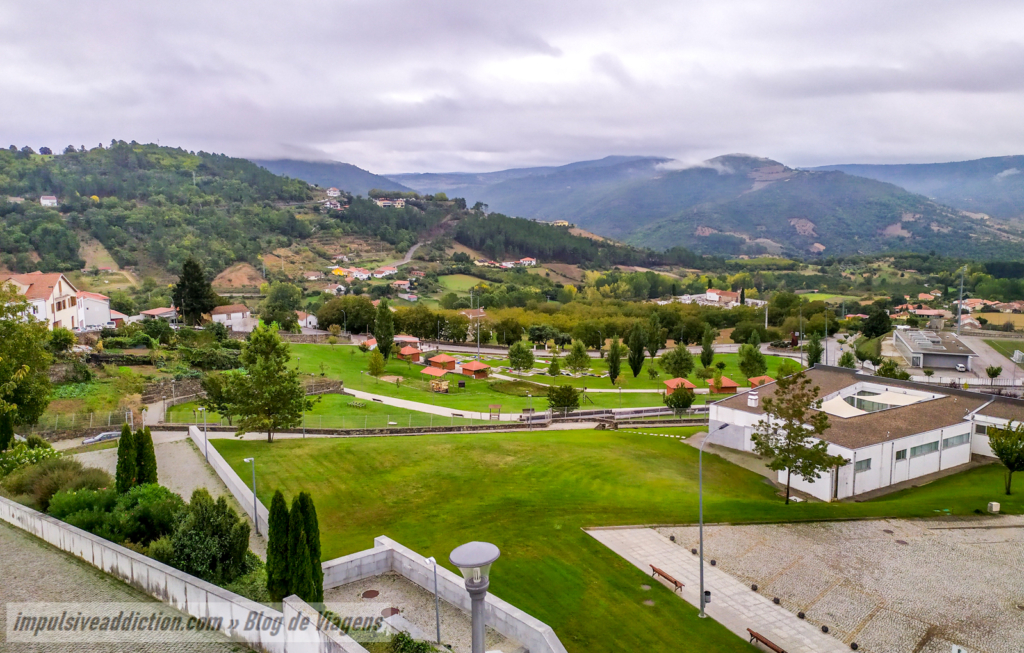
The Green Park of Vinhais is more than just a leisure park in the town center. Its purpose is to immerse visitors in the rural traditions of the region, featuring a series of open-air museum spaces dedicated to bread, wine, olive oil, blacksmithing, wool-working, threshing, and even traditional cooking.
It’s a wonderful place to discover and learn about the customs and way of life that have long defined this part of Trás-os-Montes.
12. Church of São Facundo
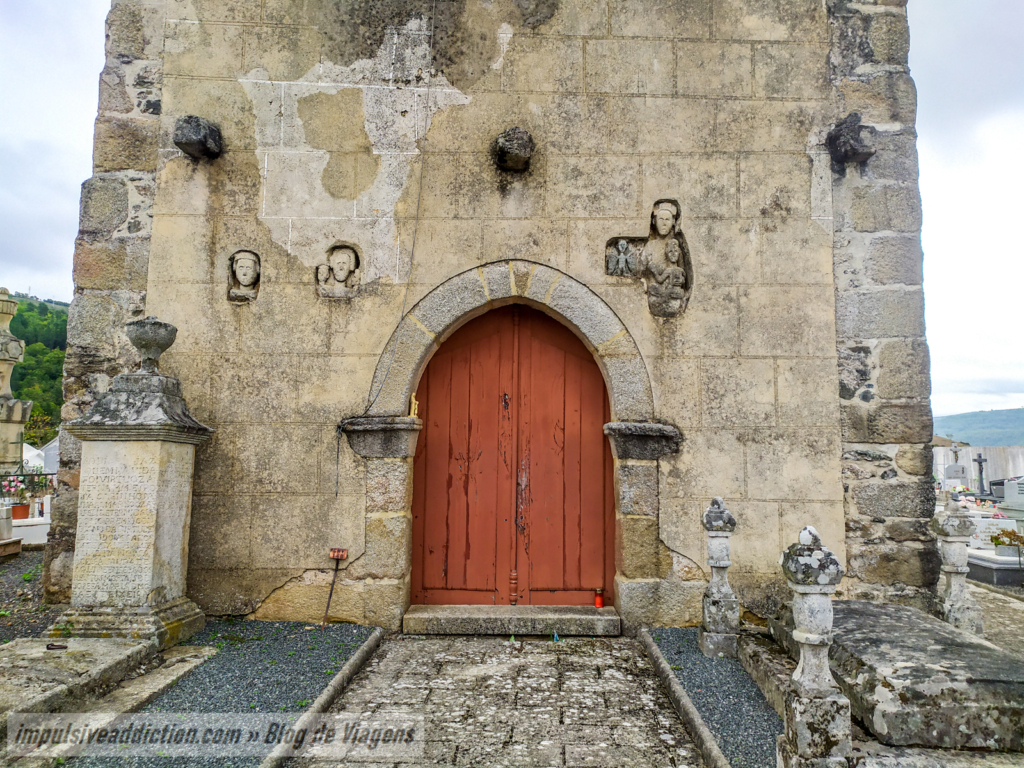
Last but not least, the Church of São Facundo — the oldest church in Trás-os-Montes, making it an unmissable stop! Dating back to the pre-Romanesque period of the 9th or 10th century, it is located in the cemetery just outside the town.
The highlight here is undoubtedly the sculpted figures on the main façade, originally dedicated to the Holy Trinity.
Vinhais Biological Park
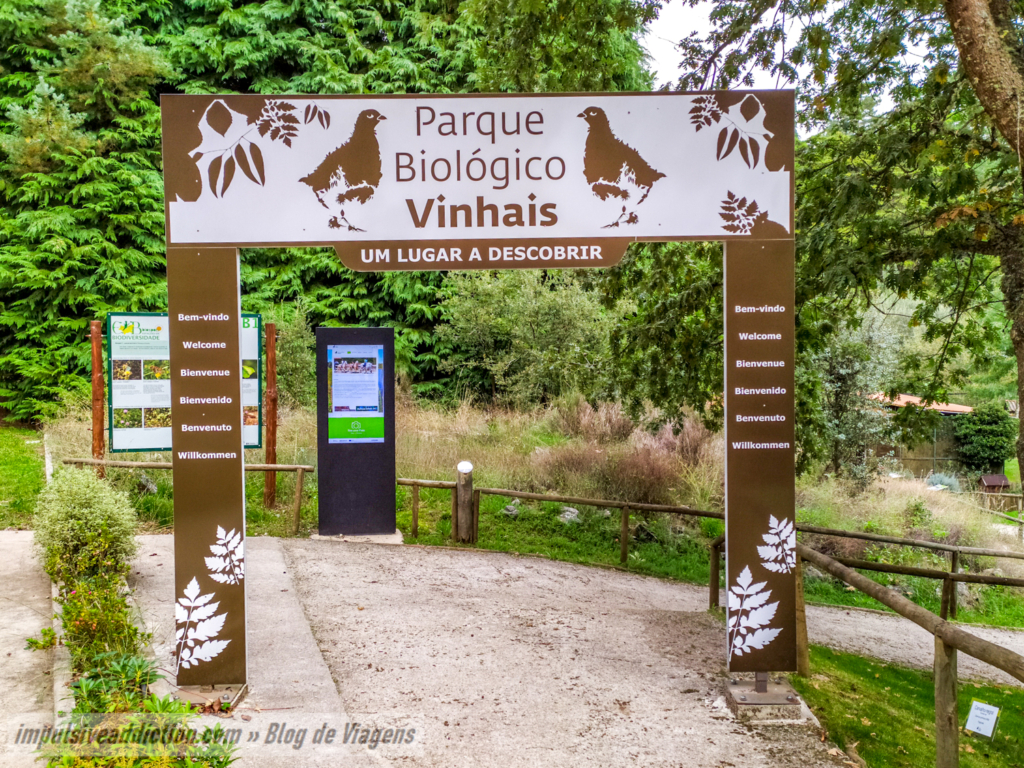
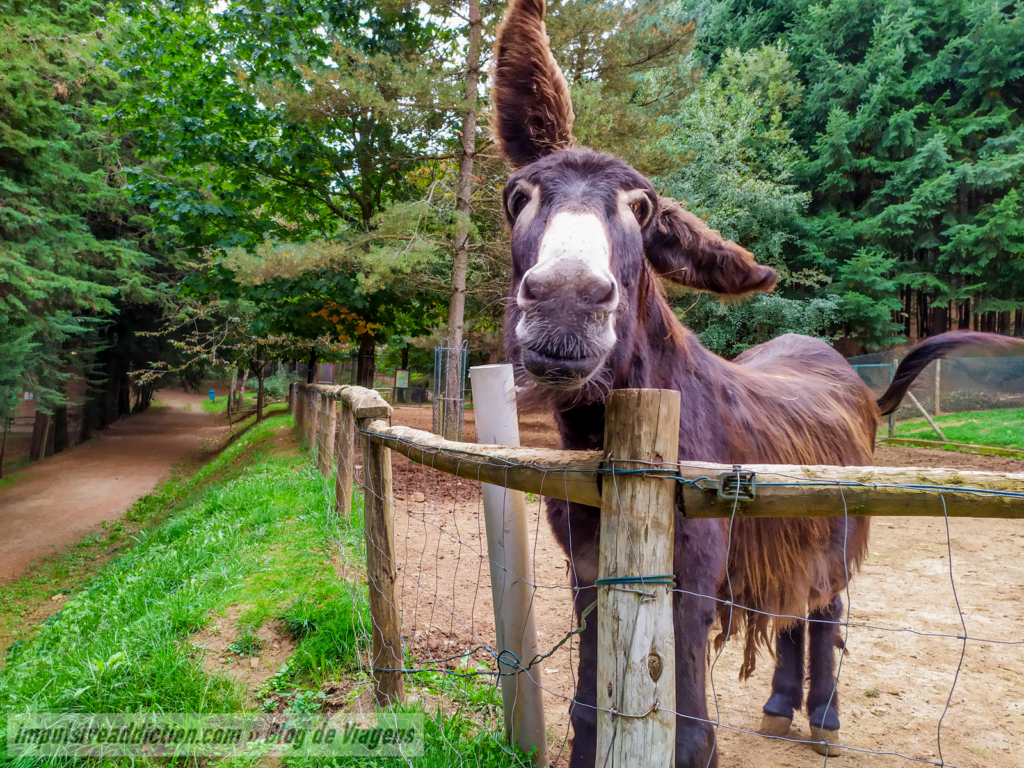
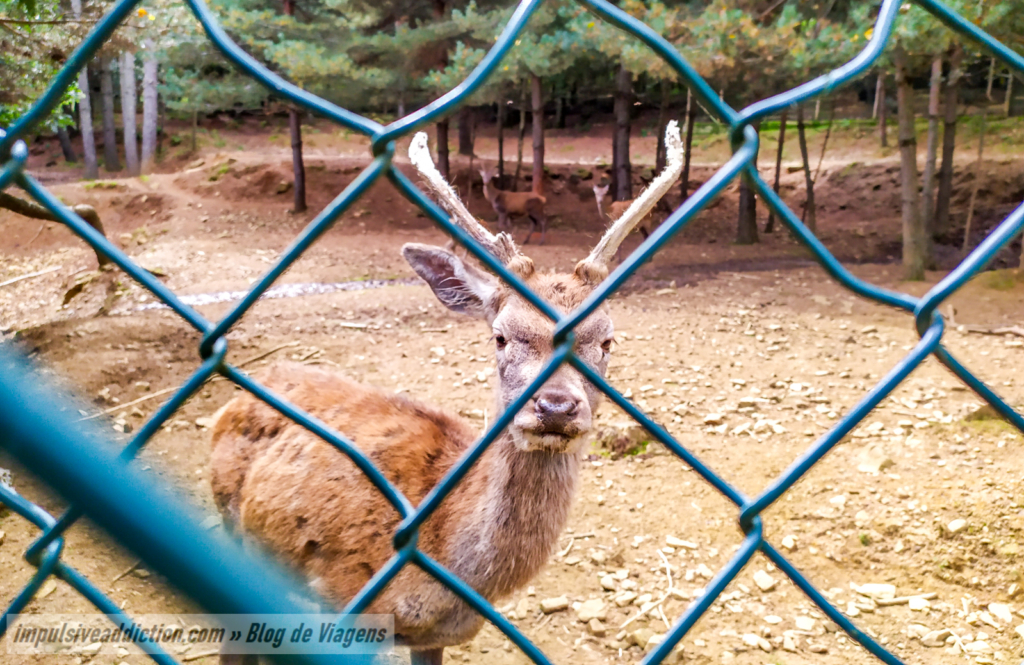
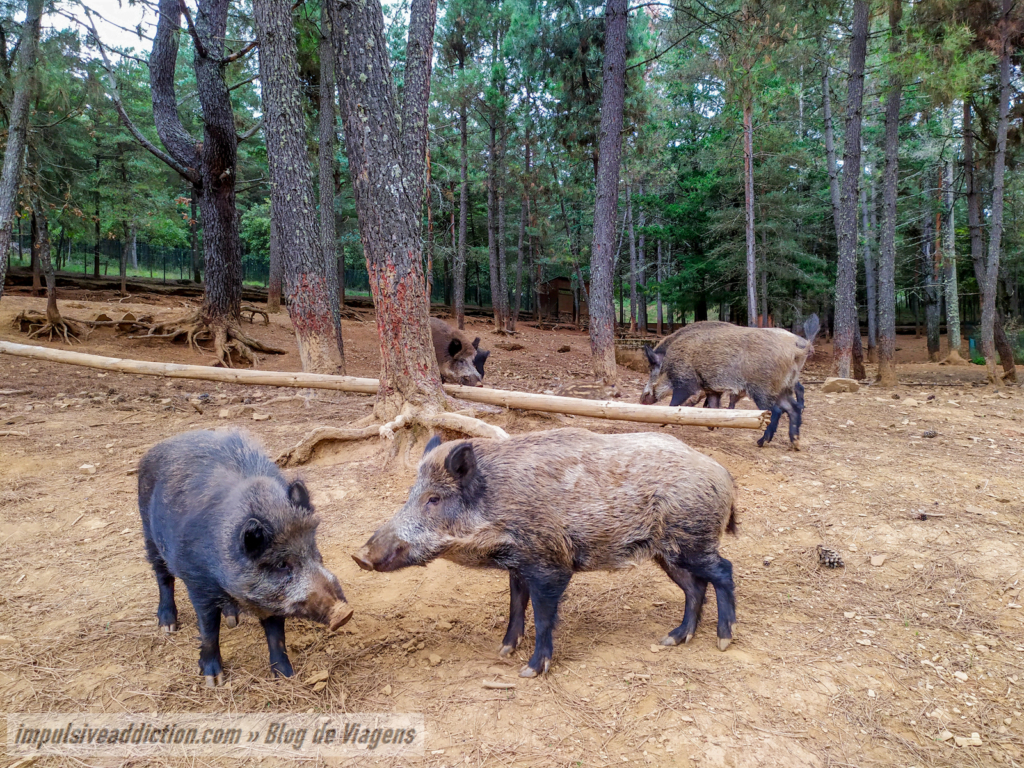
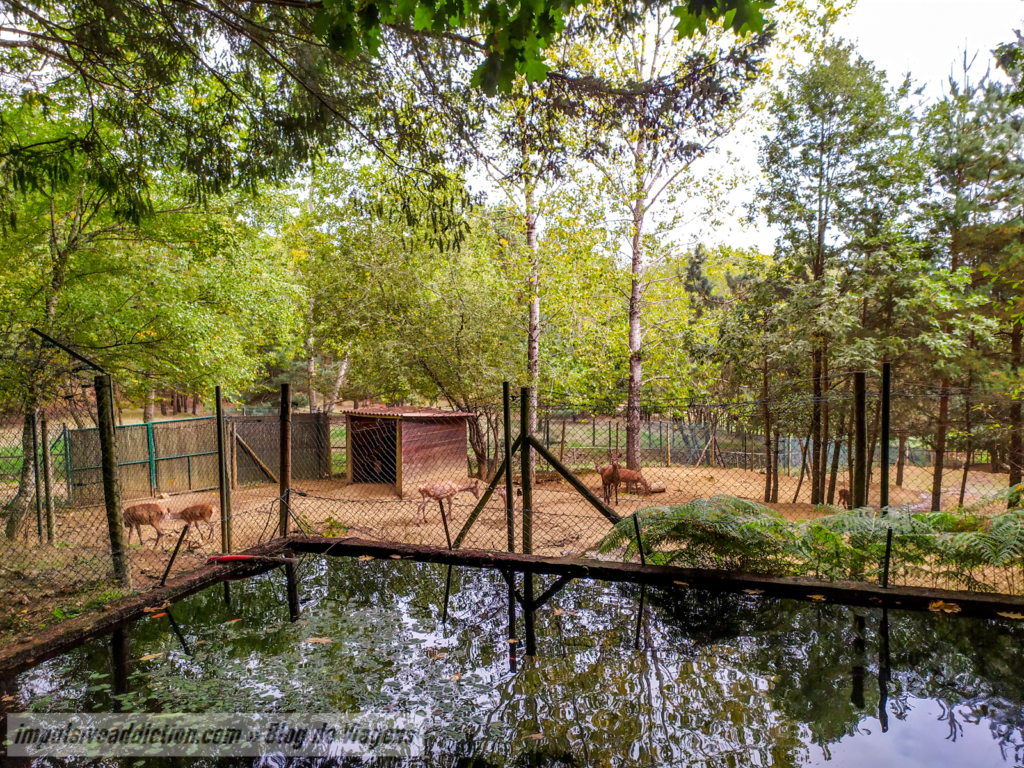
After exploring the historic center, it’s time to head up to the Vinhais Biological Park. Here, don’t miss the Interpretive Center of the Iberian Wolf, located within the park, and take the opportunity to see some of the animals that inhabit the Montesinho Natural Park: wild boar, deer, roe deer, Mirandesa donkeys, foxes, Churra sheep, goats, among others.
Ciradelha Viewpoint and Chouriça Swing
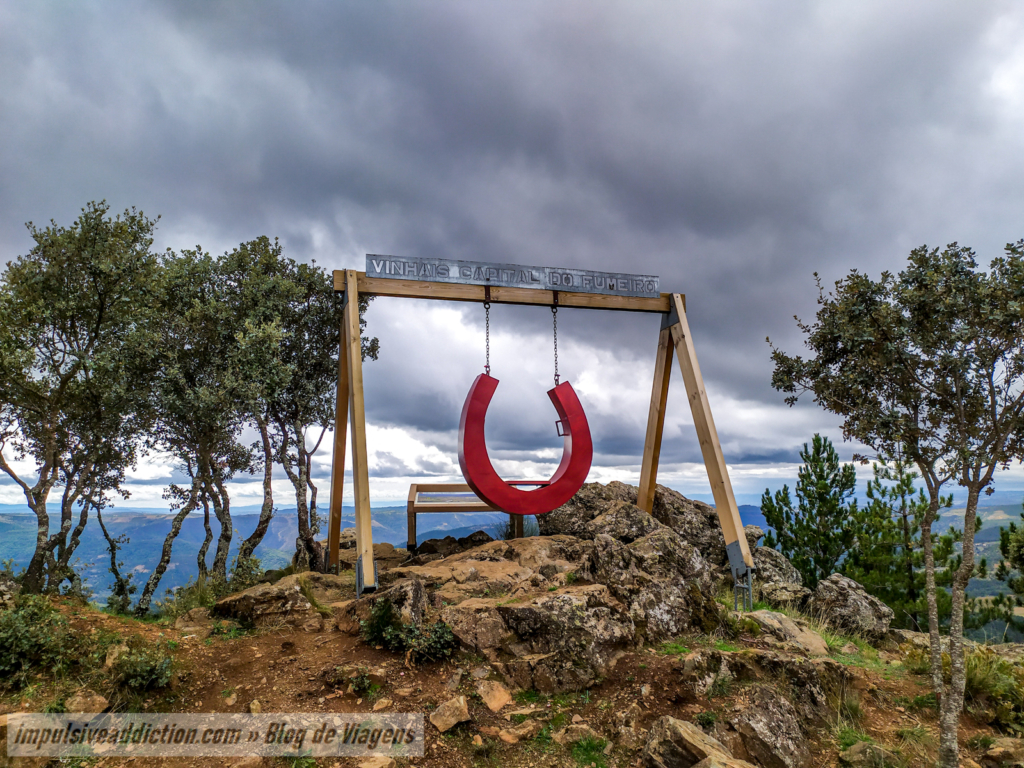
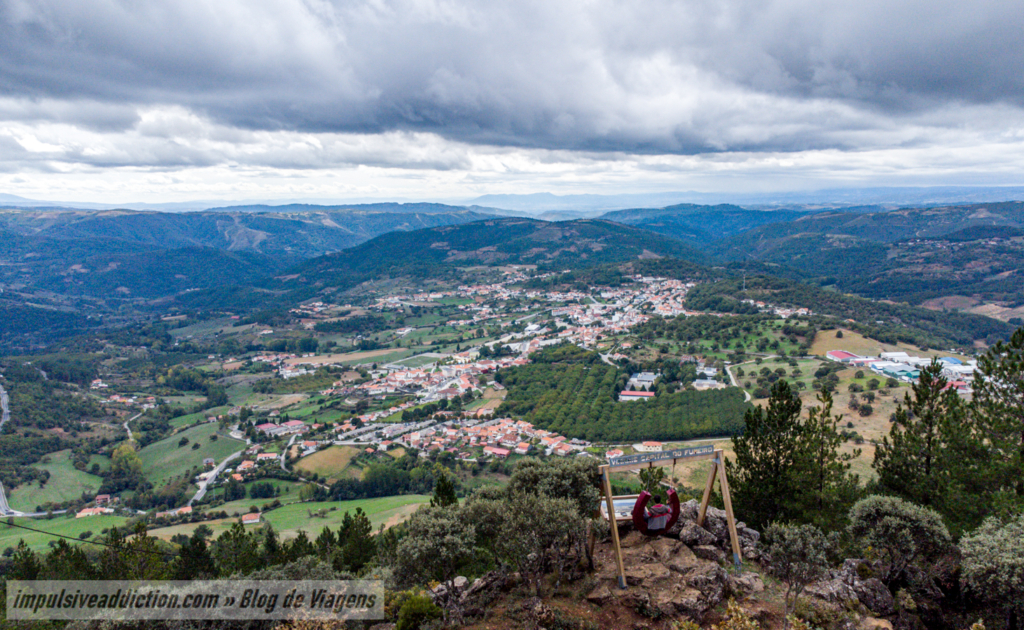
Close to the Vinhais Biological Park, you’ll find the Ciradelha Viewpoint and the popular Chouriça Swing.
Reaching the top of Ciradelha Hill by car proved quite difficult — the road is in very poor condition, so I wouldn’t recommend driving up there.
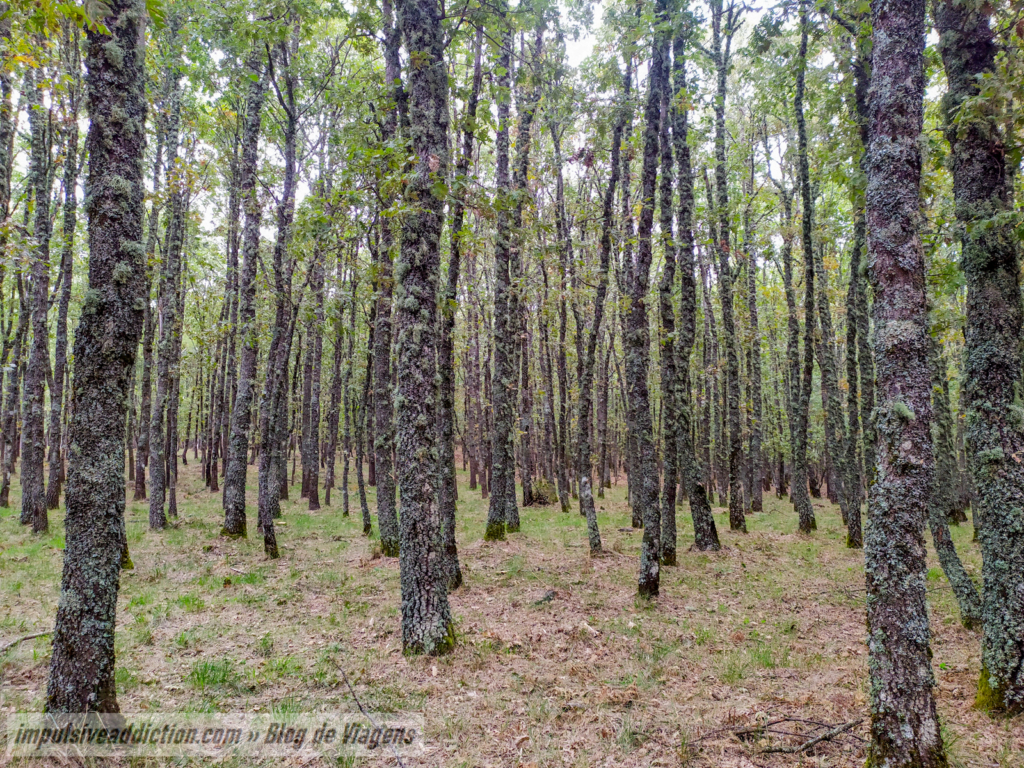
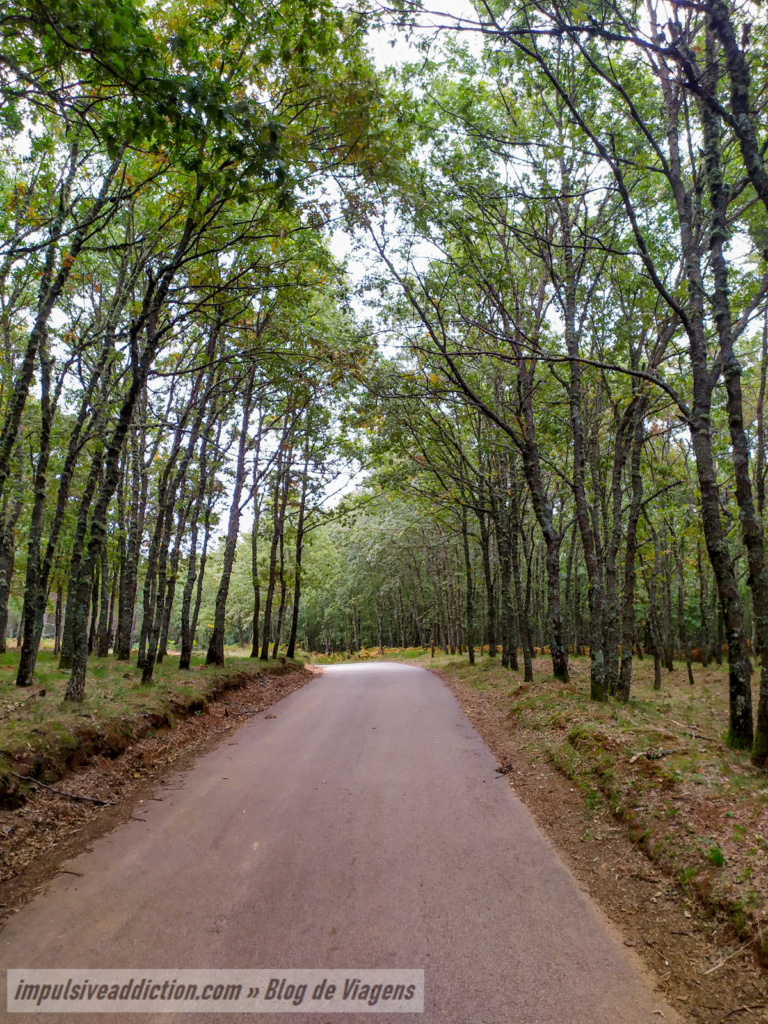
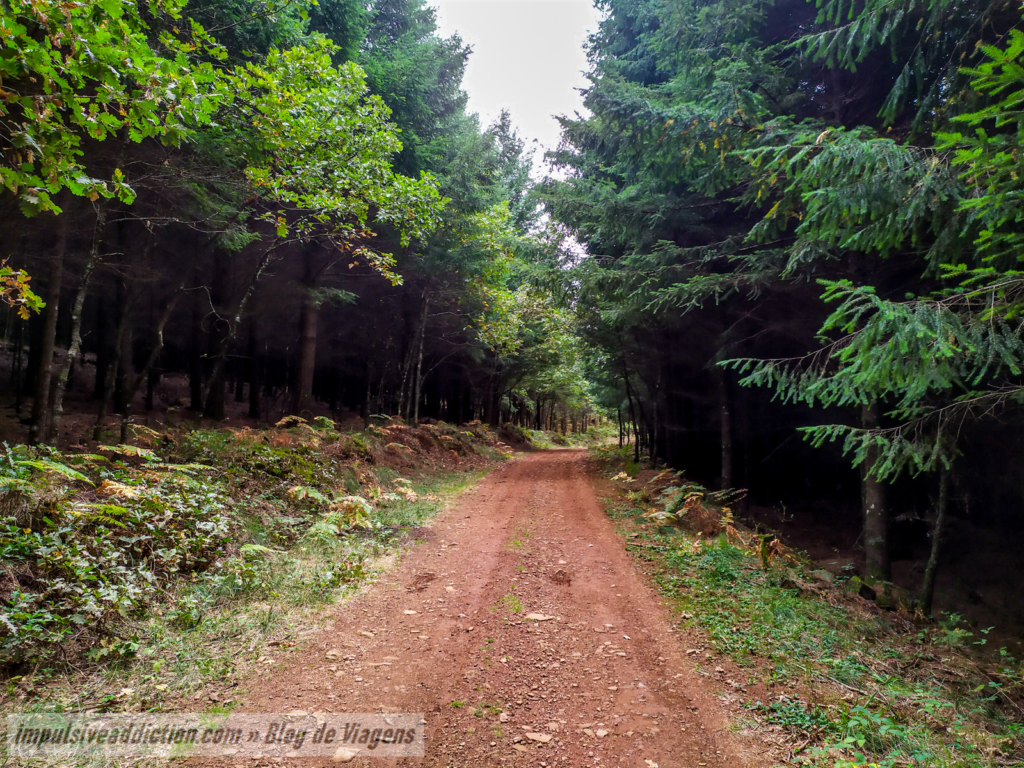
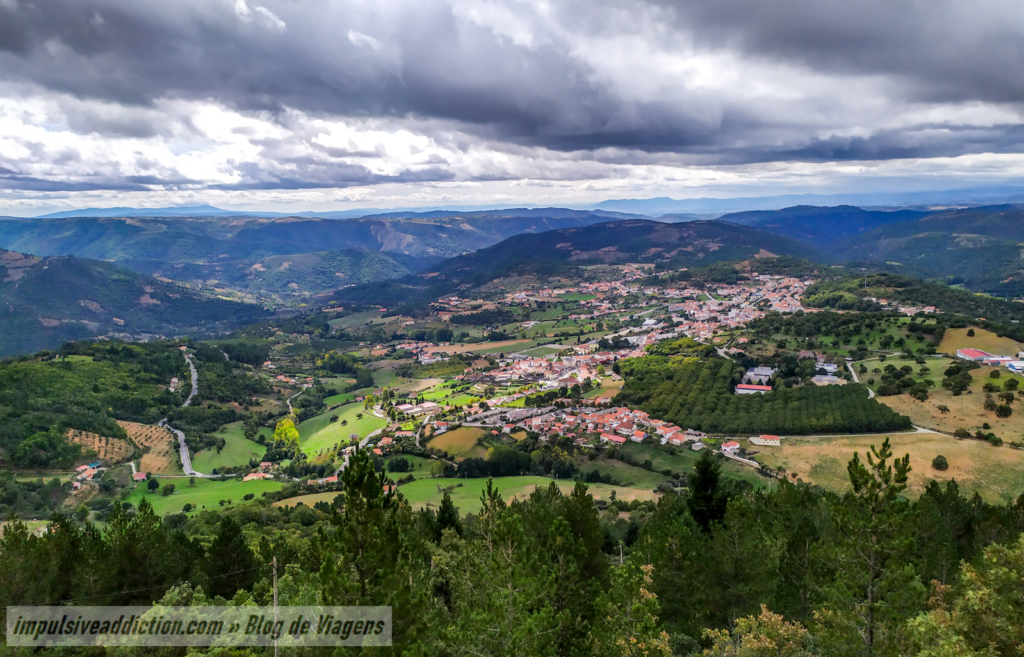
However, access to the Chouriça Swing, which offers the best viewpoint over Vinhais, is much easier. The route is signposted and relatively accessible by car. The surrounding vegetation is stunning, and there’s also a new hiking option: the Biospots Trail, a 3 km round trip across the hill.
River Beaches to Visit in Vinhais
There are three main river beaches I’ll highlight here, though you may well discover other hidden gems along Vinhais’ rivers if you venture off the beaten path. These spots are among the most popular in the Montesinho Natural Park for a refreshing summer swim while visiting Vinhais.
1. Fresulfe River Beach
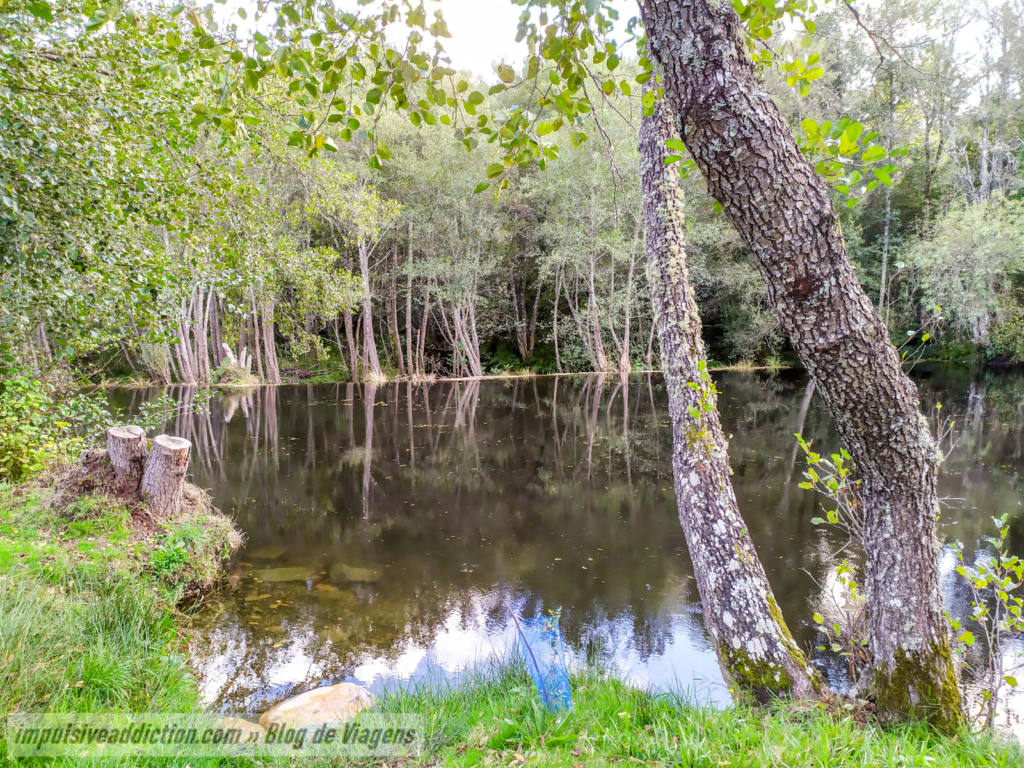
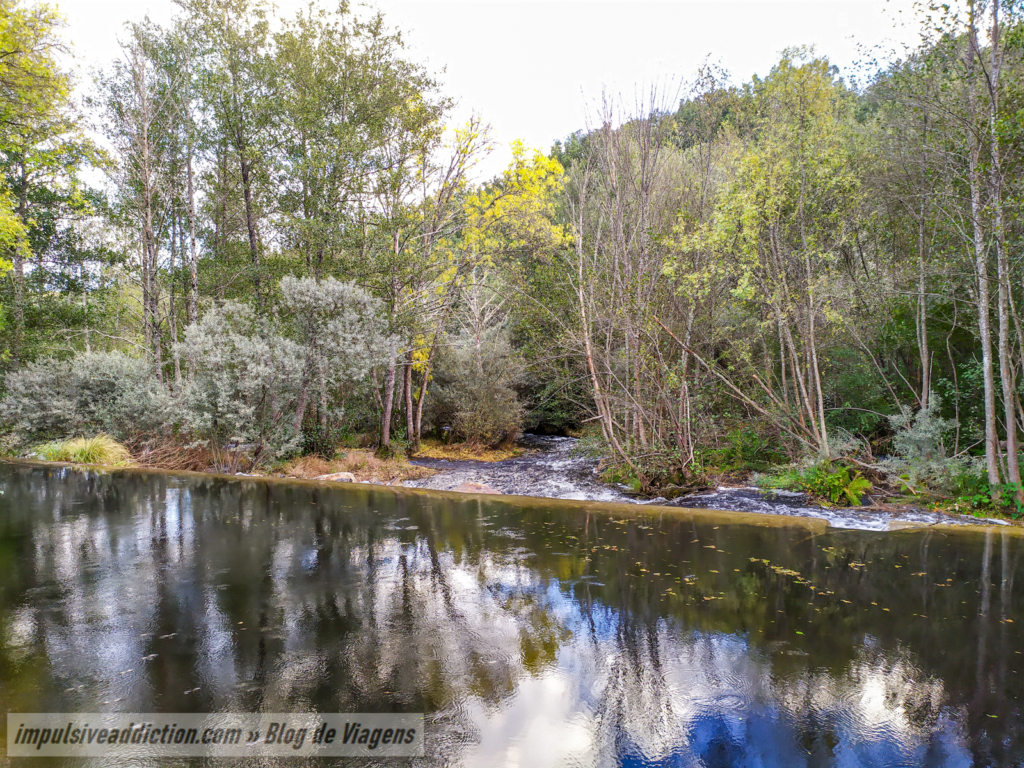
The Fresulfe River Beach lies by the village of the same name, on the banks of the Tuela River. The village itself is optional to visit, but this beach is, in my opinion, the best of the three I’ll mention here.
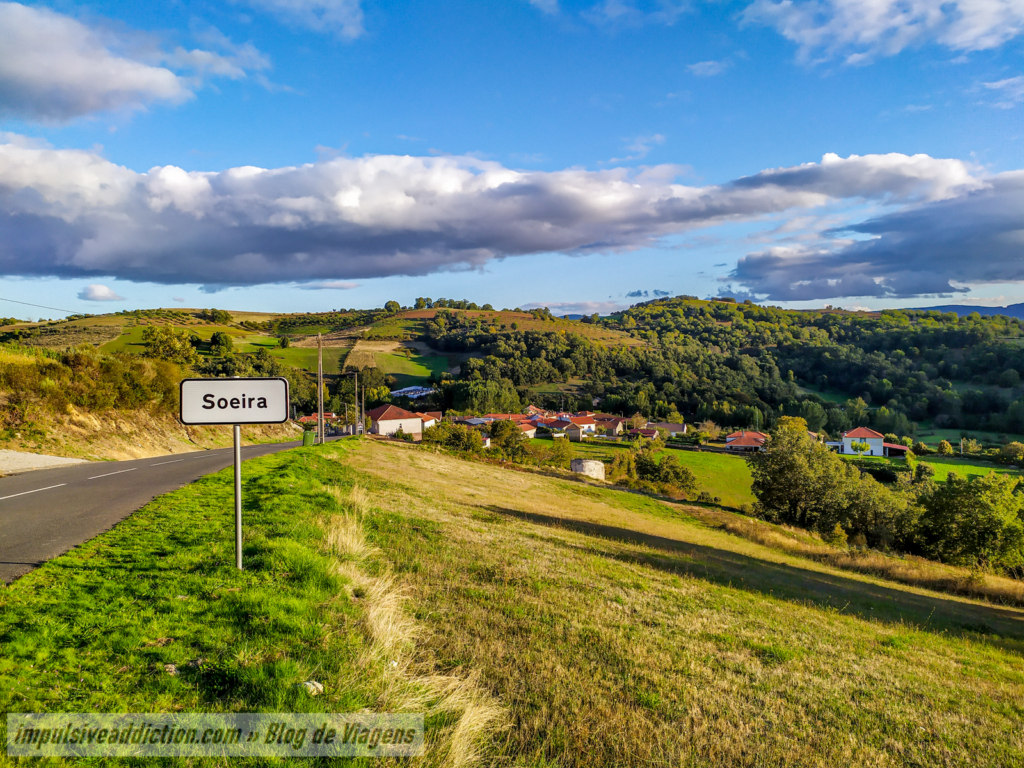
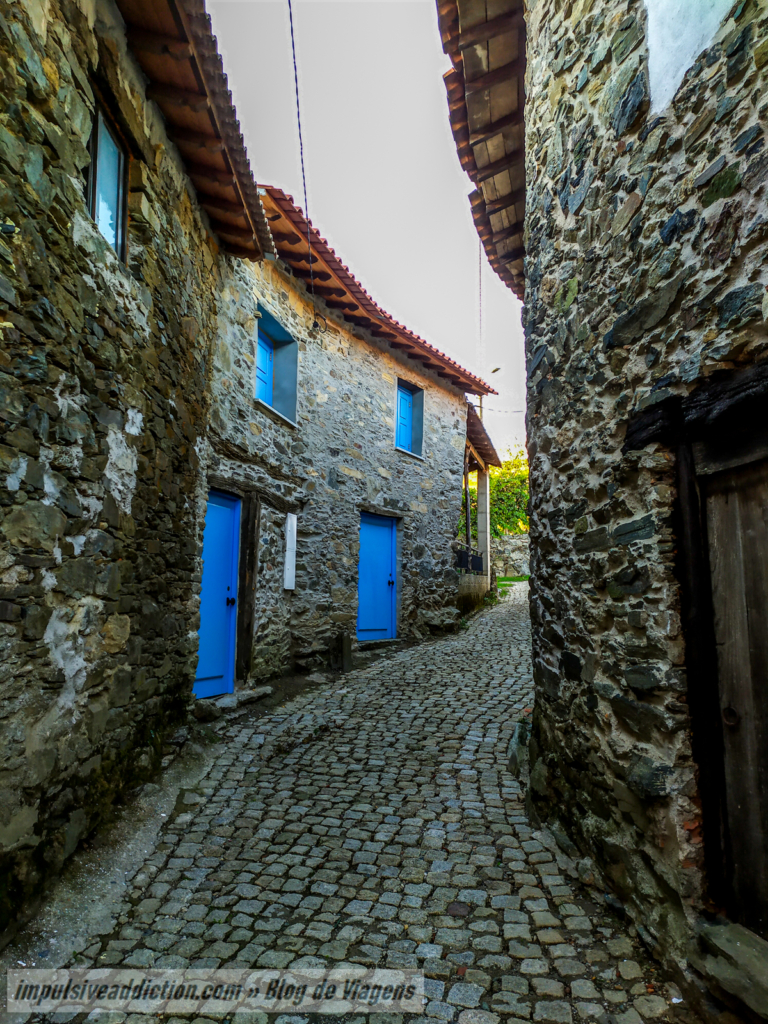
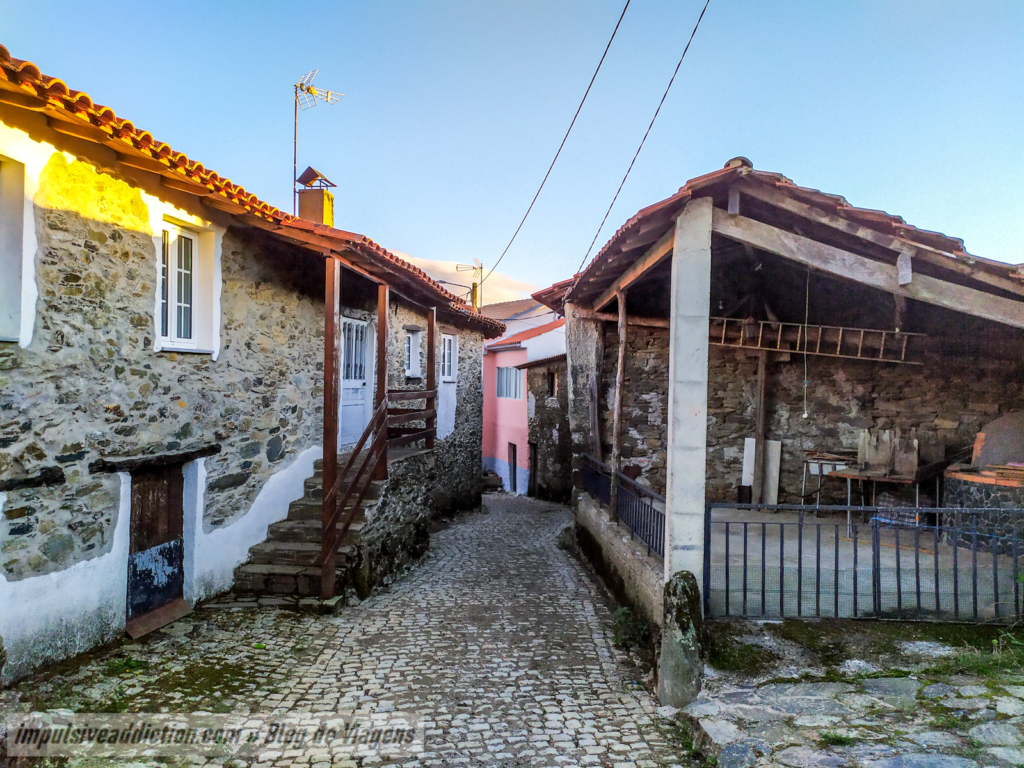
2. Soeira River Beach
The Soeira River Beach is located near the village of Soeira, just south of Fresulfe, also along the Tuela River.
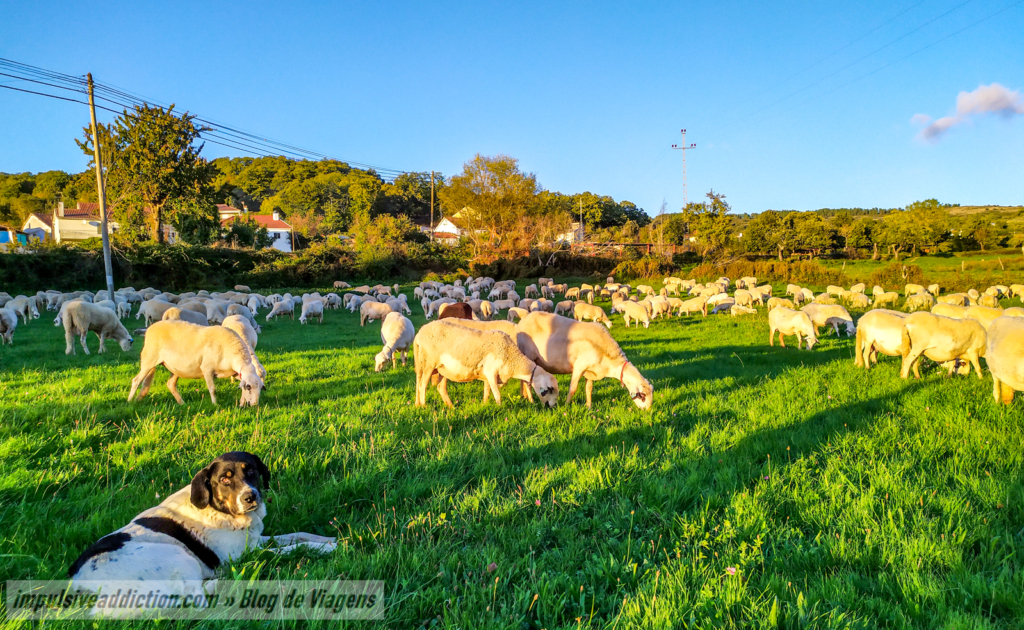
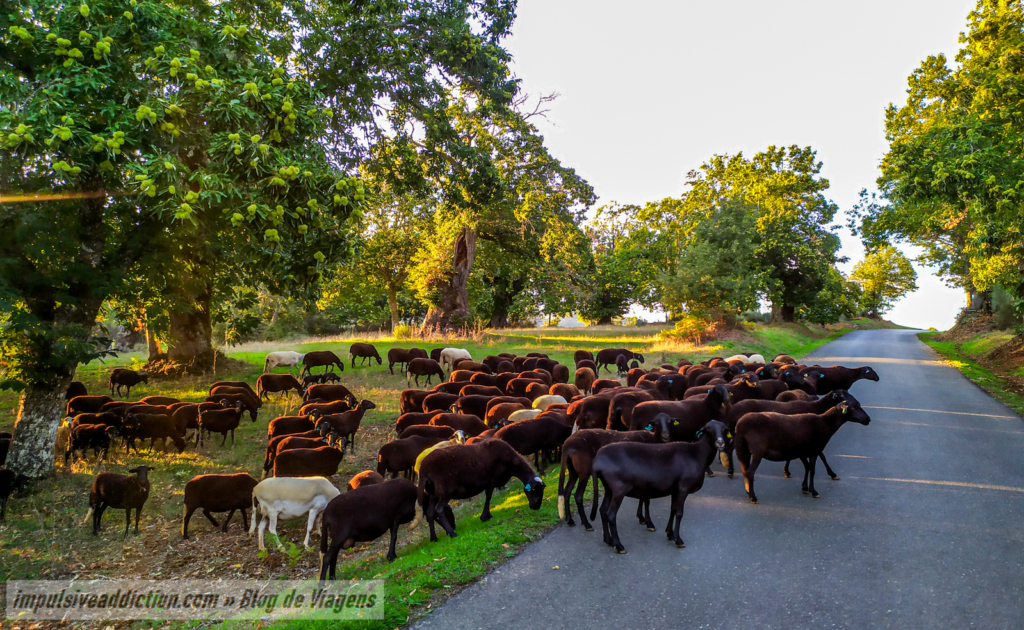
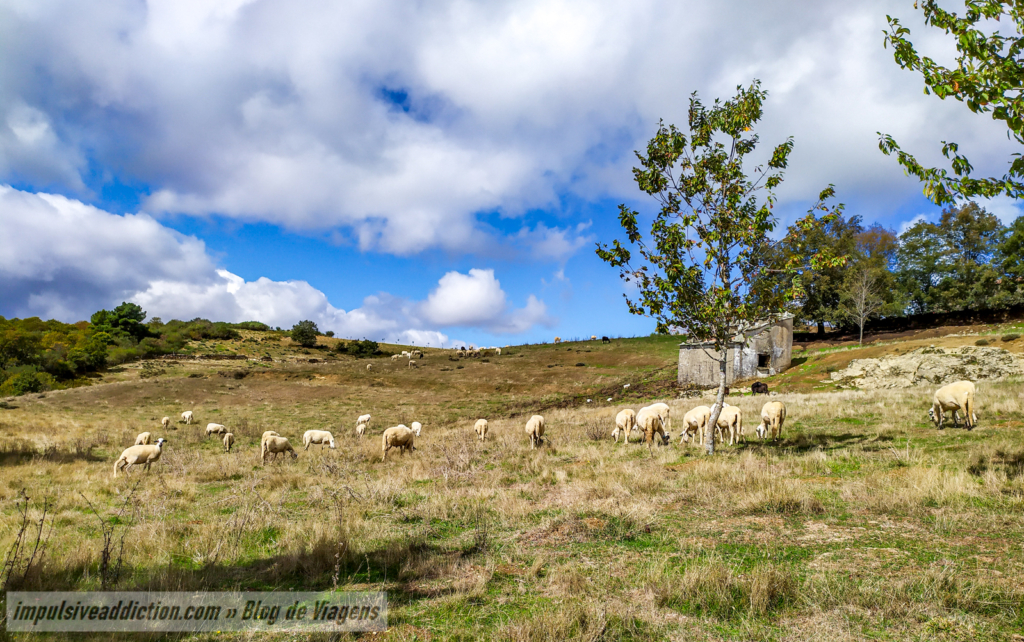
While in the area, I came across one of the largest flocks of sheep I’ve ever seen in the Montesinho Natural Park — around 350 Churra sheep in total.
3. Ponte da Arranca River Beach
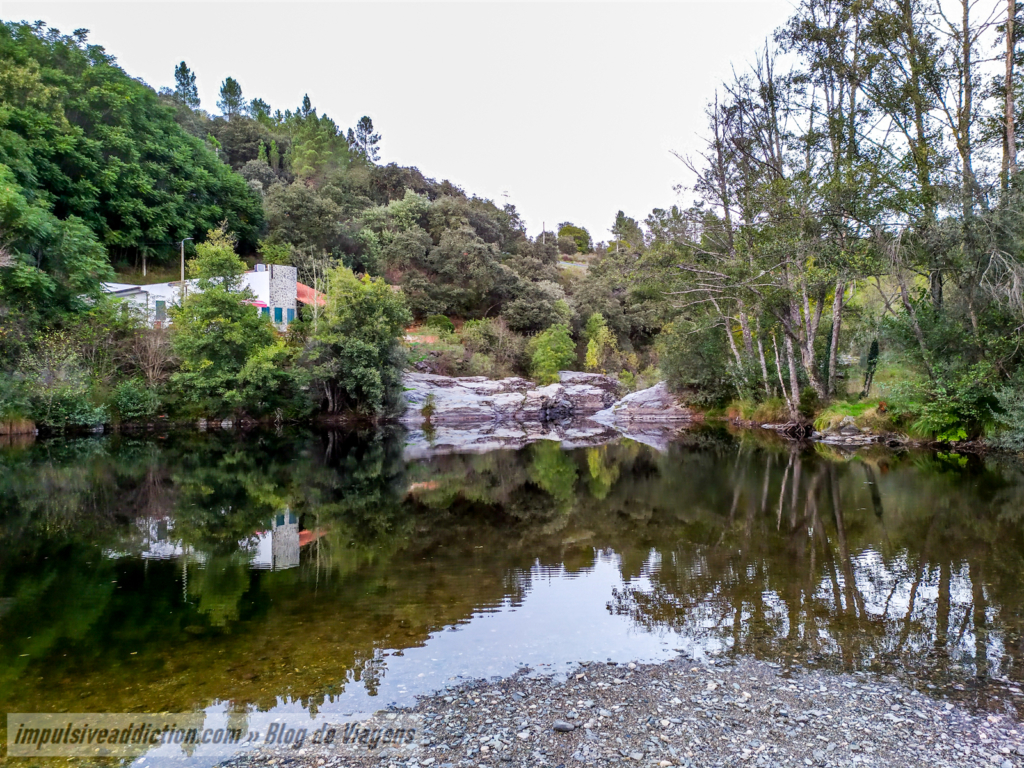
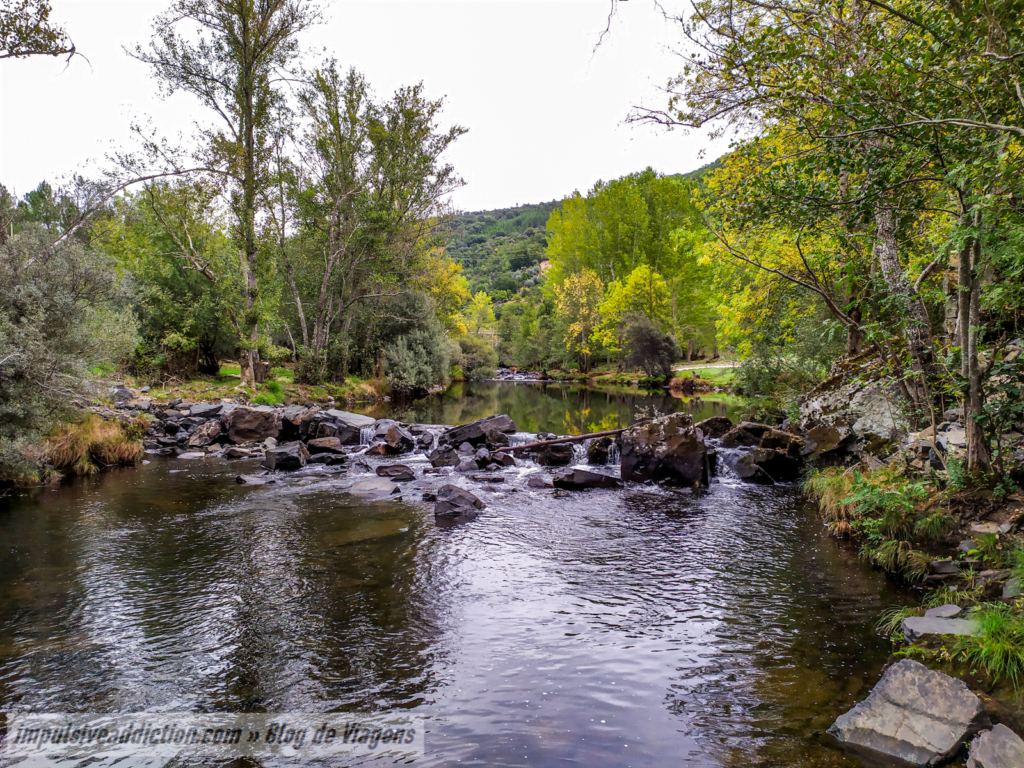
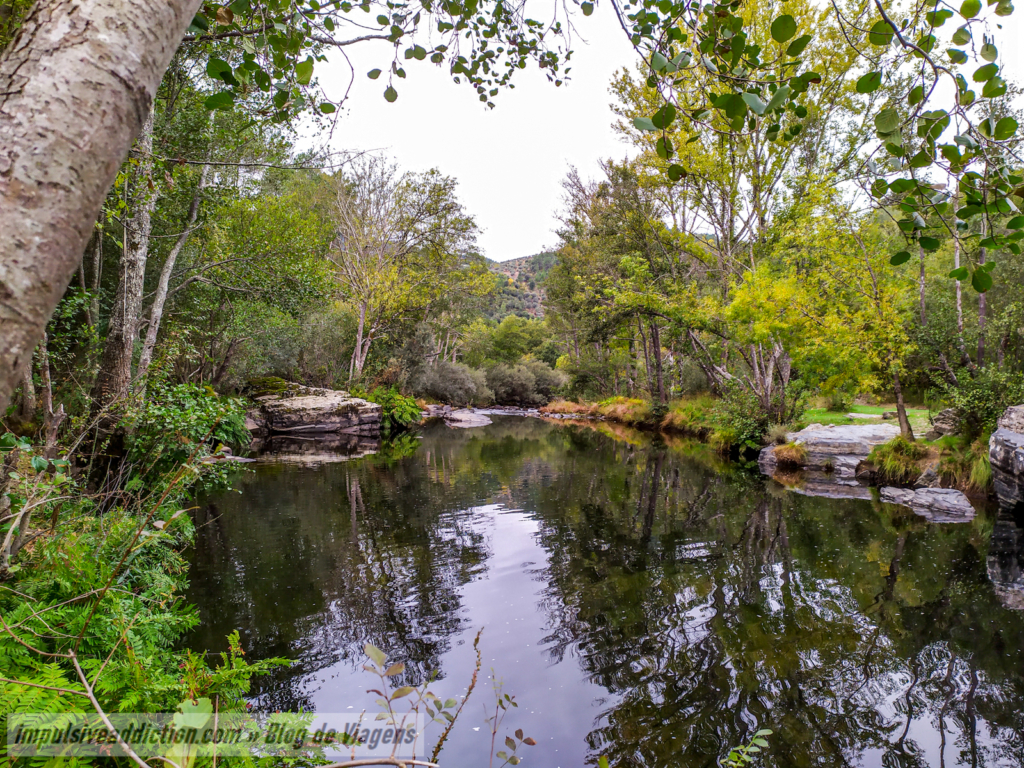
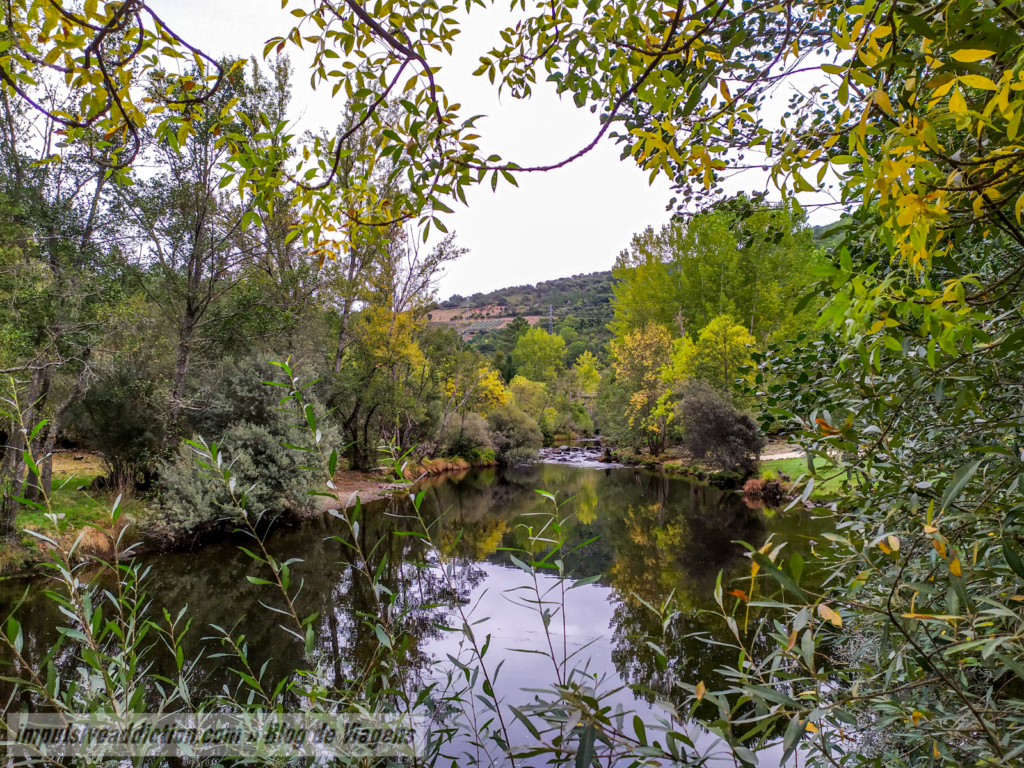
The Ponte da Arranca River Beach lies south of the town of Vinhais, also on the Tuela River. It seemed like an excellent spot as well, though in my view it falls short compared to the previous ones since it is outside the natural park.
Ancient Trees in the Montesinho Natural Park
While visiting a place defined by its pristine nature, I can’t help but highlight two of its most extraordinary natural “monuments.”
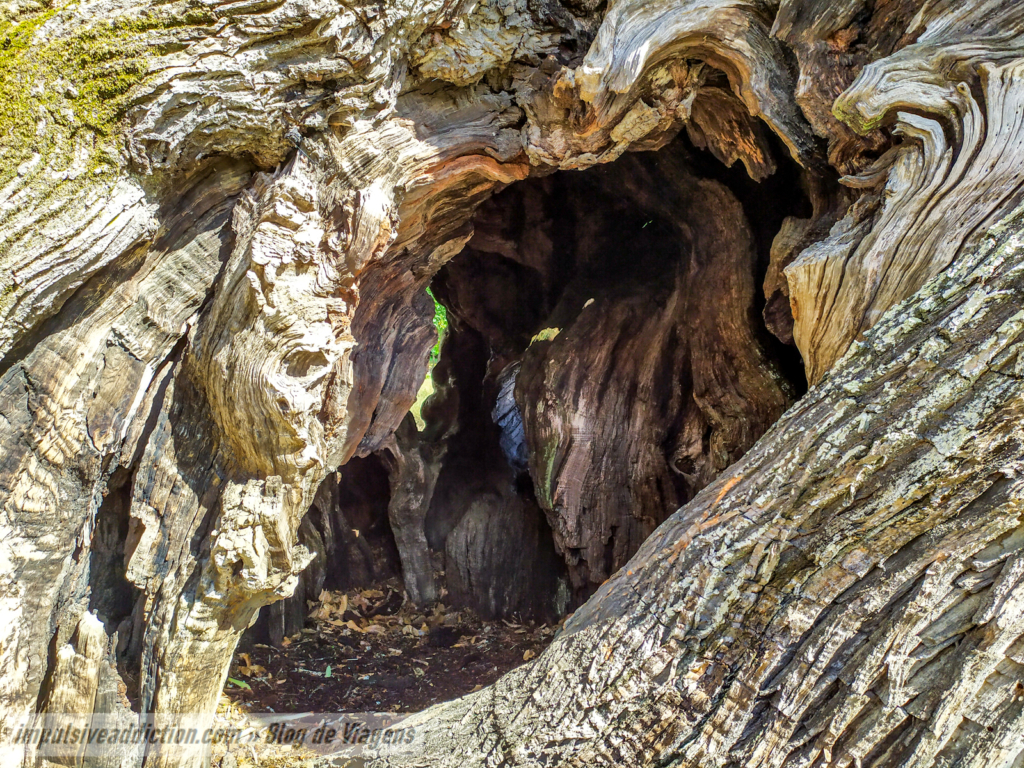
1. Millenary Chestnut Tree of Lagarelhos
Near the village of Lagarelhos stands a thousand-year-old chestnut tree, with a trunk measuring almost 13 meters in circumference. Chestnut trees are common throughout the natural park, but none I encountered reached this scale — it’s truly an awe-inspiring sight.
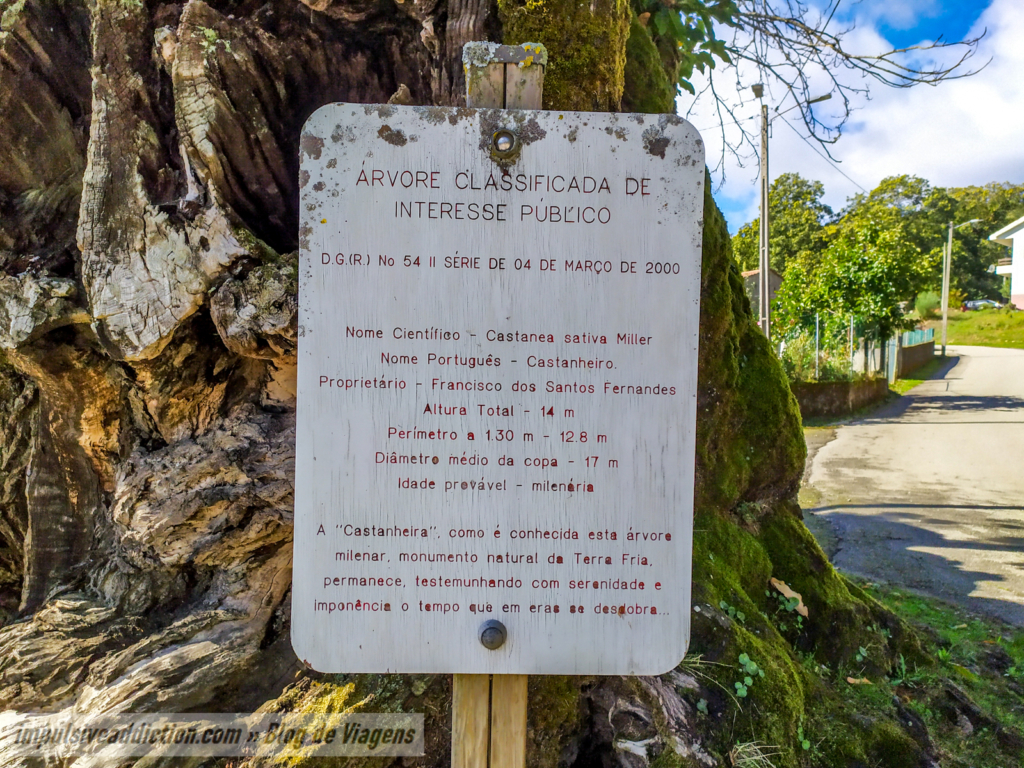
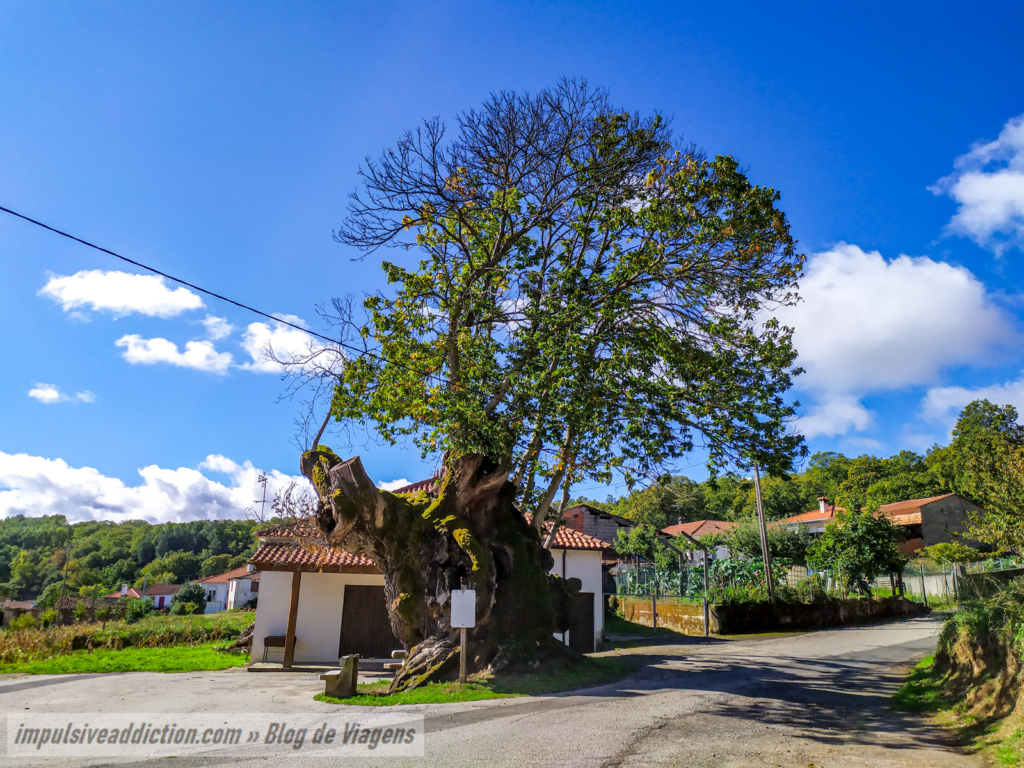
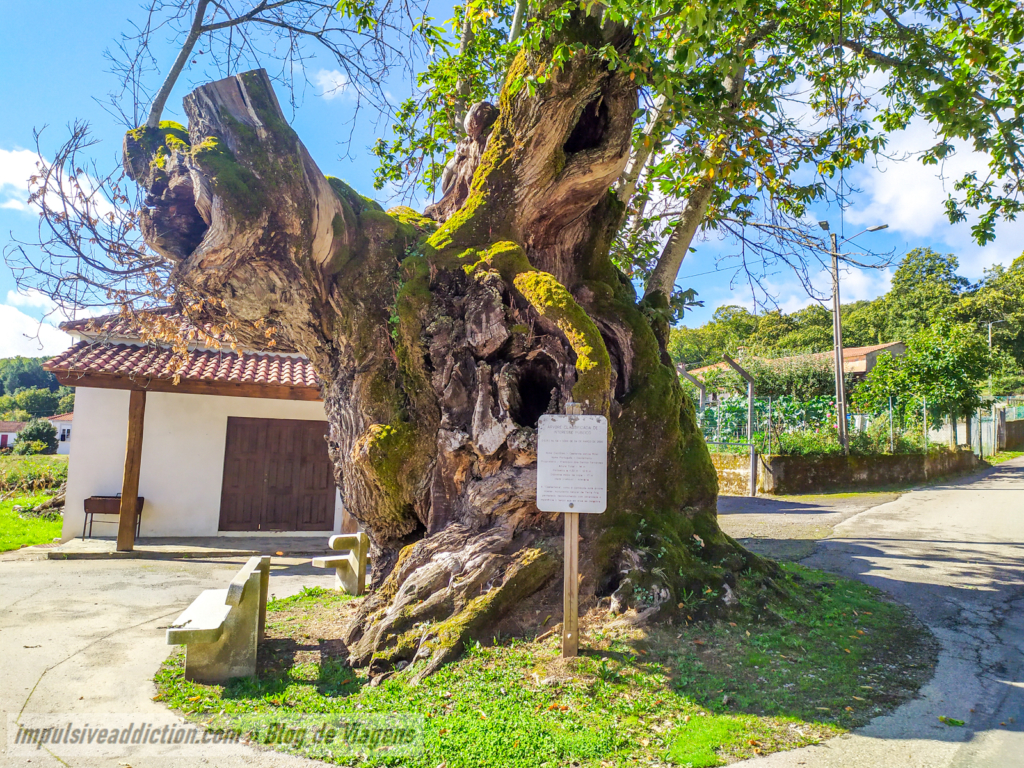
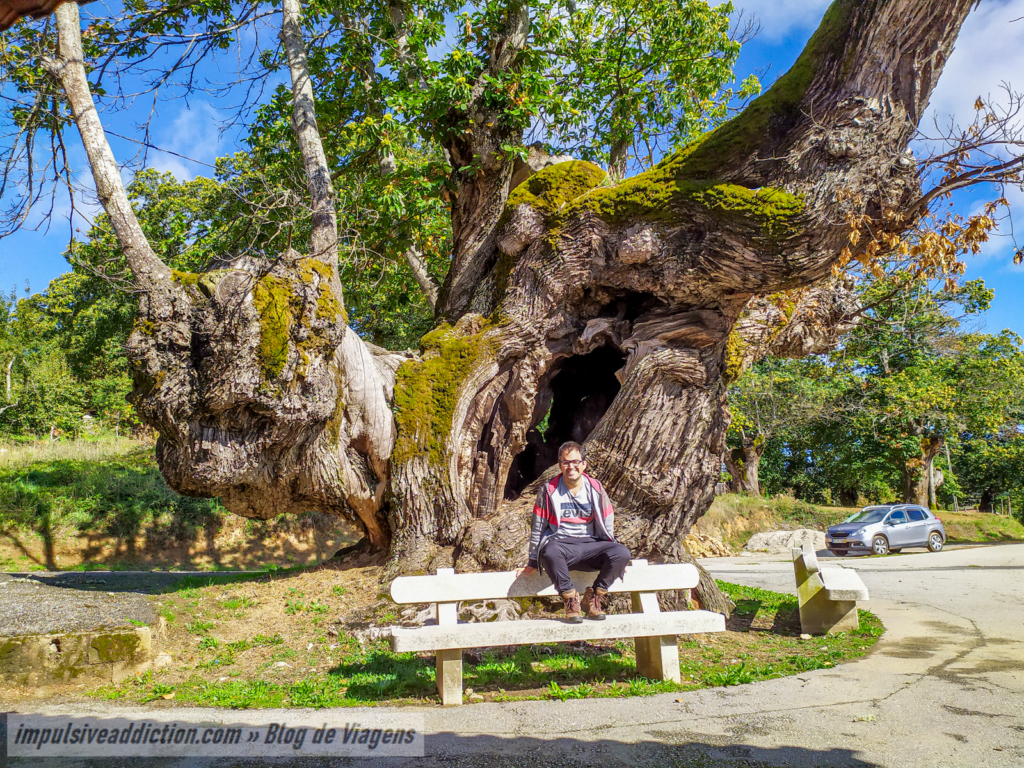
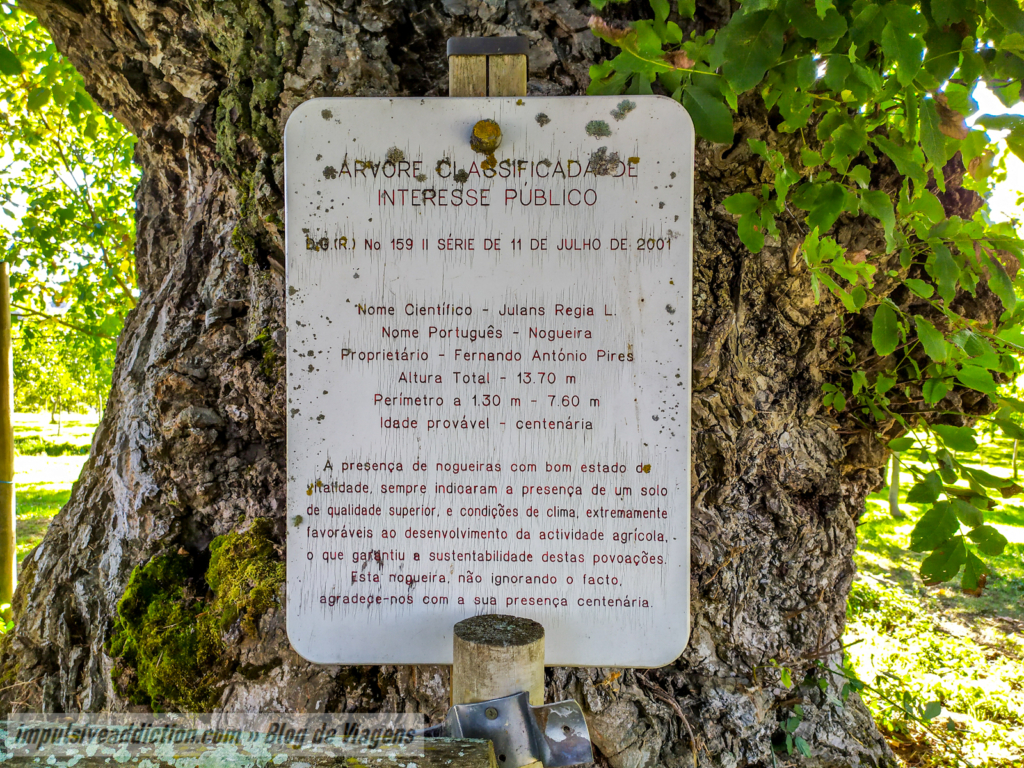
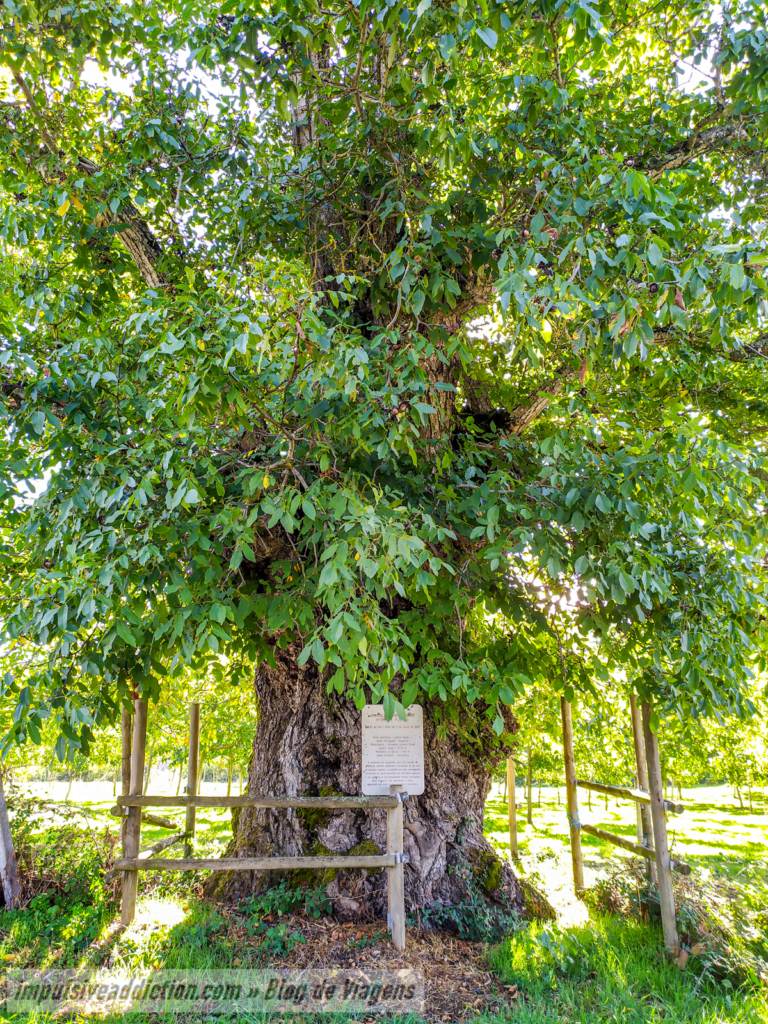
2. Centenary Walnut Tree of Quintela
In the village of Quintela, another gem of the Montesinho Natural Park, you’ll find a century-old walnut tree with a trunk circumference of over 7 meters!
The Most Beautiful Villages of Vinhais in the Montesinho Natural Park
The villages of Vinhais are generally less well preserved than those around Bragança, but you’ll still find some hidden gems here. 😉 A few truly surprised me — quiet, authentic places, free of tourists precisely because they remain so little known.
1. Vilarinho de Lomba and Cisterna
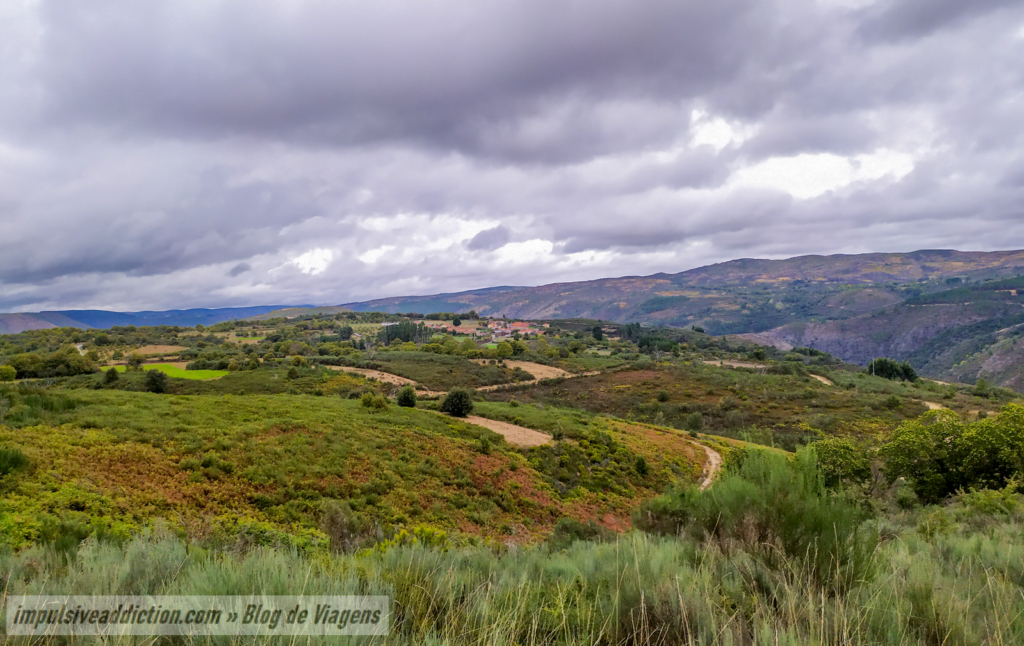
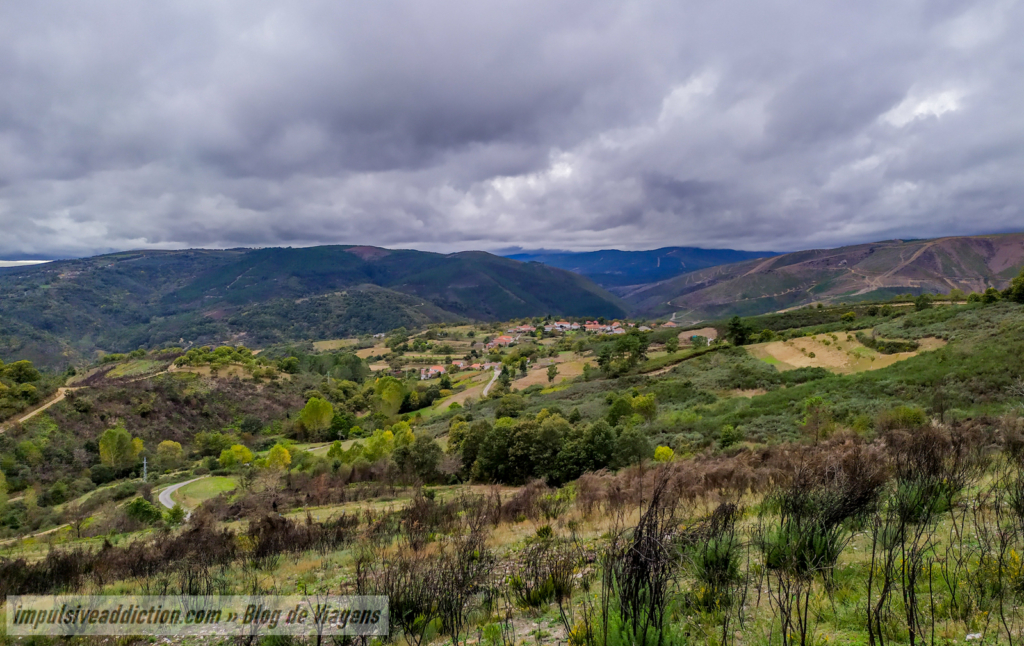
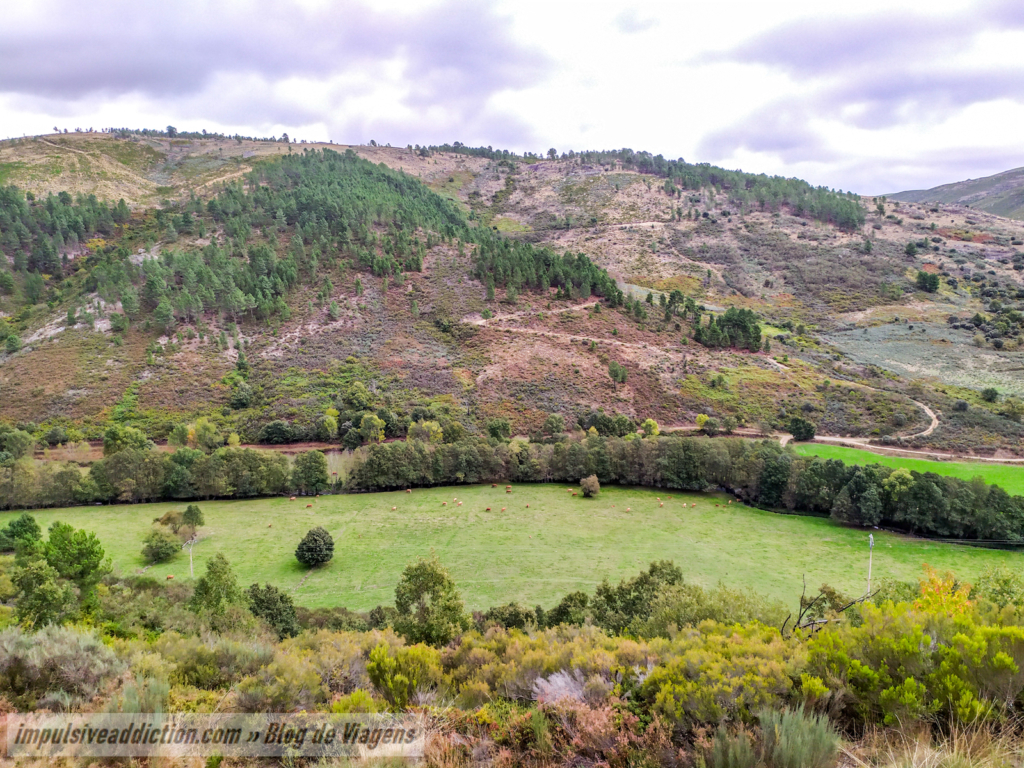
The viewpoints overlooking these two villages are must-sees, and you’ll find them along the road before you arrive. The scenery is stunning!
From Cisterna, it’s just a short hop to the Spanish border. I recommend crossing over to take advantage of the much cheaper fuel prices, and then exploring the Barxa region, which I found really beautiful — even if only by car. In Barxa, you’ll also come across signs pointing to old tungsten mines, which you might find interesting to visit.
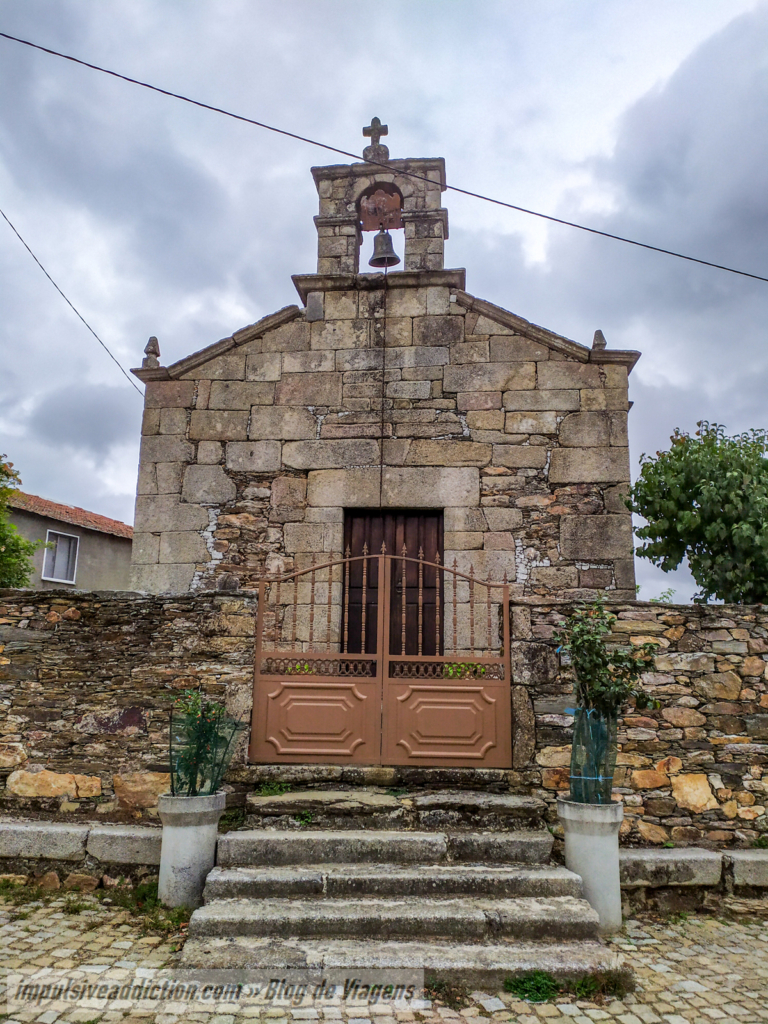
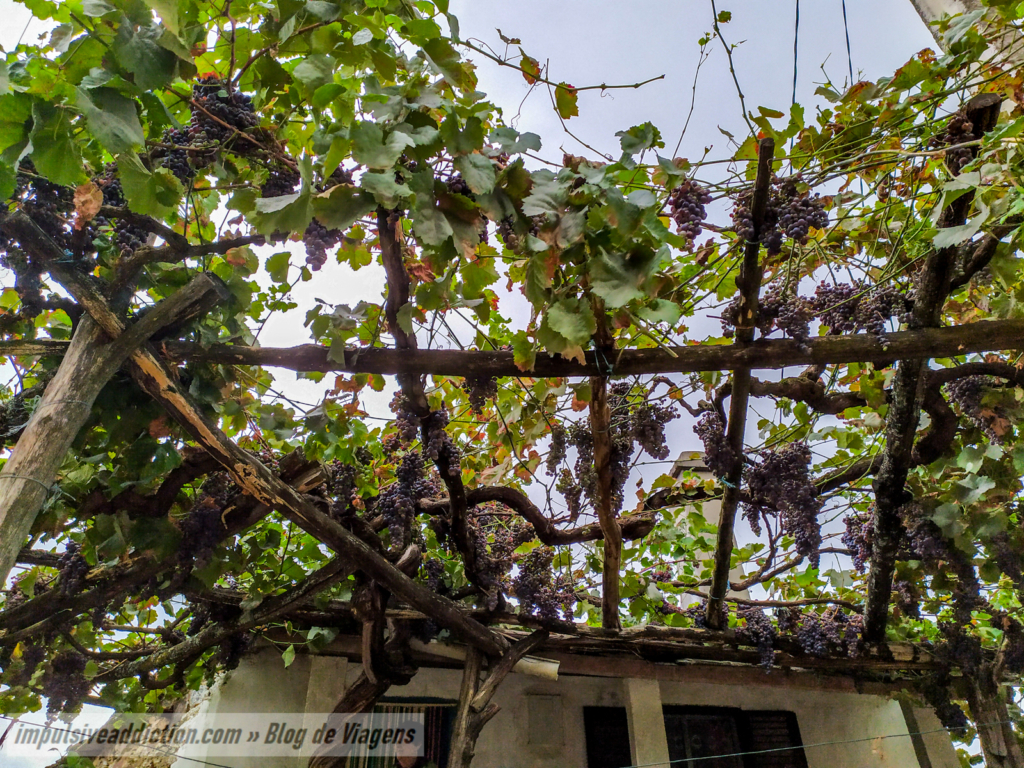
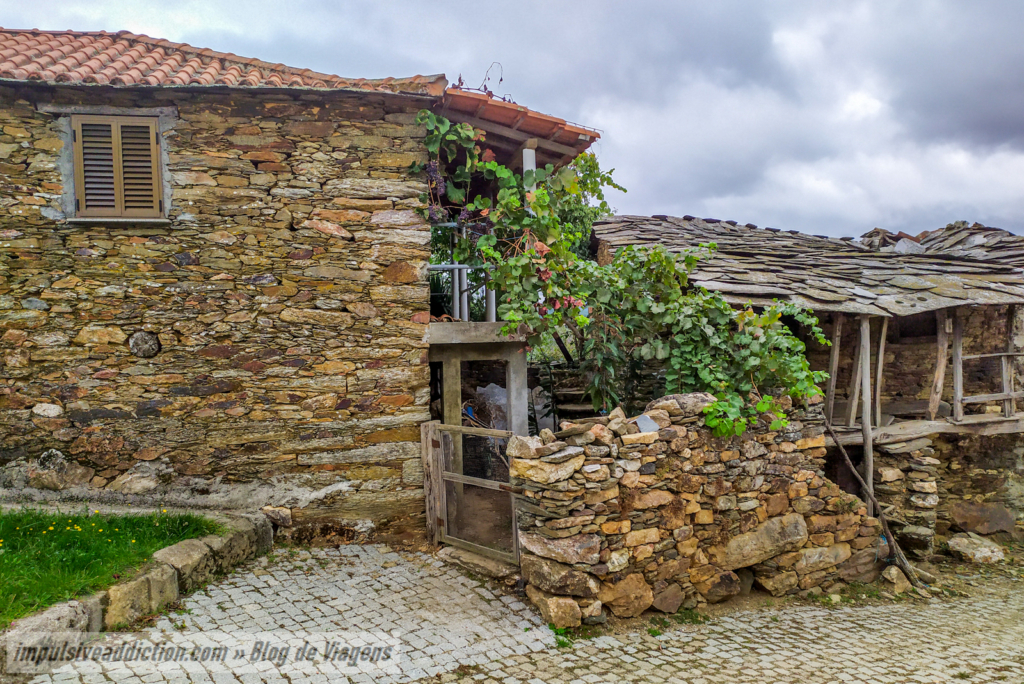
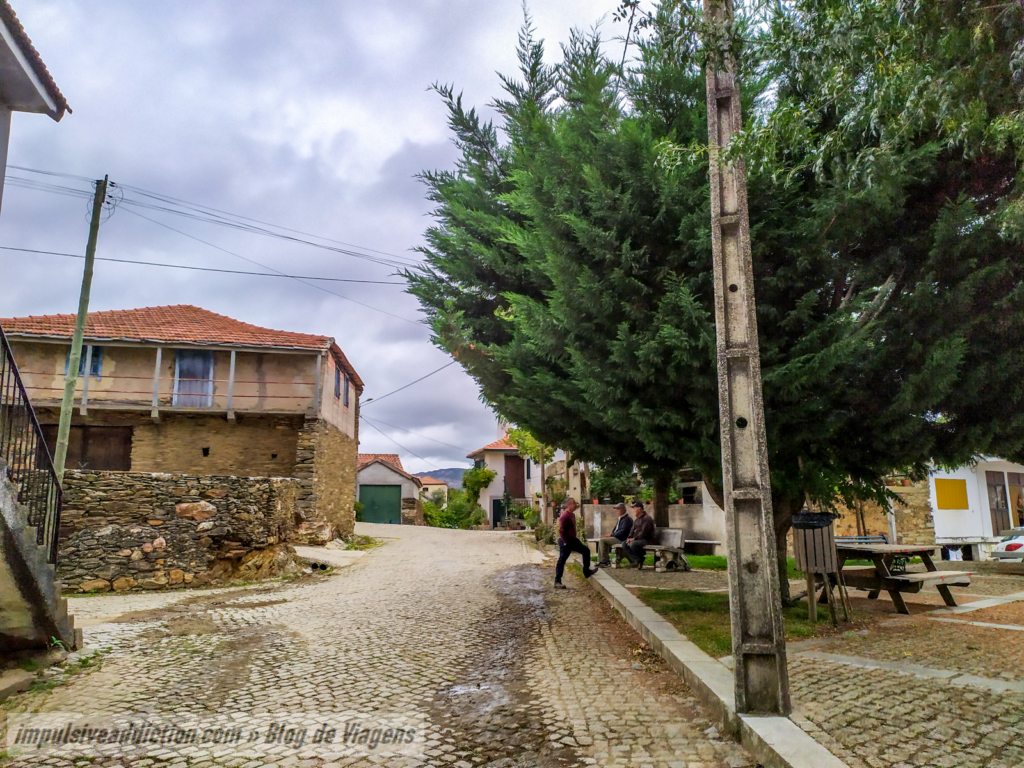
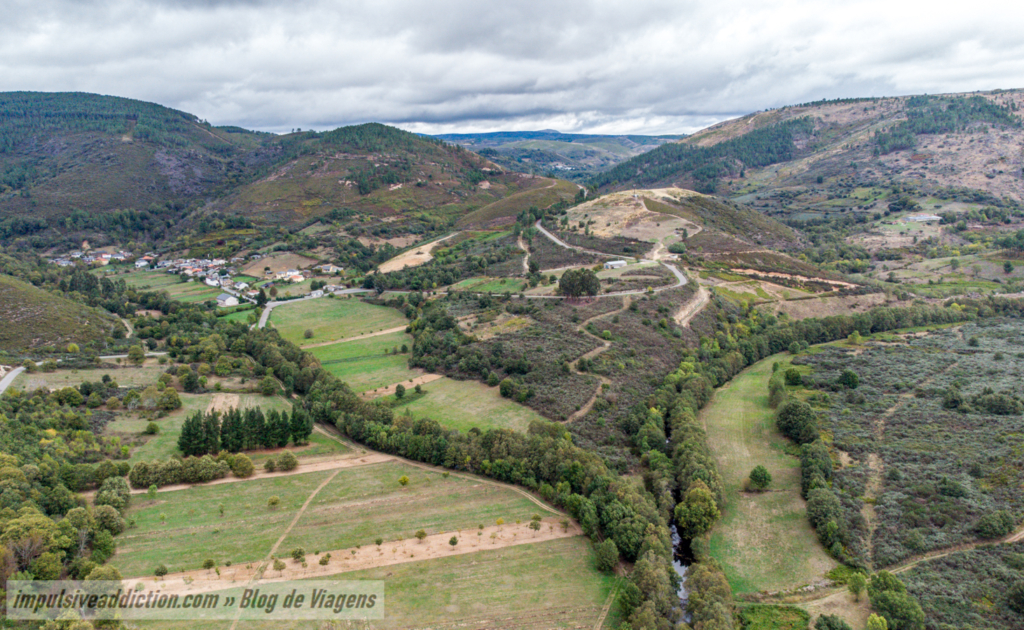
2. Pinheiro Novo
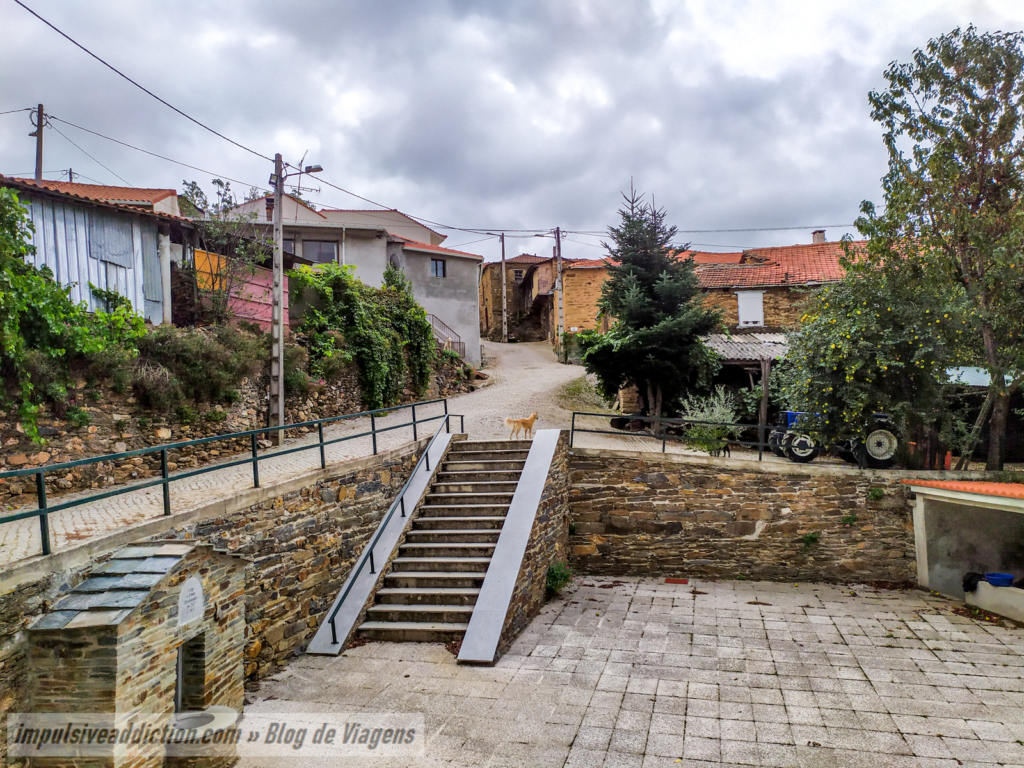
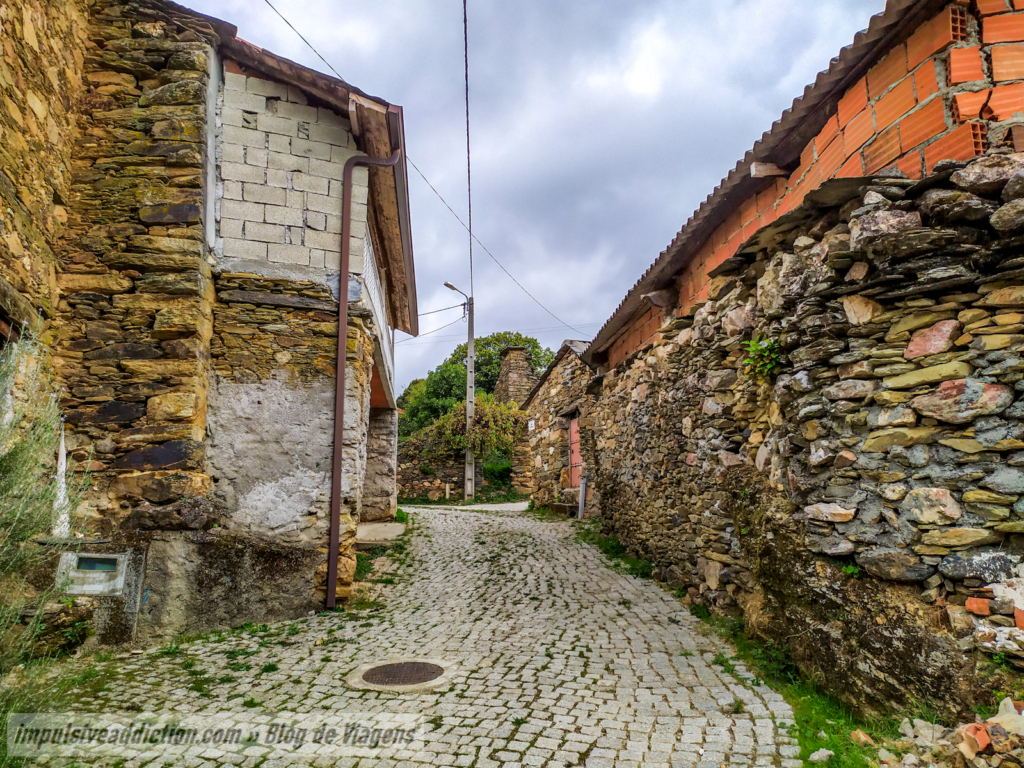
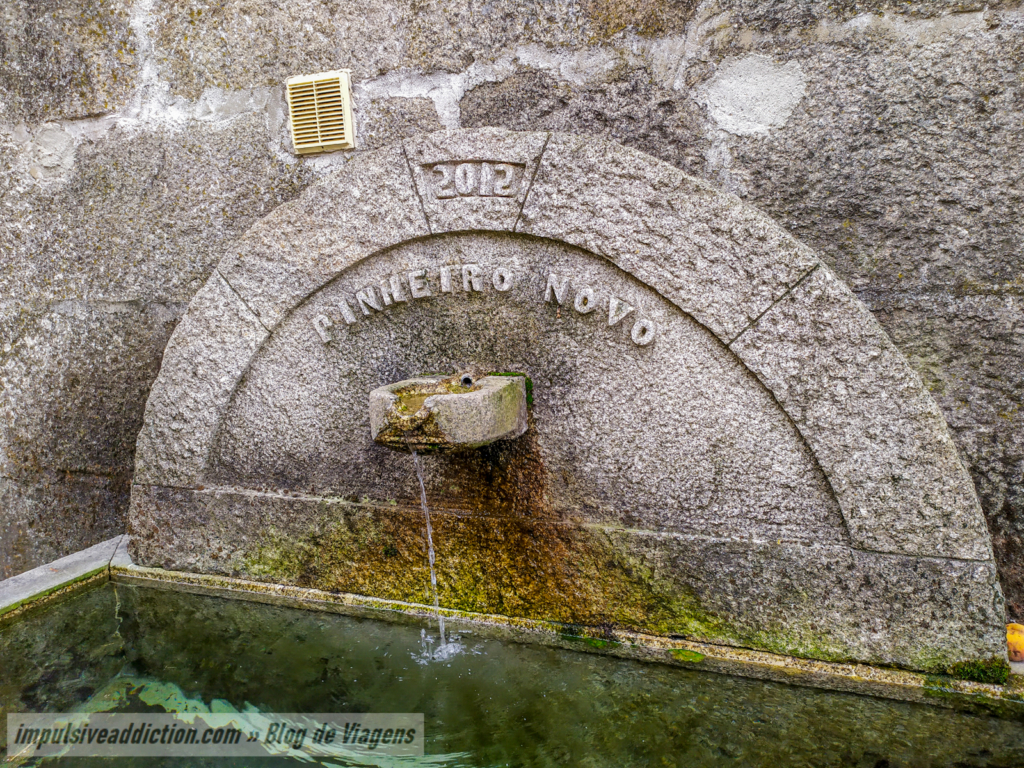
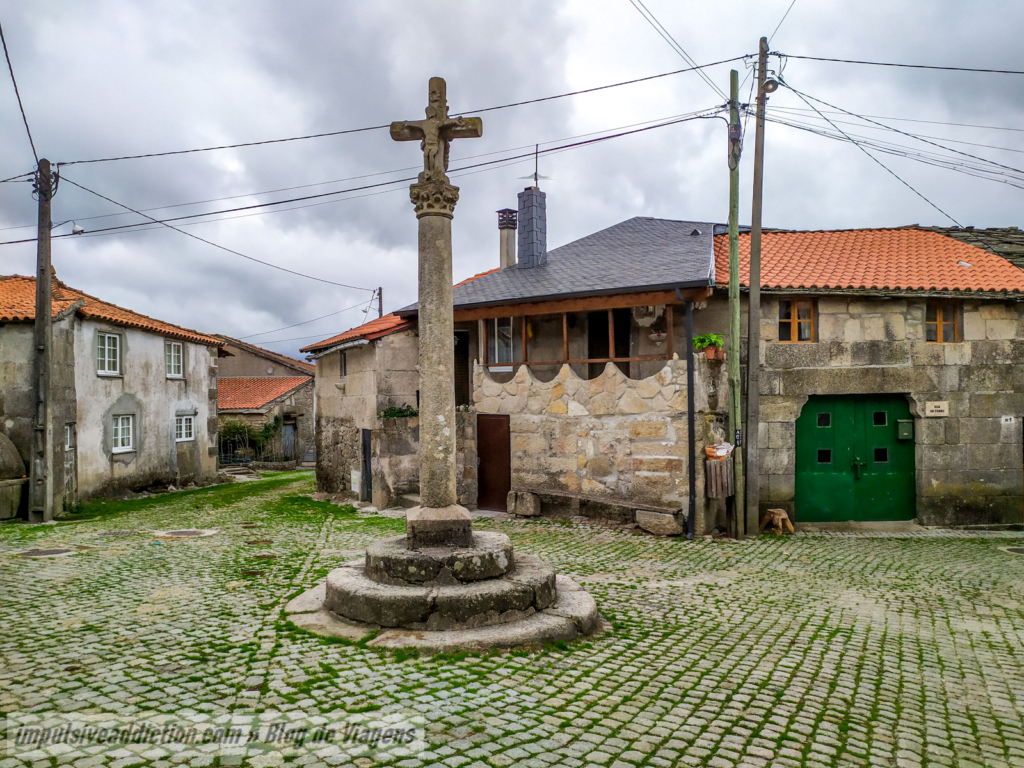
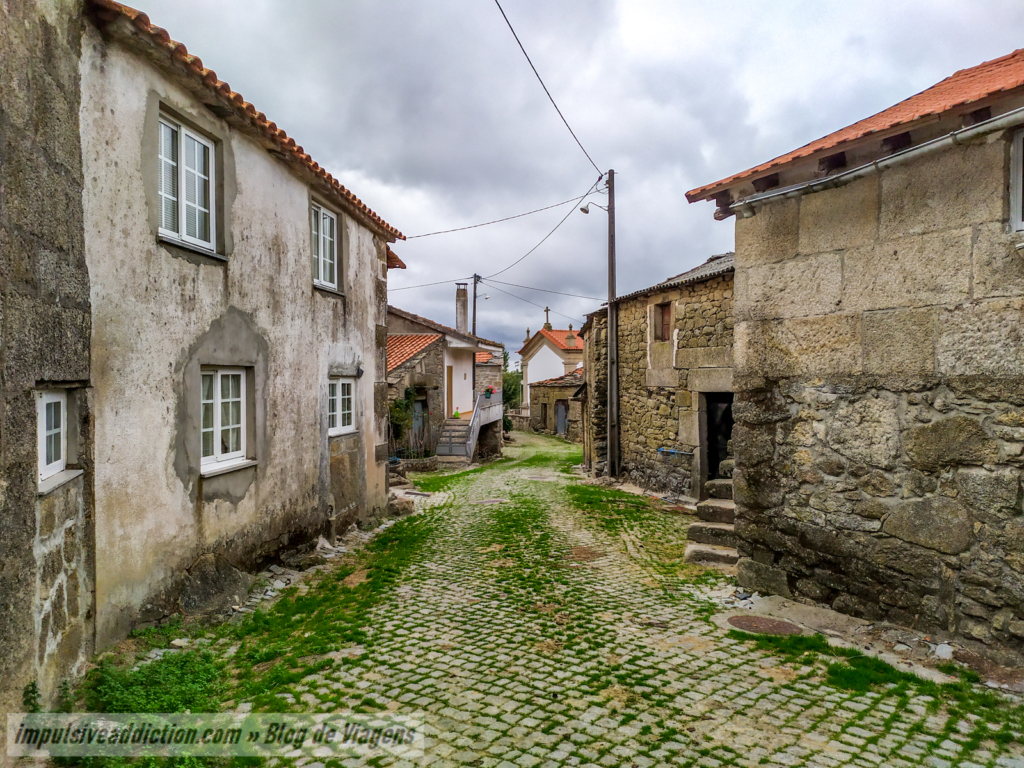
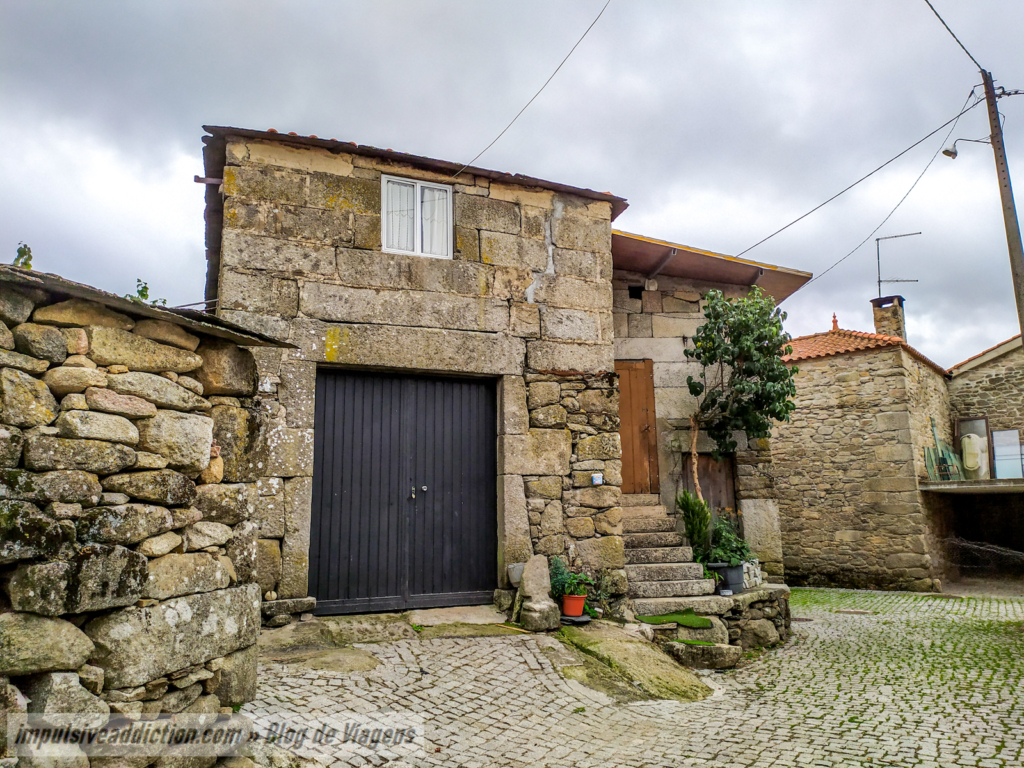
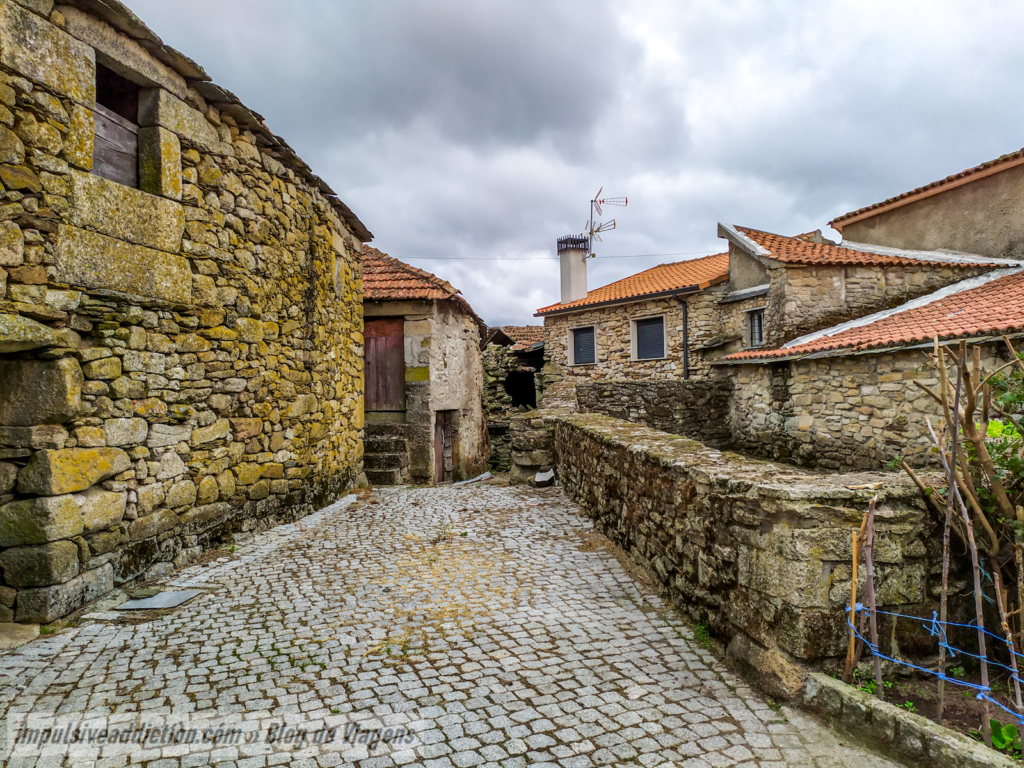
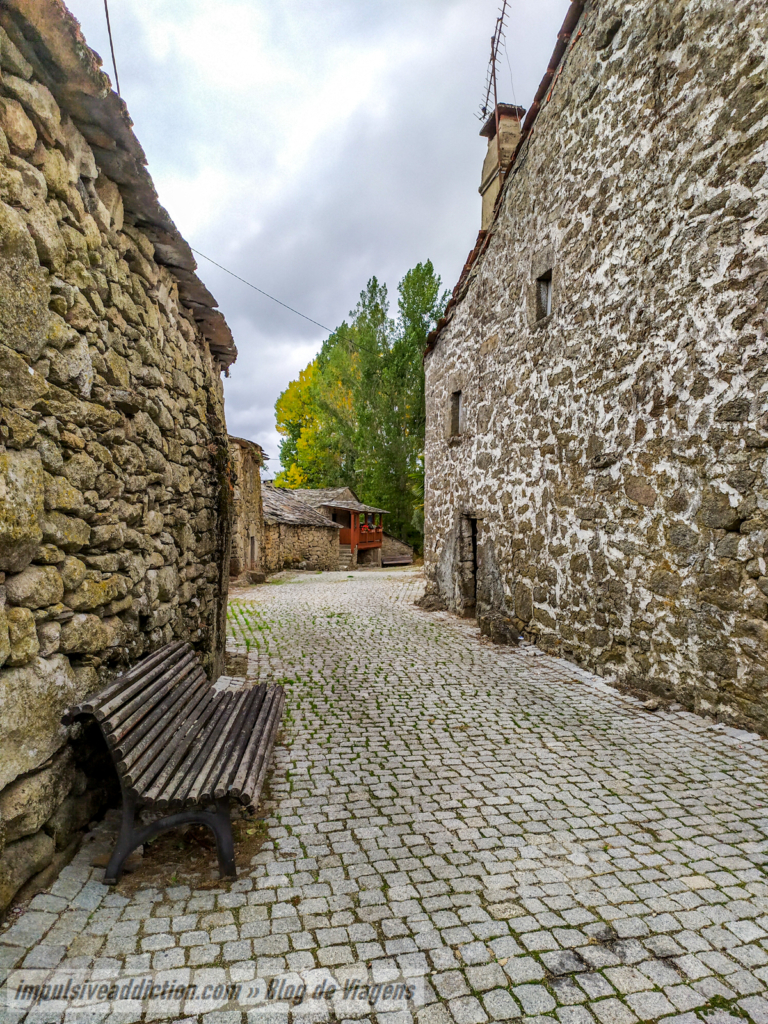
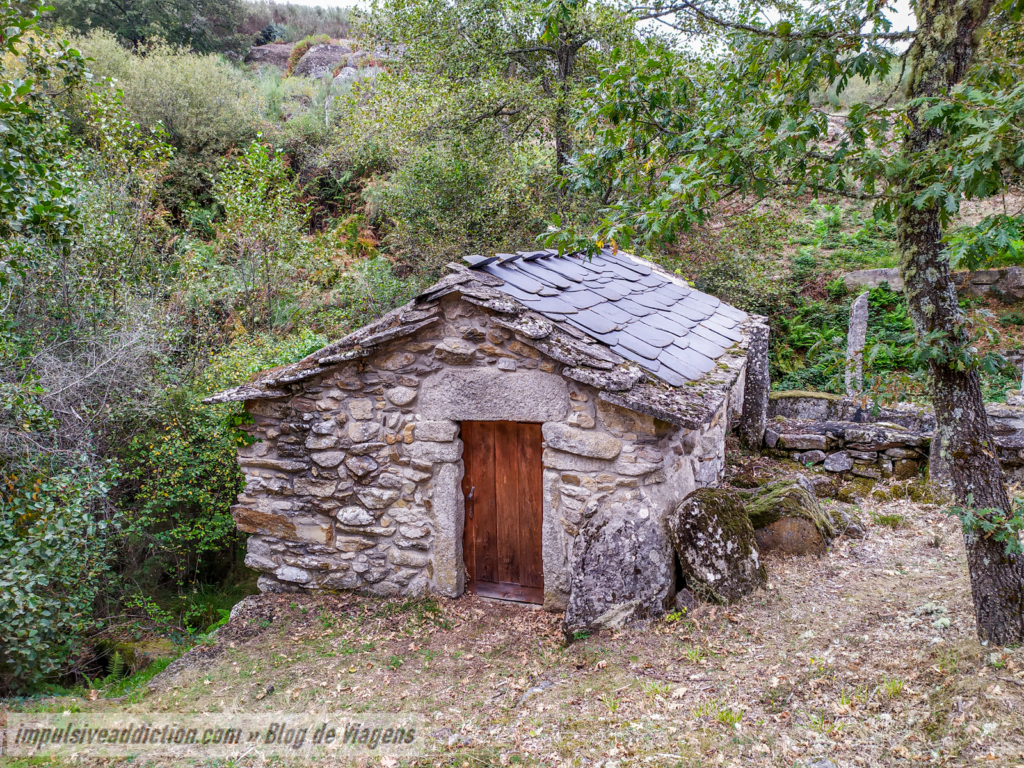
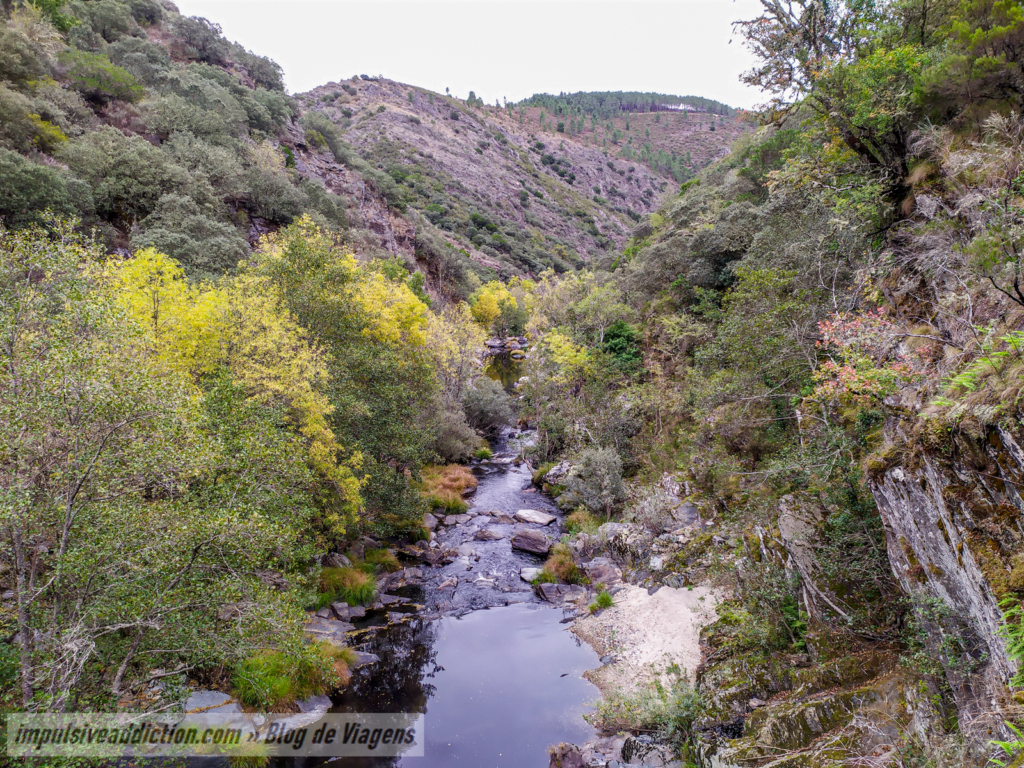
Pinheiro Novo is without a doubt one of the most beautiful villages in the Montesinho Natural Park. Among the villages of Vinhais, it is also one of the best preserved, with many charming corners that invite a longer stop.
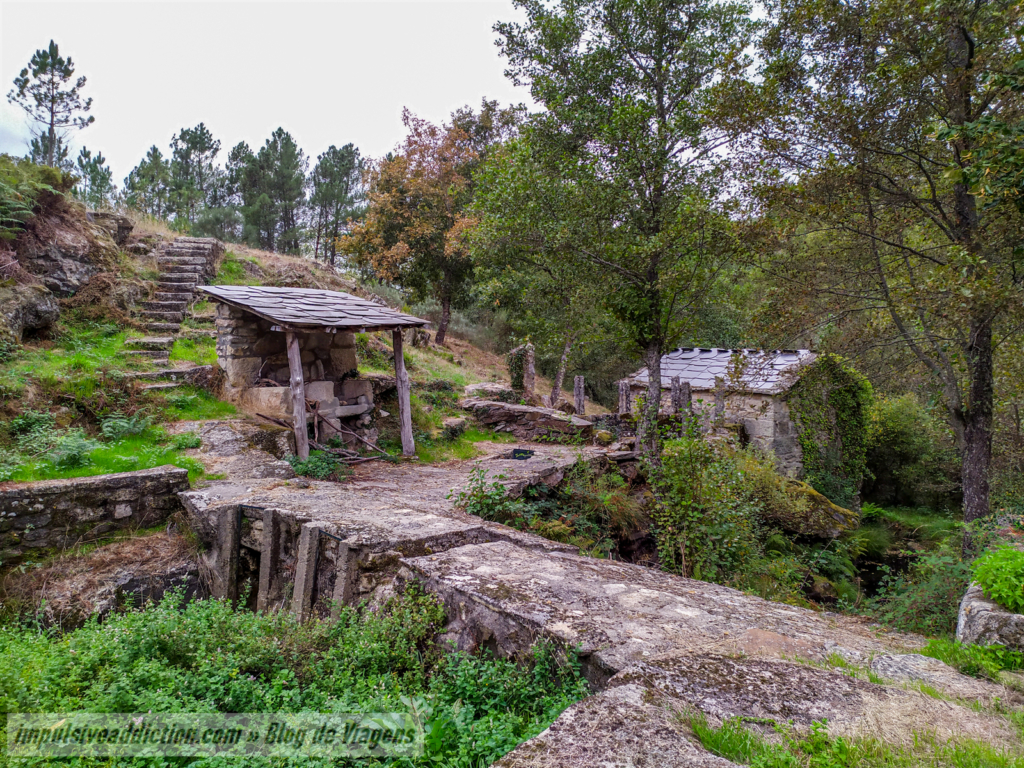
Before reaching the village itself, be sure to admire the bridge over the Rabaçal River and the community mills, which have recently been restored for visitors.
3. Sernande
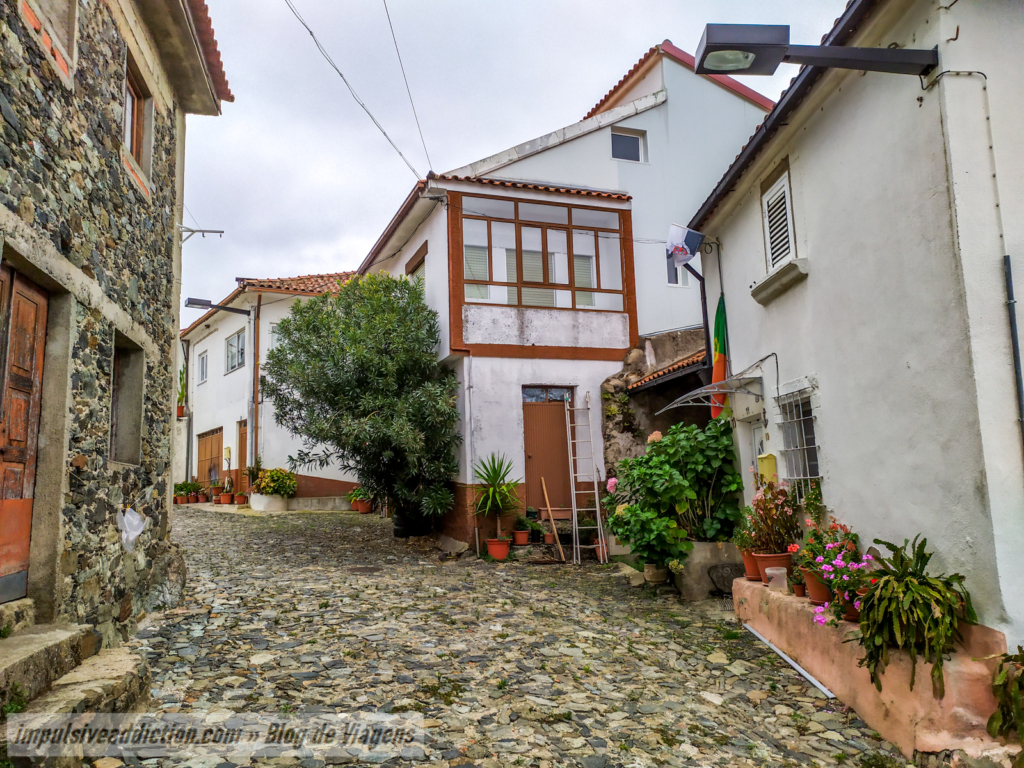
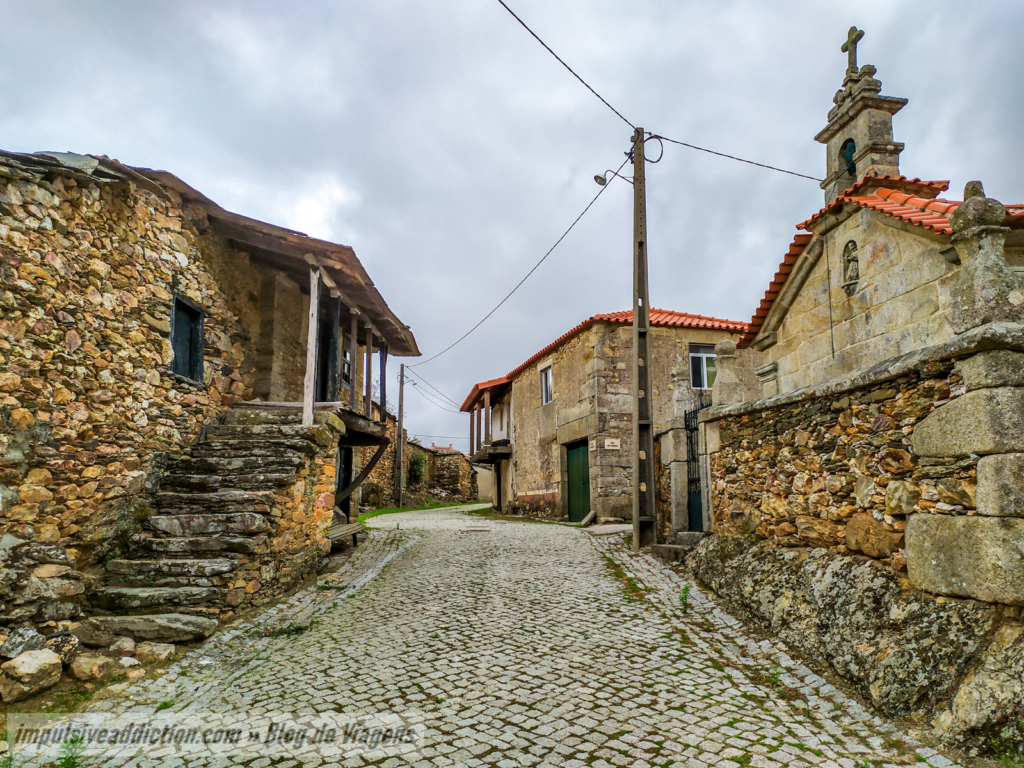
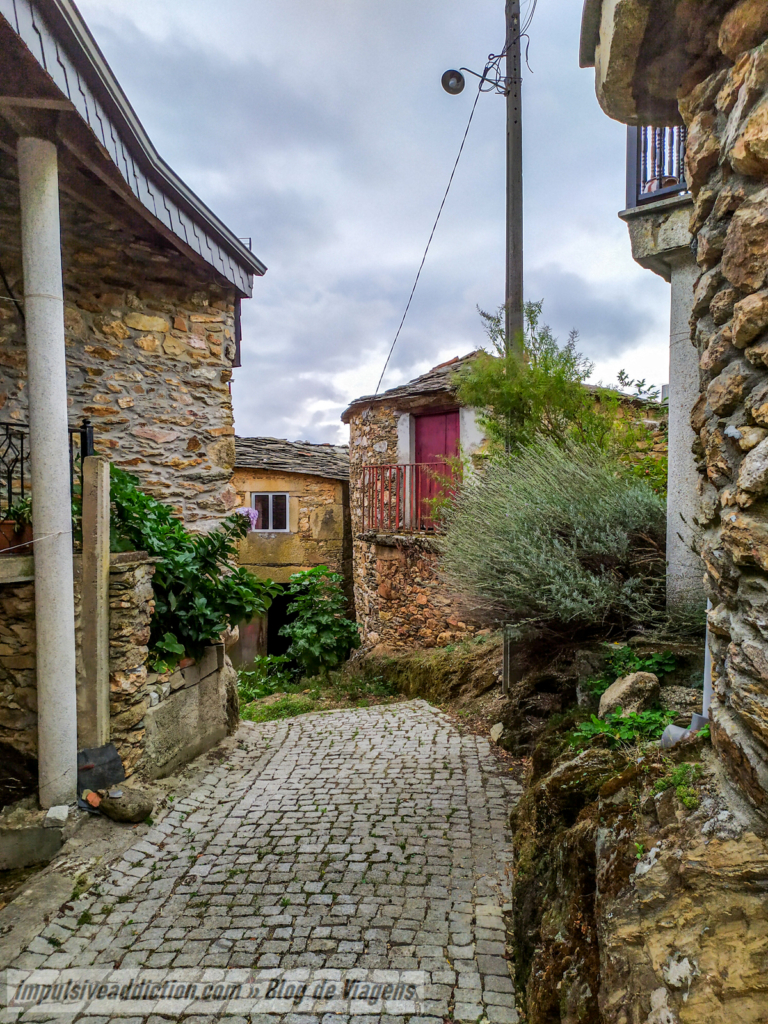
In Sernande, you’ll find a picturesque little street to wander along, followed by an impressive panoramic view of the Montesinho mountains surrounding the village. From here, you can spot Vilarinho de Lomba and Pinheiro Novo in the distance.
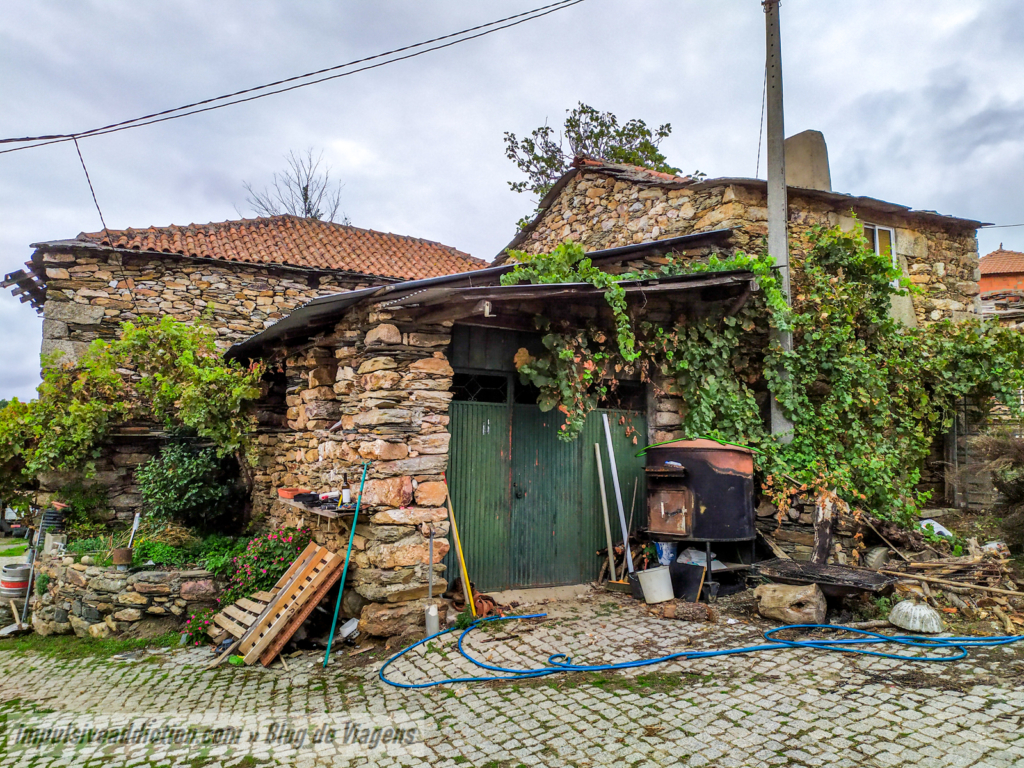
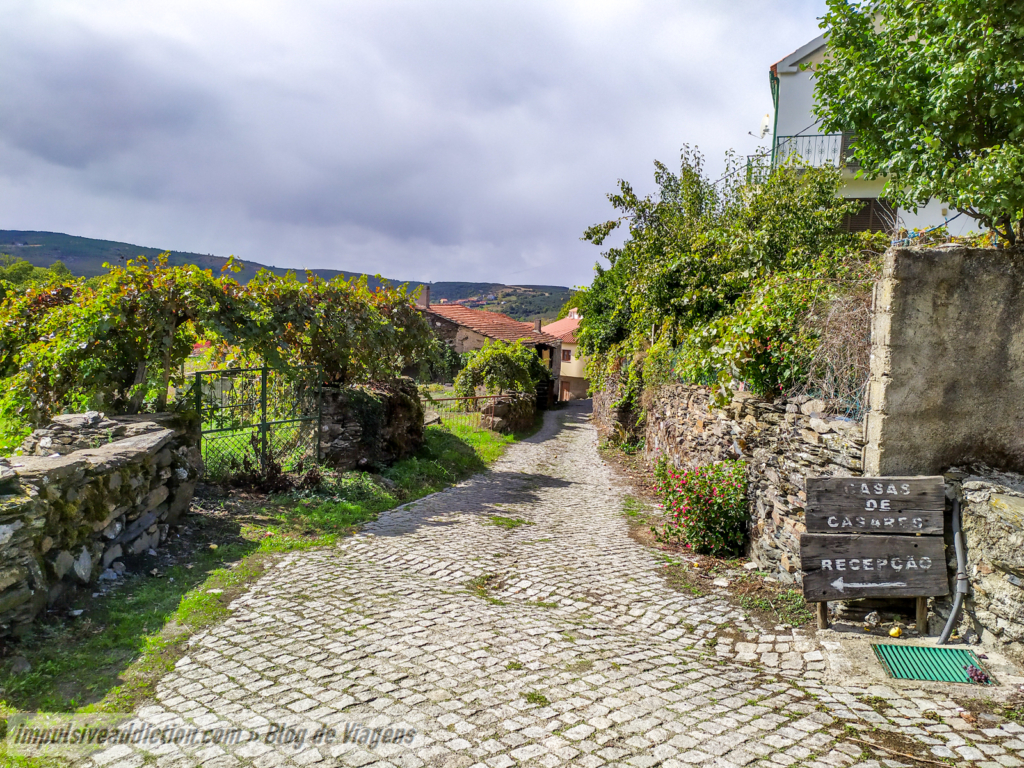
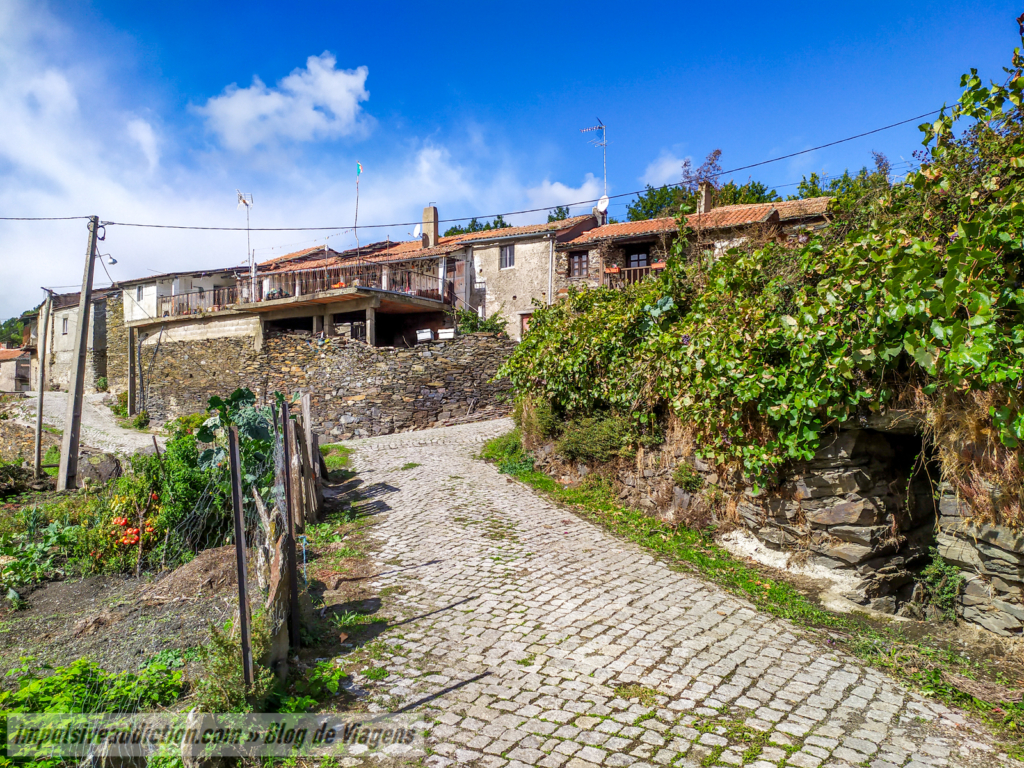
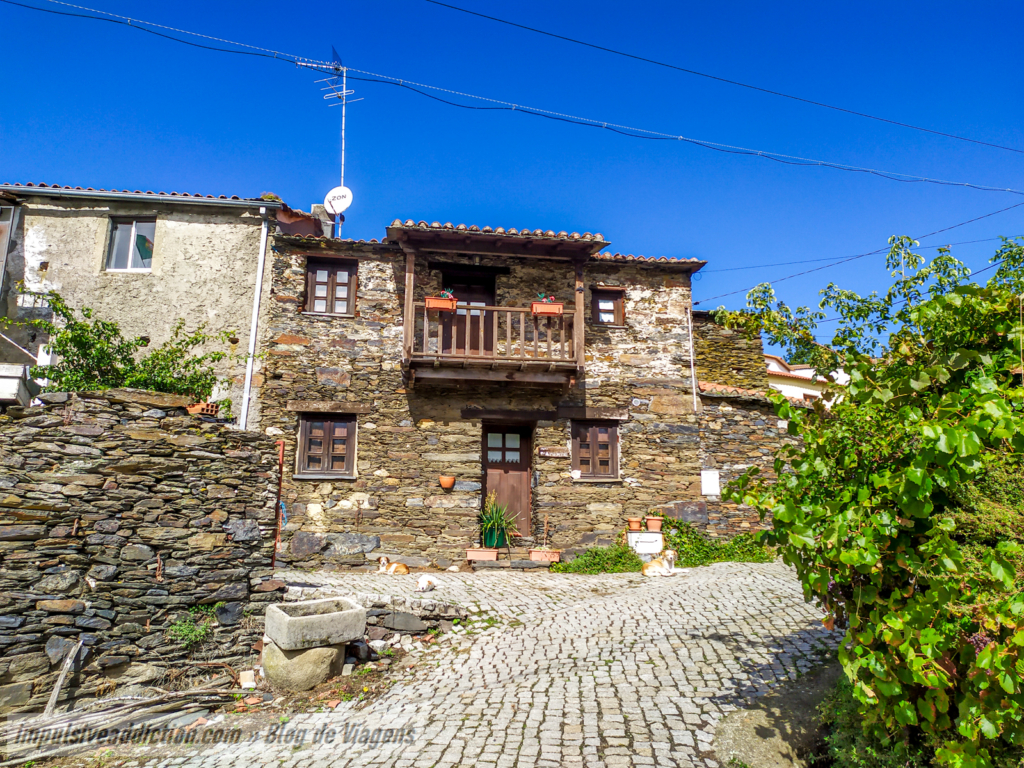
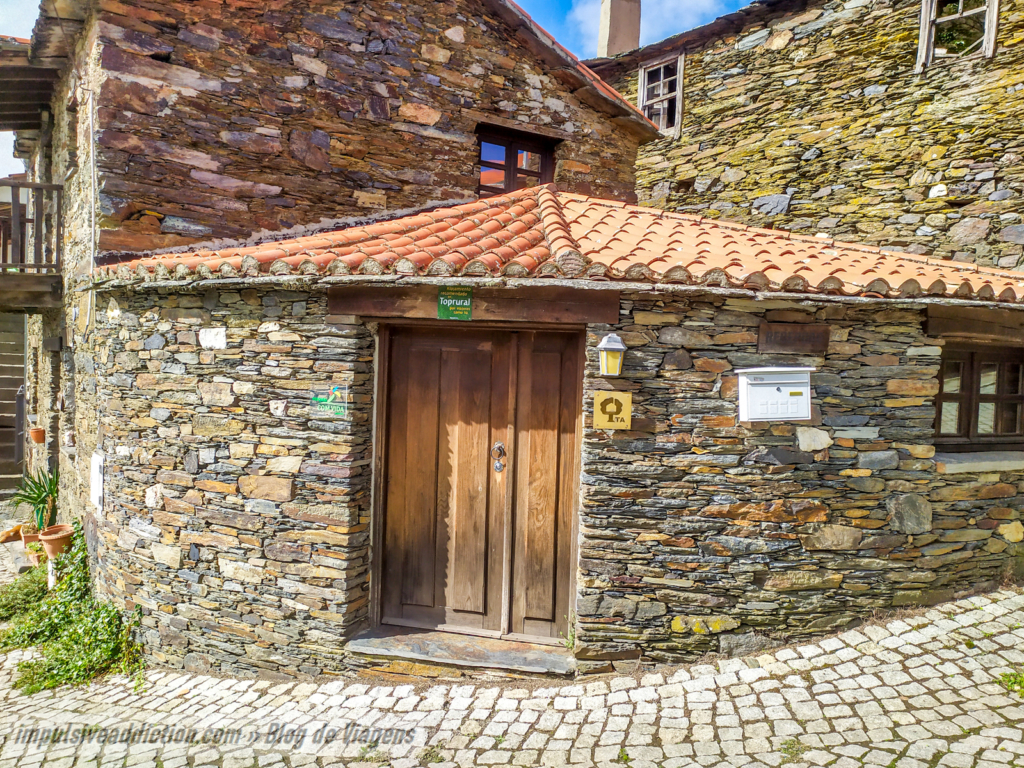
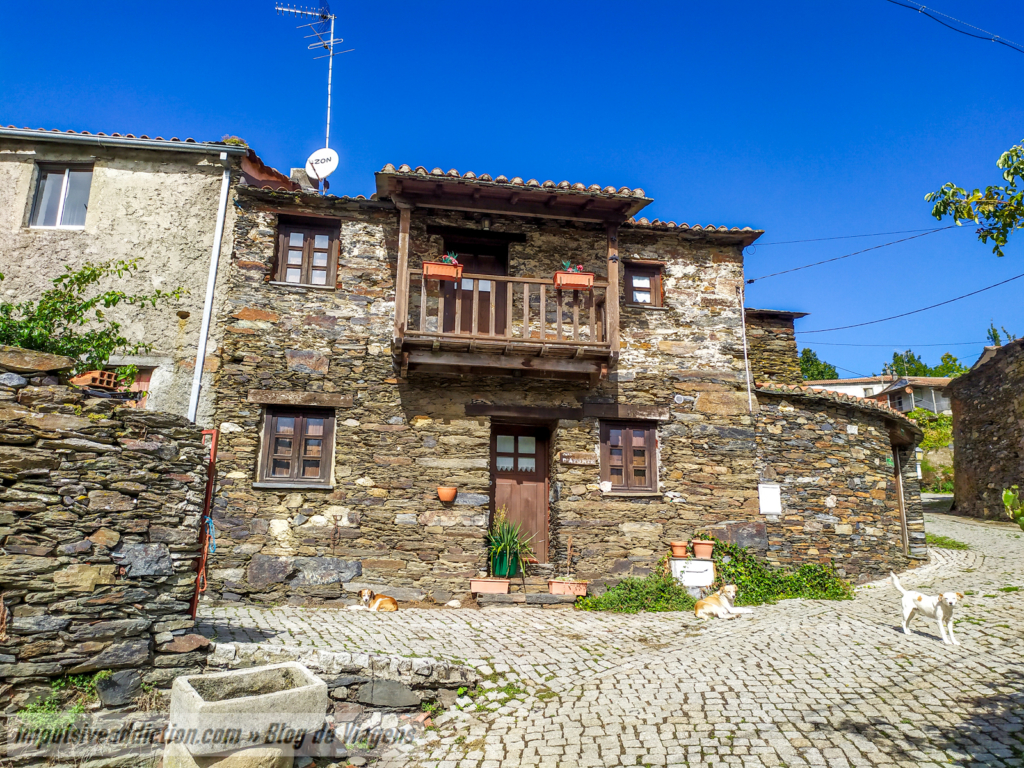
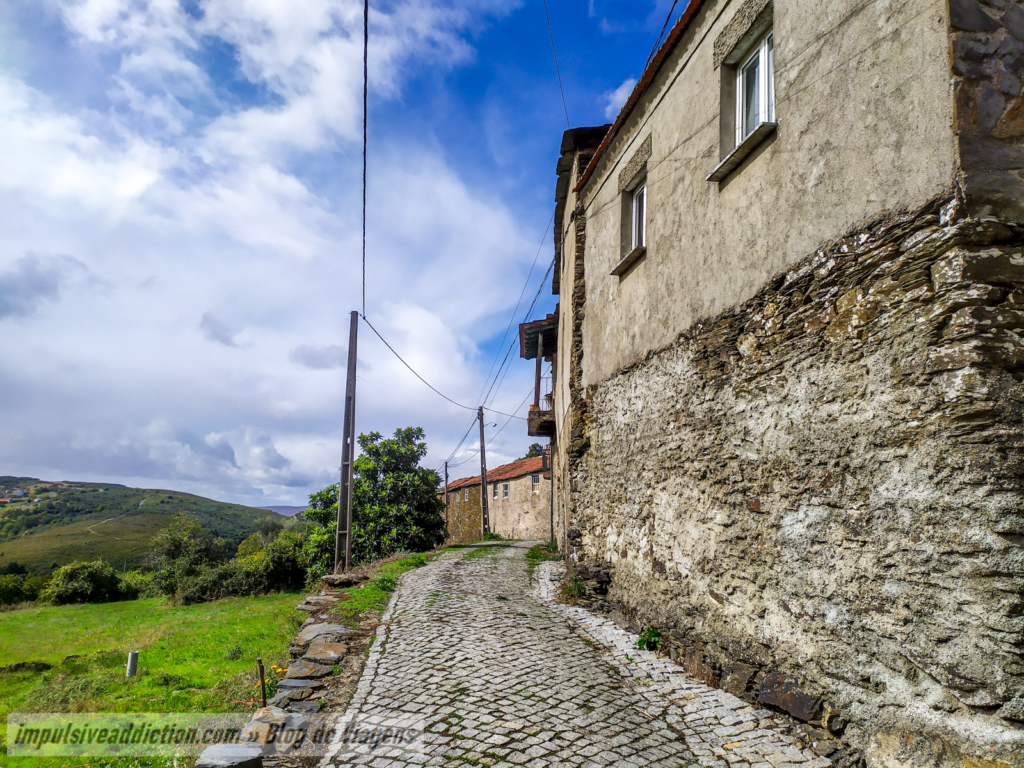
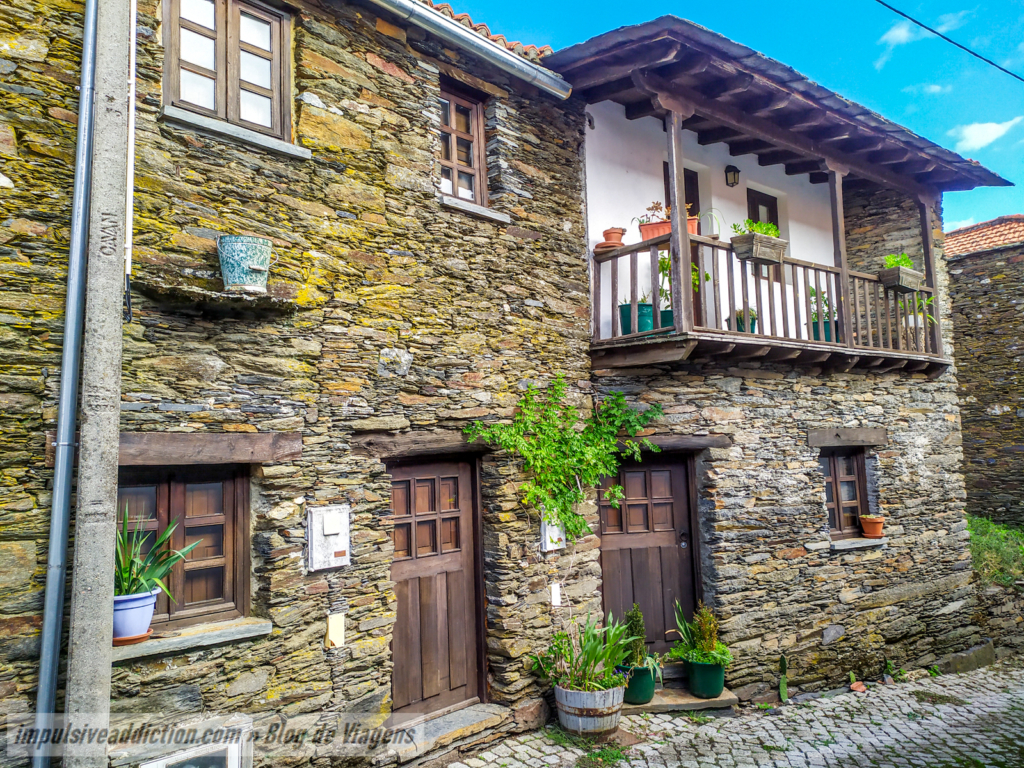
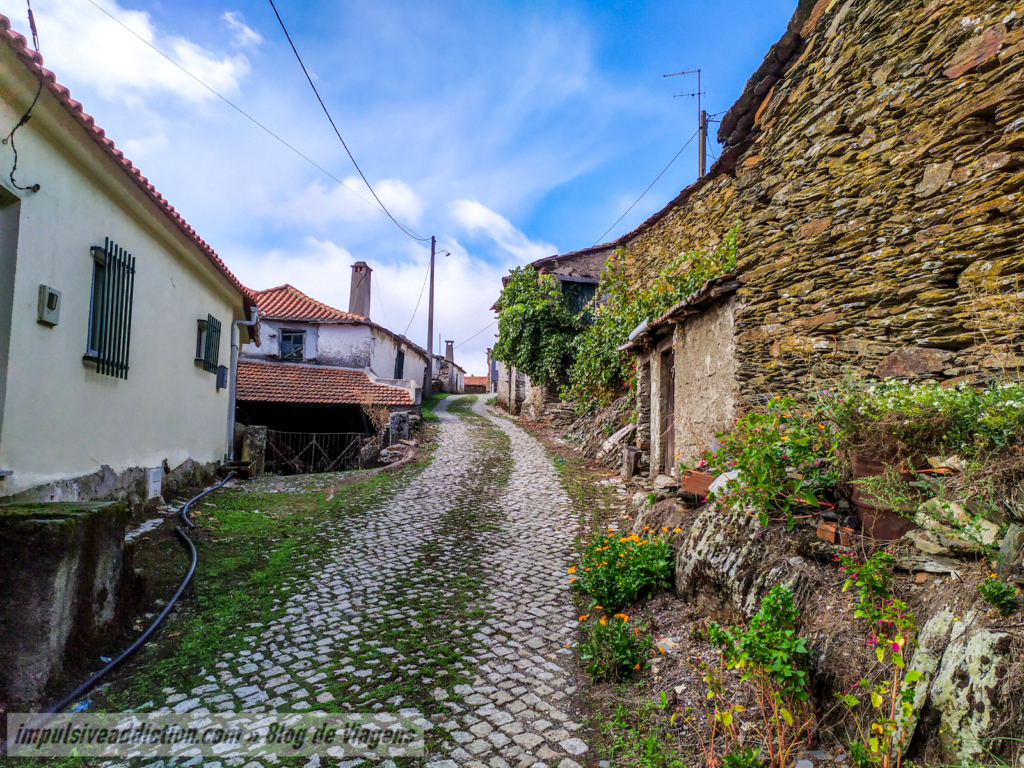
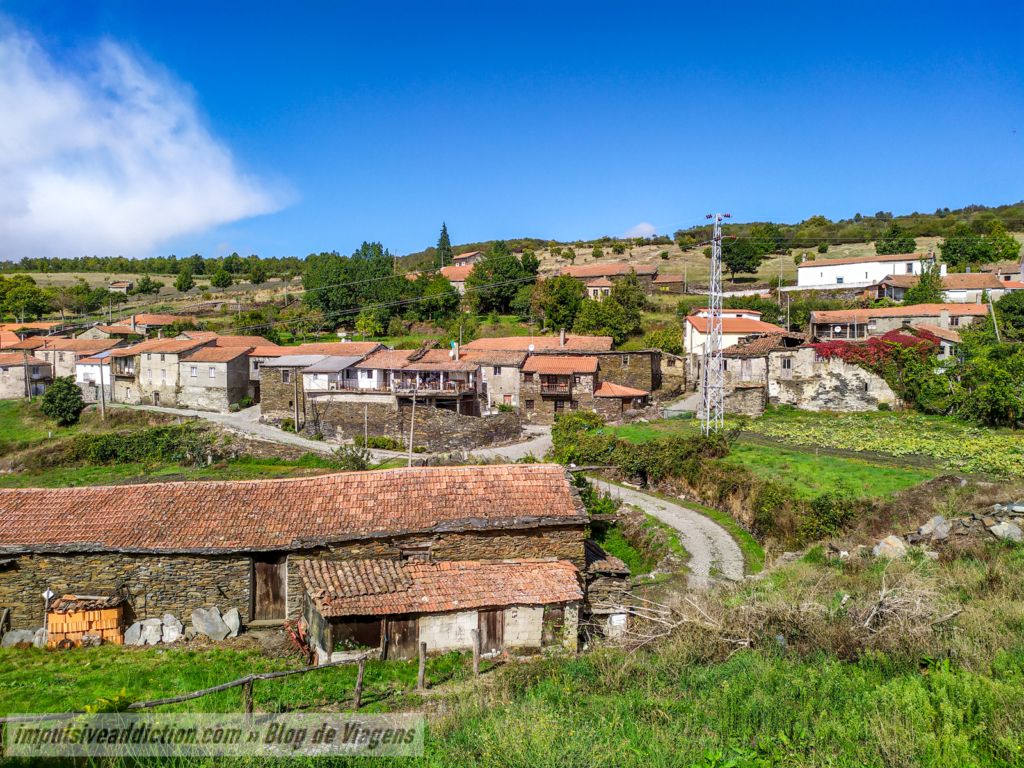
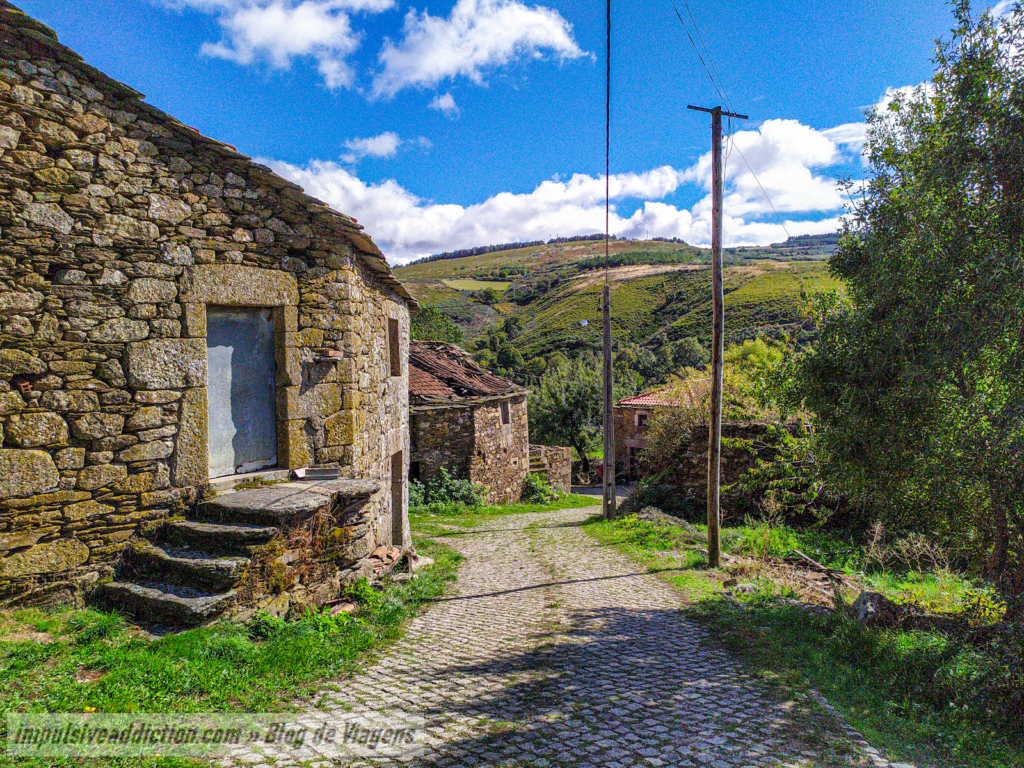
4. Cerdedo, Casares, and Carvalhas
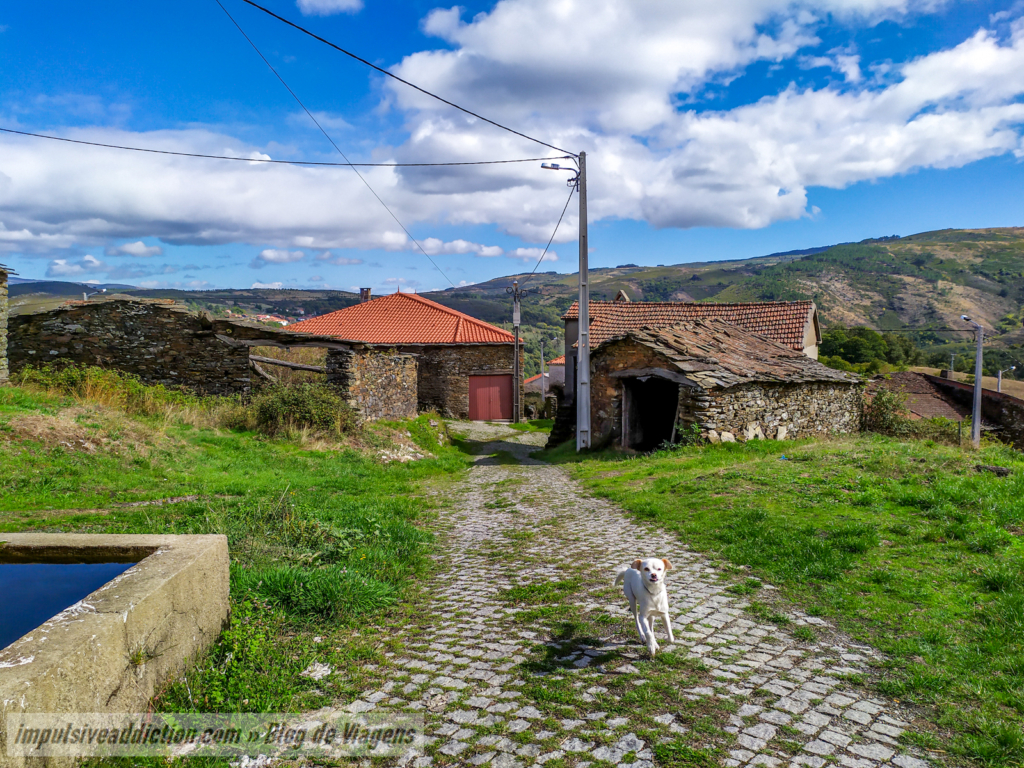
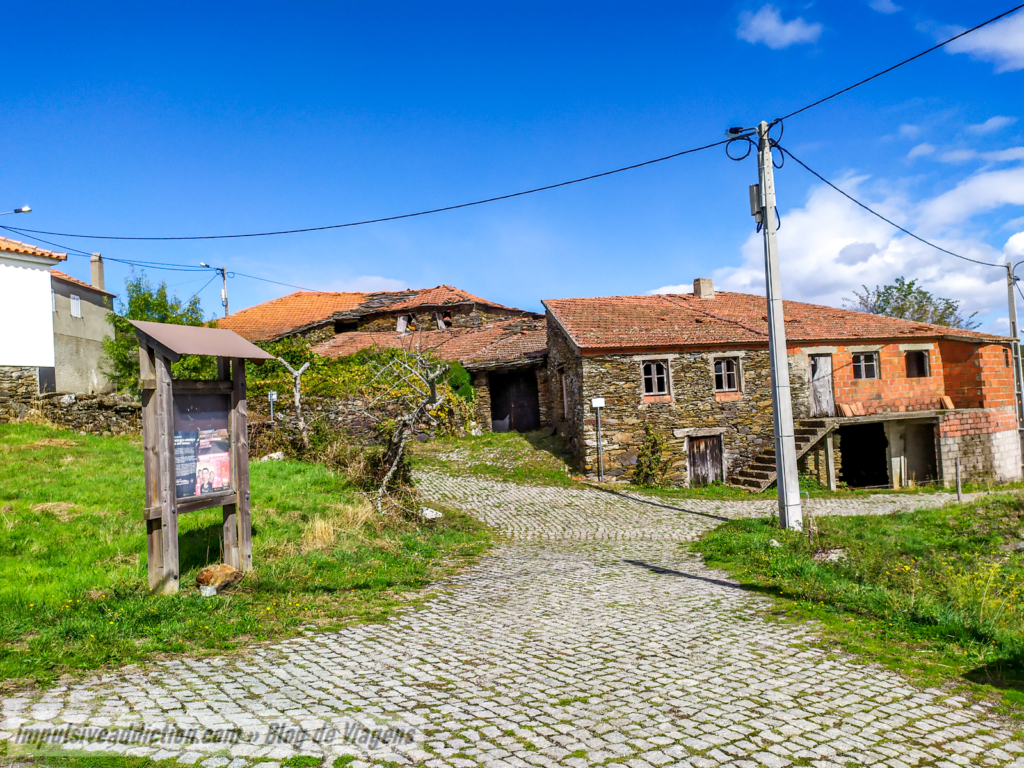
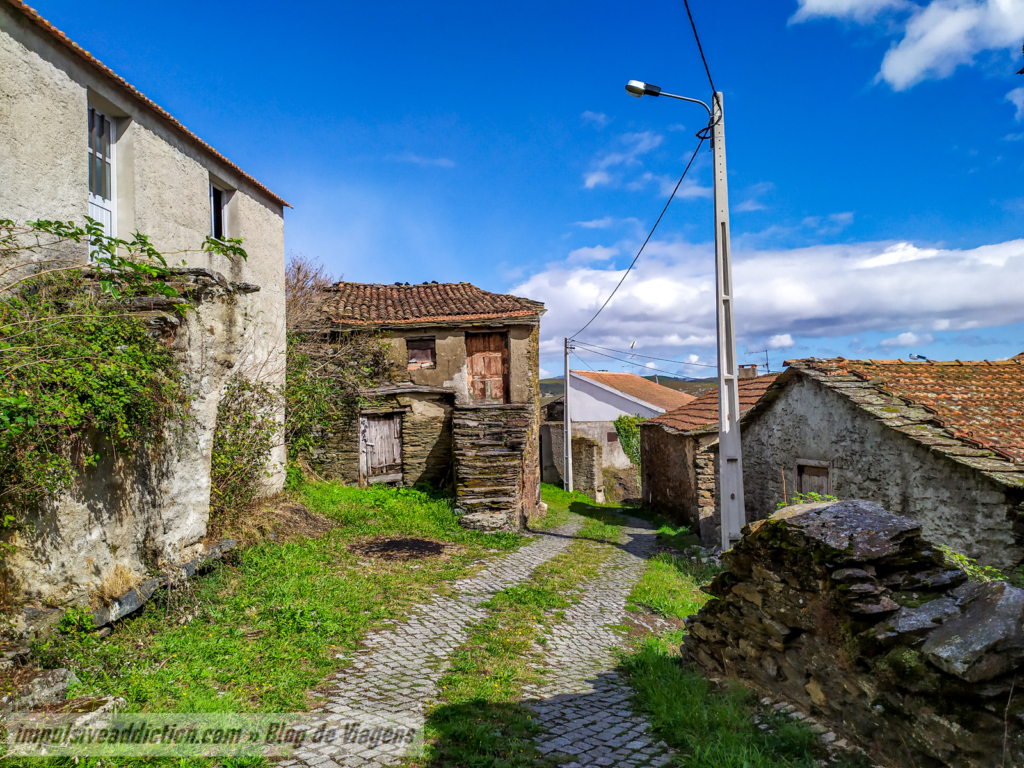
Cerdedo, Casares, and Carvalhas are three villages in a row within the Montesinho mountains. Of the three, Casares is the clear highlight, though each one is worth a visit.
It was in this very area that I spotted roe deer in the wild — I almost ran into one with the car!
5. Montouto, Landedo, and Quadra
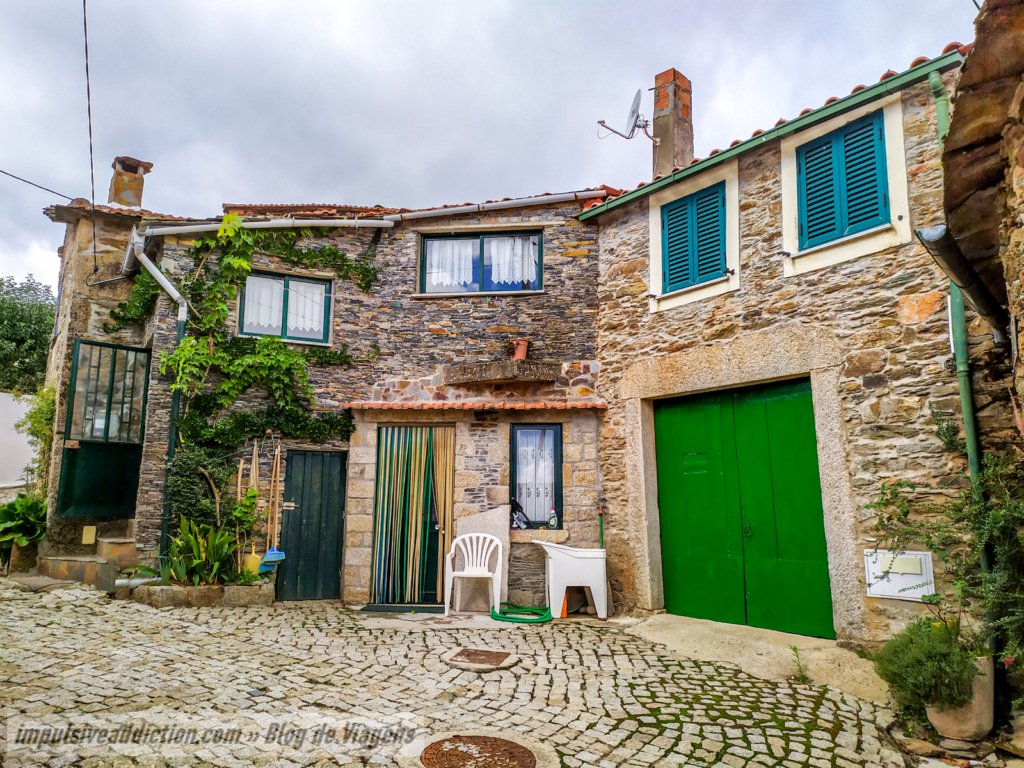
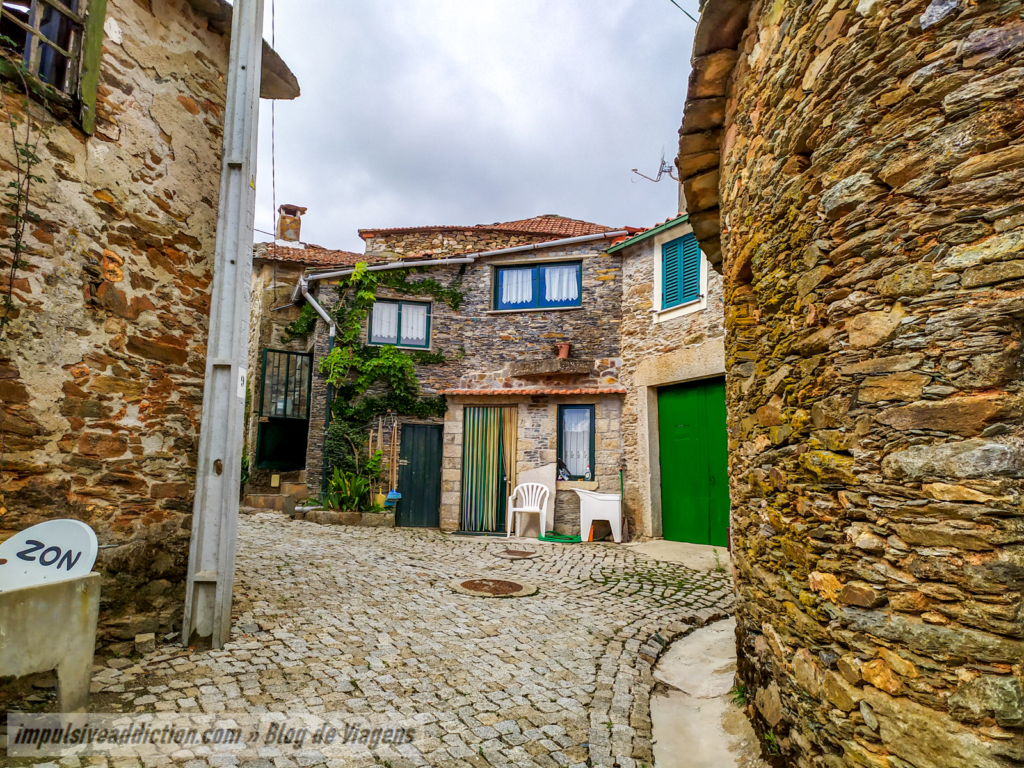
Montouto is another charming village, but what really stands out here is the viewpoint overlooking Moimenta da Raia.
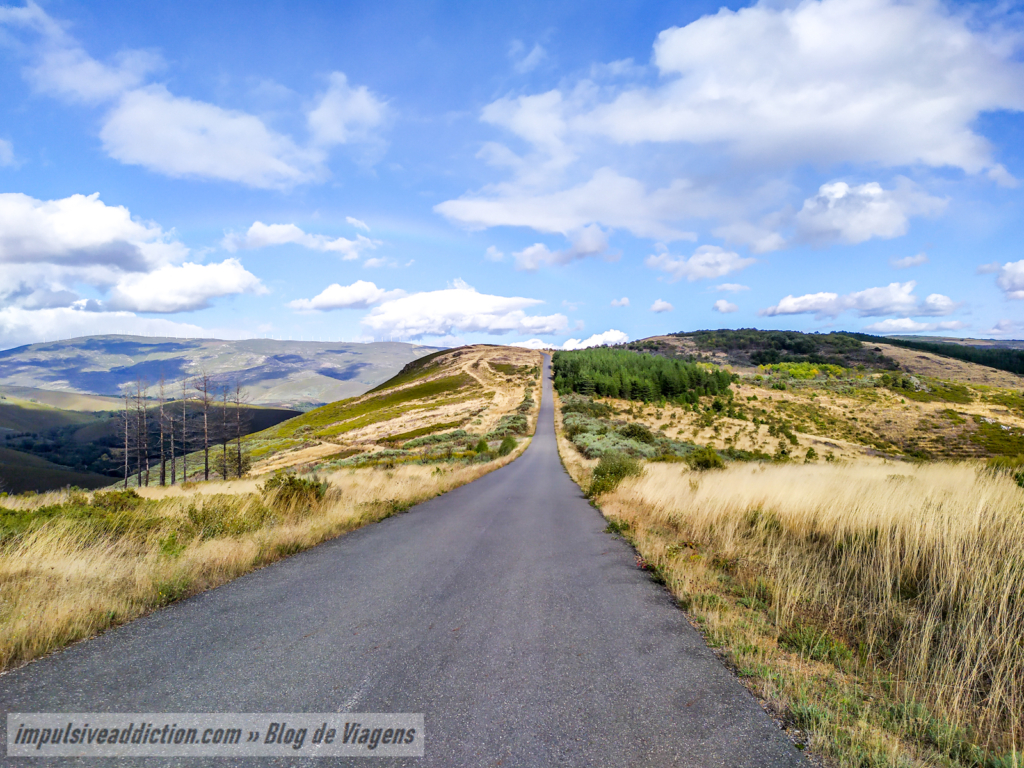
From Montouto, you can also enjoy a scenic drive leading to Quadra, passing through Landedo — a route full of sweeping landscapes and mountain views.
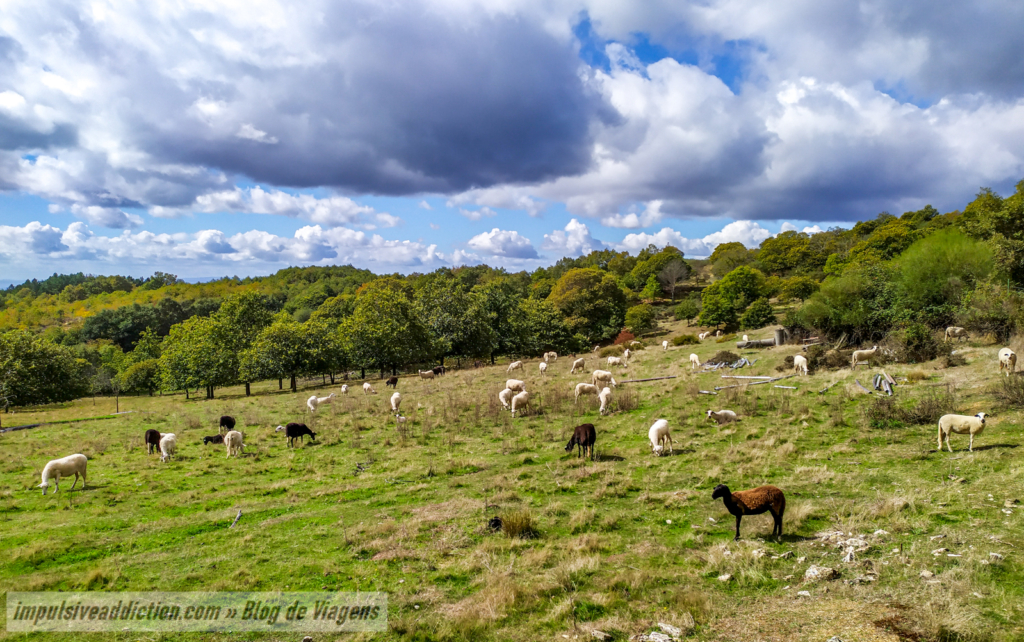
6. Moimenta da Raia
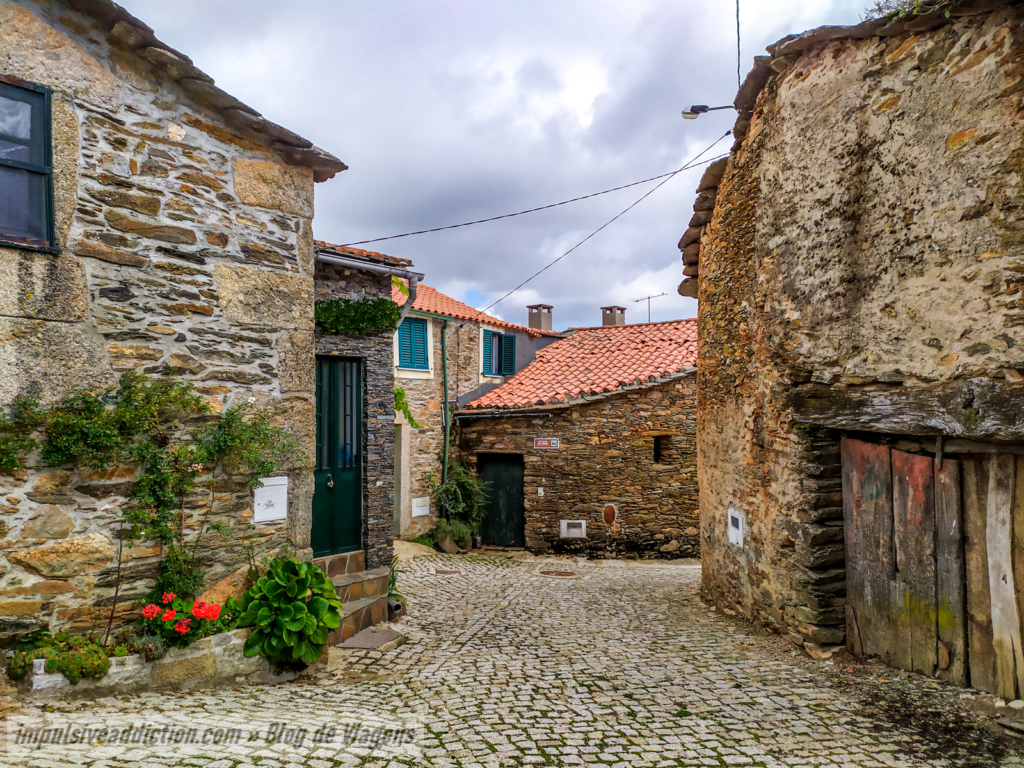
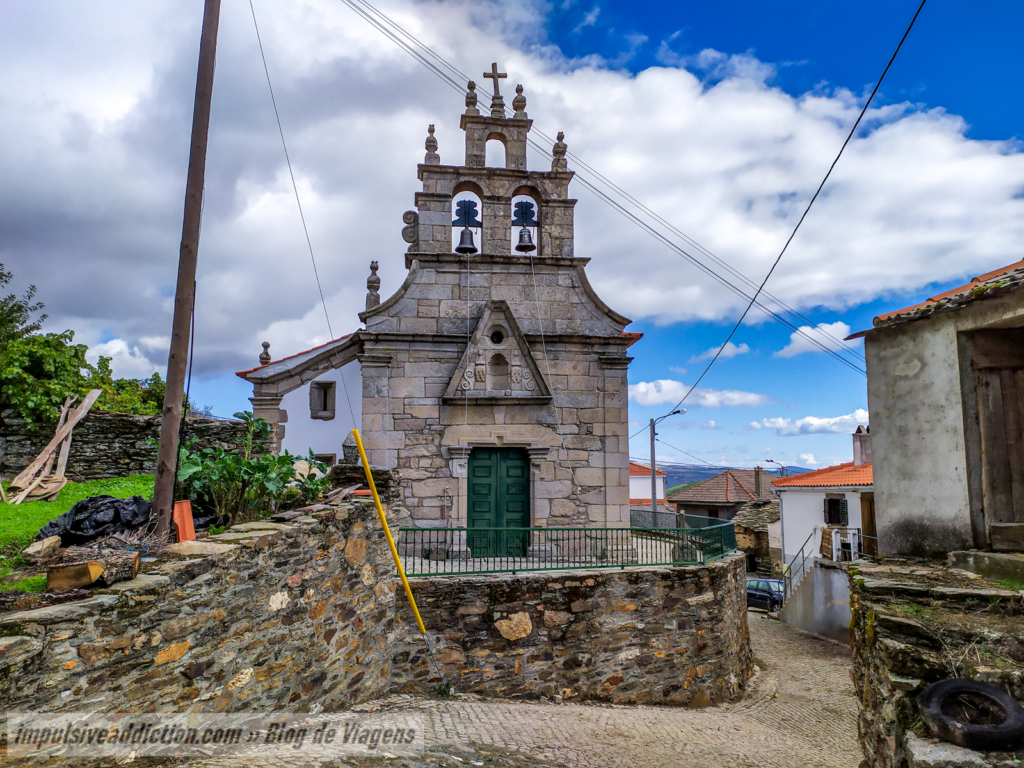
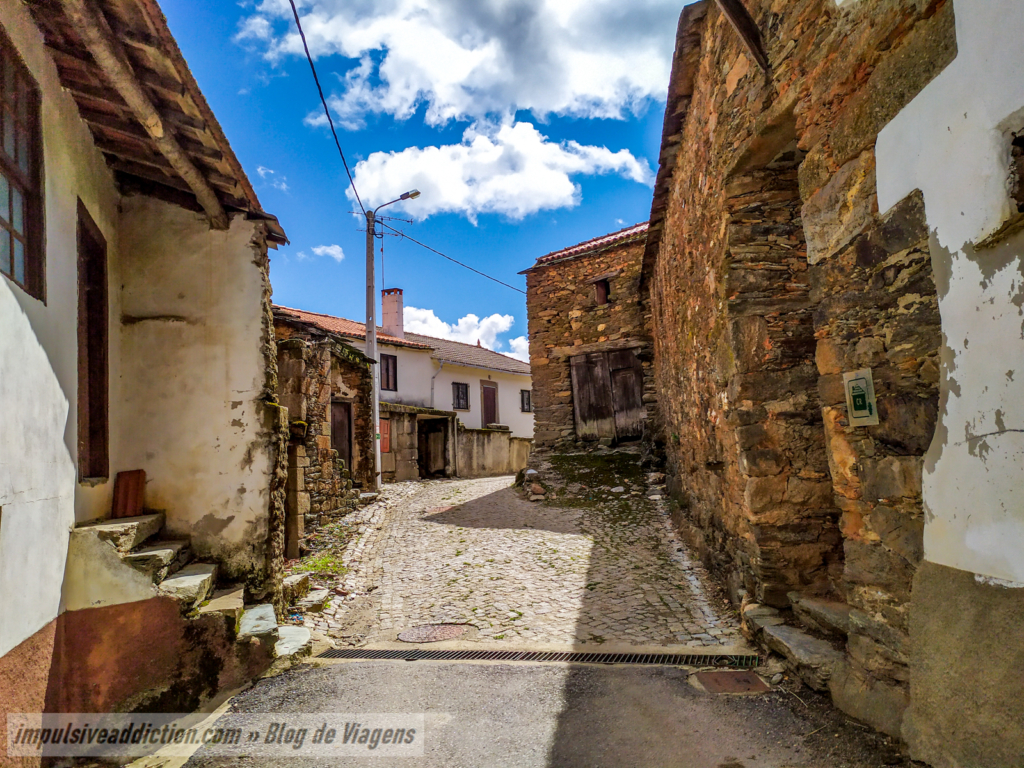
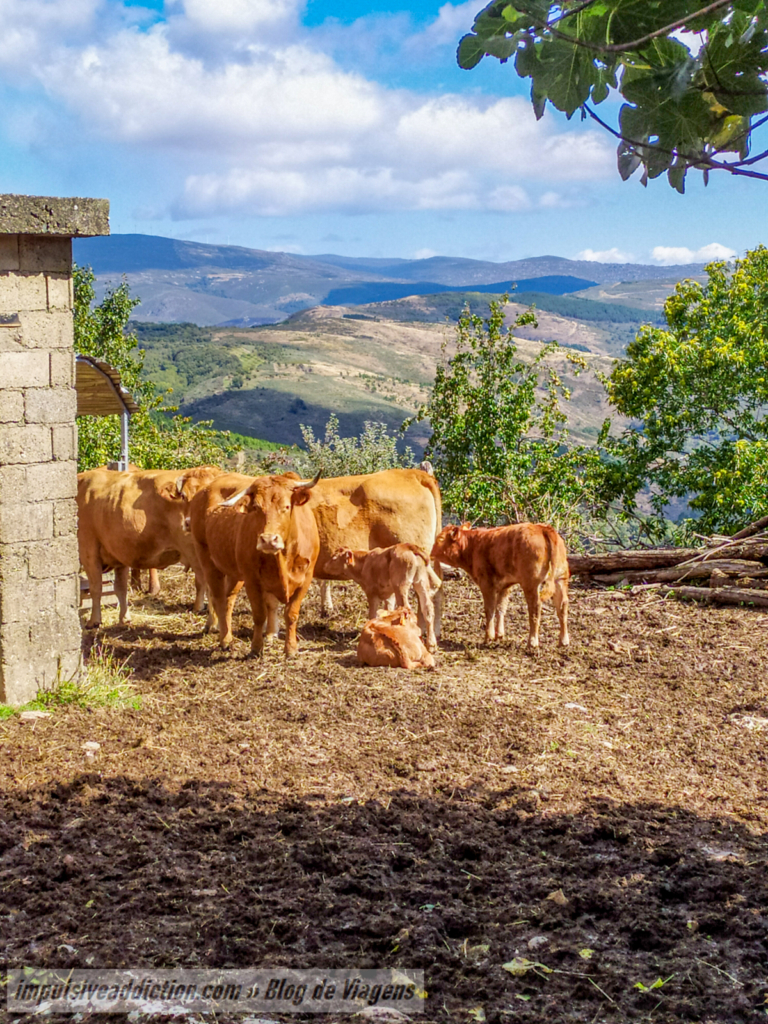
6. Moimenta da Raia
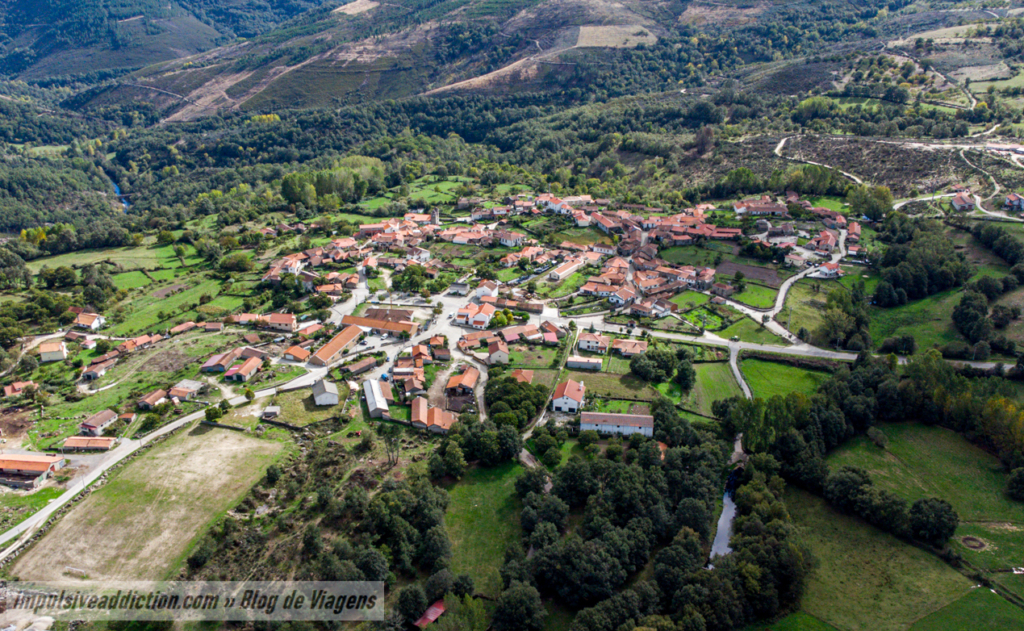
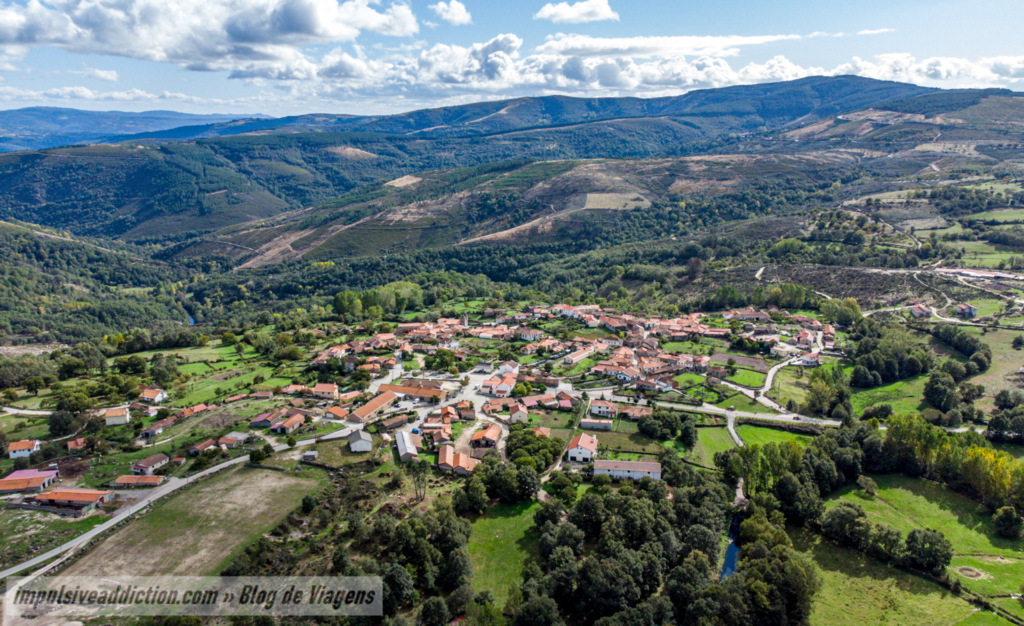
Moimenta da Raia is the largest and most important village of the Montesinho Natural Park within the Vinhais area, and there are plenty of places to explore here.
A highlight is the local café, the Taberna da Ribeira d’Anta, where I stopped briefly to admire its hunting-themed décor. By coincidence, it was hunting season at the time, and the place was bustling with hunters.
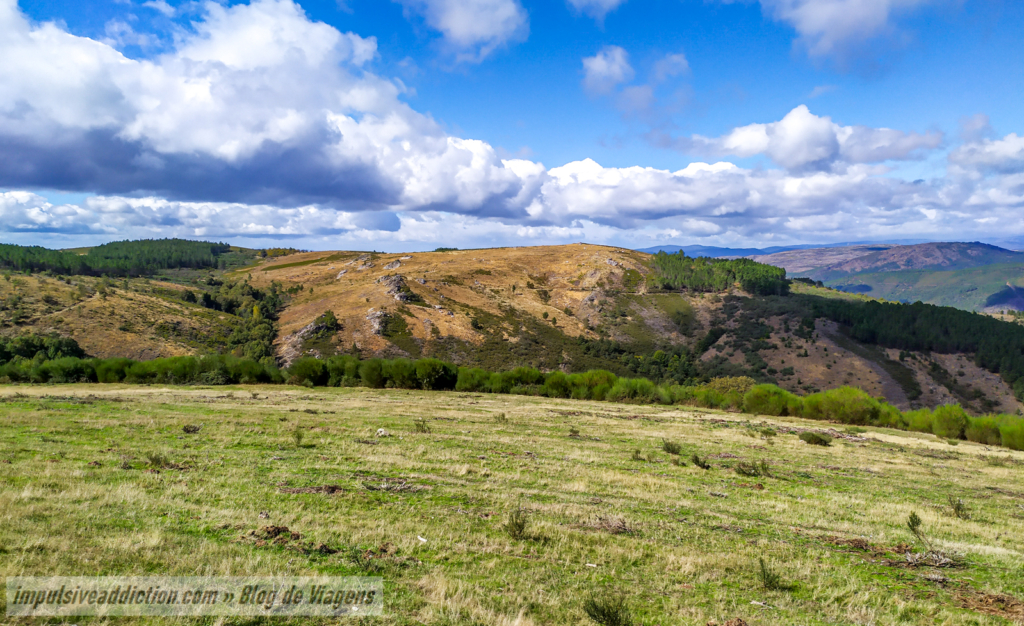
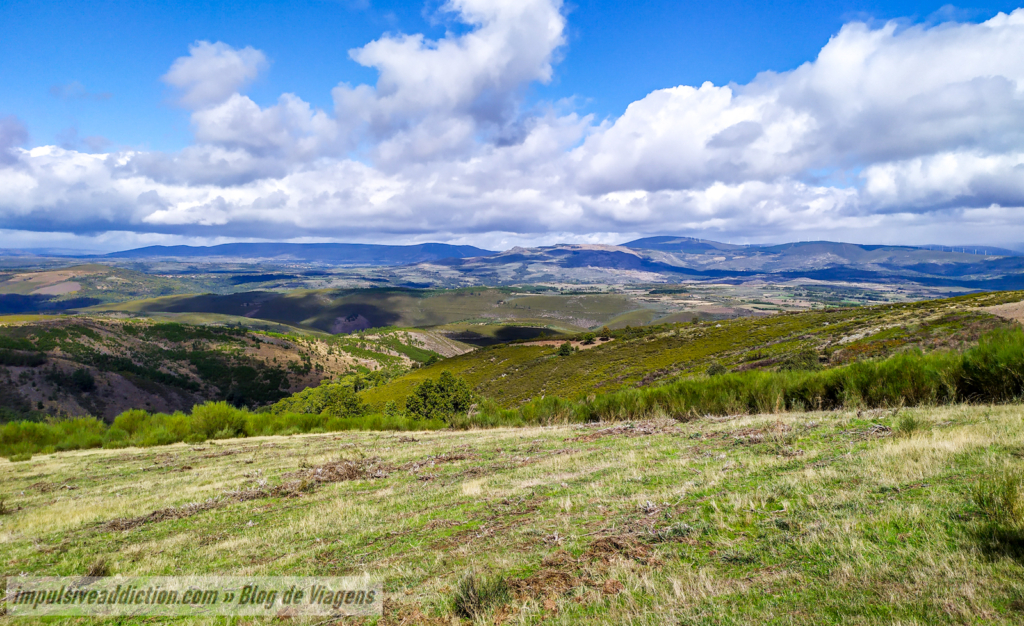
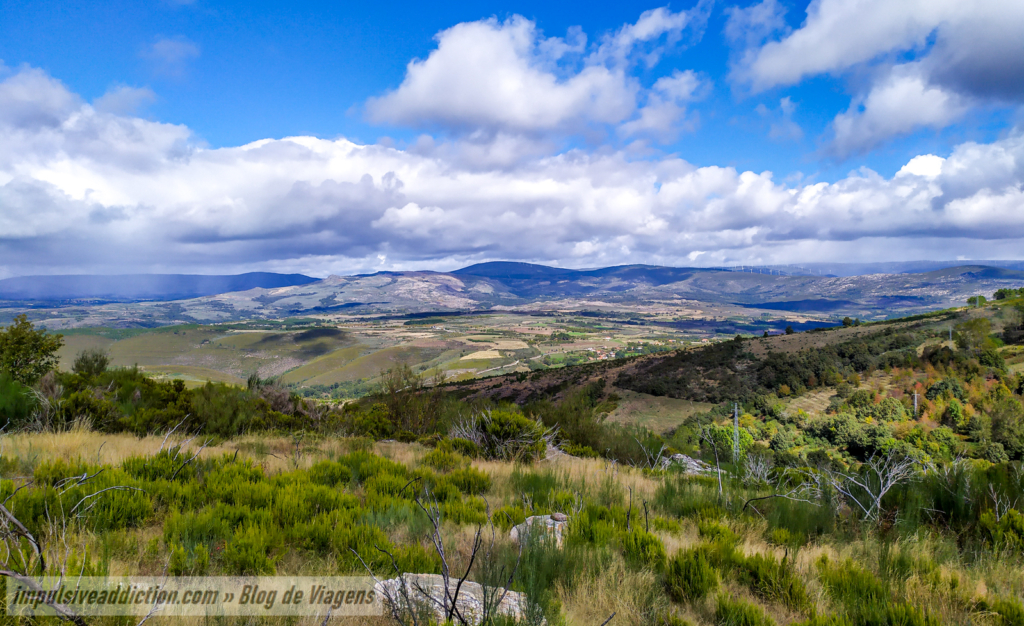
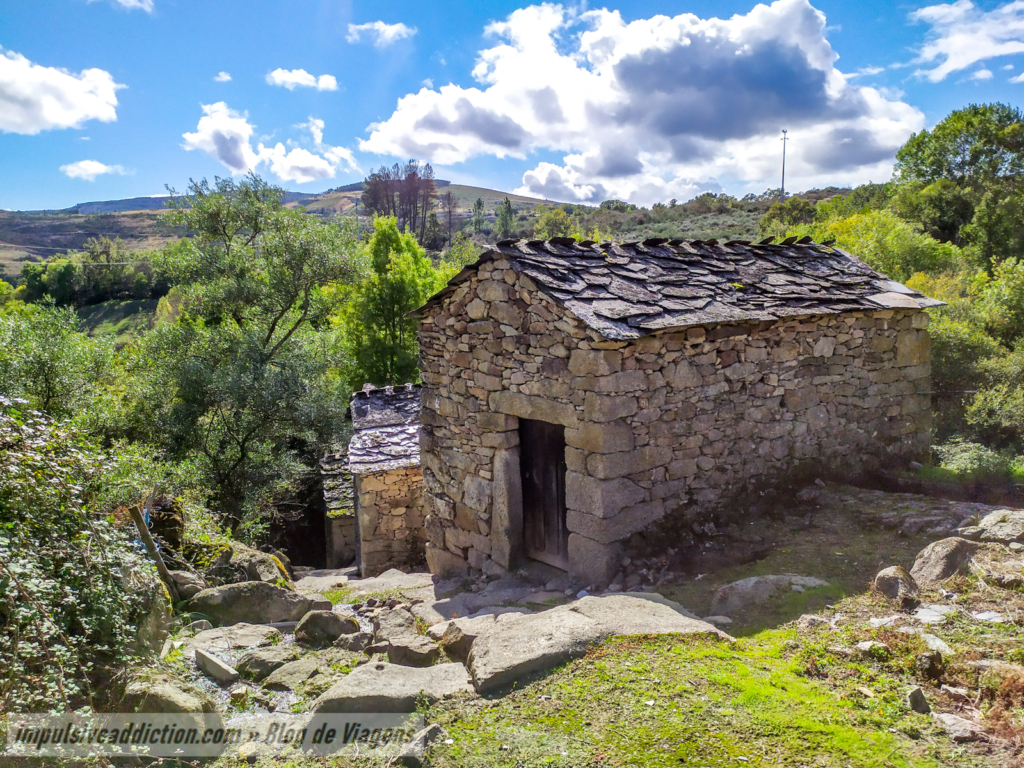
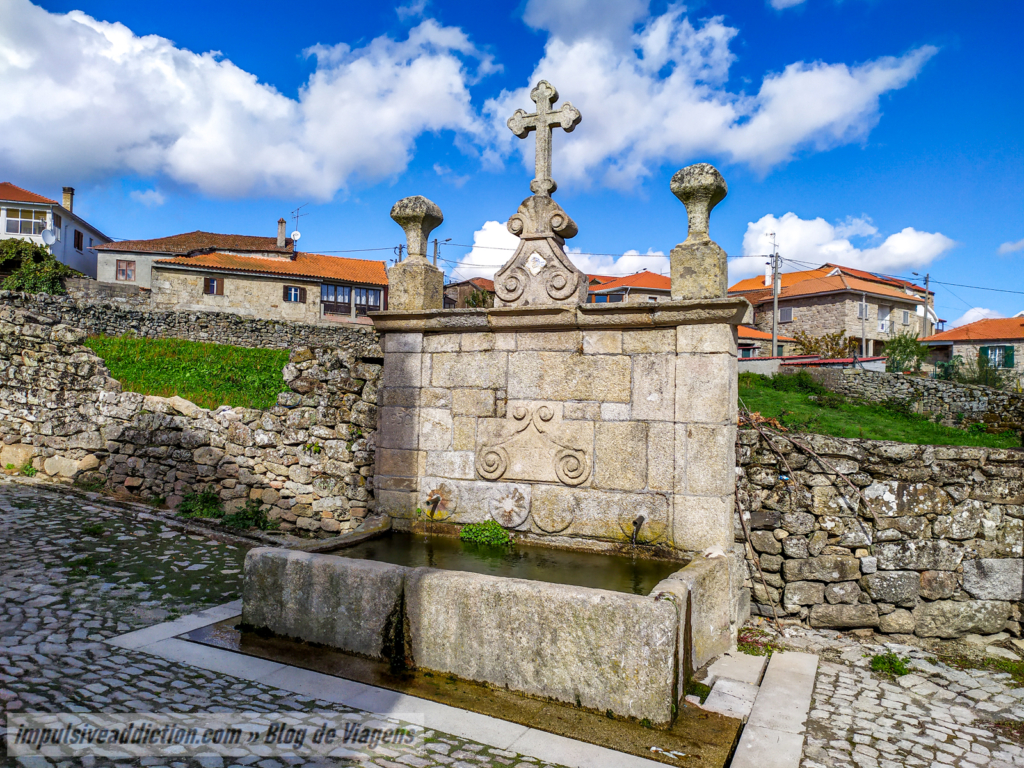
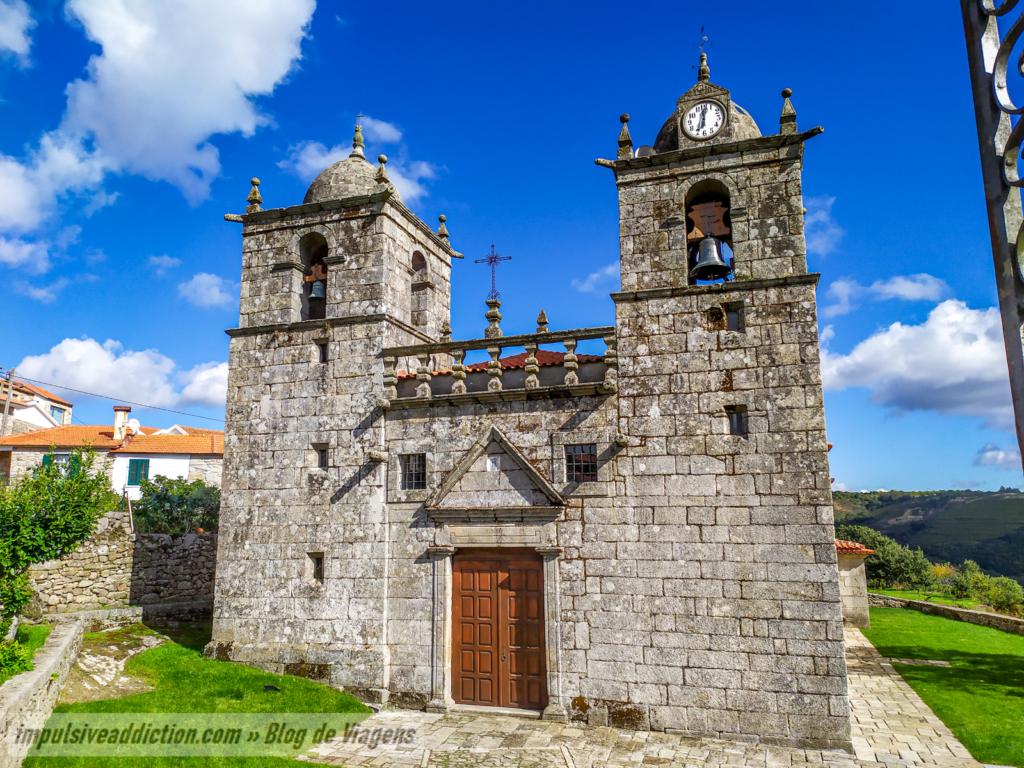
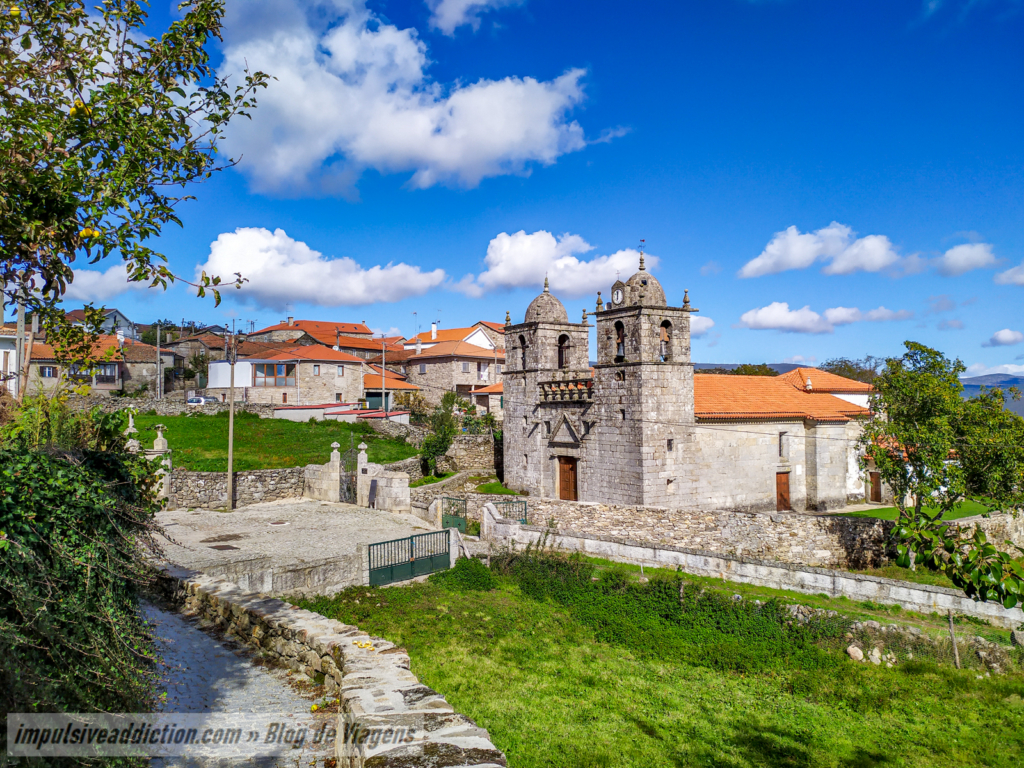
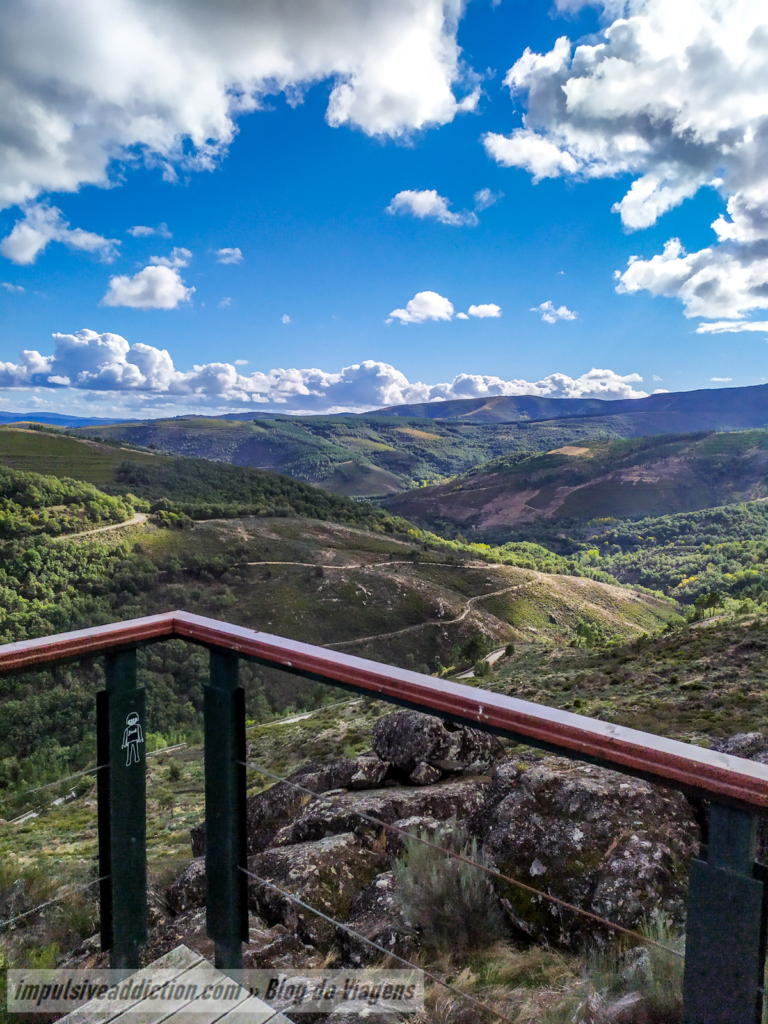
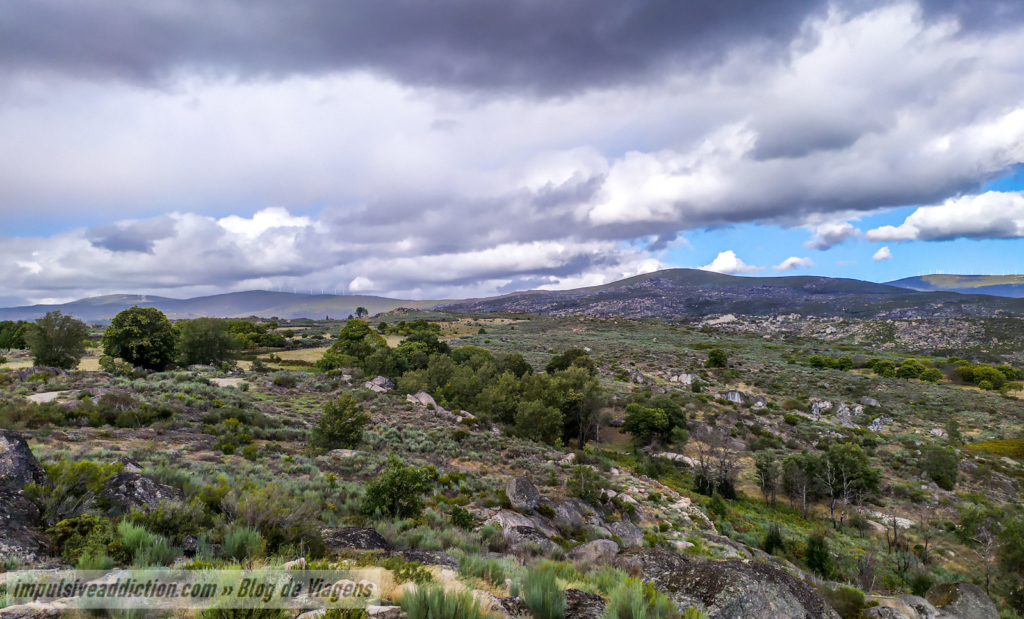
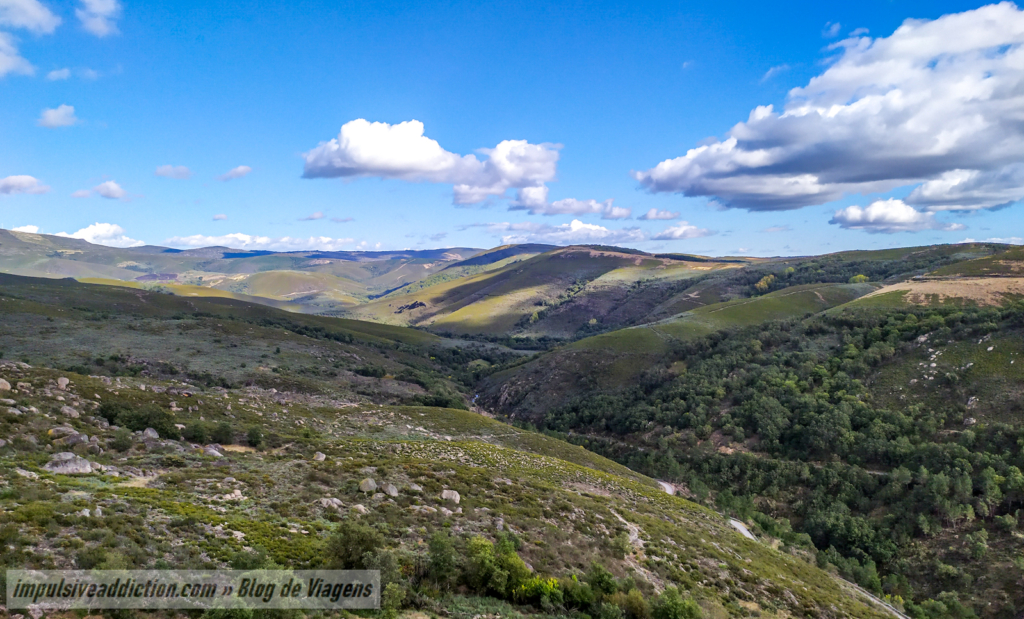
Don’t miss the Moimenta mills, the Main Church of São Pedro, and after you’ve seen the village, head to the 360º viewpoint in the surrounding hills — it’s clearly signposted on the way out of the village.
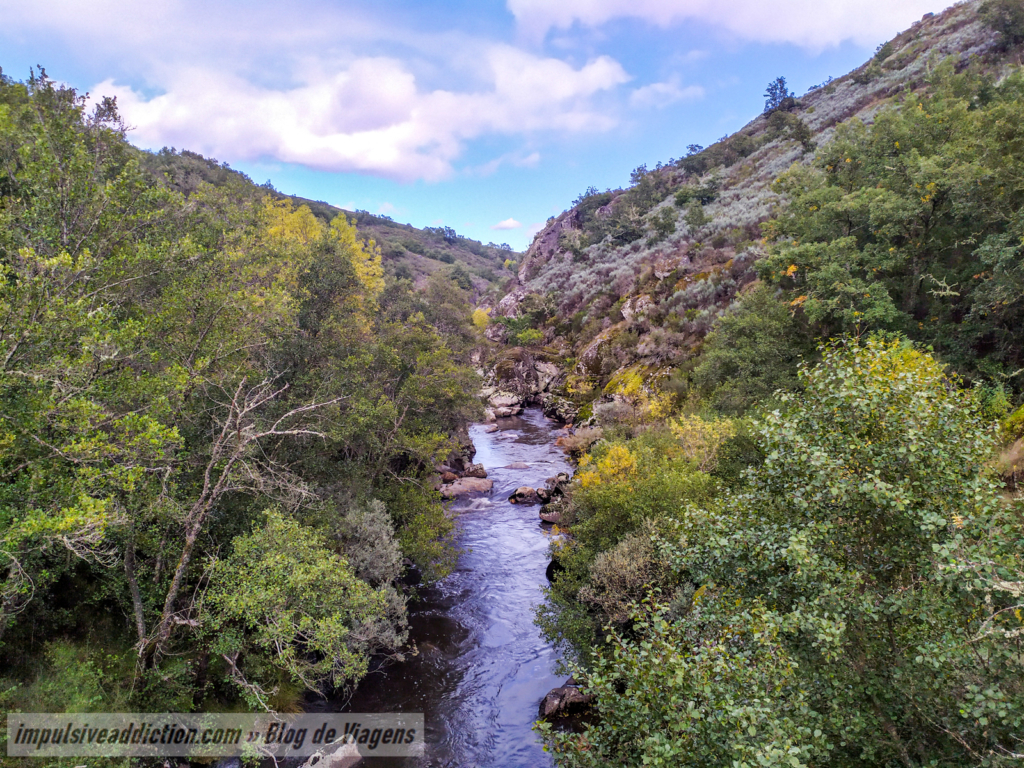
Near Moimenta you’ll also find the start and end of one of the PNM trails: PR7 – Calçada. This circular 7 km trail follows the Tuela River and the Ribeira d’Anta, offering a very scenic hike.
Finally, make sure to see the Ponte do Couço over the Tuela River, and along the road near the optional village of Mofreita, admire the rows of majestic chestnut trees that line both sides — a beautiful prelude to the next village, Dine.
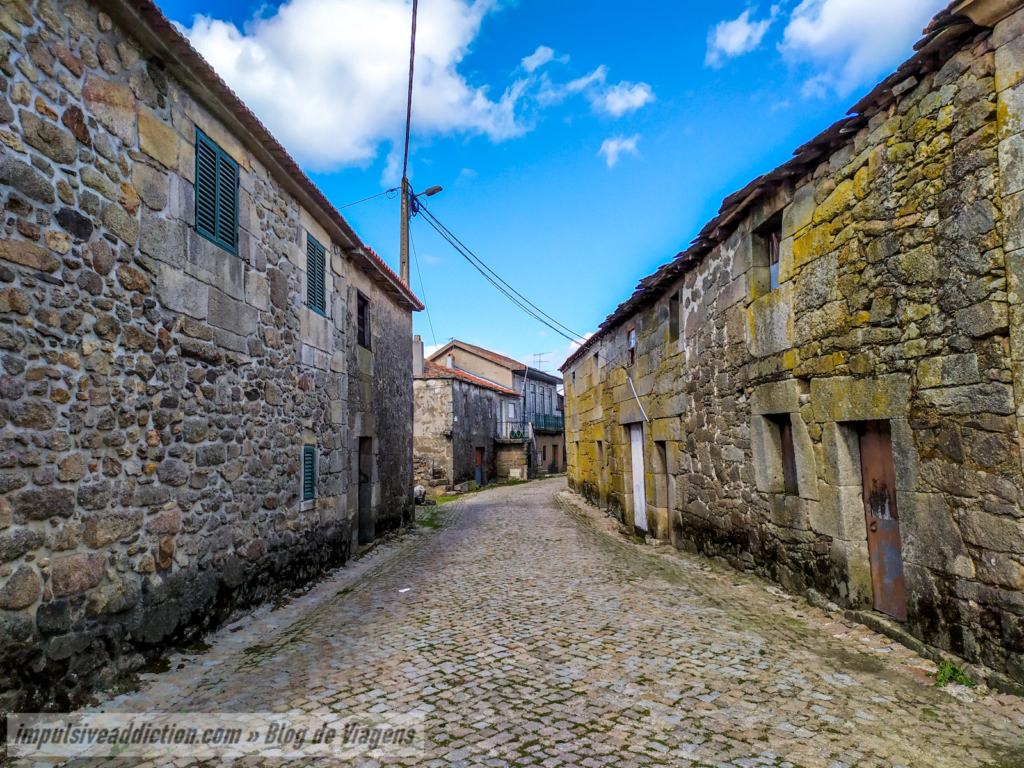
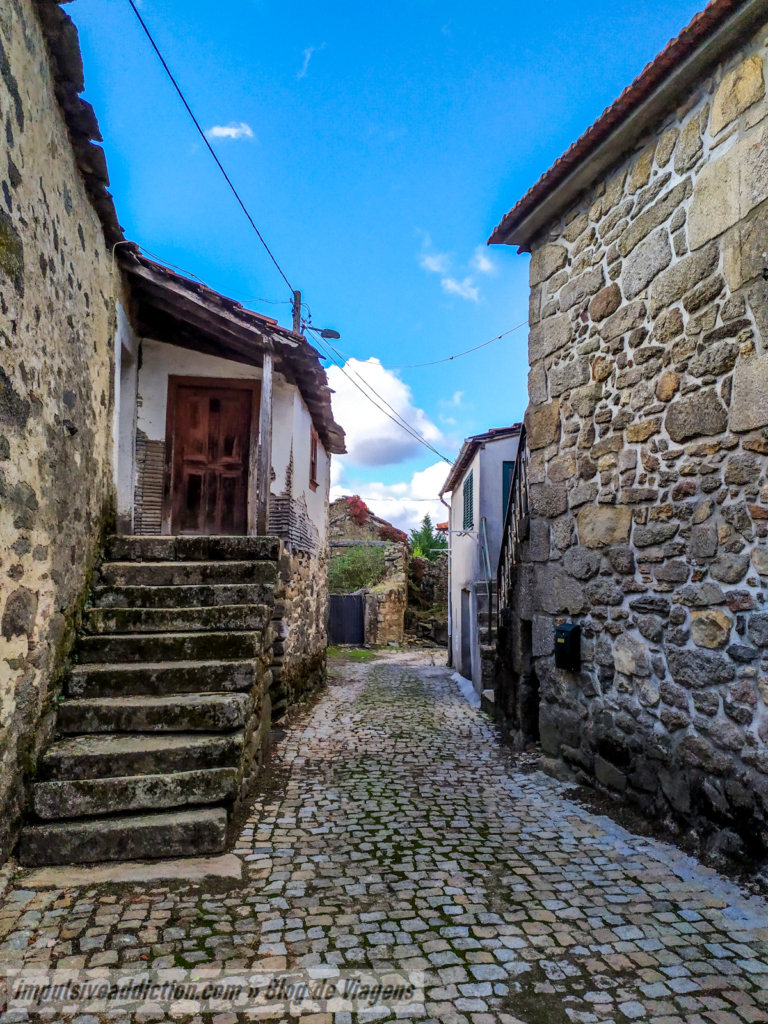
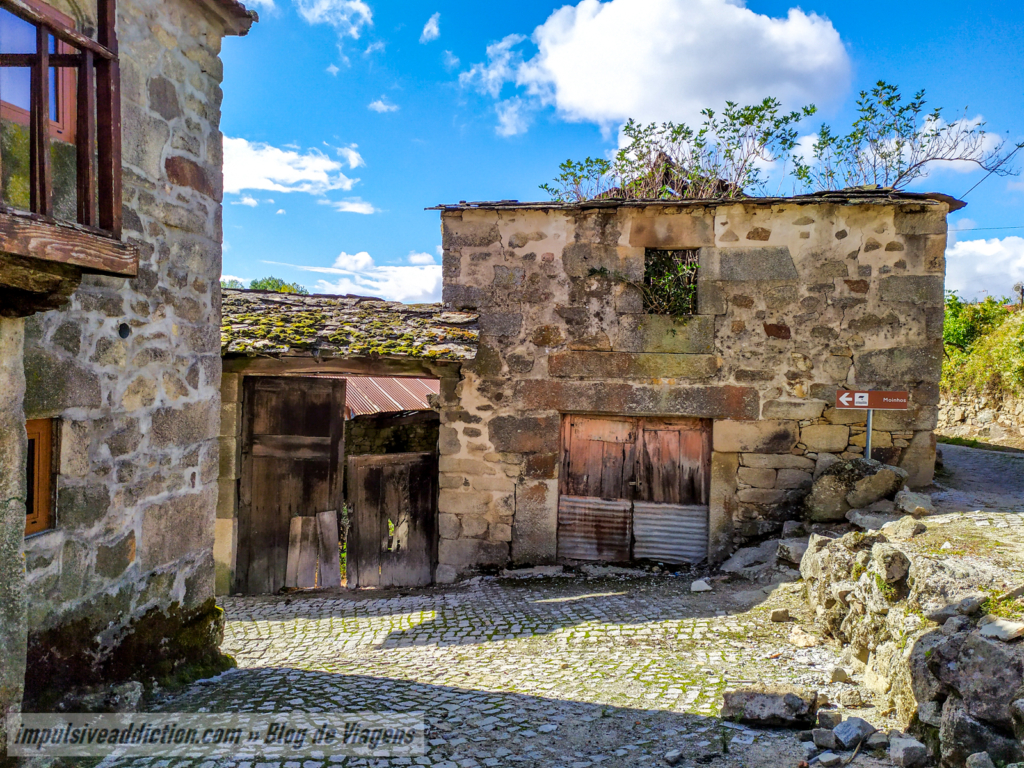
7. Dine
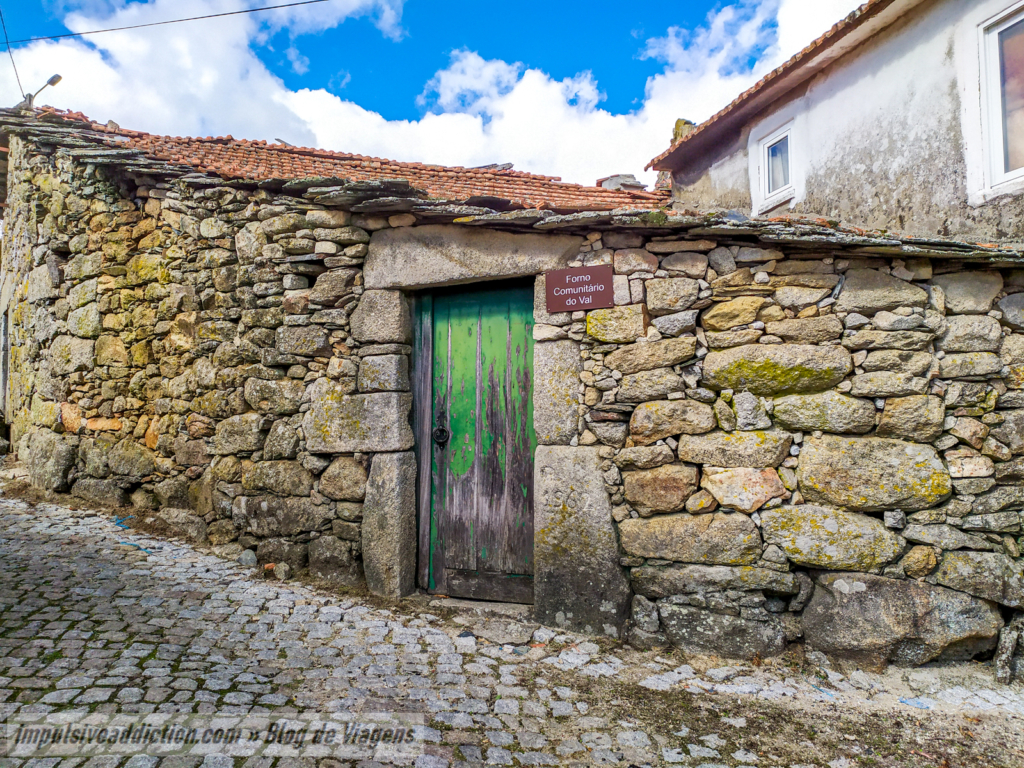
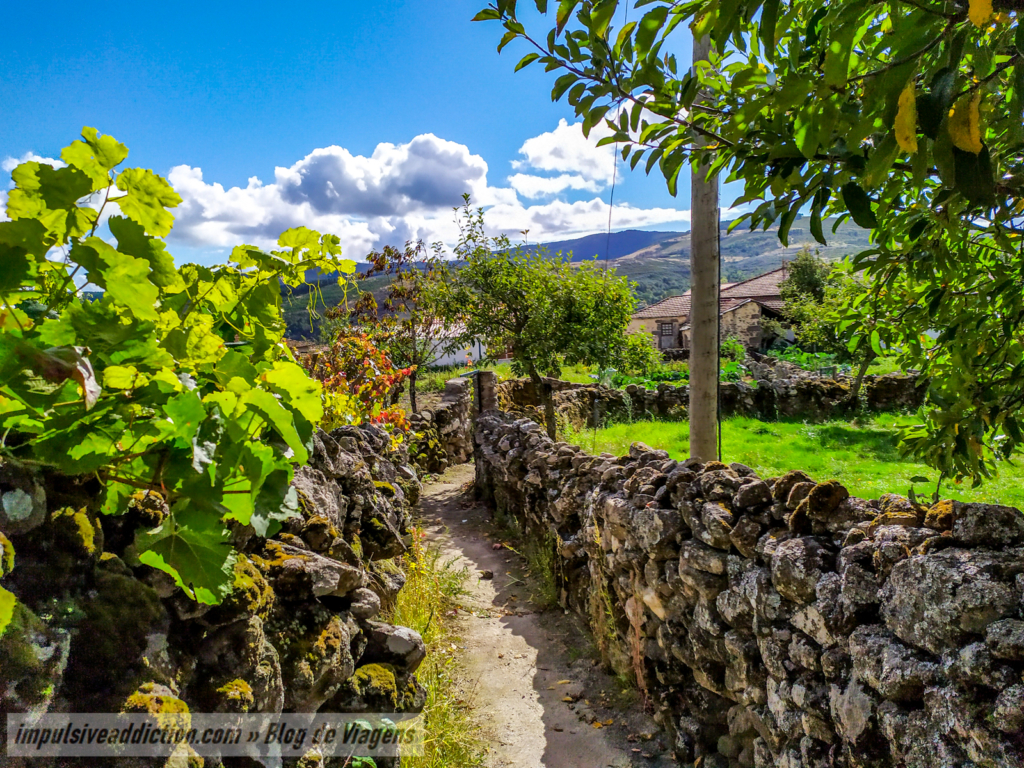
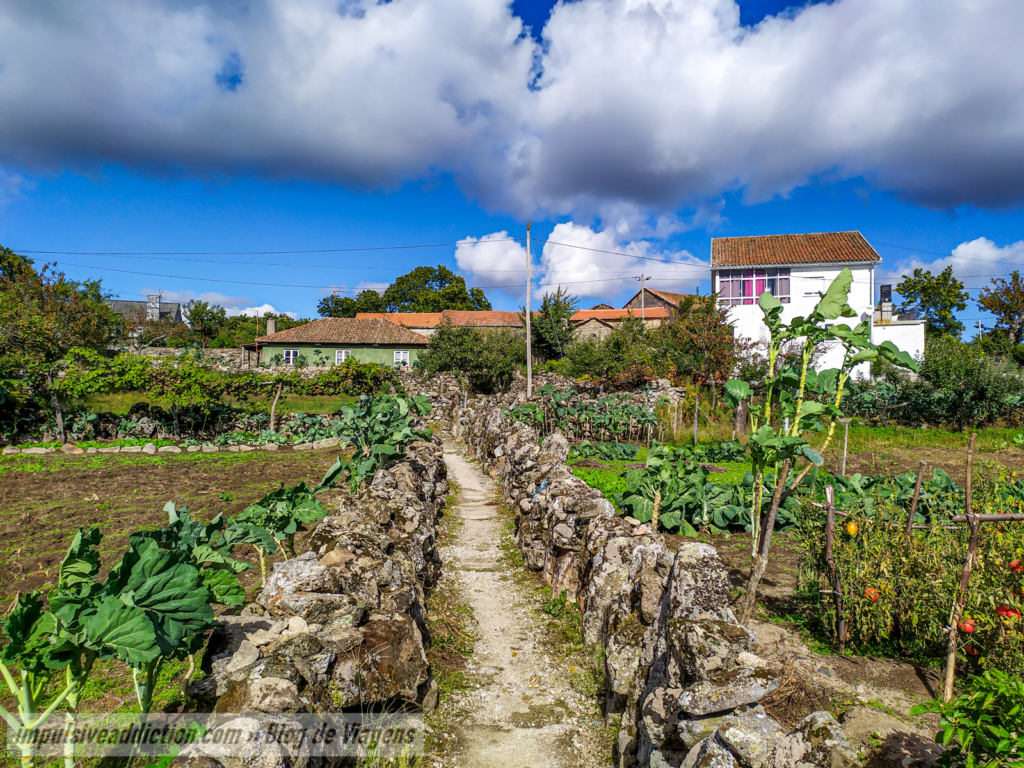
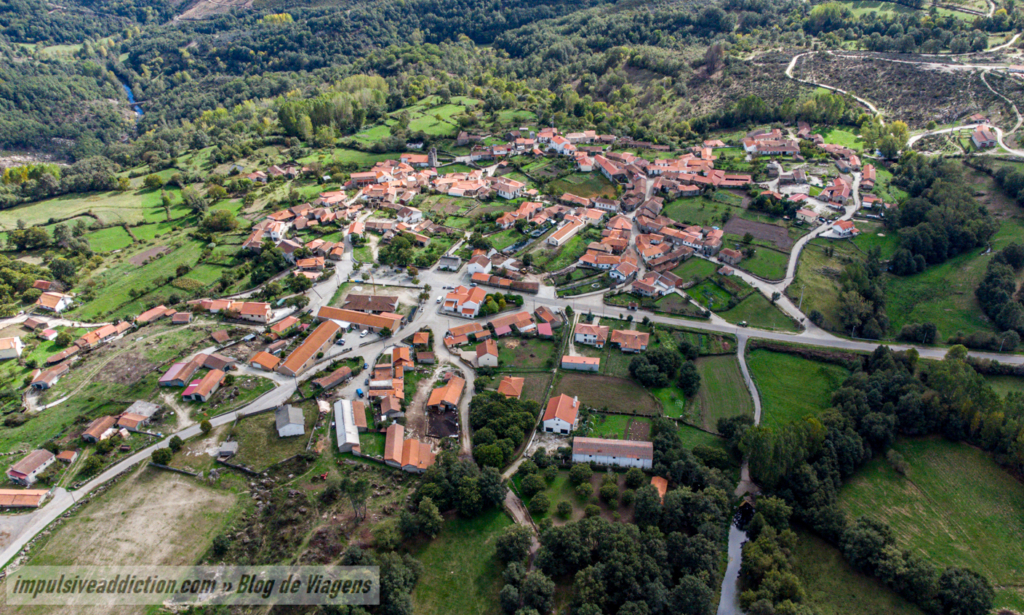
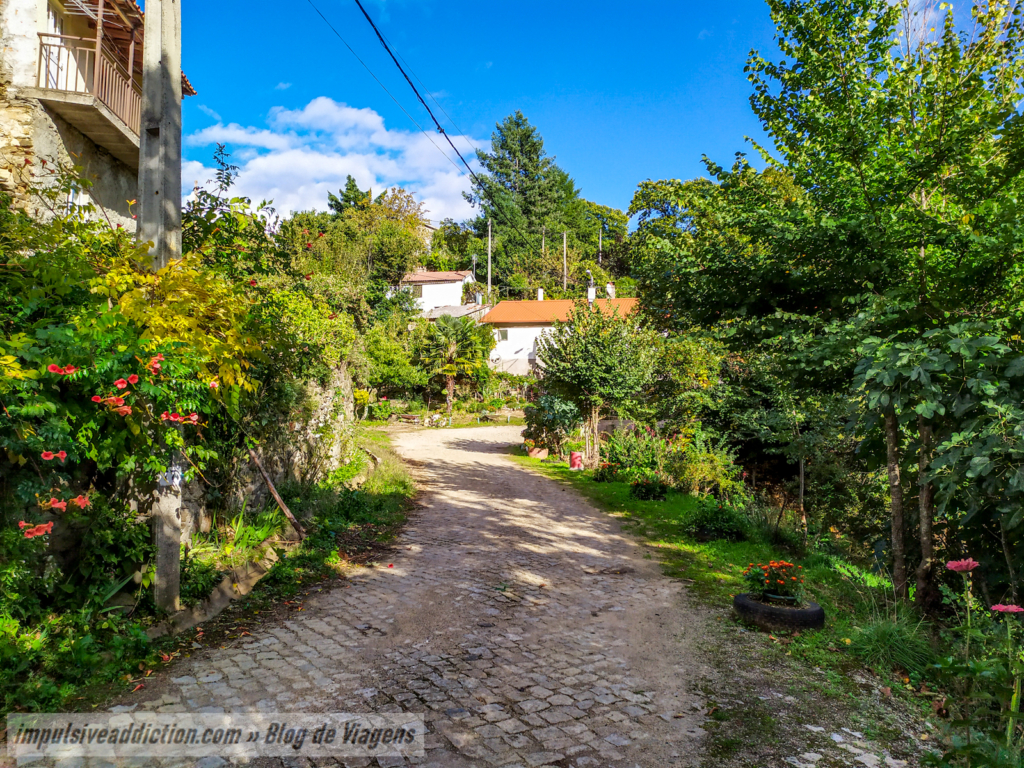
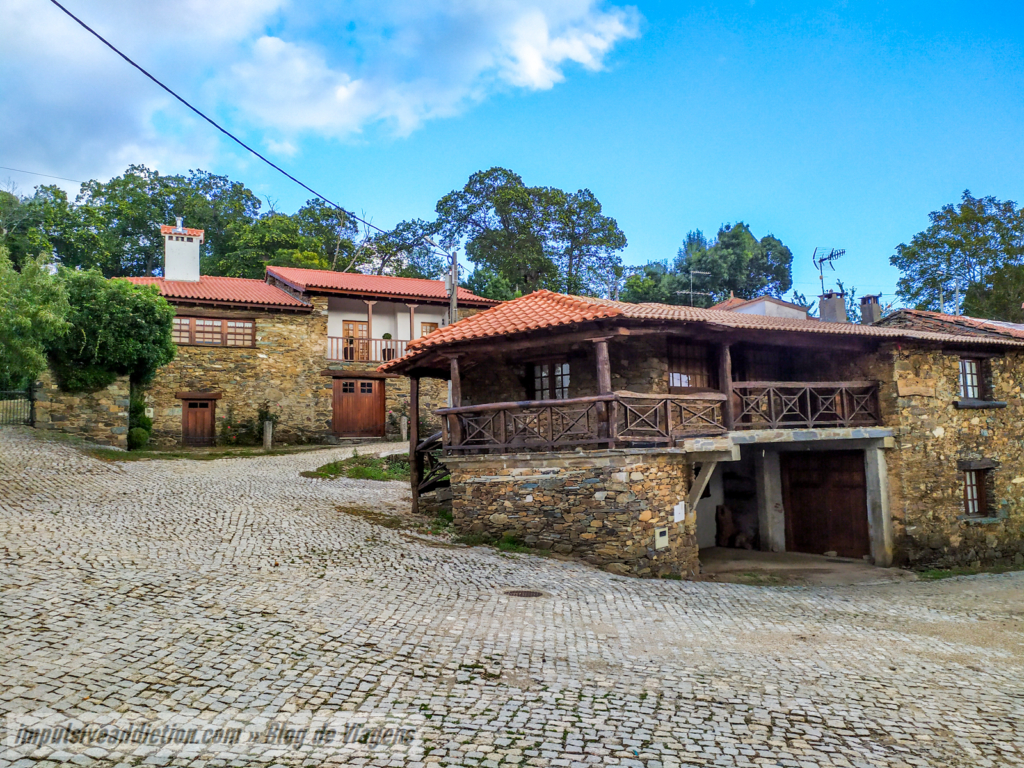
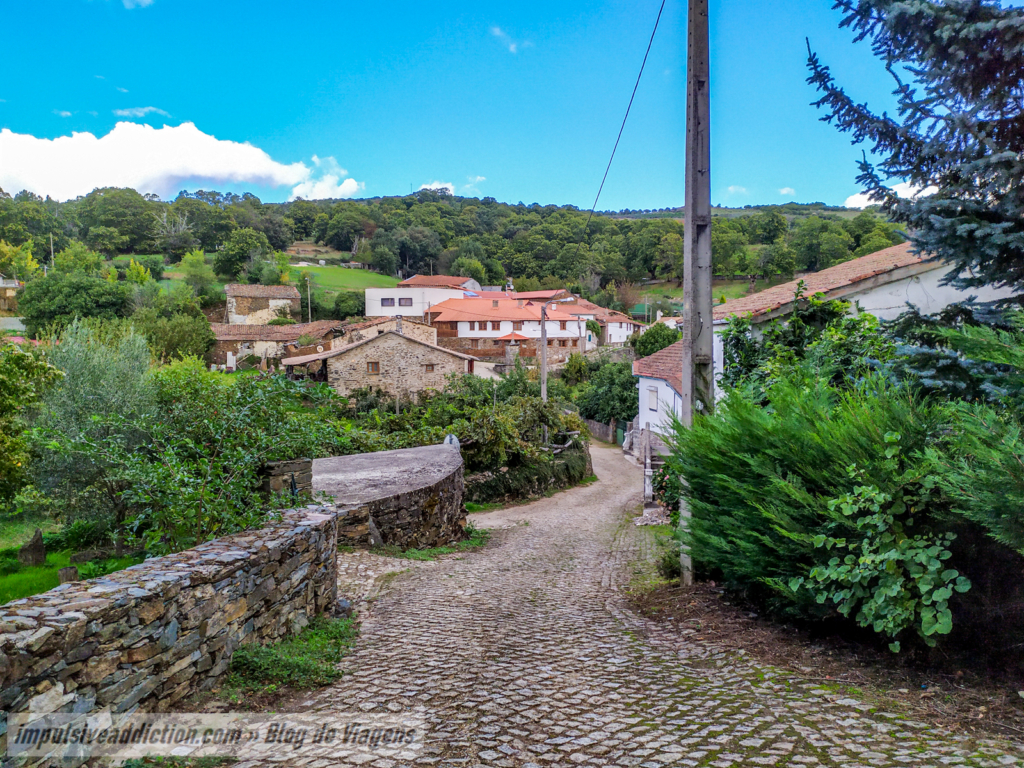
The village of Dine is small and simple, yet it became one of my favorites — perhaps the most memorable in Vinhais after Moimenta da Raia.
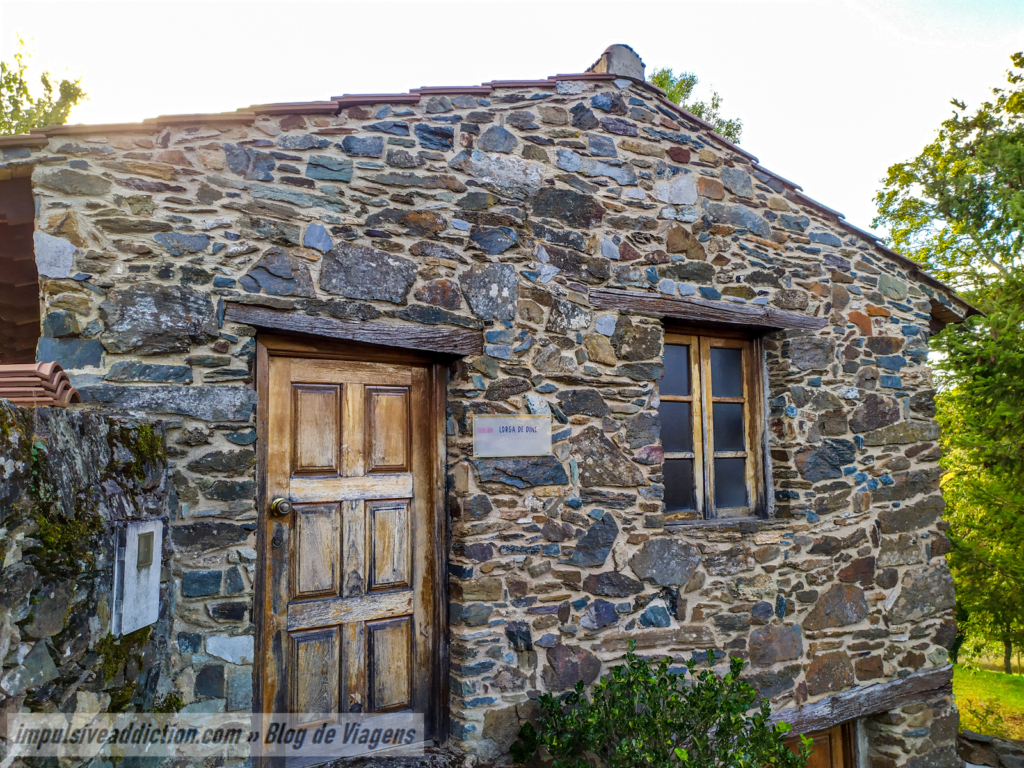
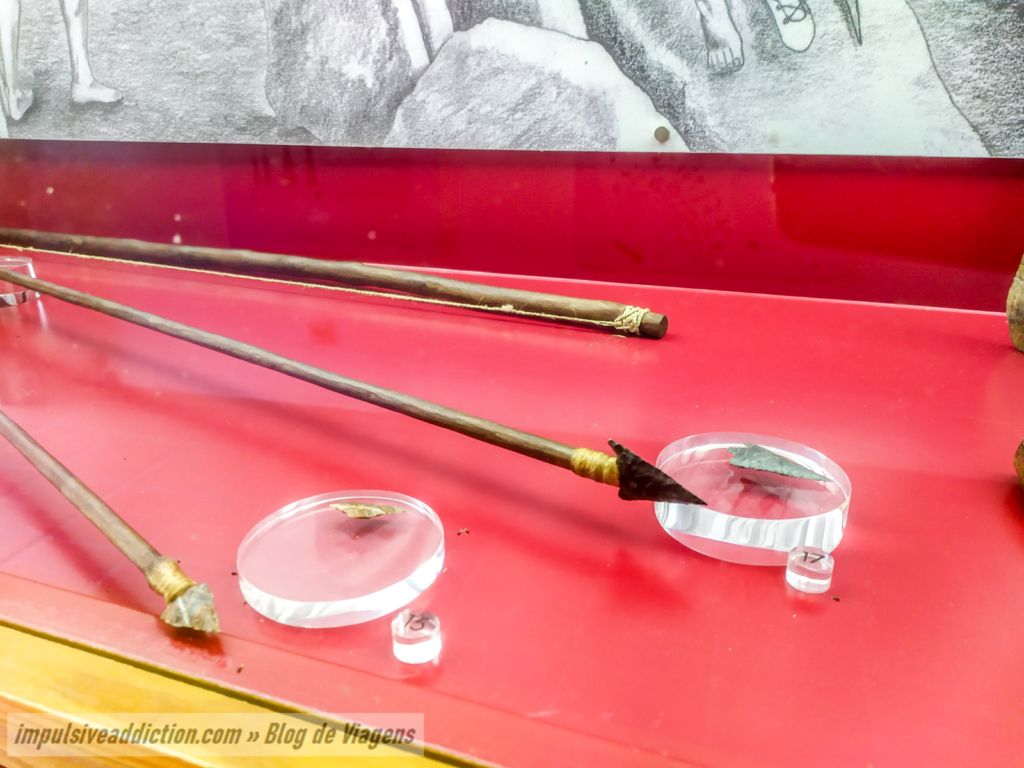
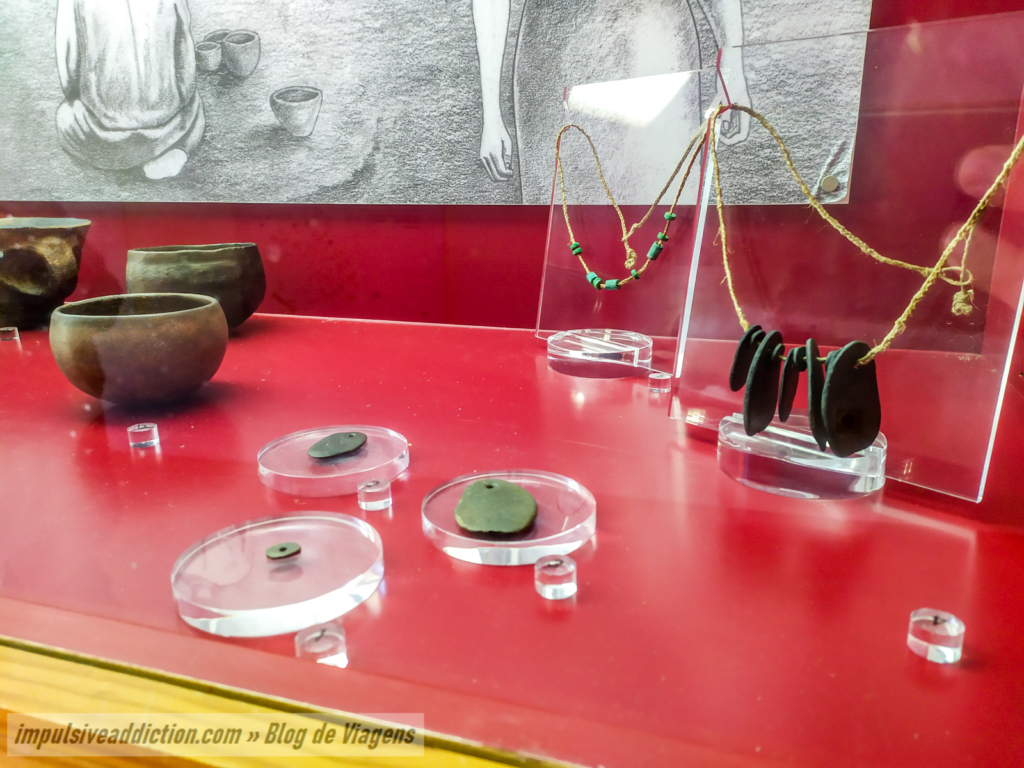
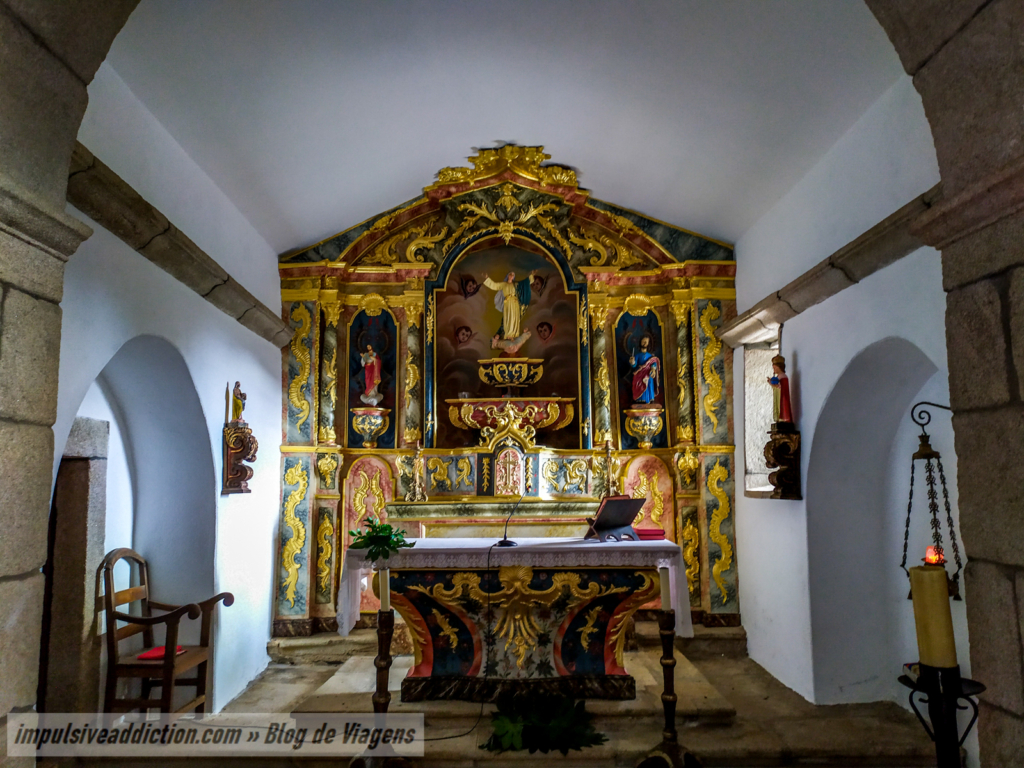
Here you must meet Dona Judite, who lives at the top of the village near the church and the Interpretation Center of the Lorga de Dine. She is truly remarkable — extremely kind, full of energy, and always happy to welcome visitors. She can open the doors of the museum and the church for you, and often gives free guided visits. She loves chatting with travelers, so don’t be shy — strike up a conversation! 😀
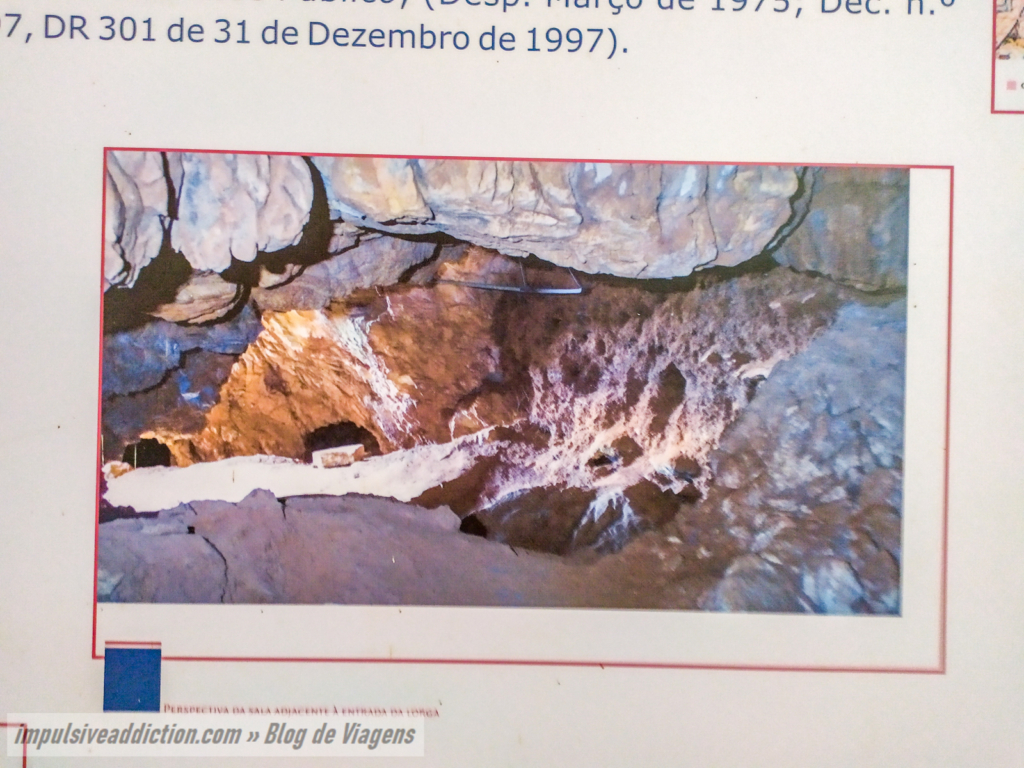
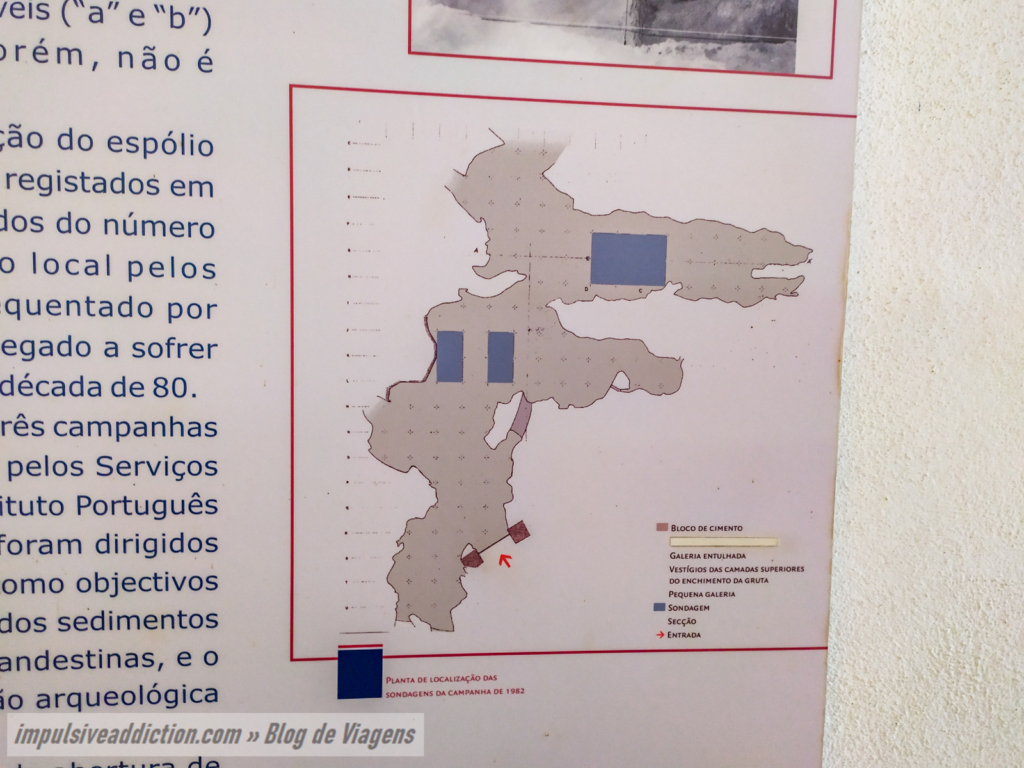
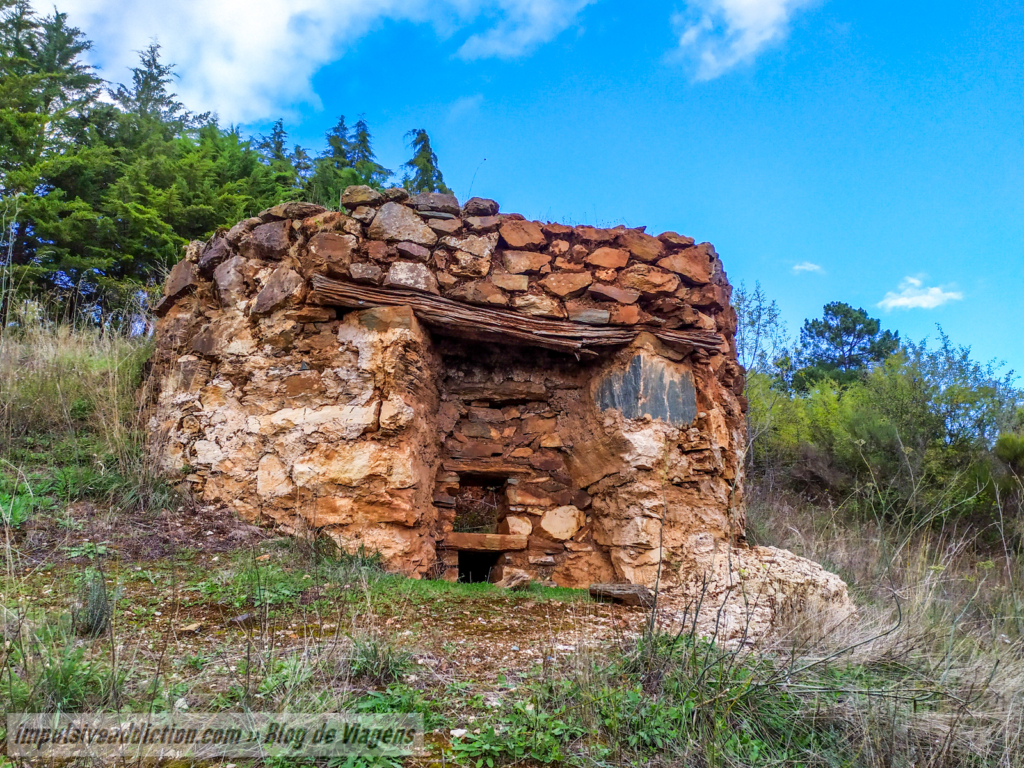
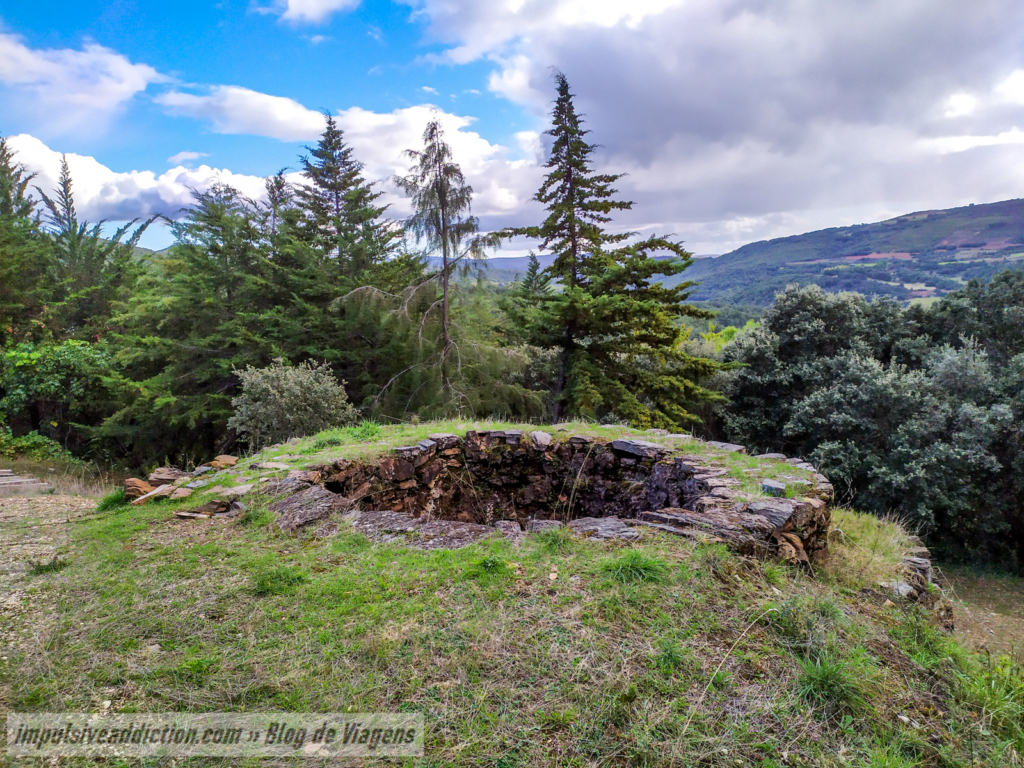
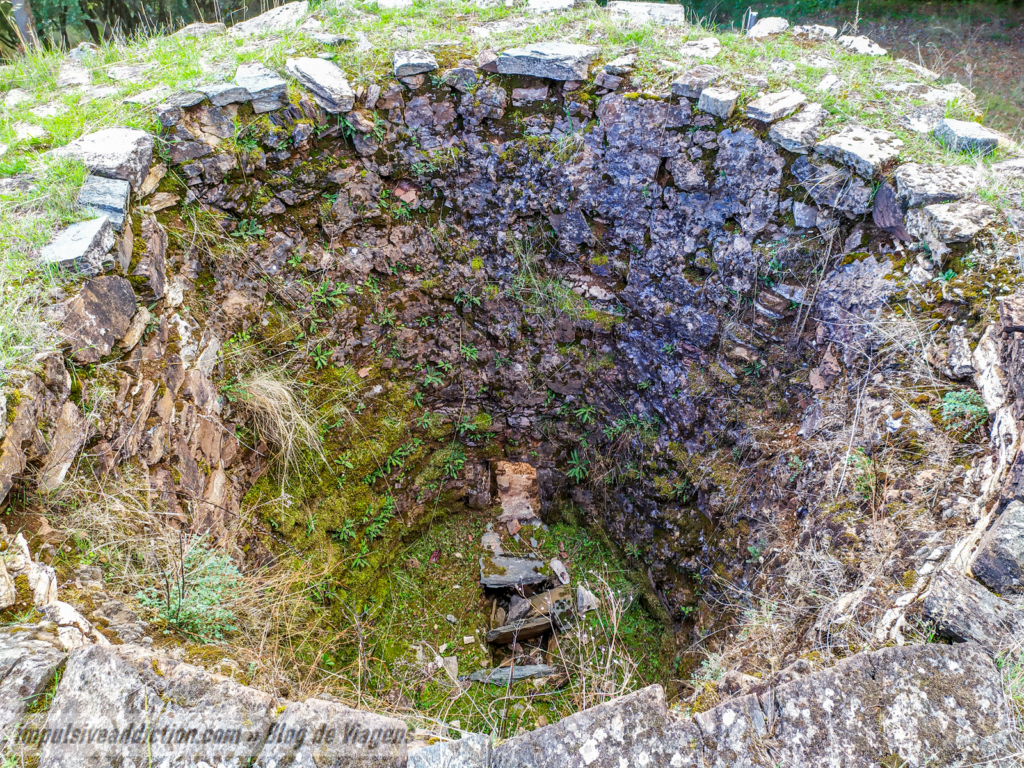
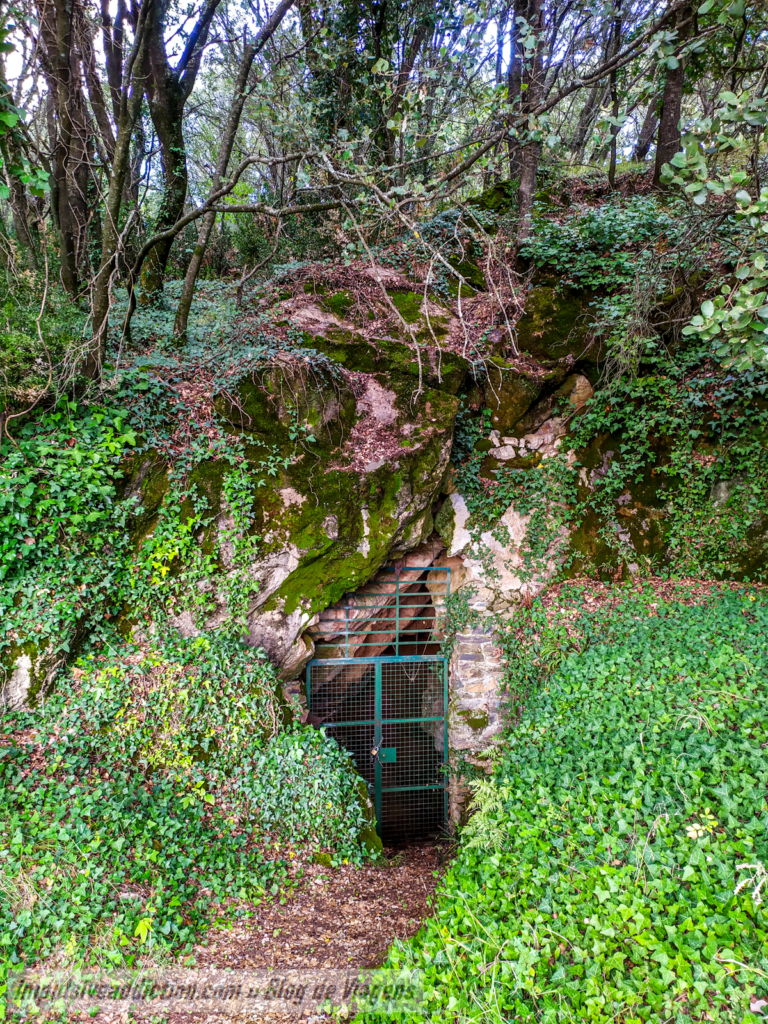
The Lorga de Dine lies near the lime kilns and is just a short walk from the interpretation center. The site is gated and locked, and in the past it was Dona Judite herself who guided visitors inside. Today, for health reasons, she no longer does so, but if you bring the right gear (a flashlight is essential!) and speak with her, she may lend you the key so you can visit on your own.
Also, don’t forget that PR10 – Termas do Tuela trail begins here in Dine. This route allows you to visit places I mentioned earlier, such as the lime kilns, the Lorga de Dine, and even the Fresulfe River Beach.
By the Tuela River, you’ll also find four anthropomorphic bathtubs carved into the rock. And yes — they are bathtubs, not graves as they might appear at first glance! The waters of these ancient thermal baths were once believed to have medicinal properties for treating skin conditions.
Other Villages of the Montesinho Natural Park in Vinhais (Optional)
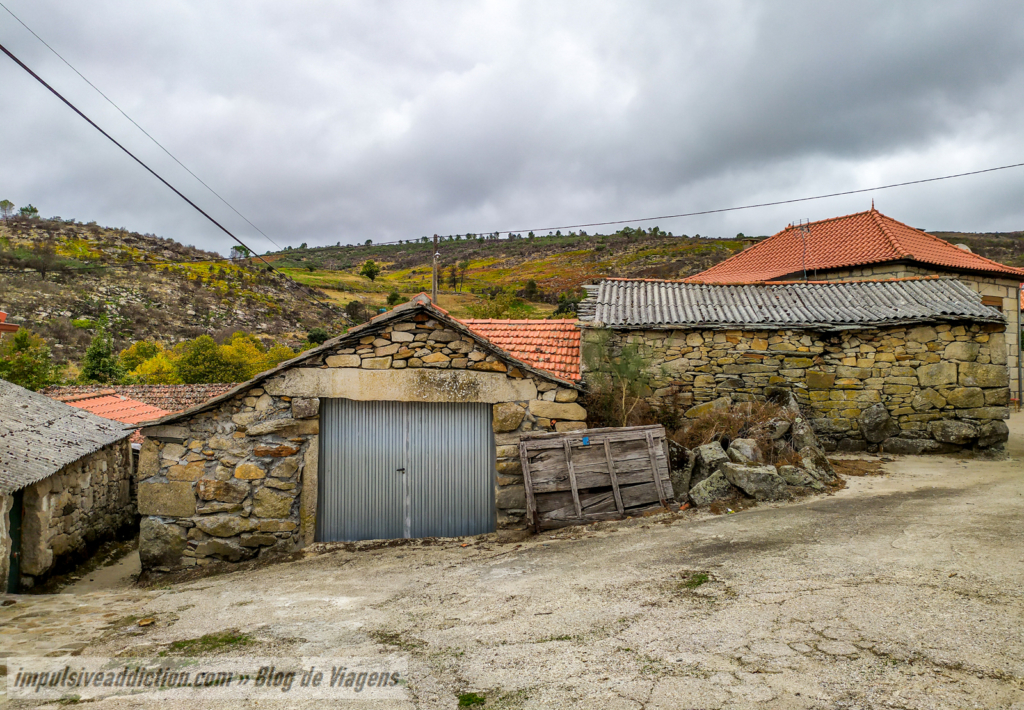
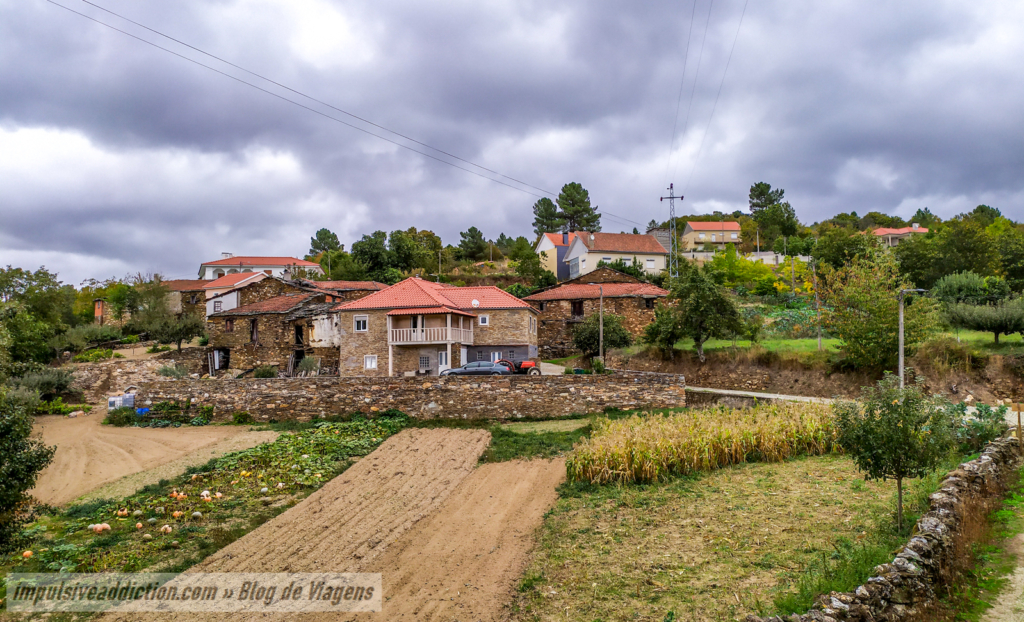
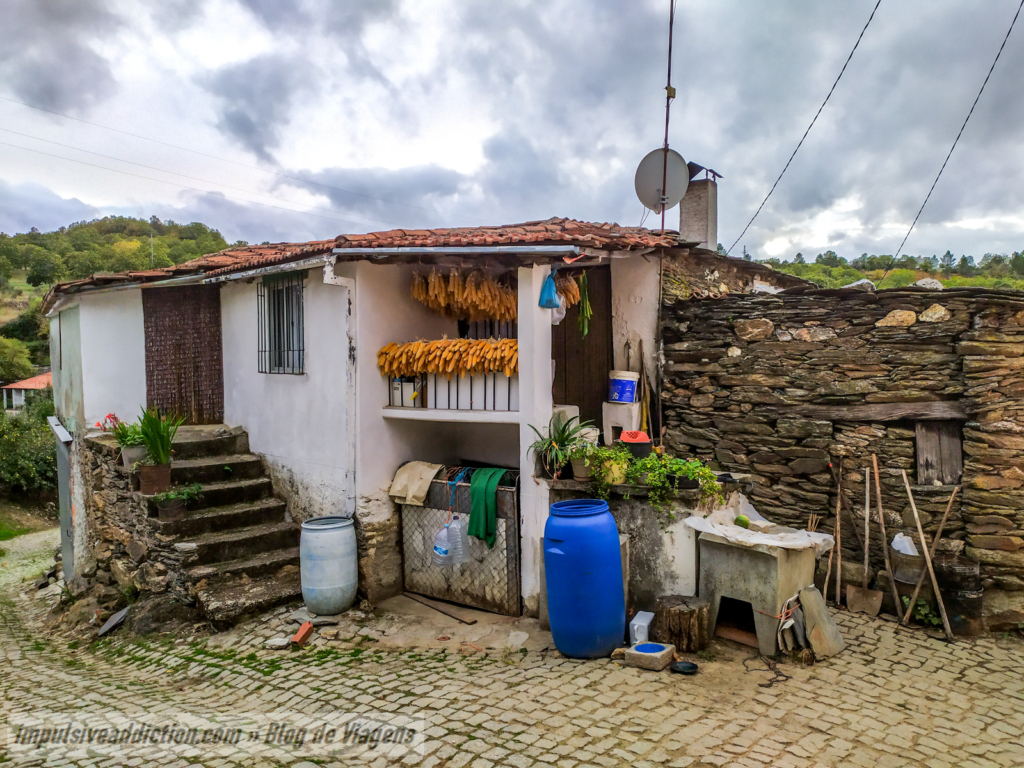
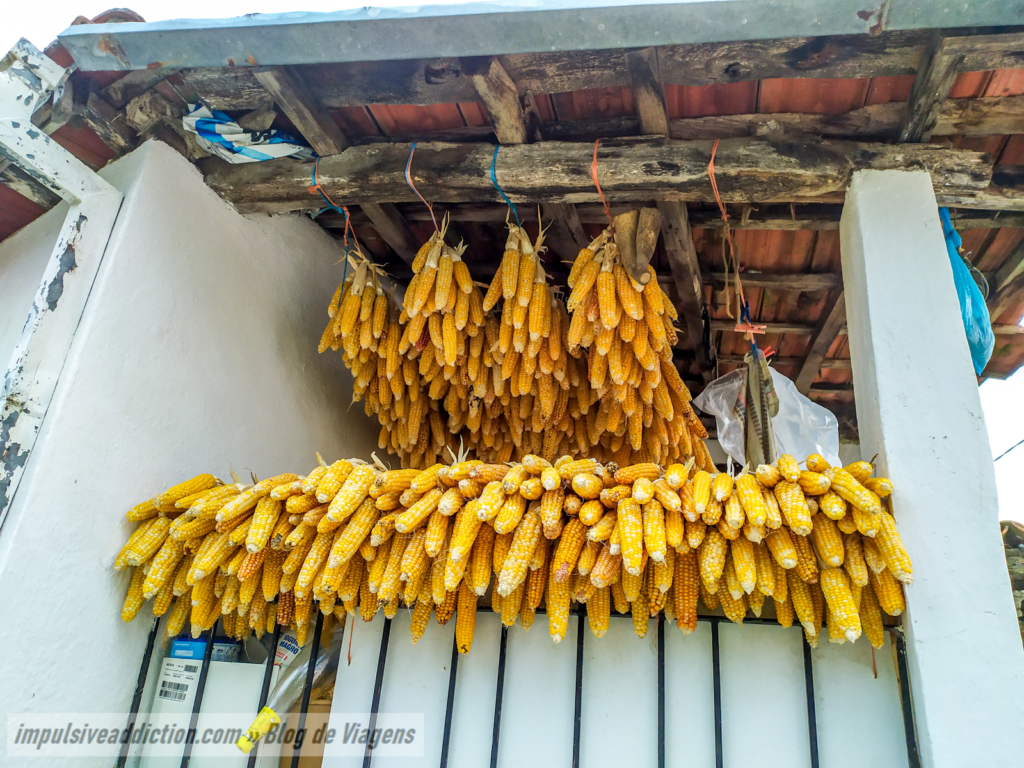
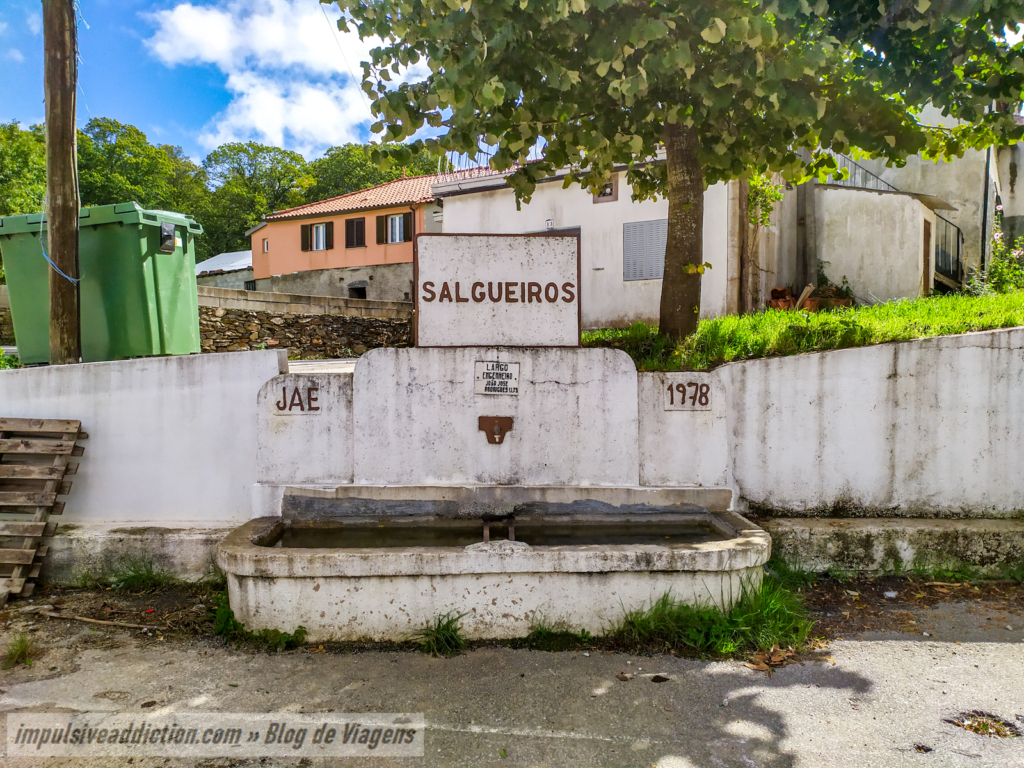
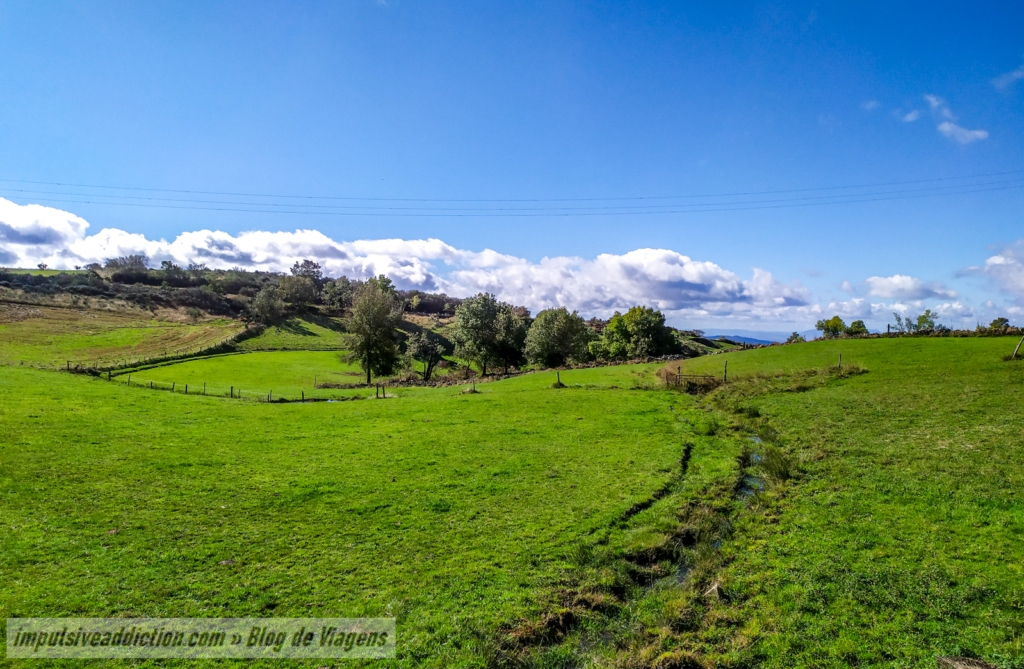
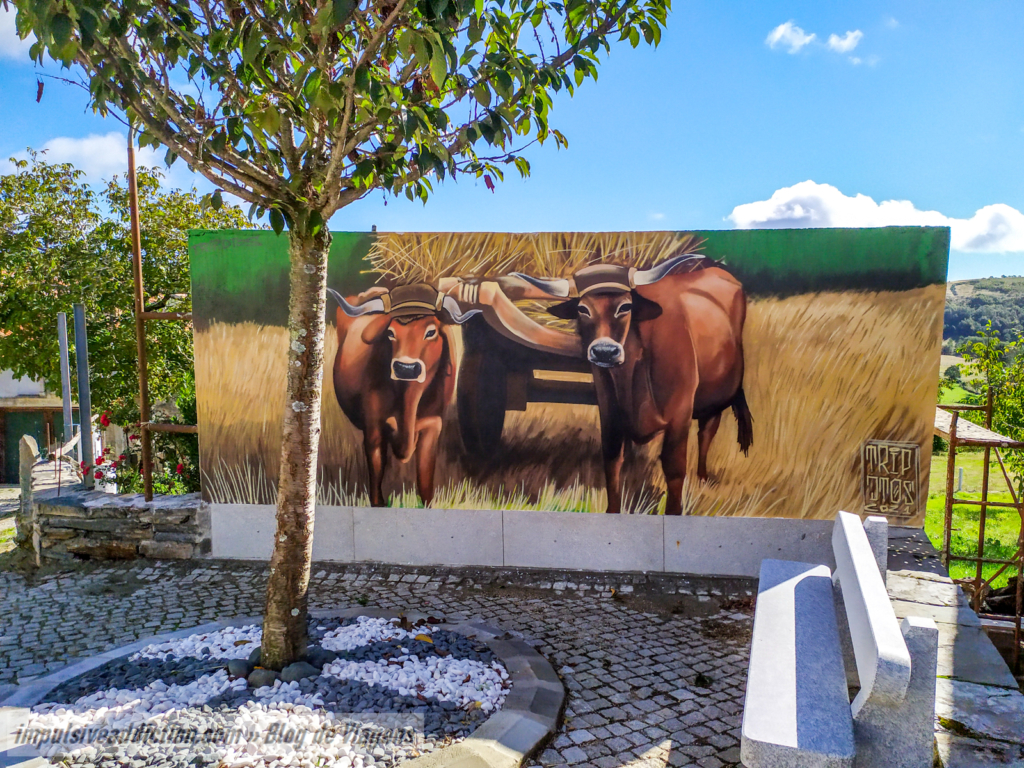
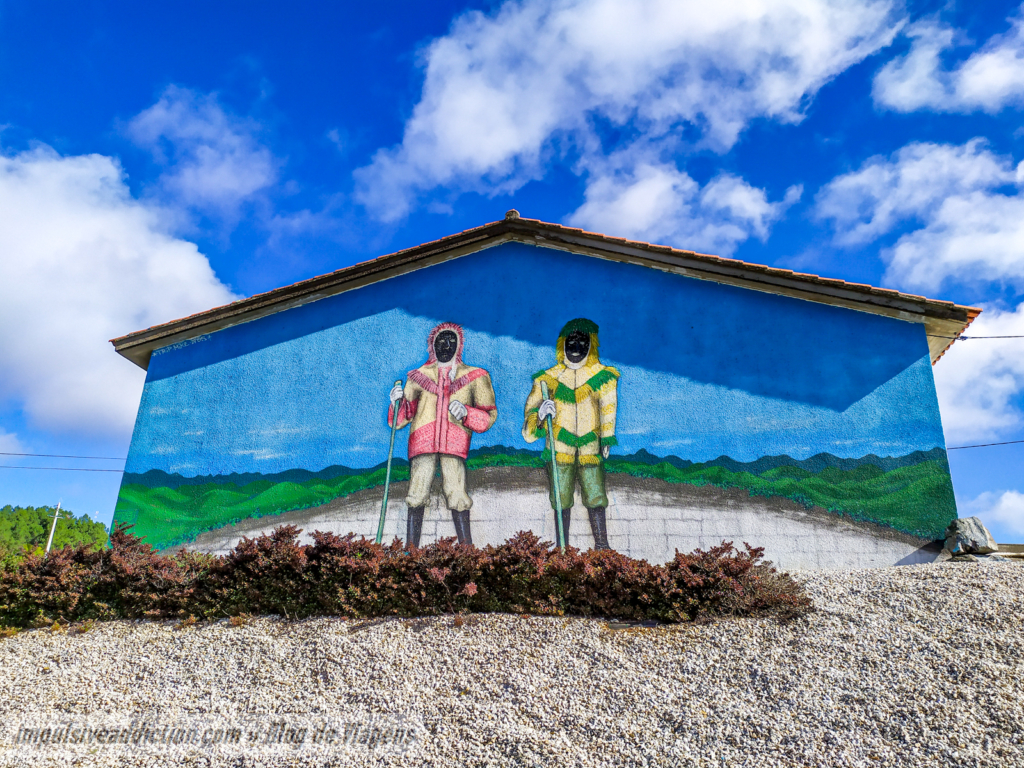
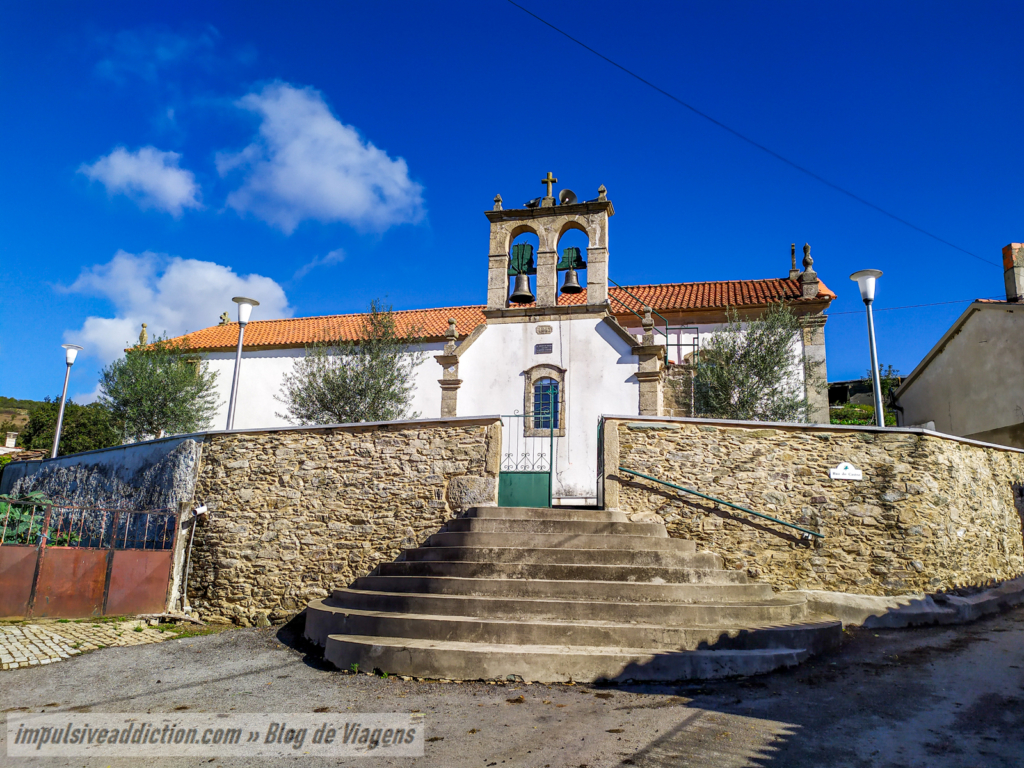
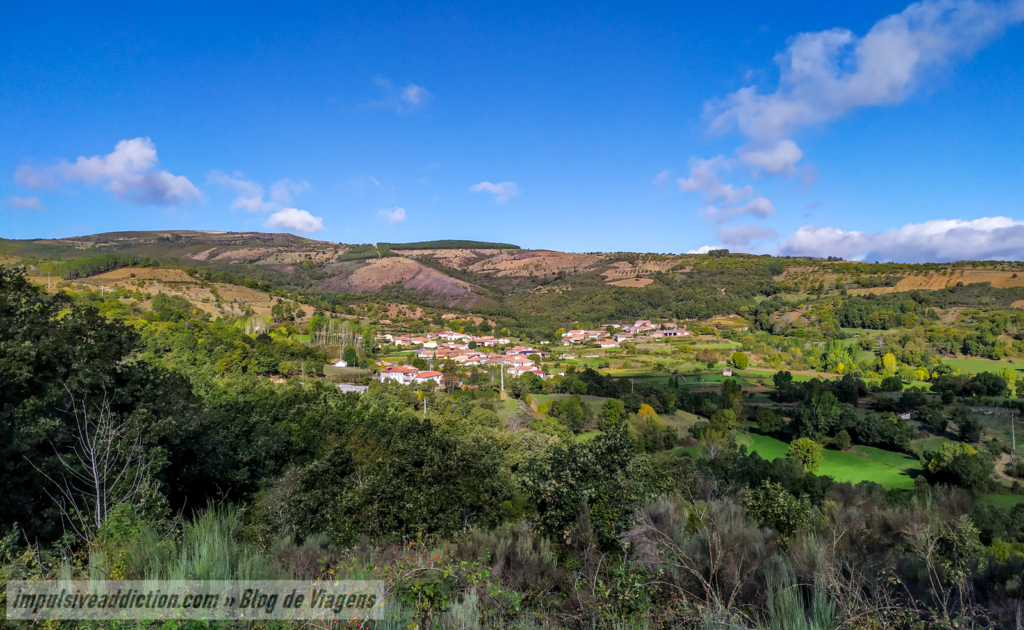
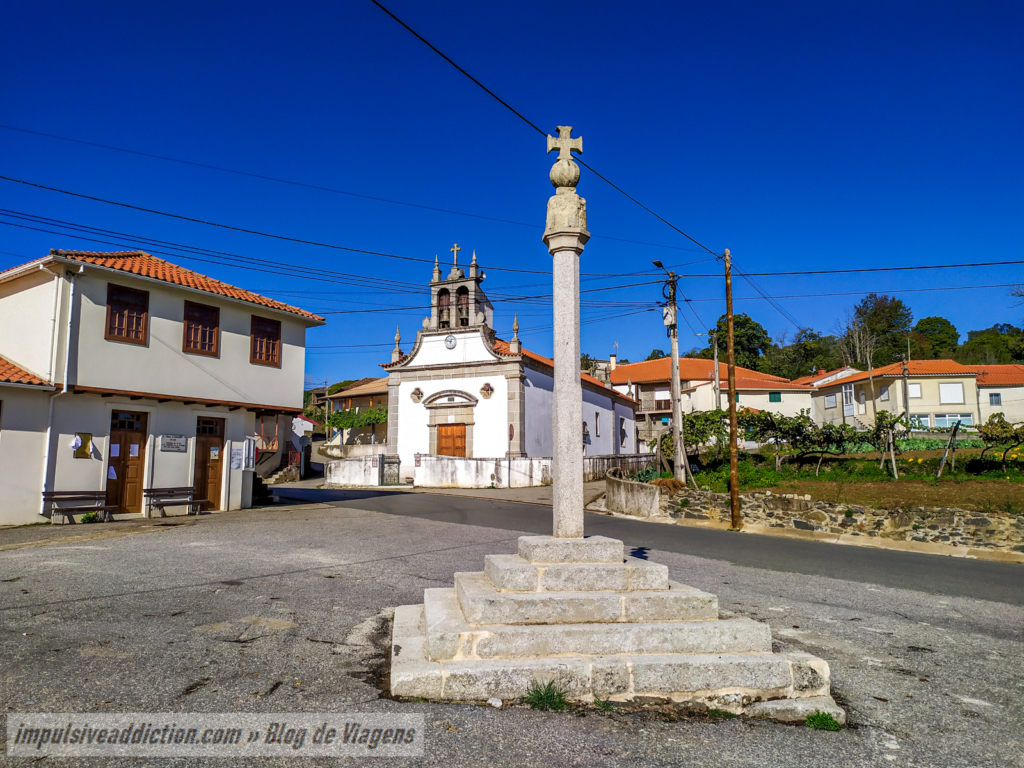
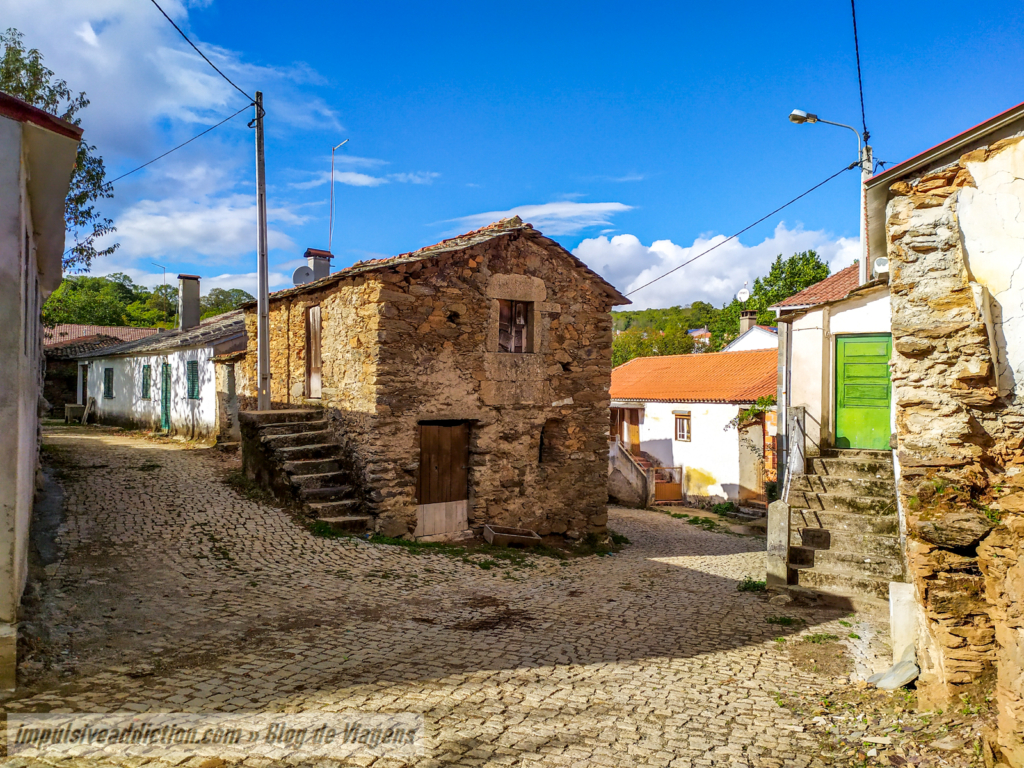
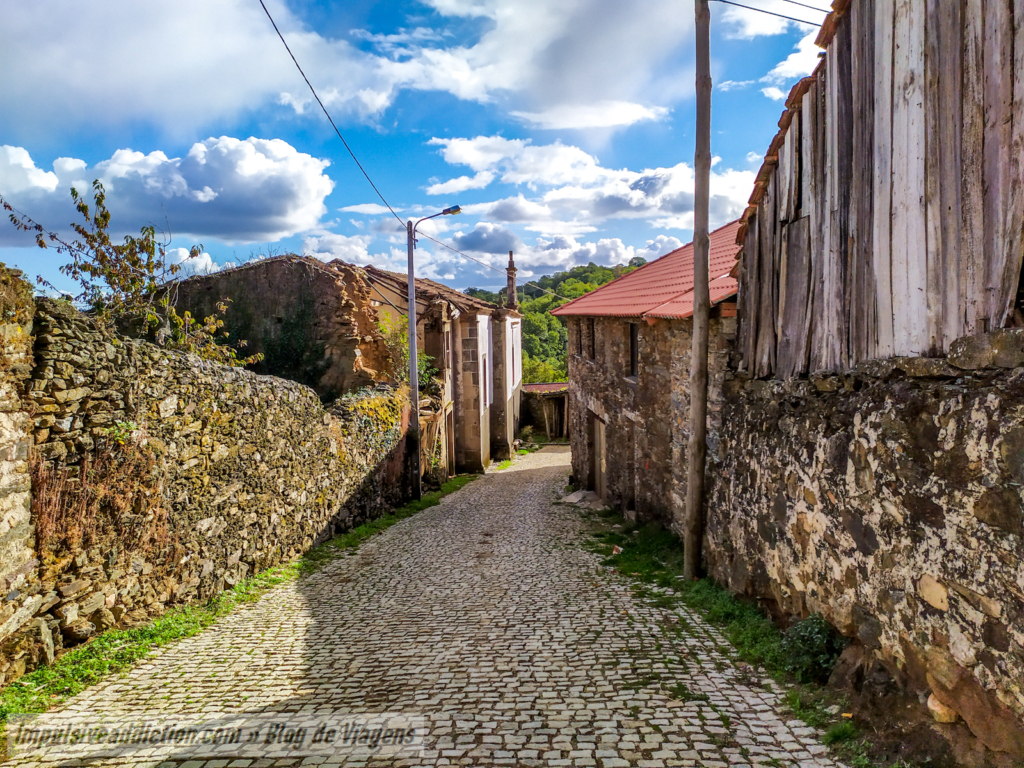
To finish, here’s a brief photo gallery of other villages I visited but haven’t yet mentioned. Just to whet your appetite — and to remind you that there is no shortage of places to discover in this region. These are just a few examples!
1. Gestosa
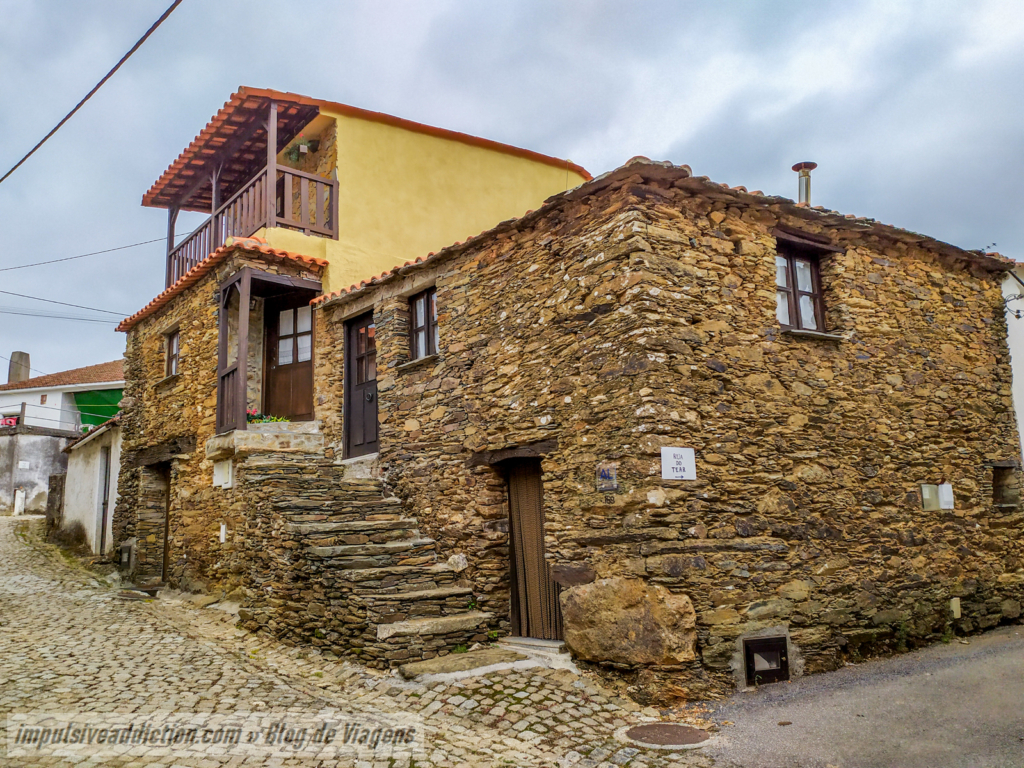
2. Vilar Seco de Lomba
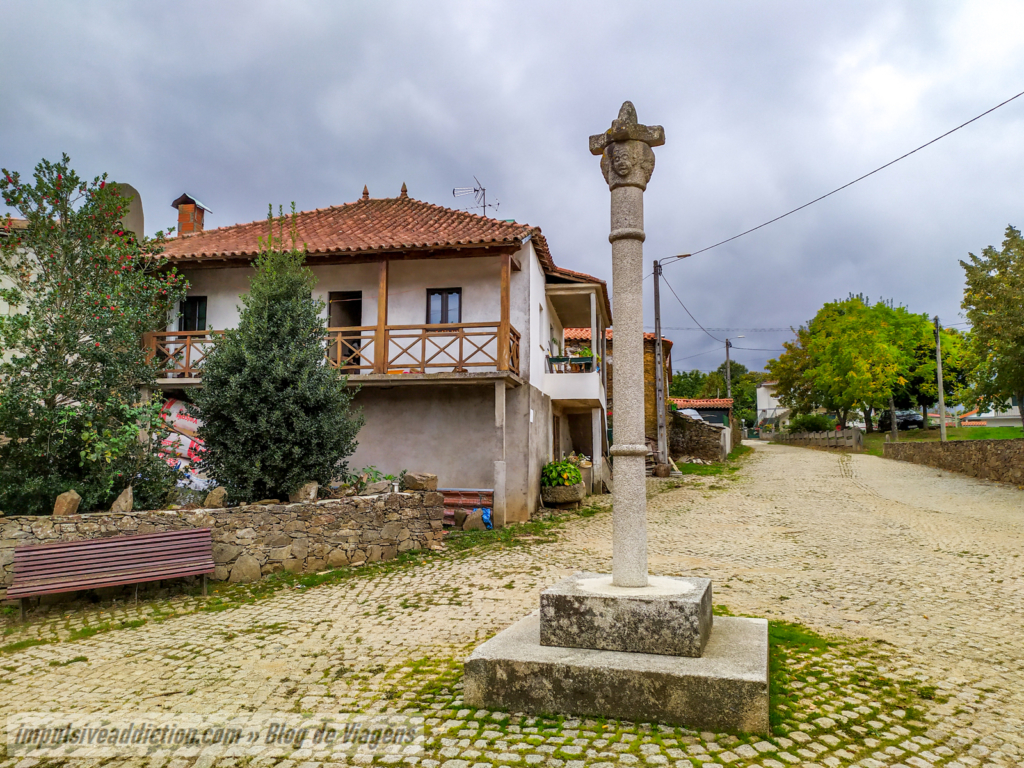
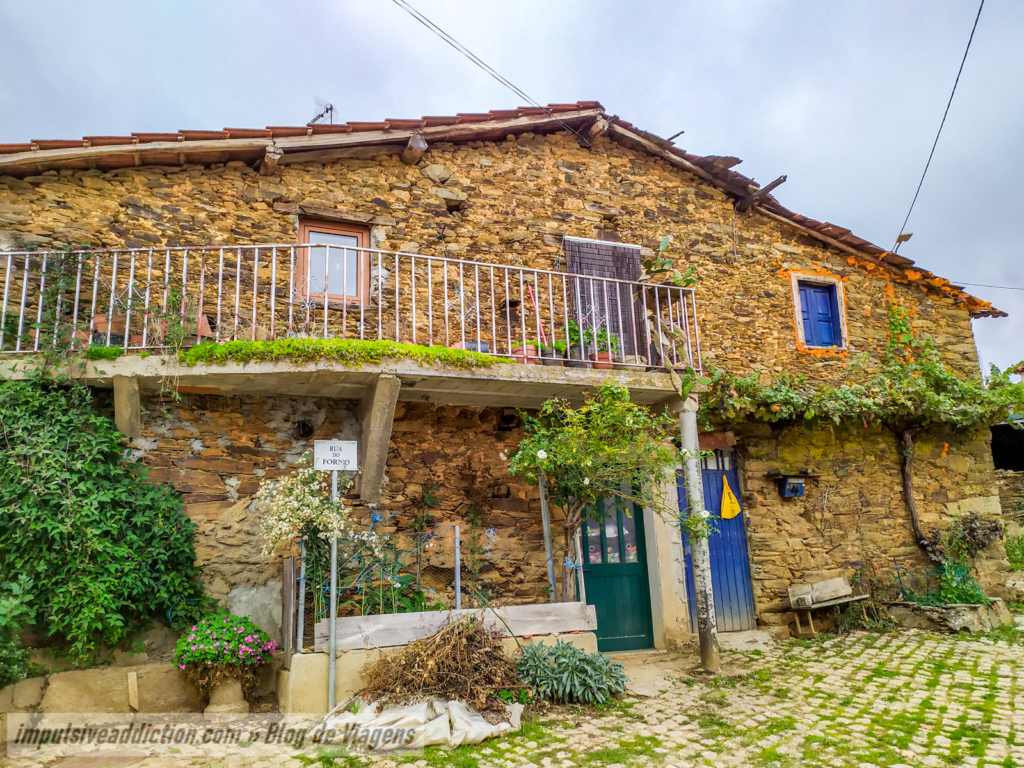
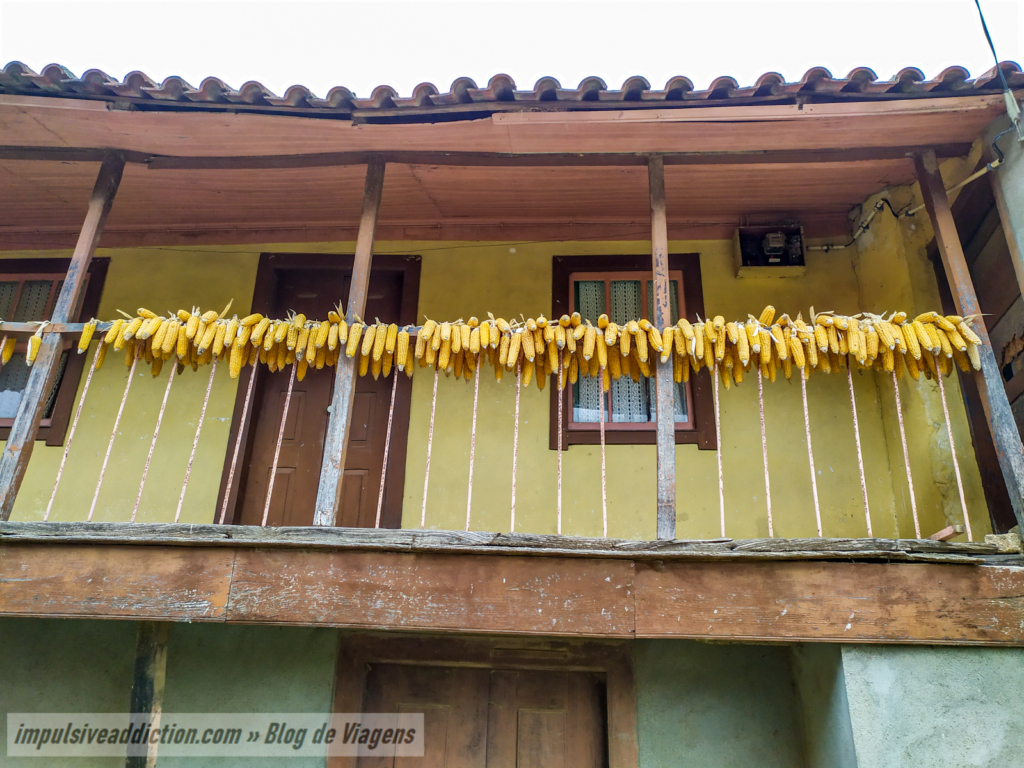
3. Edroso
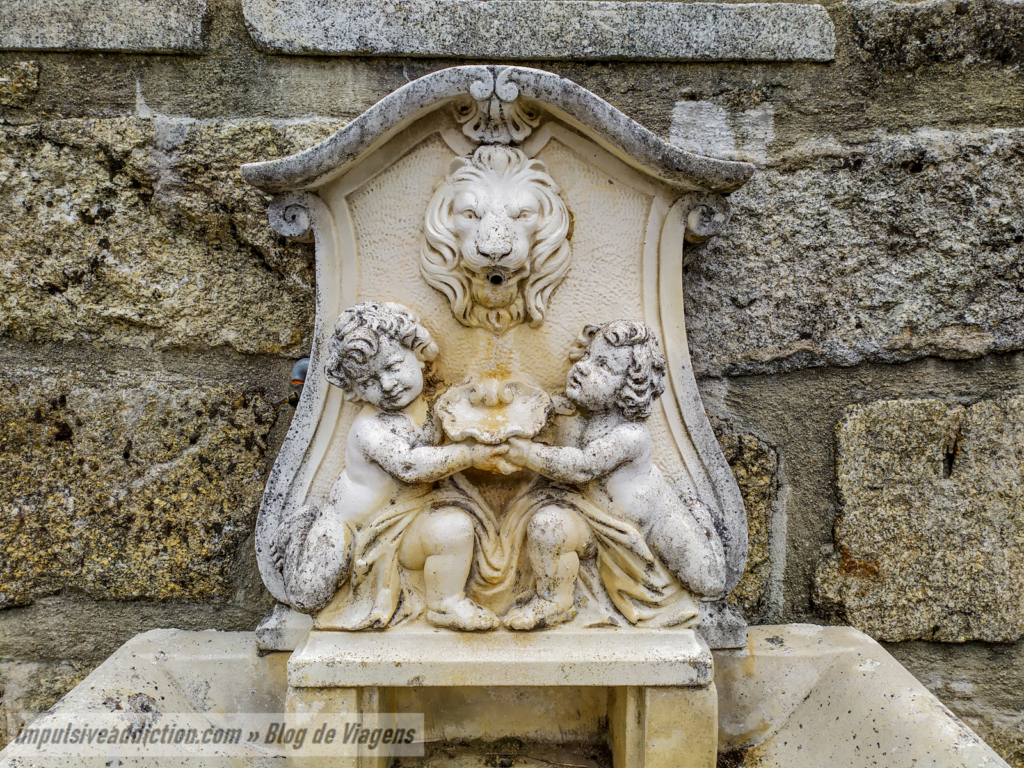
4. Quirás
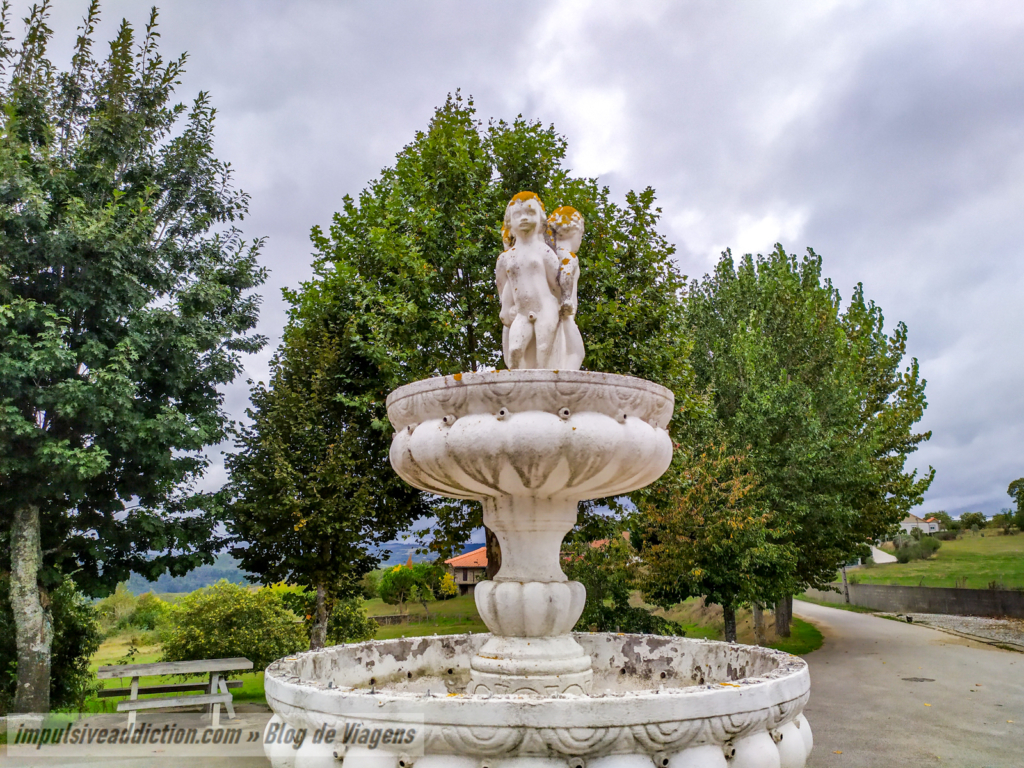
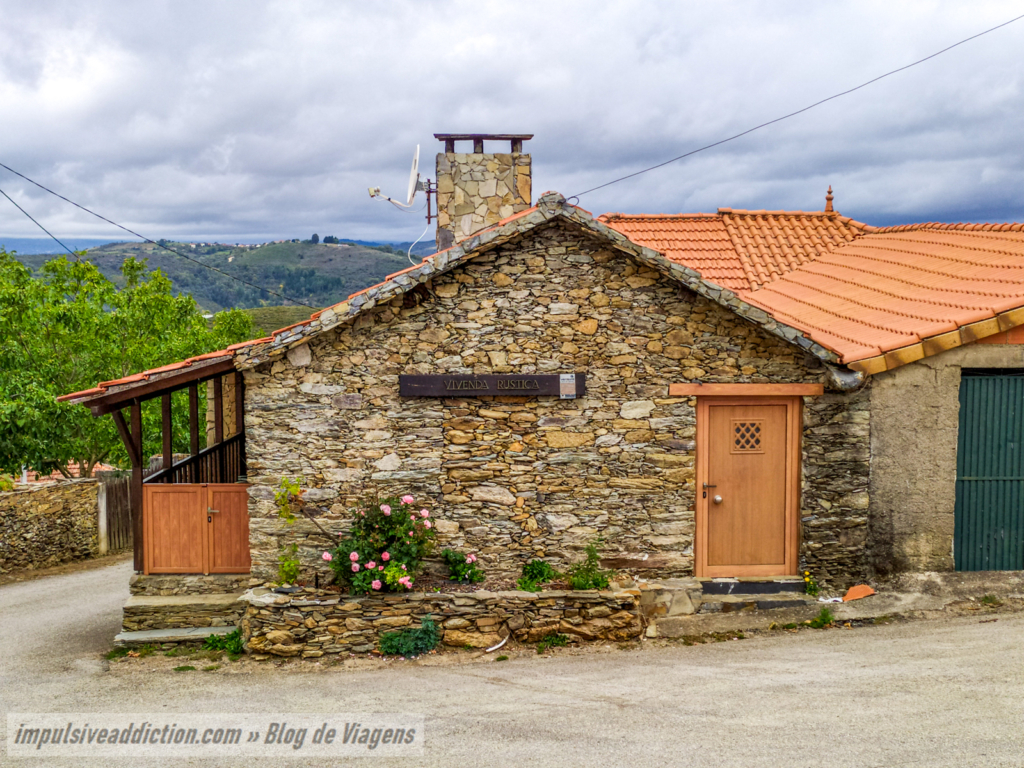
5. Pinheiro Velho
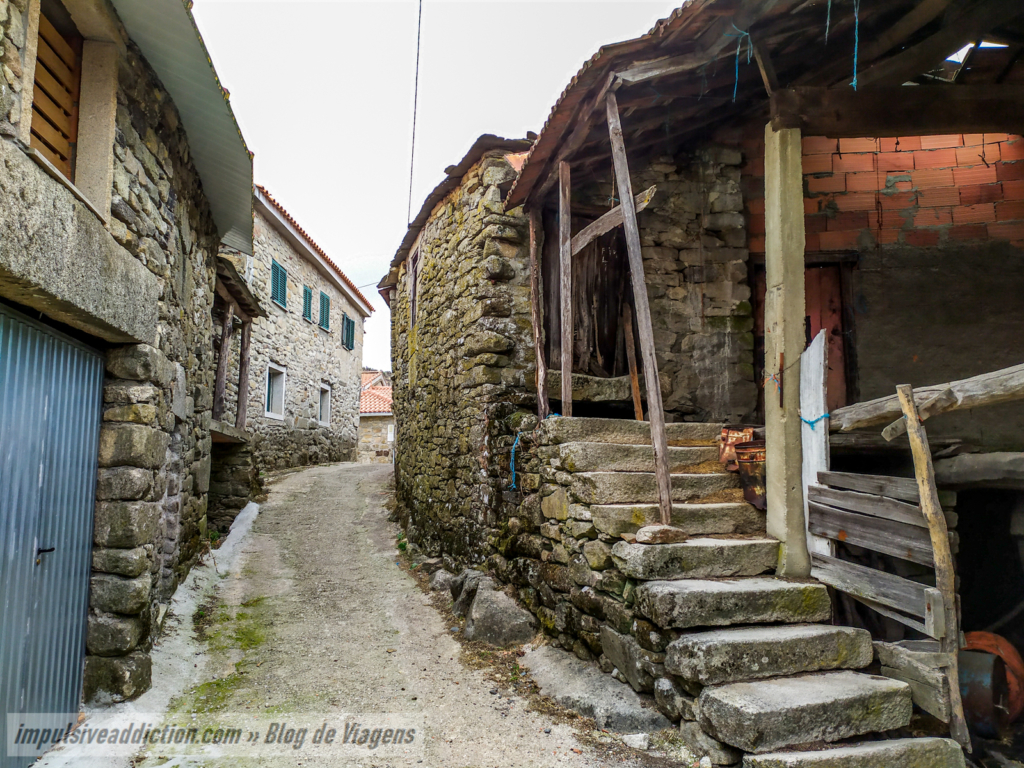
6. Contim
7. Seixas
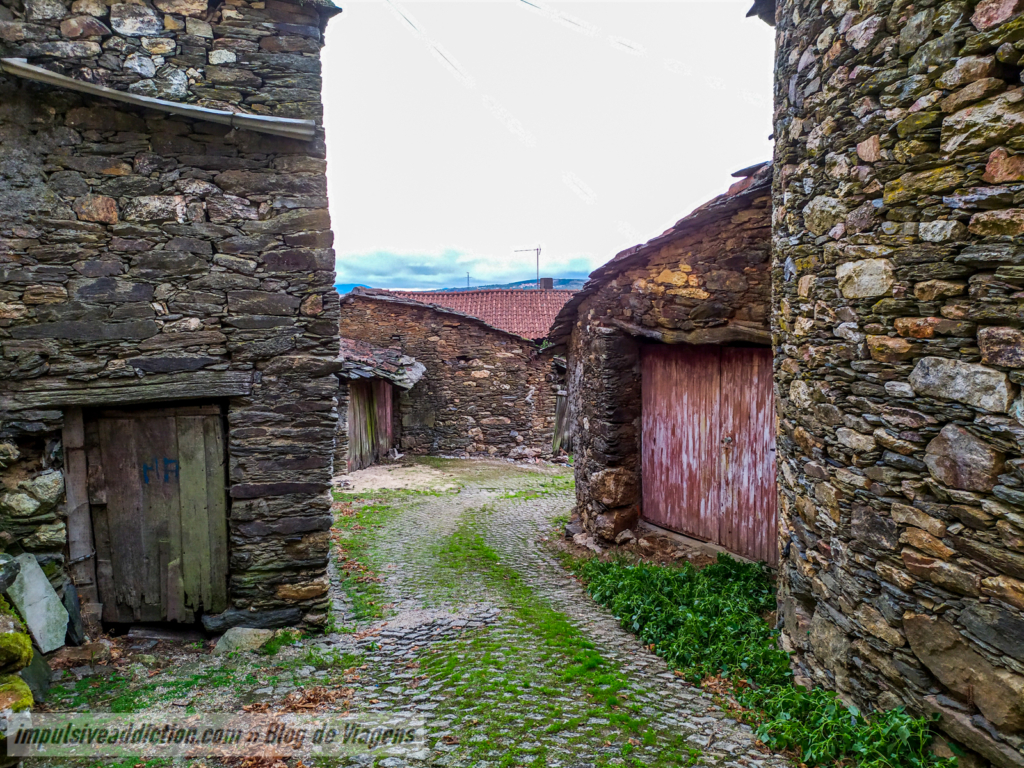
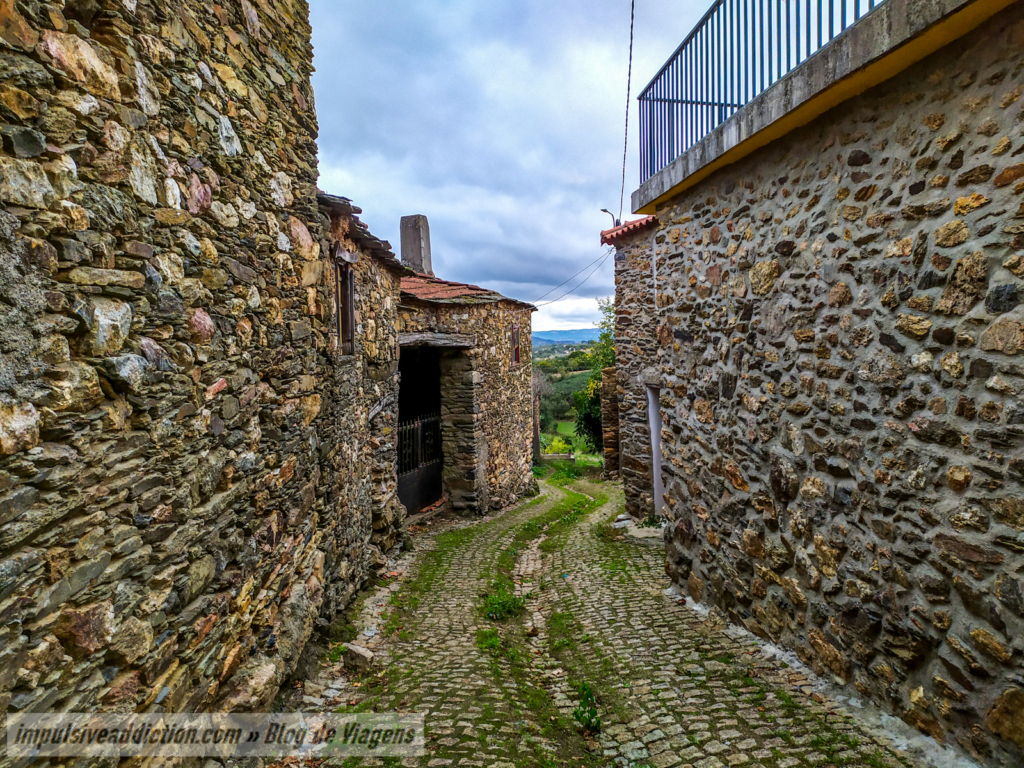
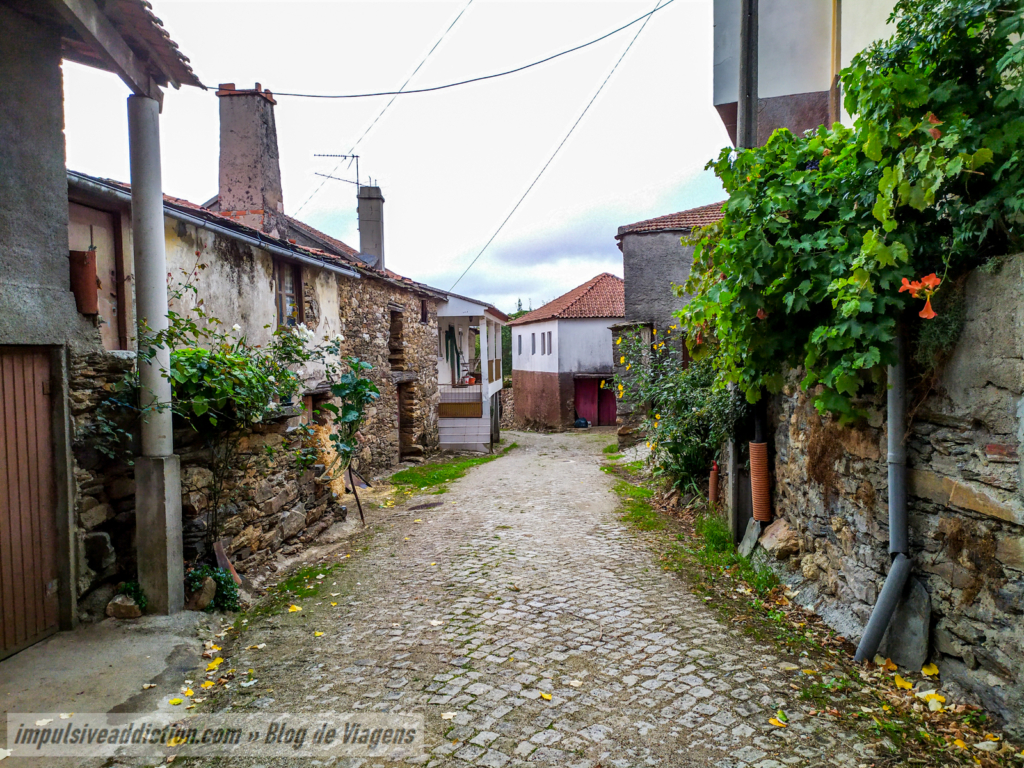
8. Santalha
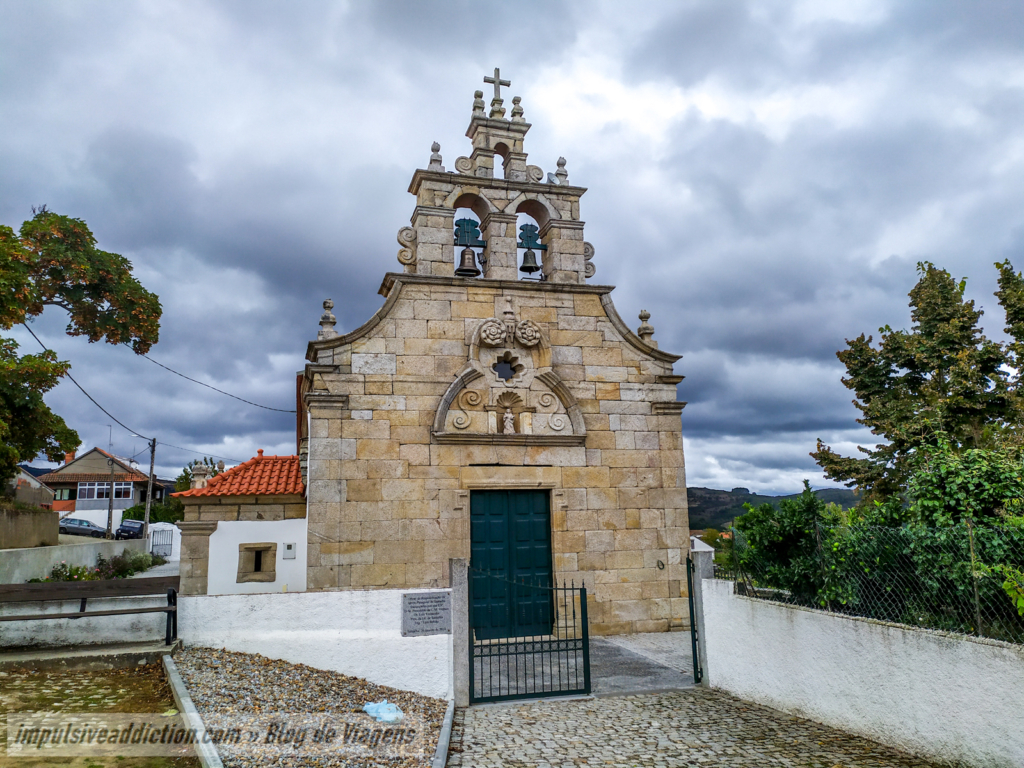
9. Tuizelo
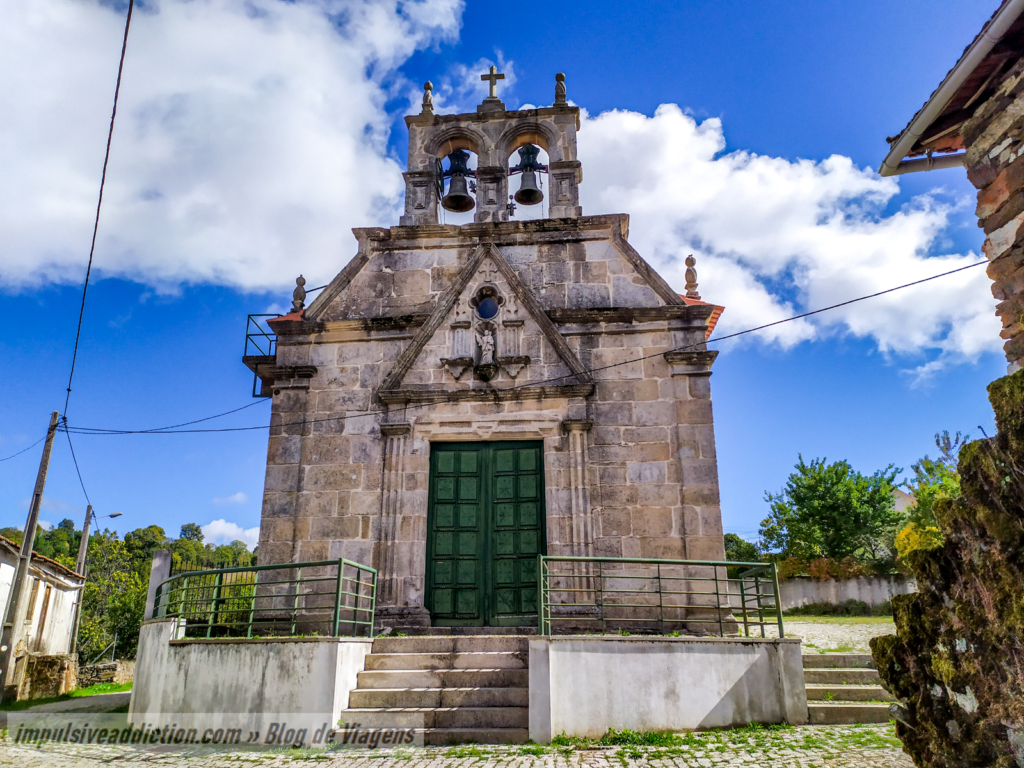
10. Salgueiros
11. Vilar de Ossos
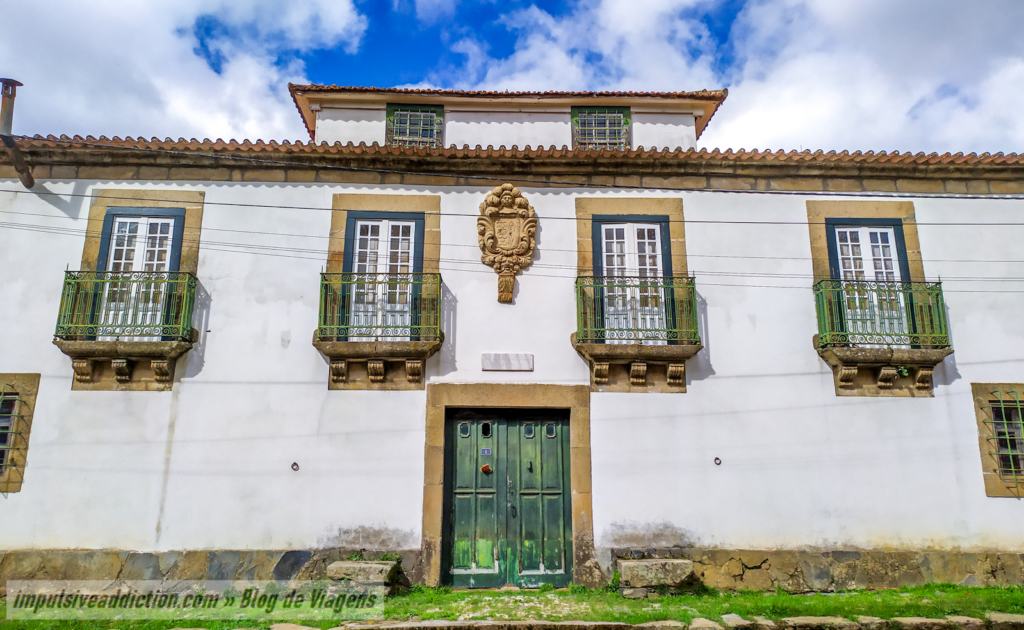
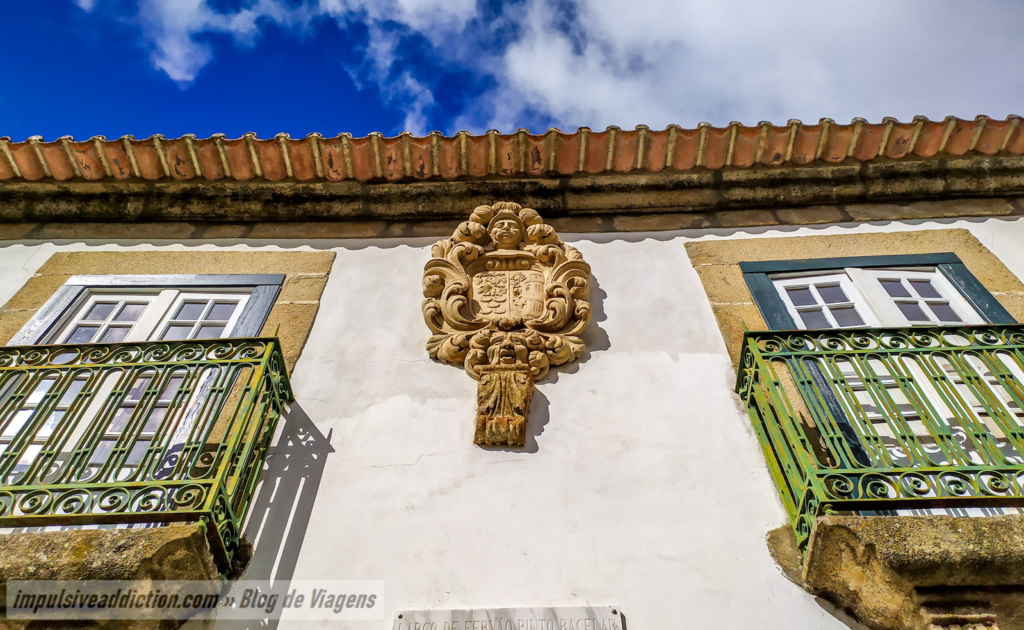
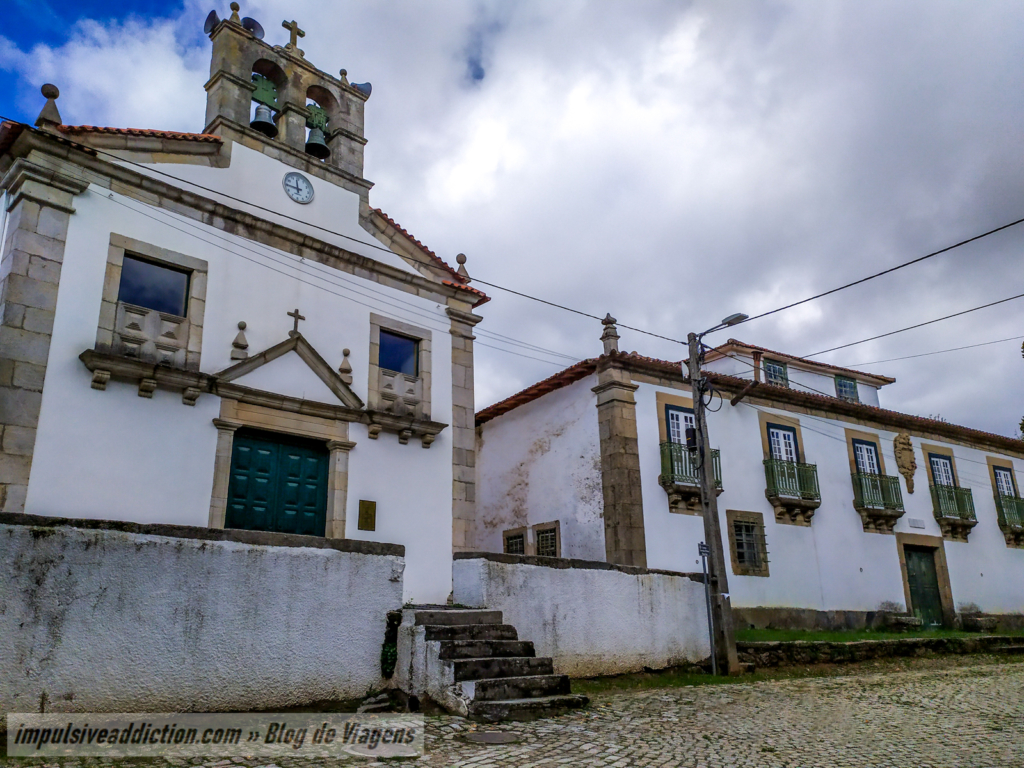
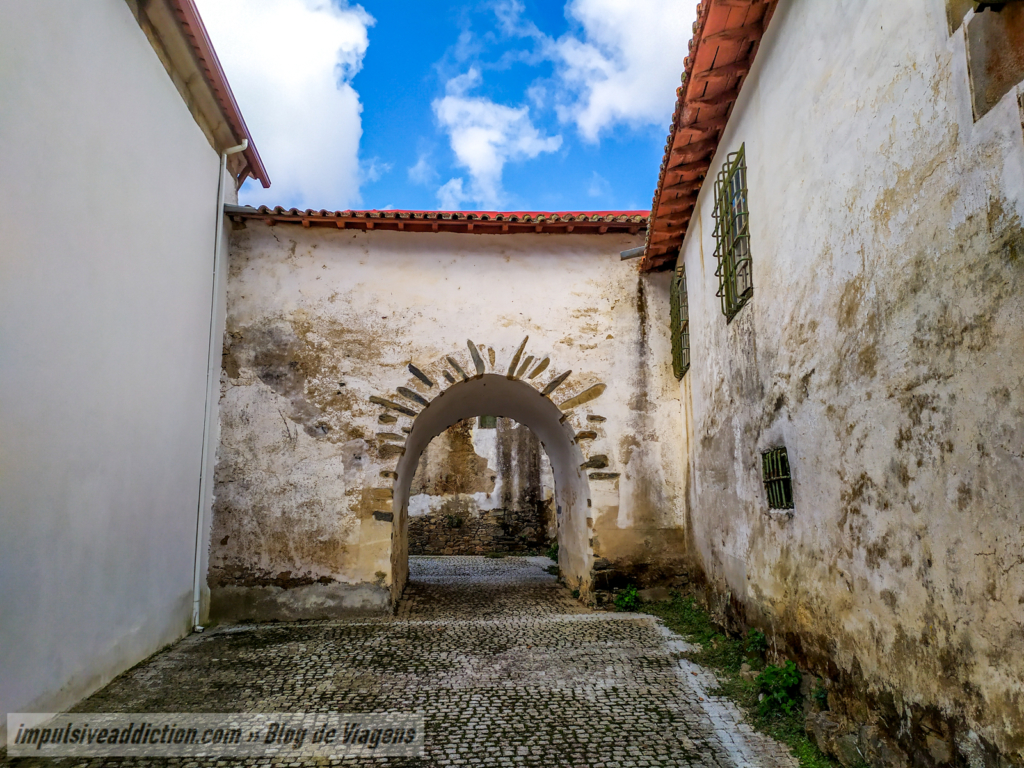
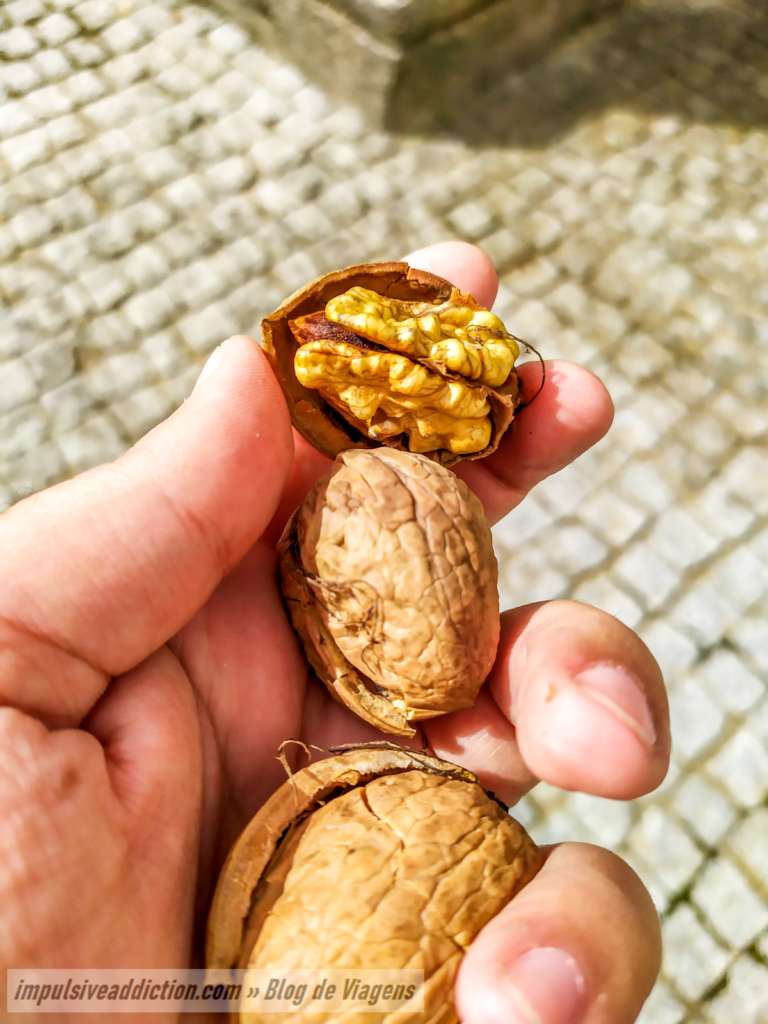
12. Travanca
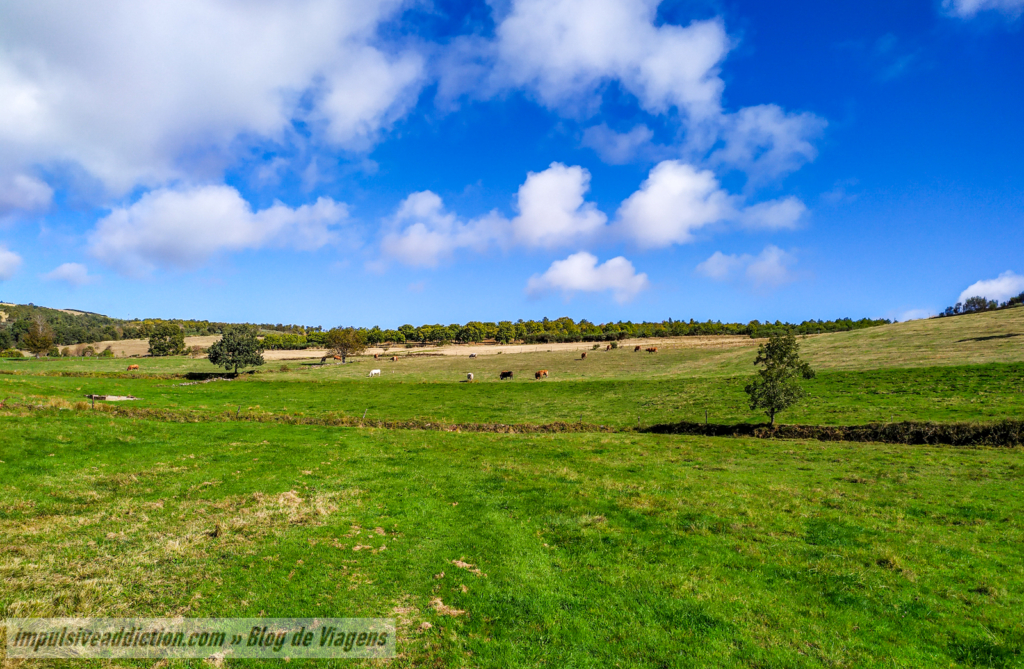
13. Santa Cruz
14. Paçó
15. Mofreita
What to Visit Around Vinhais?
I definitely recommend continuing your journey through the district of Bragança — exploring any of its neighboring municipalities will be well worth your time.
MORE ARTICLES ABOUT BRAGANÇA DISTRICT:
- Things to do in Vinhais
- Things to do in Bragança
- Things to do in Mirandela
- Things to do in Vimioso
- Things to do in Miranda do Douro
- Things to do in Mogadouro
- Things to do in Torre de Moncorvo
- Things to do in Freixo de Espada à Cinta
- Things to do in Carrazeda de Ansiães
- Things to do in Macedo de Cavaleiros
- Things to do in Vila Flor
- Montesinho Natural Park Itinerary
- Lagos do Sabor Itinerary
- Douro International Natural Park Itinerary
- Tua Valley Itinerary
- Trás-os-Montes Itinerary
