 Pedro Domingues
Vimioso is one of the most remote municipalities in Portugal, which is why it isn’t among the most sought-after destinations for tourism. On top of that, the fierce competition from nearby attractions often makes it go unnoticed when travelers are planning an itinerary through the Bragança district.
I myself only discovered Vimioso on my most recent trip to the northeast of Trás-os-Montes, mainly because I wanted to truly explore the region in detail and step off the more typical routes.
Did I enjoy visiting Vimioso? Absolutely! It boasts breathtaking landscapes around Algoso and Campo de Víboras, and the valleys of the Maçãs River and the Sabor River are simply extraordinary.
In this guide, I’ll show you everything worth visiting in Vimioso—what to see and do on a two-day itinerary. You’ll pass through the town center, explore castles and villages in the municipality, and even visit an old tungsten mine in Argozelo.
Where is Vimioso located, in Portugal?
Vimioso lies in the far northeast of Trás-os-Montes, in the district of Bragança. To the north, it borders Spain—specifically the province of Zamora. Its other neighbors are Miranda do Douro, Mogadouro, Macedo de Cavaleiros, and Bragança.
Thanks to this location, Vimioso is close to some of the region’s greatest natural treasures, such as the cliffs of the International Douro, the Montesinho Natural Park, the Azibo Reservoir, and the Sabor Lakes.
MORE ARTICLES ABOUT BRAGANÇA DISTRICT:
- Things to do in Vinhais
- Things to do in Bragança
- Things to do in Mirandela
- Things to do in Vimioso
- Things to do in Miranda do Douro
- Things to do in Mogadouro
- Things to do in Torre de Moncorvo
- Things to do in Freixo de Espada à Cinta
- Things to do in Carrazeda de Ansiães
- Things to do in Macedo de Cavaleiros
- Things to do in Vila Flor
- Montesinho Natural Park Itinerary
- Lagos do Sabor Itinerary
- Douro International Natural Park Itinerary
- Tua Valley Itinerary
- Trás-os-Montes Itinerary
Rent a car to visit Vimioso
Rent a car with Discover Cars if you don’t have your own vehicle to visit Vimioso. The municipality covers a wide area, and most of its main attractions are located outside the town itself. Having a car will make your trip around this region much easier.
When to Visit Vimioso?
Vimioso can be visited at any time of the year, although winters here can be very cold. As for festivities, none particularly stood out to me—except perhaps the Vimioso Fair of Arts, Crafts, and Flavors, which takes place in December (in winter, funnily enough!).
Gastronomy and restaurants in Vimioso
When it comes to gastronomy, nothing beats a good roast lamb or a posta à Mirandesa (Mirandese-style beef steak). Also traditional to this region are smoked meats and the hearty butelo dish, as well as all kinds of game meat.
For a place to eat in Vimioso, I recommend Restaurante Vileira, which also offers accommodation—something I’ll mention just ahead.
Where to stay in Vimioso?
| Accommodation | Score | Location |
|---|---|---|
| Curral d’Avó | 9.3 | Caçarelhos |
| A Vileira | 8.7 | Vimioso |
| Apartamento “Irmãos Vergueiro” | 9.6 | Vimioso |
| Hotel Rural Sra. de Pereiras | 8.2 | Vimioso |
Best things to do in Vimioso
To structure this guide, I decided to divide the itinerary into the following stages:
- Argozelo and surroundings
- Town of Vimioso and surroundings
- Algoso, Uva, Campo de Víboras, and the Maçãs River Valley
- Other villages of Vimioso (optional)
I believe this is the best way to show you what to visit in Vimioso. Shall we get started? Below you’ll find the map for this article, organized according to the same structure.
Map with the highlights of Vimioso
Visiting Argozelo and Surroundings
In Argozelo and its surroundings, the main theme is the tungsten mines and the lives of the miners. Exploring everything related to this mining heritage should be the priority when visiting this part of Vimioso.
1. Argozelo Mines Interpretive Center & Former Mining Park
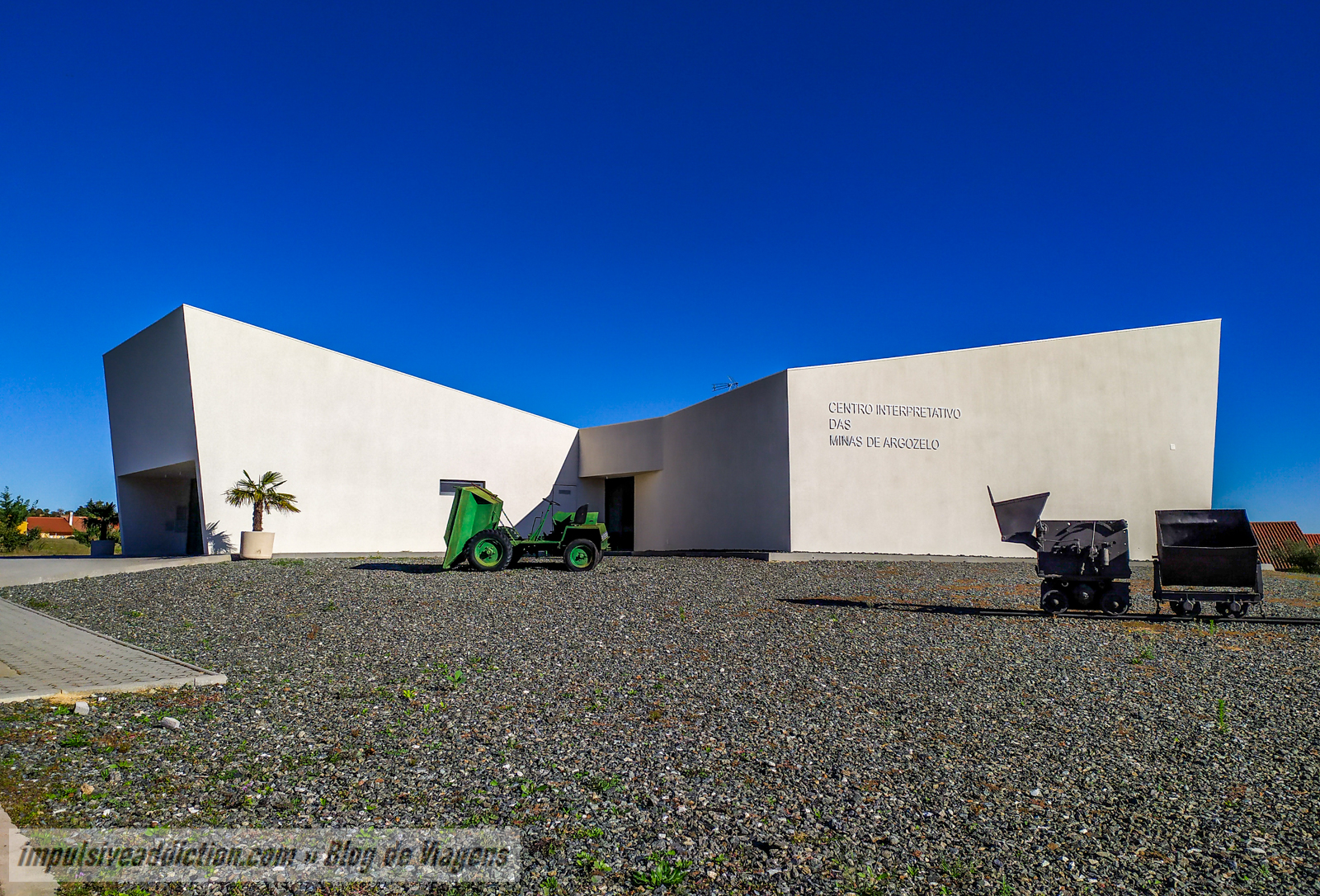
The first stop I recommend is the Argozelo Mines Interpretive Center, where you can also begin a trail that showcases the mining heritage of the region, passing through the now-deactivated Mining Park. I didn’t walk the trail myself, as the Mining Park is easily accessible by car, and I’ve marked its location on the map in this guide.
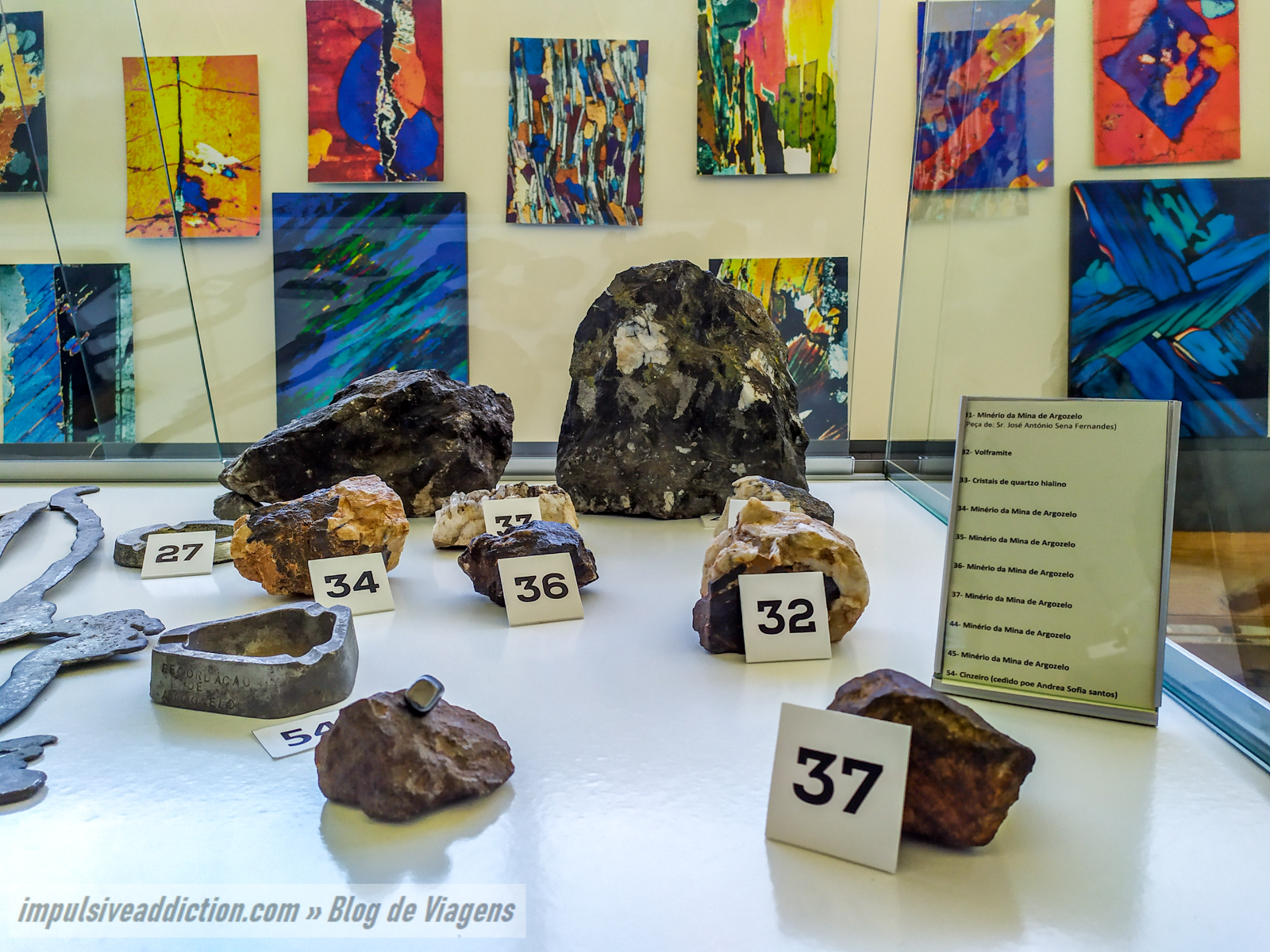
At the Interpretive Center, you’ll be welcomed with a free guided tour, which presents a wide variety of mining artifacts once used in the extraction of tungsten, especially during the peak of activity in the mid-20th century. Here you’ll learn the full story of the mines, right up until their closure.
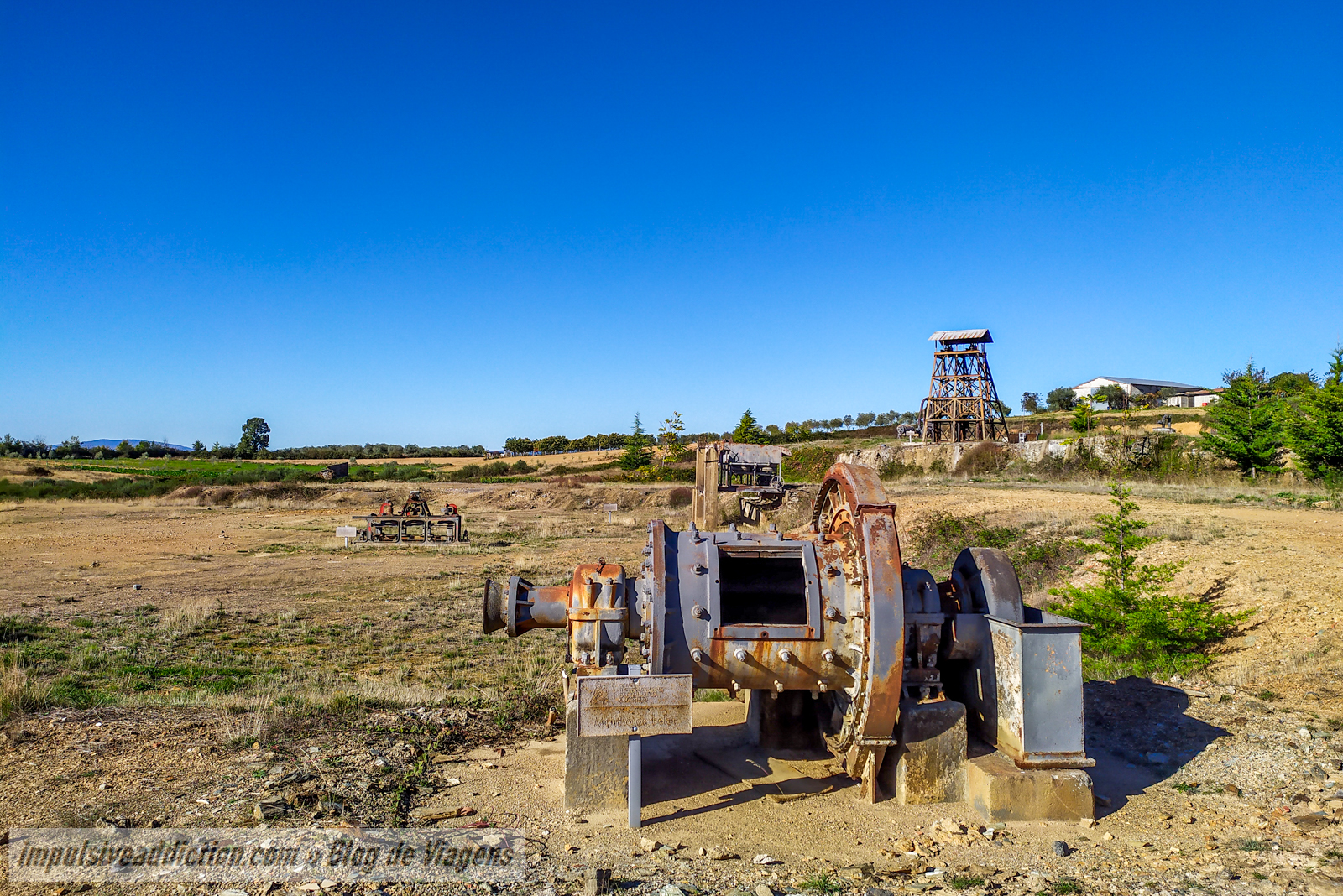
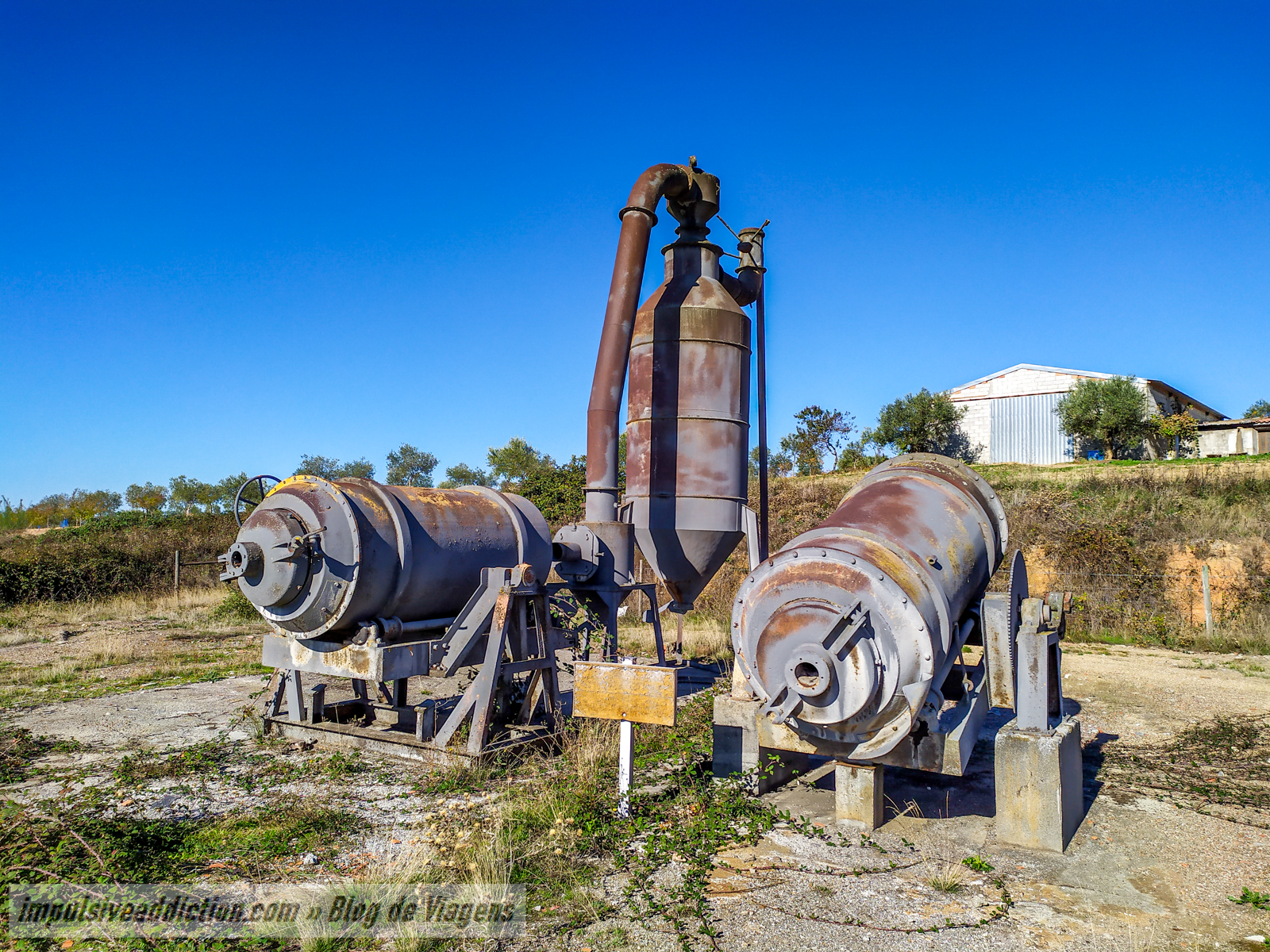
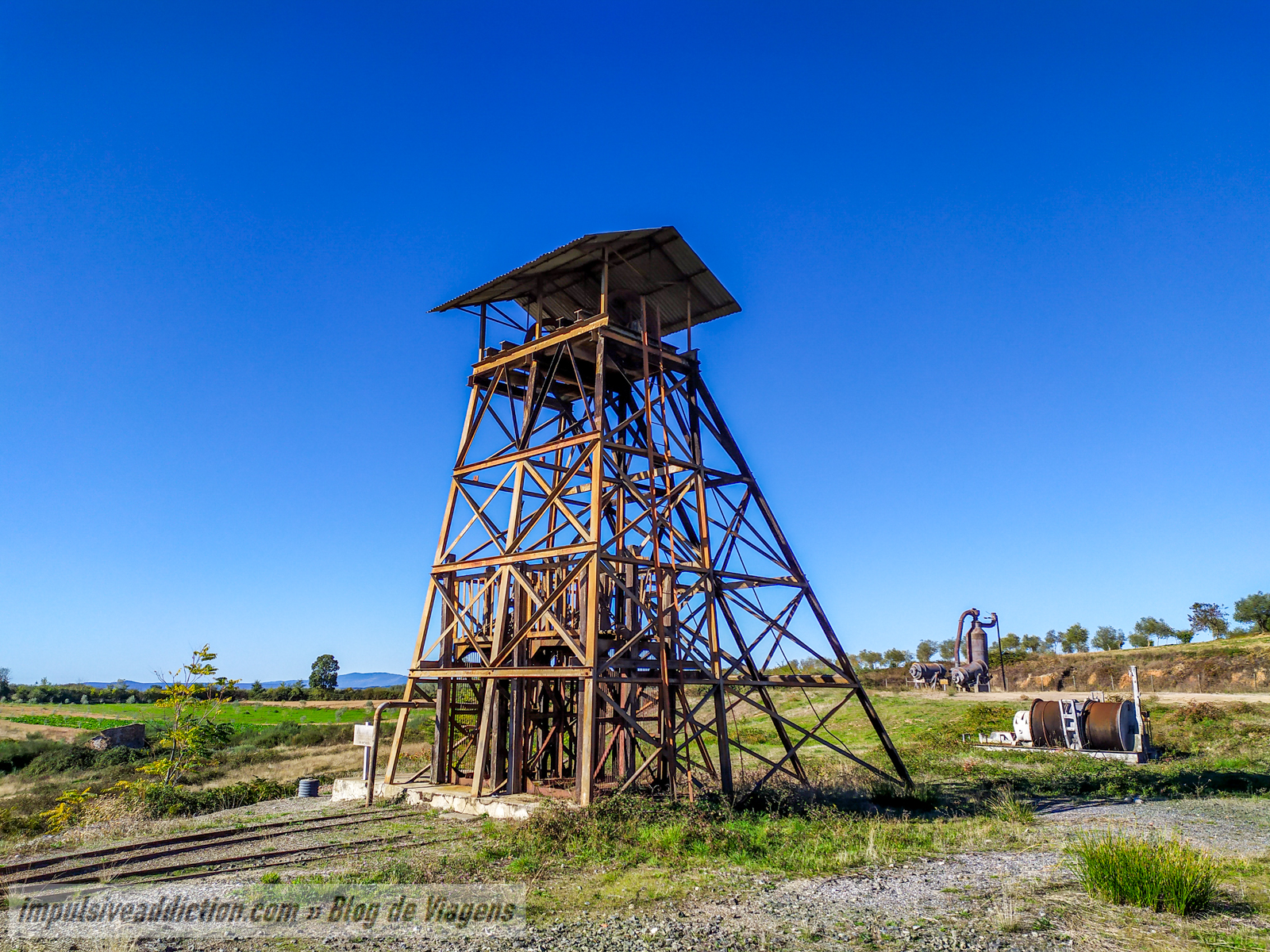
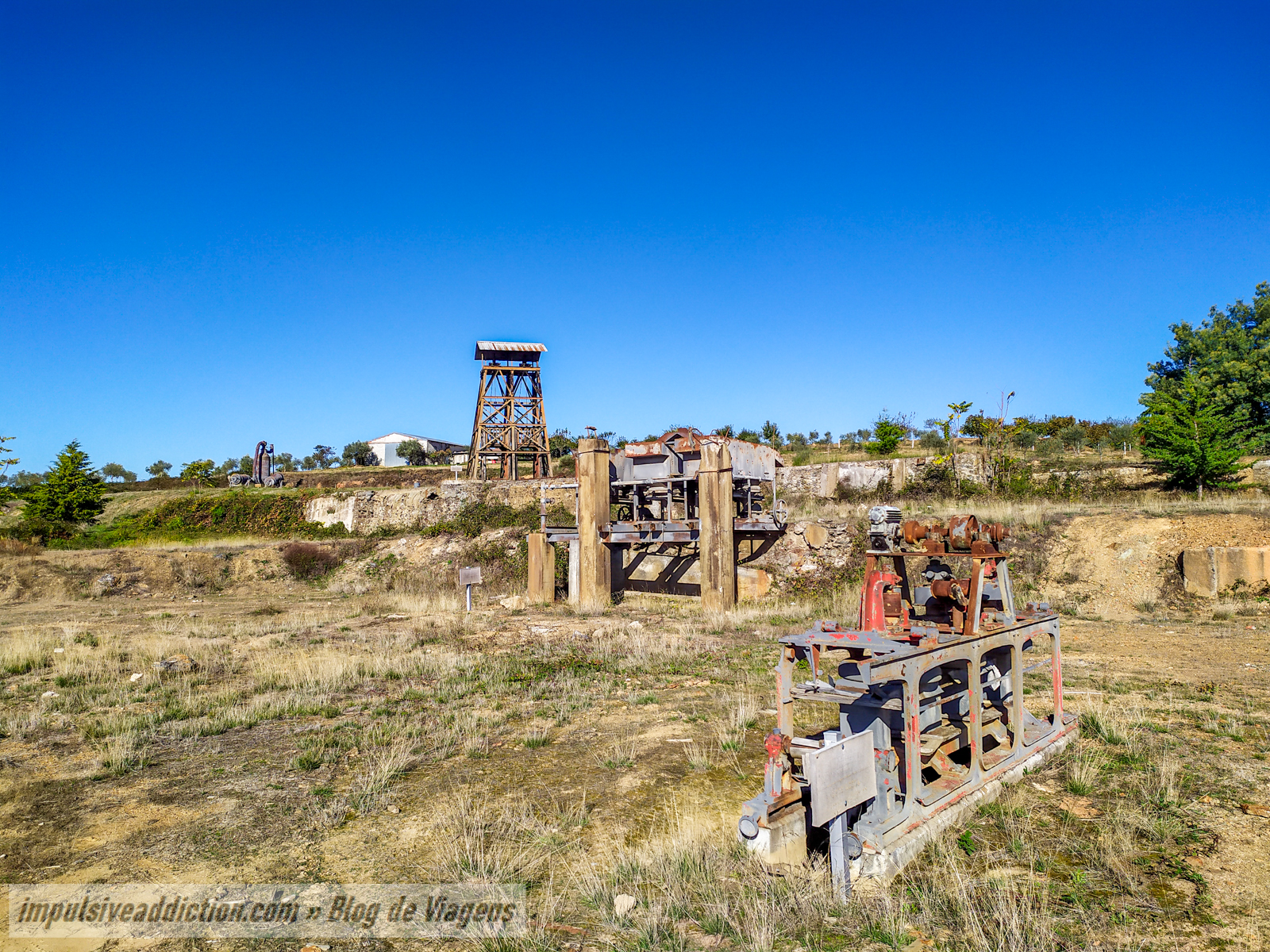
At the Mining Park, you’ll find equipment left behind after the mines shut down, including the Ball Mill, Electromagnetic Separator, Headframe, Winch, Electric Smelting Furnace, and Roasting Furnace. Each piece is identified within the park, which officially closed in 1986.
For those who would like to walk the trail, it is marked as PR15 VMS – BGC: Argozelo Miners Route. This linear route is just over 8 km long and also passes by other key sites, including the Sanctuary of Saint Bartholomew and the Miners’ Bridge, which I’ll describe next.

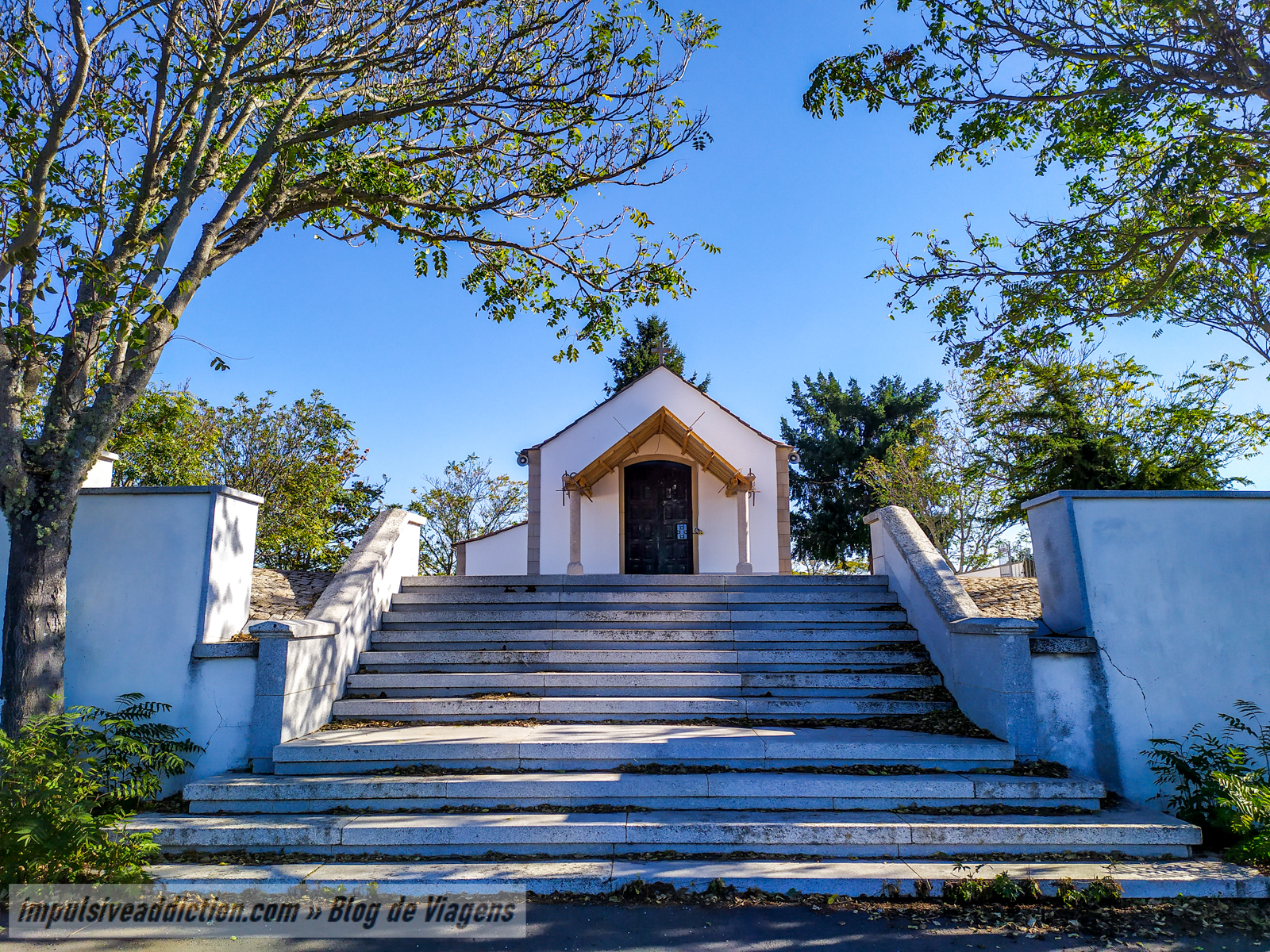
2. Sanctuary of Saint Bartholomew
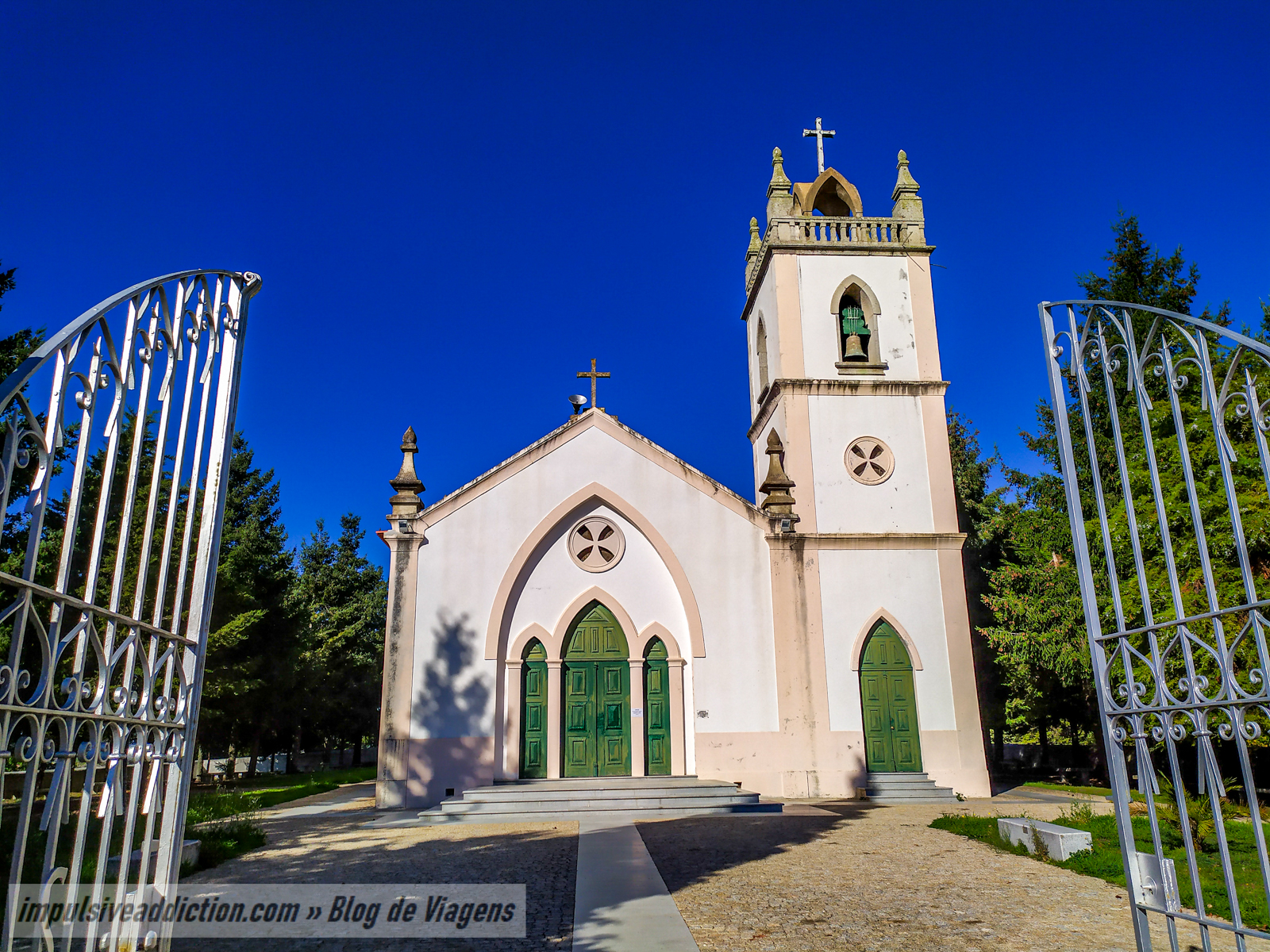
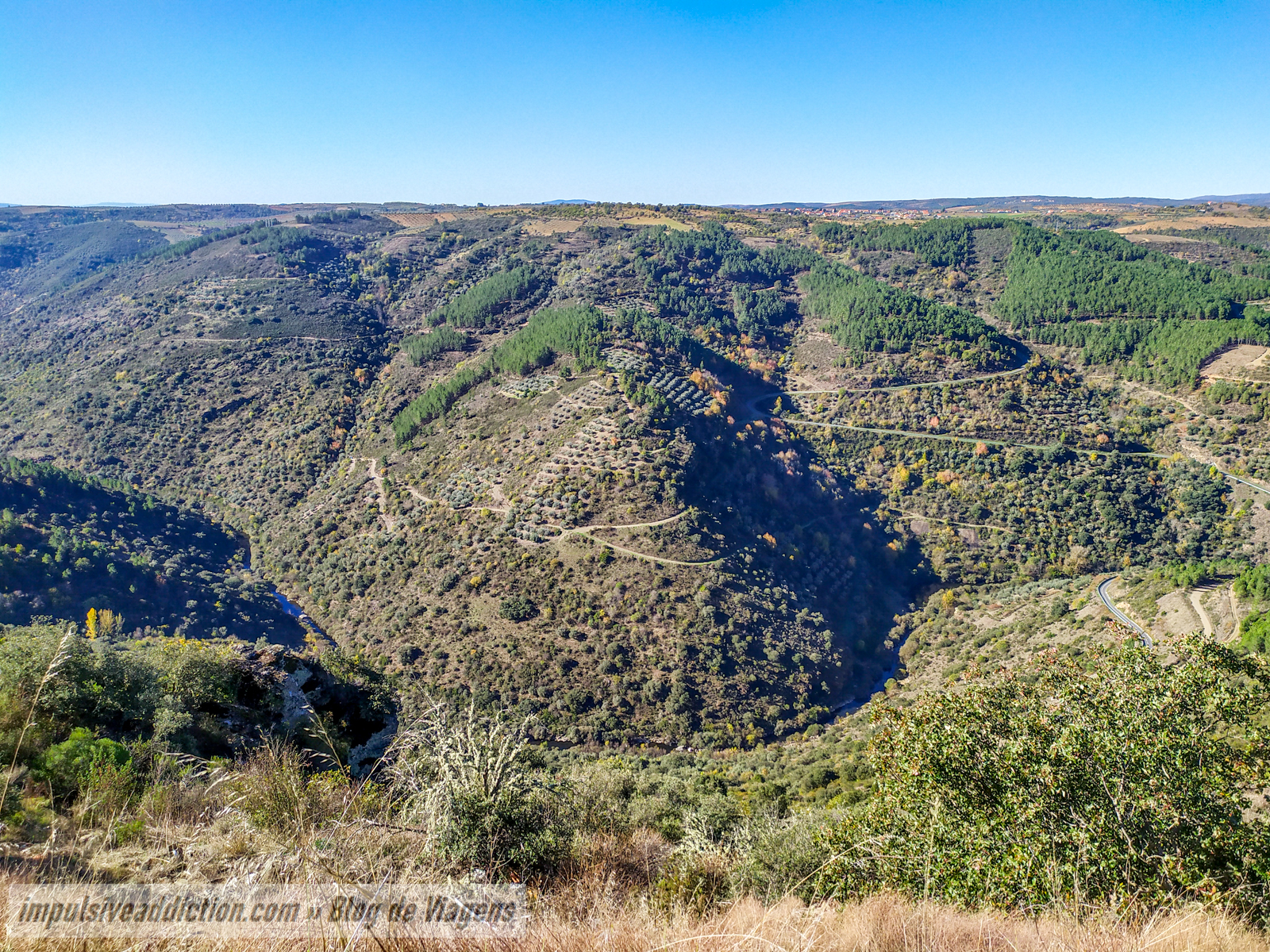
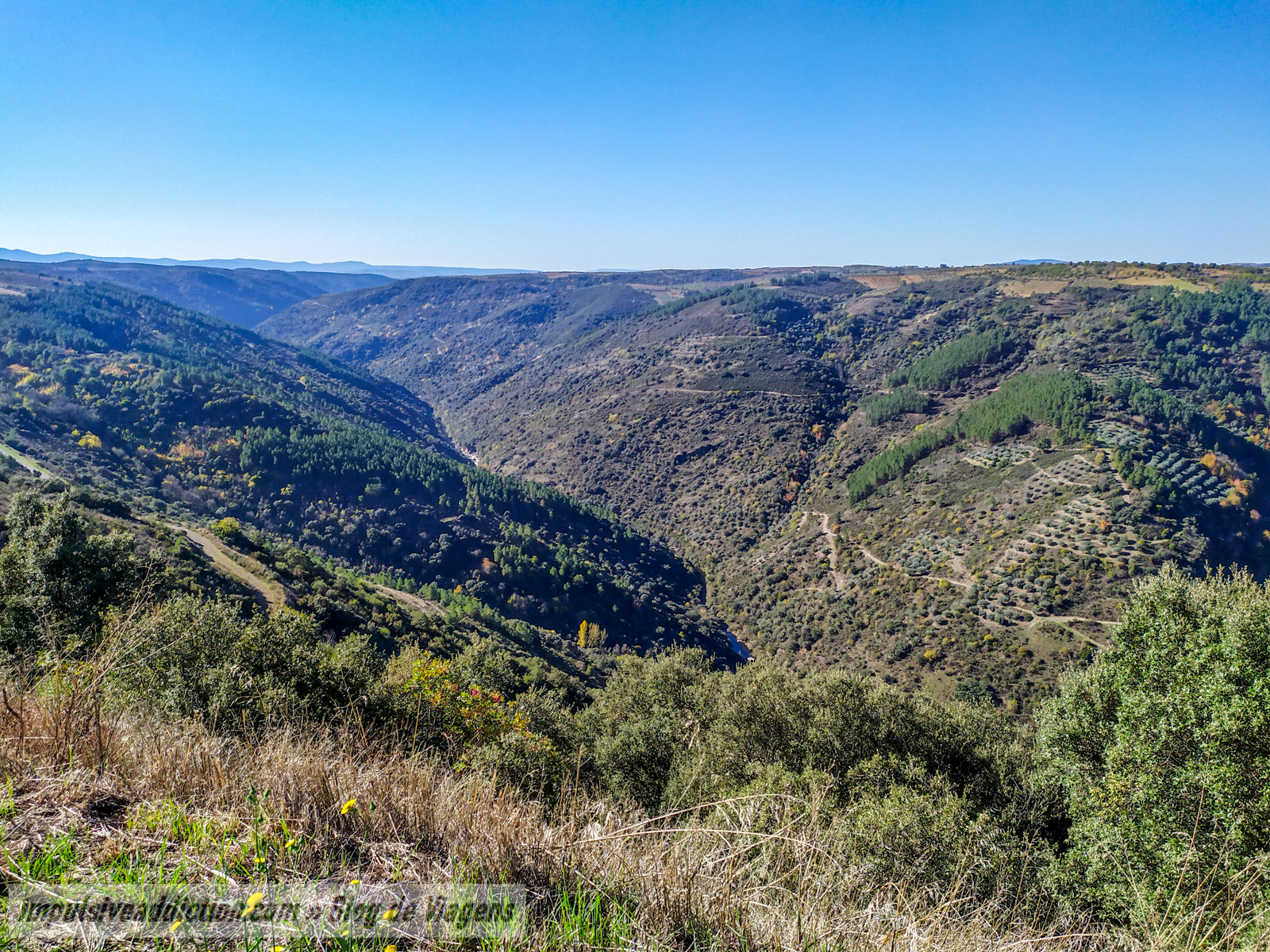
The Sanctuary of Saint Bartholomew is a must-stop for the beautiful panoramic views it offers over the Sabor River Valley. On August 24, a traditional pilgrimage takes place here, drawing visitors and locals alike.
3. Miners’ Bridge of Argozelo
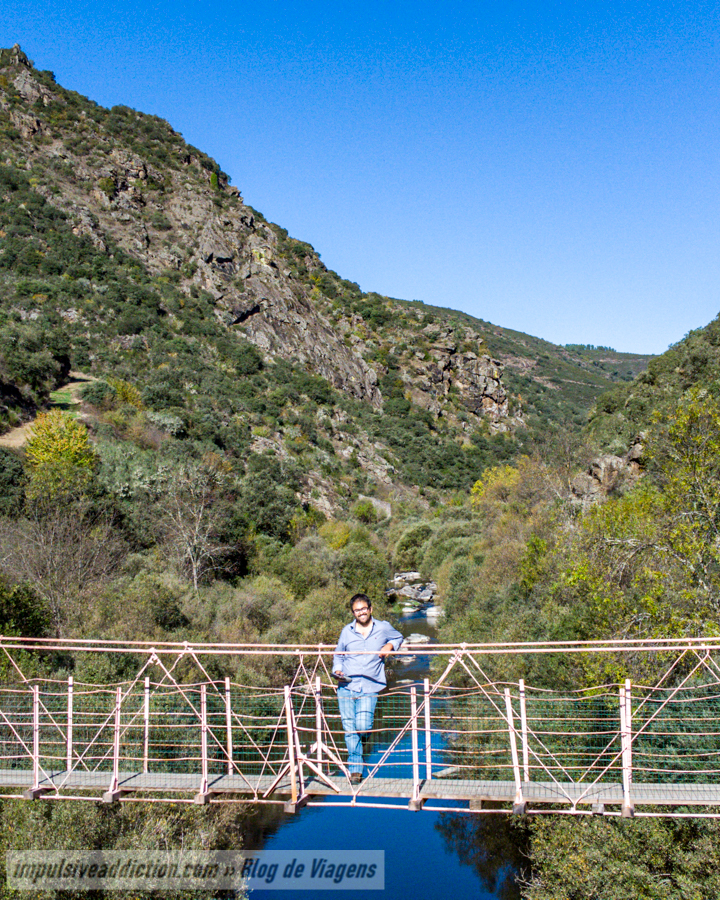
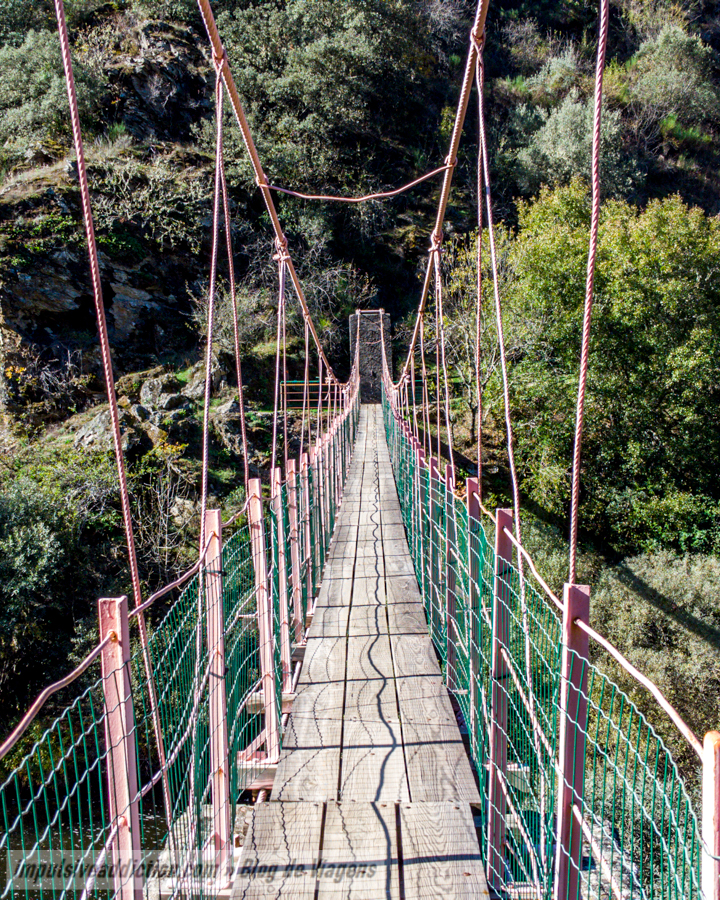
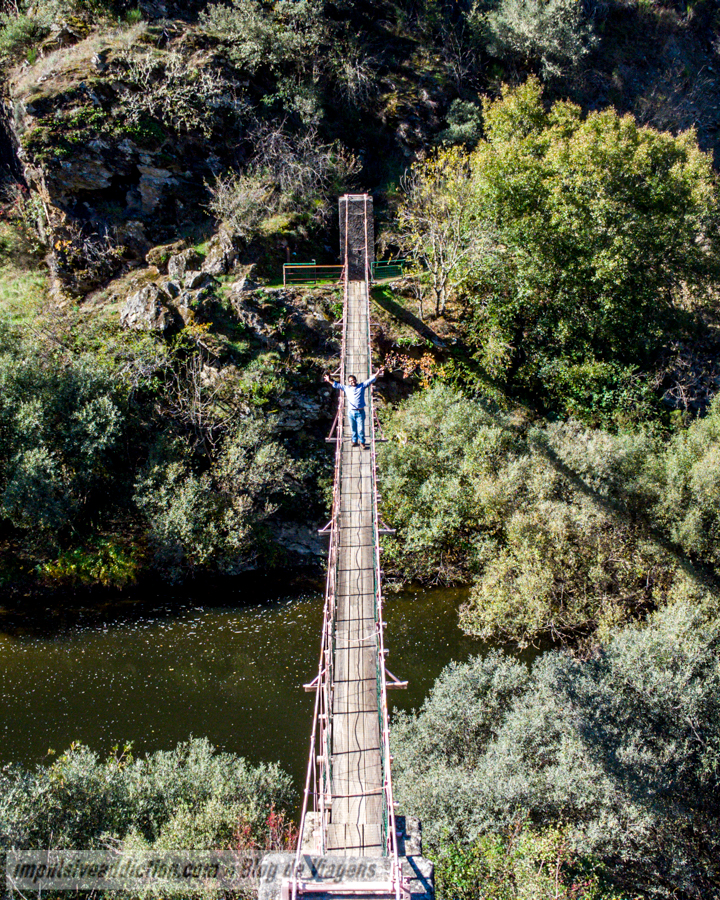
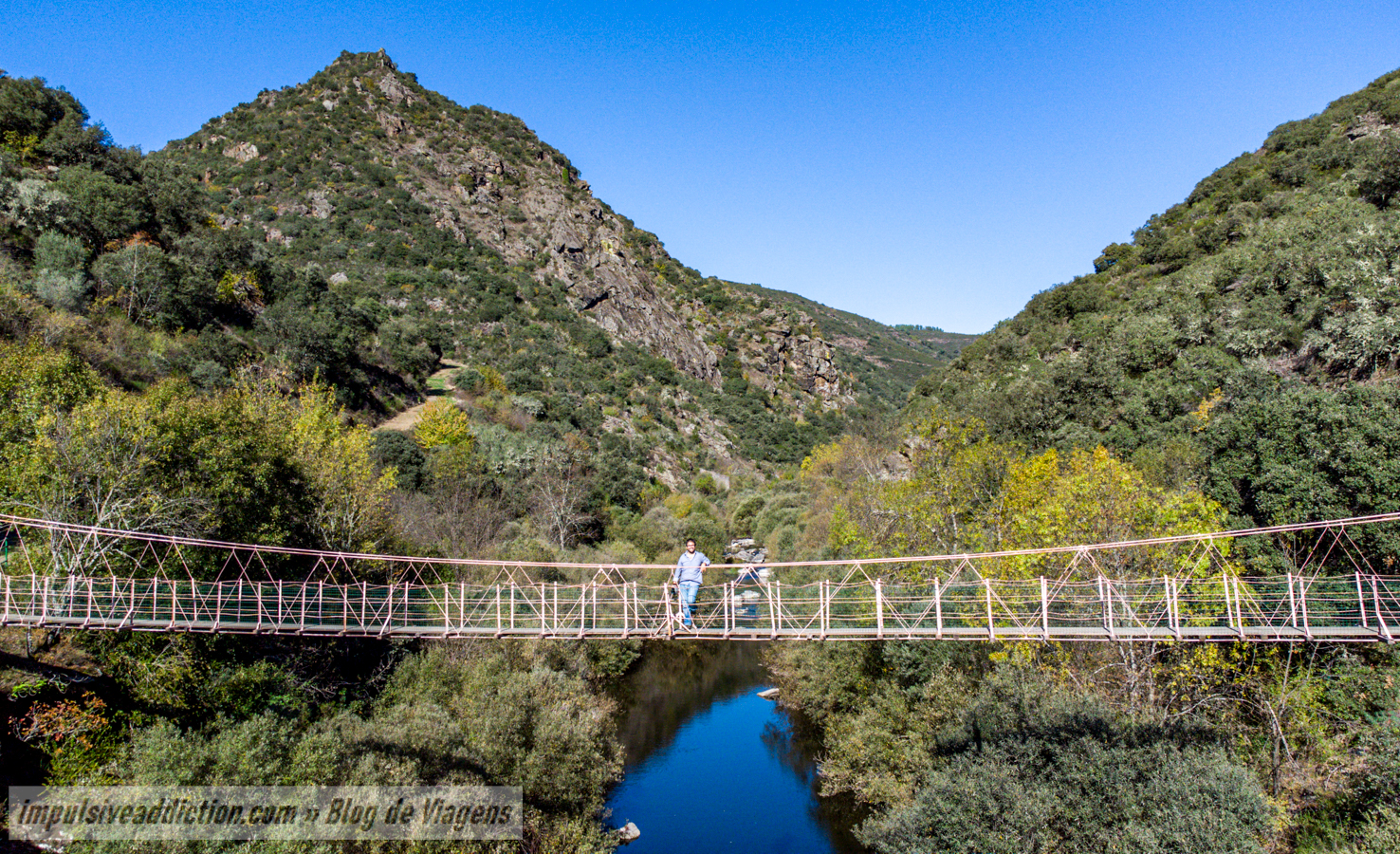
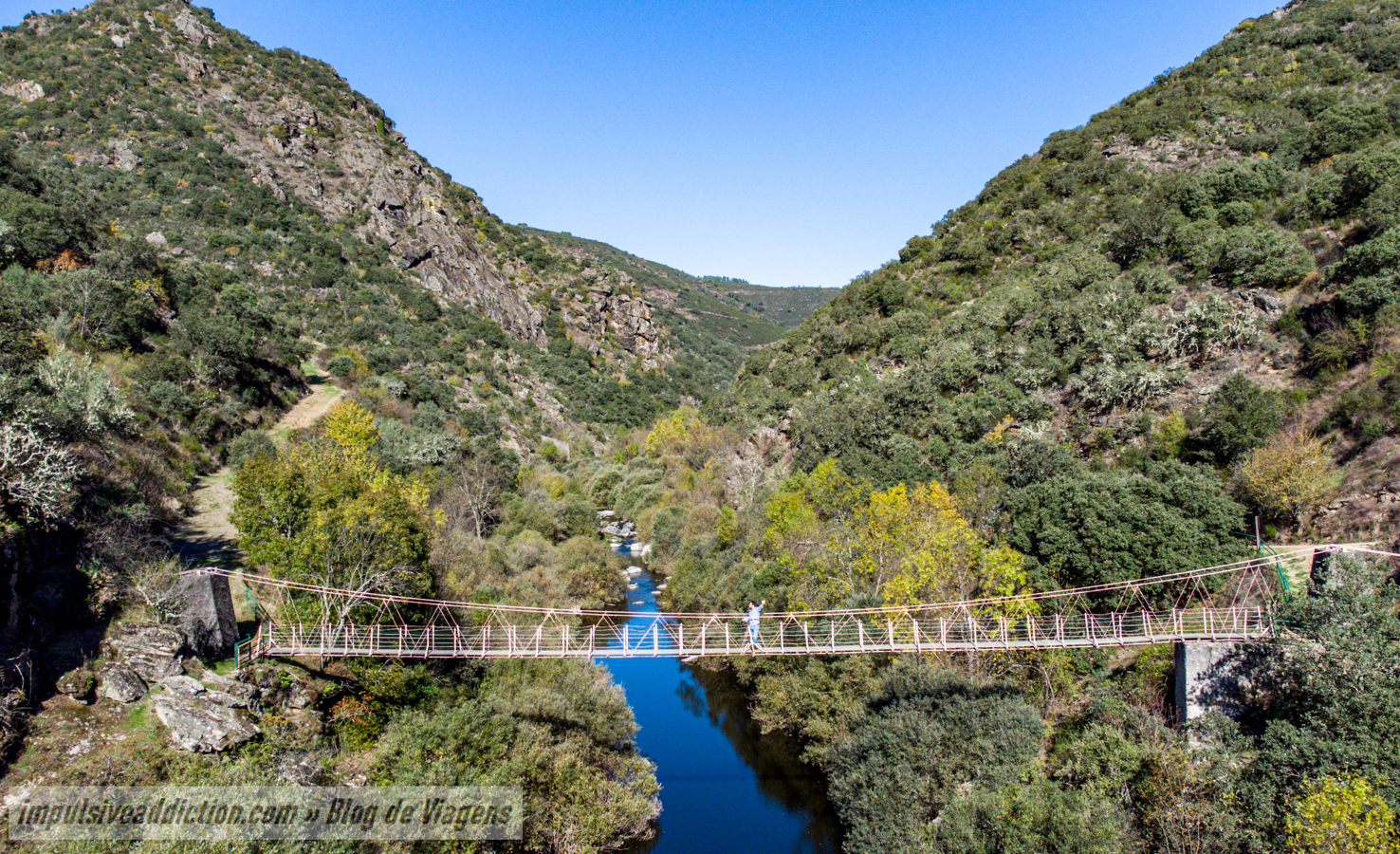
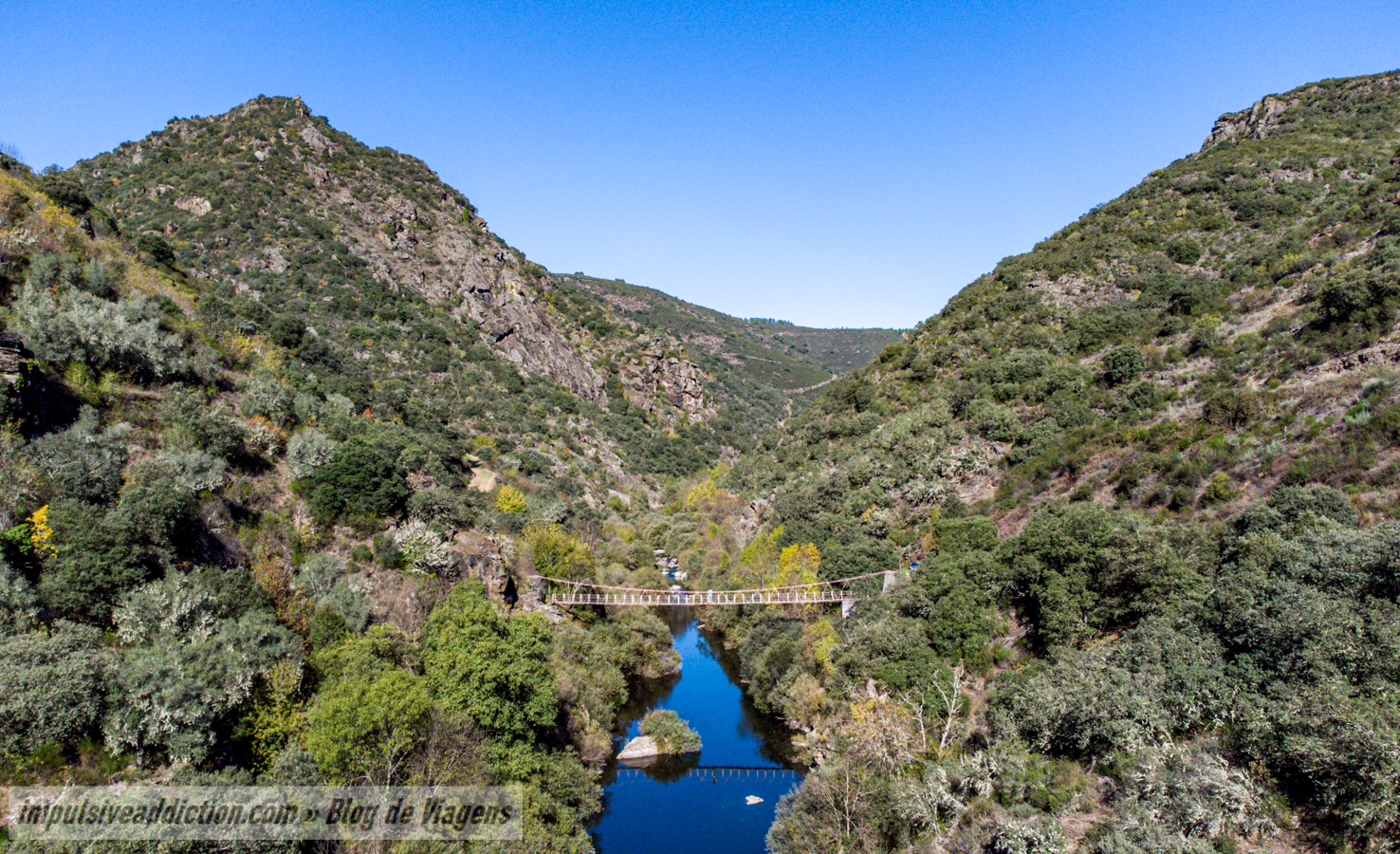
The Miners’ Bridge was one of my favorite spots when visiting Vimioso. It’s a suspension bridge, which gives it a special charm, and it has been recently restored—though I must admit, I wasn’t a big fan of the colors chosen for the paintwork.
The bridge is 35 meters long and rises 10 meters above the river. During the mining era in Argozelo, it was crossed daily by hundreds of people on their way to work in the mines.
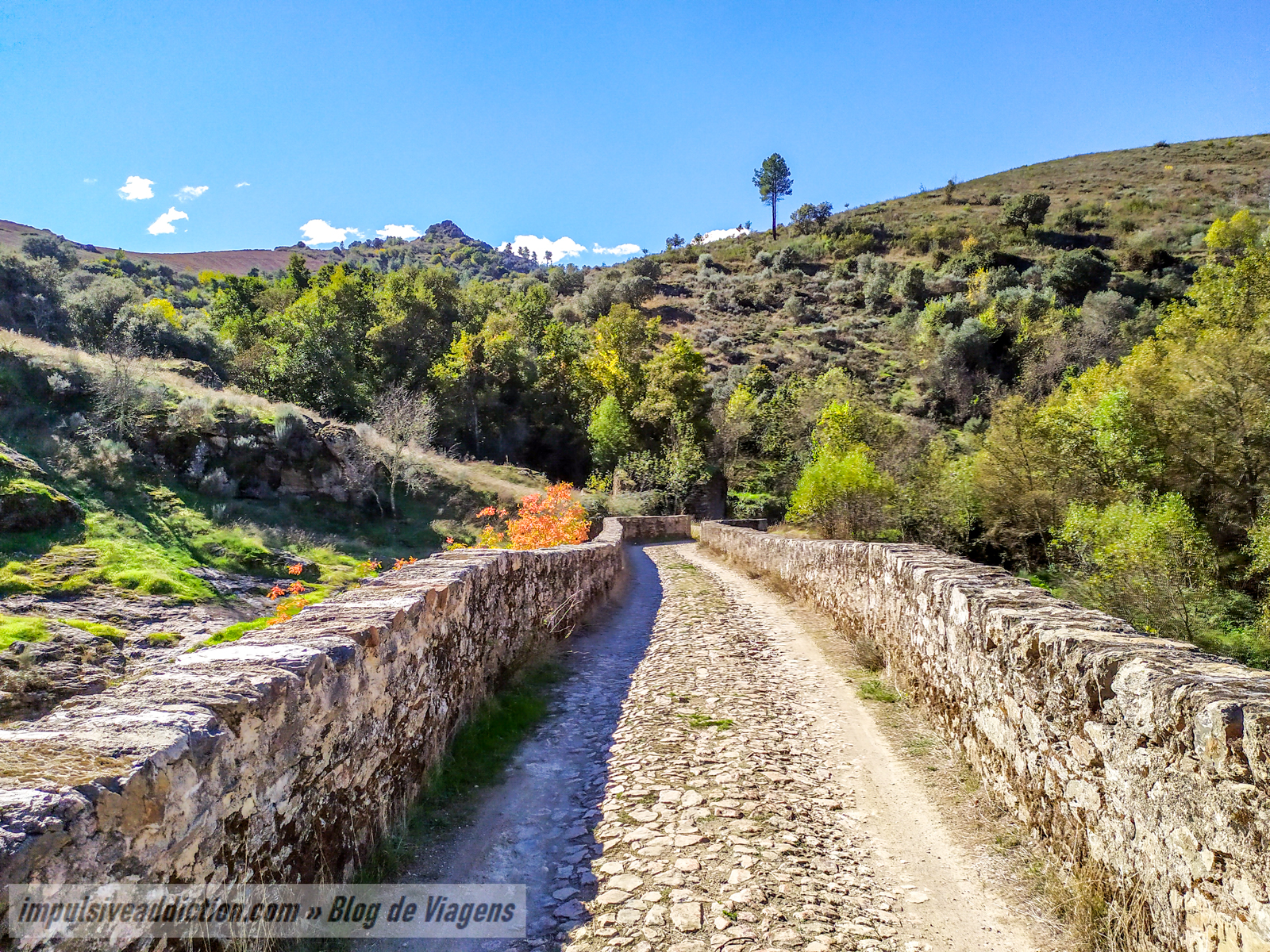
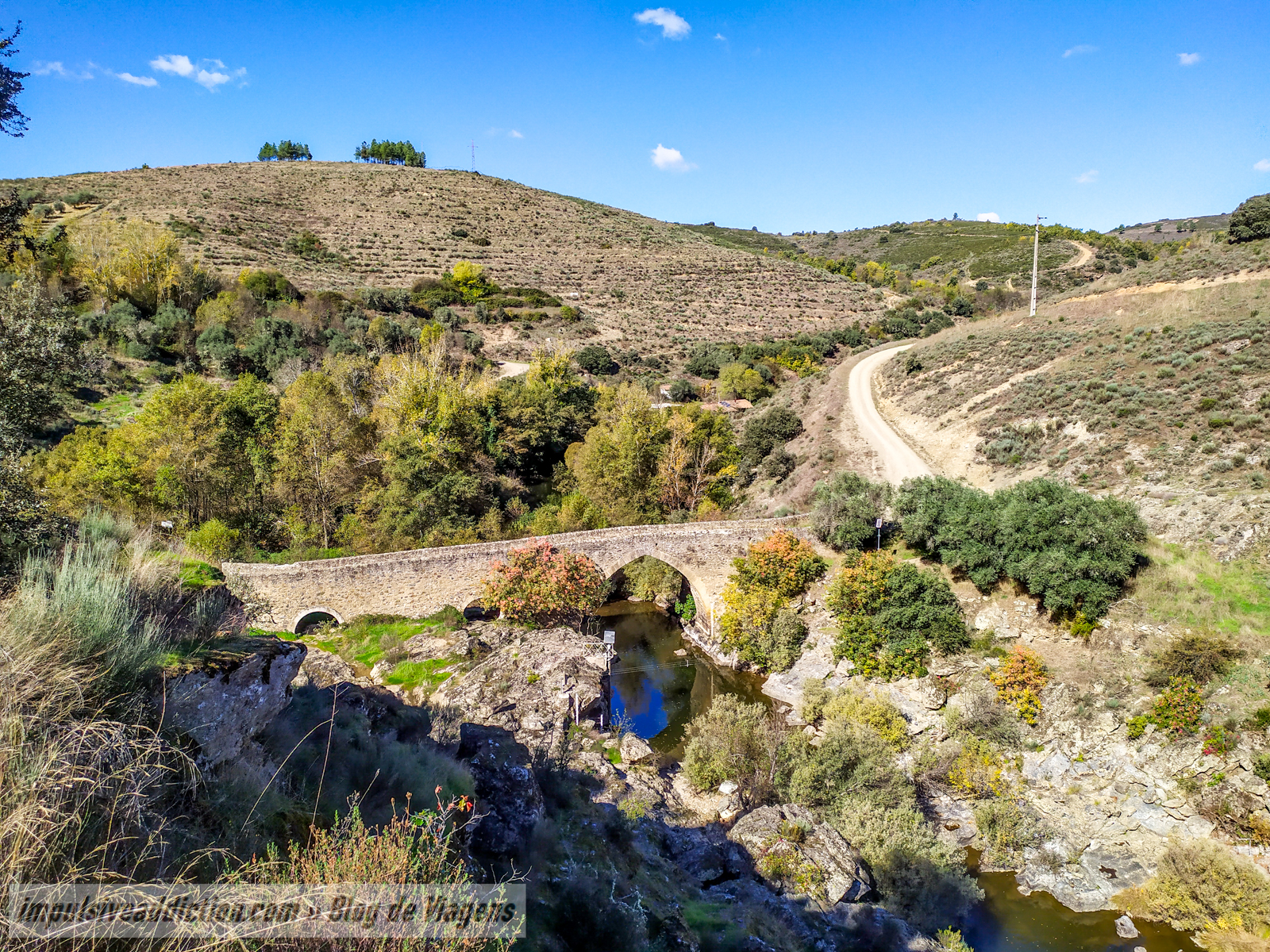
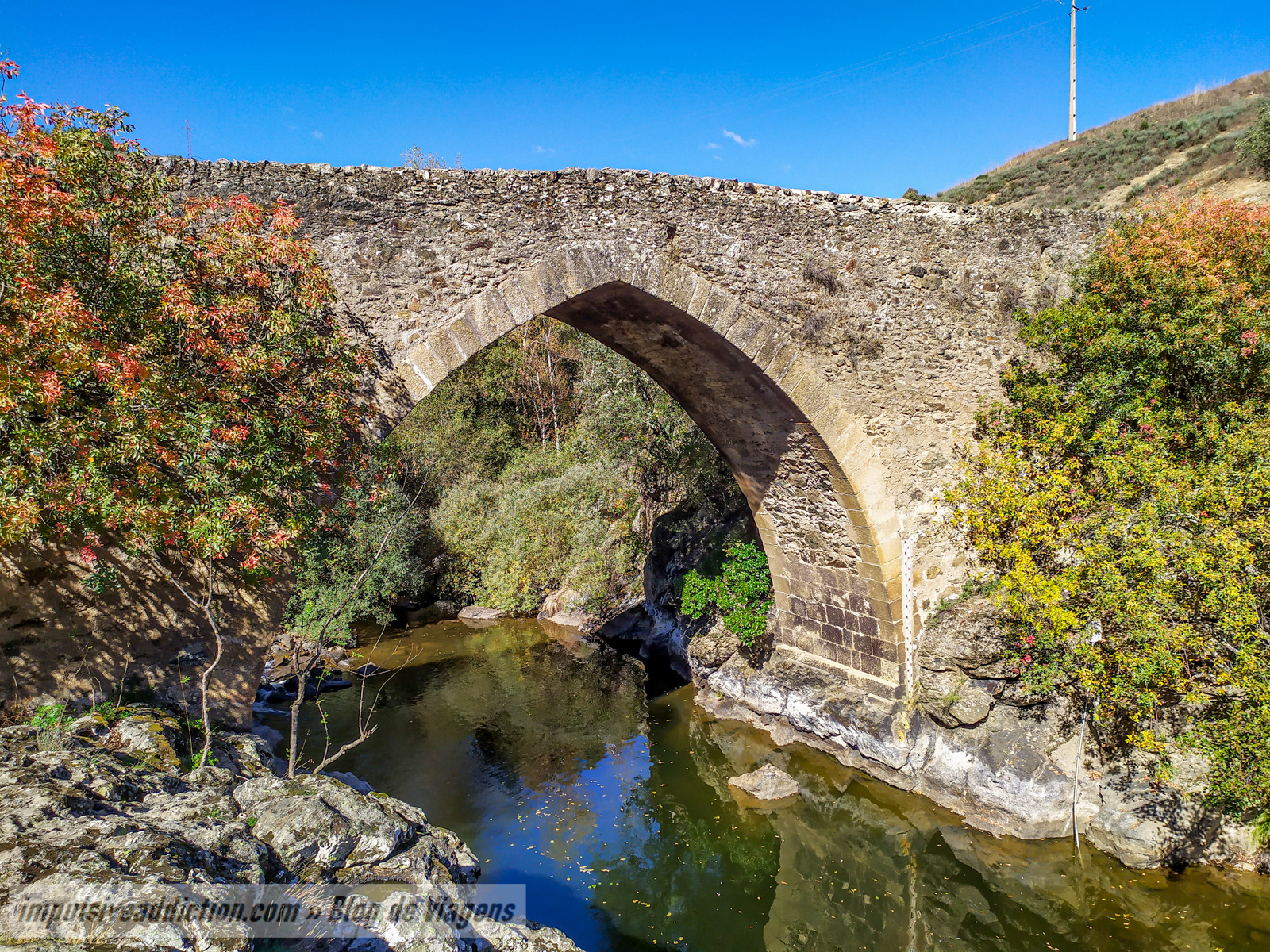
4. Old Bridge of Pinelo
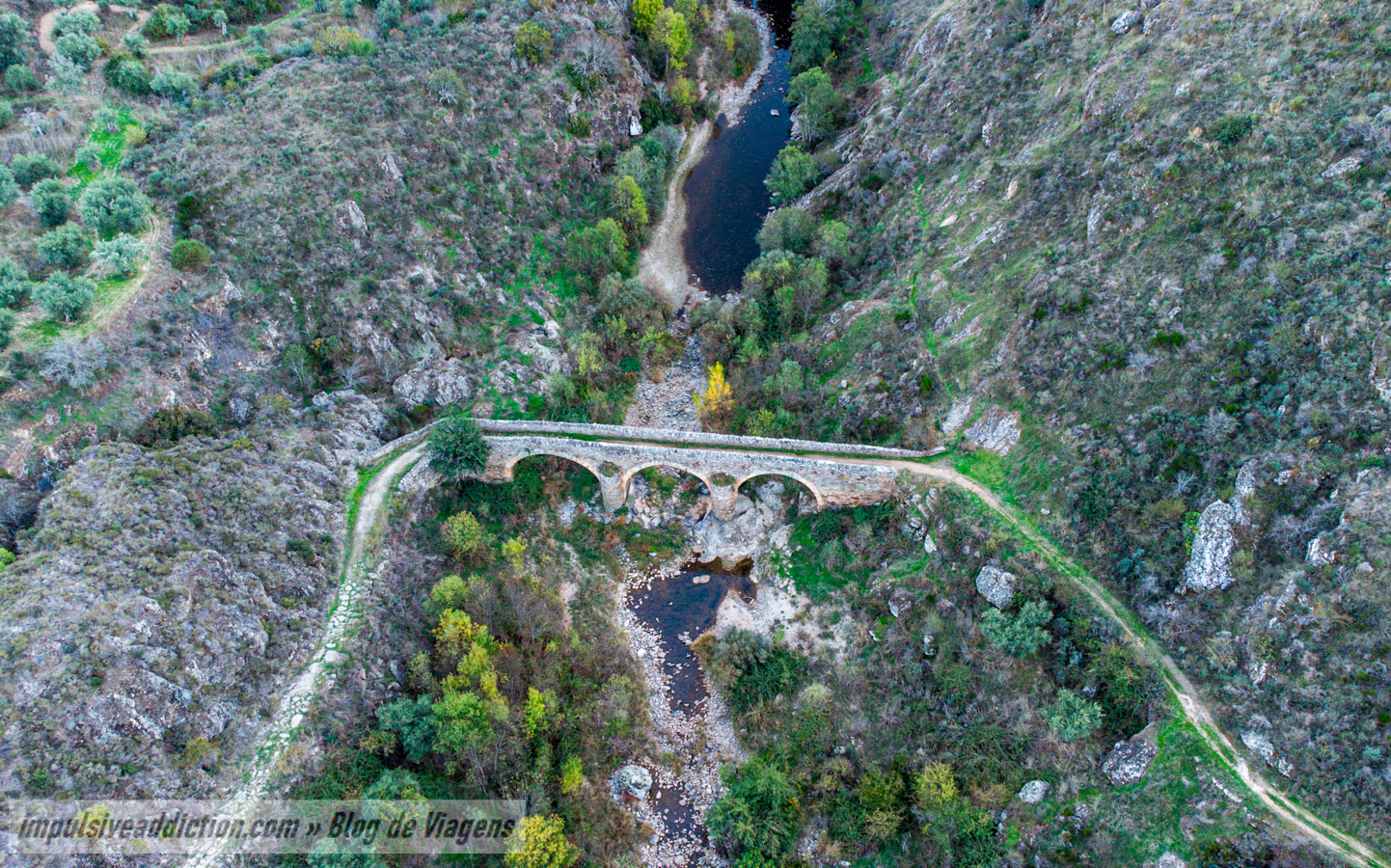
The last point of interest in the Argozelo area isn’t related to the miners—at least as far as I know. It’s simply an ancient bridge over the Maçãs River, connecting Pinelo and Argozelo. The bridge dates back to the late 14th century.
Visiting the Town of Vimioso and Surroundings
As for the town of Vimioso itself, about one hour is enough to see the essentials:
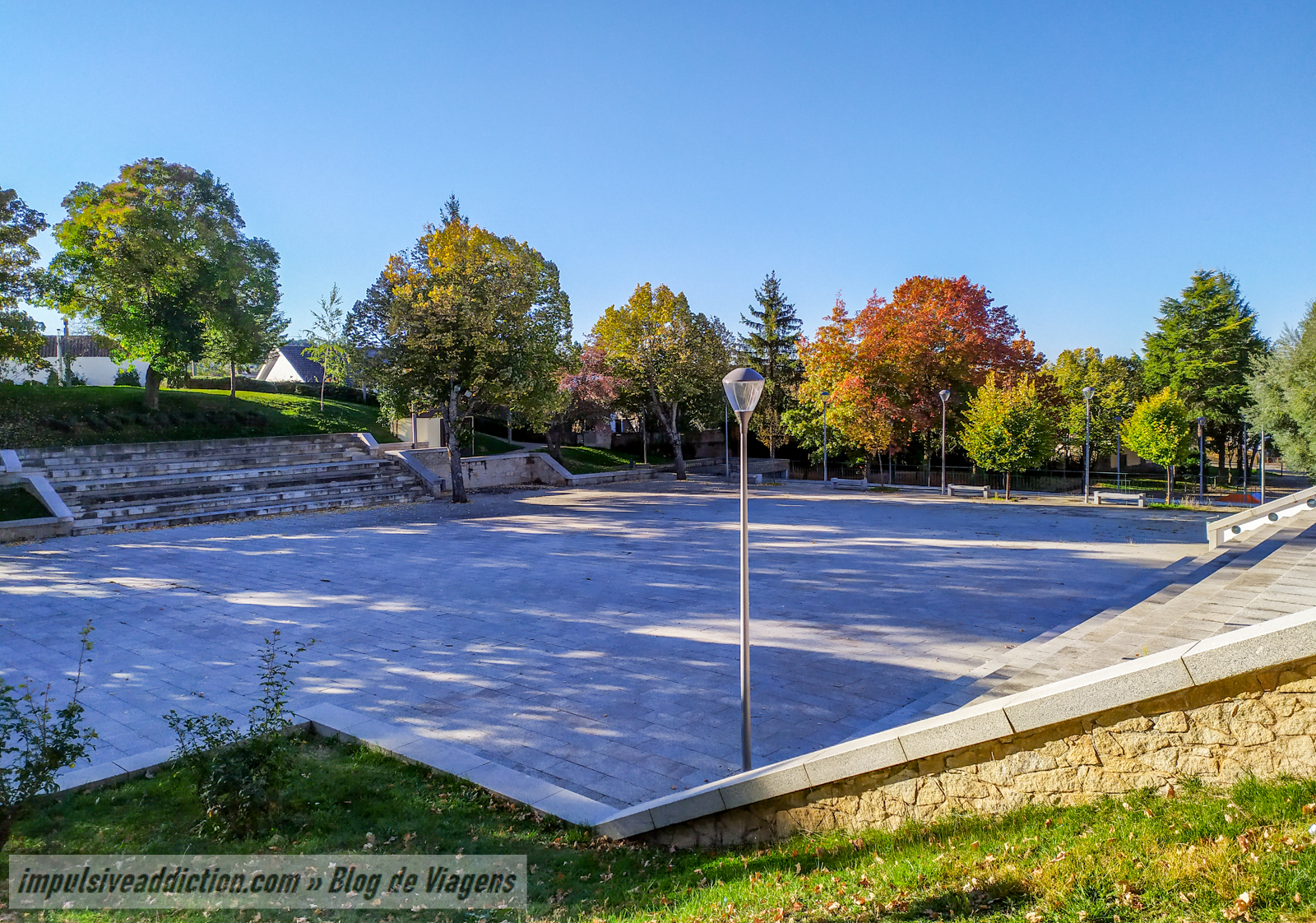
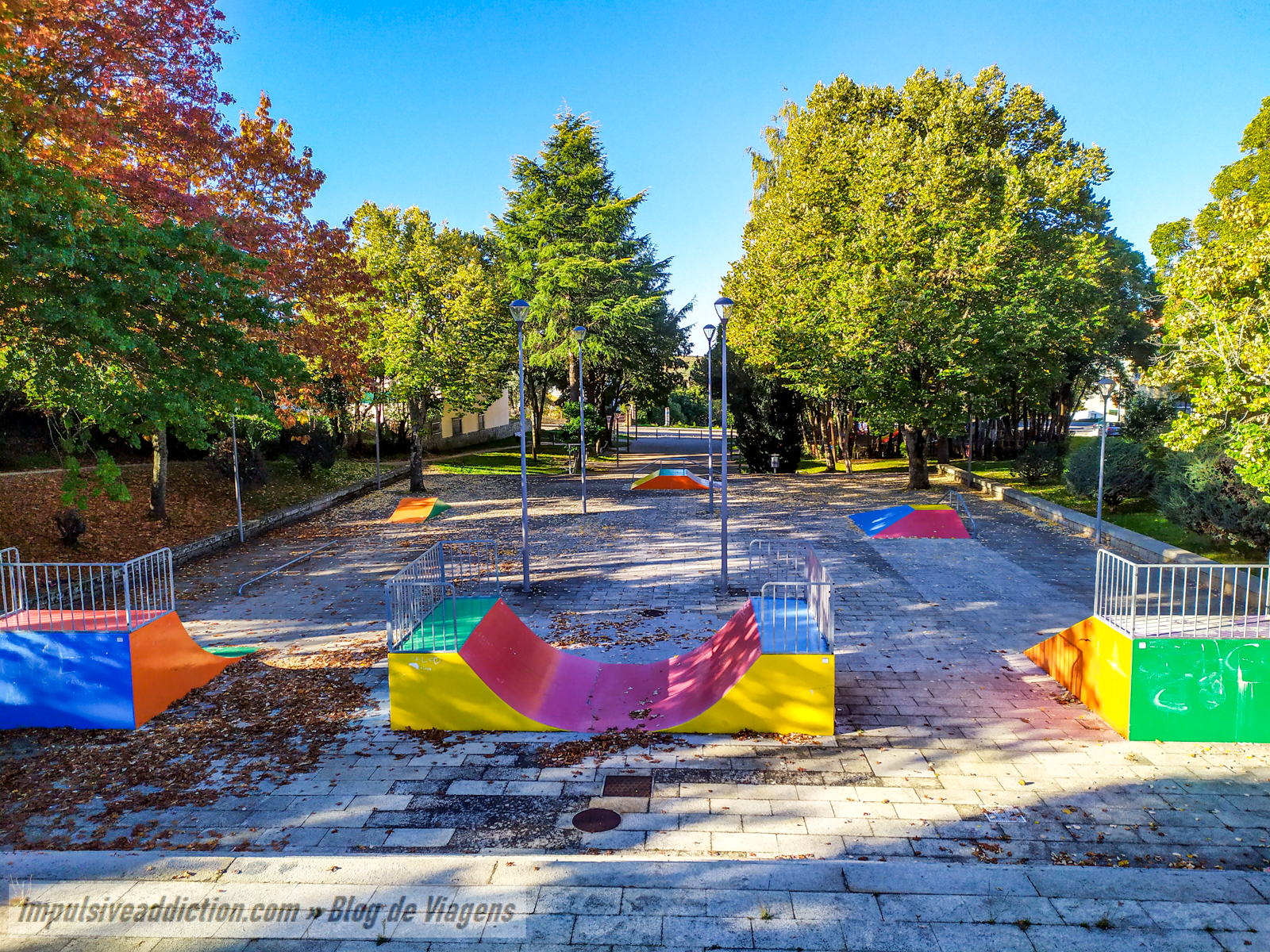
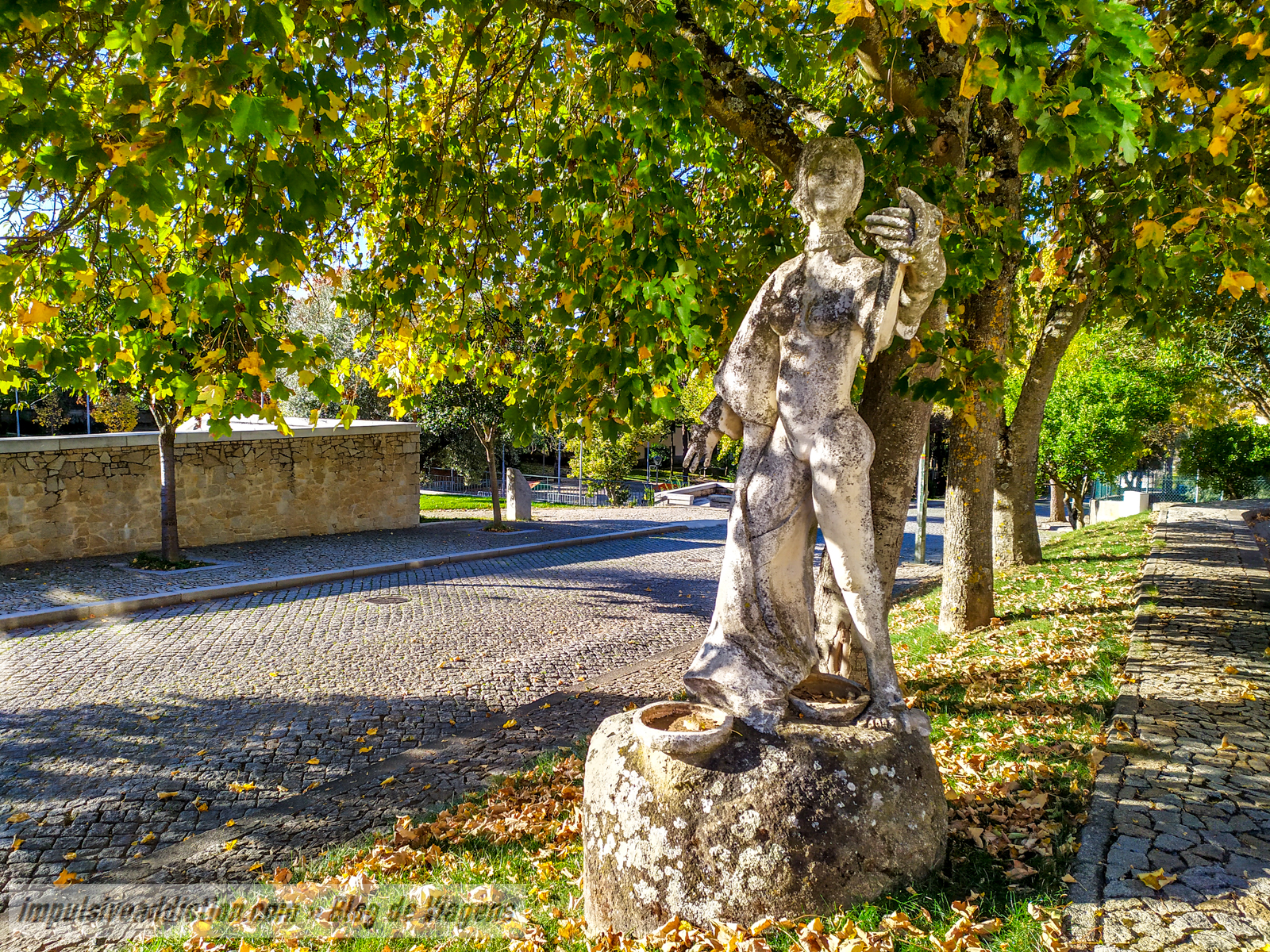
- Start at the Municipal Park of Vimioso, next to the local school complex.
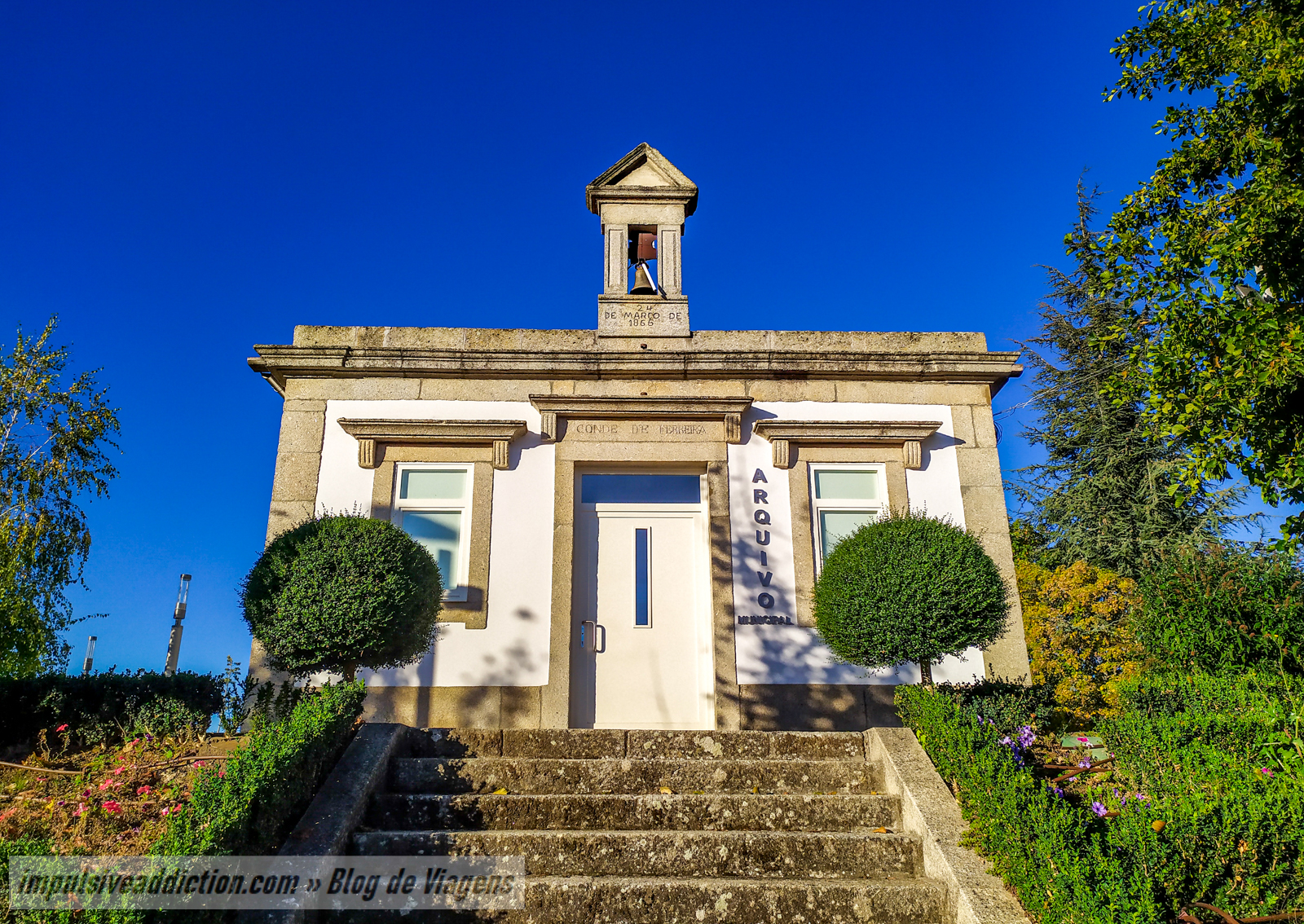
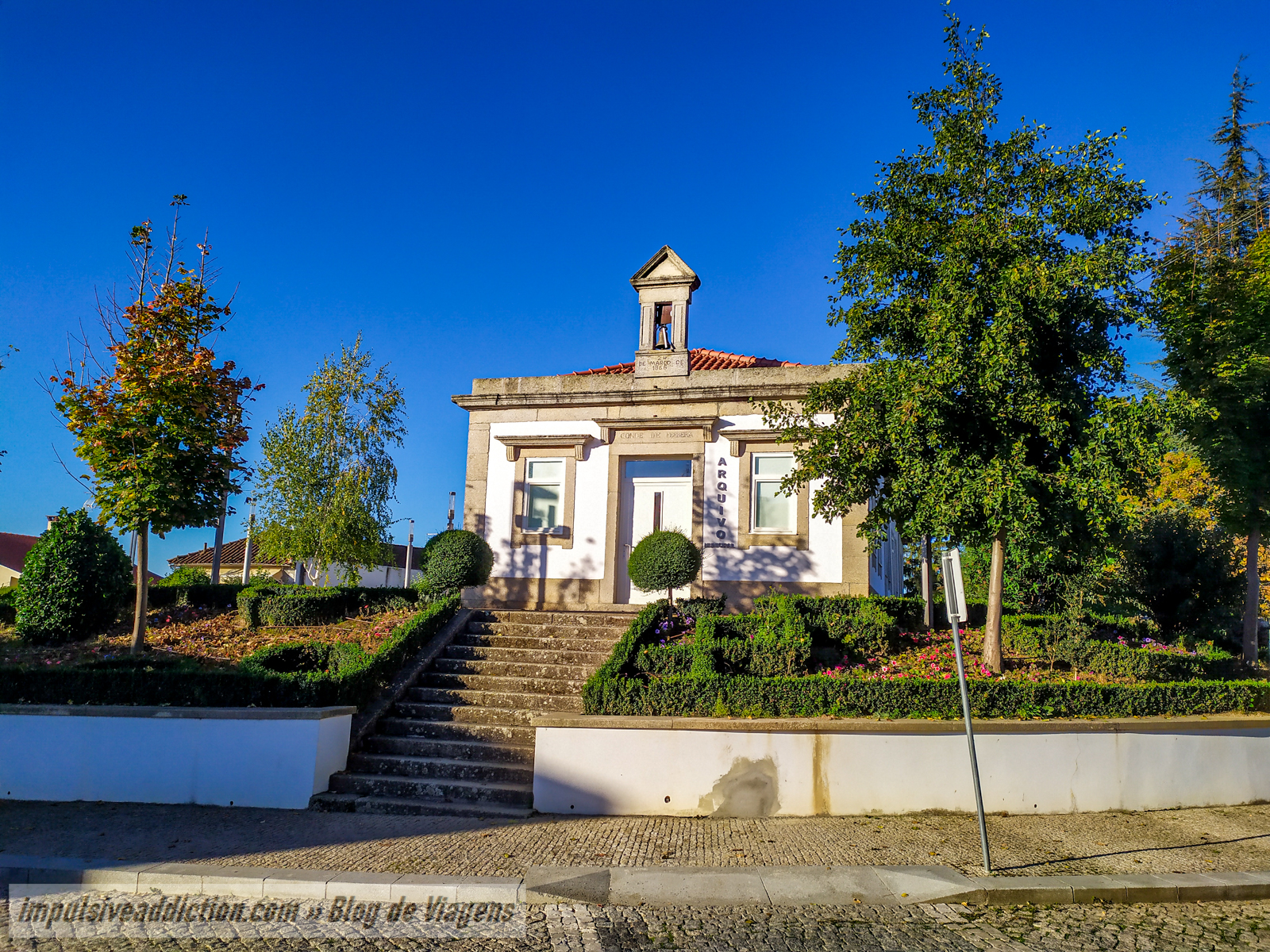
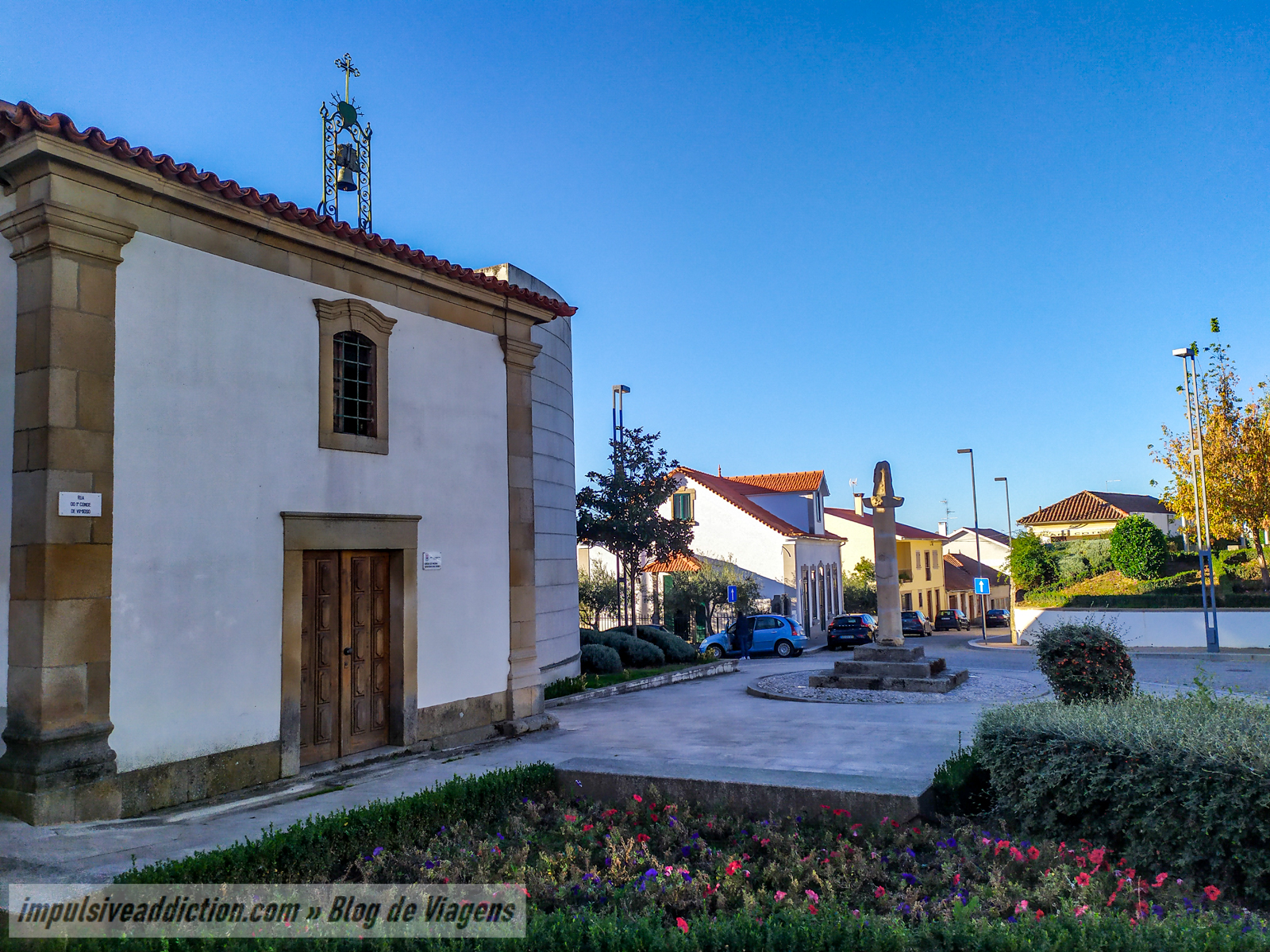
- Then head to the Municipal Archive, in front of which you’ll find the Casa da Cultura (Cultural Center) and the Vimioso Pillory, the latter a reminder of the municipality’s foundation in the early 16th century.
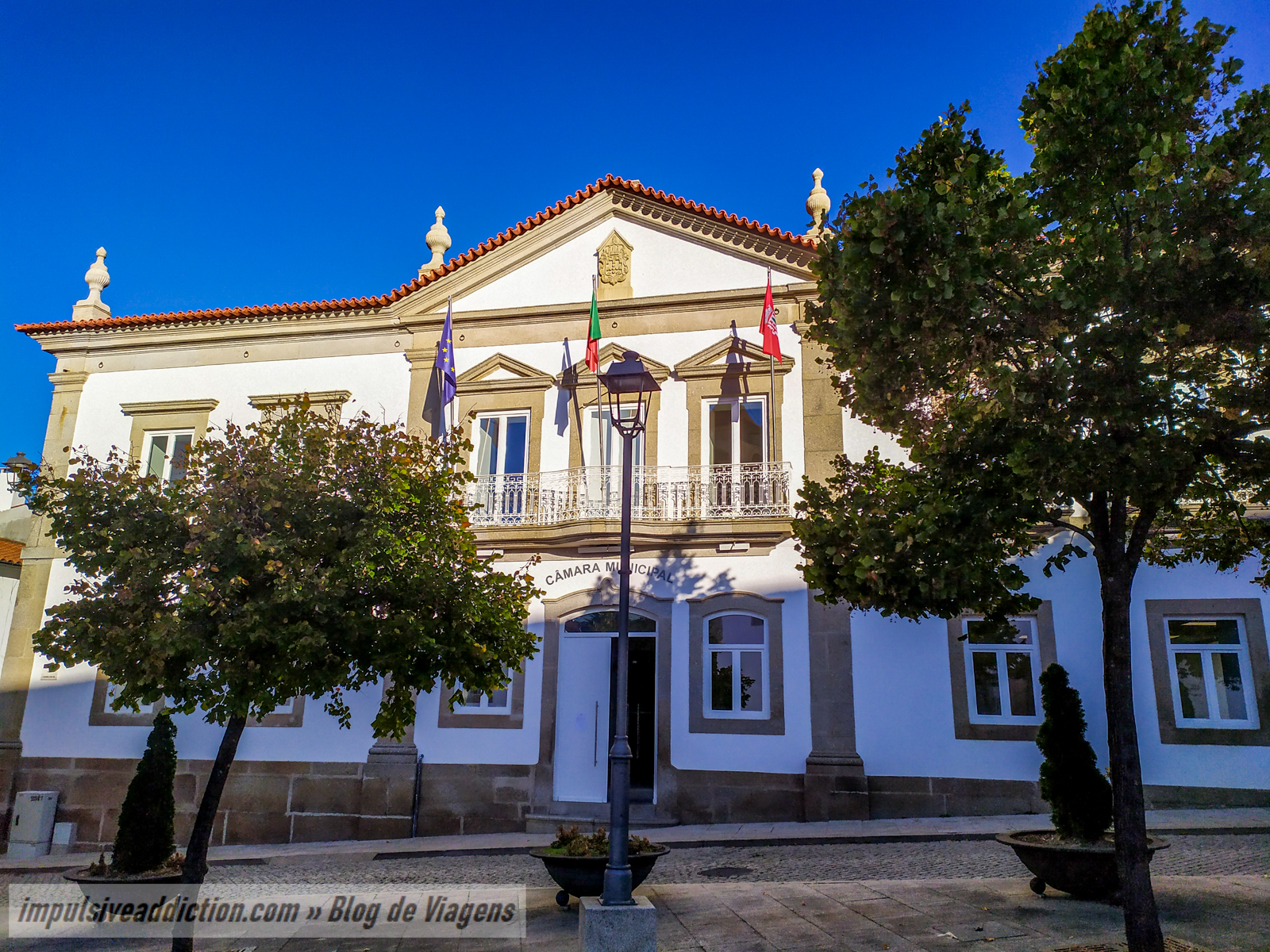
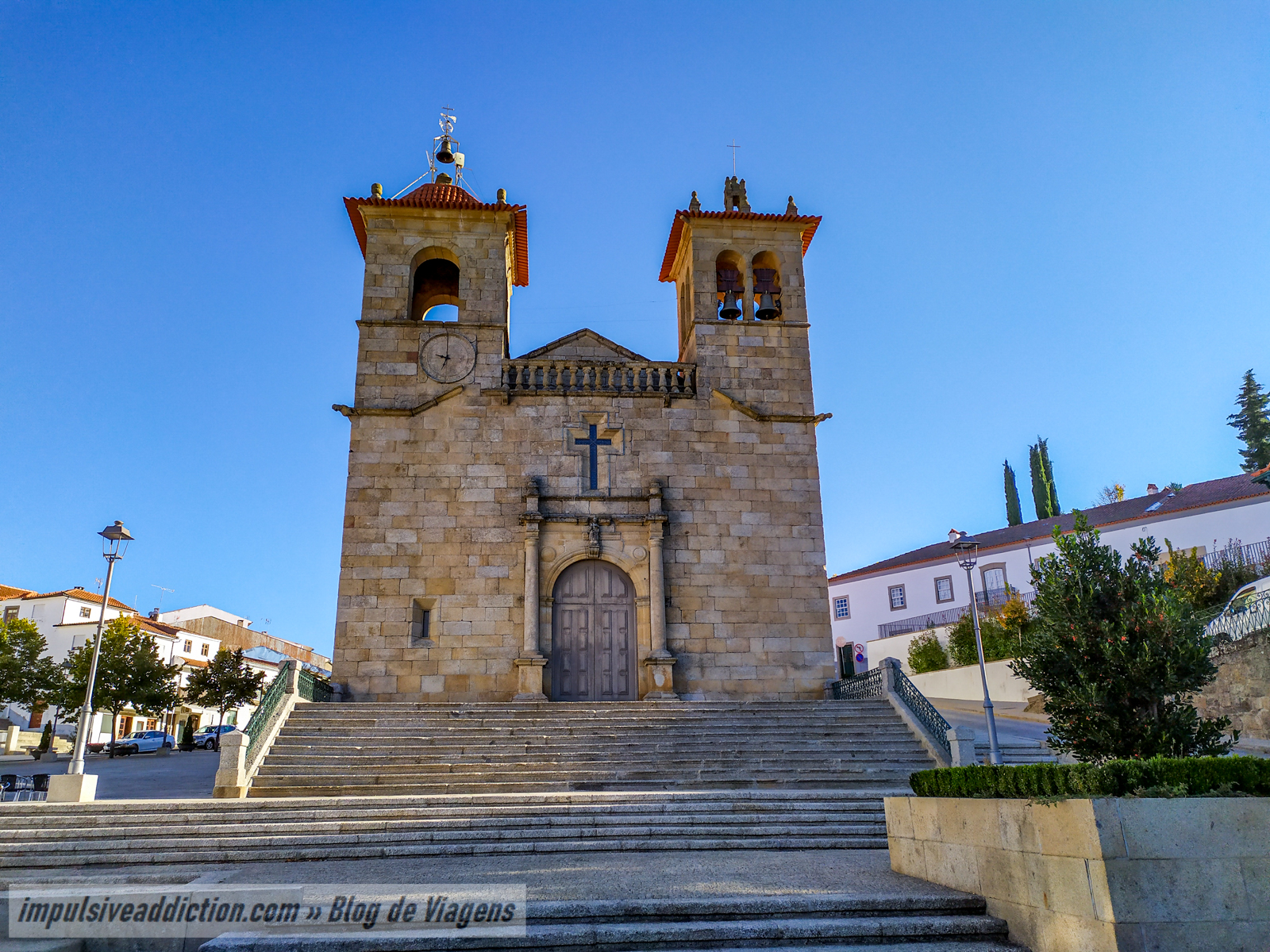
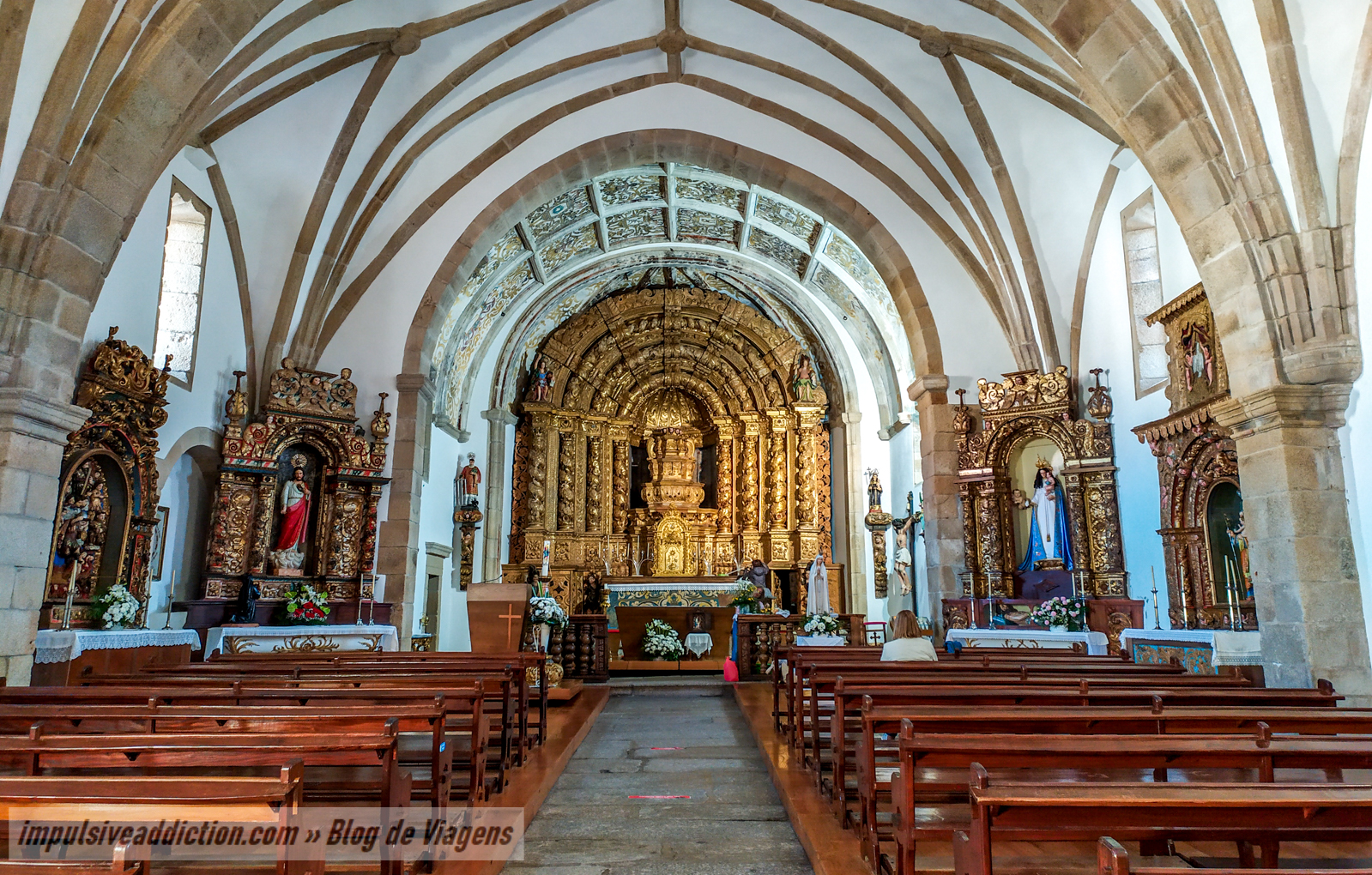
- Not far away stands the Town Hall of Vimioso, facing one side of the Main Church of Saint Vincent. Be sure to walk around the churchyard and take a look at the Fonte do Cano fountain.
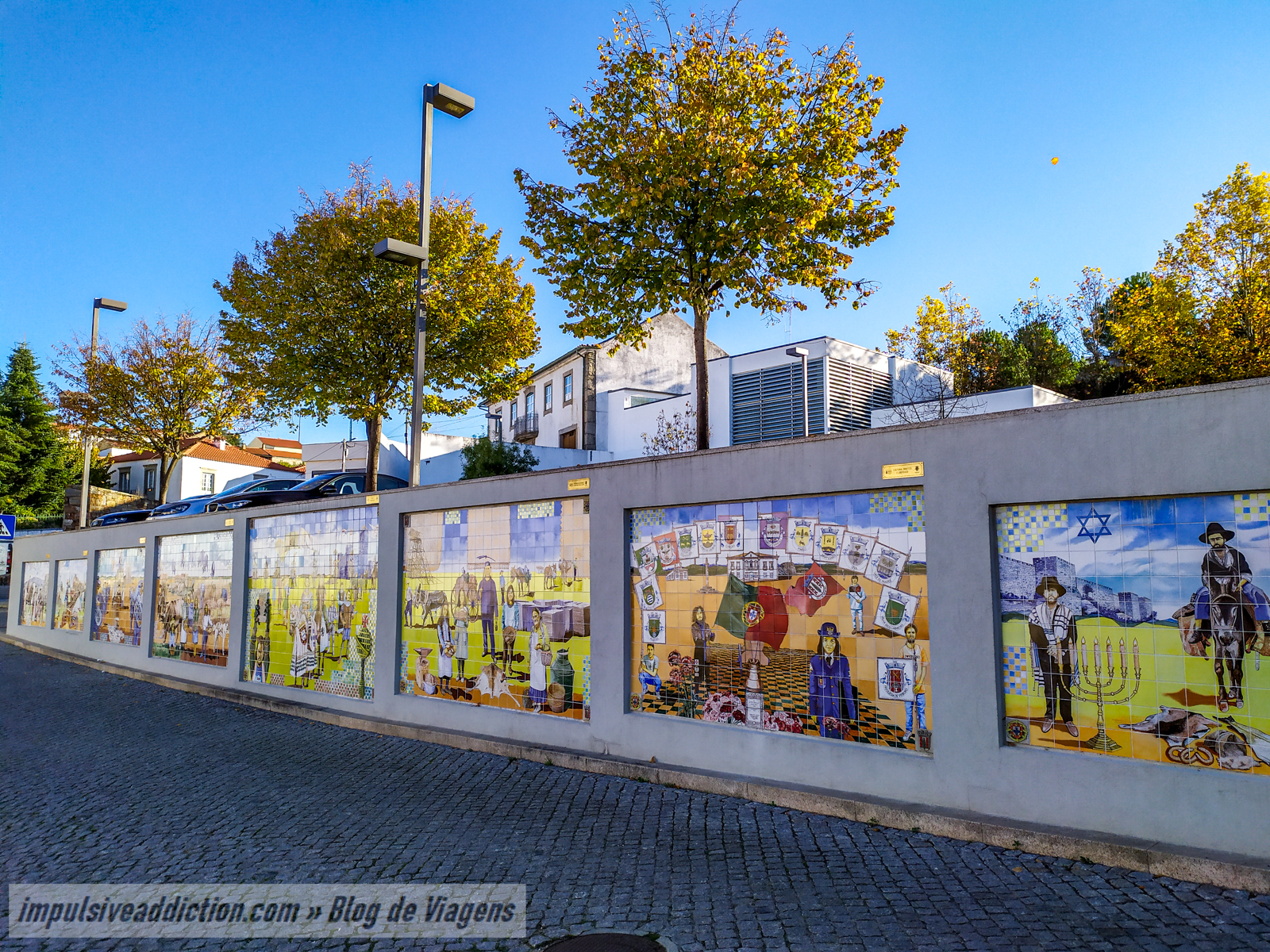
- Finally, don’t miss the wall of tiles located behind the Main Church. They are truly remarkable, depicting the history of the municipality.
Below, you’ll find images of some of these spots.
1. Municipal Park of Vimioso
2. Municipal Archive of Vimioso
3. Vimioso Pillory and Casa da Cultura
4. Town Hall of Vimioso
5. Main Church of Saint Vincent
6. Wall of tiles in Vimioso
7. Atalaia Tower (Ruins of Vimioso Castle)
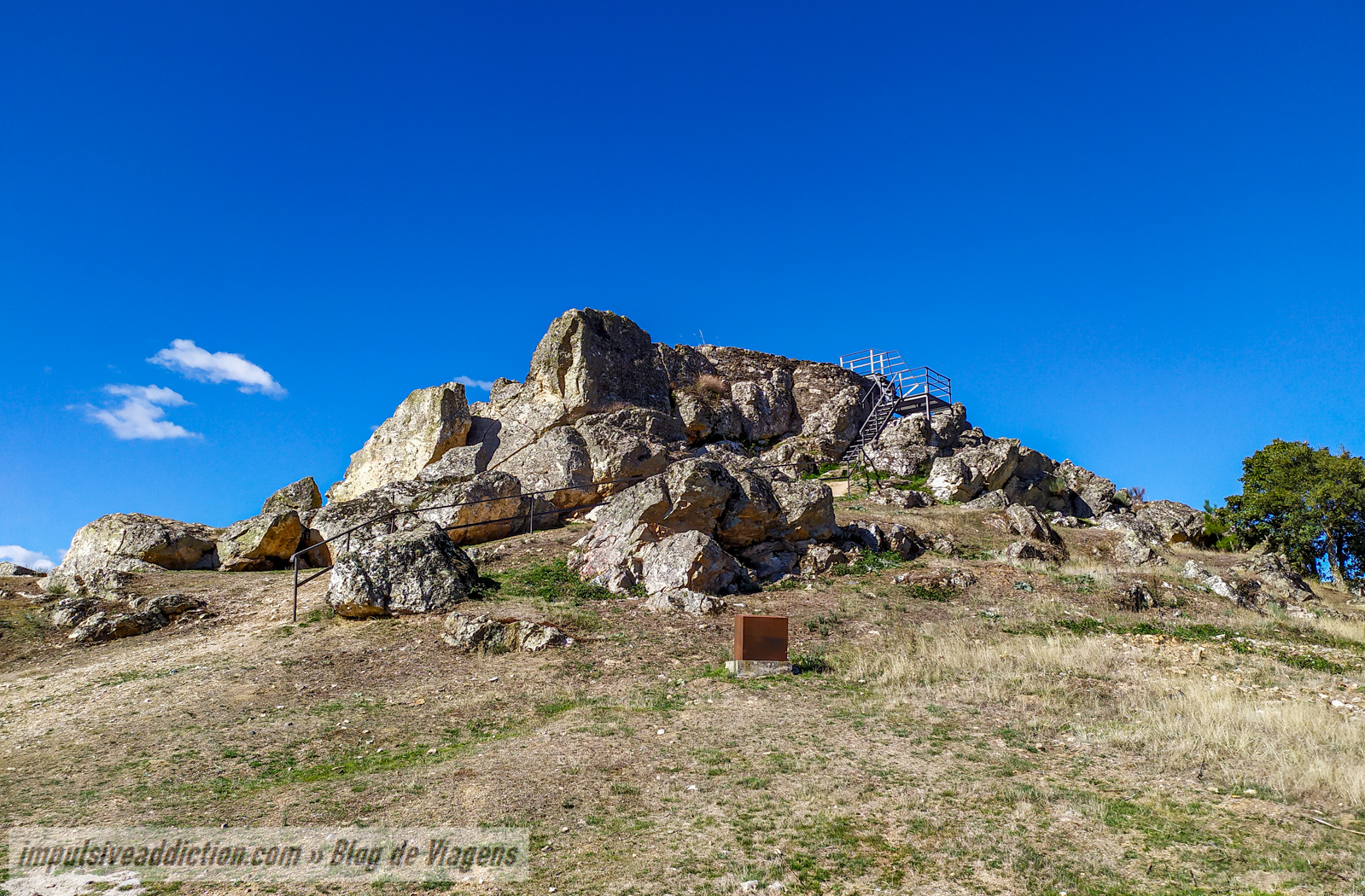
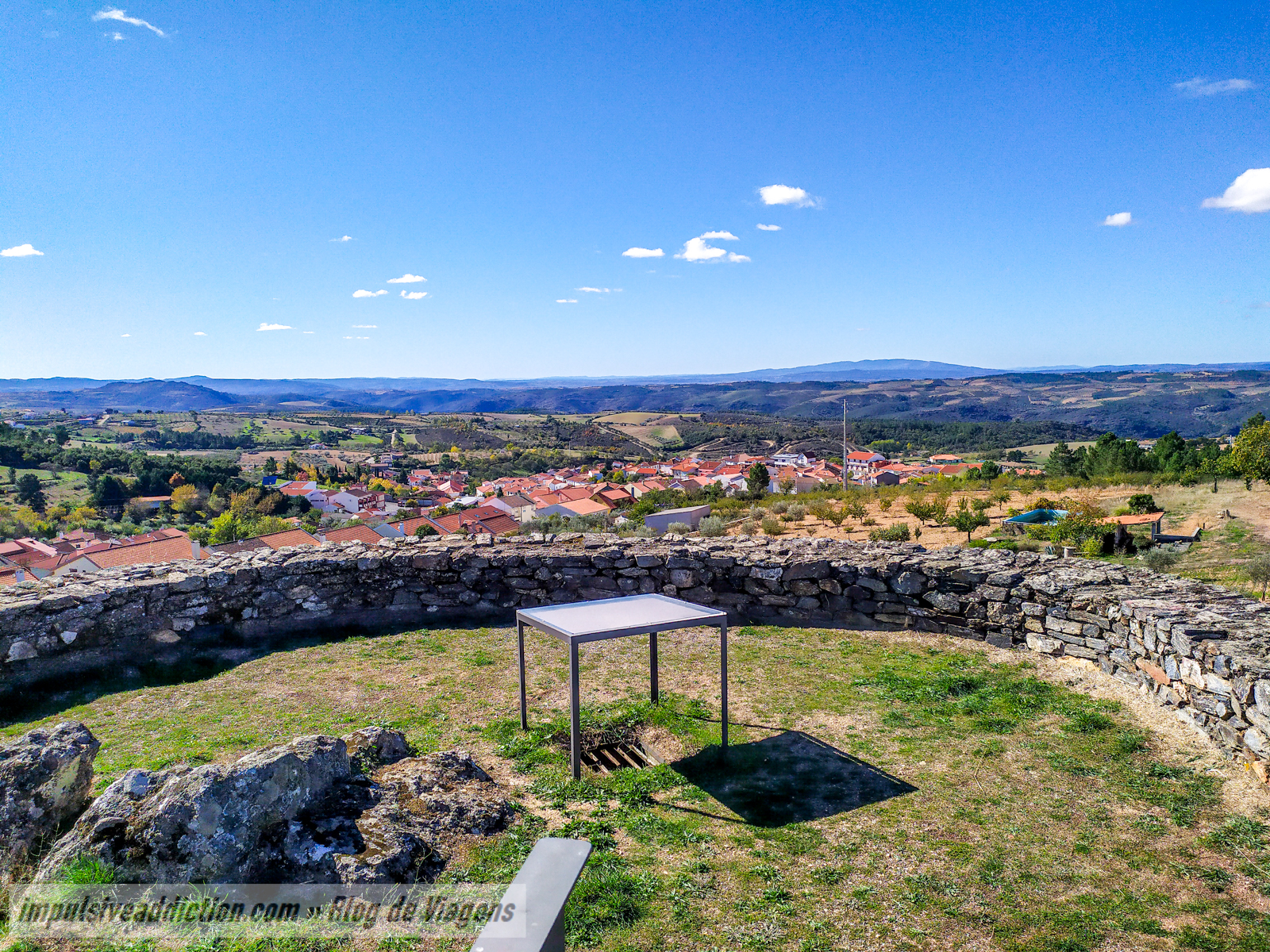
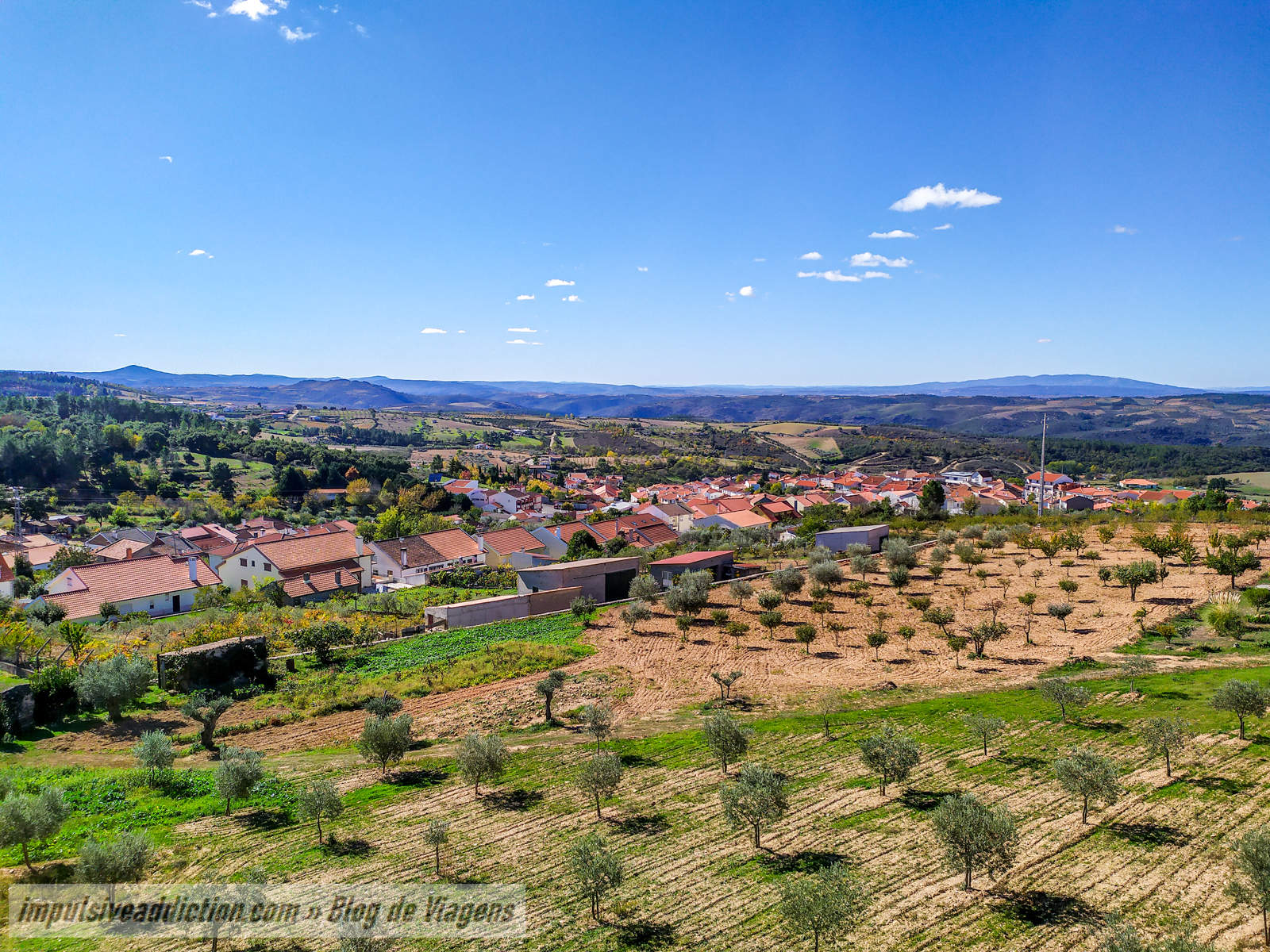
Beyond the sites mentioned above, you should also climb up to the Atalaia Tower, which offers an excellent view over the town and its surroundings. Only ruins remain today, but this tower was once part of the defensive system of the old Vimioso Castle, a structure of great importance in this border region.
8. Sanctuary of Our Lady of Pereiras
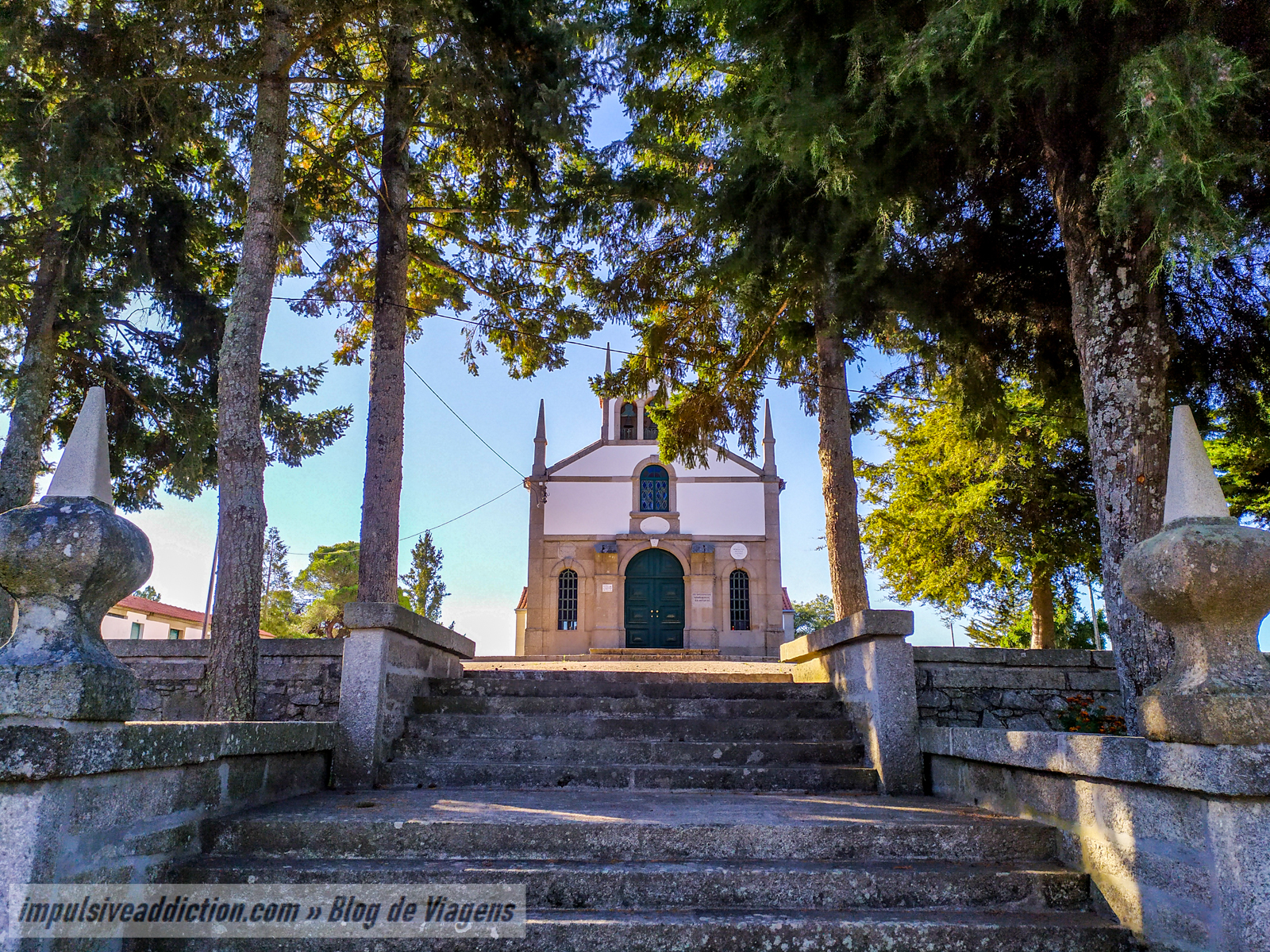
The Sanctuary of Our Lady of Pereiras is another must-see spot on the outskirts of Vimioso, especially for the scenic views from behind the sanctuary. It is also known as the Sanctuary of Our Lady of the Visitation and is believed to have been founded in the 16th century, although the current structure is more recent.
9. PINTA – Iberian Park of Nature and Adventure of Vimioso
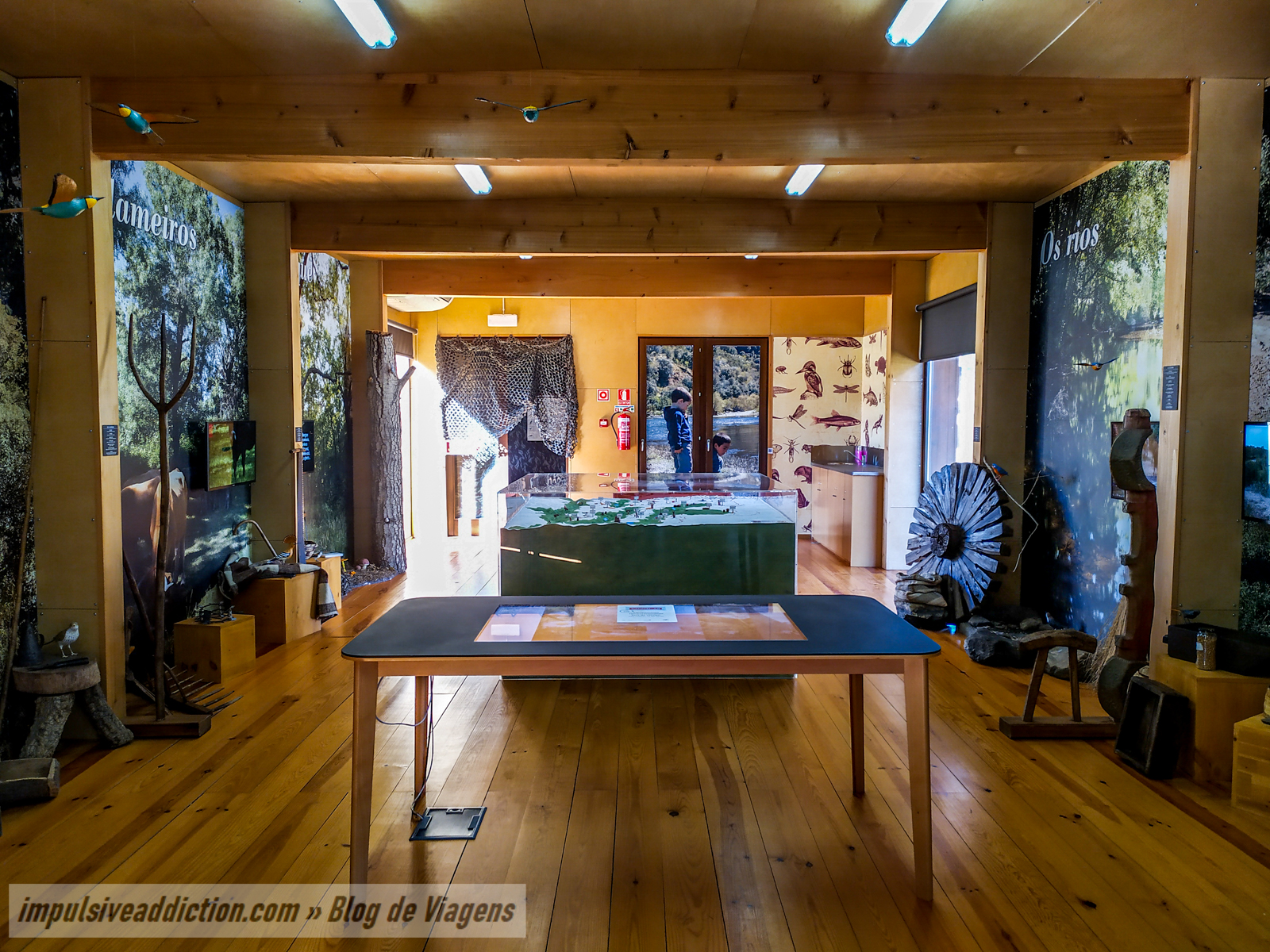
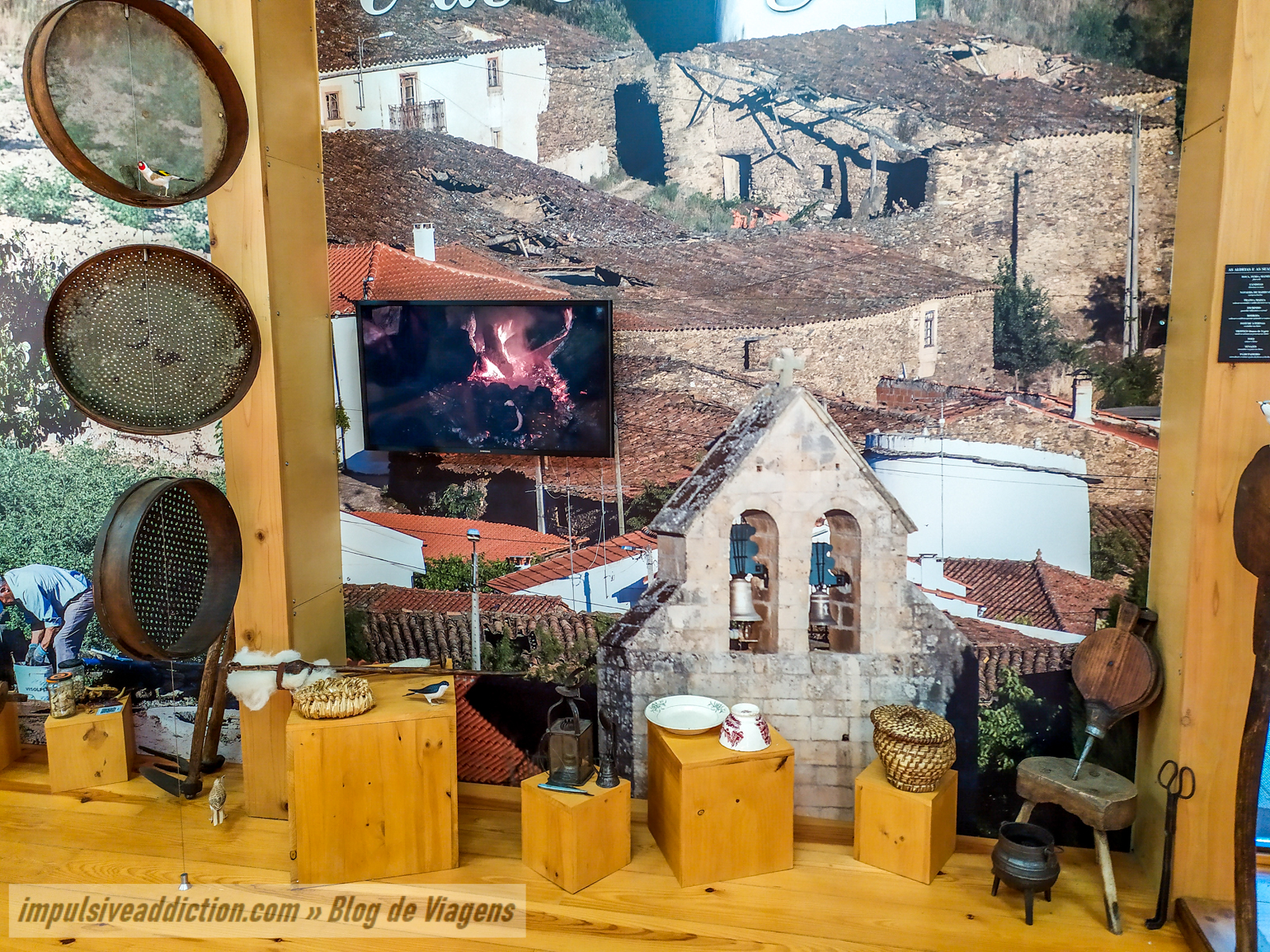
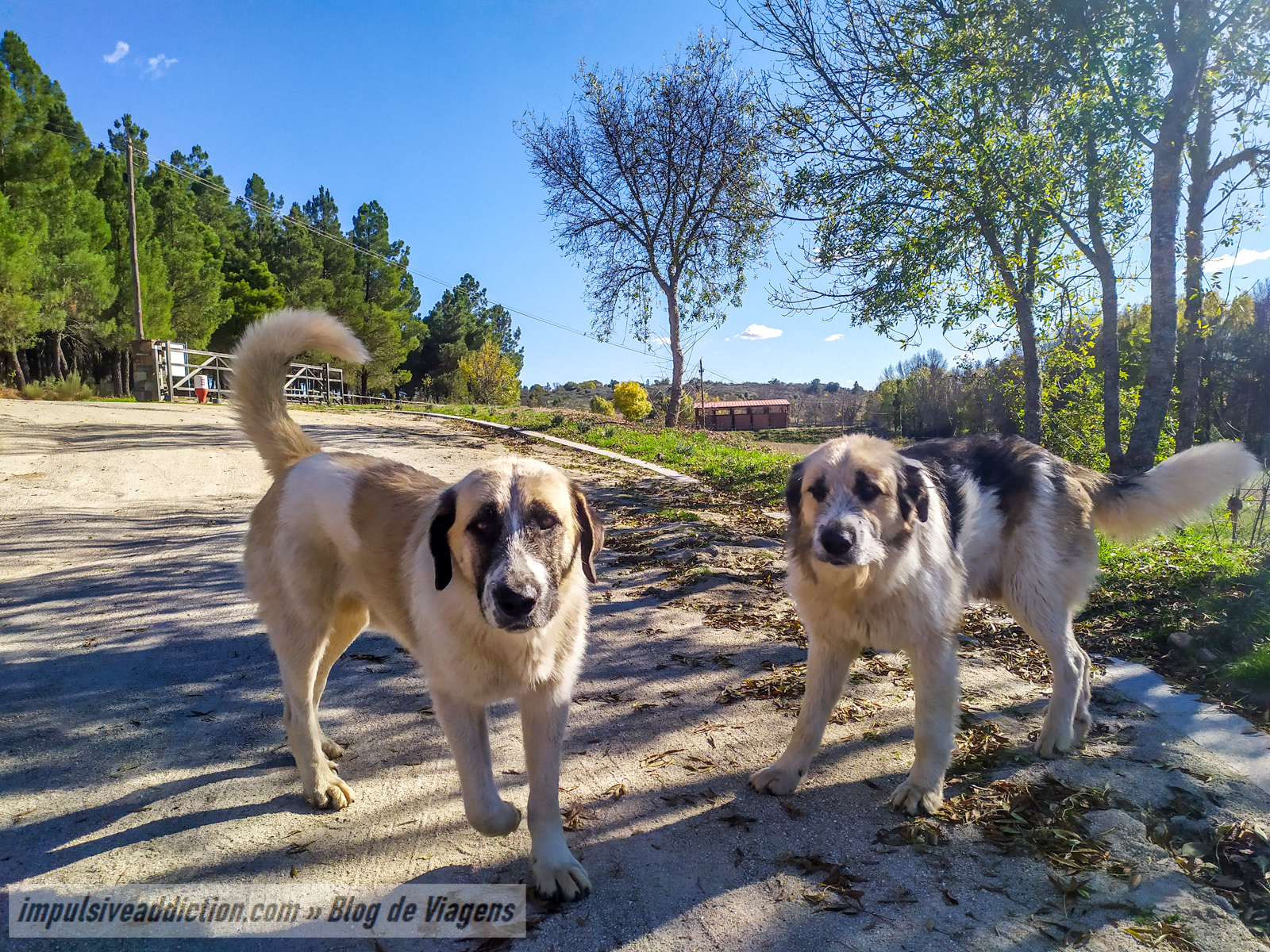
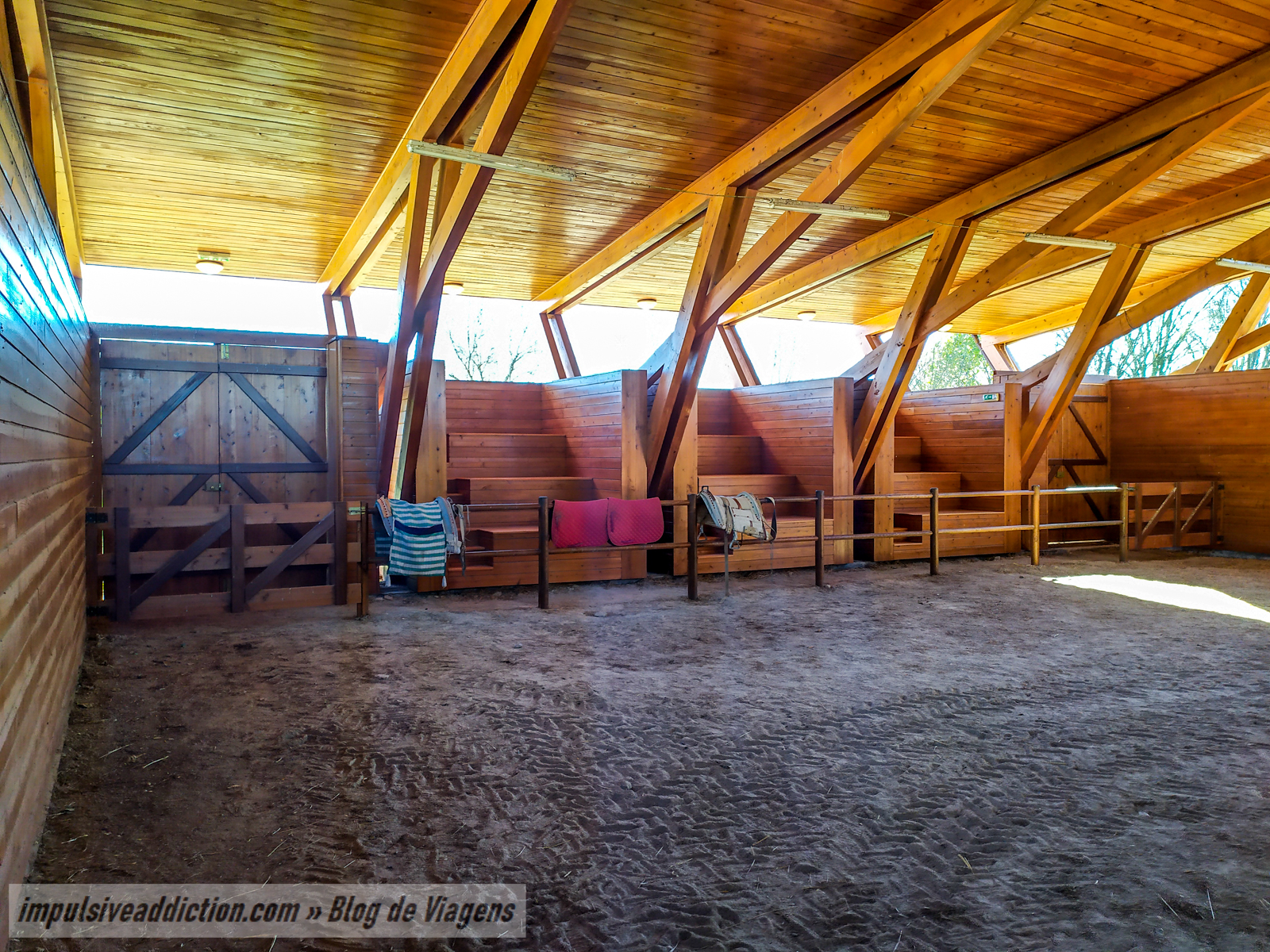
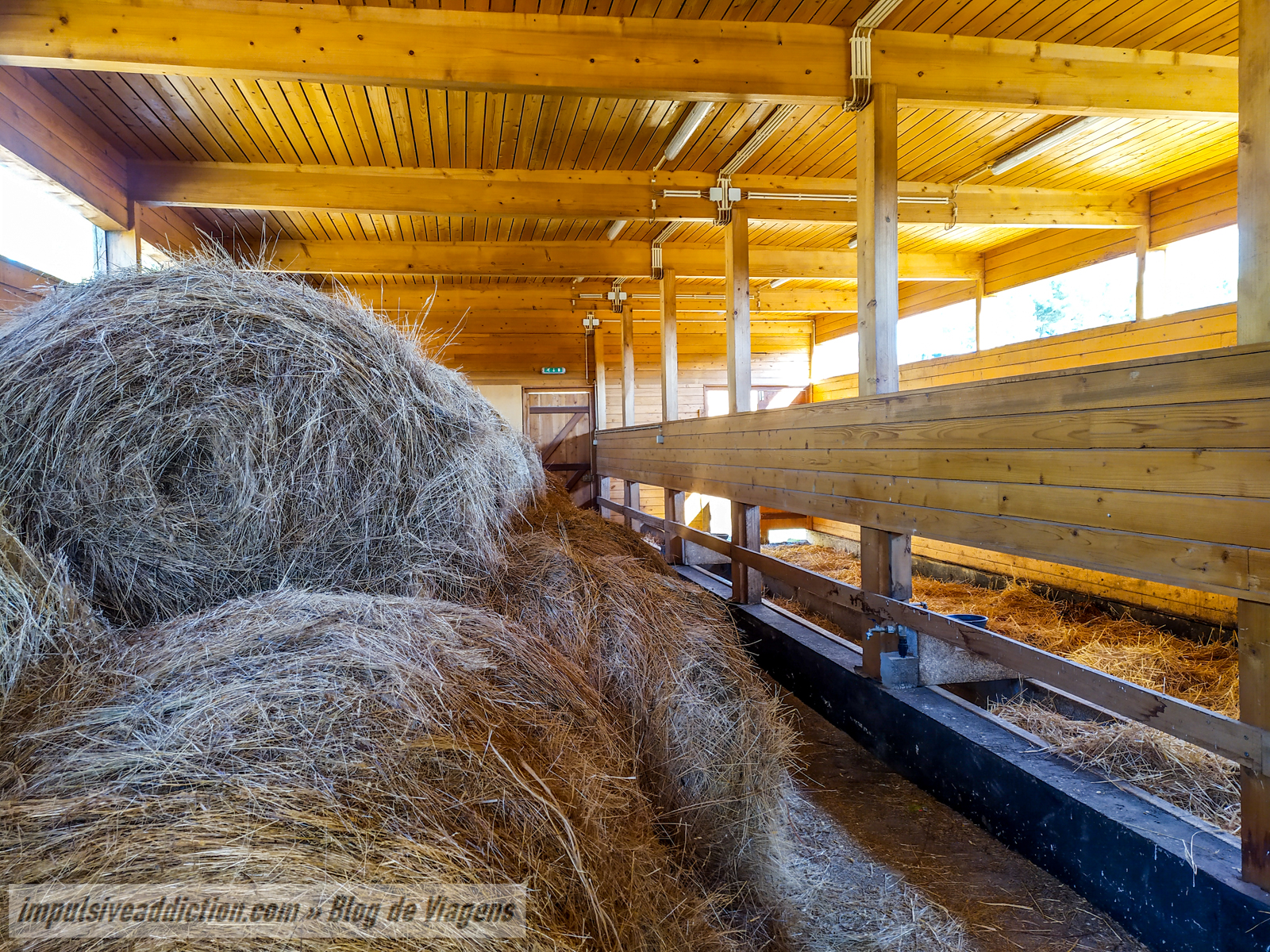
PINTA was definitely a pleasant surprise. I was warmly welcomed at the facilities and enjoyed a very engaging guided tour through several spaces:
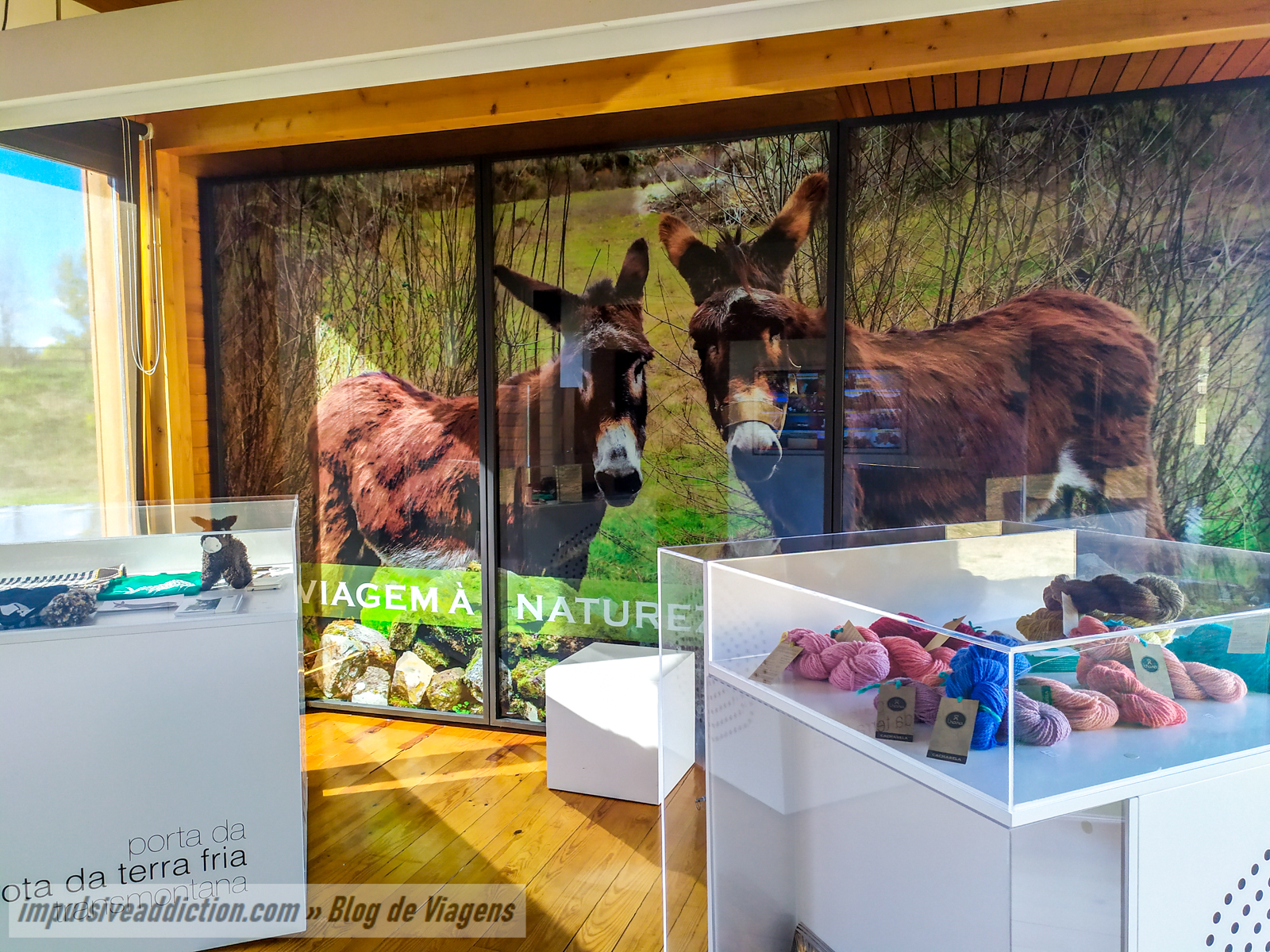
- Gateway to the Terra Fria Transmontana Route – an interpretation center dedicated to this regional itinerary, with special emphasis on what Vimioso has to offer.
- PINTA’s Permanent Exhibition – highlighting the municipality’s territory classified under the Natura 2000 Network. I especially enjoyed the large-scale model showing the rivers that cross Vimioso, as it really gave me a sense of the vastness of its valleys.
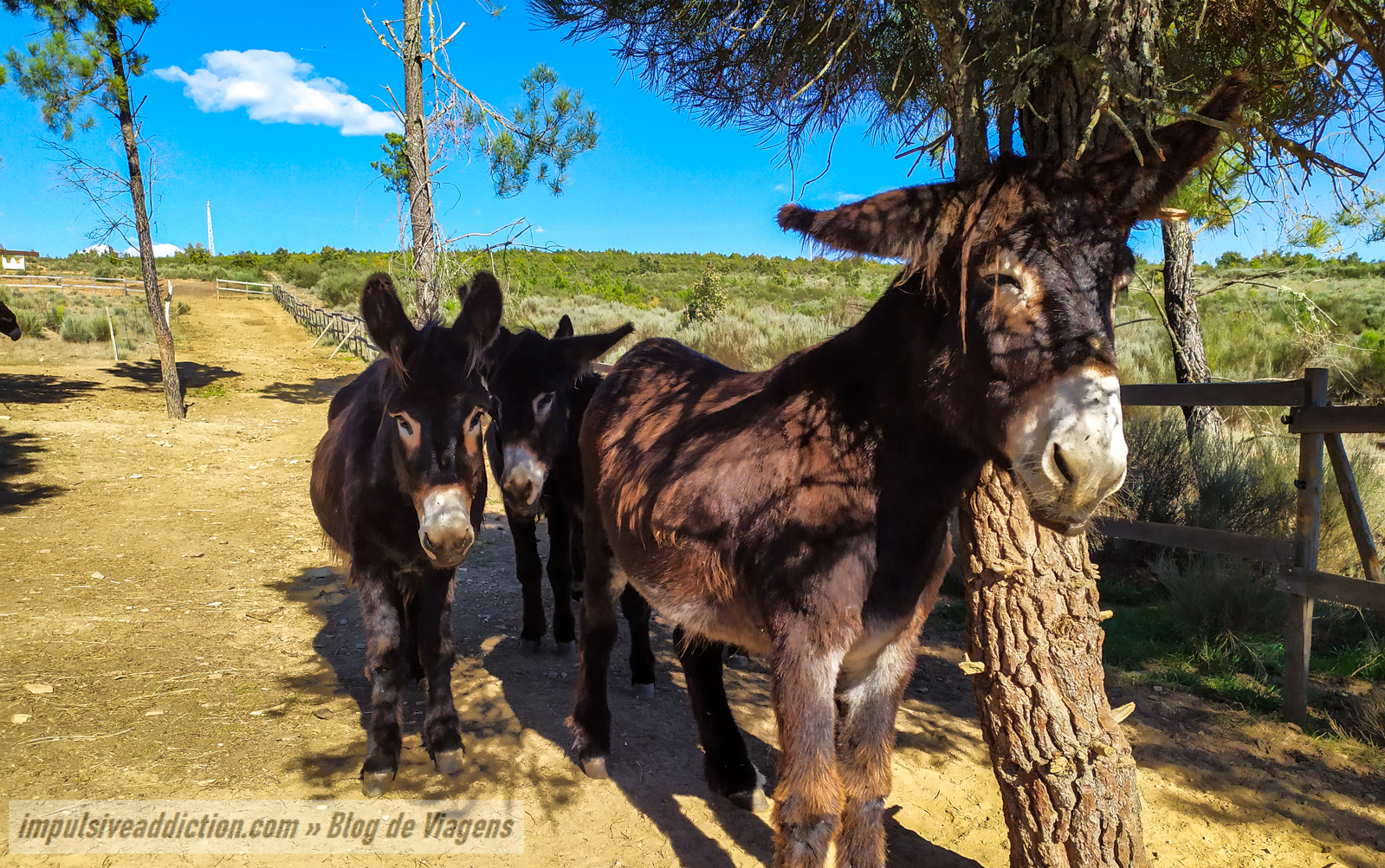
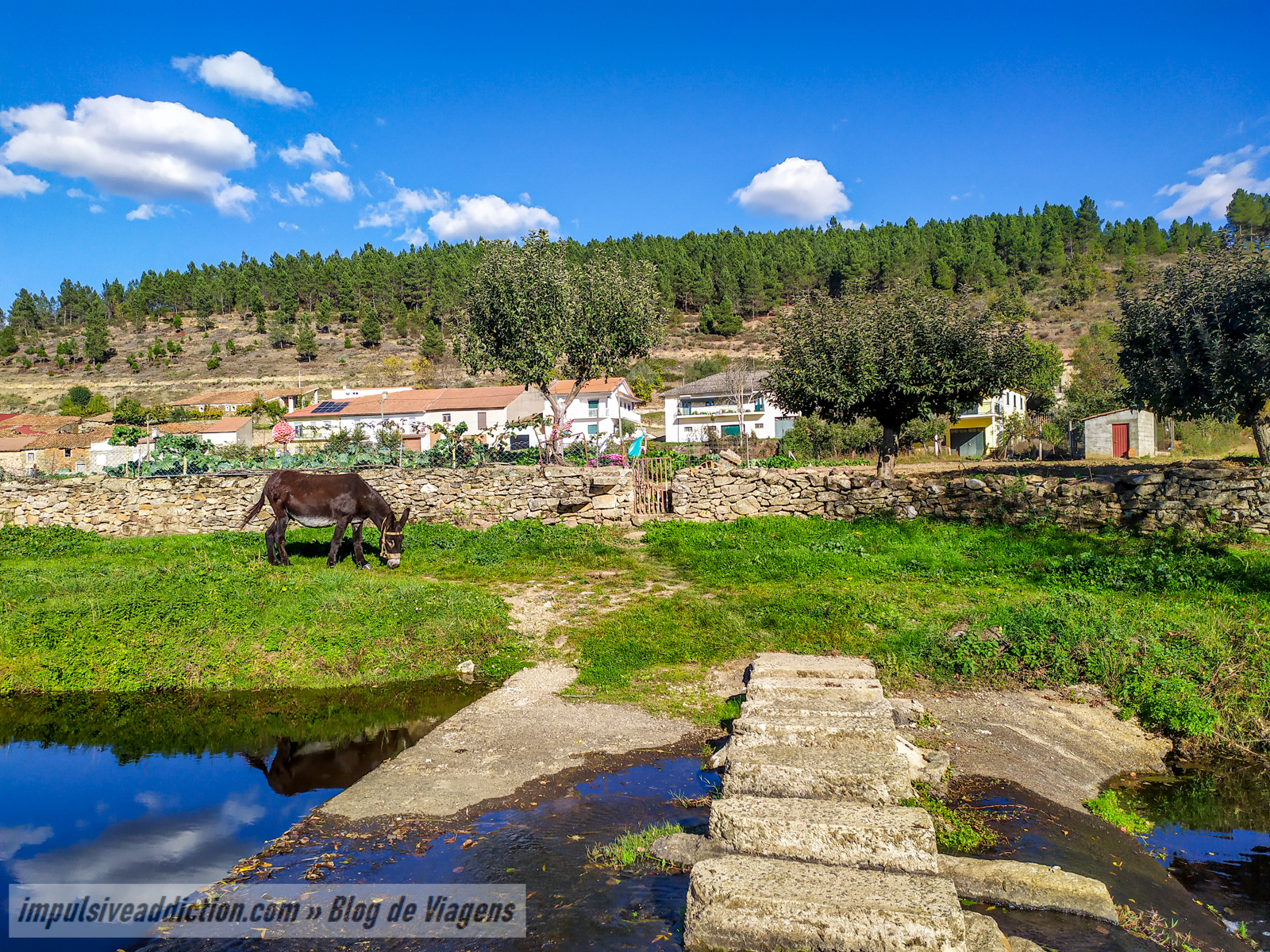
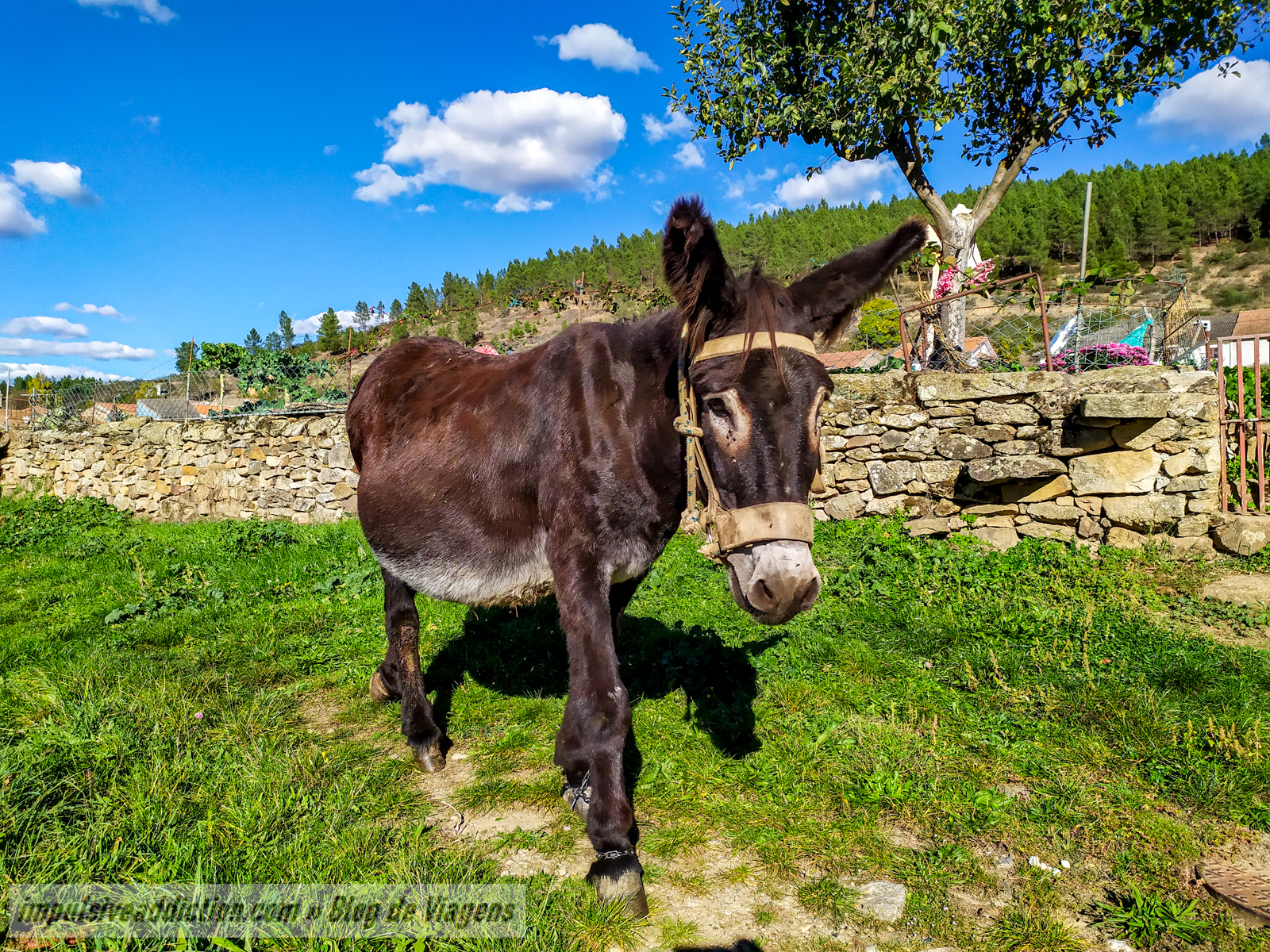
- CALP (Recreational and Pedagogical Activity Center of the Miranda Donkey) – I’ve always found donkeys to be incredibly intelligent and friendly, so it was great to spend some time with them. CALP is part of AEPGA (Association for the Study and Protection of Donkeys), whose facilities in Atenor I had already visited while exploring Miranda do Douro. The two sites are quite different, and here at CALP, they promote therapeutic activities using Miranda Donkeys, such as guided walks and treks.
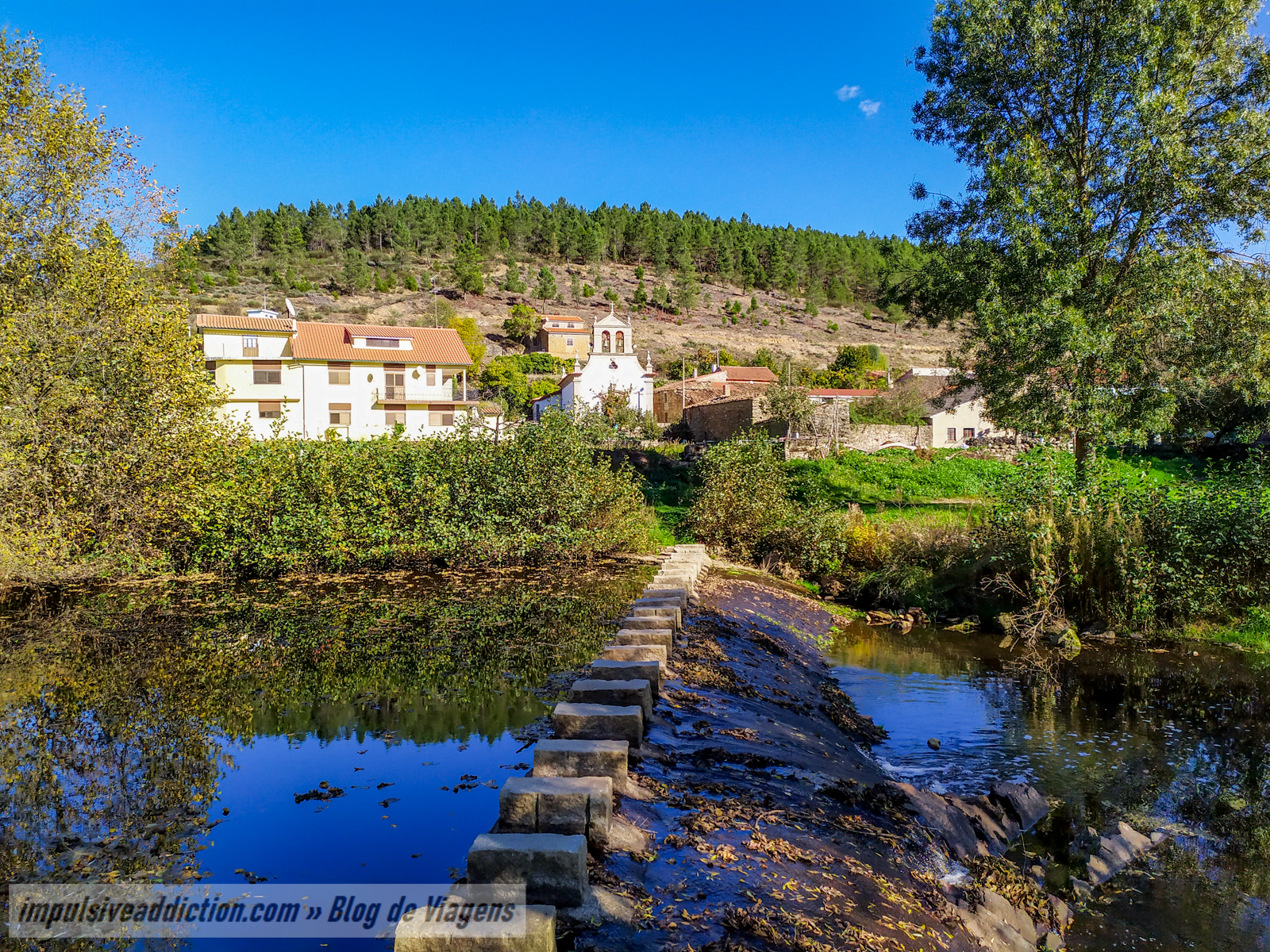
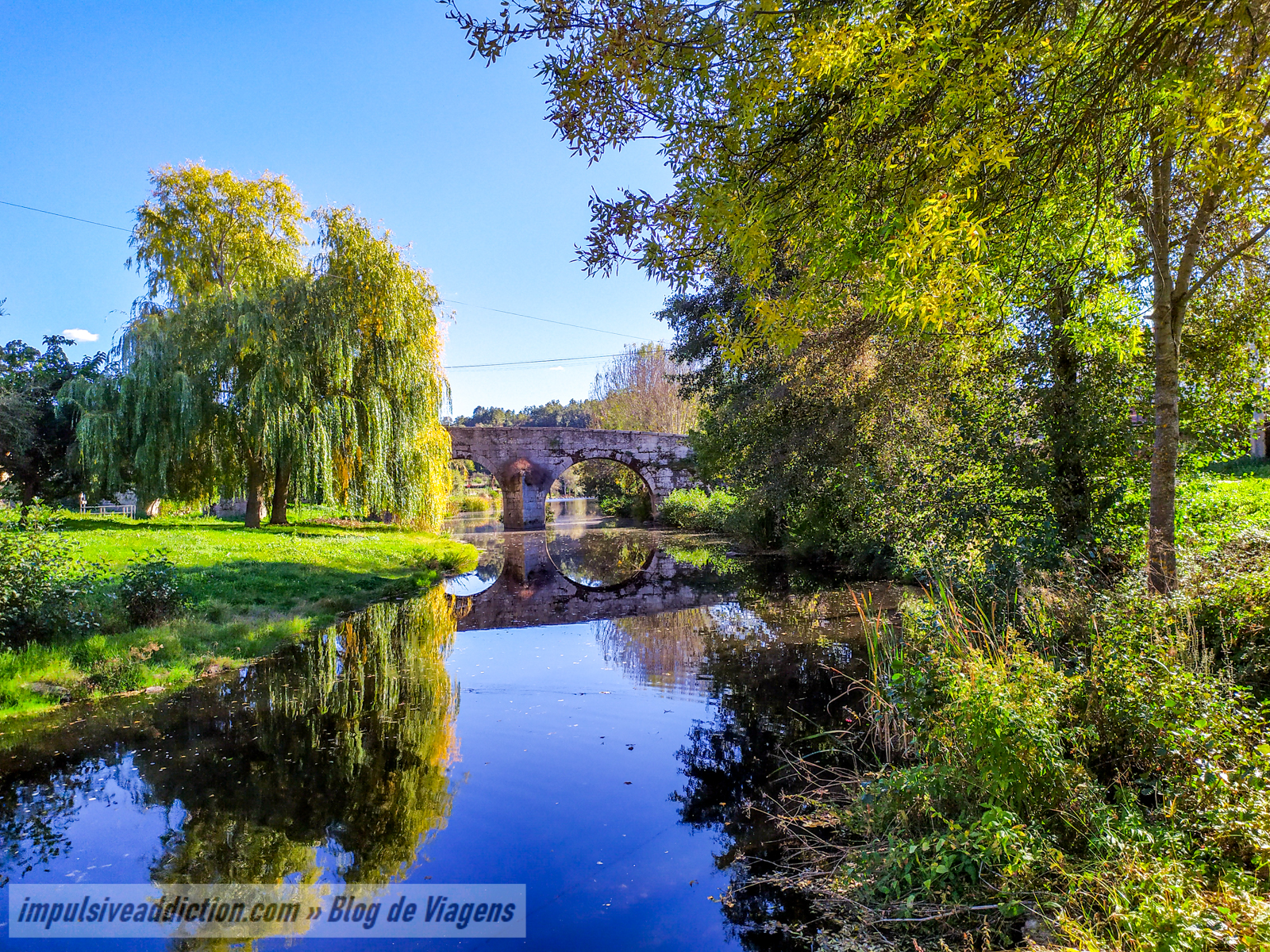
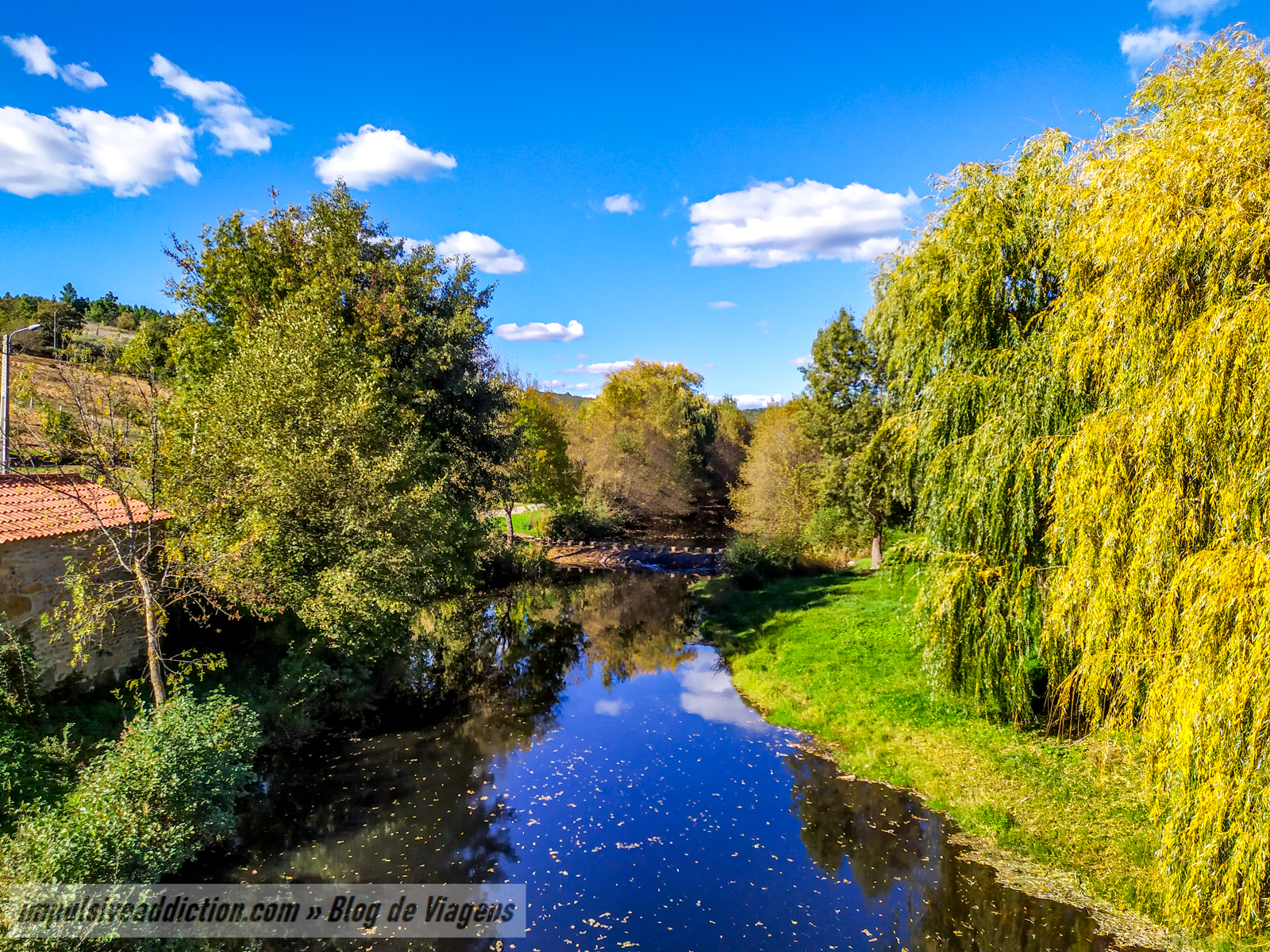
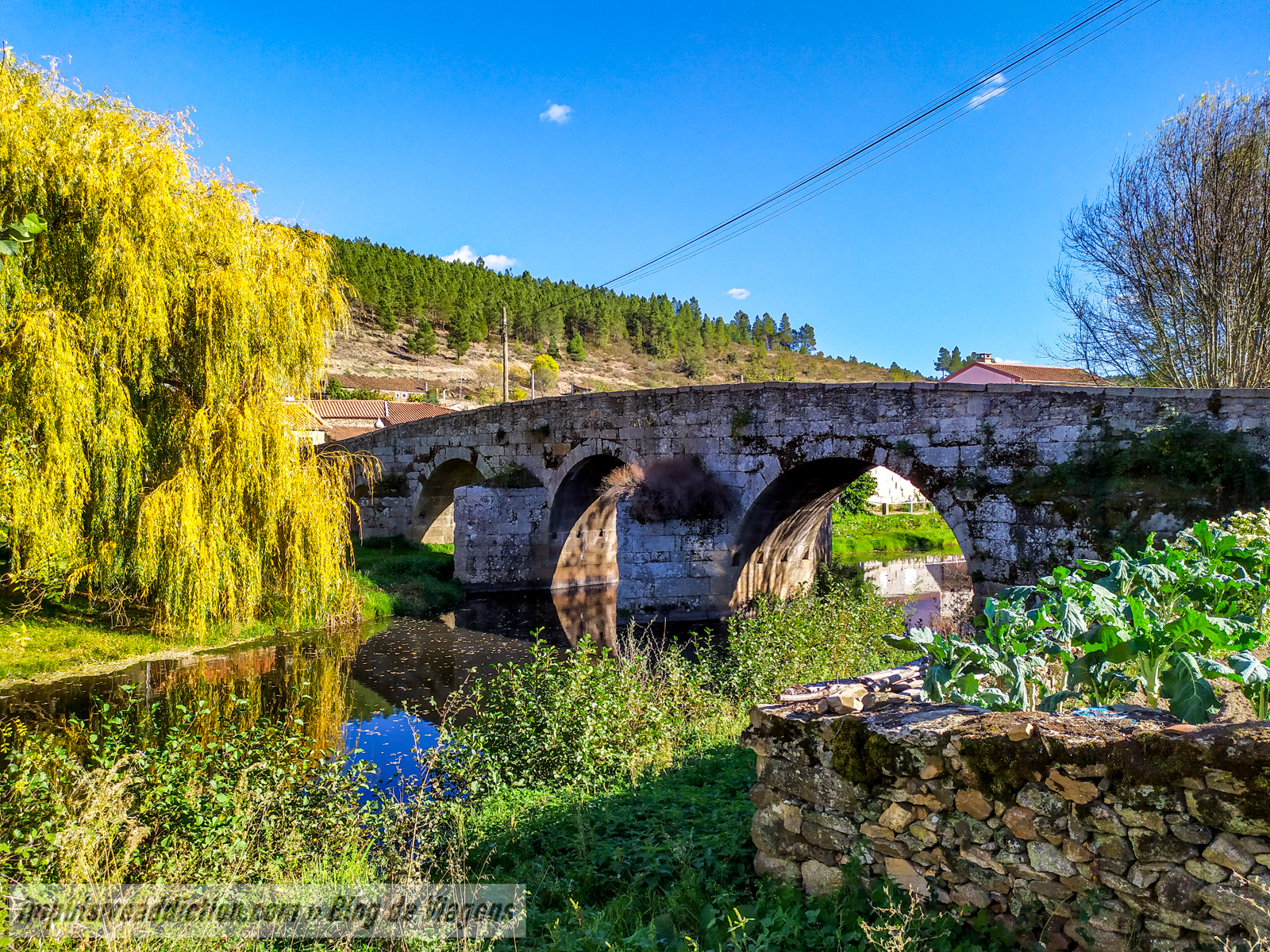
10. Village of São Joanico
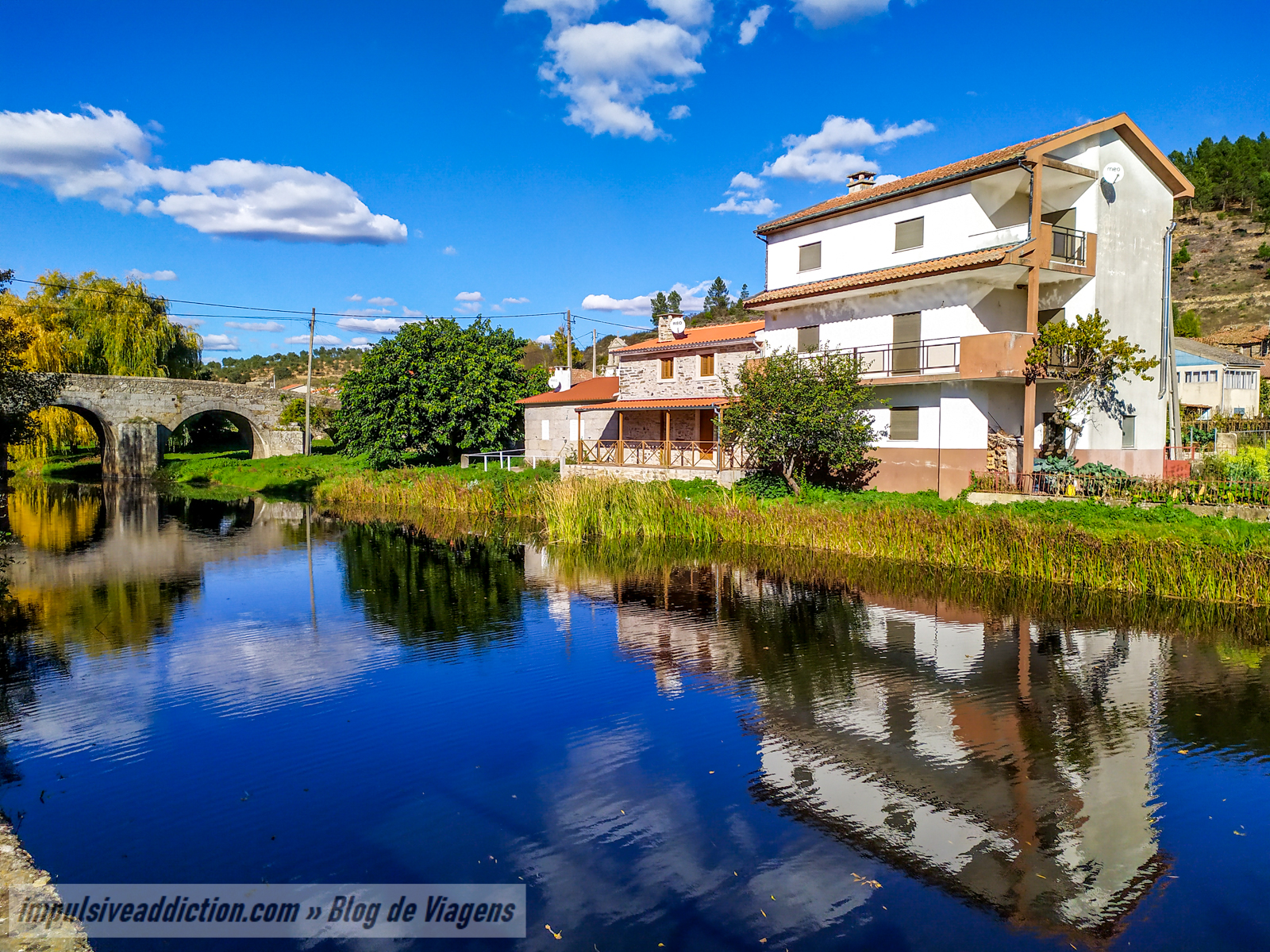
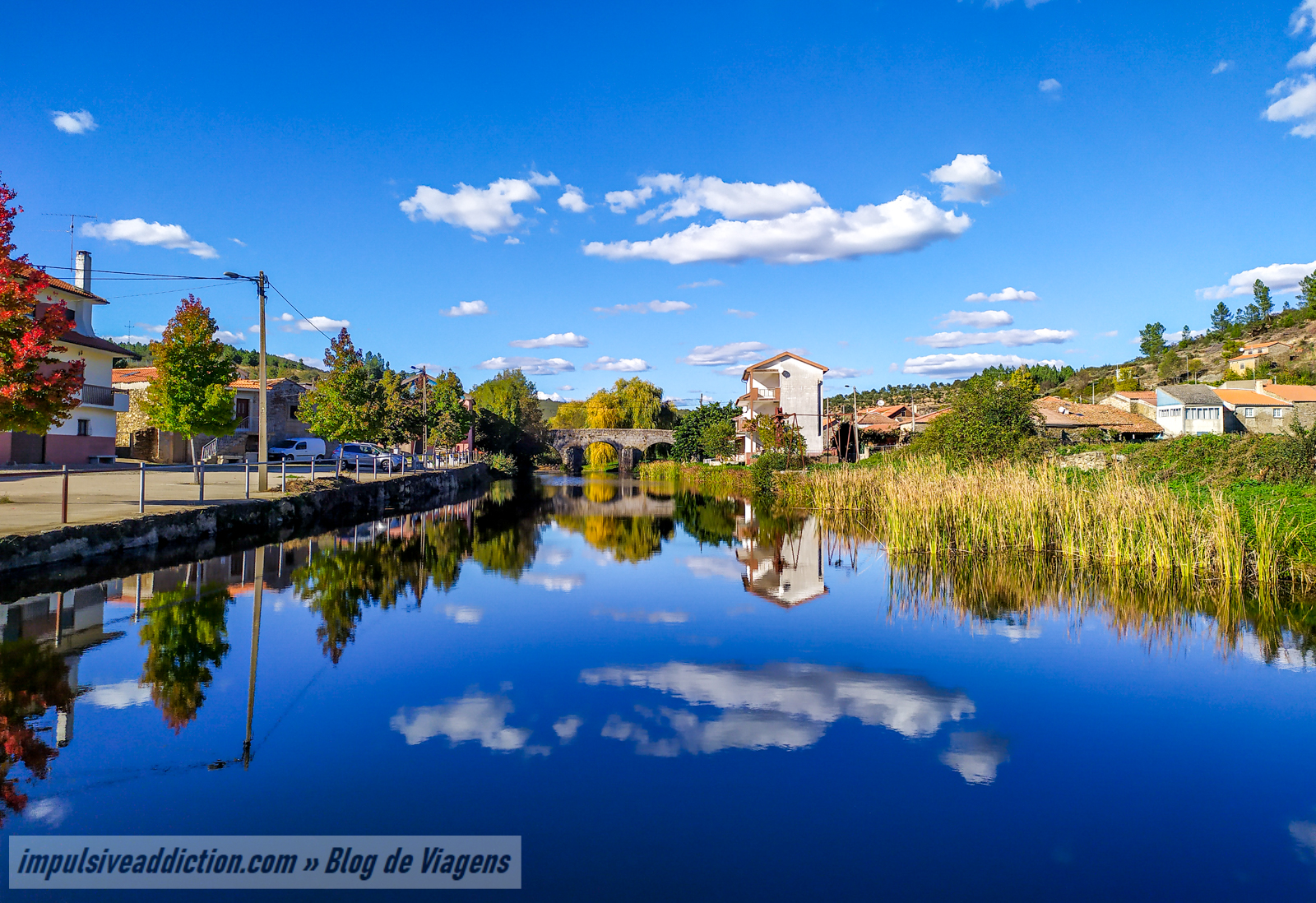
São Joanico was another pleasant surprise. Without a doubt, it’s the most picturesque village you’ll come across when visiting Vimioso, with its charming ancient bridge as the main highlight.
Visiting Algoso, Uva, Campo de Víboras & the Maçãs River Valley
Algoso, Uva, and Campo de Víboras are must-see villages when visiting Vimioso—just like São Joanico. What sets them apart, however, are the superb viewpoints you’ll find along the way.
1. Village, Bridge & Castle of Algoso
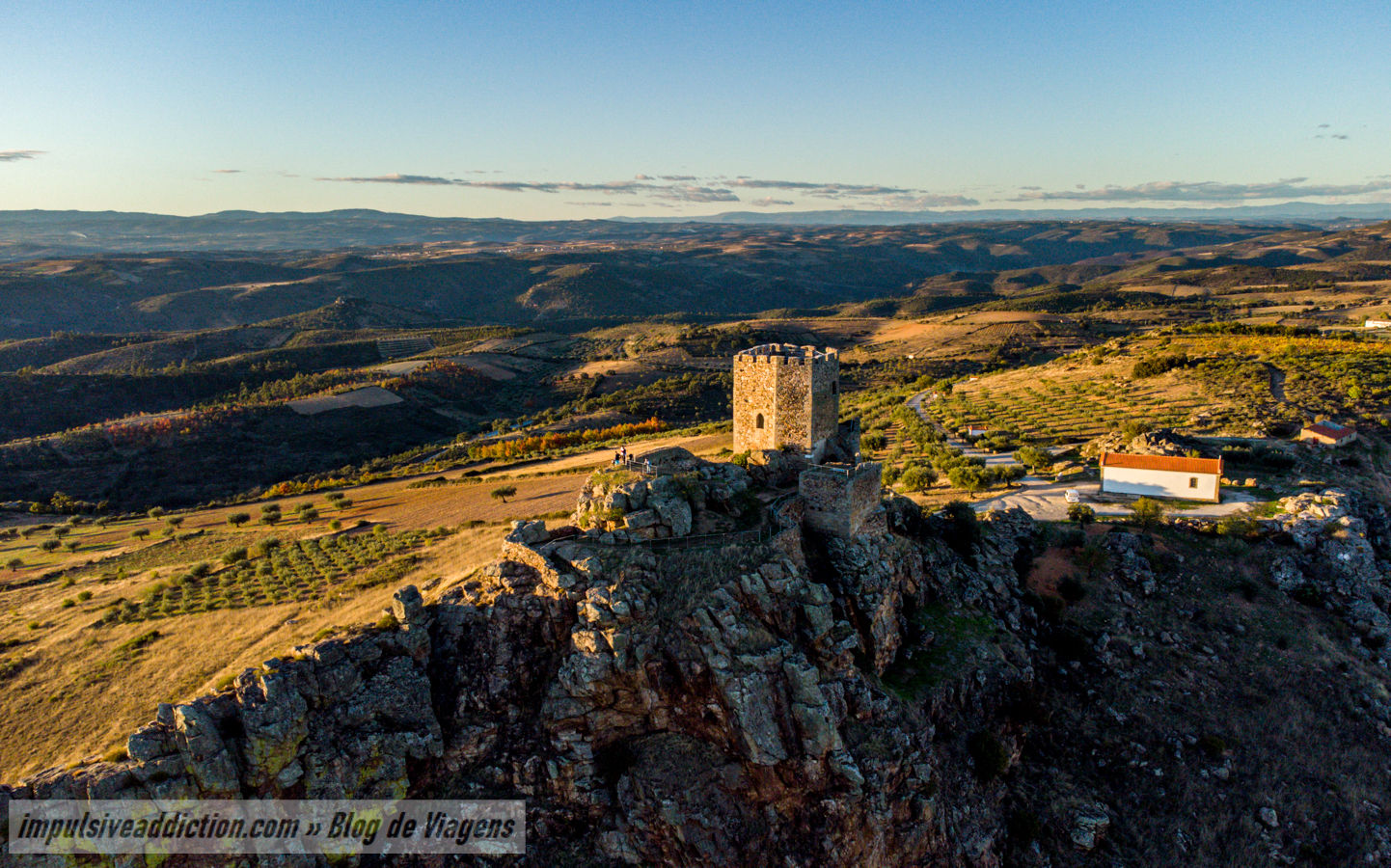
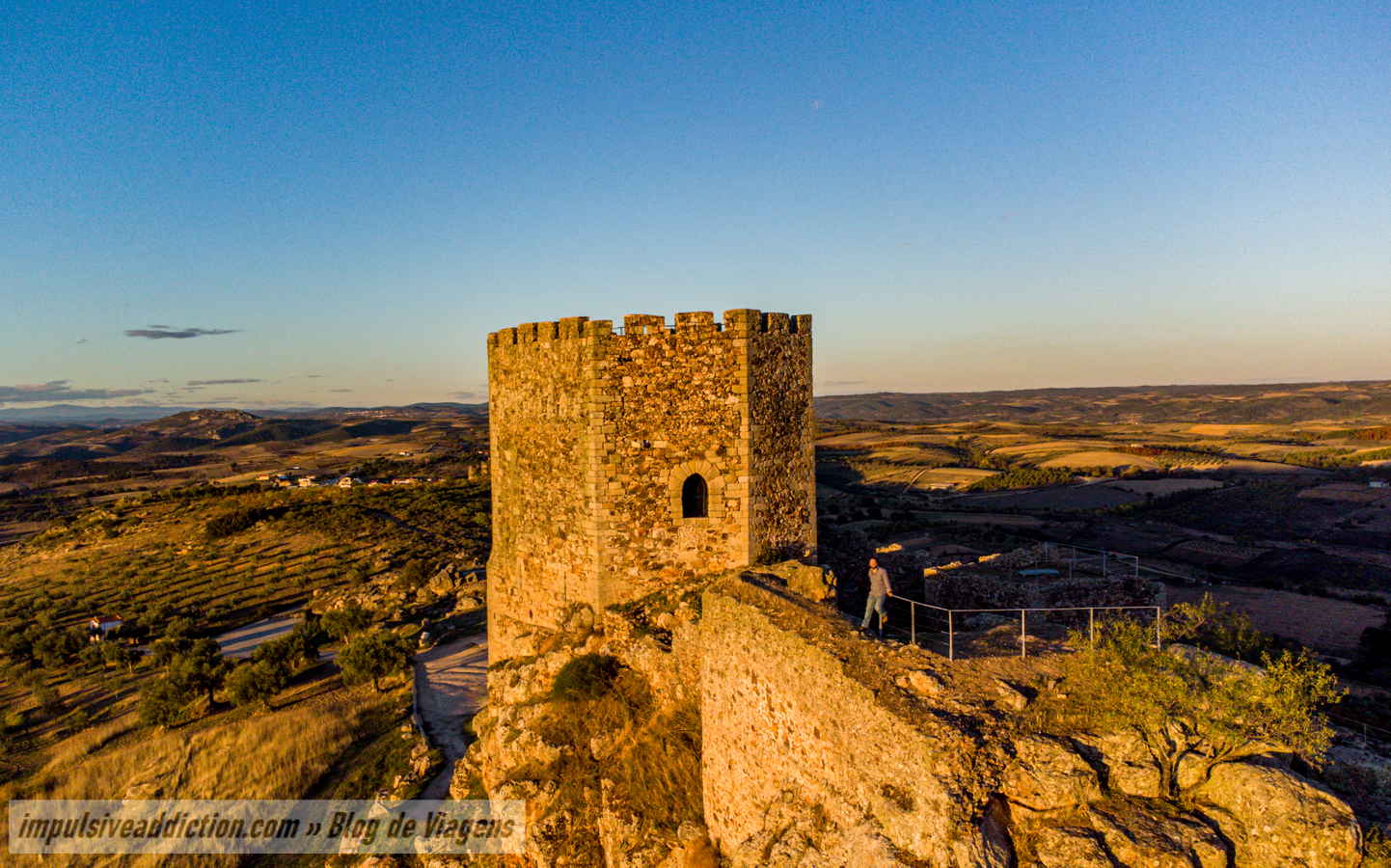
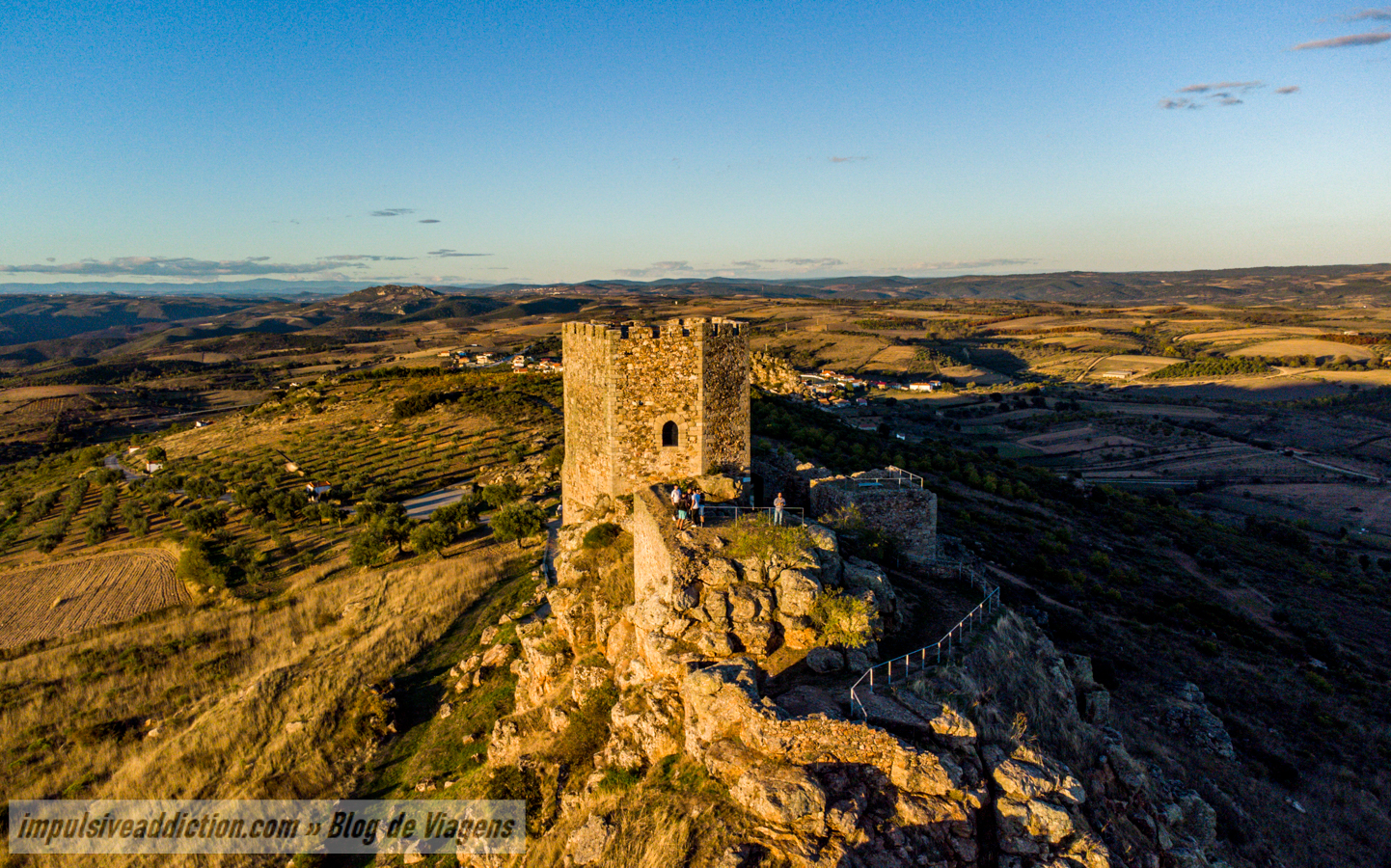
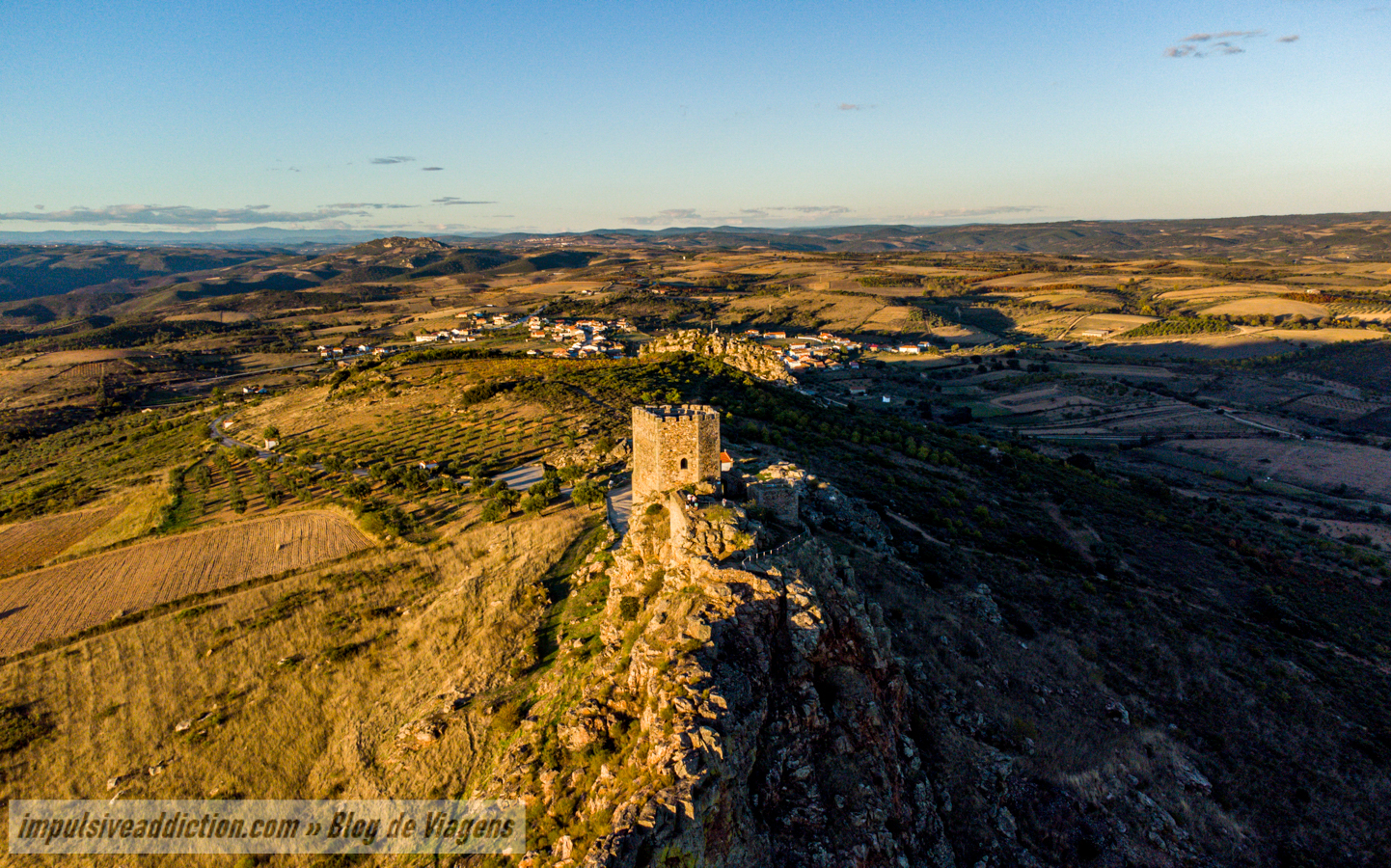
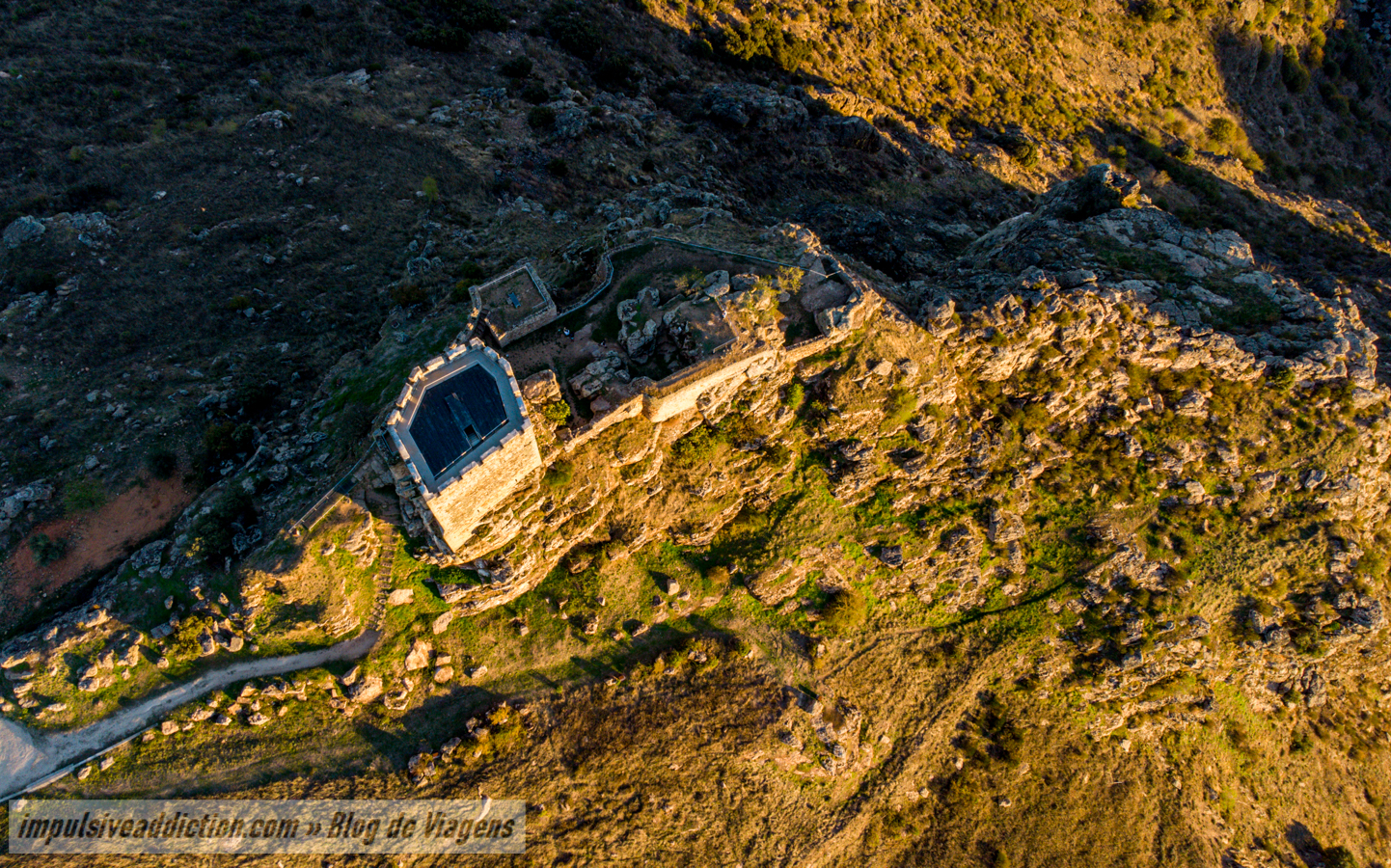
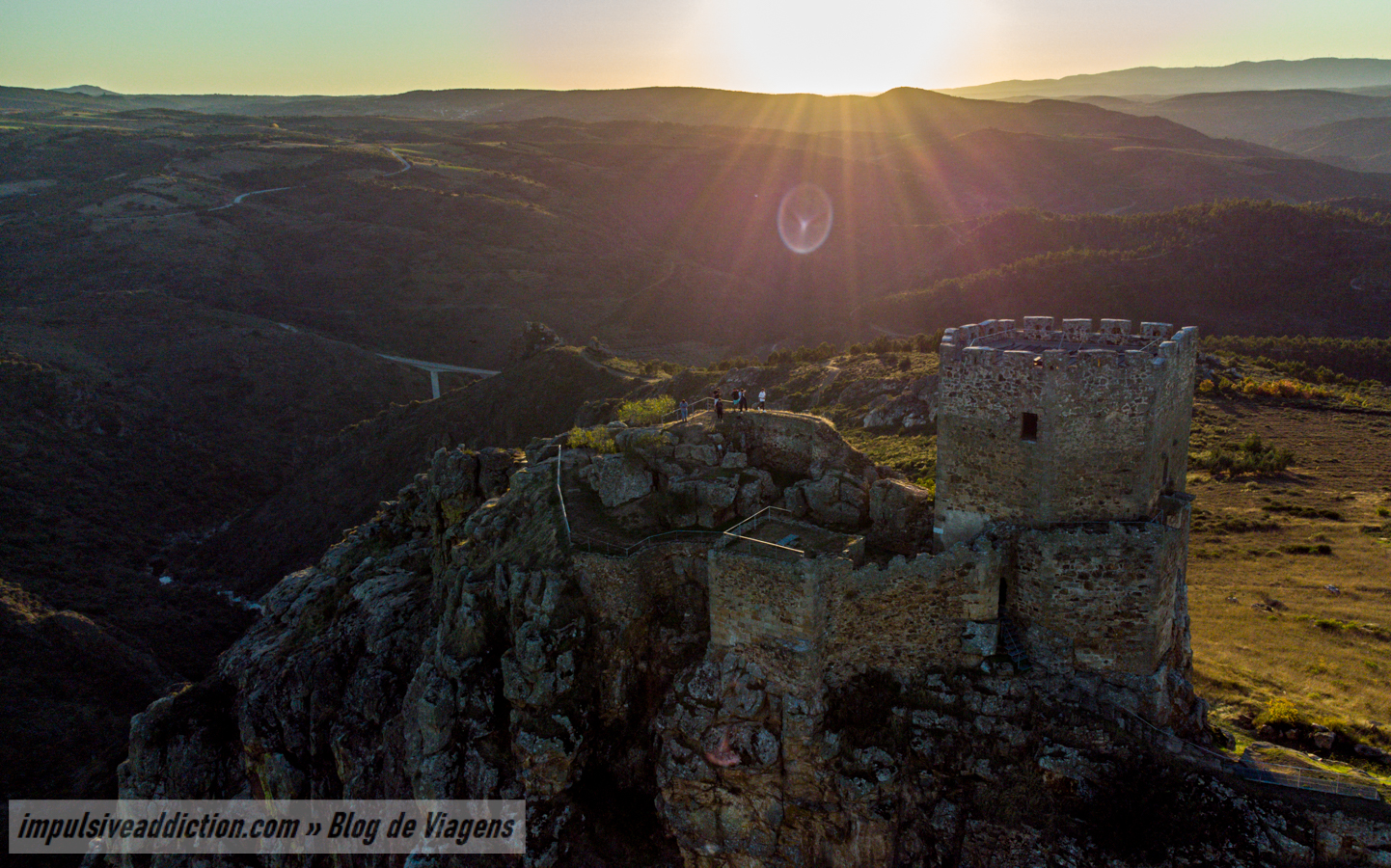
The most famous site in Vimioso—and probably the municipality’s top attraction—is the Castle of Algoso. In fact, the hiking trail of Vimioso included in the 9 Steps of Trás-os-Montes Project is the one that connects the village of Algoso, its bridge, and the castle.
Don’t miss the 16th-century Manueline pillory and the parish church of Algoso before heading up to the castle itself.
From the castle’s summit, you’ll be rewarded with a 360º panorama—perhaps the best view in the entire municipality. The fortress was built in the 12th century, at the end of King Afonso Henriques’ reign and the beginning of King Sancho I’s.
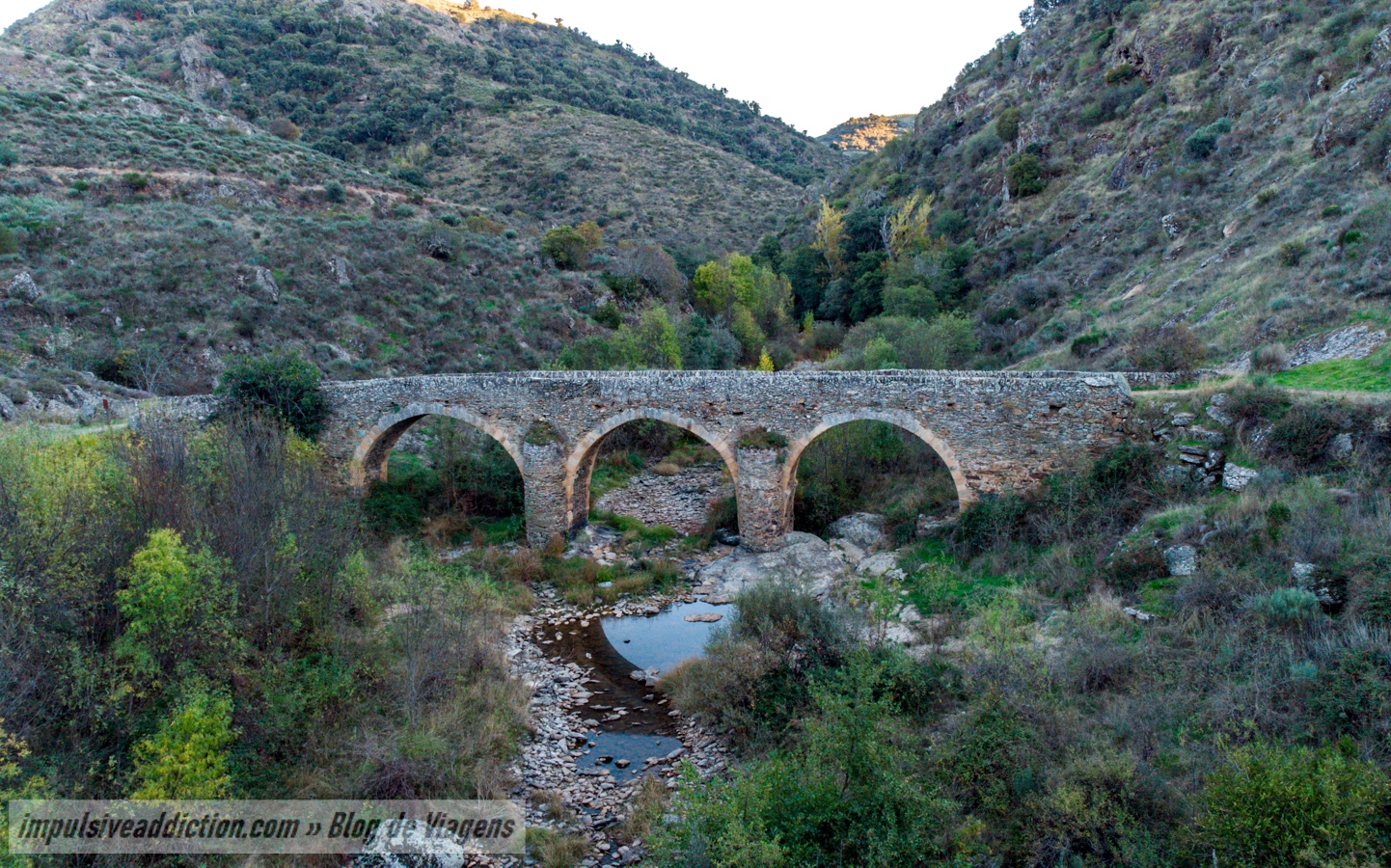
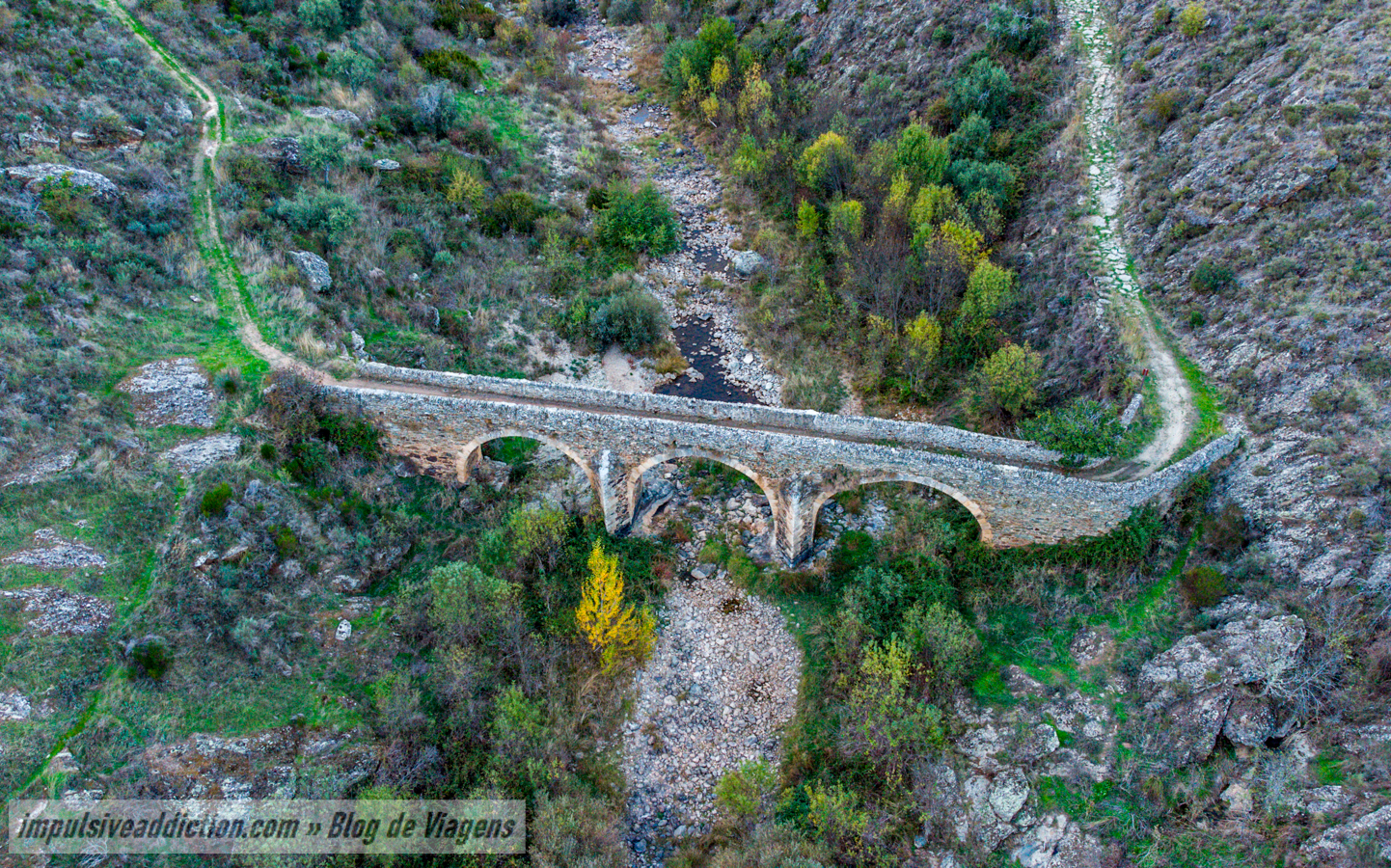
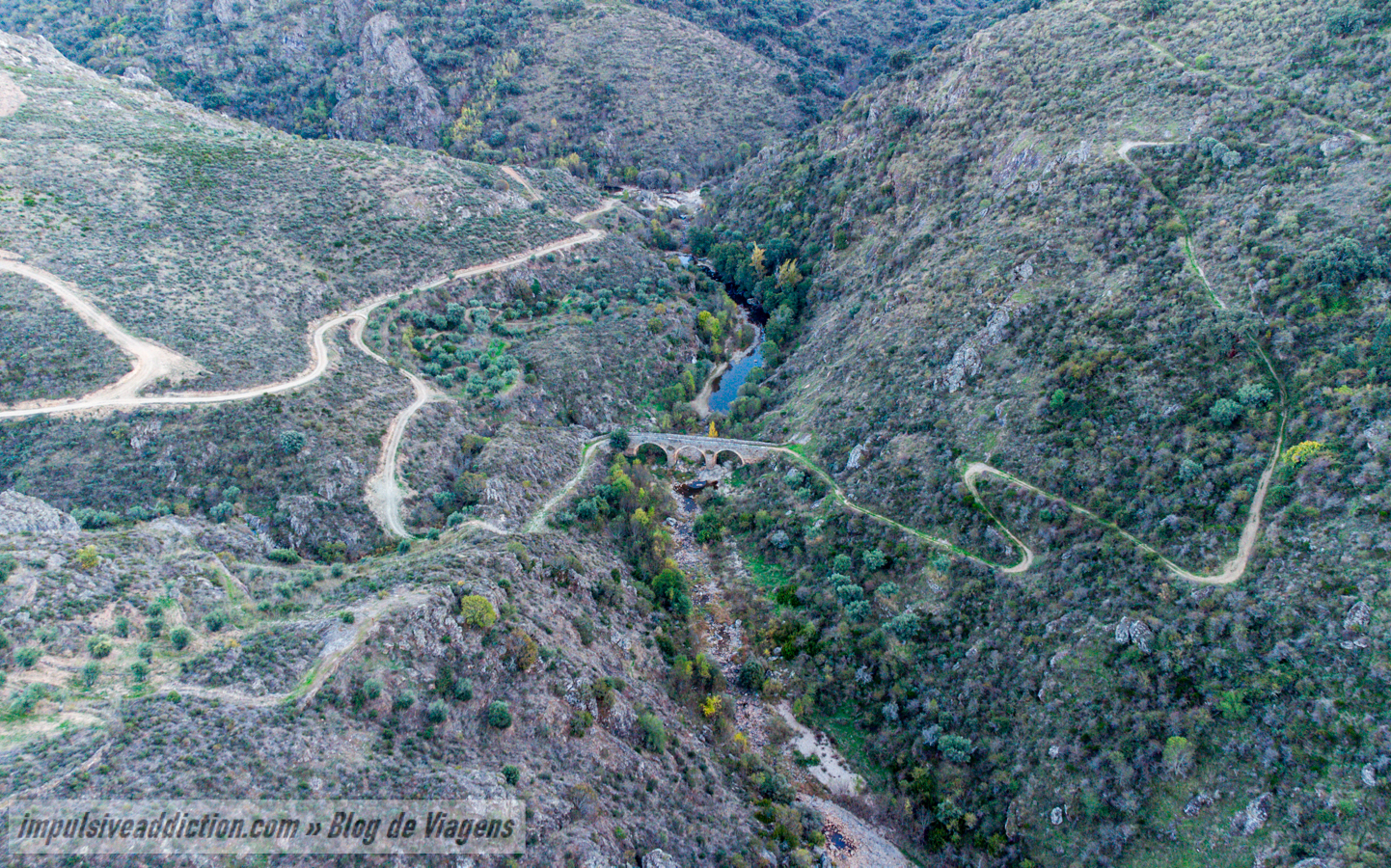
From the top, you can also spot the Algoso Bridge, located in the Angueira River Valley. Be sure to walk down the medieval stone path to reach it. If the view from the castle is spectacular, the one from the bridge looking back at the fortress is equally stunning.
You can collect a passport and booklet with all the trails from the 9 Steps of Trás-os-Montes Project at PINTA or at any of the tourist offices of the nine participating municipalities. I highly recommend doing the Castle of Algoso Trail when visiting Vimioso.
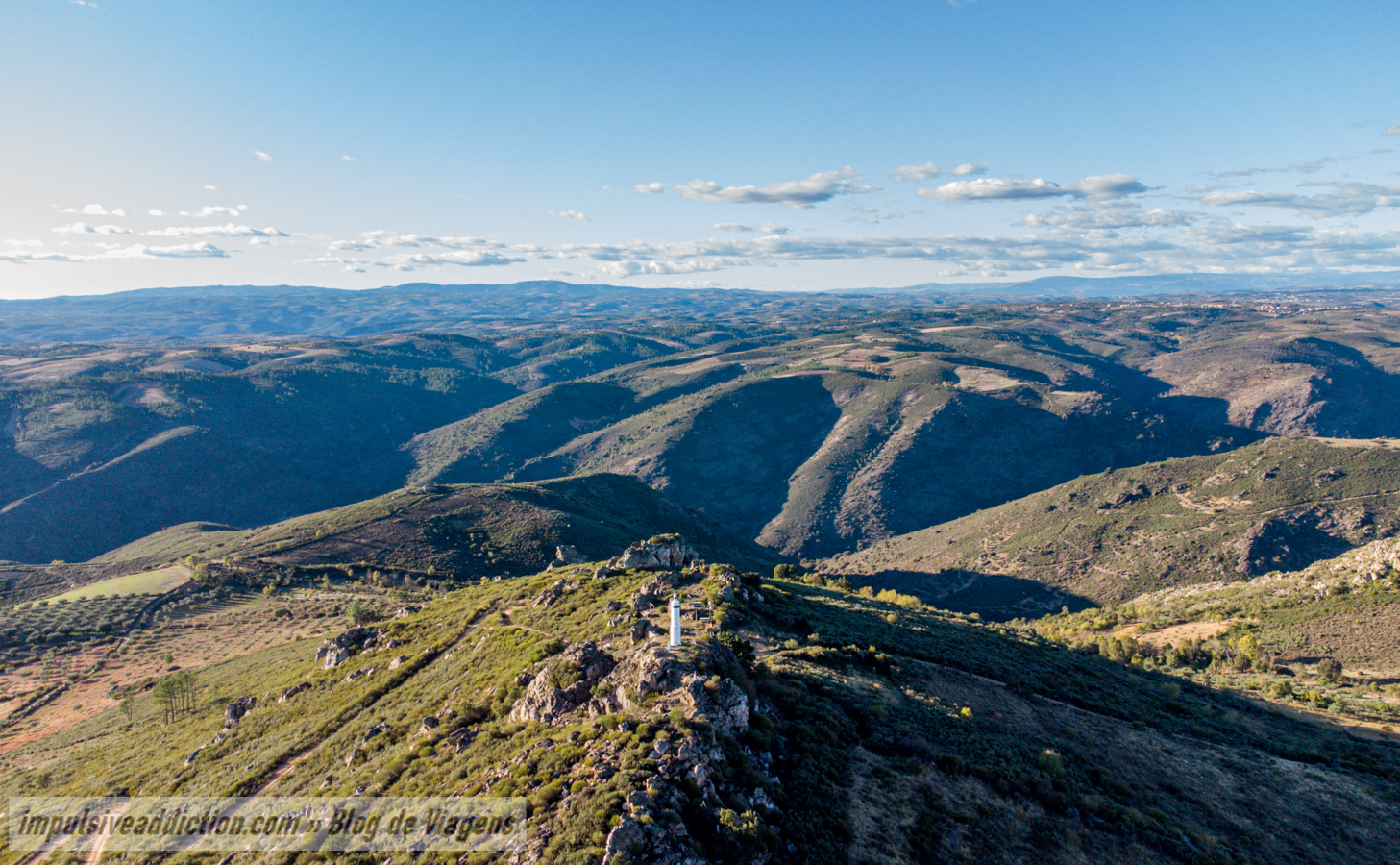
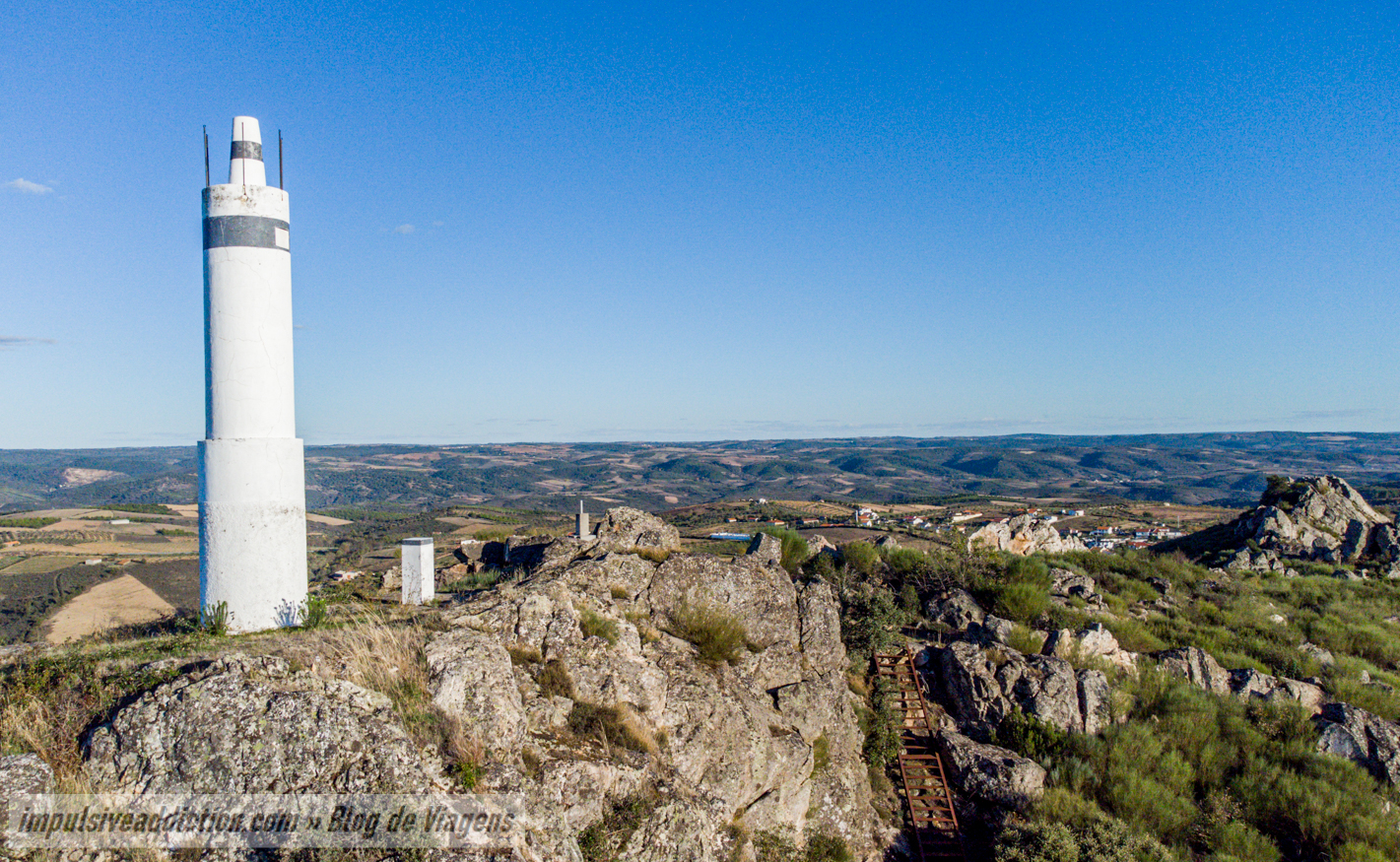
2. Cliffs of Campo de Víboras
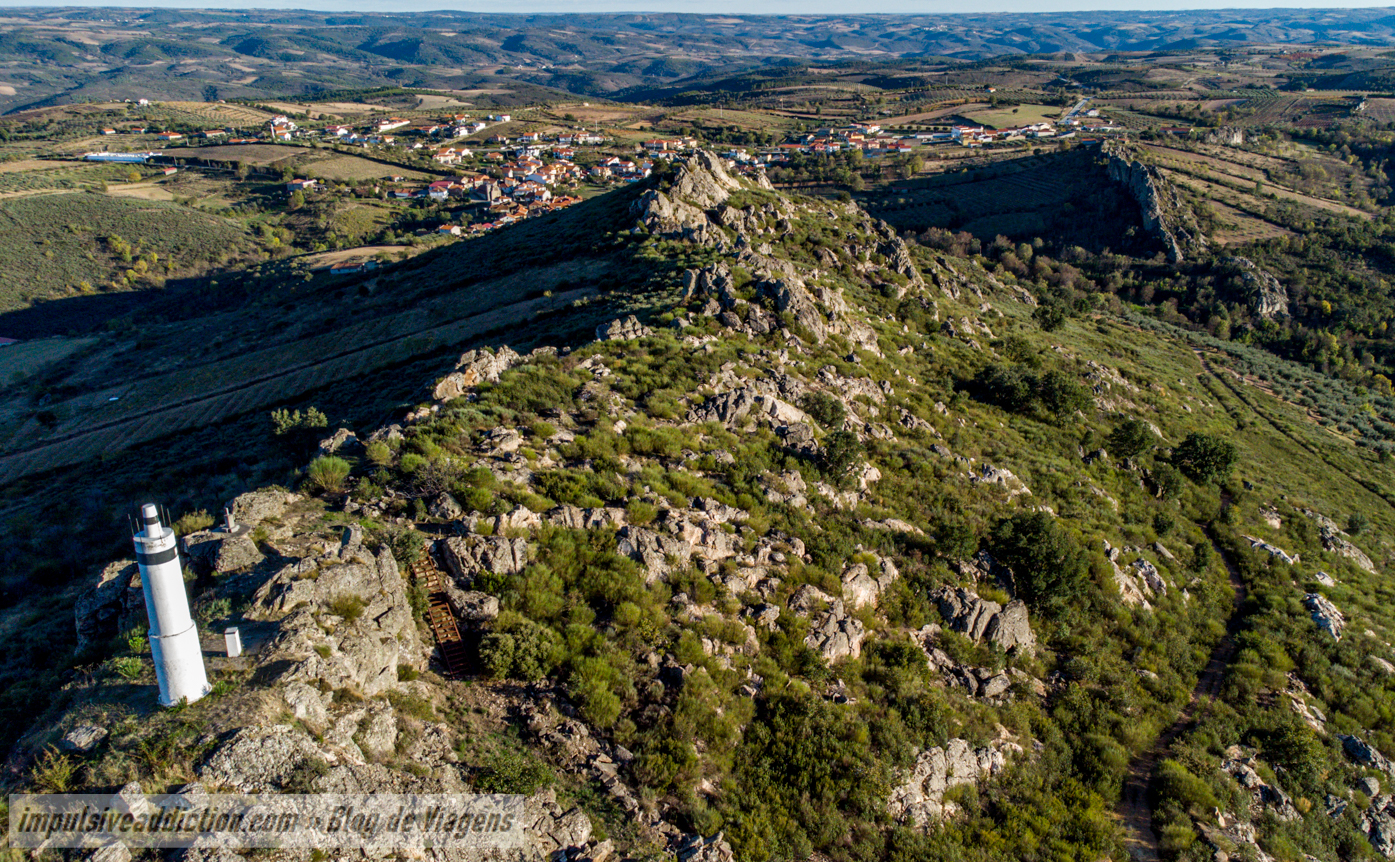
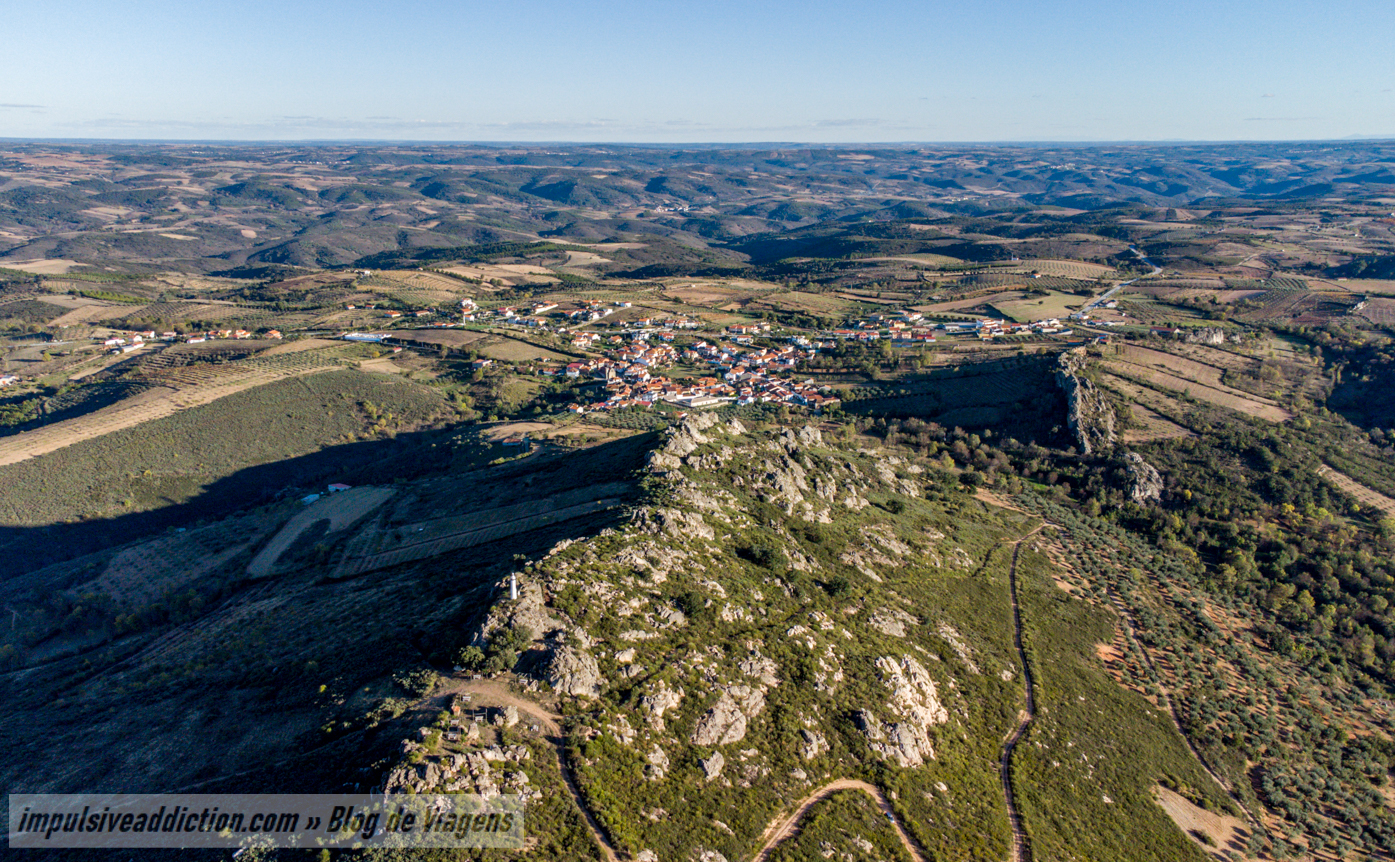
Campo de Víboras is the hidden gem of this itinerary, and in terms of landscapes, it rivals Algoso. I actually discovered it by chance—I was intrigued by the village’s name (“Field of Vipers”) and decided to check it out. The locals assured me there are no vipers around, though! 😀
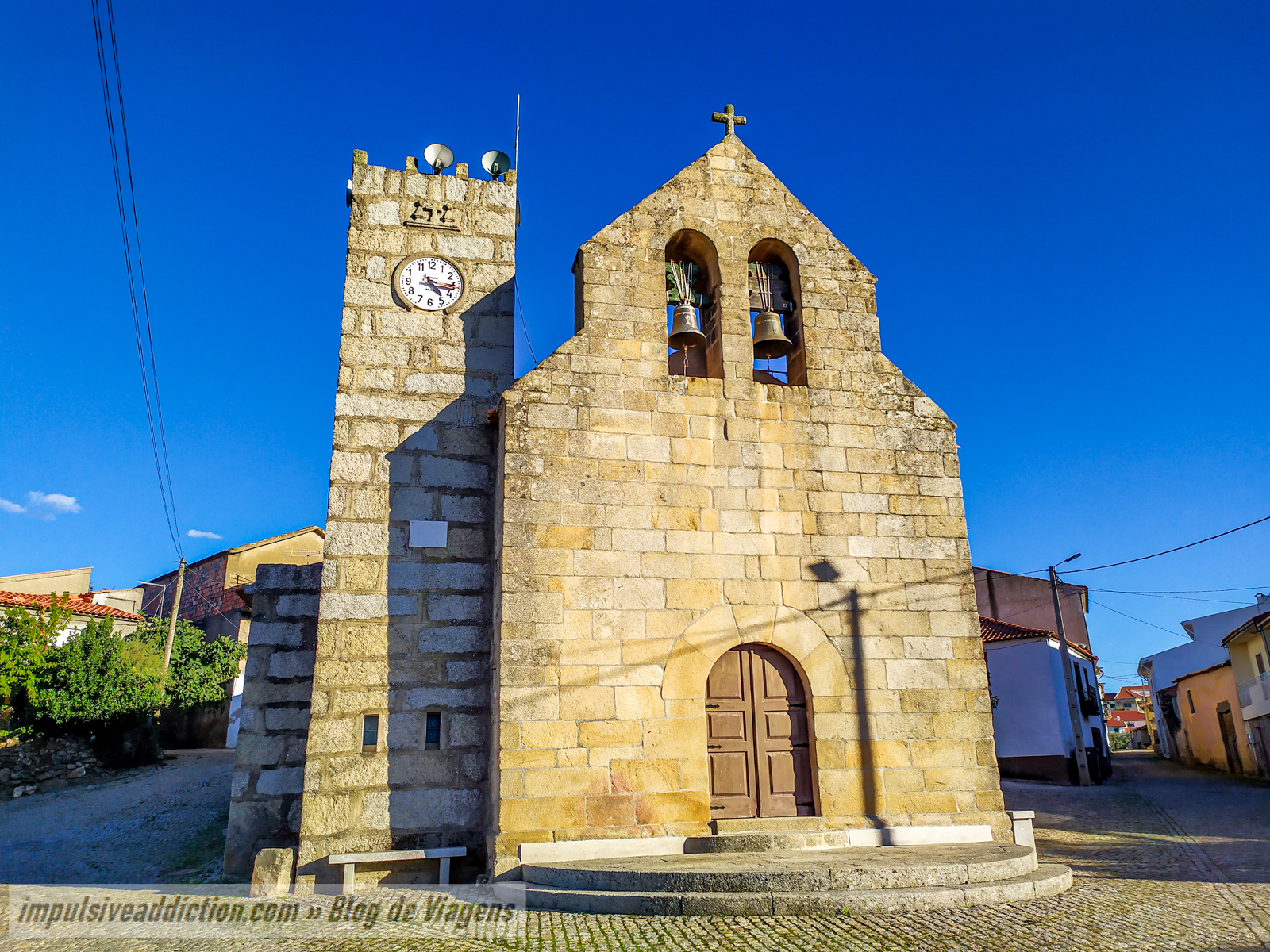
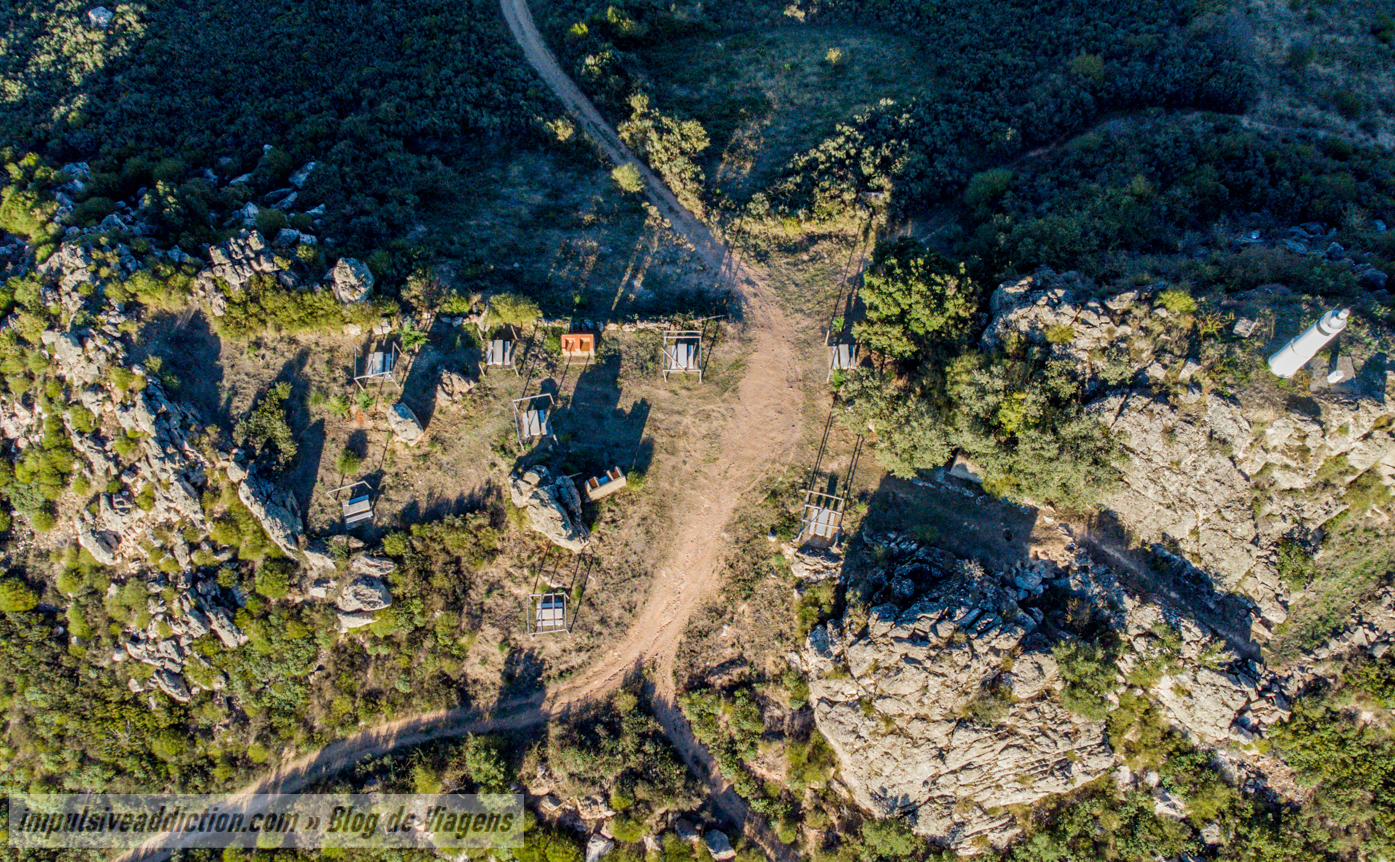
Upon arriving, I visited the Church of Our Lady of the Assumption and was amazed by the rugged mountain rising just behind the village. When I asked if it was possible to climb it, the locals said yes and pointed me to a dirt road. Personally, I don’t recommend driving up—it’s fine for a short stretch, but after that you’ll need to hike.
At the top, I found an excellent picnic area and a breathtaking viewpoint. Highly recommended!
3. Uva Dovecotes & Uva River Beach
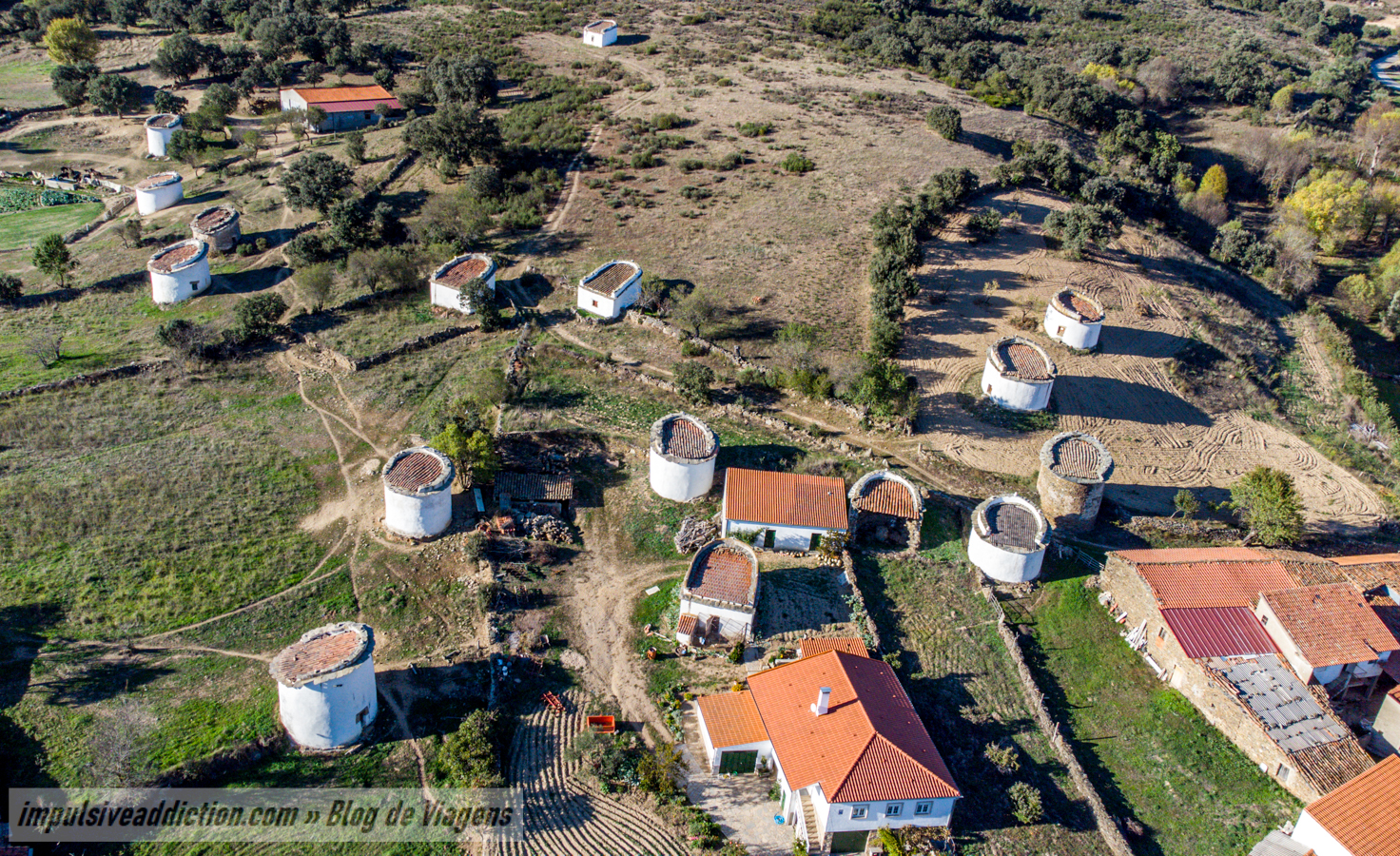
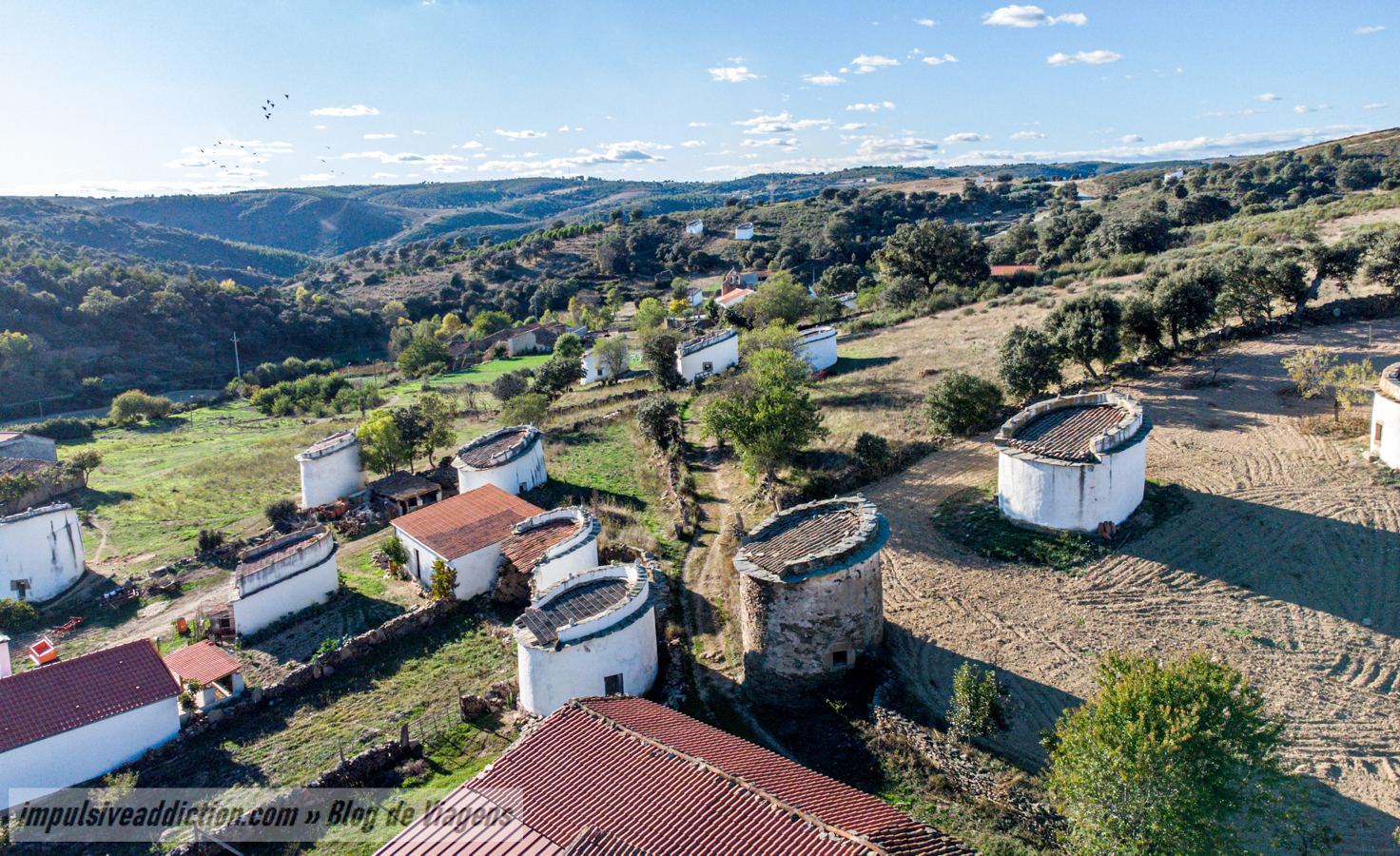
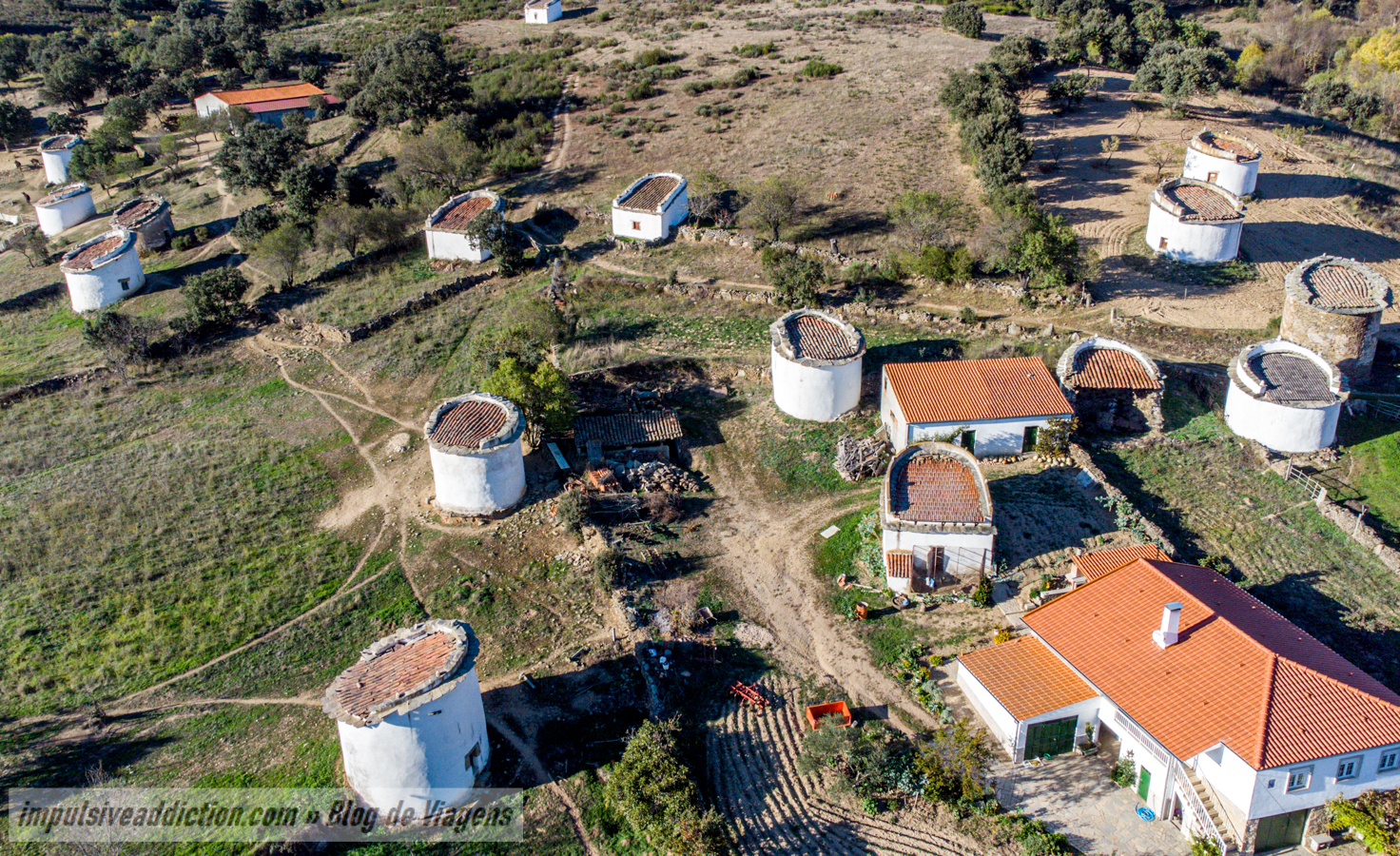
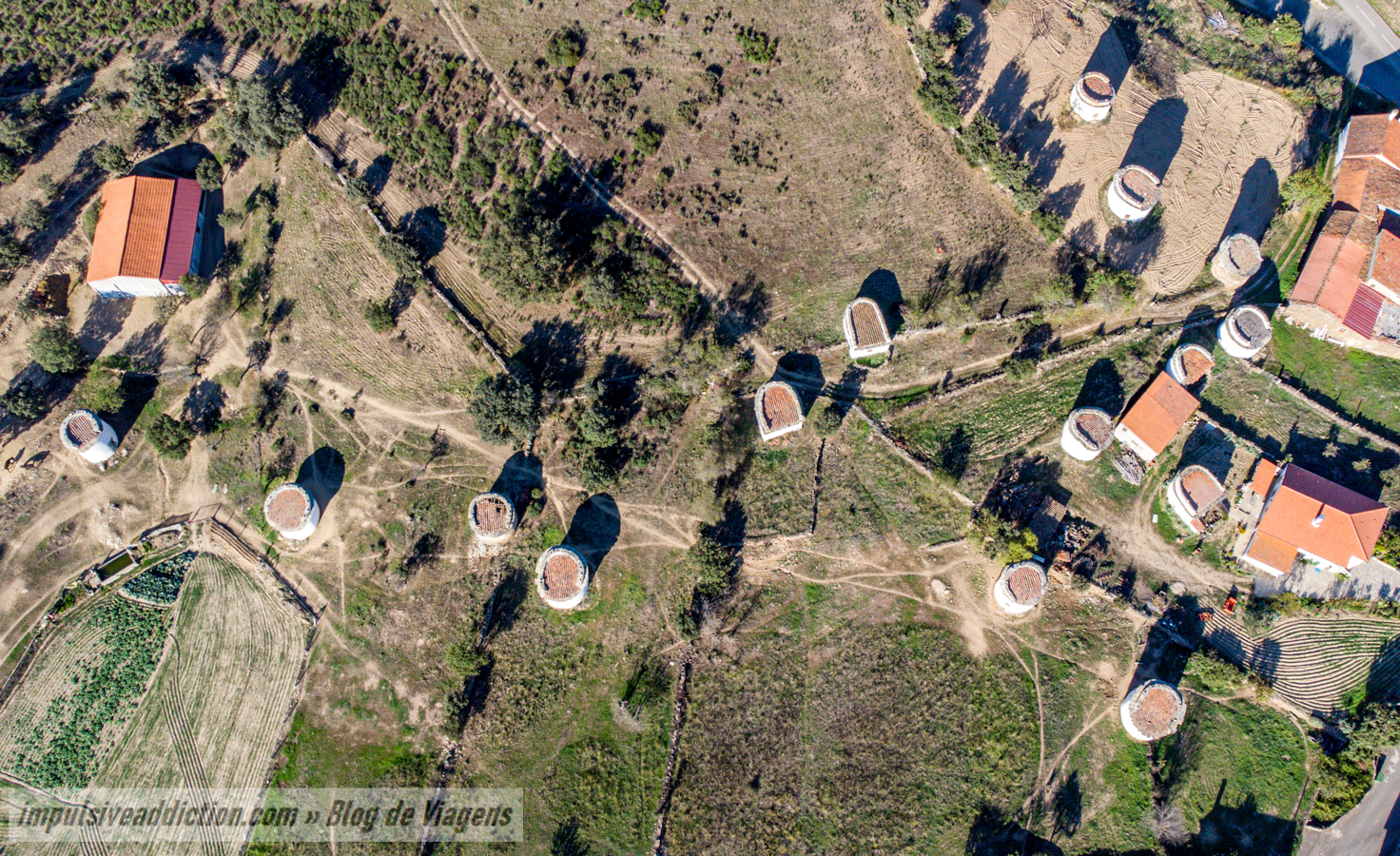
In the village of Uva, the highlight is its 30 traditional dovecotes, restored by the municipality. In the past, pigeons were raised here both as a food source and for their droppings, which were used to fertilize farmland.
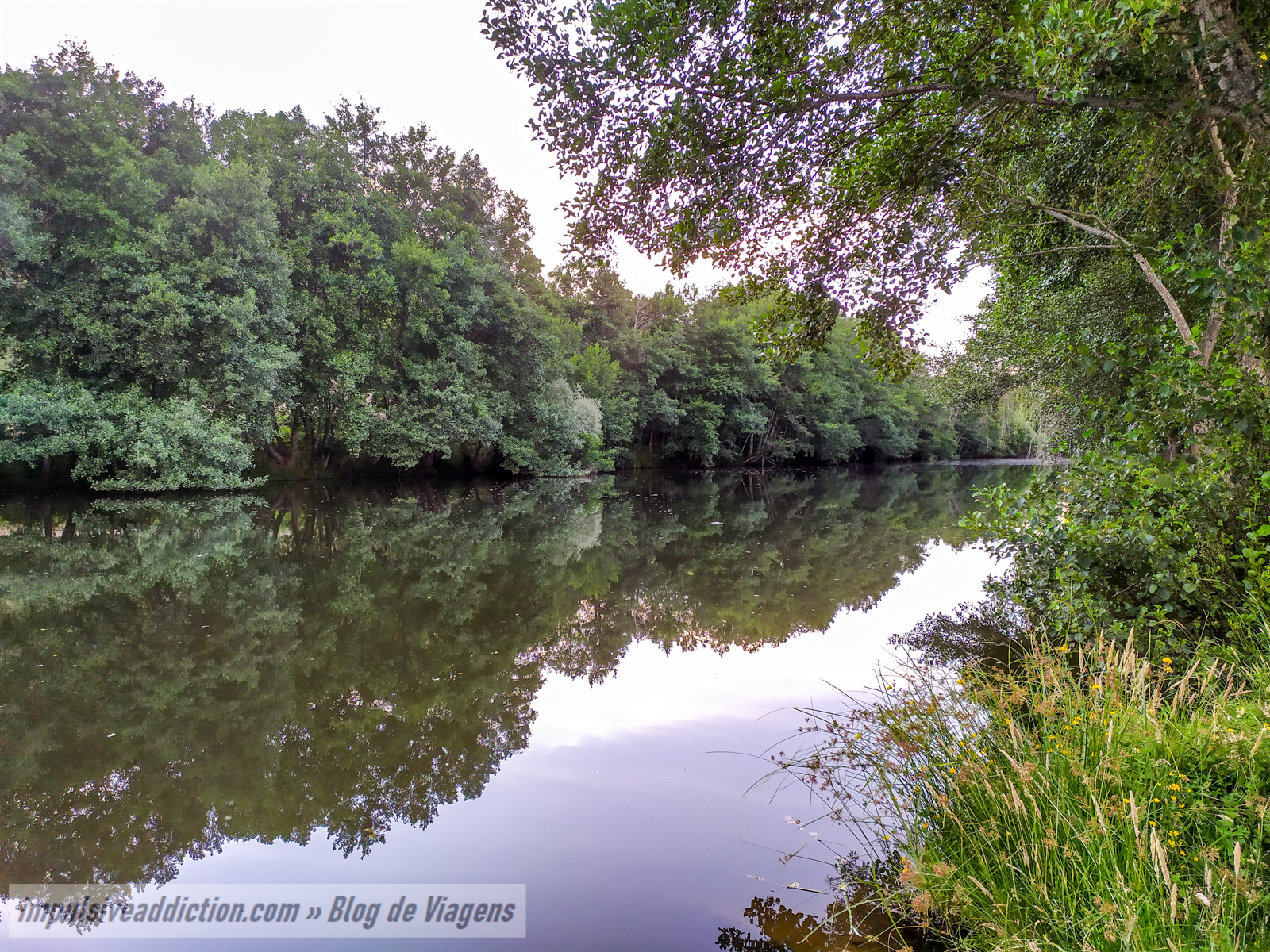
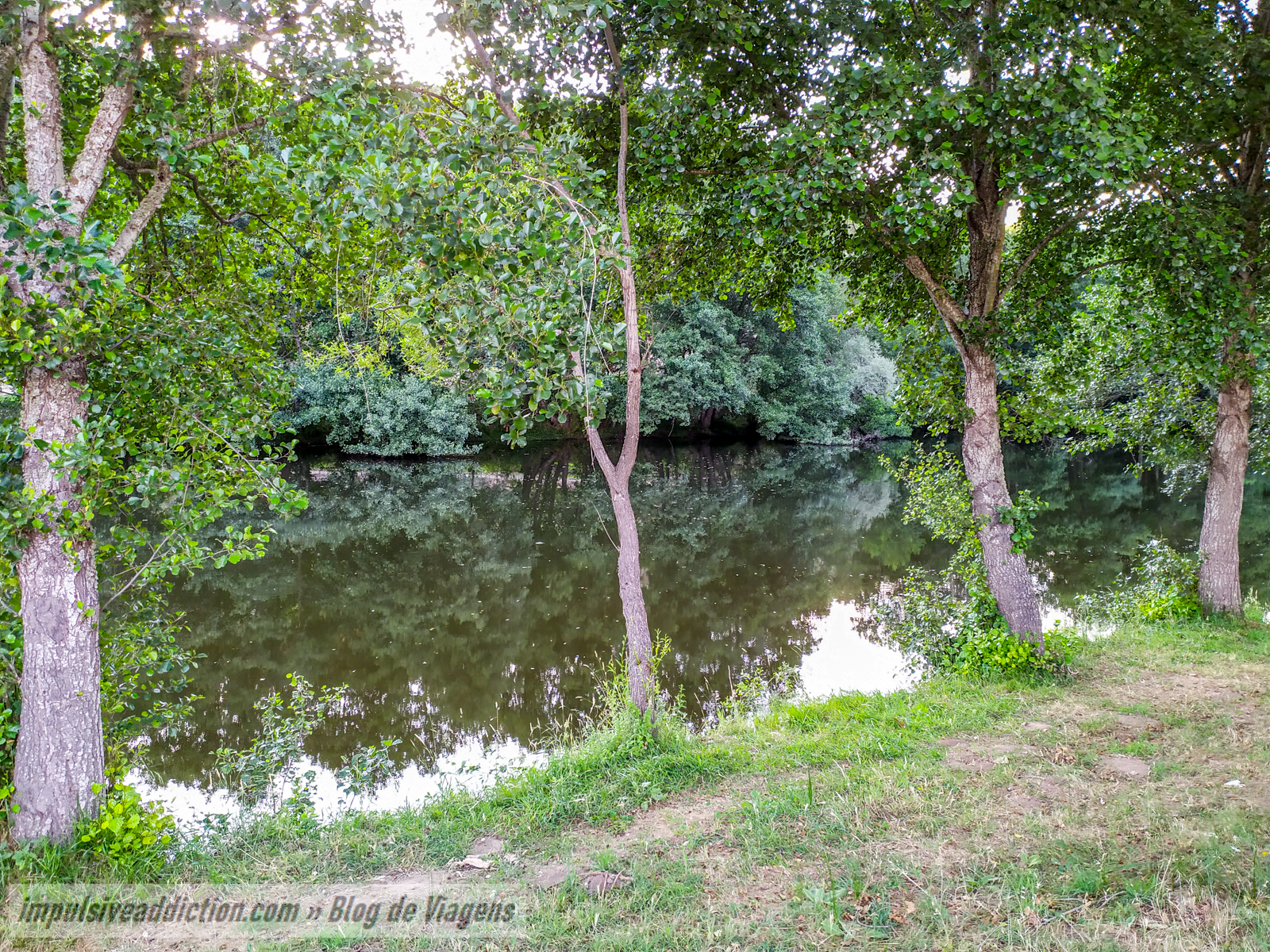
I also recommend a stop at the Uva River Beach, which looks fantastic—and in summer, it must be an absolute hit! 😉
4. Matela–Algoso Bridge over the River Maçãs
Don’t miss the bridge crossing the River Maçãs, between Matela and Algoso. This 14th-century Romanesque bridgeis centuries old and still stands proudly as a piece of medieval engineering.
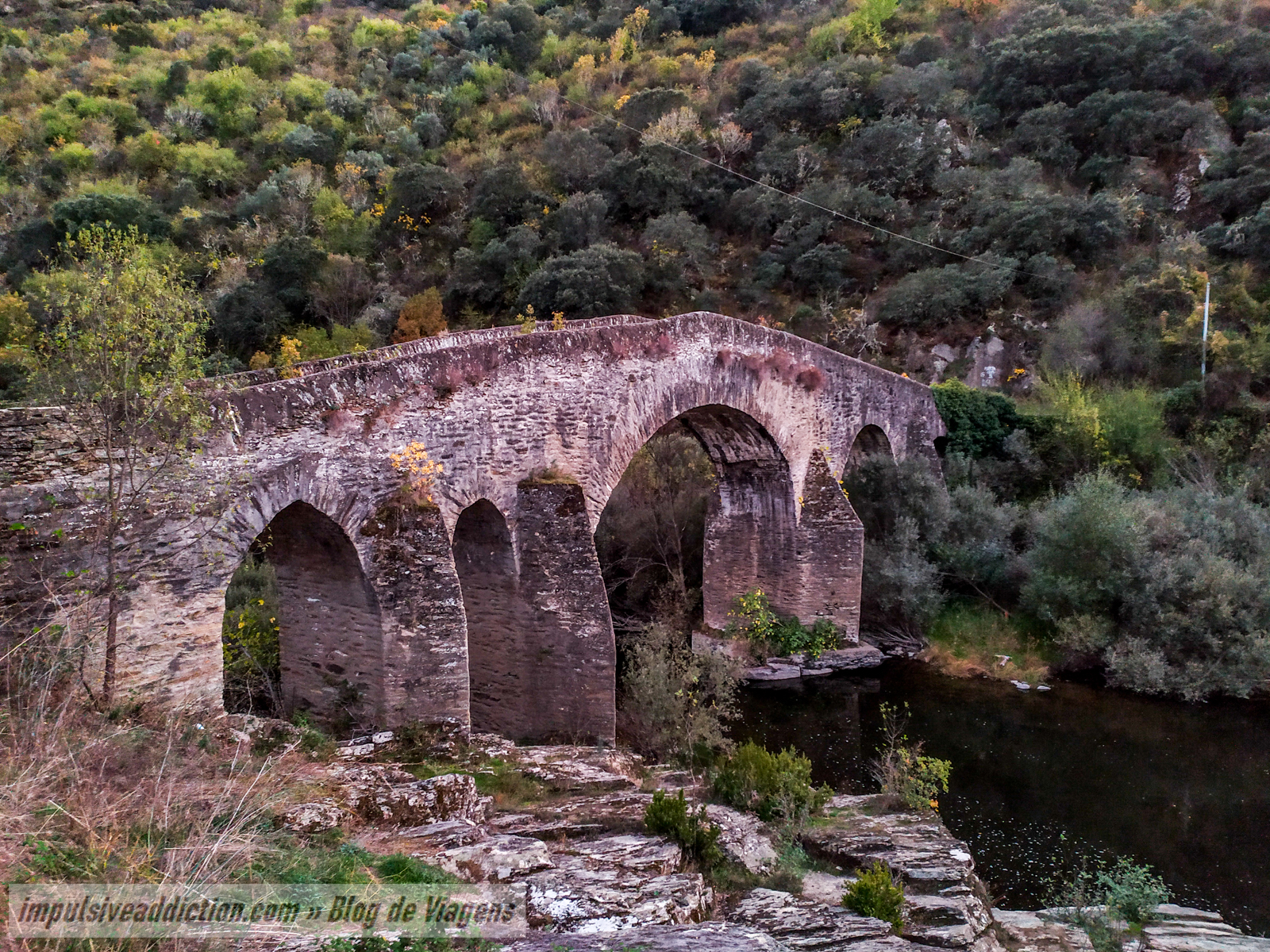
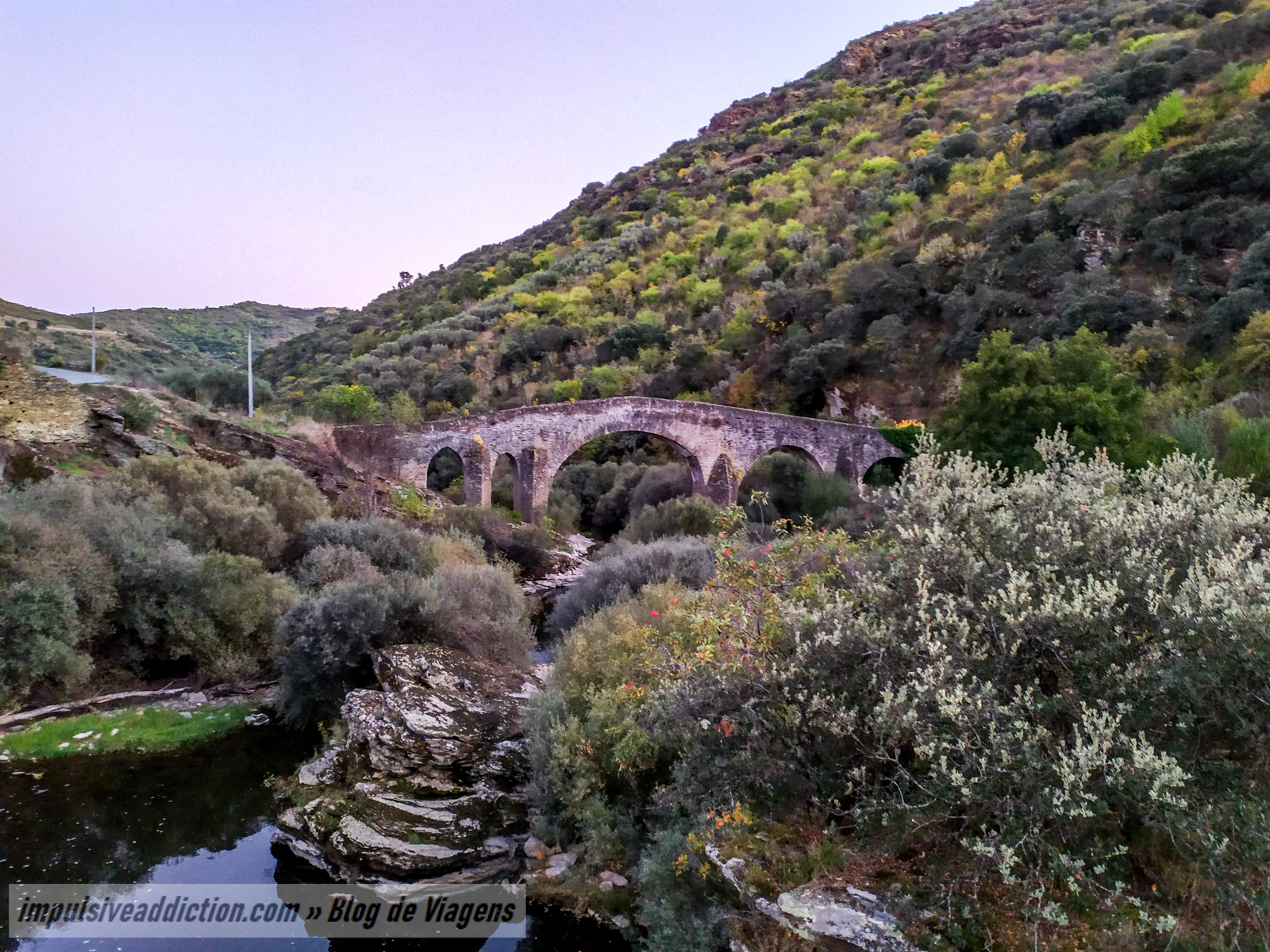
5. Izeda Medieval Bridge over the River Sabor
Even more impressive is the Izeda Medieval Bridge, arguably the most beautiful in Vimioso—together with the Miners’ Bridge of Argozelo. To reach it, you’ll drive across the Maçãs Valley and along the steepest road in Vimioso, with a 16% incline, between Algoso and Matela.
The bridge itself dates back to the 13th century, spanning the River Sabor. For centuries, it was a vital link between Vimioso and Bragança.
Other Villages in Vimioso (Optional)
If you have extra time while exploring Vimioso, here are four additional villages worth considering. I visited them myself, though I’d say they are optional stops:
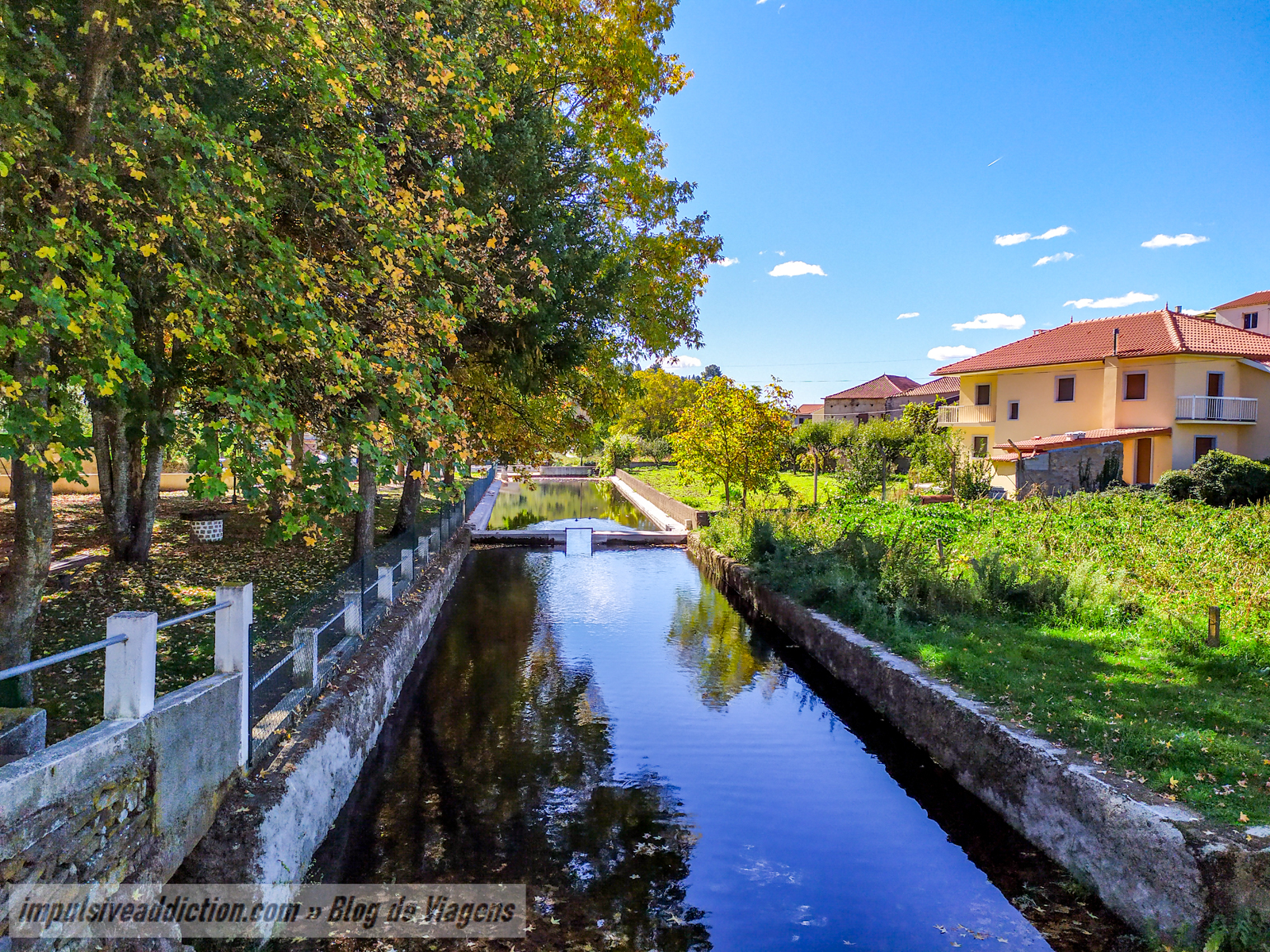
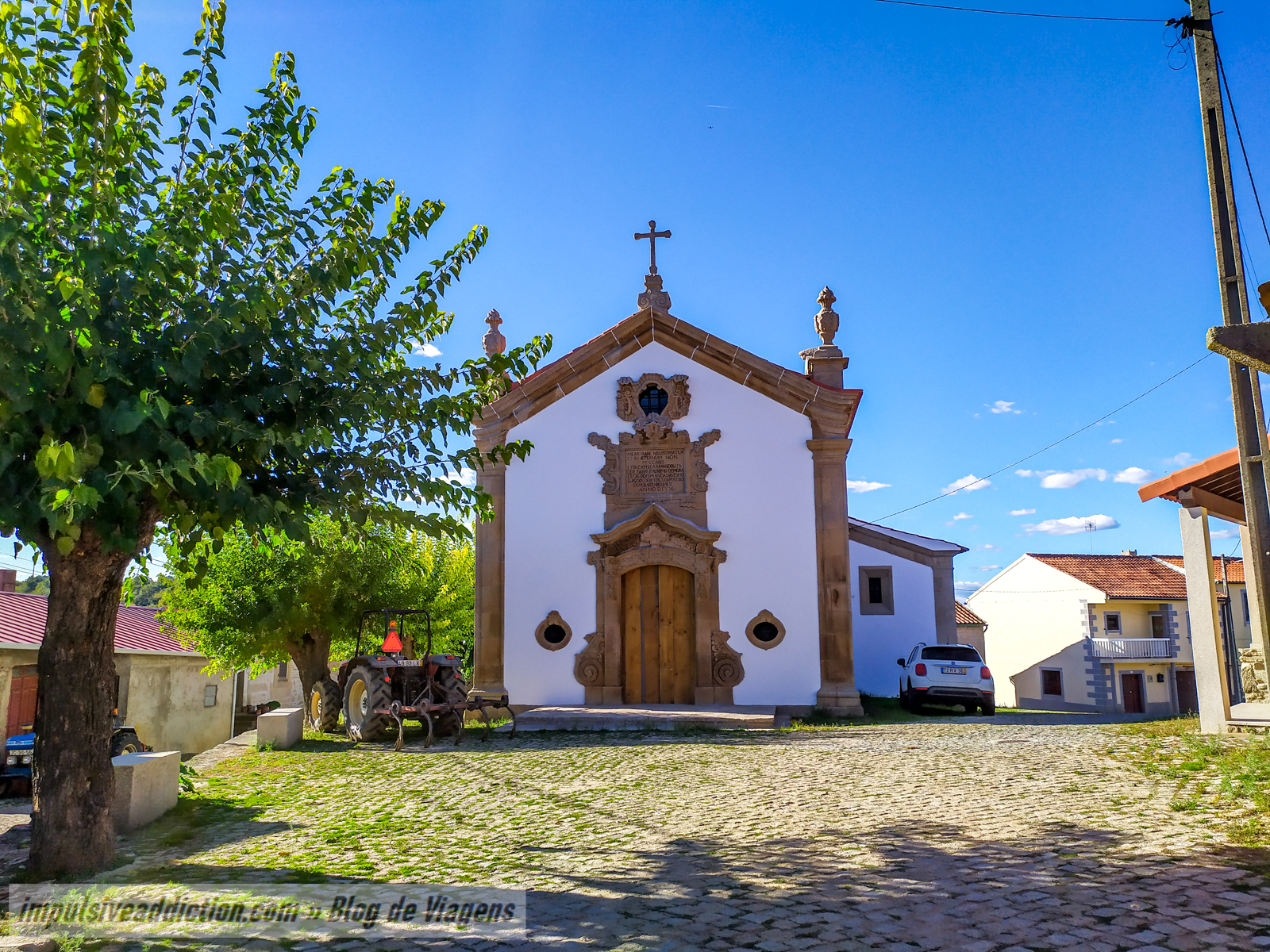
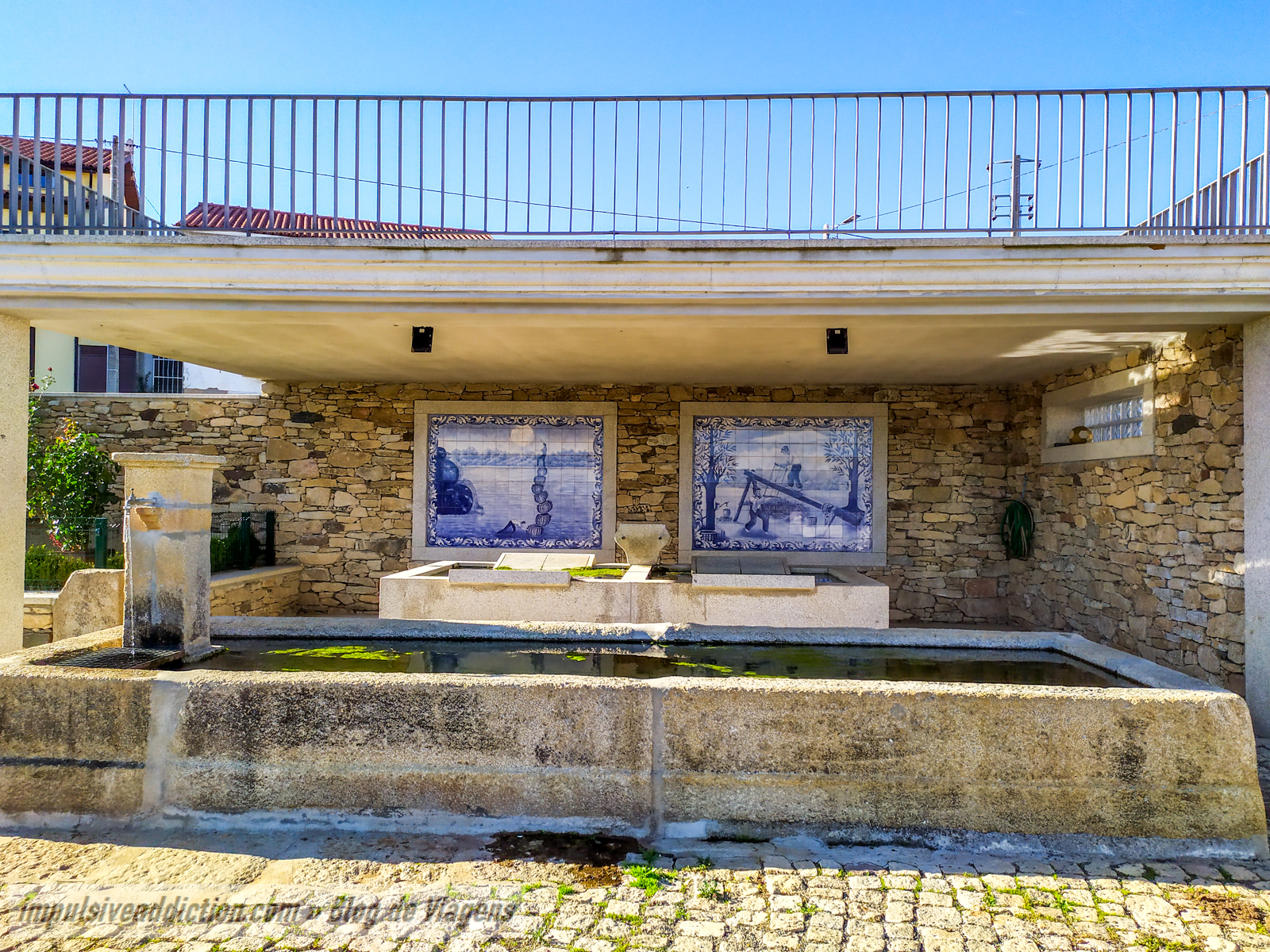
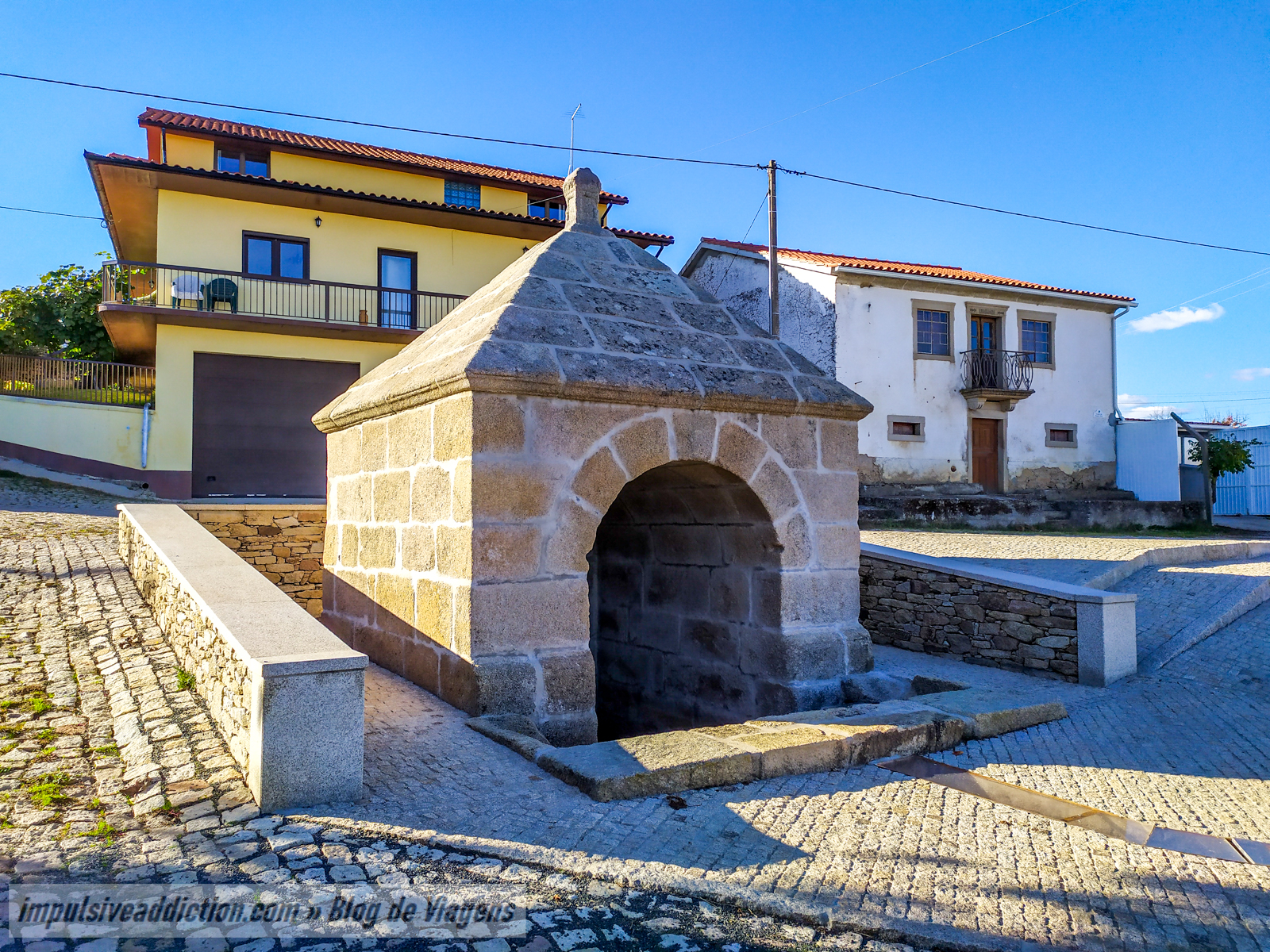
- Vilar Seco – Known for its immersion fountain and the Church of Santiago.
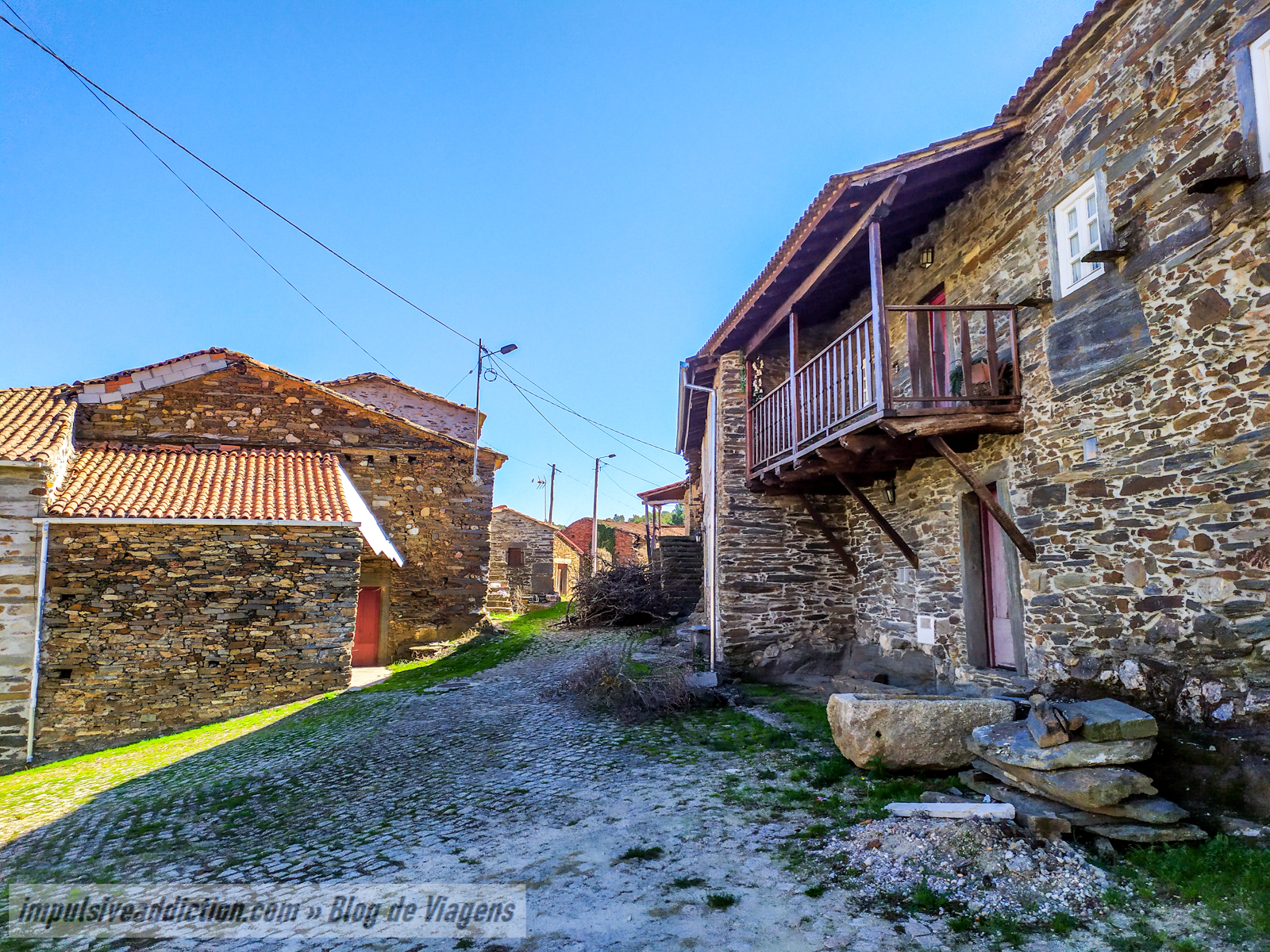
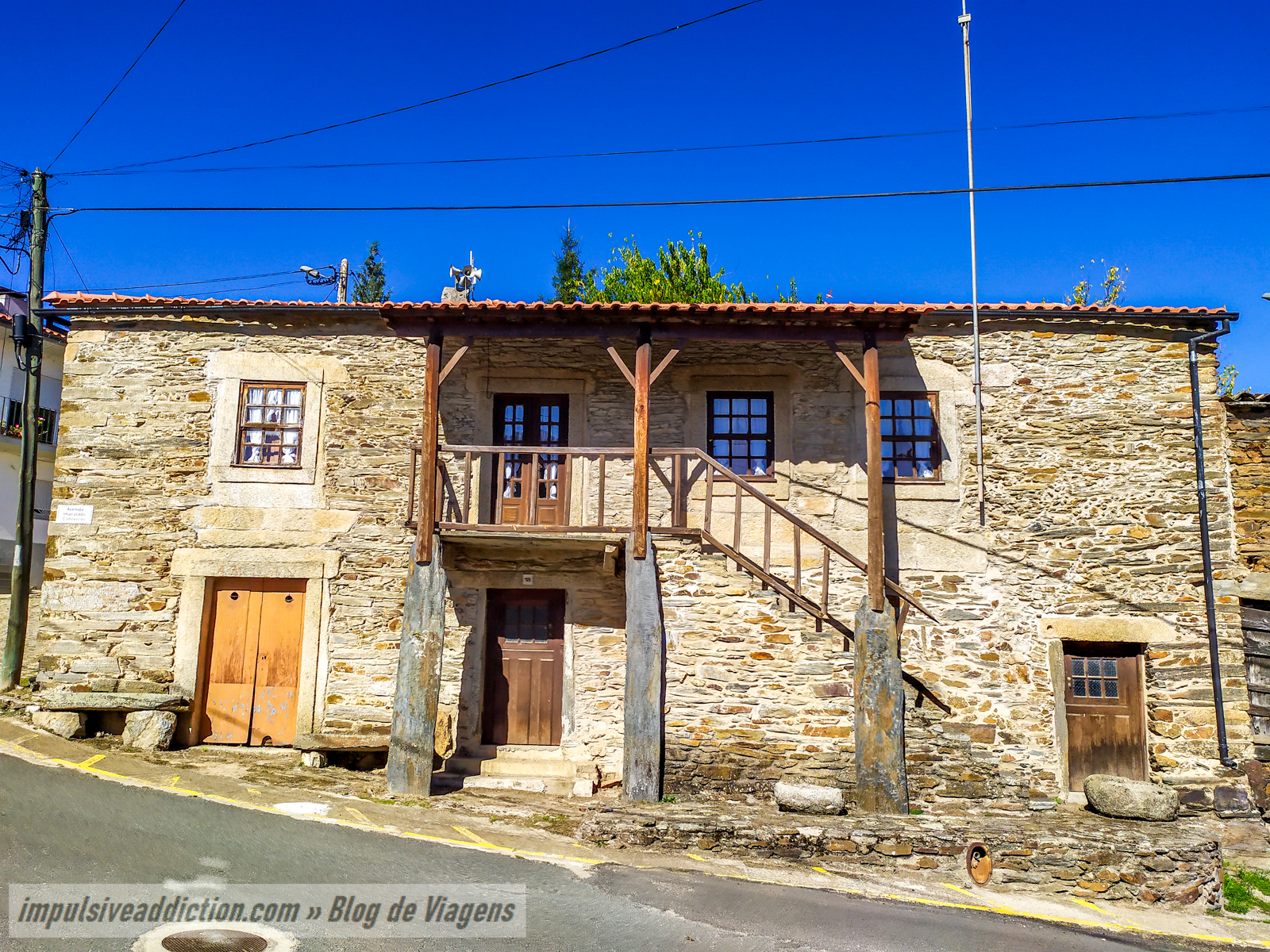
- Avelanoso – Highlights include the Church of São Pedro and the central square, Largo de São Pedro.
- Angueira – Home to the Church of São Cipriano and a lovely river beach, perfect for a relaxing break. A truly great spot!
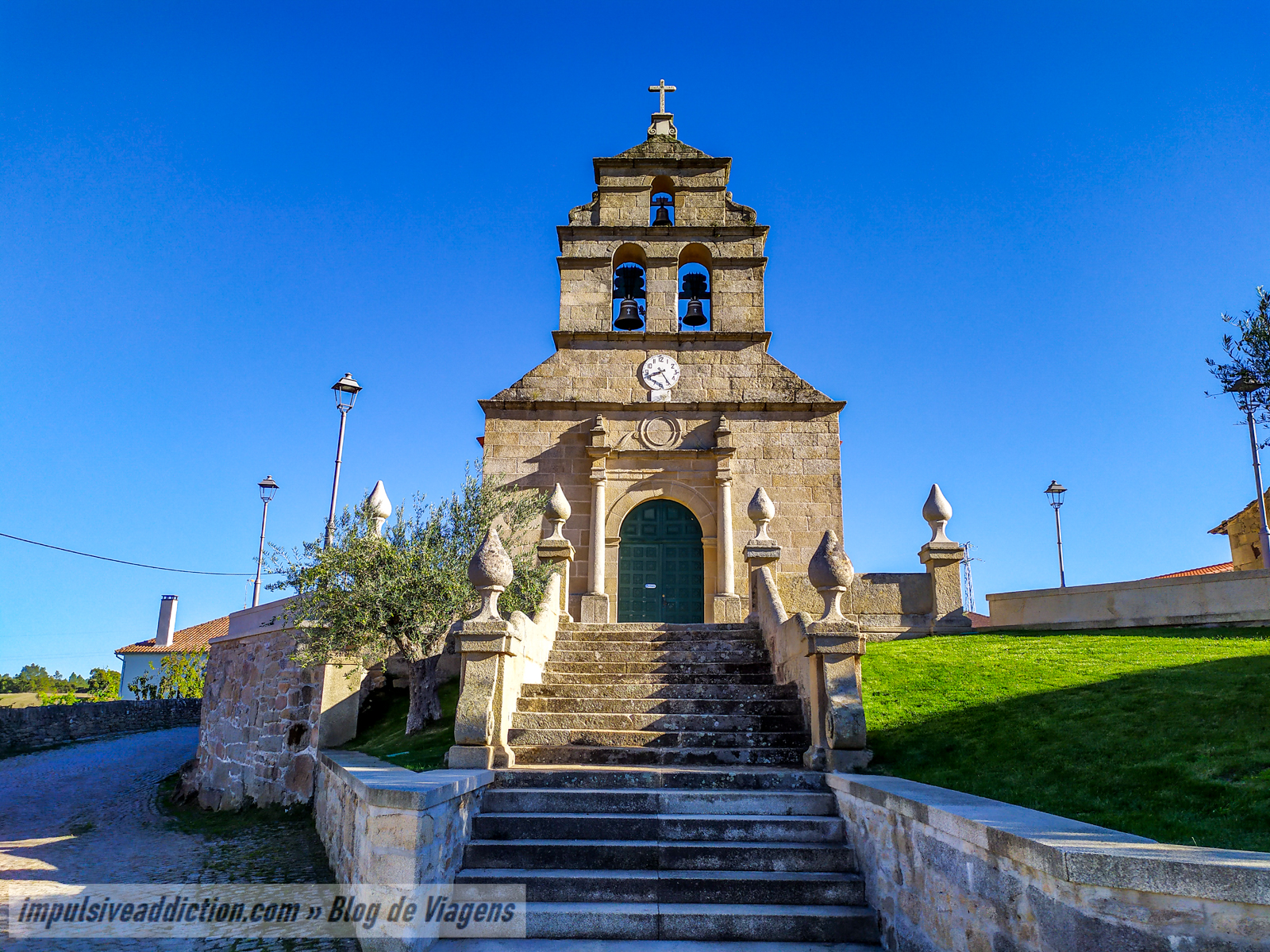
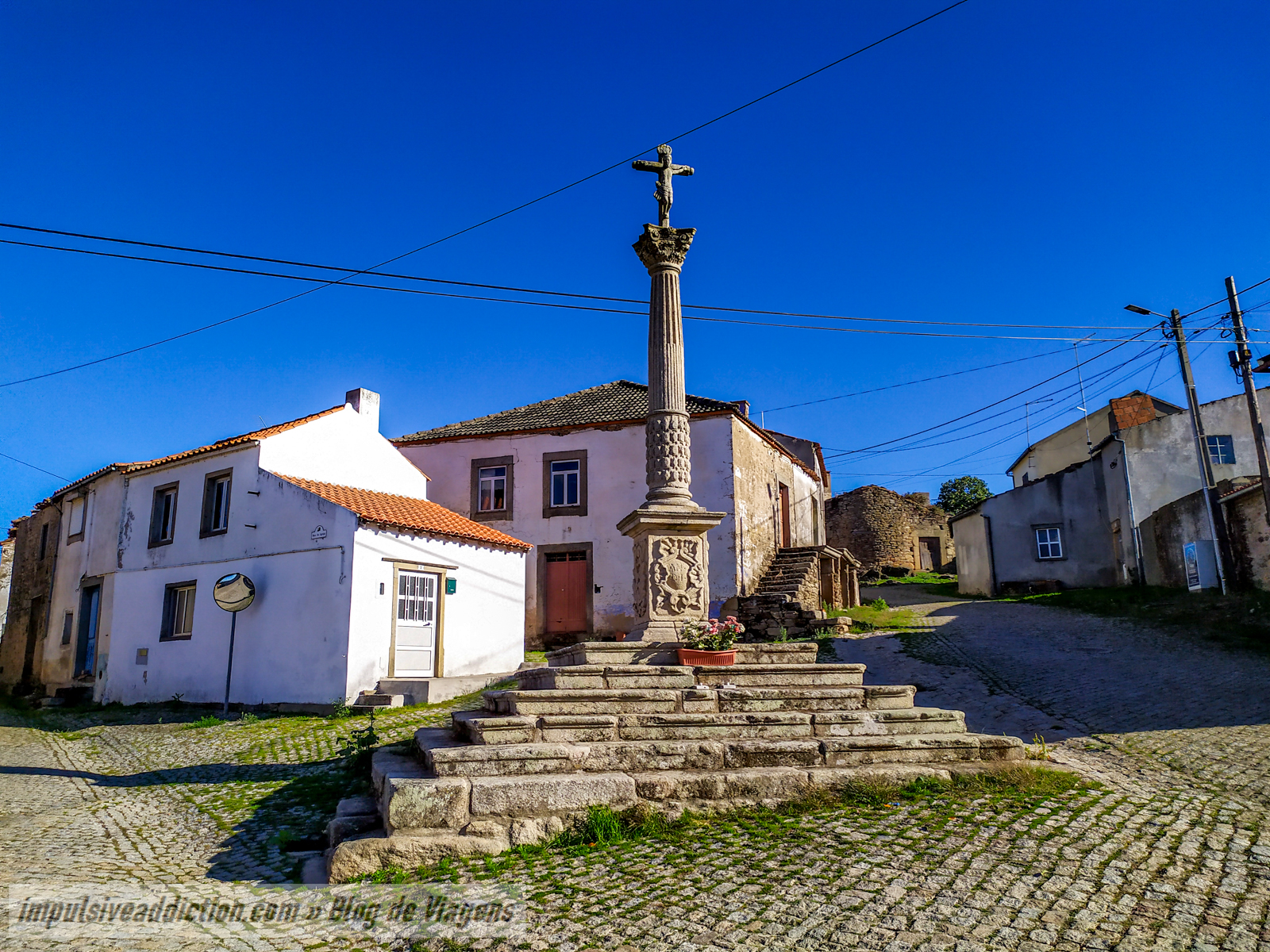
- Caçarelhos – Features the Parish Church of São Pedro, a stone cross, and the traditional Cabanais. If you choose to stay at Curral d’Avó guesthouse, you’ll sleep here in a charming rural setting—highly recommended!
1. Avelanoso
2. Caçarelhos
3. Vilar Seco
What to Visit Near Vimioso?
When it comes to day trips from Vimioso, the choices are endless:
- Head south to the Douro International Natural Park, or even cross the border into Spain to explore the Arribes del Duero Natural Park.
- Start a road trip through the picturesque villages of the Montesinho Natural Park, covering Bragança and Vinhais.
- Follow the Sabor River southwards and discover the stunning Lakes of Sabor.
- Relax on the fabulous river beaches of the Azibo Reservoir and explore part of the Terras de Cavaleiros Geopark in Macedo de Cavaleiros.
As you can see, there’s no shortage of options nearby. All of them make for amazing trips—you’ll find plenty of inspiration throughout this travel blog. 😉
MORE ARTICLES ABOUT BRAGANÇA DISTRICT:
- Things to do in Vinhais
- Things to do in Bragança
- Things to do in Mirandela
- Things to do in Vimioso
- Things to do in Miranda do Douro
- Things to do in Mogadouro
- Things to do in Torre de Moncorvo
- Things to do in Freixo de Espada à Cinta
- Things to do in Carrazeda de Ansiães
- Things to do in Macedo de Cavaleiros
- Things to do in Vila Flor
- Montesinho Natural Park Itinerary
- Lagos do Sabor Itinerary
- Douro International Natural Park Itinerary
- Tua Valley Itinerary
- Trás-os-Montes Itinerary
