
 Pedro Domingues
Are you planning to visit Miranda do Douro, the gateway of the Douro River into Portugal? If so, you’ve made an excellent choice. Miranda may be tucked away in the far northeast of the country, but it has plenty of surprises waiting for you.
- Did you know that in Paradela, Miranda do Douro, the sun rises first in Portugal?
- Or that Miranda has its very own official language — Mirandese?
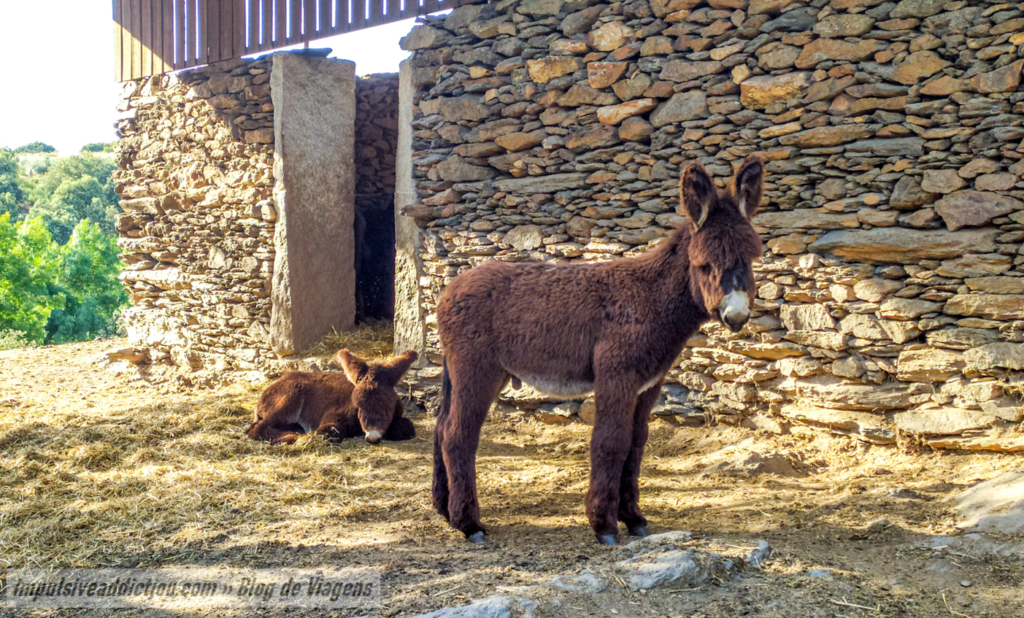
- And that it’s home to a unique native breed — the charming Miranda donkeys?
Miranda do Douro is full of details to uncover. It’s not just about breathtaking landscapes and viewpoints (though those truly are spectacular!).
If you want to discover everything there is to see and do in Miranda do Douro, please continue reading. 😉 Here you will find all the necessary tips for your trip.
Where is Miranda do Douro located, in Portugal?
Miranda do Douro lies in the far northeast of Portugal, in the region of Trás-os-Montes. It belongs to the district of Bragança and sits right on the border with Spain, facing the province of Zamora and the Arribes del Duero Natural Park.
Within Portugal, its closest neighbors are the municipalities of Vimioso and Mogadouro.
And, as mentioned before, this is the very spot where the Douro River first enters Portugal.
MORE ARTICLES ABOUT BRAGANÇA DISTRICT:
- Things to do in Vinhais
- Things to do in Bragança
- Things to do in Mirandela
- Things to do in Vimioso
- Things to do in Miranda do Douro
- Things to do in Mogadouro
- Things to do in Torre de Moncorvo
- Things to do in Freixo de Espada à Cinta
- Things to do in Carrazeda de Ansiães
- Things to do in Macedo de Cavaleiros
- Things to do in Vila Flor
- Montesinho Natural Park Itinerary
- Lagos do Sabor Itinerary
- Douro International Natural Park Itinerary
- Tua Valley Itinerary
- Trás-os-Montes Itinerary
Driving in Miranda do Douro
My top tip for visiting Miranda do Douro: have a car. It makes the whole trip easier and gives you the freedom to explore the surrounding areas — and trust me, those are just as unmissable as the town itself. If you don’t have your own vehicle, renting one through Discover Cars is a great option.
Keep in mind that many of the viewpoints in the Douro International Natural Park are only accessible via narrow rural roads or dirt tracks. These routes aren’t always in the best condition — and some might not even be passable. A 4×4 can make a big difference, and be prepared to do some hiking along the way.
To give you an idea: on my last trip to the Douro International, I avoided long hikes as much as possible… but I definitely sacrificed my car’s suspension on those rough roads (and probably more than just that 😅). Was it worth it? For me, absolutely — I only had four days to explore and wanted to reach every “must-see” viewpoint.
I won’t list which viewpoints have easy access and which don’t — conditions can change quickly. One heavy rainfall is enough to ruin a dirt road that was fine the week before. The best approach is to see for yourself as you go, or simply ask at the local tourist office or in nearby villages during your trip.

When to Visit Miranda do Douro?
I visited Miranda do Douro in the summer and really enjoyed it — long sunny days and great weather! That said, spring might be the best season if you’re into hiking, as temperatures are milder and the landscapes are greener.
As for festivities, the town’s main celebration takes place in mid-August, in honor of Santa Bárbara. But what I truly recommend is timing your visit to catch a performance by the Pauliteiros de Miranda in the historic center. It usually takes place once a month, on the last Saturday — and in August, every Saturday.
👉 The Pauliteiros de Miranda are a traditional folk dance group unique to this region, performing a lively stick dance with deep cultural roots.
Gastronomy and restaurants in Miranda do Douro
When it comes to food, there’s no hesitation: you must try the region’s signature dishes — the Posta de Vitela Mirandesa (grilled Mirandese veal steak) or the Cordeiro Mirandês da Raça Churra (lamb from the local Churra breed). Both are rich in flavor and deeply tied to Miranda’s traditions.
For dessert, don’t miss the Bola Doce Mirandesa, a sweet pastry that’s a local favorite.
If you’re wondering where to enjoy these specialties, here are two excellent options:
- Restaurant São Pedro
- Restaurant O Mirandês
Where to stay in Miranda do Douro?
| Accommodation | Score |
|---|---|
| Hotel Cabeço do Forte | 8.9 |
| Flor do Douro | 8.6 |
| Douro Camping | 8.9 |
| Casas Campo Cimo Quinta | 9.1 |
| Casa dos Edras | 9.5 |
| Puial de I Douro | 9.5 |
| Casa d’Augusta | 9.6 |
| Casa de I Telar | 9.2 |
| Curral d’Avó | 9.3 |
| Curral de I Tiu Pino | 9.4 |
| Casa da Ti Cura | 9.8 |
Things to do in Miranda do Douro
To help you explore Miranda do Douro, I’ve prepared a map with all the main attractions I’ll be mentioning. There are quite a few, with special highlights including the breathtaking viewpoints of the Douro International Natural Park and the AEPGA – Association for the Study and Protection of the Mirandese Donkey.
Map with the highlights of Miranda do Douro
Visit the Historic Center of Miranda do Douro
Your first stop in Miranda do Douro should be the Tourist Office, located just outside the old city walls. When I visited, they handed me a handy booklet with all the viewpoints in the municipality, a general map of the area, and a detailed city map — perfect for planning my walking route.
1. Pre-Romanesque Walls of Miranda do Douro
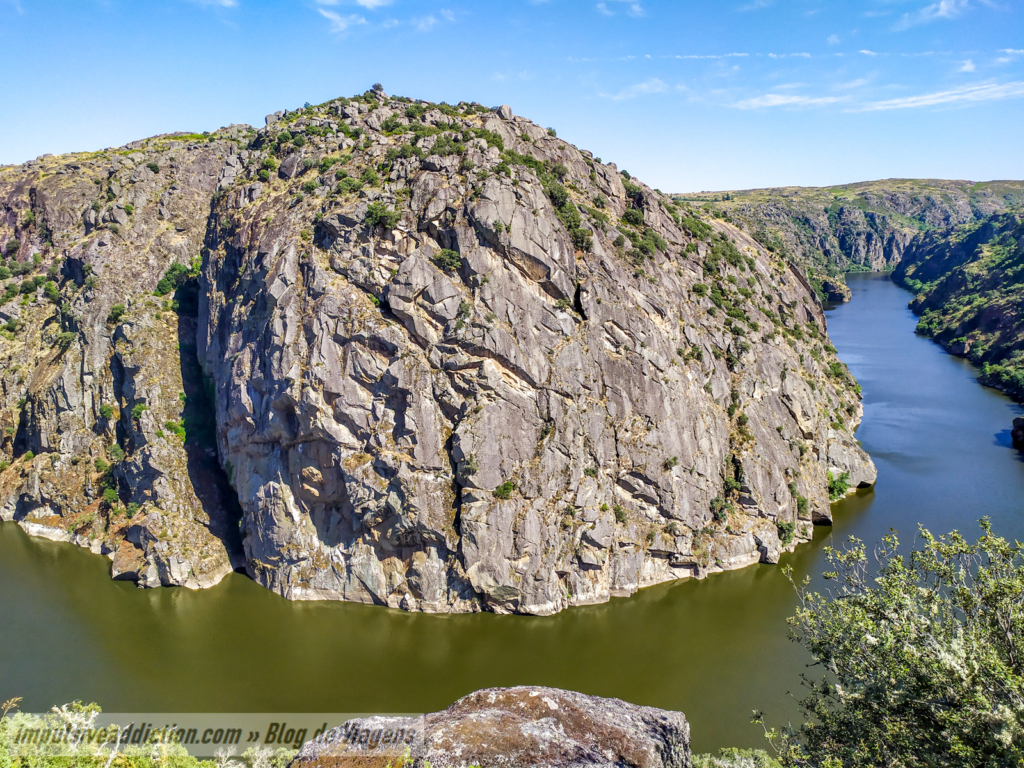
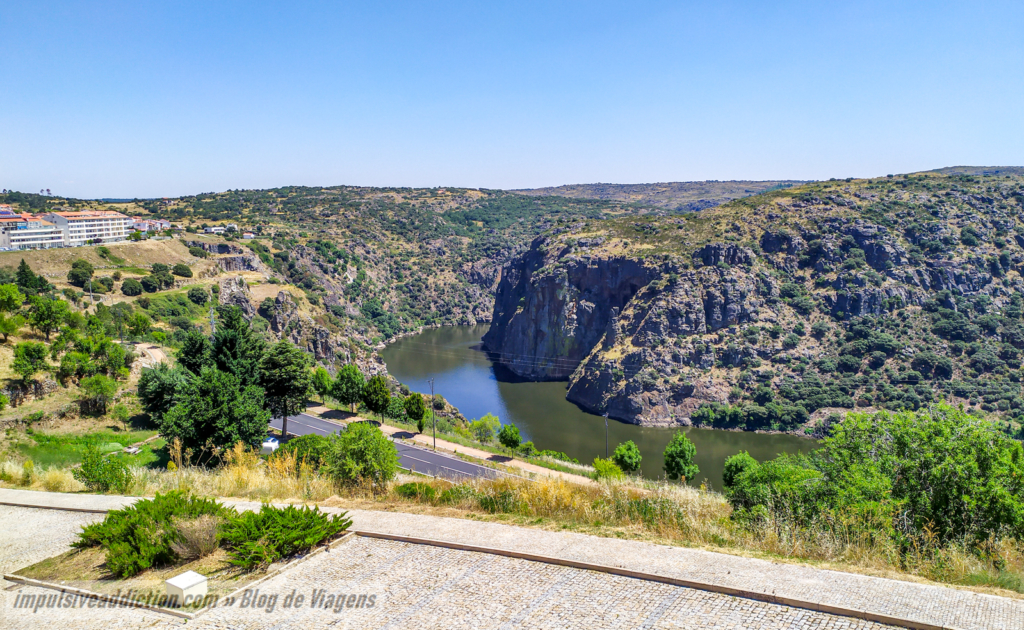
From the Tourist Office, simply head up the avenue toward the city walls. Inside these fortifications lies the historic center and most of Miranda’s main attractions. My top tip? Climb straight up to the top of the walls and walk along them. The panoramic views over the dramatic Douro cliffs are stunning — and just across the river, you’ll already be looking at Spain! 😉
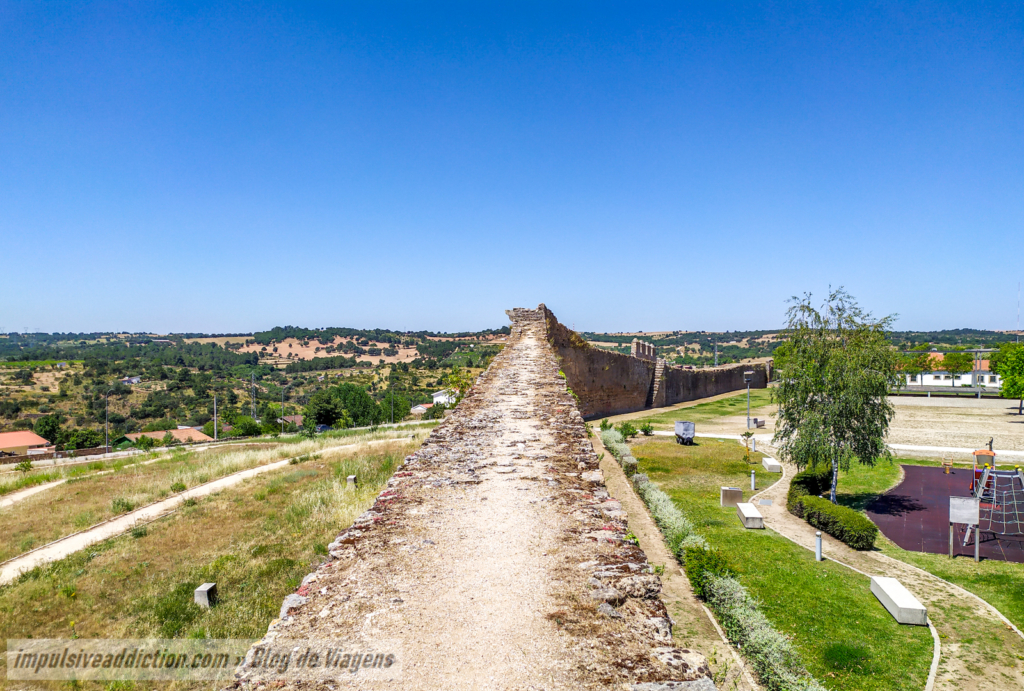
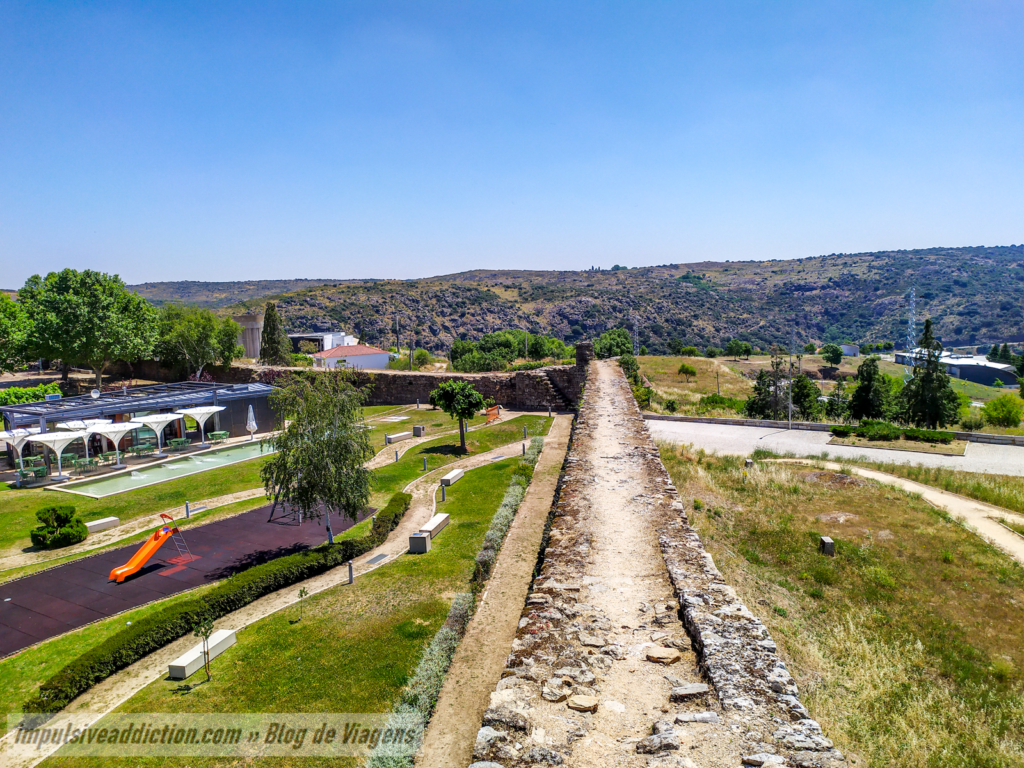
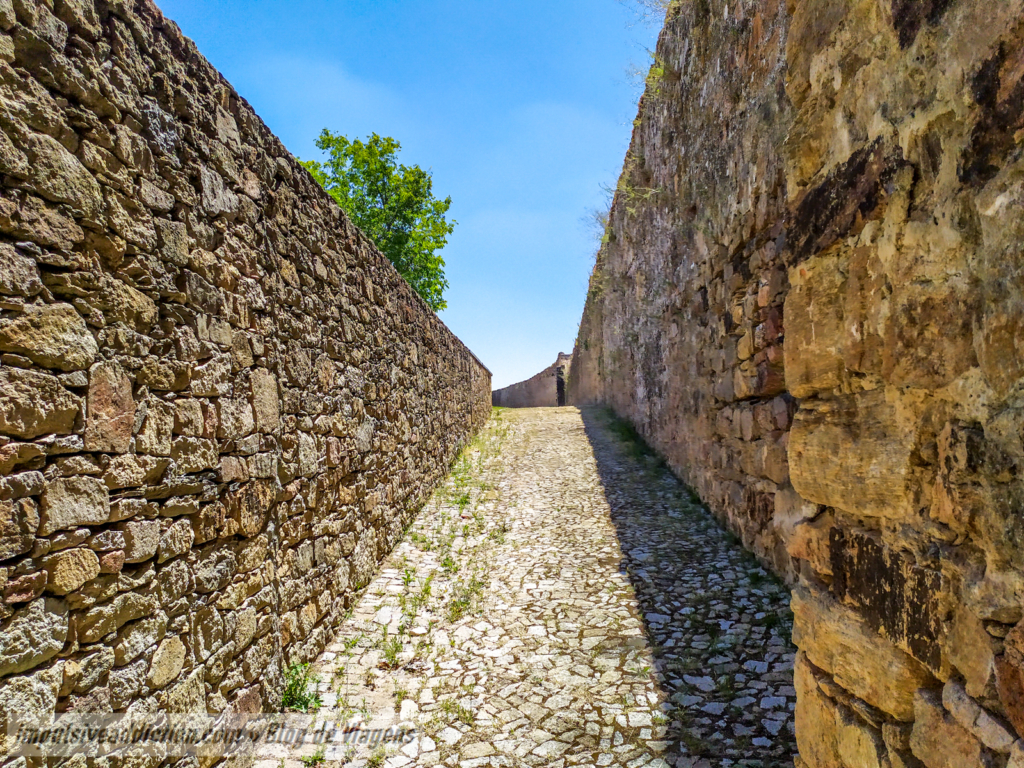
2. Porta do Postigo da Barca & Igreja da Misericórdia
As you walk along the top of the city walls, you’ll eventually cross over the Porta do Postigo da Barca. This was the third gate opened in the fortifications, back in 1545, created to provide quick access to the Douro River — and to the ferry (barca) that once crossed it.
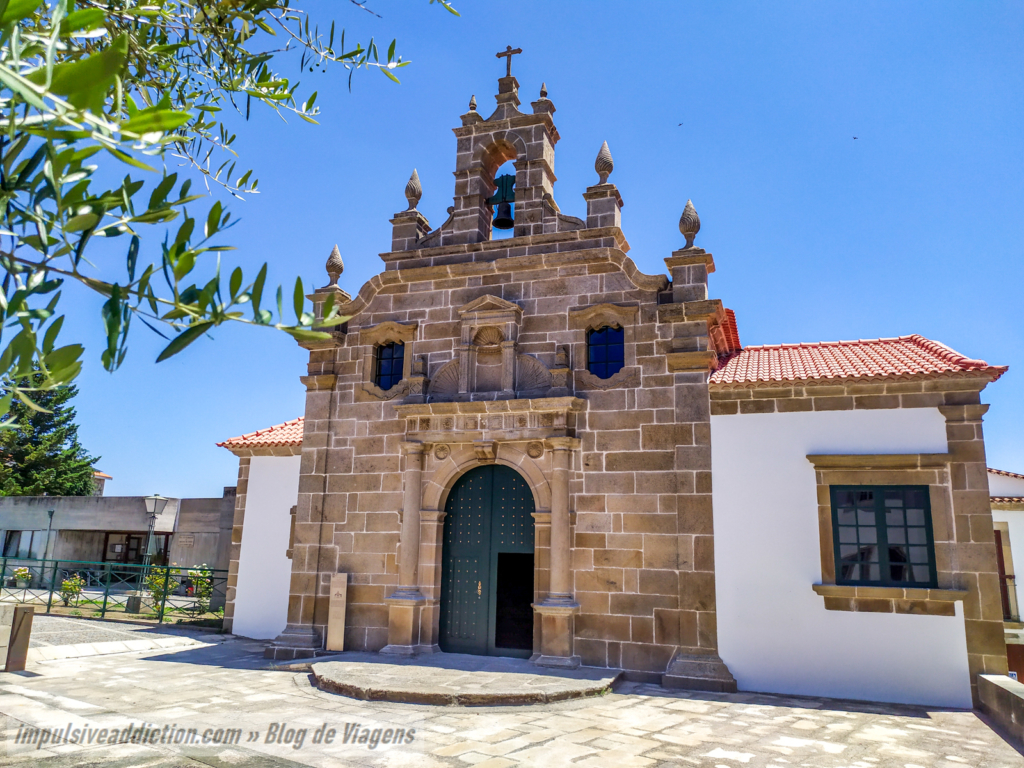
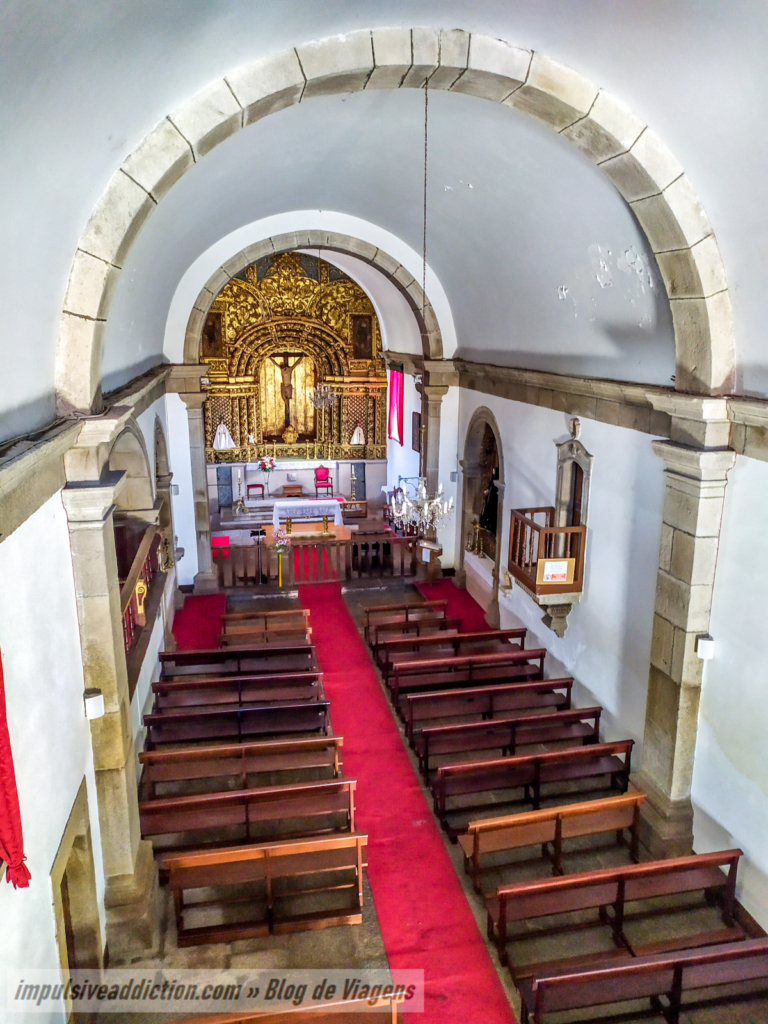
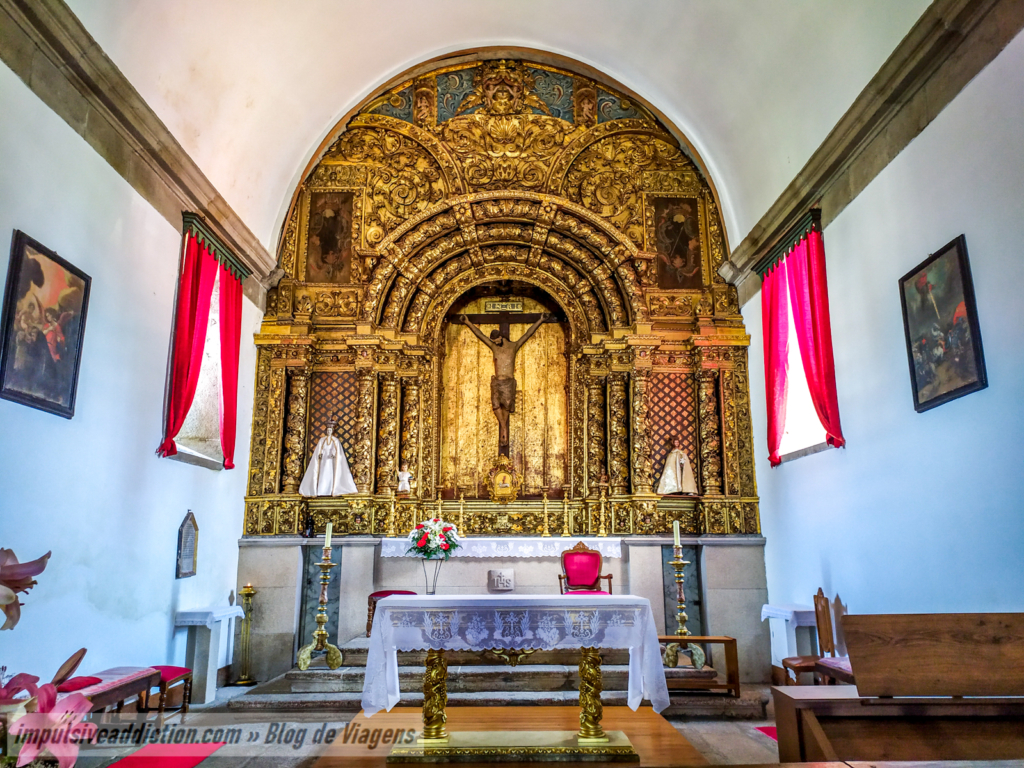
A short distance away stands the Igreja da Misericórdia, built in the 16th century. It’s a very simple church, but one that reflects the town’s historic charm.
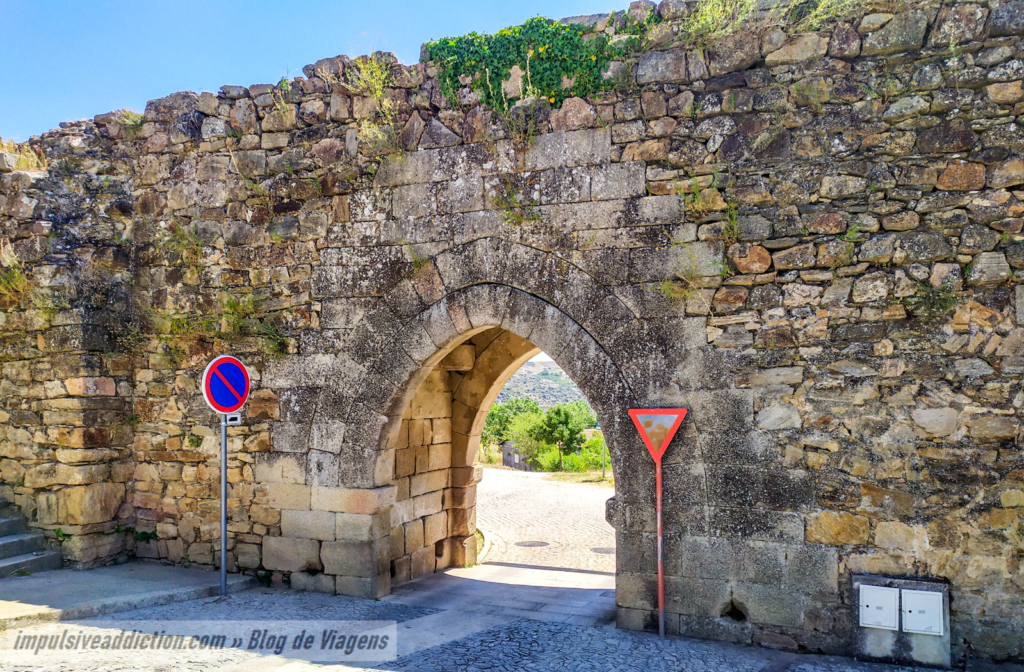
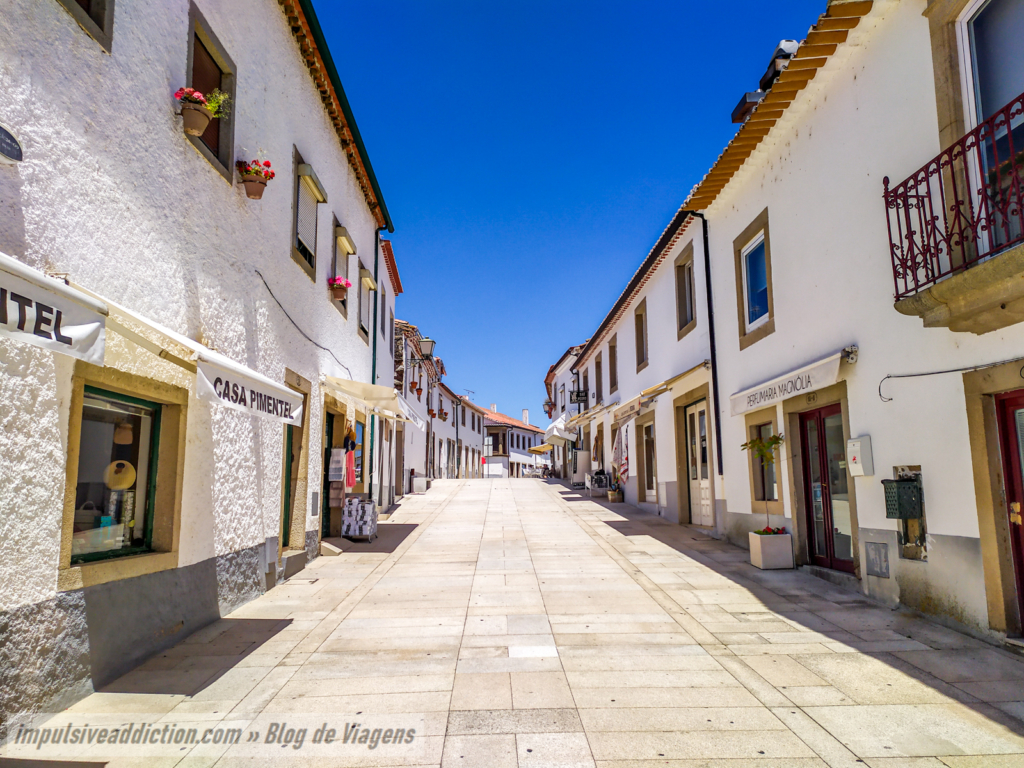
3. Rua Mouzinho de Albuquerque
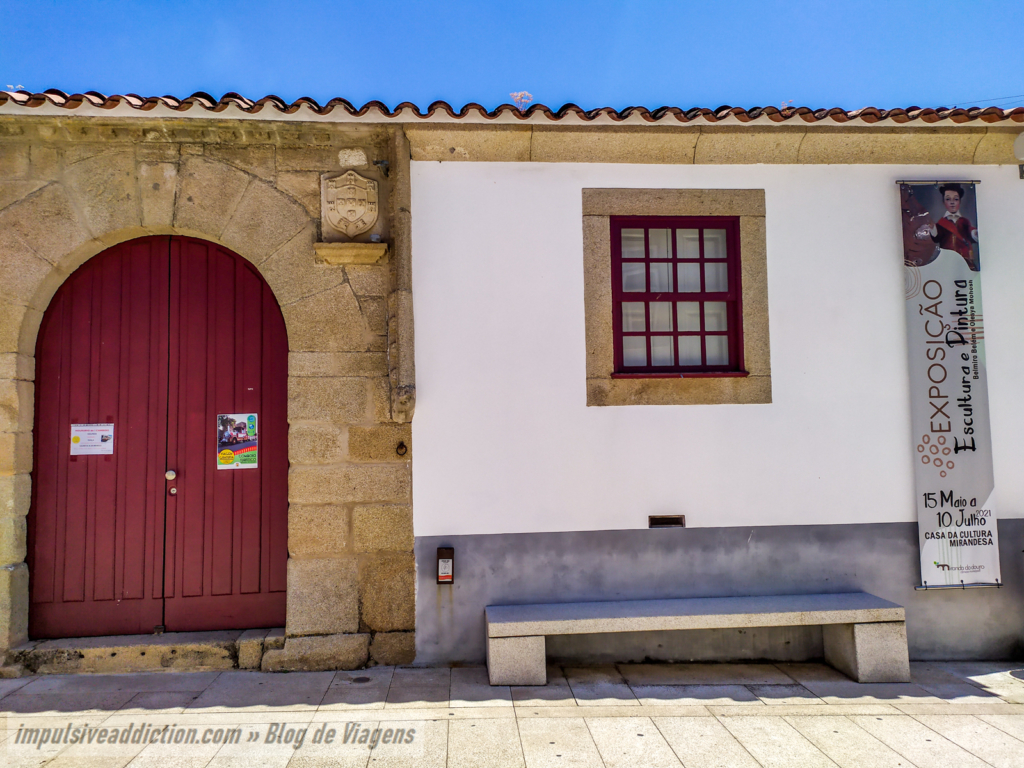
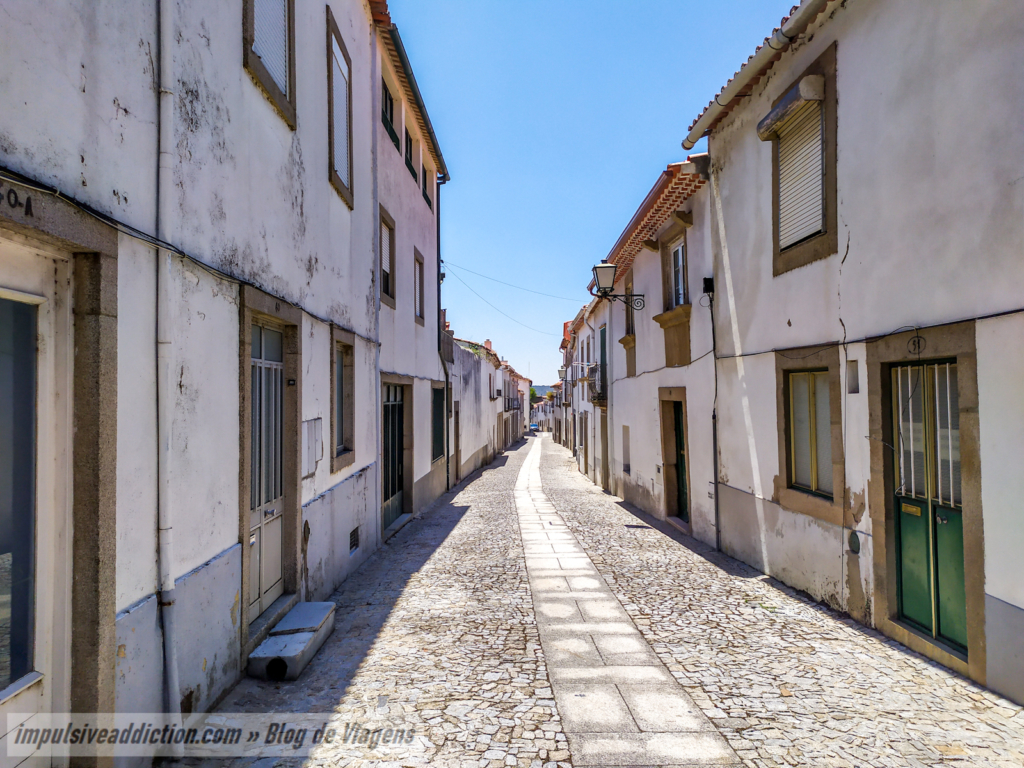
Rua Mouzinho de Albuquerque is one of the town’s main streets — and also one of its most tourist-friendly. Along it, you’ll find the Casa da Cultura Mirandesa, housed in the former customs building of Miranda do Douro, which once also served as a guard post.
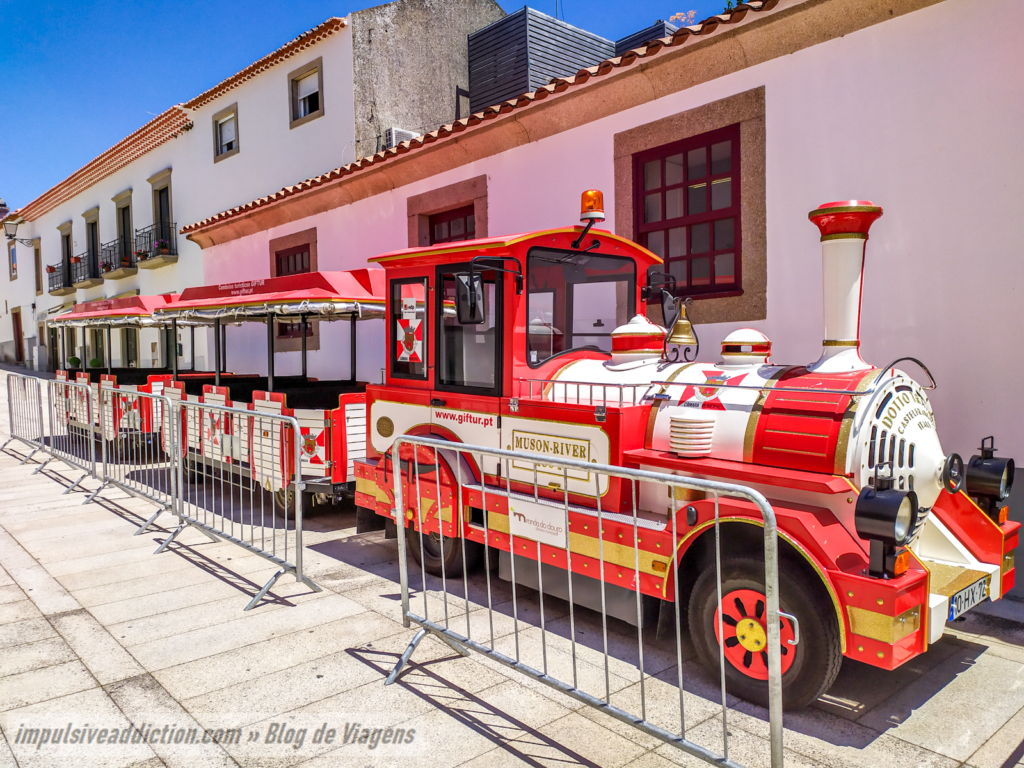
💡 Fun fact: the Miranda do Douro tourist train departs from right outside the Casa da Cultura, making it a great starting point for exploring.
4. Castle Citadel of Miranda do Douro
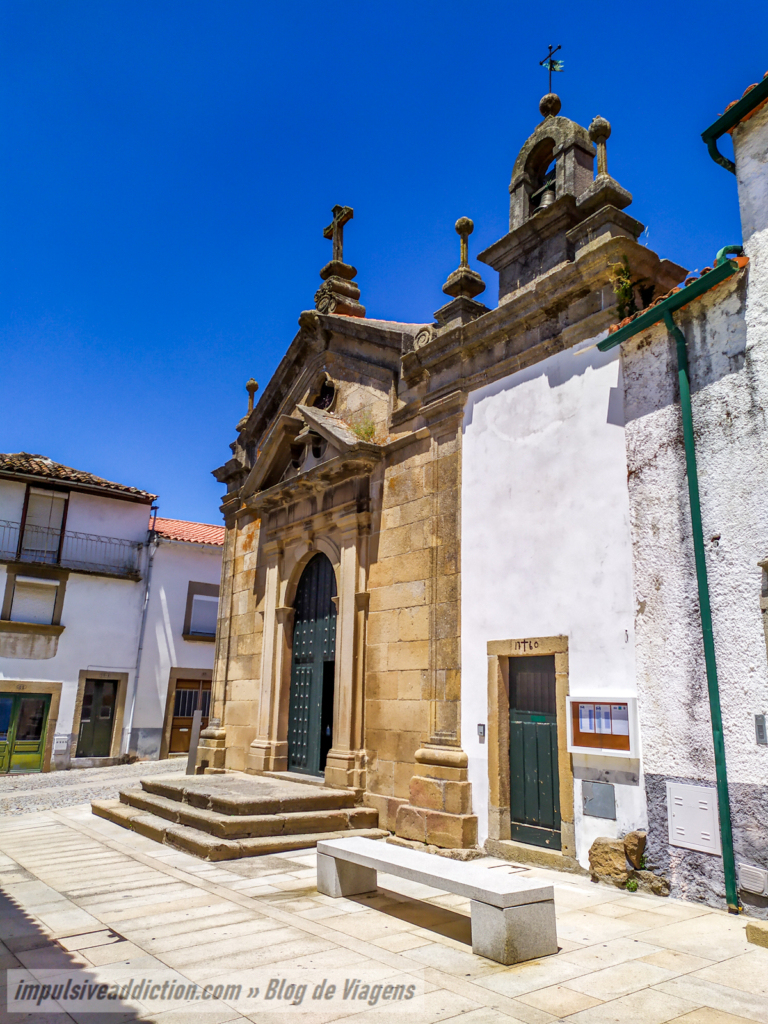
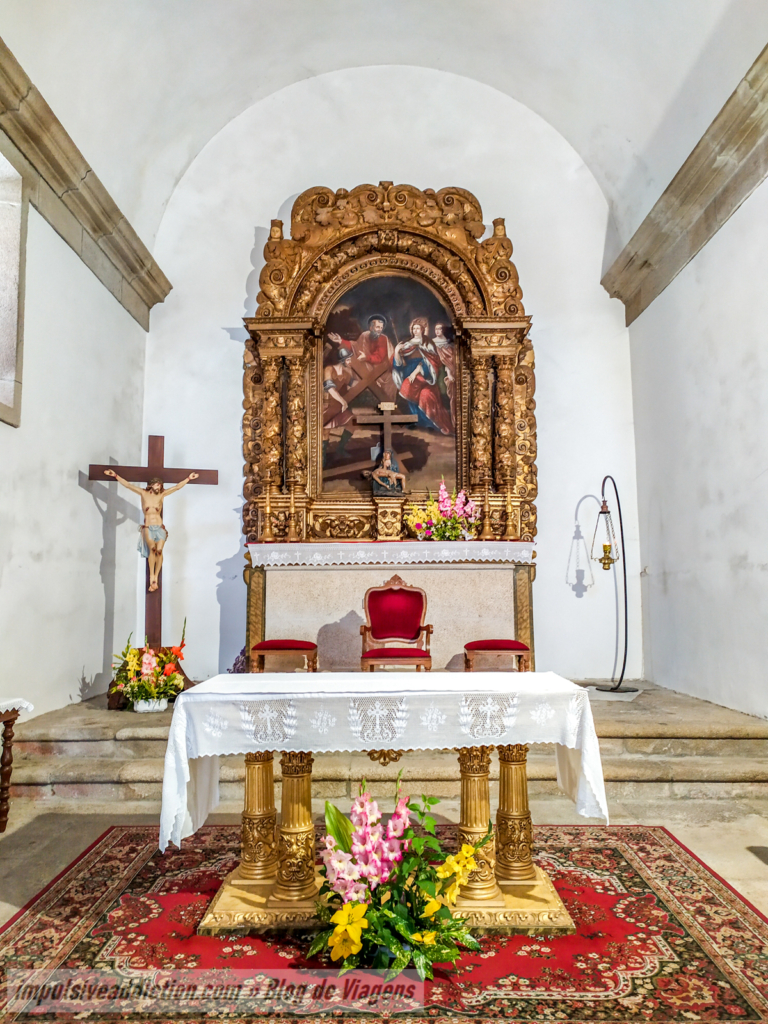
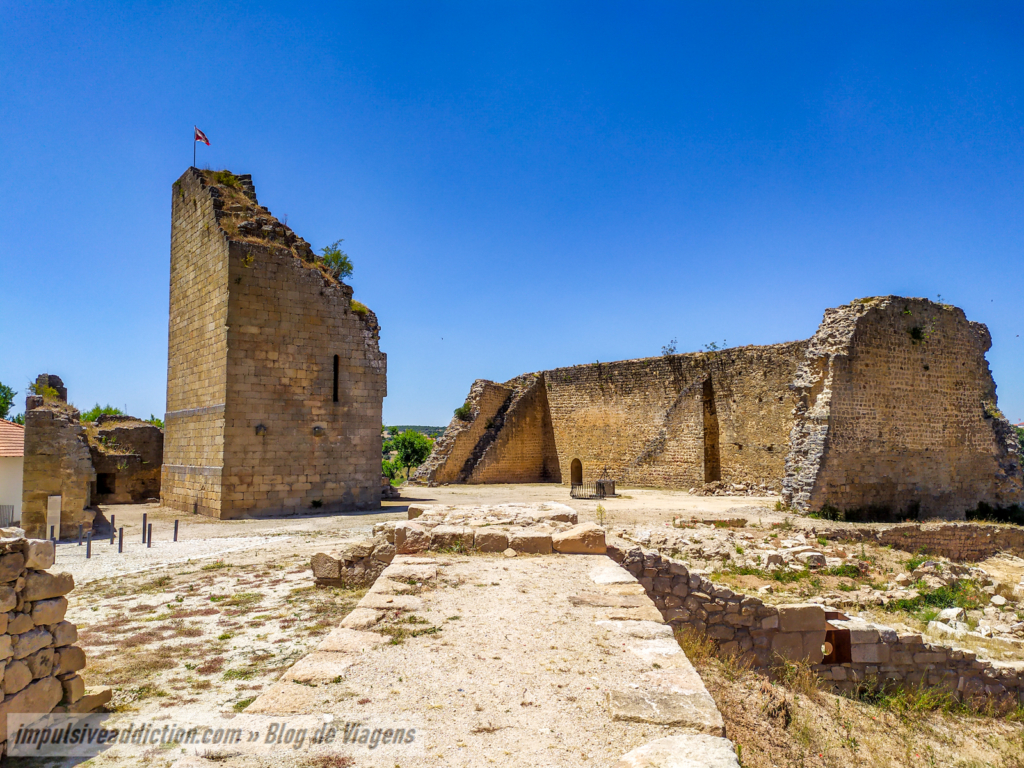
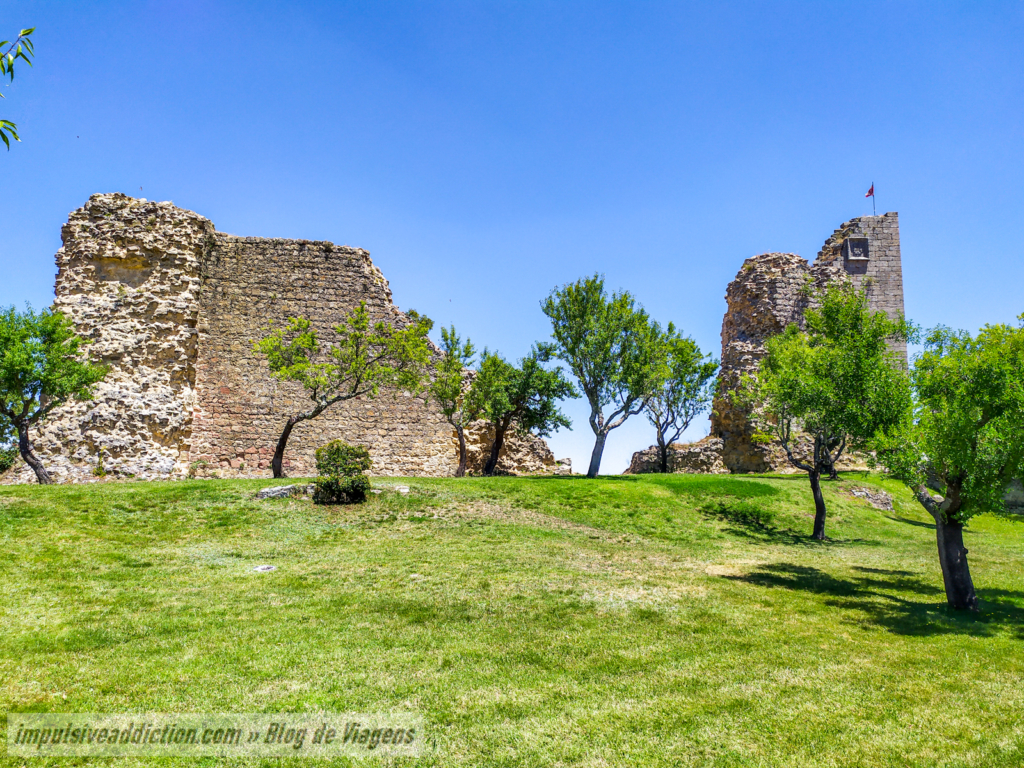
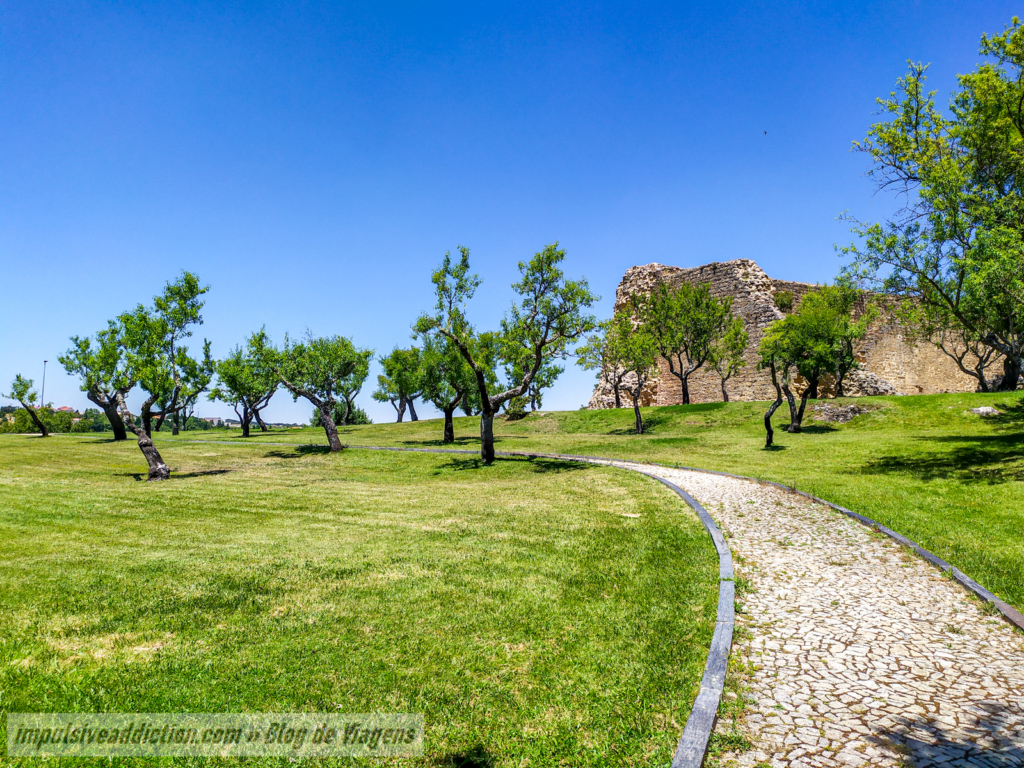
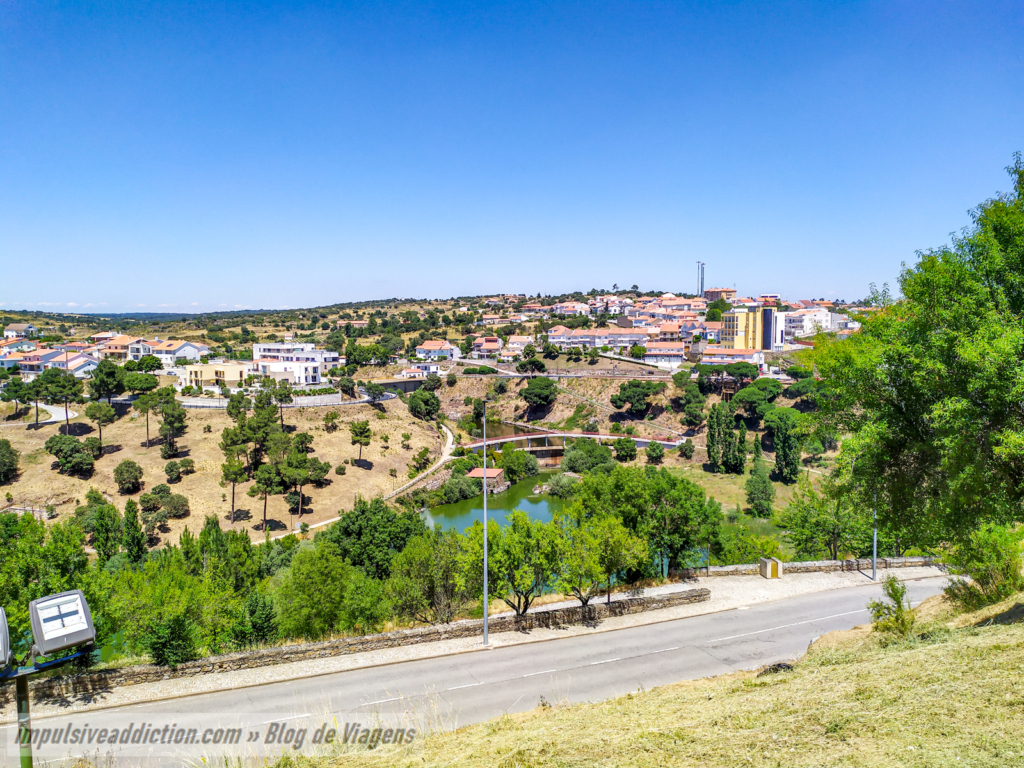
Continue towards the Alcáçova (Citadel) of Miranda do Douro, making sure to stop by the Chapel of Santa Cruz, which dates back to the 17th century.
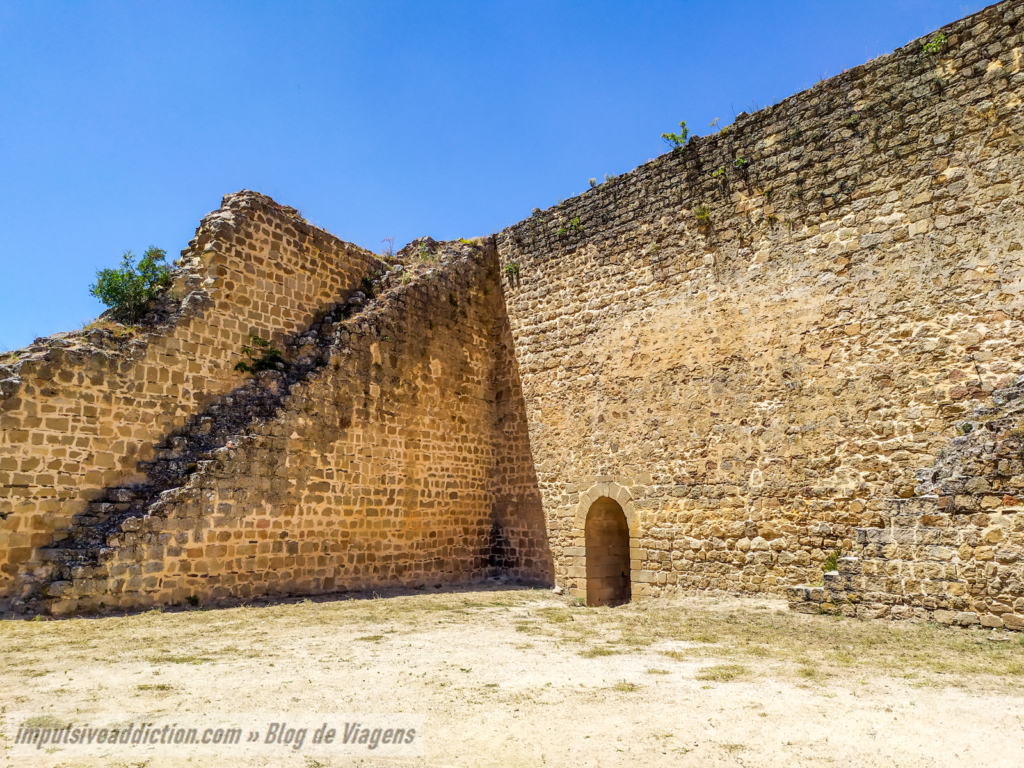
The citadel itself was commissioned by King Dinis at the end of the 13th century. Originally, it had four towers, with a fifth added later by King João I. One of the most dramatic episodes in its history came in the 18th century, when the gunpowder magazine exploded during the Spanish army’s conquest of the town — leaving the Alcáçova in ruins.
5. Main City Gates & Modern Barbican
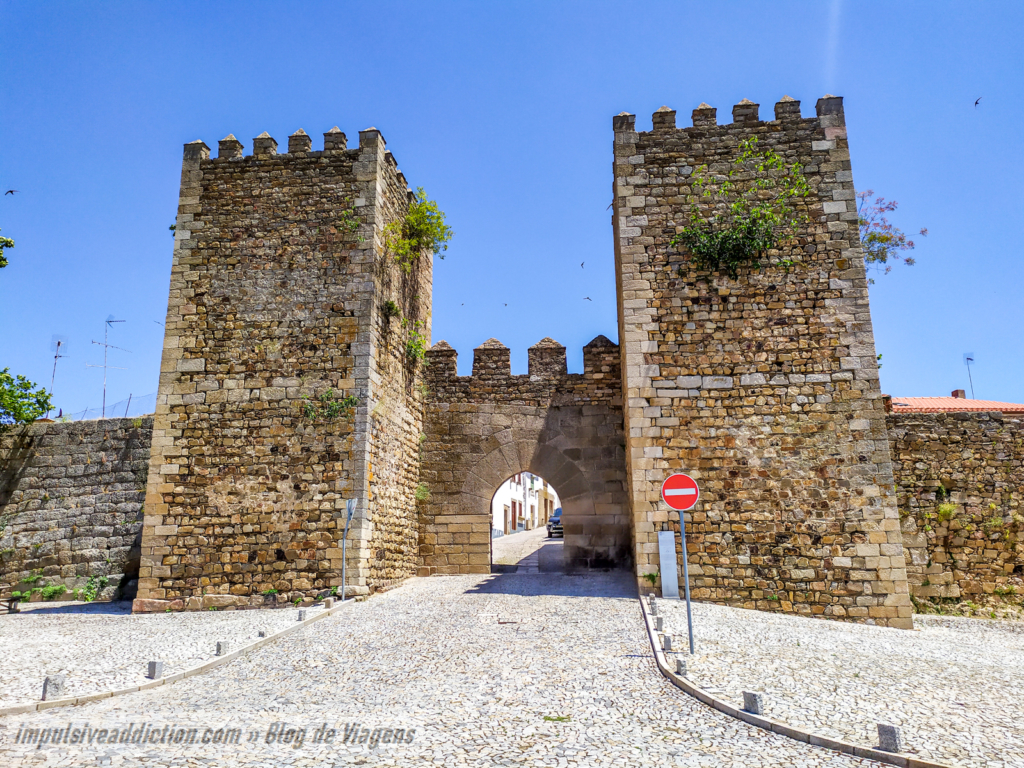
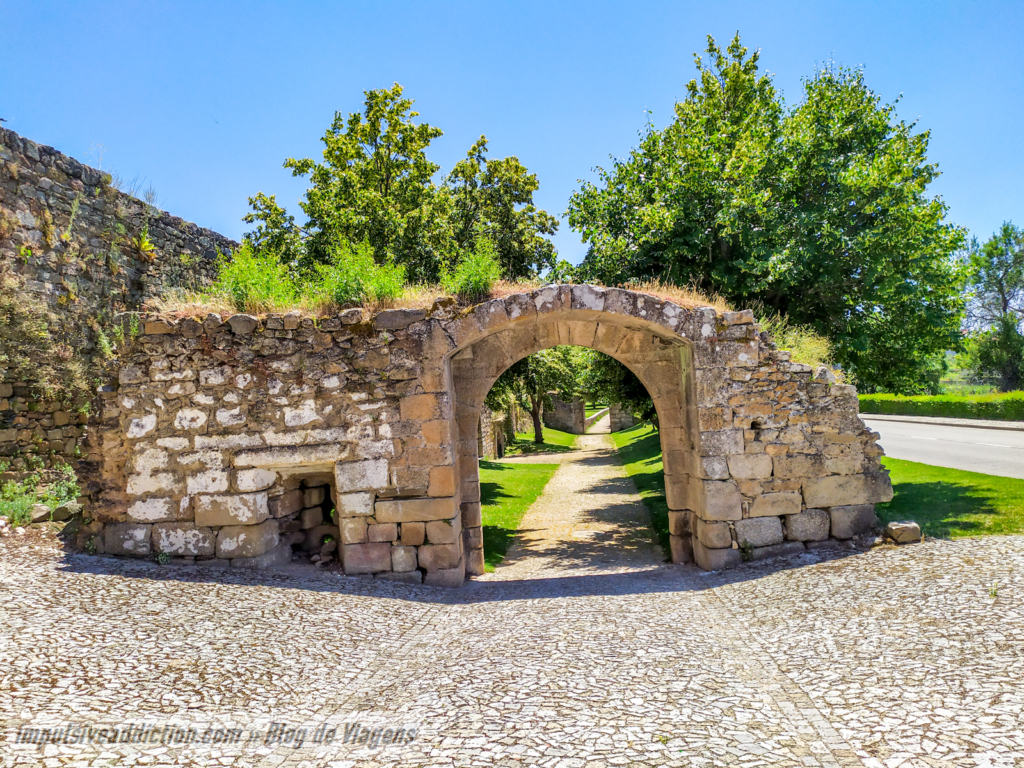
During the 18th-century invasion, all the towers of Miranda do Douro’s medieval walls were destroyed — except for two, which still stand by the Main City Gates. As you pass through, take a moment to notice the Barbican, a defensive structure that once reinforced the town’s main entrance.
6. Rua da Costanilha
Rua da Costanilha stretches beyond the Main Gates and leads straight to the most important square of the historic center (coming up next). Along this street, here are some highlights you shouldn’t miss:
- Casa Burguesa
- Hospedaria do Zambeira
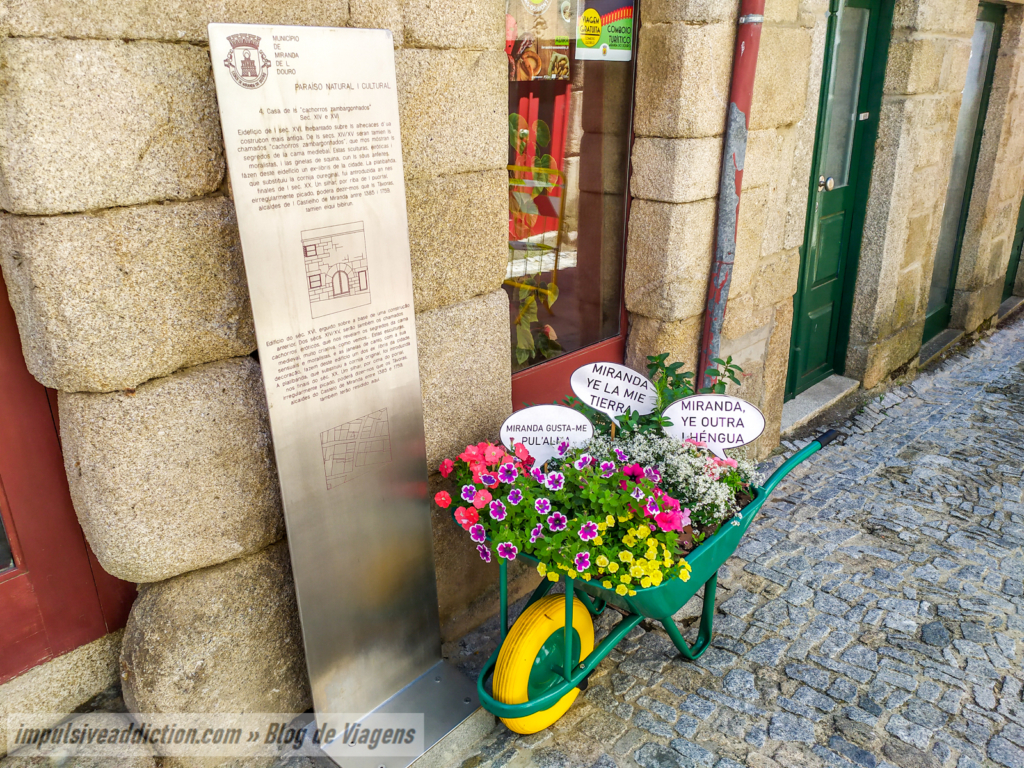
- Casa dos Cachorros Eróticos
- Casa da Língua Mirandesa
What’s truly fascinating about Miranda do Douro is how strongly it preserves its roots. Take the Mirandese language, for example — Portugal’s second official language since 1999. Did you know that children and young people here can actually choose to learn Mirandese at school?? Sabias que os sinais de identificação das ruas ou aldeias estão escritos em português e mirandês?
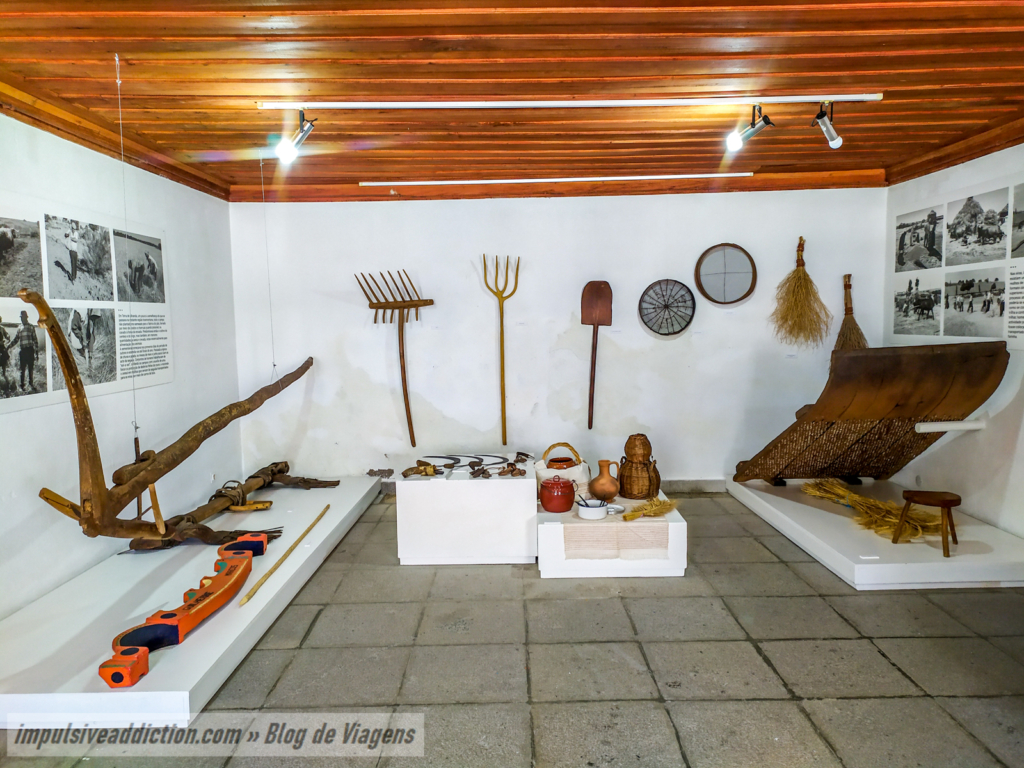
7. Paço Municipal (Museum of the Land of Miranda)
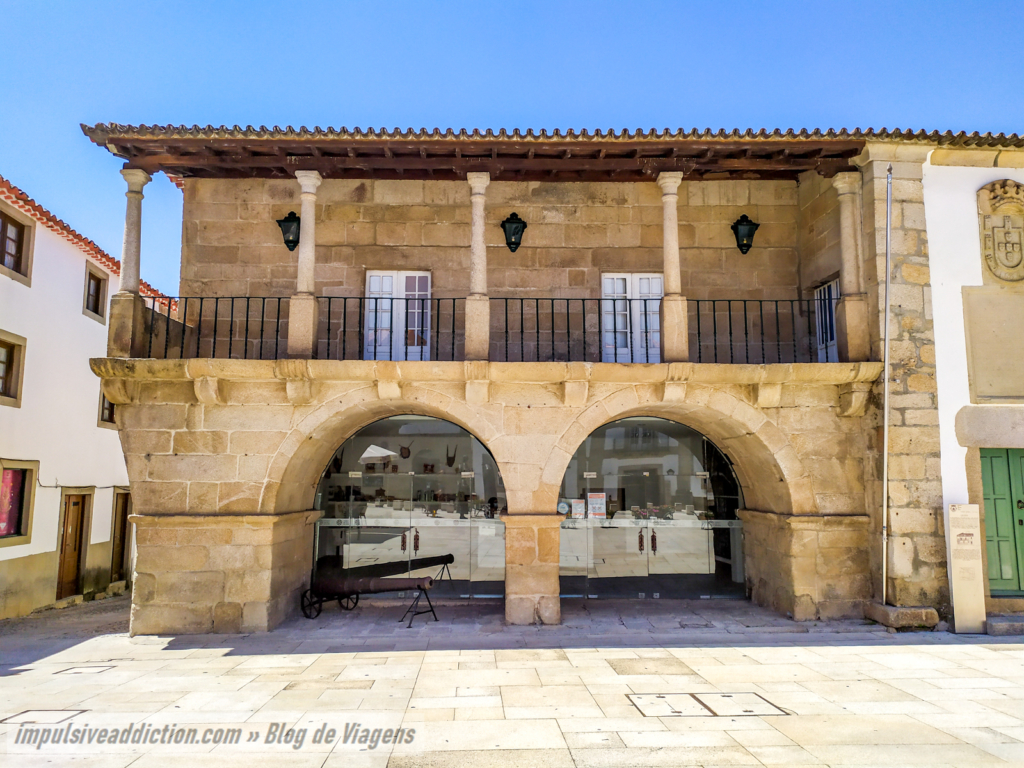
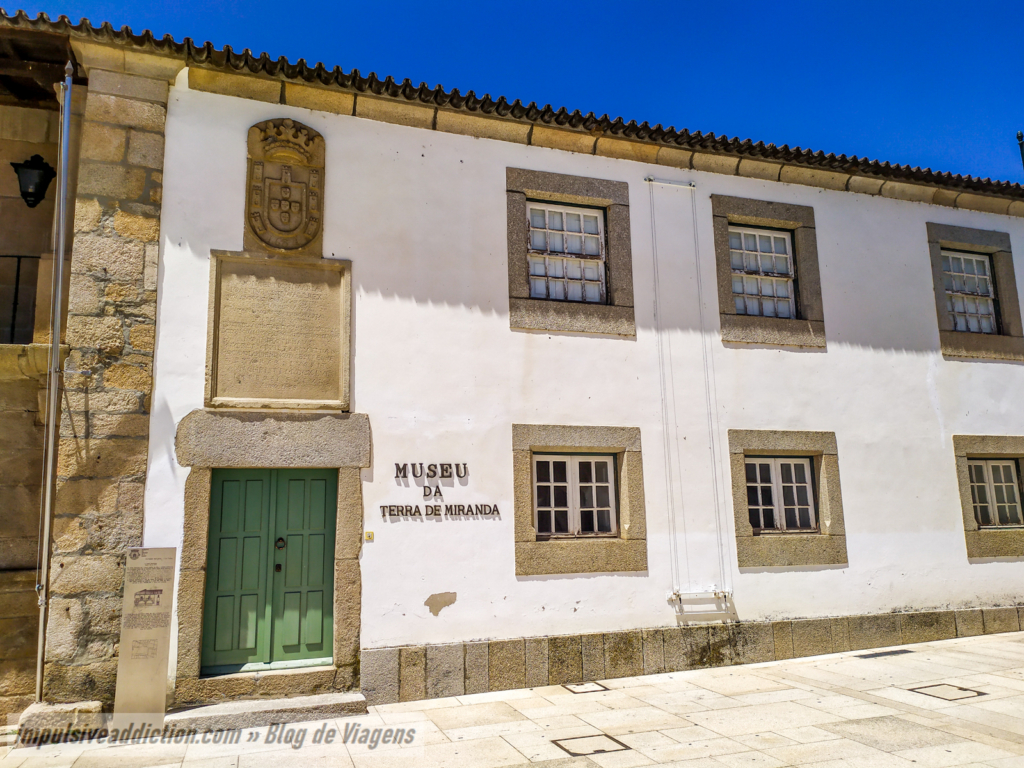
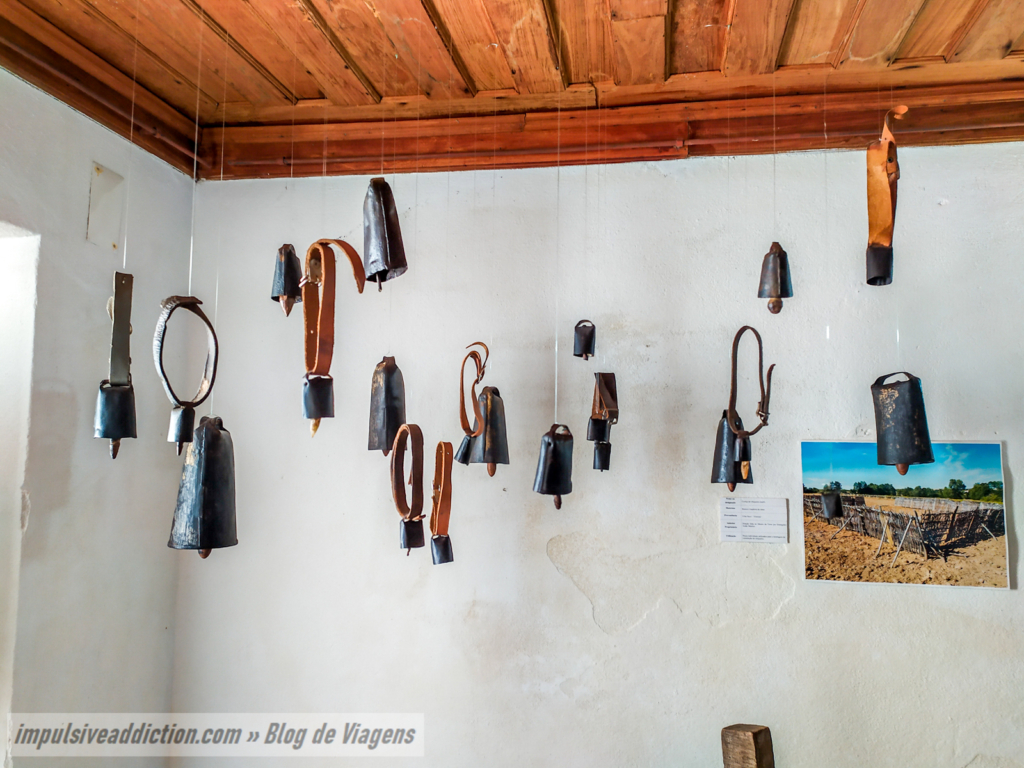
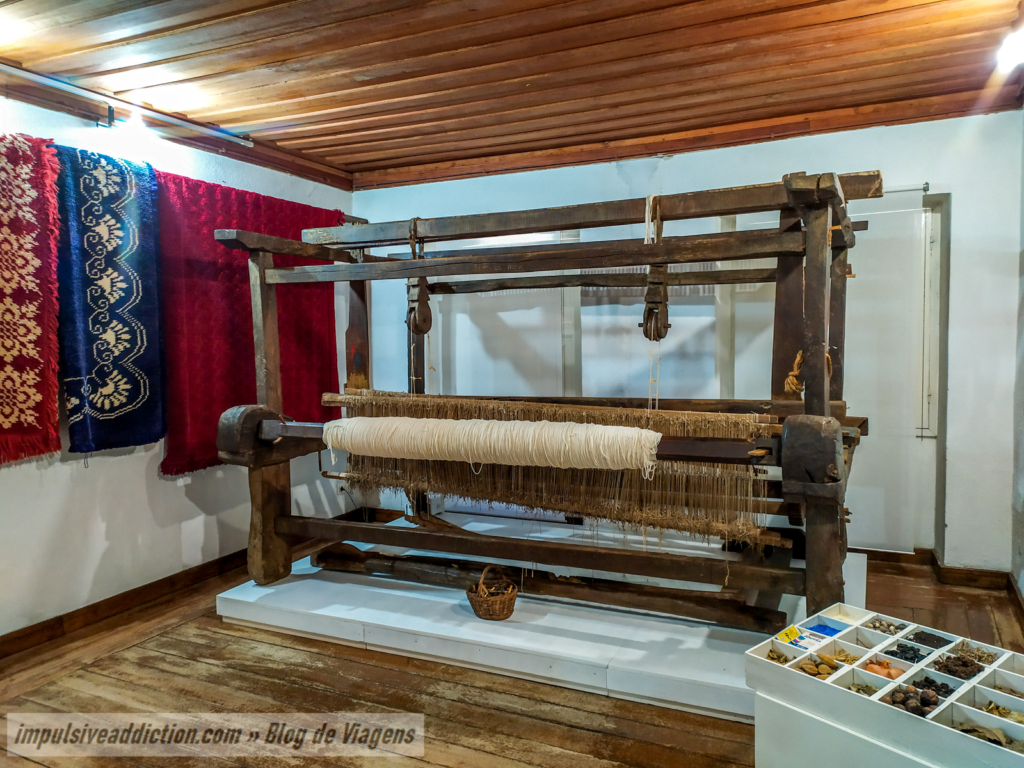
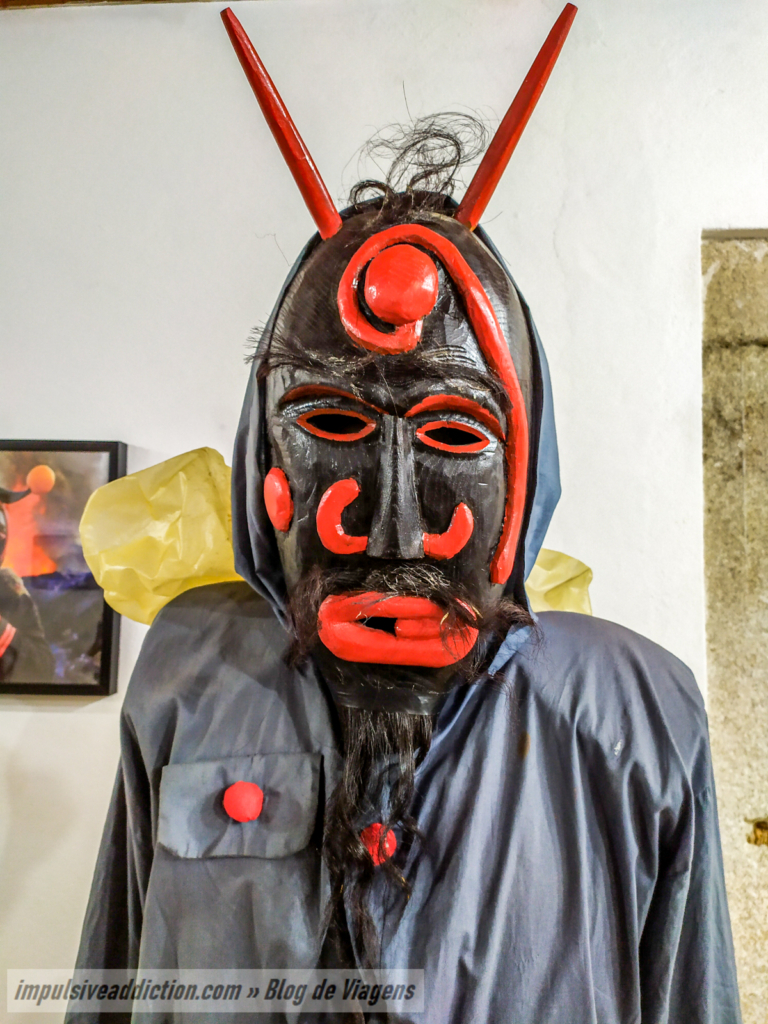
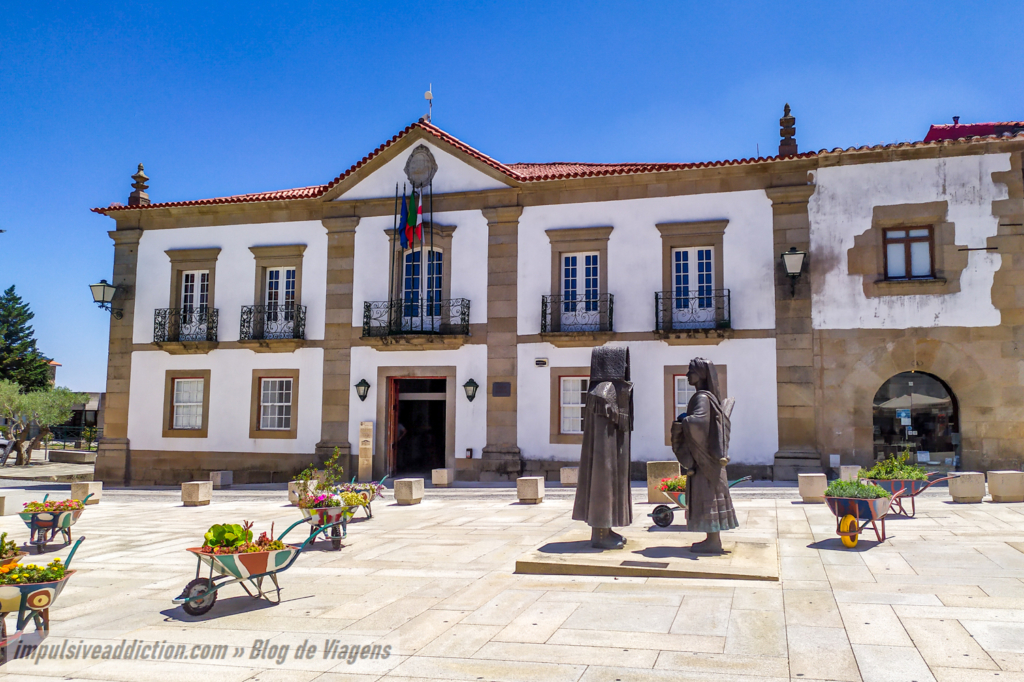
There’s no better place to dive deeper into Miranda do Douro’s cultural roots than the Museum of the Land of Miranda. [Click here to access the museum’s official website], and notice how thoughtfully the texts are presented in both Portuguese and Mirandese.
The museum is housed in the 17th-century Town Hall (Paço Municipal), and its exhibitions showcase the region’s most iconic traditions — from festivals, costumes, and music to the art of wool processing. Personally, I loved the section on the old weaving looms, much more than the part dedicated to traditional Mirandese homes and kitchens.
8. Largo D. João III
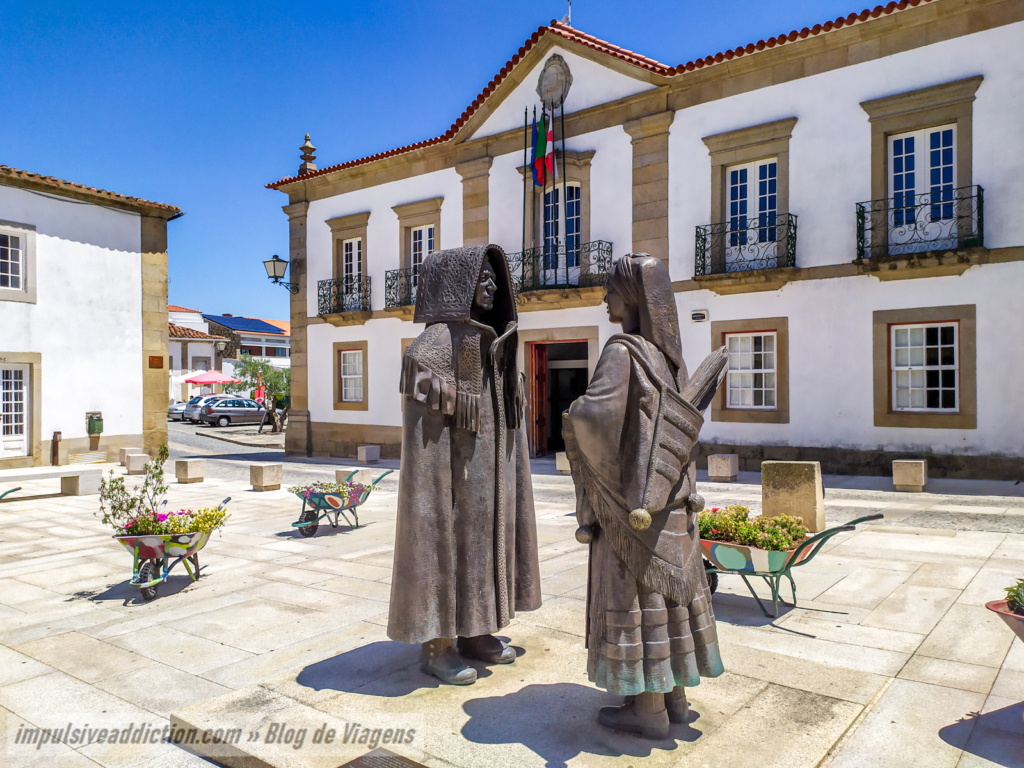
The Paço Municipal is the main highlight of Largo D. João III, where Rua da Costanilha comes to an end. Once the seat of the Town Hall, today the municipal offices are located on the opposite side of the square, in a 19th-century building.
At the center of the square stands a monument to the Mirandese people, depicting two farmers dressed in the region’s traditional costumes. Also worth noting is the Solar dos Ordazes, located on one of the square’s side streets.
9. Co-Cathedral of Miranda do Douro
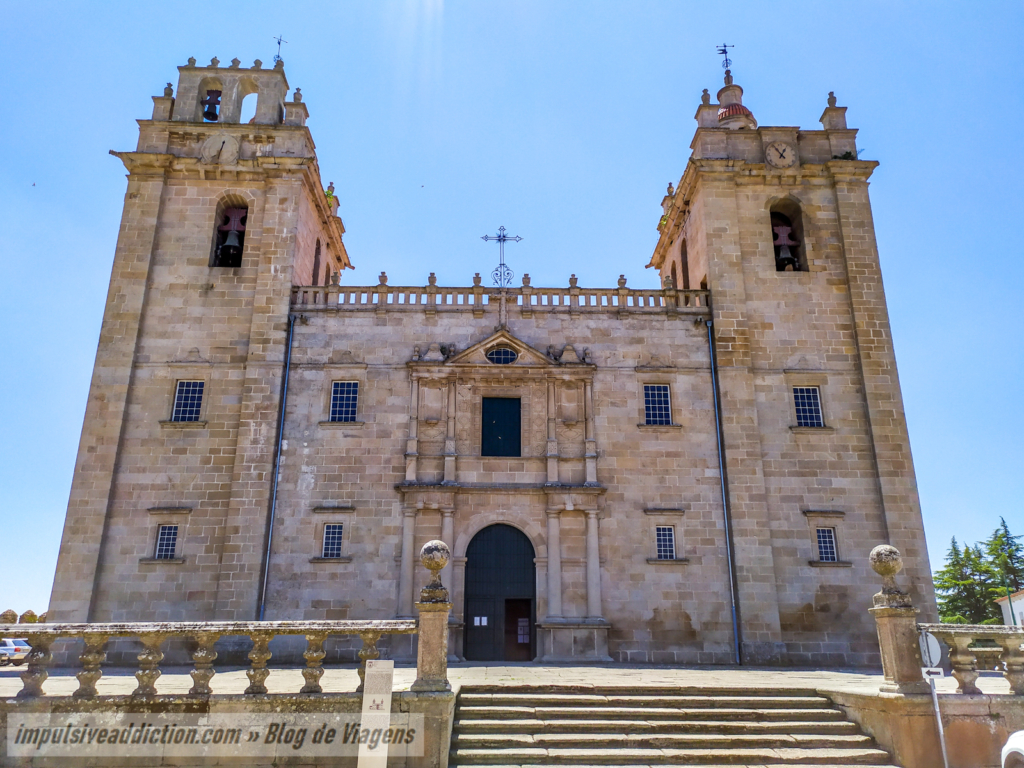
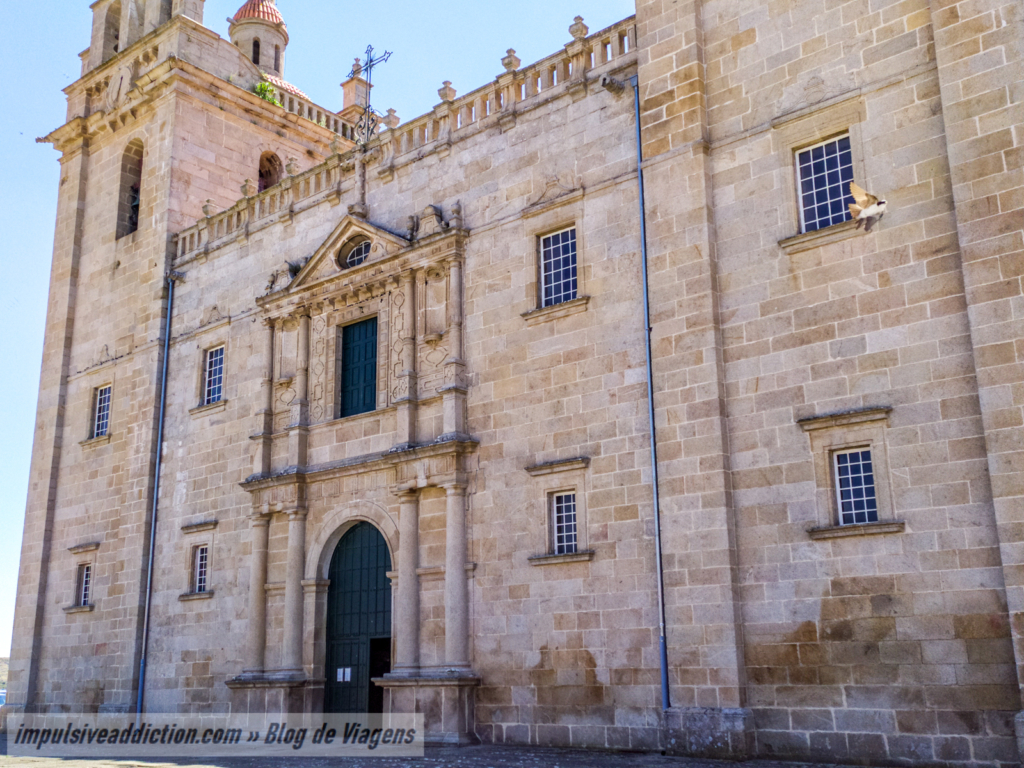
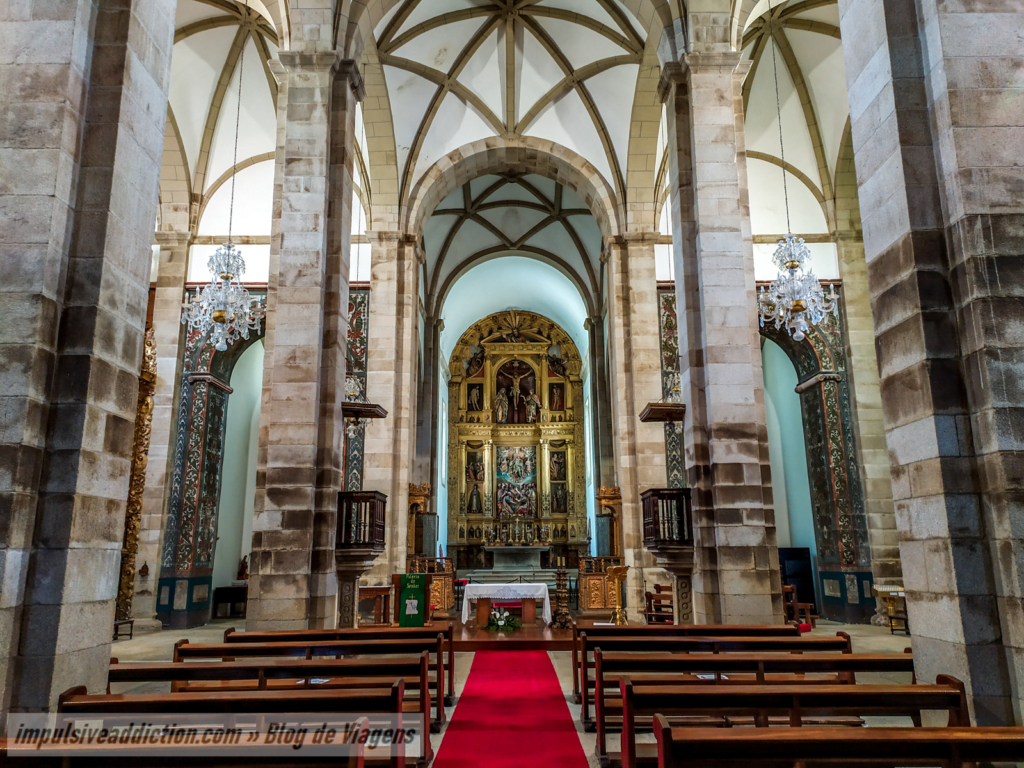
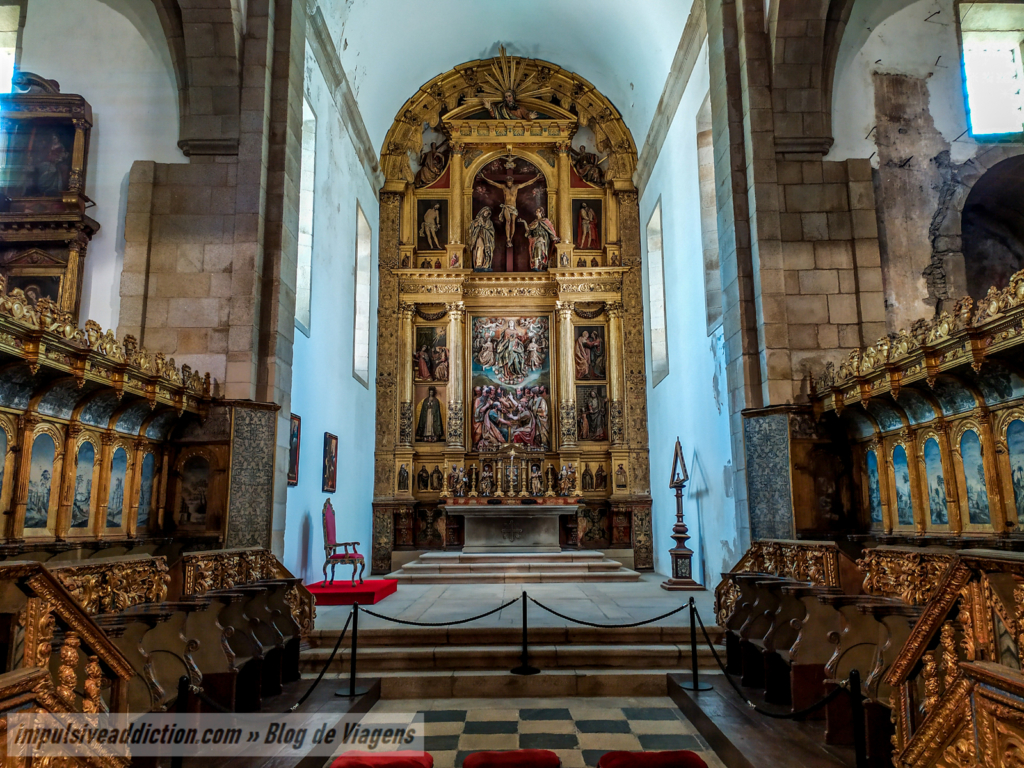
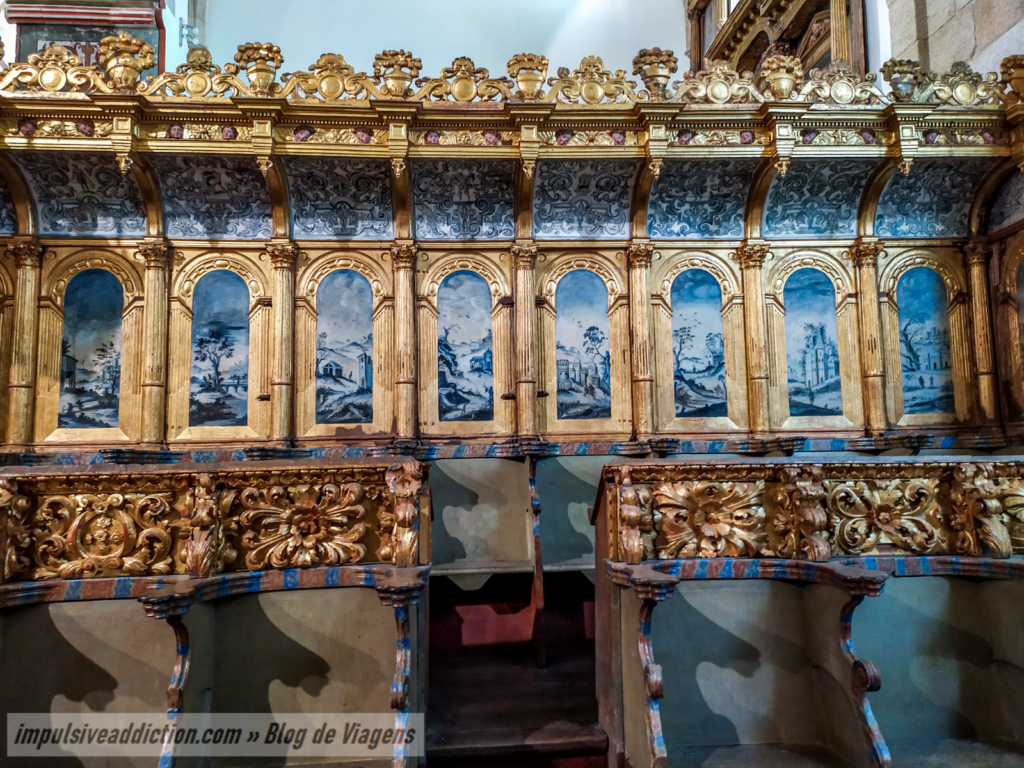
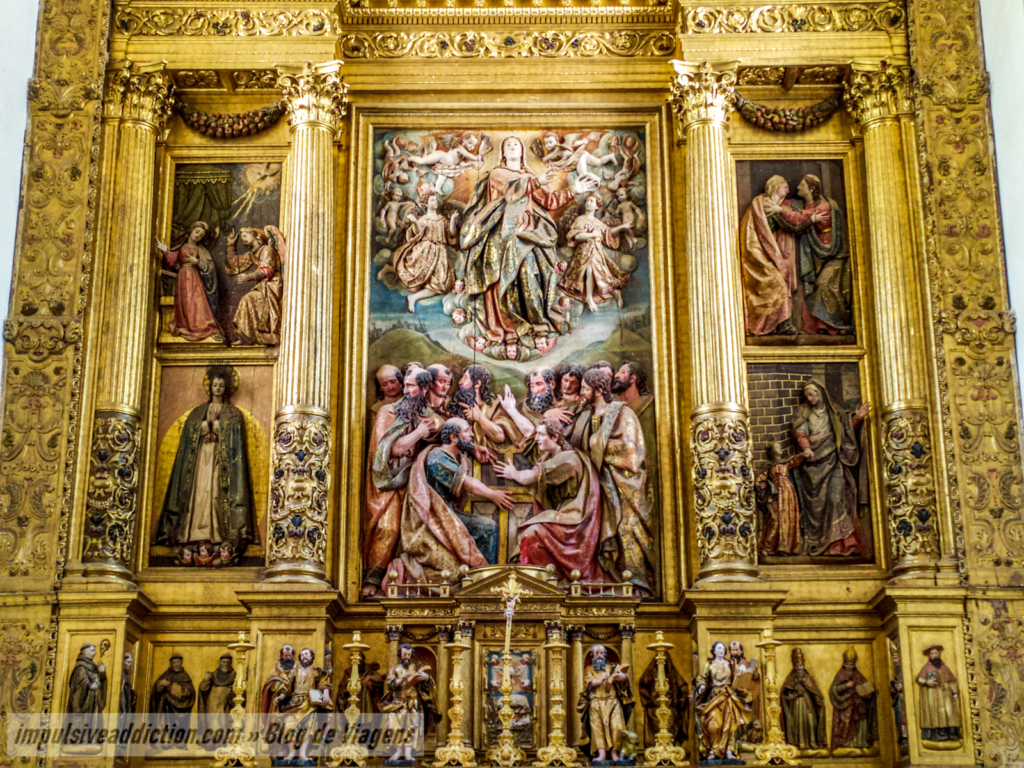
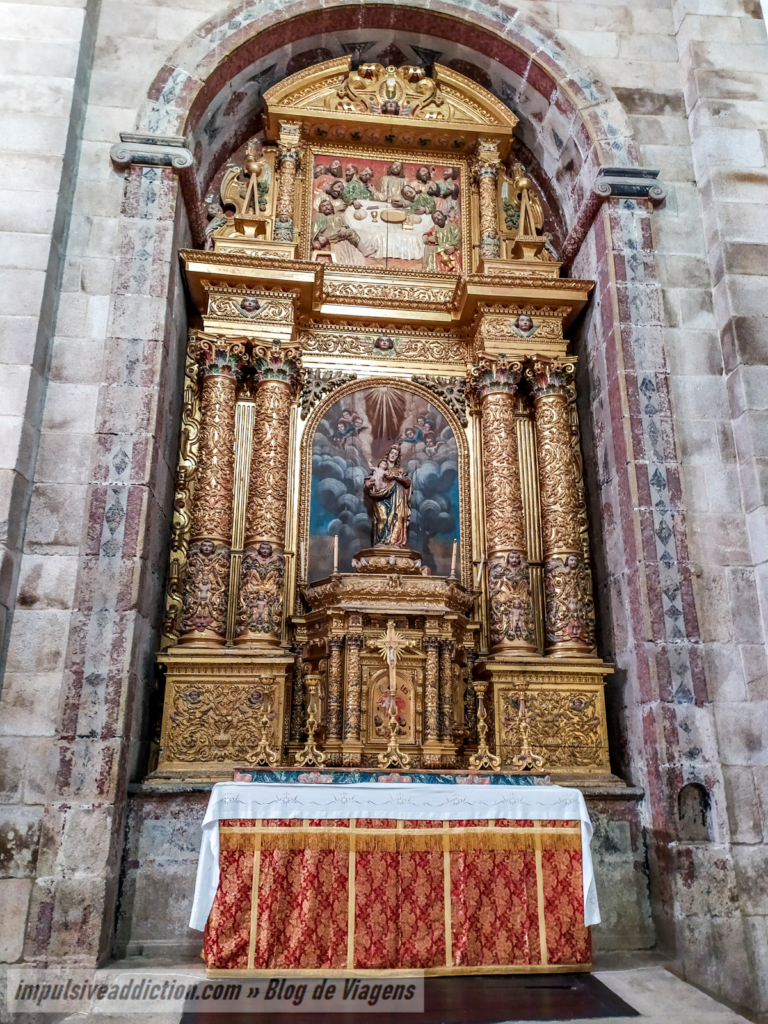
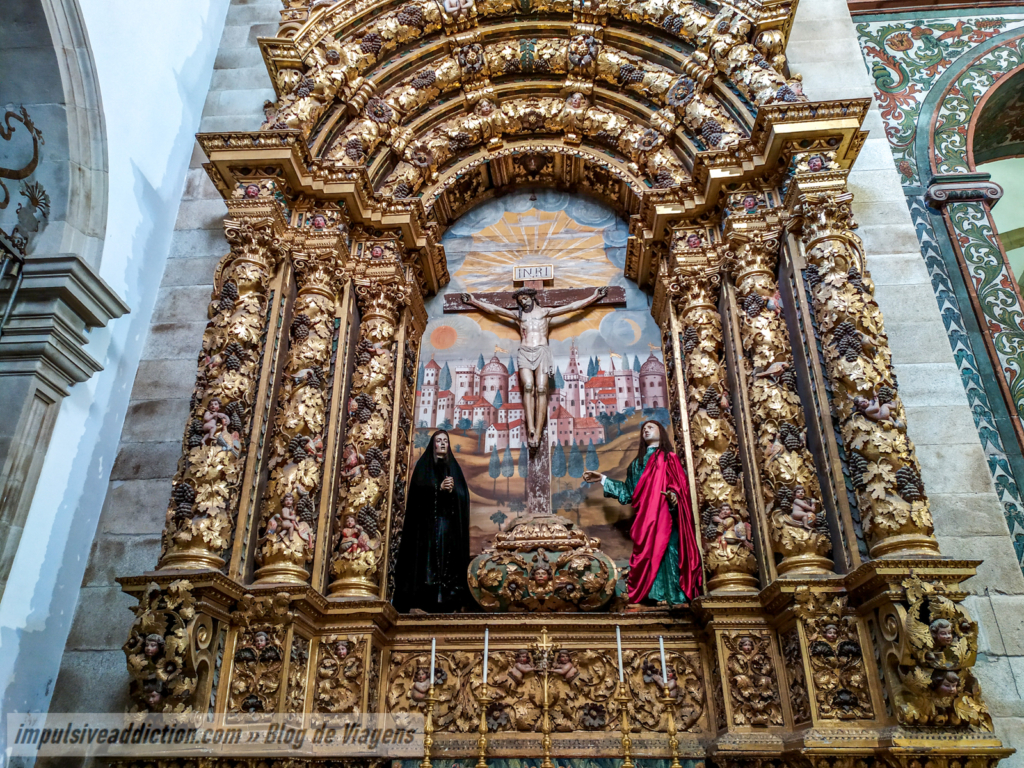
The Co-Cathedral of Miranda do Douro is without a doubt one of the city’s most impressive landmarks. Construction began in the mid-16th century, at the time when the Diocese of Miranda was established.
This diocese lasted until the 18th century, when it was transferred to Bragança. Until then, the co-cathedral actually served as the Cathedral of Miranda.
10. Ruins of the Episcopal Palace of Miranda do Douro
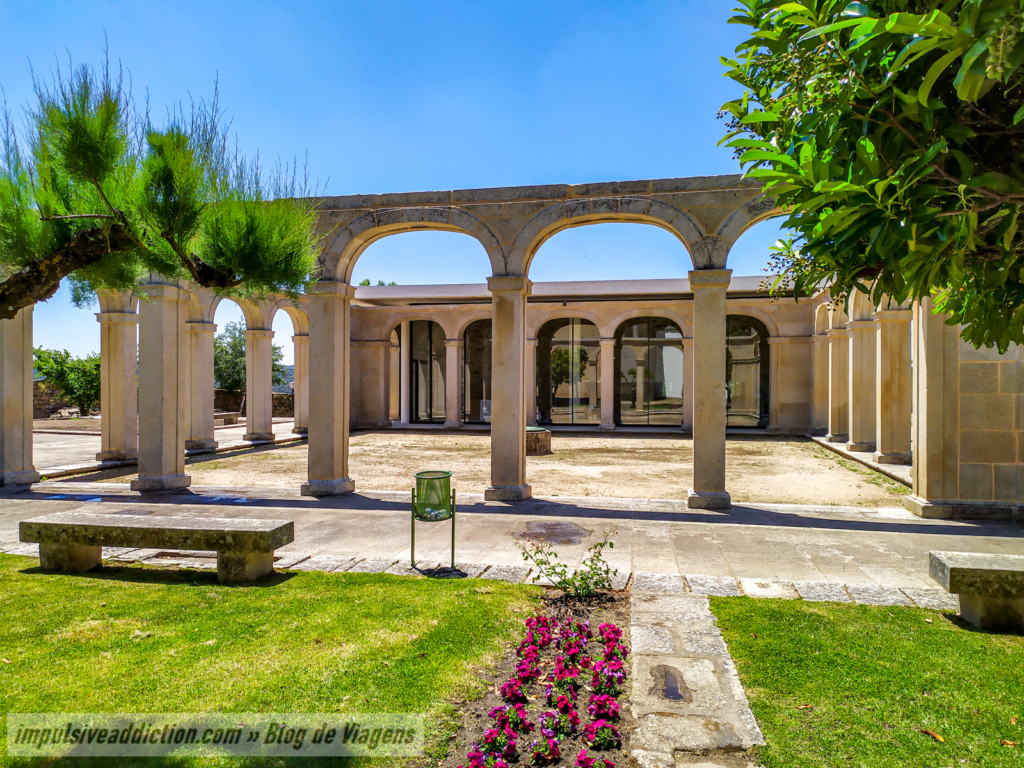
The bishops of Miranda lived in the Episcopal Palace until the diocese was transferred to Bragança. That very transfer marked the beginning of the site’s decline. It is believed that, in its prime, the palace rivaled the co-cathedral in grandeur and importance.
11. Church of the Convent of the Trinitarian Friars
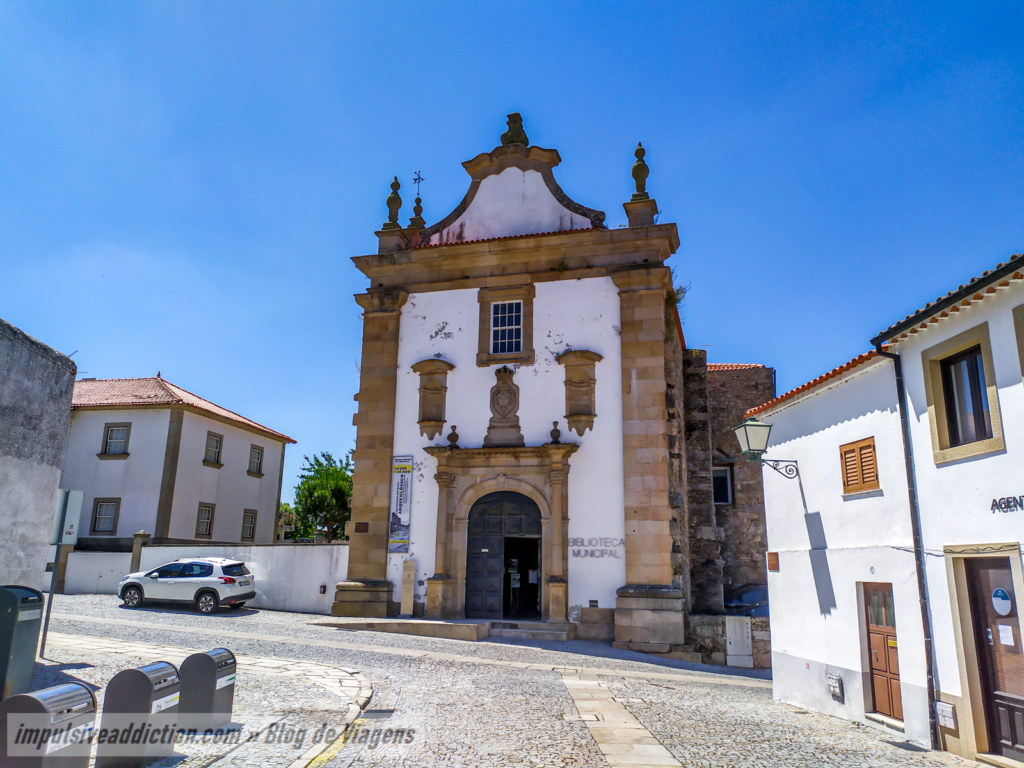
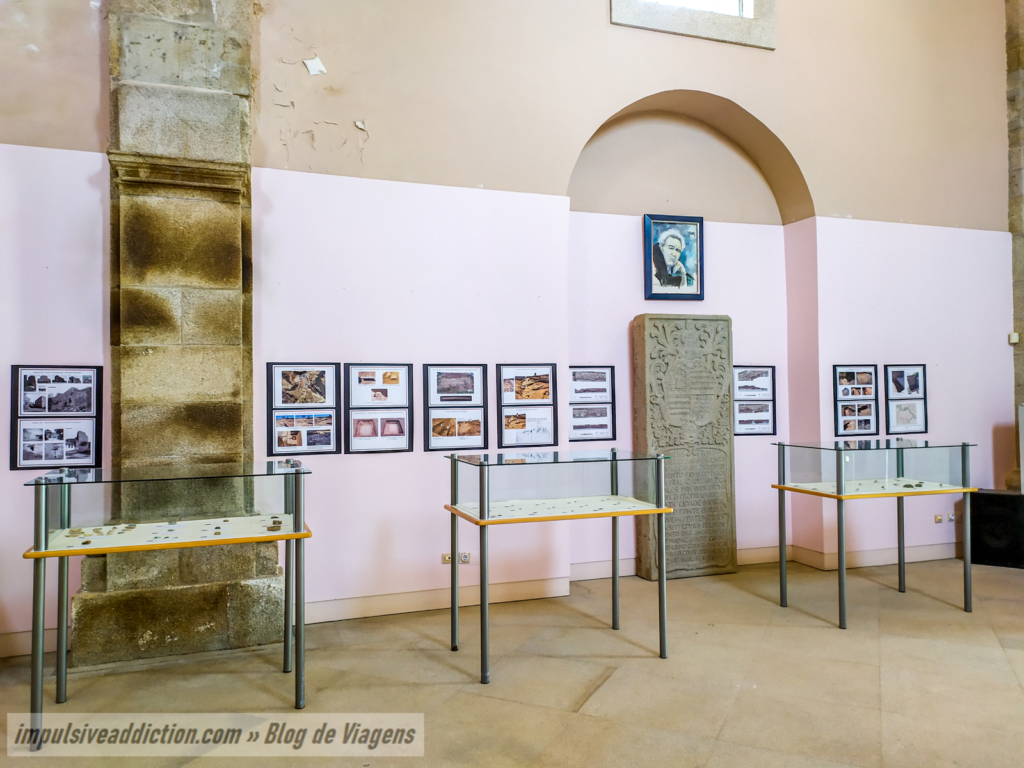
Today, the Municipal Library of Miranda do Douro is housed inside the Church of the Convent of the Trinitarian Friars. The church dates back to the 18th century, and on its main façade you can still see the coat of arms of the Order of the Discalced Trinitarian Friars.
12. Fonte dos Canos & Vilarinho Aqueduct
Just outside the old city walls, you’ll find the Fonte dos Canos and the Vilarinho Aqueduct. The aqueduct dates back to the 16th century and was built to channel water to the right bank of the Fresno River, from where it was later transported into the city.
13. Fresno River Urban Park
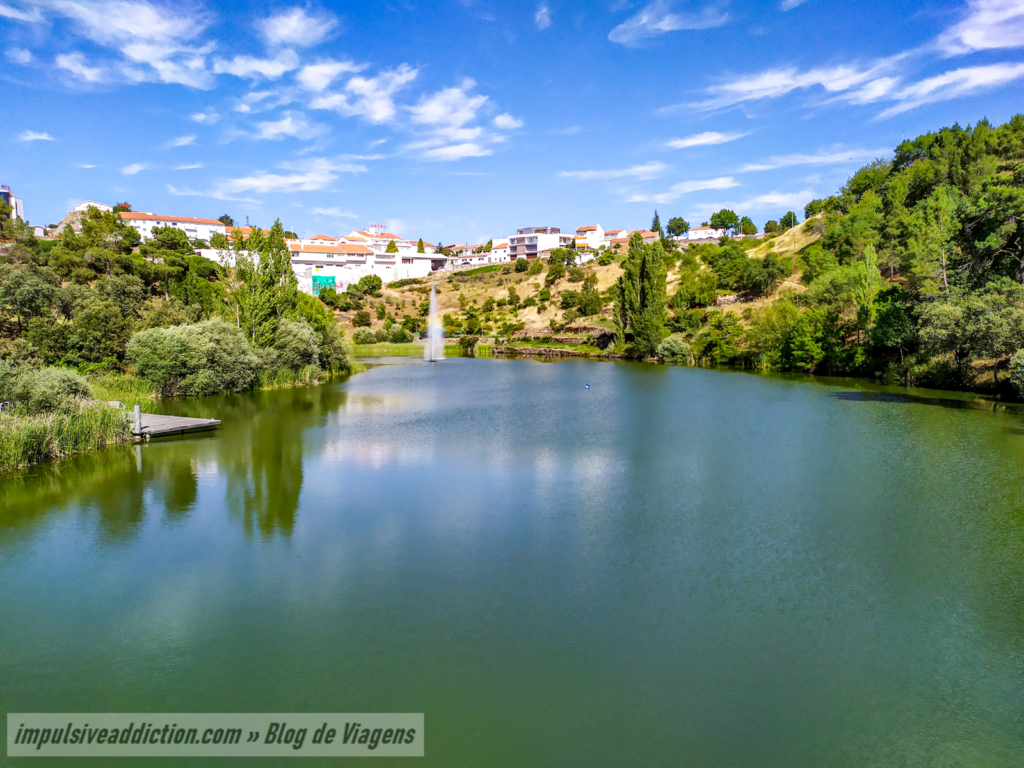
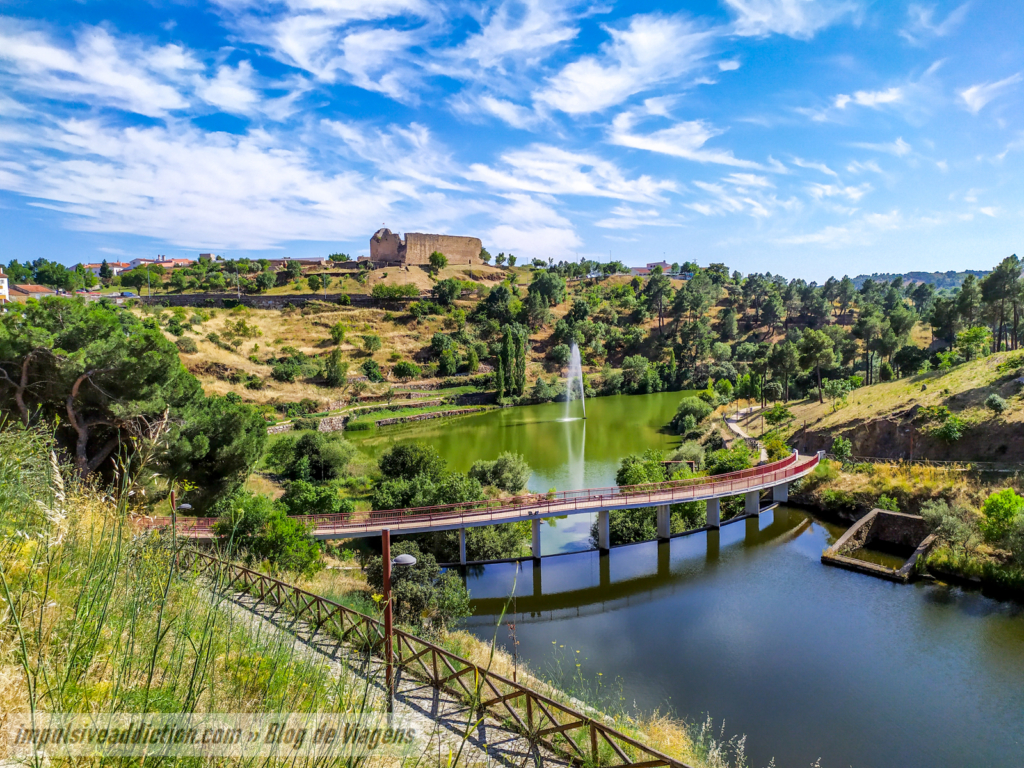
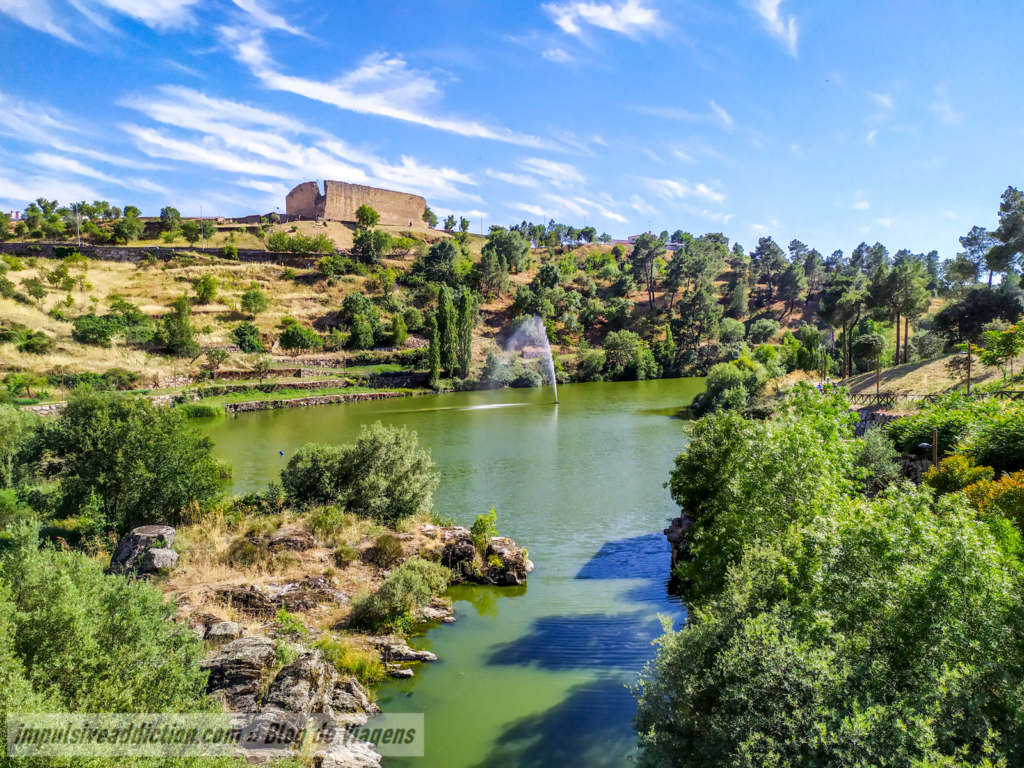
The Fresno River Urban Park is a beautiful green space, perfect for a relaxing stroll. It’s a pity that the water isn’t suitable for swimming (as the signs by the lakes make clear), but the park more than makes up for it with its superb views of the castle, inviting wooden walkways, and plenty of terraces where you can enjoy a refreshing drink.
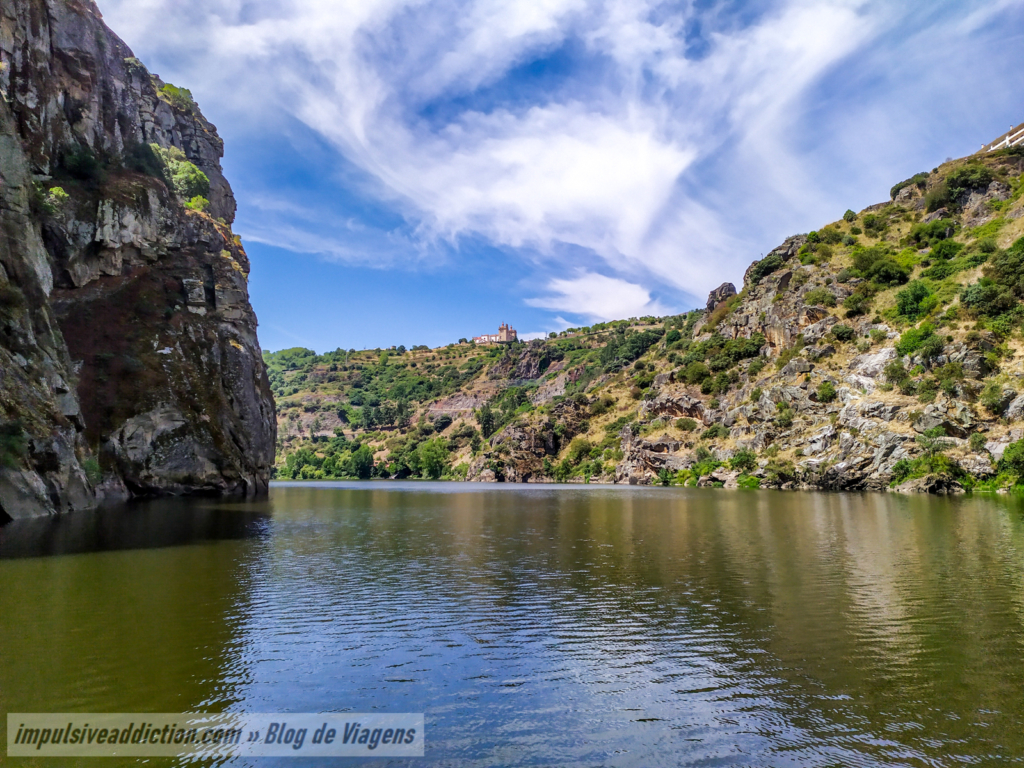
Enjoy an Environmental Cruise of the Douro Cliffs
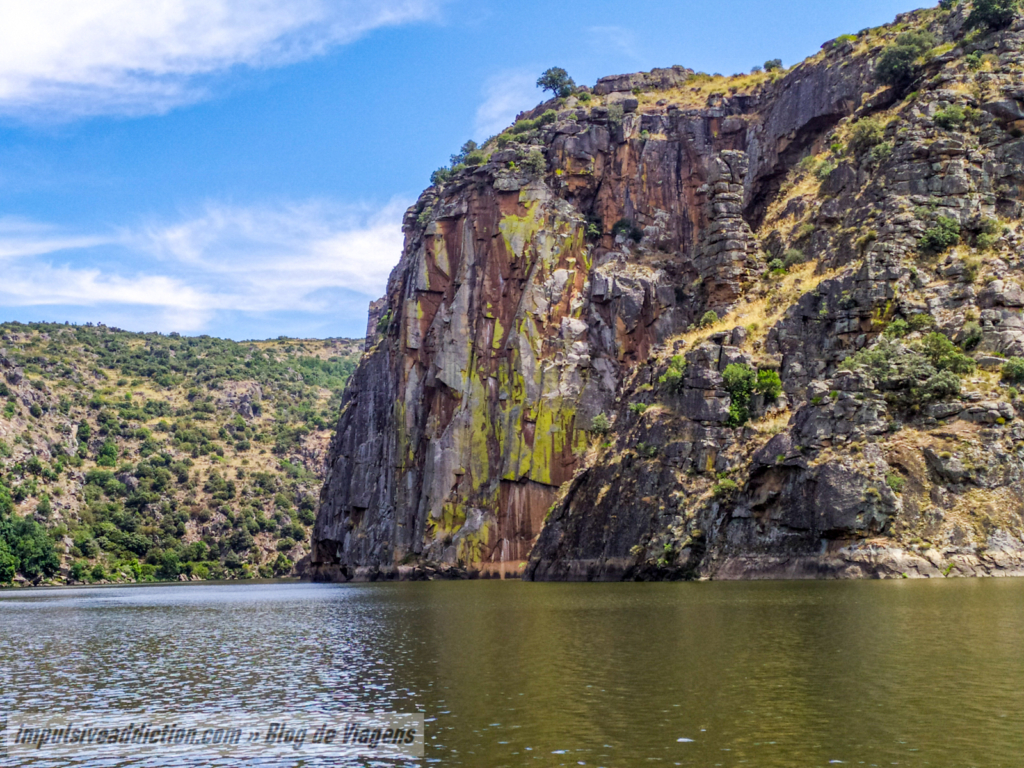
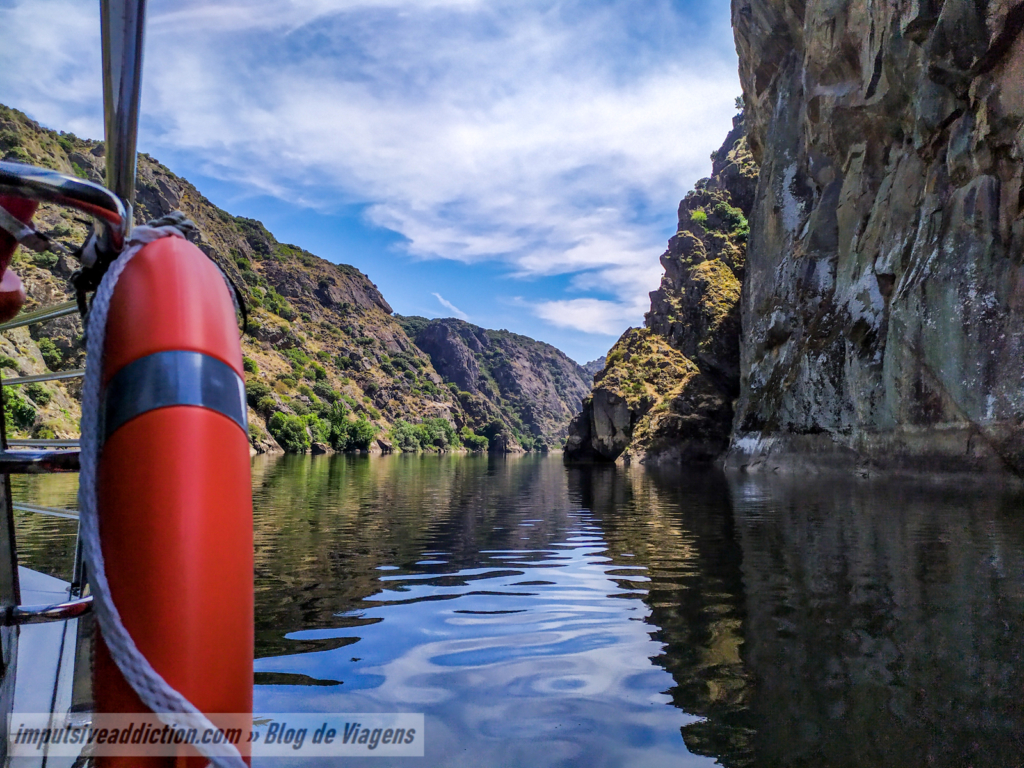
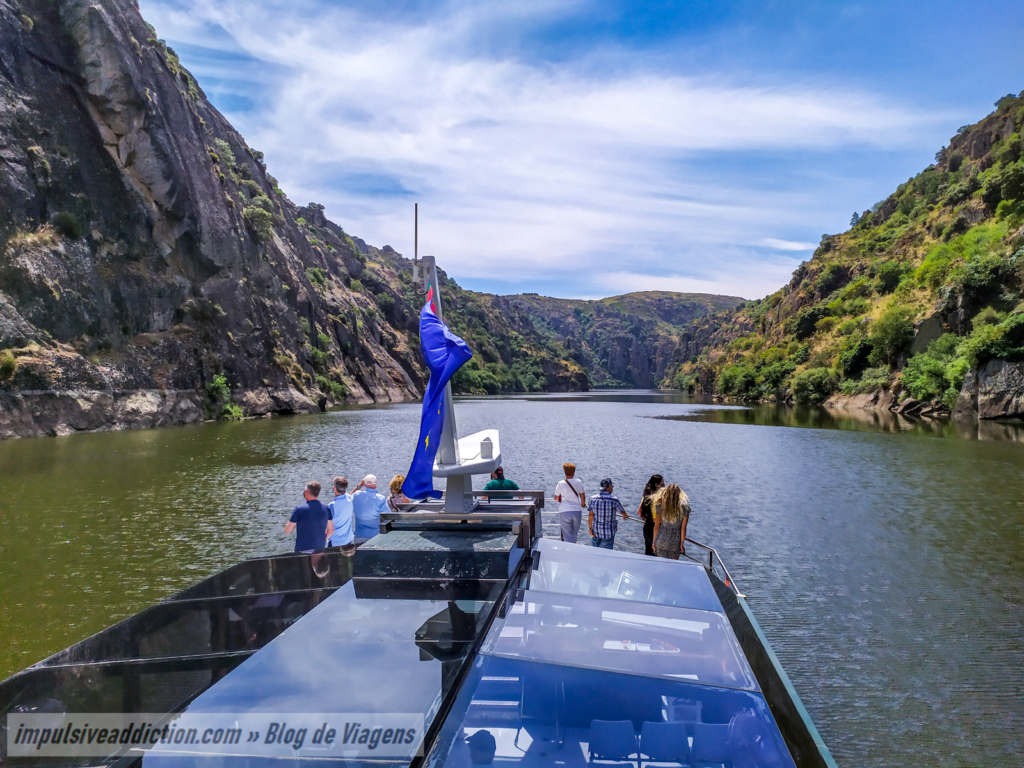
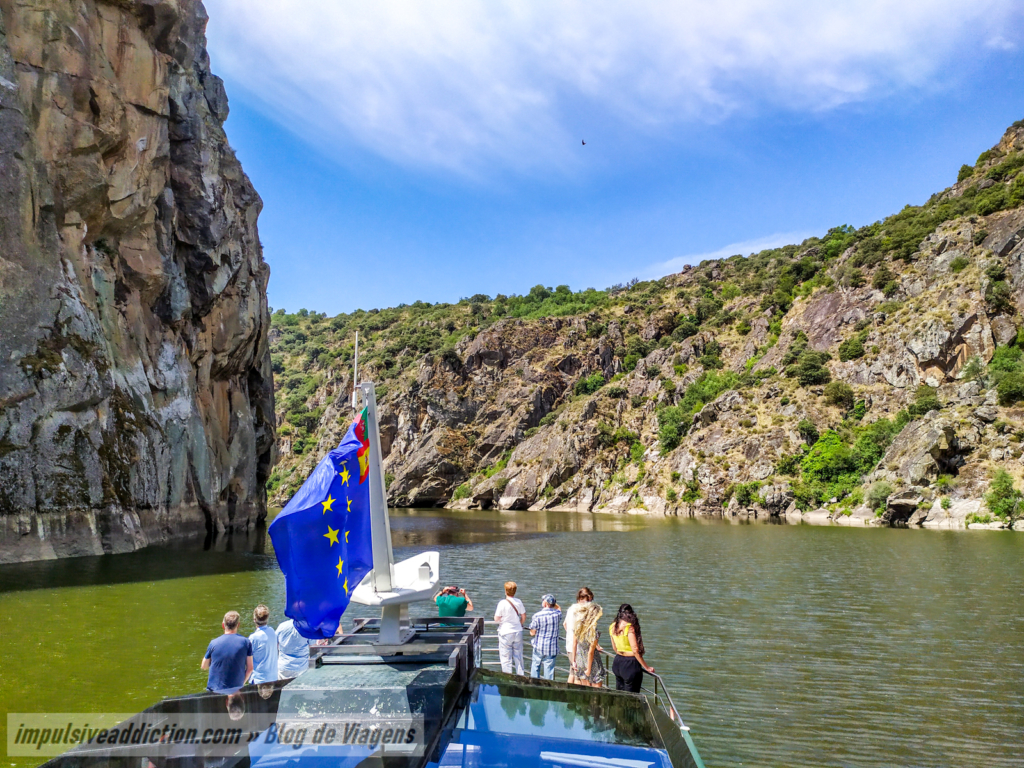
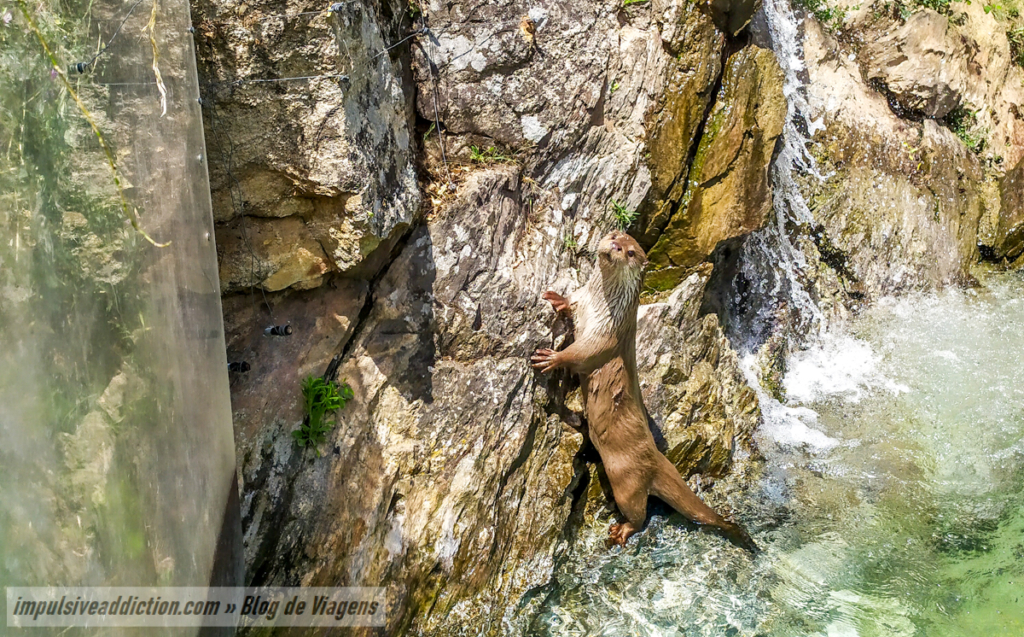
When visiting Miranda do Douro, taking a boat cruise on the Douro River is an absolute must. I did it myself and loved every single minute of the short trip along the dramatic cliffs. The scenery is breathtaking, and you’re accompanied by a knowledgeable guide who explains everything about the water, the birds and wildlife, the vegetation, and the geology of the cliffs. To top it all off, the tour ends with a wine tasting. 😉
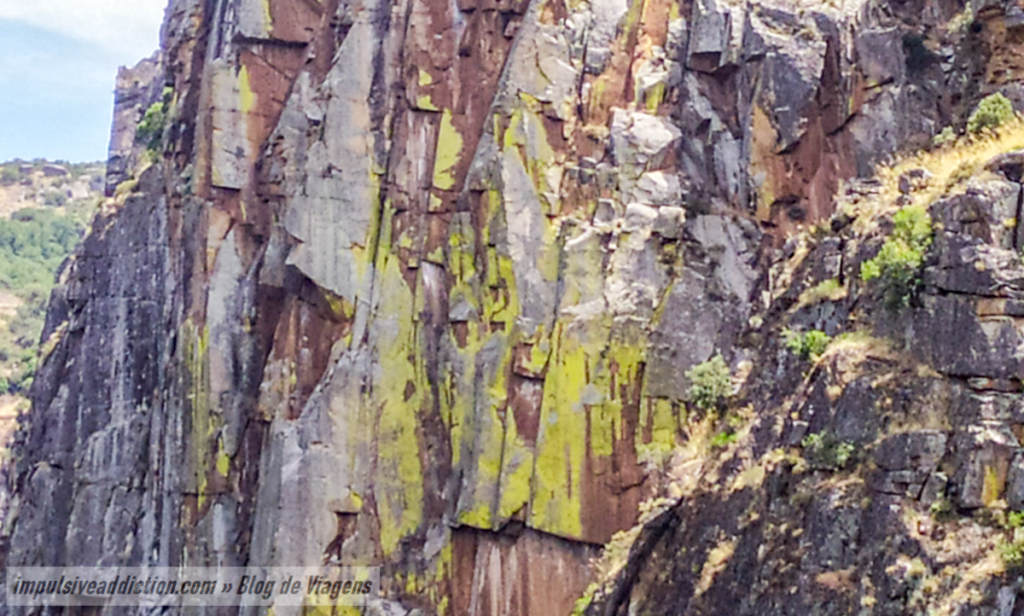
1. The Number 2 on Penedo Amarelo
Don’t forget to snap a photo of the natural “2” shape that has appeared on the rock face opposite the boarding pier for the cruise. Local tradition says: if you don’t see the number 2, you won’t get married! That’s what I was told during the trip. 😄 From the Co-Cathedral viewpoint, you can already spot this distinctive yellow rock formation.
2. Booking the Environmental Cruise in Miranda do Douro
To book the Environmental Cruise in advance from Miranda do Douro, simply follow [this link to the Civitatis website]. Don’t forget to check out the reviews from other travelers — you’ll see that, just like me, most of them absolutely loved the experience!
Discover the best Viewpoints of Miranda do Douro
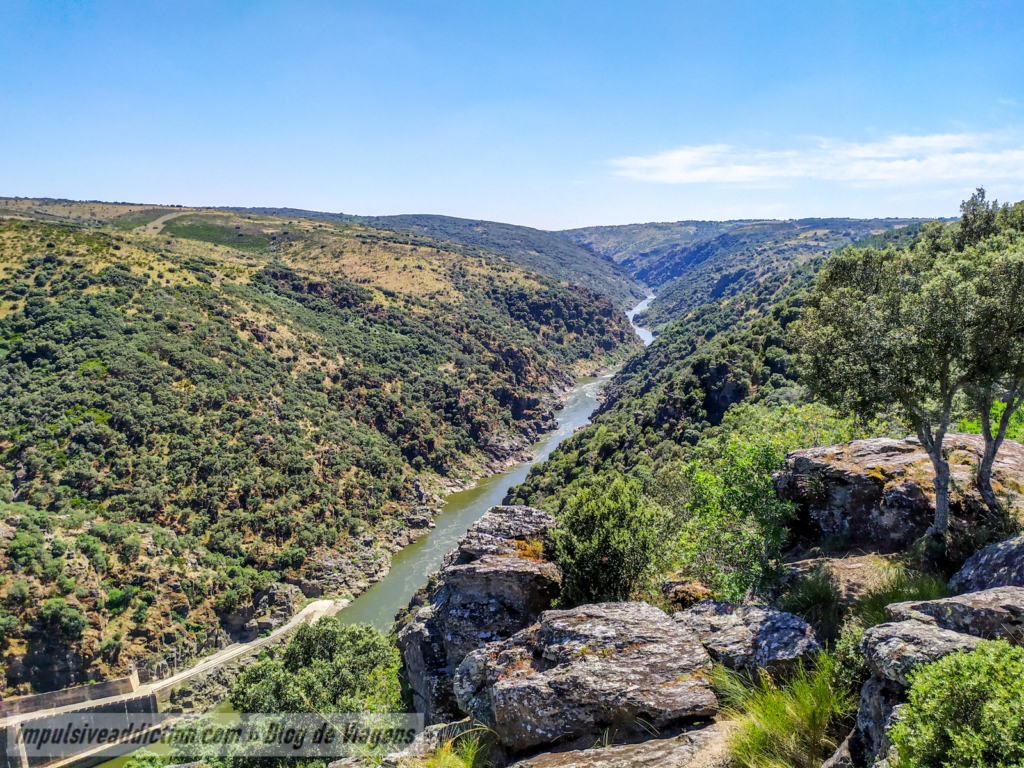
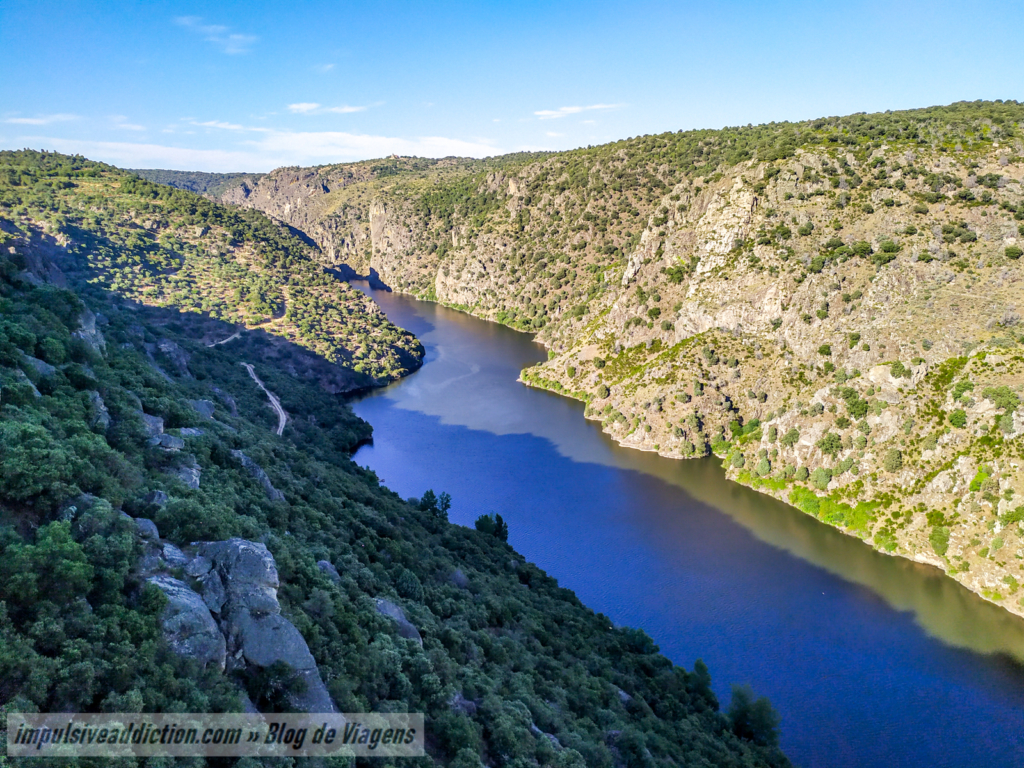
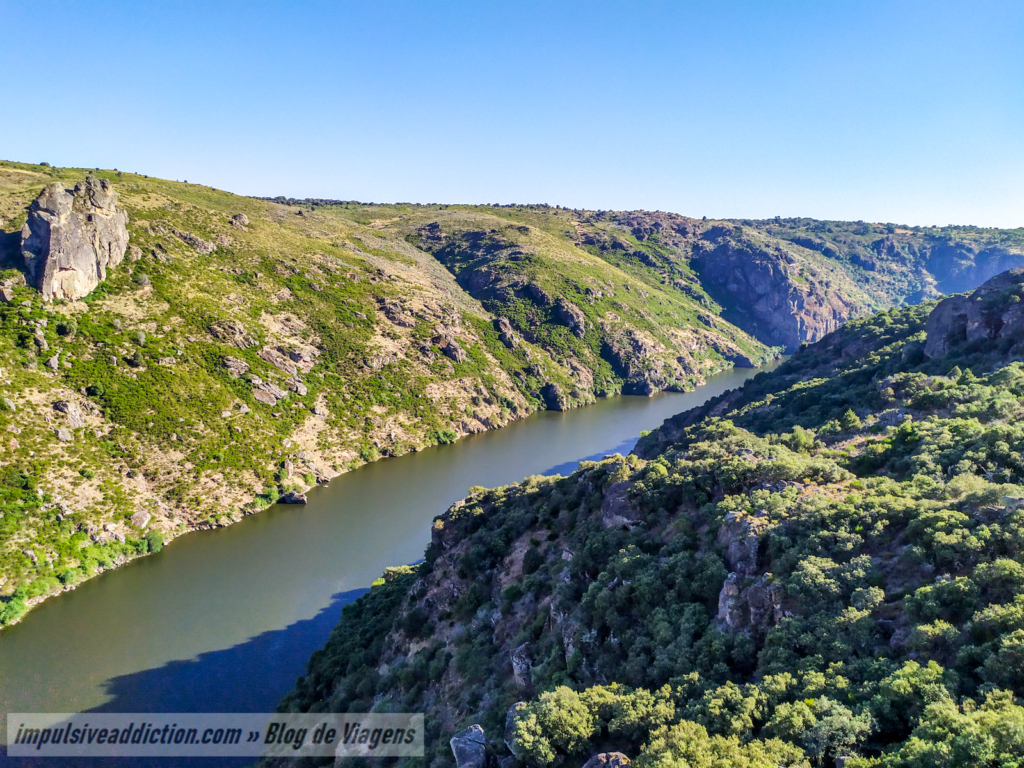
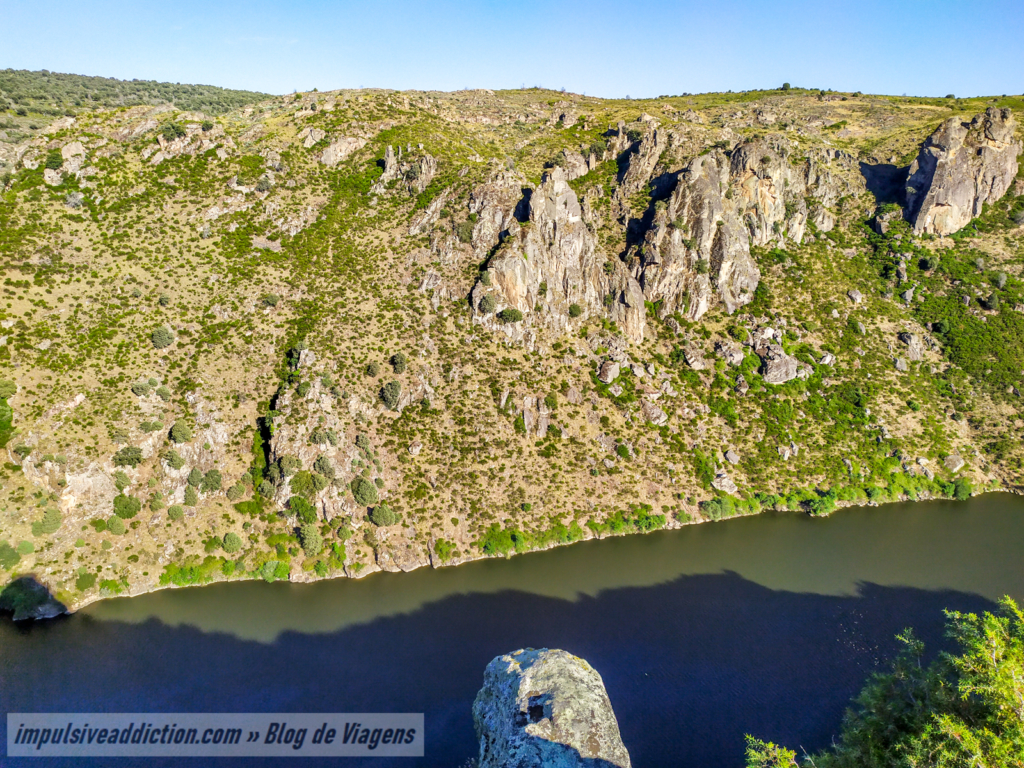
When it comes to viewpoints, I’ll share seven in total, listed from north to south. Just a reminder: many of these are accessed via dirt roads or tracks that might not always be passable. Be prepared to do a bit of walking — at least for some of them.
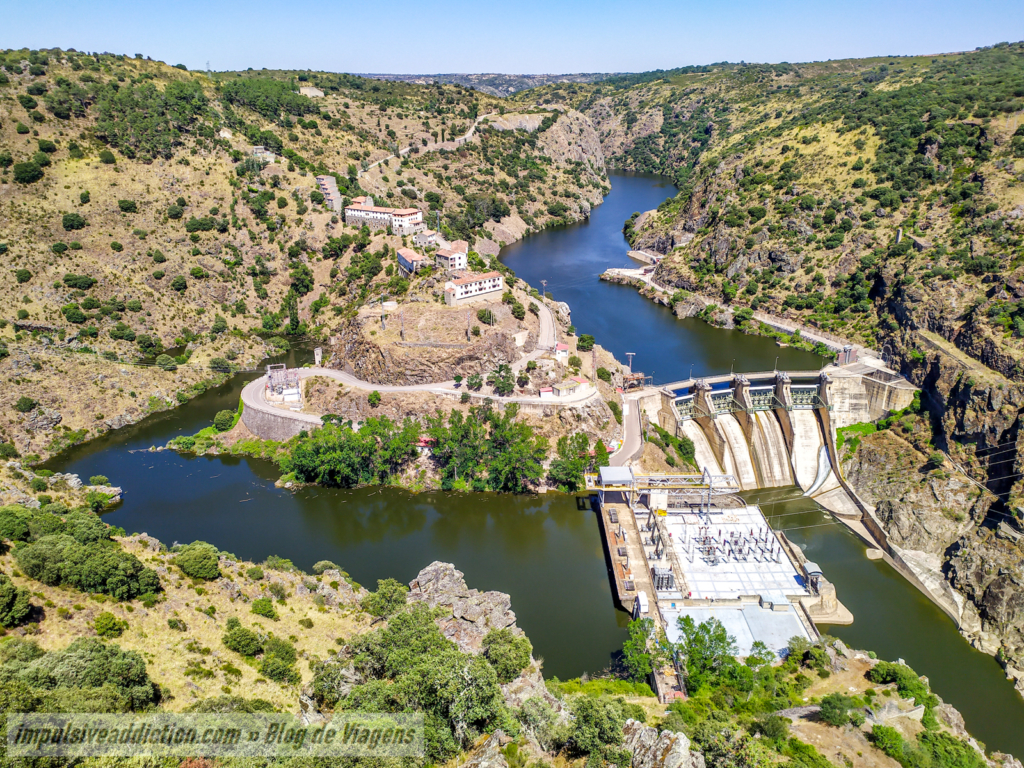
1. Penha das Torres Viewpoint (Paradela)
Located in Paradela, the easternmost point of Portugal, this viewpoint is where the sun first rises in the country. From here, you get a fantastic view of the Castro Dam and the exact spot where the Douro River enters Portuguese territory, becoming an international river.
2. São João das Arribas Viewpoint (Aldeia Nova)
The São João das Arribas Viewpoint is located in Aldeia Nova, right next to a chapel of the same name and an ancient castro (fortified settlement) that dates back to the Iron Age.
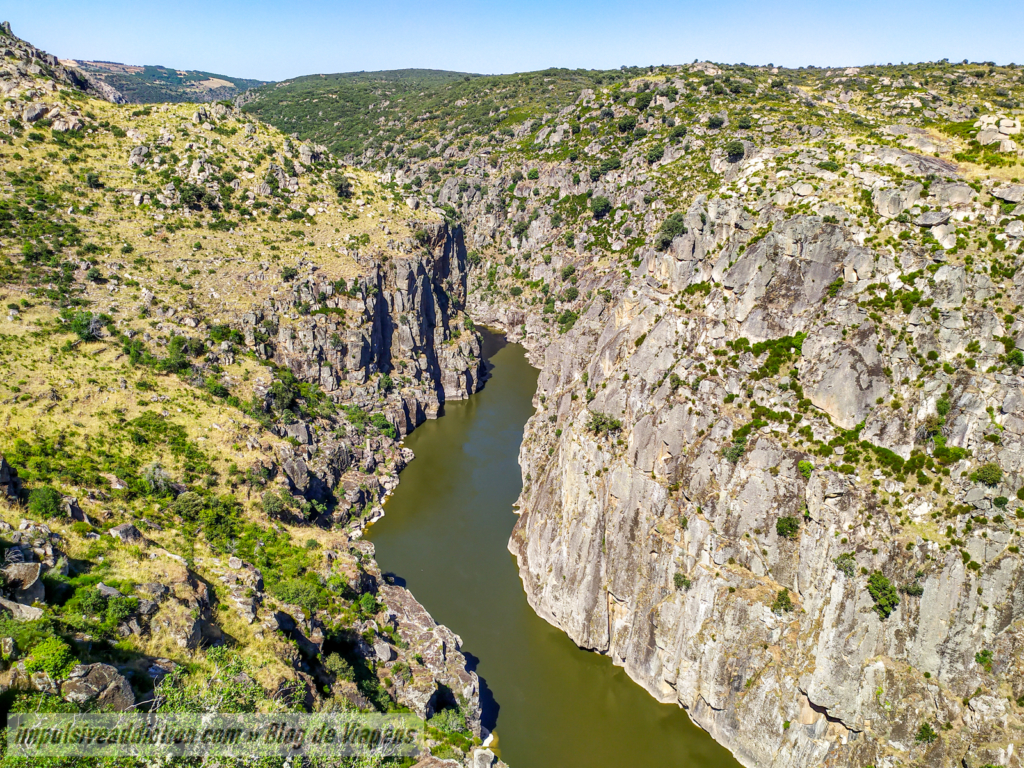
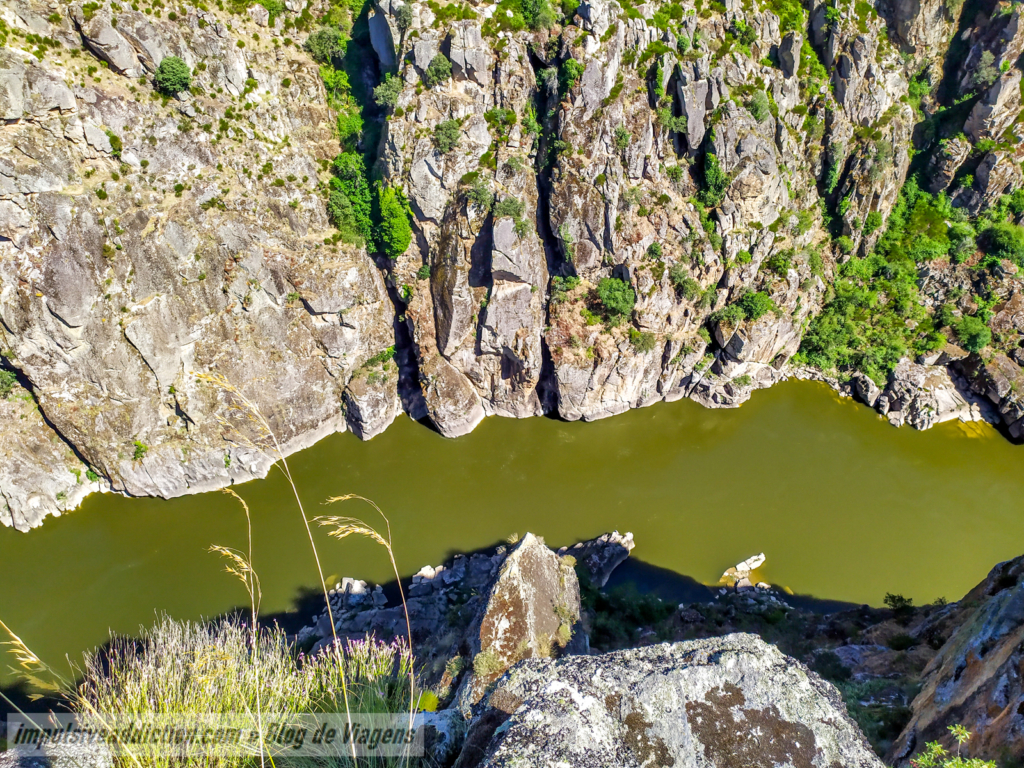
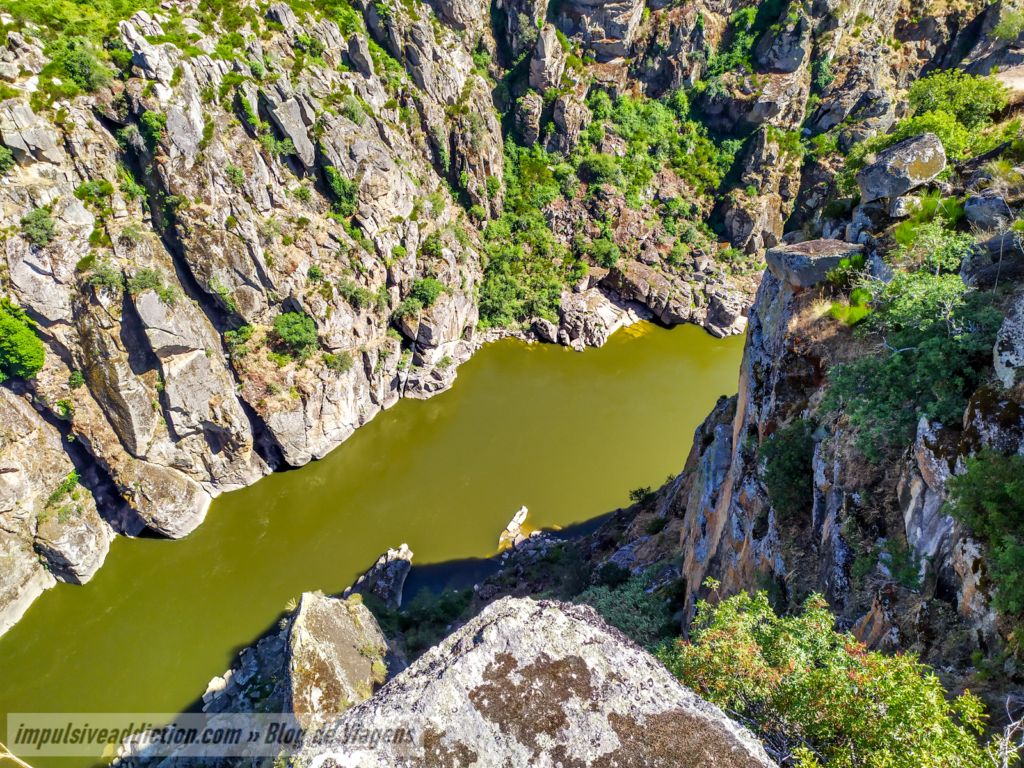
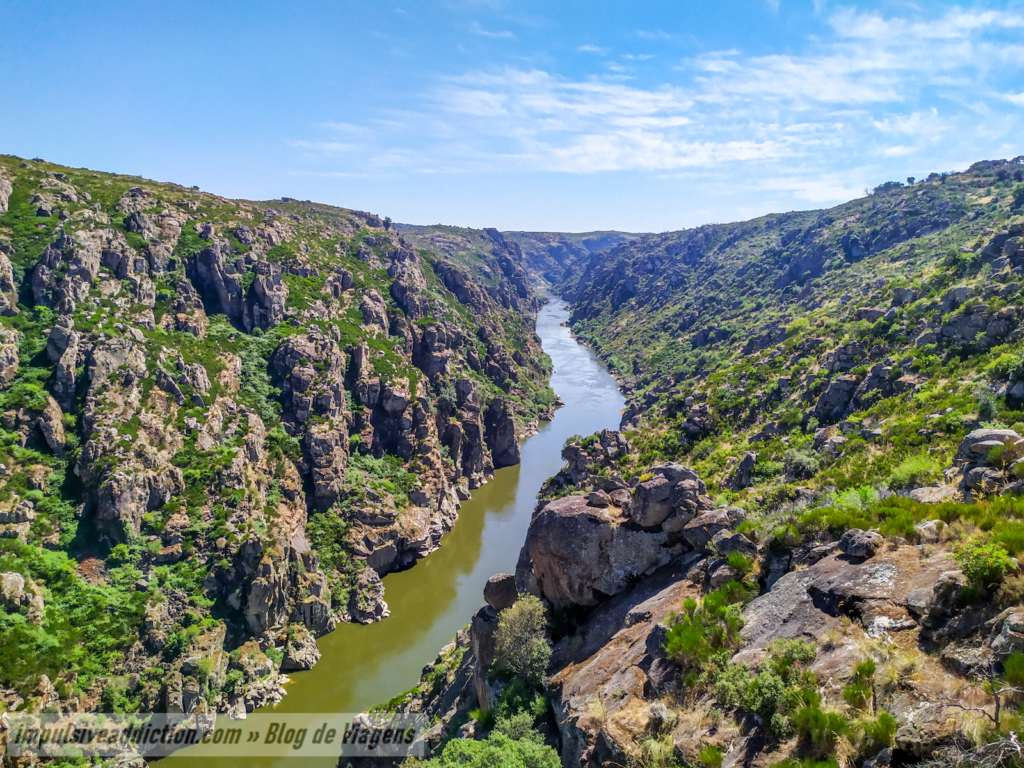
3. Castrilhouço Viewpoint (Vale d’Águia)
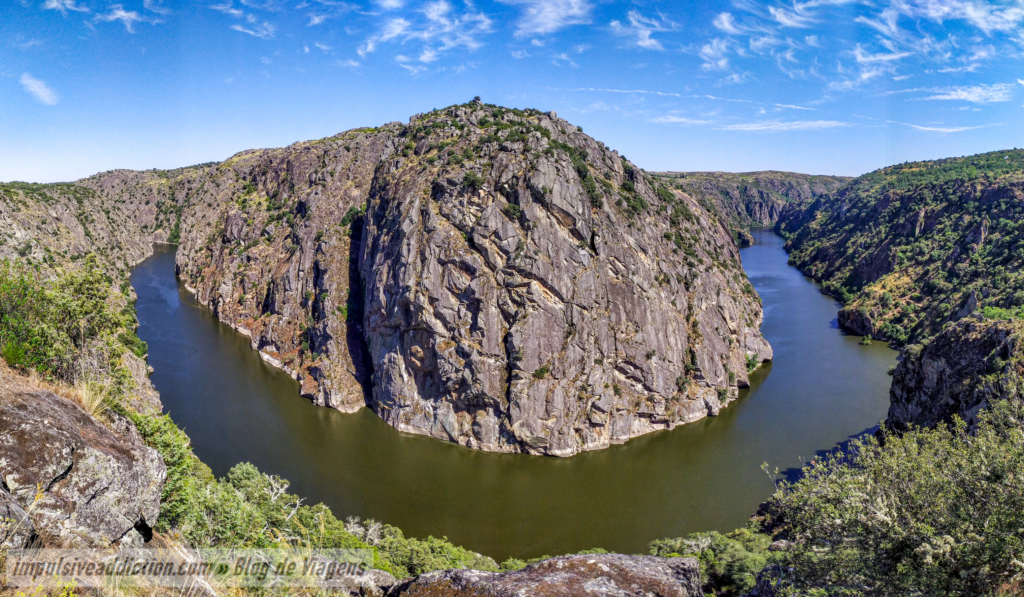
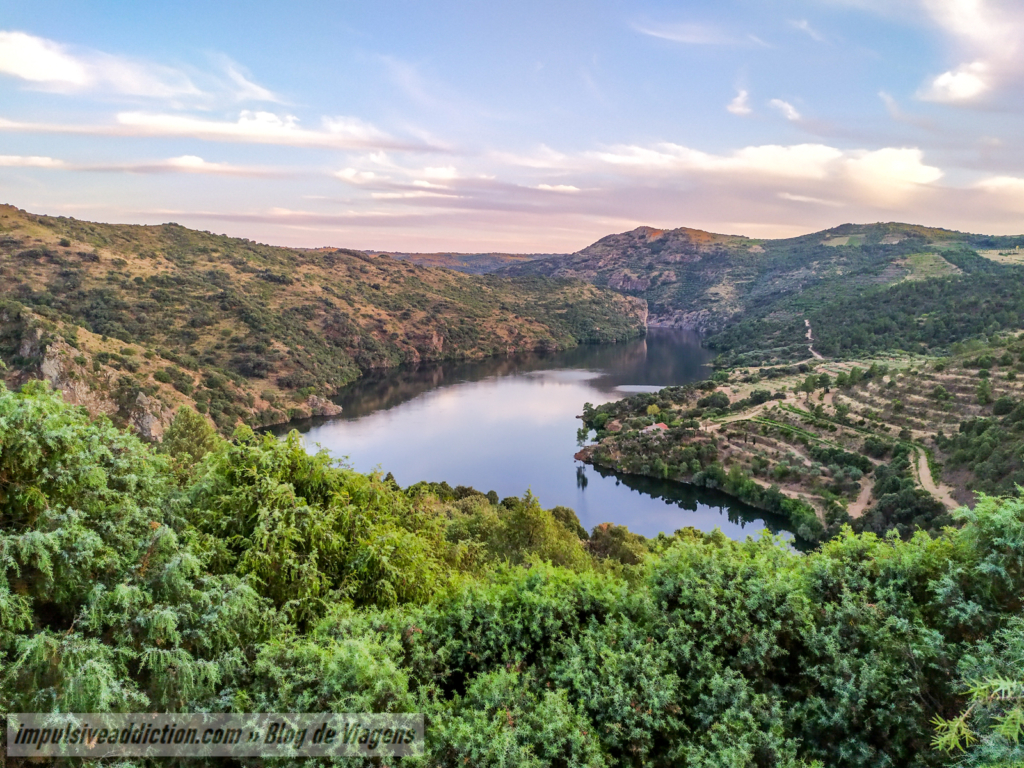
The Castrilhouço Viewpoint is one of my personal favorites on this list, as it offers an incredible view over a dramatic meander of the Douro River.
4. Freixiosa Viewpoint
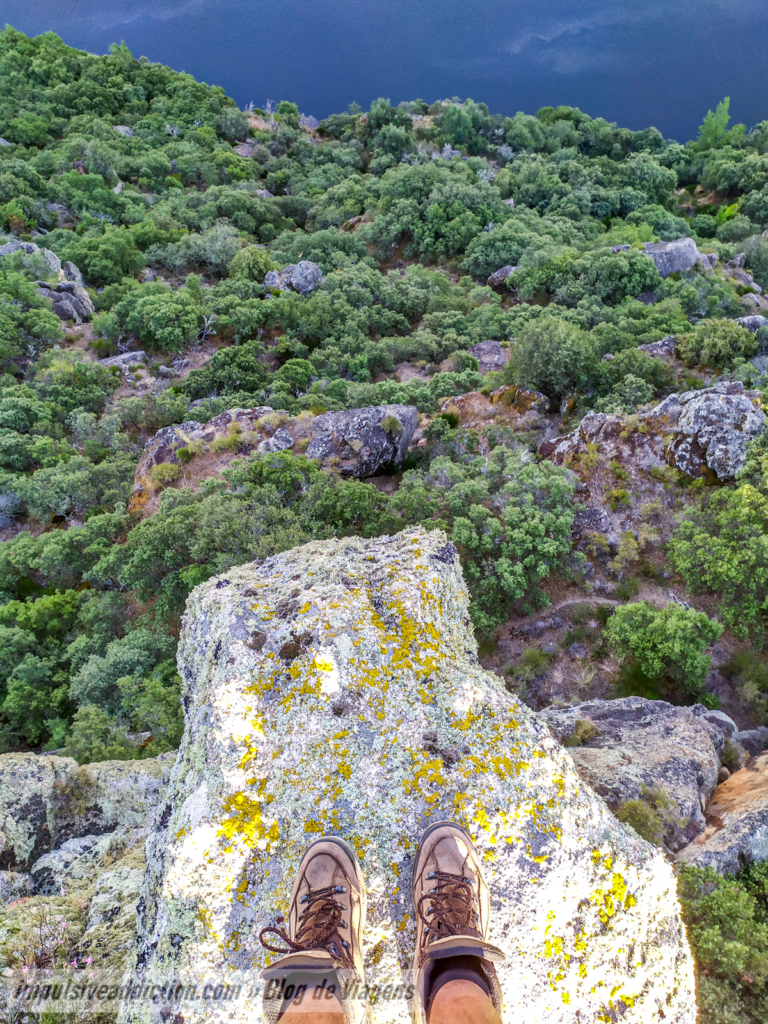
5. Fraga Amarela Viewpoint (Vila Chã and Picote)
The Fraga Amarela Viewpoint was, in my experience, the most difficult one to access. Was it worth it? Absolutely. It sits right next to the Castro da Cigaduenha, an ancient settlement dating back to the 1st millennium BC. And as with all of these viewpoints, the landscape is simply breathtaking.
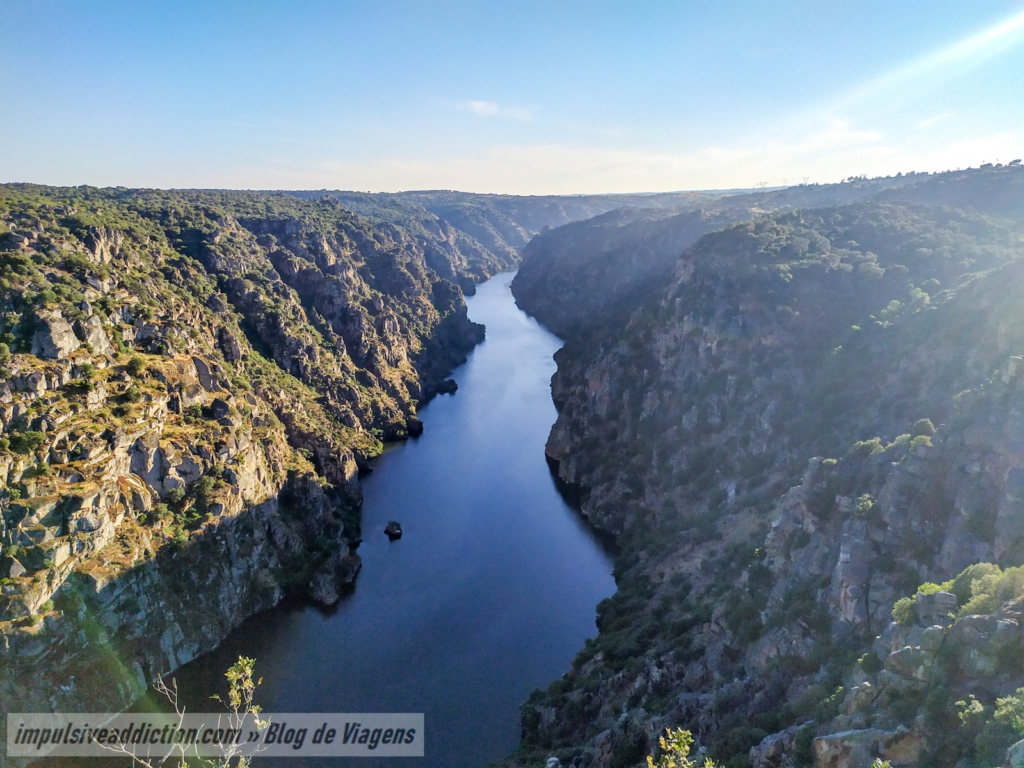
6. Fraga do Puio Viewpoint (Picote)
The Fraga do Puio Viewpoint is perhaps the easiest to access, as it’s located right in the village of Picote. For that reason, it’s also one of the most famous and well-visited viewpoints of the Douro International. Don’t miss the chance to also explore the village while you’re here.
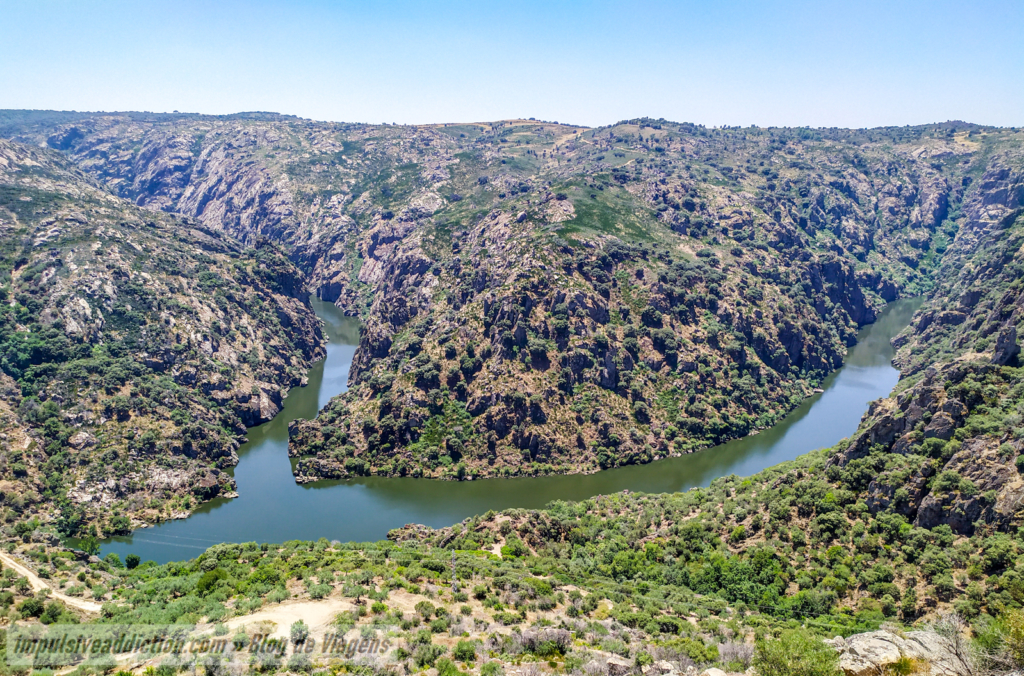
7. Carreirão das Arribas Viewpoint (Sendim)
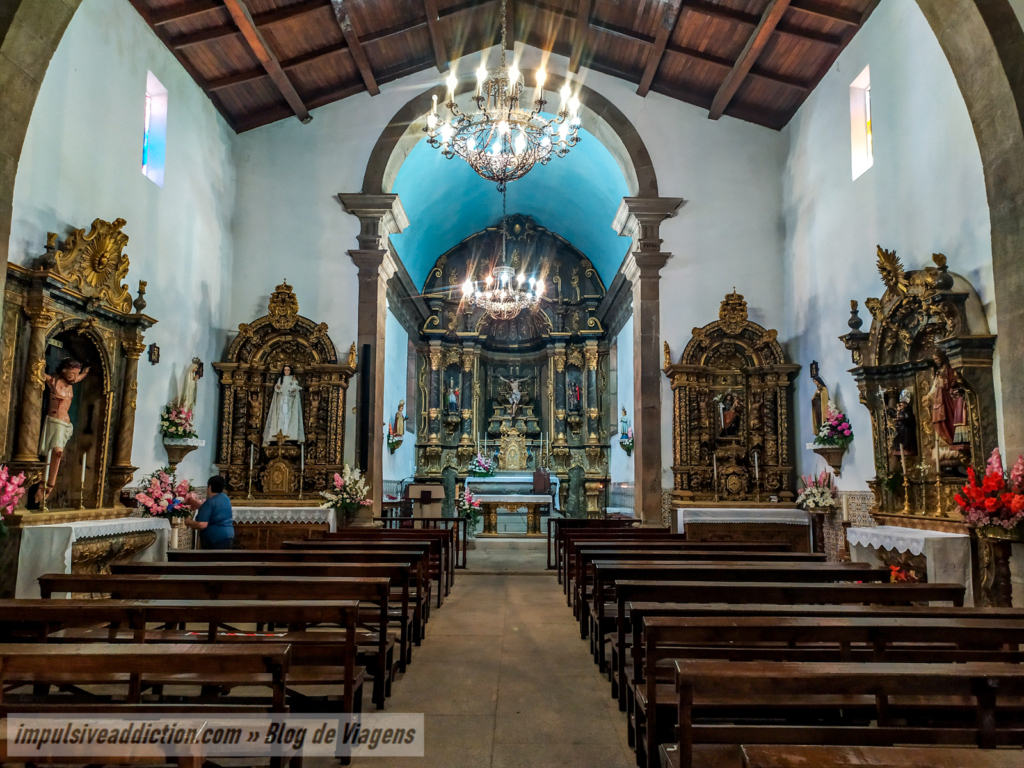
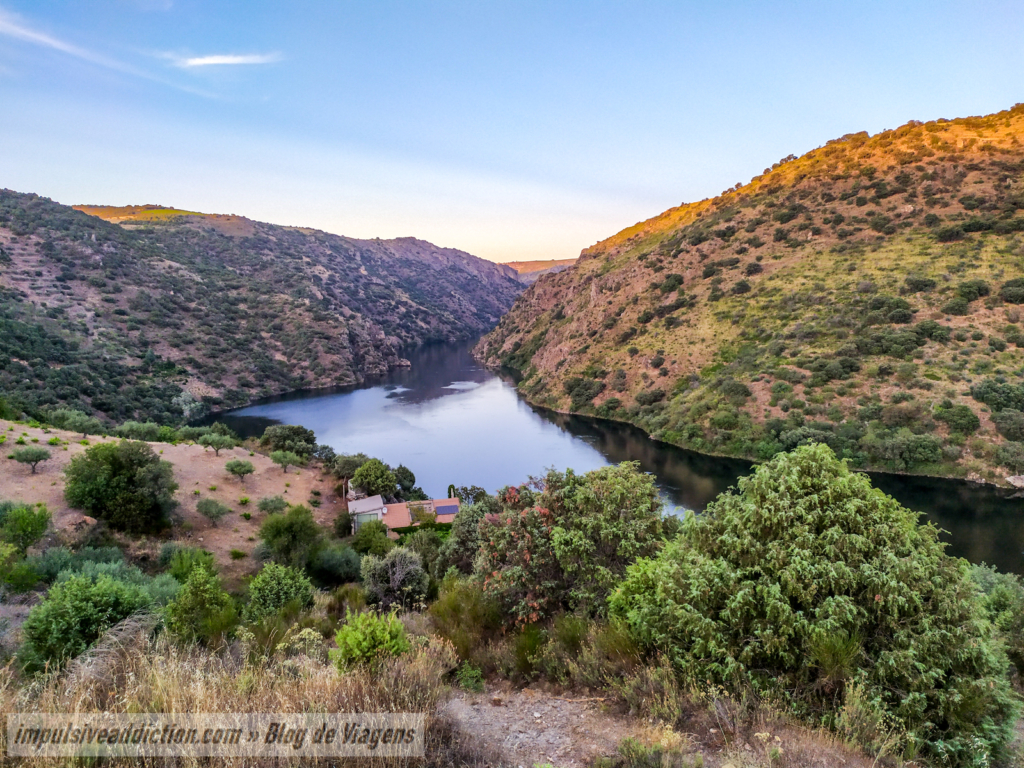
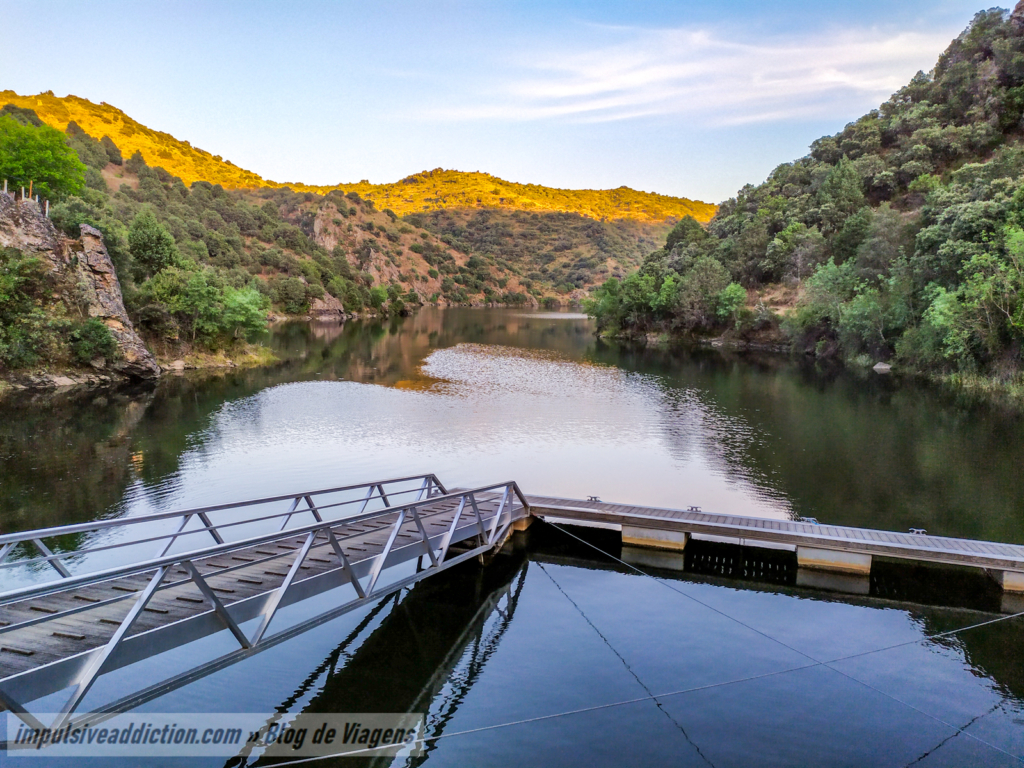
The last stop is the Carreirão das Arribas Viewpoint, near the village of Sendim. It’s especially notable for its juniper-covered landscape and for being located along a road that leads down to a river pier. While you’re here, take the opportunity to visit Sendim itself — and don’t miss the charming church square.
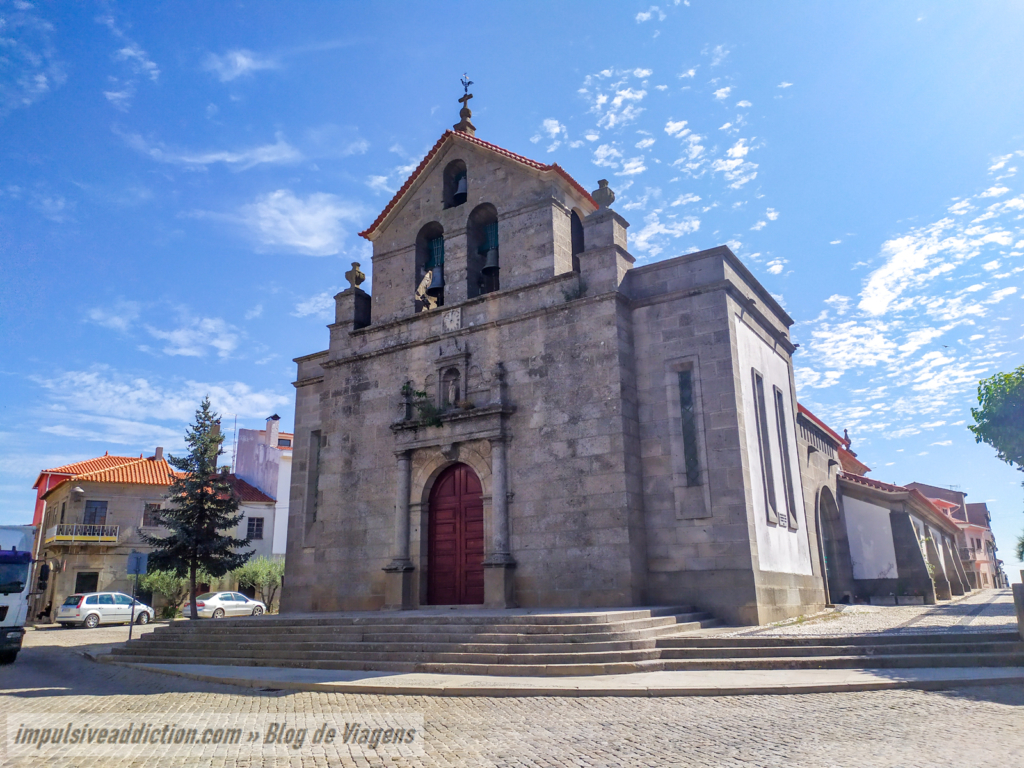
Visit AEPGA – Association for the Study and Protection of Donkeys (Mirandese Donkeys in Atenor!)
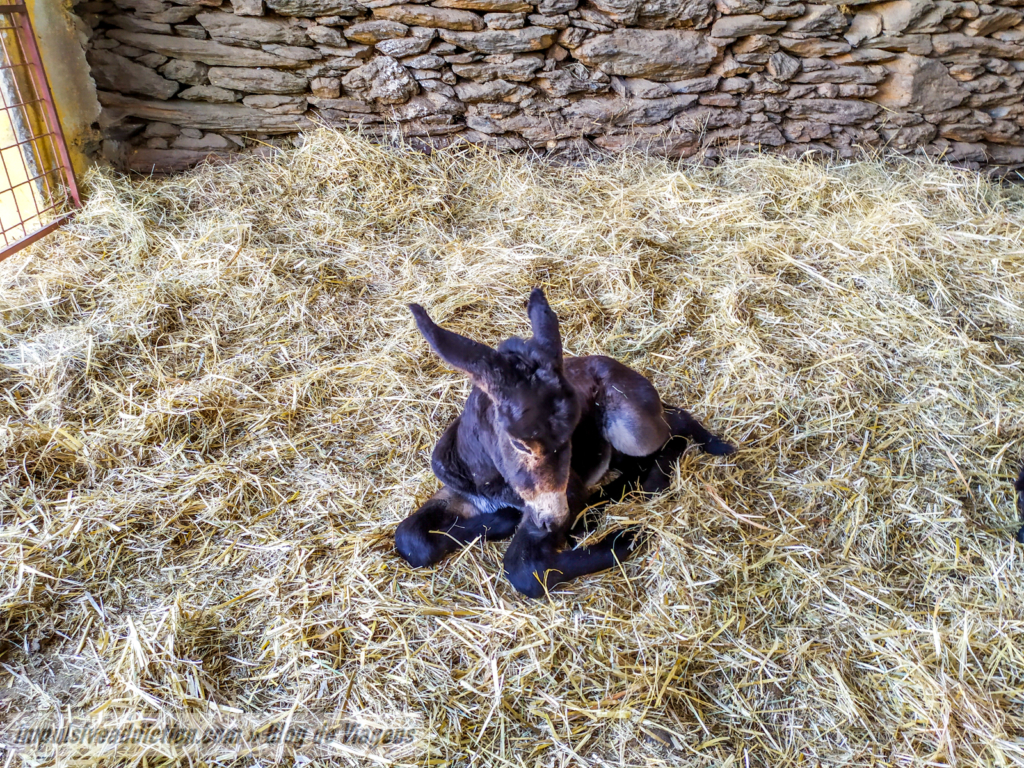
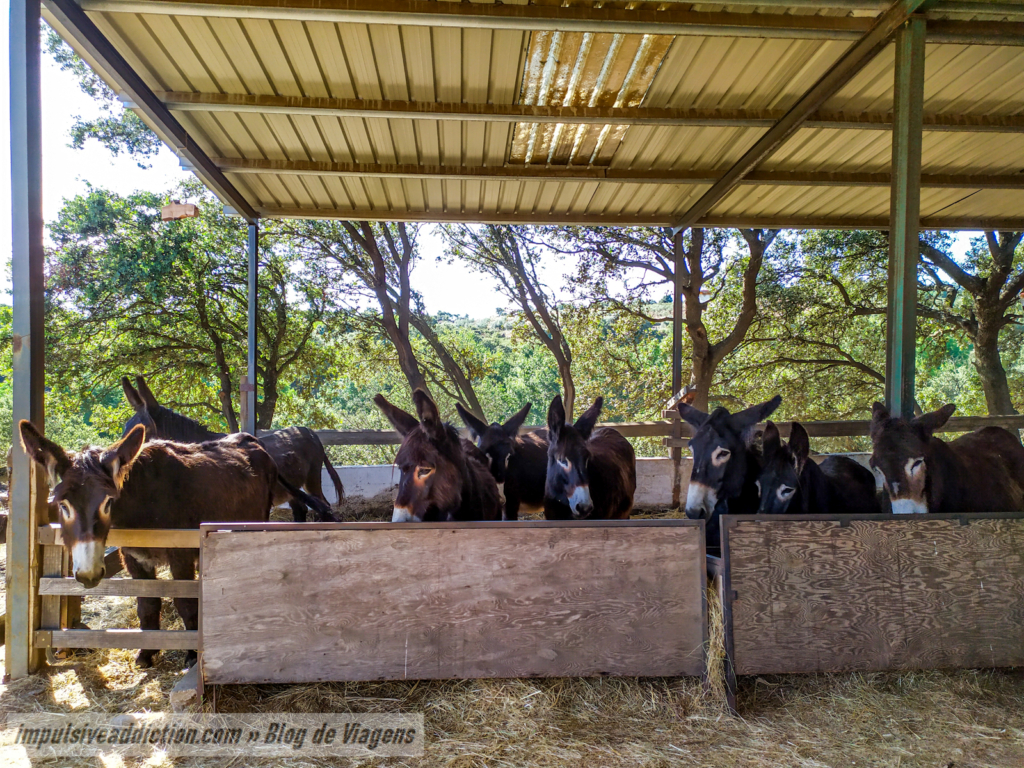
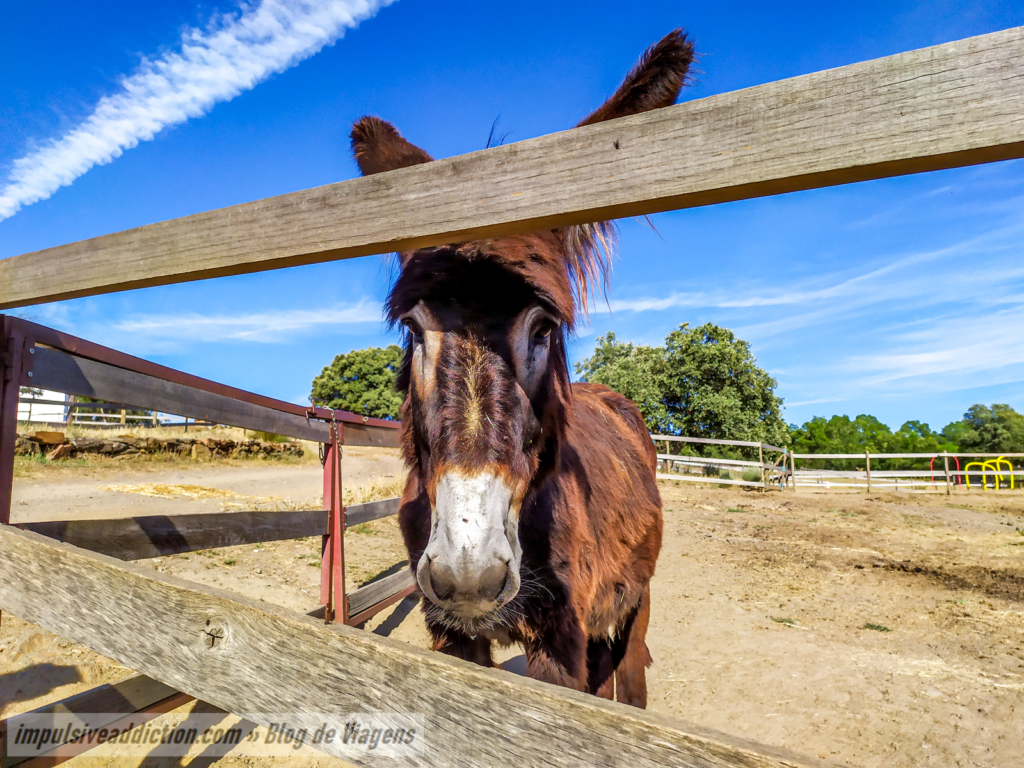
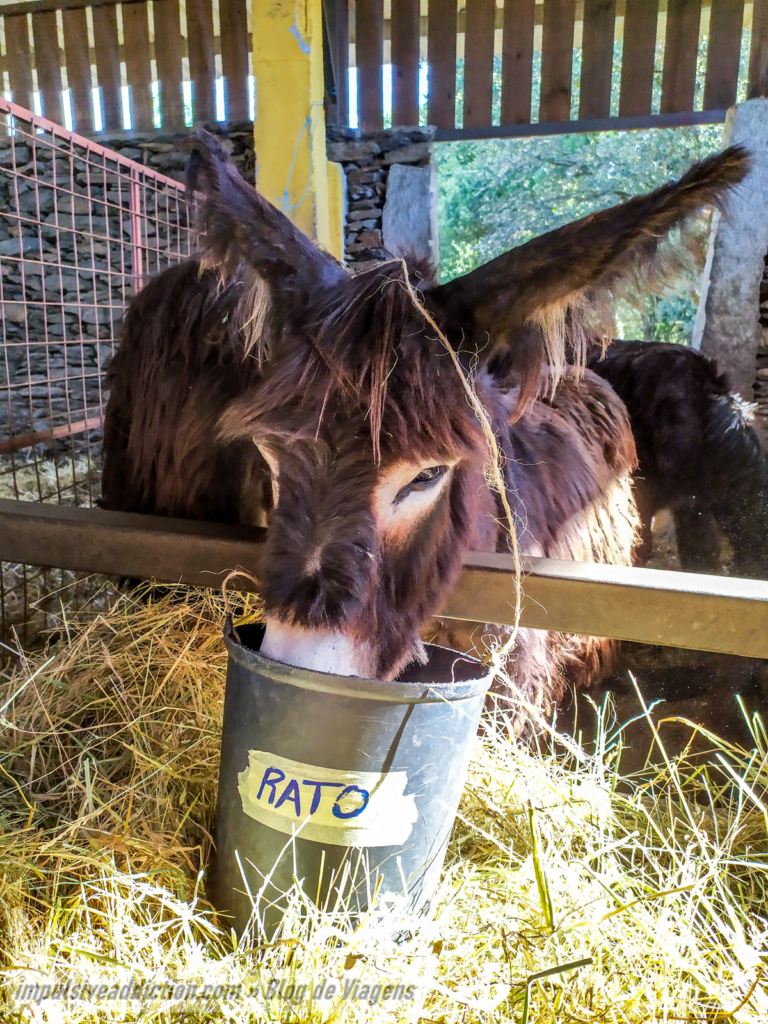
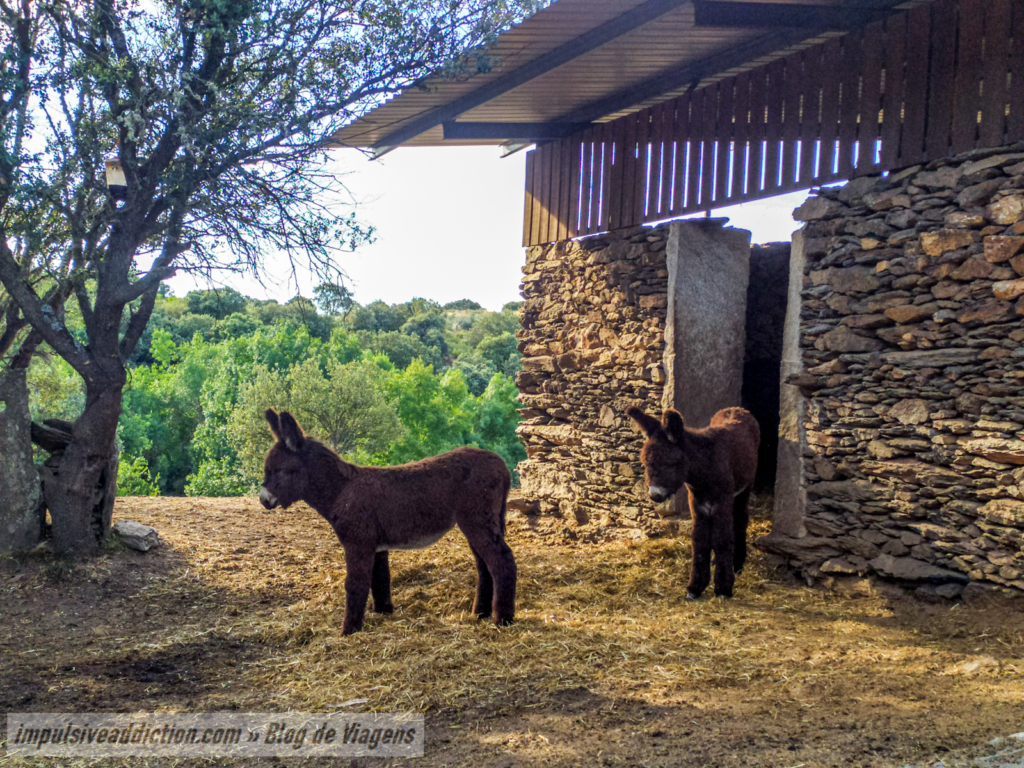
Visiting AEPGA and the Mirandese Donkey Conservation Center in Atenor was one of my favorite experiences in Miranda do Douro — so I really recommend it. [Click here to access the official website], where you can check schedules, prices, and contact details (advance booking is required).
During my visit, I had the chance to be around dozens of Mirandese donkeys, and the sweetest surprise was seeing a newborn foal still with its mother in the maternity area.
You can even choose to sponsor a donkey if you’d like. This is a breed currently at risk of extinction, and AEPGA plays a vital role in protecting and preserving it.
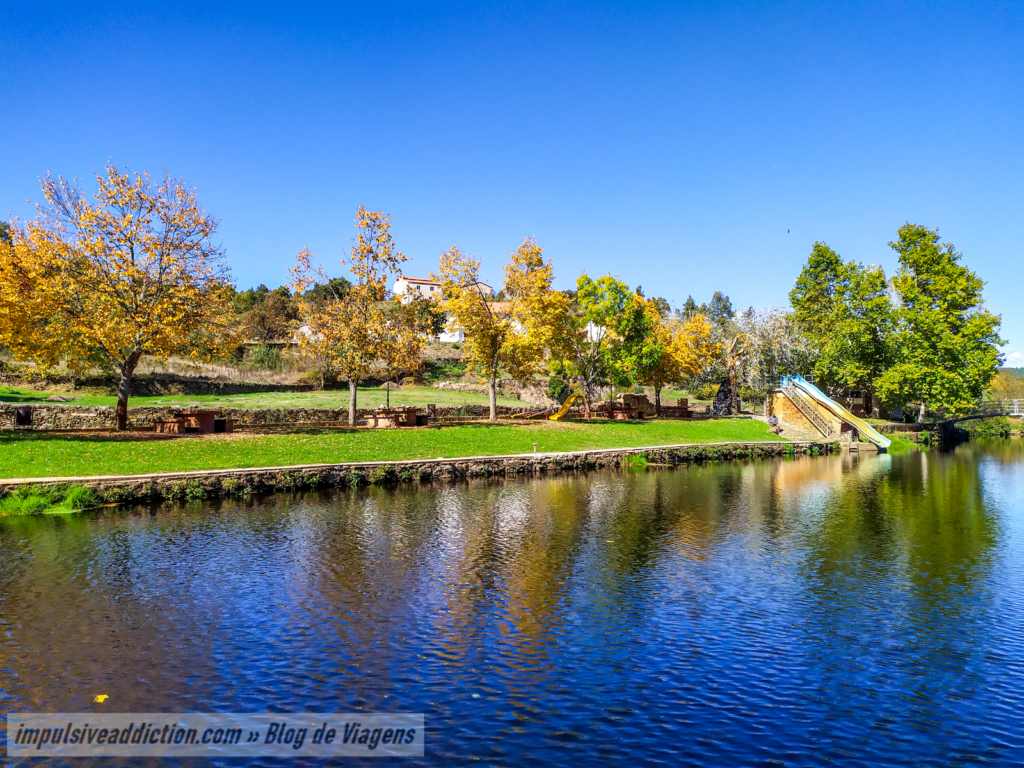
Visit São Martinho de Angueira River Beach
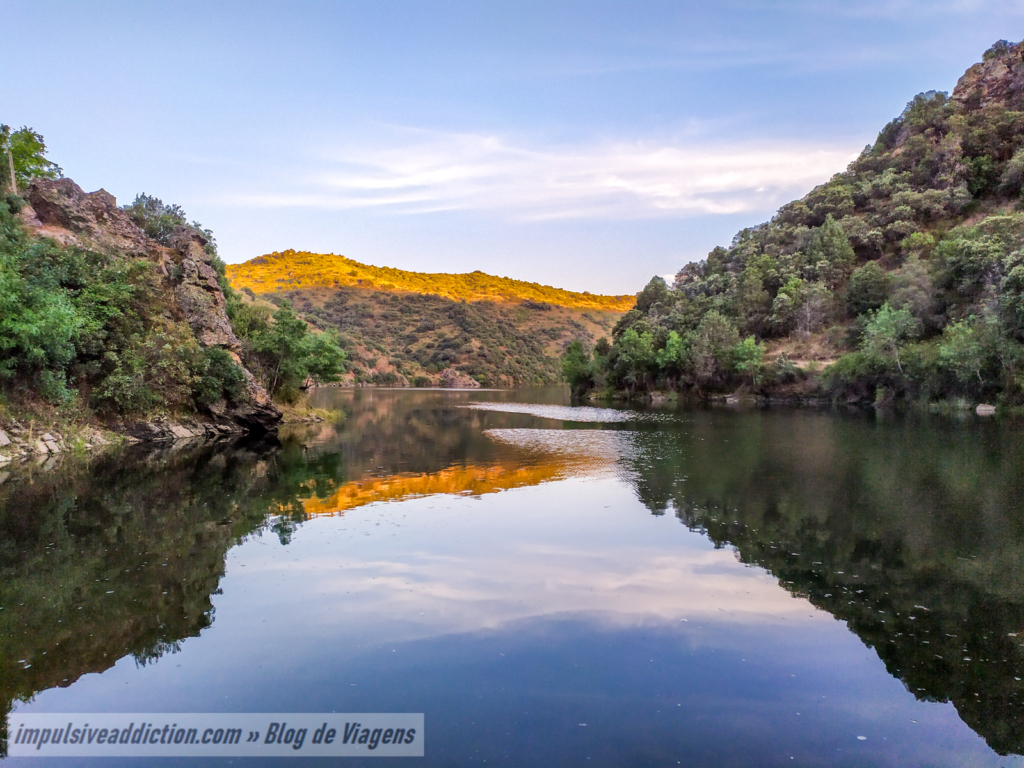
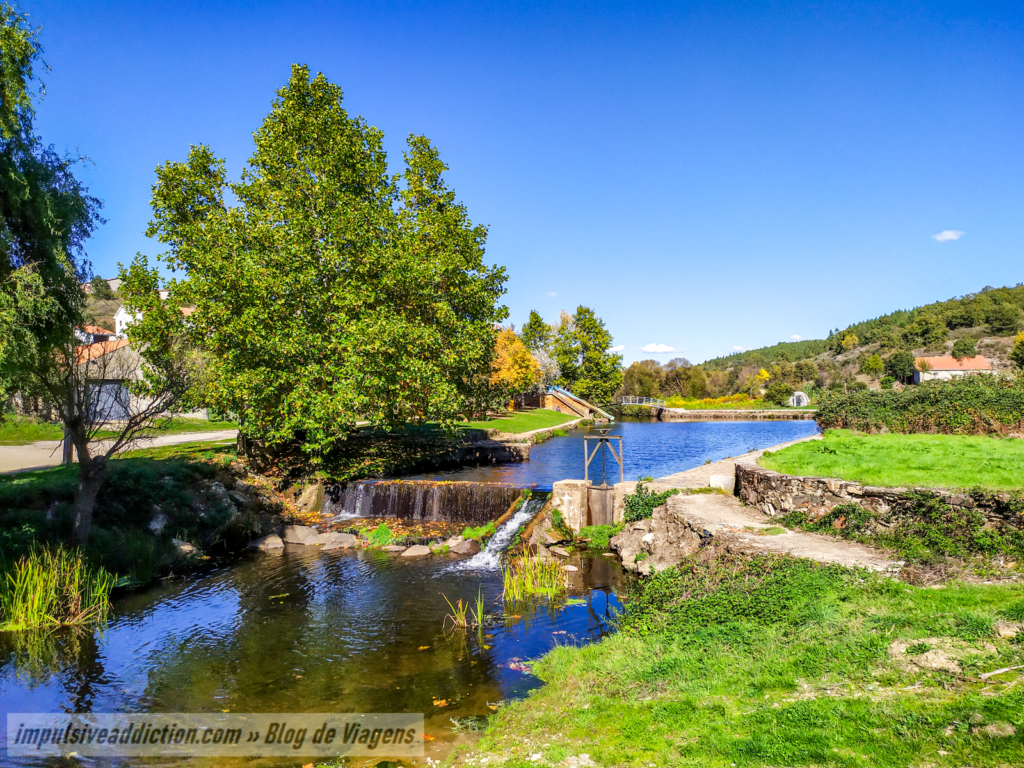
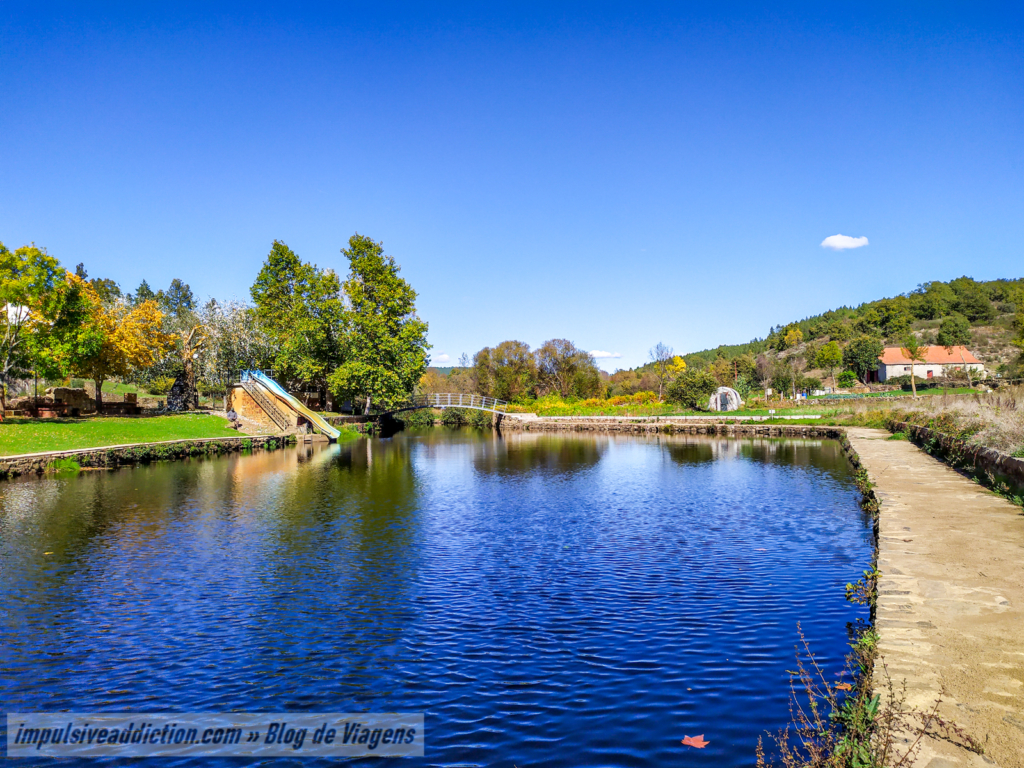
While Picote and Sendim are probably the best-known and most visited villages in Miranda do Douro — thanks to their tourist accommodations and nearby viewpoints — I have to confess that I enjoyed São Martinho de Angueira even more.
This northern village is still something of a hidden gem, and it boasts a stunning river beach (just look at the photos below!). In my opinion, it’s well worth the detour.
Walk the Best Hiking Trails in Miranda do Douro
You’ll find plenty of official hiking routes suggested on the Miranda do Douro Town Hall website [link here]. But honestly, the best trails are the spontaneous walks you’ll take while making your way to the many viewpoints I’ve mentioned.
Just keep in mind: some of the dirt tracks can be in terrible condition, and your car might not get through unless it’s a 4×4— so be ready to continue on foot.
What to Visit Near Miranda do Douro?
If you have extra time and want to keep exploring the region, consider visiting other parts of the Douro International Natural Park, or even crossing the border into Spain’s Arribes del Duero Natural Park. You could also head to Vimioso, or continue further to Bragança, especially if you’ve already explored the Douro International. And don’t miss the chance to see the beautiful Sabor Lakes.
1. Visit Vimioso
Vimioso is a village deeply connected to its Trás-os-Montes roots, rich in history, crafts, and local heritage. Highlights include the Interpretive Center of the Argozelo Mines, which showcases the region’s mining past; the Sanctuary of São Bartolomeu, an important religious pilgrimage site; and the Miners’ Bridge, a symbol of the area’s industrial legacy.

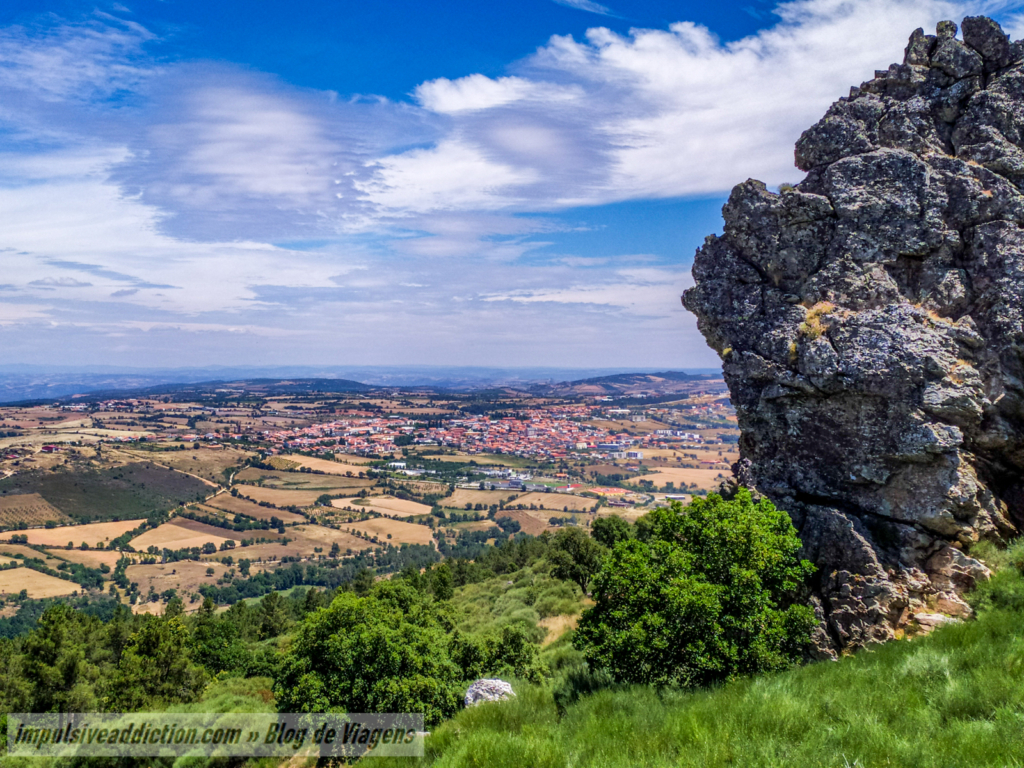
2. Visit Mogadouro
Mogadouro is a town of great historical and architectural wealth. In the historic center, you’ll find landmarks such as the Mogadouro Castle, the Parish Church, the Church of Misericórdia, the Pillory, and the Convent of São Francisco — all bearing witness to centuries of both religious and civic history.
Nature also plays a starring role here: the dramatic Douro cliffs can be admired from several viewpoints, including the famous Serpente do Medal, where you can see the river winding in a snake-like curve. Other spots along the cliffs invite peaceful moments of contemplation or the perfect photo opportunity.
3. Visit Macedo de Cavaleiros
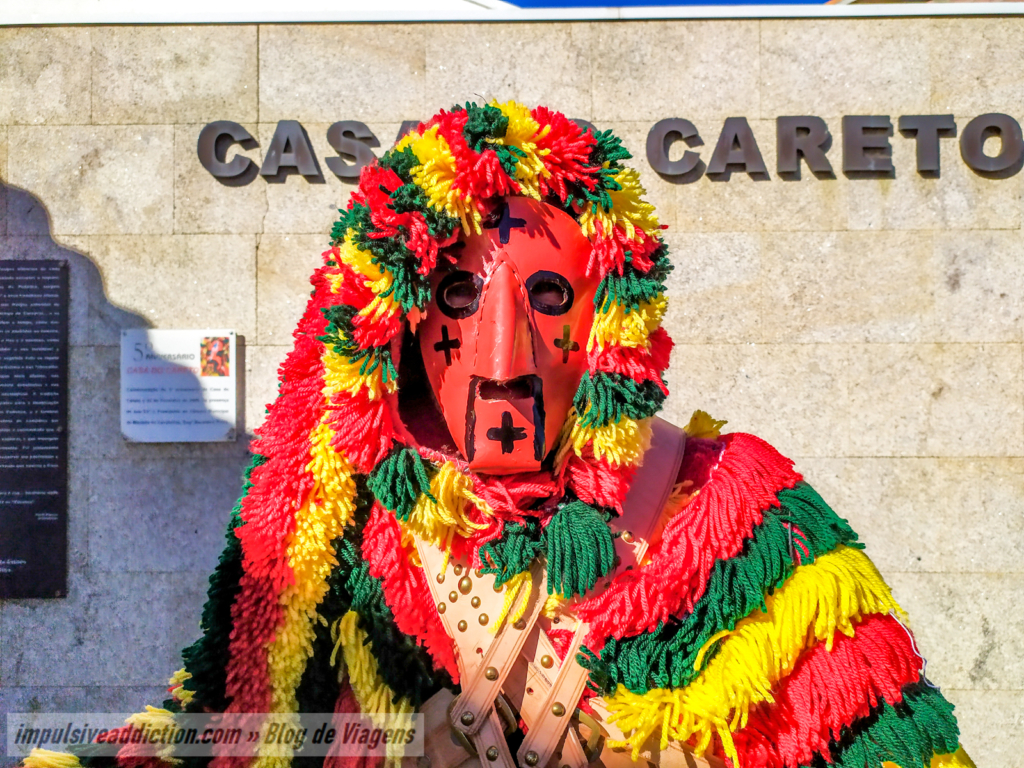
Renowned for its cultural and natural heritage, Macedo de Cavaleiros is home to the Terras de Cavaleiros Geopark, a UNESCO Global Geopark with numerous geosites and a network of hiking trails that showcase the region’s unique geological formations. One of the most emblematic experiences here is discovering the tradition of the Caretos de Podence — a UNESCO-recognized element of Intangible Cultural Heritage. A visit to the Casa do Careto offers an in-depth look at the colorful costumes, masks, and rattles used in this centuries-old carnival ritual of Trás-os-Montes.
Beyond culture, nature takes center stage. The Azibo Beach by the reservoir is one of the most prestigious river beaches in Europe — awarded the Blue Flag and recognized in 2012 as one of the Seven Wonders of Portugal. It’s an ideal family-friendly spot, with amenities such as a campsite, cafés, and picnic areas.
4. Visit Mirandela
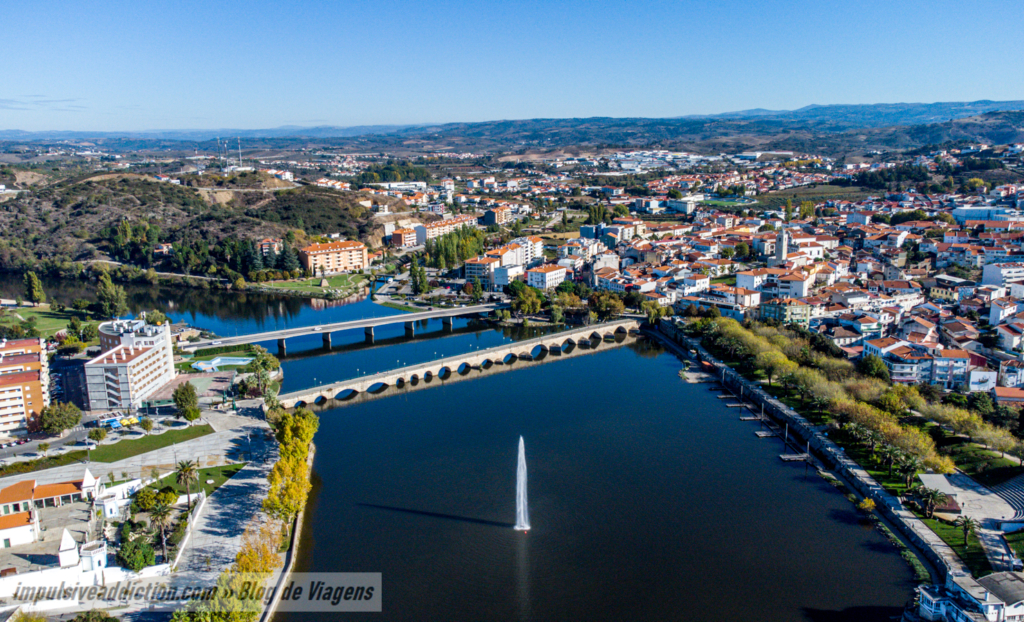
Mirandela charms visitors with its welcoming historic center, where you can cross the medieval Old Bridge over the Tua River — perfect for peaceful walks and photogenic sunset views.
The town is also a gastronomic highlight, famously known for the delicious Alheiras de Mirandela (a traditional smoked sausage). Its rich heritage, with roots dating back to Roman times, is reflected in both its cuisine and historic sites.
For more to explore, you can visit the Natural Center of the Tua Valley, enjoy family-friendly spots like the Parque do Império, relax at the Mirandela River Beach, or learn about the region’s olive oil tradition at the Olive and Olive Oil Museum.
5. Visit Vinhais
Known as the “Capital of Smoked Sausages”, Vinhais is famous for its tradition of cured meats, especially celebrated during the annual Feira do Fumeiro (Smoked Sausage Fair), which draws visitors every February.
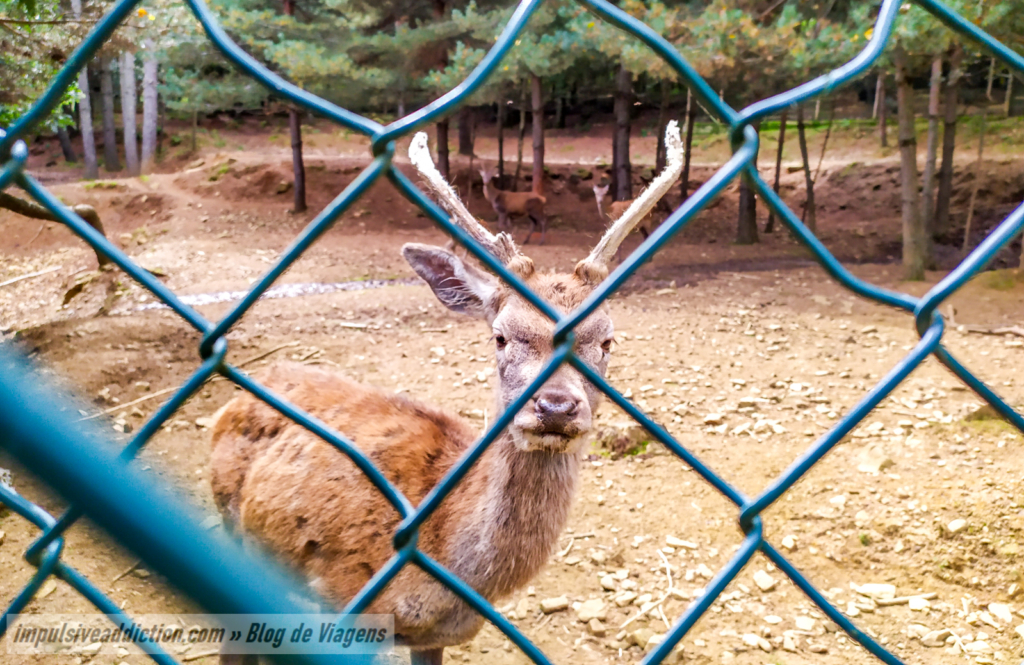
From a cultural and natural perspective, Vinhais offers plenty to see: the Church of São Facundo, with Gothic origins; the Convent of São Francisco; and family-friendly attractions such as the Biological Park of Vinhais, home to native fauna and outdoor activities. For a touch of magic, don’t miss the Ciradelha Swing, a viewpoint with stunning panoramic scenery.
6. Visit Bragança
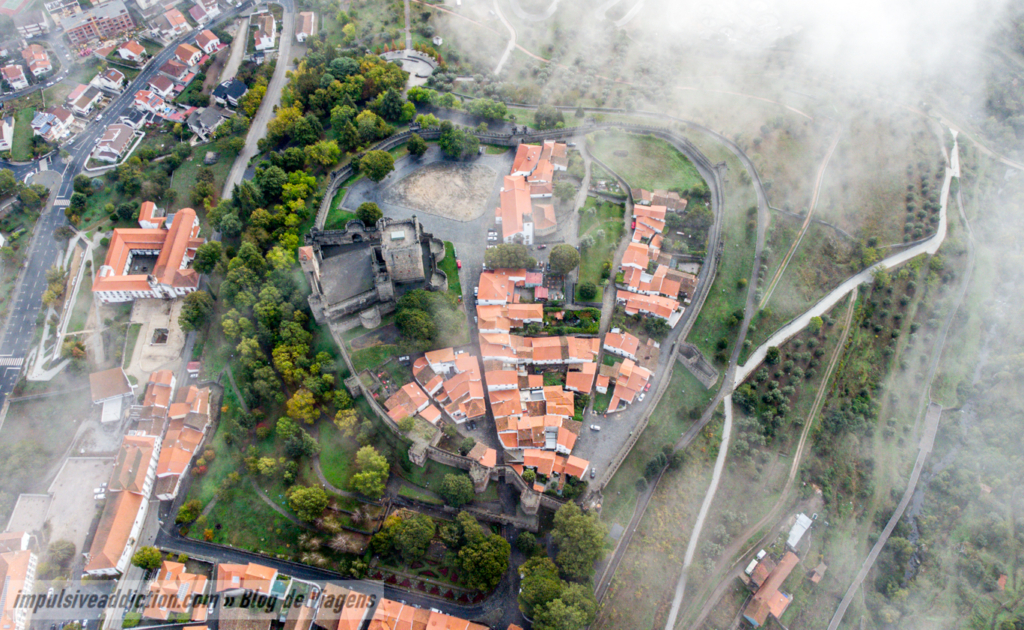
Bragança, the district capital, is a city rich in historical monuments. The Bragança Castle and the Domus Municipalis— the only one of its kind in Portugal — are must-sees for anyone wanting to understand the region’s Transmontane history.
Other highlights include the Iberian Museum of Masks and Costumes, which celebrates traditional culture, and the Montesinho Natural Park, an unmissable destination for nature lovers.
MORE ARTICLES ABOUT BRAGANÇA DISTRICT:
- Things to do in Vinhais
- Things to do in Bragança
- Things to do in Mirandela
- Things to do in Vimioso
- Things to do in Miranda do Douro
- Things to do in Mogadouro
- Things to do in Torre de Moncorvo
- Things to do in Freixo de Espada à Cinta
- Things to do in Carrazeda de Ansiães
- Things to do in Macedo de Cavaleiros
- Things to do in Vila Flor
- Montesinho Natural Park Itinerary
- Lagos do Sabor Itinerary
- Douro International Natural Park Itinerary
- Tua Valley Itinerary
- Trás-os-Montes Itinerary
