
 Pedro Domingues
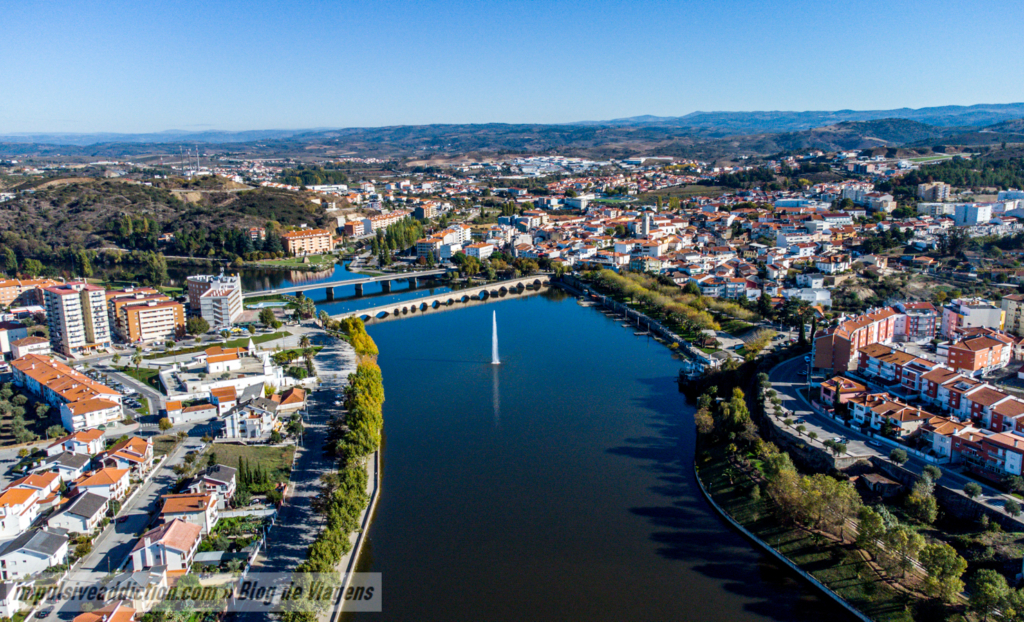
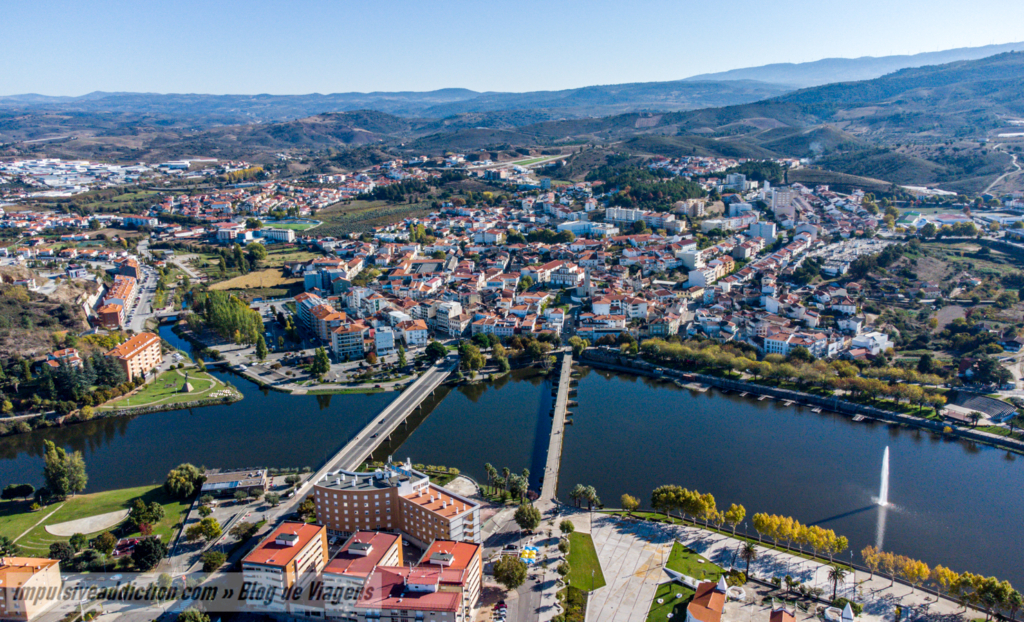
Mirandela is, without a doubt, one of the most charming towns in Trás-os-Montes. Its historic center, nestled along the banks of the Tua River, never fails to impress—especially with its medieval bridge, one of the main landmarks to visit in the Bragança district and northern Portugal.
In this guide, I’ll share everything you can do in Mirandela: the top places to visit, what to see in an itinerary that can stretch up to two days, plus tips on the region’s rich gastronomy and some fabulous places to stay during your trip.
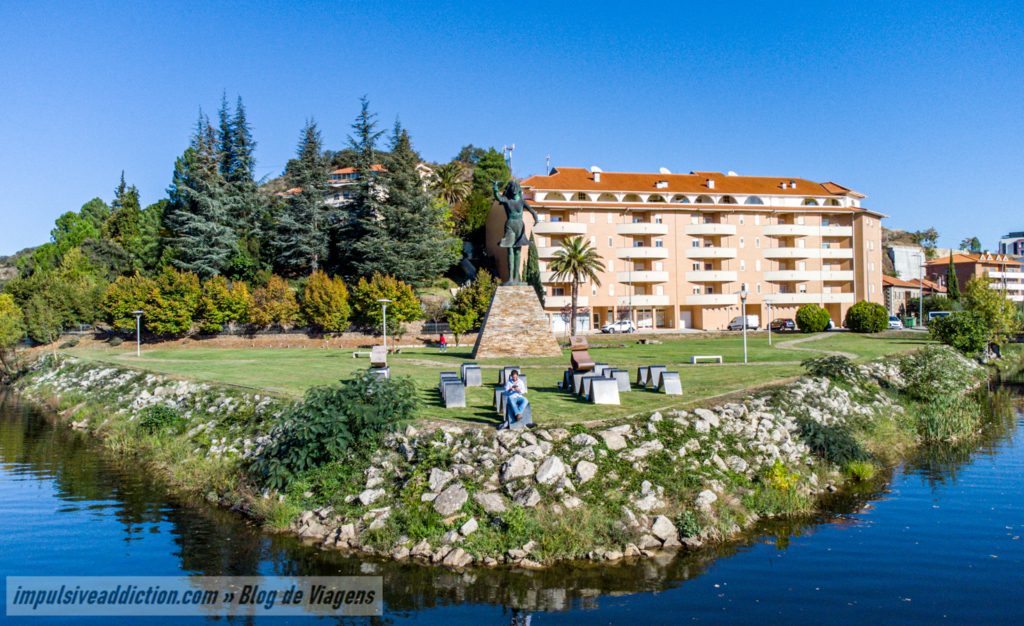
Where is Mirandela located, in Portugal?
Mirandela is located in the Bragança district, bordering the municipalities of Vinhais, Macedo de Cavaleiros, Alfândega da Fé, Vila Flor, Carrazeda de Ansiães, Murça, and Valpaços. It serves as a gateway to the Vale do Tua Natural Park, where the Tua River begins with the confluence of the Tuela and Rabaçal rivers.
Being part of Bragança, Mirandela also belongs to the wider Trás-os-Montes region, and it is conveniently close to the Douro River, the Lakes of Sabor, and even the Montesinho Natural Park.
MORE ARTICLES ABOUT BRAGANÇA DISTRICT:
- Things to do in Vinhais
- Things to do in Bragança
- Things to do in Mirandela
- Things to do in Vimioso
- Things to do in Miranda do Douro
- Things to do in Mogadouro
- Things to do in Torre de Moncorvo
- Things to do in Freixo de Espada à Cinta
- Things to do in Carrazeda de Ansiães
- Things to do in Macedo de Cavaleiros
- Things to do in Vila Flor
- Montesinho Natural Park Itinerary
- Lagos do Sabor Itinerary
- Douro International Natural Park Itinerary
- Tua Valley Itinerary
- Trás-os-Montes Itinerary
Rent a car to visit Mirandela
To visit Mirandela, having a car is essential—especially if you want to explore beyond the historic center. If you don’t have your own vehicle, consider renting one through Discover Cars.
When to Visit Mirandela?
Mirandela is a charming destination at any time of the year. In summer, you can enjoy its beautiful river beaches along the Tua and Tuela rivers.
As for local festivities, the highlights include:
- Festas de Nossa Senhora do Amparo (late July to early August, in the city of Mirandela)
- Caretos Festival (December 25–26, in Torre de Dona Chama)
- Rancho de Mirandela Gastronomic Festival (February)
- Alheira de Mirandela Fair (March)
Gastronomy and restaurants in Mirandela
When it comes to food, alheira is the star of the table — Mirandela’s most iconic specialty. But you’ll also find delicious game meats, oven-roasted kid (goat), and the hearty Rancho stew.
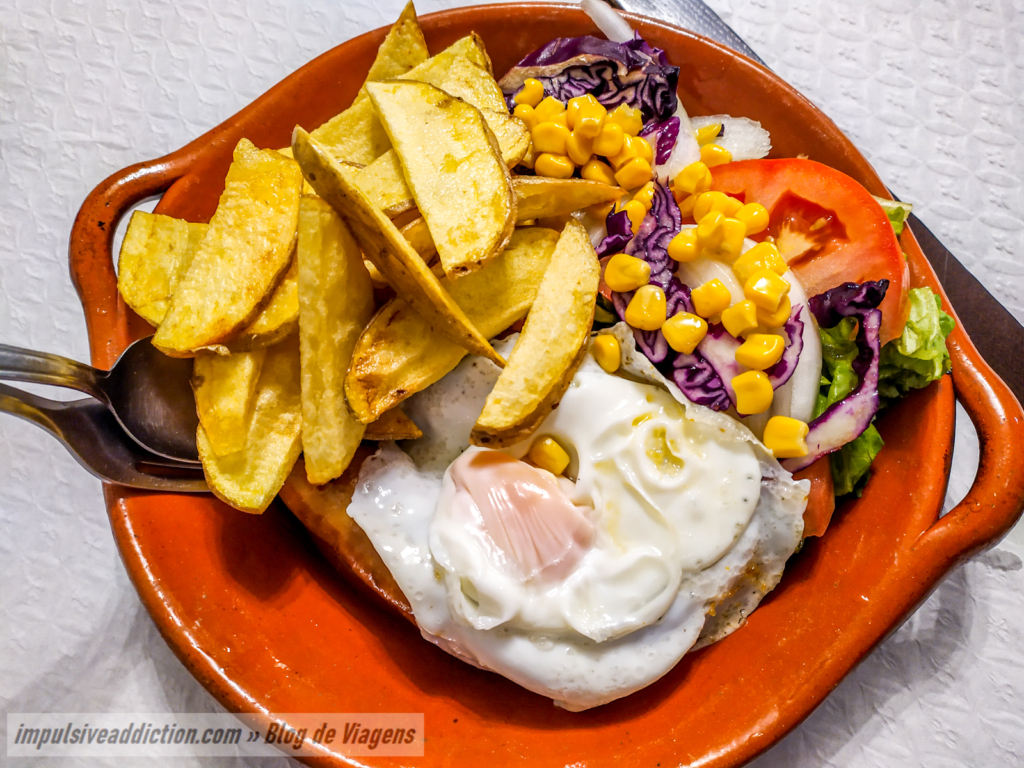
During my stay, I dined at Restaurante Taska Vila Velha and was very satisfied. The alheira was excellent, though I later learned that their true specialty is the Pacaça — something I regret not trying. I’ve heard great reviews, so I’ll definitely be going back for it!
Other highly recommended restaurants include A Adega, O Loureiro, Maria Rita, O Pomar, Rei d’Orelhão, and O Grês. In Mirandela, you’ll never run out of good places to eat.
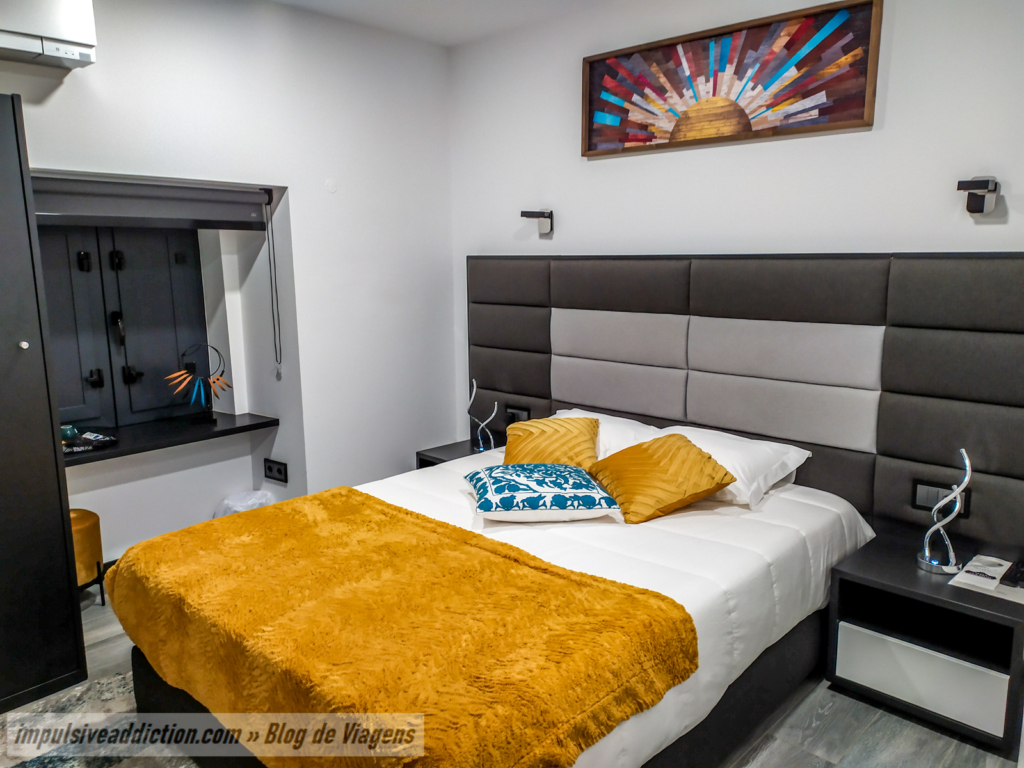
Where to stay in Mirandela?
| Accommodation | Score | Location |
|---|---|---|
| Taska Vila Velha (where I stayed) | 9.0 | City center |
| Ribeira House | 9.5 | City center |
| Dona Fina Guesthouse | 9.3 | City center |
| Casa da Ponte | 9.5 | City center |
| O Casario | 9.3 | Surroundings |
| Casa de Campo dos Távoras | 9.5 | Surroundings |
| Casal de Castro | 9.3 | Surroundings |
| Casa dos Araújos | 9.3 | Surroundings |
| Casa do Prado | 9.0 | Surroundings |
Best things to do in Mirandela
Start your visit by focusing on the historic center of Mirandela, where you can wander through charming streets, discover local heritage, and soak in the city’s atmosphere.
Next, take time to explore the Tua and Tuela rivers, perfect for a relaxing stroll or enjoying the natural landscapes.
If you have extra time — or plan to stay longer — you can also explore the banks of the Rabaçal River and venture out to nearby spots in the municipality, such as the picturesque village of Avantos.
Map with the highlights of Mirandela
Historic Center of Mirandela
In Mirandela’s historic center, the highlight of any visit is without a doubt the Tua River. Below you’ll find a suggested list of must-see spots in the city — you can even follow them in sequence as a walking itinerary.
1. Porta de Santo António
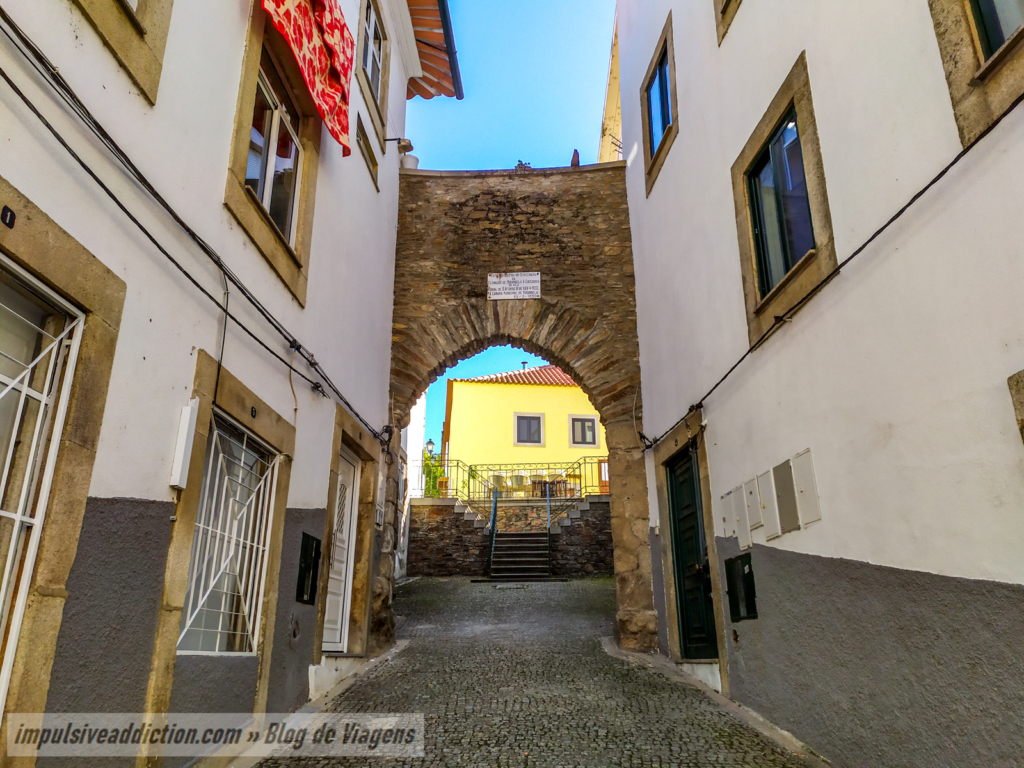
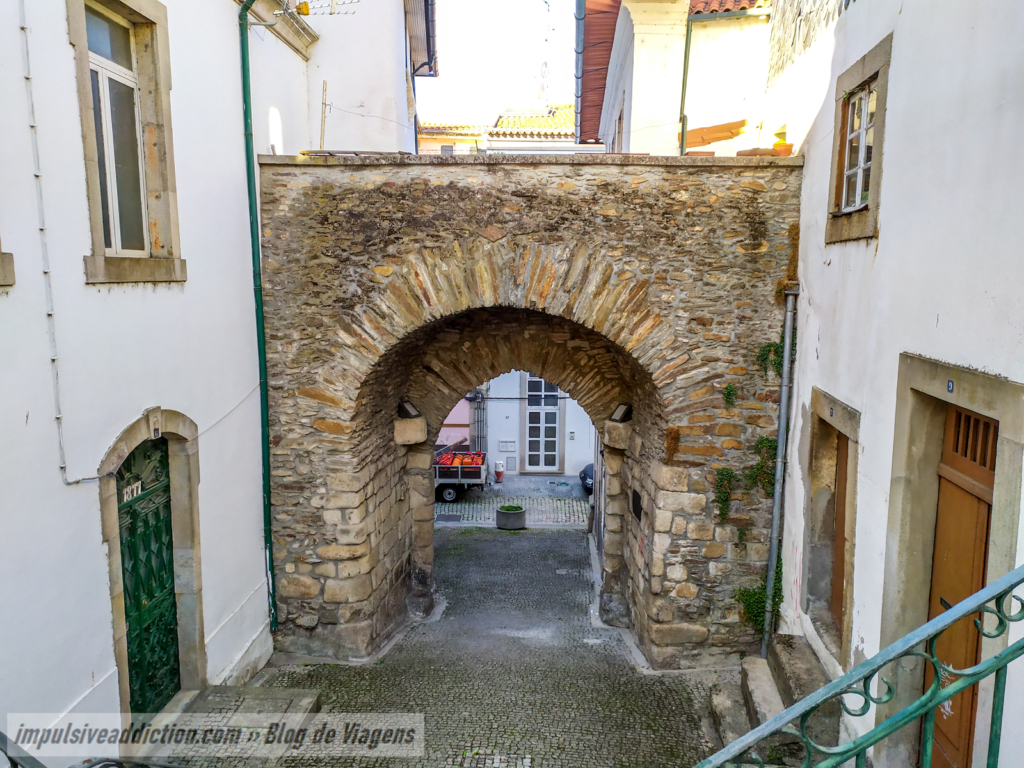
Since I stayed at Taska Vila Velha, it was only natural to begin at the Porta de Santo António, located right next to the accommodation. This stone arch is one of the few remaining sections of the old Mirandela Castle walls, and it once served as the main gateway to the Tua River.
The Castle of Mirandela dates back to the late 13th century, during the reign of King Dinis. It originally stood where the Church of Nossa Senhora da Encarnação and the Paço dos Távoras (today’s Town Hall) now rise. In addition to the Porta de Santo António, the fortress once featured other gates: the Porta de Santiago, the Porta da Portela, and the Postigo de São José.
2. Paço dos Távoras (Town Hall) and Praça do Município
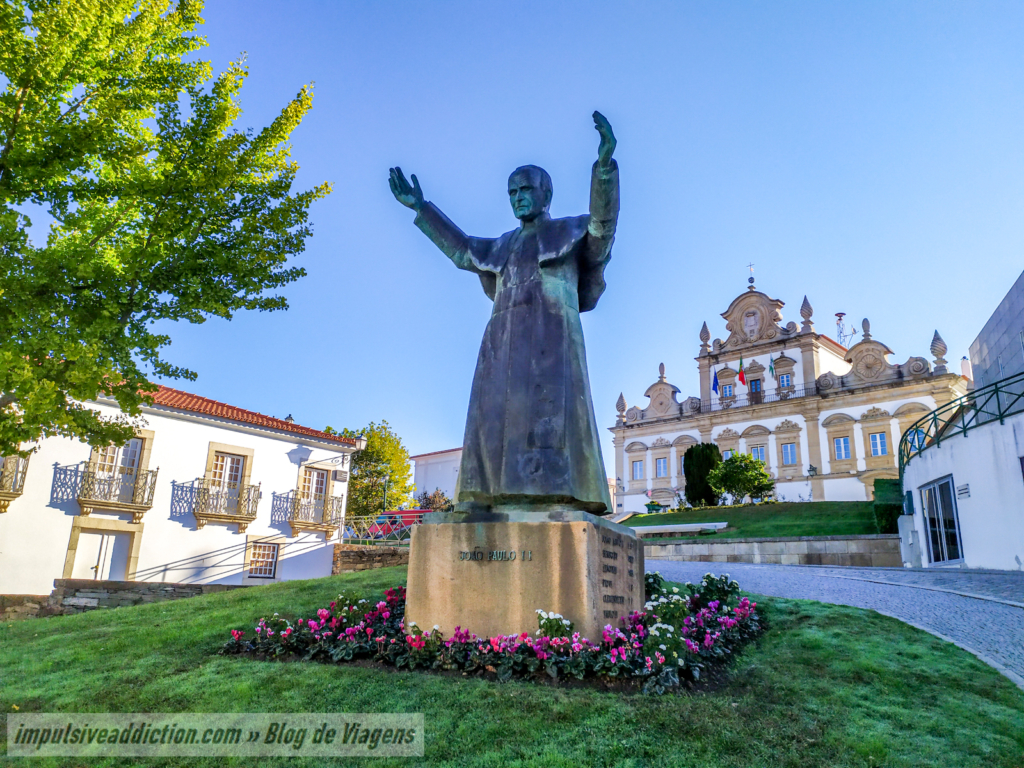
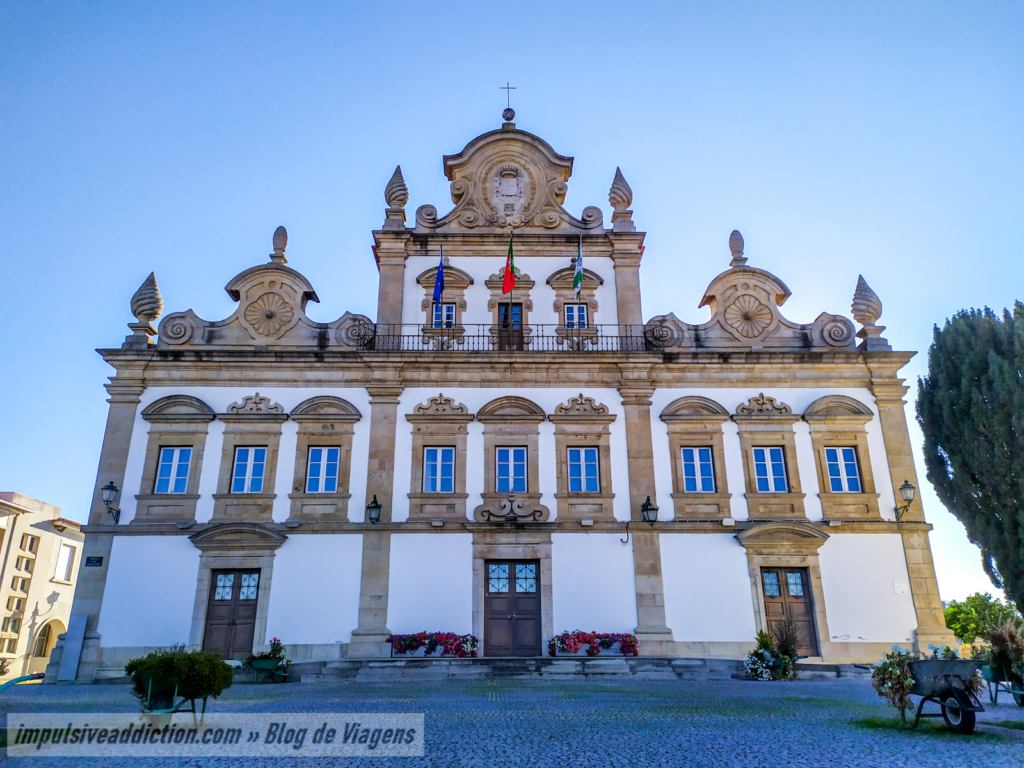
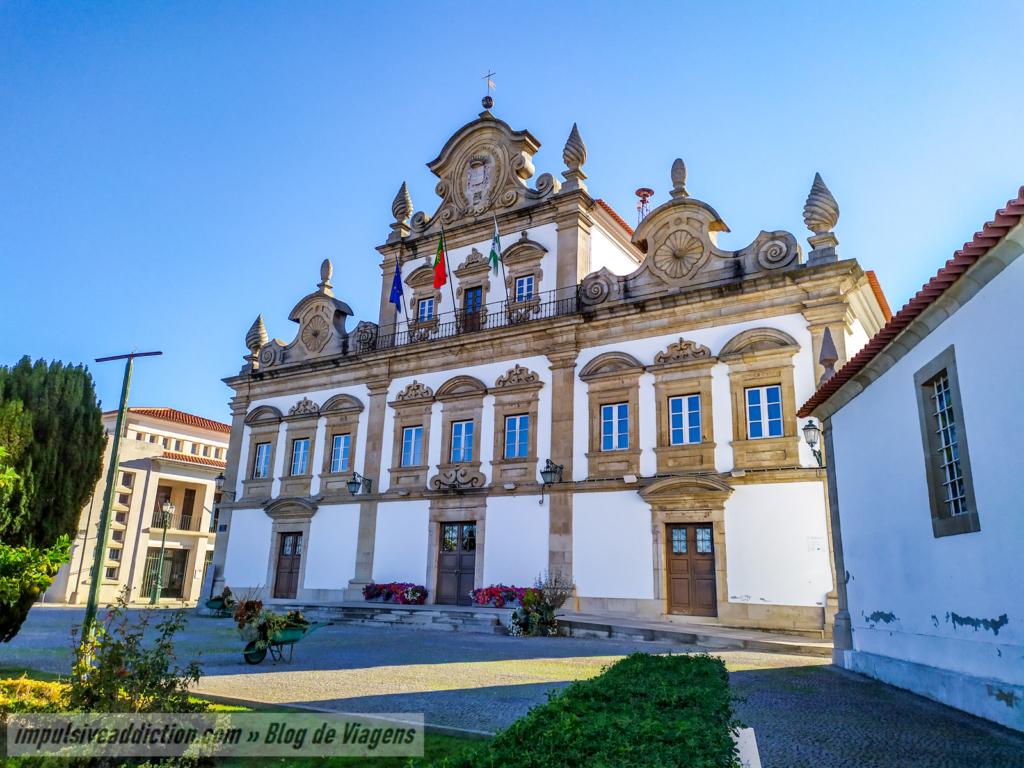
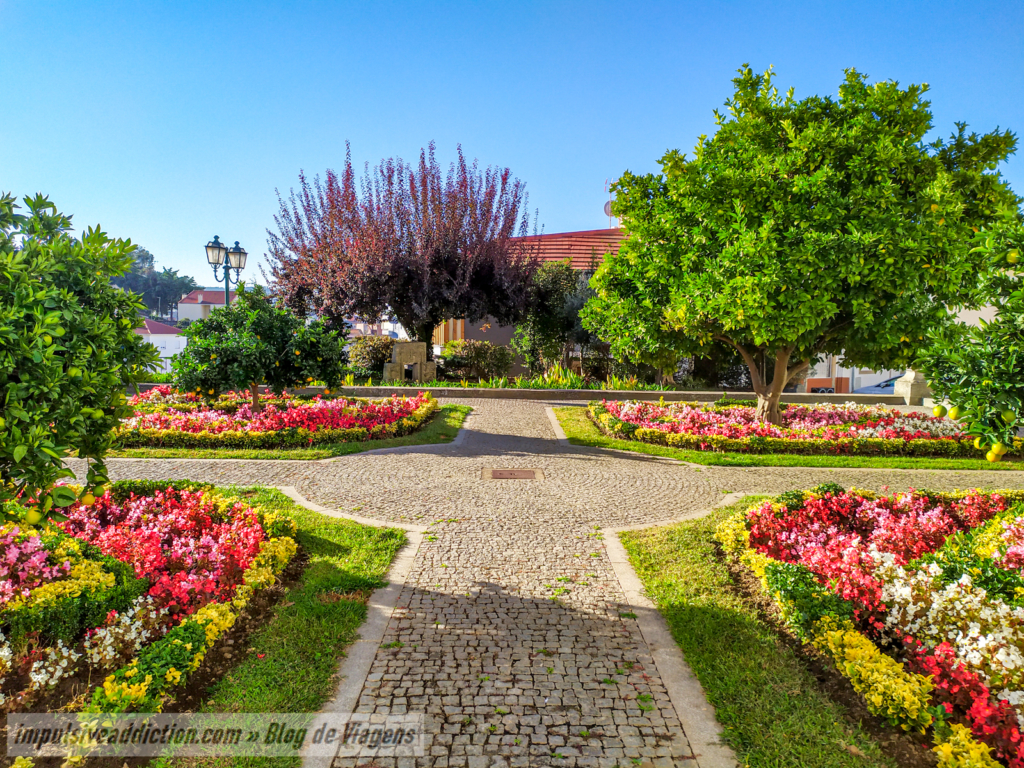
The Paço dos Távoras stands on the site where the keep of Mirandela’s medieval castle once rose, at the highest point of the old hill known as São Miguel. It was the former residence of the noble and powerful Távora family, one of the most influential in Trás-os-Montes. Their coat of arms can still be seen proudly displayed at the top of the three-story building. Today, it serves as Mirandela’s Town Hall.
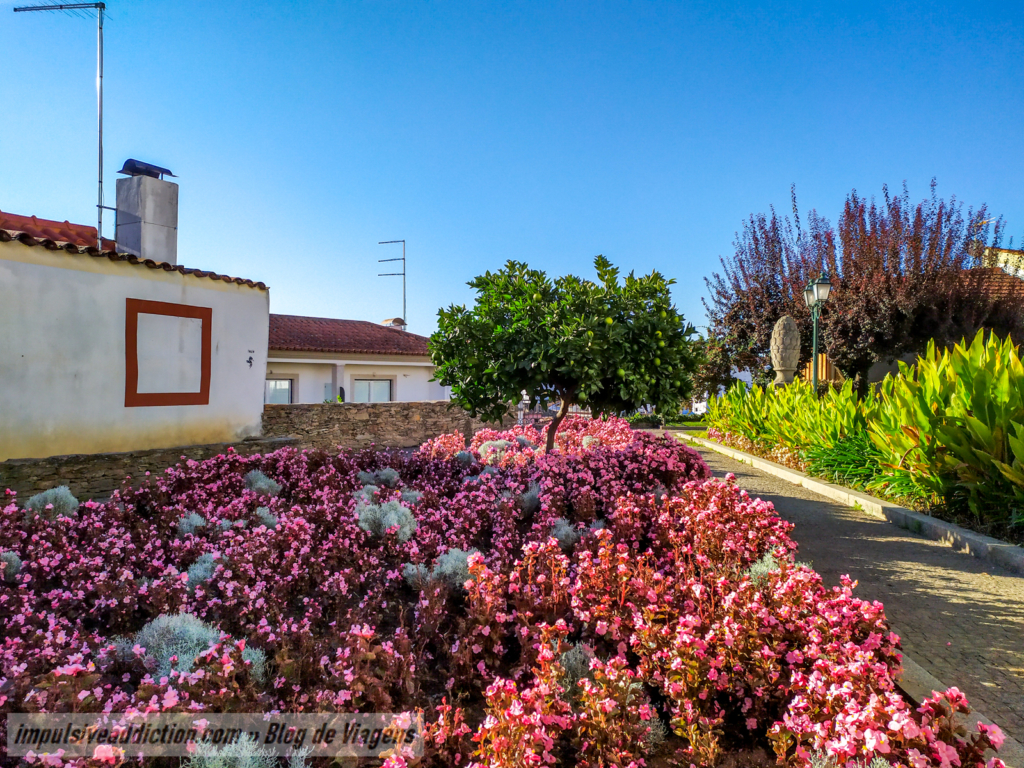
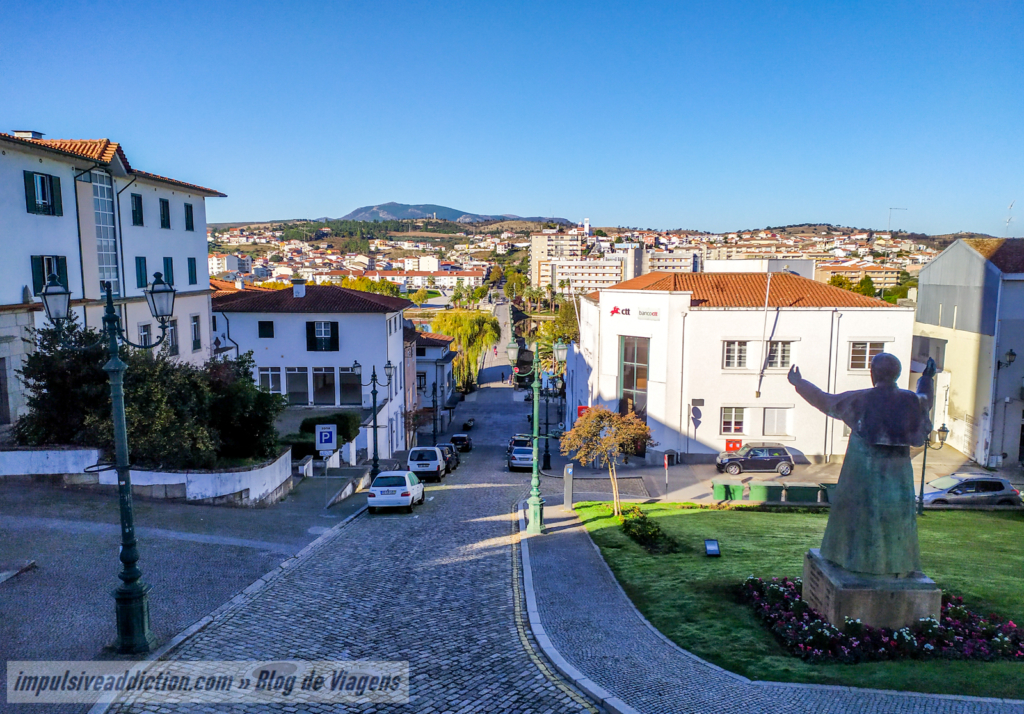
In the Praça do Município, as you climb the slope, you’ll come across a statue of Pope John Paul II. To the side of the palace lies the small but charming Jardim do Paço dos Távoras (Távora Palace Garden).
3. Mirandela Main Church (Nossa Senhora da Encarnação)
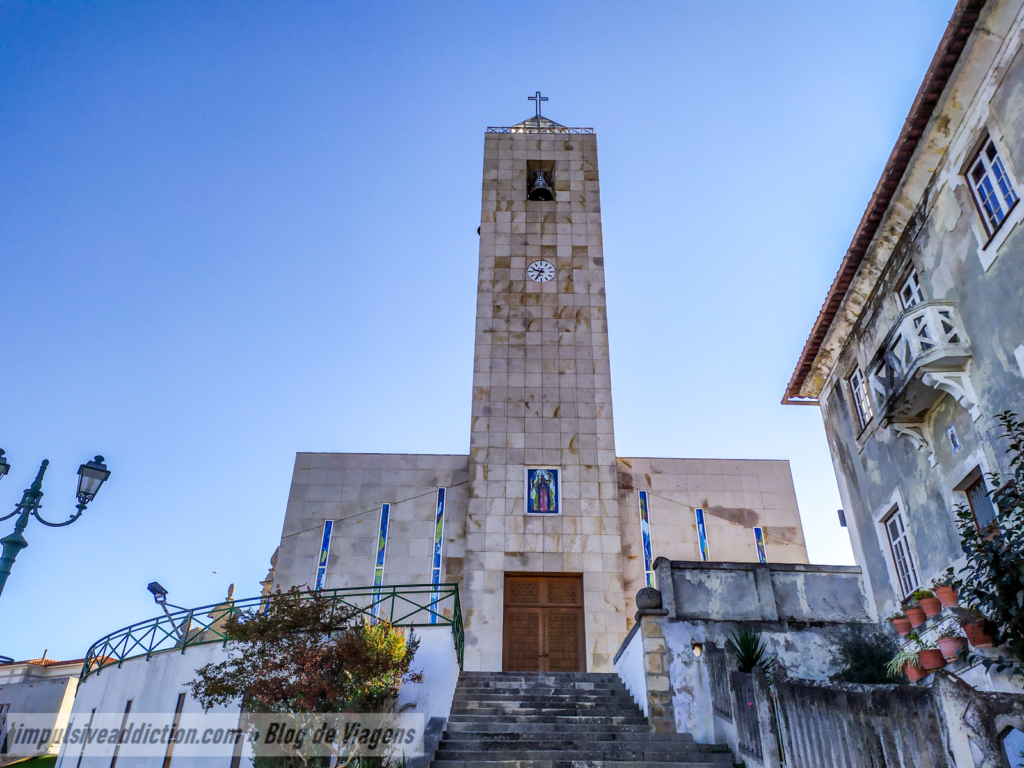
The Main Church of Mirandela, dedicated to Nossa Senhora da Encarnação, stands right next to the Paço dos Távoras. From here, you can enjoy a privileged view of the Medieval Bridge over the Tua River. The church dates back to the 13th century, when it began as a small chapel dedicated to Saint Michael.
Interestingly, the church ceased to function as a parish seat for several years in the 19th century due to its state of decay. However, following strong insistence from the local population, it regained its parish status — though it wasn’t until the 1990s that it was fully restored, acquiring the modern appearance it has today.
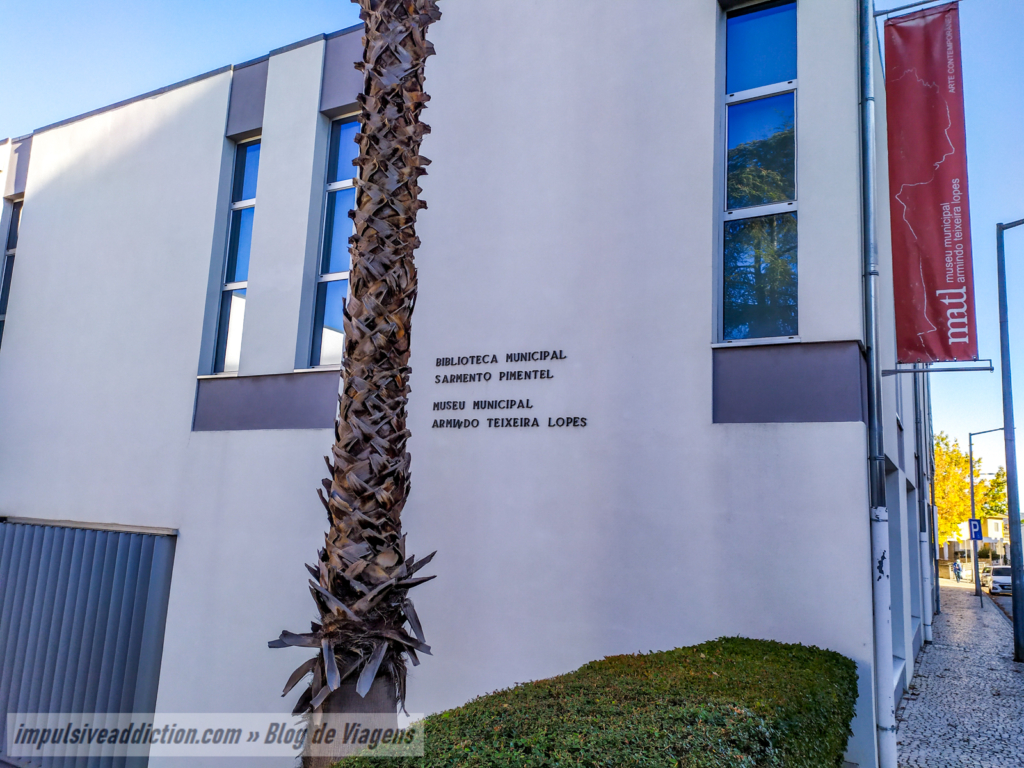
4. Armindo Teixeira Lopes Municipal Museum
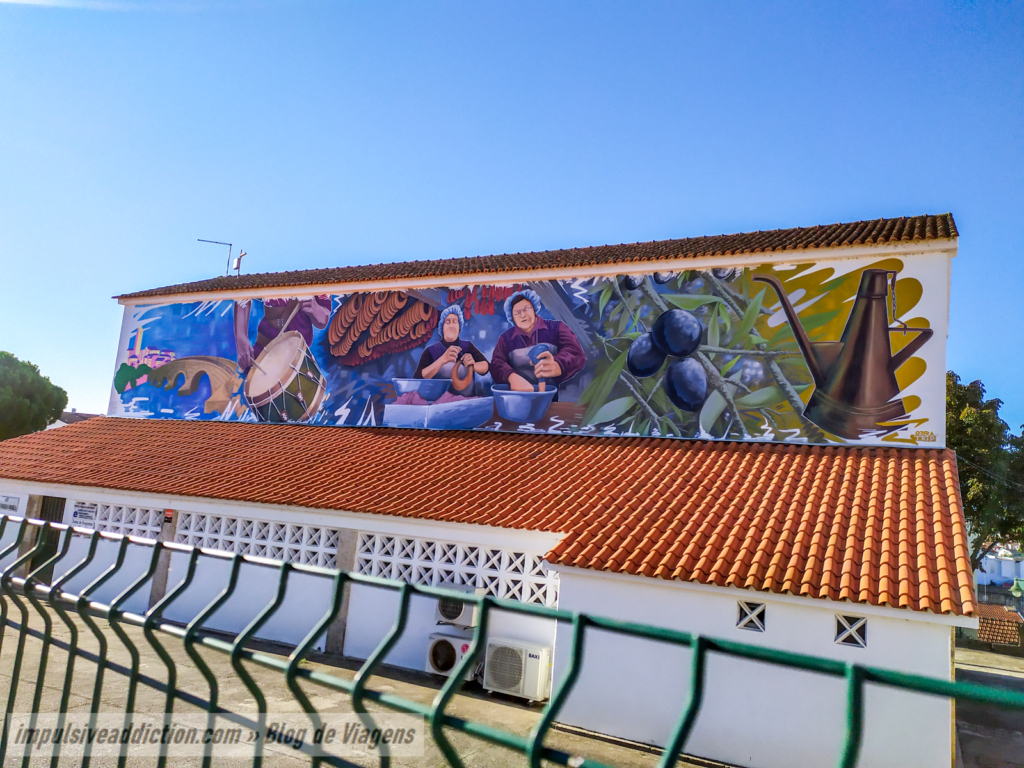
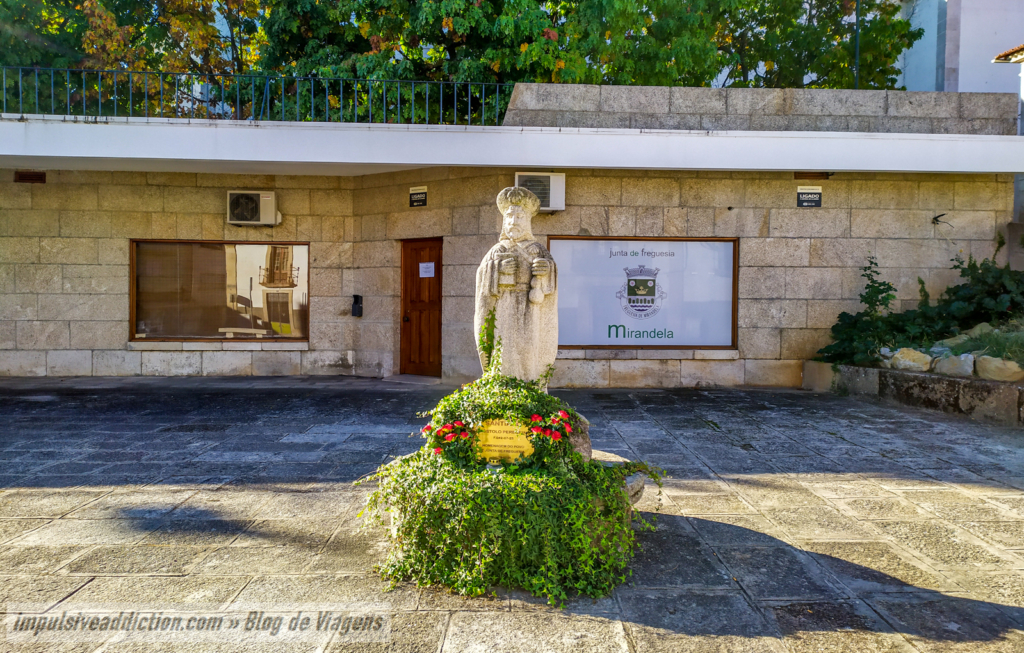
The next stop is the Armindo Teixeira Lopes Municipal Museum, housed within Mirandela’s Cultural Center. On your way there, you’ll pass through Largo de São Miguel and then by the Parish Council of Mirandela, where you can admire a striking urban art mural on its façade.
The museum showcases a rich collection of contemporary works by Mirandela-born artist Armindo Teixeira Lopes. But the exhibitions go beyond his legacy, featuring paintings, engravings, drawings, and sculptures by other renowned Portuguese artists such as Almada Negreiros, Júlio Resende, and Graça de Morais.
Admission is free, though the museum is closed on Sundays — visits that day require a prior booking.
5. Praça 5 de Outubro
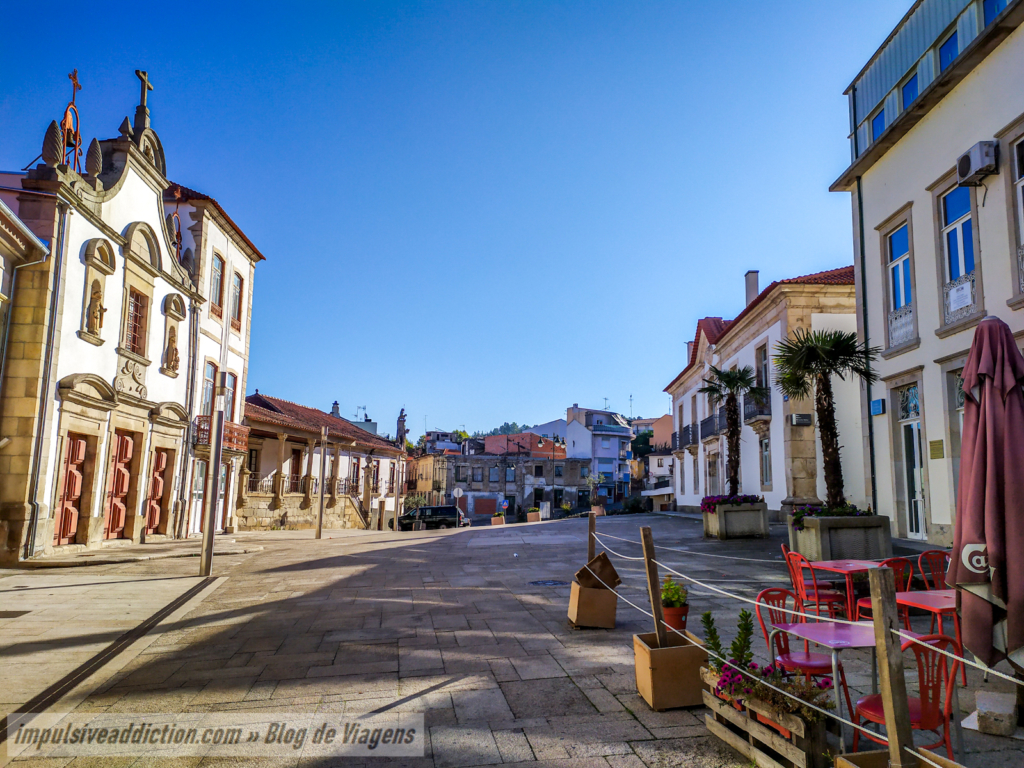
Heading back towards the city center, make your way from the Praça do Município to Praça 5 de Outubro, one of Mirandela’s main squares. Here you’ll find several landmarks worth visiting, including the Museum of Sacred Art, the Solar dos Condes de Vinhais, and the Church of Misericórdia of Mirandela.
6. Museum of Sacred Art of Mirandela
The Museum of Sacred Art belongs to the Santa Casa da Misericórdia of Mirandela and showcases the institution’s historical and religious heritage.
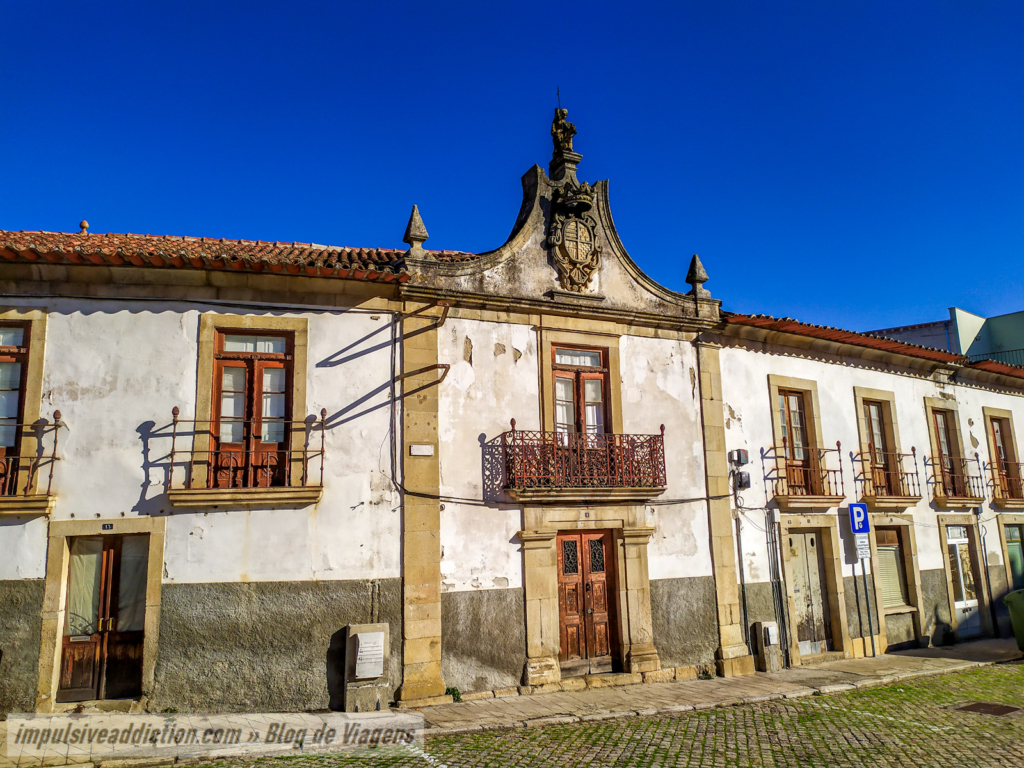
7. Solar dos Condes de Vinhais
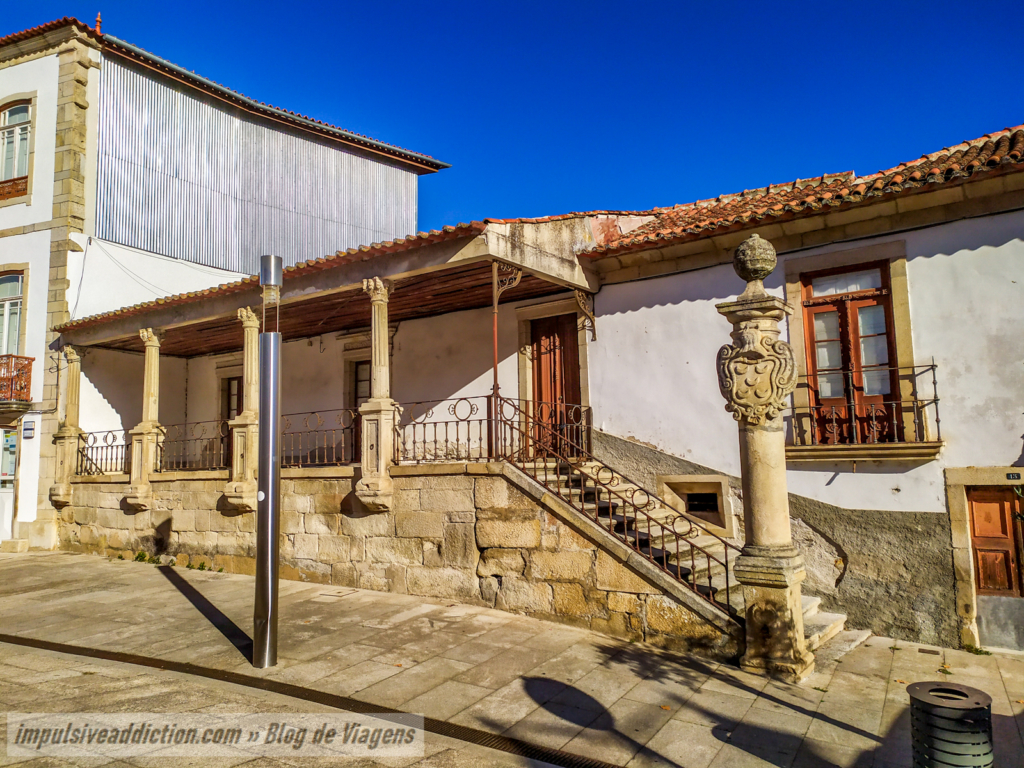
The Solar dos Condes de Vinhais is a 16th-century manor house. Its most striking feature is the coat of arms of the Counts of Vinhais, depicting the Apostle Saint James on horseback with a spear. Interestingly, this relief originally adorned the now-vanished Porta de Santiago of Mirandela’s medieval castle wall. When the gate was demolished in 1880, the sculpture was relo
8. Church of Misericórdia of Mirandela
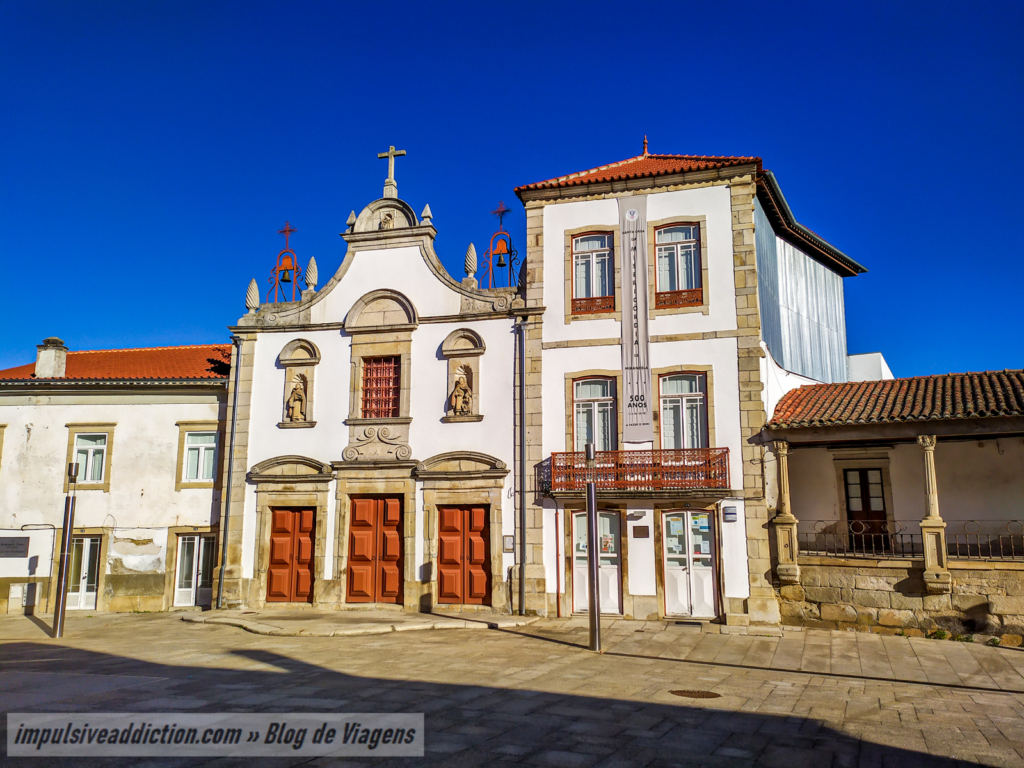
The Church of Misericórdia of Mirandela dates back to the late 17th century. On its façade, you’ll notice niches with statues of the founders of the Order of the Most Holy Trinity, Saint John of Matha and Saint Felix of Valois, while at the center stands a Pietà.
Inside, one of the highlights is the altarpiece of Our Lady of Joy, originally brought from the now-vanished chapel of the Paço dos Távoras.
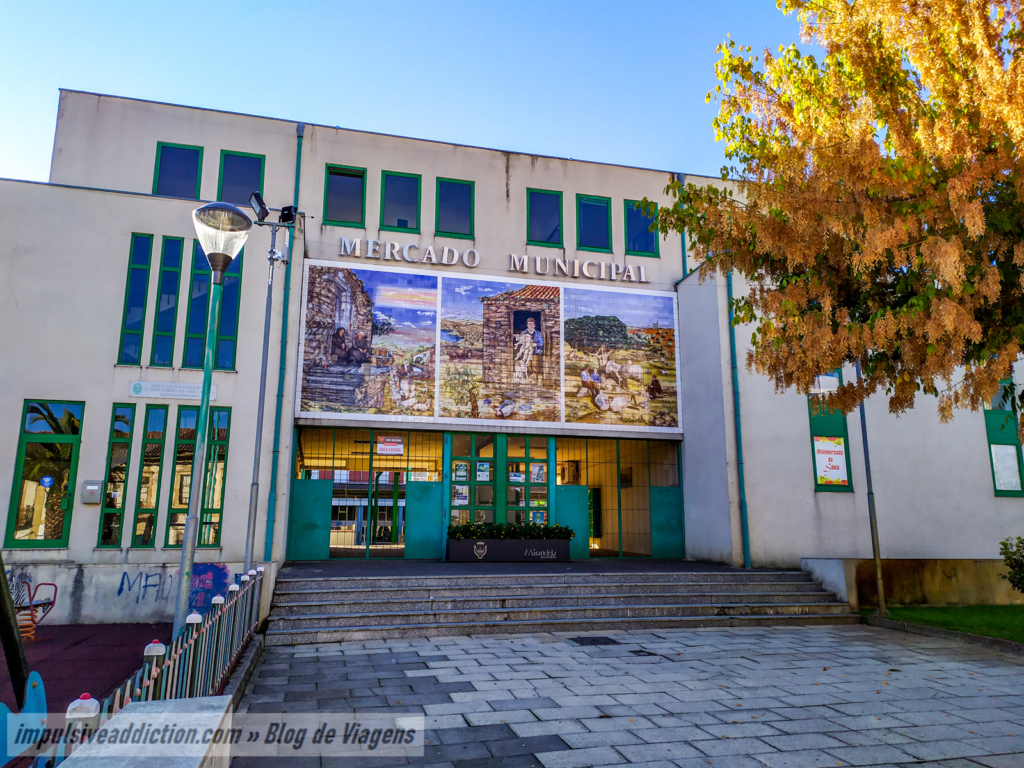
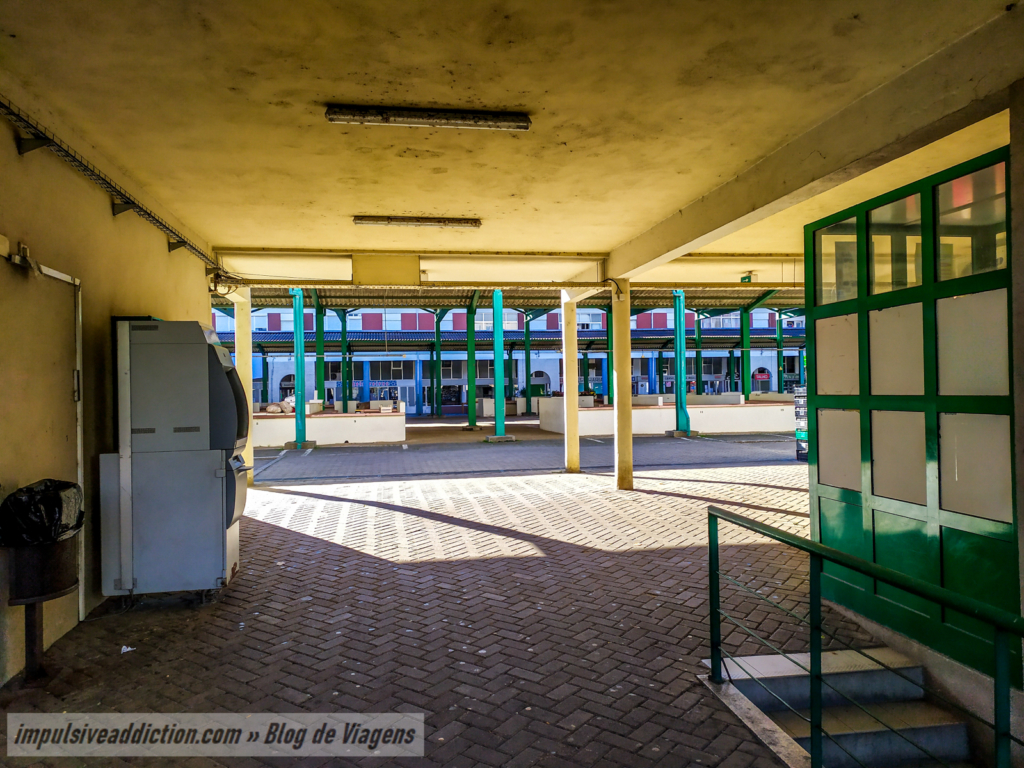
9. Municipal Market of Mirandela and the “To Mothers” Monument
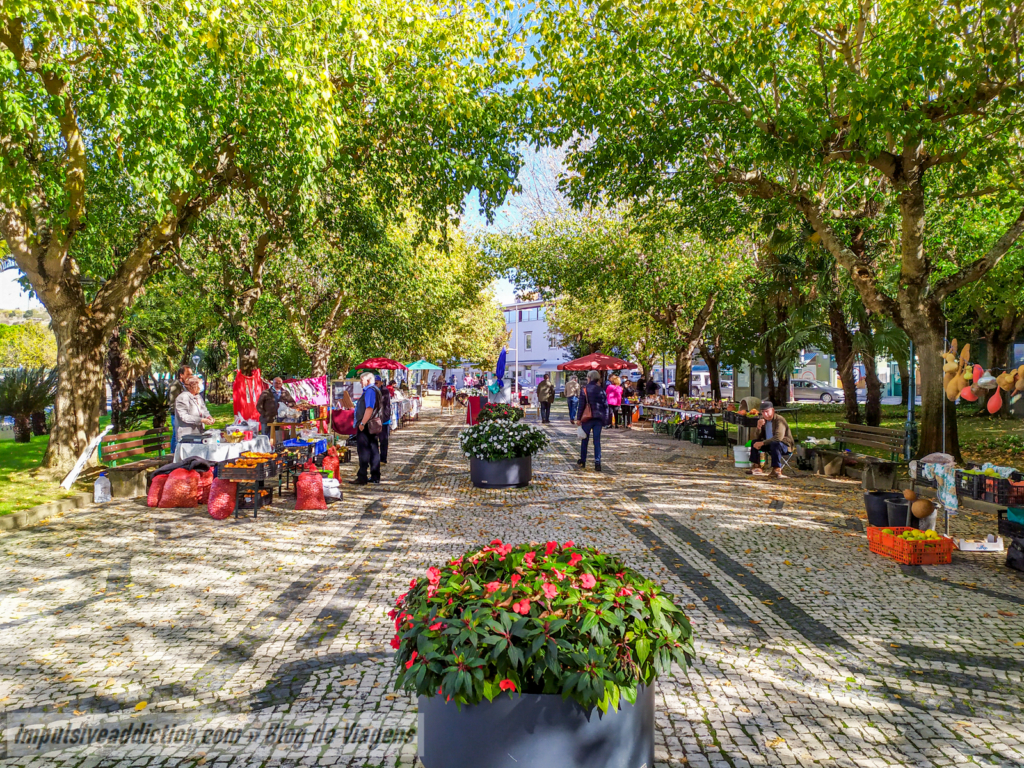
Be sure to stop by the Municipal Market of Mirandela, surrounded by a pleasant square and garden. Nearby stands a touching monument dedicated “To Mothers”, which I found particularly moving and well worth a visit before finally heading down towards the river.
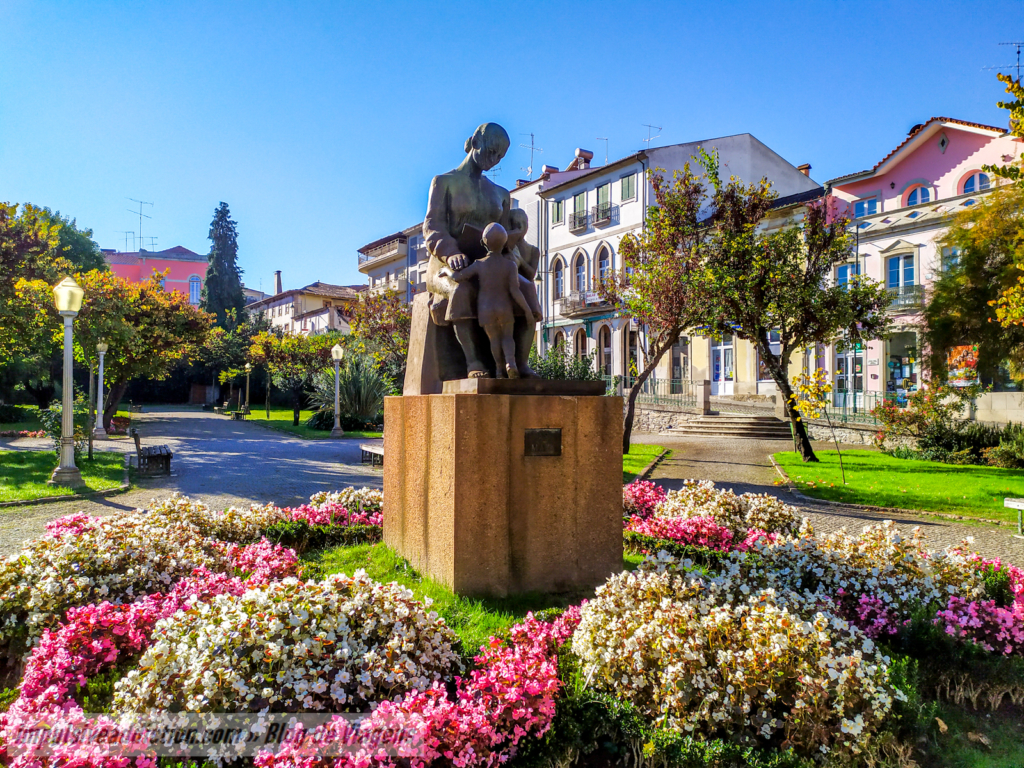
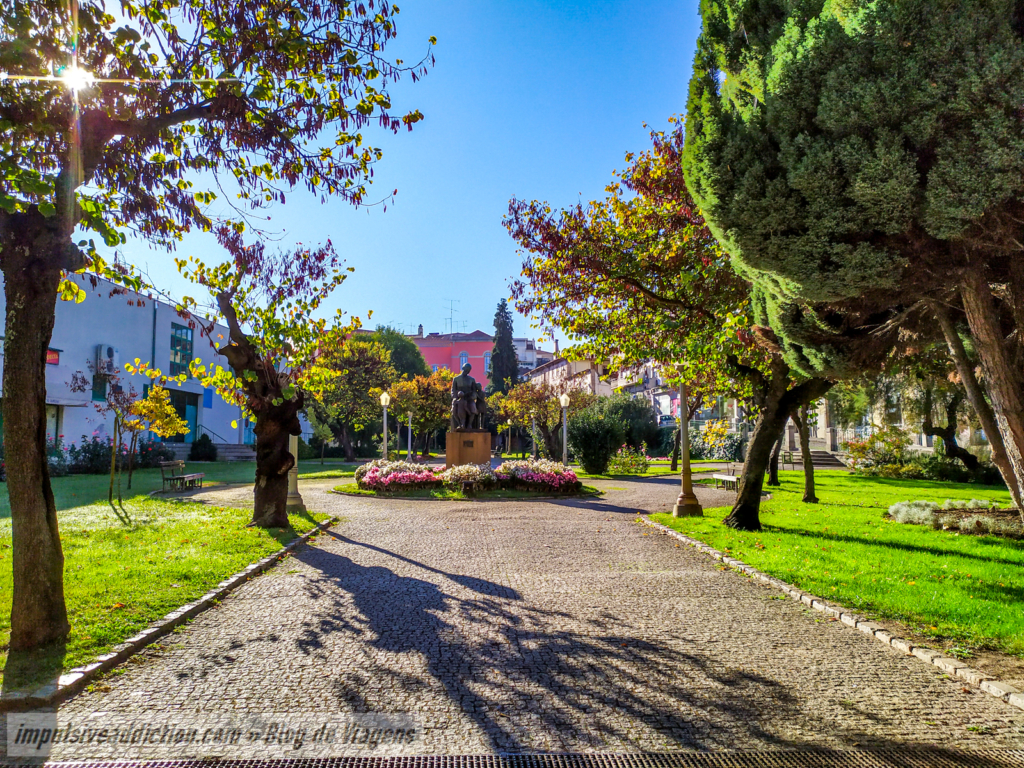
10. Ecoteca – Interpretative Center of the Territory & Gateway to the Vale do Tua Natural Park
For those exploring the Vale do Tua Natural Park — or planning to begin their journey there from Mirandela — the Ecoteca is an essential stop. This is home to the Mirandela Gateway, one of the five official entrances to the park, each linked to one of the five municipalities that make it up.
It’s an interactive space dedicated to promoting and interpreting the Vale do Tua, where you can learn more about the region and its many experiences — especially those connected to Mirandela.
11. Parque da Ribeira de Carvalhais
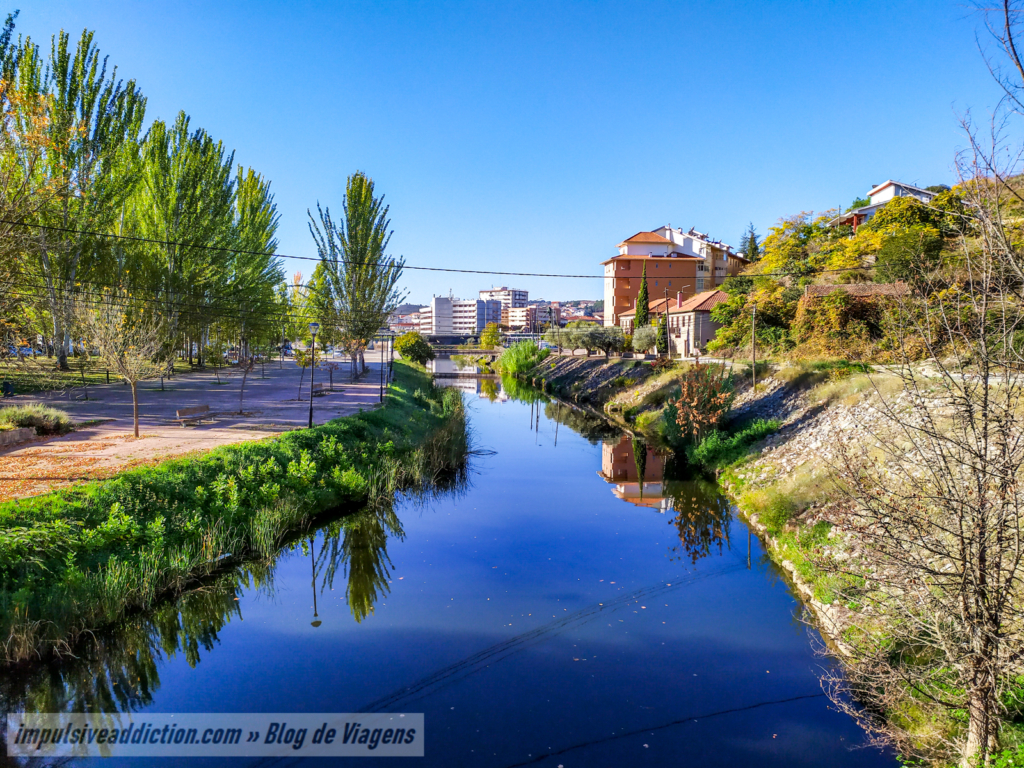
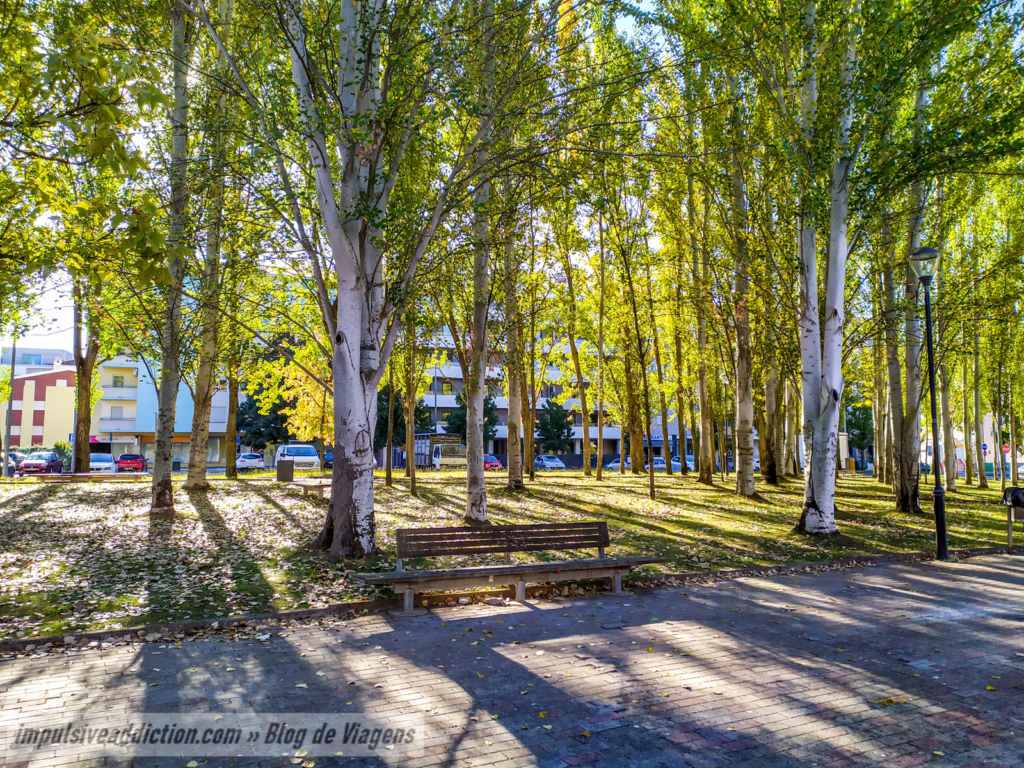
Right next to the Ecoteca lies the Parque da Ribeira de Carvalhais, a beautiful green leisure park that follows the course of the Carvalhais stream, a tributary of the Tua, all the way to its mouth. Don’t miss the chance to walk over the old Roman Bridge, located nearby and marked on the map of this guide.
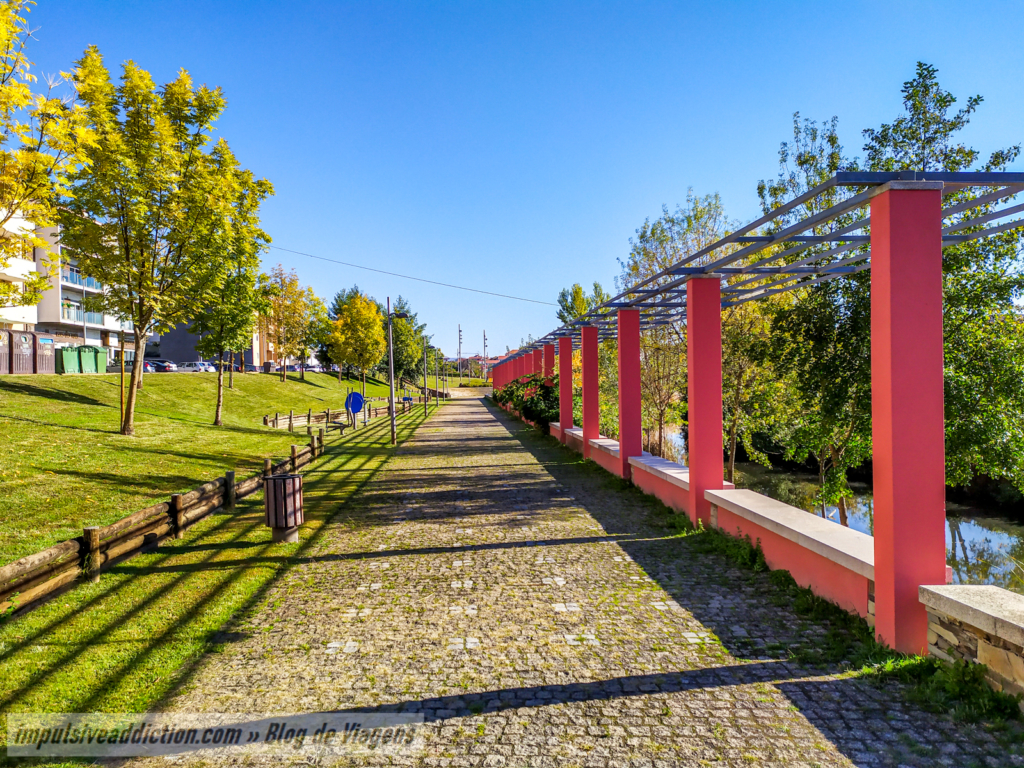
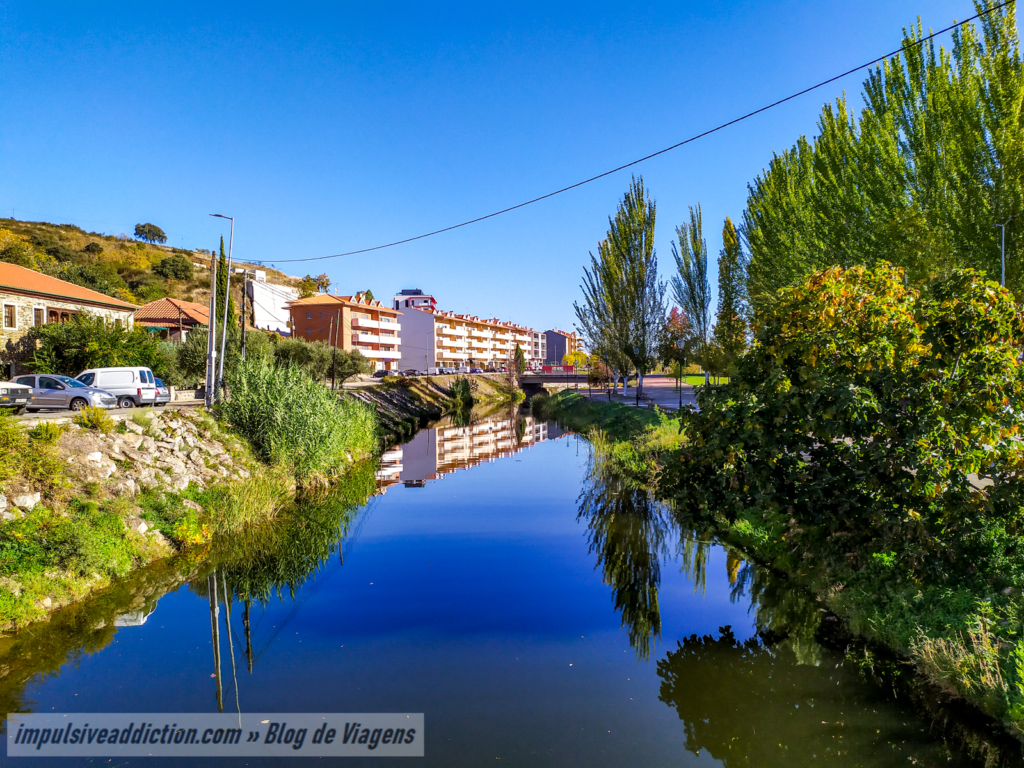
12. Statue of the “Menina da Pomba” (Girl with the Dove)
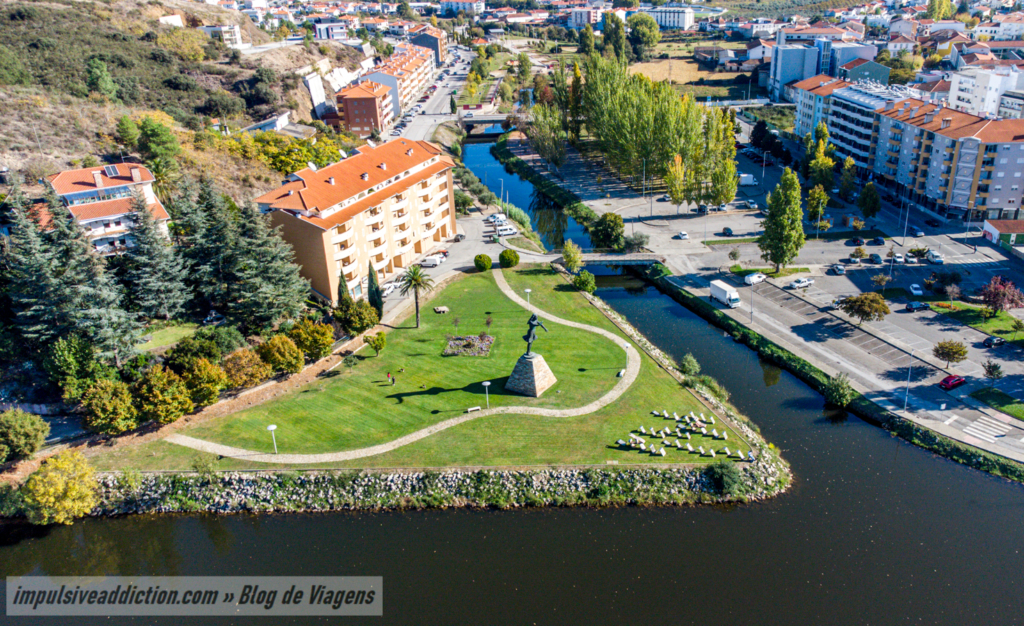
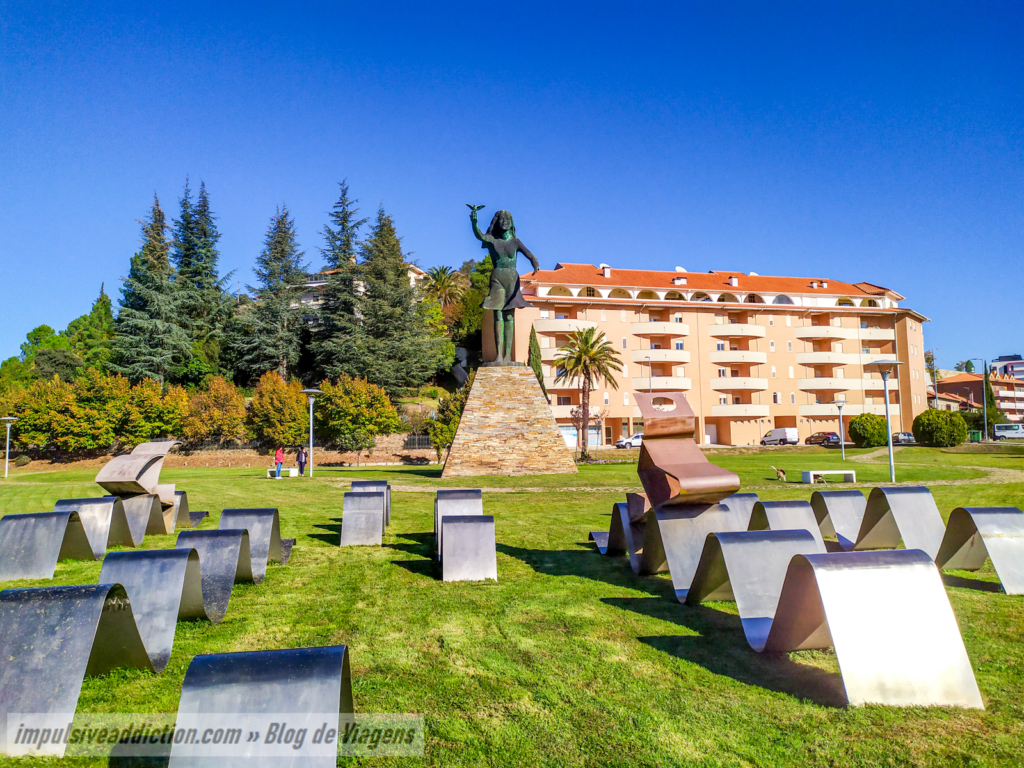
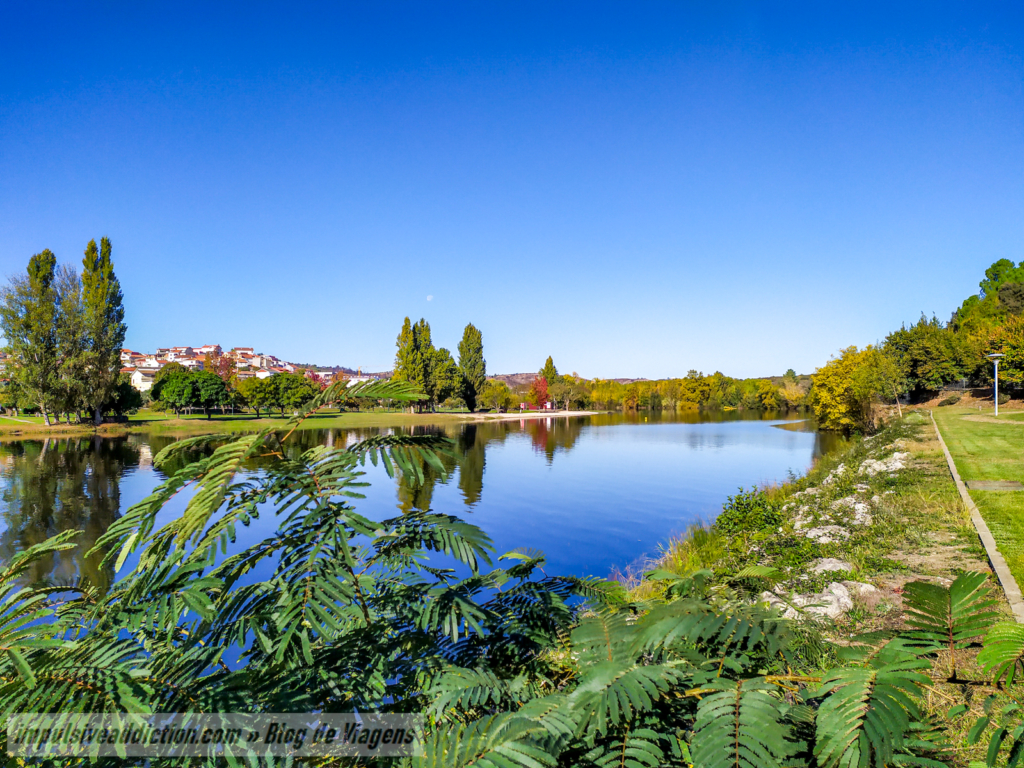
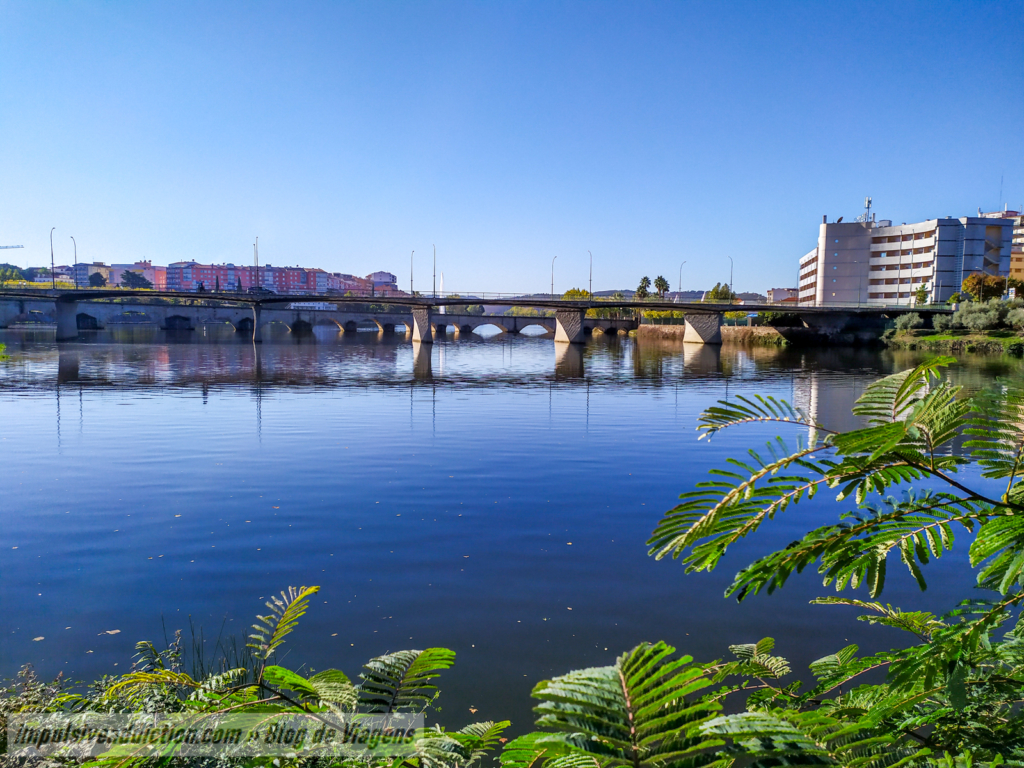
At the far end of the Parque da Ribeira de Carvalhais stands the impressive Statue of the “Menina da Pomba” (Girl with the Dove) — one of the spots I most enjoyed during my visit to Mirandela. It’s a wonderful place to pause and take in the views of the Tua River, with the Medieval Bridge on one side and Mirandela’s river beach on the other.
13. Mirandela River Beach and Dr. José Gama Park
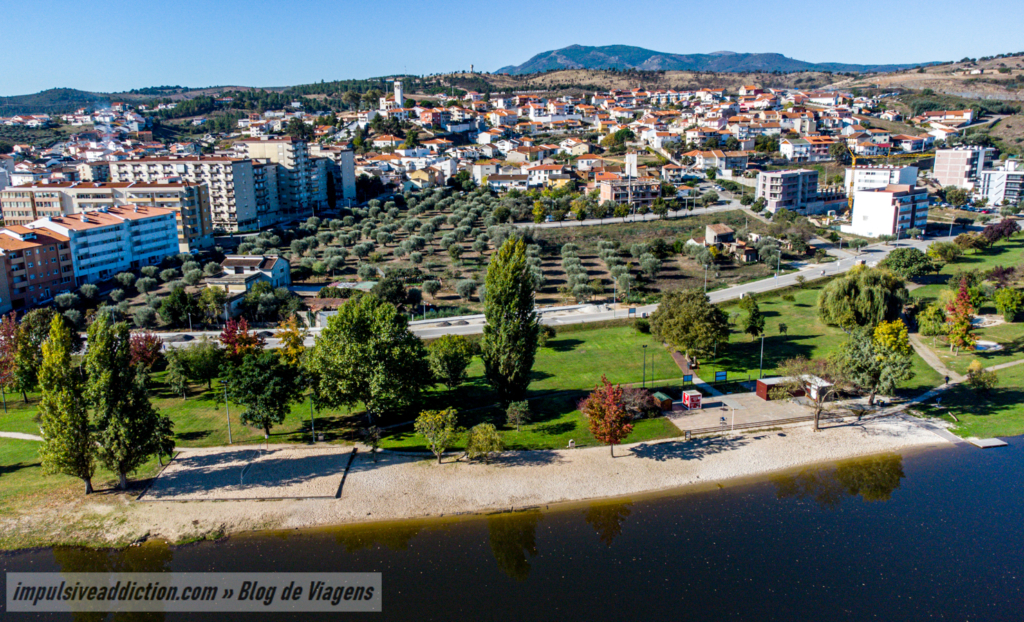
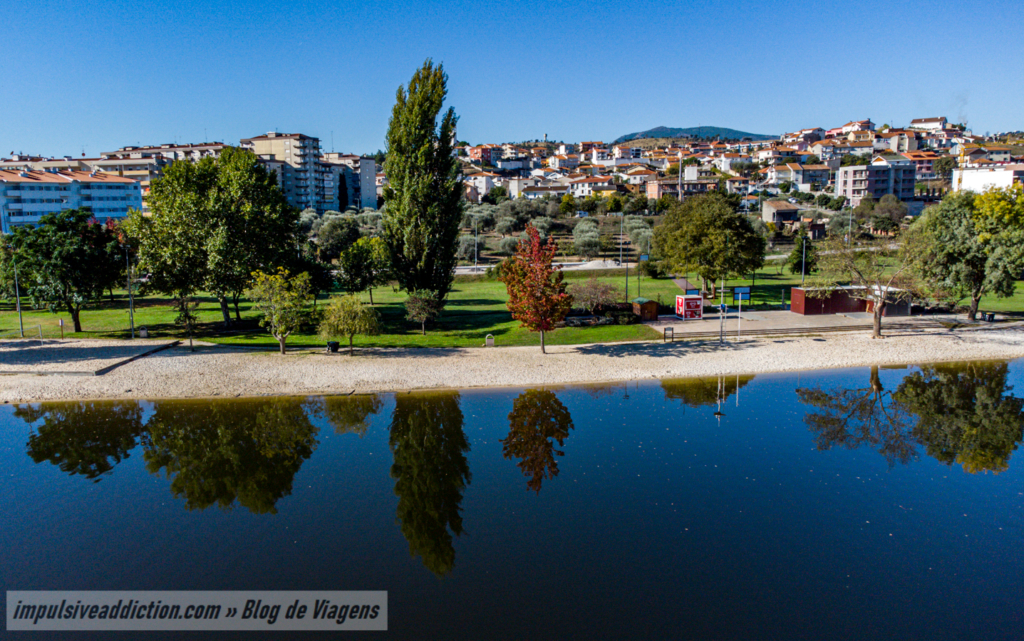
Next, I recommend heading to Mirandela’s river beach, located on the opposite bank of the Tua River. The beach is surrounded by the vast and lush Dr. José Gama Park, a huge green space perfect for relaxation. In summer, there’s plenty of room to spread out your towel — whether on the grassy lawns or on the sandy stretch right by the water.
14. Sanctuary of Nossa Senhora do Amparo
On the same bank of the Tua River, right next to Mirandela’s Medieval Bridge, you’ll find the Sanctuary of Nossa Senhora do Amparo. This 17th-century sanctuary is closely tied to the city’s main pilgrimage and to the festivities held in late July and early August, which I mentioned earlier.
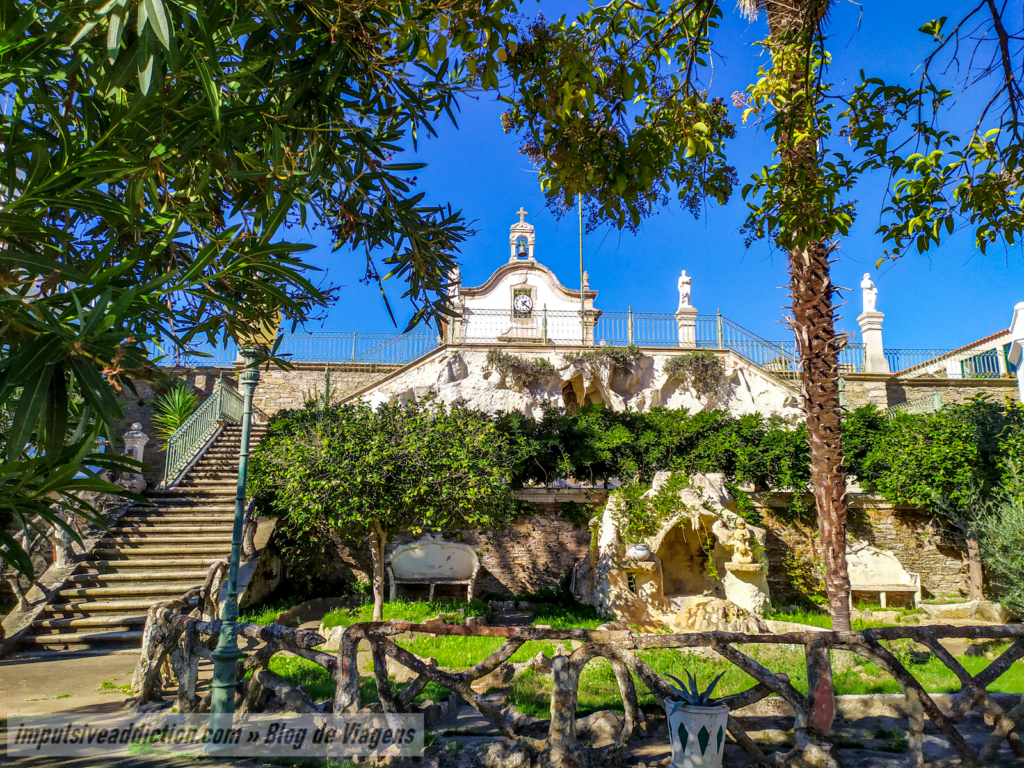
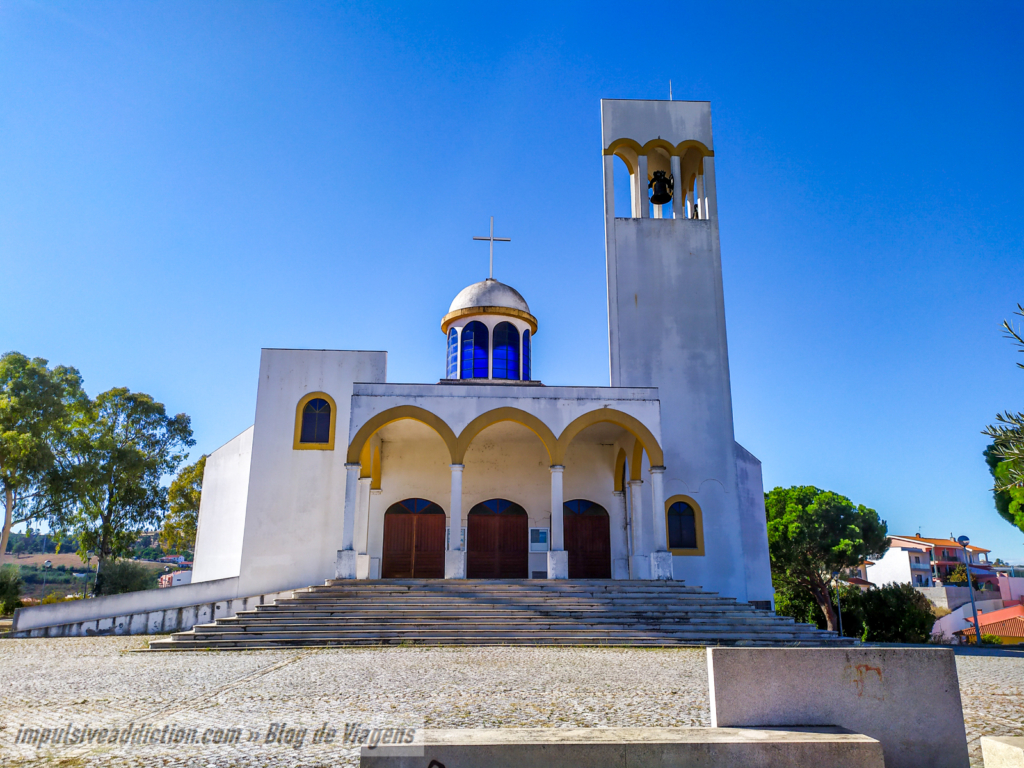
15. Church of São Bento
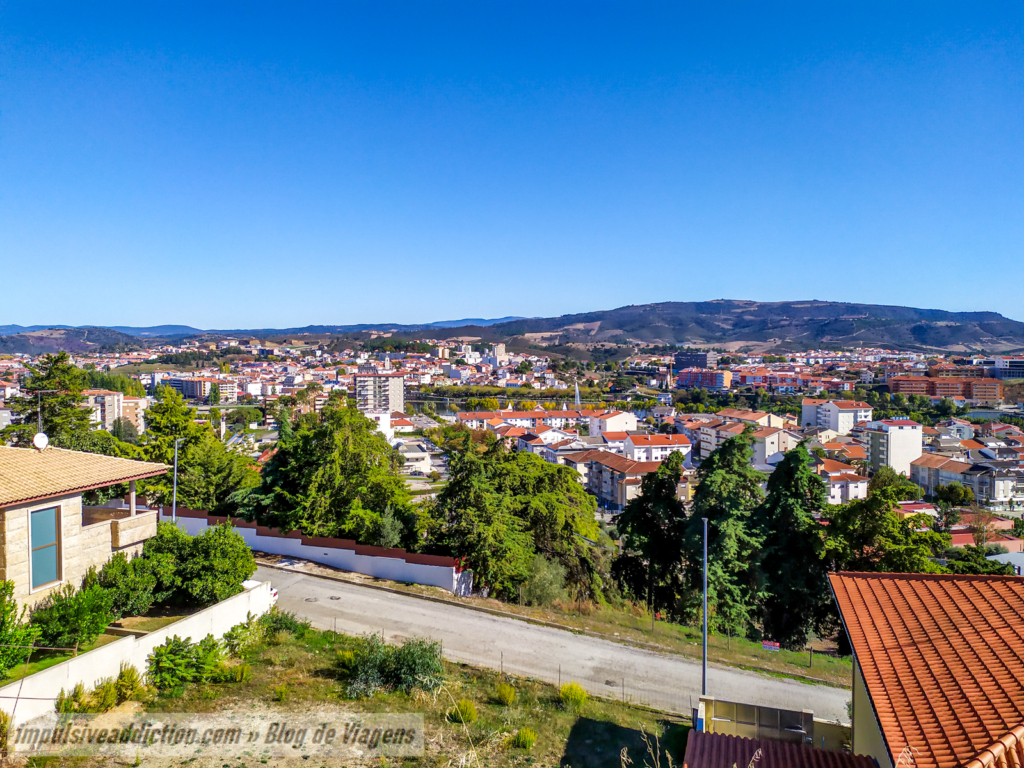
The Church of São Bento is best reached by car after exploring the rest of the city. Perched on higher ground, it offers a beautiful viewpoint over Mirandela from its churchyard.
16. Medieval Bridge of Mirandela over the Tua River
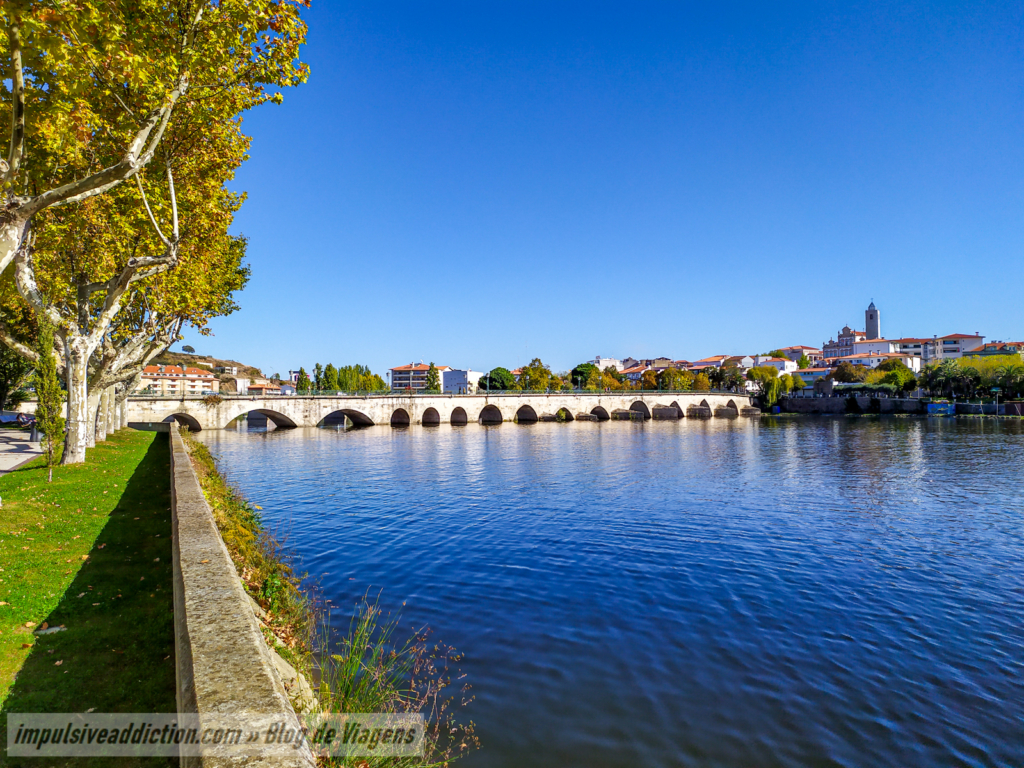
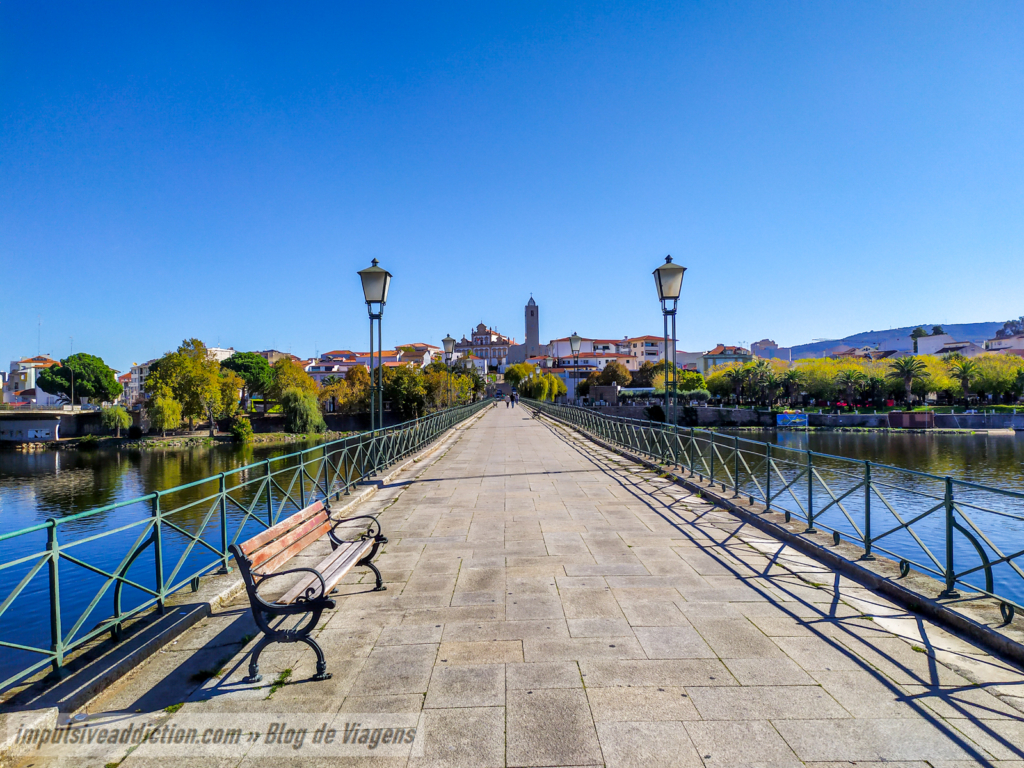
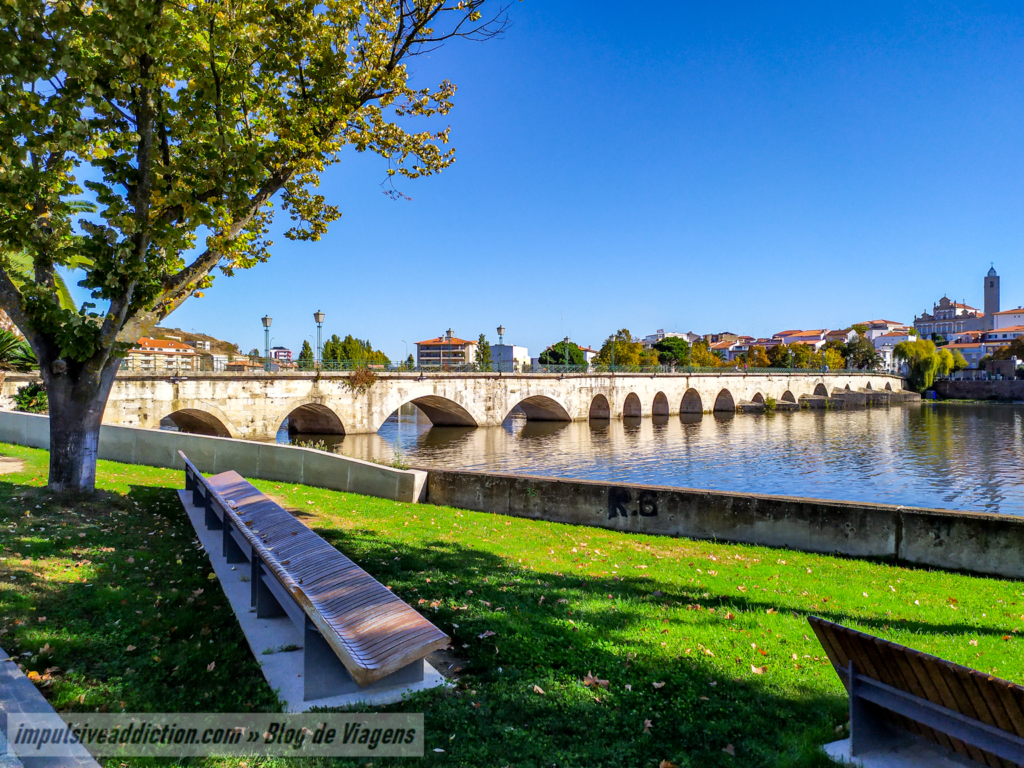
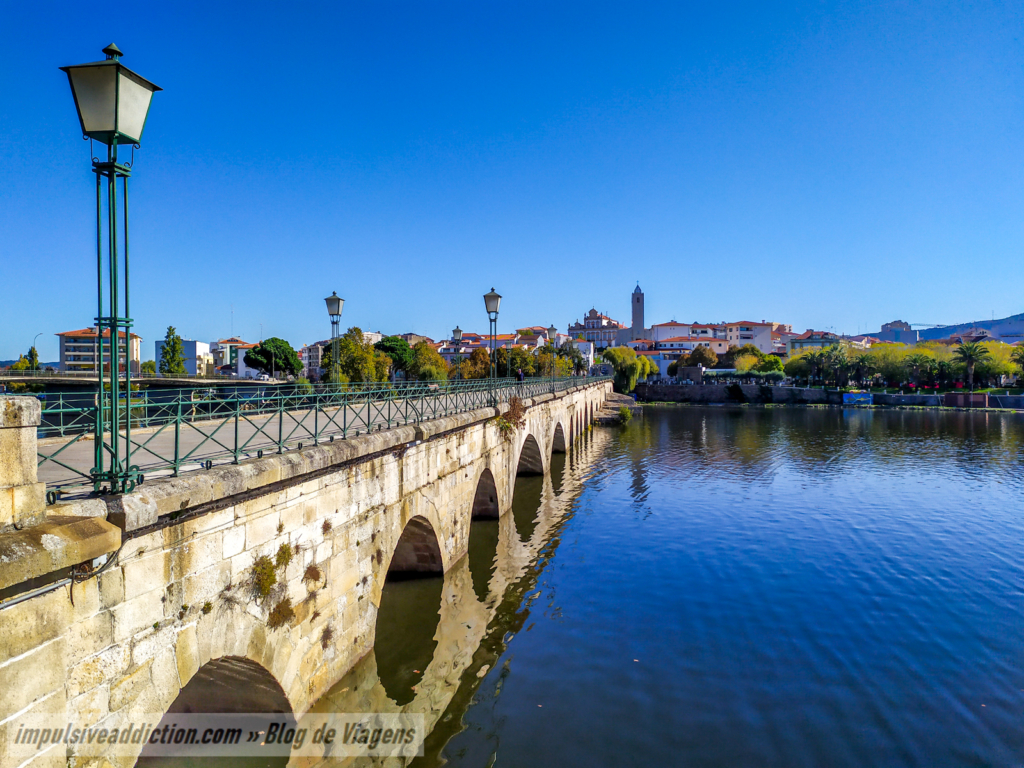
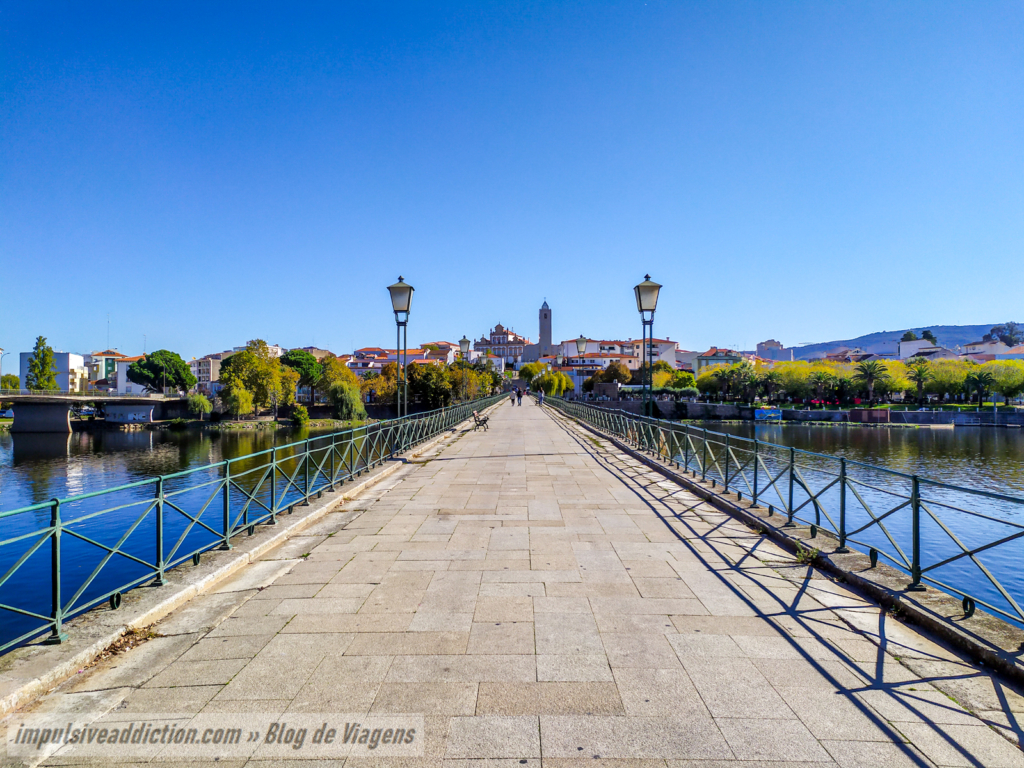
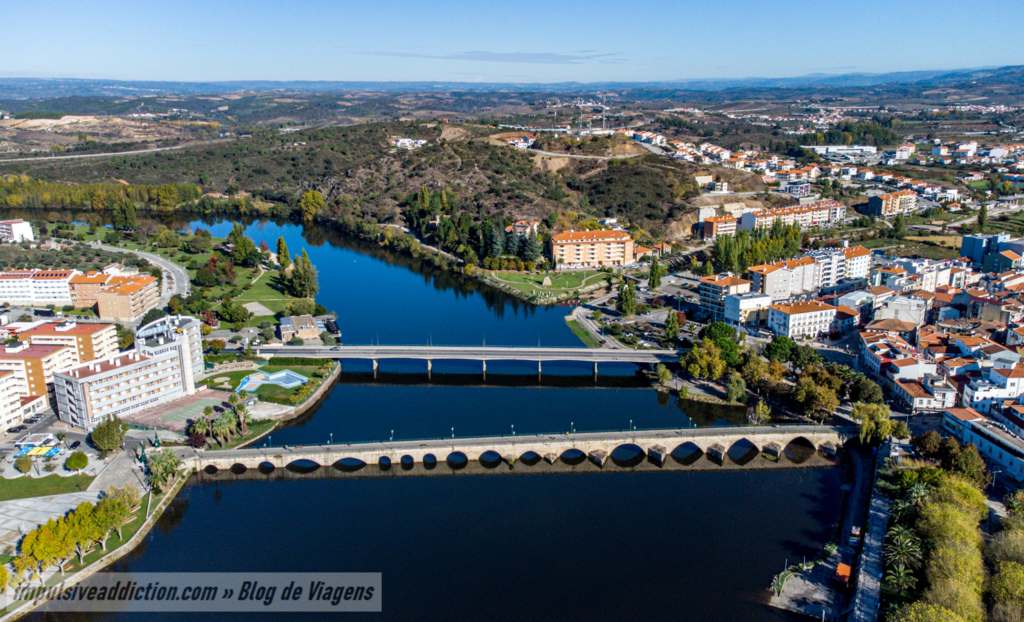
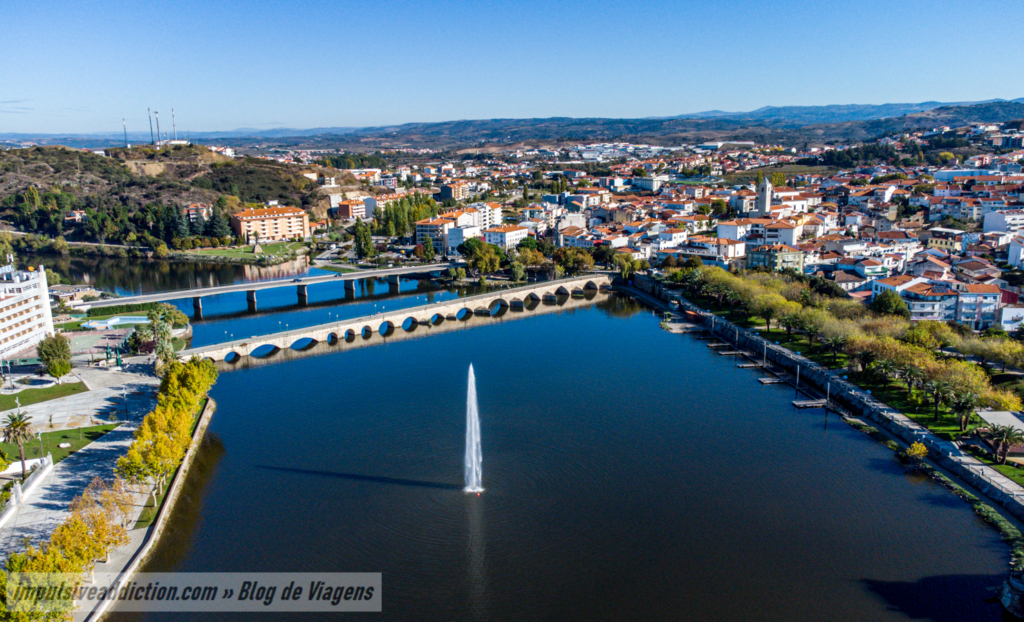
Finally, we come to the city’s most iconic landmark: the Medieval Bridge of Mirandela, spanning the Tua River. Today it is entirely pedestrian and stands as the symbol of the city, the most photographed and admired spot by visitors.
The bridge dates back to the 16th century, though it has undergone several modifications and reconstructions over time. Some of its most remarkable original features no longer exist, such as the central niches once dedicated to Nossa Senhora do Amparo and Senhor dos Aflitos.
17. Parque do Império
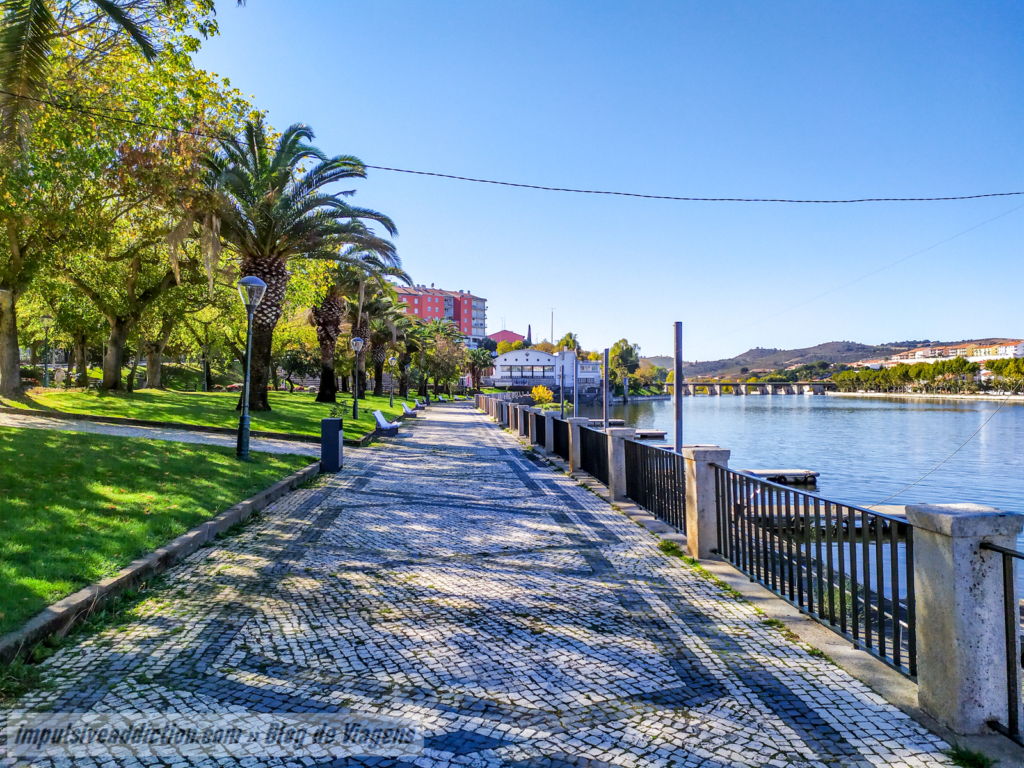
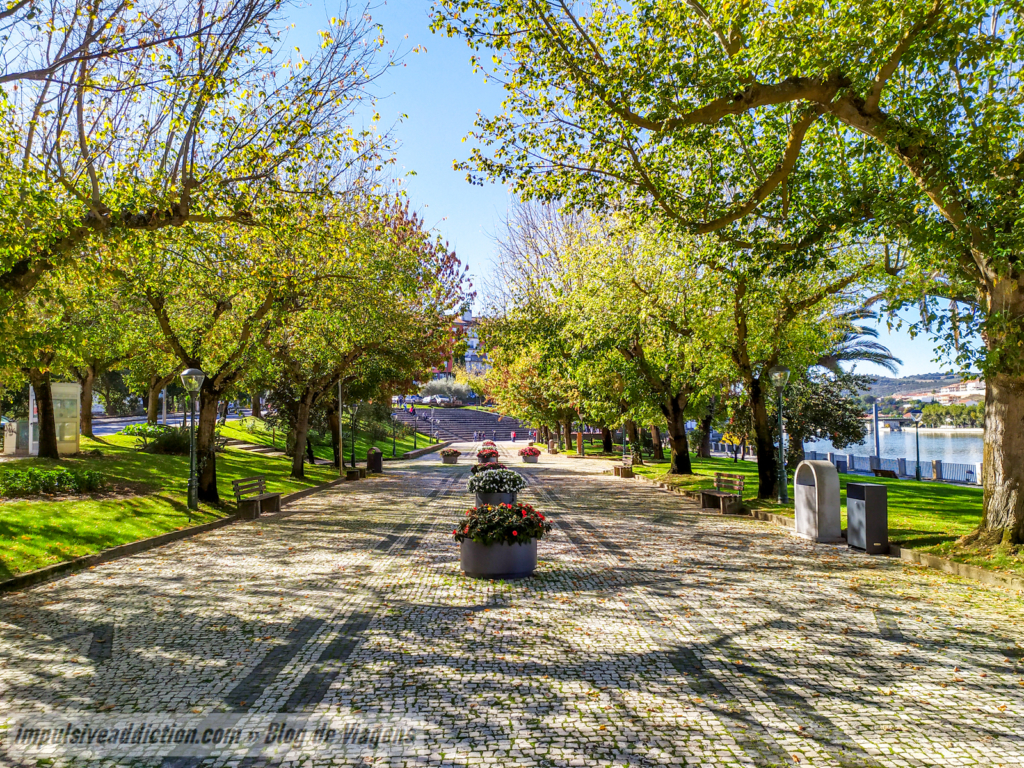
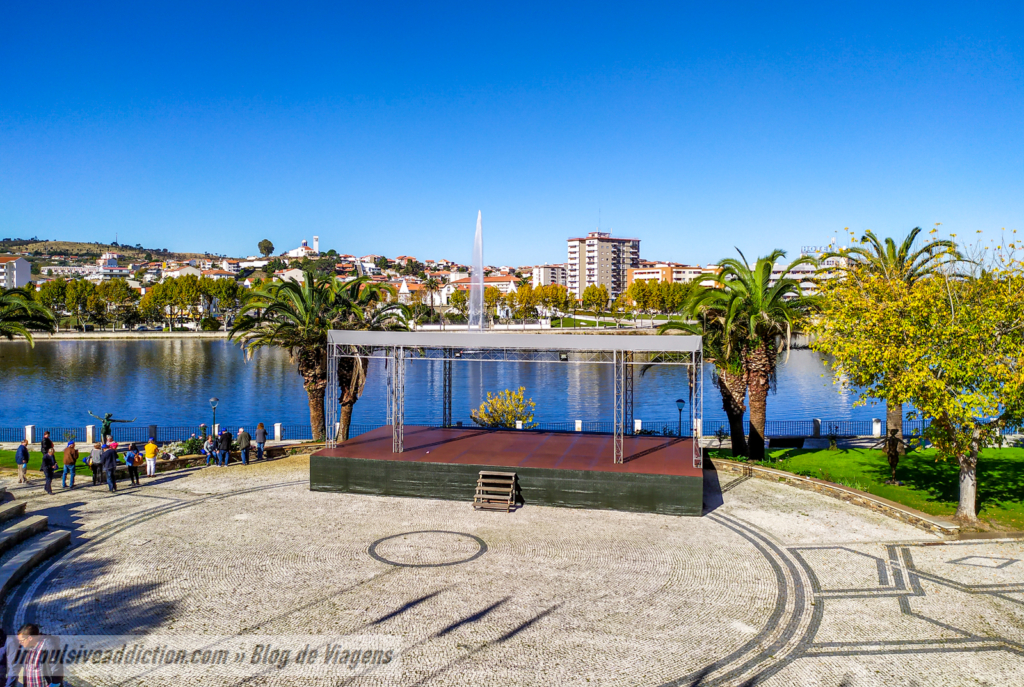
The Parque do Império is a vast riverside garden located on the historic side of the city, stretching all the way to the Sport Club of Mirandela, where you’ll also find a small amphitheater used for shows and local events.
The park offers plenty of space to relax, with numerous benches facing the Tua River. It often hosts small vendors and is a lively spot to enjoy the city’s atmosphere.
18. Old Mirandela Railway Station
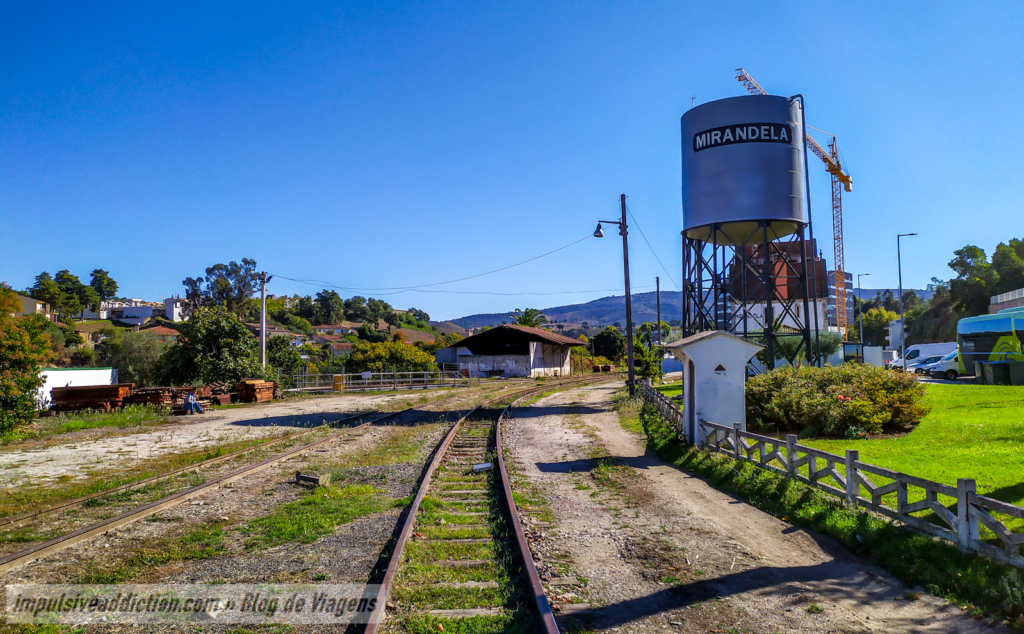
At the far end of the Parque do Império stands the Old Railway Station of Mirandela, now decommissioned. There are plans for its future redevelopment and adaptation for new uses.
19. Olive and Olive Oil Museum
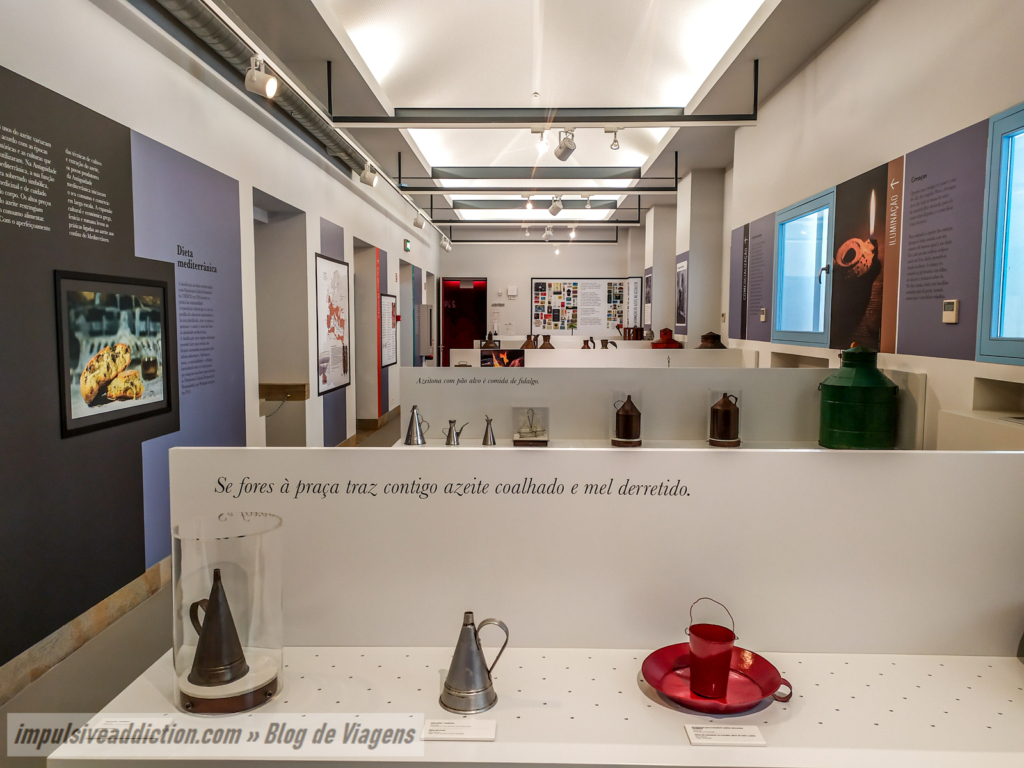
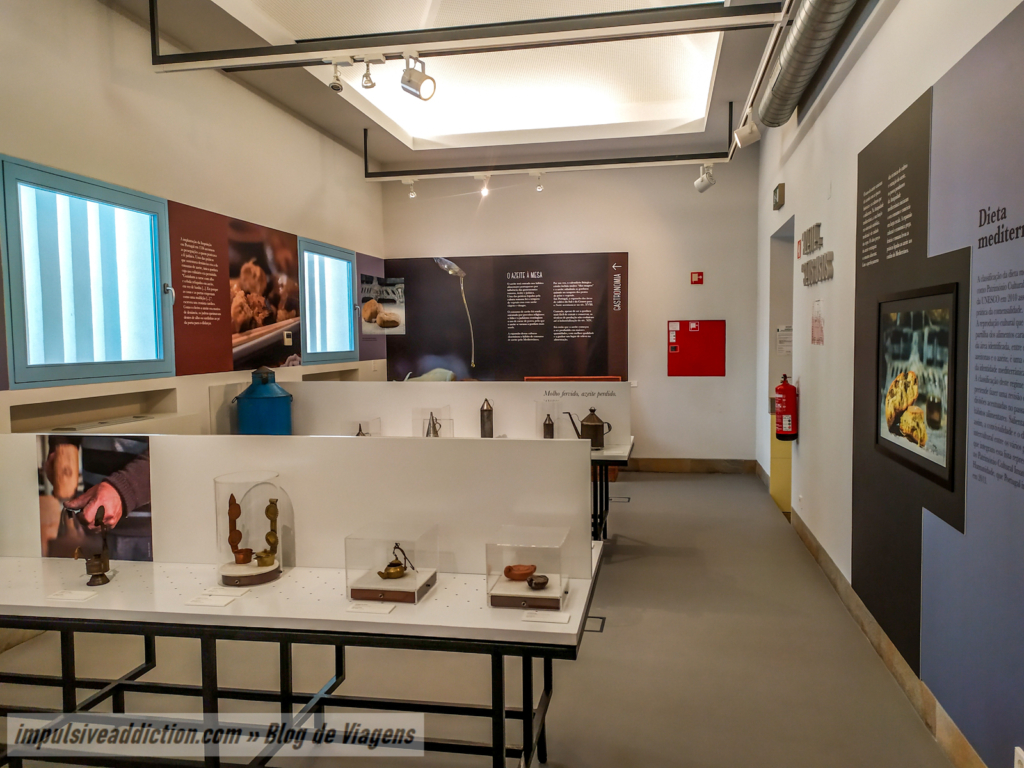
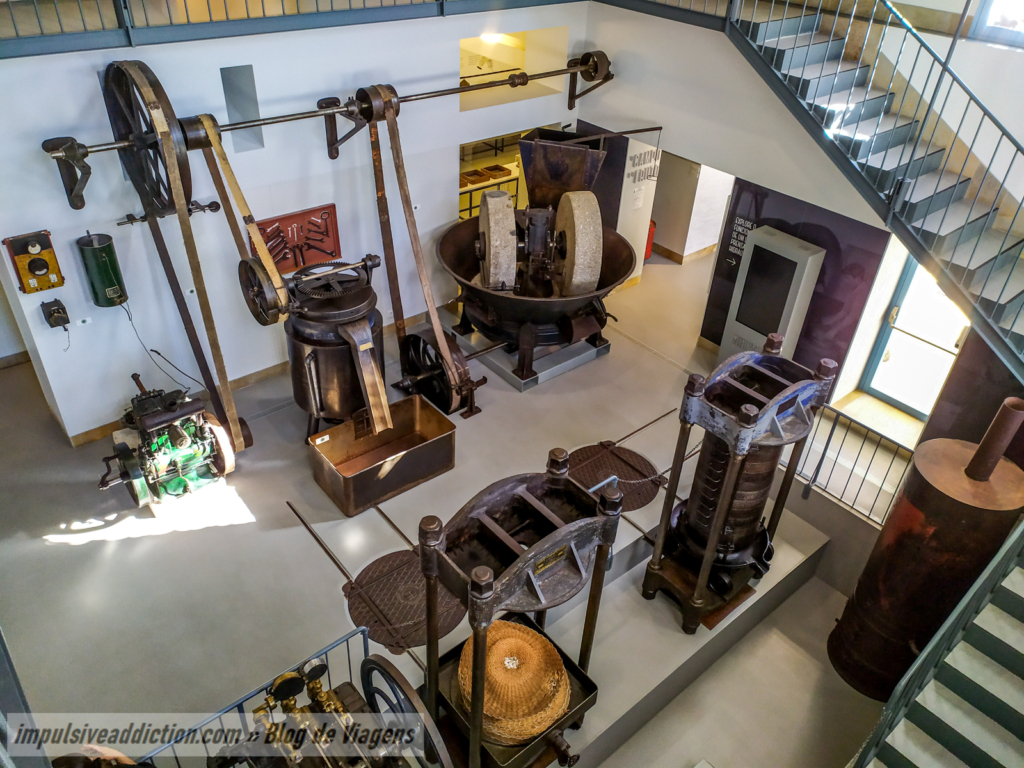
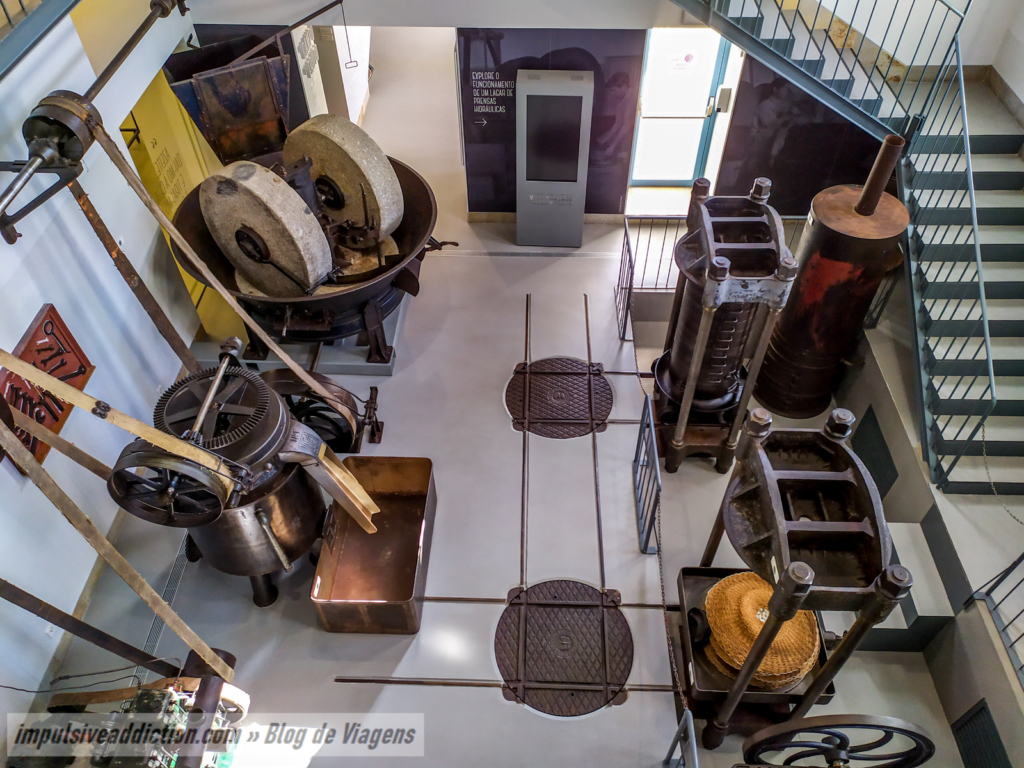
Last but not least, make sure to visit the Olive and Olive Oil Museum, housed in the former Moagem Mirandelense factory. One of its highlights is the old olive press room, where you can learn about the entire olive oil production process and see the original equipment once used to operate the press.
Along the Banks of the Tuela and Rabaçal Rivers
Since the Tua River is formed right by the city of Mirandela, it’s easy to understand that north of the city you’ll find the Tuela and Rabaçal rivers, while to the south flows the Tua itself. Let’s begin with the main attractions along the first two.
1. River Beaches of the Tuela and Rabaçal
First on the list are the river beaches. Along the Tuela and Rabaçal, the highlights are:
- Mosteiro River Beach (Tuela)
- Quintas River Beach (Tuela)
- Vale de Juncal River Beach (Tuela)
- Miradeses River Beach (Rabaçal)
- Maravilha River Beach (or pool complex), located at the junction of both rivers
All of these, except the last, are far more wild and natural than Mirandela’s own urban river beach mentioned earlier. My personal favorites were the better-equipped ones: Miradeses and Vale de Juncal.
The Maravilha River Beach is part of the “3 Rivers” Campsite and consists of paid swimming pools (for both adults and children) — a refreshing choice in the summer months.
2. Torre de Dona Chama and Castro de São Brás
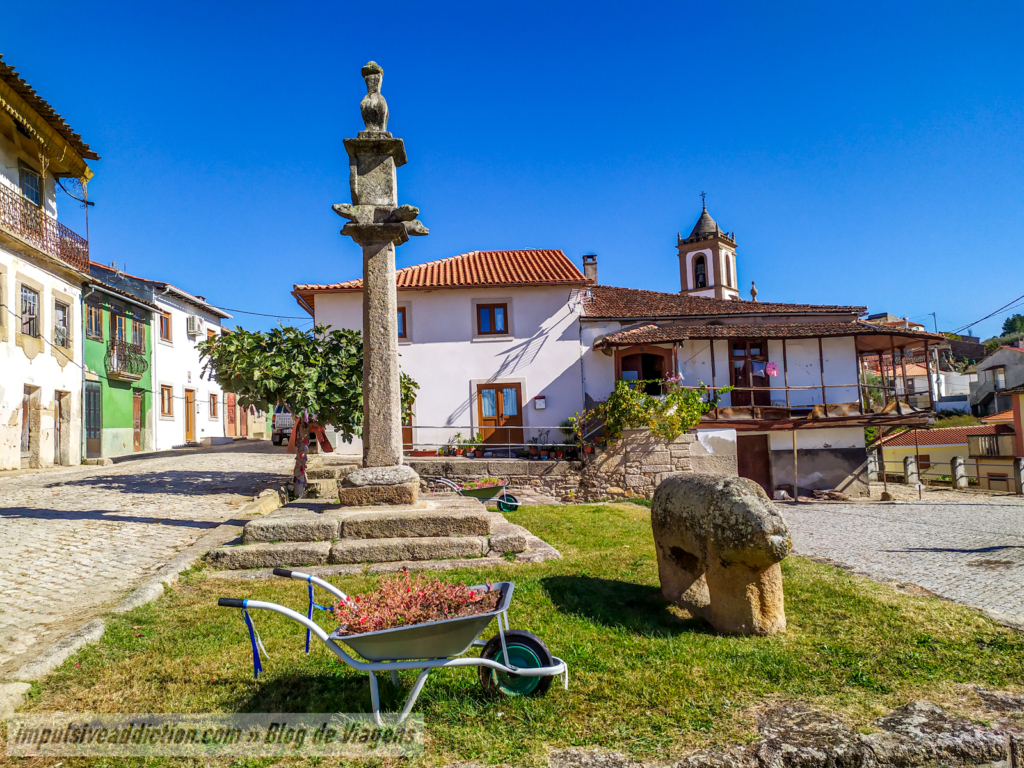
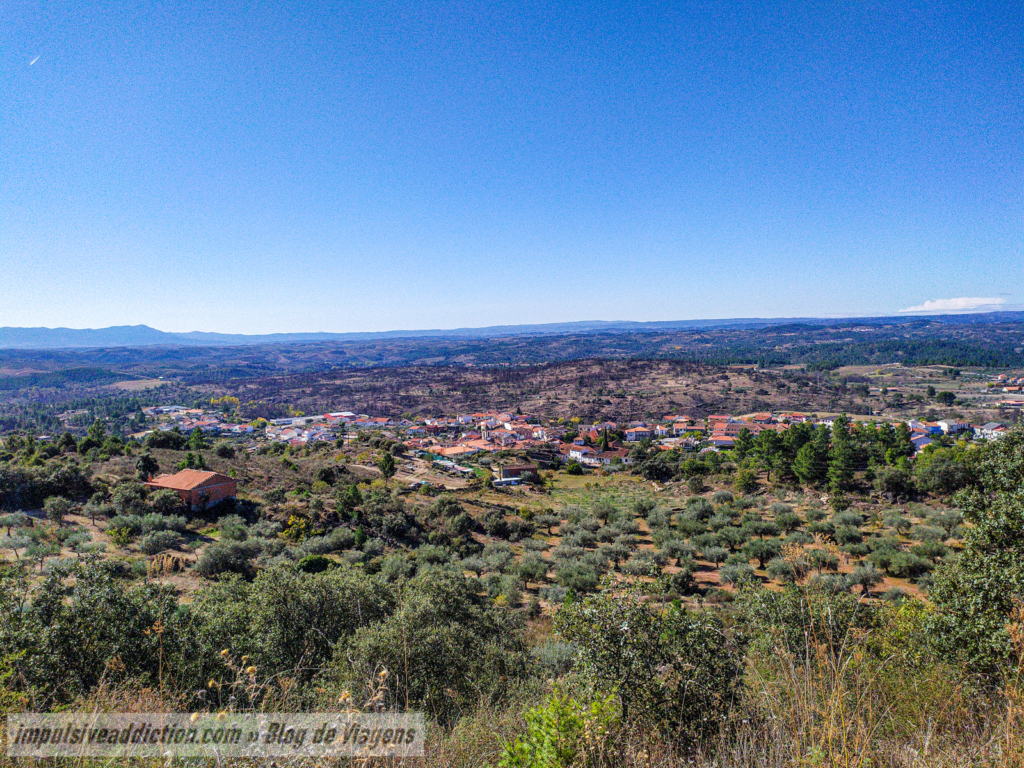
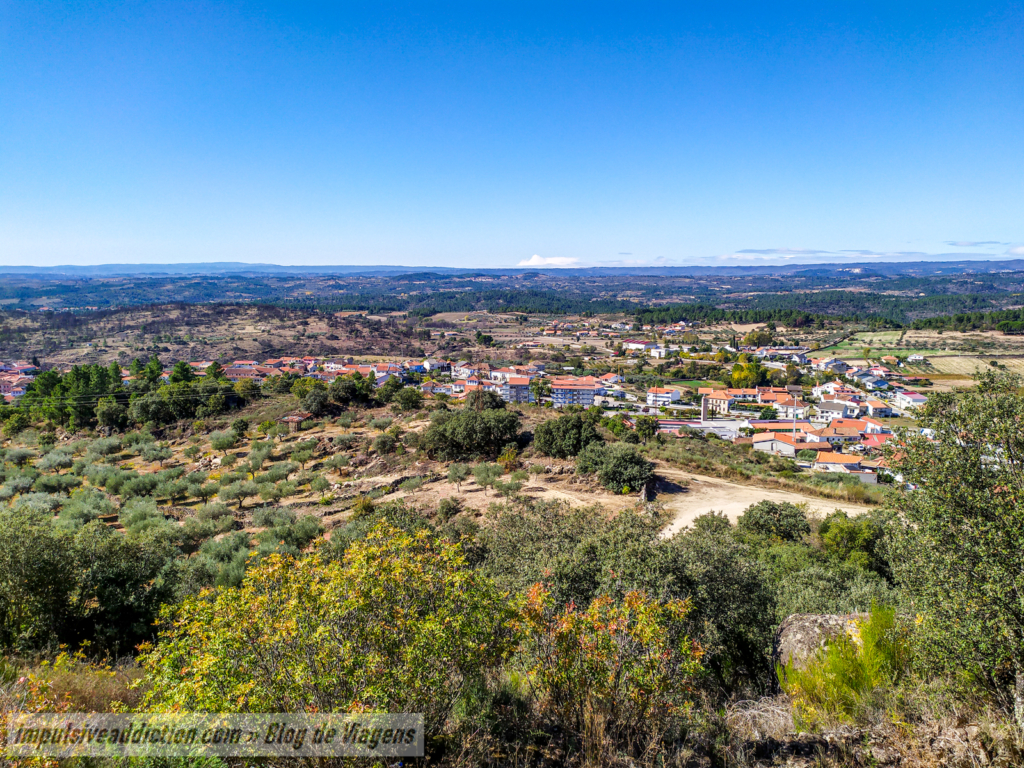
Torre de Dona Chama is a village in the northern part of the municipality of Mirandela, not far from the Tuela River. In its center, you’ll find a 13th-century pillory, an Iron Age boar statue, and the Main Church, all worth a visit.
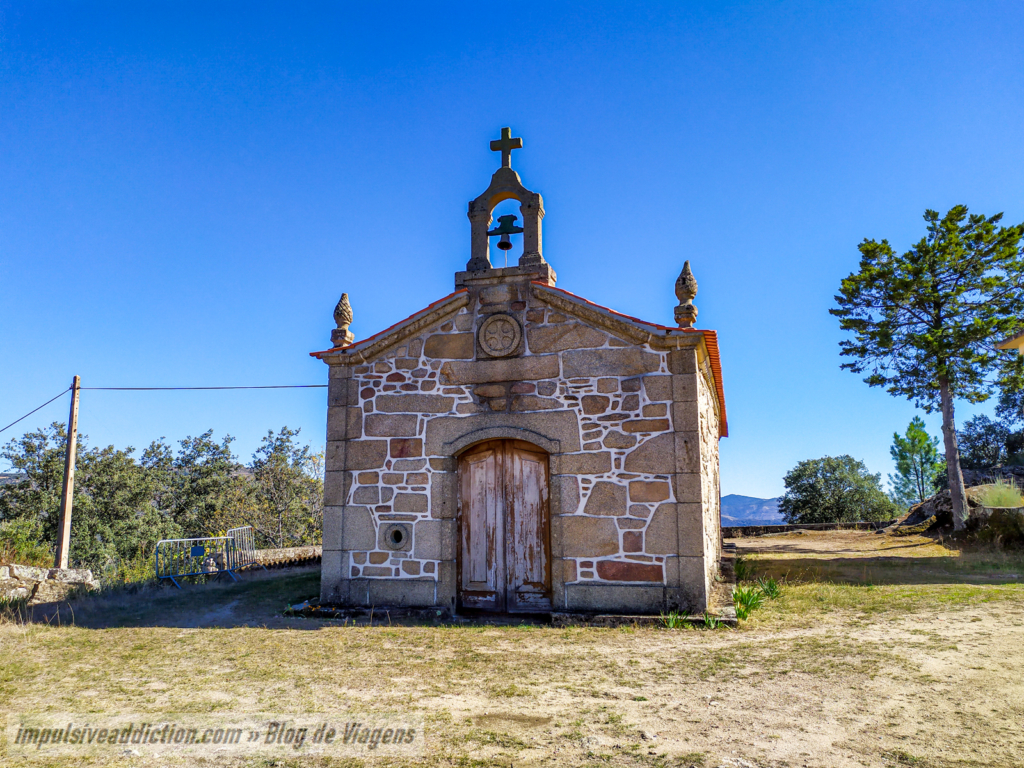
On the outskirts of the village, don’t miss the climb to the Castro de São Brás, which offers a beautiful viewpoint over the surrounding landscape of Torre de Dona Chama. The site’s origins date back to the Late Bronze Age, with clear evidence of later Roman occupation.
3. Stone Bridge over the Tuela River
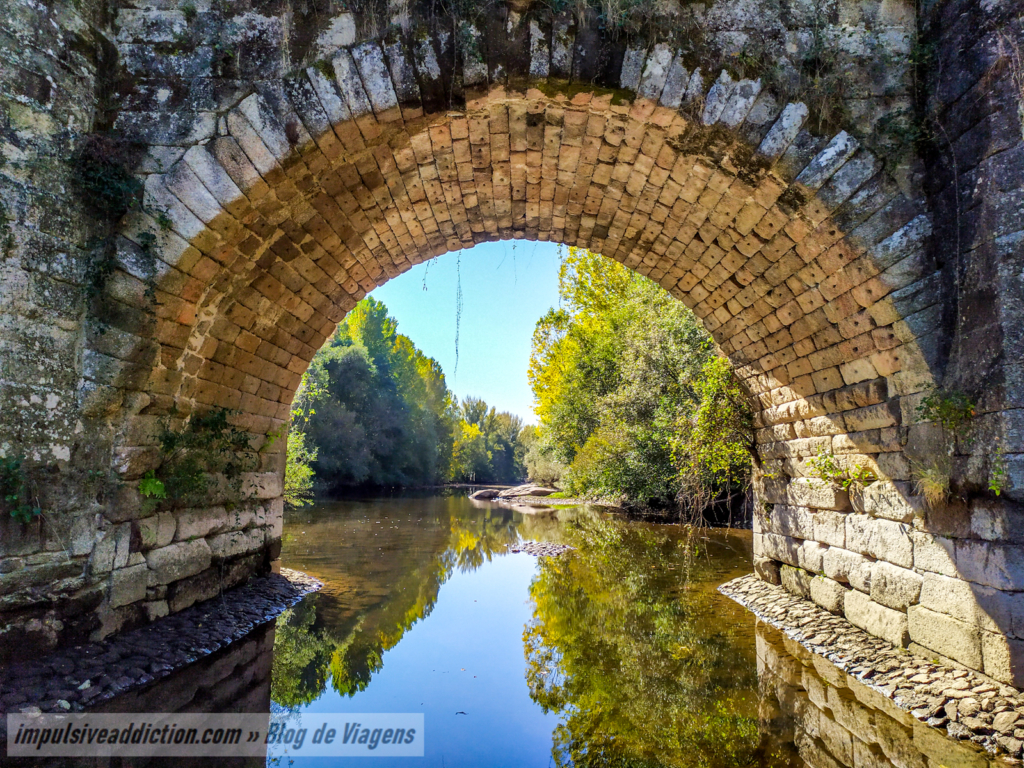
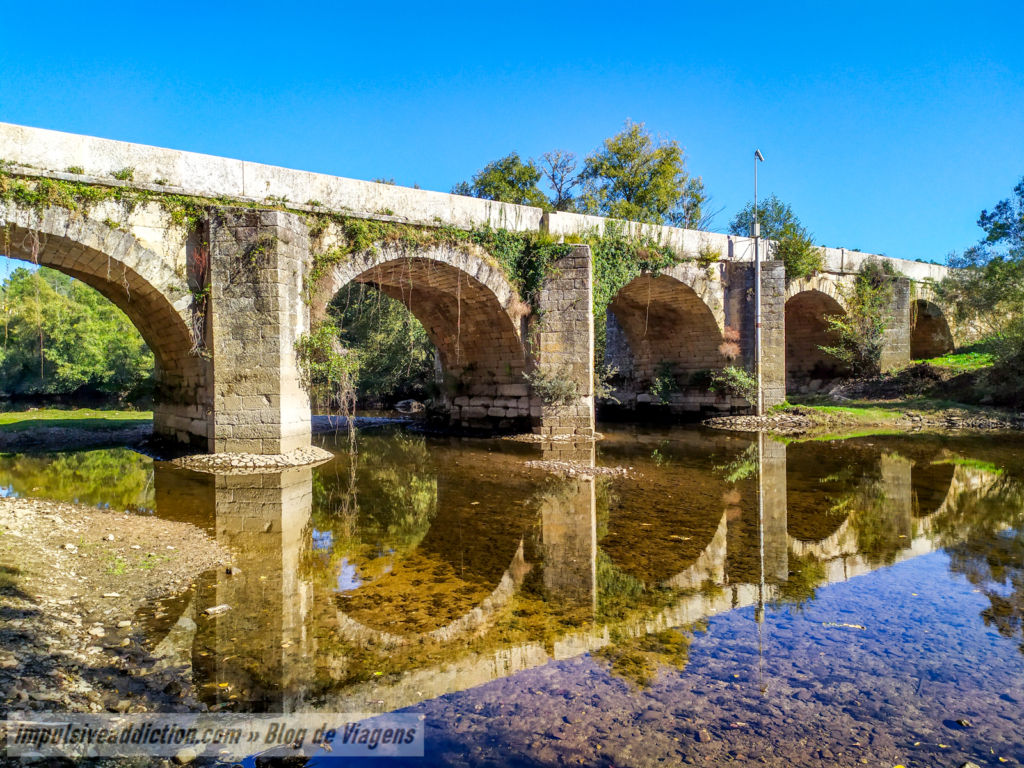
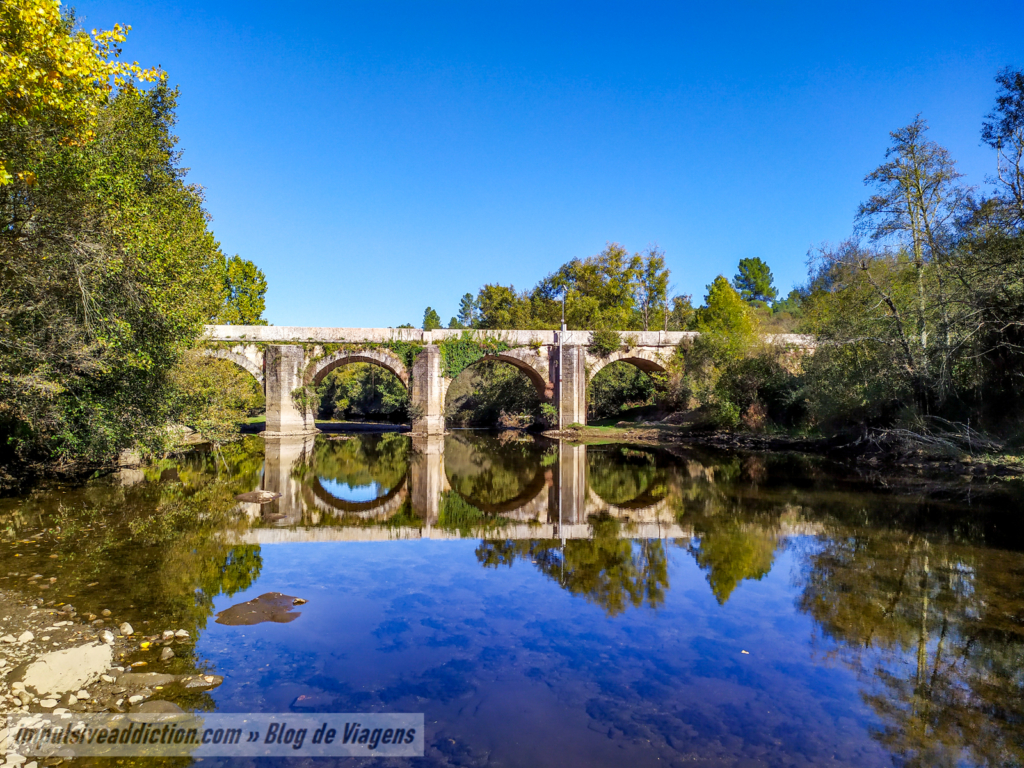
Also in the northern part of Mirandela lies this stone bridge, often referred to as the Torre de Dona Chama Bridge. It is believed to date back to the Roman period, more precisely the 2nd century, when it was built to carry the Via XVII Augusta across the Tuela River, linking Braga to Astorga.
This remarkably robust structure is classified as a National Monument.
Along the Banks of the Tua River
By the Tua River, you’ll also find a charming river beach in Frechas, as well as some of the best hiking trails in the municipality. And don’t forget to check out the Abreiro Bridge.
1. Frechas River Beach
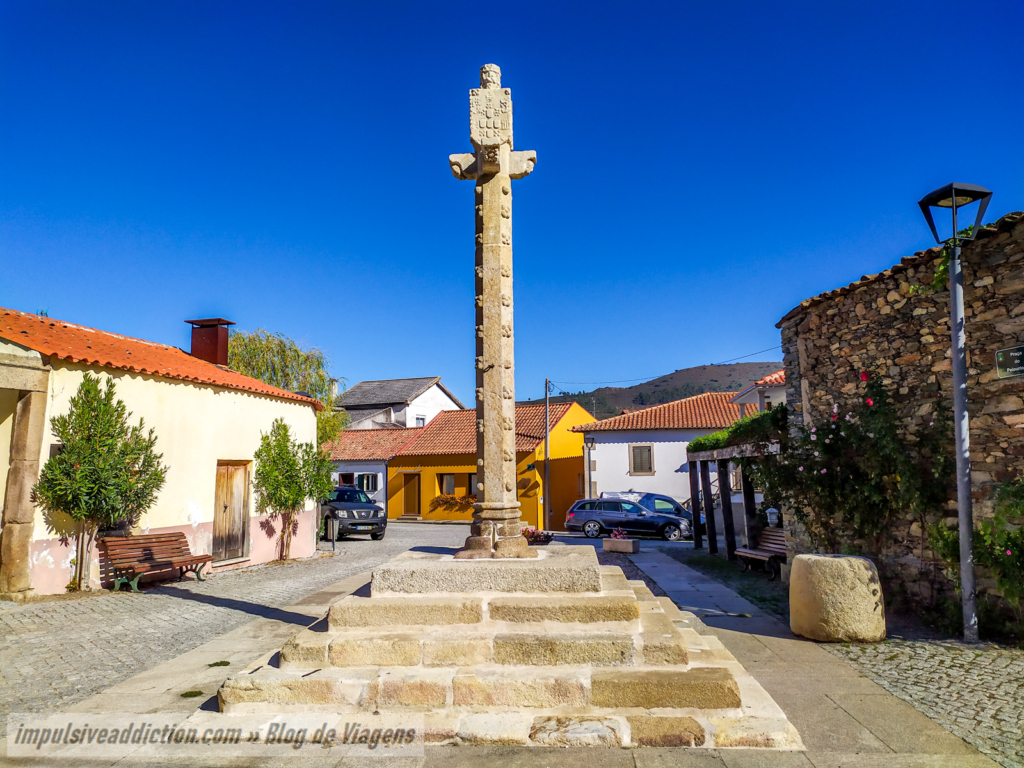
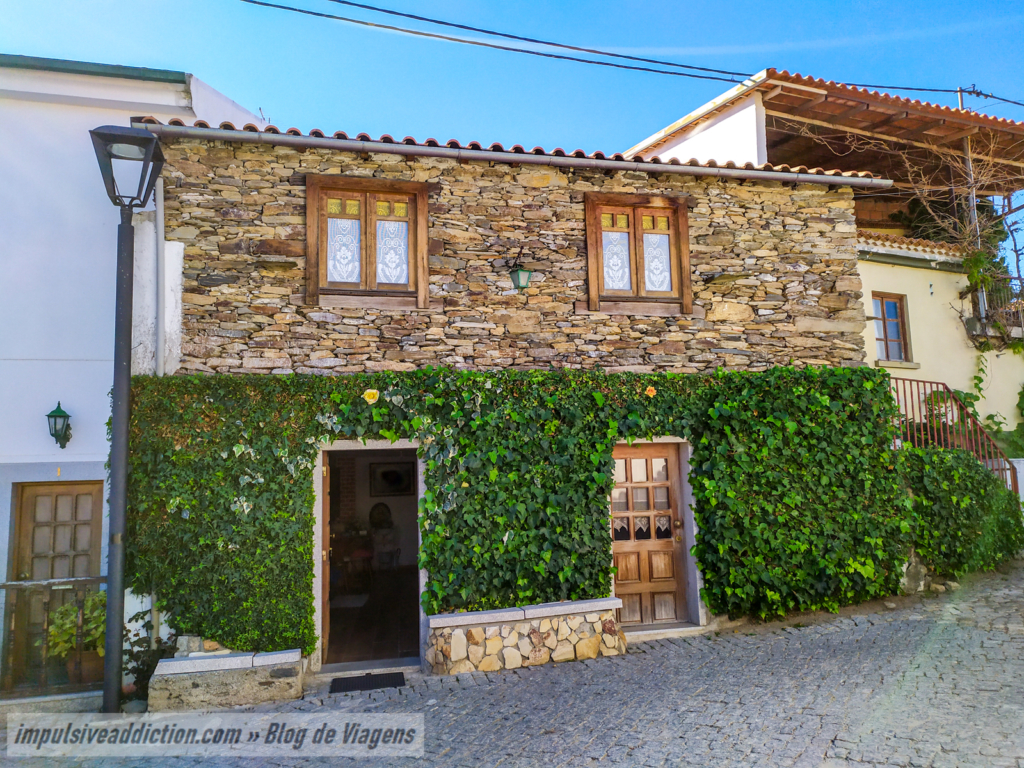
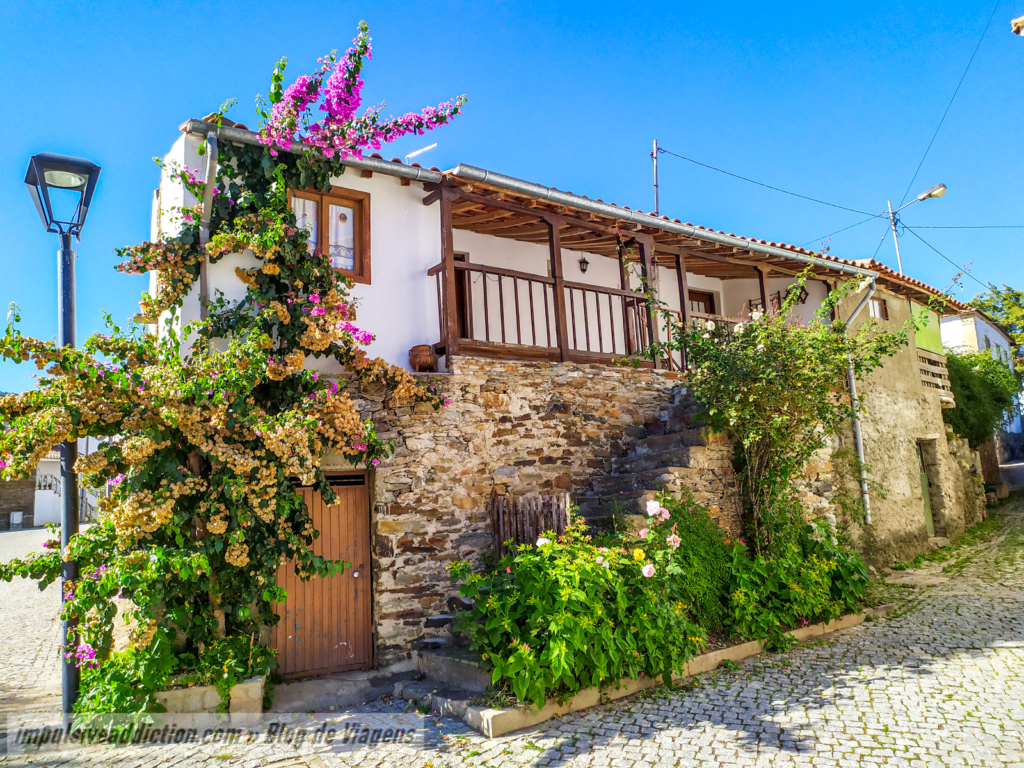
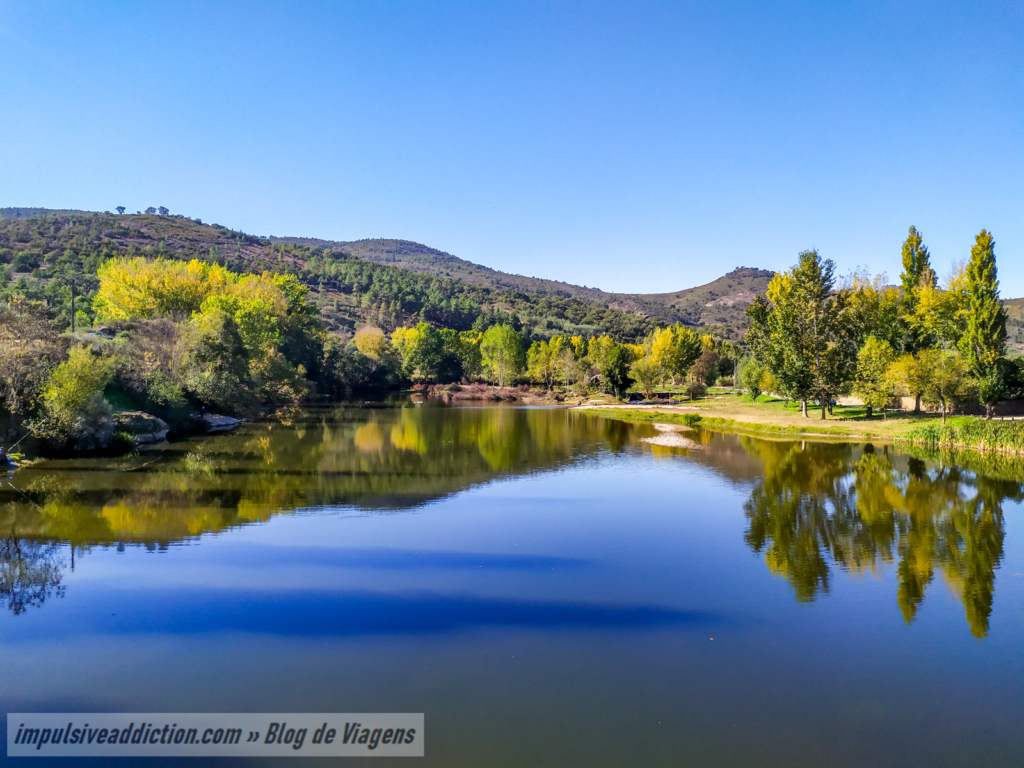
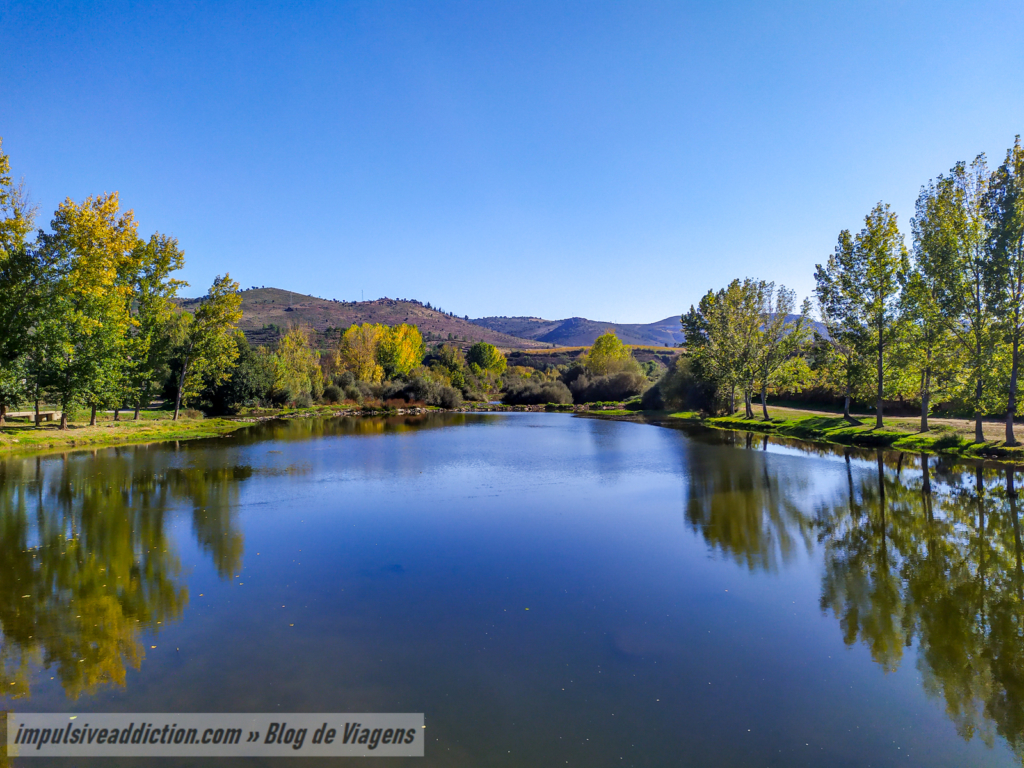
Before heading to the Frechas River Beach, make sure to stop by the village of Frechas and admire its historic pillory. The beach itself features a small support bar with a pleasant terrace, located right by the beautiful stretch of calm river water.
2. Abreiro Bridge
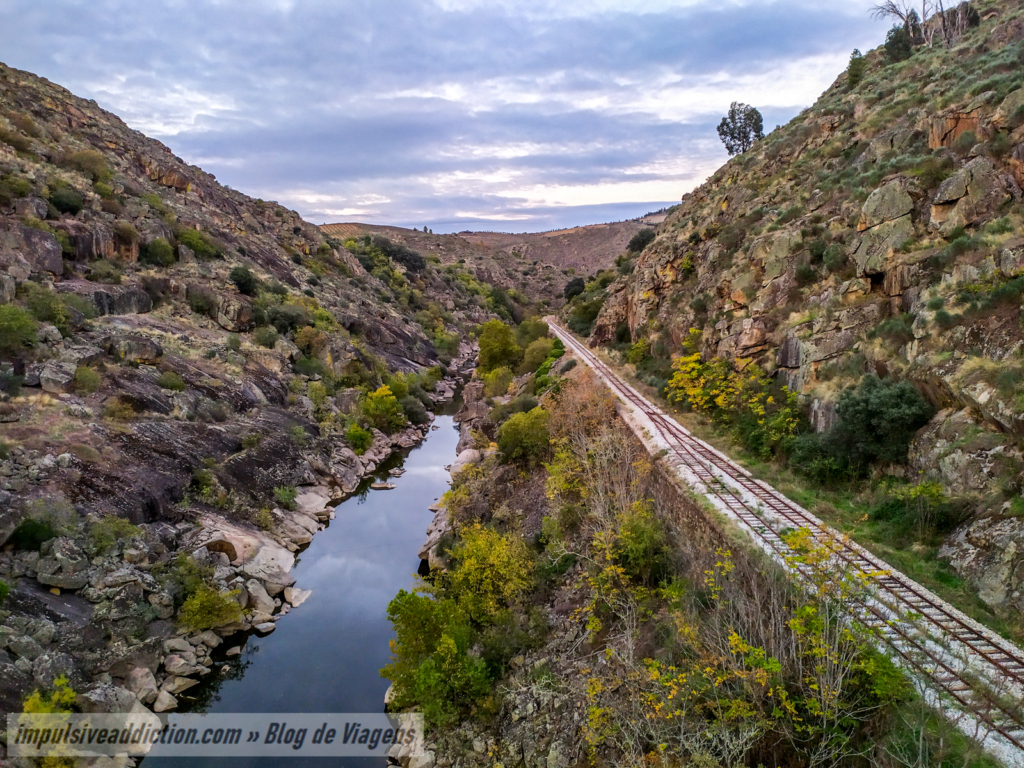
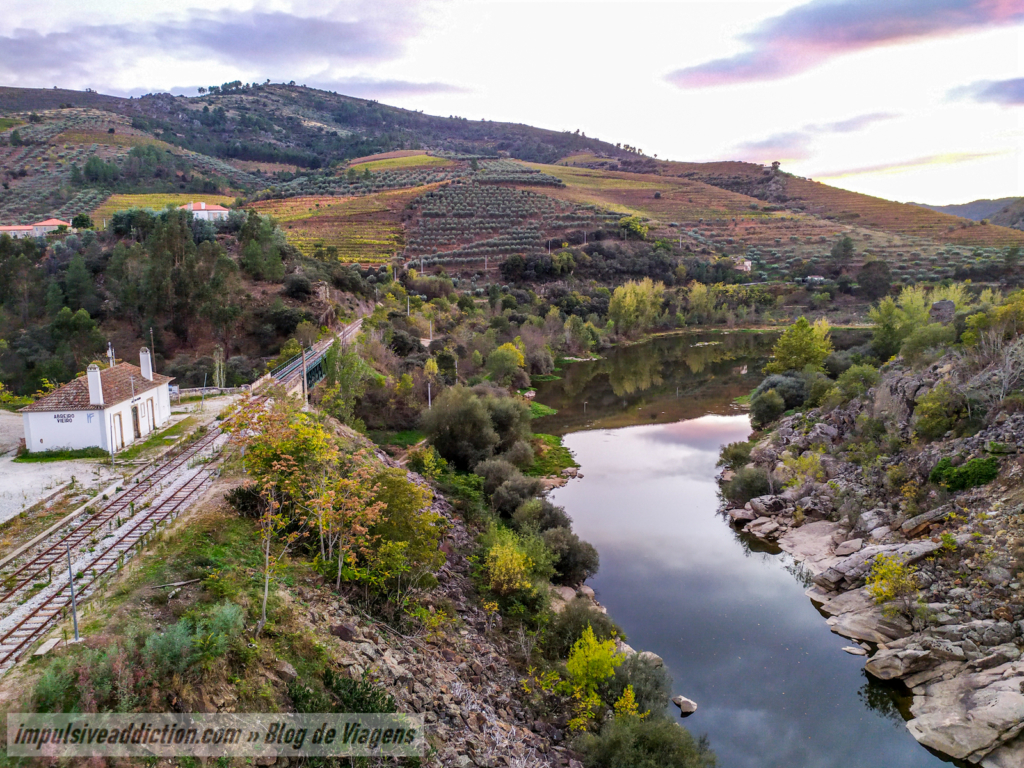
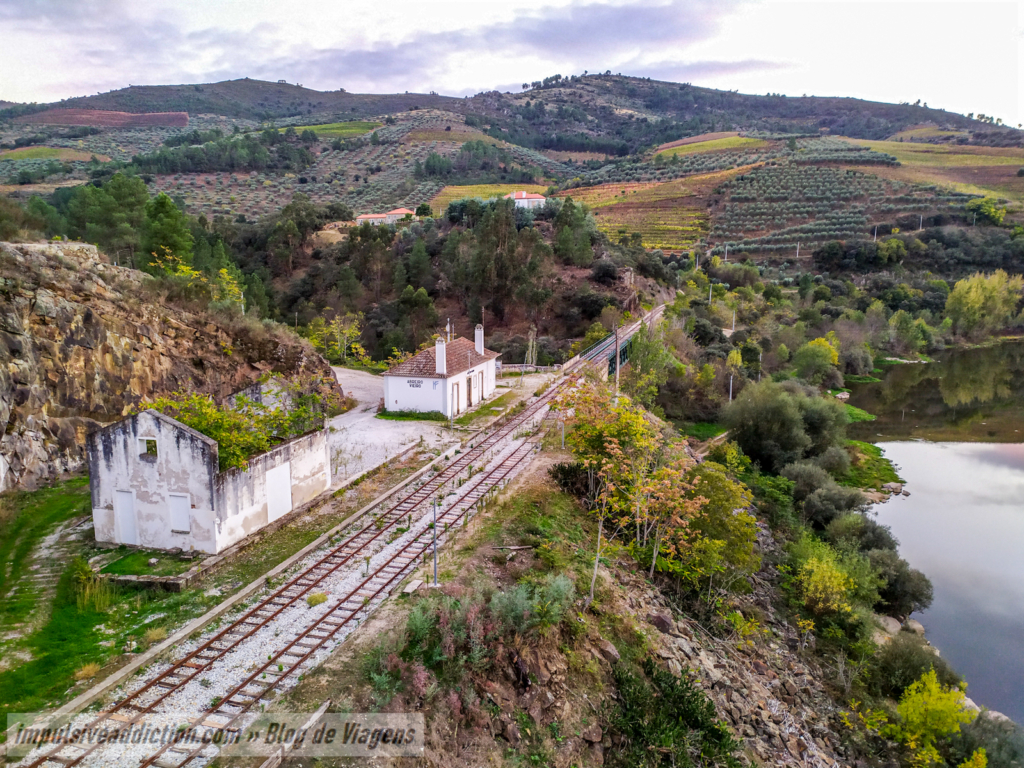
The Abreiro Bridge was one of the most spectacular places I discovered in Mirandela. It connects the municipality to Vila Flor, crossing both the Tua River and the historic Tua Railway Line.
The scenery here is truly breathtaking, with the railway line following the river through a narrow valley — a picture-perfect landscape.
3. Pillory and Wayside Cross of Abreiro
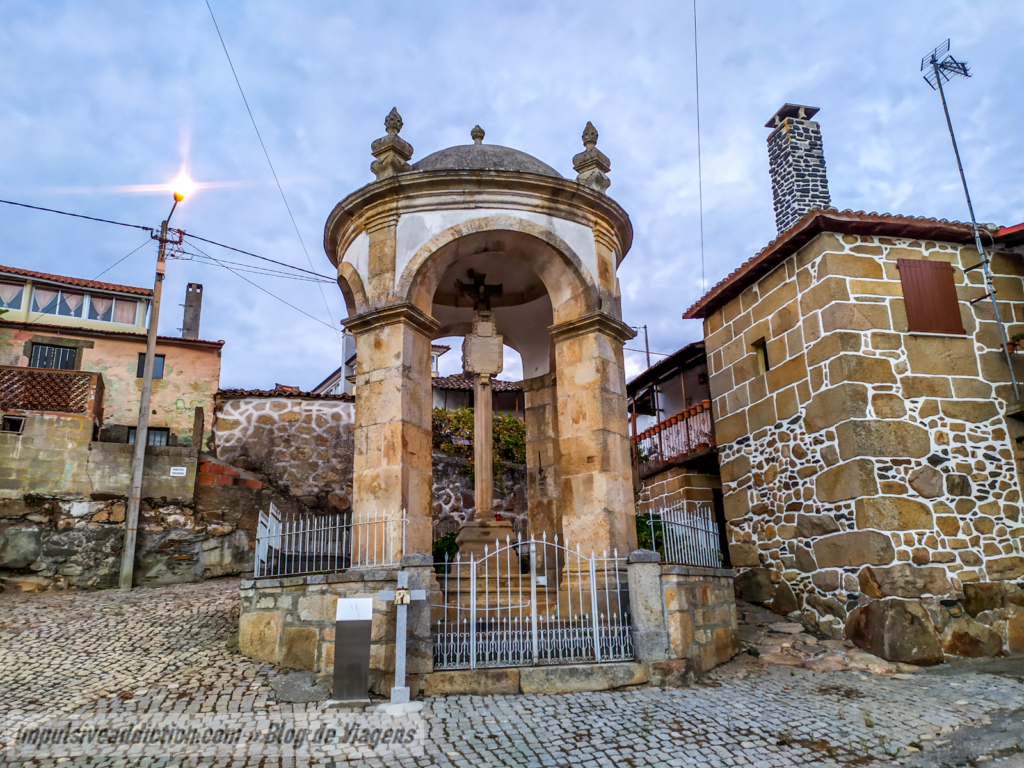
The village of Abreiro is home to a remarkable 16th-century Manueline pillory and a rather unique wayside cross, surrounded by an ornate decorative structure topped with a dome. The cross is believed to date back to the 18th century.
Church of Avantos
Another must-see is the Church of Avantos, also known as the Main Church of Saint Andrew — in my opinion, the most beautiful church in Mirandela, without a doubt.
Its extraordinary interior deserves special mention: the walls are covered with paintings and frescoes, while the ceiling features a stunning coffered design decorated with images of various saints.
Optional Places to Visit in Mirandela
If you have extra time in Mirandela, here are some additional sites worth exploring:
- Guide Church (18th century), also known as the Church of São Mamede.
- Castro de São Juzende, near the village of Vale de Prados, dating back to the Iron Age with evidence of later Roman occupation.
- Romeu Railway Bridge, a large metal structure built in the early 20th century, once the longest bridge of the former Tua railway line.
- Buraco da Pala (or Pala Rock Shelter), in the Serra dos Passos. Inhabited from the Early Neolithic to the Chalcolithic, it features prehistoric rock paintings. This is the only site on this list I haven’t yet visited.
- Lamas de Orelhão, a small village in the Mirandela area, notable for its historic pillory.
Hiking Trails in Mirandela
To wrap up, here are some hiking trails you can explore while visiting Mirandela. I didn’t get the chance to walk them myself during my stay, but these are the ones I came across:
- PR1 MDL – Trilho do Tua
- PR2 MDL – Trilho de Vale de Lobo
- PR3 MDL – Trilho Entre os Rios
- PR4 MDL – Trilho do Vale do Tua
- PR5 MDL – Trilho de Santa Catarina
- PR6 MDL – Trilho da Serra do Cubo
Of all the trails, the ones that intrigued me the most are those running along the Tua River.
PR1 MDL – Trilho do Tua
Perhaps the most interesting, this linear trail follows the river from the center of Mirandela to Frechas, covering 13.3 km.
PR2 MDL – Trilho de Vale de Lobo (9 Passos)
Part of the “9 Passos” project, this is the trail chosen to represent Mirandela. You can request a passport and booklet for the 9 trails in any of the participating municipalities.
PR3 MDL – Trilho Entre os Rios
Another appealing option, this circular 6 km trail takes you through landscapes shaped by all three rivers mentioned in this guide: the Tua, Tuela, and Rabaçal. It runs between the Tuela and Rabaçal, just north of where they merge to form the Tua.
PR6 MDL – Trilho da Serra do Cubo
This one also caught my attention, as it is dotted with spectacular viewpoints: the Fraga da Cristina, the Canal Viewpoint, and the Fraga Velha Viewpoint. More challenging than the previous trails, it is a circular route with a total length of 11 km.
What to Visit Near Mirandela?
Near Mirandela, my top recommendation is to continue your journey through the Vale do Tua Natural Park — unless, of course, you’re ending your itinerary in Mirandela. In that case, consider heading towards the Montesinho Natural Park, the city of Bragança, or even the stunning Sabor Lakes region.
Safe travels! 😉
MORE ARTICLES ABOUT BRAGANÇA DISTRICT:
- Things to do in Vinhais
- Things to do in Bragança
- Things to do in Mirandela
- Things to do in Vimioso
- Things to do in Miranda do Douro
- Things to do in Mogadouro
- Things to do in Torre de Moncorvo
- Things to do in Freixo de Espada à Cinta
- Things to do in Carrazeda de Ansiães
- Things to do in Macedo de Cavaleiros
- Things to do in Vila Flor
- Montesinho Natural Park Itinerary
- Lagos do Sabor Itinerary
- Douro International Natural Park Itinerary
- Tua Valley Itinerary
- Trás-os-Montes Itinerary
