 Pedro Domingues
Vila Nova de Famalicão really surprised me. The city center itself might not be the most captivating, but its museums are among the most memorable I’ve visited in the entire Minho region—believe it or not! They’ll be the main highlight of this article, together with the extraordinary Parque da Devesa.
If you want to know exactly what to see and do in Vila Nova de Famalicão, this is the guide you need to read.
Where is Vila Nova de Famalicão located, in Portugal?
Vila Nova de Famalicão is located in the district of Braga, sharing a border with the city and municipality of Braga itself. It also lies close to Guimarães, Barcelos, Santo Tirso, Trofa, Vila do Conde, and Póvoa de Varzim.
If you’re planning a trip through the Minho region—of which Vila Nova de Famalicão is a part—don’t miss the links below. They’ll give you extra insights into the neighboring municipalities and help you design a richer itinerary.
MORE ARTICLES FROM THE MINHO REGION OF PORTUGAL:

- Minho | Northern Portugal Itinerary
- Peneda Gerês National Park Itinerary
- Best Hikes and Trails in Peneda Gerês National Park
- Best Peneda Gerês National Park Waterfalls and Lagoons
- Serra d'Arga Itinerary

DISTRICT OF VIANA DO CASTELO:
- Things to do in Viana do Castelo
- Things to do in Ponte de Lima
- Things to do in Monção
- Things to do in Valença
- Things to do in Caminha
- Things to do in Sistelo
- Things to do in Soajo and Lindoso
- Things to do in Vila Nova de Cerveira
- Things to do in Ponte da Barca
- Things to do in Paredes de Coura
- Things to do in Arcos de Valdevez
- Things to do in Melgaço

DISTRICT OF BRAGA:
- Things to do in Guimarães
- Things to do in Barcelos
- Things to do in Esposende
- Things to do in Braga
- Things to do in Vizela
- Things to do in Vila Verde
- Things to do in Vila Nova de Famalicão
- Things to do in Vieira do Minho
- Things to do in Terras de Bouro
- Things to do in Póvoa de Lanhoso
- Things to do in Fafe
- Things to do in Amares
Quando visitar Vila Nova de Famalicão?
When it comes to the best time to visit Vila Nova de Famalicão, the truth is you can go any time of year. However, if you’d like to experience the city during its main festivities, keep these highlights in mind:
- Carnival – one of the city’s most iconic celebrations.
- Festa de Maio – filled with flowers and the traditional Feira das Trocas (Swap Fair).
- Festas Antoninas (June) – honoring Saint Anthony, the matchmaker saint, with lively folk parades and allegorical processions.
- Medieval and Viking Fair (July) – a colorful historical reenactment.
- Devesa Sunset Festival (August) – open-air music events every Friday in Parque da Devesa.
- Feira Grande de São Miguel (September) – a major fair dating back to 1205, making it one of the oldest in the region.
Rent a car to visit Vila Nova de Famalicão
- If you need to rent a car, use Discover Cars to compare prices online across different companies.
Gastronomy and restaurants in Vila Nova de Famalicão
When visiting Vila Nova de Famalicão, you’ll have the chance to taste some of the most traditional dishes of Minho’s cuisine. Think rojões (marinated pork), papas de sarrabulho (a rich meat and bread dish), roast veal, Portuguese cozido (a hearty boiled dinner), roast kid goat, and of course, the ever-present bacalhau (codfish).
As for where to try them, my top recommendations are Restaurante Dom Henrique and Restaurante Casa Pêga.
Where to stay in Vila Nova de Famalicão?
| Accommodation | Score | Location |
|---|---|---|
| Wake Up Famalicão | 8.7 | Center of Famalicão |
| Villa Prime Hotel | 8.8 | Center of Famalicão |
| Orbita Apartments | 9.2 | Center of Famalicão |
Things to do in Vila Nova de Famalicão
To visit Vila Nova de Famalicão, a one-day itinerary is more than enough to cover the main highlights—namely, the museums around the city and the beautiful Parque da Devesa.
Before I share all the tips, here’s a map of the municipality that might come in handy while planning your trip.
Map with the highlights of Vila Nova de Famalicão
Vila Nova de Famalicão City Center
You can explore the center of Vila Nova de Famalicão by strolling through its main squares and gardens: Largo da Câmara Municipal, Praça de Dona Maria II, Parque da Juventude, Praça 9 de Abril, Jardim 1º de Maio, Parque de Sinçães, and the much-loved Parque da Devesa. Any itinerary around the city should naturally link them all together!
1. Praça Dona Maria II and Famalicão Municipal Market
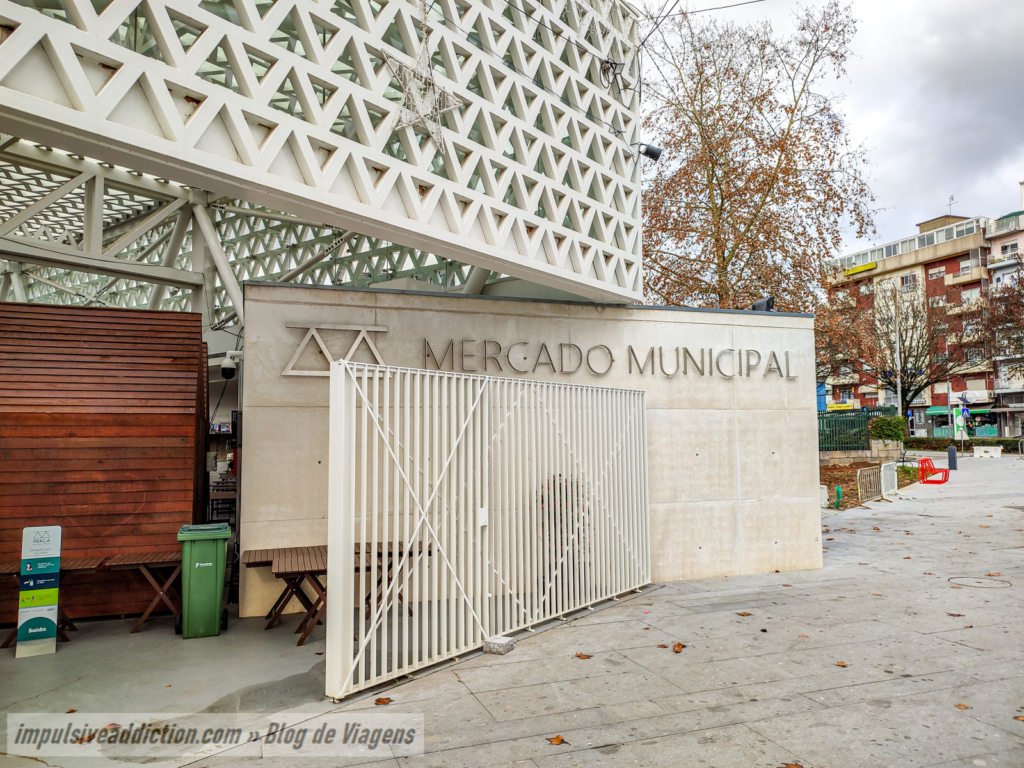
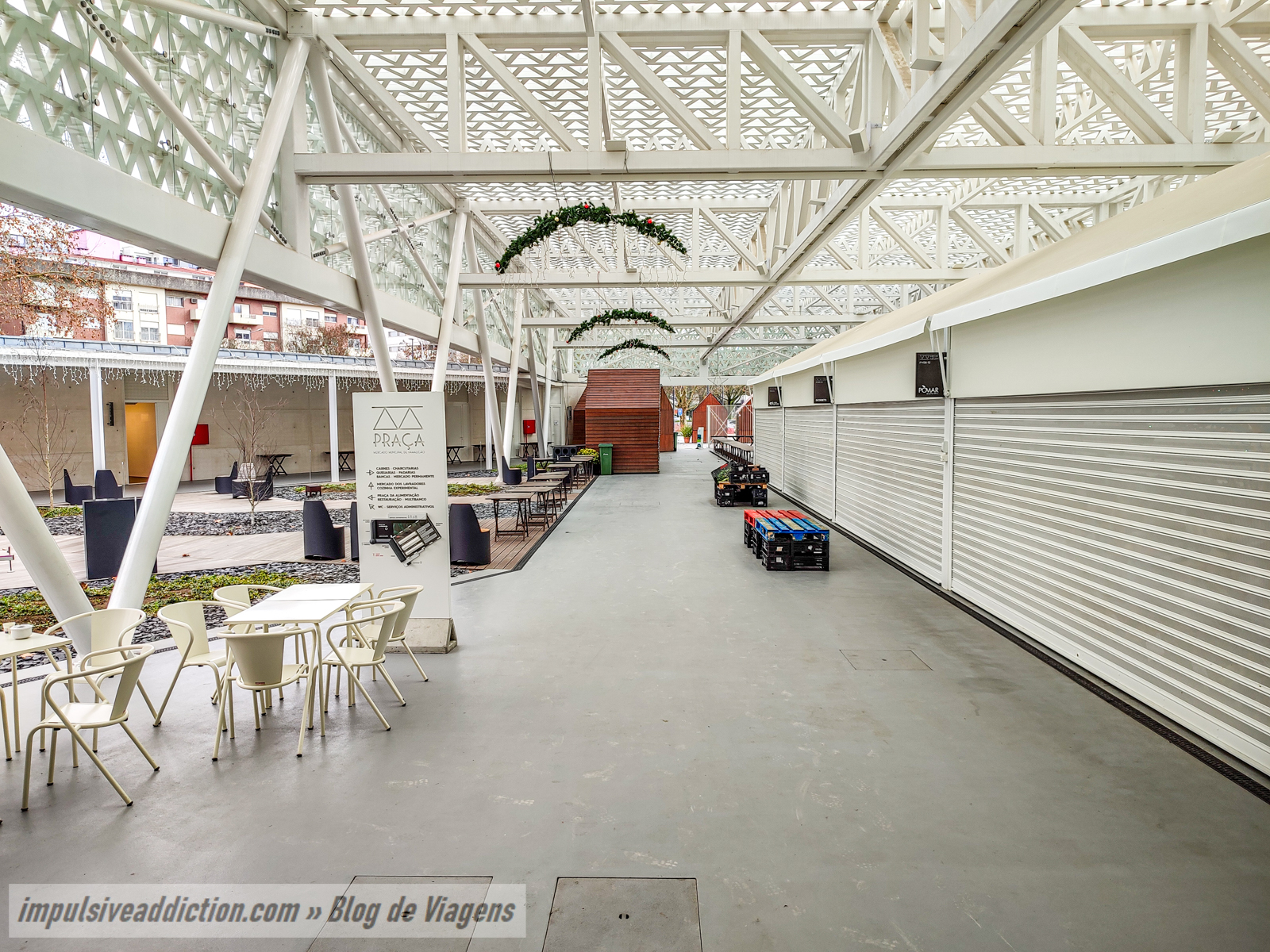
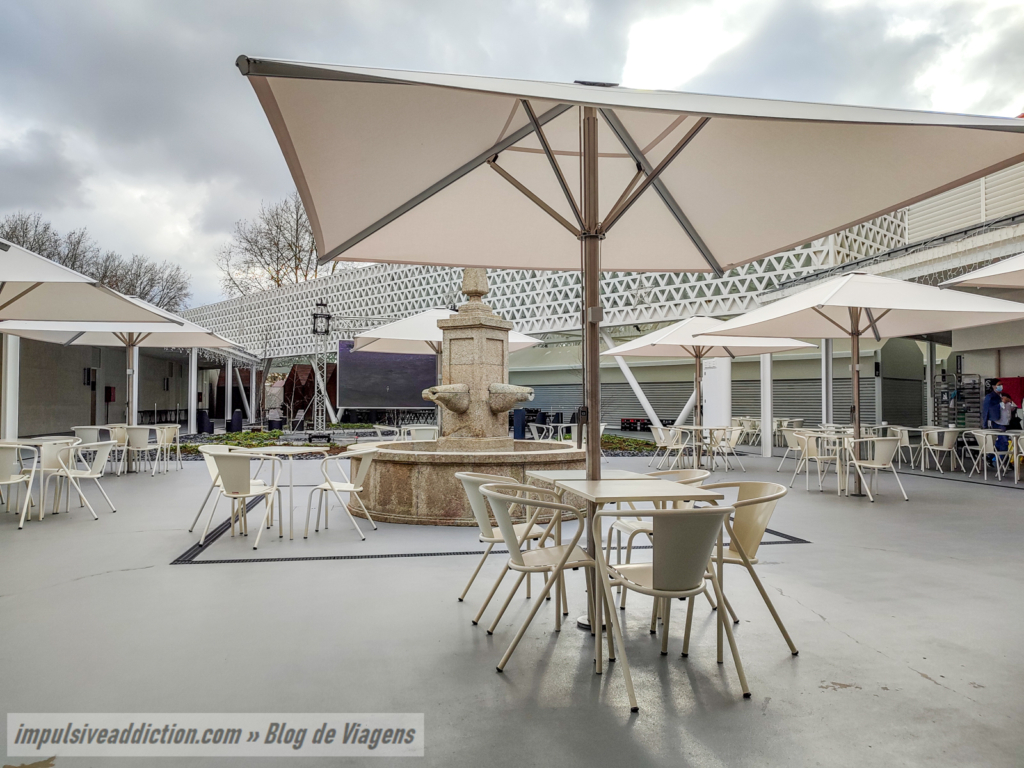
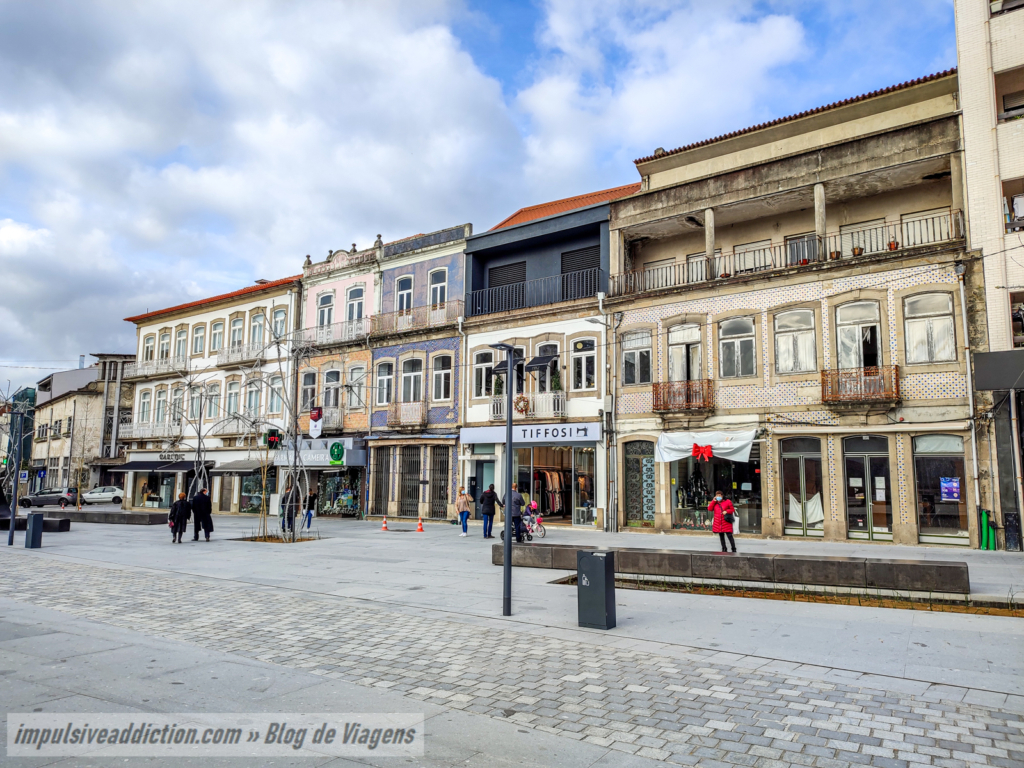
I decided to begin this route at Praça Dona Maria II, formerly known as the Campo da Feira. To me, it felt like the beating heart of the city, with the statue of Queen Maria II standing proudly in the garden. Nearby, you’ll find the Famalicão Municipal Market, as well as the building of the Fundação that I’ll mention next.
2. Cupertino de Miranda Foundation Museum
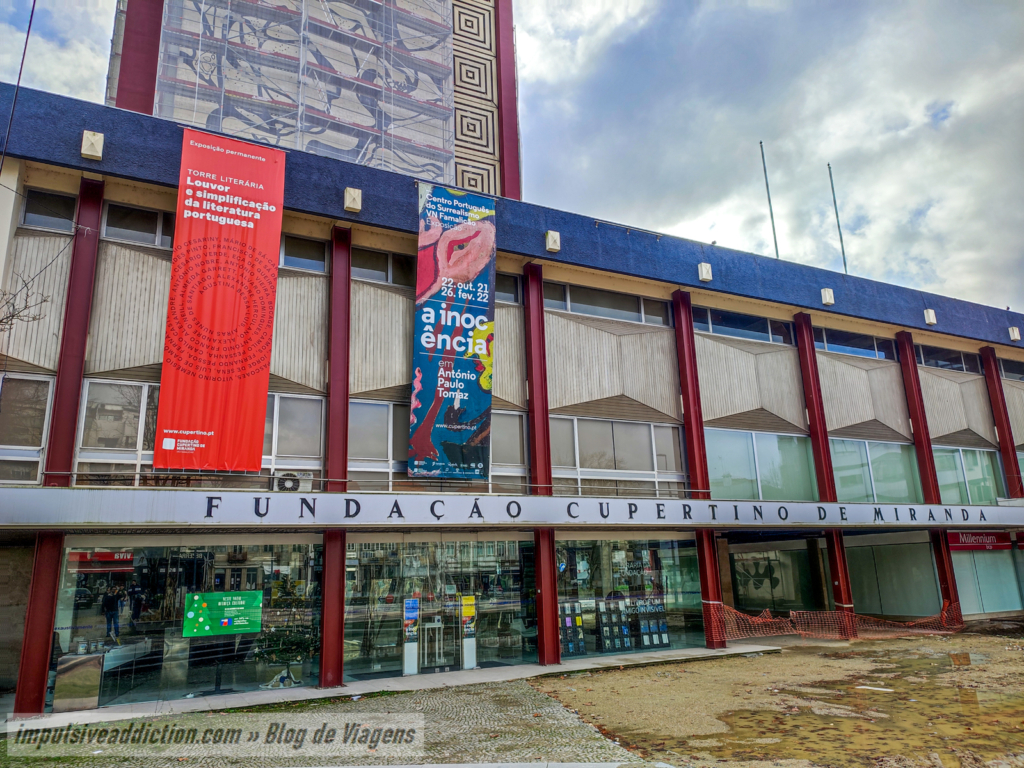
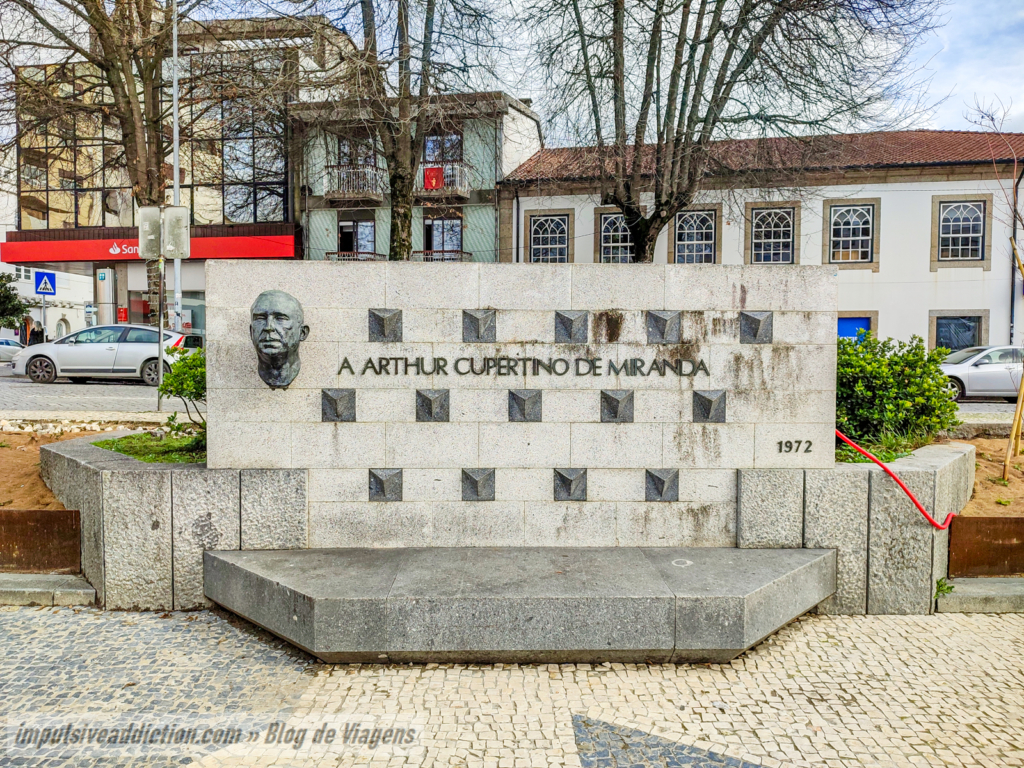
The Cupertino de Miranda Foundation aims to establish a Portuguese Center of Surrealism right here in Vila Nova de Famalicão. At present, it houses a museum that you can visit, with a strong focus on Portuguese literature.
You can find out more on the official website.
3. Parque da Juventude and Alameda Luís de Camões
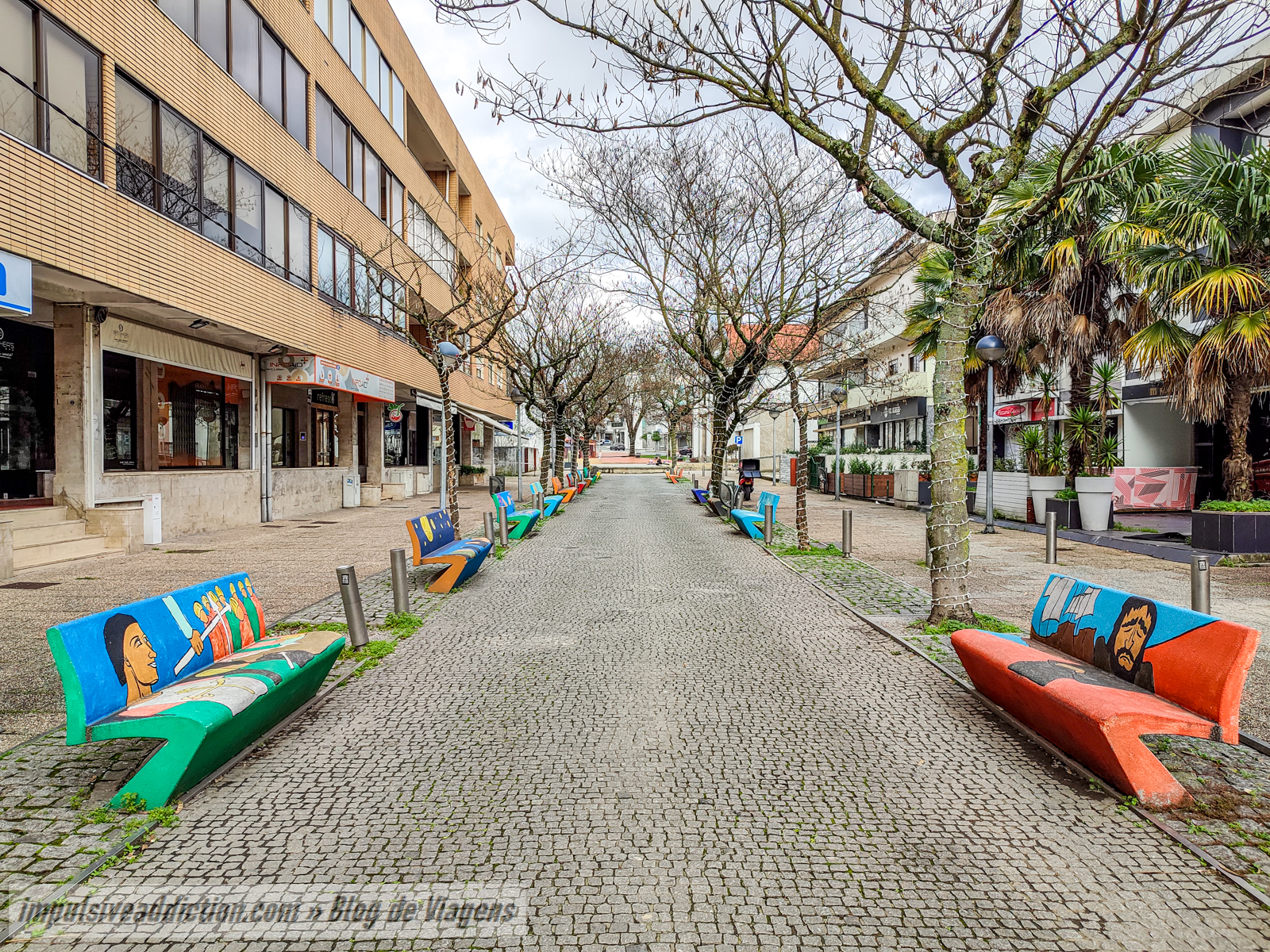
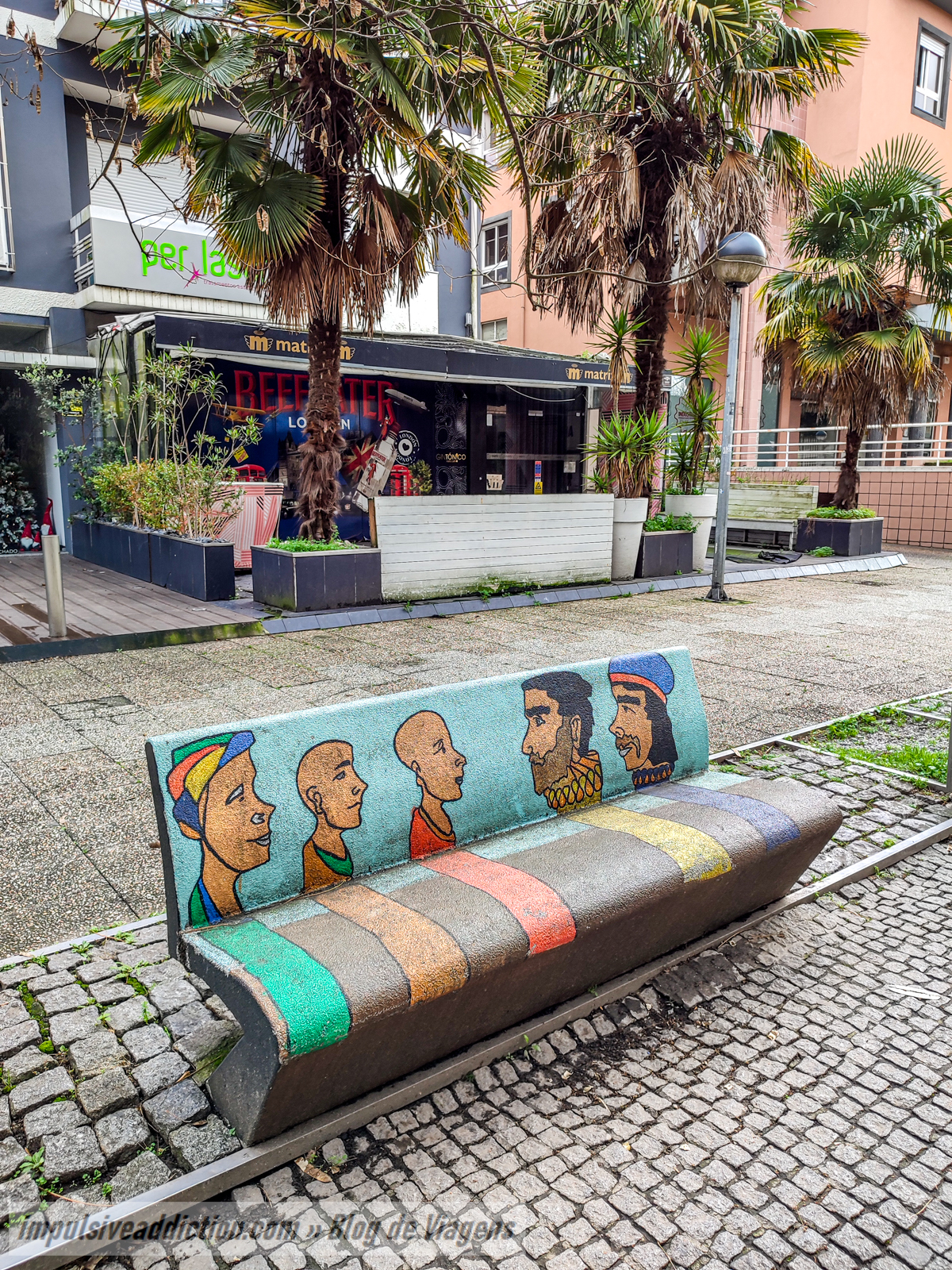
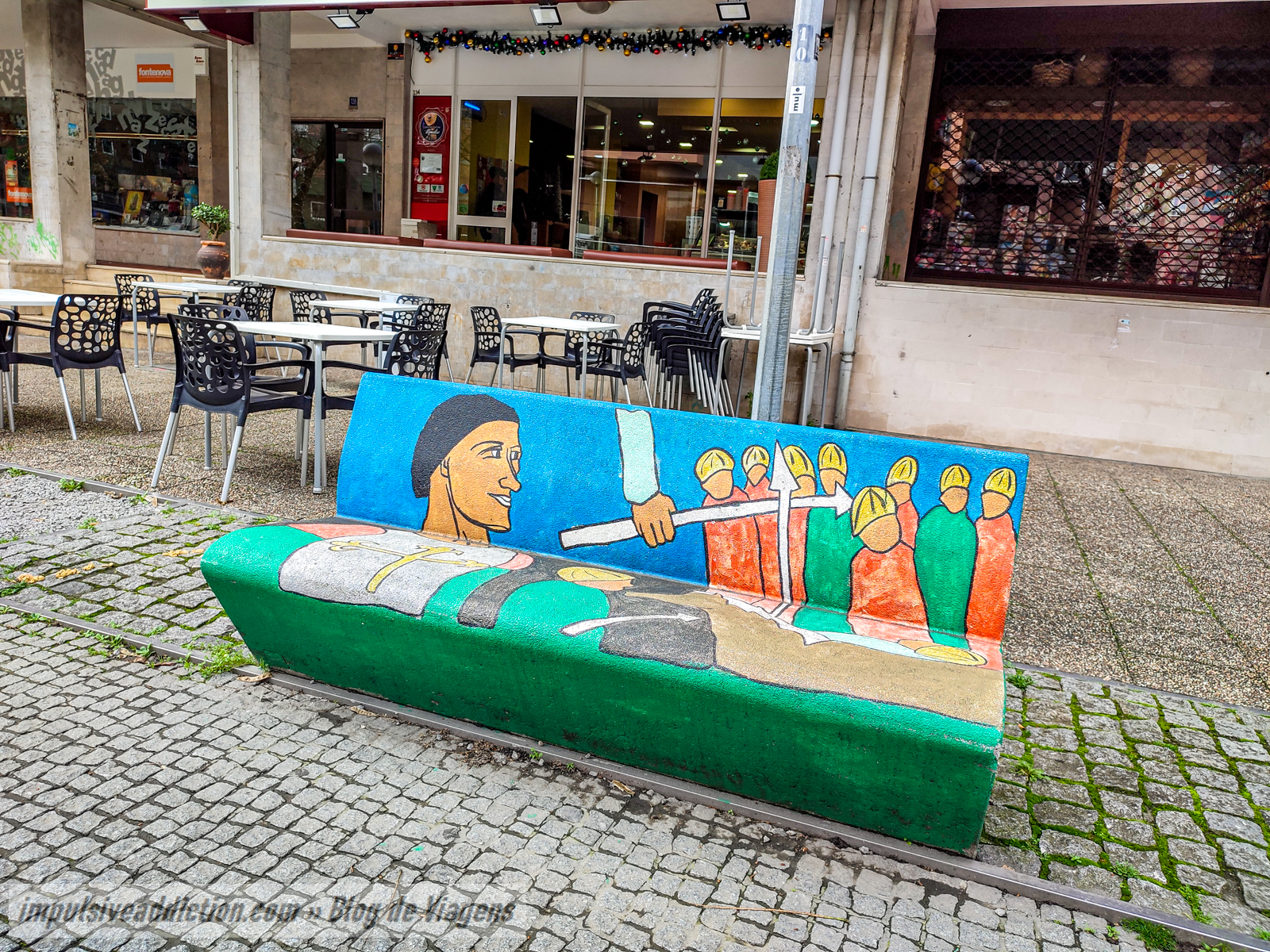
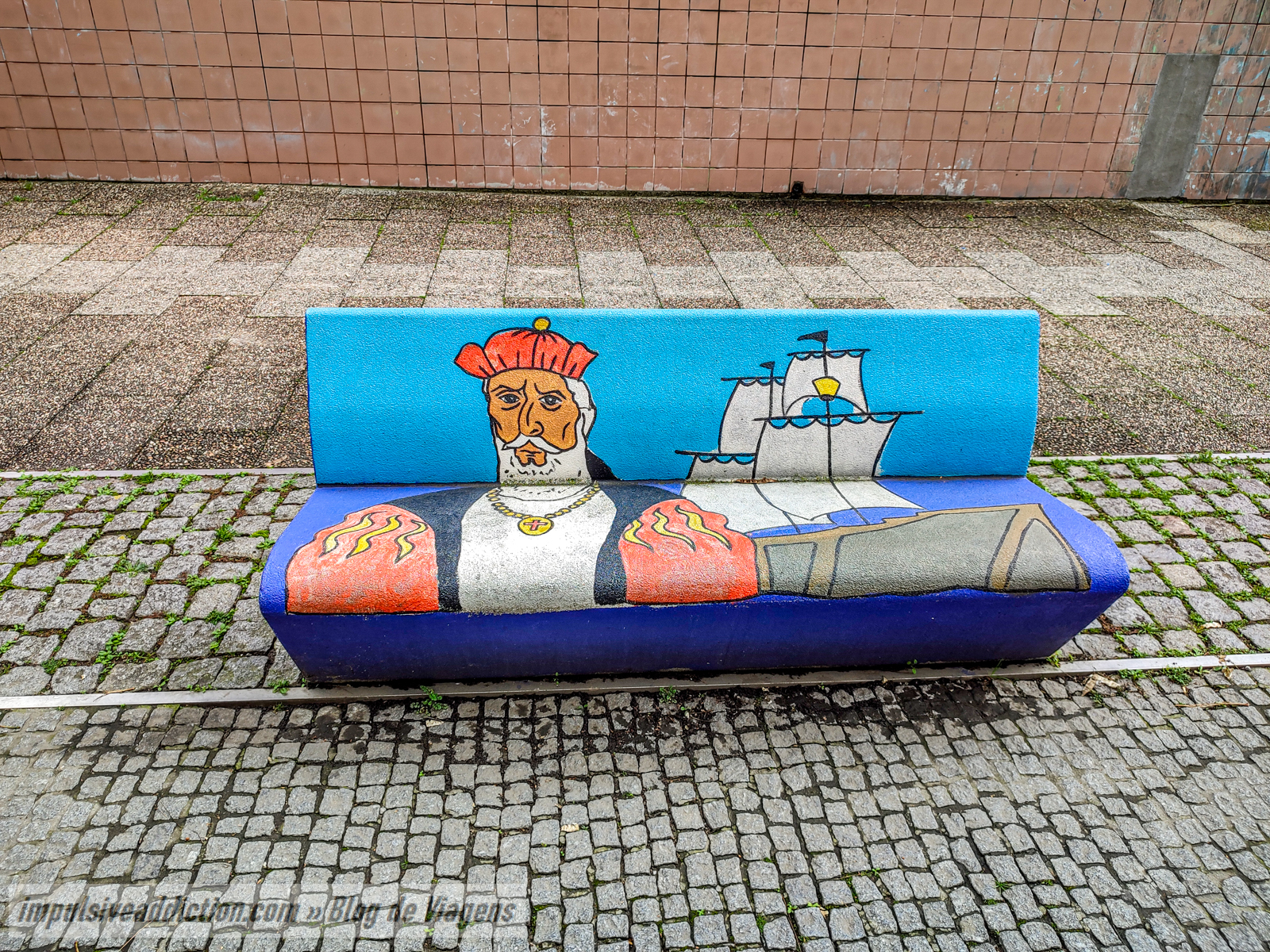
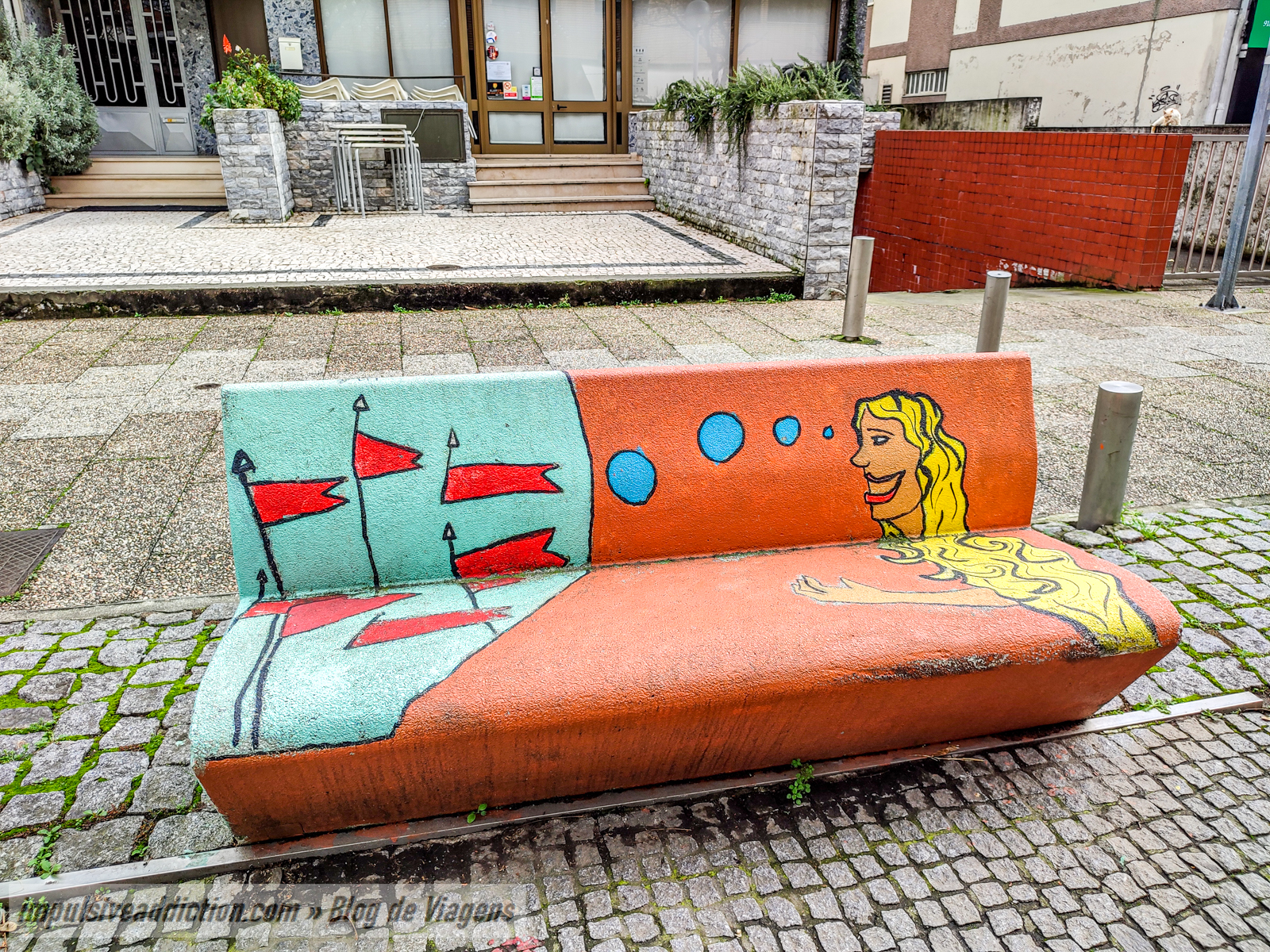
In my opinion, the Parque da Juventude is the least remarkable spot on this list. What really stands out here is the Alameda Luís de Camões, which connects this park to Praça 9 de Abril. Along the promenade, you’ll find several benches painted with passages from The Lusiads. I thought they looked fantastic—though they could certainly use some restoration and a bit more care from the municipality.
4. Praça 9 de Abril and Vila Nova de Famalicão Parish Church
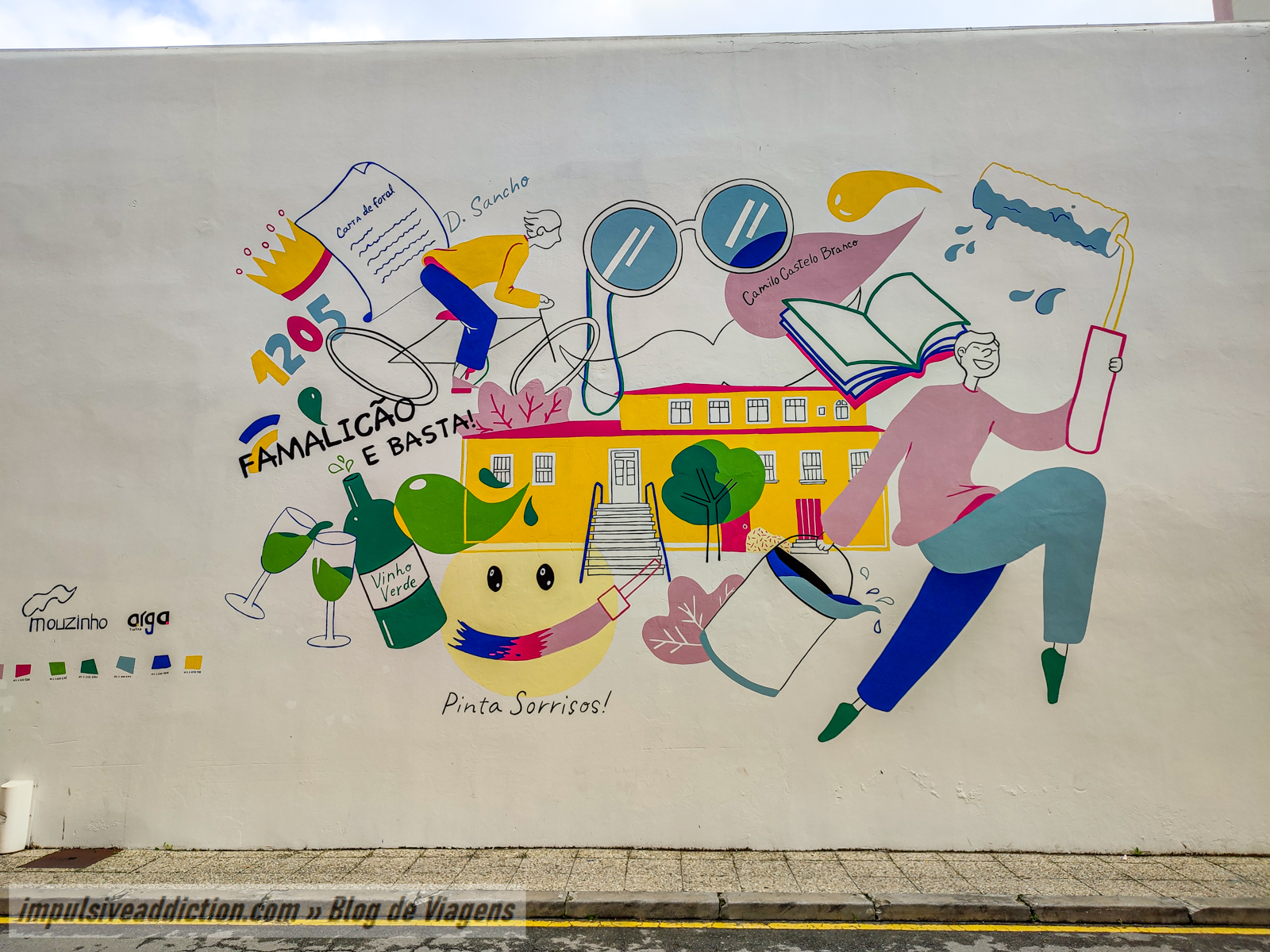
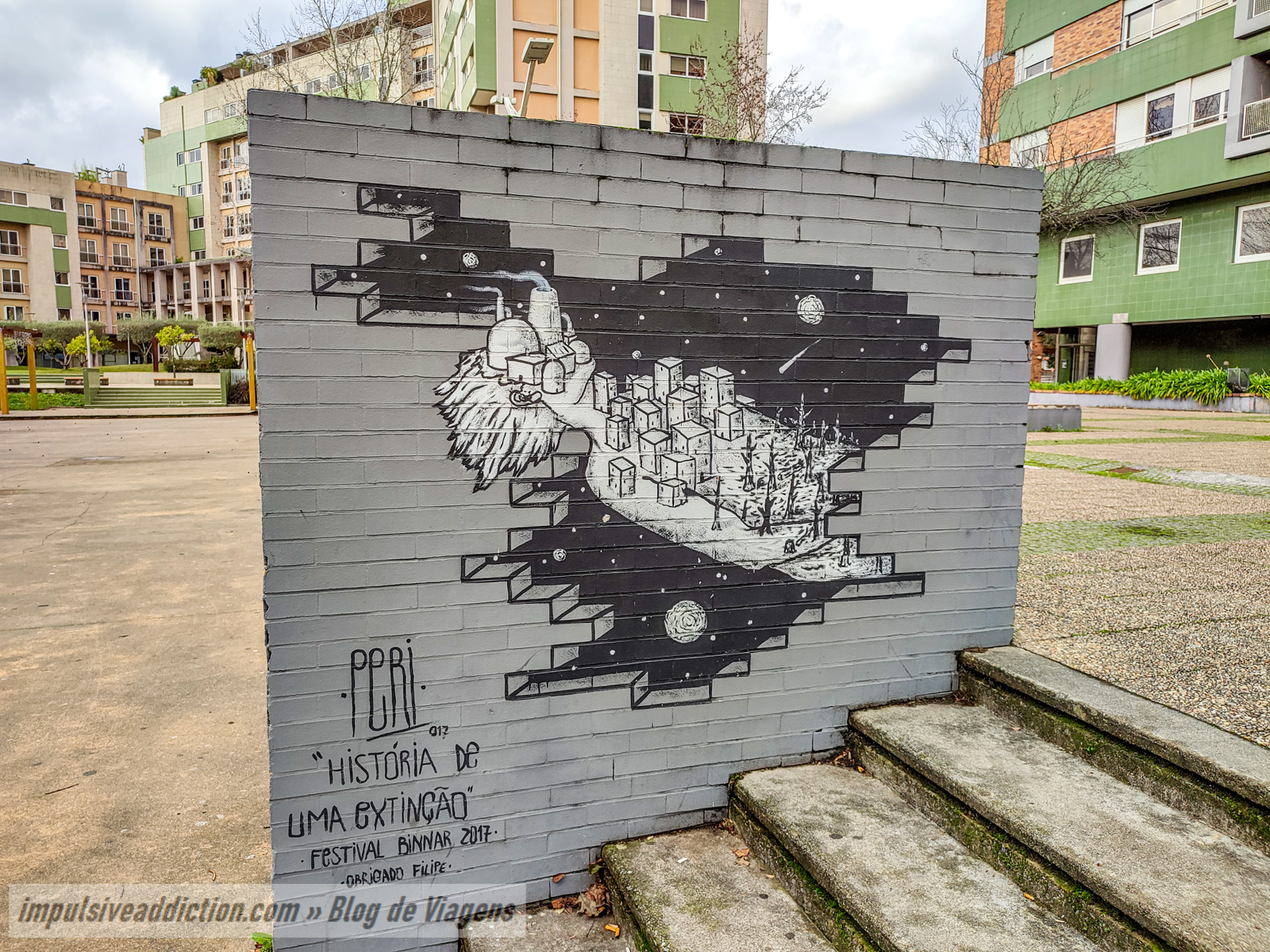
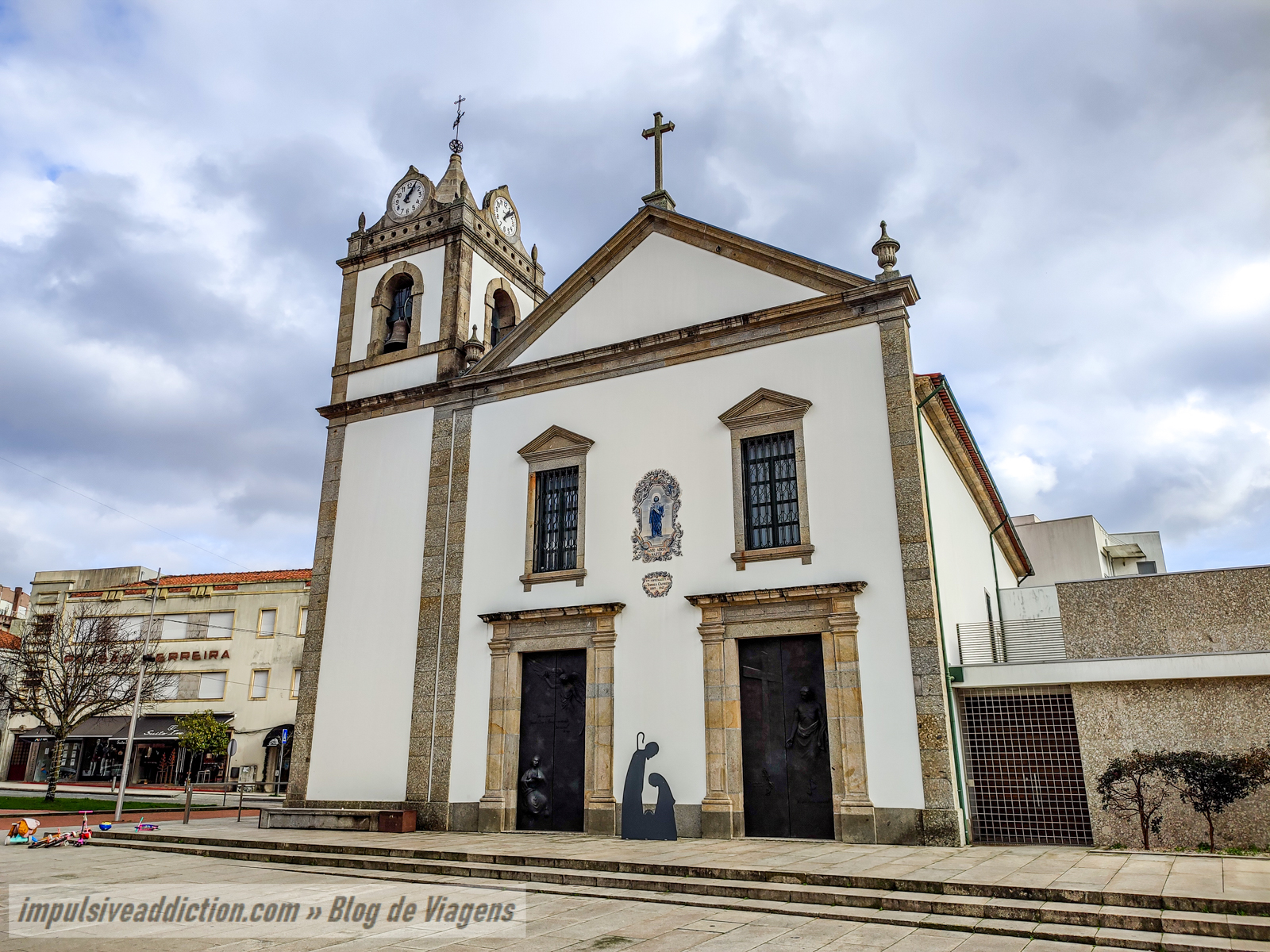
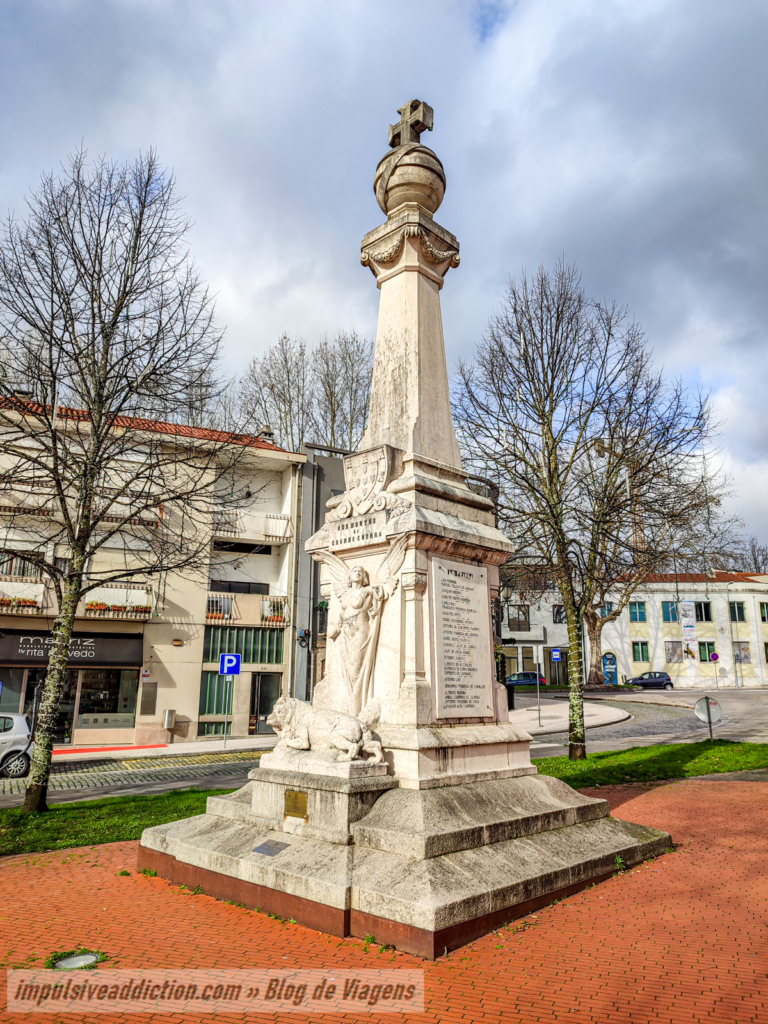
When you arrive at Praça 9 de Abril, you’ll come across another striking piece of street art—Maria Moisés, a mural inspired by Camilo Castelo Branco’s Novelas do Minho. This square is also home to the Parish Church of Vila Nova de Famalicão, and you’ll notice the Monument to the Fallen of the Great War standing as another important landmark.

5. Jardim 1º de Maio
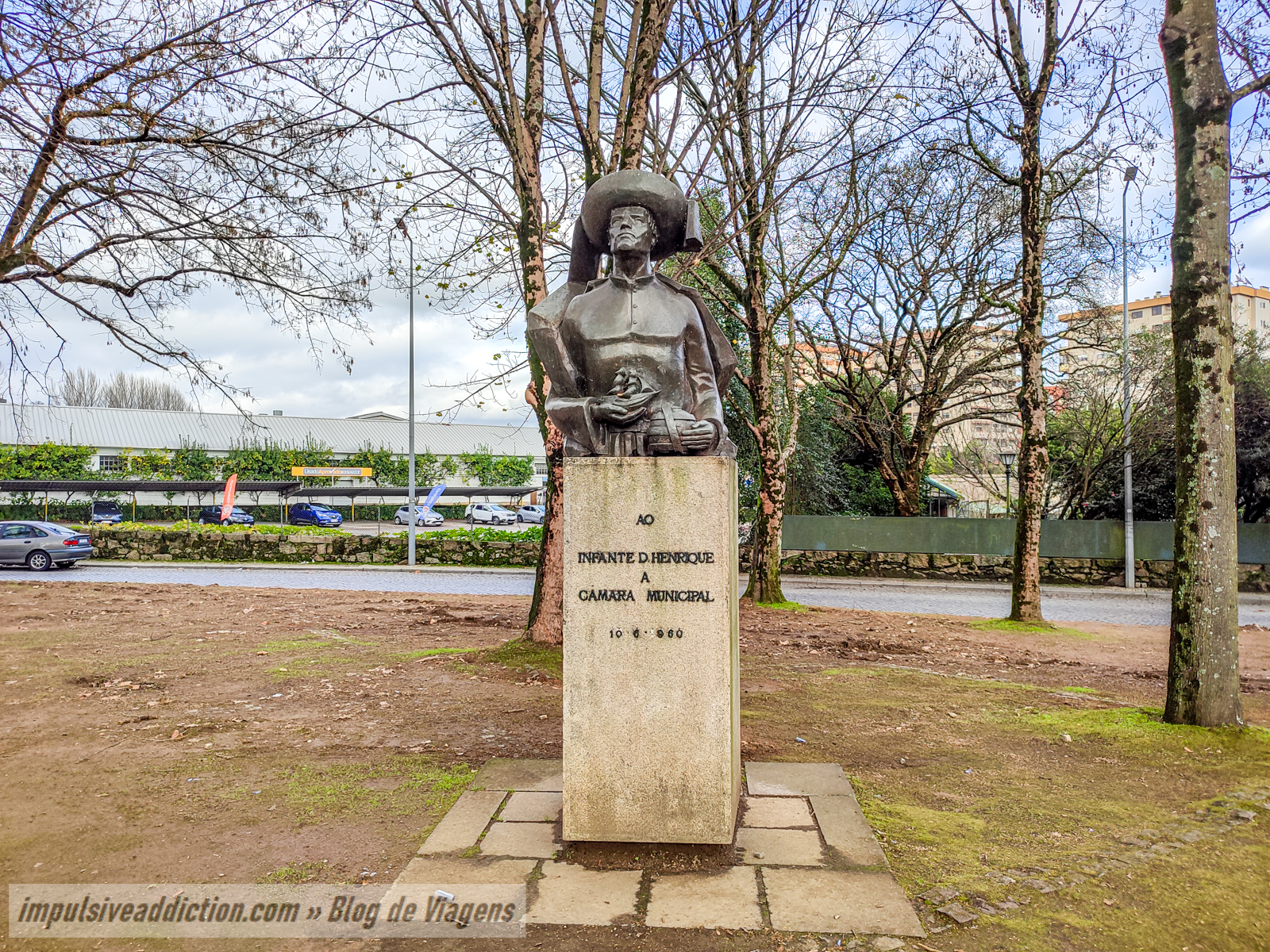
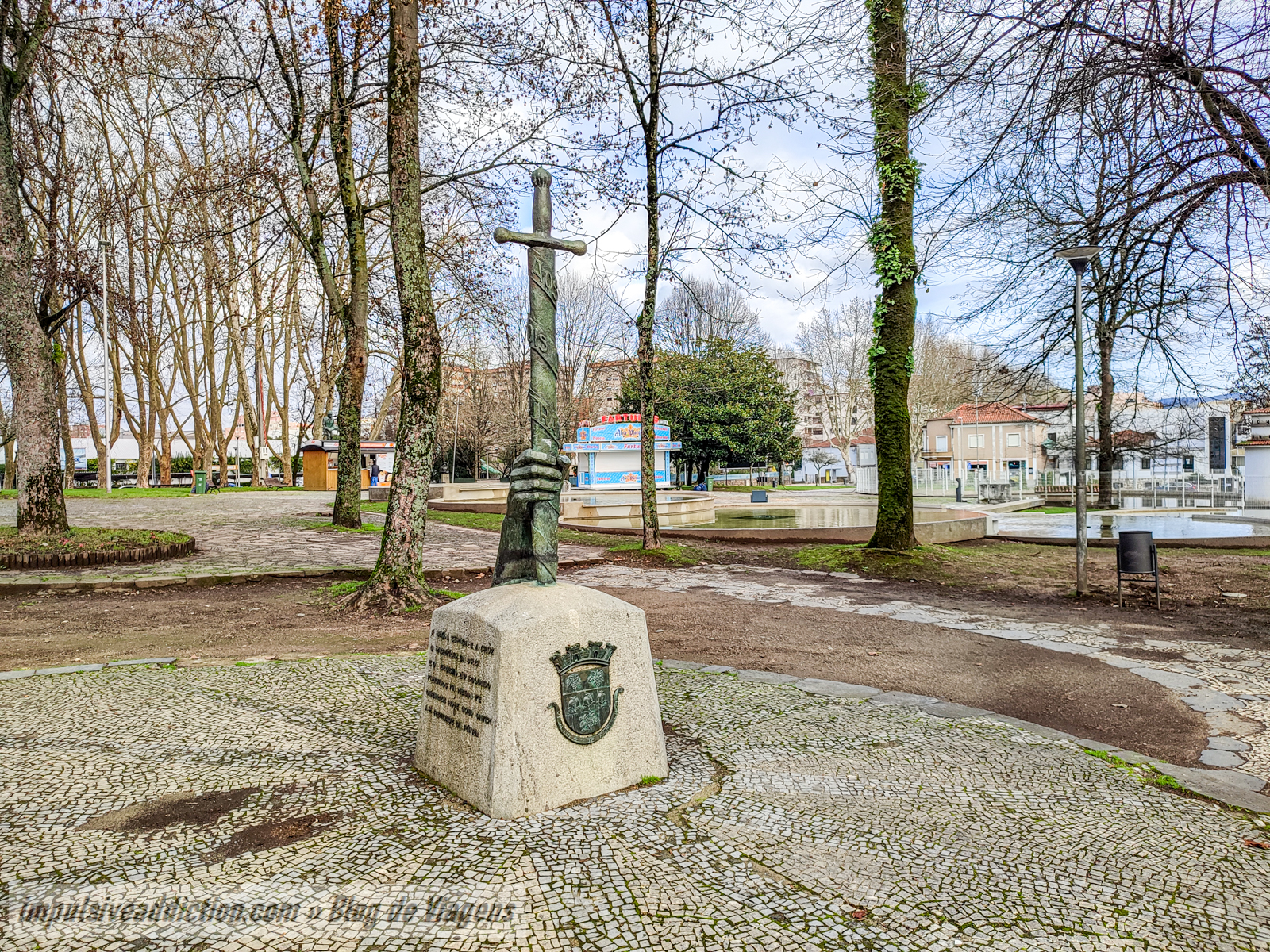
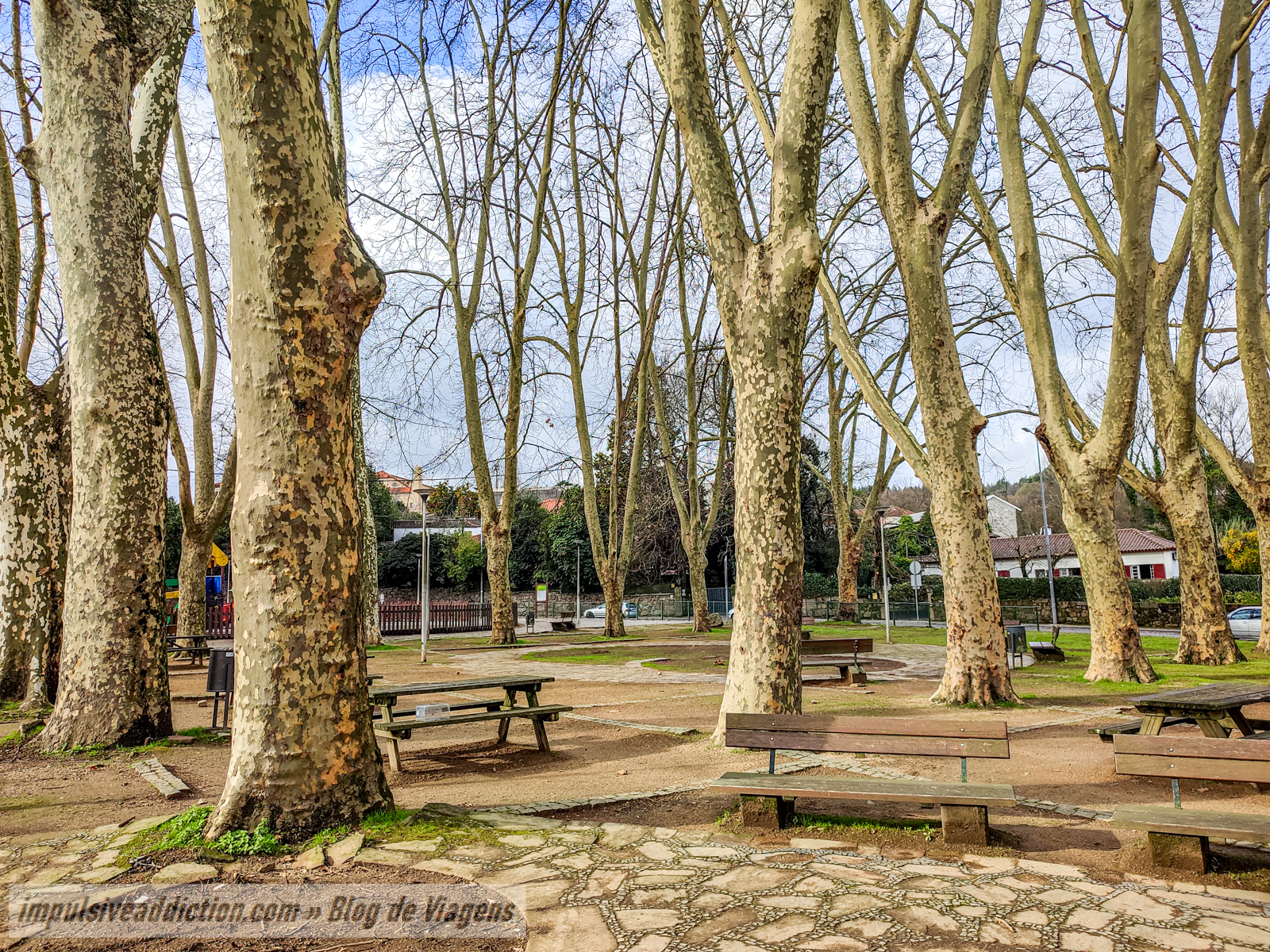
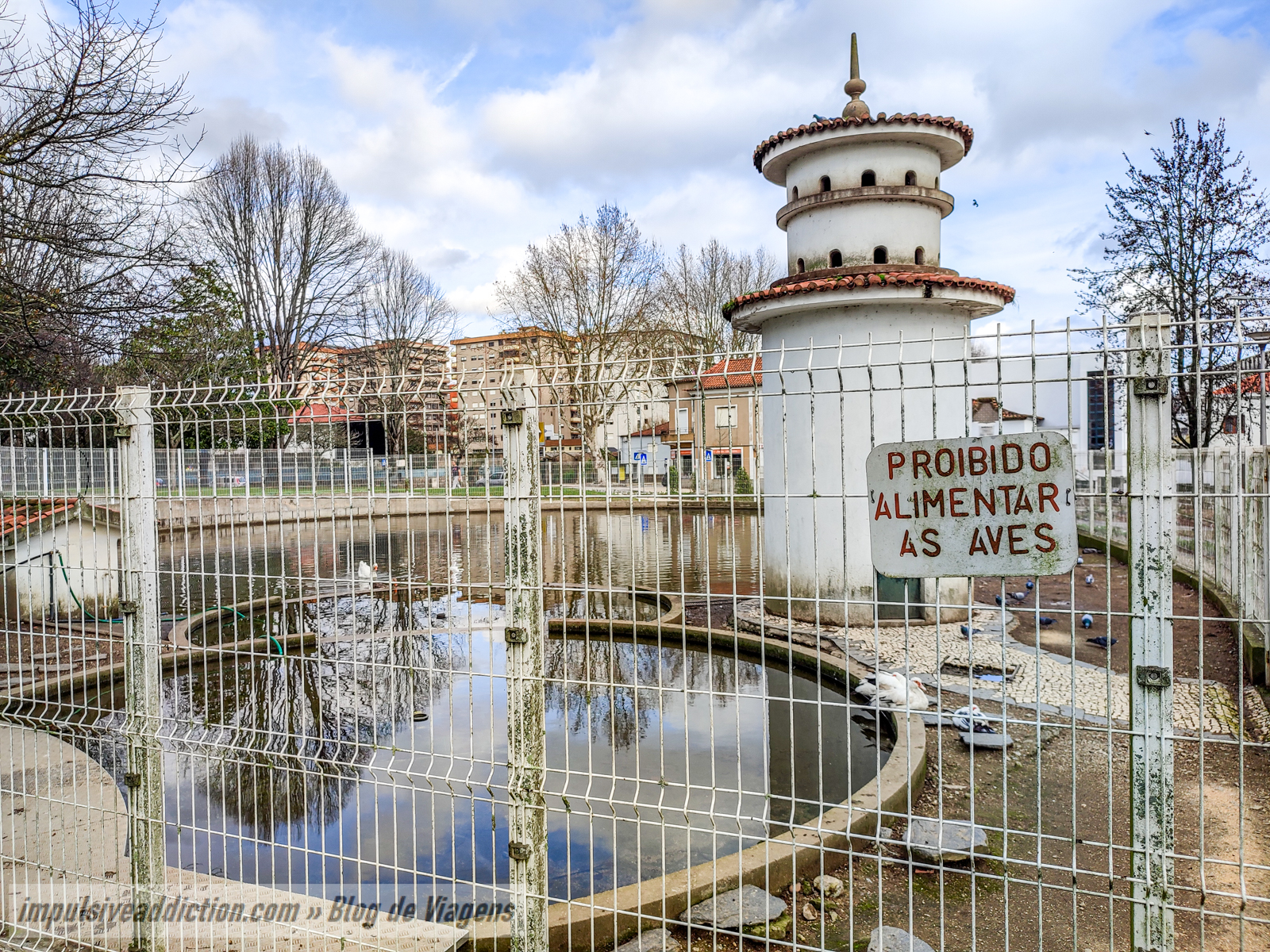
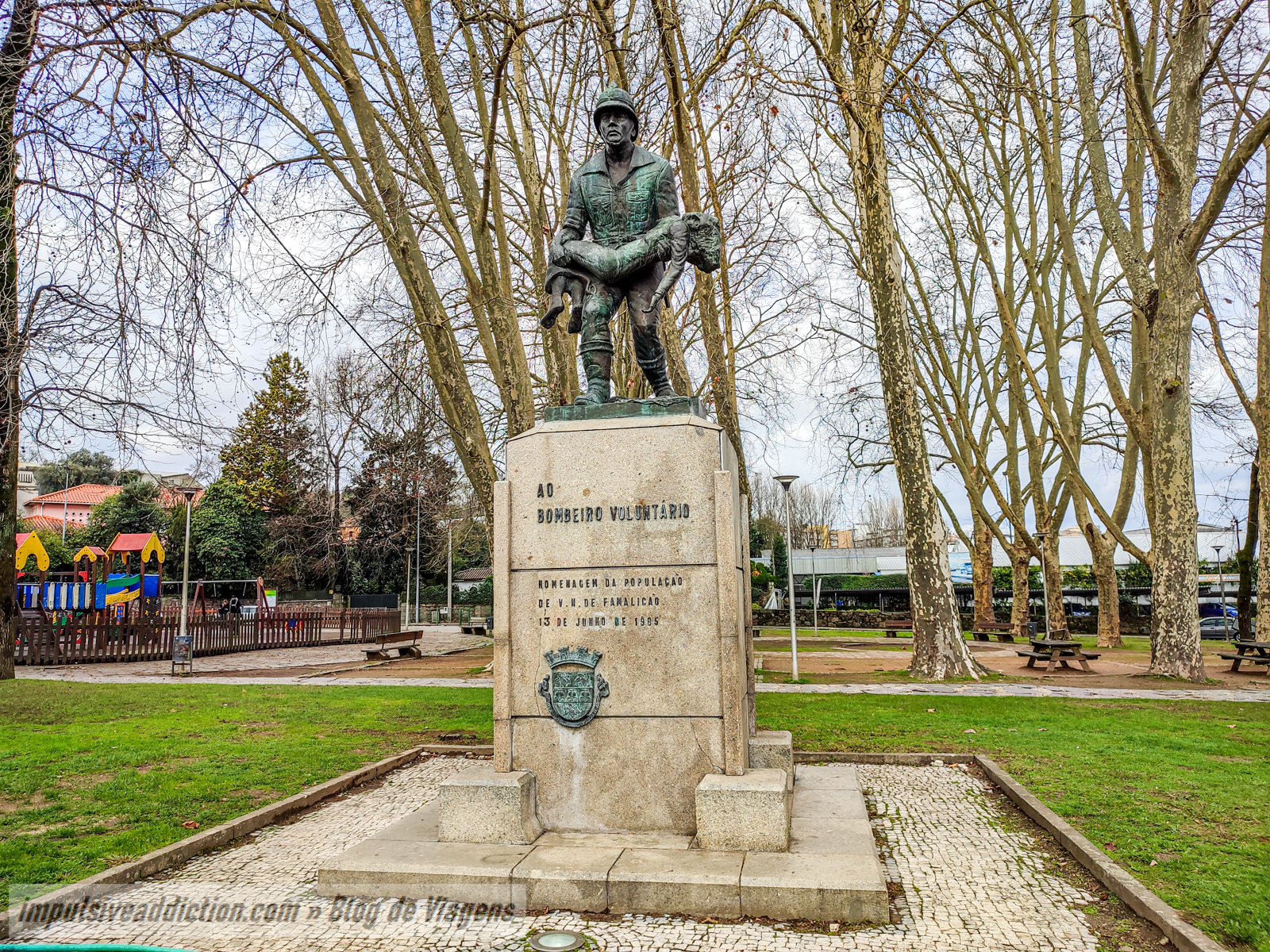
At Jardim 1º de Maio, you’ll find a statue of Infante D. Henrique as well as a statue honoring the Firefighters. The garden also features a children’s playground, a picnic area, and even a small lake with various birds.
6. Museu Bernardino Machado and Casa-Museu Soledade Malvar
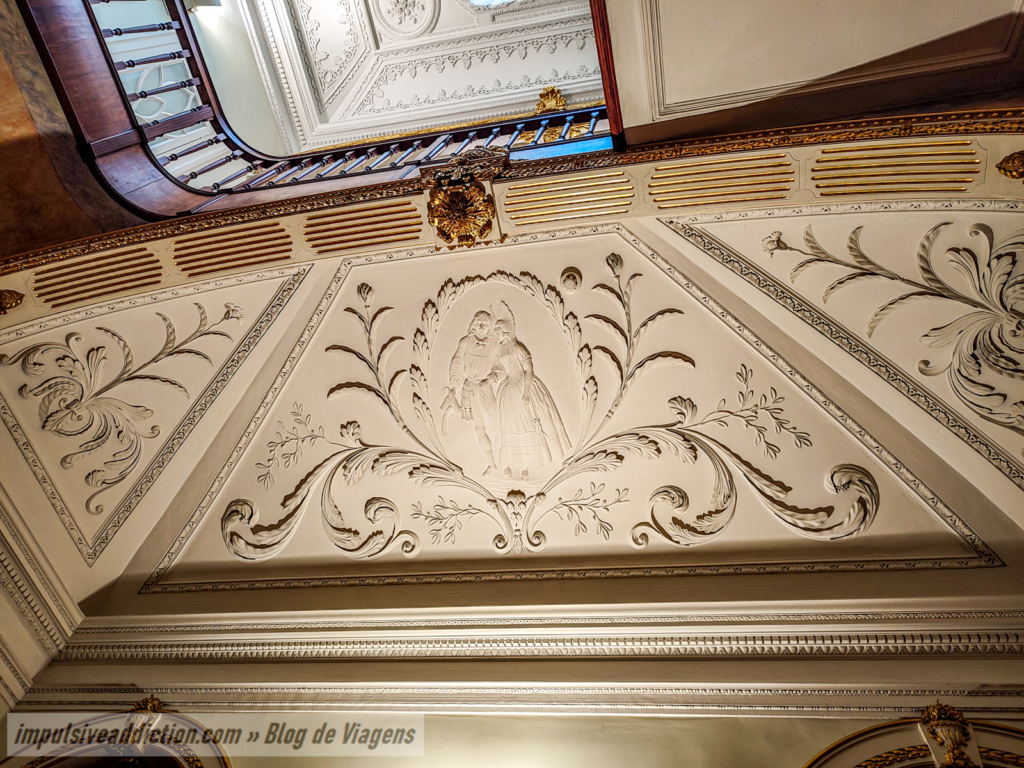
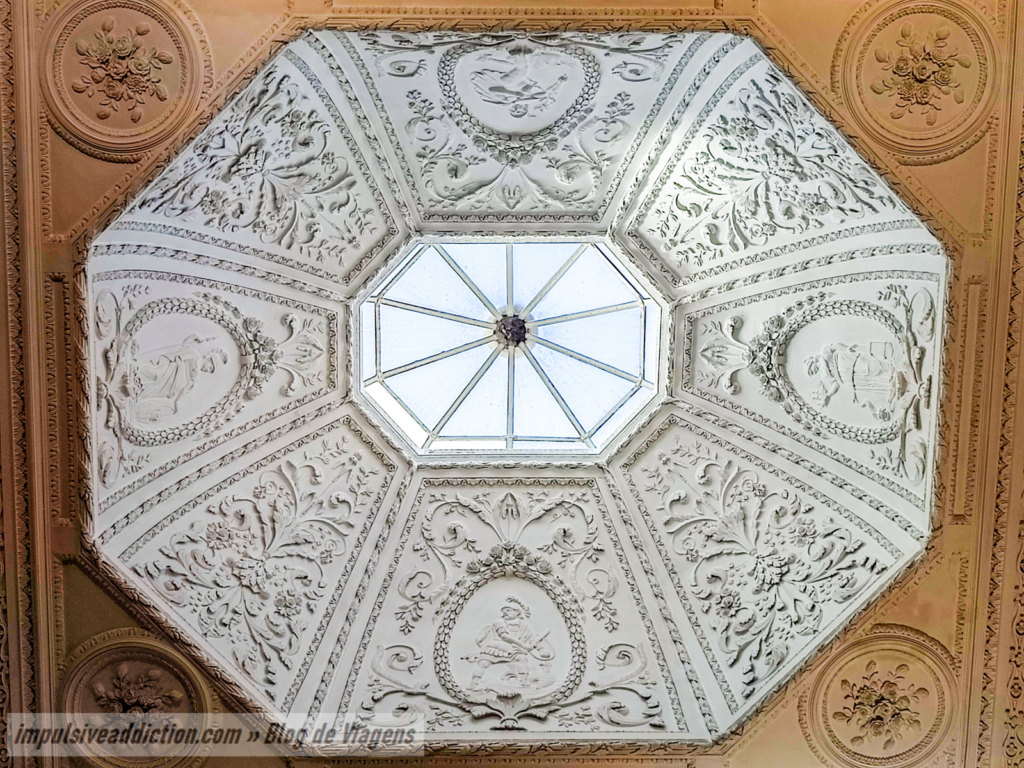
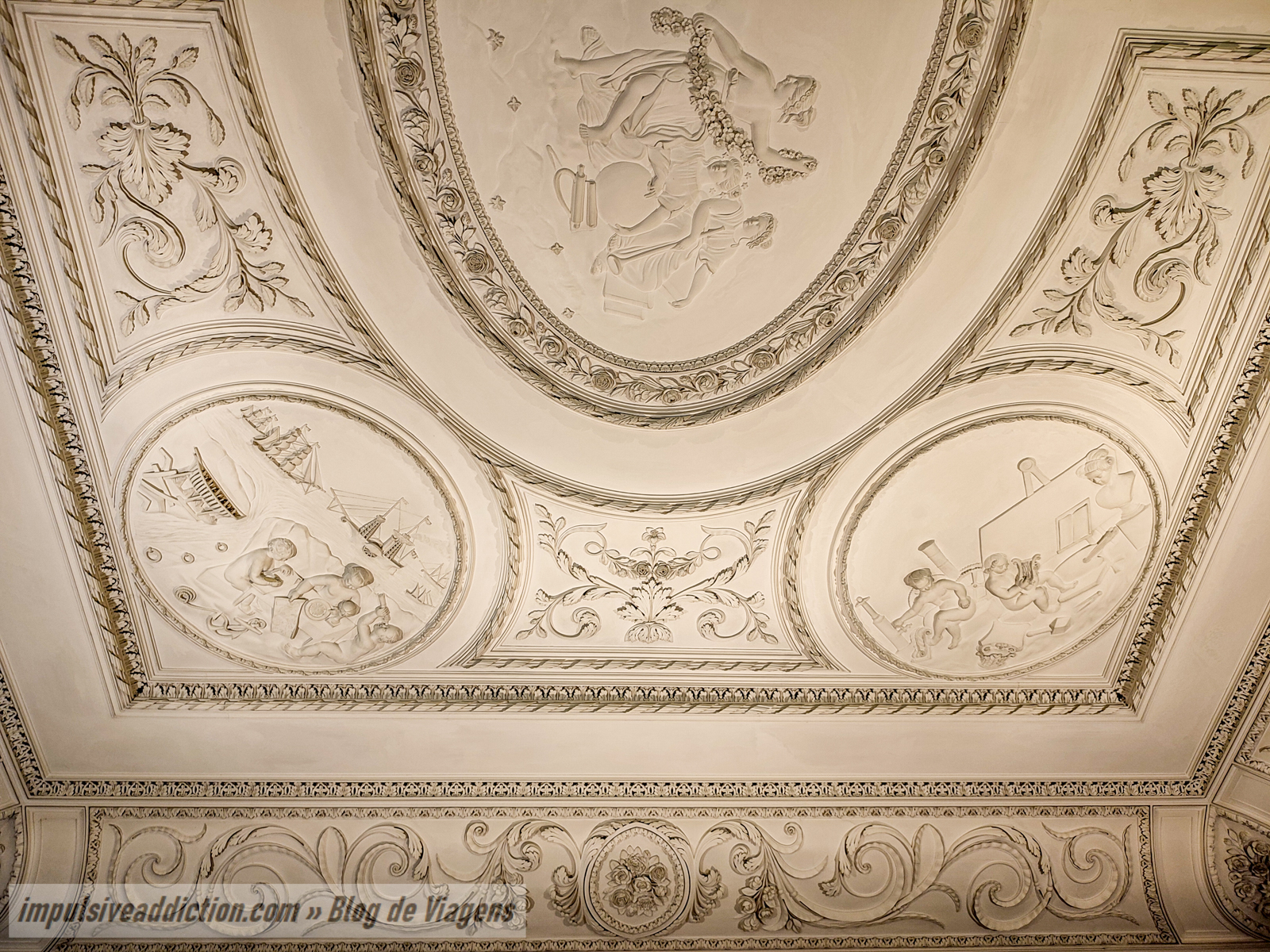
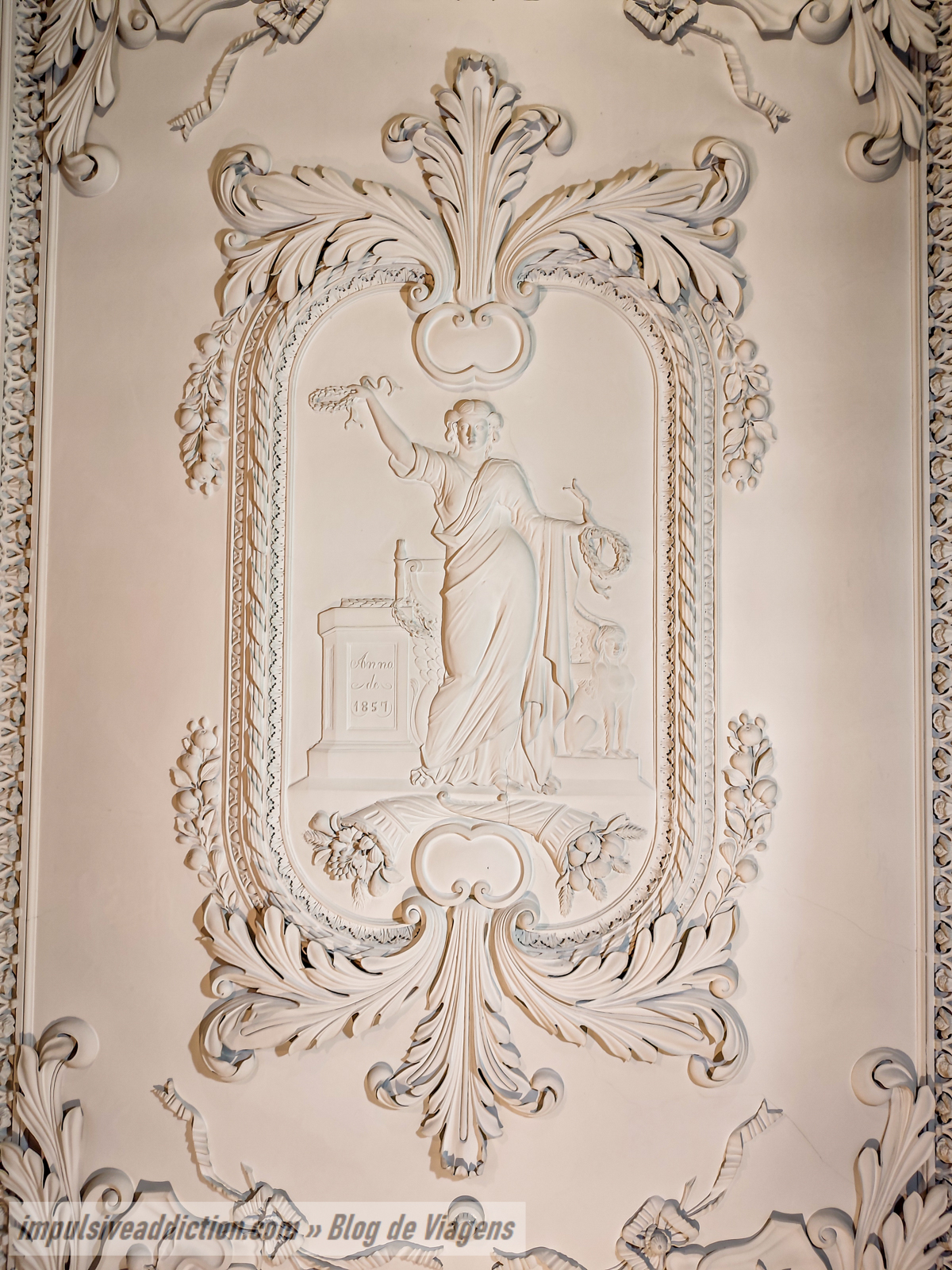
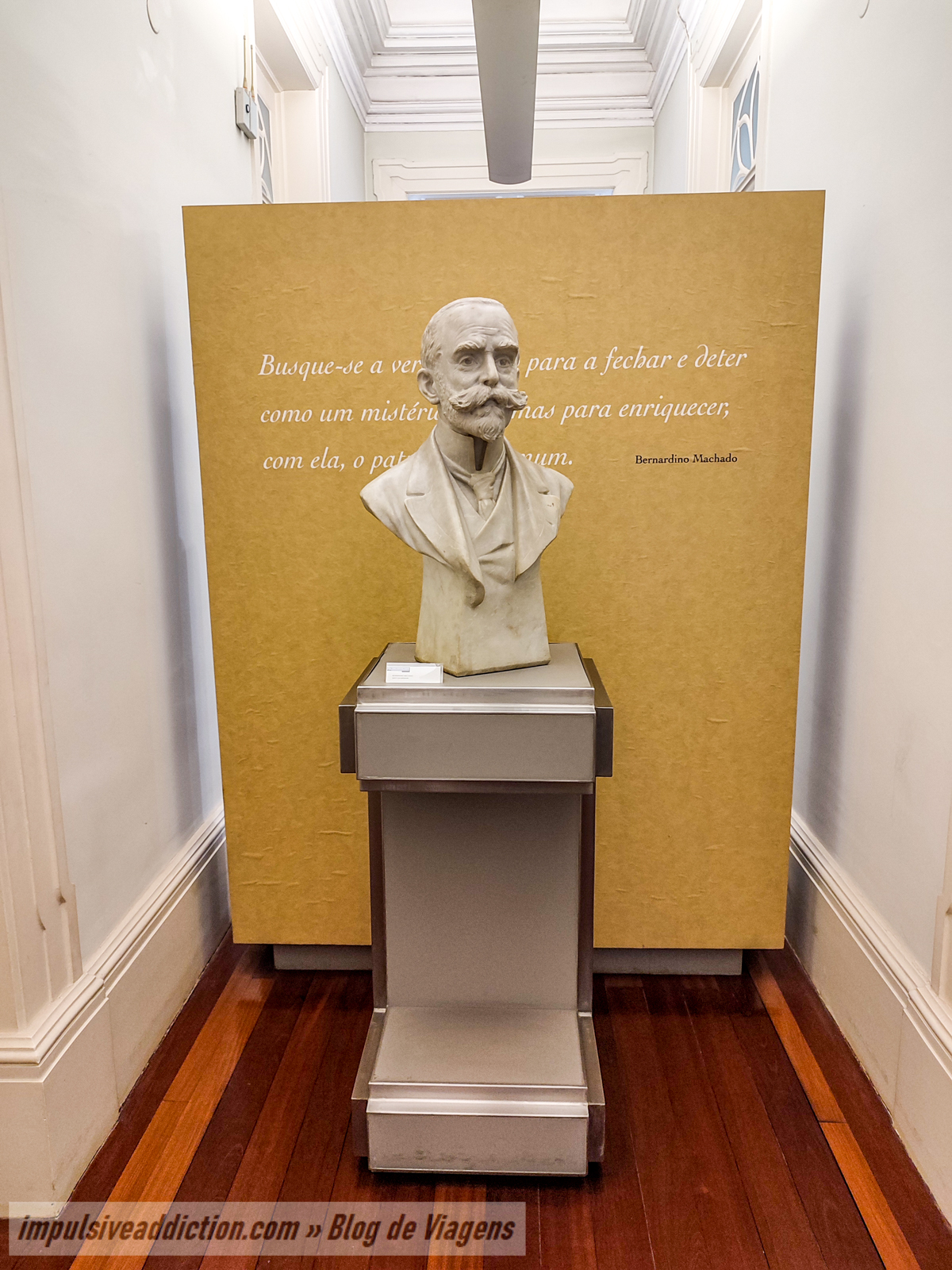
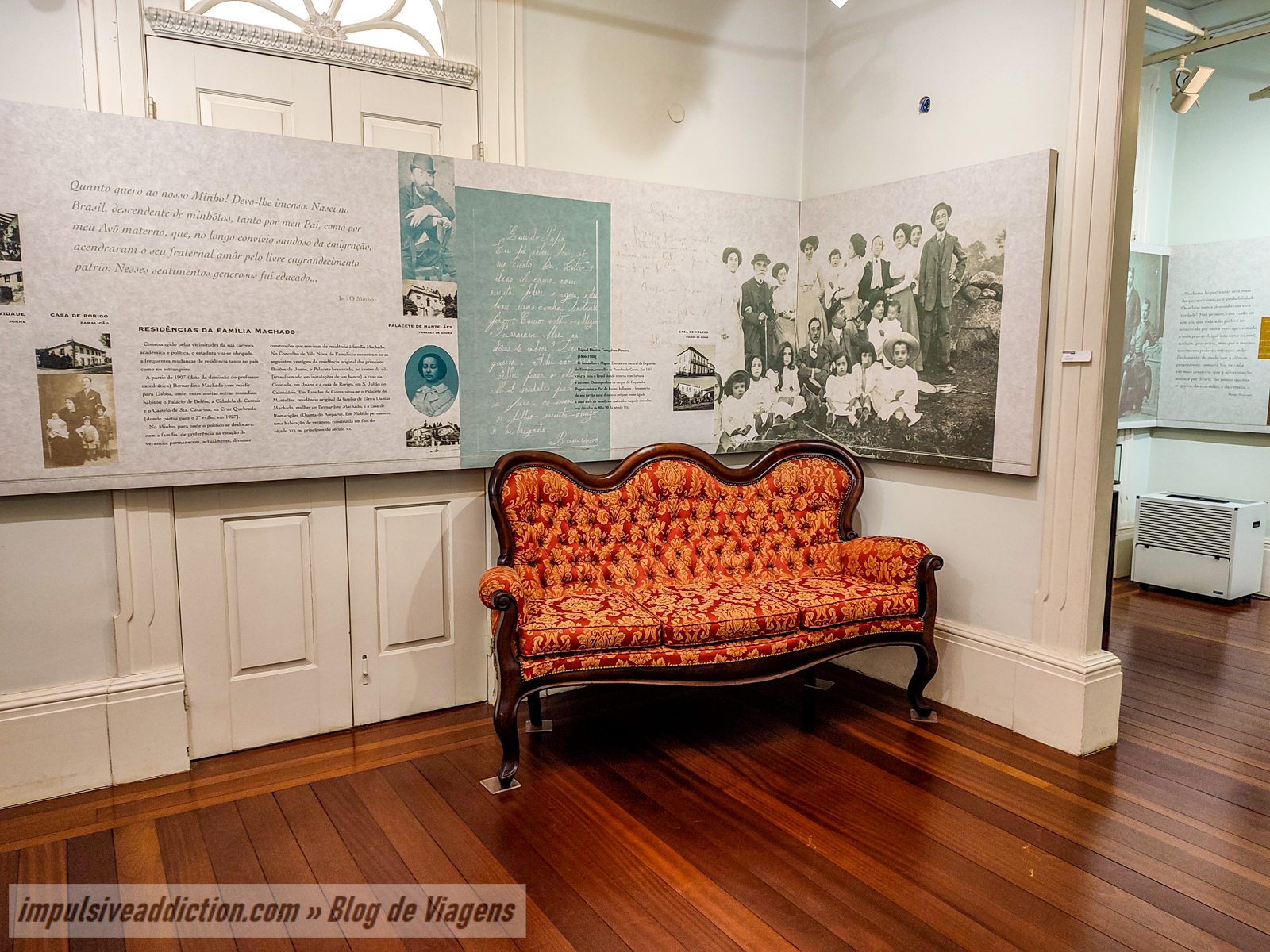
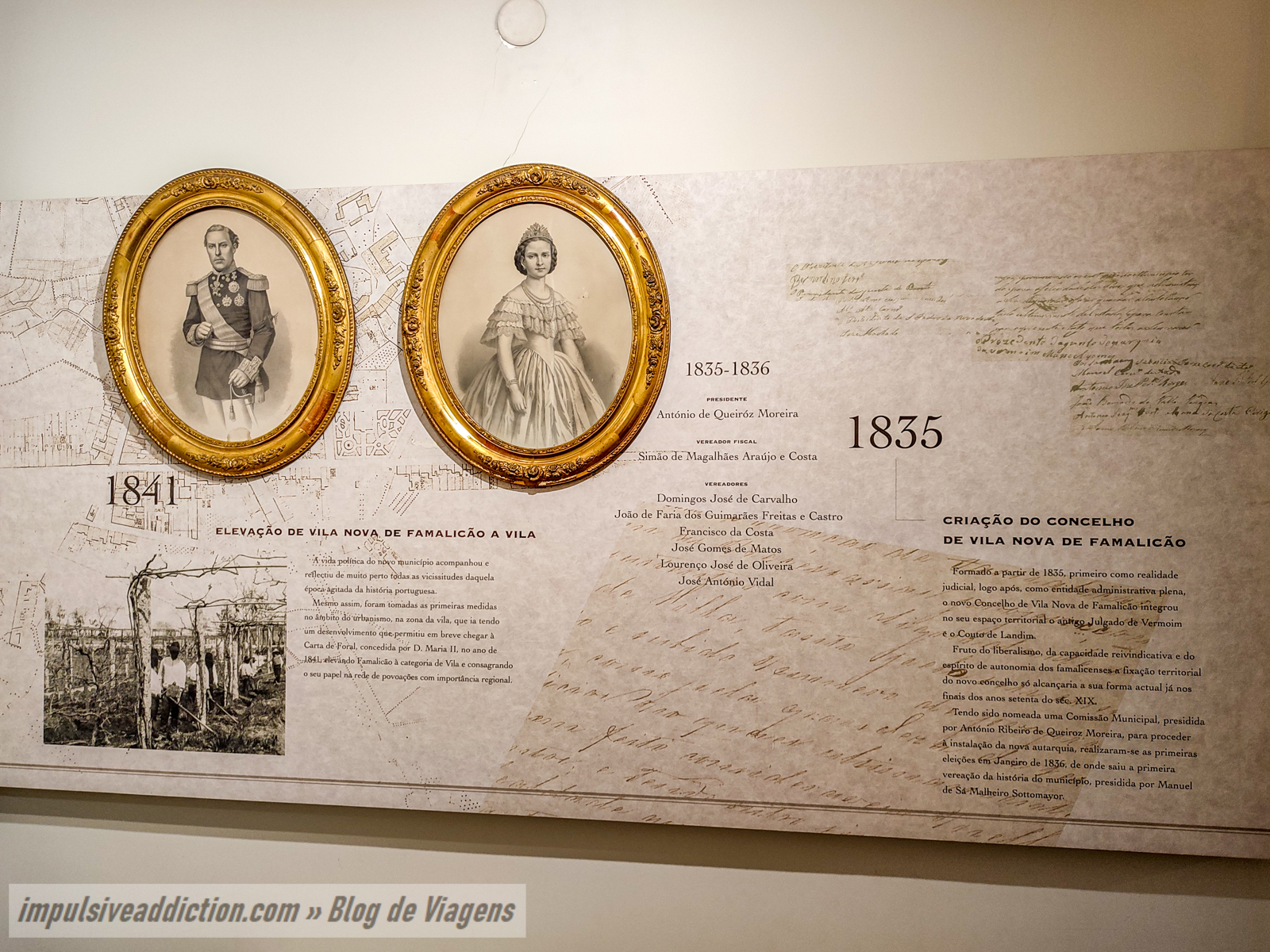
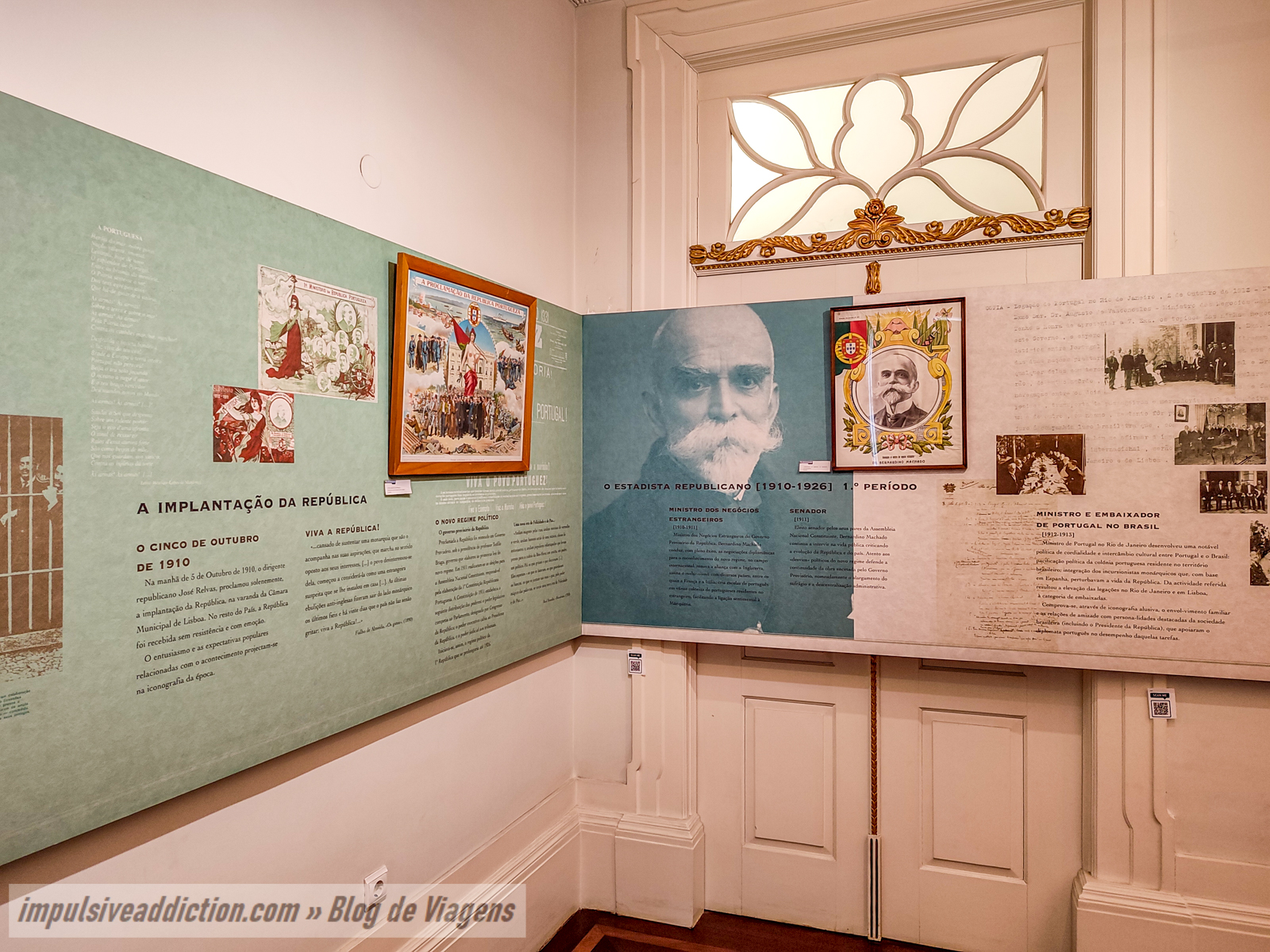
The Museu Bernardino Machado is perhaps the most important museum in Vila Nova de Famalicão, as it showcases the life and work of Bernardino Machado, who was elected President of the Portuguese Republic twice during the first half of the 20th century. It’s not exactly my favorite type of museum, since it relies mostly on informative panels, but the building itself is well worth a visit: the elegant Palacete Barão de Trovisqueira.
Another must-see is the Casa-Museu Soledade Malvar, home to an interesting art collection that includes jewelry, faience, paintings, and pieces of furniture.
7. Centro Artístico A Casa ao Lado
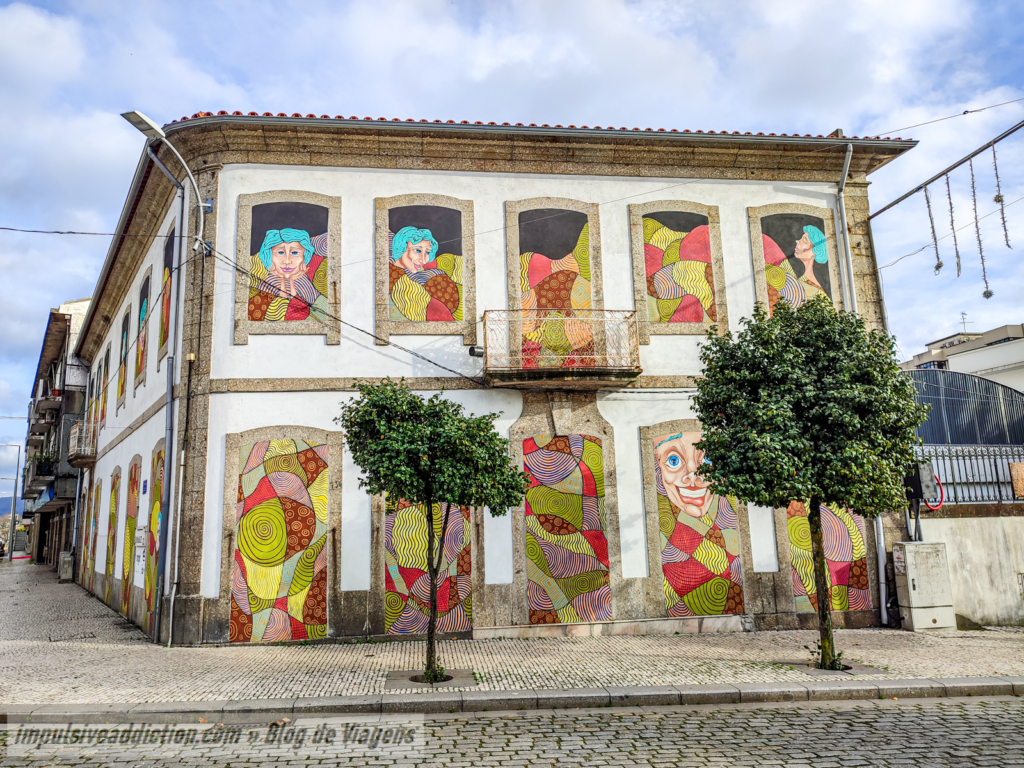
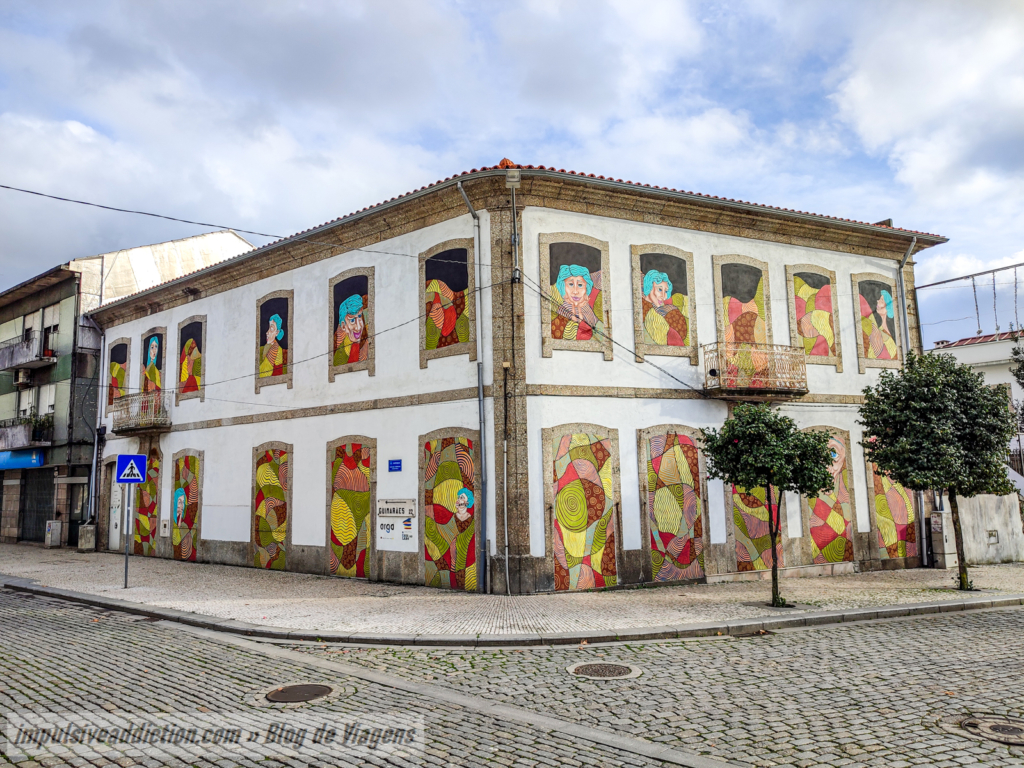
On the way to the Town Hall garden, you’ll inevitably pass by a building completely covered in street art. It’s a project by A Casa ao Lado, the same collective behind other works I’ve already mentioned in this article.
8. Town Hall garden in Vila Nova de Famalicão
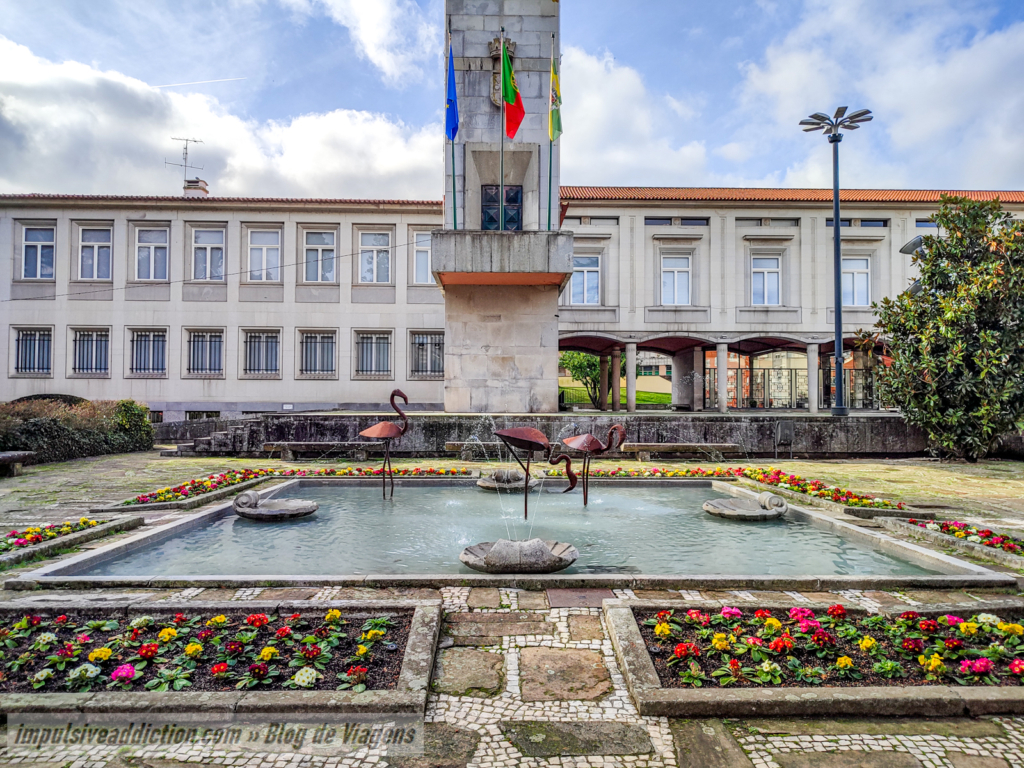
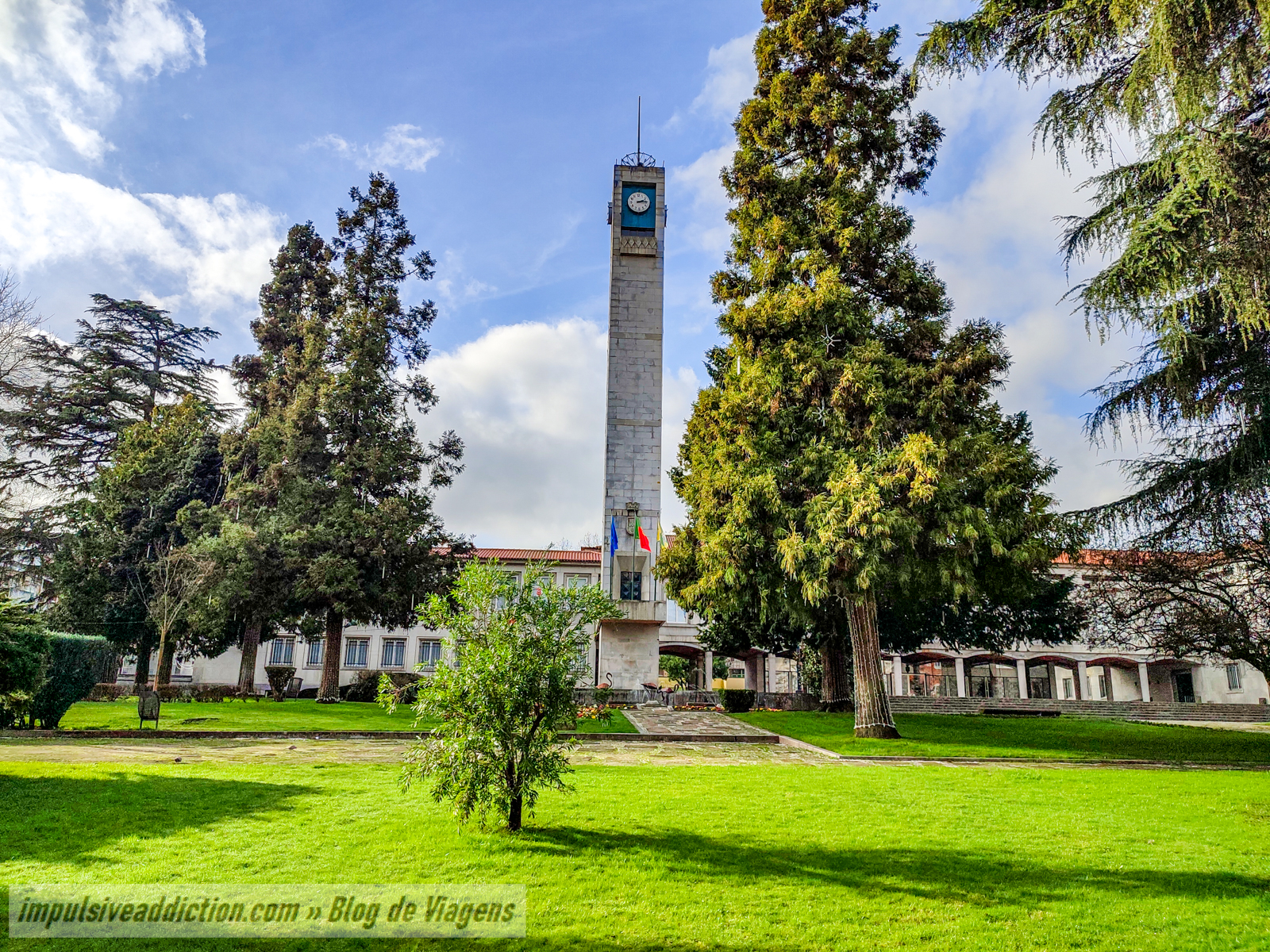
The Town Hall garden in Vila Nova de Famalicão is the most beautiful of all the gardens mentioned so far, not least because the Town Hall itself has such a distinctive look, creating a perfect backdrop.
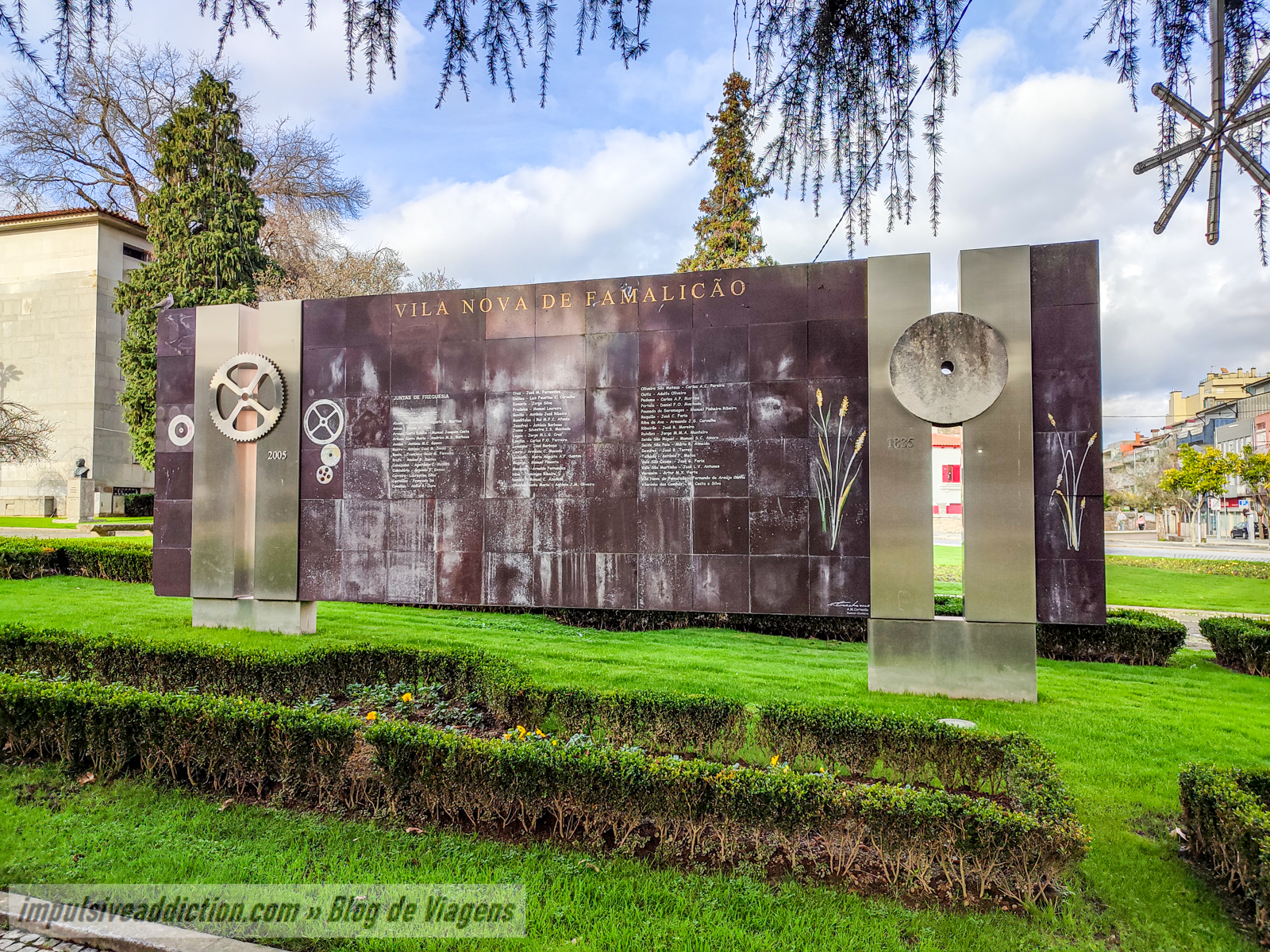
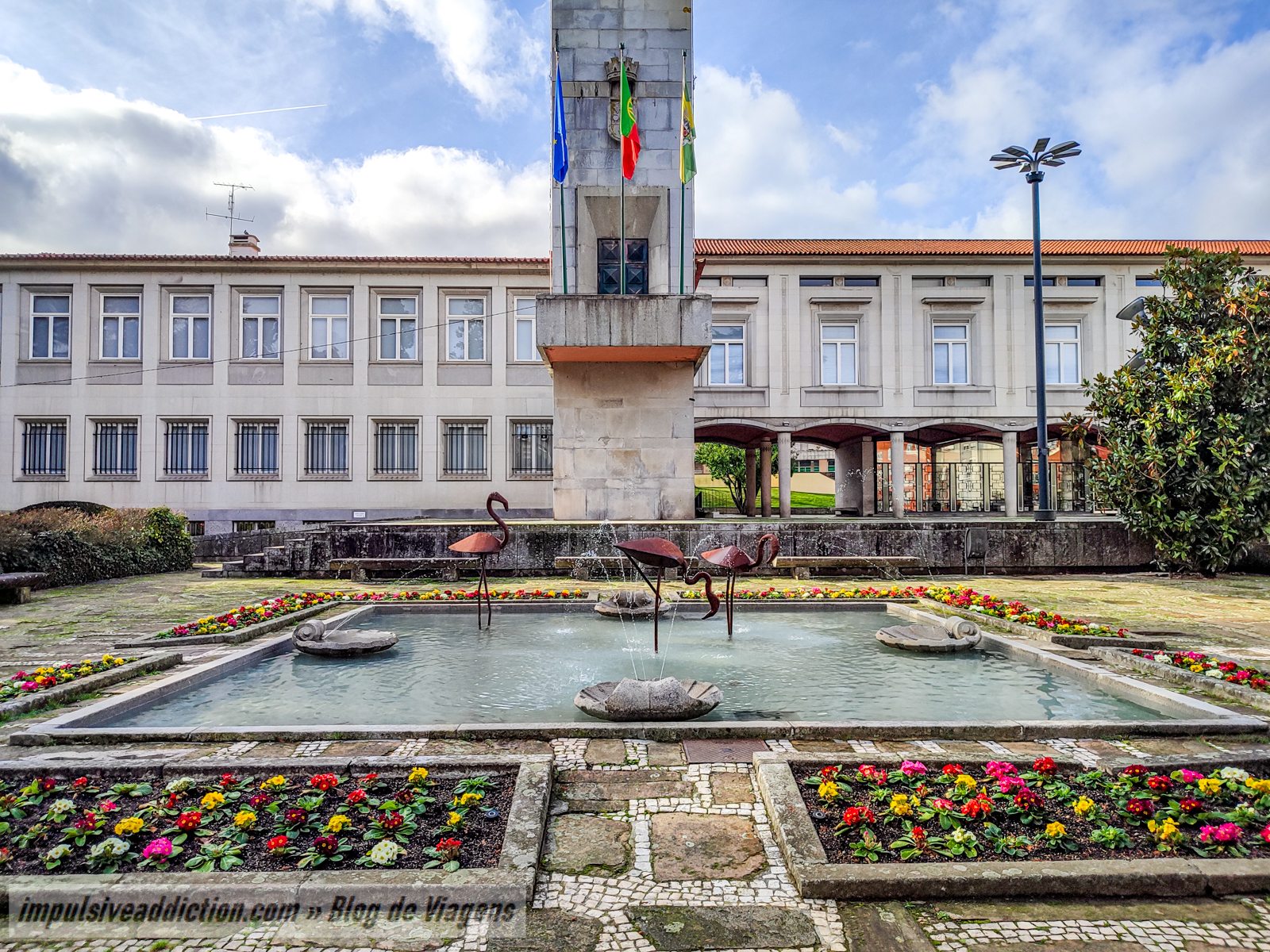
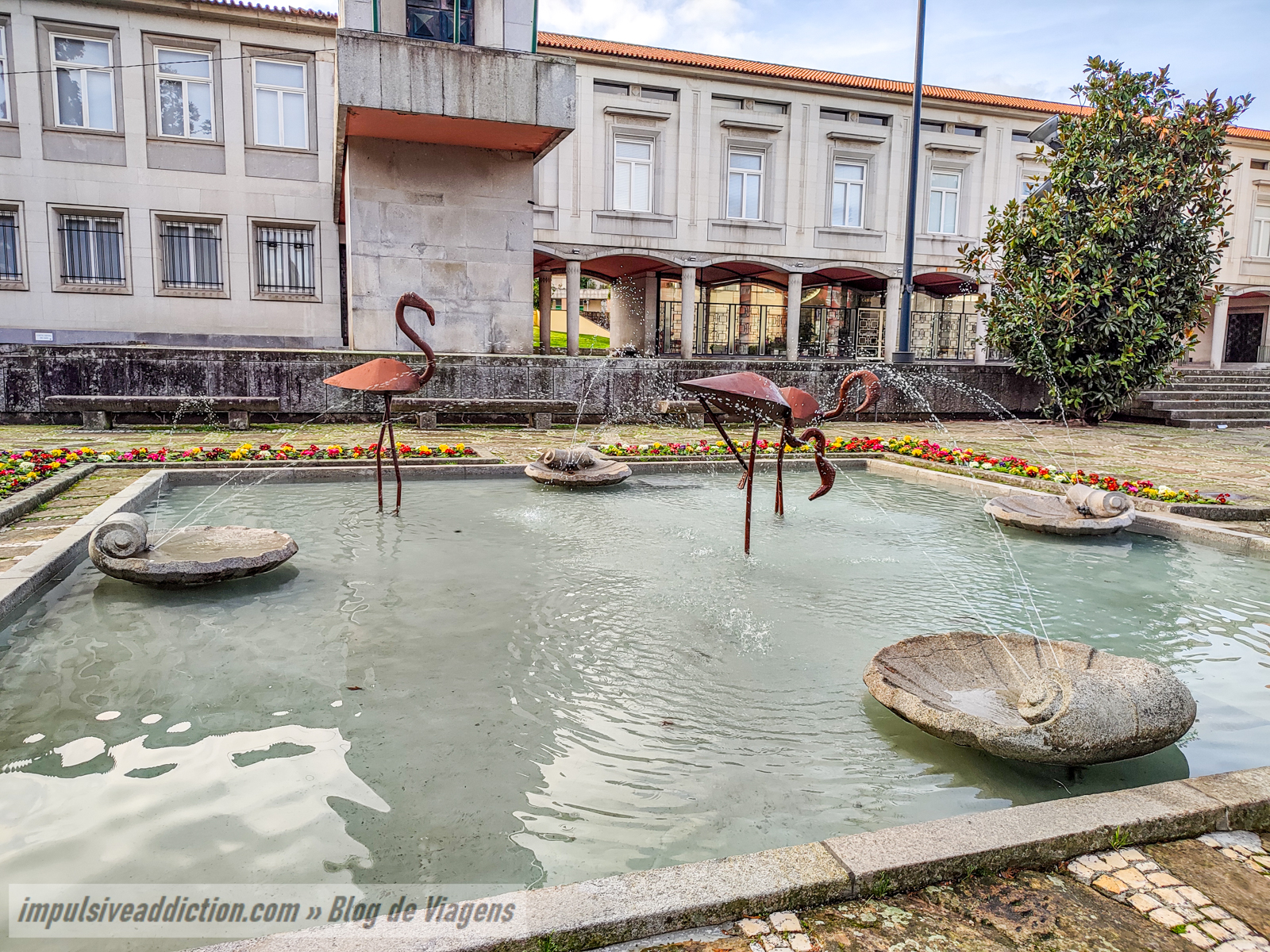
9. Museu de Arte Sacra da Capela da Lapa
Tucked away behind the Town hall, you’ll find the old Capela da Lapa, built in the 18th century on the site of an earlier 16th-century chapel dedicated to São Sebastião. Its highlight is the Museum of Sacred Art, though be aware that the opening hours are quite limited.
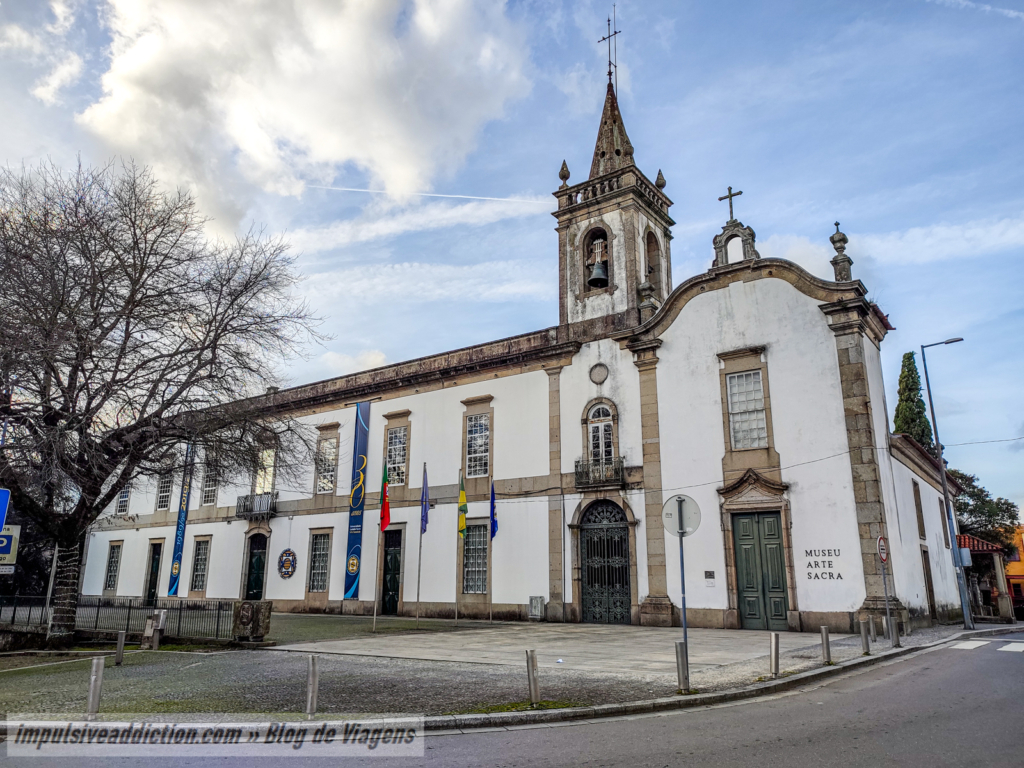
10. Casa das Artes and Parque de Sinçães
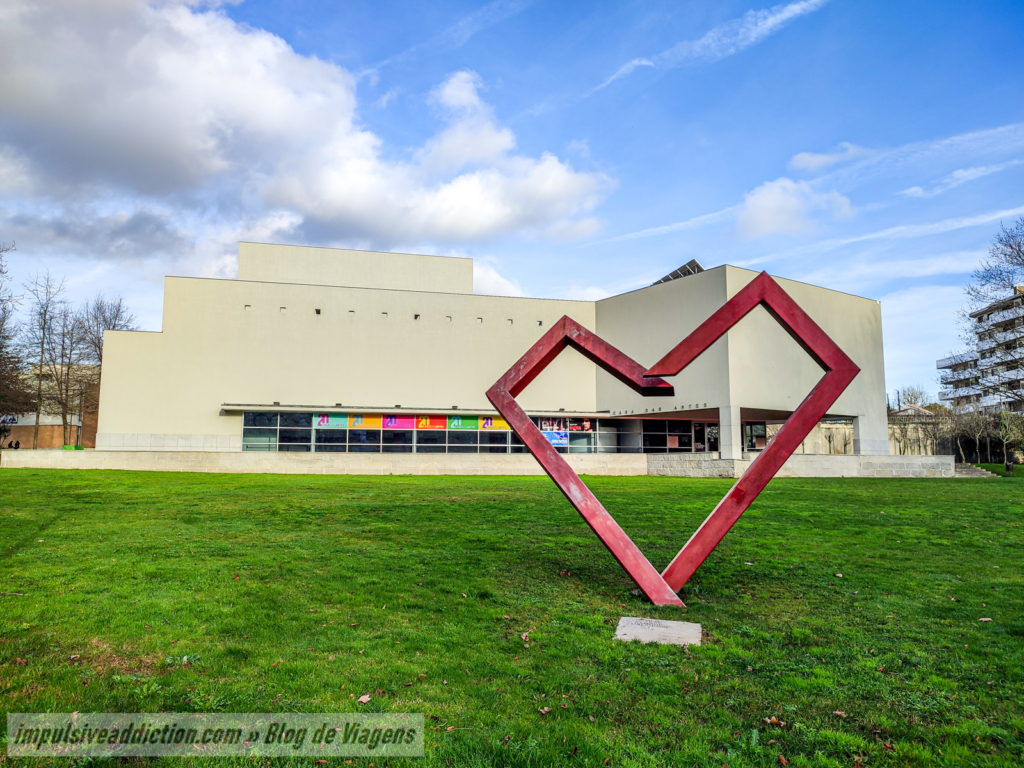
In Parque de Sinçães, the standout is without a doubt the Casa das Artes, the city’s main cultural center. This is also where the Teatro Municipal is located.
11. Parque da Devesa
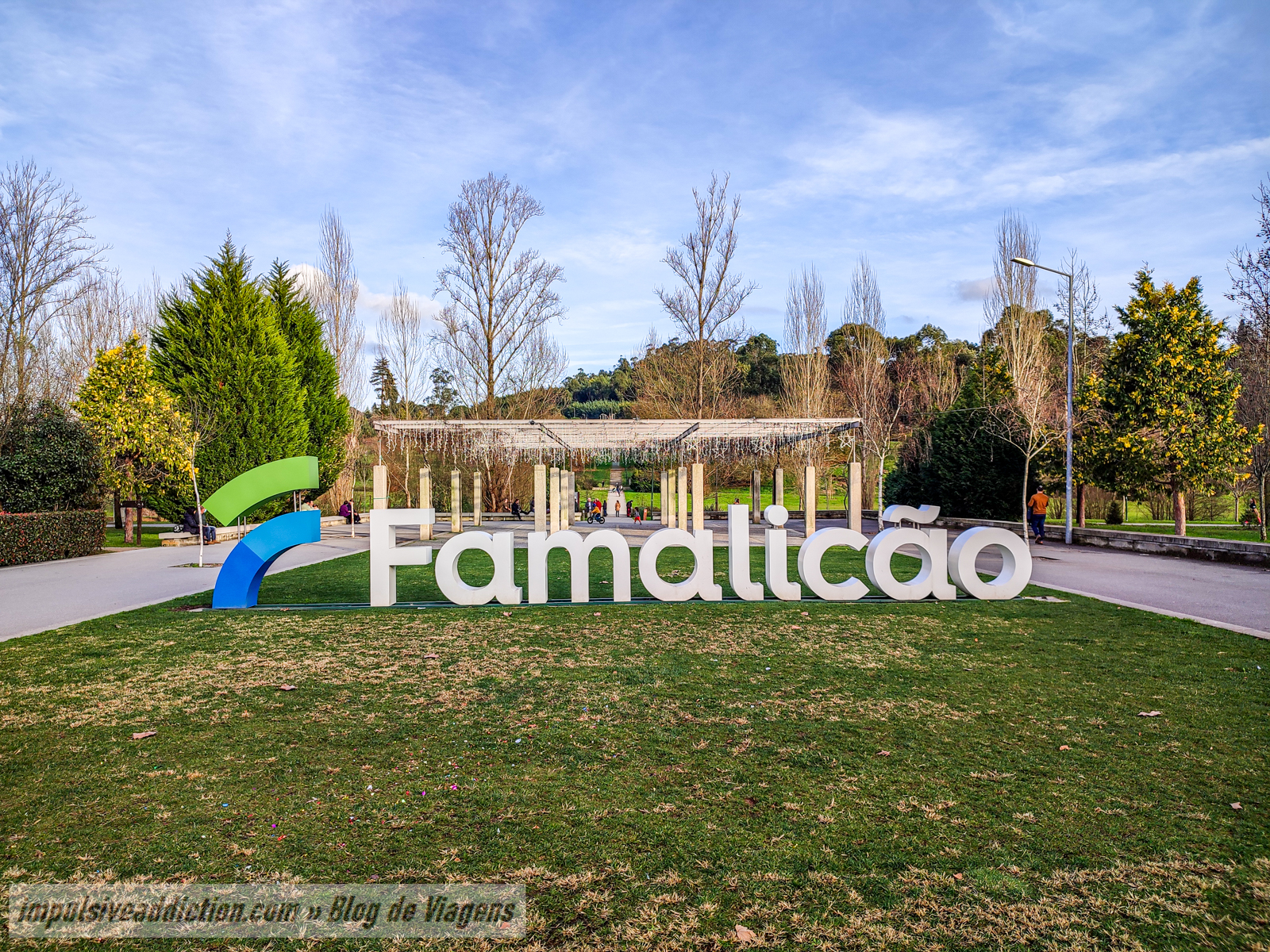
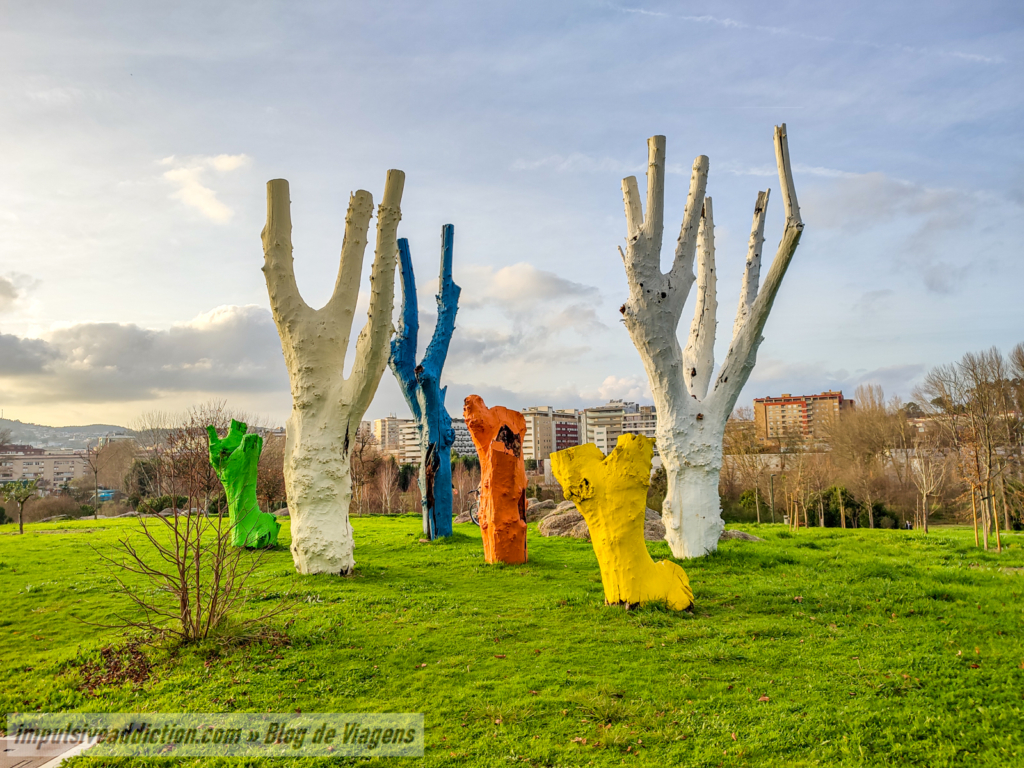
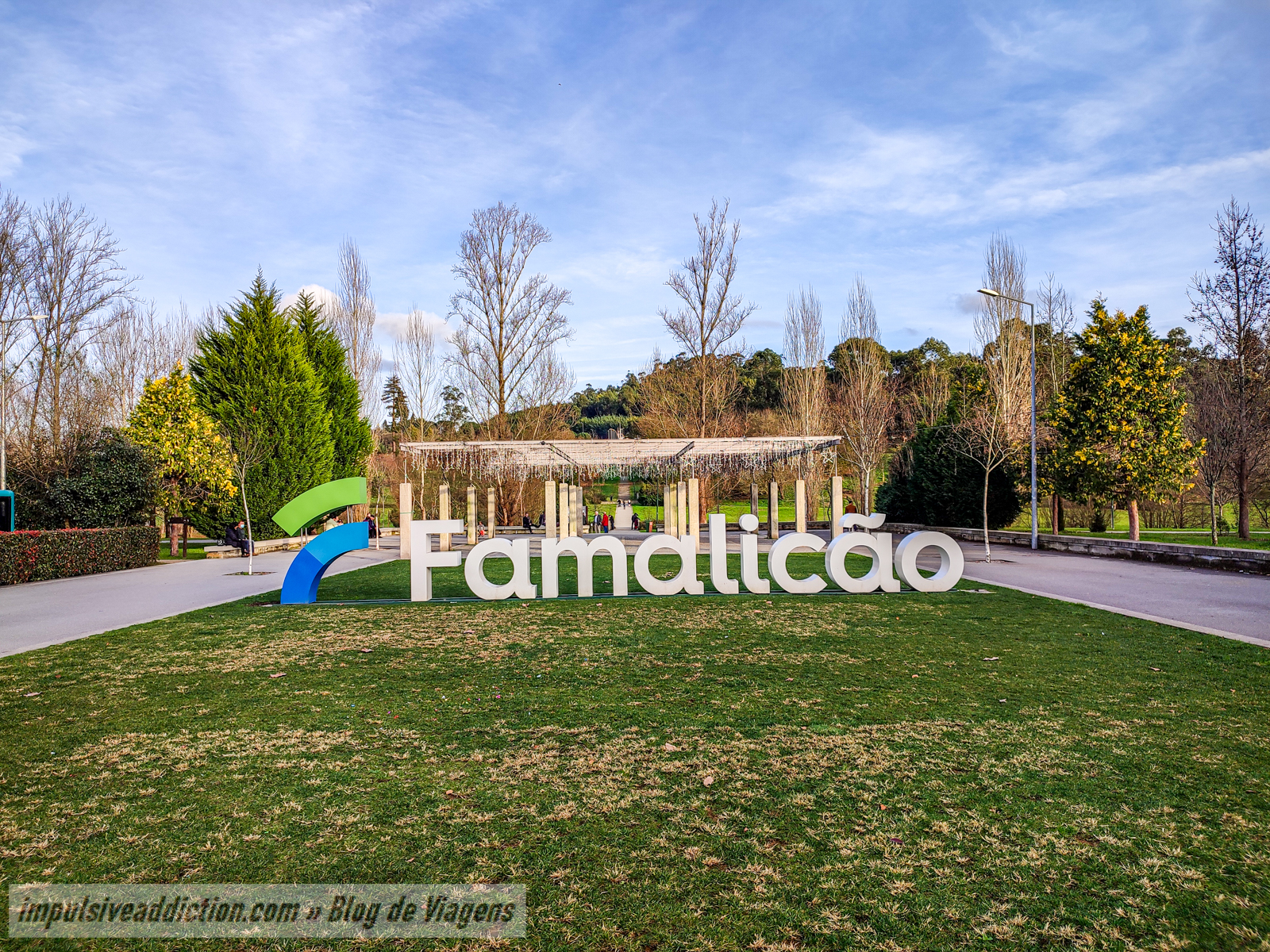
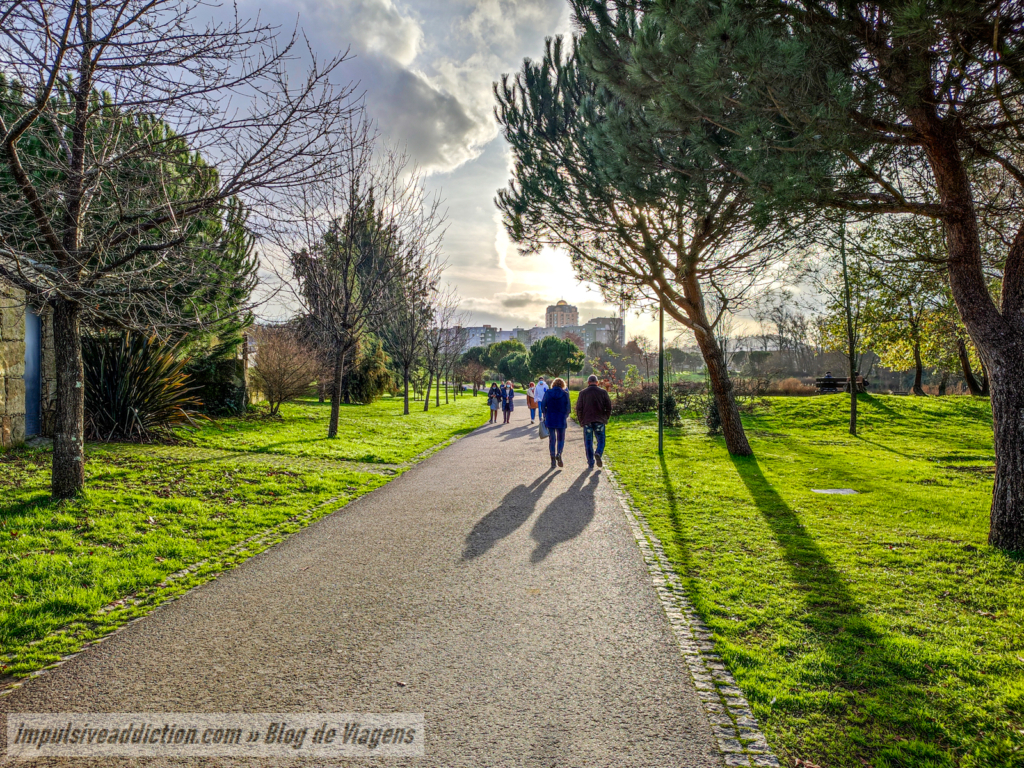
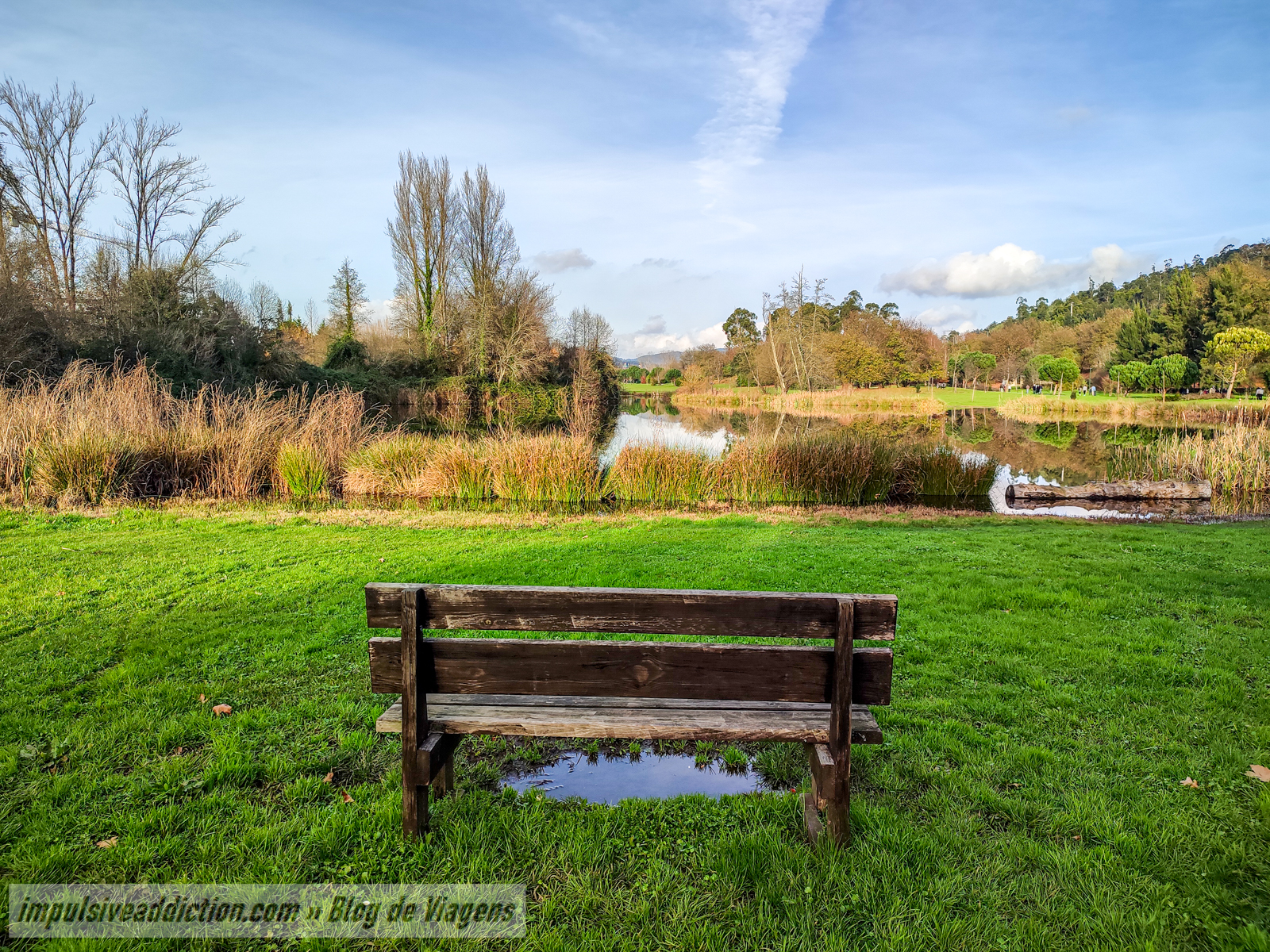
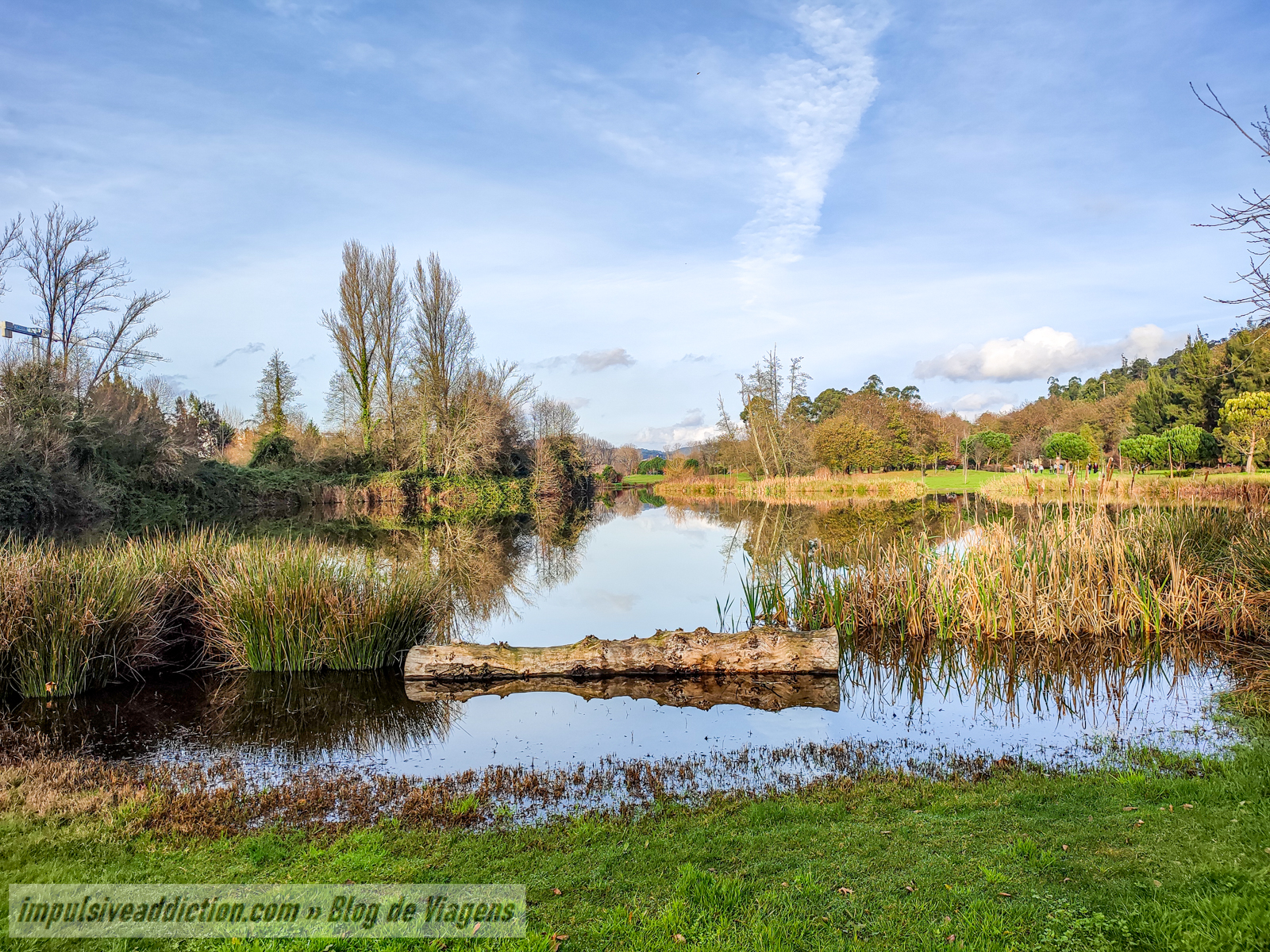
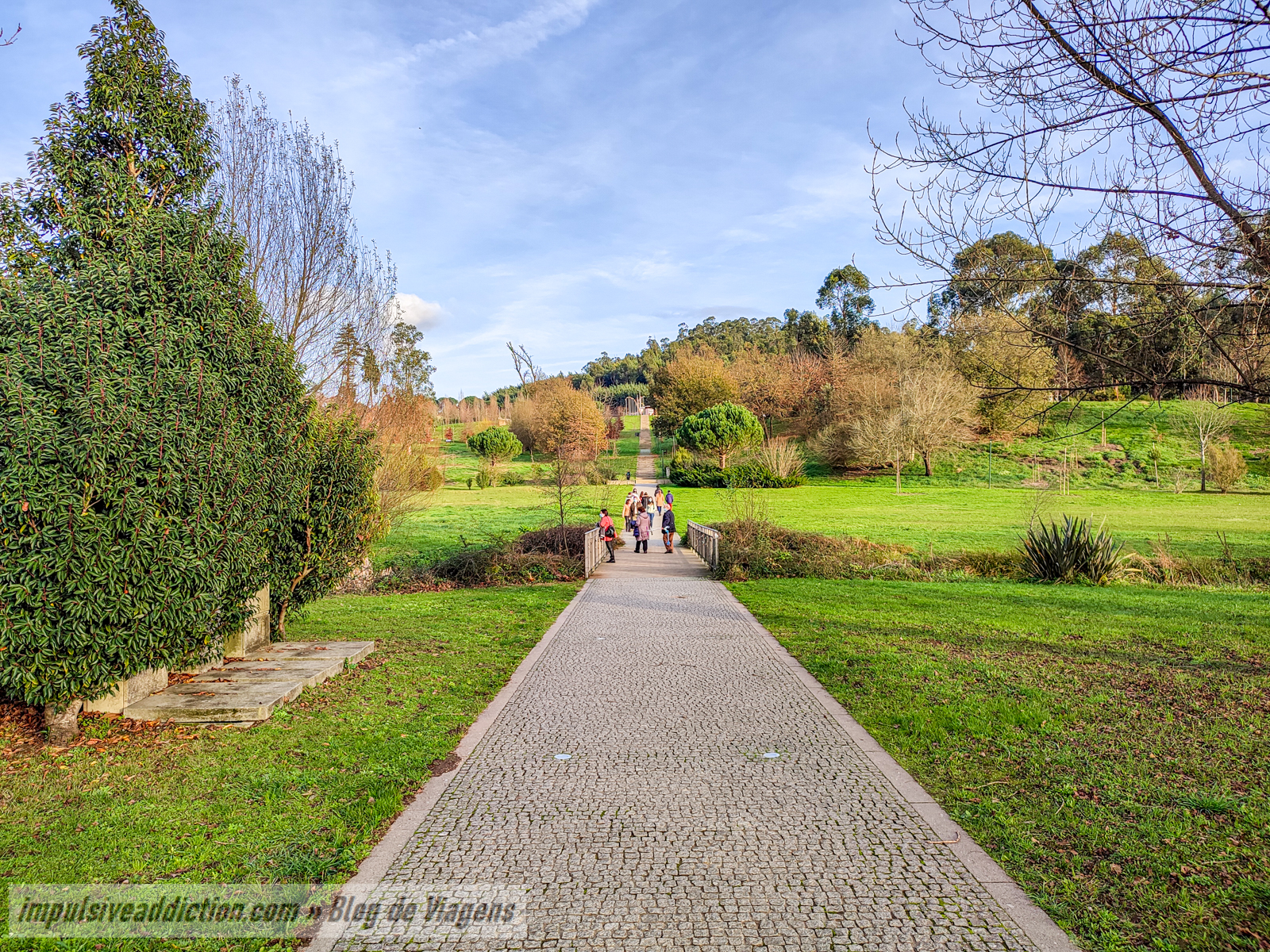
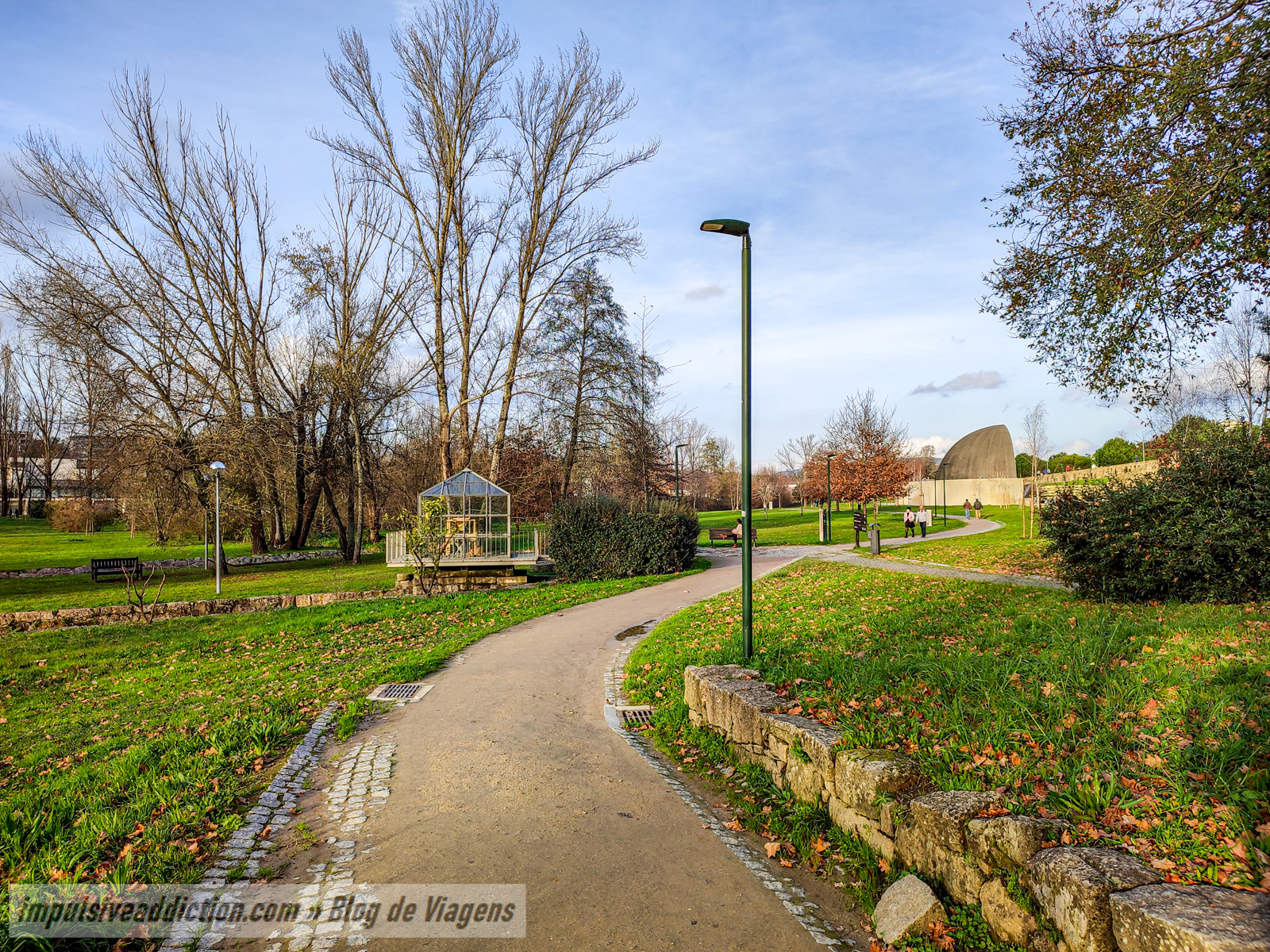
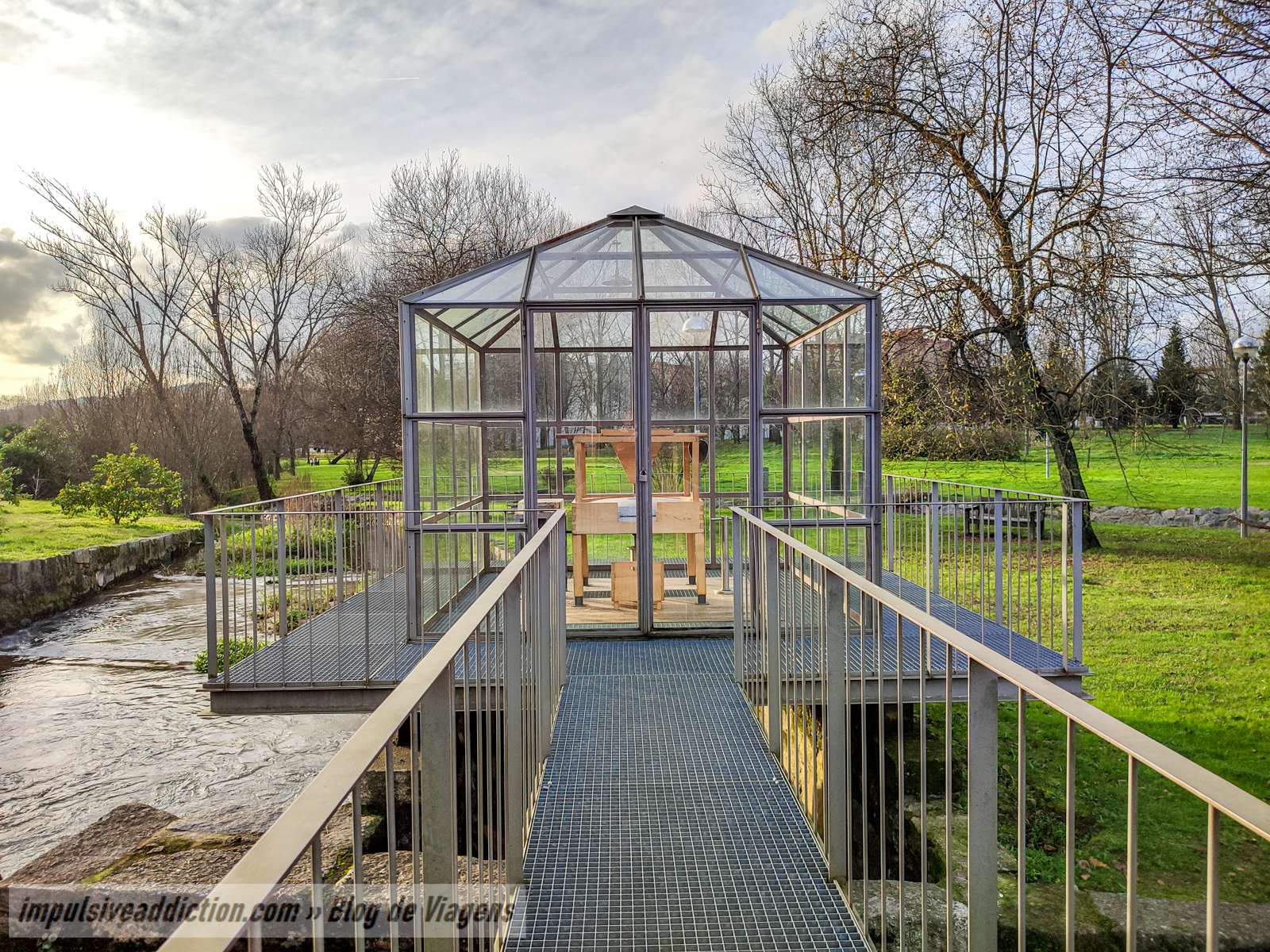
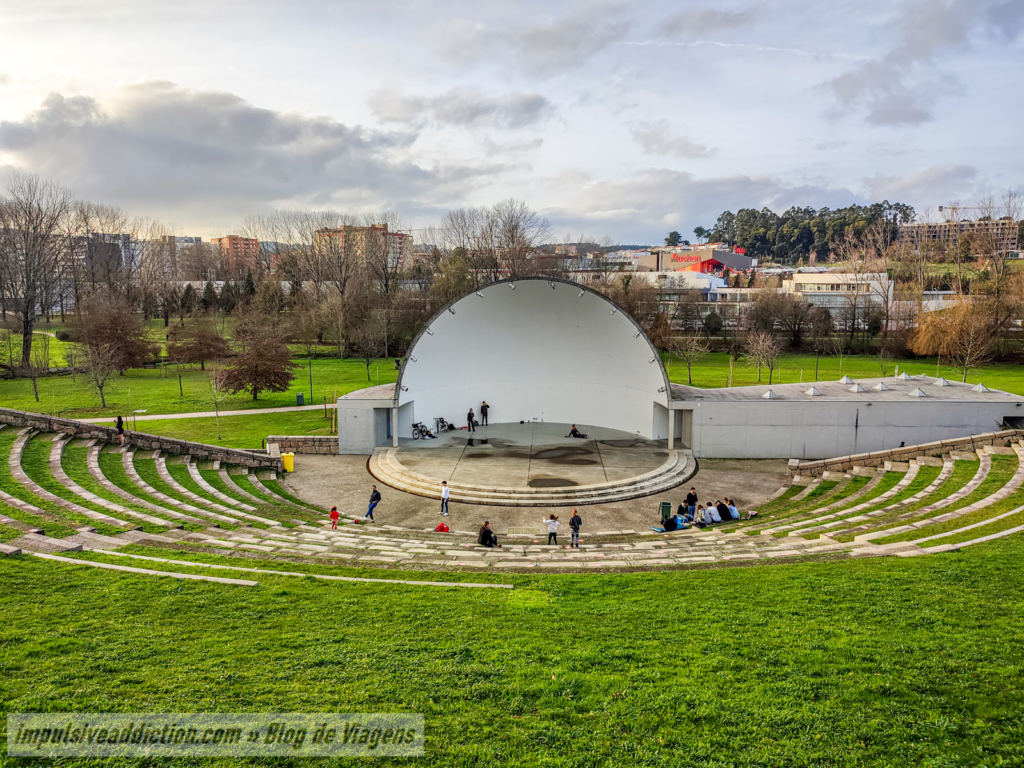
No visit to Vila Nova de Famalicão would be complete without mentioning the vast Parque da Devesa, the city’s true green lung. Covering 27 hectares, it offers plenty of space for walking, running, or simply enjoying a stroll with your dog. 😉
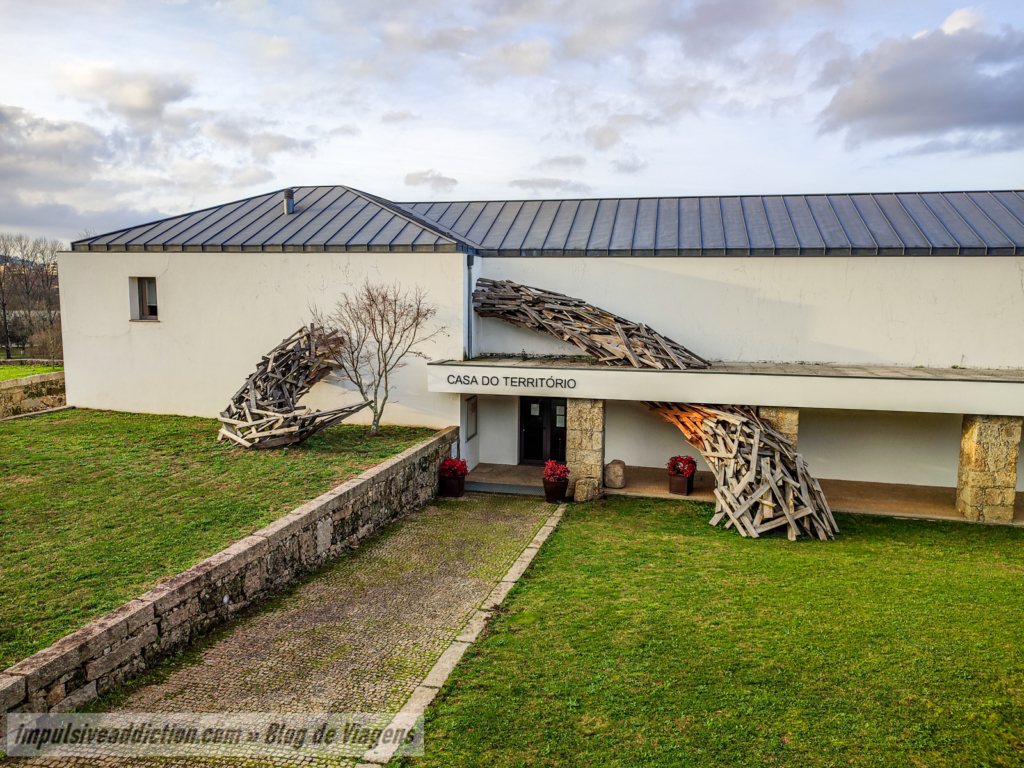
Among its facilities, the highlights are the open-air amphitheater for shows and concerts, and the Casa do Território, a cultural and educational space.
Museums Around Vila Nova de Famalicão
In the surroundings of Vila Nova de Famalicão, you’ll find several other museums—actually much more interesting than the ones I mentioned earlier. If you don’t have much time, focus on these when visiting the municipality.
1. Casa de Camilo Castelo Branco
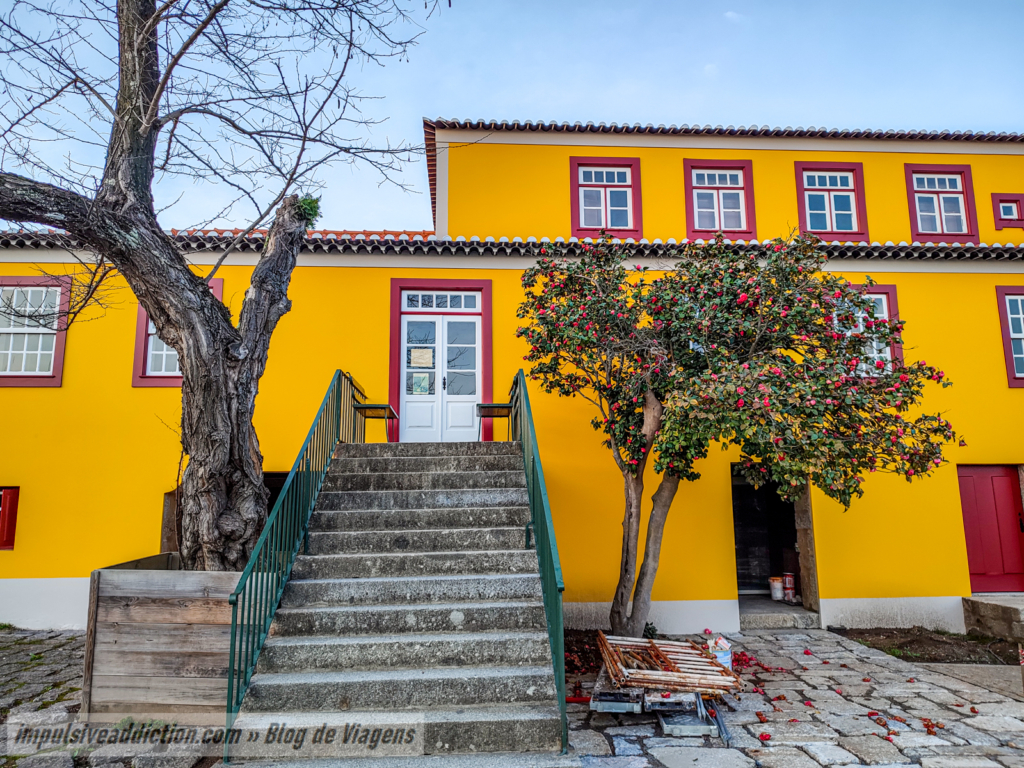
As a curiosity, the Casa de Camilo is the oldest house-museum in Portugal, having opened to the public in 1921. The writer lived here for 26 years, and it was also here that he ended his life in 1890. The entire furniture collection has been preserved, allowing visitors to admire the house exactly as it was. Taking a guided tour is highly recommended.
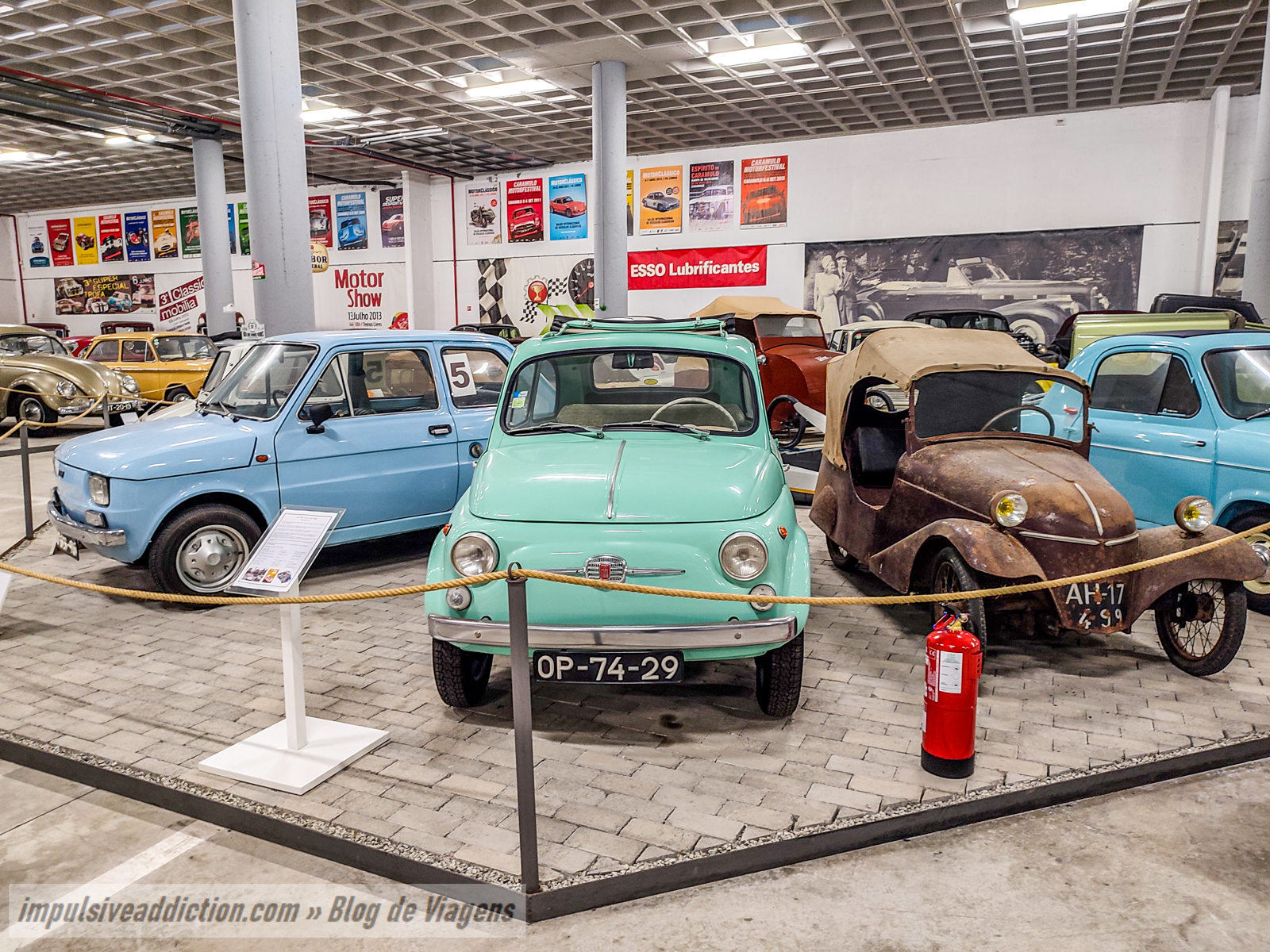
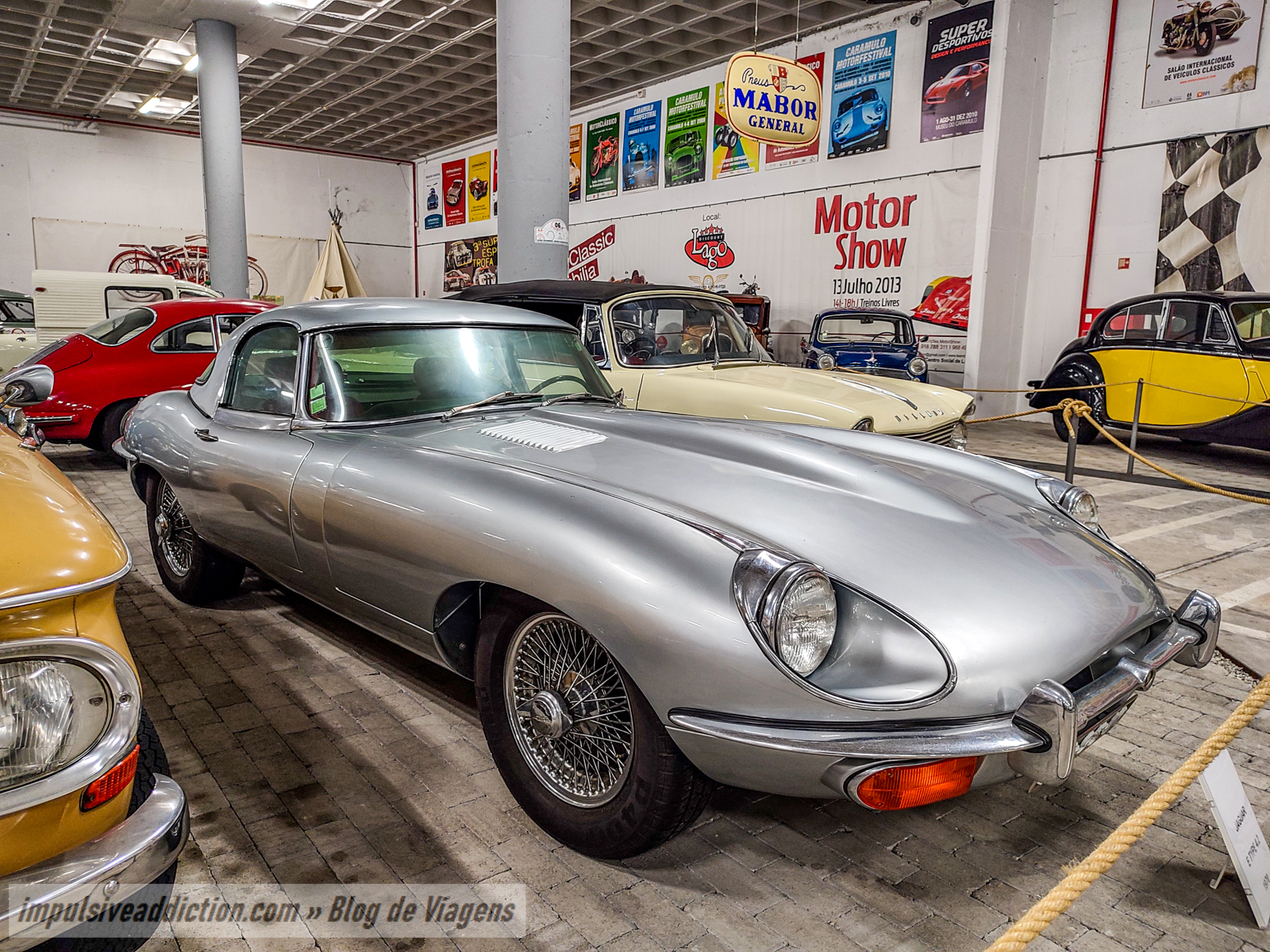
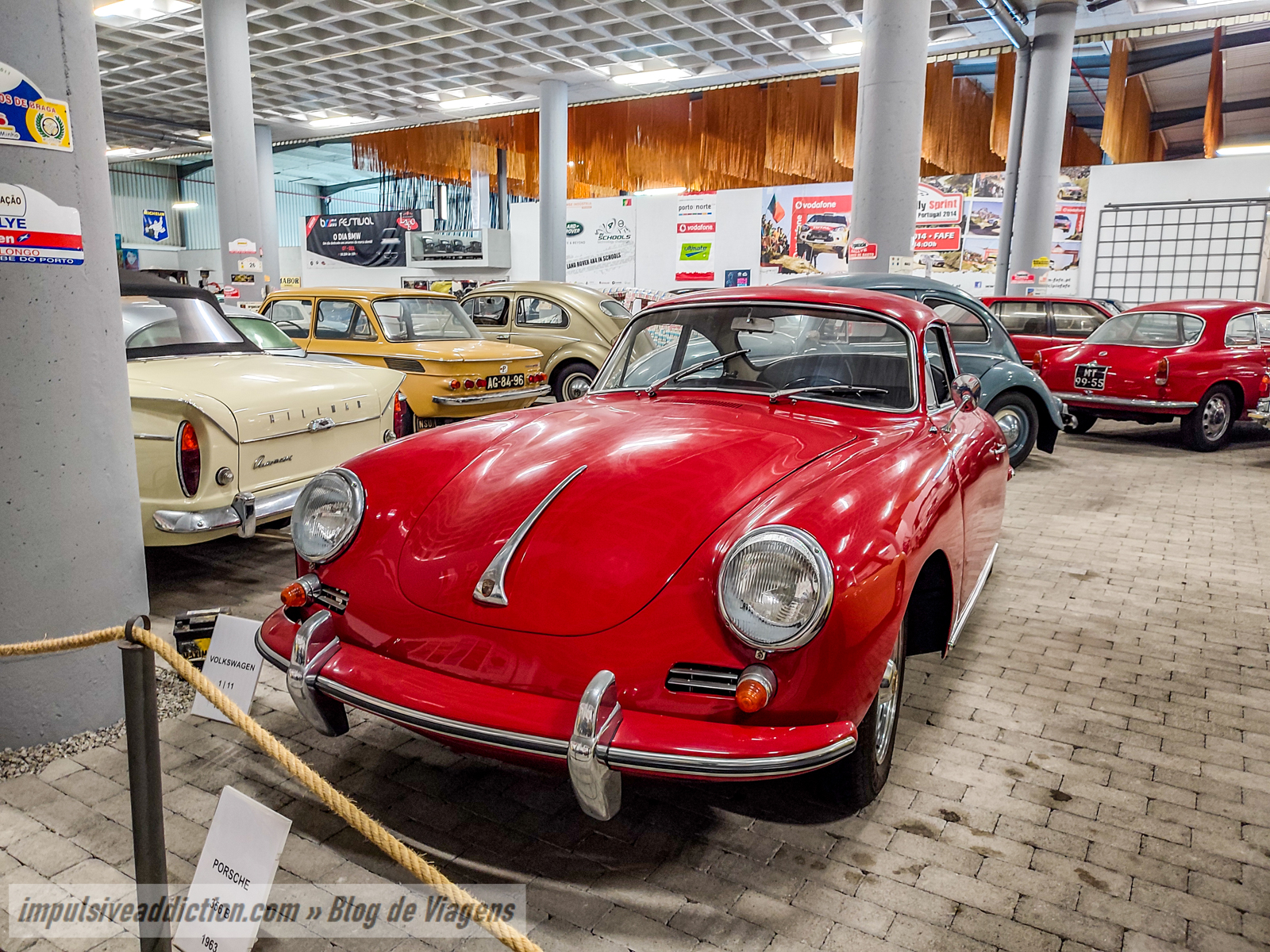
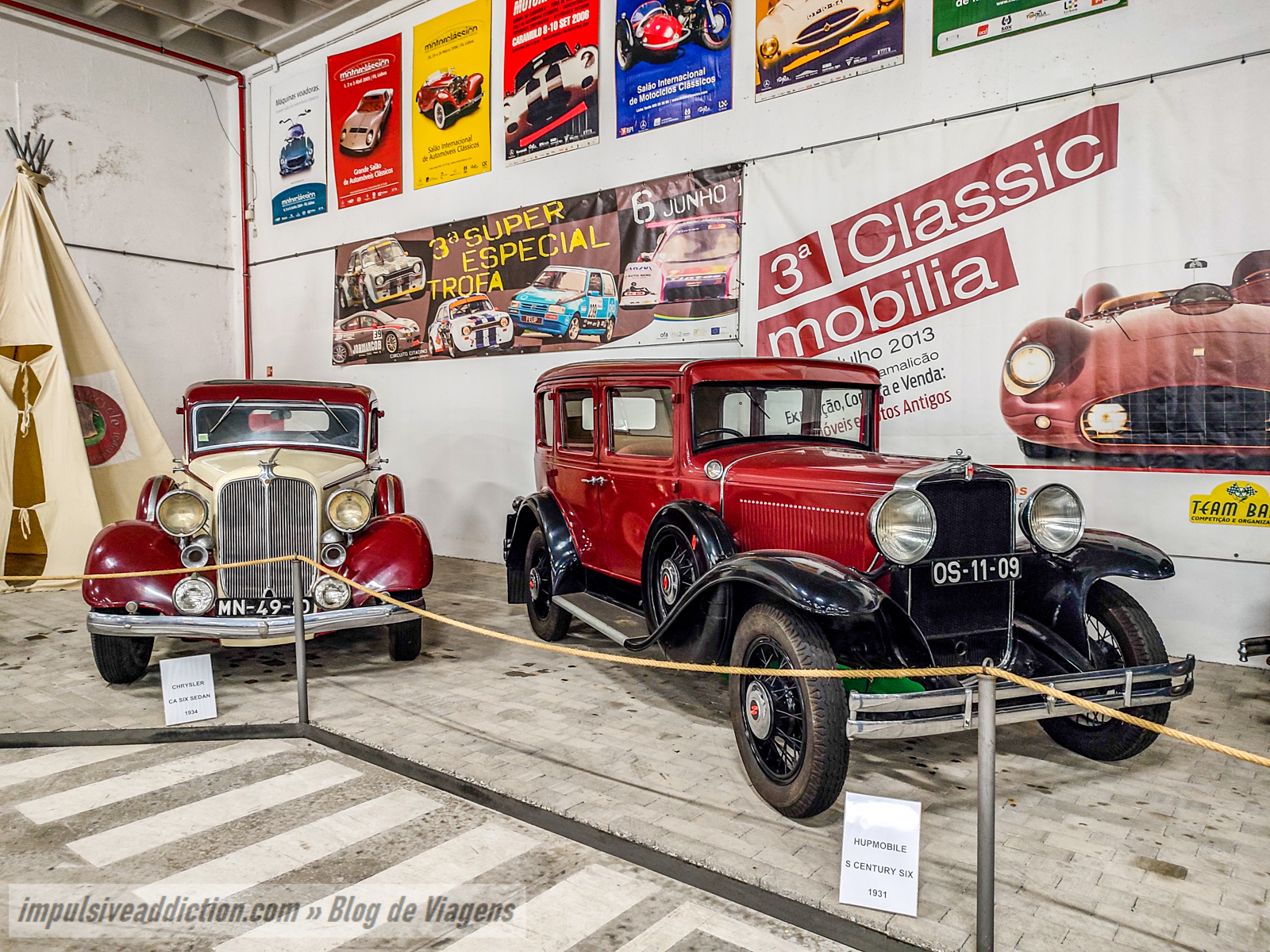
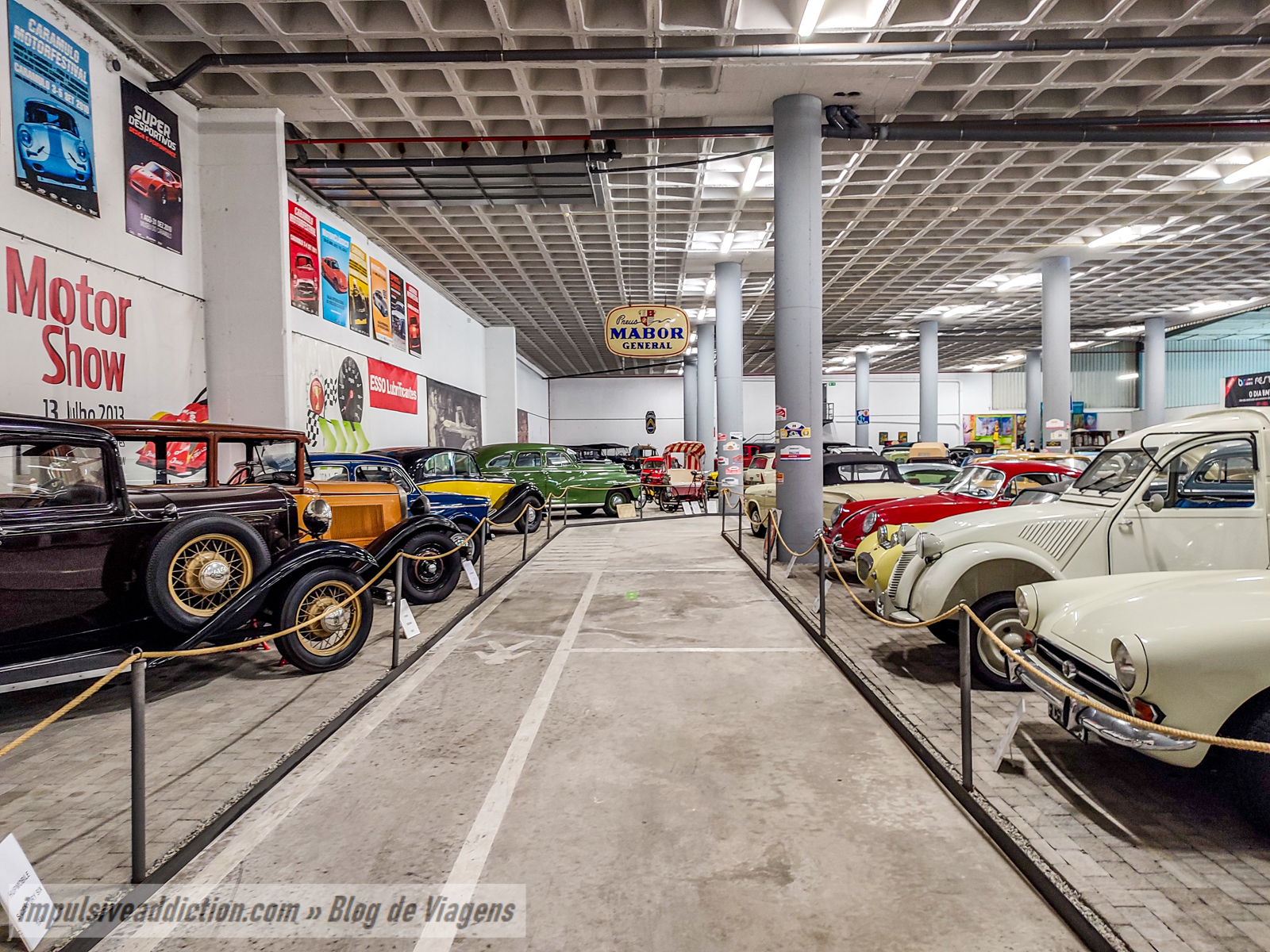
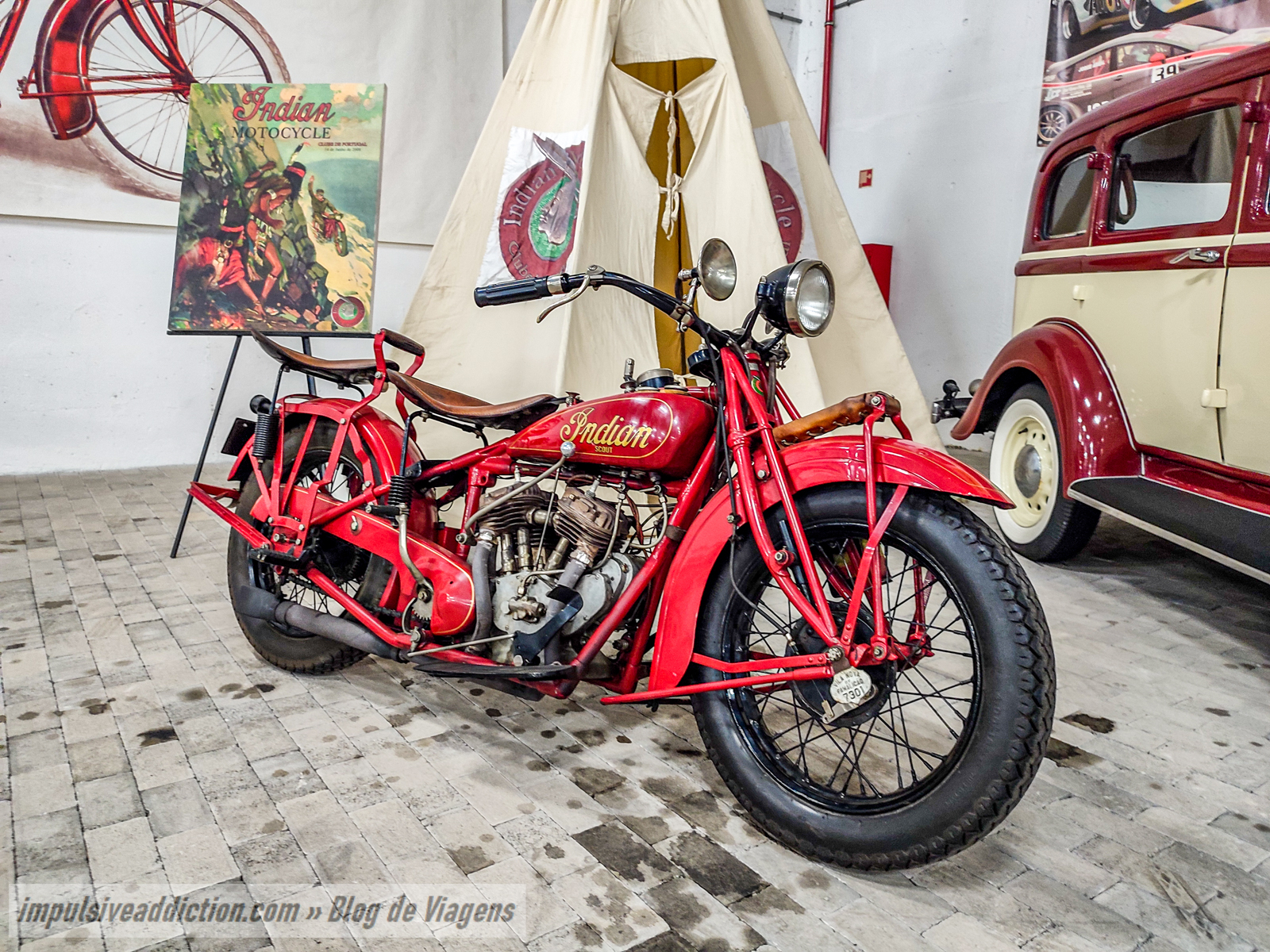
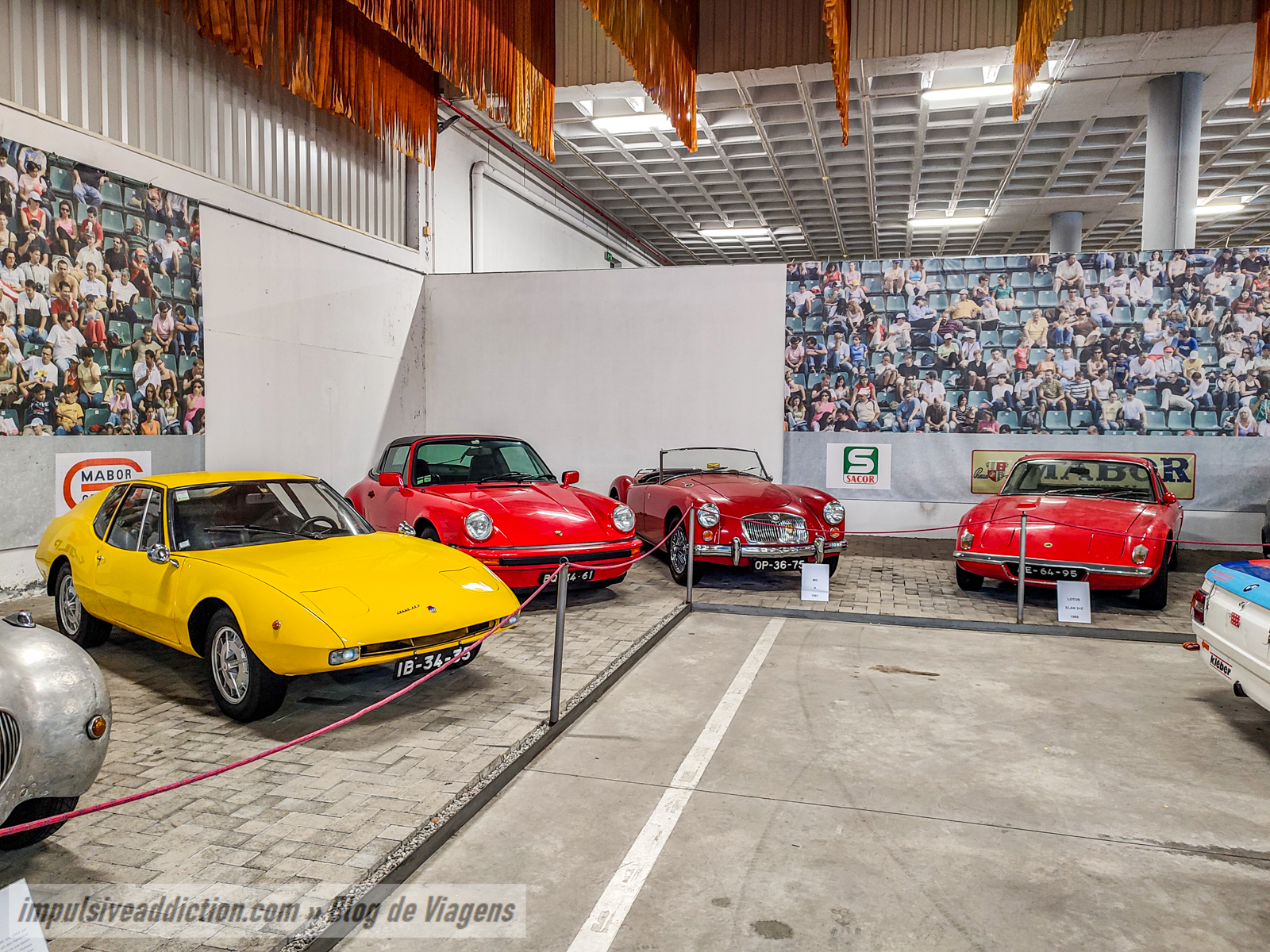
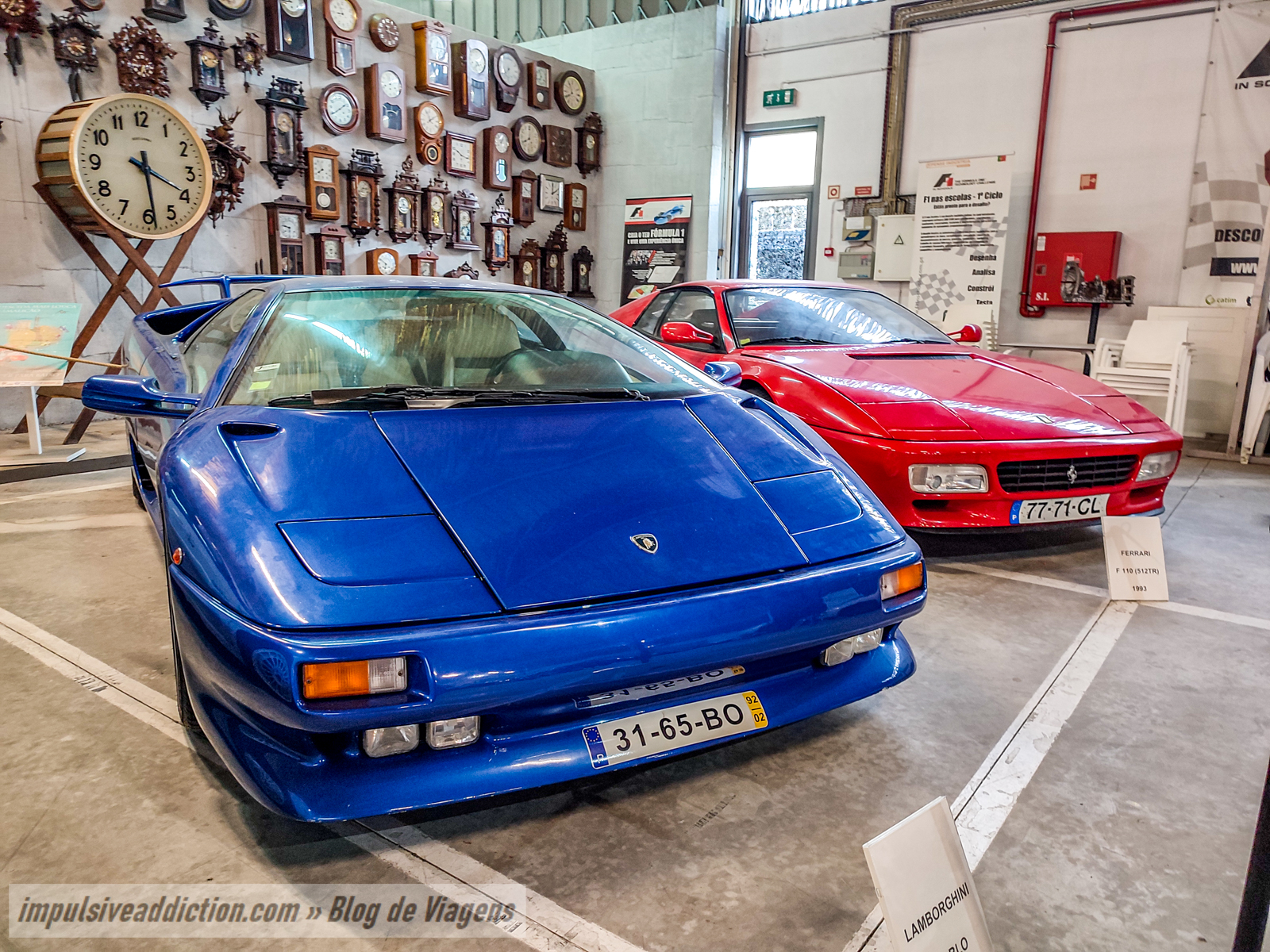
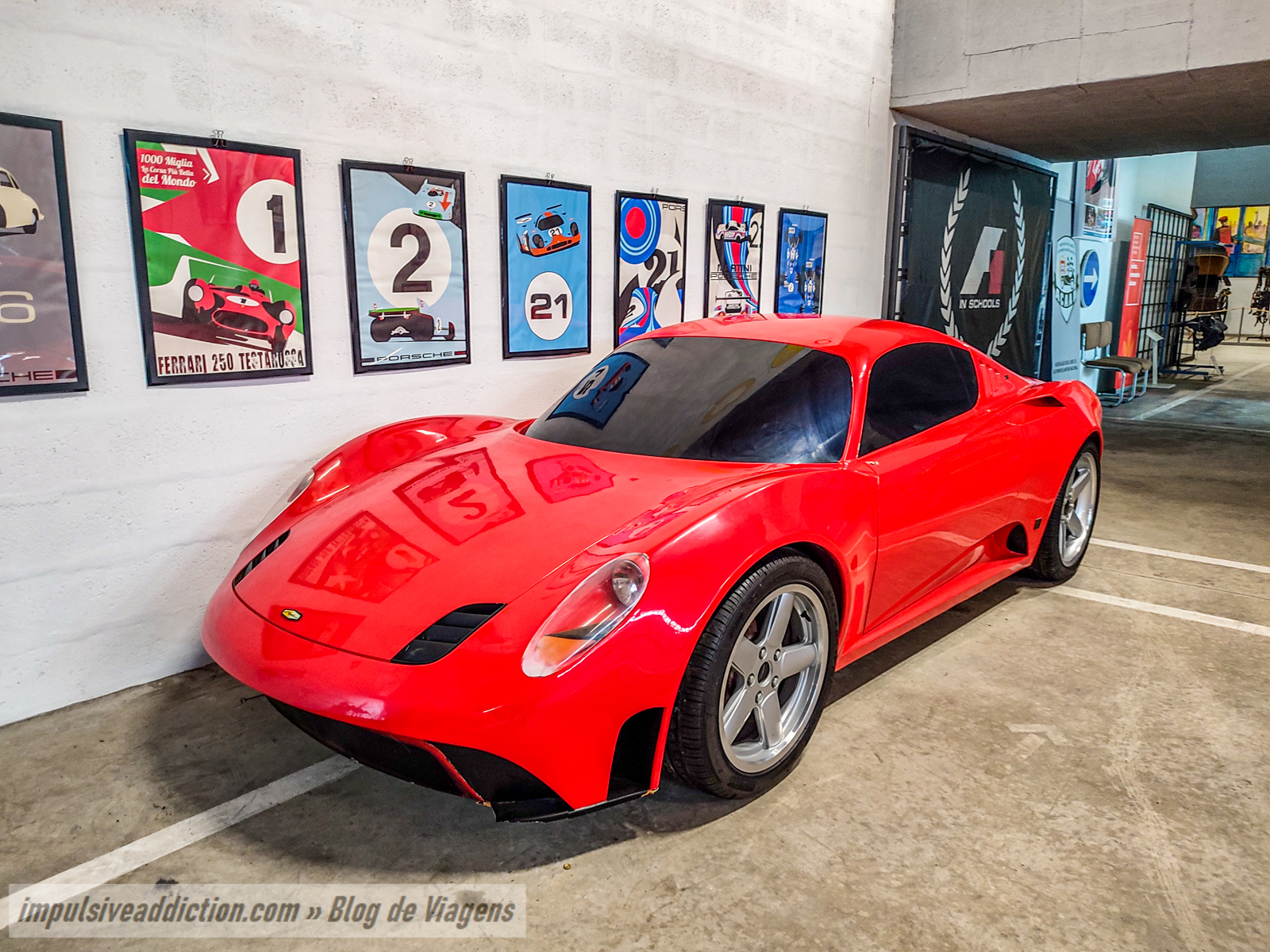
2. Automobile museum of Vila Nova de Famalicão
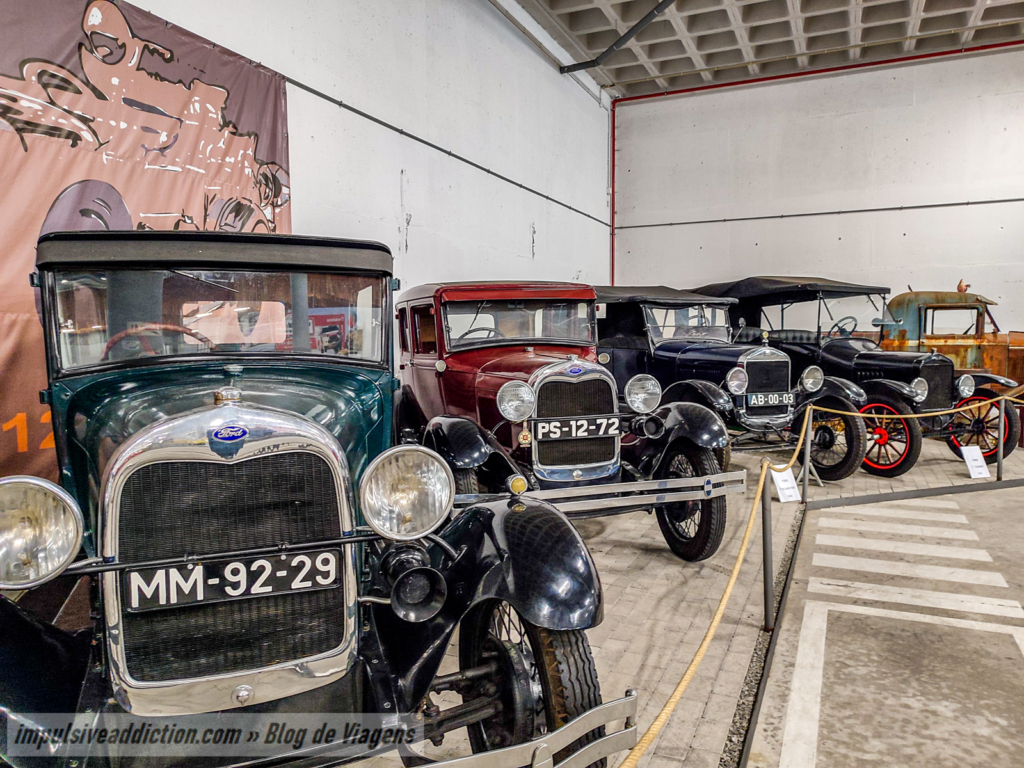
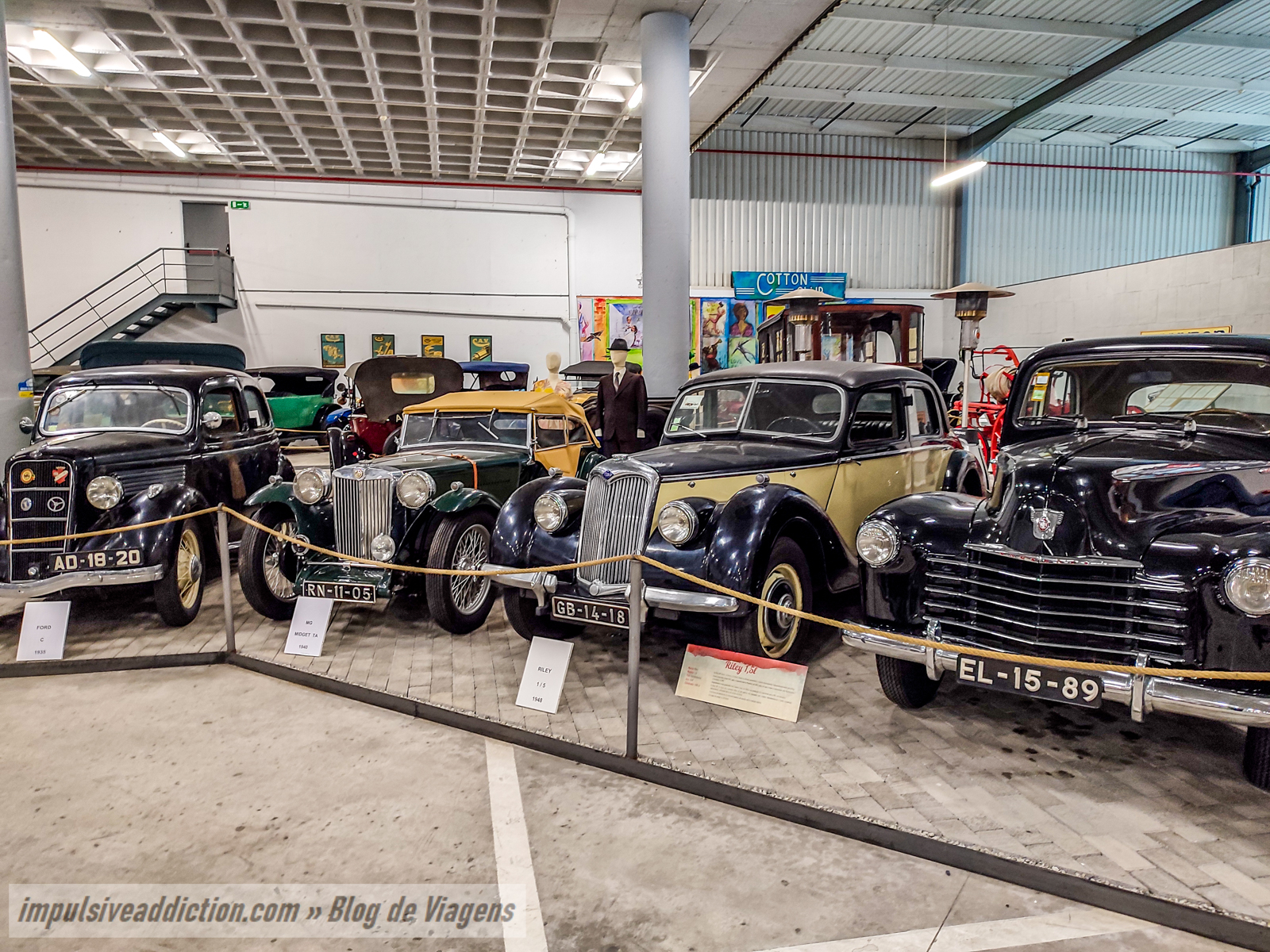
The Automobile museum of Vila Nova de Famalicão showcases vehicles from every decade of the 20th century. Most of the collection belongs to members of the Clube Automóvel Antigo e Clássico de Vila Nova de Famalicão and the Associação dos Clubes de Automóveis Antigos do Norte.






3. Museu da Guerra Colonial
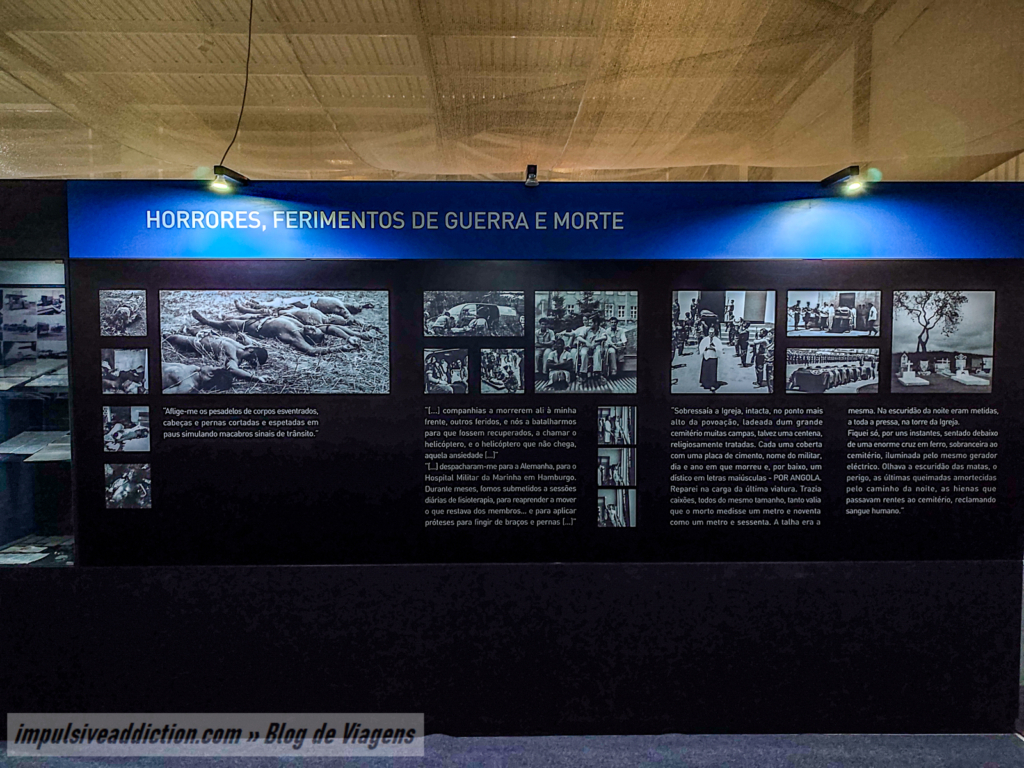
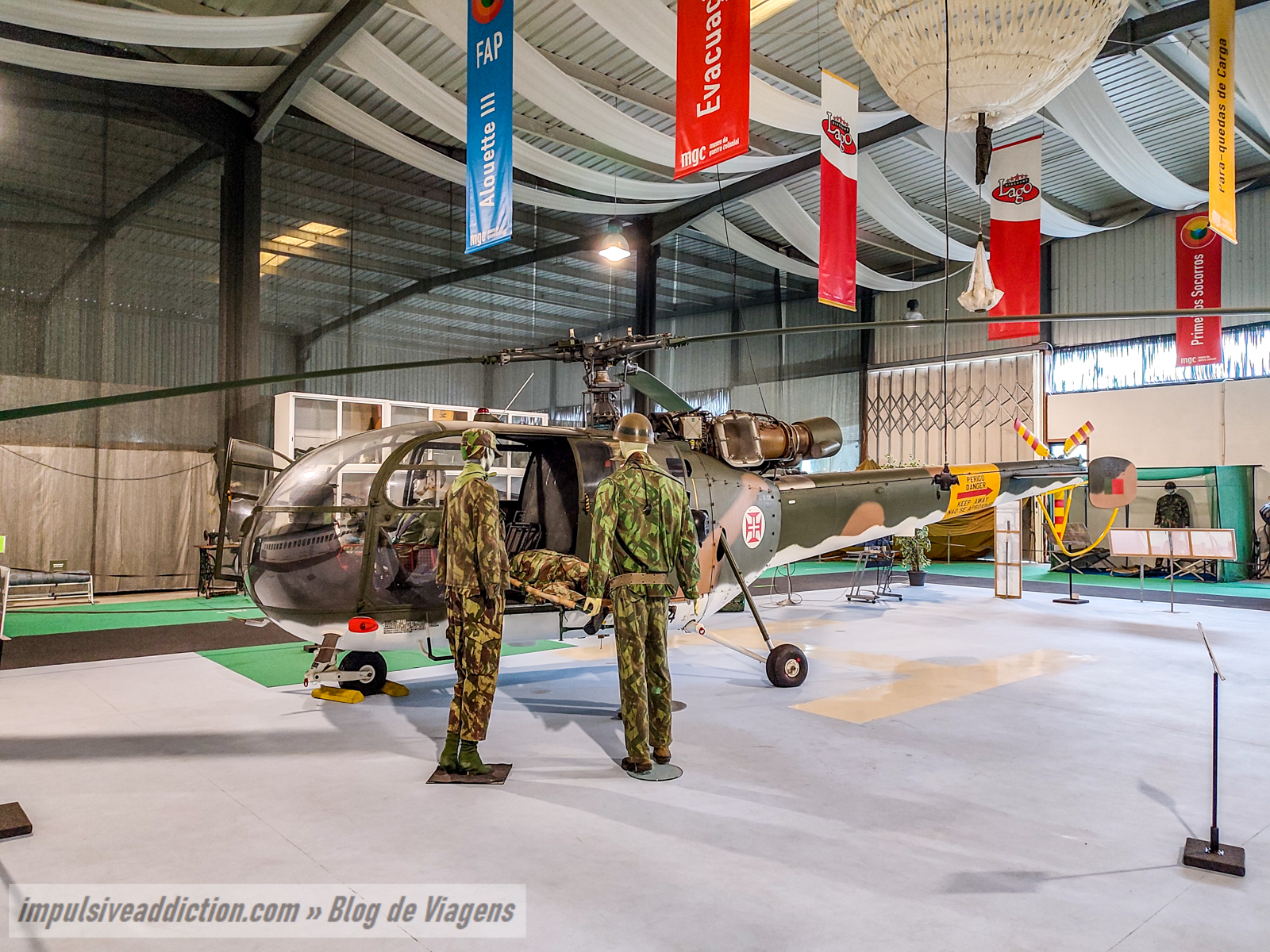
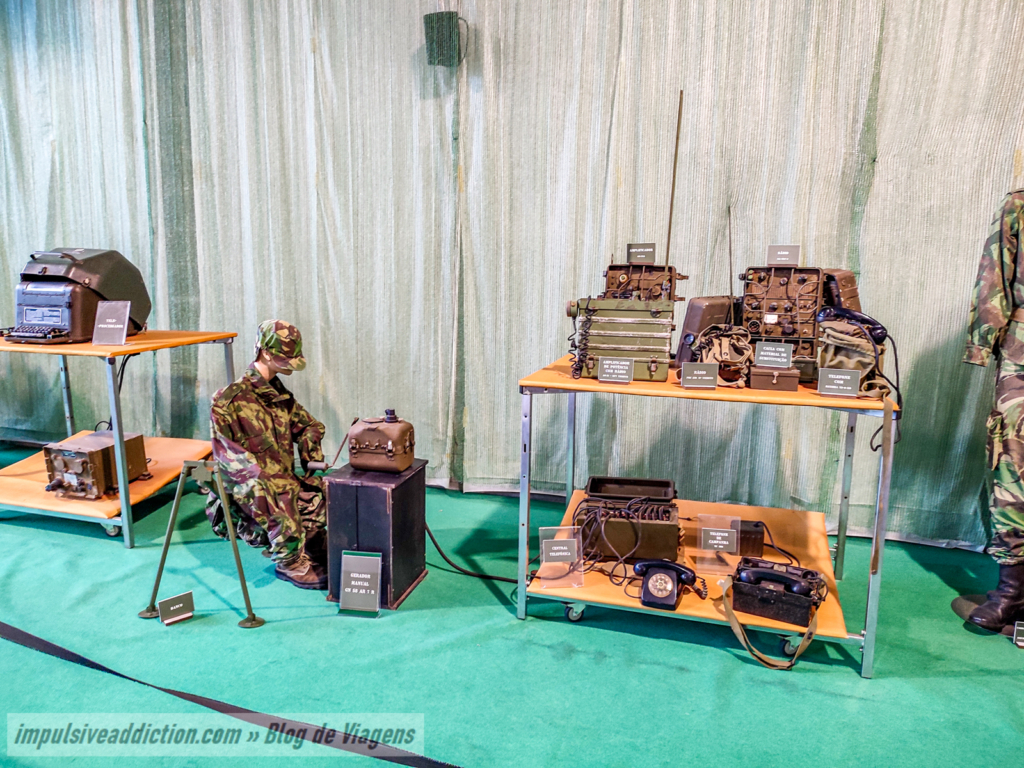
Right next to the Automobile museum you’ll find the Museu da Guerra Colonial. It is, however, very different. Here, the focus is on the Portuguese Colonial Wars, told from the perspective of those who were there and lived through them.



4. Museu Ferroviário de Lousado
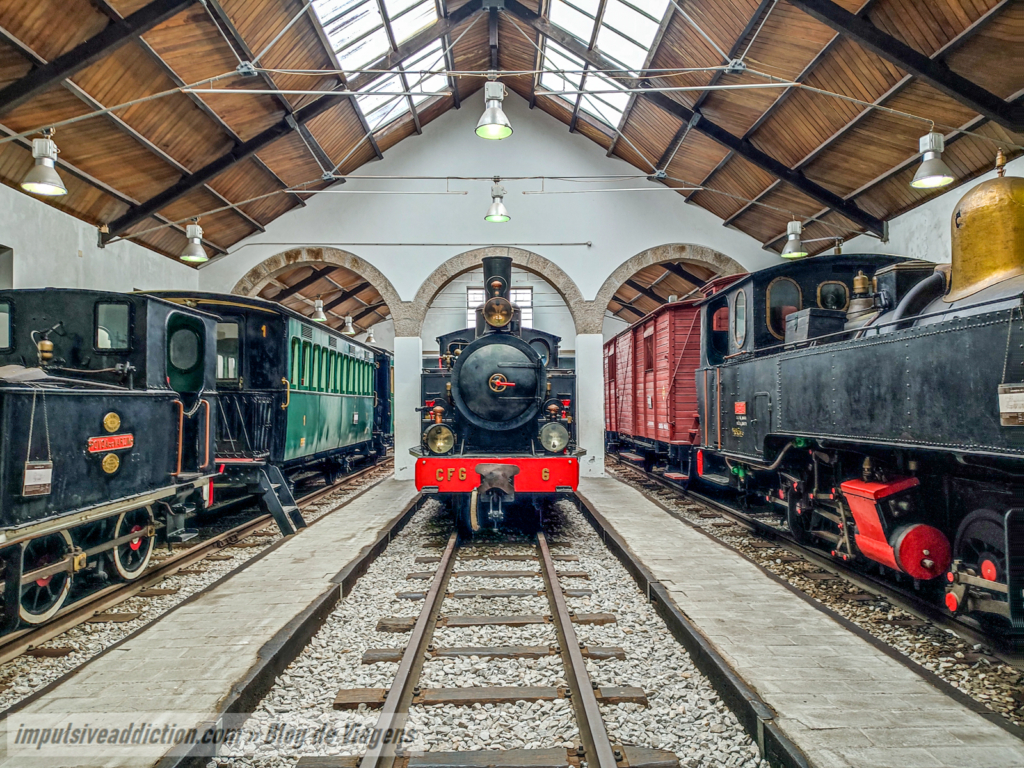
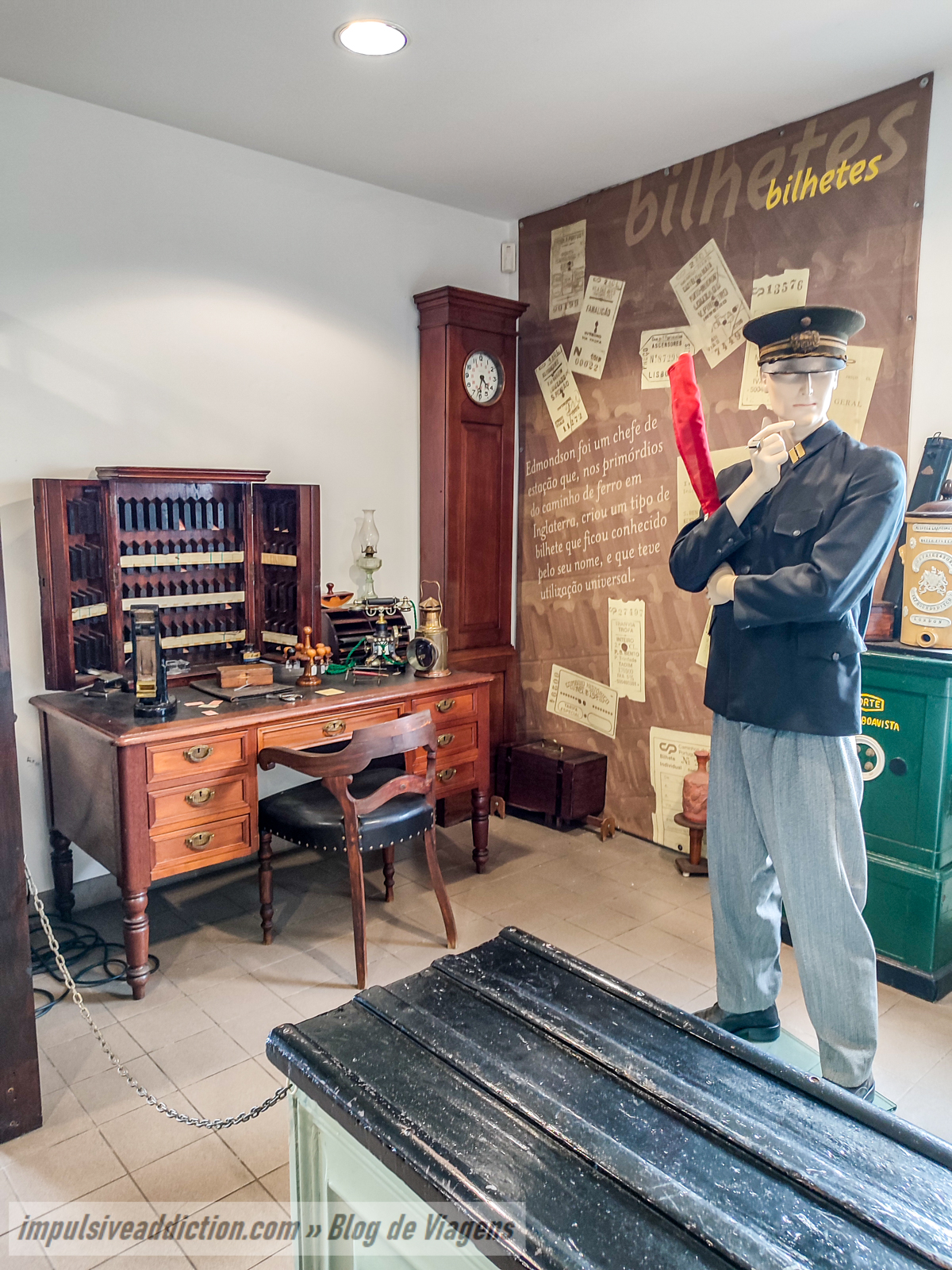
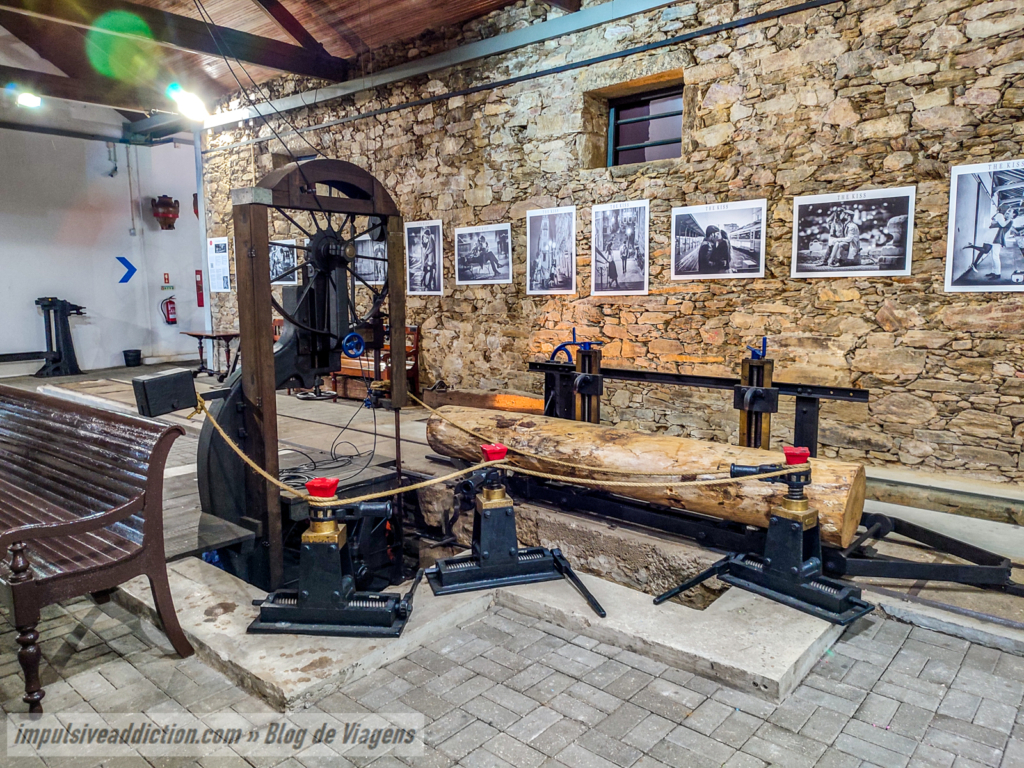
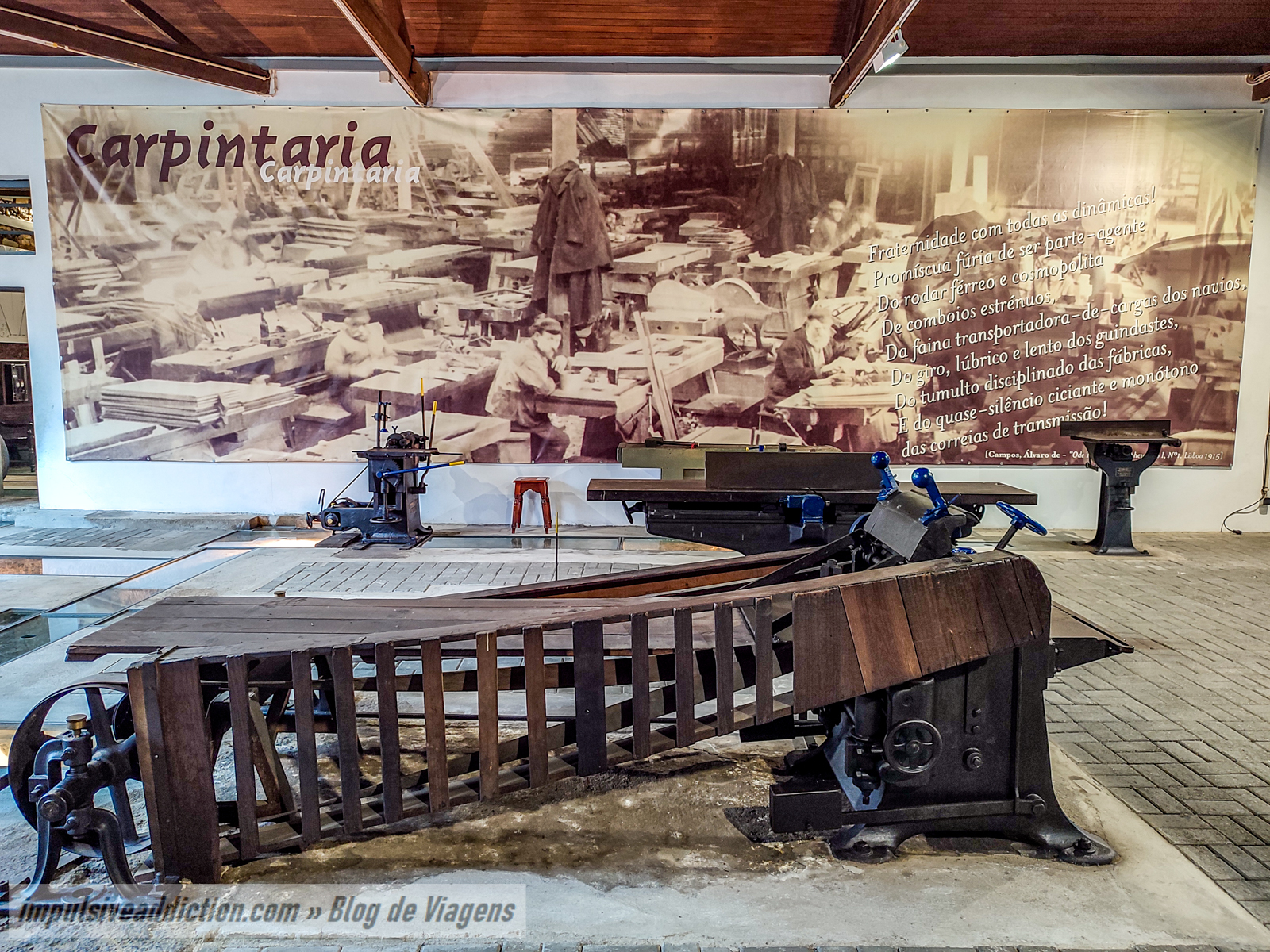
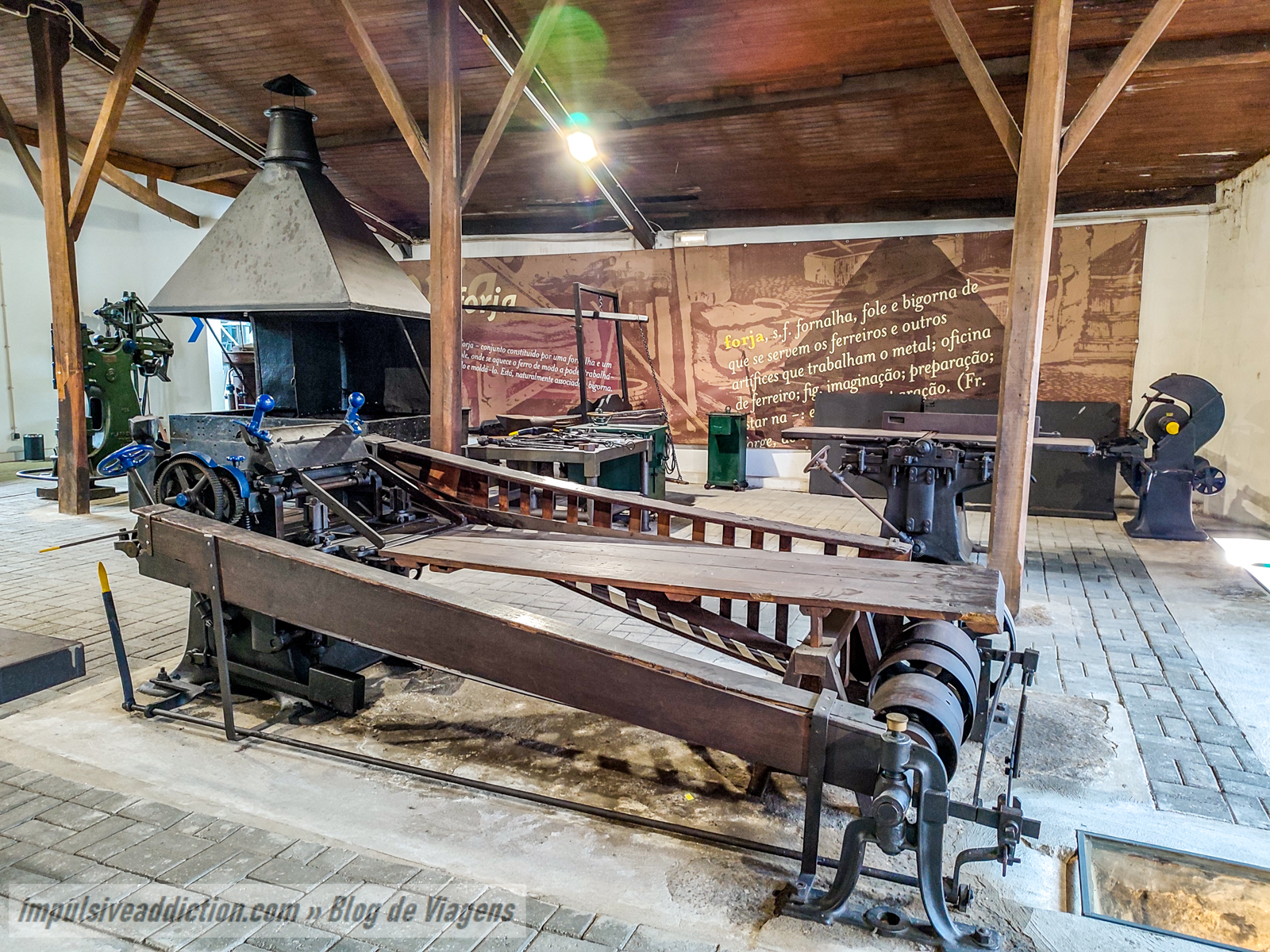
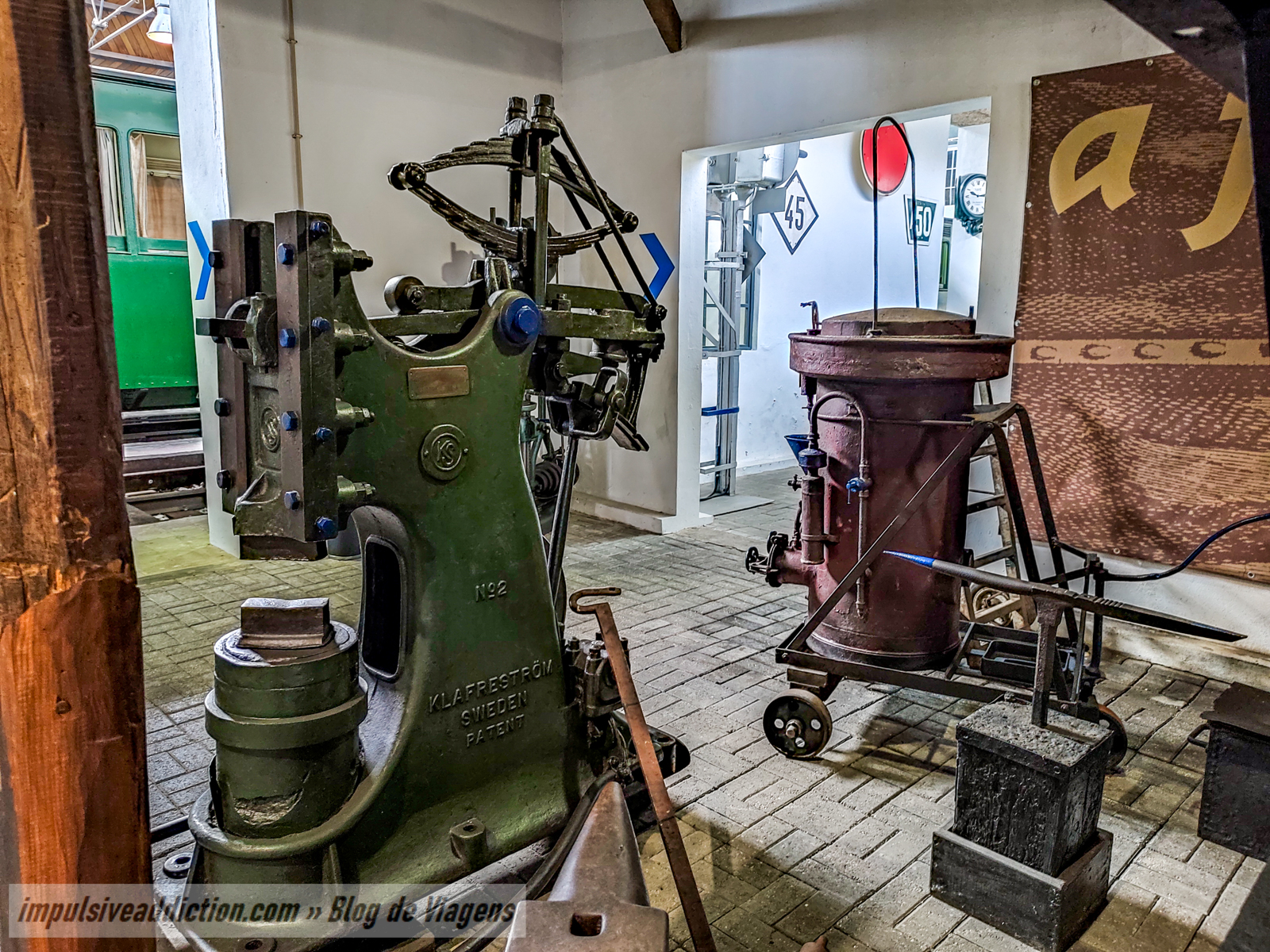
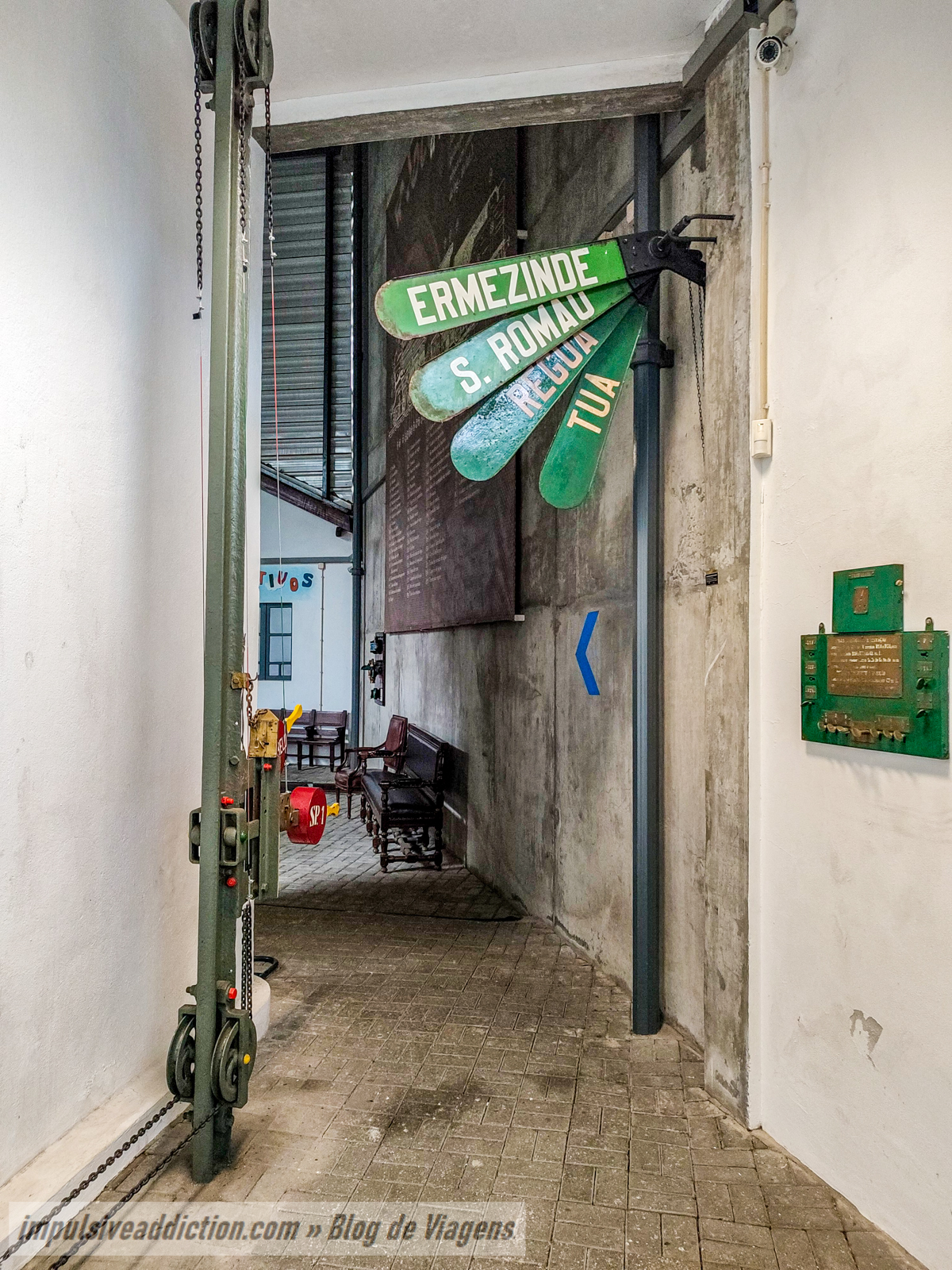
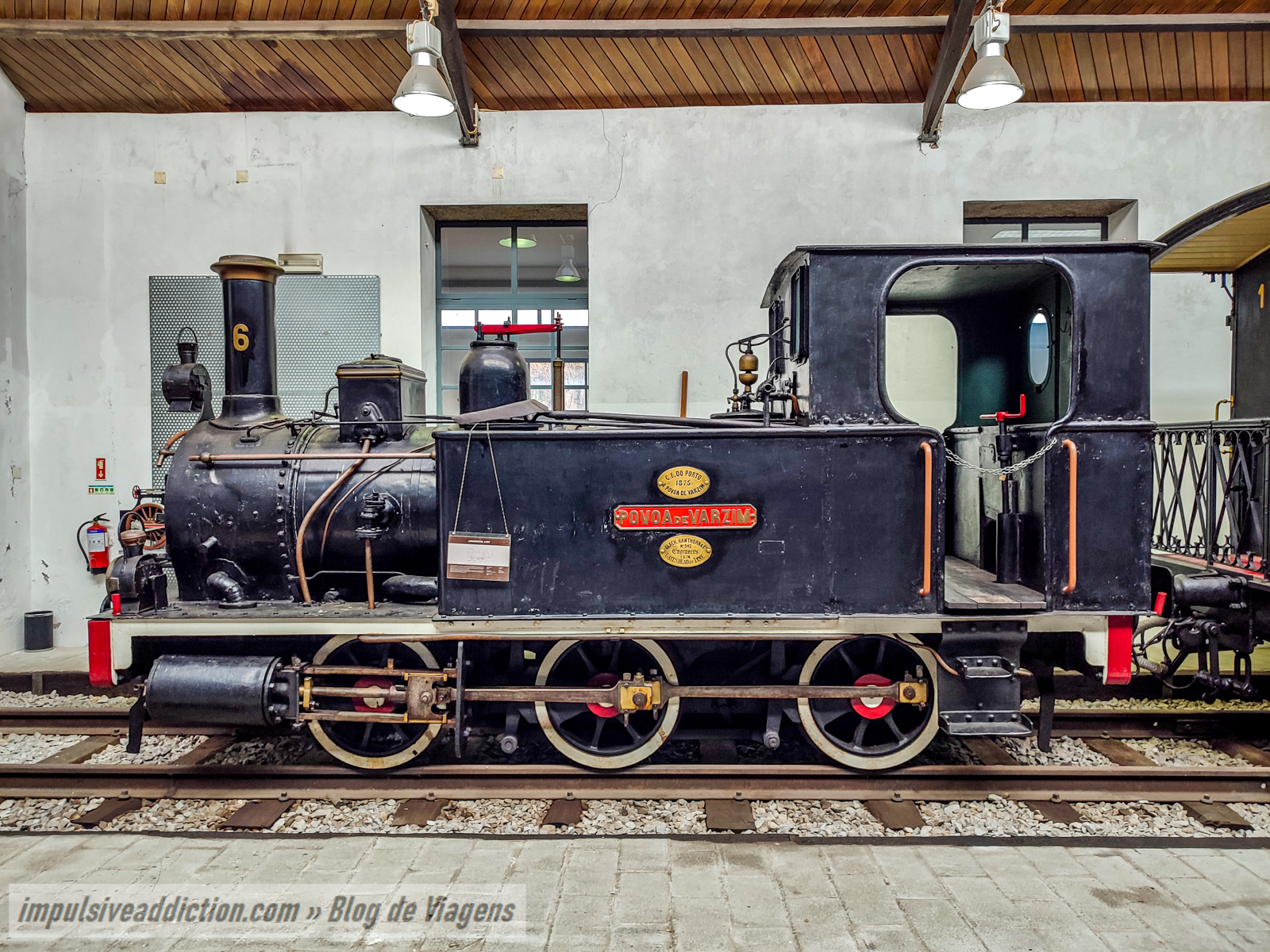
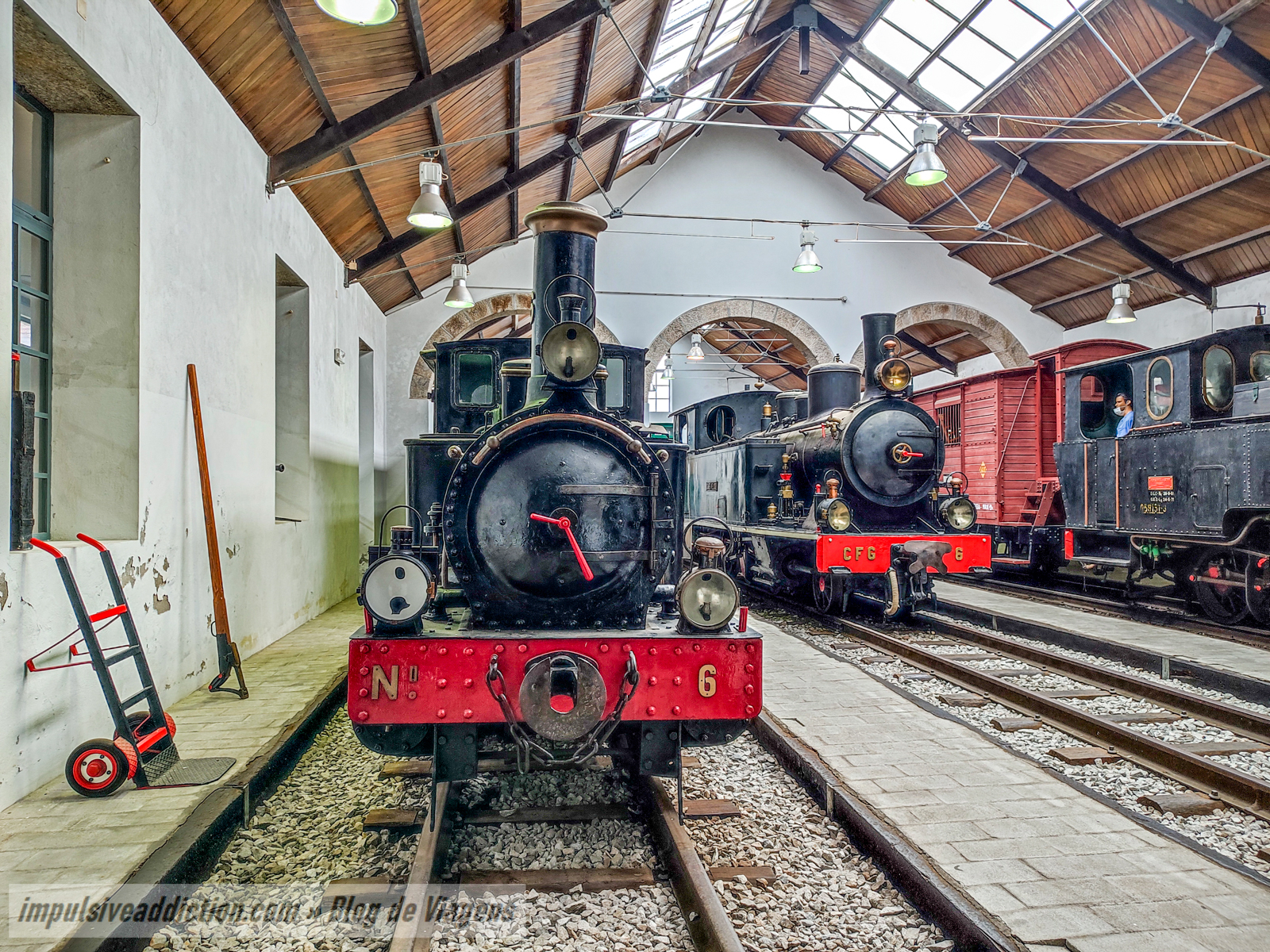
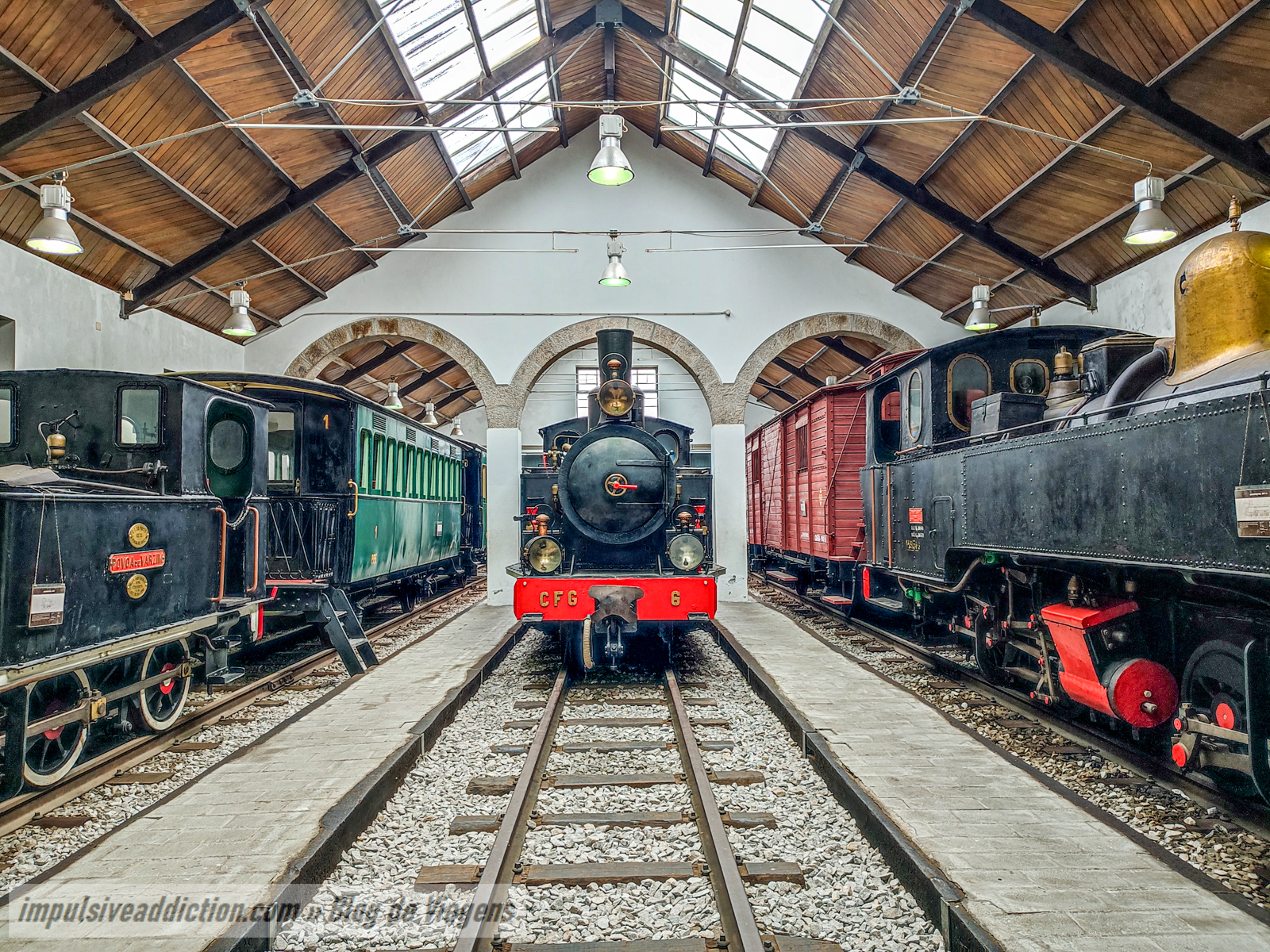
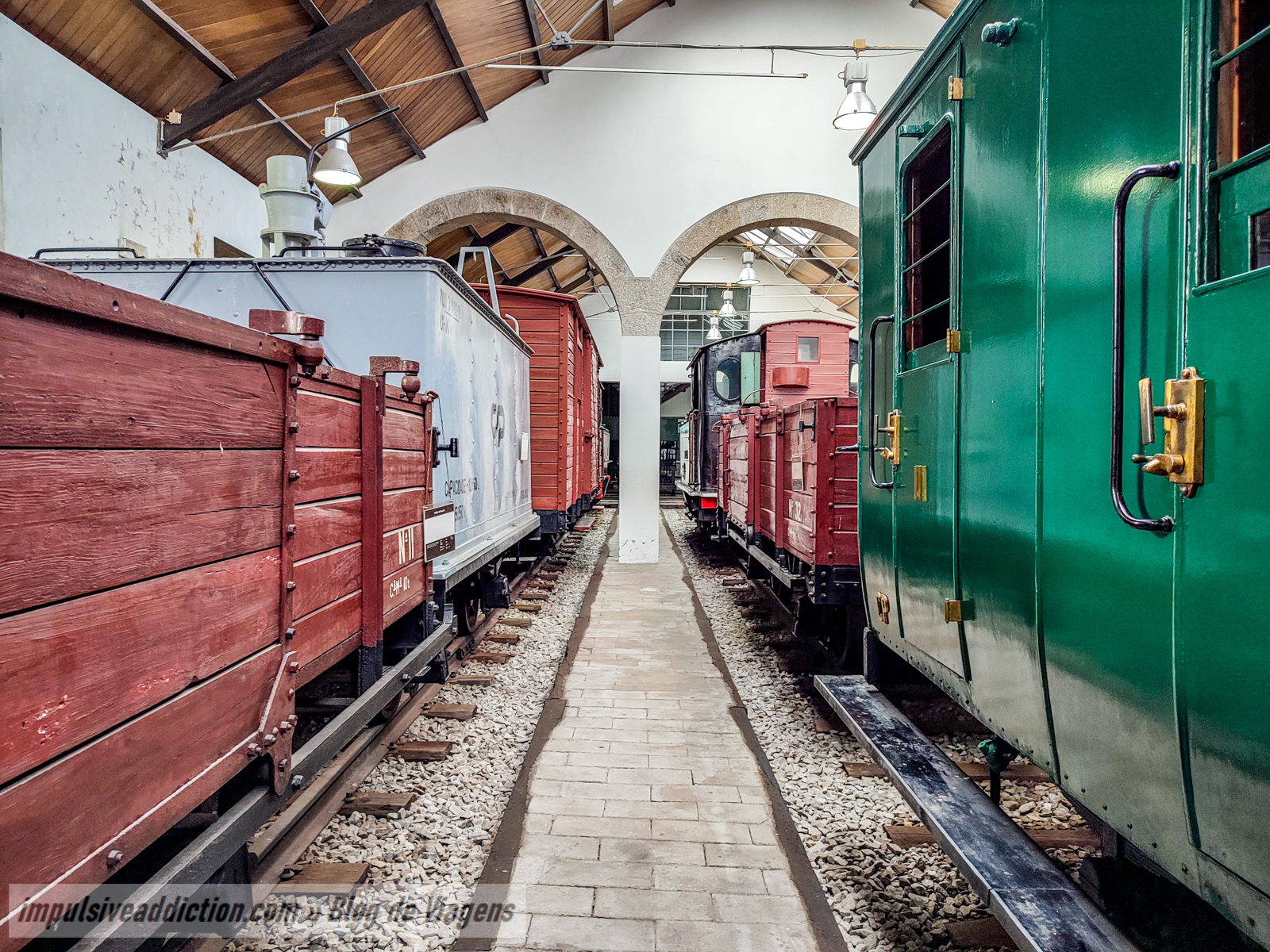
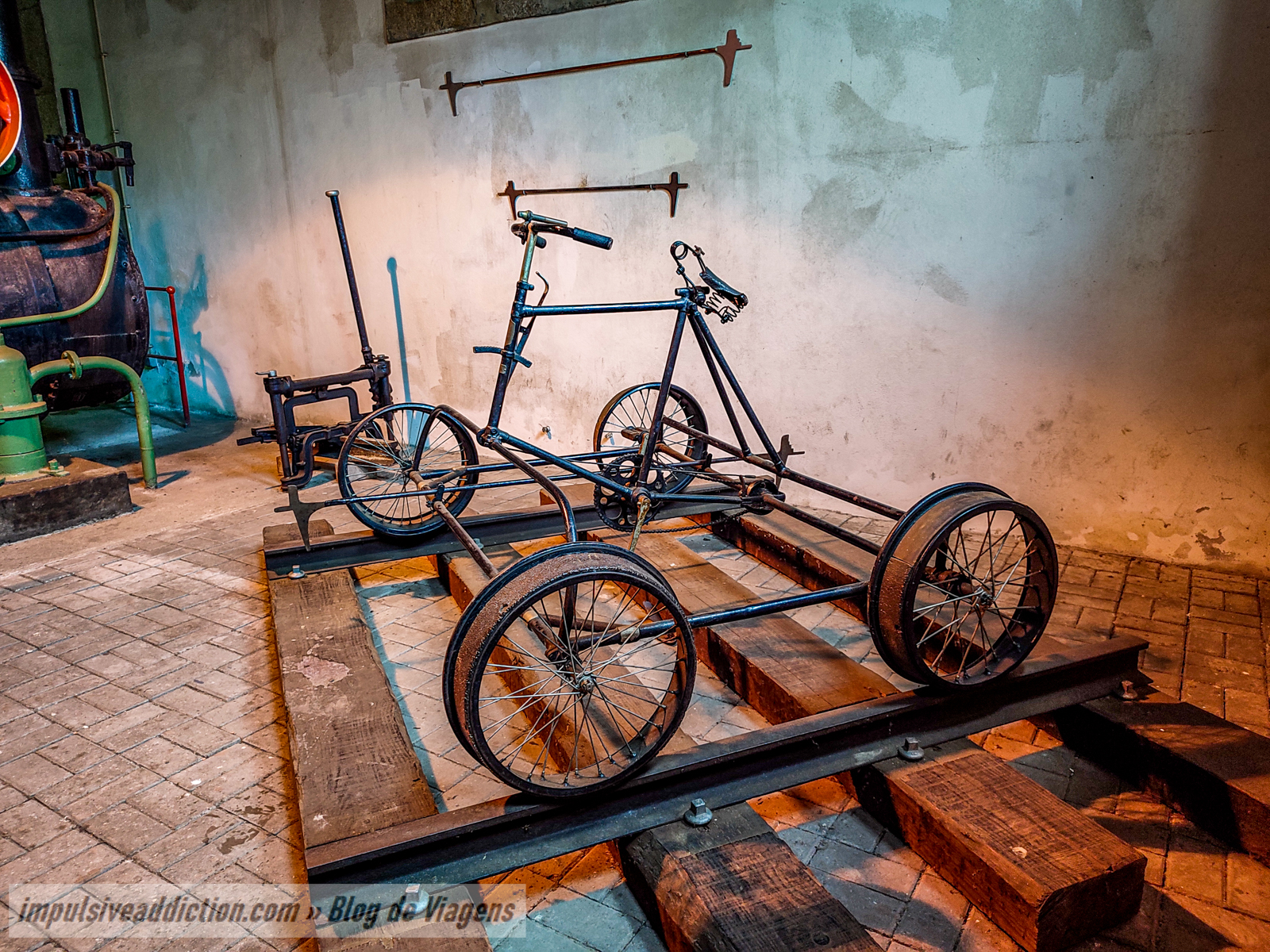
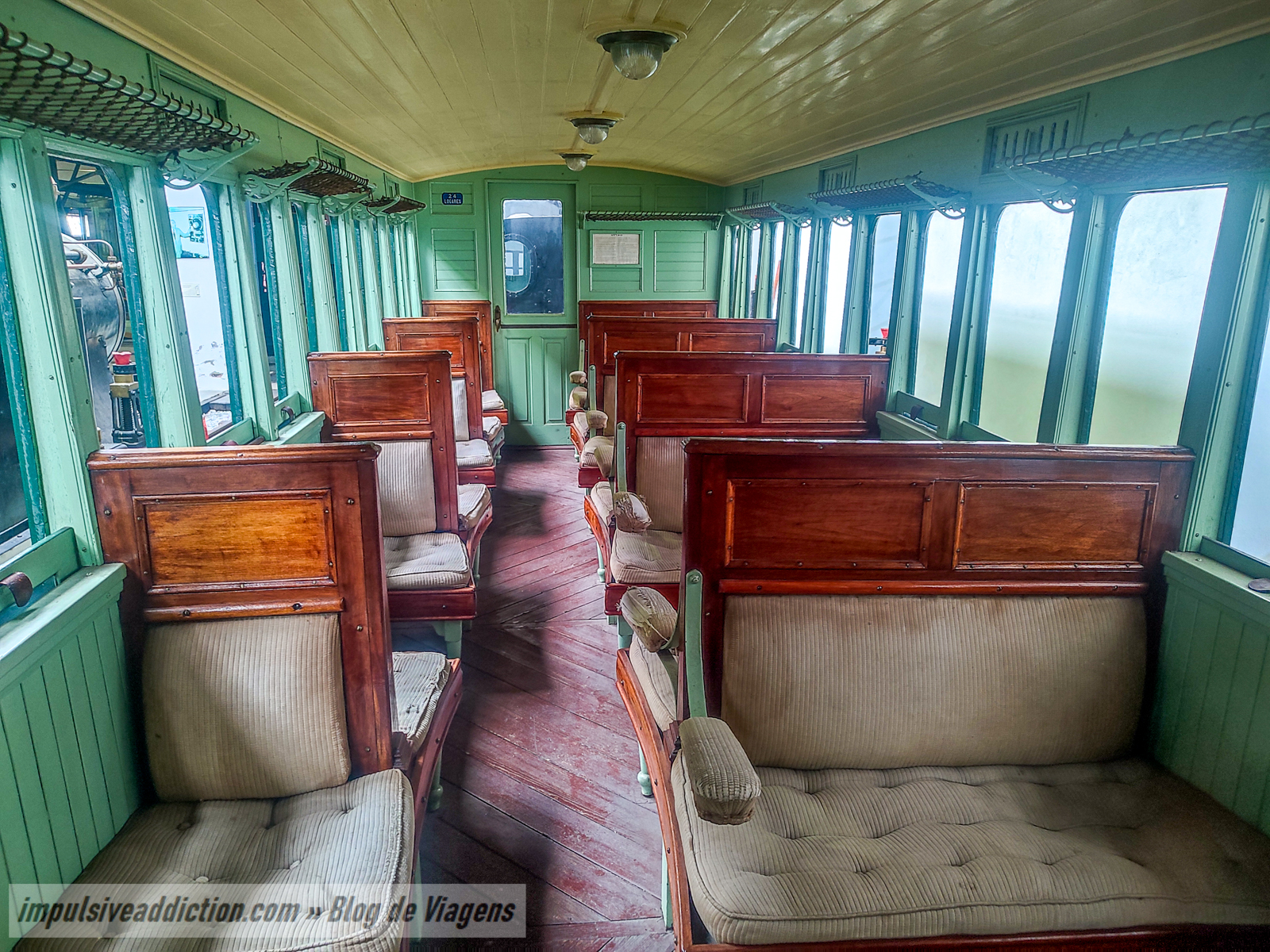
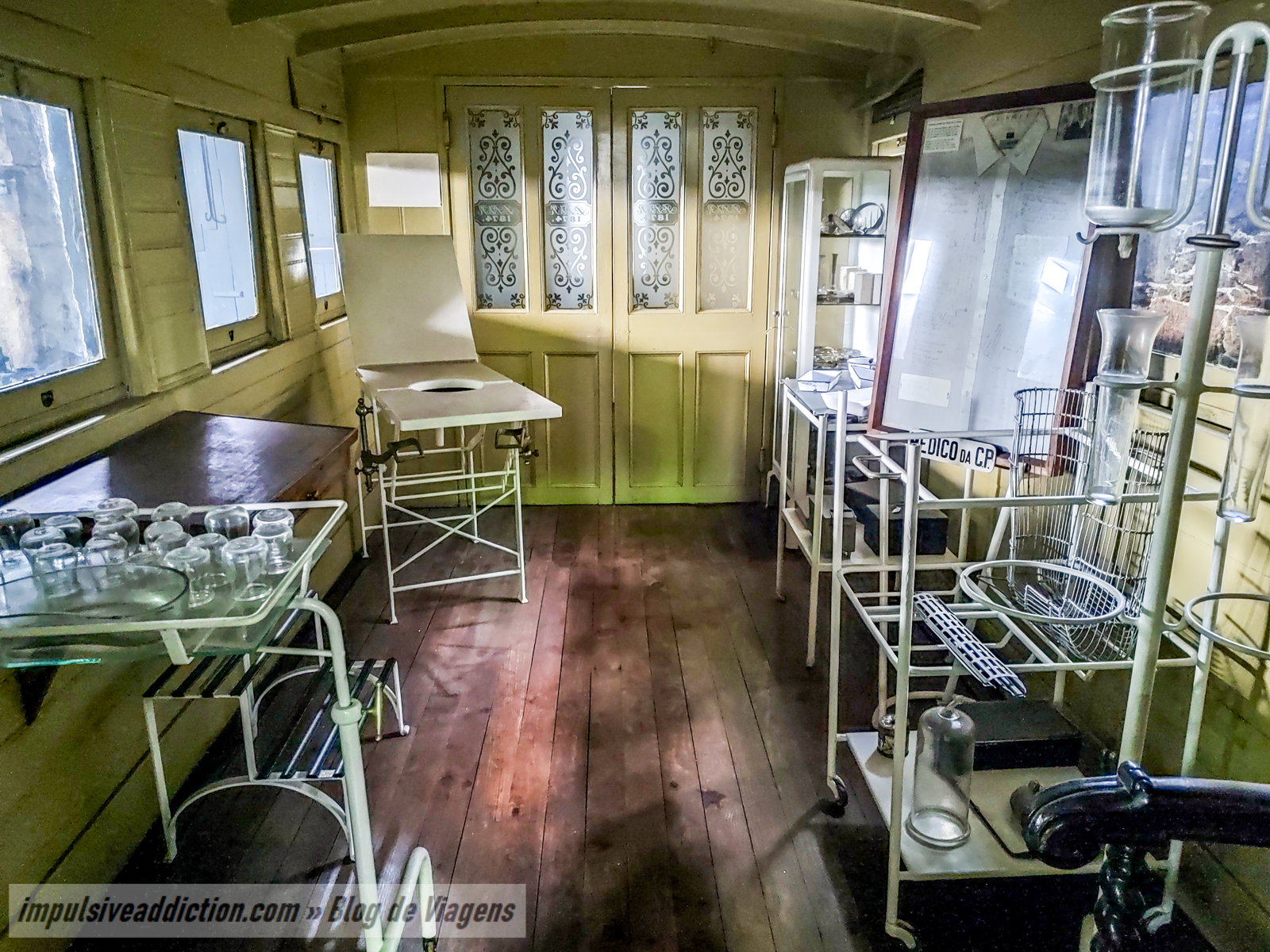
The Museu Ferroviário de Lousado offers a fascinating insight into the history of Portuguese railways. The most spectacular part is being able to see old locomotives up close—many of them still in excellent condition. I had already visited a similar museum in Bragança, and I enjoyed this one just as much!
5. Museu de Cerâmica Artística da Fundação Castro Alves
If you’re an admirer of ceramic art, then a visit to the Fundação Castro Alves is a must. Unfortunately, I found it closed during my trip, so I wasn’t able to go inside. The museum holds thousands of pieces—not only pottery but also artistic ceramic sculptures.
6. Museu da Indústria Têxtil da Bacia do Ave
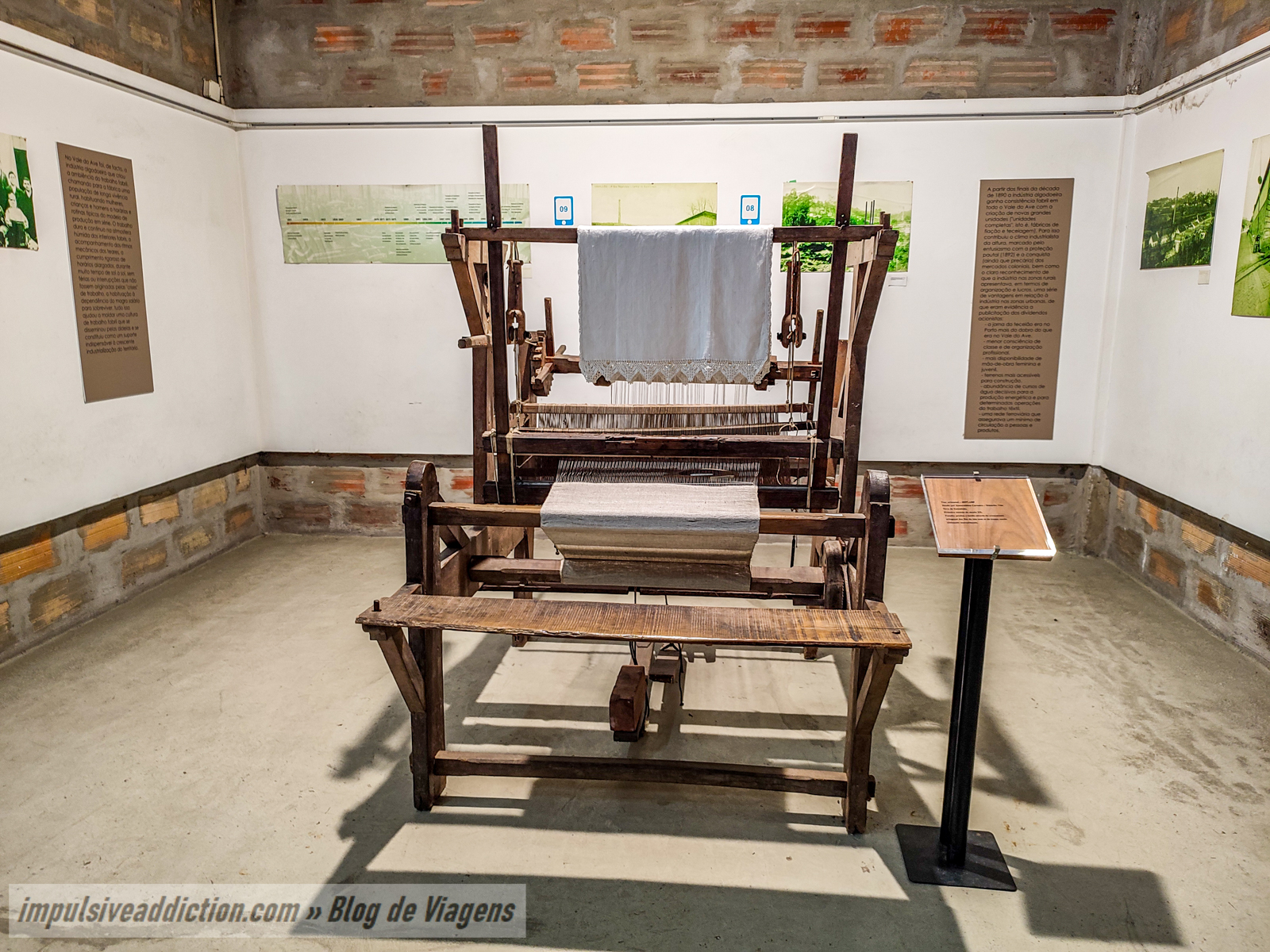
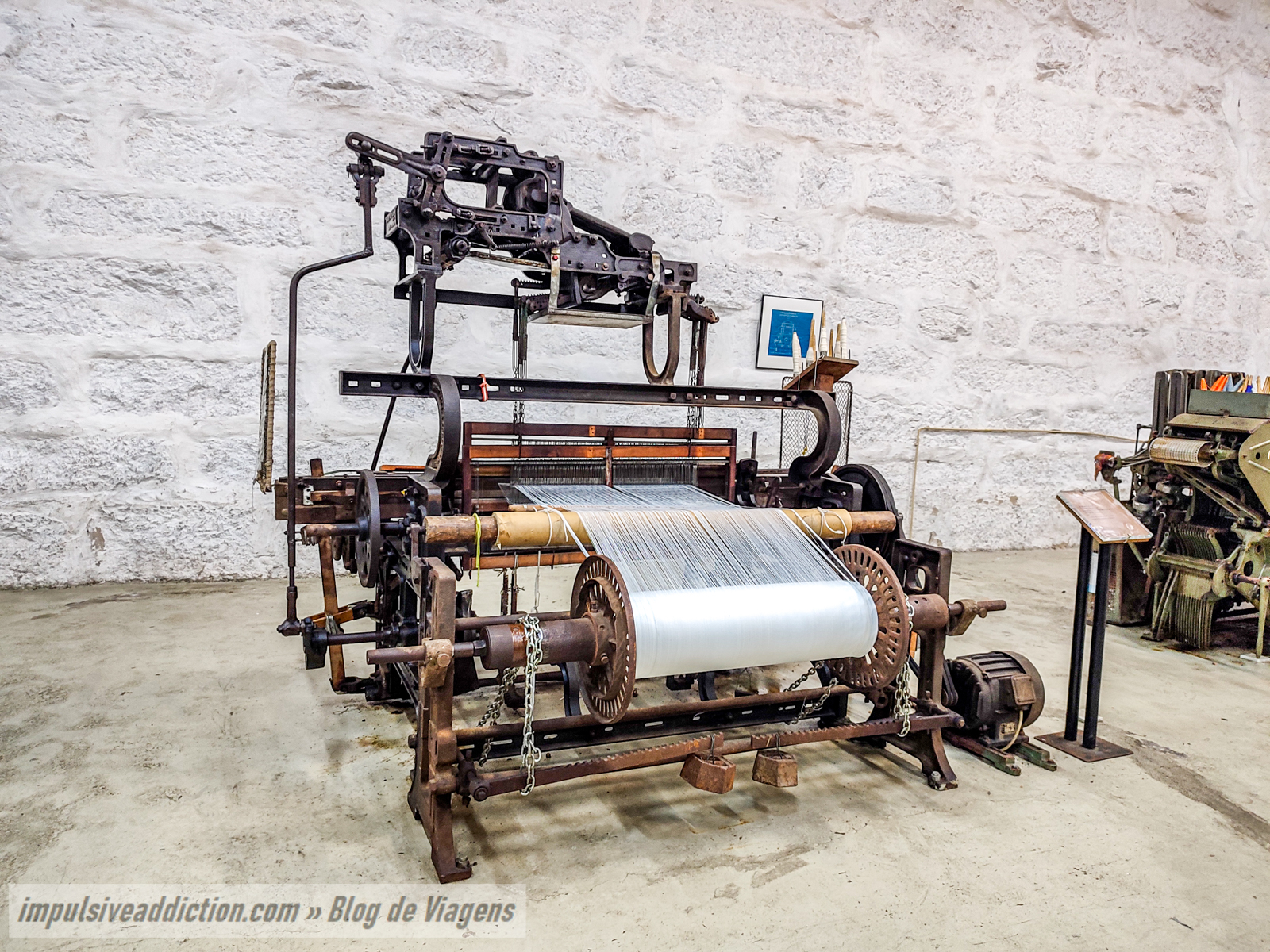
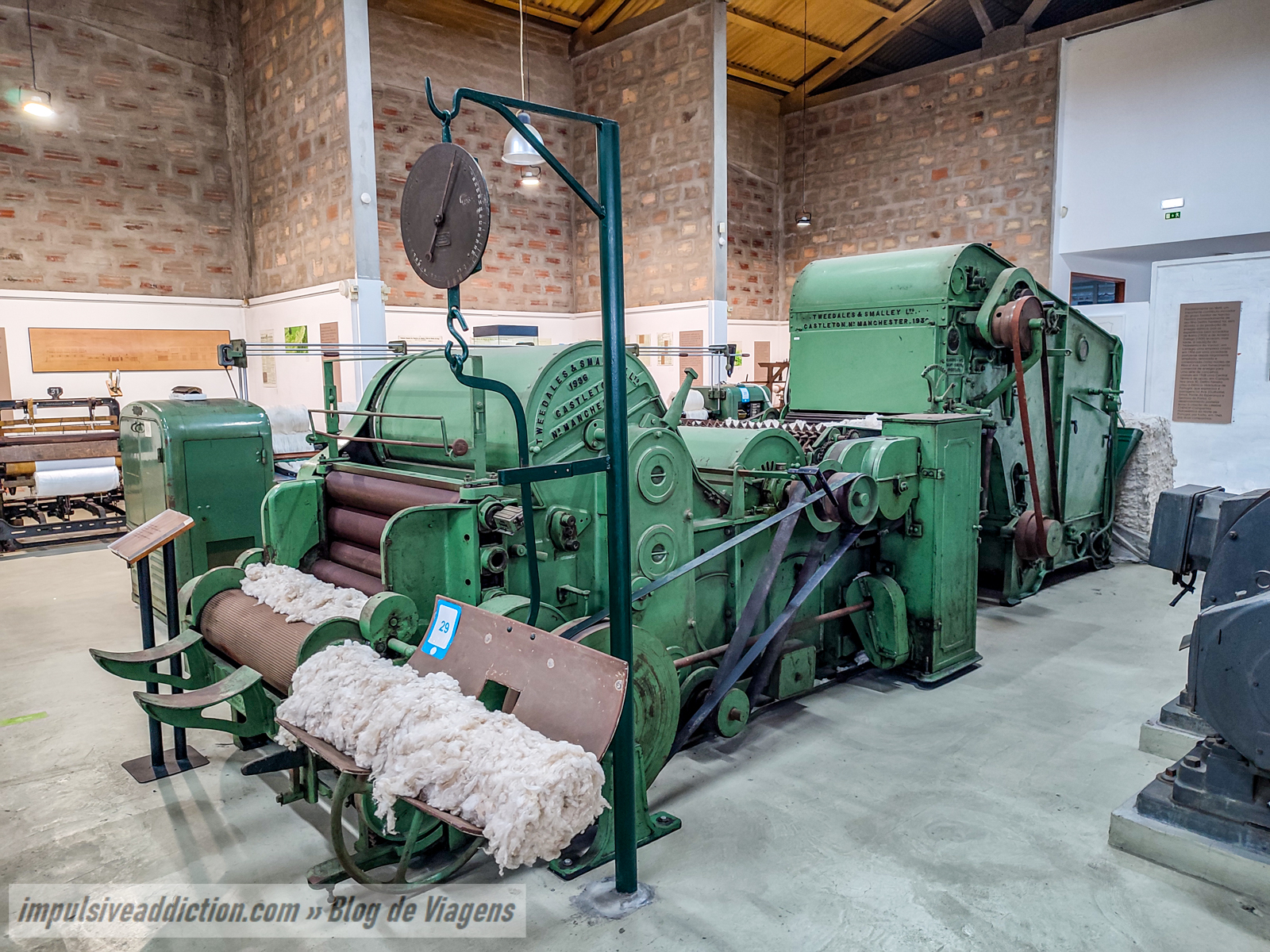
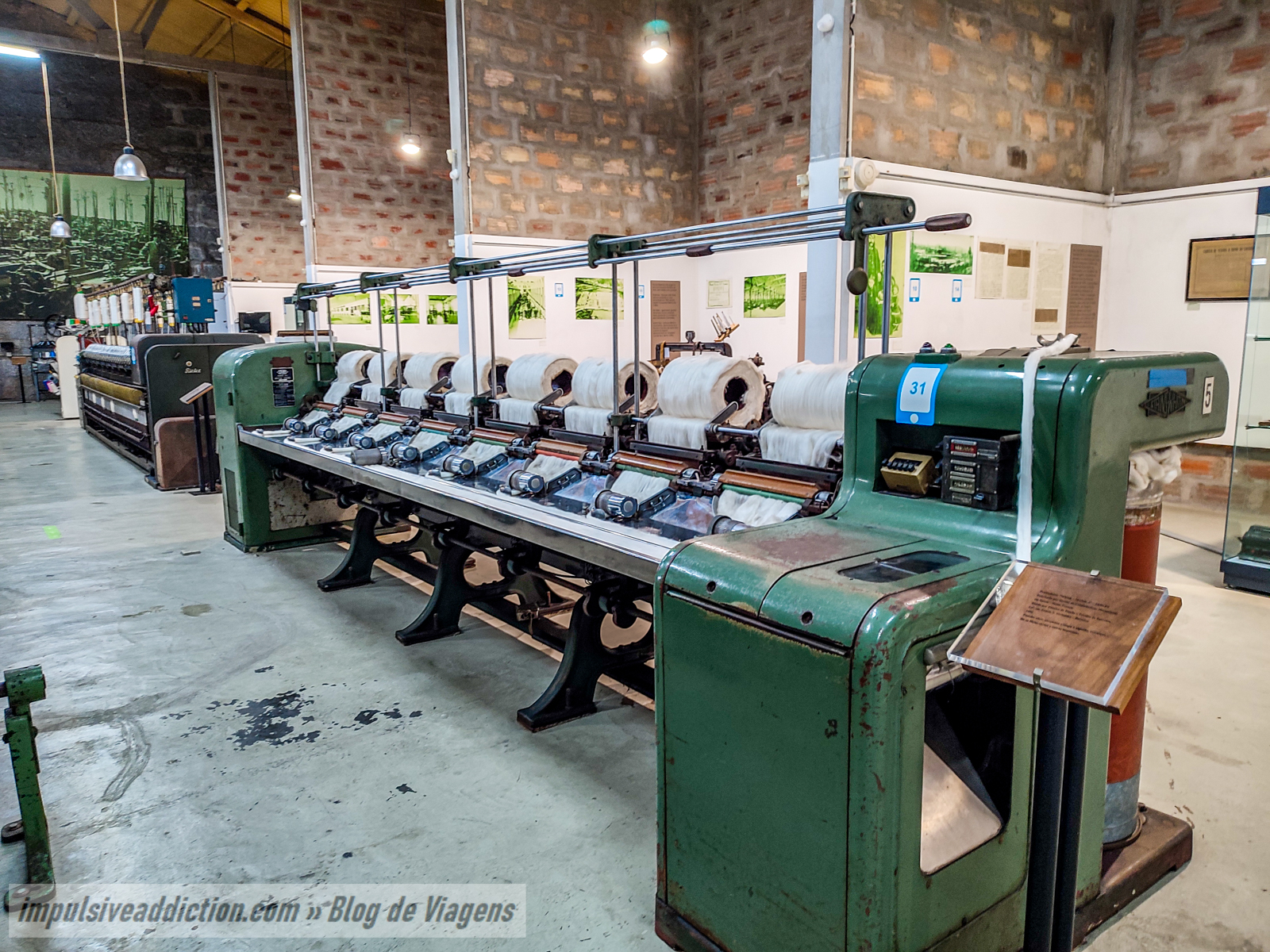
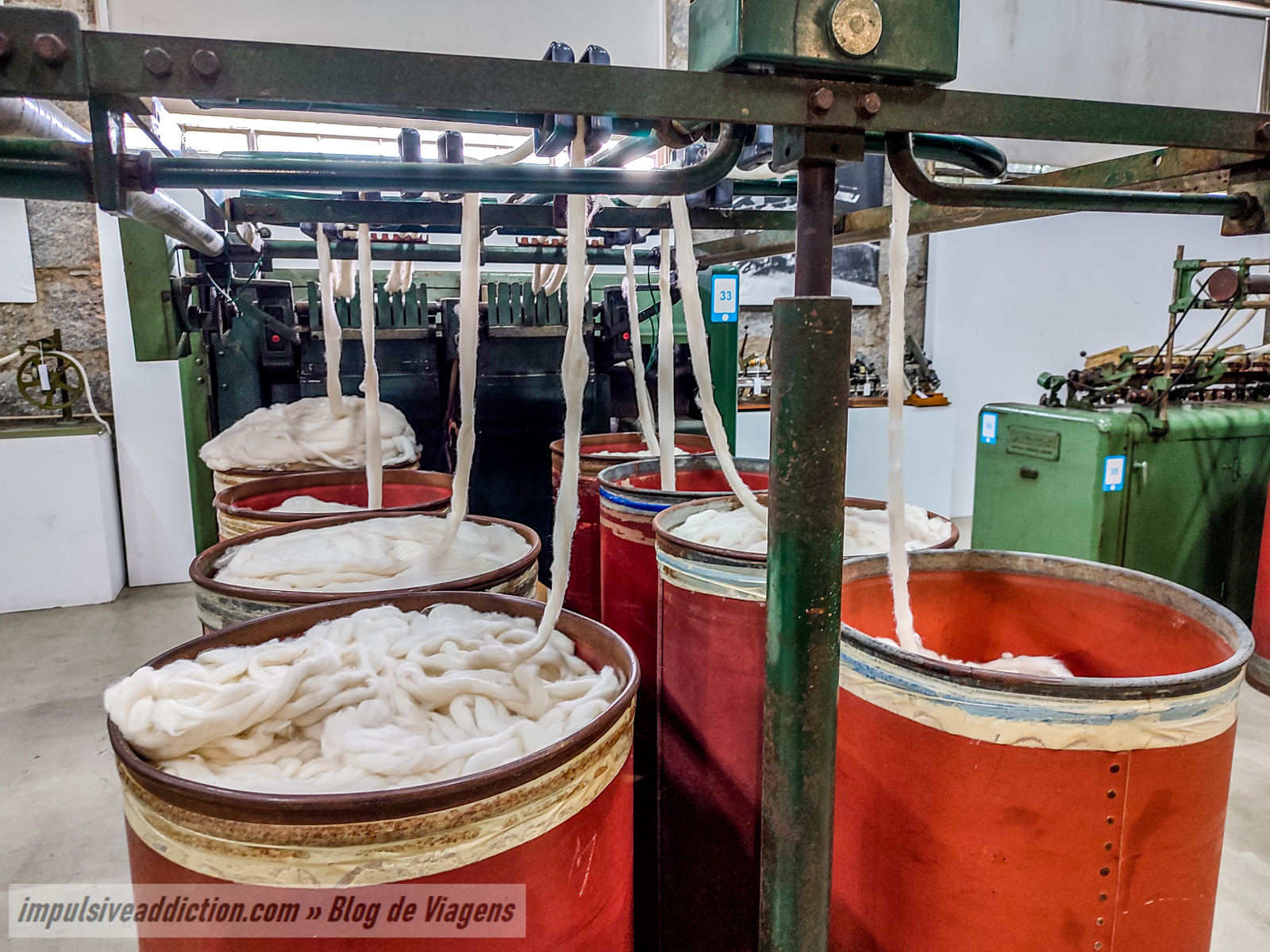
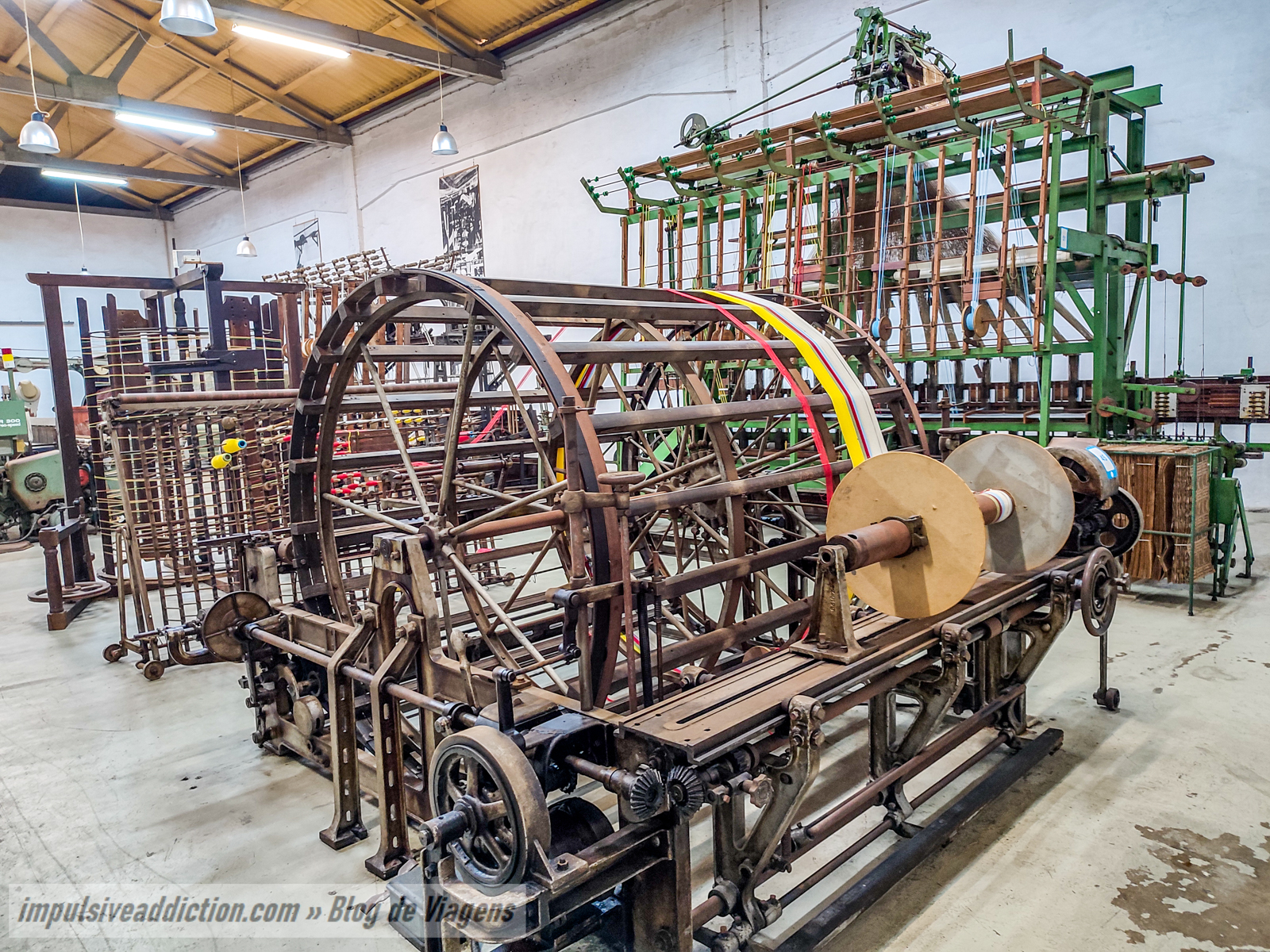
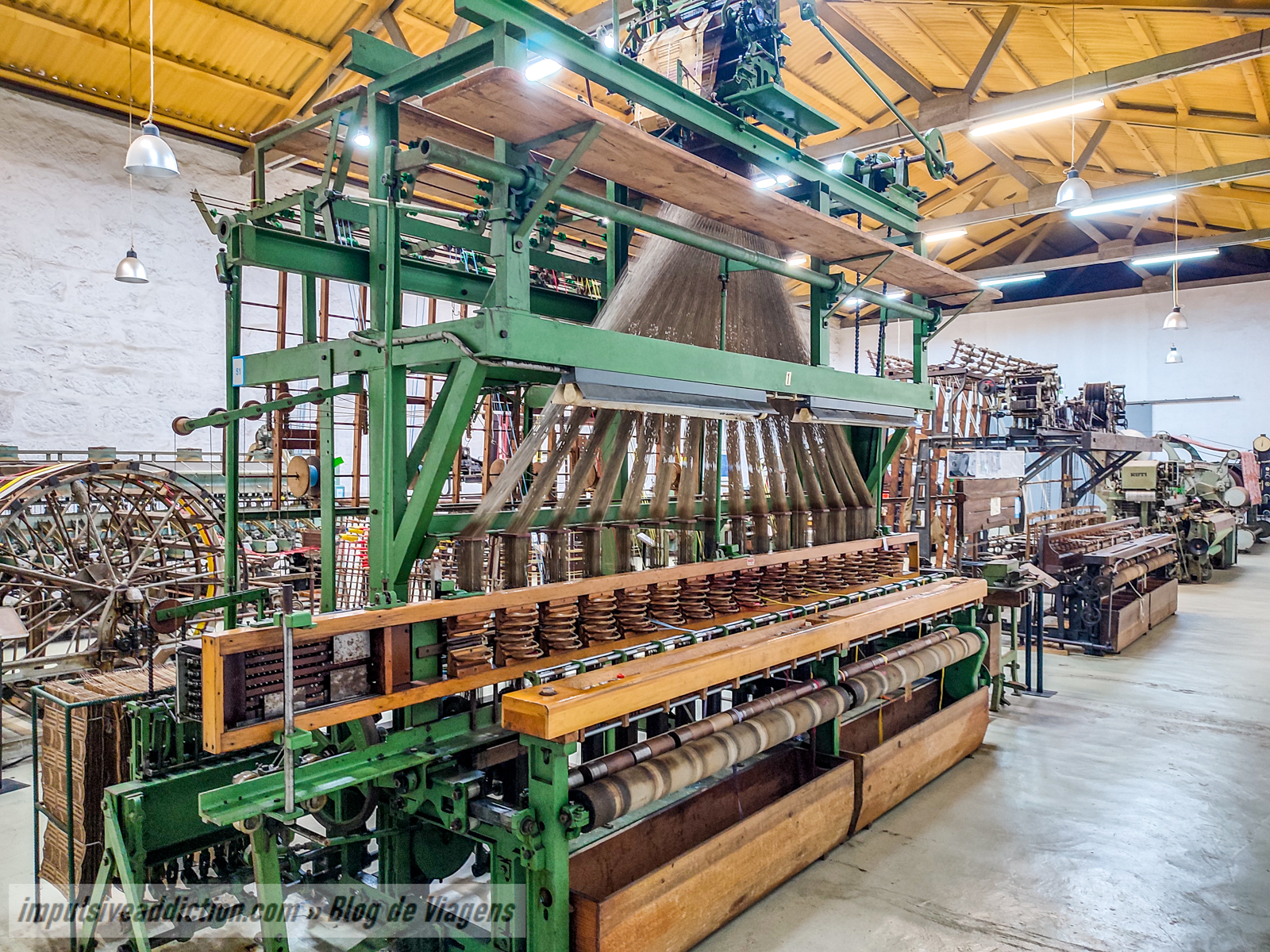
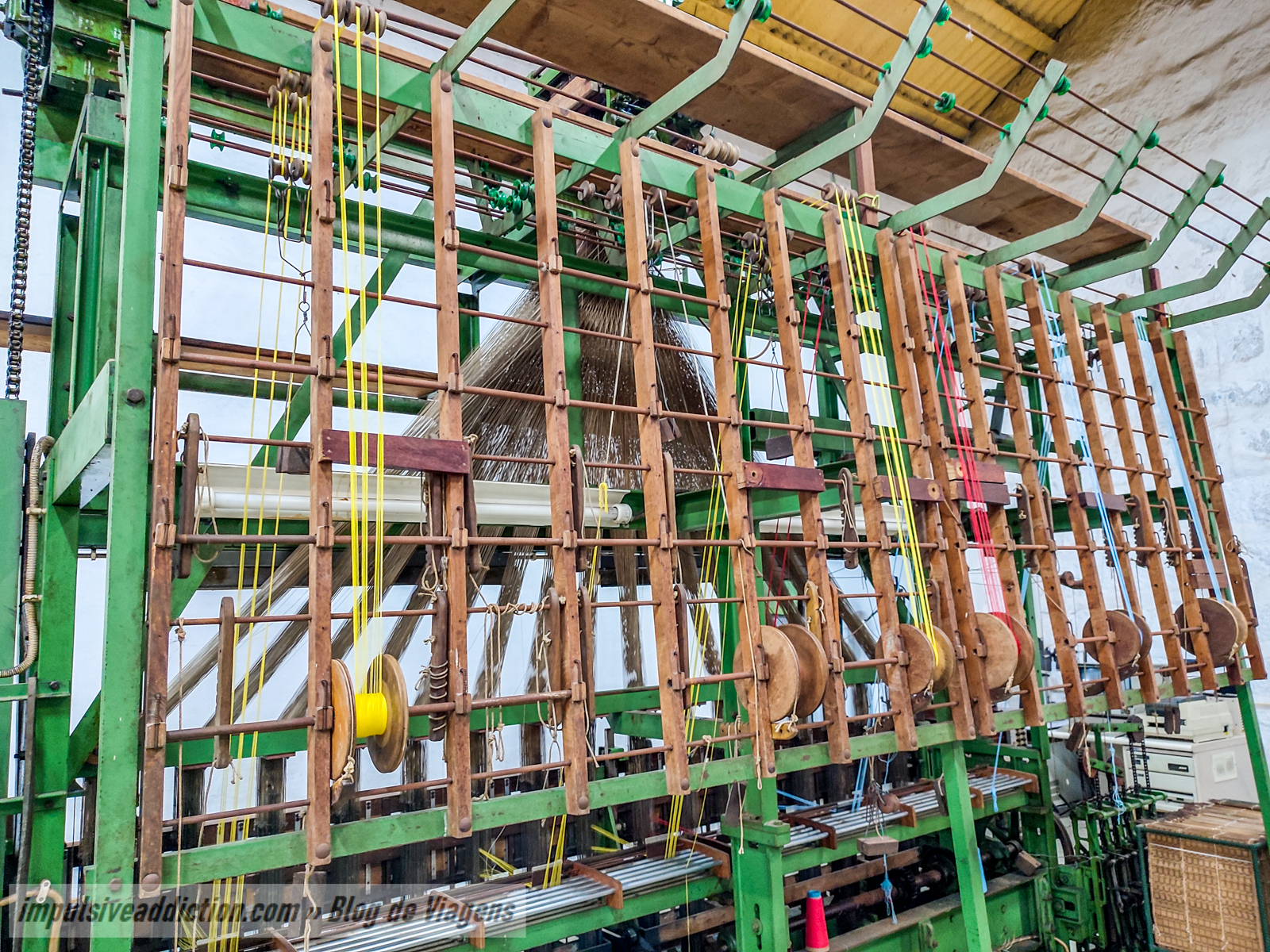
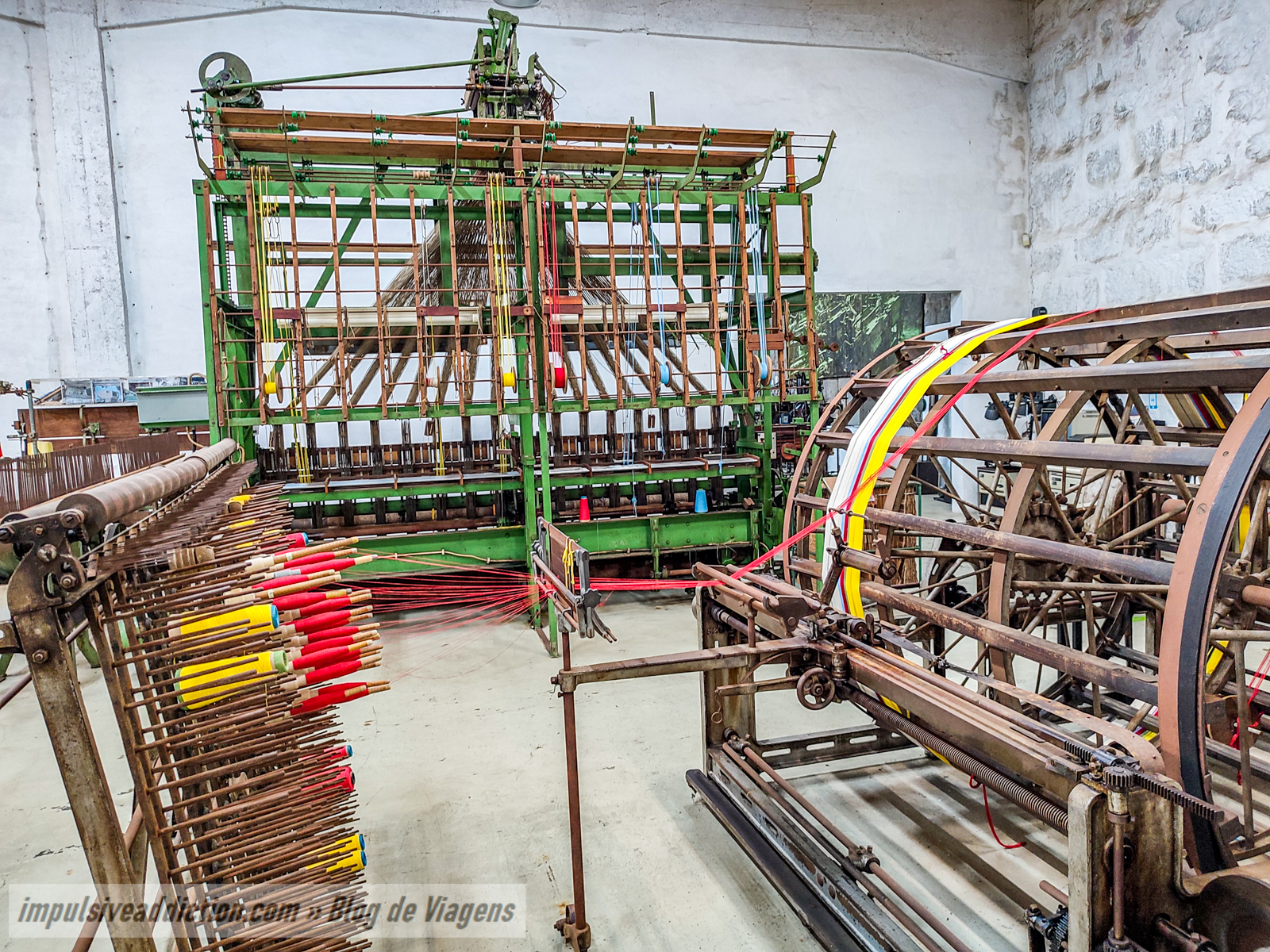
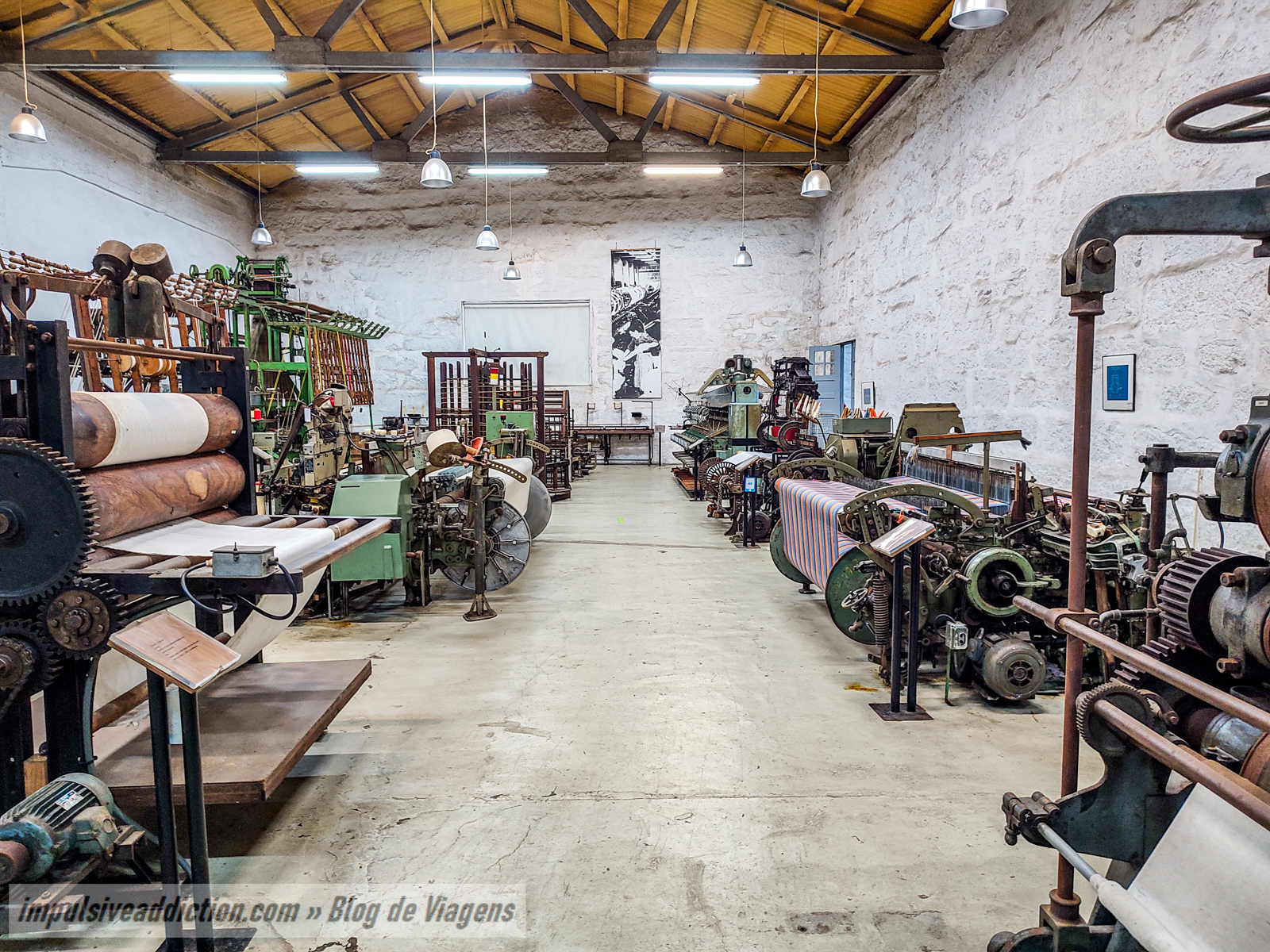
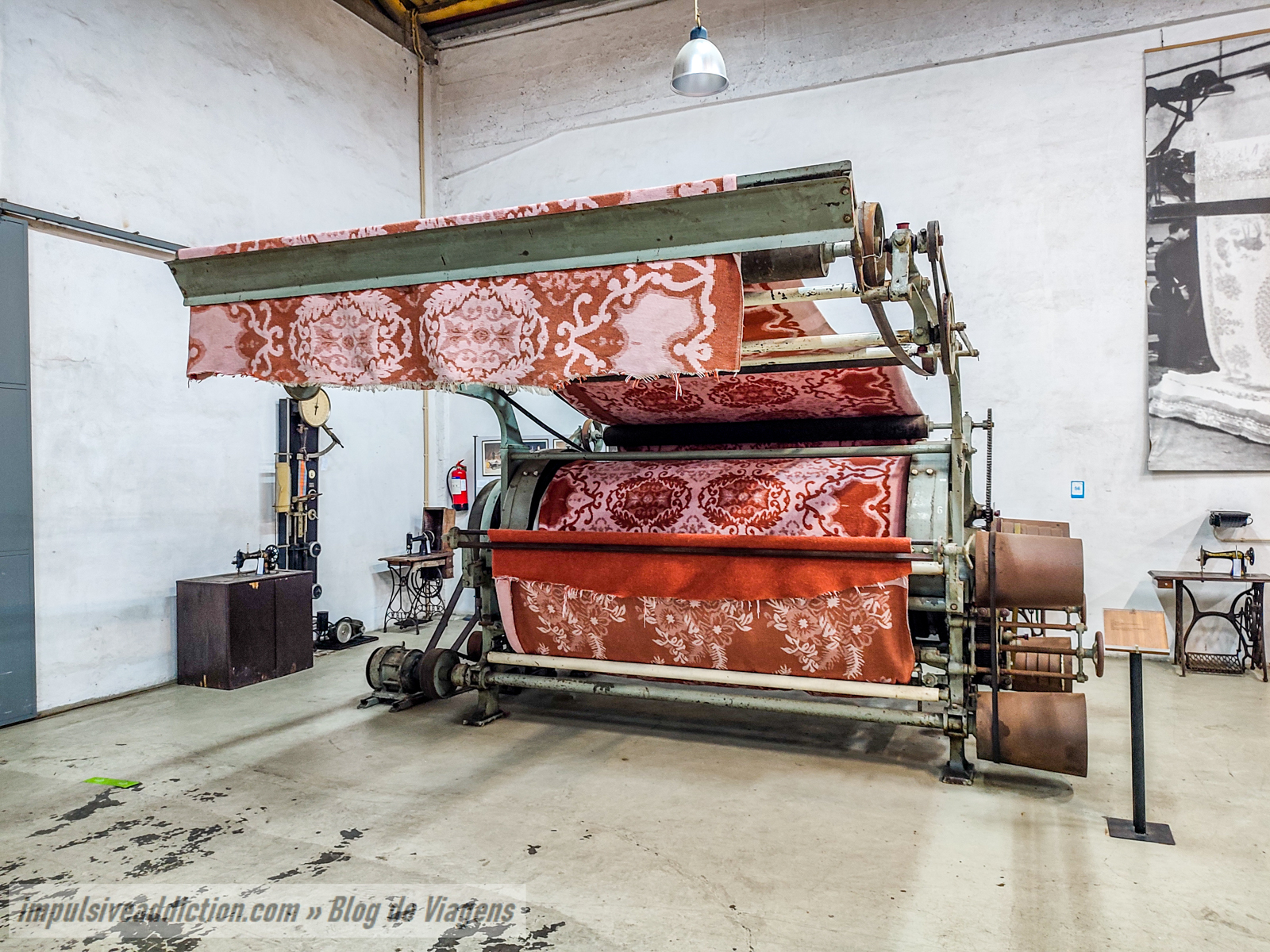
Finally, there’s the Museu da Indústria Têxtil da Bacia do Ave. Here, visitors can explore a wide range of machinery once used in old textile factories, such as looms. You’ll also learn about the processes of spinning, weaving, and finishing textile products.
Romanesque Churches of Vila Nova de Famalicão
When it comes to other places worth visiting in Famalicão, I’d highlight three Romanesque churches:
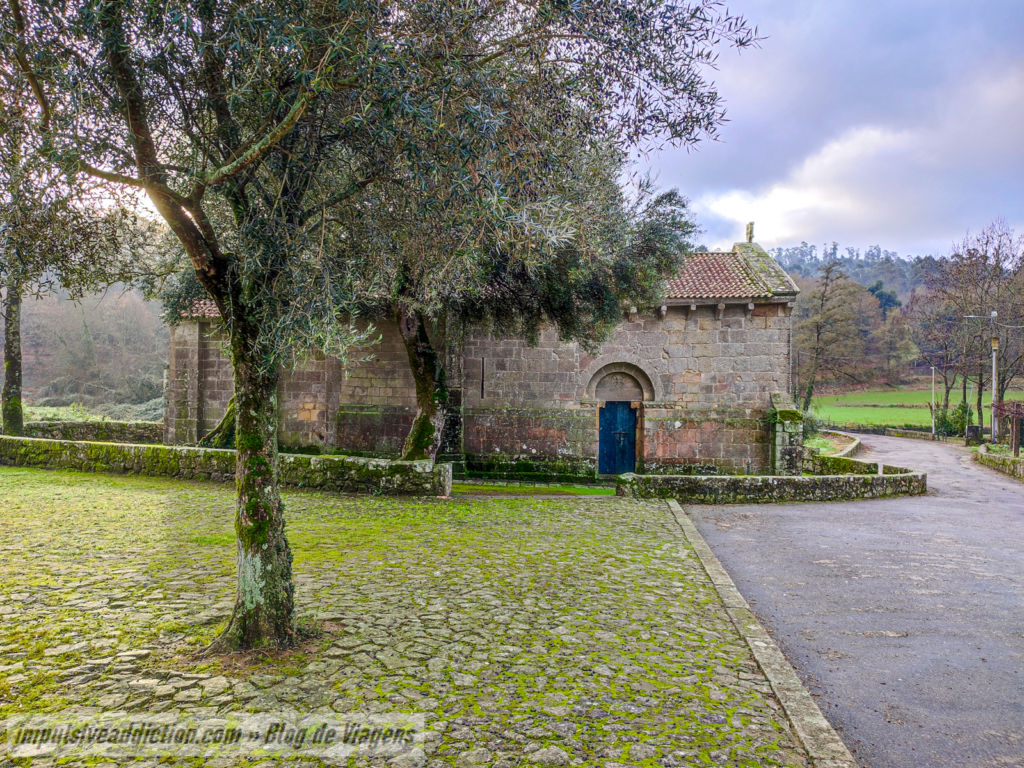
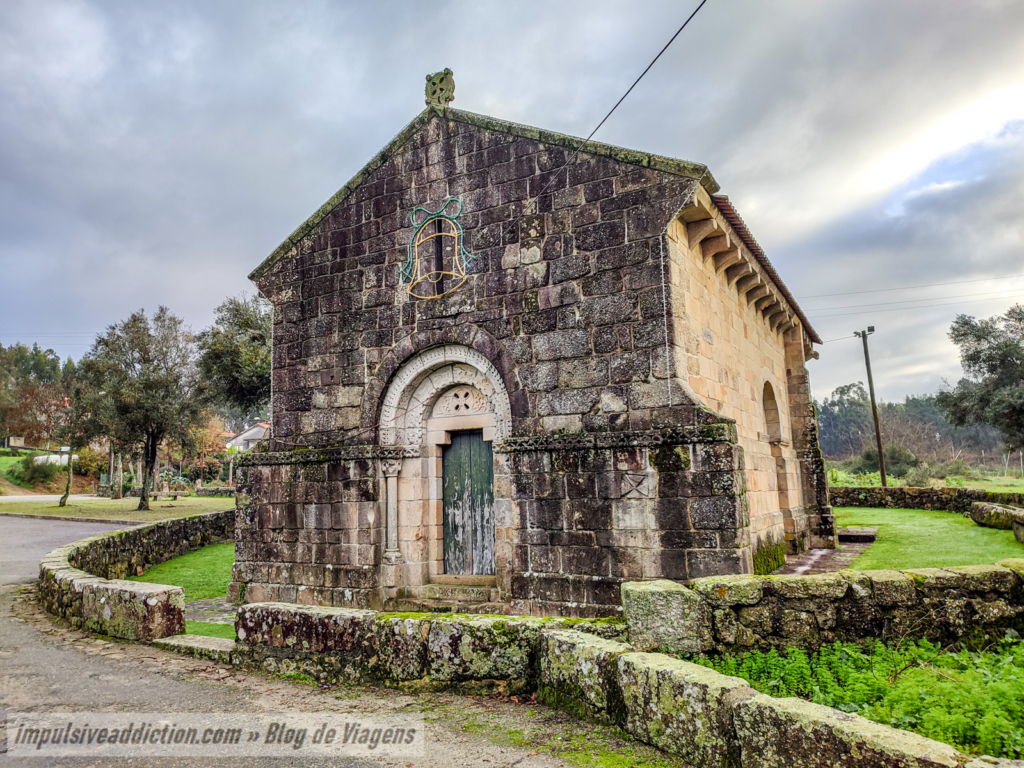
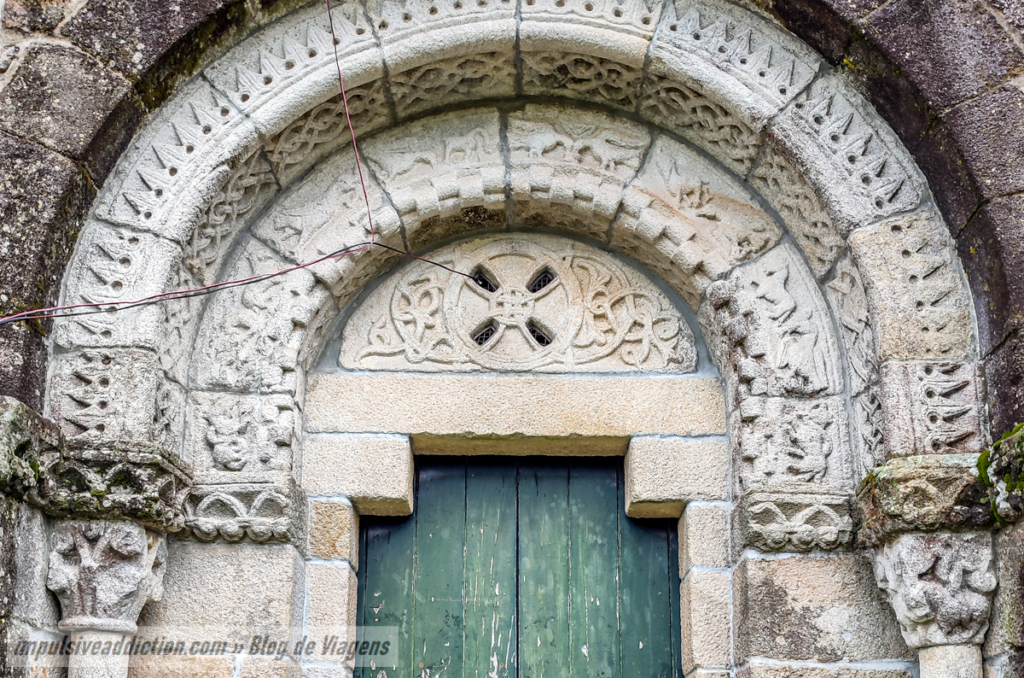
- Igreja do Mosteiro de Arnoso de Santa Eulália (12th century). It features a beautiful tympanum and main portal, and nearby you’ll find a leisure park with a river beach—perfect for a summer swim. While you’re in the area, why not check out the small Cascata do Buraco do Olheiro waterfall?
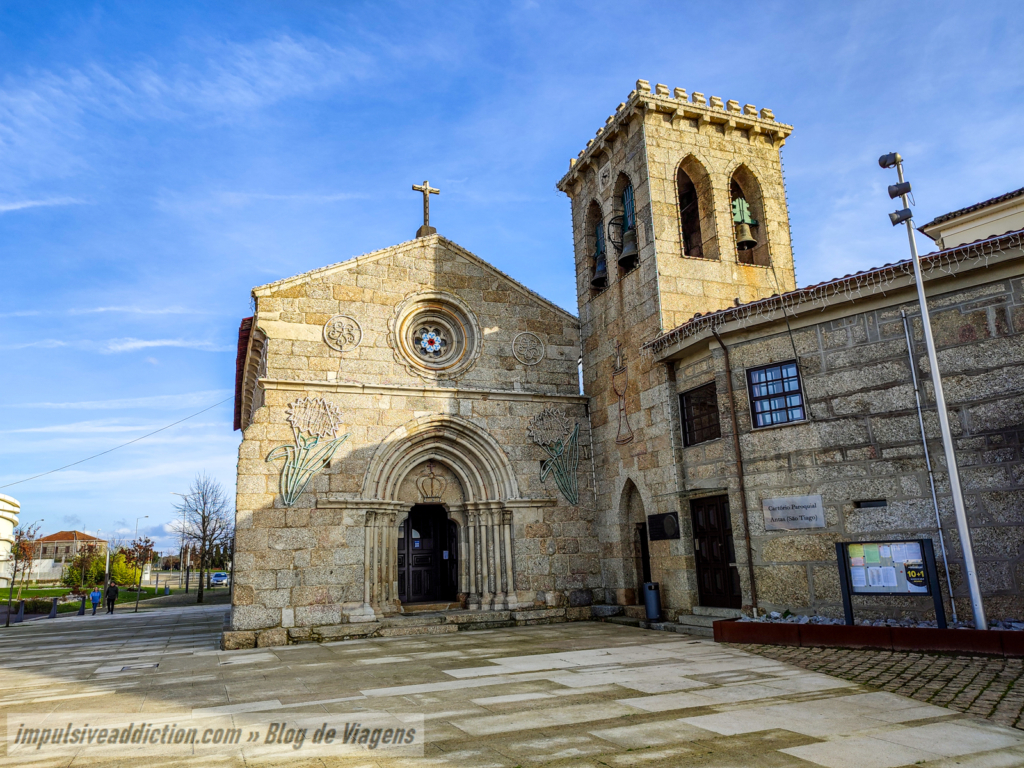
- Igreja de Santiago de Antas (13th century), located very close to the center of Vila Nova de Famalicão.
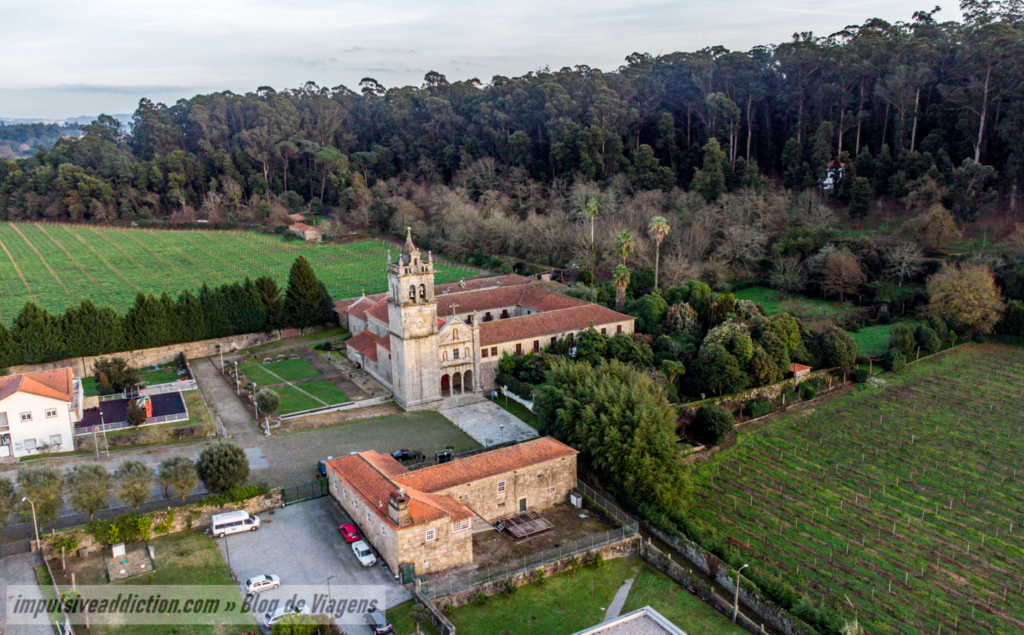
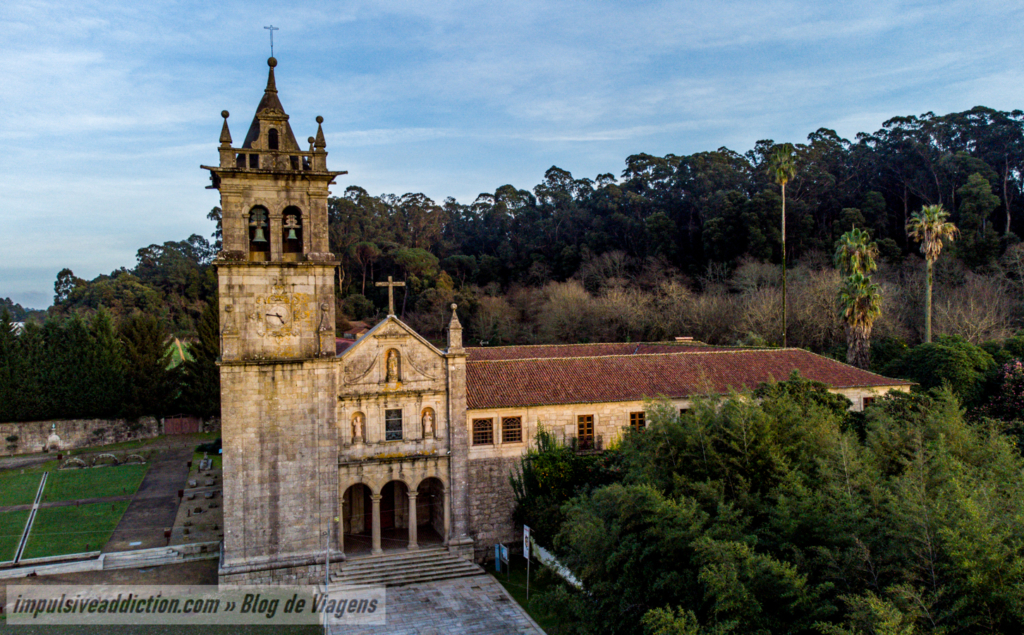
- Igreja do Mosteiro de Landim, founded in the early 12th century.
1. Igreja do Mosteiro de Arnoso de Santa Eulália
2. Igreja Românica de Santiago de Antas
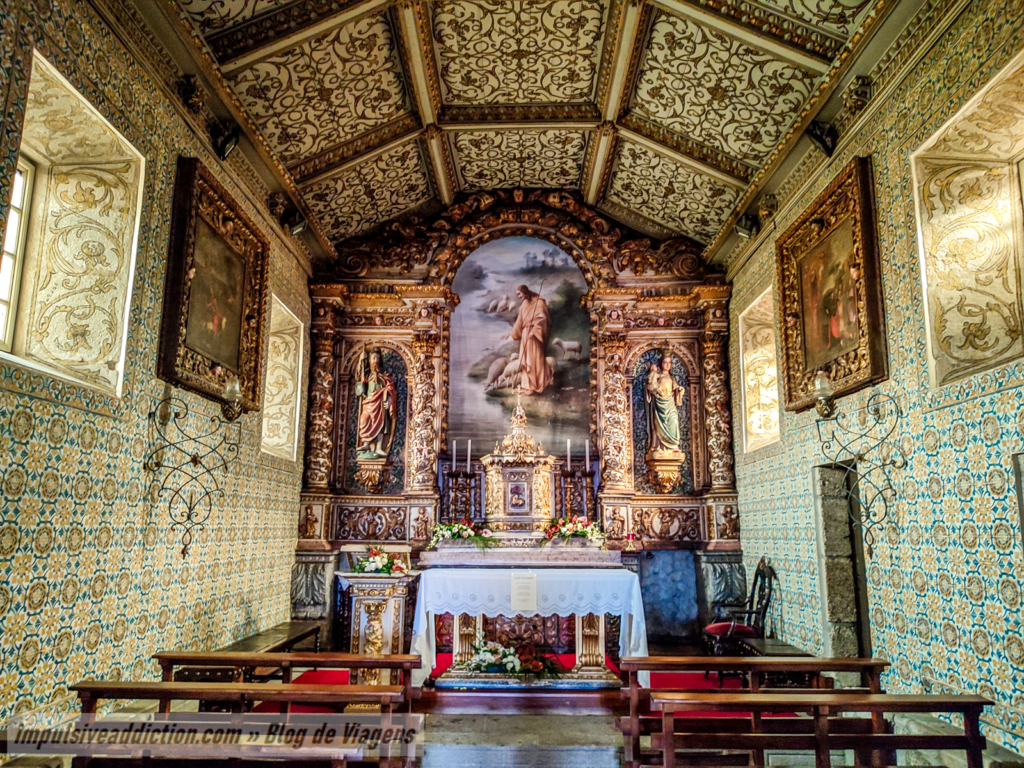
3. Igreja do Mosteiro de Landim
What to Visit Near Vila Nova de Famalicão?
To wrap up this article, I’ll also mention the old Ponte da Lagoncinha, though I’d consider it more of an optional stop. From Vila Nova de Famalicão, you can easily head to Guimarães or even Braga. If you’ve already visited those, why not explore Barcelos or the coastal municipalities of Vila do Conde and Póvoa de Varzim?
Safe travels! 😉
1. Visit Guimarães
Known as the birthplace of Portugal, Guimarães boasts a charming historic center, recognized as a UNESCO World Heritage Site. Among its main attractions are the impressive Castelo de Guimarães, the Igreja de São Miguel do Castelo—where, according to tradition, D. Afonso Henriques was baptized—and the Paço dos Duques de Bragança, a palace remarkable for both its architecture and interiors. To top it off, a ride on the cable car up to Monte da Penha offers stunning views over the city as well as opportunities for nature walks.
Visiting Guimarães means immersing yourself in the very origins of Portuguese national identity. Beyond its historical wealth, the welcoming atmosphere and well-preserved medieval streets create a unique setting for anyone seeking an authentic cultural experience. It’s a destination that blends history, nature, and tradition, perfect for travelers who wish to better understand the country’s roots.
2. Visit Braga
Braga is famous for the Sanctuary of Bom Jesus do Monte, with its monumental Baroque staircase and historic funicular. In the city center, highlights include the Sé de Braga, the oldest cathedral in Portugal, and museums such as the Museu dos Biscainhos. The Santa Bárbara Gardens, lively squares, and the many Baroque churches complete a rich religious and architectural heritage that spreads across the city.
Braga combines more than two thousand years of history with a vibrant, youthful energy, largely thanks to its strong university presence. It’s an ideal destination for those seeking historical depth and spirituality, but also for travelers who enjoy a dynamic city filled with cultural life, cafés, festivals, and modern flair.
3. Visit Barcelos
Barcelos is the symbolic city of Minho’s craftsmanship, world-famous for the Galo de Barcelos (the Rooster of Barcelos). Its weekly market, held every Thursday at Praça da República, is one of the oldest and most authentic traditions in Portugal. Among the city’s most notable monuments are the Torre do Cimo da Vila, the Igreja Matriz de Santa Maria Maior, and the Museu de Olaria, which preserves and showcases the region’s strong ceramic heritage.
Barcelos is a true stage for popular culture—perfect for those who appreciate handicrafts, traditions, and typical gastronomy. Beyond its cultural authenticity, the city offers a genuine taste of Minho, with festivals, legends, and flavors that captivate every visitor. It’s the ideal place to experience the most creative and colorful side of Portuguese culture.
4. Visit Vila do Conde
This coastal city stands out for its heritage linked to the Age of Discoveries, with landmarks such as the Nau Quinhentista, a replica of a 16th-century Portuguese caravel. Other must-sees include the Convento de Santa Clara, the Igreja Matriz, and the Alfândega Régia. For tradition lovers, the Museu da Renda de Bilros showcases the centuries-old lace-making art that brought fame to the city.
Vila do Conde blends historical charm with the peaceful atmosphere of a seaside town. It’s perfect for those seeking an authentic destination, with serene beaches, a gastronomy rich in fresh fish and seafood, and a remarkably beautiful historic center. A great choice for relaxing by the sea without losing touch with cultural heritage.
5. Visit Póvoa de Varzim
In Póvoa de Varzim, the main highlight is its long stretch of coastline—over 9 km of continuous sandy beach, perfect for sunbathing and seaside walks. Other points of interest include the Casino da Póvoa, the Cine-Teatro Garrett, and the Muro de Azulejos, a tiled wall depicting the city’s history. For those drawn to spirituality, the Santuário de Alexandrina de Balasar is also an important landmark.
Póvoa de Varzim combines seaside leisure with cultural dynamism and entertainment. Its beaches, nightlife, cultural venues, and religious sites make it a well-rounded destination, appealing both to families and to travelers looking for variety. It’s a city that strikes the perfect balance between tradition and modernity—with the ocean as its constant backdrop.
MORE ARTICLES FROM THE MINHO REGION OF PORTUGAL:

- Minho | Northern Portugal Itinerary
- Peneda Gerês National Park Itinerary
- Best Hikes and Trails in Peneda Gerês National Park
- Best Peneda Gerês National Park Waterfalls and Lagoons
- Serra d'Arga Itinerary

DISTRICT OF VIANA DO CASTELO:
- Things to do in Viana do Castelo
- Things to do in Ponte de Lima
- Things to do in Monção
- Things to do in Valença
- Things to do in Caminha
- Things to do in Sistelo
- Things to do in Soajo and Lindoso
- Things to do in Vila Nova de Cerveira
- Things to do in Ponte da Barca
- Things to do in Paredes de Coura
- Things to do in Arcos de Valdevez
- Things to do in Melgaço

DISTRICT OF BRAGA:
- Things to do in Guimarães
- Things to do in Barcelos
- Things to do in Esposende
- Things to do in Braga
- Things to do in Vizela
- Things to do in Vila Verde
- Things to do in Vila Nova de Famalicão
- Things to do in Vieira do Minho
- Things to do in Terras de Bouro
- Things to do in Póvoa de Lanhoso
- Things to do in Fafe
- Things to do in Amares
