 Pedro Domingues
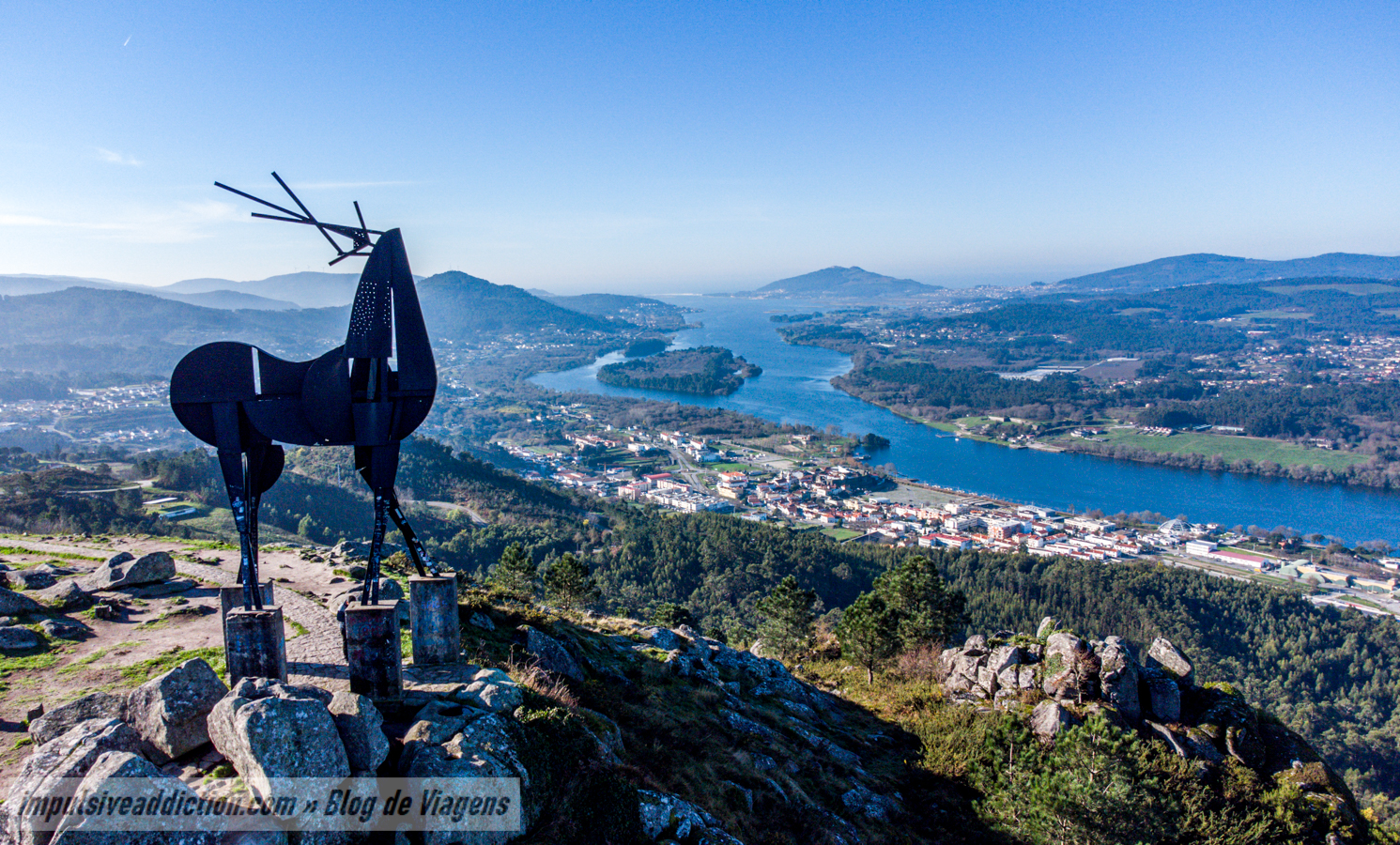
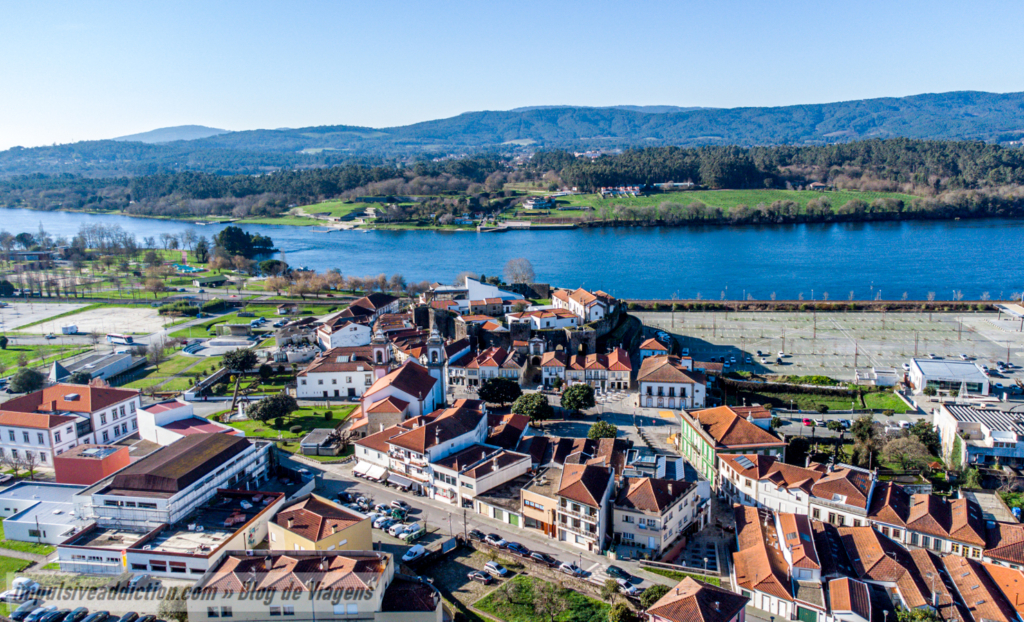
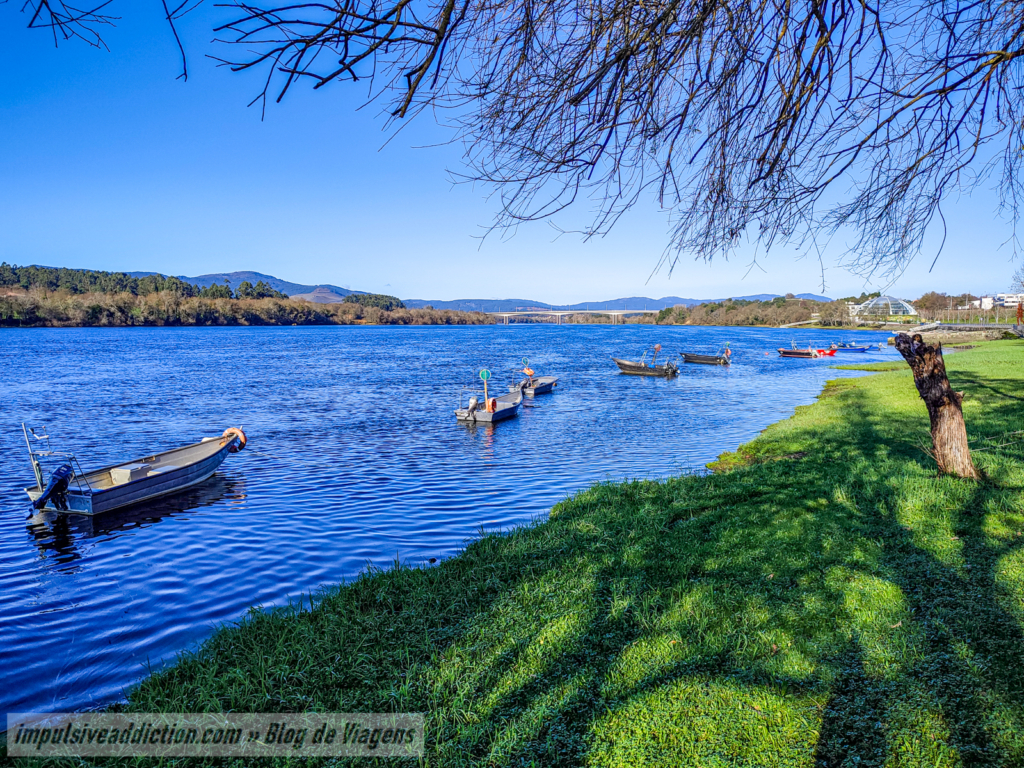
Vila Nova de Cerveira stands out for its unique location along the Minho River. I’m sure you’ll love taking a stroll along the riverside path or cycling part of the ecotrail, and of course, climbing up to its incredible viewpoints—especially the famous “Cervo” lookout.
If you only have a morning, that’s enough to see the essentials of Vila Nova de Cerveira. But spending a full day or two will give you time to explore in more detail and enjoy everything at a slower pace.
In this article, I’ll share my own itinerary through this charming border town, so you can gather ideas and plan your own visit.
Where is Vila Nova de Cerveira located, in Portugal?
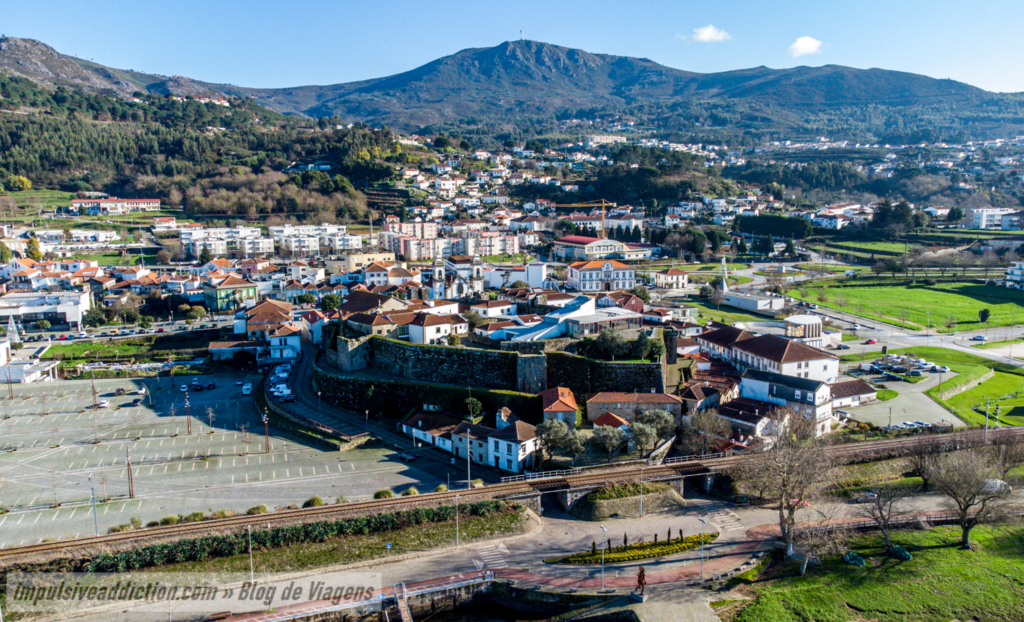
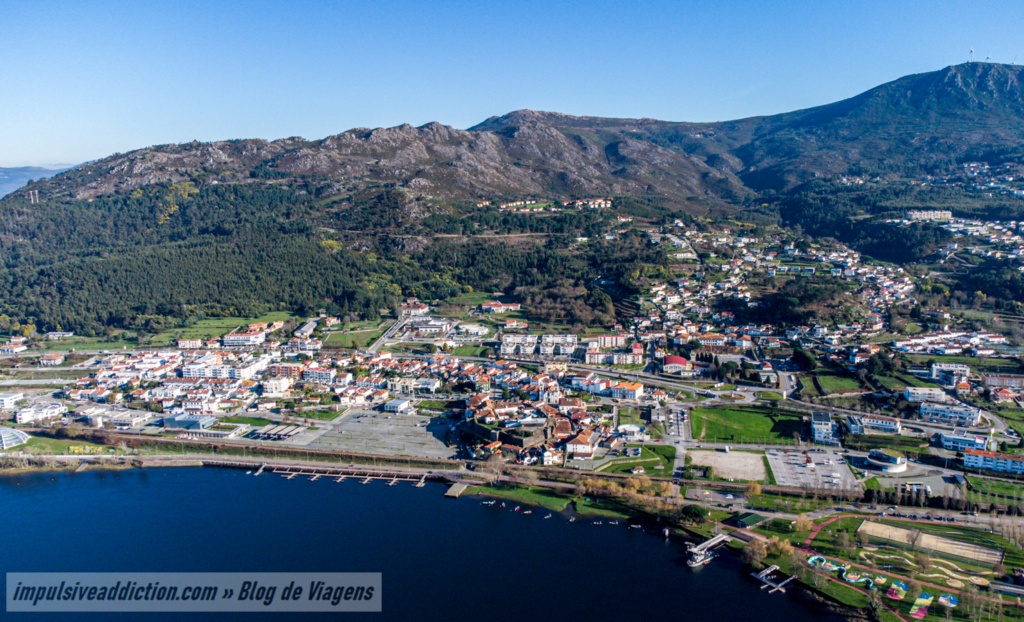
Vila Nova de Cerveira is located in the far north of Portugal, in the Alto Minho region, within the district of Viana do Castelo. It borders Galicia, in Spain—specifically the province of Pontevedra and the city of Vigo. Nearby, you’ll also find the Portuguese towns of Caminha, Valença, Ponte de Lima, and Paredes de Coura, while to the south lies the scenic Serra d’Arga mountain range.
MORE ARTICLES FROM THE MINHO REGION OF PORTUGAL:

- Minho | Northern Portugal Itinerary
- Peneda Gerês National Park Itinerary
- Best Hikes and Trails in Peneda Gerês National Park
- Best Peneda Gerês National Park Waterfalls and Lagoons
- Serra d'Arga Itinerary

DISTRICT OF VIANA DO CASTELO:
- Things to do in Viana do Castelo
- Things to do in Ponte de Lima
- Things to do in Monção
- Things to do in Valença
- Things to do in Caminha
- Things to do in Sistelo
- Things to do in Soajo and Lindoso
- Things to do in Vila Nova de Cerveira
- Things to do in Ponte da Barca
- Things to do in Paredes de Coura
- Things to do in Arcos de Valdevez
- Things to do in Melgaço

DISTRICT OF BRAGA:
- Things to do in Guimarães
- Things to do in Barcelos
- Things to do in Esposende
- Things to do in Braga
- Things to do in Vizela
- Things to do in Vila Verde
- Things to do in Vila Nova de Famalicão
- Things to do in Vieira do Minho
- Things to do in Terras de Bouro
- Things to do in Póvoa de Lanhoso
- Things to do in Fafe
- Things to do in Amares
When to visit Vila Nova de Cerveira?
You can visit Vila Nova de Cerveira at any time of the year—the viewpoints are always spectacular, as long as the sun is shining. The main advantage of the warmer months is the chance to enjoy water activities on the Minho River.
When it comes to festivals, make sure to check out the Festa da História. This lively event recreates the medieval era and the traditions of the region, and it takes place every August.
Vila Nova de Cerveira is also known as the “Town of the Arts,” hosting a variety of cultural events throughout the year. Highlights include the International Dance Festival, the International Folklore Festival, Cerveira Acústica, the Crochet Festival, Fado Nights, the Music Bands Festival, and more.
Rent a car to visit Vila Nova de Cerveira
A car is highly recommended if you want to reach the main viewpoints and explore the surrounding attractions of Vila Nova de Cerveira. Personally, I almost never travel without one. If you don’t have a car, here’s a tip: compare rental prices on Discover Cars to find the best deal.
Gastronomy and restaurants in Vila Nova de Cerveira
In Vila Nova de Cerveira, you’ll find no shortage of places to savor the delicious cuisine of the Minho region. I recommend trying a fresh fish dish straight from the Minho River. And when it comes to dessert, don’t miss the local specialty, the Cerveirenses pastries.
For restaurants, two great options are Colher de Pau and La Scarpetta.
Where to stay in Vila Nova de Cerveira?
| Accommodation | Score | Location |
|---|---|---|
| Hotel Minho | 8.6 | Vila Meã |
| Casa do Cais | 9.1 | Center of Vila Nova de Cerveira |
| INATEL Cerveira | 8.4 | Lovelhe |
| Casa Nossominho | 9.3 | Center of Vila Nova de Cerveira |
| Casa Cervo Artes | 9.3 | Center of Vila Nova de Cerveira |
| Quinta de São Roque | 8.7 | Center of Vila Nova de Cerveira |
| Casa Gwendoline | 9.4 | Segirém |
| Convento de San Payo | 9.1 | Loivo |
Things to do in Vila Nova de Cerveira
Below you’ll find suggestions for spending 1 or 2 days in Vila Nova de Cerveira. Highlights include the charming historic center, the Lenta river beach, and the iconic Cervo viewpoint. All of the attractions mentioned are marked on the map below.
Map with the highlights to visit in Vila Nova de Cerveira
Visit the Town center of Vila Nova de Cerveira
When you arrive in Vila Nova de Cerveira, you can park either at Largo da Feira or next to the Castelinho Leisure Park. I chose the park area, which was perfect for starting my visit along the riverside and at the Minho River Aquamuseum.
1. Castelinho Leisure Park
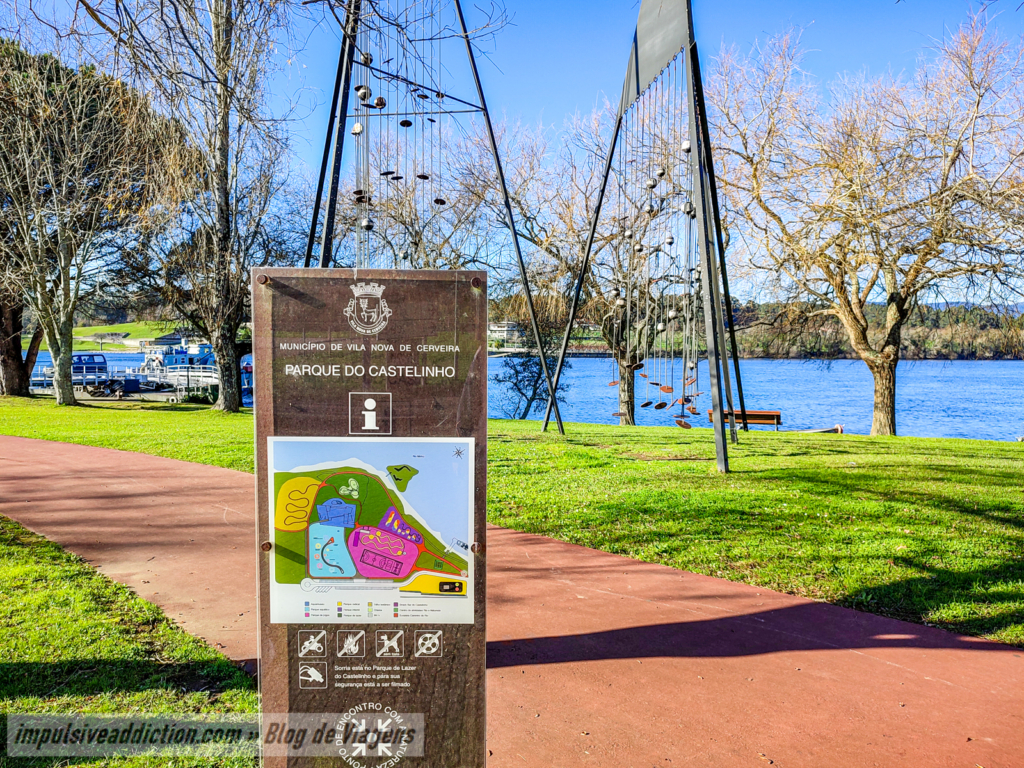
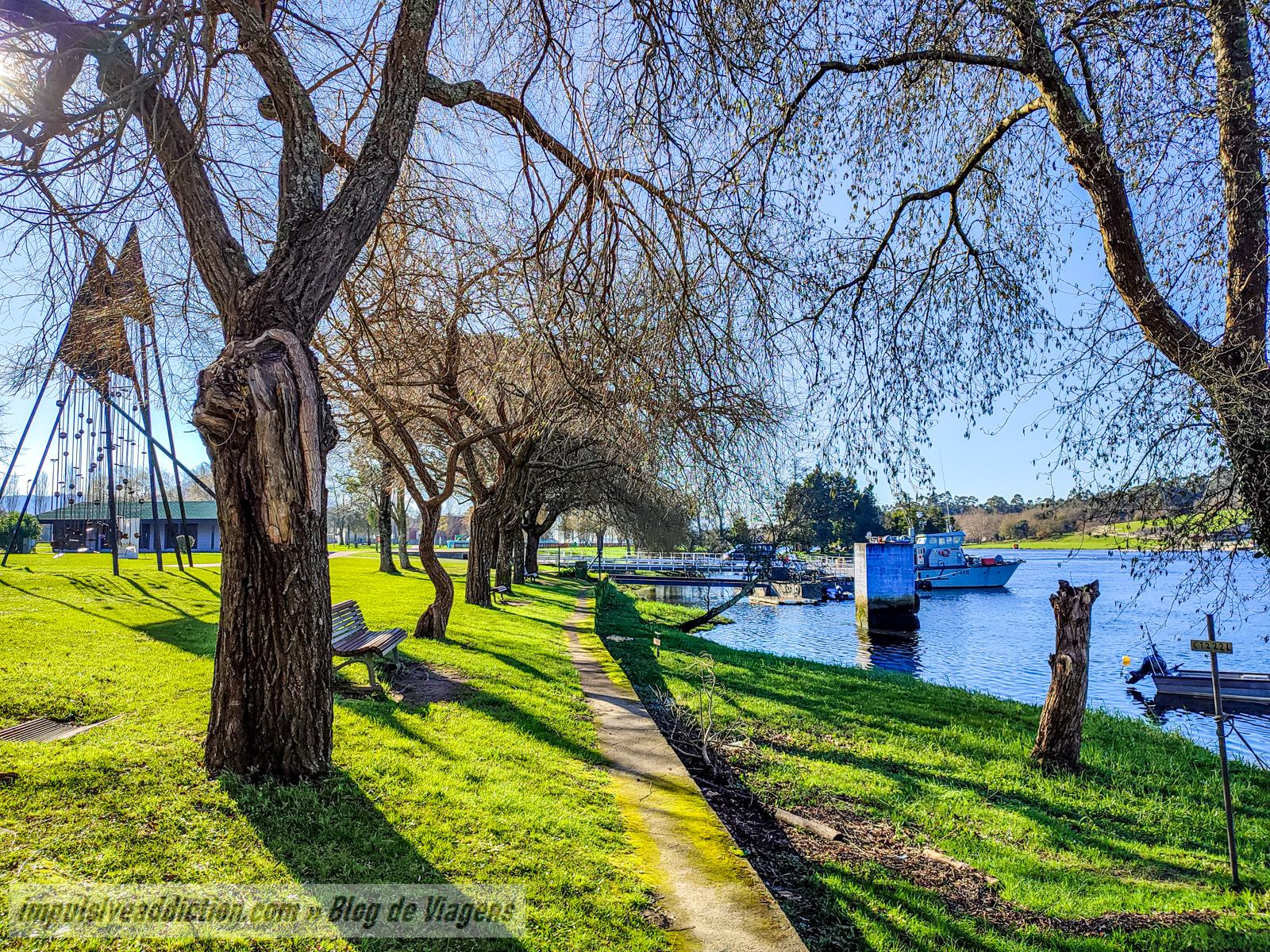
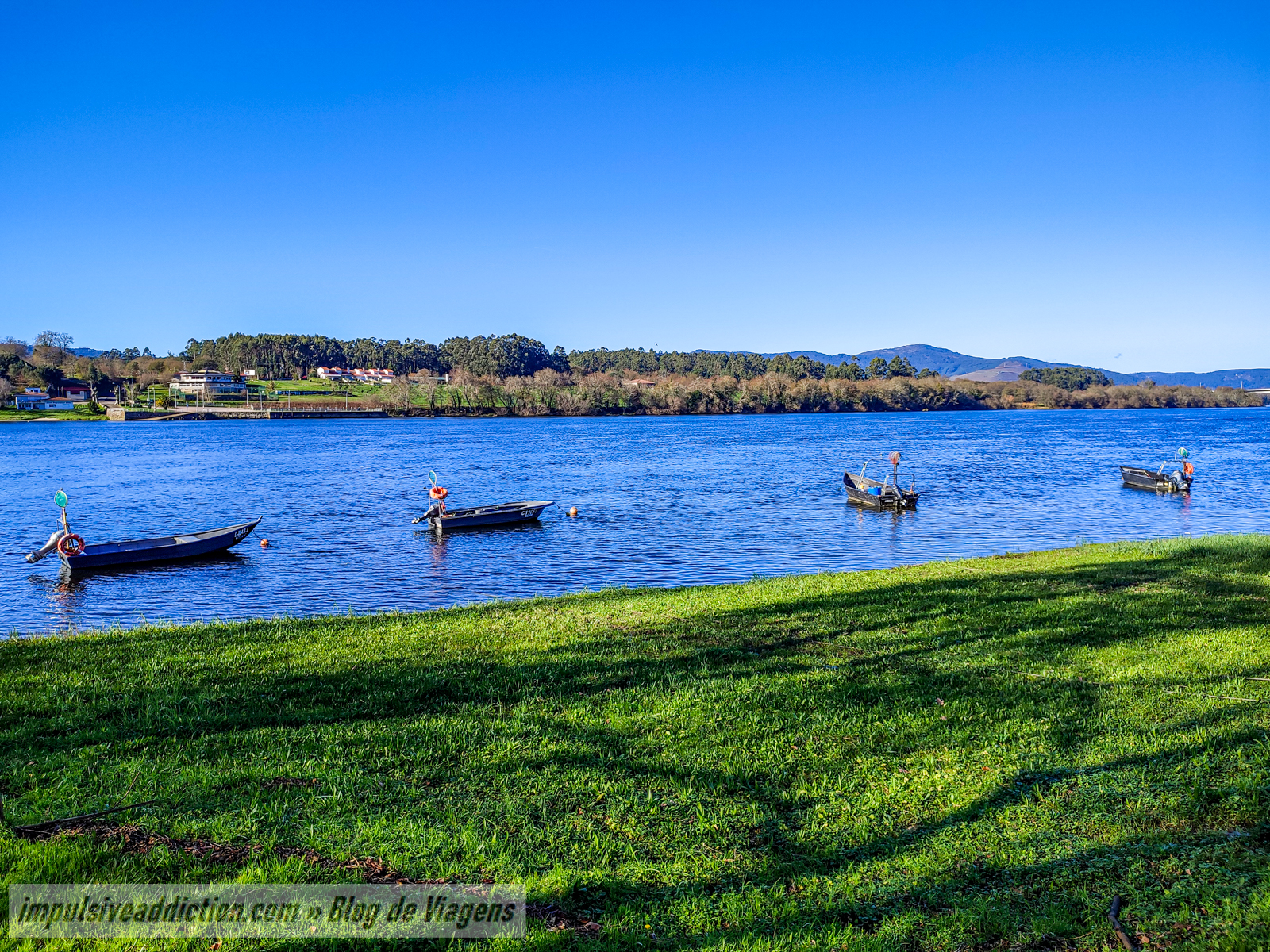
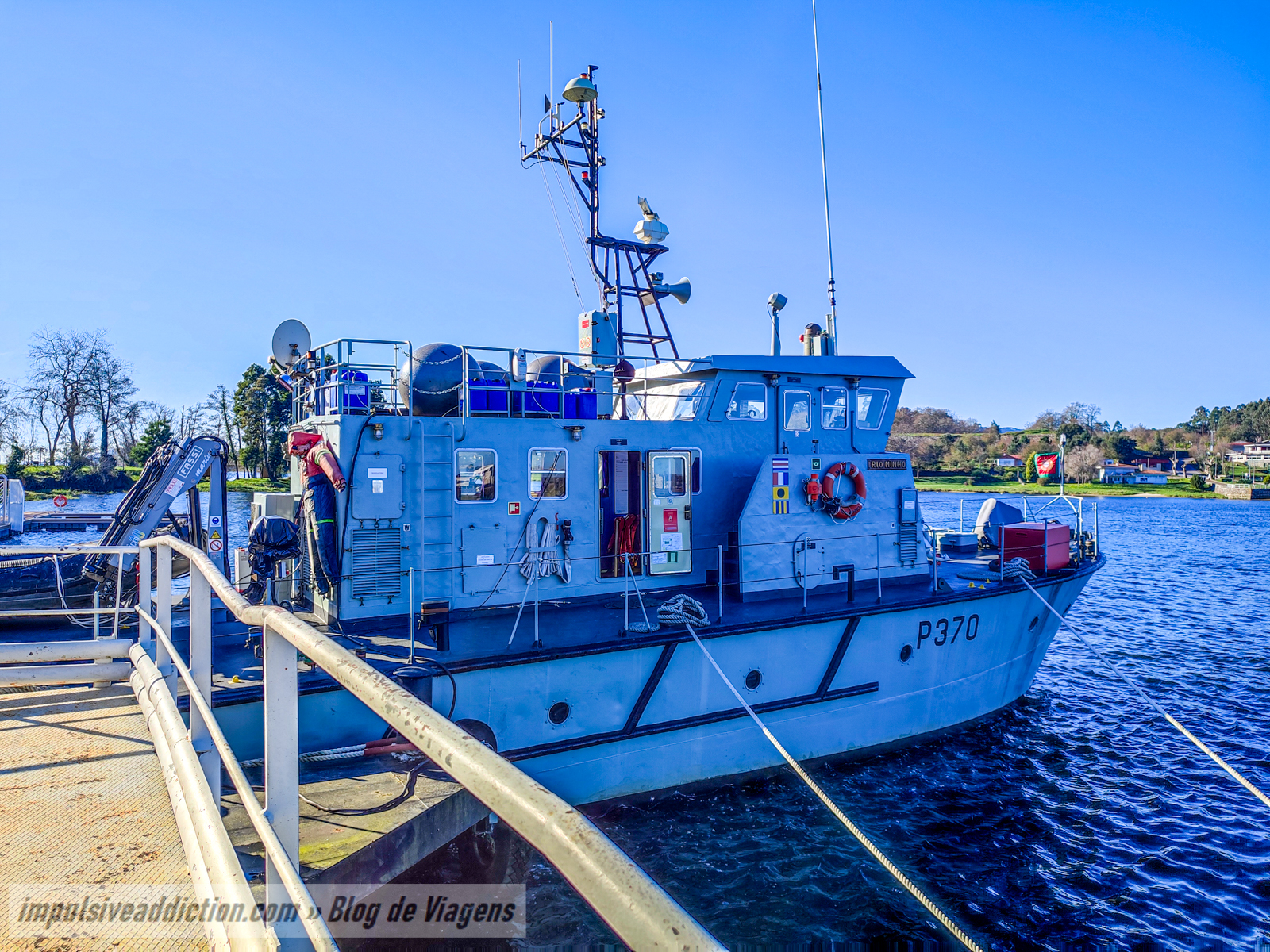
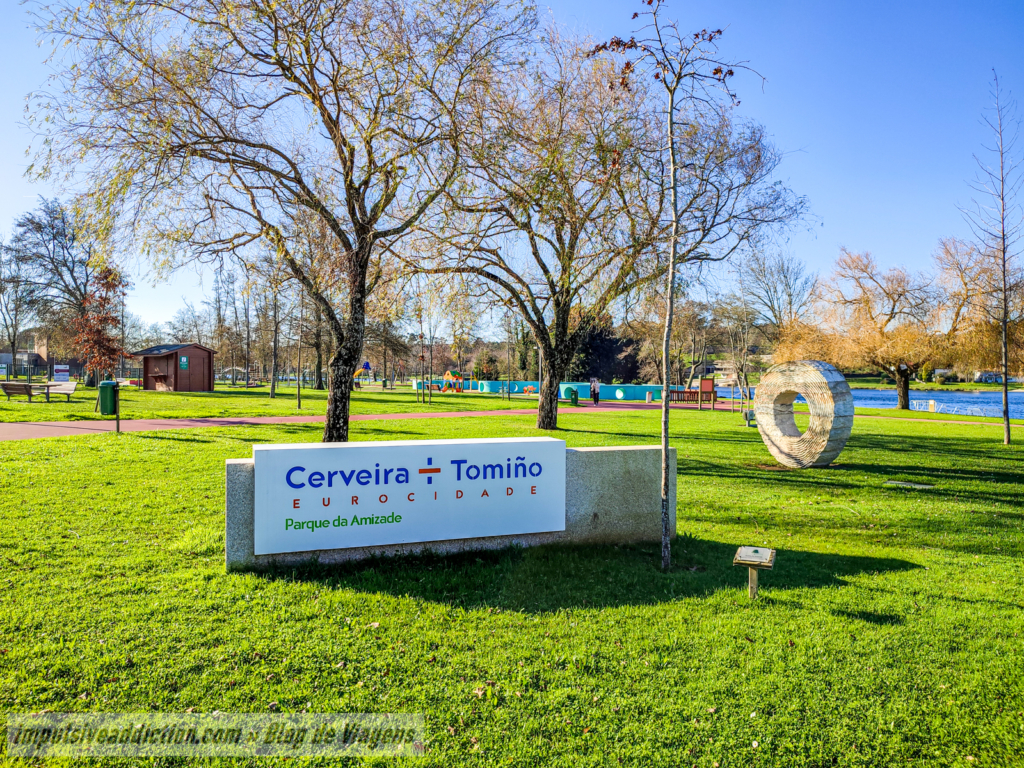
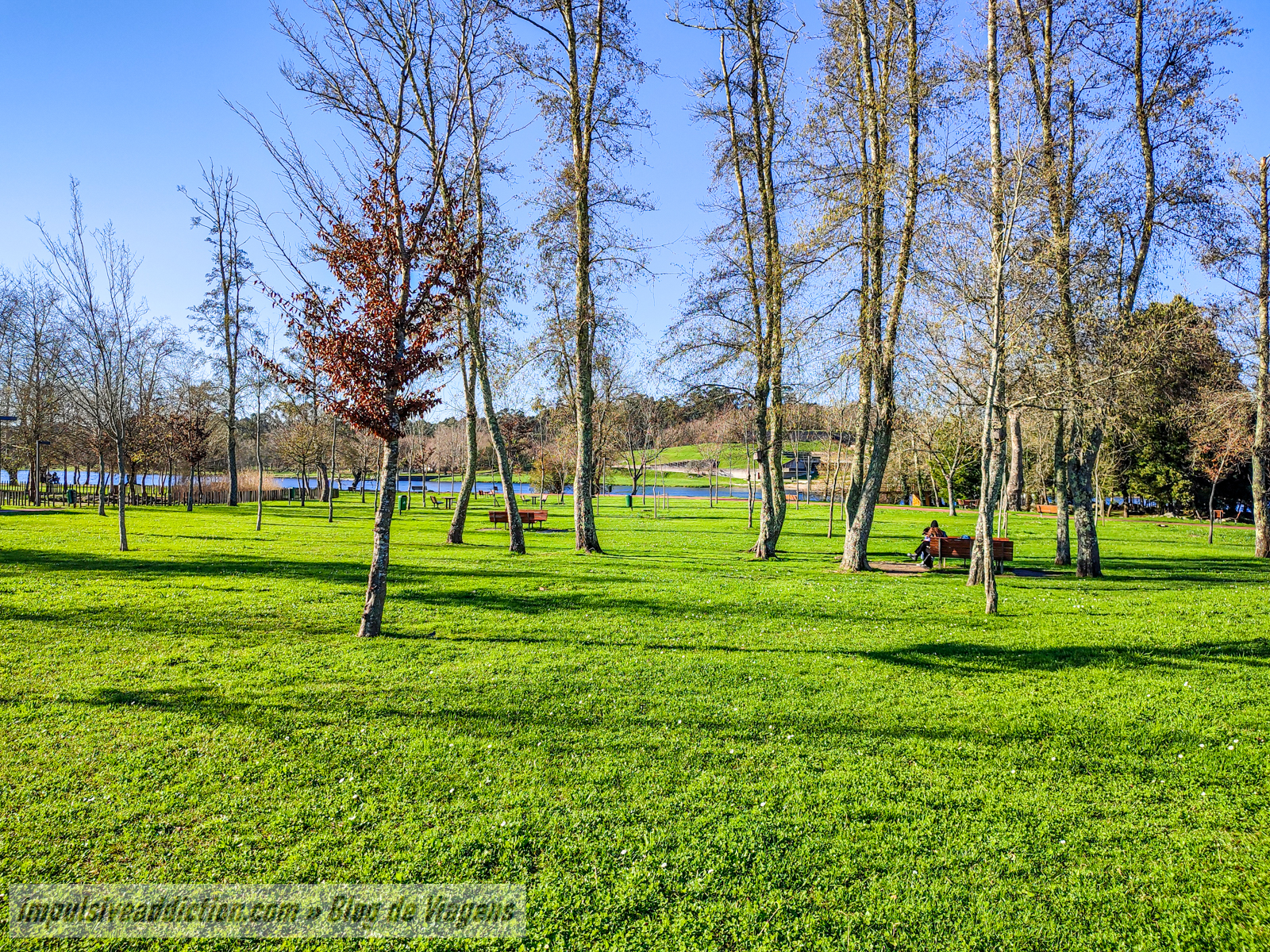
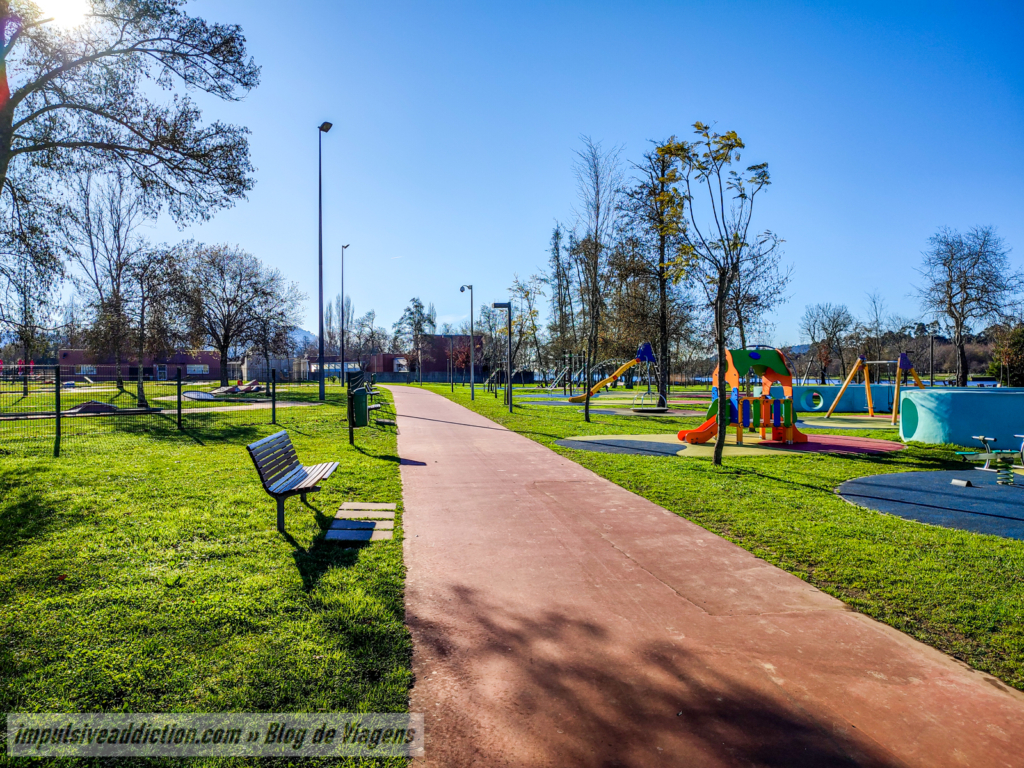
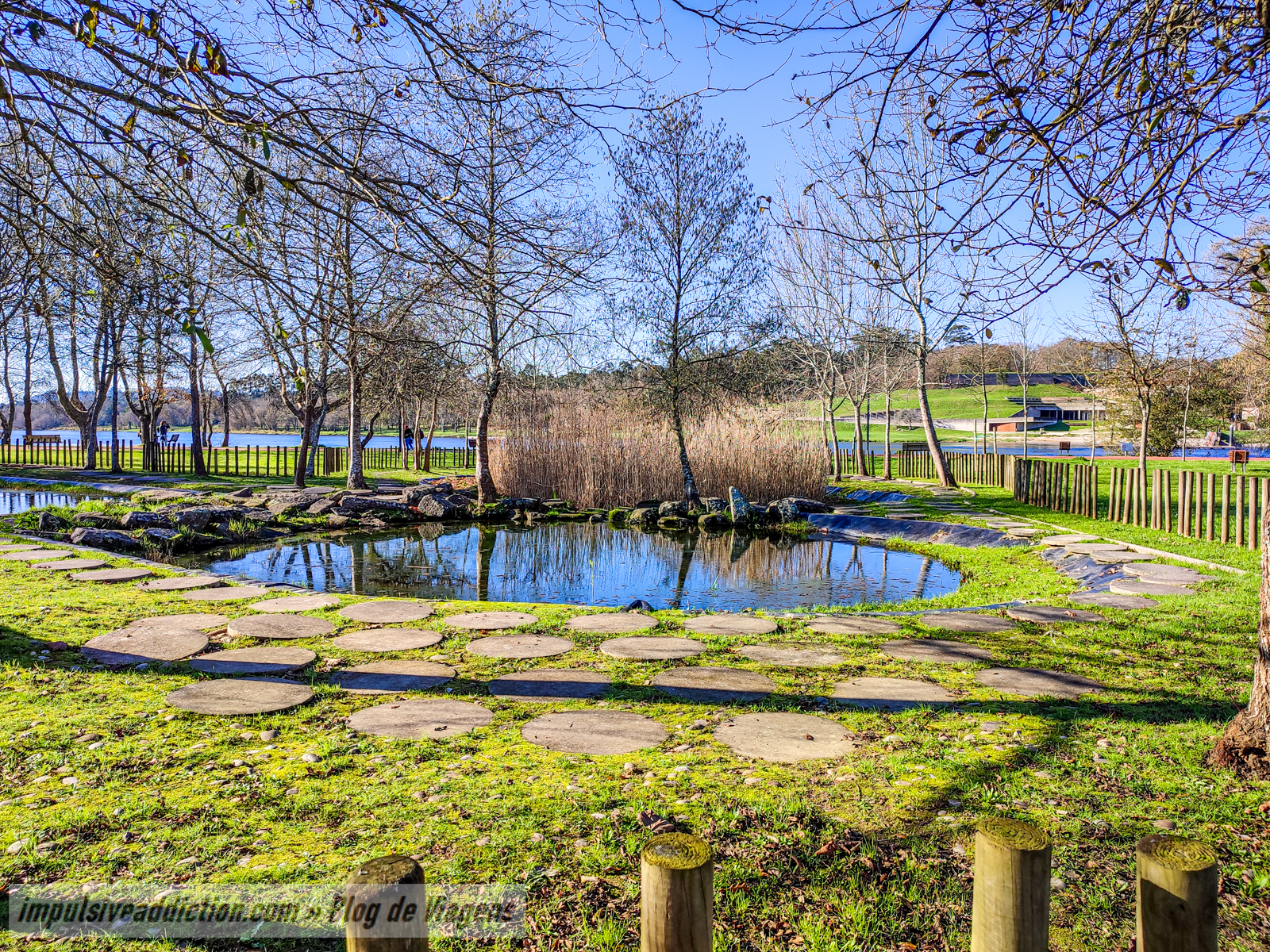
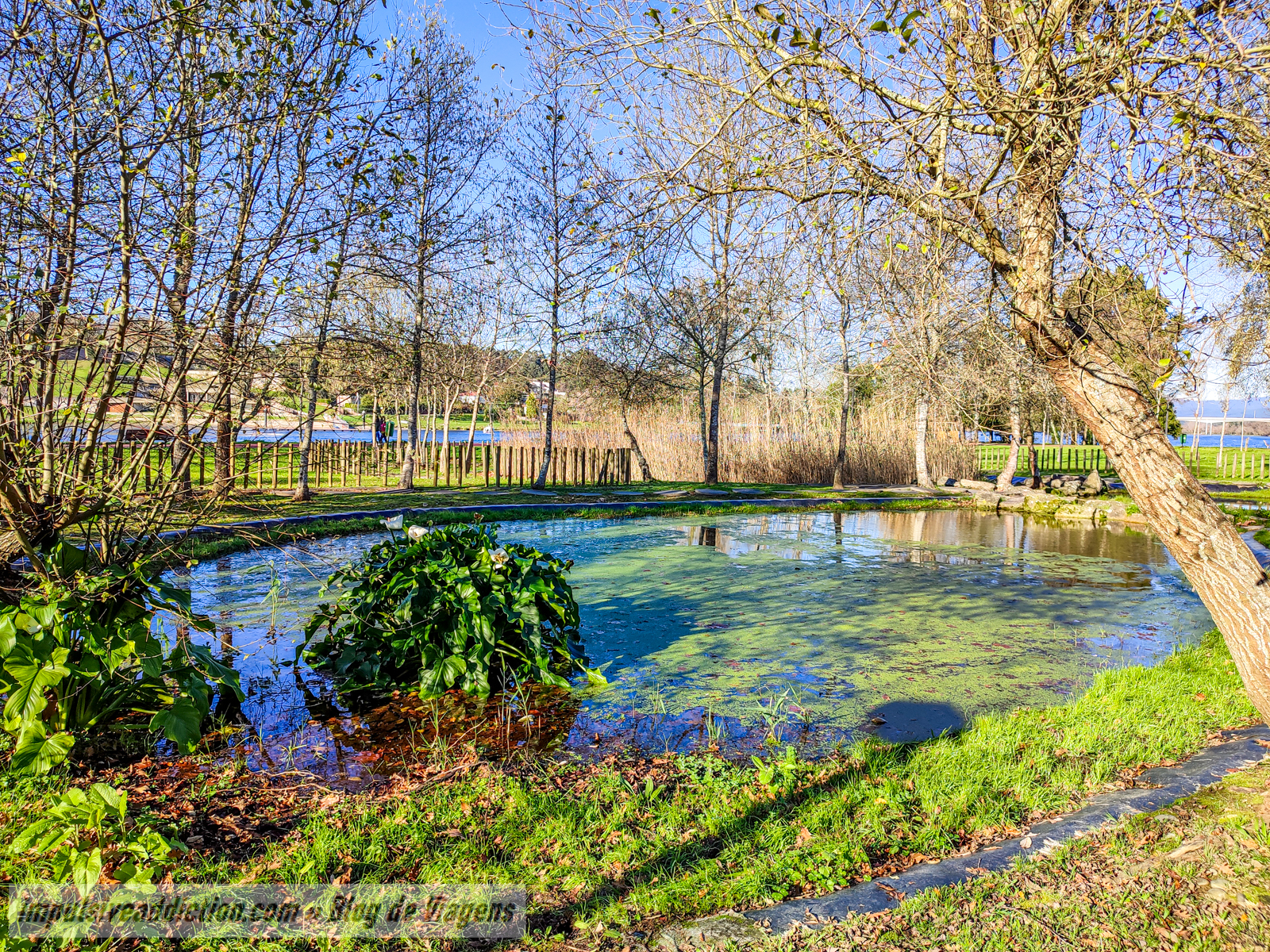
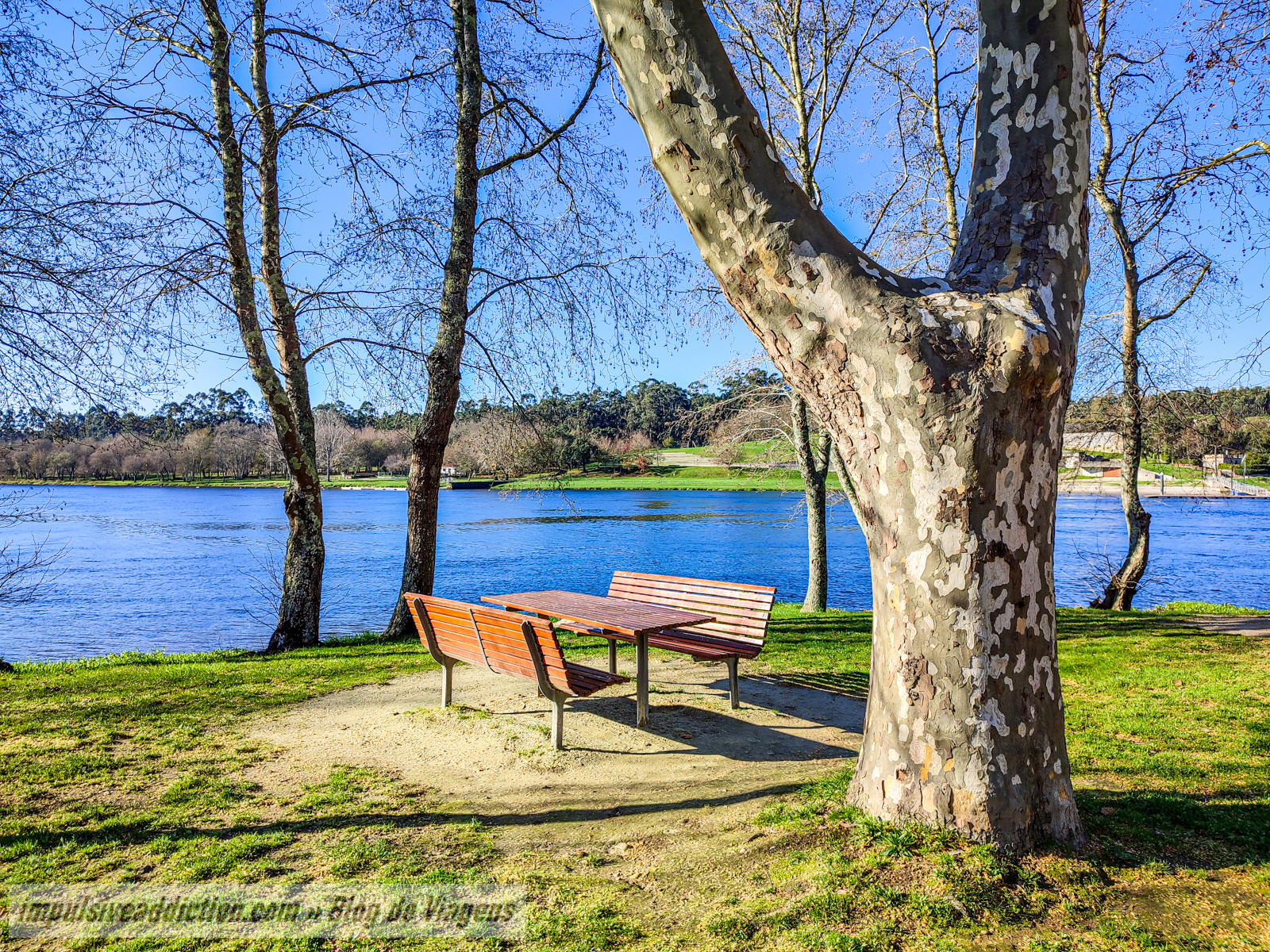
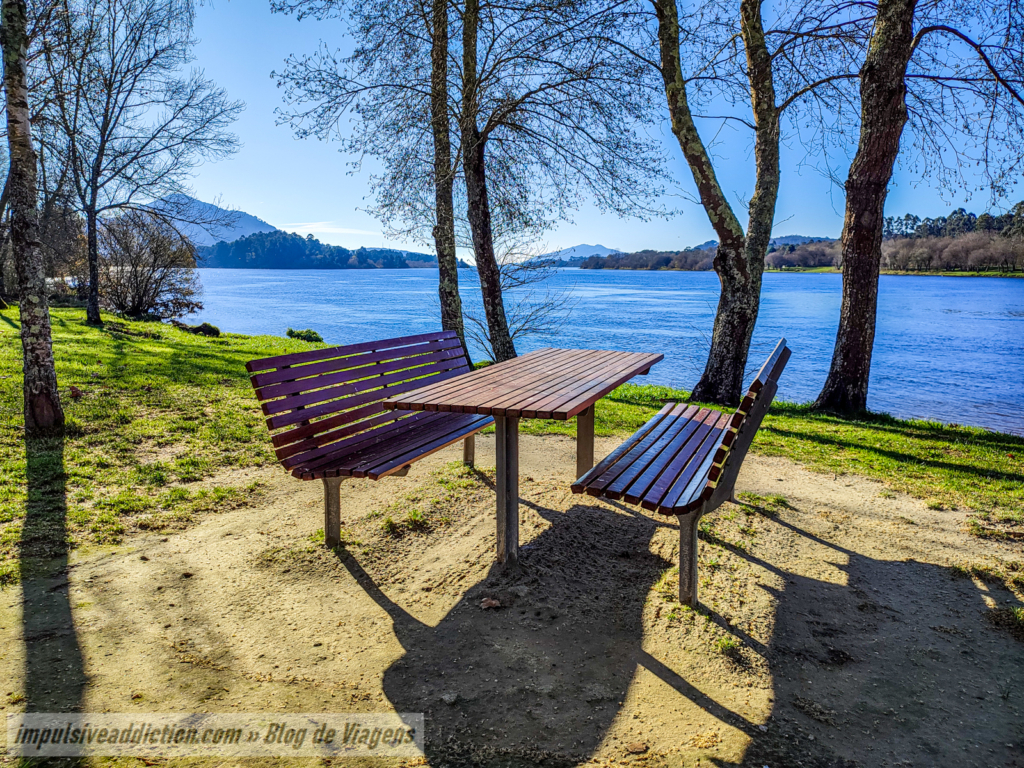
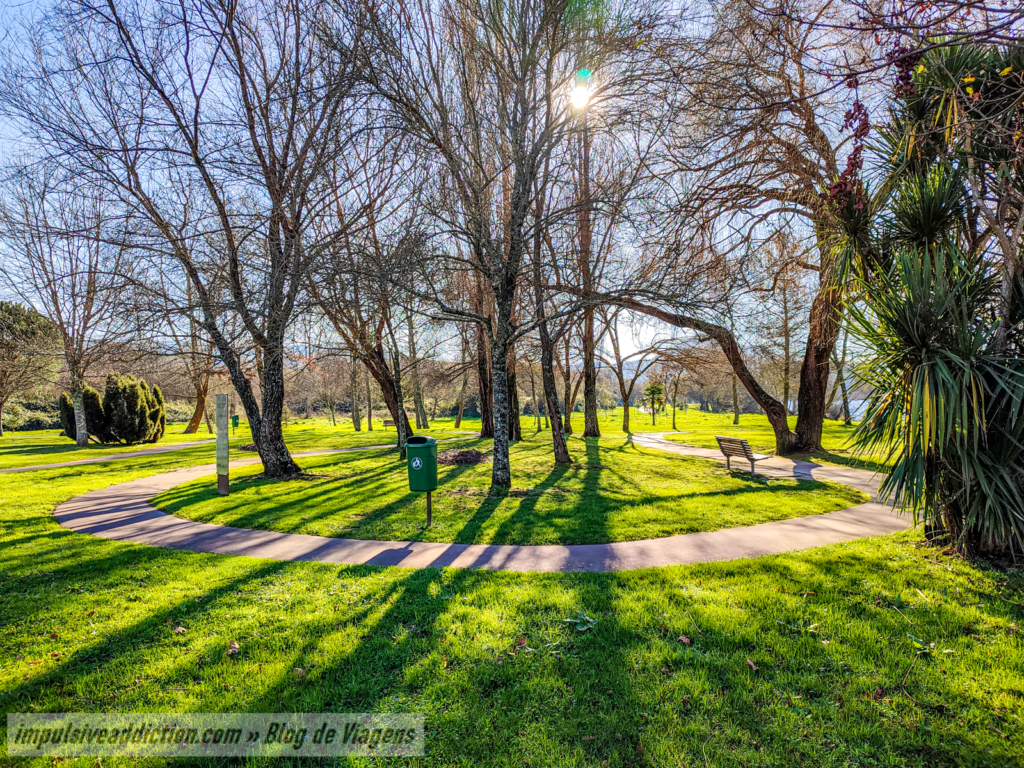
The Castelinho Leisure Park is one of the most beautiful spots in the heart of Vila Nova de Cerveira. This green space sits along the Minho Ecotrail and is ideal for picnics by the river. It’s also well-equipped for sports and outdoor activities. Here you’ll find not only the Aquamuseum of the Minho River, but also a small dock where you can hop on a boat tour or try water activities on the Minho.
2. Aquamuseum of the Minho River
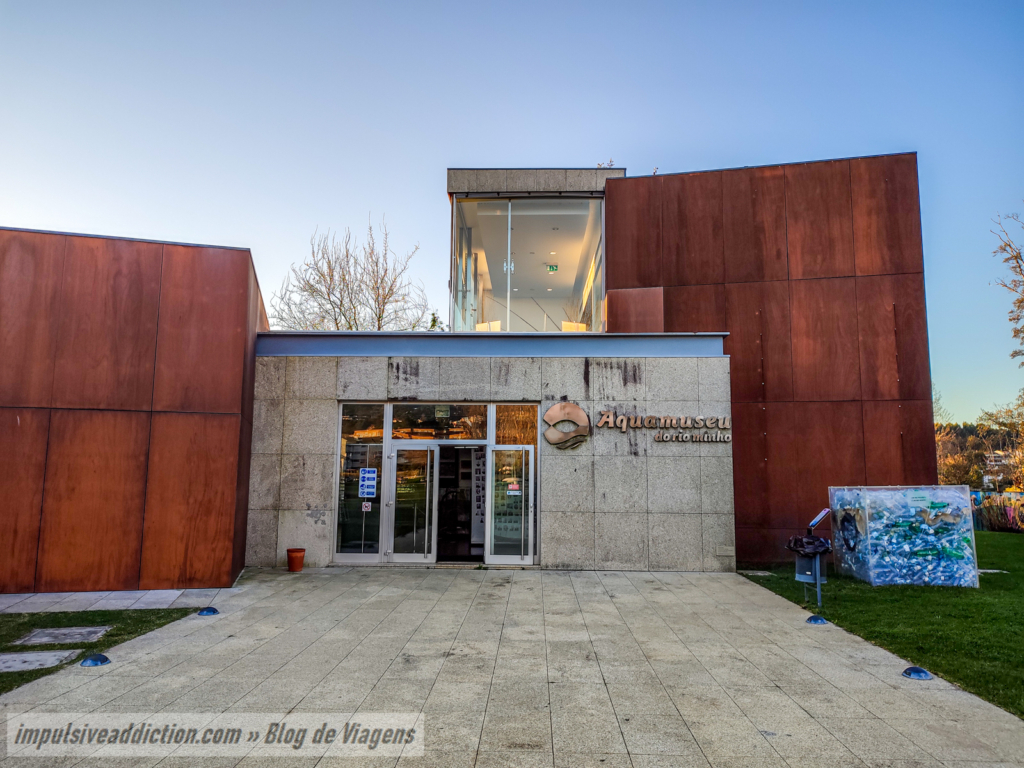
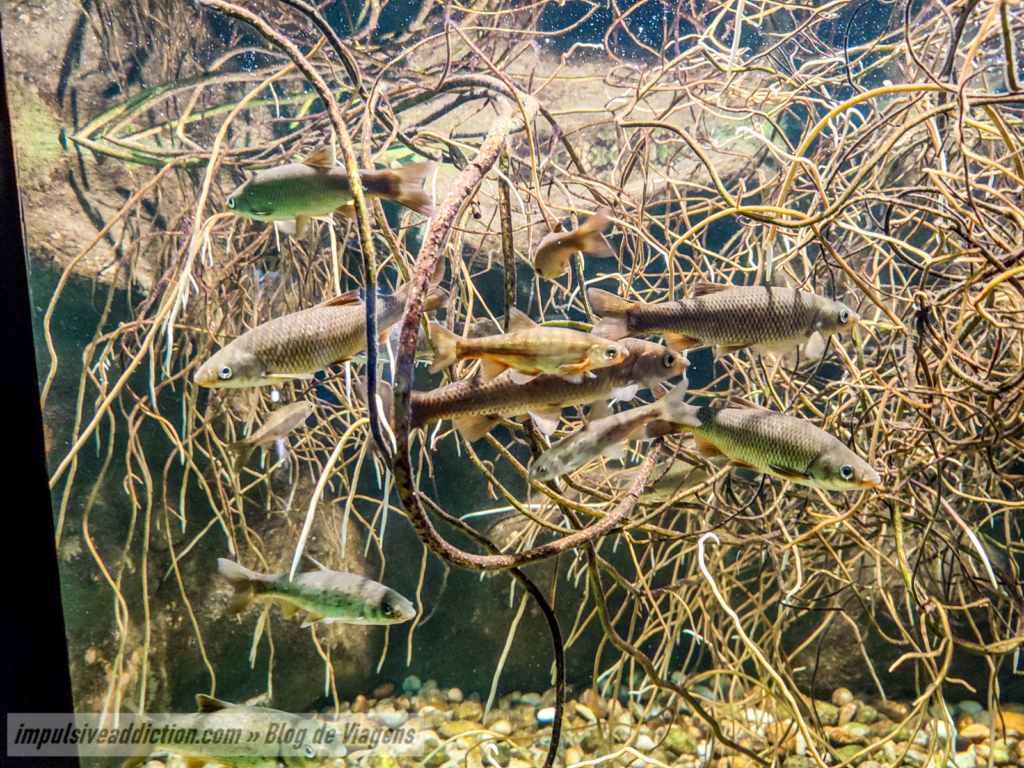
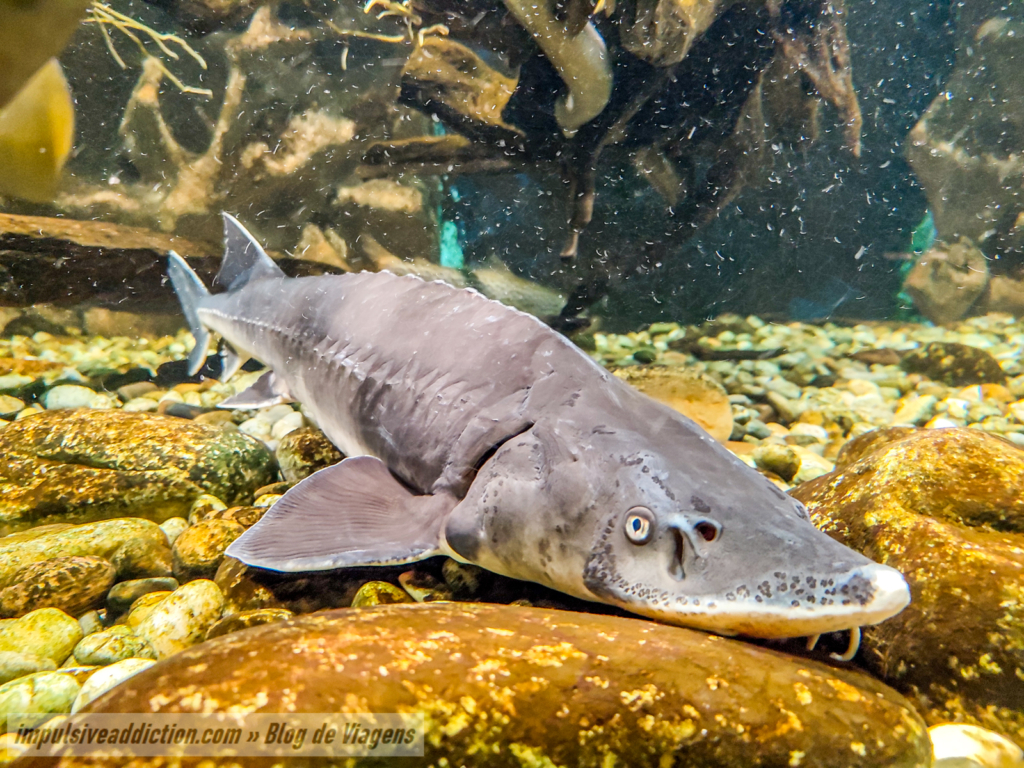
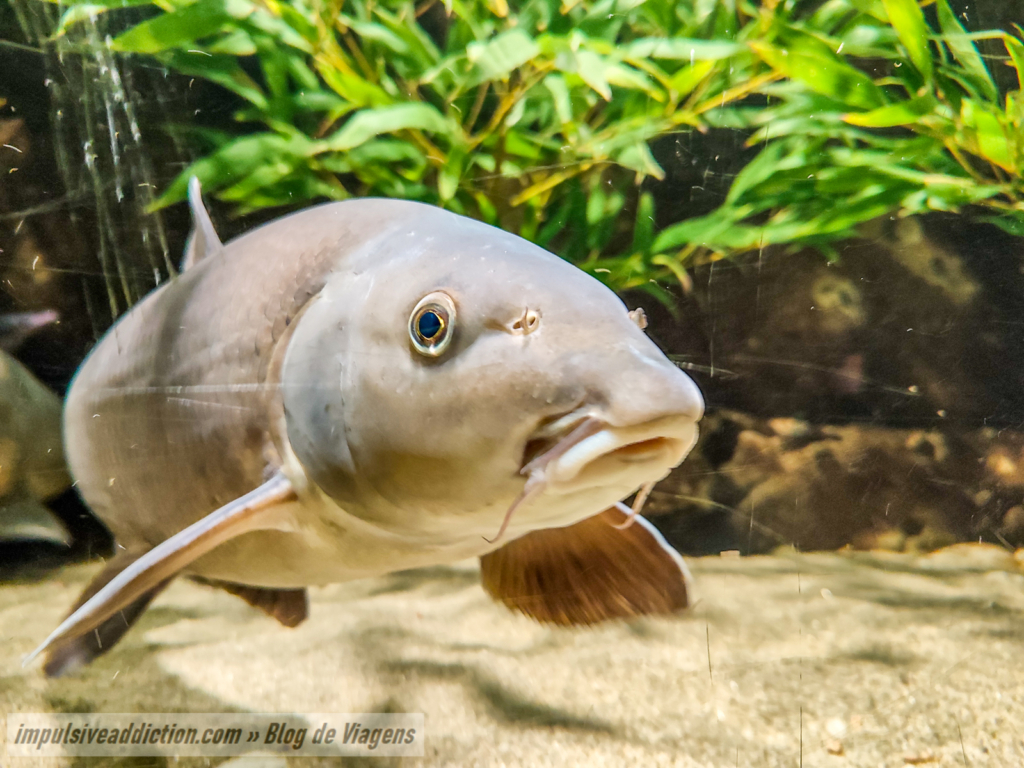
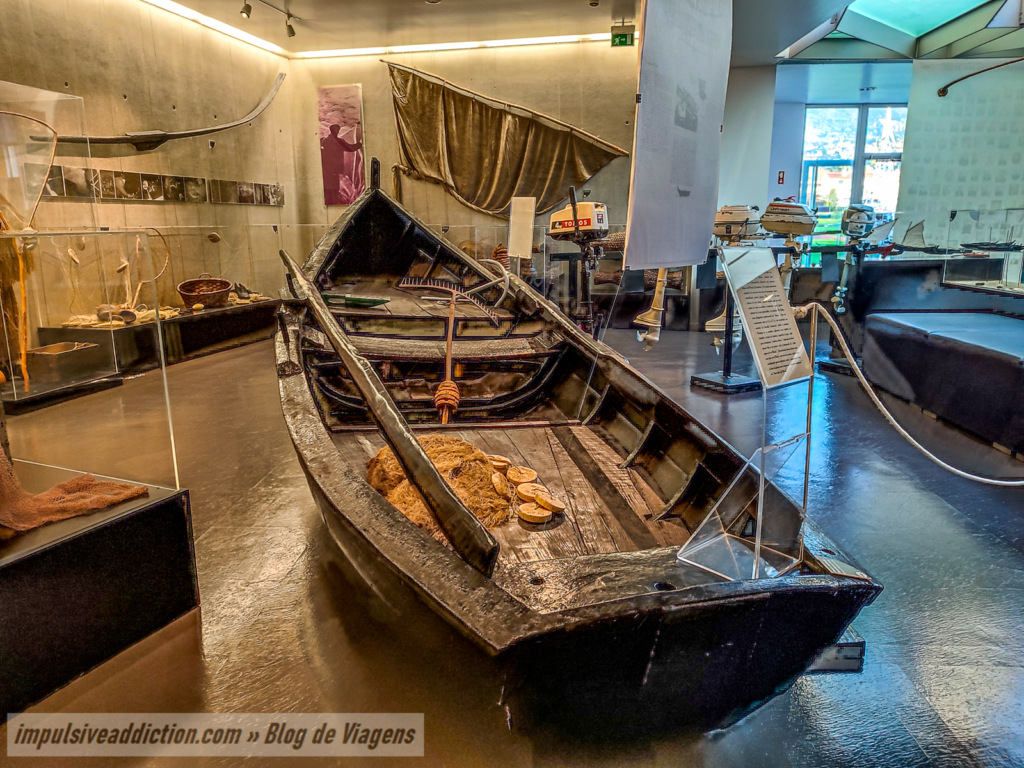
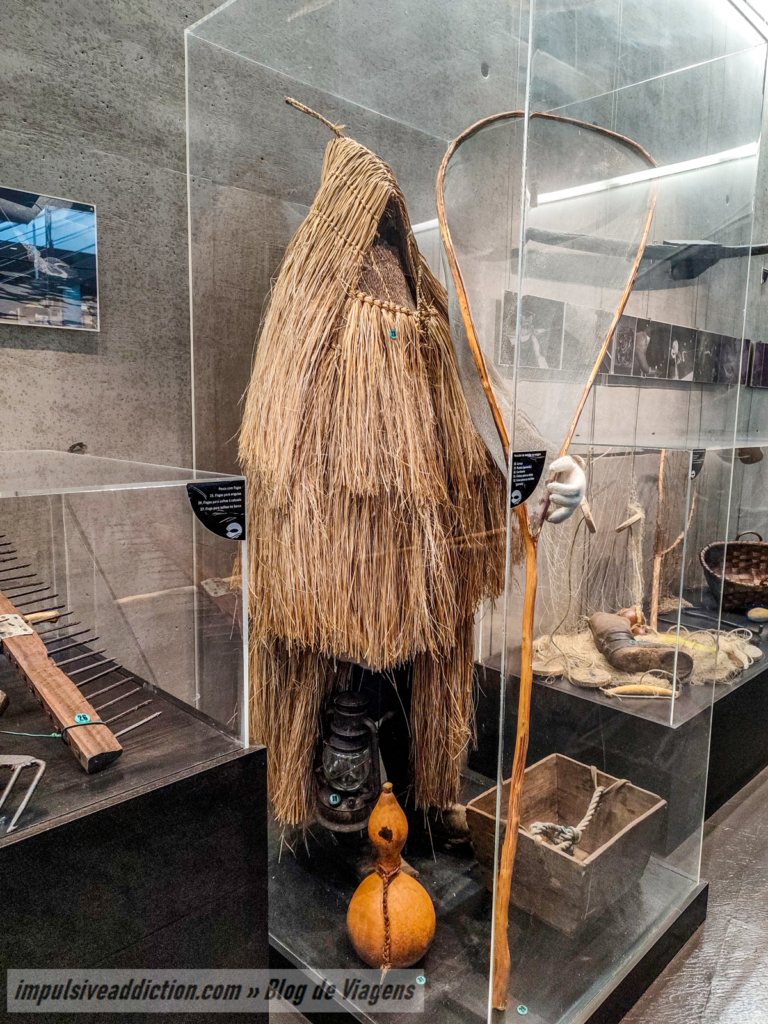
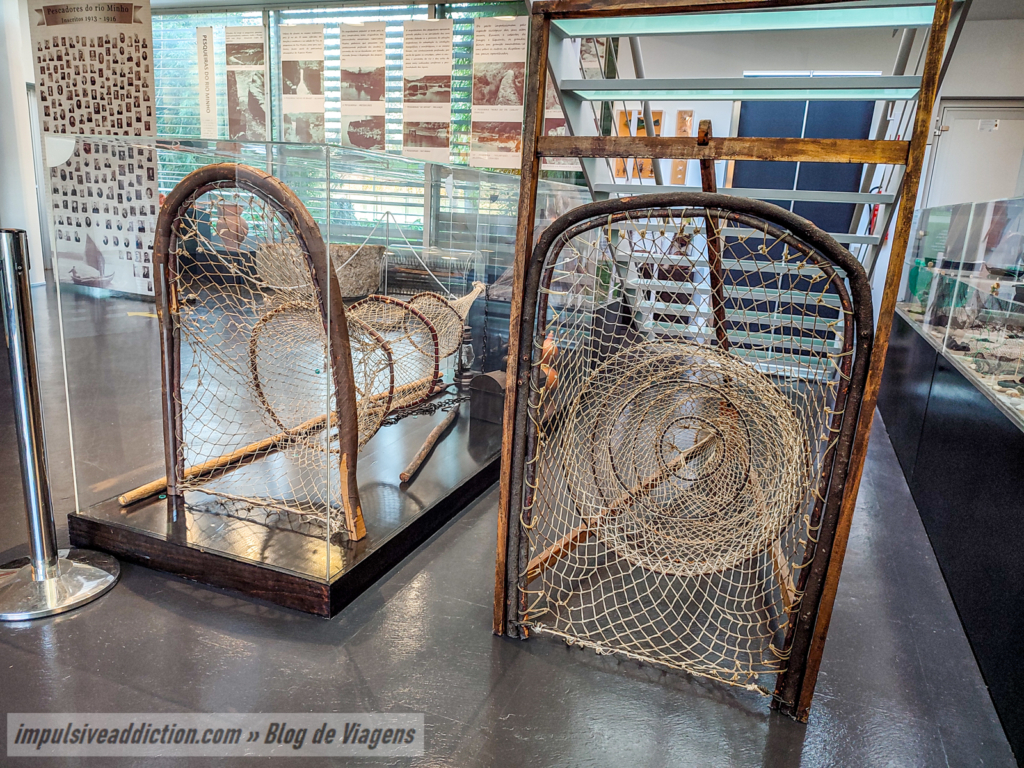
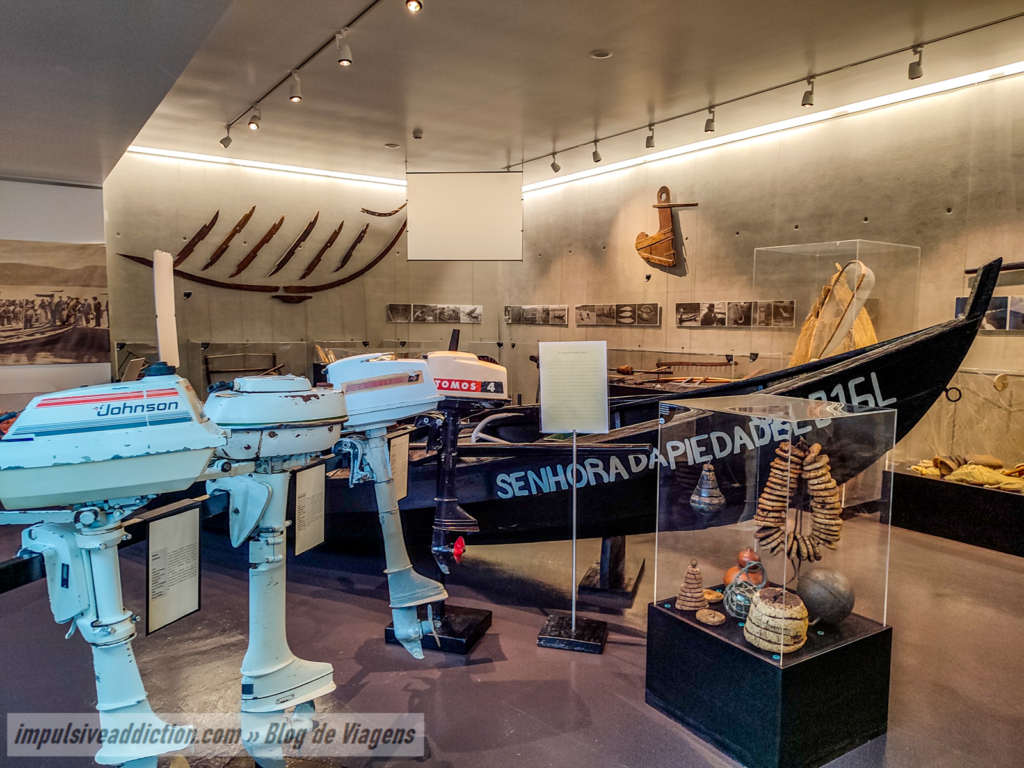
The Aquamuseum has its own website where you can check updated information on opening hours, ticket prices, exhibitions, and activities. Inside, you’ll find several aquariums showcasing the many aquatic species that inhabit the Minho River. The museum also hosts exhibitions focused on fishing and the lives of local fishermen, giving you a closer look at the traditional tools and techniques used in this centuries-old activity.
3. Boat Tours and Activities on the Minho River with OLÁ VIDA
Olá Vida is the main tour company in Vila Nova de Cerveira offering experiences on the Minho River. You can find all the details on their official website, but here are two highlights worth mentioning:
- Boat Tour on the Minho River (Island Cruise): A relaxing trip that gives you the chance to get up close to islands such as Ilha da Boega and Ilha dos Amores.
- Kayaking: Paddle down the Minho River or the Coura River for an adventurous and scenic experience.
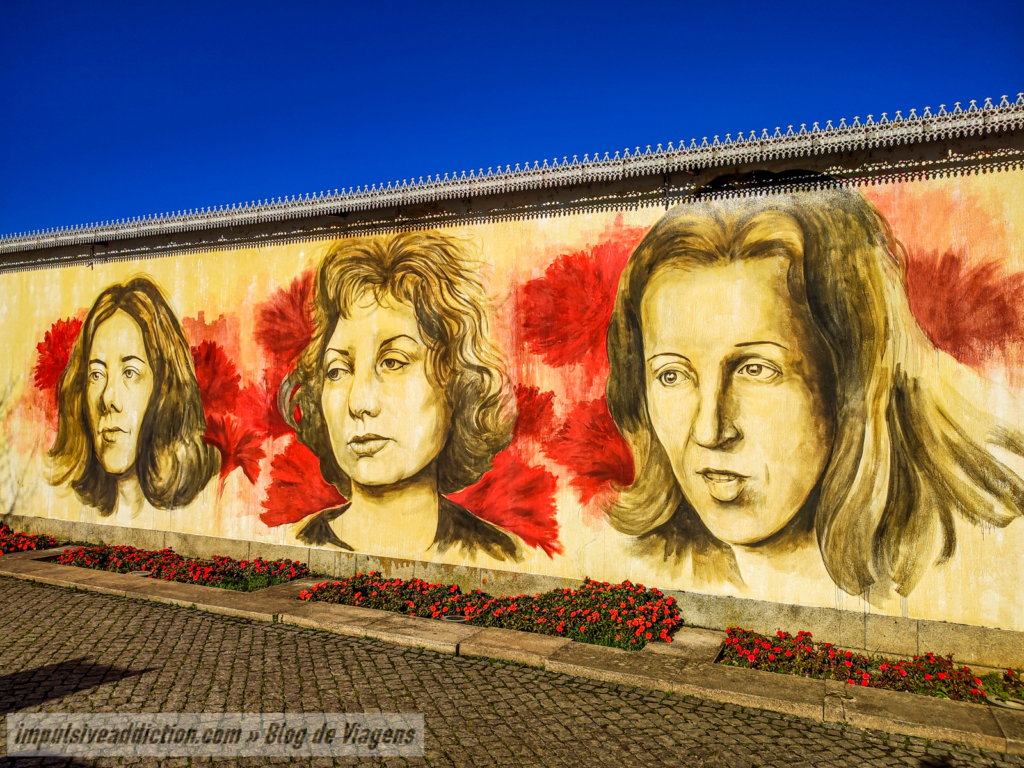
4. Tribute Mural “The Three Marias”
At the entrance to the historic center, you’ll come across a striking mural depicting three women. These are “The Three Marias”—three Portuguese writers who, during Salazar’s dictatorship, published a groundbreaking book exposing gender discrimination in Portugal. They were accused of producing pornographic literature and of offending public morals, but ultimately avoided trial due to the democratic revolution of April 25, 1974.
5. Chagny Garden in Vila Nova de Cerveira
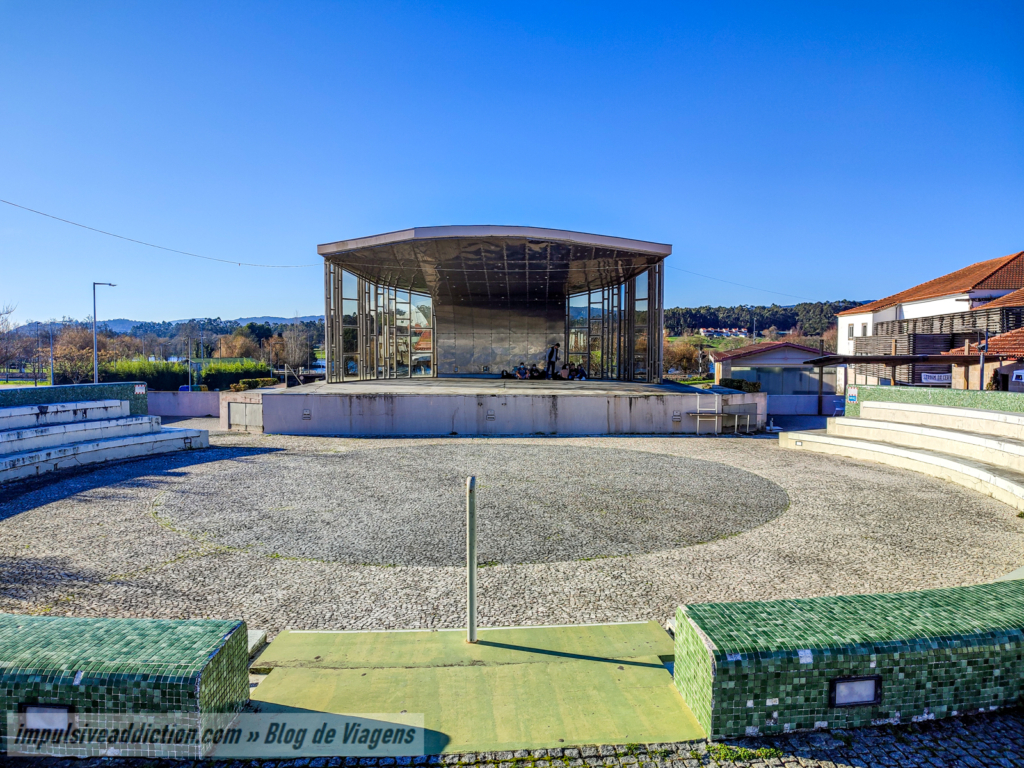
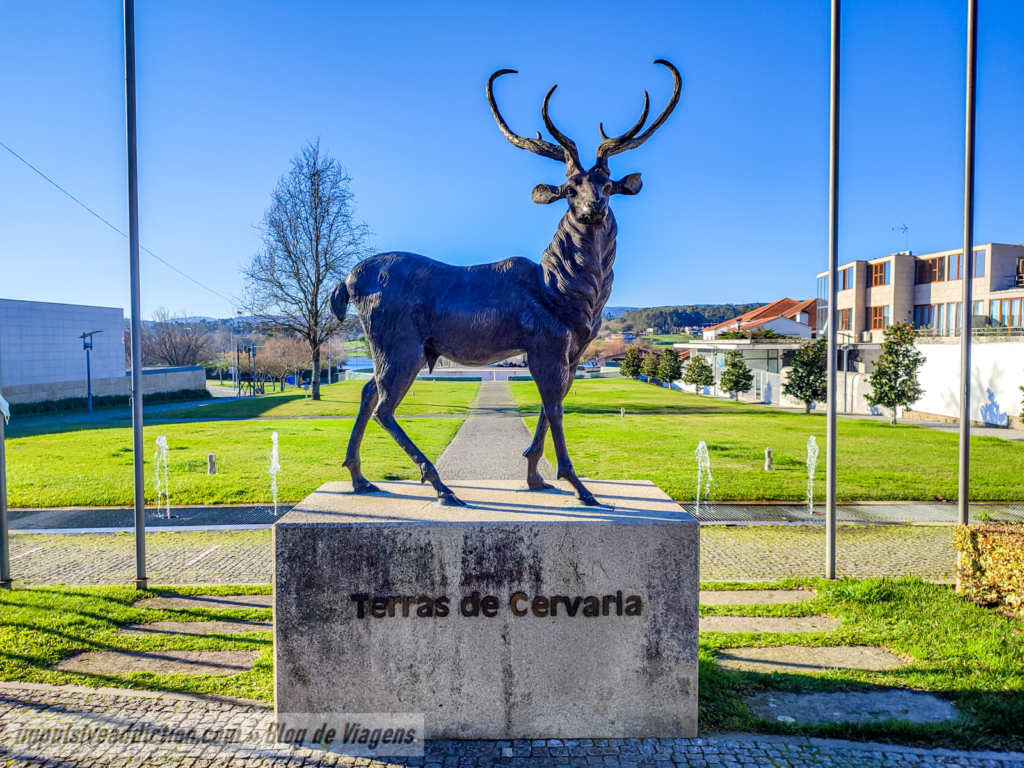
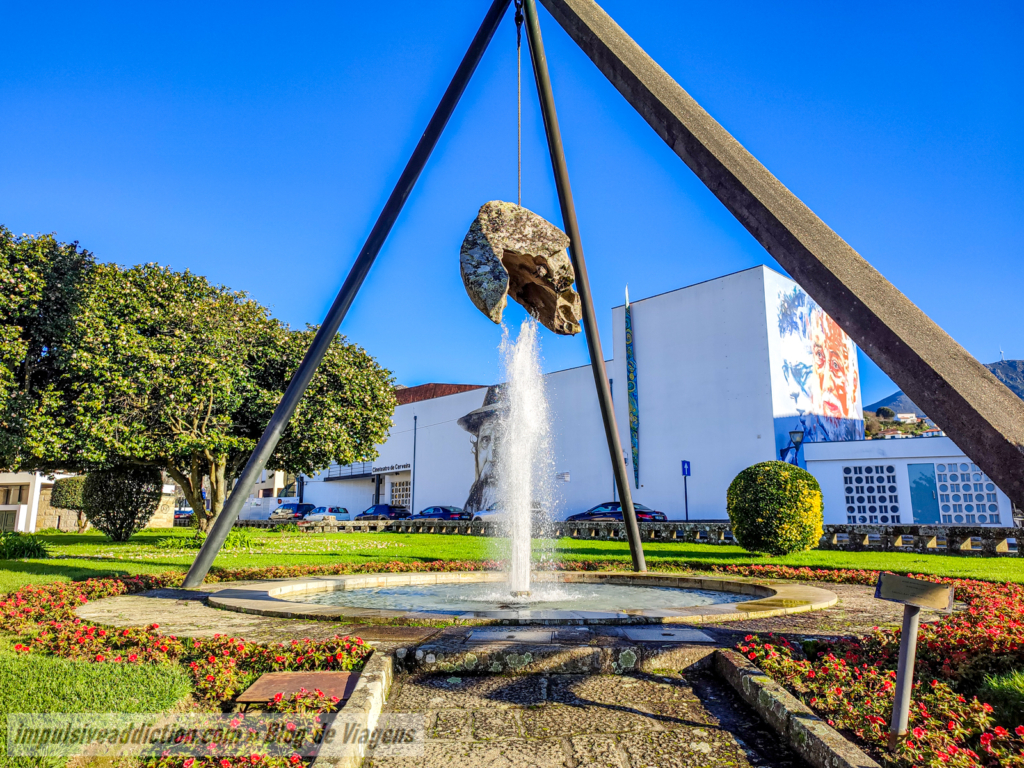
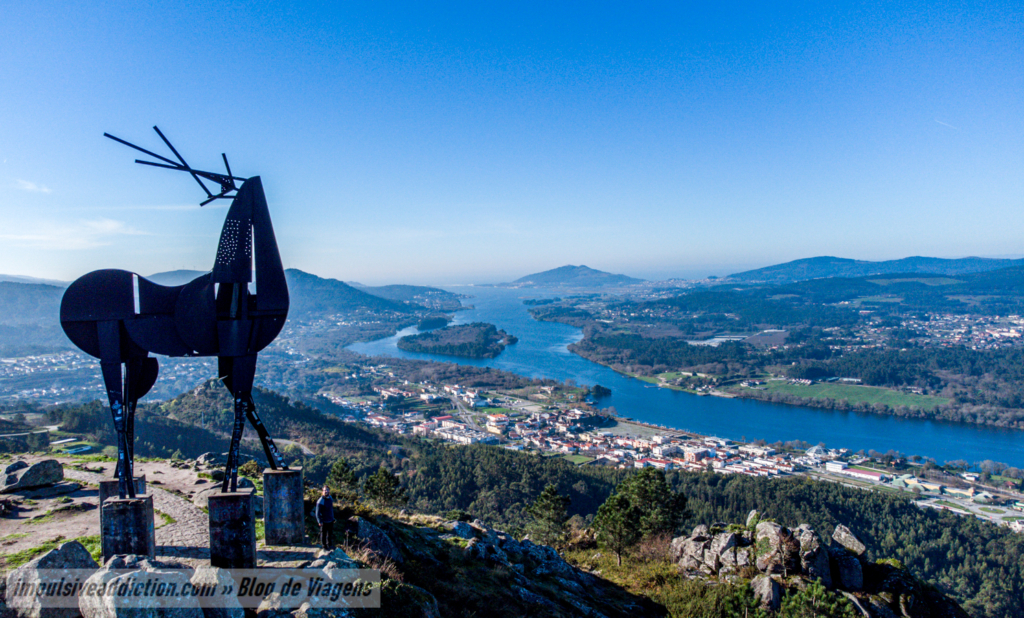
The highlight of Chagny Garden is the amphitheater of the Municipal Auditorium. On the opposite side, you’ll find the beautiful statue of the deer, the symbol of Vila Nova de Cerveira. According to tradition, the town’s very name is rooted in this animal: Vila Nova de Cerveira = Terras de Cervaria = “Land of the Deer.”
6. Municipal Auditorium Garden and Cine-Theater of Vila Nova de Cerveira
Beyond the Deer Statue, you’ll find the Interactive Tourism Office, where you can pick up more information about Vila Nova de Cerveira, including brochures and maps of local attractions.
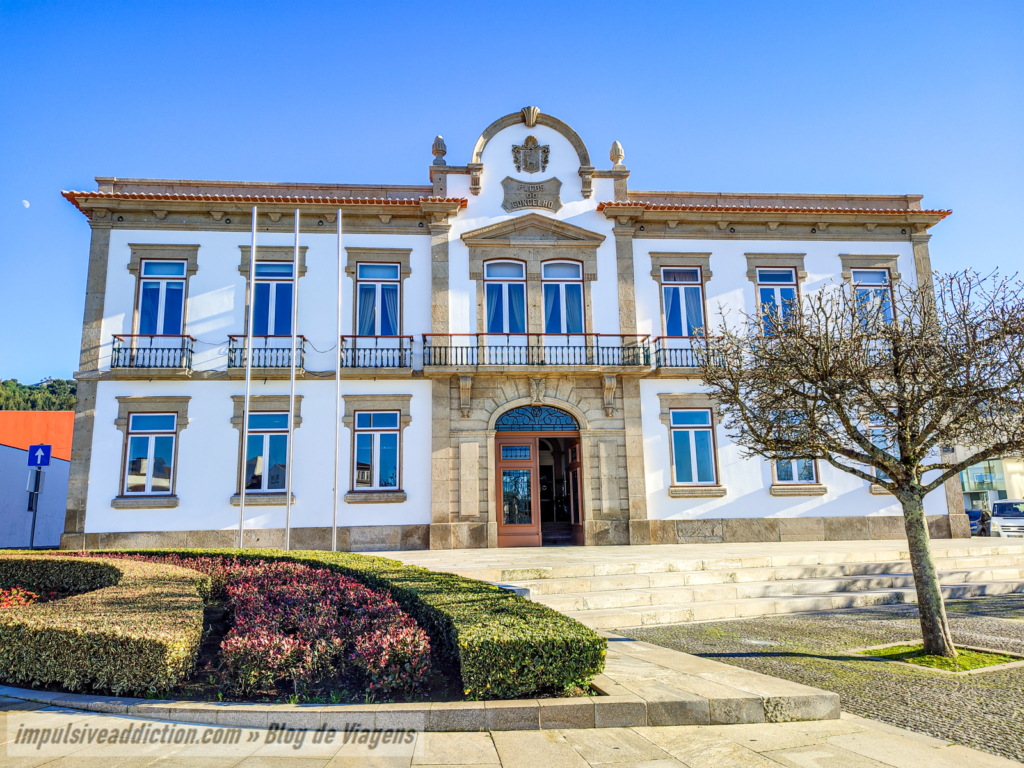
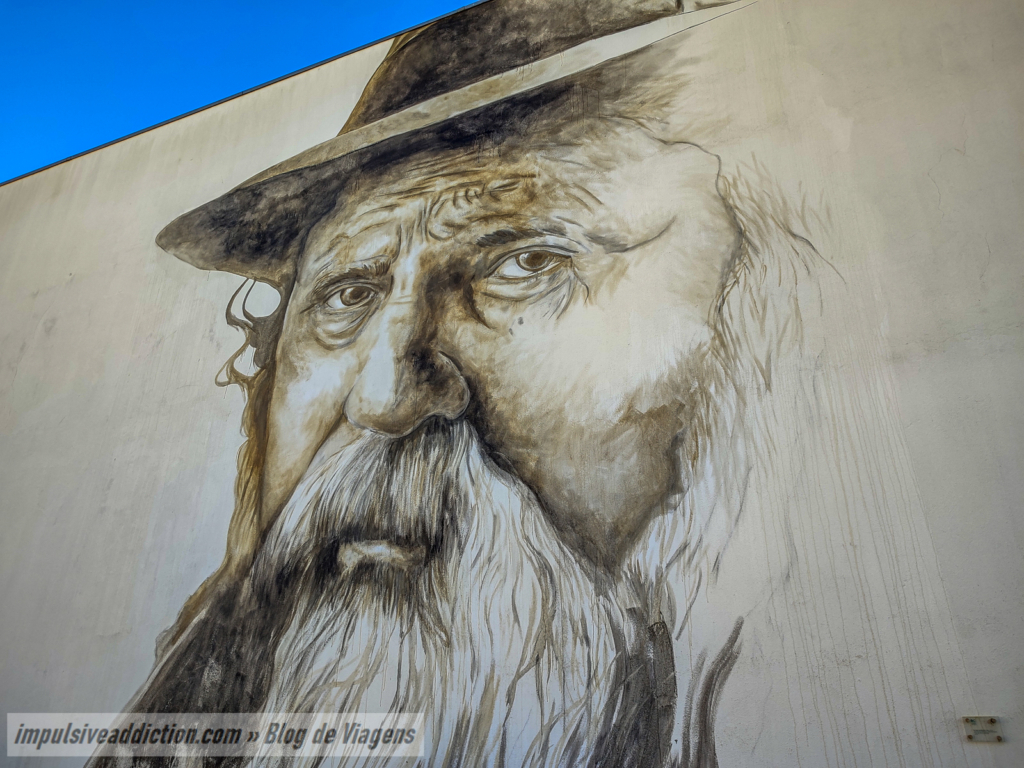
Nearby stands the Town Hall building, as well as two impressive urban art murals on the walls of the Cine-Theater of Vila Nova de Cerveira:
- Tribute to the Eternal Master of the Restless, Henrique Silva
- “Gaps of Memory” – Tribute to José Rodrigues
Both Henrique Silva and José Rodrigues were key figures in the Portuguese art scene and were behind the creation of the Biennial Art Foundation of Vila Nova de Cerveira. In fact, José Rodrigues was also the artist who designed the massive iron deer statue you’ll see at the town’s most stunning viewpoint.este roteiro. Falarei dele mais à frente neste artigo.

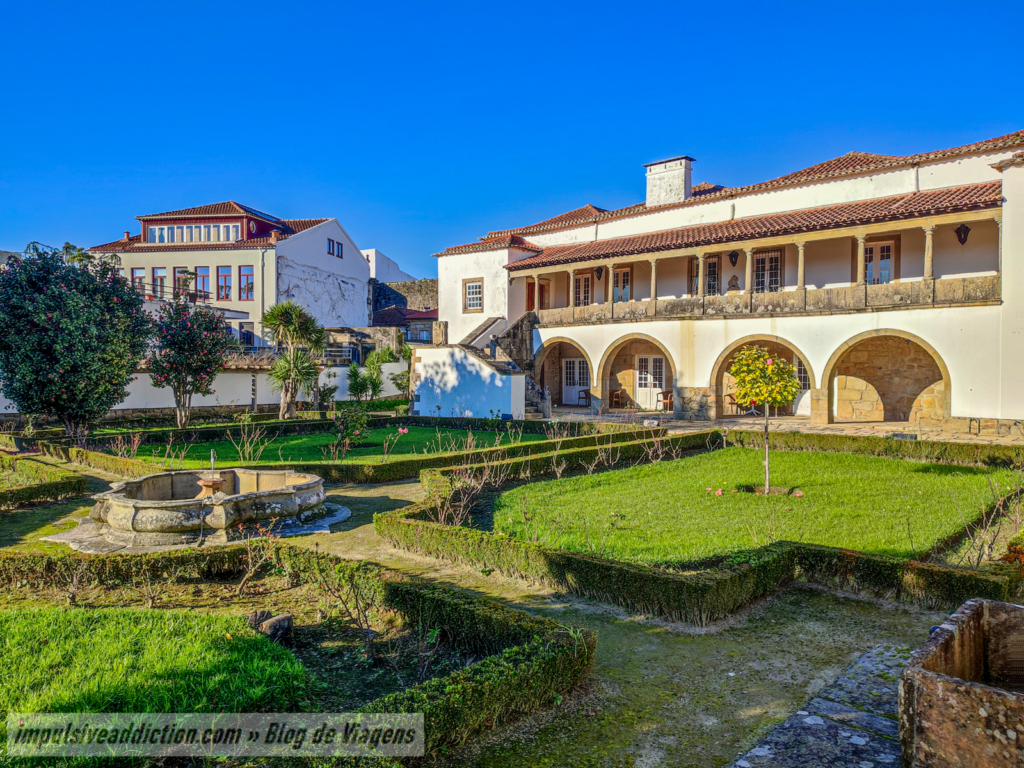
7. Solar dos Castros
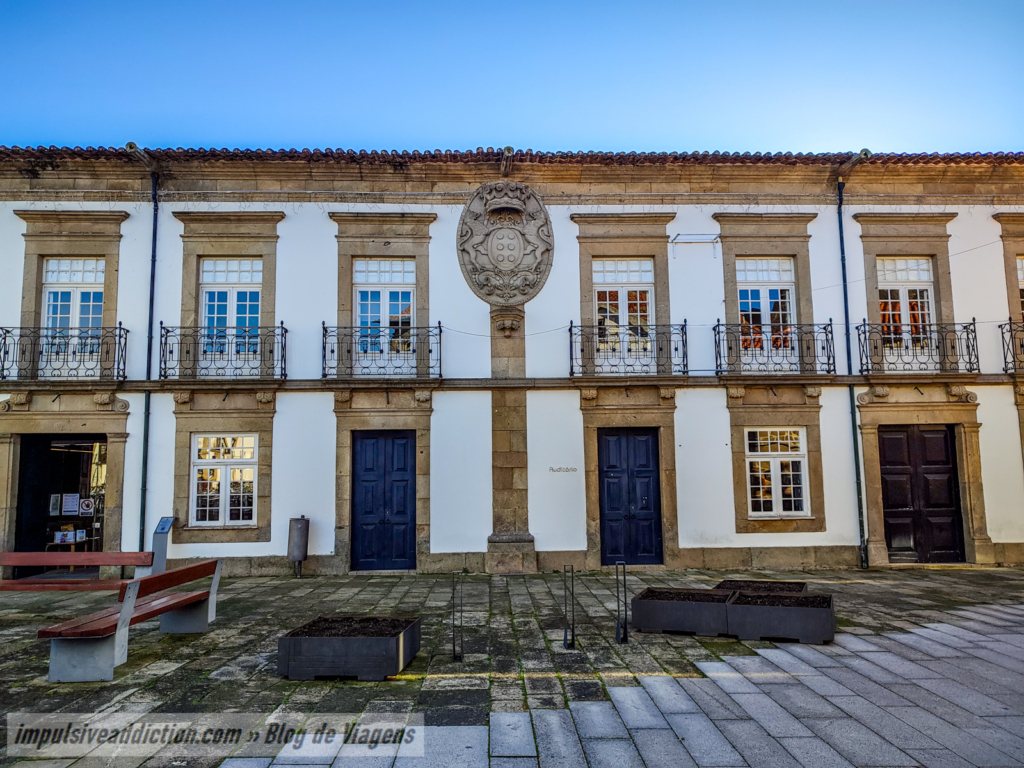
Today, the Solar dos Castros houses the Municipal Library of Vila Nova de Cerveira. Be sure to admire its elegant French-style garden at the back.
The building was originally constructed in the early 17th century, but it was soon damaged by fire and looting during the Restoration Wars. Its current appearance dates back to an 18th-century reconstruction, with the Castro family coat of arms prominently displayed on the main façade.
8. Main Church of Vila Nova de Cerveira
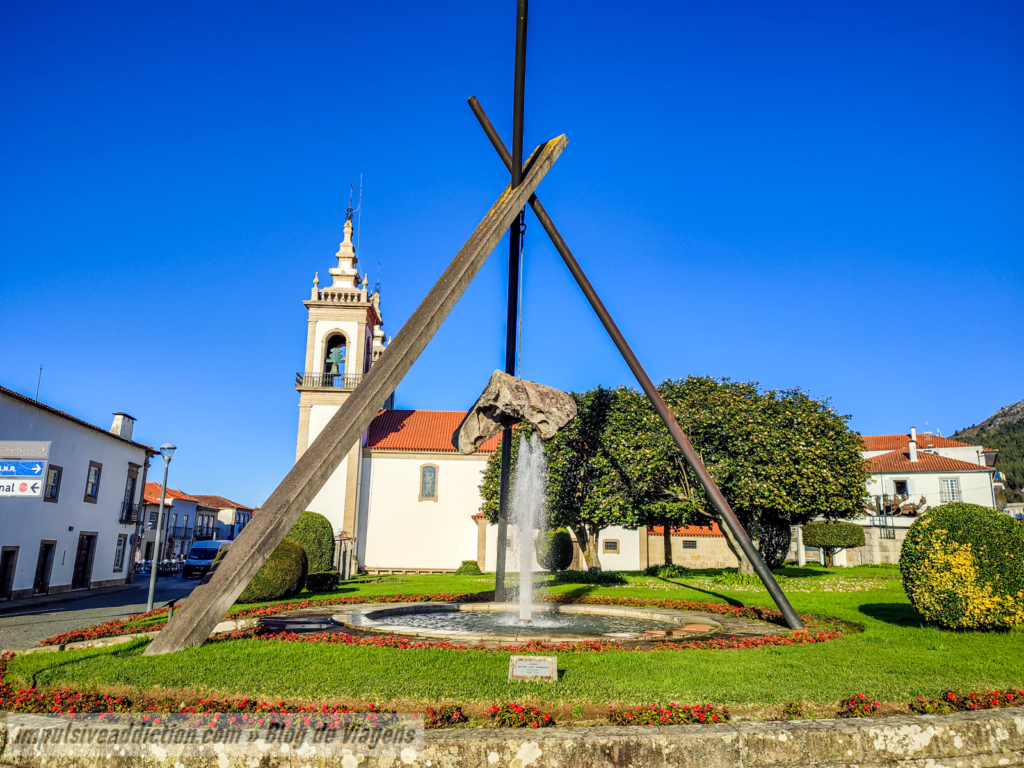
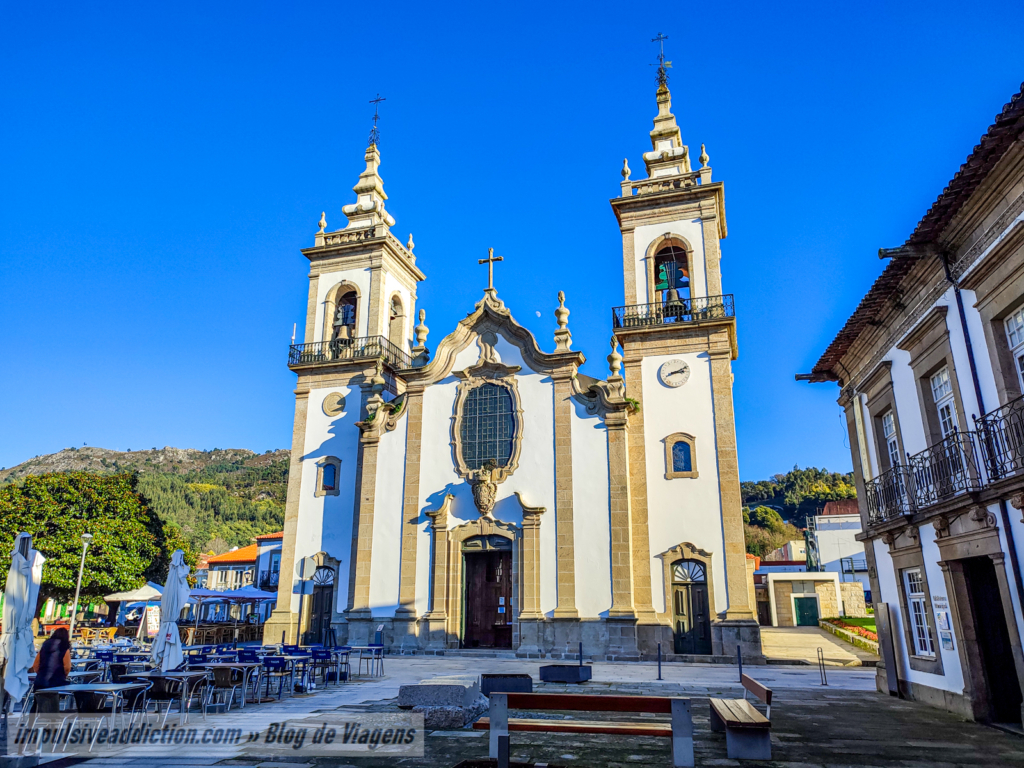
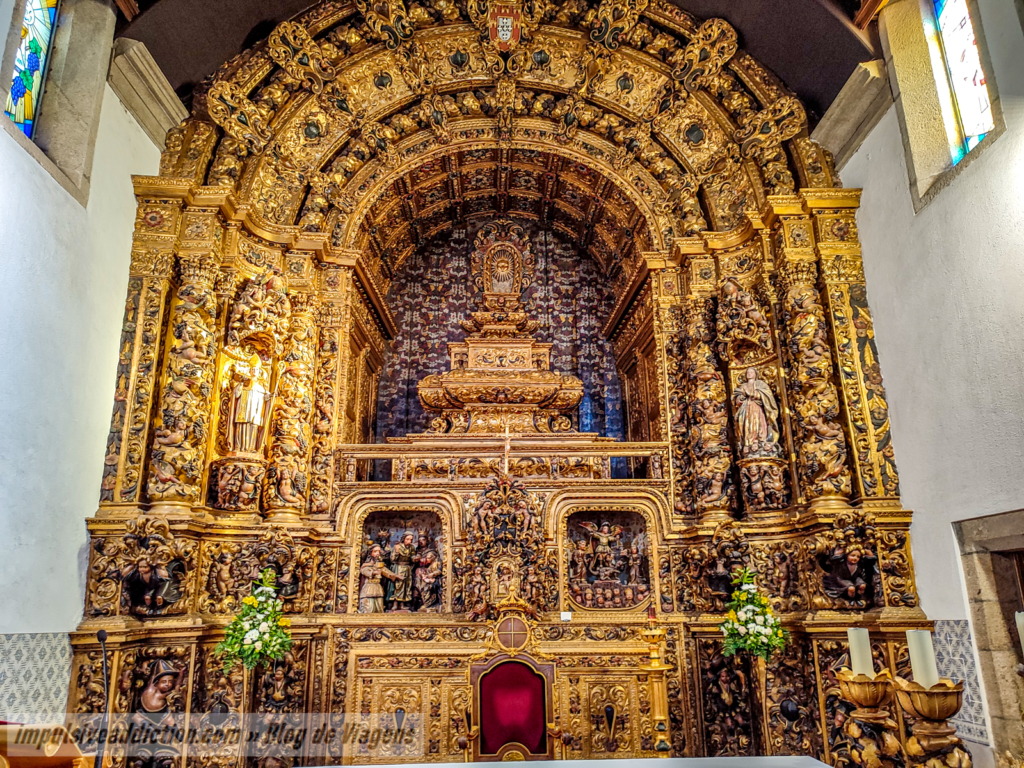
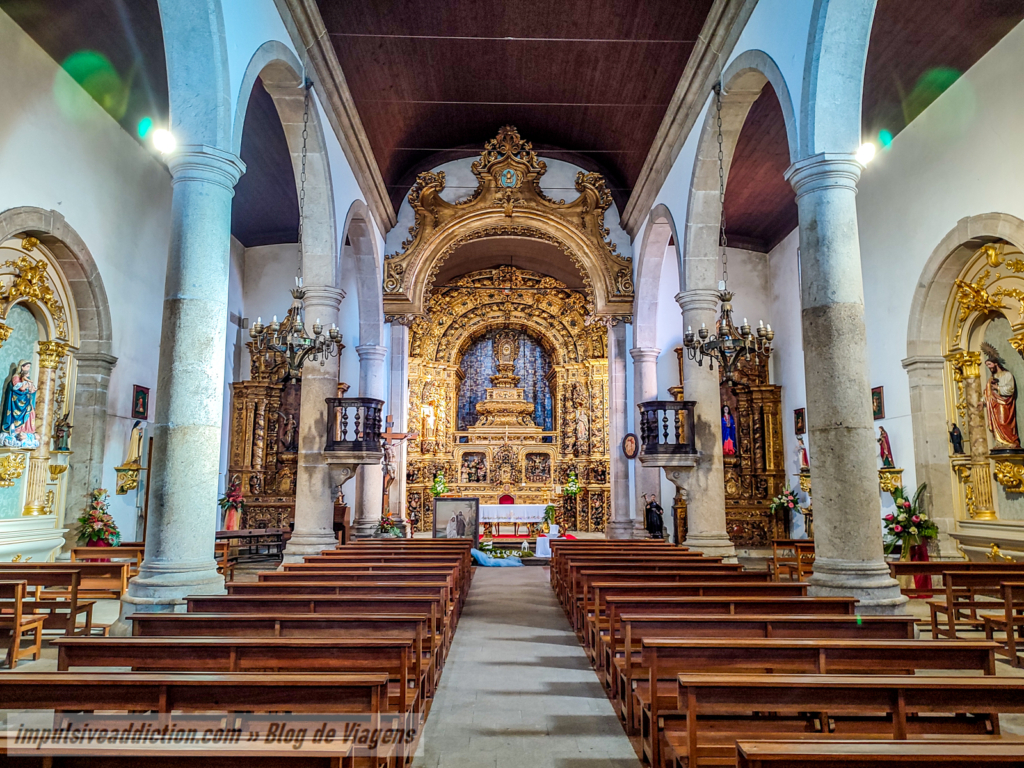
The Main Church of Vila Nova de Cerveira, also known as the Church of Saint Cyprian, stands at the entrance to Praça da Liberdade Square. It features two bell towers and, although its origins are older, the church acquired its current appearance after renovations in the 18th century.
9. Terreiro – Praça da Liberdade, Vila Nova de Cerveira
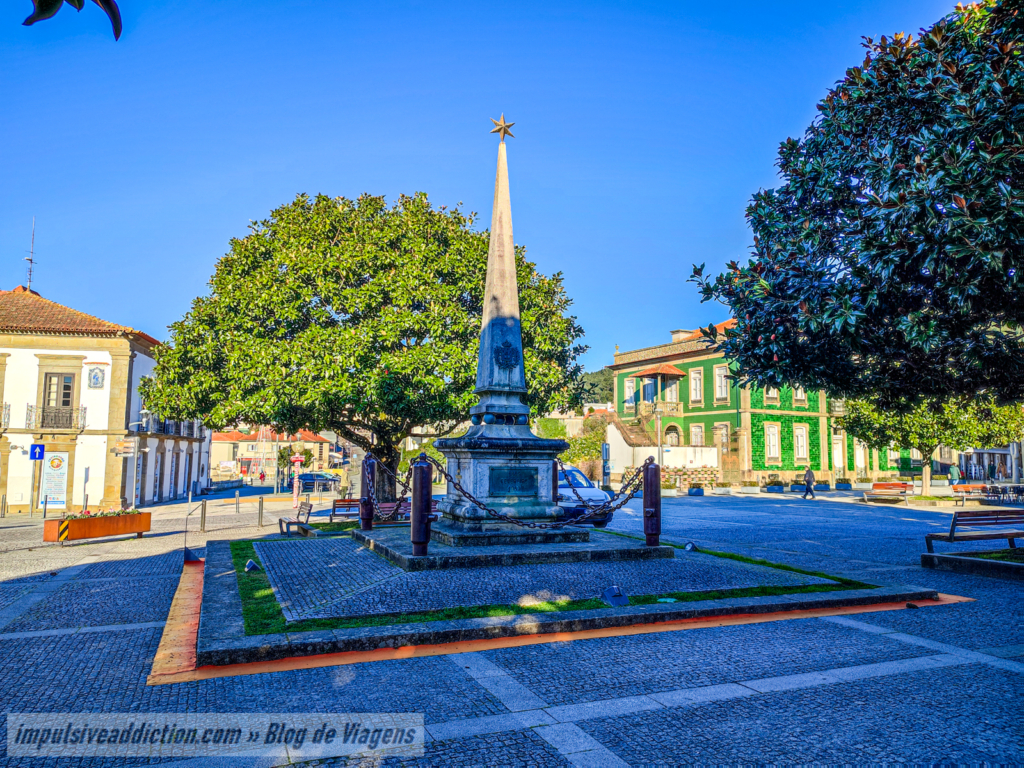
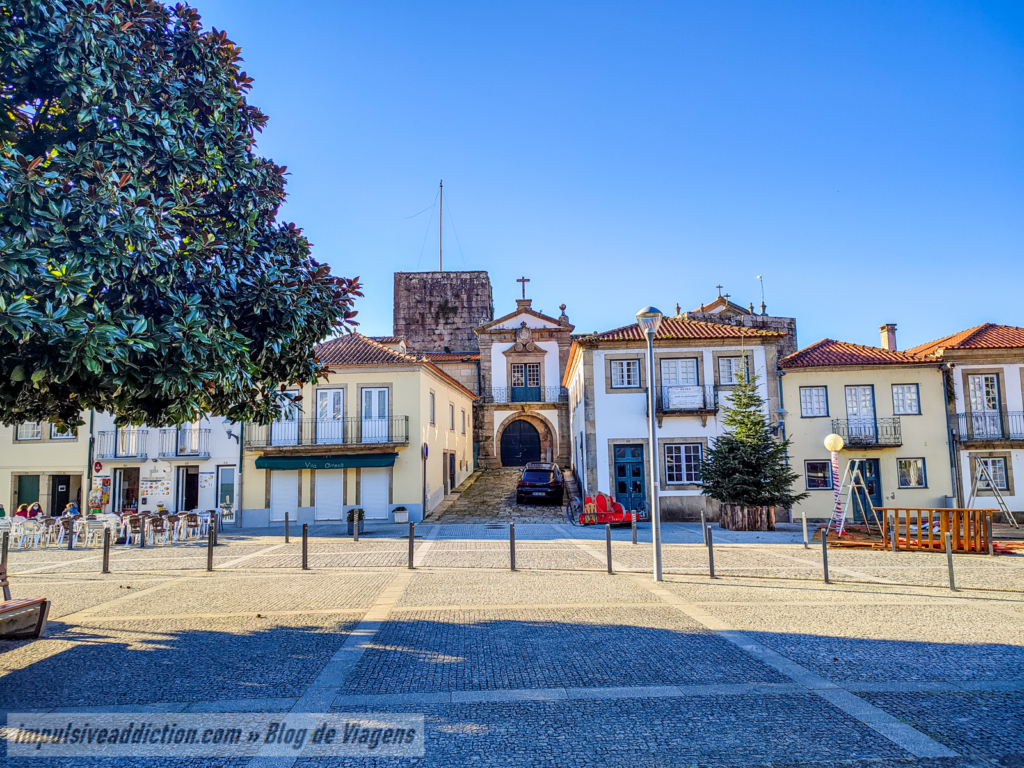
The Terreiro, or Praça da Liberdade, is the main square and heart of Vila Nova de Cerveira. Around it, you’ll find some of the town’s key landmarks, such as the Casa Verde, the Town Fountain, and the entrance to the Castle. At its center stands a monument honoring the heroes of 1808, a tribute connected to the Napoleonic invasions and the Peninsular War.
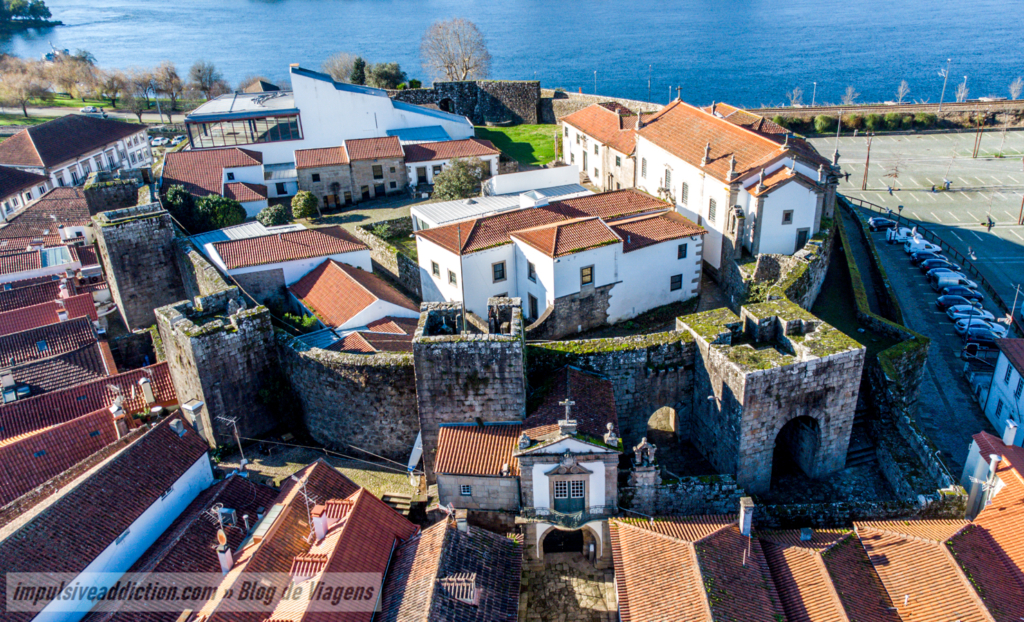
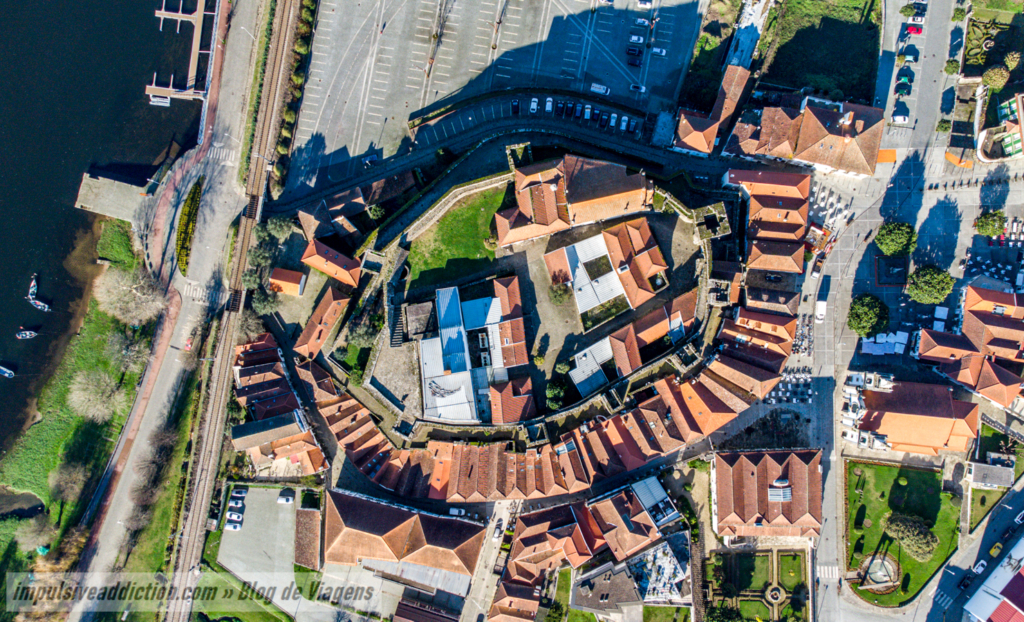
10. Castle of Vila Nova de Cerveira
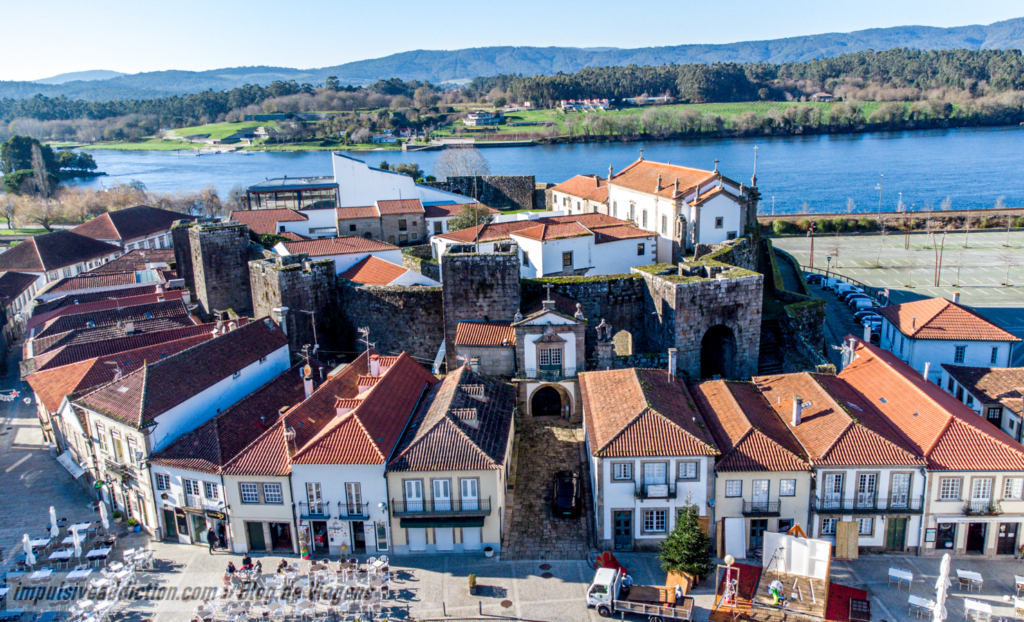
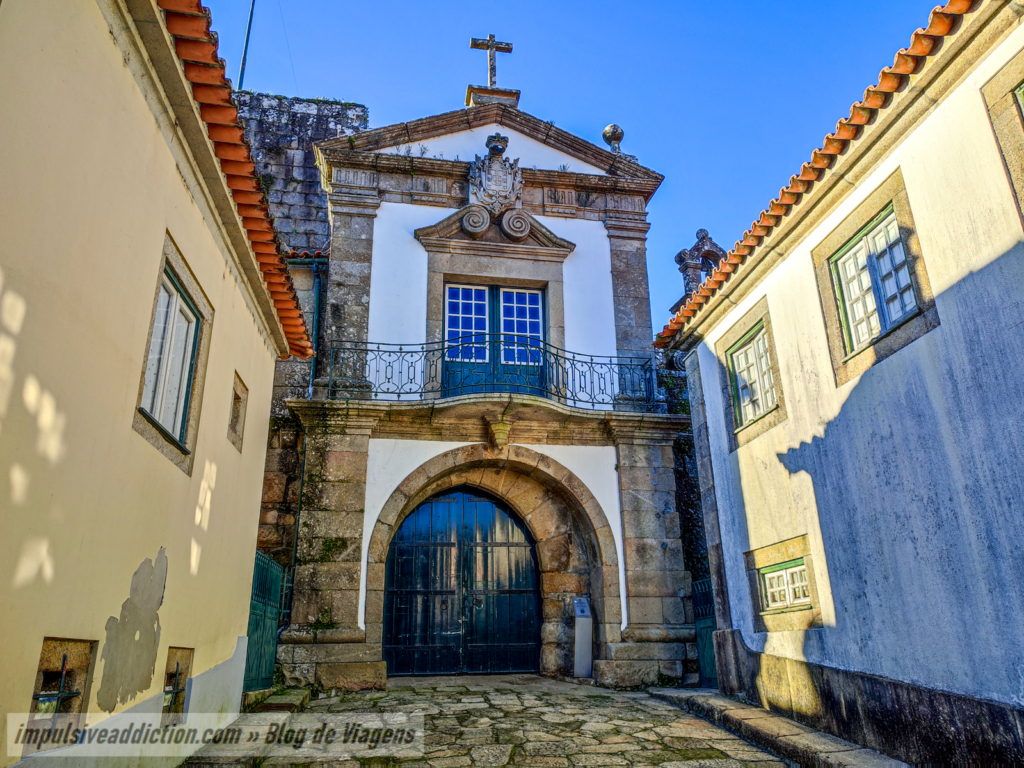
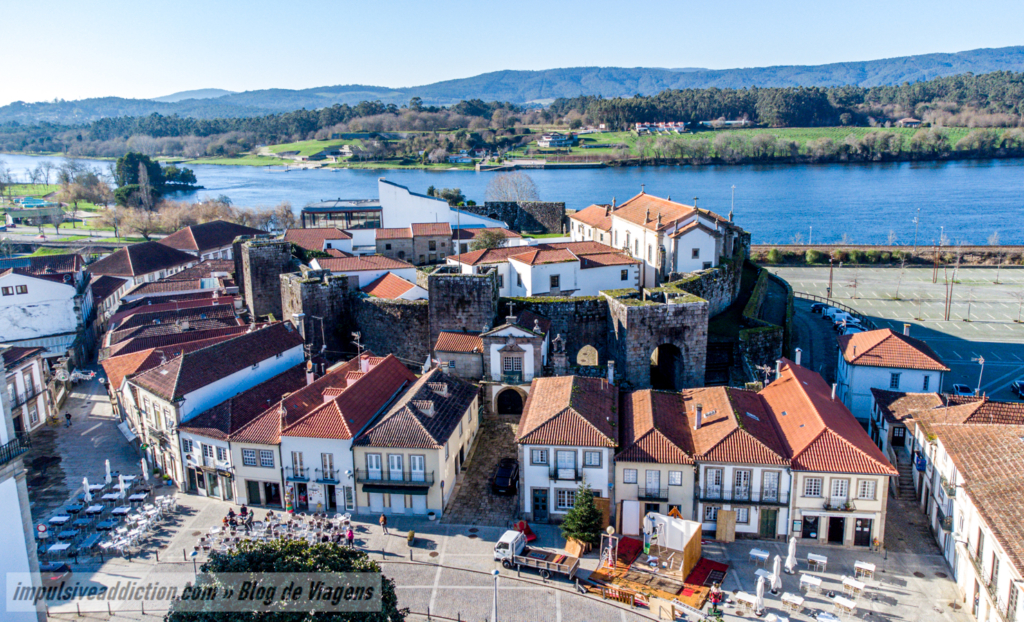
On my most recent visit to Vila Nova de Cerveira, in early 2022, I was unlucky to find the castle closed. However, I had explored it on a previous trip, and I can assure you it’s worth a stop. Within its walls, you’ll discover several notable landmarks: the Chapel of Nossa Senhora da Ajuda, the Church of Misericórdia, the Cerveira Pillory, the Chapel of São Sebastião, and the Old Town Hall.
The castle itself was built in the 14th century by order of King Dinis.
- The Chapel of Nossa Senhora da Ajuda, dating back to the 16th century, sits above the town gate.
- The Church of Misericórdia, dedicated to the Ecce Homo, was built in the early 19th century.
- The Cerveira Pillory, from 1547, stands in front of the Old Town Hall.
- The Chapel of São Sebastião, from the late 17th century, was built by soldiers who were stationed inside the castle during the Restoration Wars.
From 1982 to 2008, the castle housed a Pousada de Portugal (heritage inn). It has since been sold and is now being transformed into a 4-star hotel.
11. Casa Verde and Fonte da Vila
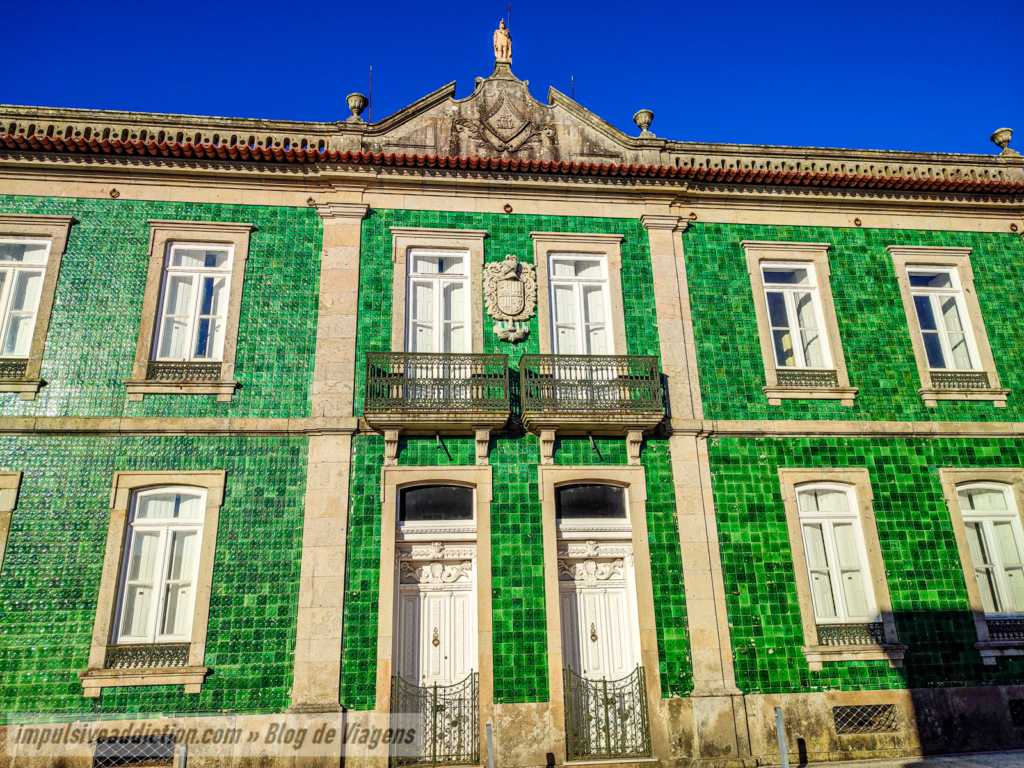
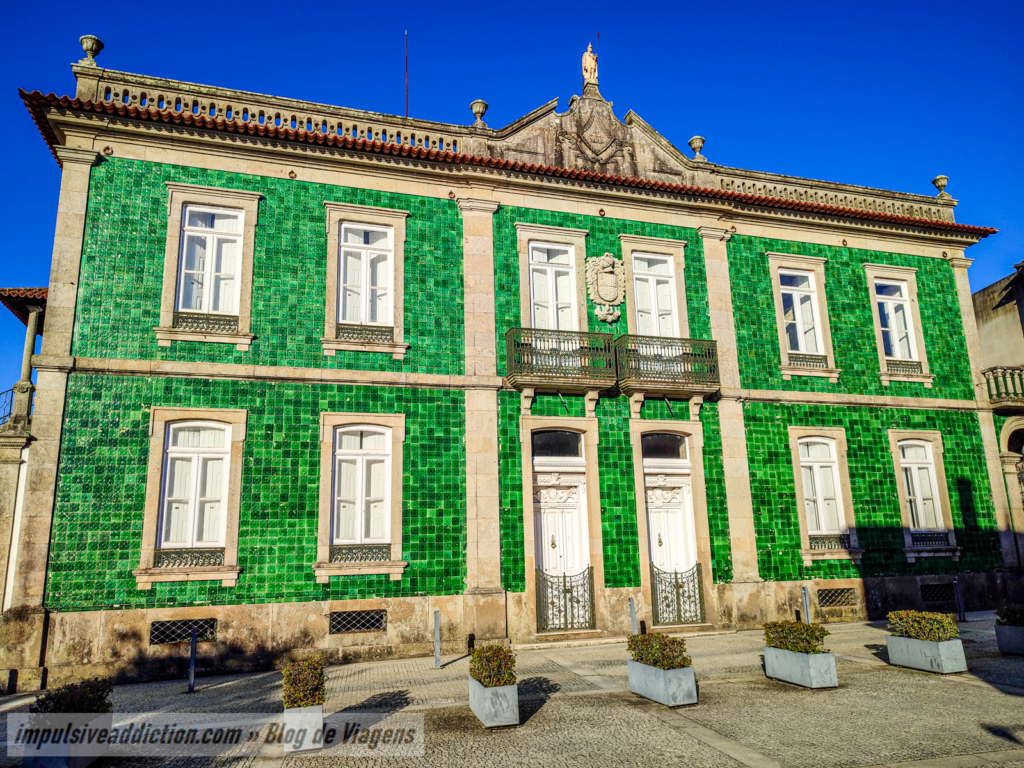
The Casa Verde is a 19th-century palace-style building in the Brazilian architectural tradition. Its name comes from the green tiles (azulejos) that cover the façade, crowned by a striking statue of a Roman soldier at the very top.
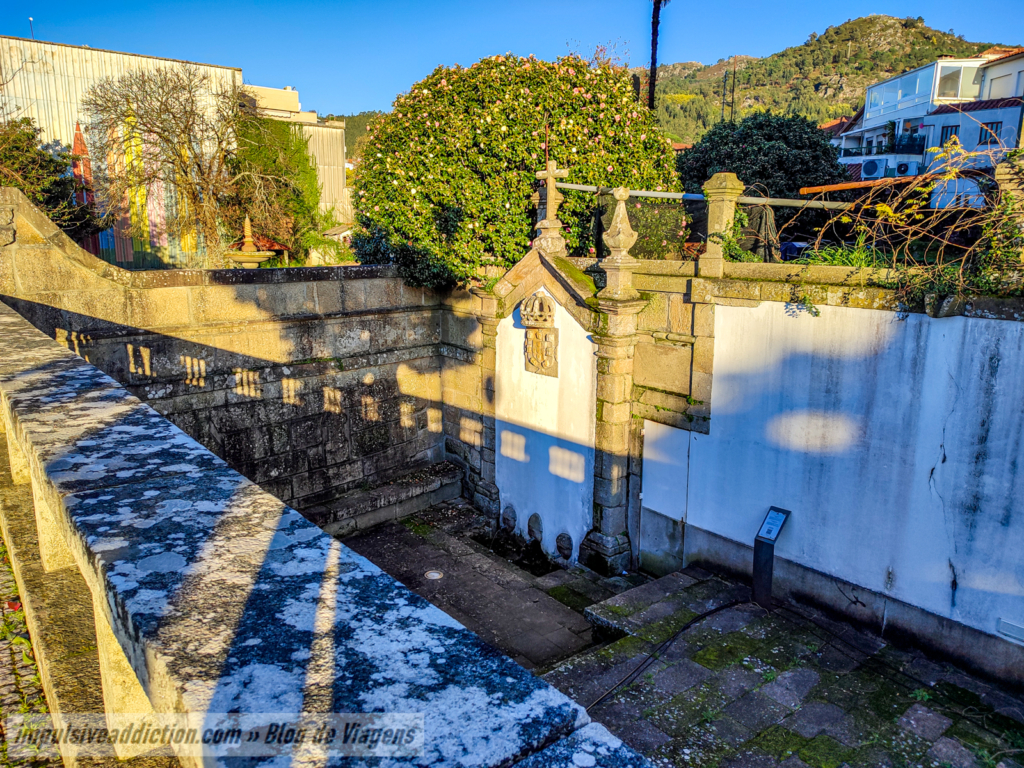
Next to it stands the Fonte da Vila, a 17th-century plunge fountain that once played a crucial role in supplying the town with drinking water. Notable features include its carved spouts and the coat of arms that adorns the structure.
12. The Seven Stations of the Way of the Cross
I have to confess, I didn’t manage to see all seven Stations of the Cross in Vila Nova de Cerveira, as they weren’t part of my planned route. I did, however, come across a few of them by chance along Rua Queiroz Ribeiro, while walking toward the Old Hospital. Below is a guide to where each one is located, in case you’d like to seek them out:
- Travessa da Matriz: Senhor do Horto
- Intersection of Rua das Penas and Rua da Calçada: Senhor do Pretório
- National Road No. 13, near the hospital access: Senhor da Prisão
- Beginning of Rua Queiroz Ribeiro: Chapel of Senhor das Oliveiras
- Crossing with Travessa do Arrabalde: Senhor da Cana Verde
- Rua Costa Pereira: Senhor dos Passos
- Wall of the Solar dos Castros: Senhor dos Martírios
13. Old Hospital of Vila Nova de Cerveira
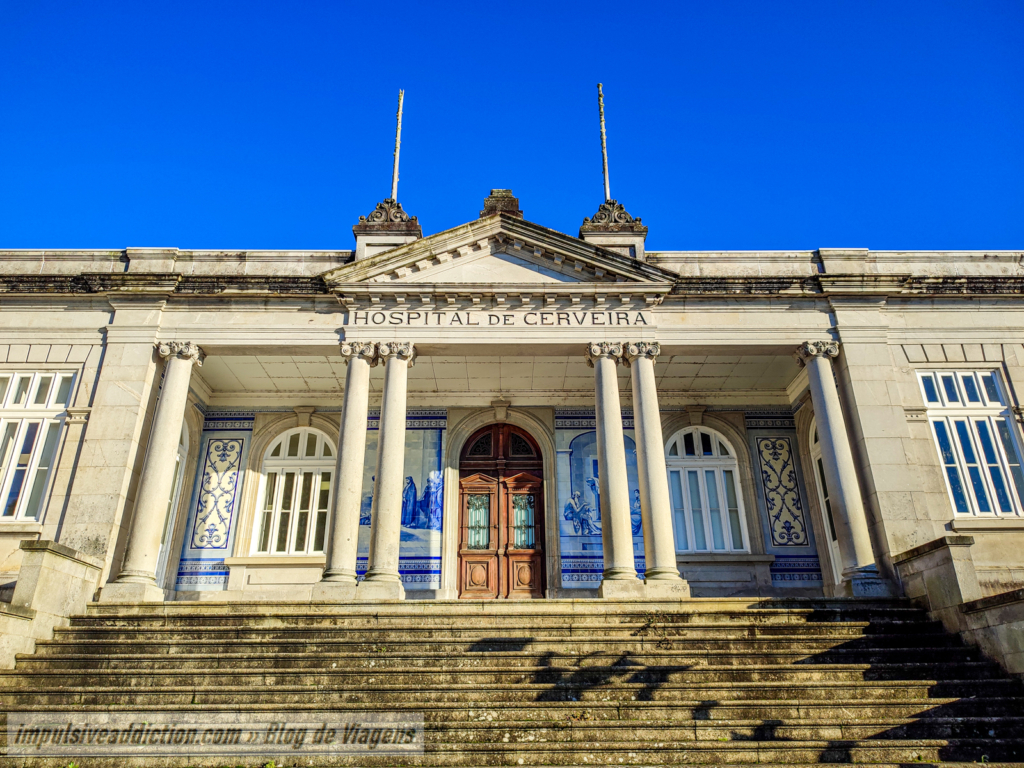
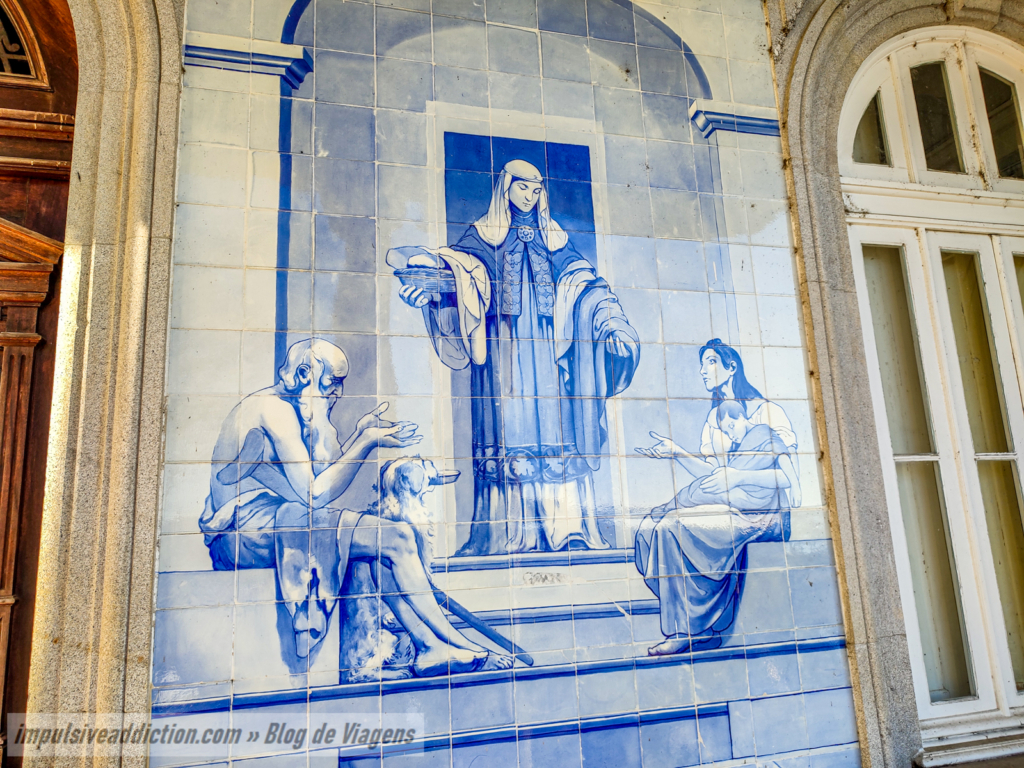
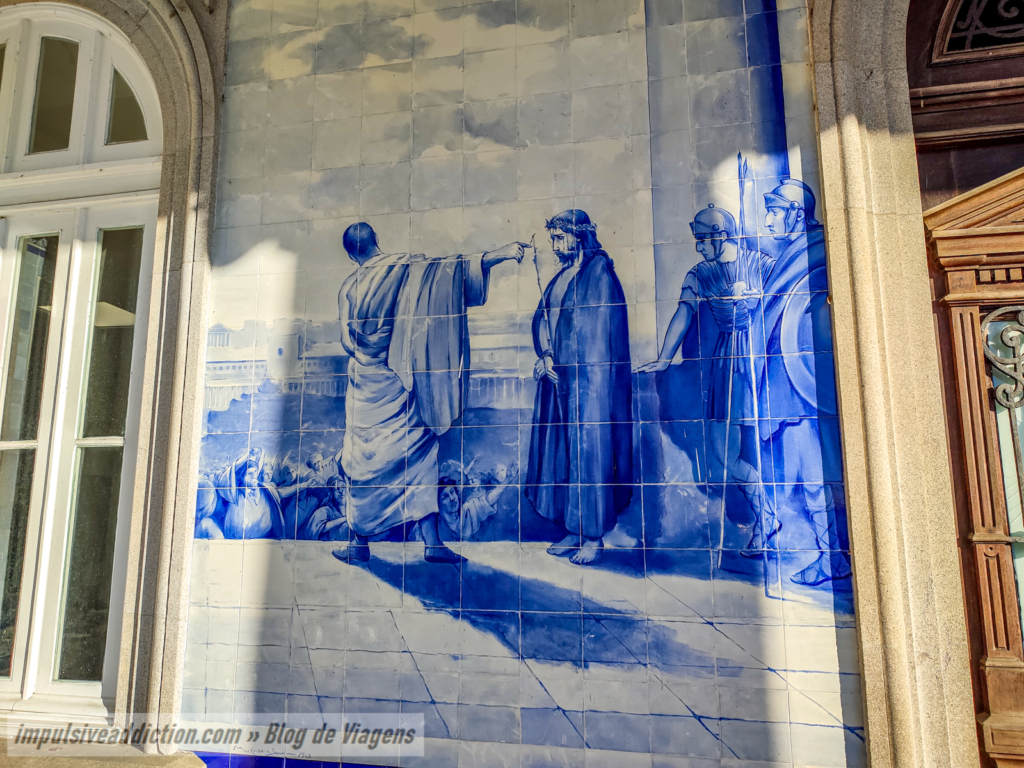
The Old Hospital building now houses the Hospital da Luz, although over the centuries it has served different purposes. Built in the 18th century, it showcases a stately, palace-like style, with beautiful tile panels (azulejos) adorning its main façade.
14. Biennial Foundation Museum of Vila Nova de Cerveira
I tried to visit the Biennial Foundation Museum, located in the Cultural Forum of Vila Nova de Cerveira, but unfortunately, it was closed at the time. The museum hosts a variety of both permanent and temporary exhibitions, with special emphasis on works by its founding members. If you’re curious to explore it, be sure to check the official website for updated opening hours and ticket prices.
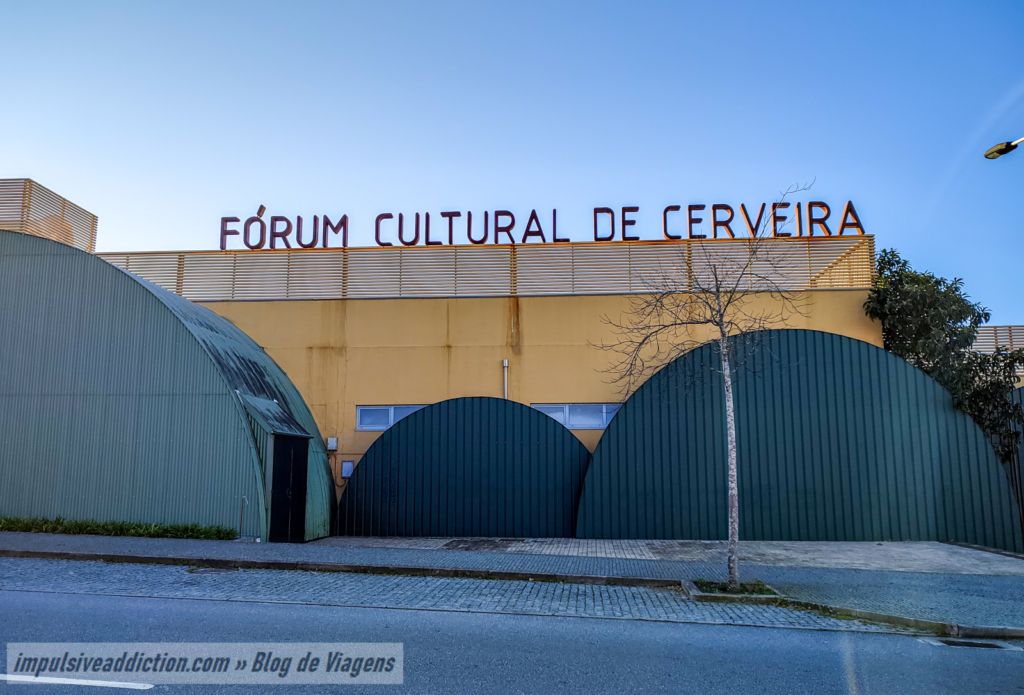
15. Municipal Swimming Pools and Avenida de Tomiño
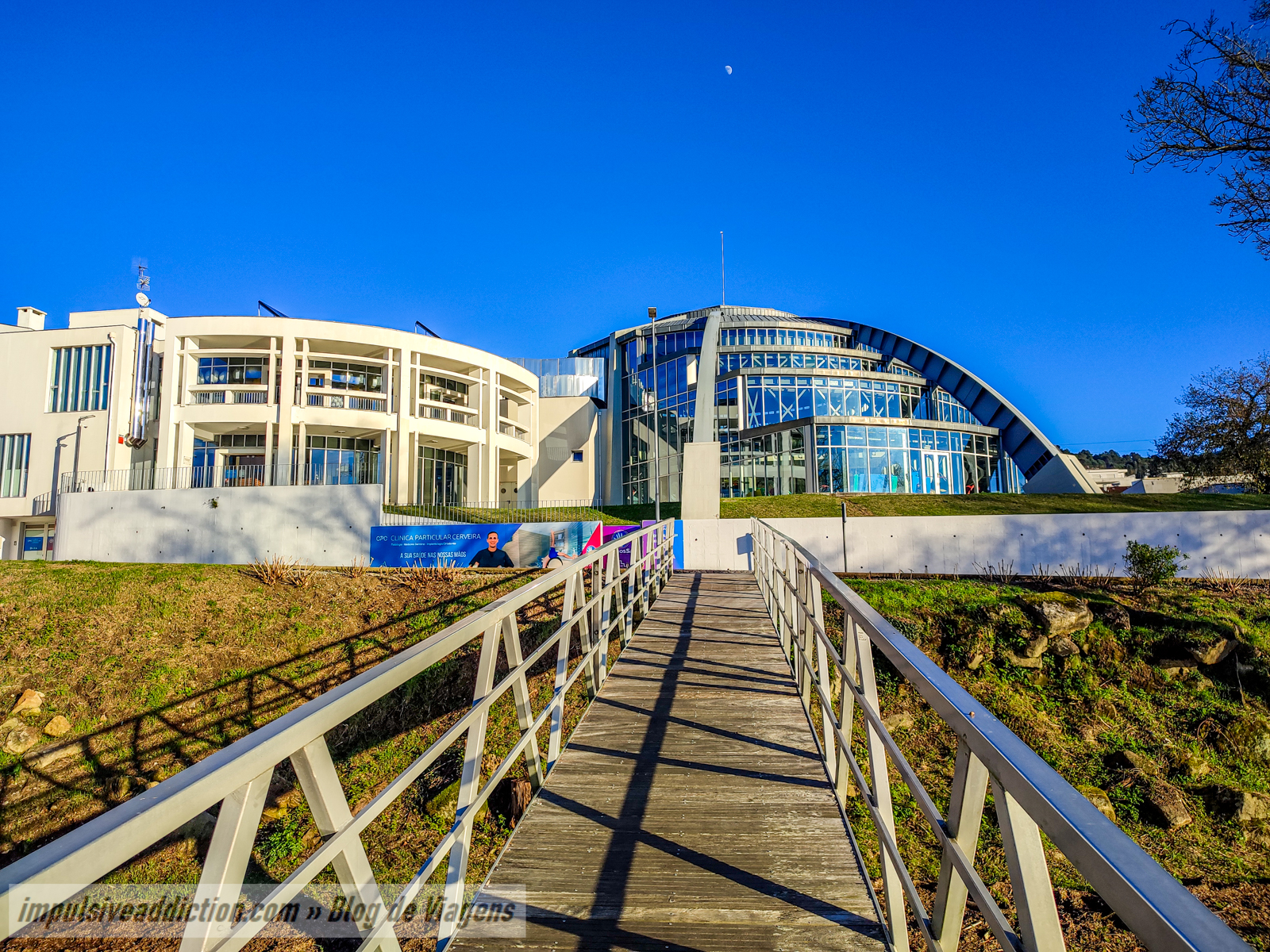
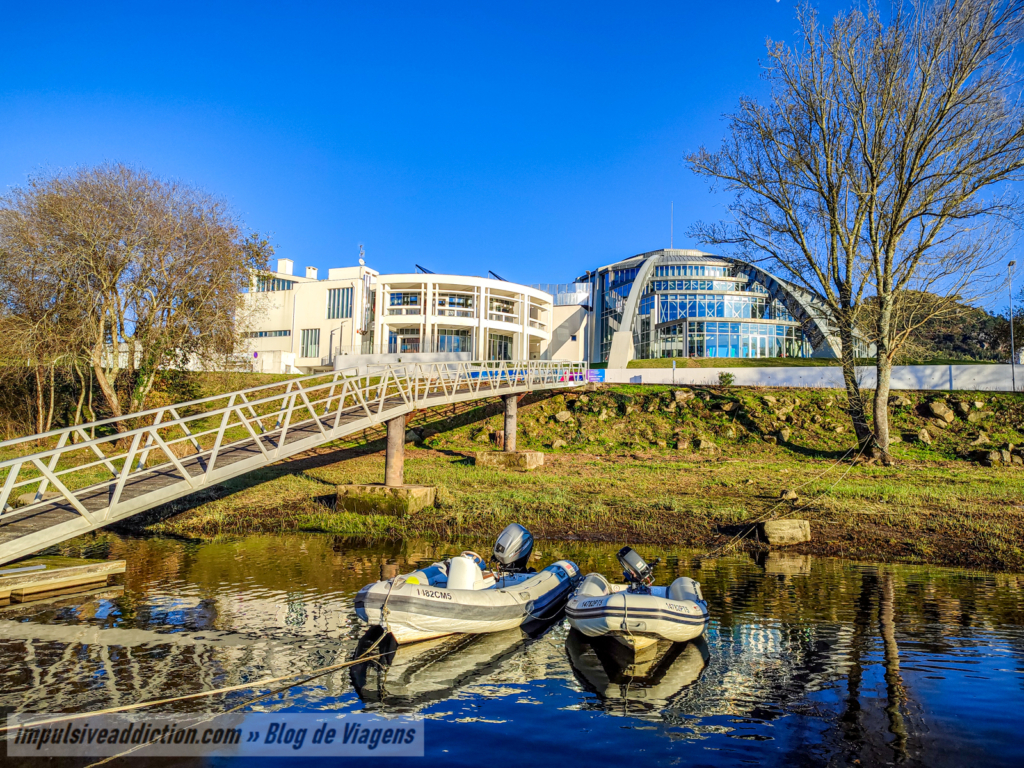
If you’ve walked as far as the museum, I suggest returning to the historic center along the riverside avenue, Avenida de Tomiño. Along the way, you’ll spot the modern building of the municipal swimming pools, as well as the small harbor located near the entrance to the Castelinho Leisure Park.
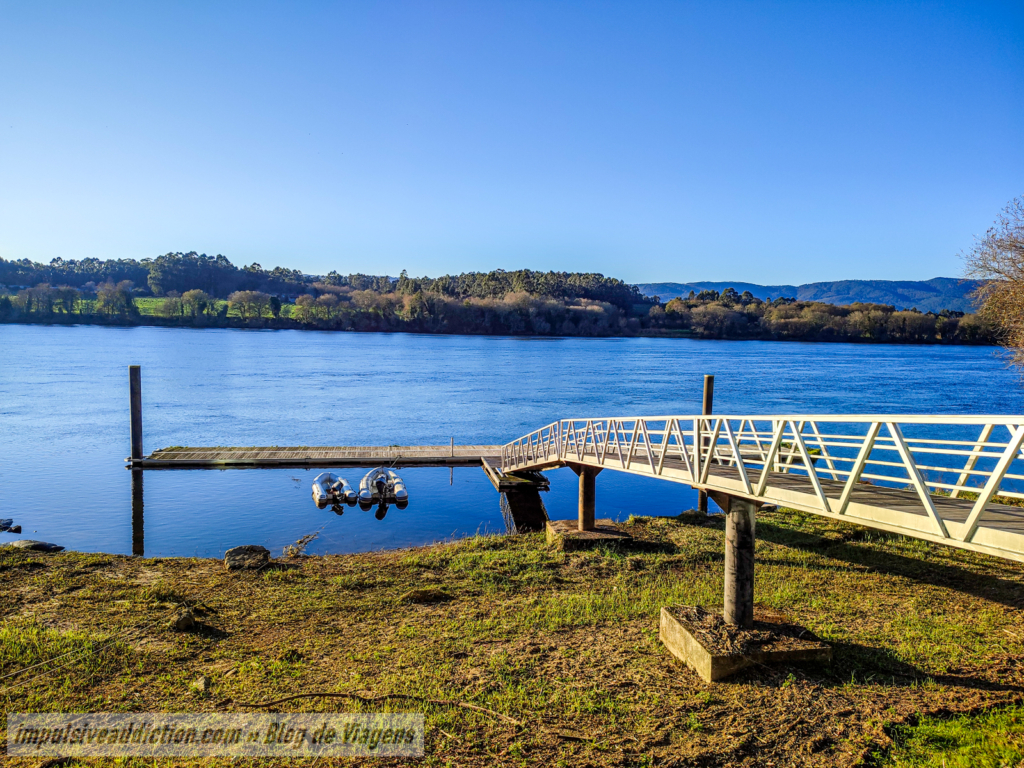
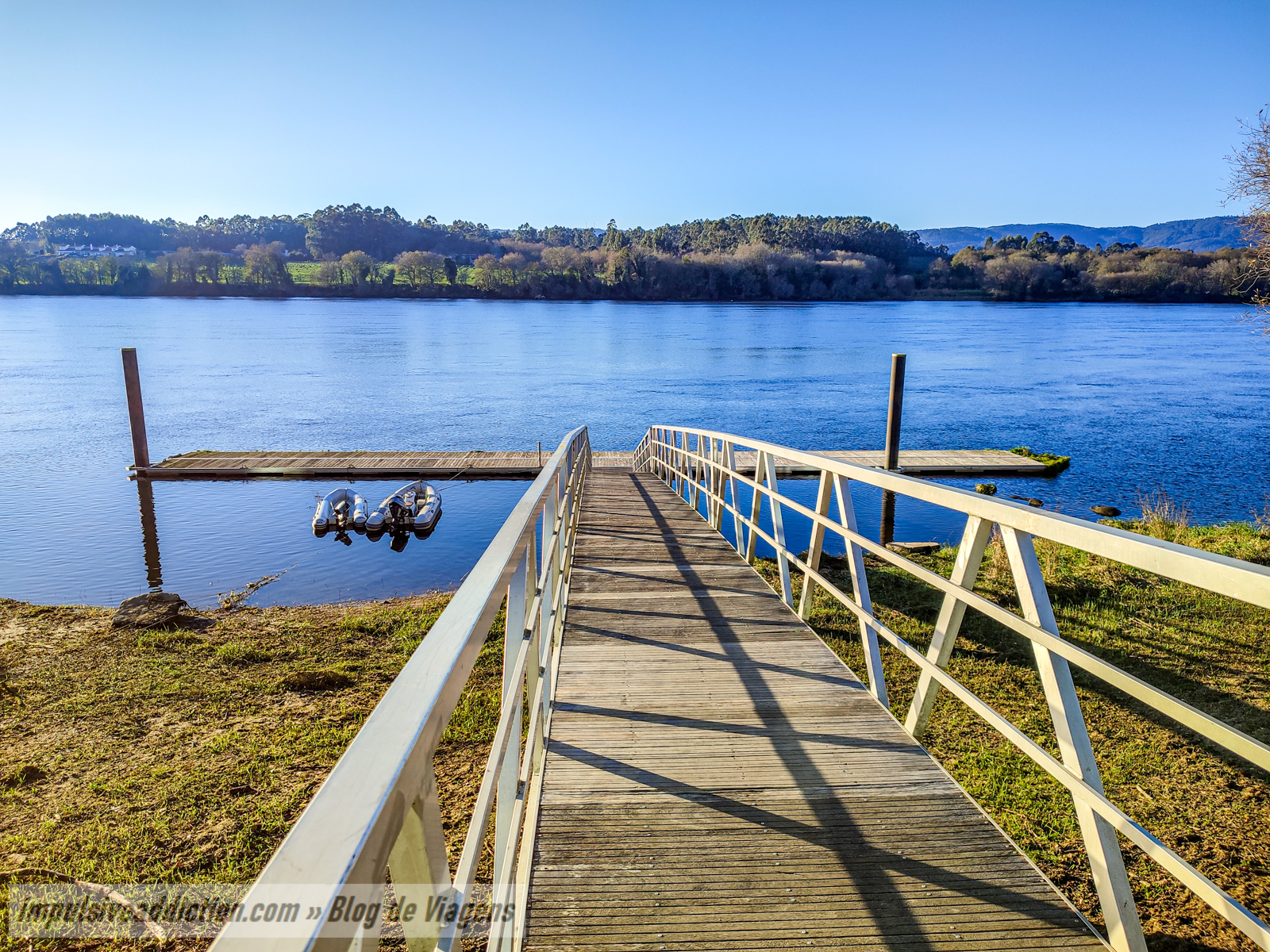
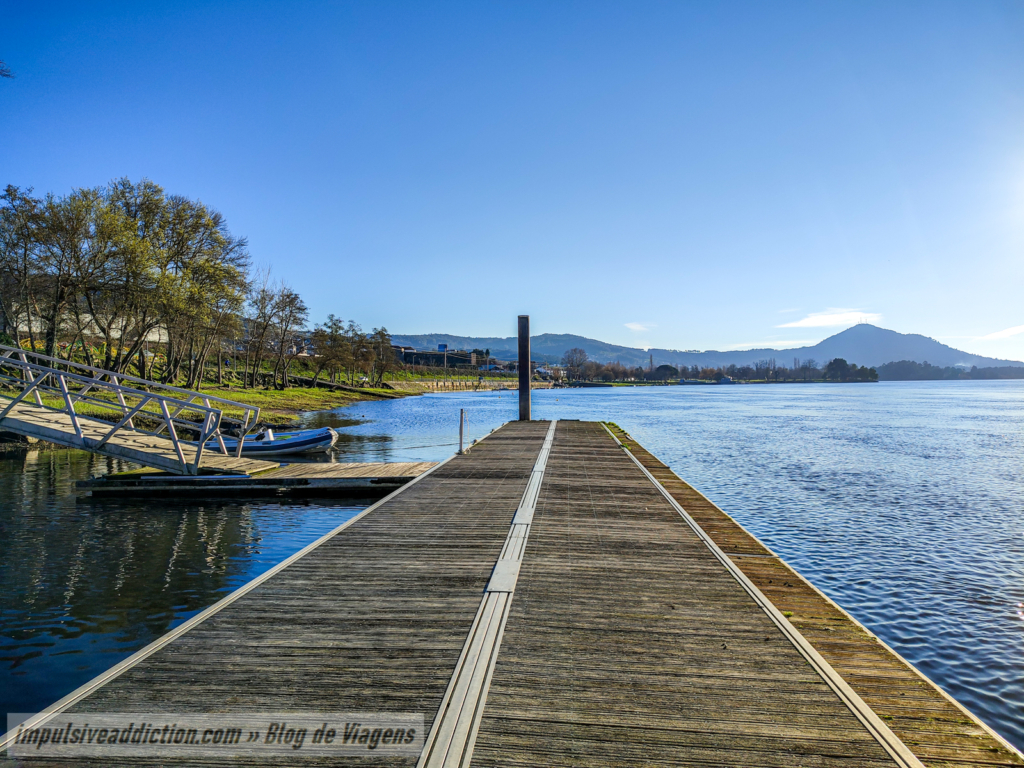
16. Largo da Feira in Vila Nova de Cerveira
Last but not least, there’s the vast Largo da Feira, also known as Praça da Galiza. Every Saturday, it hosts one of the largest weekly markets in the Alto Minho and northern Portugal, with a strong focus on local crafts. In addition, on the second Sunday of each month, you can also catch a special market dedicated to arts and antiques.
Visit the Viewpoints of Vila Nova de Cerveira
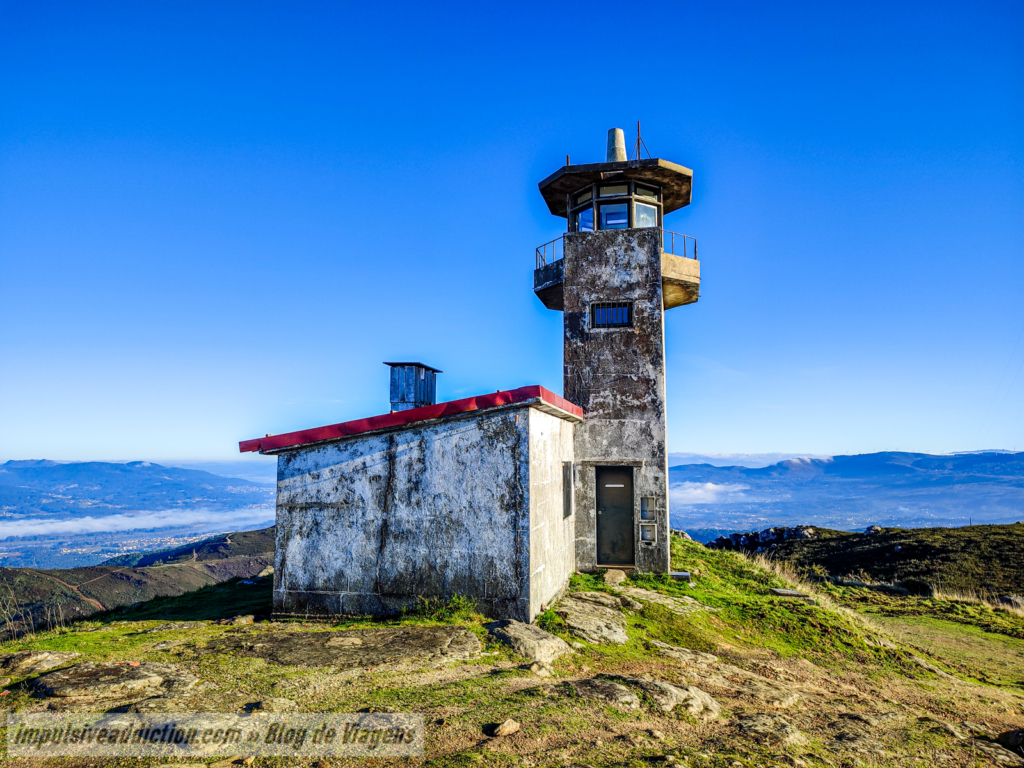
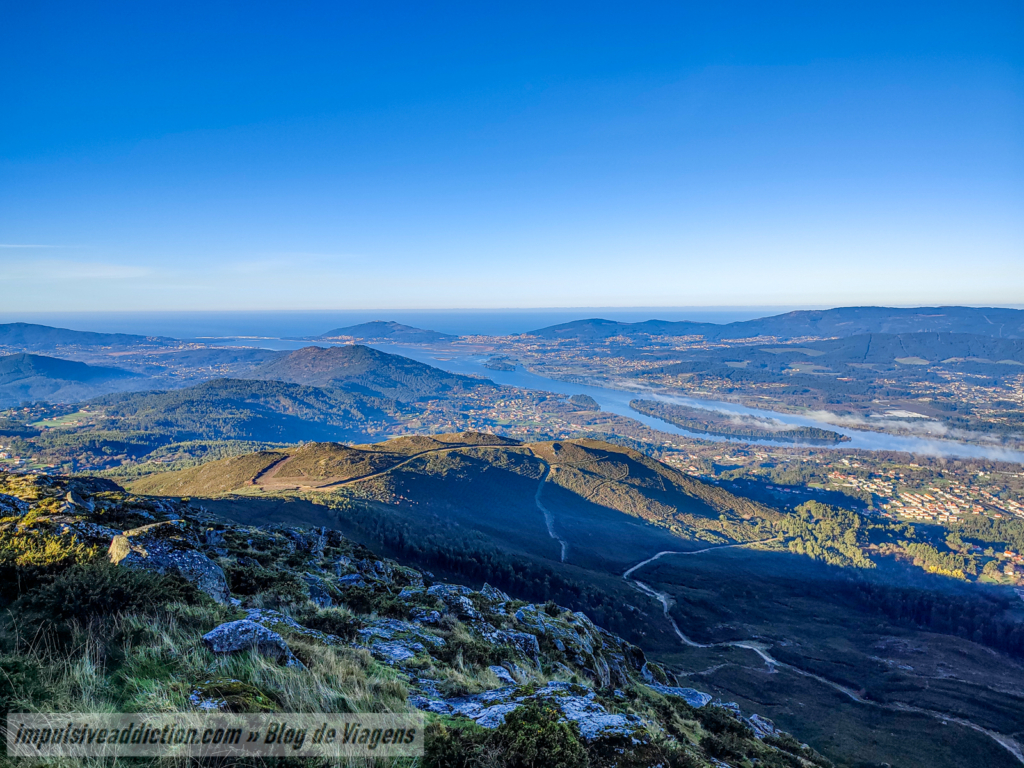
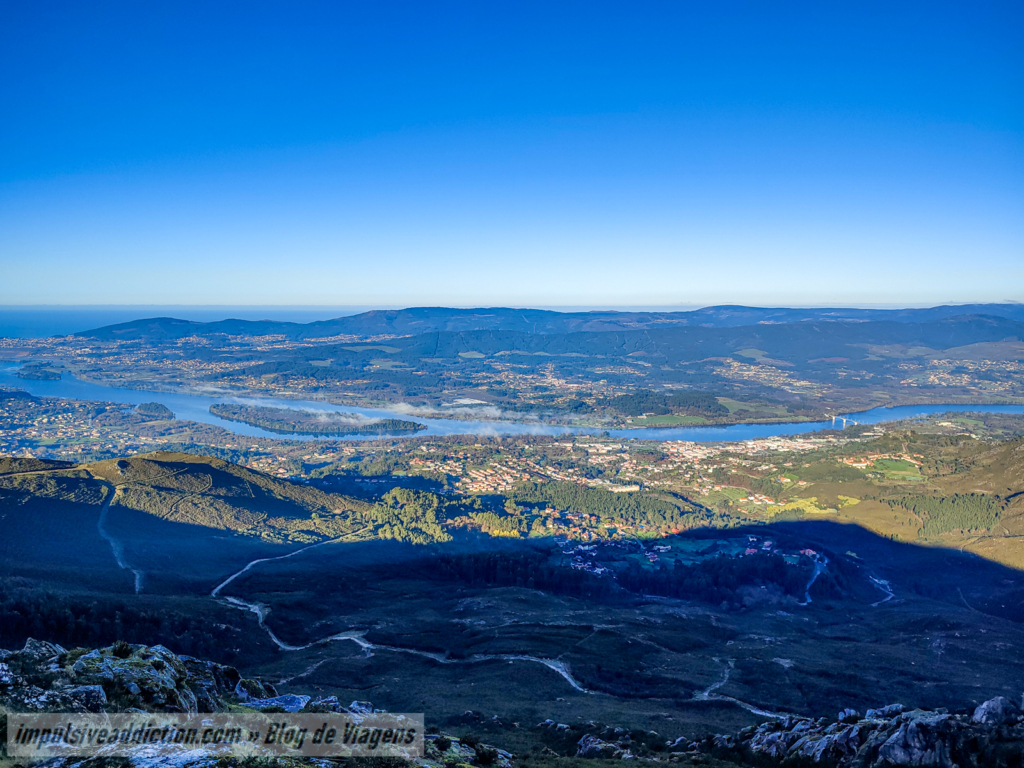
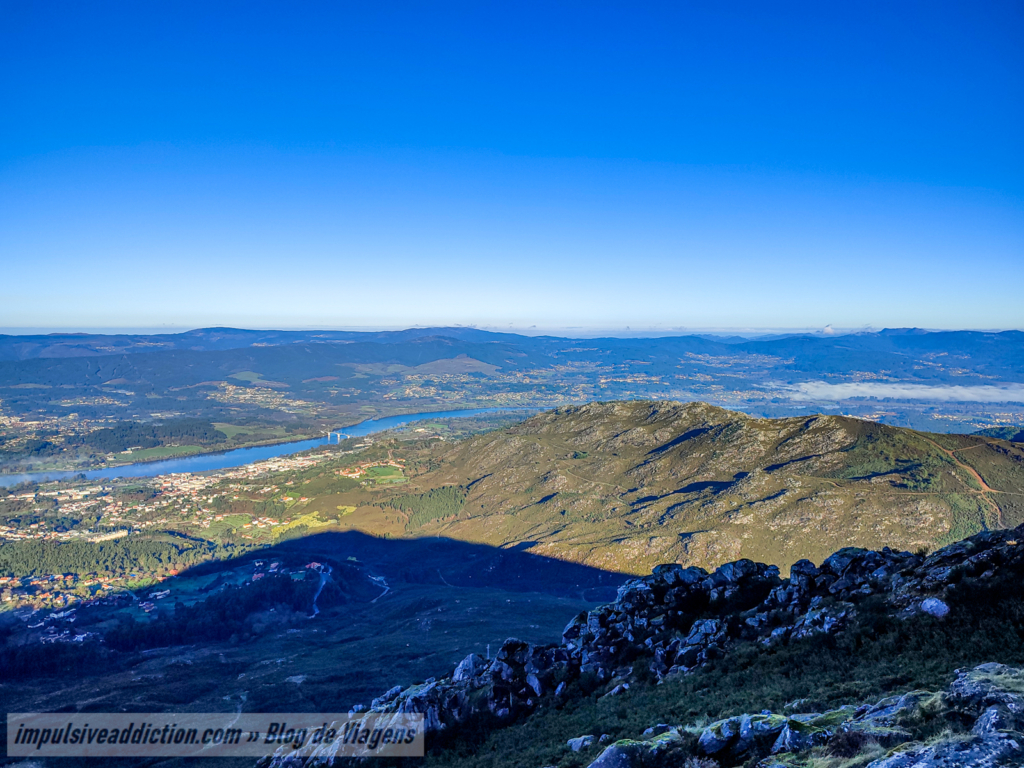
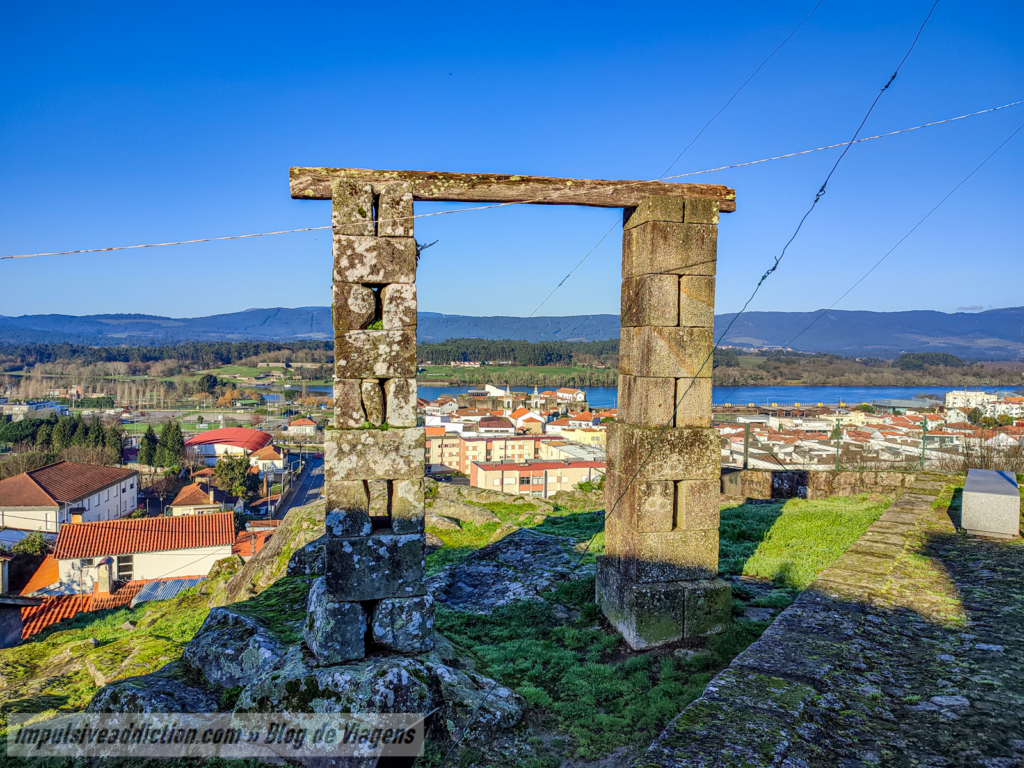
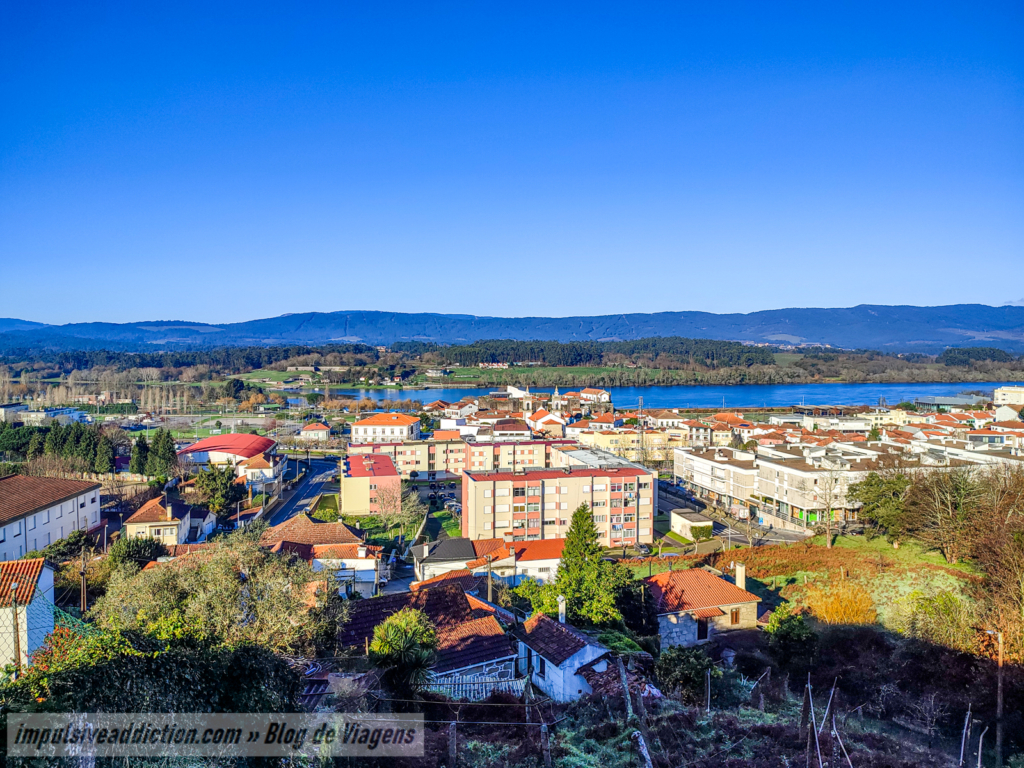
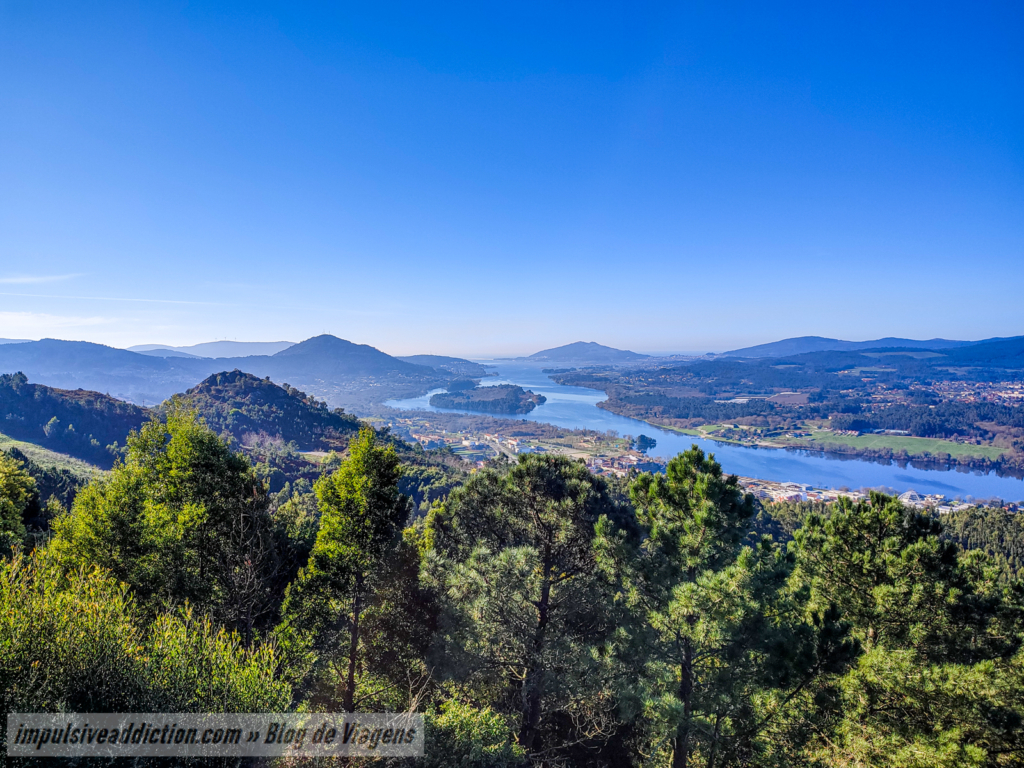
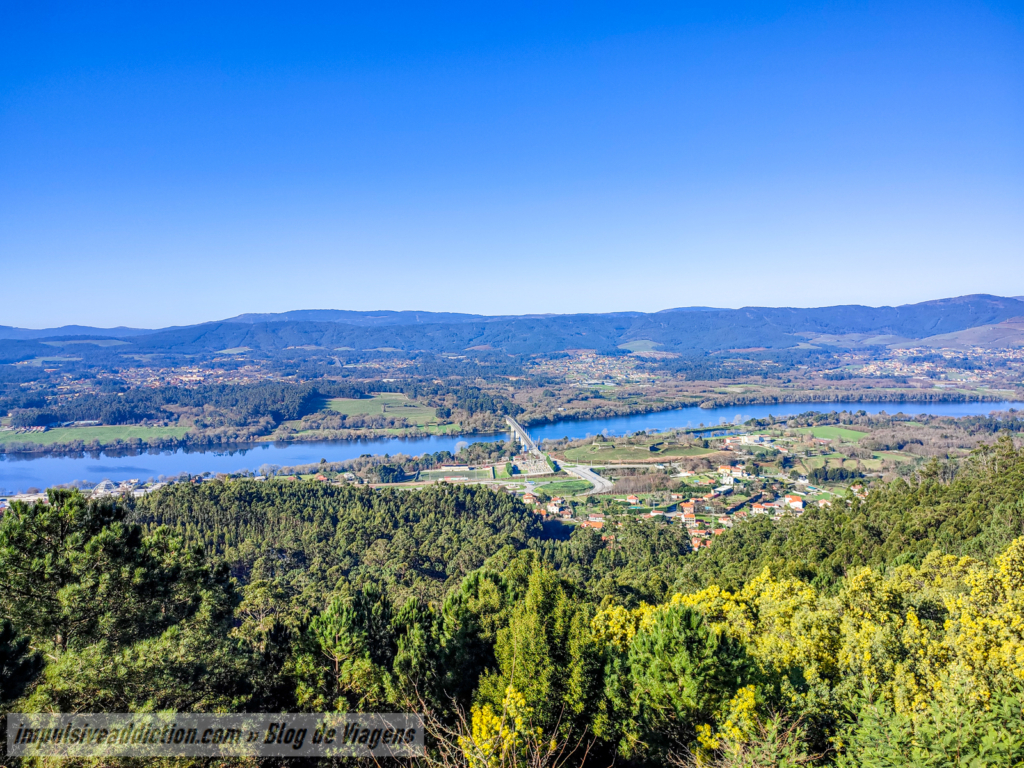
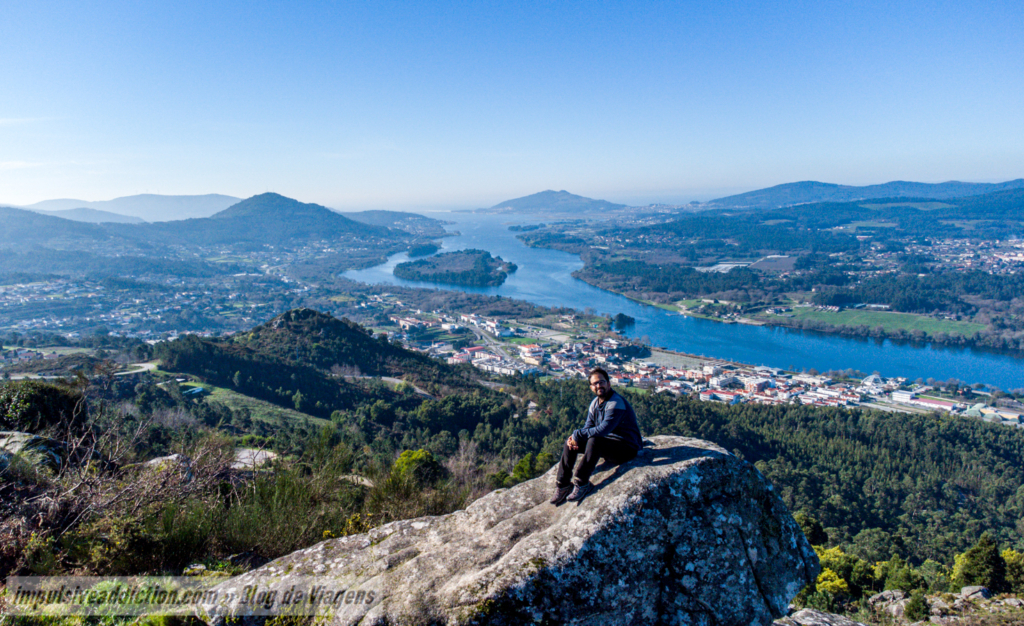
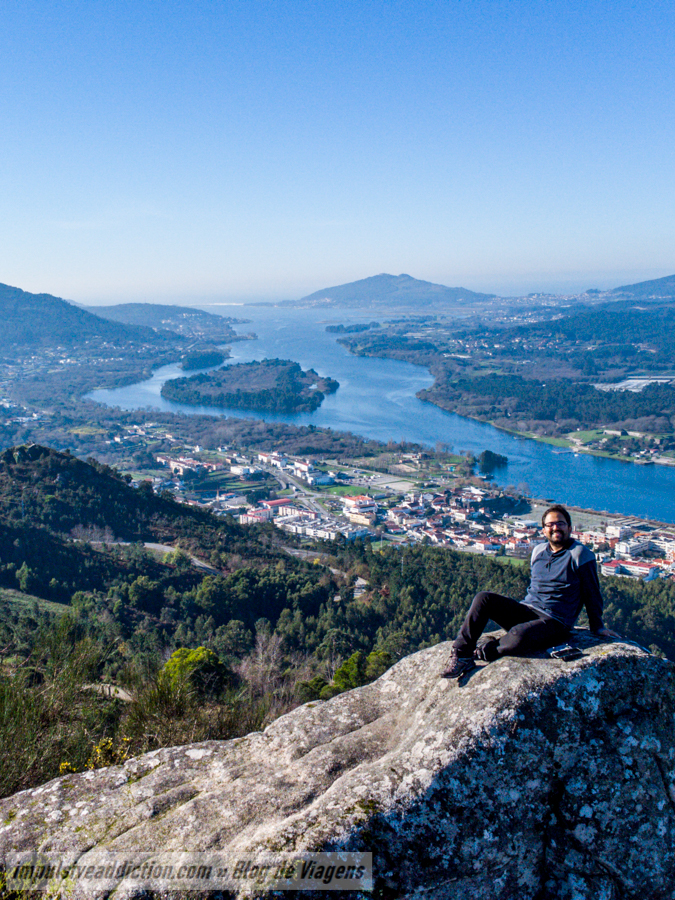
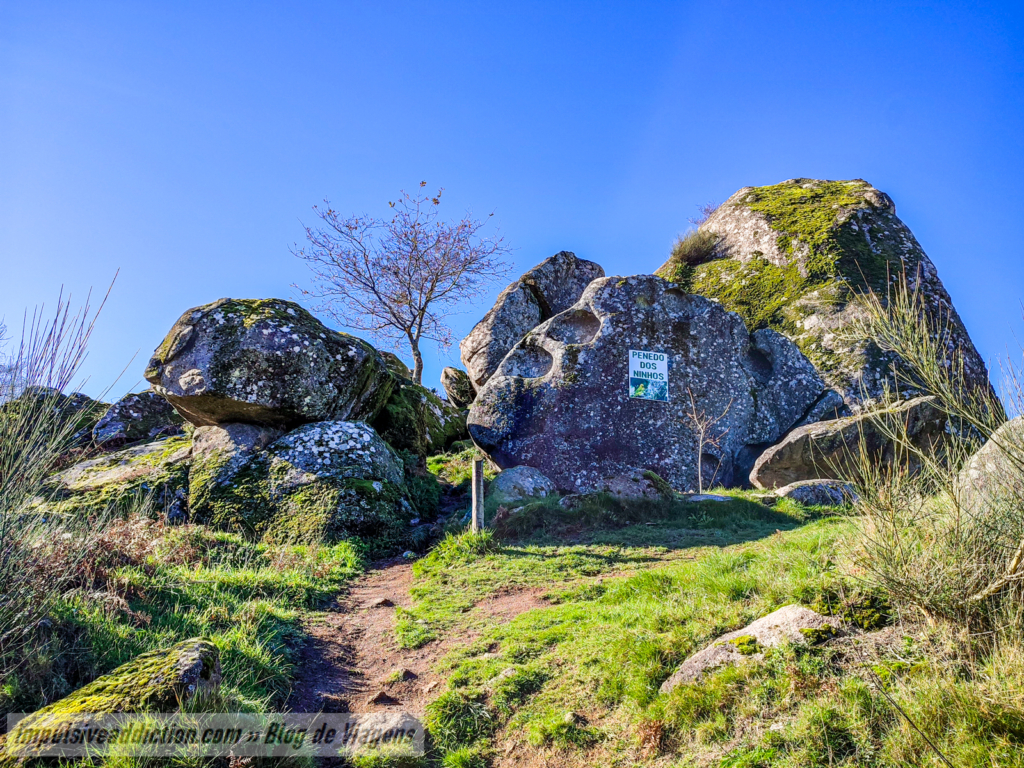
Just outside the historic center, the real highlights are the viewpoints. Below I’ve listed the five best ones, followed by photos of each. The first is the trickiest to access—though still manageable. The entrance to the wind farm where it’s located can be found in the southern part of the municipality (parishes of Sopo and Covas).
- Alto da Pena Watchtower Viewpoint
- Forca Viewpoint
- Porta do Céu Viewpoint
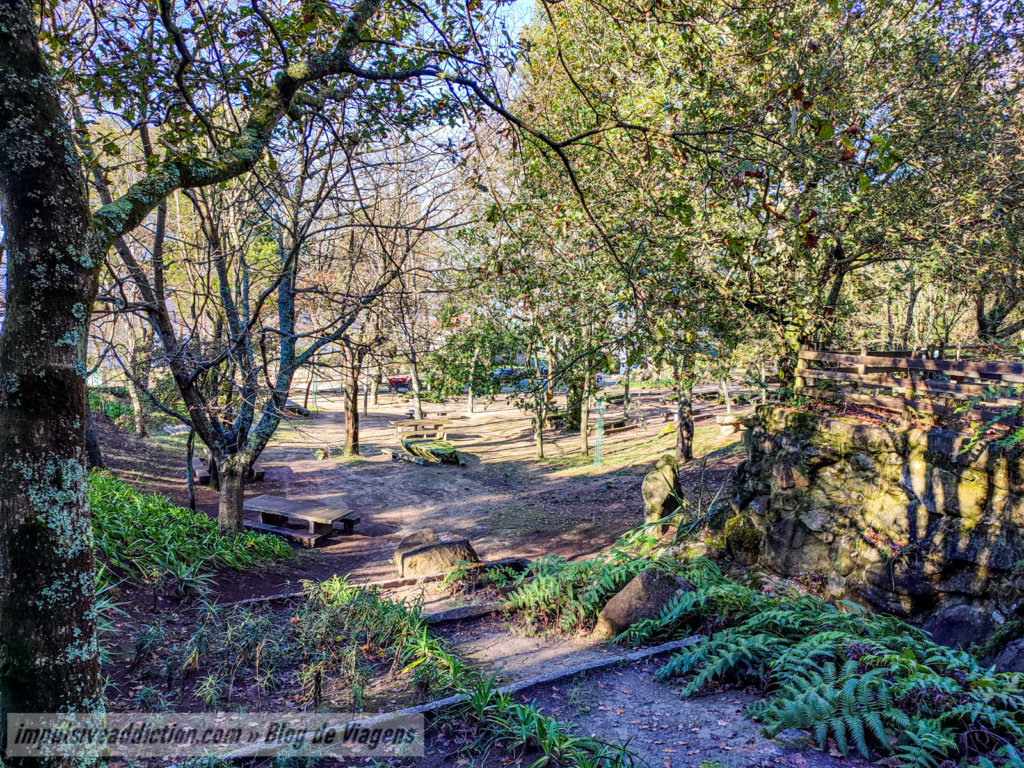
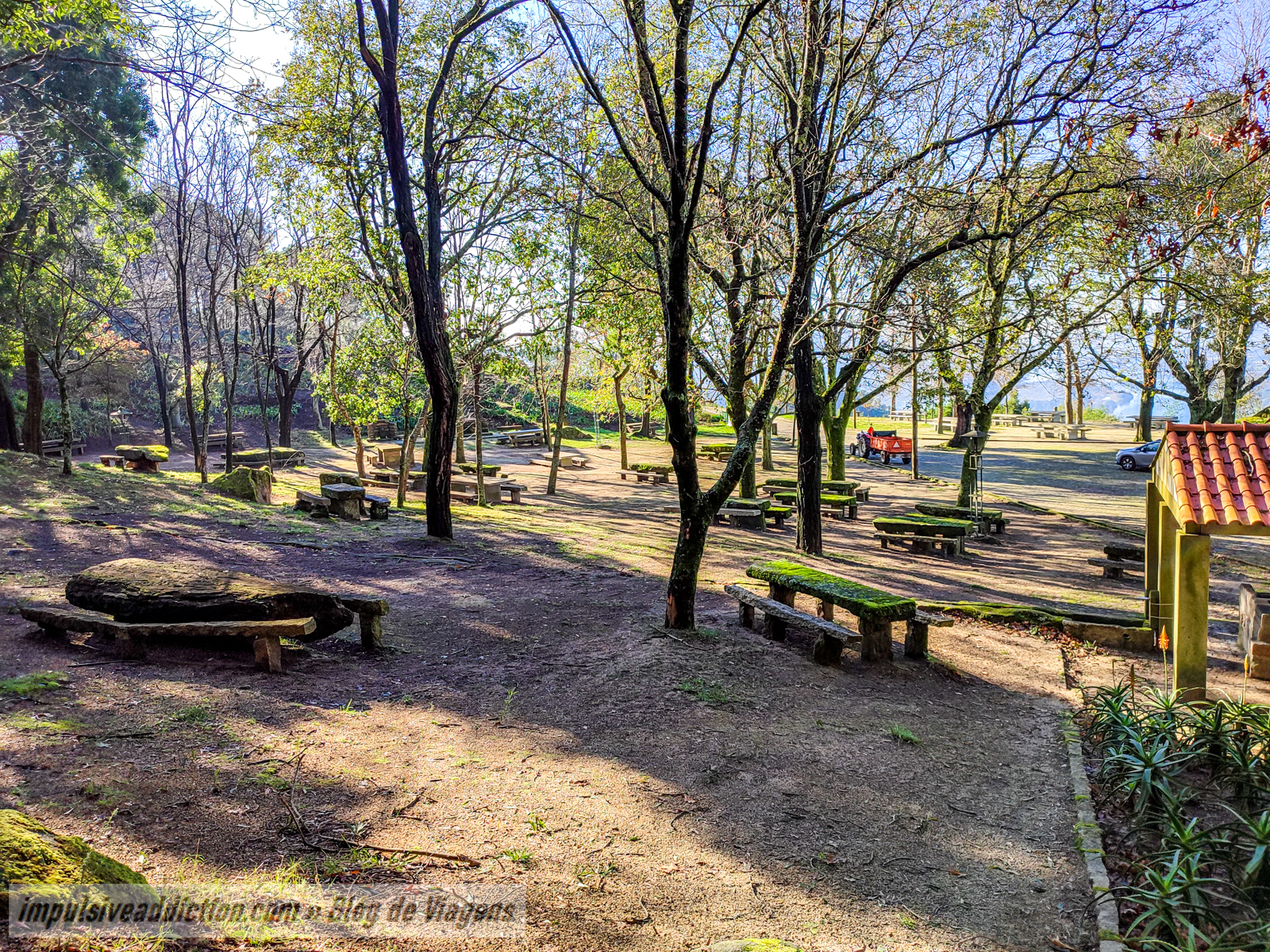
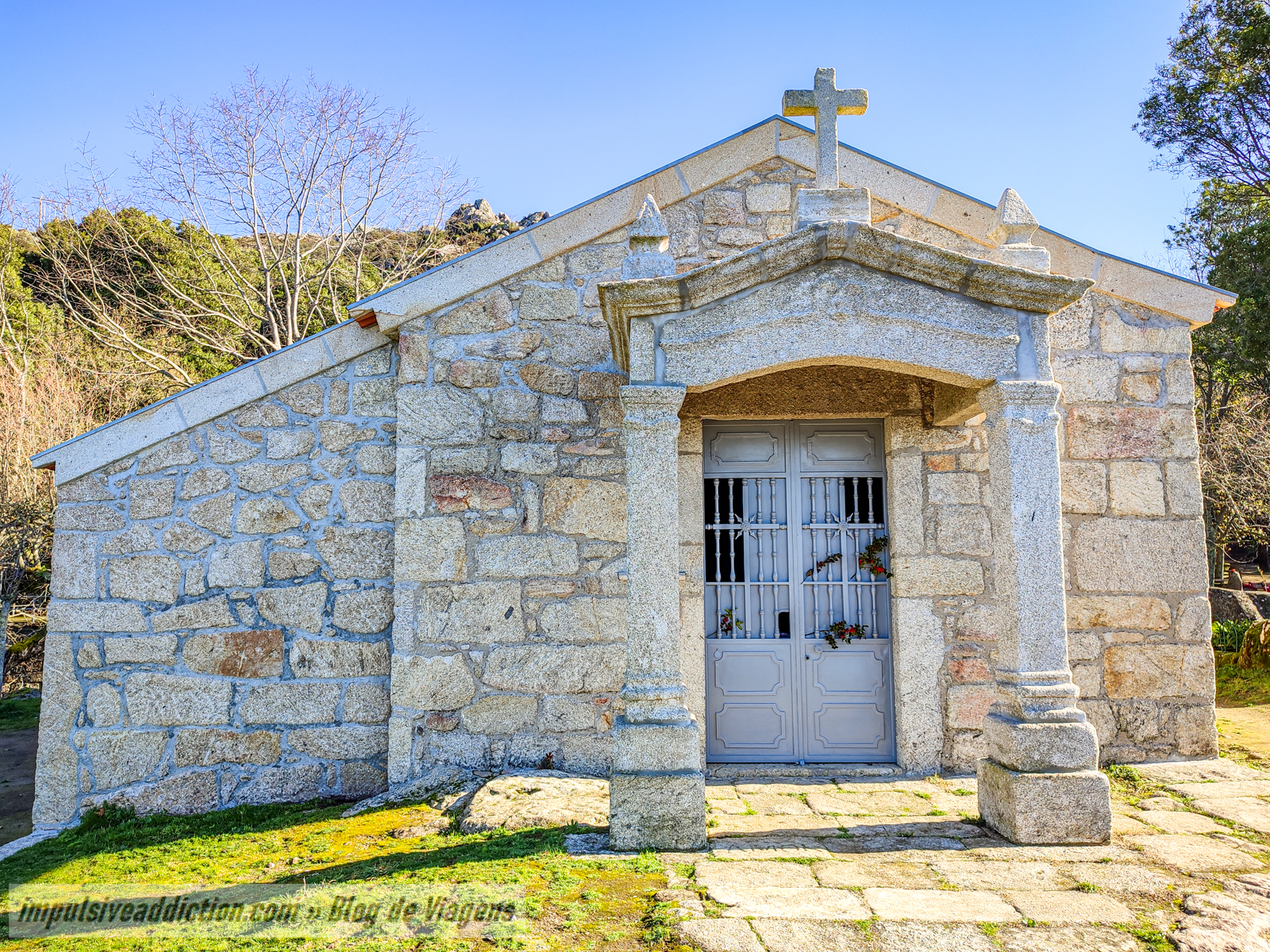
- Chapel of Senhora da Encarnação Viewpoint
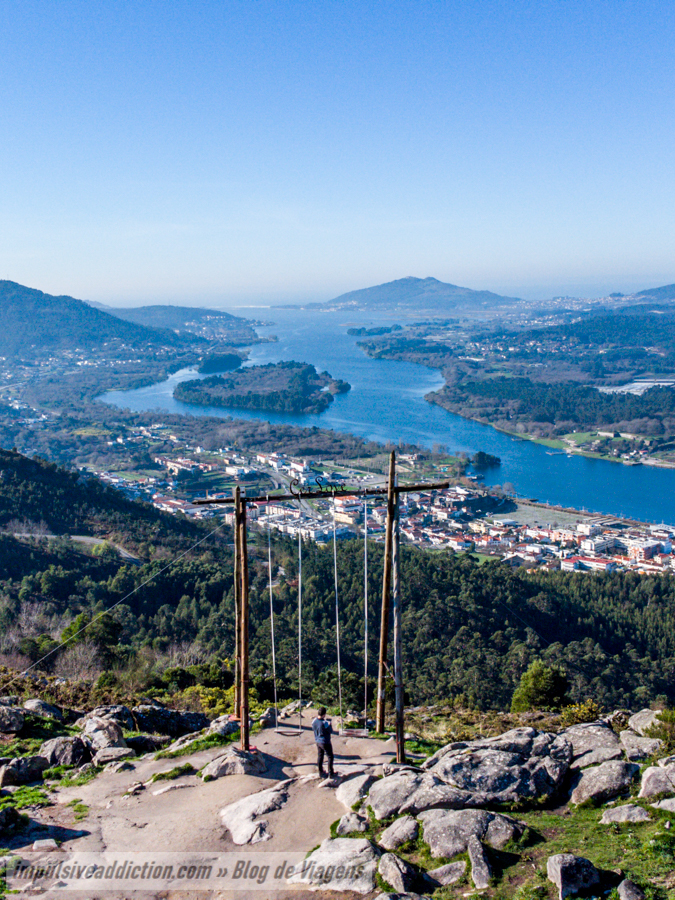
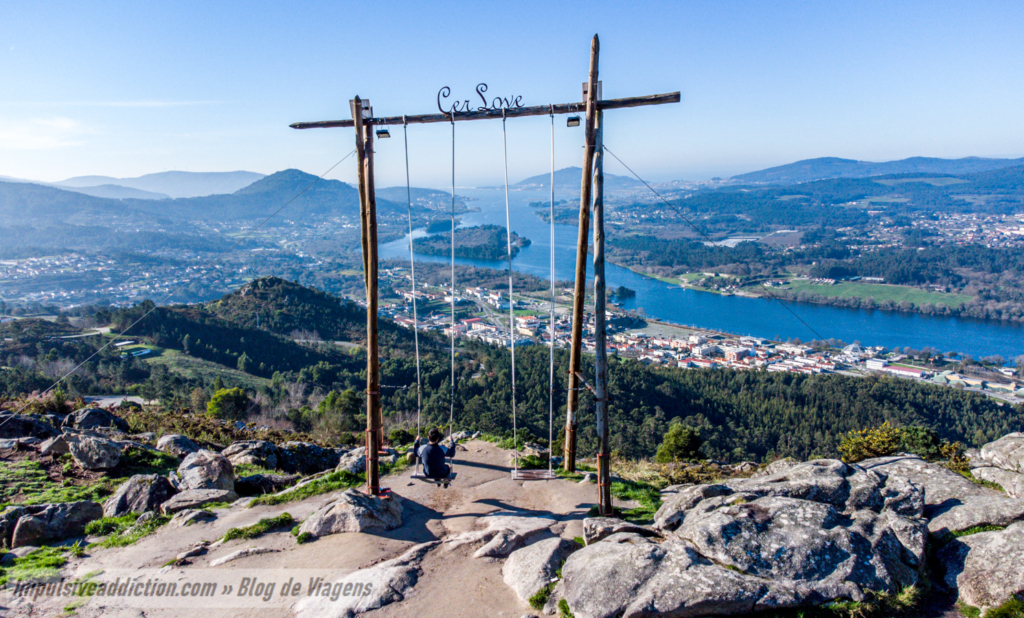
- Cervo Viewpoint
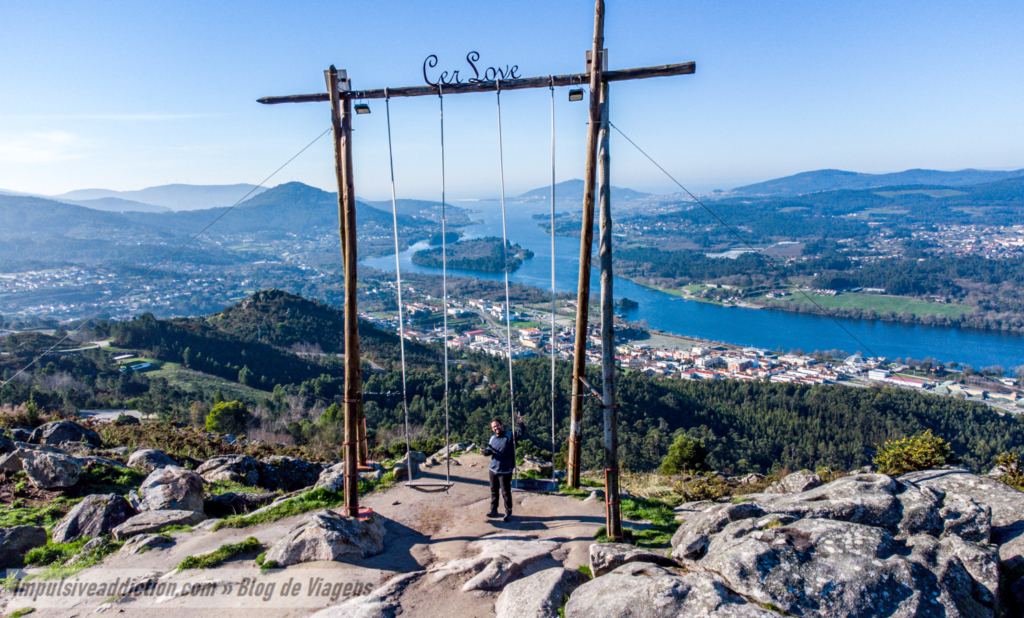
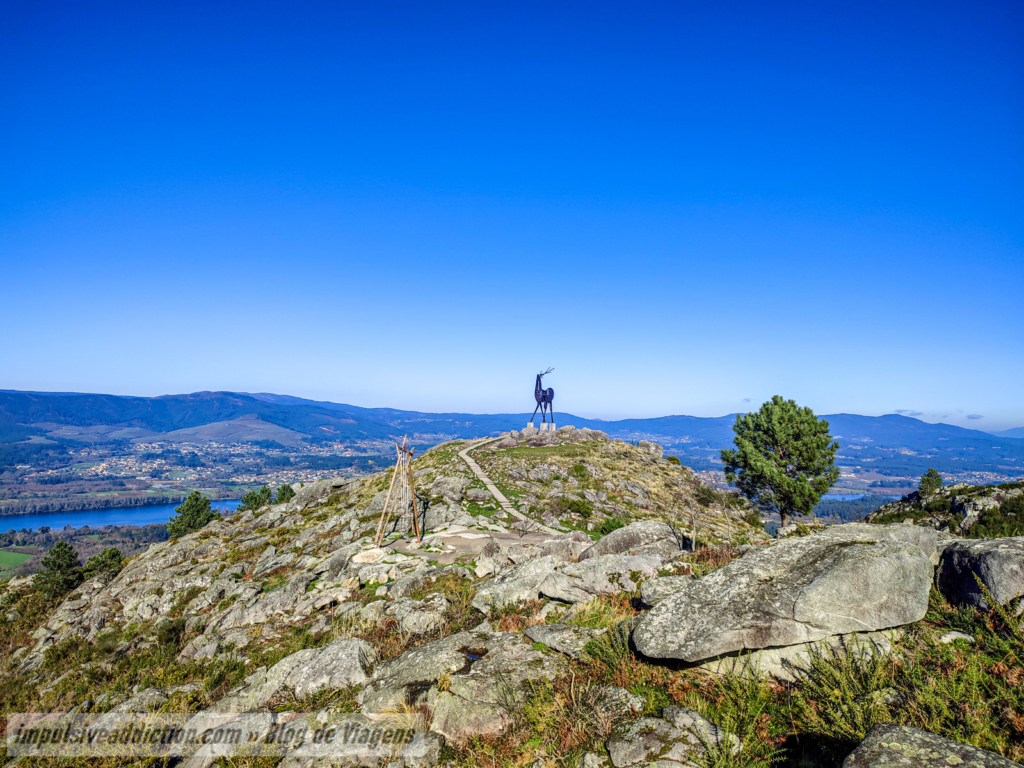
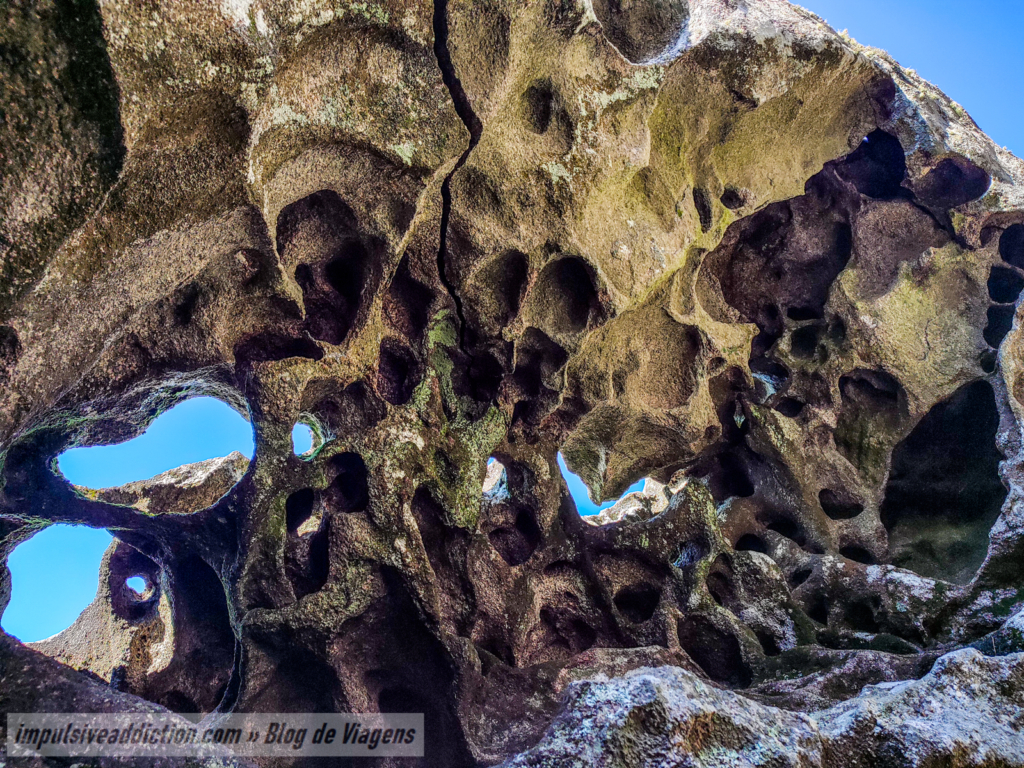
The most famous—and by far the best—is the Cervo Viewpoint. Here you’ll find a tourist swing and a massive iron sculpture of a deer, which has become a true landmark and symbol of Vila Nova de Cerveira.do-se ao longe de diversos pontos do concelho. Não deixes de explorar as diversas formações rochosas em redor do recinto do miradouro.
1. Alto da Pena Watchtower Viewpoint
2. Forca Viewpoint
3. Porta do Céu Viewpoint
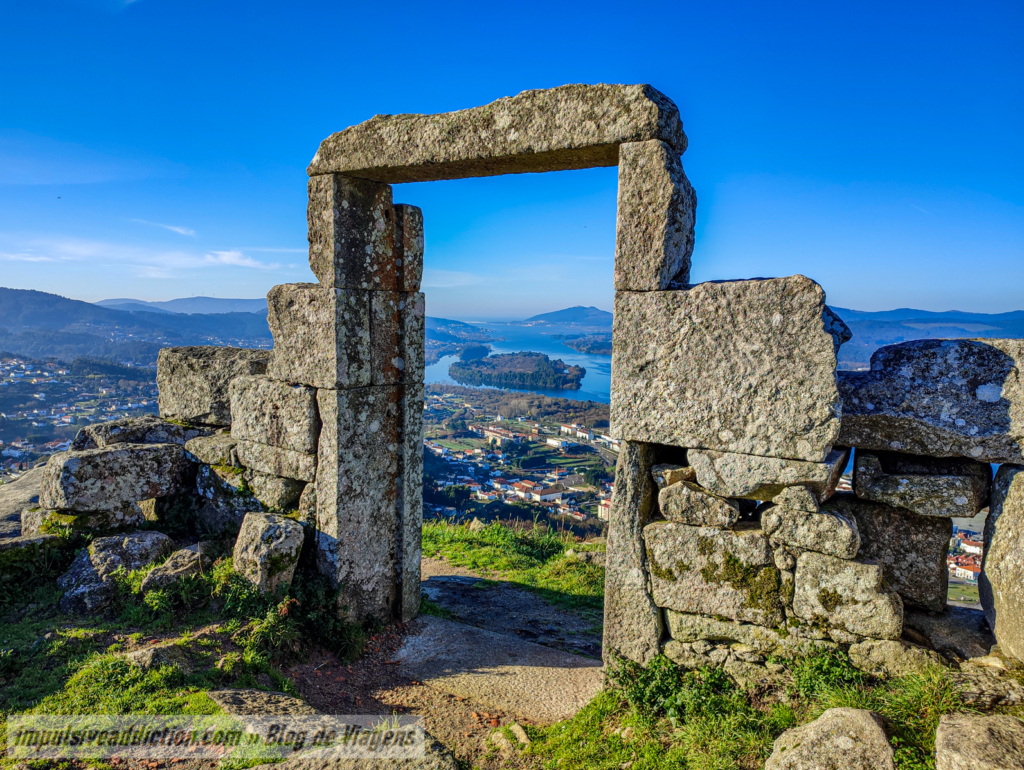
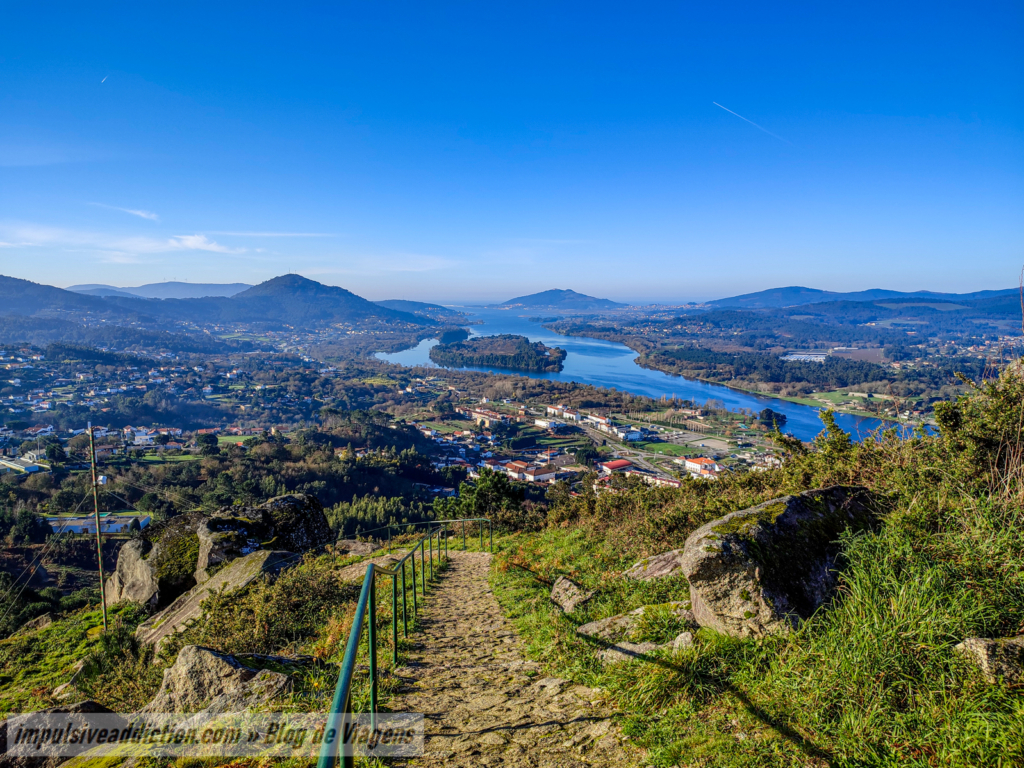
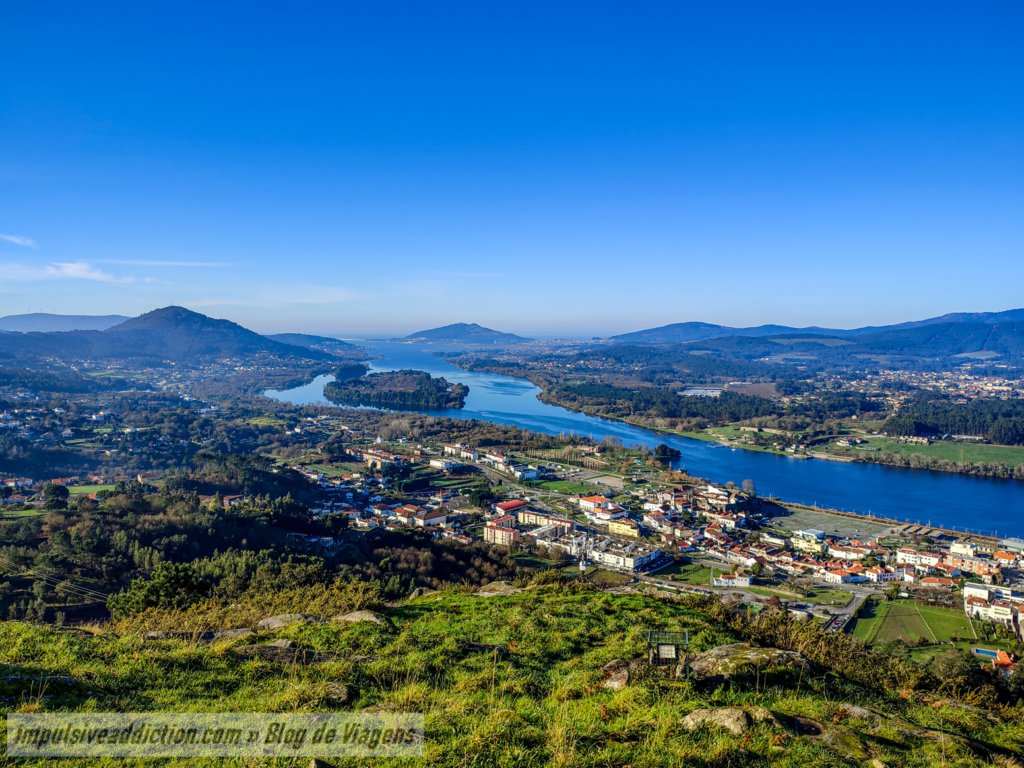
4. Chapel of Senhora da Encarnação Viewpoint
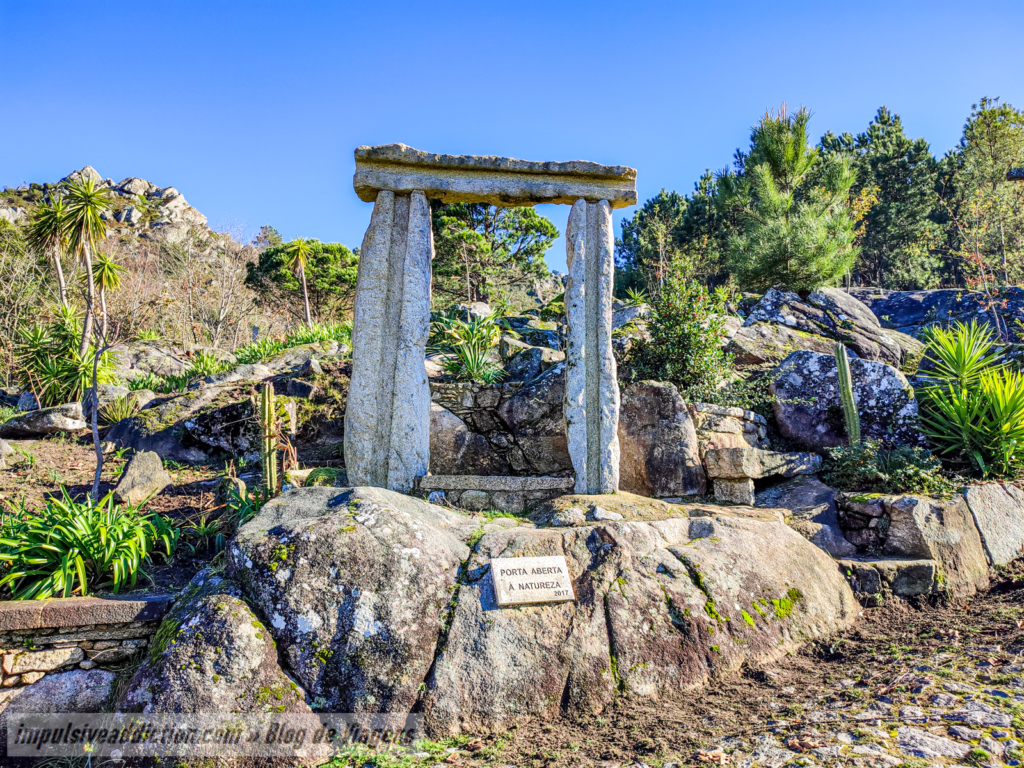
5. Cervo Viewpoint
Visit the Lenta River Beach
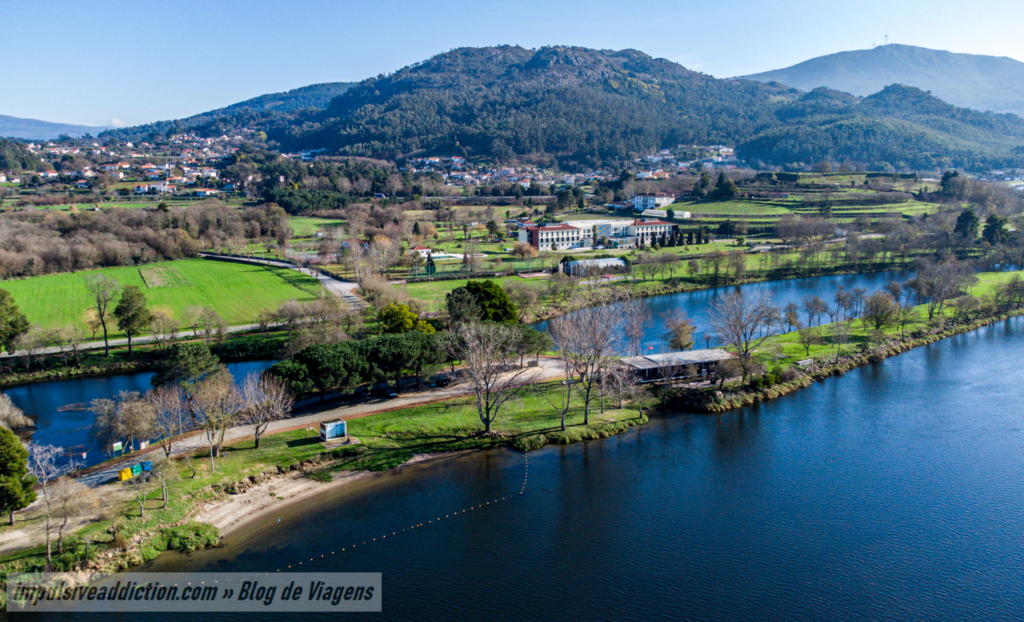
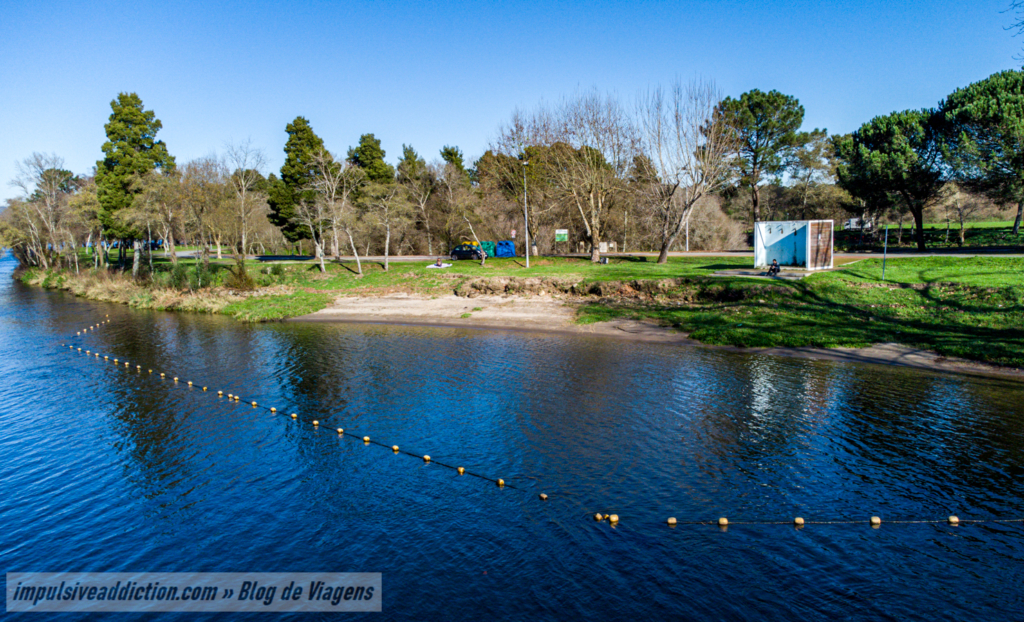
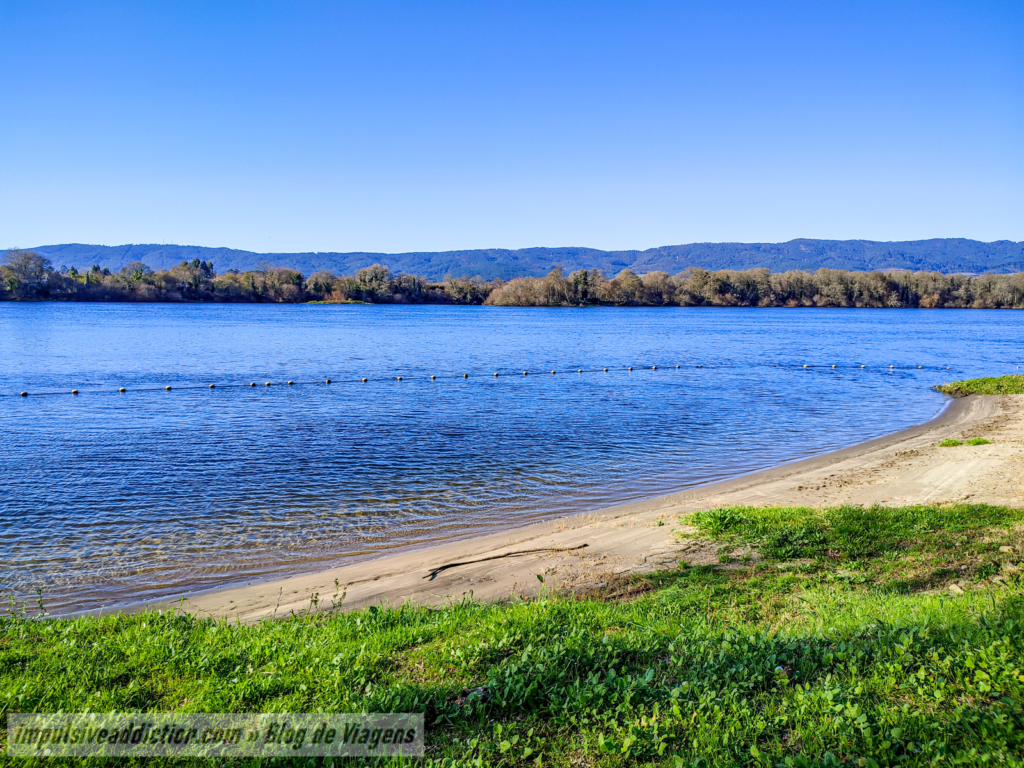
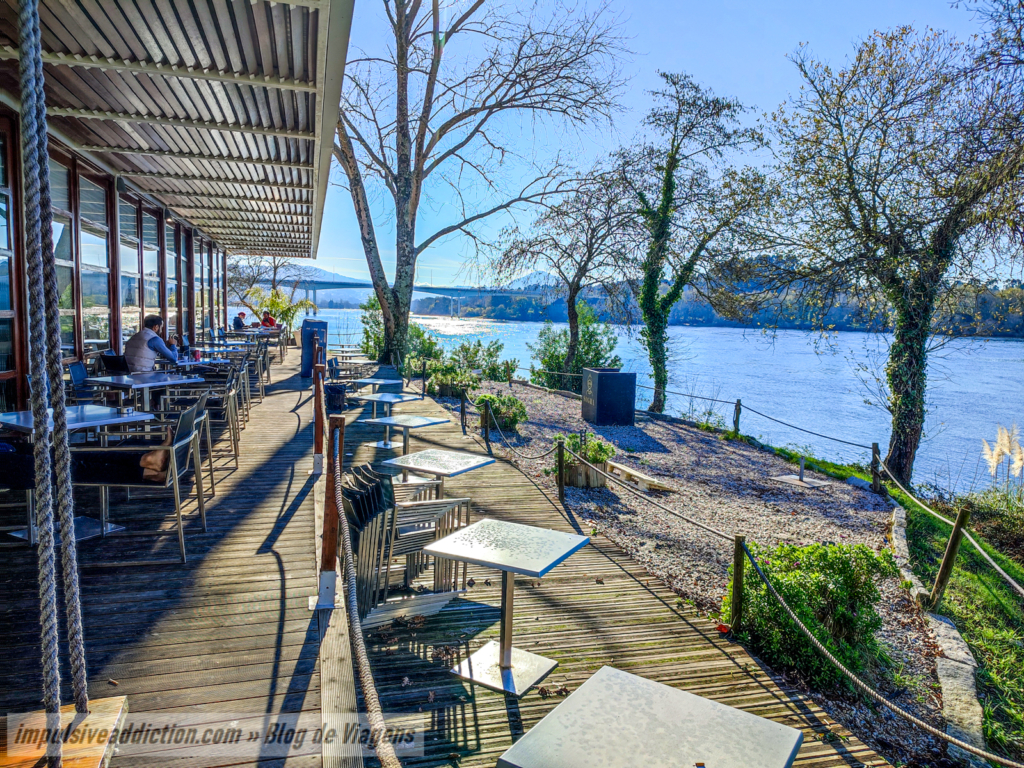
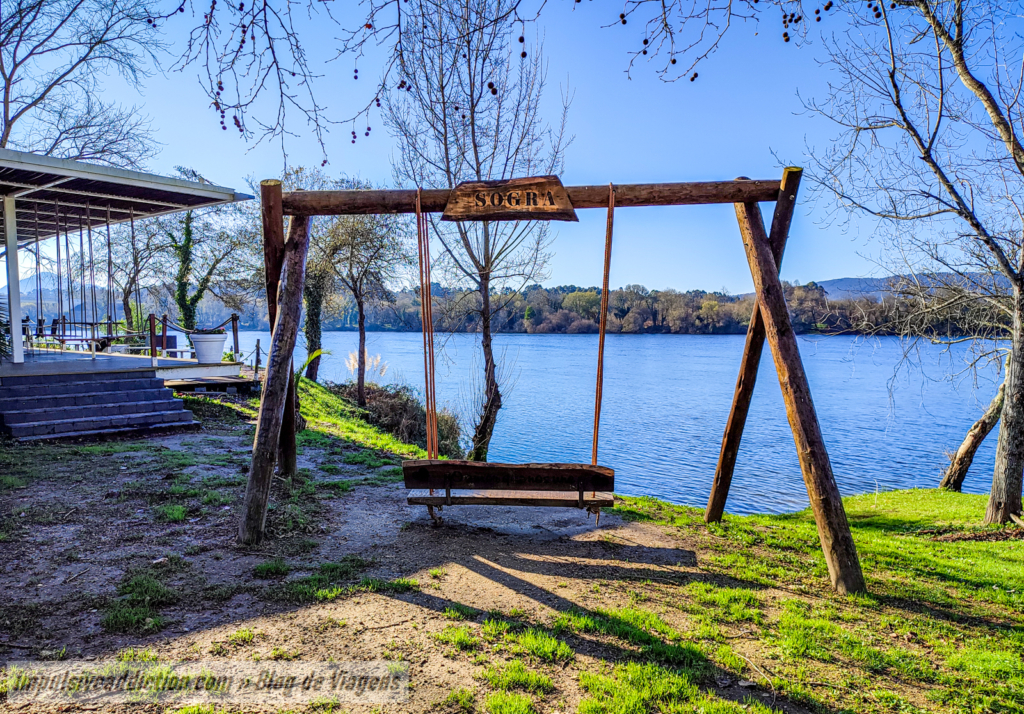
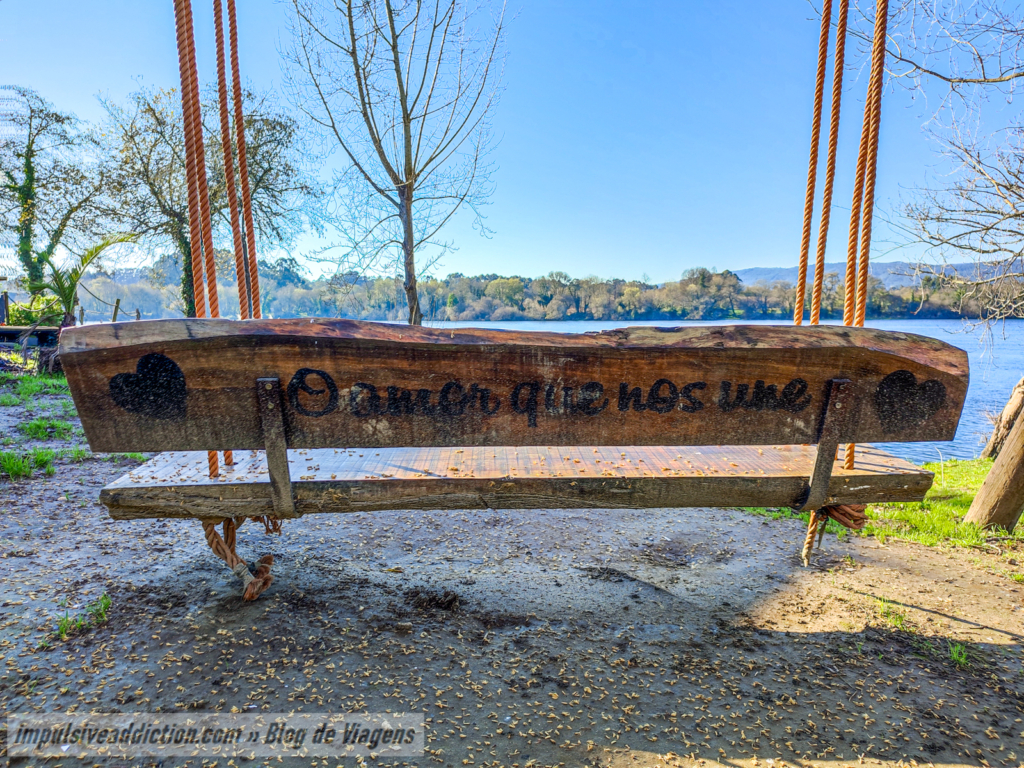
I visited the Lenta River Beach in winter, so the area was quiet, with just a few people exercising in the park. Even so, it’s a very pleasant spot, set on a narrow peninsula of the Minho River. I’m sure it becomes an extraordinary summer destination, with a bar perfectly located to enjoy a drink on the terrace right by the water.
Nearby, you’ll also find the INATEL Cerveira, one of the accommodation options I recommend in this guide.
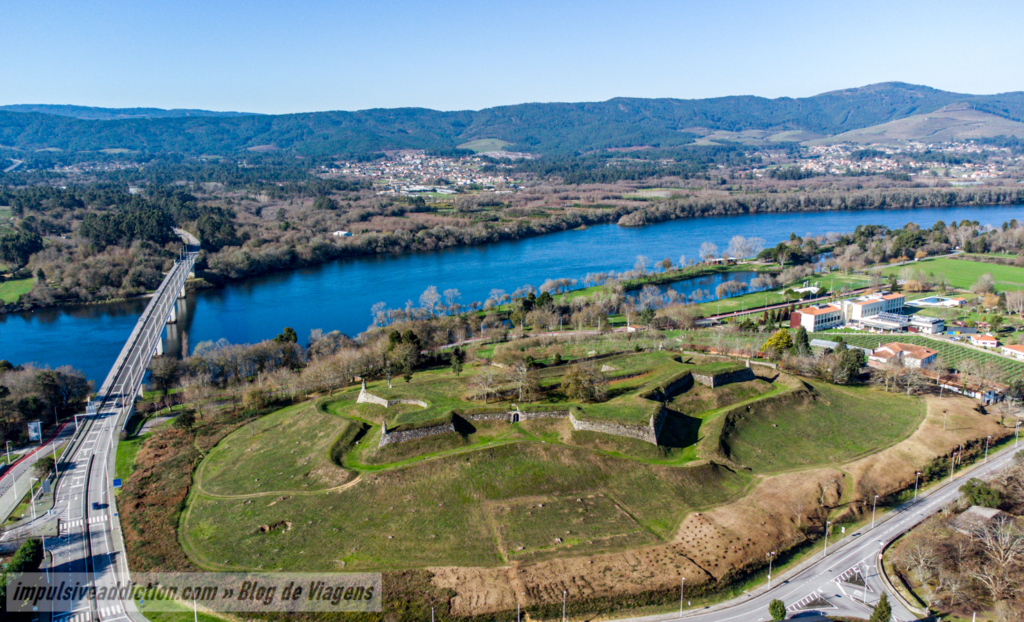
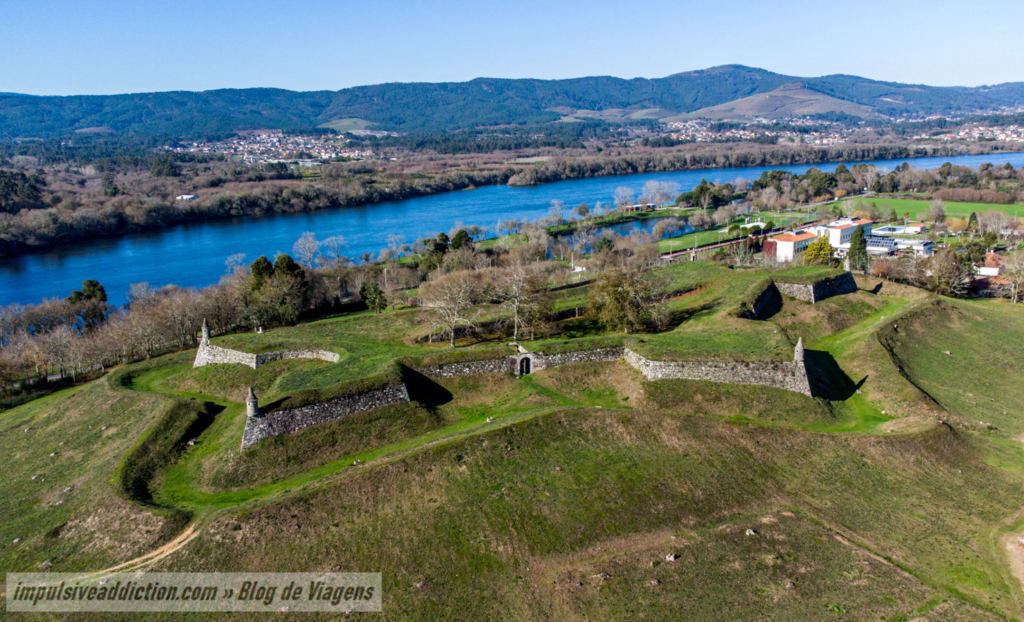
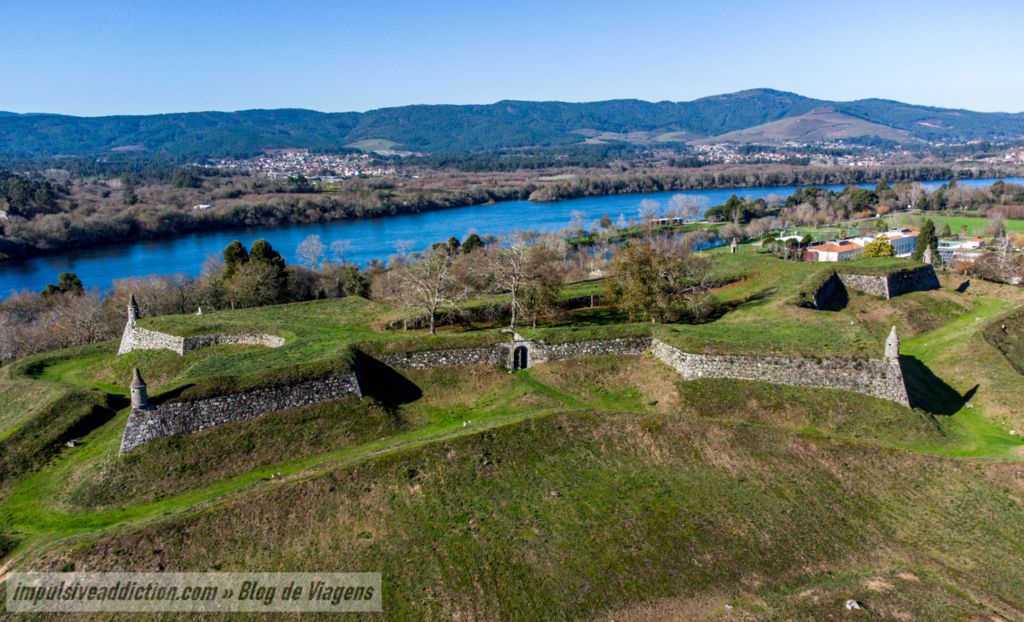
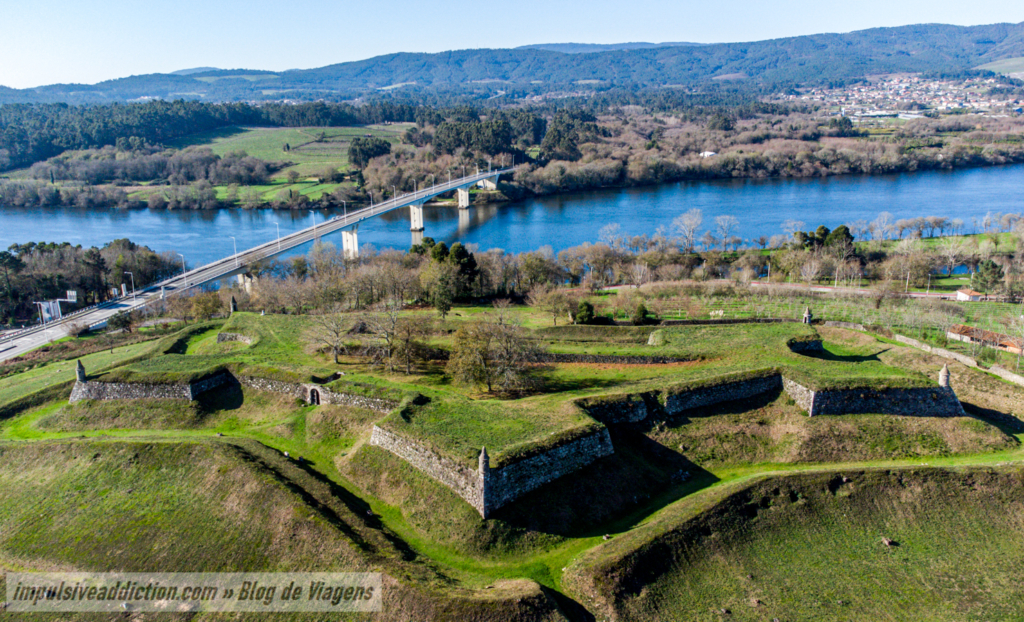
Visit Forte de São Francisco de Lovelhe and Fortim da Atalaia
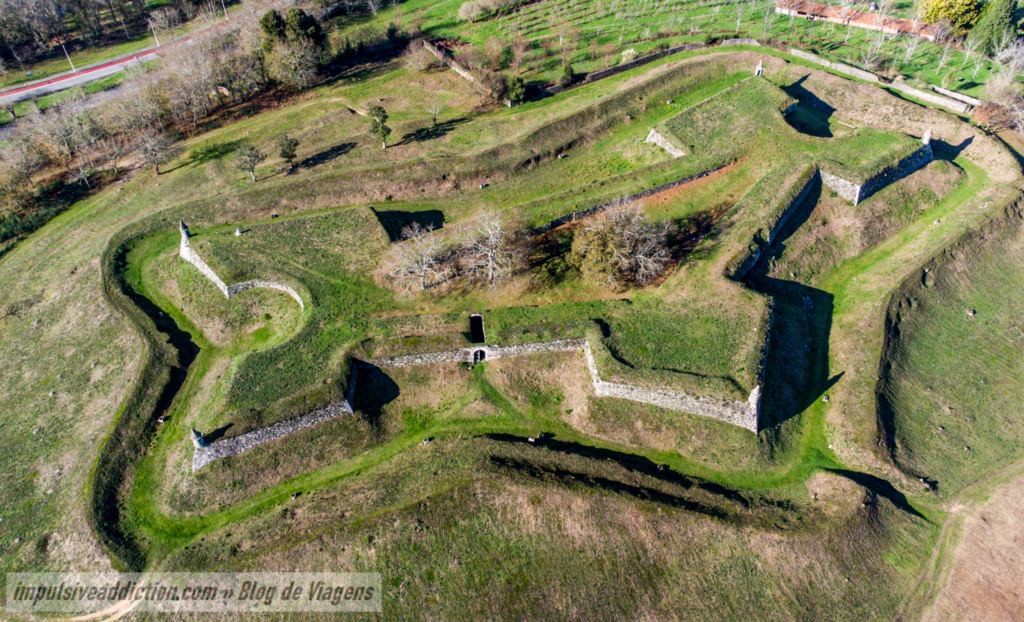
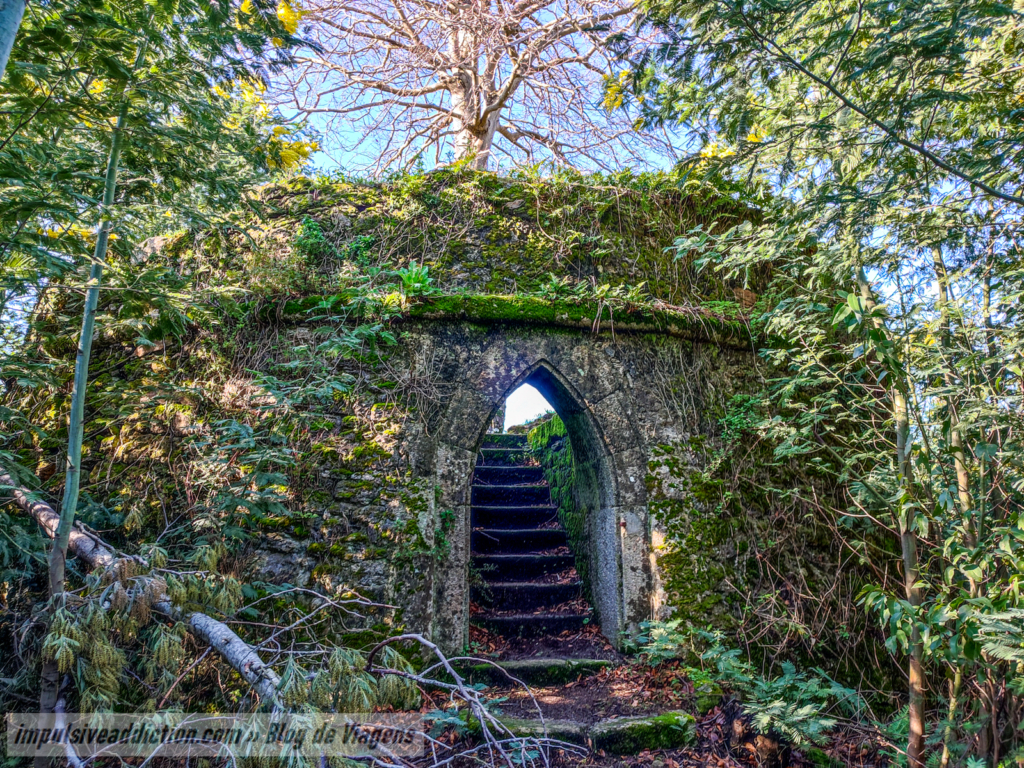
The two main fortresses of Vila Nova de Cerveira are located in Lovelhe, just outside the historic center. The first is easy to find on the road toward Valença, while the second requires a short walk.
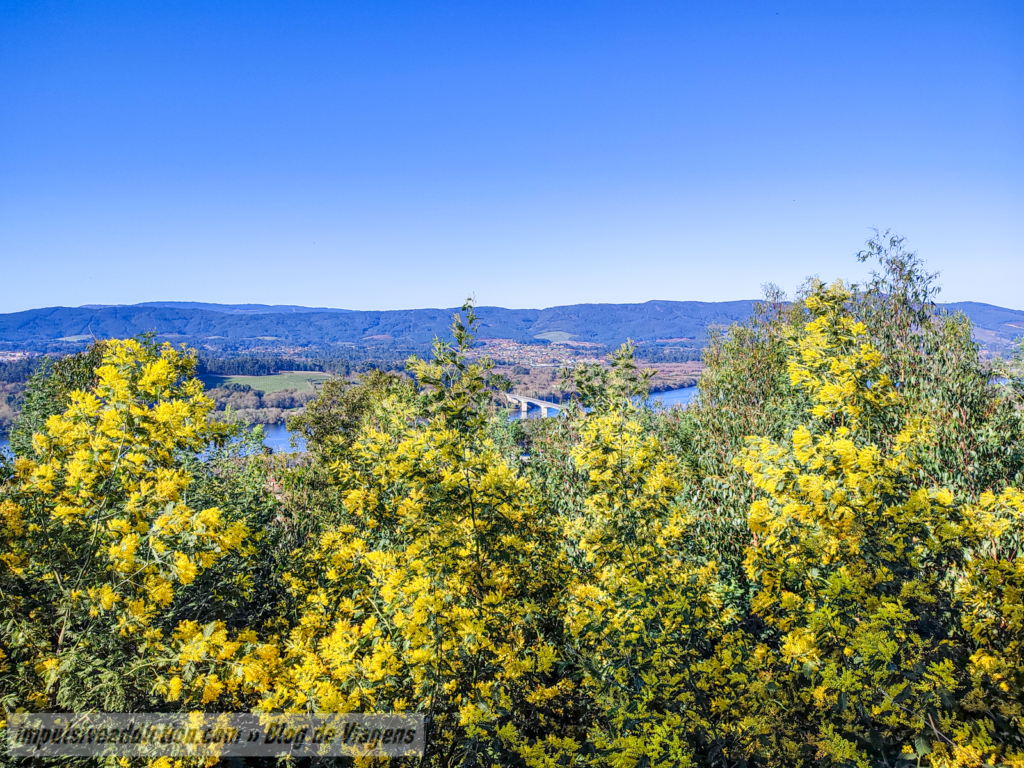
The Forte de São Francisco de Lovelhe was built in the mid-17th century in a star-shaped bastion style. By contrast, the Fortim da Atalaia is much smaller—essentially a circular tower on the Serra da Gávea. When I visited, it was surrounded by dense vegetation, with its viewpoint partially blocked by trees, which is why I didn’t include it among the top lookouts of Vila Nova de Cerveira.
Both fortifications played an important role in defending Portugal against Spain, particularly in preventing Spanish troops from crossing the Minho River from Galicia.
Visit the Gávea Mills
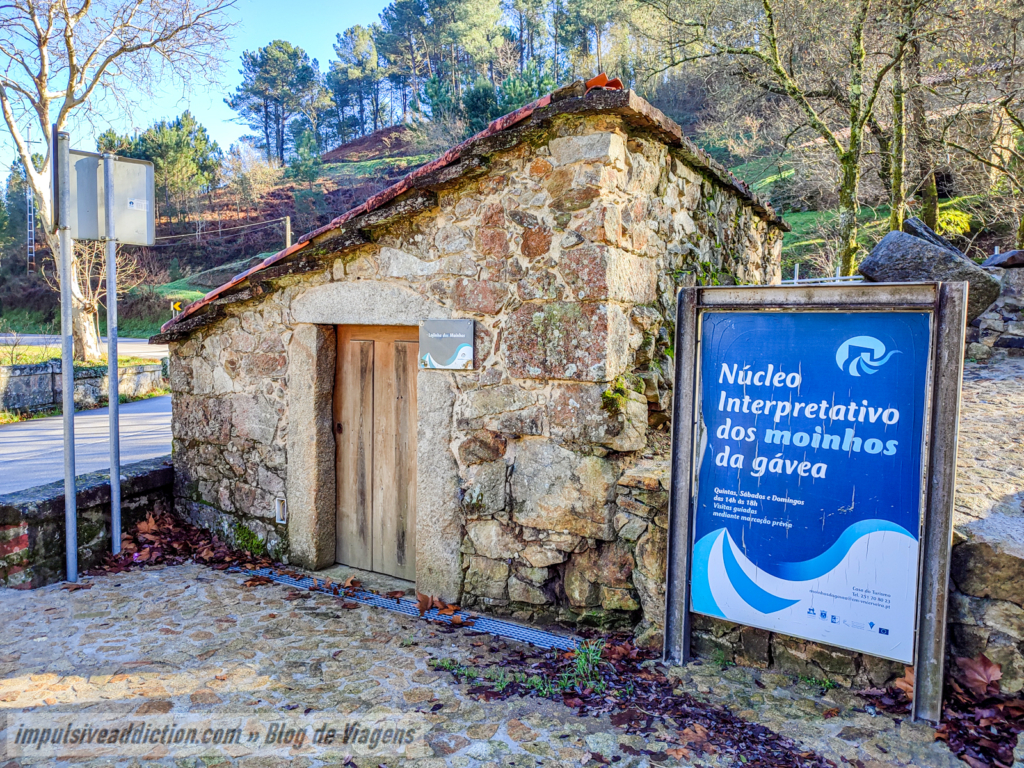
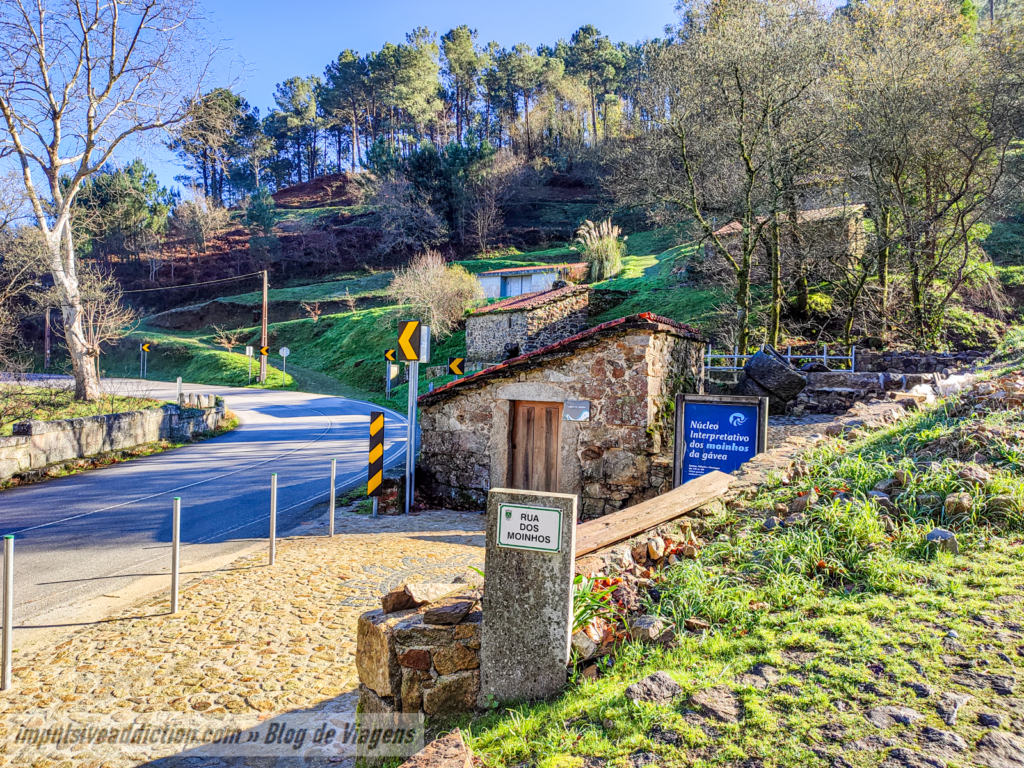
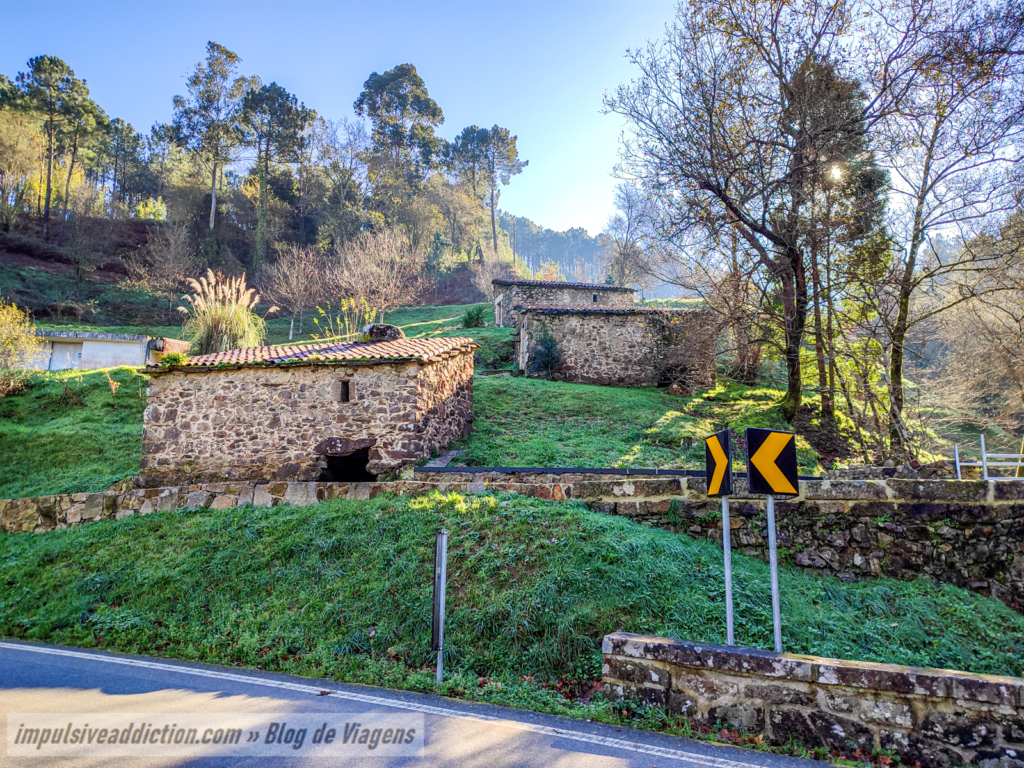
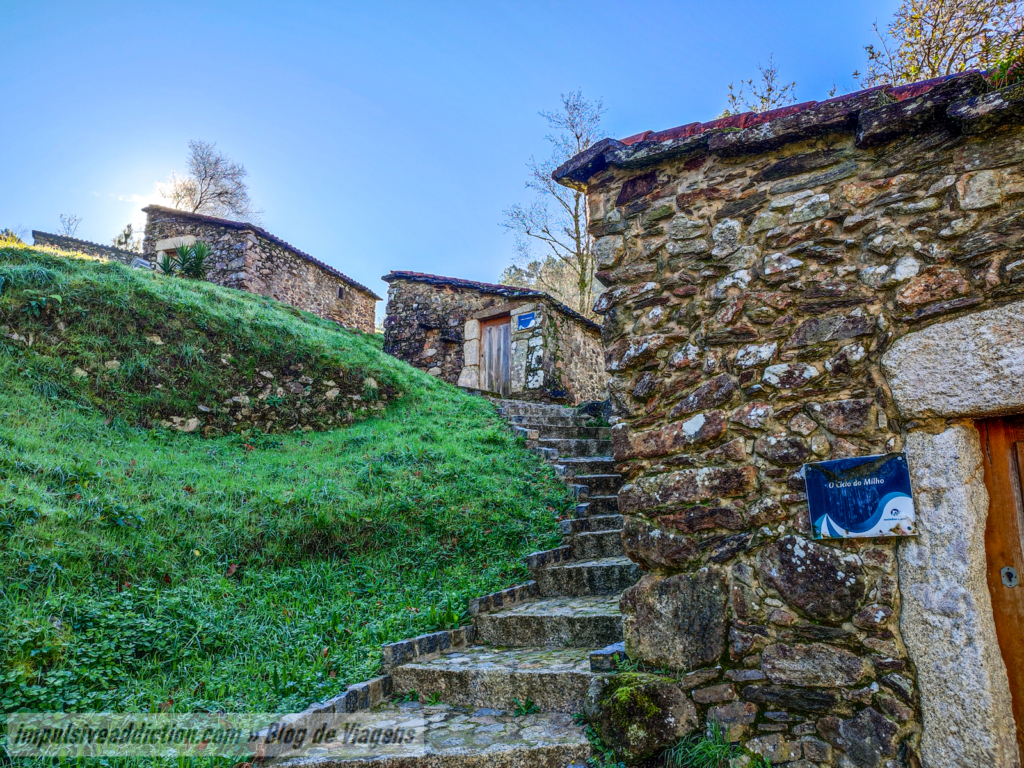
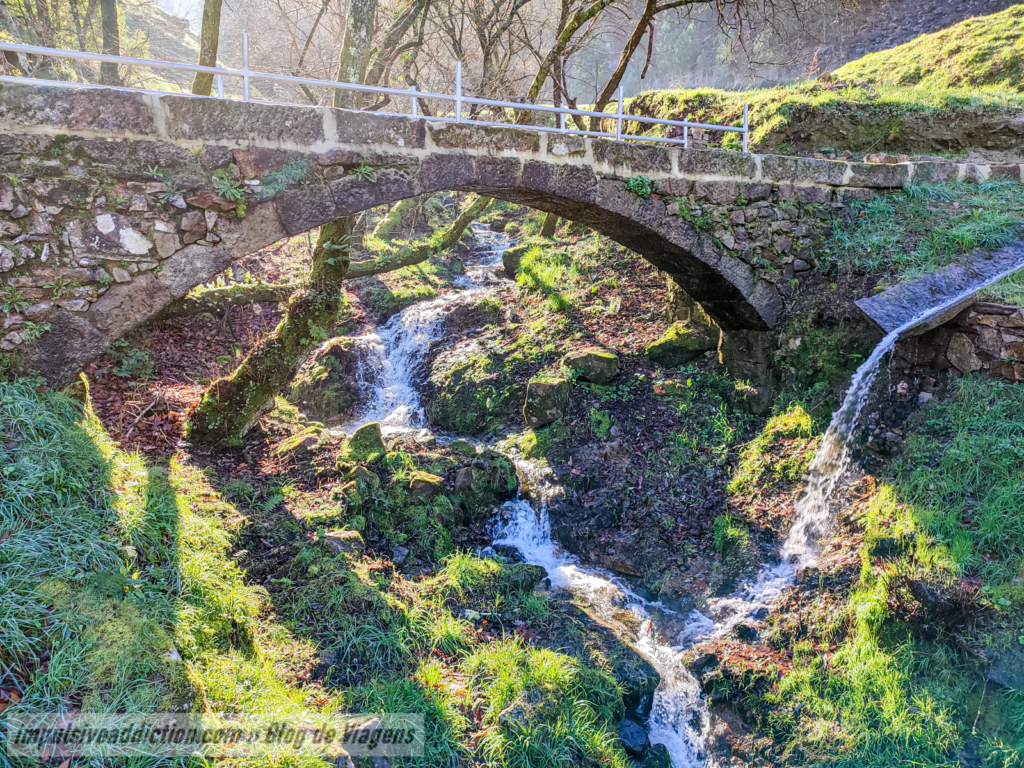
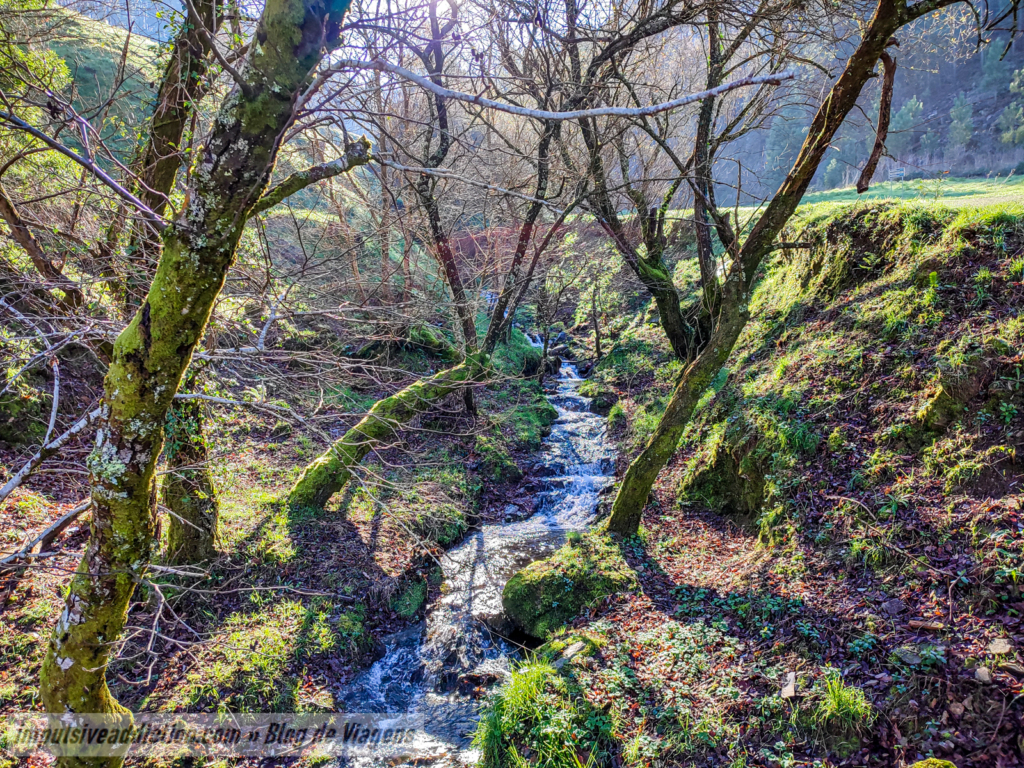
The Gávea Mills have been restored for tourism purposes and can be visited by prior appointment, particularly their interpretive center. There, you can learn about the cereal cycle and the work of the miller, with displays of traditional tools and milling systems.
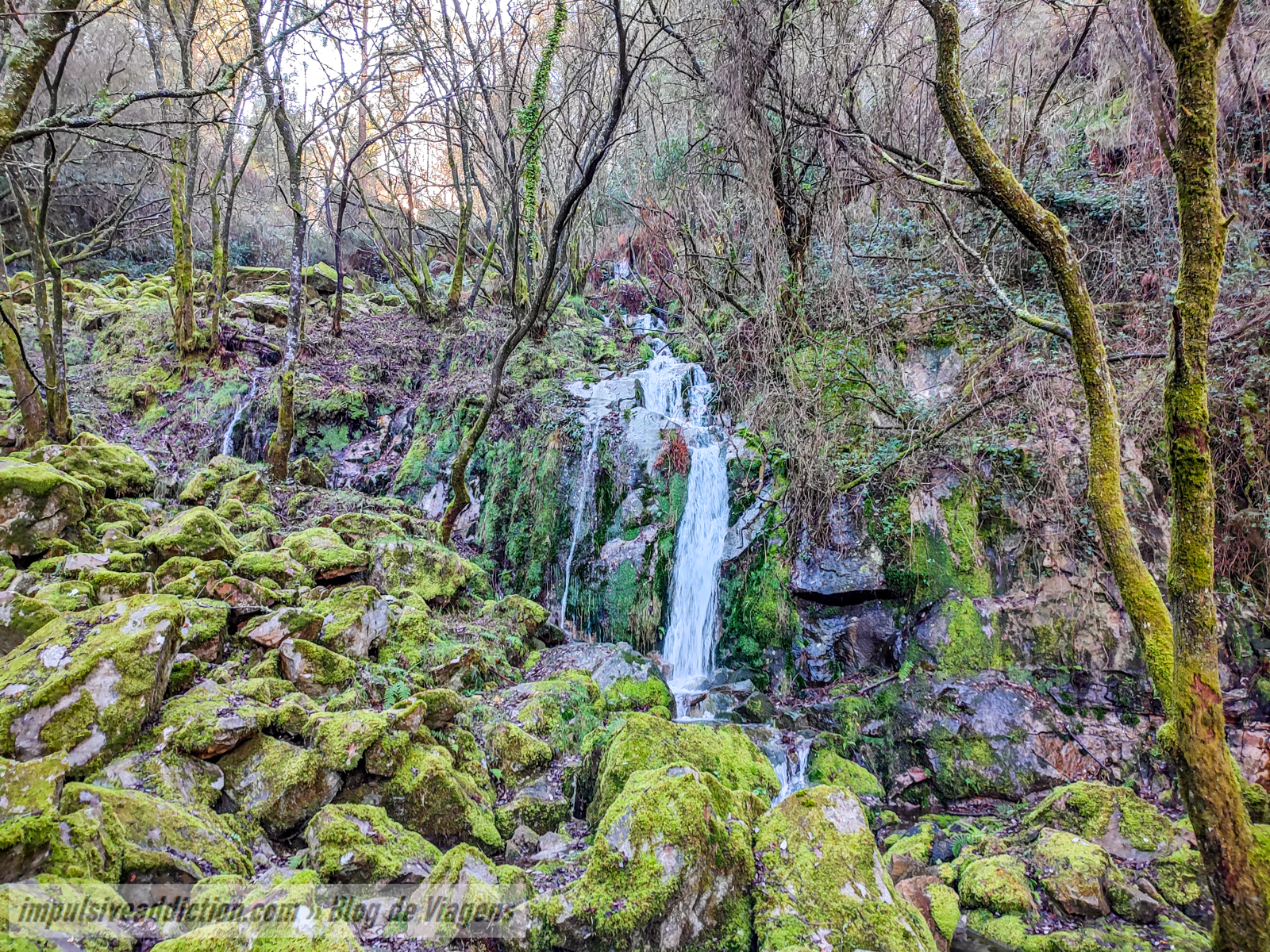
Don’t miss climbing up to the picnic area, where you’ll find a small but charming waterfall. If you’re up for it, you can also hike the Gávea Mills circular trail, which is about 6 km long.
Visit the Convent of San Payo
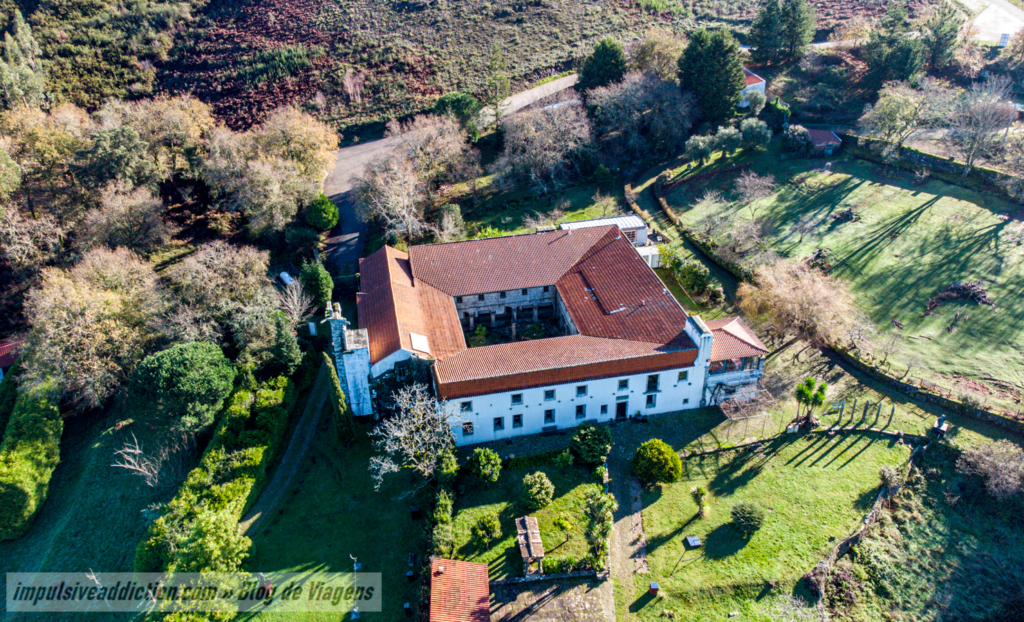
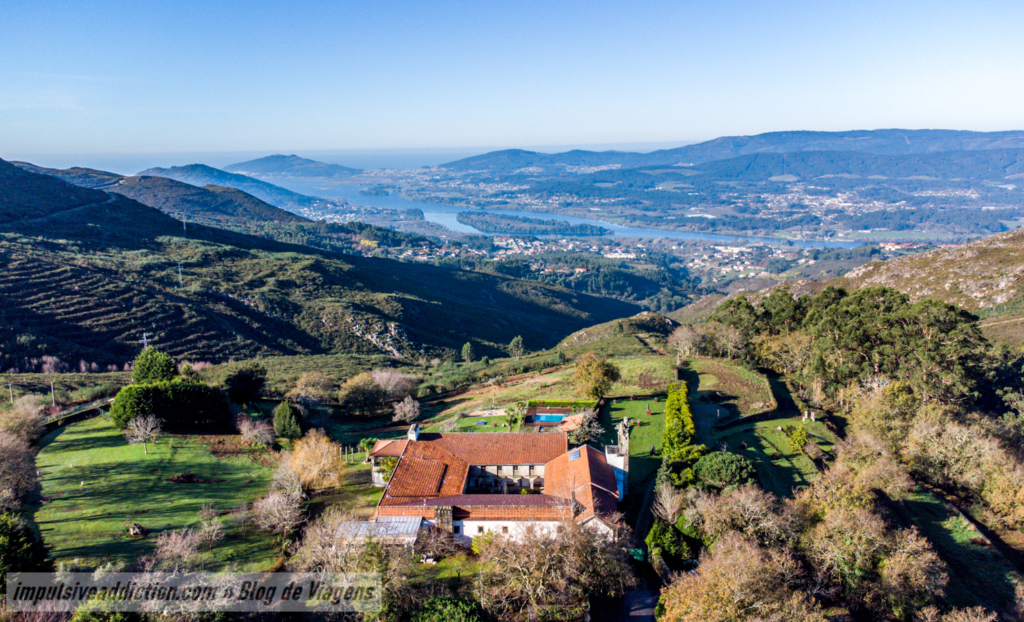
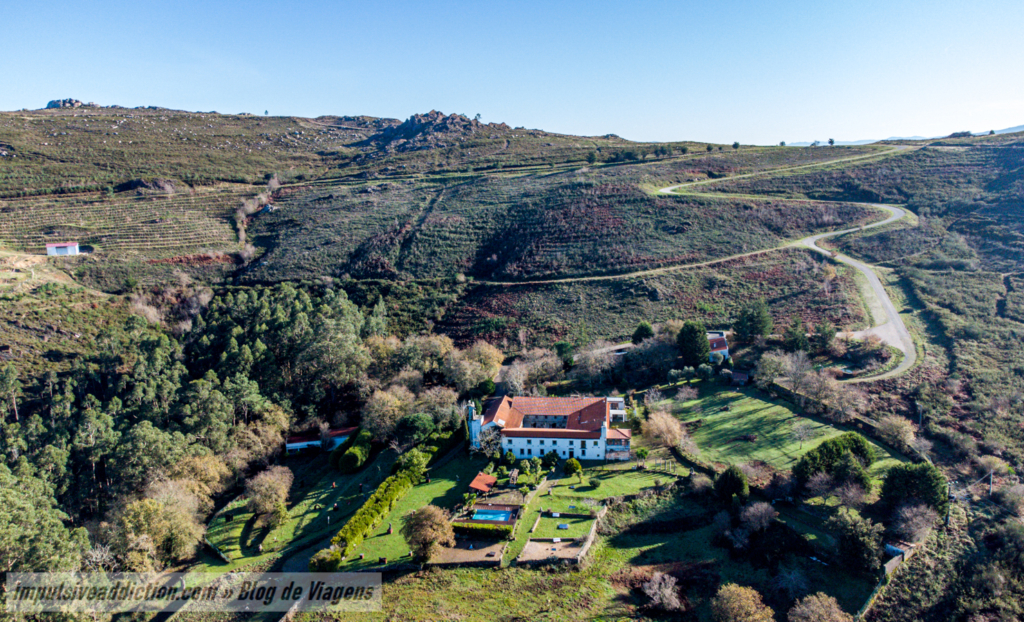
The Convent of San Payo is one of the best accommodation options I can recommend in Vila Nova de Cerveira. Perched high on the mountain, it offers sweeping views over the Minho River and the town below. Founded in the 14th century by friars of the Franciscan Order, it was the fourth Franciscan convent to be built in Portugal.
Even if you don’t stay overnight, it’s possible to book a guided visit to the convent’s museum, gardens, and art studios, which feature works by the artist José Rodrigues. You can find more details in the convent’s official flyer.
Visit Gondar Waterfall (Optional)
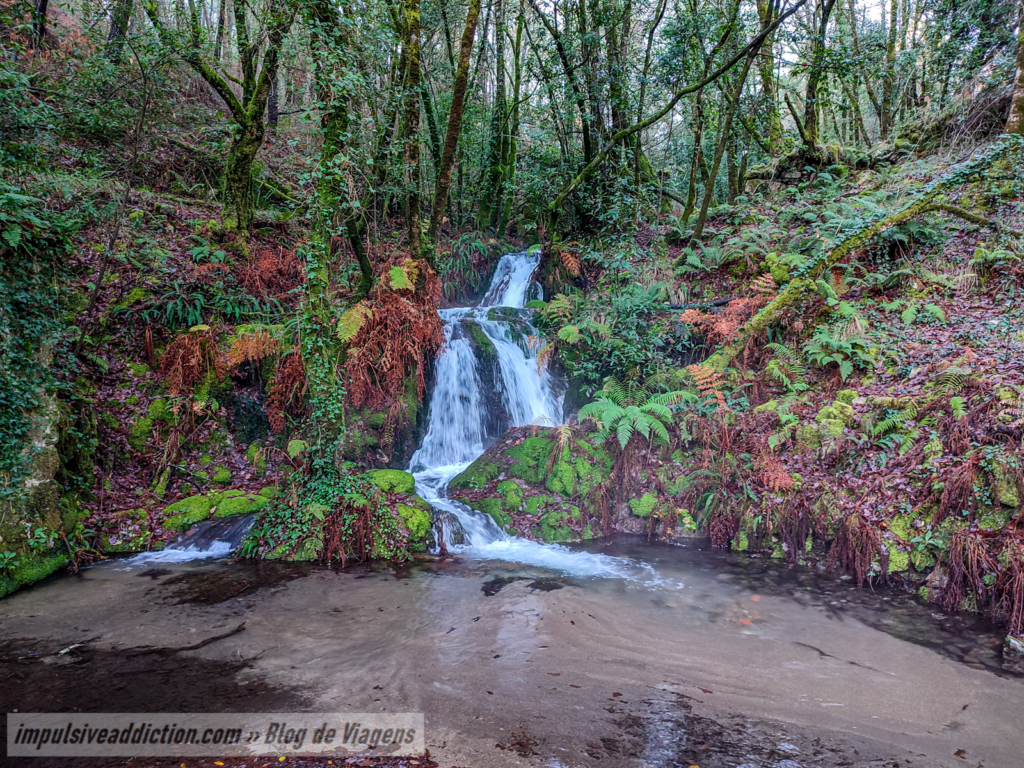
In Gondar, I happened to come across a small roadside waterfall. It’s a lovely little spot, though completely optional since it’s quite far from the other attractions mentioned. I’m noting it here mostly as a personal memory. 😉
Visit Covas Dam and N301 Road (Optional)
The same goes for the Covas Dam and the N301 road. While the road is scenic, it’s not an essential stop. In summer, however, it may be worth the detour to visit the Covas Leisure Area or the São João Bridge—both great spots for a refreshing swim in the cool waters of the Coura River.
What to Visit Near Vila Nova de Cerveira?
Without a doubt, I recommend the Serra d’Arga and the municipality of Caminha. Or, alternatively, Valença! Share in the comments what you thought of this region and which places you enjoyed the most.
1. Visit Caminha
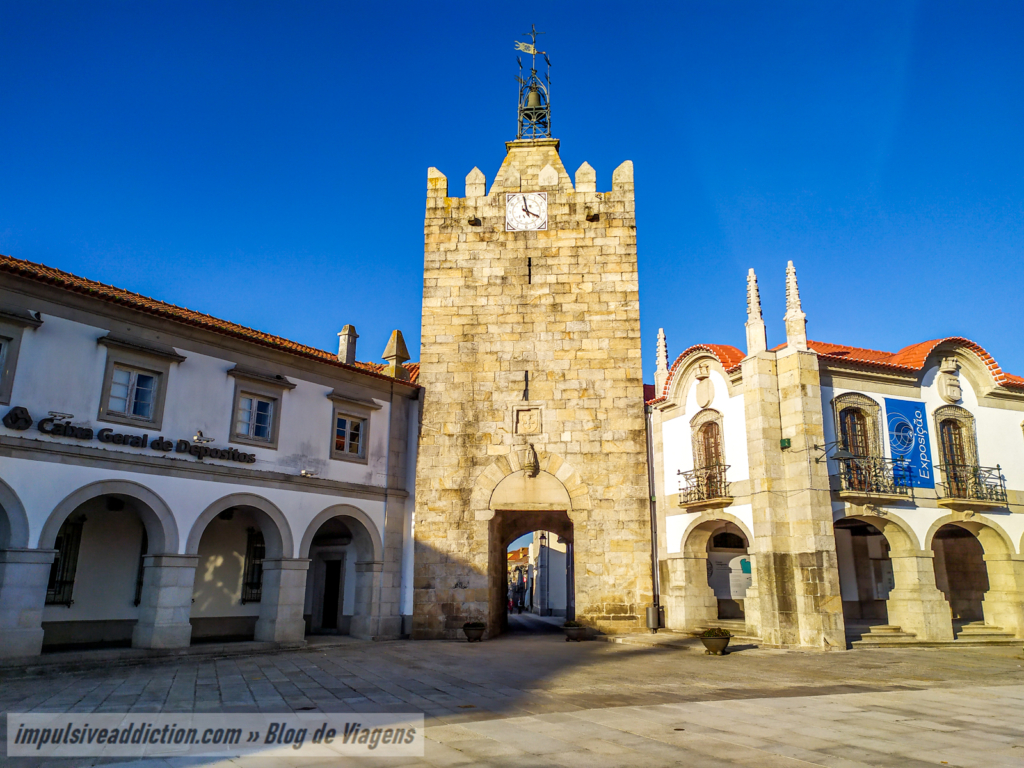
Caminha is one of the most charming towns in Alto Minho, located at the mouth of the Minho River, where it meets the Atlantic Ocean. The town is known for its medieval historic center, with welcoming squares, centuries-old churches, and narrow streets perfect for leisurely strolls. The Clock Tower and the Main Church of Caminha are must-sees for history and heritage lovers.
Caminha is also famous for its natural landscapes. The Atlantic beaches, such as Moledo Beach, are popular with both families and surfers. Meanwhile, the nearby Serra d’Arga offers scenic hiking trails and breathtaking views, ideal for nature enthusiasts.
2. Visit Valença
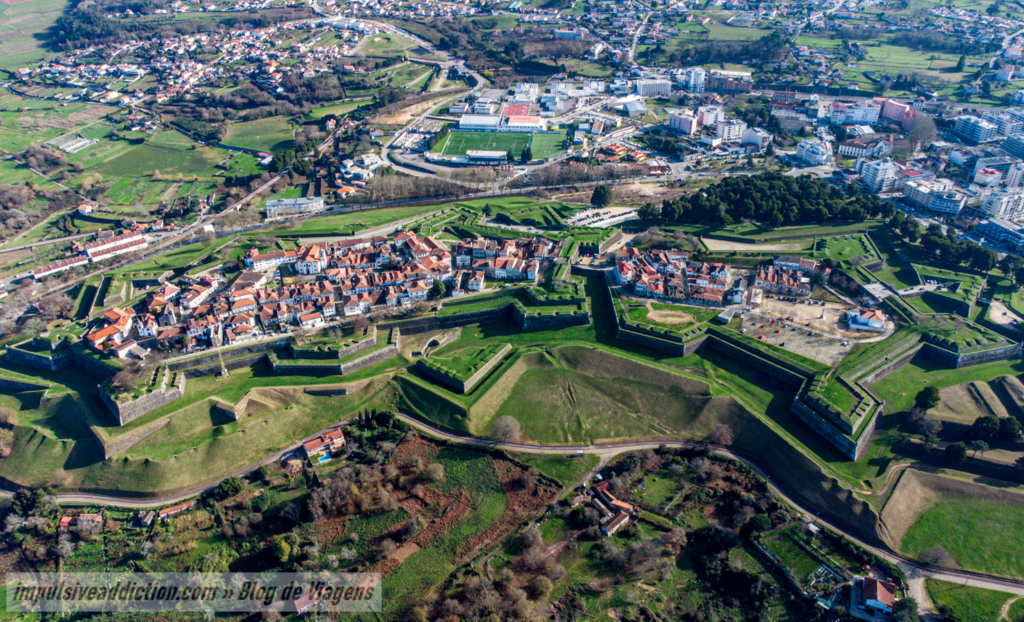
Valença is a border town right on the frontier with Spain, best known for its impressive fortress—one of the largest and best-preserved in Europe. Walking along the walls offers magnificent views of the Minho River and of neighboring Tui, just across the border in Spain. Inside the fortress, the historic center is filled with narrow streets and traditional shops, particularly famous for textiles.
Beyond its military and historical heritage, Valença is also an important stop for culture and religious tourism, as it lies along the Camino de Santiago pilgrimage route. Visitors can also savor the region’s gastronomy, with traditional Minho dishes such as roast kid (goat) or lamprey rice, perfectly paired with the area’s renowned Vinho Verde.
3. Visit Paredes de Coura
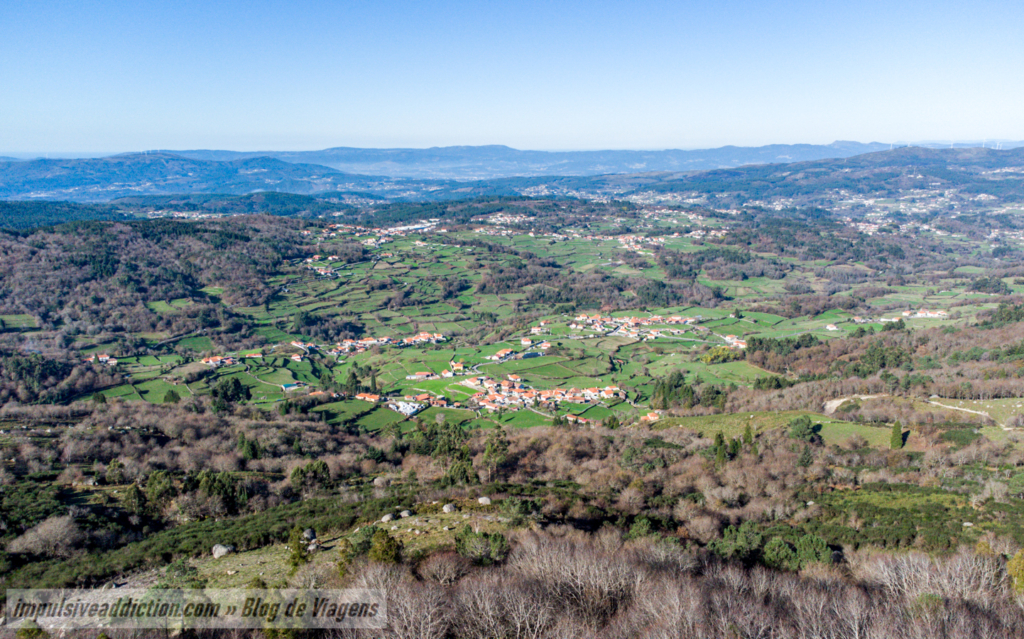
Best known for its famous music event, the Paredes de Coura Festival, this municipality is much more than a gathering place for alternative culture lovers. The town itself has a welcoming atmosphere, surrounded by nature, with rivers, mountains, and a tranquility that contrasts with the energy of the major events held there.
The Coura River, which flows through the region, provides the perfect backdrop for outdoor leisure activities such as canoeing, hiking, and riverside picnics. Local heritage includes churches, chapels, and manor houses that reflect the area’s history, making Paredes de Coura a destination that balances tradition and modernity.
4. Visit Monção
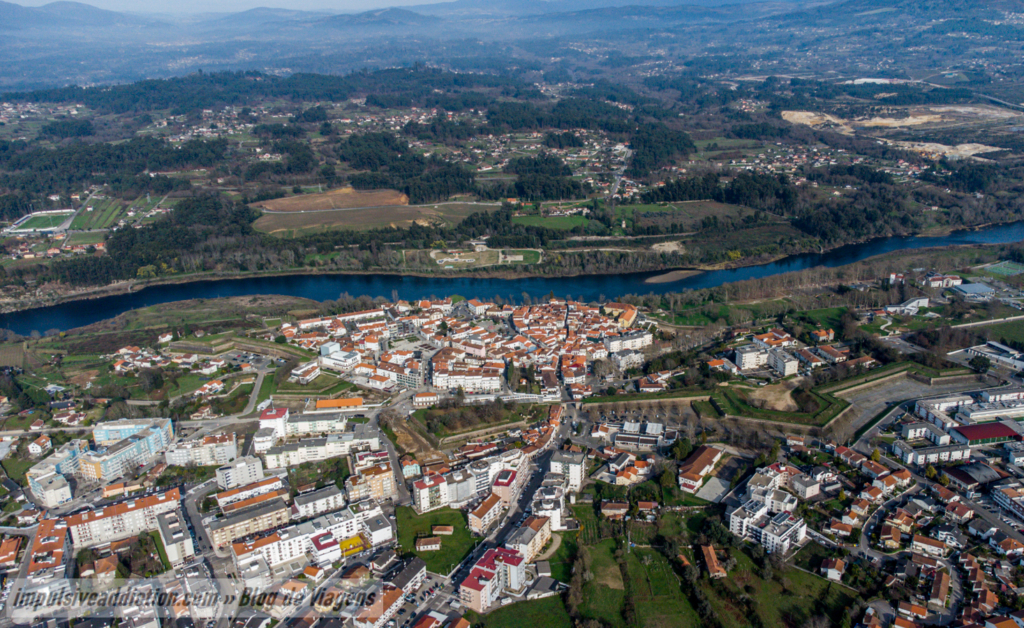
Monção is a charming town on the banks of the Minho River, facing the Galician city of Salvaterra de Miño. Its historic center is still marked by the old defensive walls and buildings that showcase the town’s strategic importance throughout history. A major highlight is the Palácio da Brejoeira, an imposing neoclassical palace surrounded by vineyards.
The region is also famous for Alvarinho wine, considered one of the finest Vinhos Verdes in Portugal. In addition, Monção has a long tradition of thermal spas, with the Monção Thermal Baths offering relaxing and therapeutic treatments. Here, gastronomy, culture, and wellness come together, making Monção an attractive destination year-round.
5. Visit Ponte de Lima
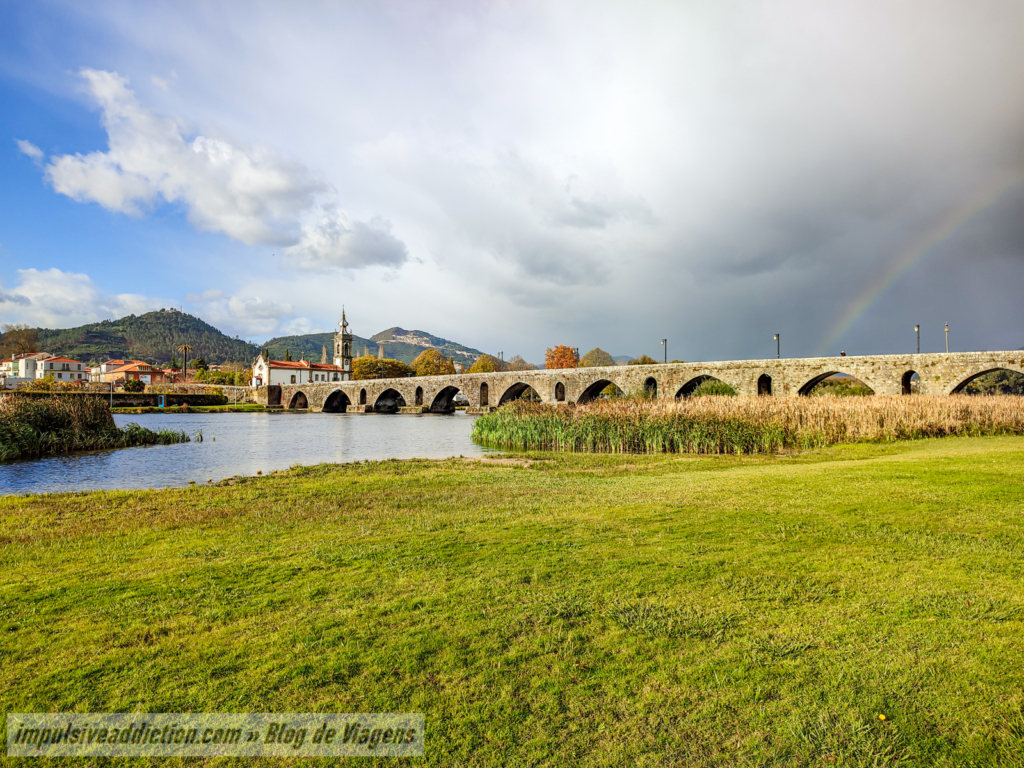
Ponte de Lima is the oldest town in Portugal—a true historical treasure set along the banks of the Lima River. Its historic center is rich in heritage, with highlights including the medieval bridge, traditional Minho manor houses, and centuries-old churches. Strolling through its cobbled streets feels like stepping back in time, with history revealed at every corner.
Beyond its history, Ponte de Lima is also known for its beautiful gardens and cultural traditions. Local festivals such as the Vaca das Cordas and the Horse Fair keep the town’s identity alive. The municipality is also a destination for wine tourism and gastronomy, where typical dishes like arroz de sarrabulho and the region’s celebrated Vinho Verde take center stage.
MORE ARTICLES FROM THE MINHO REGION OF PORTUGAL:

- Minho | Northern Portugal Itinerary
- Peneda Gerês National Park Itinerary
- Best Hikes and Trails in Peneda Gerês National Park
- Best Peneda Gerês National Park Waterfalls and Lagoons
- Serra d'Arga Itinerary

DISTRICT OF VIANA DO CASTELO:
- Things to do in Viana do Castelo
- Things to do in Ponte de Lima
- Things to do in Monção
- Things to do in Valença
- Things to do in Caminha
- Things to do in Sistelo
- Things to do in Soajo and Lindoso
- Things to do in Vila Nova de Cerveira
- Things to do in Ponte da Barca
- Things to do in Paredes de Coura
- Things to do in Arcos de Valdevez
- Things to do in Melgaço

DISTRICT OF BRAGA:
- Things to do in Guimarães
- Things to do in Barcelos
- Things to do in Esposende
- Things to do in Braga
- Things to do in Vizela
- Things to do in Vila Verde
- Things to do in Vila Nova de Famalicão
- Things to do in Vieira do Minho
- Things to do in Terras de Bouro
- Things to do in Póvoa de Lanhoso
- Things to do in Fafe
- Things to do in Amares
