 Pedro Domingues
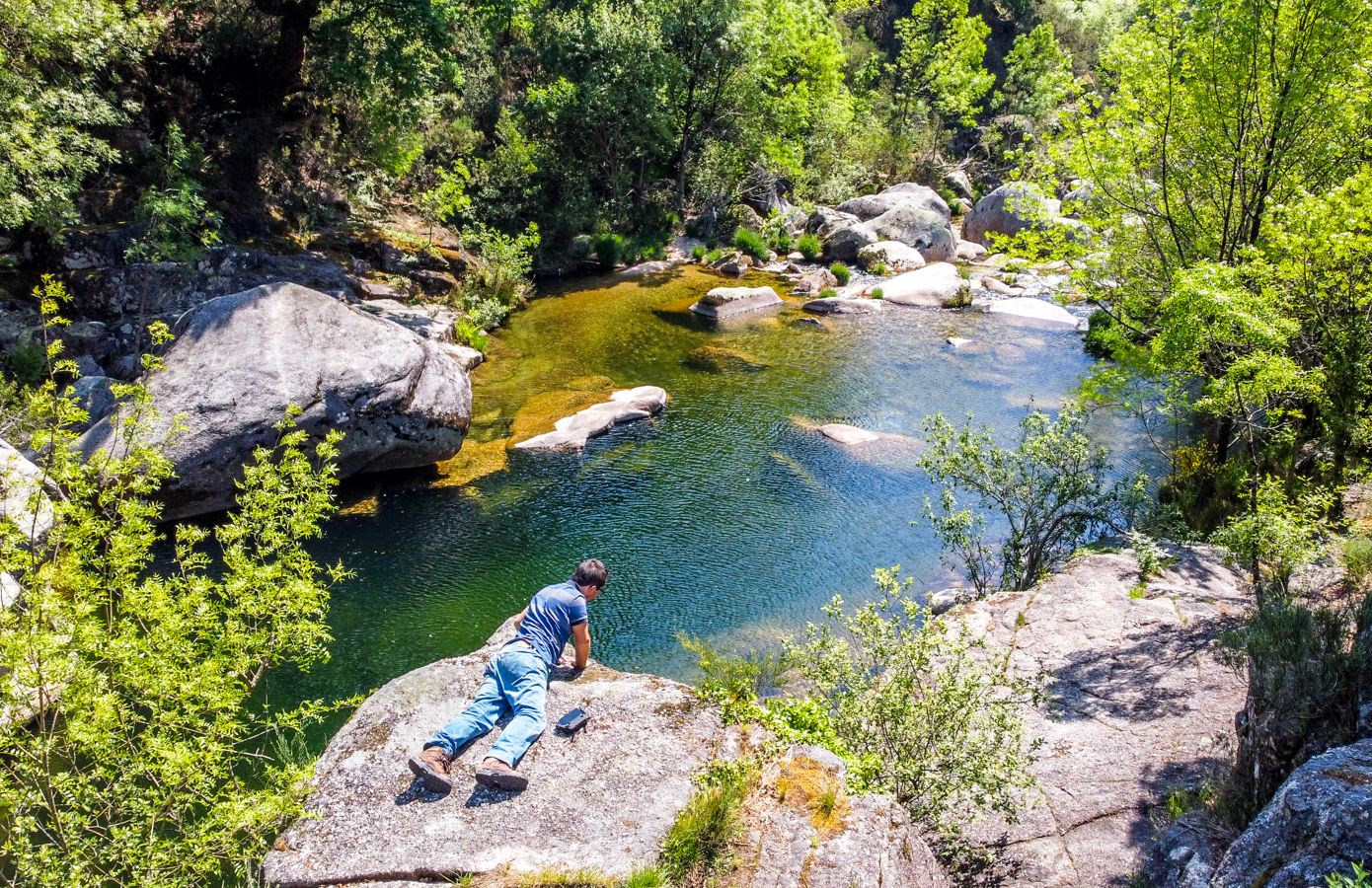
If you’re planning a trip to Peneda-Gerês National Park and want to stay in Soajo, Lindoso, or one of the nearby villages—such as Ermida, Tibo, Gavieira, or even Entre Ambos-os-Rios—this guide is for you!
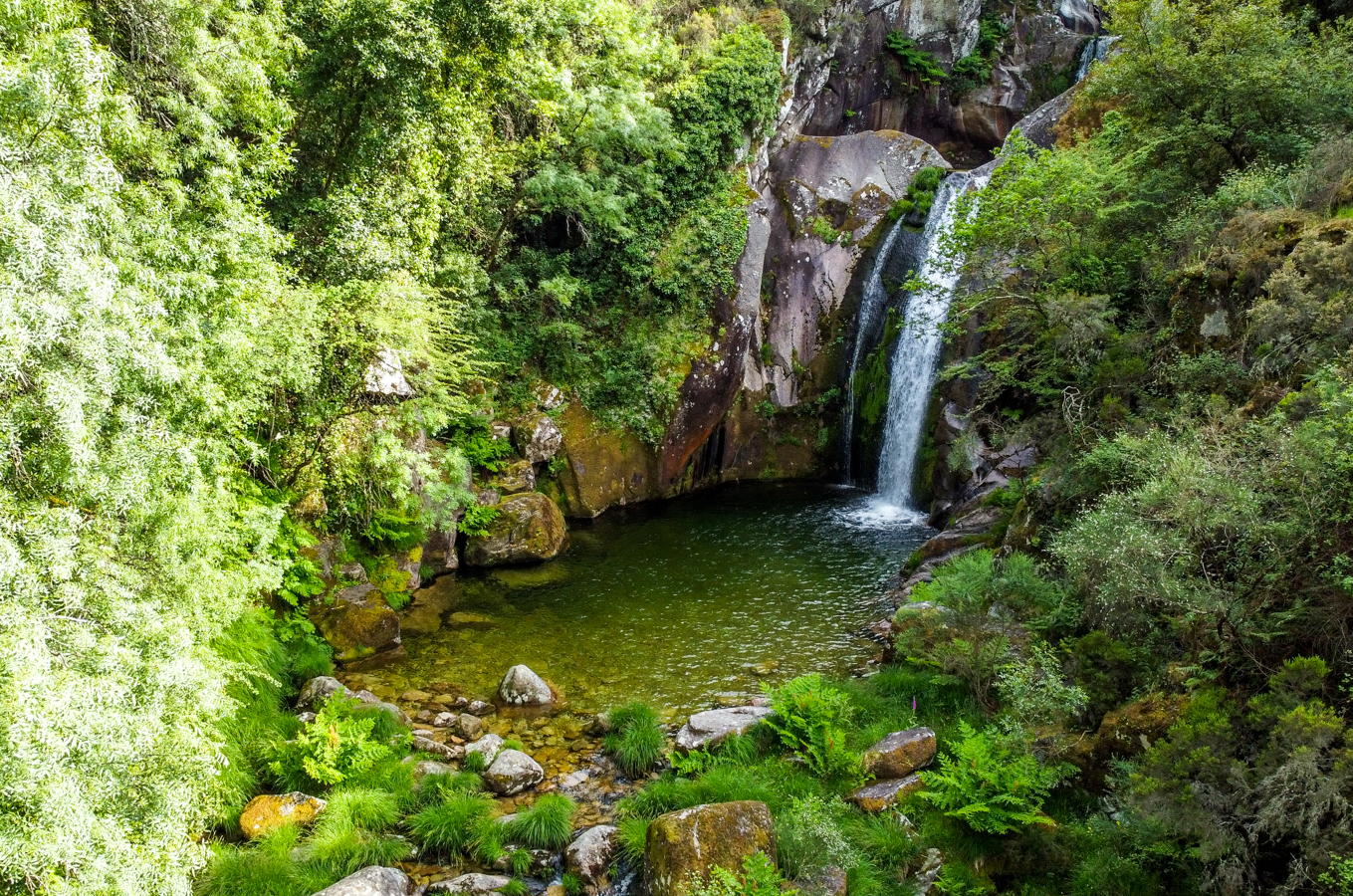
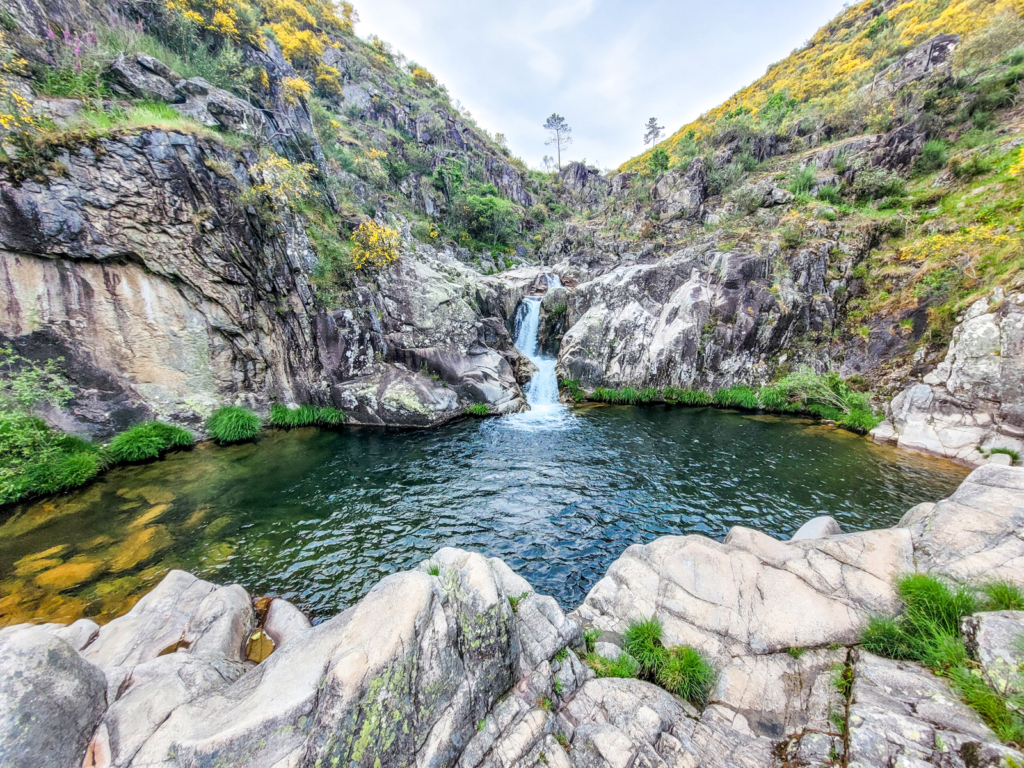
The region is full of lagoons, waterfalls, viewpoints, and other natural attractions, making it easy to create a 3- to 4-day itinerary without long drives.
Here I’ve gathered what I consider to be the must-see places in this part of Gerês:
- Soajo – famous for its lagoons, historic center, and delicious local cuisine (the best meals I had in Gerês were here).
- Lindoso – home to an impressive cluster of granaries and a striking castle.
- Ermida – the most remote village in the region, and for that reason the most authentic. Surrounded by hidden waterfalls and lagoons waiting to be explored.
- On the way to the Sanctuary of Nossa Senhora da Peneda, make sure to stop in Tibo and Gavieira, and take a short detour to São Bento do Cando.
- Don’t miss Mezio, with its scenic swing and remarkable megalithic complex.
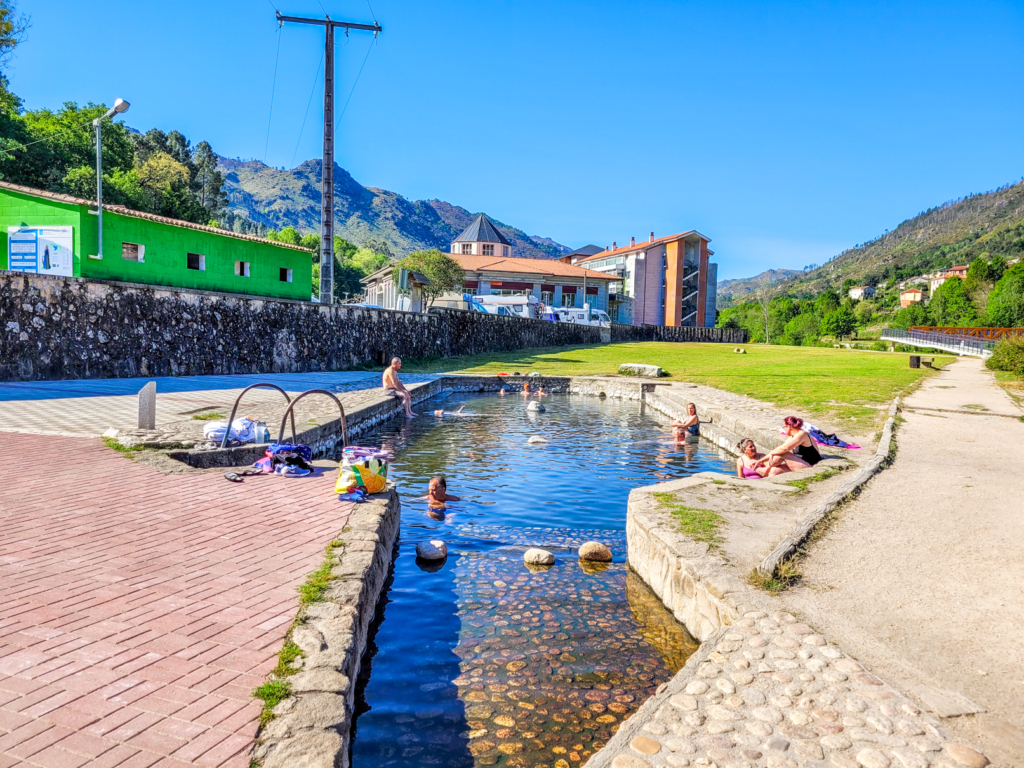
- You can even cross the border into Galicia (Ourense province) to visit the Baixa Limia Natural Park, where you’ll find public hot springs and more.
This is just a preview of what I recommend in this guide. Keep reading to discover all the details.
Where are Soajo and Lindoso located, in Portugal?
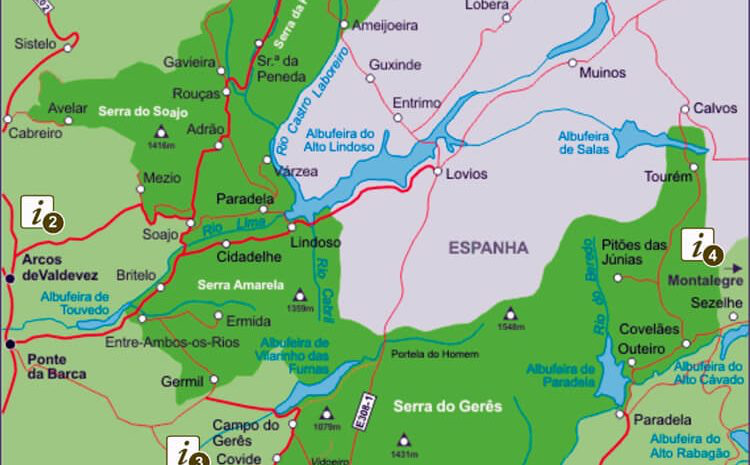
Soajo and Lindoso are both located in the Alto Minho region, within the district of Viana do Castelo. Although they are just 10 km apart, they belong to different municipalities: Soajo is part of Arcos de Valdevez, while Lindoso falls under Ponte da Barca.
Looking at the map below, you can easily spot the location of these two villages within Peneda-Gerês National Park, as well as other places I’ll be mentioning—such as Ermida, Mezio, Gavieira, and even Lobios across the border in Galicia.
MORE ARTICLES FROM THE MINHO REGION OF PORTUGAL:

- Minho | Northern Portugal Itinerary
- Peneda Gerês National Park Itinerary
- Best Hikes and Trails in Peneda Gerês National Park
- Best Peneda Gerês National Park Waterfalls and Lagoons
- Serra d'Arga Itinerary

DISTRICT OF VIANA DO CASTELO:
- Things to do in Viana do Castelo
- Things to do in Ponte de Lima
- Things to do in Monção
- Things to do in Valença
- Things to do in Caminha
- Things to do in Sistelo
- Things to do in Soajo and Lindoso
- Things to do in Vila Nova de Cerveira
- Things to do in Ponte da Barca
- Things to do in Paredes de Coura
- Things to do in Arcos de Valdevez
- Things to do in Melgaço

DISTRICT OF BRAGA:
- Things to do in Guimarães
- Things to do in Barcelos
- Things to do in Esposende
- Things to do in Braga
- Things to do in Vizela
- Things to do in Vila Verde
- Things to do in Vila Nova de Famalicão
- Things to do in Vieira do Minho
- Things to do in Terras de Bouro
- Things to do in Póvoa de Lanhoso
- Things to do in Fafe
- Things to do in Amares
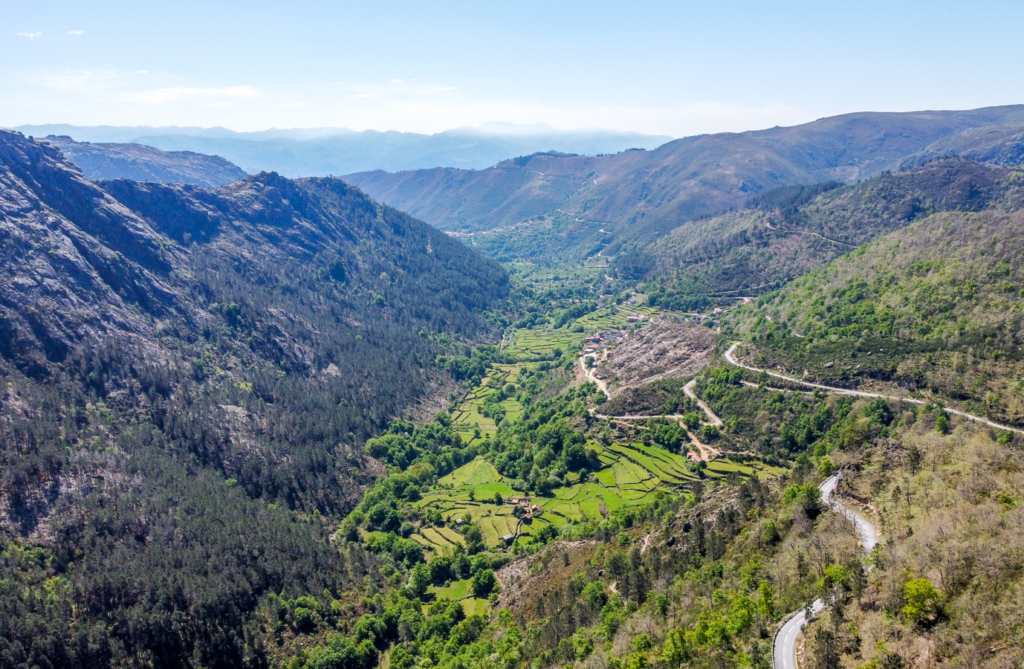
When to Visit Soajo and Lindoso
If you want to cool off in the crystal-clear lagoons of Soajo, Lindoso, and the surrounding area, the best time to visit is summer. Just keep in mind that many of these spots are no longer a secret—so expect crowds in the warmest months.
If you’re brave enough to face the chilly waters in late spring (May is a good bet), you’ll likely enjoy them with far fewer people around, while the mountains are still in bloom.
That said, Soajo and Lindoso are worth visiting year-round. The rustic mountain villages, breathtaking viewpoints, and ever-changing landscapes will impress you in any season.
It’s also worth timing your trip with some of the traditional local festivities:
- Carnival (February/March): In Lindoso, don’t miss the Enterro do Pai Velho (the Burial of the Old Father).
- July: Join the Feira de Artes e Ofícios (Arts & Crafts Fair) in Soajo, or the Traditional Rye Harvest in Lindoso.
- September: Experience the famous Romaria de Nossa Senhora da Peneda, one of the region’s biggest pilgrimages.
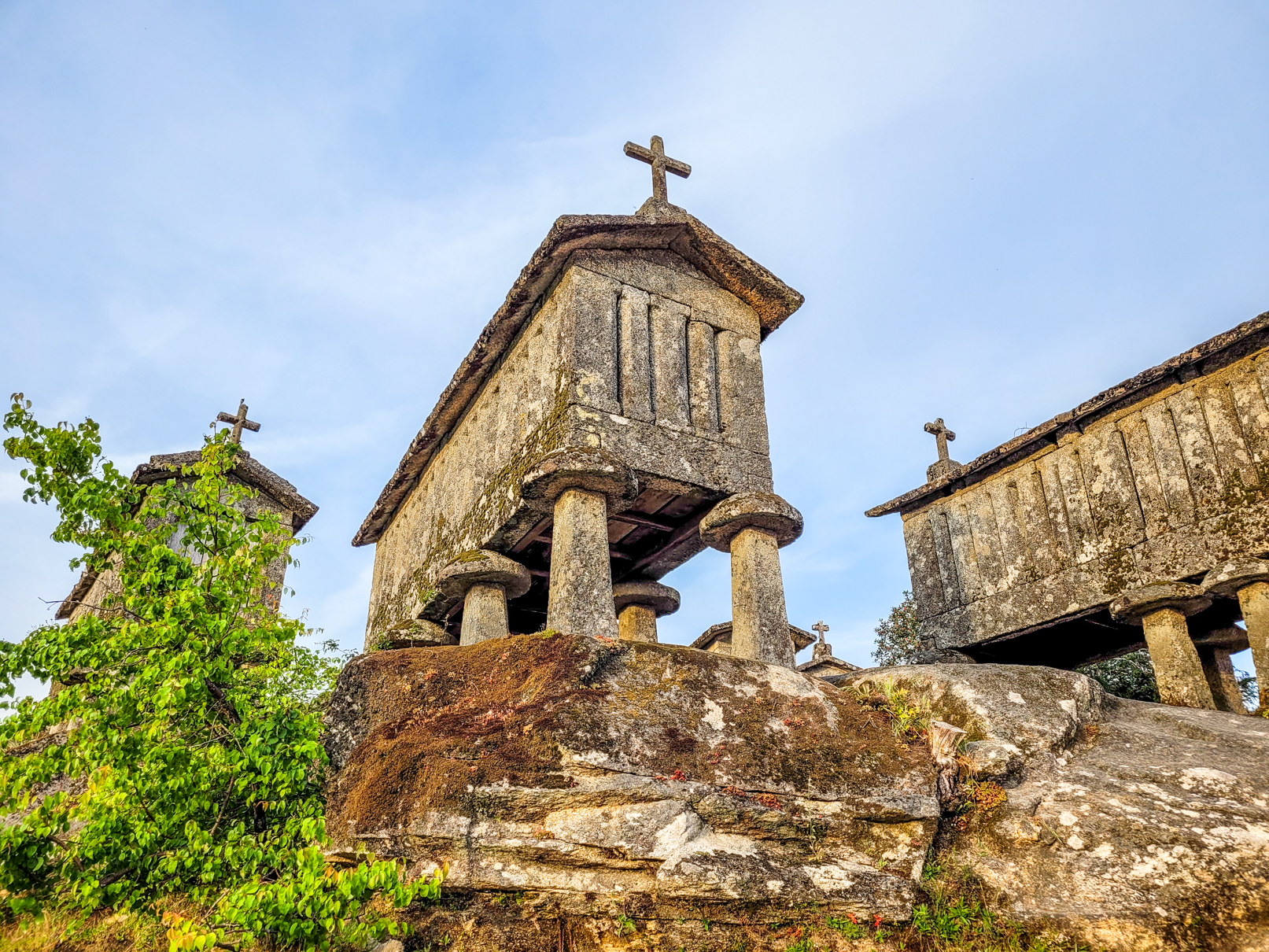
Rent a car to visit Soajo and Lindoso
This itinerary focuses on one specific area, but the farthest places are about a 45-minute drive from Soajo or Lindoso. That’s why having a car is essential if you want to explore them all at your own pace!
If you don’t have your own vehicle, I recommend renting one through Discover Cars using [this link].
Gastronomy and restaurants in Soajo and Lindoso
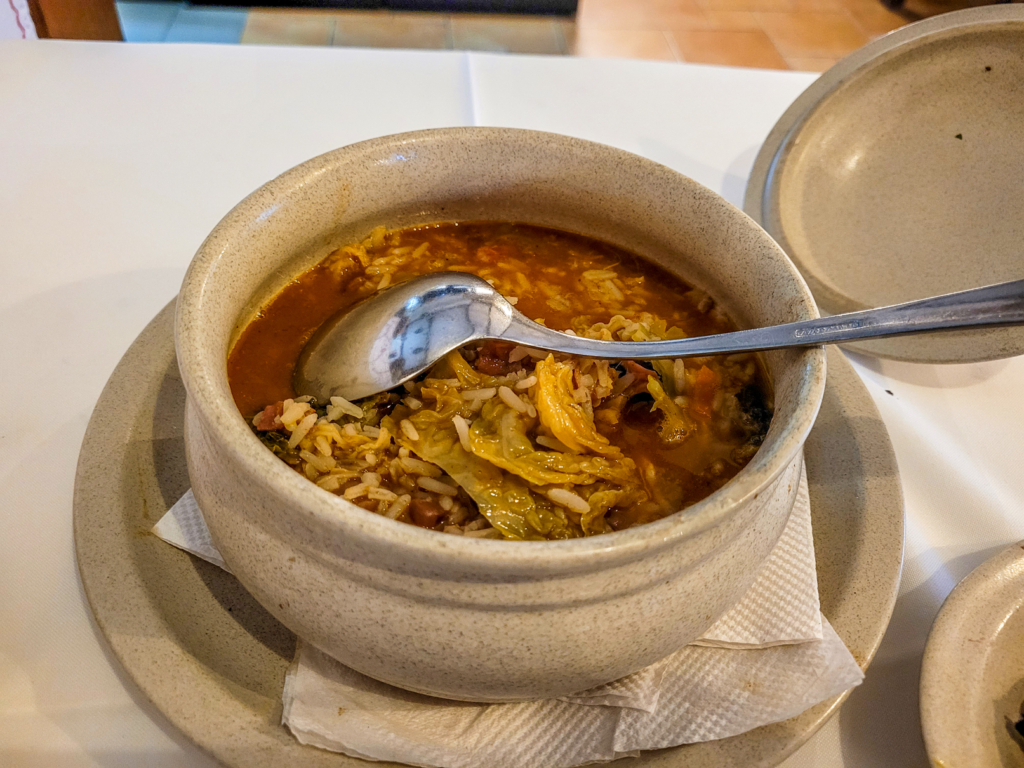
Soajo was where I ate the best meals during my trip through Gerês. Among several great options in the village, one restaurant truly stood out: Restaurante Saber ao Borralho.
Although it’s not located right in the village center, it’s absolutely worth the short detour. The food is simply divine.
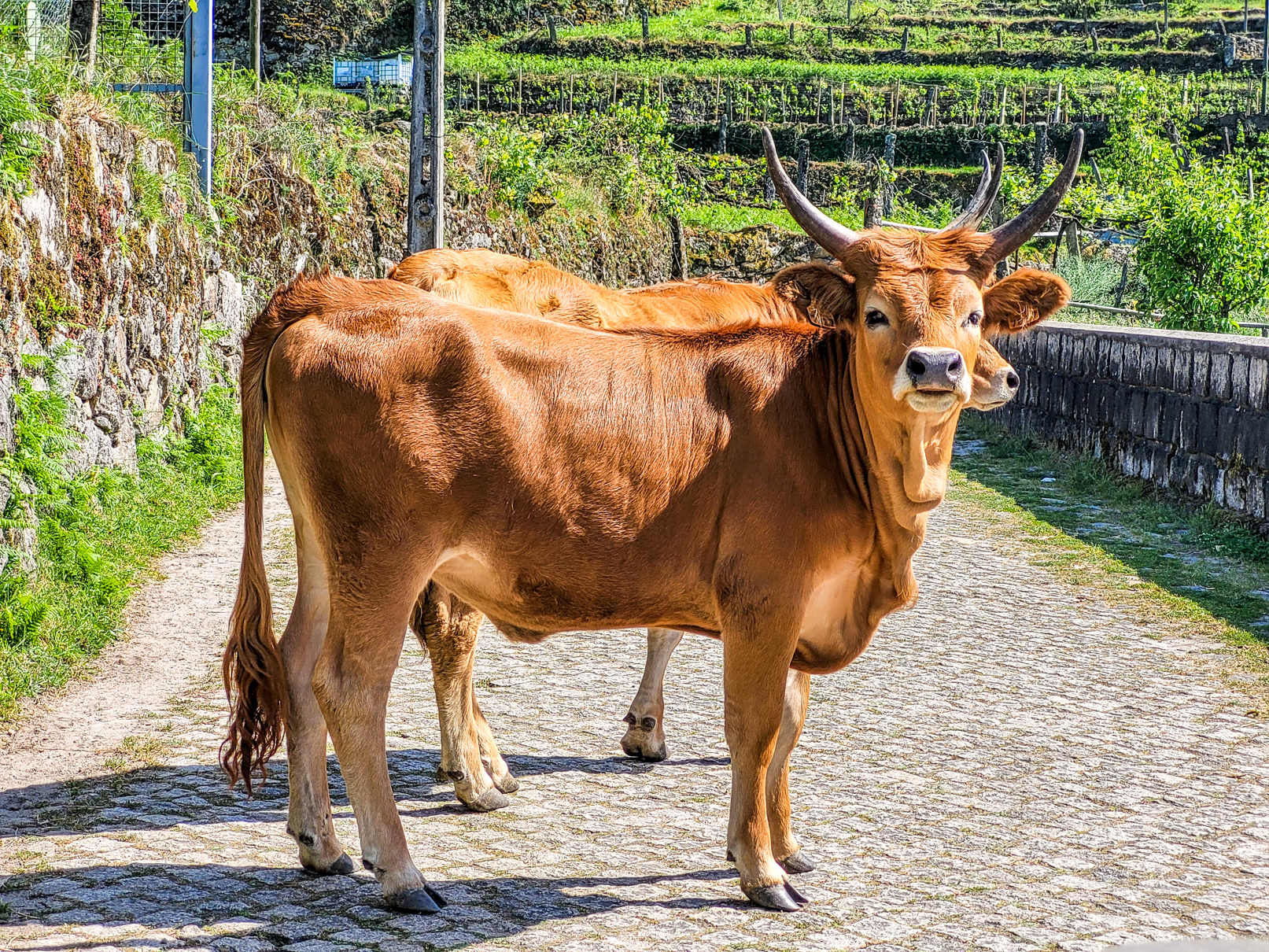
What to eat? I went straight for the region’s specialty—Carne da Cachena, a traditional Minho dish made with the local breed of cattle. The portion was generous, perfectly prepared, and full of authentic flavor. A true taste of the mountains!

Where to stay in Soajo and Lindoso?
| Accommodation | Score | Location |
|---|---|---|
| Casa Rautau | 9.3 | Soajo |
| Casa de Riobom | 9.3 | Soajo |
| Casinha da Raposeira | 9.3 | Soajo |
| Casas do Cavaleiro | 9.7 | Soajo |
| Casa da Gandarela | 9.5 | Soajo |
| Casa de Bairros | 9.2 | Soajo |
| Casa de Pereiró | 9.4 | Soajo |
| RH Casas de Campo | 9.5 | Lindoso |
| Casa da Fecha | 9.1 | Lindoso |
| Cerca dos Passais | 8.9 | Entre Ambos os Rios |
| Casas da Peneda | 8.8 | Gavieira |
| Casa dos Cabecinhos | 8.8 | Paradamonte |
Things to do in Soajo and Lindoso
For this itinerary, I’ve organized everything you should see in Soajo, Lindoso, and the surrounding villages into 7 stages:
- Stage 1 | Explore Soajo
- Stage 2 | Visit Mezio
- Stage 3 | Discover Tibo, Gavieira, and Nossa Senhora da Peneda
- Stage 4 | Explore Lindoso
- Stage 5 | Walk through Ermelo Monastery and the Ecovia Trail
- Stage 6 | Visit Ermida and Entre Ambos-os-Rios
- Stage 7 | Cross into Baixa Limia Natural Park (Galicia, Spain)
Start by checking out the map I’ve included below, organized in the same way. I’m sure it will come in handy when planning your trip! 😉
Mapa with the highlights of Soajo and Lindoso region
Stage 1 | Visit Soajo
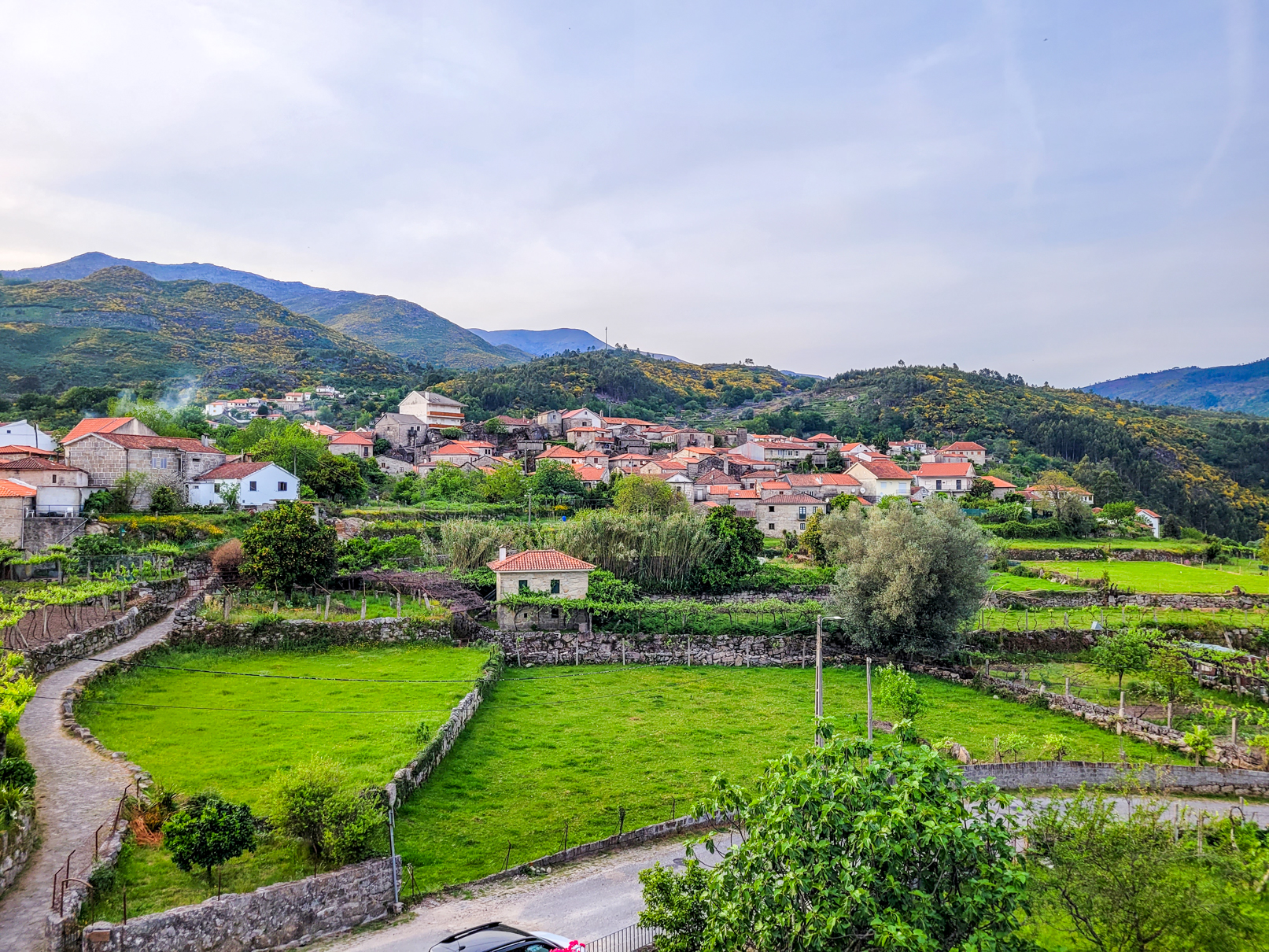
Recently featured in a popular Portuguese TV series, Soajo is one of the most visited villages in Gerês—best known for its iconic granary threshing ground (Eira dos Espigueiros), though it has much more to offer.
1. The Historic Center of Soajo
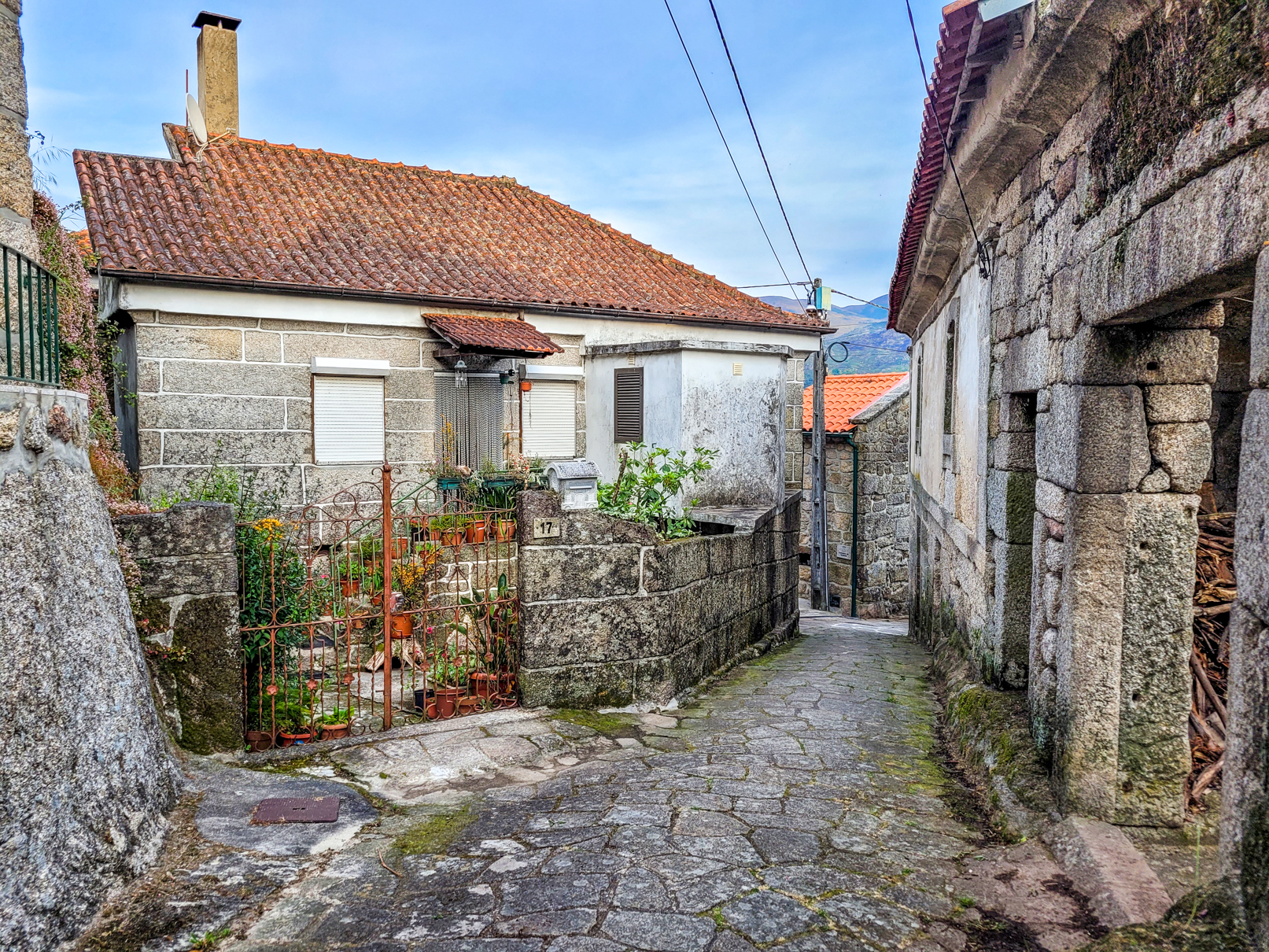
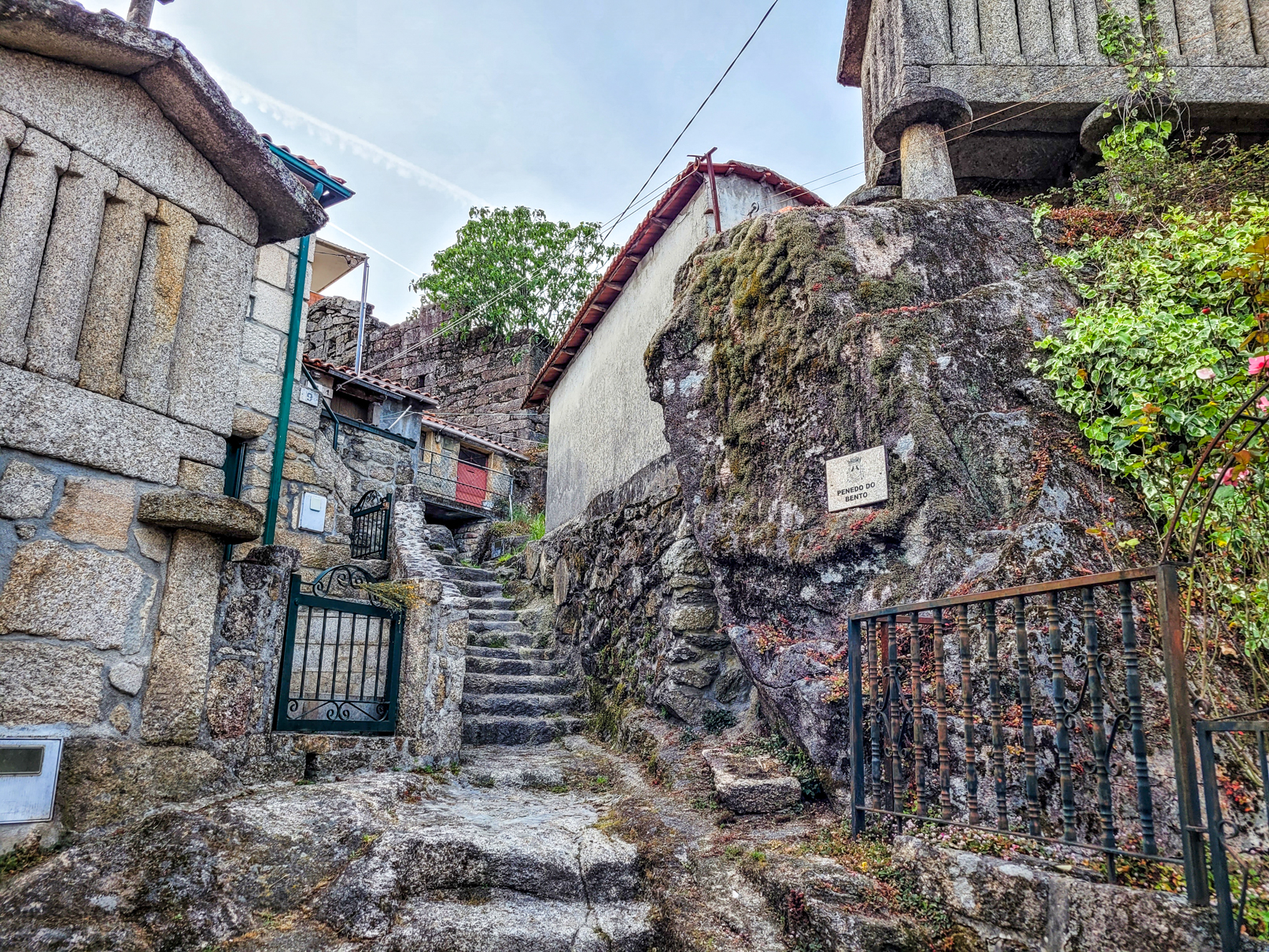
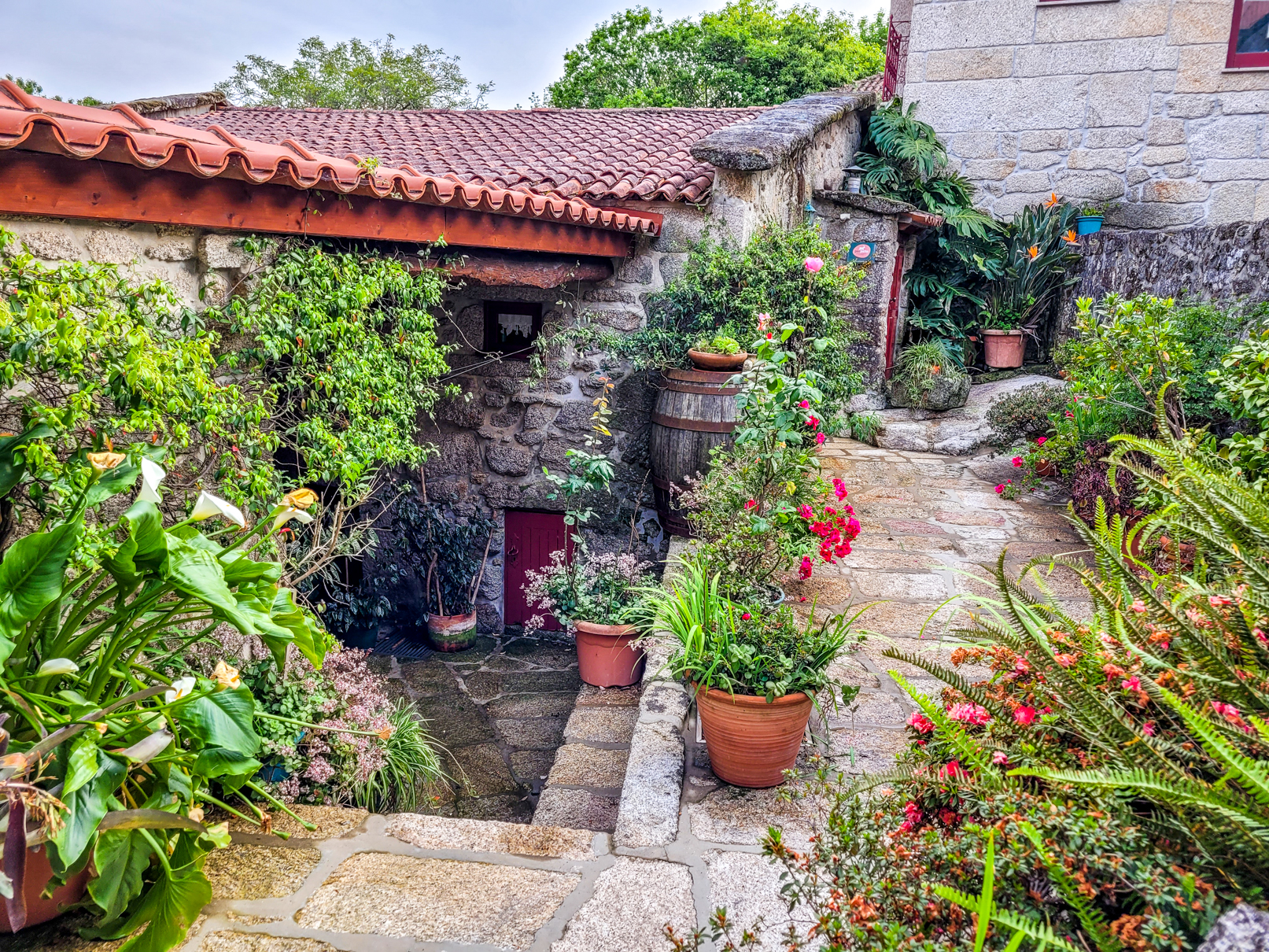
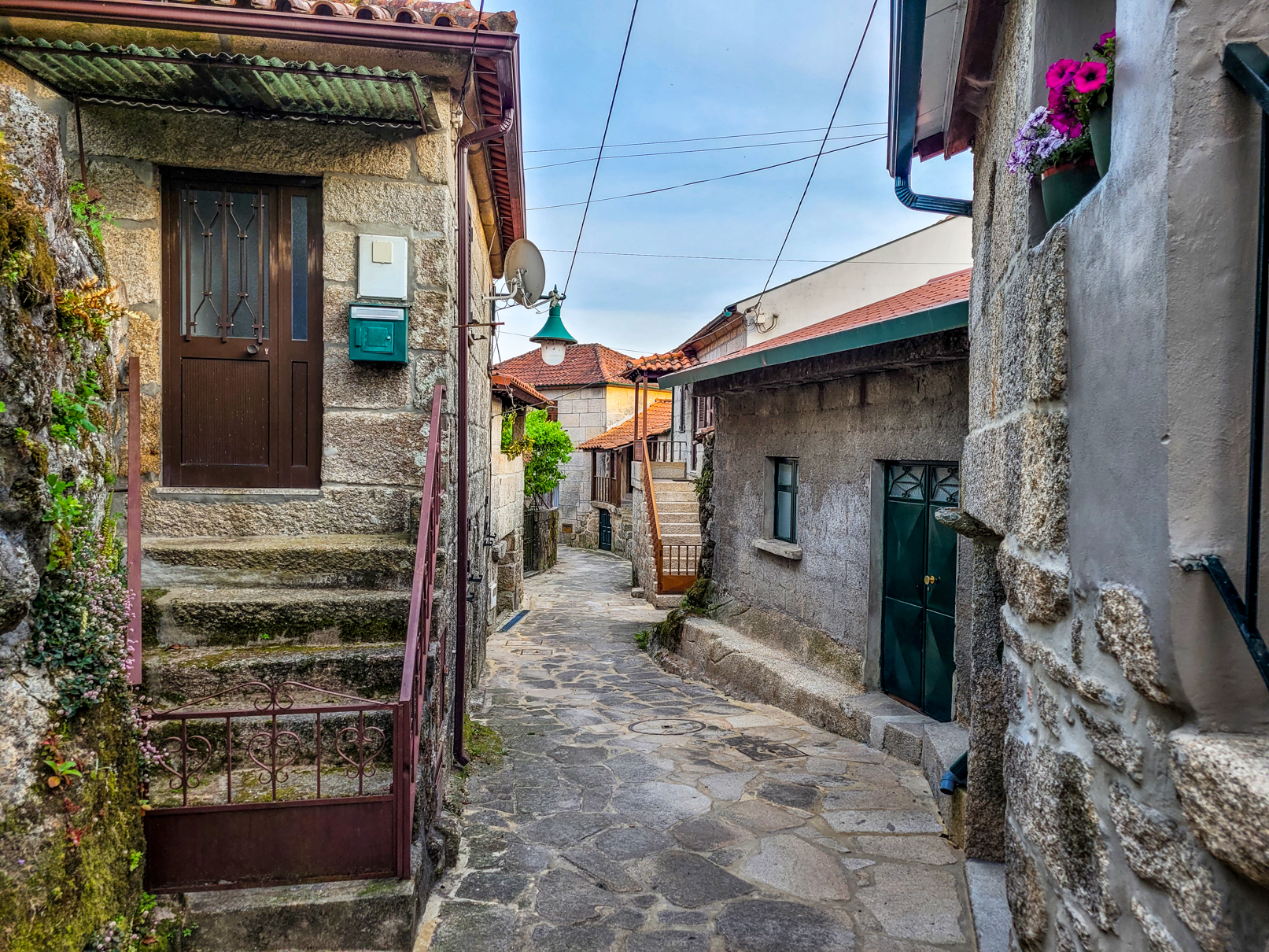
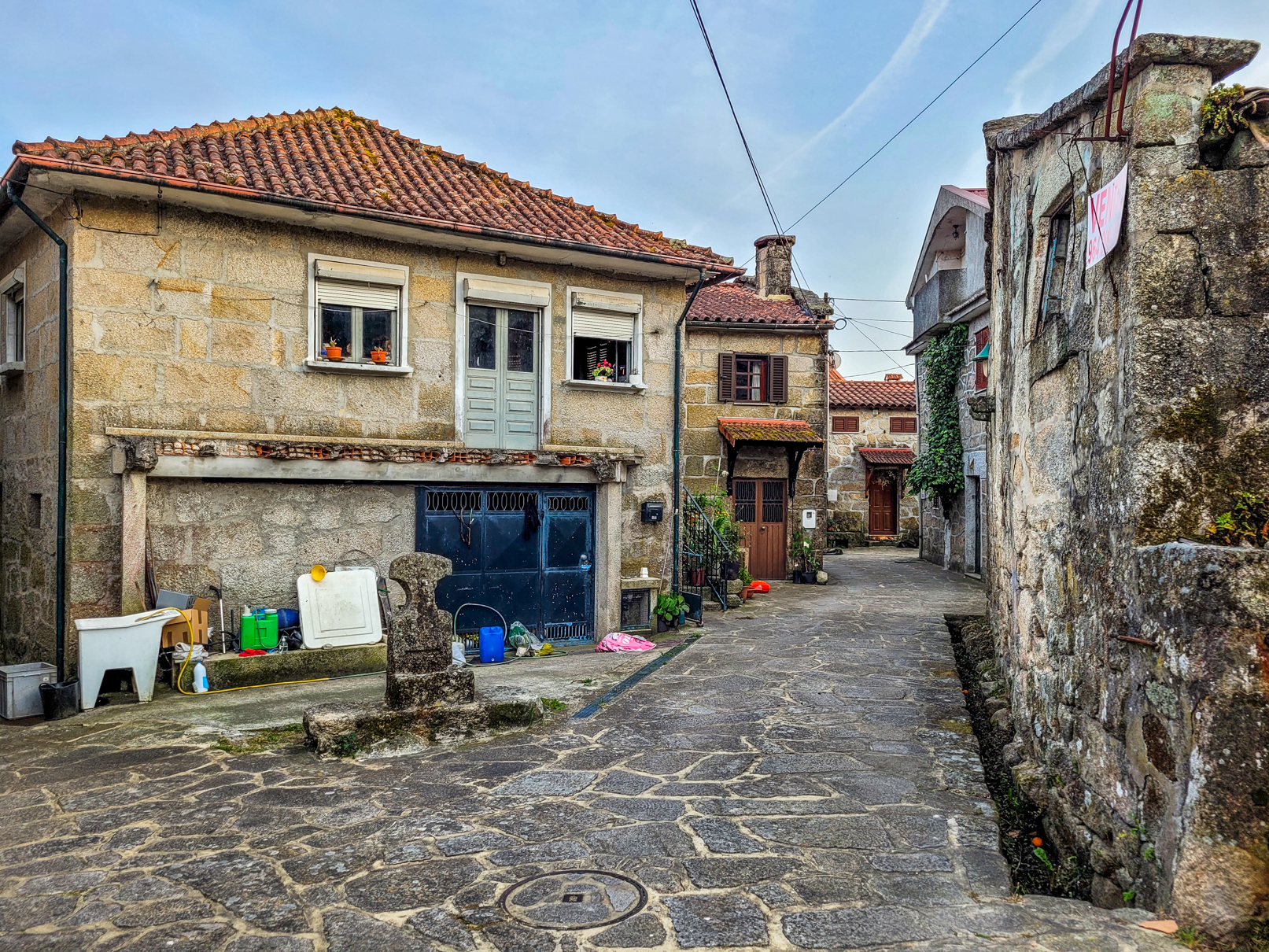
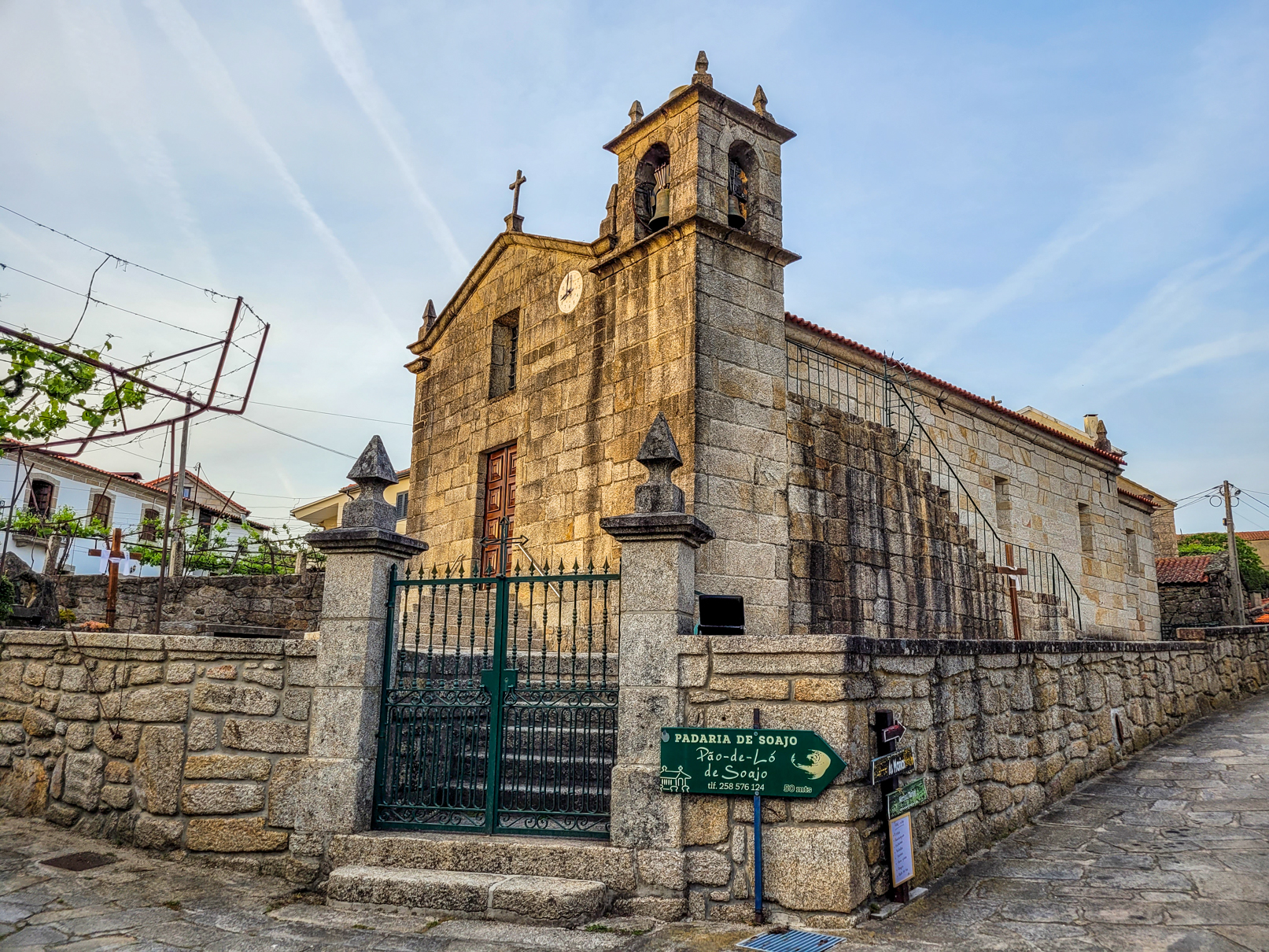
The historic center is best explored on foot. With its stone houses and cobbled streets, the village exudes a charming rustic atmosphere.
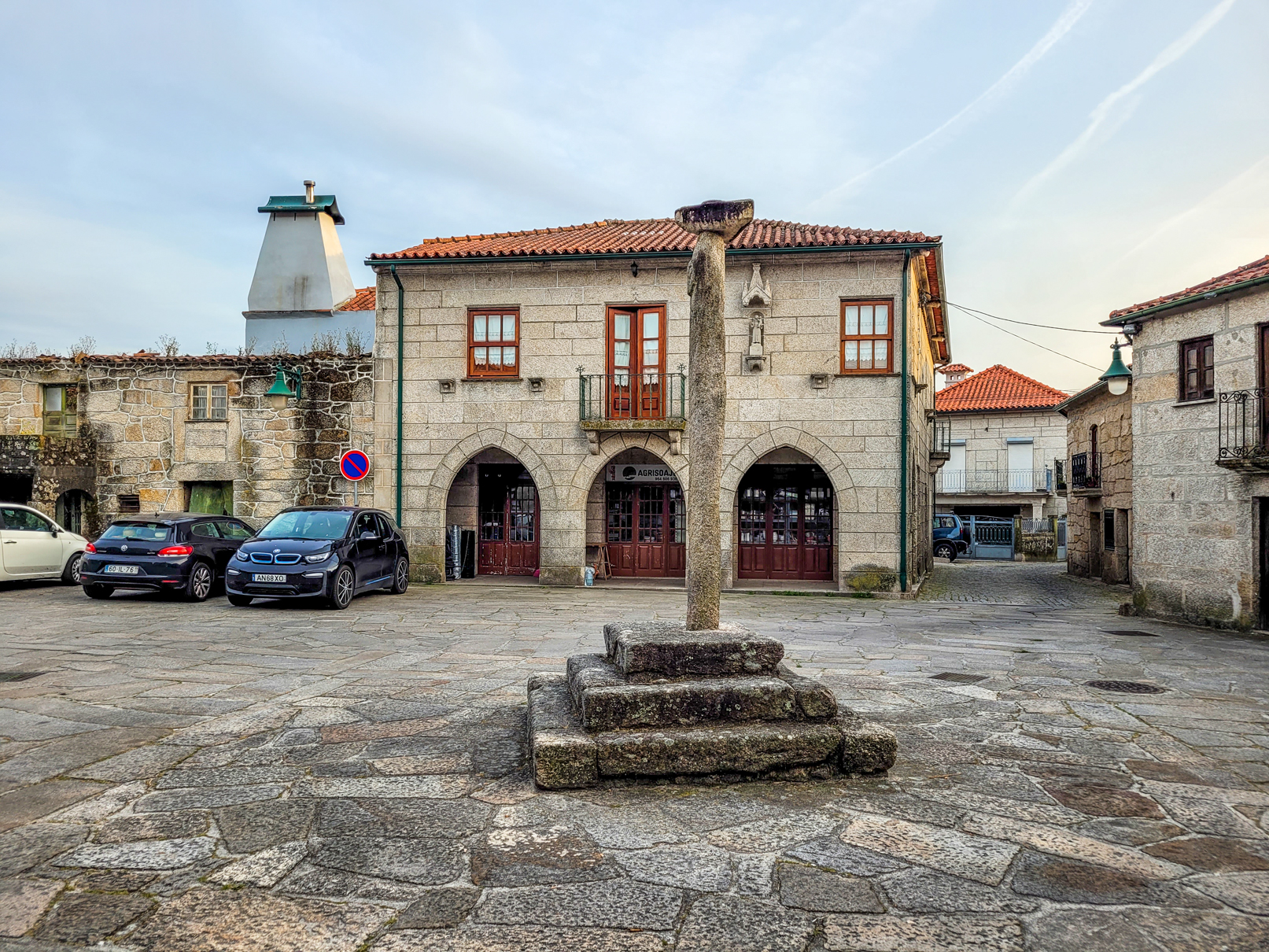
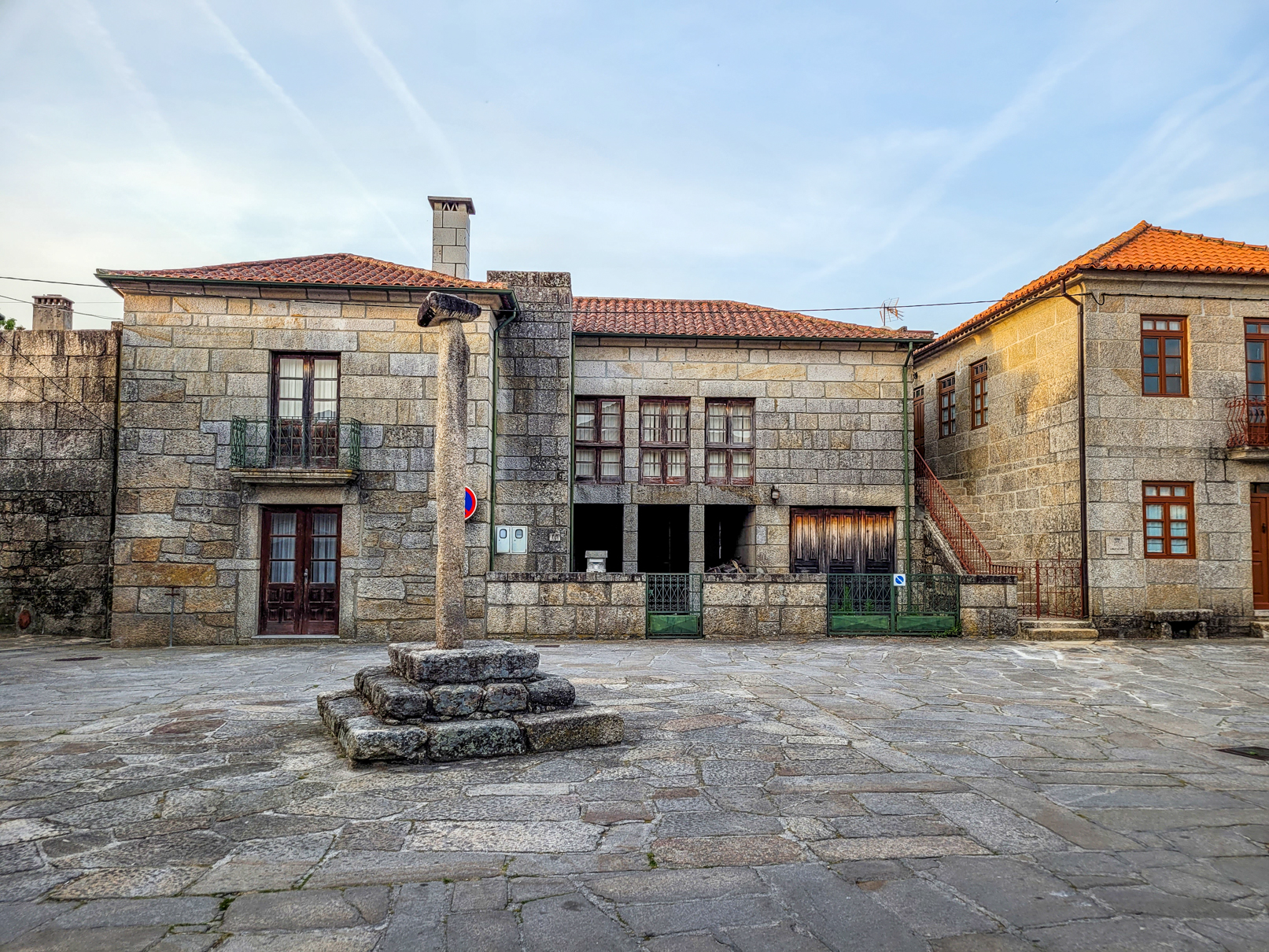
At its heart lies the Largo do Eiró, where you’ll find the Soajo Pillory (Pelourinho do Soajo)—a national monument since 1910, dating back to the 16th century, when Soajo was granted its charter. Nearby, you can also visit the Church of Soajo (Igreja Matriz).
My advice? Simply wander. Stroll through the narrow lanes, follow the old water channels (levadas), and you’ll discover countless picturesque corners perfect for photos.
Don’t forget to taste the local pão-de-ló (sponge cake), a specialty of the village. Soajo is also lovely at night, when the warm glow of the street lamps gives it a completely different charm.
Oh, and have you ever heard of the Soajo Bloodhound (Cão Sabujo do Soajo)? It’s part of the village’s lore and adds another layer of character to this unique place.
2. Espigueiros do Soajo
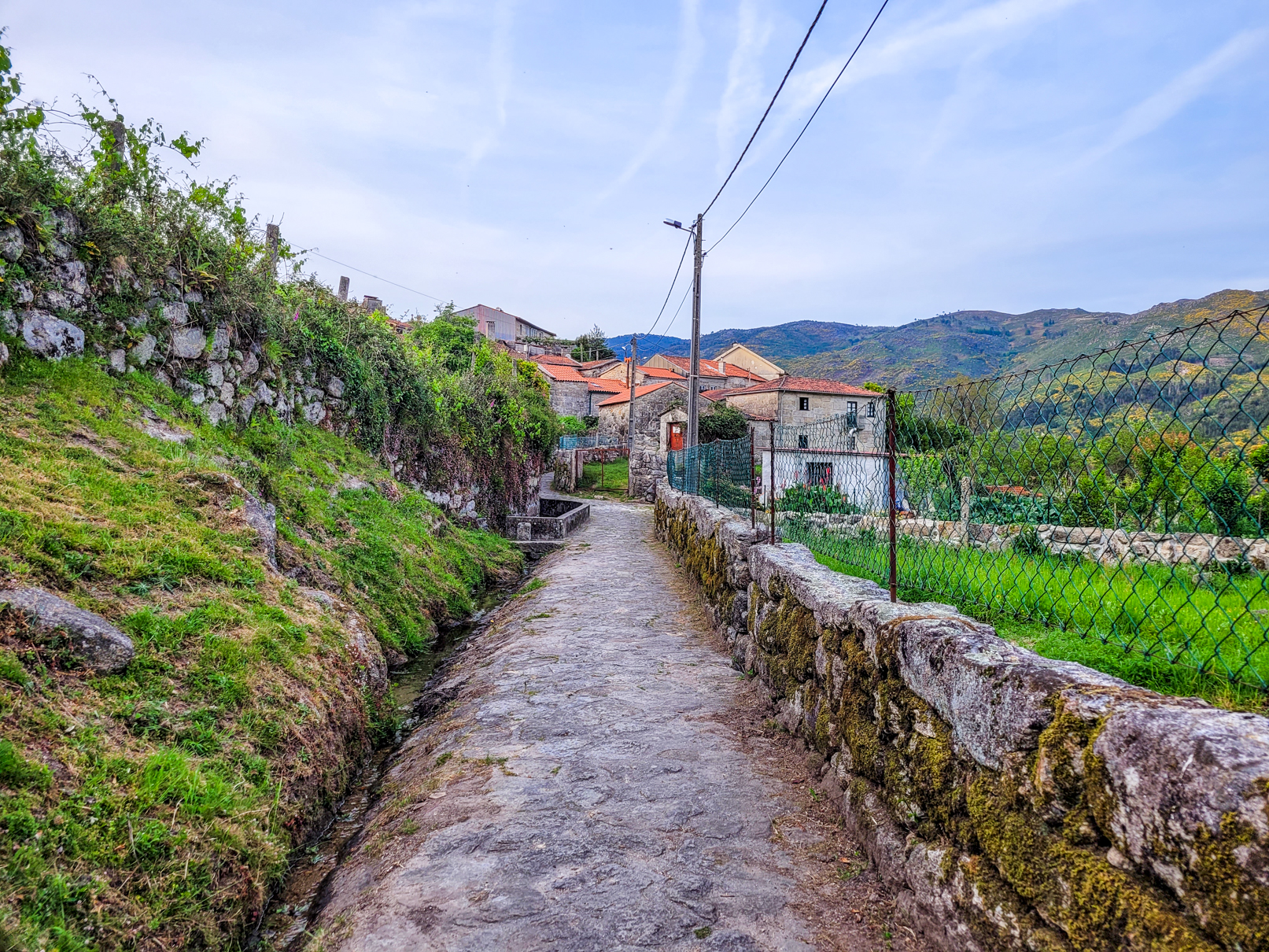
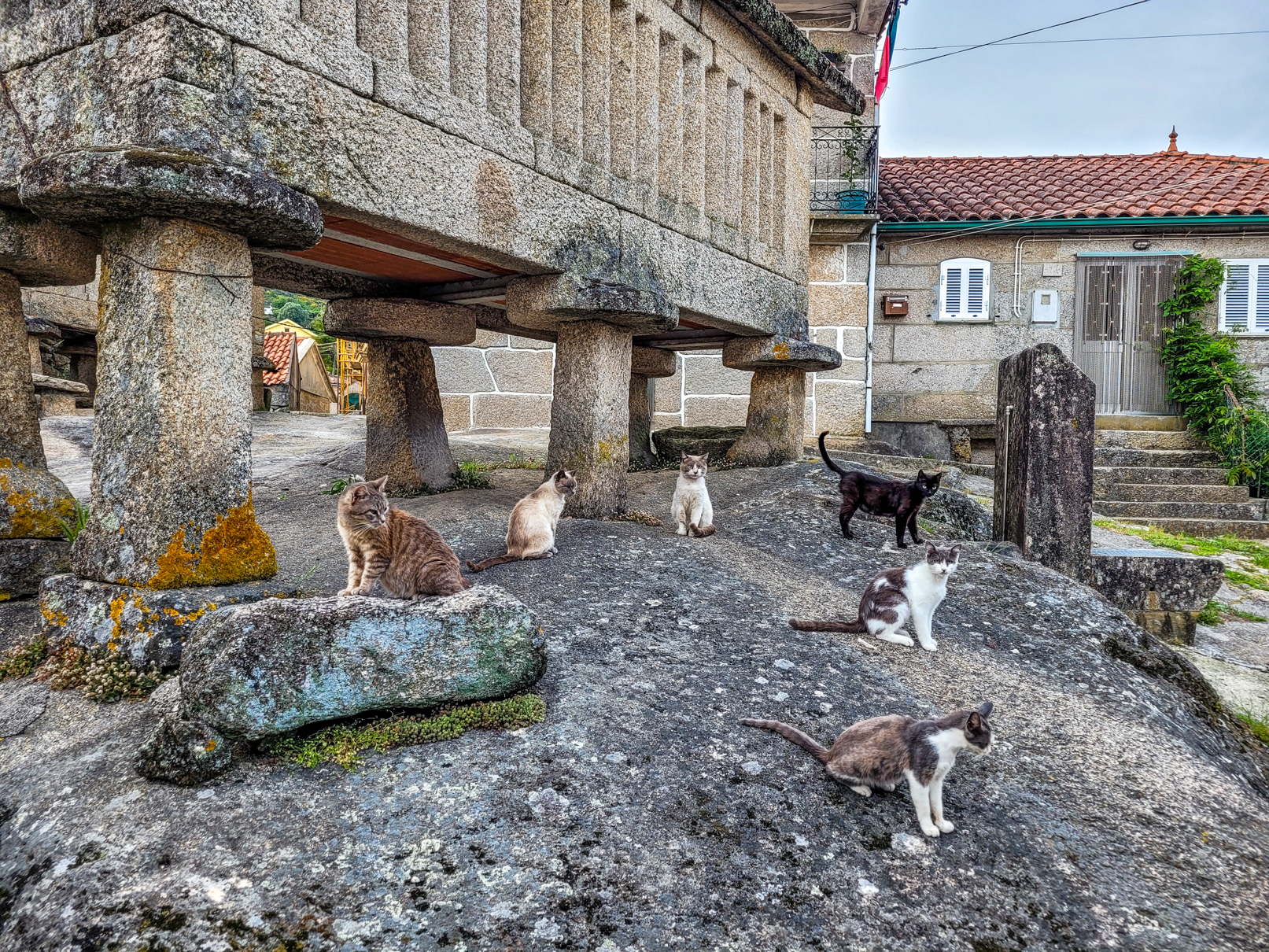
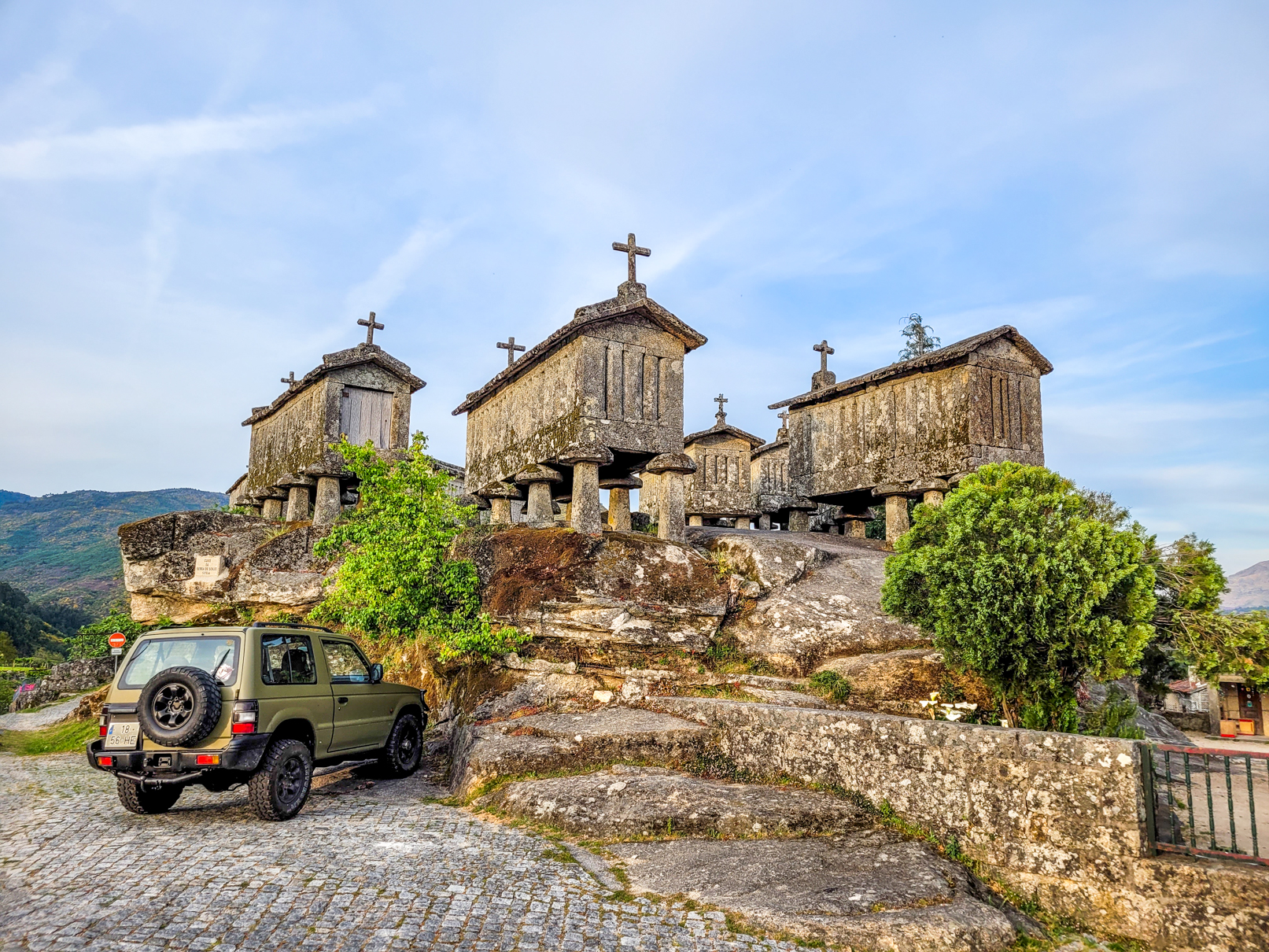
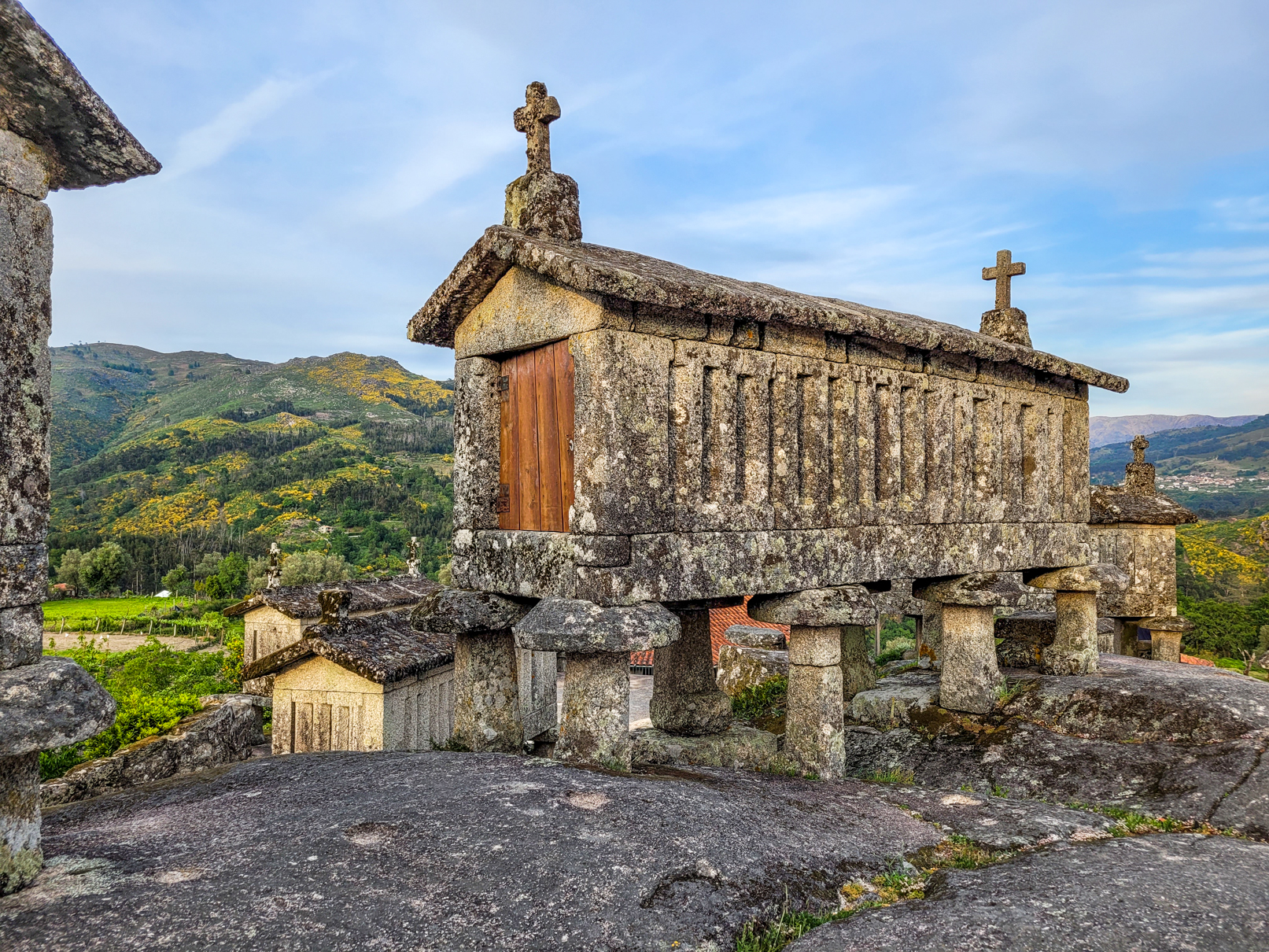
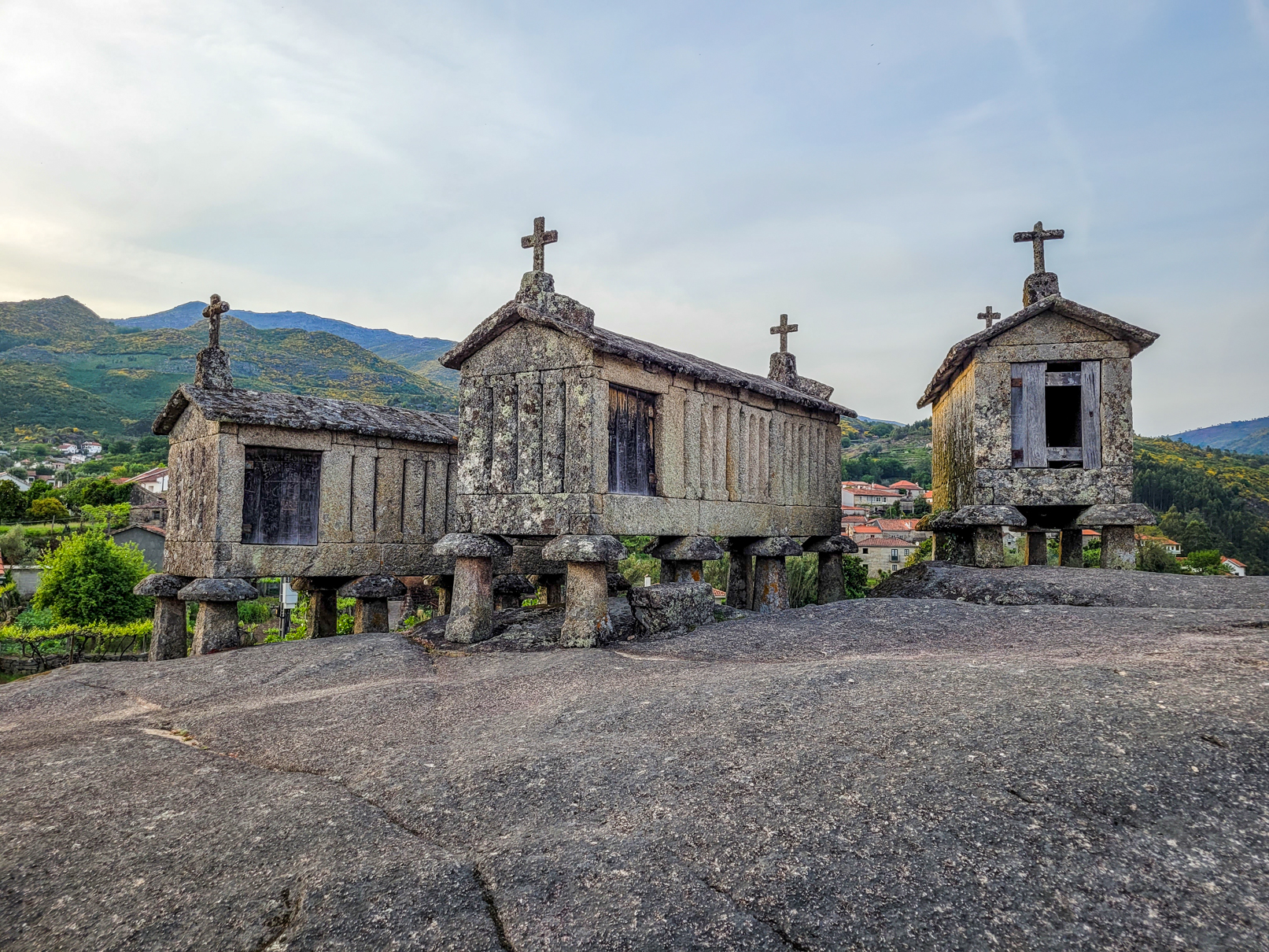
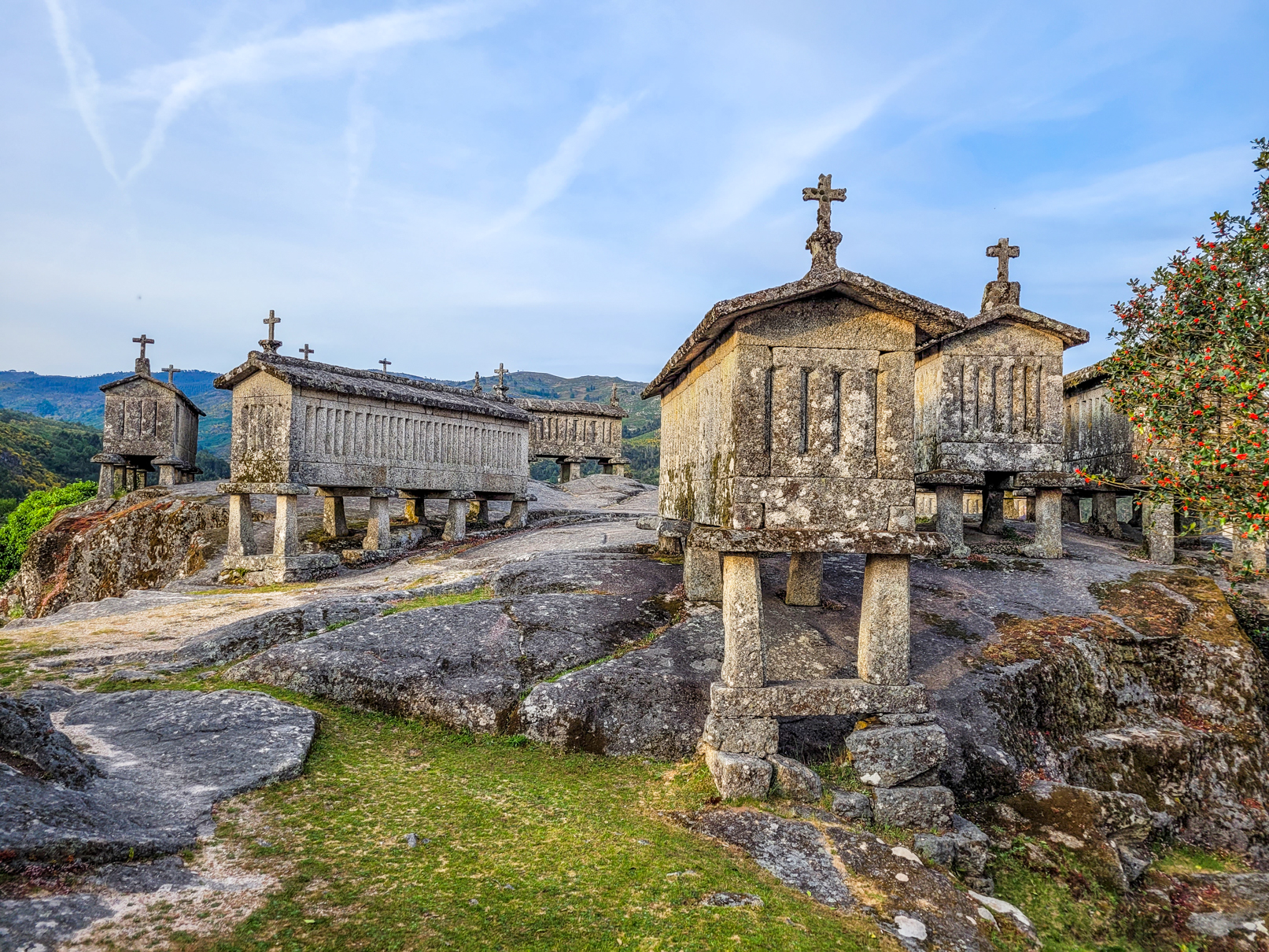
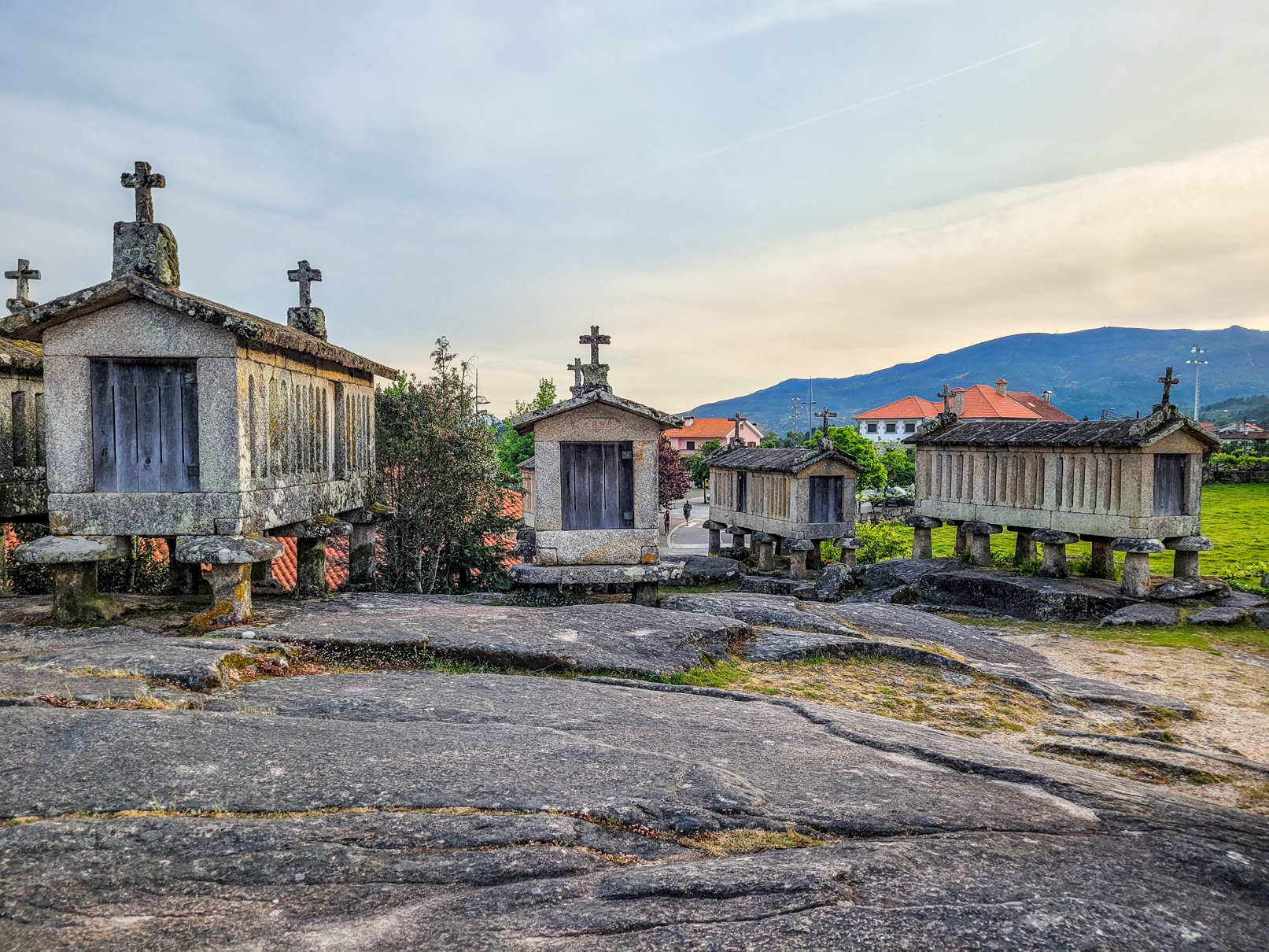
At the edge of the village, you’ll find one of Soajo’s most iconic landmarks: the Espigueiros do Soajo. This communal threshing ground was built on a granite outcrop and is home to a cluster of traditional stone granaries of the galaico-minhoto style, dating back to the 18th and 19th centuries.
Each granary is crowned with a stone cross, believed to offer divine protection over the corn stored inside. For centuries, the villagers shared these granaries, making them not just practical structures, but also a powerful symbol of community life in the mountains.
The setting is especially striking at sunset, when the stone silhouettes stand out against the backdrop of the surrounding hills—a truly memorable sight in Peneda-Gerês.
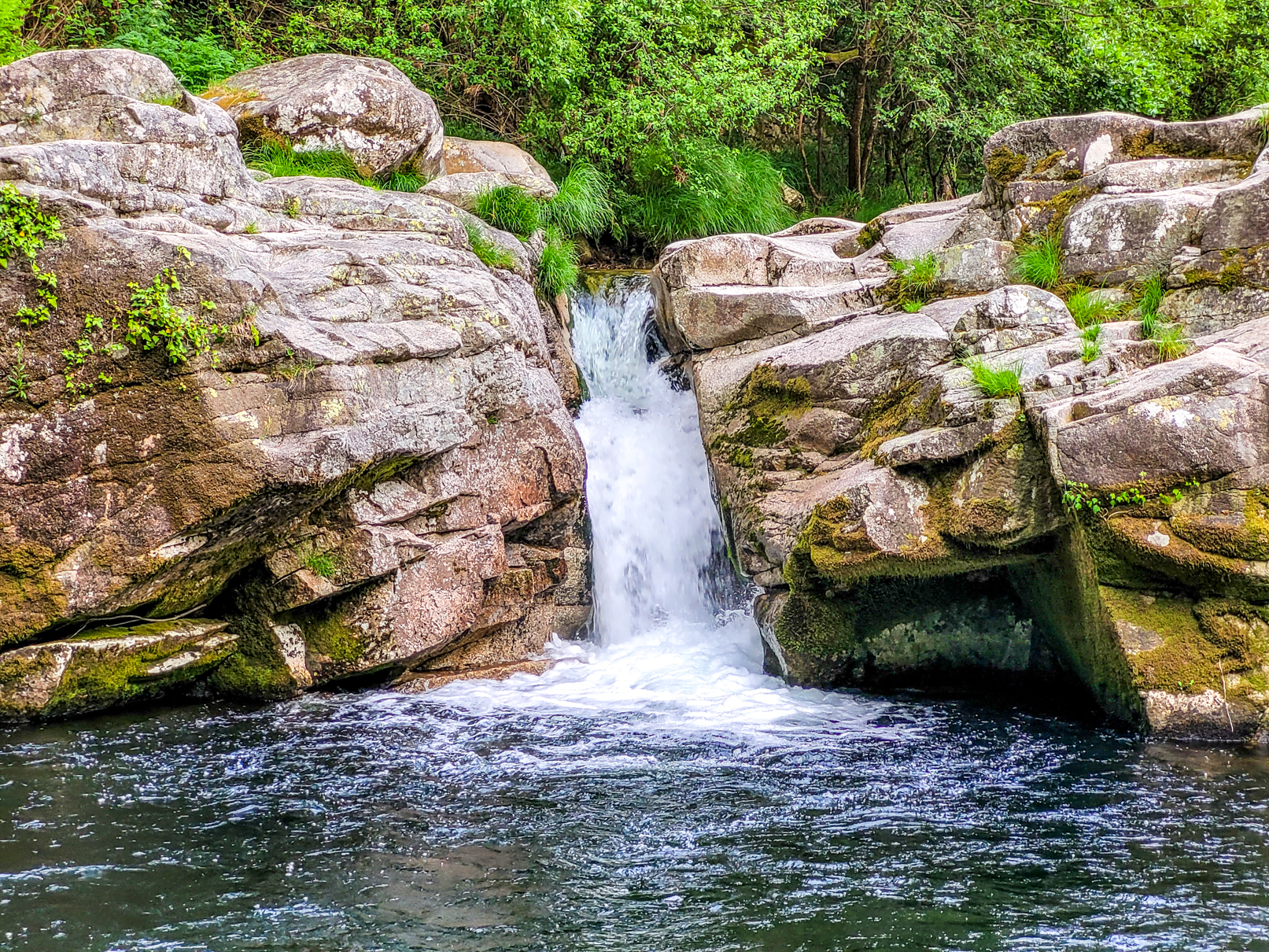
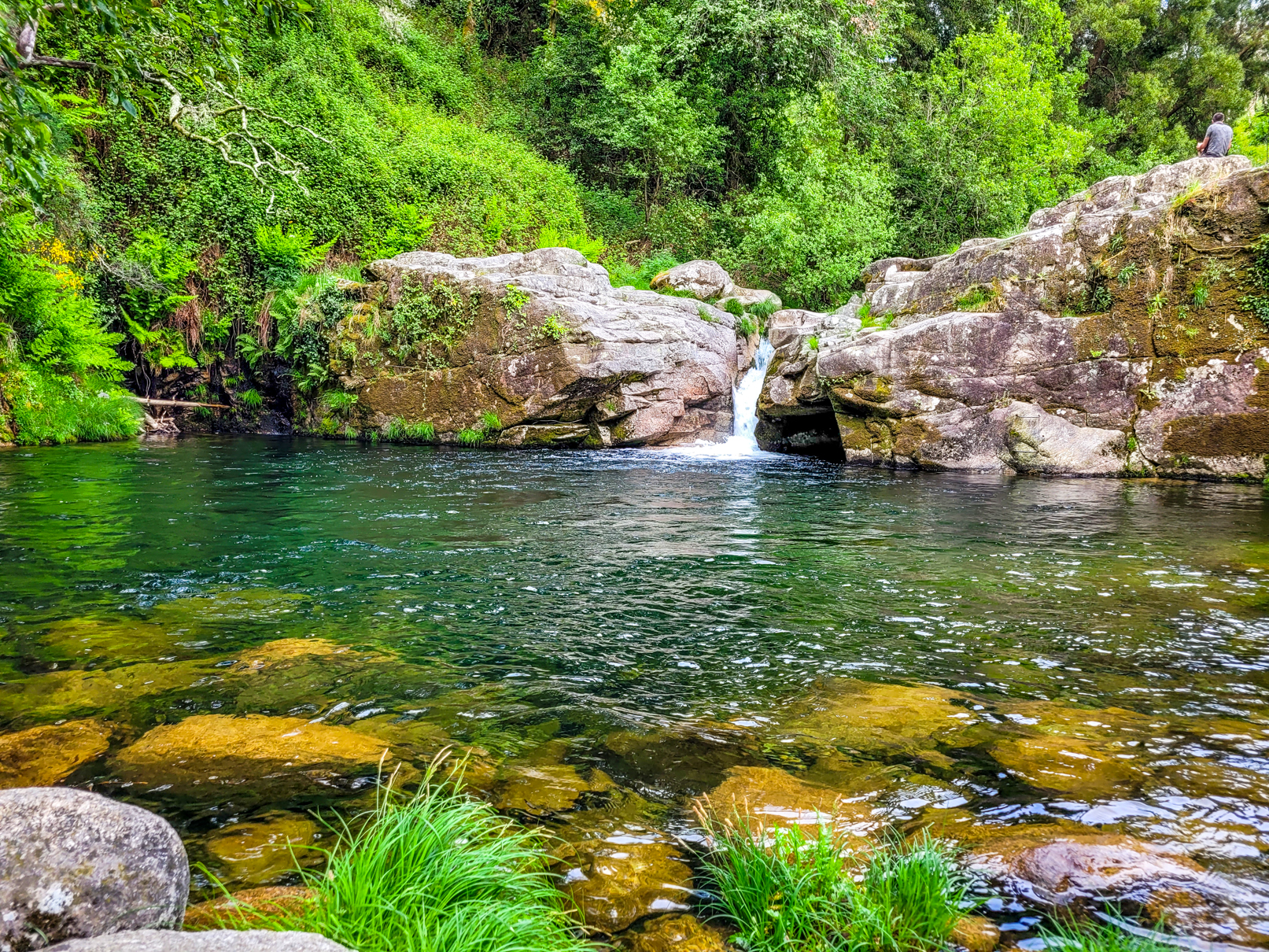
3. Poço Negro do Soajo
The Poço Negro do Soajo is the most popular natural lagoon in the area. Conveniently located right by the paved road, it even has a built staircase with a handrail for easier access.
That said, it’s not the most family-friendly spot—nor ideal for visitors with reduced mobility. The area around the pool is filled with large rocks, which makes it a bit tricky to move around safely.
Is it beautiful? Absolutely—spectacular! The dark waters set against the granite cliffs make it one of the most striking lagoons in Gerês. But don’t expect solitude: every time I visited, it was buzzing with groups of young people enjoying the scenery and taking a refreshing dip.
4. Poço das Mantas
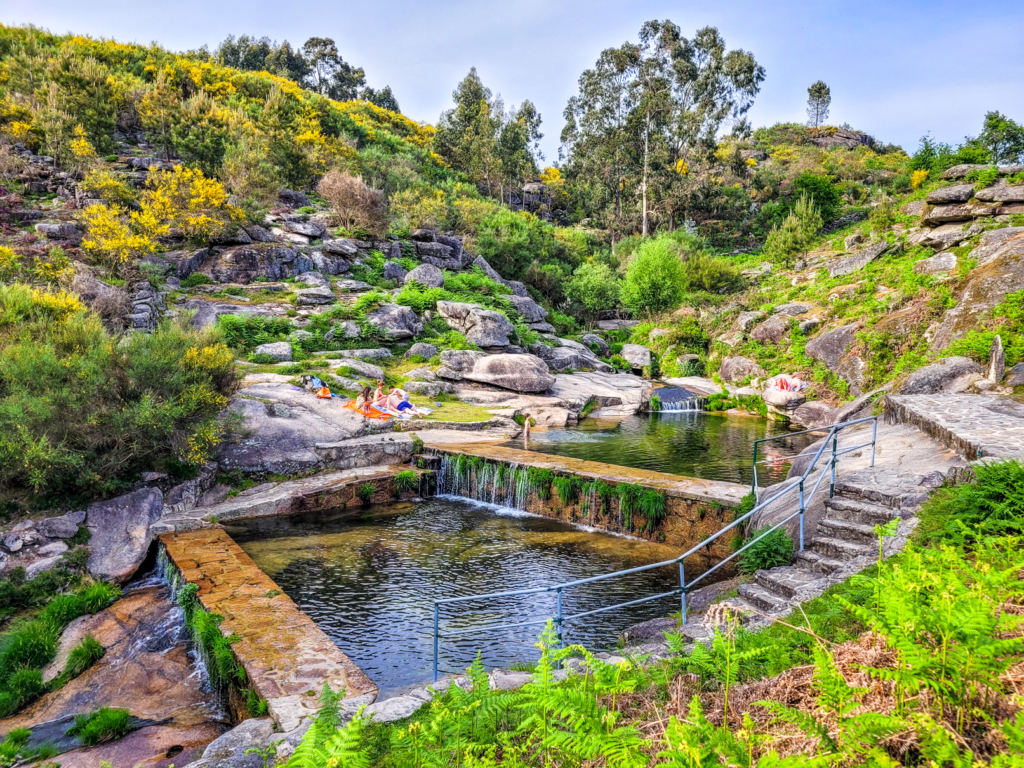
If you’re looking for a lagoon suitable for all ages and physical conditions, then head to the Poço das Mantas.
It’s very easy to access, located right by the roadside, and there’s even a picnic area nearby—making it a perfect stop for families.
Unlike the Poço Negro, this lagoon is man-made rather than natural, but don’t let that stop you. It’s still a lovely place to relax, cool off, and enjoy the scenery. 🙂
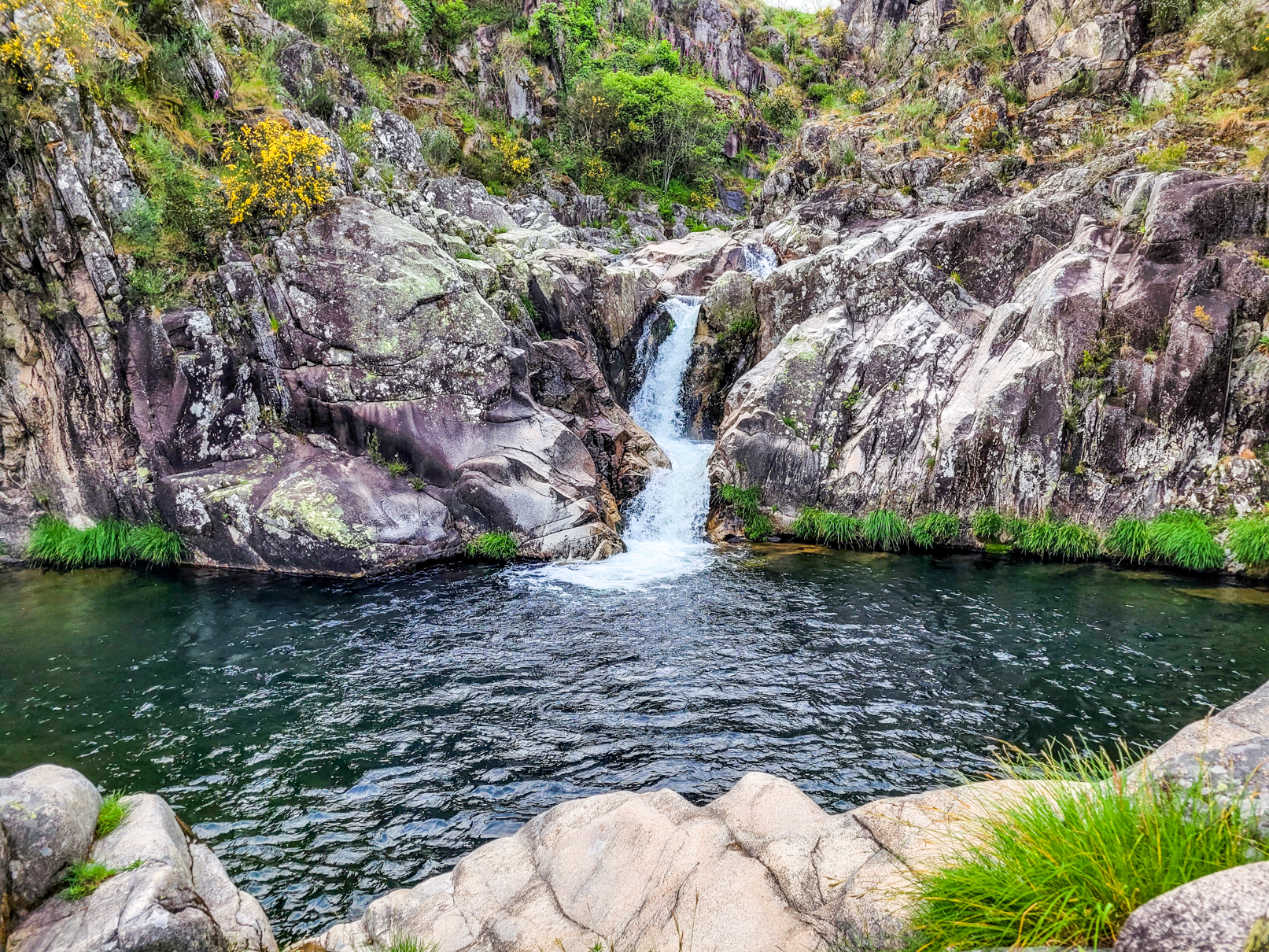
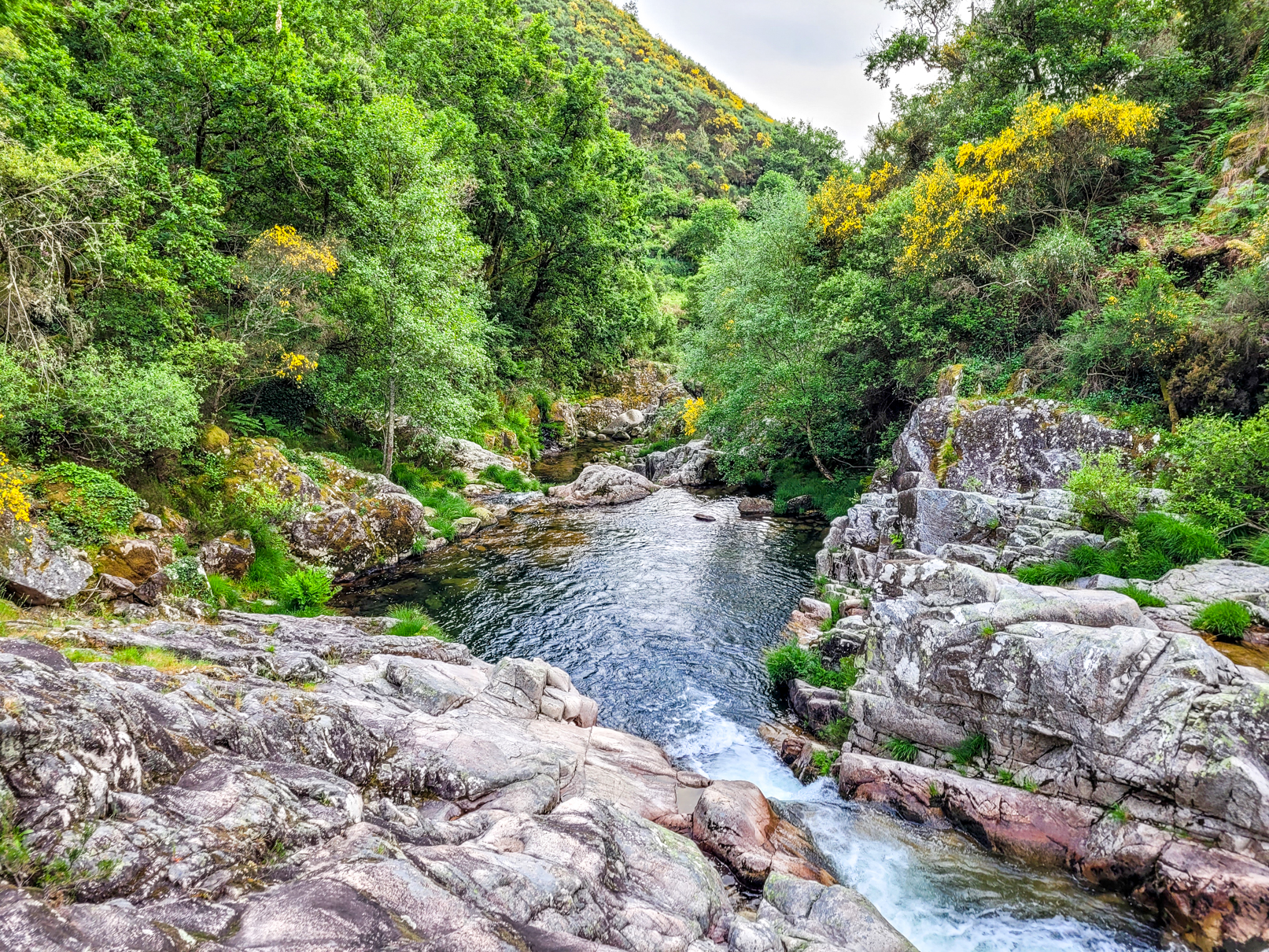
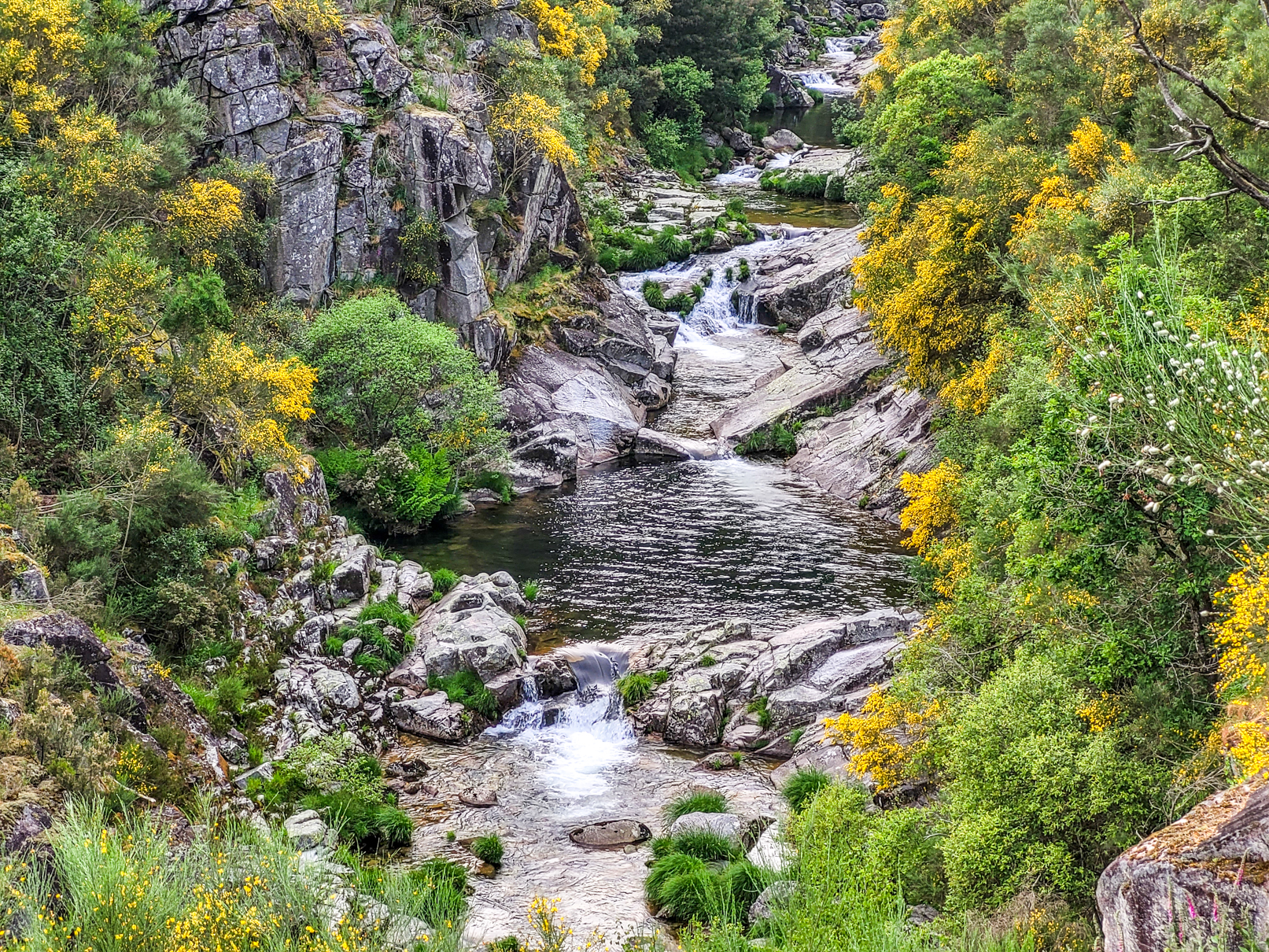
5. Poço das Canejas (Poço do Bento)
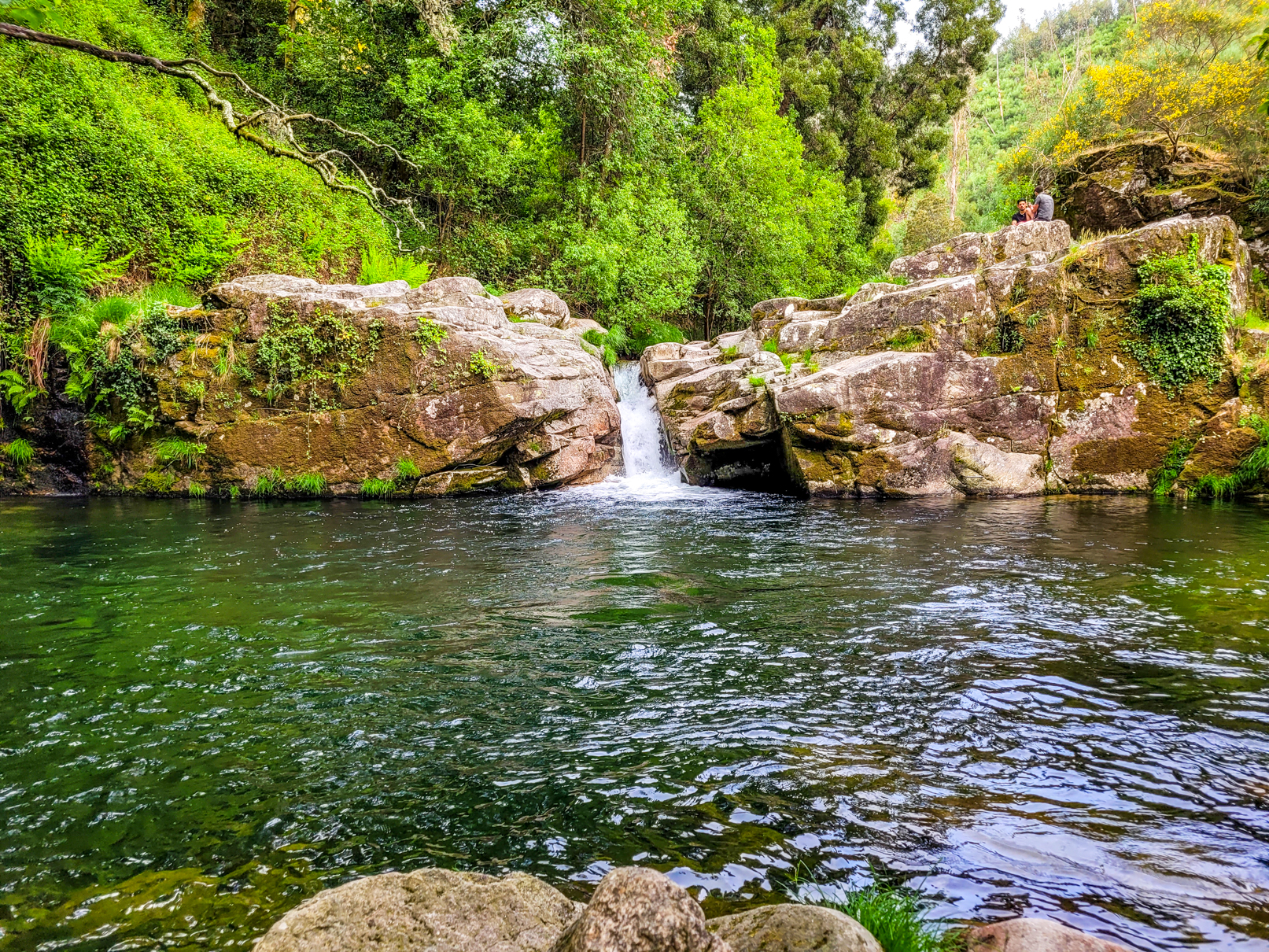
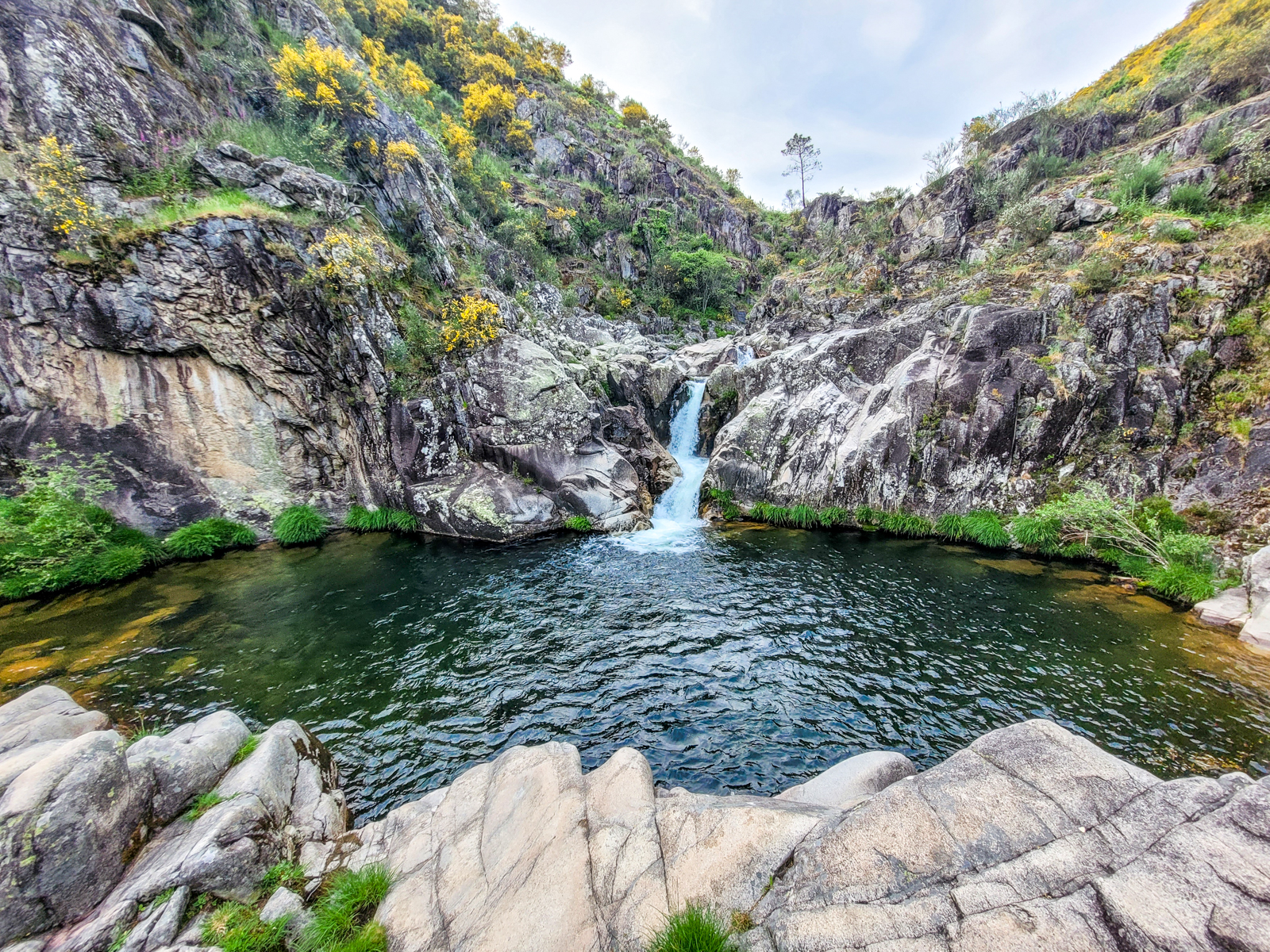
The third lagoon I recommend in Soajo is the Poço das Canejas, also known as Poço do Bento. Getting there requires a short hike, but the trail becomes more technical and challenging as you approach the lagoon.
It’s definitely the hardest to reach of the three lagoons I’ve mentioned so far. And if you continue following the river, you’ll even find other pools—though these are even more difficult to access.
That said, this one was my personal favorite. More remote, more wild, and crowned by a beautiful waterfall, it feels like a hidden gem tucked away in the mountains of Gerês.
6. Miradouro do Coto Velho
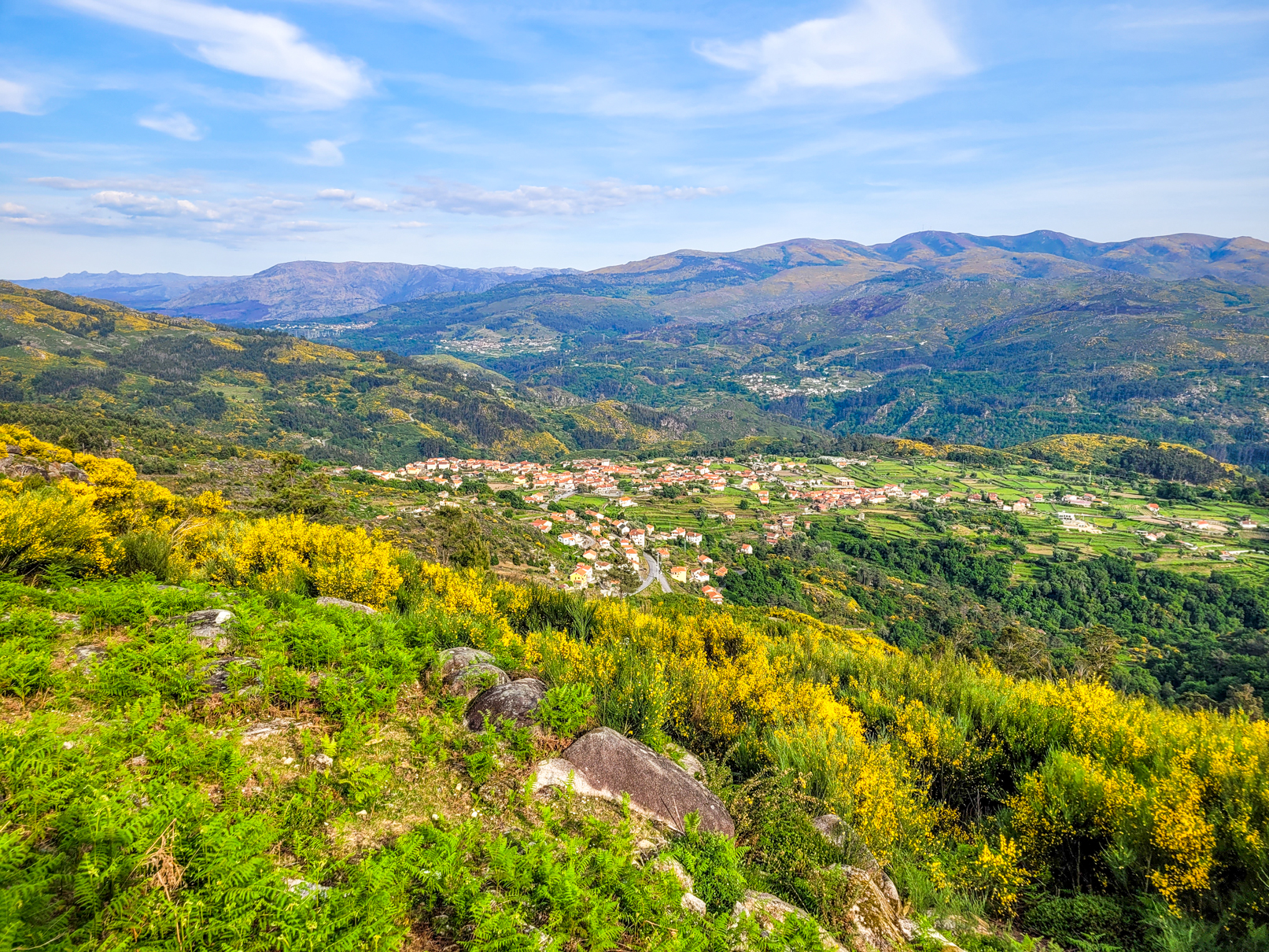
When it comes to viewpoints, the first one I recommend is the Miradouro do Coto Velho. From here, you’ll enjoy a truly breathtaking view over the village of Soajo.
It’s conveniently located on the road towards Mezio (another stop I suggest in this itinerary), making it an easy and worthwhile detour.
Take your time here—pause to admire the sweeping landscape and try to spot the places you’ve already explored in the village from a new perspective.
7. Miradouro dos Meandros do Lima
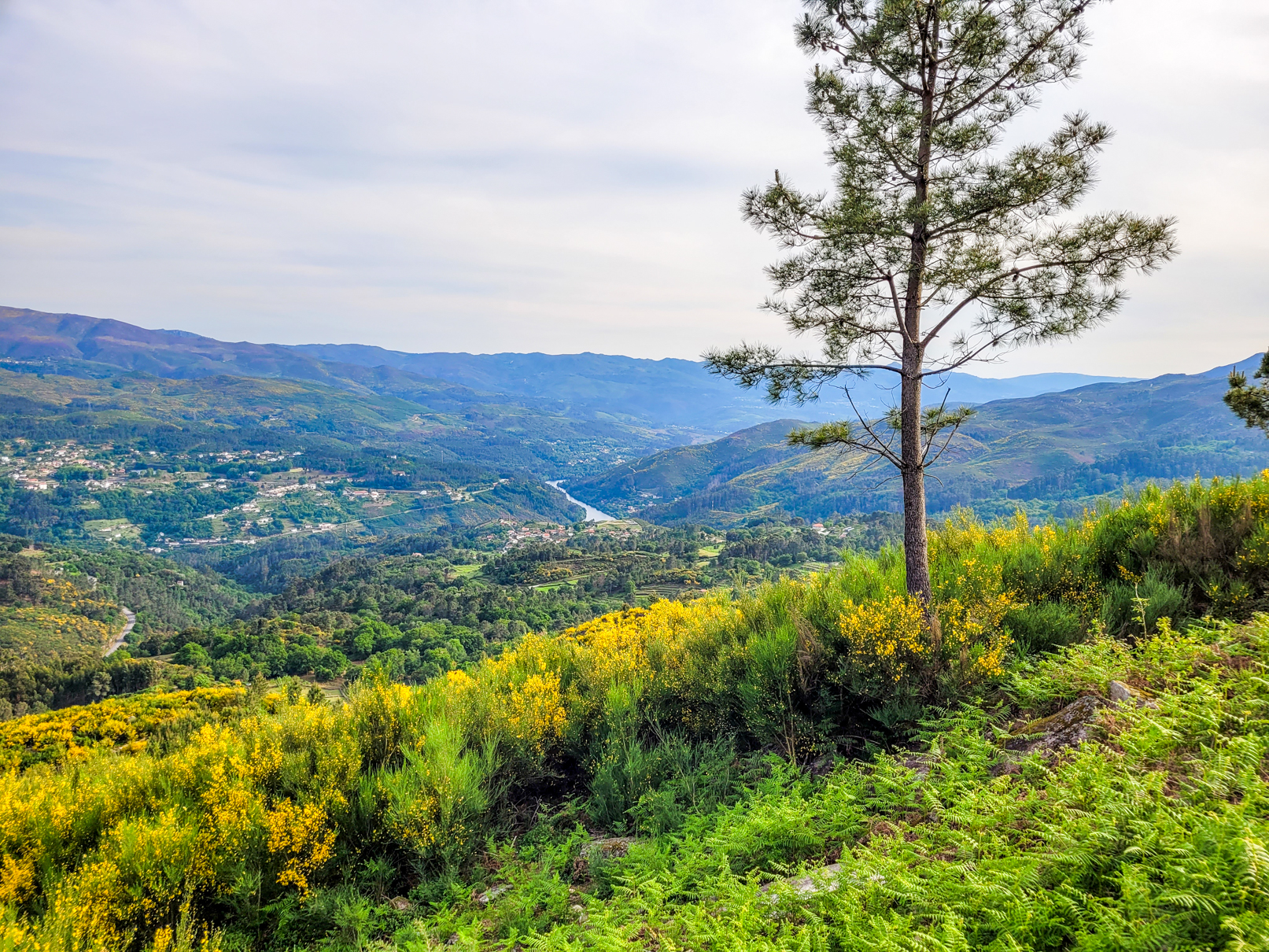
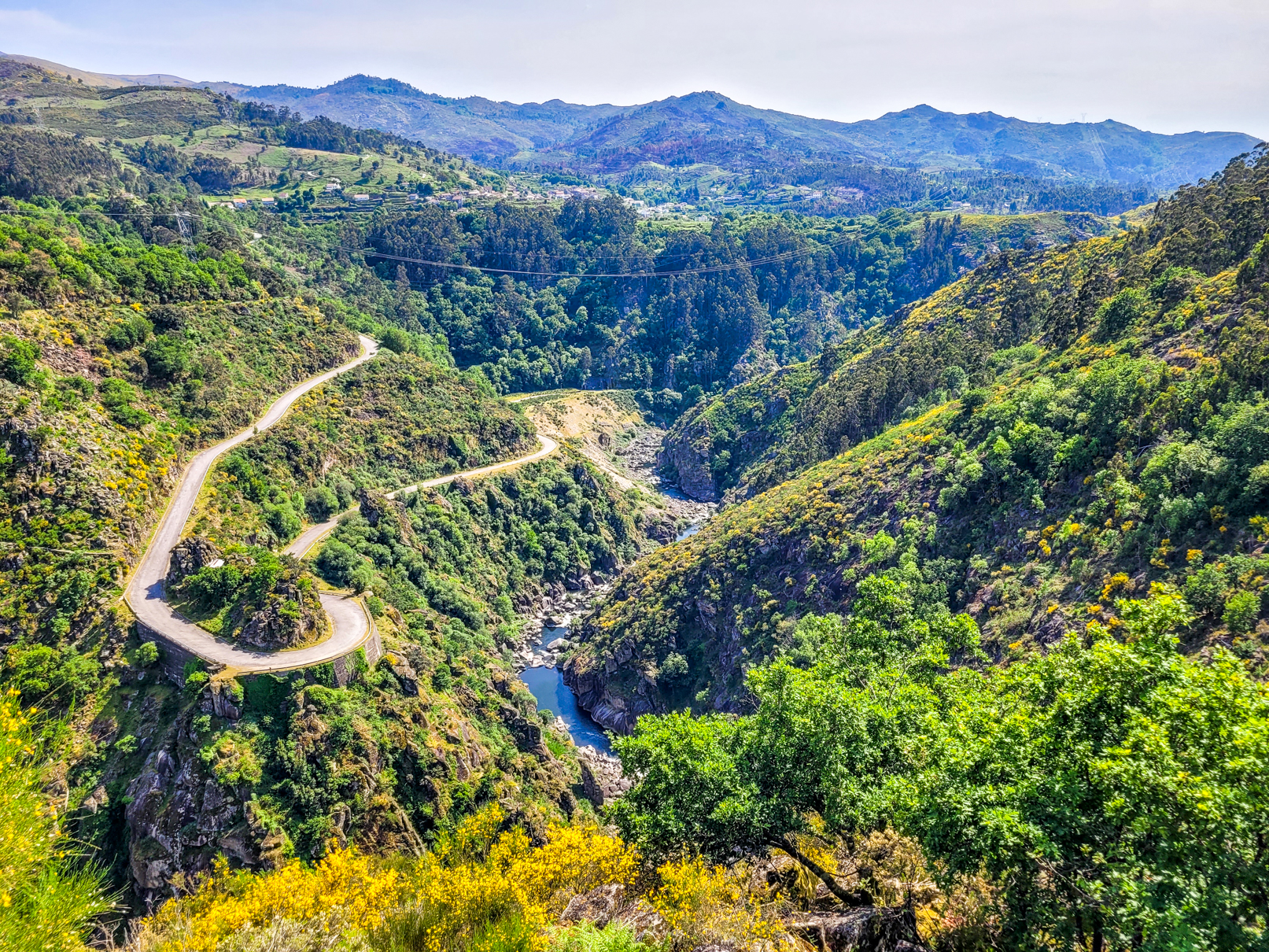
Another viewpoint you simply can’t miss is the Miradouro dos Meandros do Lima. As the name suggests, it overlooks a meander of the Lima River, in one of its wildest stretches, just a few kilometers downstream from the Alto Lindoso Dam. The sweeping curves of the river framed by mountains make it one of the most spectacular natural viewpoints in the region.
8. Ponte da Ladeira & Lagoa da Ladeira
Finally, there’s the Ponte da Ladeira, which requires a longer hike to reach. It’s a spot for those ready to take on a proper trail: about 6 km in total, if you follow the route I suggest below that also connects with the Poço Negro.
If you’d rather keep it light, you can opt for a shorter 2 km round trip to the bridge and back on a linear path.
The real highlight here is that the bridge sits right beside a fantastic lagoon—the Lagoa da Ladeira. It’s probably the least visited of all the lagoons I’ve mentioned, yet it’s every bit as beautiful as the others, if not more so. A hidden treasure waiting to be discovered. 🙂
9. Trail of the Paths of Bread and Faith (Trilho dos Caminhos do Pão e da Fé)
Although I didn’t hike it myself—and I’d consider it more of an optional activity—you can also explore the Trilho dos Caminhos do Pão e da Fé to get to know the mountains around Soajo more deeply.
This is a moderate trail, about 8.5 km long (if you combine both official versions), and along the way you’ll come across some waterfalls, according to my research.
Stage 2 | Visit Mezio
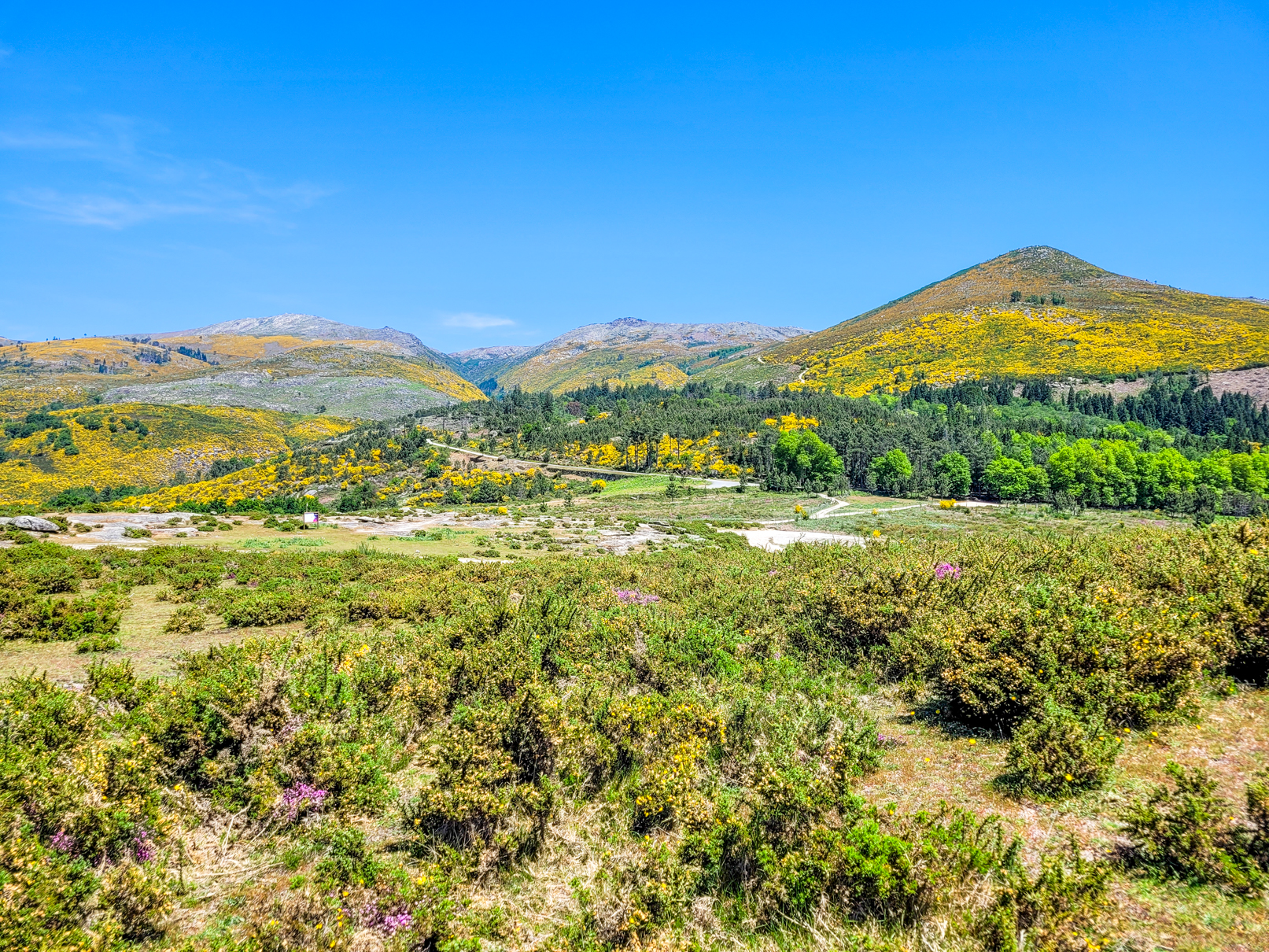
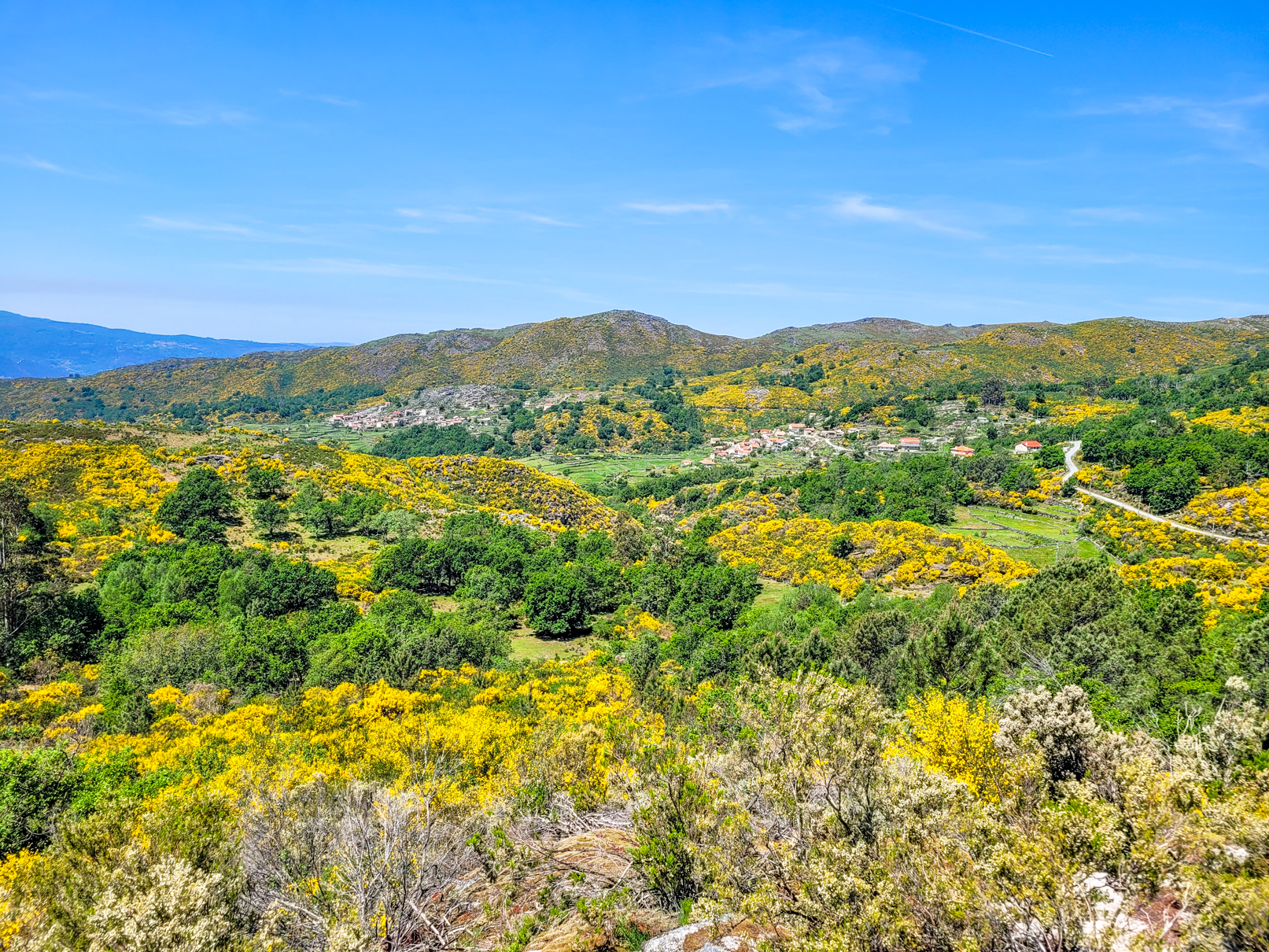
Mezio is the gateway to Peneda-Gerês National Park on the Arcos de Valdevez side. Here you’ll find inviting lagoons, a fascinating megalithic complex, and even a tourist swing with stunning views.
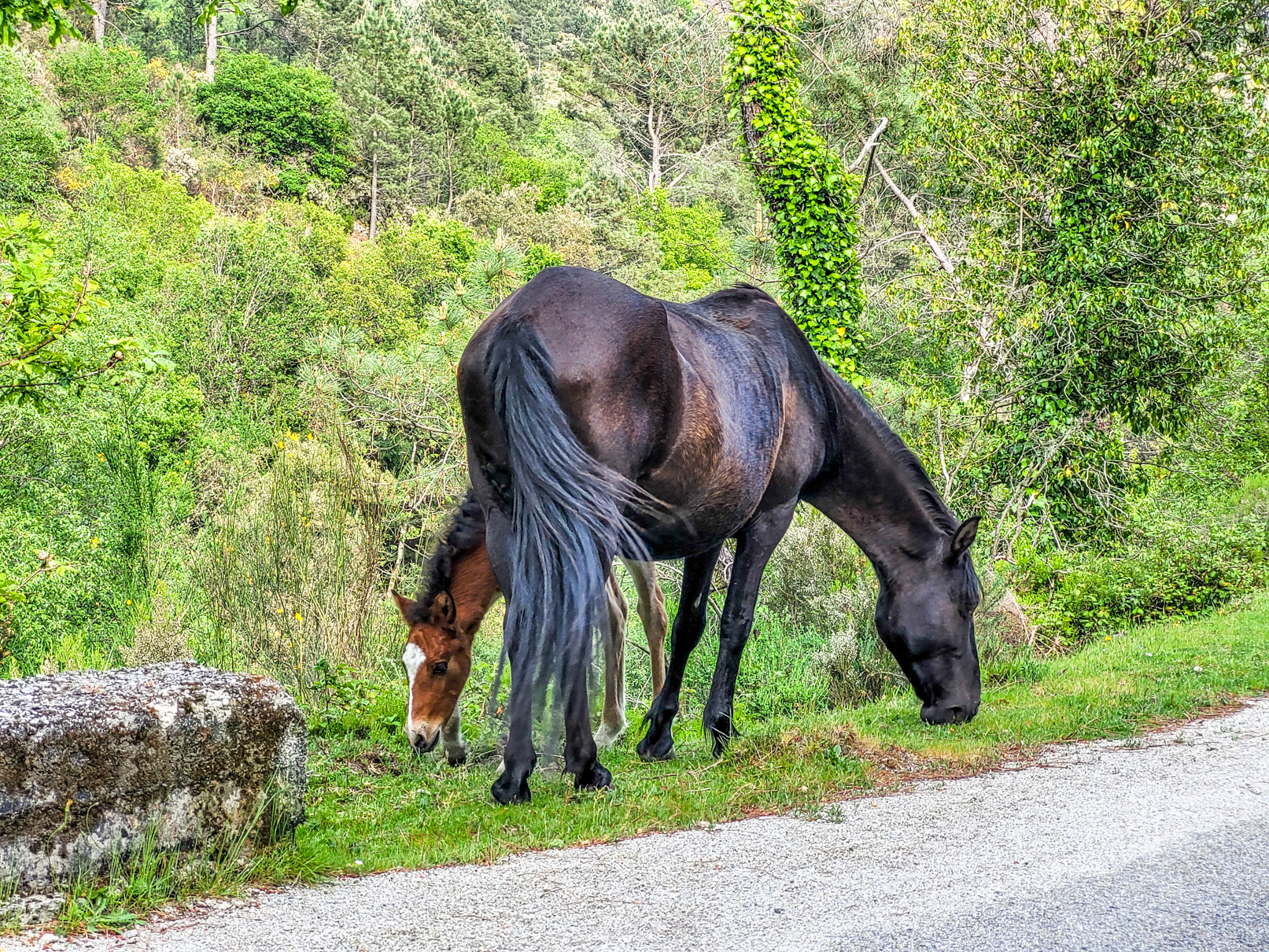
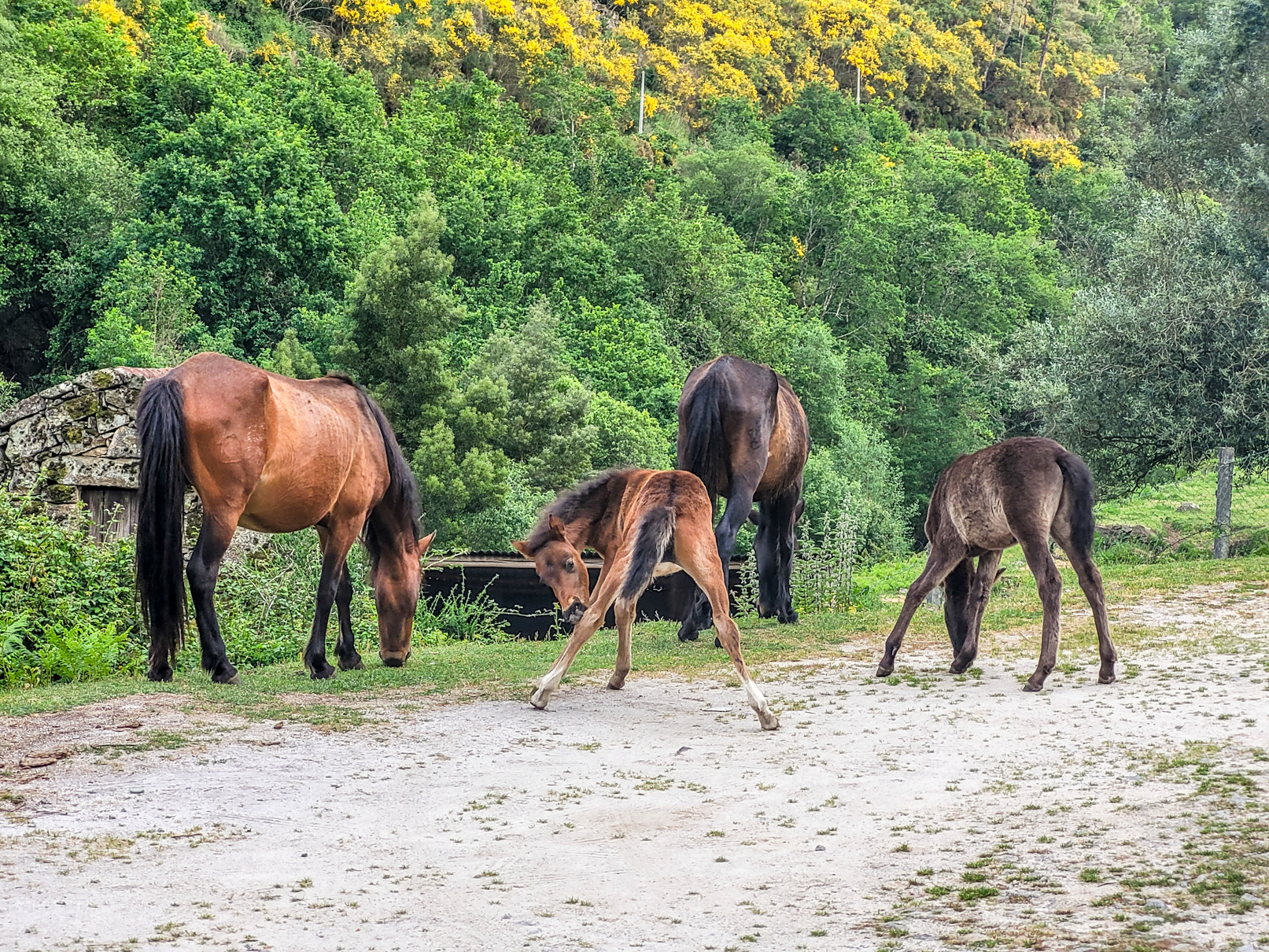
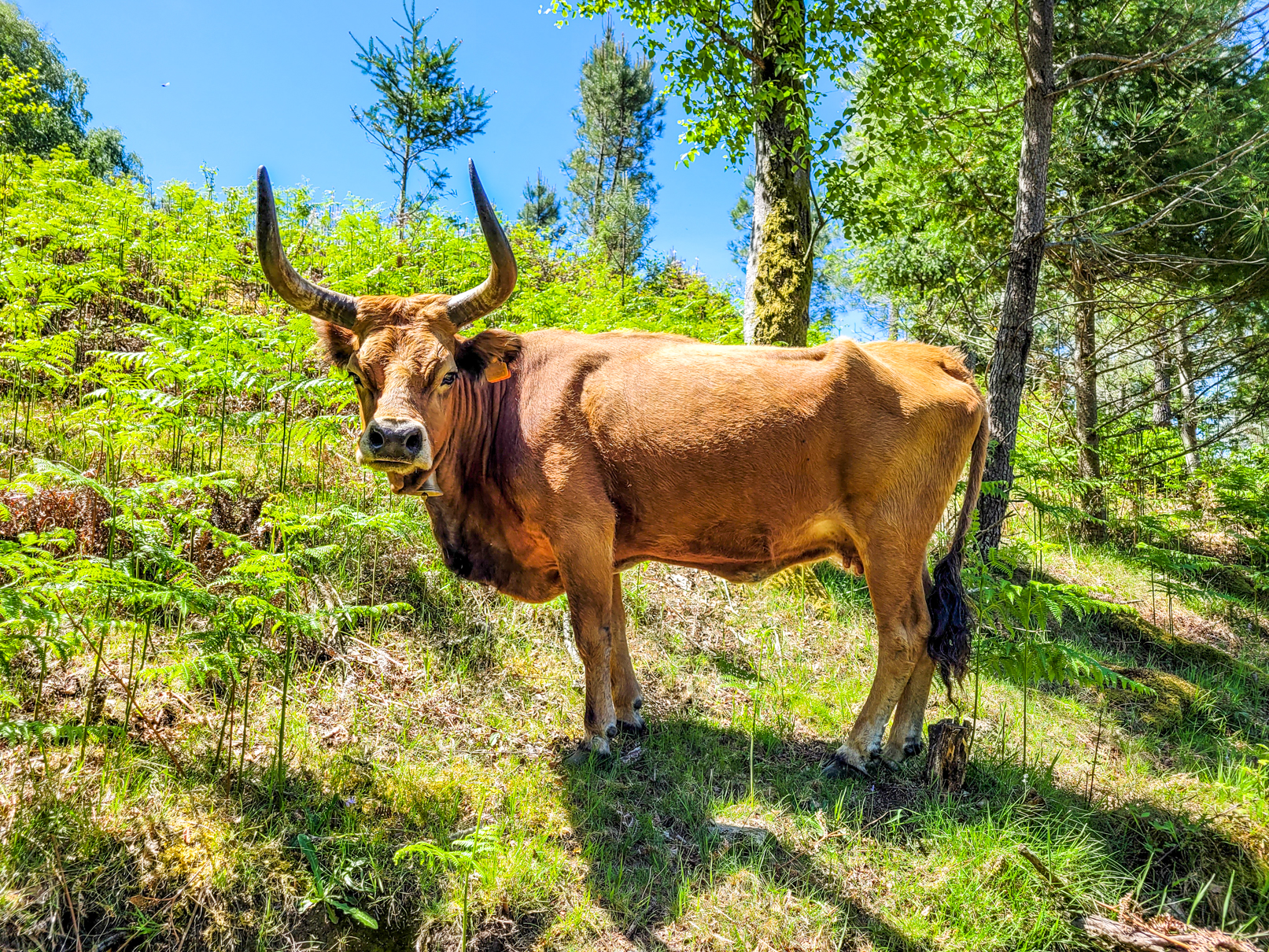
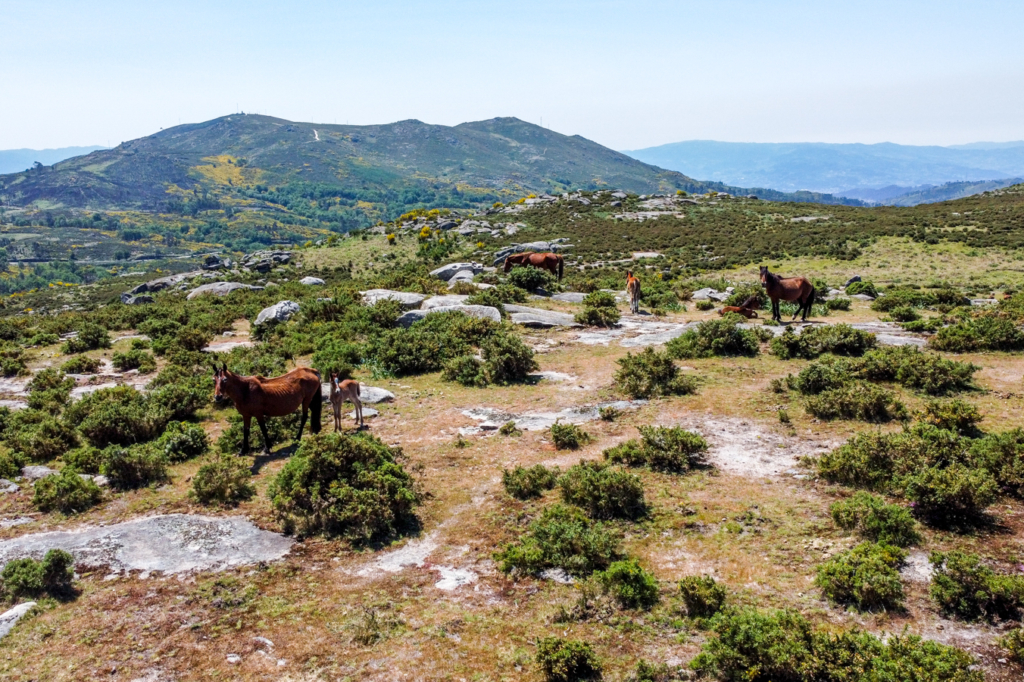
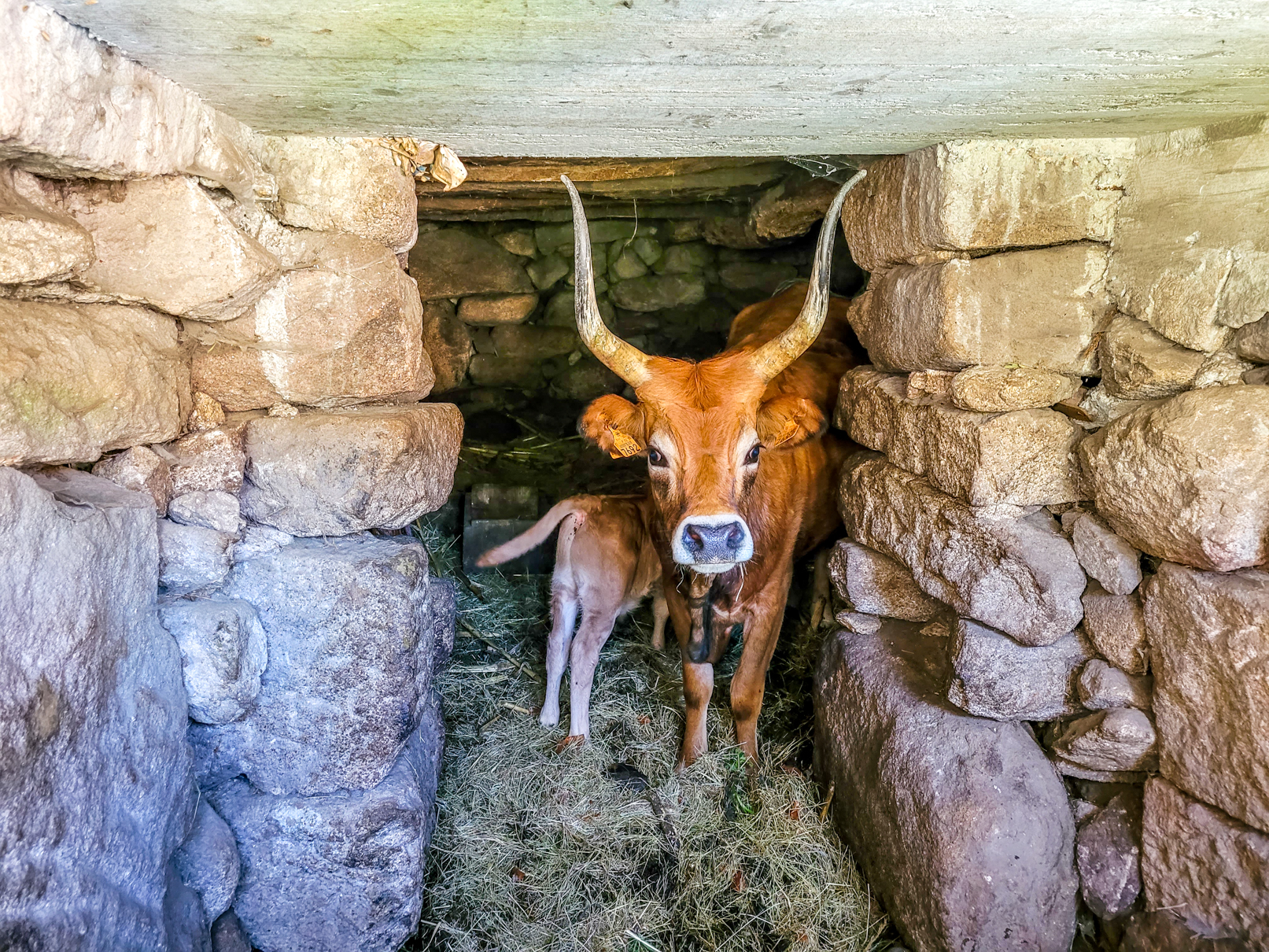
It’s also an area where encounters with animals are common—you may come across wild horses or the typical Gerês cattle grazing freely. When I visited, I was lucky enough to see newborn calves, and it was truly unforgettable.
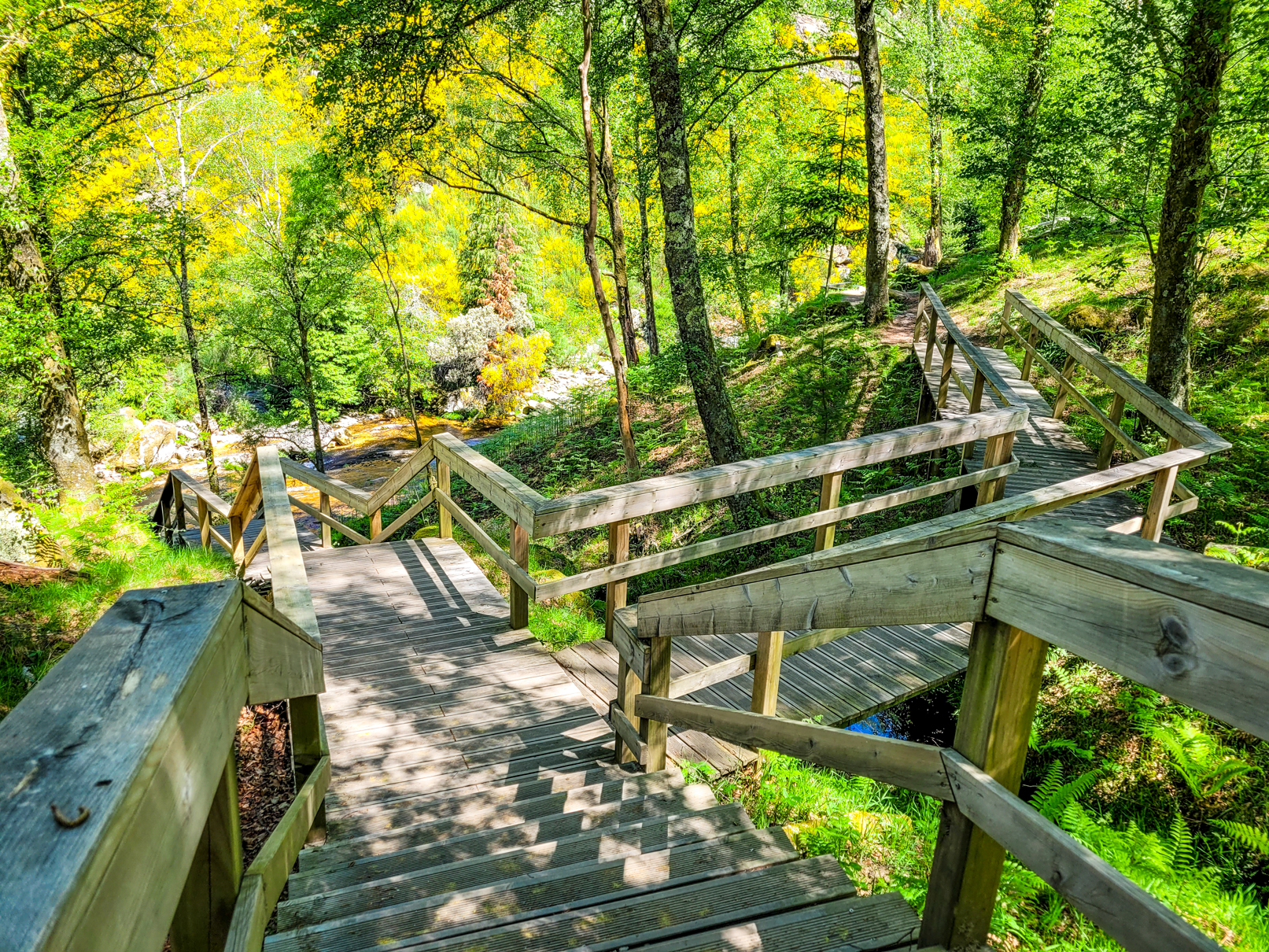
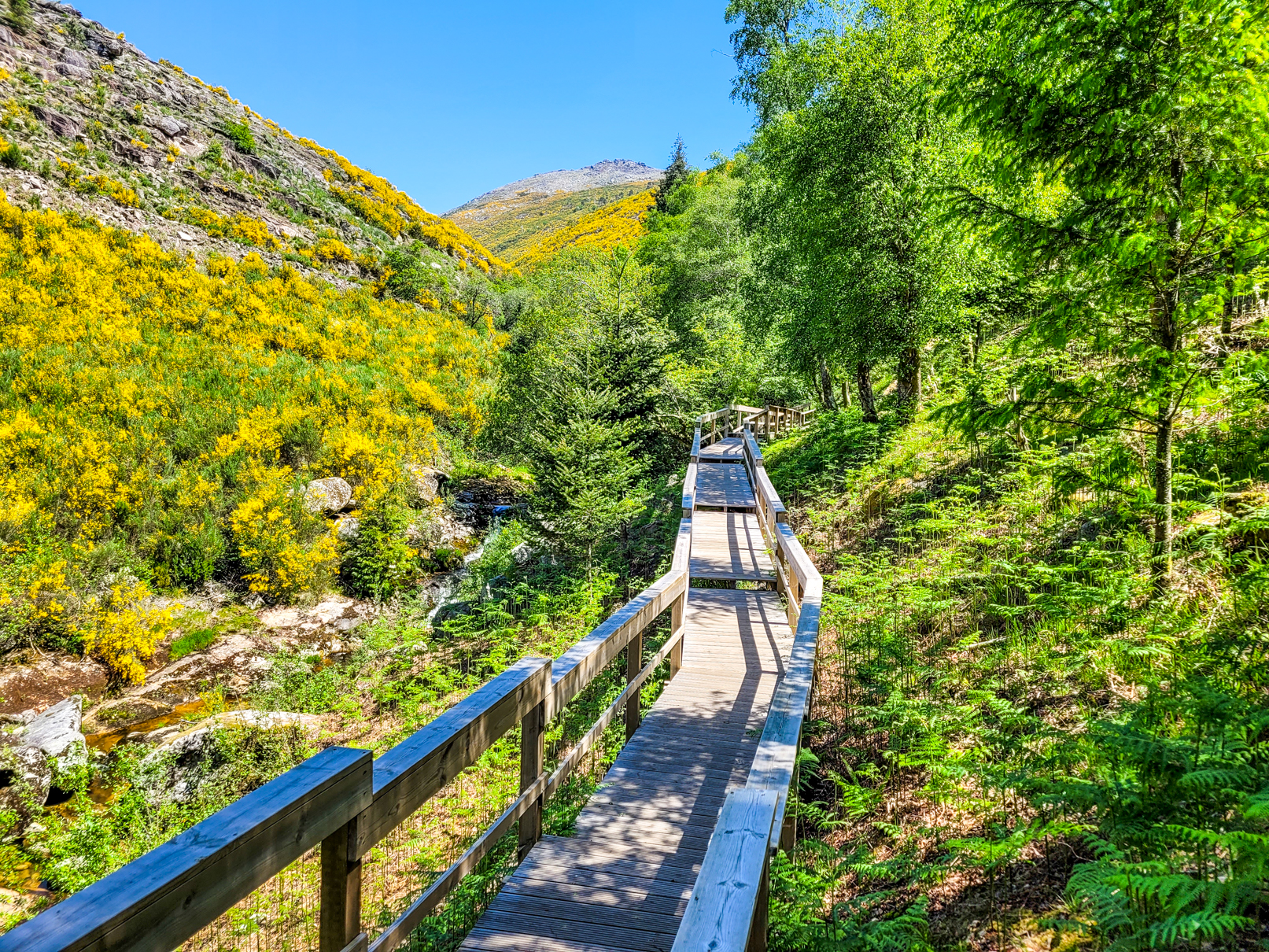
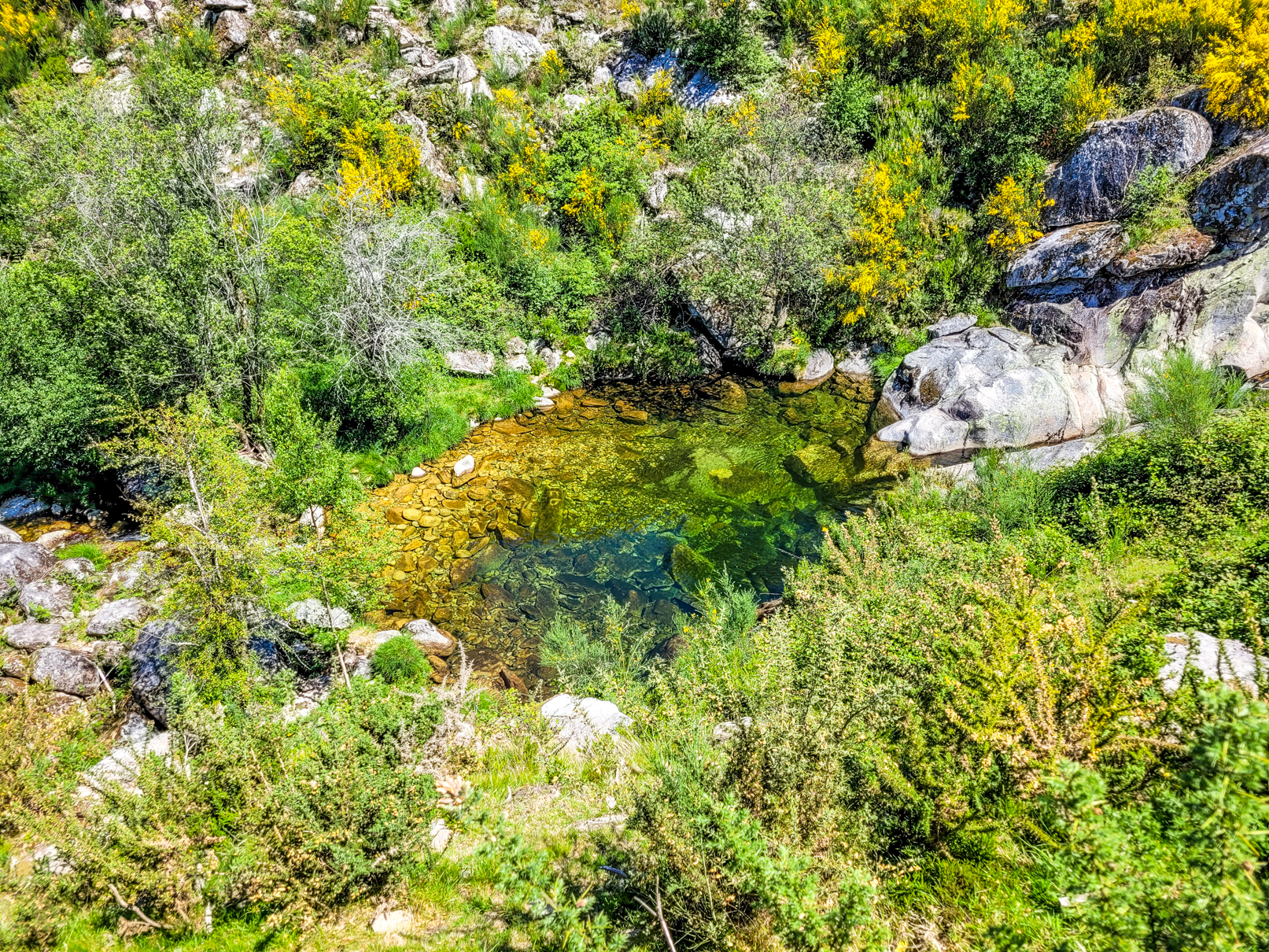
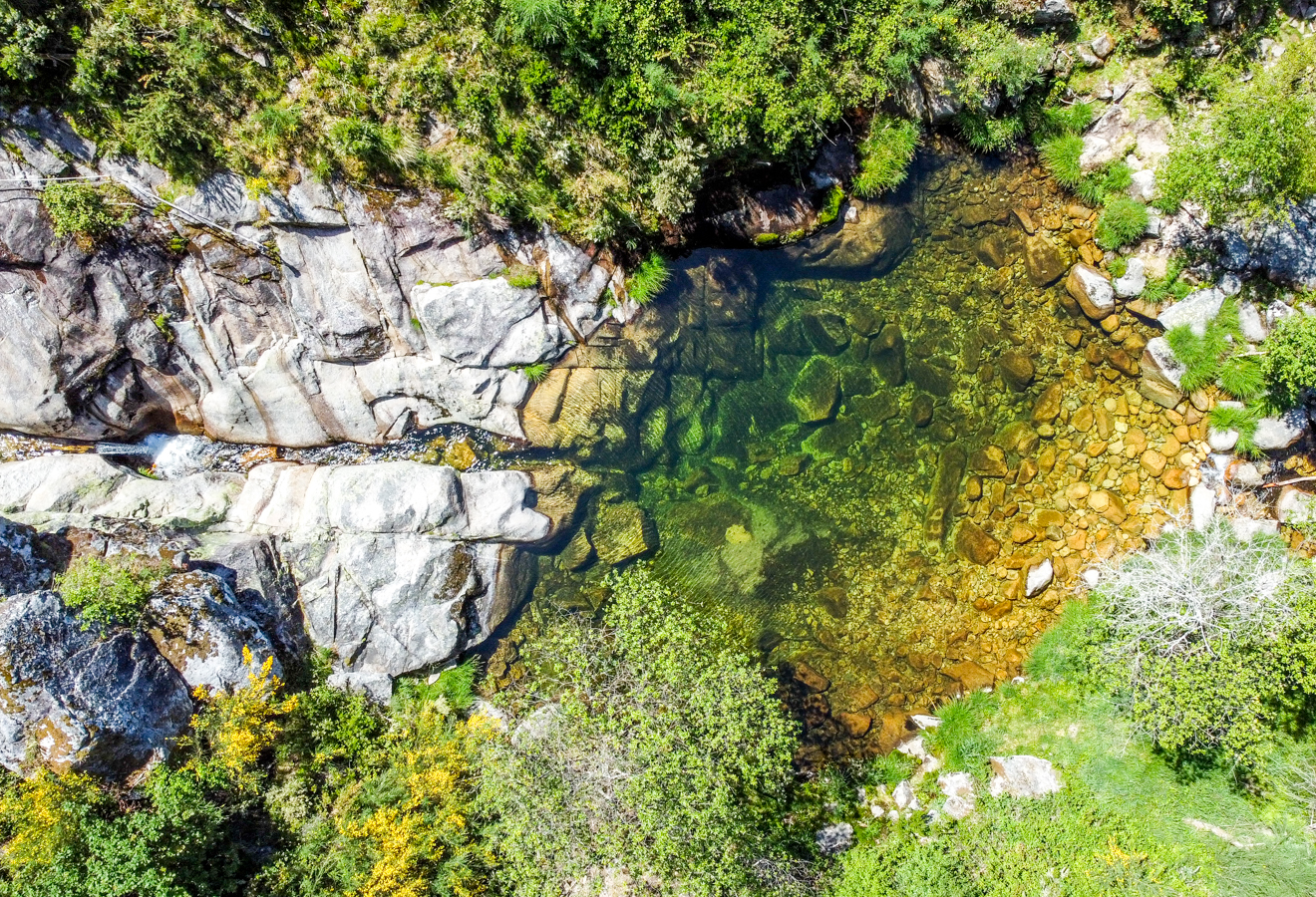
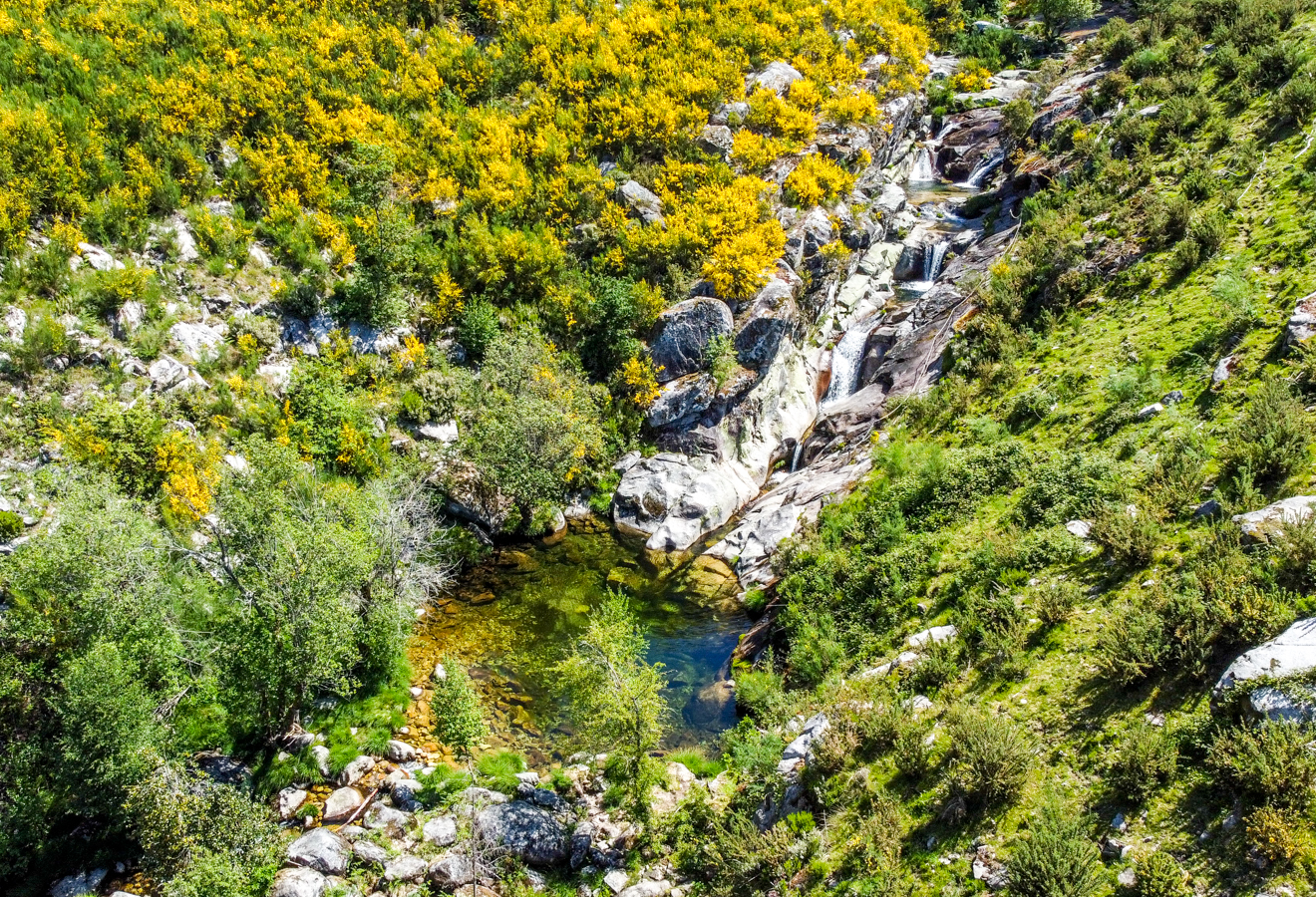
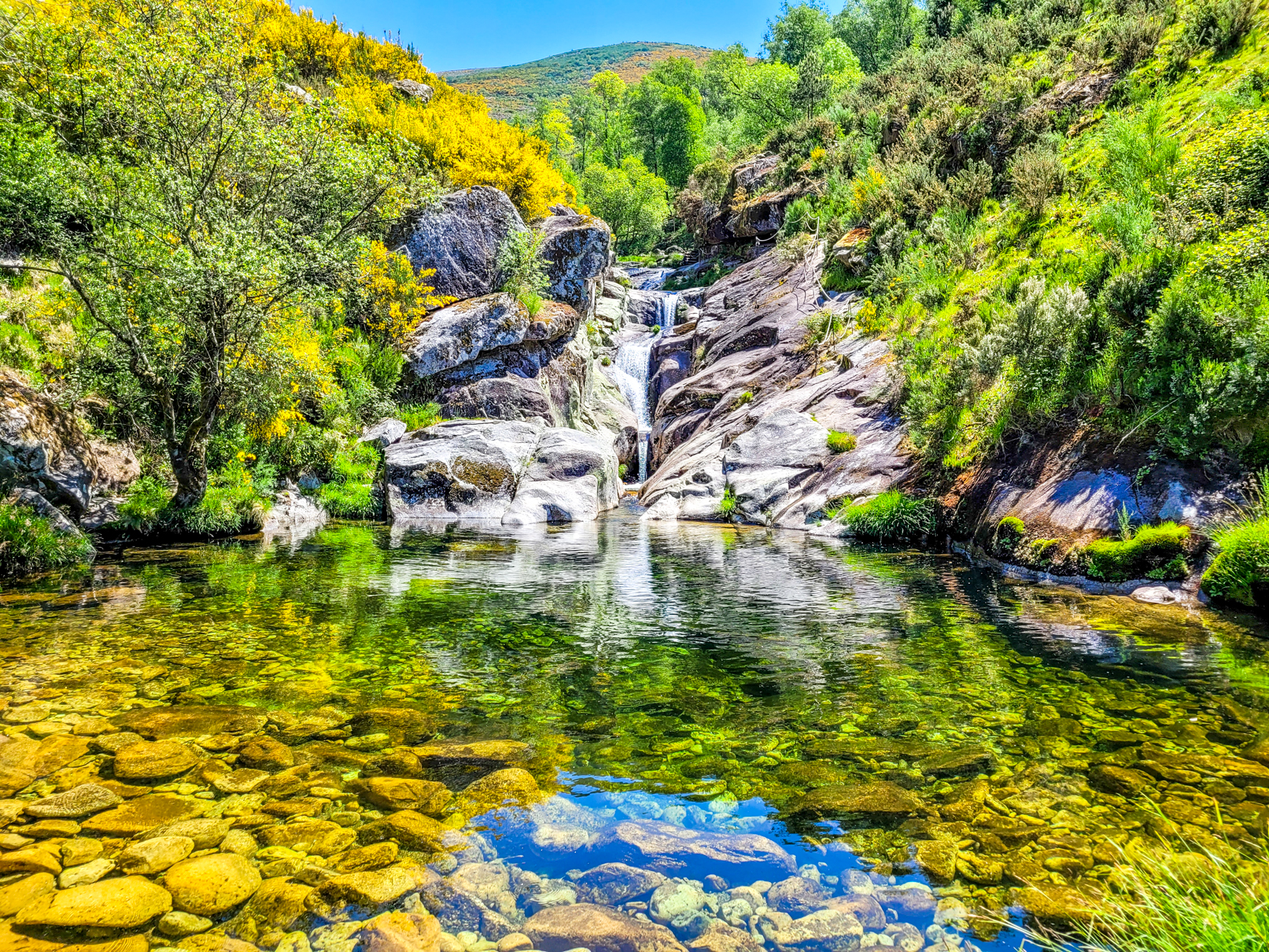
1. Lagoas de Travanca
The Travanca Lagoons have wooden walkways that provide access, but these lead only to the less impressive pools. My recommendation is to take the rural path on the left as soon as you arrive. This trail curves around and descends the hillside, guiding you to the largest and most beautiful lagoon, complete with a waterfall.
⚠️ Important tip: don’t attempt to climb down the slippery rocks beside the waterfall, as they’re often wet and dangerous. Stick to the easier access route I’ve described—you’ll reach the lagoon safely and enjoy it much more.
2. Mezio Swing (Baloiço do Mezio)
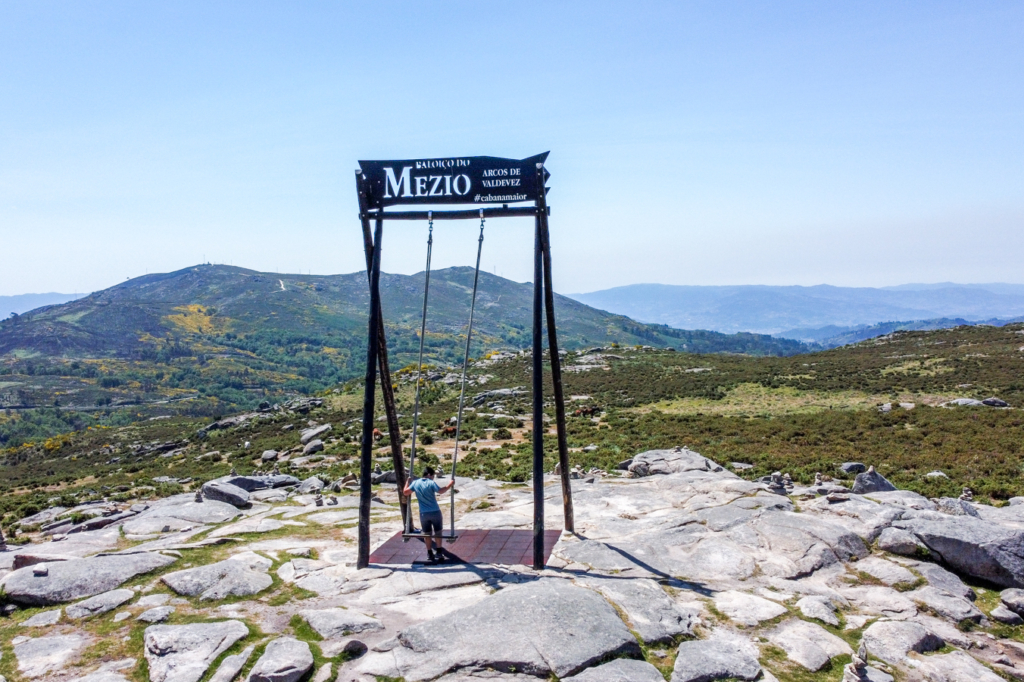
The Mezio Swing offers a stunning 360º panoramic view over the surrounding mountains and valleys. Getting there is easy—it only requires a short walk along a dirt track, just a few meters from where you park.
It’s also one of the most visited swings in Portugal, so don’t be surprised if you find a line of people waiting to capture that perfect photo. Still, the view (and the experience of swinging above the Gerês landscape) makes it absolutely worth the stop.
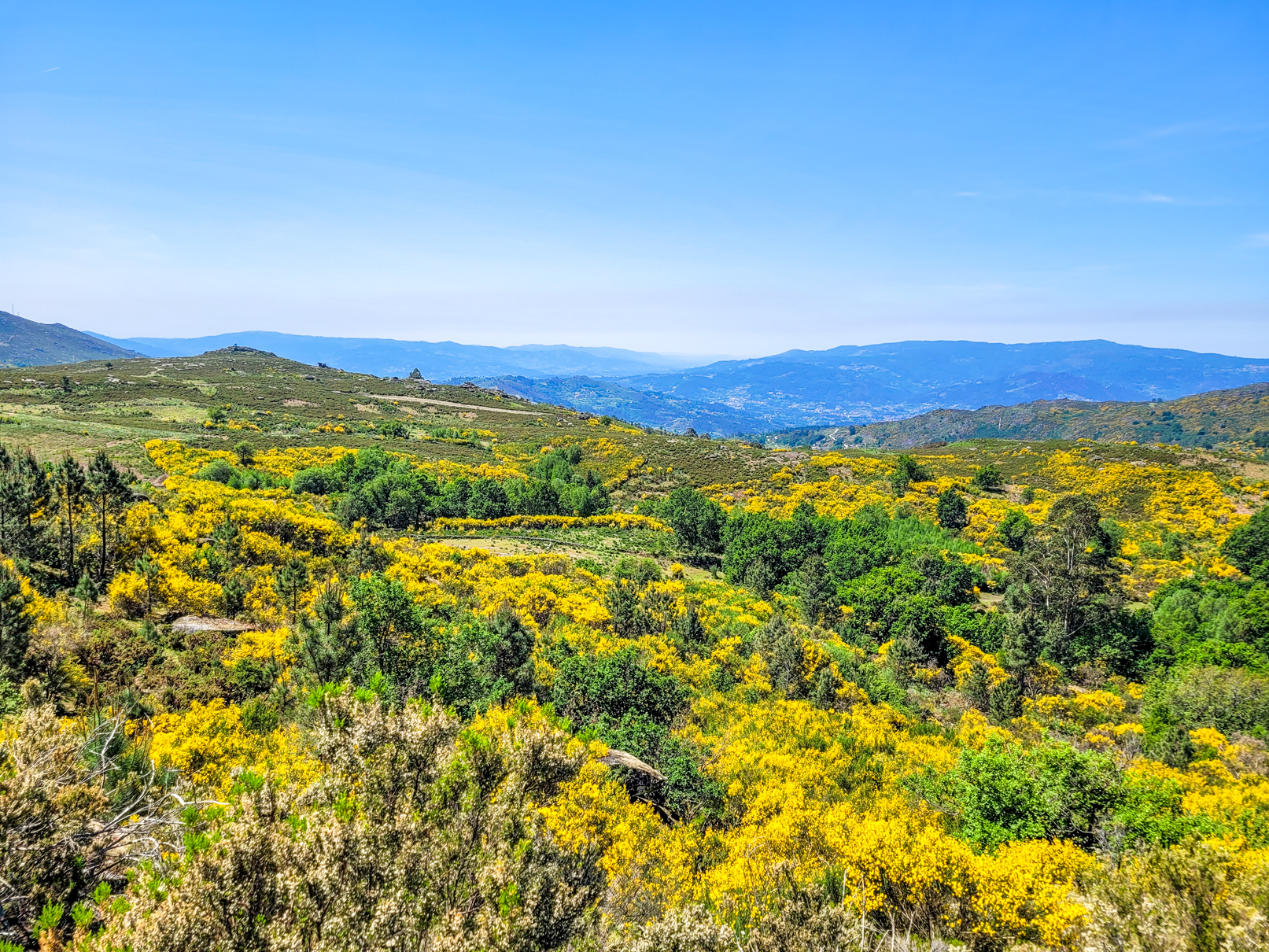
3. Miradouro da Porta do Sol
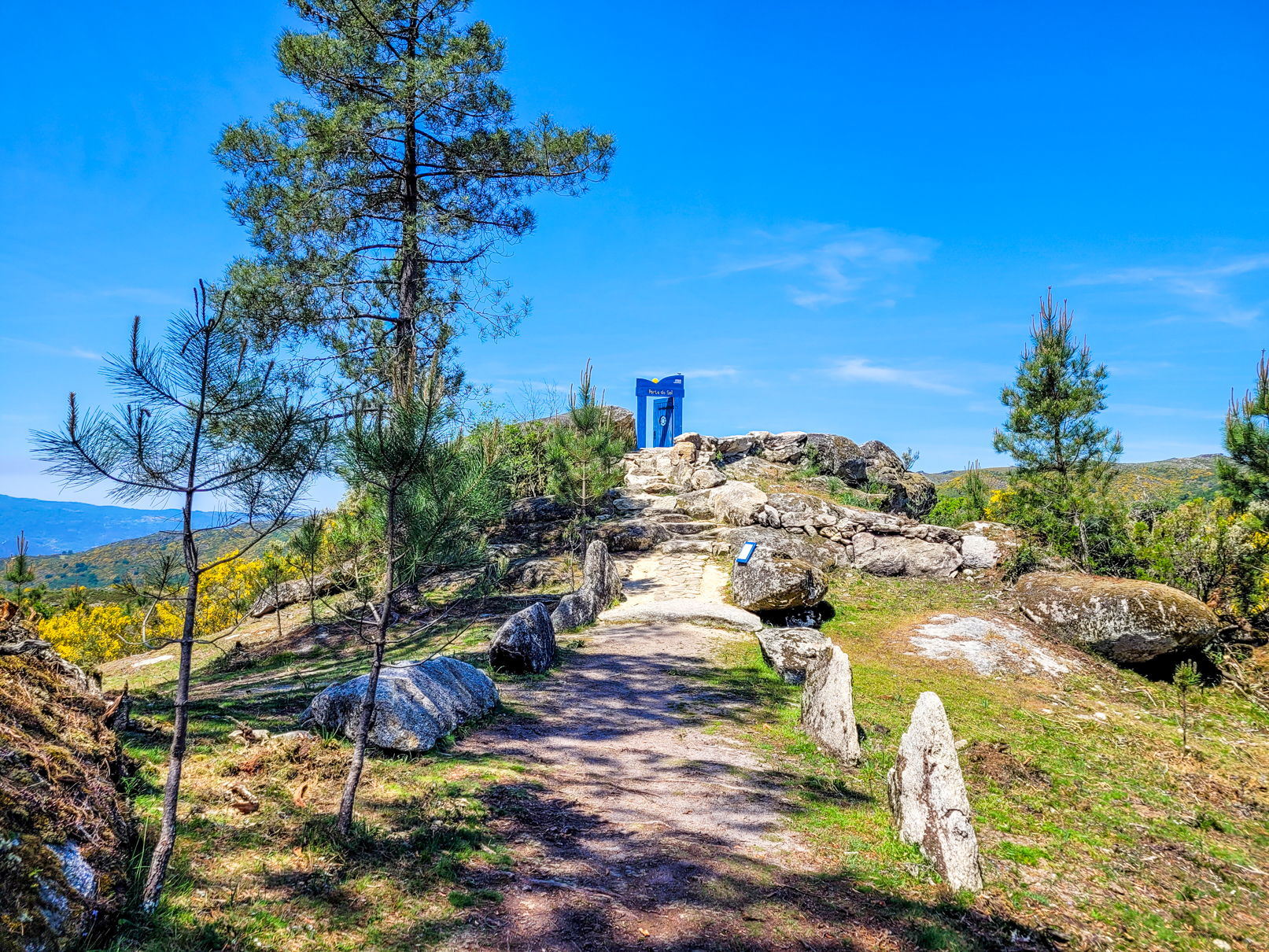
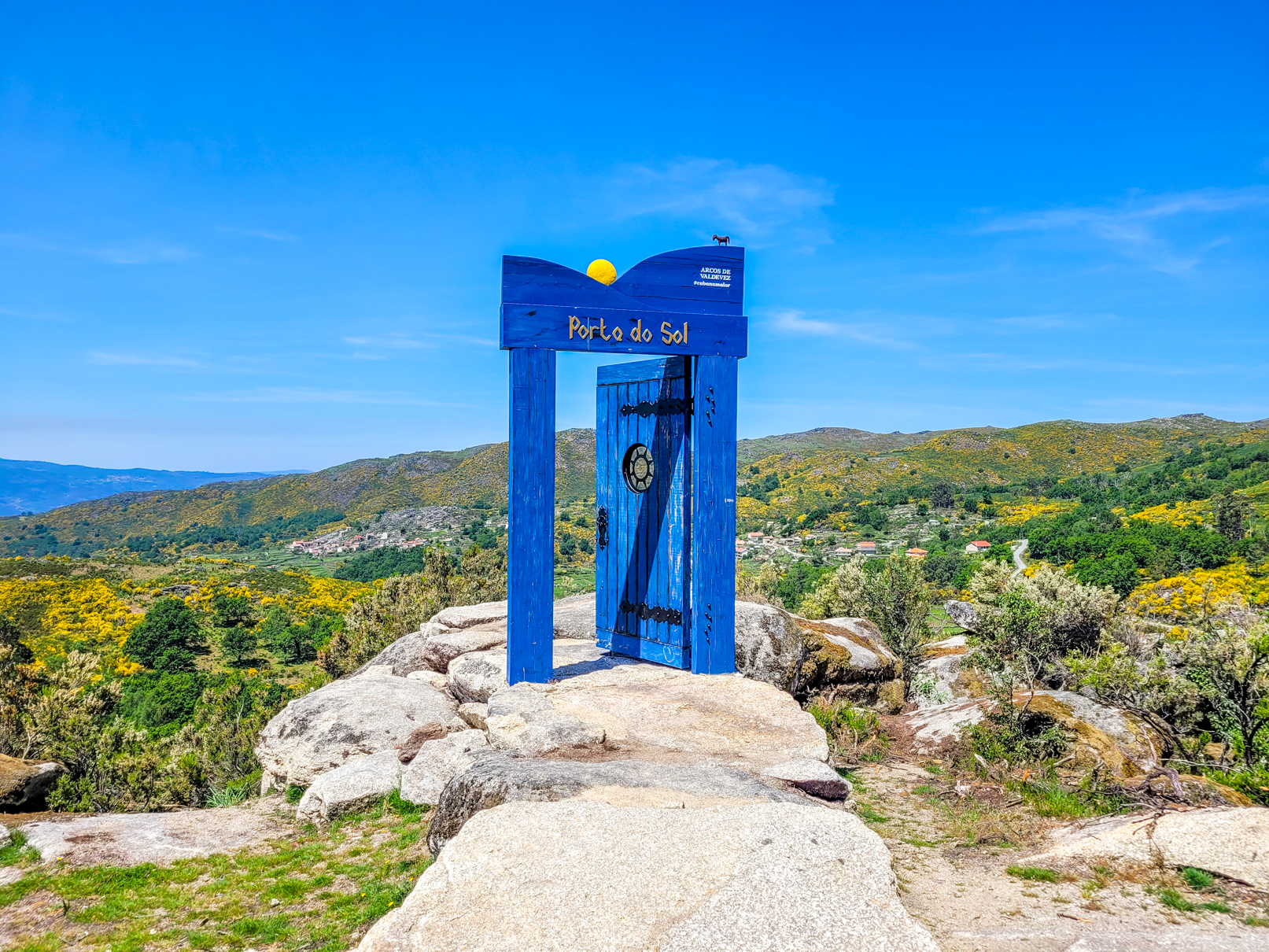
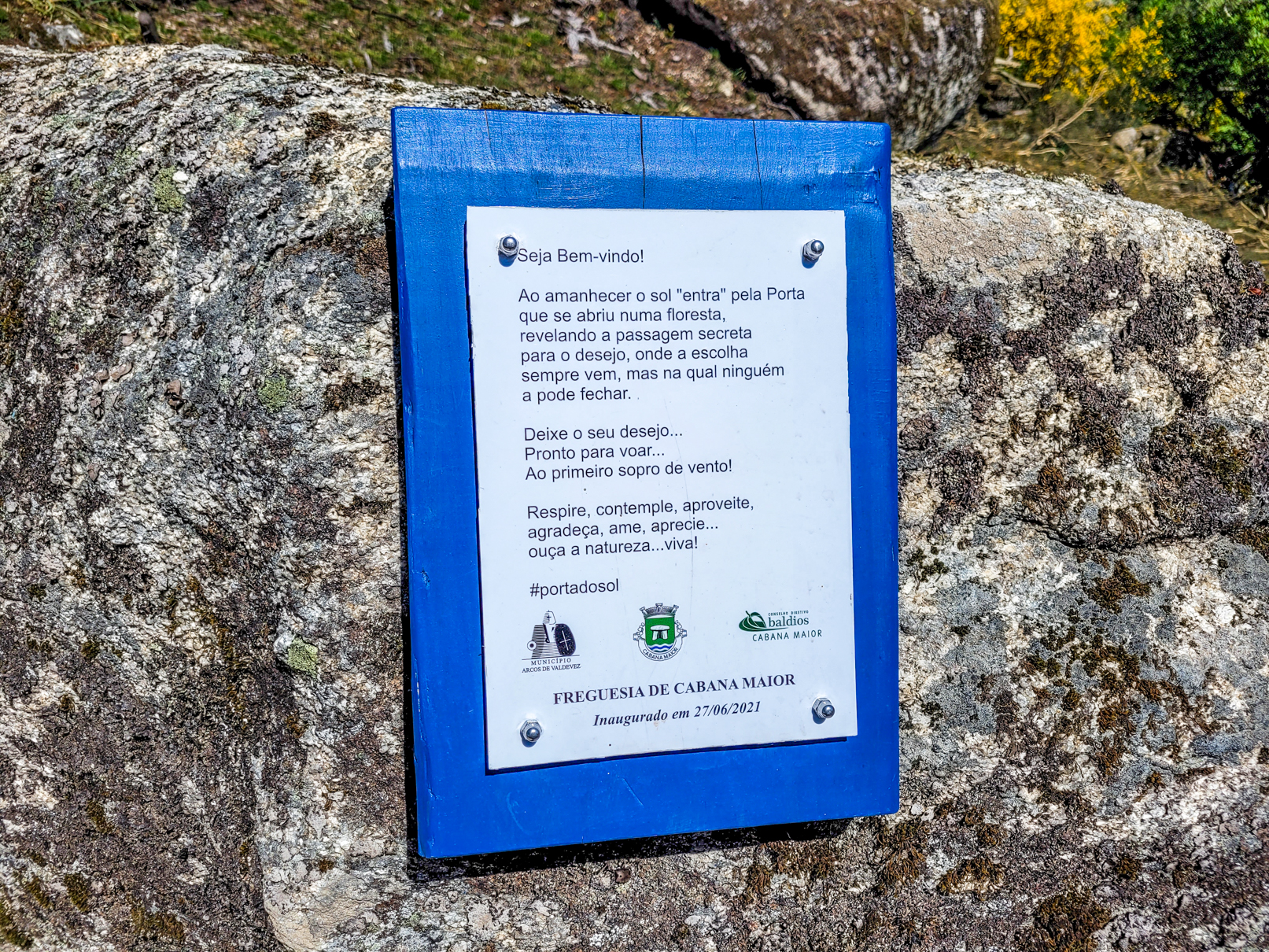
Very close to the Mezio Swing, you’ll find the Miradouro da Porta do Sol—a viewpoint shaped like a doorway that opens onto a breathtaking natural balcony. From here, the mountain scenery stretches endlessly before you.
Just like the swing, this spot is an excellent choice for watching the sunset, with the golden light spreading across the valleys and peaks of Gerês.
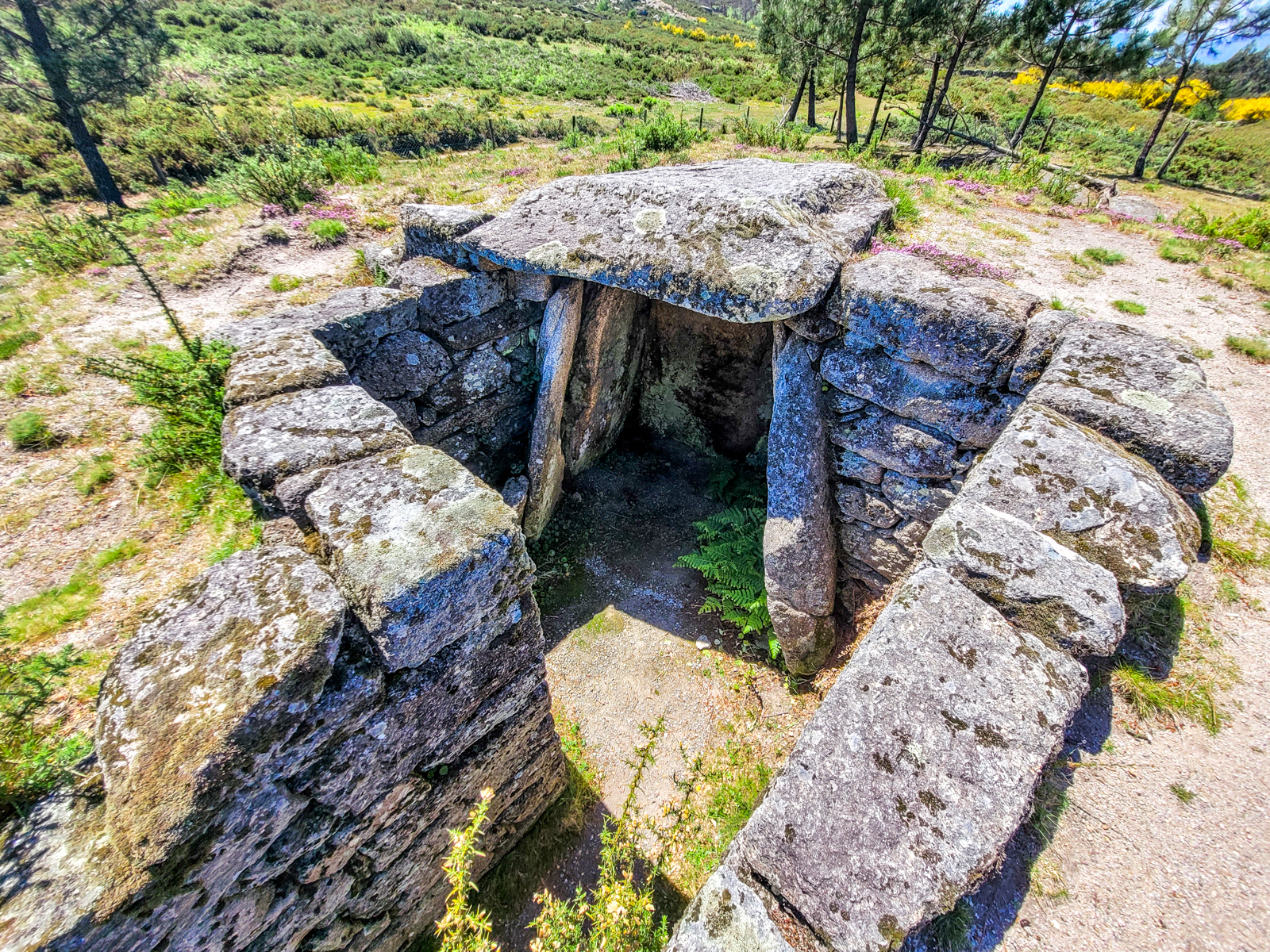
4. Mezio Megalithic Complex (Núcleo Megalítico do Mezio)
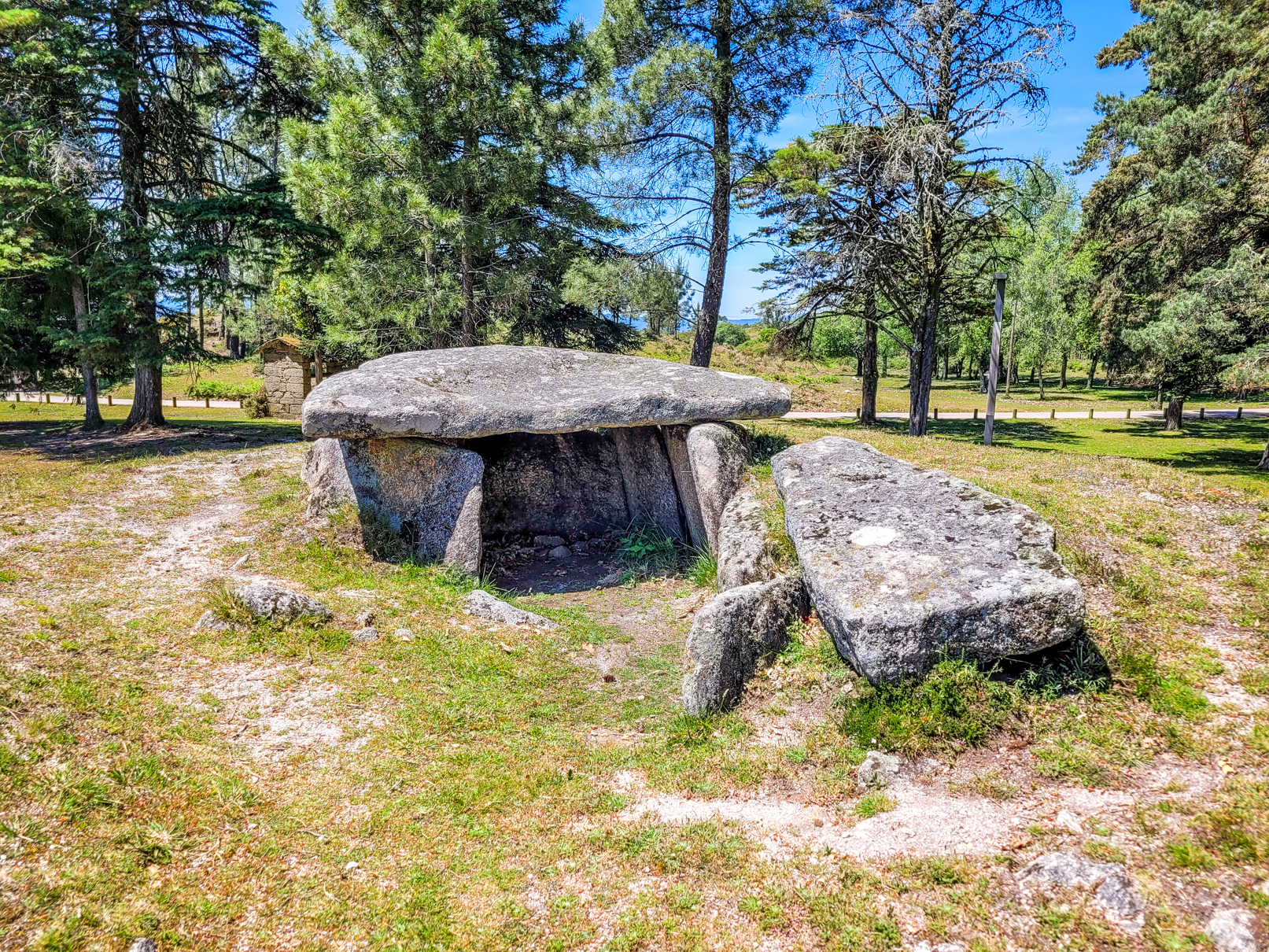
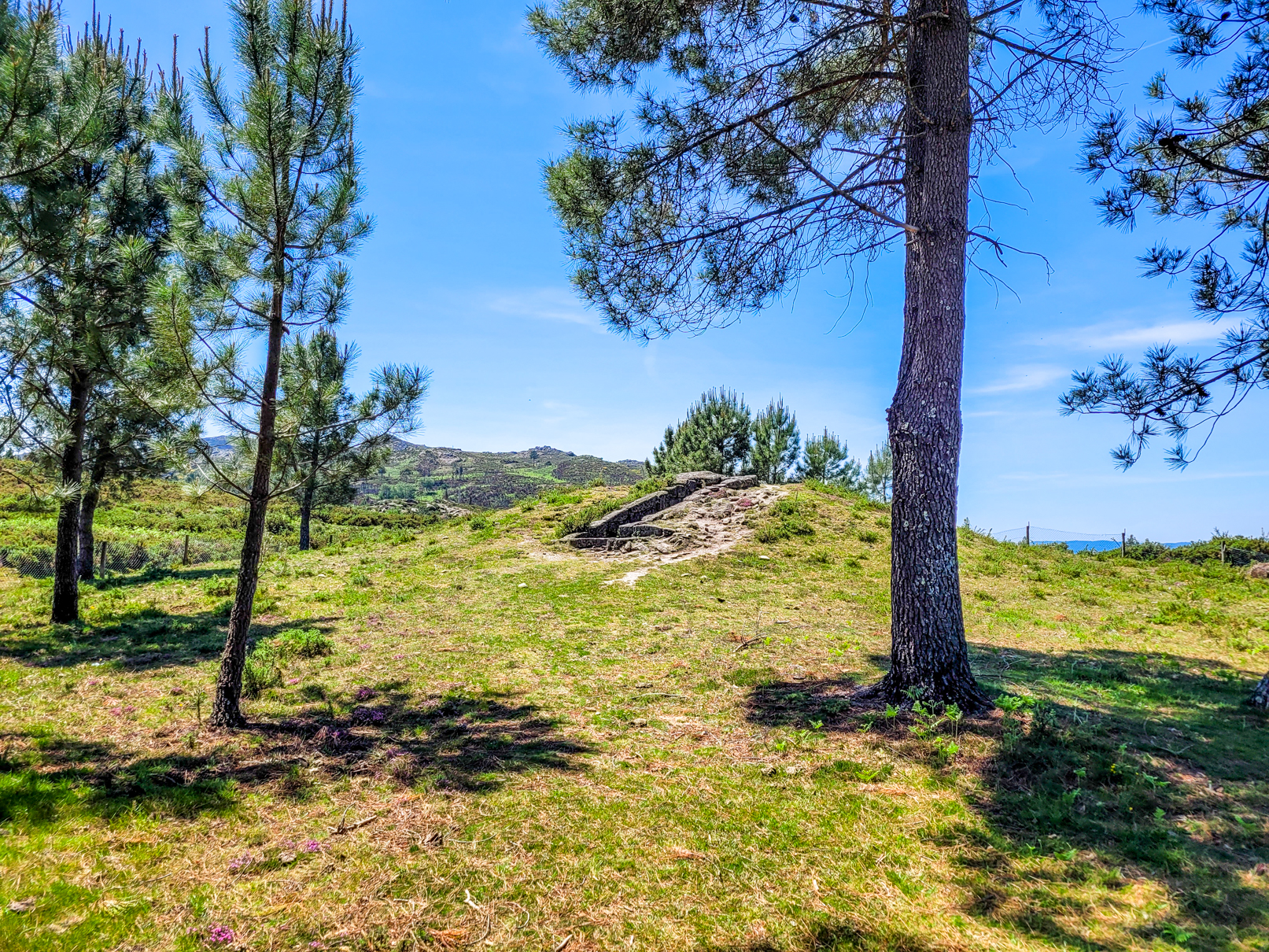
Don’t miss the chance to explore the Megalithic Monuments of Mezio, ancient prehistoric burial sites dating back around 5,000 years. Scattered across the landscape, they offer a fascinating glimpse into the region’s distant past.
Among those you can visit are:
- Anta do Mezio – located right next to the Porta do Mezio Park.
- Mamoas 5 and 6 – just a short distance away, accessible via a dirt track.
Walking among these stone structures is both atmospheric and thought-provoking, especially when you imagine how long they’ve stood here in the Gerês highlands.
5. Mezio Interpretative Trail (Trilho Interpretativo do Mezio)
If you’re interested in hiking, Mezio also offers some great trails. One of the best options is the Mezio Interpretative Trail, a short route of less than 3 km.
Along the way, you’ll get to explore the natural surroundings of the park, walk deeper into the forests of Gerês, and possibly encounter some of the local wildlife.
The trail also passes by two additional megalithic monuments—Mamoas 1 and 2—making it a perfect combination of nature and history.
It’s an easy and rewarding walk, ideal if you want to connect more closely with the landscape without committing to a long hike.
Stage 3 | Visit Tibo, Gavieira and Nossa Senhora da Peneda
The main attraction of this stage is the Sanctuary of Nossa Senhora da Peneda, but along the way you’ll also pass through São Bento do Cando, Gavieira, and can enjoy a scenic hike starting from Tibo.
1. Santuário de Nossa Senhora da Peneda
1. Sanctuary of Nossa Senhora da Peneda (Santuário de Nossa Senhora da Peneda)
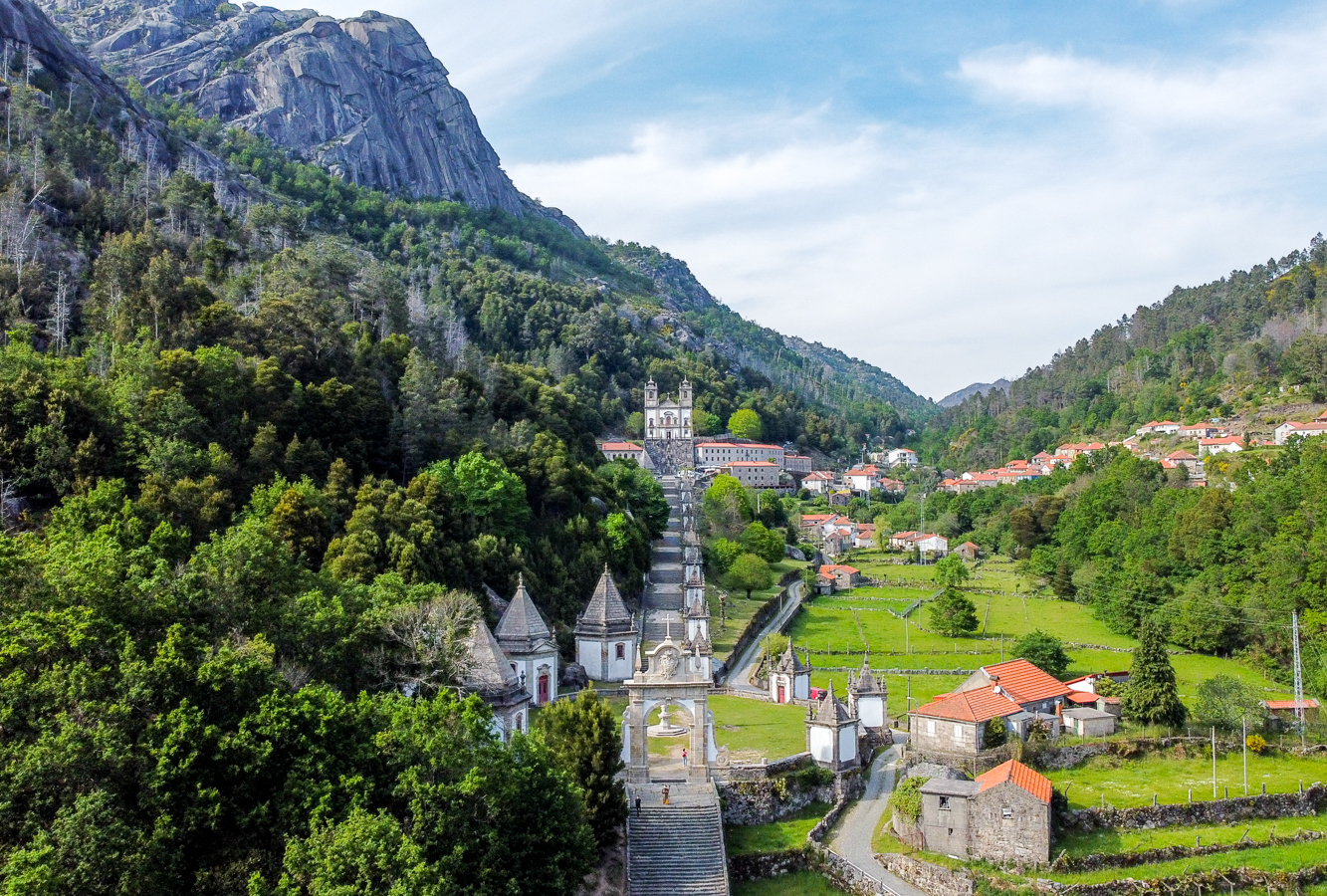
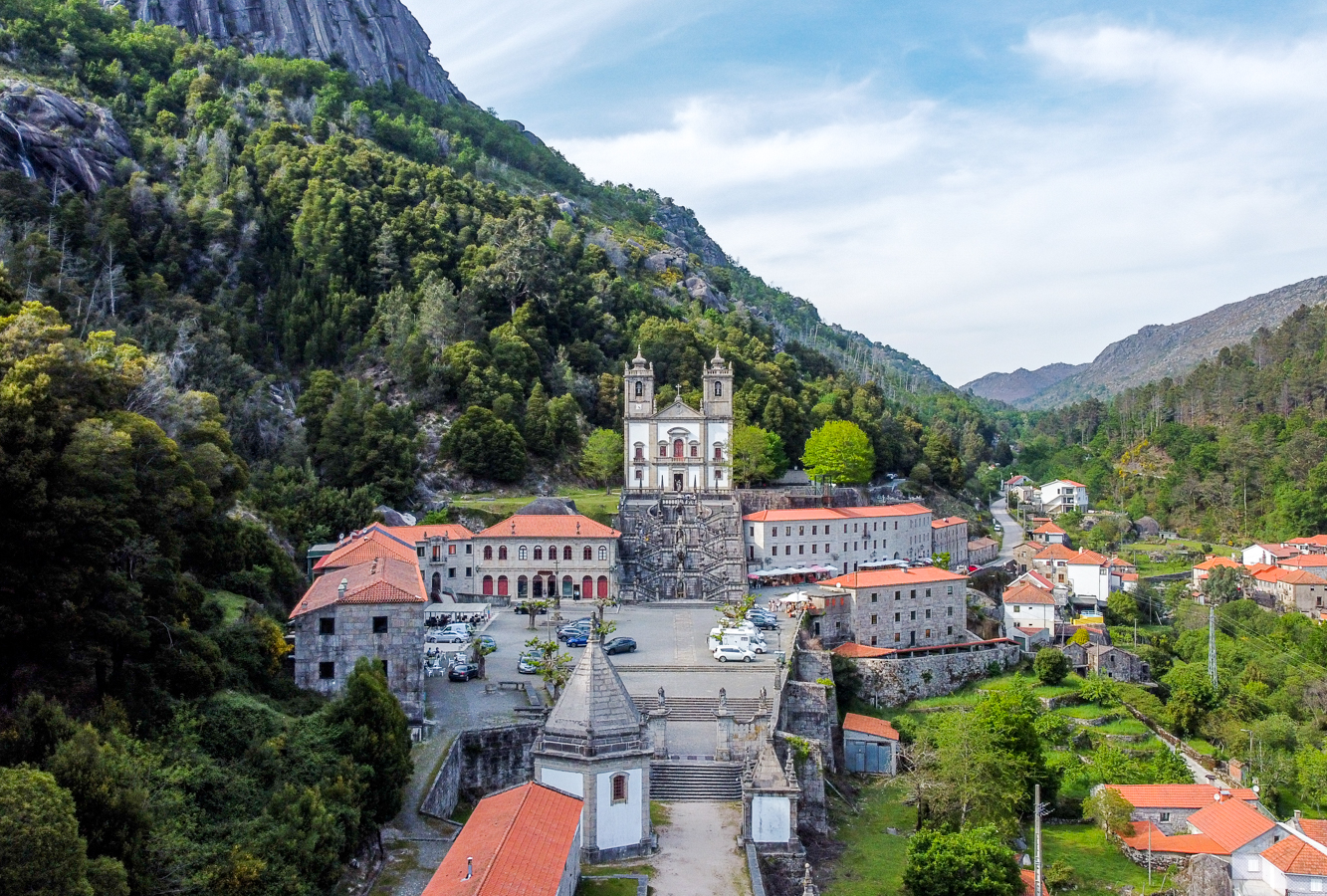
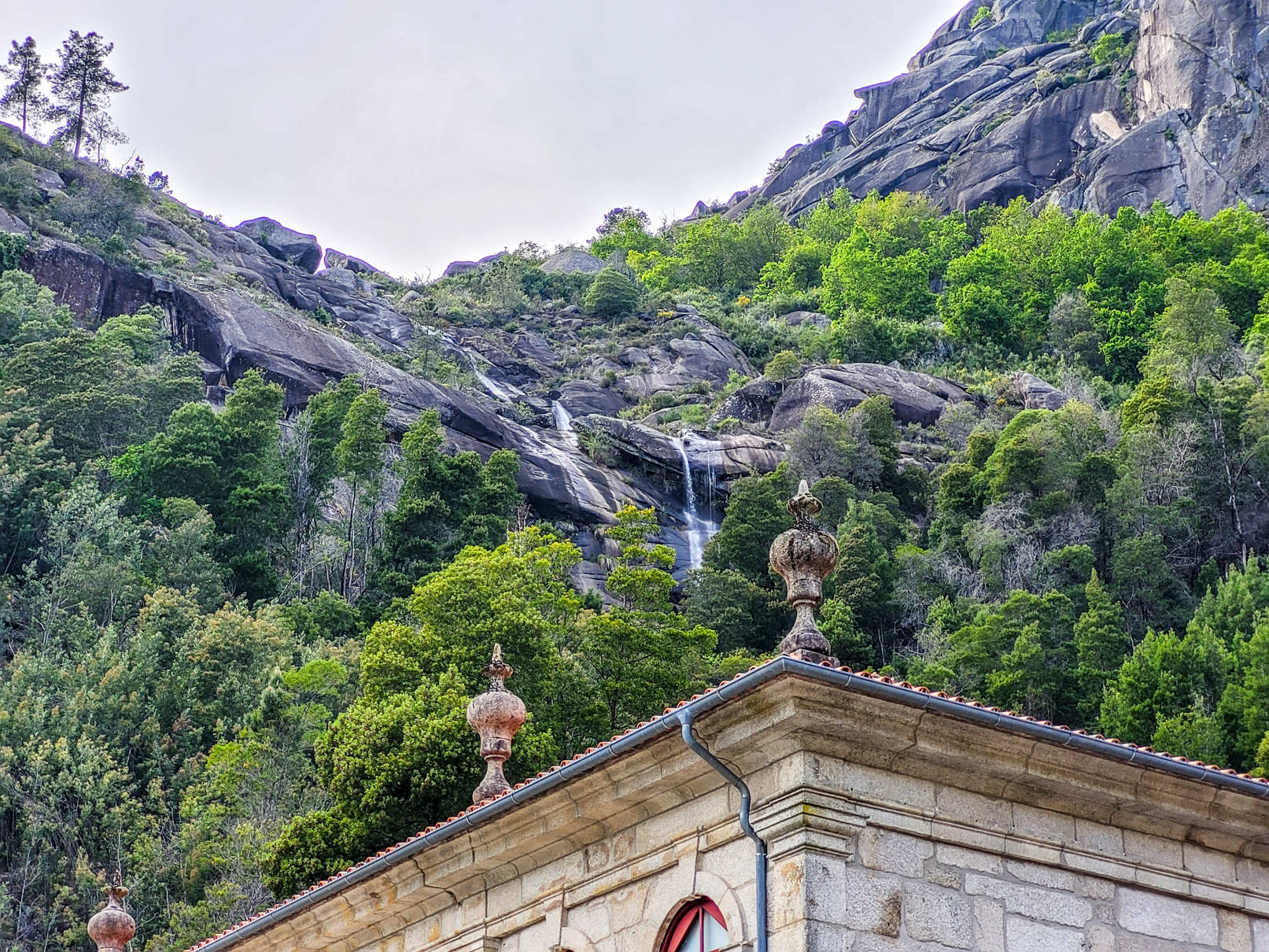
Hidden in the heart of the mountains, the Sanctuary of Nossa Senhora da Peneda is one of the most impressive religious sites in the Peneda-Gerês National Park.
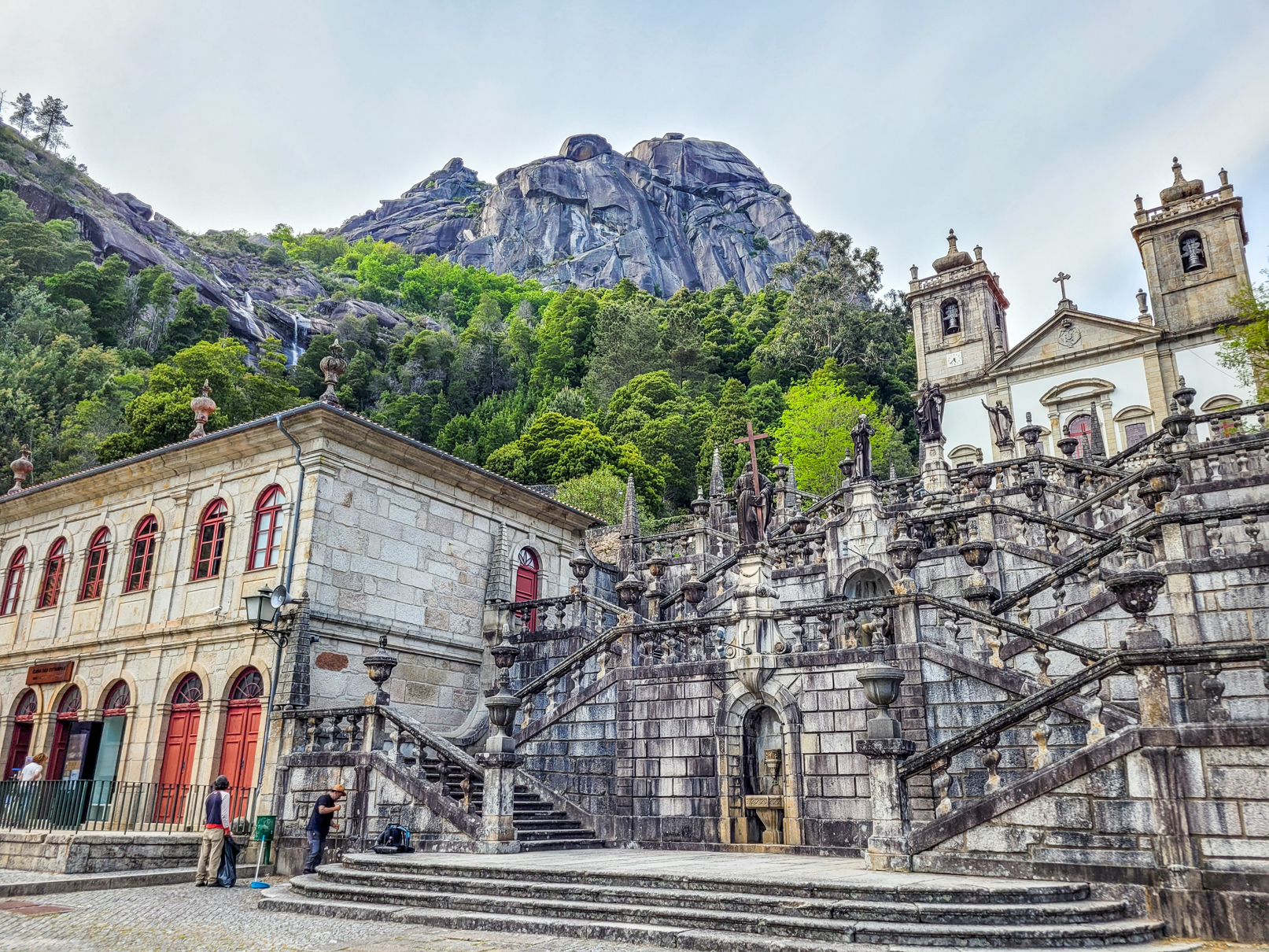
Its dramatic setting makes it unforgettable: right beside the sanctuary, you’ll see the Peneda Waterfall tumbling down the rocky slope, adding to the grandeur of the place.
Construction of the sanctuary began in the late 18th century and continued until the third quarter of the 19th century, in honor of Nossa Senhora das Neves (Our Lady of the Snows).
One of its most remarkable features is the Stairway of Virtues (Escadório das Virtudes), dating from 1854, with statues representing Faith, Hope, Charity, and Glory. The sanctuary also boasts a monumental staircase and a long avenue about 300 meters in length, lined with 20 chapels depicting scenes from the life of Christ.
At the end of this avenue stands a pillar gifted by Queen Maria I of Portugal, a historical detail that adds even more significance to the site.
👉 If you have more time, consider hiking the PR17 AVV – Peneda Trail, a moderate 10 km route with about 550 meters of elevation gain. It starts at the sanctuary and climbs up to the Peneda Dam, rewarding you with sweeping mountain views.
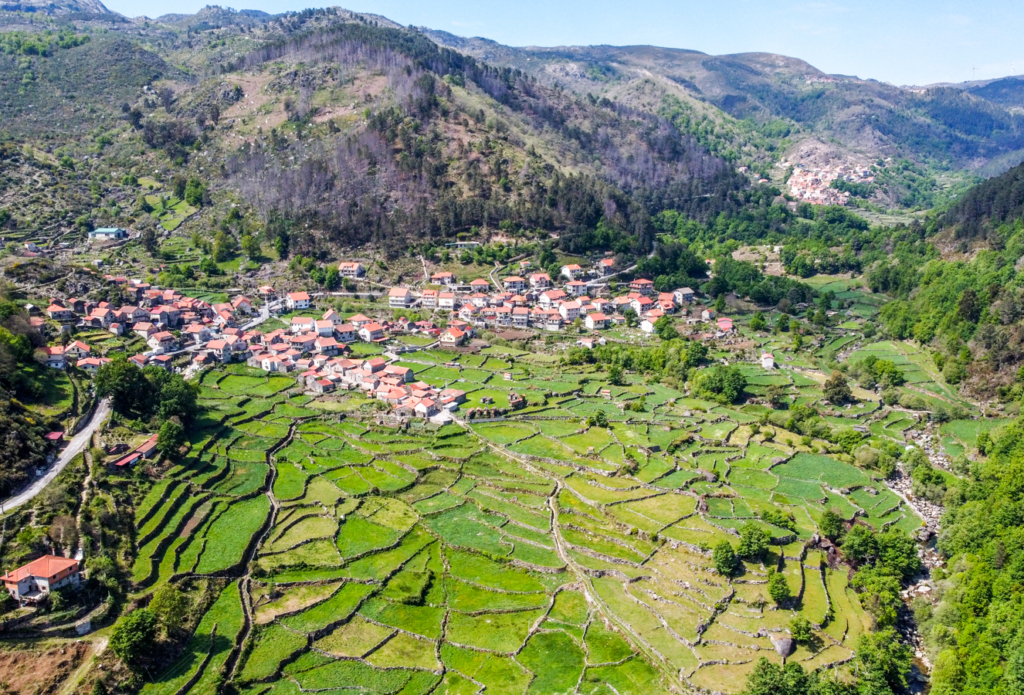
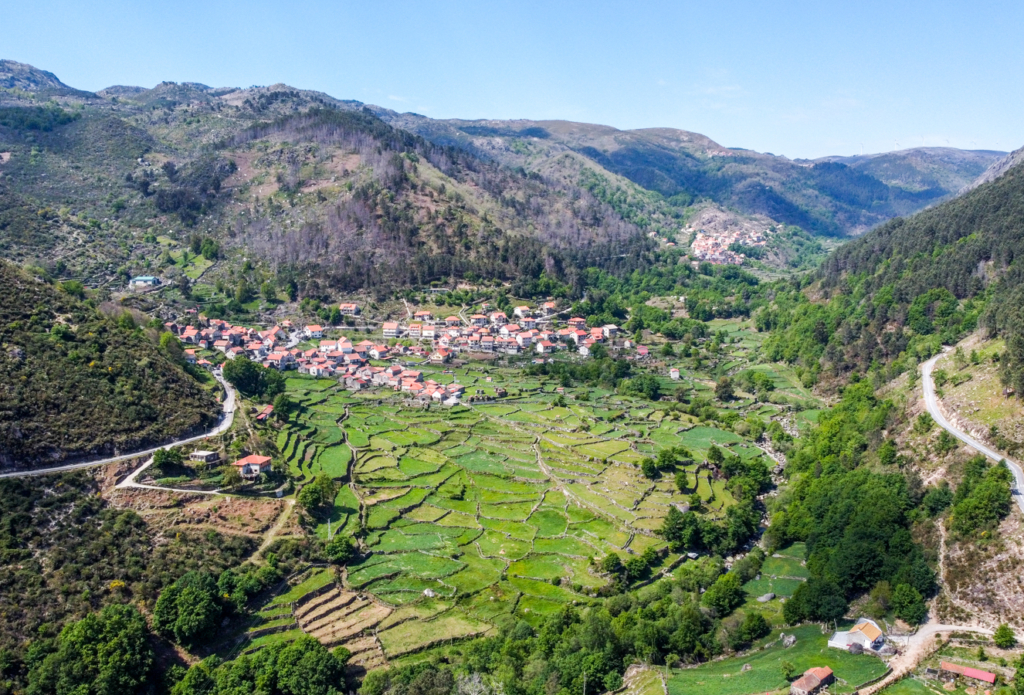
2. Gavieira Village & Viewpoint (Aldeia e Miradouro da Gavieira)
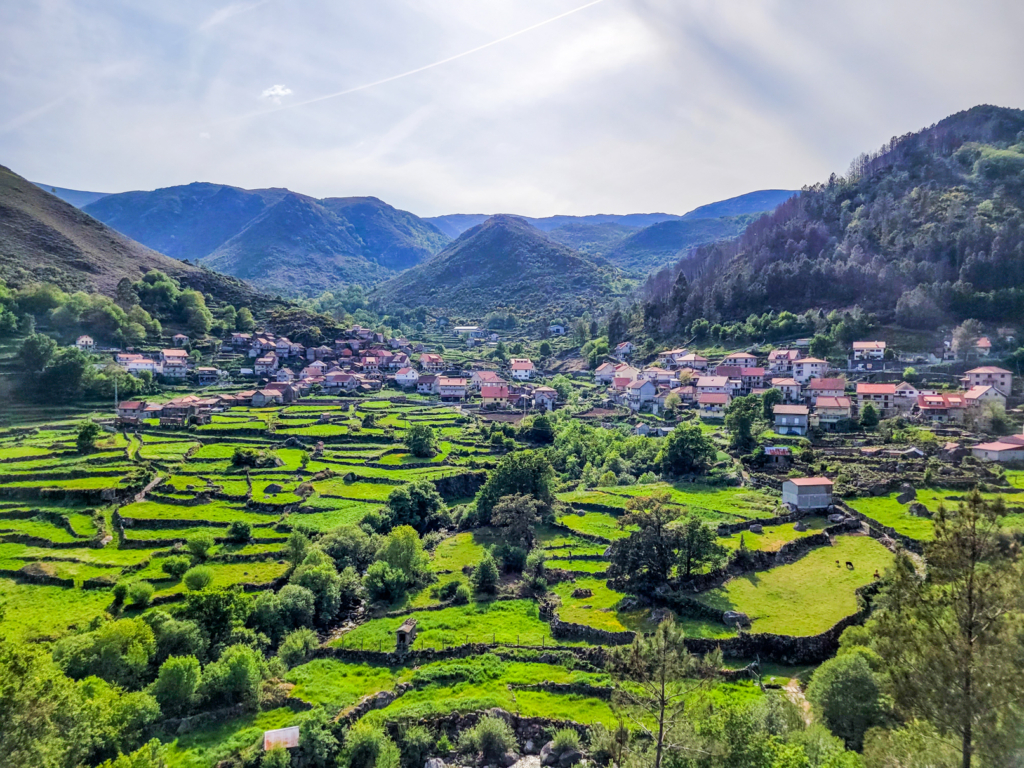
On your way to or from the Sanctuary of Nossa Senhora da Peneda, make sure to stop in the village of Gavieira—and especially at the Gavieira Viewpoint.
From here, you’ll admire the beautiful terraced fields that surround the village. These agricultural terraces, built to overcome the steep slopes of the land, are not only practical but also create a landscape of remarkable charm.
The viewpoint offers a perfect opportunity to pause, take in the scenery, and appreciate how the locals have shaped the mountainside into such a unique and harmonious setting.
3. São Bento do Cando
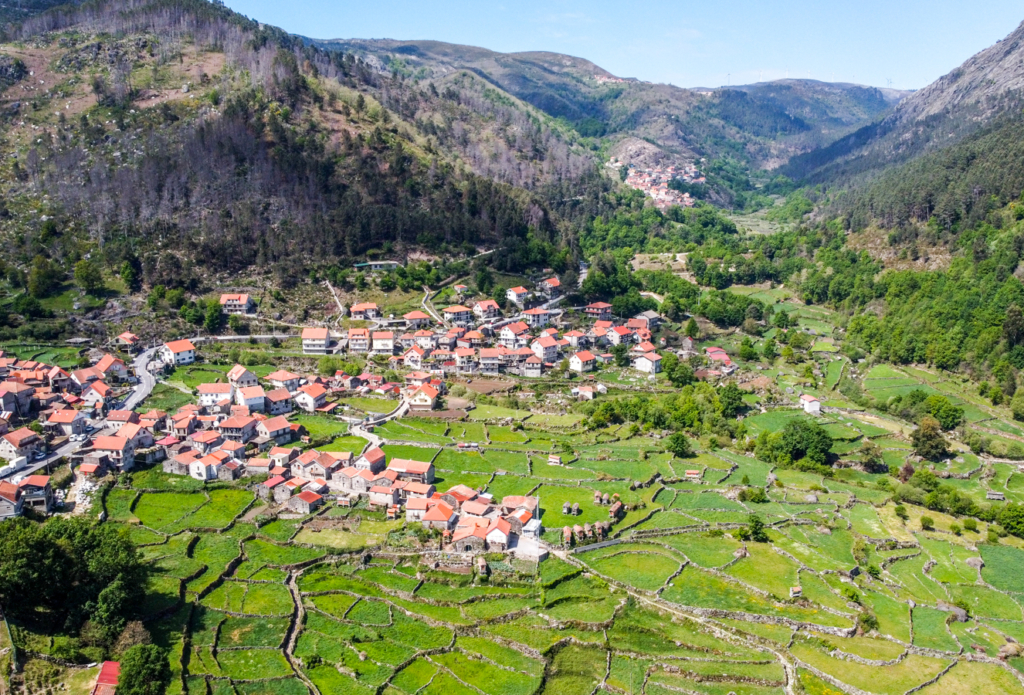
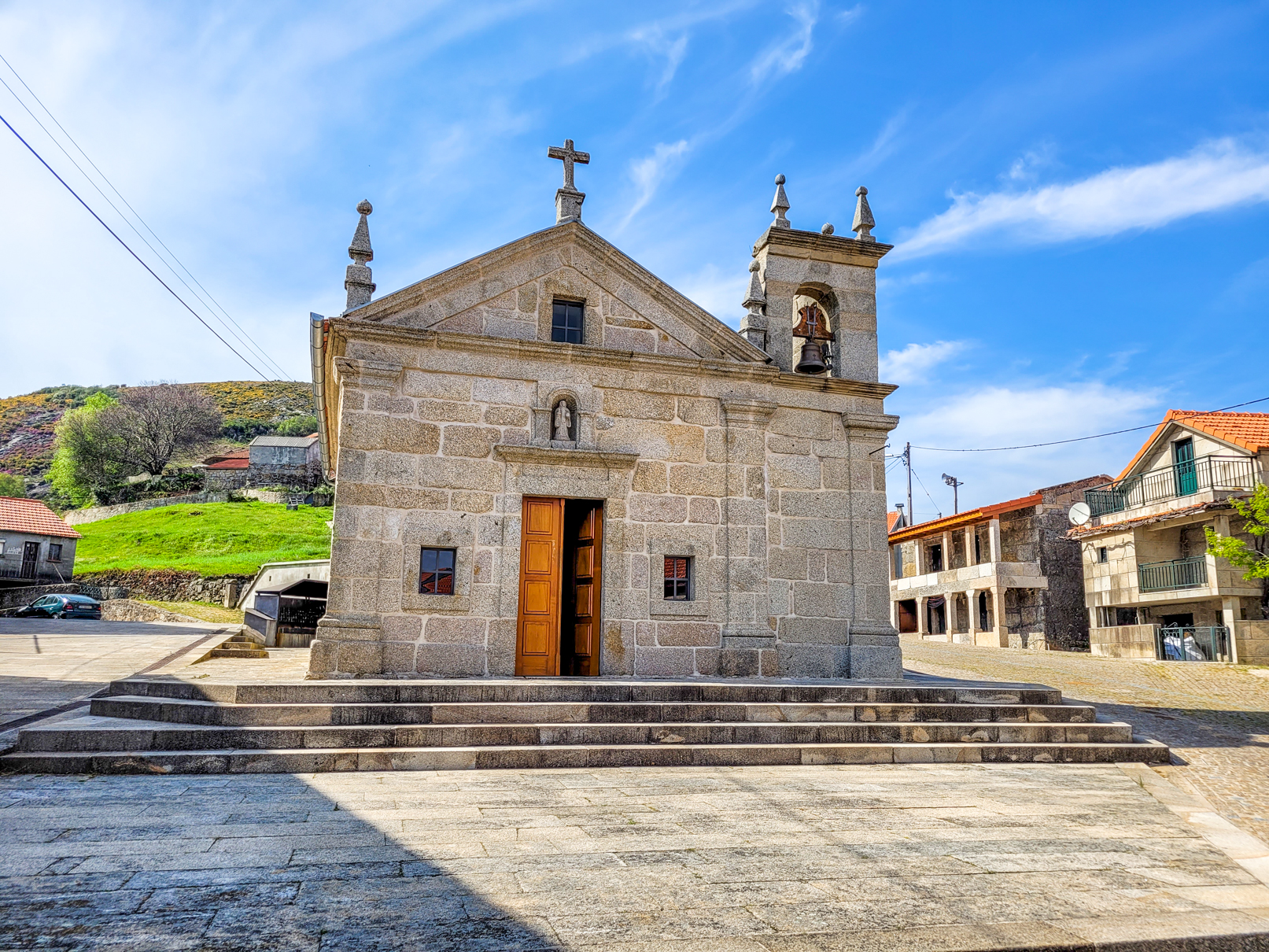
North of Gavieira lies the small but charming village of São Bento do Cando, known for its central square where you’ll find the parish church and a traditional stone cross (cruzeiro).
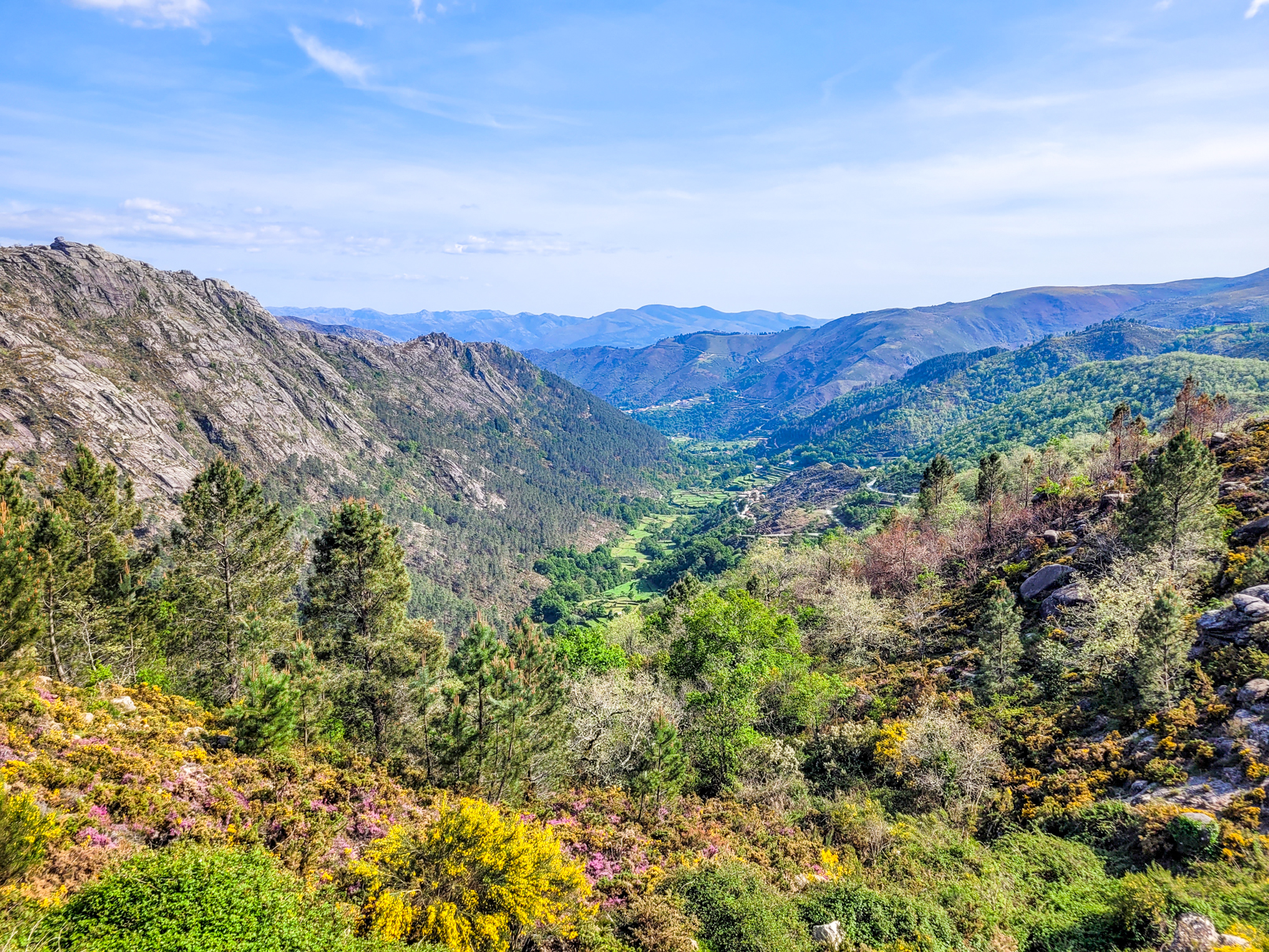
What truly makes the visit worthwhile, however, is the spectacular viewpoint overlooking the dramatic valley where Gavieira sits. From here, the scenery is nothing short of breathtaking, with towering cliffs rising on one side and the terraced fields of the village spread out below.
It’s one of those spots that captures both the raw power of the Gerês landscape and the quiet beauty of its mountain villages.
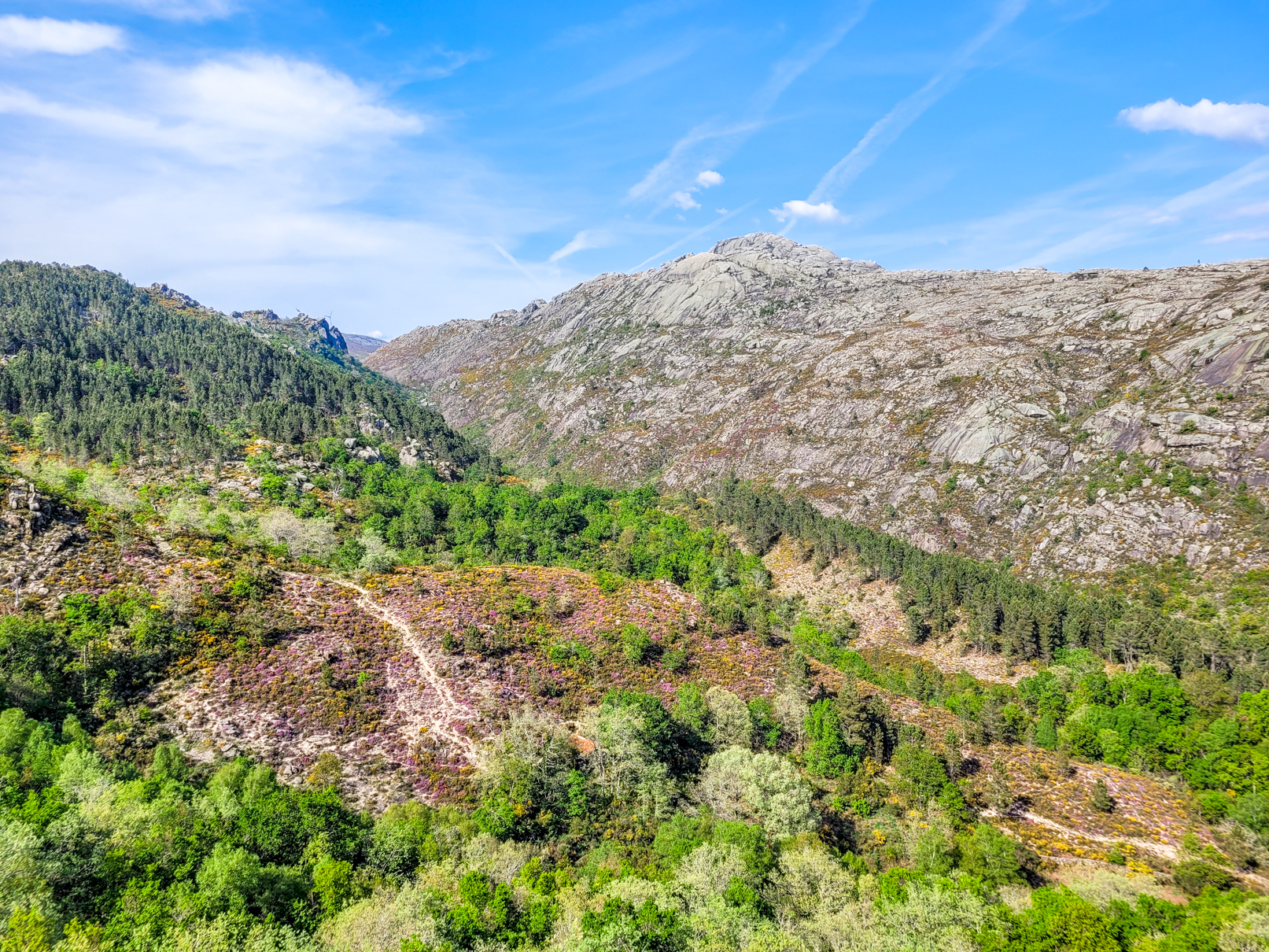
4. Tibo Viewpoint (Miradouro de Tibo)
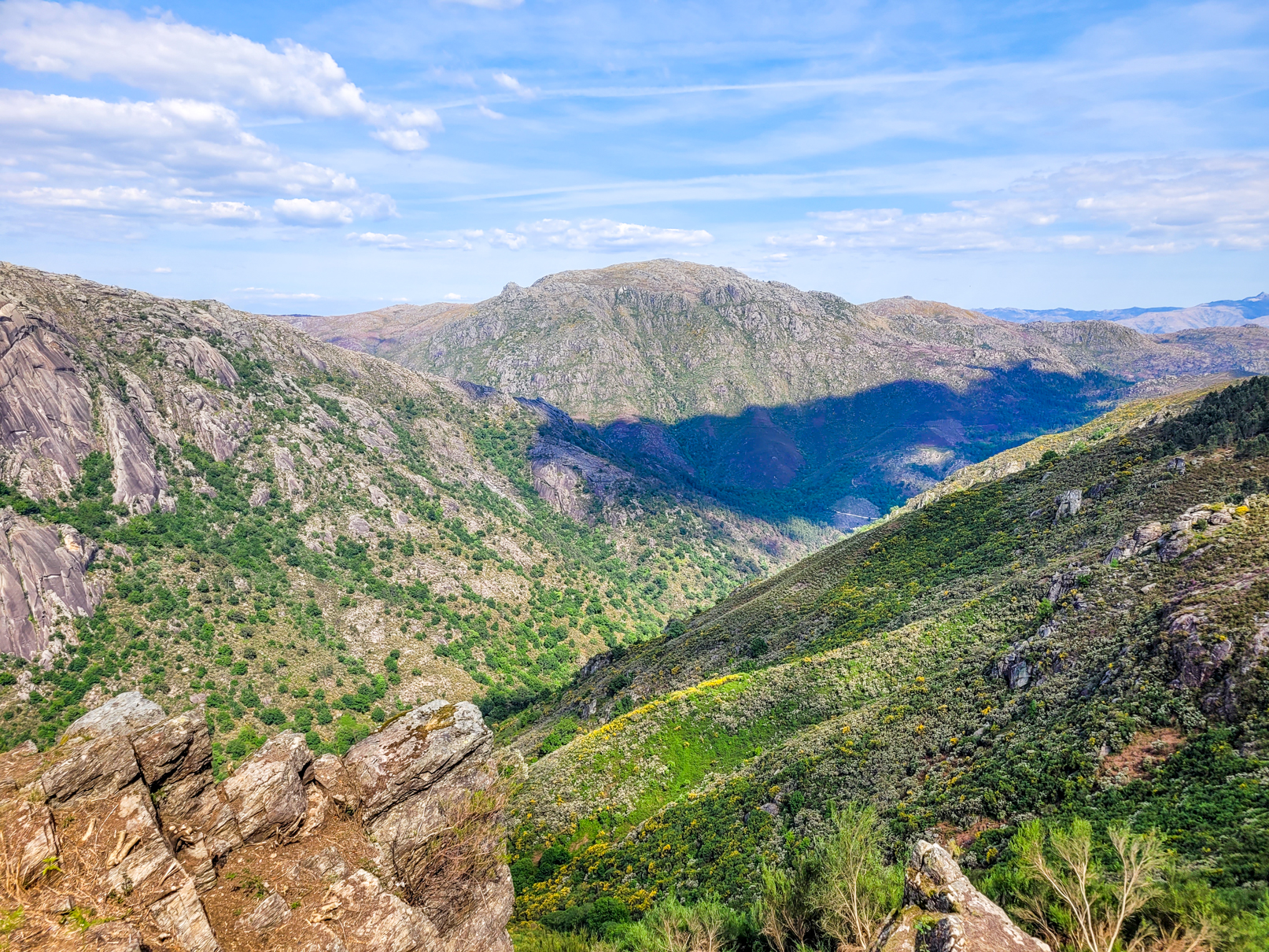
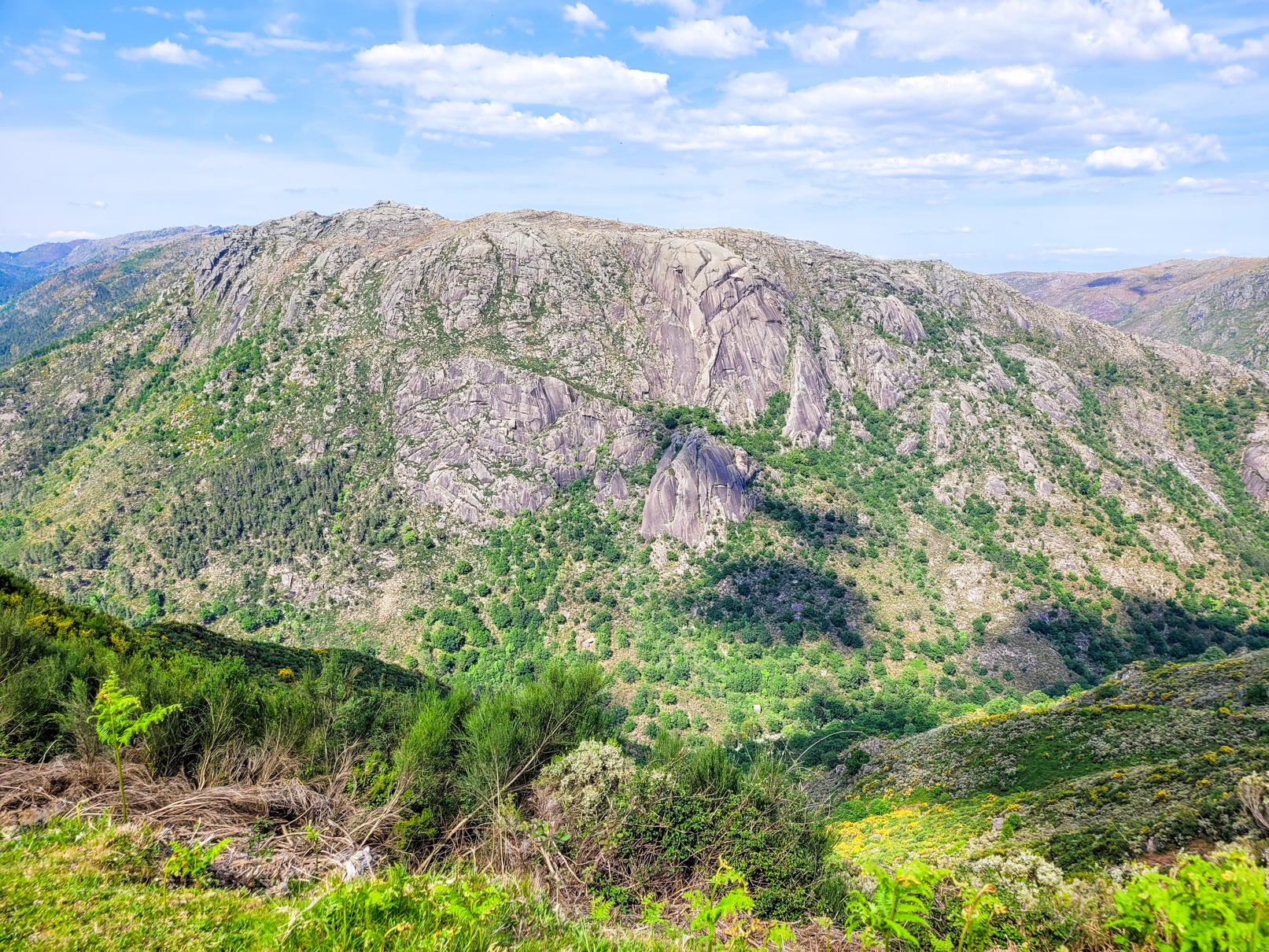
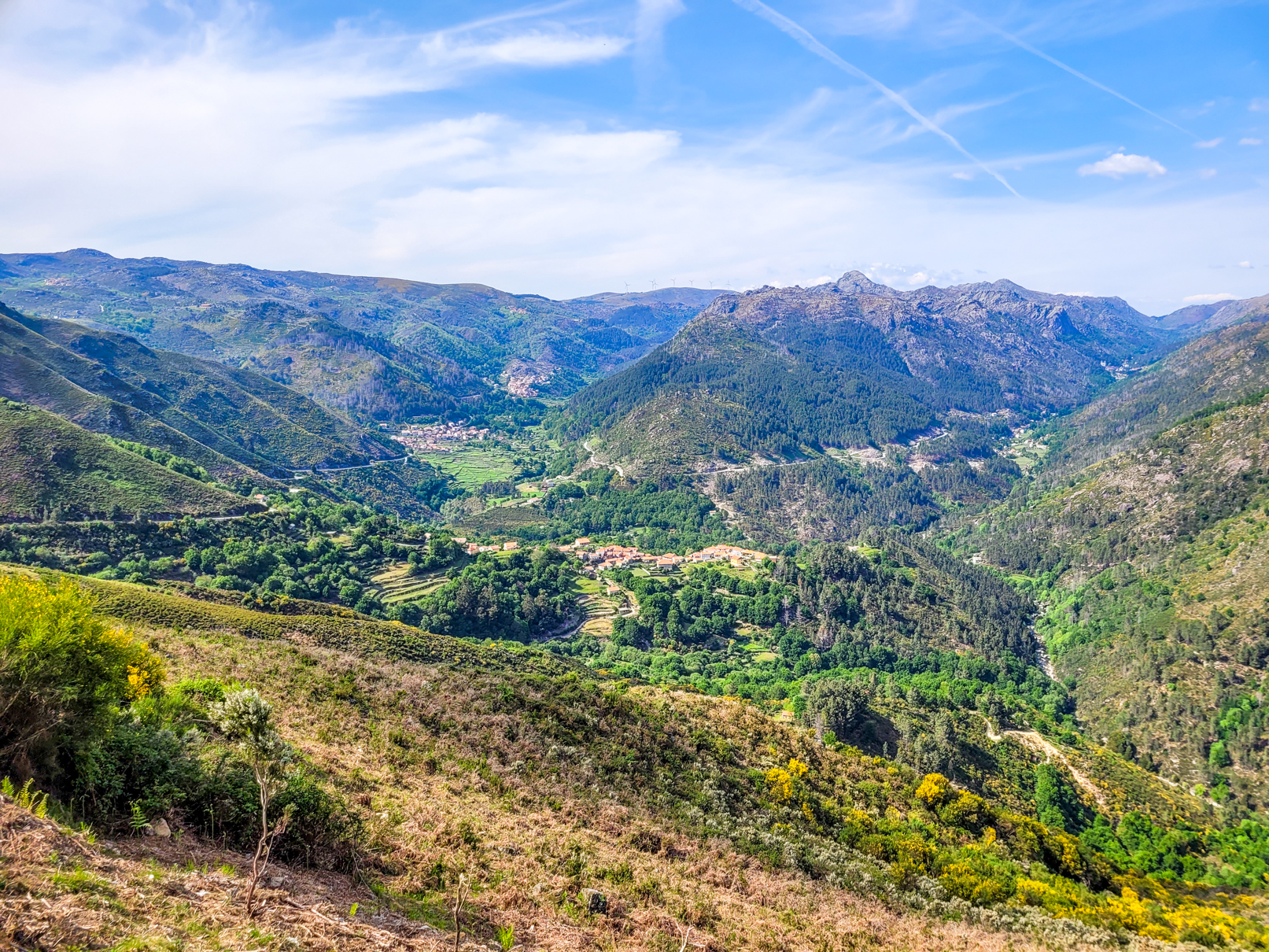
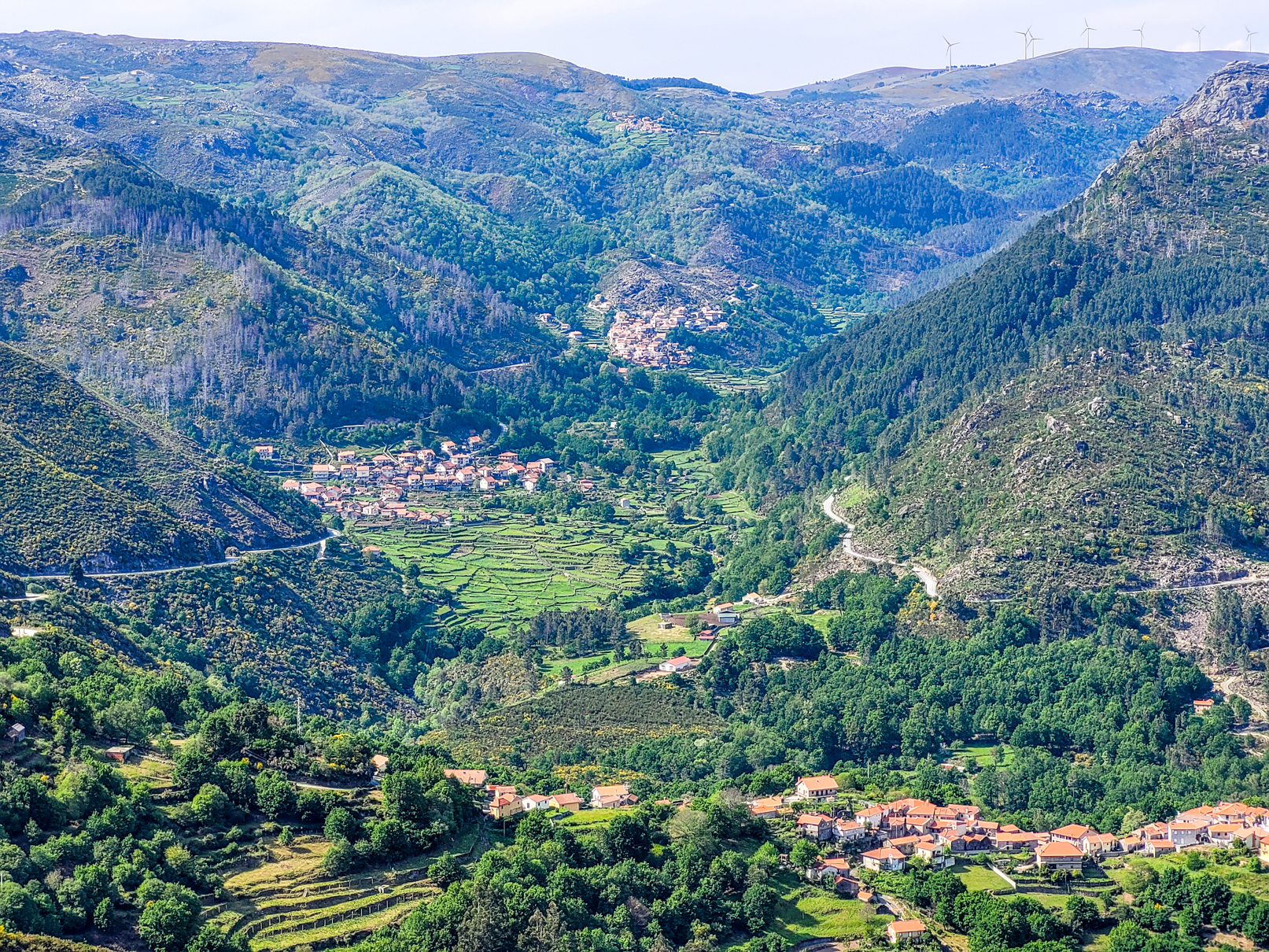
The most impressive viewpoint of all is the Miradouro de Tibo. From here, the panorama is simply magnificent—you can see the Sanctuary of Nossa Senhora da Peneda, the village of Gavieira, and São Bento do Cando all from one spot.
It’s without a doubt one of the most breathtaking viewpoints in the entire Peneda-Gerês National Park, not just in the Soajo and Lindoso area. This is the kind of place where you’ll want to stop, linger, and take in the scenery in complete peace and tranquility.
Did you know?
Tibo is what’s known as an inverneira — a village traditionally inhabited during the winter months, since it sits in a warmer location in this high mountain region. By contrast, São Bento do Cando is a branda, a settlement used for the rest of the year, located on the plateaus where the land was more fertile and provided better pastures for the animals.
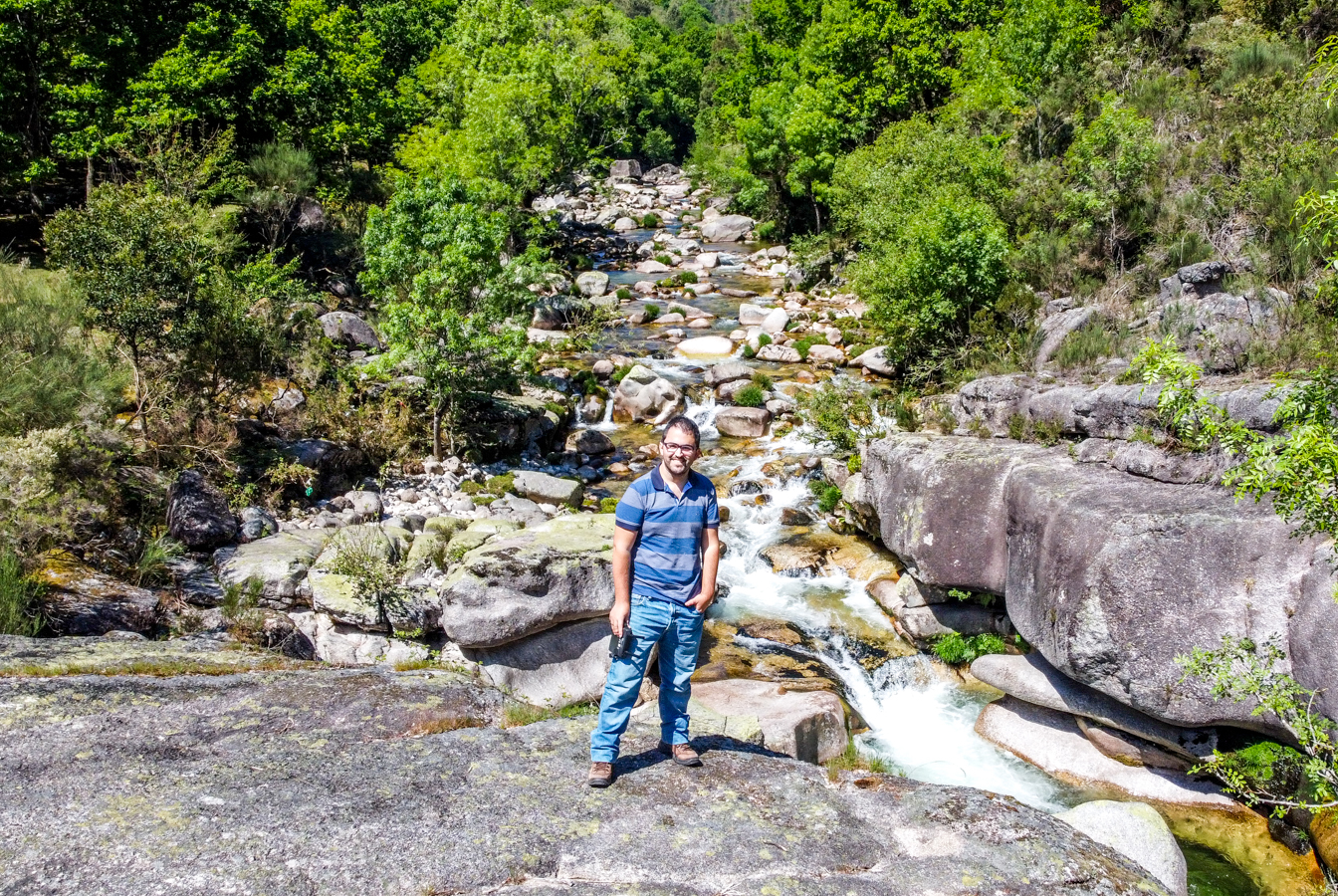
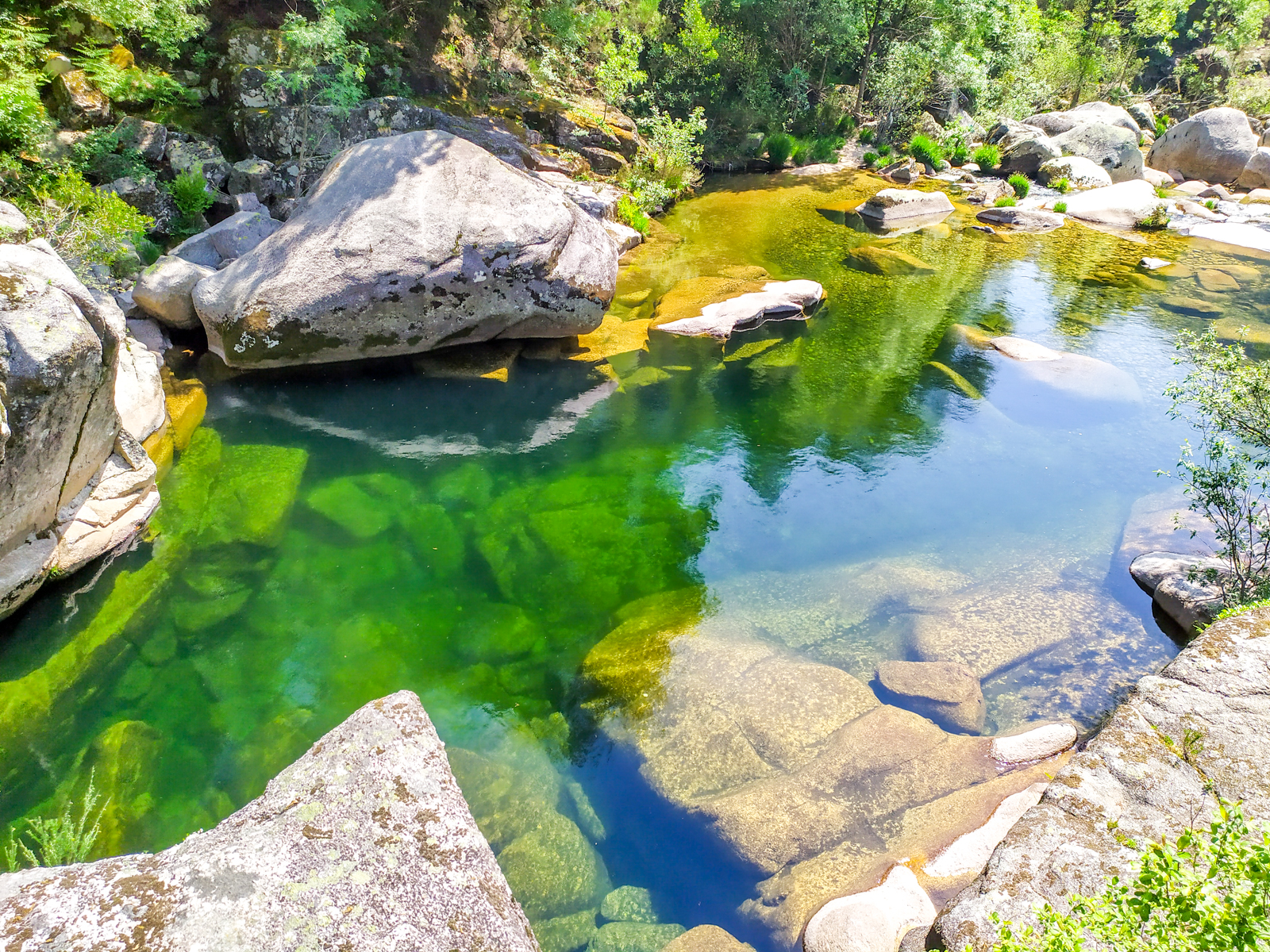
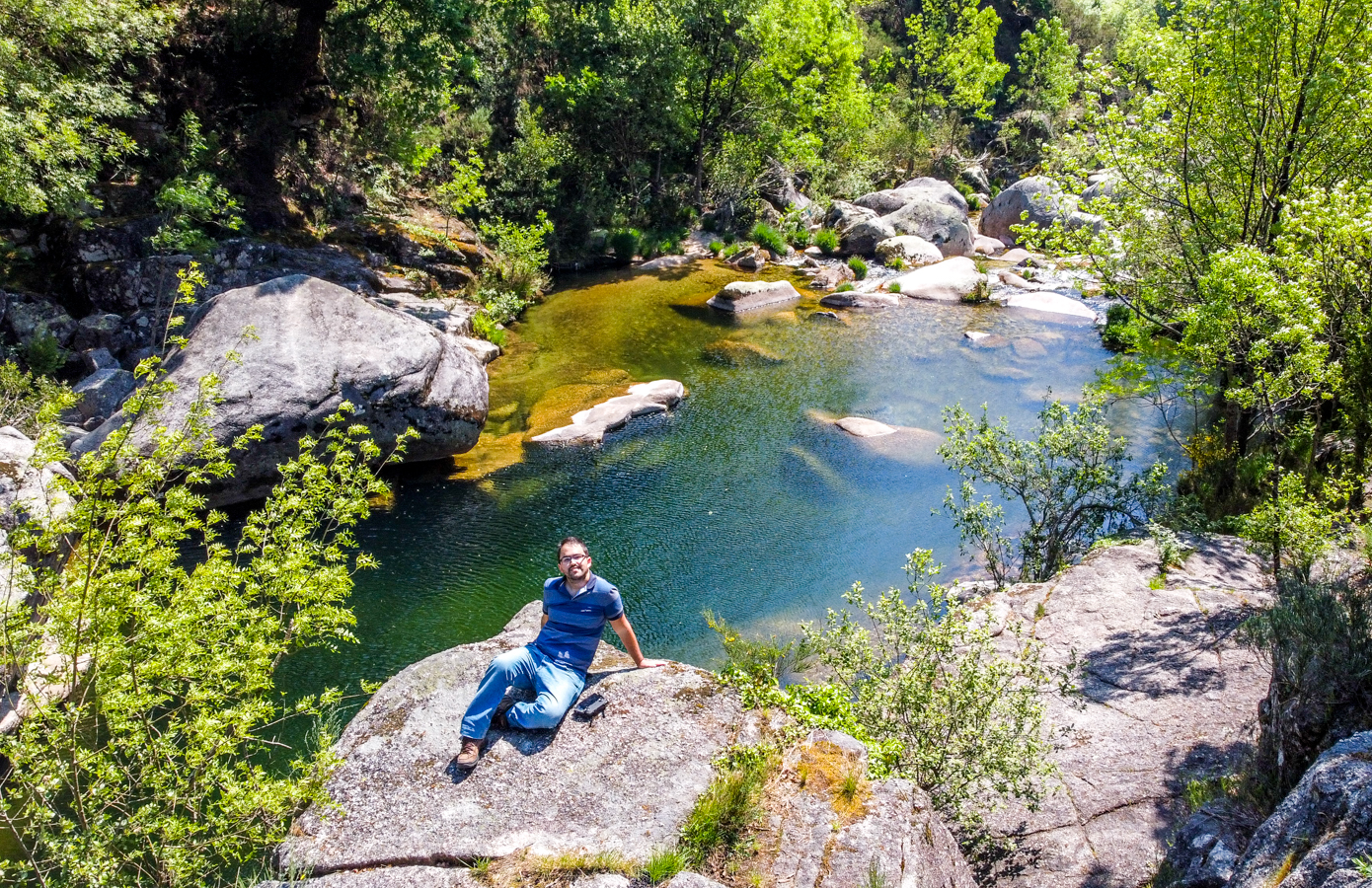
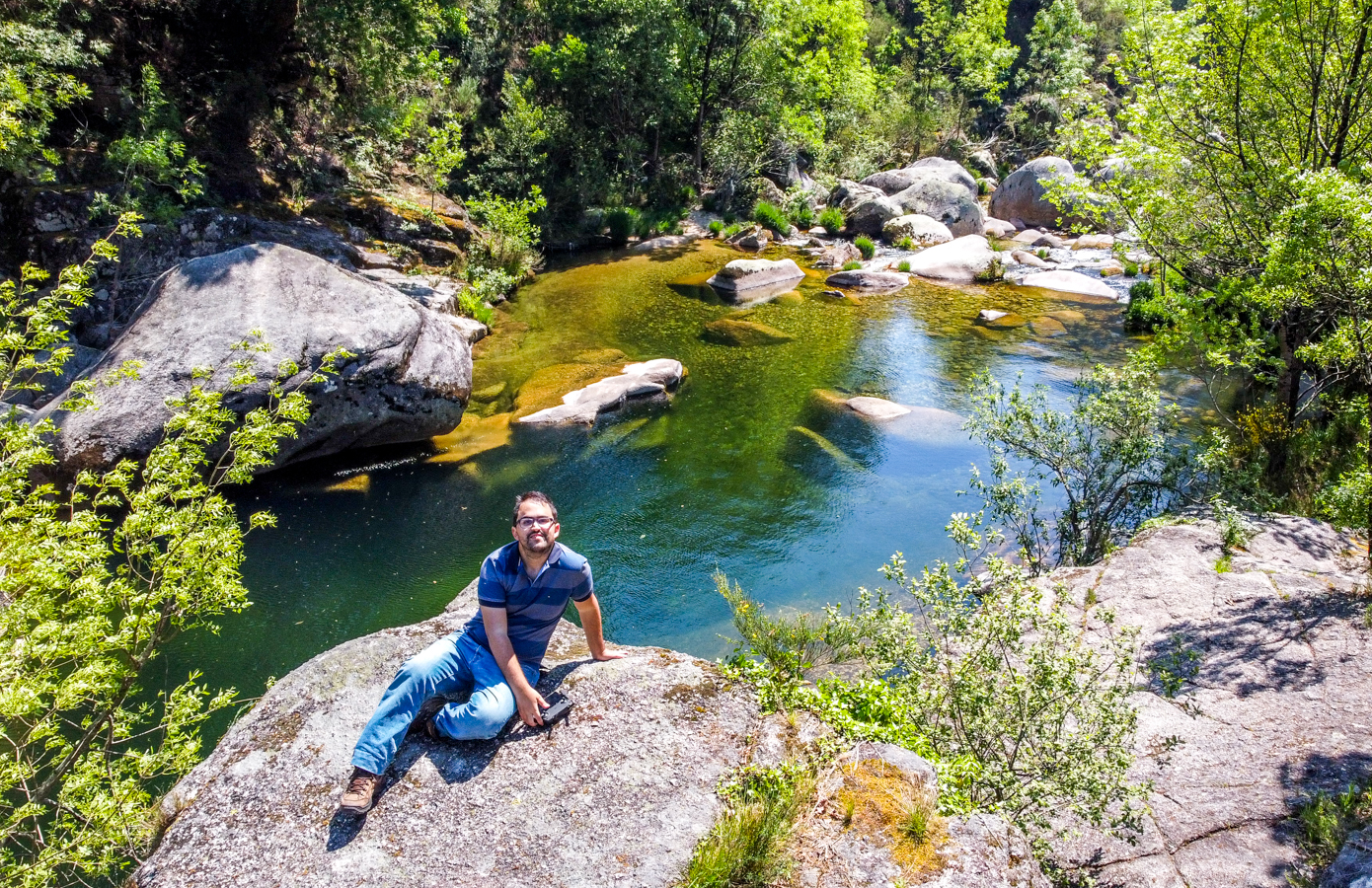
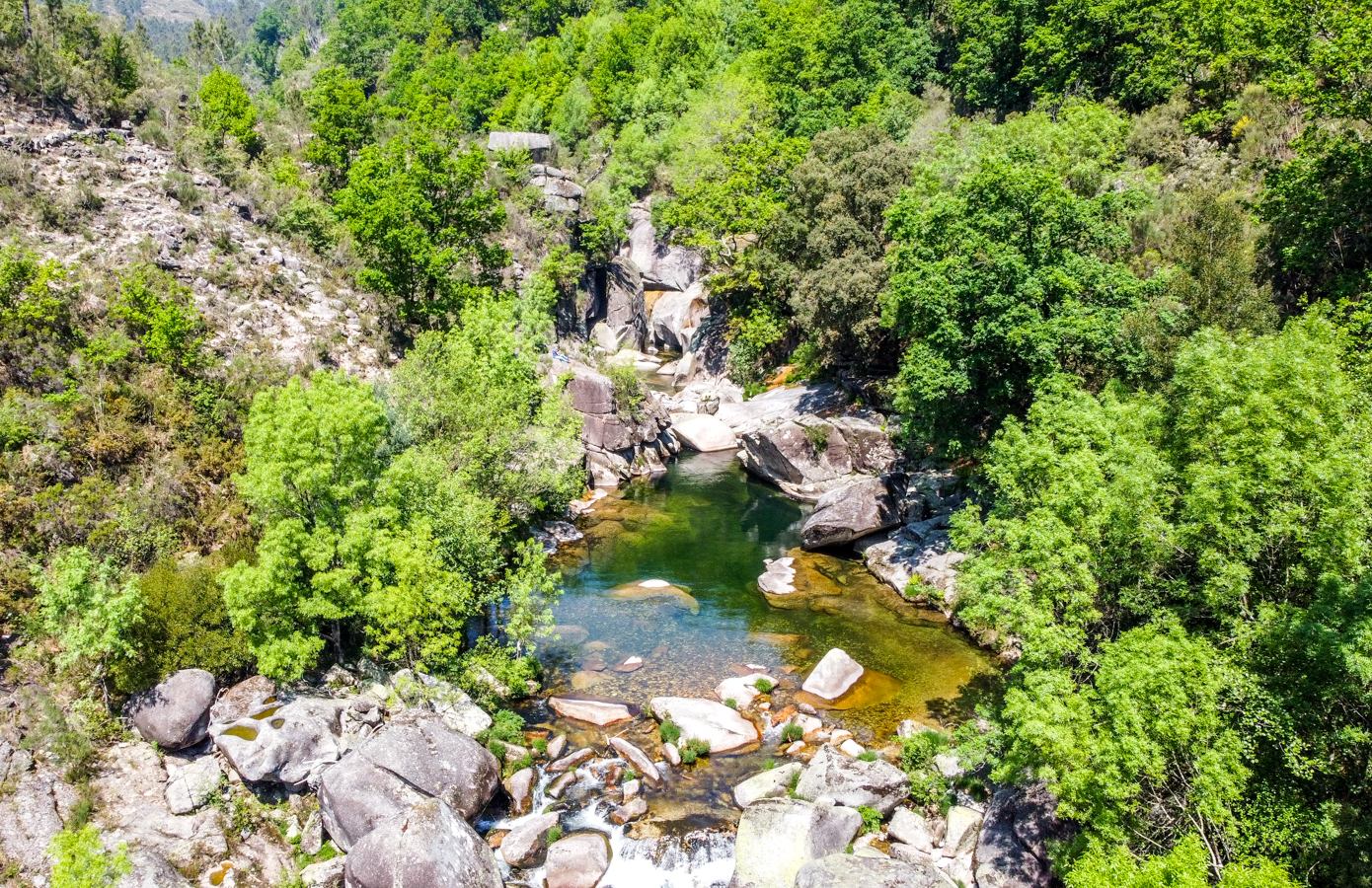
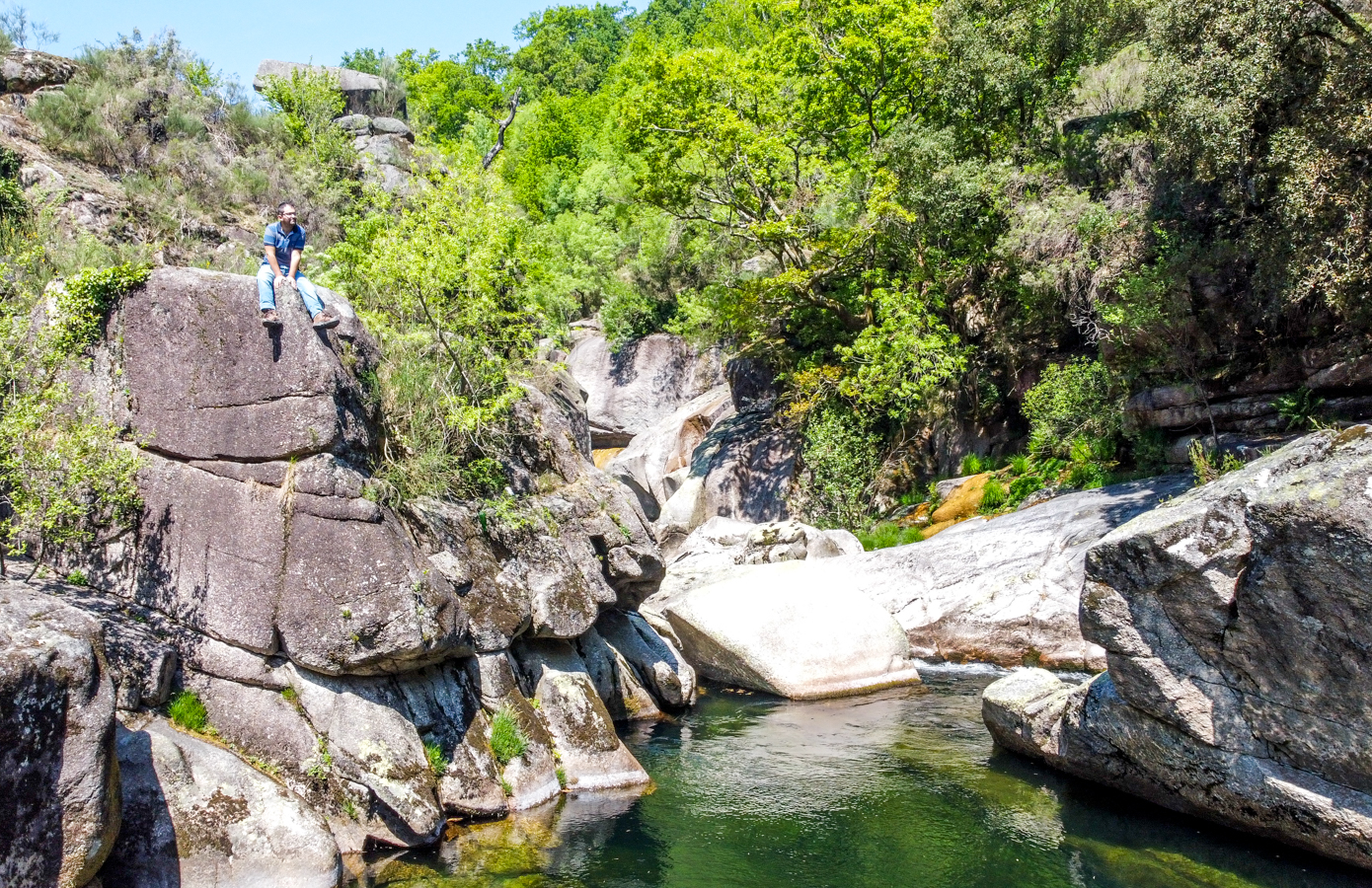
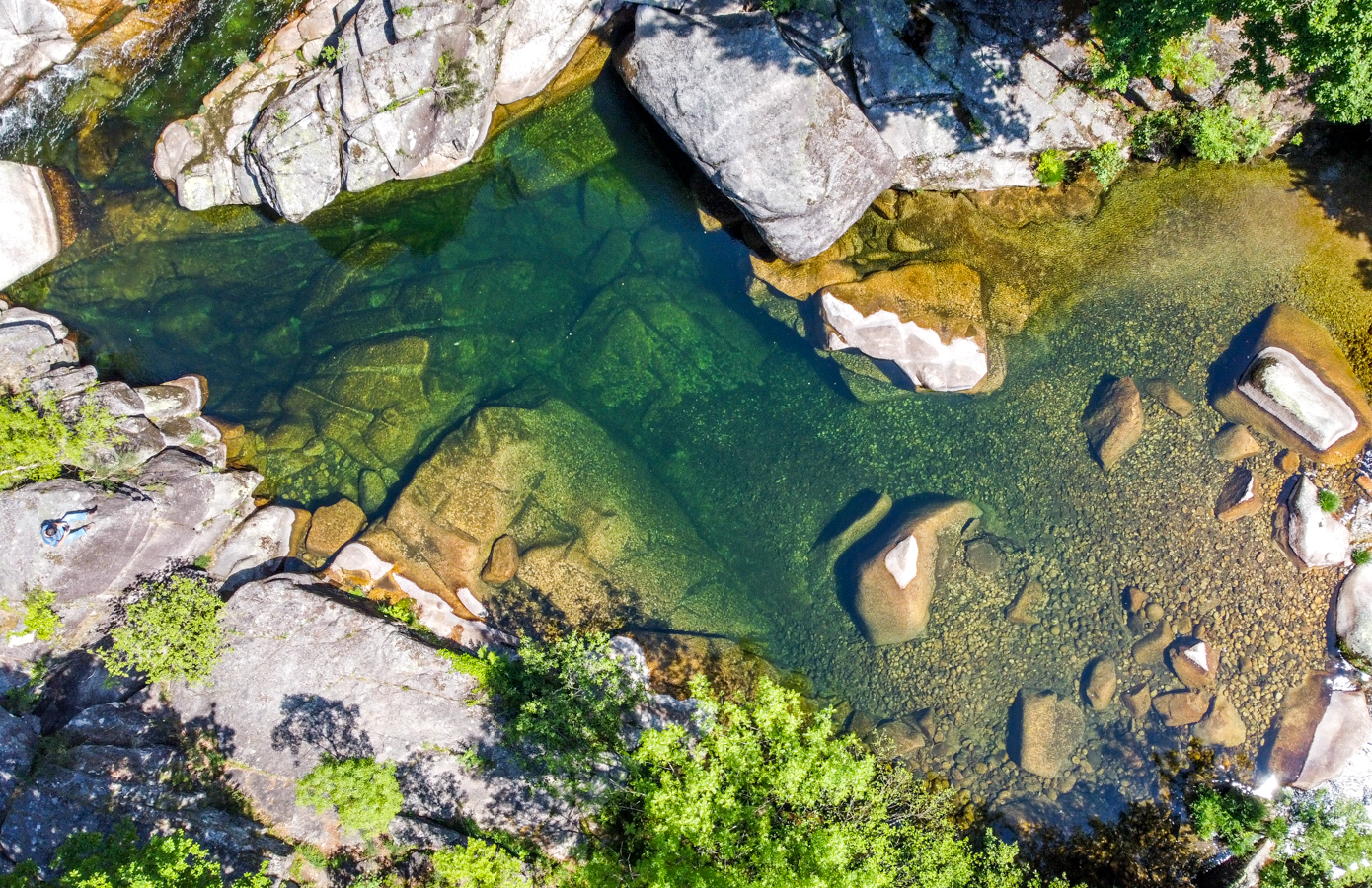
5. Druids’ Lagoon (Lagoa dos Druidas)
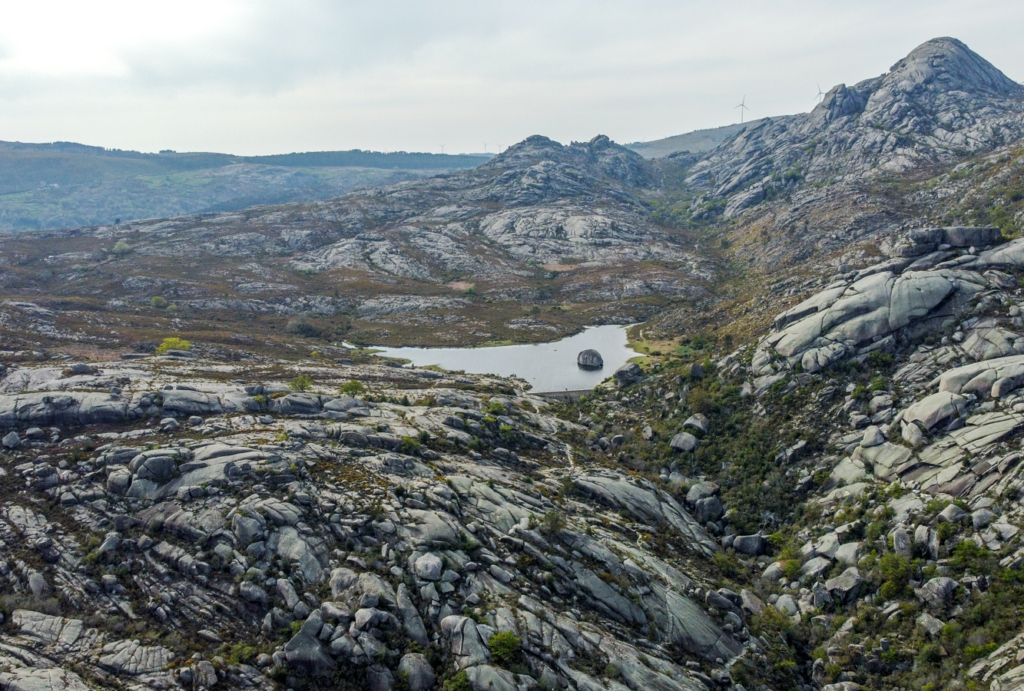
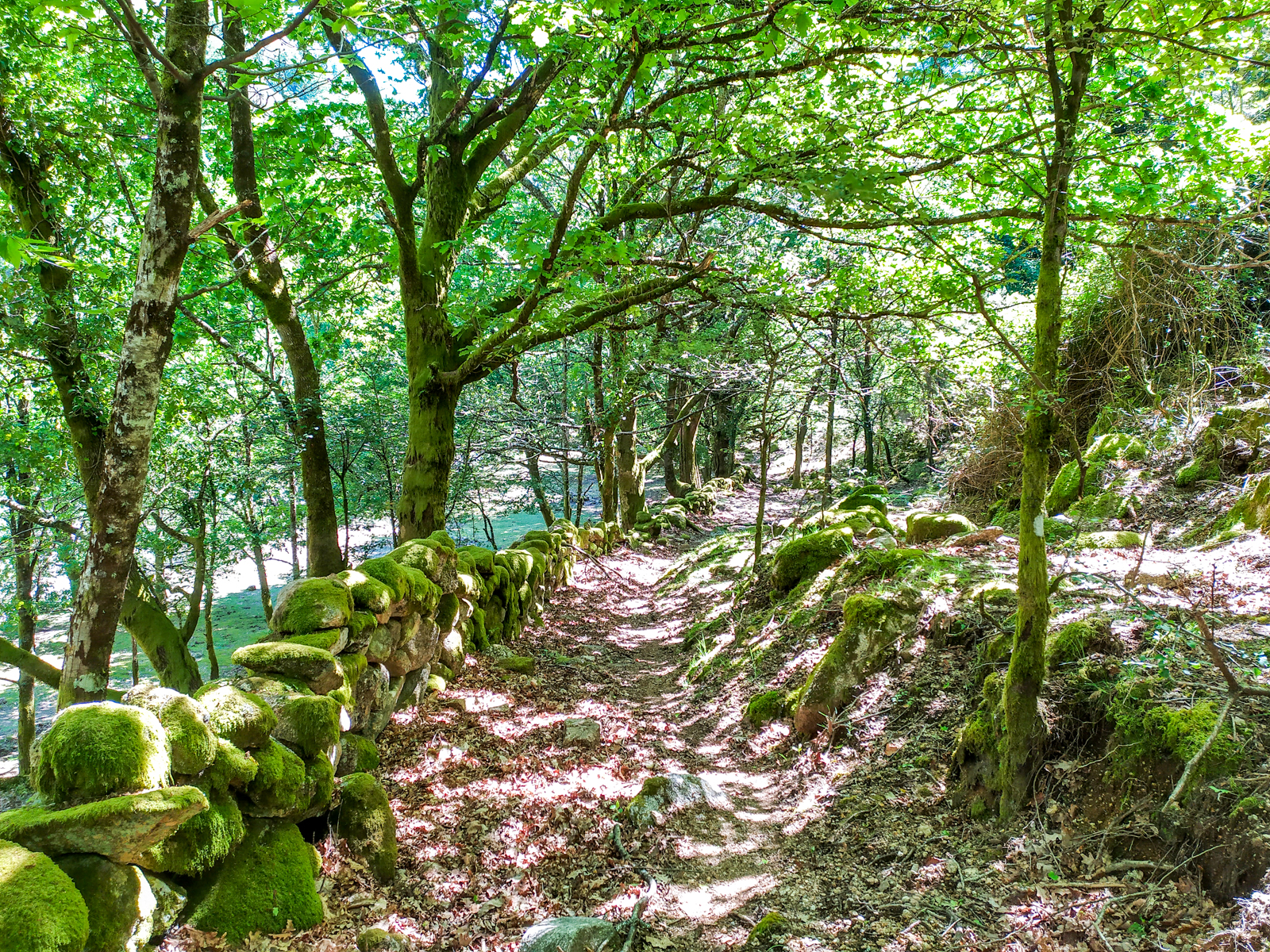
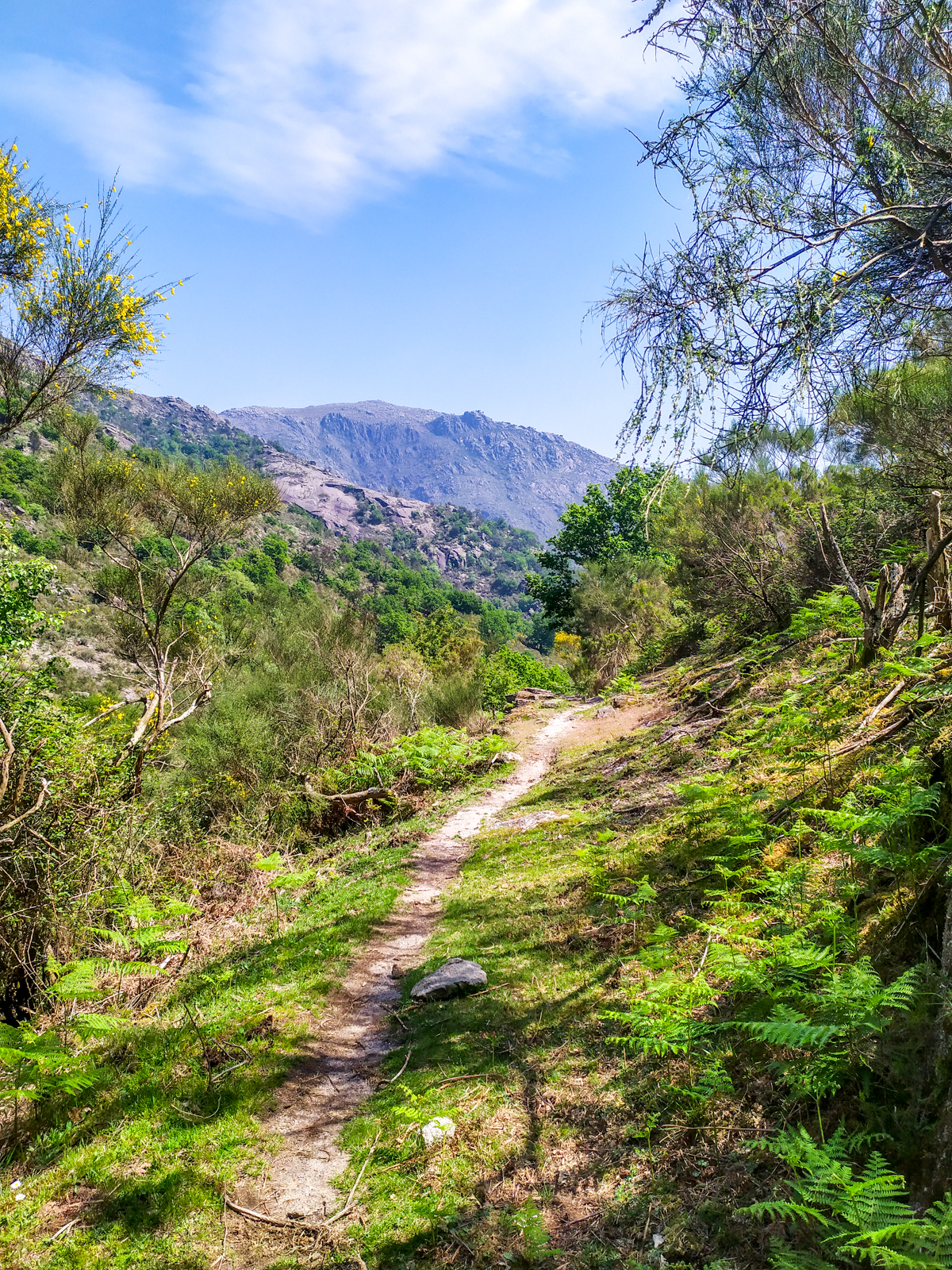
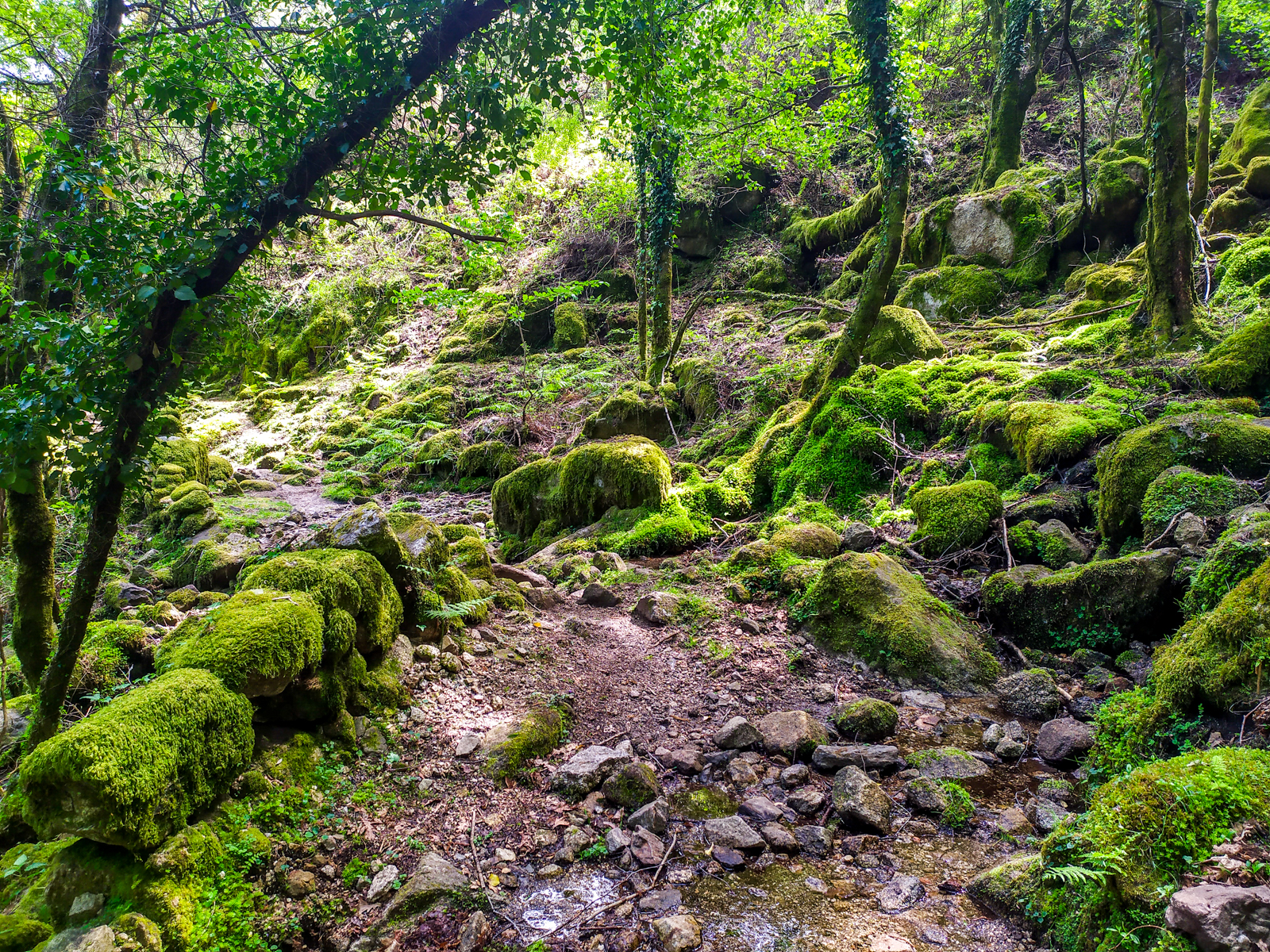
The Lagoa dos Druidas is one of the most remote lagoons mentioned in this guide. To reach it, you’ll need to hike about 5 km round trip, starting and ending in the village of Tibo.
The walk is relatively easy, with just one section where the trail becomes steeper and more slippery due to loose rocks. It’s nothing unmanageable—just proceed carefully, and you’ll be fine.
For safety and a smoother experience, I recommend following the route in the Wikiloc suggestion I’ve linked below, as the direction it proposes makes the tricky section easier to handle.
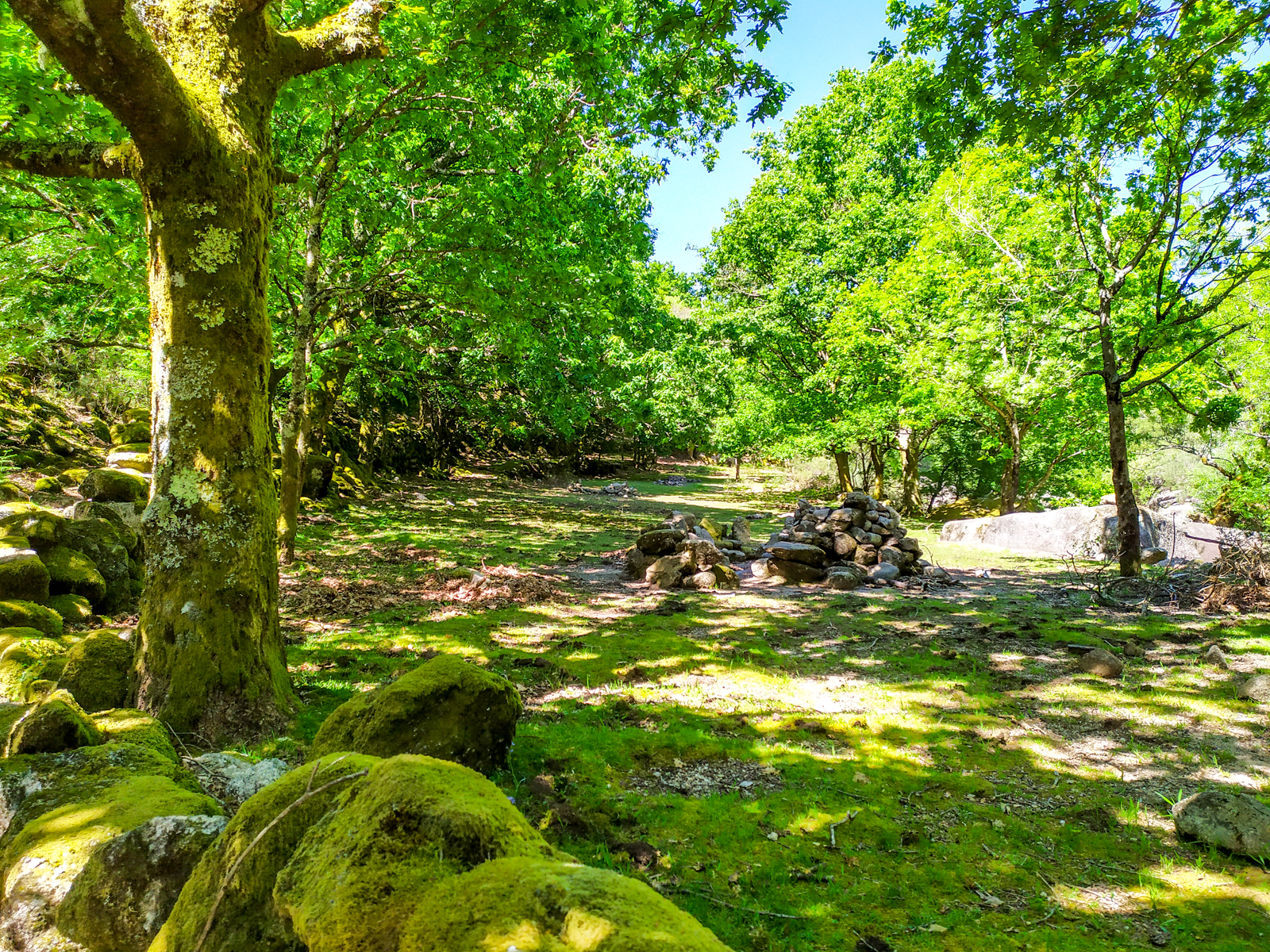
By the Peneda River, you’ll find a green, shaded area that looked like it might be used for camping. Even if you’re not camping, it’s a pleasant spot for a picnic, although keep in mind that the lagoon itself is still a few hundred meters further ahead.
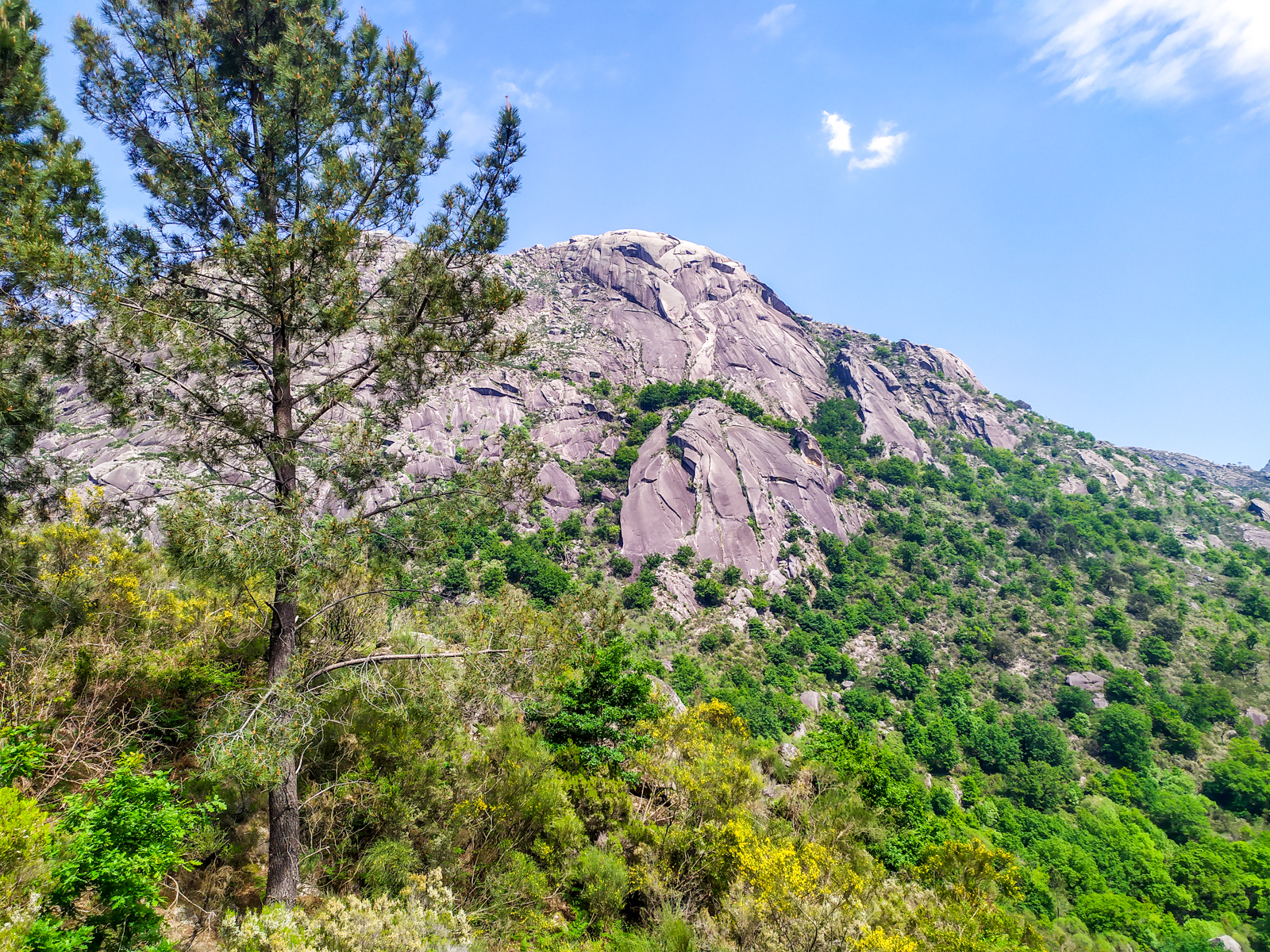
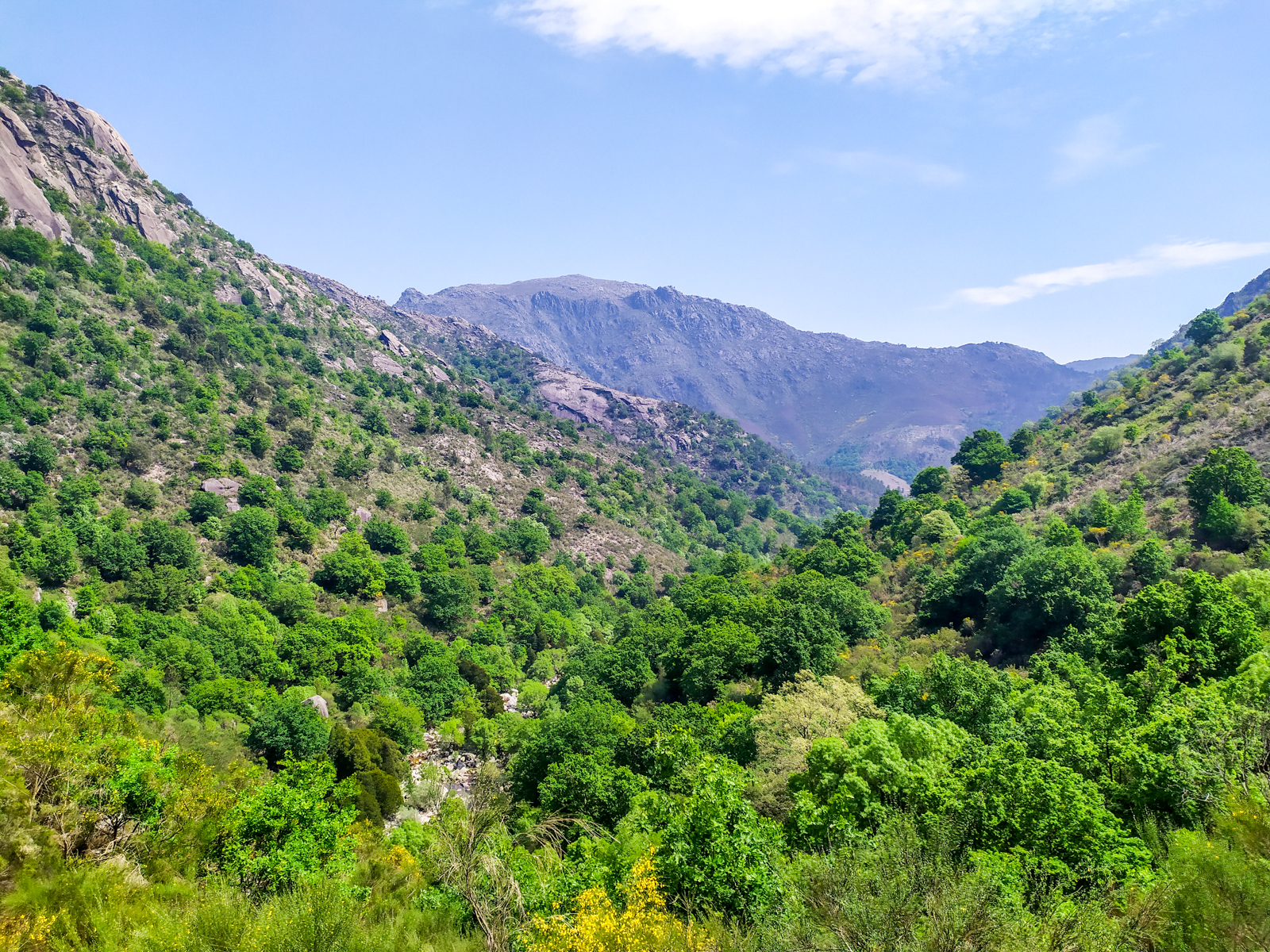
The Druids’ Lagoon Trail is actually part of an official route in Arcos de Valdevez called the Trilho da Mistura das Águas (Trail of the Mixture of Waters). This longer hike starts and ends at the Sanctuary of Nossa Senhora da Peneda, passing by the confluence where the Peneda River meets the Laboreiro River—a symbolic place where the “waters mix.” 😉

Stage 4 | Visit Lindoso
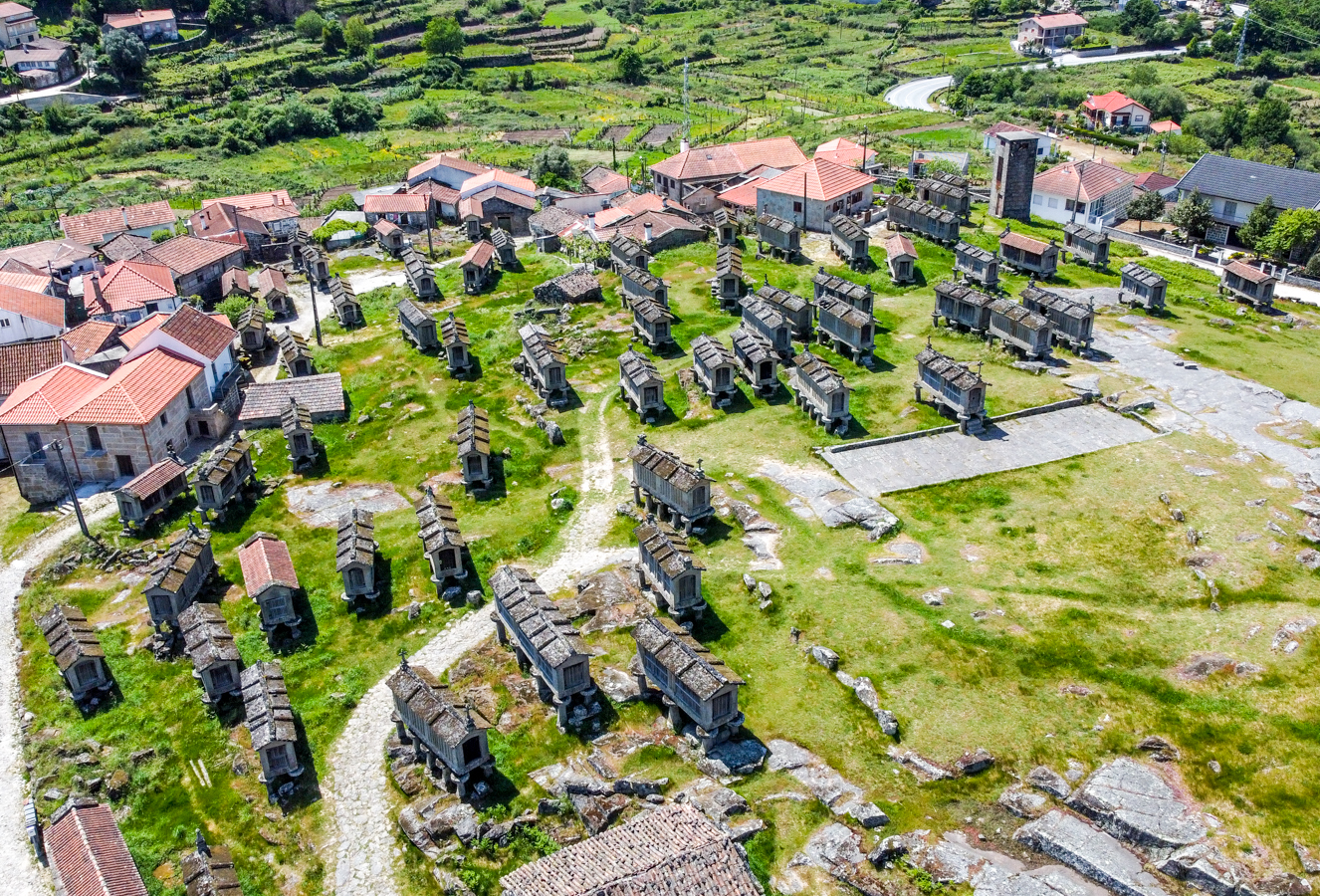
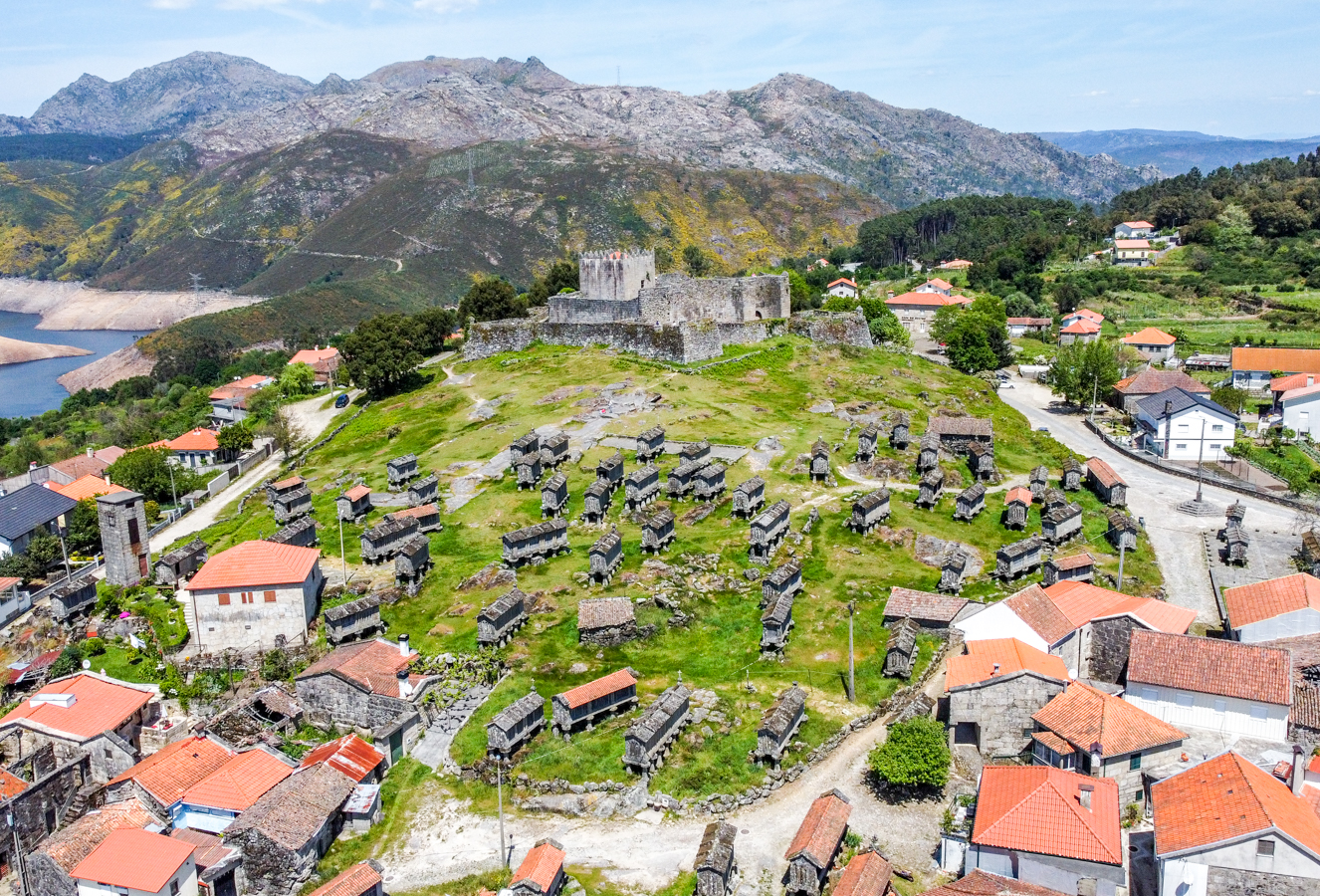
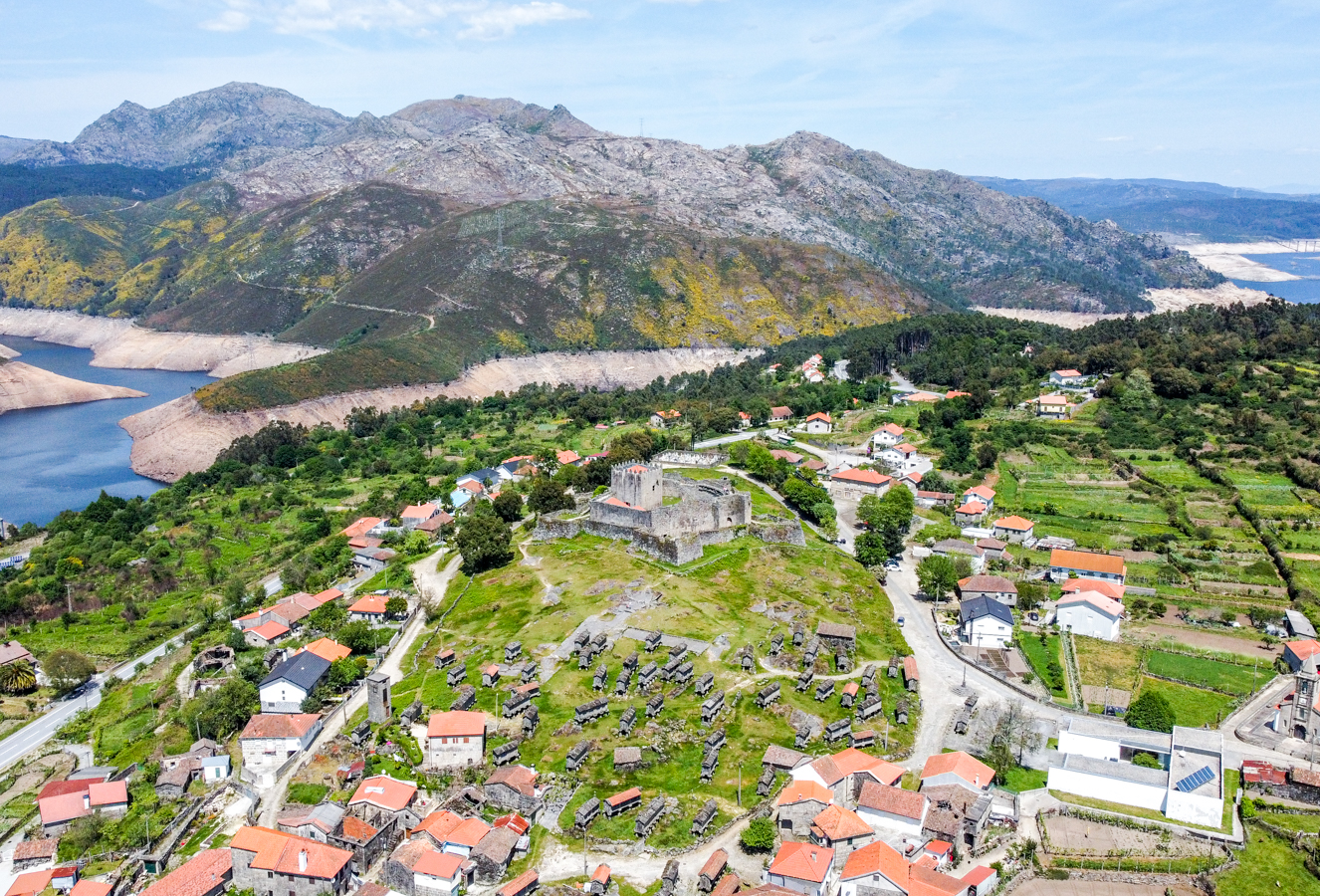
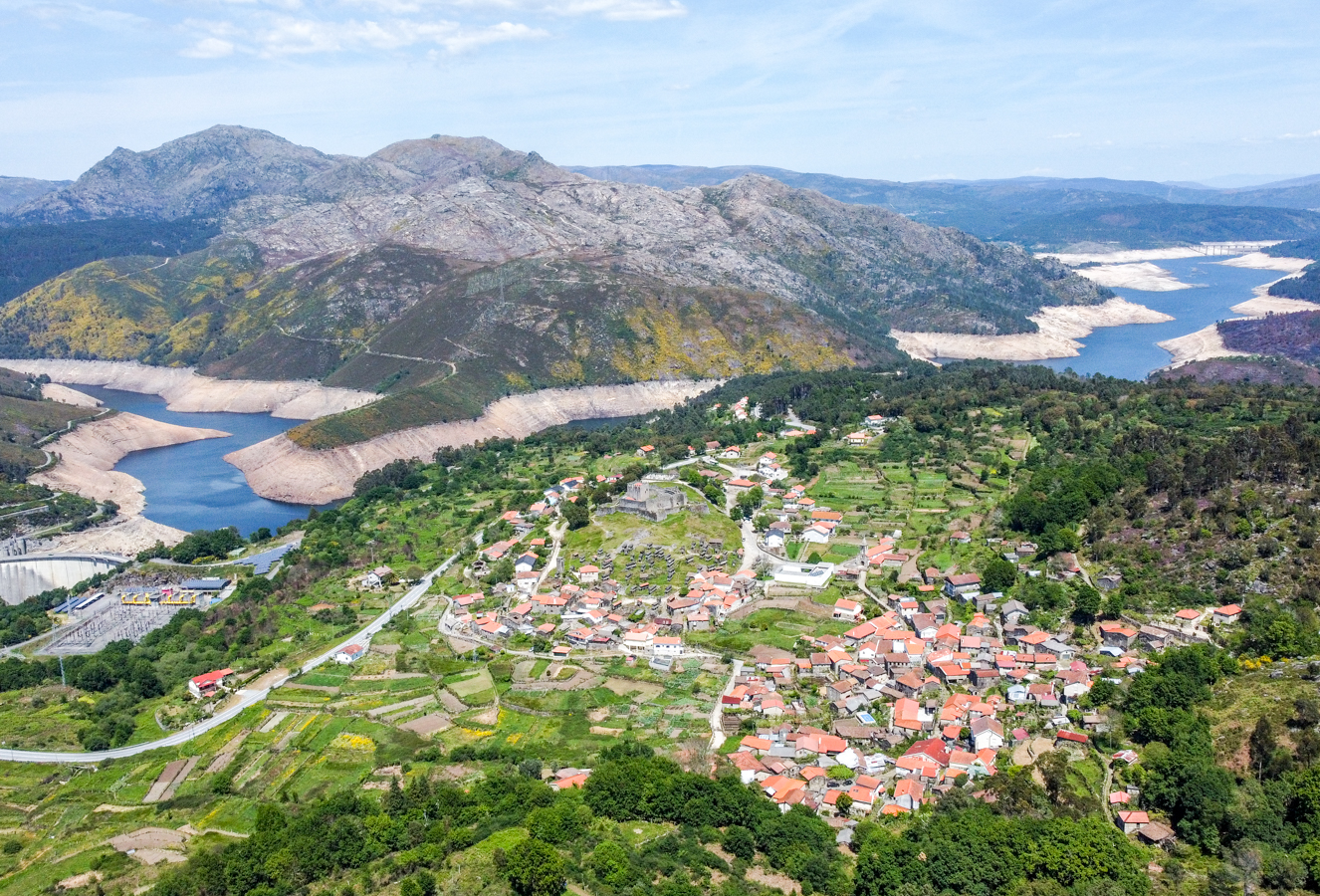
Lindoso is home to an impressive threshing ground of stone granaries (espigueiros), standing right beside its medieval castle. It also serves as one of the main gateways into the Peneda-Gerês National Park from the municipality of Ponte da Barca.
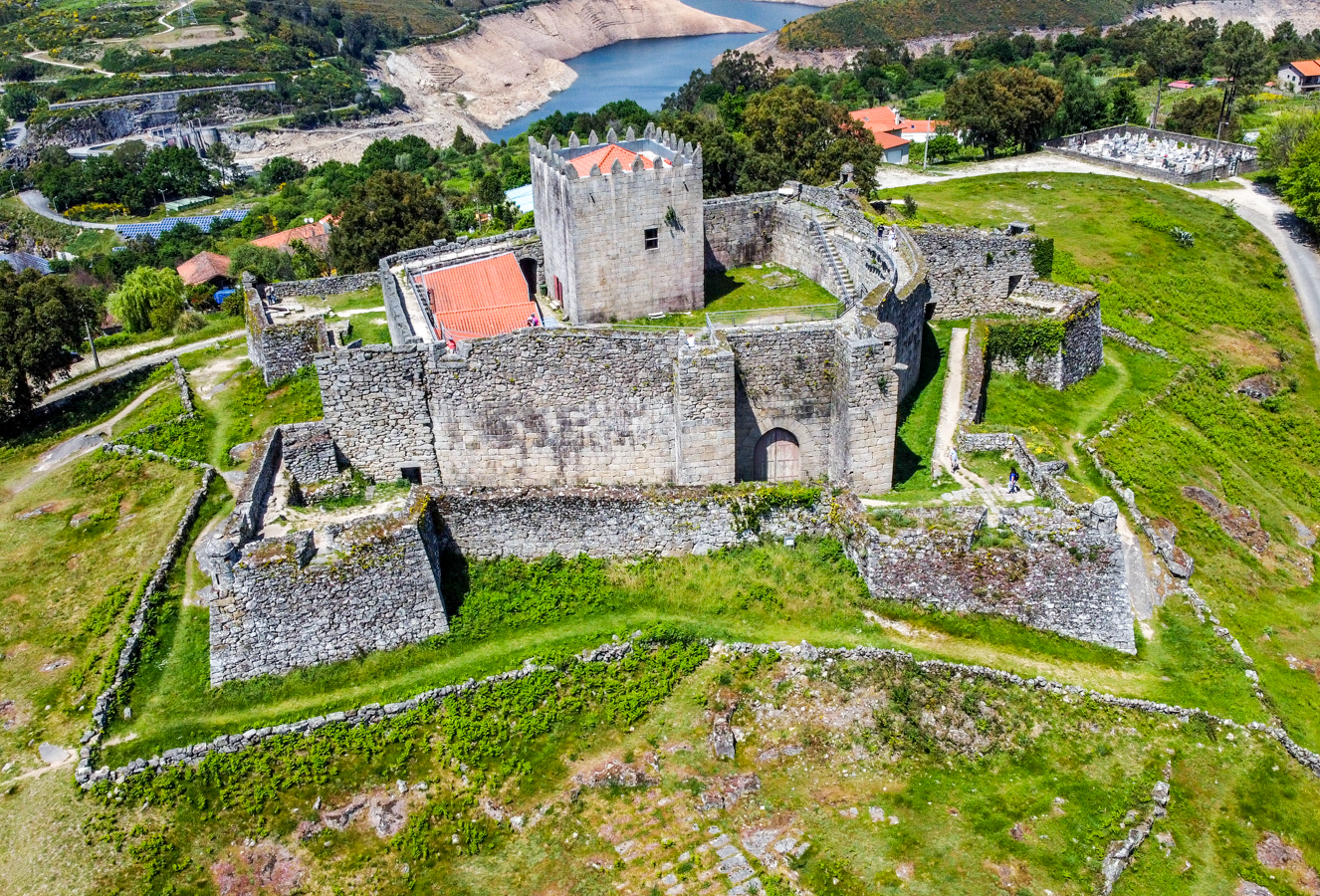
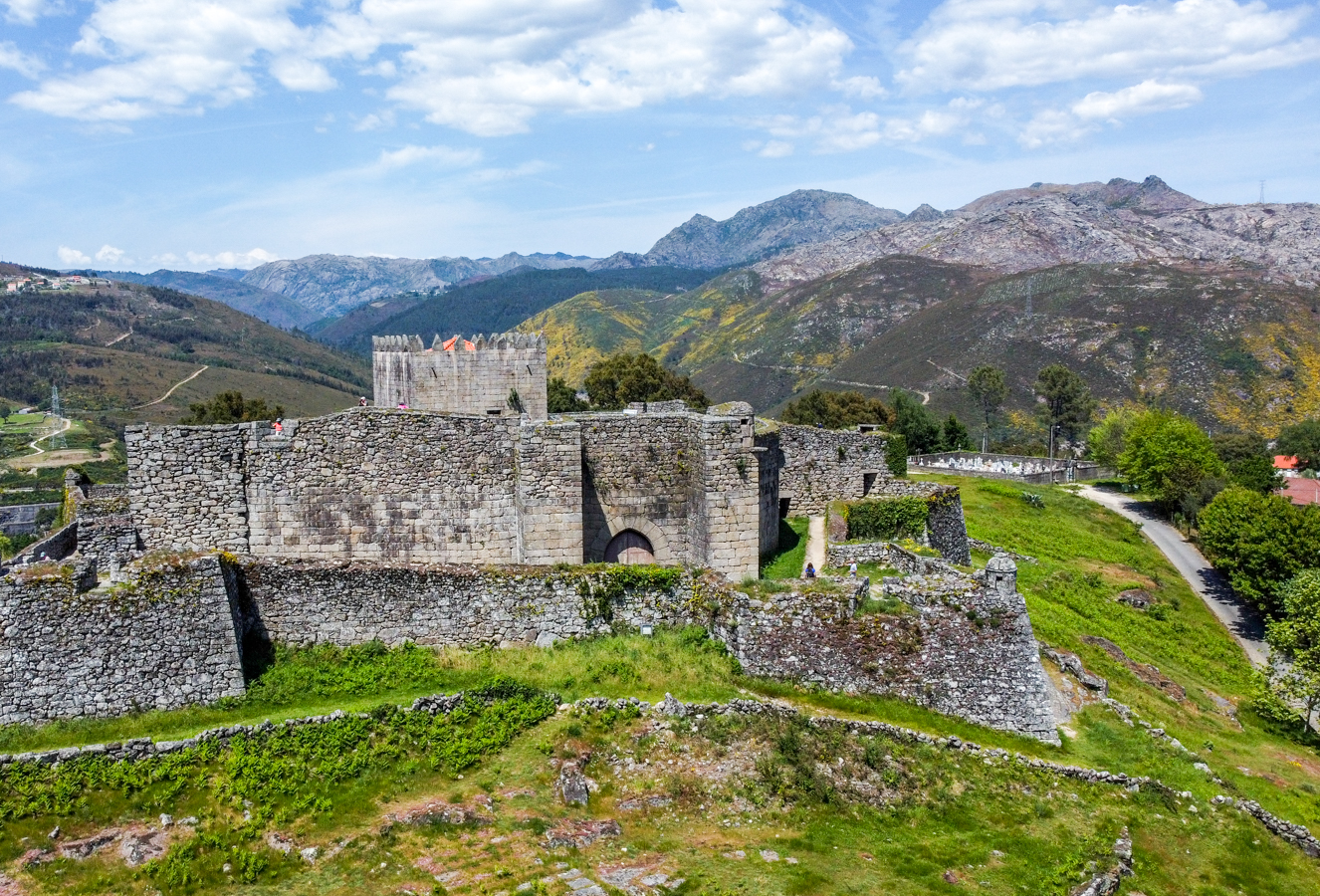
1. Lindoso Castle (Castelo de Lindoso)
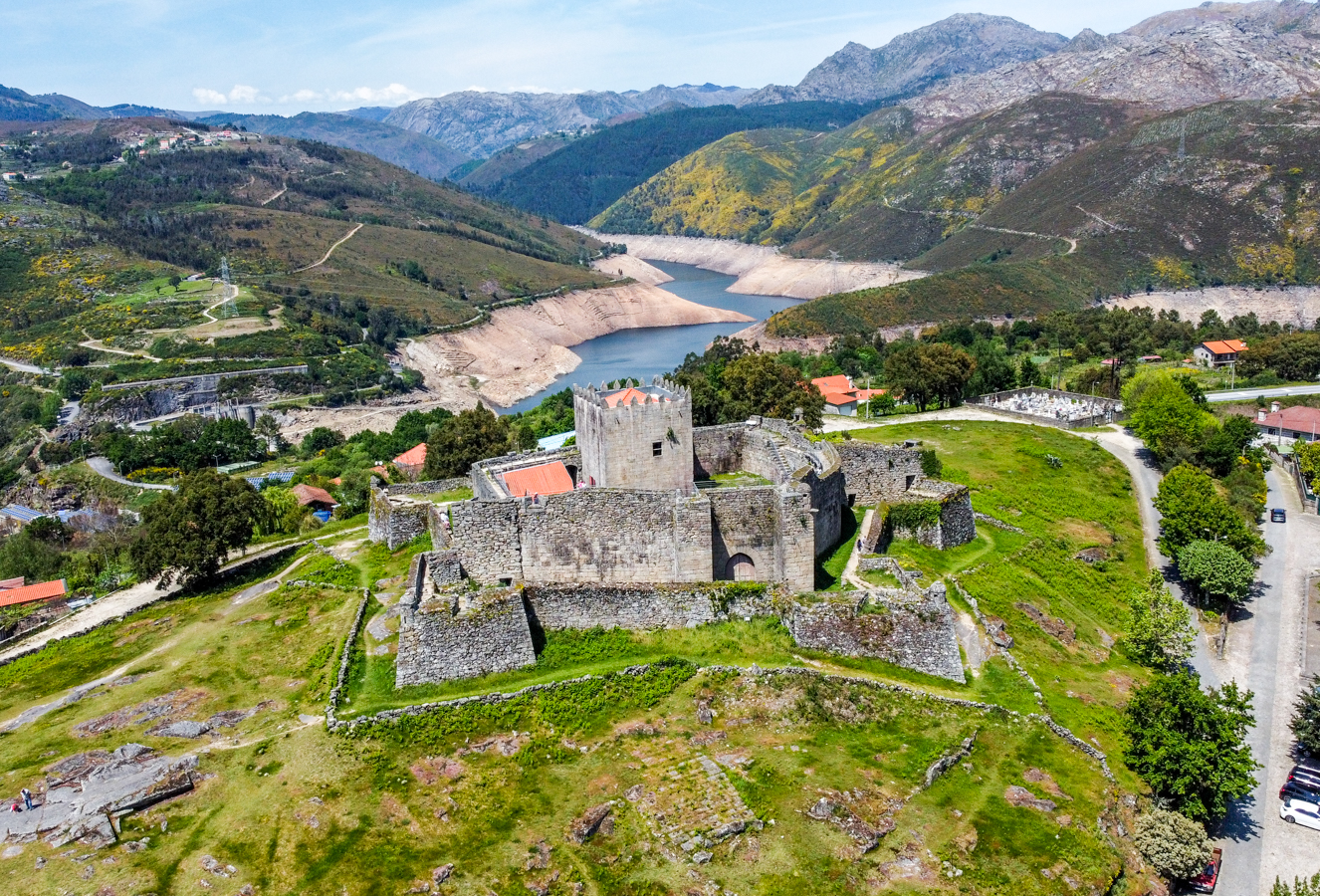
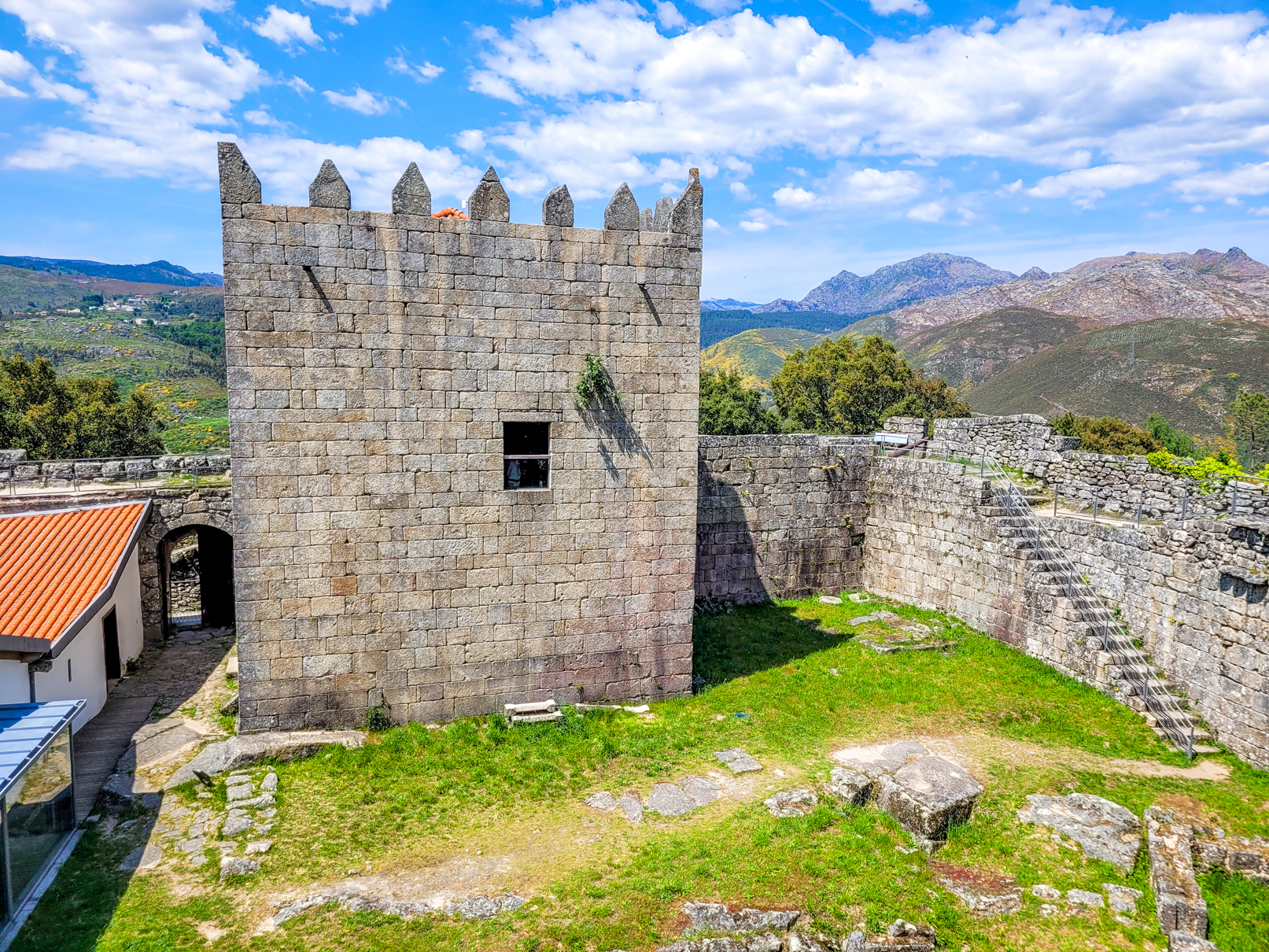
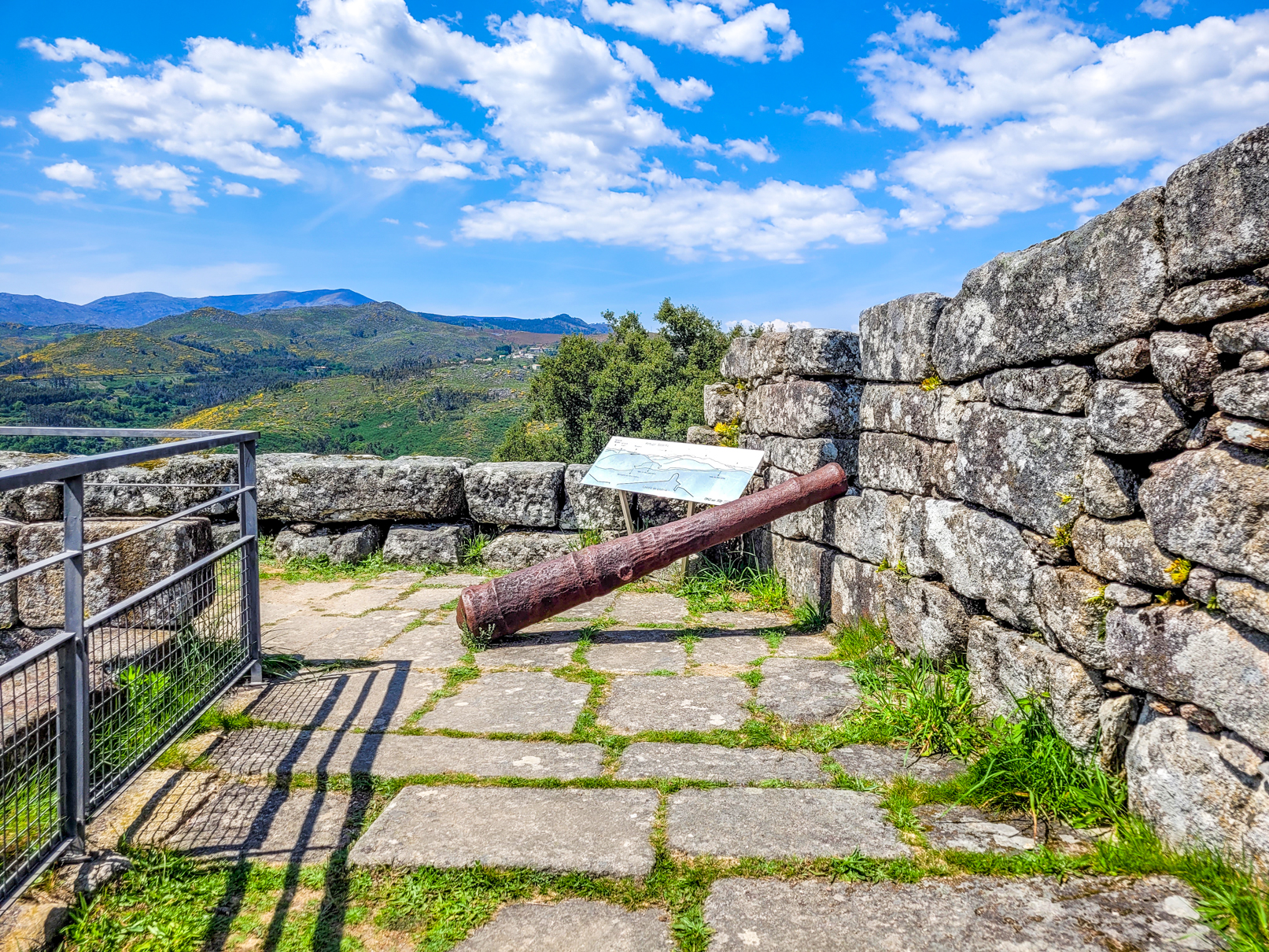
The Castle of Lindoso was originally founded in the 13th century by King Afonso III, later restored by King Dinis, and reinforced in the 17th century. Strategically located on the border with Spain, it played a vital role in many historic battles.
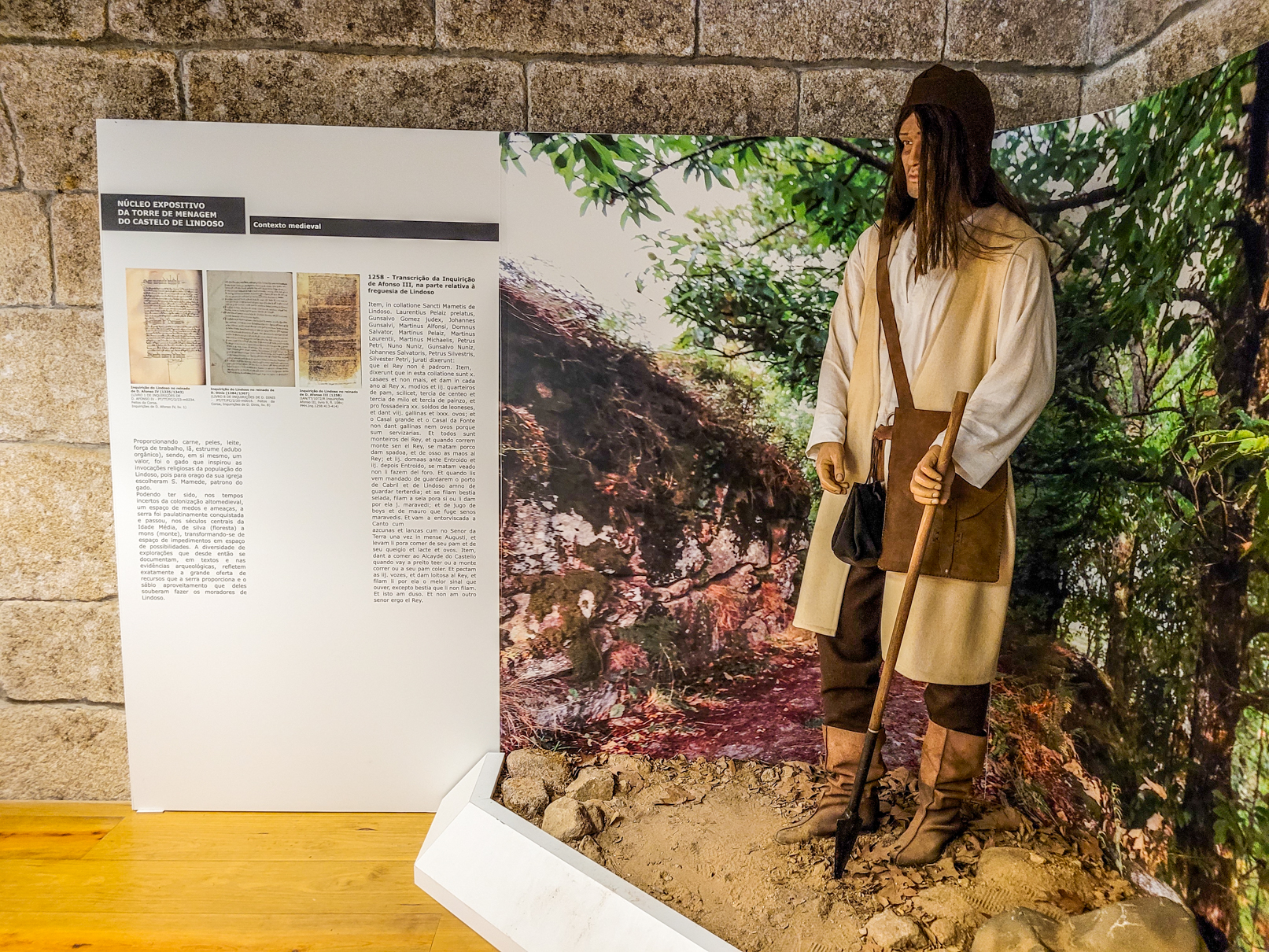
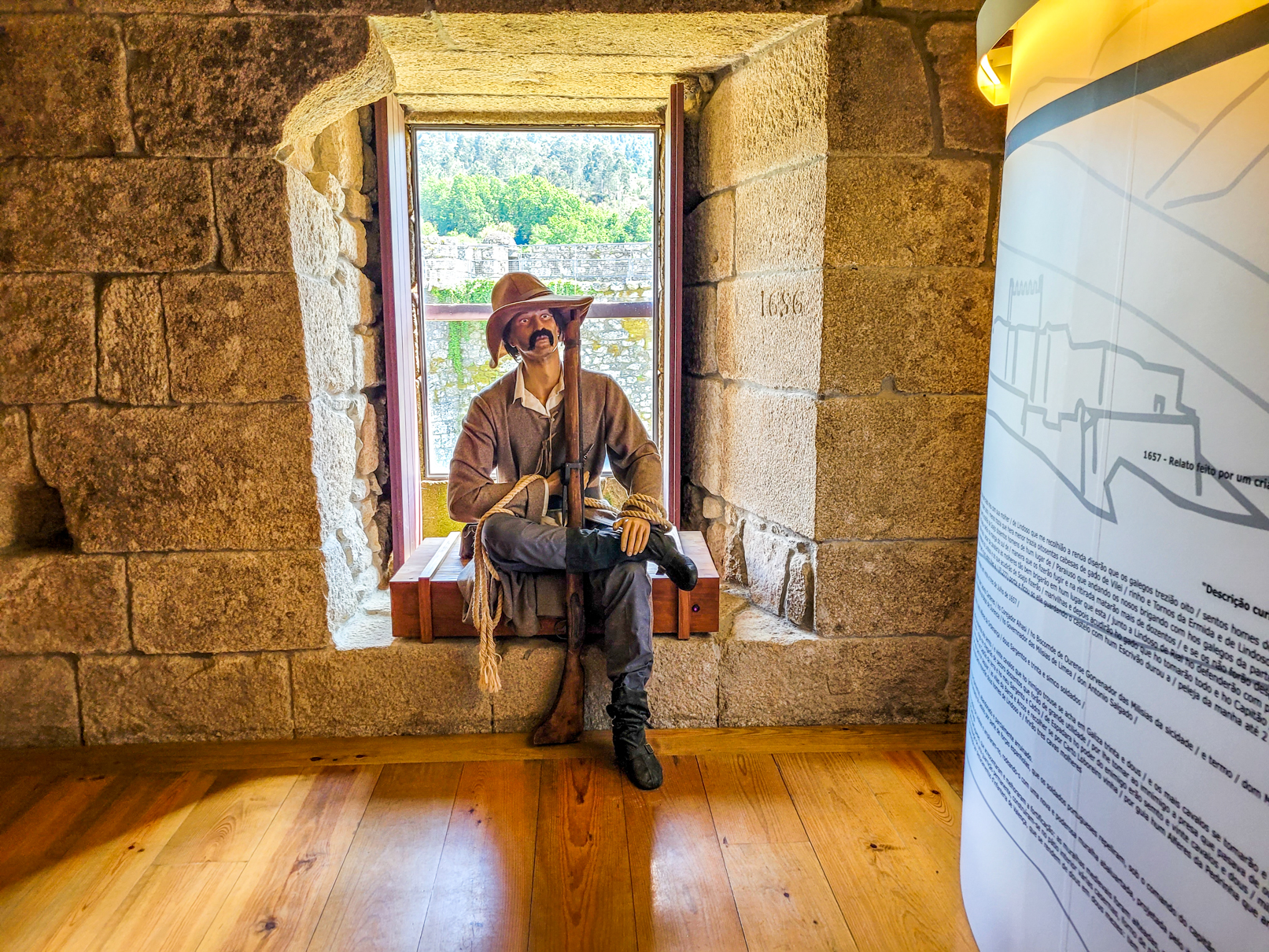
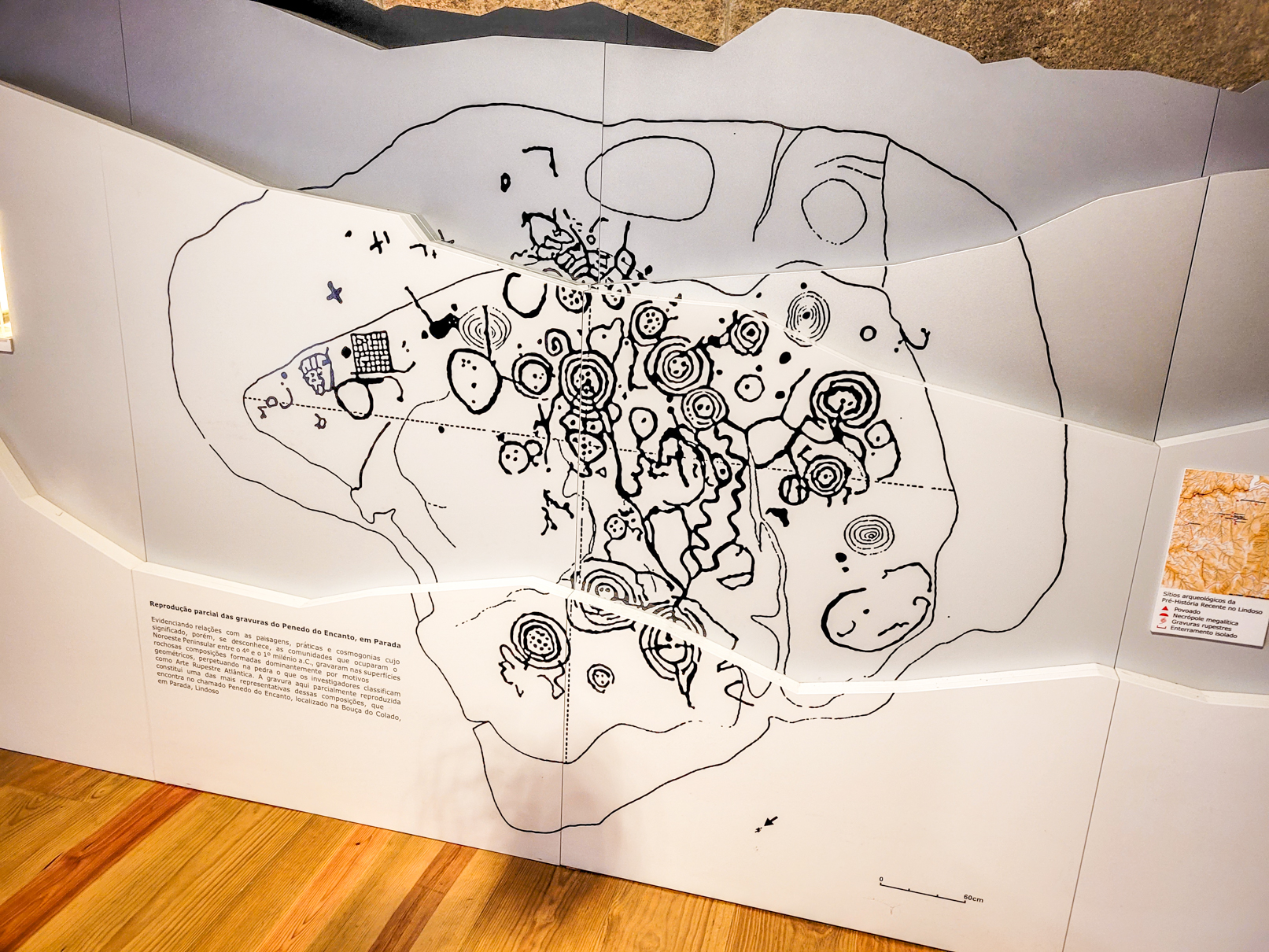
Its highlight is the keep tower (torre de menagem), which houses an interpretation center with exhibitions showcasing the human occupation of the region, from the Neolithic period all the way to the present day.
From the top of the tower, you’ll also enjoy a wonderful panoramic viewpoint overlooking the surrounding landscape.
2. Lindoso Granaries (Espigueiros de Lindoso)
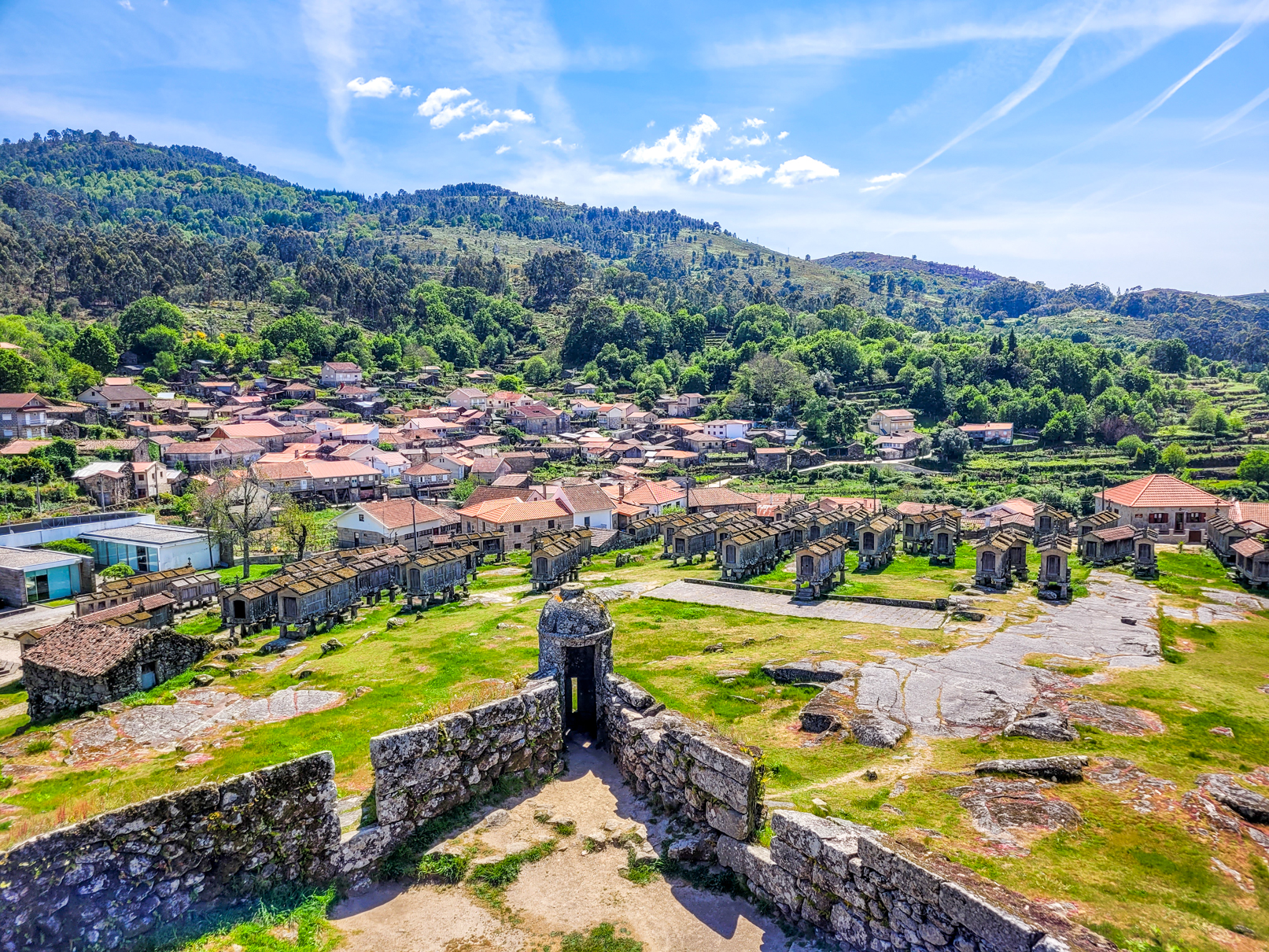
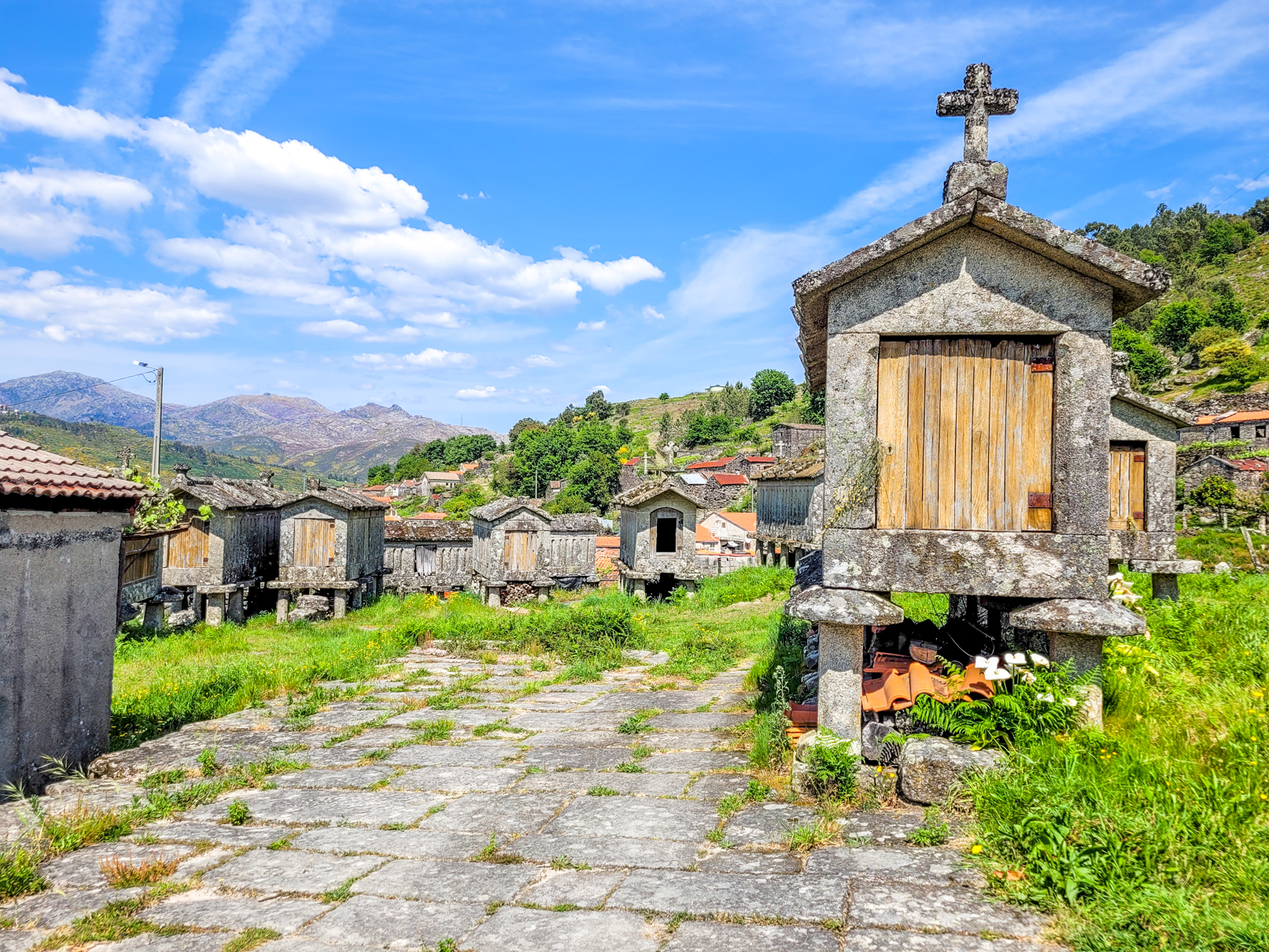
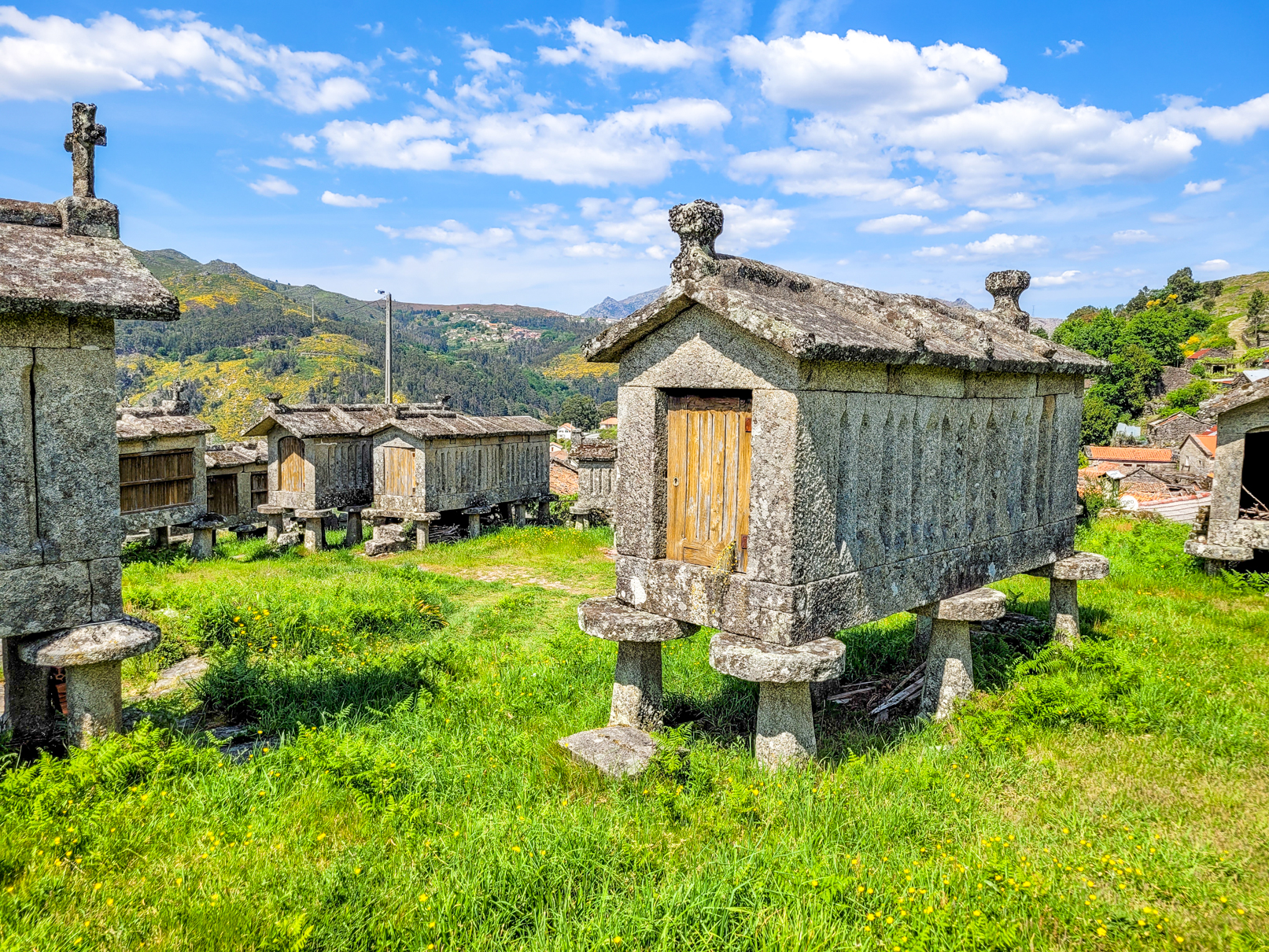
Right beside the castle, you’ll find around 60 traditional stone granaries, dating from the 18th and 19th centuries. Some are similar to those in Soajo, while others are unique, with wooden side panels.
Together, Soajo and Lindoso boast the most spectacular clusters of granaries in Portugal. Their purpose was the same: to dry and store cereals, protecting the harvest from humidity and rodents.
In addition to the main threshing ground by the castle, you can also spot smaller clusters of granaries around the Lindoso parish, including:
- Espigueiros de Cidadelhe
- Espigueiros da Parada at Eira do Tapado
- Espigueiros da Parada at Portela da Leija
These scattered sites may be less grand in scale but still reflect the deep agricultural traditions of the Gerês mountains.
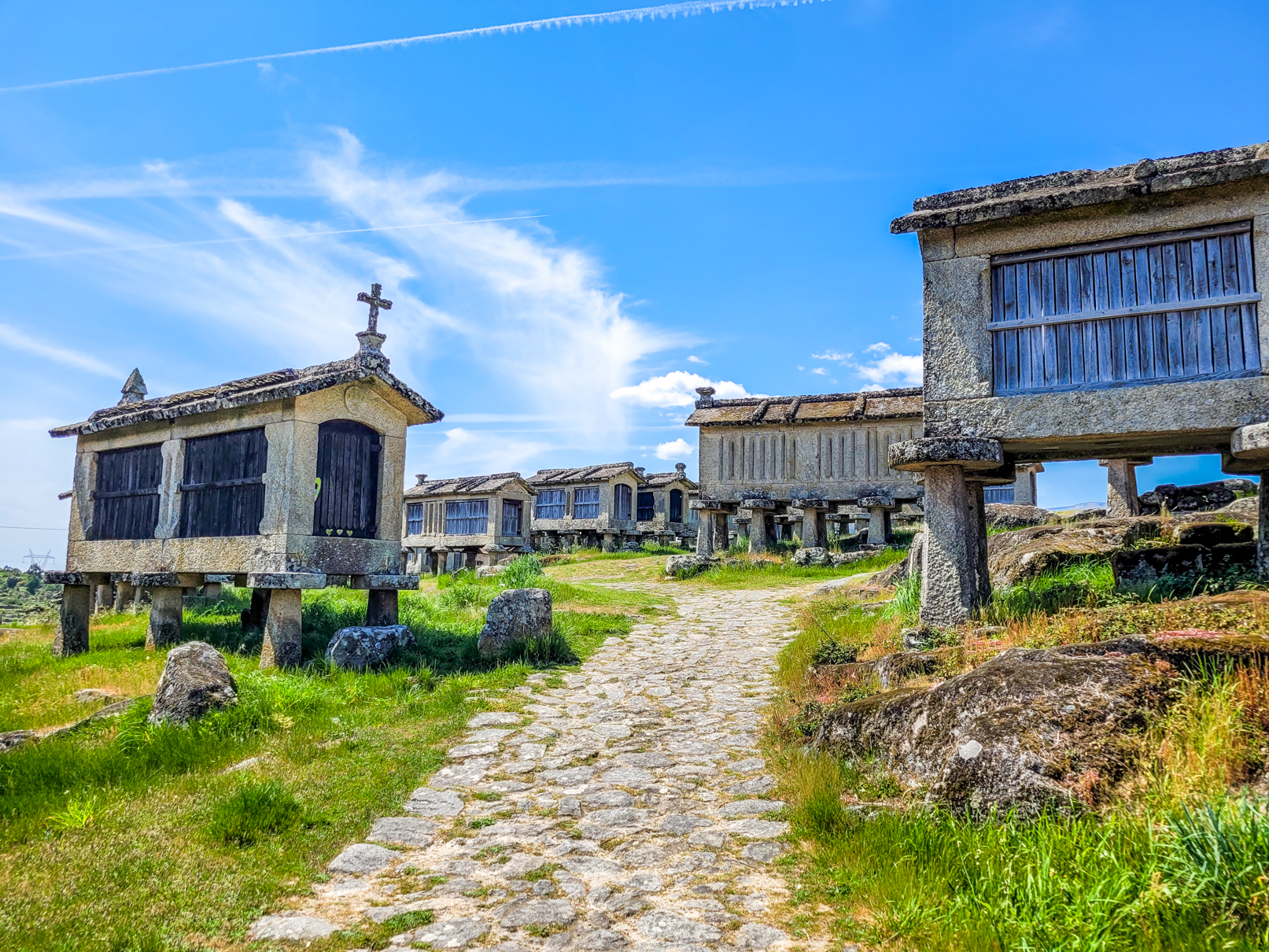
3. Moinhos da Parada Trail & Poço da Gola (Trilho dos Moinhos da Parada e Poço da Gola)
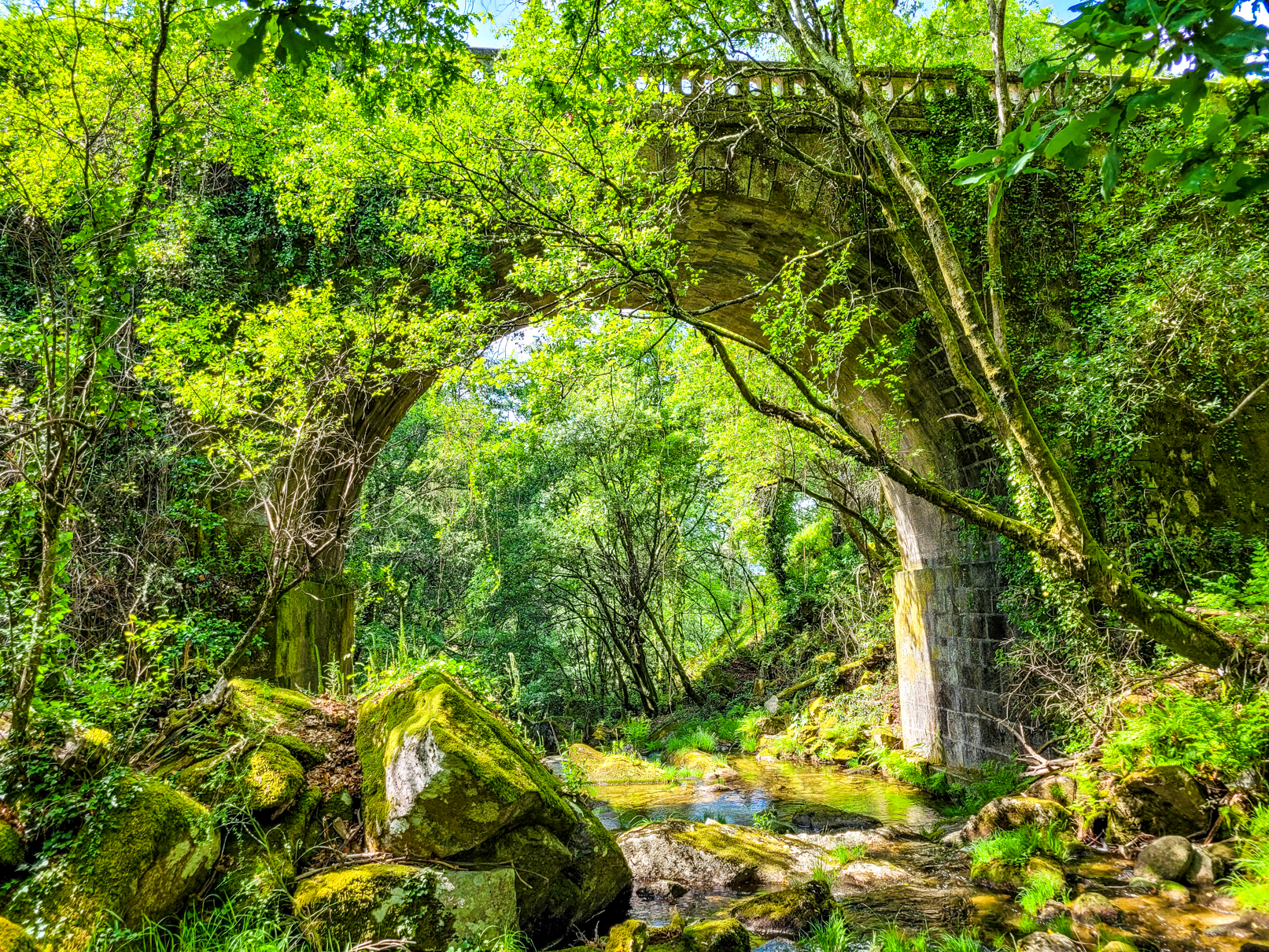
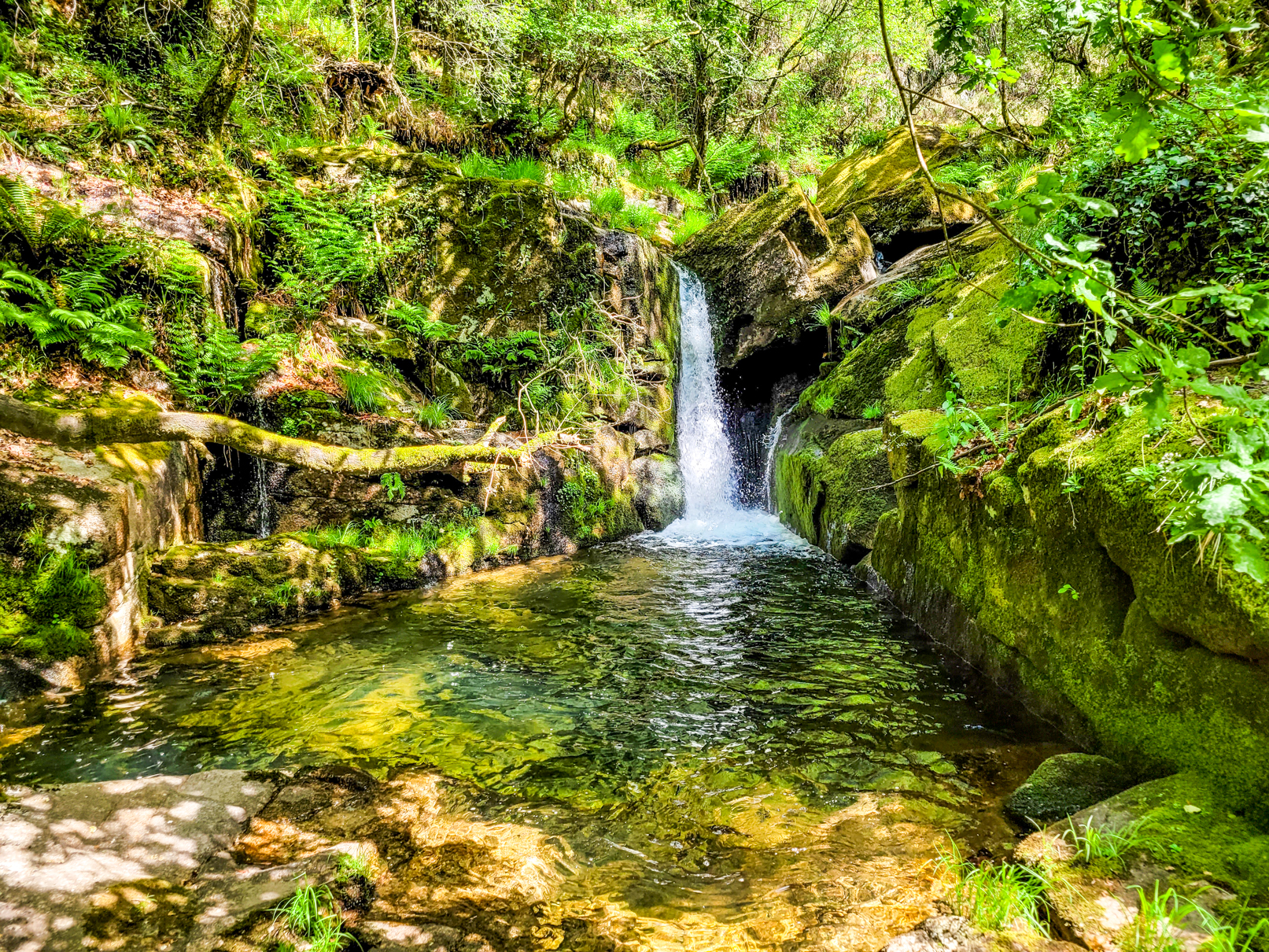
One of the best ways to explore Lindoso’s heritage is by walking the Moinhos da Parada Trail (PR1 Ponte da Barca). This route passes by the Espigueiros da Eira do Tapado and the Espigueiros da Portela da Leija, making it the perfect way to see these granaries on foot—especially since the roads in Parada are extremely narrow, tricky to drive even for small cars.
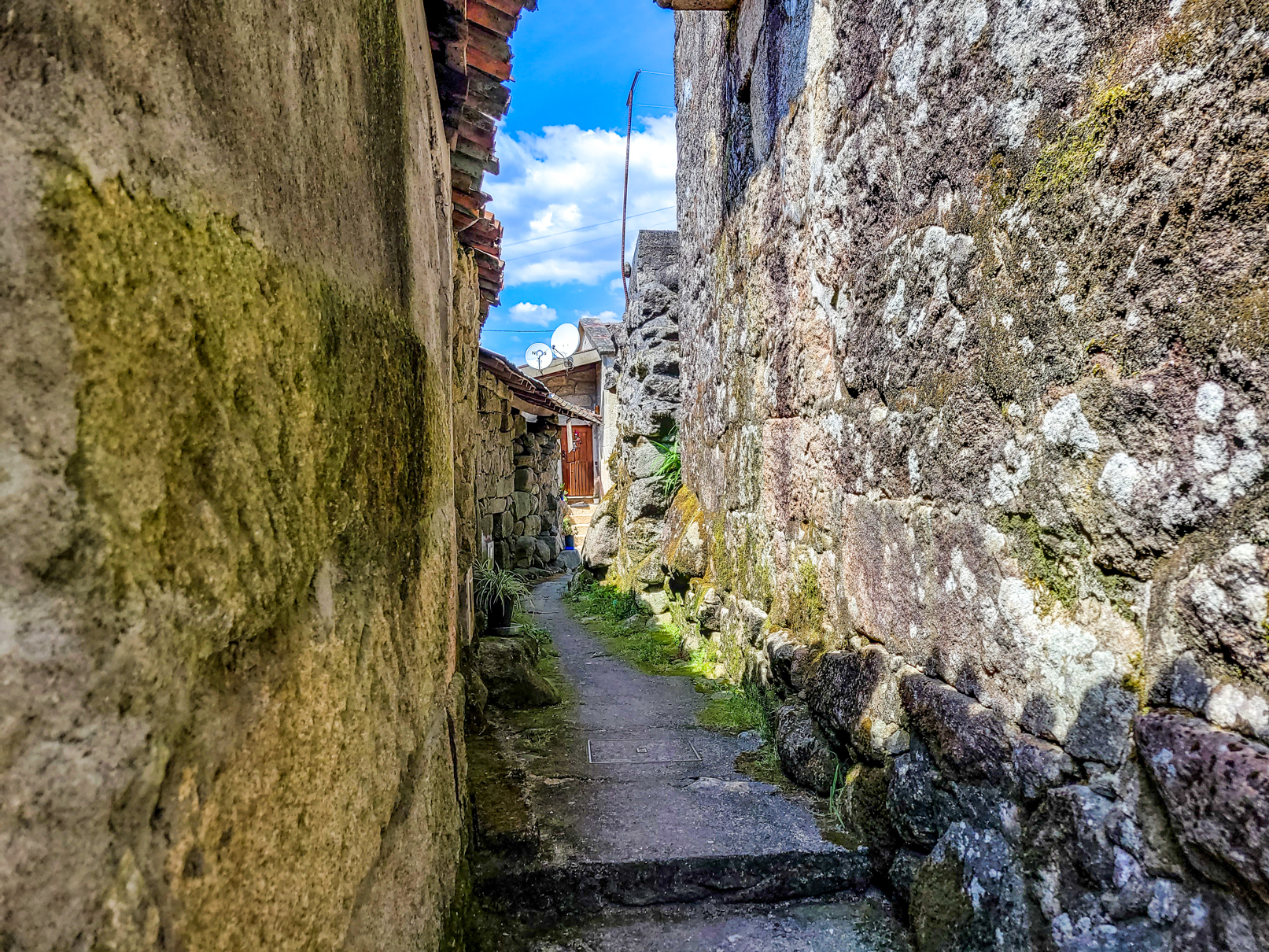
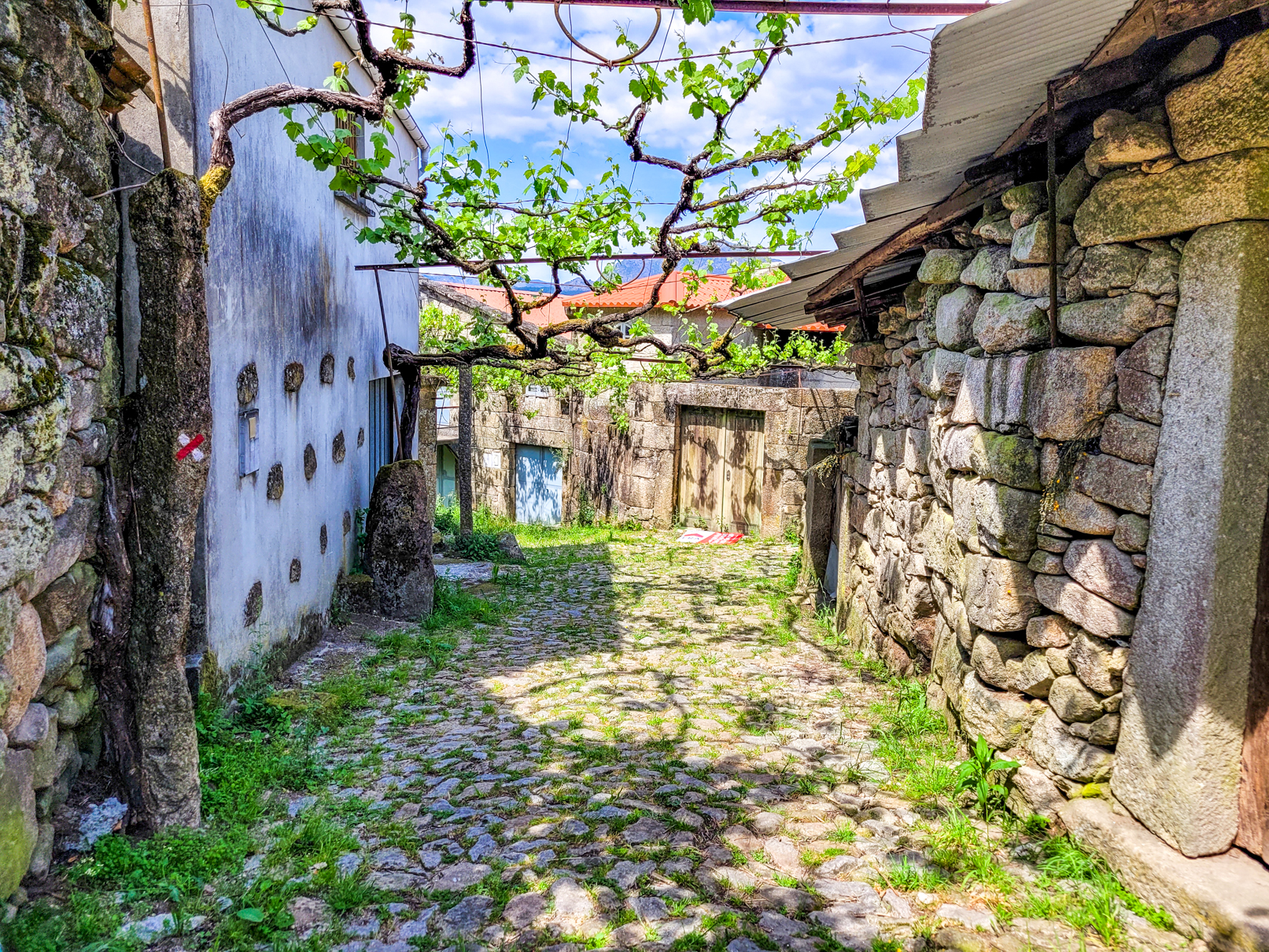
The village of Parada itself is beautiful and traditional, with charming stone alleys that are sure to captivate you. Along the way, you’ll also pass the old courthouse and prison of the Lindoso municipality, remnants of its local history.
The trail includes two additional highlights:
- Penedo do Encanto – a rock with Bronze Age carvings, offering a fascinating glimpse into prehistoric times.
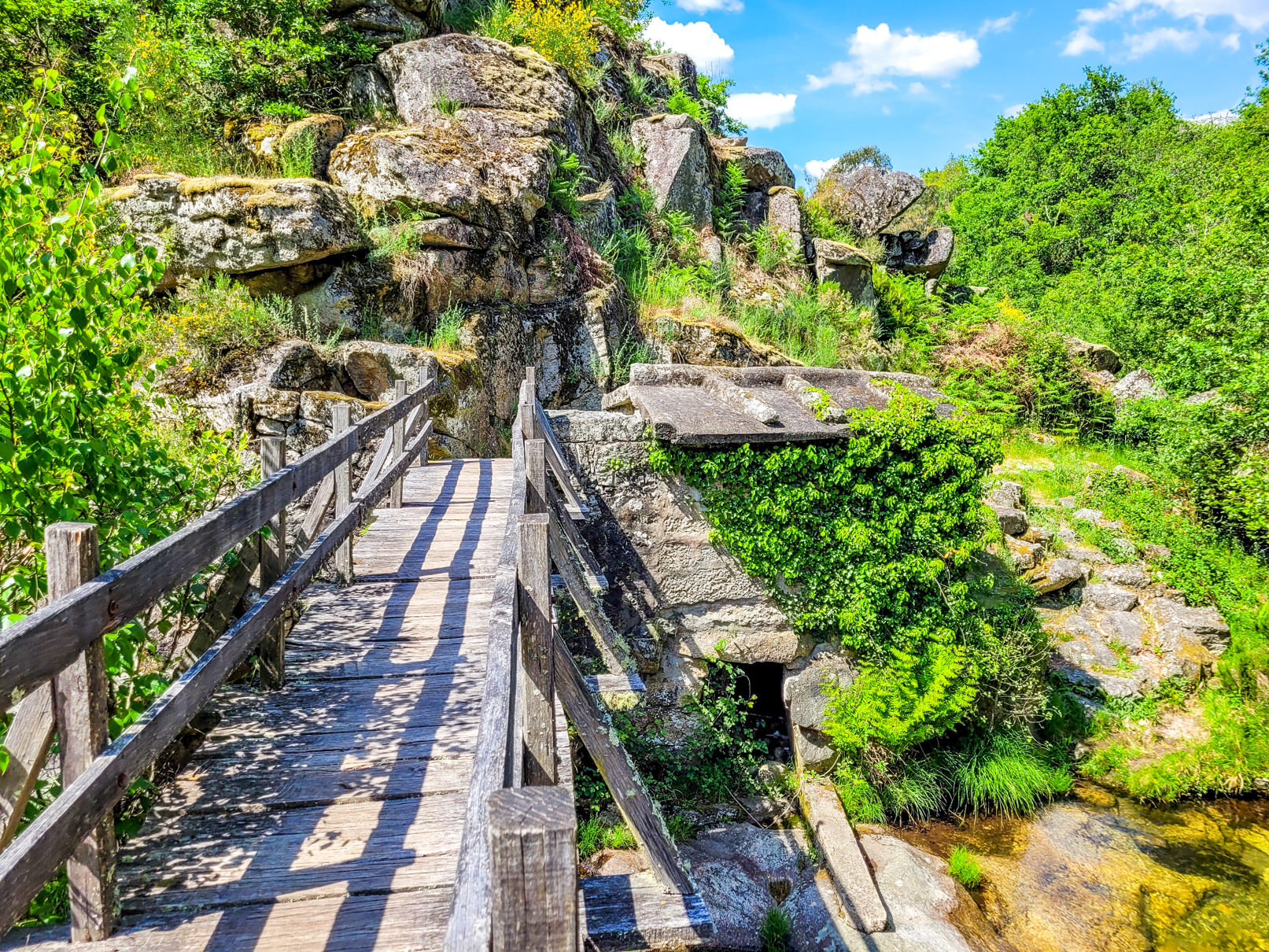
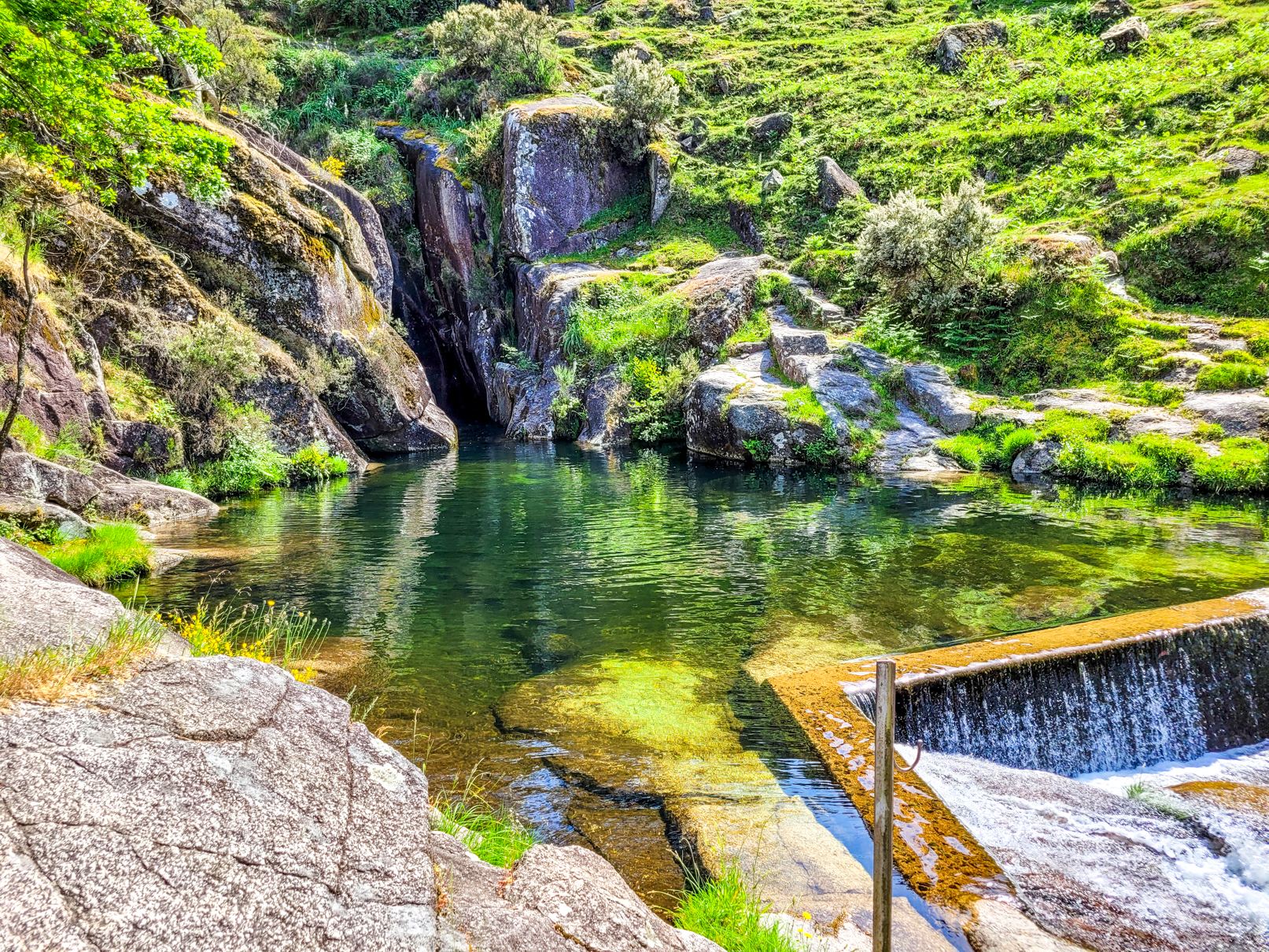
- Poço da Gola – a natural pool ideal for a refreshing swim in summer. Around the lagoon, you’ll find several old water mills, and near the bridge there’s access to another, more hidden and secluded pool—what I like to call a wild Poço da Gola—surrounded by small waterfalls.
👉 While the Poço da Gola itself can easily be reached from the nearby bridge without doing the full hike, the granaries and the Penedo do Encanto are only accessible on foot.
The complete trail, as shared by Caminhantes on Wikiloc, is about 14.5 km, starting at Lindoso Castle. This longer version also lets you explore the village of Lindoso on foot, including its main fountains: Fonte da Tornada and Fonte da Lamela.
If you prefer a shorter hike, you can start closer to Parada, reducing the walk to around 10 km.
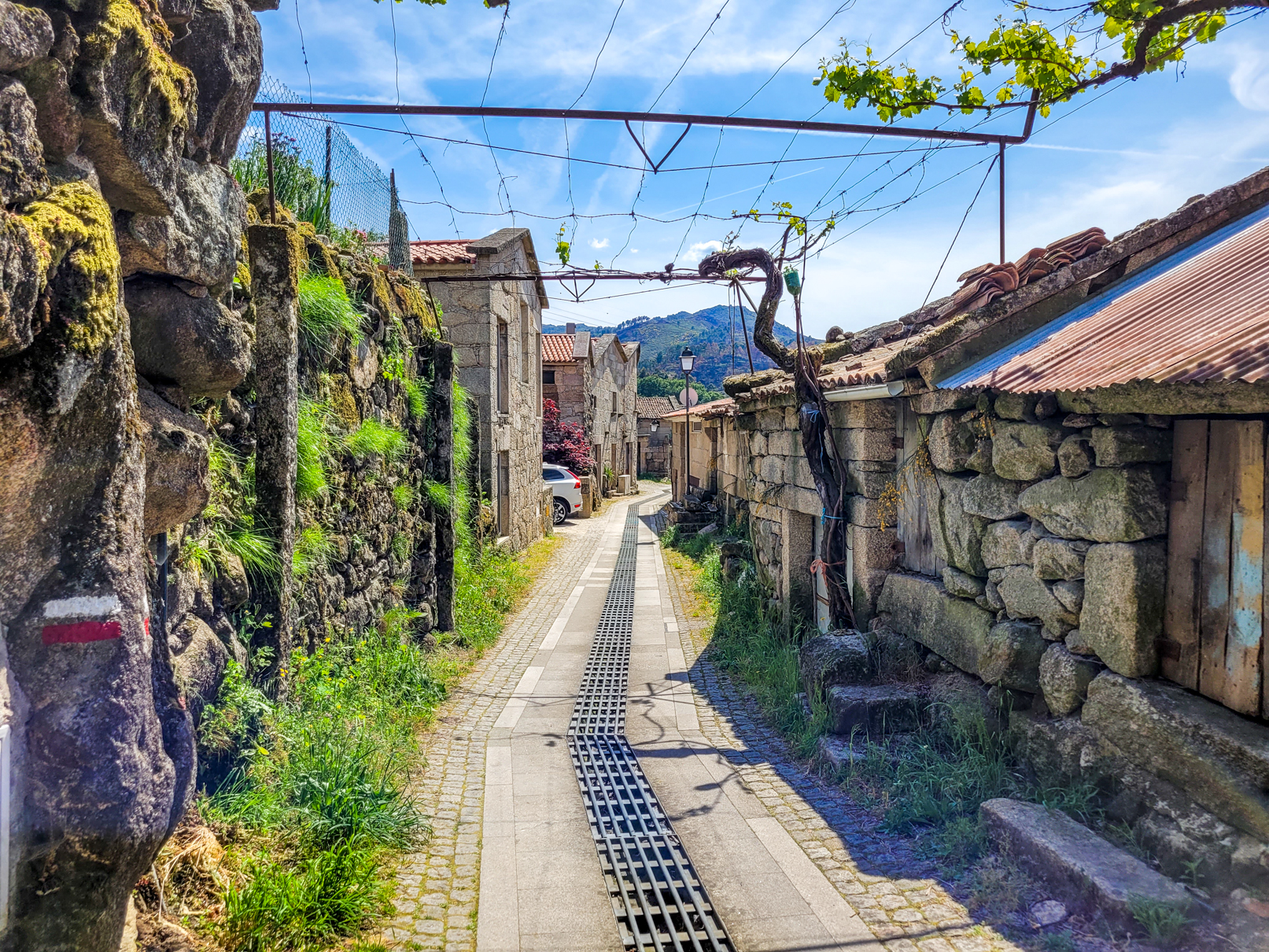
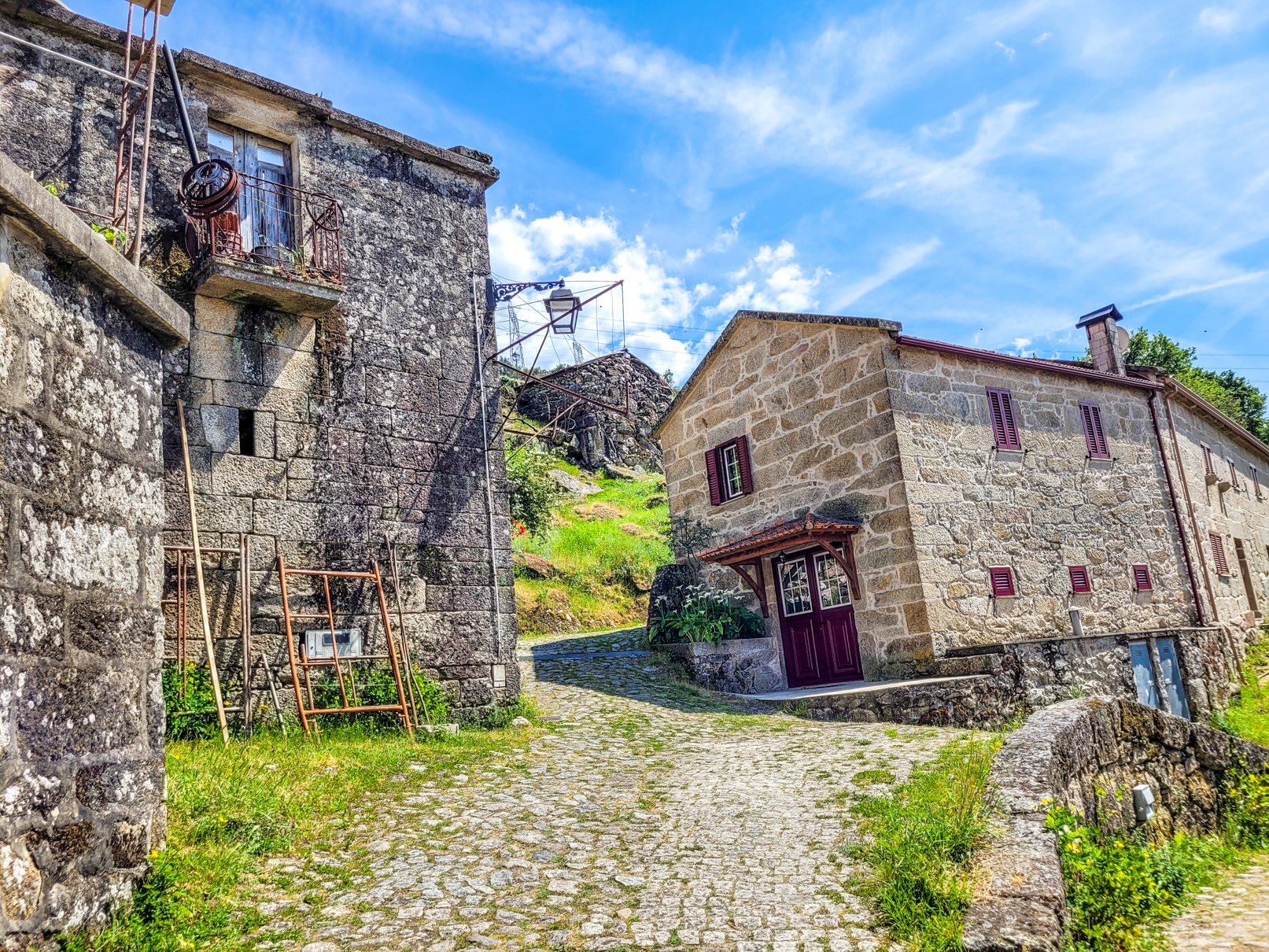
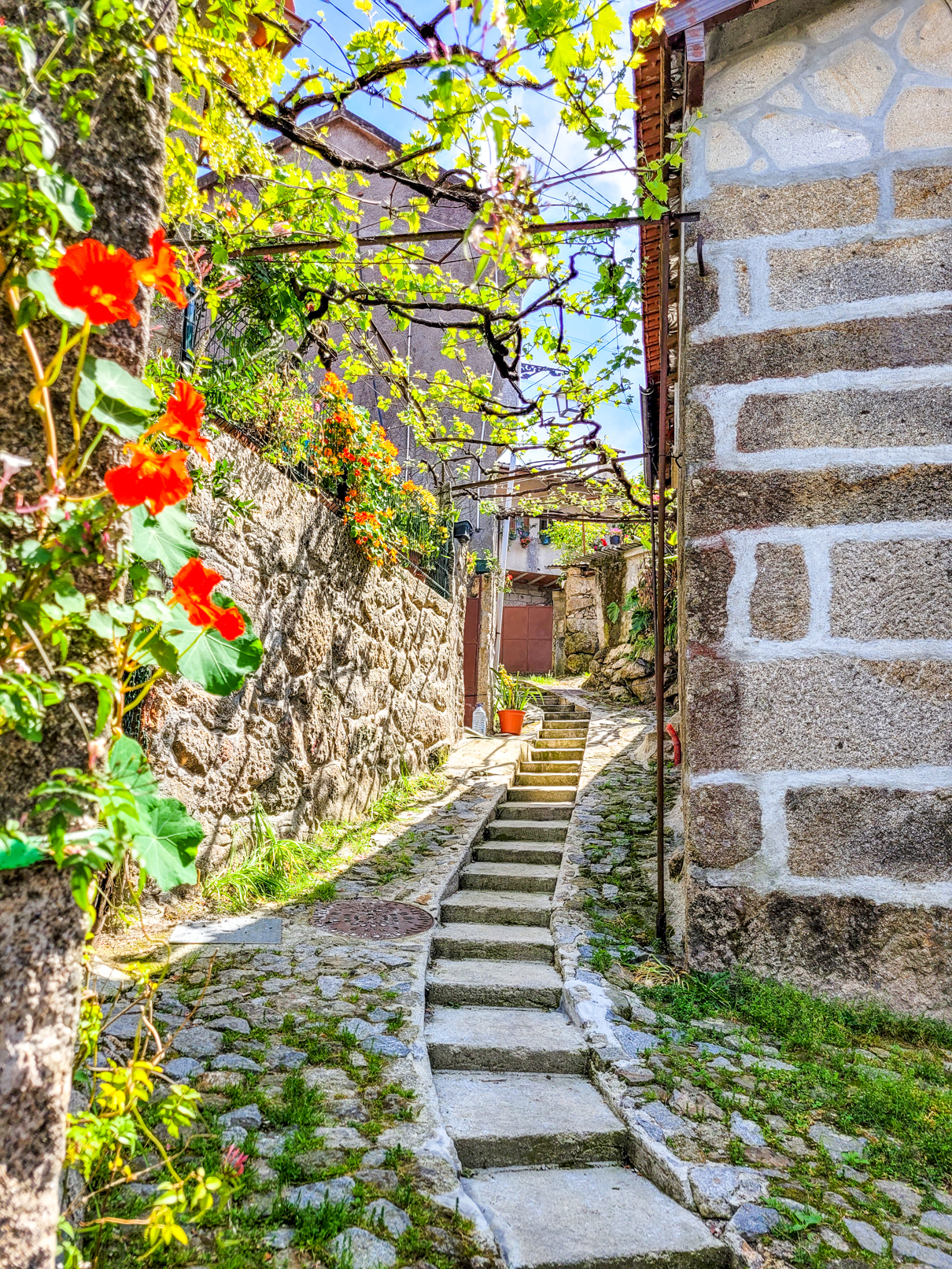
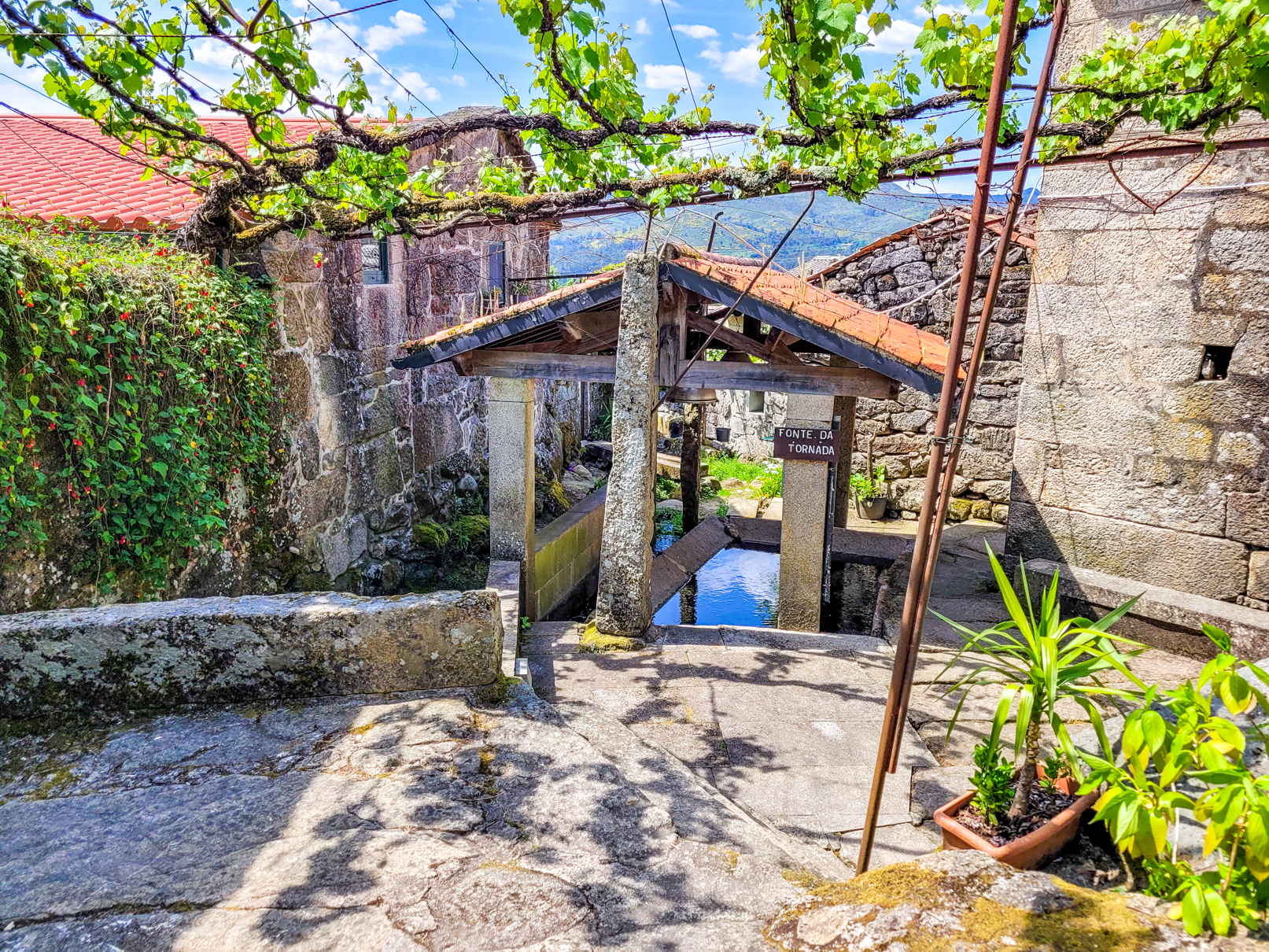
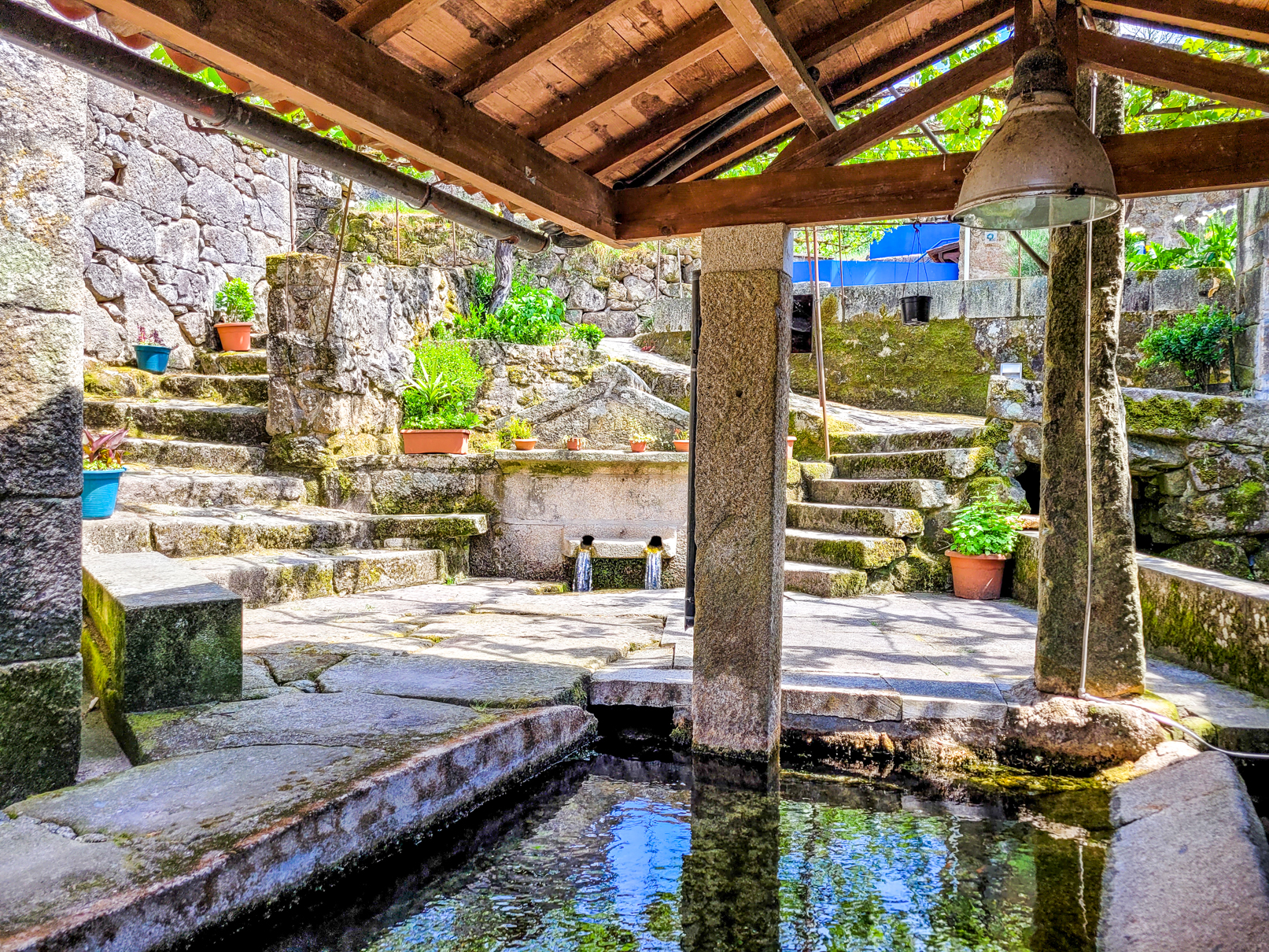
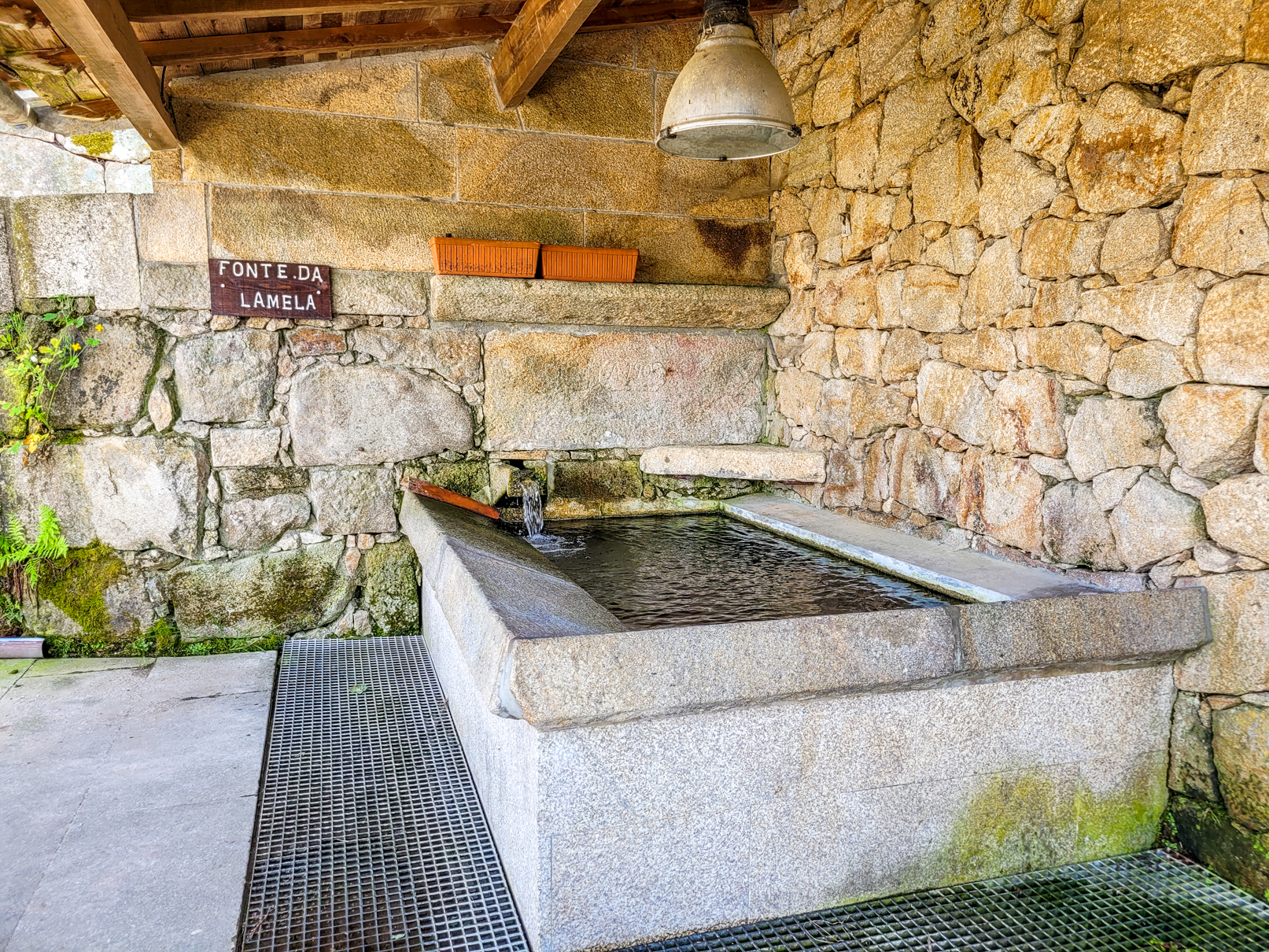
4. Fonte da Tornada & Fonte da Lamela
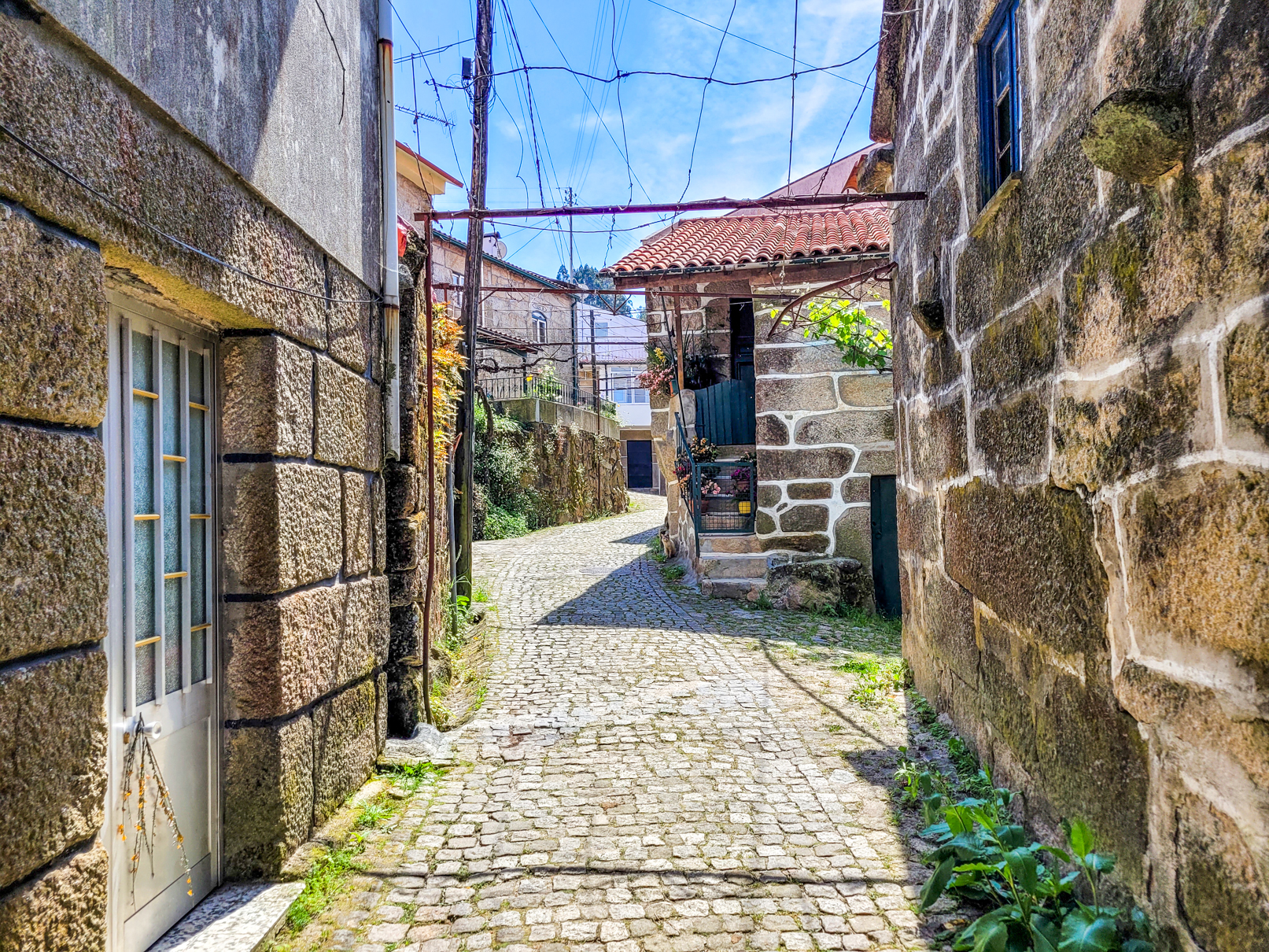
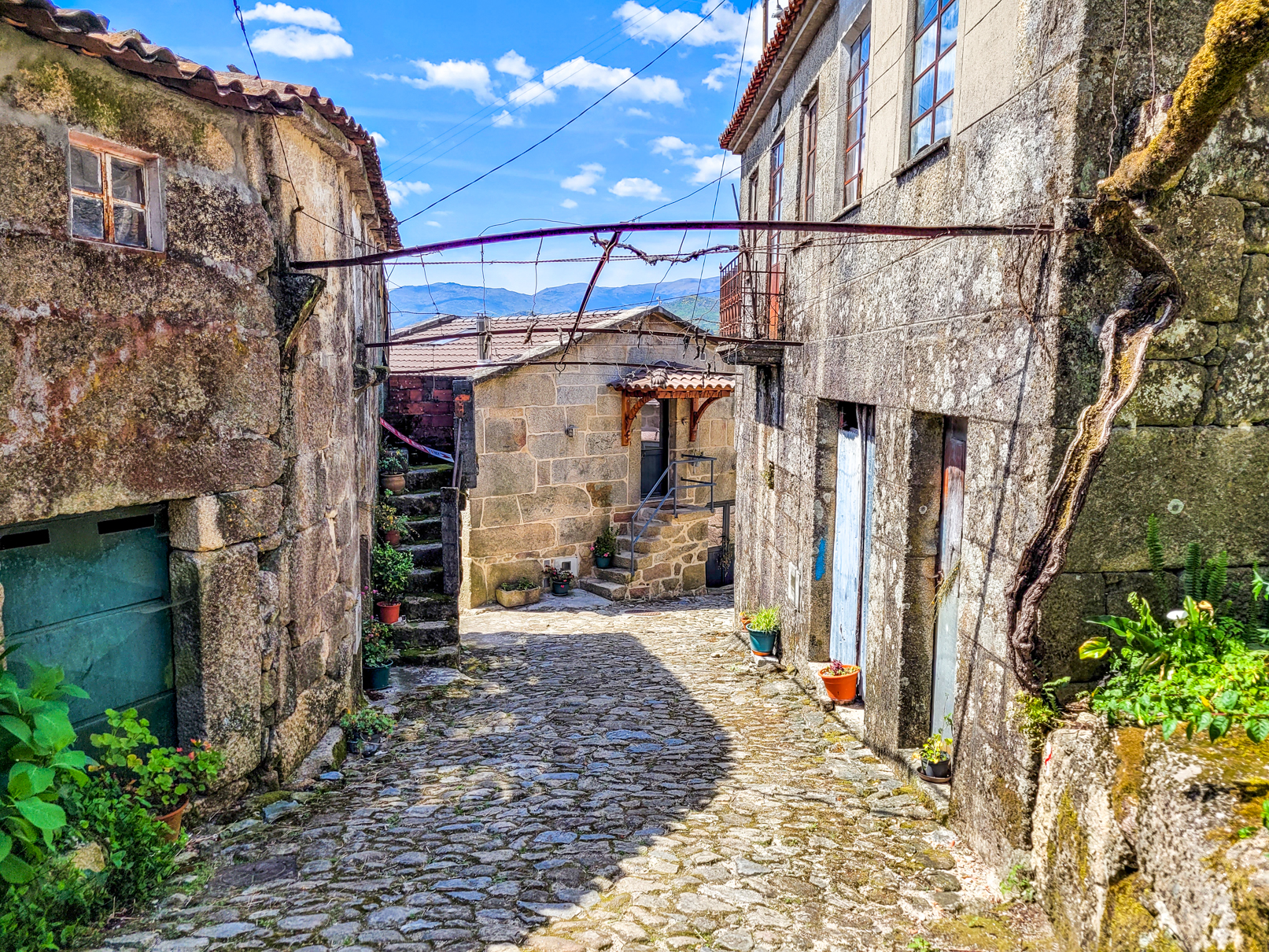
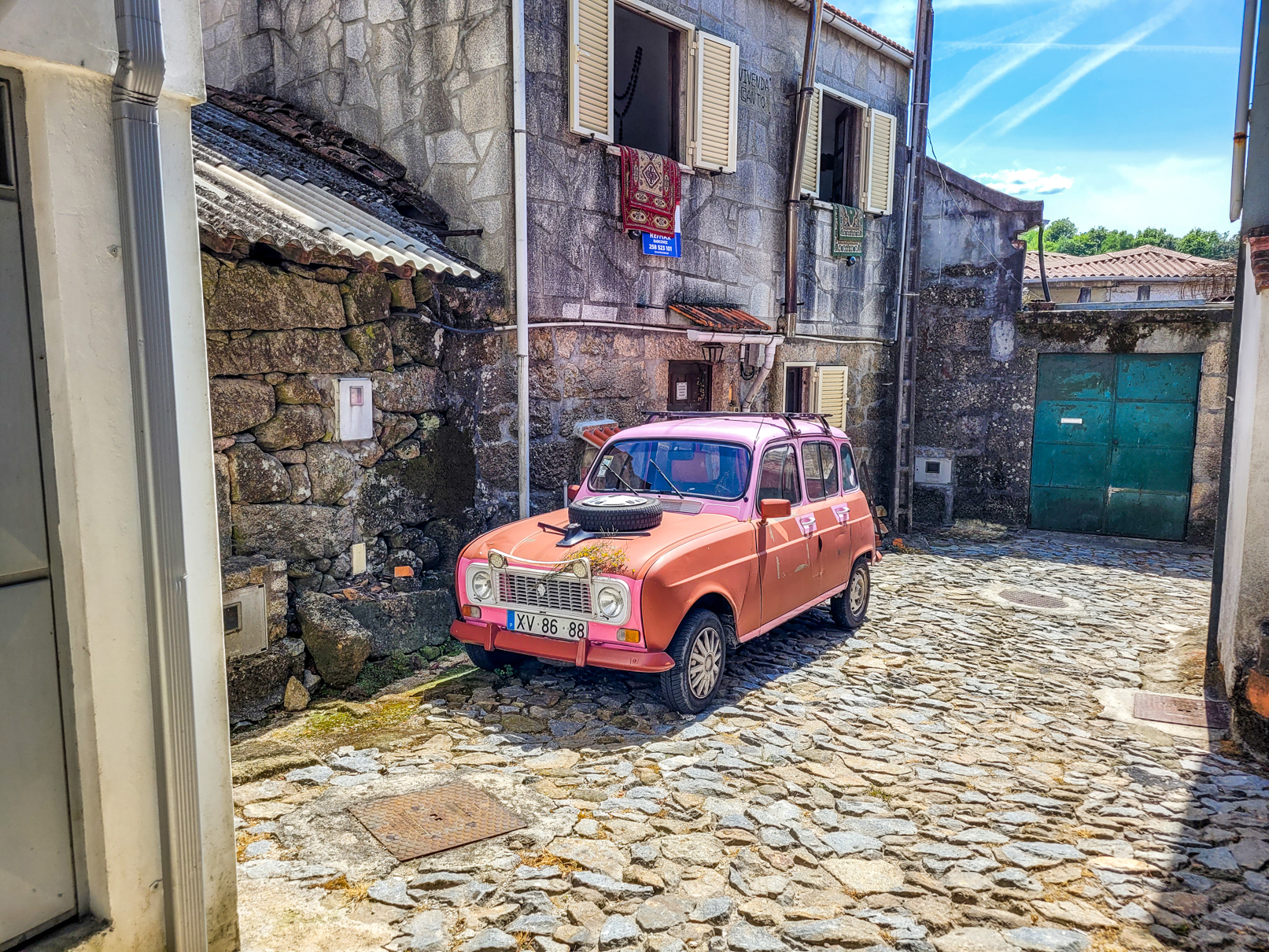
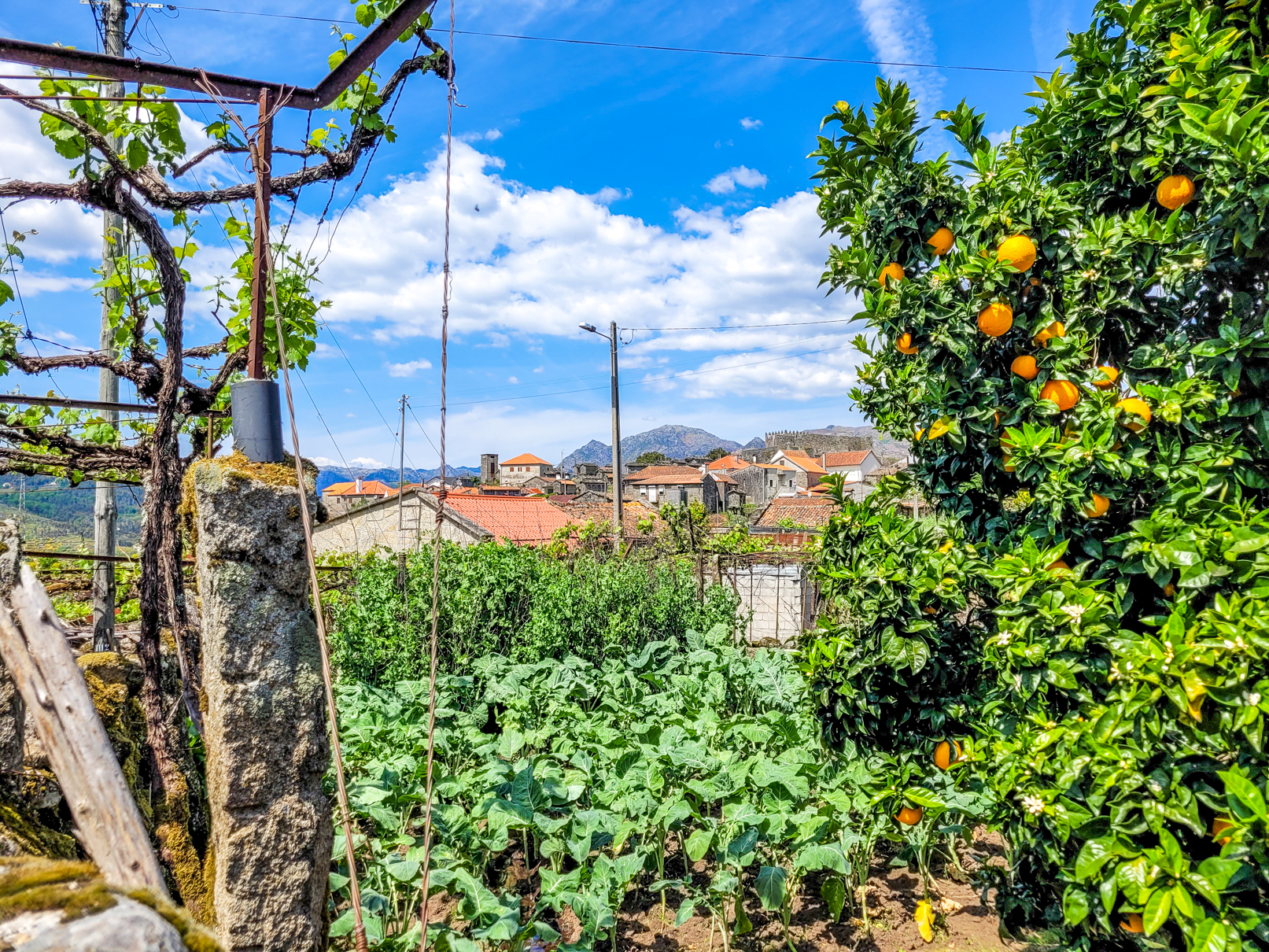
As mentioned above, both the Fonte da Tornada and the Fonte da Lamela are located in the historic center of Lindoso. Even if you don’t walk the previous trail, they are worth seeking out as a way to explore the village more deeply and discover some of its traditional features.
These fountains are not just practical elements of local life, but also part of Lindoso’s cultural and architectural heritage, giving you another glimpse into the character of this mountain community.
5. Lindoso Parish Church (Igreja Matriz de Lindoso)
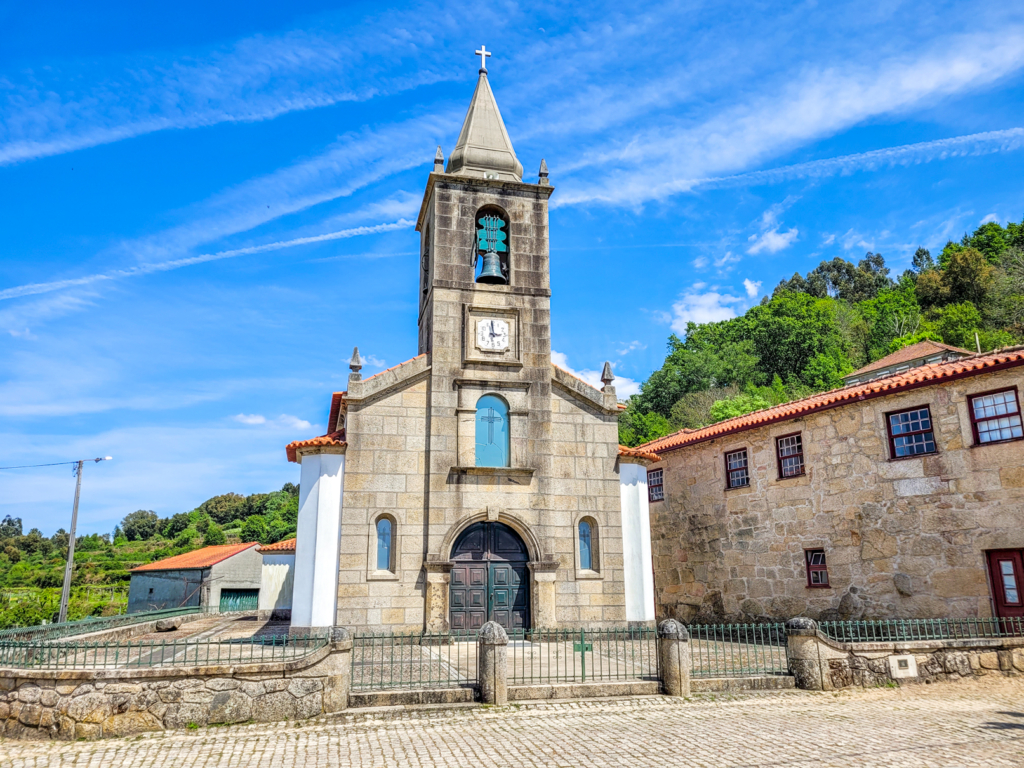
Be sure to also visit the Parish Church of Lindoso, located just a short walk from the castle. It’s a simple yet charming church, distinguished by its central bell tower, which adds character to the village’s historic landscape.
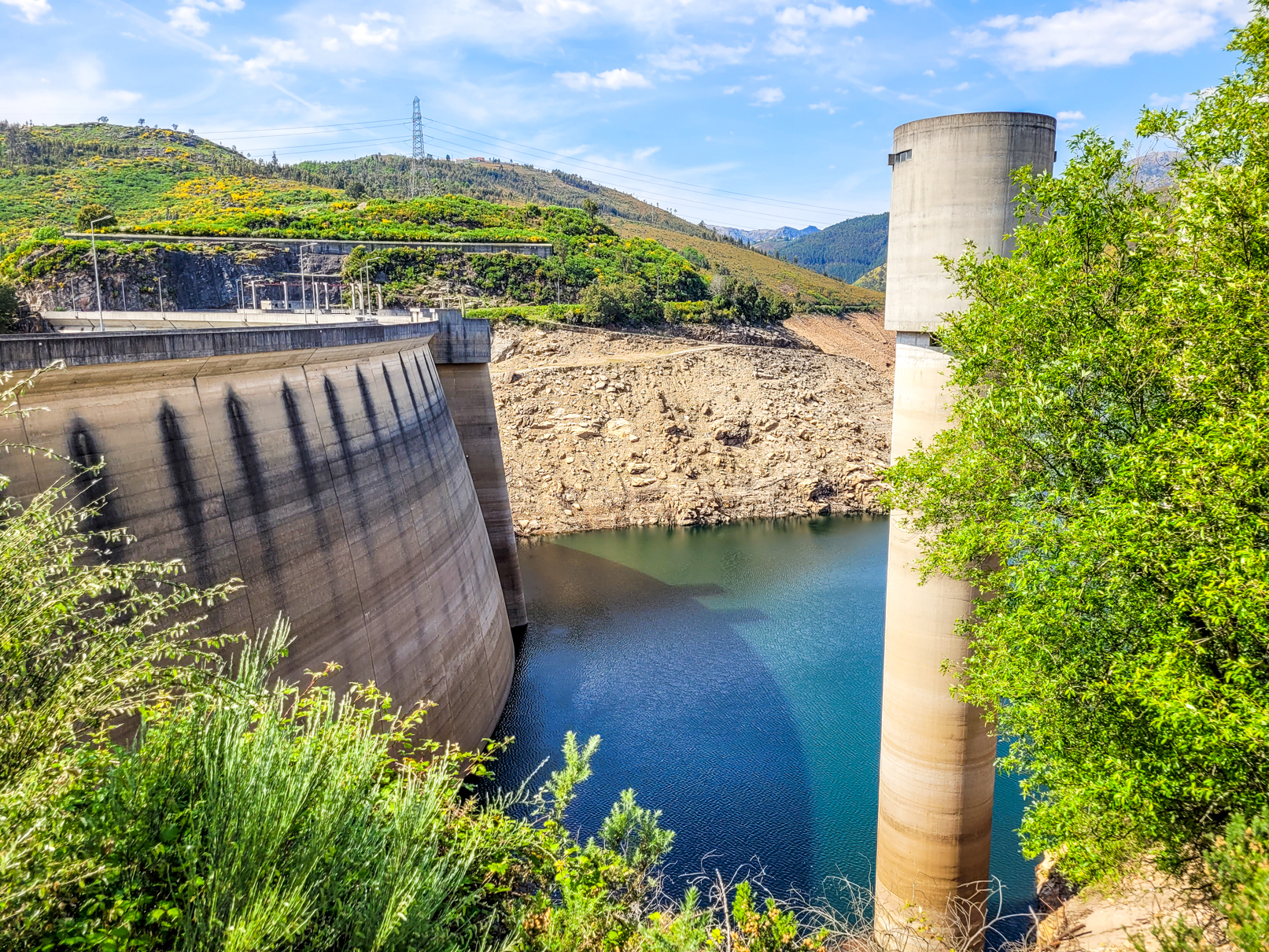
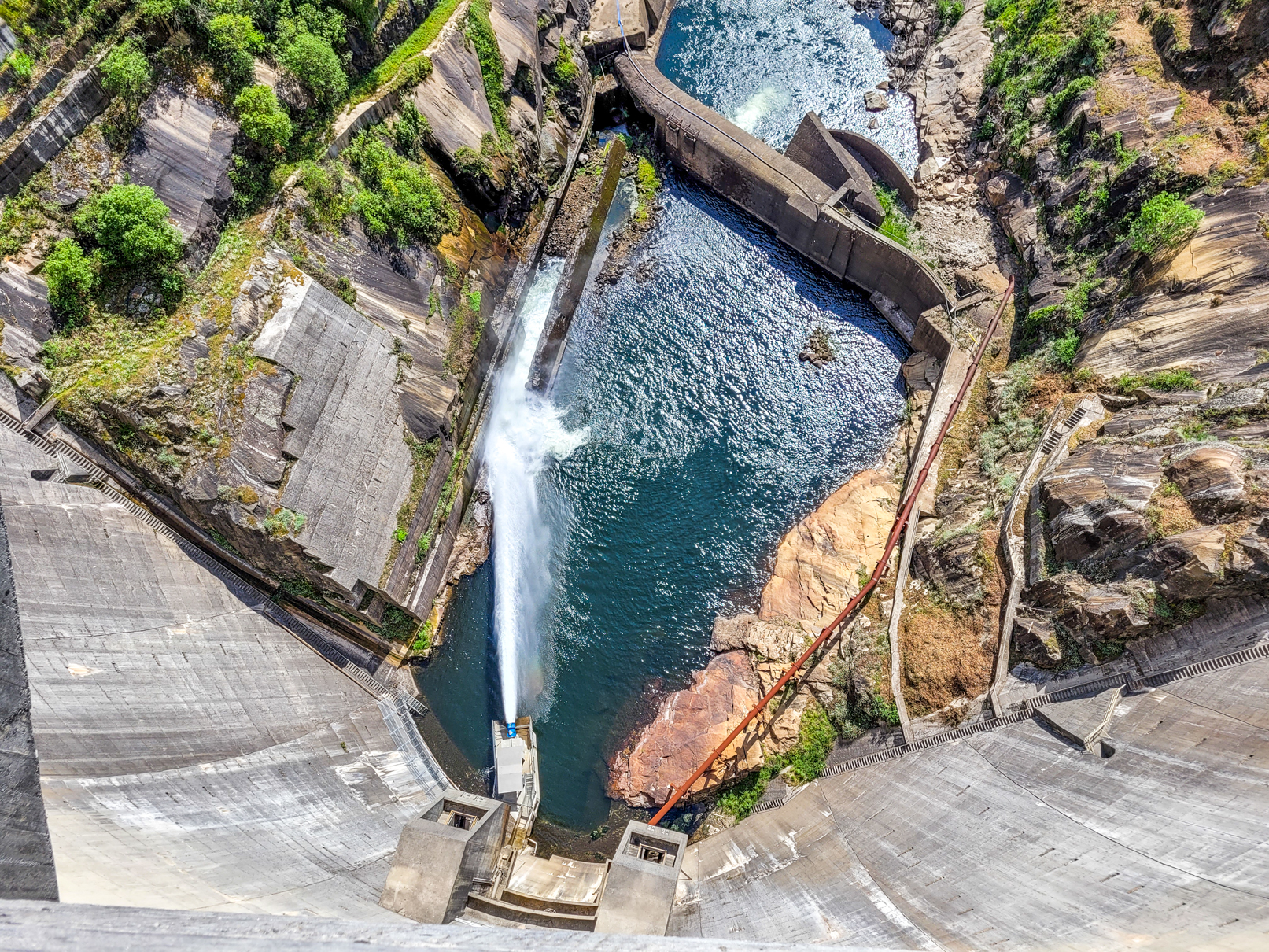
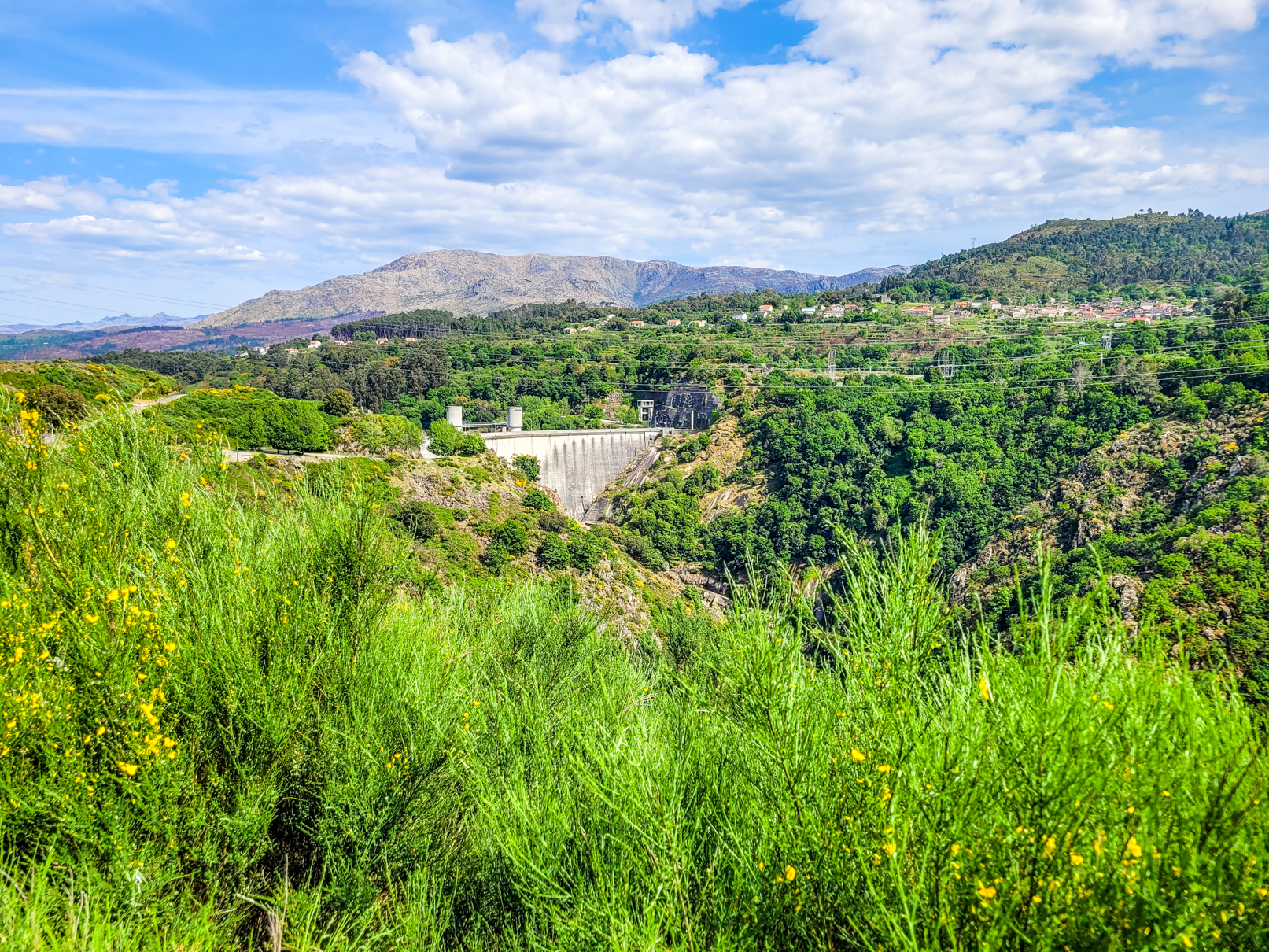
6. Alto Lindoso Dam (Barragem do Alto Lindoso)
You should also make your way to the Alto Lindoso Dam, built on the Lima River. It marks the boundary between the municipalities of Ponte da Barca and Arcos de Valdevez.
Inaugurated in 1992, this impressive structure is one of the most significant hydroelectric dams in Portugal. Just beyond, already on the Arcos de Valdevez side, you’ll find the Miradouro de Lindoso, a viewpoint offering sweeping views over the Lima Valley downstream from the dam.
Stage 5 | Visit Ermelo Monastery & Ecovia
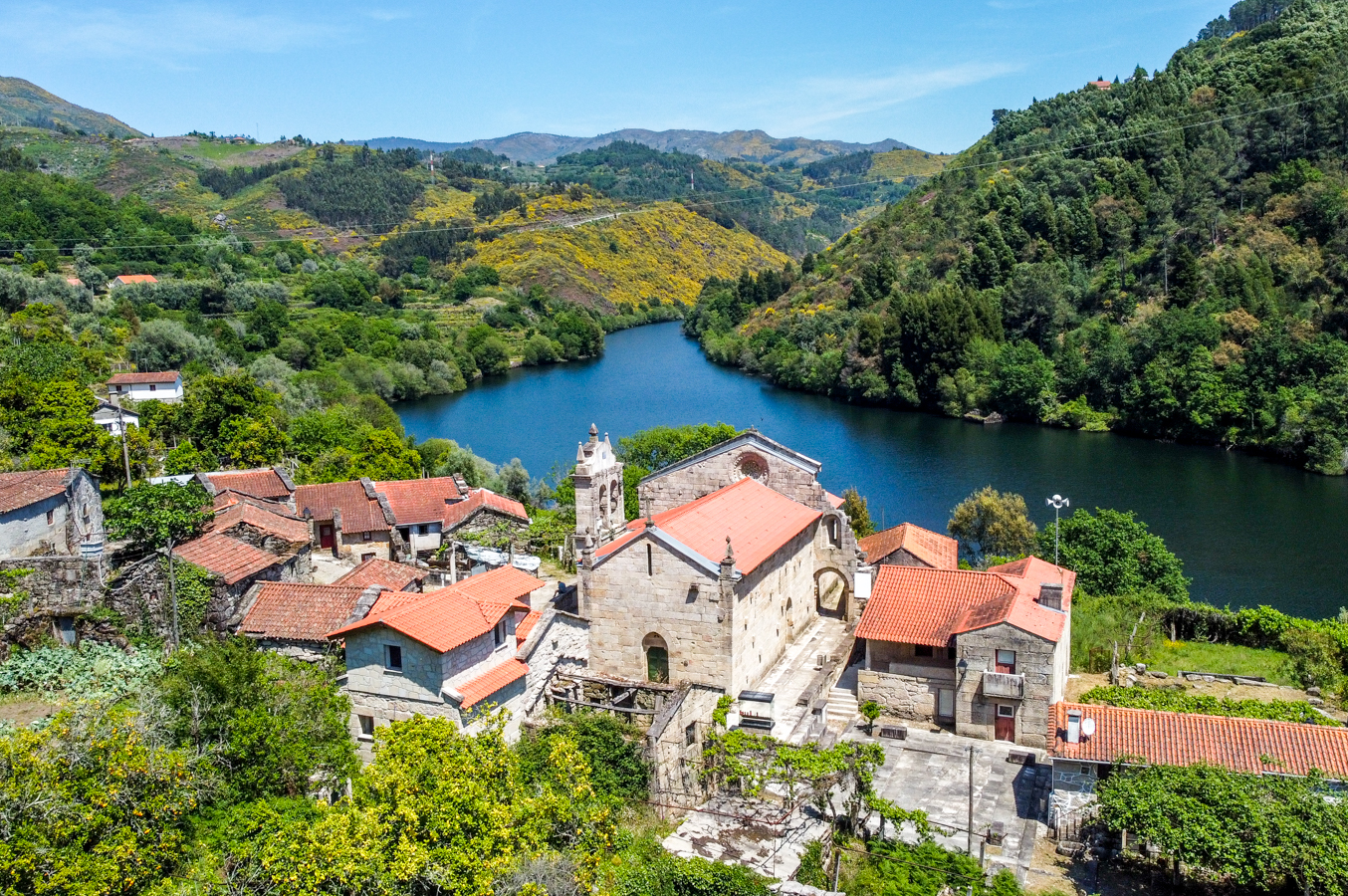
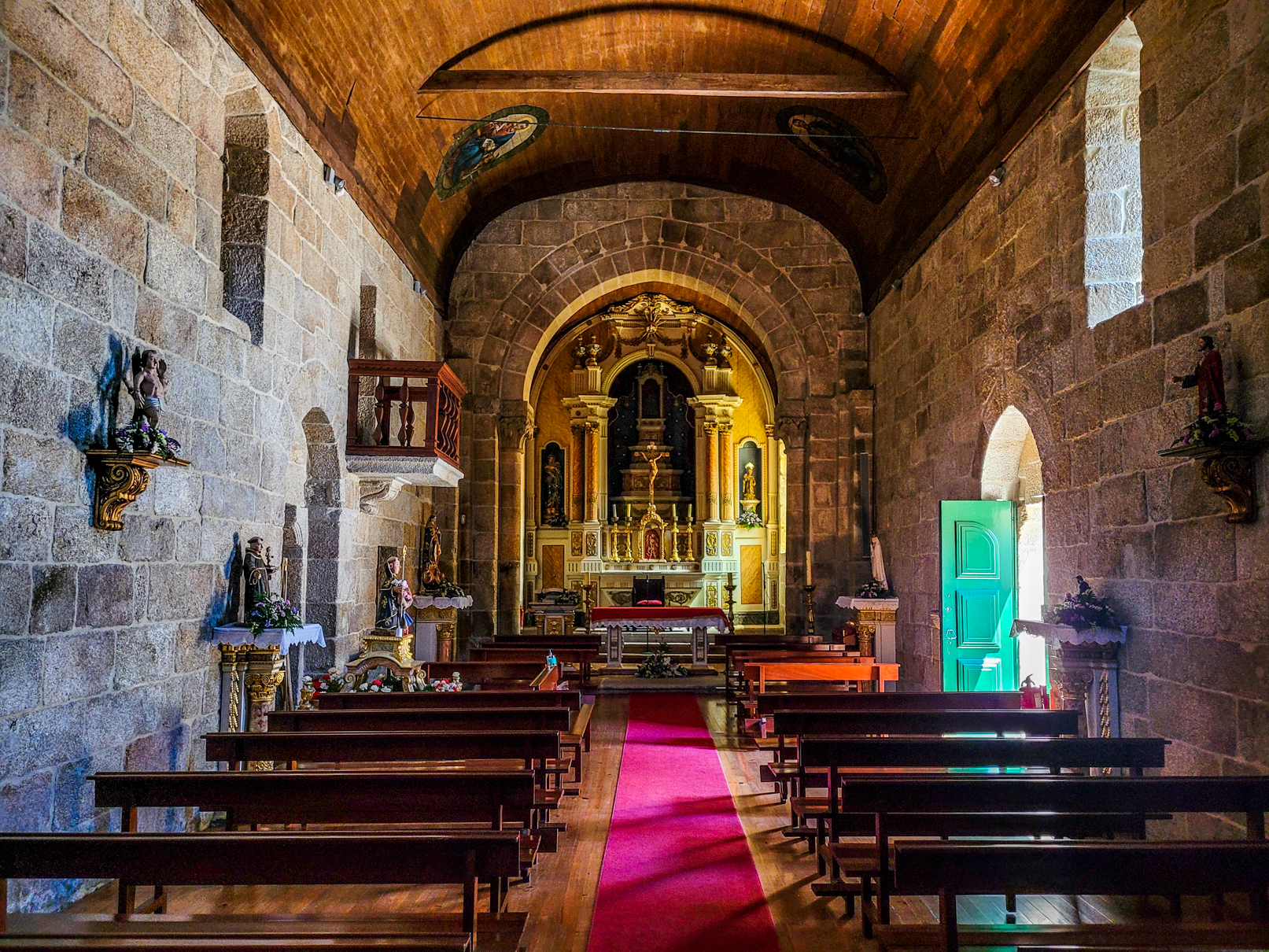
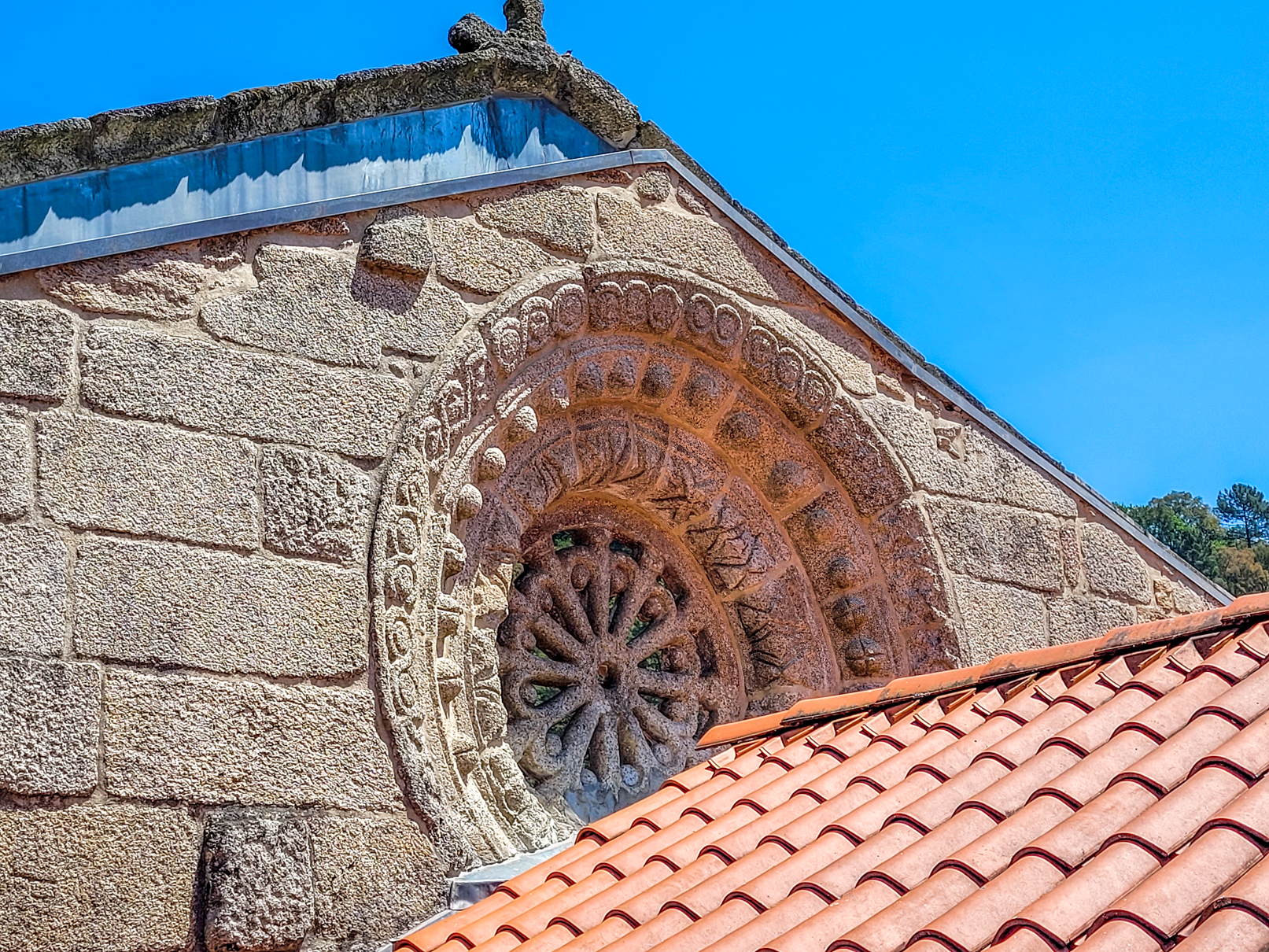
There’s still plenty more to explore on this itinerary! The next stop is Ermelo, where you’ll find a Cistercian monastery, probably founded by Queen Teresa in the late 13th century. Some Romanesque architectural details have survived to this day, including the extraordinary rose window that crowns the façade—a highlight for anyone who appreciates medieval architecture.
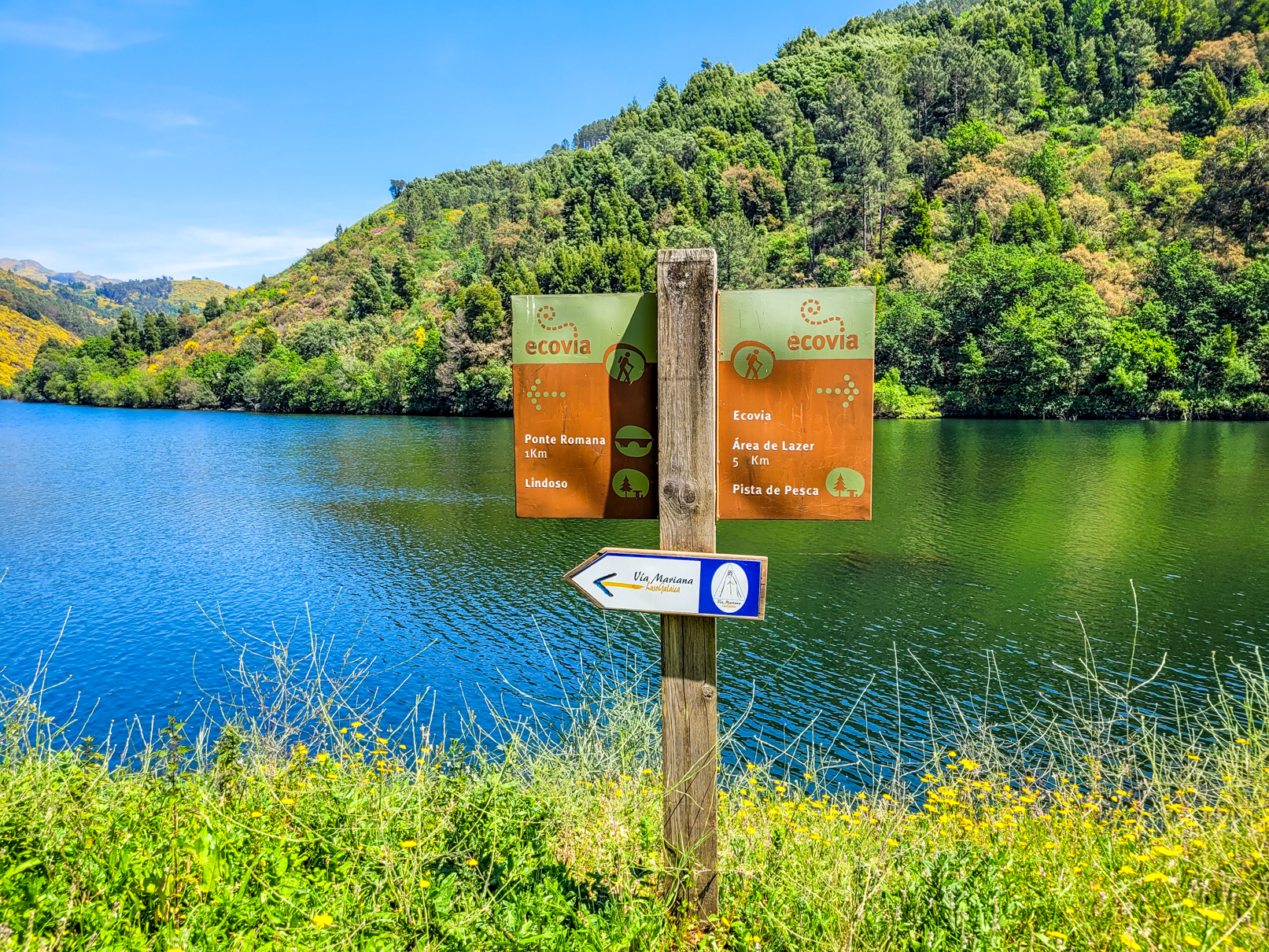
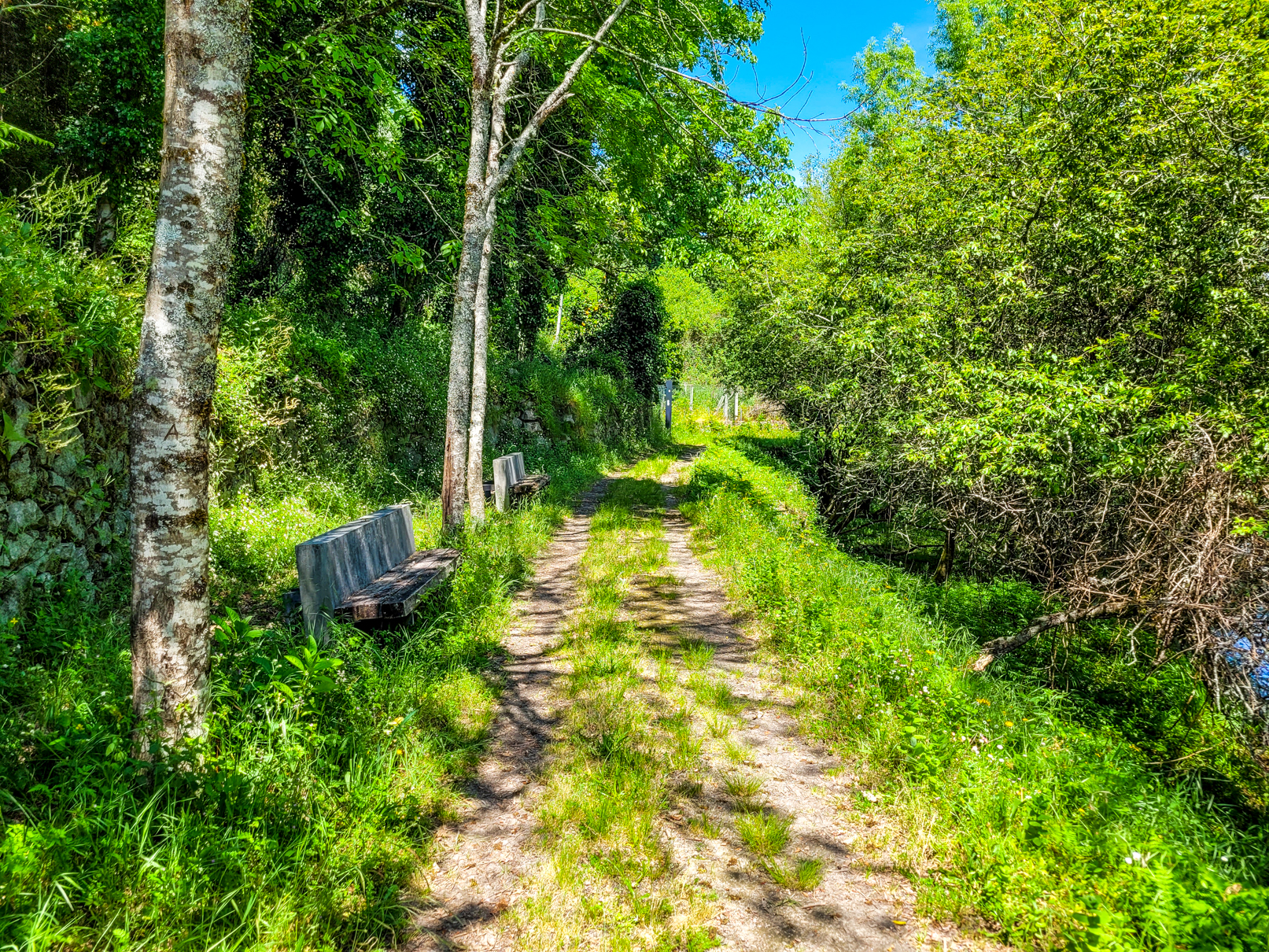
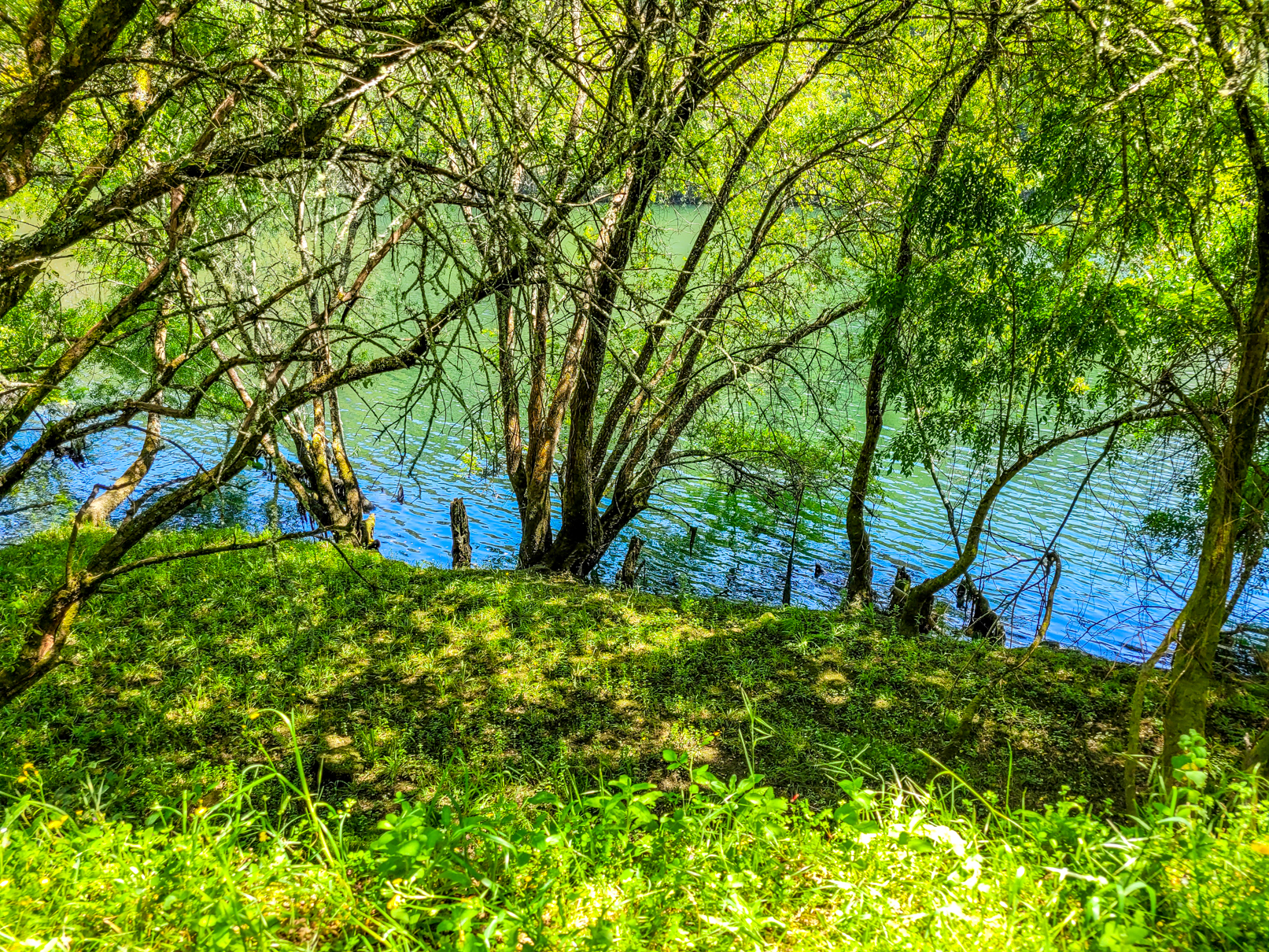
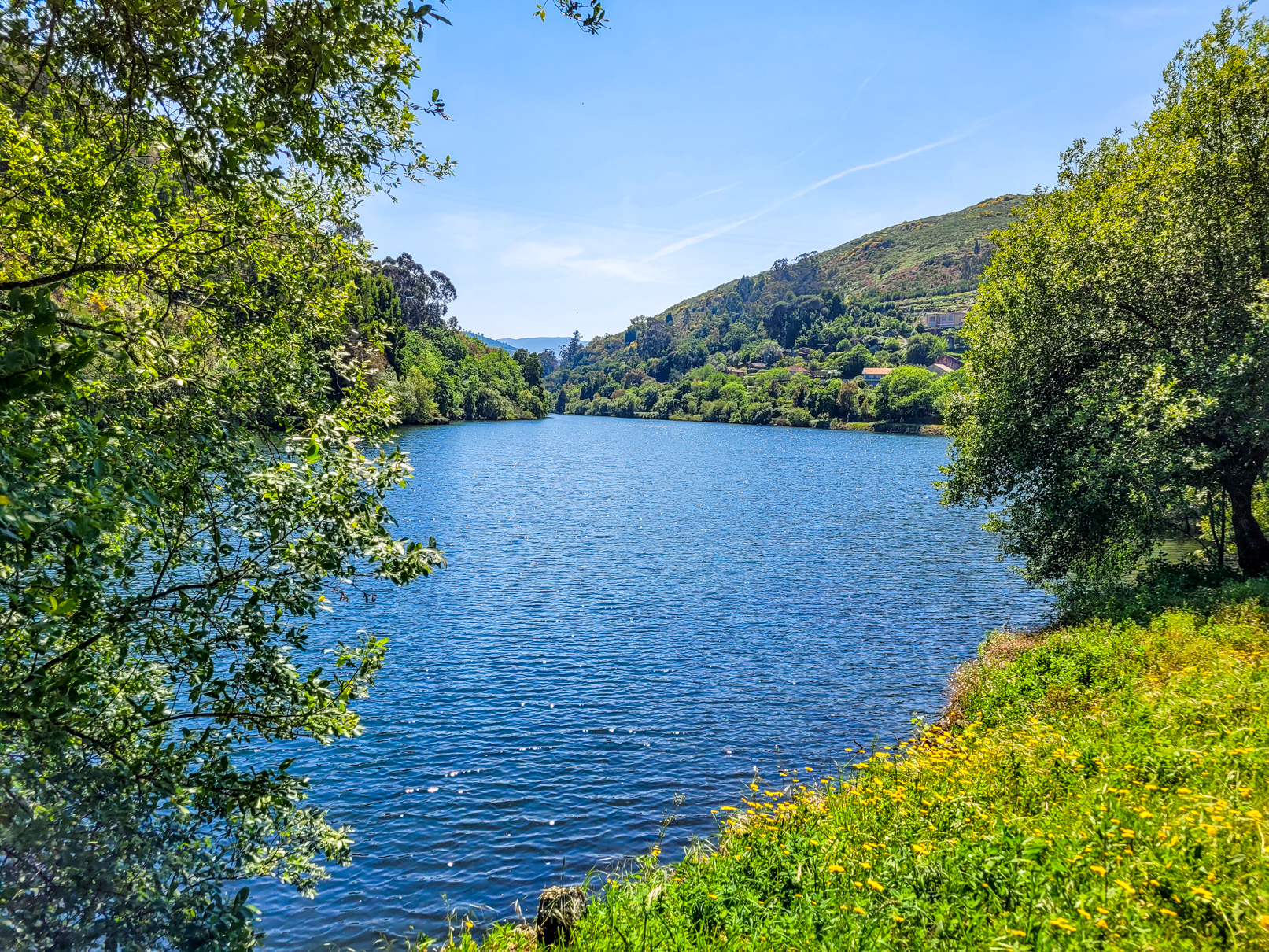
I also recommend walking part of the Ecovia of Ermelo, a scenic riverside trail along the Lima River that begins right at the monastery.
- The full route is about 10 km (round trip, linear) if you want to do it all.
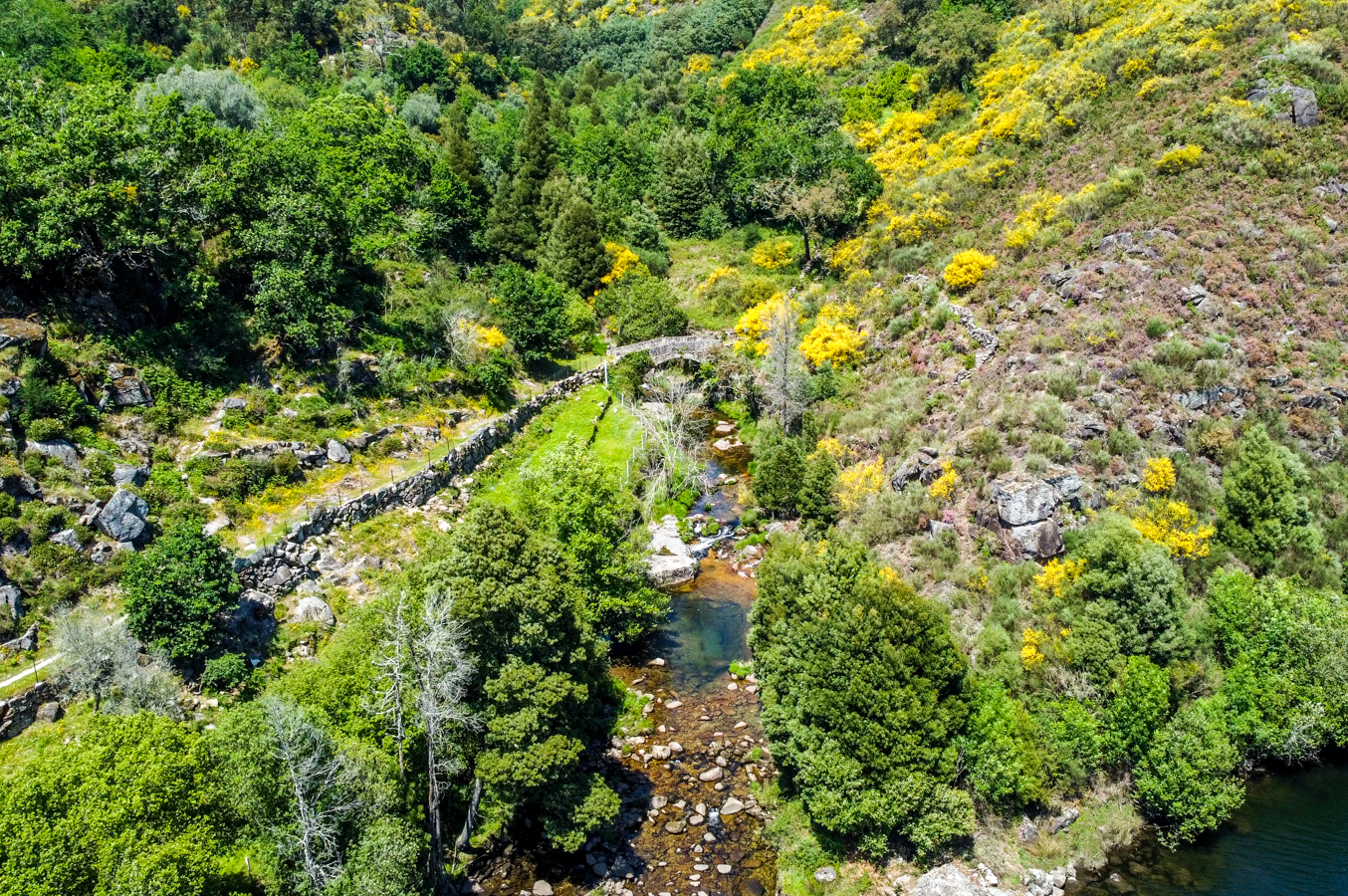
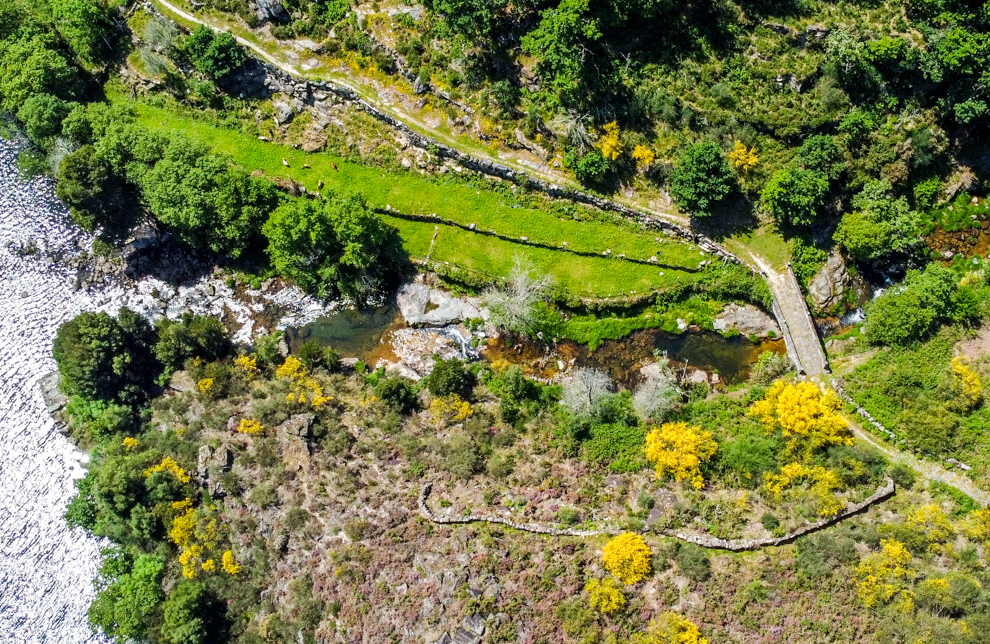
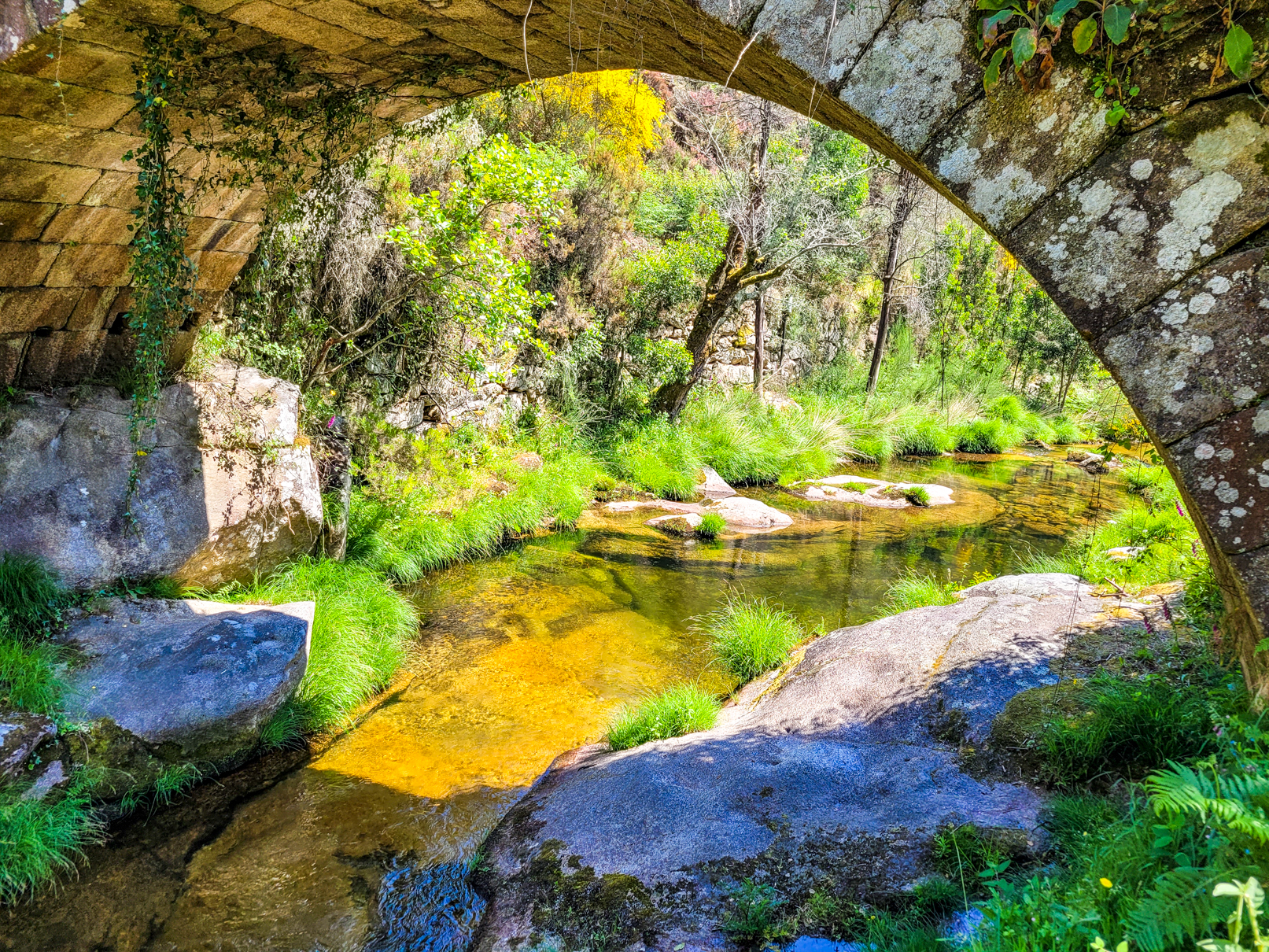
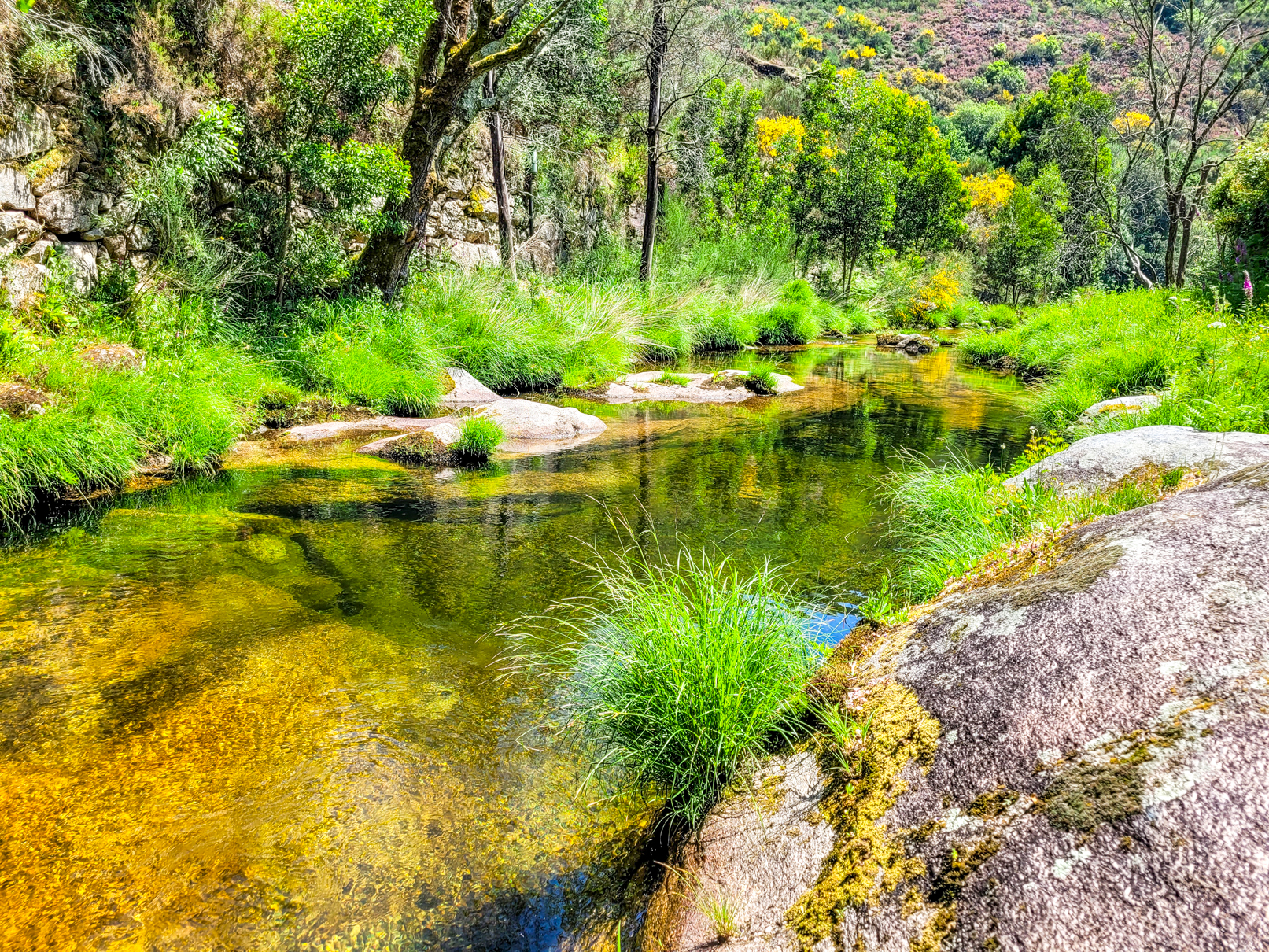
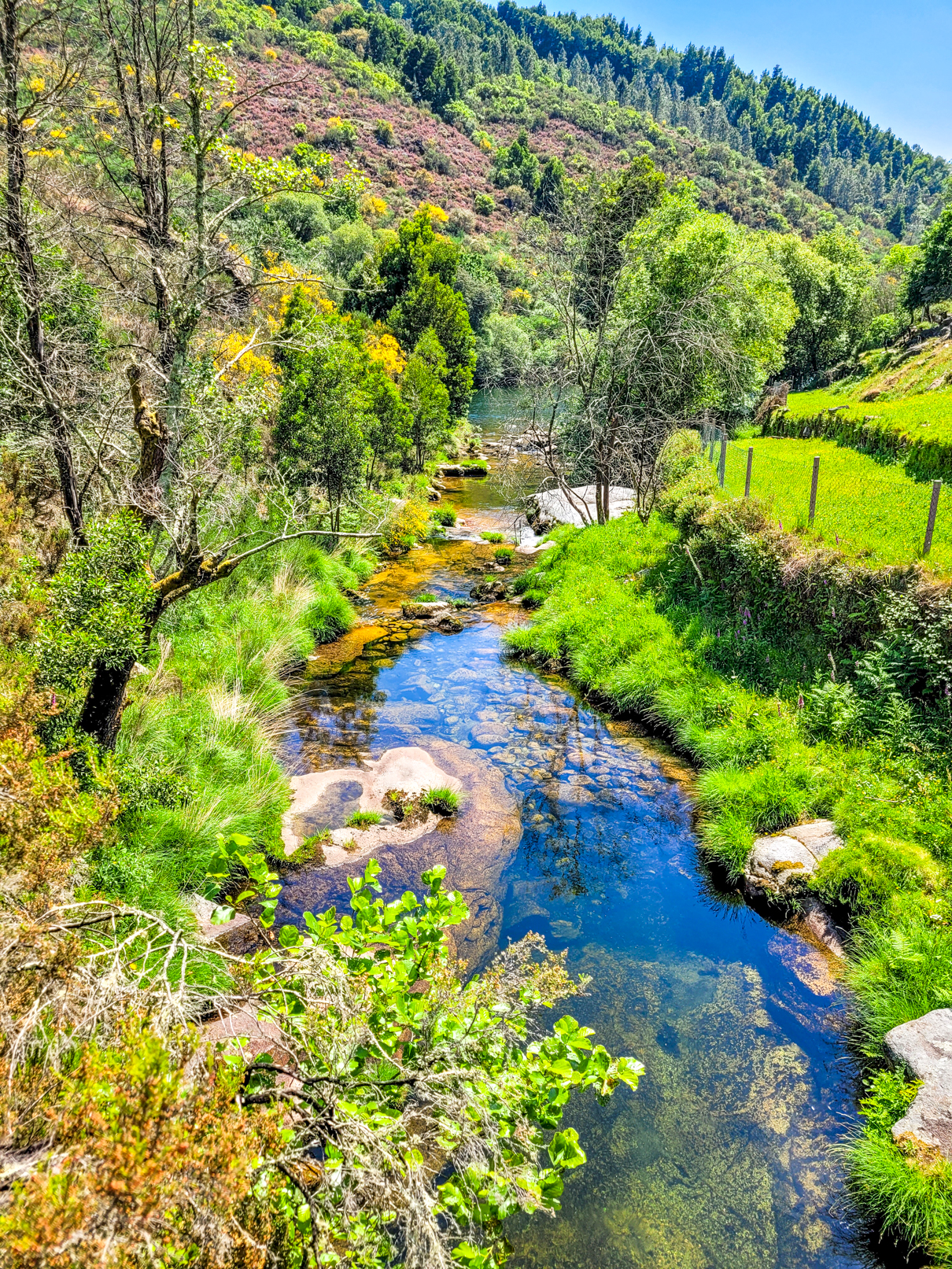
- For a shorter option, you can walk just the 2 km stretch from Ermelo to the Medieval Bridge, where I discovered some inviting natural lagoons—perfect for a refreshing break.
This is an easy trail, suitable for almost everyone, including families with children.
1. Ermelo Monastery
2. Ecovia of Ermelo
3. Medieval Bridge & Ermelo Lagoons
Stage 6 | Visit Ermida & Entre Ambos-os-Rios
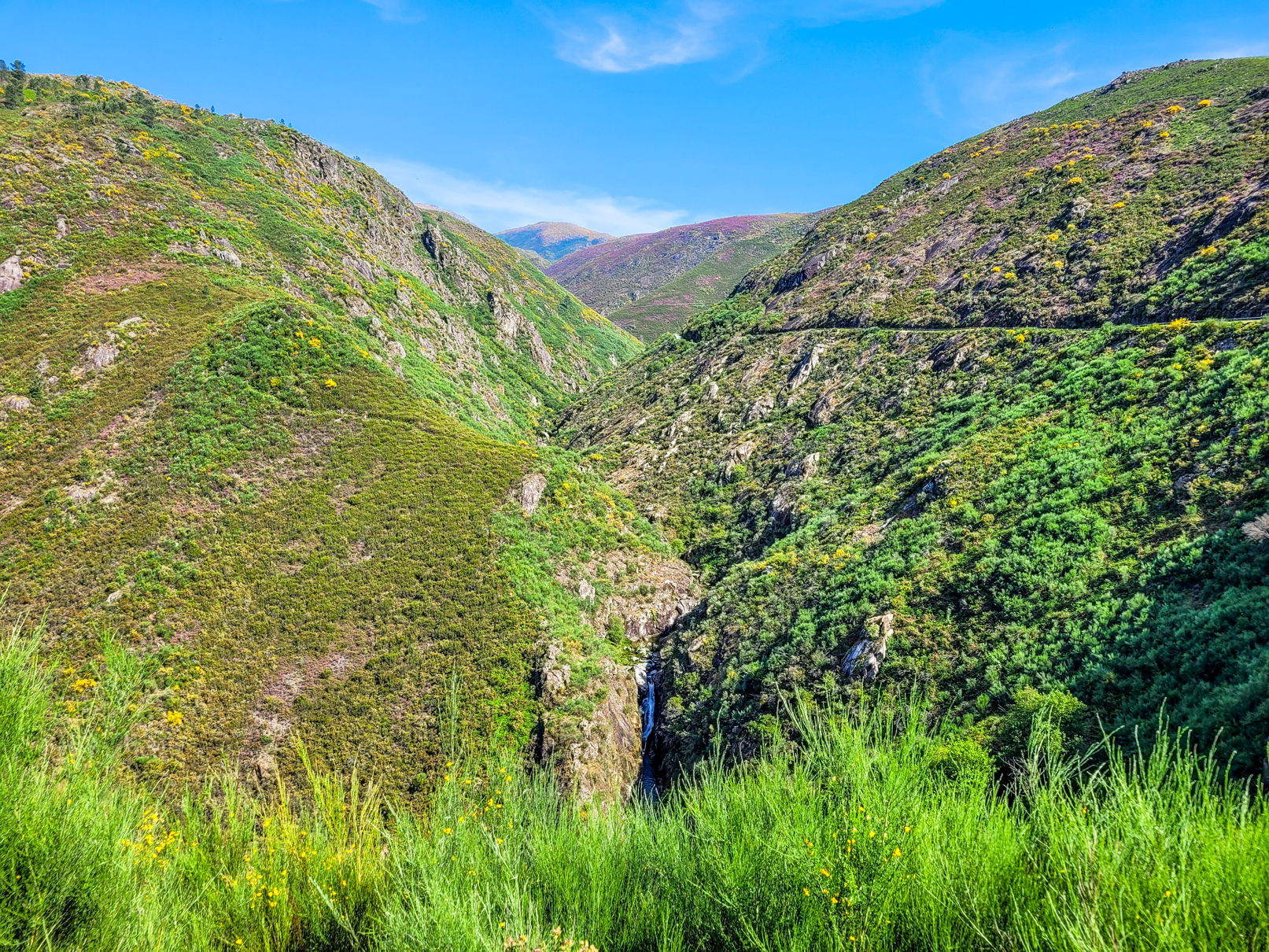
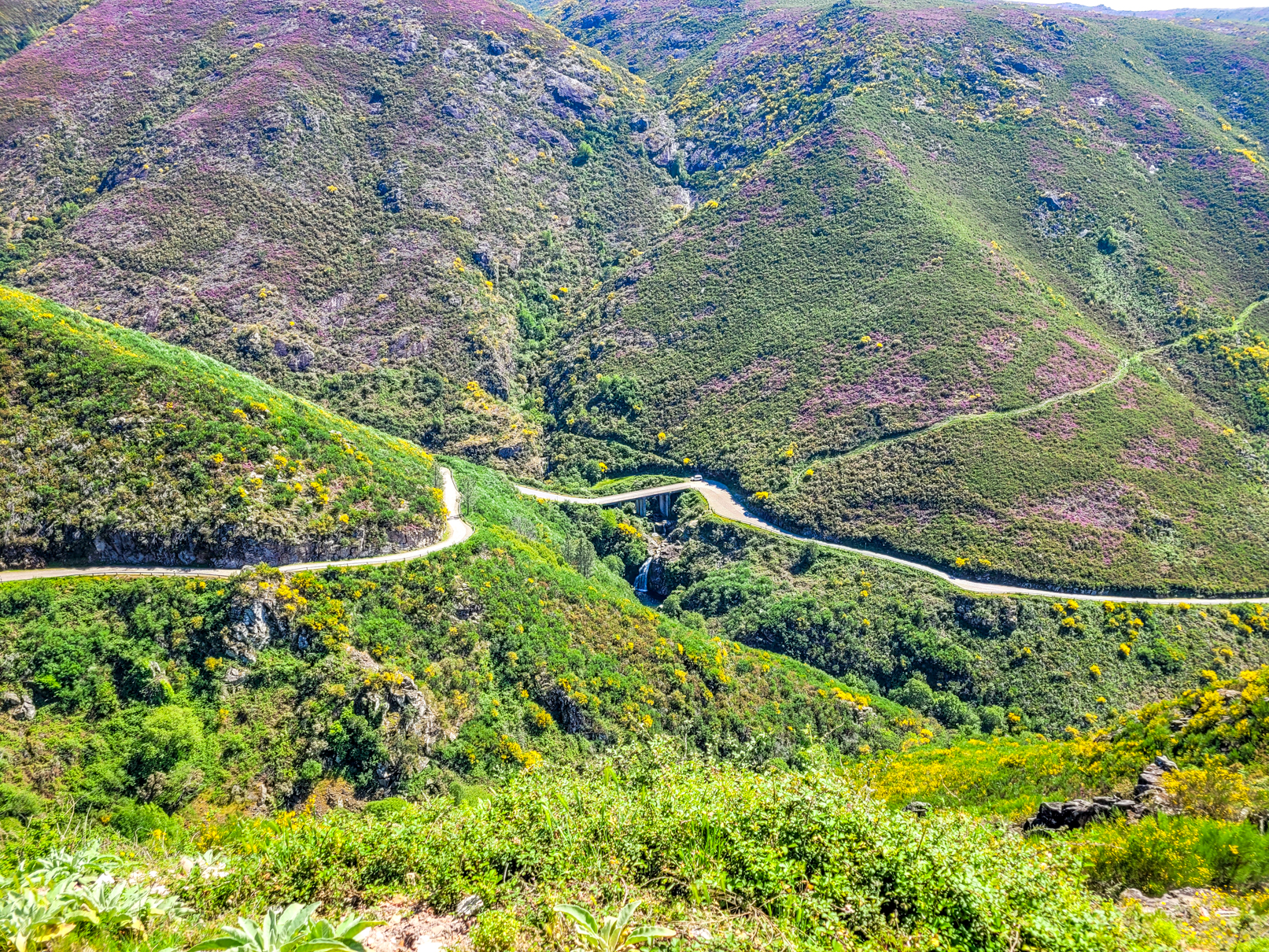
In this stage, you’ll head towards Ermida, and I’m sure you’ll love the scenic road that connects it to Entre Ambos-os-Rios.
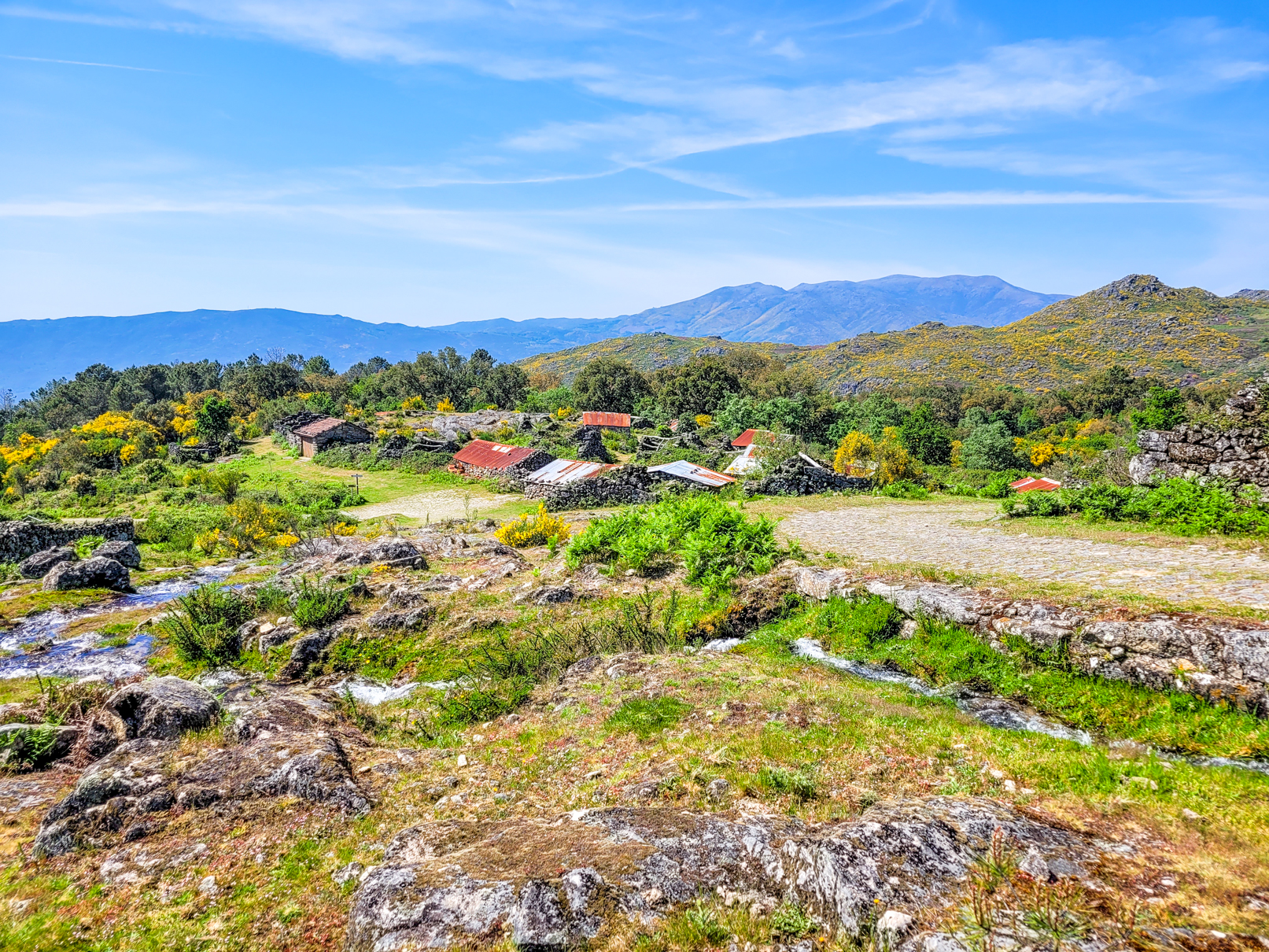
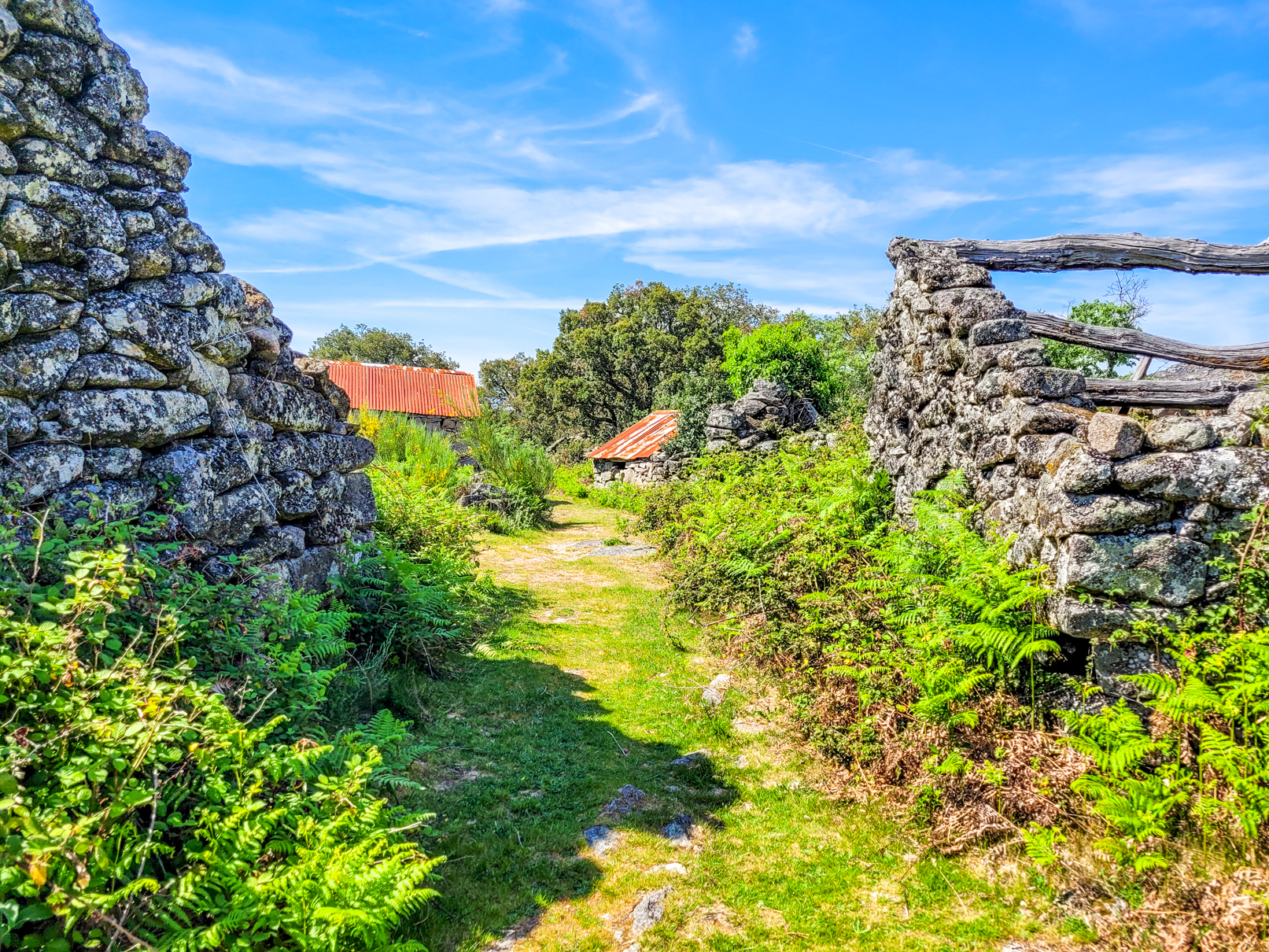
1. Ermida Village & Branda de Bilhares (Aldeia da Ermida e Branda de Bilhares)
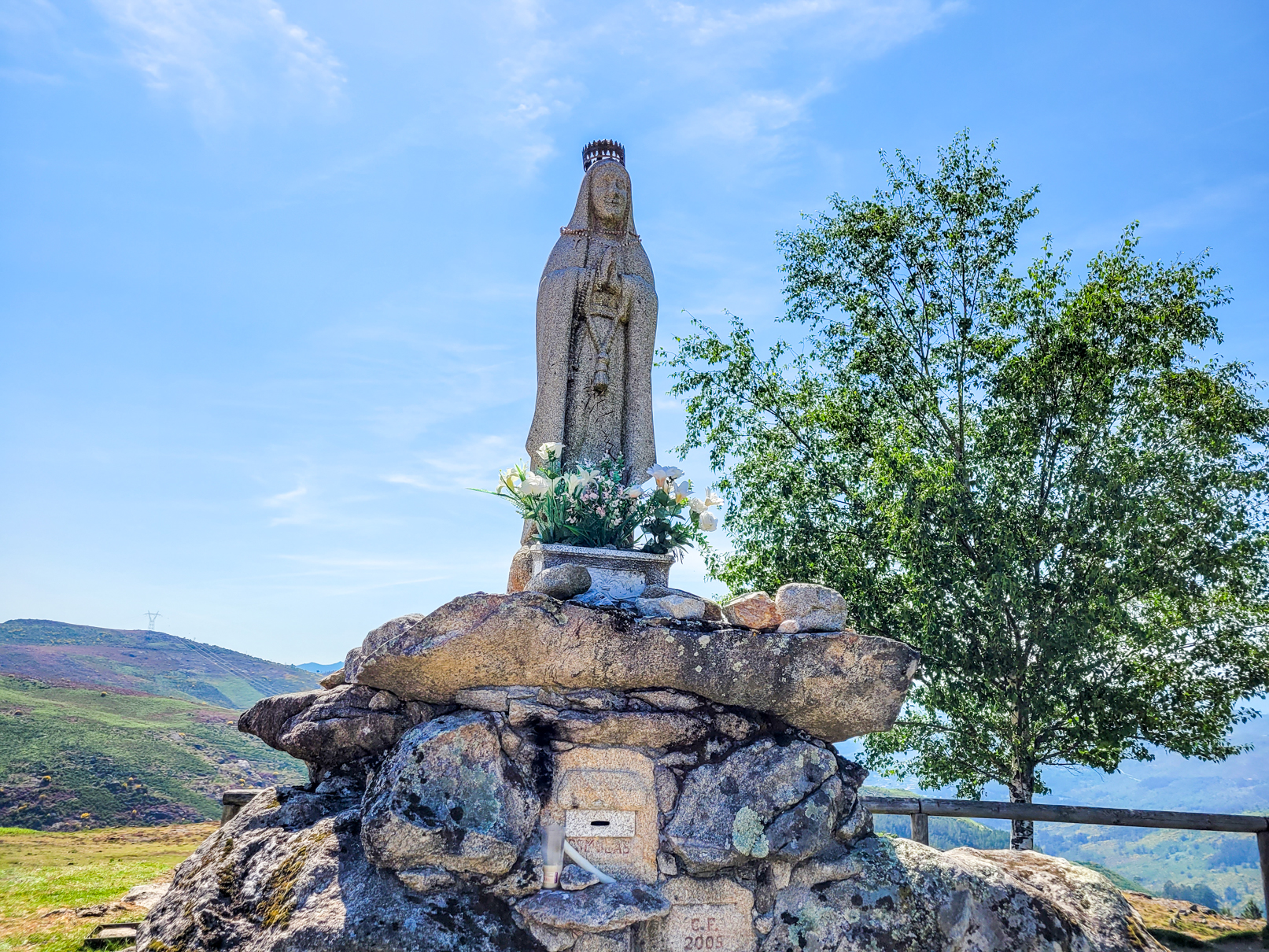
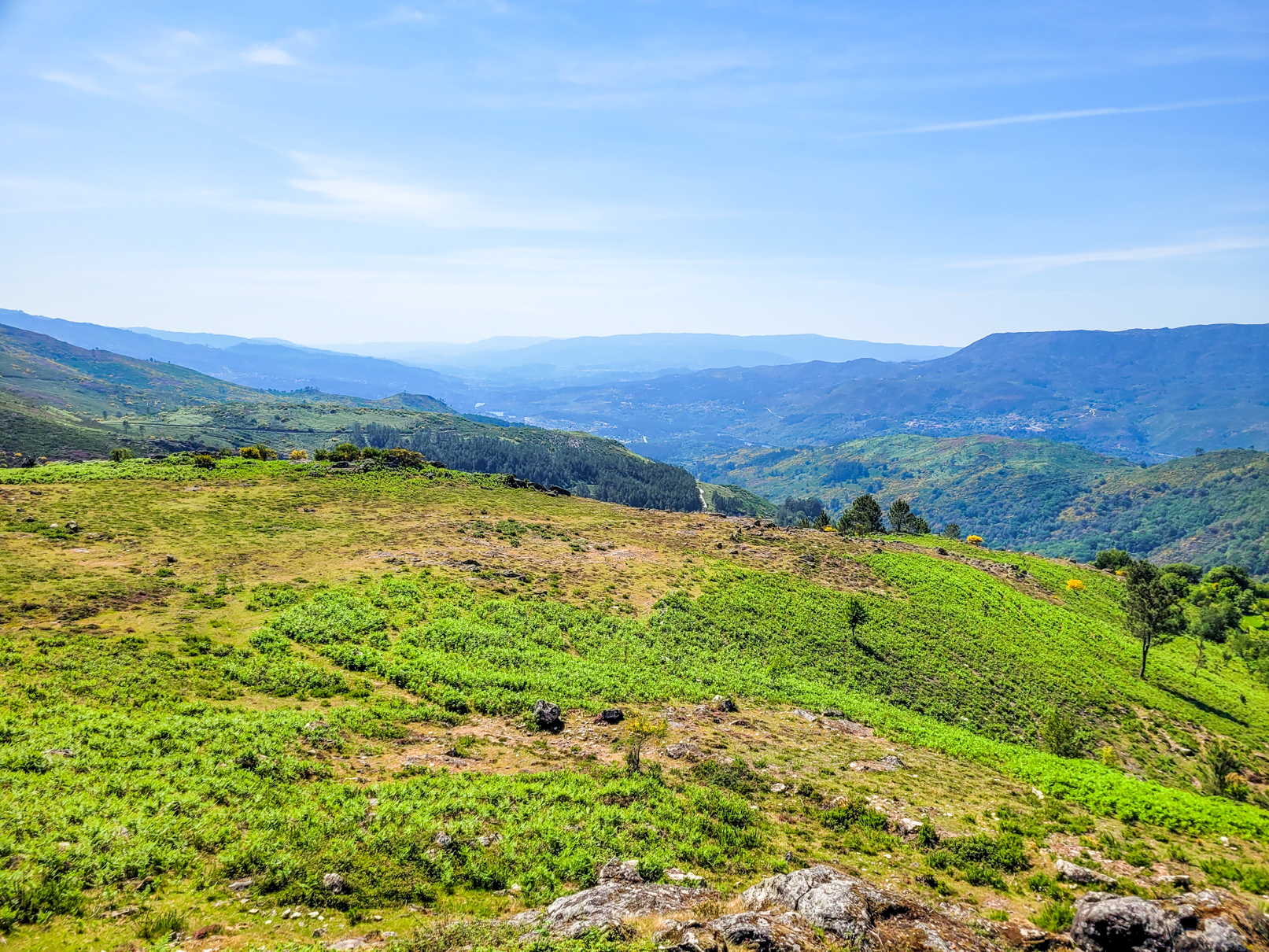
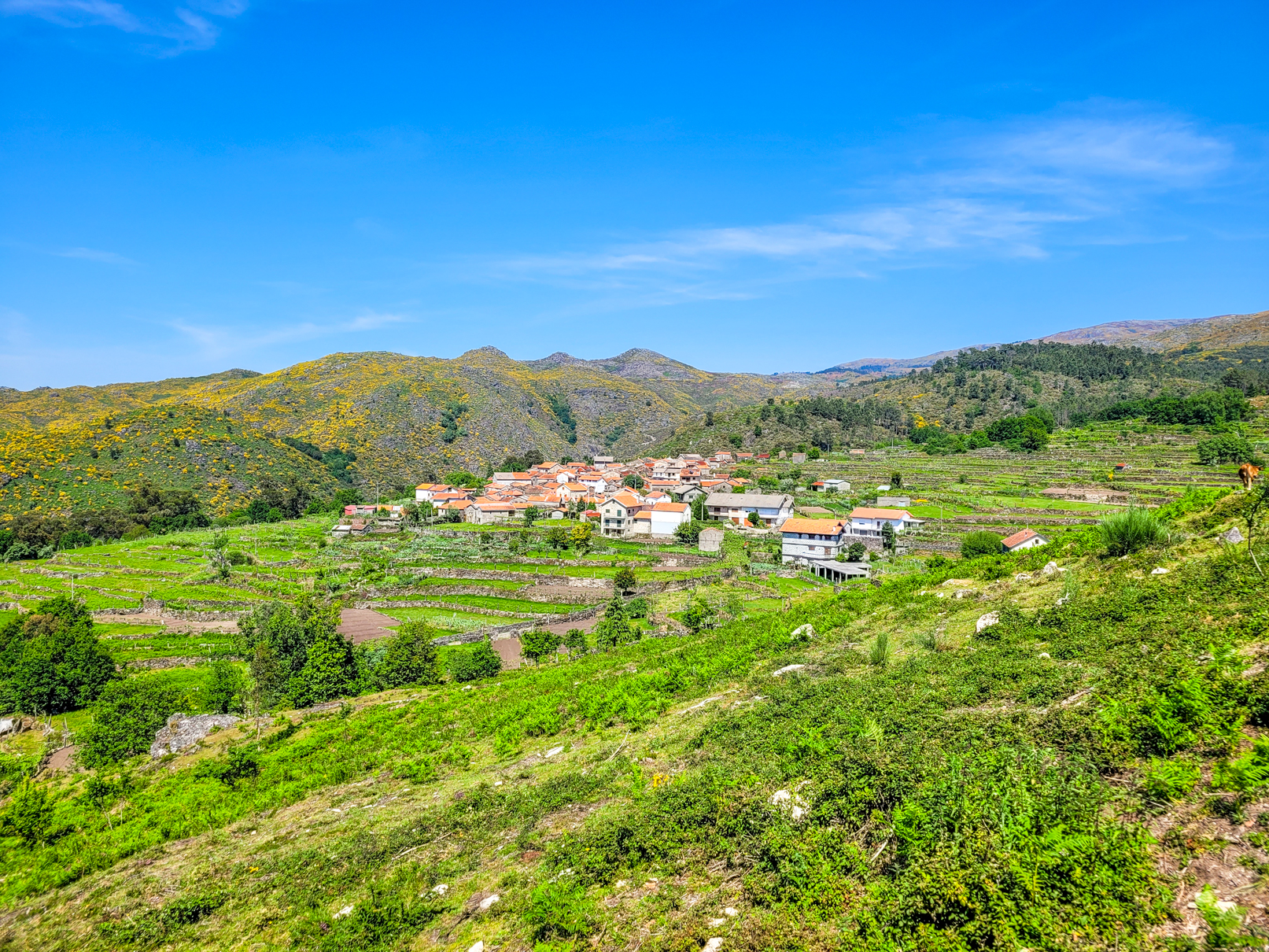
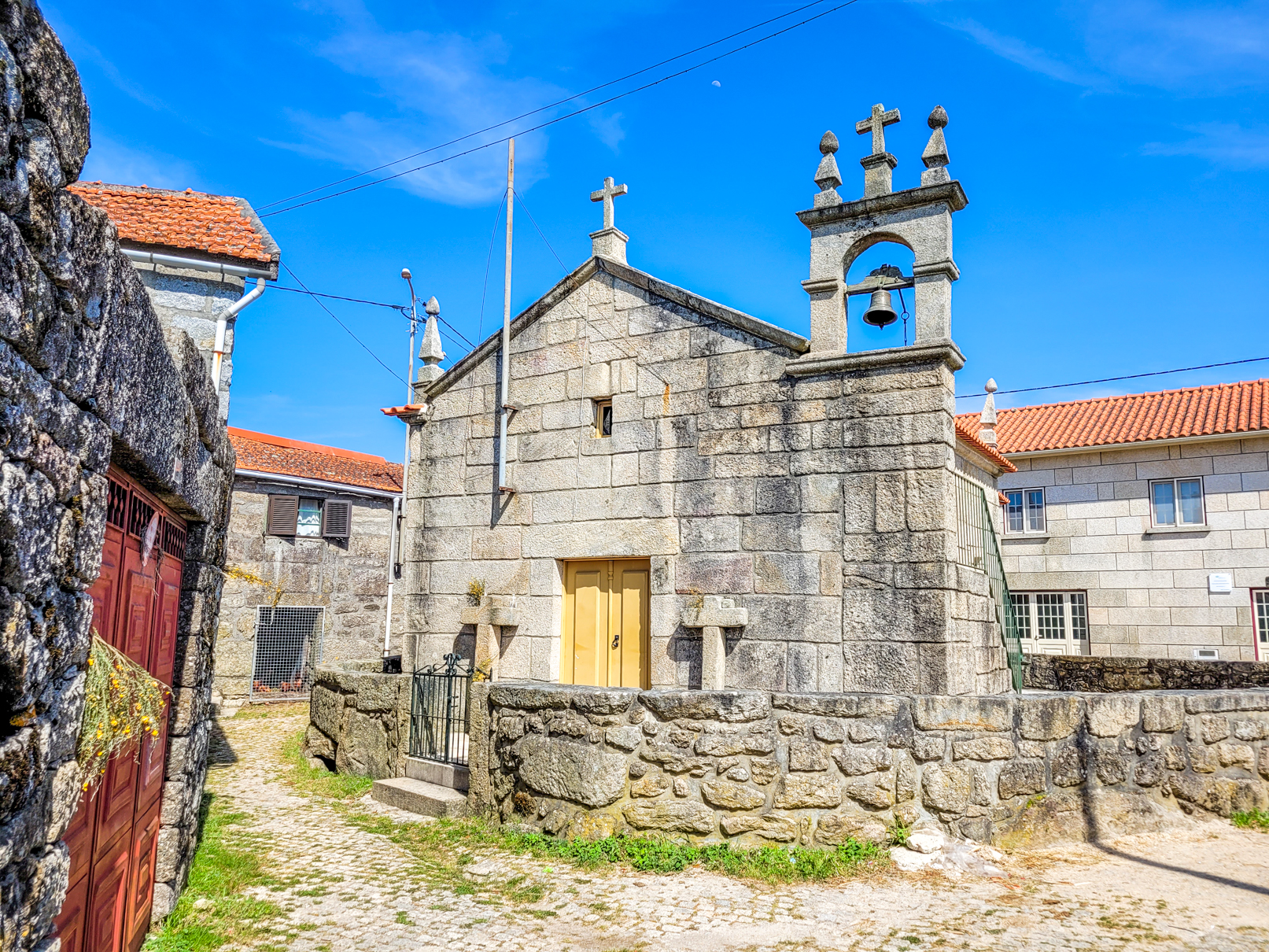
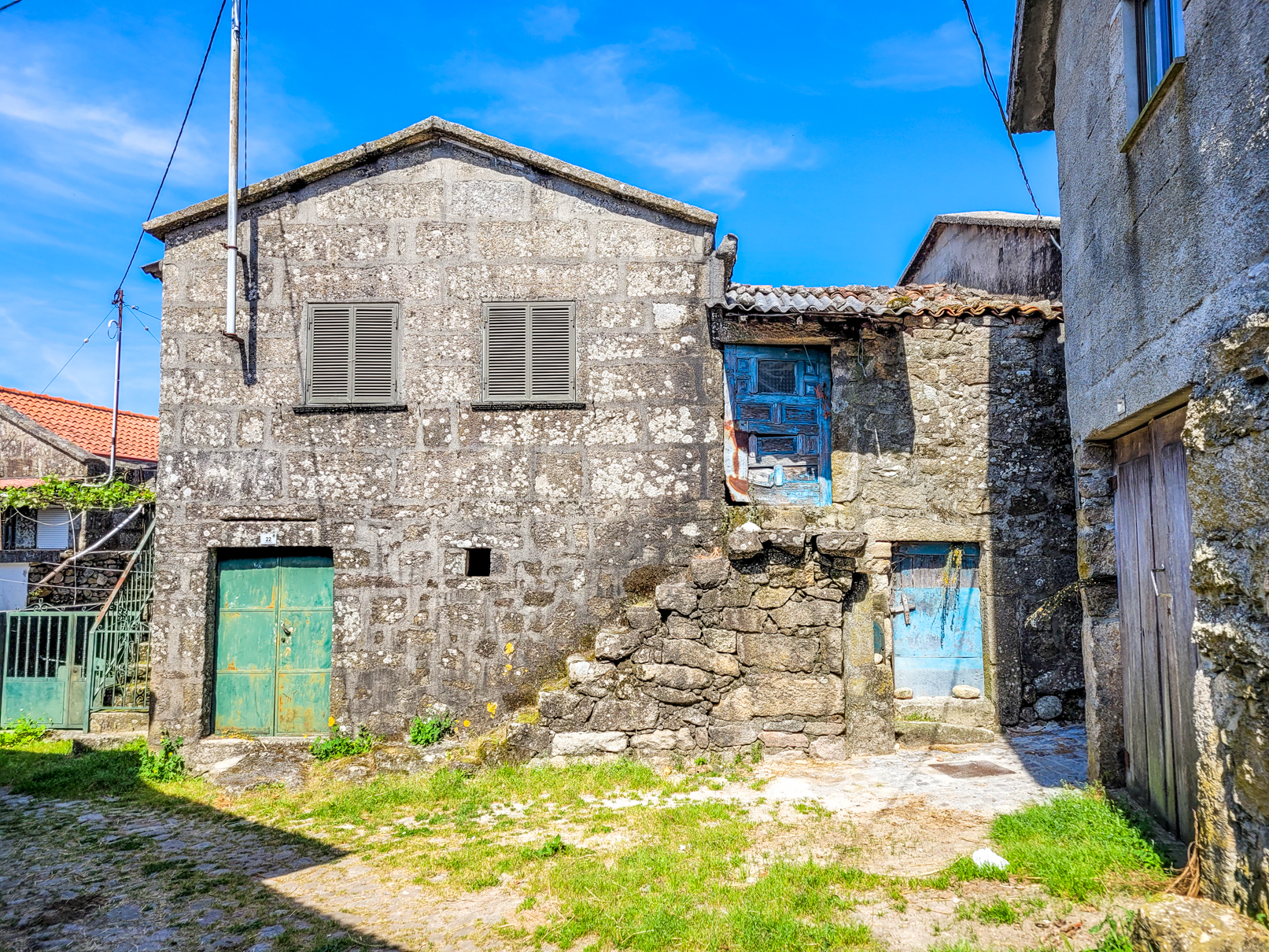
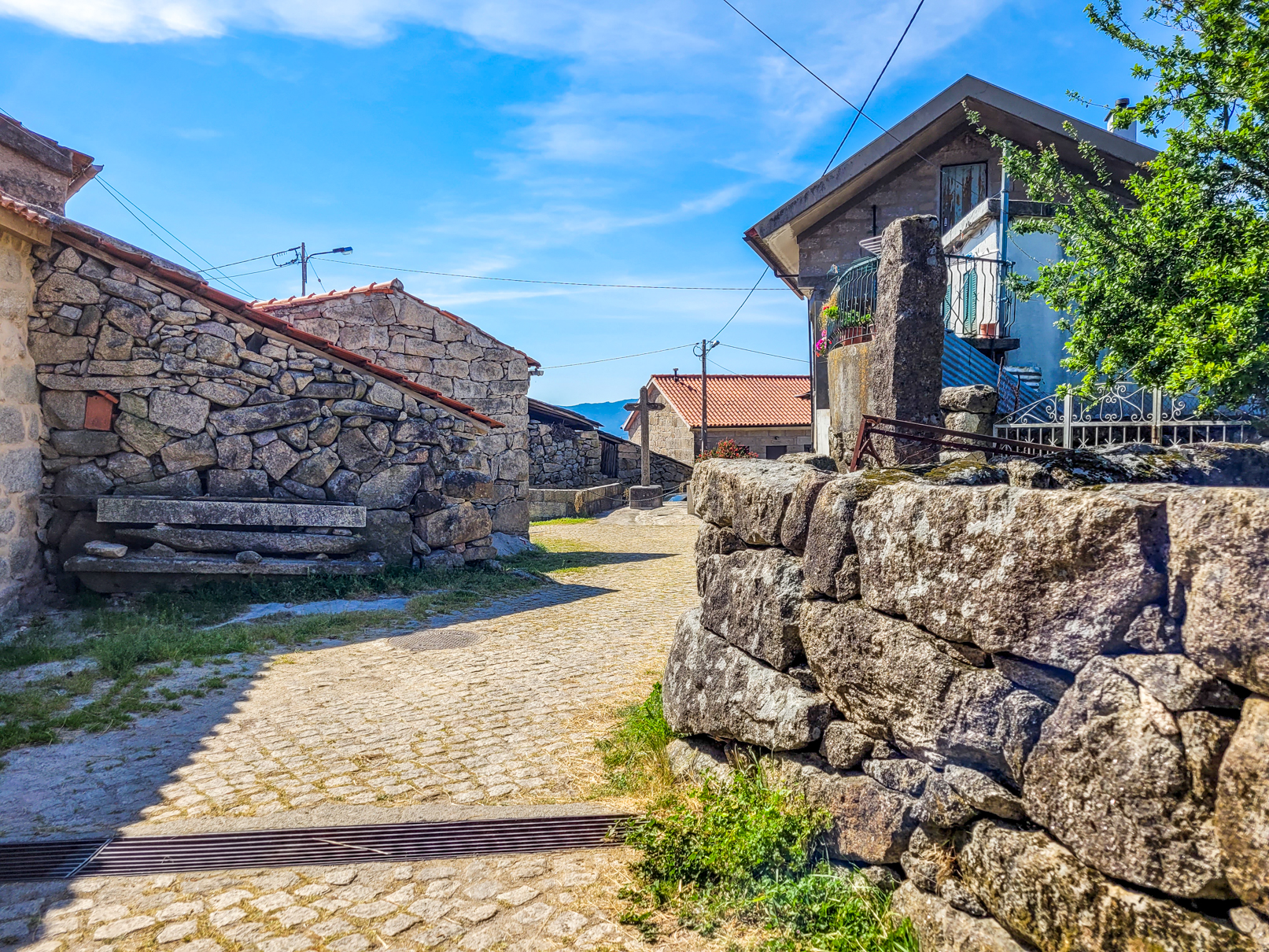
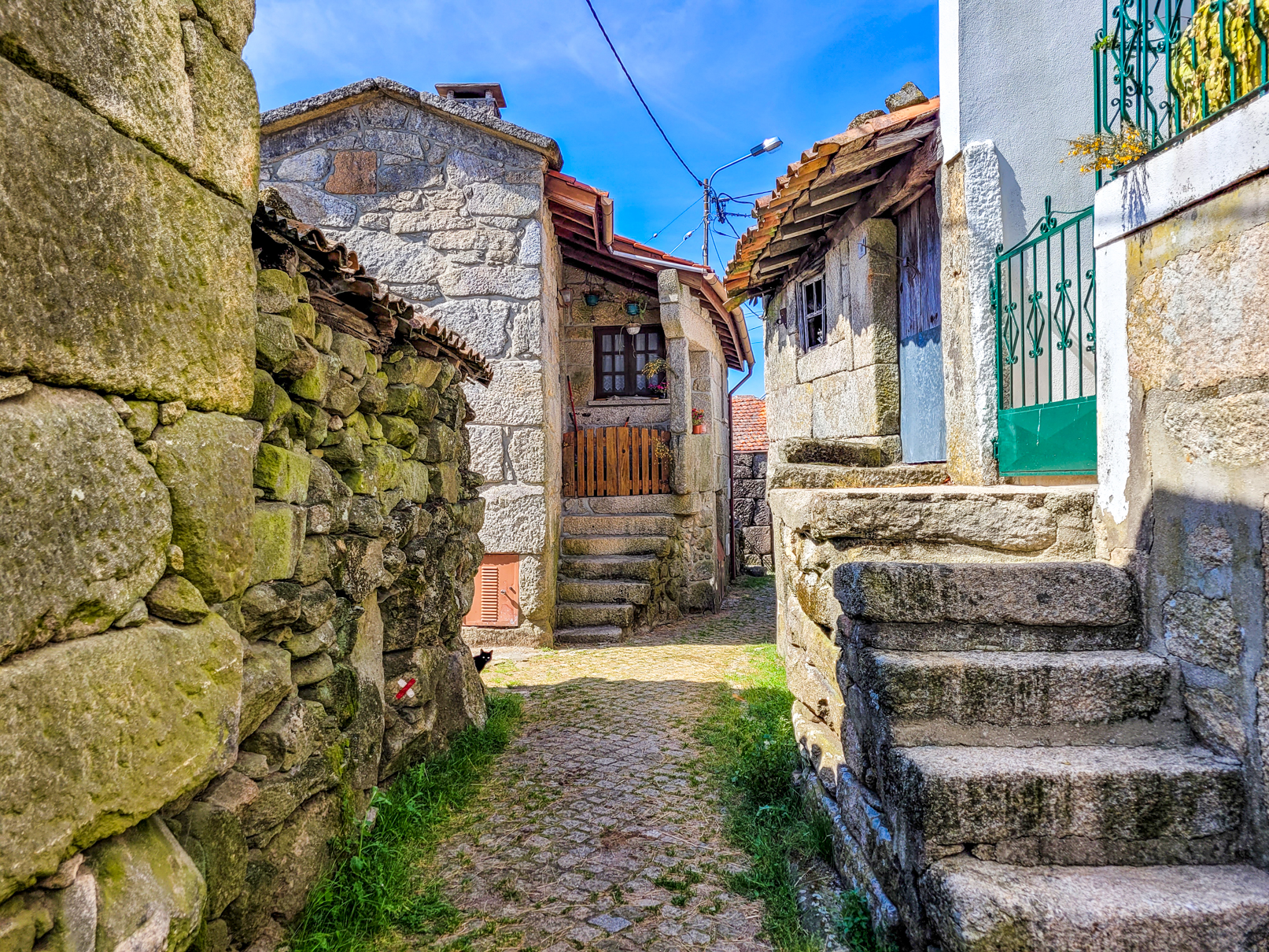
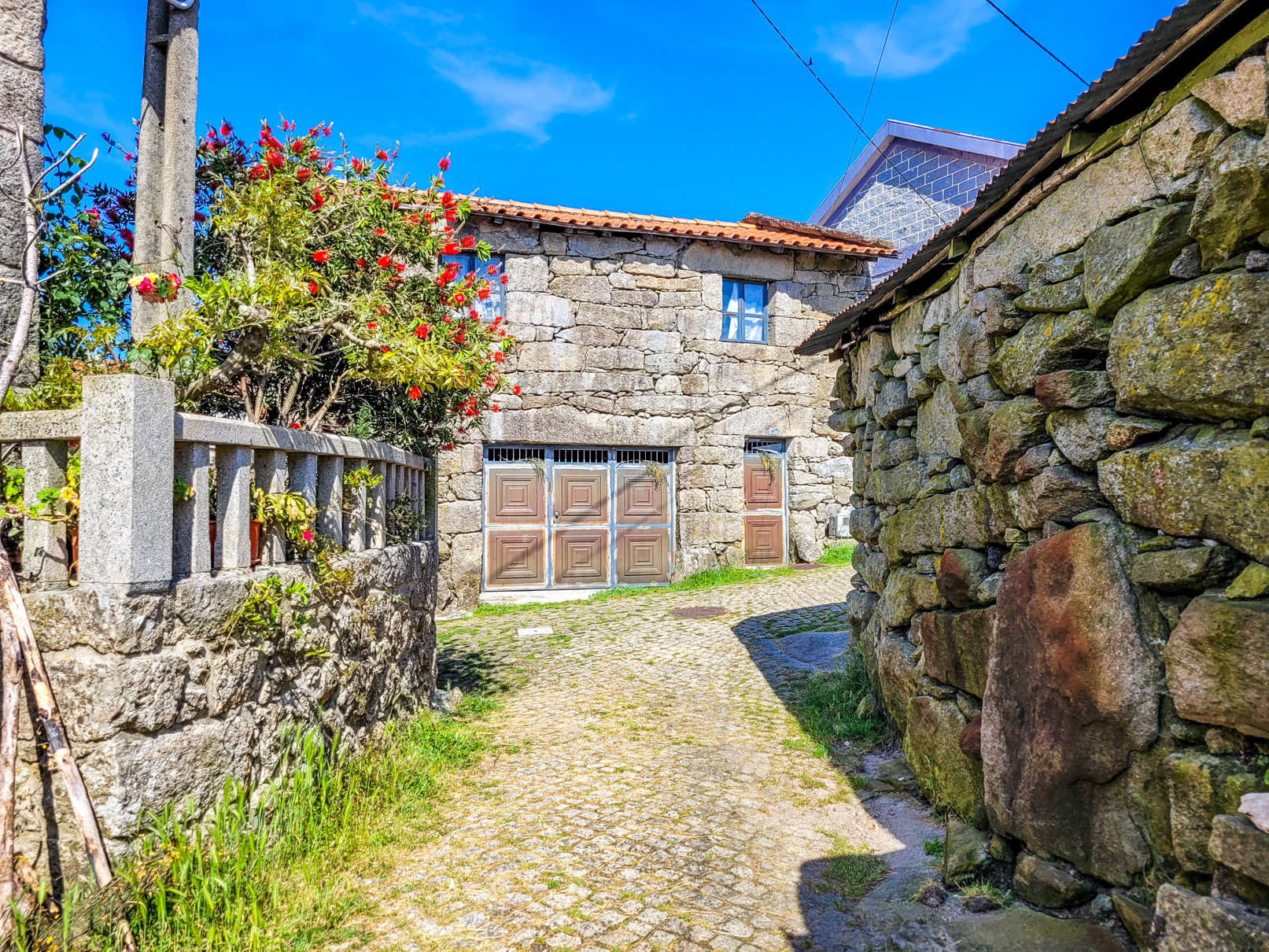
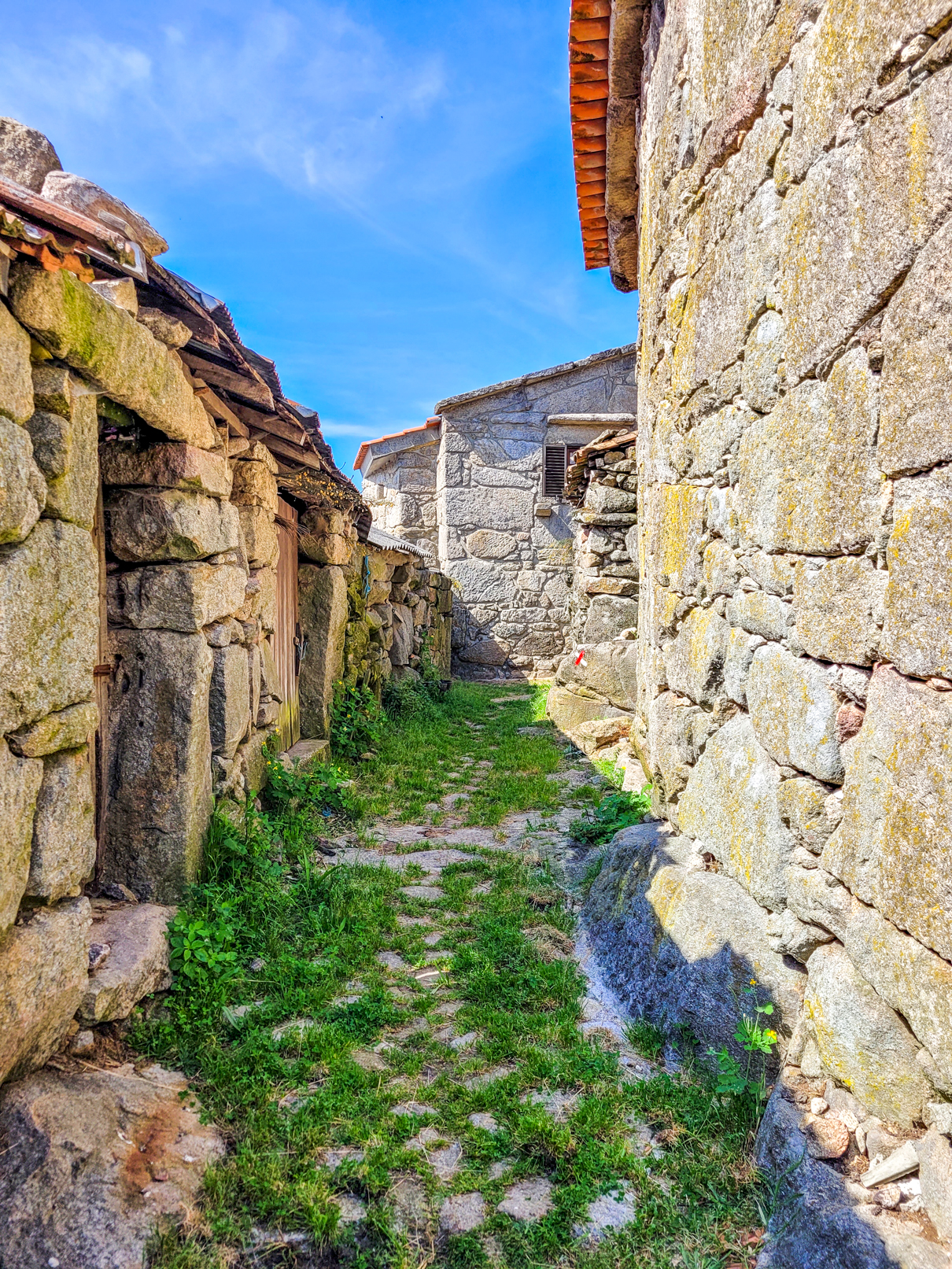
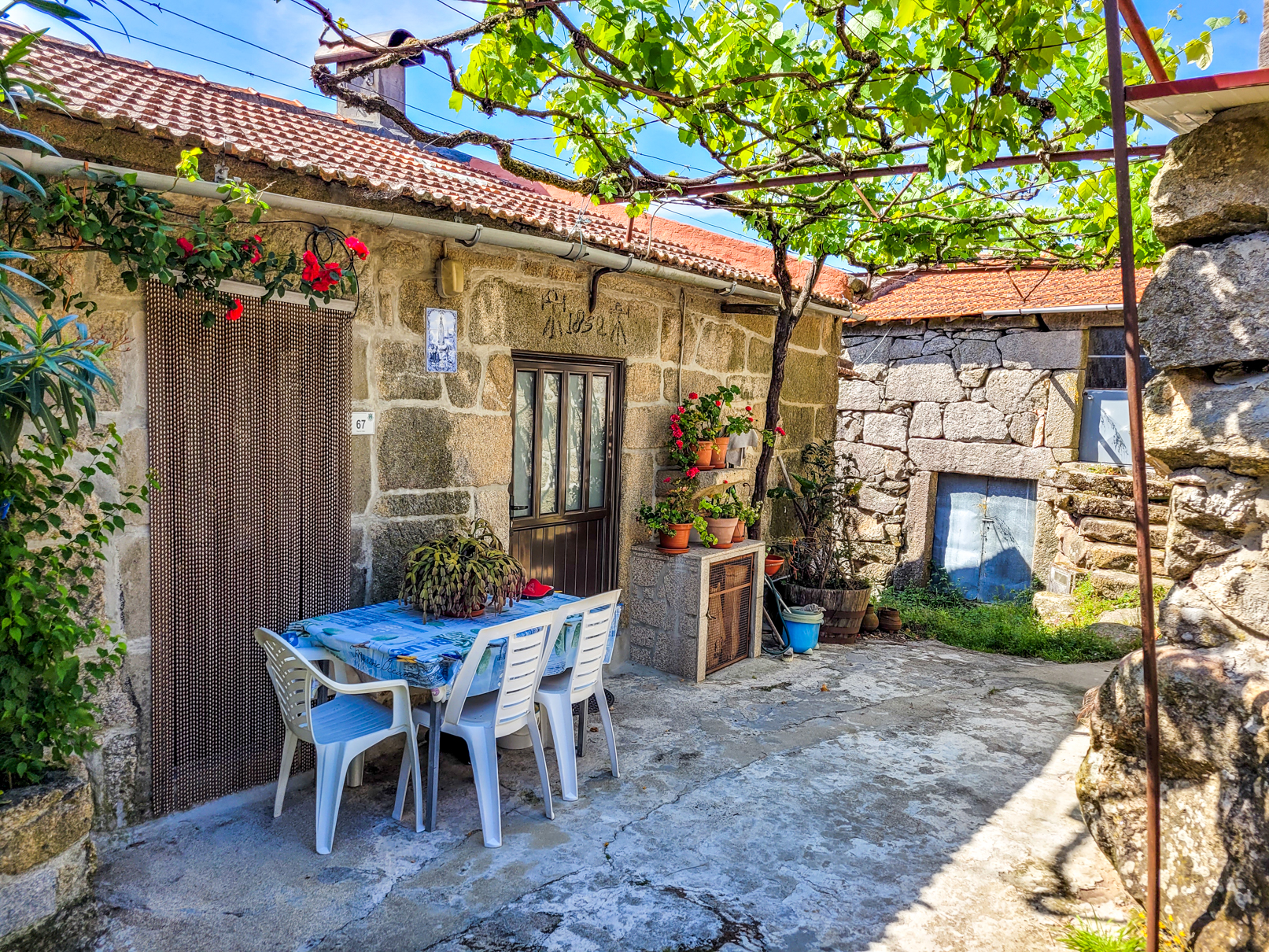
For me, the village of Ermida is the most authentic stop on this entire Soajo and Lindoso itinerary — it’s the one that truly preserves the spirit of the mountains.
As an optional detour, you can hike or drive to the Branda de Bilhares, located about 2 km away (4 km if you count the return). From there, trails continue deeper into the mountains, though I didn’t do them myself and, honestly, I believe there are better hiking options elsewhere in Gerês.
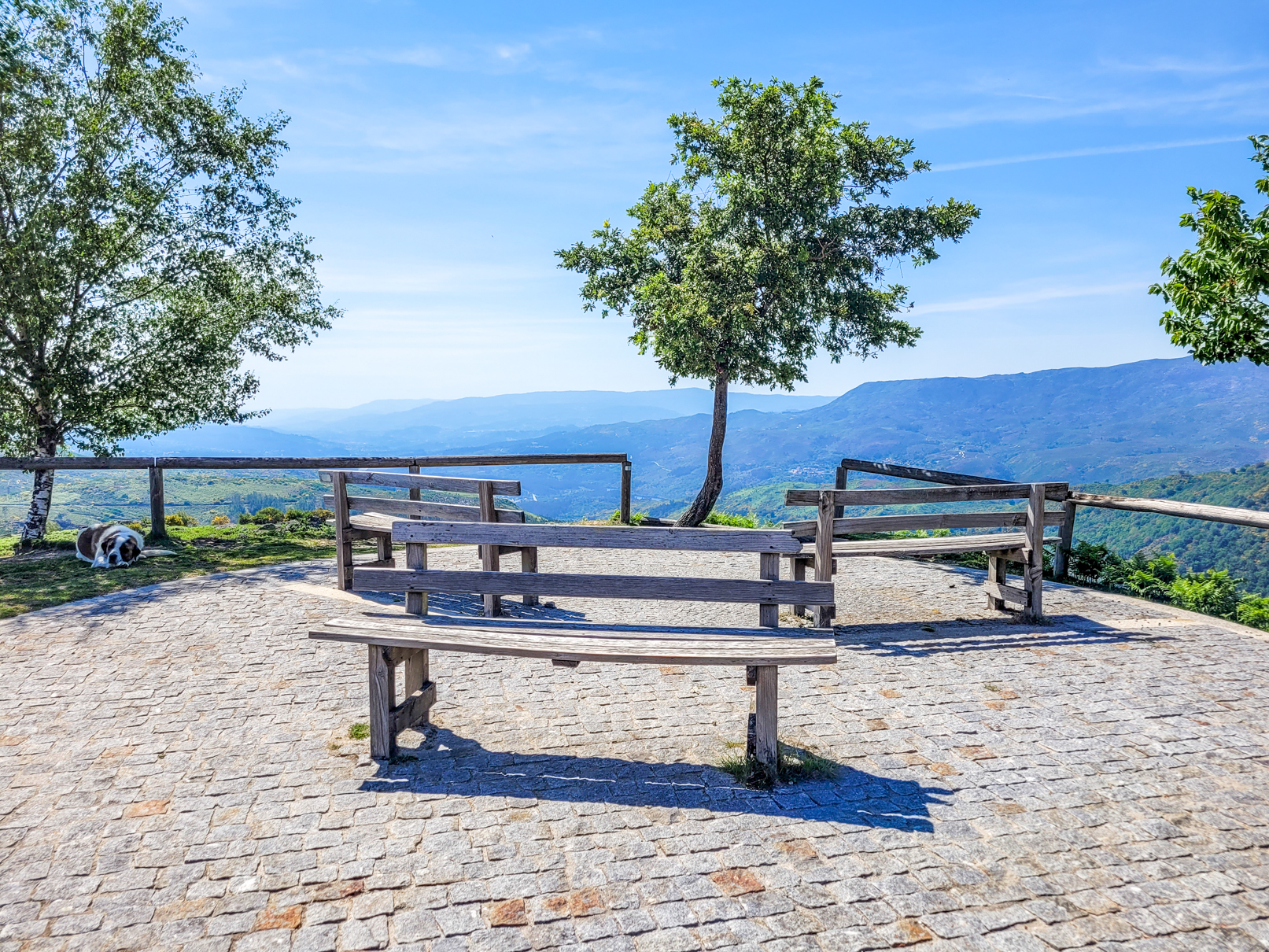
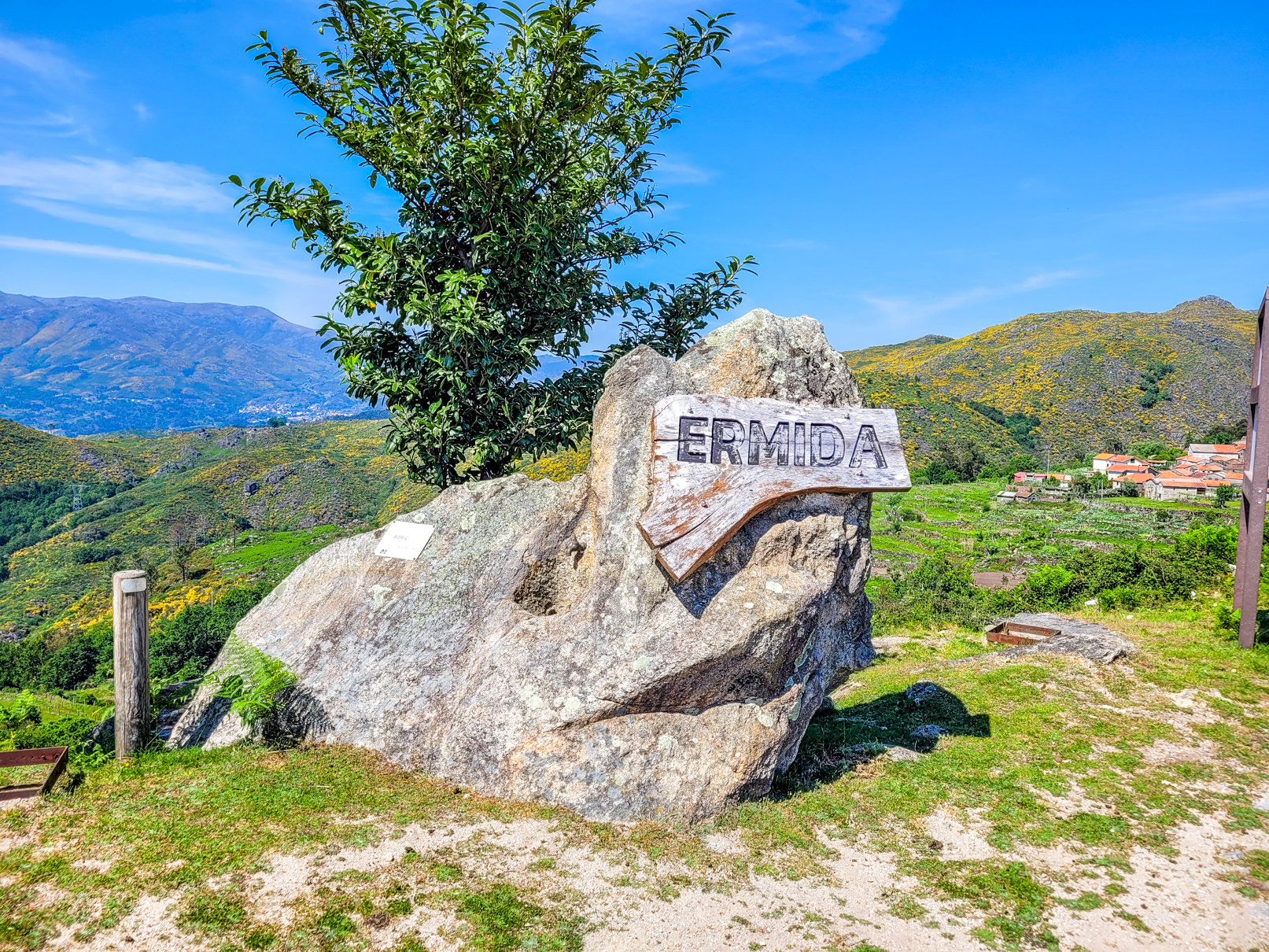
Still, don’t miss the Miradouro da Ermida, located right at the entrance of the village. The views are spectacular and give you the perfect first impression of this mountain community.
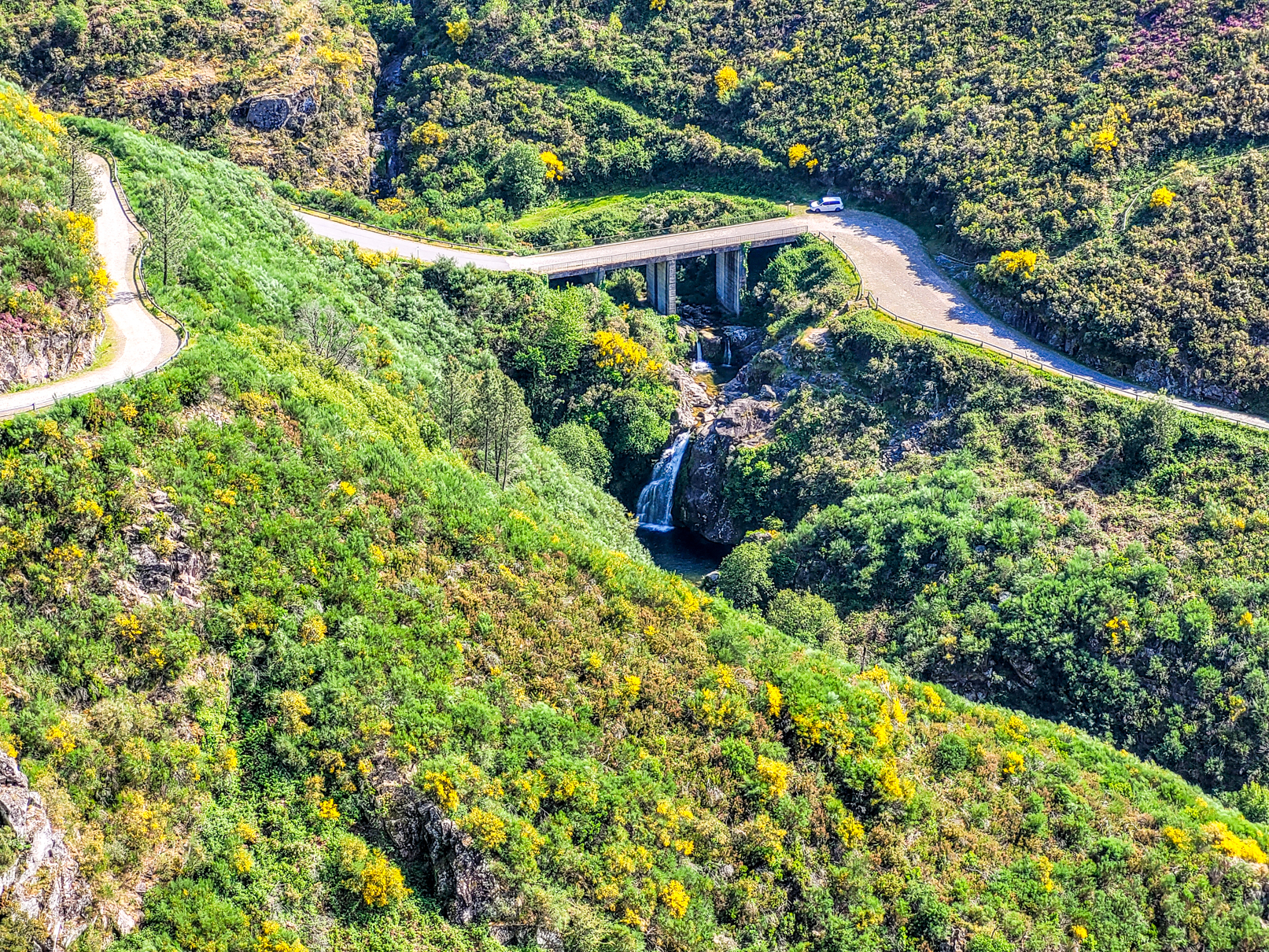
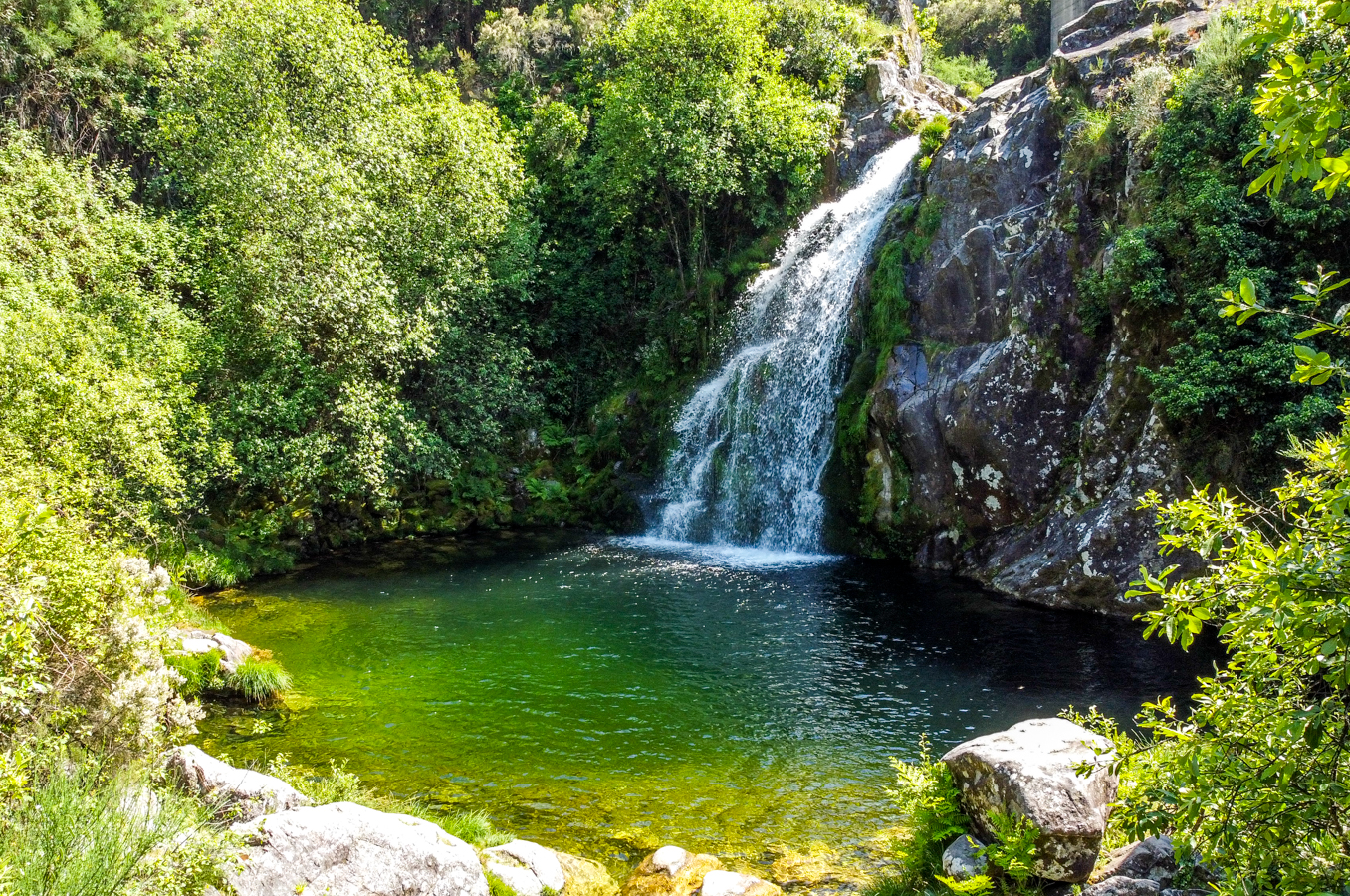
2. Ermida Waterfall & Poço da Carcerelha (Cascata da Ermida e Poço da Carcerelha)
Both the Ermida Waterfall and the Poço da Carcerelha are located right along the road leading to the village of Ermida. They’re not exactly hidden gems, as they’re clearly marked and easy to find, but they’re still must-see spots on any itinerary through the area.
That said, while they’re beautiful, I personally think the next stop is even better for swimming—more secluded, less visited, and perfect if you’re looking for a quieter dip in nature.
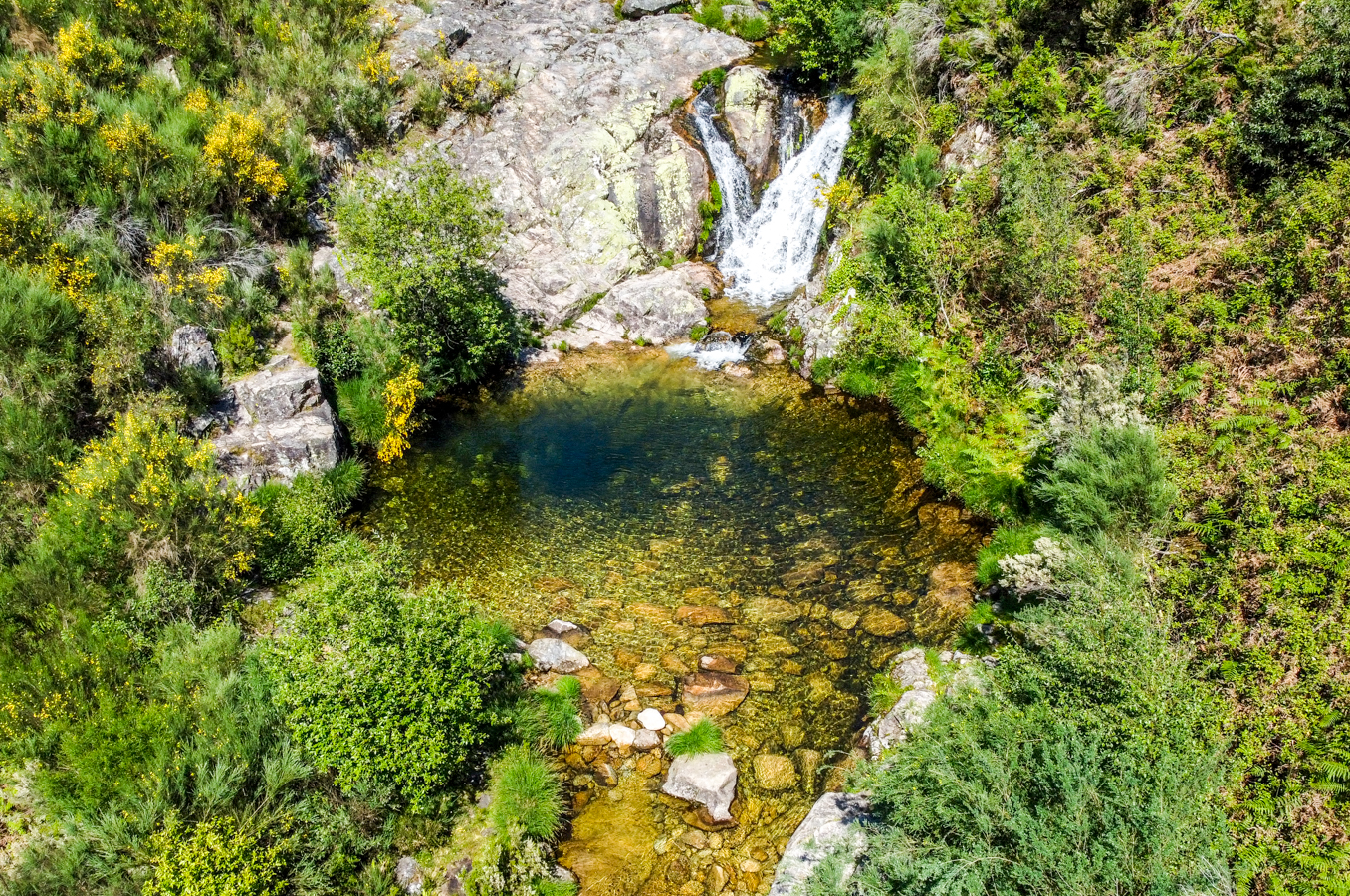
3. Baraceira Waterfall & Lagoon (Cascata e Poço da Baraceira, Lourido)
Another beautiful stop in the Ermida area is the Poço da Baraceira. To reach it, you’ll need to follow a path starting from the coordinates 41.82238, -8.27609.
Be prepared, though—it’s a bit of an off-trail adventure. If you check Google Maps on Street View, you’ll be able to spot the access point, but from there it’s about 600–700 meters of rough terrain before you arrive.
The effort is absolutely worth it: the Baraceira Lagoon is one of the most idyllic natural pools in the entire Peneda-Gerês National Park, with crystal-clear waters and a sense of wild seclusion.
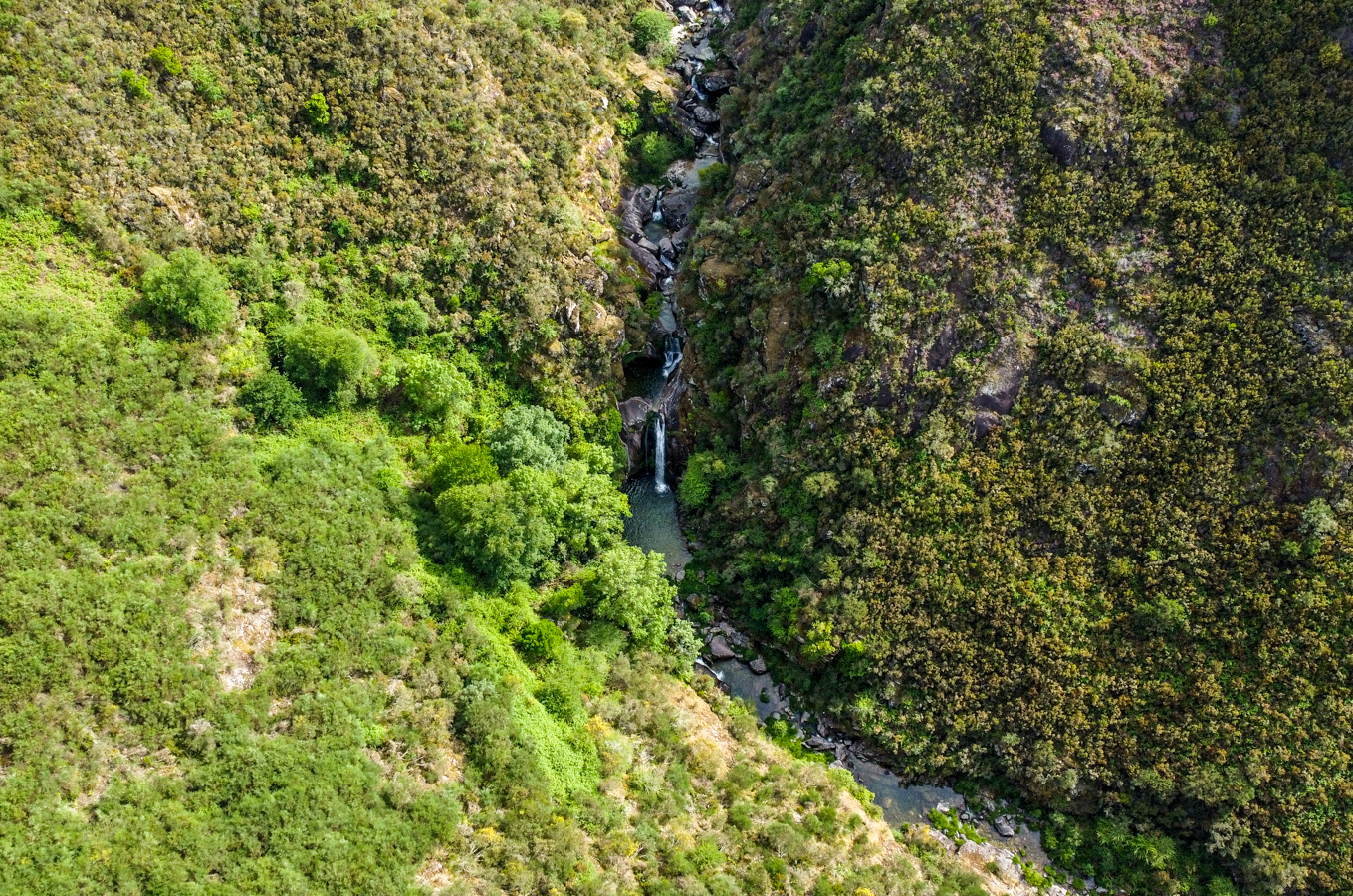
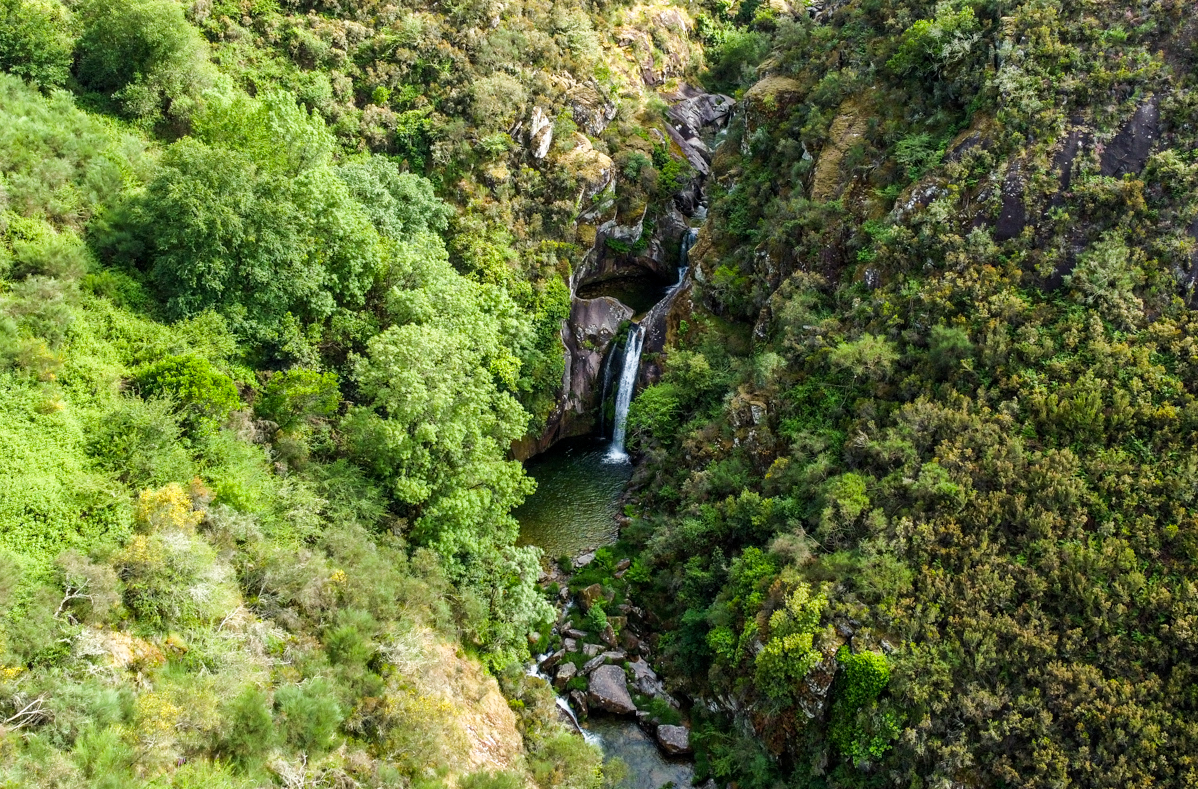
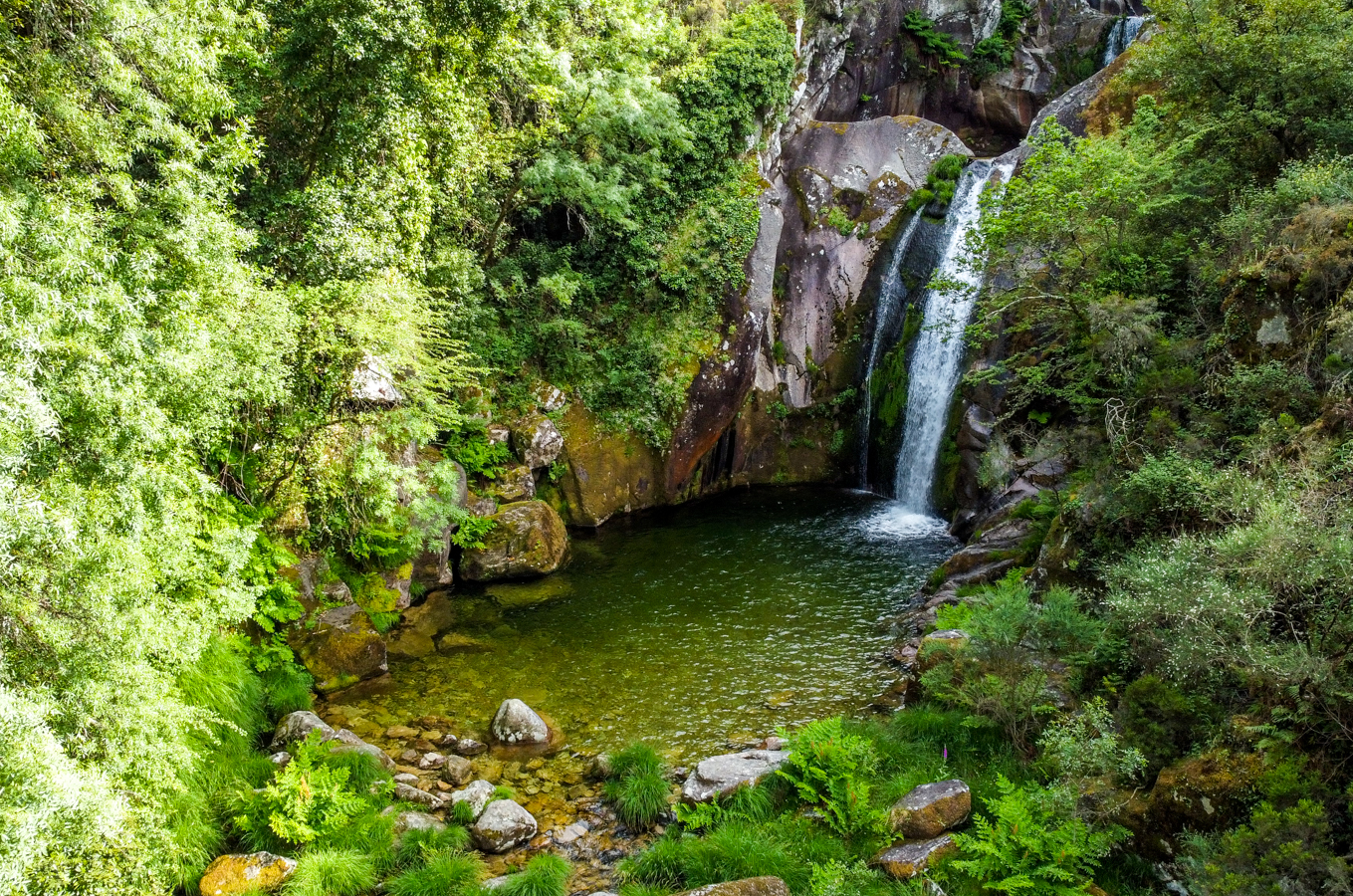
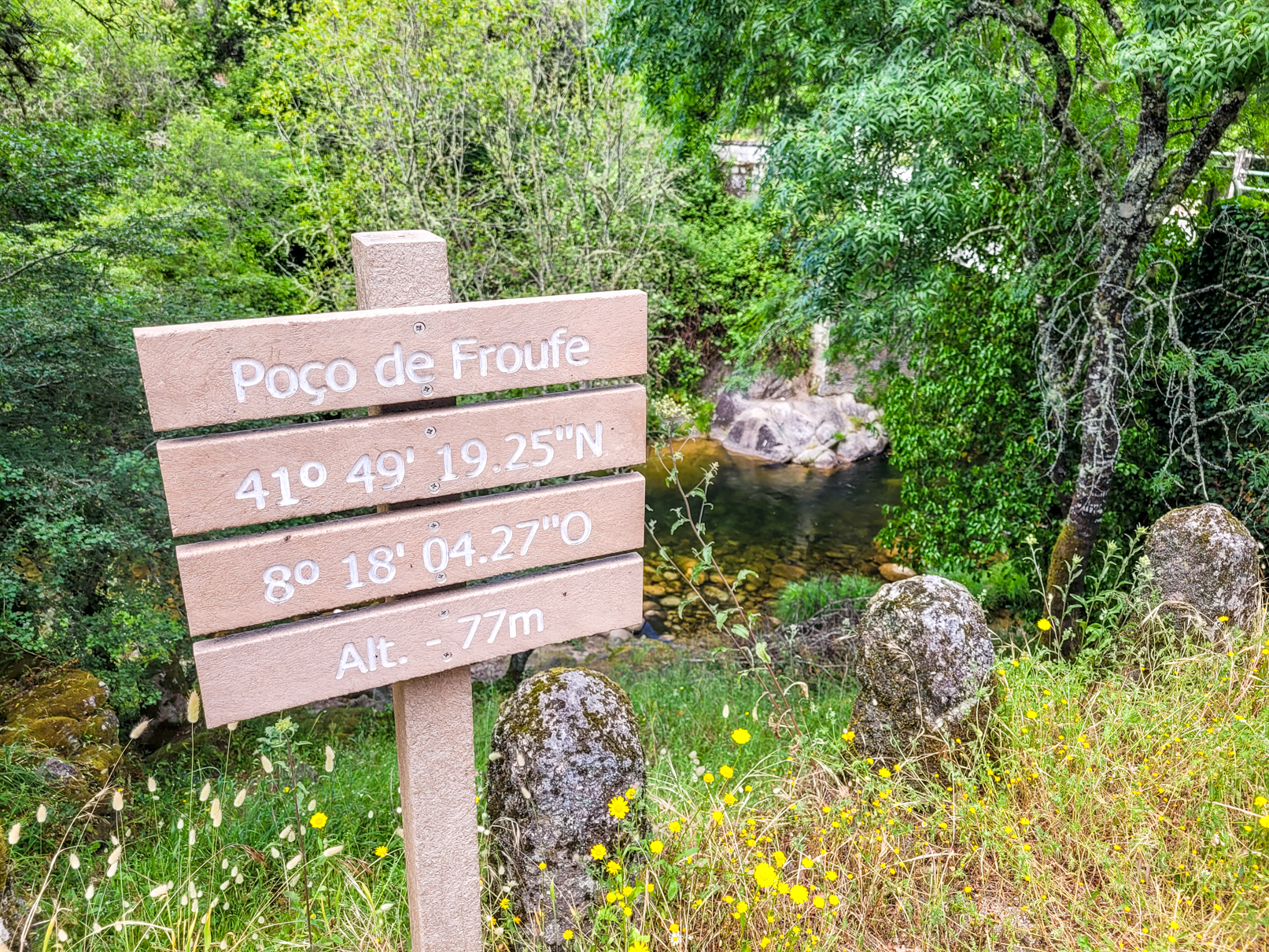
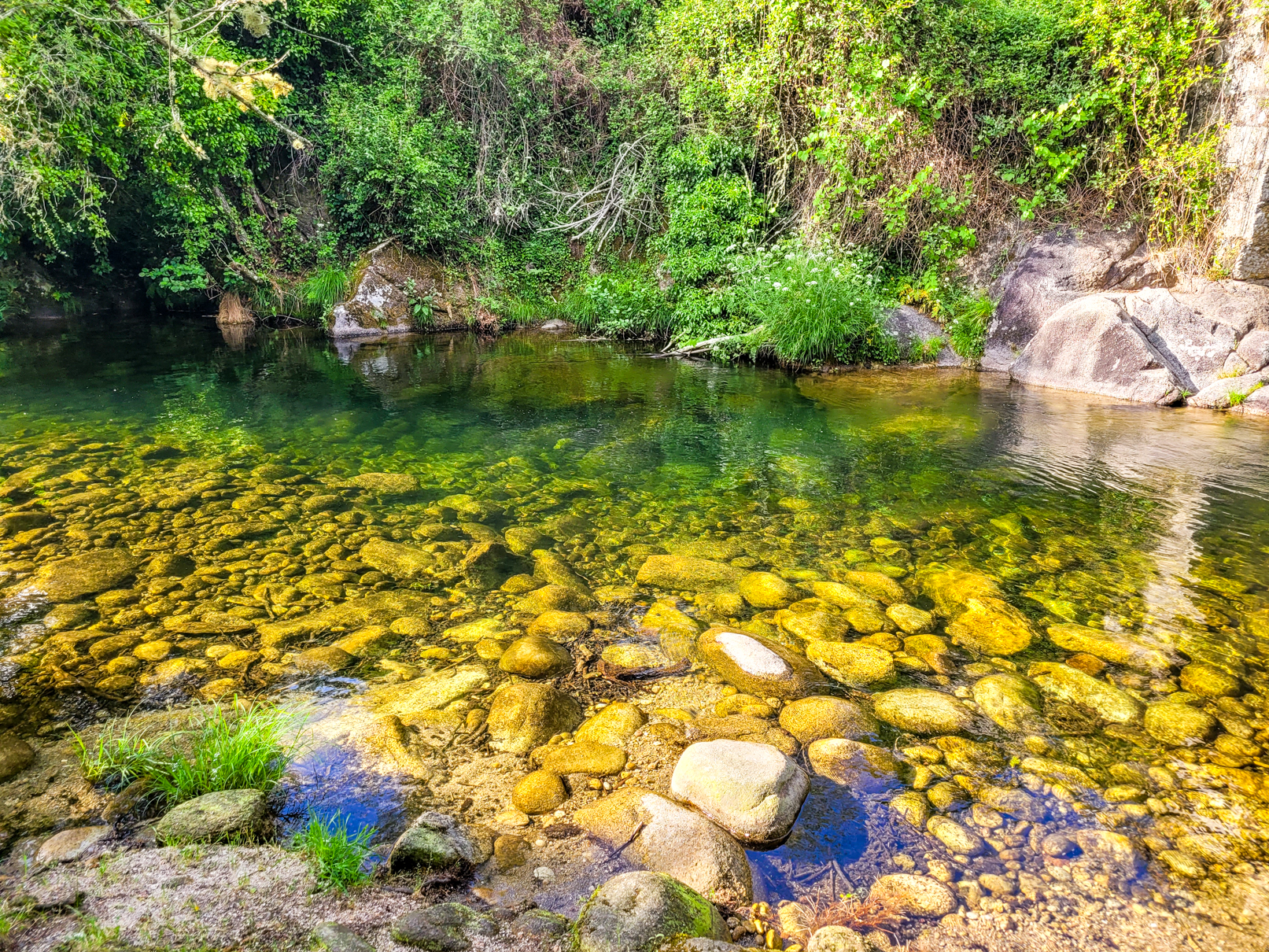
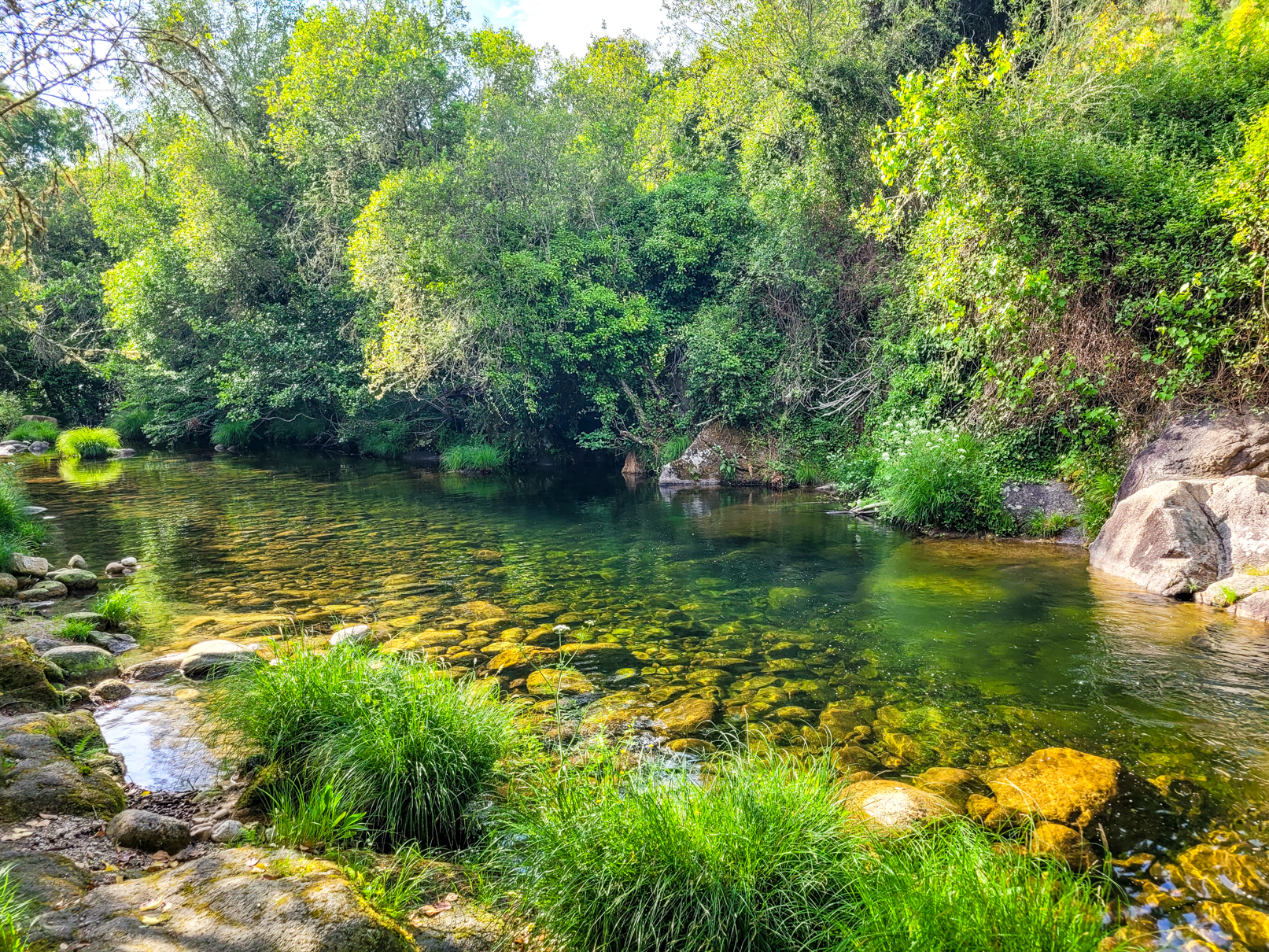
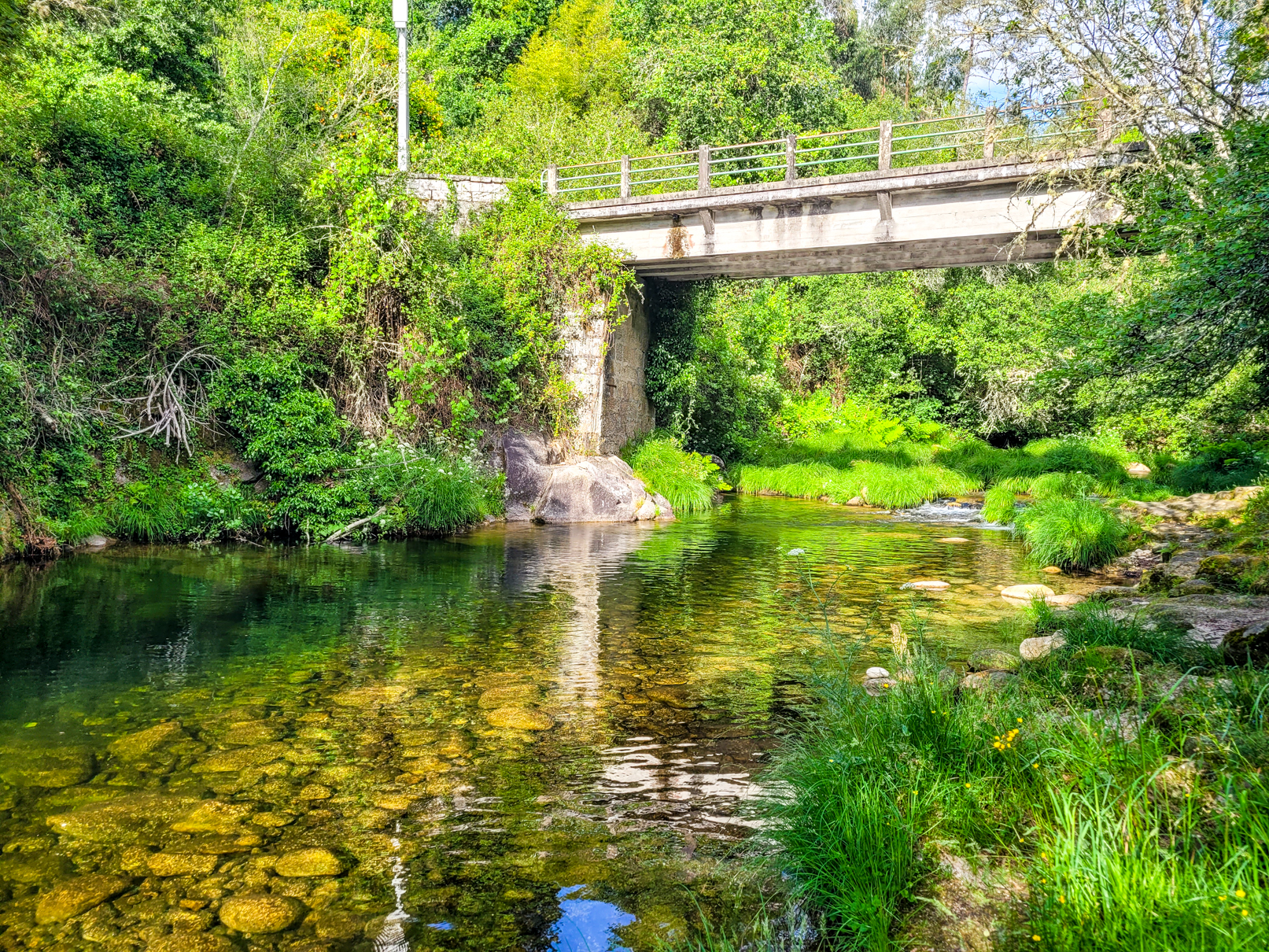
4. Poço de Froufe
The Poço de Froufe is another lovely lagoon in the Ermida area, located right next to the Froufe Bridge.
Unlike some of the more remote spots, this one is very easy to access by car. Simply head to the coordinates 41.822, -8.30113, and you’ll find yourself just a short walk away from the pool.
It’s a convenient stop if you’re looking for a quick swim or a relaxing pause by the water while exploring the region.
5. Chão d’Além Lagoon (Lagoa do Chão d’Além)
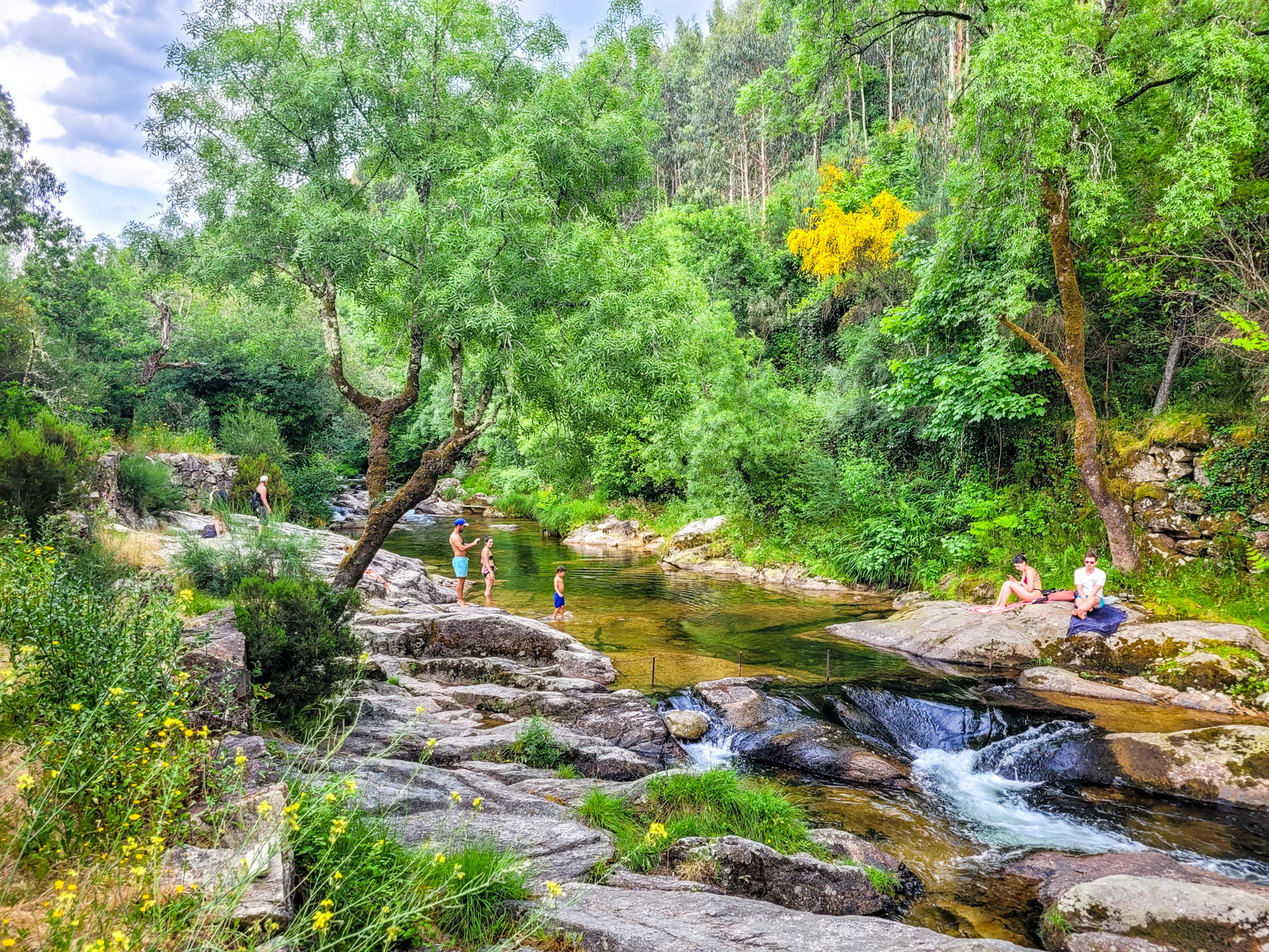
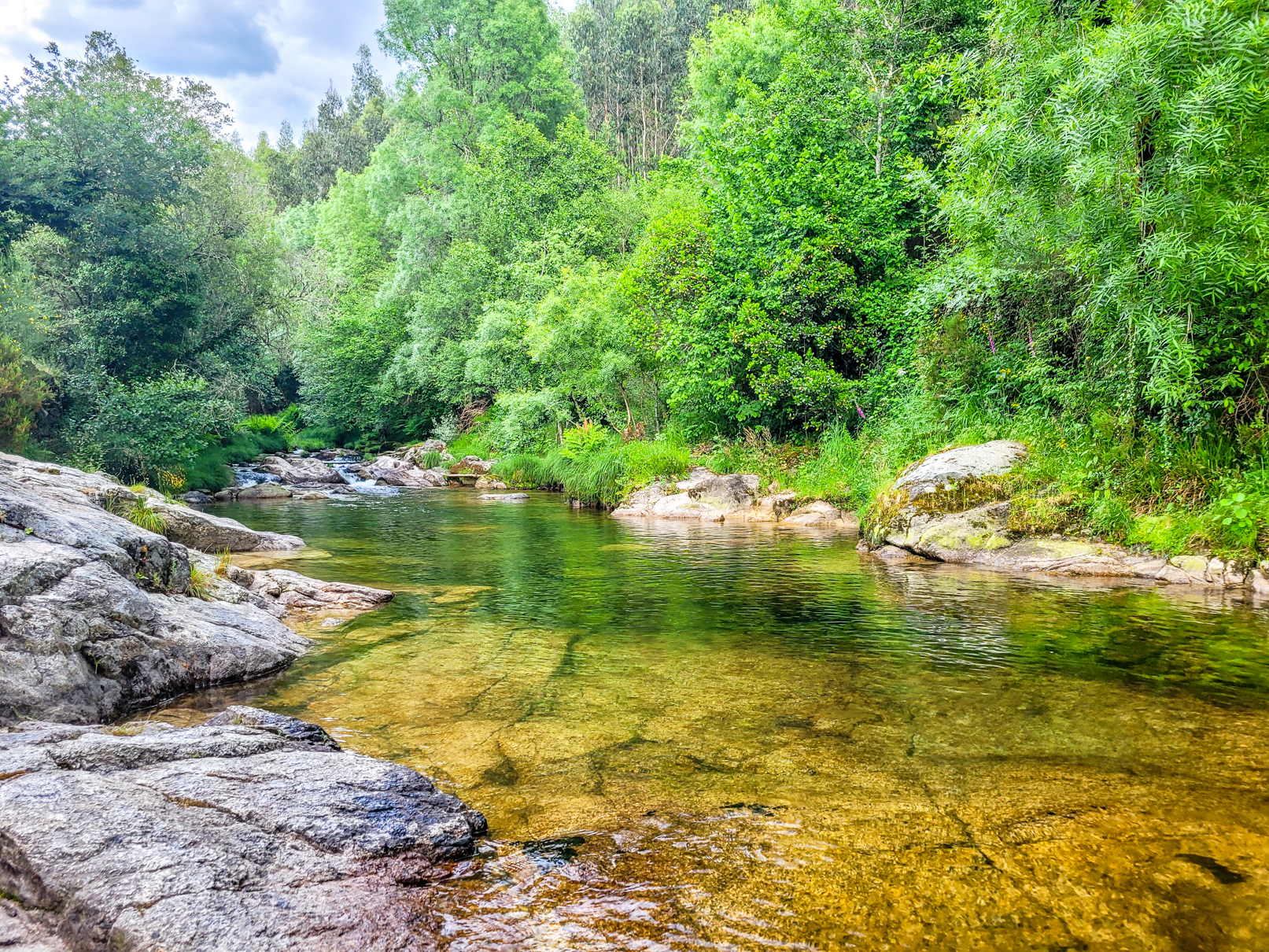
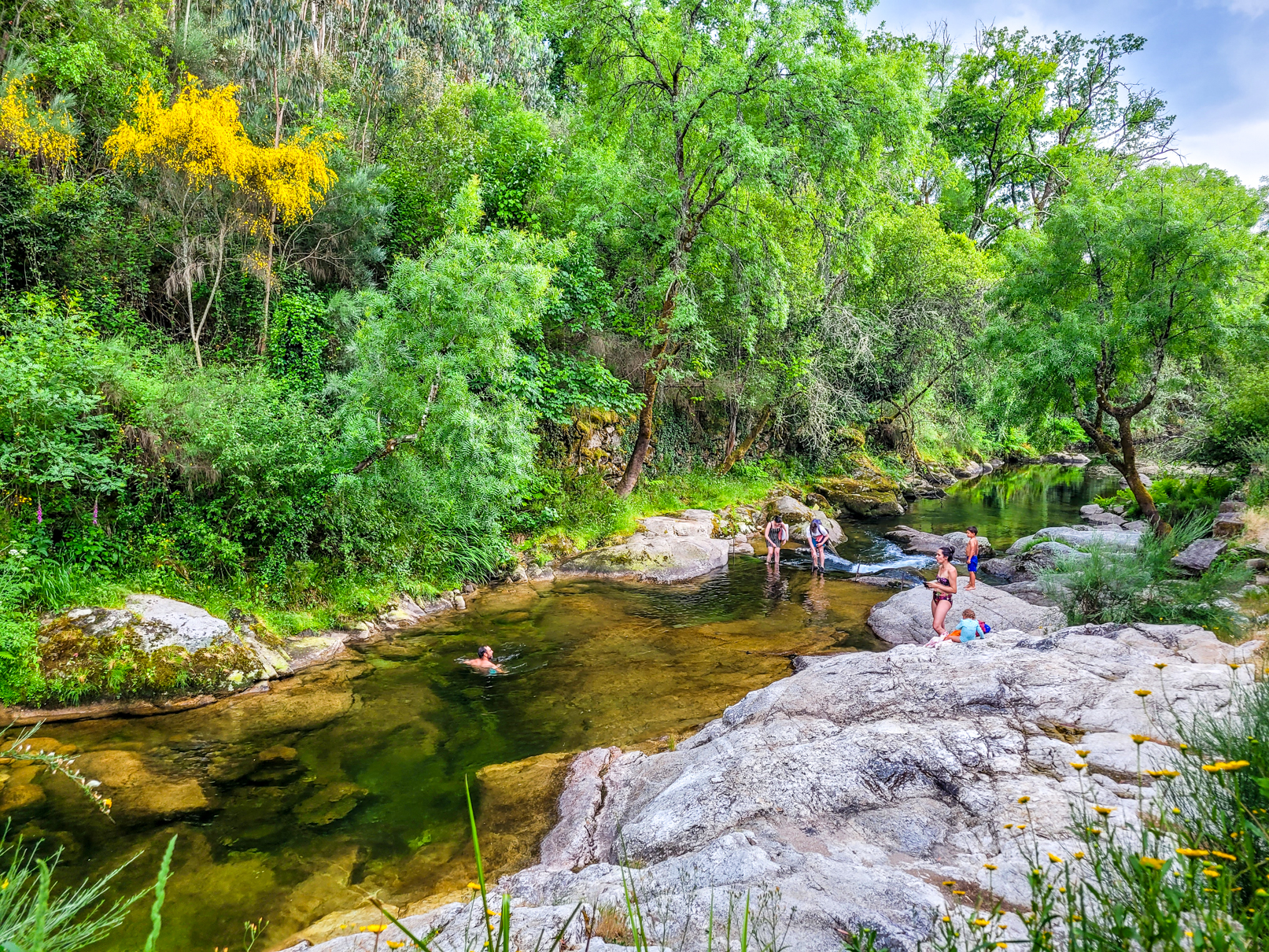
The last lagoon on this stage is the Lagoa do Chão d’Além, located in Entre Ambos-os-Rios. When I visited in spring—well before peak swimming season—it was already quite busy, which shows how popular this spot is.
It’s easily accessible from the N203 road, at the coordinates 41.82268, -8.31282, making it one of the most convenient natural pools to visit in the region.
While you’re here, take a moment to explore Entre Ambos-os-Rios as well, even if just to stop by the central square where you’ll find the Parish Church.
Stage 7 | Visit Baixa Limia Natural Park
The final stage takes you across the border into Baixa Limia Natural Park, in Galicia (Spain), just a few kilometers from Soajo and Lindoso. Here you’ll find more extraordinary lagoons and waterfalls, perfect for extending your Gerês adventure.
I’ll leave here just a shortlist of must-see places:
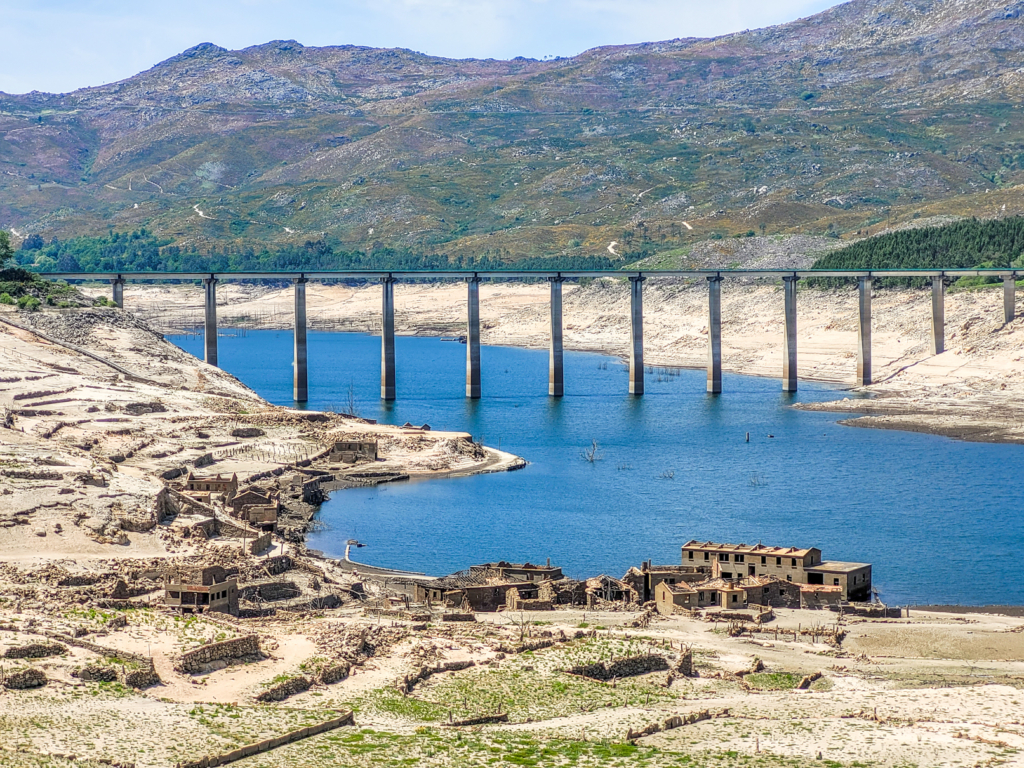
- Ruins of Aceredo Village, submerged in the Lima River.
- Public hot springs of Lobios.
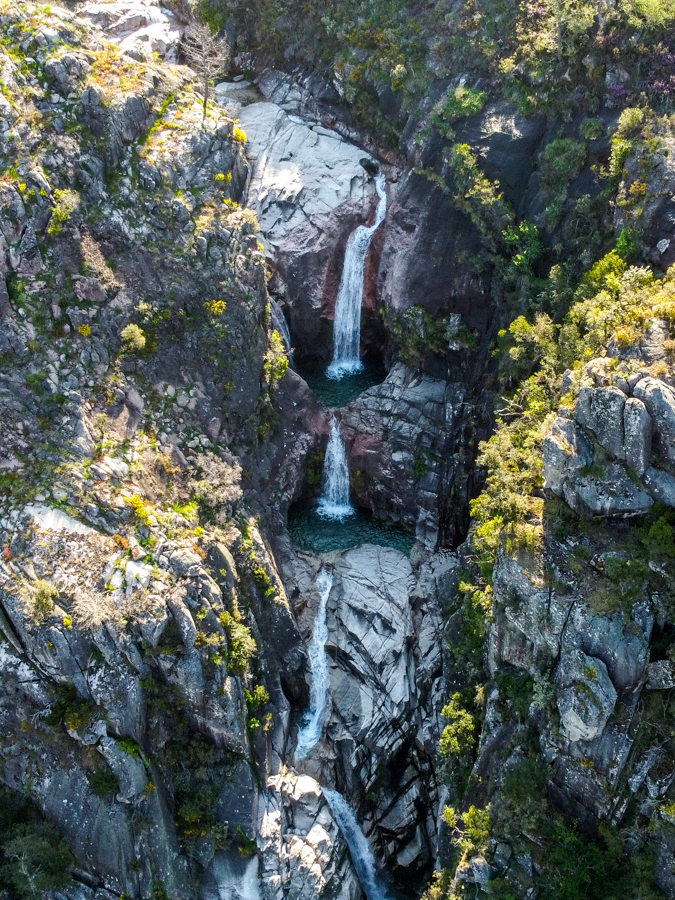
- Trail to the Corga da Fecha Waterfall.
- Fervenza das Olas Waterfall & Lagoon.
- Pozo da Seima.
- Pozo Caído and Pozas dos Cirolos.
- Pozas do Mallón (Poças do Malho).
Each of these spots offers a mix of history, culture, and natural beauty, making Baixa Limia a fantastic complement to your Gerês itinerary.
1. Aceredo Village
2. Thermal pool of Lobios
3. Corga da Fecha Waterfall and lagoons
4. Fervenza das Olas Waterfall and lagoon
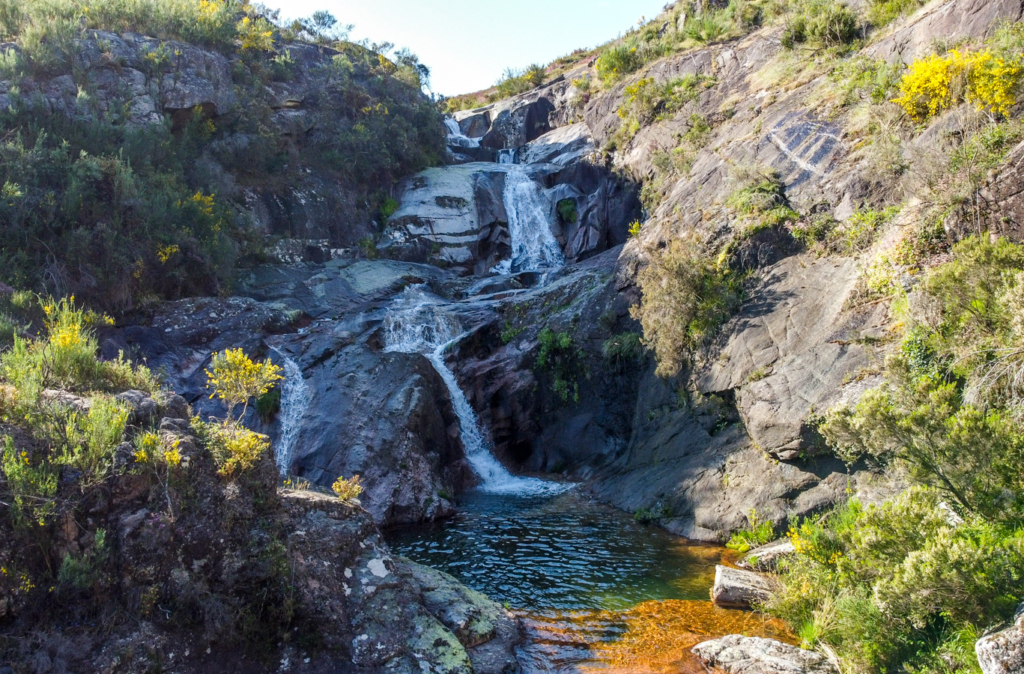
5. Pozo da Seima
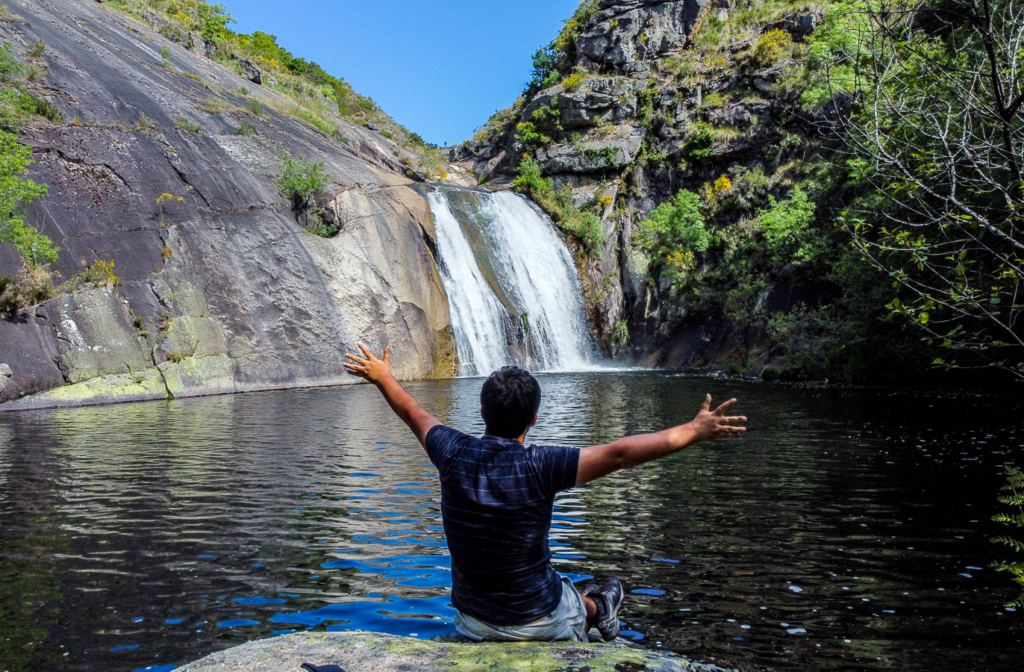
6. Pozo Caído
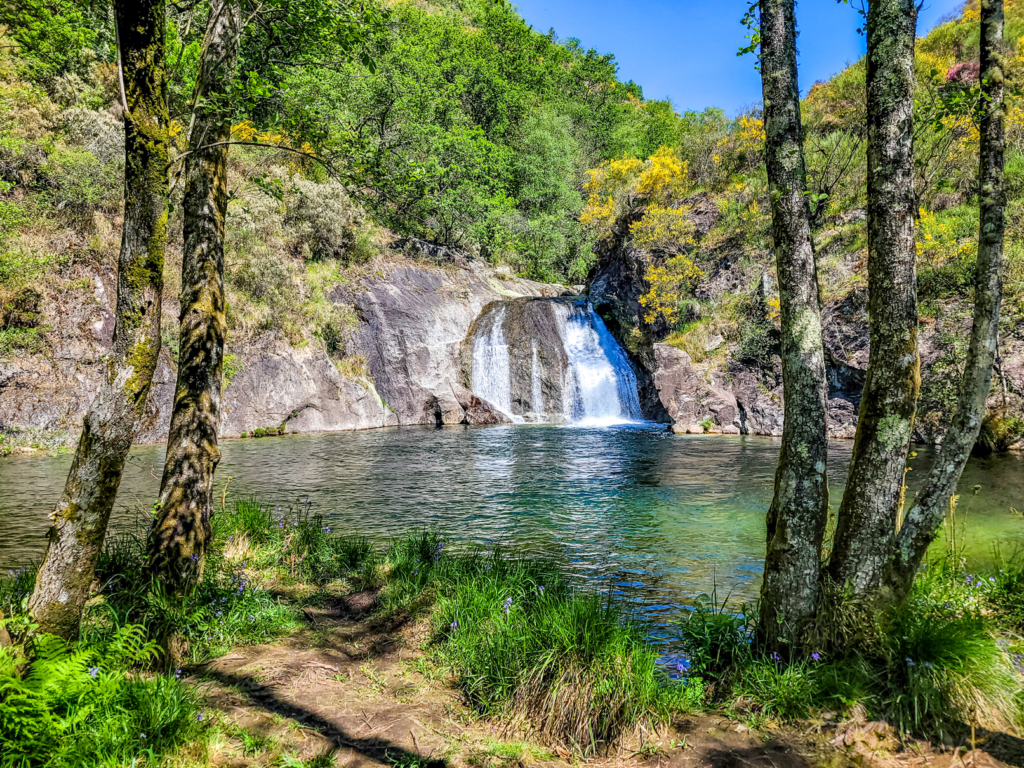
7. Pozo dos Cirolos
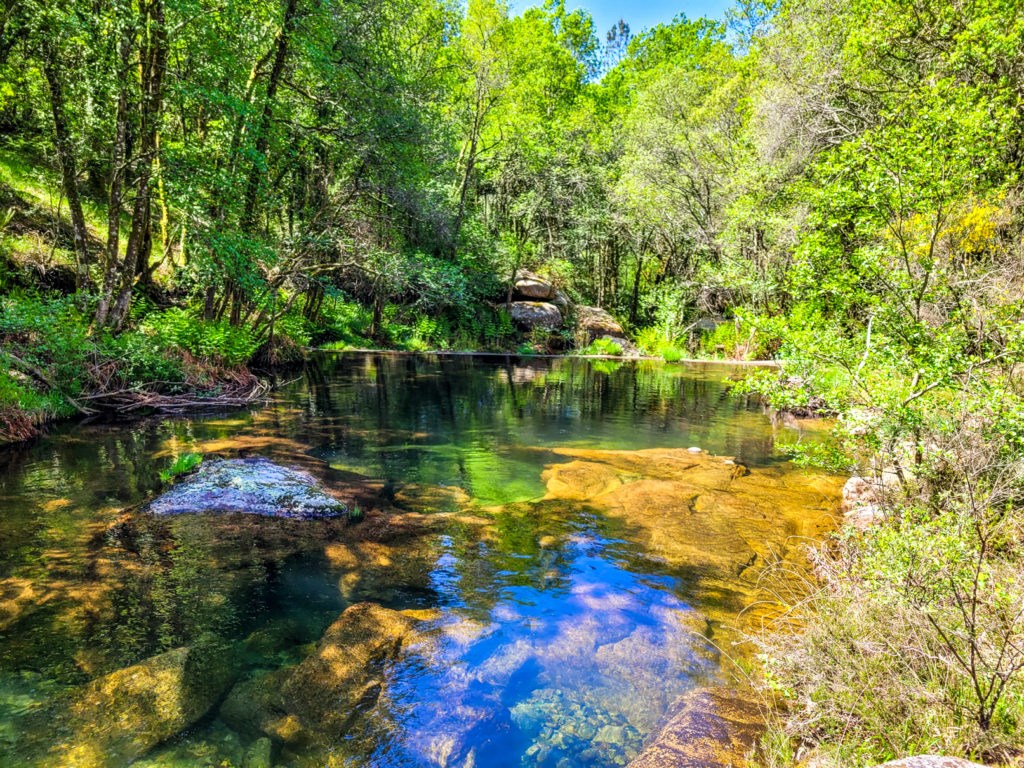
8. Pozas do Mallón
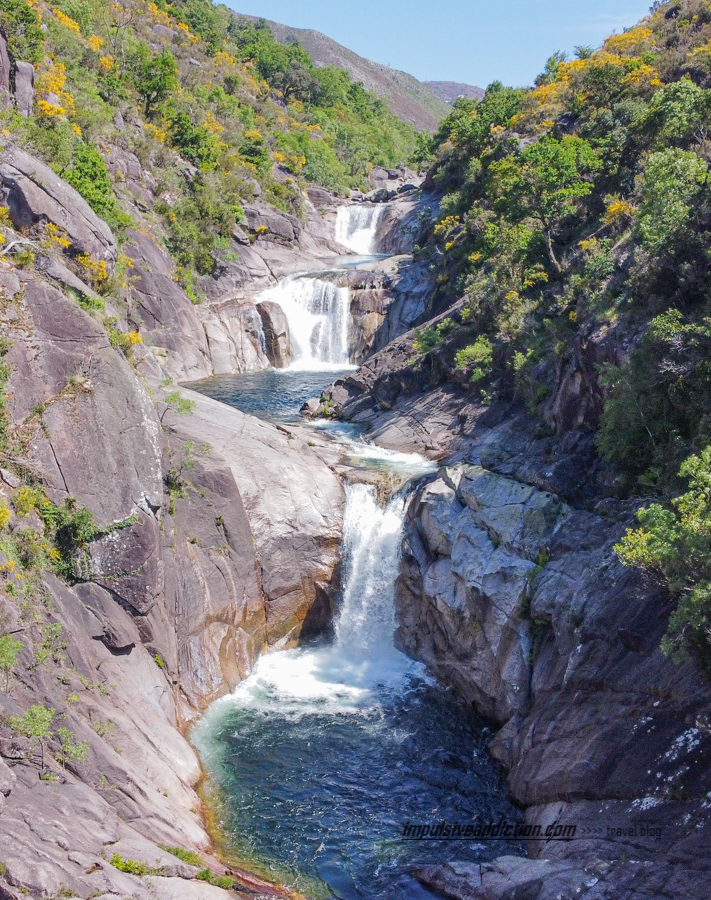
More Articles About Gerês and Surroundings!
To wrap up this guide, here are a few more articles from the blog with extra tips and itineraries for exploring the Gerês region and beyond:
- Discover the municipality of Terras de Bouro, packed with hiking trails, waterfalls, and lagoons—such as the Poço Azul, Cascata da Rajada, the Mata da Albergaria lagoons, and the Laja and Leonte waterfalls.
- Visit Sistelo, often called the “Portuguese Tibet,” famous for its breathtaking terraces and boardwalk trails.
- Explore the historic centers of Ponte da Barca and Arcos de Valdevez.
- Head further north to Melgaço and don’t miss Castro Laboreiro, with its castle and mountain scenery.
These destinations perfectly complement a trip to Soajo and Lindoso, giving you even more reasons to fall in love with Gerês and the Alto Minho region.
MORE ARTICLES FROM THE MINHO REGION OF PORTUGAL:

- Minho | Northern Portugal Itinerary
- Peneda Gerês National Park Itinerary
- Best Hikes and Trails in Peneda Gerês National Park
- Best Peneda Gerês National Park Waterfalls and Lagoons
- Serra d'Arga Itinerary

DISTRICT OF VIANA DO CASTELO:
- Things to do in Viana do Castelo
- Things to do in Ponte de Lima
- Things to do in Monção
- Things to do in Valença
- Things to do in Caminha
- Things to do in Sistelo
- Things to do in Soajo and Lindoso
- Things to do in Vila Nova de Cerveira
- Things to do in Ponte da Barca
- Things to do in Paredes de Coura
- Things to do in Arcos de Valdevez
- Things to do in Melgaço

DISTRICT OF BRAGA:
- Things to do in Guimarães
- Things to do in Barcelos
- Things to do in Esposende
- Things to do in Braga
- Things to do in Vizela
- Things to do in Vila Verde
- Things to do in Vila Nova de Famalicão
- Things to do in Vieira do Minho
- Things to do in Terras de Bouro
- Things to do in Póvoa de Lanhoso
- Things to do in Fafe
- Things to do in Amares
