 Pedro Domingues
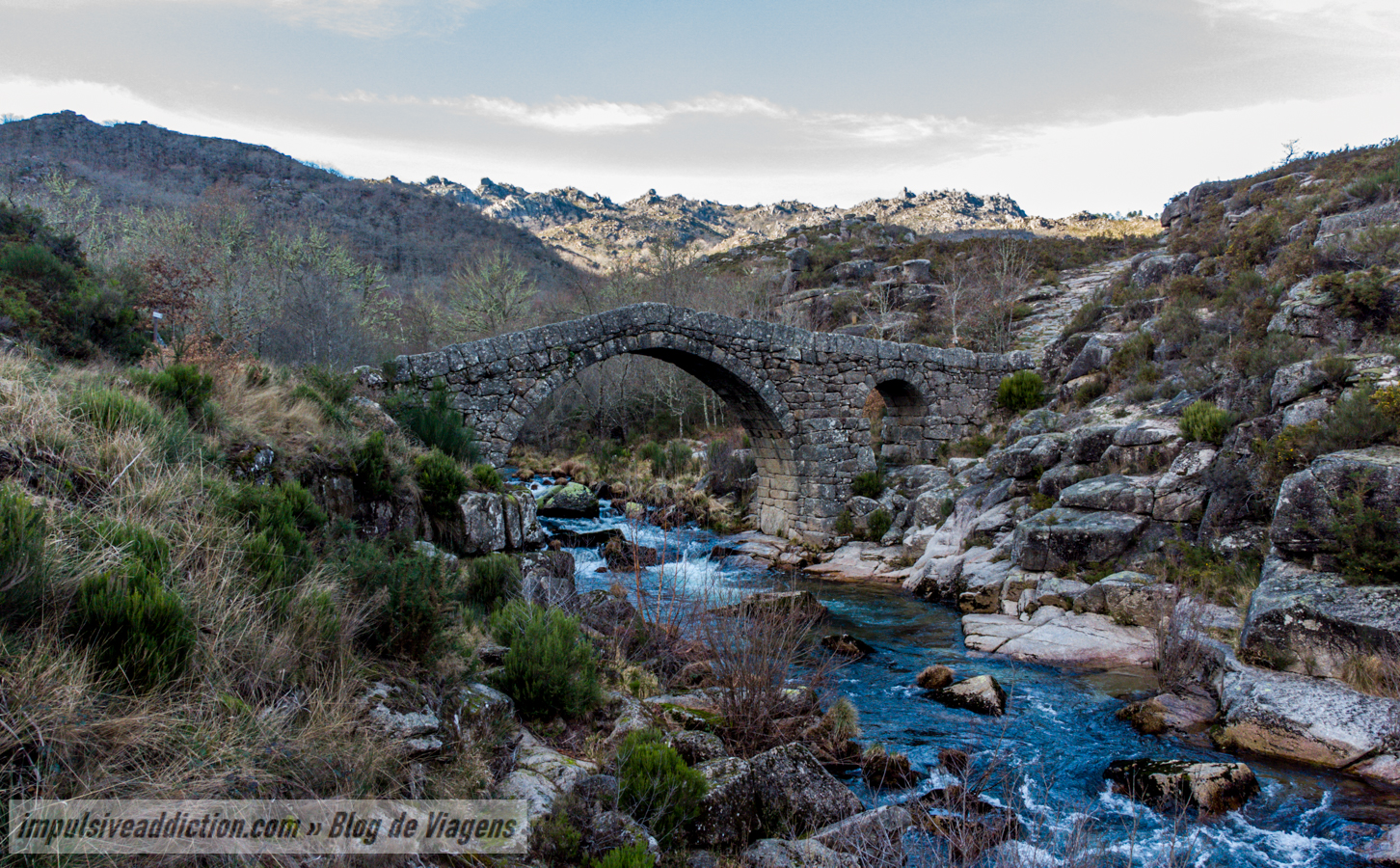
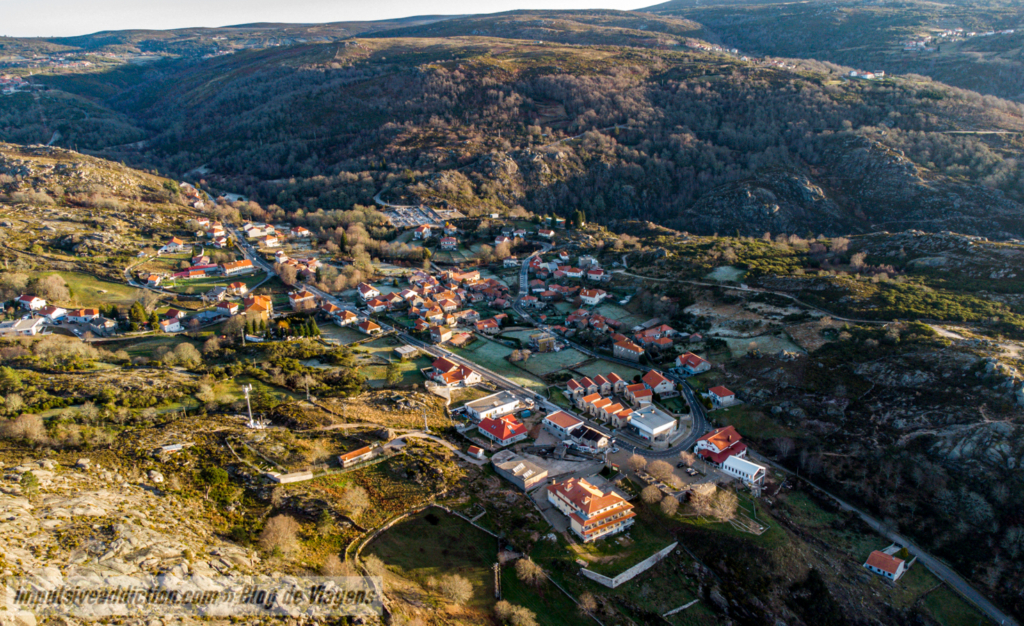
Visiting Melgaço means discovering one of the gateways to the Peneda-Gerês National Park, while also stepping into one of the birthplaces of Alvarinho wine. The parish of Castro Laboreiro is part of Melgaço, and the region where it lies is incredibly rich in natural heritage, with breathtaking views over the Peneda mountains.
Melgaço is without a doubt one of my favorite municipalities in the Minho. Having visited the area several times, I’ve gathered plenty of useful tips to share in this article—get ready for stunning waterfalls, lagoons, viewpoints, castles, and hidden villages in the mountains.
Where is Melgaço and Castro Laboreiro located, in Portugal?
Melgaço is located in northern Portugal, right on the border with Galicia—specifically the provinces of Pontevedra and Ourense. It marks the point where the Minho River enters Portugal and is home to the country’s northernmost spot. The municipality belongs to the Alto Minho subregion, within the district of Viana do Castelo.
Castro Laboreiro is a parish of Melgaço, united with Lamas de Mouro. It sits on the slopes of the Peneda mountains, inside the Peneda-Gerês National Park, and is a popular destination for hiking enthusiasts in Portugal.
MORE ARTICLES FROM THE MINHO REGION OF PORTUGAL:

- Minho | Northern Portugal Itinerary
- Peneda Gerês National Park Itinerary
- Best Hikes and Trails in Peneda Gerês National Park
- Best Peneda Gerês National Park Waterfalls and Lagoons
- Serra d'Arga Itinerary

DISTRICT OF VIANA DO CASTELO:
- Things to do in Viana do Castelo
- Things to do in Ponte de Lima
- Things to do in Monção
- Things to do in Valença
- Things to do in Caminha
- Things to do in Sistelo
- Things to do in Soajo and Lindoso
- Things to do in Vila Nova de Cerveira
- Things to do in Ponte da Barca
- Things to do in Paredes de Coura
- Things to do in Arcos de Valdevez
- Things to do in Melgaço

DISTRICT OF BRAGA:
- Things to do in Guimarães
- Things to do in Barcelos
- Things to do in Esposende
- Things to do in Braga
- Things to do in Vizela
- Things to do in Vila Verde
- Things to do in Vila Nova de Famalicão
- Things to do in Vieira do Minho
- Things to do in Terras de Bouro
- Things to do in Póvoa de Lanhoso
- Things to do in Fafe
- Things to do in Amares
When to Visit Melgaço and Castro Laboreiro?
Castro Laboreiro is at its most beautiful in spring, when the Peneda mountains are in full bloom and lush green. This is also the best season for hiking, thanks to the mild weather. In summer, you can enjoy refreshing swims in the lagoons—several of which are very easy to access.
If your plan is only to visit the town of Melgaço, any season works, though summer is particularly appealing if you’d like to try some of the adventure sports on the Minho River. 😉
As for annual festivities, the highlights are the Alvarinho and Smoked Meats Festival (Festa do Alvarinho e do Fumeiro) and Melgaço em Festa. The first is a food and wine fair usually held in April, while the second takes place in August and lasts for more than 10 days.
Rent a car to visit Melgaço and Castro Laboreiro
Having a car is essential to make the most of your trip, letting you cover more ground and reach remote spots with ease. If you don’t have your own vehicle, consider renting one with Discover Cars. The platform is especially handy because it lets you compare offers from different rental companies in one place.
Gastronomy and restaurants in Melgaço and Castro Laboreiro
Melgaço is known for its Alvarinho wine and smoked meats, celebrated at the fair I mentioned earlier. Lamb is also an excellent choice, especially if you head over to the neighboring municipality of Monção, where the traditional dish Cordeiro à Moda de Monção was voted one of Portugal’s gastronomic wonders. You can also never go wrong with codfish (bacalhau), a staple of Portuguese cuisine.
As for restaurants, I recommend Tasquinha de Melgaço and Adega Sabino.
Where to stay in Melgaço / Castro Laboreiro?
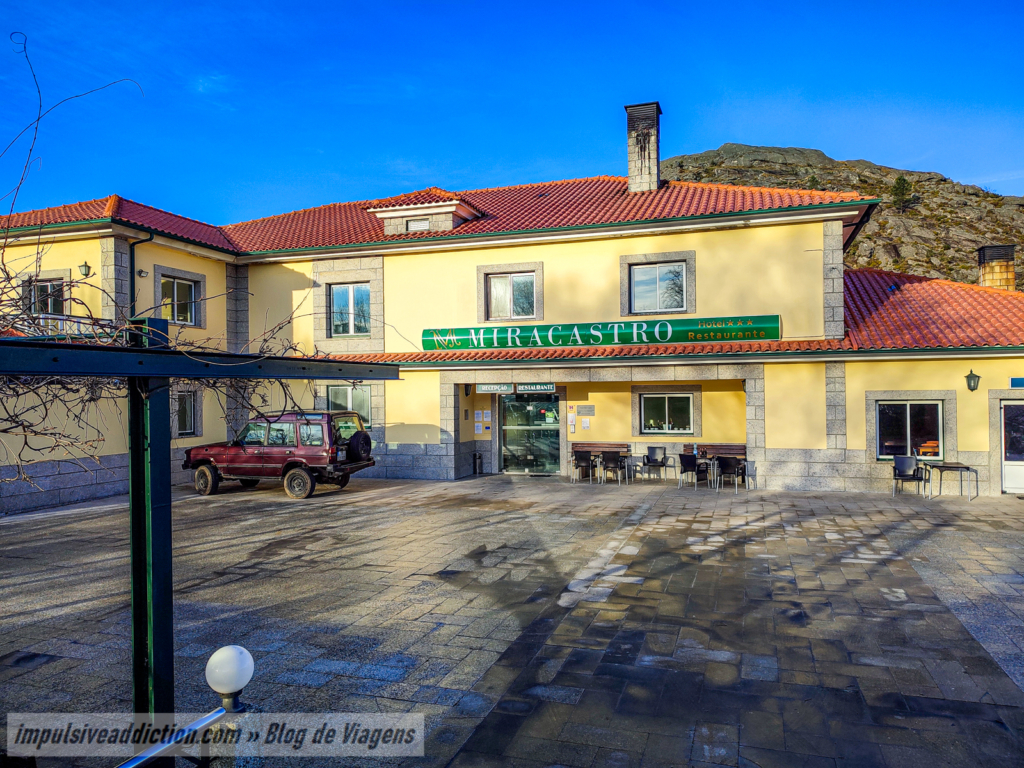
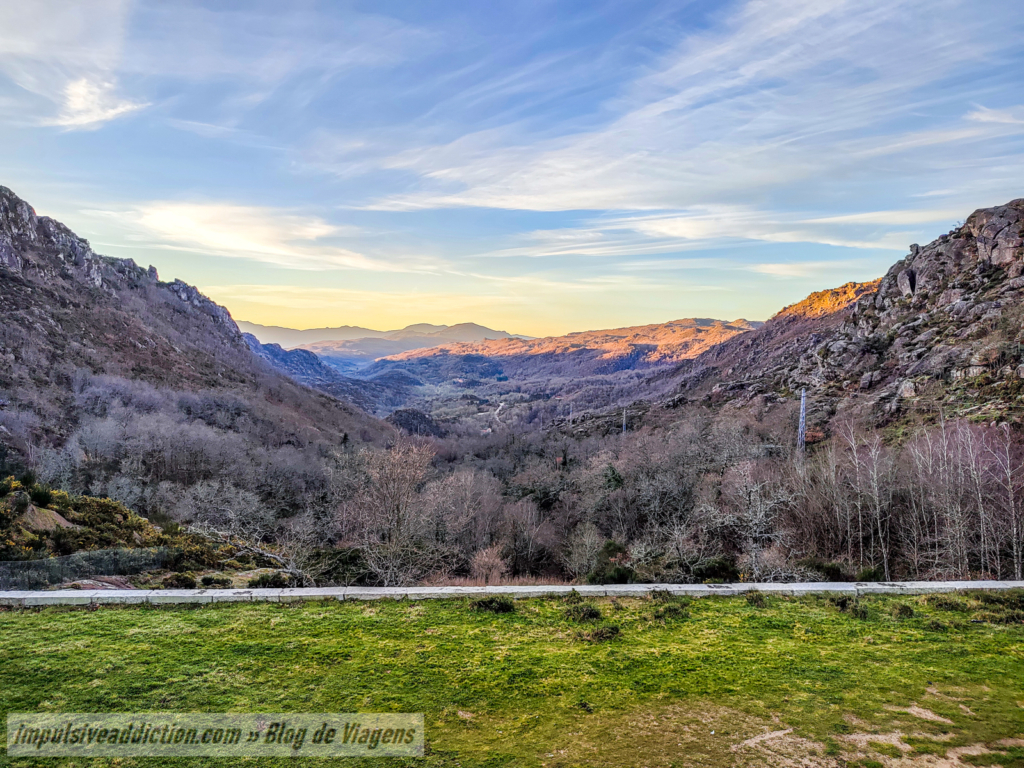
When visiting Melgaço, I always stay in Castro Laboreiro, usually at the Hotel Miracastro. Honestly, I don’t understand why it has such a low score on Booking.com (below 8). I’ve really enjoyed all my stays there—the food at the restaurant is great, and the mountain views are absolutely stunning.
That said, I’ll also leave you with a few other suggestions below, all with higher ratings on Booking.com and which also seem like excellent options!
| Accommodation | Score | Location |
|---|---|---|
| Monte Prado Hotel & Spa | 8.4 | Surroundings of Melgaço |
| Quinta da Calçada | 8.7 | Center of Melgaço |
| Casa Fonte do Laboreiro | 9.6 | Castro Laboreiro |
| Just Natur GuestHouse | 8.9 | Castro Laboreiro |
| Cardenha da Bessada | 9.0 | Branda de Santo António |
| Miradouro da Branda | 9.2 | Branda de Santo António |
The last two options are actually in Monção, but very close to Branda da Aveleira, which belongs to the municipality of Melgaço.
Things to do in Melgaço and Castro Laboreiro
I’ve divided this itinerary into three parts of Melgaço: the town itself and its surroundings, the Peneda mountains near Castro Laboreiro, and Branda da Aveleira. But before we dive in, here’s a map with all the points of interest I’ll be covering.
Map with the highlights to visit in Melgaço and Castro Laboreiro
Visit Melgaço Town Center and Surroundings
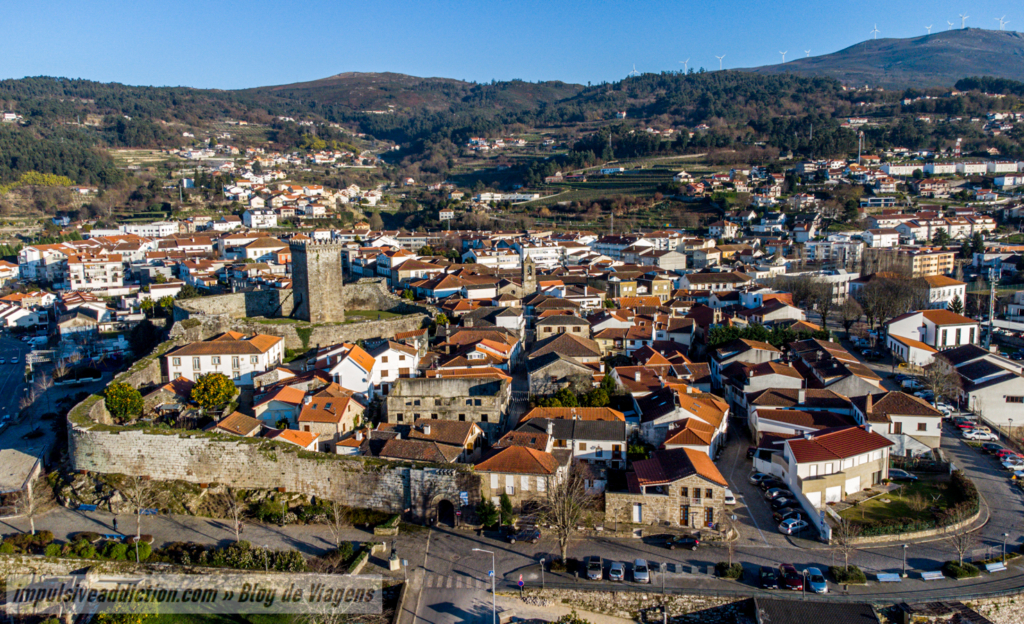
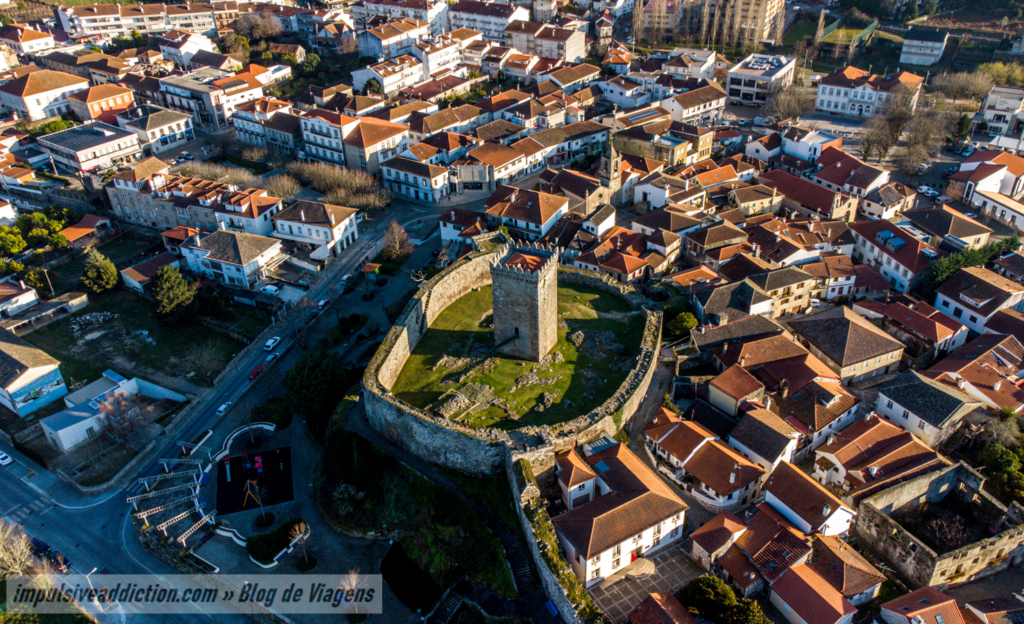
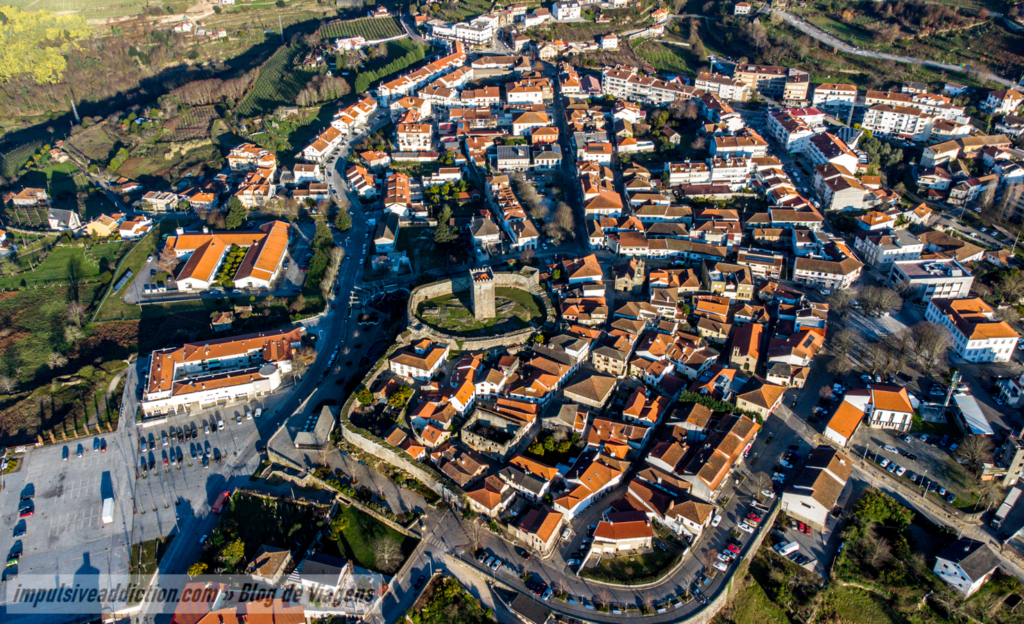
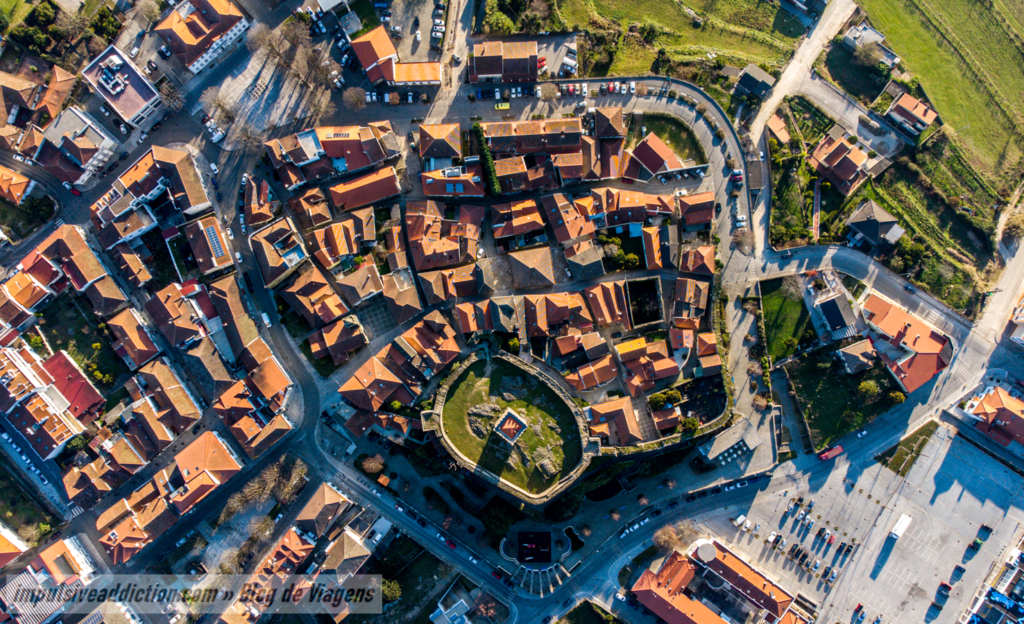
The highlight of Melgaço’s town center is, without a doubt, the castle. To visit the walled town, I recommend parking near the Municipal Market. The historic center is best explored on foot!
1. Alameda de Inês Negra
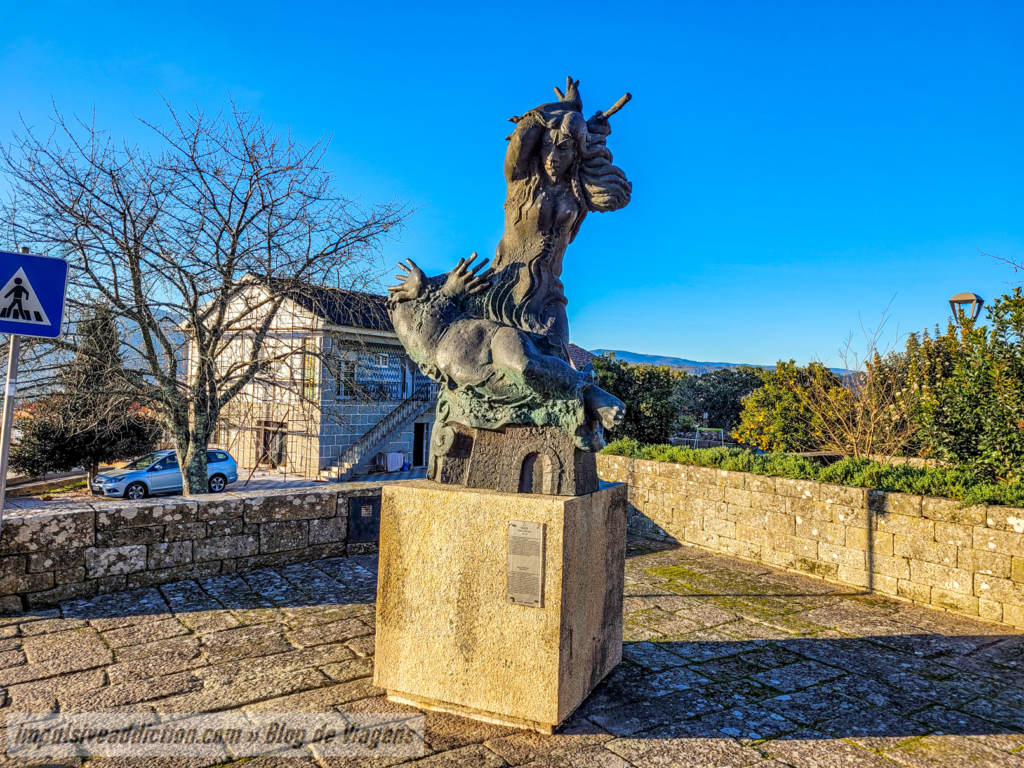
The Alameda de Inês Negra is the large square that surrounds the castle walls, just outside Melgaço’s historic center. If you park where I suggested, this will be the first spot you come across. According to local legend, Inês Negra is celebrated as one of the town’s great heroines. 😉
Legend of Inês Negra

According to tradition, the story takes place in the 14th century, during Portugal’s war of independence against Castile, under the reign of King João I. Along the border, communities were divided between the two causes, and the people of Melgaço sided with Castile—except for Inês Negra, who left her homeland to join the Portuguese army.

The Battle of Melgaço never actually took place, as both armies agreed to settle the conflict with a duel to avoid heavy losses. Inês Negra was forced to face an old rival who supported Castile, and after a hard-fought fight, she emerged victorious. The very next day, Melgaço was handed over to Portugal!
2. Melgaço Cinema Museum
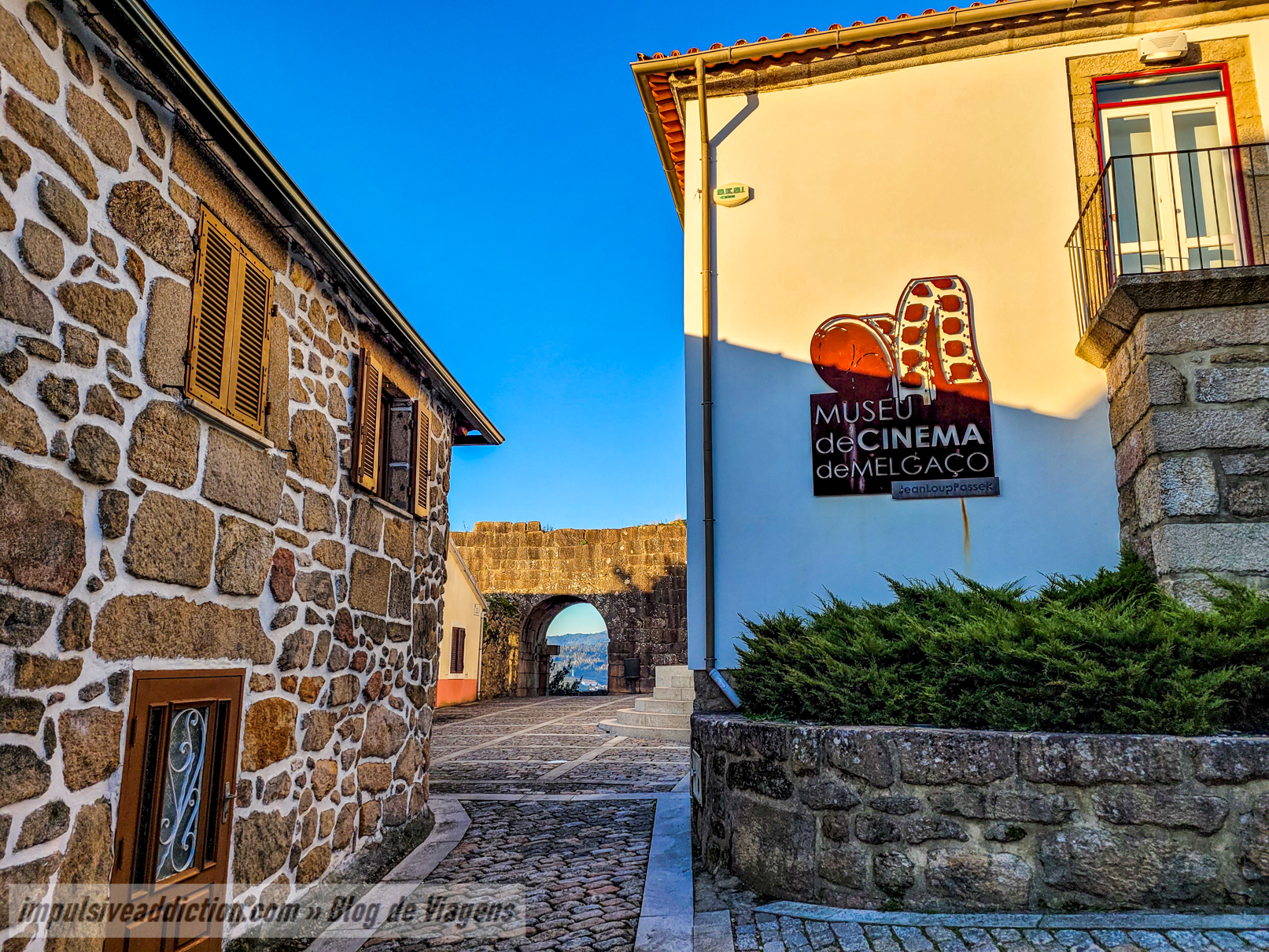
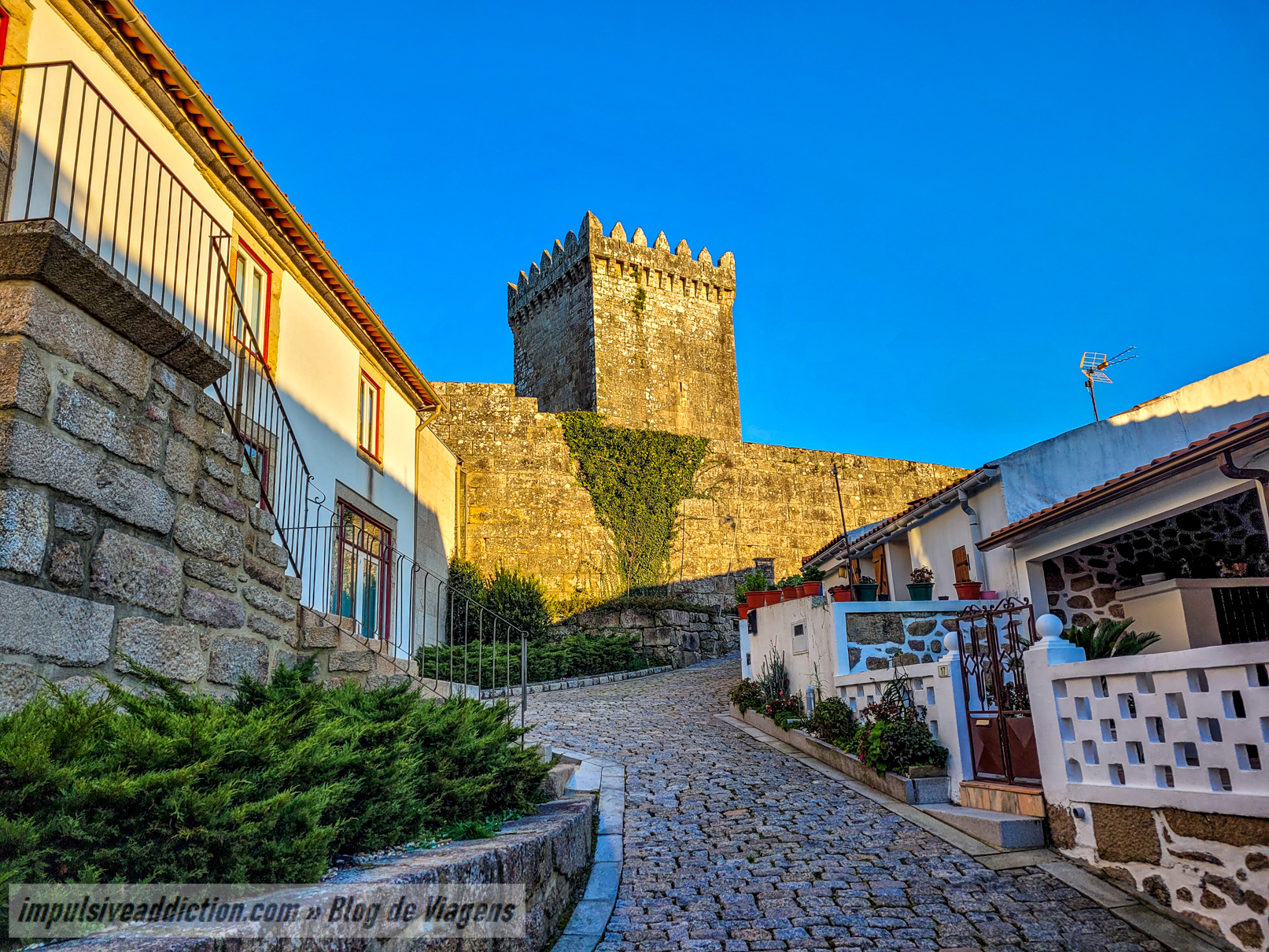
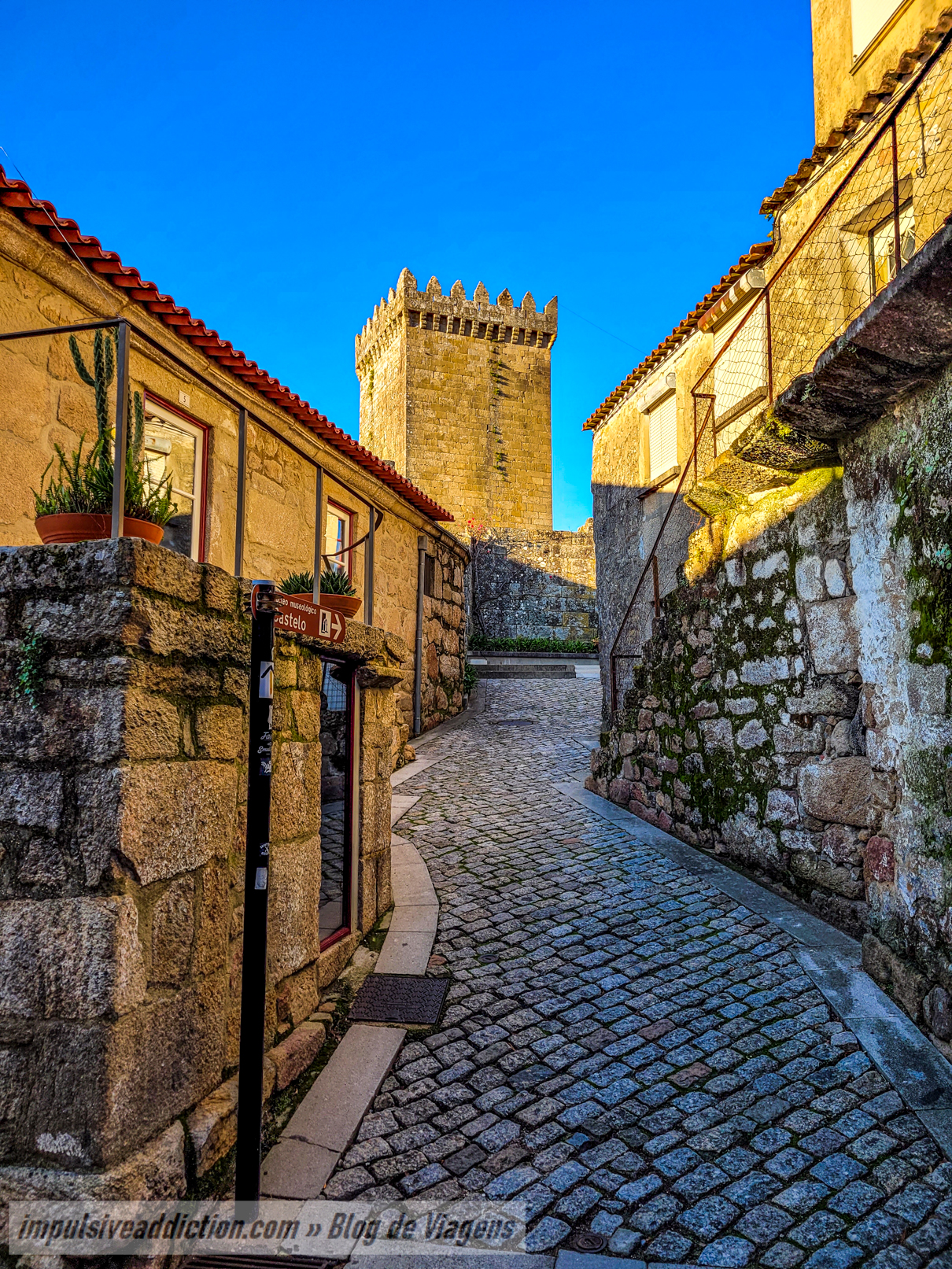
After passing through one of the gates in Melgaço’s medieval walls, you’ll come to a small alley with a view of the castle’s keep tower. There, you’ll find the Melgaço Cinema Museum, housed in the building of the former border guard.
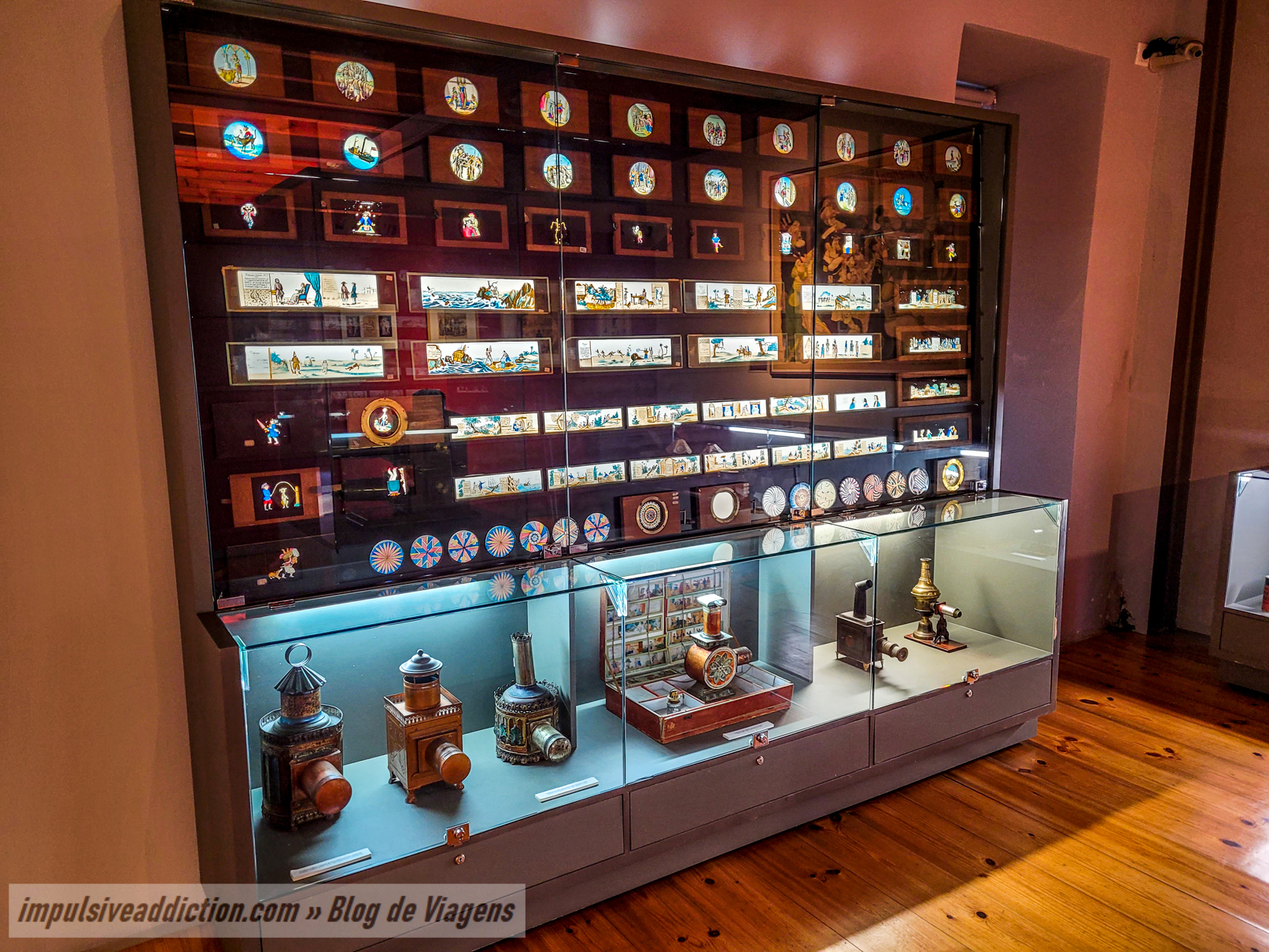
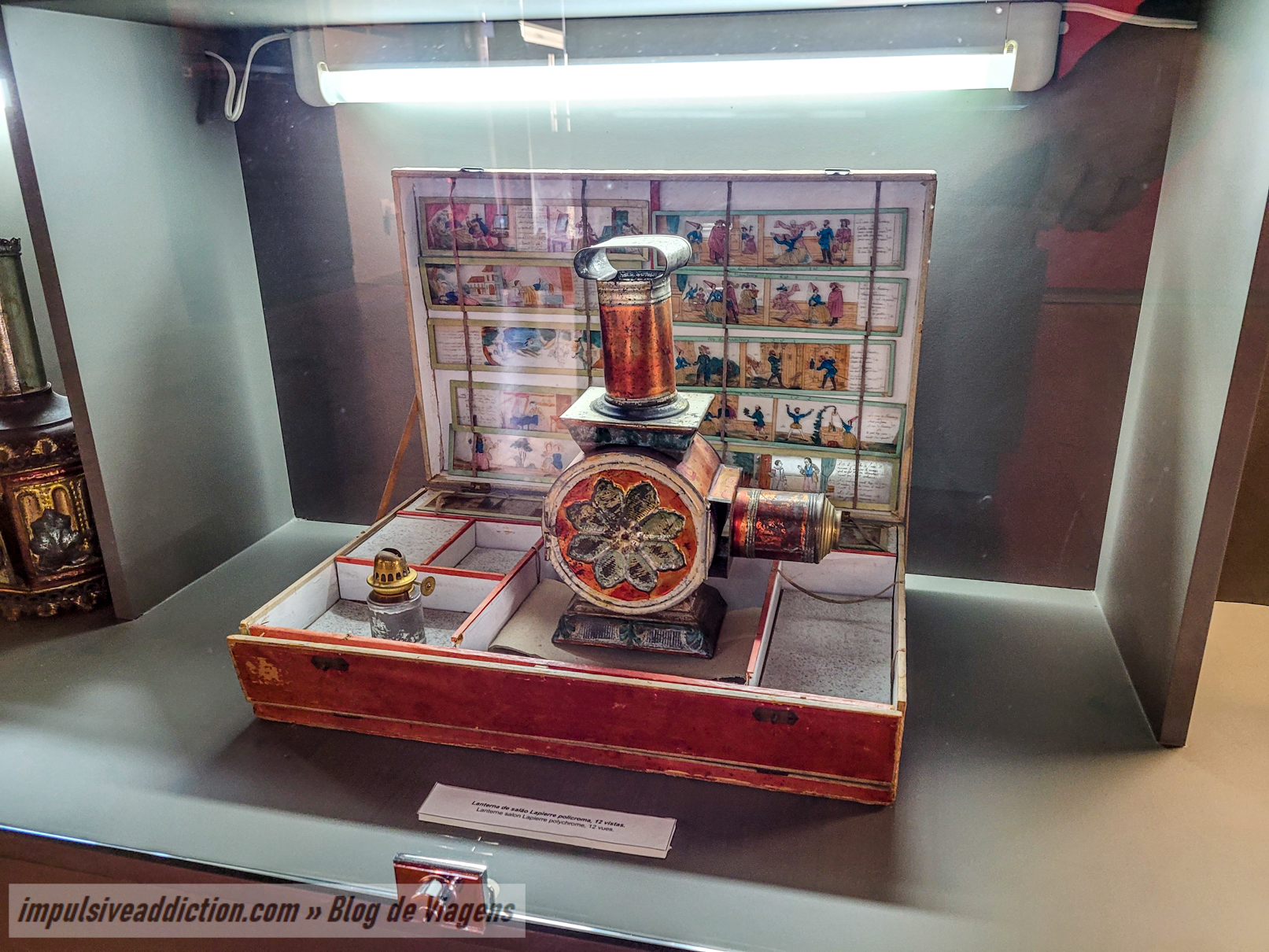
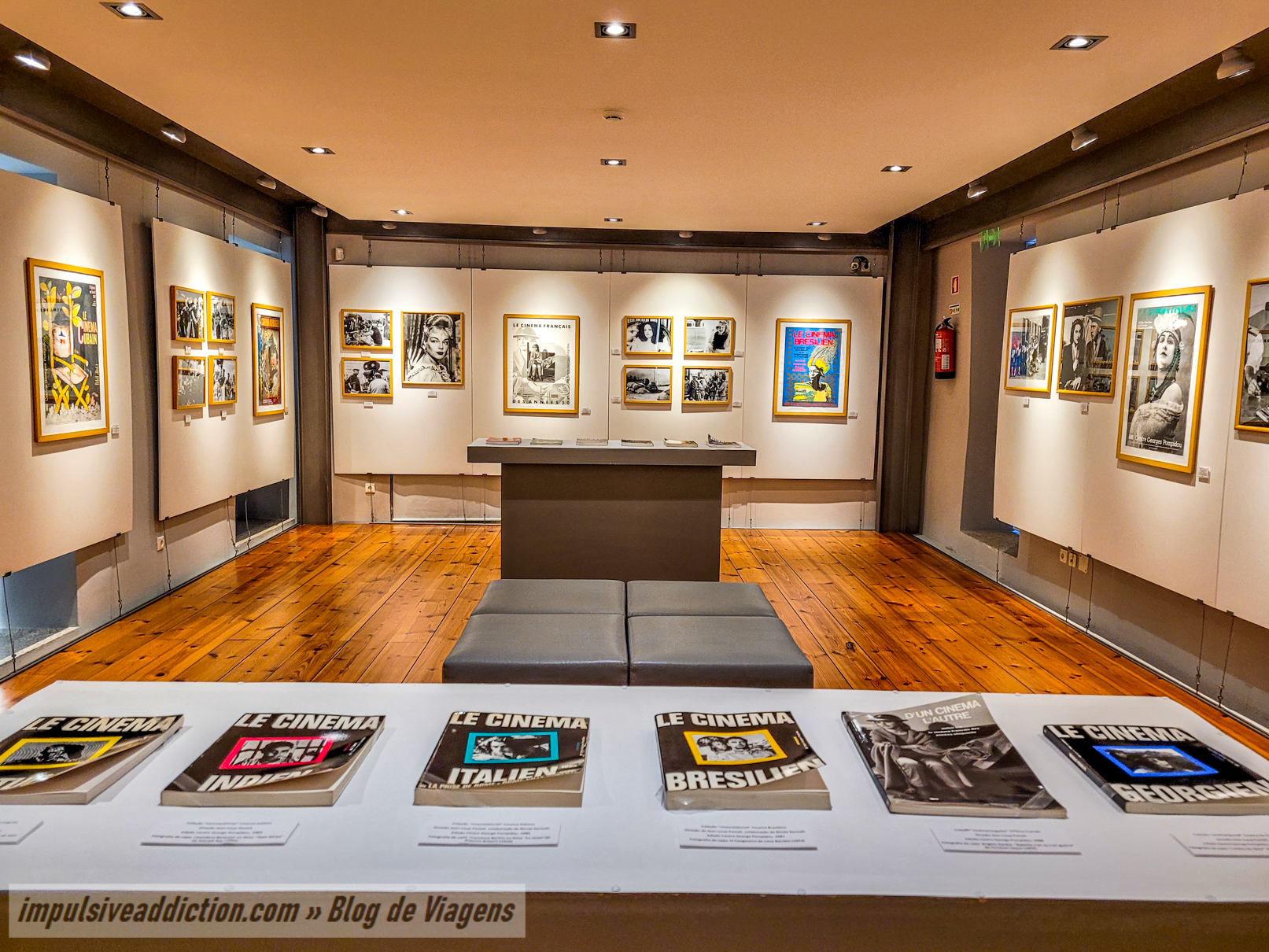
The museum showcases the collection of French cinema enthusiast Jean Loup Passek, and during my visit I especially loved the old rotating devices used to create moving images.
3. Melgaço Castle Walls and Keep Tower
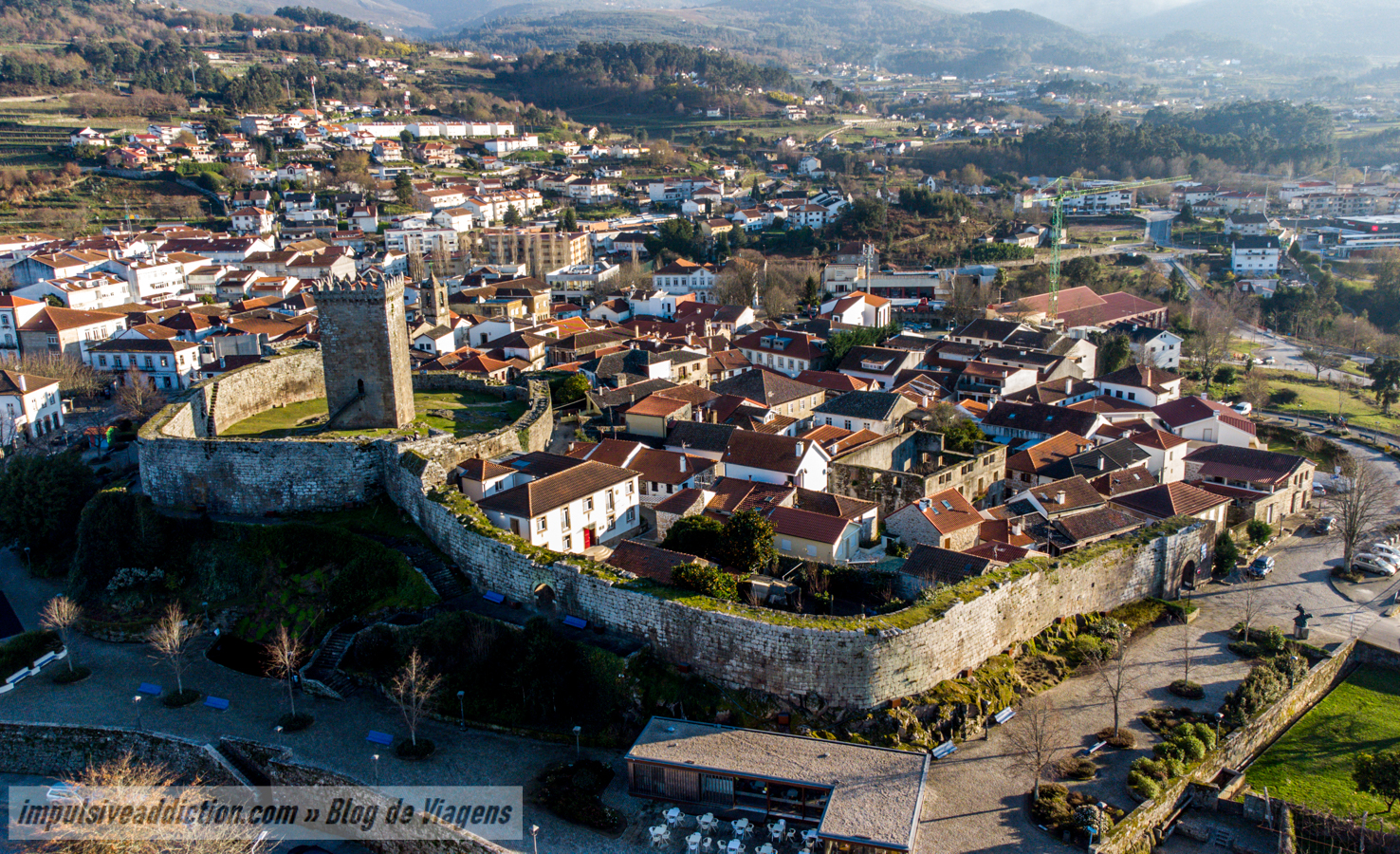
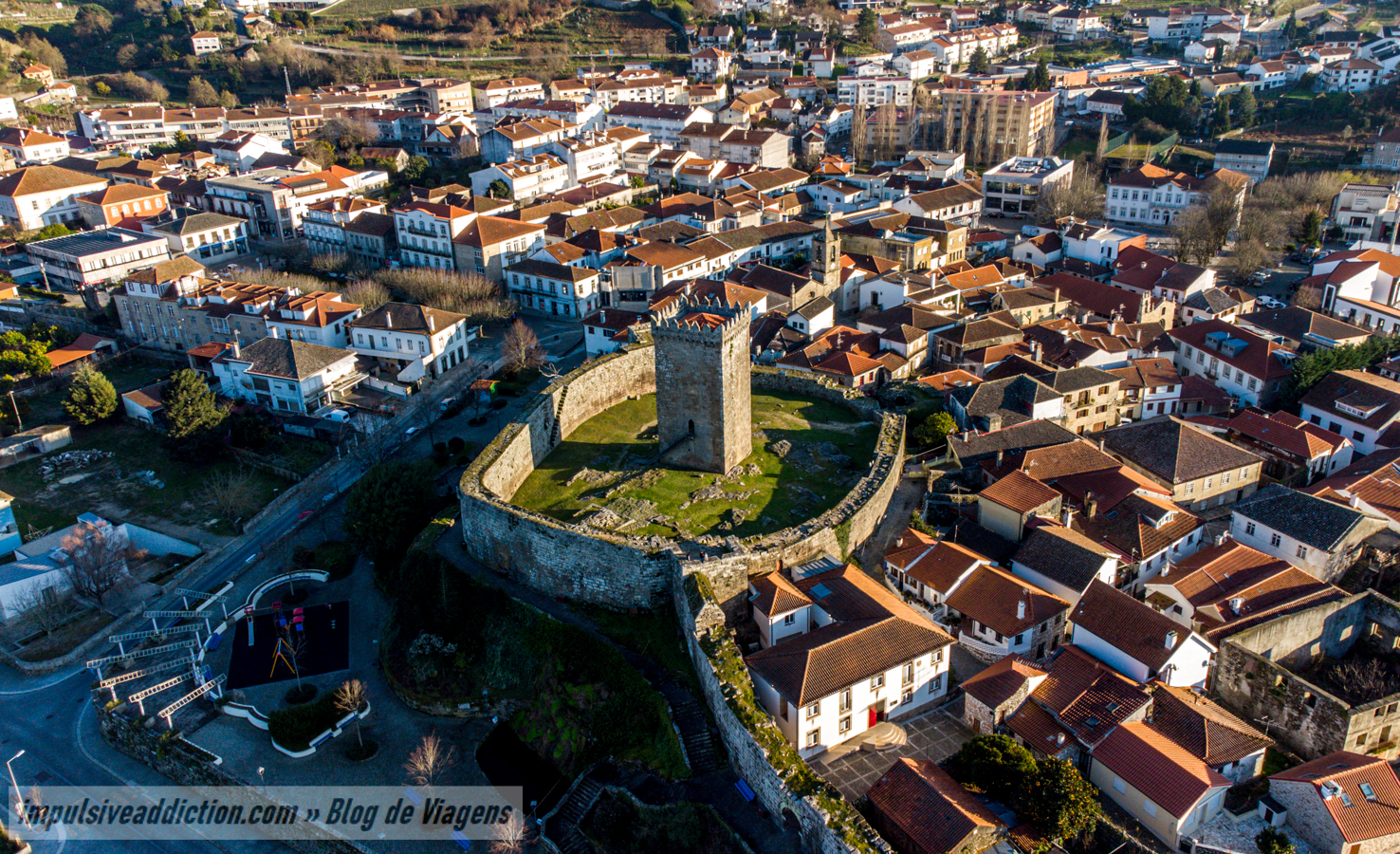
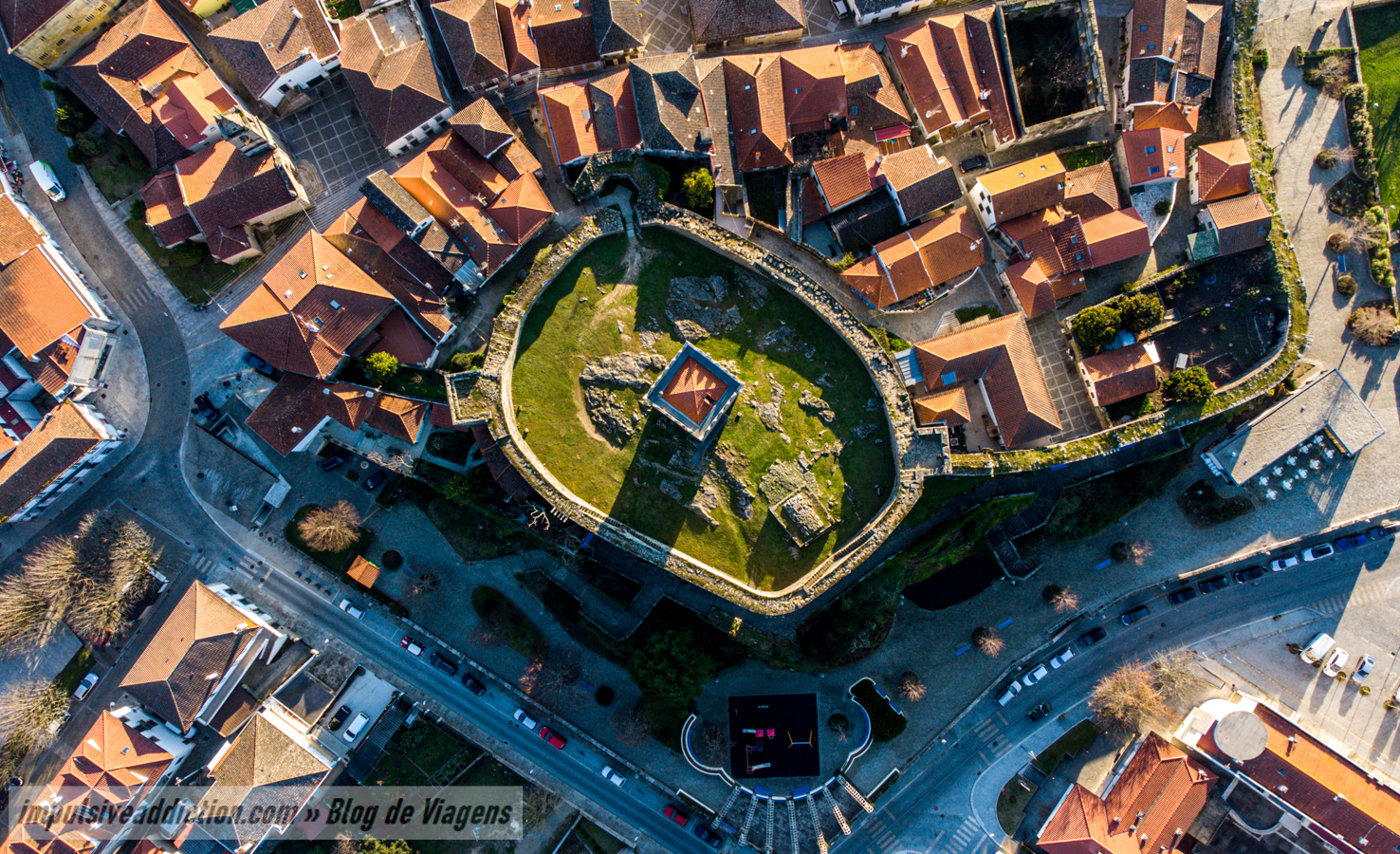
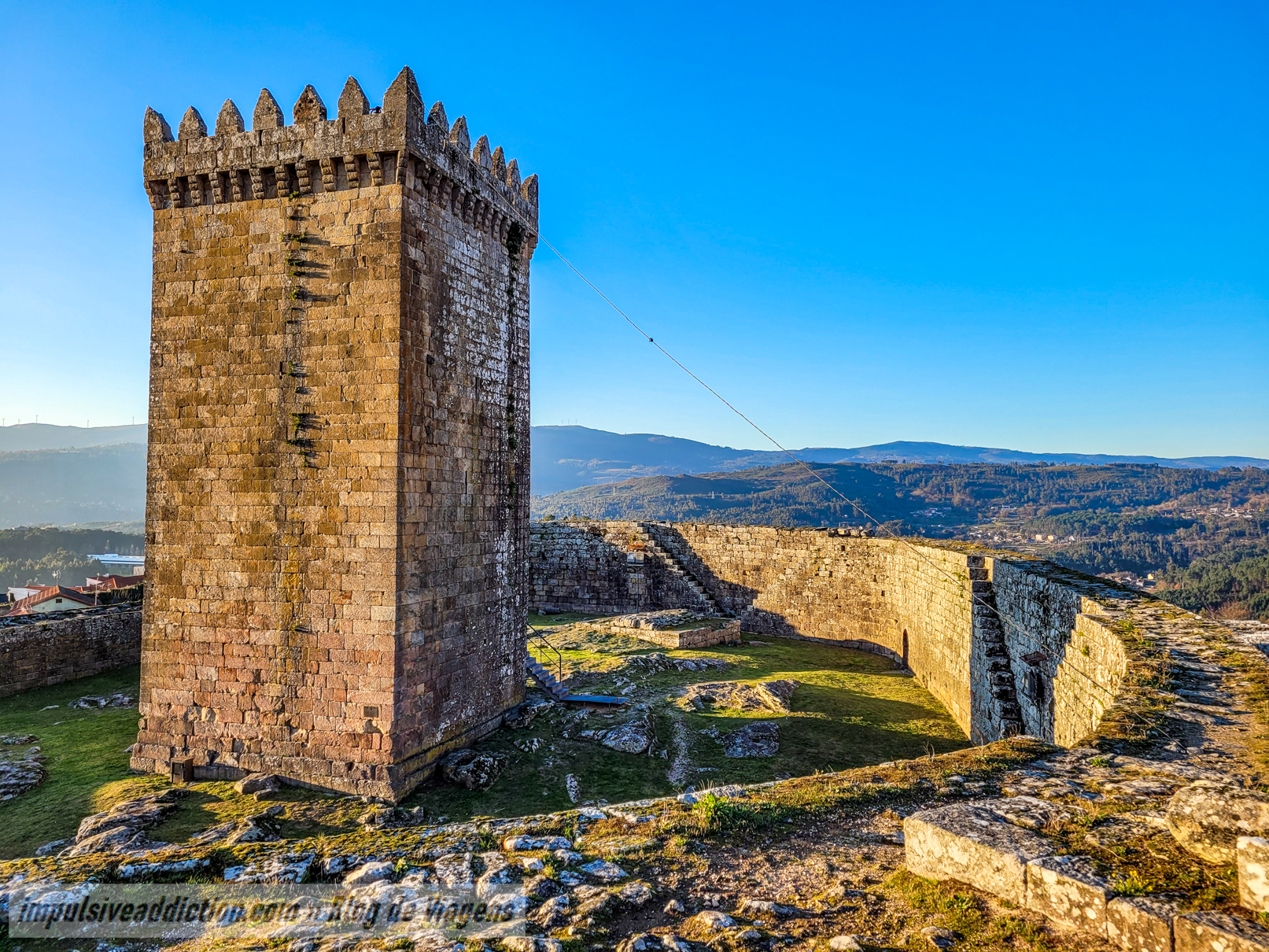
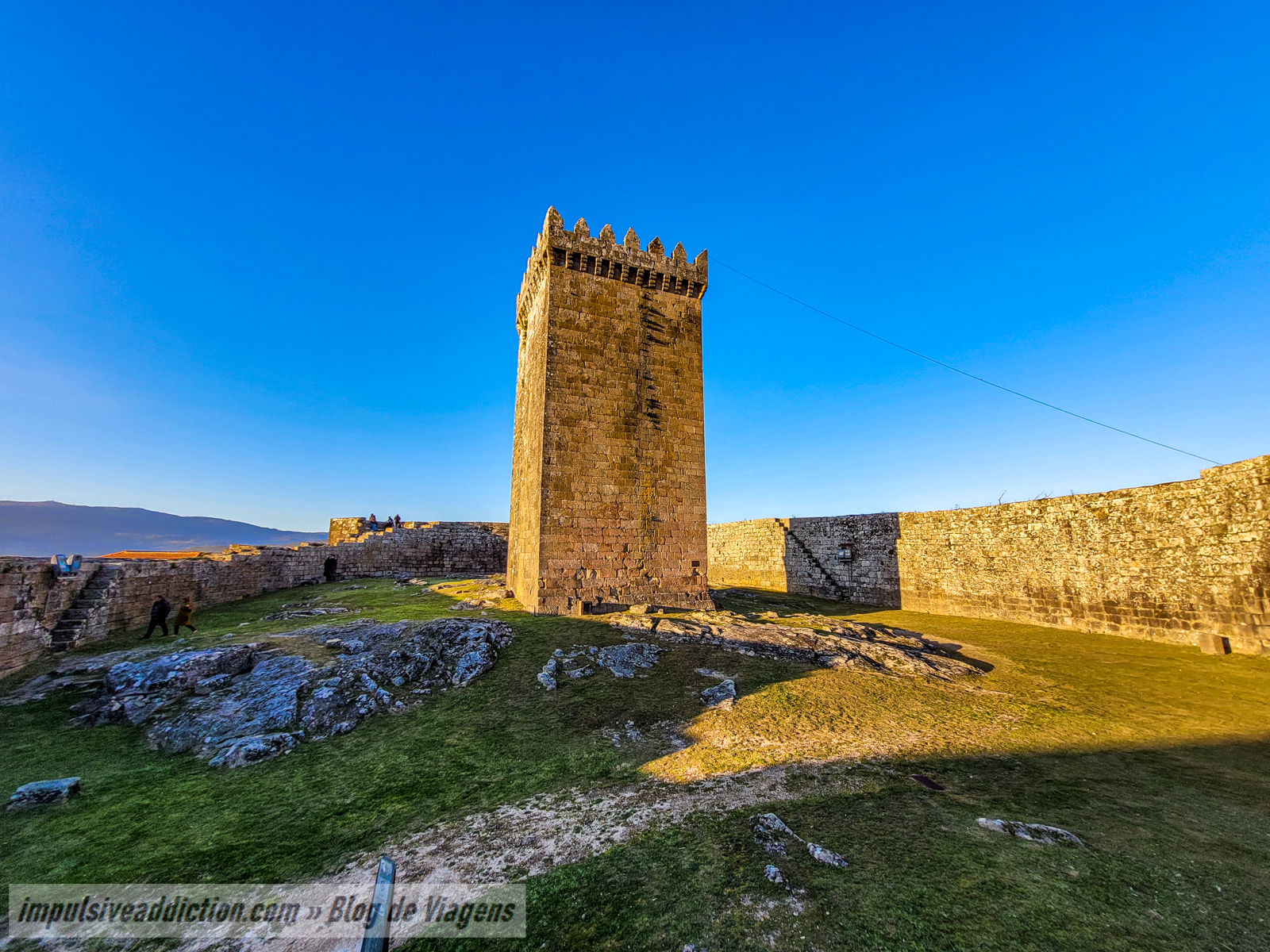
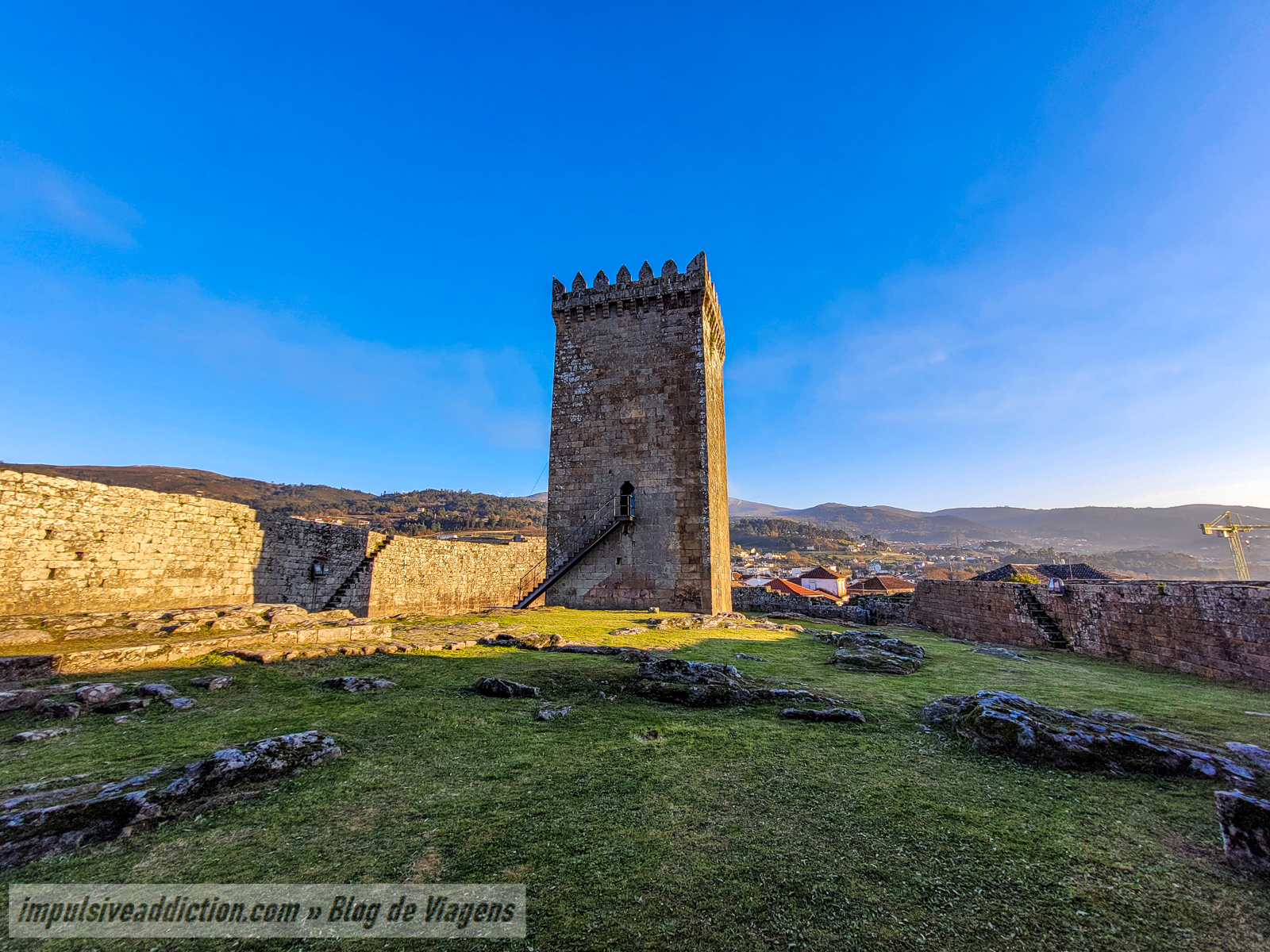
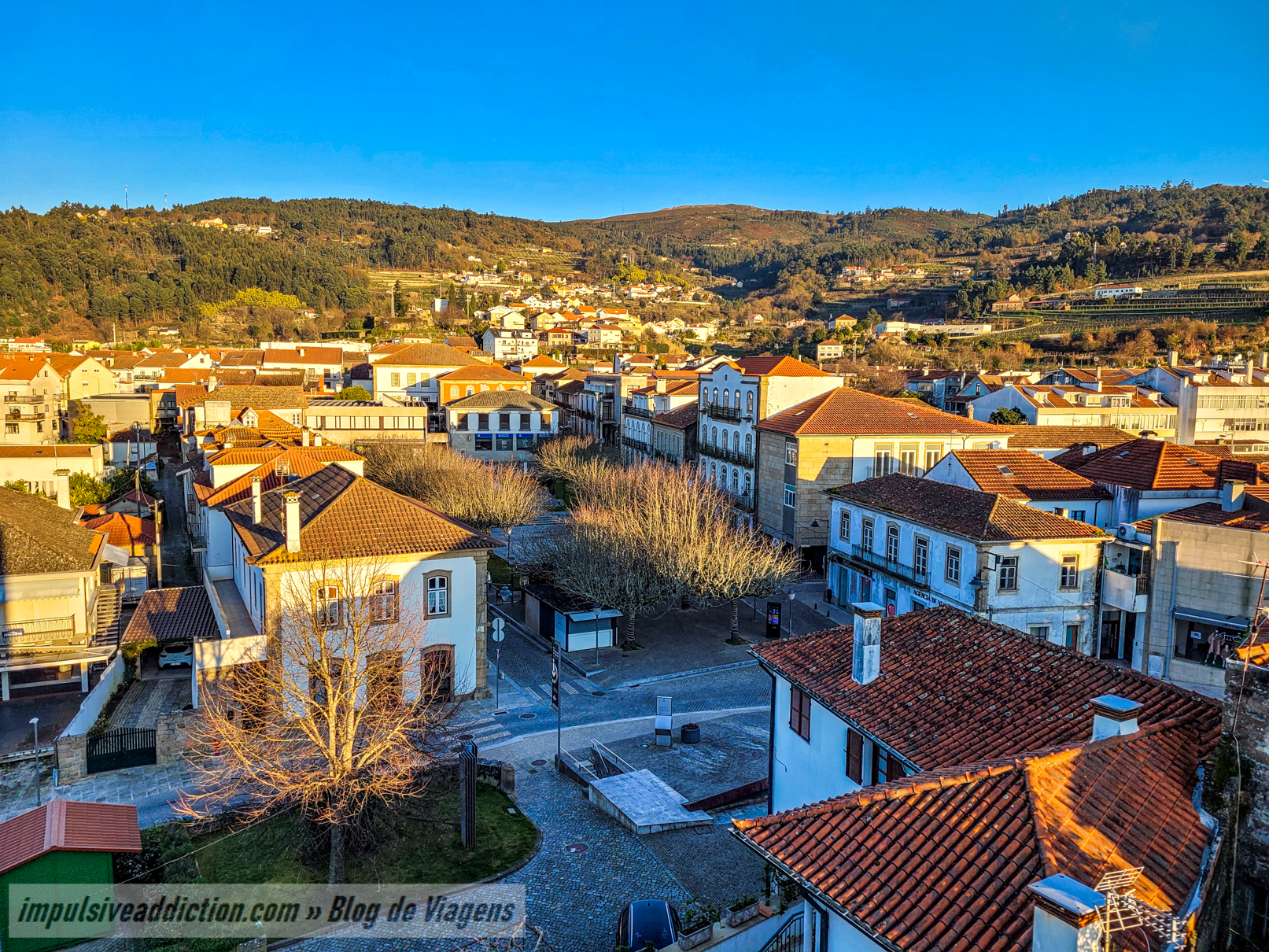
The next stop—and the most important one on this itinerary through Melgaço’s center—is the castle and the museum housed in the Keep Tower. Be sure to climb the castle walls for a scenic viewpoint over the town, which is especially stunning at sunset.
Melgaço Castle was built during the reign of King Afonso Henriques, at the end of the 12th or early 13th century. Inside the museum, you can learn more about the municipality’s history, from prehistoric times to the modern age, and its strategic role in defending Alto Minho and Portugal as a whole.
4. Archaeological Ruins of Praça da República
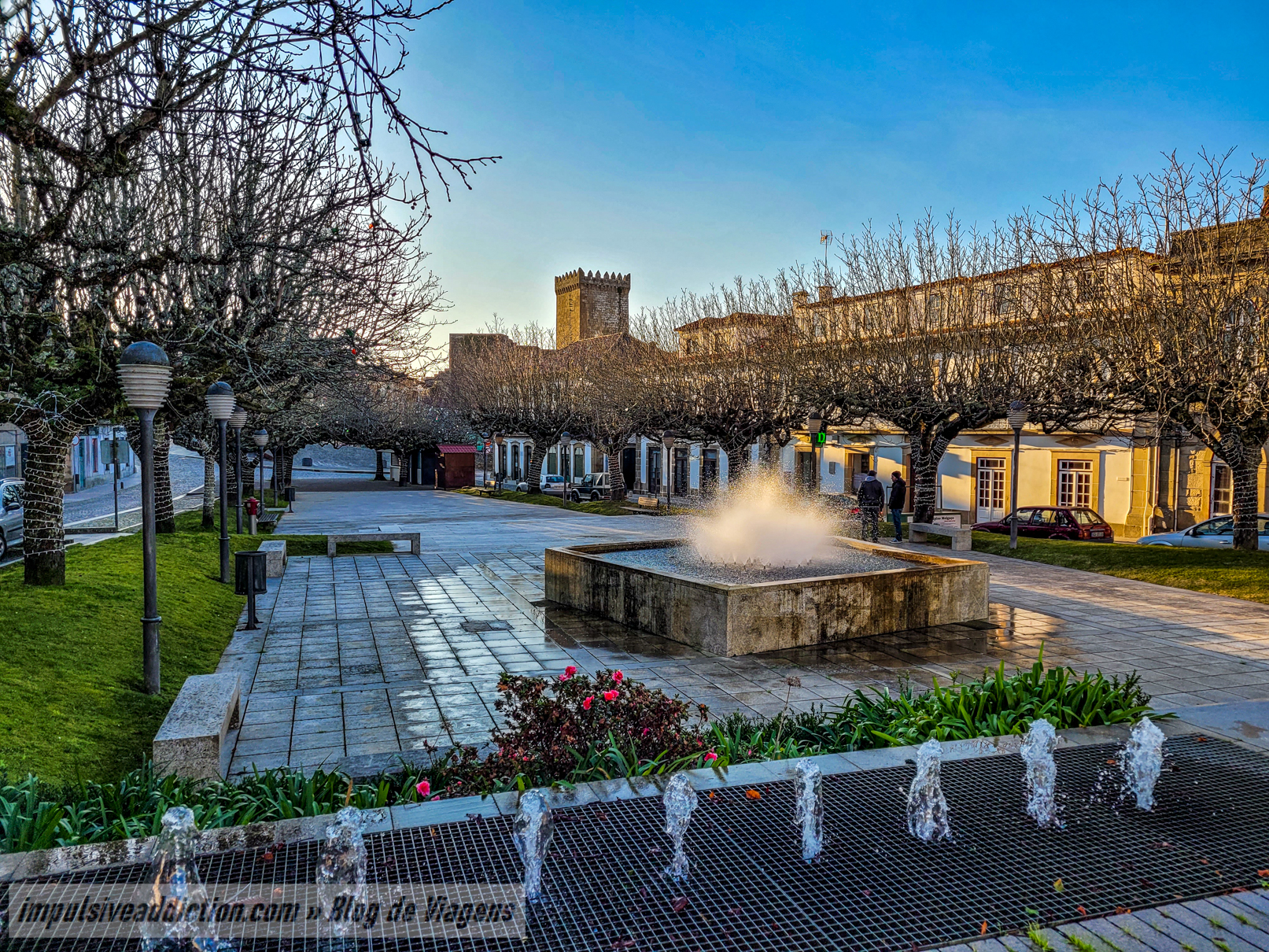
When you reach Melgaço’s Praça da República, don’t forget to look for the staircase that leads down to the archaeological ruins hidden underground. It’s very easy to miss this spot if you don’t know it’s there. The ruins are part of a medieval moat system, offering insight into the town’s defensive structures of the time.
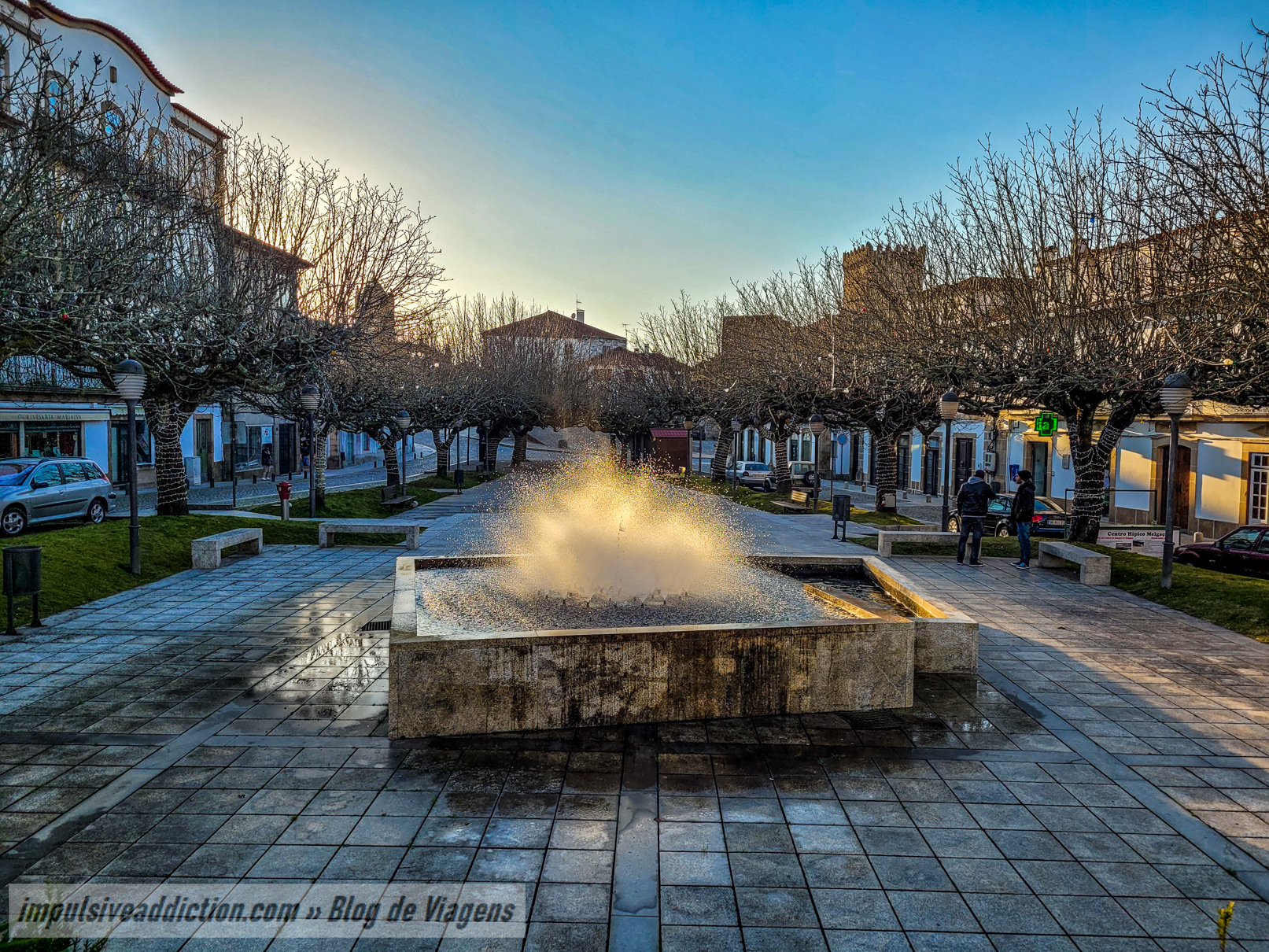
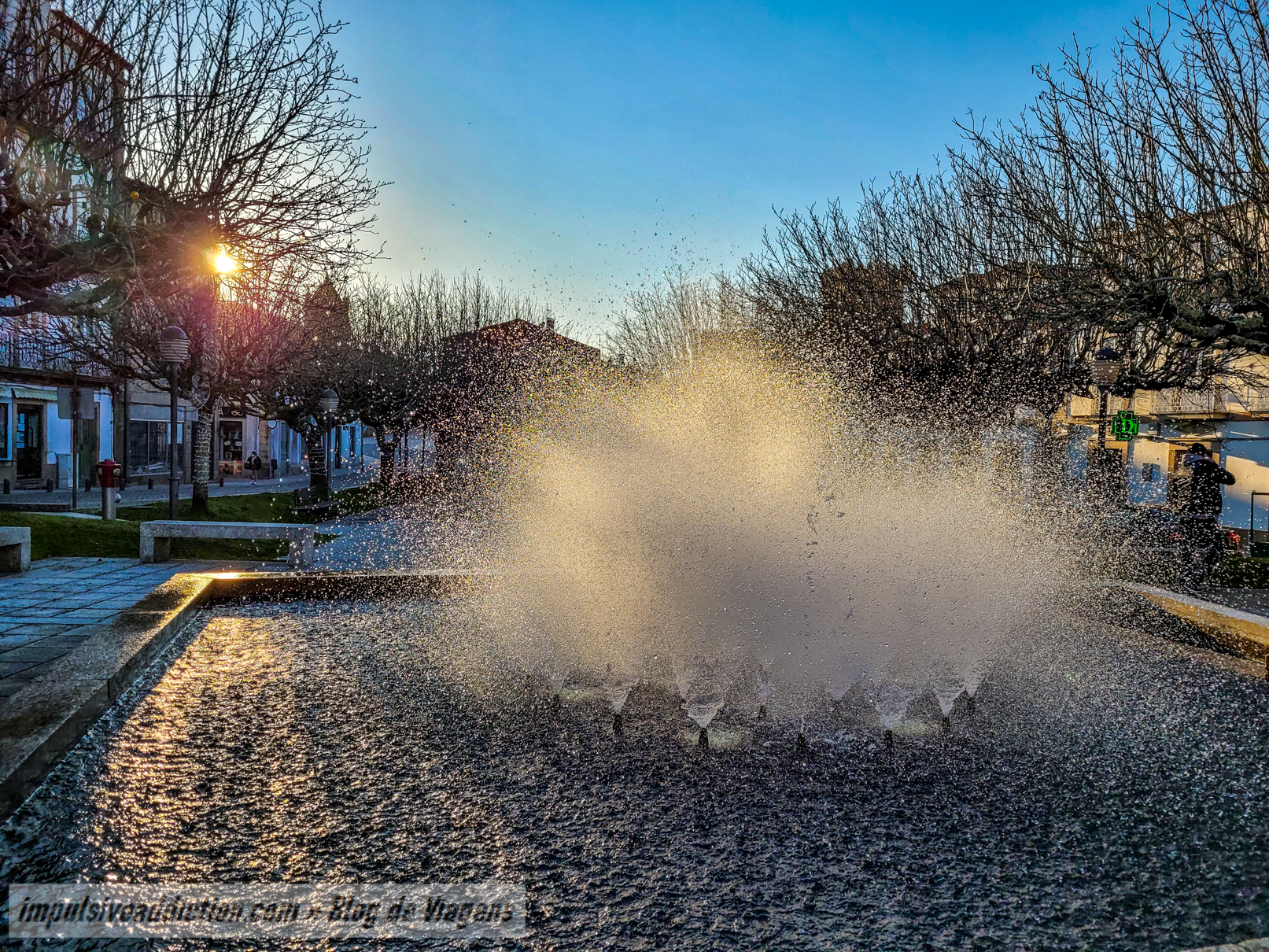
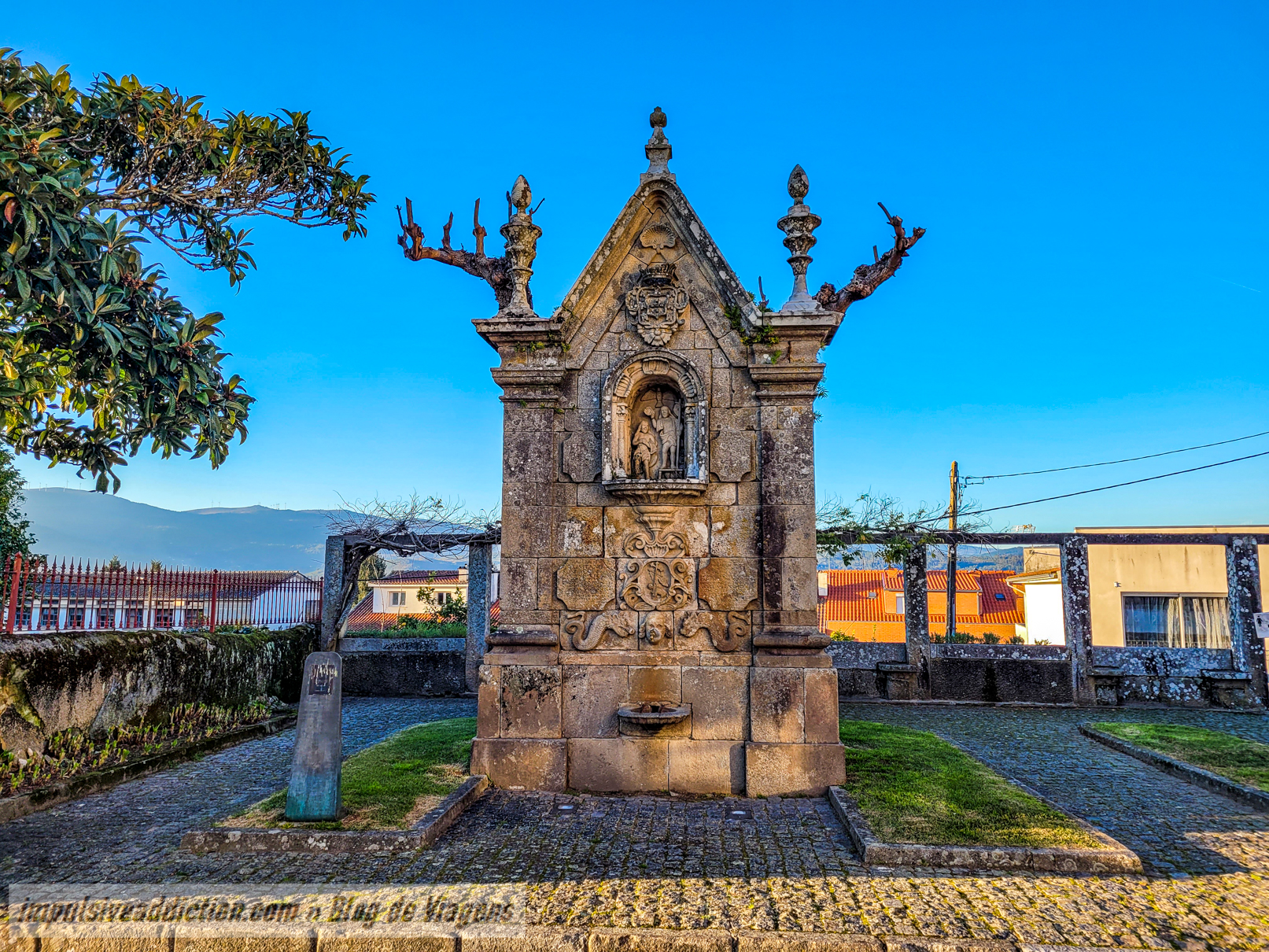
5. São João Fountain
Also located in Praça da República, but on the opposite side, is the São João Fountain. Dating back to the 18th century, it has only stood in this square since the early 20th century. Its highlights are the coat of arms and the sculptural depiction of John the Baptist baptizing Jesus.
6. Main Church of Melgaço
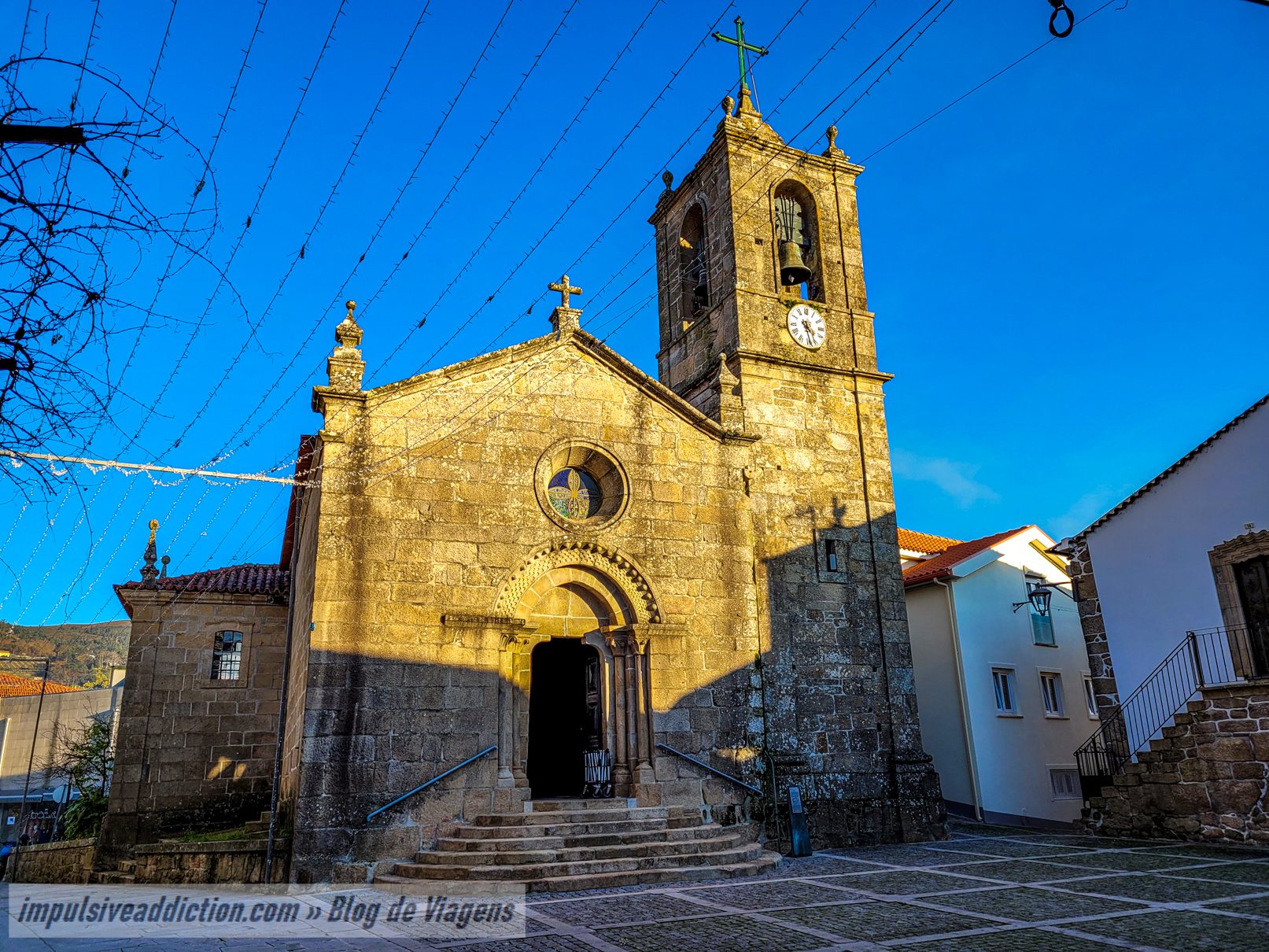
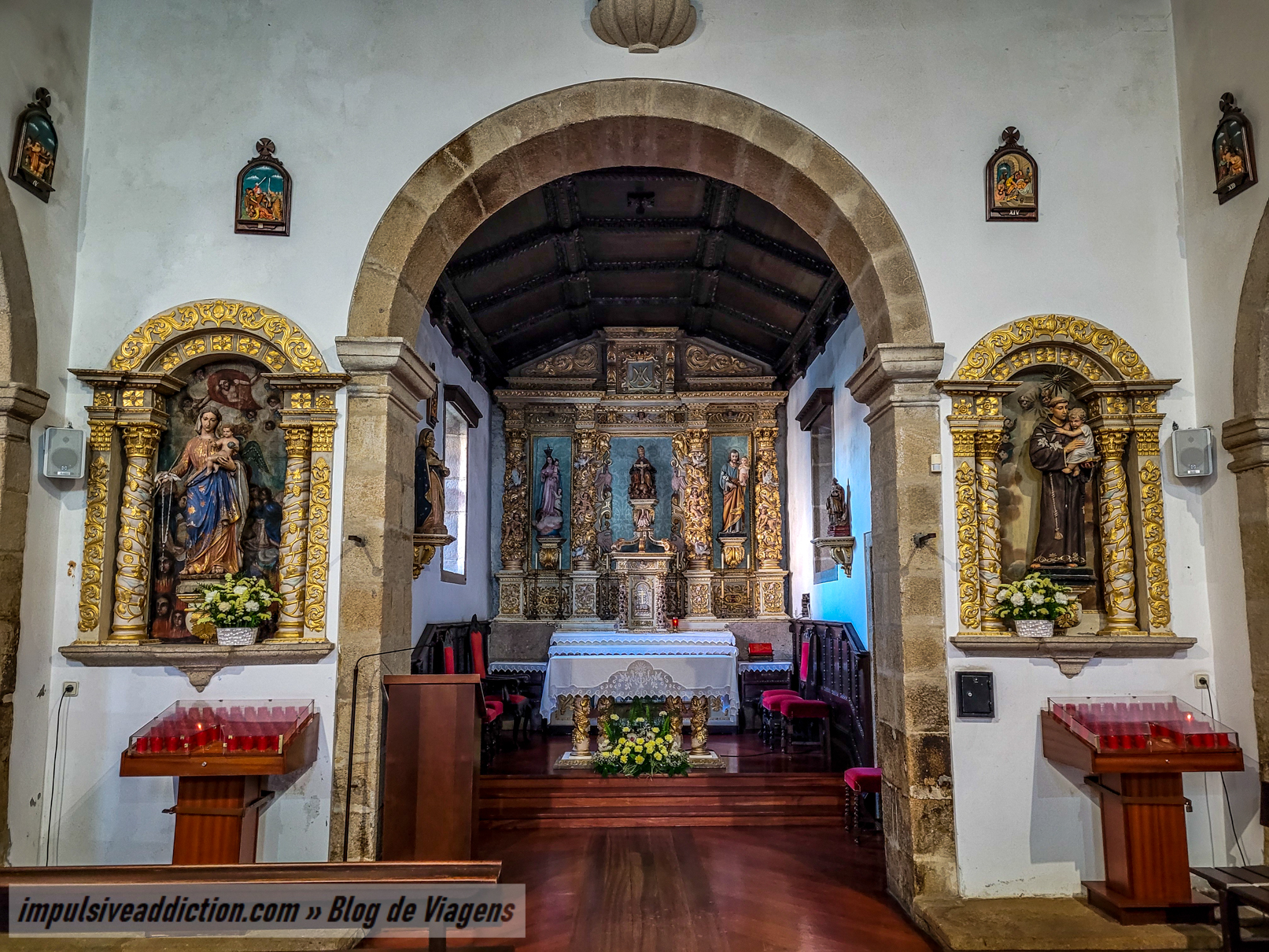
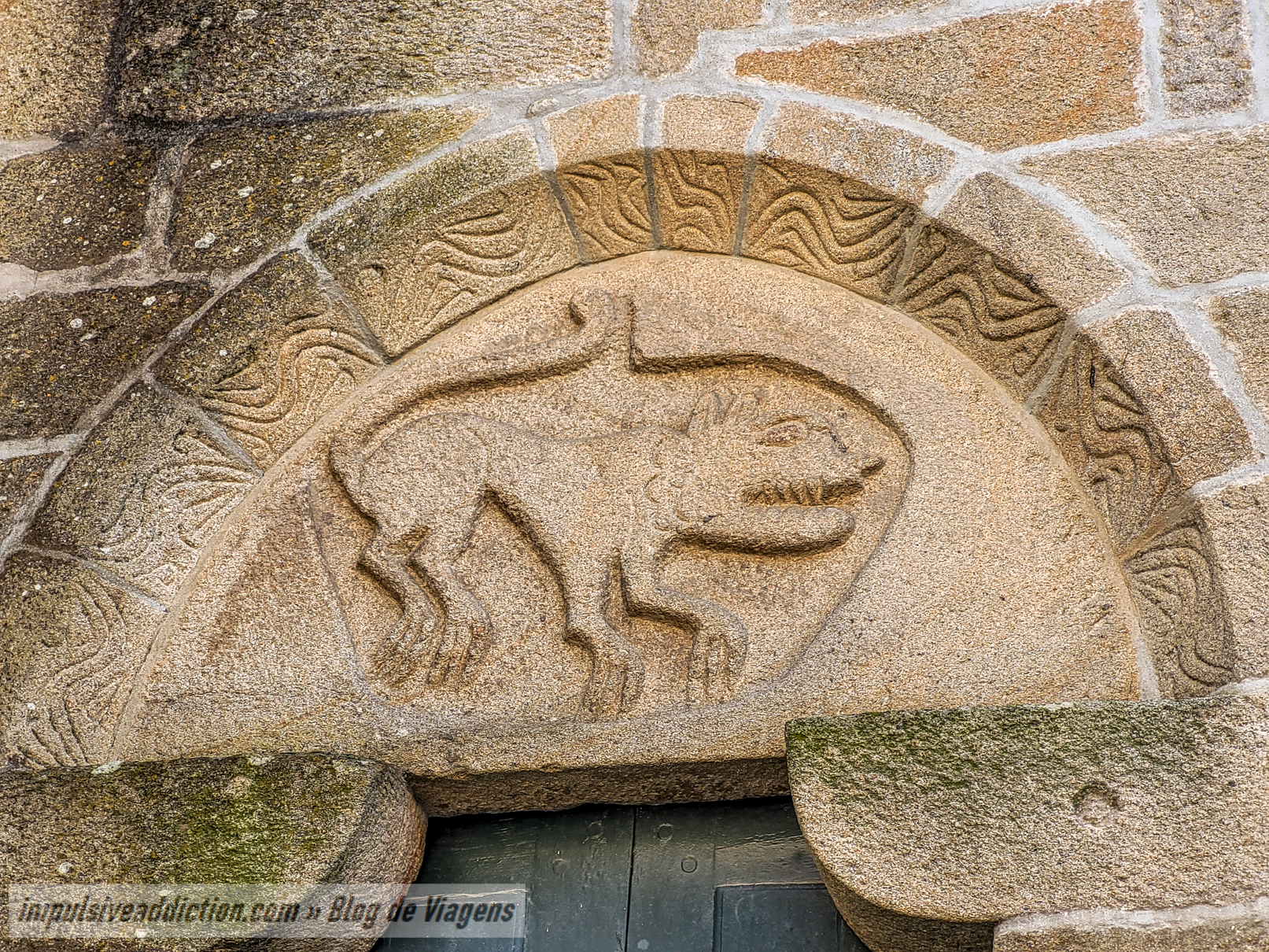
The Main Church of Melgaço stands on the site where the main gate to the castle once stood. Because of this, it also became known as the Church of Santa Maria da Porta. Its origins go back to the 12th century, although its present appearance bears little resemblance to that era. Notable features include the bell tower and a carved animal figure on one of the side portals.
7. Solar do Alvarinho
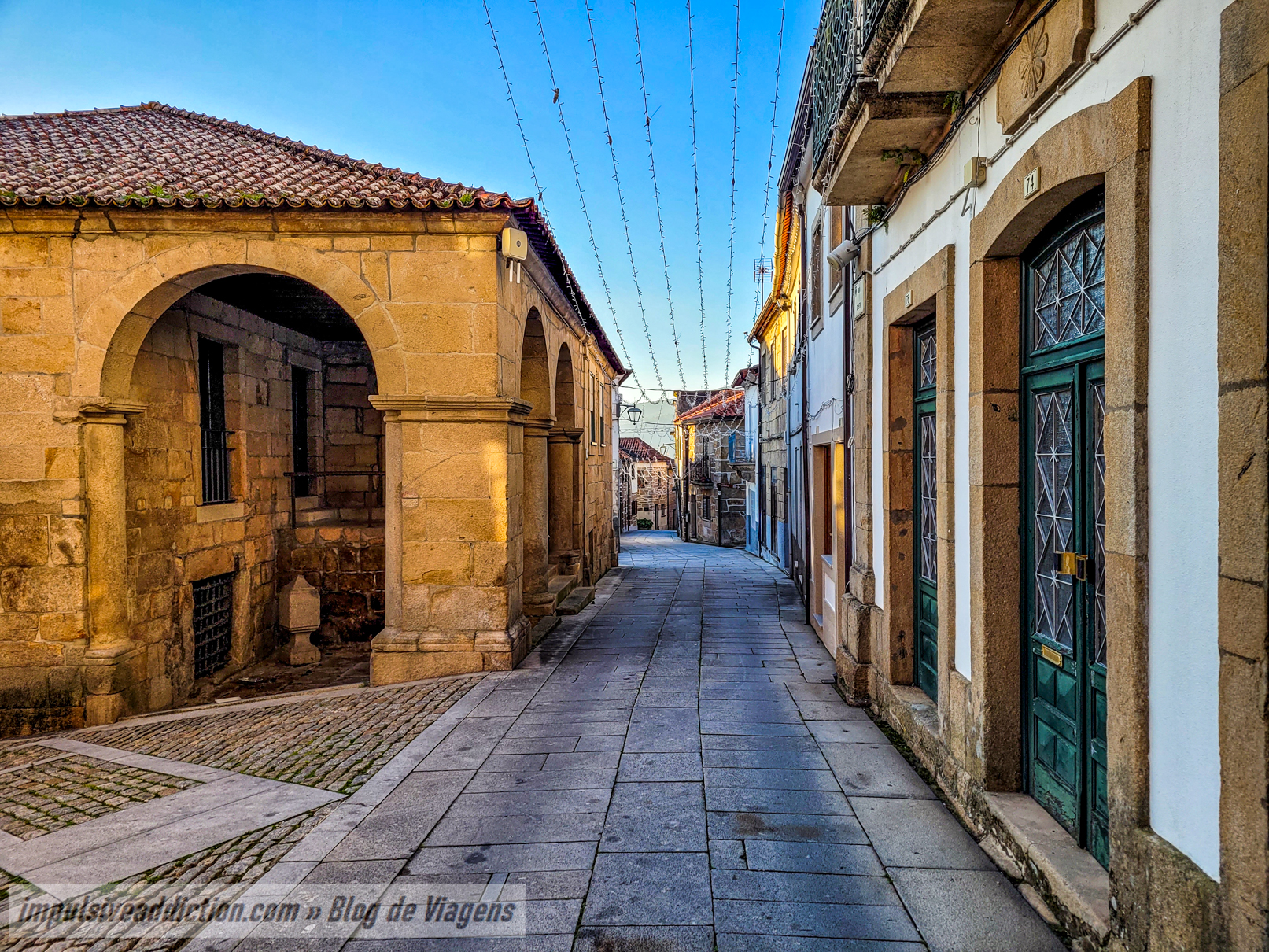
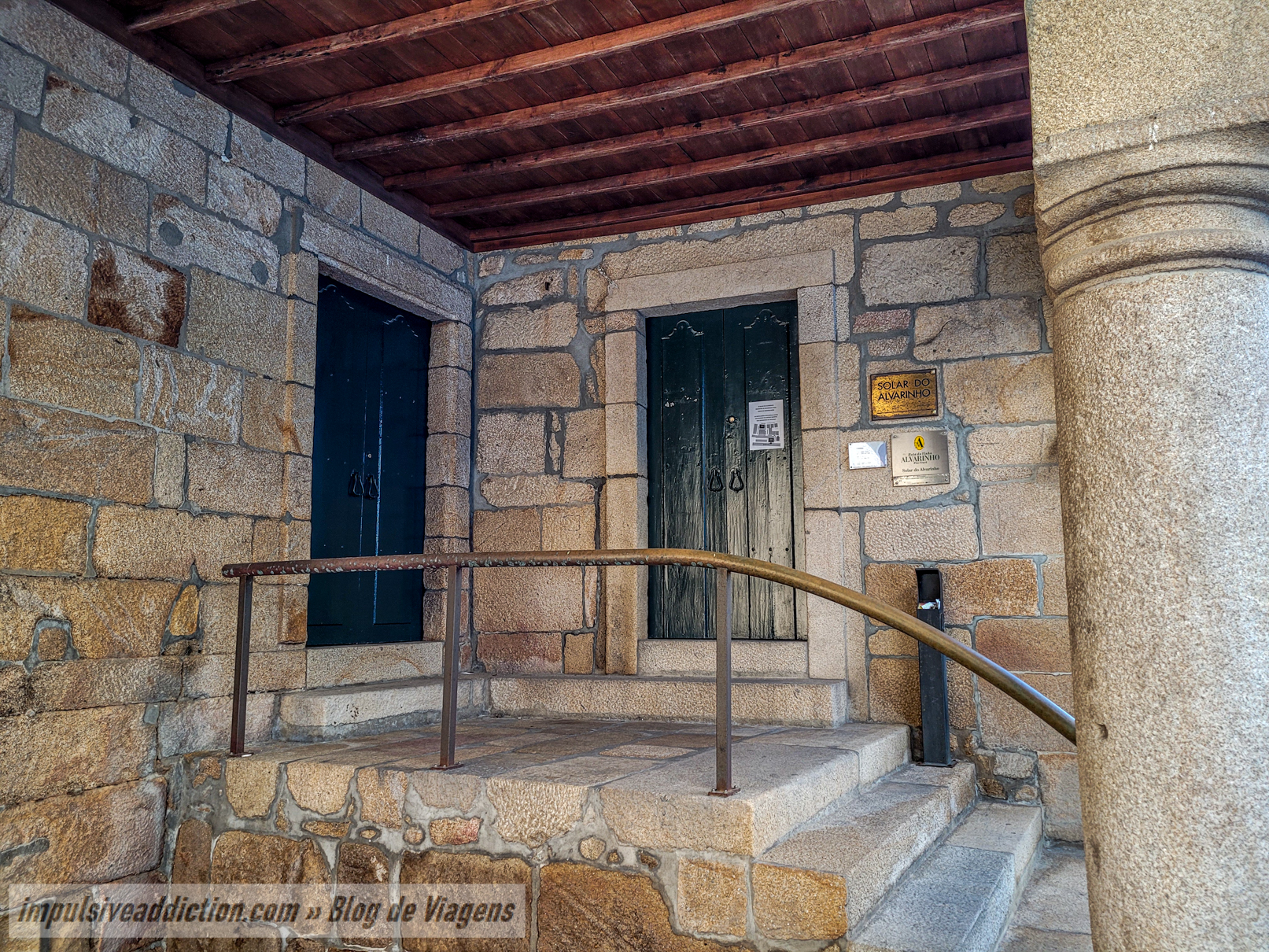
Melgaço’s Solar do Alvarinho is considered the headquarters of the Alvarinho Wine Route in Portugal. It’s housed in an arcaded building that once served as both the Town Hall and the local jail. Here, you can enjoy a wine tasting and learn more about this distinctive variety of Vinho Verde.
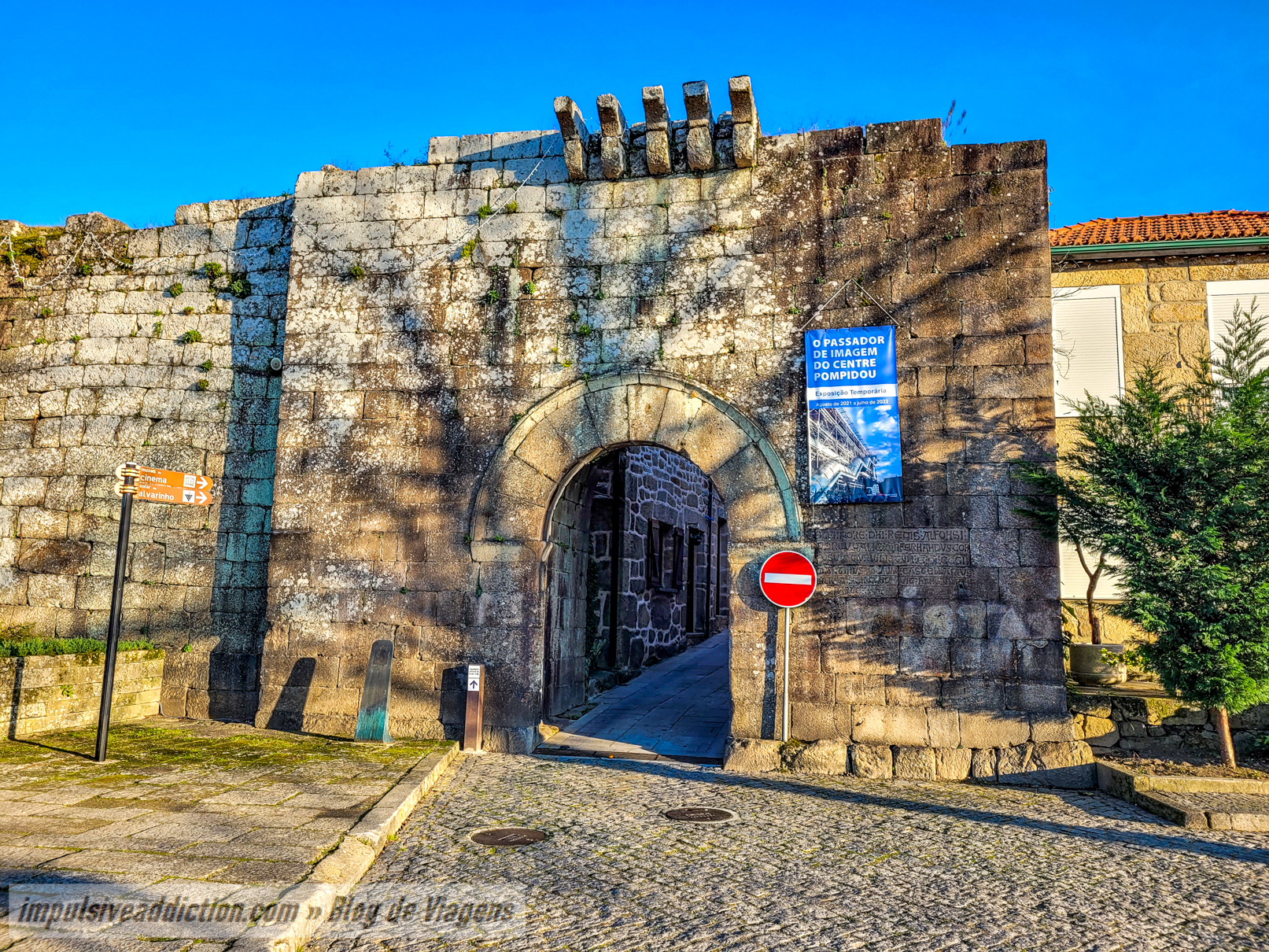
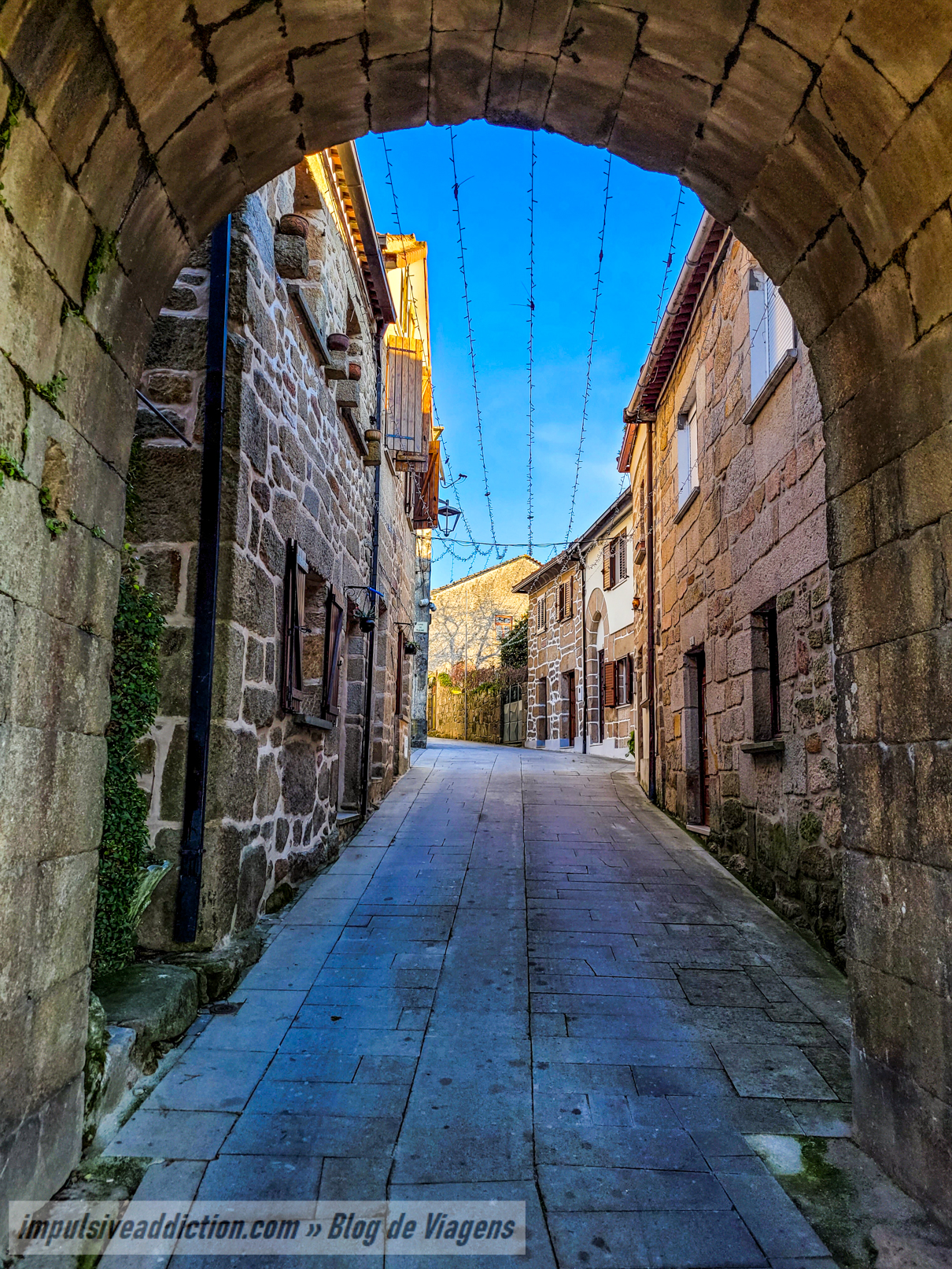
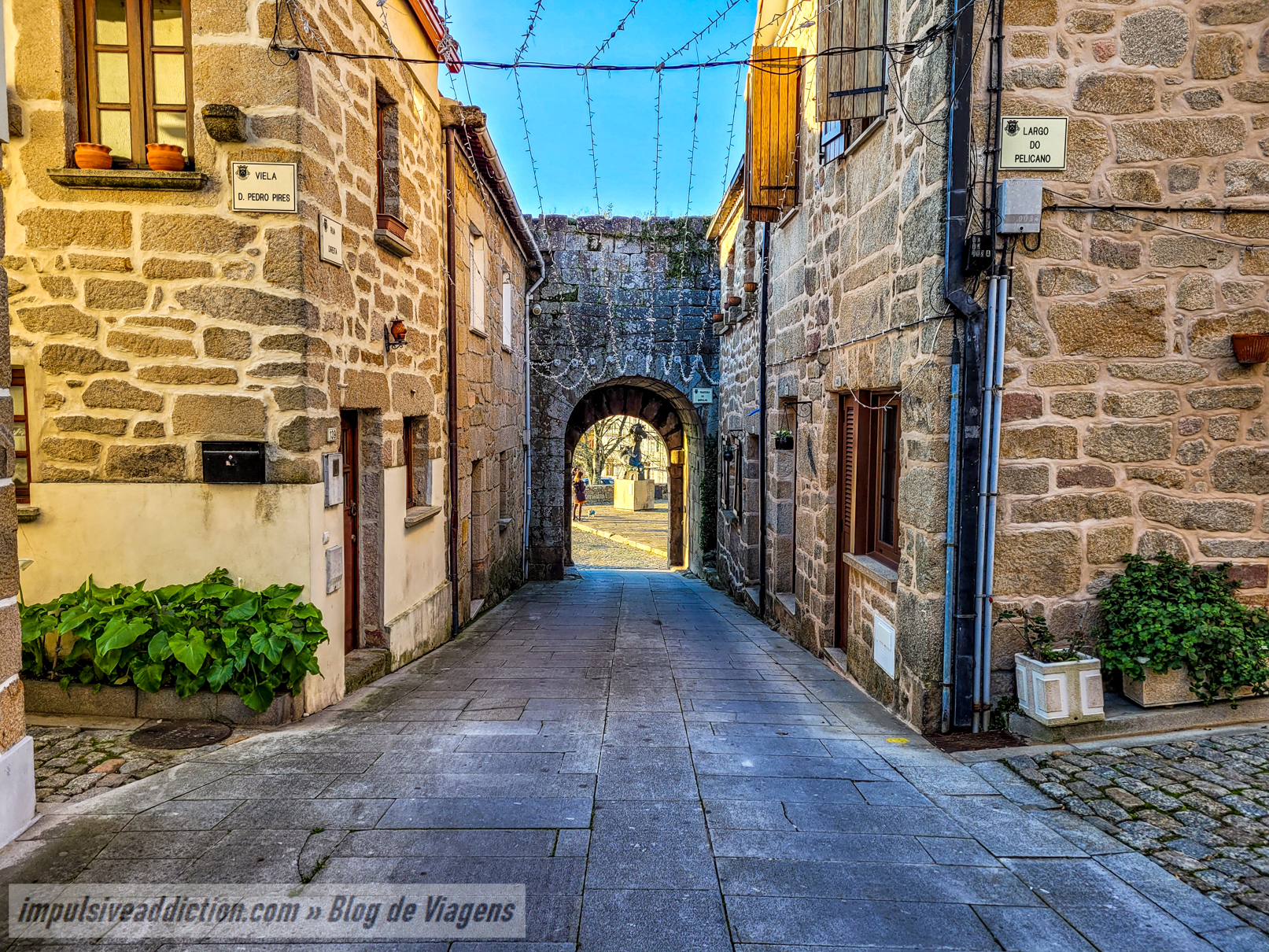
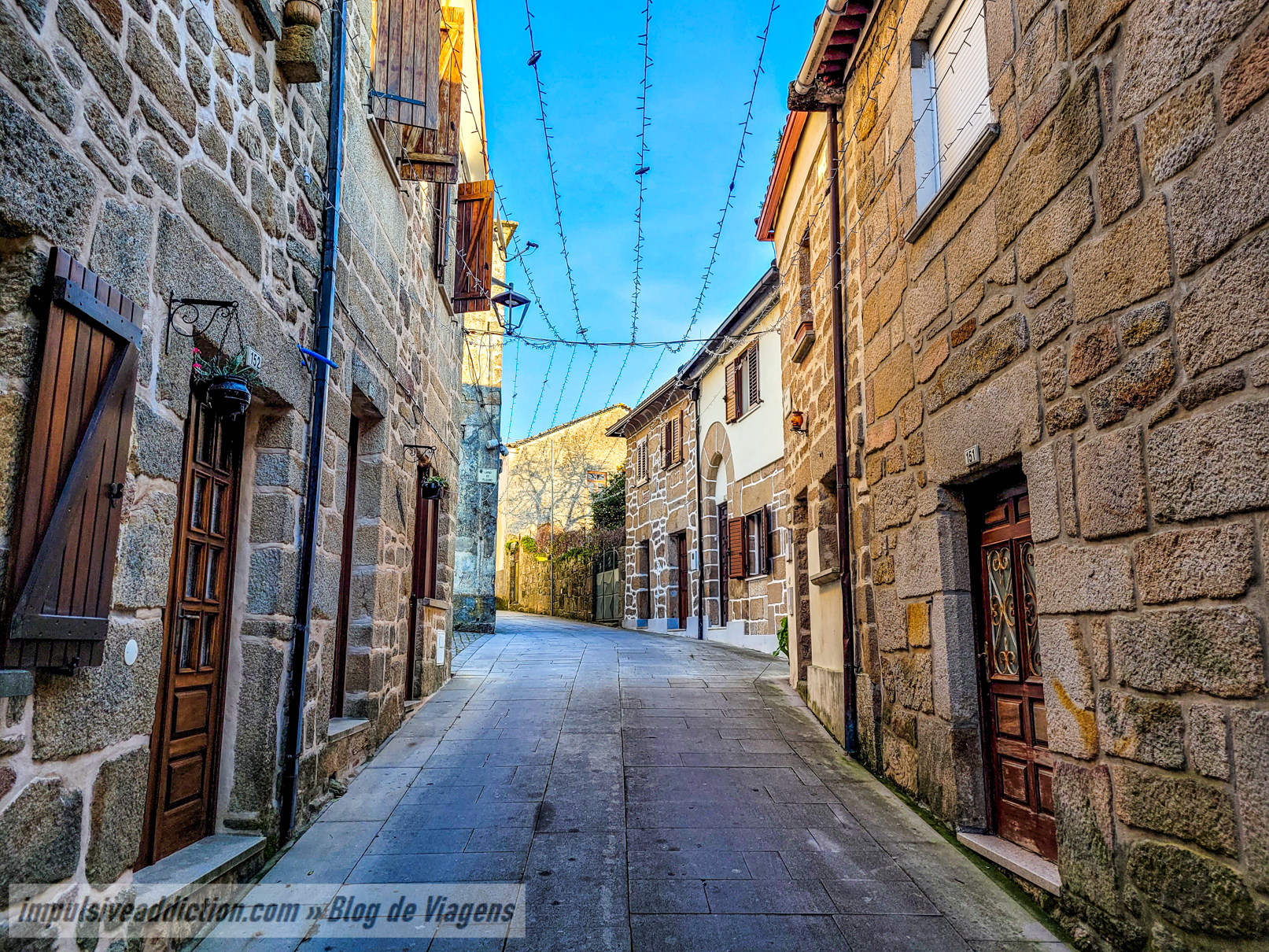
8. Rua Direita
Rua Direita connects the Main Church to another of the gates of Melgaço’s historic center, eventually leading back to Alameda de Inês Negra, where you’ll find a statue of the legendary warrior.
For me, it’s the most picturesque street to explore in Melgaço’s old town. The Solar do Alvarinho sits about halfway along, and at the crossroads with Rua do Castelo, you’ll get a perfect view of the Keep Tower—an ideal spot for a photo.
9. Cross-Border Minho Valley Viewpoint
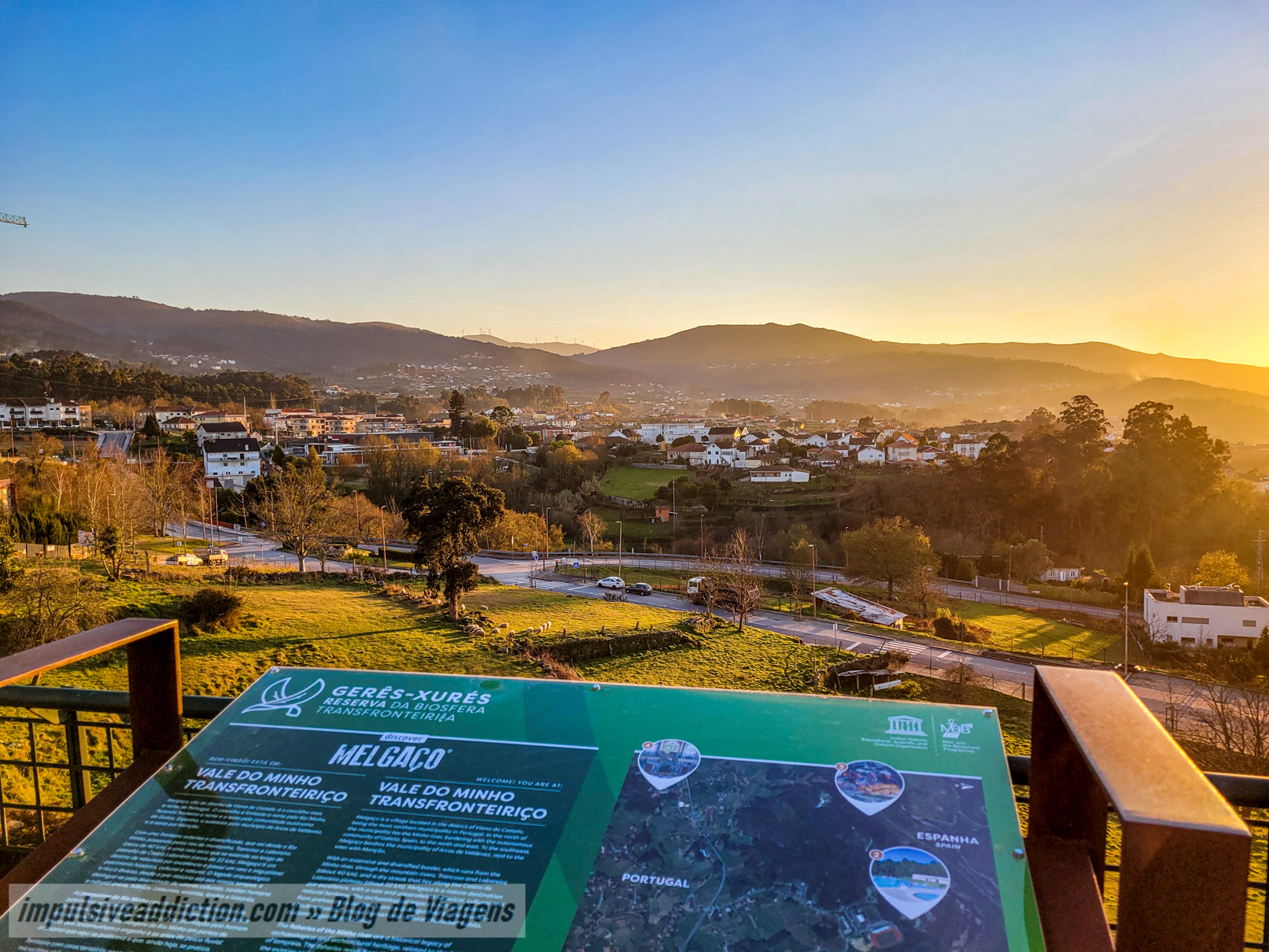
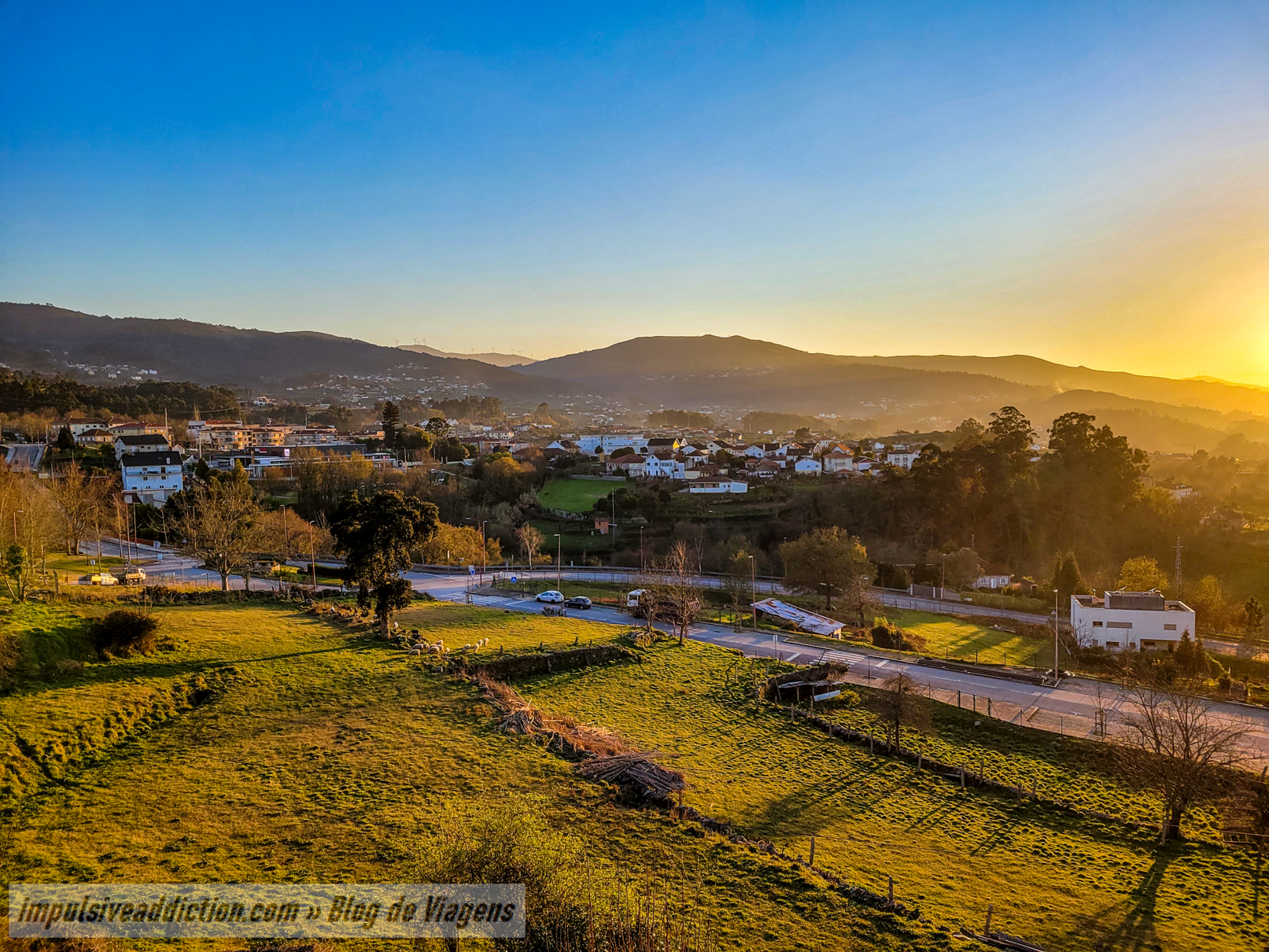
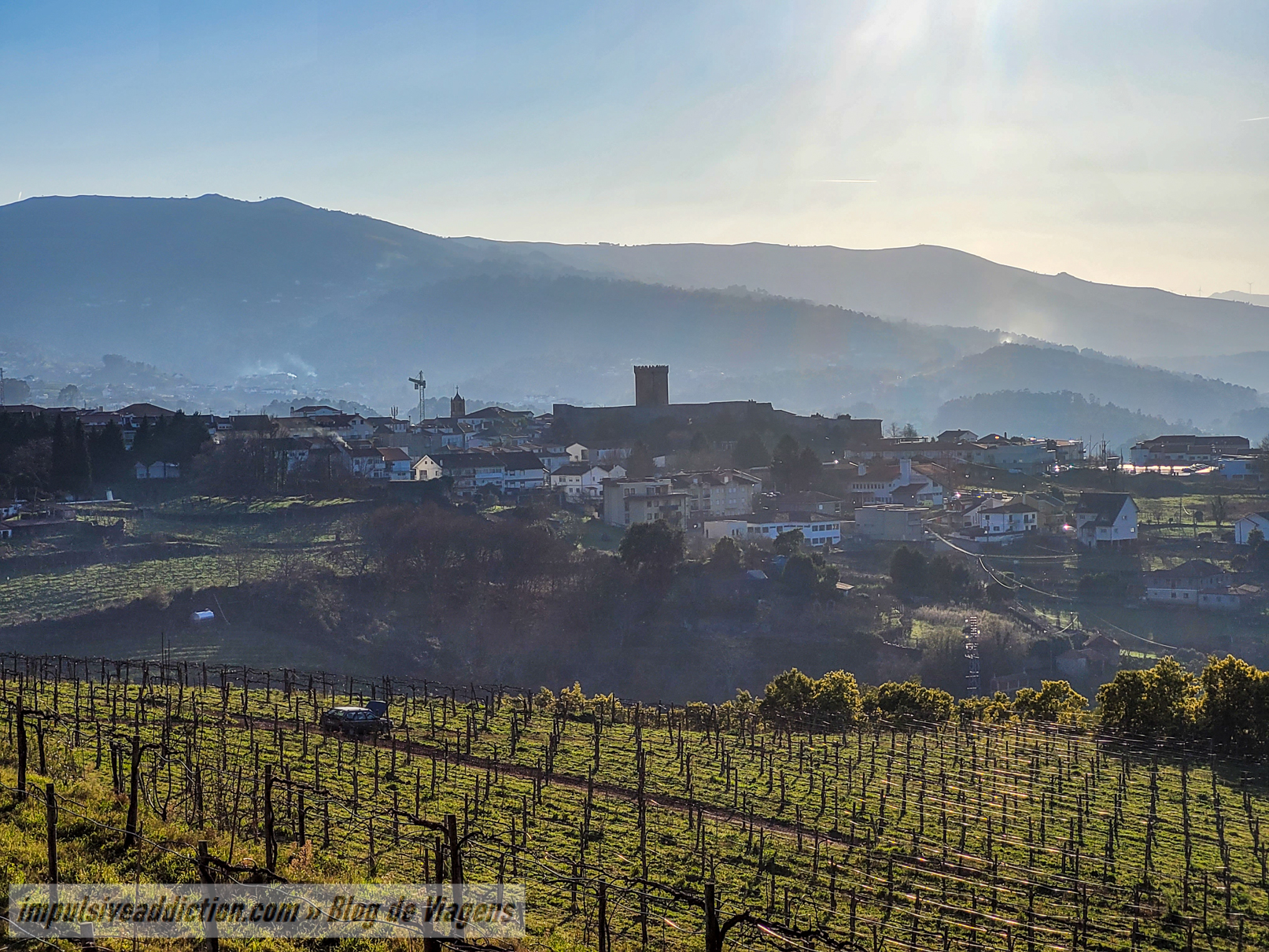
Walking along the outside of the walls, following Alameda de Inês Negra toward the square where the current Town Hall stands, you’ll come across a lovely viewpoint over the surrounding countryside. I’ve included a photo below and marked its exact location on the map in this article.
10. Church of Mercy of Melgaço
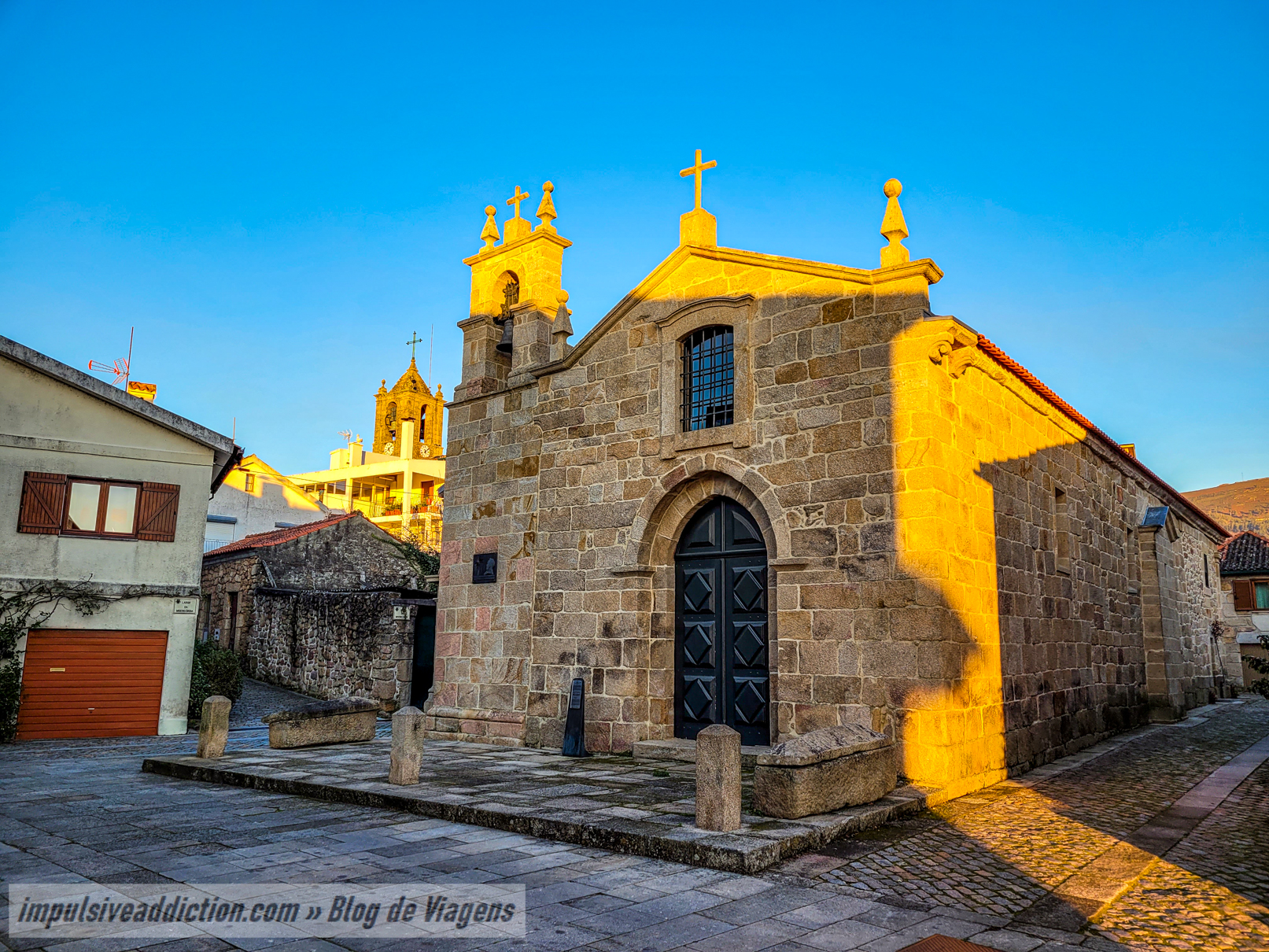
The Church of Mercy of Melgaço, also known as the Church of Santa Maria do Campo, is a Romanesque church dating back to the 13th century. In its churchyard, you can see two medieval anthropomorphic tombs.
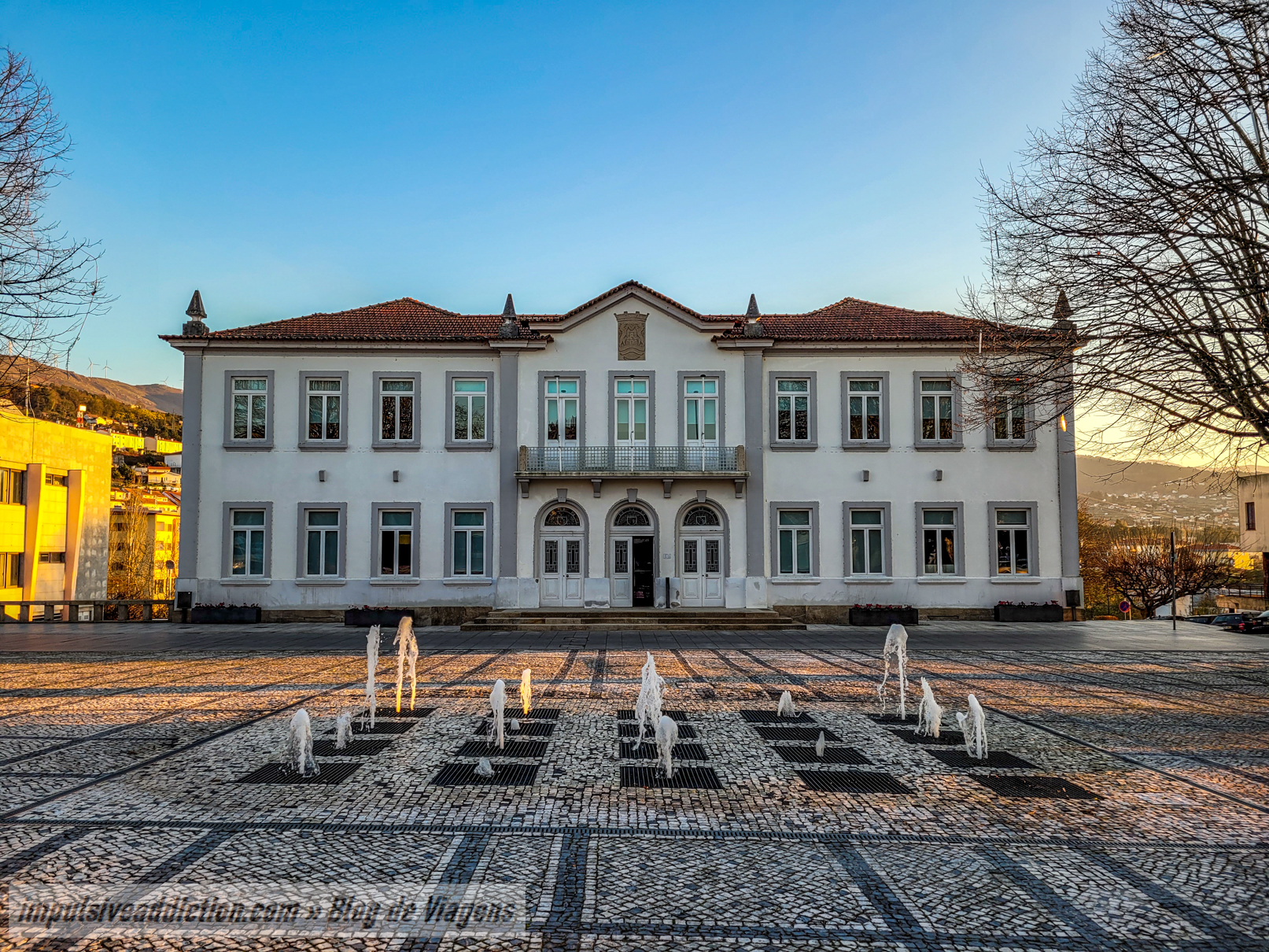
11. Melgaço Town Hall
The Melgaço Town Hall is located slightly outside the historic center. It stands in a more modern area, with a square that feels quite different from the older ones.
12. Rio do Porto Urban Park
Behind the Town Hall lies one of Melgaço’s main green spaces: the Rio do Porto Urban Park, a place you shouldn’t miss for a leisurely walk.
13. Memory and Border Space
If you want to explore Melgaço’s different museums, don’t miss the Memory and Border Space. It focuses mainly on the history of illegal emigration (a salto) and smuggling, once common in this border region. The museum is housed in the former municipal slaughterhouse.
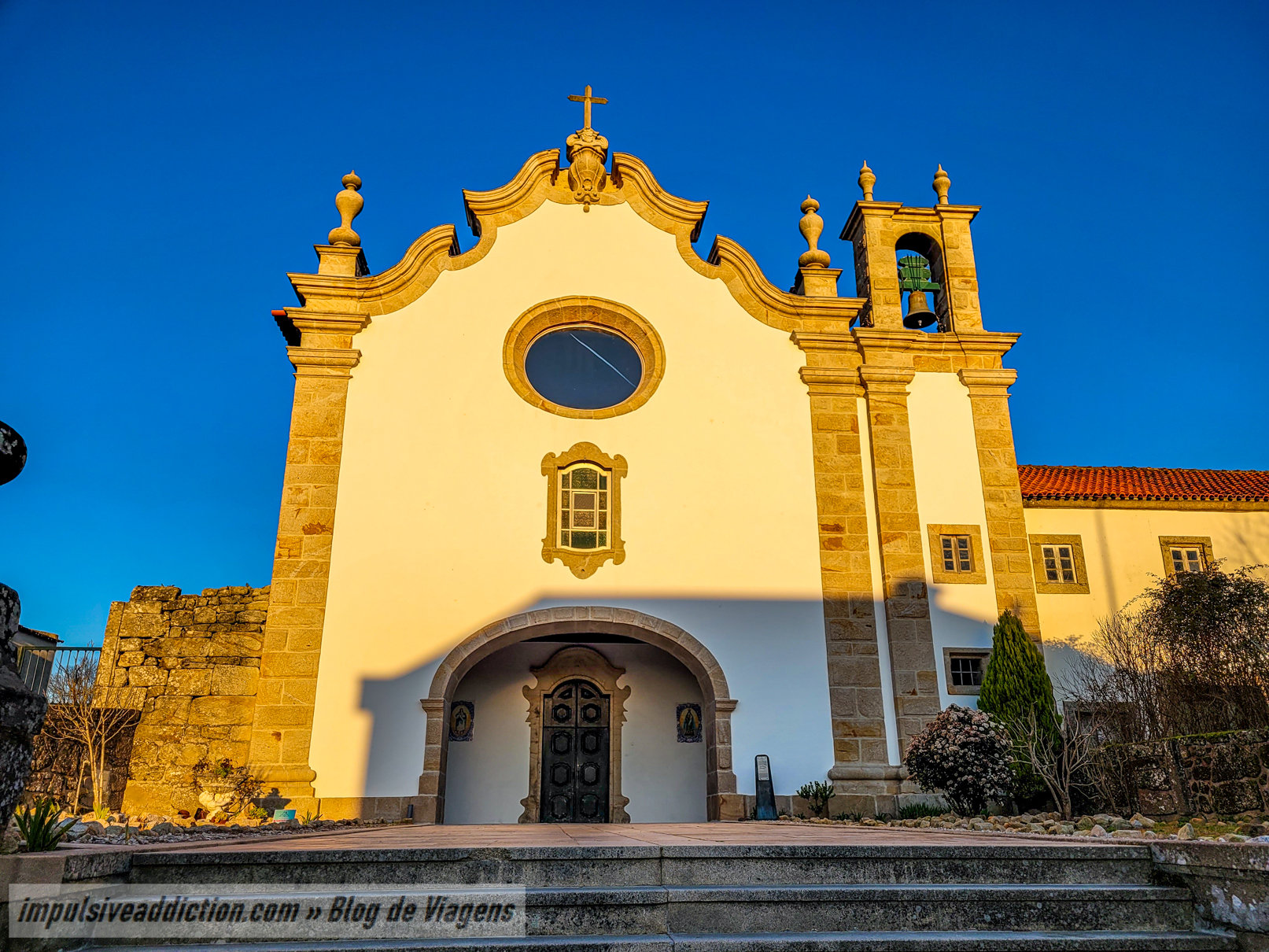
14. Convent of Carvalhiças
Before moving on to the surrounding areas, I also recommend a stop at the 18th-century Carvalhiças Convent, also known as the Convent of Our Lady of the Conception.
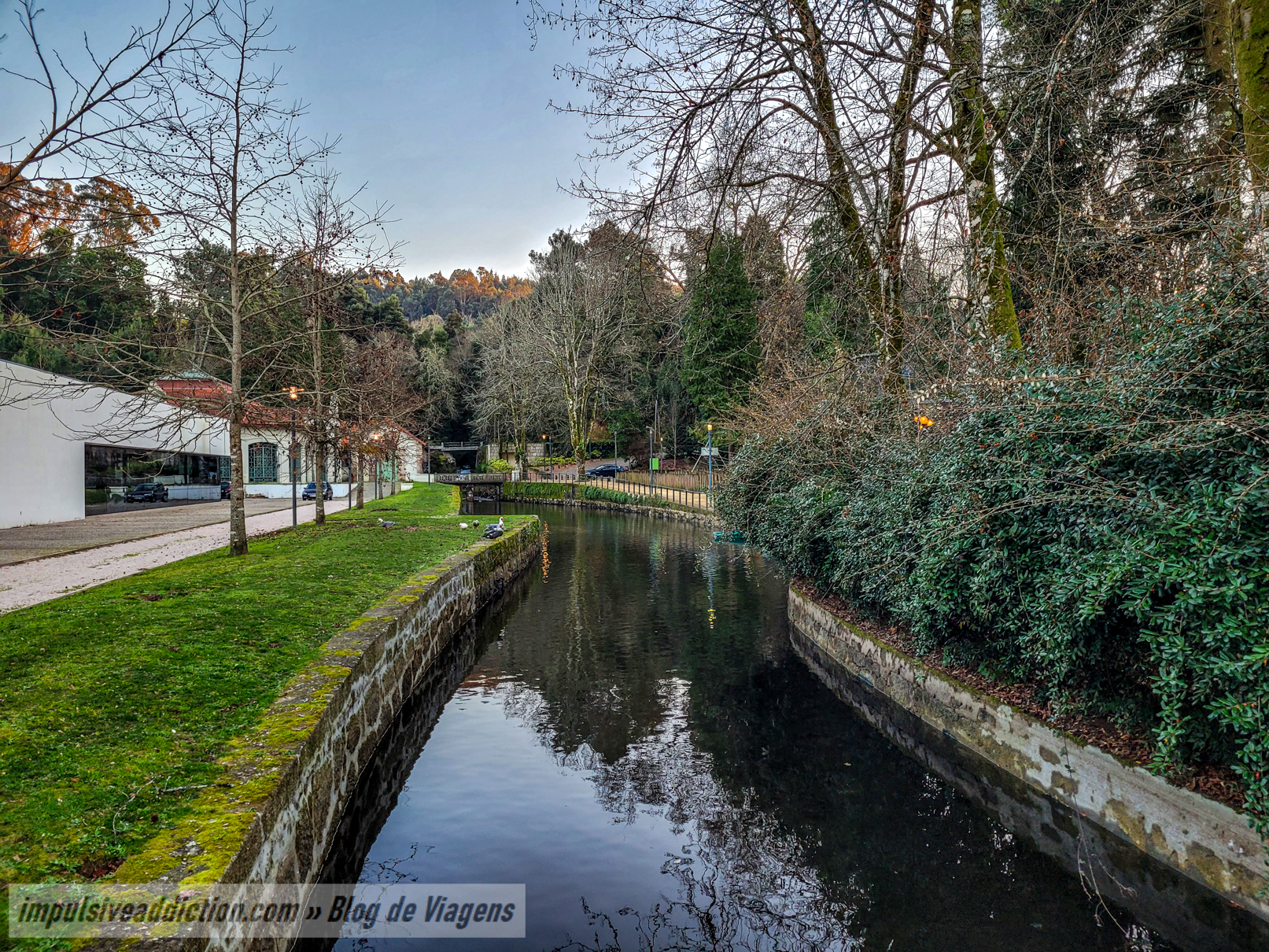
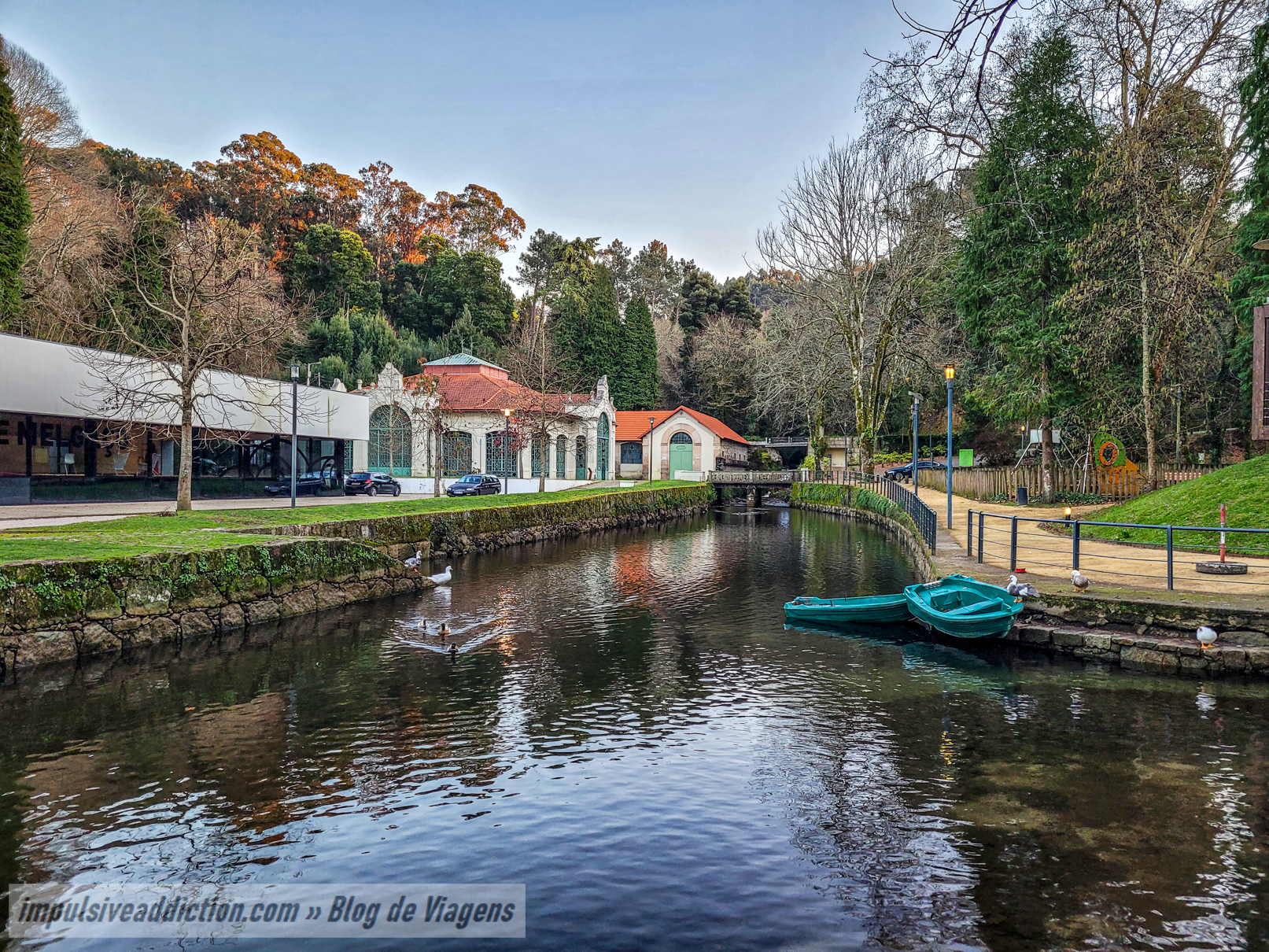
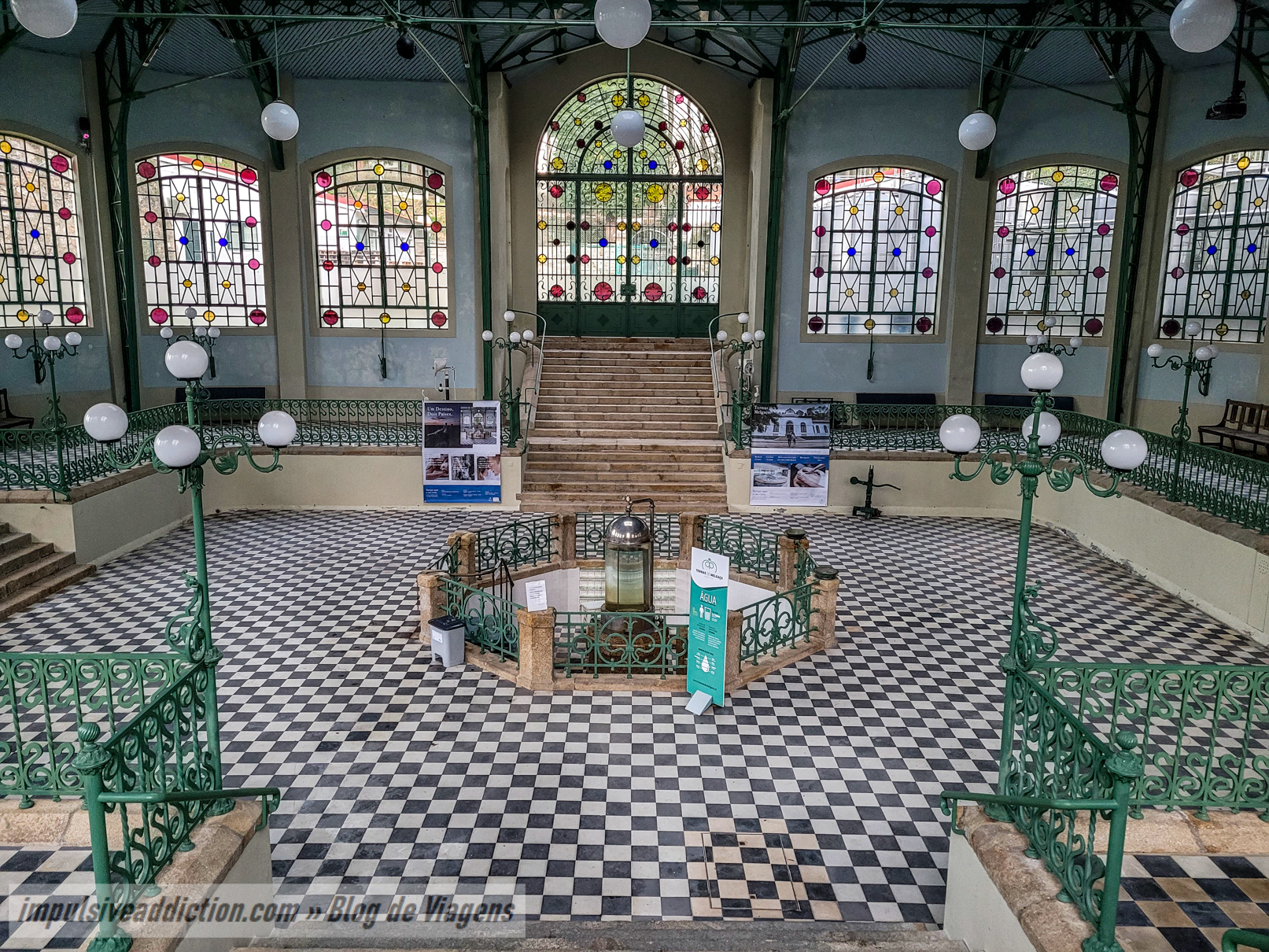
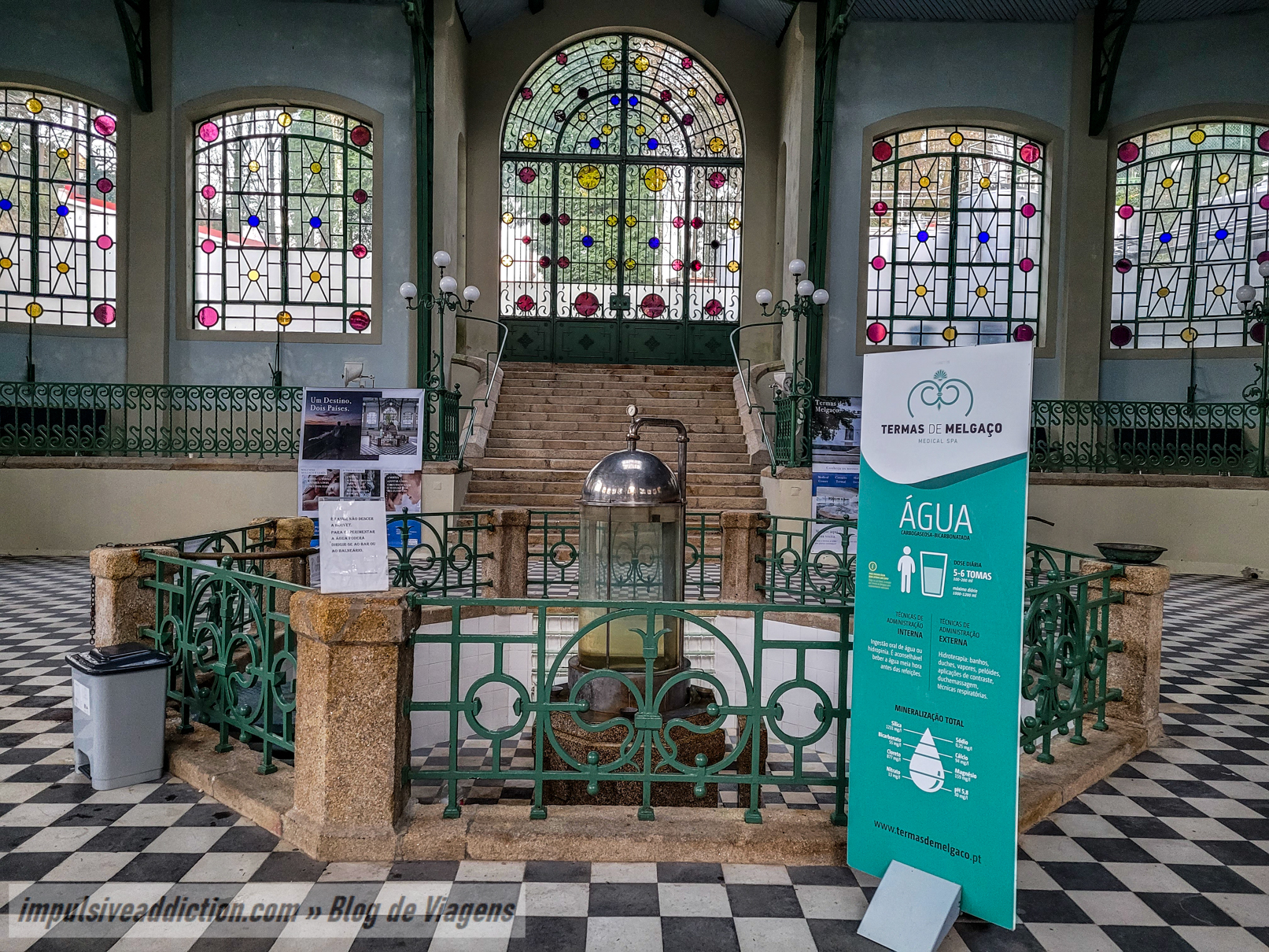
15. Melgaço Thermal Spa
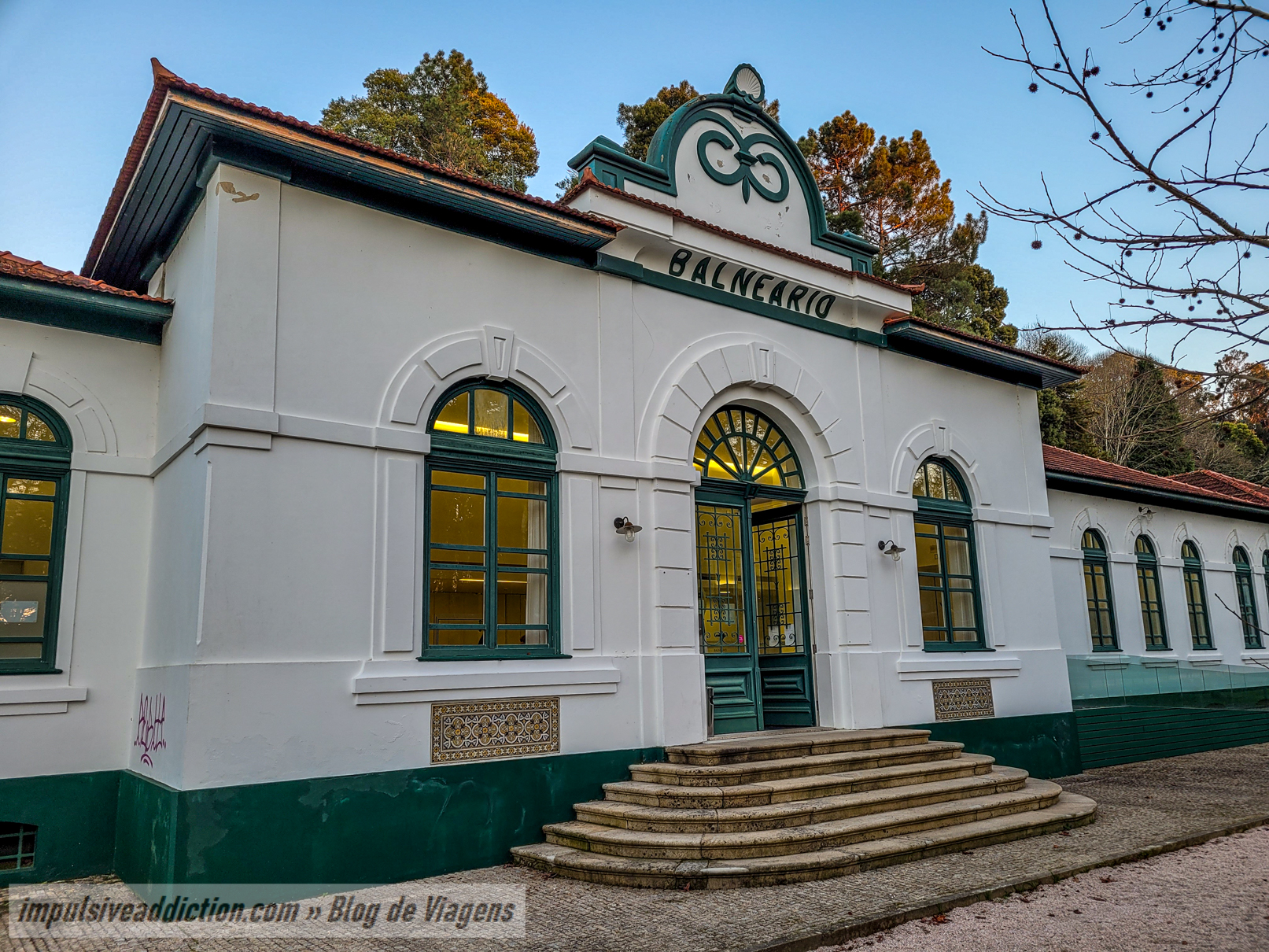
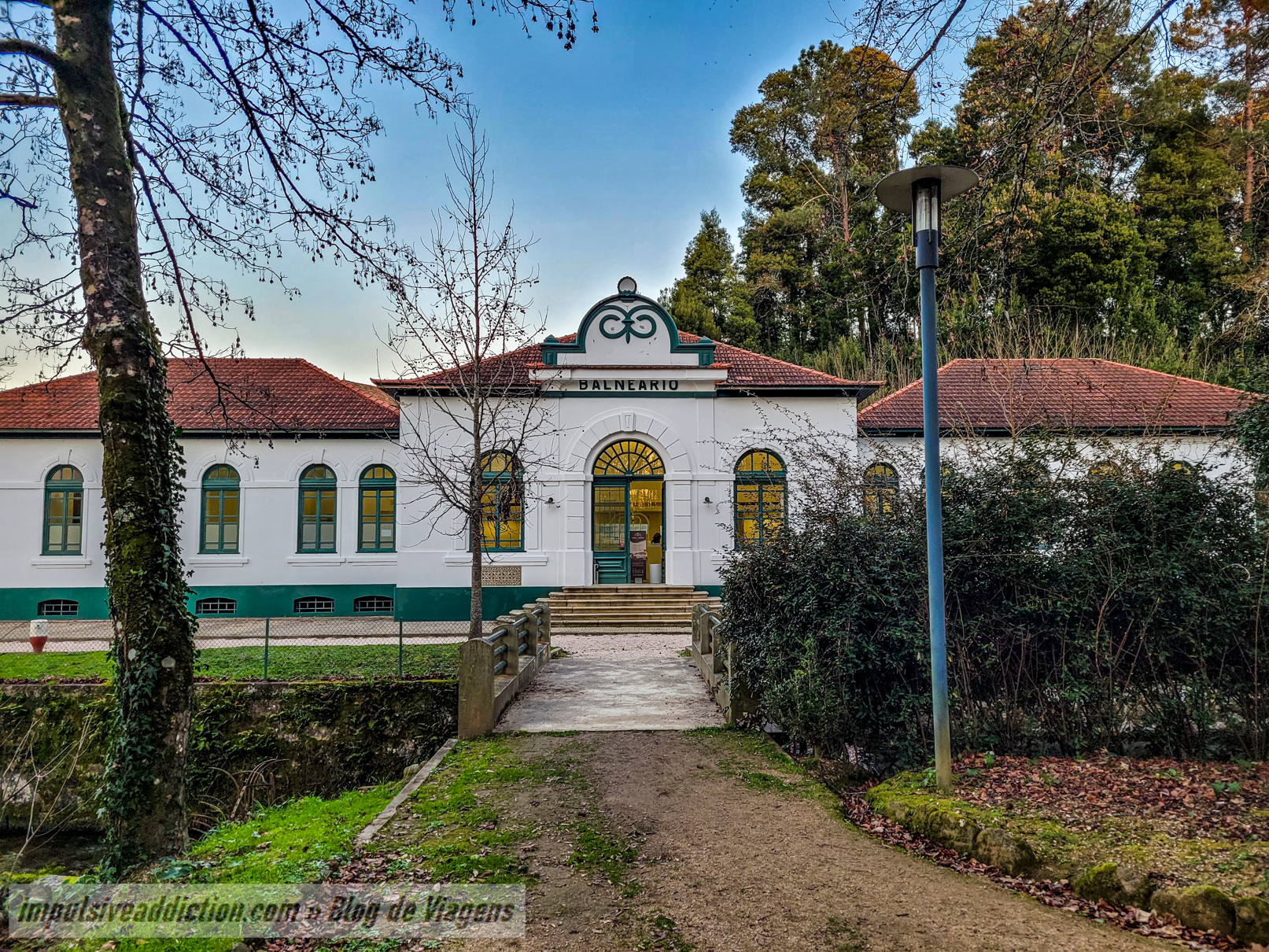
Just outside town, the Melgaço Thermal Spa is an absolute must. You can even taste the spring water for free—just ask for help at the park’s reception. It’s said to have medicinal properties, though the flavor can be a little unusual.
The Thermal Park itself is also a lovely spot for a walk, with a large lake where you’ll find ducks and geese.
16. Romanesque Church of Paderne
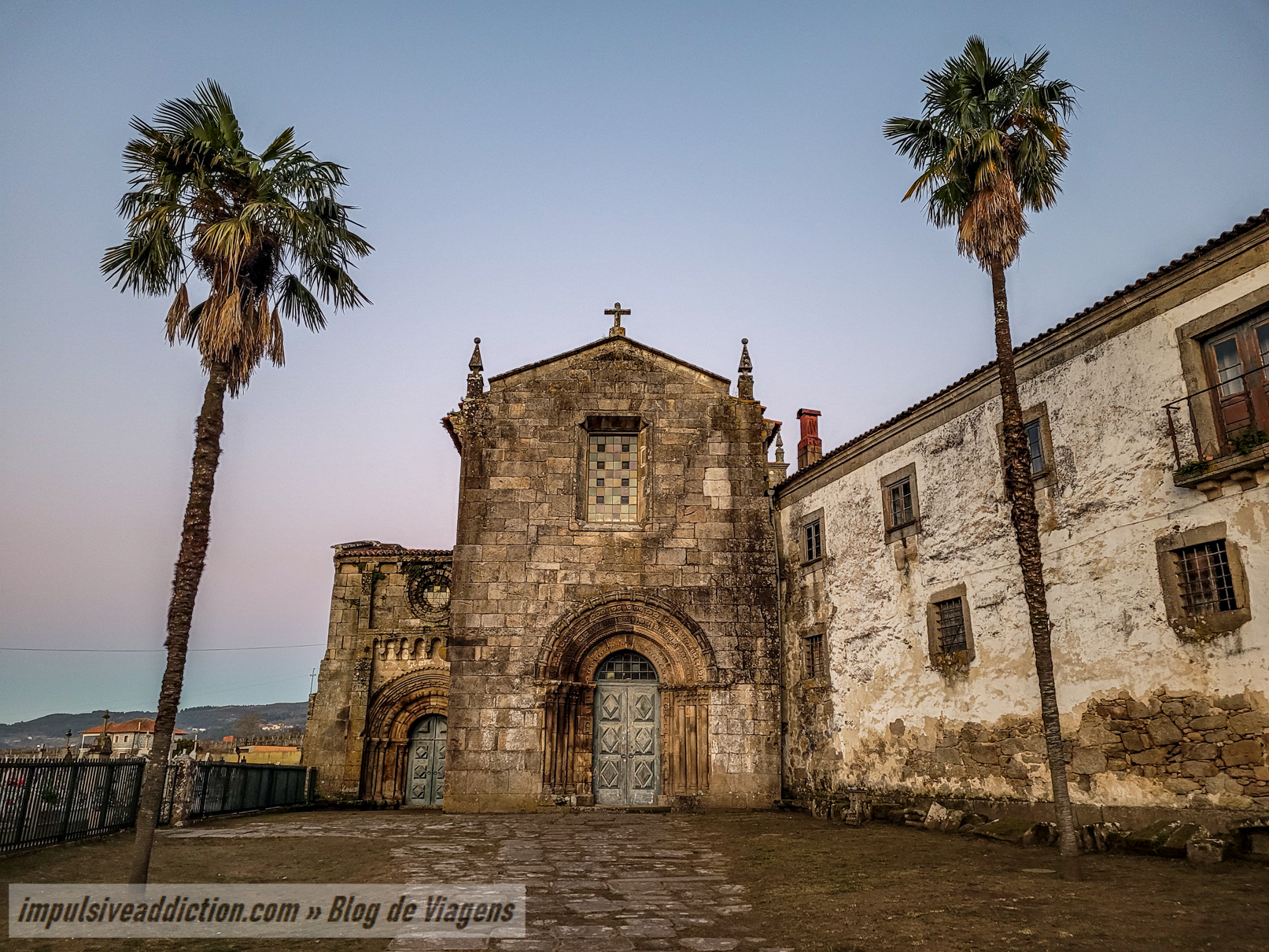
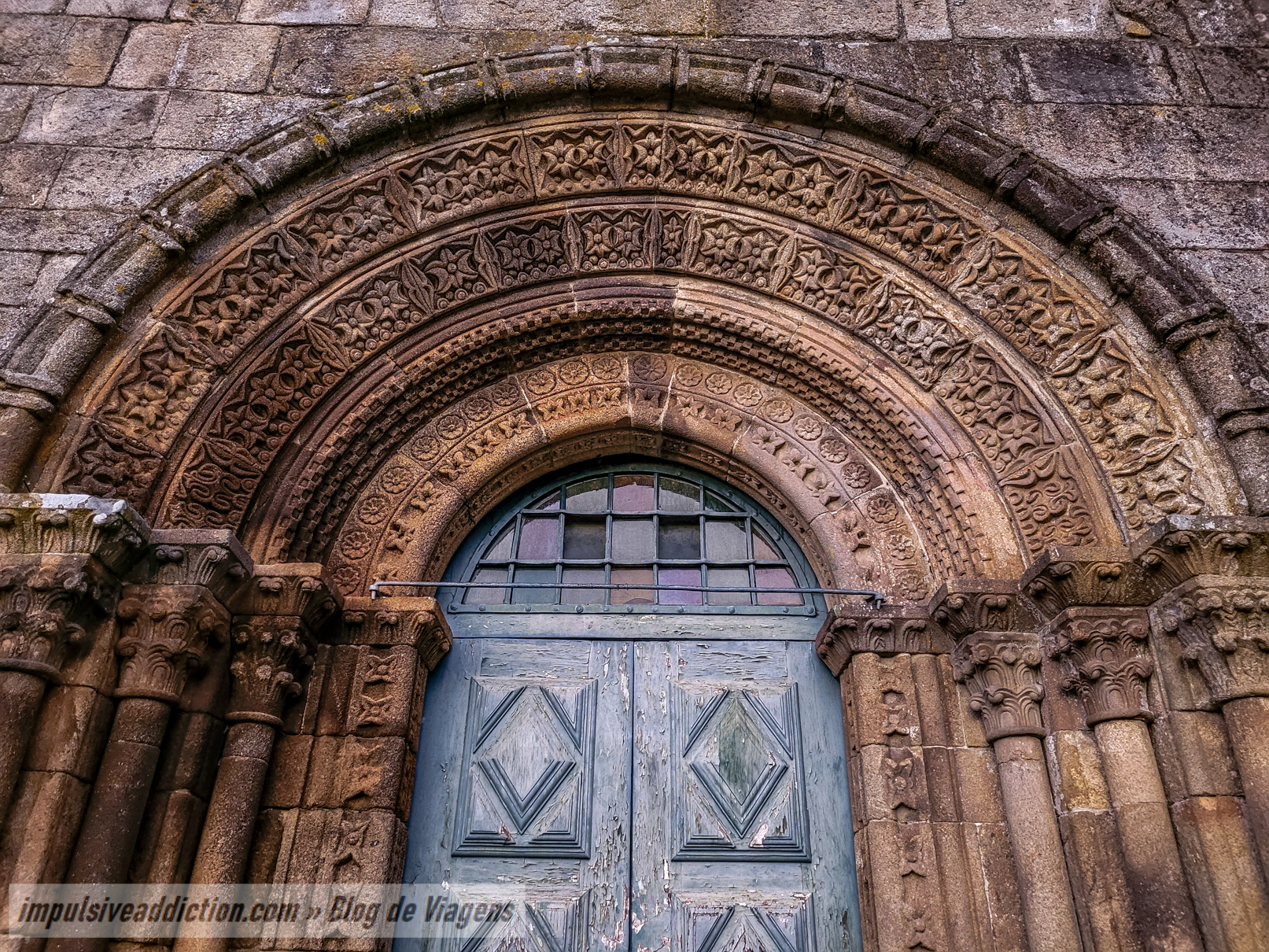
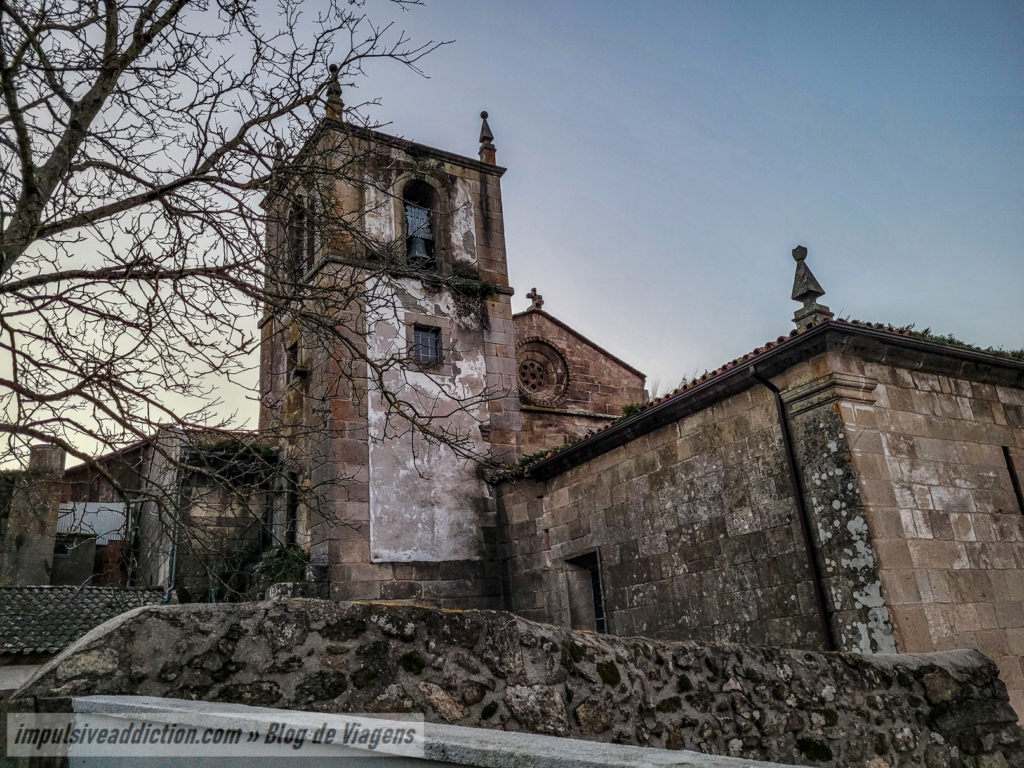
The first church in the surroundings of Melgaço worth noting is in Paderne. Built in the Romanesque style, it features a beautiful entrance portal. It is also known as the Church of the Divine Savior, and I can’t help but mention the cemetery alongside it, which adds a certain mood to the whole setting.
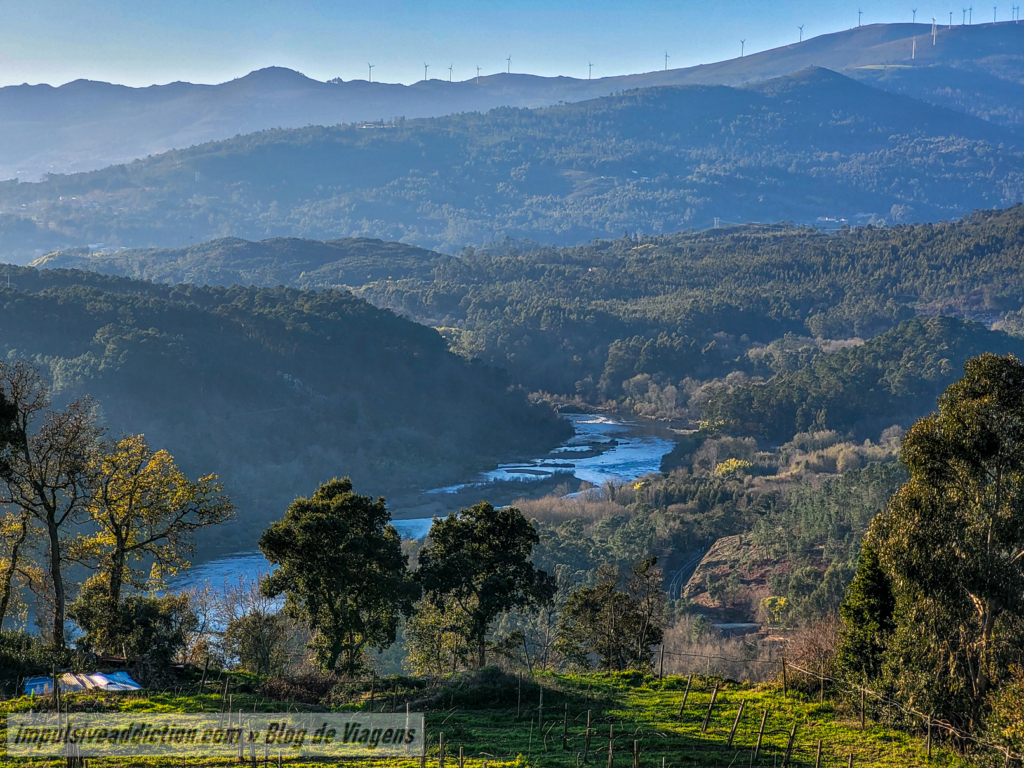
17. Chapel of Our Lady of Orada
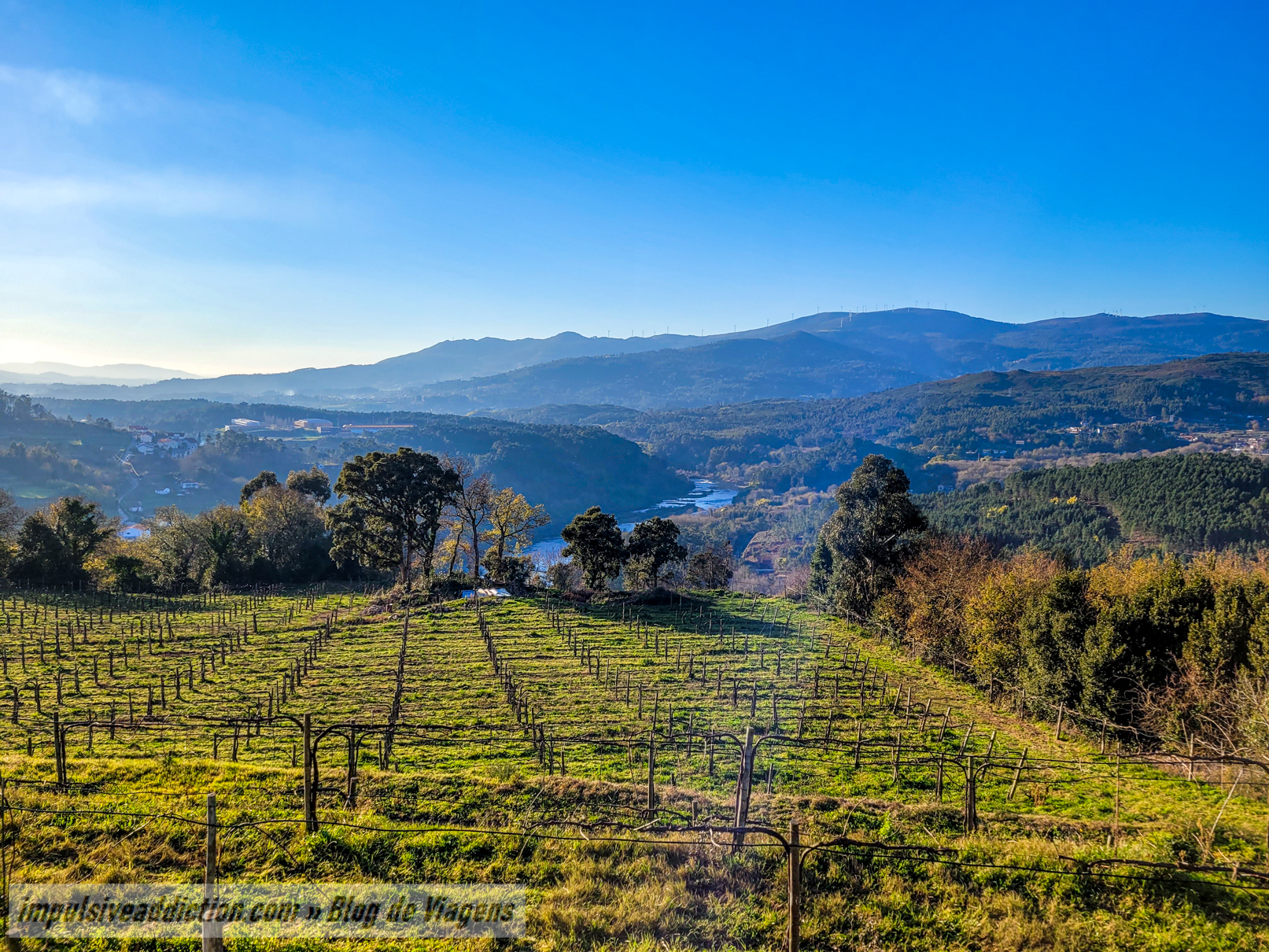
Another Romanesque church worth visiting is the Chapel of Our Lady of Orada, dating back to the 13th century. For me, the most striking detail is the “Tree of Life” carved into the tympanum of one of its portals. Nearby, you’ll also find a stone cross and a lovely viewpoint overlooking Melgaço and the Minho River.
18. Church of Chaviães
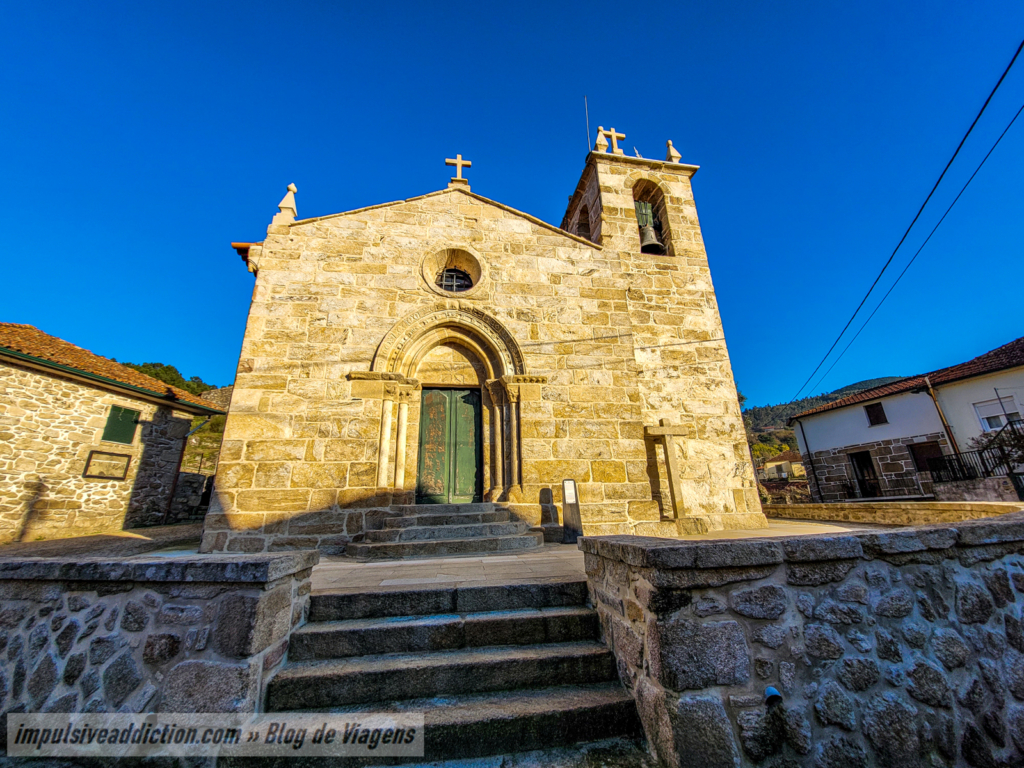
A third church in the surroundings is the Church of Chaviães, also known as the Church of Saint Mary Magdalene. Like the others, it is Romanesque in style and dates back to the 13th century.
19. Church of the Convent of Fiães
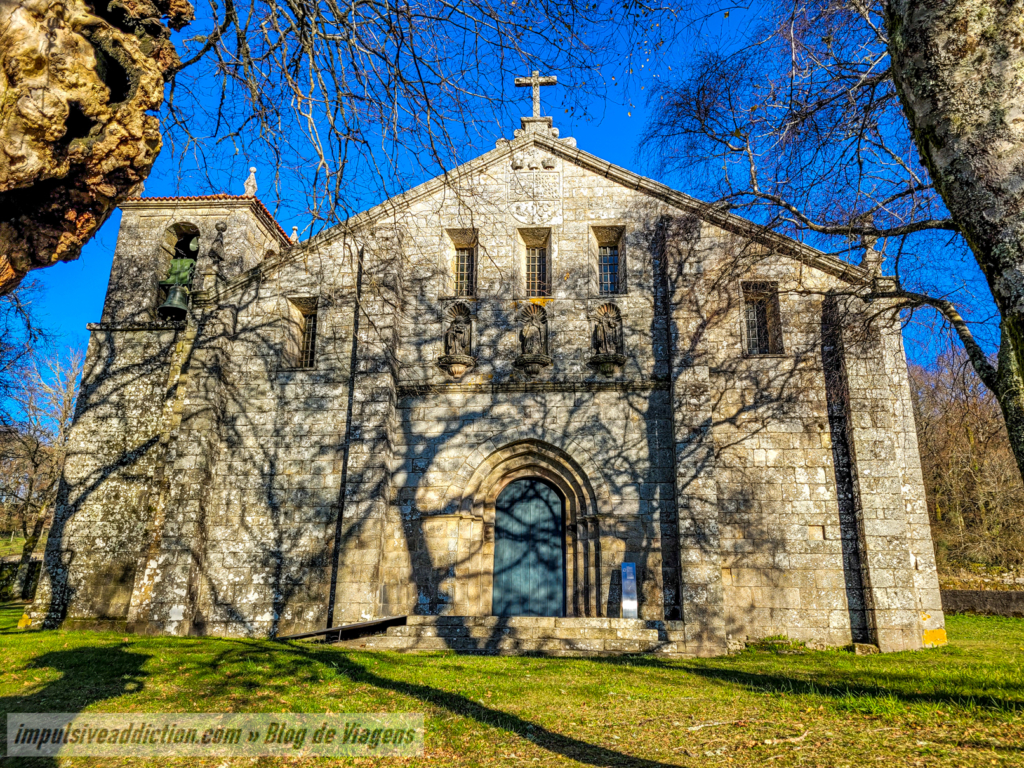
Another noteworthy site is the Church of Fiães. Pay close attention to the three niches with figures on the main façade—Saint Bernard, Our Lady of the Assumption, and Saint Benedict—as well as the coat of arms of the Cistercian Order. Some say the church was indeed built by the Cistercians, while other historians argue it is older and was originally founded by the Benedictine Order.
20. Cevide Walkways and Portugal’s Marker No. 1
Finally, head to Cevide, the northernmost point of mainland Portugal. Here, Melgaço meets two Galician provinces: Pontevedra and Ourense. This area was once one of the main smuggling routes in the region, as you’ll learn at Melgaço’s Memory & Border Space museum.
Today, the highlight is without a doubt the wooden walkways, perfect for a pleasant and scenic walk.
Visit Castro Laboreiro and Serra da Peneda
In the Castro Laboreiro region, you’ll mainly discover waterfalls, lagoons, viewpoints, and mountain villages of the Peneda range. If you’re up for it, you can also hike some of the local trails—I’ll be sharing a few suggestions throughout the text that follows.
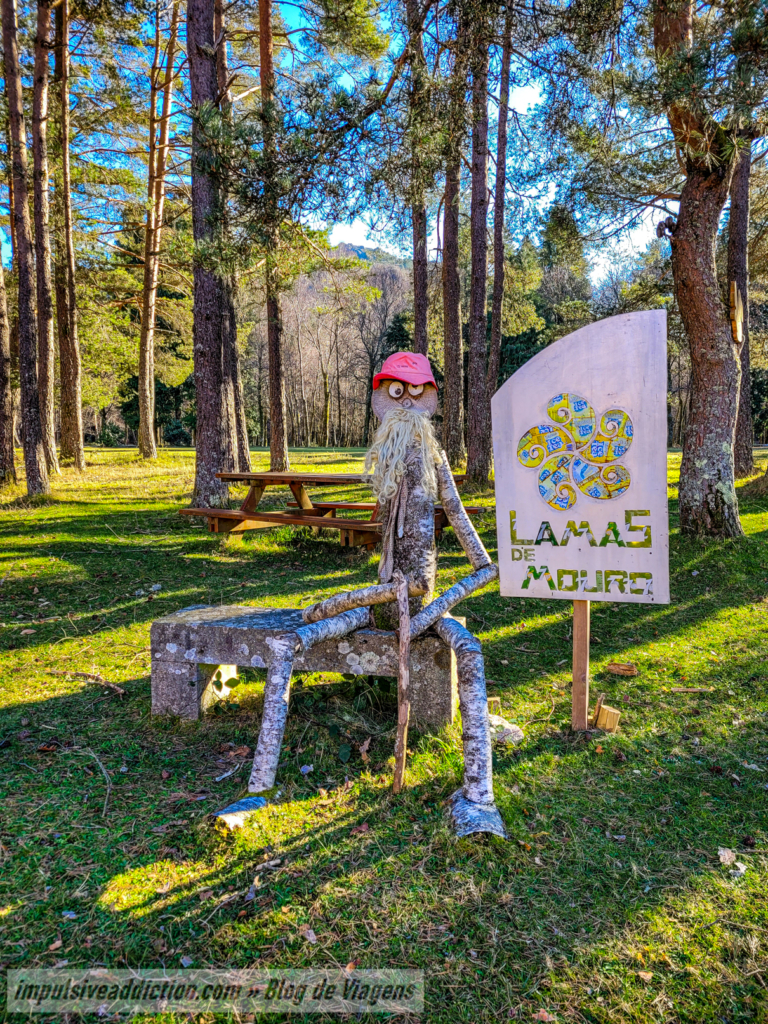
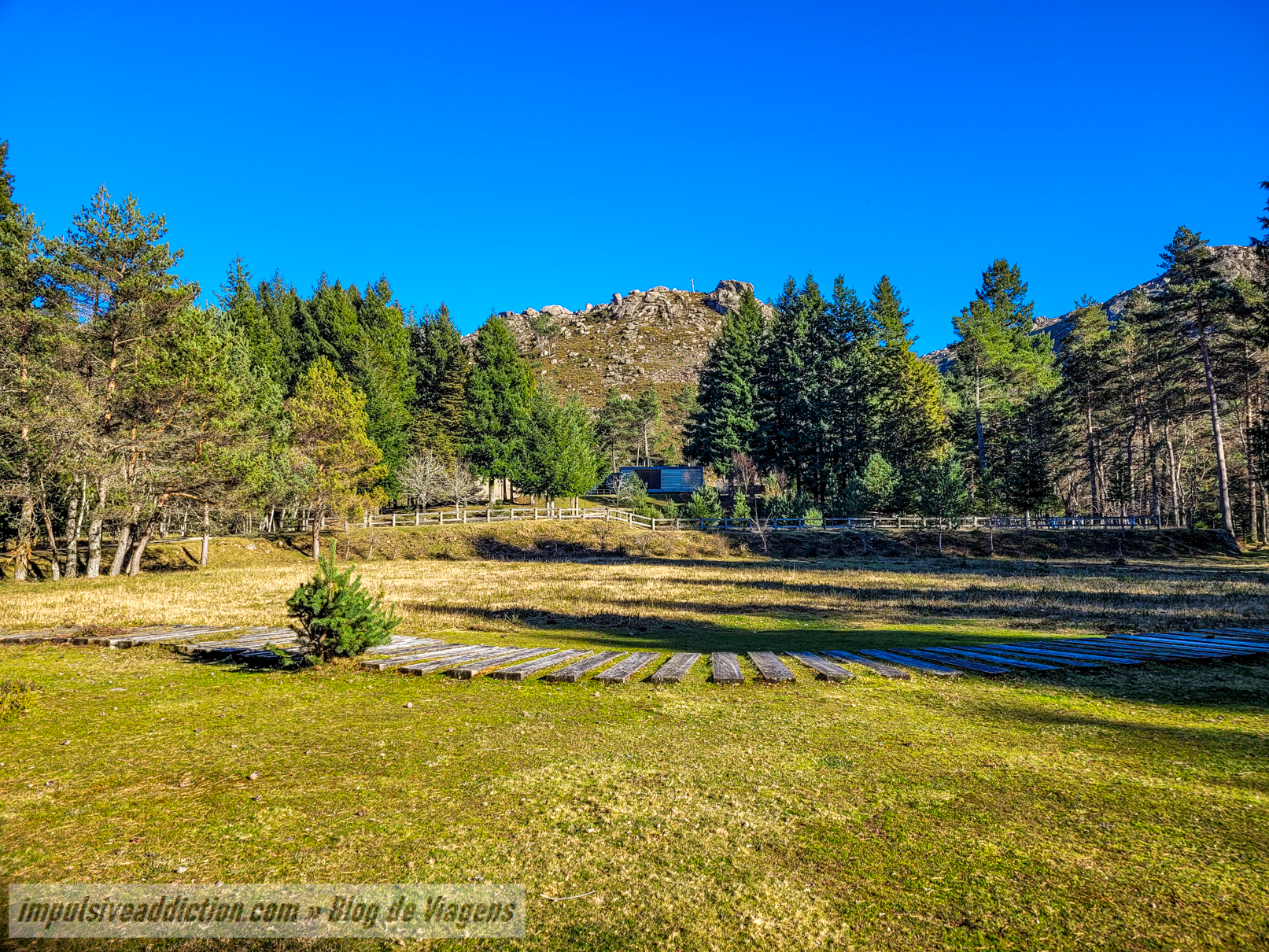
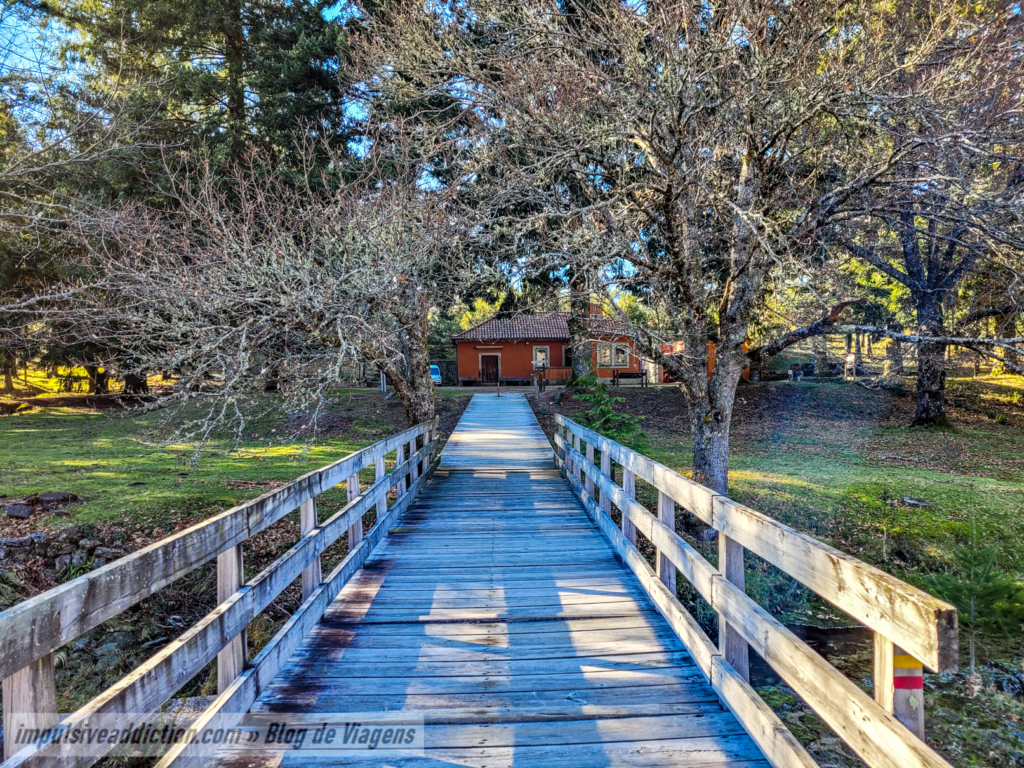
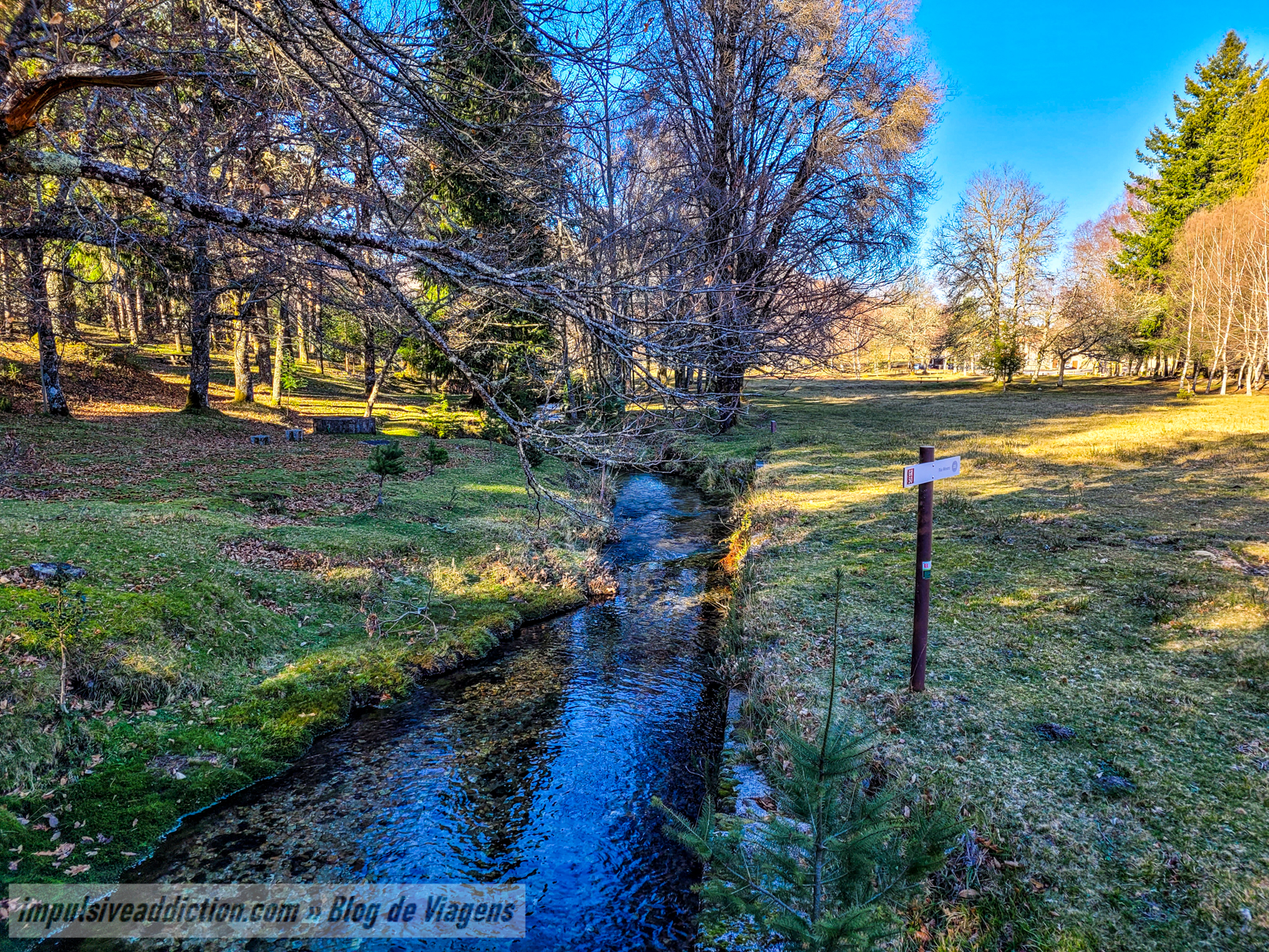
1. Lamas de Mouro Gate
The Lamas de Mouro Gate is one of the official entrances to the Peneda-Gerês National Park. Each municipality that makes up the park has its own gate, and this one is dedicated to Melgaço and its main tourist attractions.
If it’s your first time visiting the region, a stop at the information center is a must. There you can get all the key details about the hiking trails, along with suggestions from people who know these mountains best. In summer, you can also take a dip in the natural swimming pool on the grounds of the Lamas de Mouro Gate—though I’ll share even better alternatives further on.
2. Veigas Leisure Area
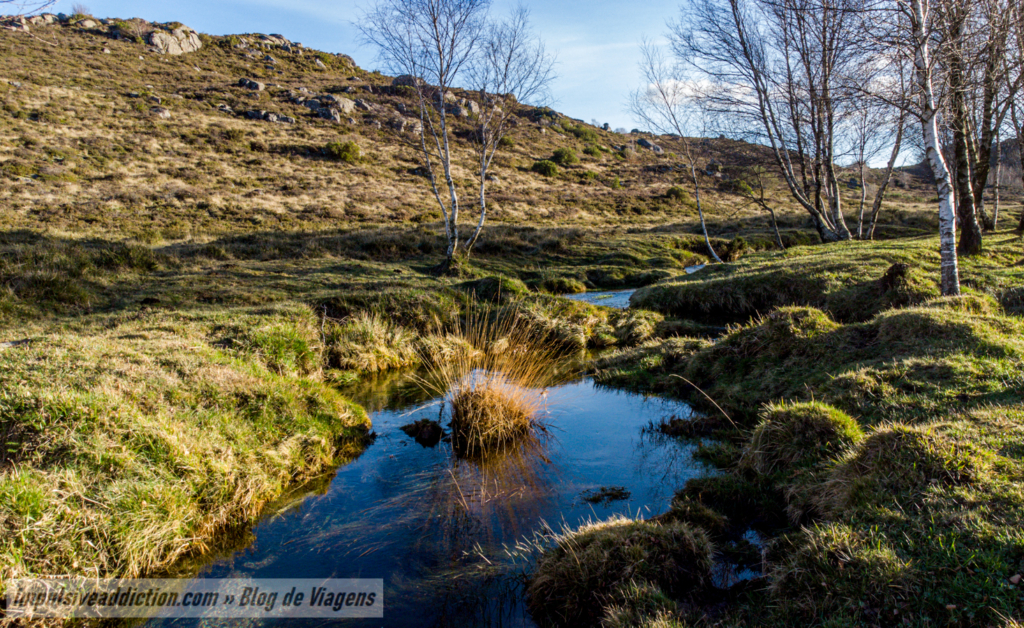
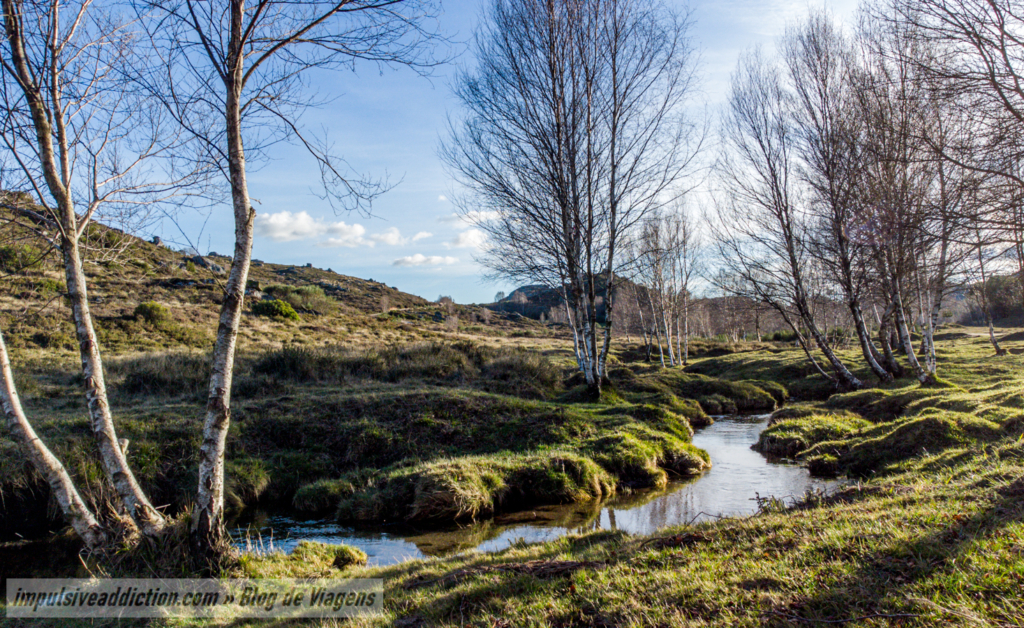
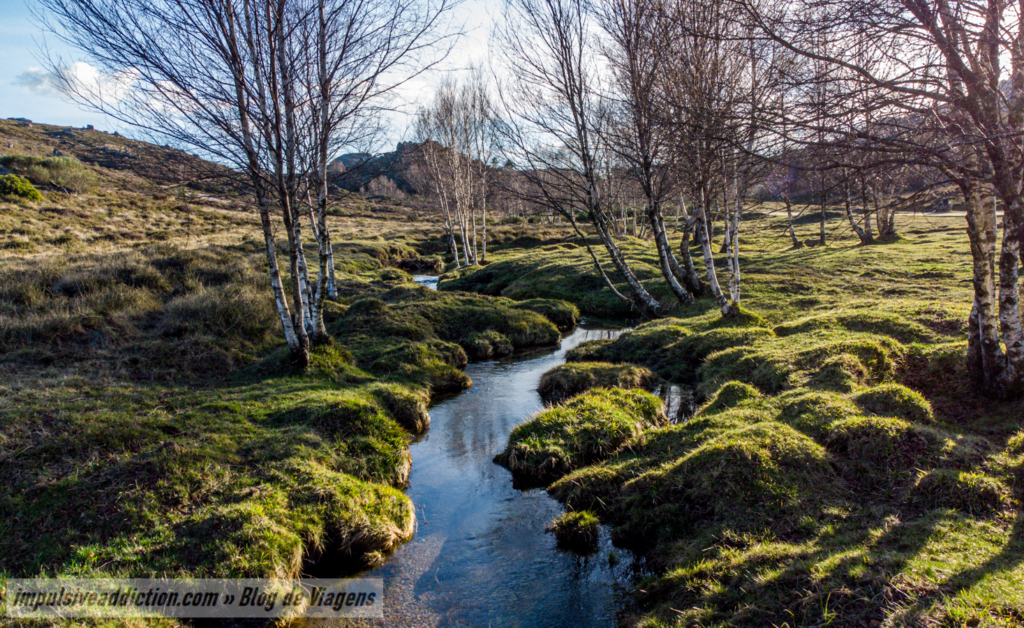
On the way to Castro Laboreiro, you’ll come across the Veigas Leisure Area—a convenient picnic spot that’s perfect for a quick break.
3. Rodeiro Waterfall
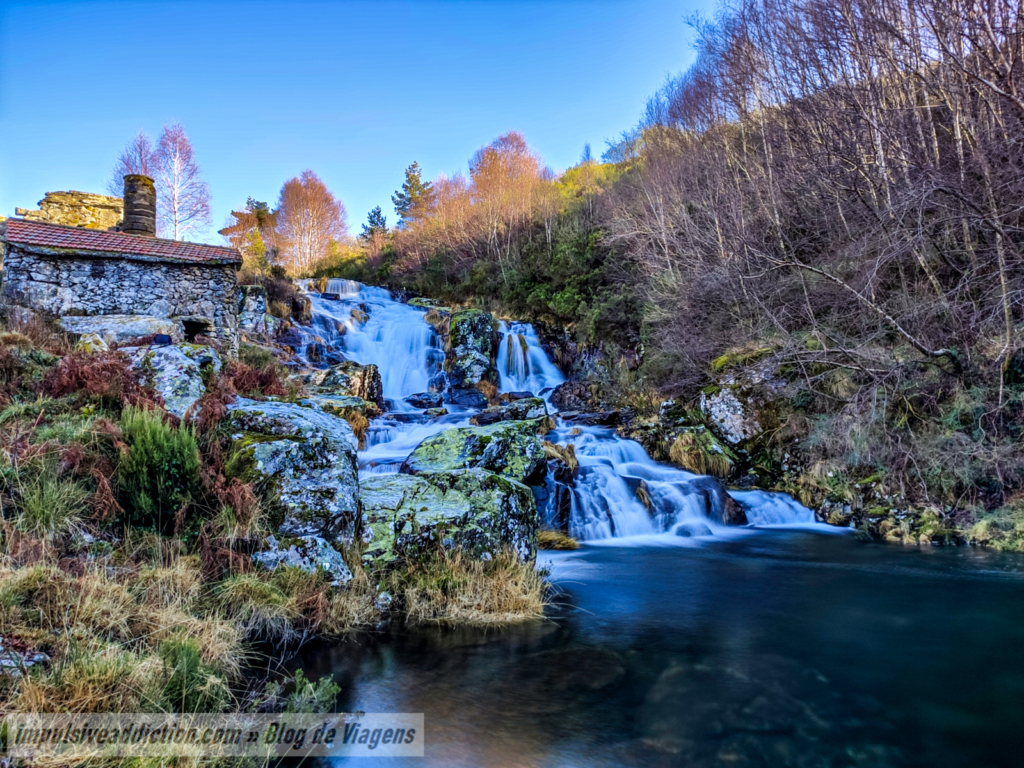
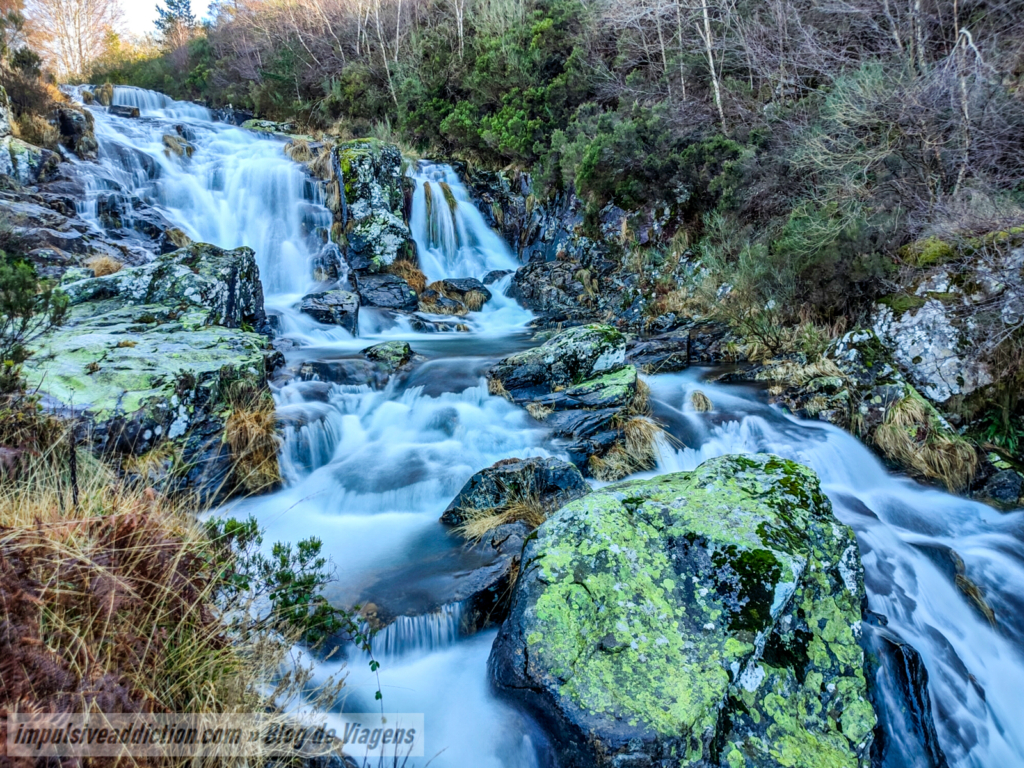
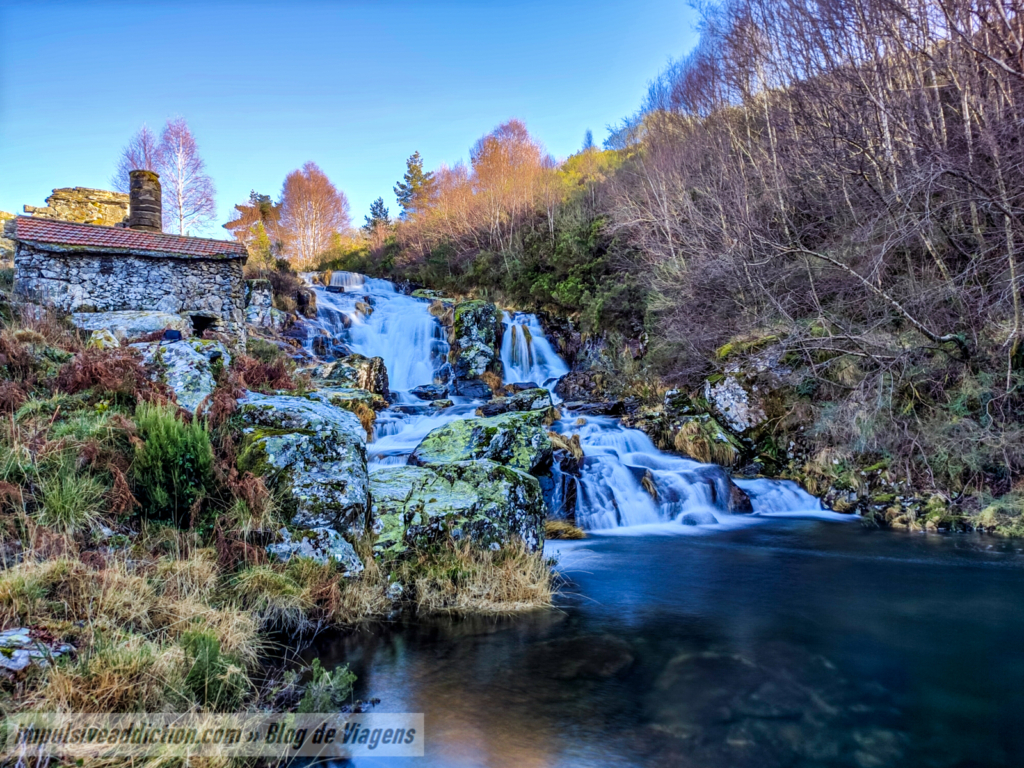
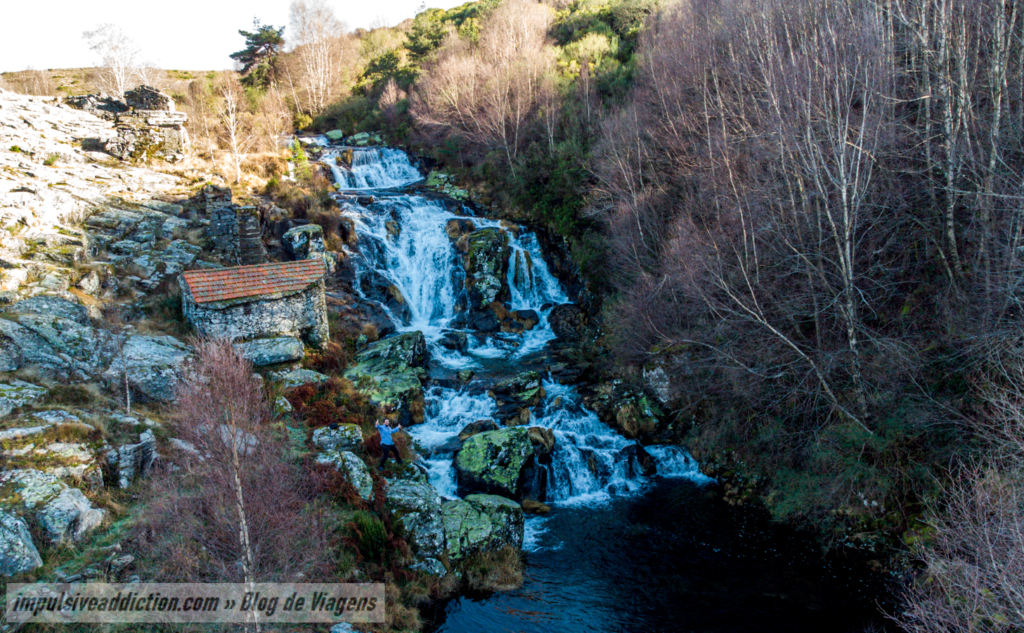
On the way, you’ll also find the road to Rodeiro, the northernmost village in the Castro Laboreiro region. The highlight here is without a doubt its stunning waterfall, which you can easily reach from the village. Next to it are old mills, and at its base lies a spectacular lagoon—perfect for a refreshing summer swim.
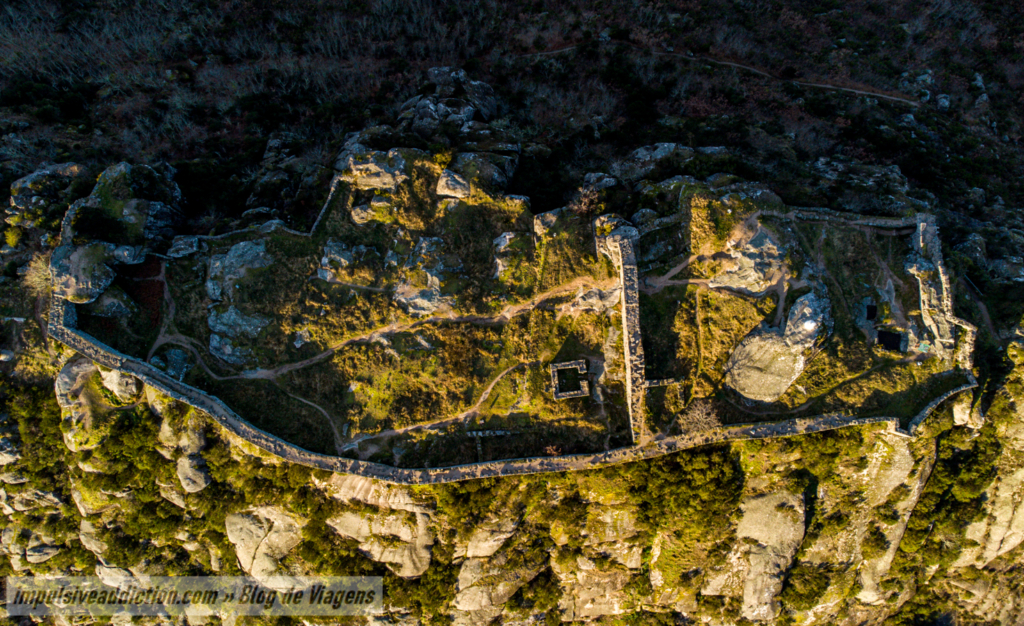
4. Castro Laboreiro Castle
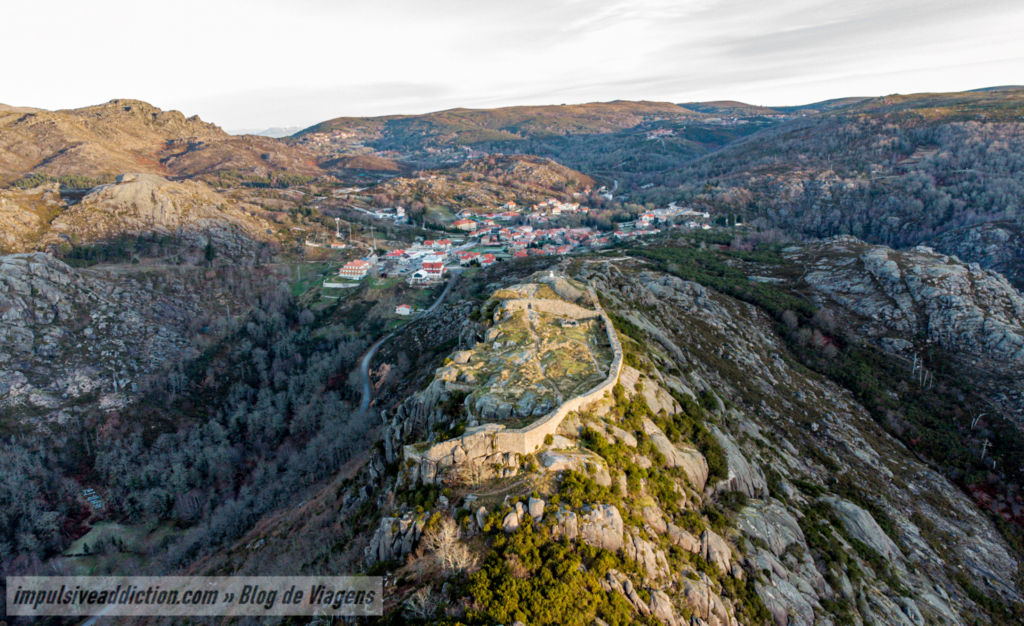
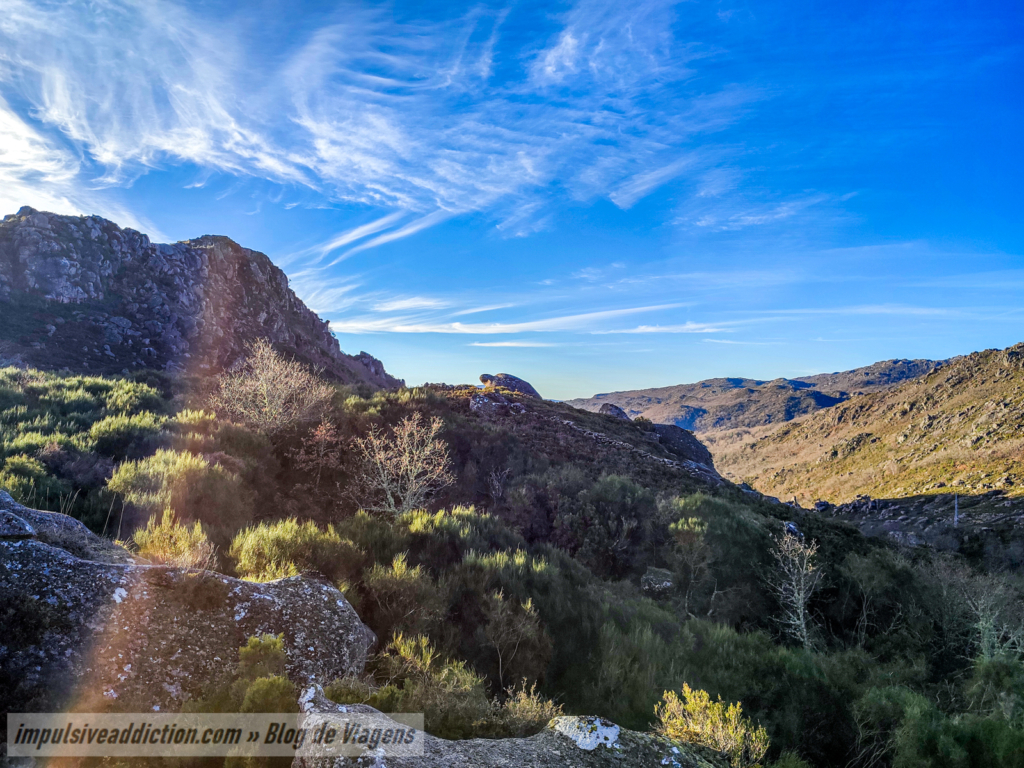
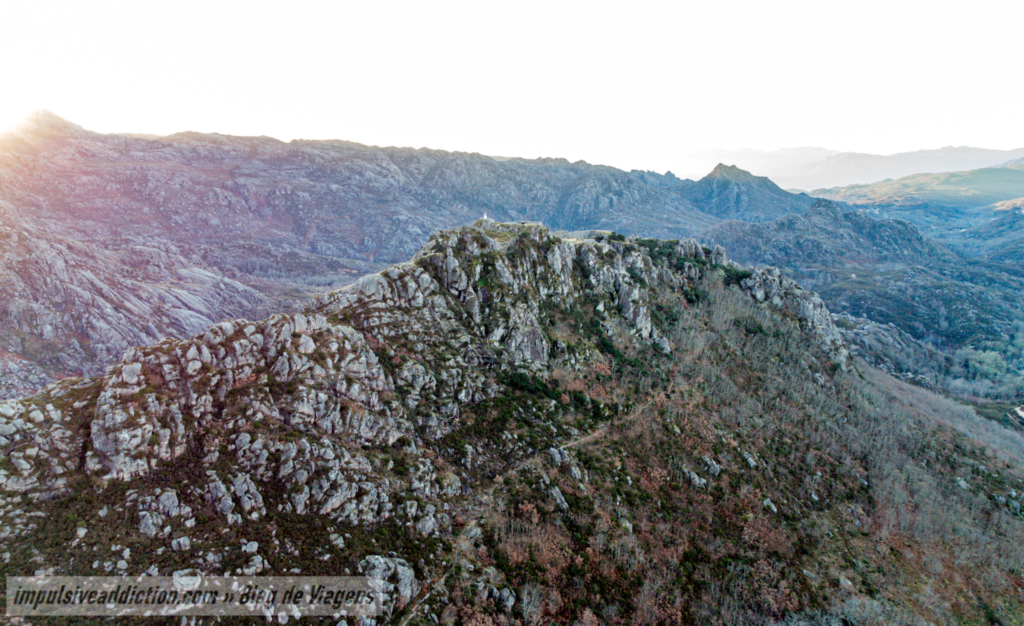
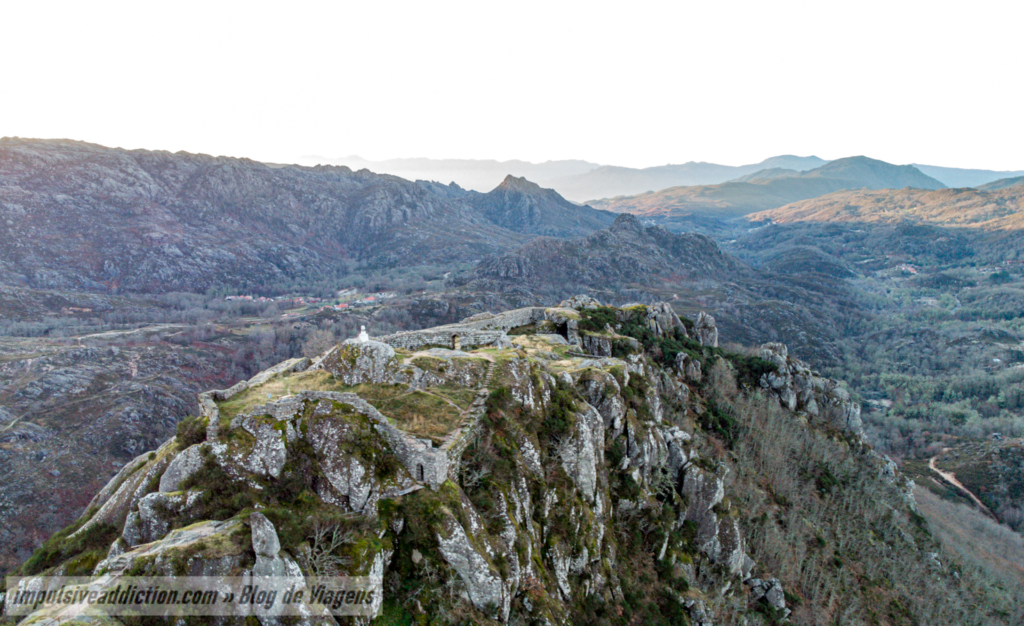
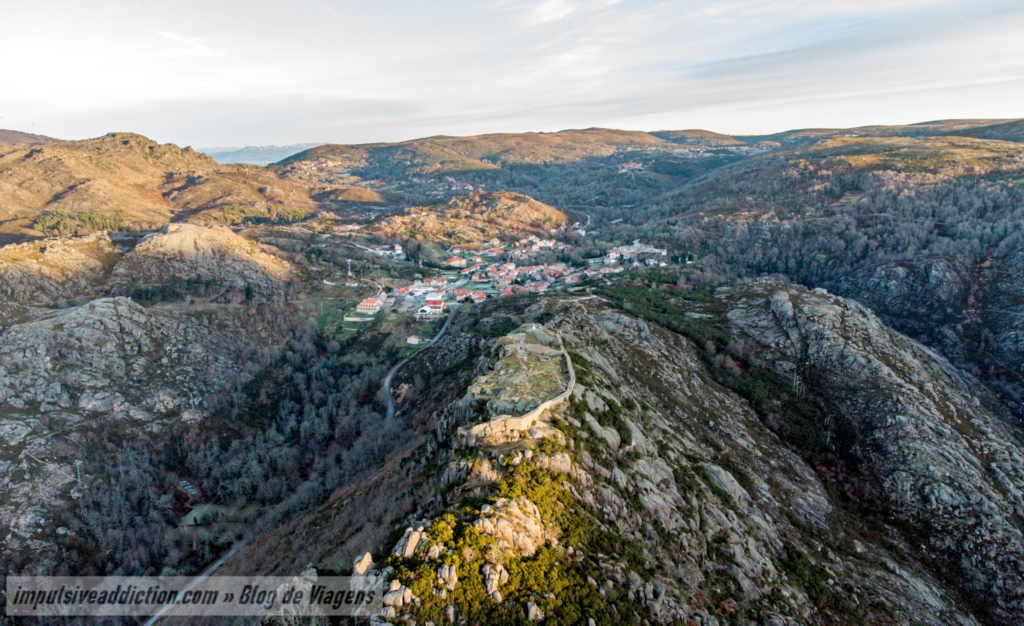
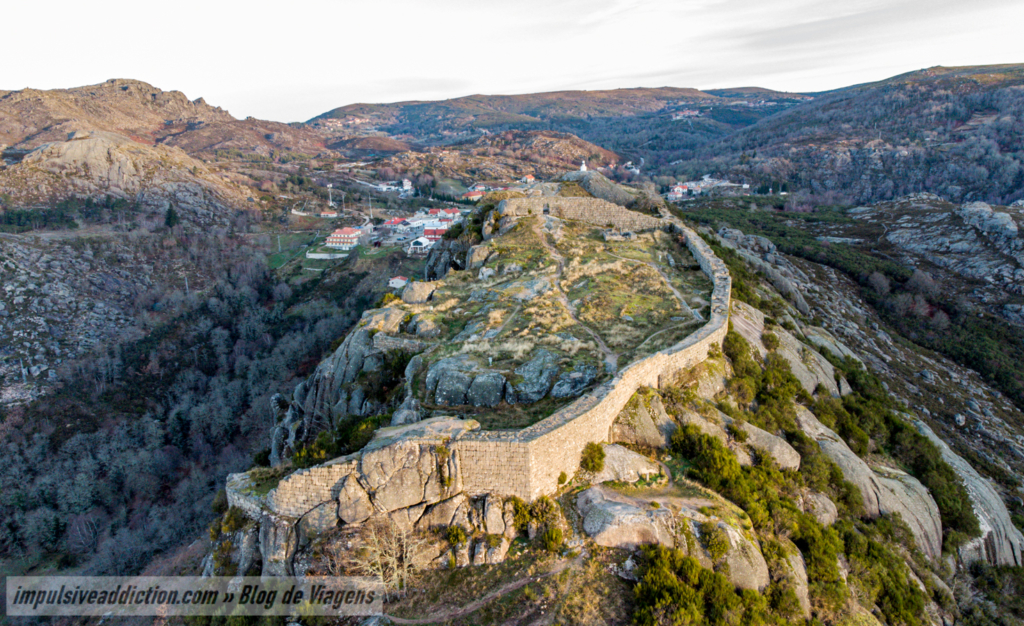
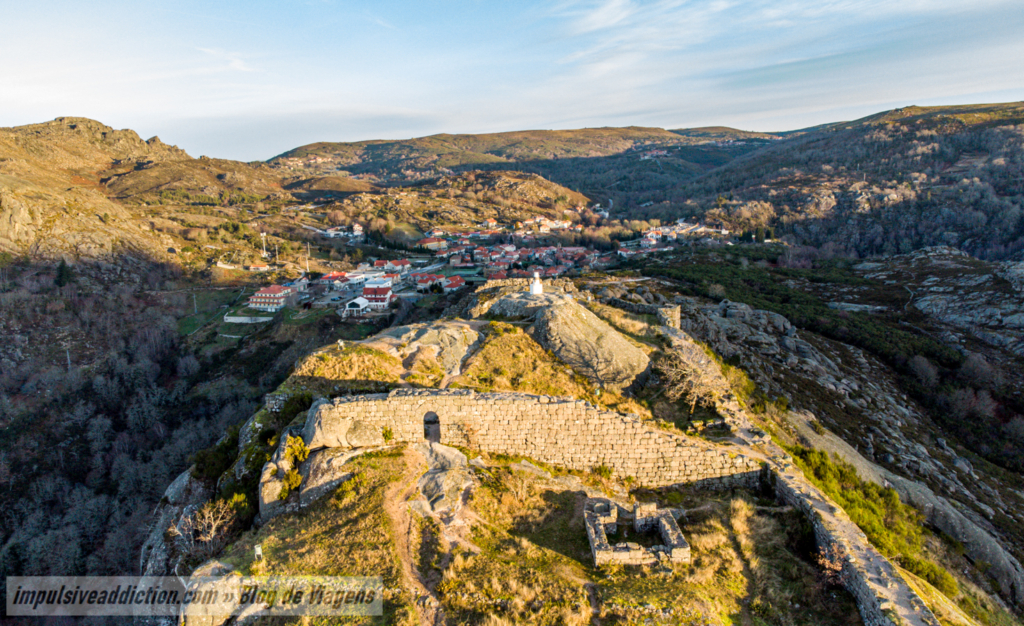
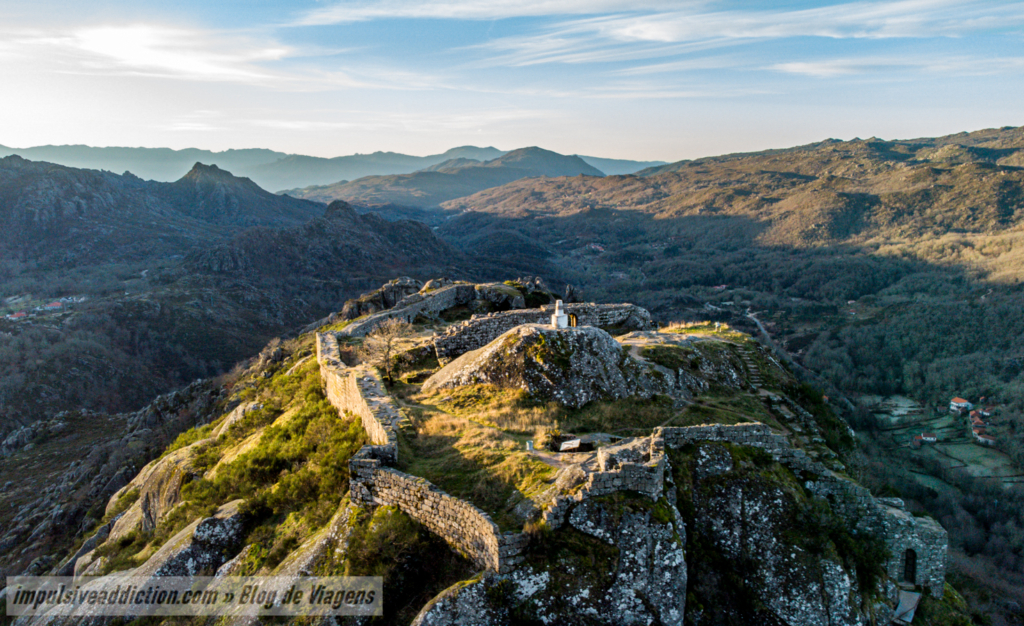
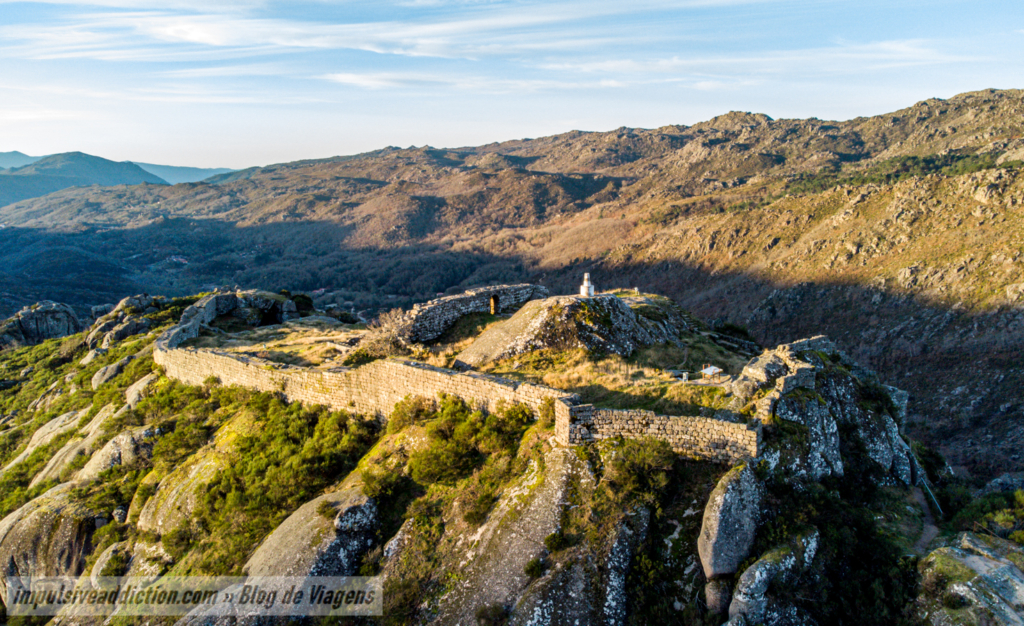
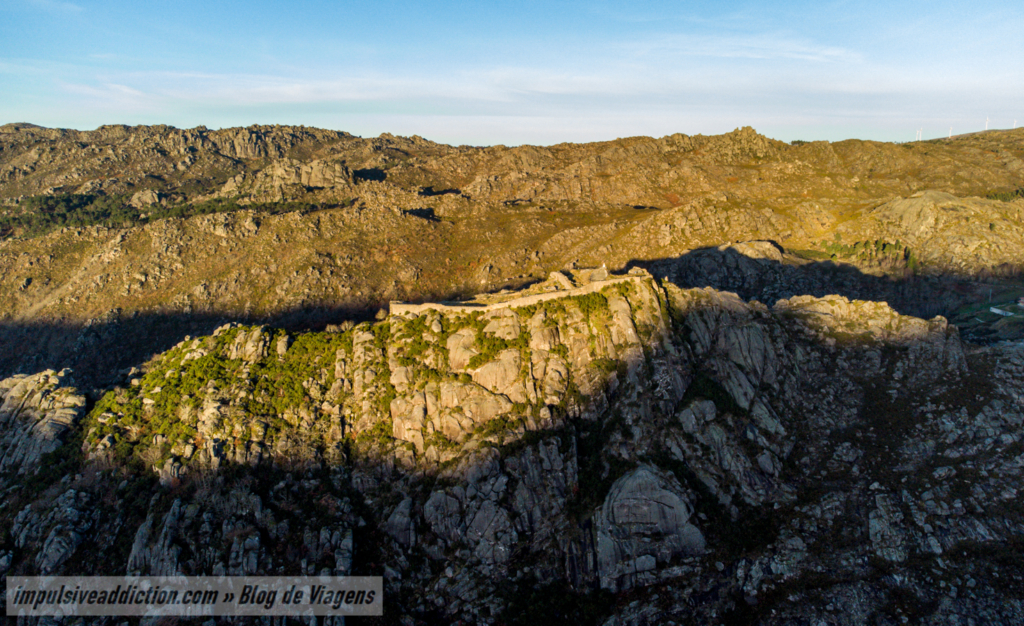
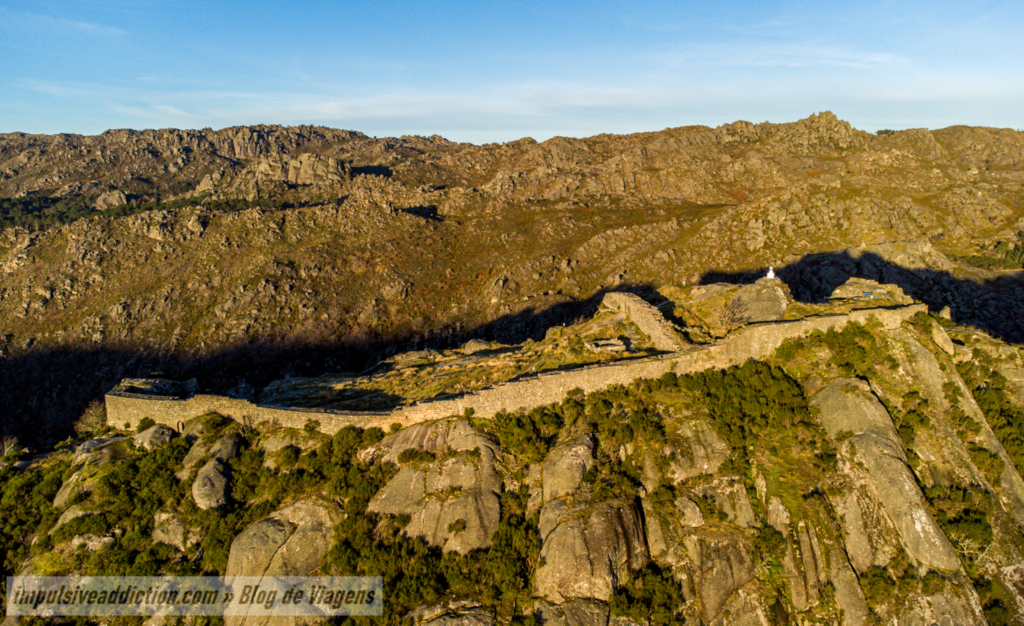
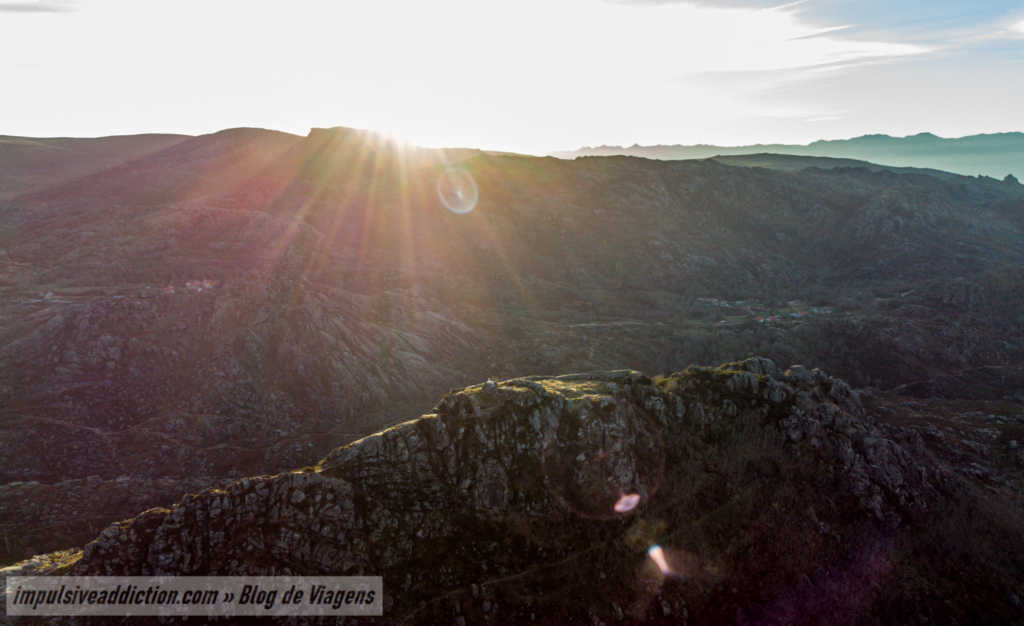
In Castro Laboreiro, the must-do activity is climbing up to the castle, the town’s main attraction. At the start of the trail, keep an eye on the rocky landscape—you’ll spot a boulder shaped like a turtle. 😉 The castle sits at an altitude of 1,033 meters, so be prepared for a good climb.
My tip: make the hike a circular route by going around the hill and entering from the back, then returning via the front path.
This is an ancient fortress from the time of King Afonso Henriques and King Dinis, though today only ruins remain. Still, the views from the top are absolutely unmissable.
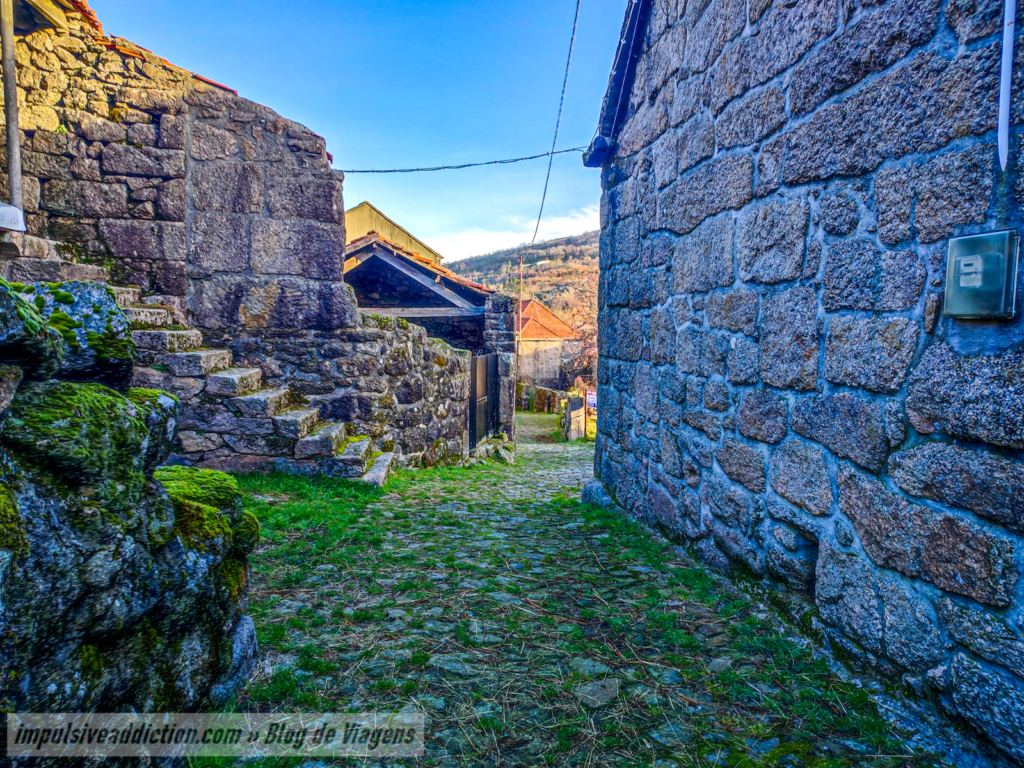
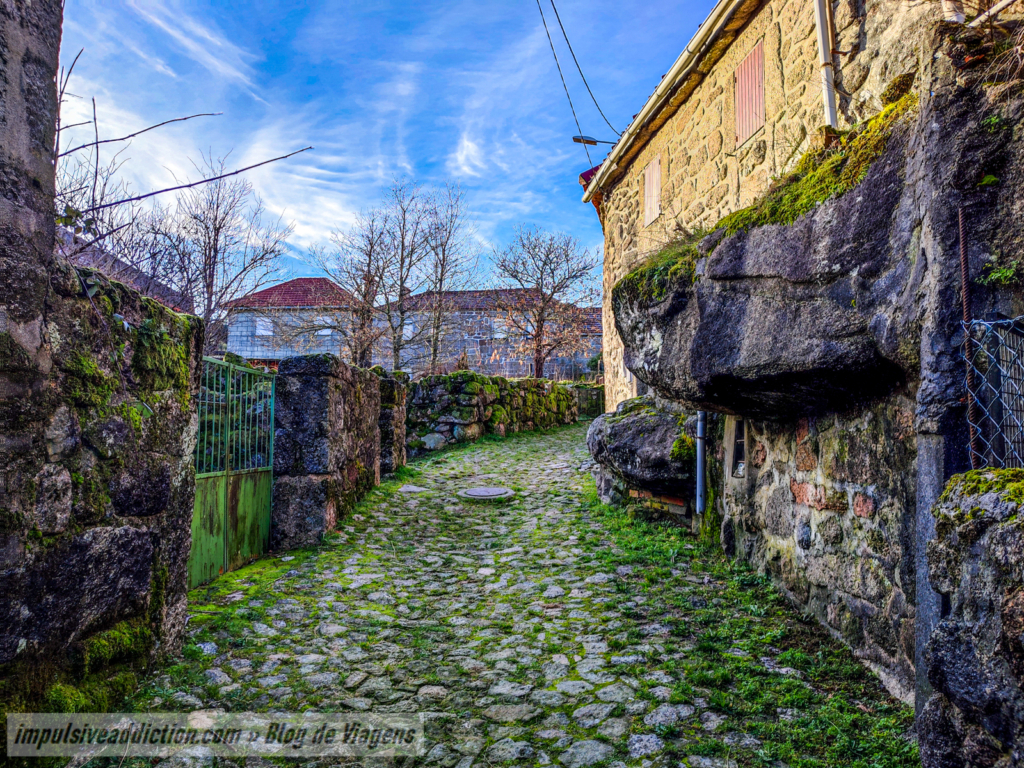
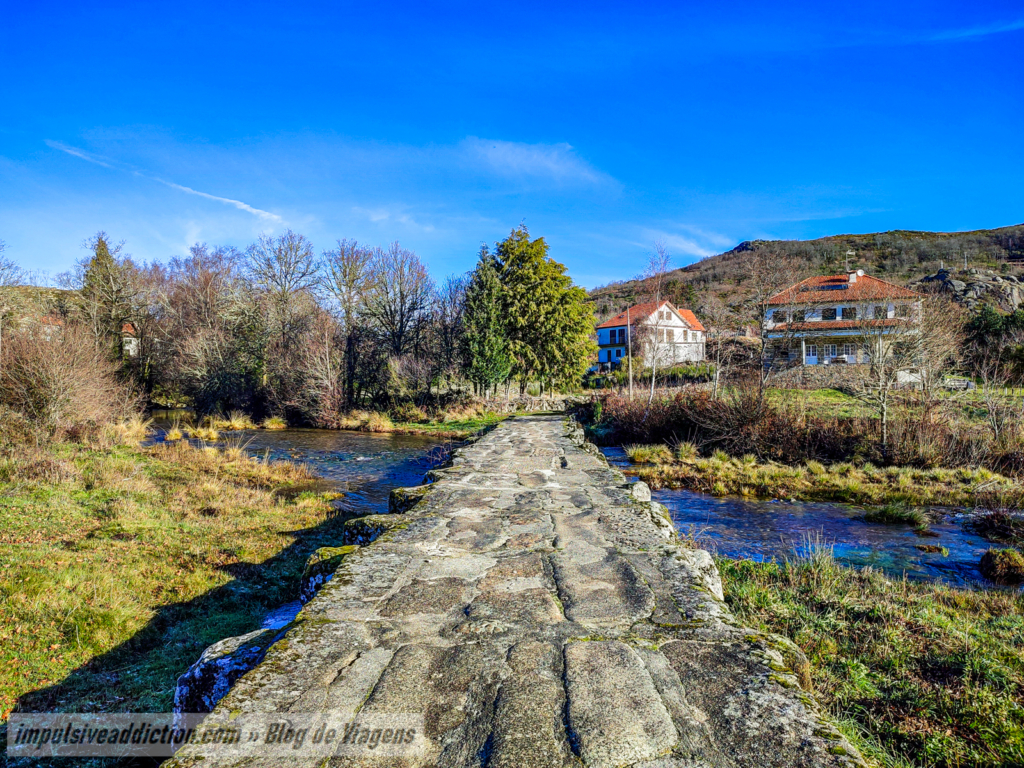
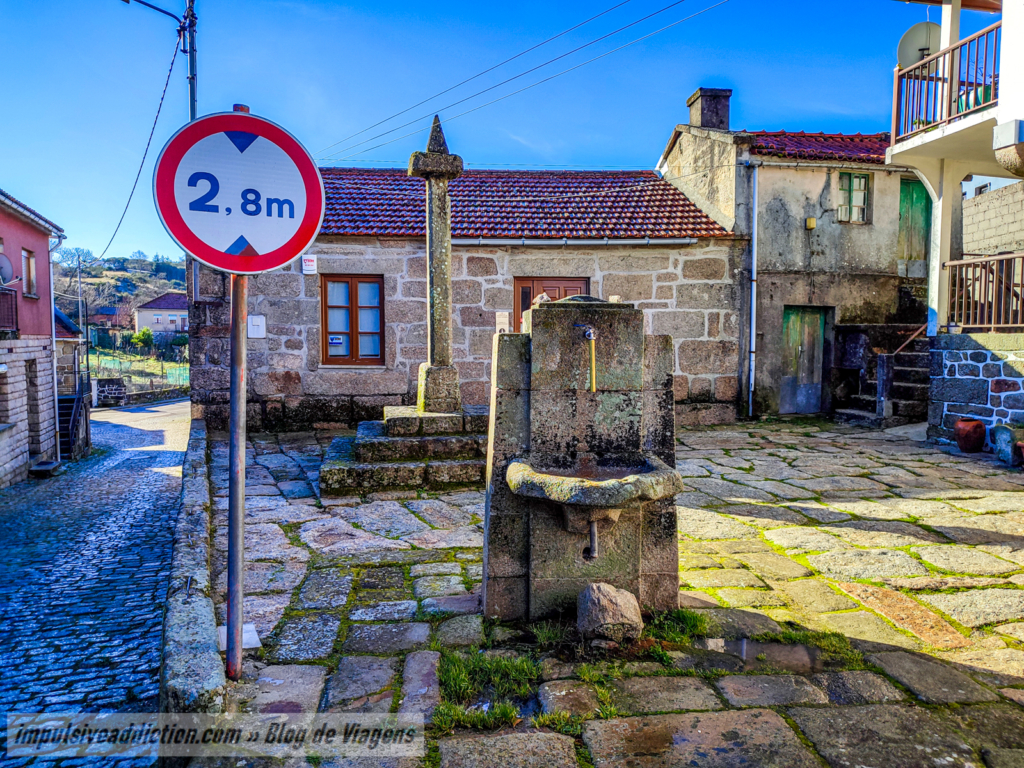
5. Historic Center of Castro Laboreiro
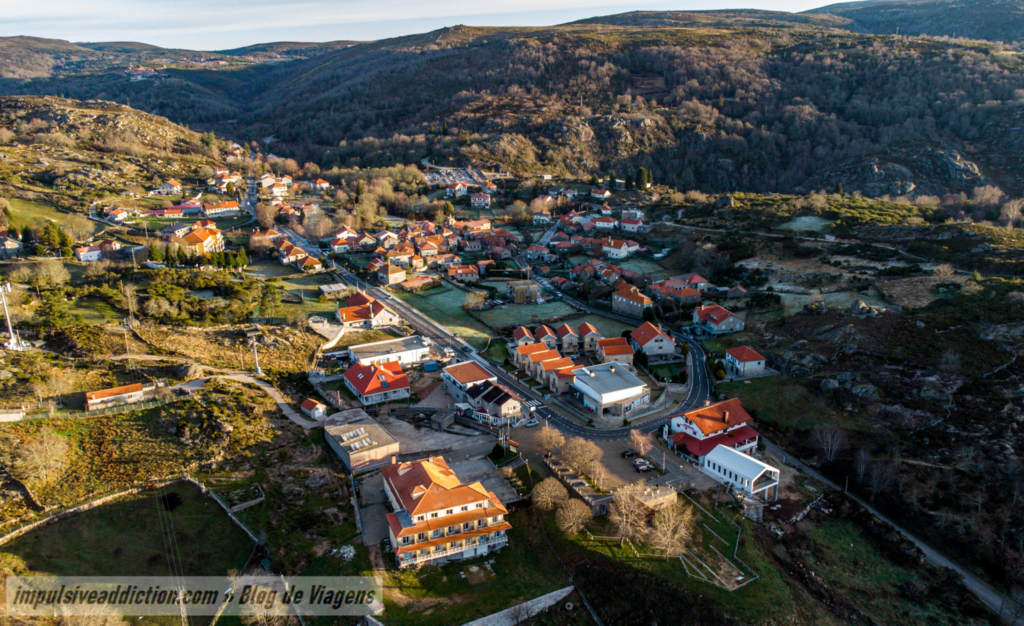
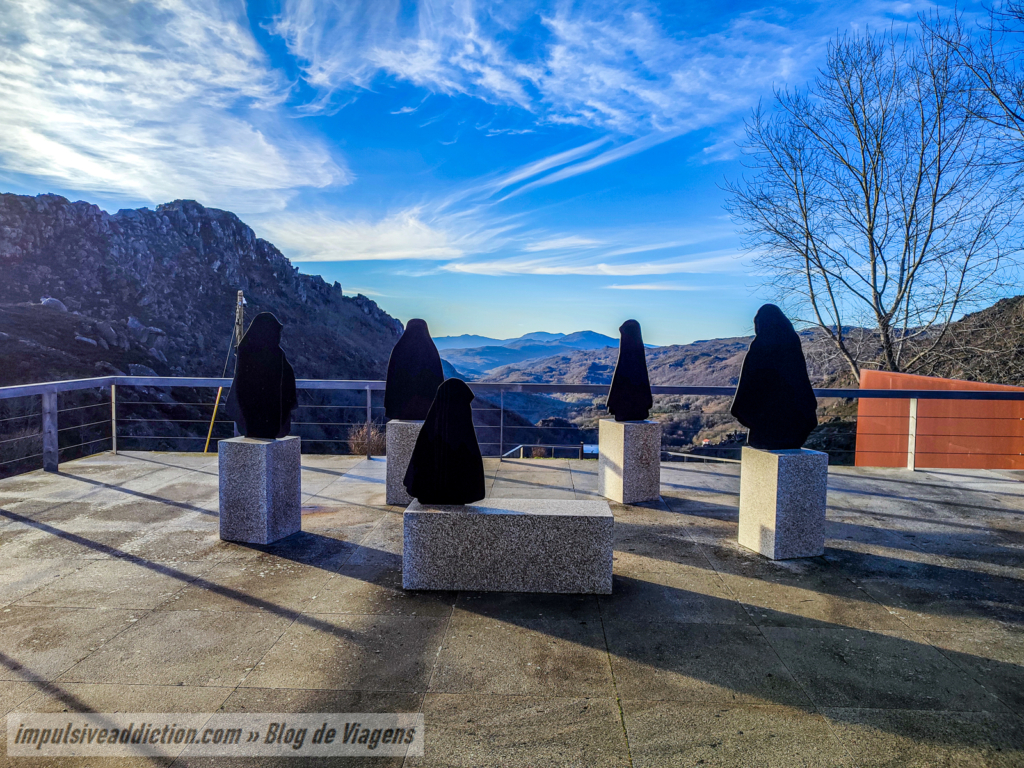
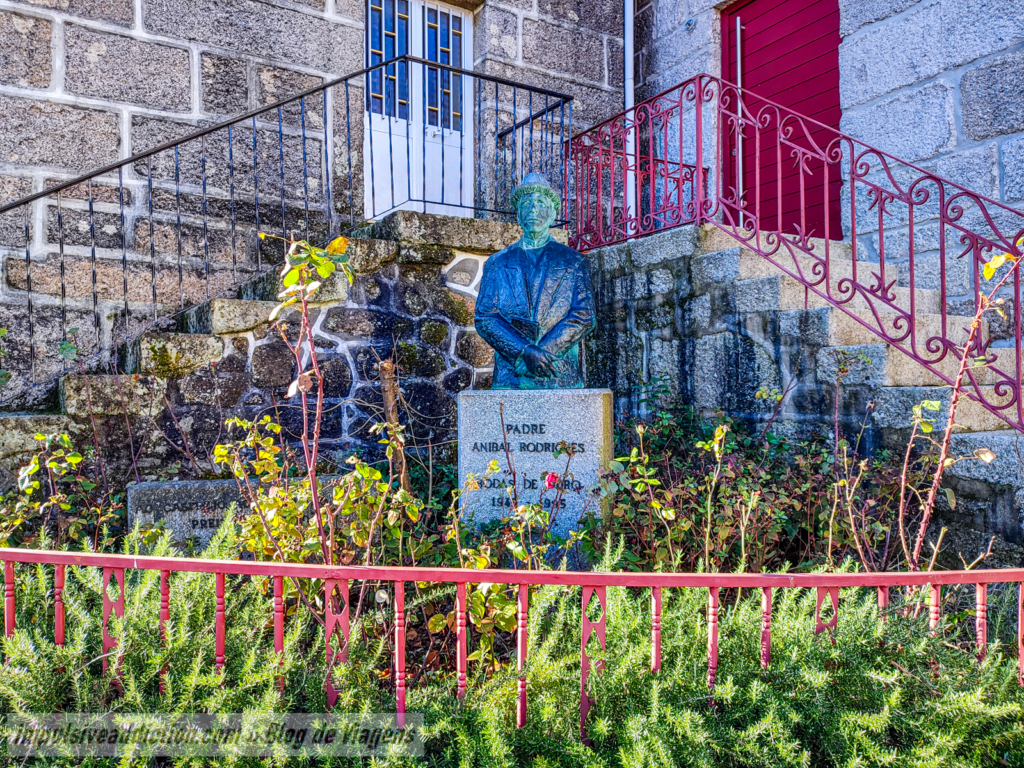
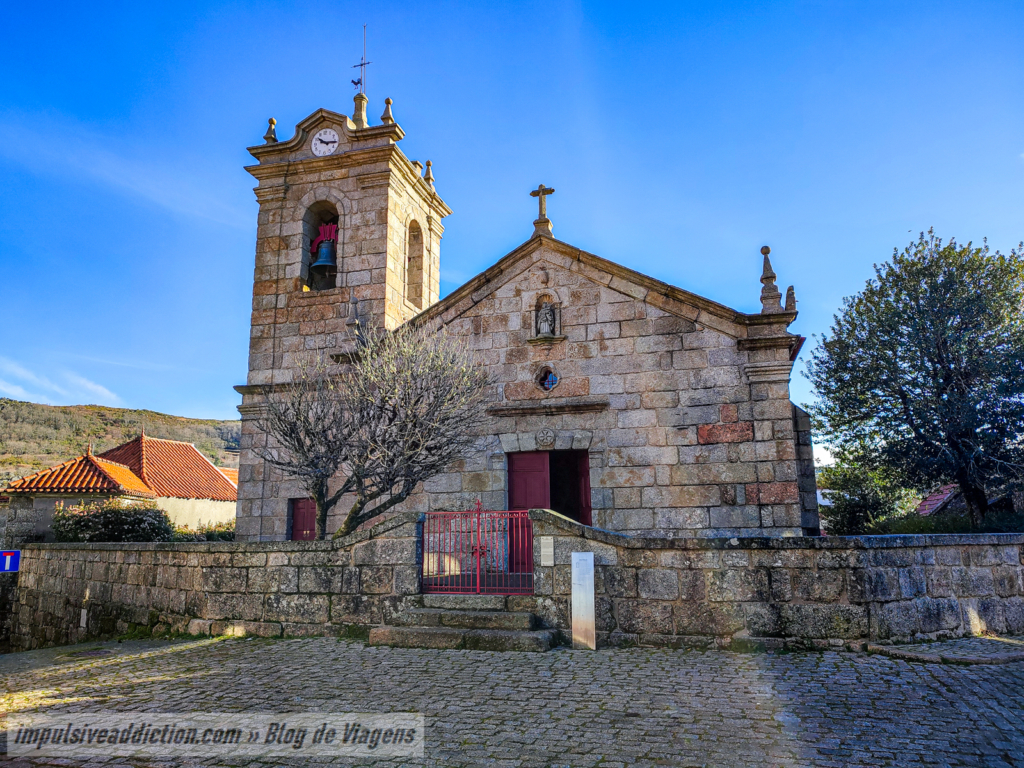
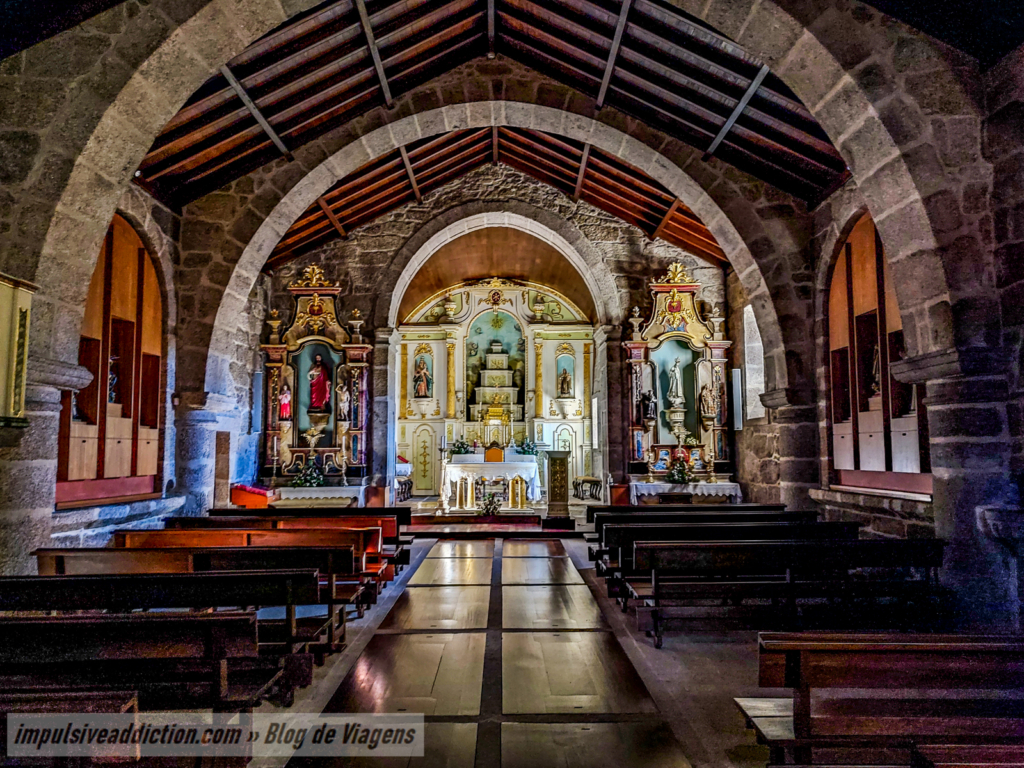
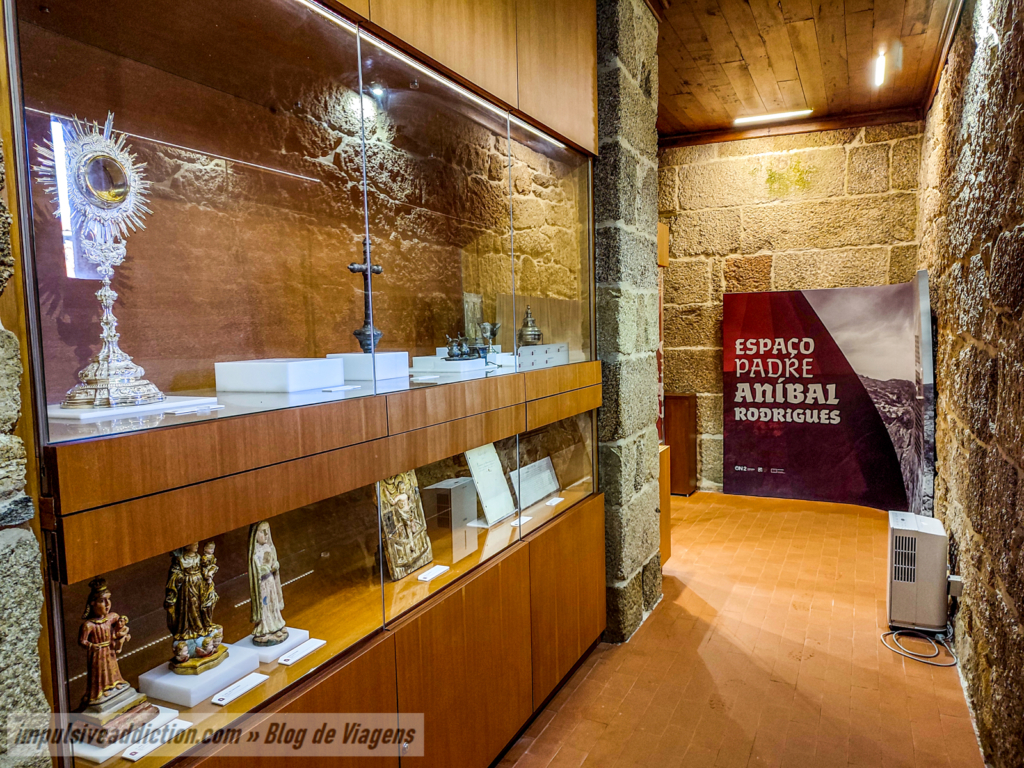
The highlight of Castro Laboreiro’s historic center is the Main Church, also known as the Church of Saint Mary of the Visitation. Inside, you’ll find a small museum dedicated to sacred art.
Stroll through the narrow streets around the village, paying special attention to the pillory and—if you’re lucky—to the famous Castro Laboreiro dogs. Did you know that Castro Laboreiro has its very own native dog breed?
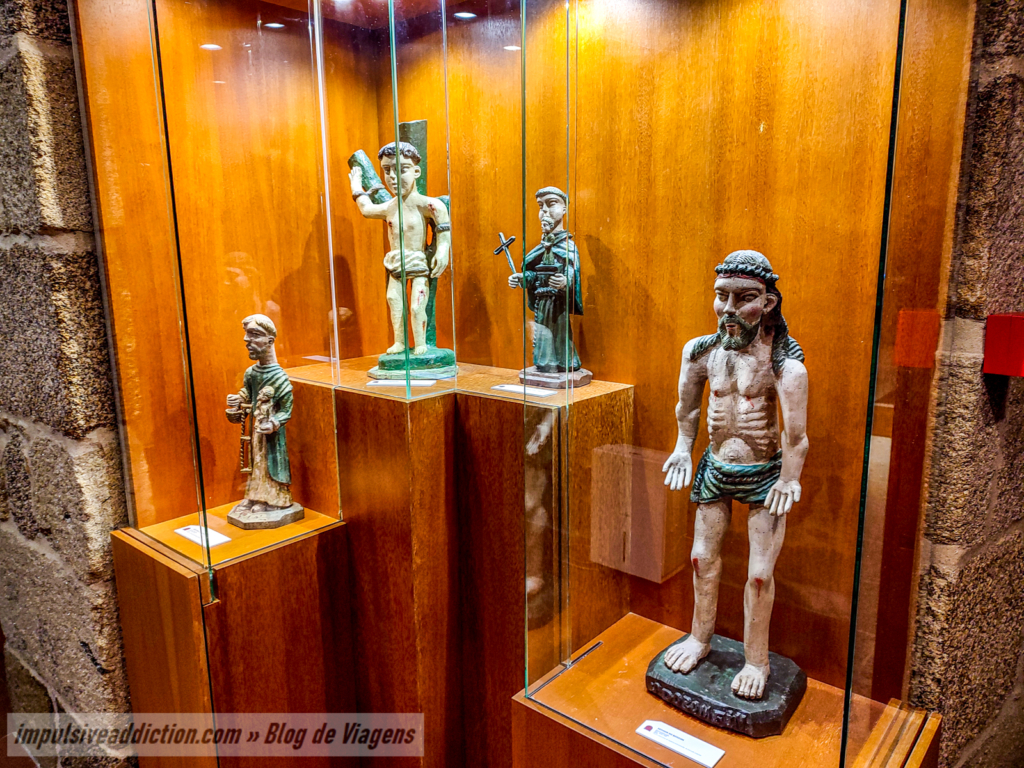
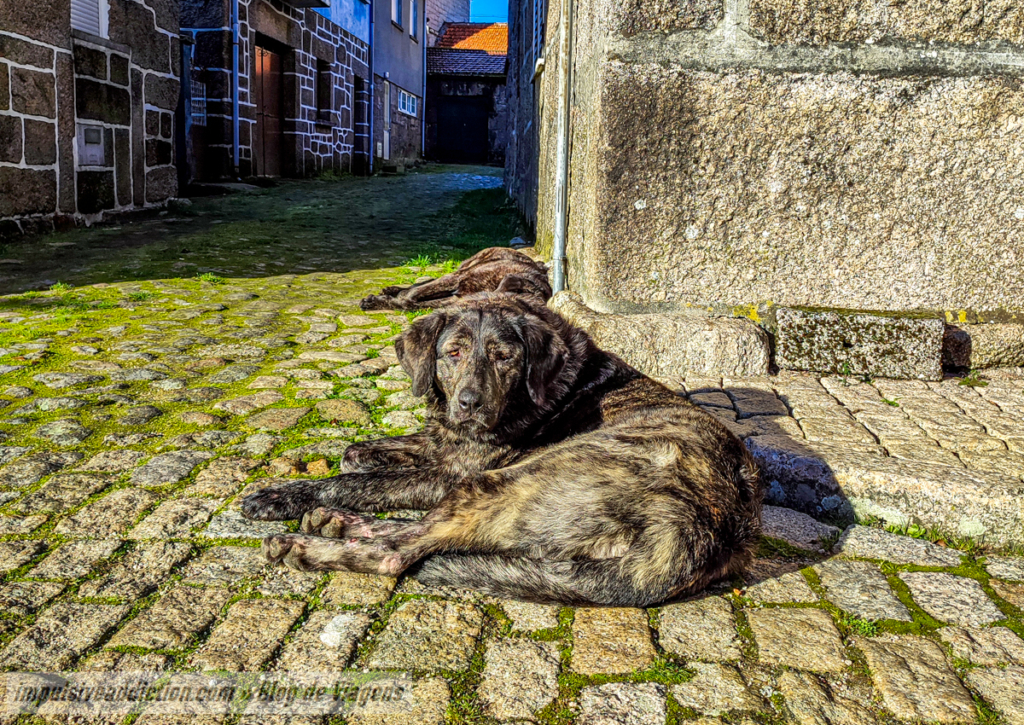
6. Castro Laboreiro Museum
I didn’t get the chance to visit the Castro Laboreiro Museum, as it was closed at the time. Still, I passed by it on my way to the Alto da Alborreca Viewpoint, which overlooks the village’s impressive waterfall. The museum is ethnographic and is housed in a former local chocolate factory. Here, you can learn more about the surrounding territory and its traditions.
Note: Do you know what brandas and inverneiras are? Inverneiras are villages inhabited in winter, located at the base of the mountain where it’s warmer. Brandas are summer villages, found at the top of the mountain with easier access to pastures for livestock.
7. Alto da Alborreca Viewpoint and Old Bridge
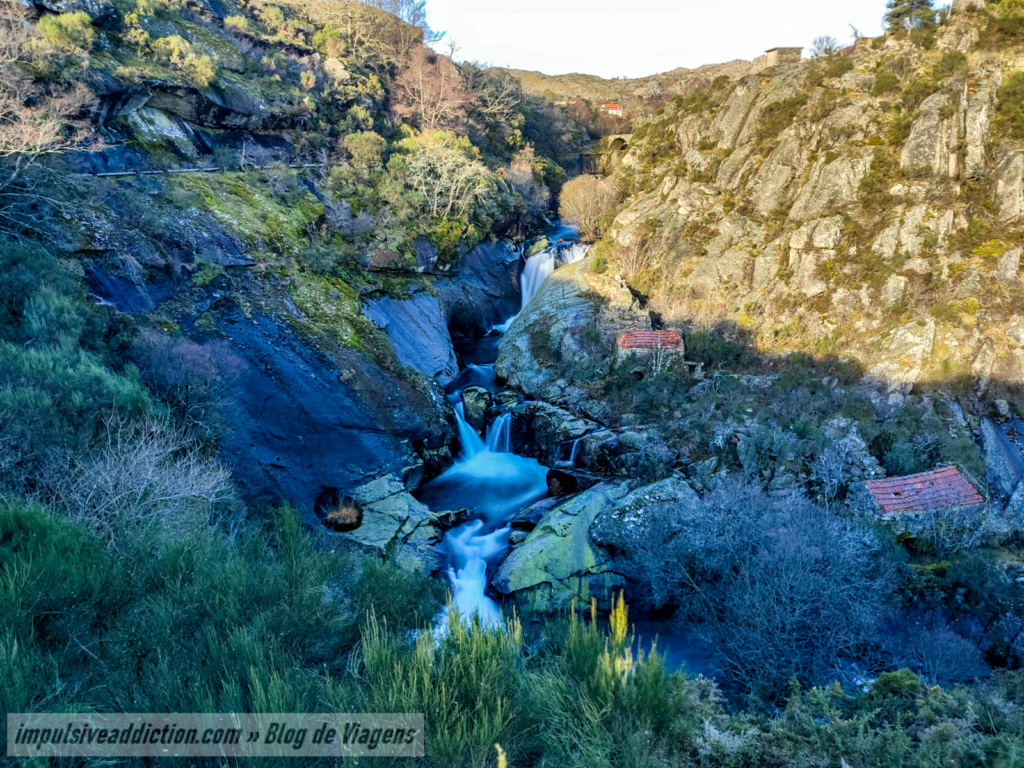
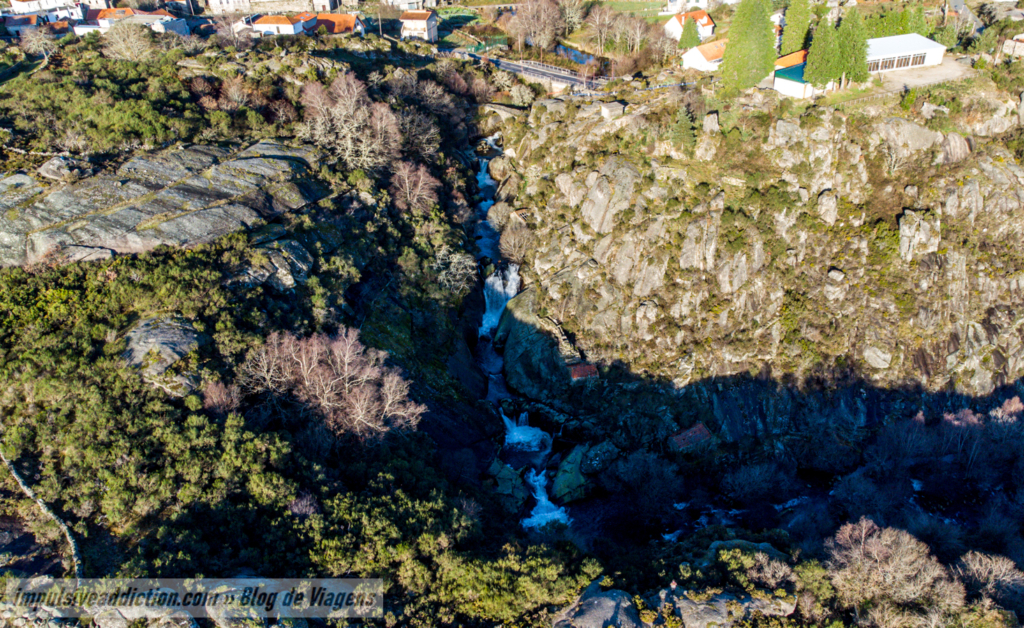
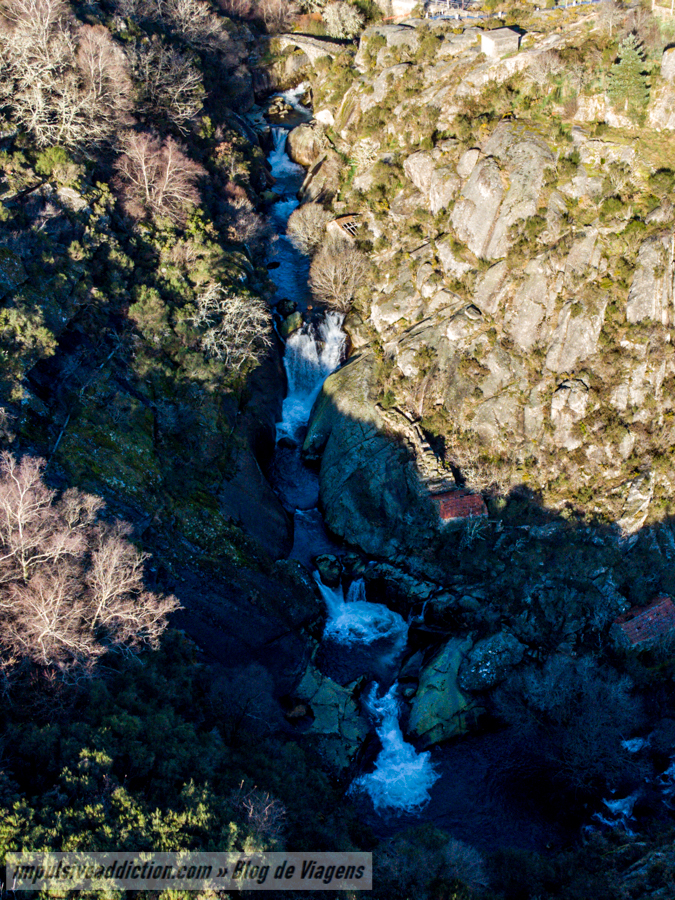
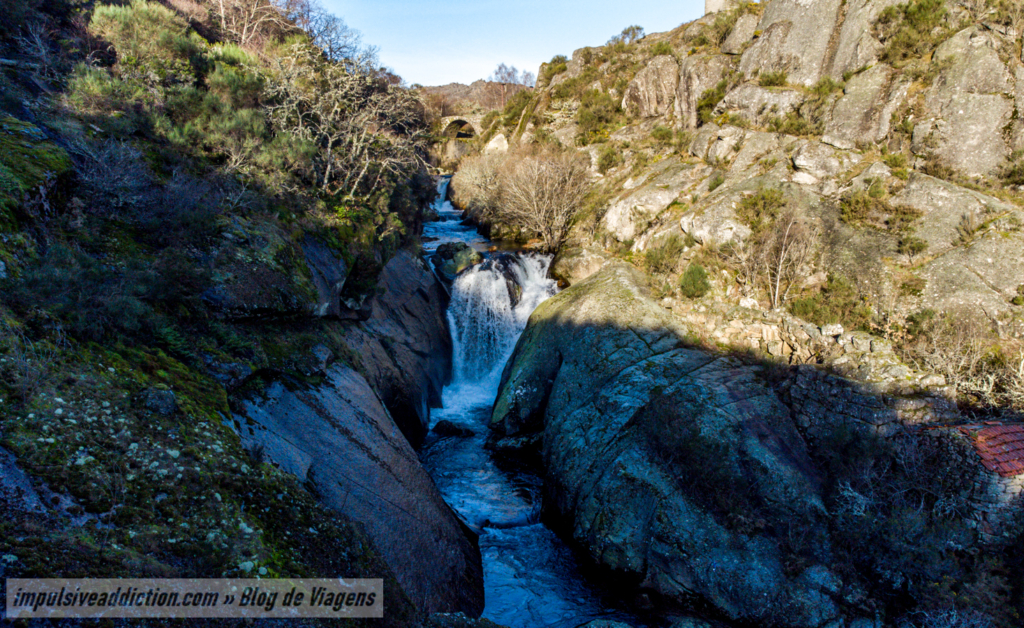
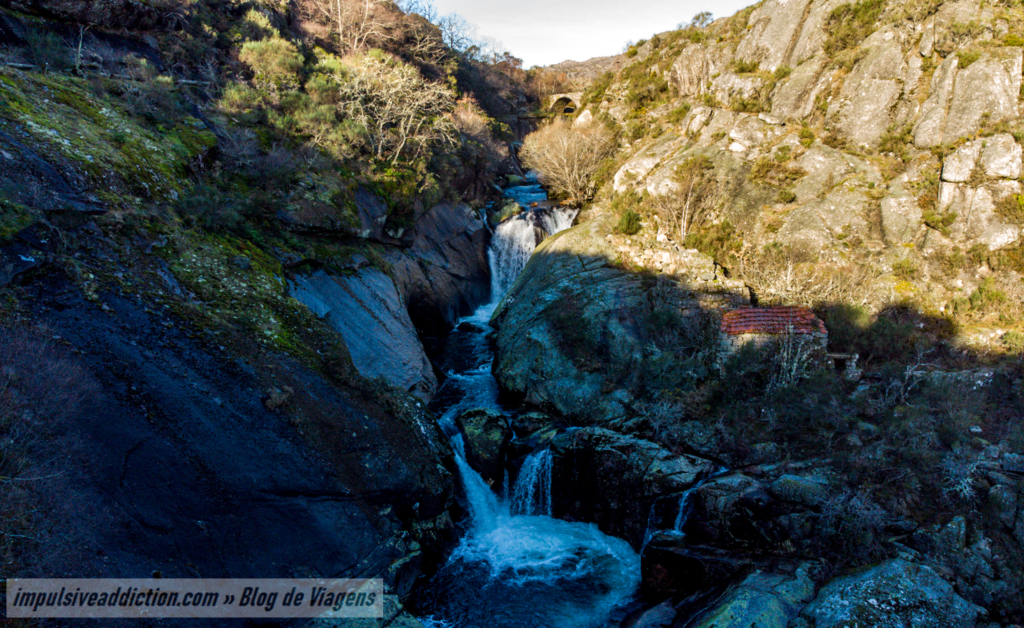
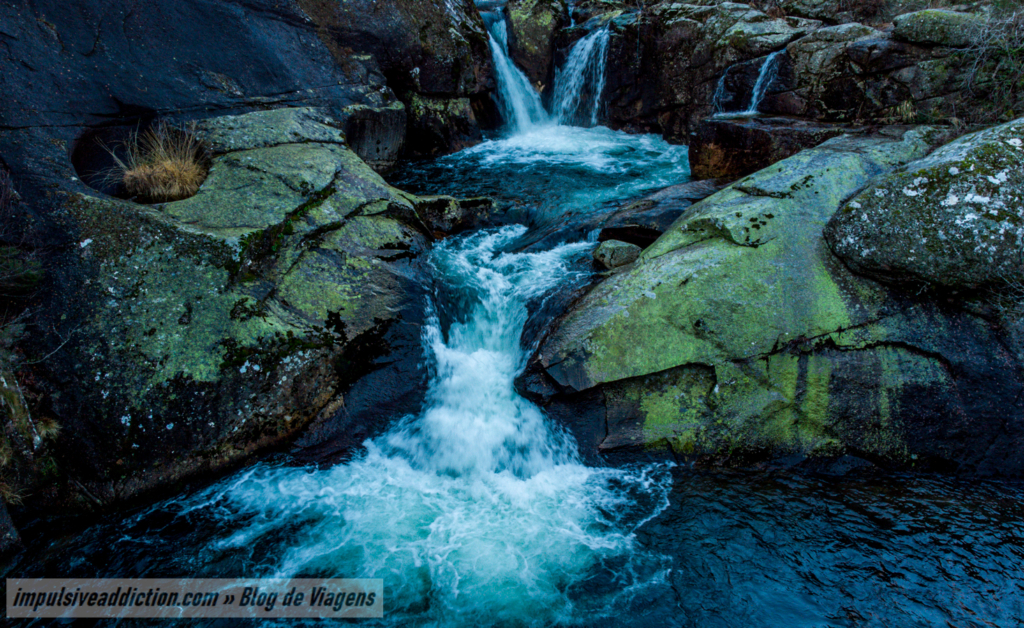
The Alto da Alborreca Viewpoint is just a short walk from the village center. From here, you’ll get a stunning, head-on view of the cascading waterfalls near Castro Laboreiro’s Old Bridge. The river flowing below is the Laboreiro River, and the bridge itself is medieval in style, believed to have been built between the 15th and 16th centuries.
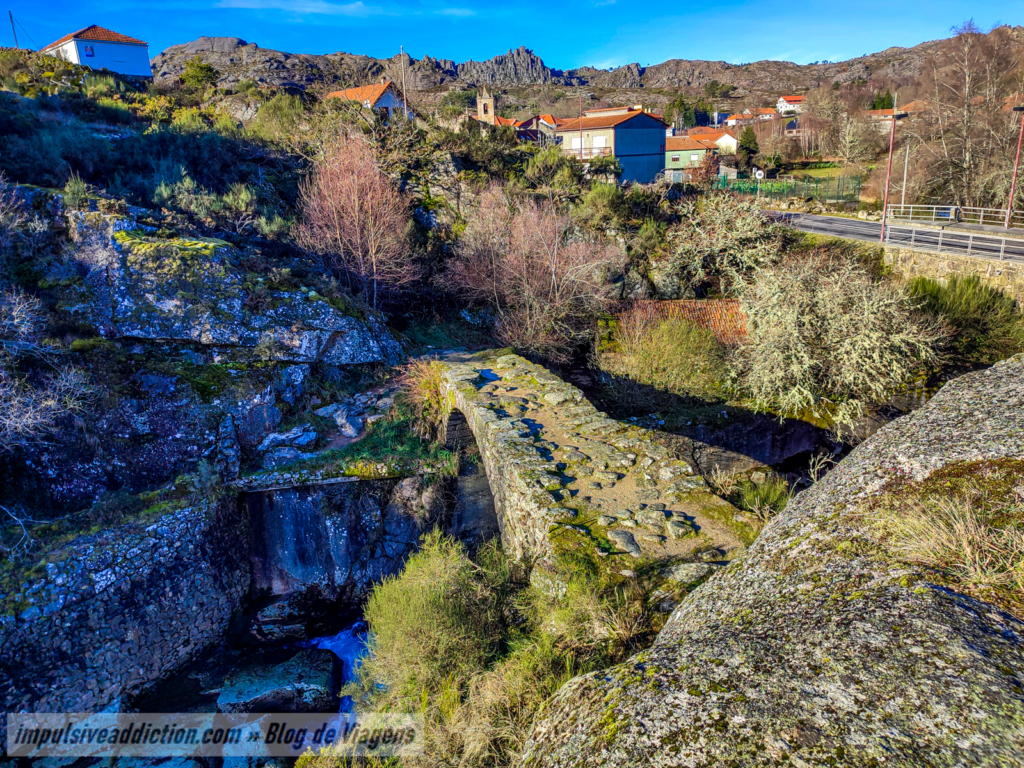
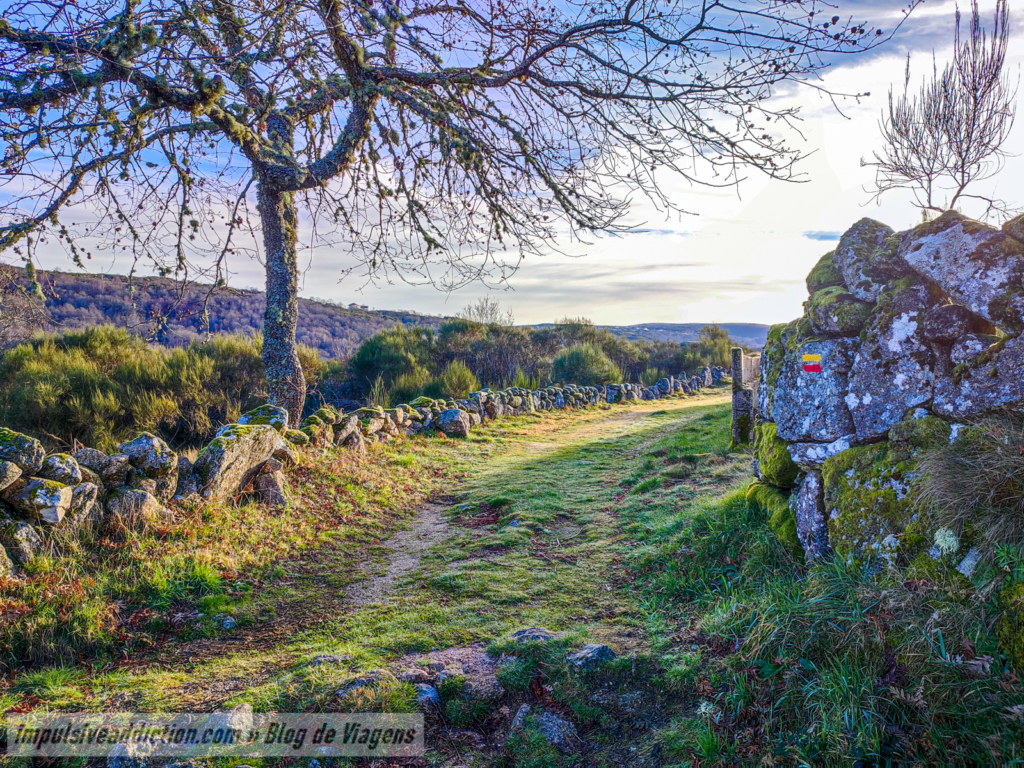
8. Assureira Bridge and Cava da Velha Bridge
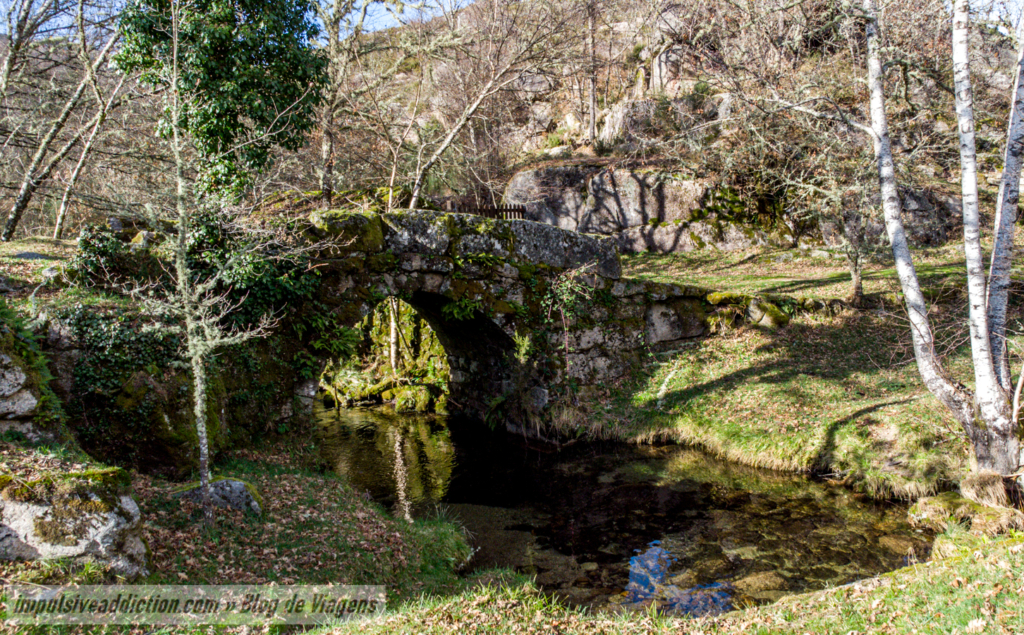
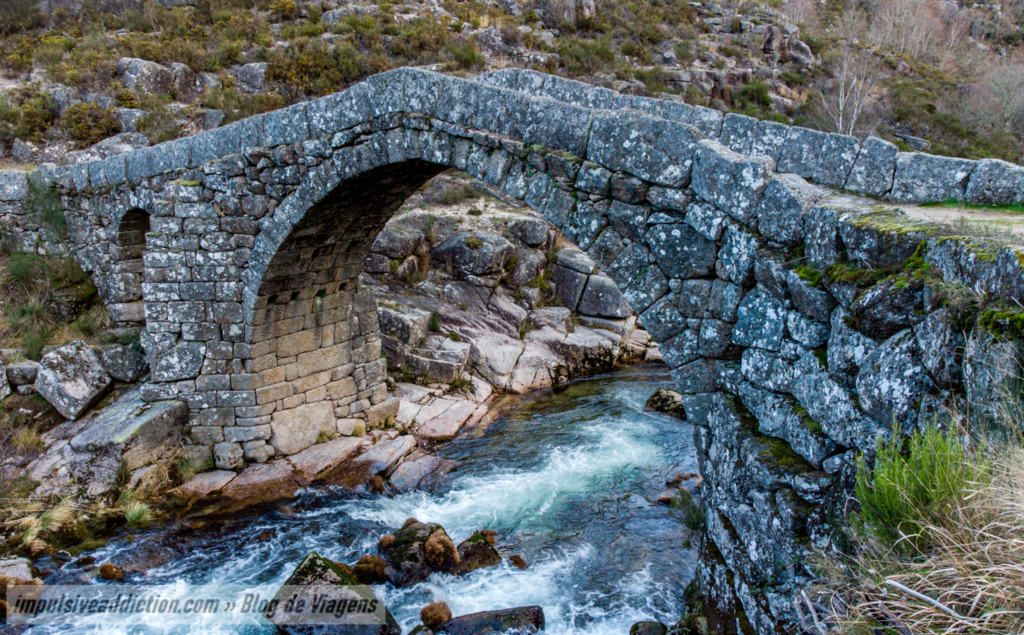
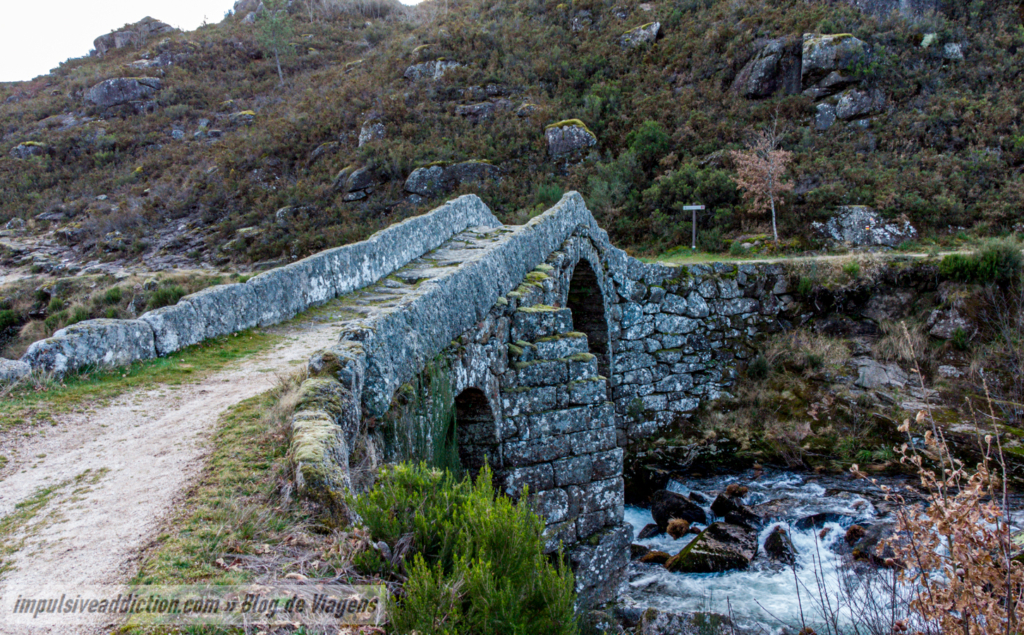
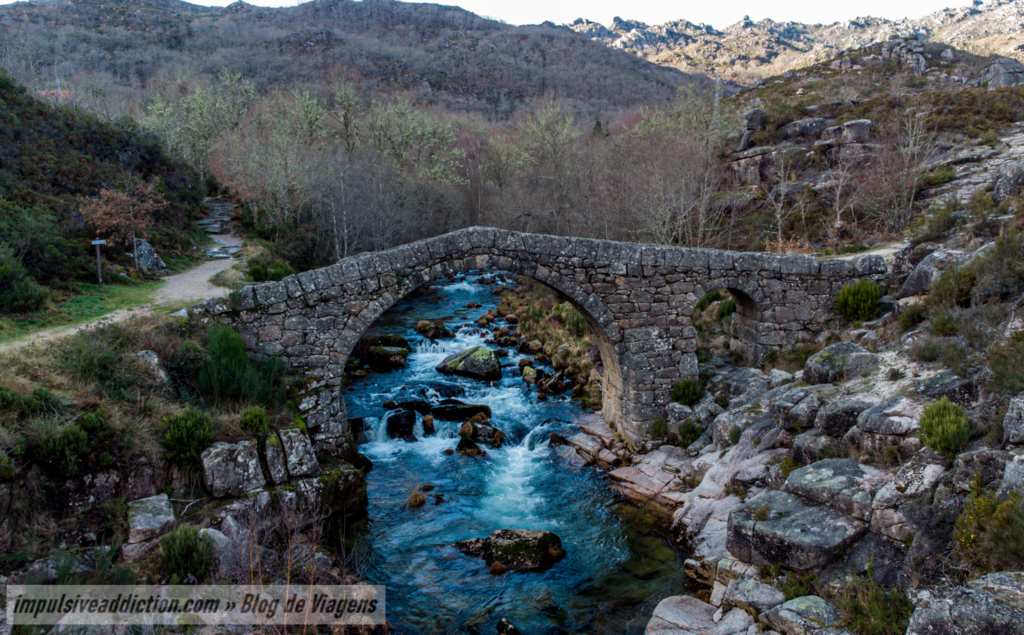
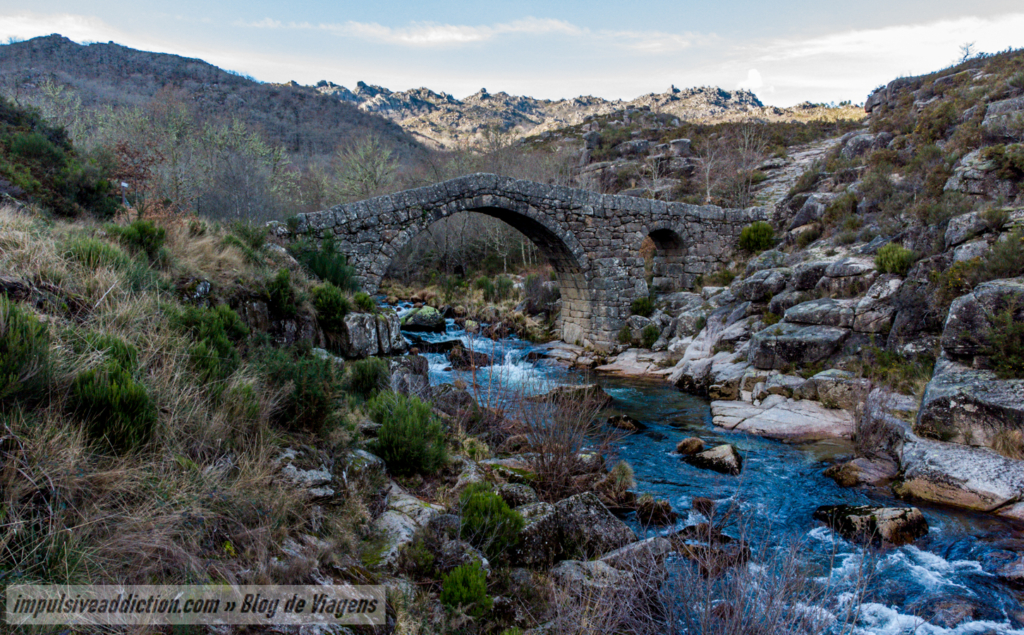
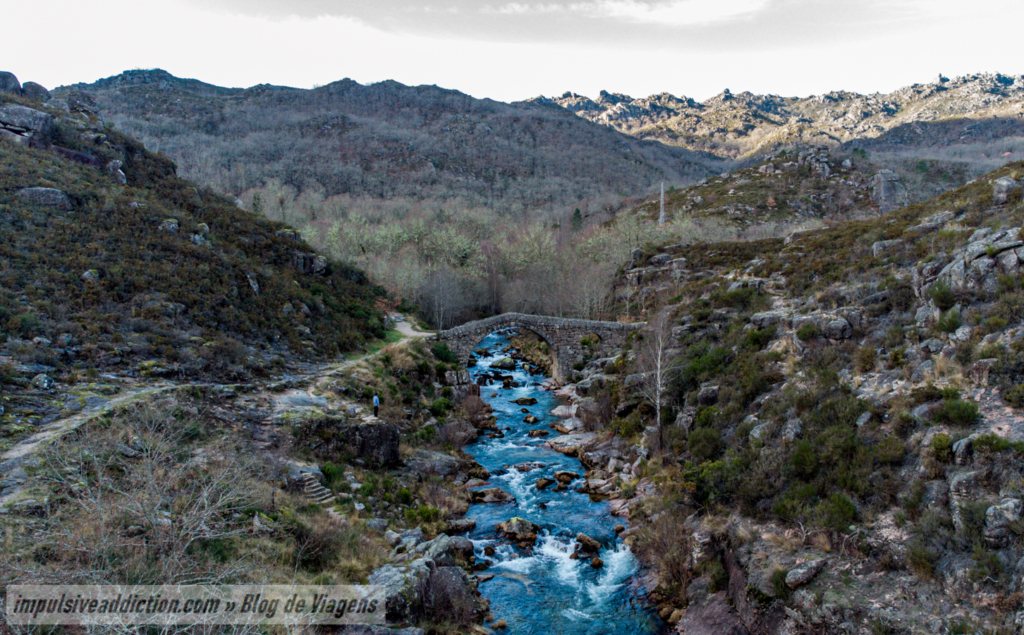
Leaving Castro Laboreiro behind, the next stop is the area around the village of Assureira. A must-see here is the Cava da Velha Bridge, of Roman origin and dating back to around the 1st century. You’ll love how perfectly it blends into the surrounding landscape—and afterwards, you can take a refreshing swim in the lagoon upstream.
The Assureira Bridge is simpler and less striking, but it’s located very close to the first one, right along the paved roadside.
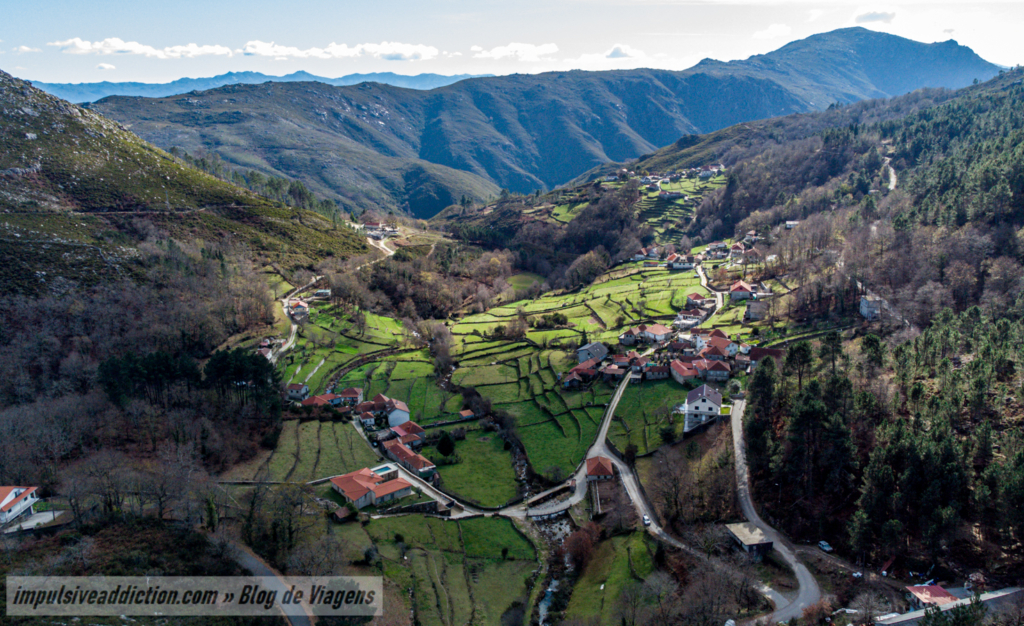
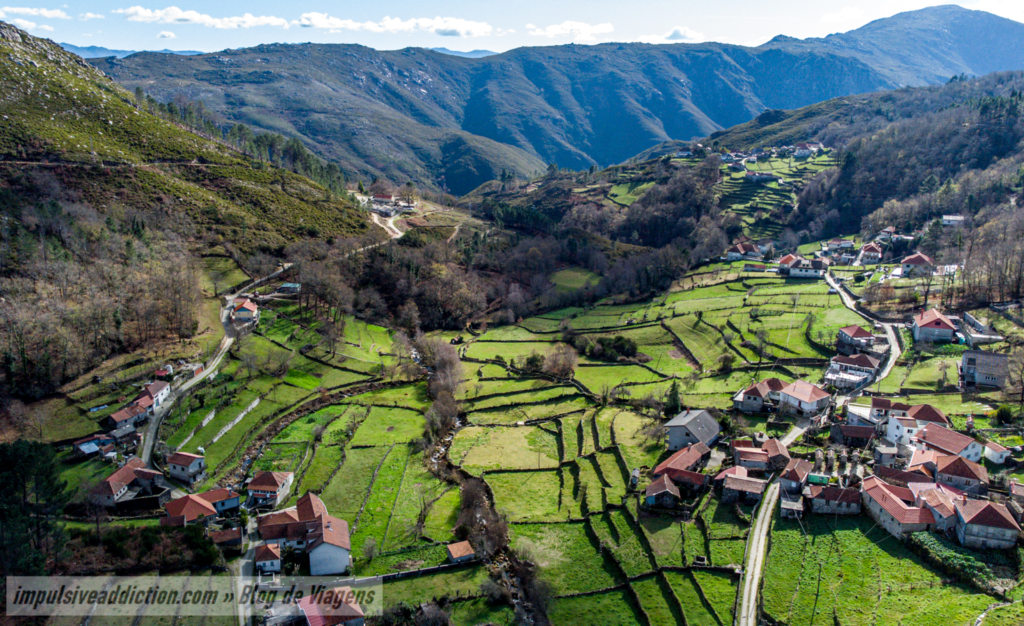
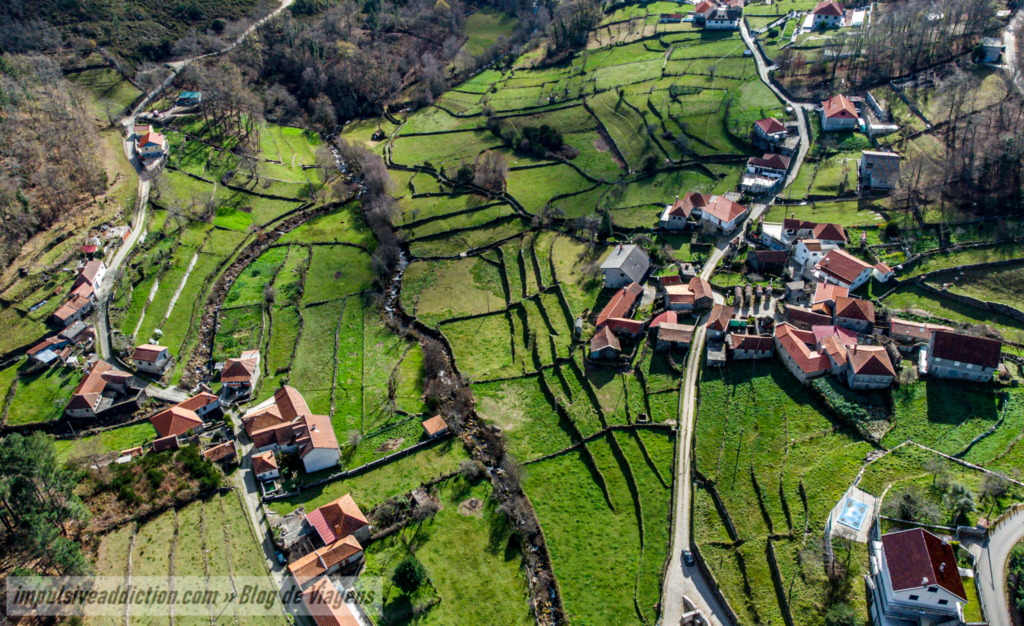
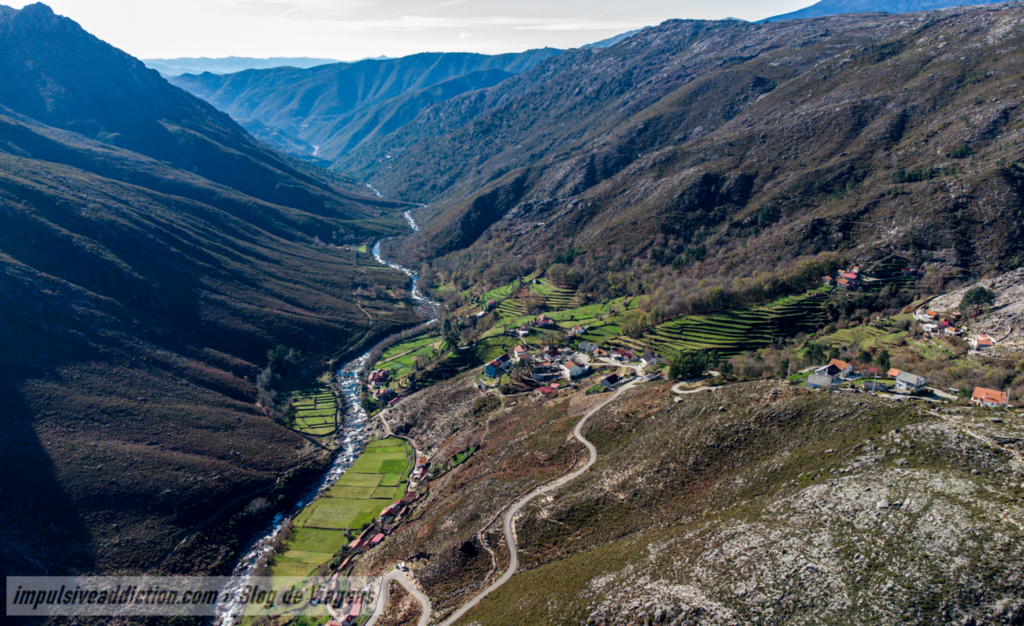
9. Ribeiro de Cima, Pousios, and Ribeiro de Baixo
Further south, you’ll come across the villages of Ribeiro de Cima, Pousios, and Ribeiro de Baixo. I recommend leaving the main road when you reach Ribeiro de Cima, driving right through the village toward Pousios, and only then continuing on to Ribeiro de Baixo.
I’m sure you’ll enjoy the terraced landscapes of this region—a rural setting full of green farmland.
10. Poças do Malho Trail from Ribeiro de Baixo
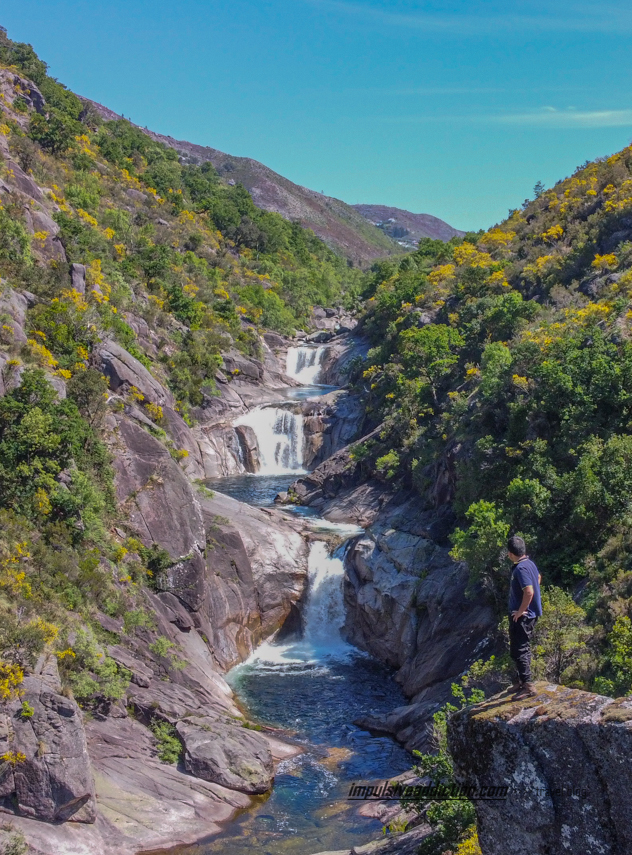
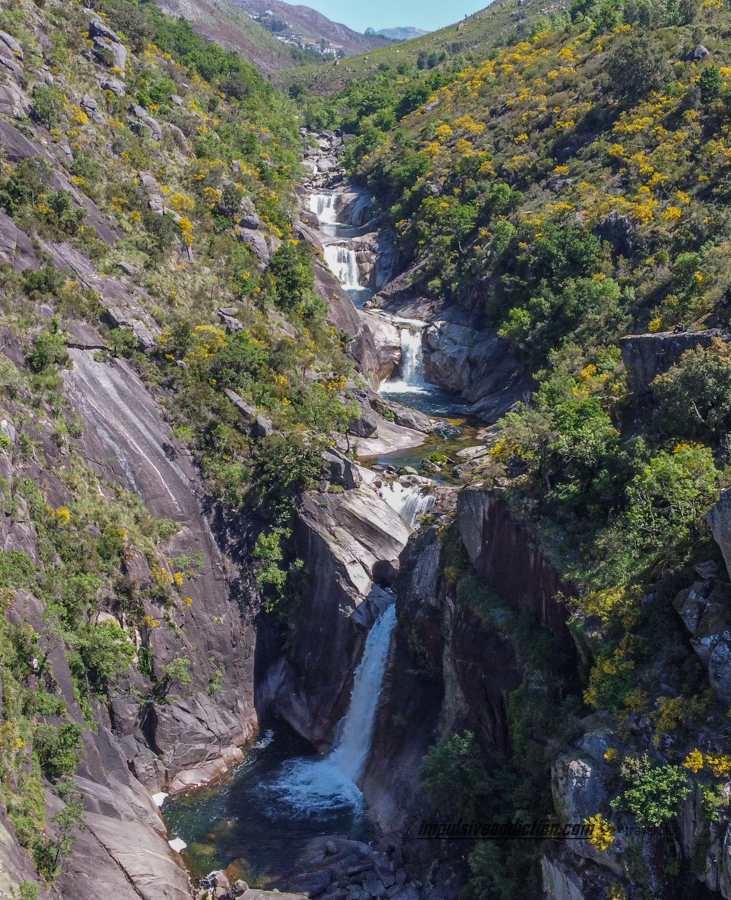
From Ribeiro de Baixo, you can start one of the most interesting hikes in the Gerês: the Poças do Malho Trail, also known as the Poças do Mallón Trail. It follows the Laboreiro River right along the Portugal–Spain border.
When I hiked it, I did the trail differently—starting on the Spanish side instead of in Ribeiro de Baixo. Here, however, I suggest walking from Ribeiro de Baixo to the Poças do Malho viewpoint and then returning, leaving the rest of the official route for another time. The viewpoint is absolutely breathtaking and well worth it, as you’ll see from the photos below.
11. Dorna Bridge, Village of Pontes, and Poço do Contador
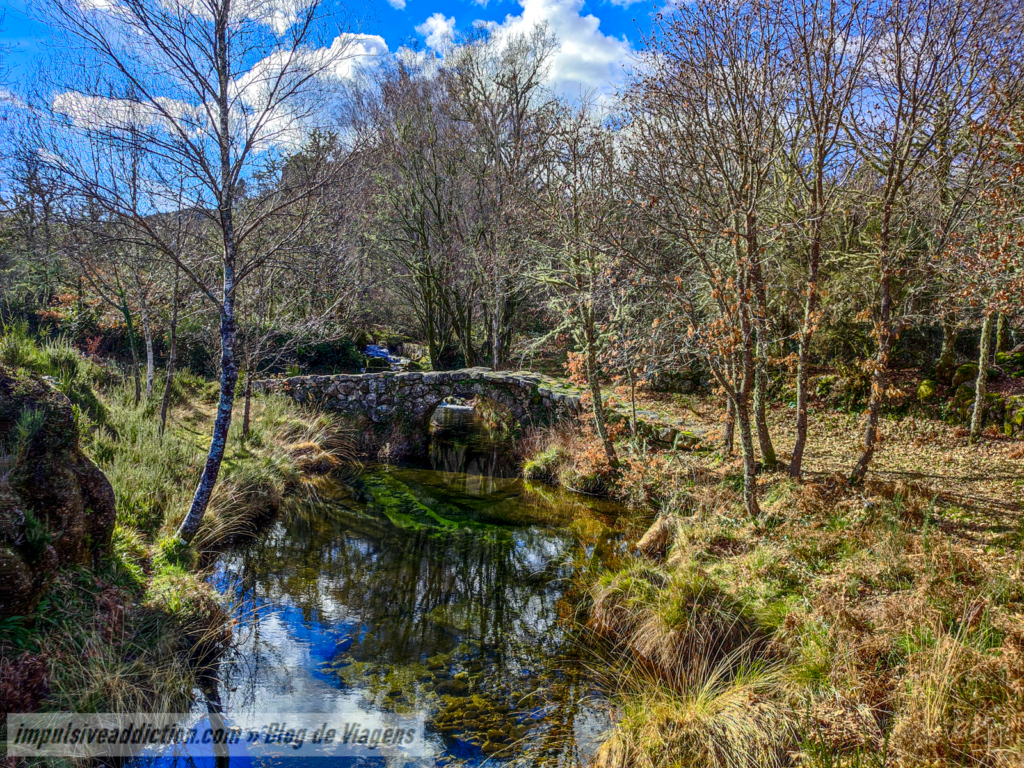
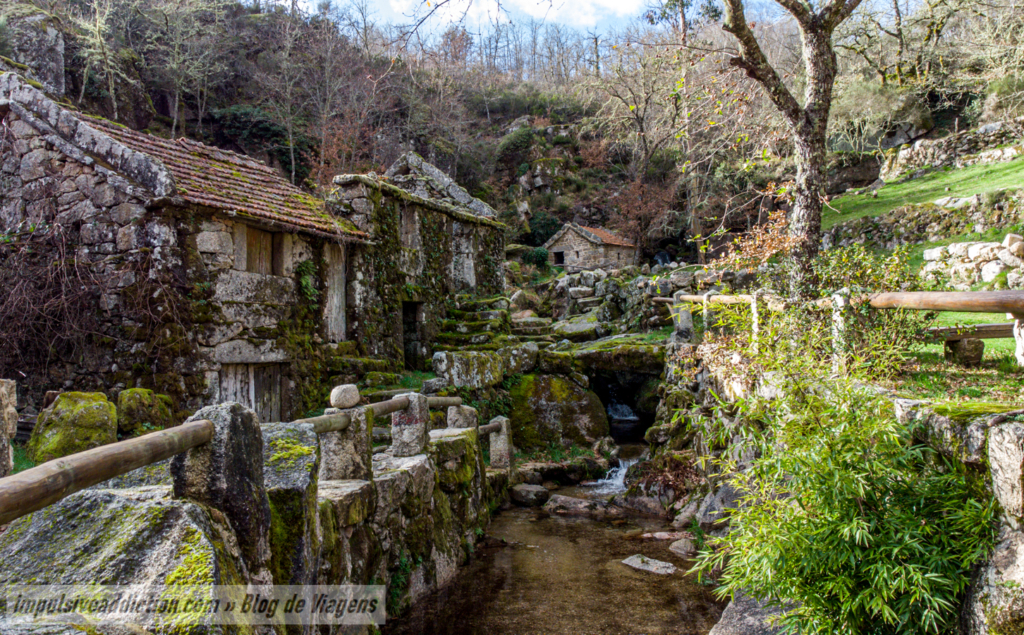
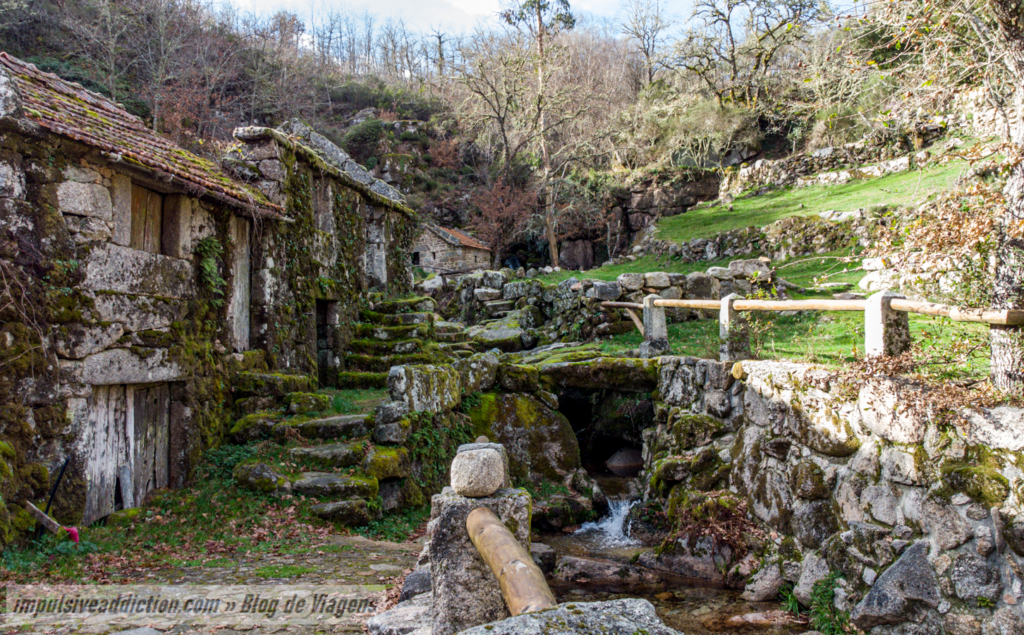
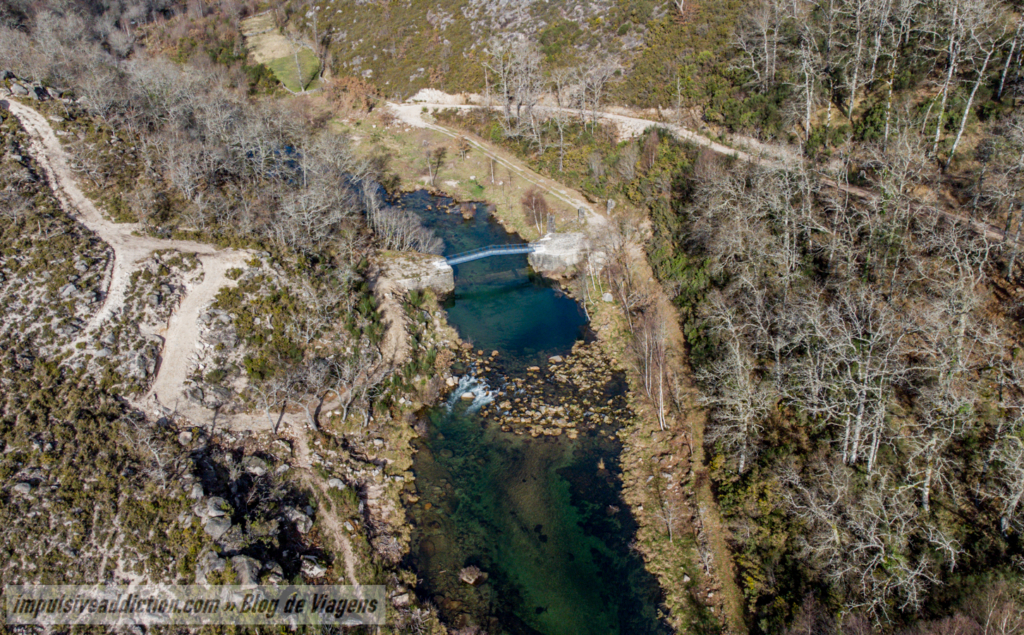
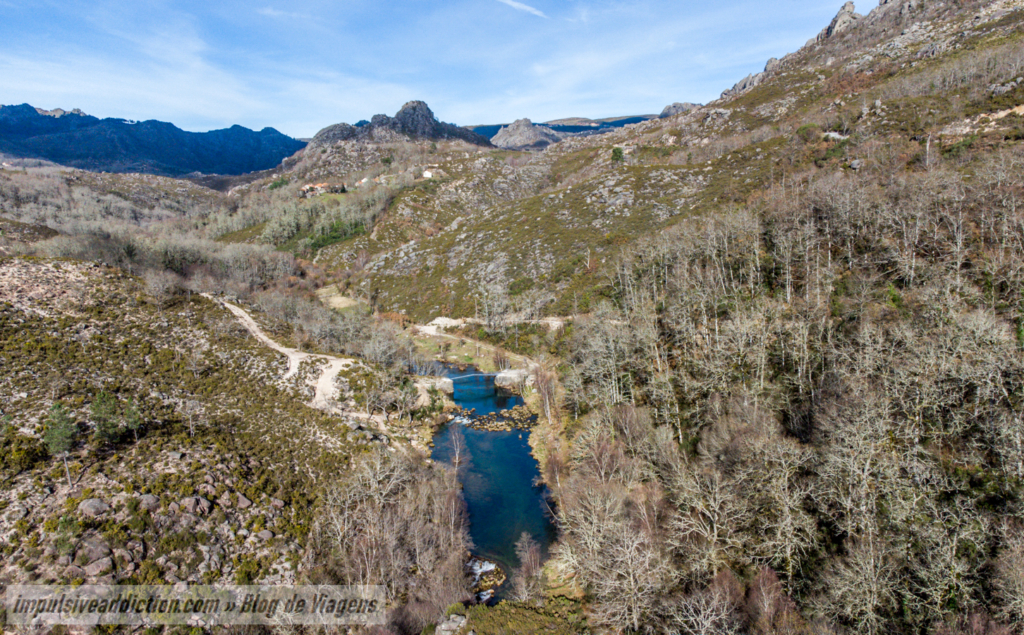
For me, the Village of Pontes is the most beautiful and picturesque in the Castro Laboreiro region. A stream runs through it, lined with several old mills. On the way there, you’ll cross the Dorna Bridge, which may not be as striking as the Cava da Velha Bridge but is still worth a look.
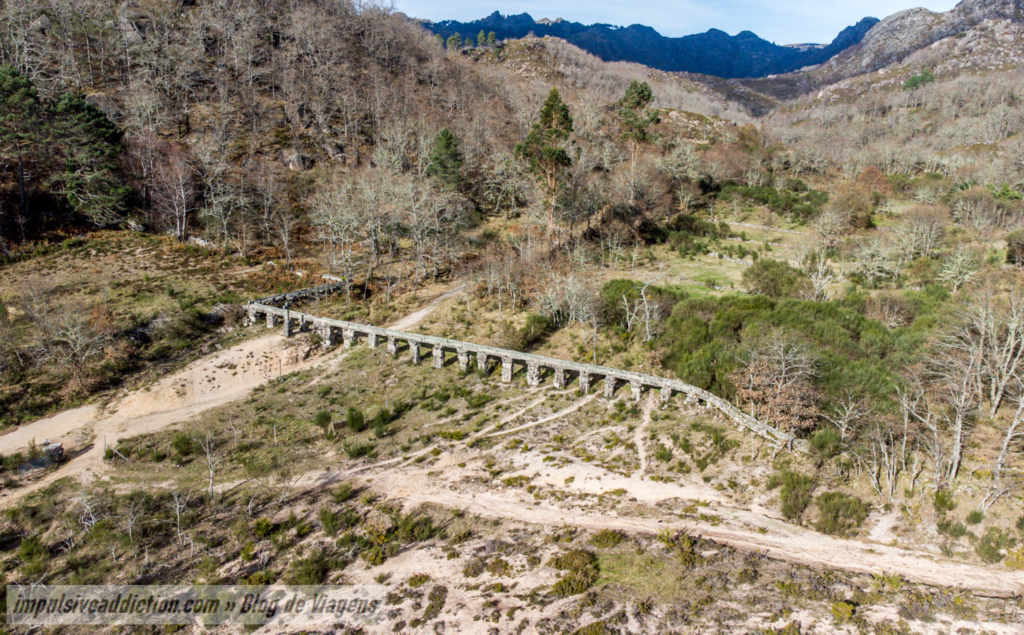
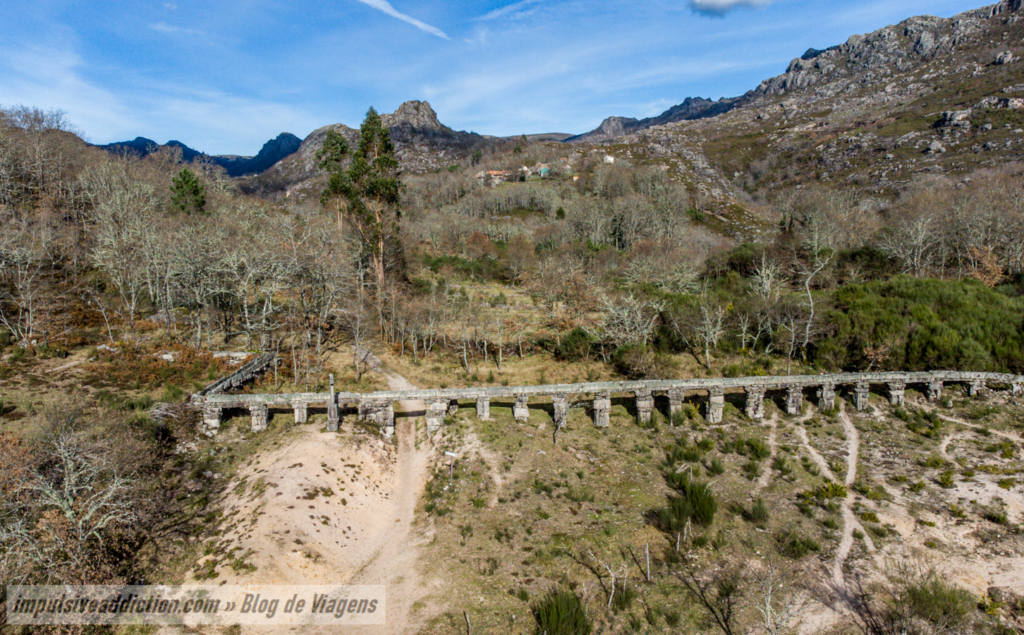
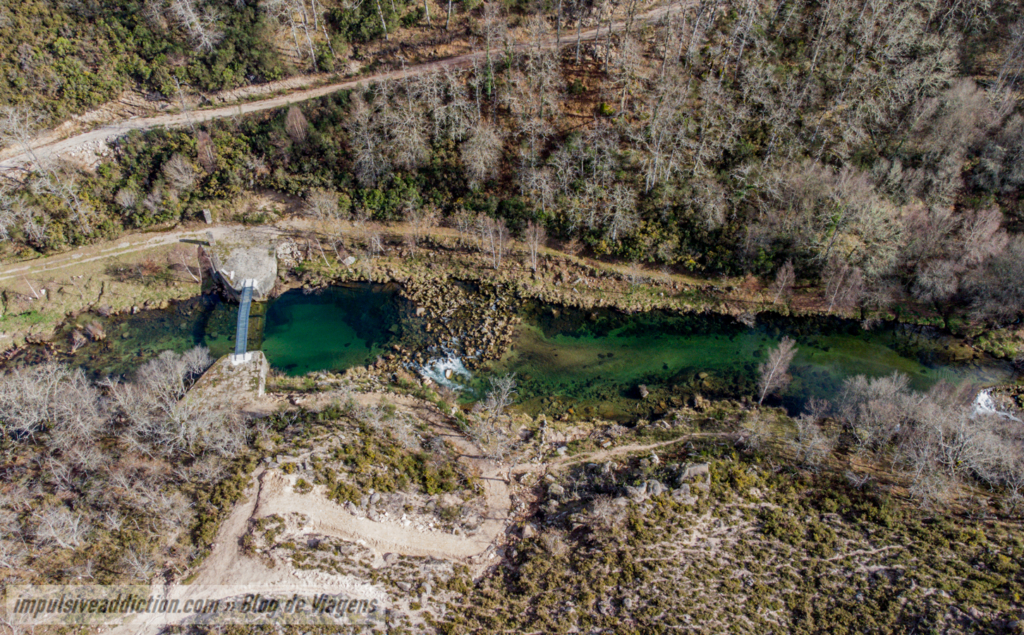
From Pontes, you can take another must-do hike—this time to reach one of the Peneda-Gerês National Park’s most amazing lagoons: the Poço do Contador. It’s an excellent summer swimming spot, and along the way you’ll pass a 20th-century aqueduct, built to carry irrigation water to the village’s farmland. It was in use until the 1990s.
Here’s the Wikiloc trail I followed—it was more or less the same route I did.
12. Ameijoeira
In Ameijoeira, there’s no need to make a stop—it’s more of a passing point right by the border. From here, you’ll take another mountain road, with the destination being Cainheiras, and more specifically the turnoff leading toward the Sanctuary of Senhora do Numão.
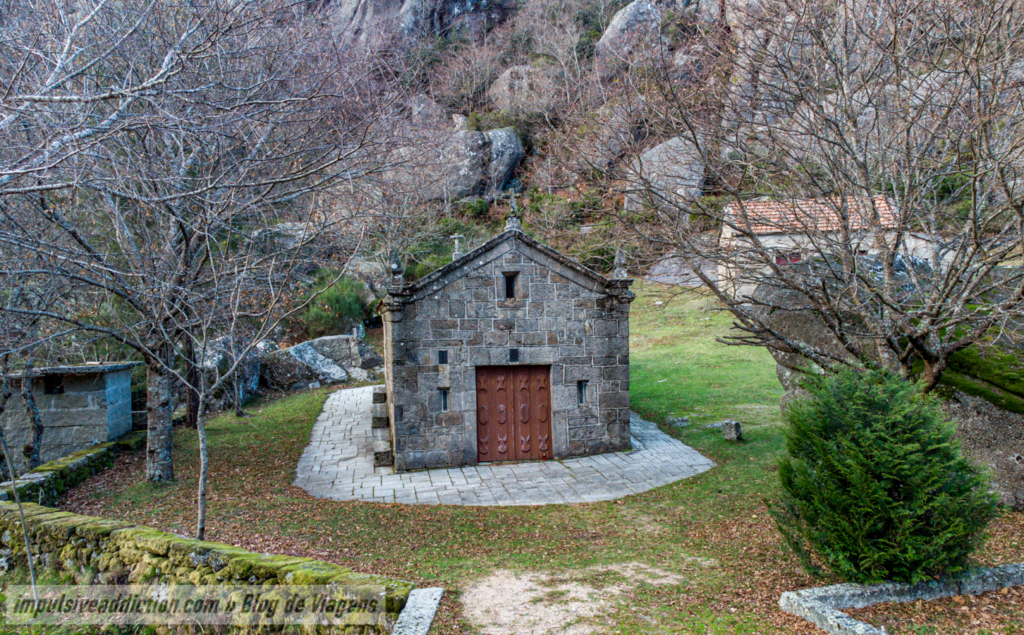
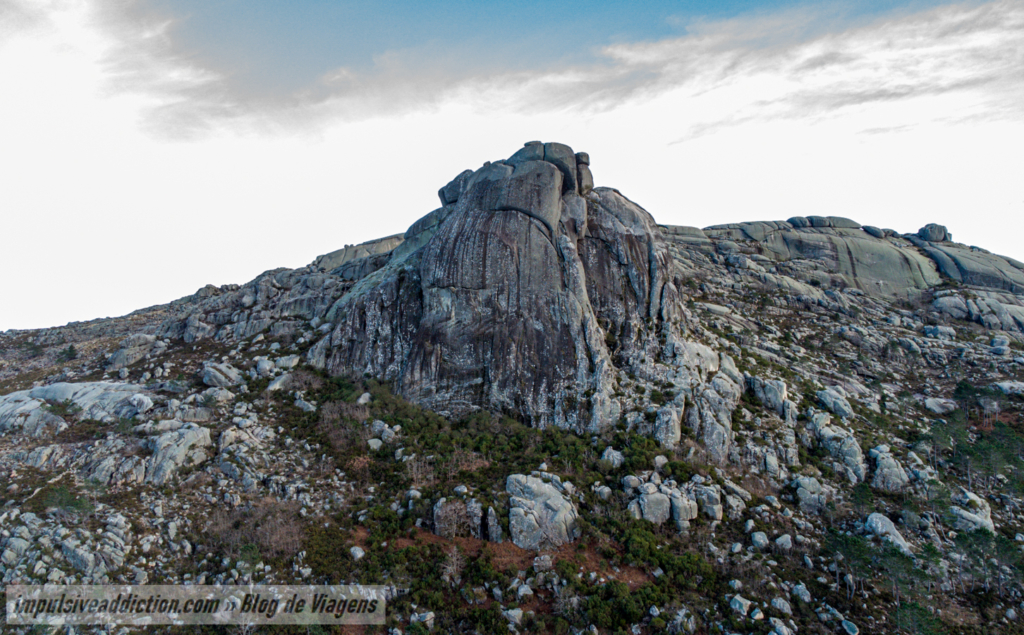
13. Sanctuary of Senhora do Numão
The access road to Senhora do Numão is unpaved, but still perfectly manageable with a regular car. The chapel itself isn’t particularly remarkable, but the surrounding cliffs are absolutely striking. It’s also a great spot for a picnic and to catch your breath after the hikes I suggested earlier.
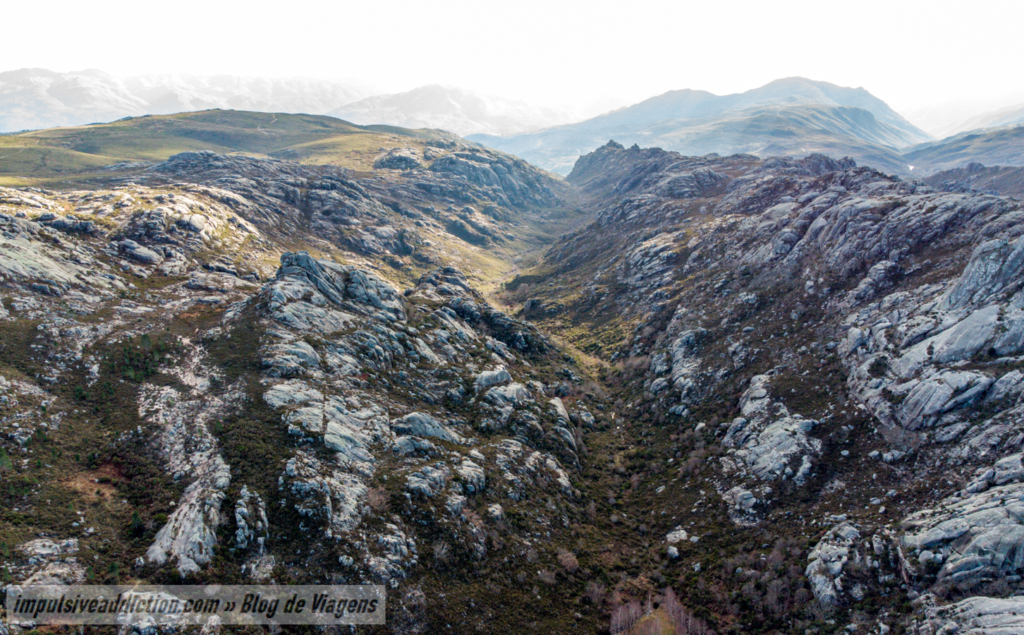
14. Cainheiras Viewpoint
Cainheiras offers one of the most beautiful viewpoints near Castro Laboreiro. You’ll find it right by the roadside, shortly after crossing the village’s Roman bridge, which dates back to the 1st or 2nd century.
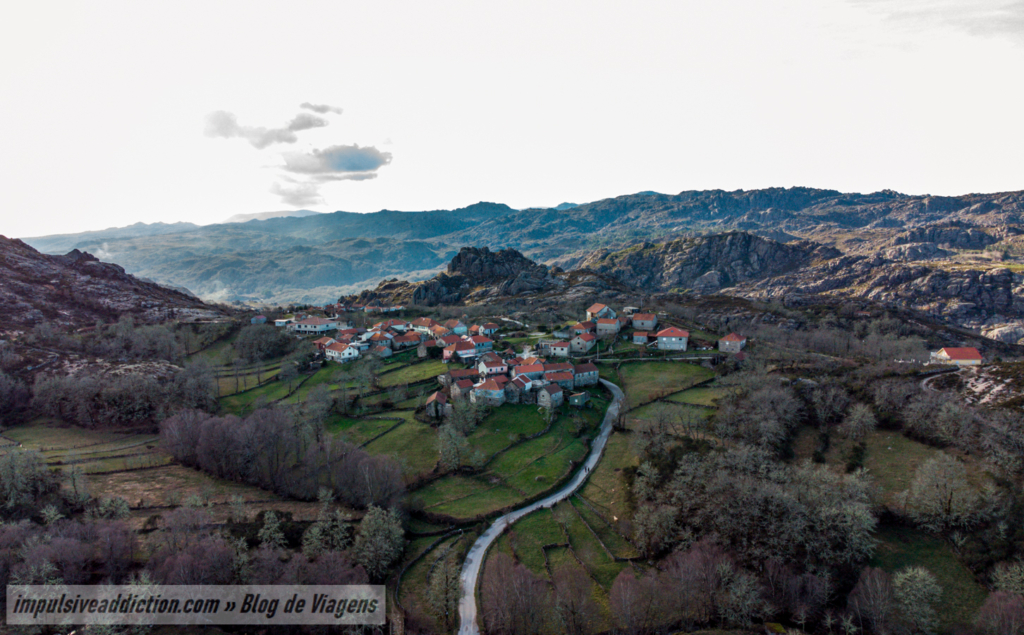
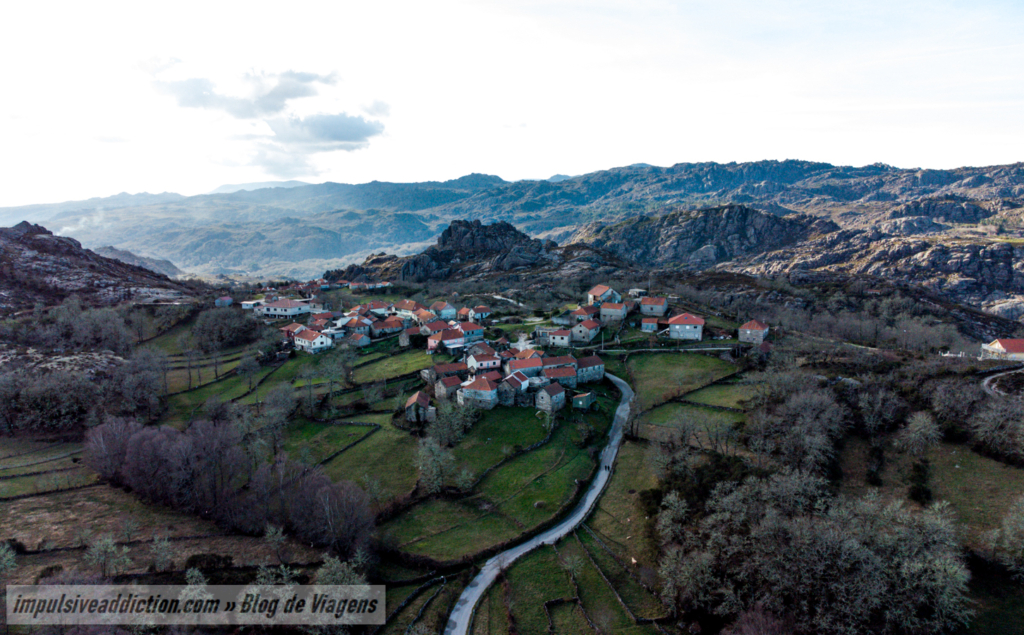
15. Branda de Portos and Curral do Gonçalo
Near the end of the Castro Laboreiro route, you’ll come across Branda de Portos and Curral do Gonçalo. These stand out as two of the highest-inhabited villages in Portugal, remarkable for their remote location near Castro Laboreiro.
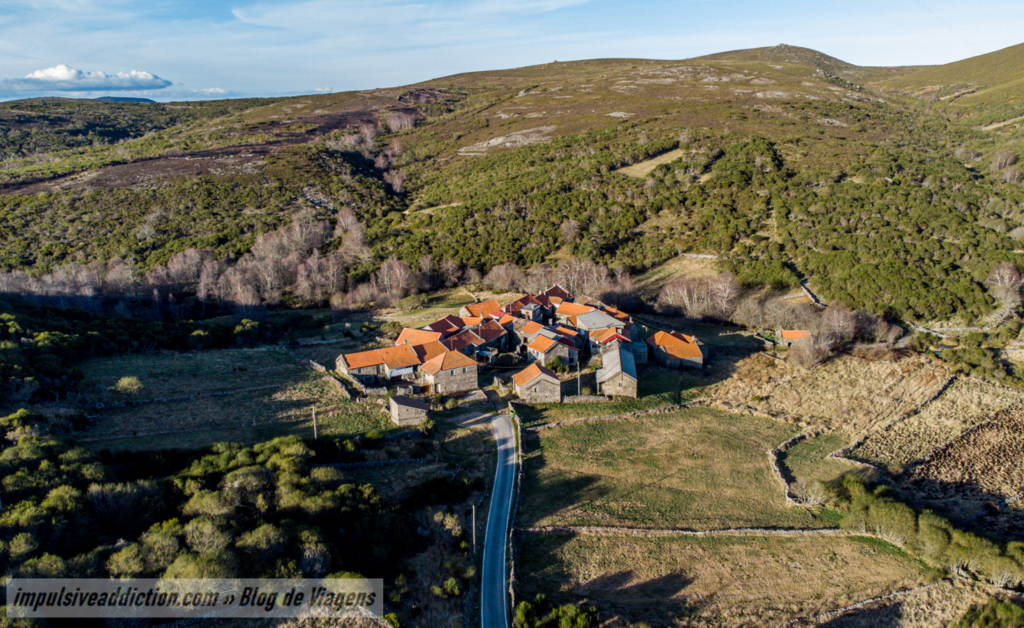
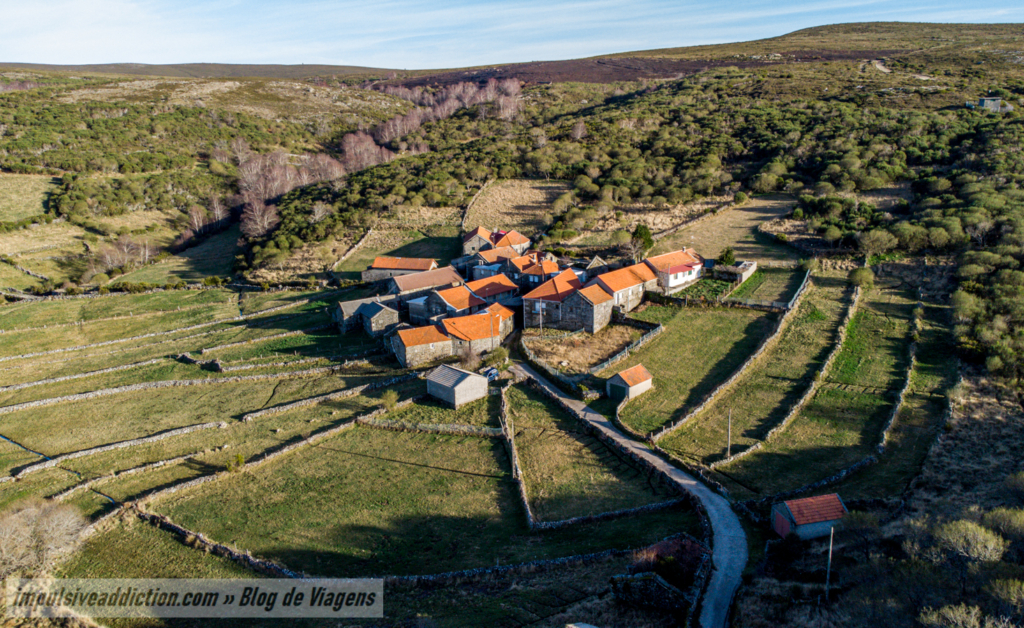
16. Varziela Bridge and Viewpoint over the Laboreiro Valley
The Varziela Bridge comes last on the route, along with the Viewpoint over the Laboreiro Valley. The bridge is believed to have been built sometime between the 12th and 14th centuries.
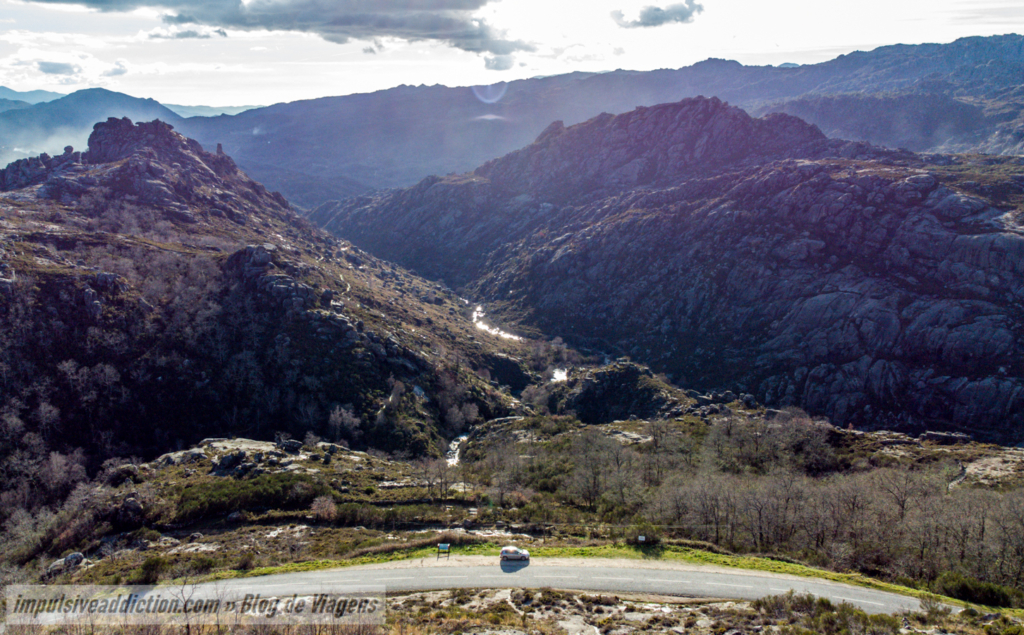
17. Castrejo Trail of Castro Laboreiro
The official trails of Castro Laboreiro link several of the sights mentioned above. The most famous is the Castrejo Trail, a 17 km circular route of moderate difficulty. Along the way, it passes through the inverneiras (winter villages) of Barreiro, Assureira, Curveira, Bico, Cainheiras, and Varziela. A highlight of the trail is crossing the spectacular Cava da Velha Bridge, about halfway through.
18. Megalithic Trail of the Castro Laboreiro Plateau
The Megalithic Trail is the one I’d most like to hike on a future visit to Castro Laboreiro. It takes you to the largest concentration of megalithic monuments in the Iberian Peninsula, spread across four different sites: Alto da Mansão do Guerreiro, Alto da Portela do Pau, Alto do Buscal, and Lama do Rego. Since the trail begins in Rodeiro, you’ll also pass by the village’s waterfall.
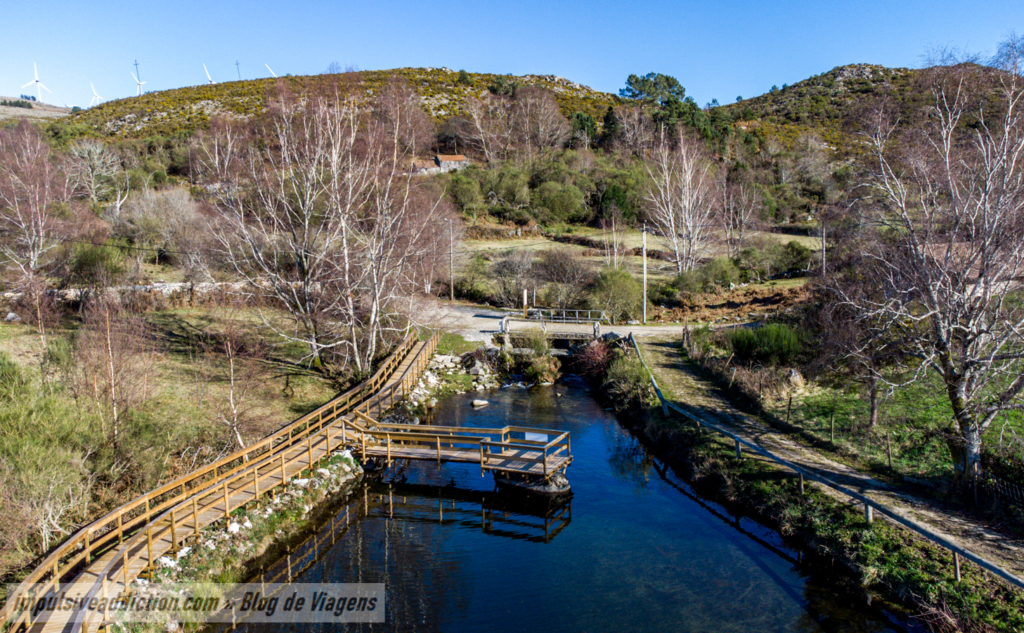
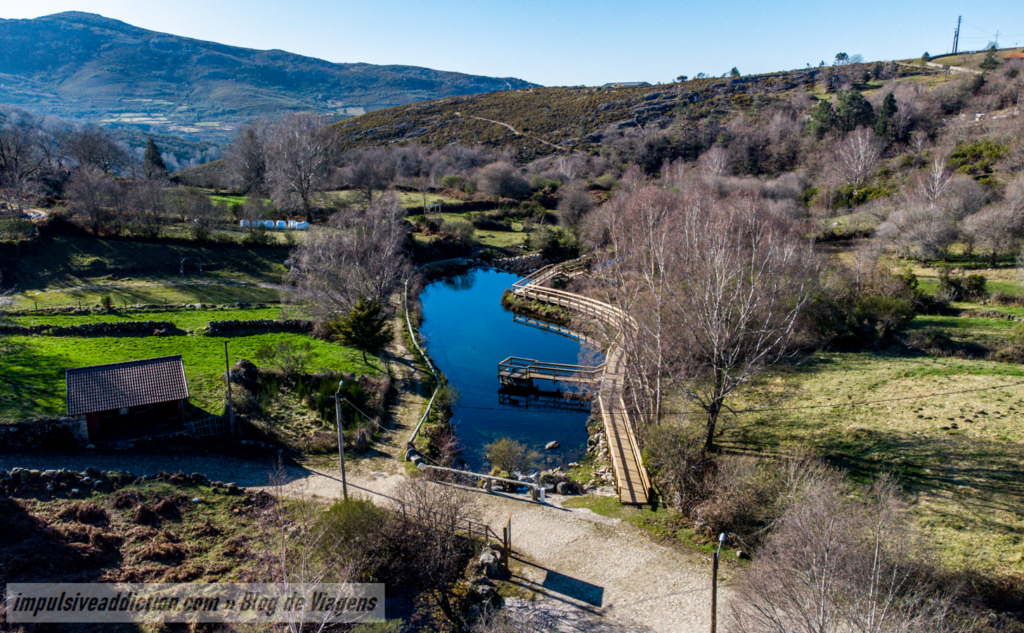
Visit Branda da Aveleira and Mamoa do Batateiro
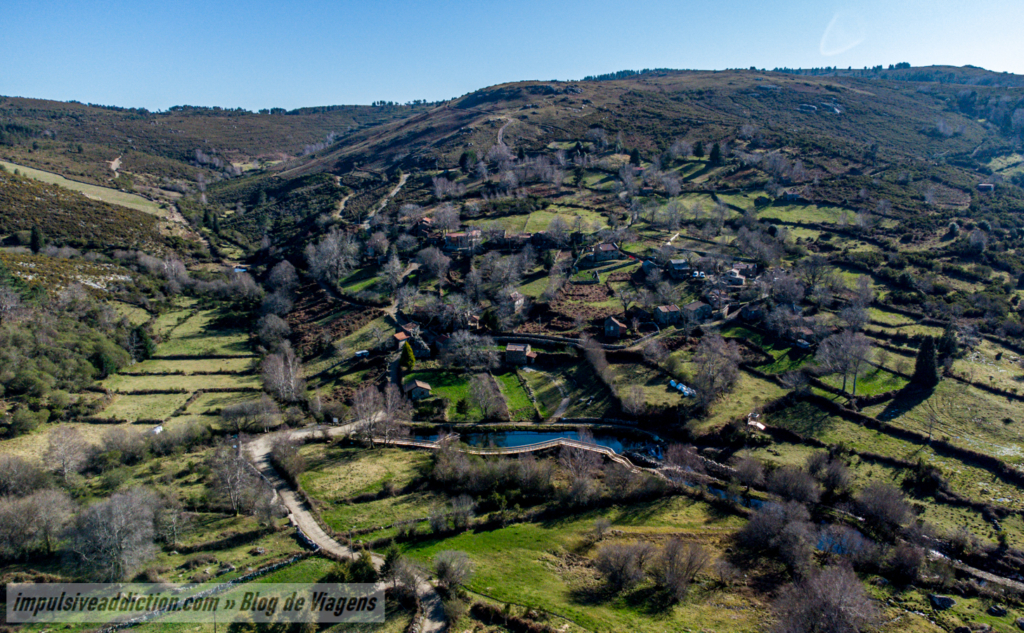
In Melgaço, the Branda da Aveleira is located near the Peneda mountains. It sits close to another well-known branda in the municipality of Monção: the Branda de Santo António de Vale de Poldros. In fact, earlier in this article I suggested two accommodation options there: Cardenha da Bessada and Miradouro da Branda.
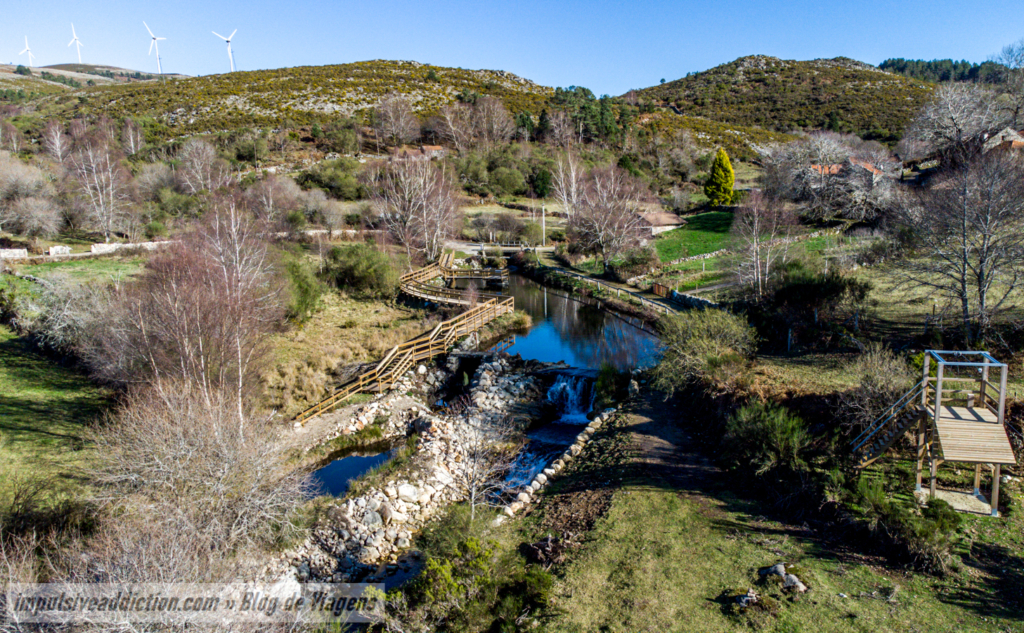
If you ask me which I prefer—Santo António or Aveleira—I honestly can’t choose. Santo António stands out for its large number of well-preserved cardenhas (simple stone huts made of schist and granite), while Aveleira is more enchanting for its landscapes, especially with the stunning lagoon at the base of the village.
Both are outstanding rural settings, perfect for a nature retreat. You can also enjoy local hikes, such as the Branda da Aveleira Trail, which passes by the Mamoa do Batateiro, a megalithic monument in Melgaço.
Adventure Sports in Melgaço and Castro Laboreiro
The Melgaço region, besides being famous for its Alvarinho wine, is also well known for its adventure sports on the Minho River and even on the Laboreiro River. Several local tour agencies offer visitors exciting outdoor experiences such as rafting, hiking, canyoning, canoeing, zip-lining, off-road tours, and more.
Check out what the Melgaço Town Hall says about the experience, as well as the following agencies:
You’ll find all the information and booking contacts on their websites. I’d say a day of adventure on the Minho River is an opportunity you definitely shouldn’t miss!
What to Visit Near Melgaço and Castro Laboreiro?
Without a doubt, I recommend visiting Monção, or exploring another municipality within the Peneda-Gerês National Park.
Feel free to share your thoughts in the comments—what did you enjoy most about Melgaço and Castro Laboreiro?
MORE ARTICLES FROM THE MINHO REGION OF PORTUGAL:

- Minho | Northern Portugal Itinerary
- Peneda Gerês National Park Itinerary
- Best Hikes and Trails in Peneda Gerês National Park
- Best Peneda Gerês National Park Waterfalls and Lagoons
- Serra d'Arga Itinerary

DISTRICT OF VIANA DO CASTELO:
- Things to do in Viana do Castelo
- Things to do in Ponte de Lima
- Things to do in Monção
- Things to do in Valença
- Things to do in Caminha
- Things to do in Sistelo
- Things to do in Soajo and Lindoso
- Things to do in Vila Nova de Cerveira
- Things to do in Ponte da Barca
- Things to do in Paredes de Coura
- Things to do in Arcos de Valdevez
- Things to do in Melgaço

DISTRICT OF BRAGA:
- Things to do in Guimarães
- Things to do in Barcelos
- Things to do in Esposende
- Things to do in Braga
- Things to do in Vizela
- Things to do in Vila Verde
- Things to do in Vila Nova de Famalicão
- Things to do in Vieira do Minho
- Things to do in Terras de Bouro
- Things to do in Póvoa de Lanhoso
- Things to do in Fafe
- Things to do in Amares
