 Pedro Domingues
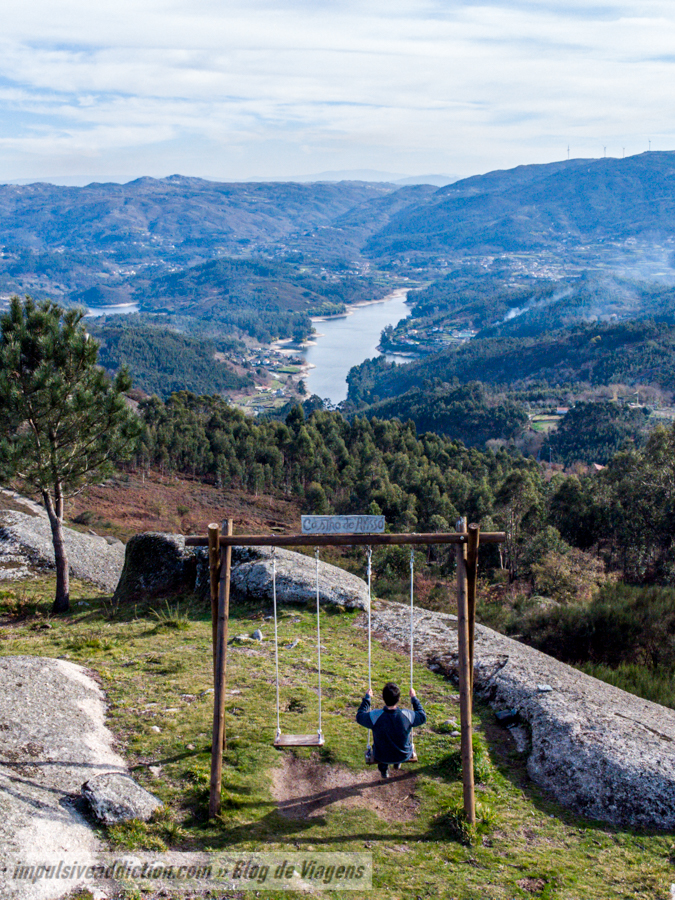
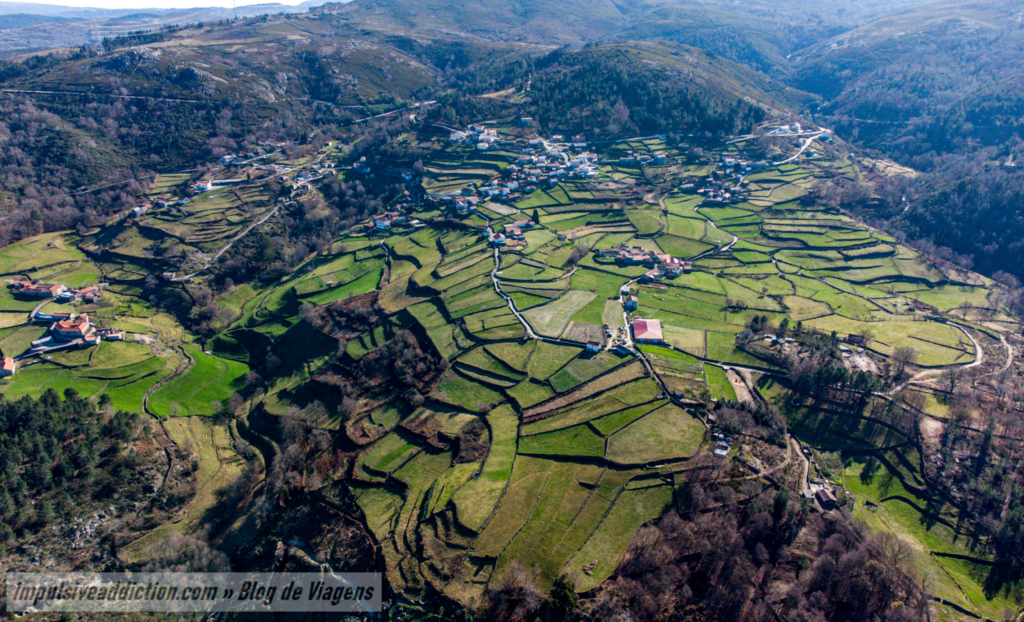
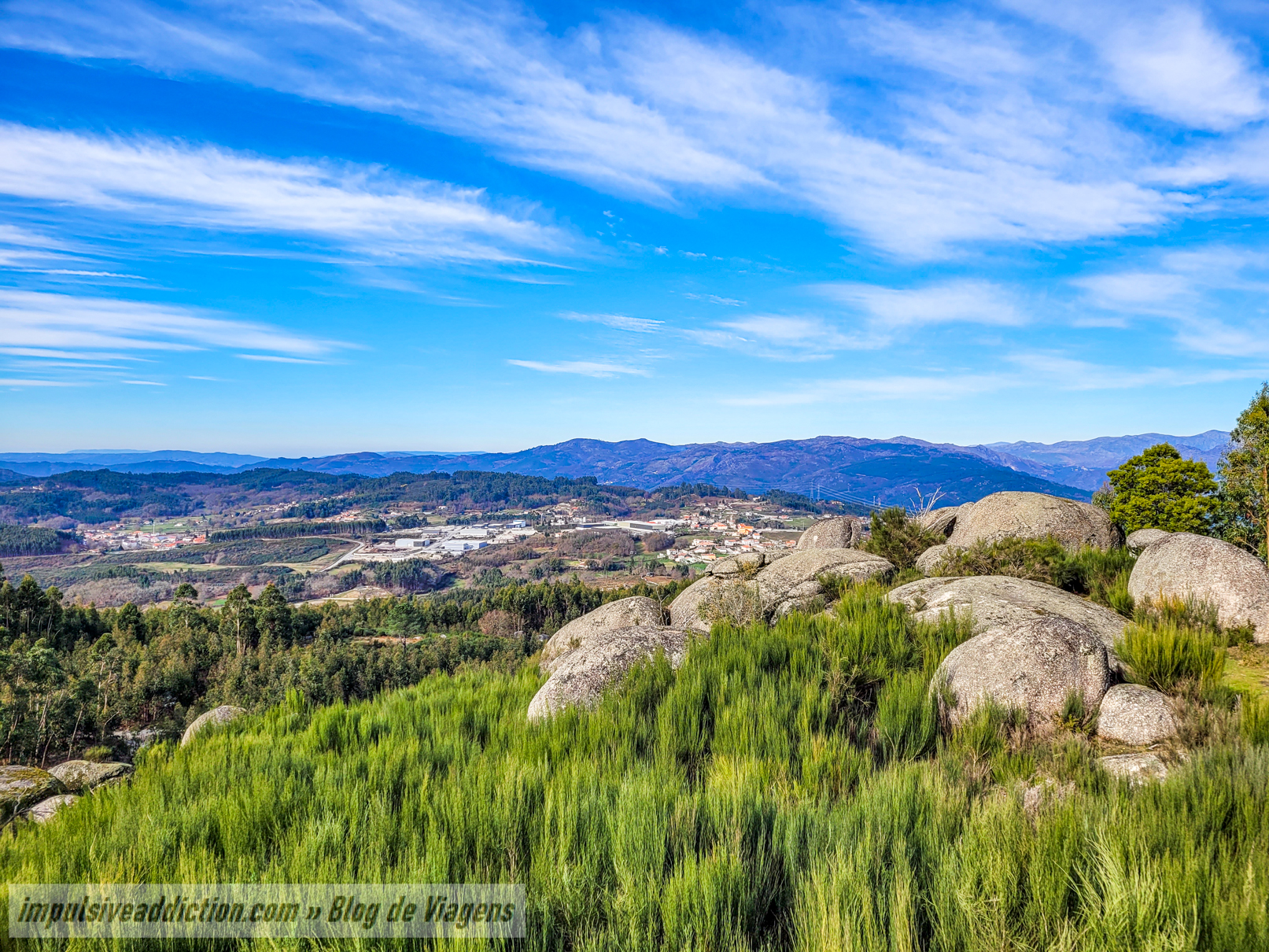
Vieira do Minho is a hidden gem with incredible tourism potential. Nestled along the shores of the Caniçada Reservoir and also home to the Ermal Reservoir, this region offers much more than just breathtaking water views. The true highlight lies in the Serra da Cabreira, where you’ll find awe-inspiring landscapes, cascading waterfalls, natural lagoons, refreshing river beaches, and remote villages waiting to be explored.
There are countless amazing places to visit in Vieira do Minho, so I recommend setting aside at least 3 to 4 days to fully experience the municipality. Below, you’ll find my detailed itinerary to help you discover the best of this region.
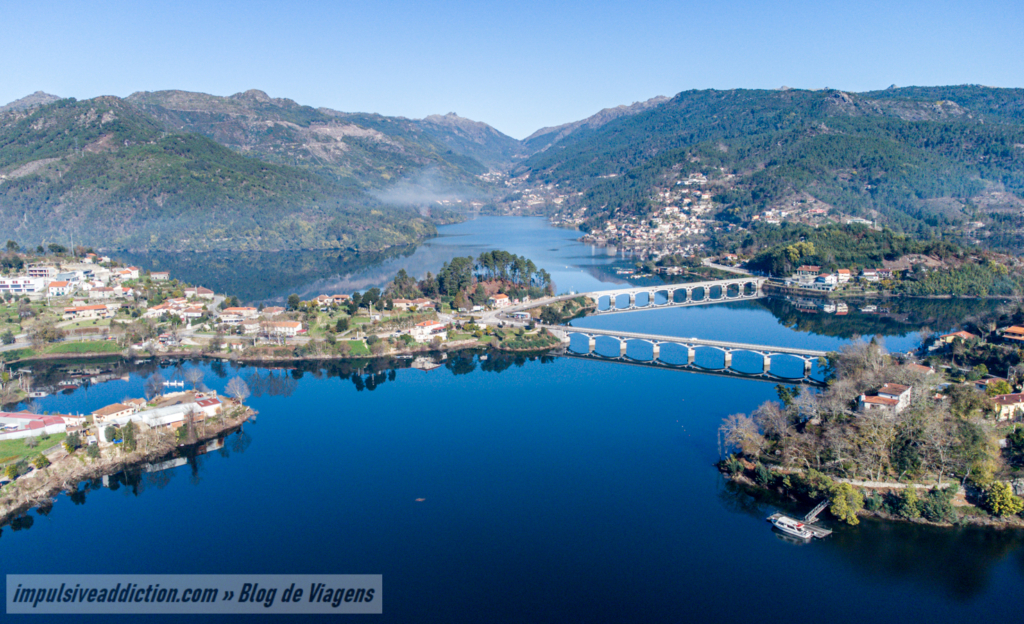
Where is Vieira do Minho located, in Portugal?
Vieira do Minho is a charming town located in the Braga district of northern Portugal. Although it’s not part of Peneda-Gerês National Park, it lies right on its border, making it a perfect base for exploring the area. The municipality is surrounded by Terras de Bouro, Montalegre, Cabeceiras de Basto, Fafe, Póvoa de Lanhoso, and Amares.
Below, I’ve included a list of all the municipalities that make up the Minho region. For most of them, you’ll already find a detailed article here on the blog—packed with tips to help you explore each one. This way, you’ll have all the information you need to build a more complete itinerary through northern Portugal, if that’s what you’re planning.
MORE ARTICLES FROM THE MINHO REGION OF PORTUGAL:

- Minho | Northern Portugal Itinerary
- Peneda Gerês National Park Itinerary
- Best Hikes and Trails in Peneda Gerês National Park
- Best Peneda Gerês National Park Waterfalls and Lagoons
- Serra d'Arga Itinerary

DISTRICT OF VIANA DO CASTELO:
- Things to do in Viana do Castelo
- Things to do in Ponte de Lima
- Things to do in Monção
- Things to do in Valença
- Things to do in Caminha
- Things to do in Sistelo
- Things to do in Soajo and Lindoso
- Things to do in Vila Nova de Cerveira
- Things to do in Ponte da Barca
- Things to do in Paredes de Coura
- Things to do in Arcos de Valdevez
- Things to do in Melgaço

DISTRICT OF BRAGA:
- Things to do in Guimarães
- Things to do in Barcelos
- Things to do in Esposende
- Things to do in Braga
- Things to do in Vizela
- Things to do in Vila Verde
- Things to do in Vila Nova de Famalicão
- Things to do in Vieira do Minho
- Things to do in Terras de Bouro
- Things to do in Póvoa de Lanhoso
- Things to do in Fafe
- Things to do in Amares
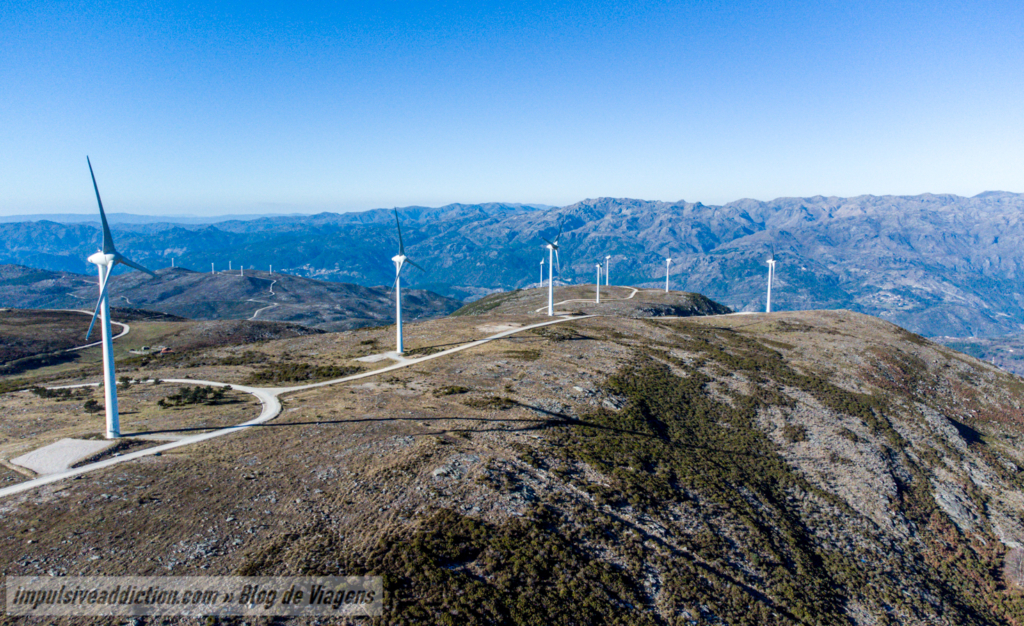
When to visit Vieira do Minho?
You can visit Vieira do Minho year-round, but I personally recommend the warmer months. That’s when you’ll find plenty of perfect spots for a refreshing swim—like the Ermal Reservoir or even the hidden lagoons scattered across the Serra da Cabreira. Don’t forget to pack your swimsuit and towel!
Summer is also when most of Vieira do Minho’s traditional festivals and religious celebrations take place.
In winter, you may be surprised to find snow at the top of Serra da Cabreira, which reaches 1,262 meters (4,140 ft) in altitude. Meanwhile, spring offers ideal weather for hiking trails—such as the route to the Candosa waterfall and the scenic Moinhos do Ave (Ave Mills) trail.
💡 Insider tip: The famous Rally of Portugal also passes through Vieira do Minho and the Serra da Cabreira—an exciting excuse to plan your visit around the event!
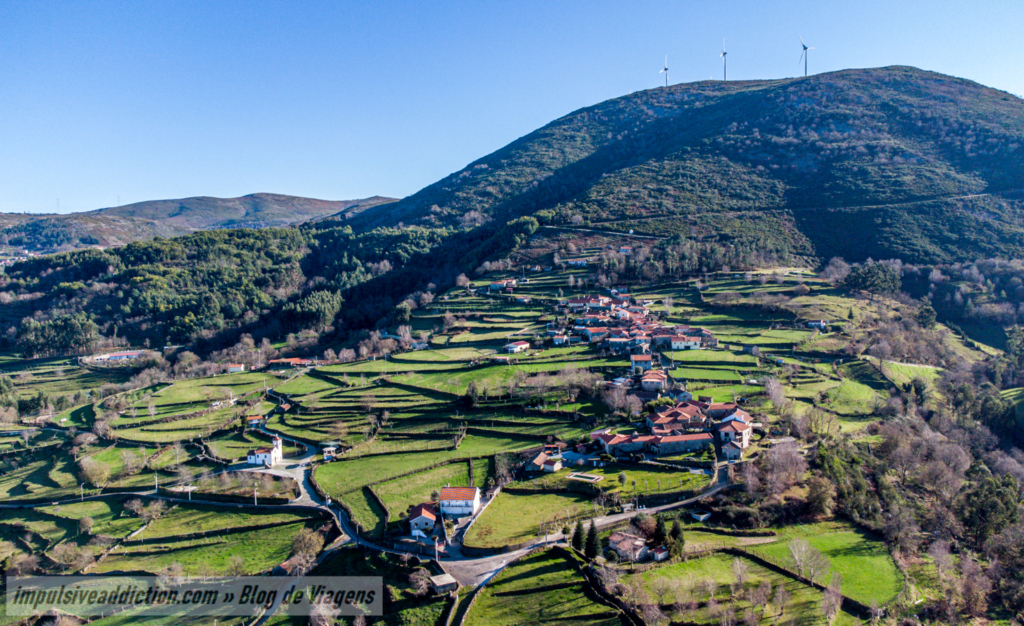
Rent a car to visit Vieira do Minho
If you need to rent a car—which is essential for exploring the municipality with more flexibility—I recommend using Discover Cars. It’s a great platform to compare prices online across different rental companies and find the best deal for your trip.
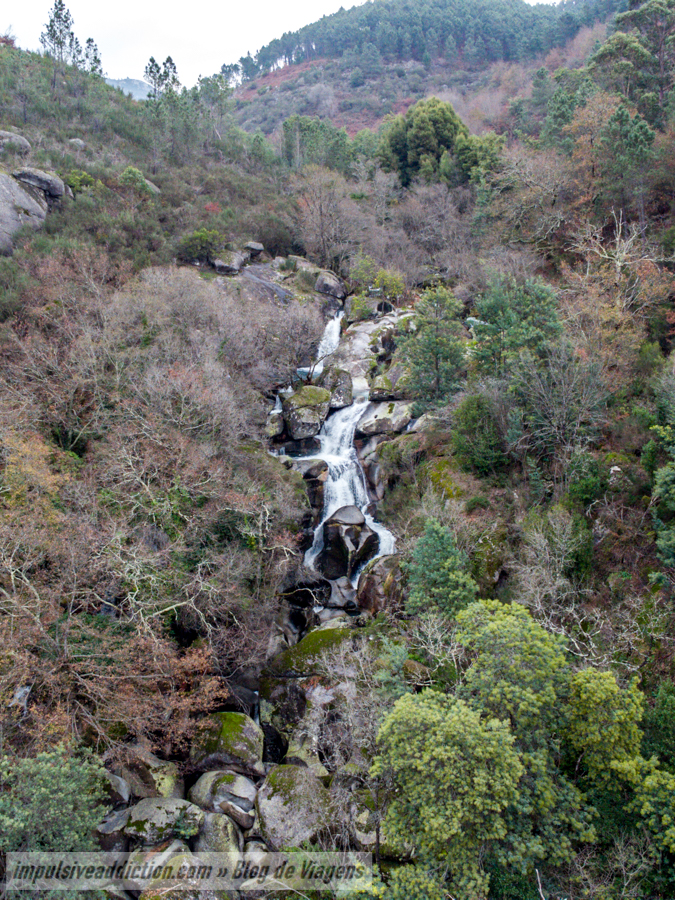
Gastronomy and restaurants in Vieira do Minho
A visit to Vieira do Minho wouldn’t be complete without tasting the local meats from the Serra da Cabreira, especially the famous Vitela Barrosã—a tender veal dish that’s one of the region’s most cherished specialties.
For dessert, don’t miss the Barquilheres, a traditional rolled wafer cookie often served in a cone shape. Pair them with honey from the Serra da Cabreira beehives for an authentic sweet treat.
Here are a few restaurant recommendations where you can enjoy these regional flavors:
- Restaurante Agra na Boca
- Retiro da Cabreira
- Adega Regional A Tasquinha
- Restaurante Arijal
Where to stay in Vieira do Minho?
| Accommodation | Score | Location |
|---|---|---|
| DOBAU Village | 9.1 | Louredo |
| Pousadela Village | 9.3 | Louredo |
| Quinta da Mouta | 9.3 | Mosteiro |
| Quinta do Bento | 9.0 | Caniçada |
| Quinta do Farejal | 9.0 | Pinheiro |
| OAK Nature | 9.0 | Caniçada |
| Quinta de Calvelos | 9.4 | Caniçada |
| Casa da Gaiteira | 8.8 | Espindo |
| Quinta Cercas da Costa | 9.8 | Rossas |
Best things to do in Vieira do Minho
Now let’s dive into everything you can see and do in Vieira do Minho with a suggested itinerary of 3 to 4 days. The municipality is quite large, and the Serra da Cabreira truly has a lot to offer—from its valleys at the base to the breathtaking views at the top.
Start by taking a look at the map included in this article. It will be very helpful when planning your trip through this beautiful region.
Map with the highlights to visit in Vieira do Minho
Visit Vieira do Minho Town Center
1. Jardim da Praça Doutor Guilherme de Abreu
The town center of Vieira do Minho is not the main highlight of the municipality, especially when compared with the natural beauty of the Serra da Cabreira or the Ermal Reservoir. In fact, you can even consider it optional and focus instead on the surrounding landscapes and attractions.
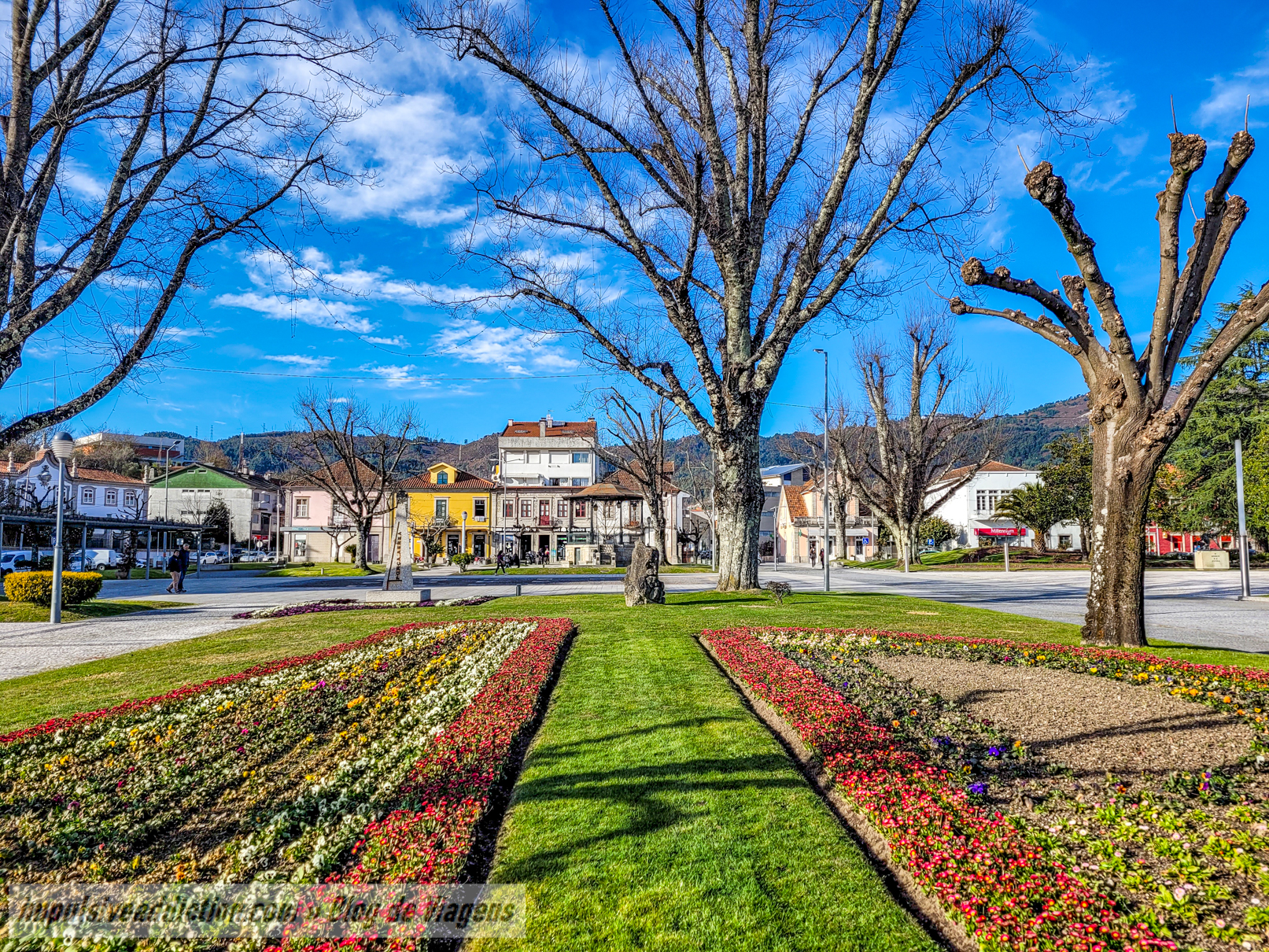
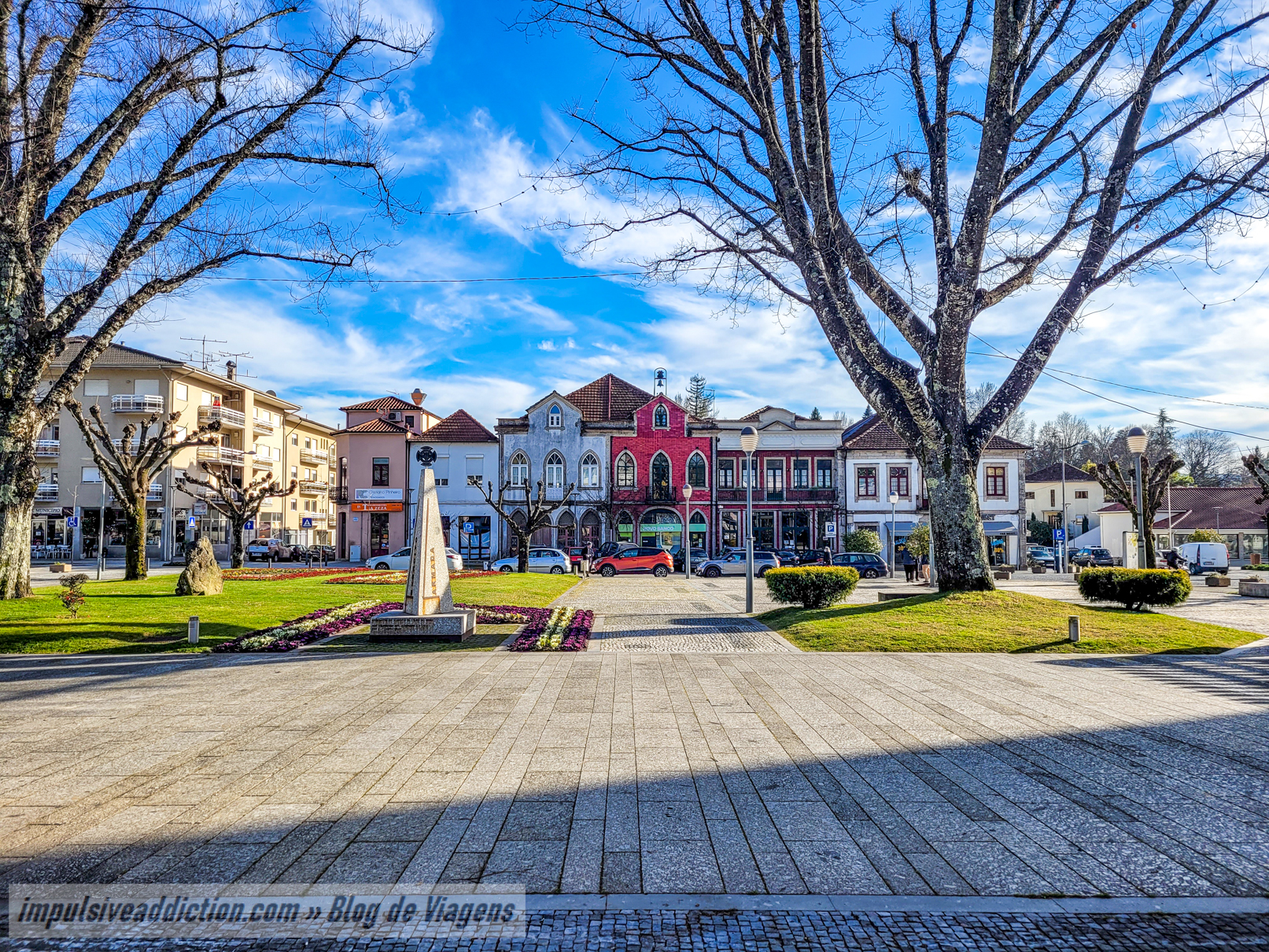
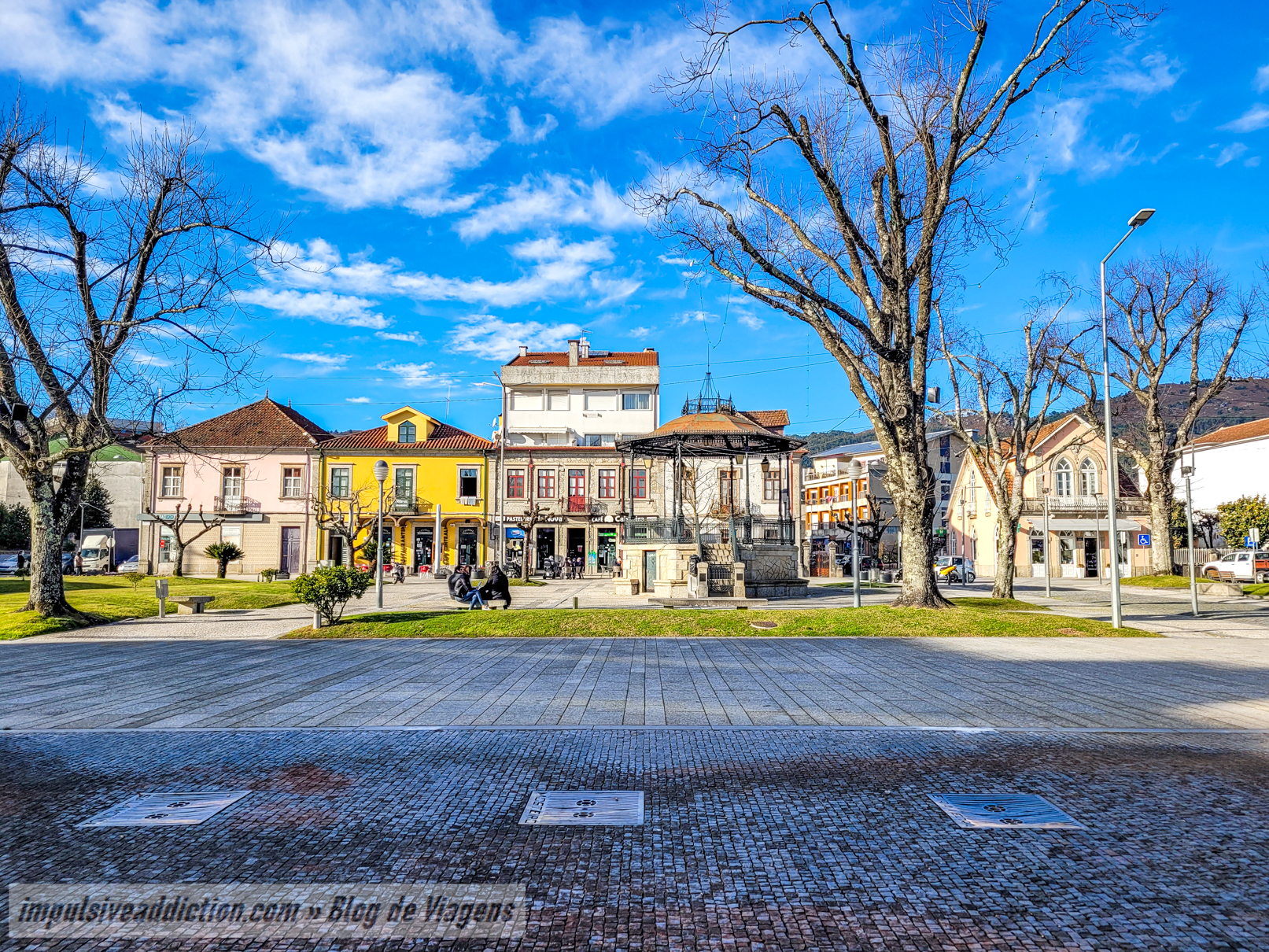
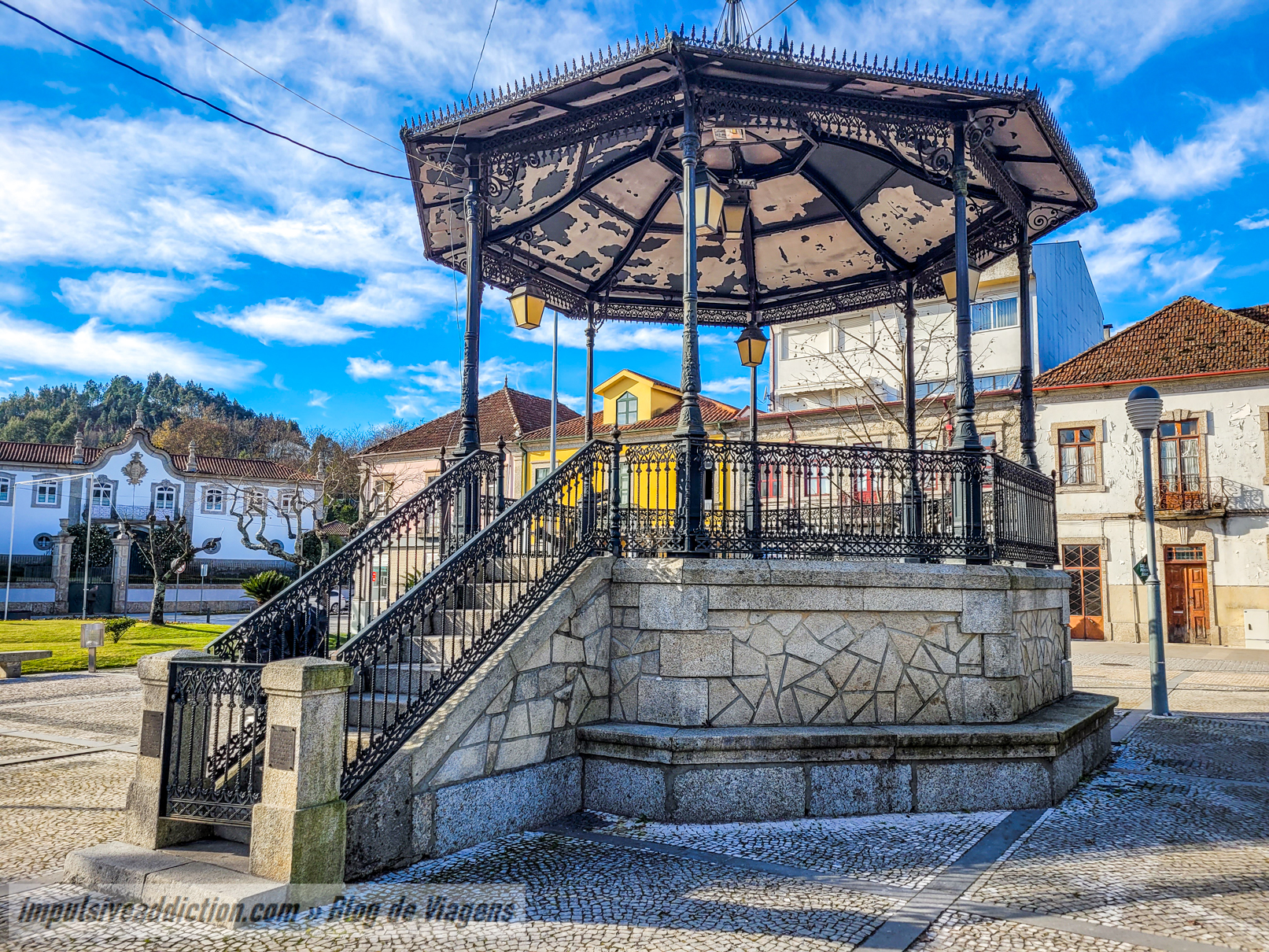
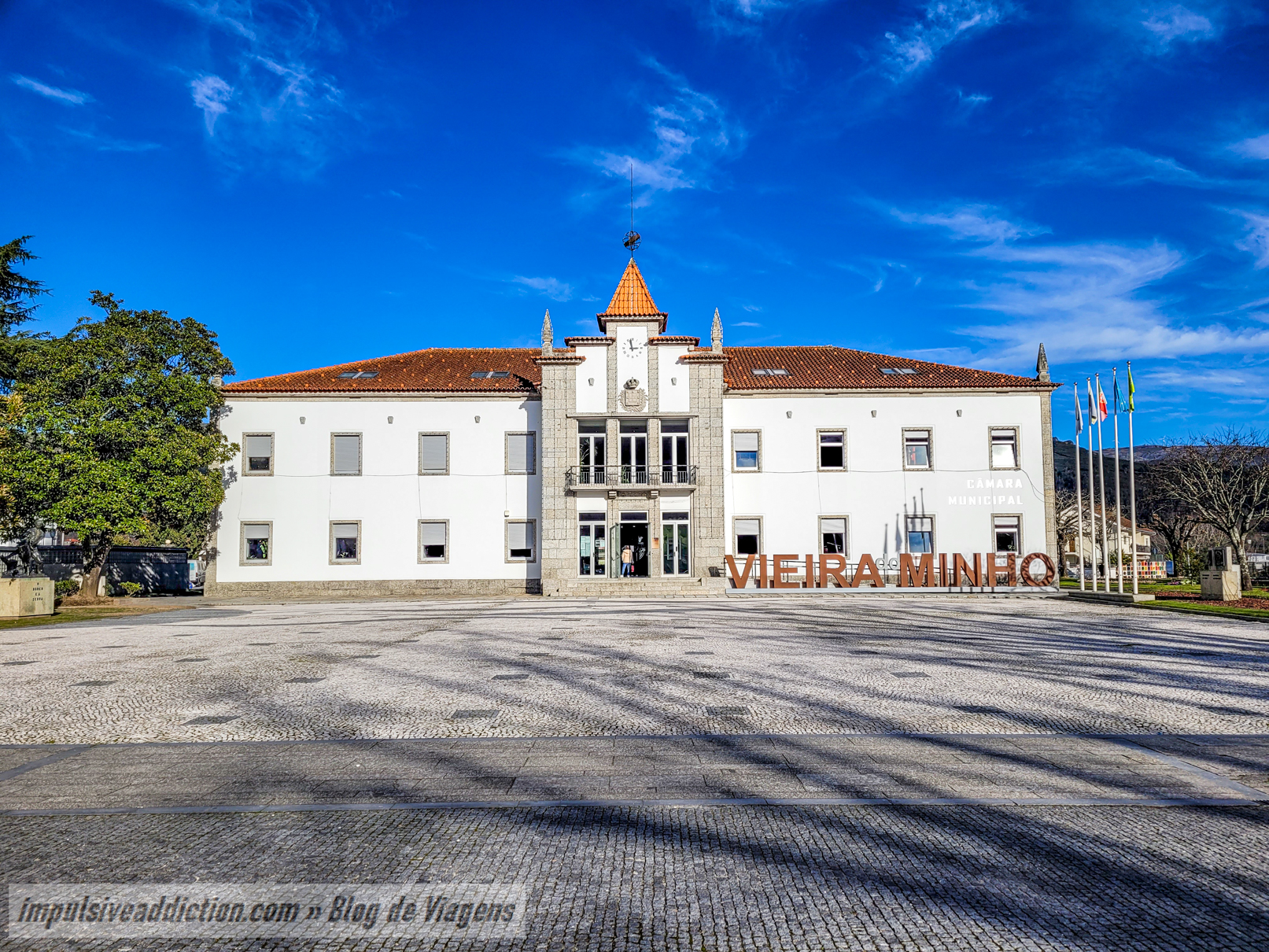
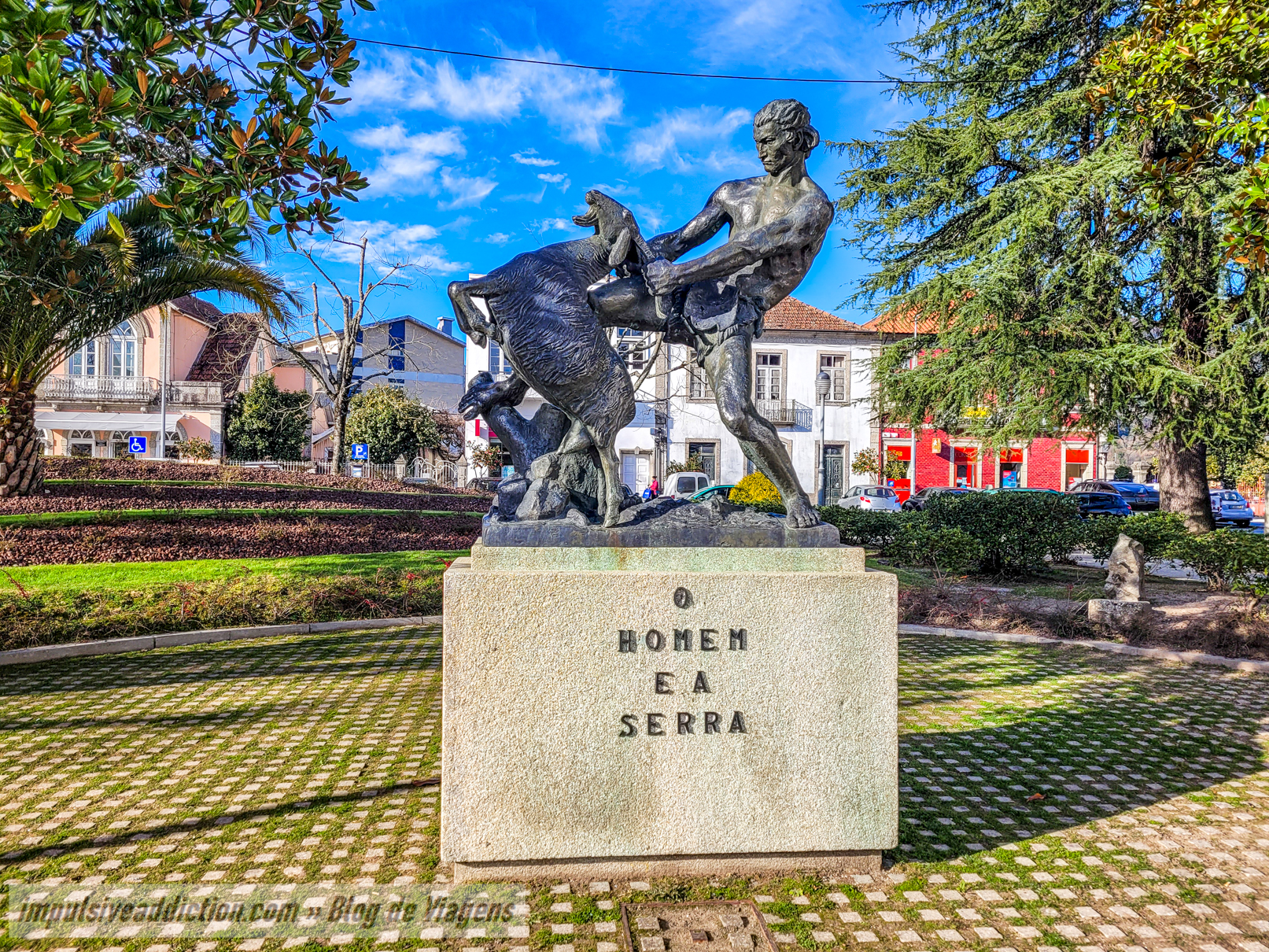
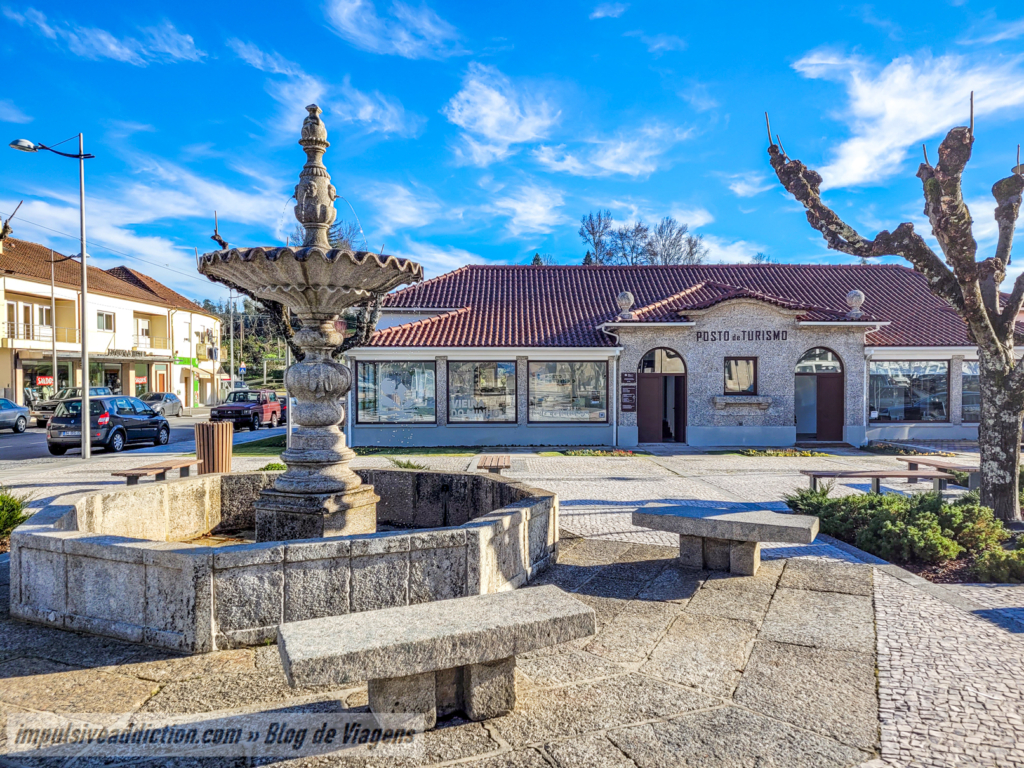
Still, if you decide to stop by, the prettiest spot is the Jardim da Praça Doutor Guilherme de Abreu, where you’ll also find the Town Hall building. Here, the highlights are the charming bandstand and the Monument to Man and the Mountain.
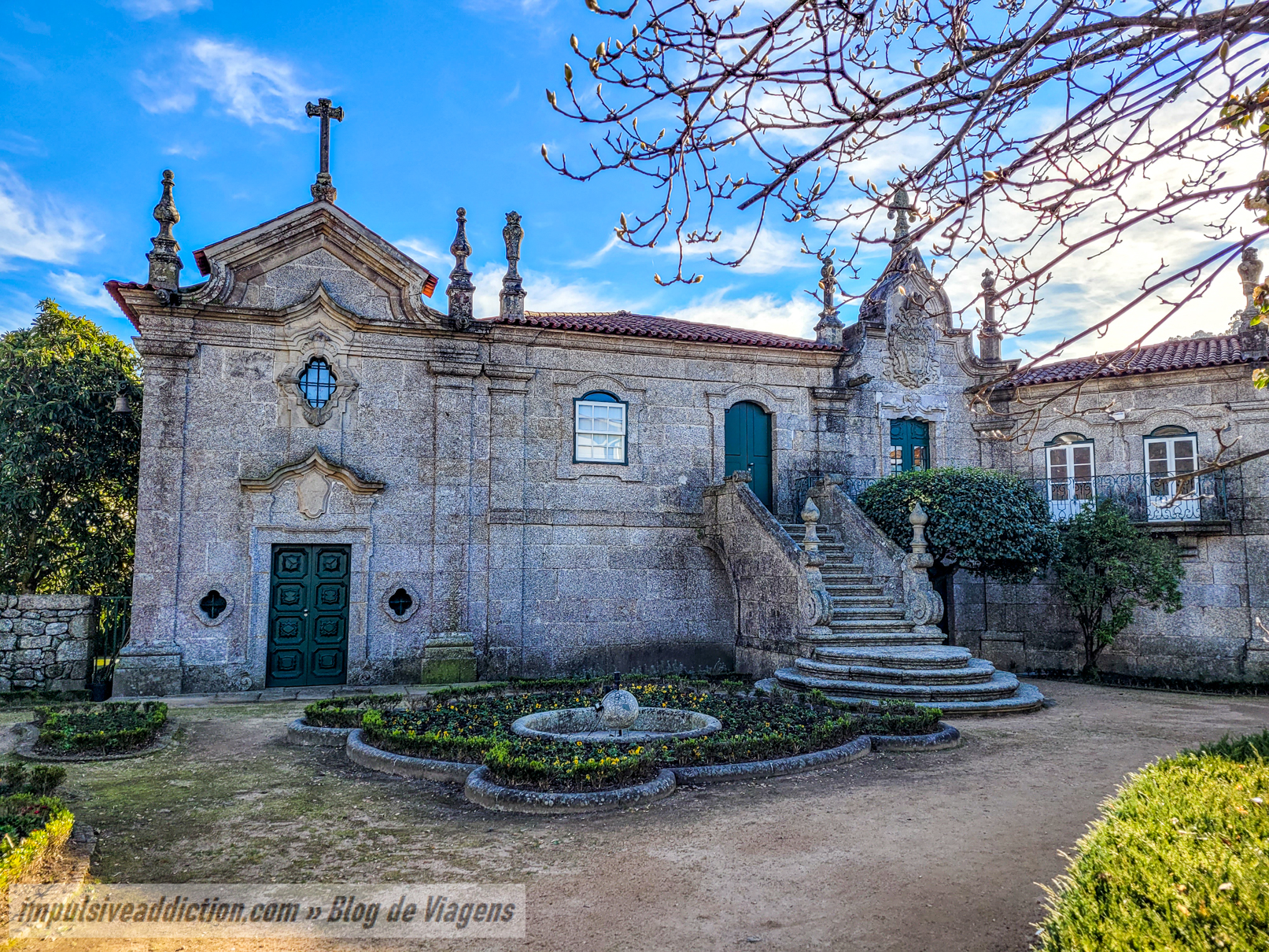
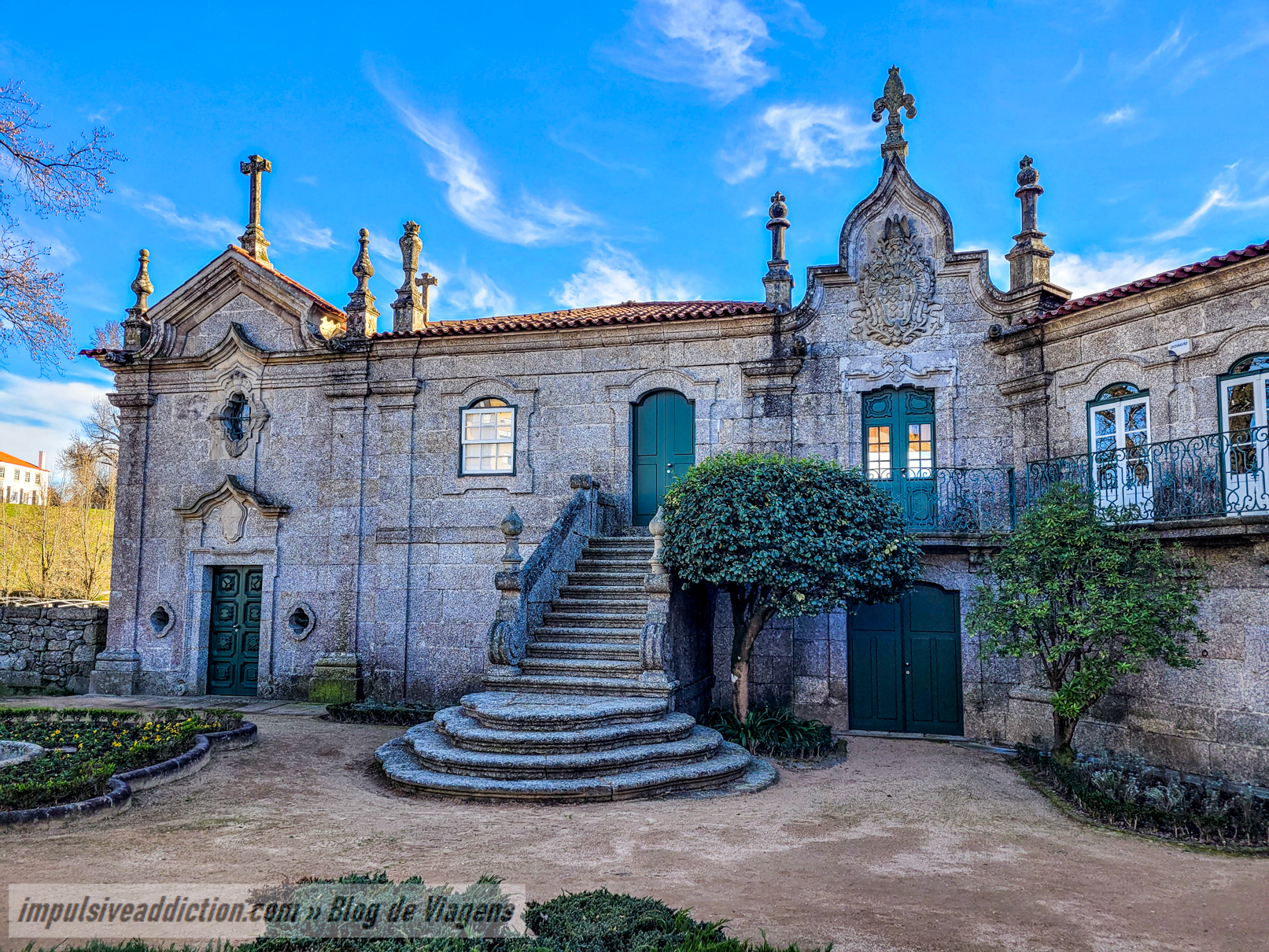
2. Casa de Lamas (Cultural Center of Vieira do Minho)
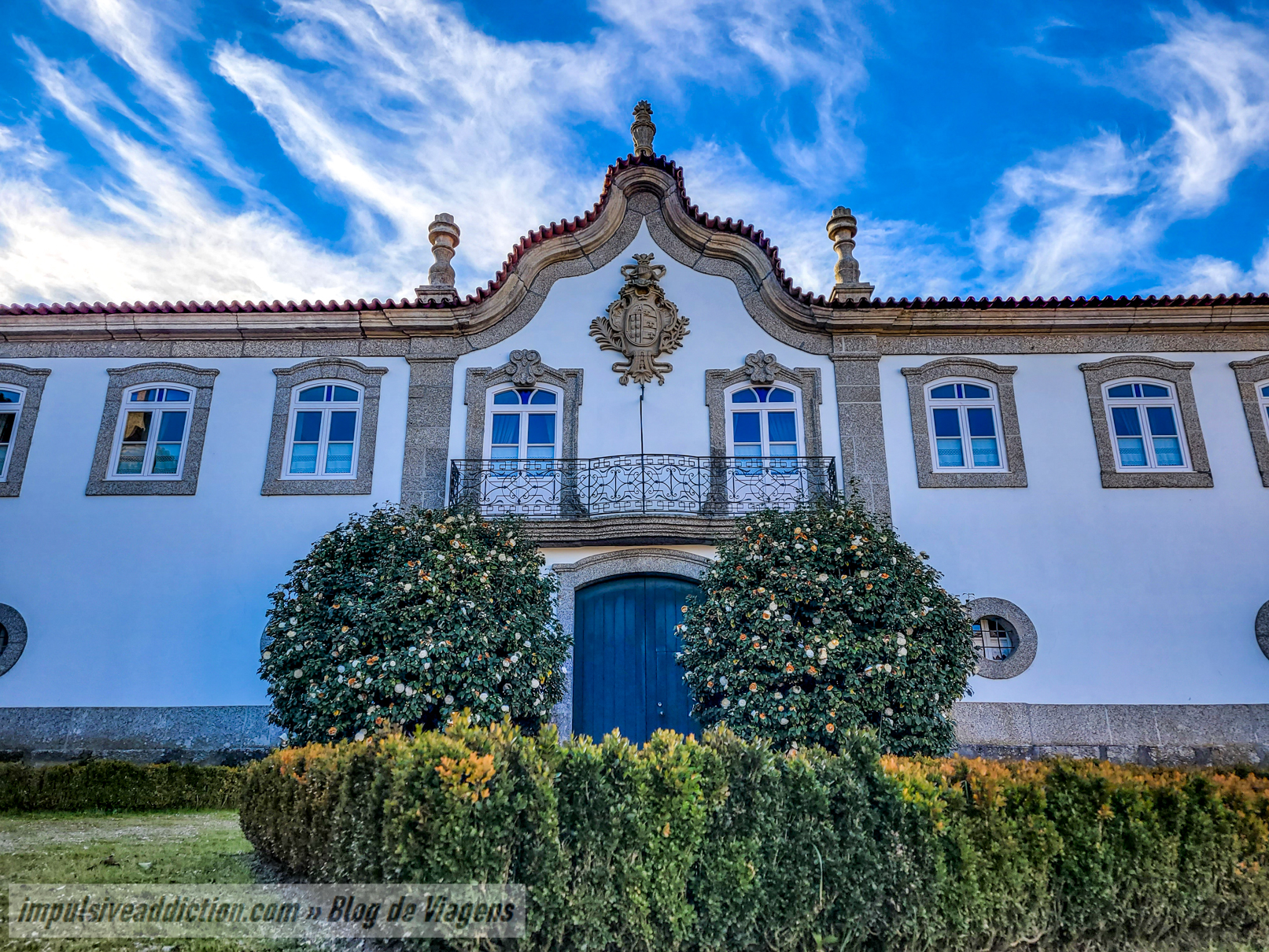
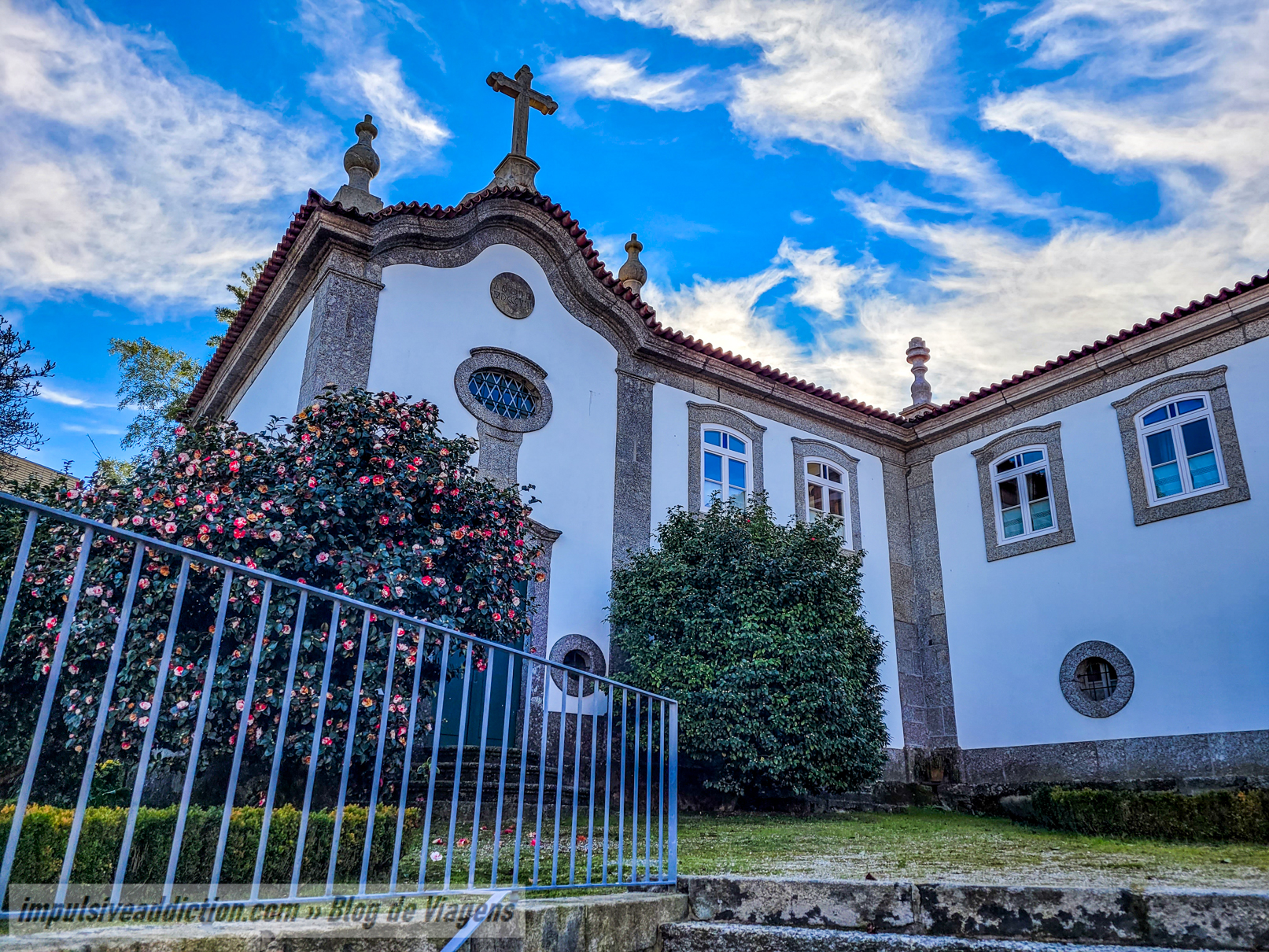
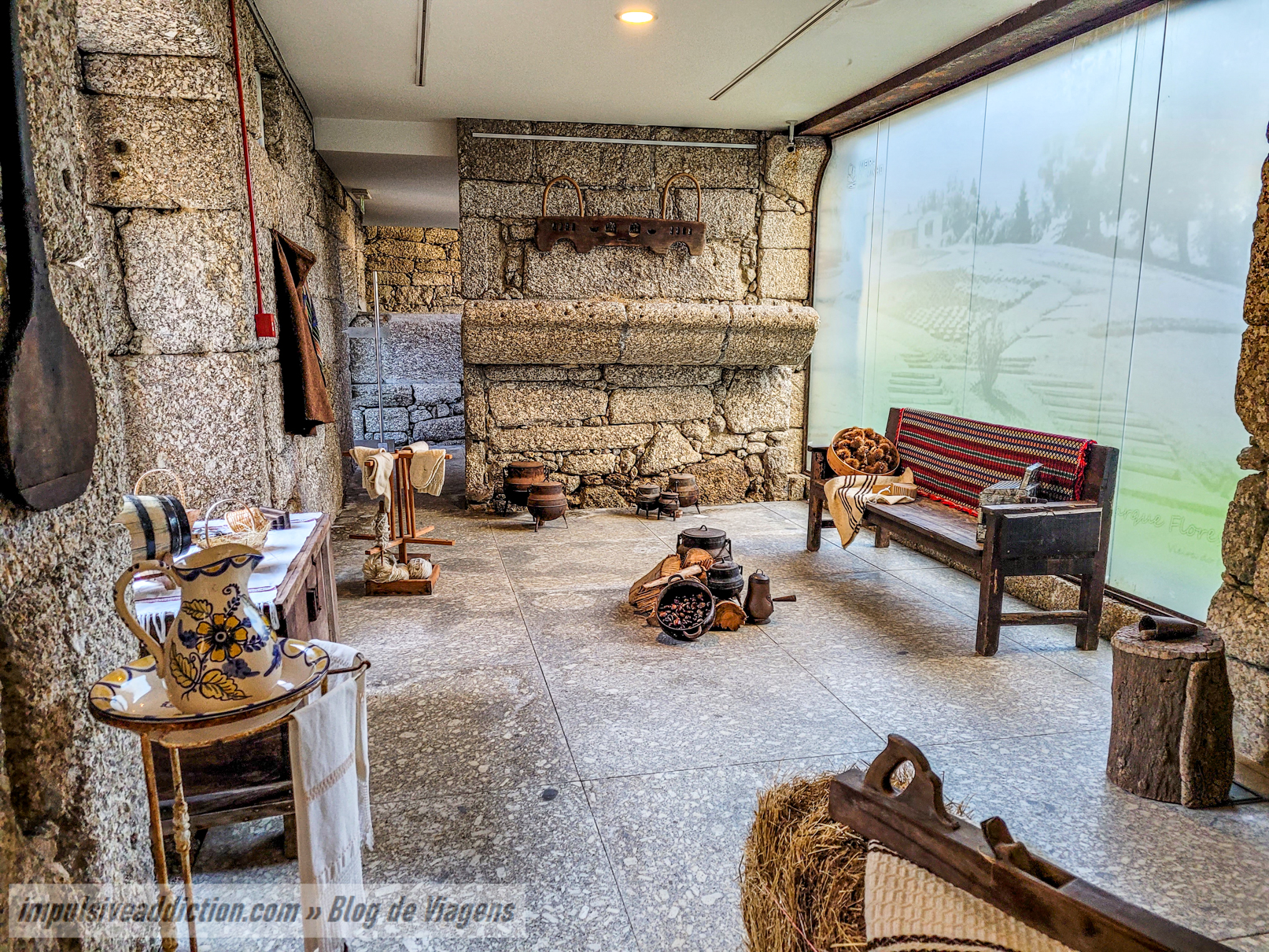
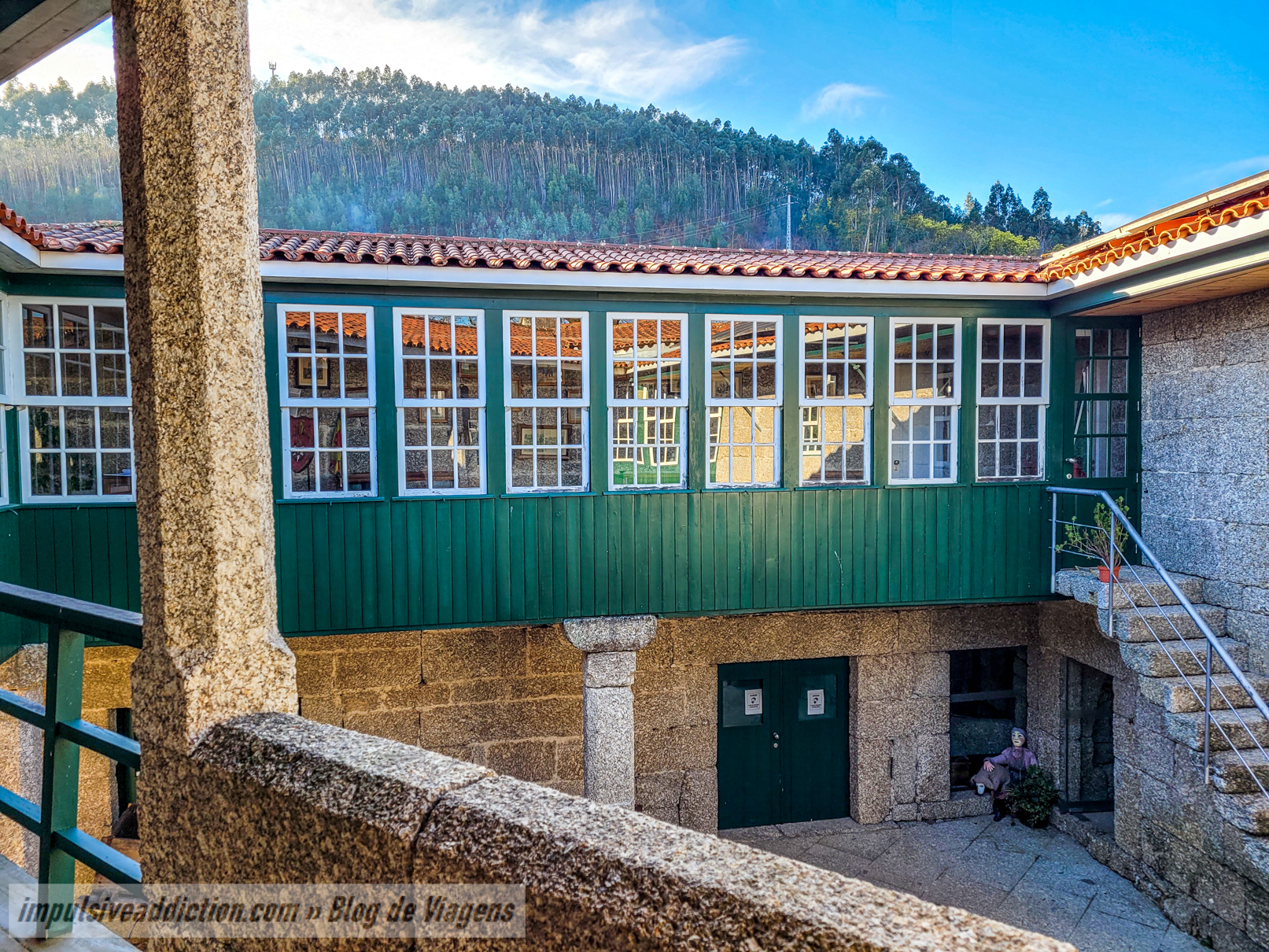
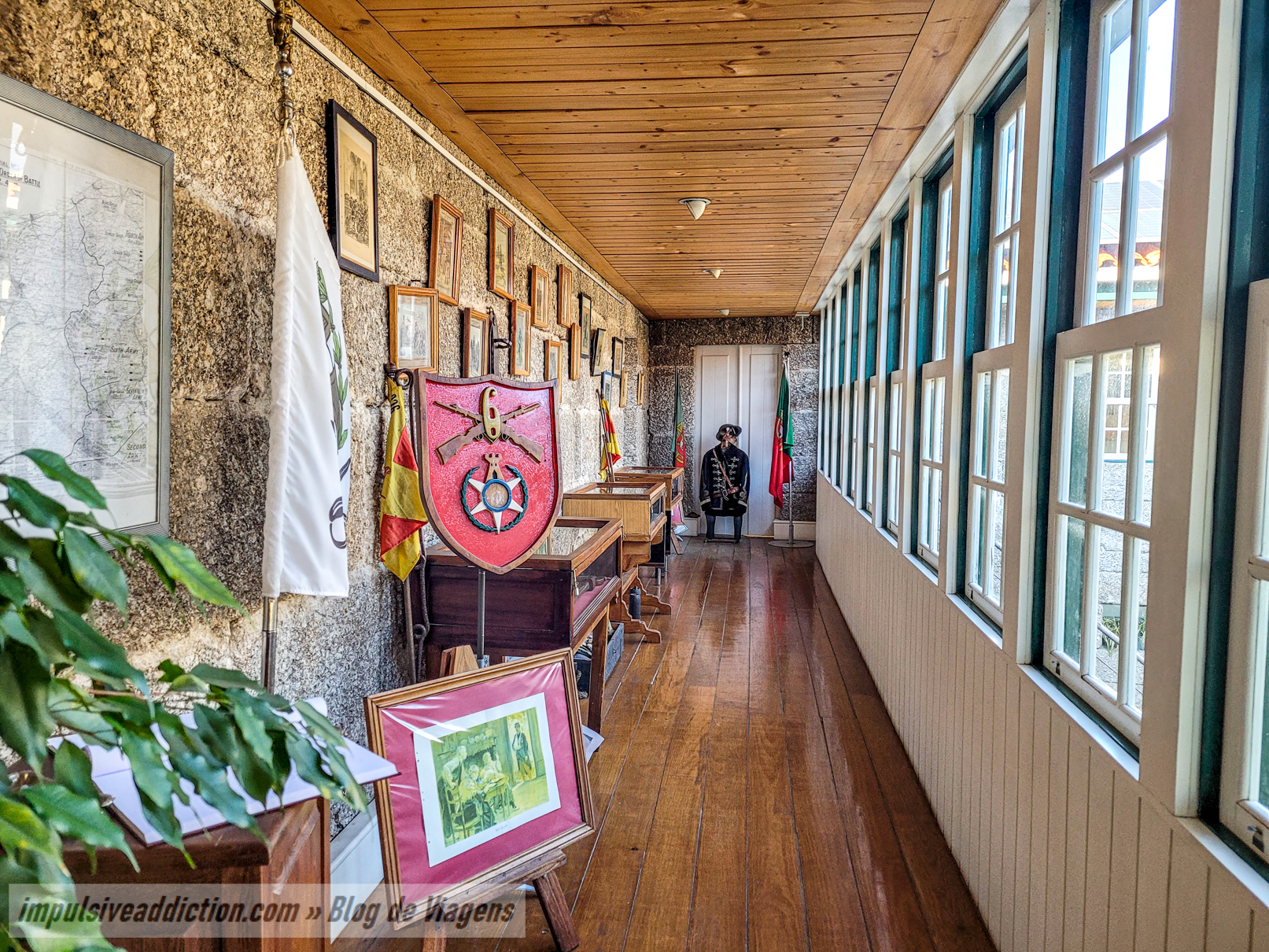
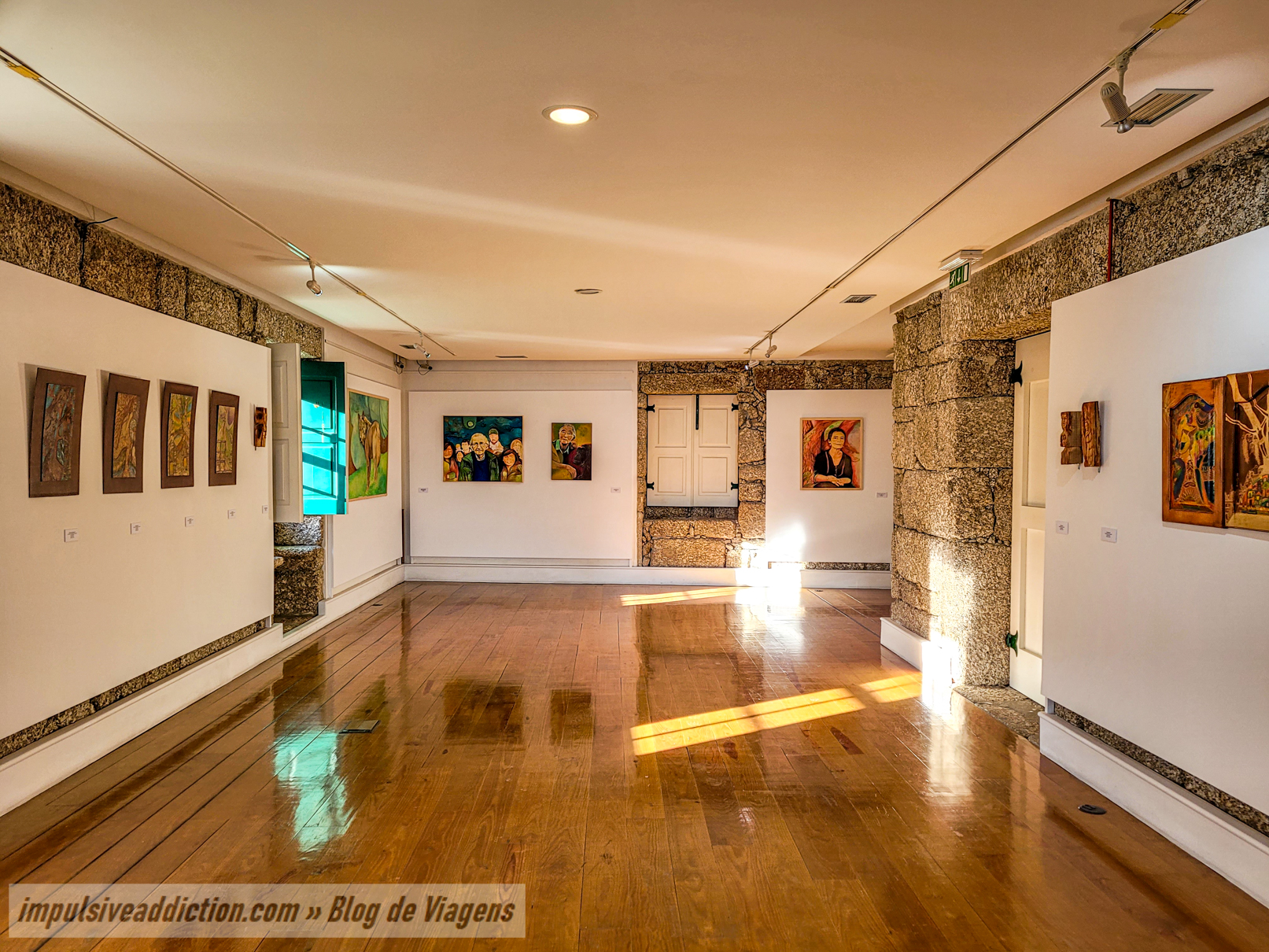
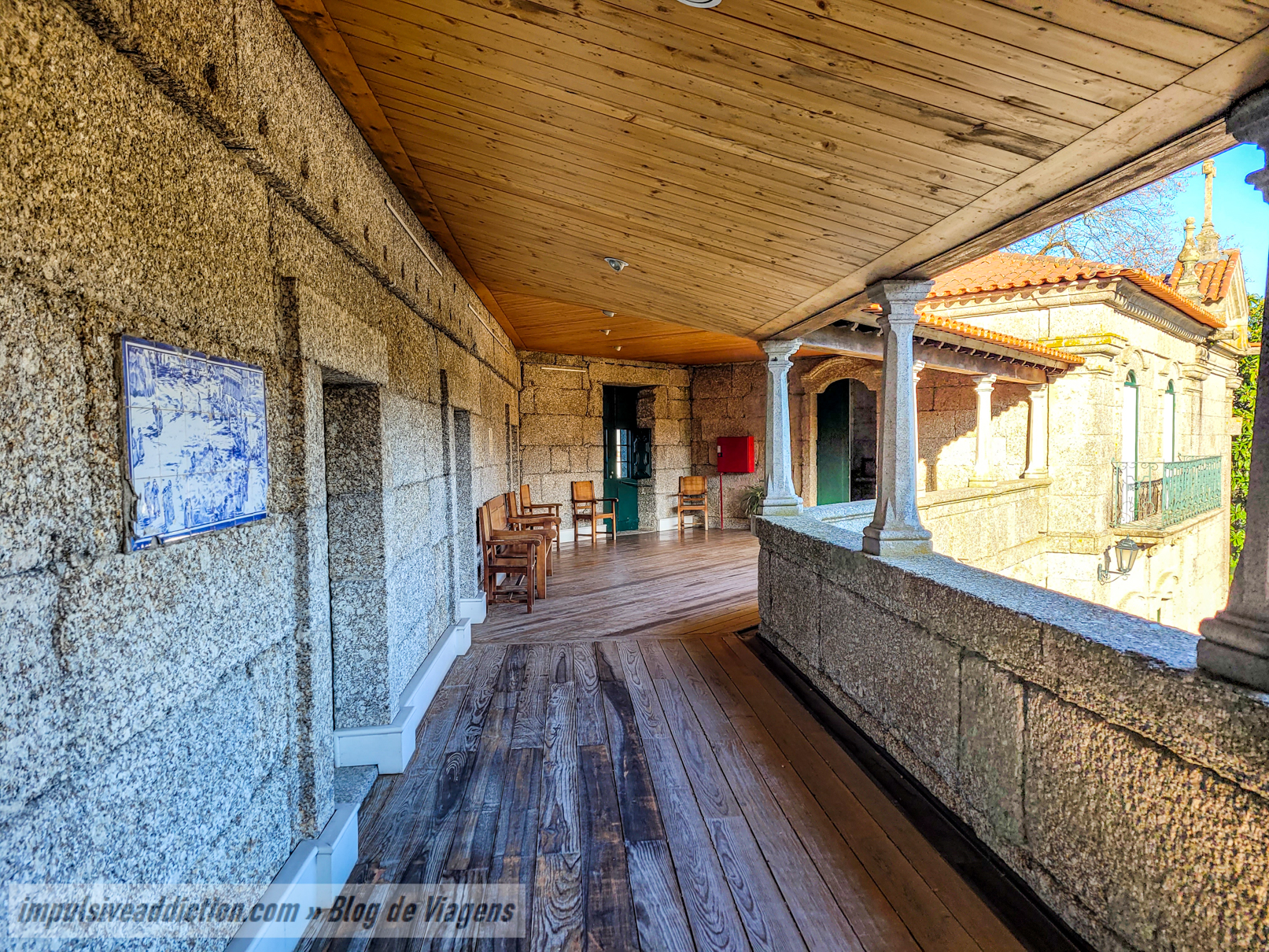
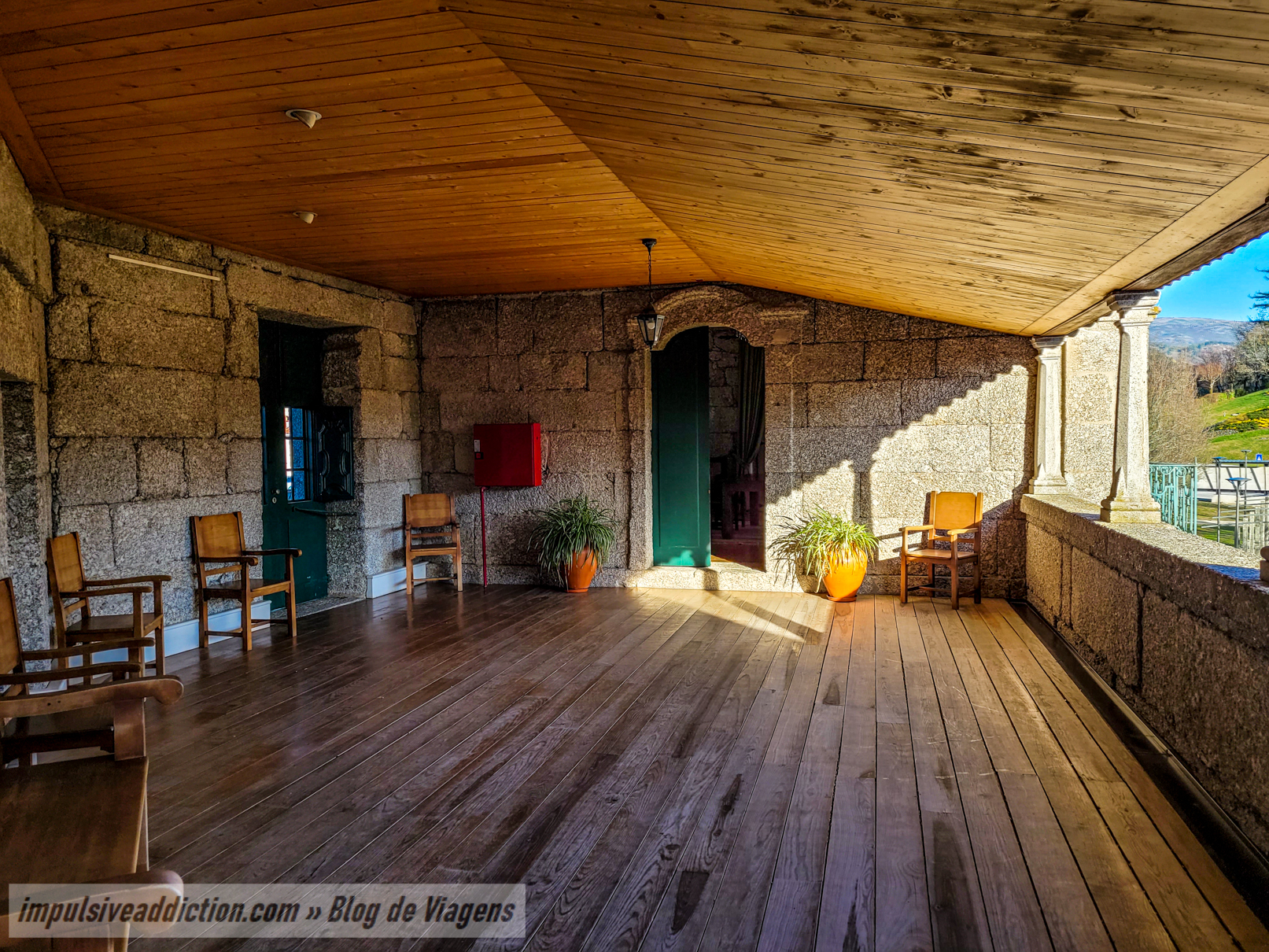
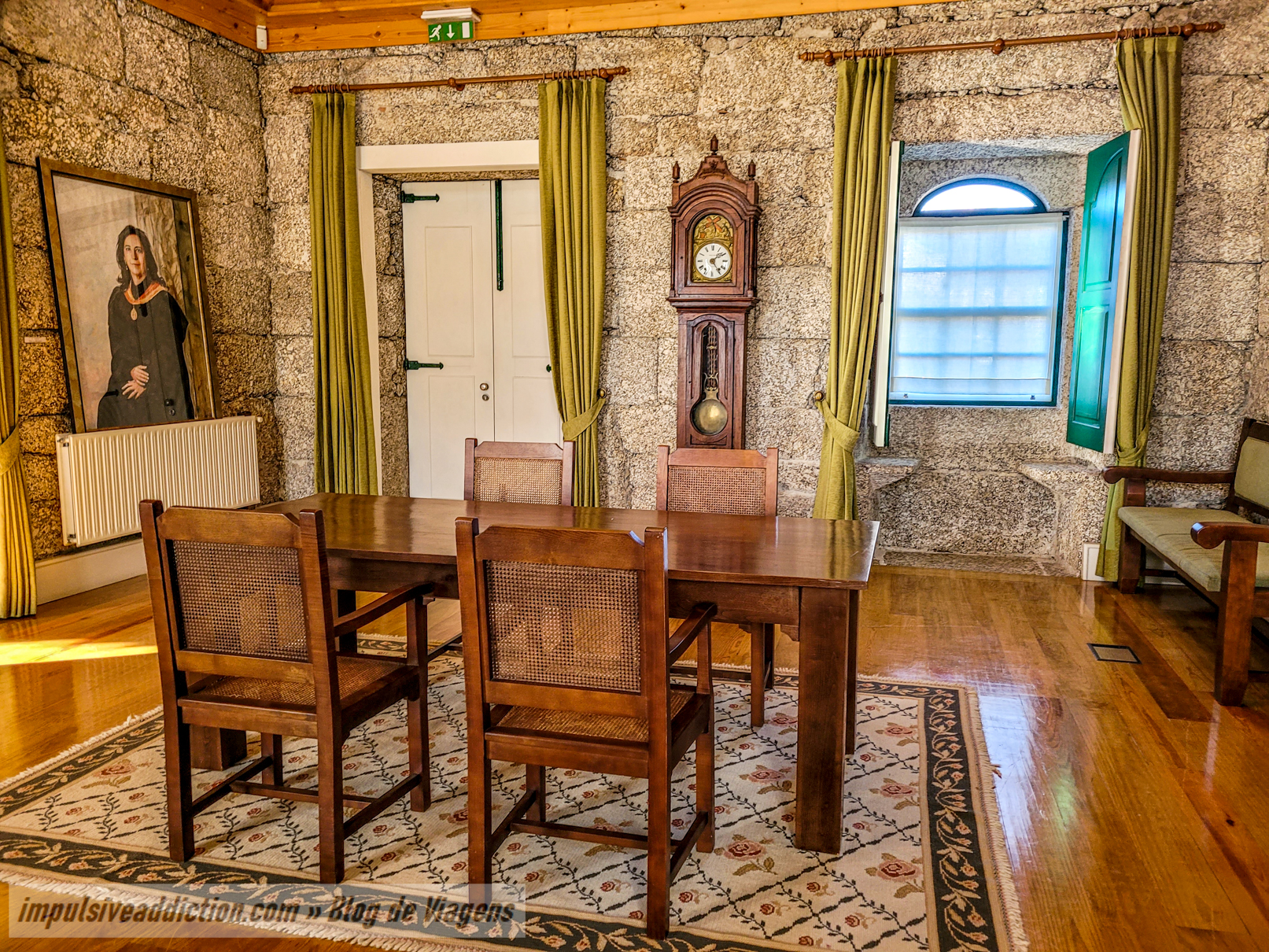
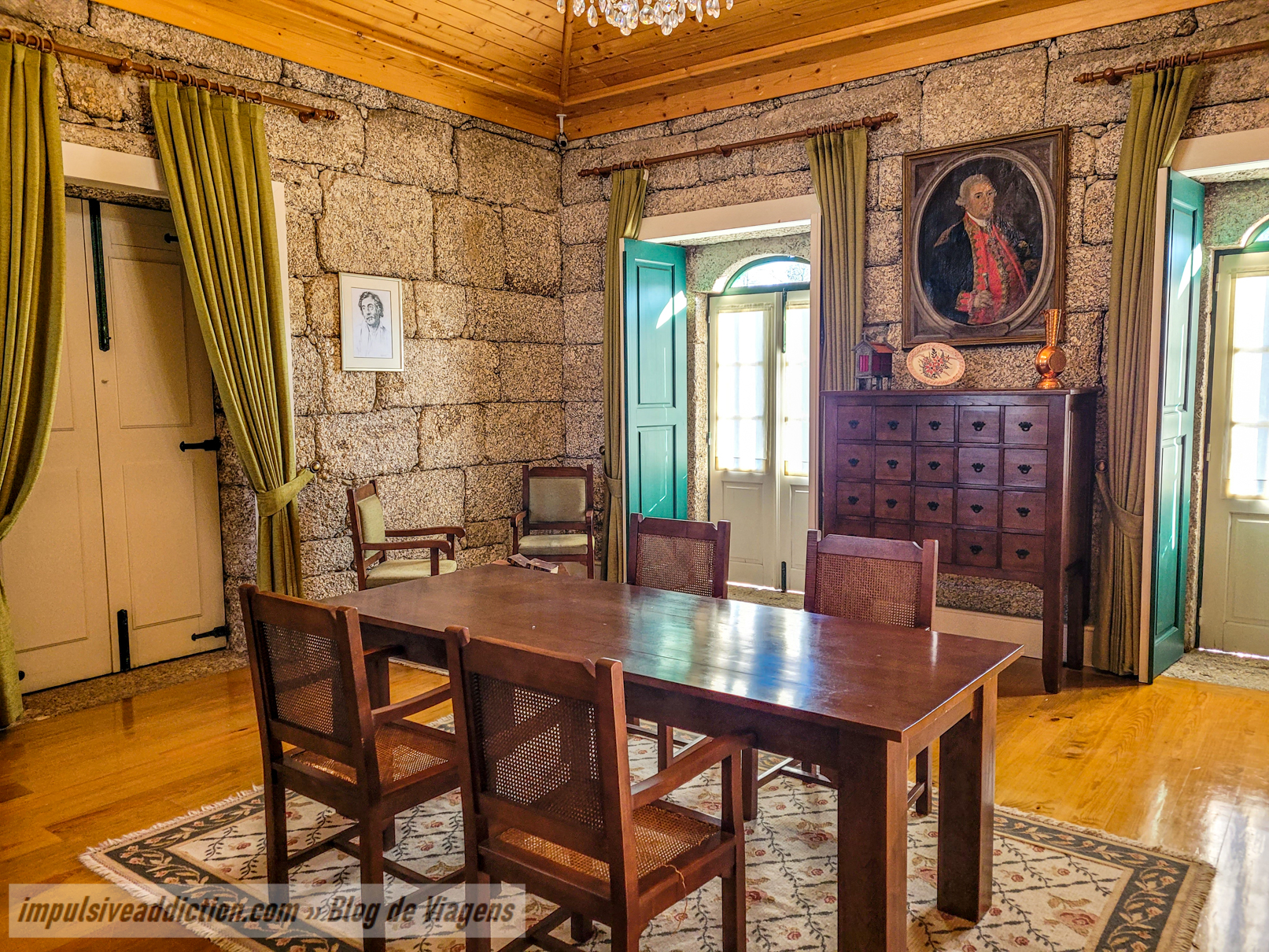
The Casa de Lamas is the main museum space in Vieira do Minho. Housed in a former manor house, it is, in my opinion, the most beautiful and architecturally interesting building in town. Inside, you’ll find impressive paintings by Mestre Adelino Ângelo, as well as a collection of artifacts showcasing the region’s rural heritage.

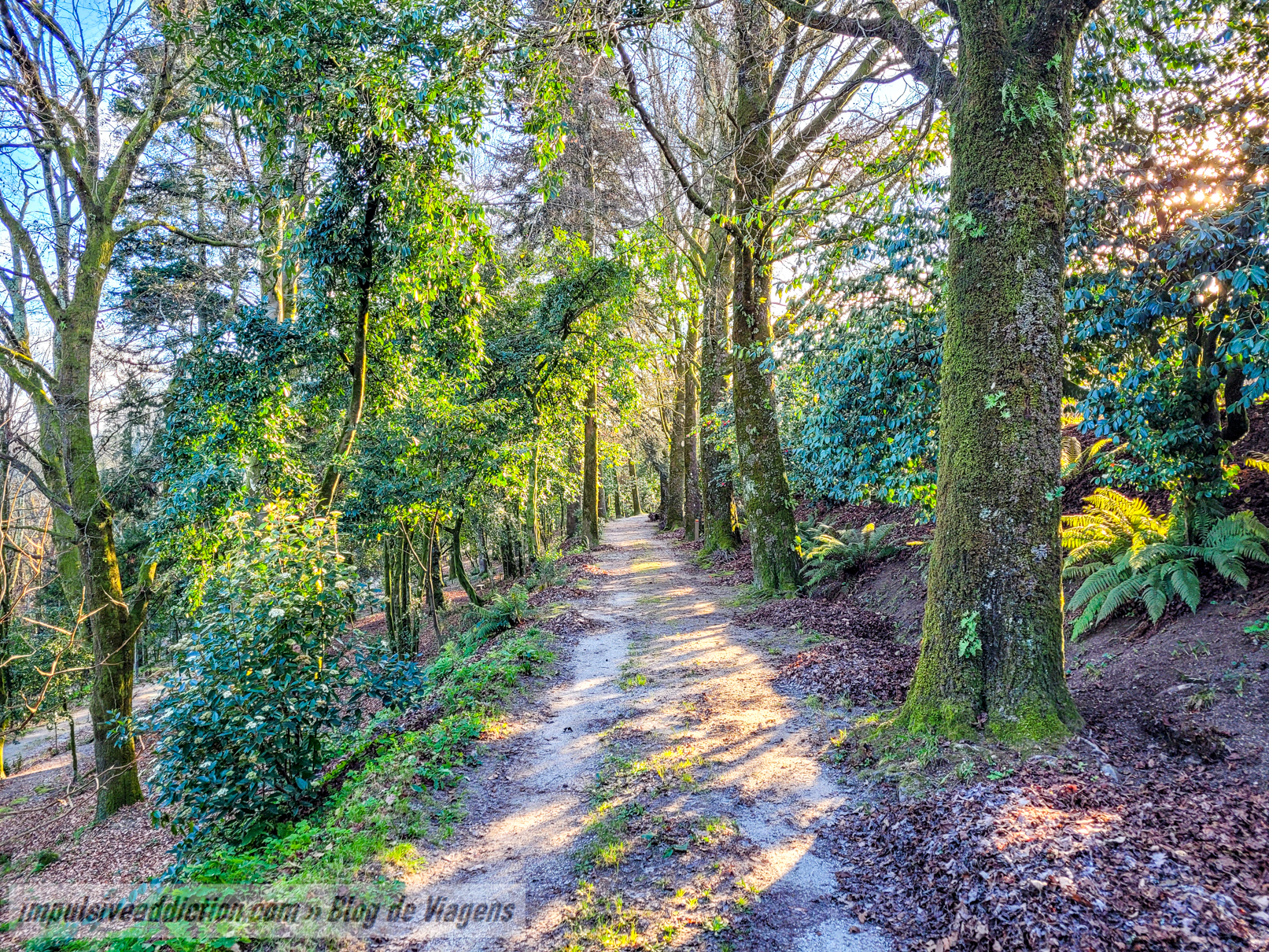
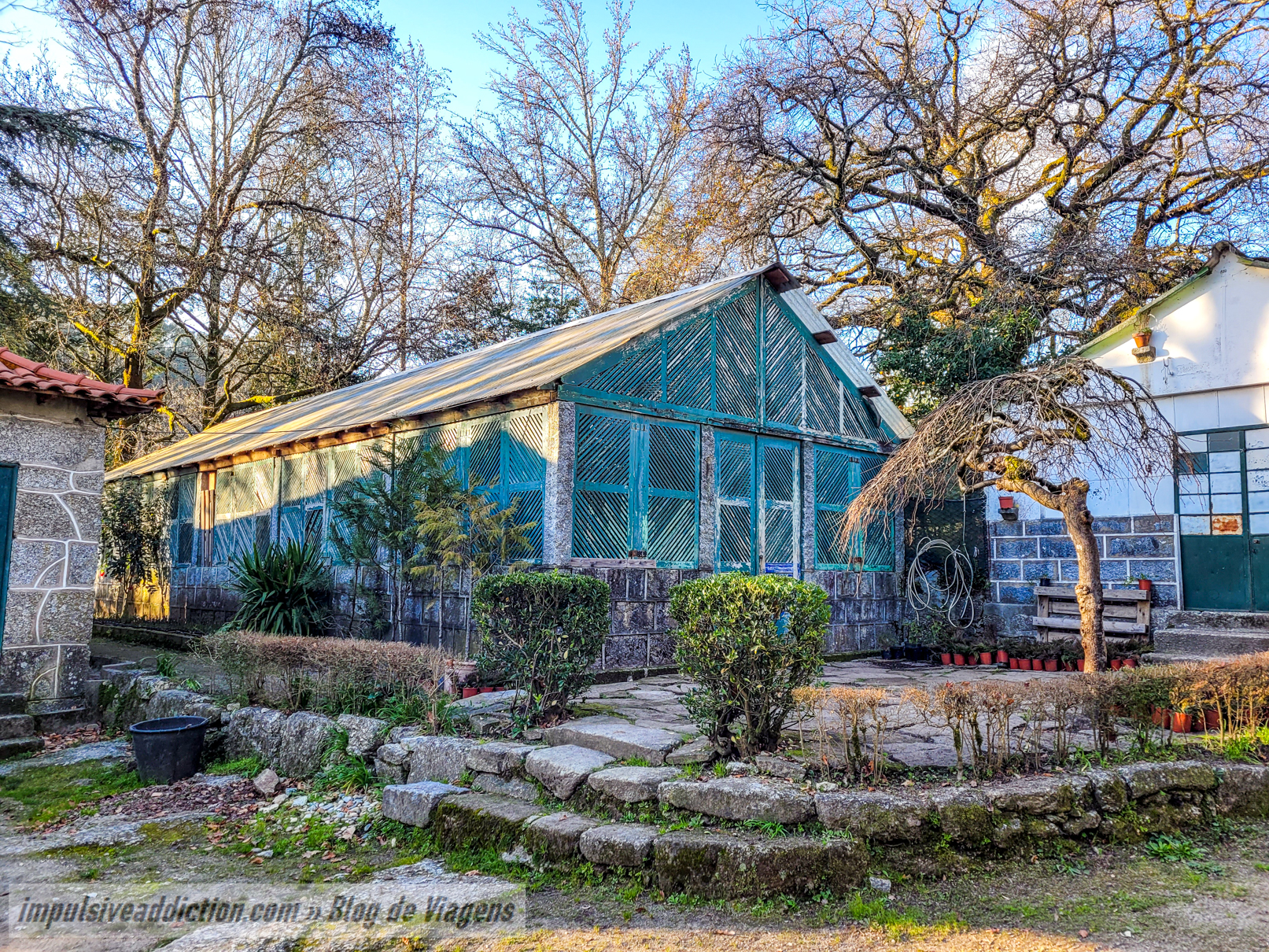
3. Vieira do Minho Forest Park
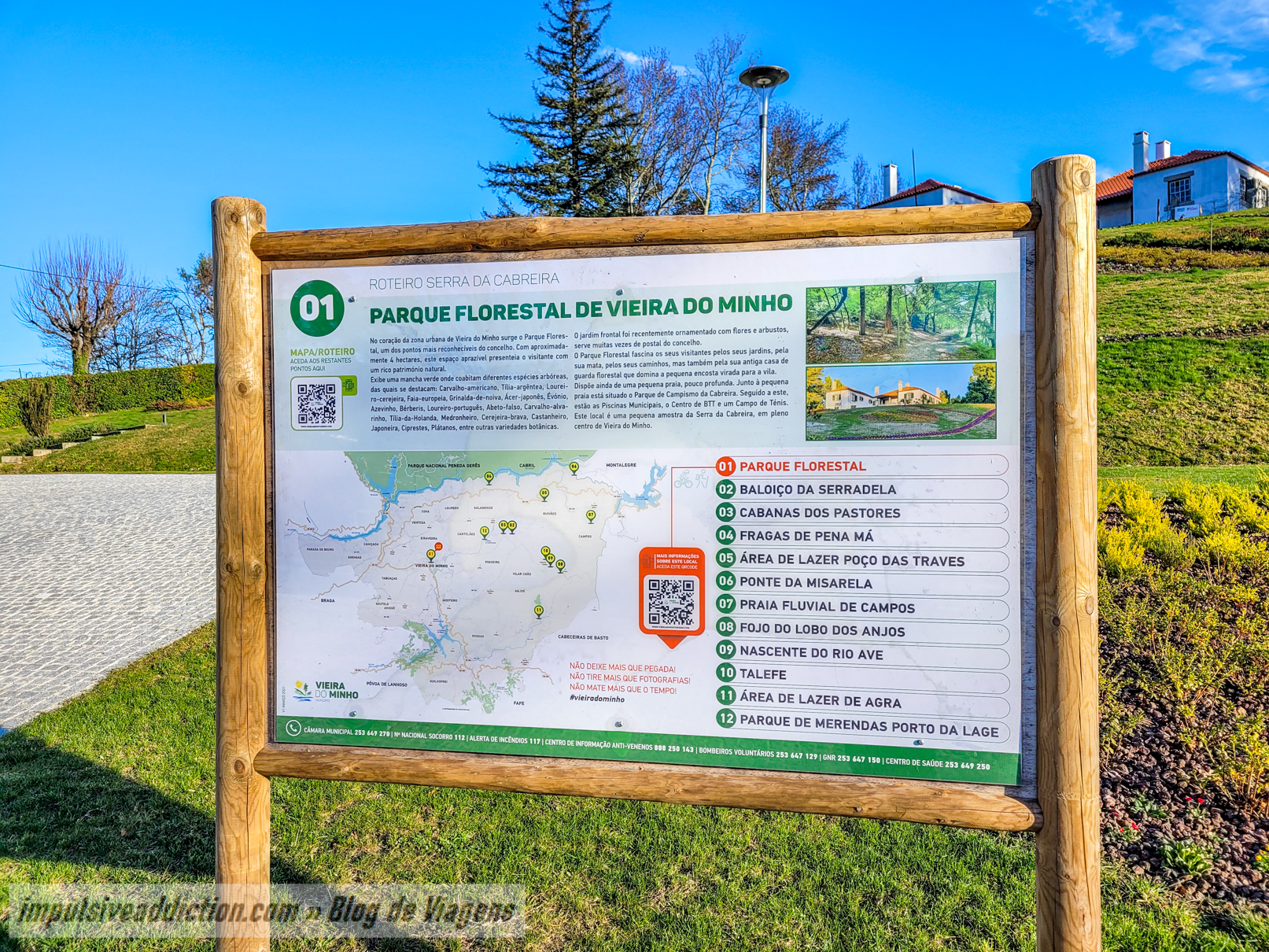
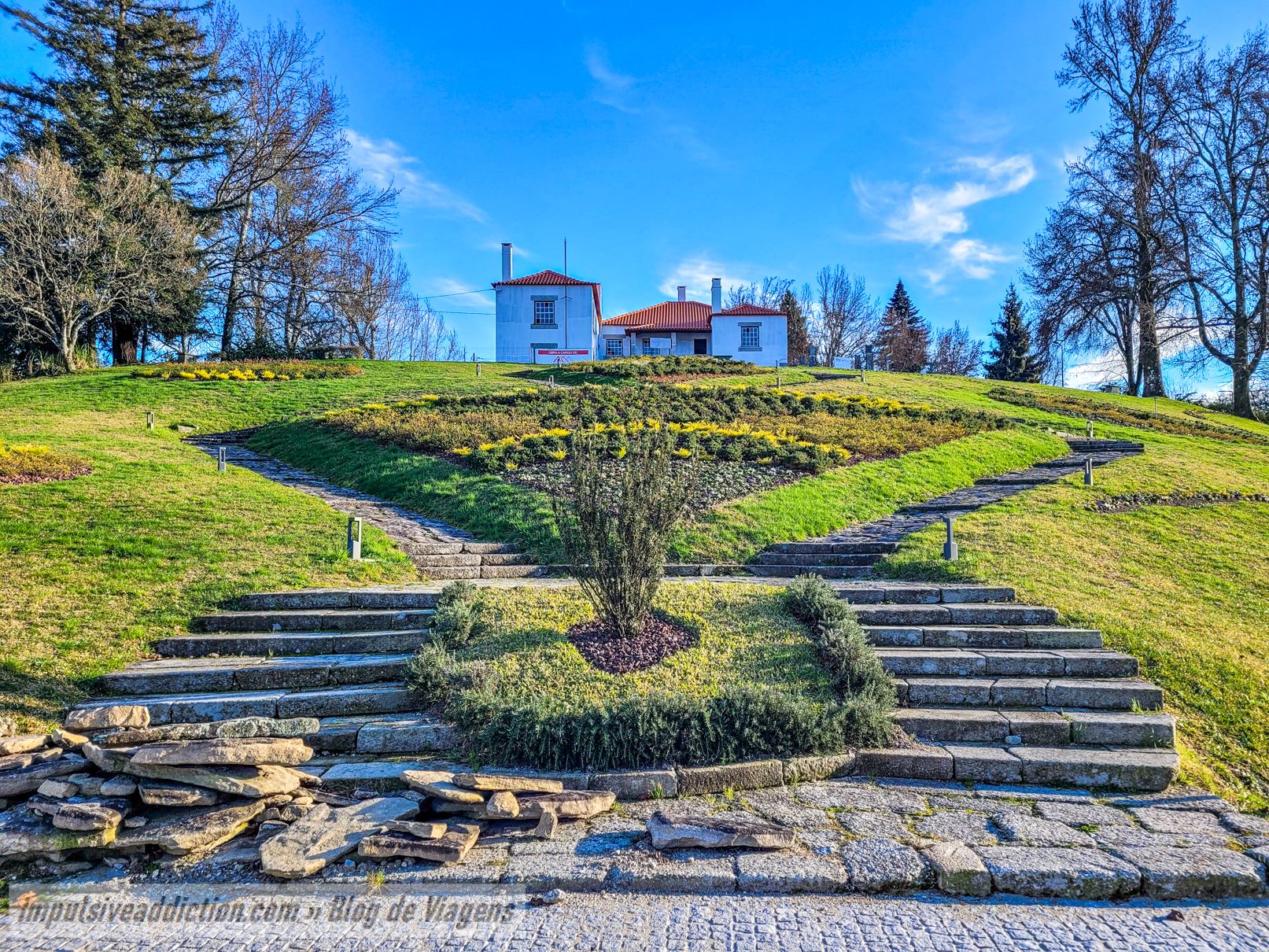
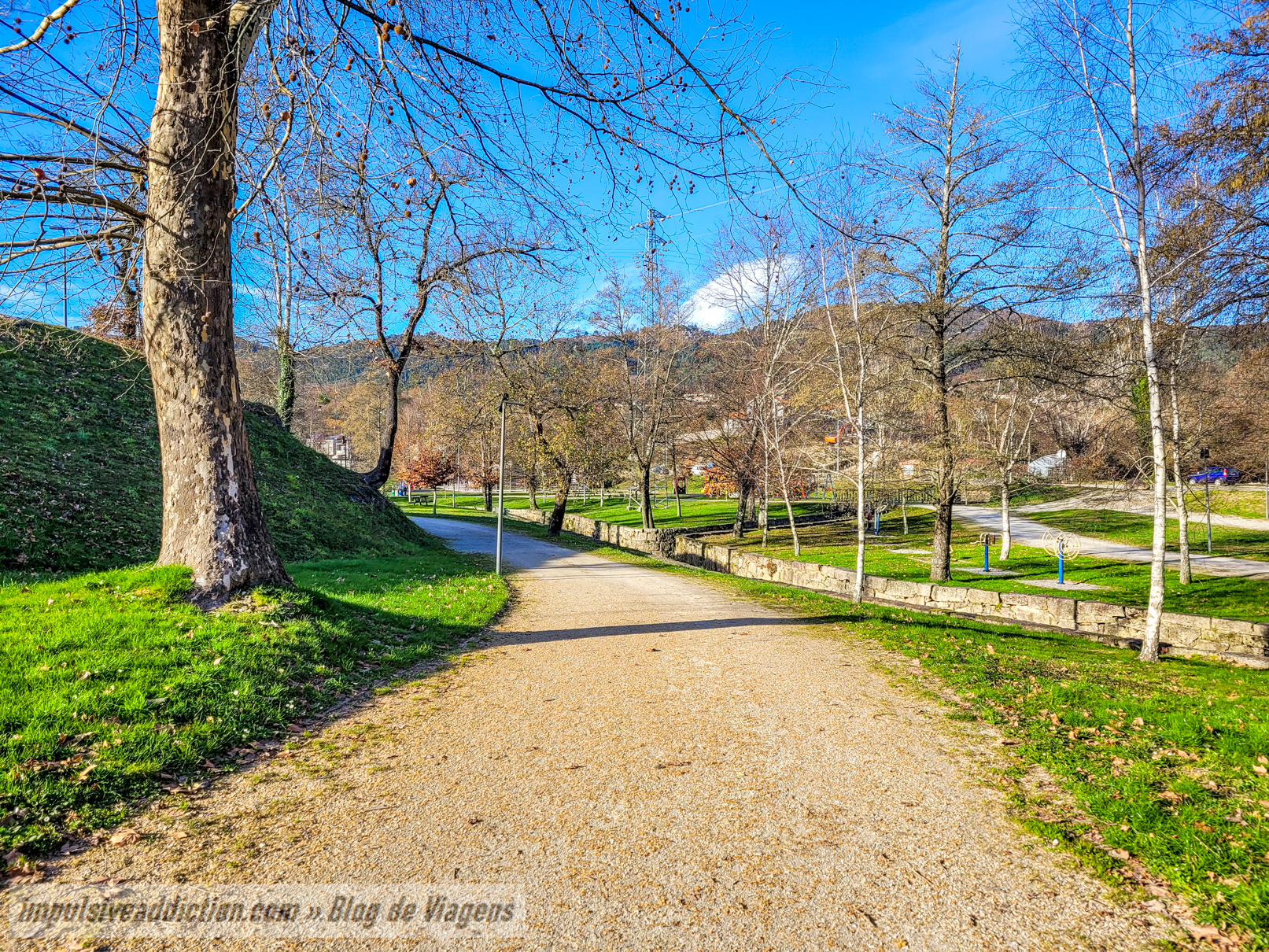
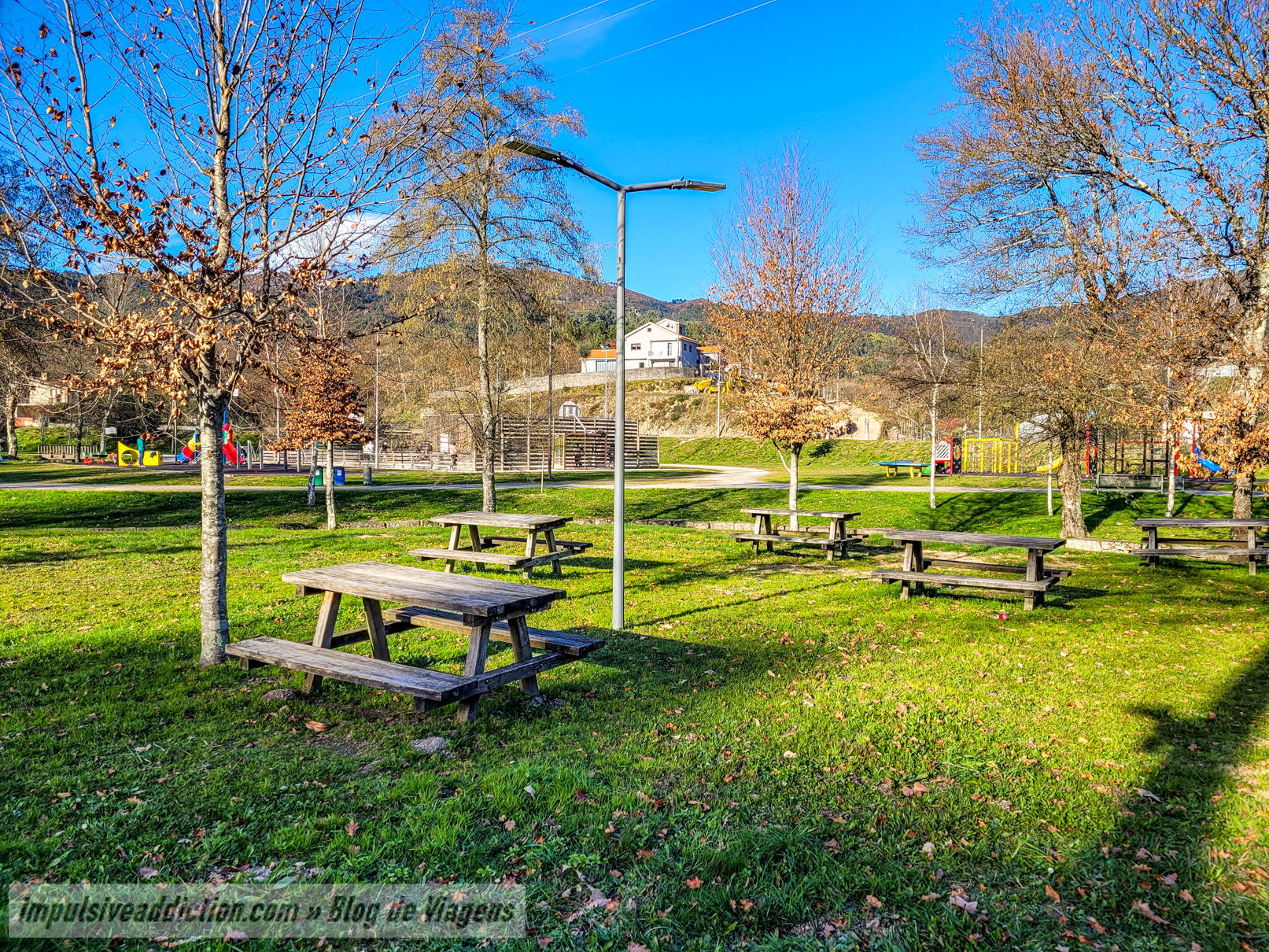
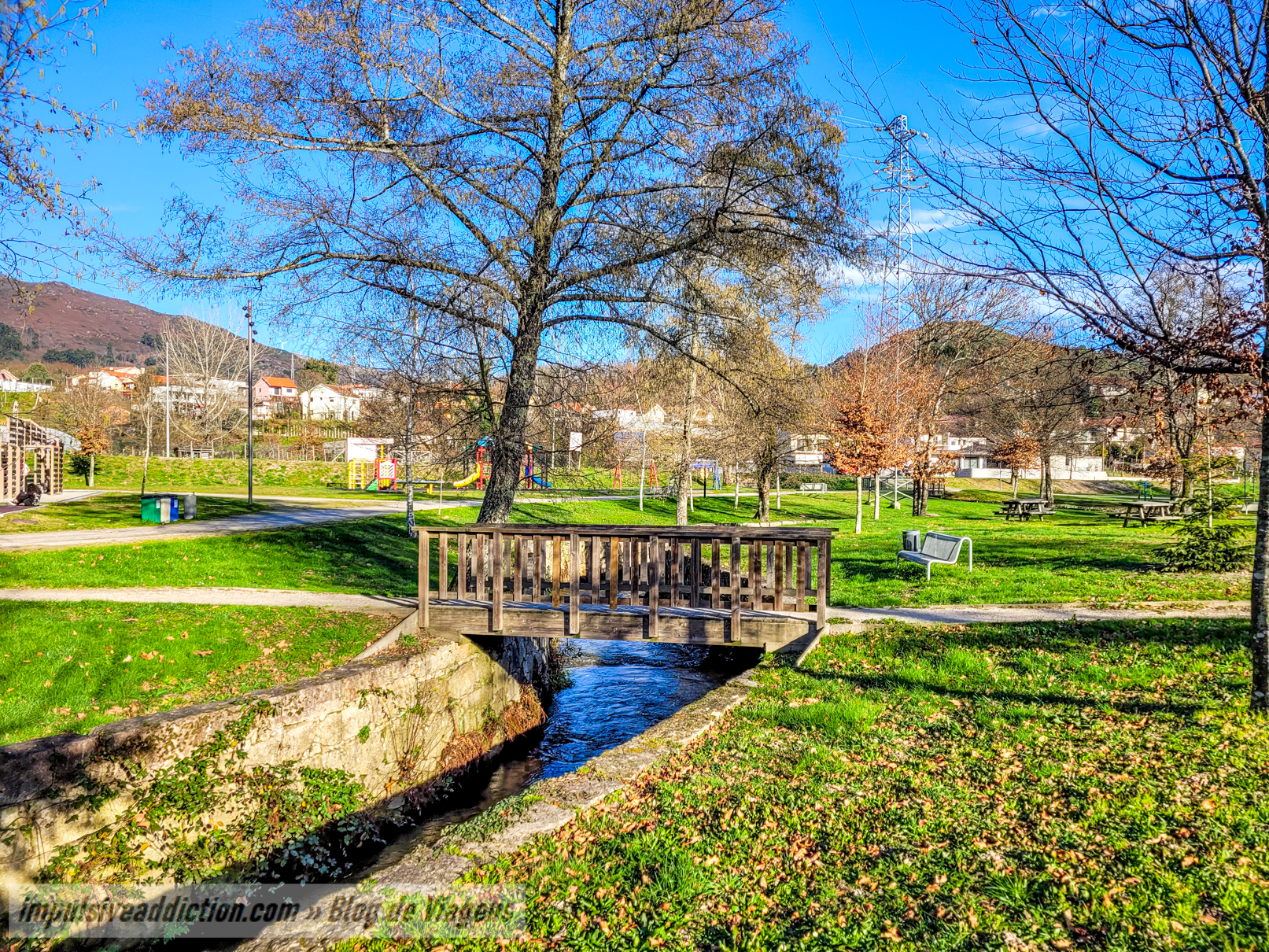
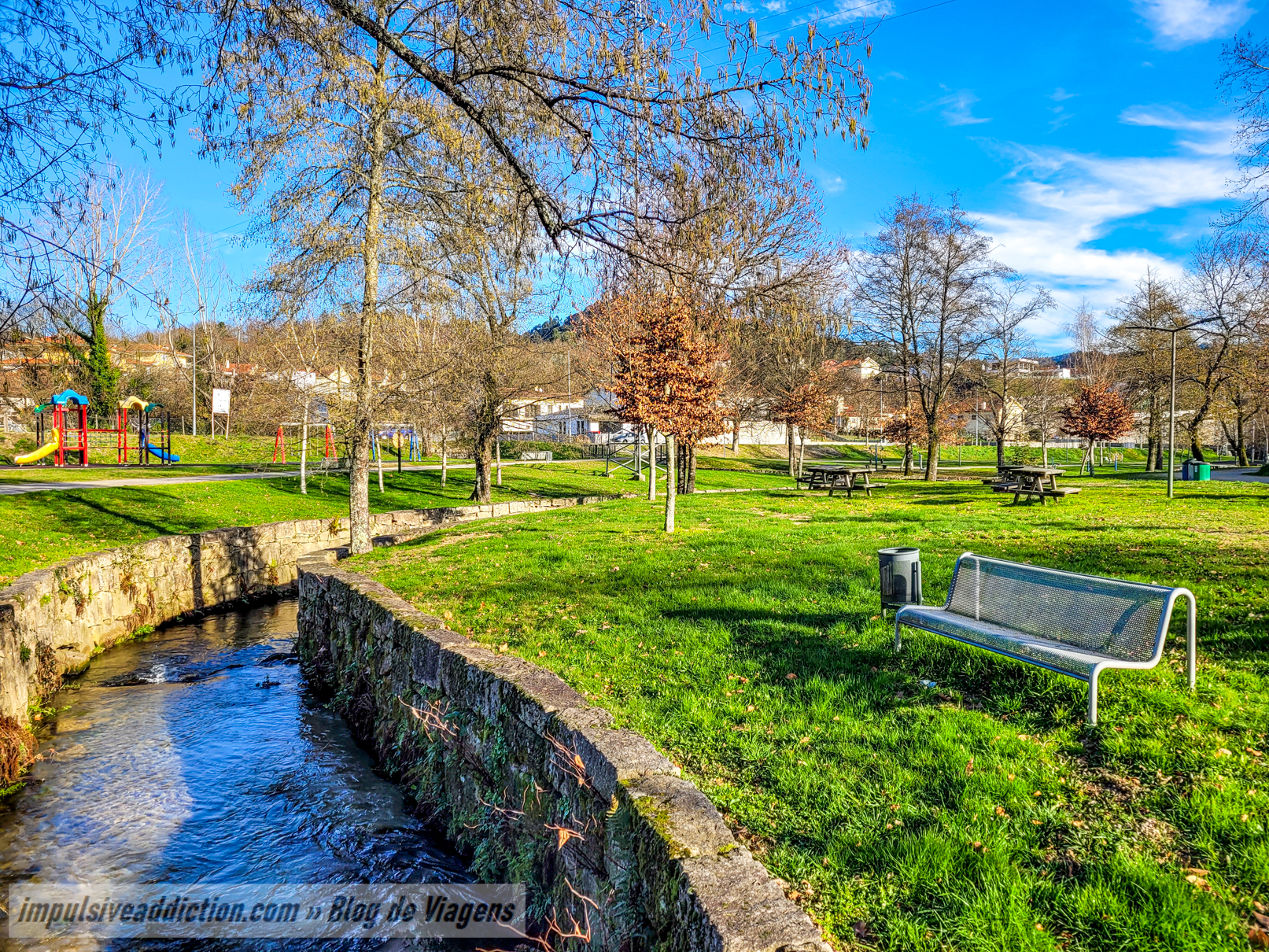
The Vieira do Minho Forest Park is often described as a “sample of the Serra da Cabreira, right in the heart of town.” This pedestrian-only park is home to a wide variety of tree species, a lovely garden at the entrance, and even a small river beach along a tributary of the Ave River. It’s an excellent spot for a relaxing walk or a quiet break in nature.
Other Places to visit in Vieira do Minho Town Center
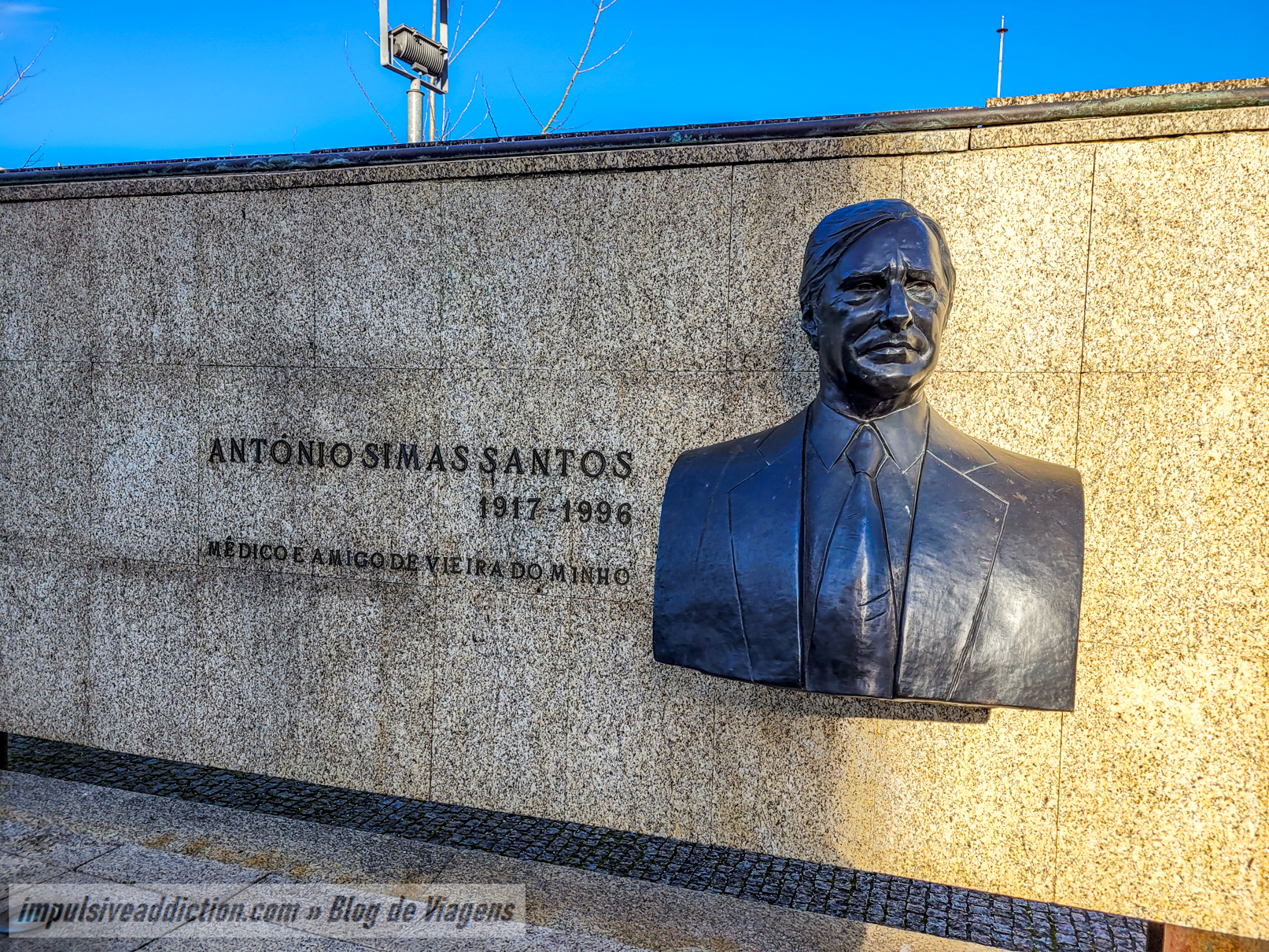
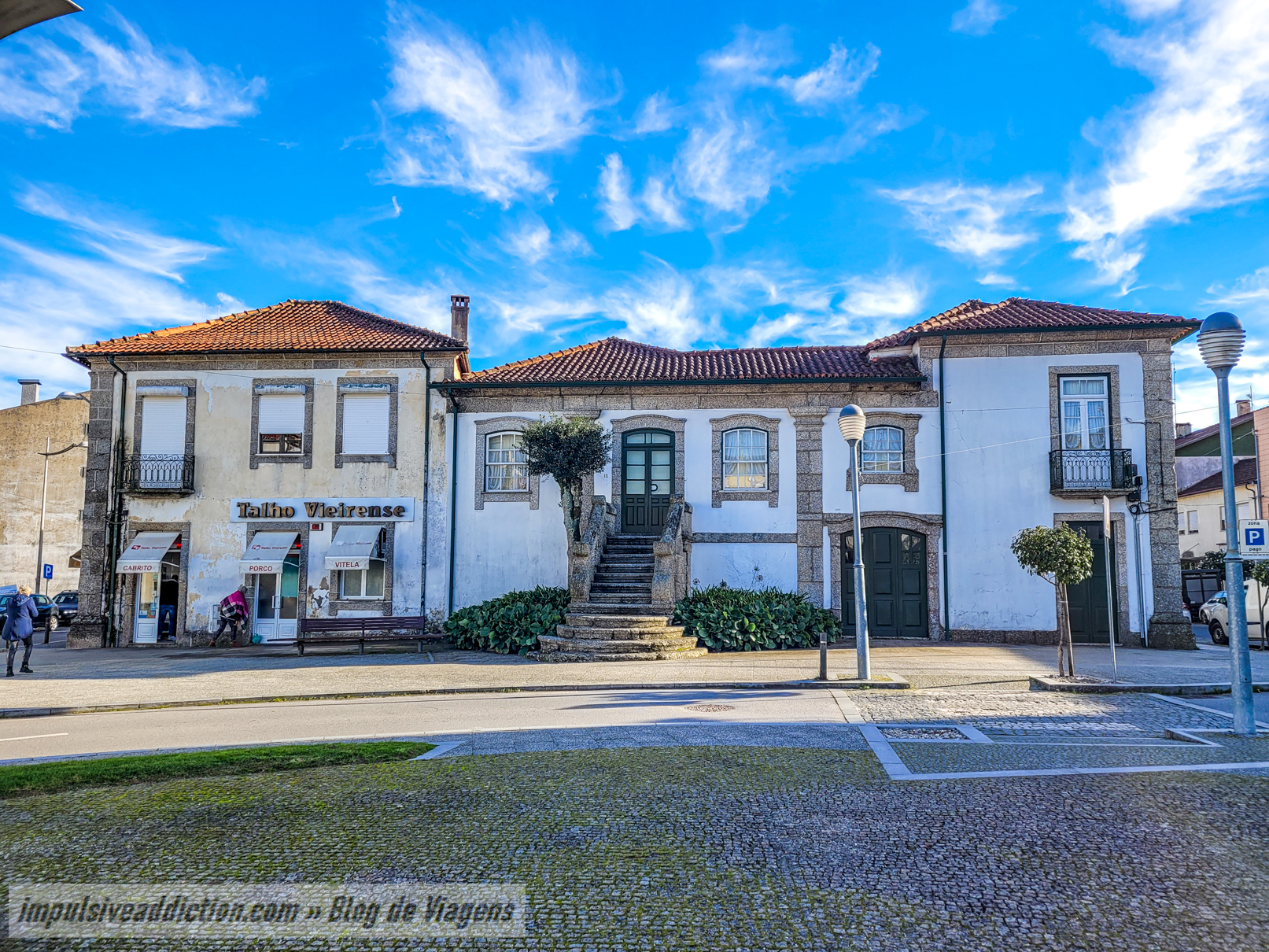
If you’d like to explore a bit more of the town center, there are a few additional (though optional) spots worth mentioning: the Municipal Library, the Parque dos Moinhos, and the Praça Doutor Simas Santos.

Explore Serra da Cabreira
The Serra da Cabreira will take up the largest section of this guide. The order I’m about to present can be seen as a suggested itinerary to help you explore the mountain step by step.
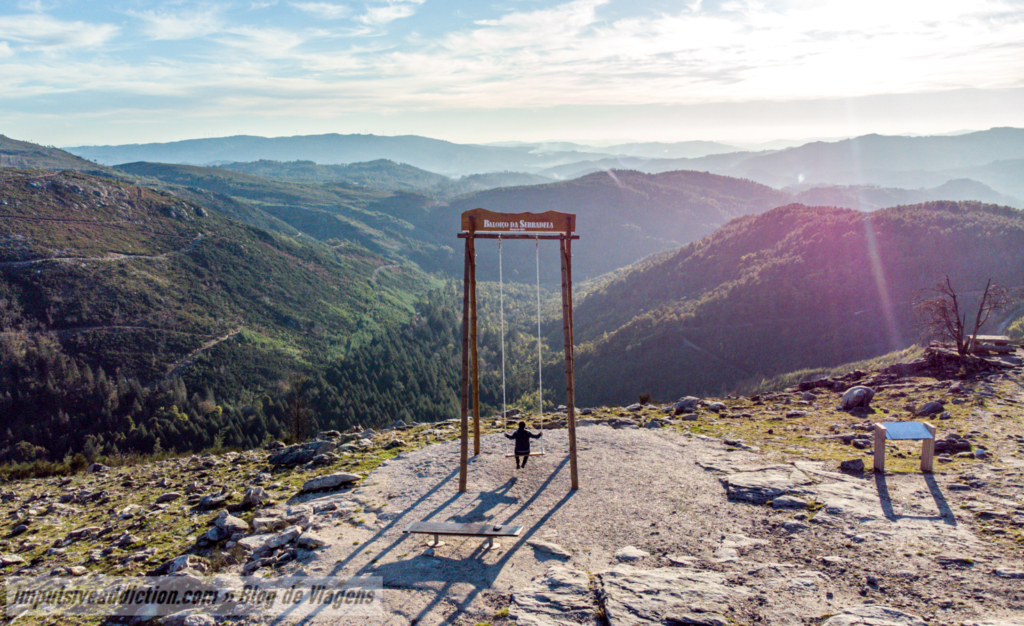
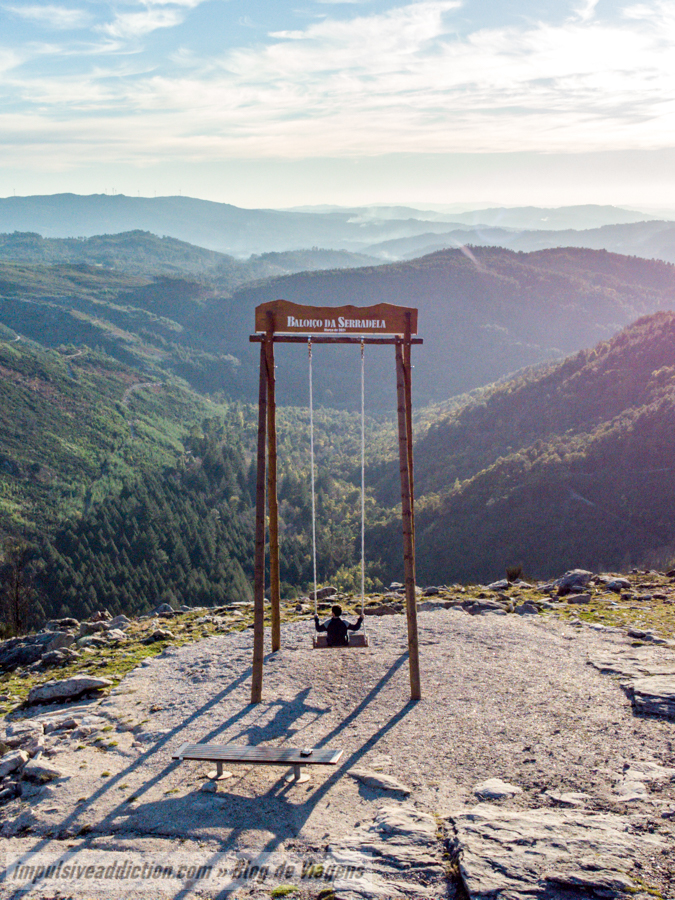
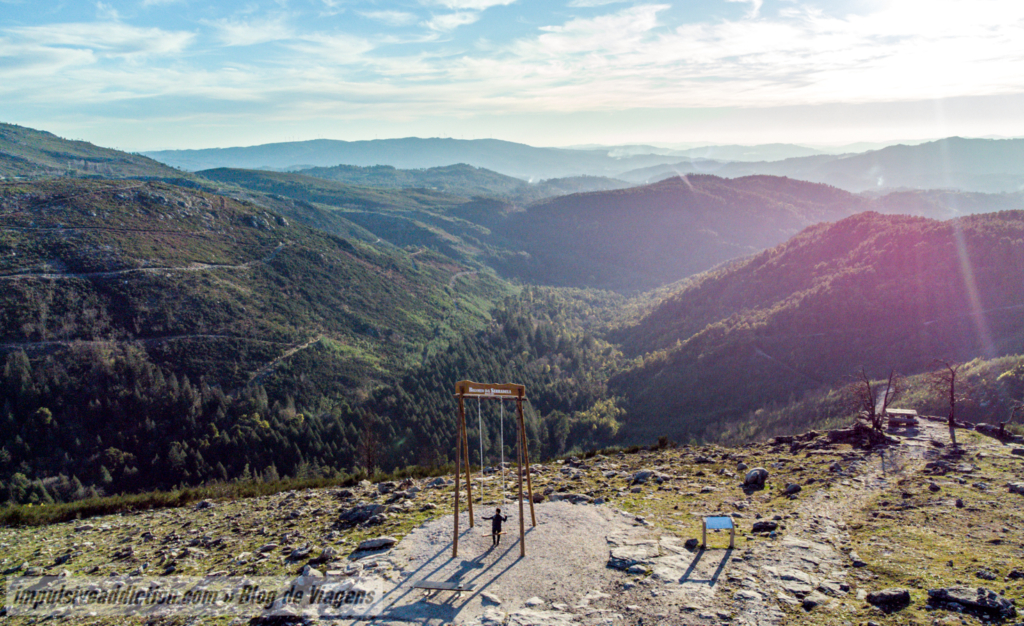
1 . Serradela Viewpoint and Swing
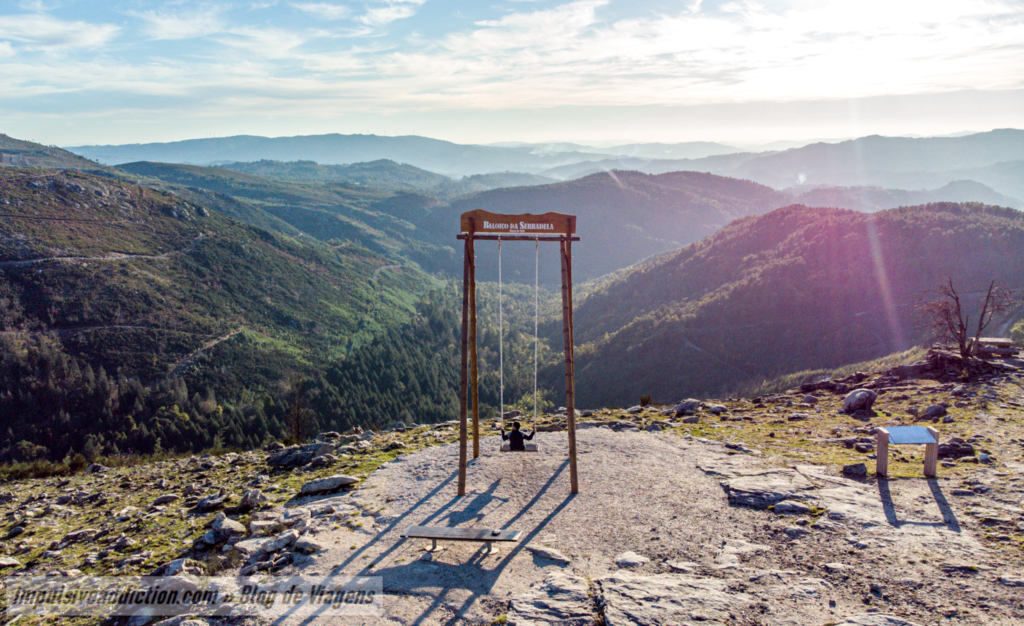
Reaching the Serradela Viewpoint and Swing is very easy from the town of Vieira do Minho. The road is paved all the way to the Serradela Picnic Park, and from there it’s just a short walk. The viewpoint offers a breathtaking panorama over the Turio Valley—often referred to as the “lungs of the Serra da Cabreira.”
💡 Tip: Although optional, there’s another picnic park worth noting between Vieira do Minho and the Serradela Swing: the Porto da Lage Picnic Park. It’s highlighted on the municipality’s tourist boards as a place of interest.
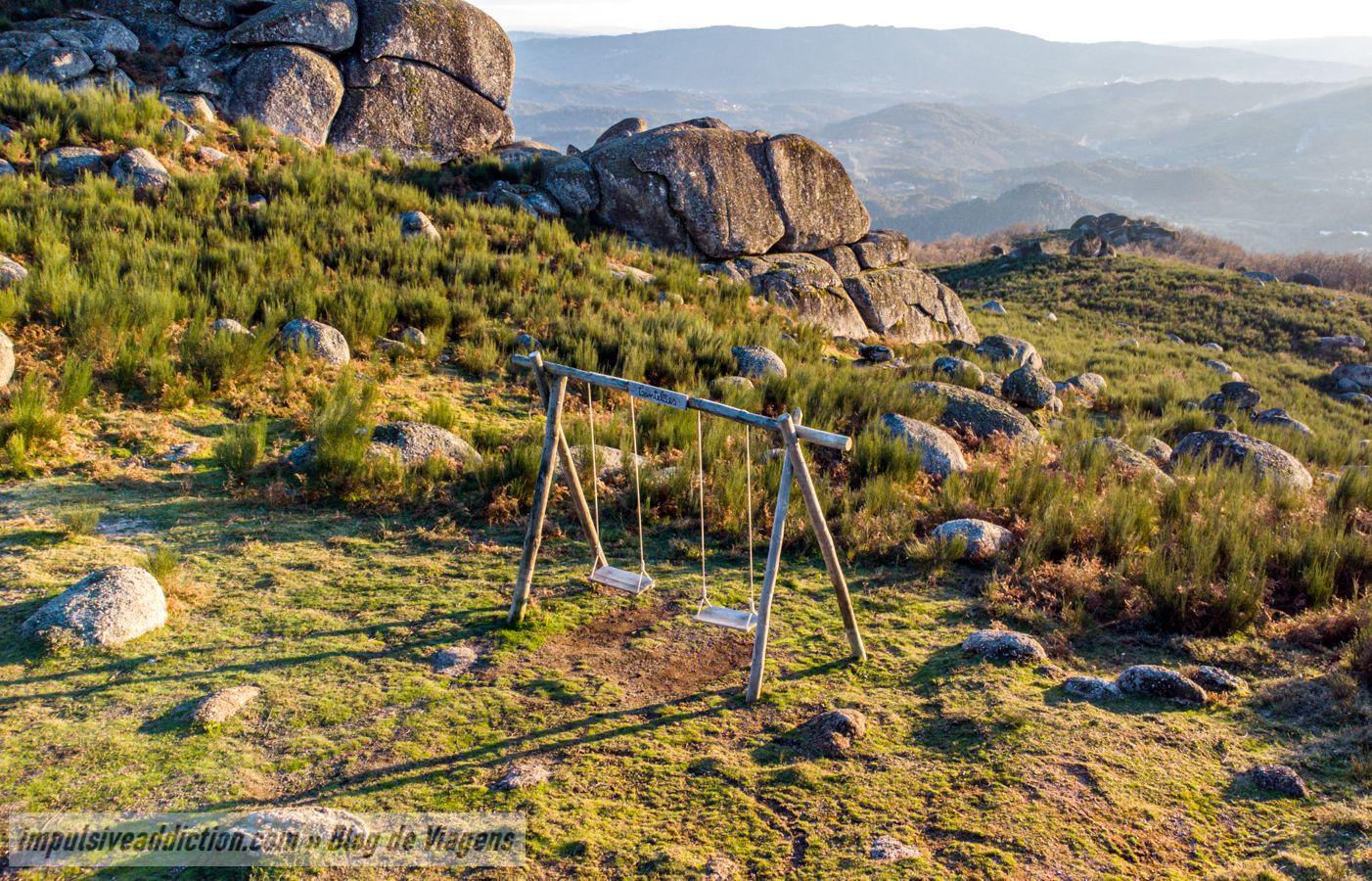
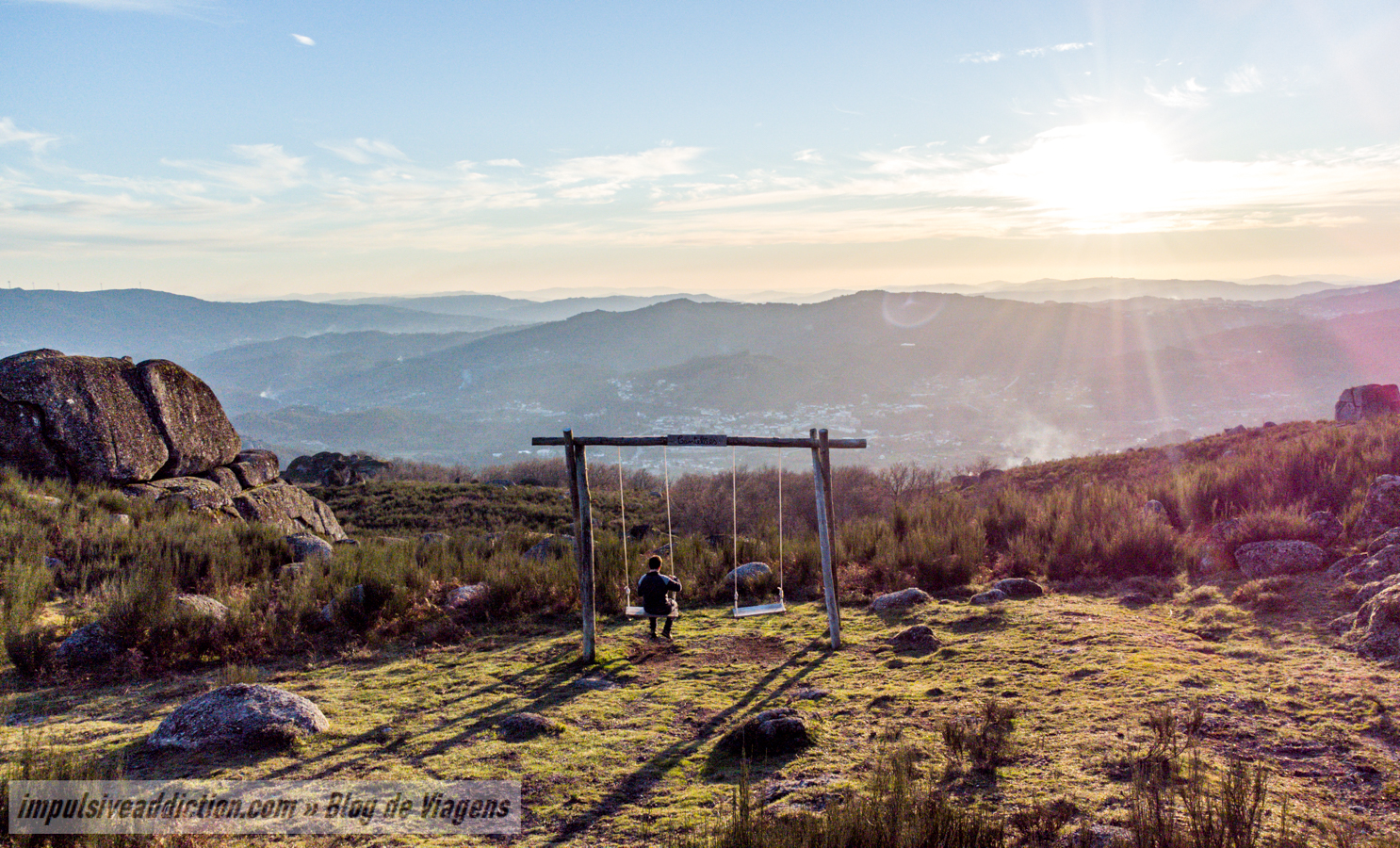
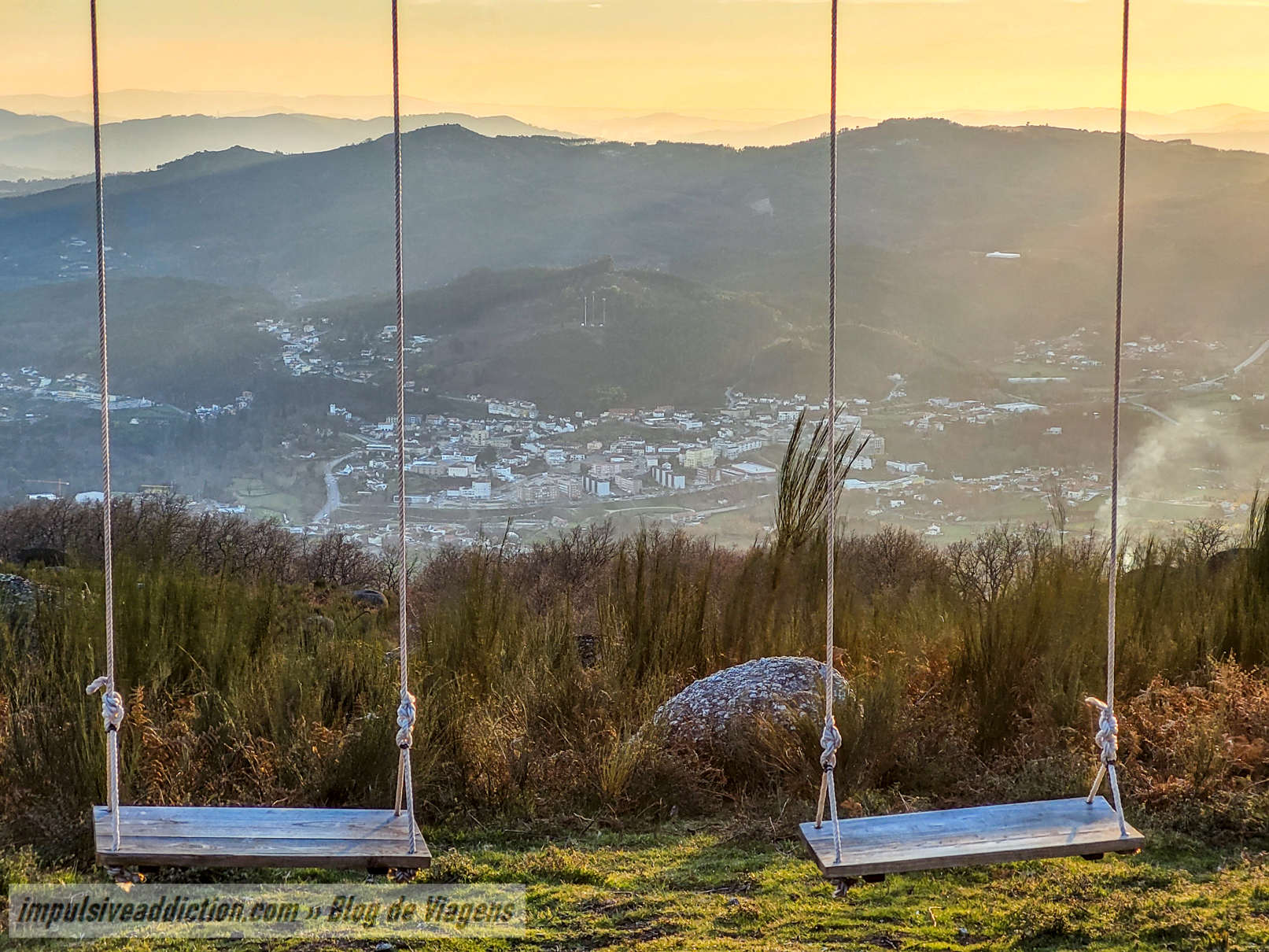
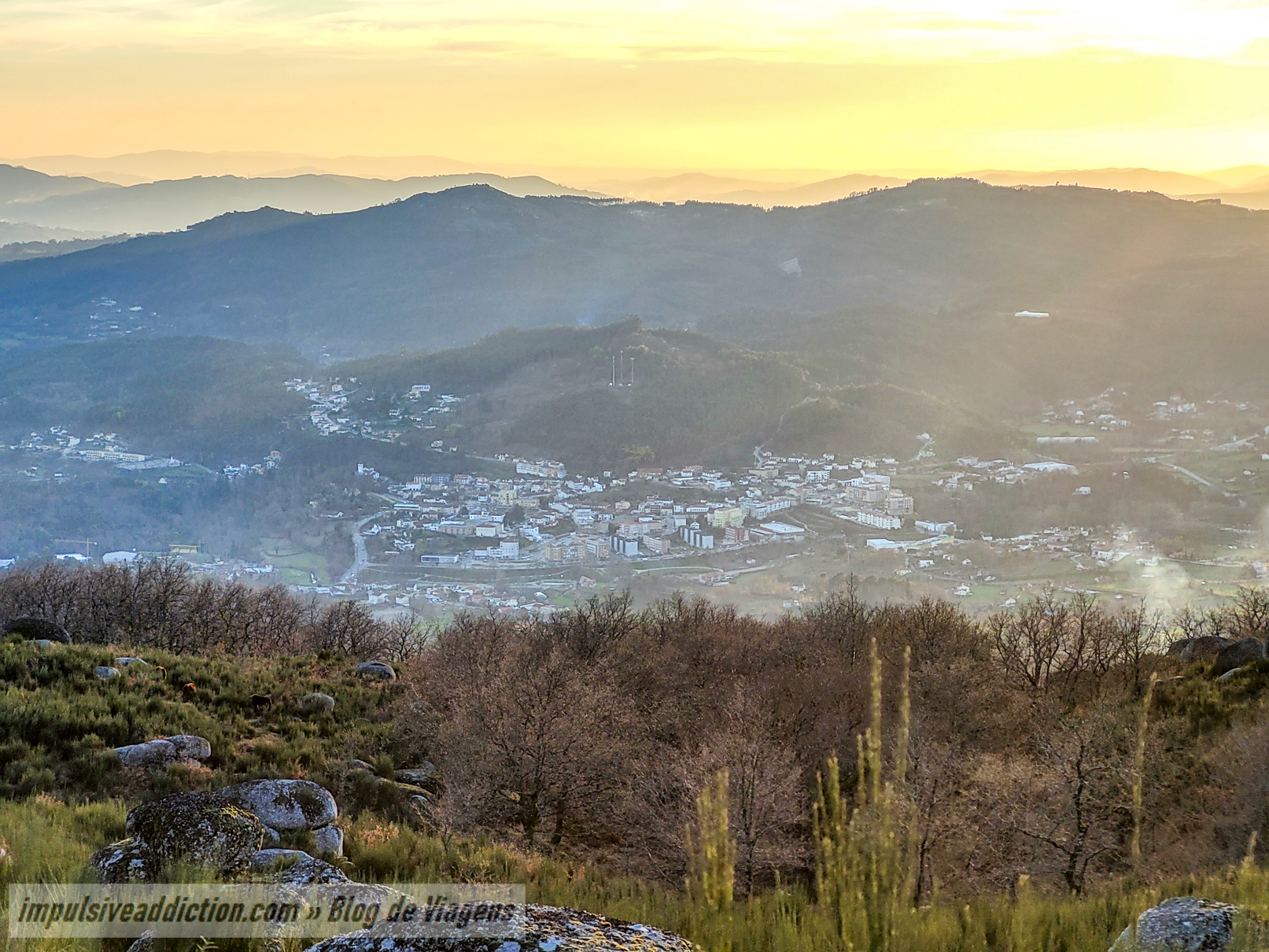
2. Cantelães Panoramic Swing
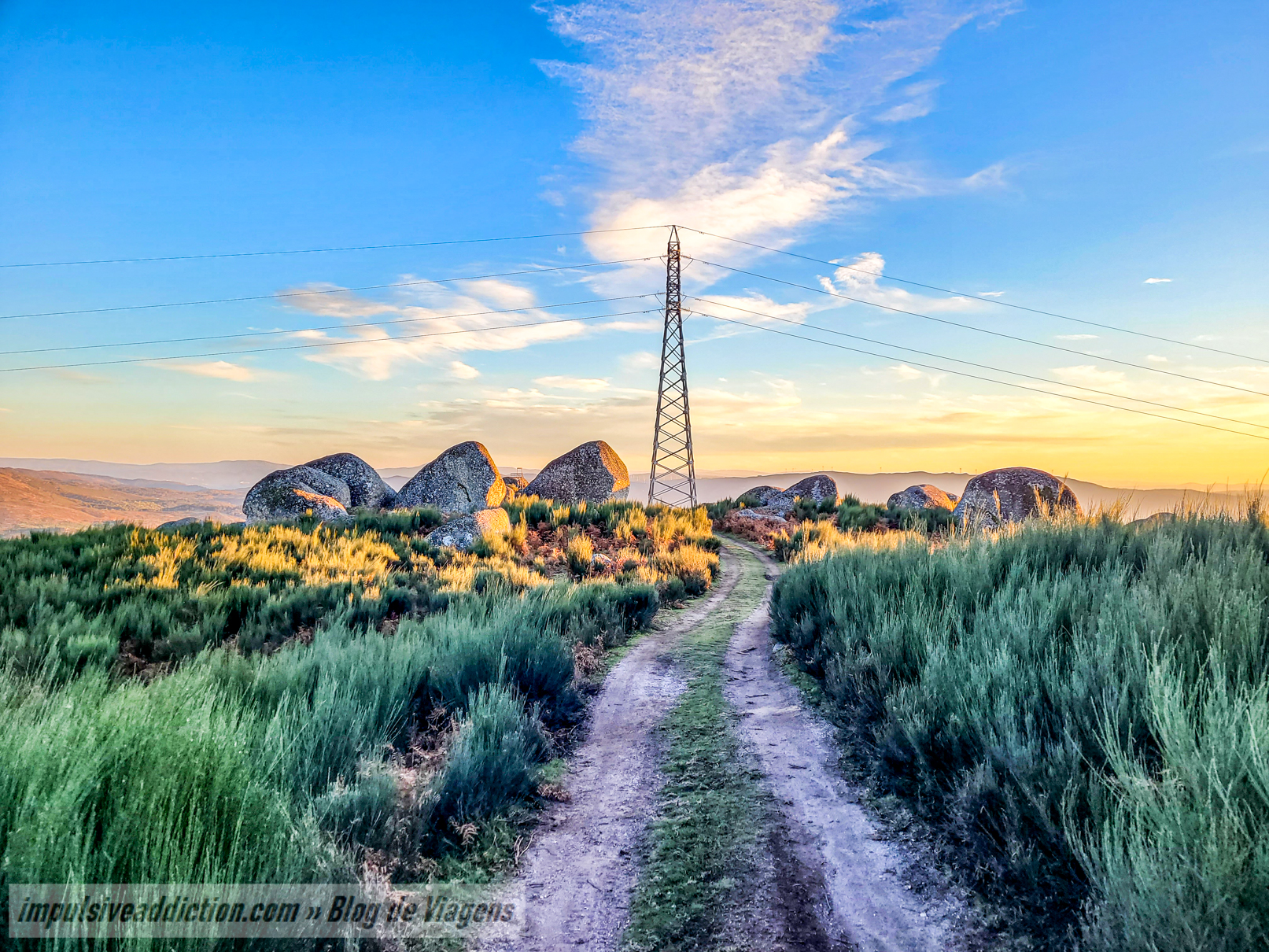
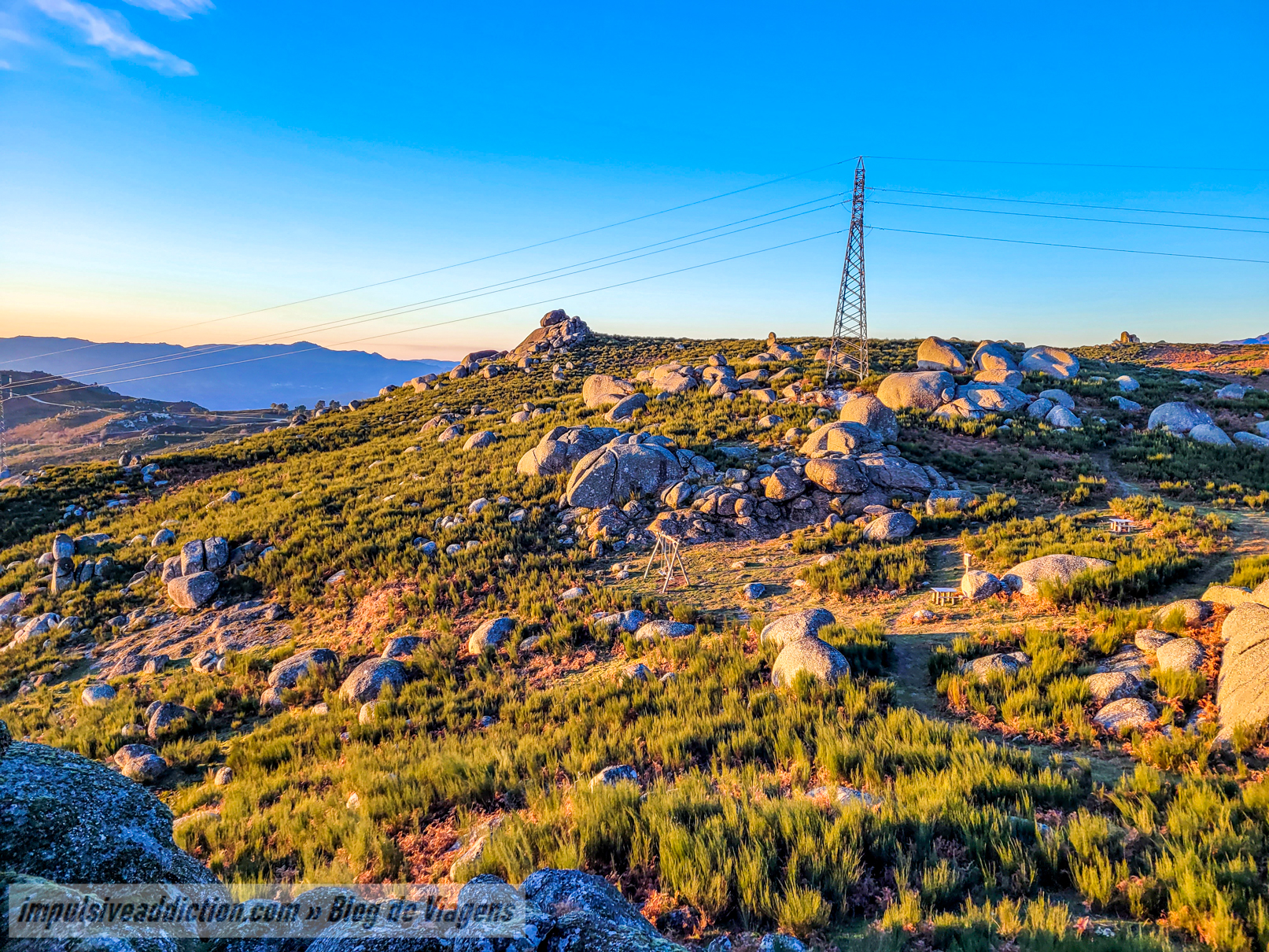
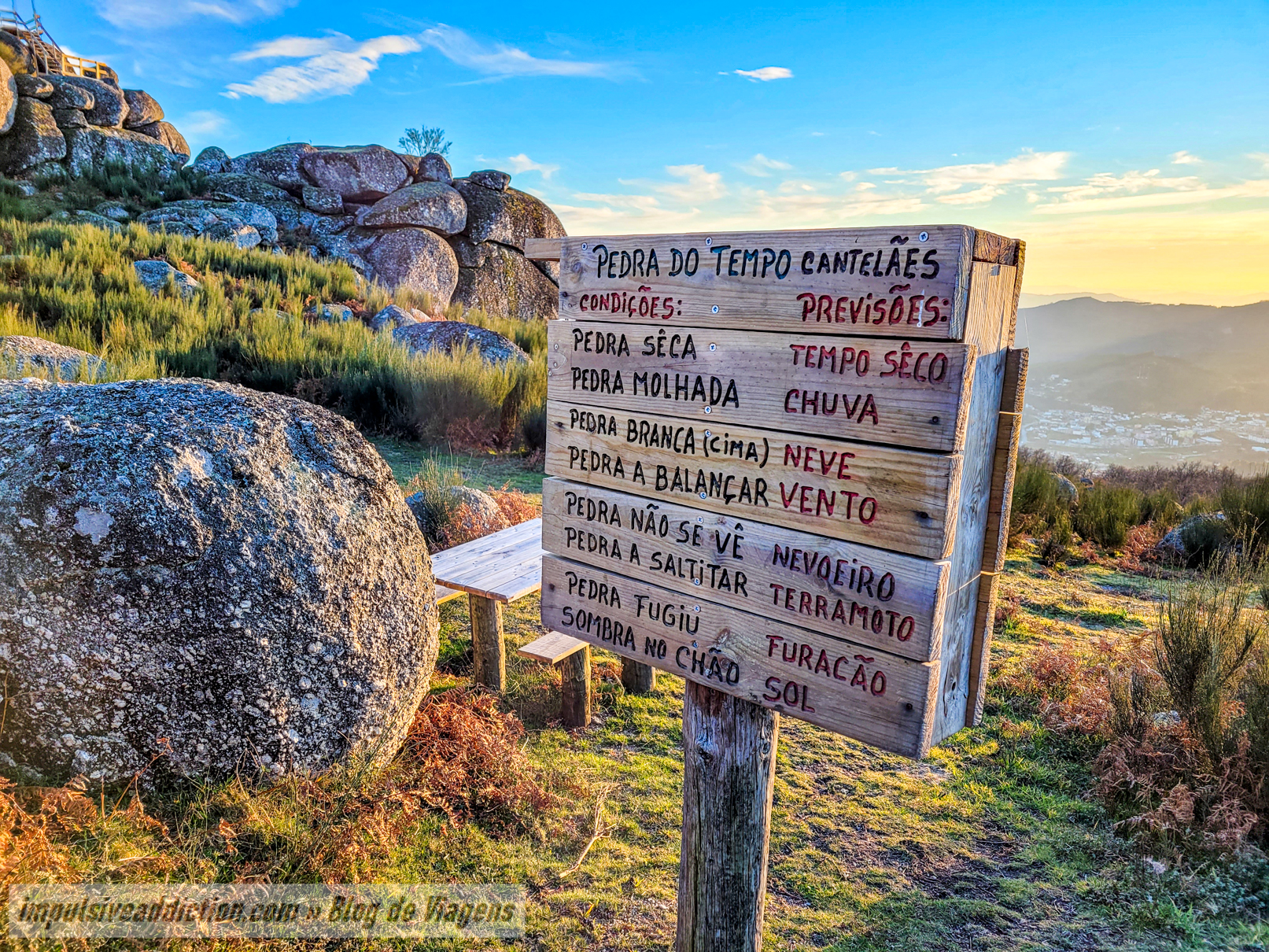
The Cantelães Swing is my second must-visit spot in the Serra da Cabreira. To get there, you’ll need to drive along some dirt roads, but they are perfectly manageable up to a certain point. Park your car here and walk the final stretch on foot.
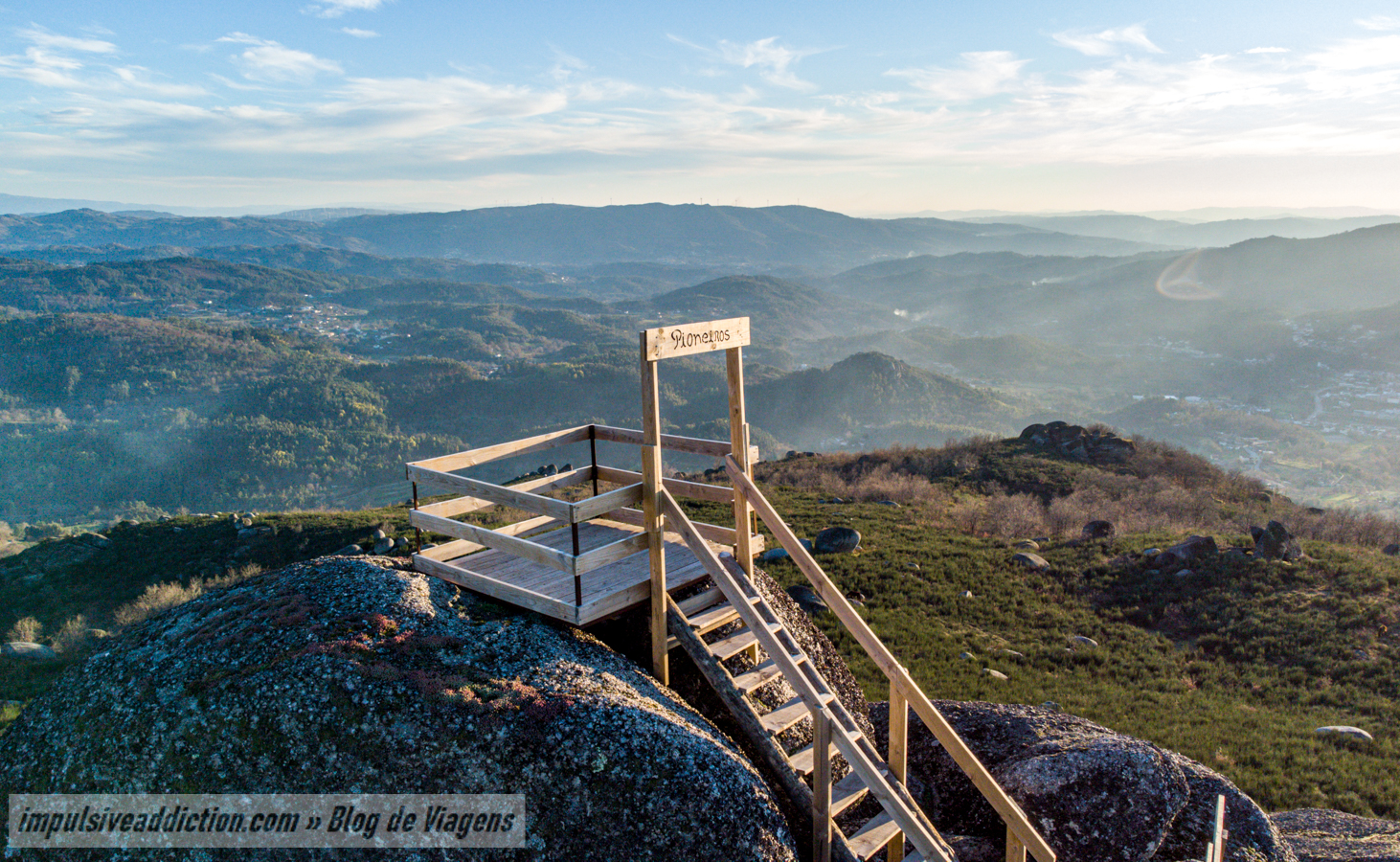
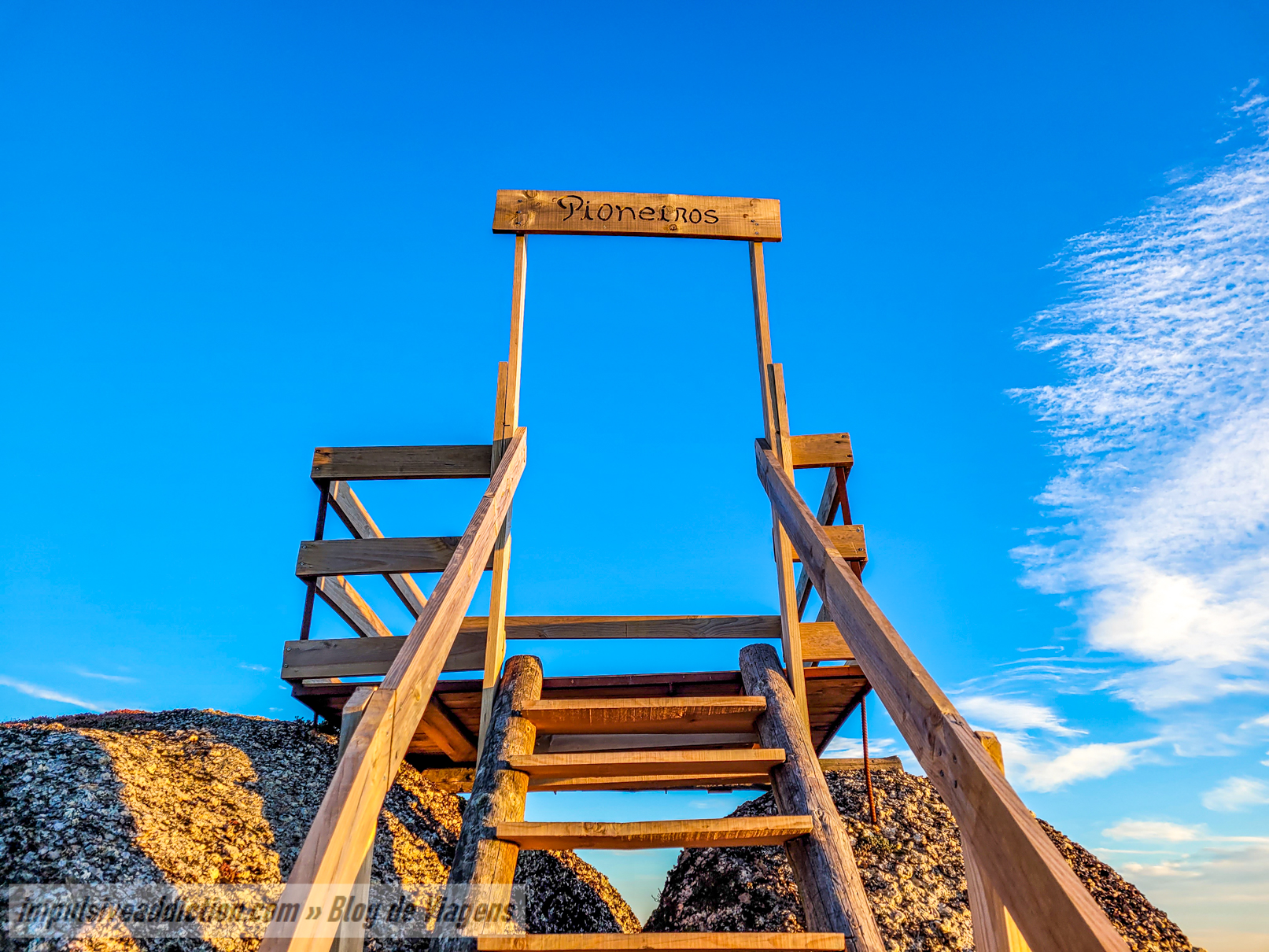
Once you reach the swing, you’ll be rewarded with access to the Pioneiros Viewpoint, sitting at 875 meters above sea level, with a fabulous panorama over Vieira do Minho. The surrounding landscape is absolutely spectacular. 😉
3. Sanctuary of Nossa Senhora da Fé
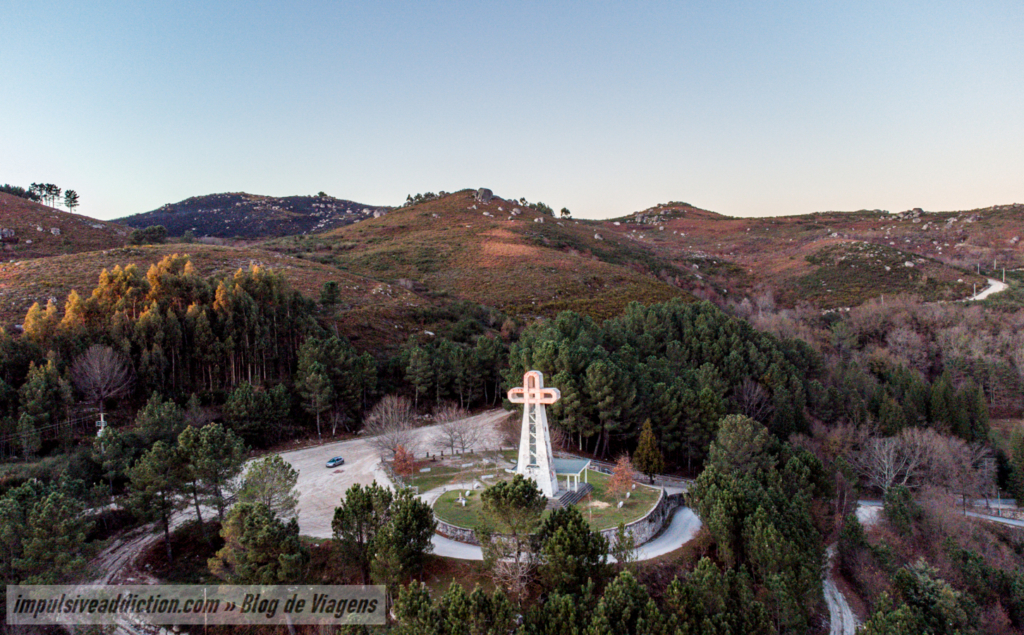
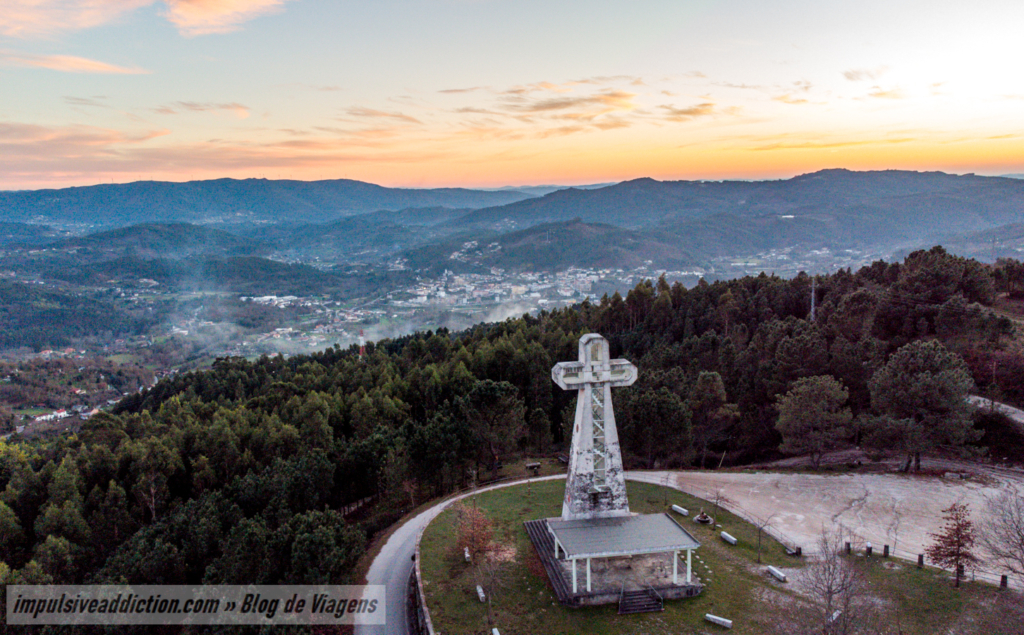
Next on the route is the Sanctuary of Nossa Senhora da Fé, a traditional pilgrimage site. More than the chapel itself, the highlight here is the impressive cross overlooking Vieira do Minho, which dominates the landscape.
Take some time to stroll around the grounds and notice the small details. One particularly interesting feature is a little spring of fresh water that flows directly from a rock.
4. Eira Vedra Panoramic Swing
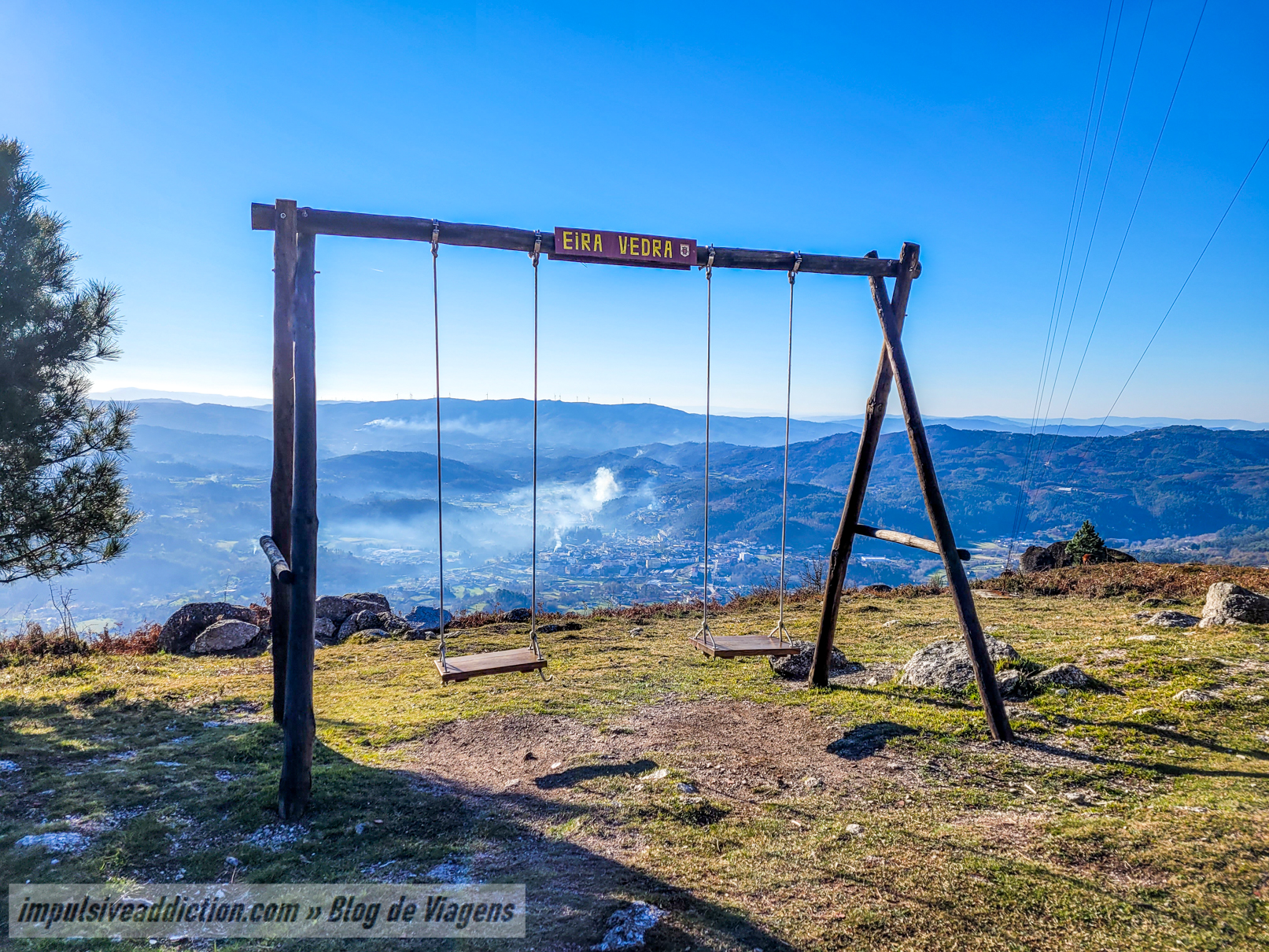
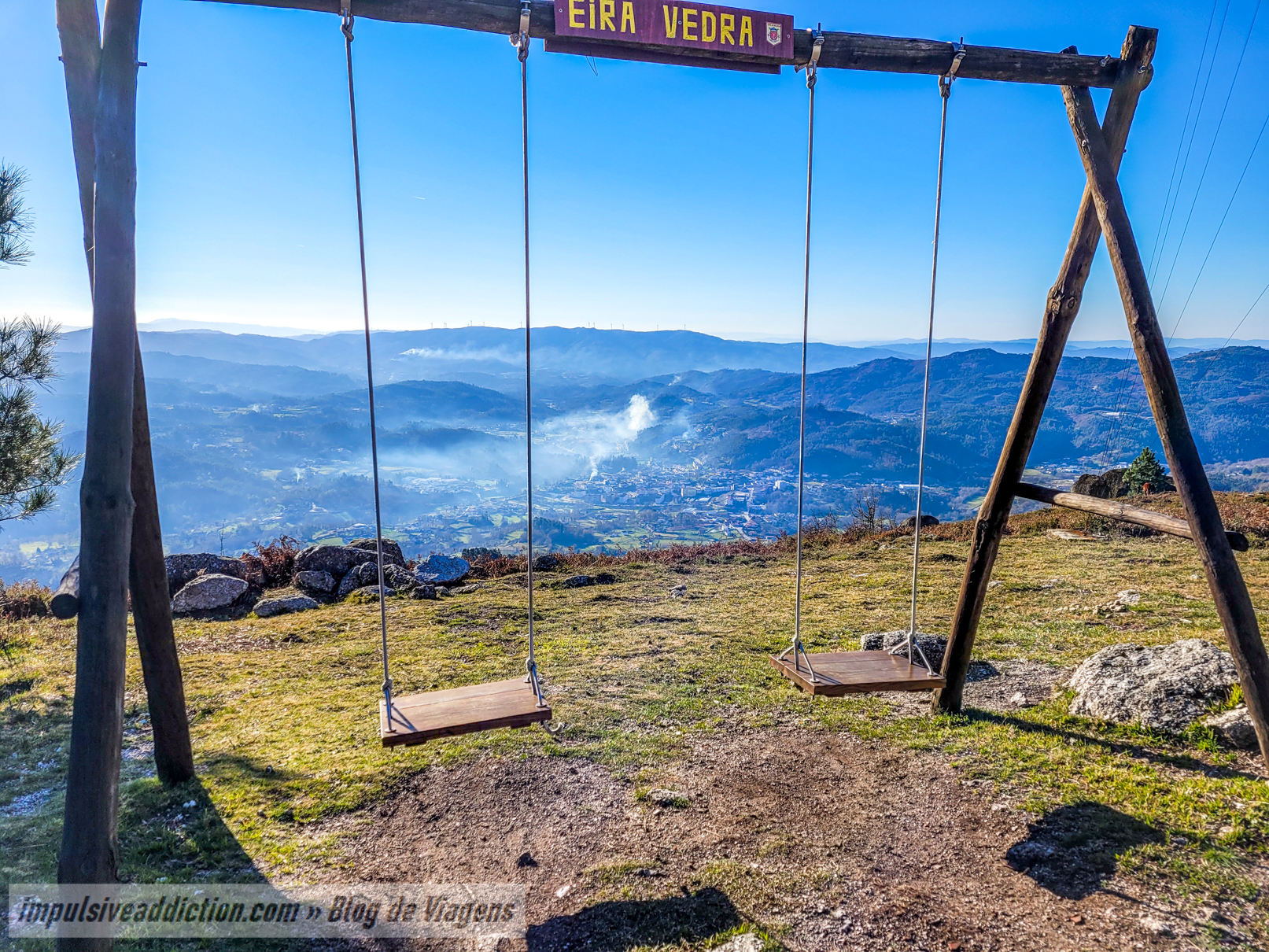
Another fantastic viewpoint over Vieira do Minho is the Eira Vedra Panoramic Swing, located at 840 meters above sea level. It’s situated near a set of radio antennas, and to reach it you’ll need to walk a short distance after parking your car [here].
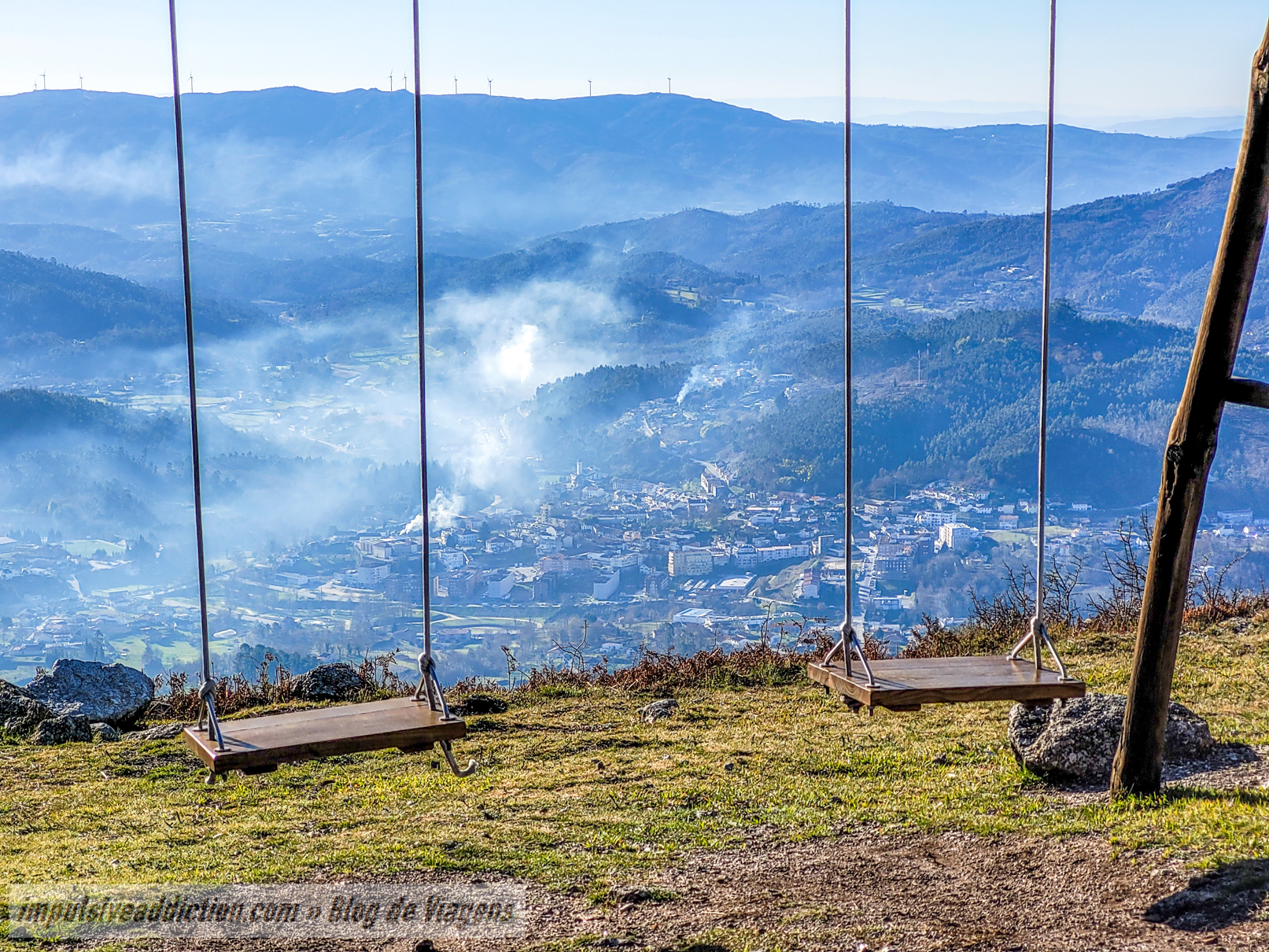
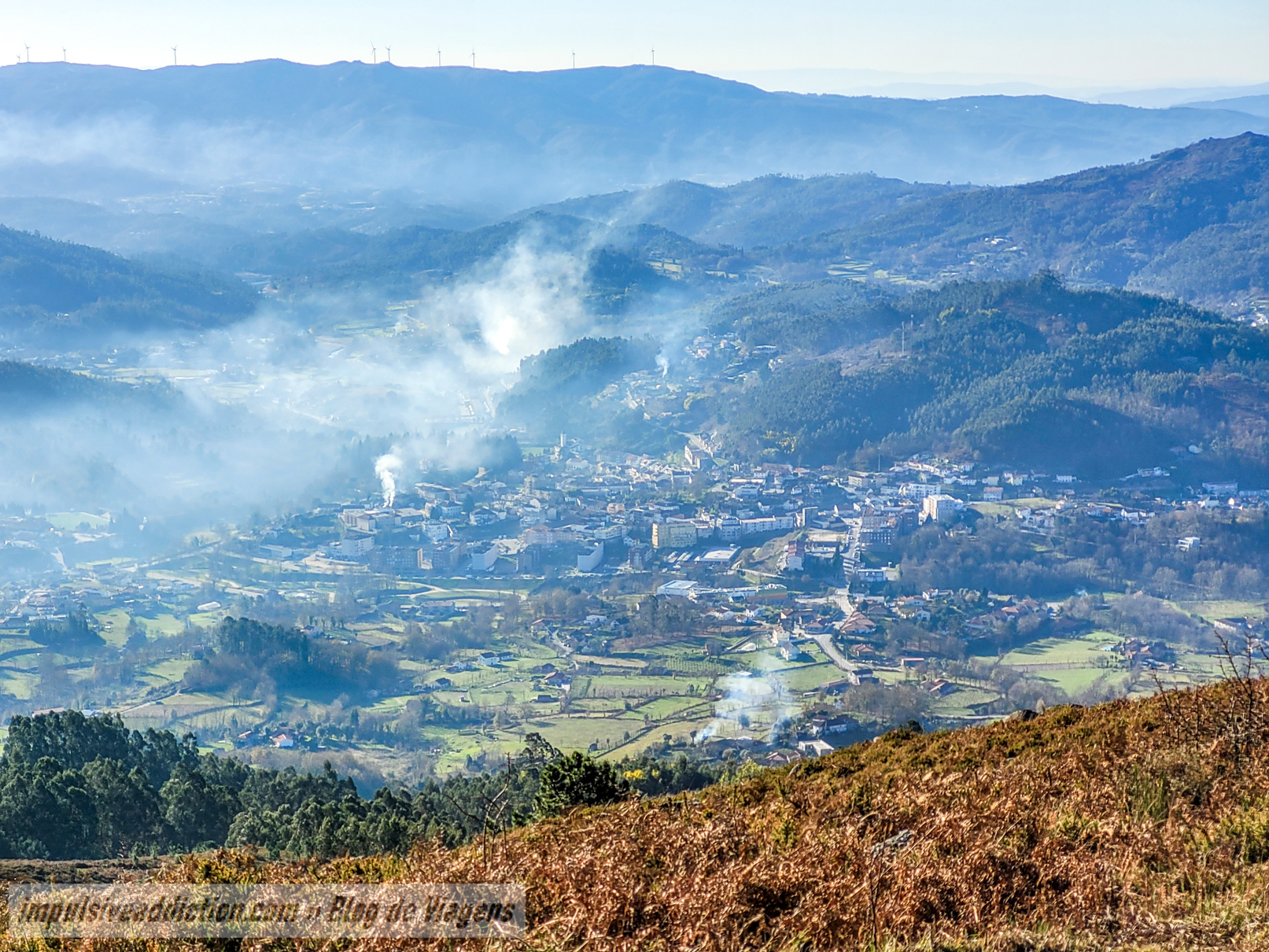
5. Louredo Tourist Village
To reach the village of Louredo, you’ll need to descend from the high points of the Serra da Cabreira where the panoramic swings are located. The drive down is scenic, offering beautiful views over the Caniçada Reservoir.
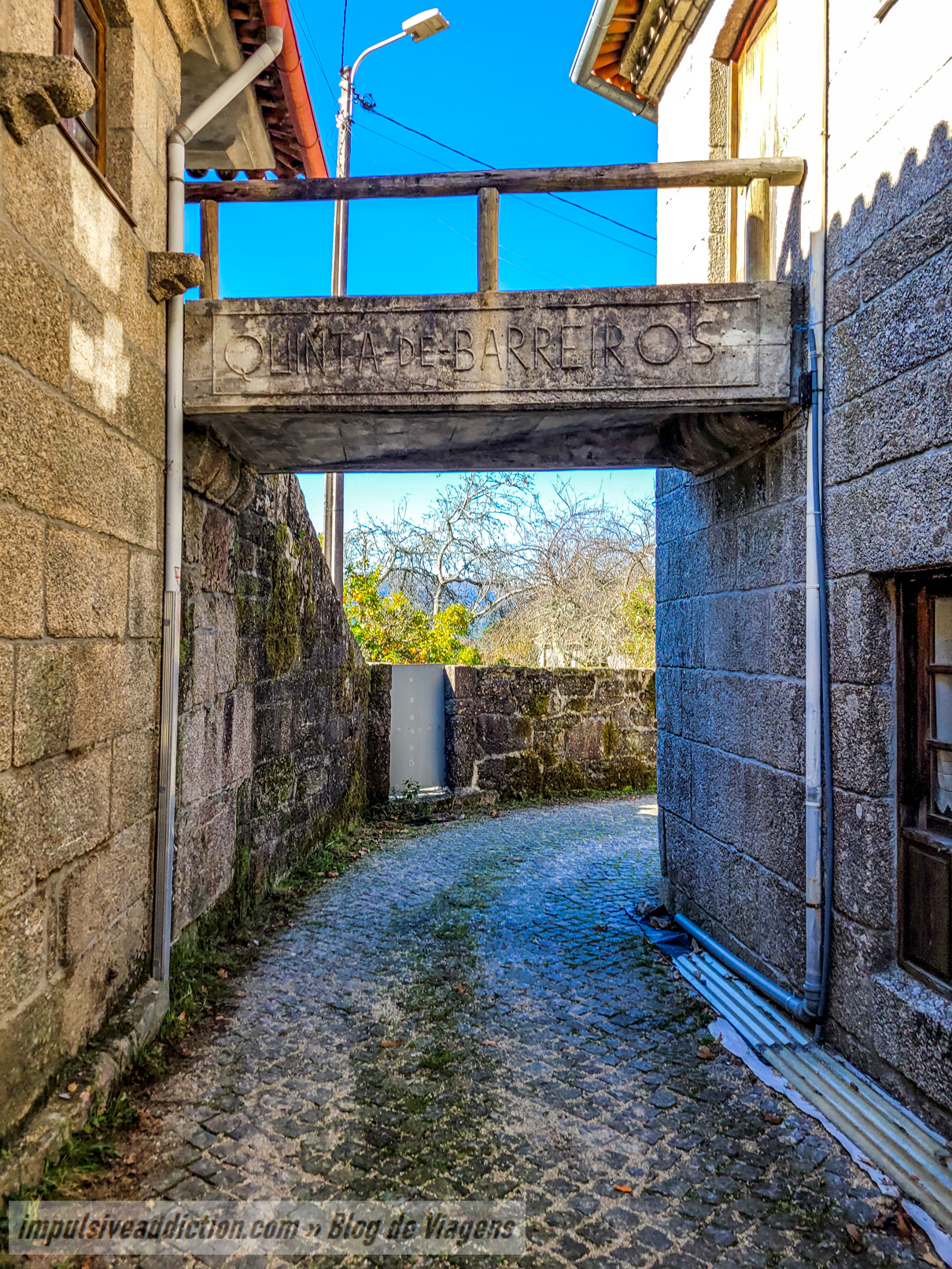
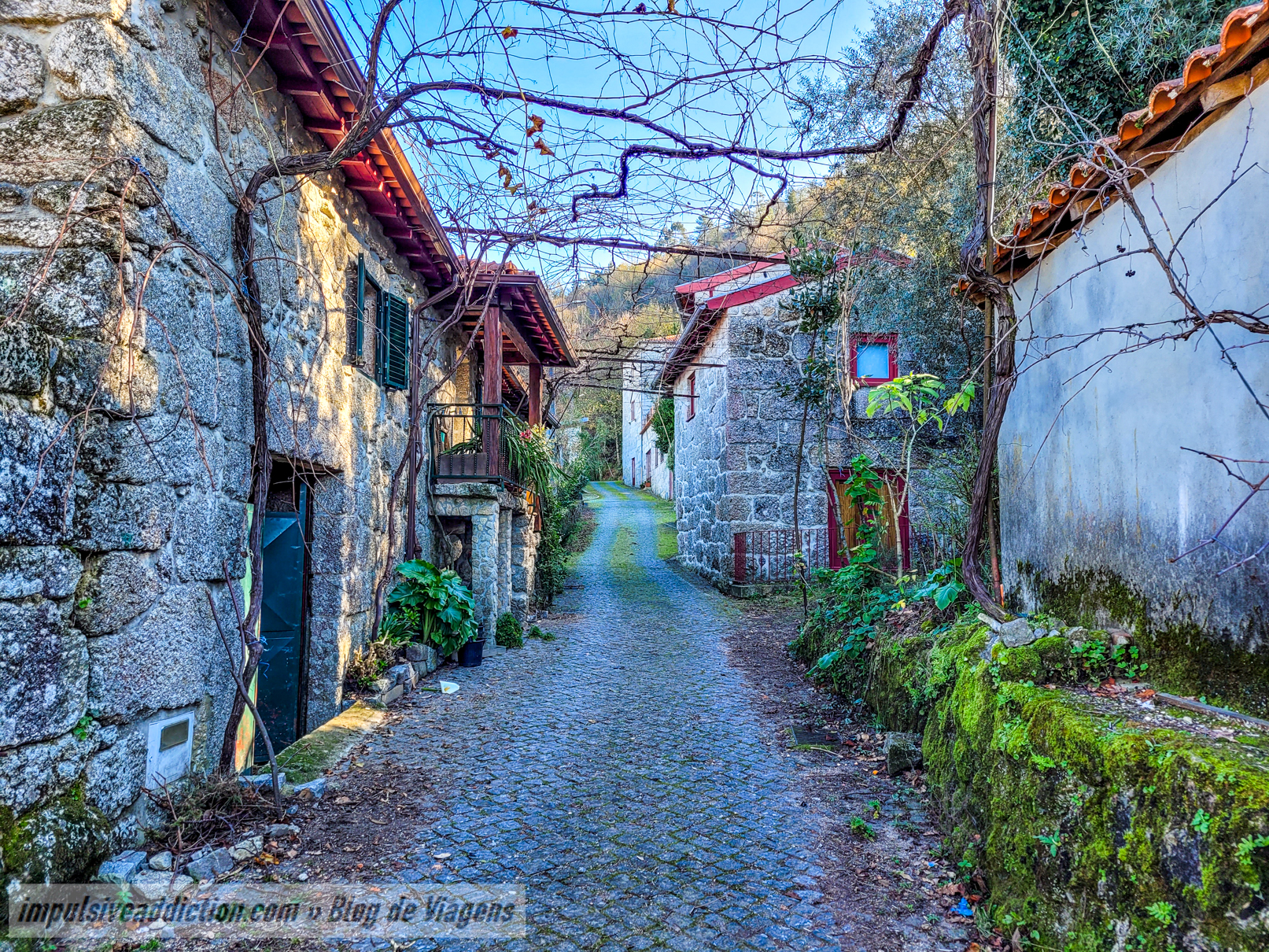
The Louredo Tourist Village is one of Vieira do Minho’s traditional settlements at the foot of the Serra da Cabreira. Its granite houses give it a charming character, and along Louredo’s main street you’ll find several that have been carefully preserved and adapted for tourism.
For accommodation nearby, I’ve already recommended two excellent options: DOBAU Village and Pousadela Village.
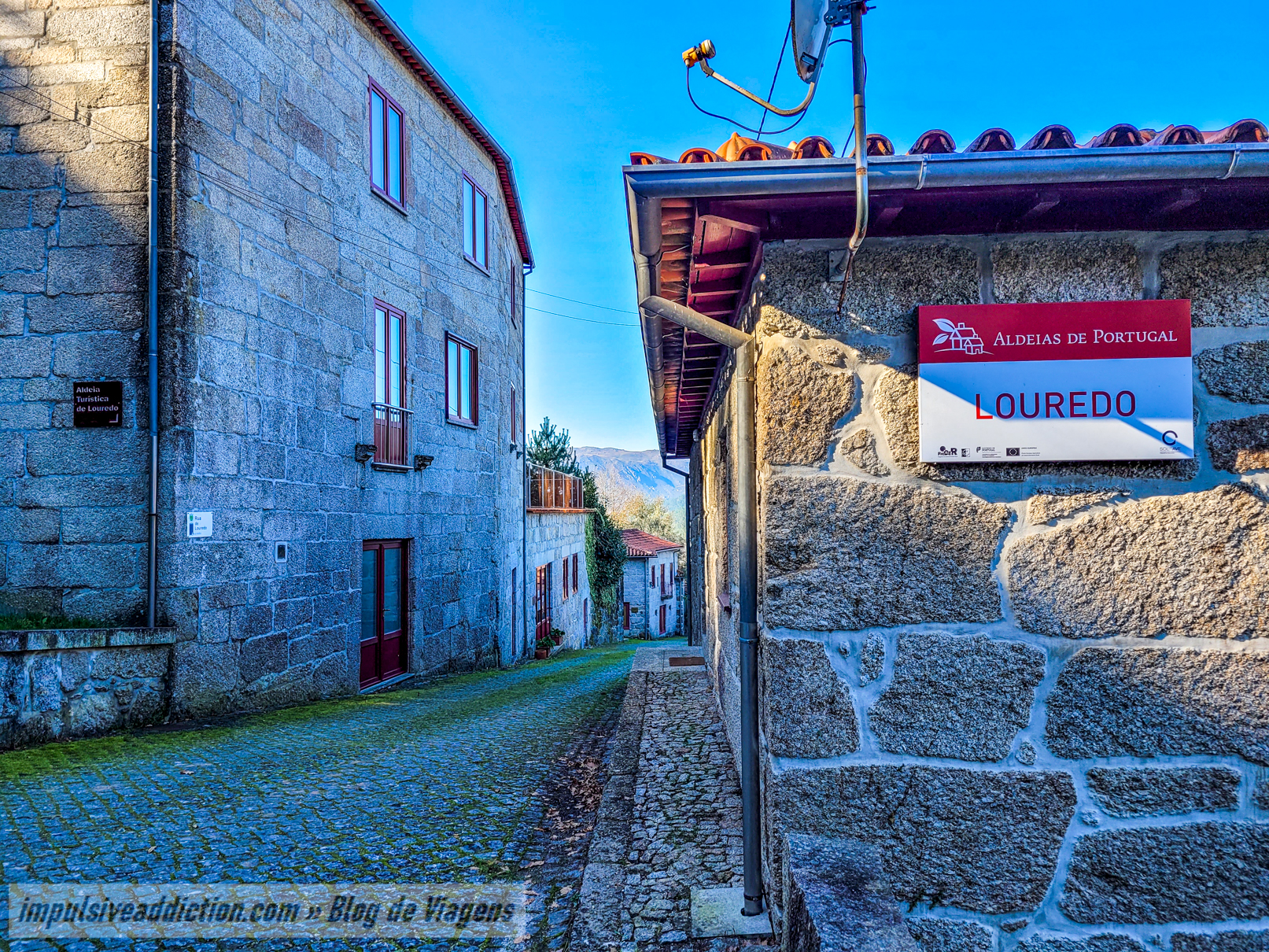
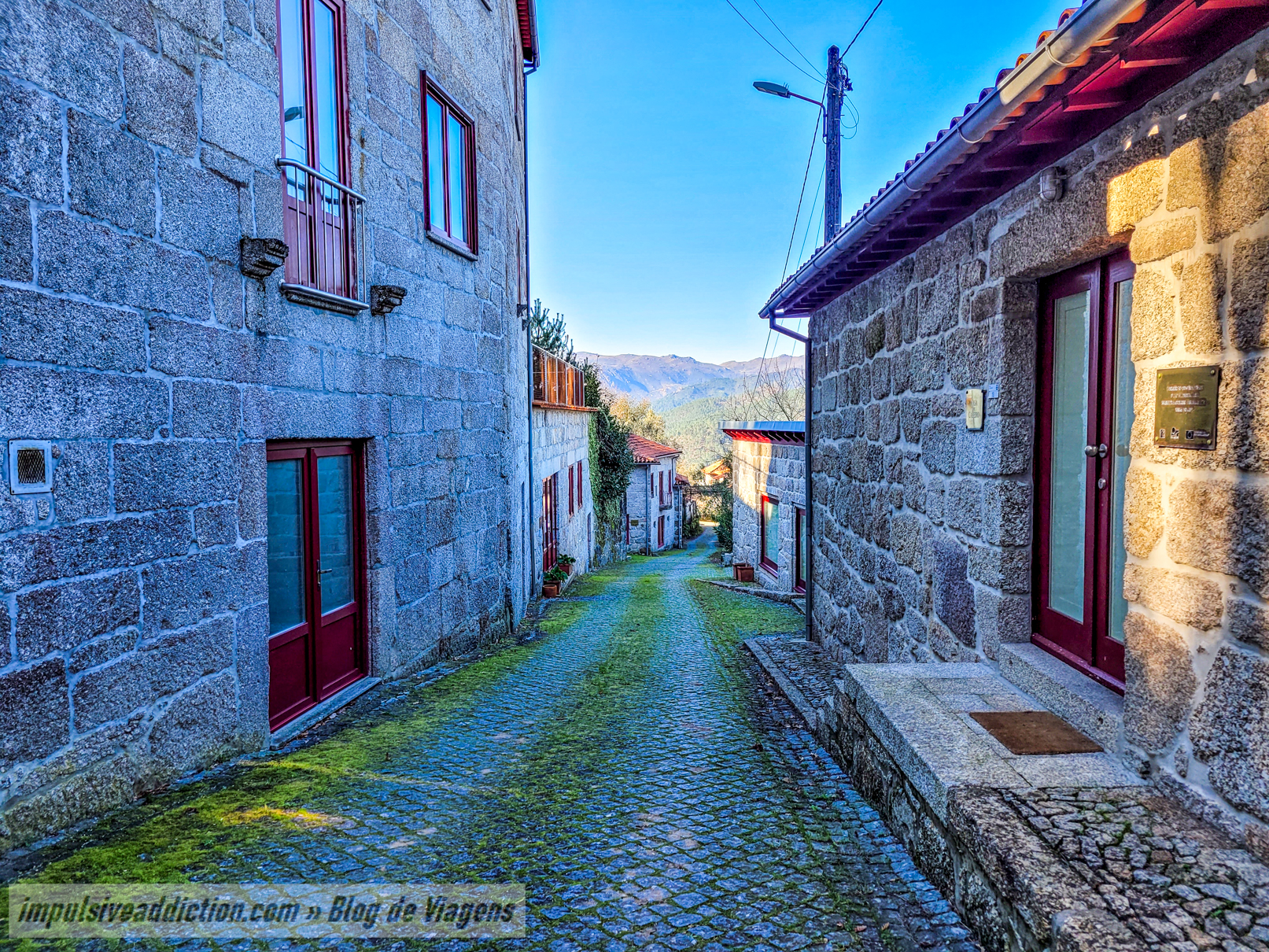

6. Salamonde Dam
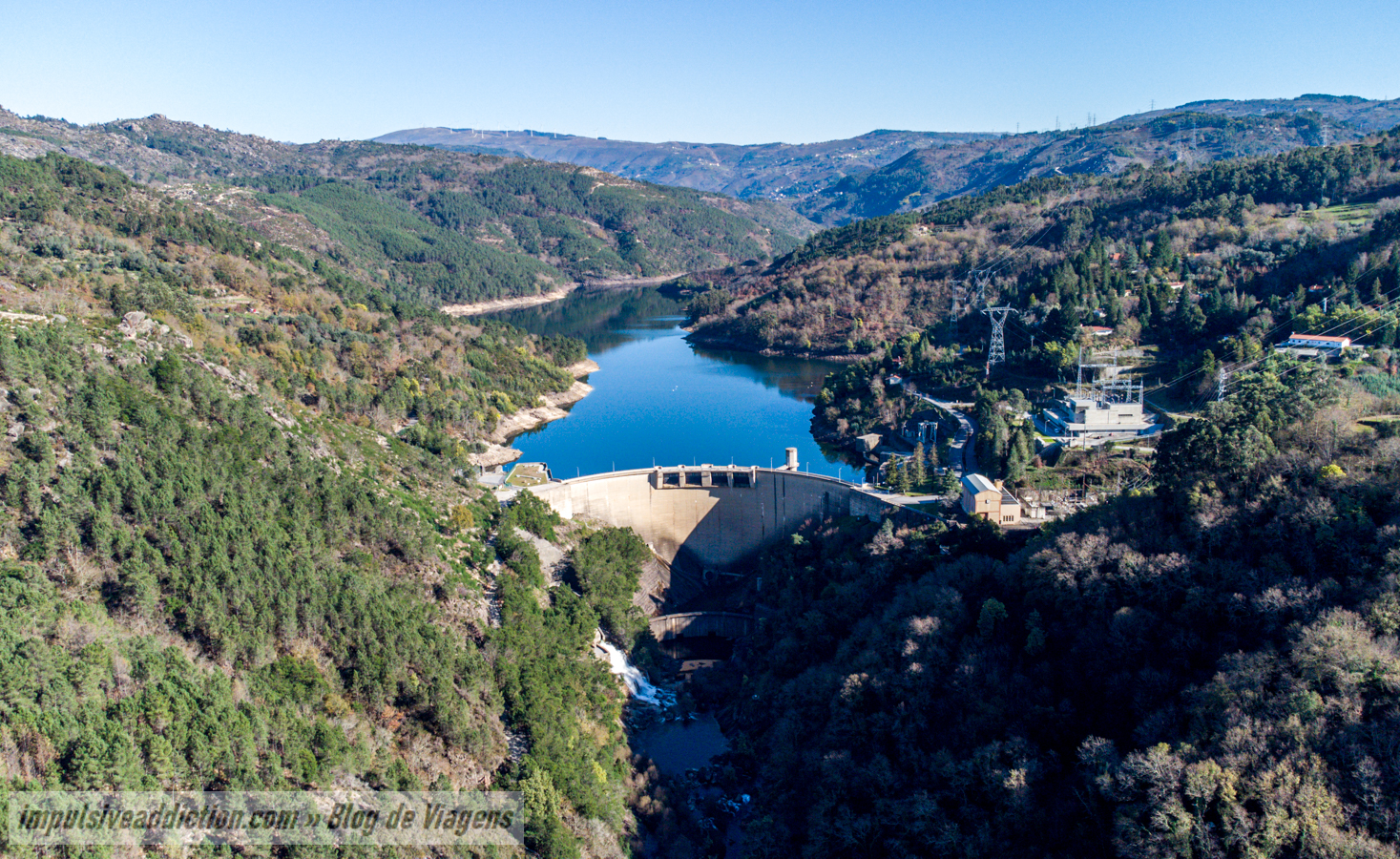
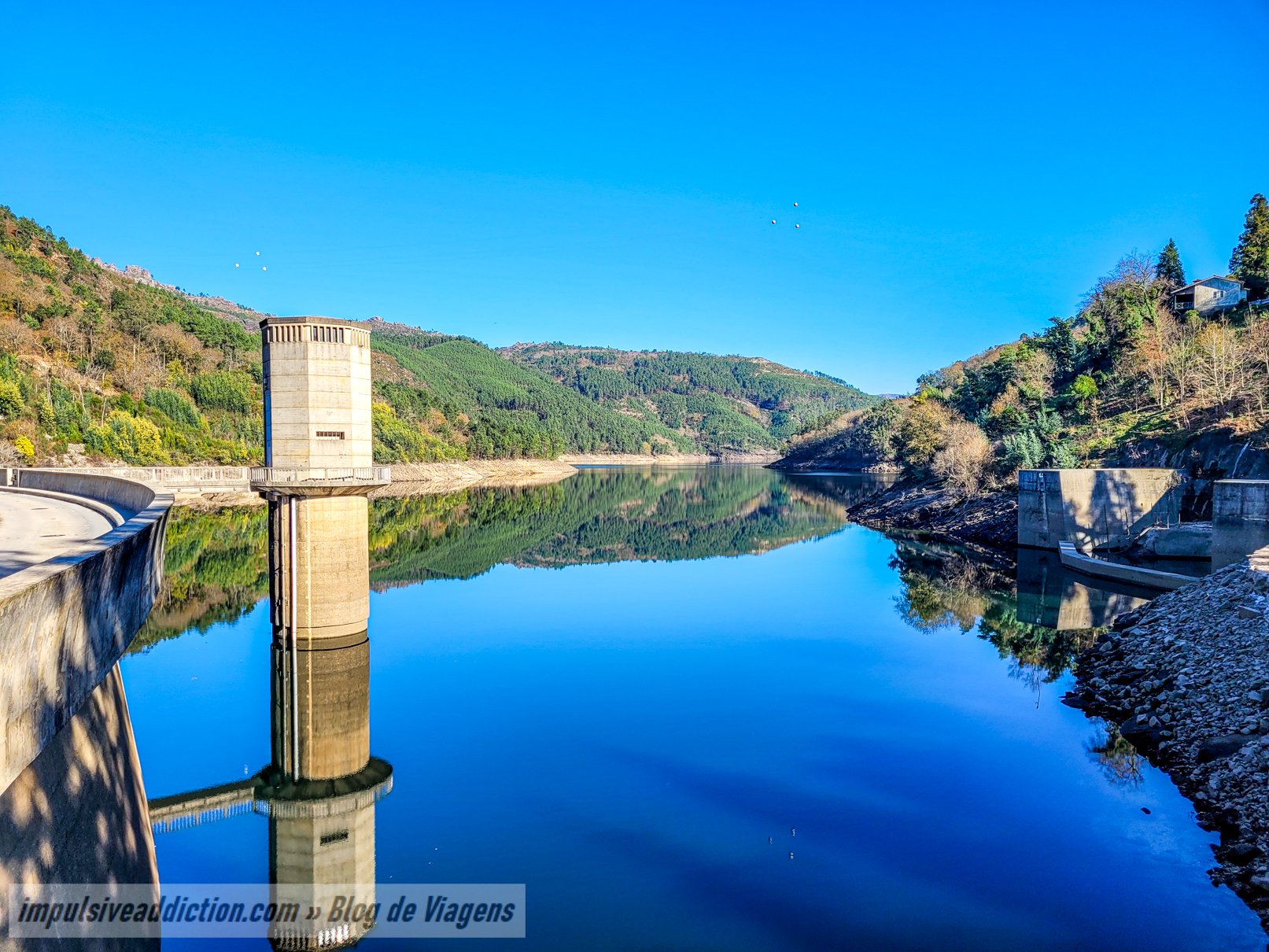
The Salamonde Dam sits on the Cávado River, upstream from the Caniçada Reservoir. Inaugurated in 1953, it stands 75 meters high and remains one of the key hydroelectric structures in the region.
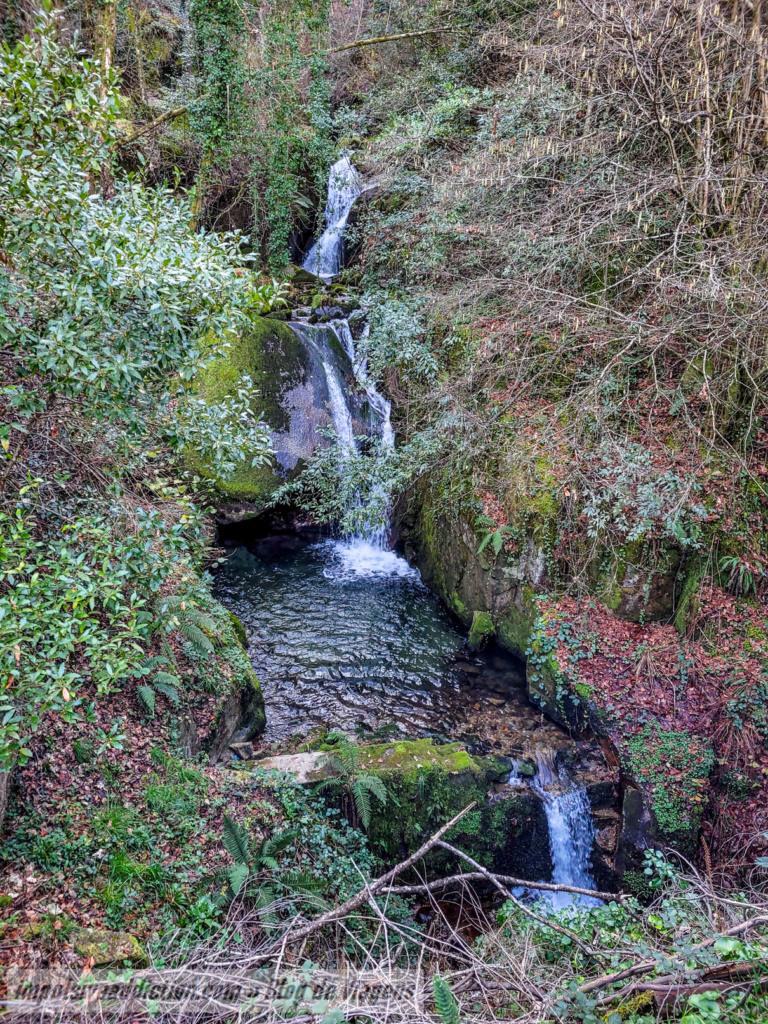
7. Fragas de Pena Má Waterfalls
Near the Salamonde Dam, you’ll find a small parking area that gives access to the Fragas de Pena Má Waterfalls. One of the falls is right by the roadside, while the main one can only be reached by following the stream uphill.
When I visited, the access paths were poorly maintained, so hopefully you’ll have better luck. Either way, don’t expect a massive waterfall—this one is quite small and simple, definitely not the most impressive in the Serra da Cabreira (you’ll see better ones later on).
8. Espindo Village and Buraco da Gola
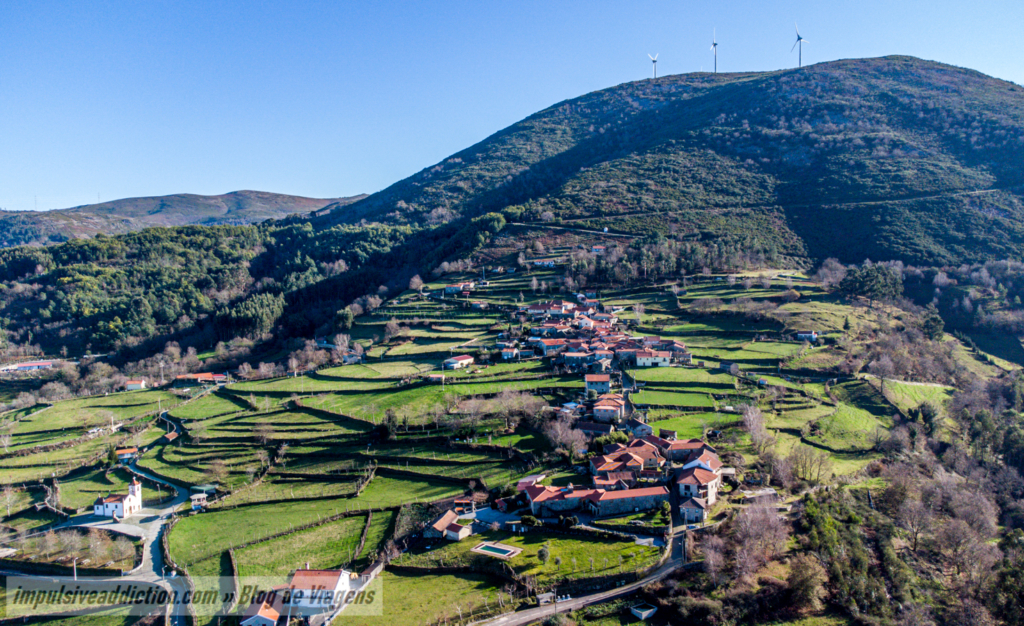
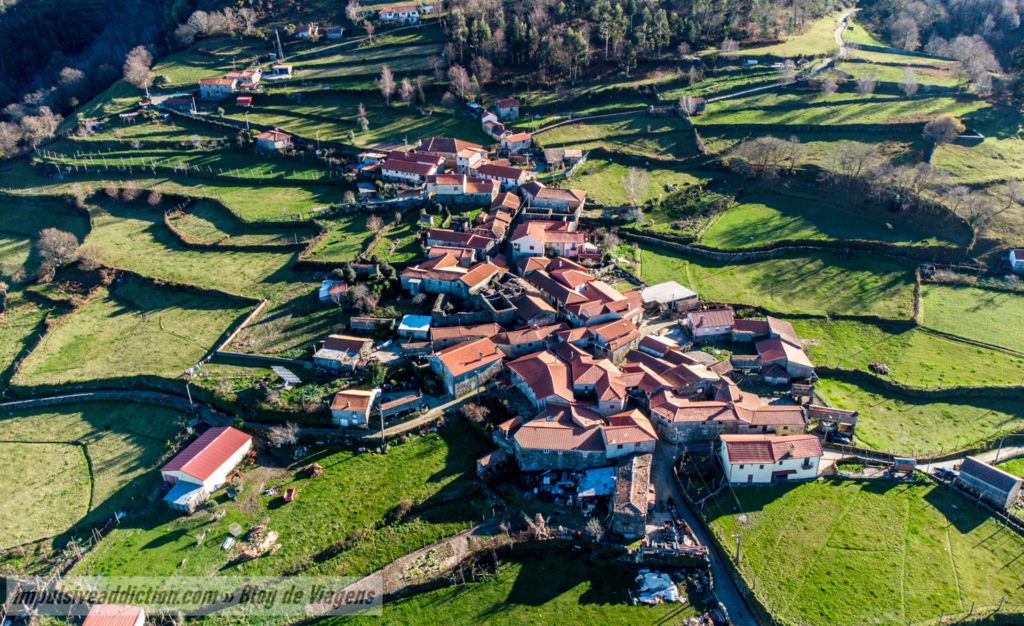
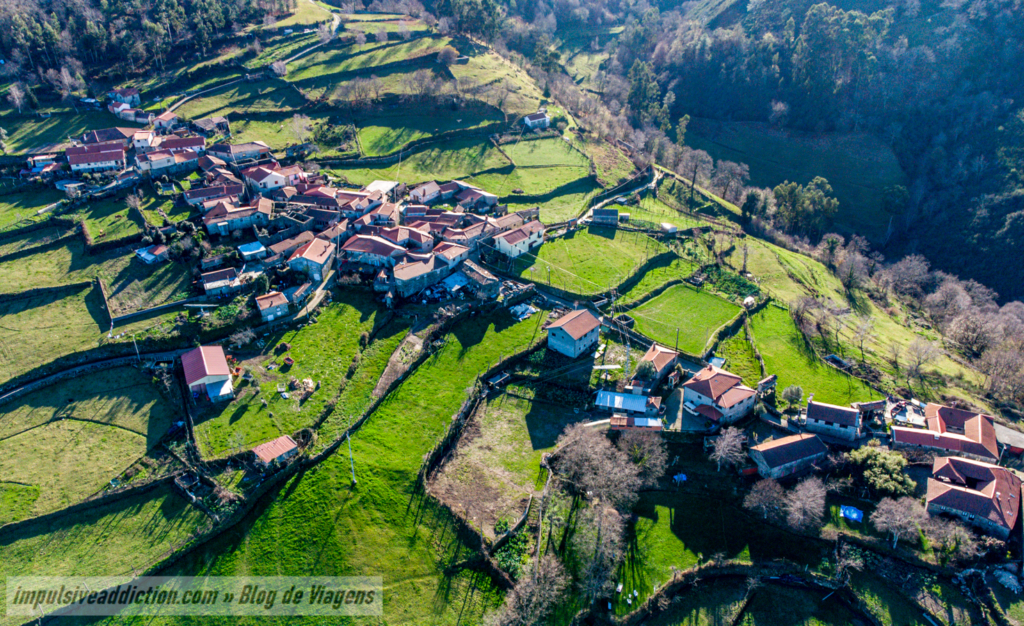
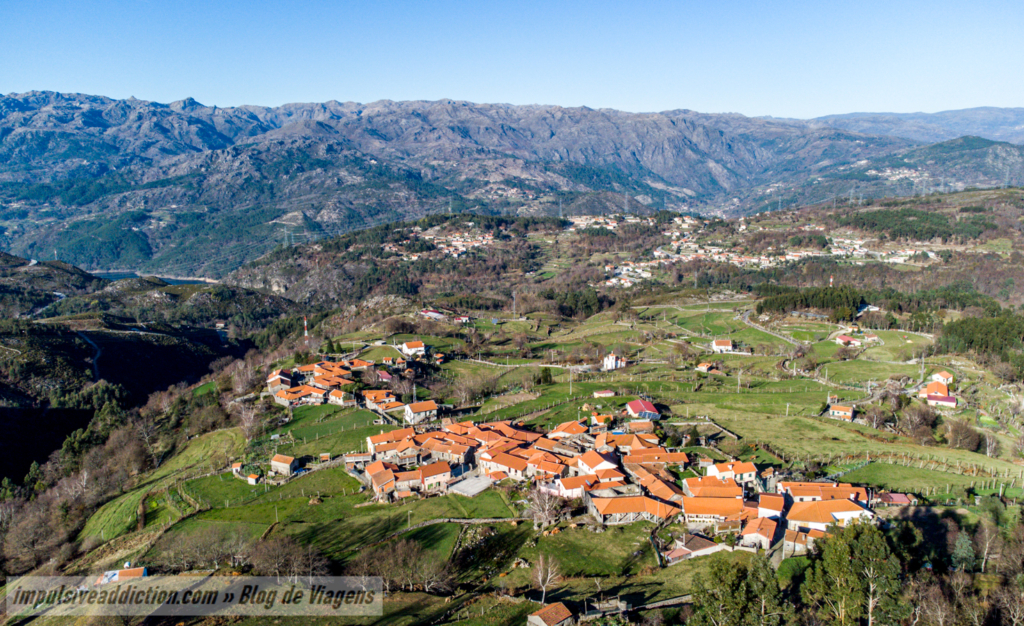
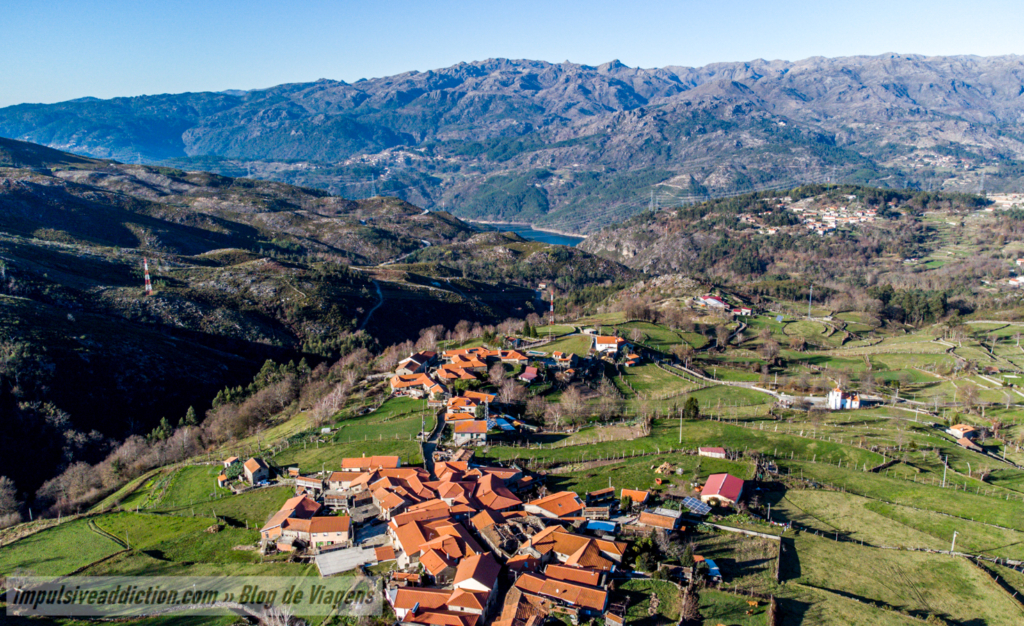
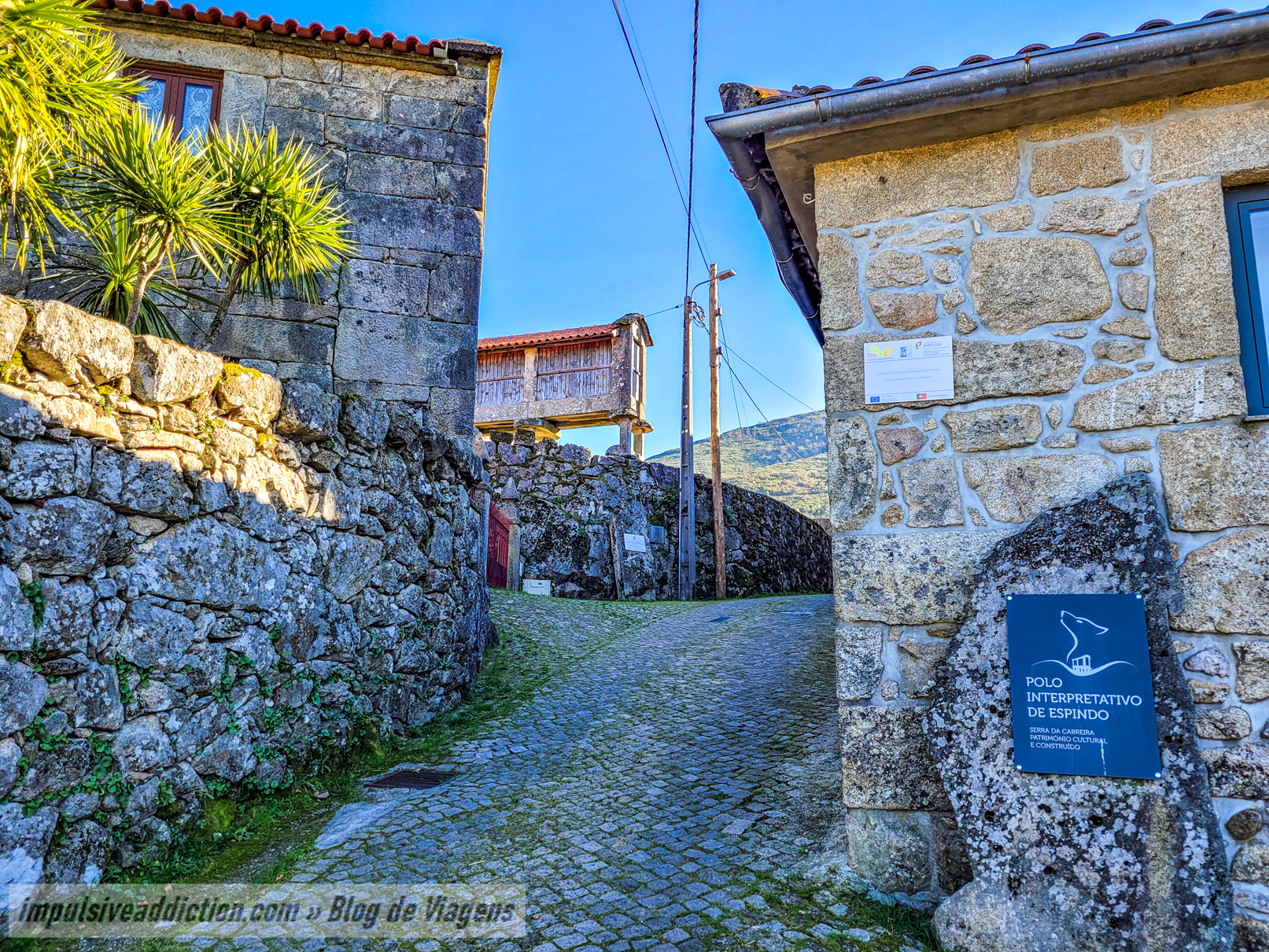
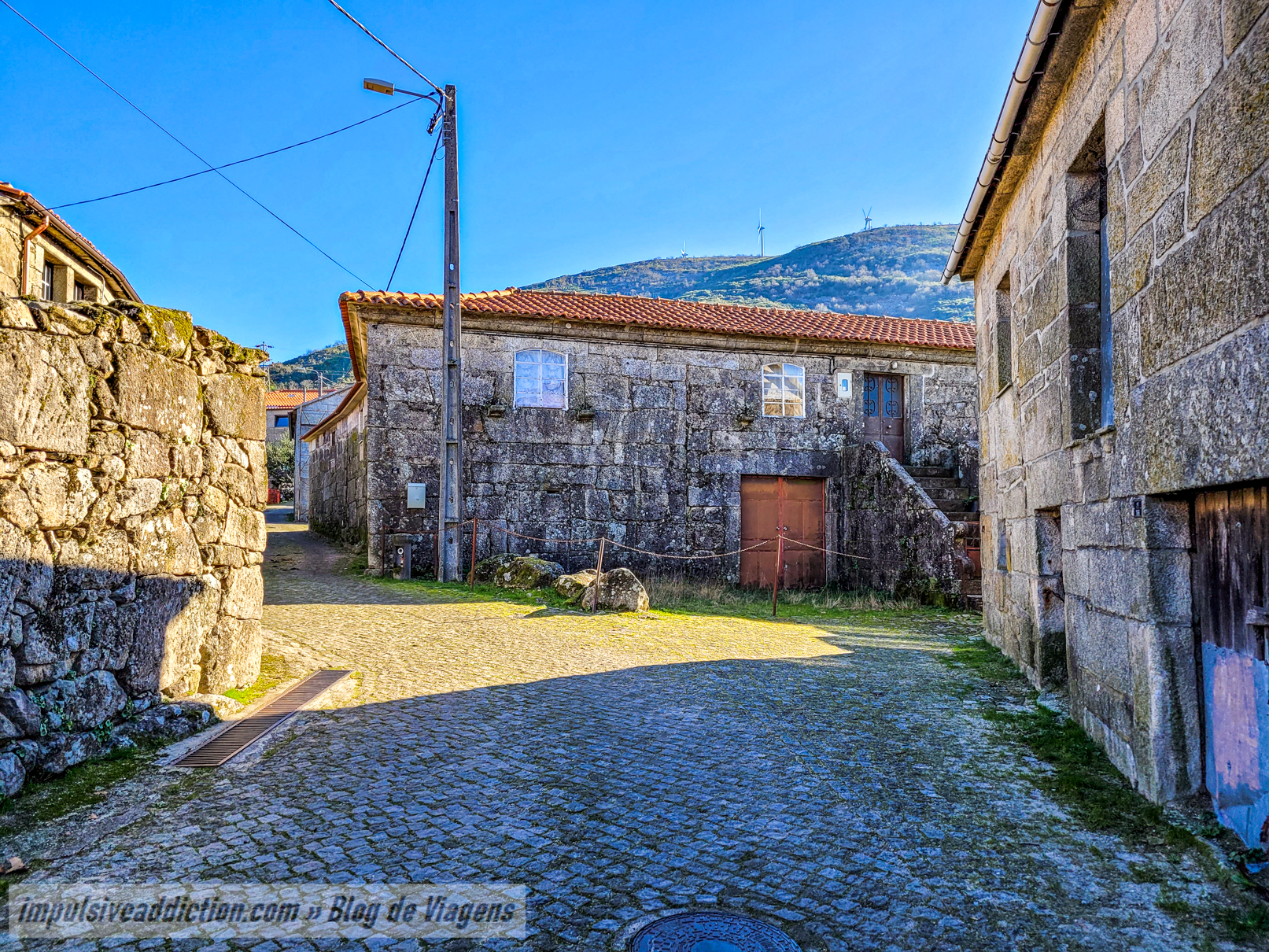
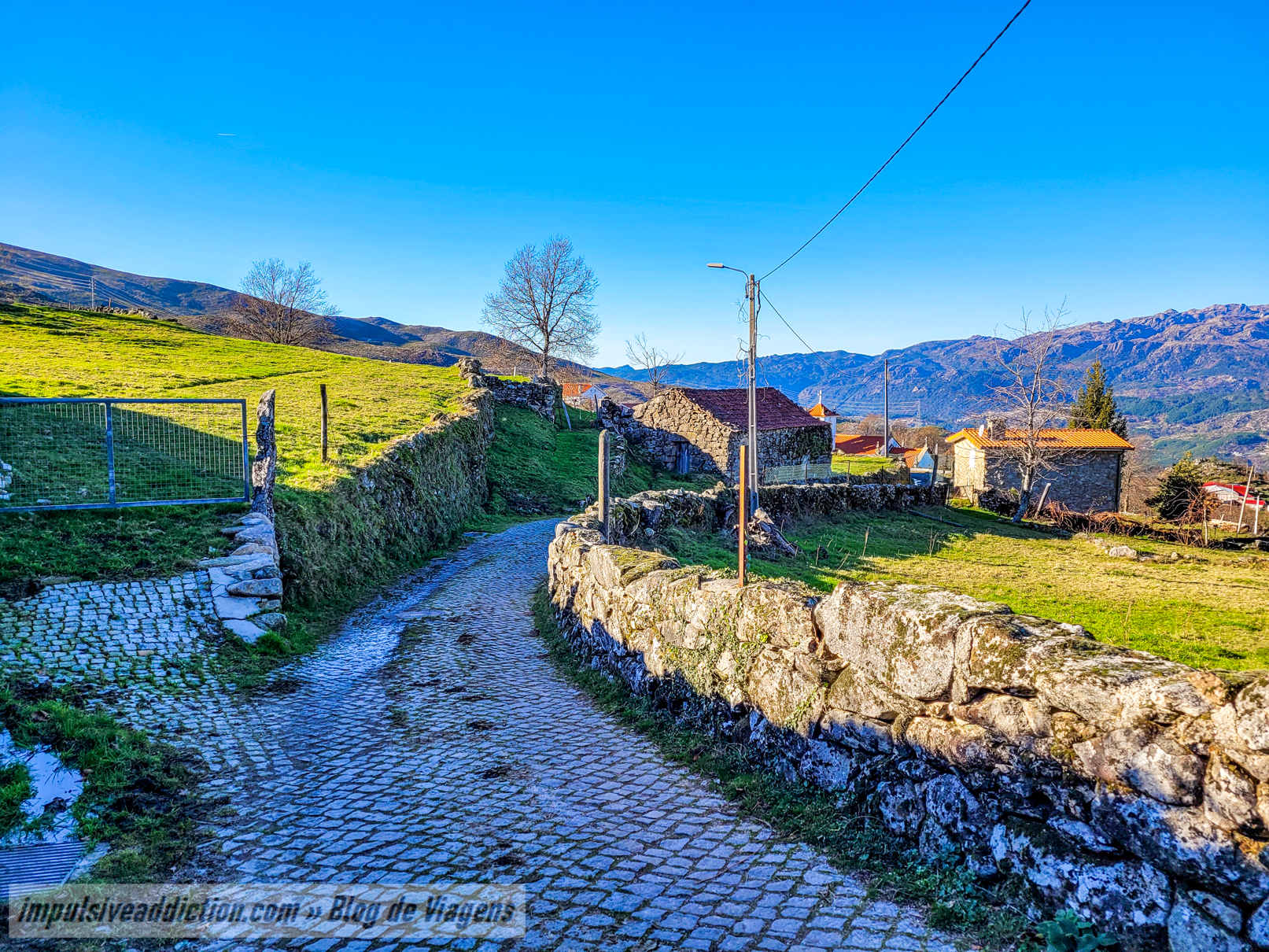
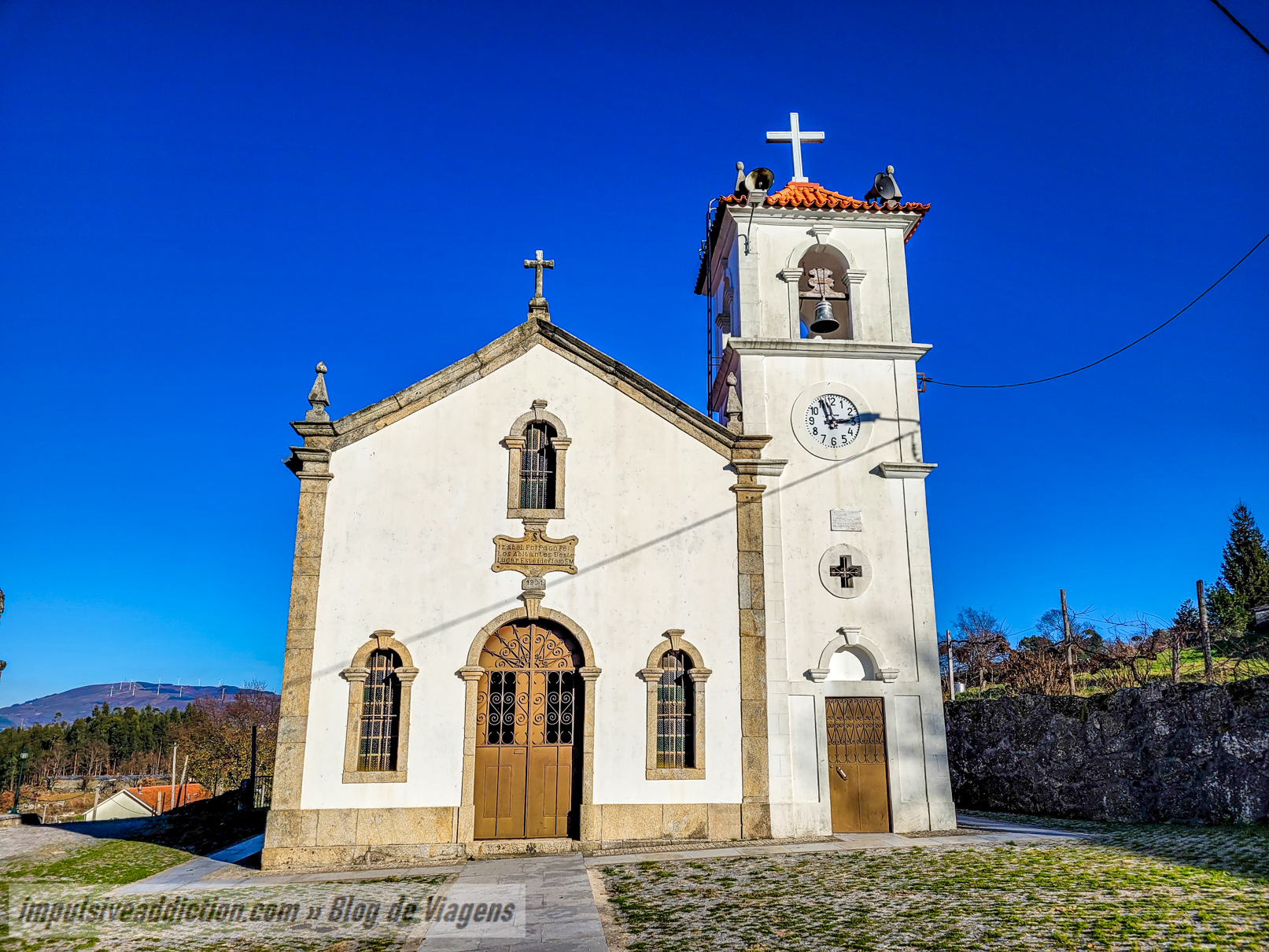
Espindo is my favorite village in the Serra da Cabreira. It’s made up of a single main street that you should walk from start to finish. Much like in Louredo, most of the houses are built from granite, and the village is surrounded by lush green farmland. It’s a tiny, rural place with a lot of charm—perfect if you want to stay overnight at Casa da Gaiteira, which I highly recommend in this guide.
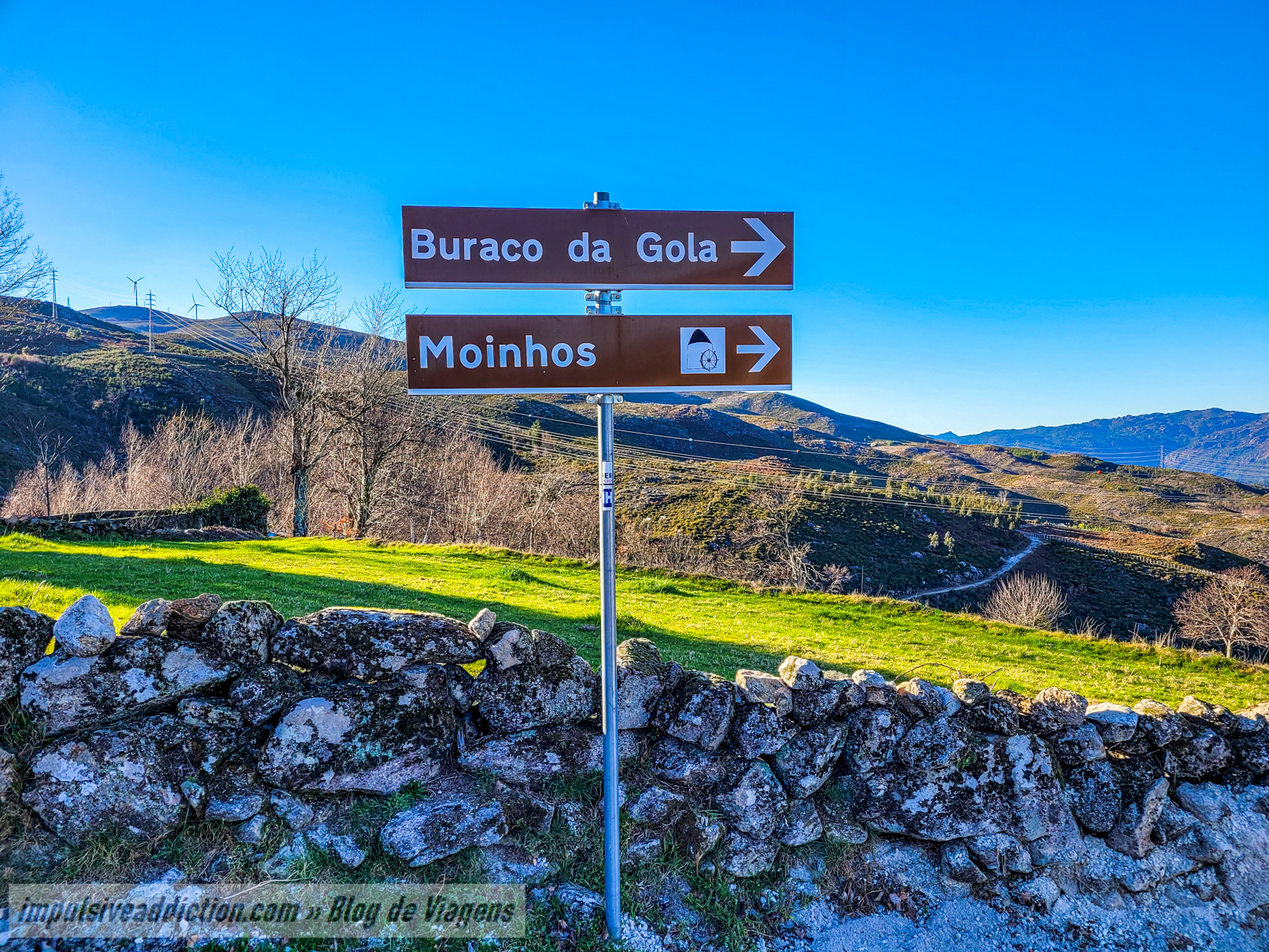
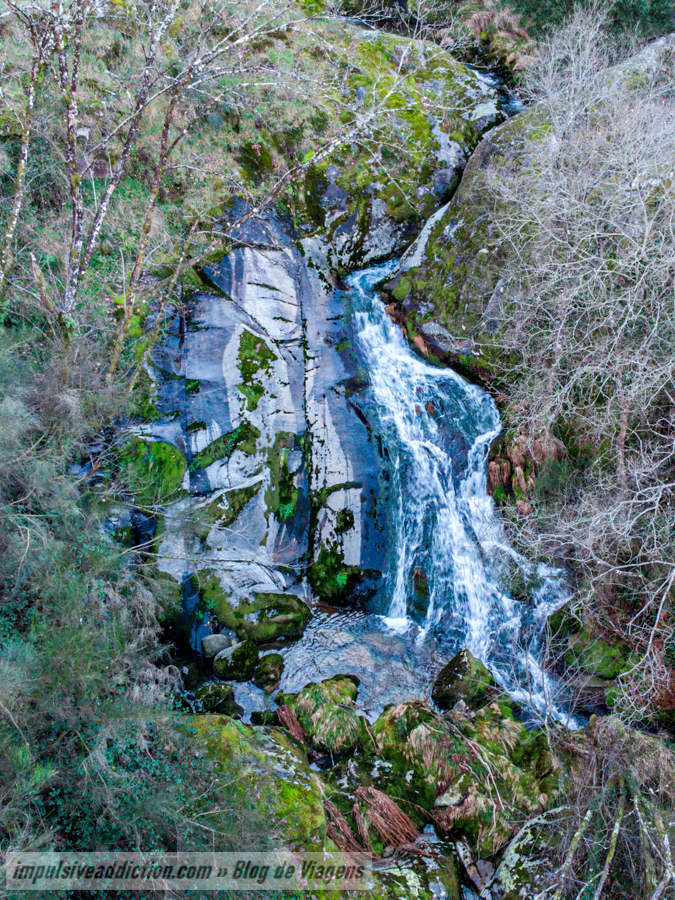
At one end of the village, you’ll find a Wolf Interpretive Center (unfortunately closed during my visit). From there, you’ll also see signs for a short hiking trail leading to the Buraco da Gola, which you can do as an optional walk. The trail is scenic, taking you along the Chedas stream, with small waterfalls and traditional watermills along the way.
The Buraco da Gola itself is a small lagoon formed beneath one of these waterfalls. Local legend says it is bottomless—a mysterious “portal to another world.”
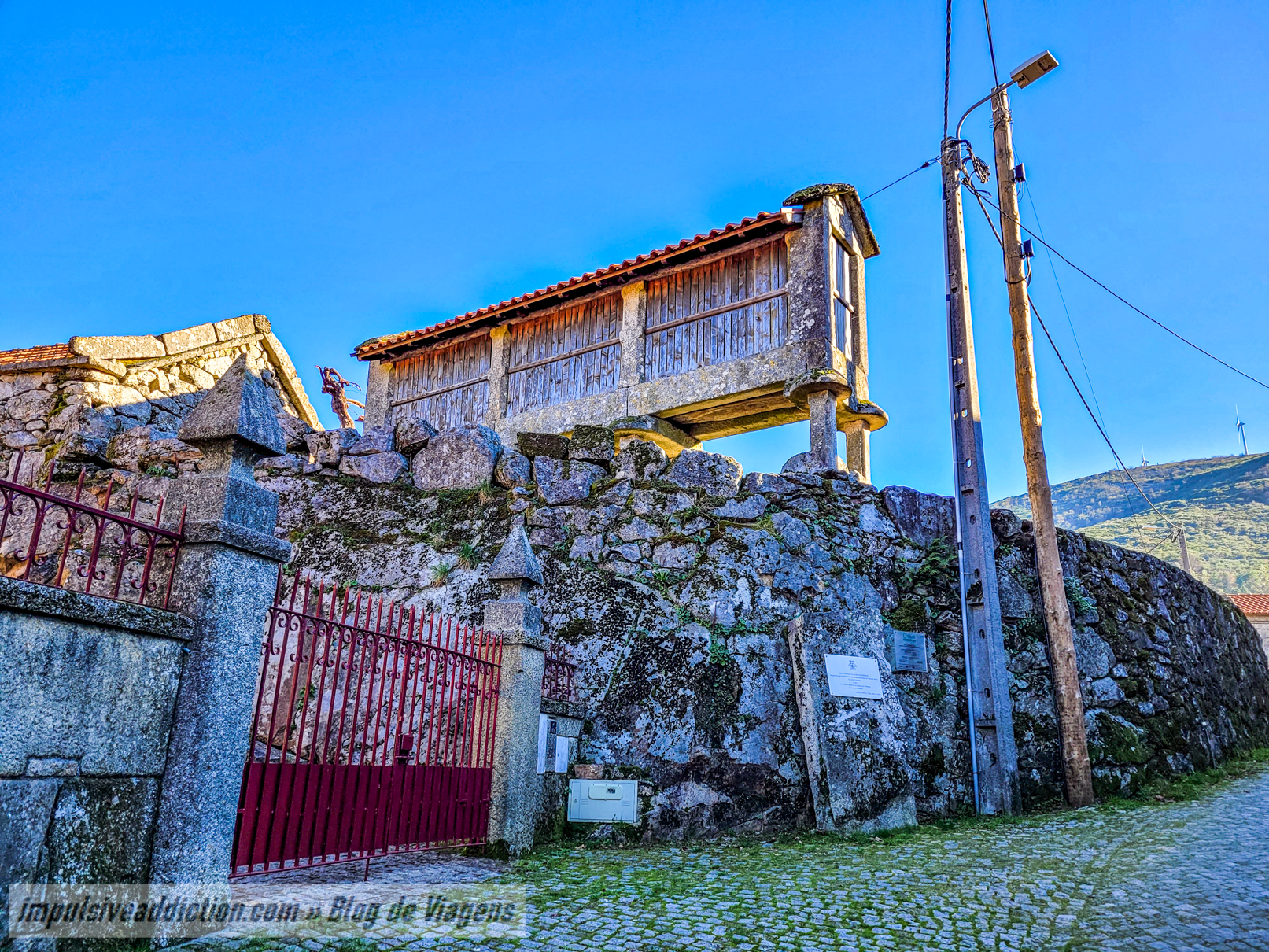
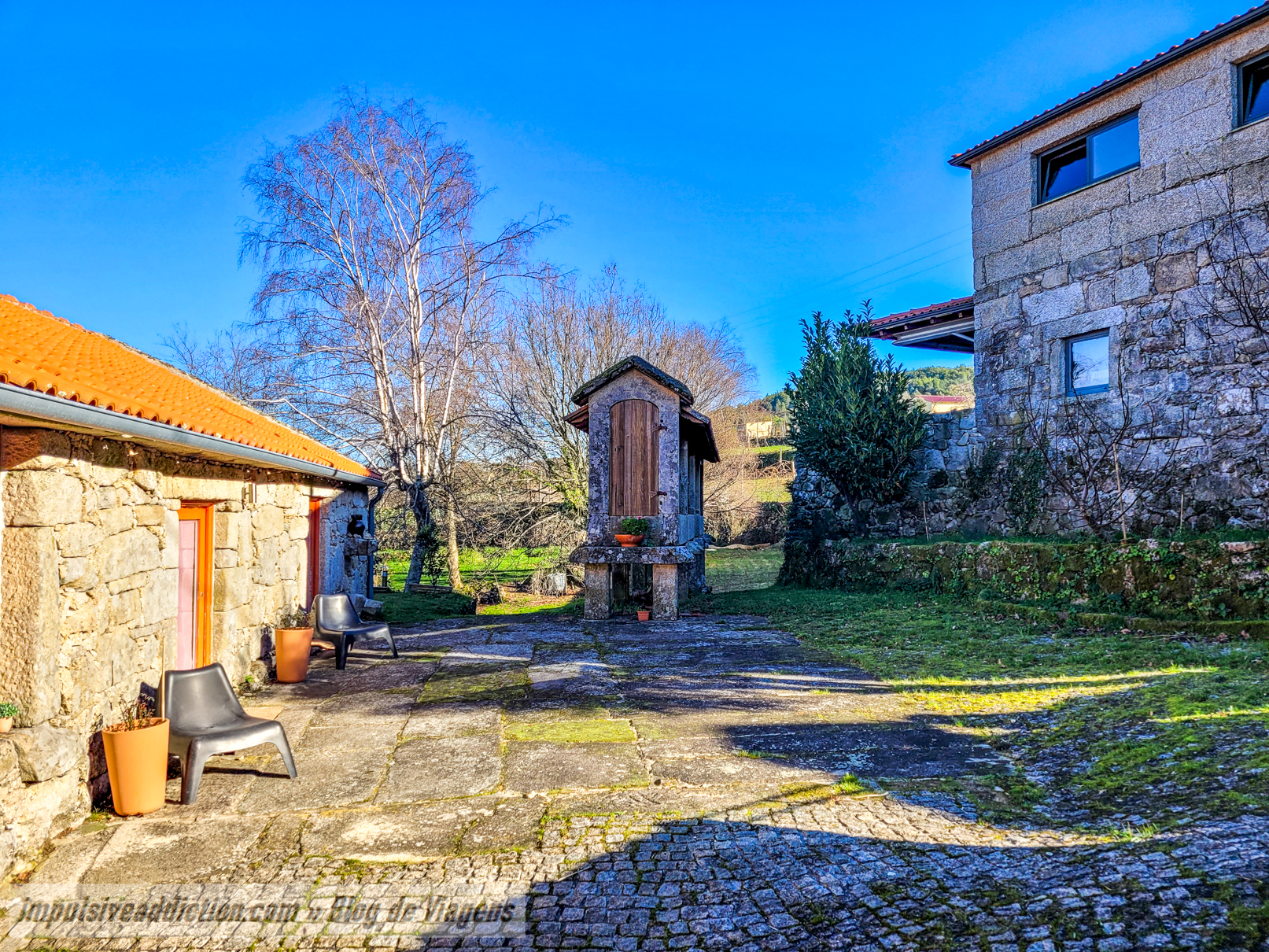
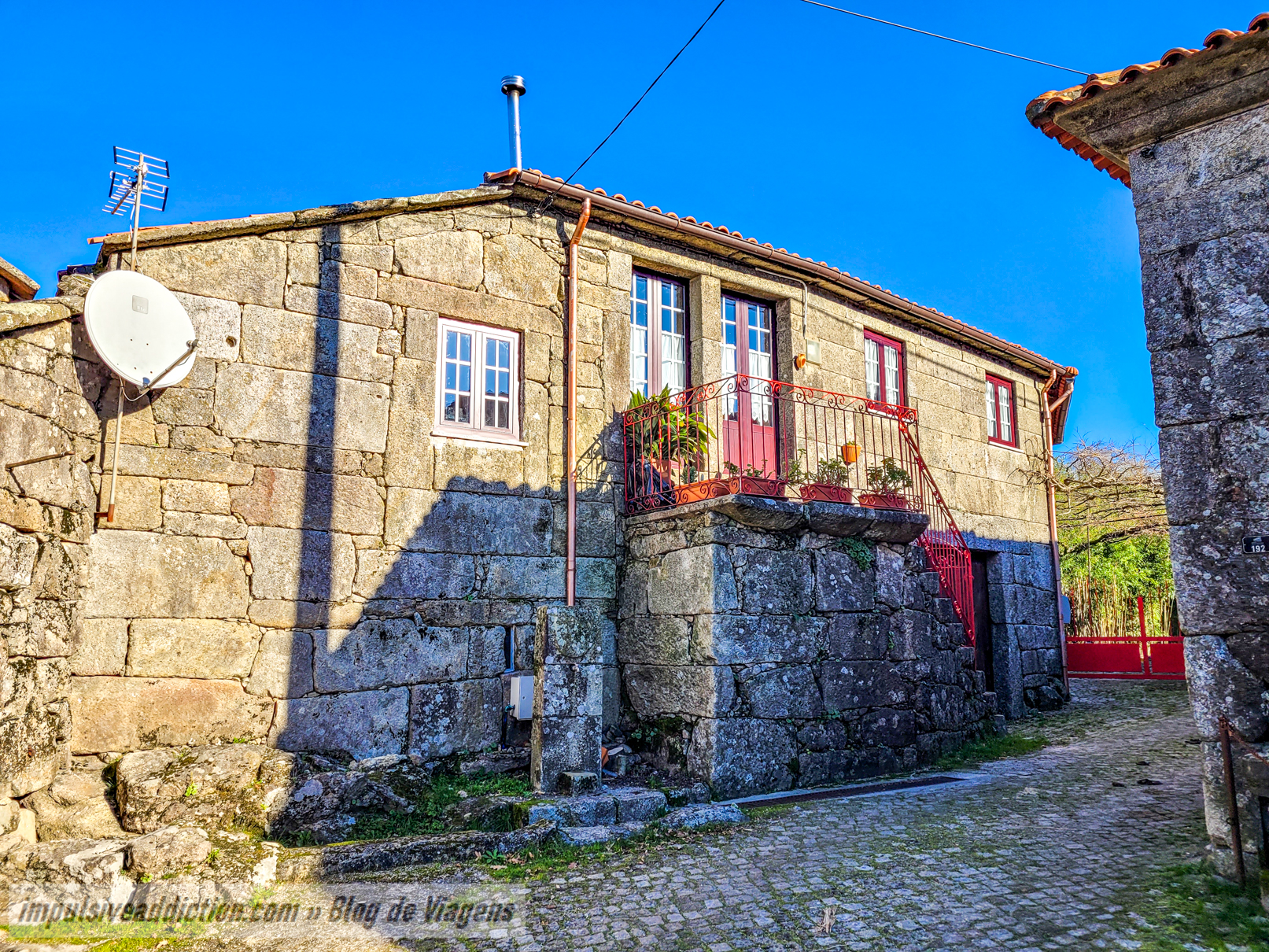
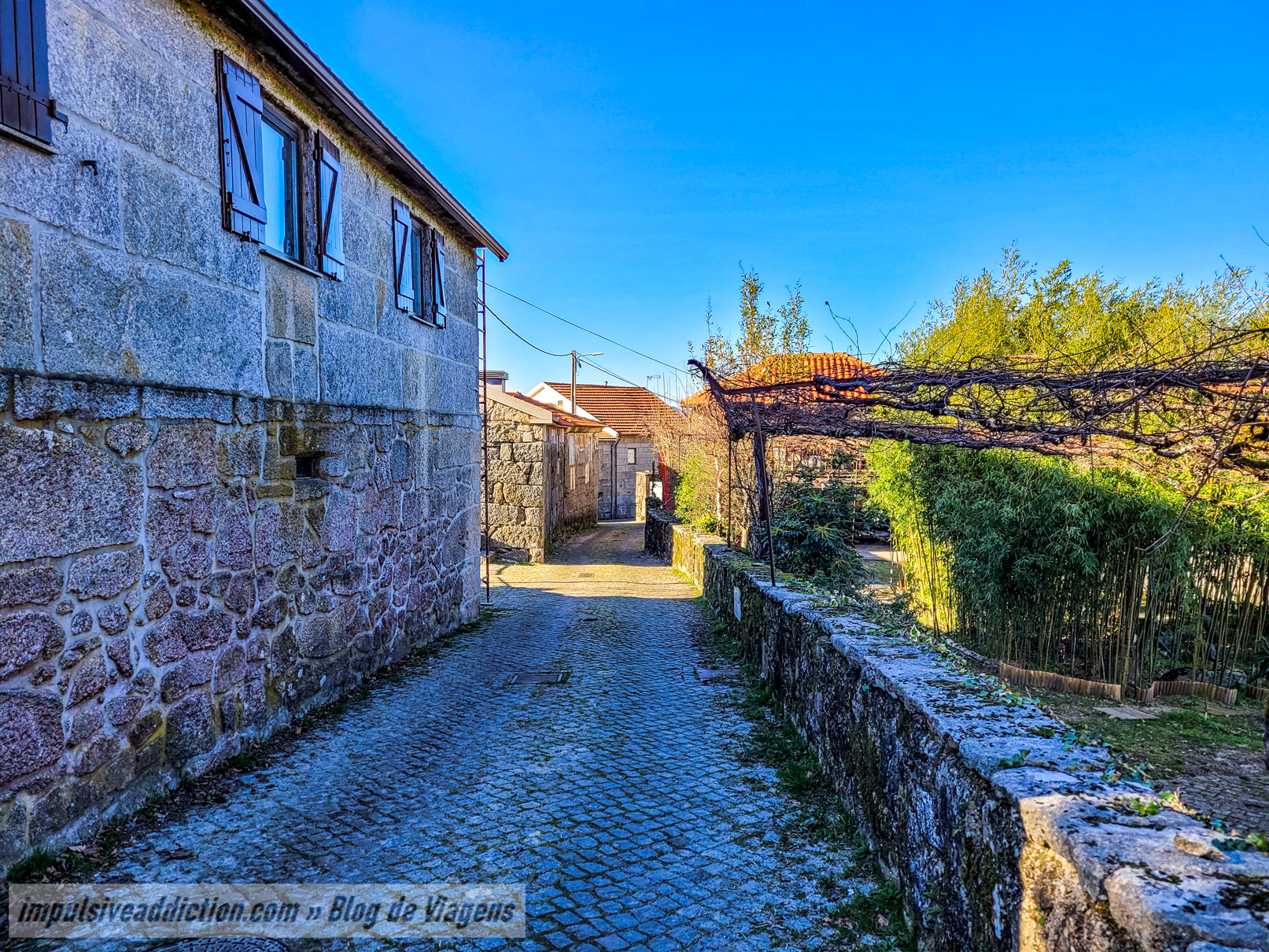
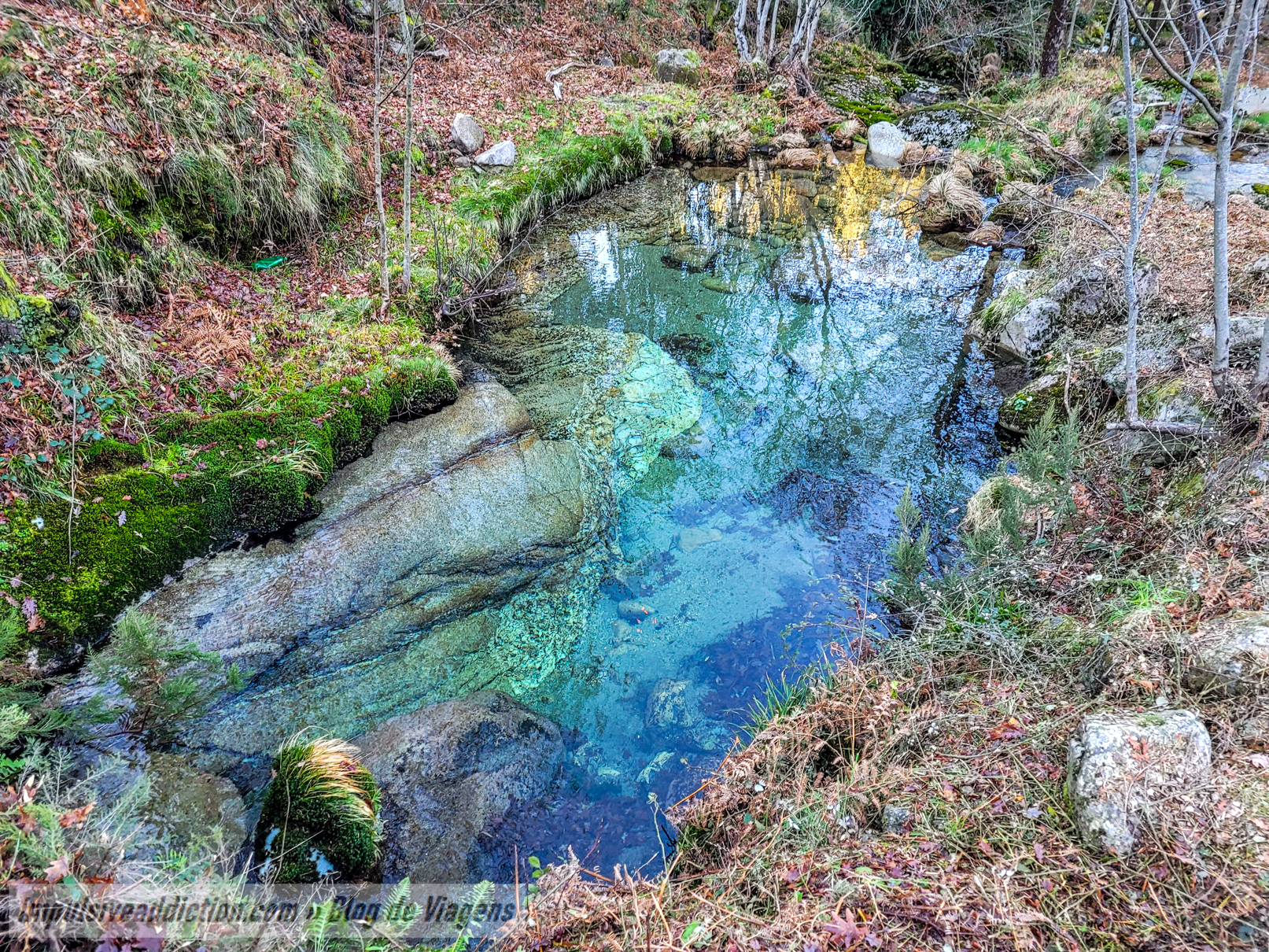
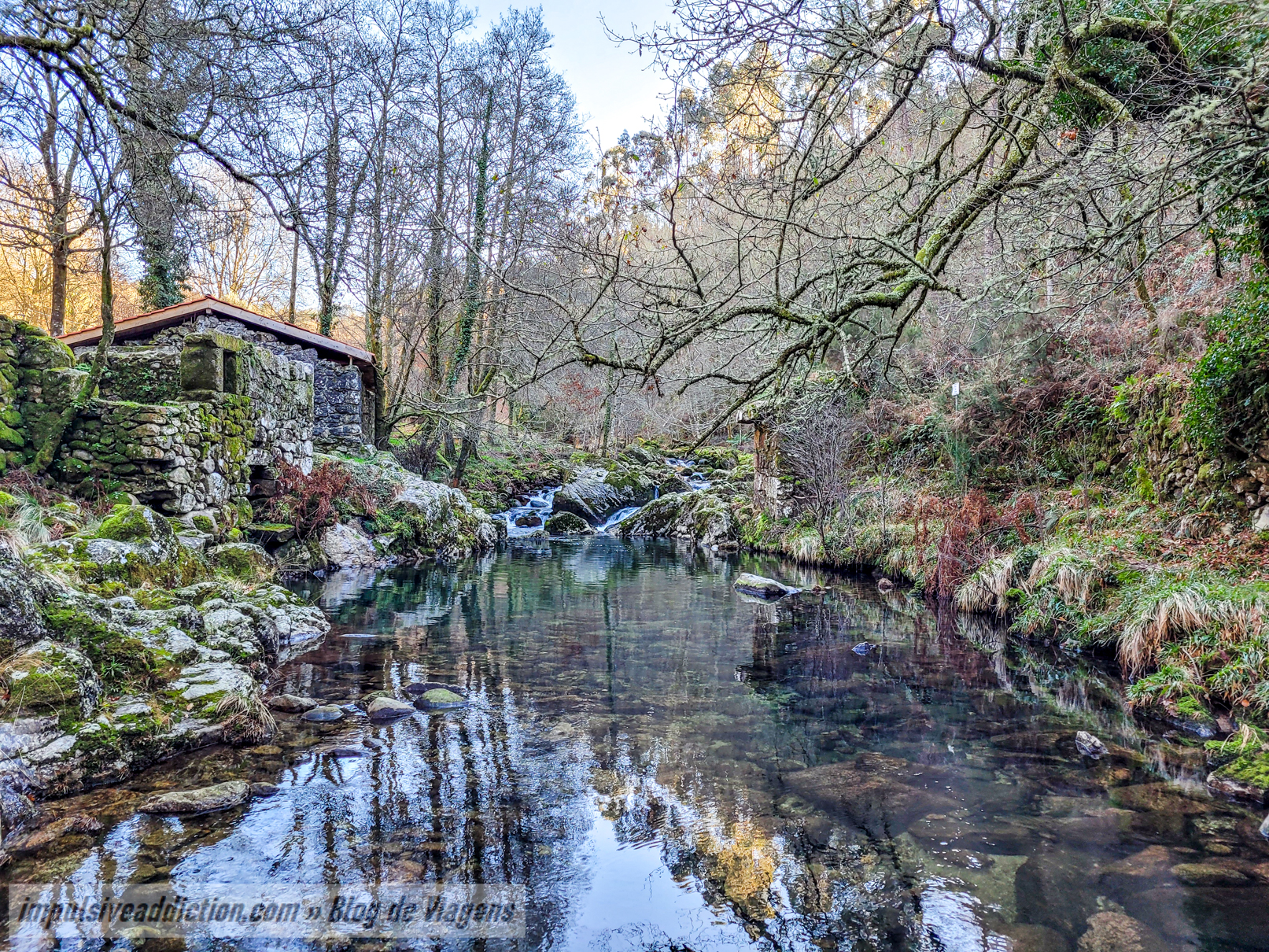
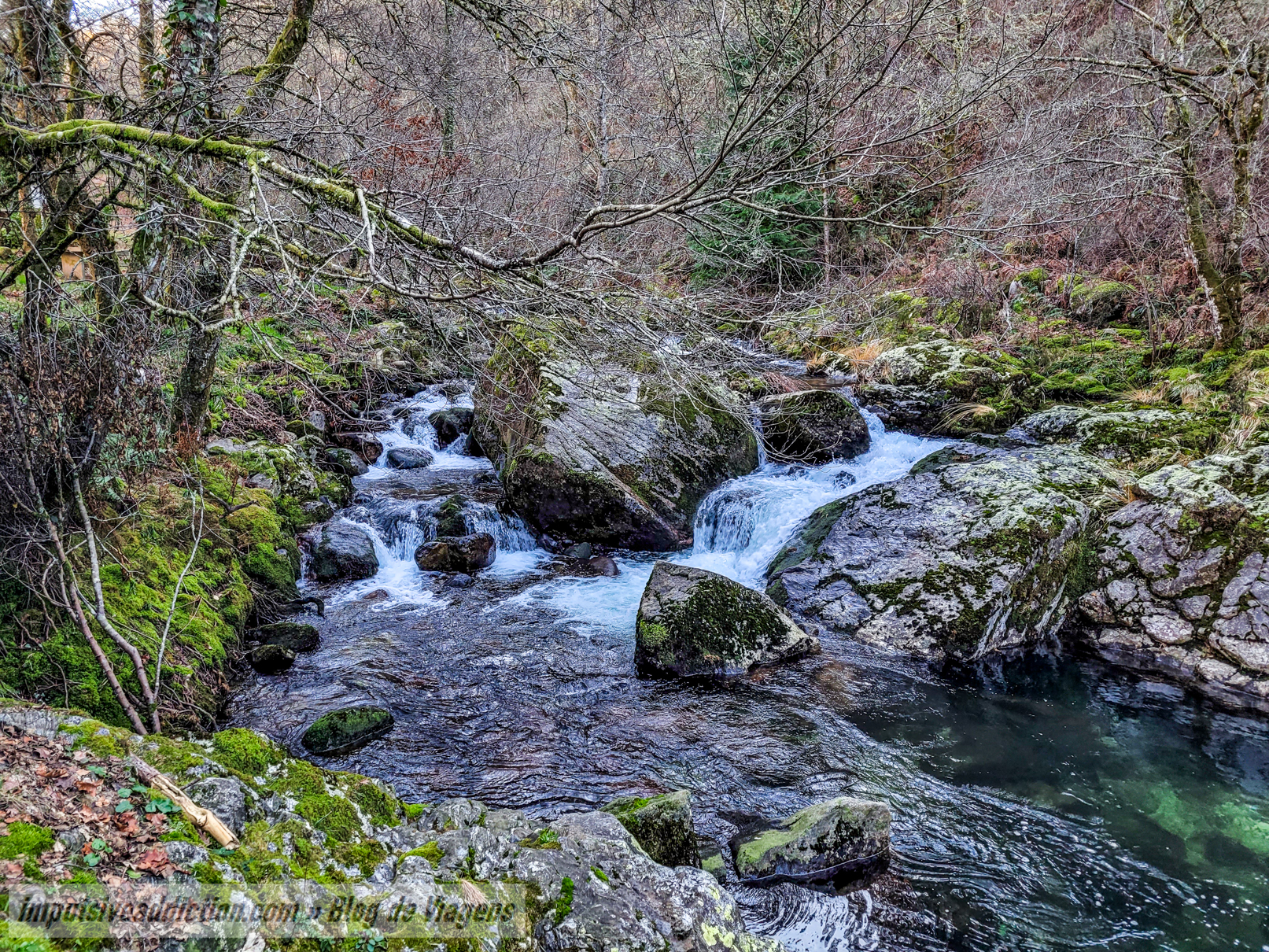
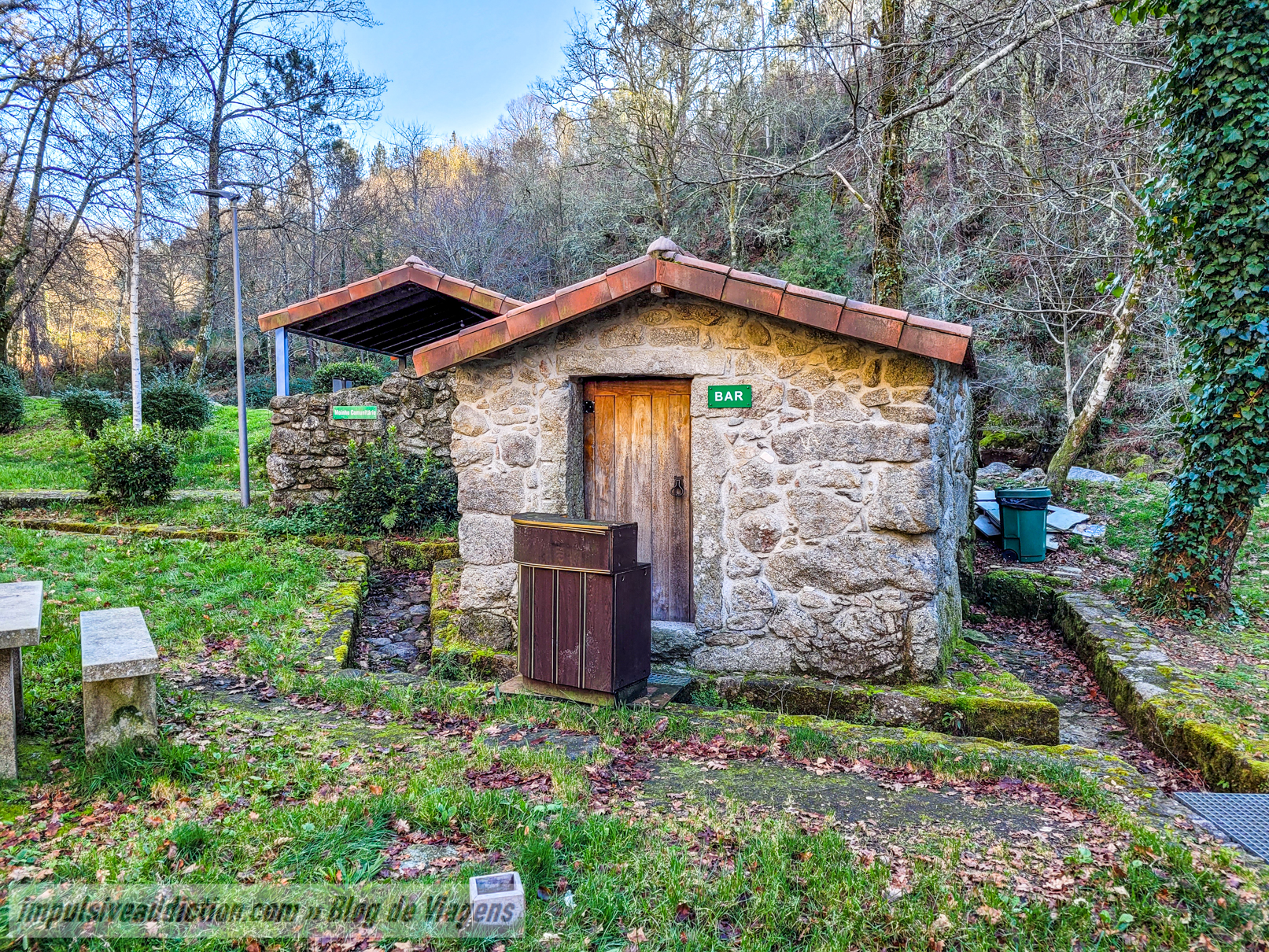
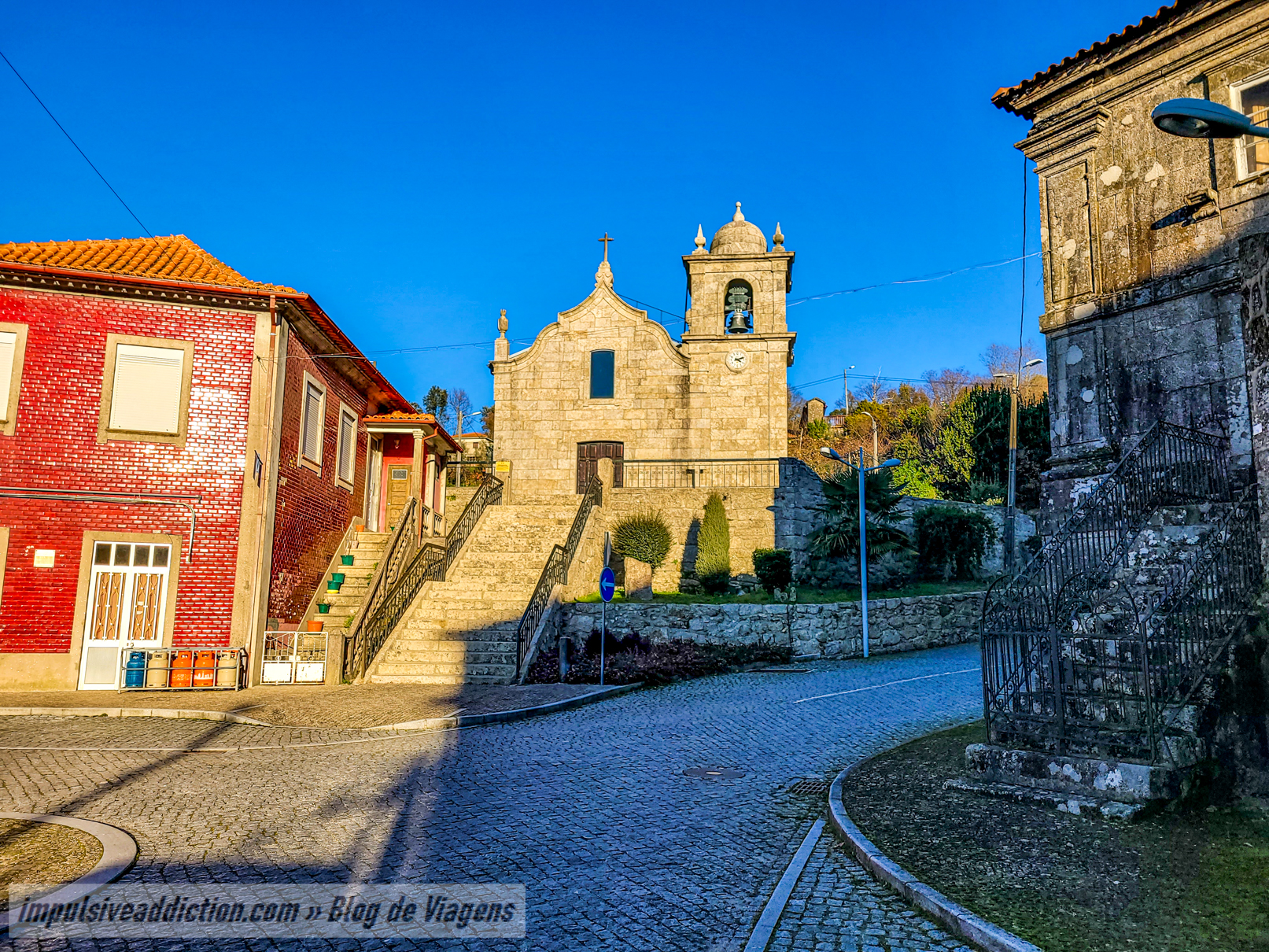
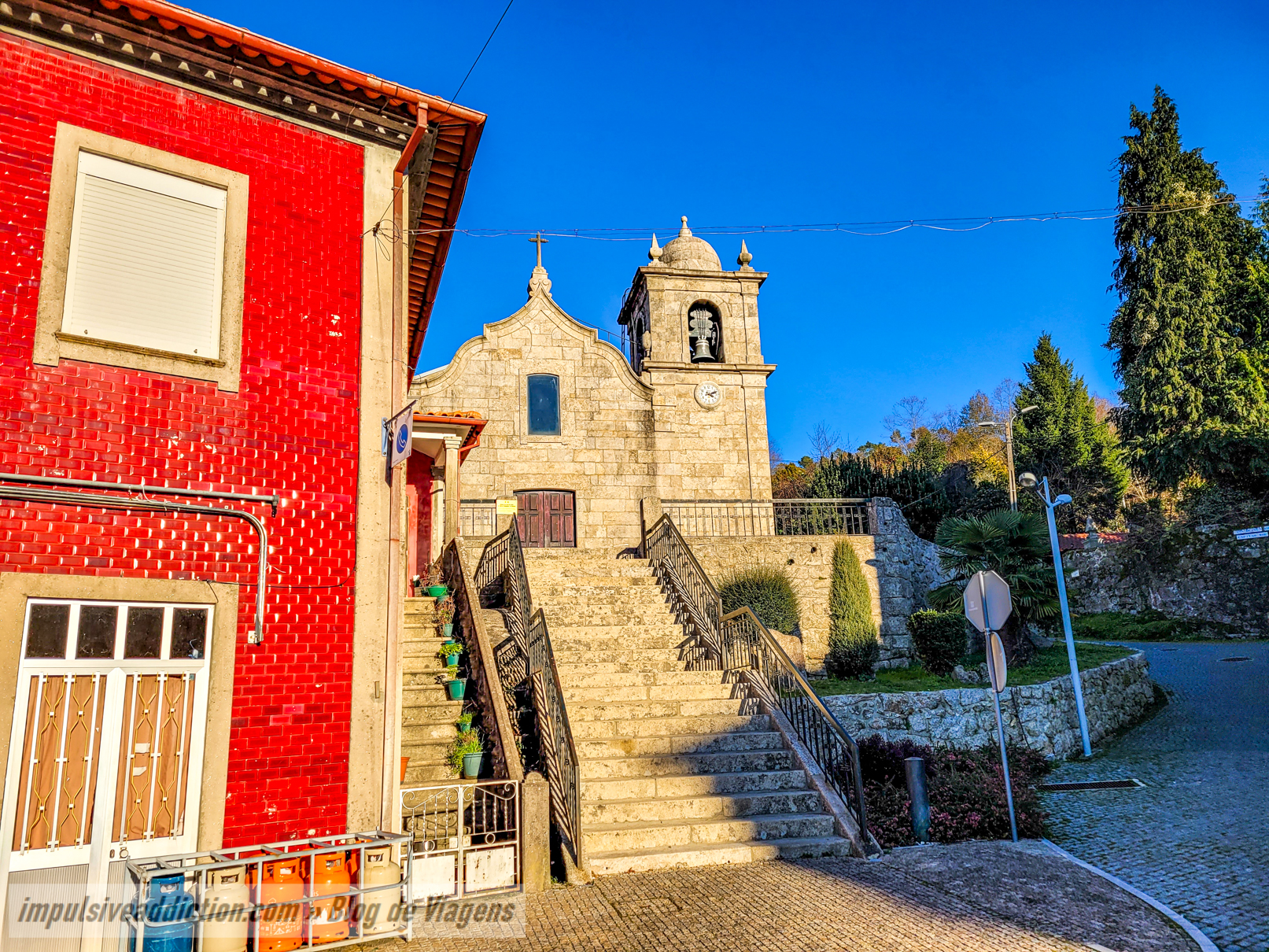
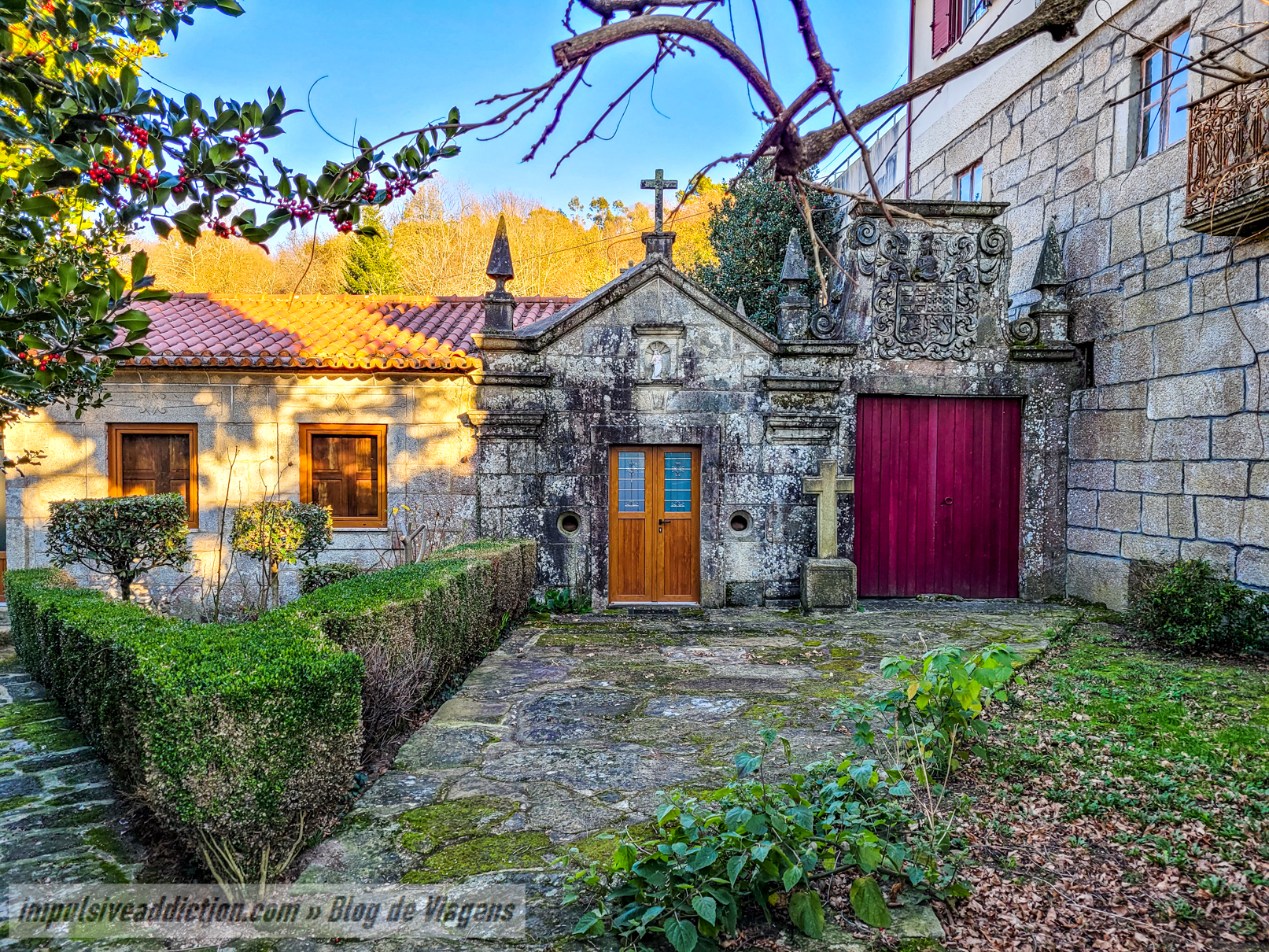
9. Poço das Traves Leisure Area and Ruivães Village
I absolutely loved the Poço das Traves Leisure Area! Even if you don’t spend much time there, it’s a cozy and inviting spot—perfect for a picnic and a refreshing swim in the cool river waters. The facilities are well maintained, making it a great place to relax.
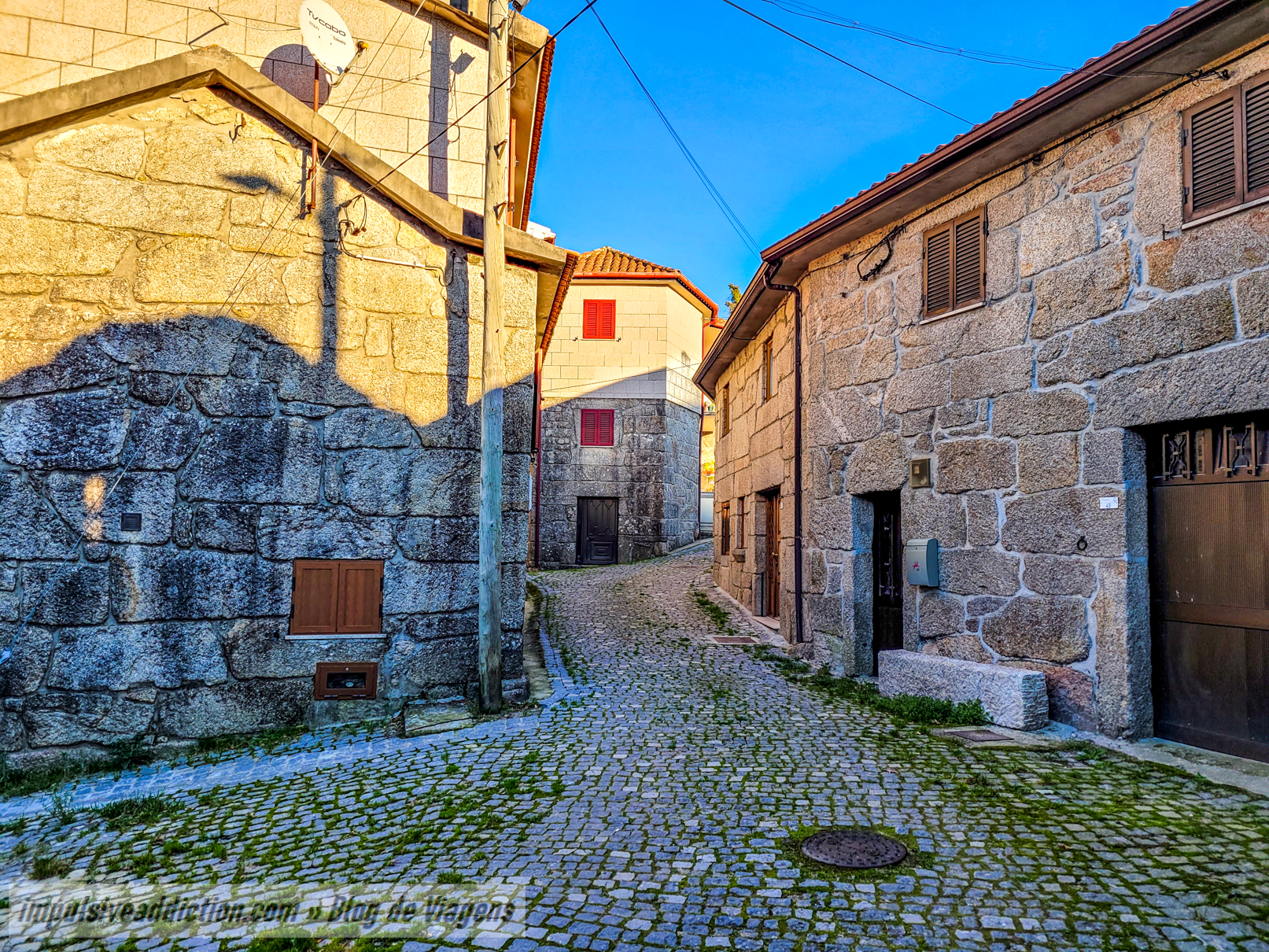
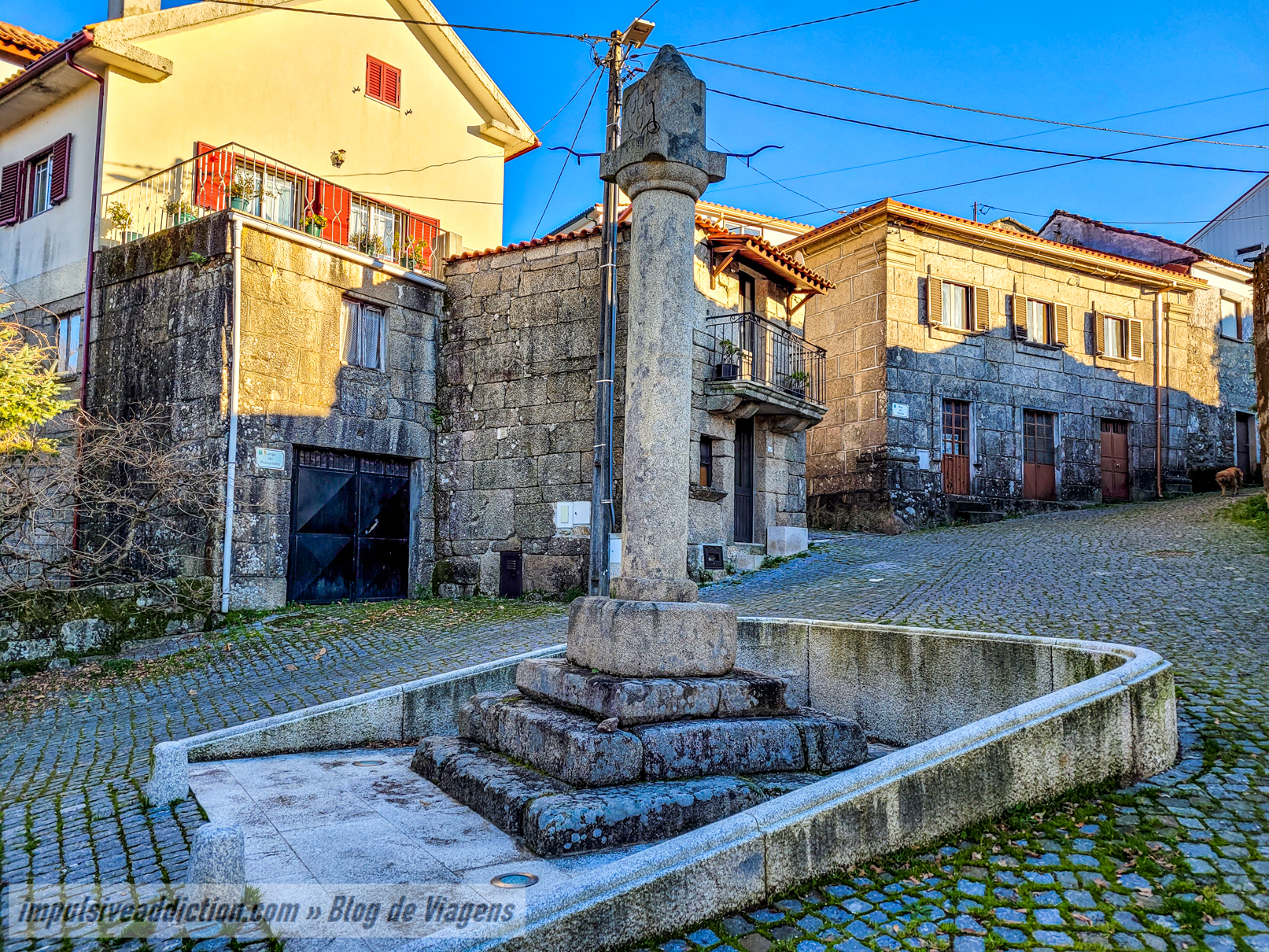
This leisure area belongs to the village of Ruivães, located just nearby. While in Ruivães, don’t miss the Parish Church and take a short stroll to discover the historic pelourinho (pillory).
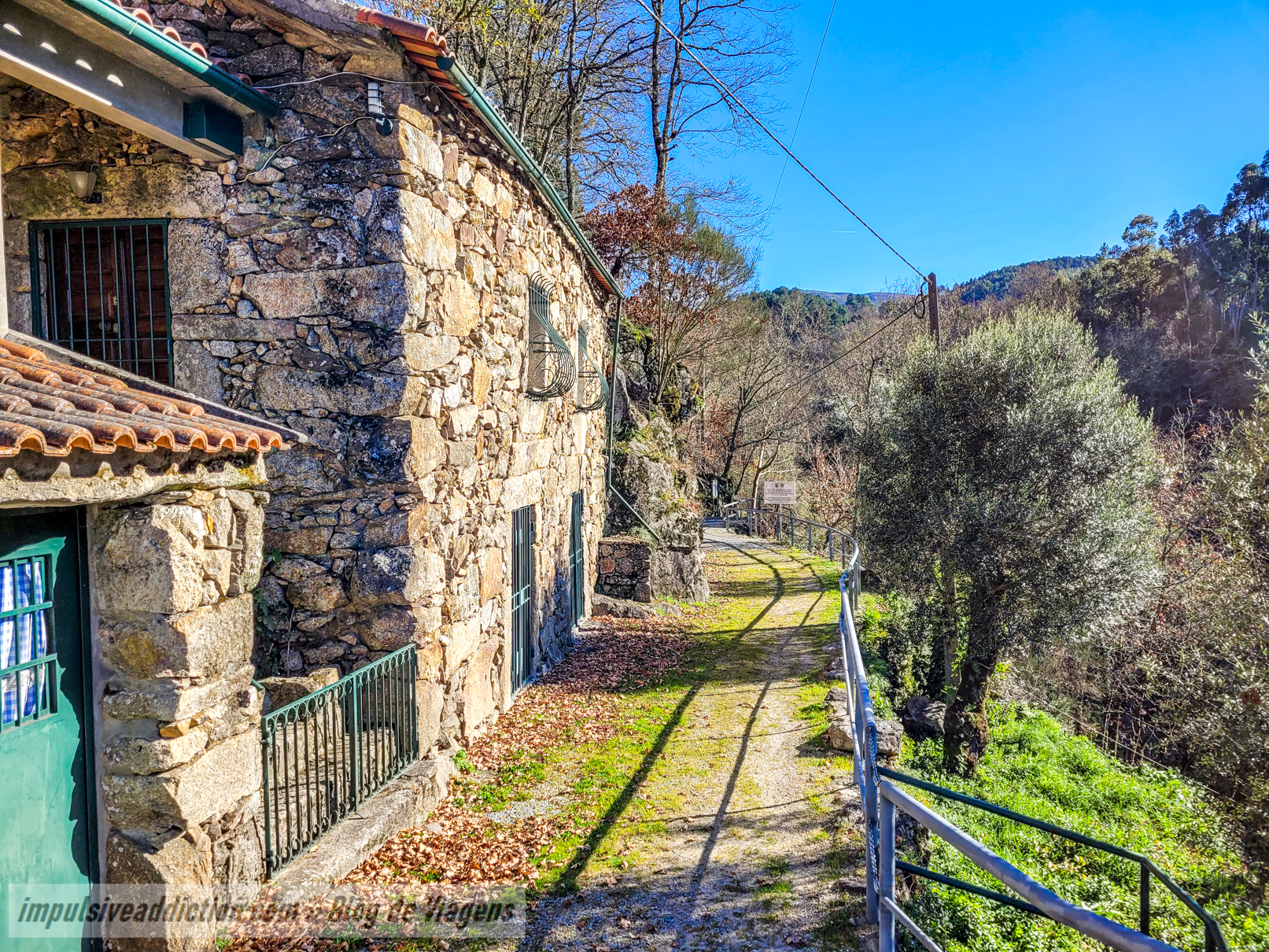
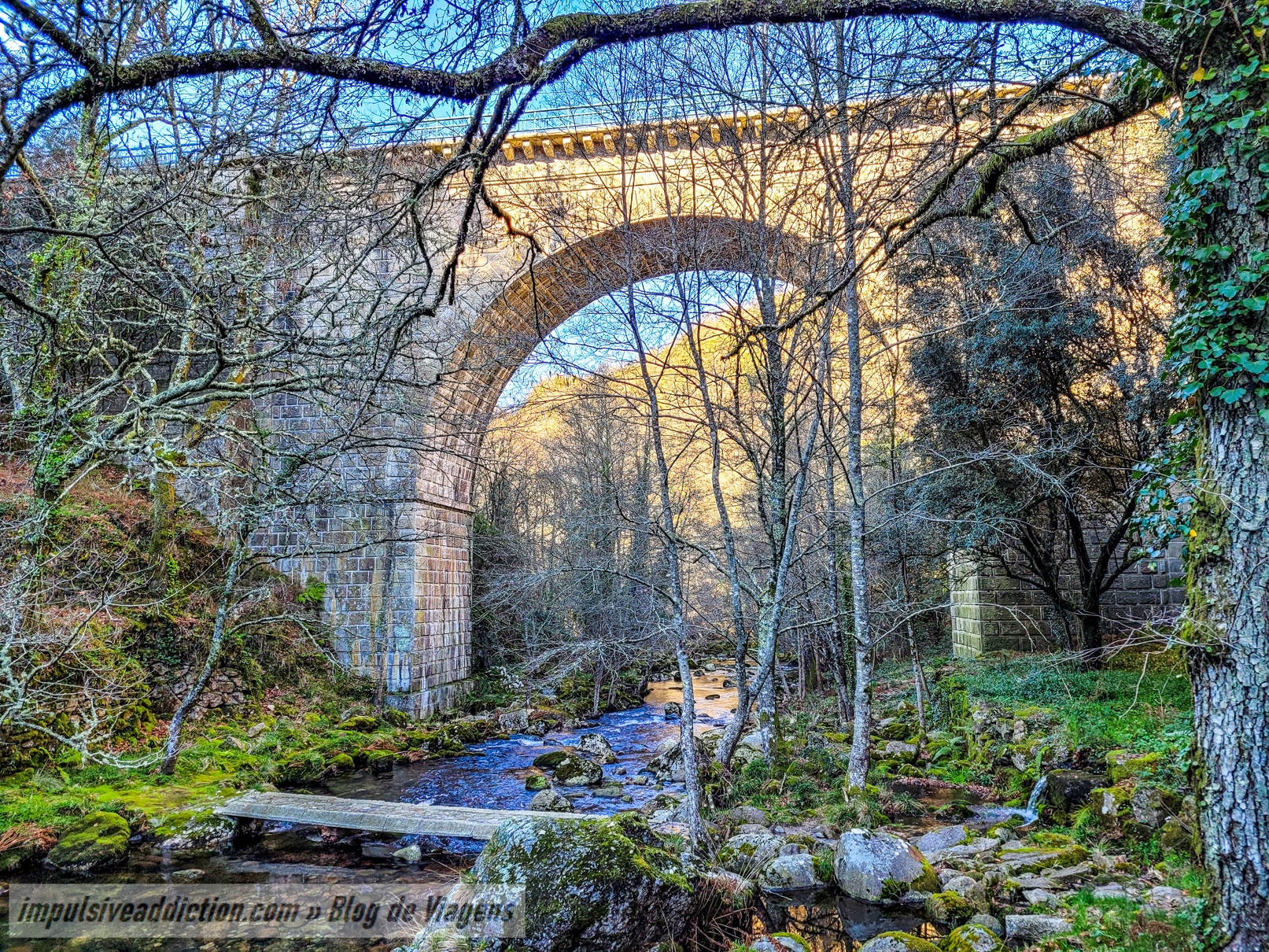
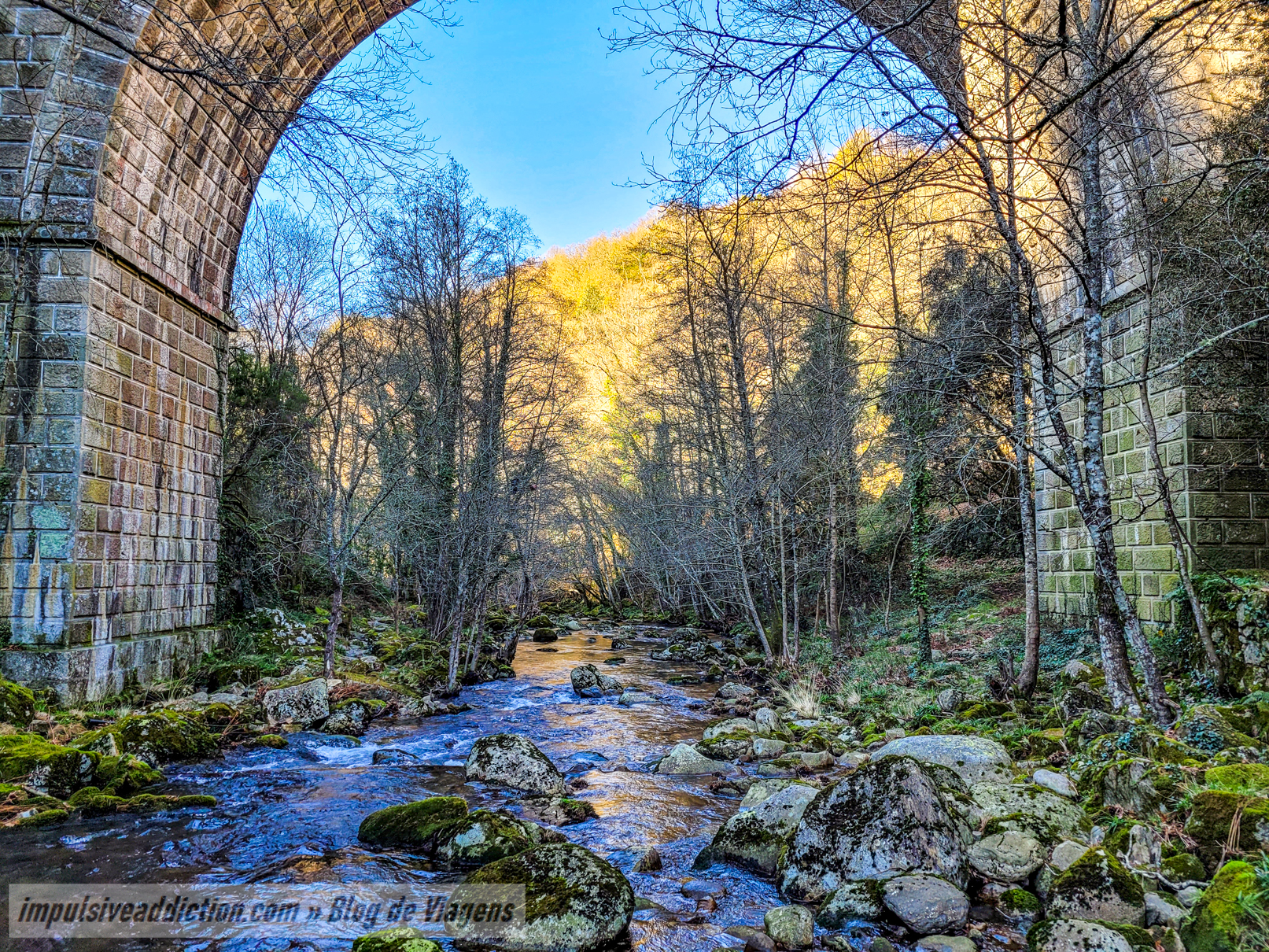
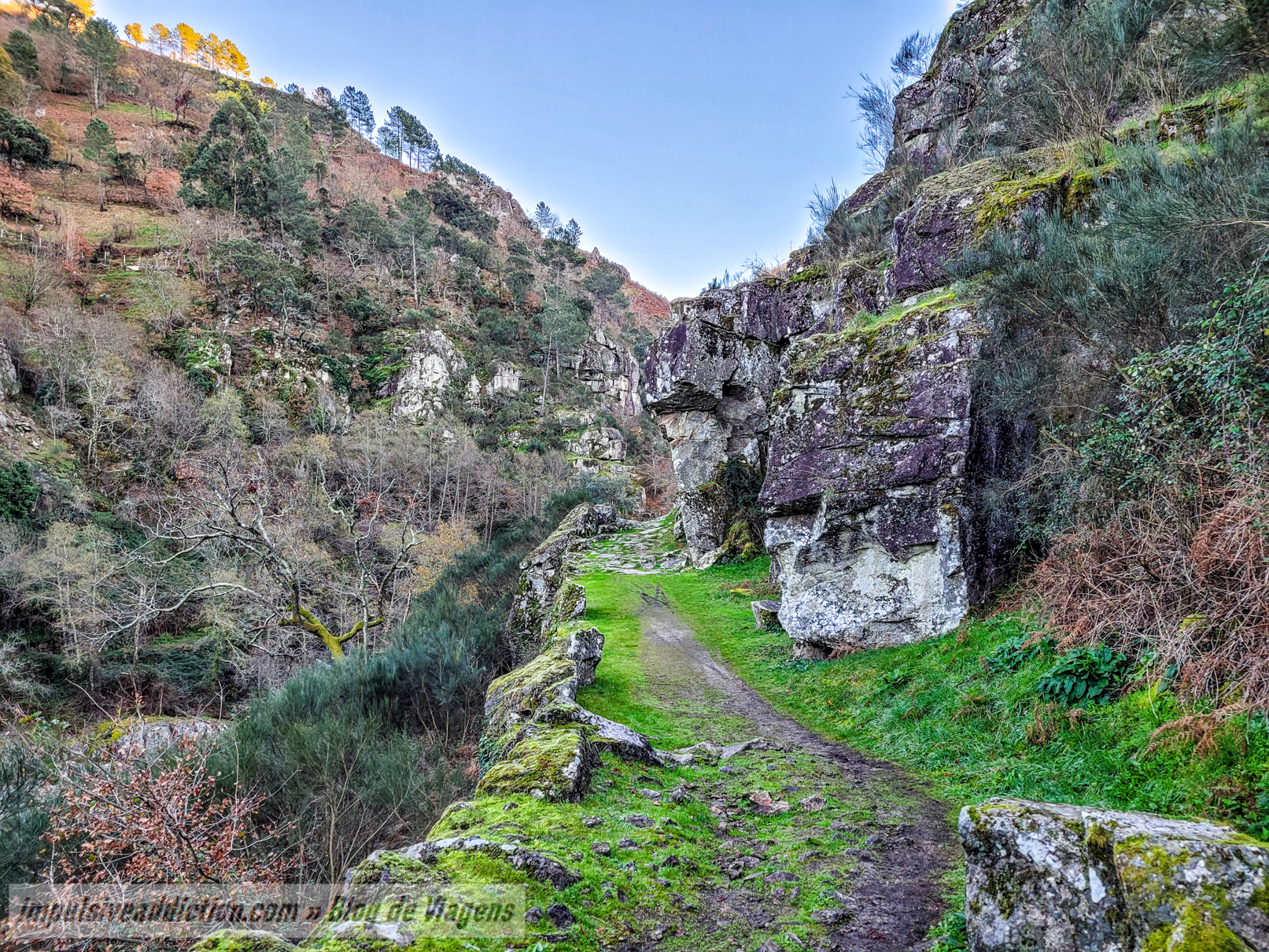
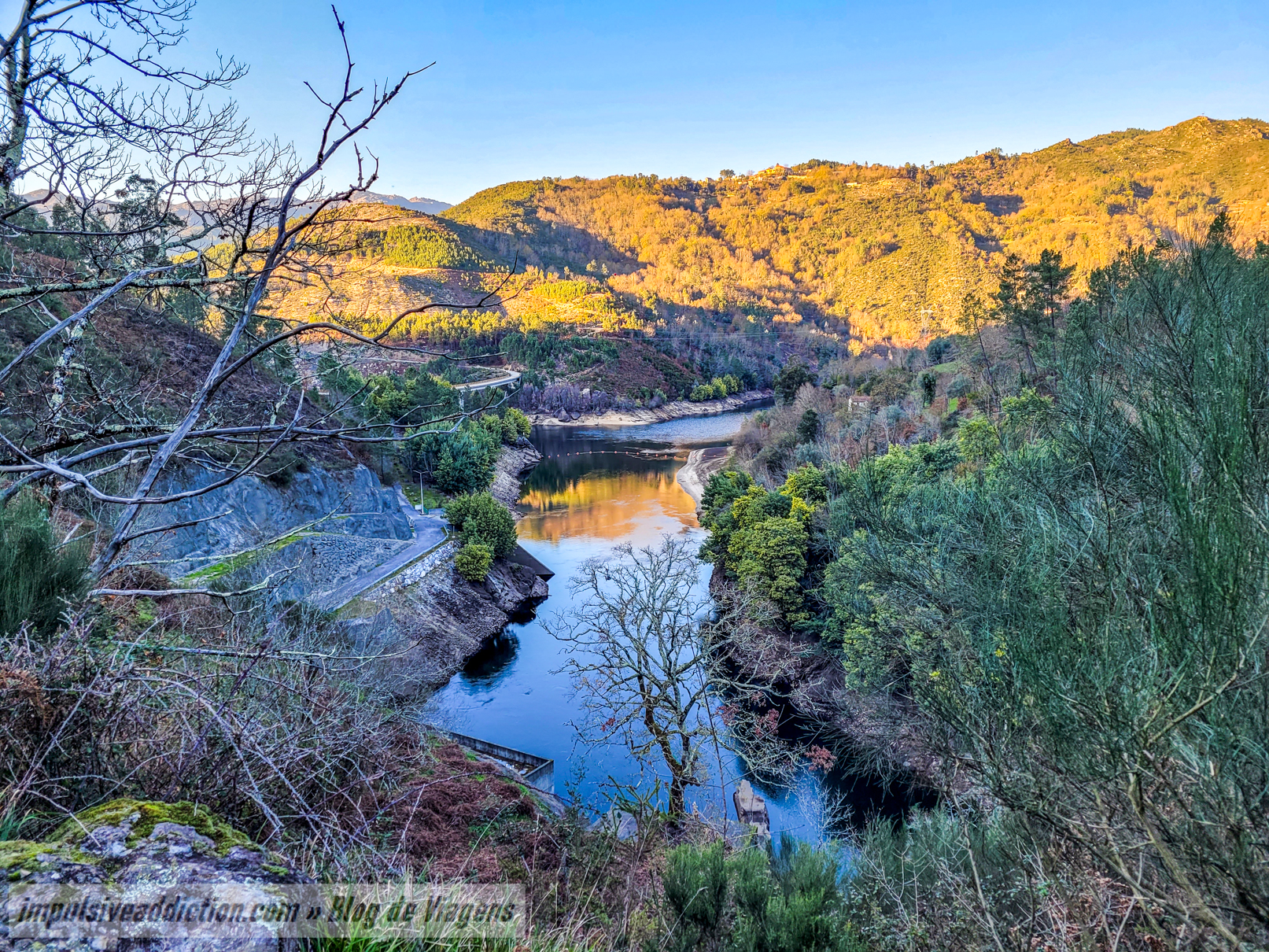
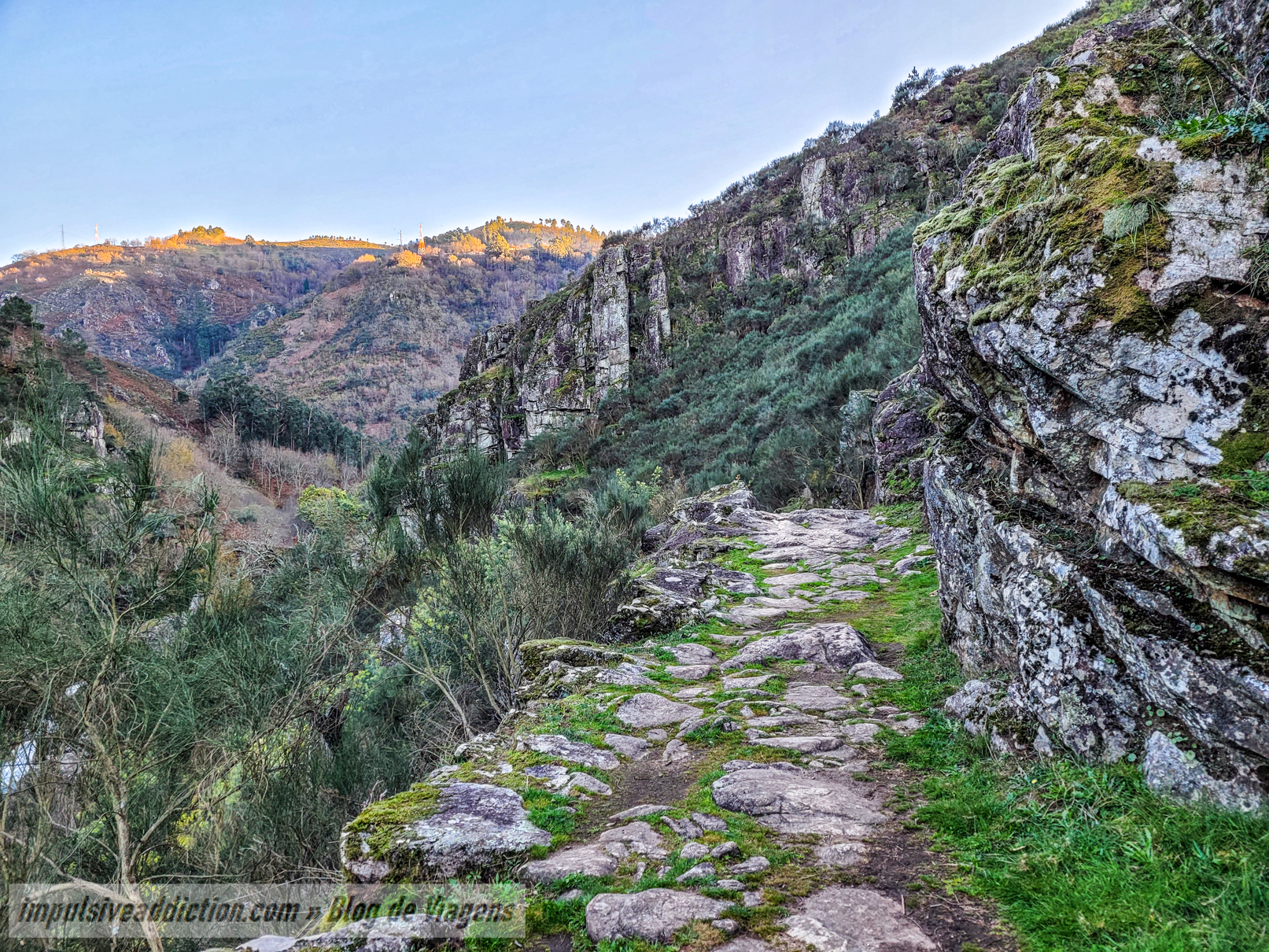
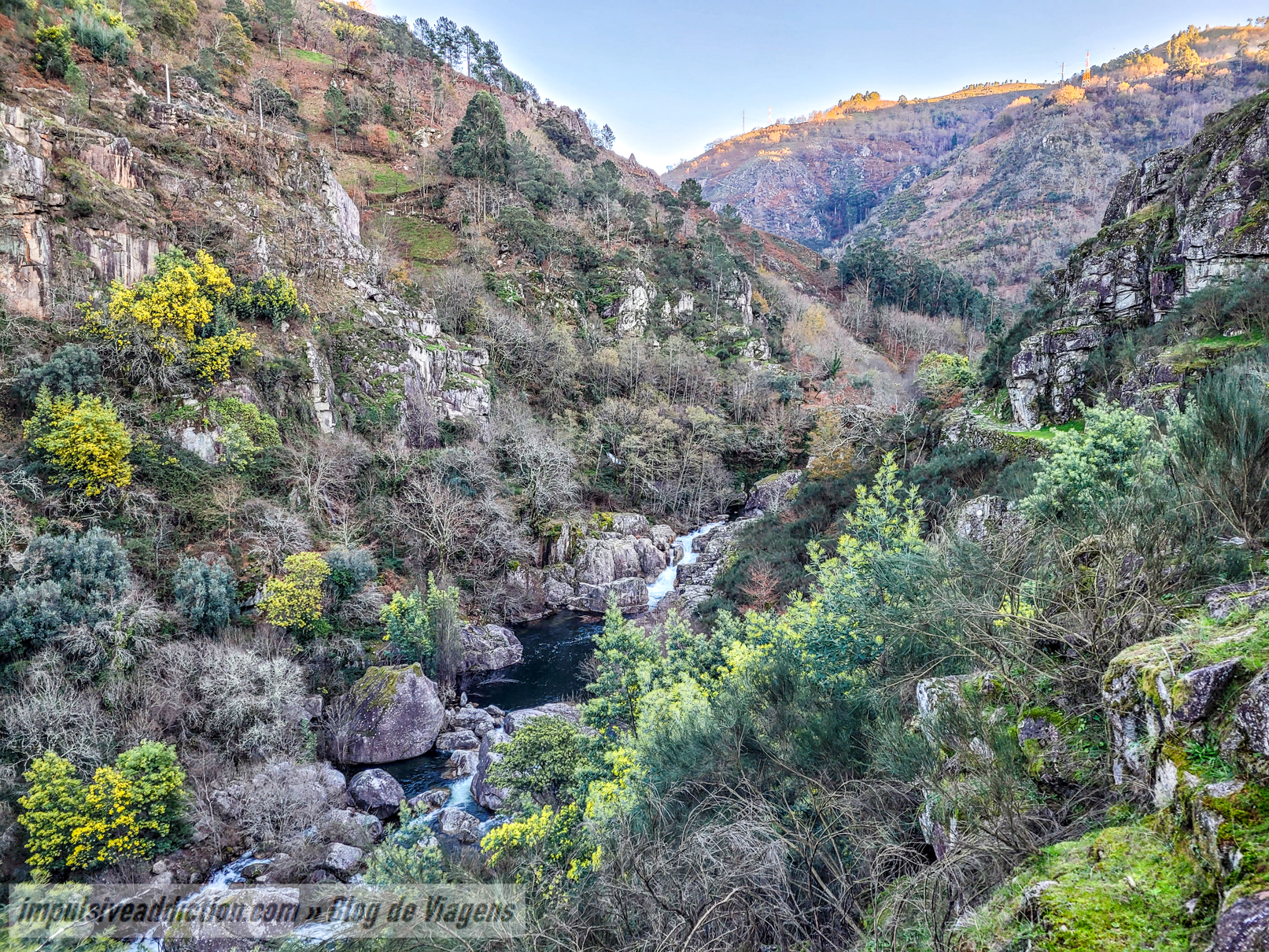
10. Misarela Bridge (Devil’s Bridge)
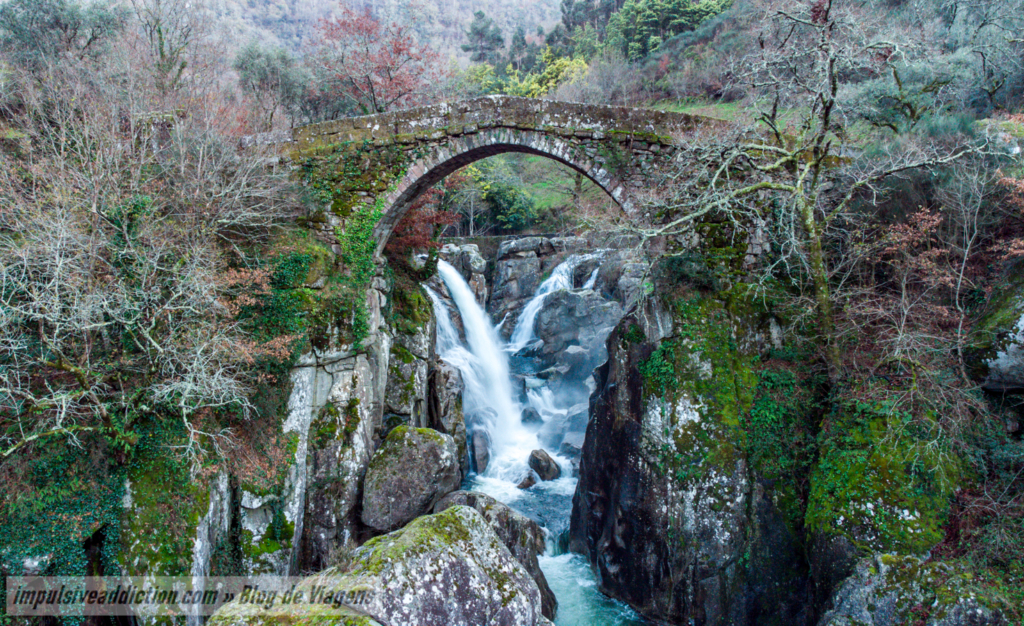
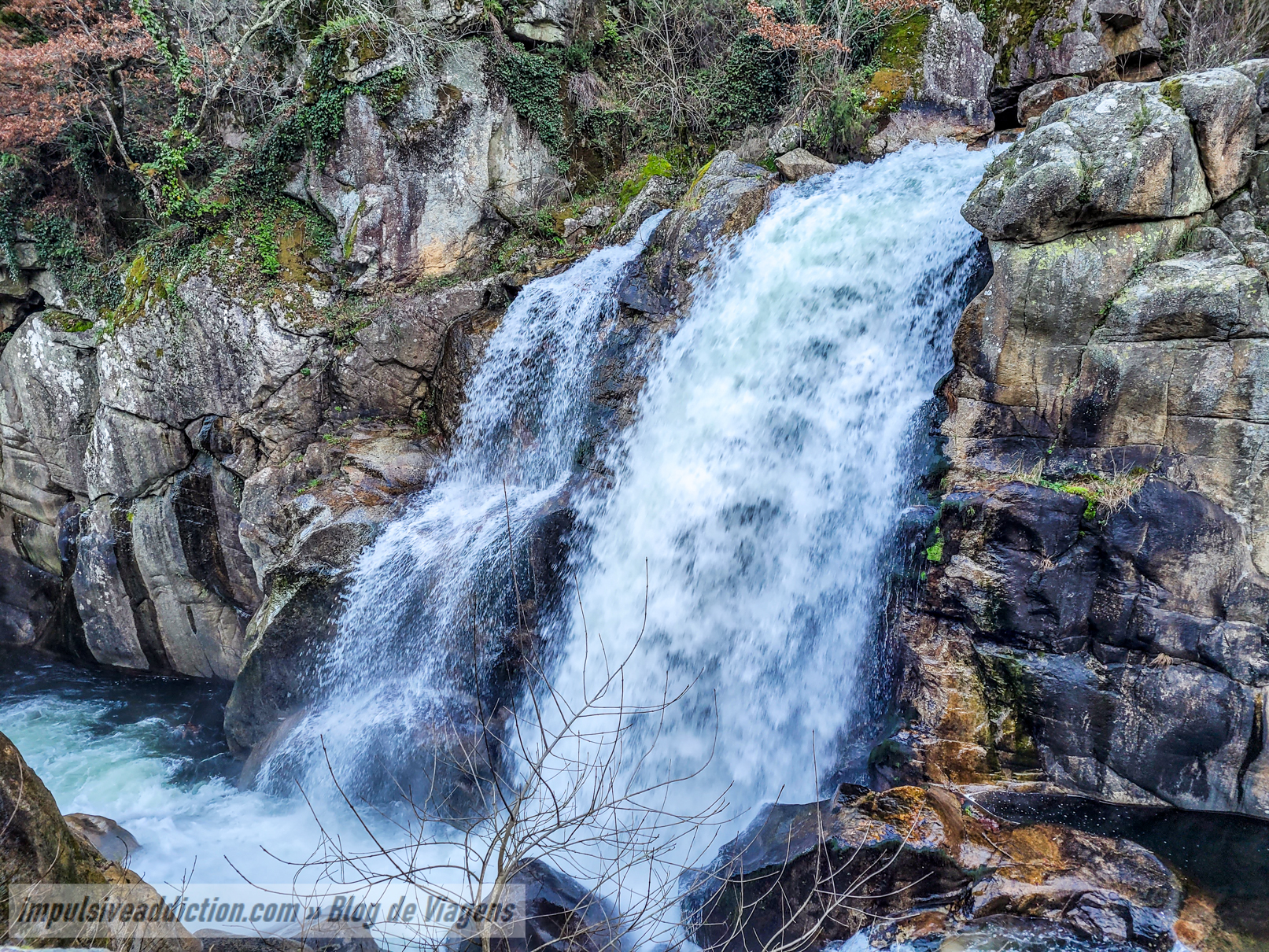
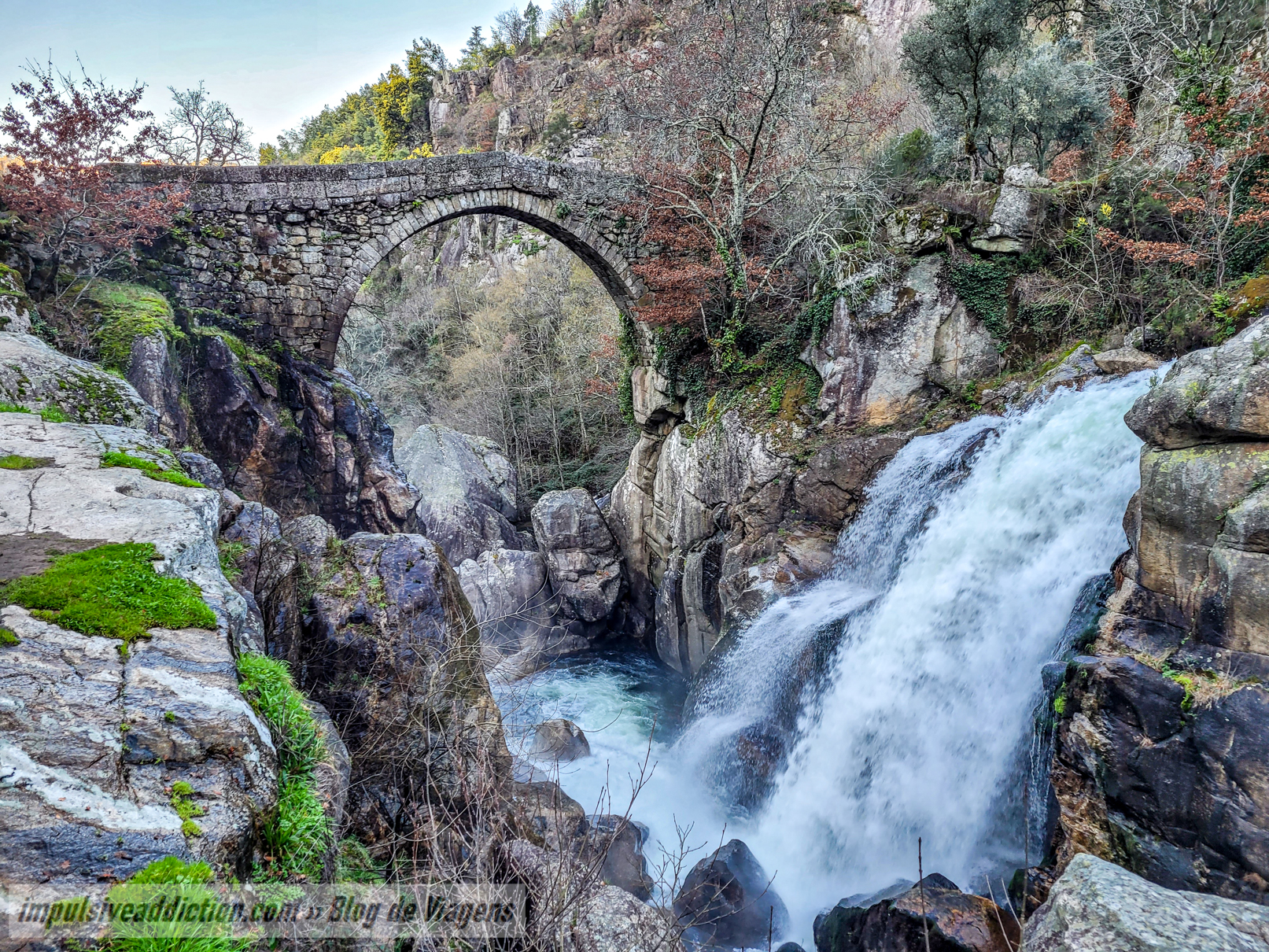
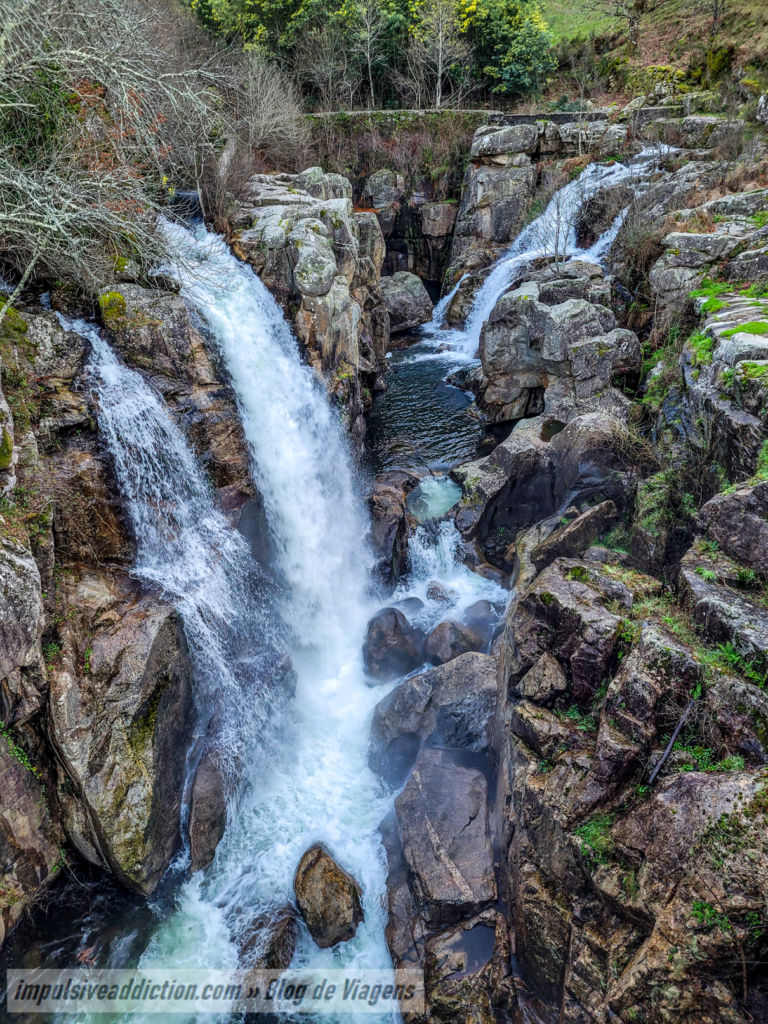
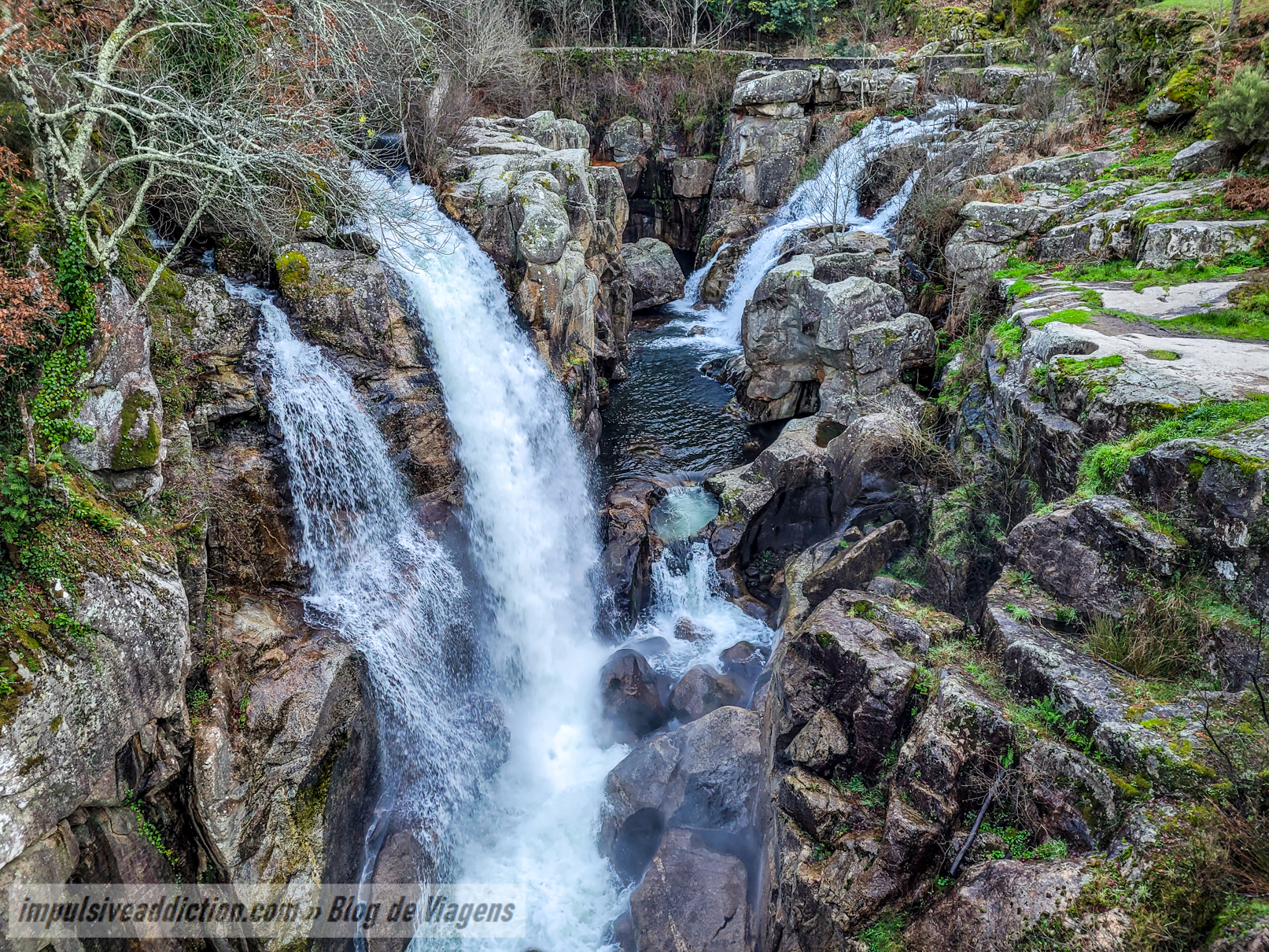
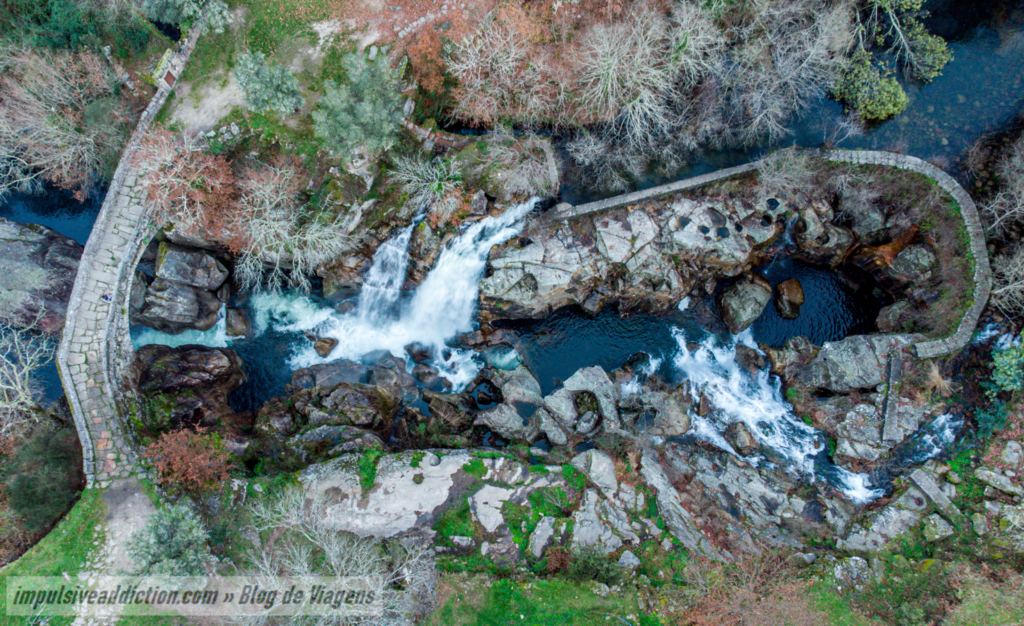
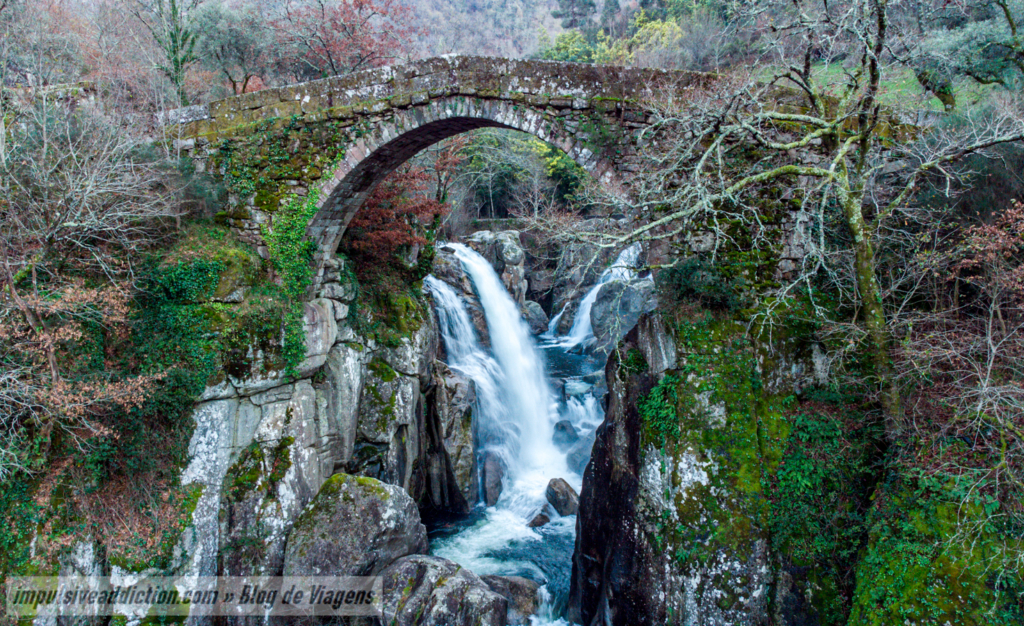
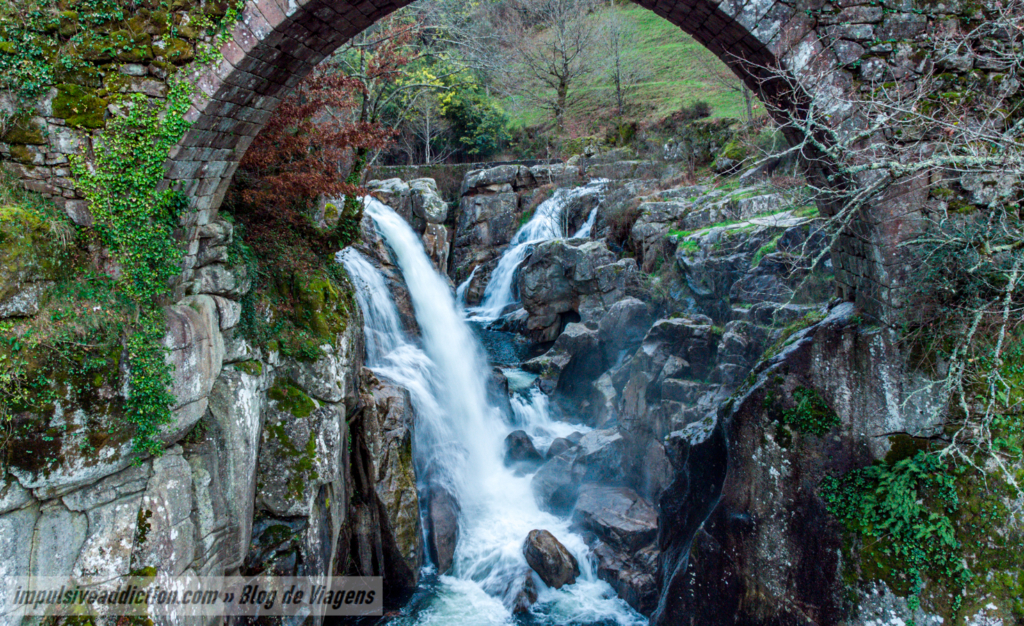
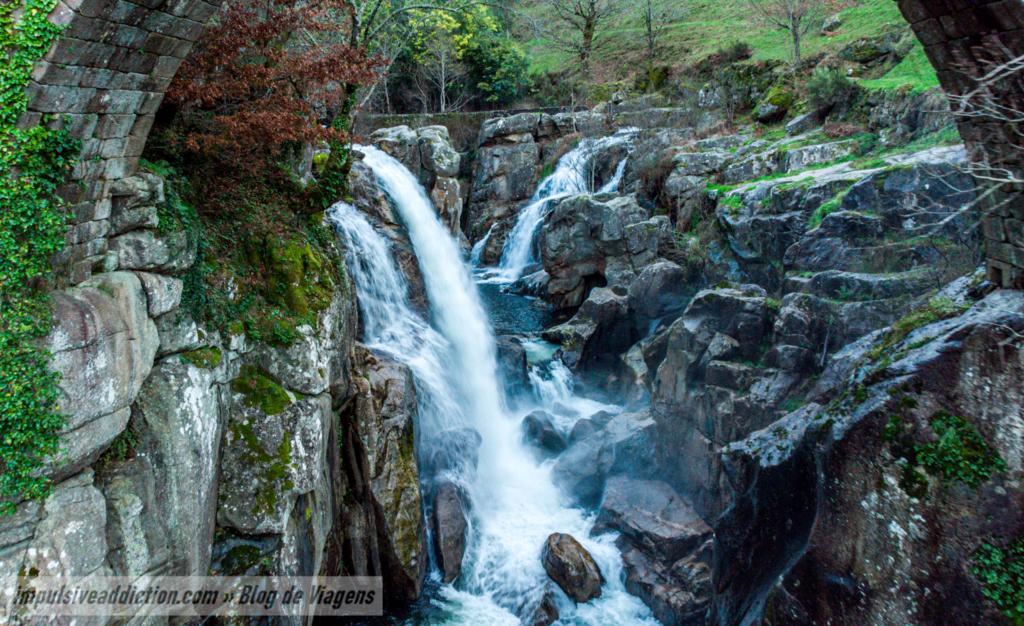
The Misarela Bridge is one of the absolute highlights of Vieira do Minho—truly one of the most spectacular places in the region. Technically, it belongs both to Vieira do Minho and to the neighboring municipality of Montalegre, as it crosses the Rabagão River, surrounded by powerful waterfalls. 😍
Since this is a guide to Vieira do Minho, I recommend approaching the bridge from the Vieira do Minho side. This way, you’ll enjoy a short hike along an ancient Roman stone path before reaching it.
The bridge is steeped in legends. One tale claims it was built by the devil himself, while another links it to miracles of fertility.
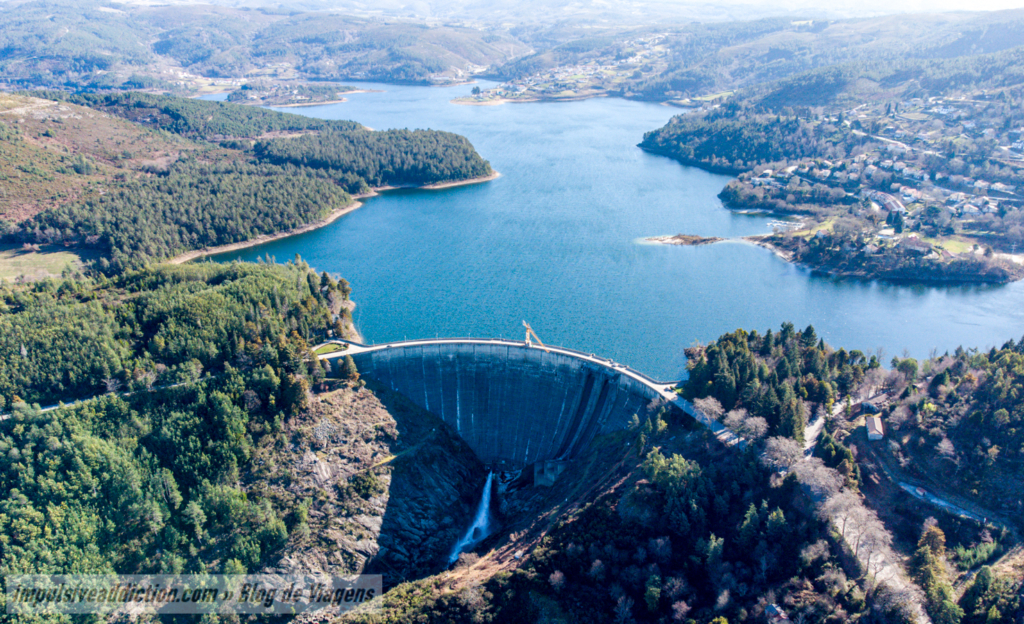
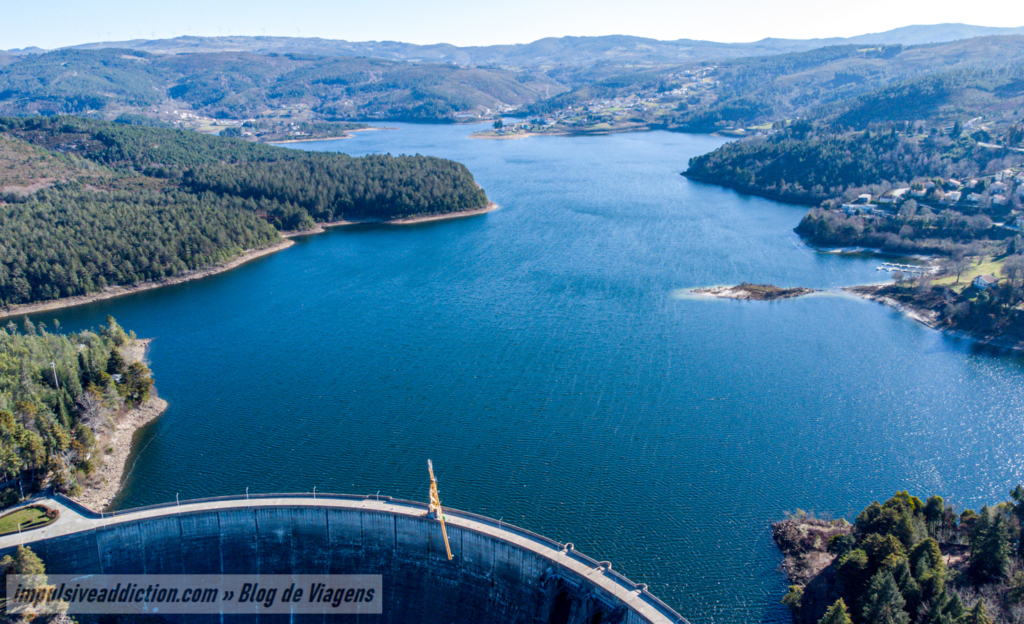
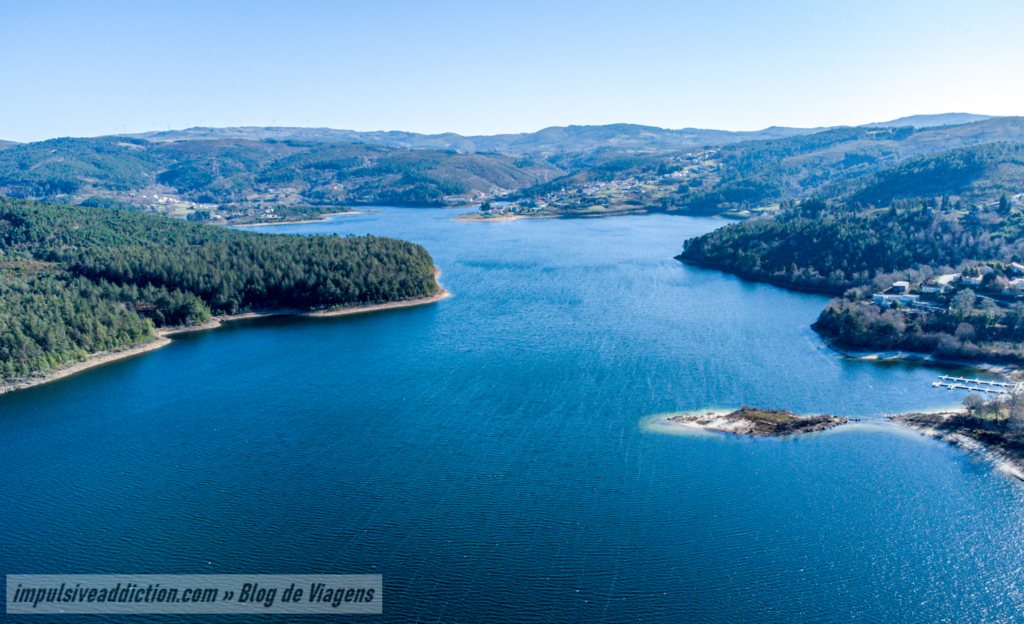
11. Venda Nova Dam
The Venda Nova Dam stands on the Rabagão River. It began operating in 1951 and rises to 97 meters in height. Visiting it can be considered an optional detour before heading on to the villages of Campos and Lamalonga.
12. The Villages of Campos, Lamalonga, and Zebral
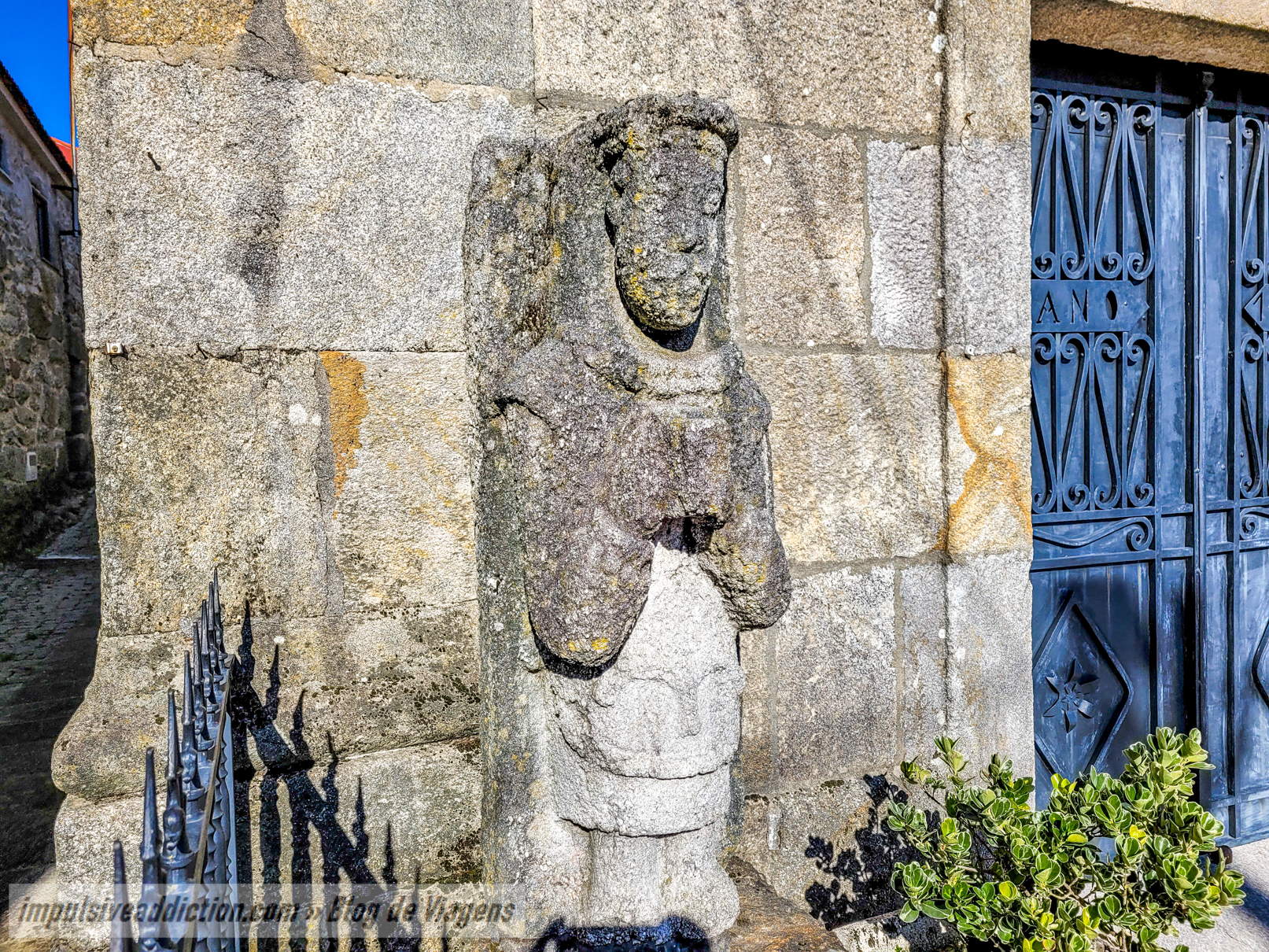
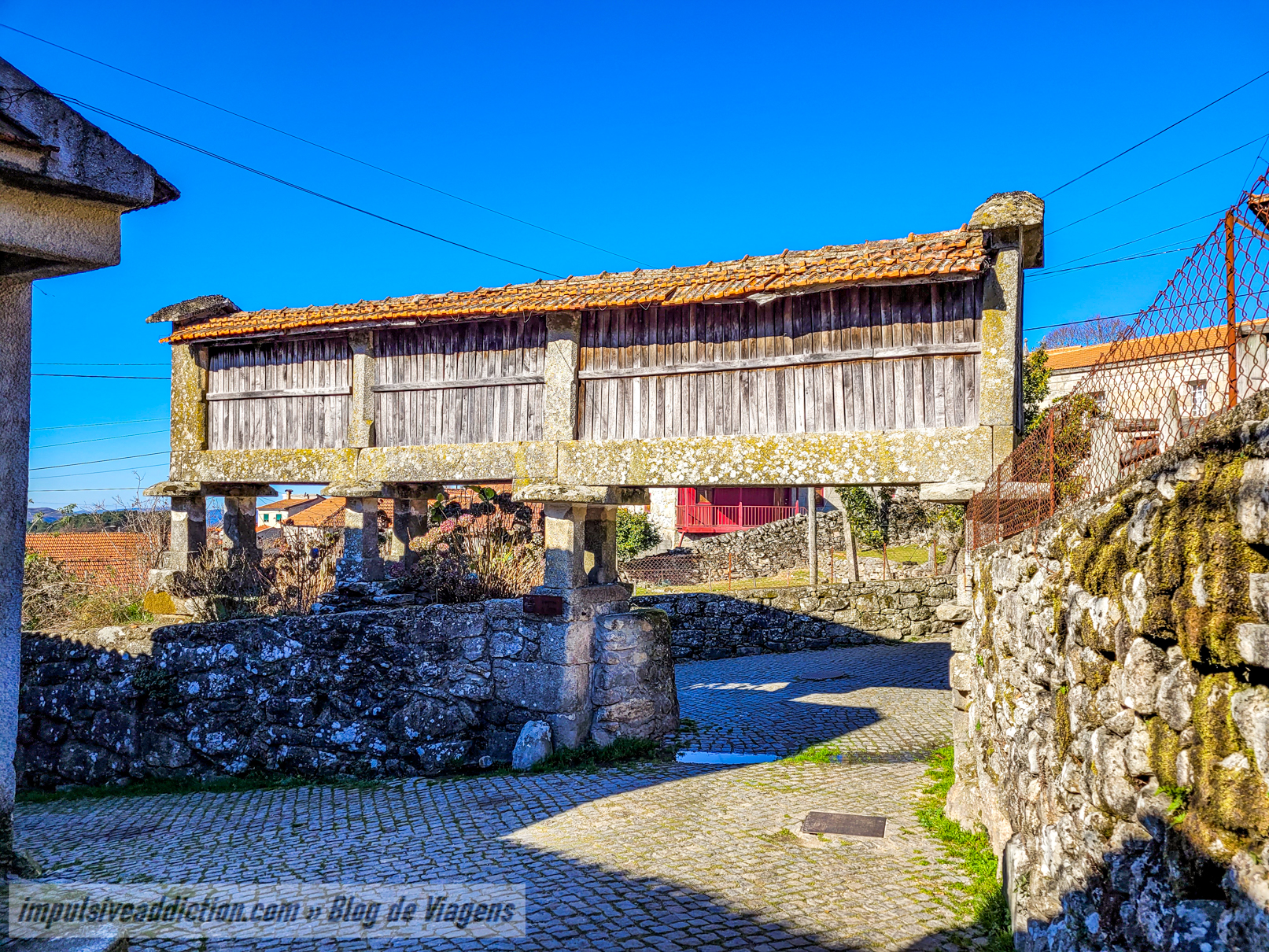
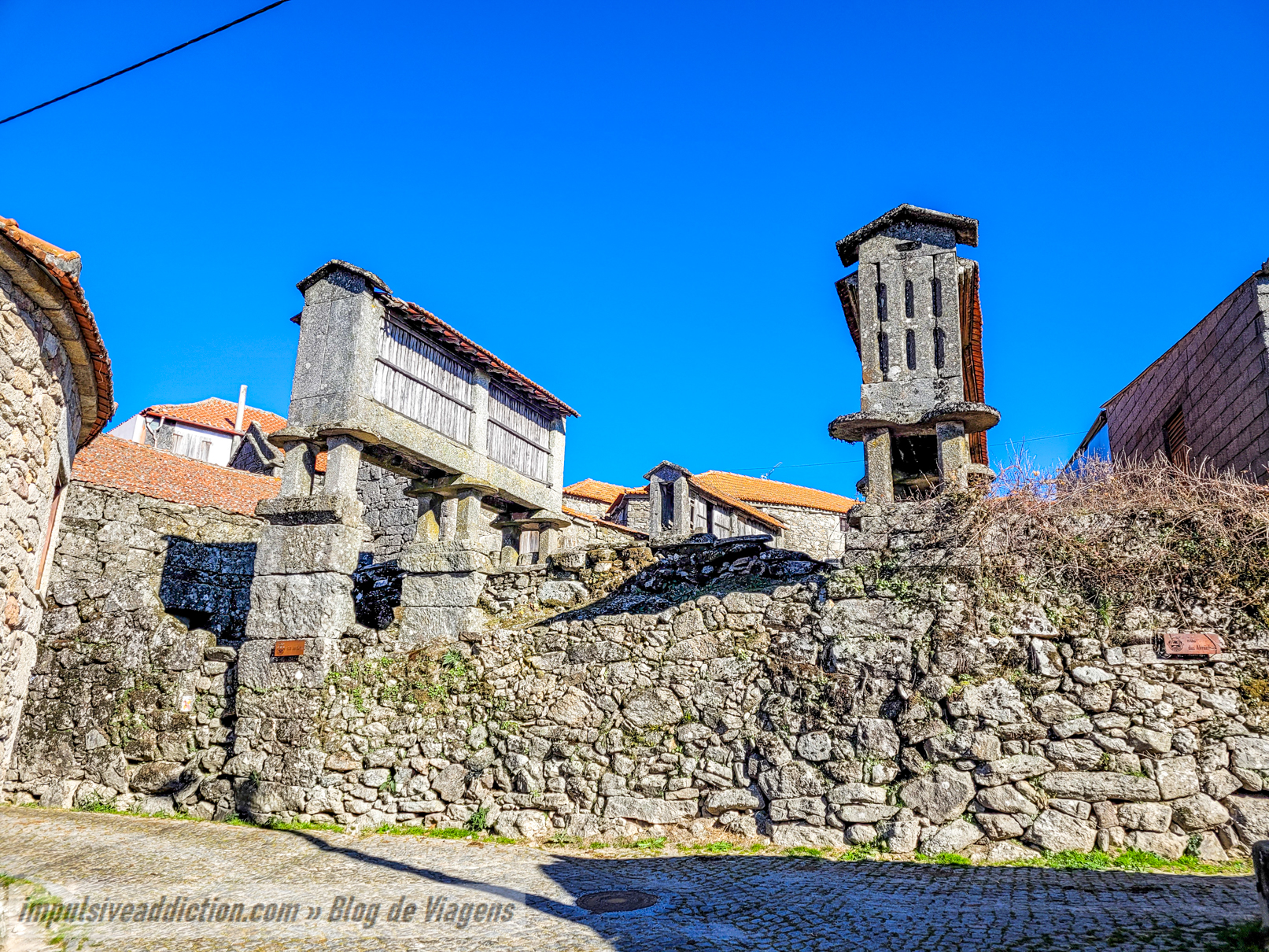
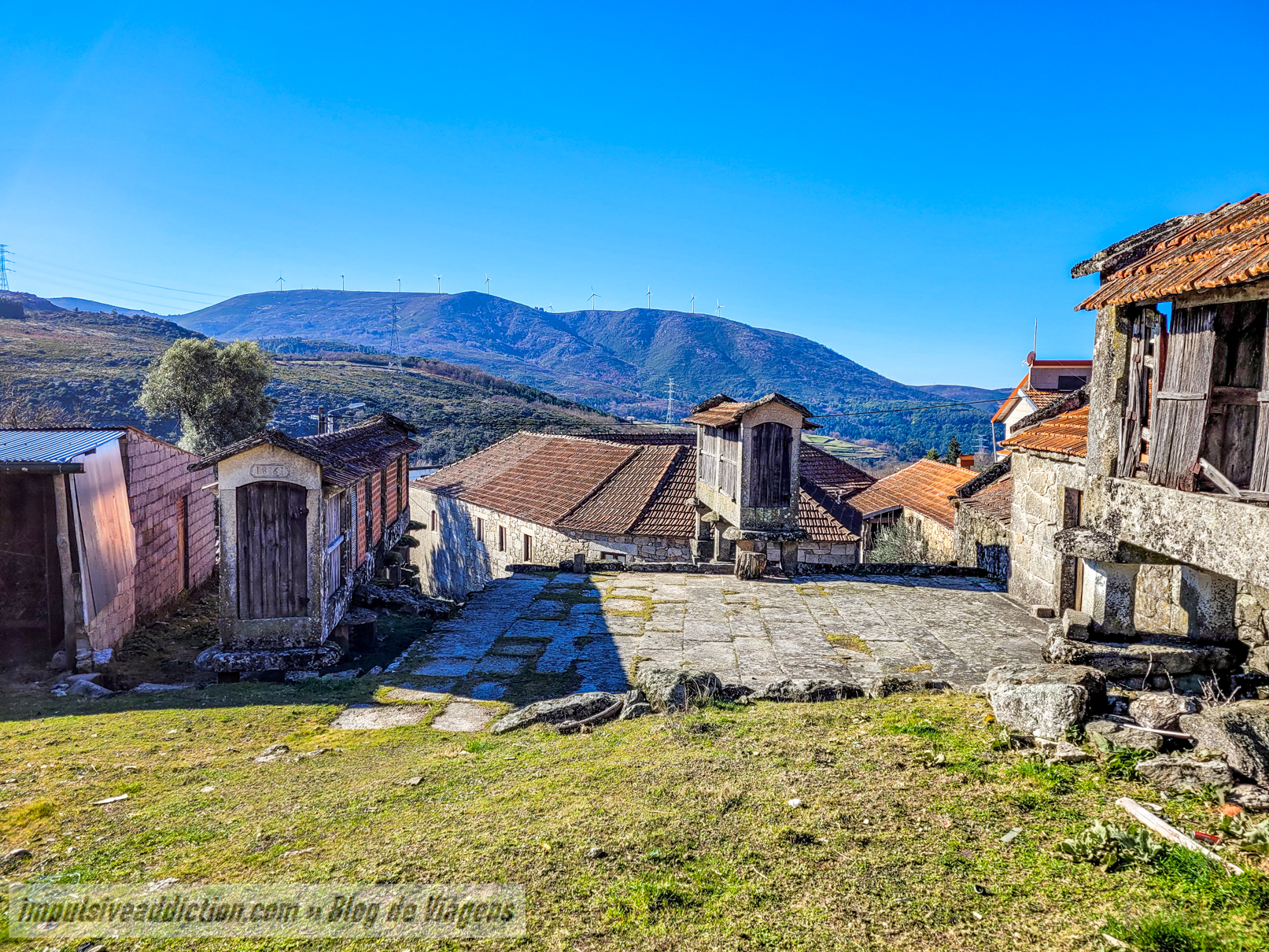
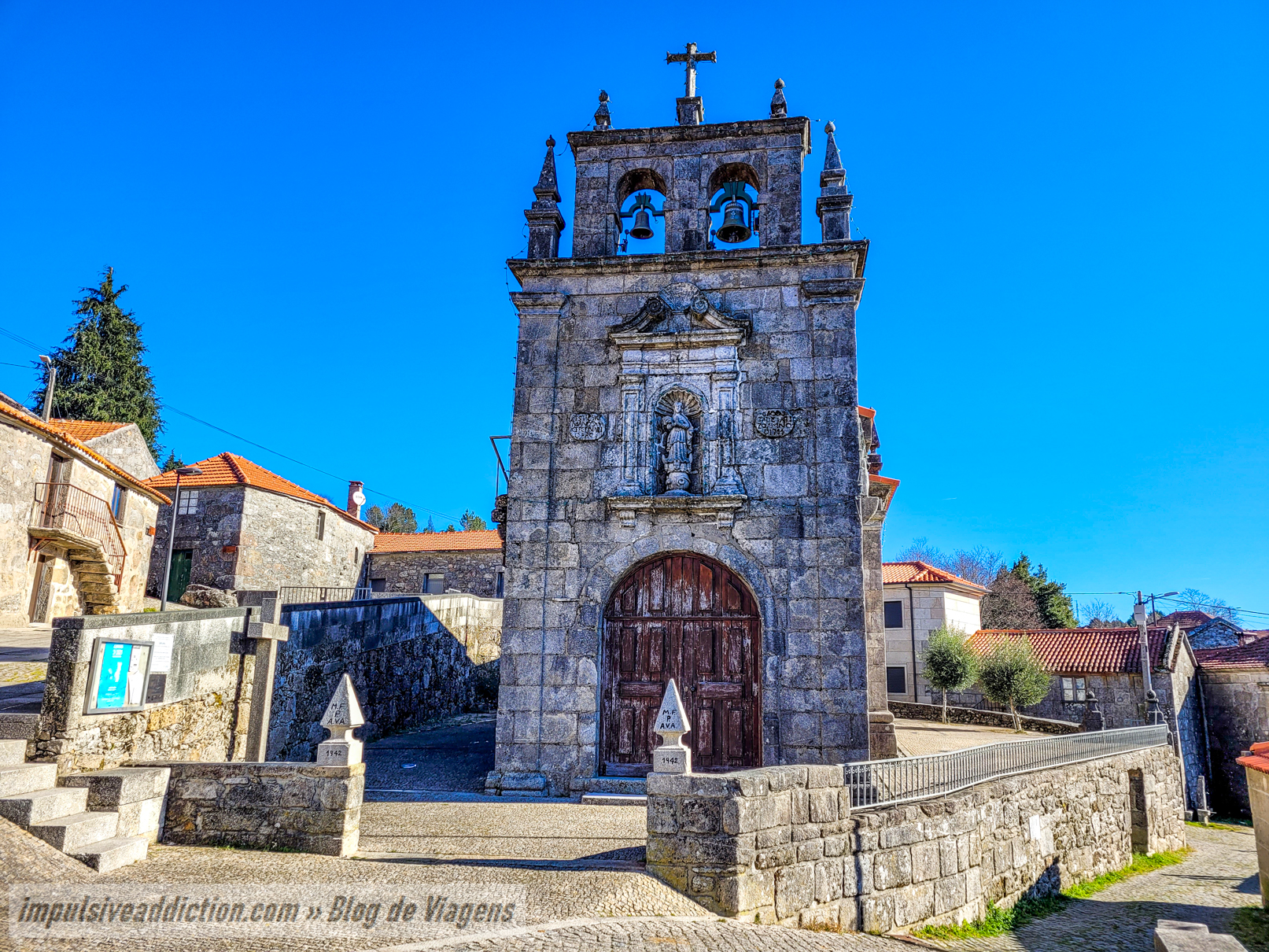
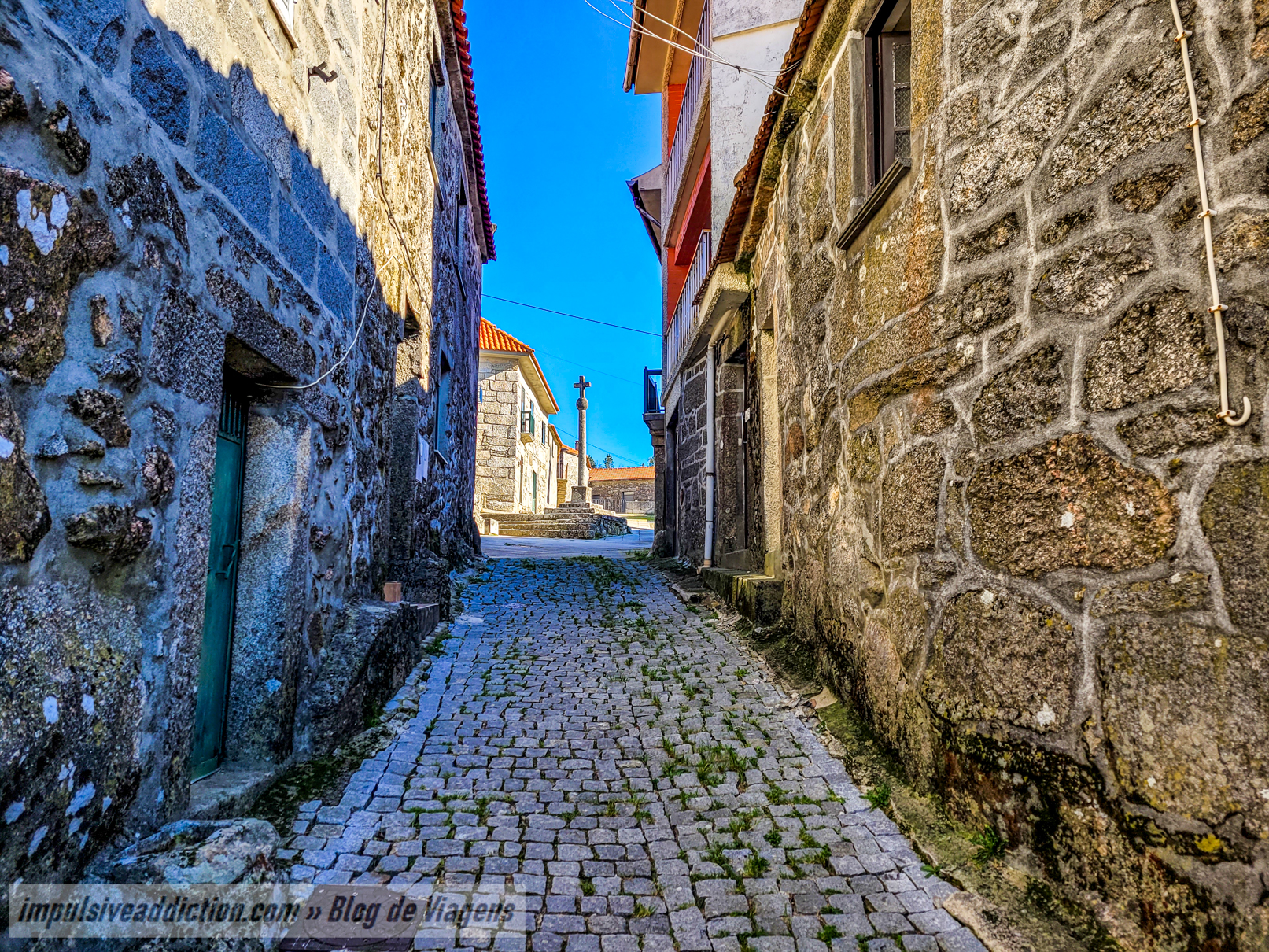
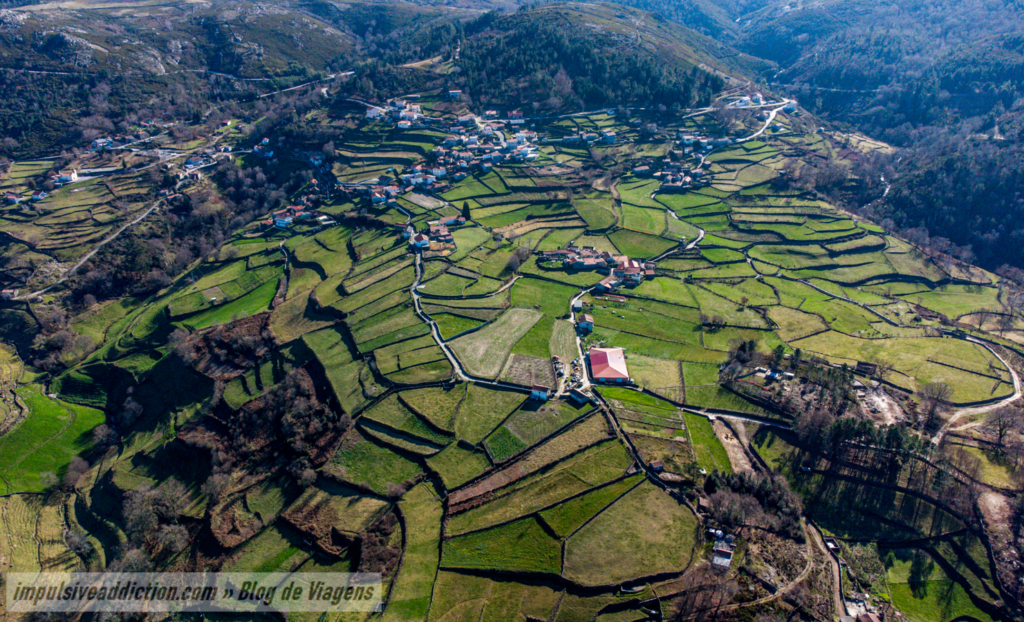
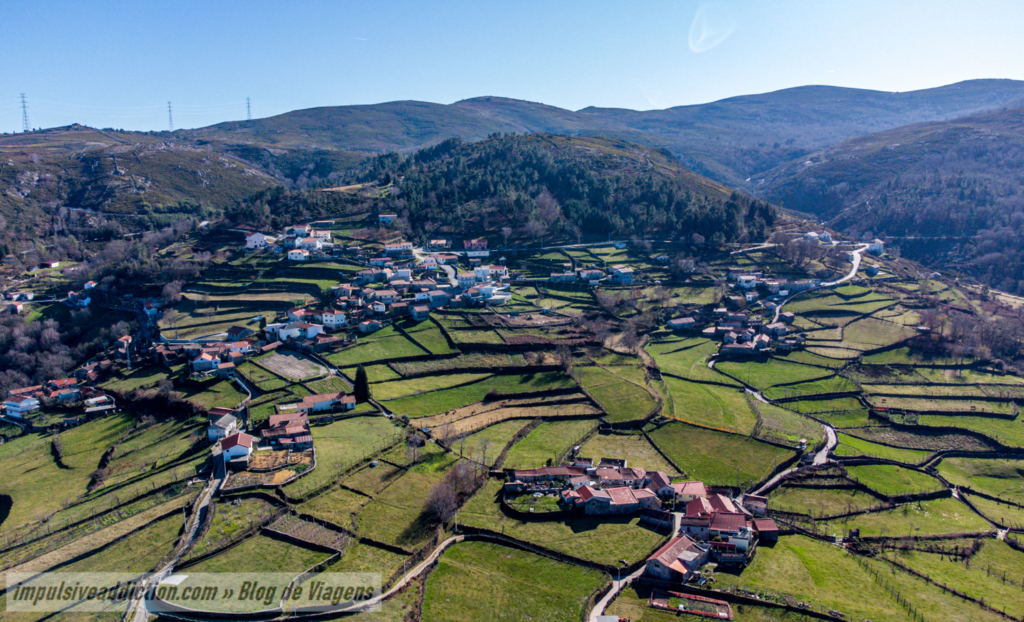
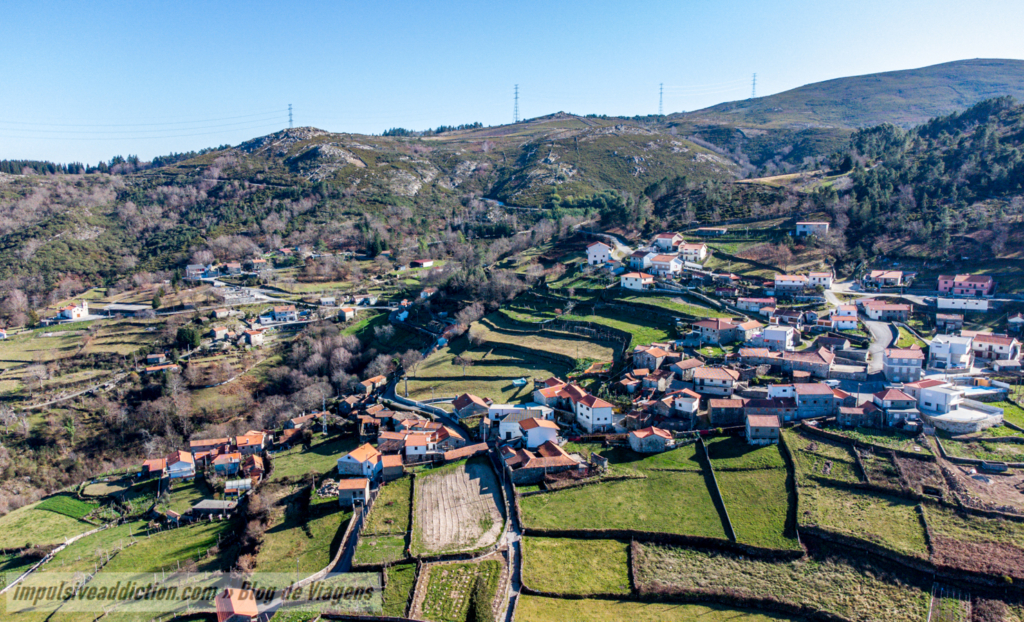
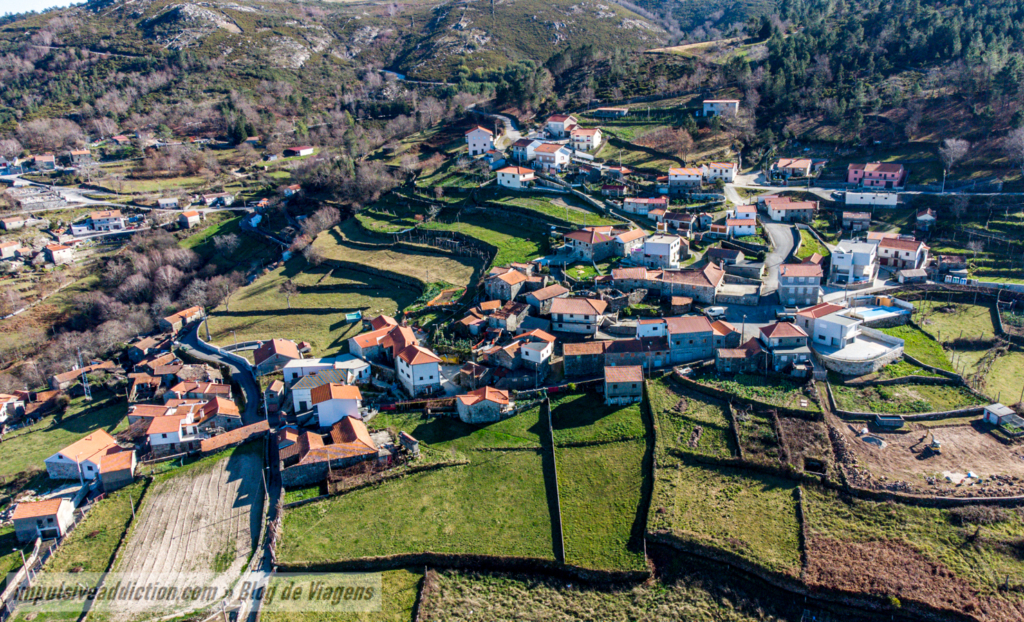
Campos, Lamalonga, and Zebral are three traditional villages located at the base of the Serra da Cabreira. Each has its own highlights worth exploring:
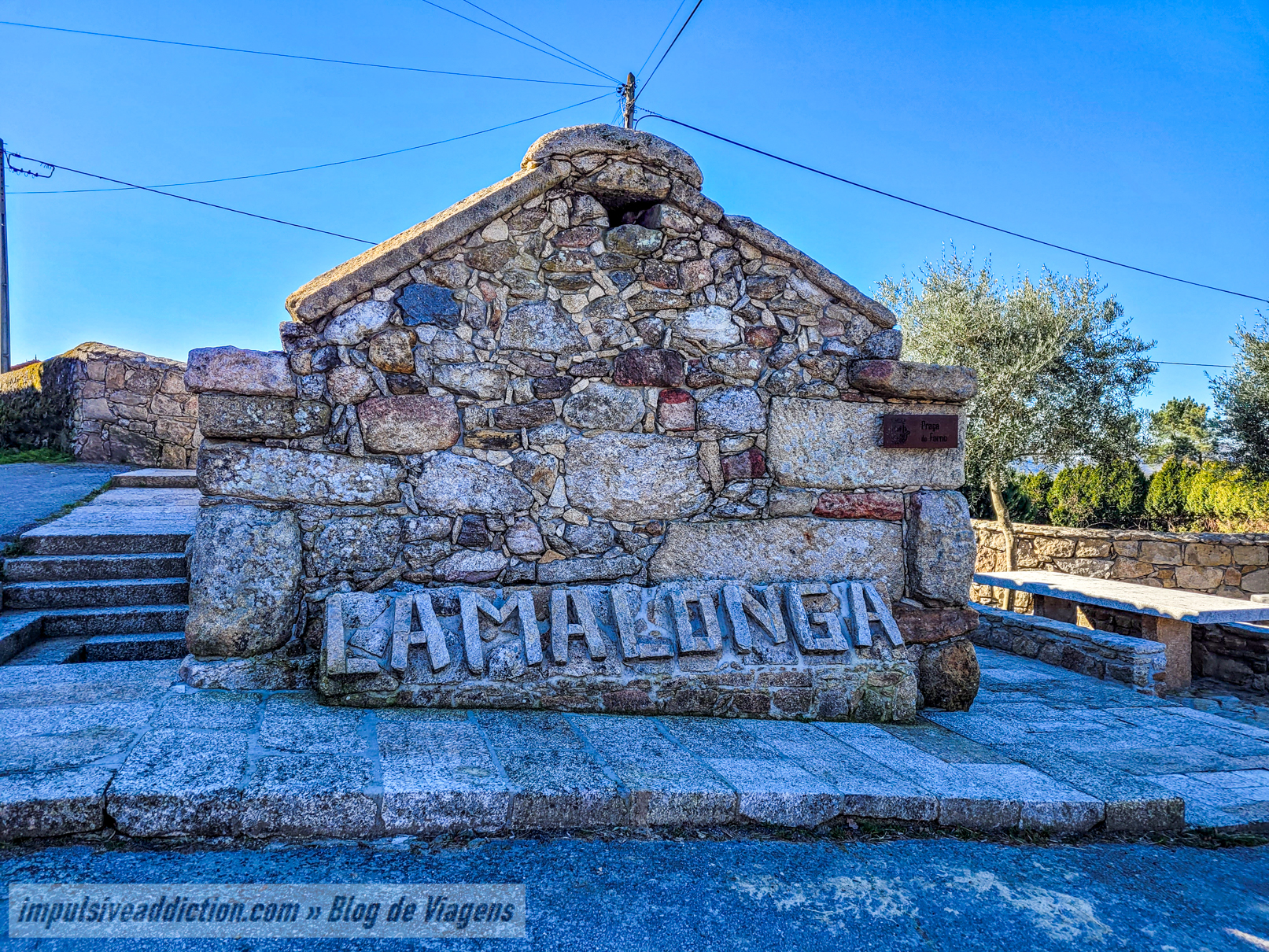
- Lamalonga – Known for its communal oven, still a symbol of village life and tradition.
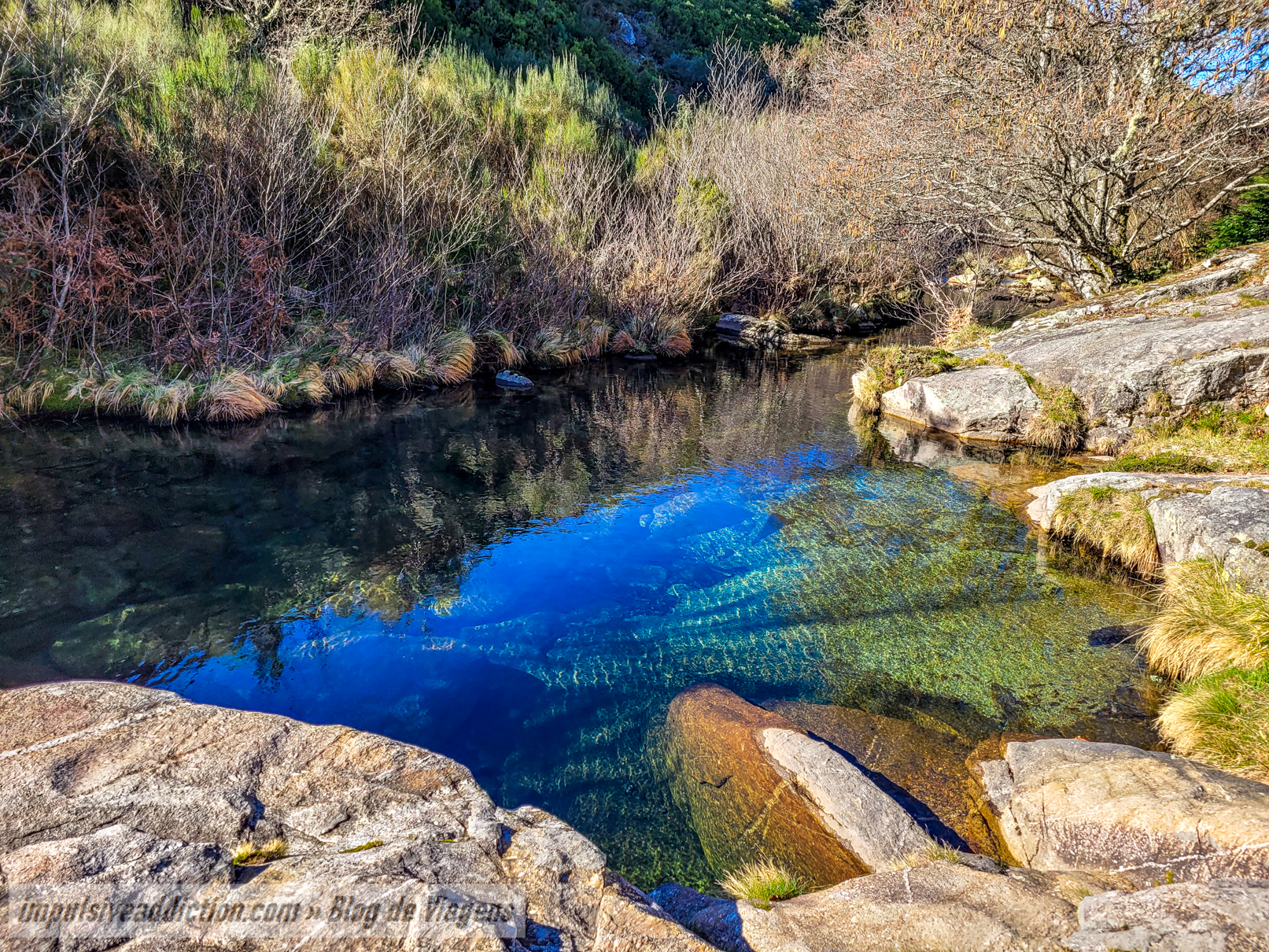
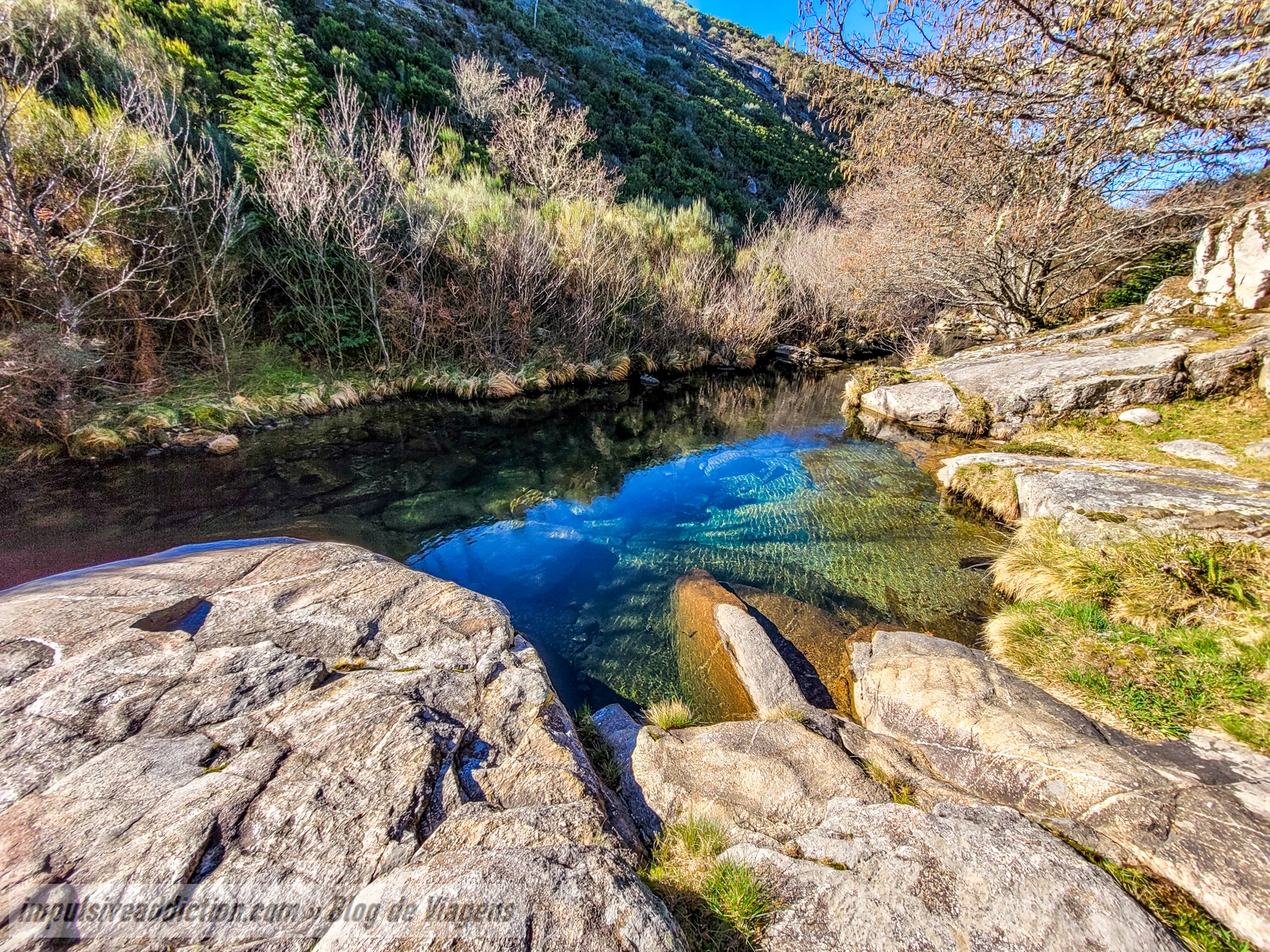
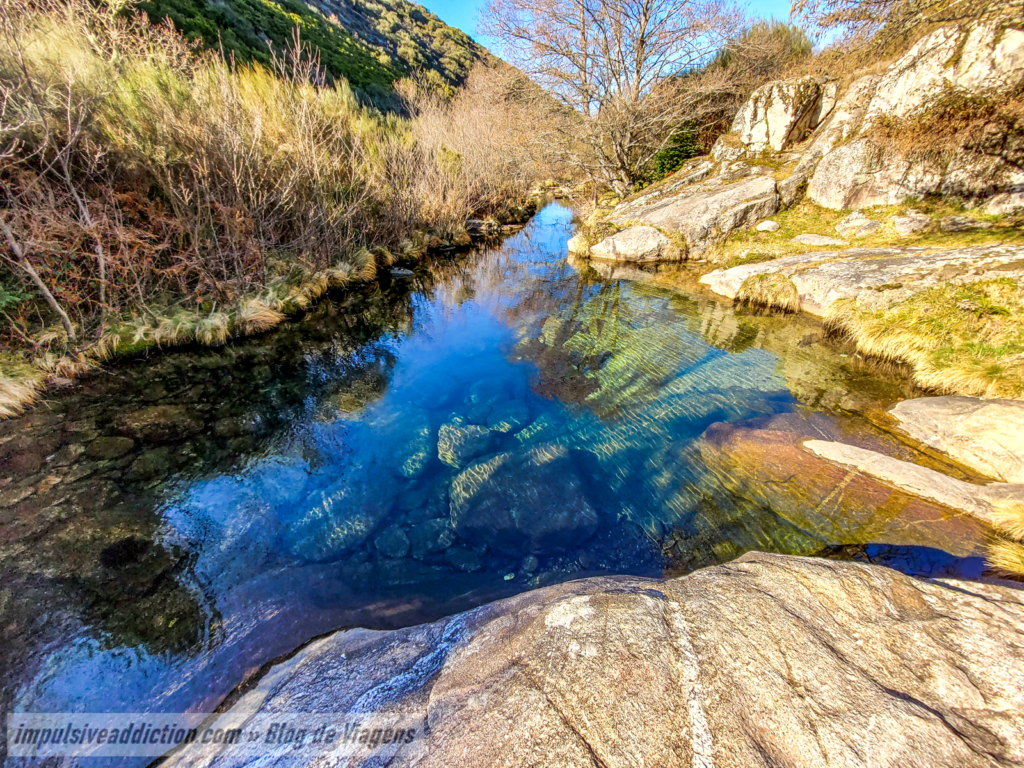
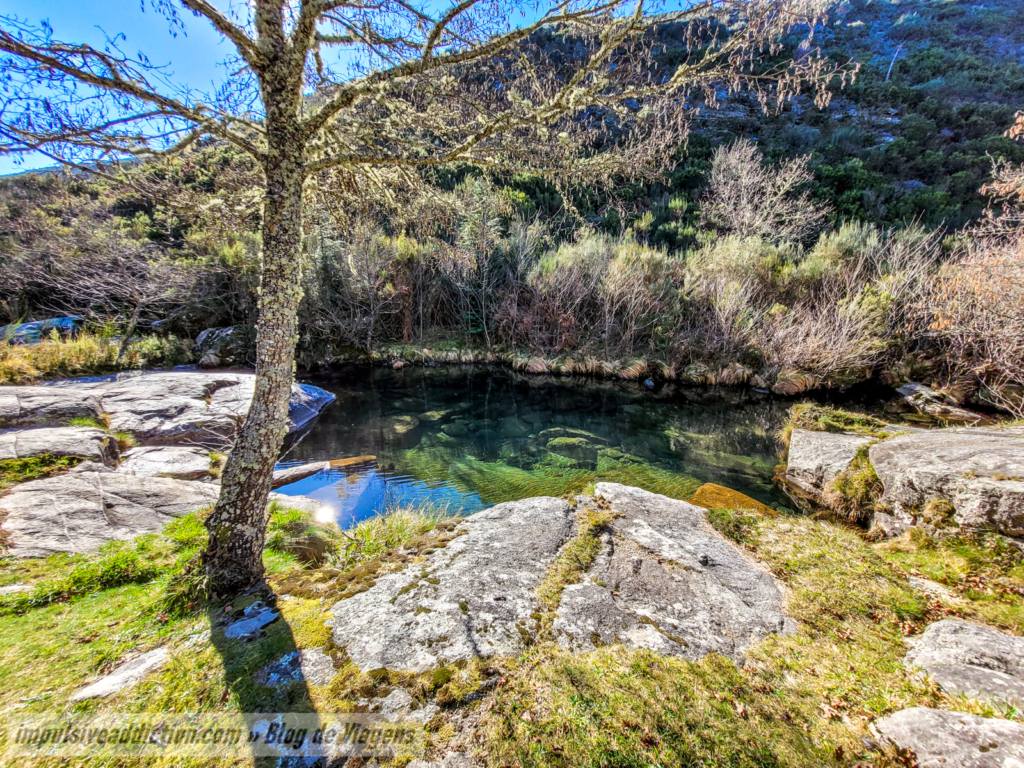
- Campos – Famous for its many granaries (some impressively large) and its parish church. Don’t miss the Campos river beach, from where you can follow the Lage River to the secluded Poço do Moinho lagoon, a wilder and quieter spot for swimming.
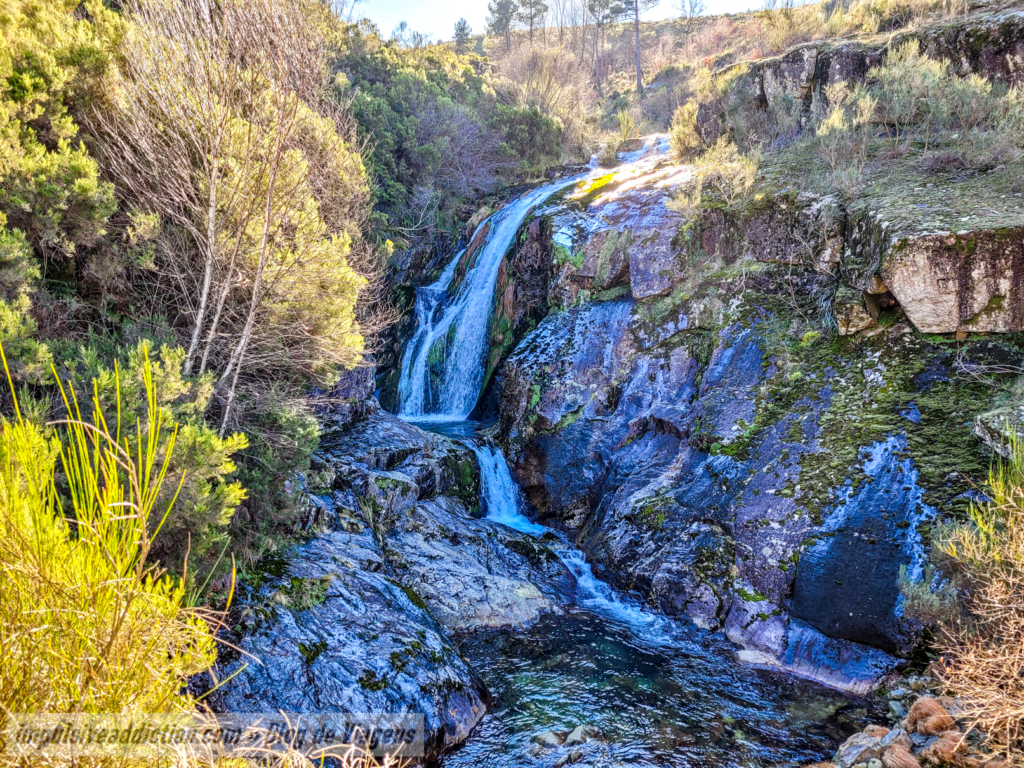
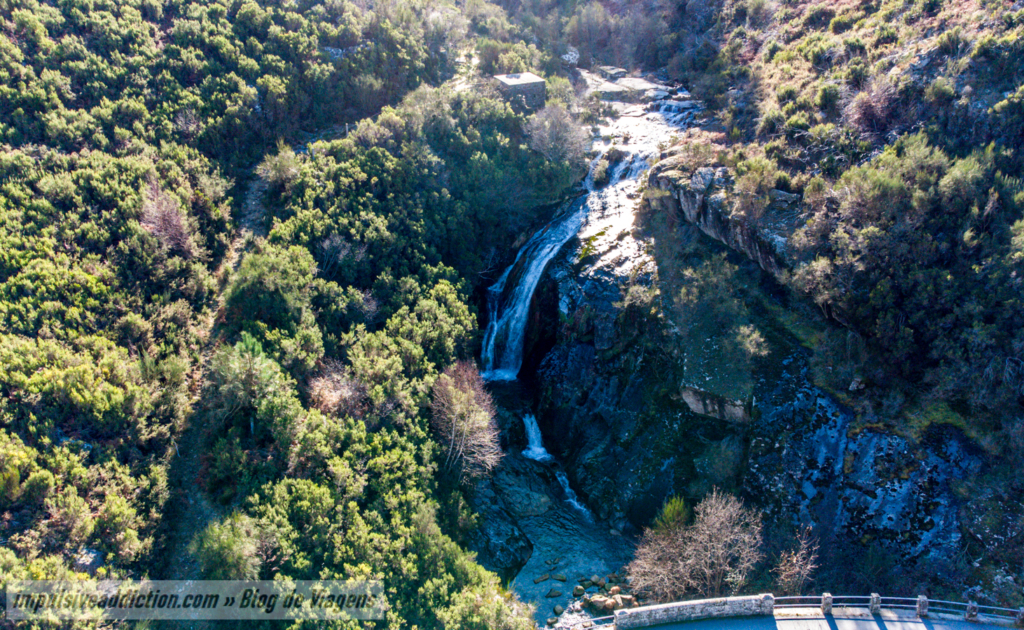
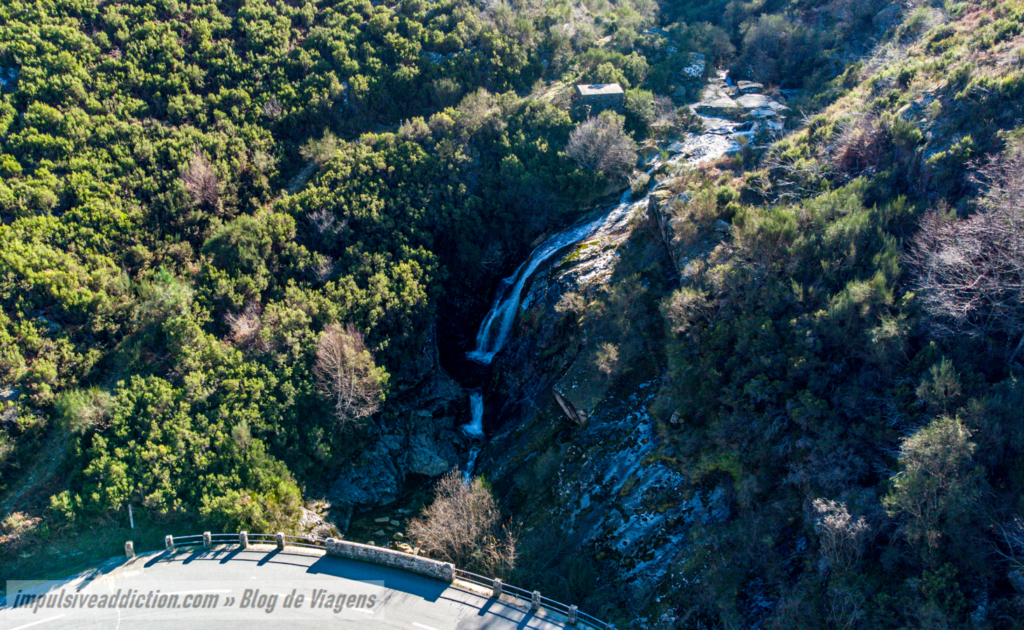
- Zebral – Home to the Caldeirão Waterfall, located right by the paved roadside—so no hiking required.
Village of Lamalonga
Village of Campos
Poço do Moinho and Campos River beach
Village of Zebral
Caldeirão Waterfall
13. Fojo do Lobo dos Anjos
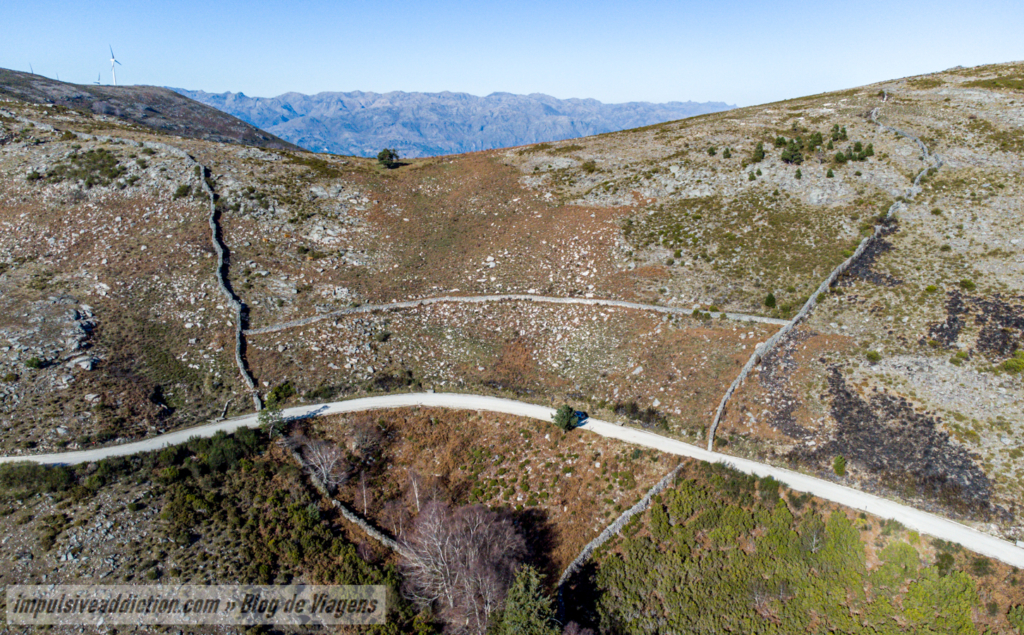
After visiting Zebral and the Caldeirão Waterfall, it’s time to climb back up the Serra da Cabreira, this time heading towards the summit along dirt tracks. The Fojo do Lobo dos Anjos, also known as the Fojo Grande, is the most important wolf trap in the region. It sits at around 1,100 meters of altitude and was historically used as a defensive hunting structure to capture wolves.
From the aerial photo below, you can clearly see the distinctive V-shaped configuration of the trap. The pit itself—where the wolves would ultimately fall—measured about 6 meters in diameter and 3.5 meters deep.
14. Source of the Ave River
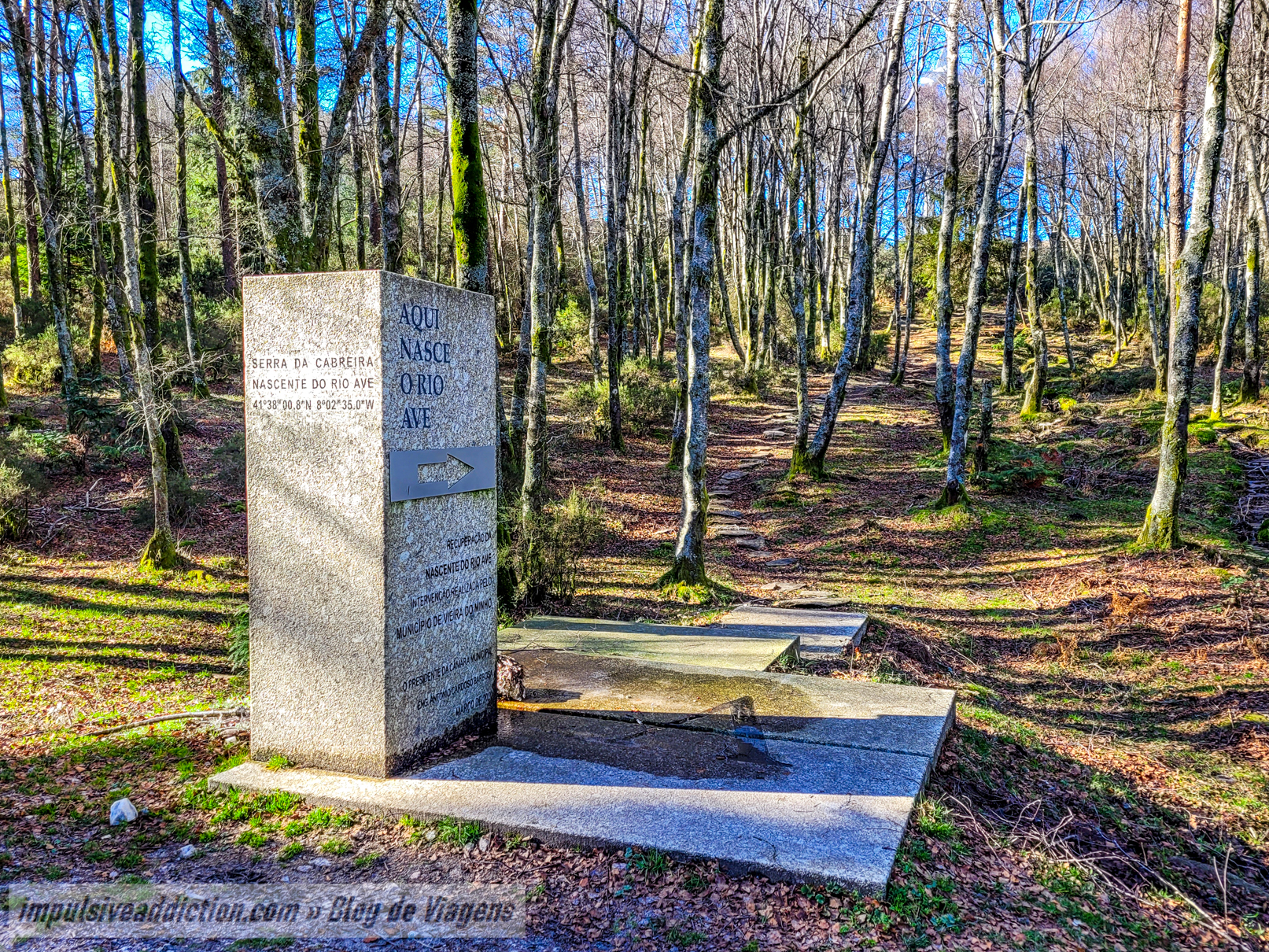
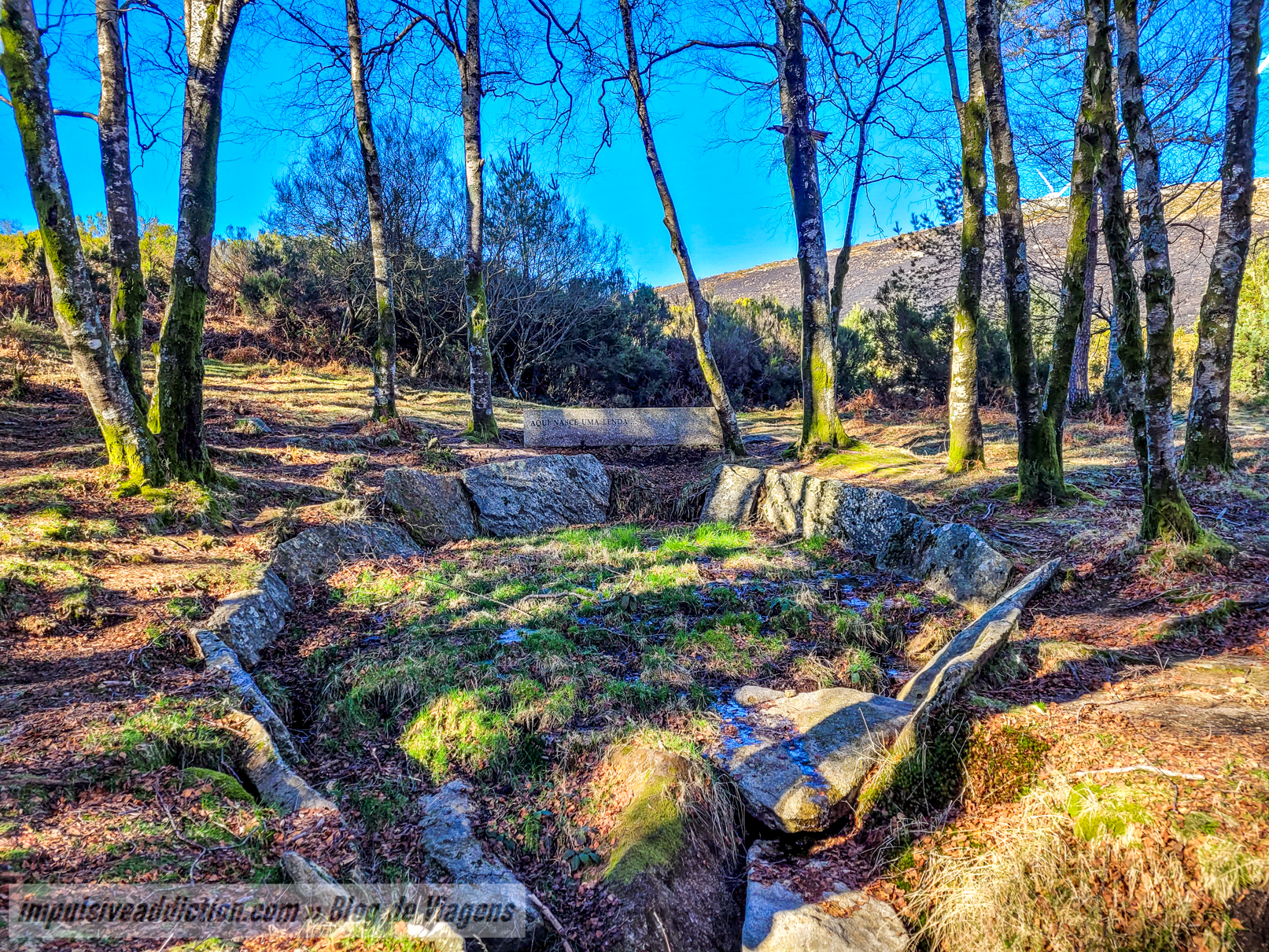
At around 1,200 meters above sea level, you’ll reach the source of the Ave River. From here, the river flows for 94 km before reaching the Atlantic Ocean. Its spring is located in a peaceful and scenic spot, right in the middle of a woodland area in the Serra da Cabreira.
Legend of the Serra da Cabreira and the Ave River

As the legend goes, in the ancient Serra de Agra, a young goatherd and her flock would wander the mountain trails each day, marveling at the beauty of the landscapes and the freshness of the pastures. One day, a noble but unknown knight passed through the mountains, saw the shepherdess, and was immediately captivated by her simplicity and beauty. Approaching her, he fell in love—and she felt the same. They soon became inseparable, spending their days together, playing, exchanging vows of eternal love.

But one day, the knight had to leave. Heartbroken, she asked him who he really was and why he had to go just as they had found each other.

“My love,” he replied, “I have not told you, but I am the count of a distant town. I must leave, but I promise I will return to take you with me to my palace.”

Resigned, the young shepherdess watched her beloved depart and waited for his return. She waited… days, months… until despair consumed her, for he never came back. Longing for him, she imagined herself as a bird that could quickly fly over mountains and valleys toward the blue sea to find her count. In her deepest sorrow, she cried and cried, until her tears formed a stream that flowed down the mountain slope, growing into a river that ran all the way to the land of the count by the sea.

The people of Vieira, moved by her abandonment and grief, decided to preserve her sad story so it would not be forgotten. In her honor, they renamed the mountain Serra da Cabreira (Mountain of the Shepherdess). Because she longed to be a bird (ave in Portuguese), the river born of her tears was named the Ave River. And the distant land of the count, by the river’s mouth, became known as Vila do Conde—the town at the Ave’s estuary.
15. Alto do Talefe Viewpoint
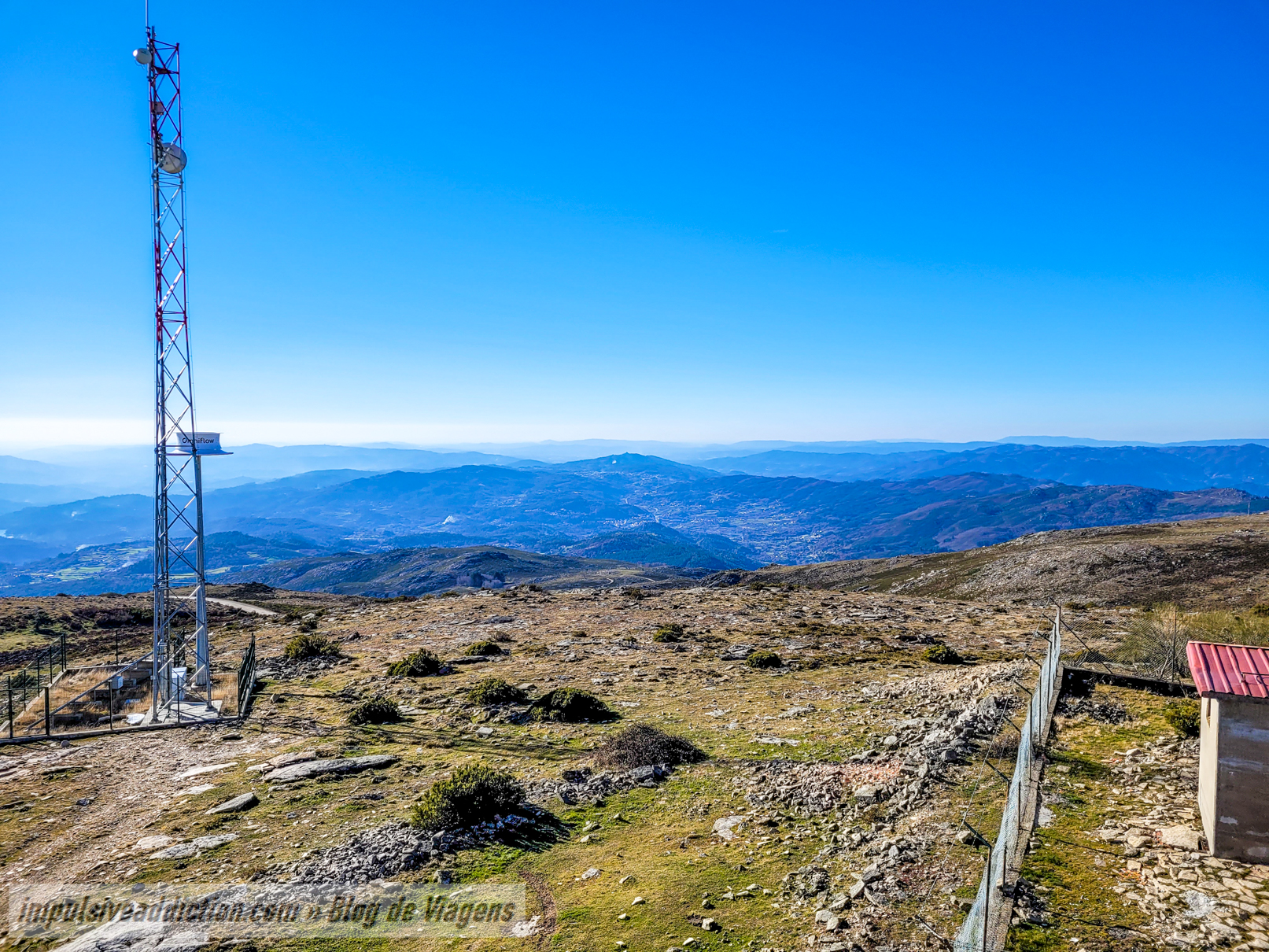
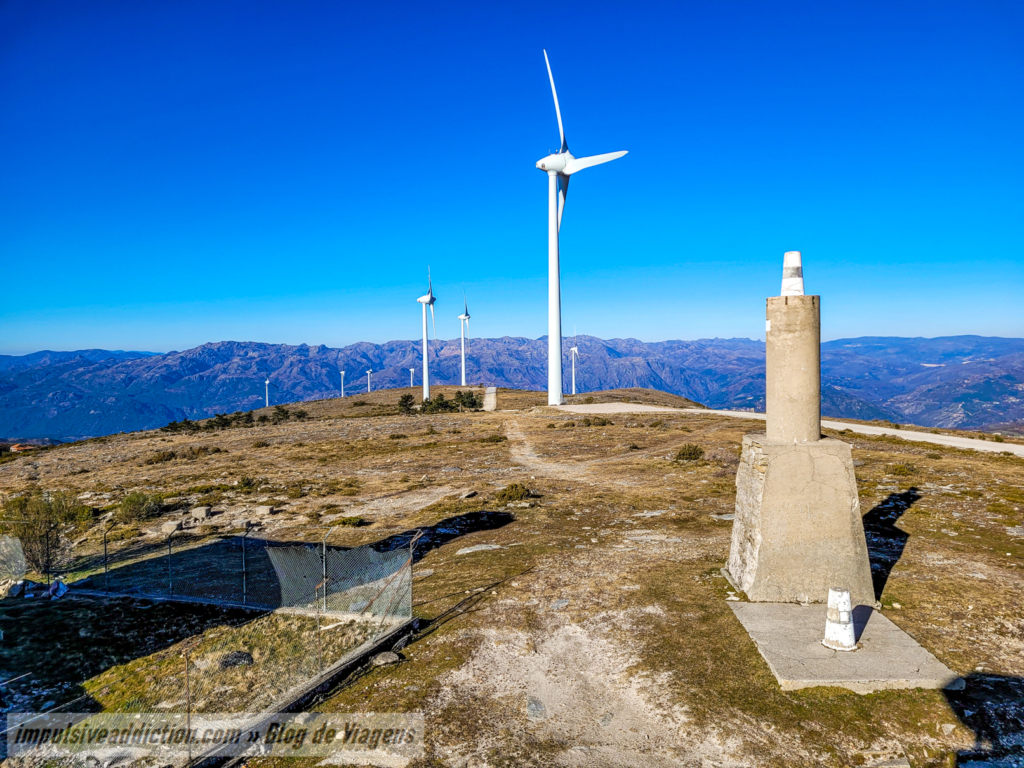
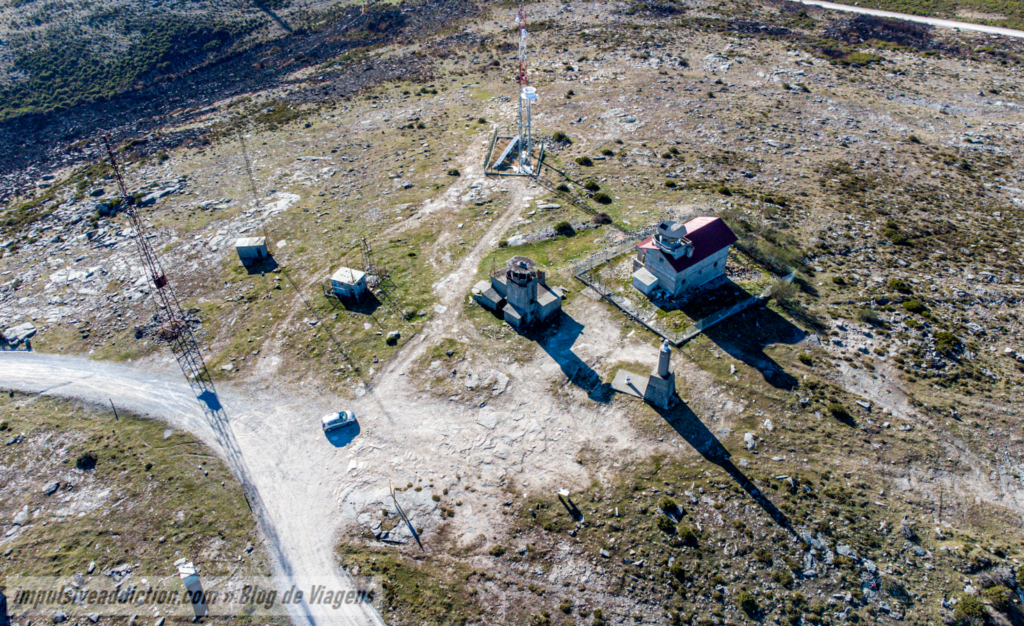
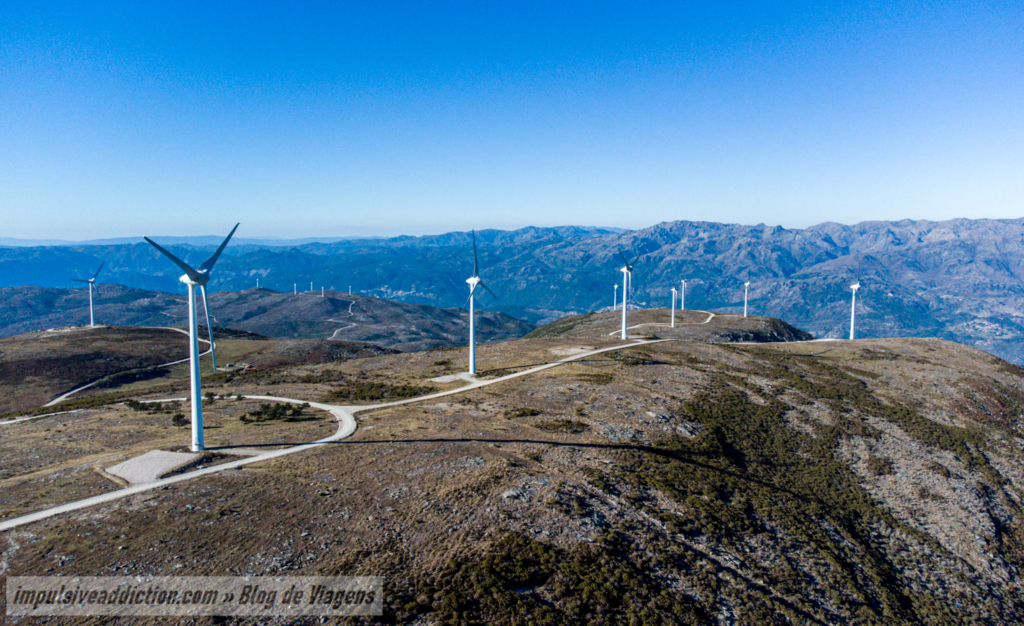
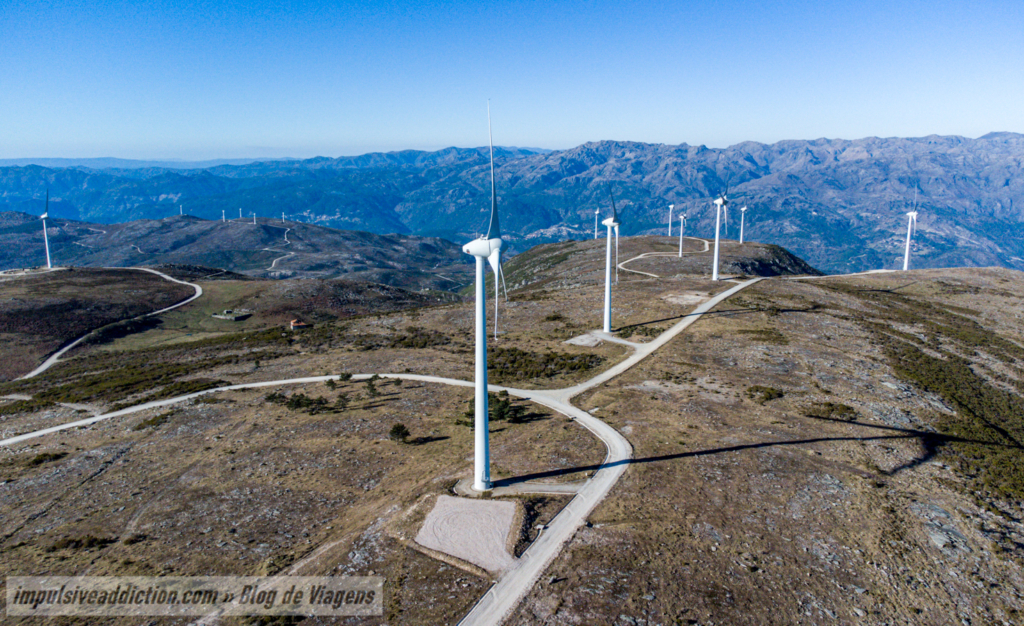
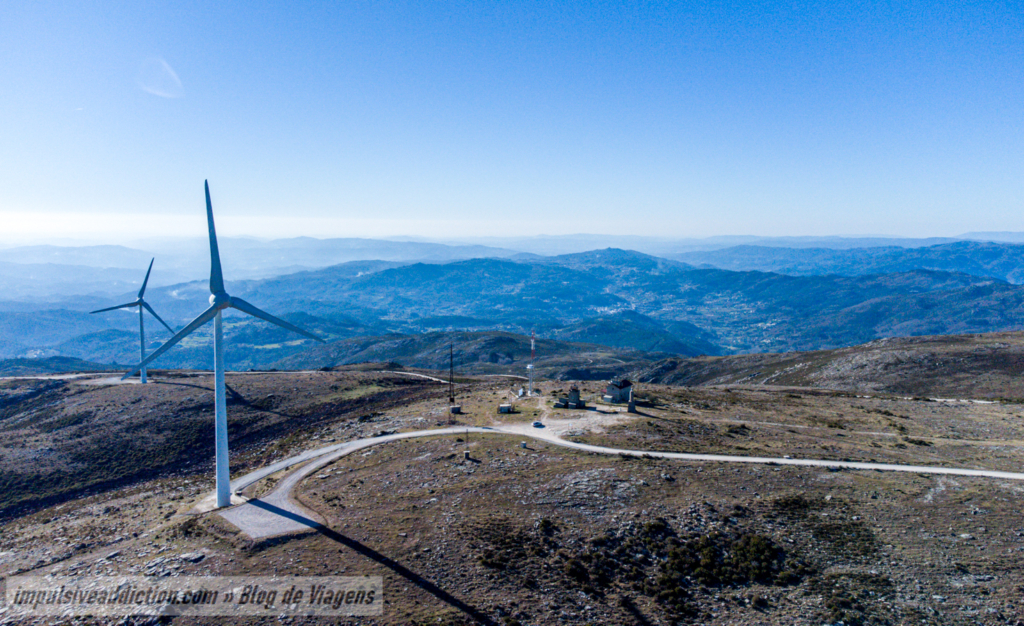
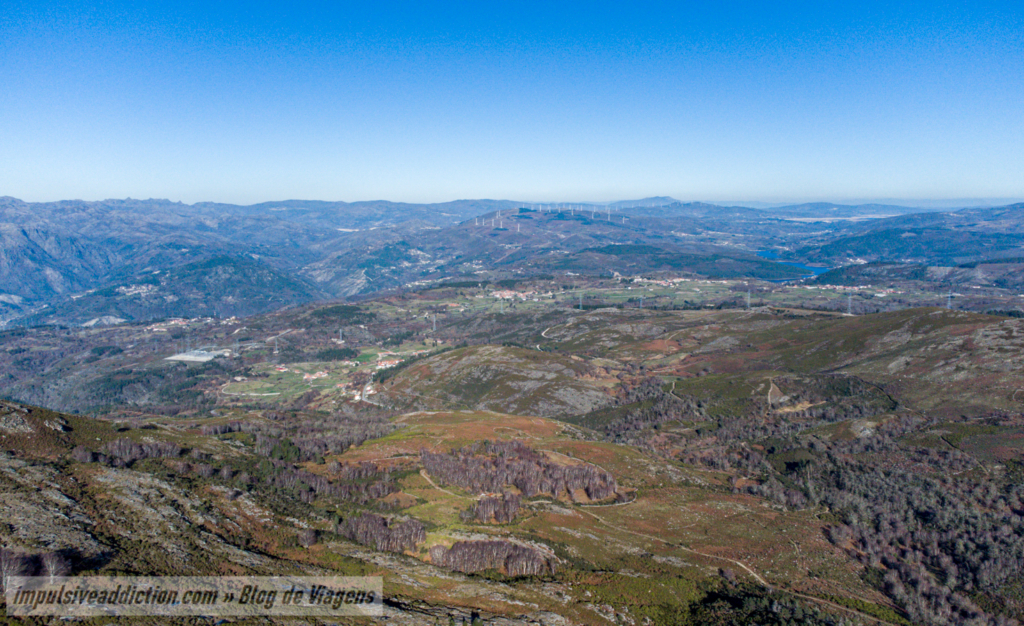
At Alto do Talefe, the summit of the Serra da Cabreira rises to 1,262 meters above sea level. Up here, you’ll find a wind farm and a watchtower, along with sweeping views that stretch all the way to the stunning Gerês mountains in the distance.
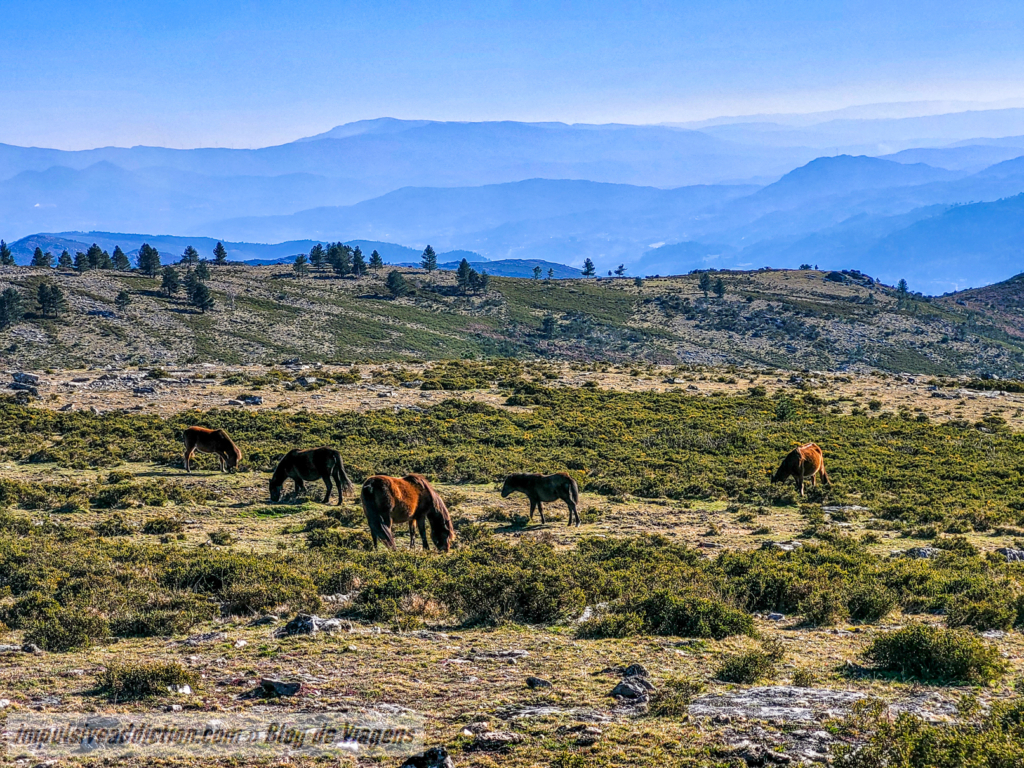
During my visit, I was lucky enough to spot a group of five Garranos. I had already seen some near the Cantelães Swing, but here the sighting was even more special. For those unfamiliar, the Garrano is a native horse breed from the Minho and Trás-os-Montes regions. Still found in a semi-wild state in several northern mountain ranges—such as Cabreira, Arga, Gerês, and Soajo—the Garrano is a small but sturdy horse, similar in size to a pony yet remarkably resilient.
16. Agra Village and Leisure Area
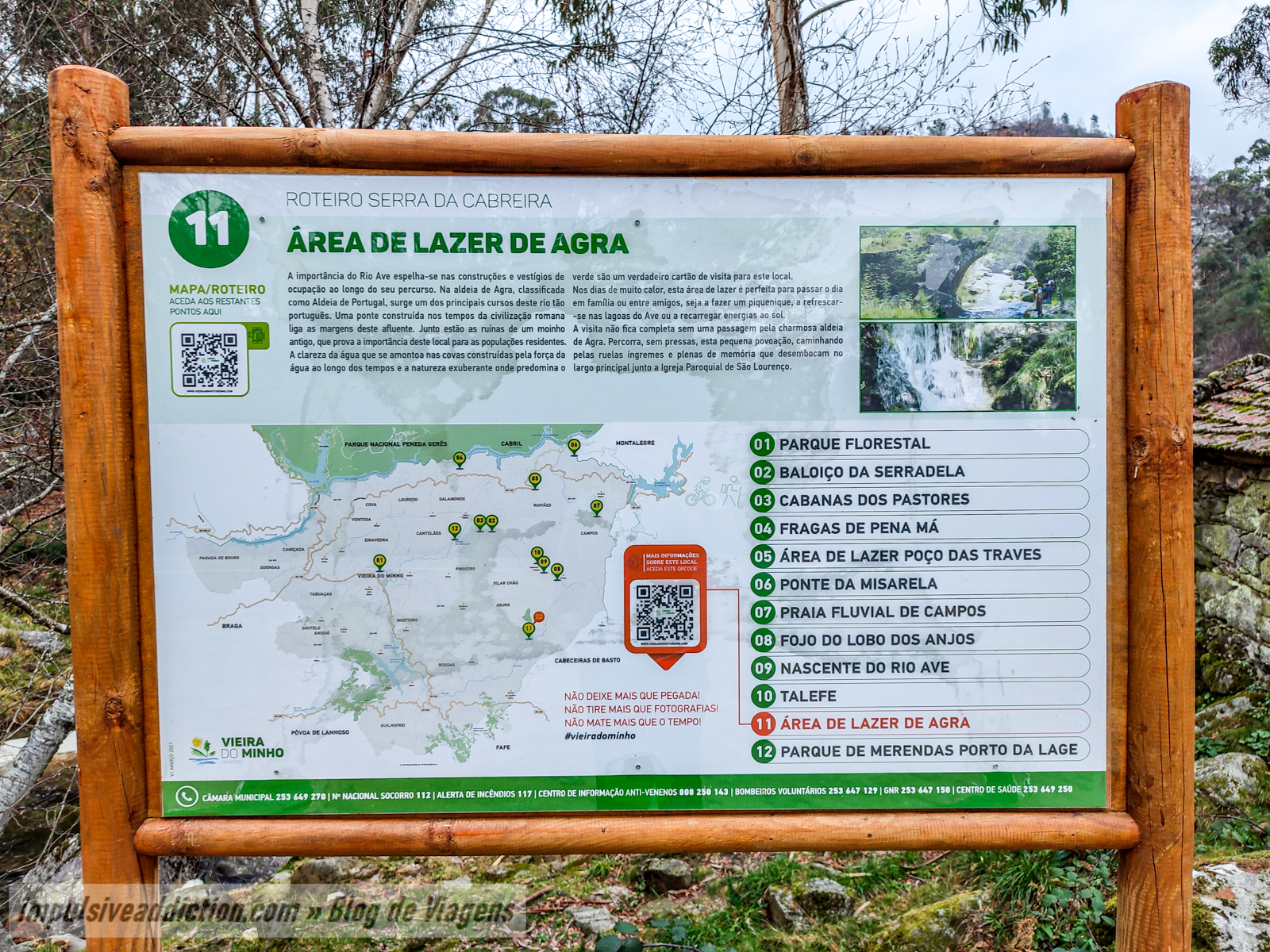
As you descend the Serra da Cabreira again, head toward the village of Agra. Nearby, there are two river beaches—Praia Fluvial de Agra and Praia Fluvial dos Anjos—although I haven’t yet visited them in summer to know if they’re worth the stop.
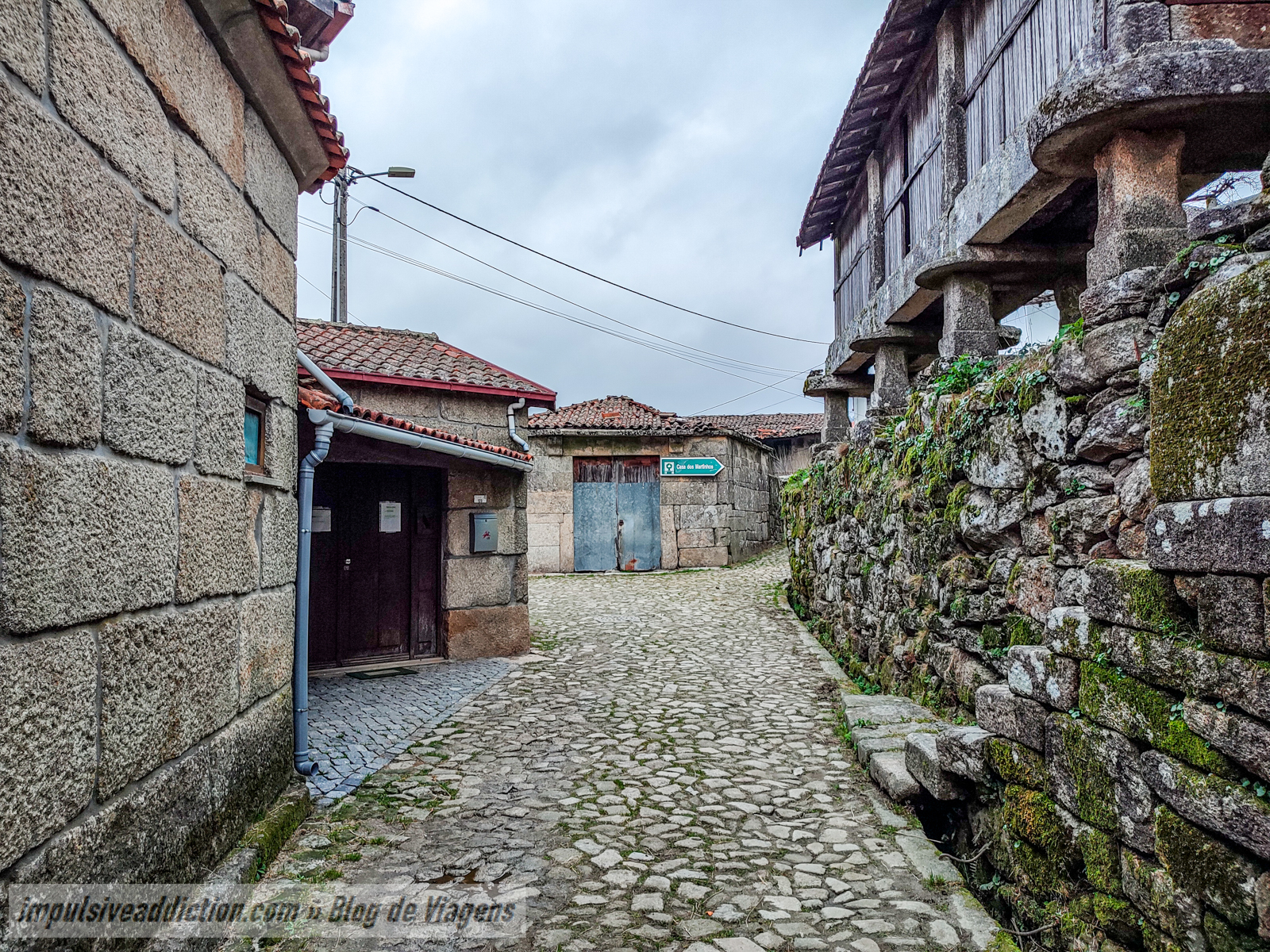
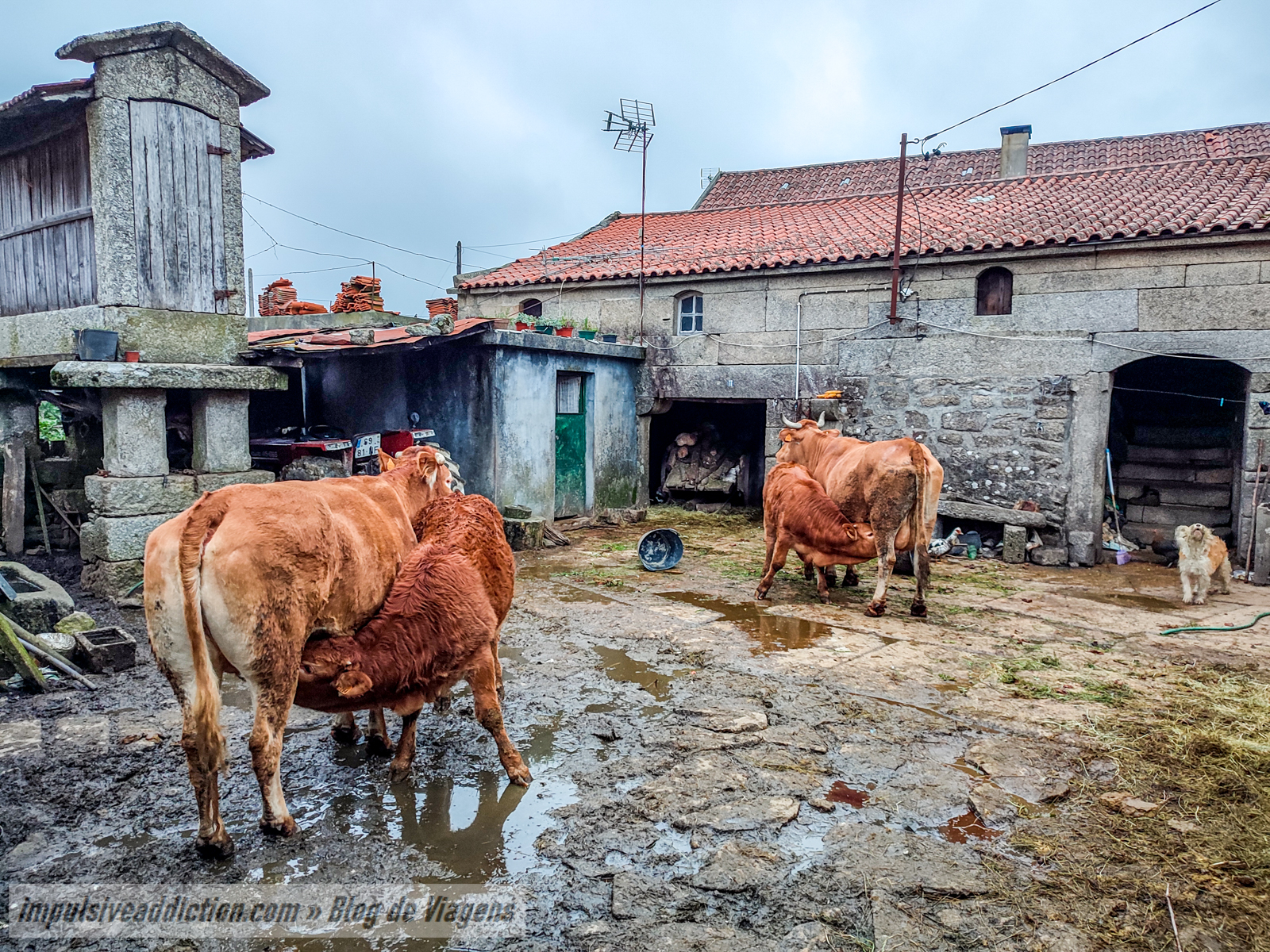
Agra is my second favorite village in the Serra da Cabreira, right after Espindo. This was also the place where I most easily spotted Barrosã cattle, a traditional local breed.
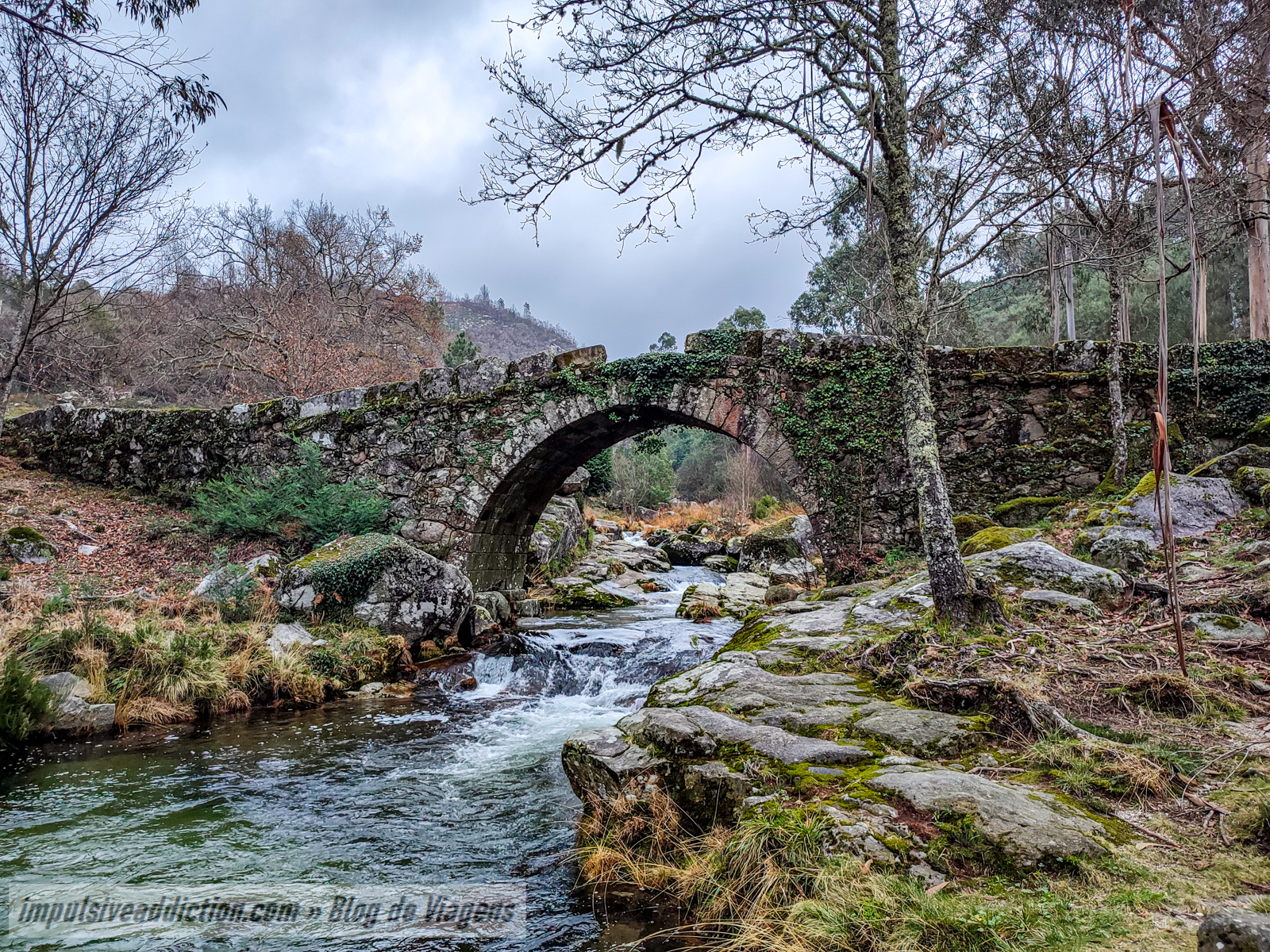
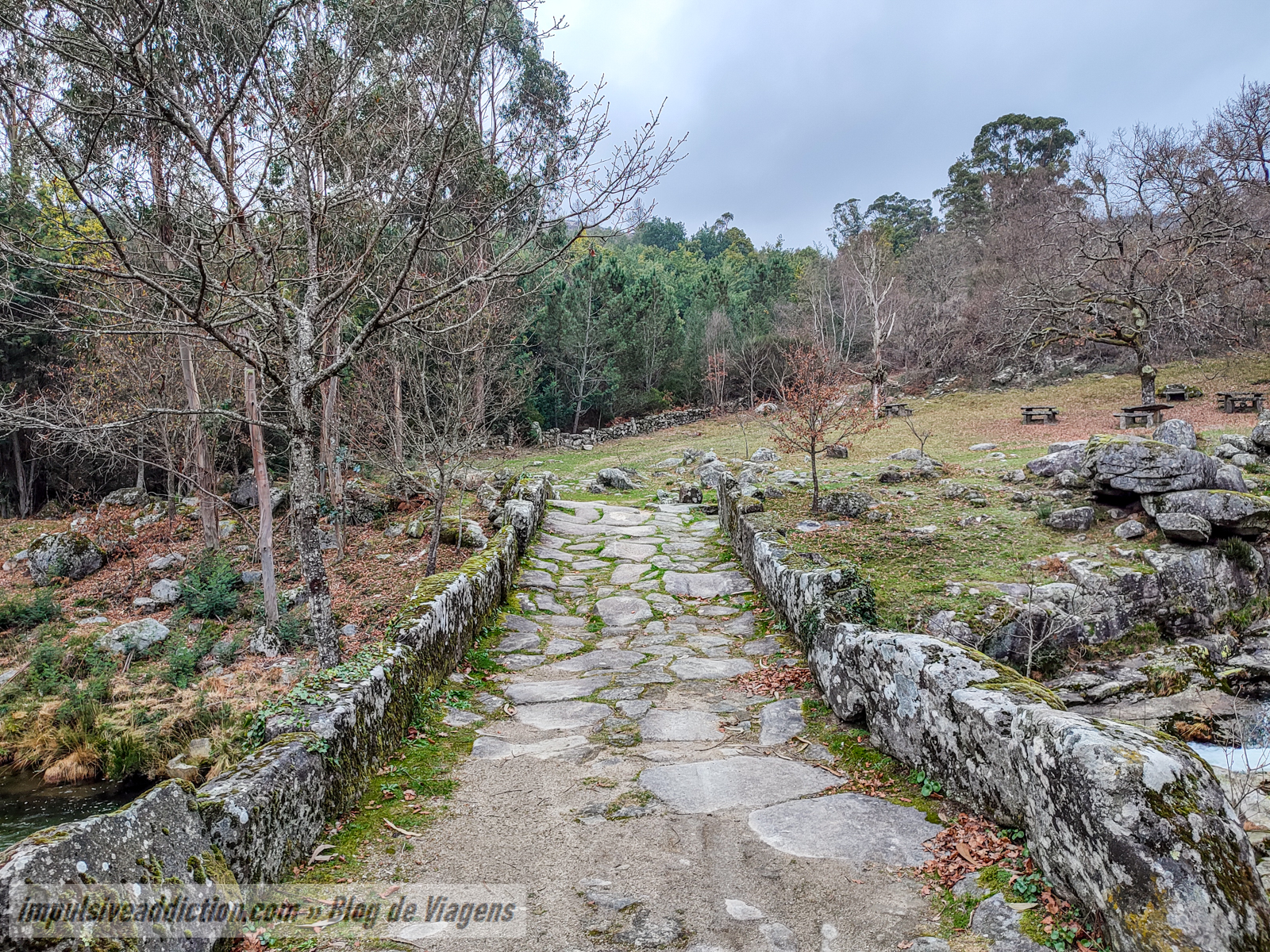
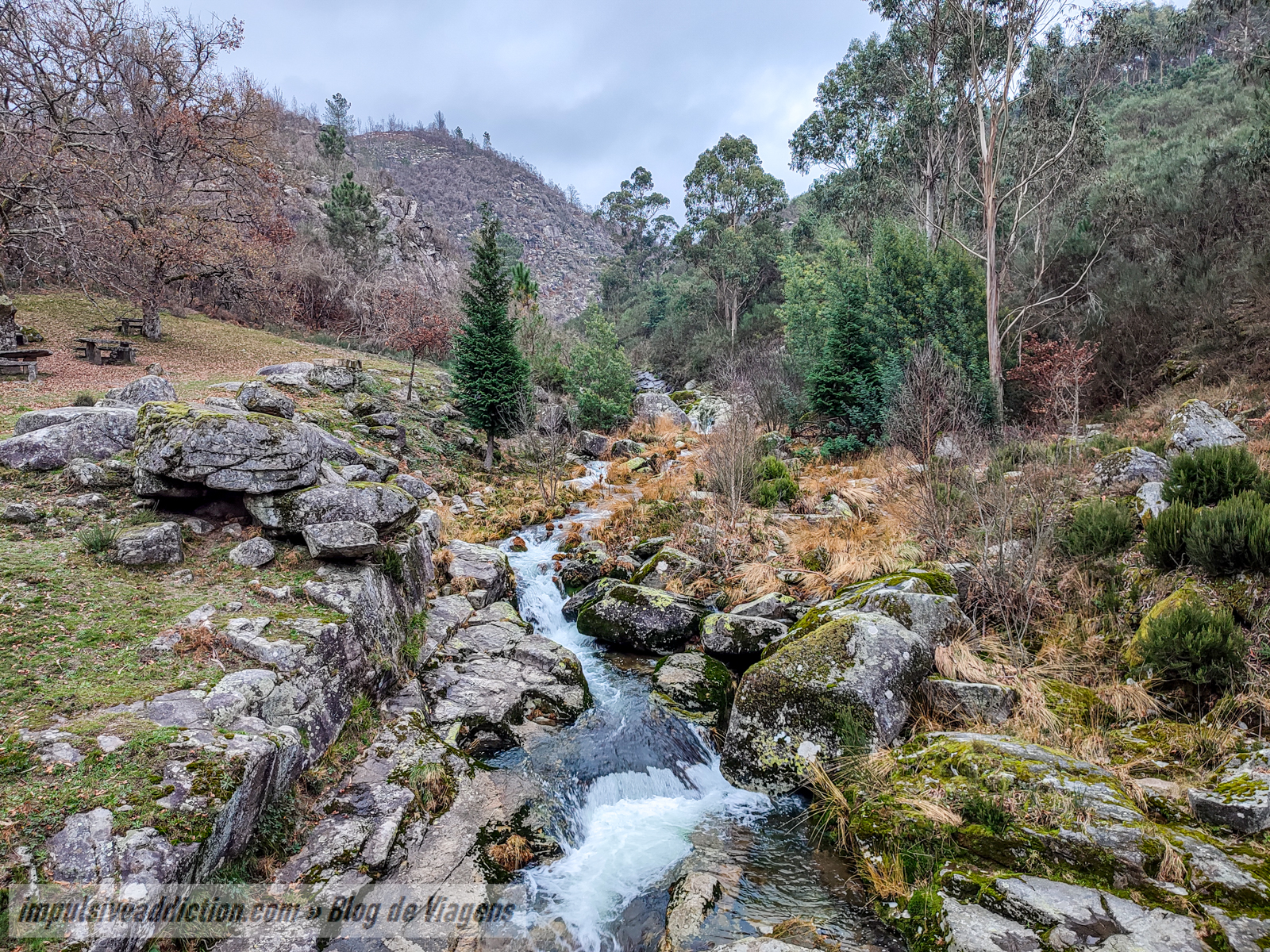
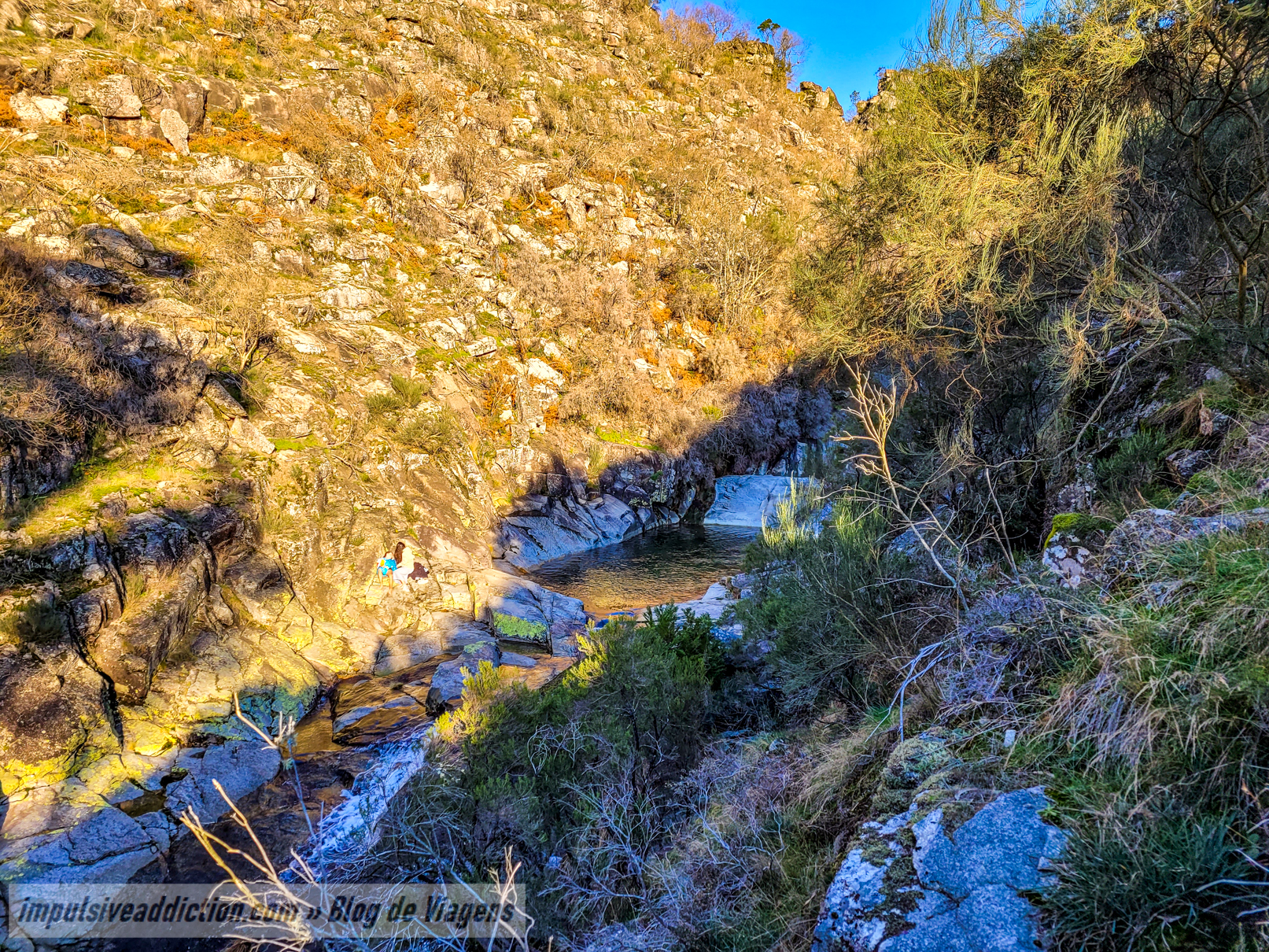
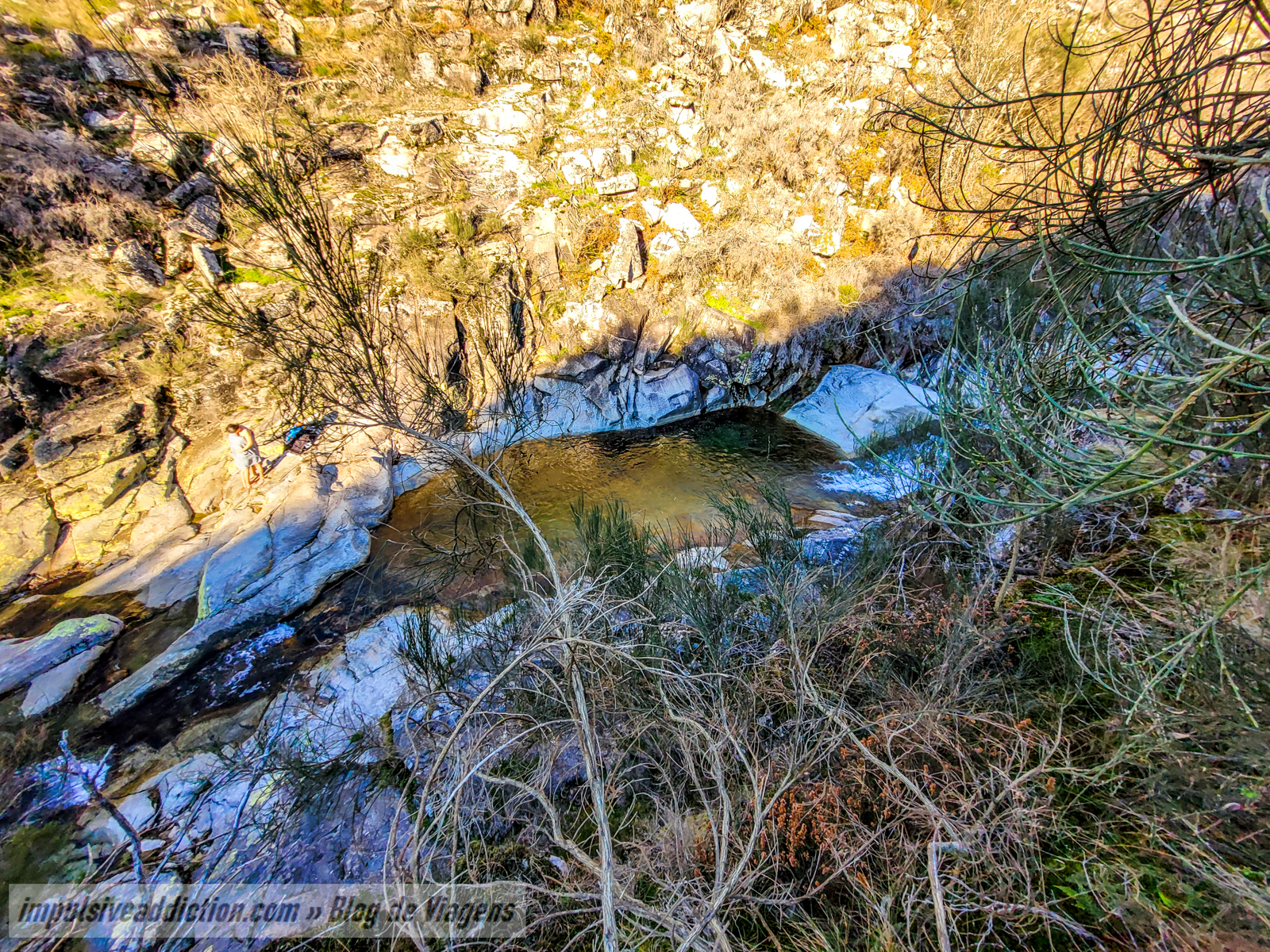
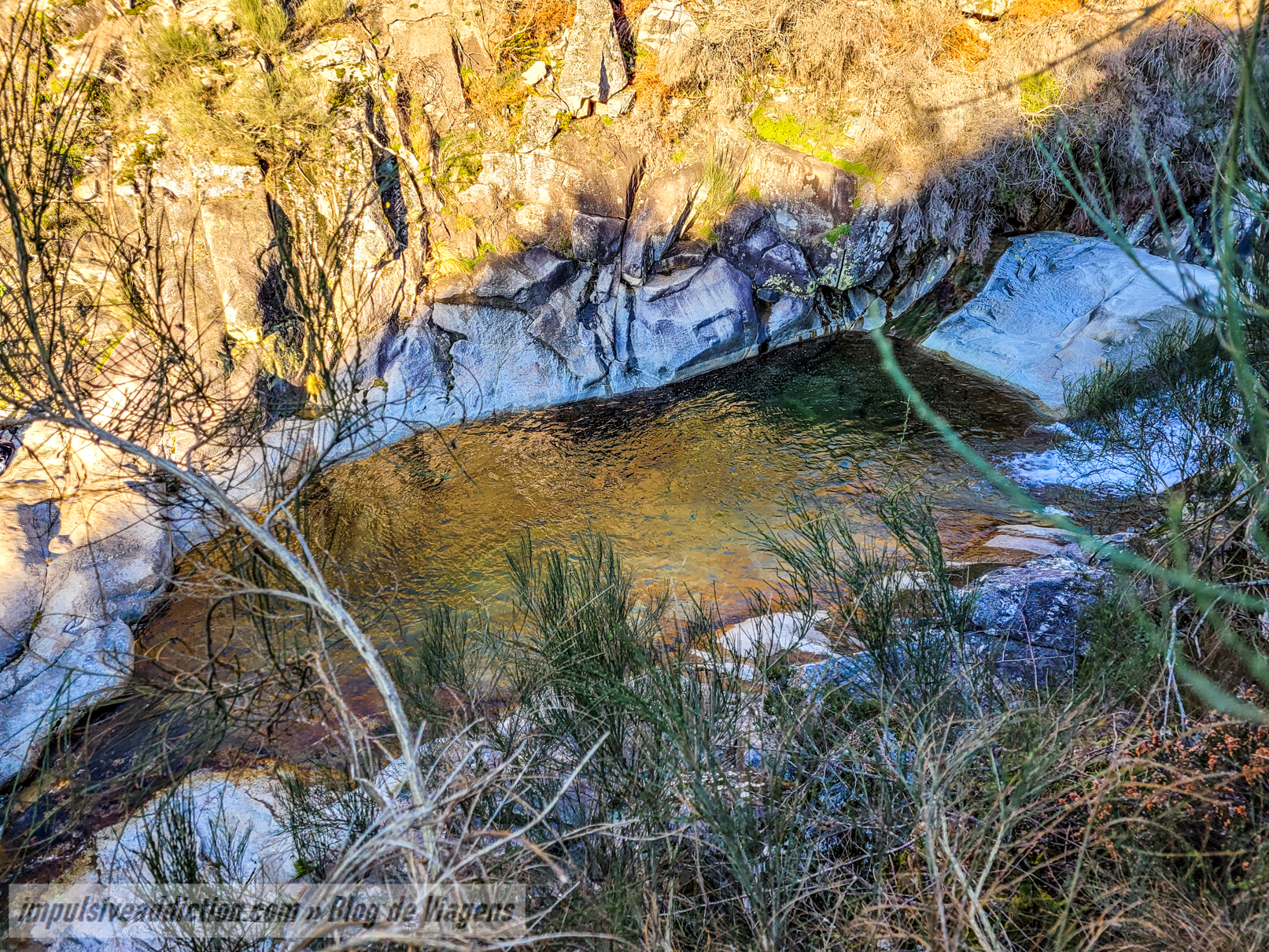
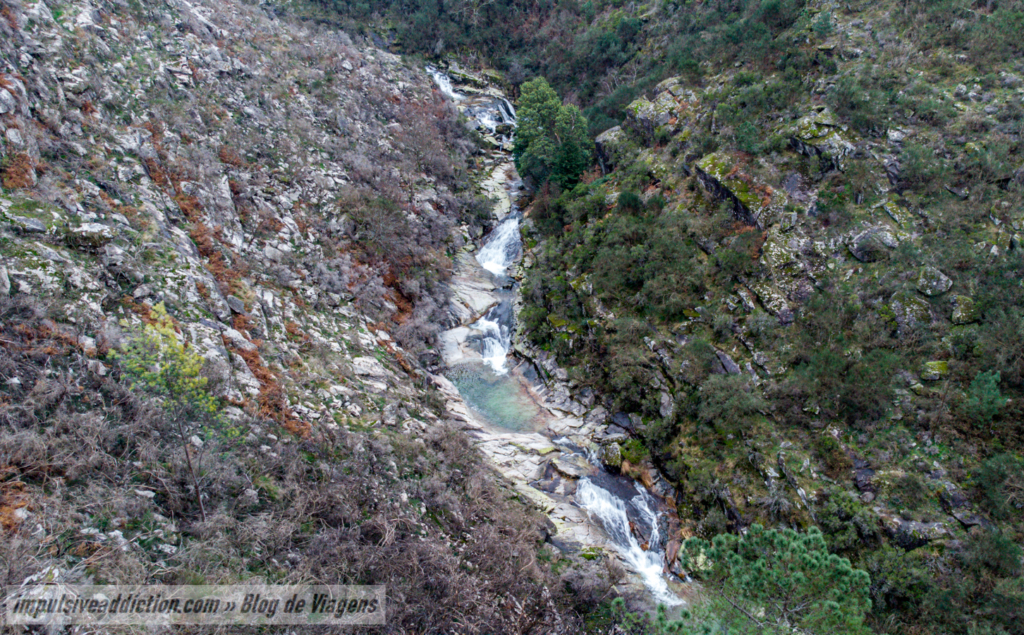
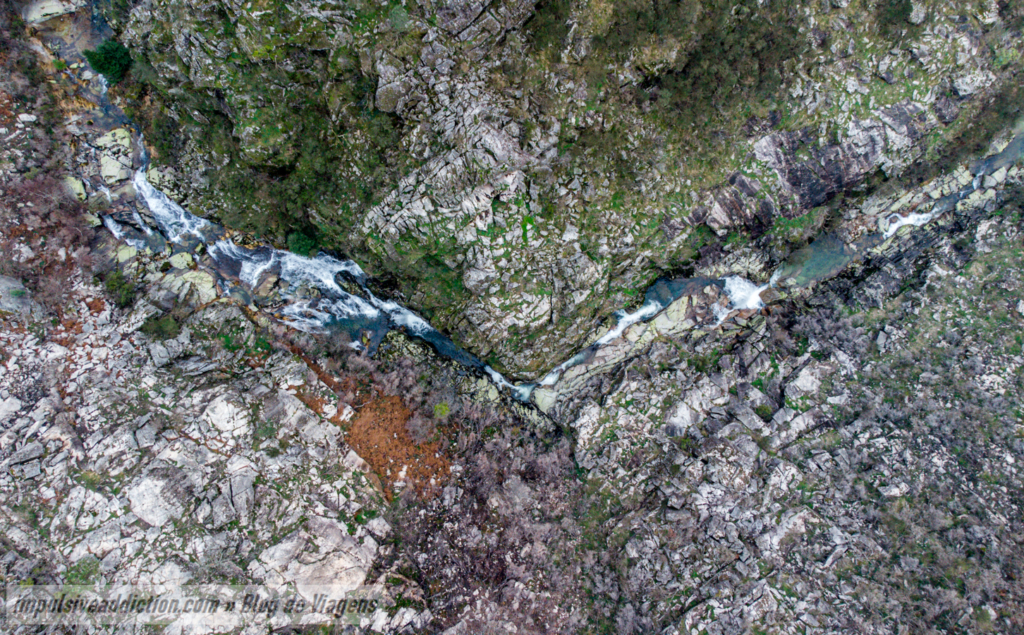
In terms of the leisure area, the highlights are the old mill and the ancient Romanesque bridge over the Ave River. The real secret here, though, lies upstream: a series of natural lagoons, perfect for a refreshing summer swim. To find them, follow the trail on the right bank of the river all the way to the end—you’ll come across them eventually. Just be cautious, as the access can be tricky.
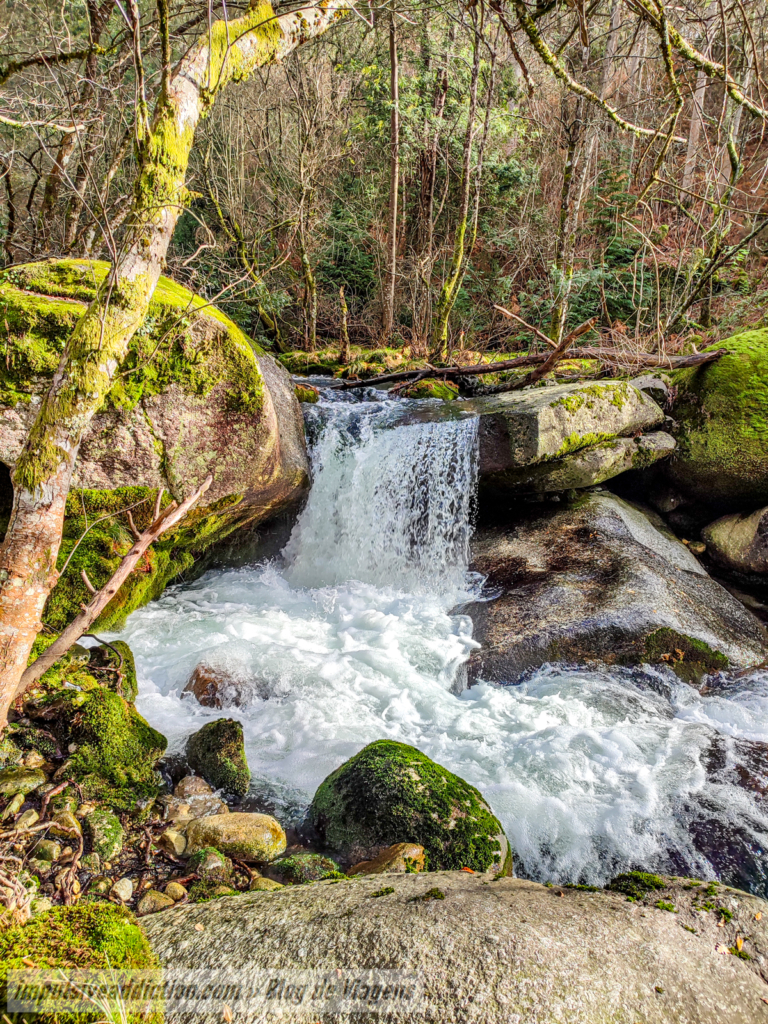
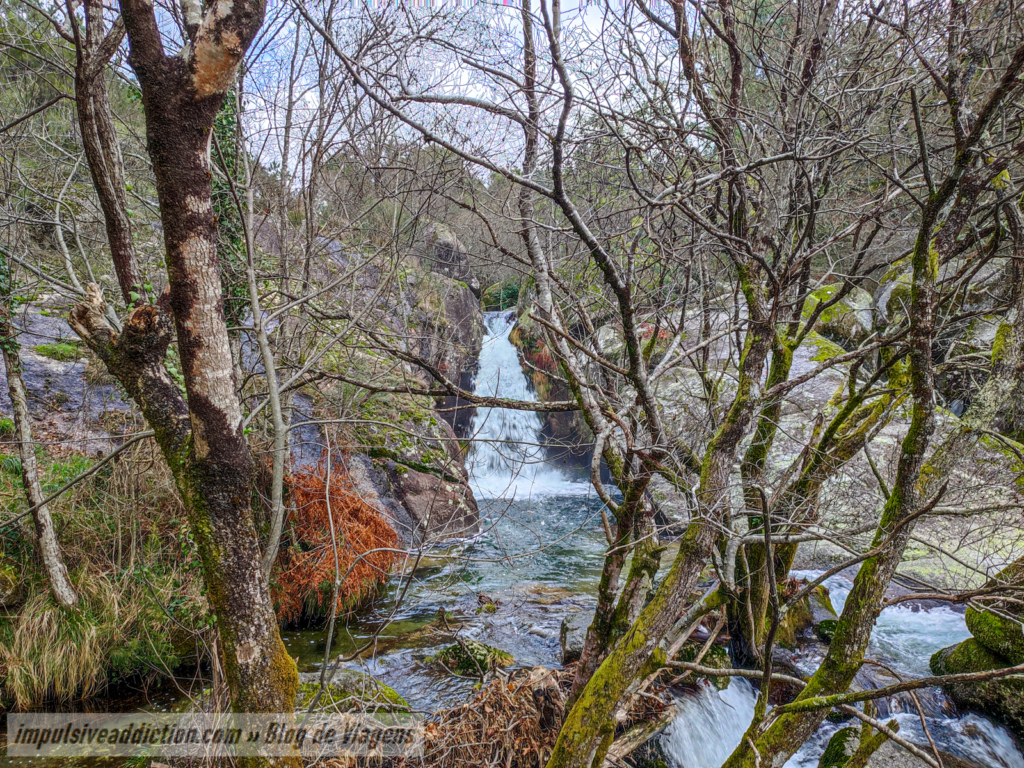
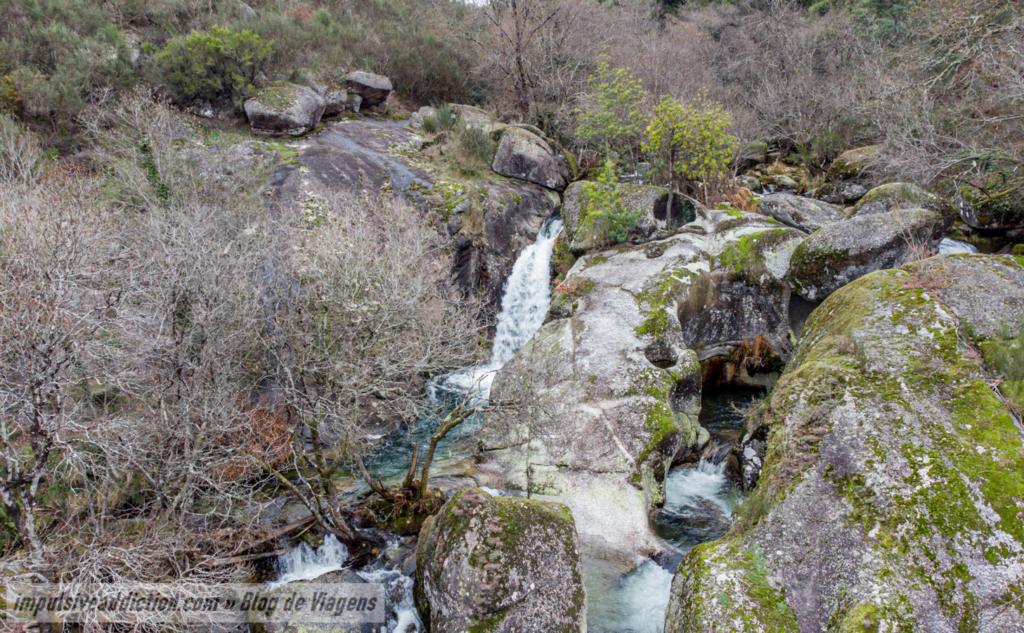
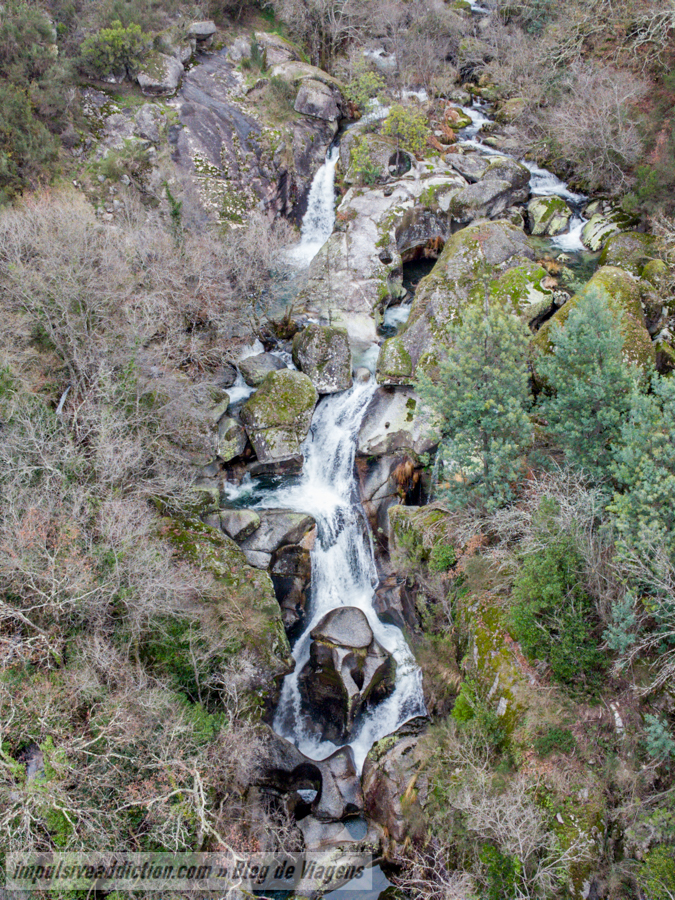
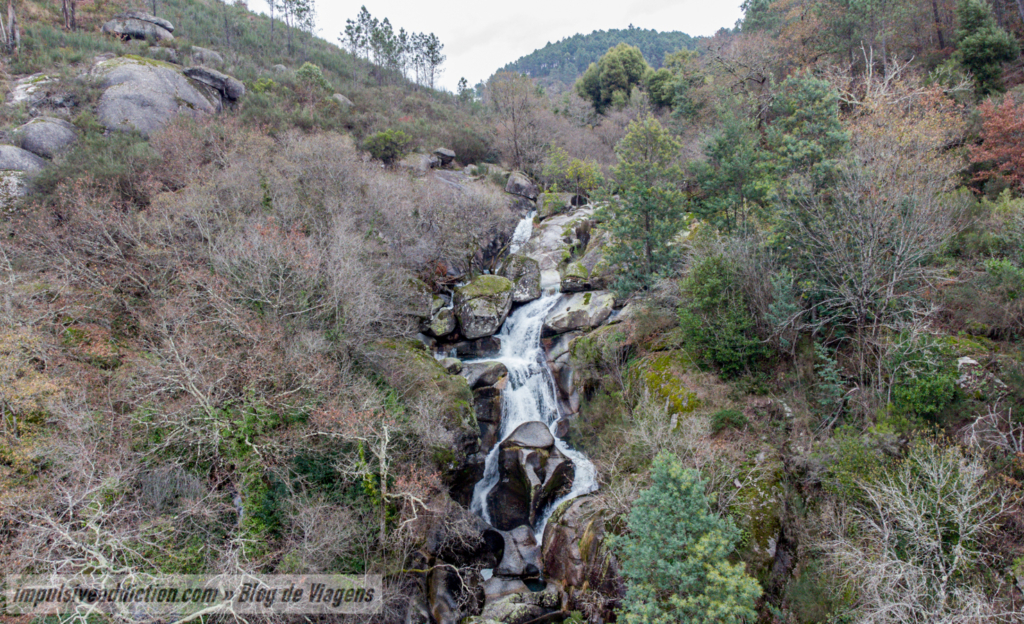
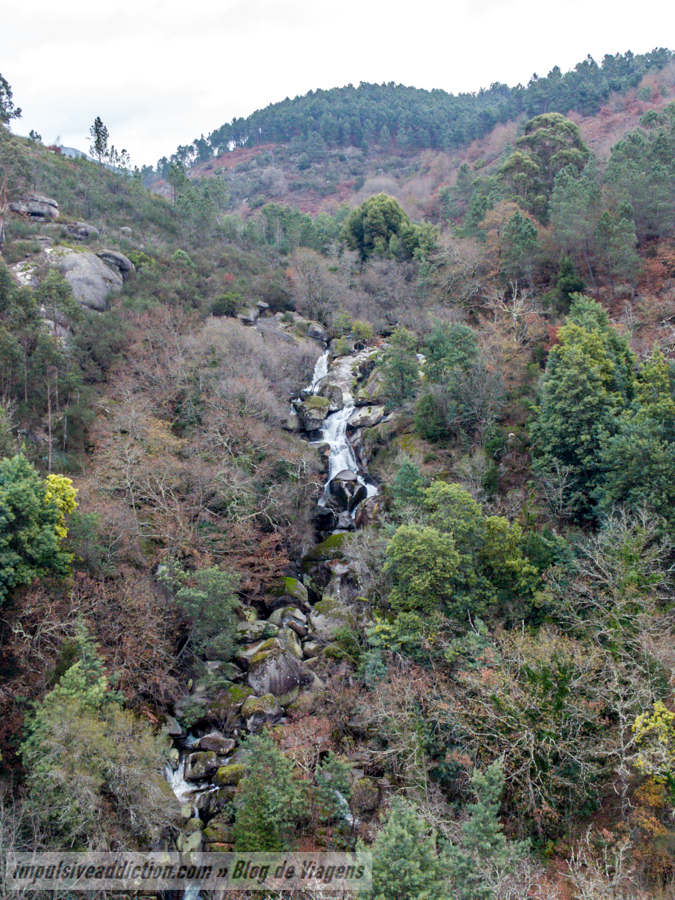
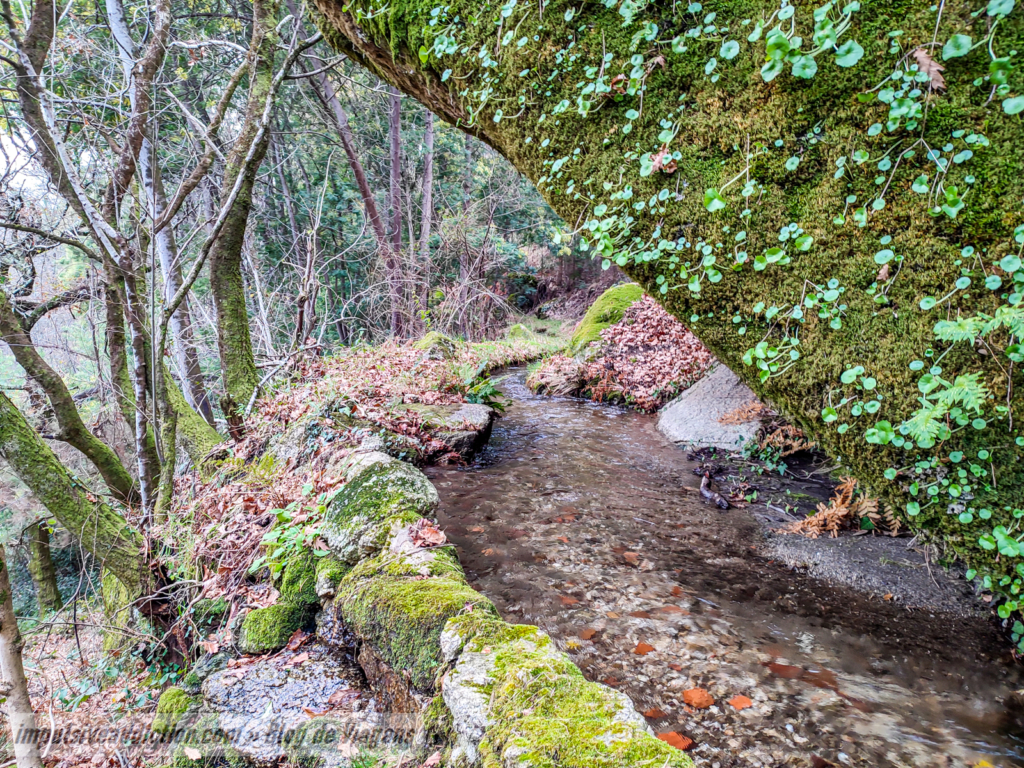
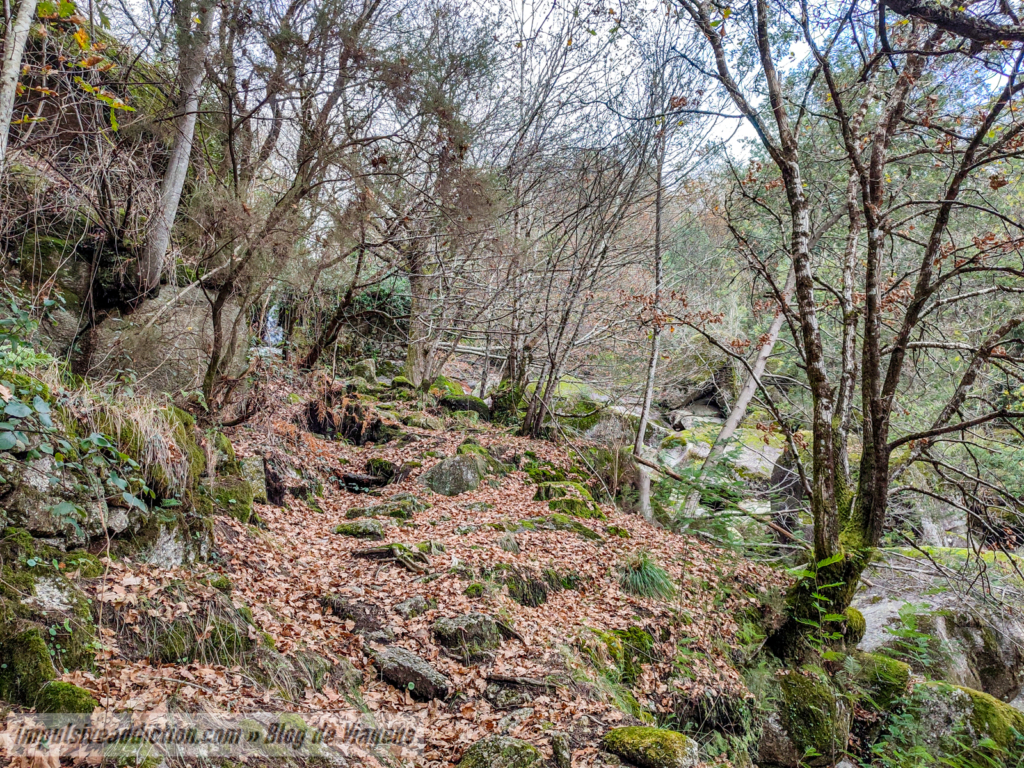
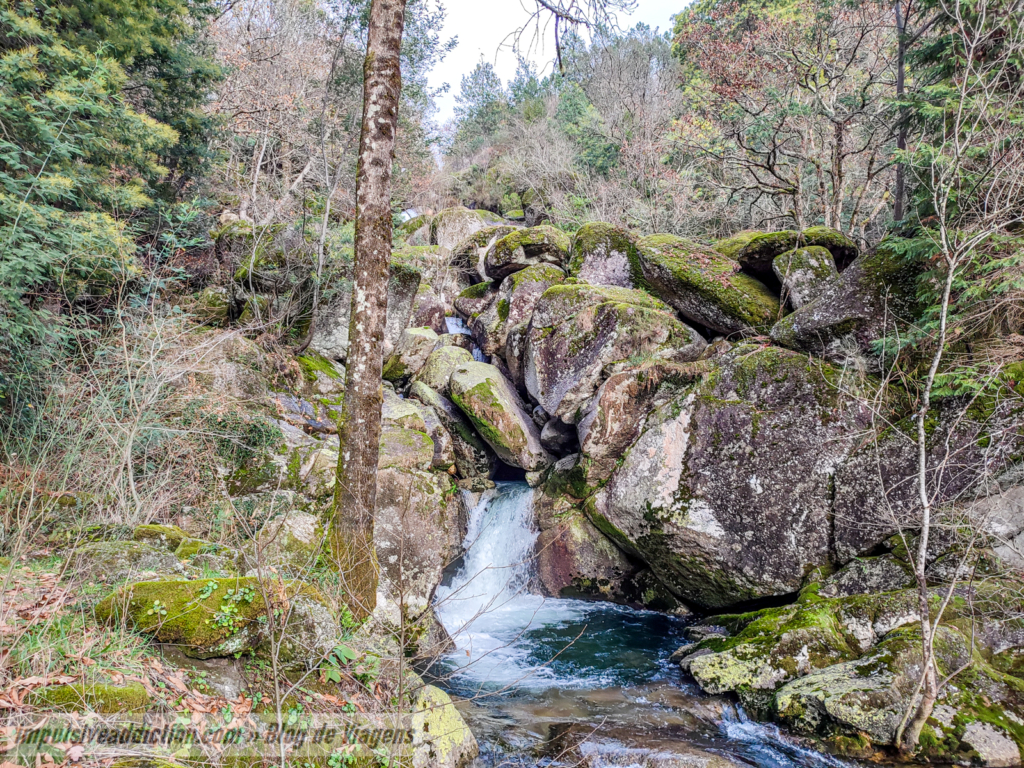
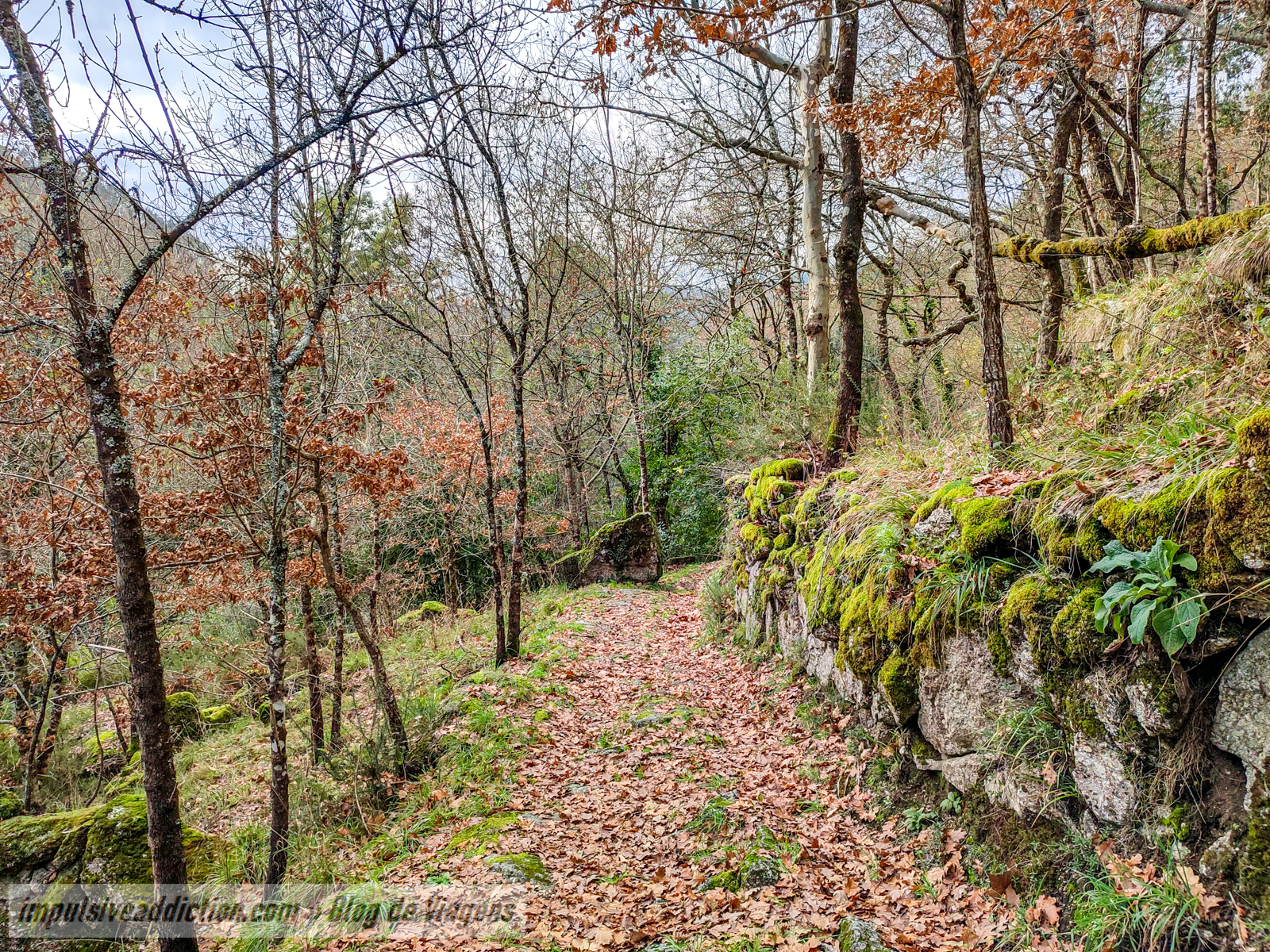
17. Lamedo Village, Candosa Waterfall, and Ave Mills
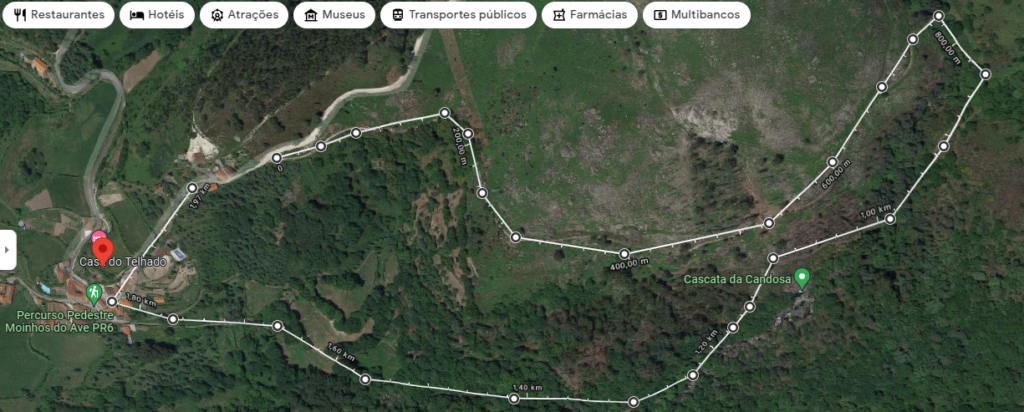
To reach the Candosa Waterfall, you can follow the Ave Mills Trail (Trilho dos Moinhos do Ave). It’s a linear route, but I suggest an alternative circular version created by the Caminhantes hiking group, which also passes through the village of Agra, the leisure area mentioned earlier, and Lamedo — besides the waterfall itself. I didn’t complete the full trail, but it’s a great option for those who have the time and truly enjoy hiking.
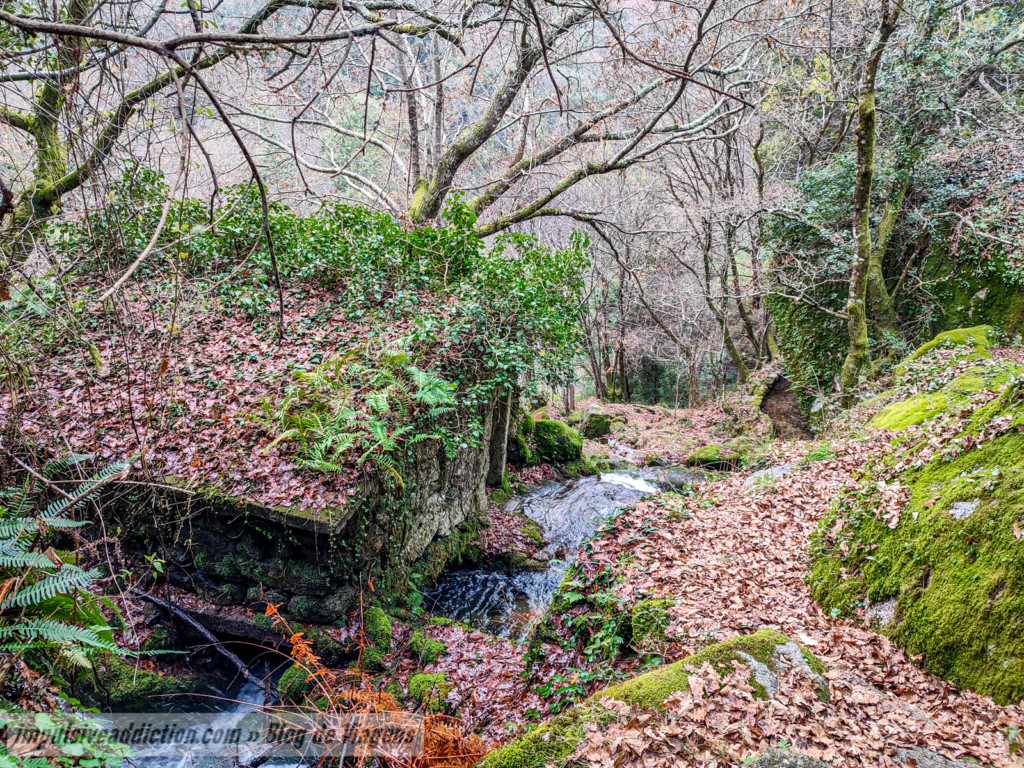
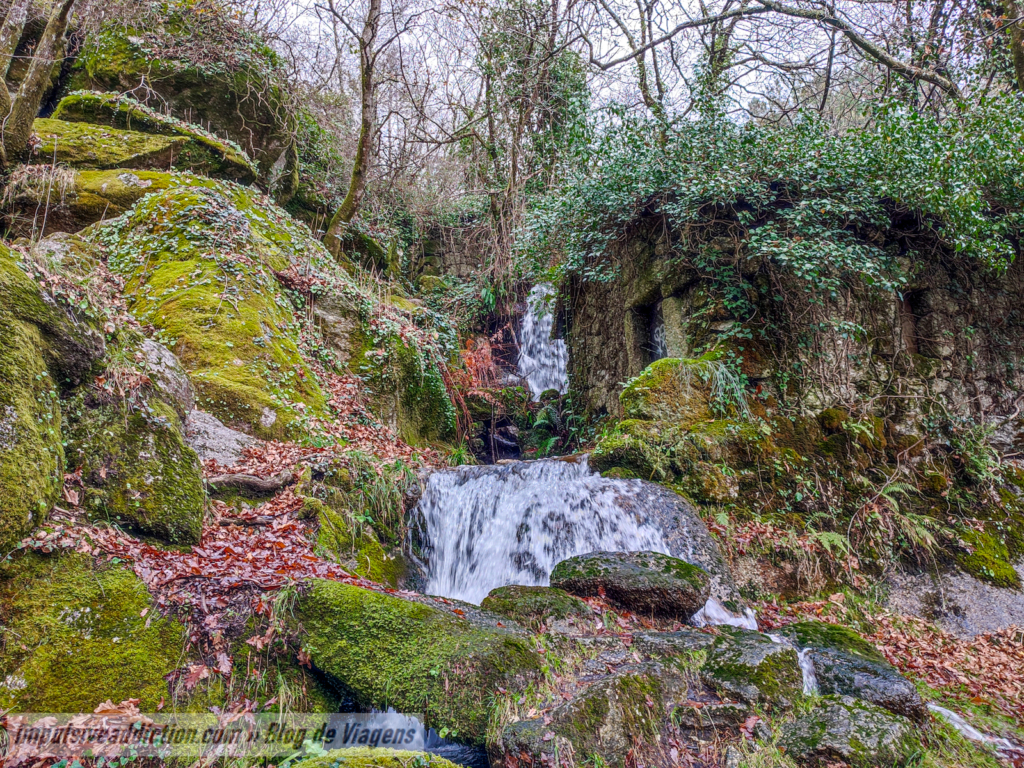
What I did instead was a shorter version: starting in Lamedo, walking to the Candosa Waterfall, and then returning to Lamedo. It turned into a small improvised circular hike of about 2 km. Below, you’ll find an image that I hope will help you trace the route I followed.
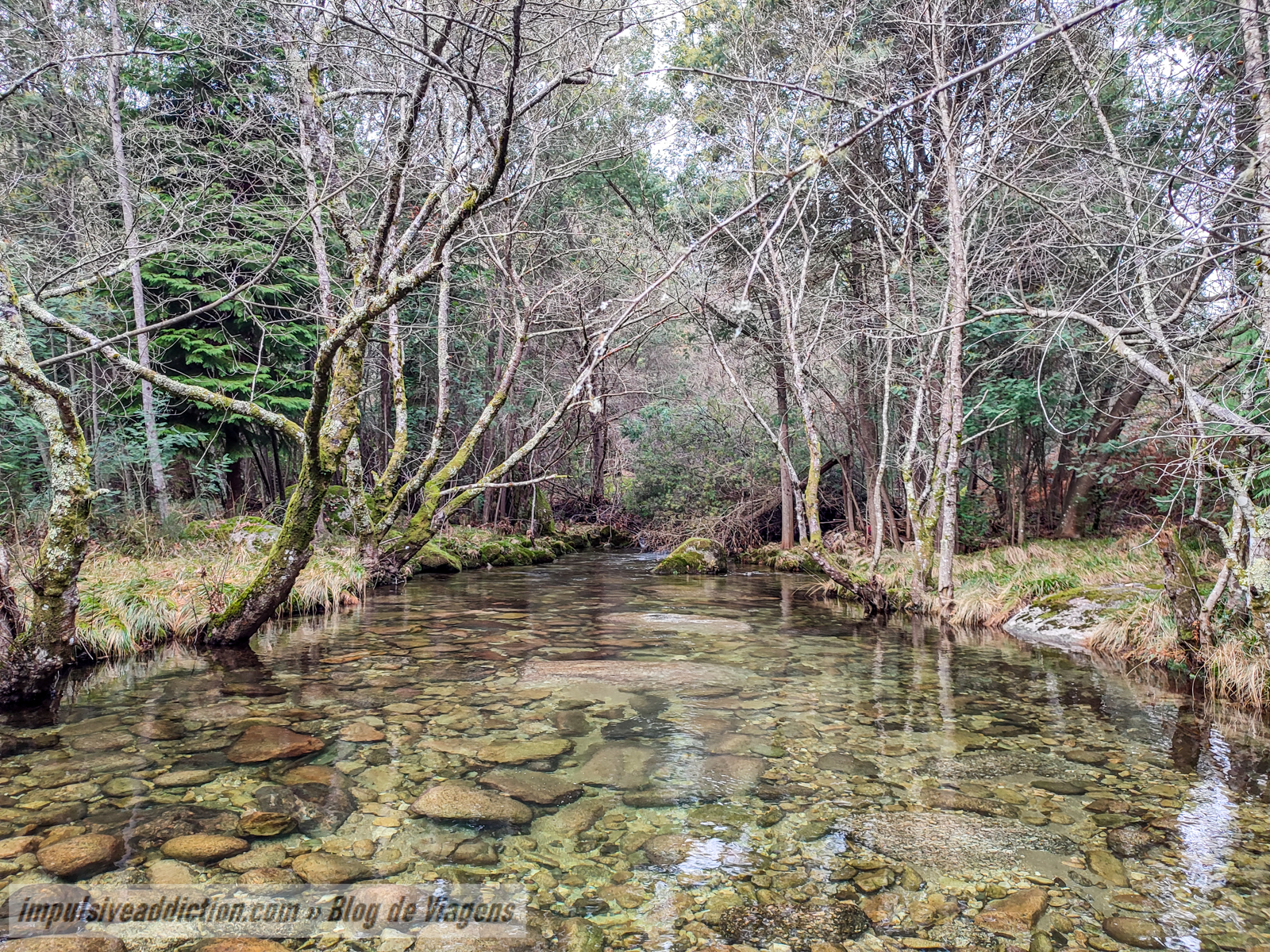
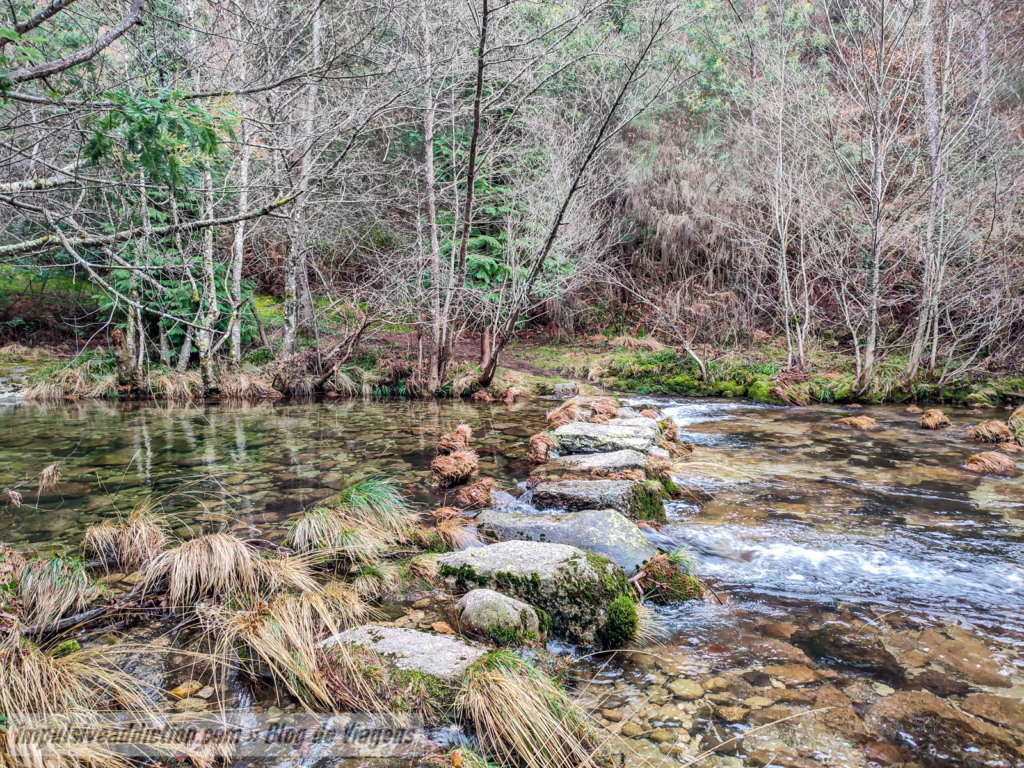
Note: This trail is not recommended on rainy days or right after rainfall, as there are many rocky surfaces near the waterfall that you’ll need to walk across. In winter, it can also be more challenging since you must cross the river using stepping stones, which may be submerged when the water level is high. In my opinion, this hike has a moderate level of difficulty and is not suitable for beginners.
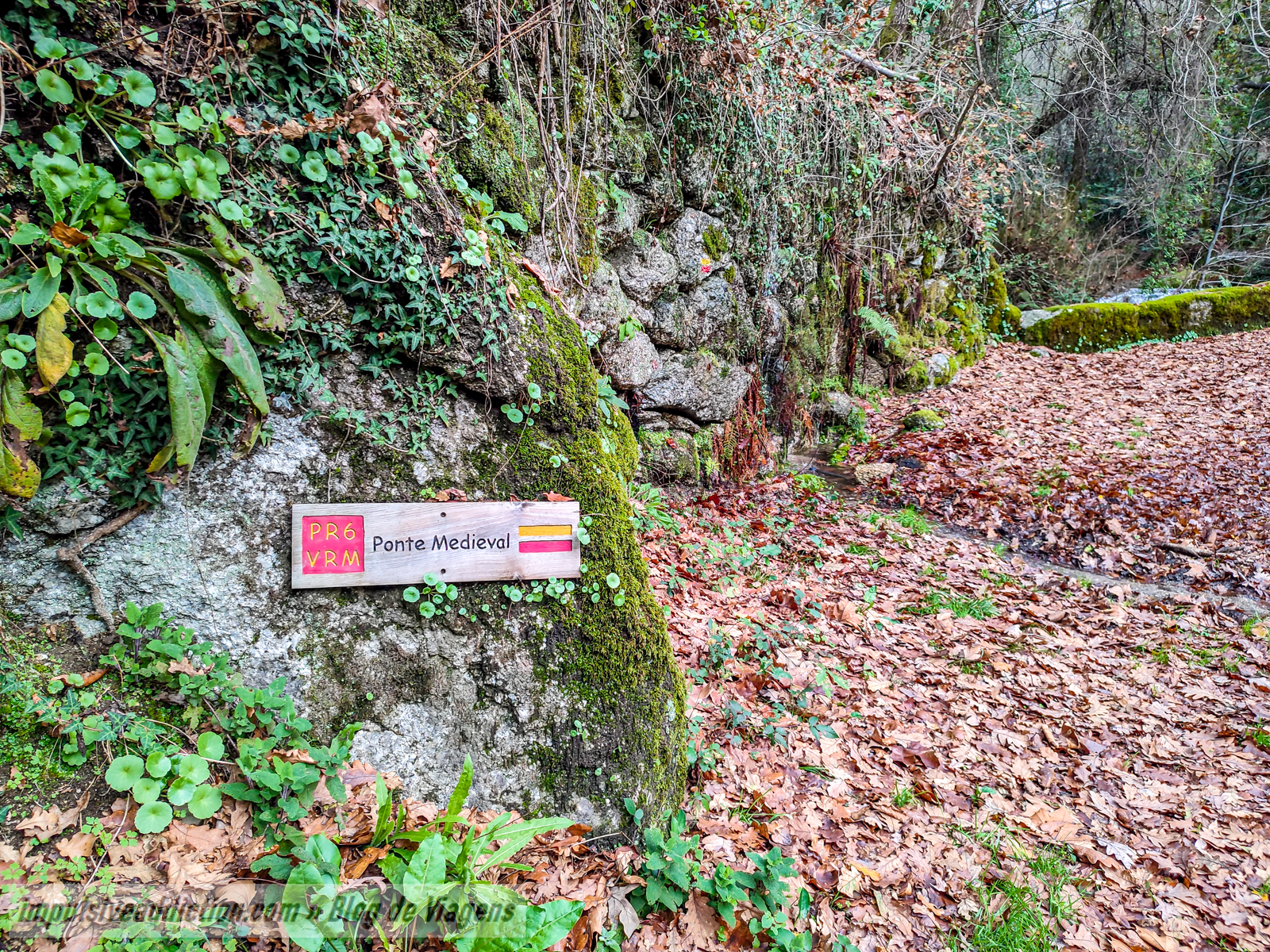
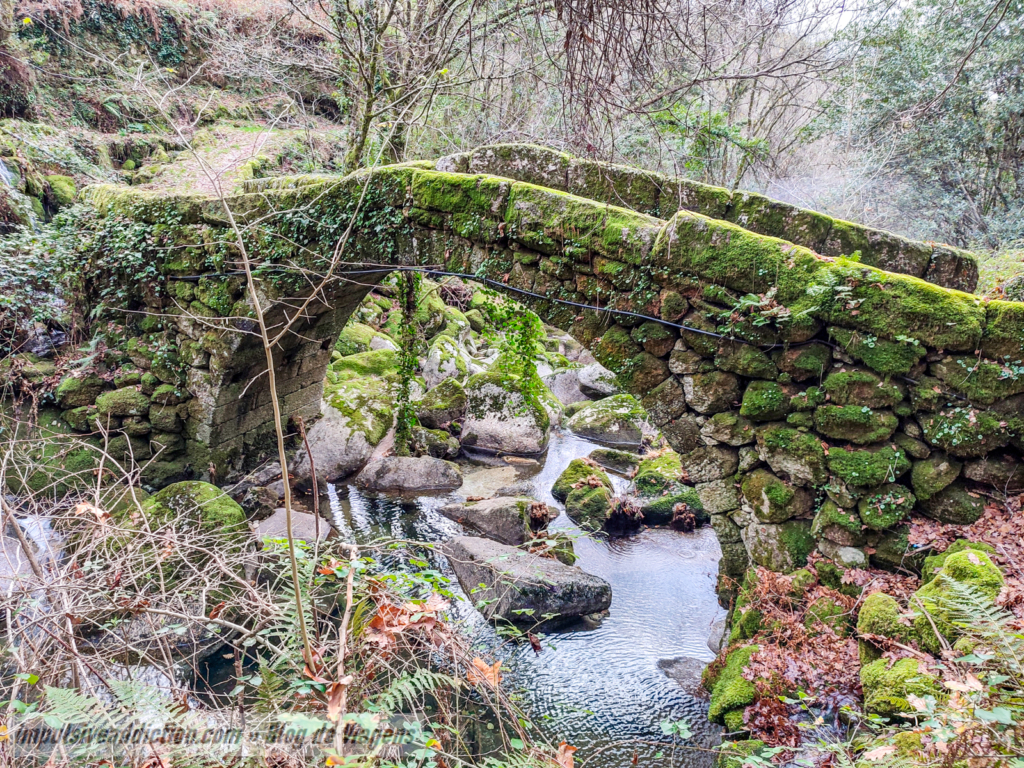
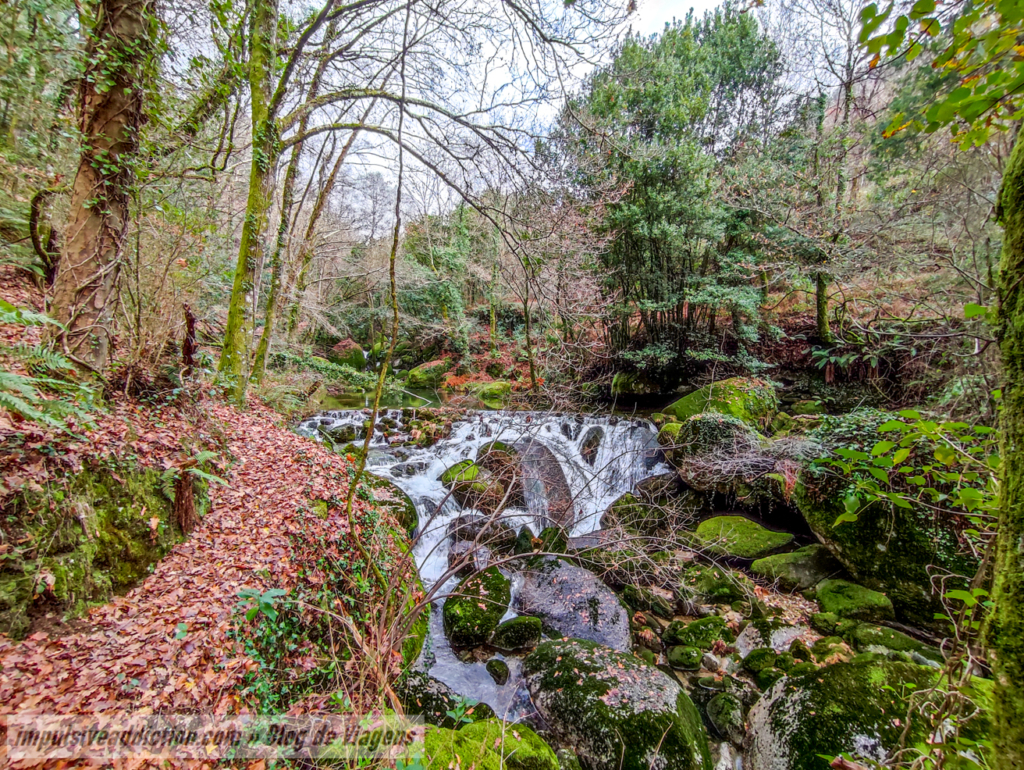
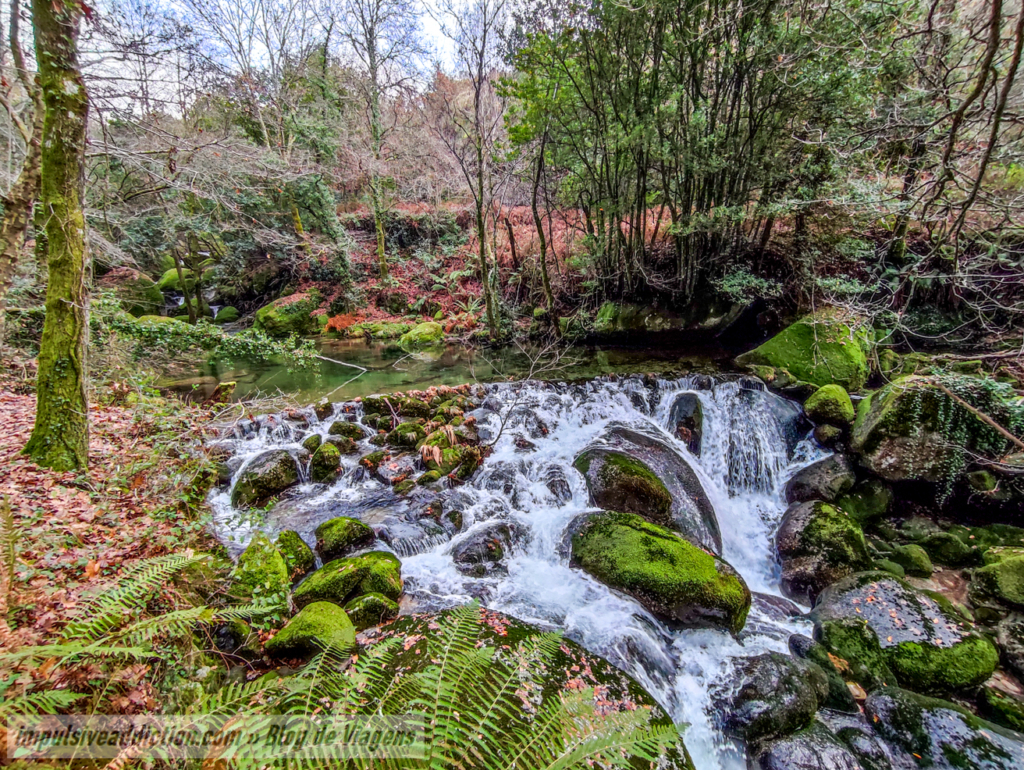
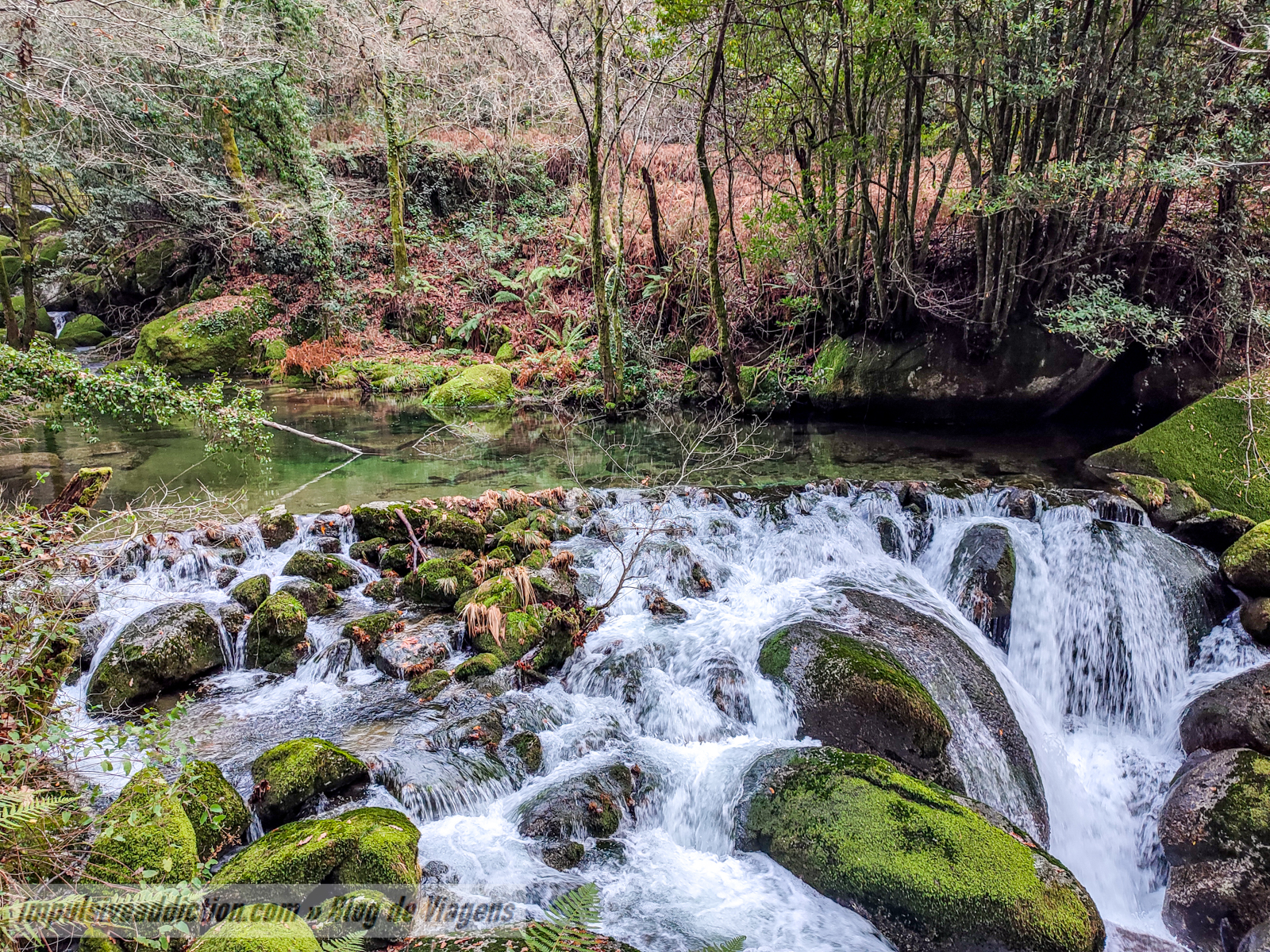
I’d like to highlight the ruined watermills near the Candosa Waterfall, known as the Ave Mills. On the way back to the village of Lamedo, don’t miss the marked detour leading to a Medieval Bridge. Right beside it, you’ll also find another small waterfall and a natural lagoon—an inviting spot for a swim in the river.
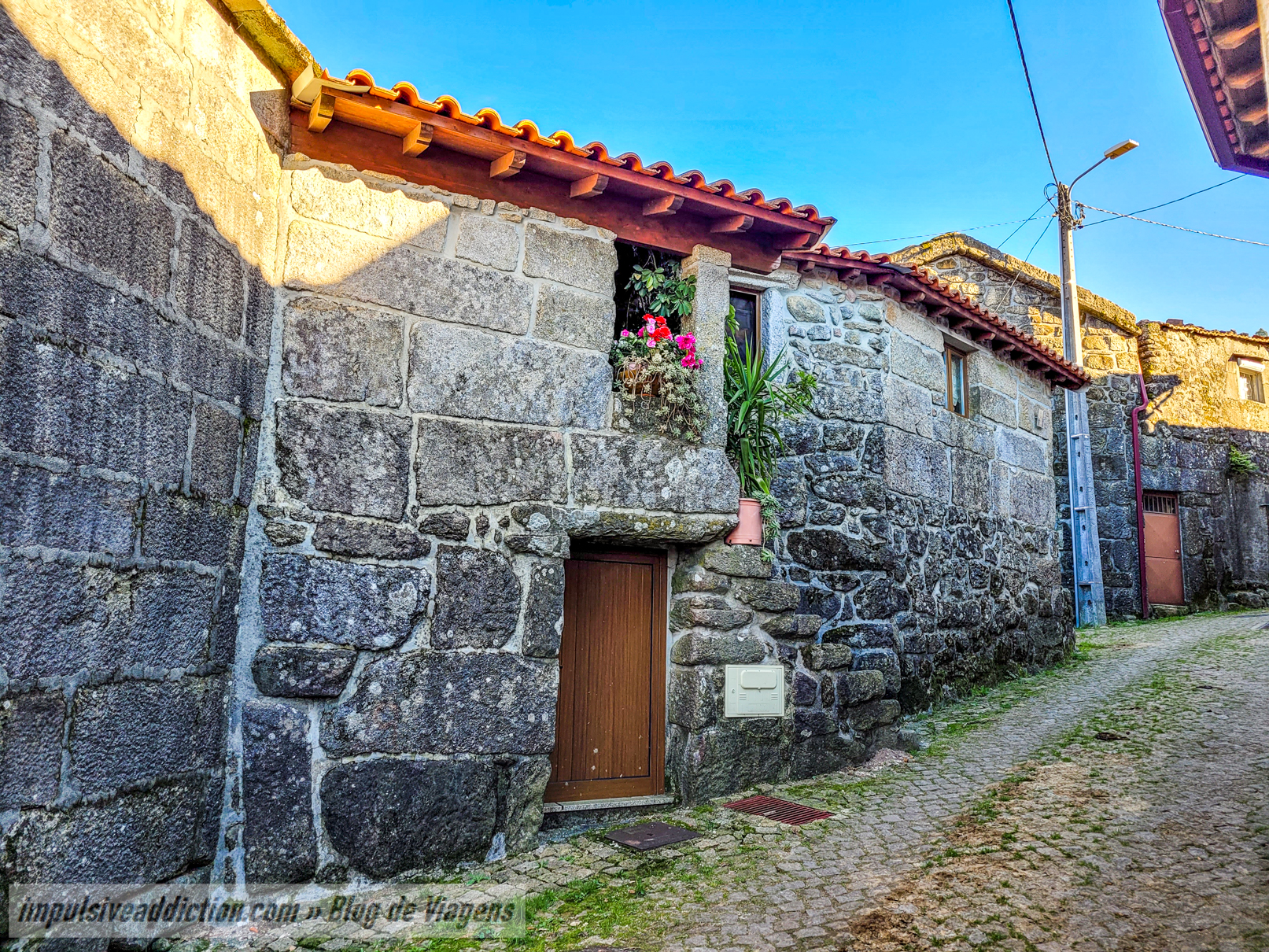
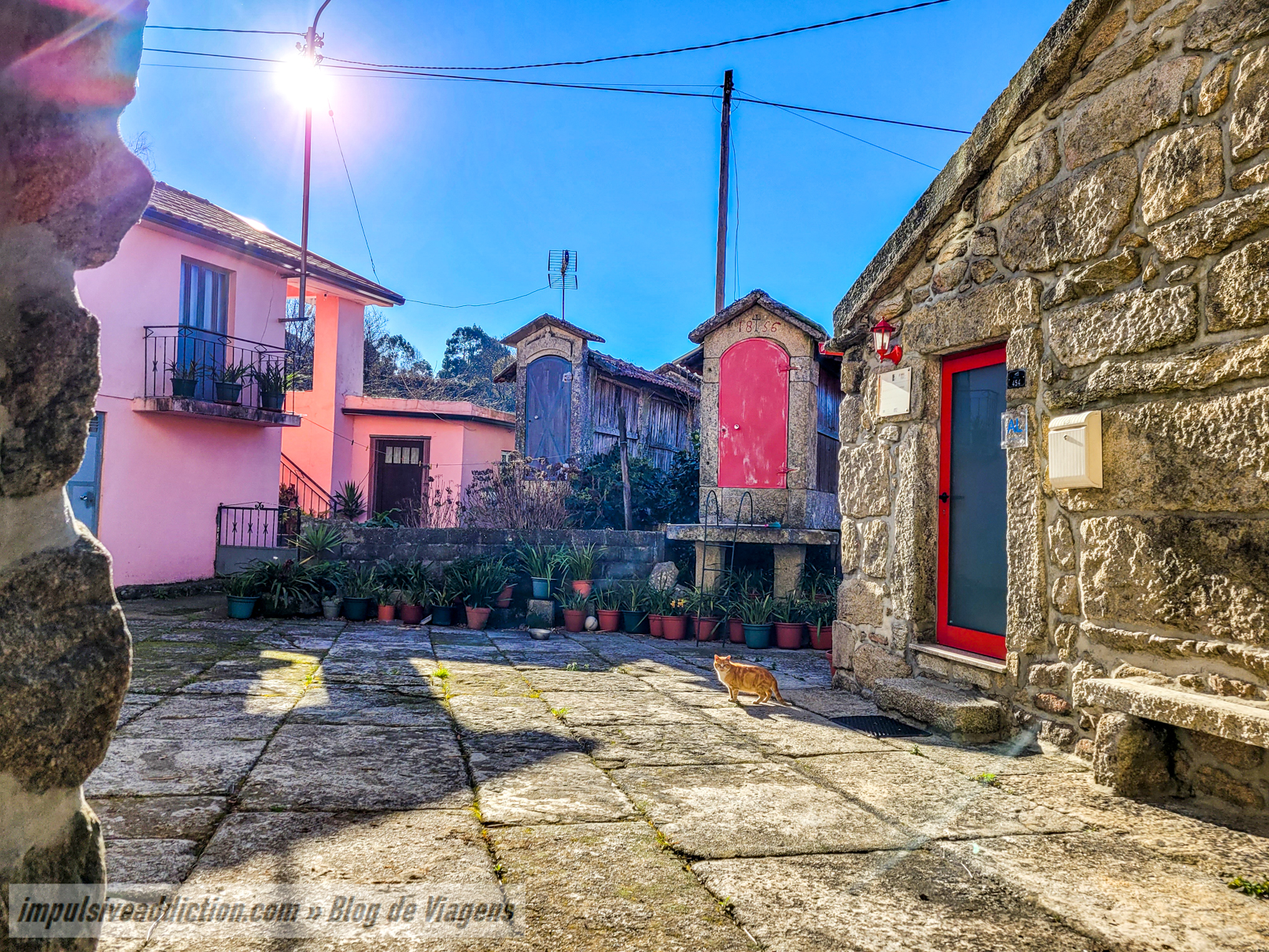
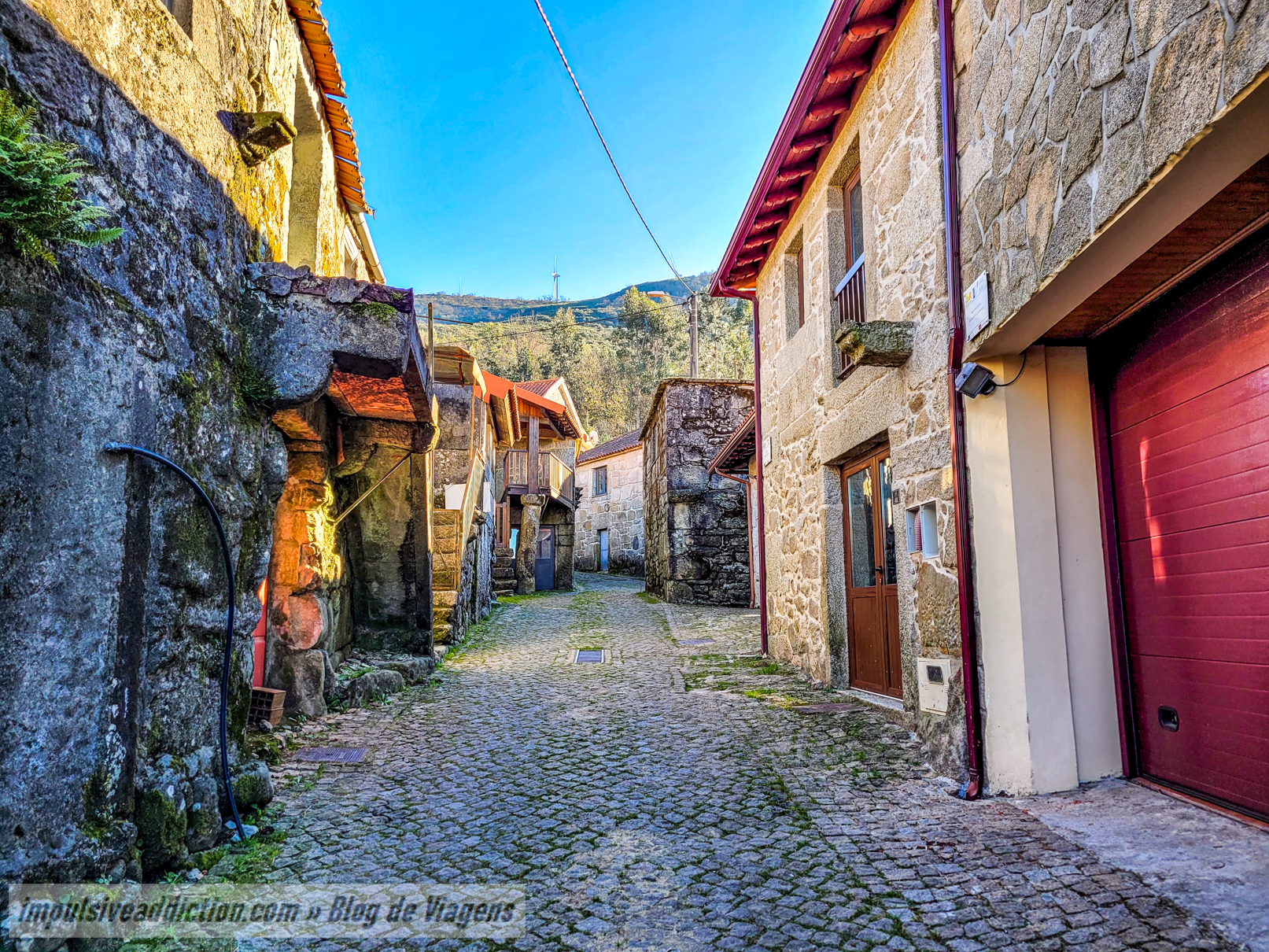
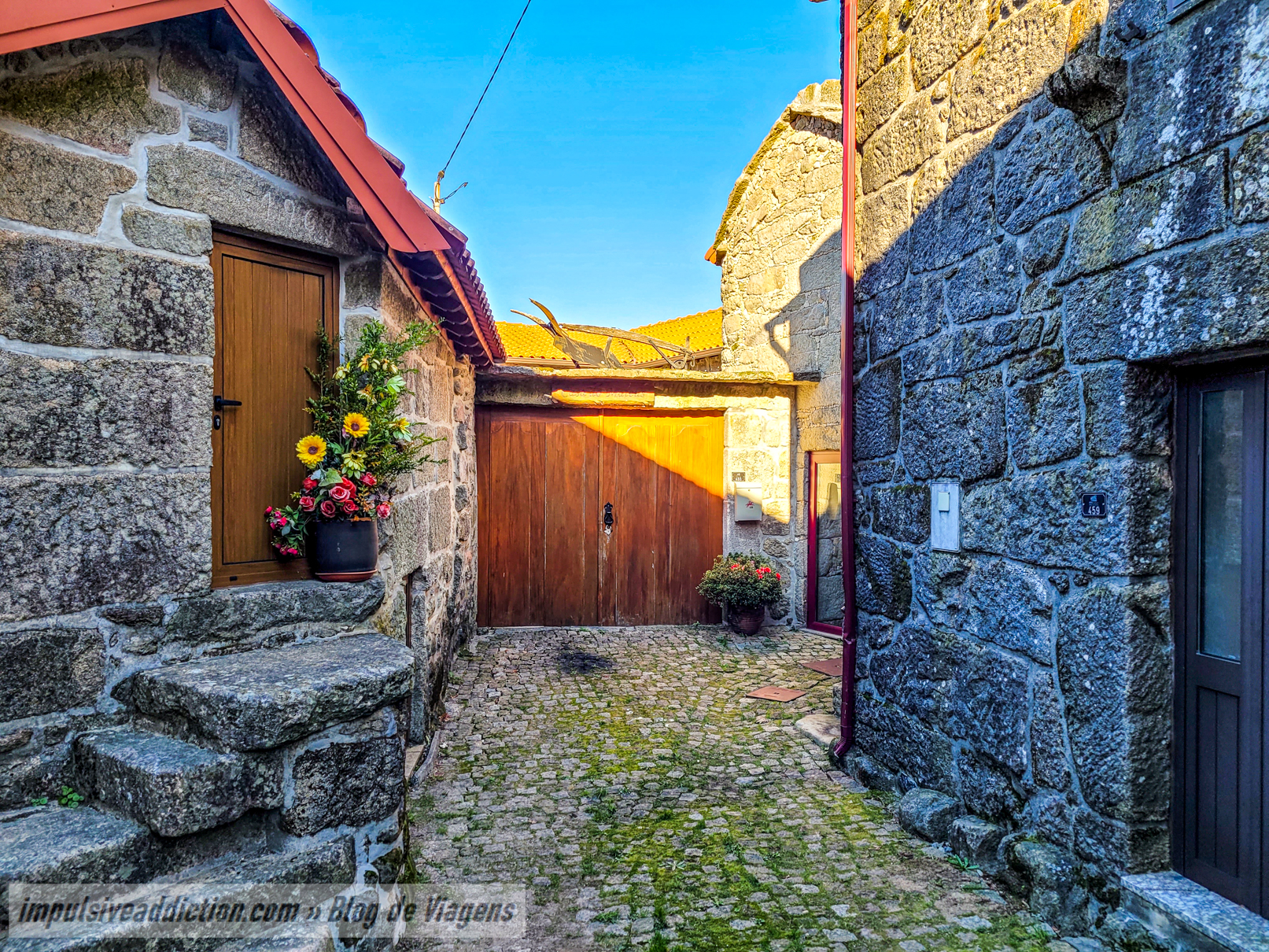
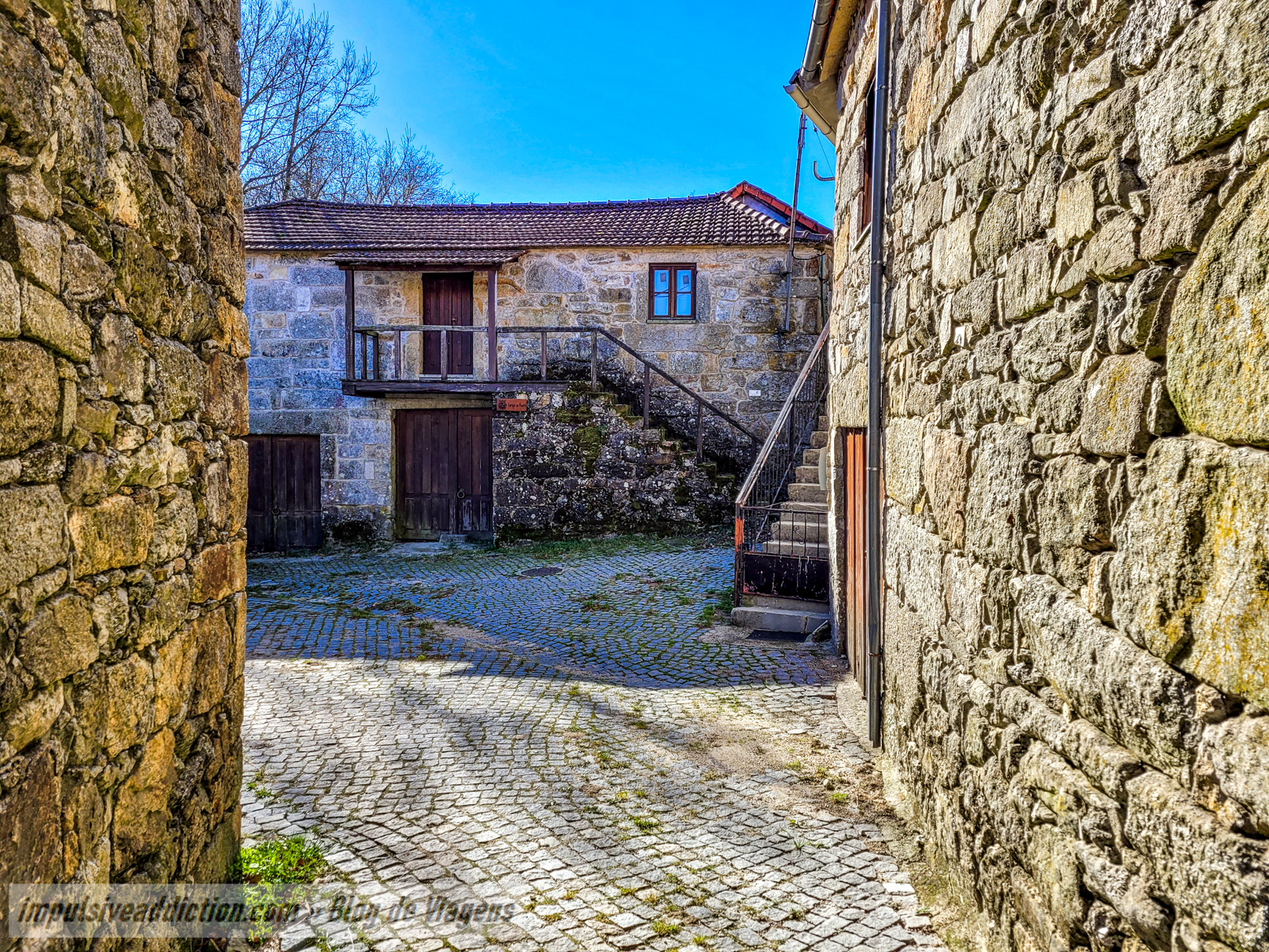
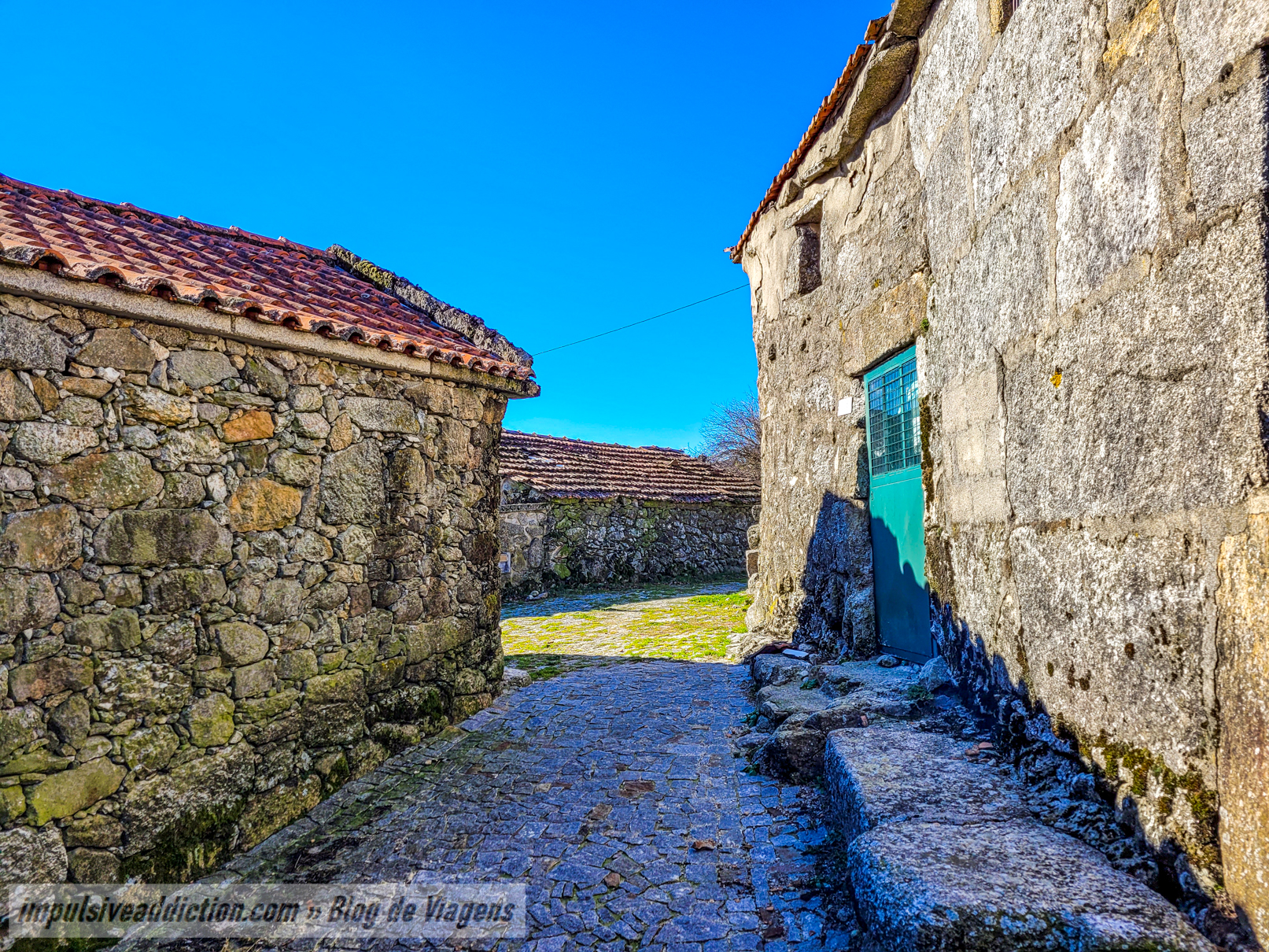
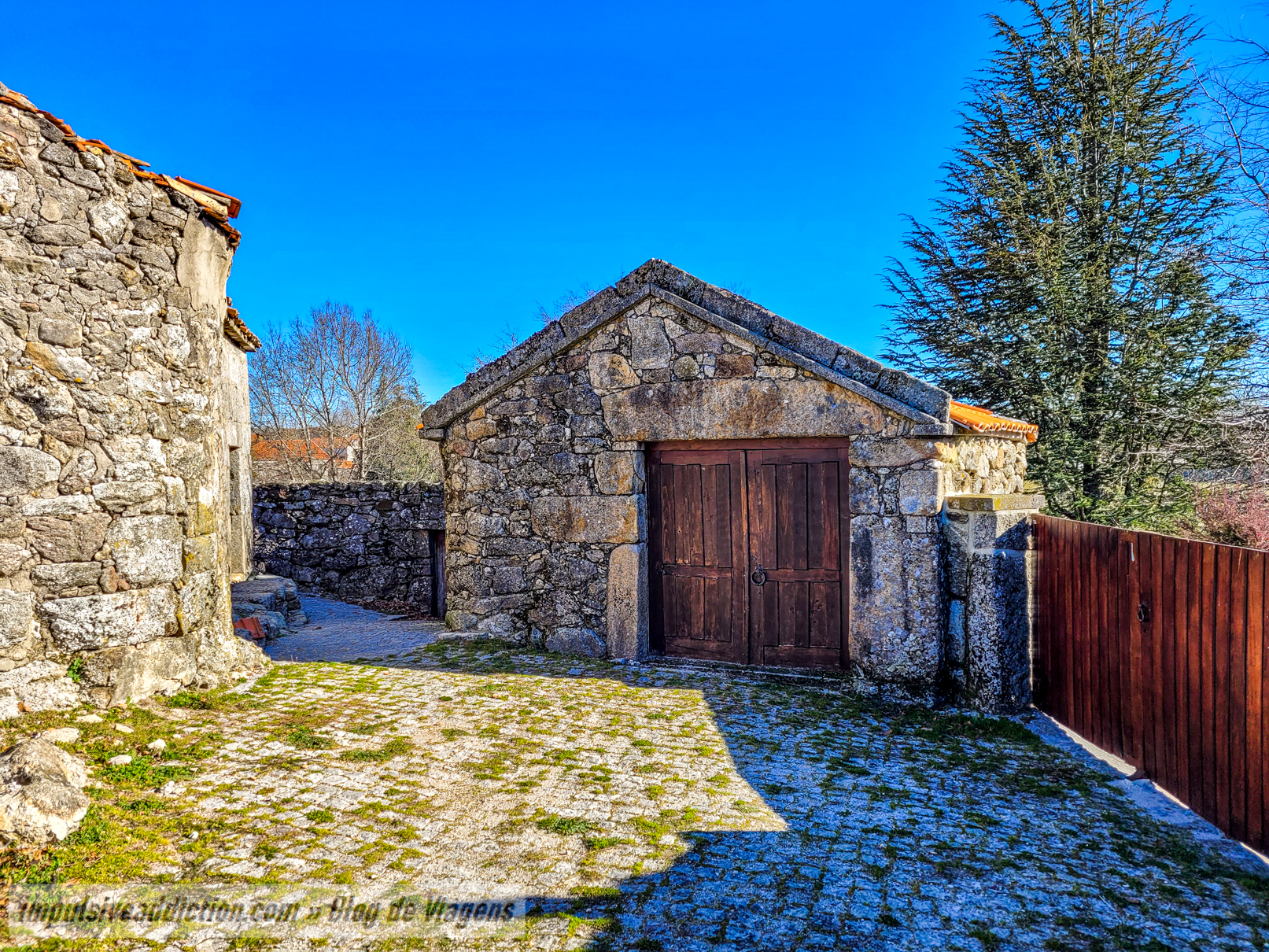
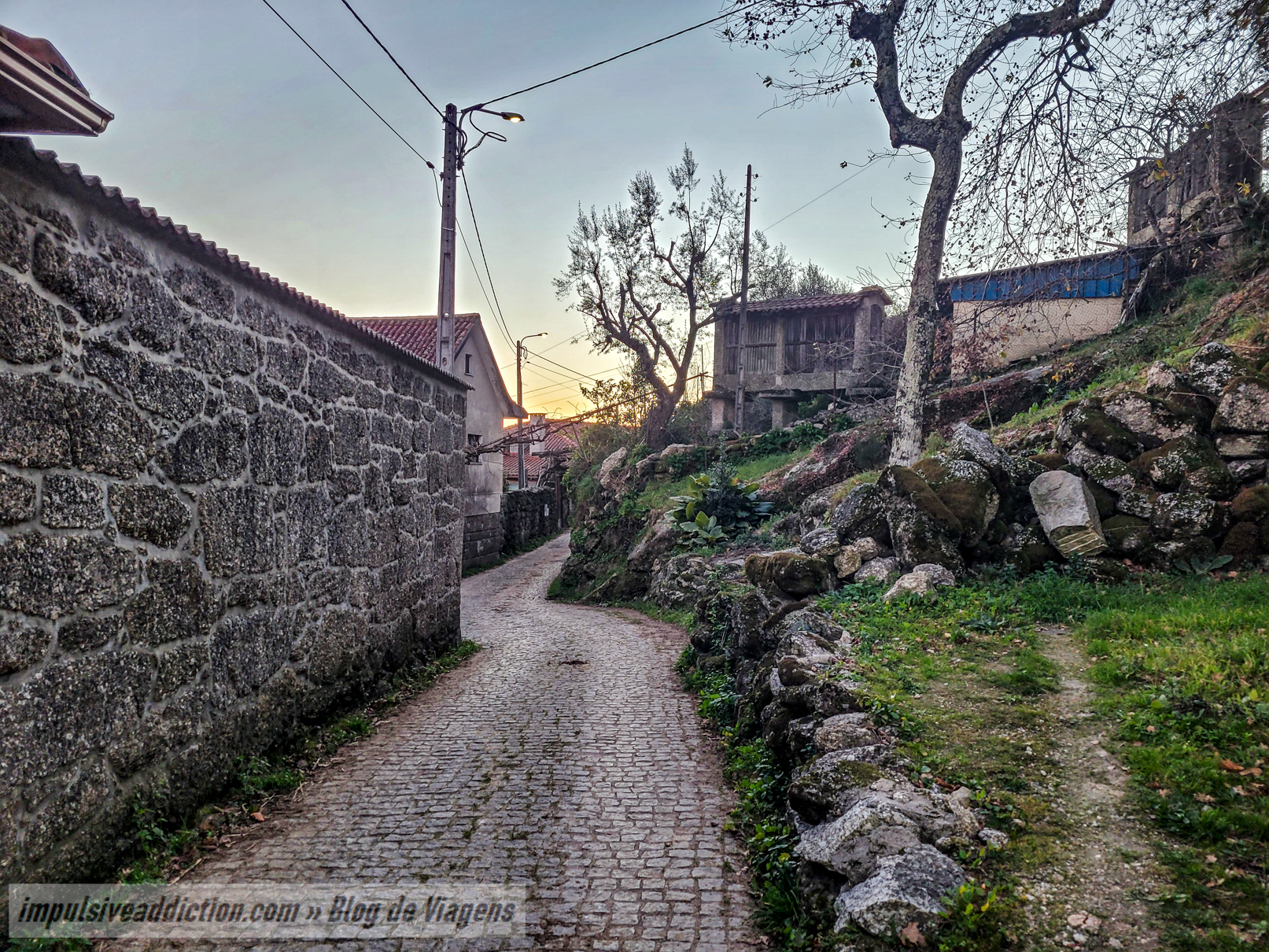
18. Vilar Chão Village
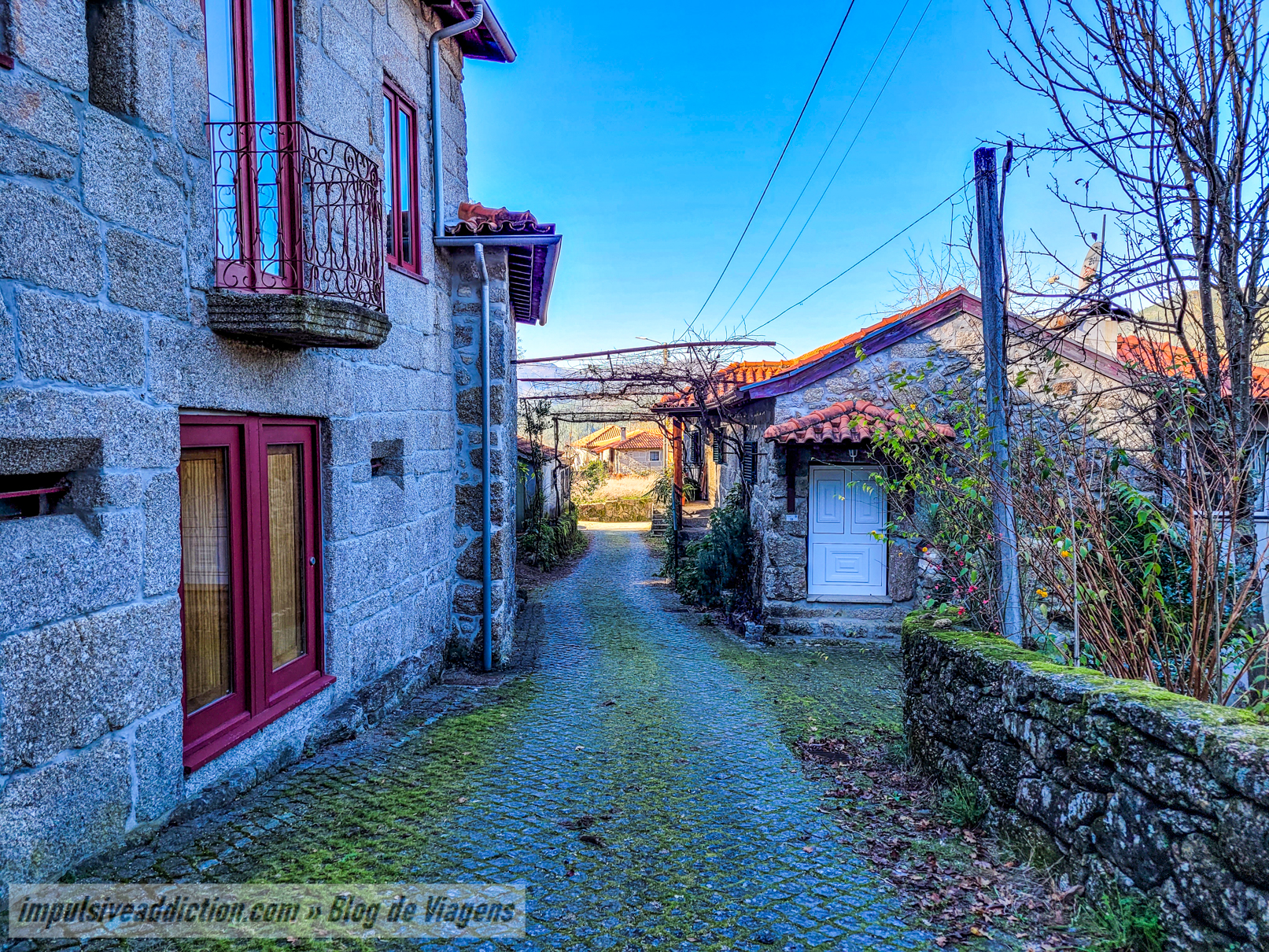
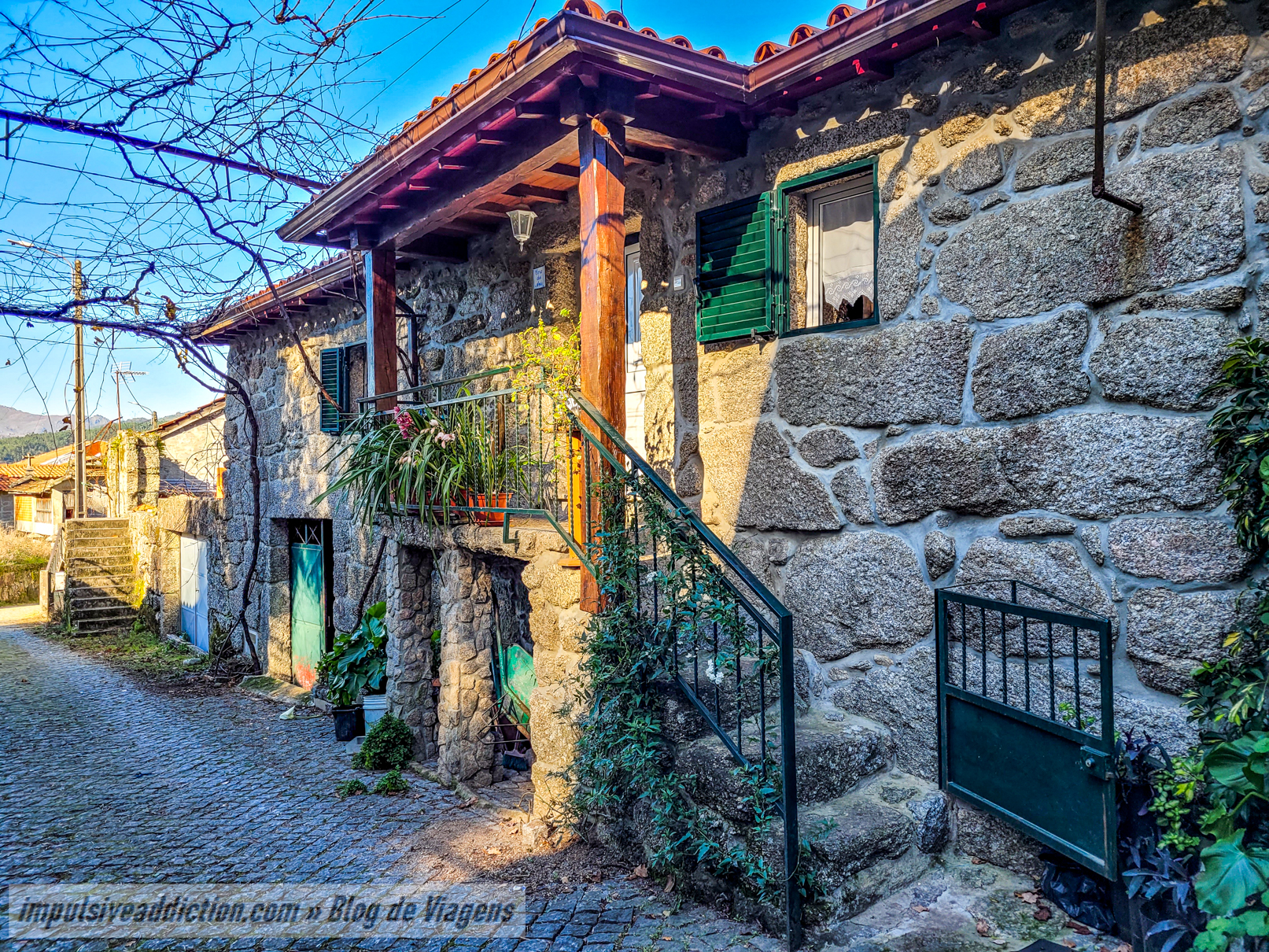
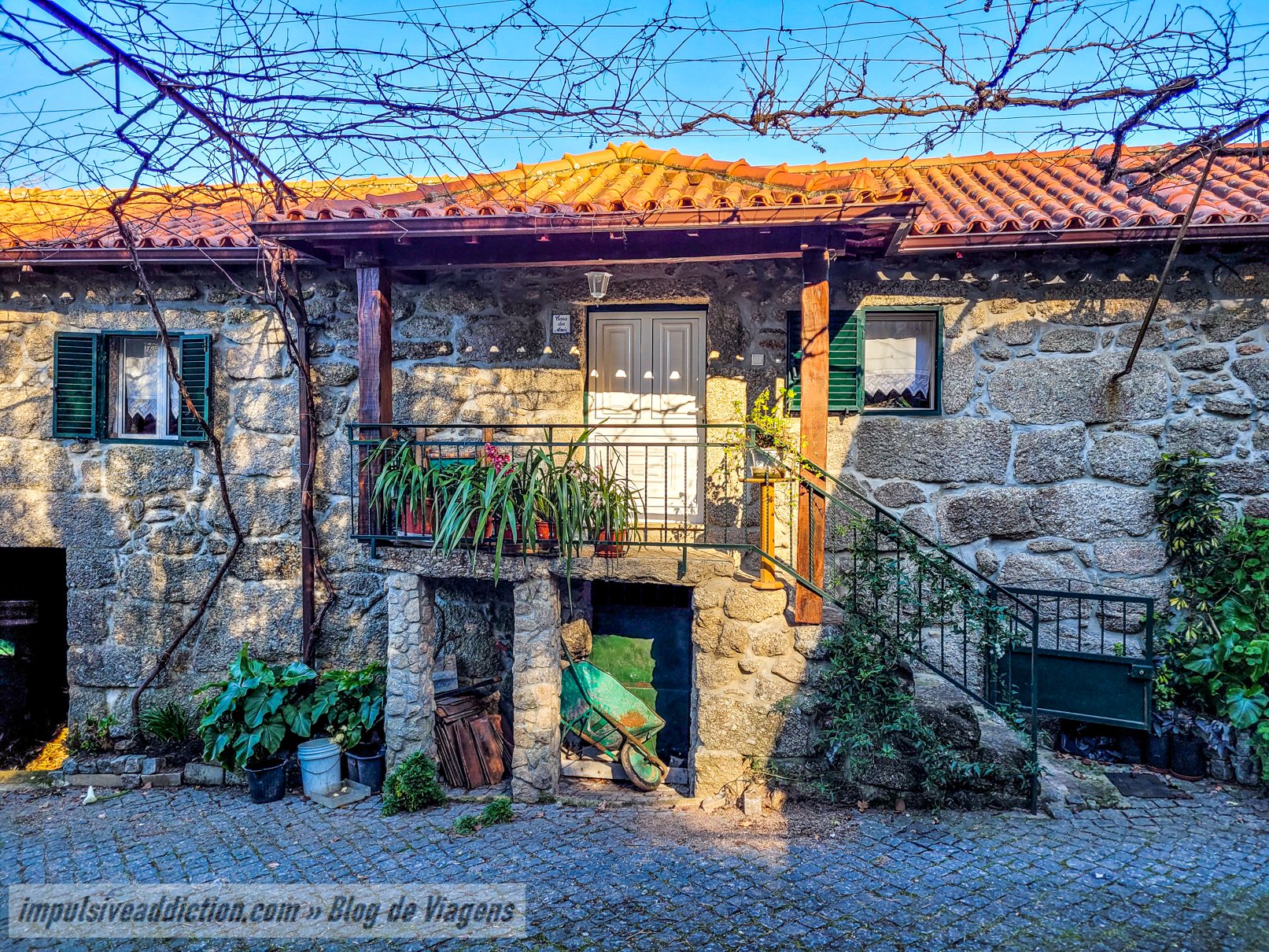
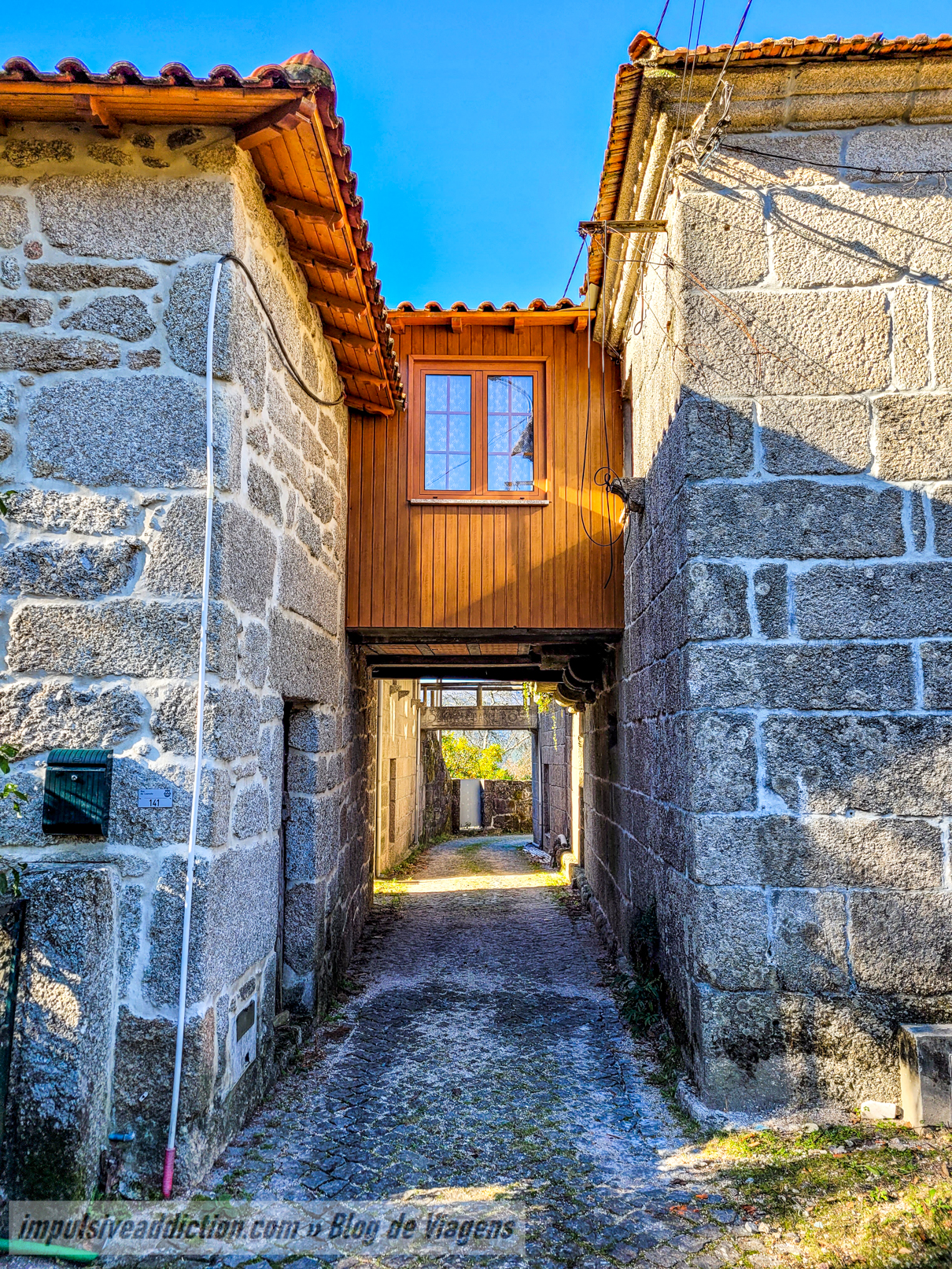
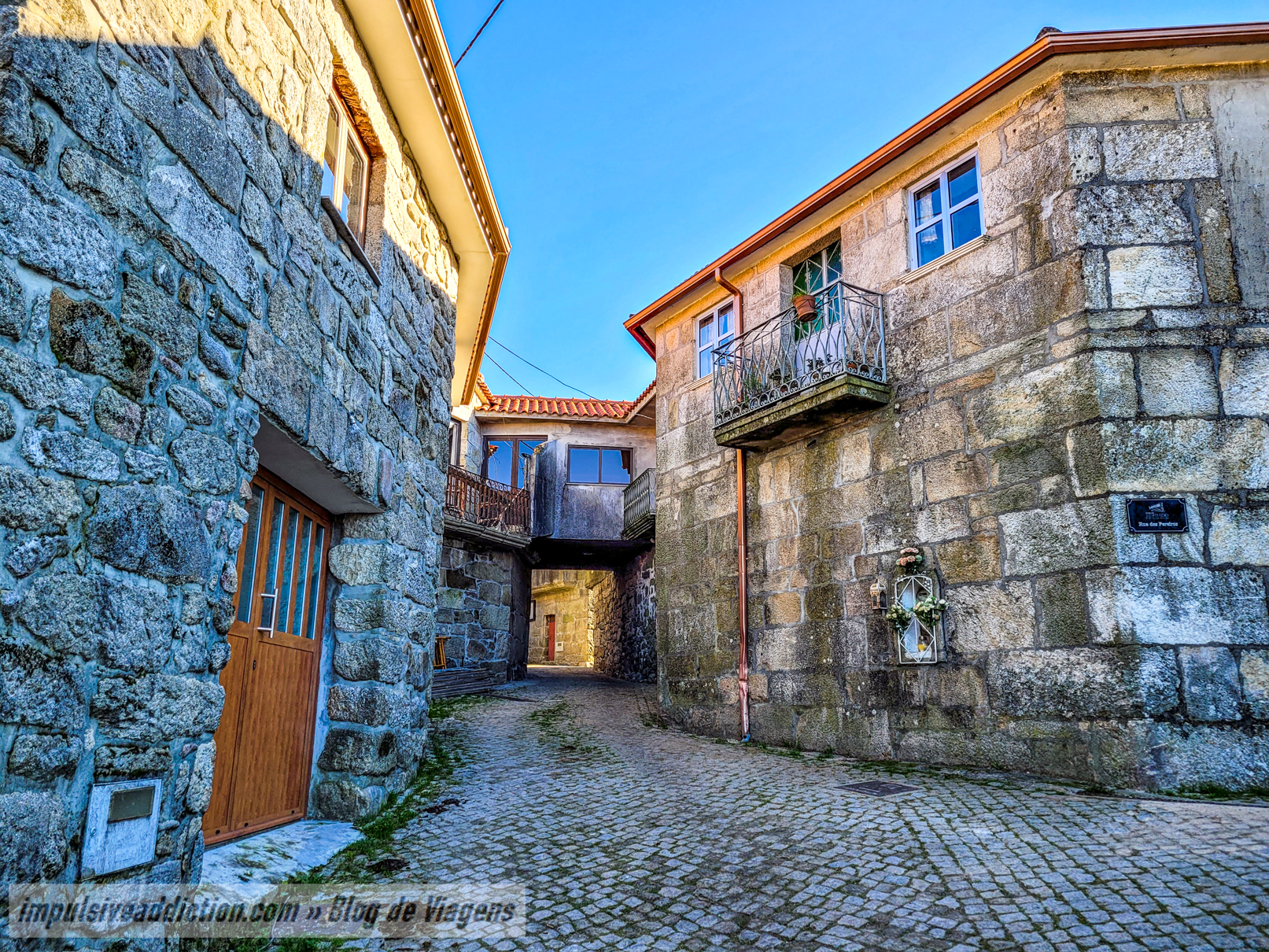
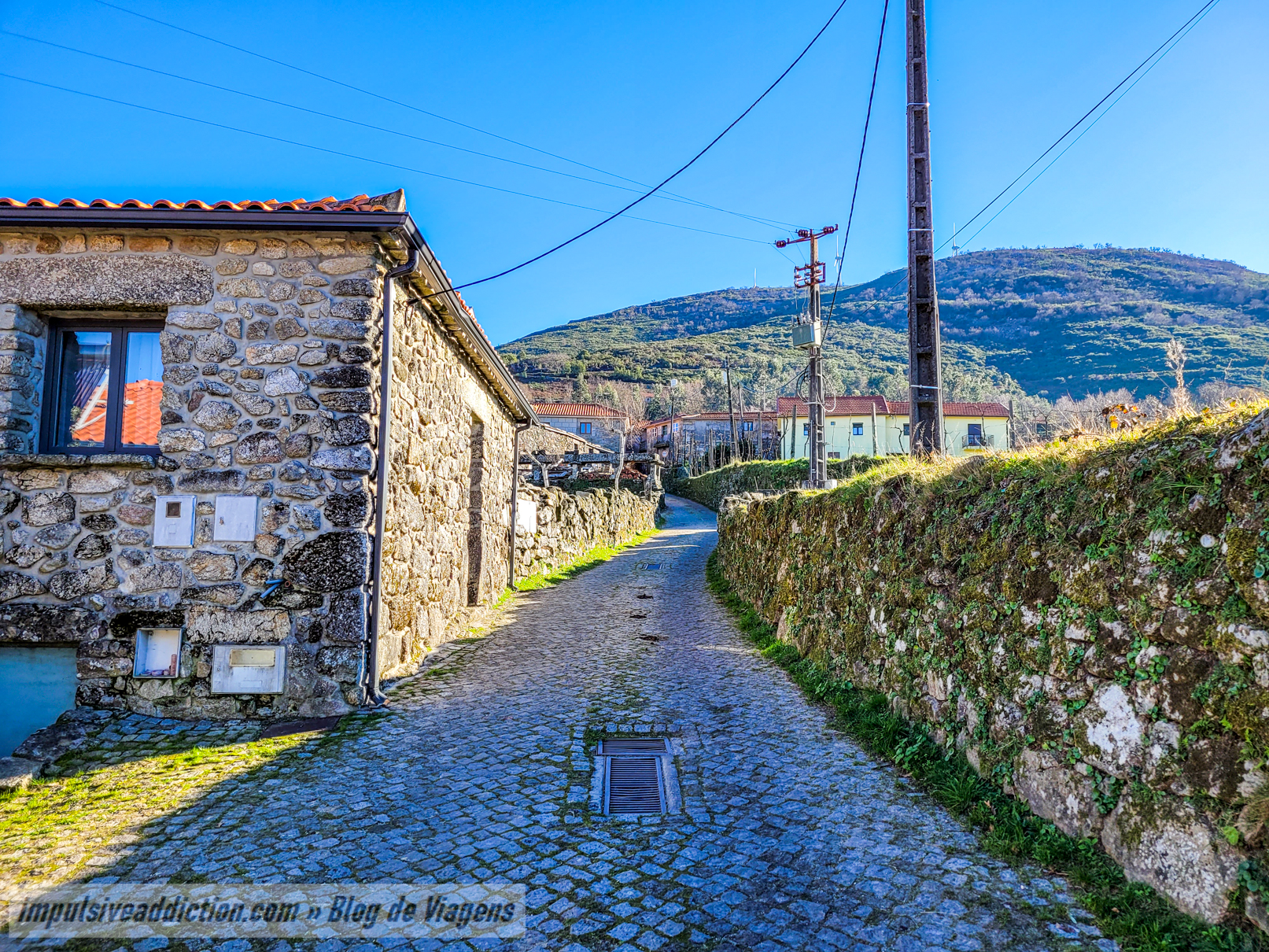
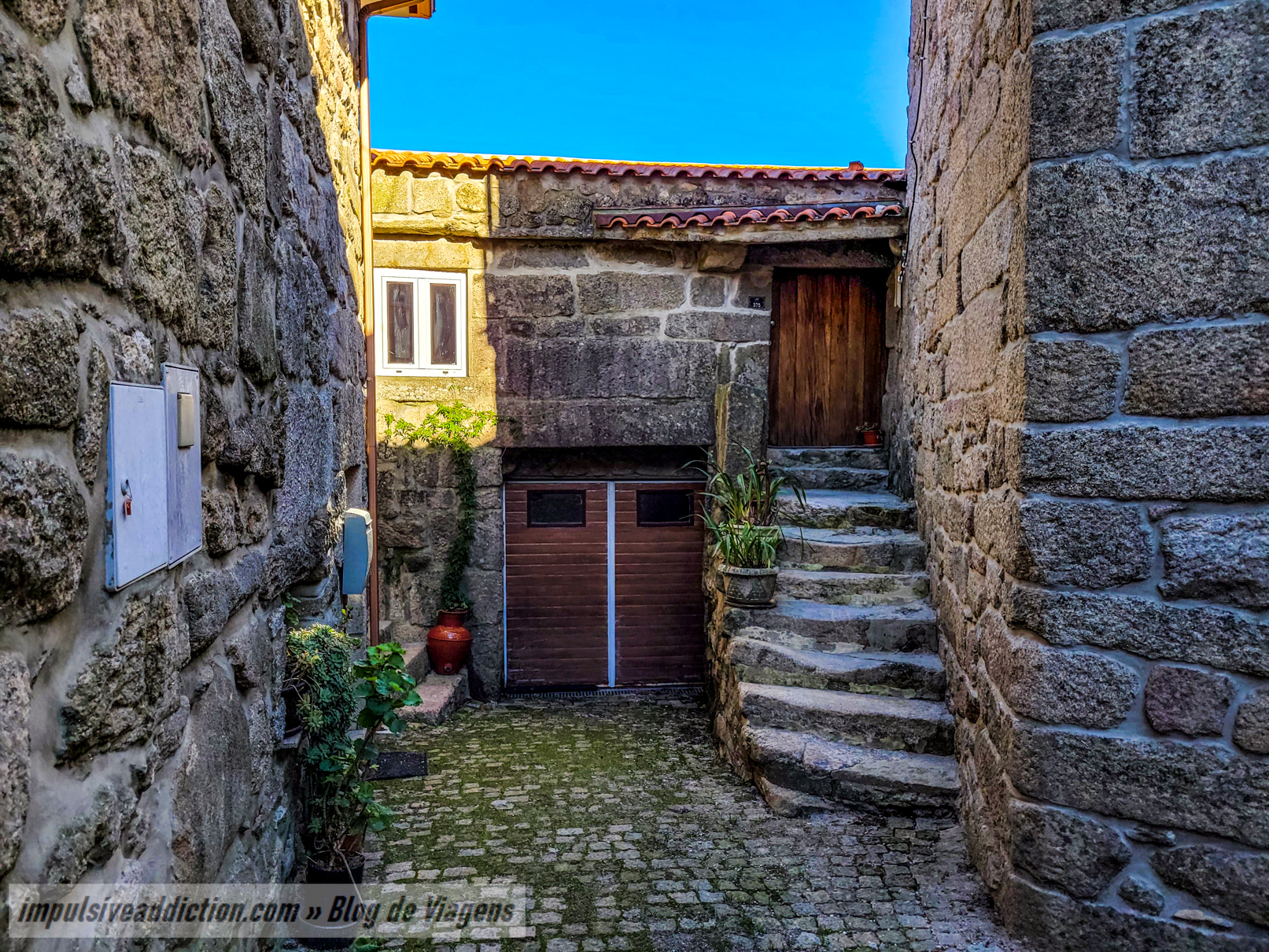
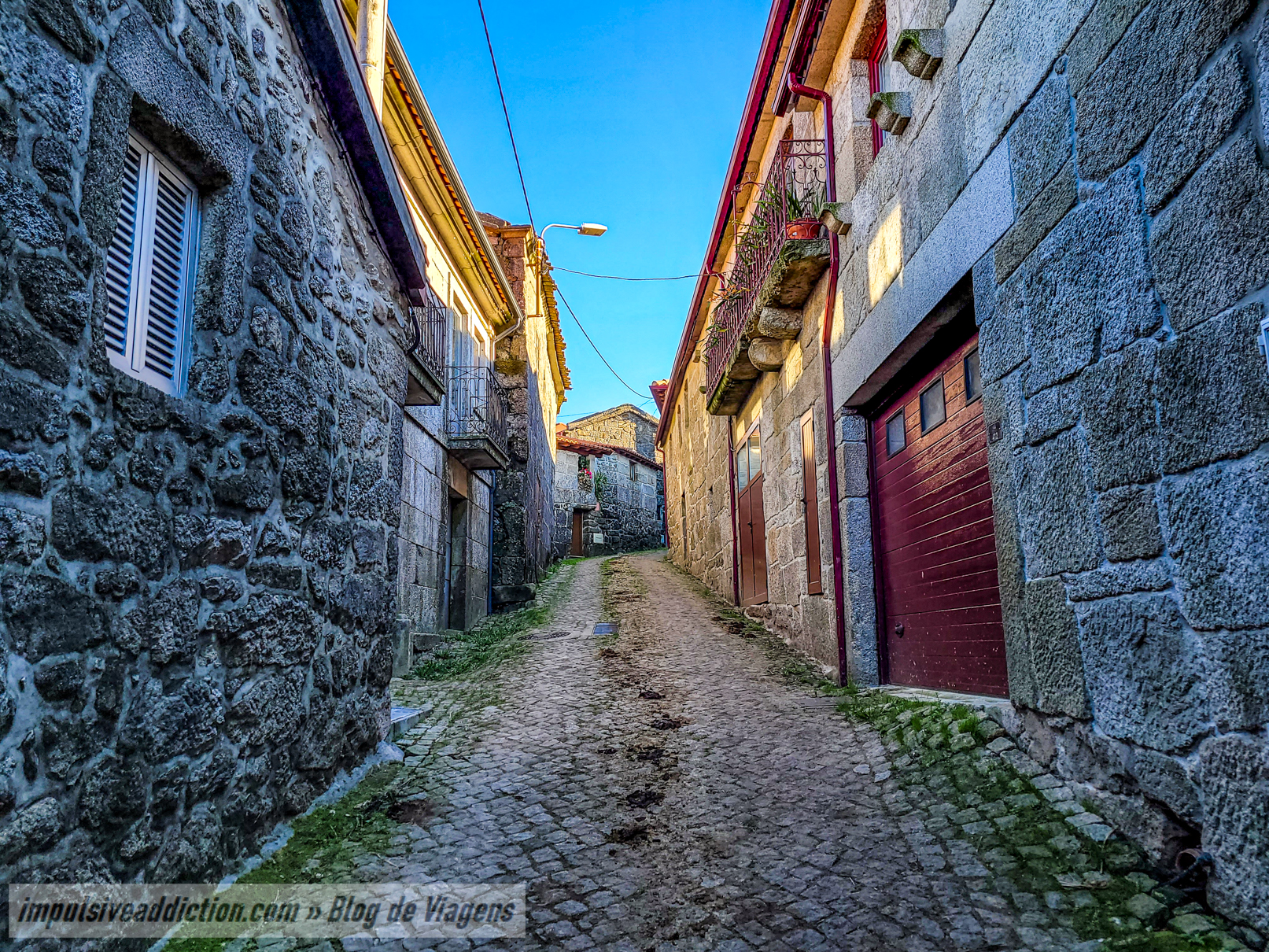
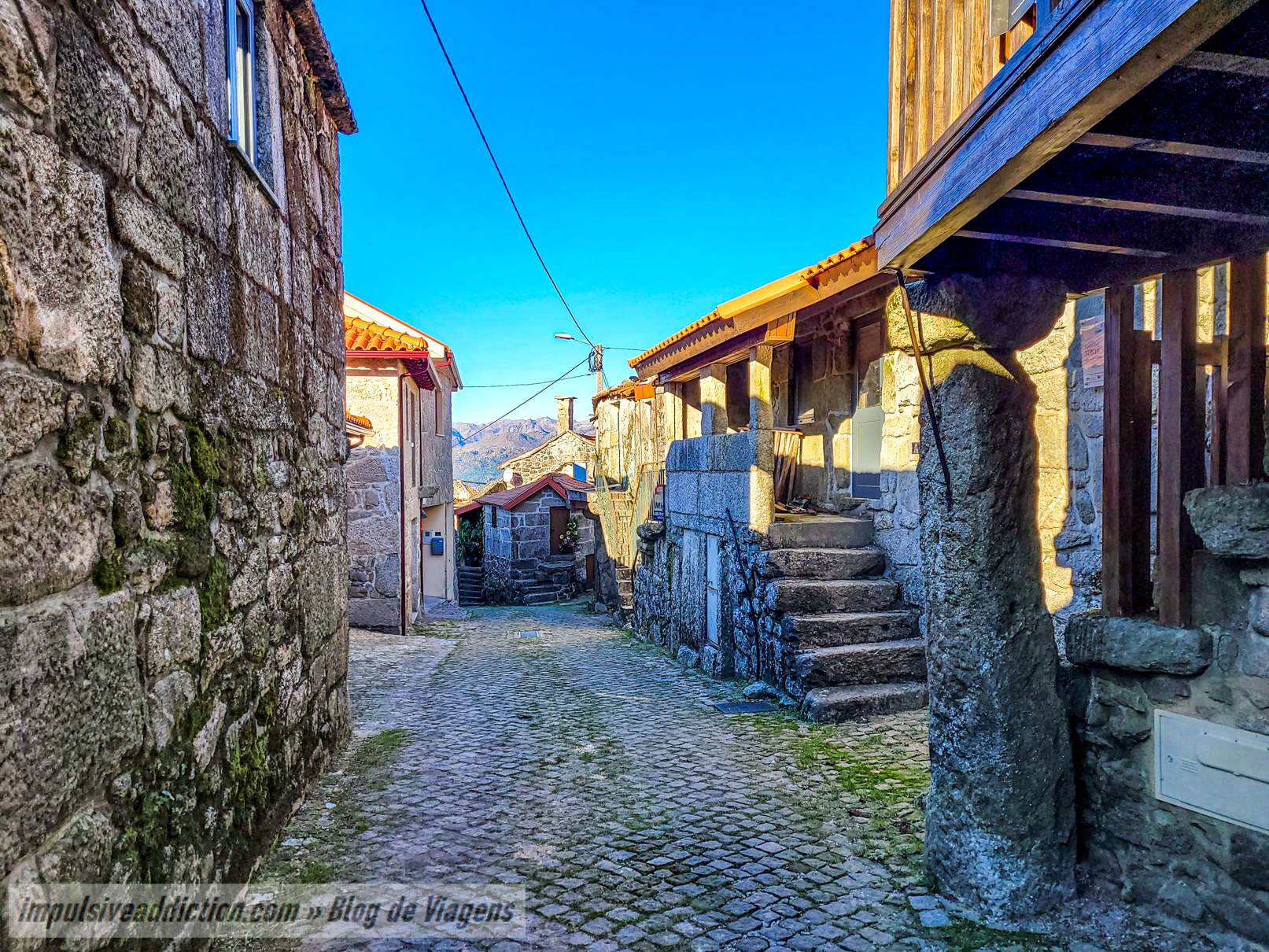
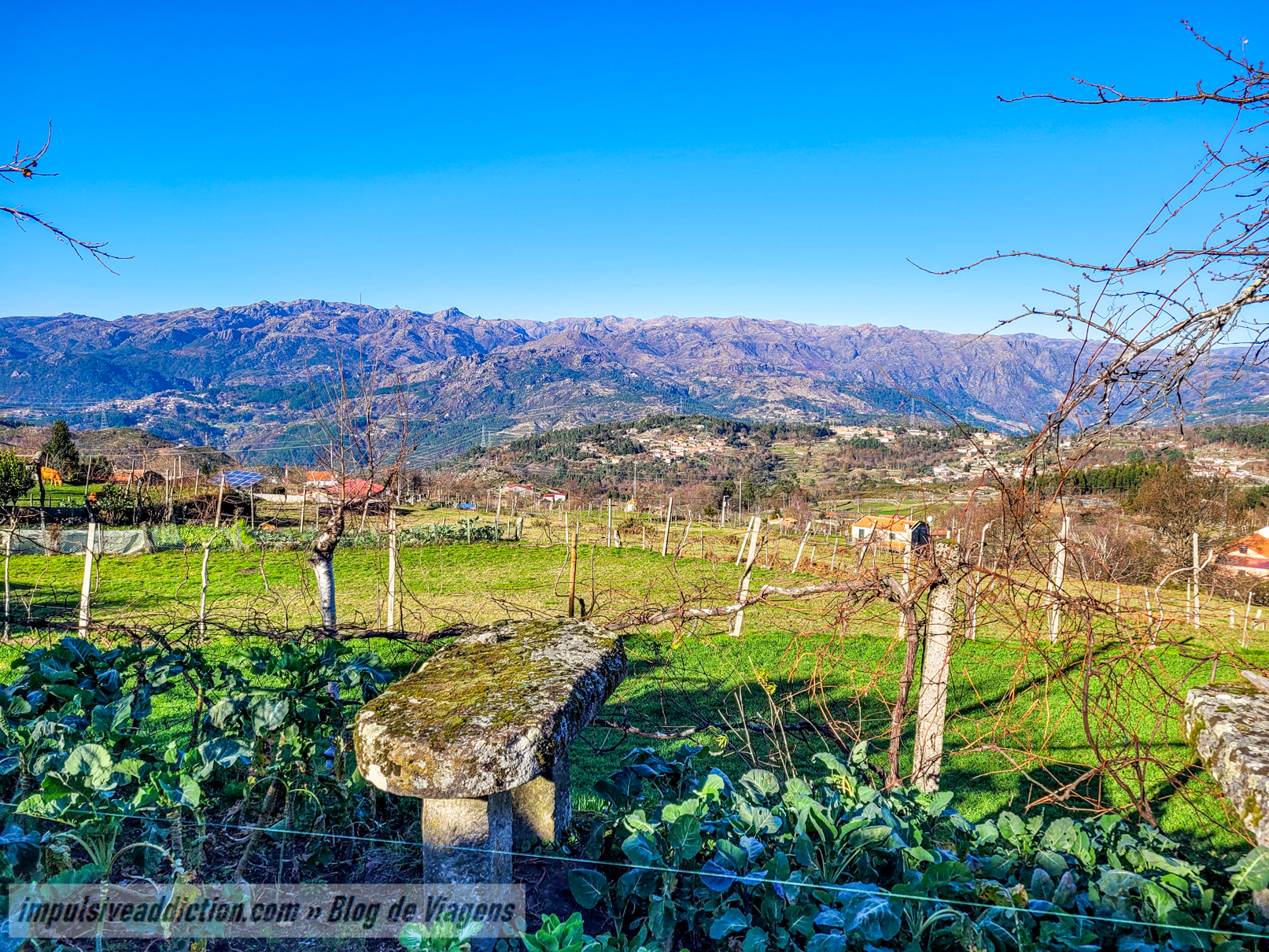
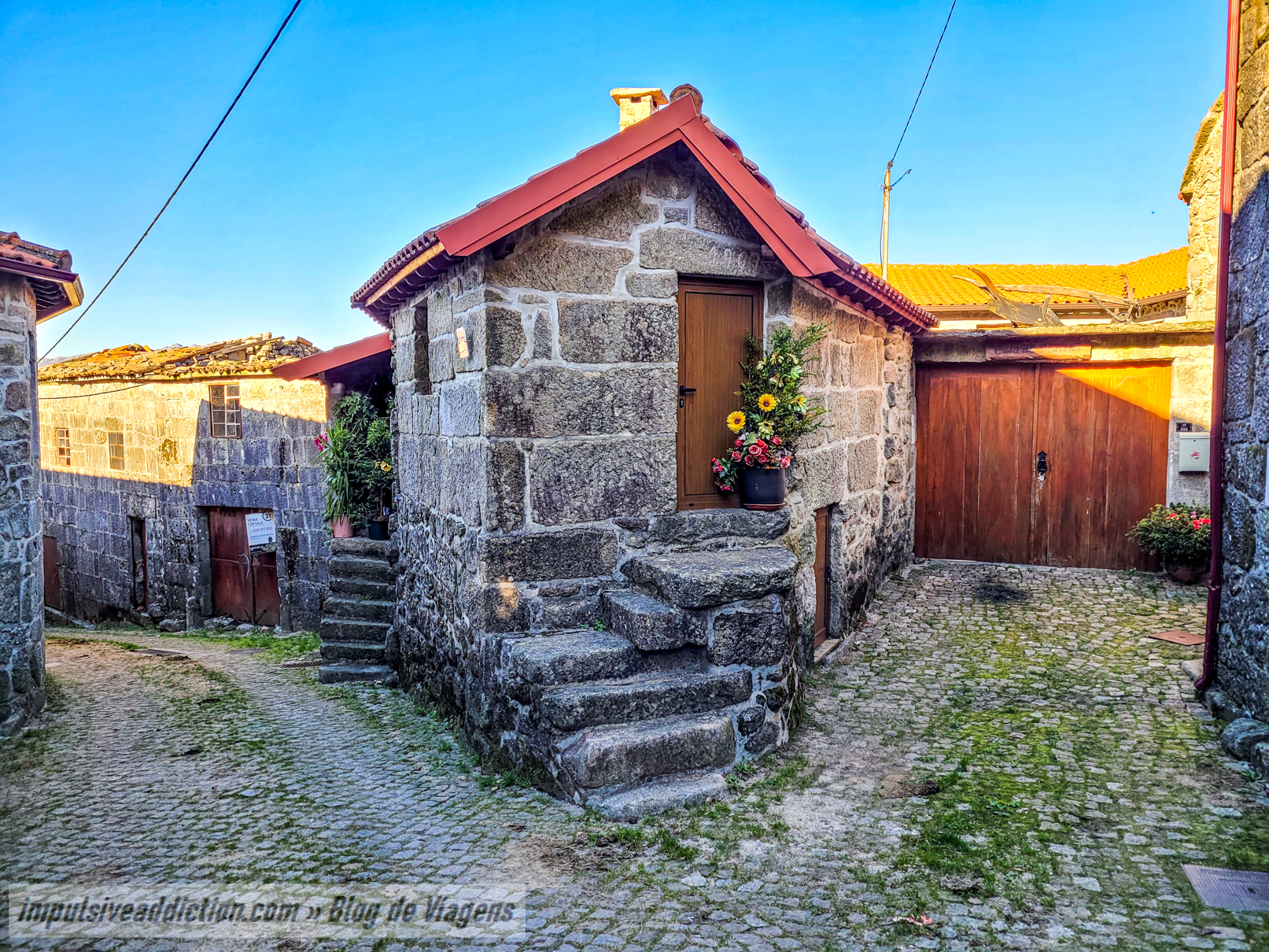
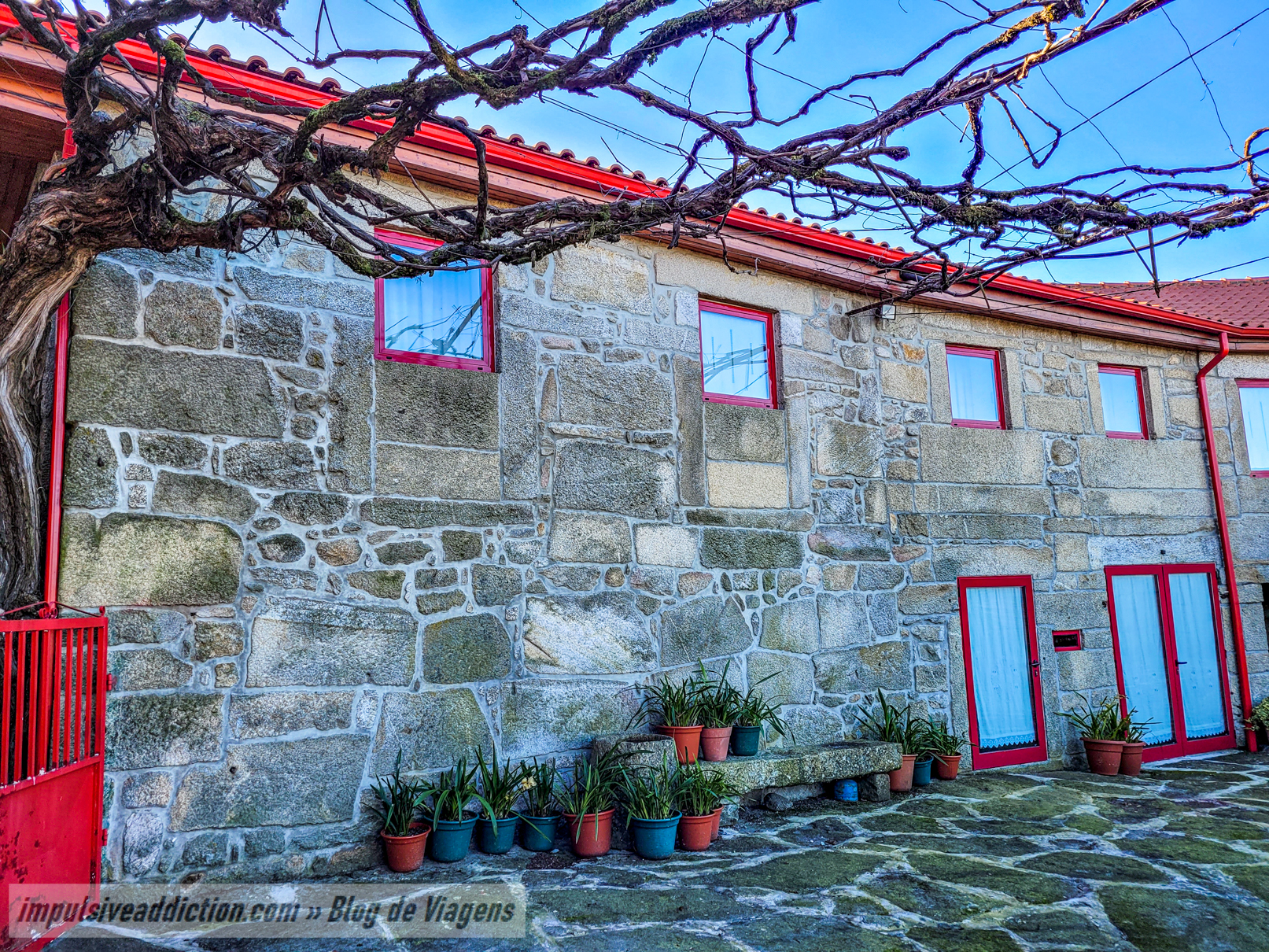
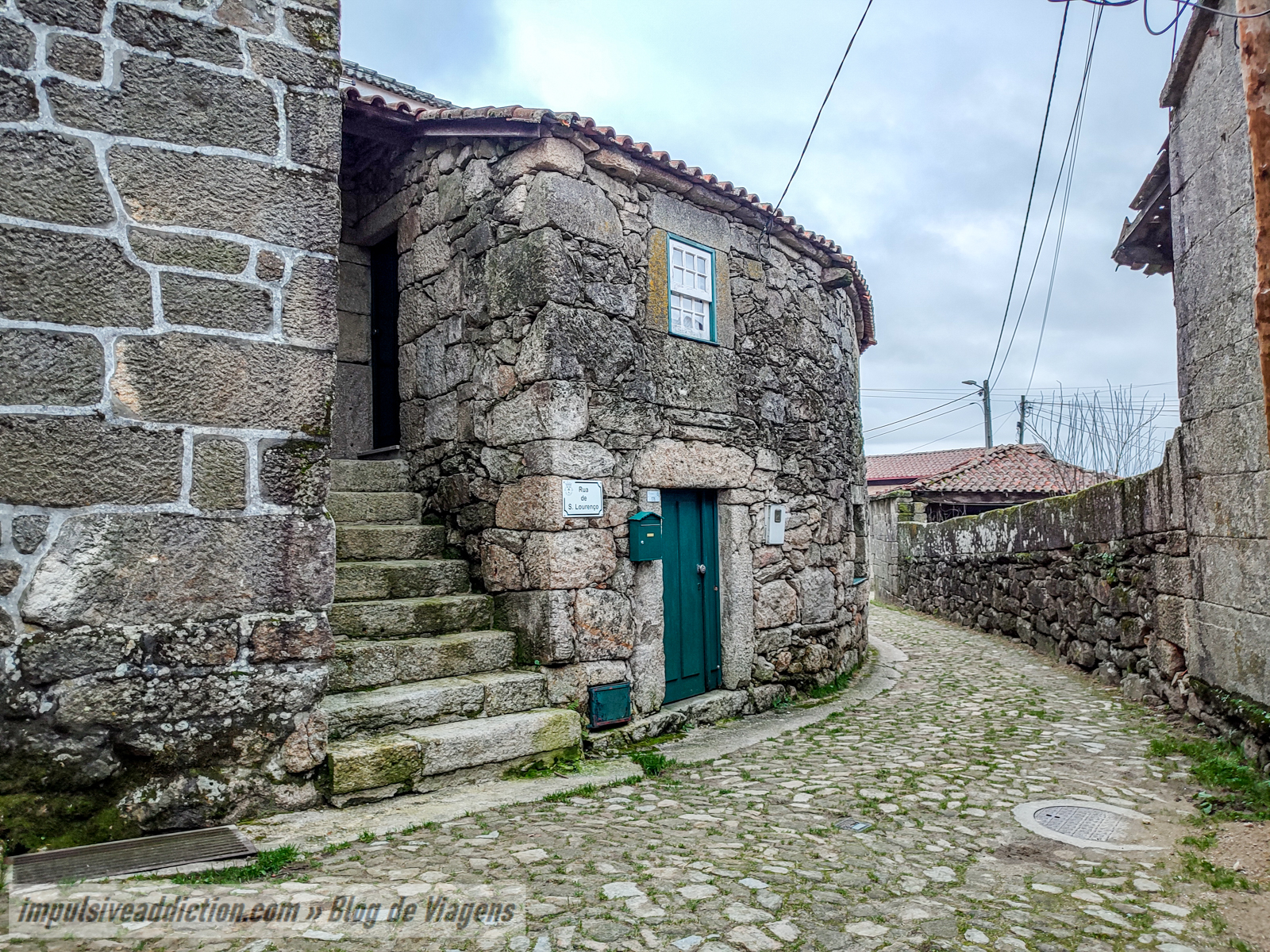
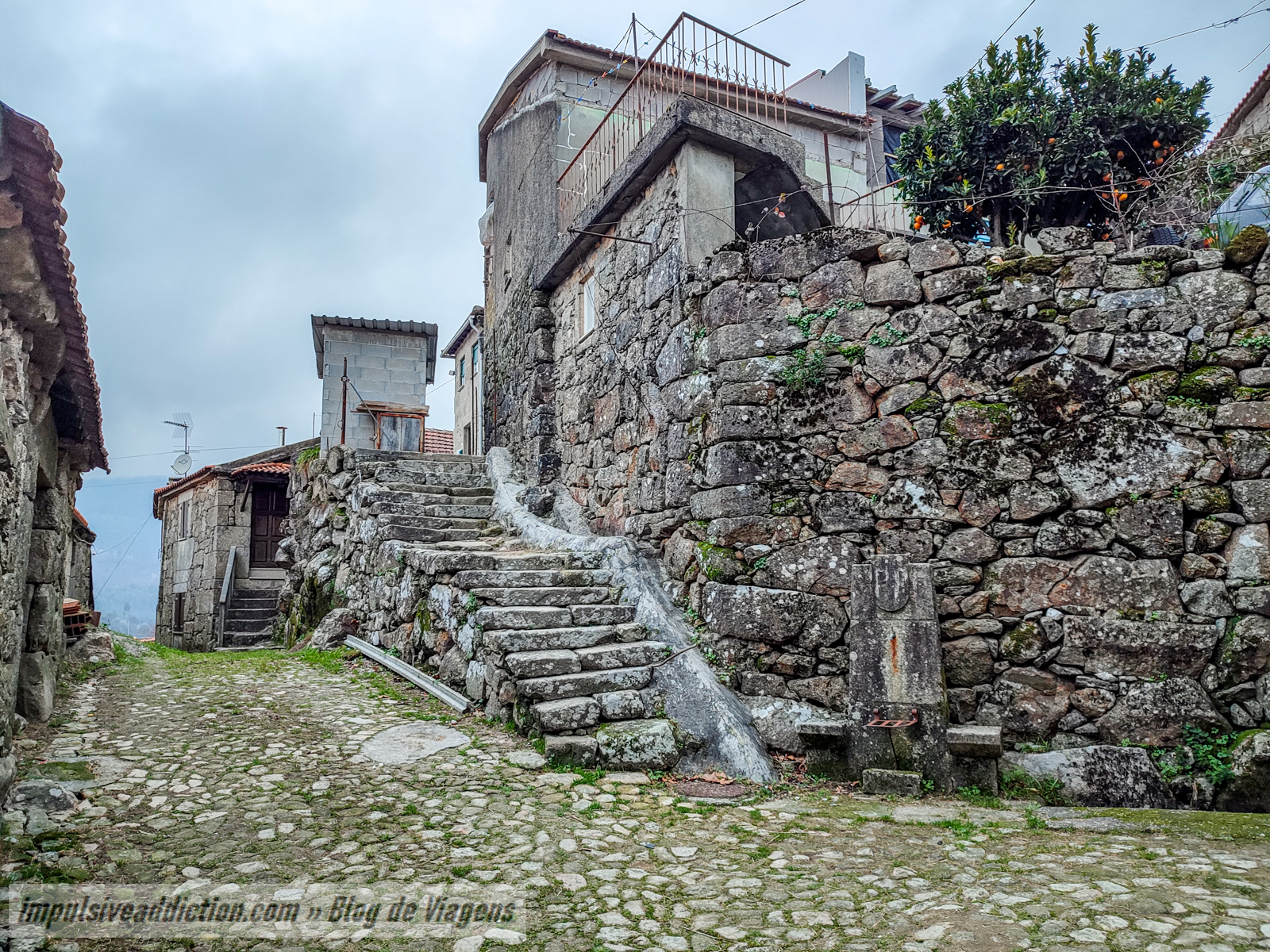
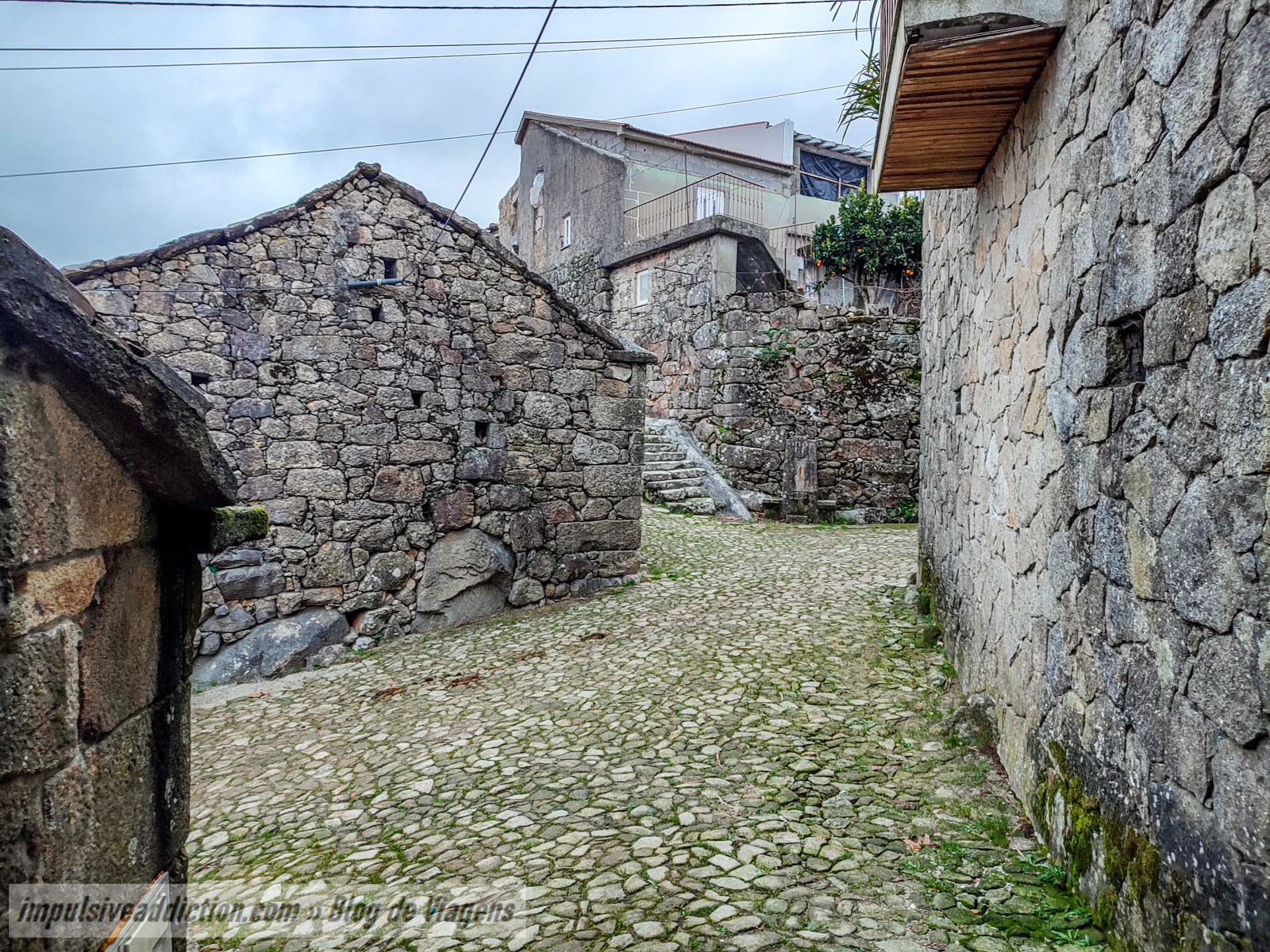
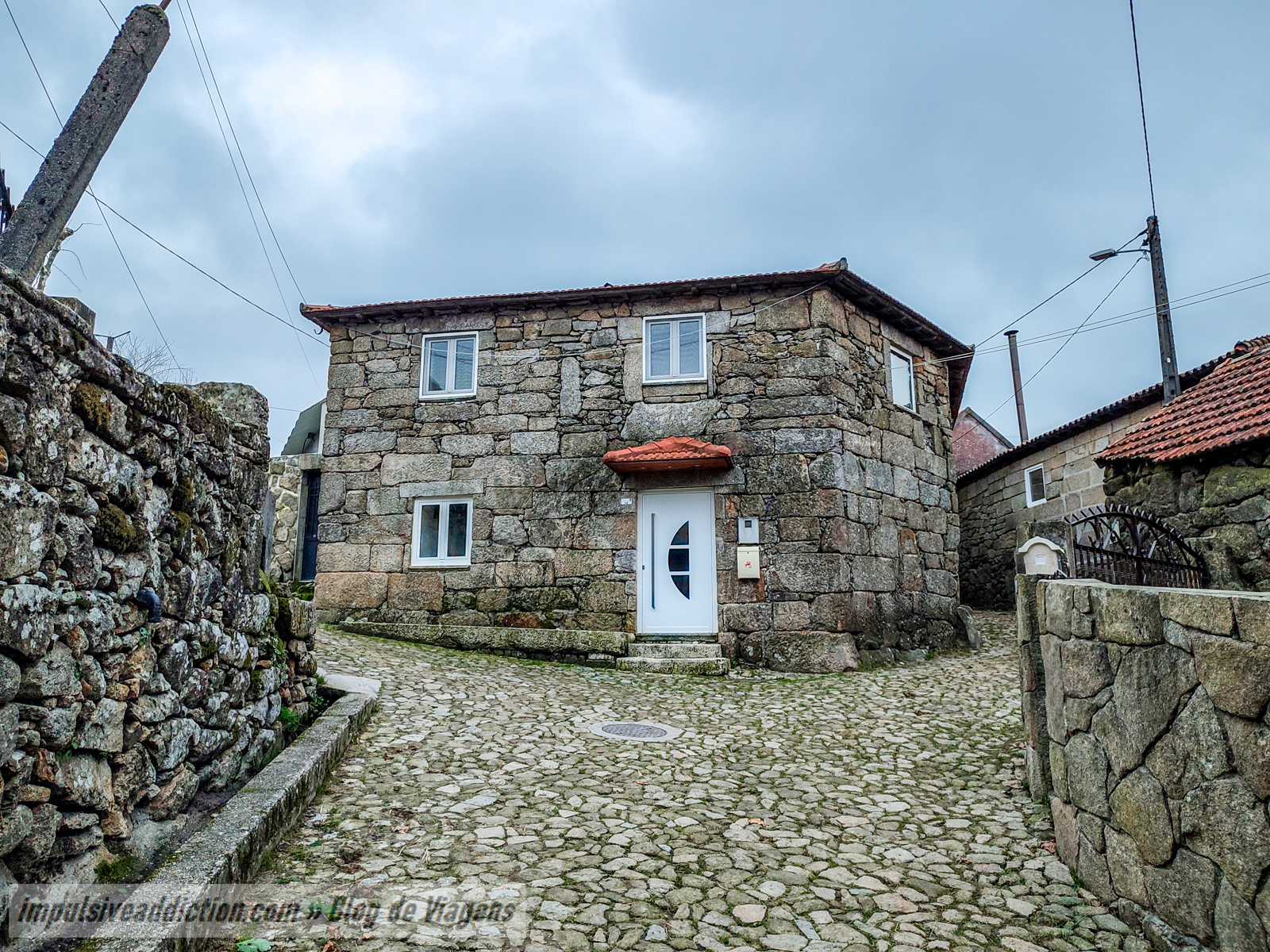
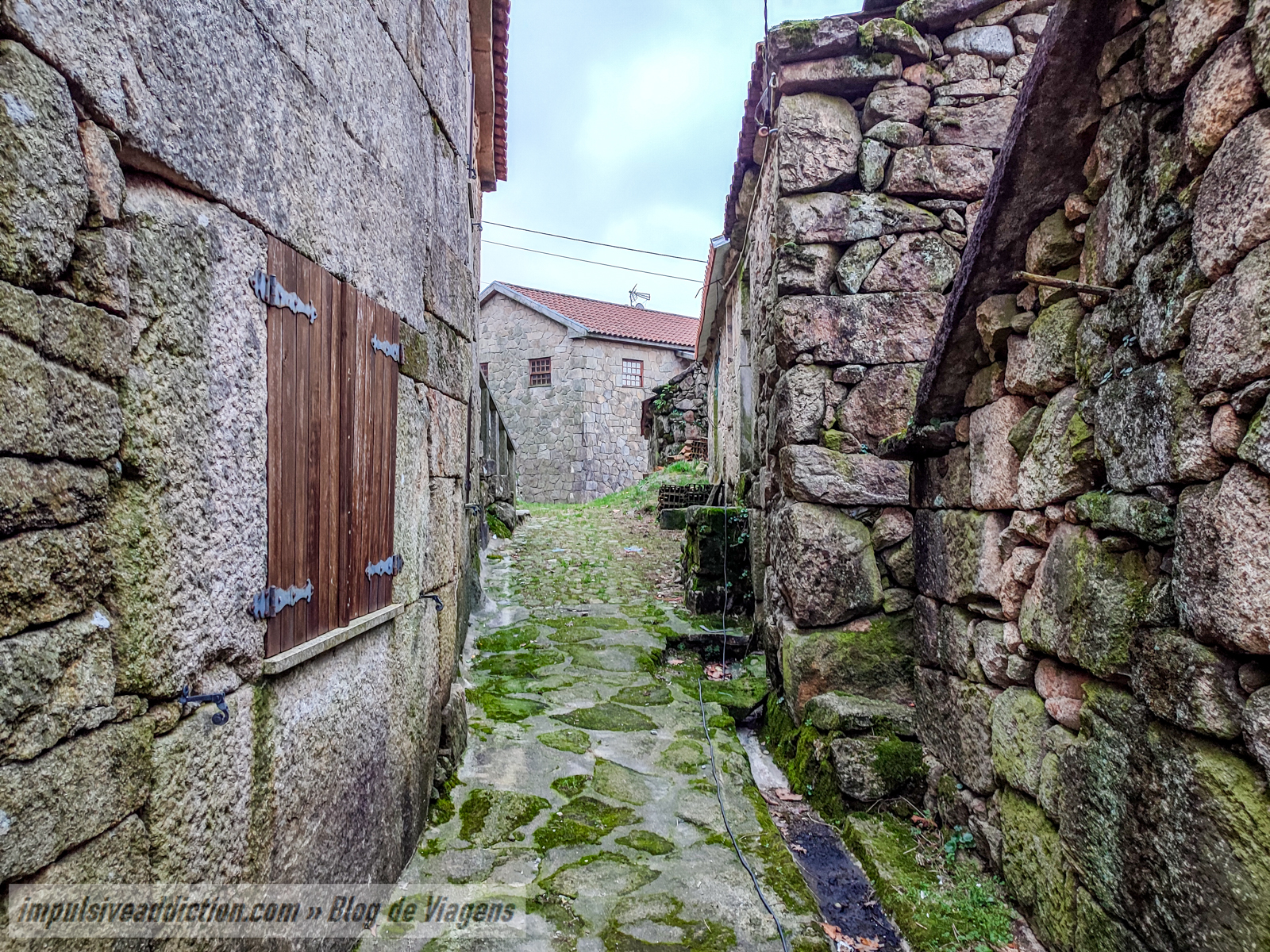
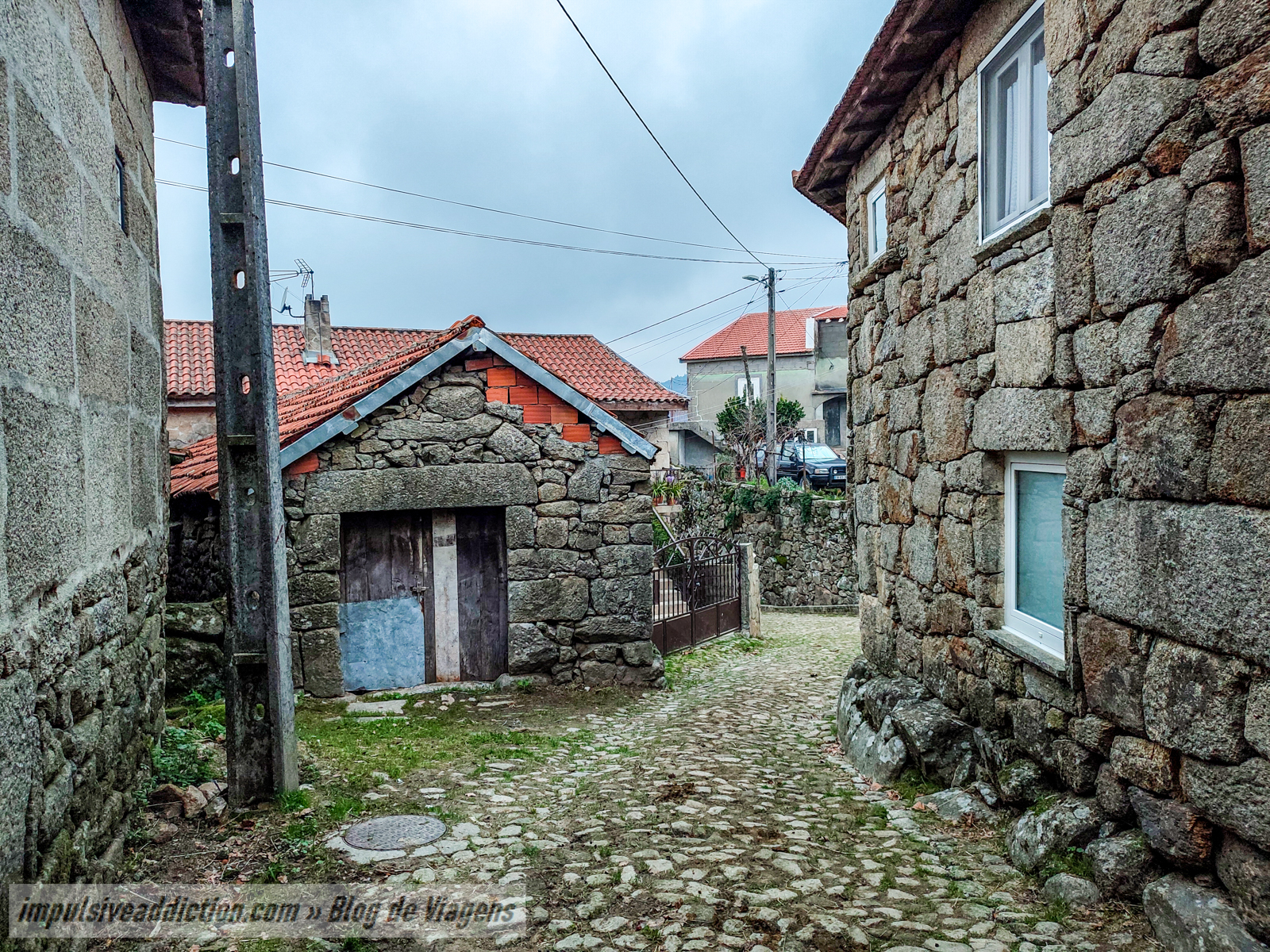
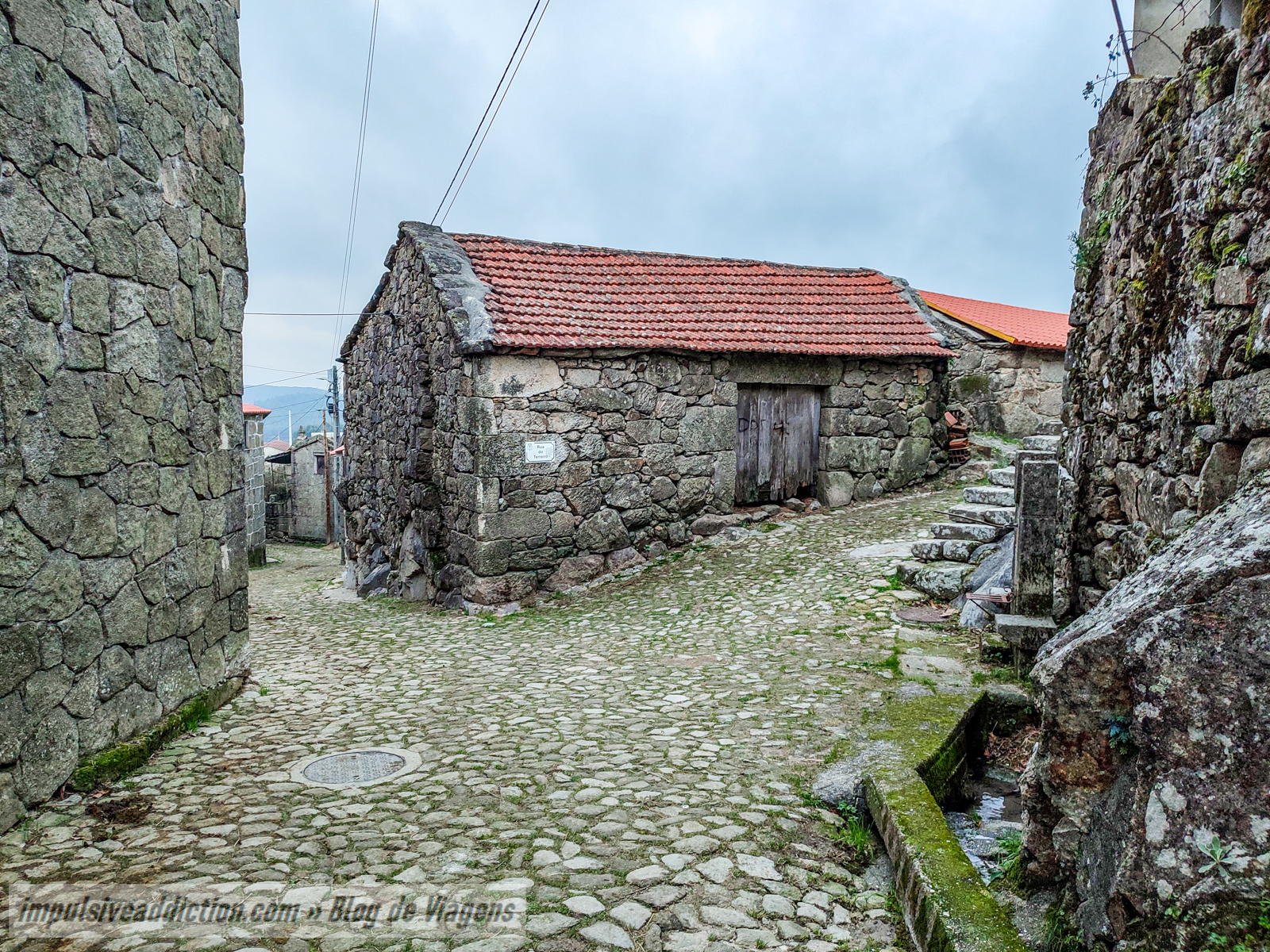
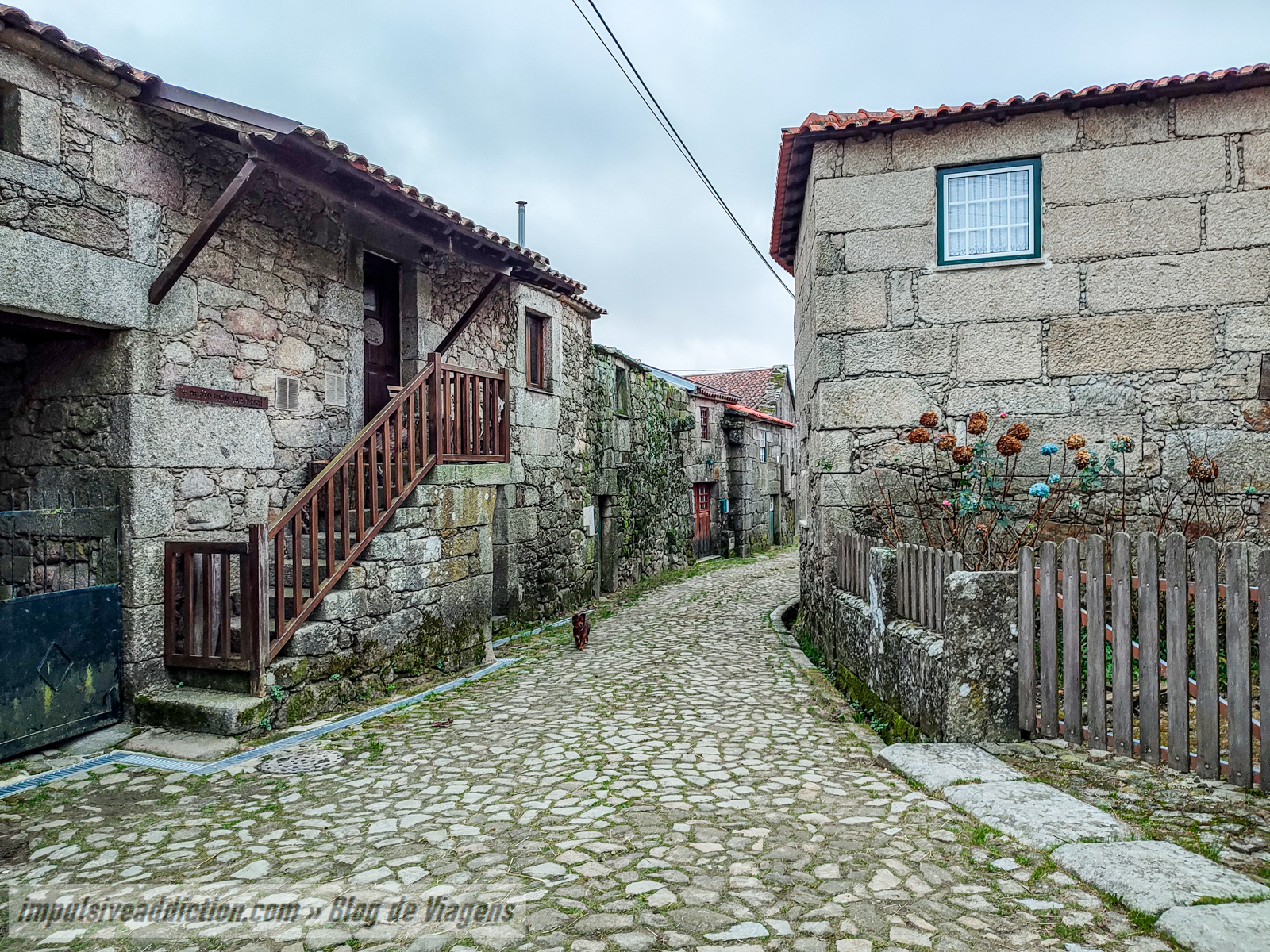
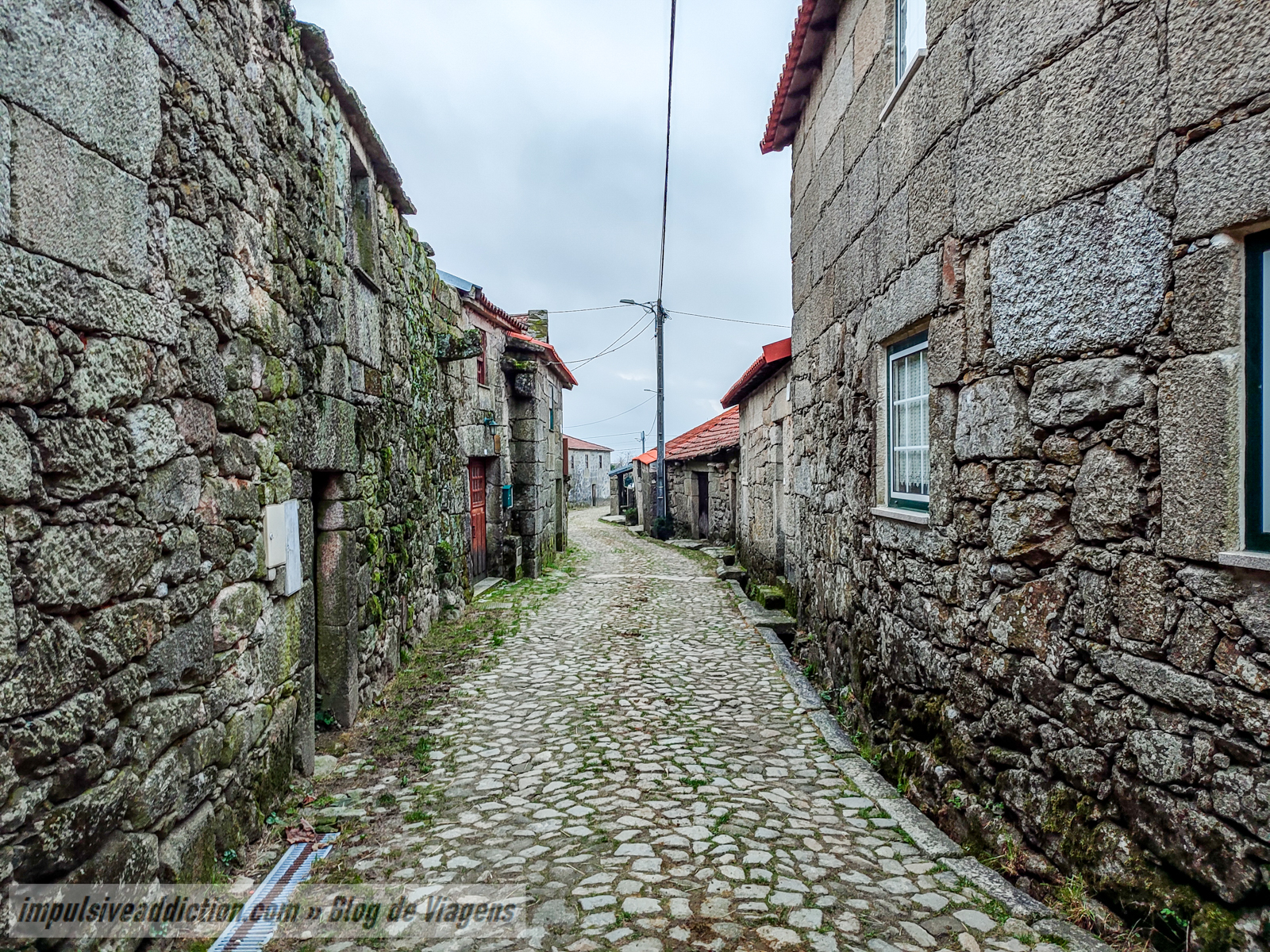
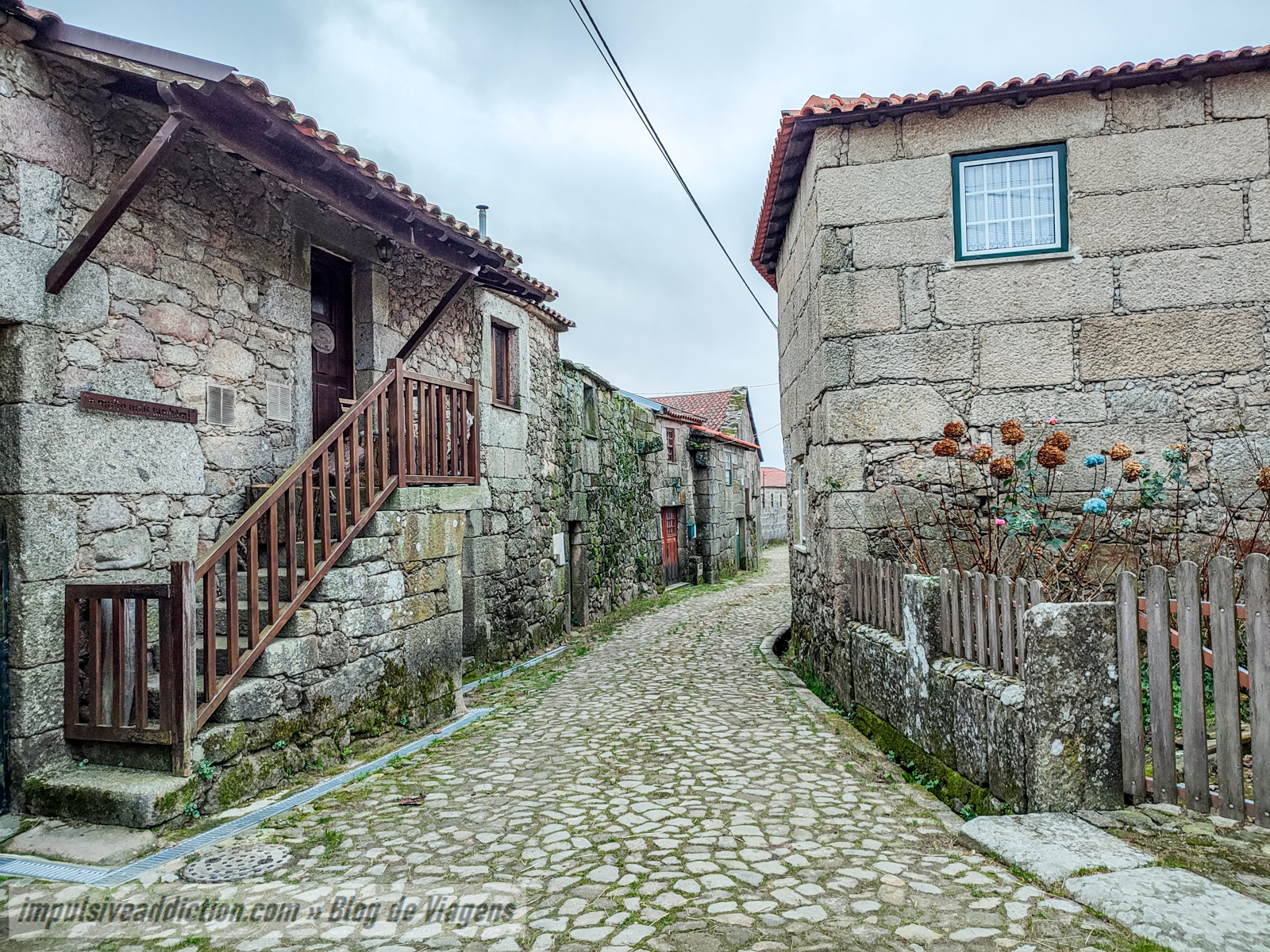
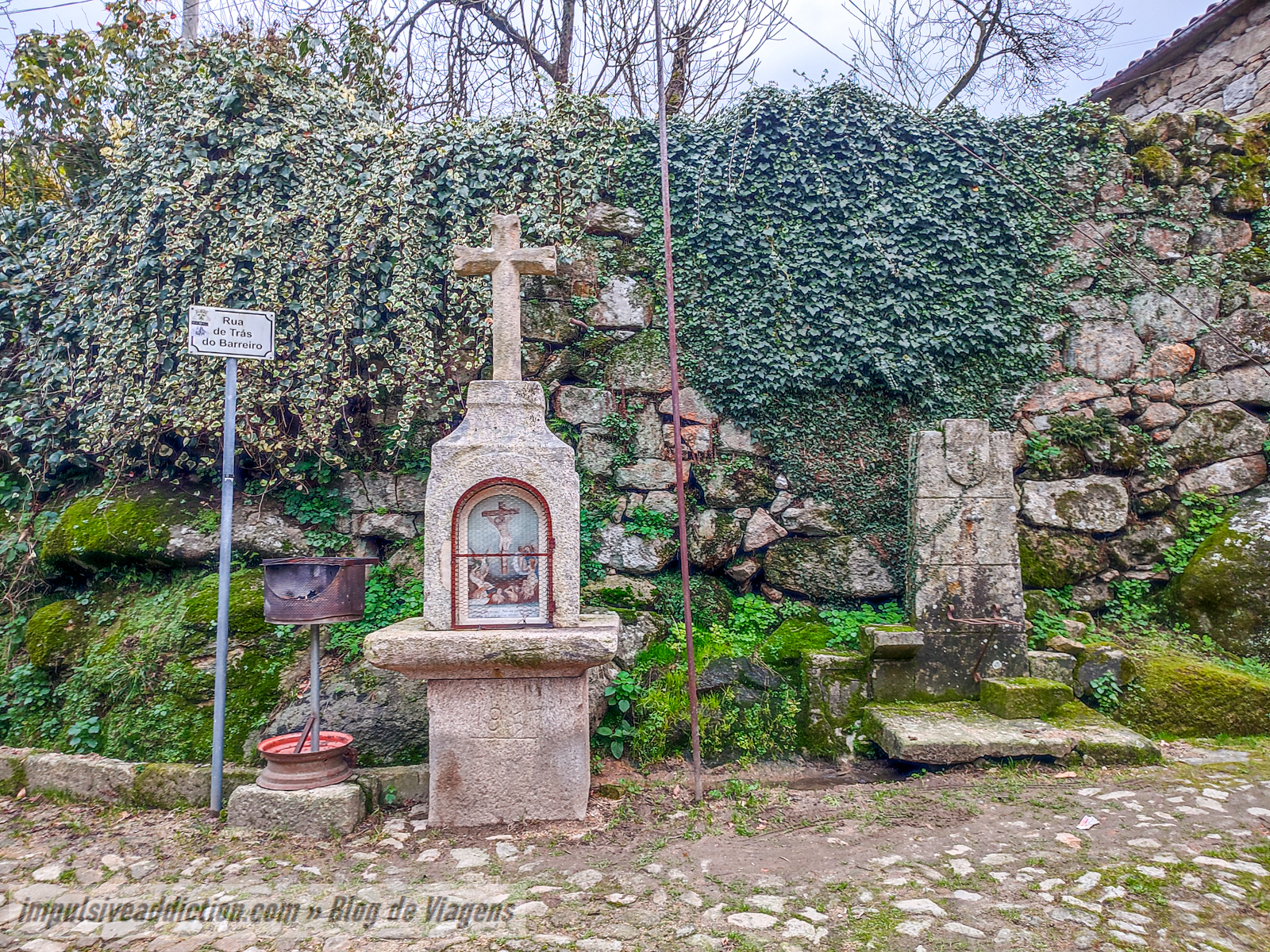
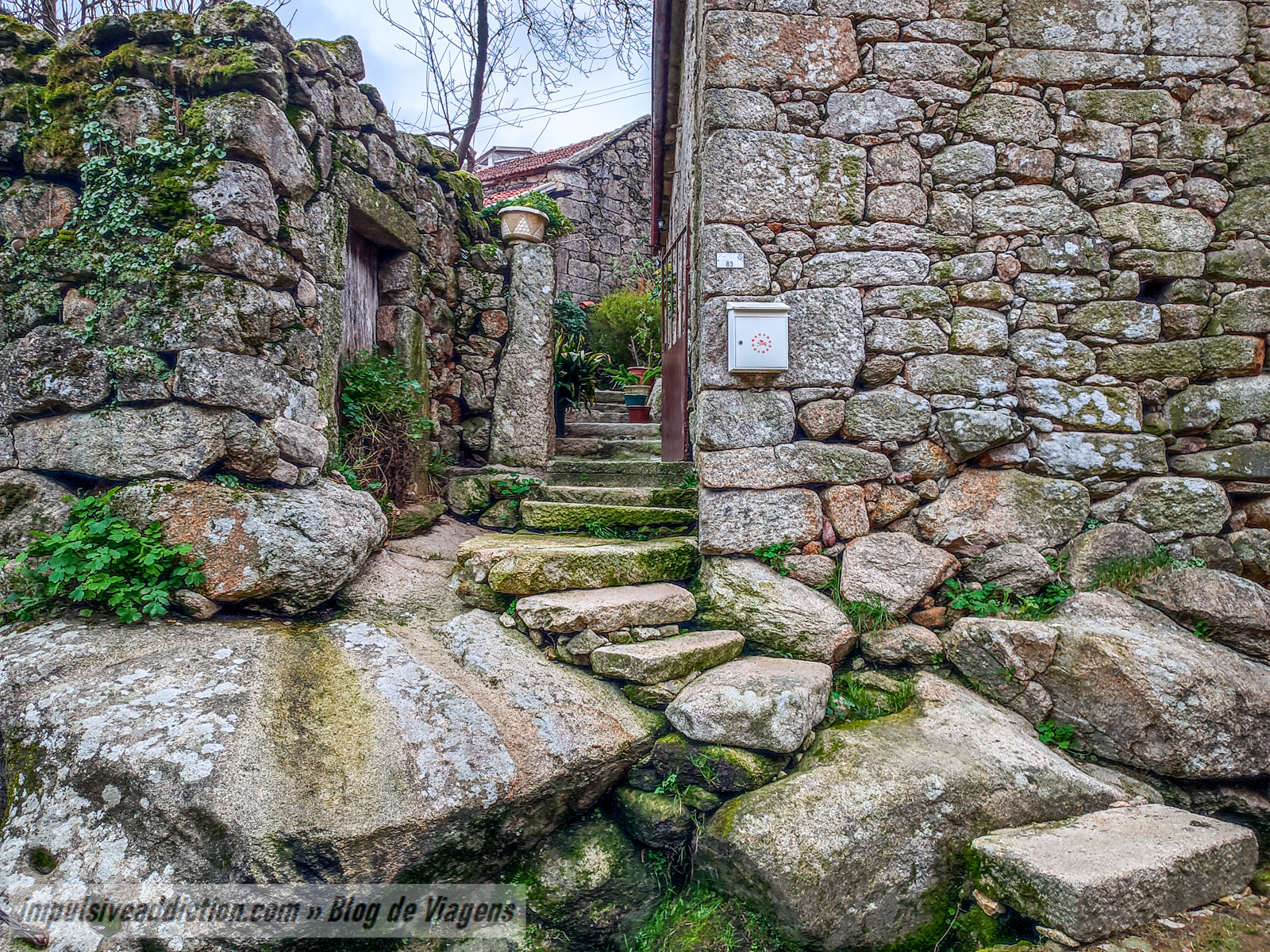
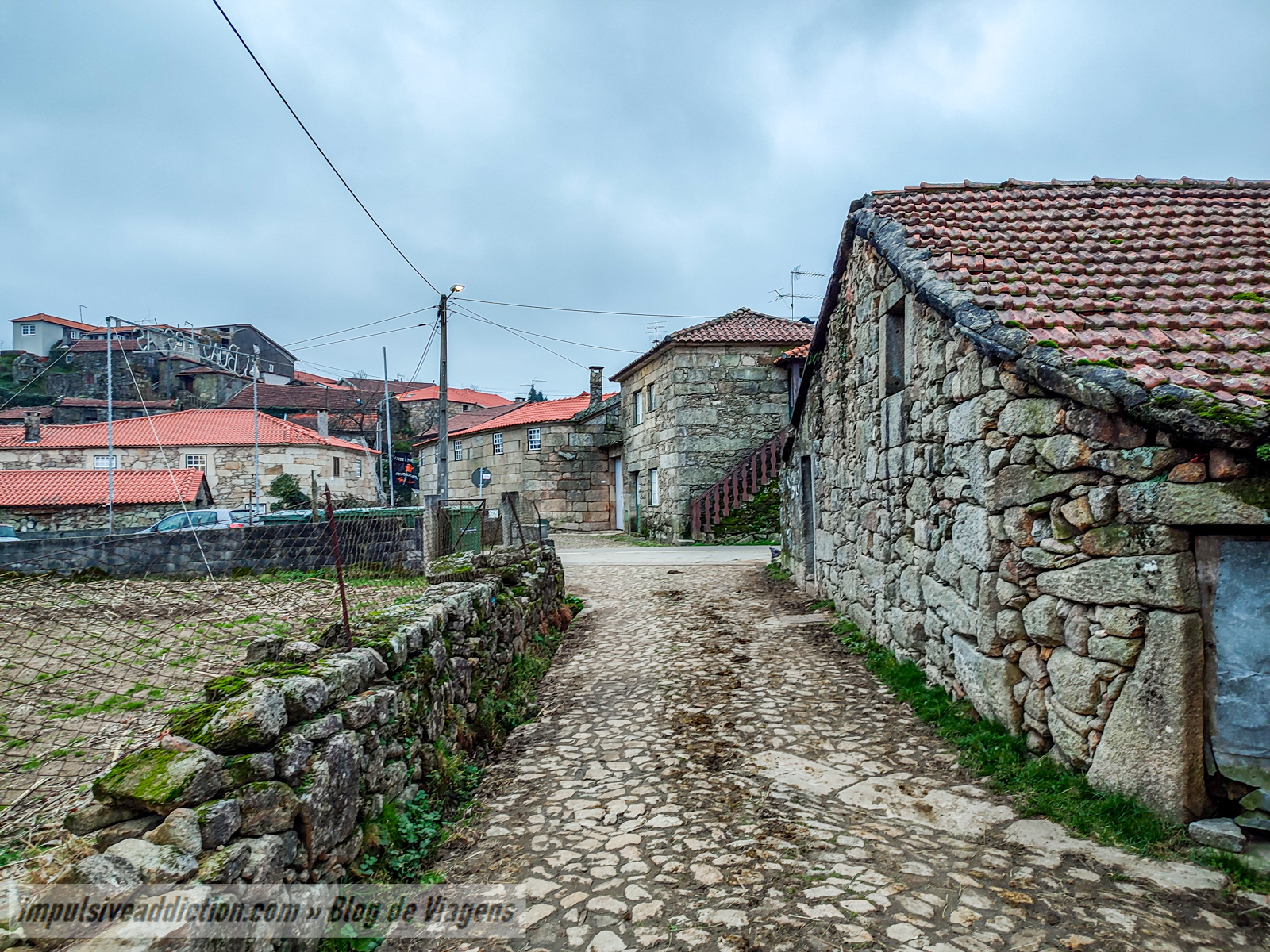
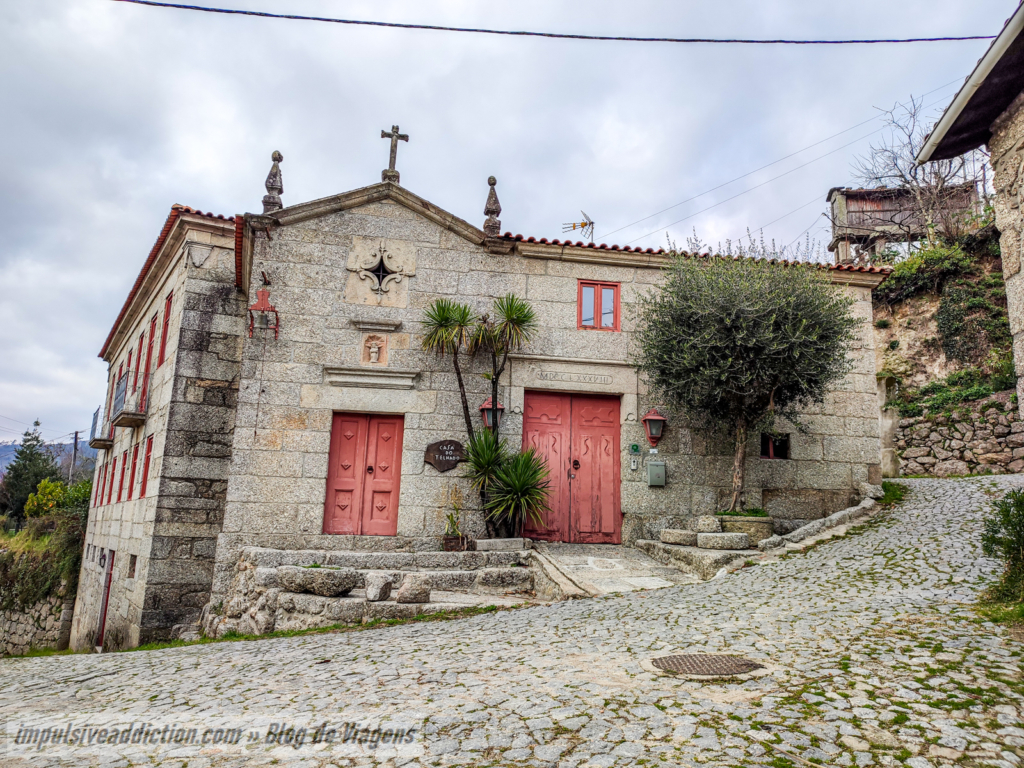
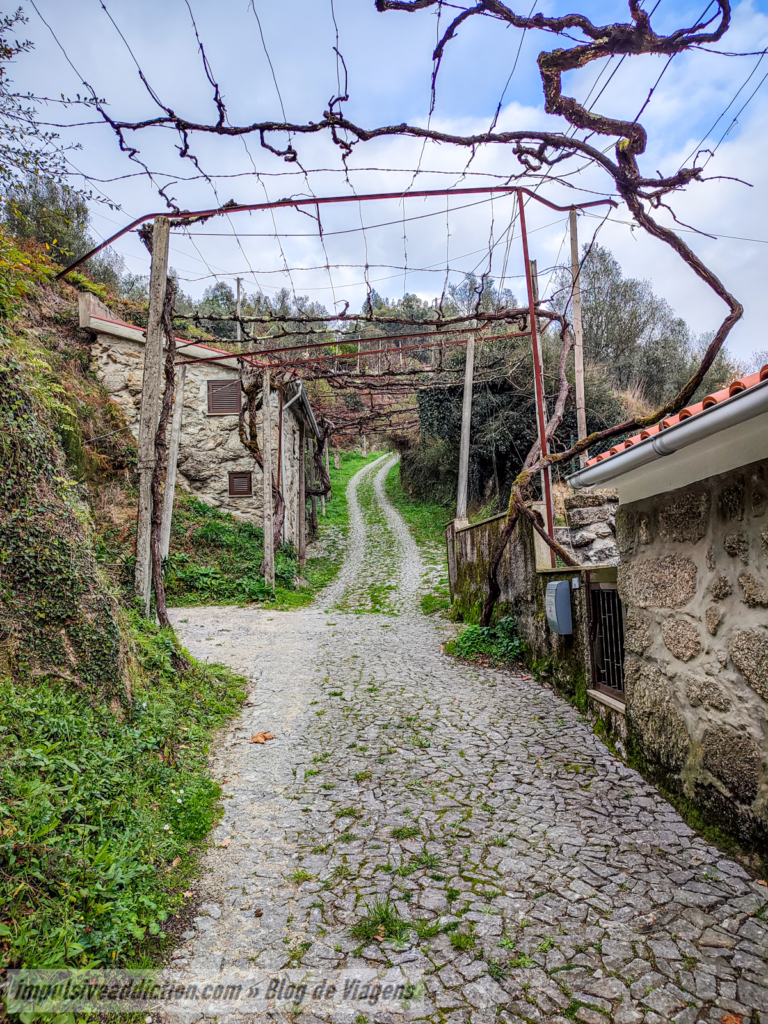
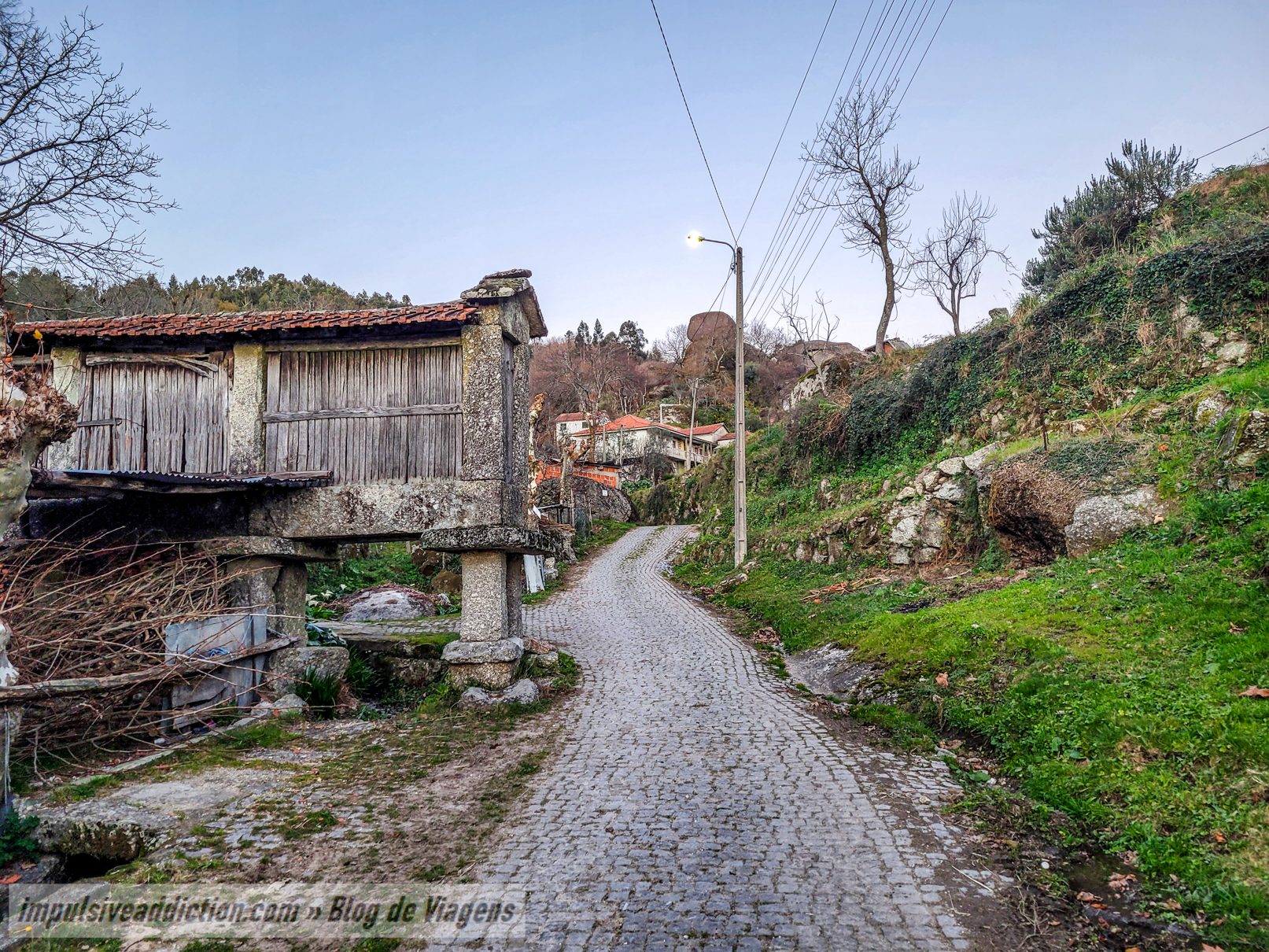
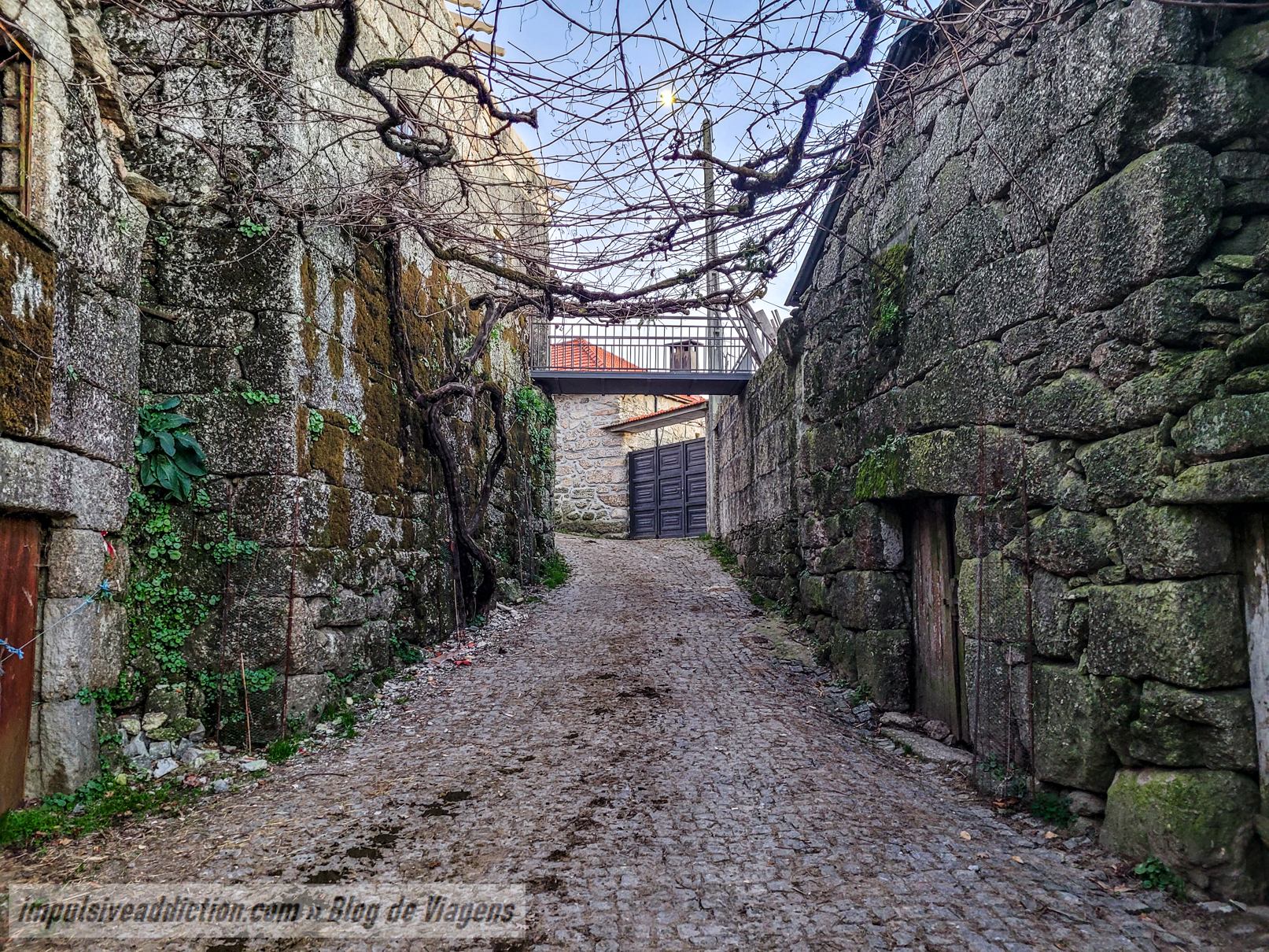
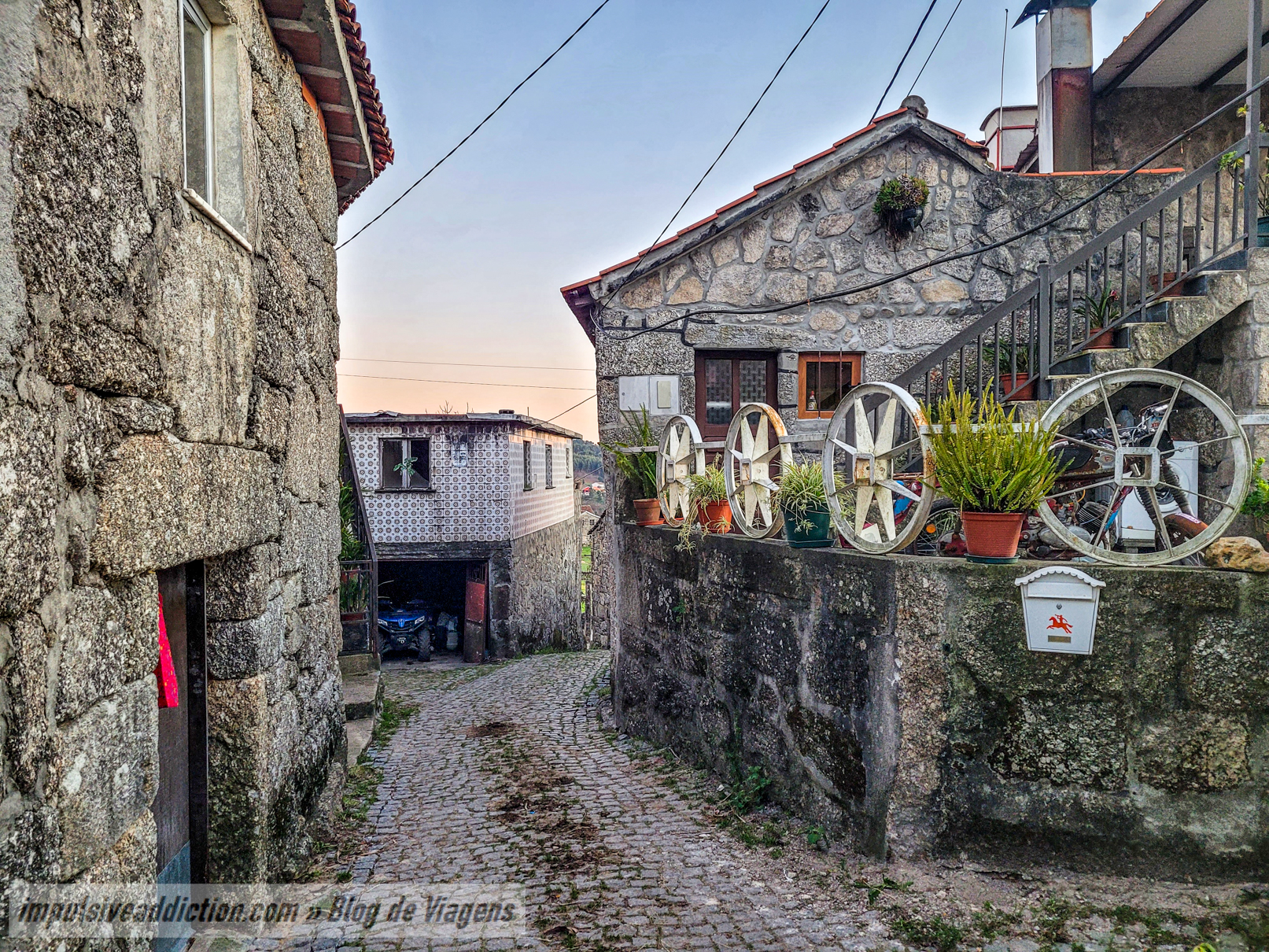
I stumbled upon Vilar Chão by chance while exploring the Serra da Cabreira. It was late in the day and I only had time for a quick visit, but I still discovered some truly picturesque corners. It’s definitely worth a stop—so here’s the tip, along with a few photos to inspire you.
19. Sanctuary of Nossa Senhora da Orada
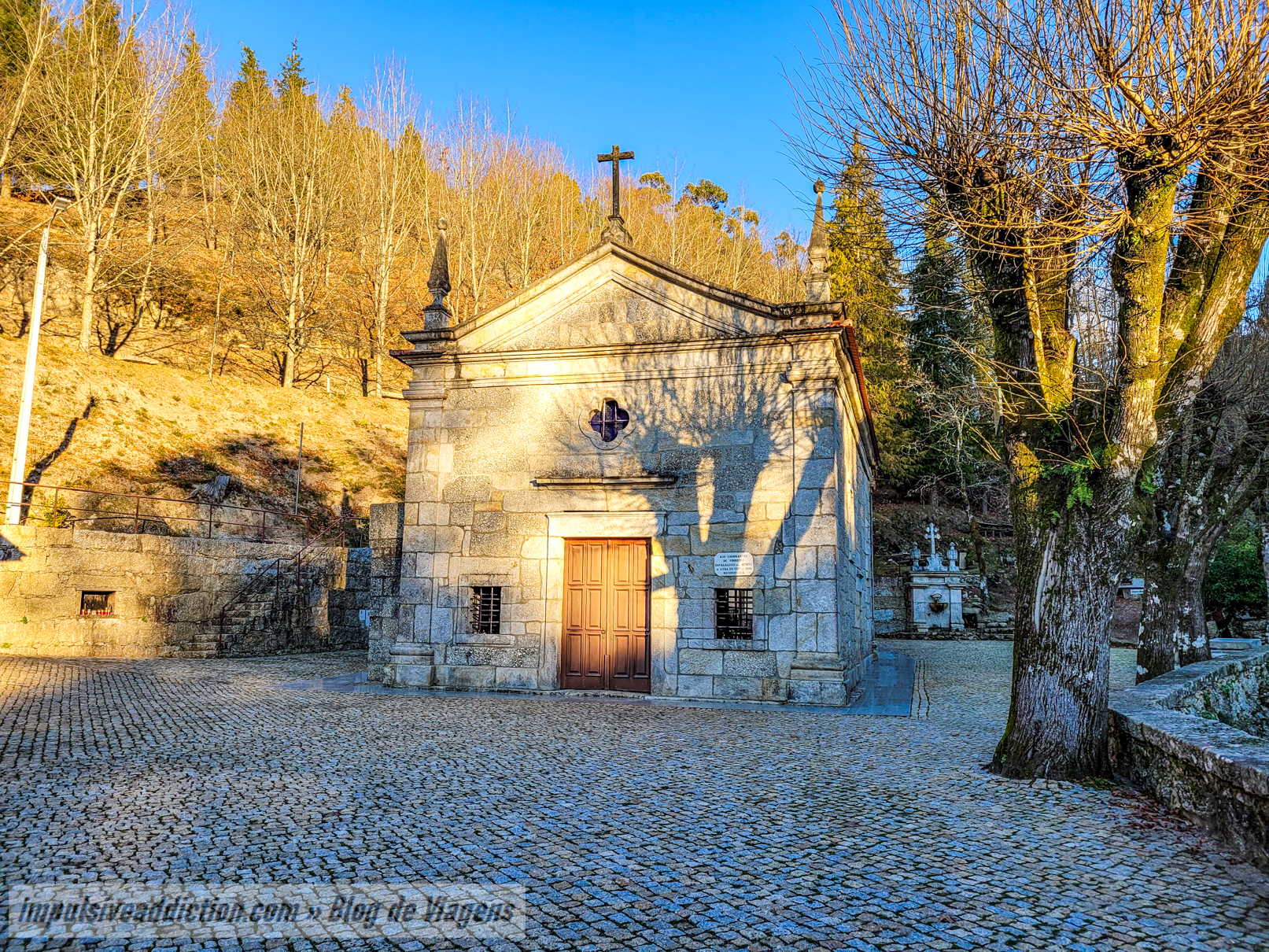
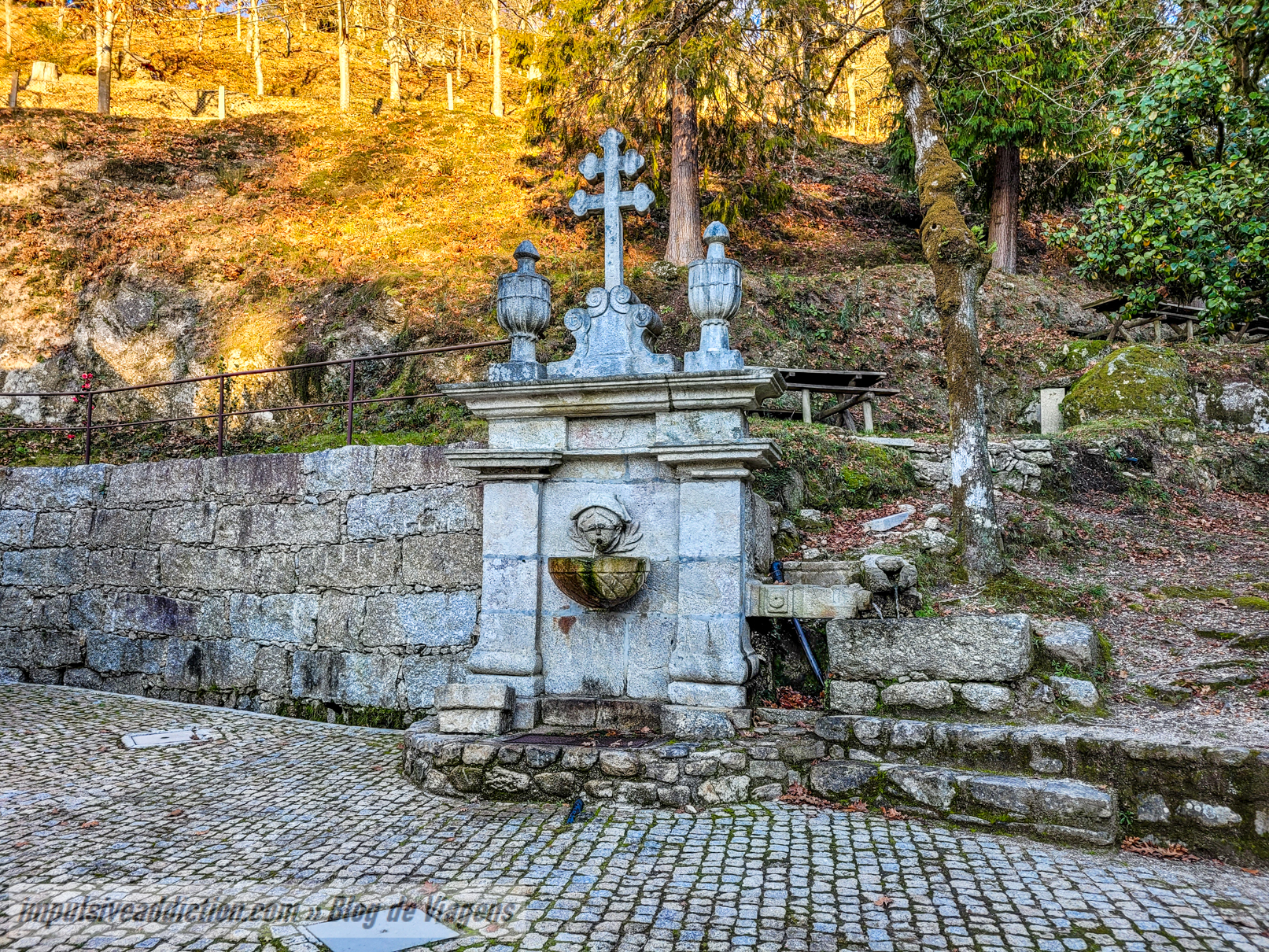
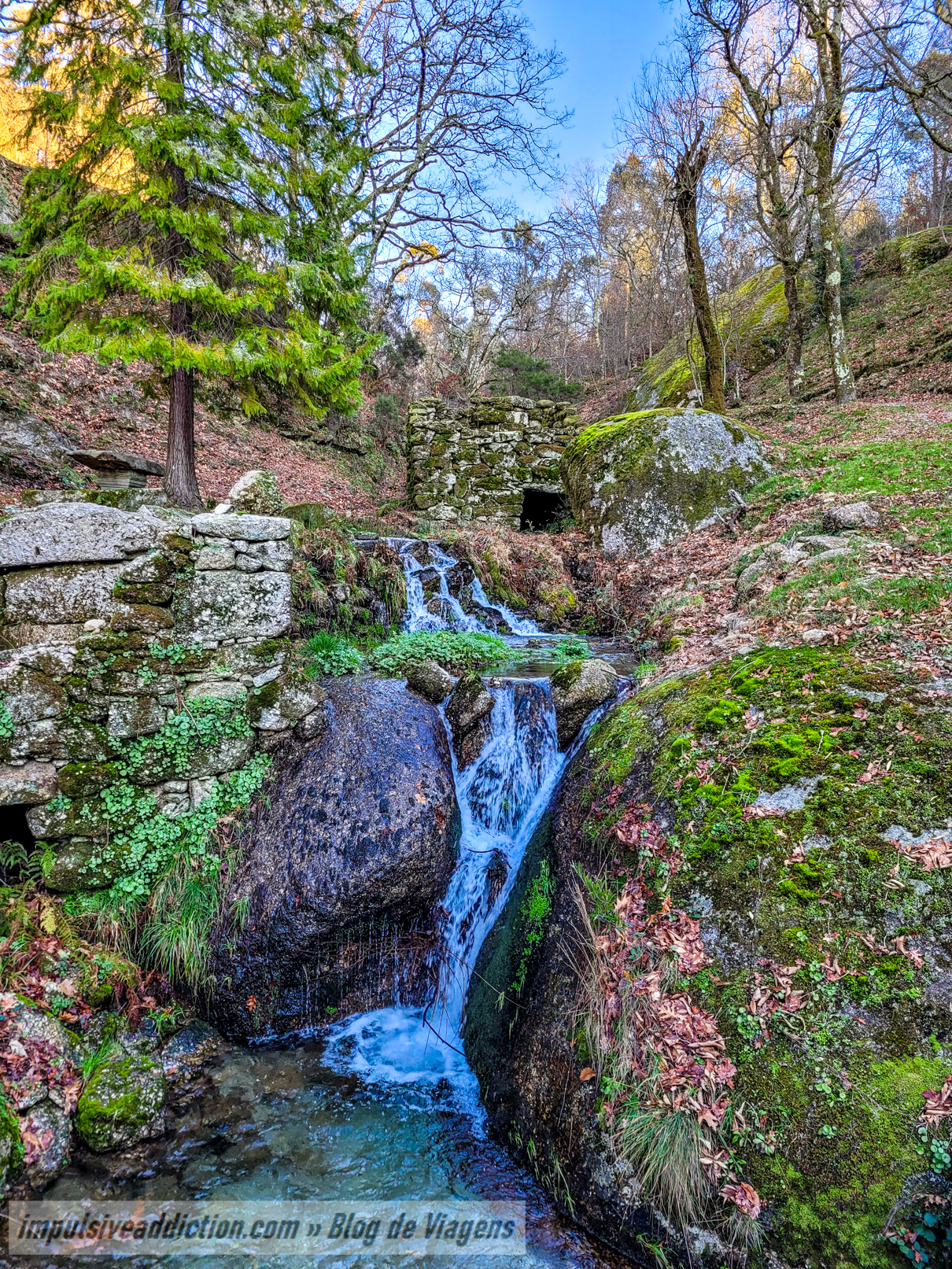
The Sanctuary of Nossa Senhora da Orada is located in the parish of Pinheiro, where this devotion has existed for over 300 years. If you follow my suggestion, you can even stay nearby at Quinta do Farejal, a charming accommodation close to the sanctuary.
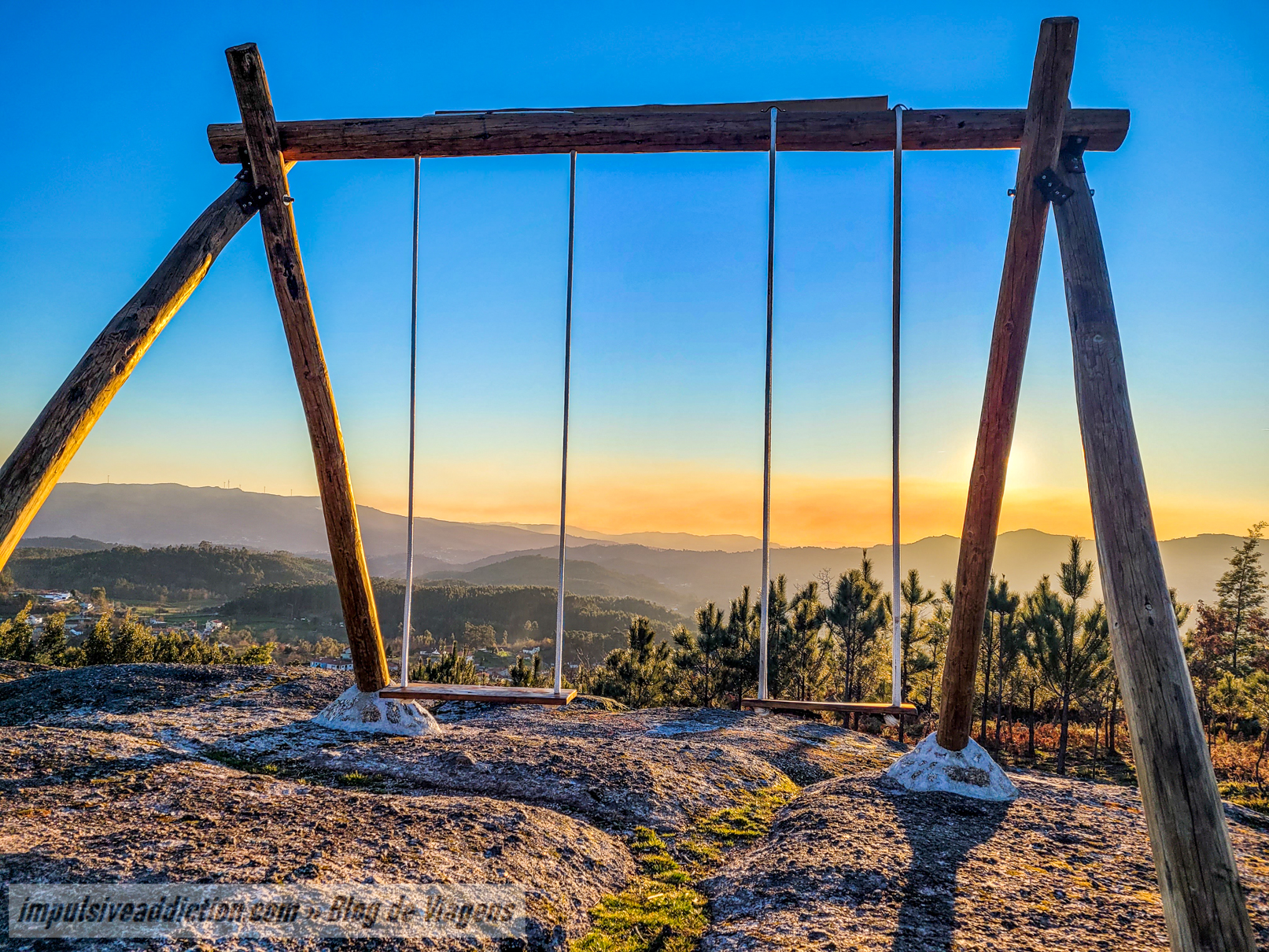
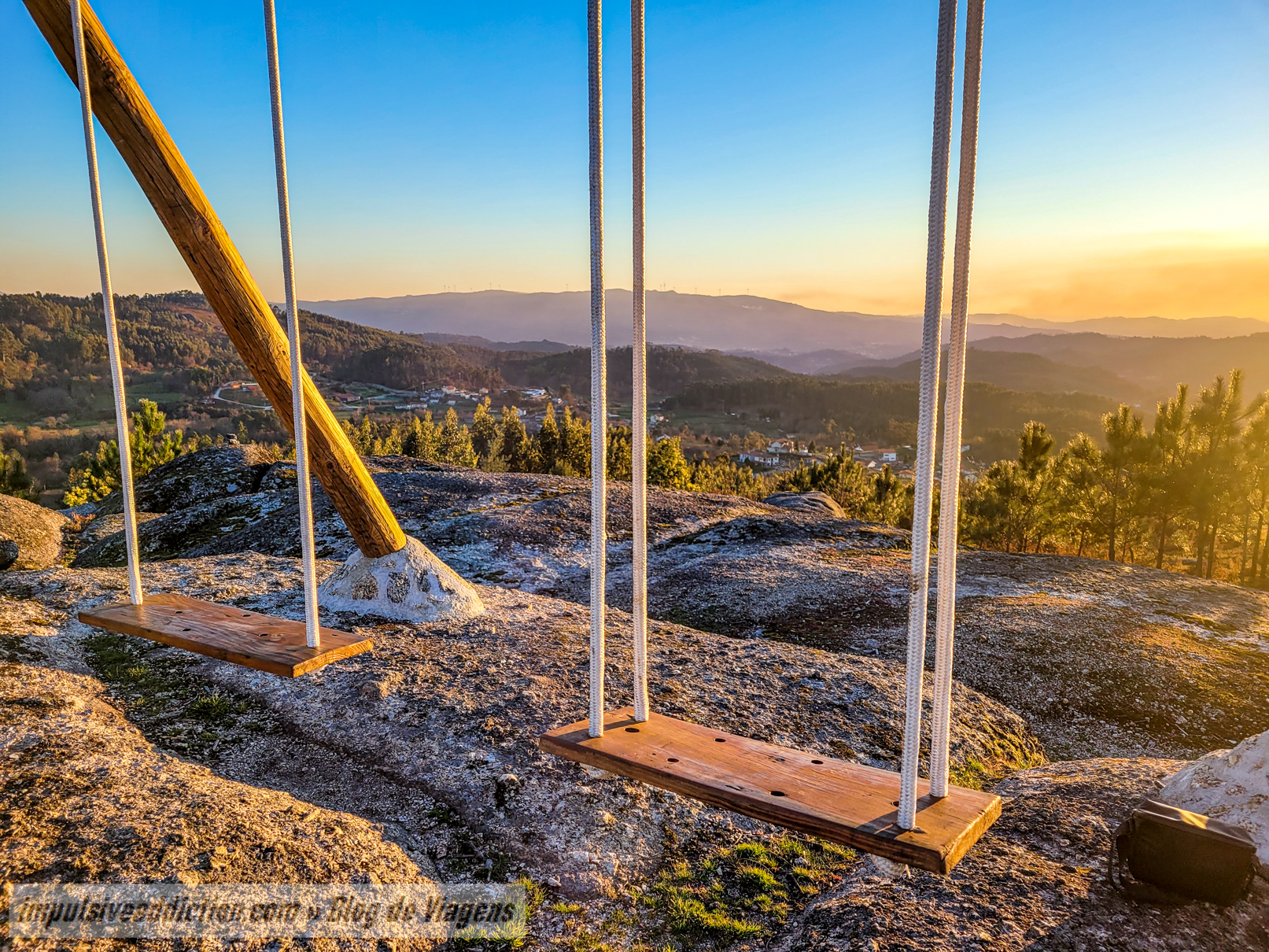
20. Cabeços Swings
Also located in the parish of Pinheiro, the Cabeços Swings stand side by side at about 680 meters of altitude. You’ll need to park your car a bit further away and hike uphill to reach them.
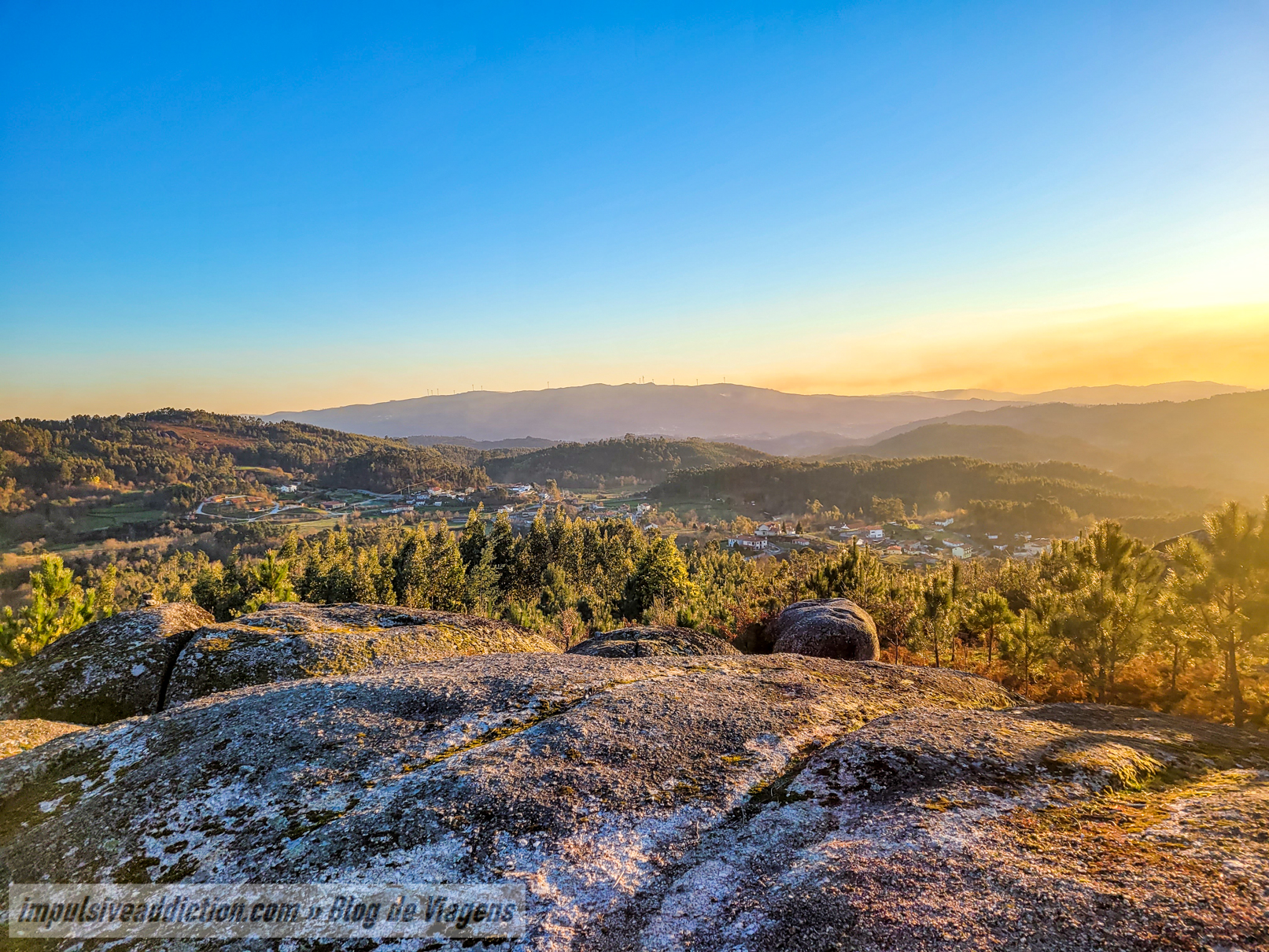
In my opinion, they’re the least interesting swings in the Serra da Cabreira, so I’d consider them optional. Still, they do offer a nice view over the village of Pinheiro.
Visit Caniçada Reservoir and the River Beaches on the Cávado
The Caniçada Reservoir is very likely the most famous spot in Vieira do Minho. It’s one of the top destinations for water sports enthusiasts visiting the Peneda-Gerês National Park, attracting people eager to enjoy activities on the water.
1. Boat Brancelhe
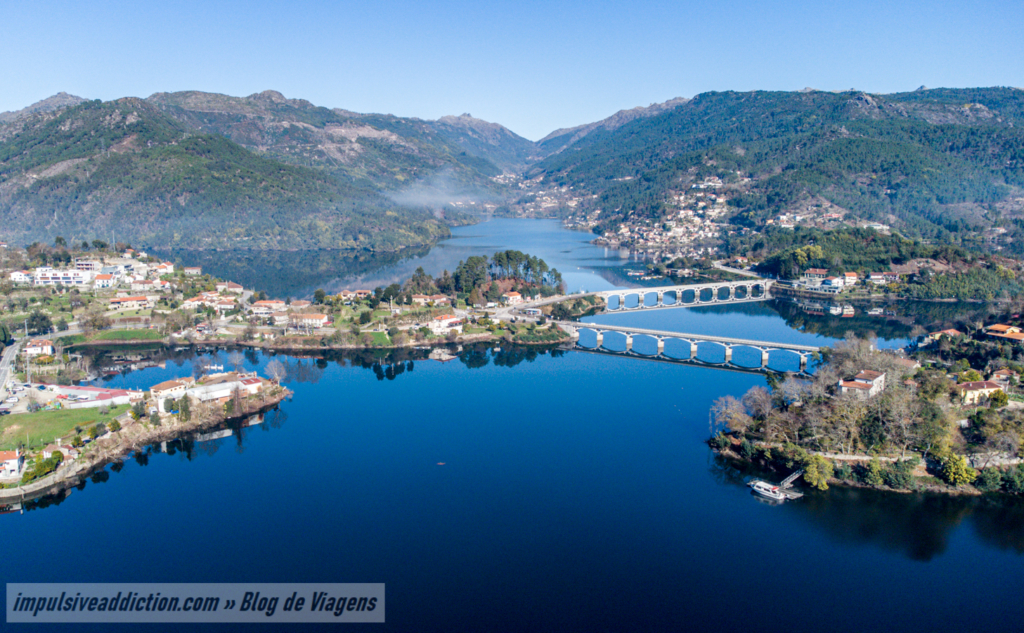
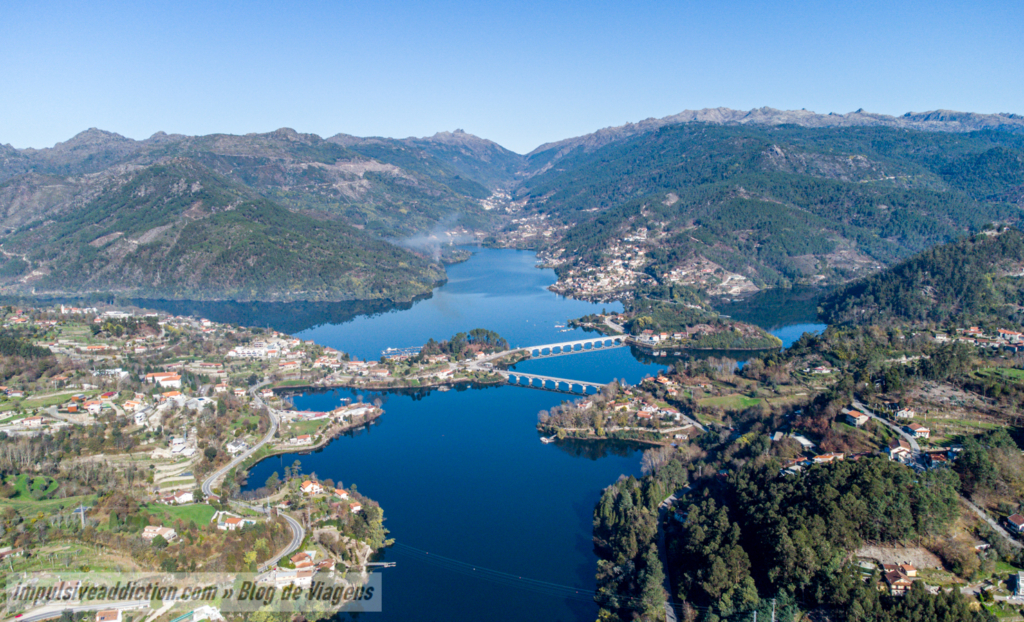
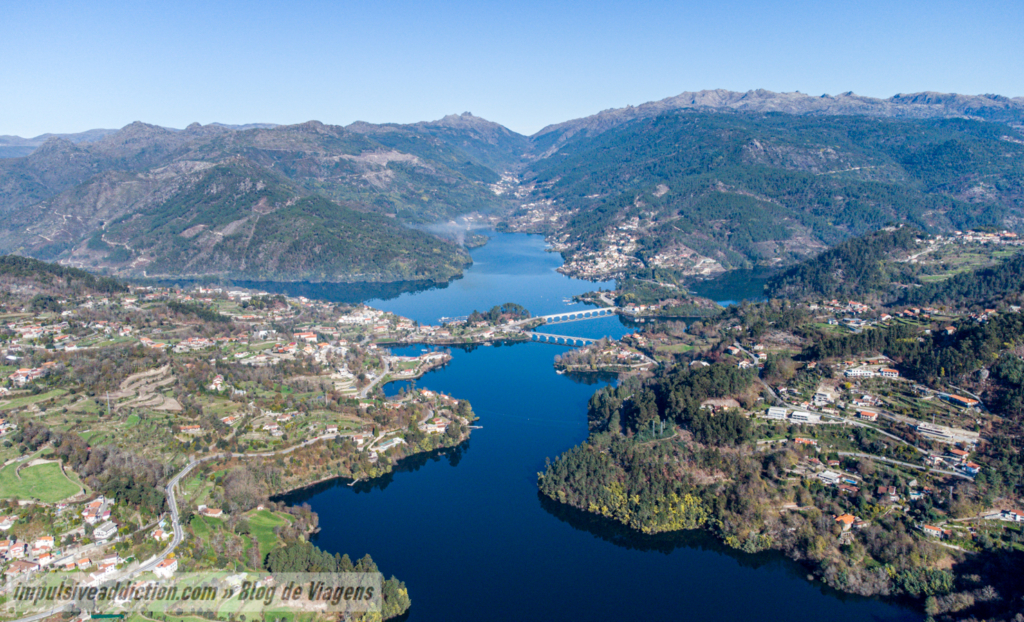
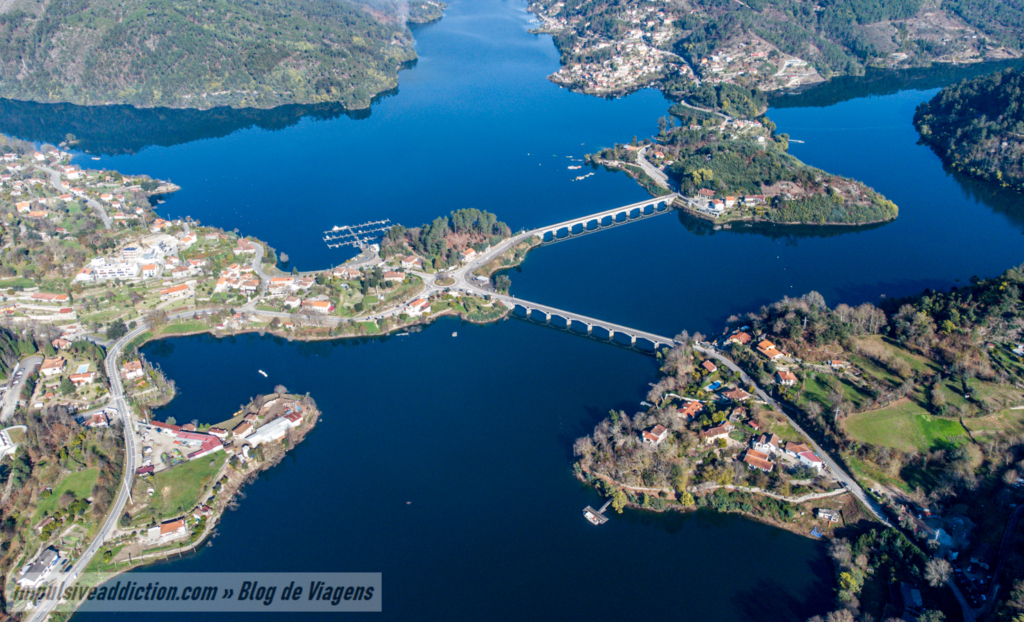
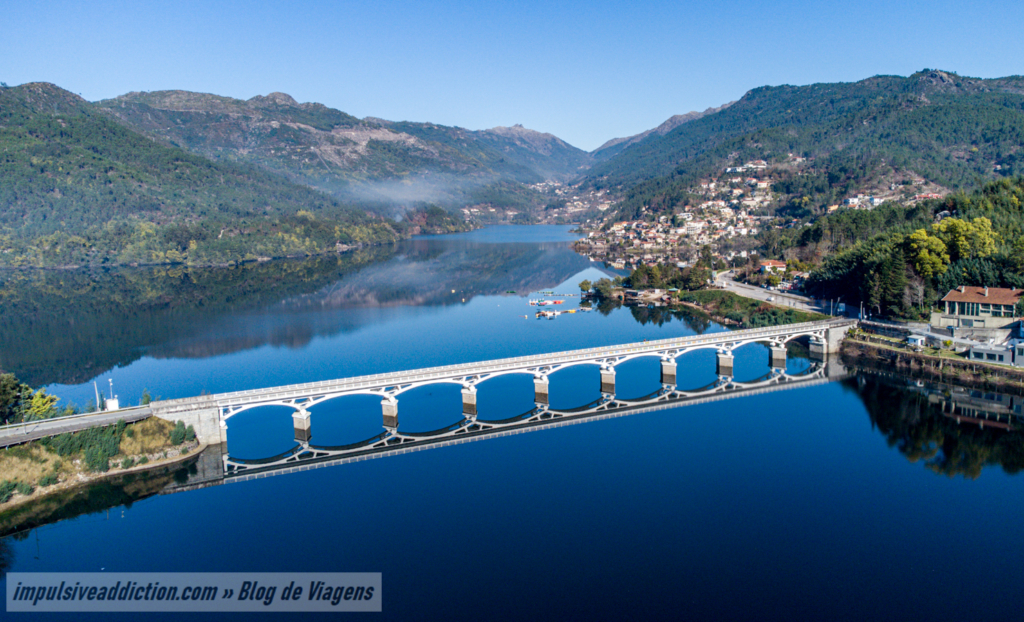
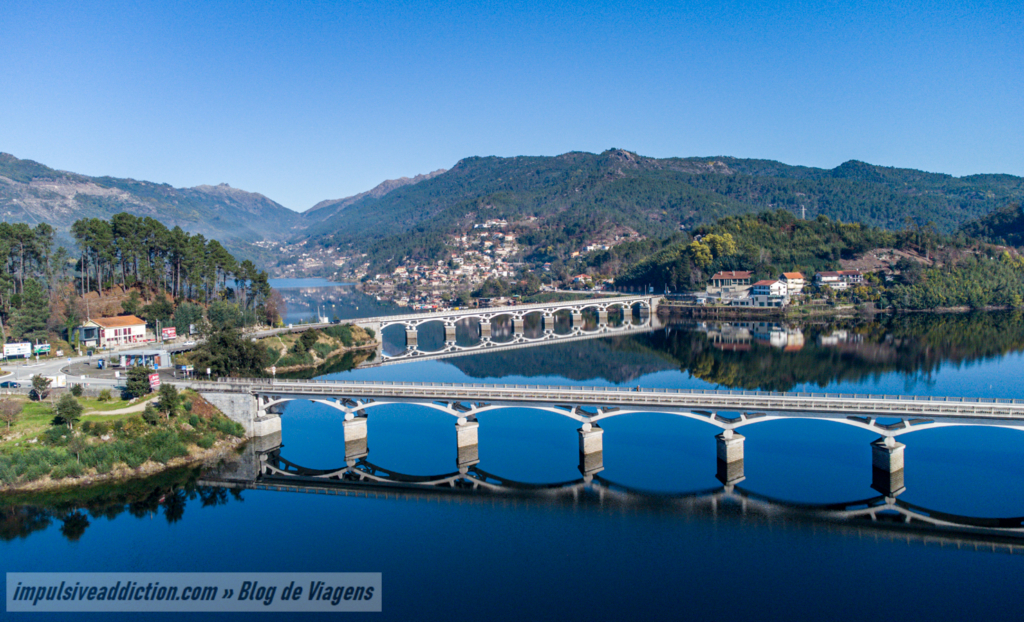
Near the bridges that cross the Caniçada Reservoir — connecting Vieira do Minho to Terras de Bouro — you’ll find signs for the Barco Brancelhe. This boat offers tourist cruises around the reservoir, with fixed schedules during the summer months (around €6 per person).
2. Kayaking on the Caniçada Reservoir
The area around the Caniçada Reservoir bridges is especially scenic and well worth exploring. There are several river beaches nearby, with the most notable being the Alqueirão River Beach (technically outside Vieira do Minho). From this beach, you can rent a kayak and set off on a peaceful paddle across the reservoir.
3. Caniçada Dam
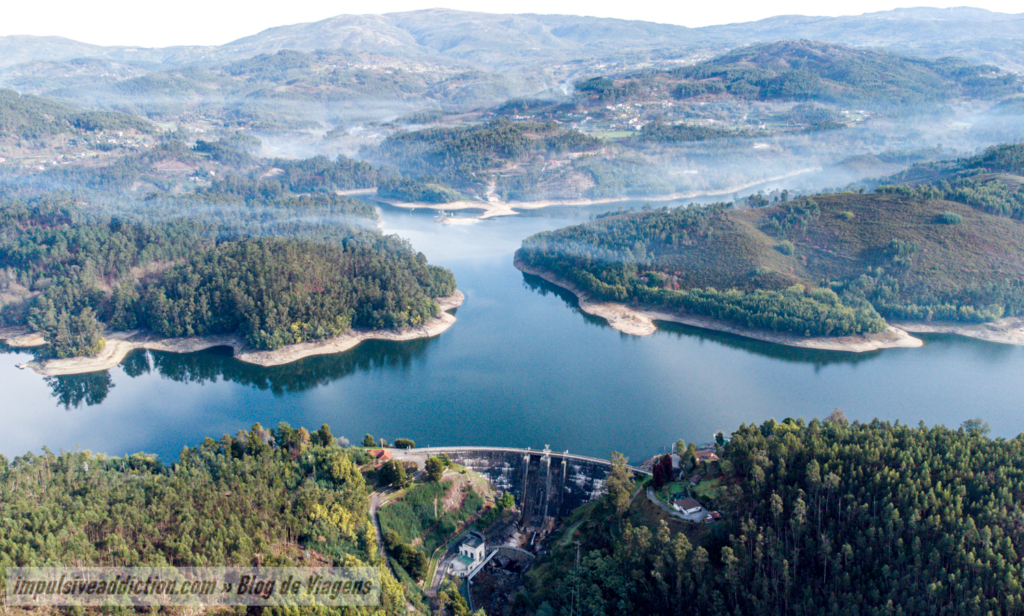
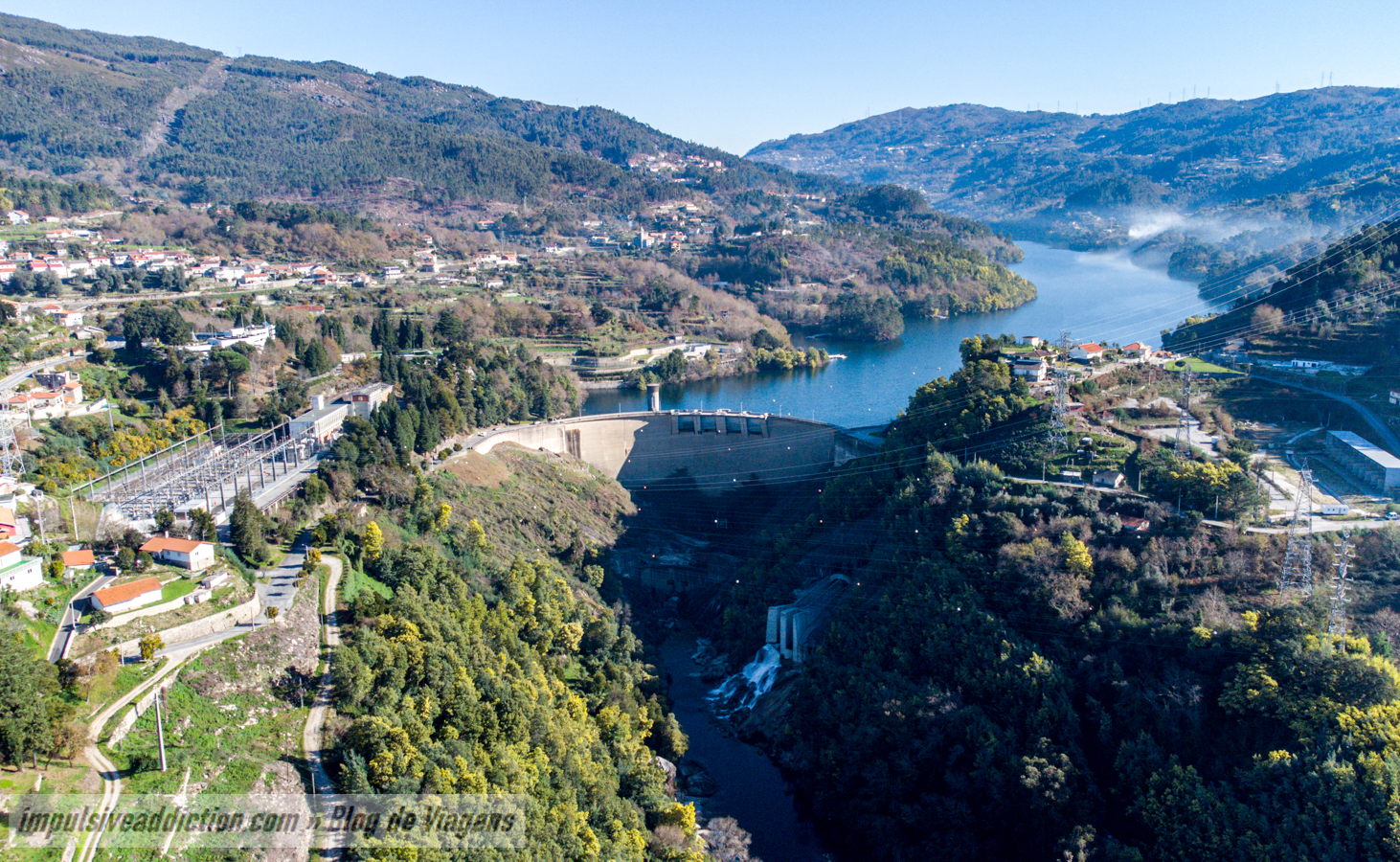
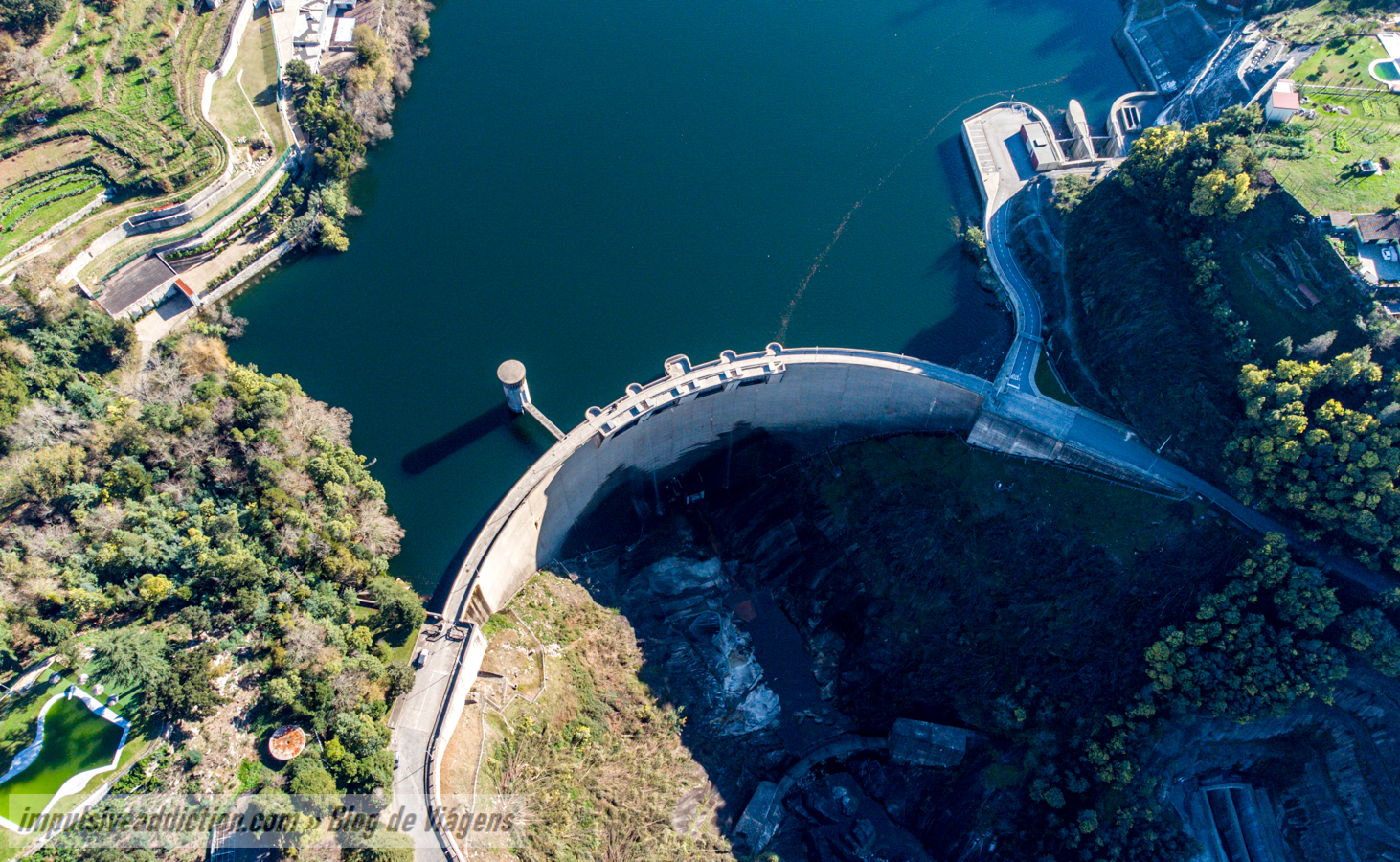
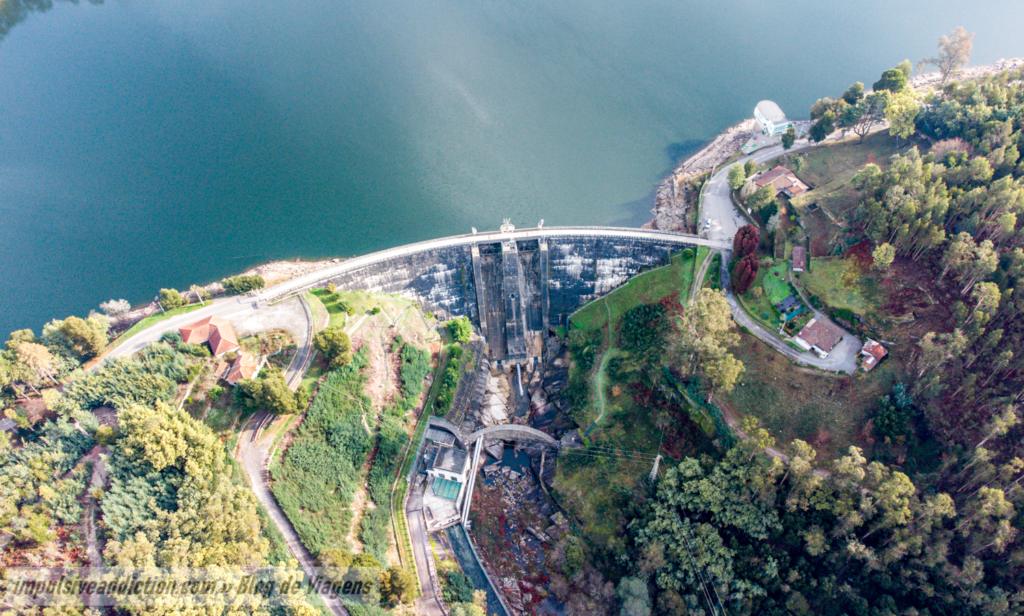
You should also visit the Caniçada Dam, the structure responsible for creating the extraordinary reservoir. It stands 76 meters high and was inaugurated in 1955.
4. Parada Bridge and Quinta do Rio River Beach
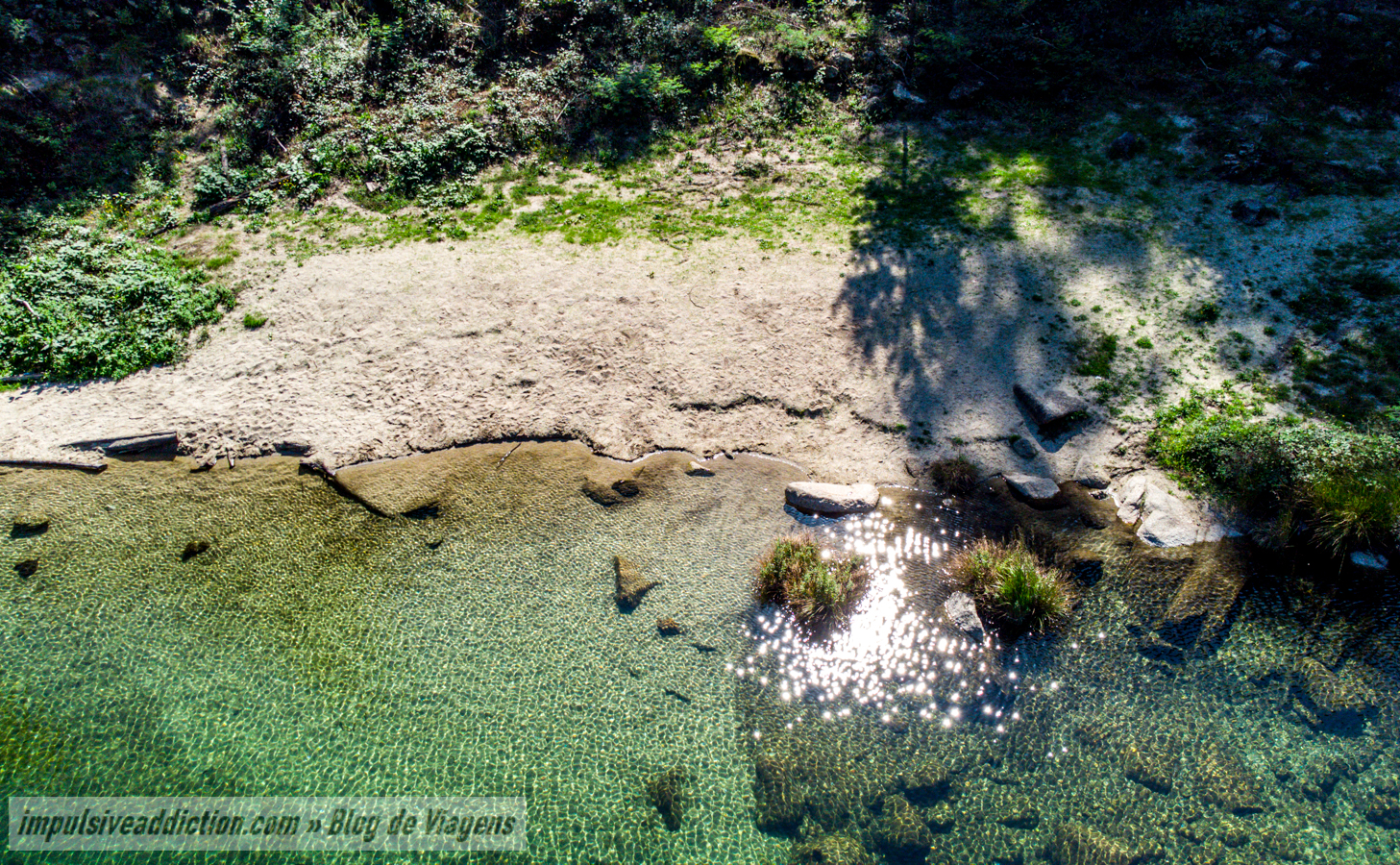
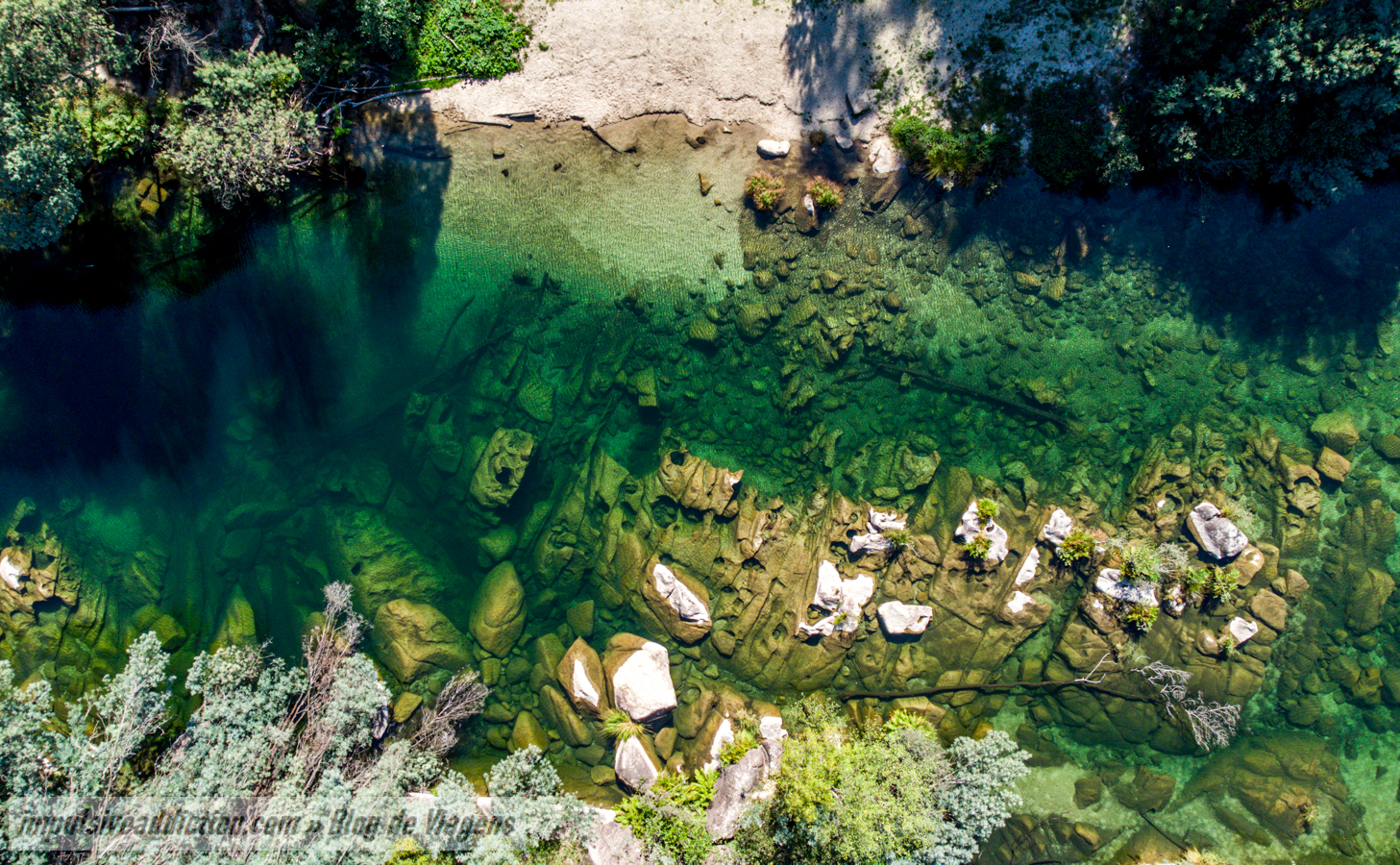
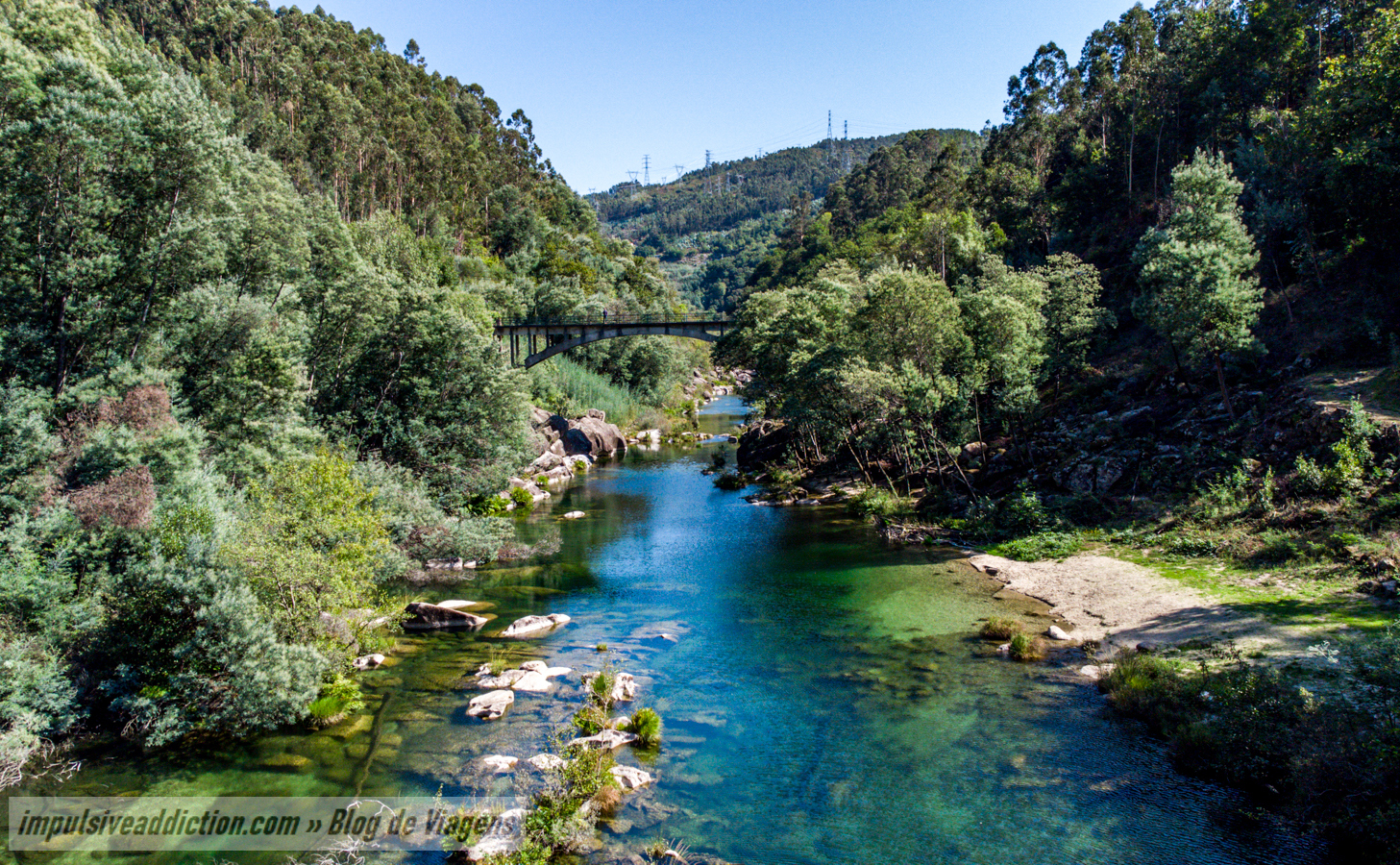
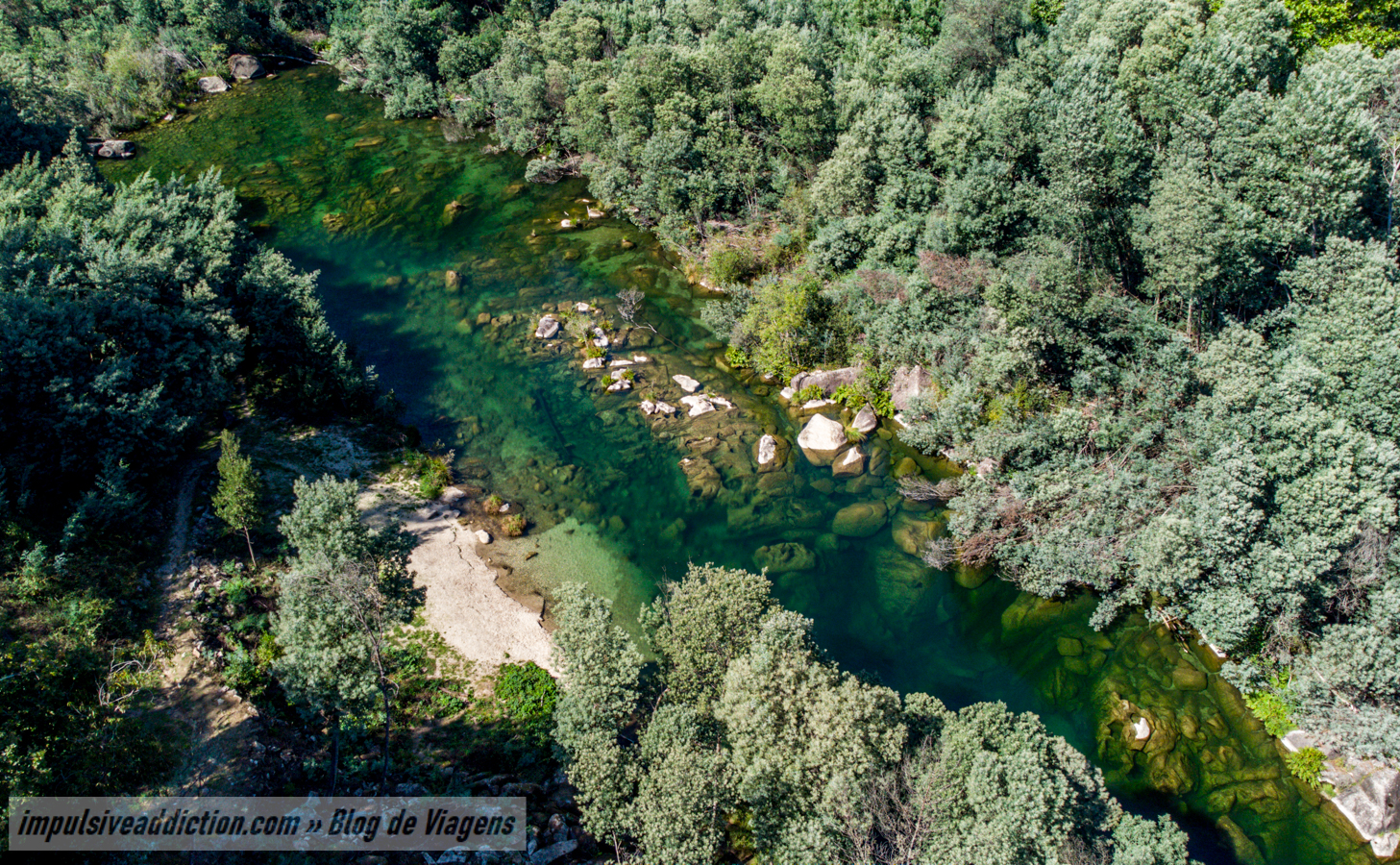
Downstream from the Caniçada Dam, you’ll find stunning natural lagoons along the Cávado River — perfect for a refreshing summer swim. These lagoons are located near the Parada Bridge, which connects the municipalities of Vieira do Minho and Amares.
The Quinta do Rio River Beach offers a very different experience compared to those at the Caniçada Reservoir or even at Ermal. It’s less touristy, more natural, and has a truly wild charm.
Visit Ermal Reservoir and Surroundings
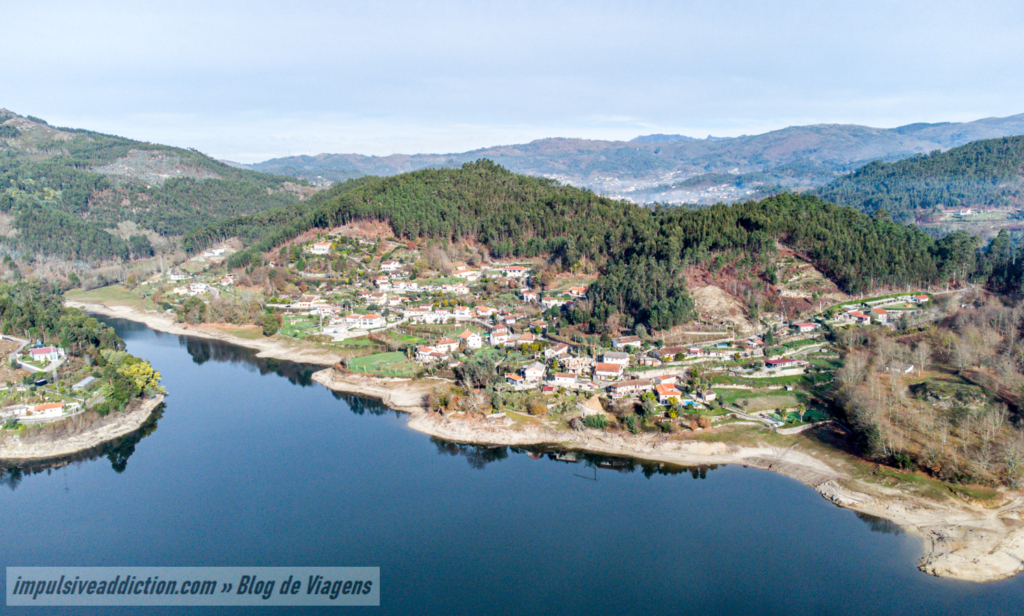
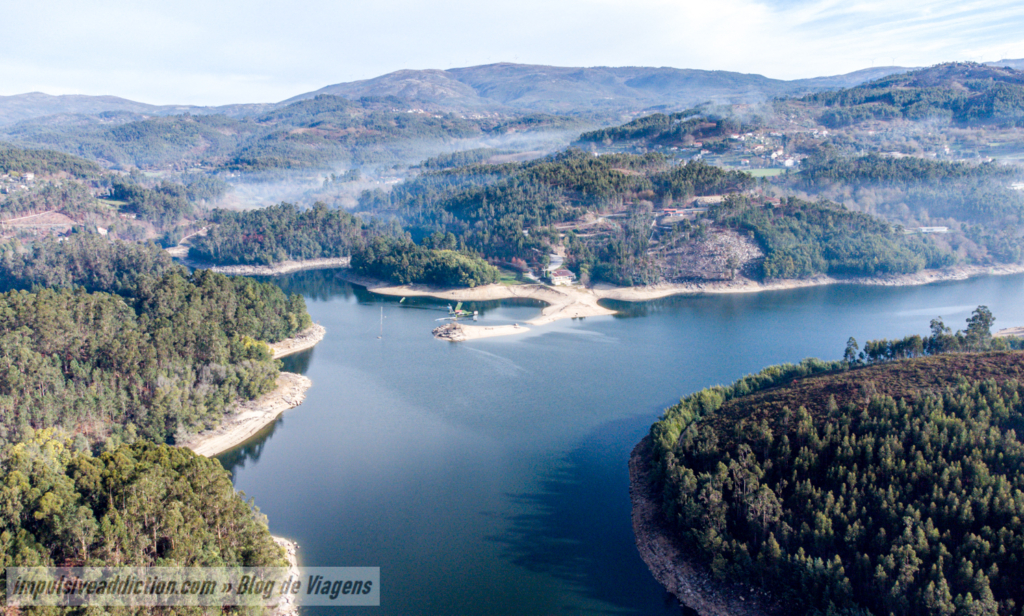
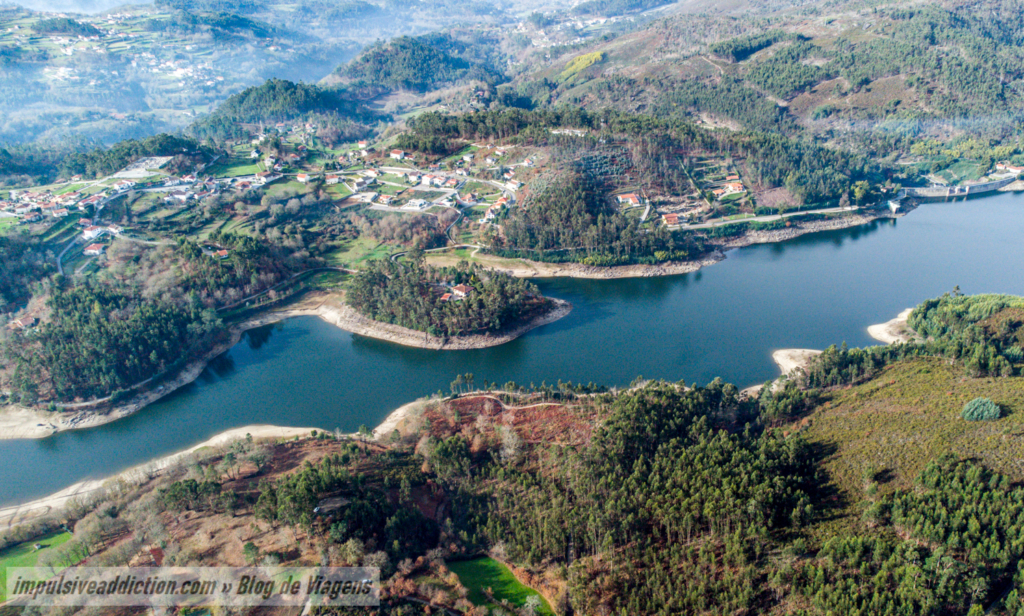
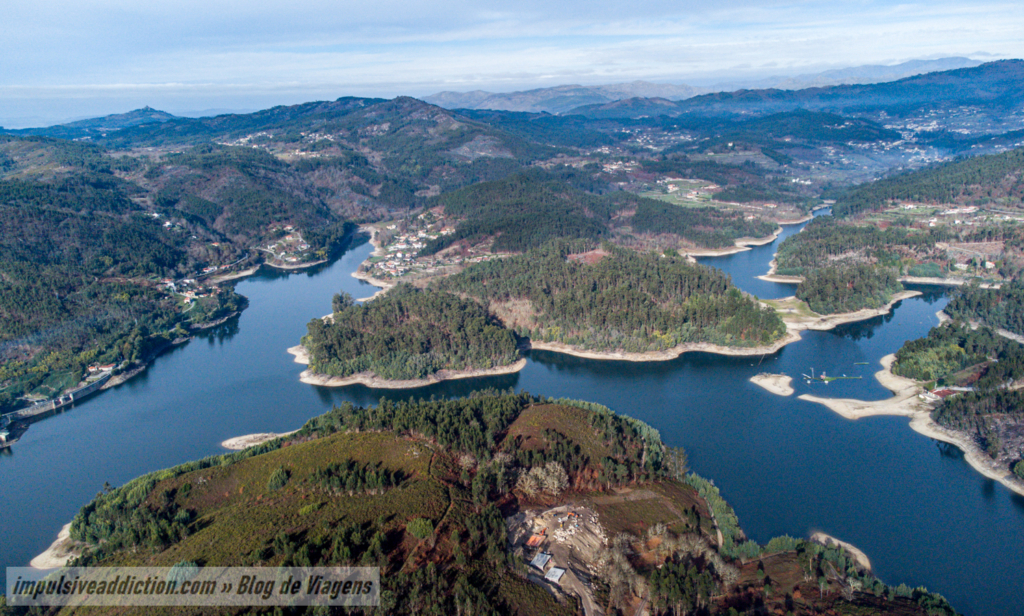
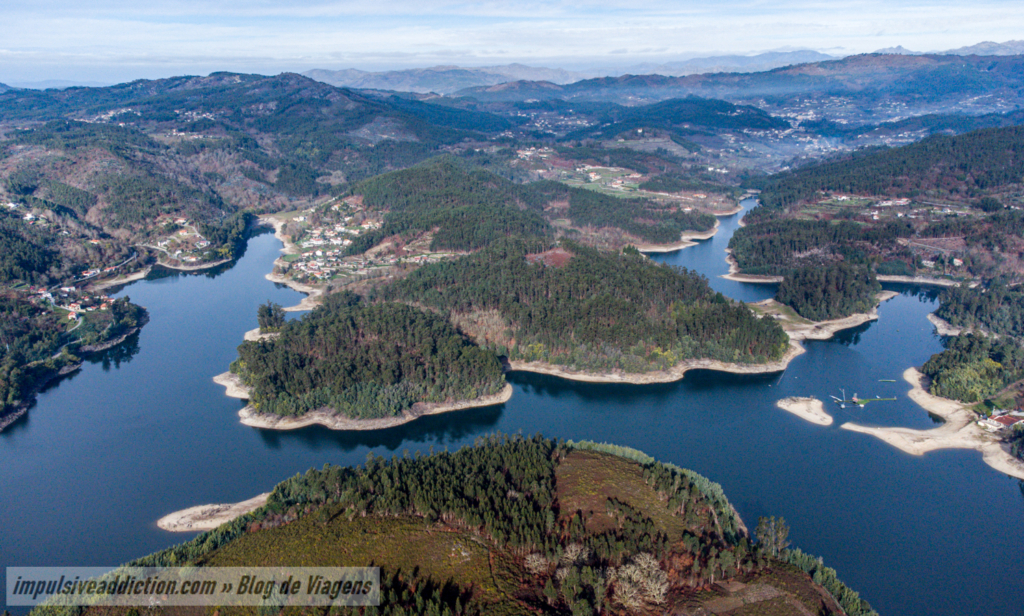
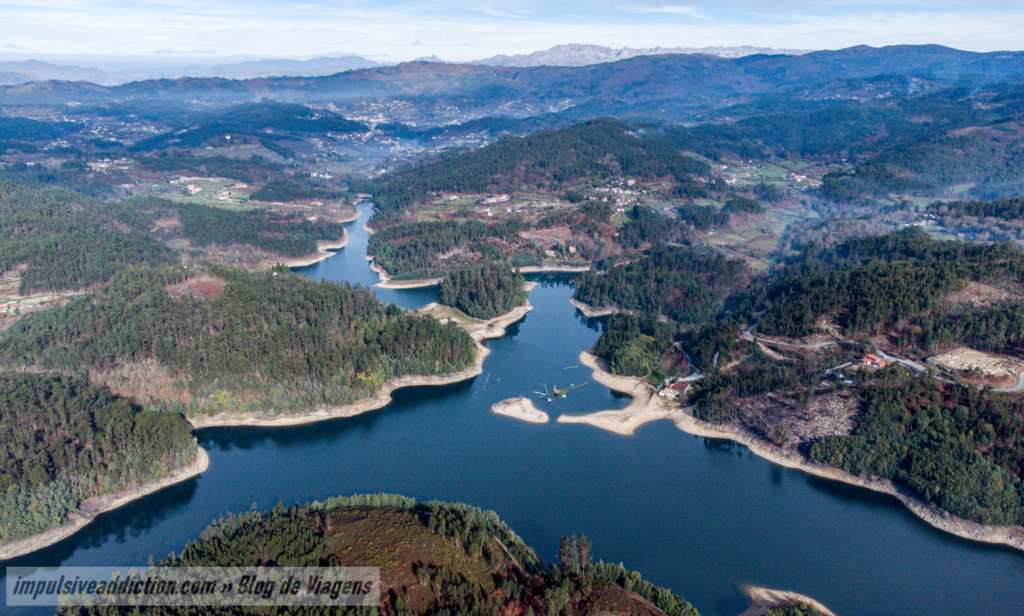
Finally, let’s talk about the Ermal Reservoir, located along the Ave River, which originates at the summit of the Serra da Cabreira (as mentioned earlier). It lies just a few kilometers from both Vieira do Minho and the village of Rossas.
1. Rossas Village and Pombal Leisure Area
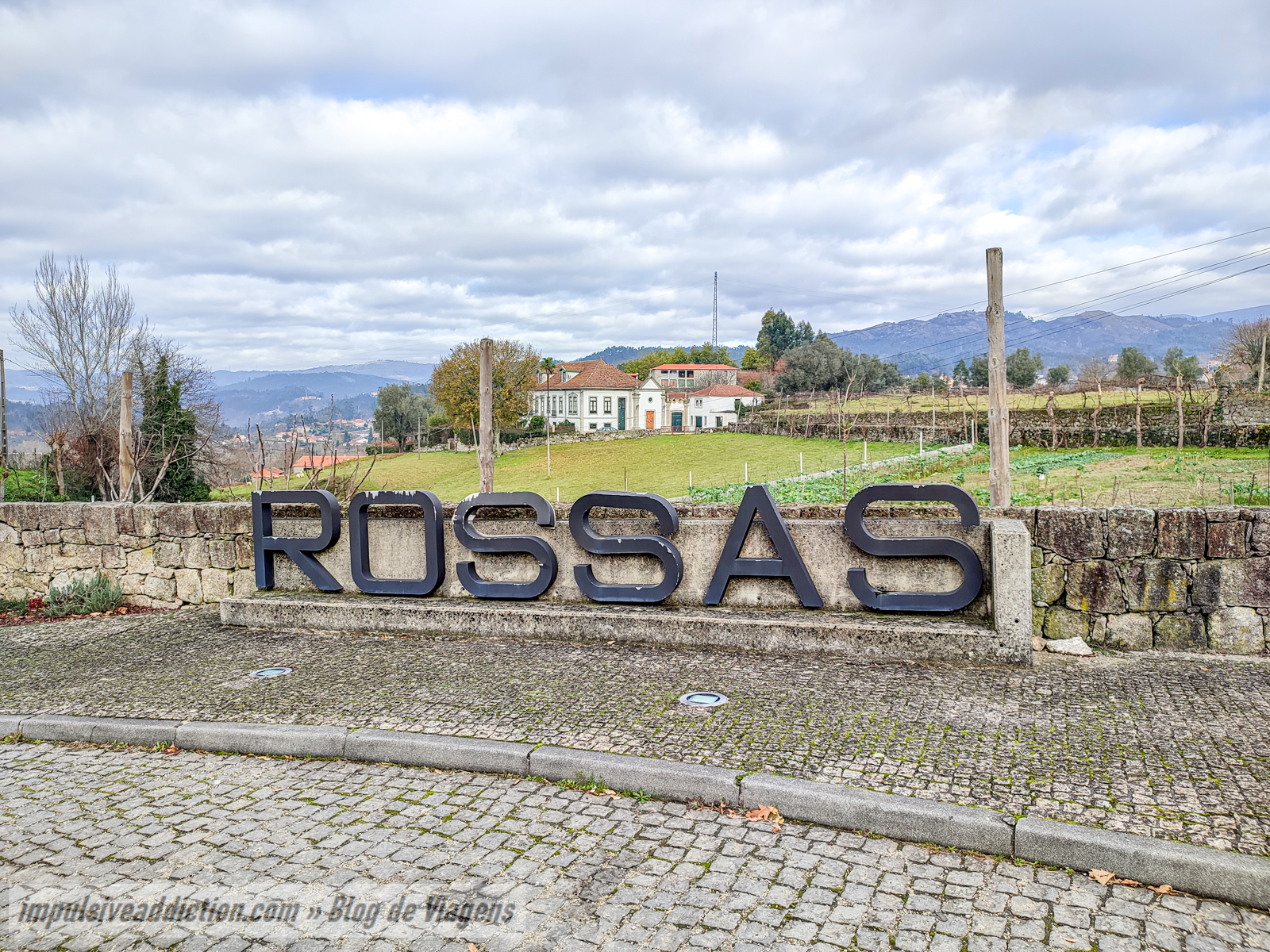
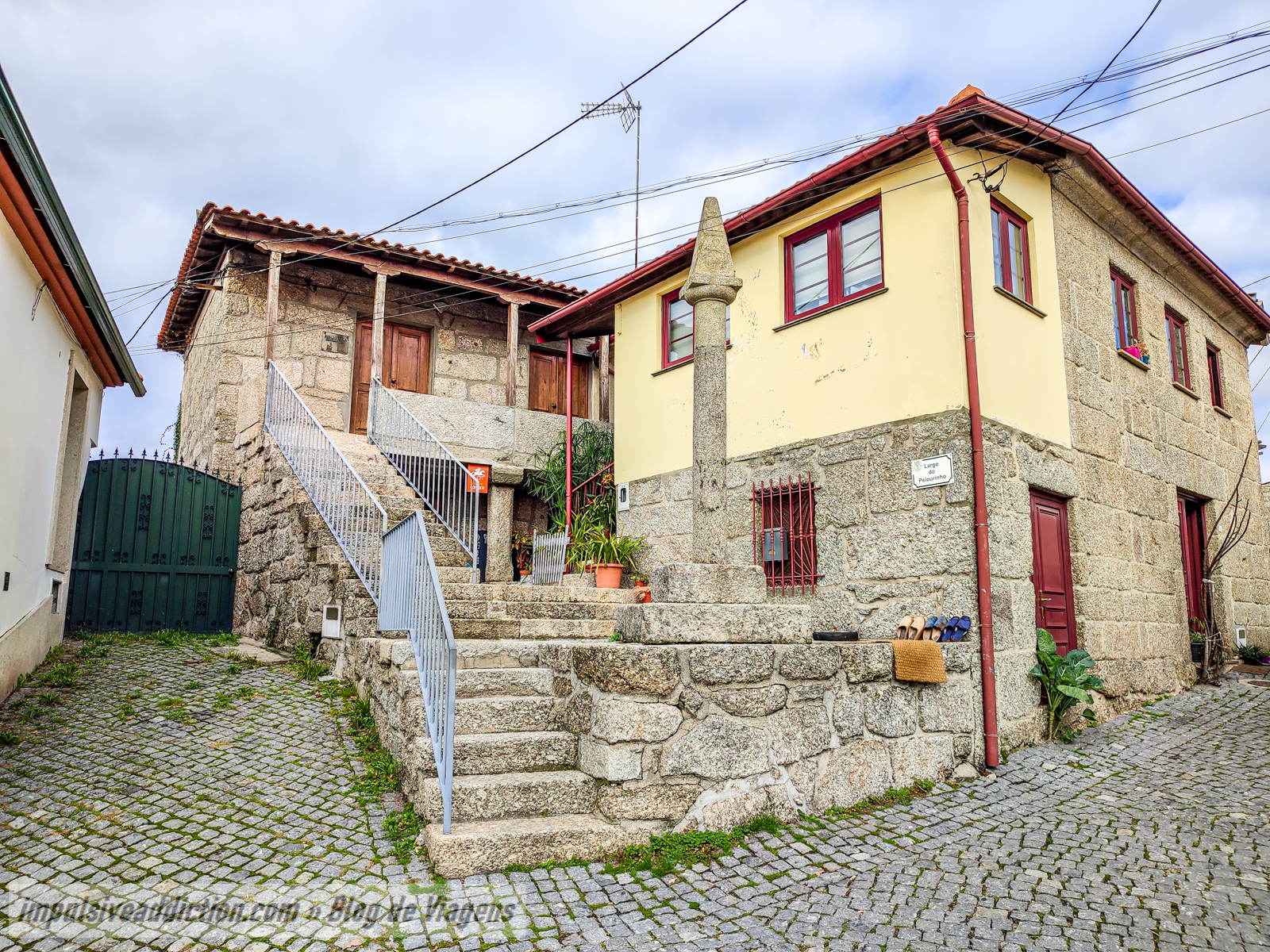
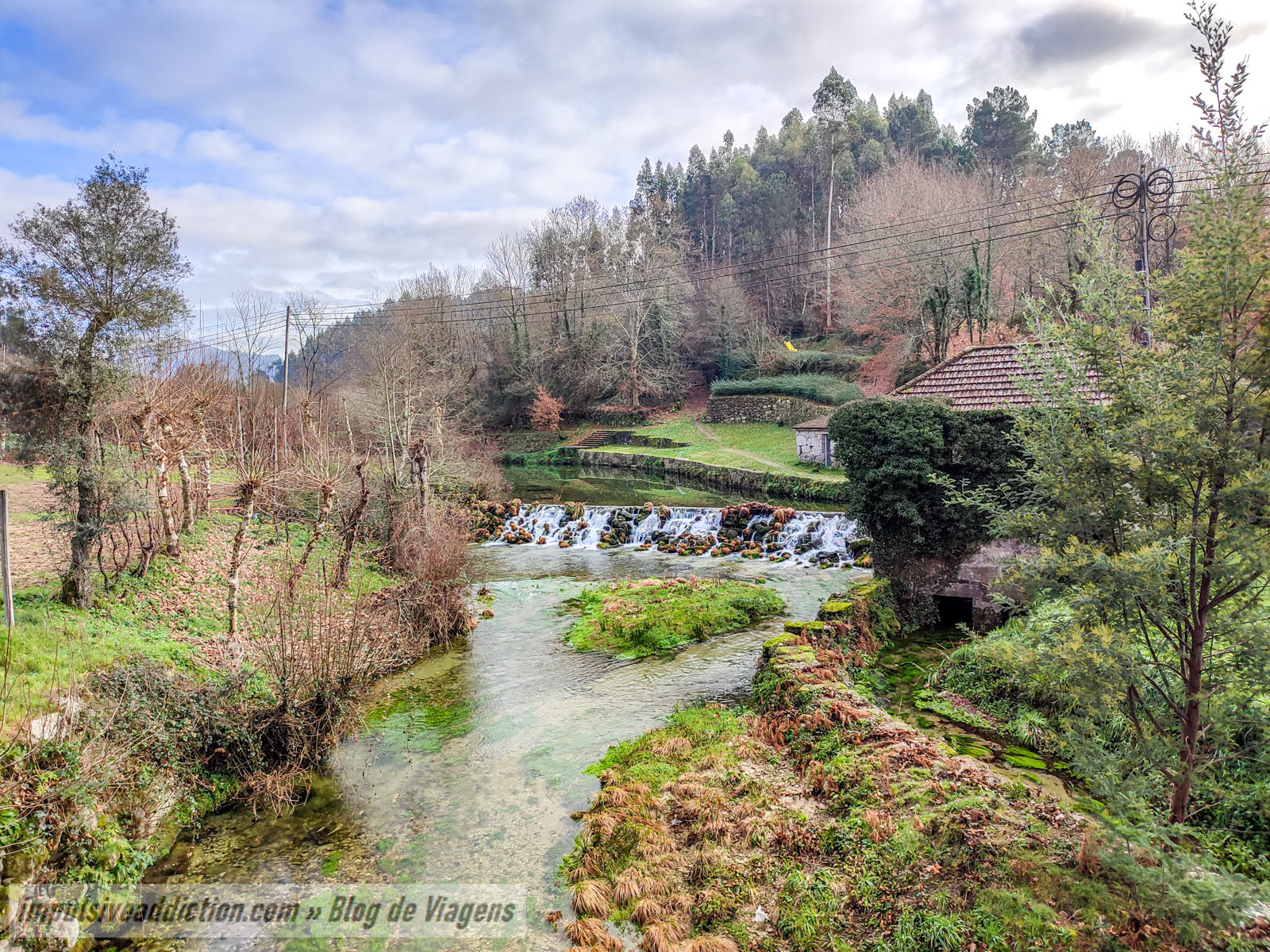
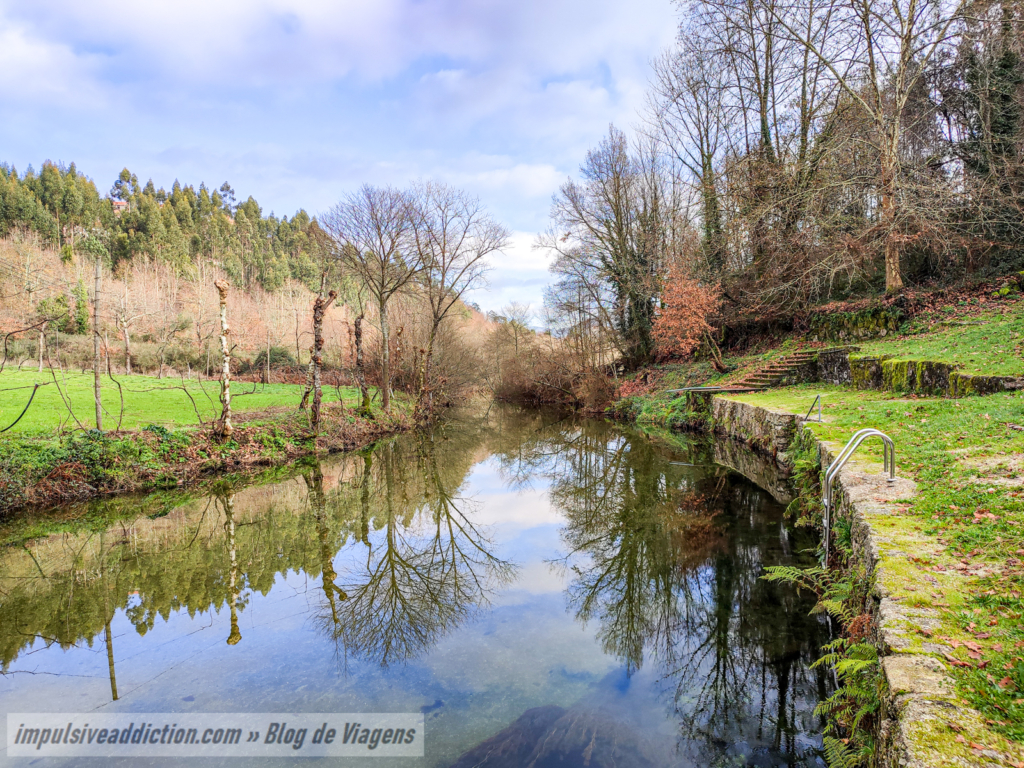
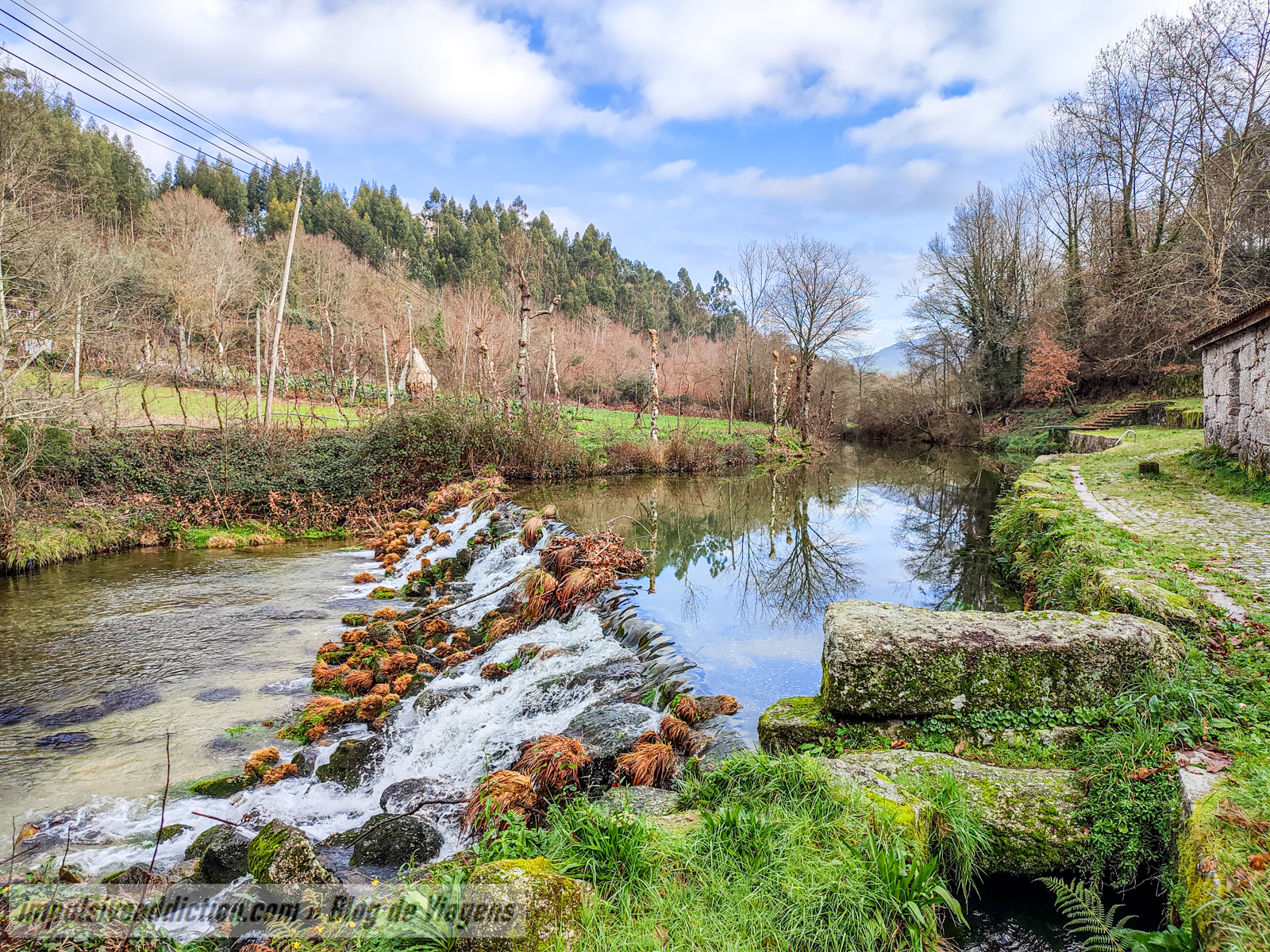
Rossas may not be as charming as Agra, Louredo, or even Espindo, but its Pelourinho Square is worth at least a quick stop—even if only by car. Nearby, you’ll find the Pombal Leisure Area, a small recreational spot with swimming areas along the local stream. Many even consider it to be the river beach of Rossas.
2. Ermal Island and Teleski Water Park
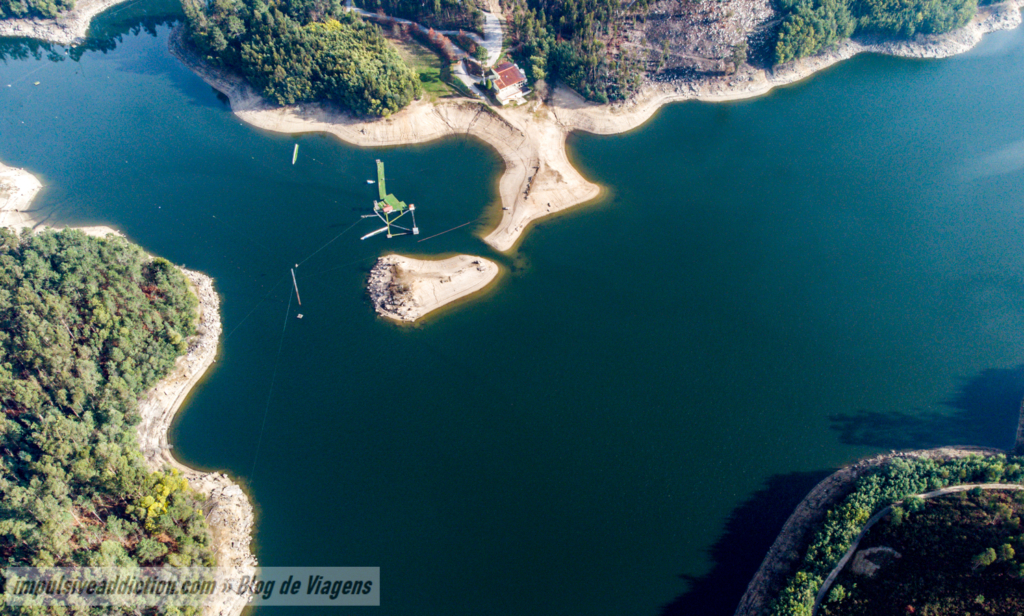
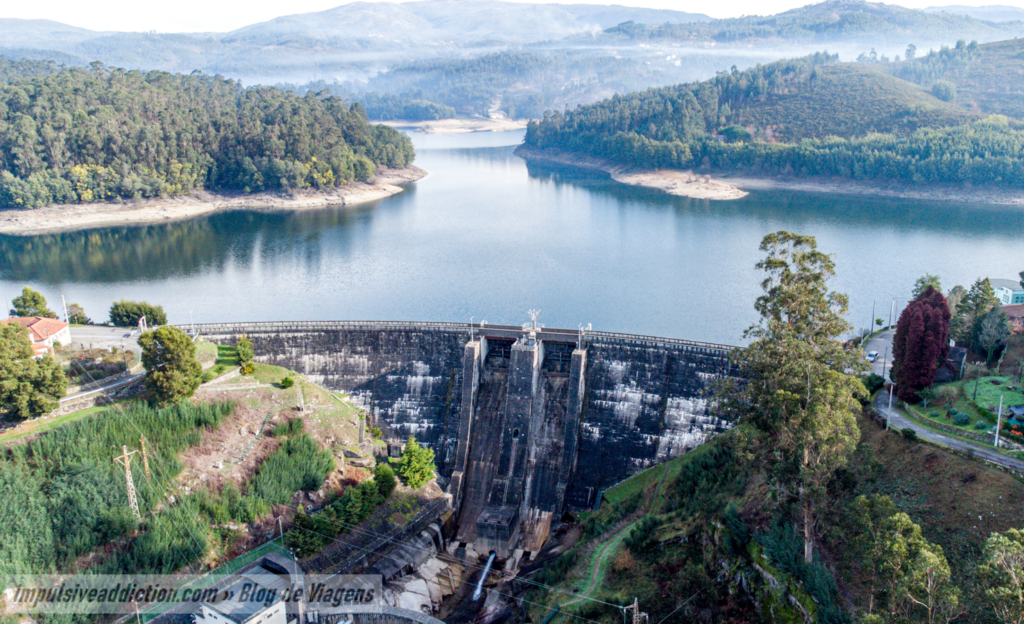
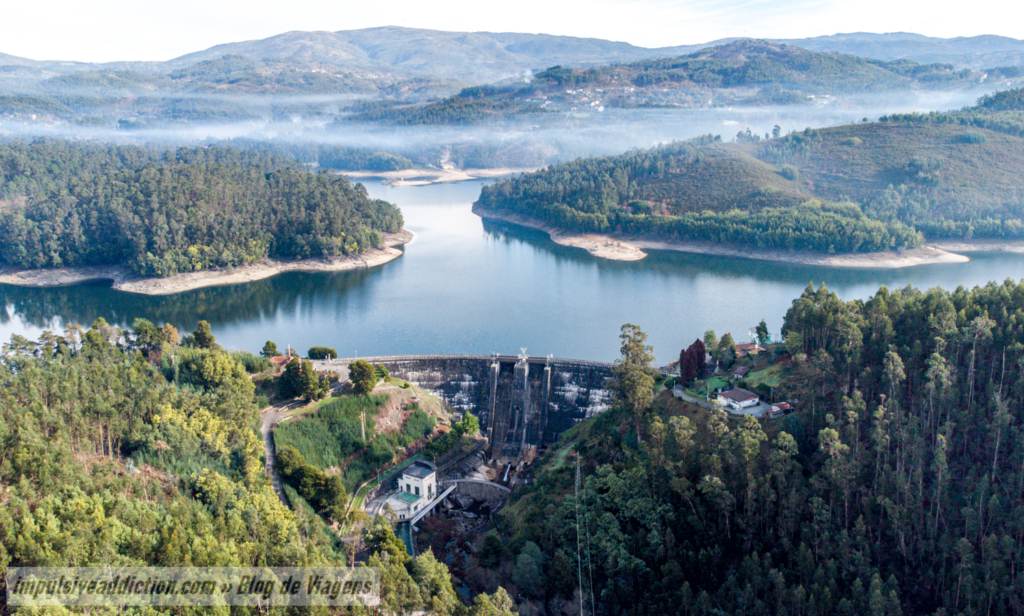
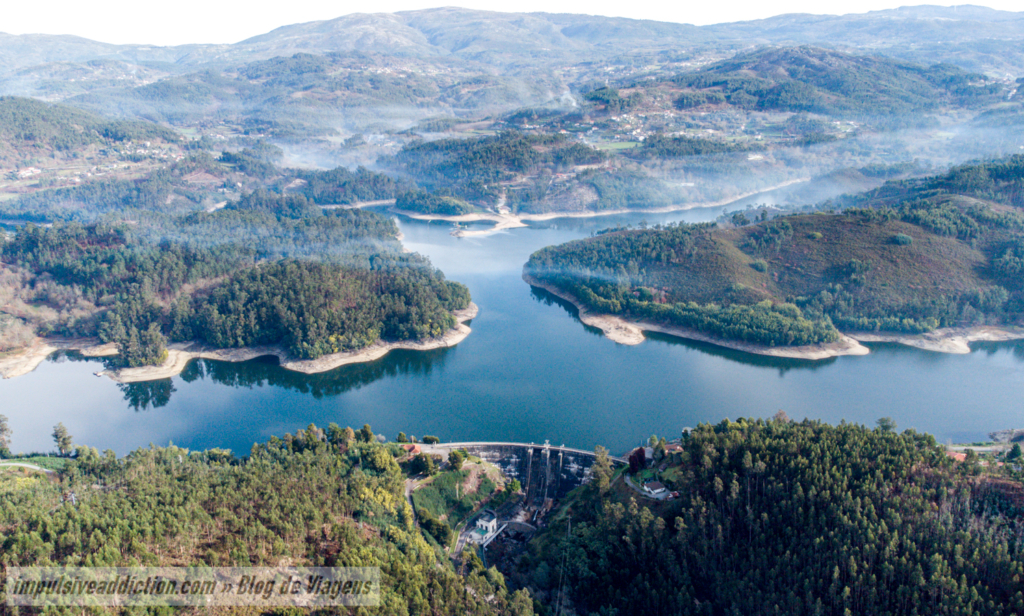
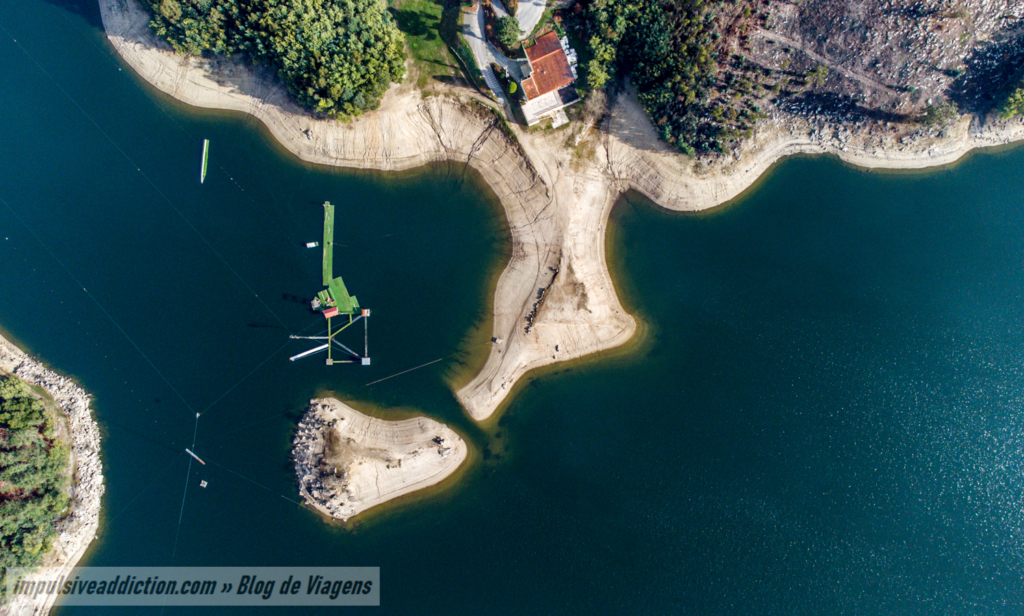
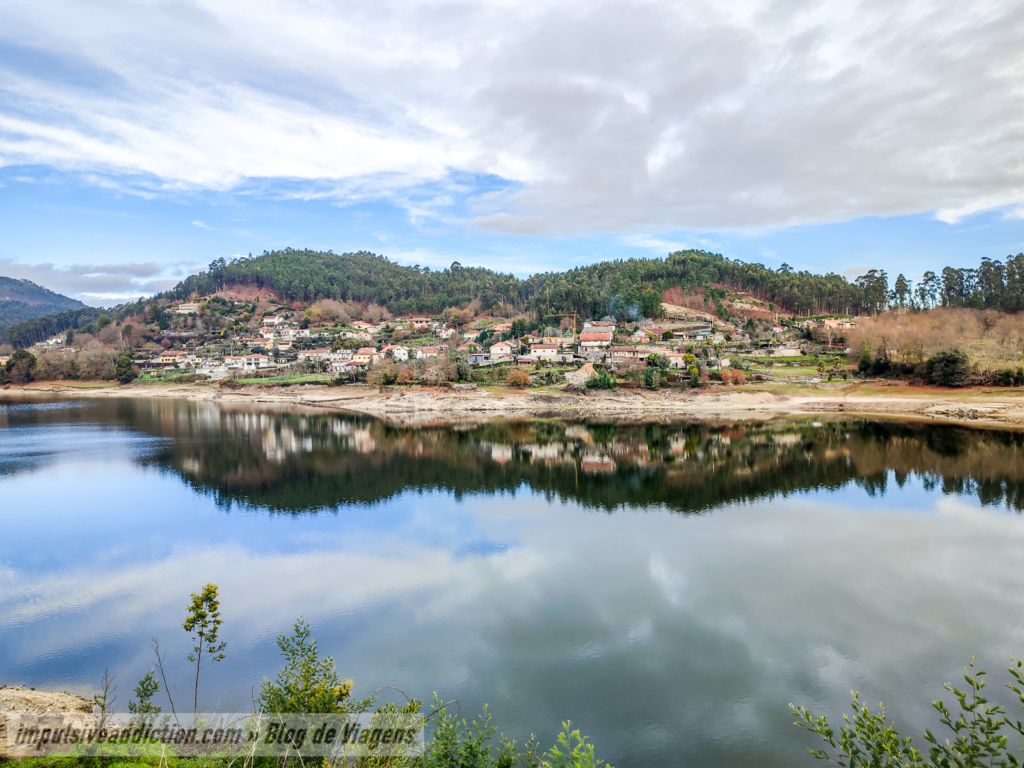
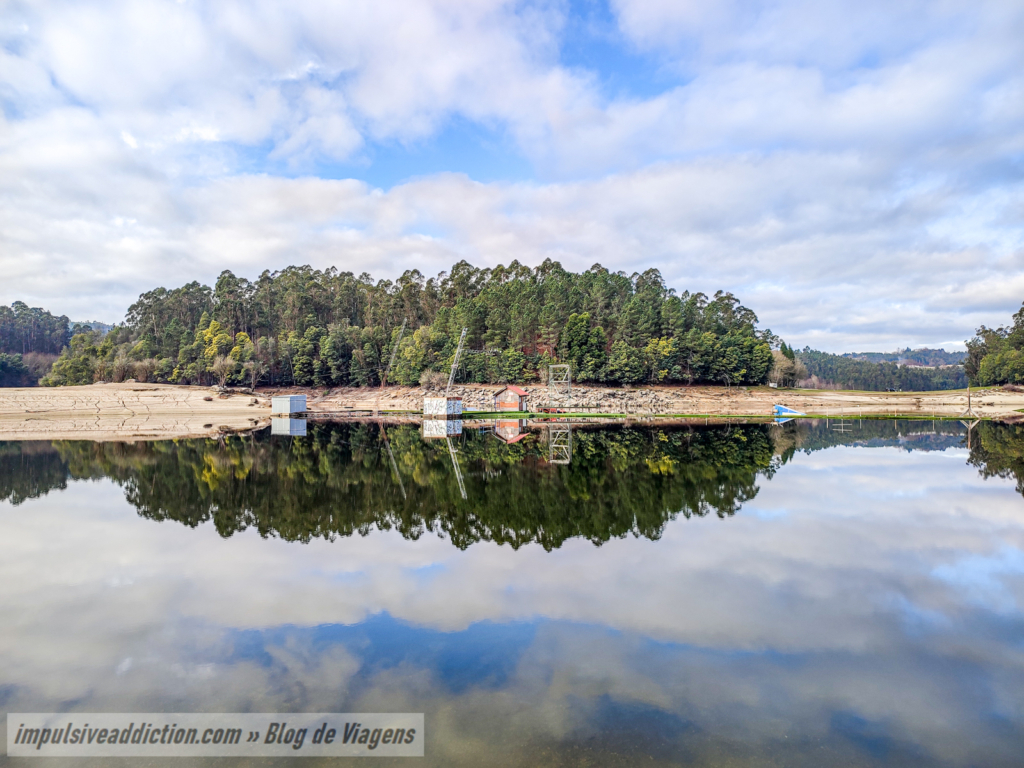
The best river beaches in the area are without a doubt at the Ermal Reservoir. The highlights here are the Ermal Island River Beach and the activity area next to the Teleski station.
Yes—you can actually go wakeboarding at the Ermal Reservoir! For those who prefer something a little less adventurous, there are also canoes, paddleboards, and pedal boats available for rent. Kids can enjoy the inflatable water park, making it a fun destination for the whole family.
Below, I’ve included a video so you can get a better idea of what to expect. 😉
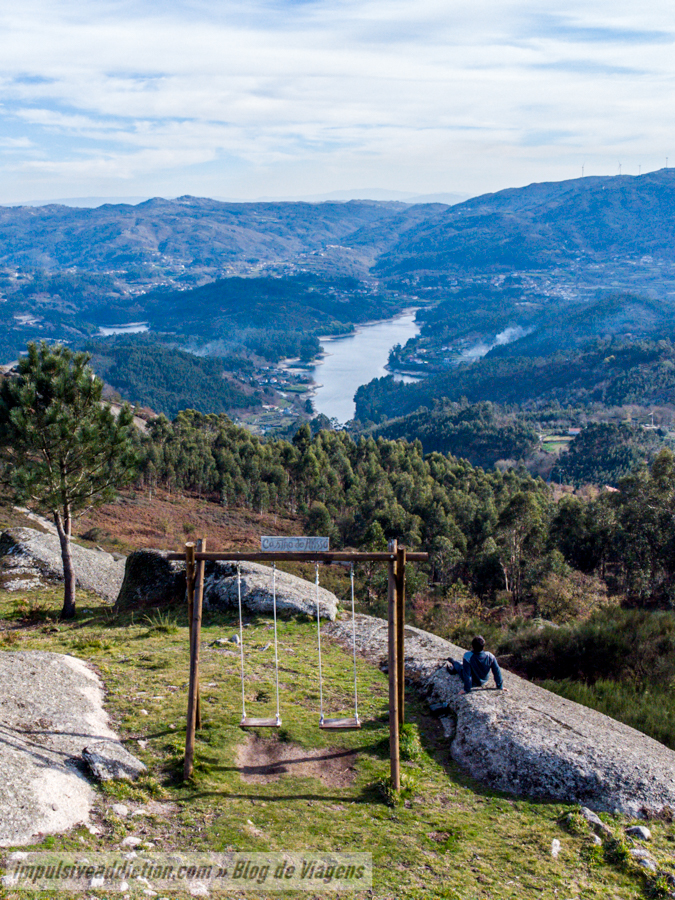
3. Castro de Anissó Viewpoint and Swing
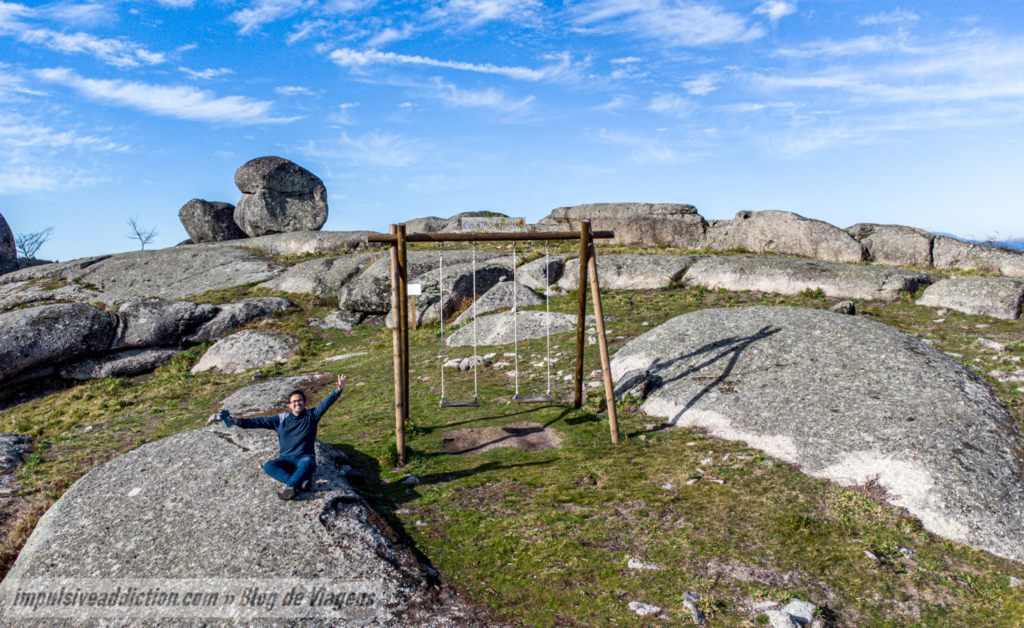
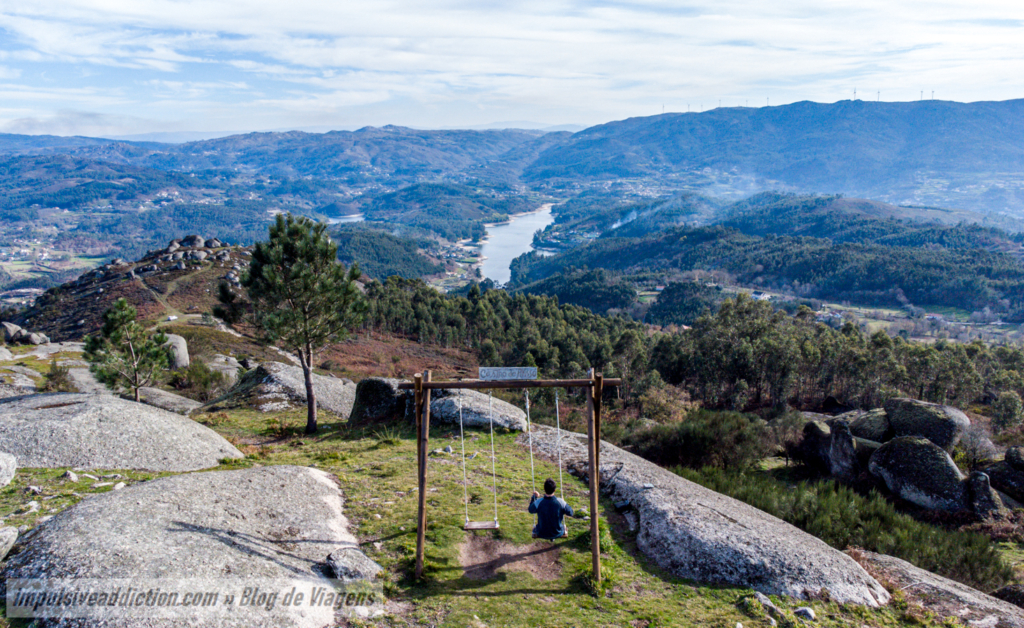
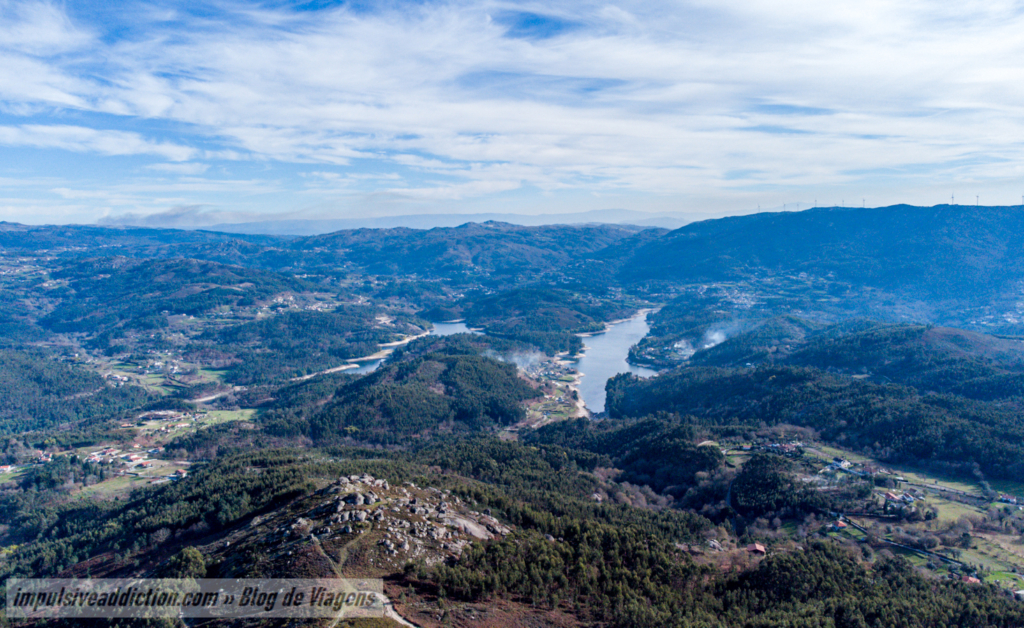
Around the Ermal Reservoir, the best viewpoint is found at an altitude of 732 meters, right beside the Castro de Anissó. You can reach it with a short walk from the village of Anissó.
The Castro de Anissó is the remains of an ancient fortified settlement, inhabited from the early centuries BC through the early Middle Ages. Today, it not only holds historical significance but also offers one of the finest panoramas over the reservoir—complete with a panoramic swing for an unforgettable view.
4. PR7 – VRM: Senhora da Lapa to Castro de Anissó
Another way to reach the Castro de Anissó is by following one of Vieira do Minho’s official hiking trails: the PR7-VRM – Senhora da Lapa to Castro de Anissó. As the name suggests, this is a circular trail of about 10 km, starting at the unique Sanctuary of Nossa Senhora da Lapa. You can find more details about the route on Wikiloc.
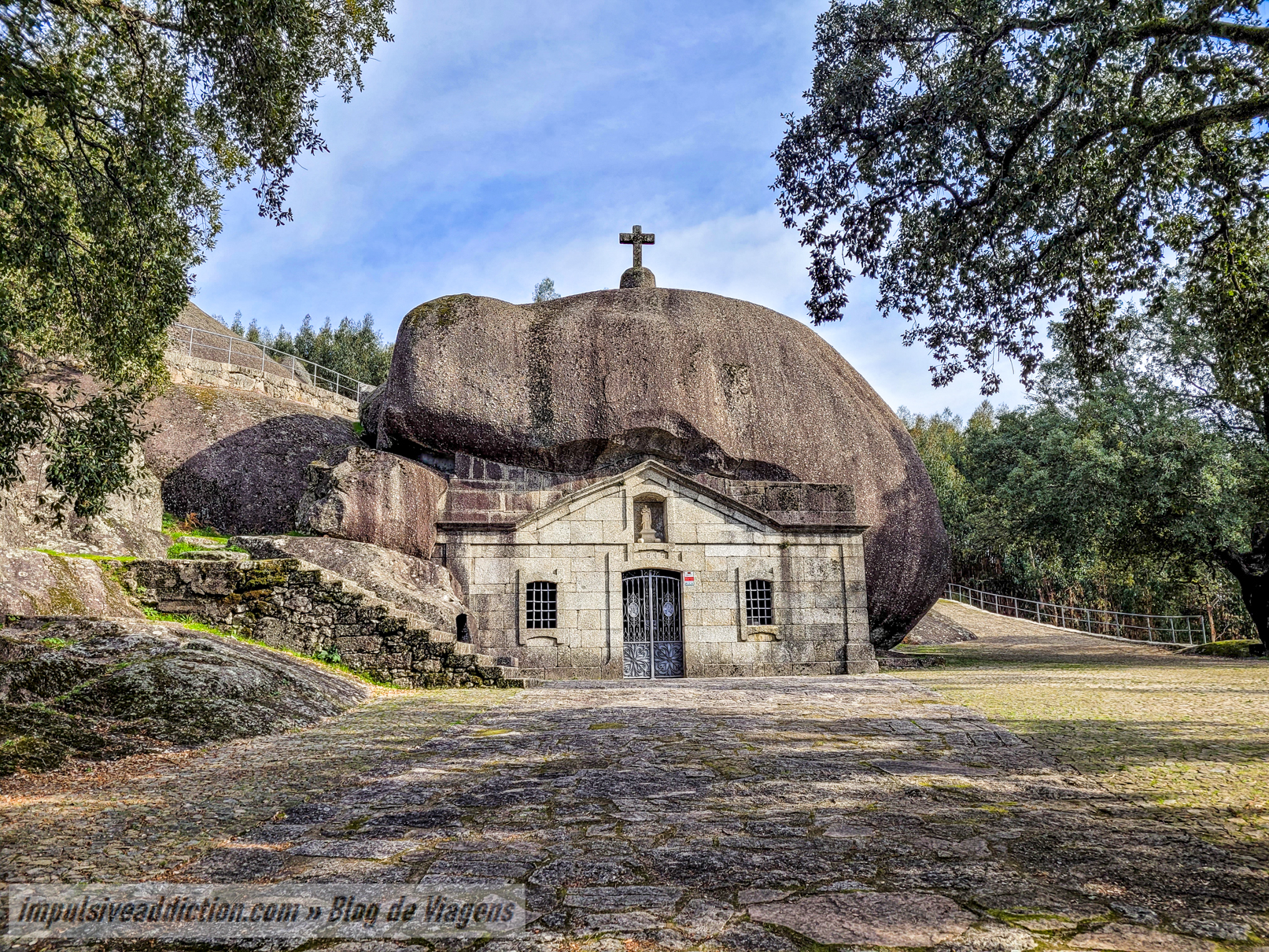
5. Sanctuary of Nossa Senhora da Lapa
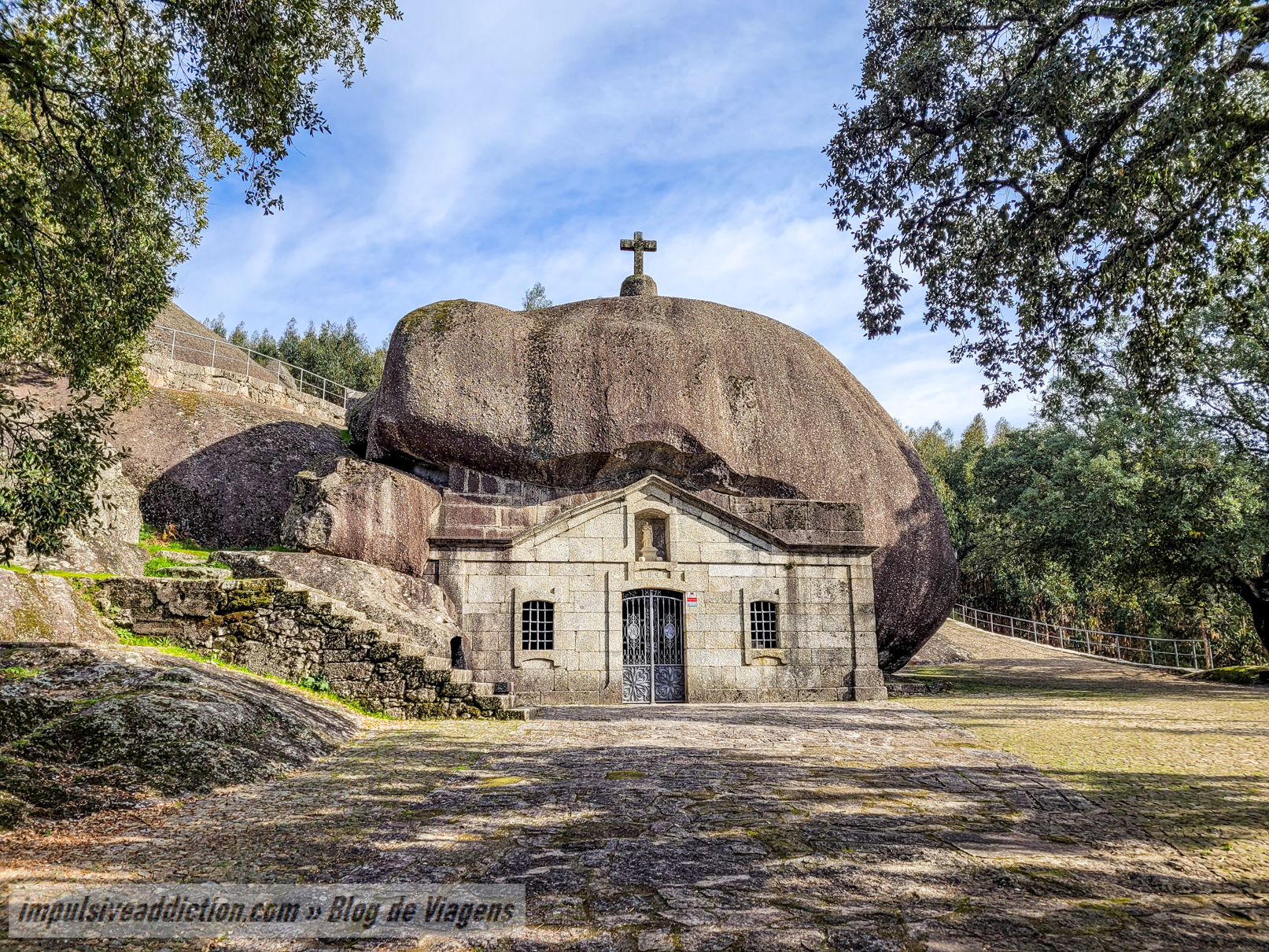
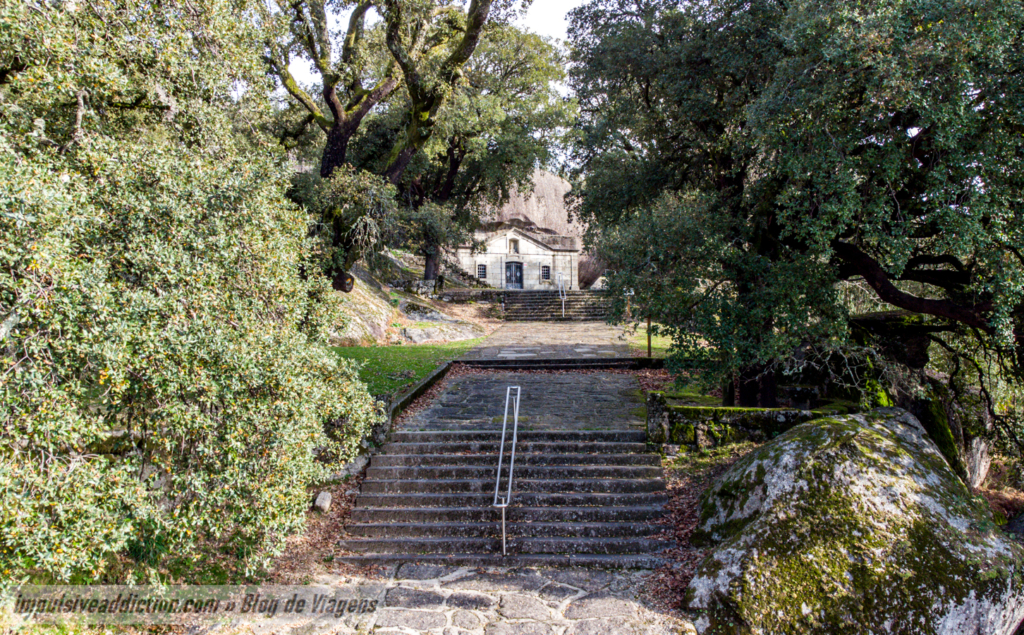
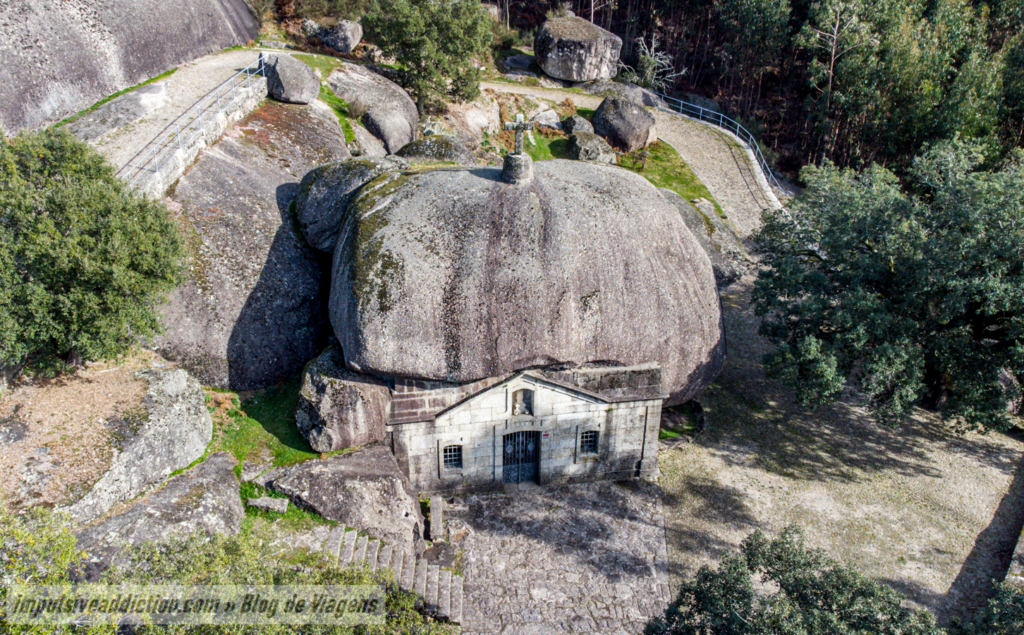
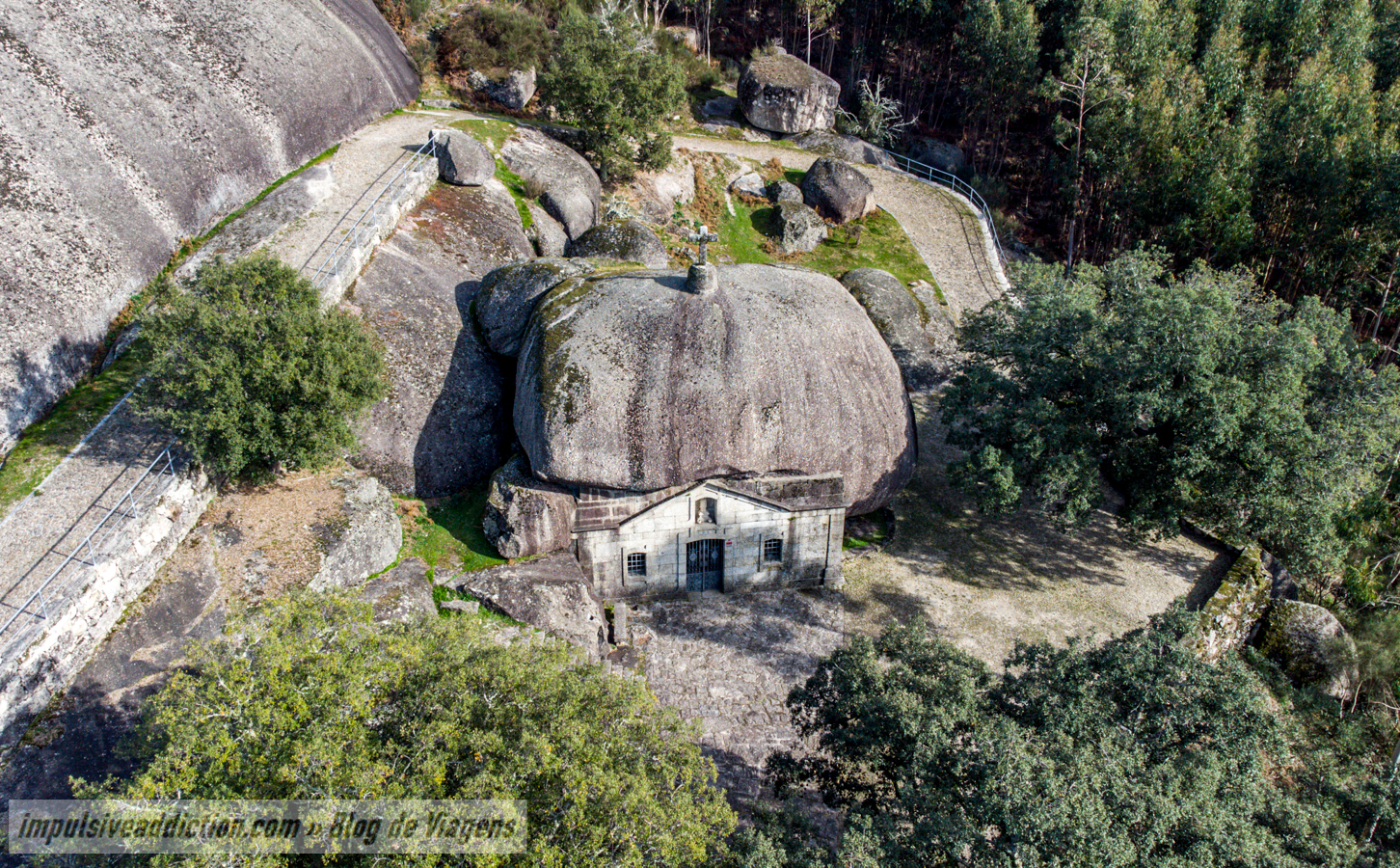
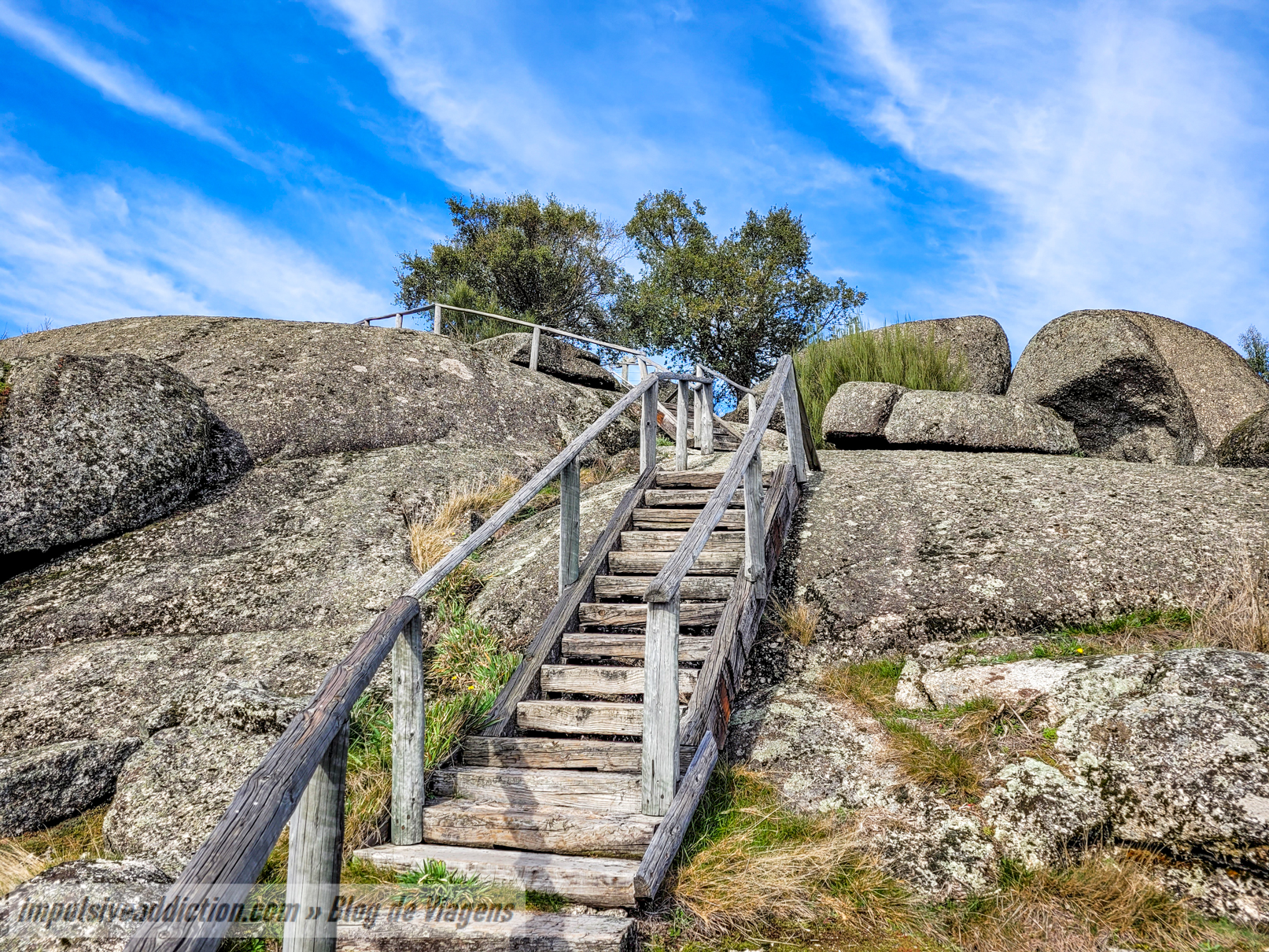
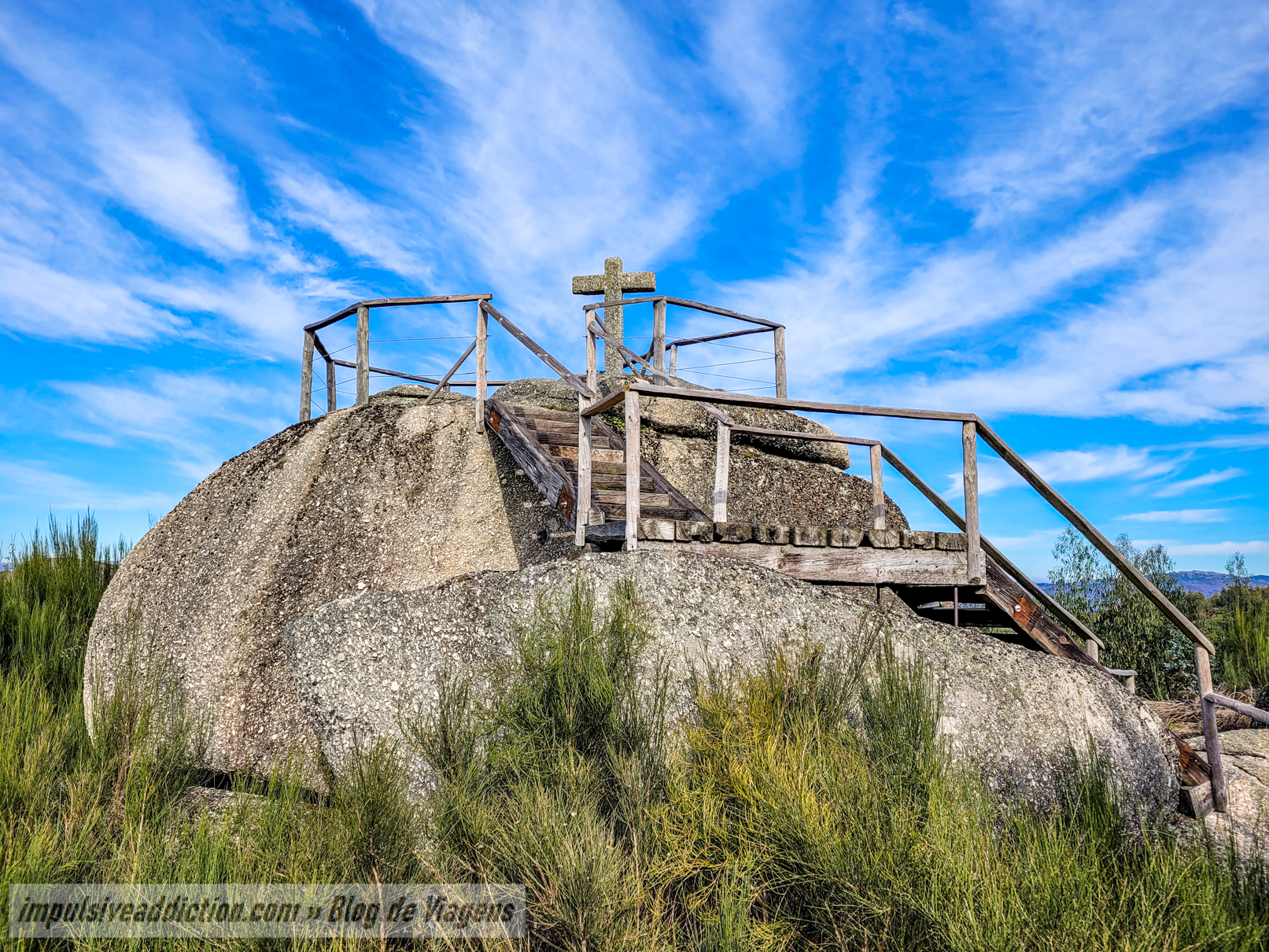
Dating back to the late 17th century, the Sanctuary of Nossa Senhora da Lapa was, for me, one of the most fascinating attractions in Vieira do Minho—mainly because it was built directly into a massive rock. This isn’t your typical church; it’s something truly unique!
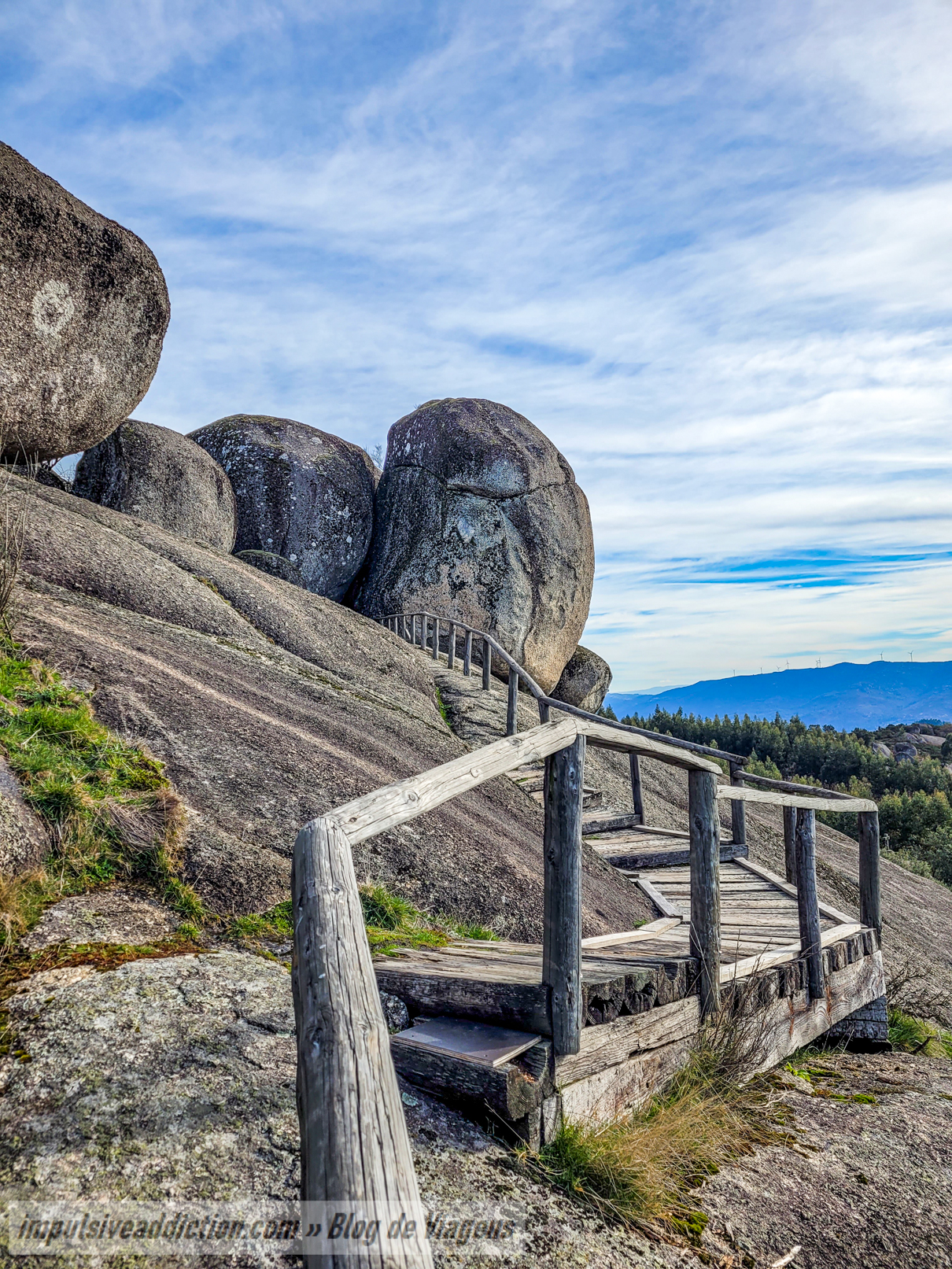
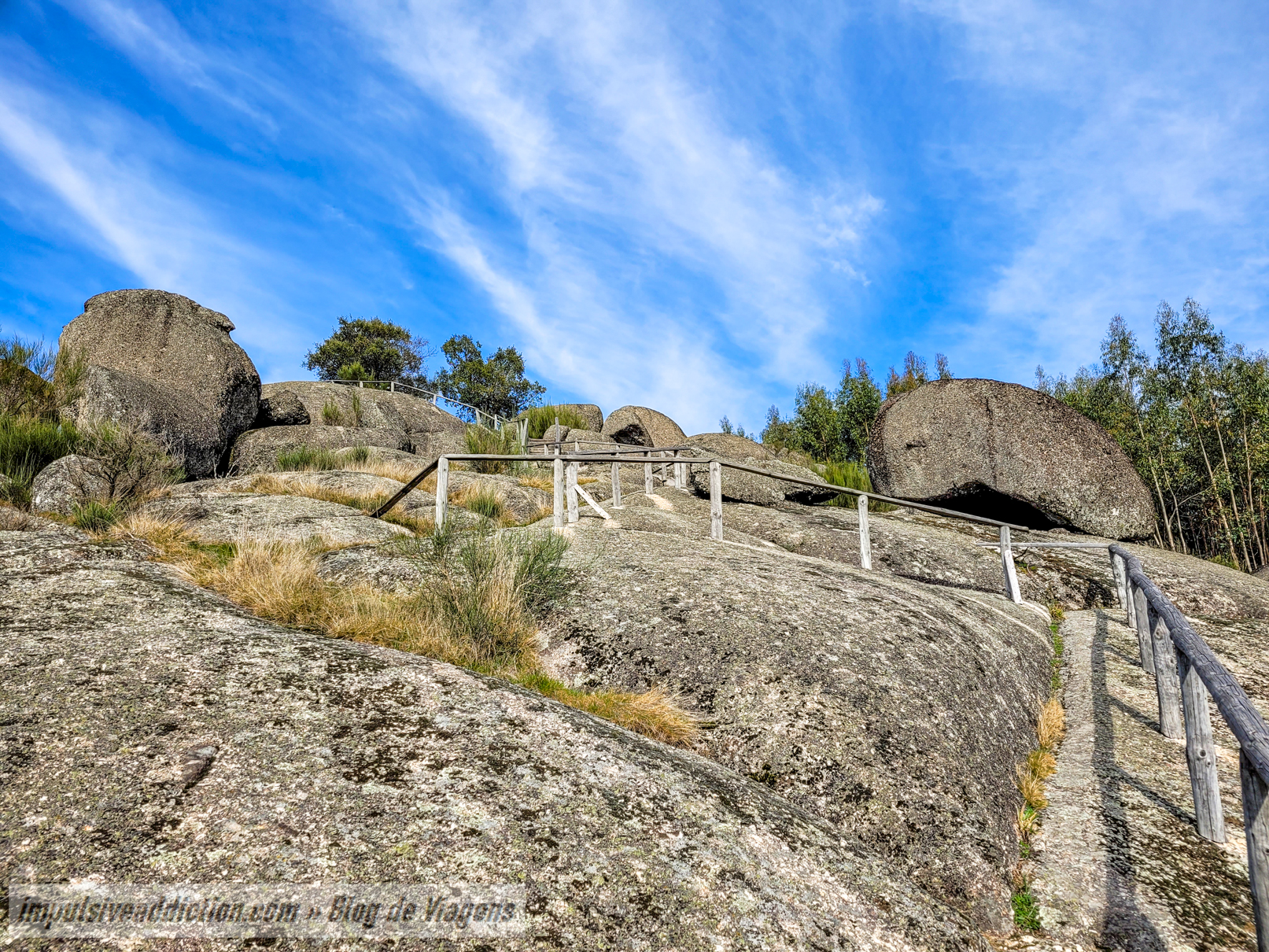
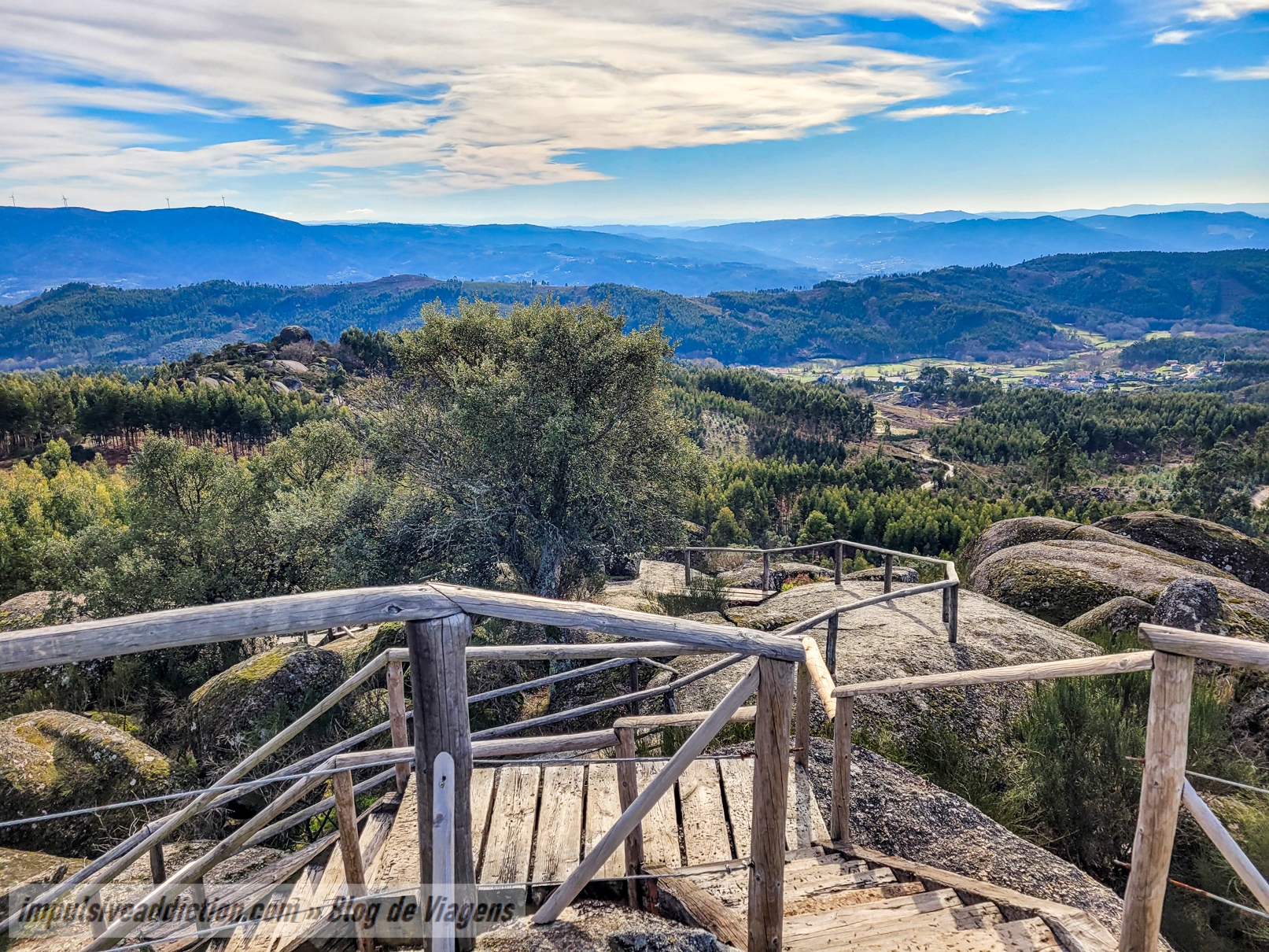
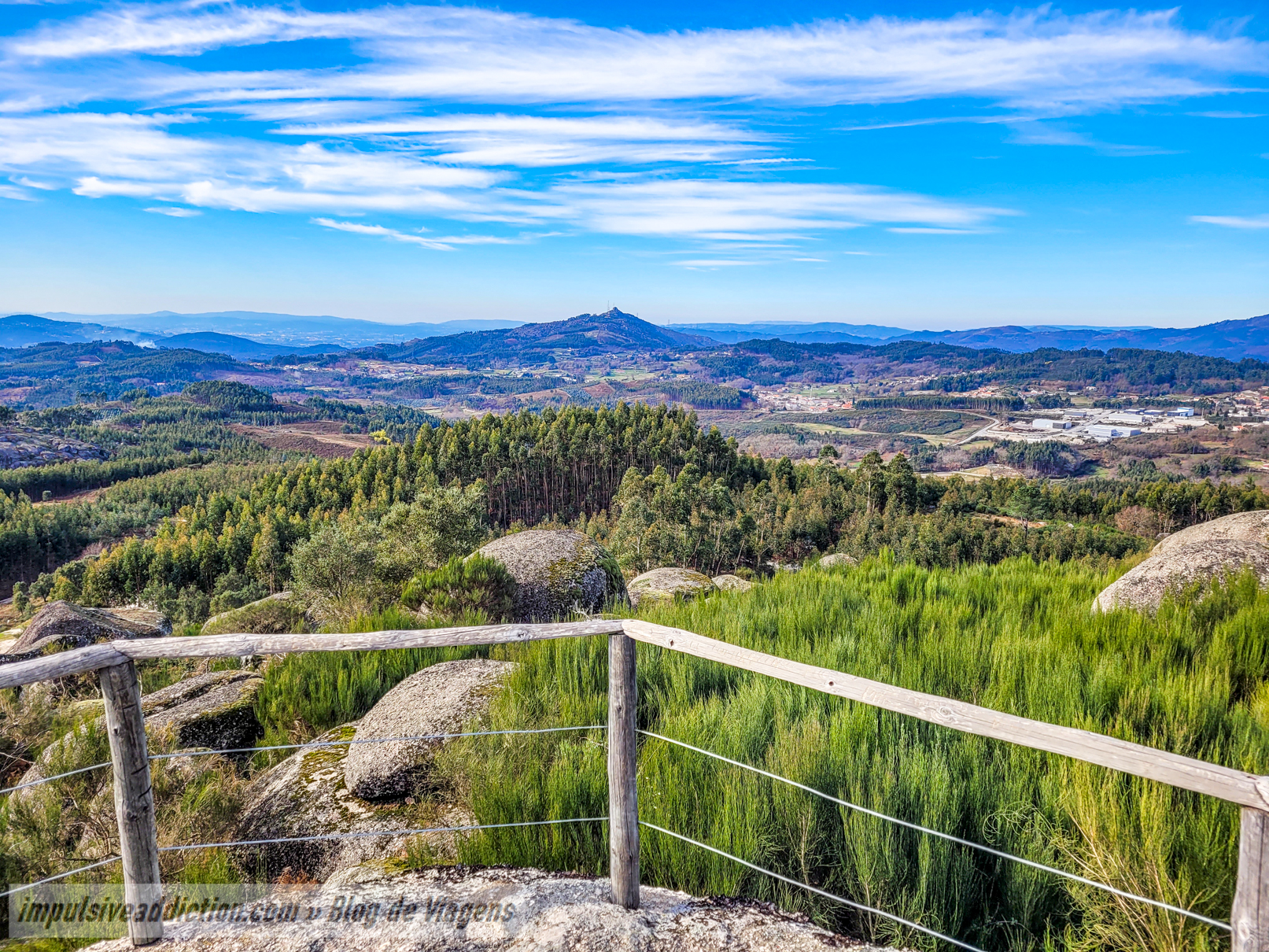
Within the sanctuary grounds, you’ll also find a viewpoint, accessible via a rocky path and wooden walkways. A word of caution: it’s best to avoid visiting on rainy days, as the ground can become very slippery.
What to Visit Near Vieira do Minho and the Serra da Cabreira
Close to Vieira do Minho, the main highlight is without a doubt the Peneda-Gerês National Park. There’s so much to see and do there—from hiking the famous Gerês trails to discovering the park’s most beautiful lagoons and waterfalls.
If you already know Gerês well, then consider exploring other nearby destinations such as Fafe, Póvoa de Lanhoso, or even Amares. Each offers its own charm and adds variety to an itinerary through the Braga district and the wider Minho region.
MORE ARTICLES FROM THE MINHO REGION OF PORTUGAL:

- Minho | Northern Portugal Itinerary
- Peneda Gerês National Park Itinerary
- Best Hikes and Trails in Peneda Gerês National Park
- Best Peneda Gerês National Park Waterfalls and Lagoons
- Serra d'Arga Itinerary

DISTRICT OF VIANA DO CASTELO:
- Things to do in Viana do Castelo
- Things to do in Ponte de Lima
- Things to do in Monção
- Things to do in Valença
- Things to do in Caminha
- Things to do in Sistelo
- Things to do in Soajo and Lindoso
- Things to do in Vila Nova de Cerveira
- Things to do in Ponte da Barca
- Things to do in Paredes de Coura
- Things to do in Arcos de Valdevez
- Things to do in Melgaço

DISTRICT OF BRAGA:
- Things to do in Guimarães
- Things to do in Barcelos
- Things to do in Esposende
- Things to do in Braga
- Things to do in Vizela
- Things to do in Vila Verde
- Things to do in Vila Nova de Famalicão
- Things to do in Vieira do Minho
- Things to do in Terras de Bouro
- Things to do in Póvoa de Lanhoso
- Things to do in Fafe
- Things to do in Amares
