 Pedro Domingues
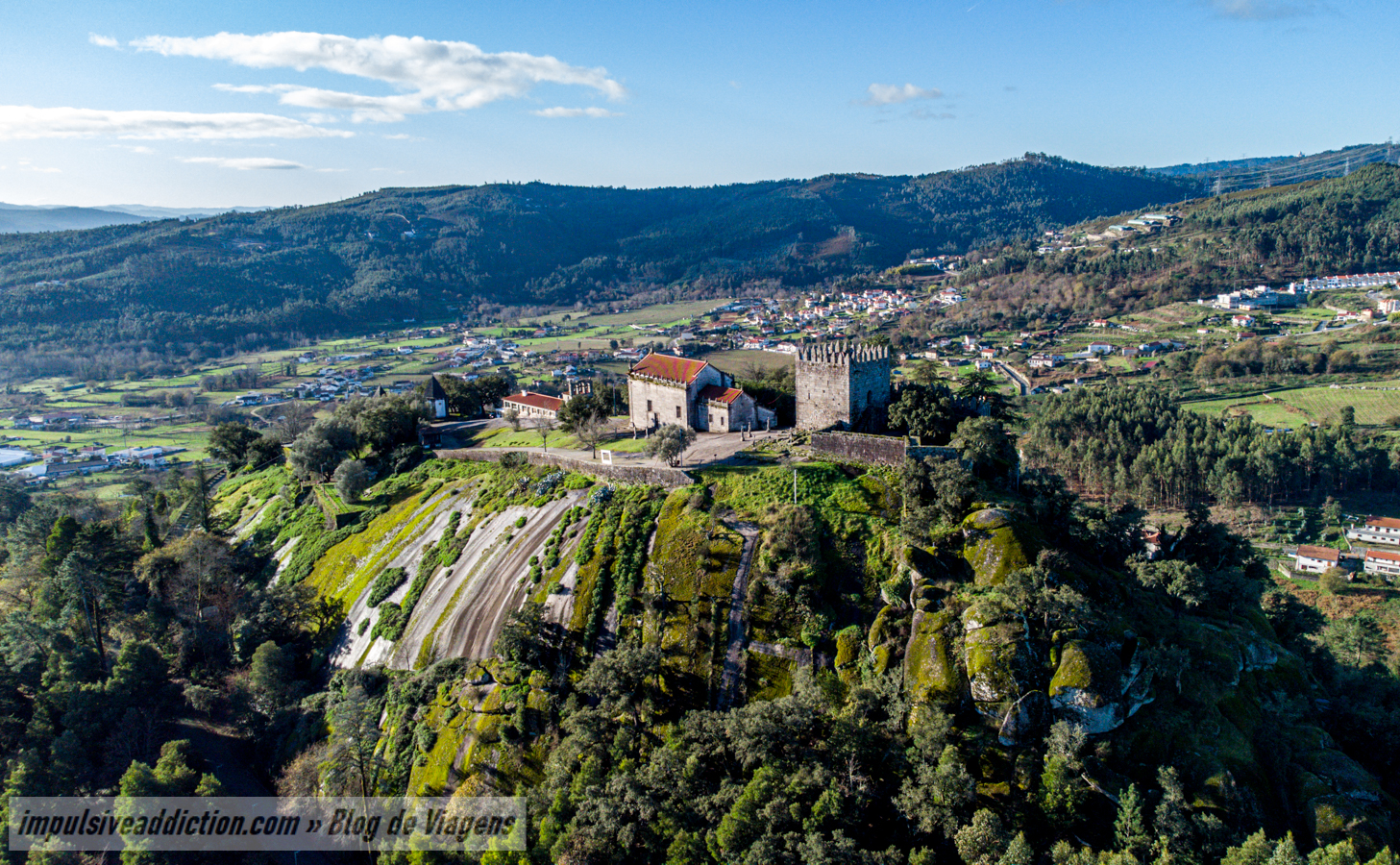
Thinking of visiting Póvoa de Lanhoso? Not sure what to do beyond climbing up to the castle and exploring Monte do Pilar? Then you’re in the right place. I recently visited this beautiful Minho town and put together several tips based on my own experience.
I recommend spending two days in Póvoa de Lanhoso, but even in just one day you can enjoy a well-rounded itinerary with the highlights.
For me, the top 3 must-sees are:
- the Castle of Póvoa de Lanhoso,
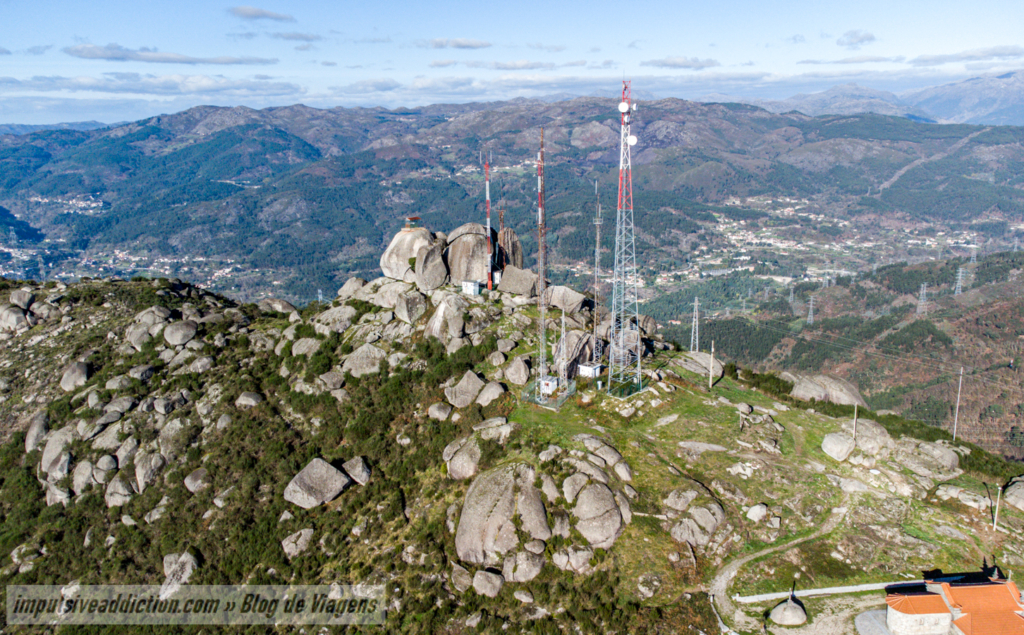
- the São Mamede viewpoint, and
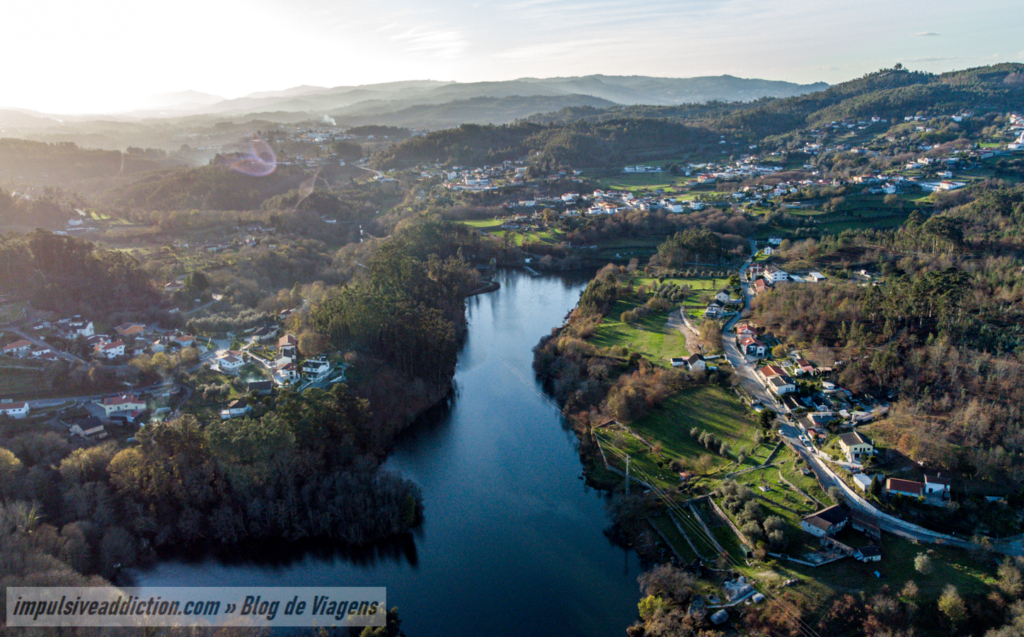
- the Travassos Dam Reservoir on the Ave River.
But there’s more: Póvoa de Lanhoso is also bordered to the north by the Cávado River, home to a remarkable Romanesque church, and even boasts an extraordinary adventure park. In short, there are plenty of activities to fill several days—if you choose to stay longer.
Where is Póvoa de Lanhoso located, in Portugal?
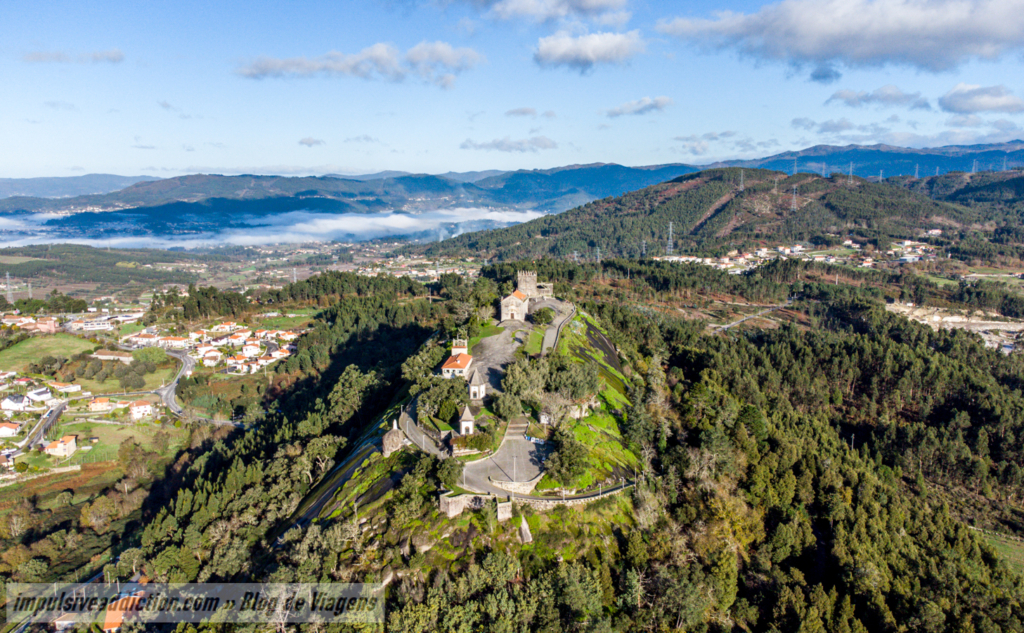
Póvoa de Lanhoso is located right in the heart of Minho, just a short distance from both Braga and Guimarães. Its neighboring municipalities include not only these two cities but also Amares, Vieira do Minho, and Fafe.
On this blog, you’ll also find plenty of articles about the Minho region. I’ve linked them below so you can easily explore more about each destination.
MORE ARTICLES FROM THE MINHO REGION OF PORTUGAL:

- Minho | Northern Portugal Itinerary
- Peneda Gerês National Park Itinerary
- Best Hikes and Trails in Peneda Gerês National Park
- Best Peneda Gerês National Park Waterfalls and Lagoons
- Serra d'Arga Itinerary

DISTRICT OF VIANA DO CASTELO:
- Things to do in Viana do Castelo
- Things to do in Ponte de Lima
- Things to do in Monção
- Things to do in Valença
- Things to do in Caminha
- Things to do in Sistelo
- Things to do in Soajo and Lindoso
- Things to do in Vila Nova de Cerveira
- Things to do in Ponte da Barca
- Things to do in Paredes de Coura
- Things to do in Arcos de Valdevez
- Things to do in Melgaço

DISTRICT OF BRAGA:
- Things to do in Guimarães
- Things to do in Barcelos
- Things to do in Esposende
- Things to do in Braga
- Things to do in Vizela
- Things to do in Vila Verde
- Things to do in Vila Nova de Famalicão
- Things to do in Vieira do Minho
- Things to do in Terras de Bouro
- Things to do in Póvoa de Lanhoso
- Things to do in Fafe
- Things to do in Amares
When to Visit Póvoa de Lanhoso
You can visit Póvoa de Lanhoso at any time of the year. However, summer offers the best conditions to enjoy the river beaches along both the Ave and Cávado rivers.
As for festivities, the most important celebration is undoubtedly the Festas de São José, a tradition dating back to the late 19th century. These take place every March, coinciding with the municipal holiday on the 19th of March.
Rent a car to visit Póvoa de Lanhoso
If you need to rent a car—which will give you much more flexibility during your trip—use Discover Cars to easily compare prices across different rental companies online.
Gastronomy and restaurants in Póvoa de Lanhoso
When it comes to local gastronomy, Póvoa de Lanhoso is a true foodie’s delight. Traditional dishes such as Papas de Sarrabulho and Rojões are excellent choices. Another highlight is the flavorful Arroz de Cabidela (also known as Arroz de Pica no Chão). And of course, you can never go wrong with classics like codfish or roast kid (cabrito).
For those with a sweet tooth, don’t miss the Rochas do Pilar, a local specialty named in honor of Monte do Pilar, the largest granite monolith in the Iberian Peninsula. You’ll find them at the well-known Pastelarias Maria da Fonte.
Here are a couple of recommended restaurants to try during your visit (though there are certainly more to discover):
- Restaurante O Velho Minho
- Restaurante O Trancoso
Where to stay in Póvoa de Lanhoso?
| Accommodation | Score | Location |
|---|---|---|
| Quinta do Riacho | 9.1 | Frades |
| Casa da Ponte do Porto | 9.6 | River Cávado |
| Quinta de S. Vicente | 9.1 | Geraz do Minho |
| Quinta do Galgo | 8.8 | River Cávado |
Things to do in Póvoa de Lanhoso
I’ll now introduce you to the main tourist attractions in Póvoa de Lanhoso. Below, you’ll find a complete list of what to see and do in the municipality. But first, here’s a map to help you plan your itinerary.
Map with the highlights to visit in Póvoa de Lanhoso
Visit Póvoa de Lanhoso Town Center
The town center of Póvoa de Lanhoso may not be the most extraordinary in northern Portugal, but it still has several spots worth exploring.
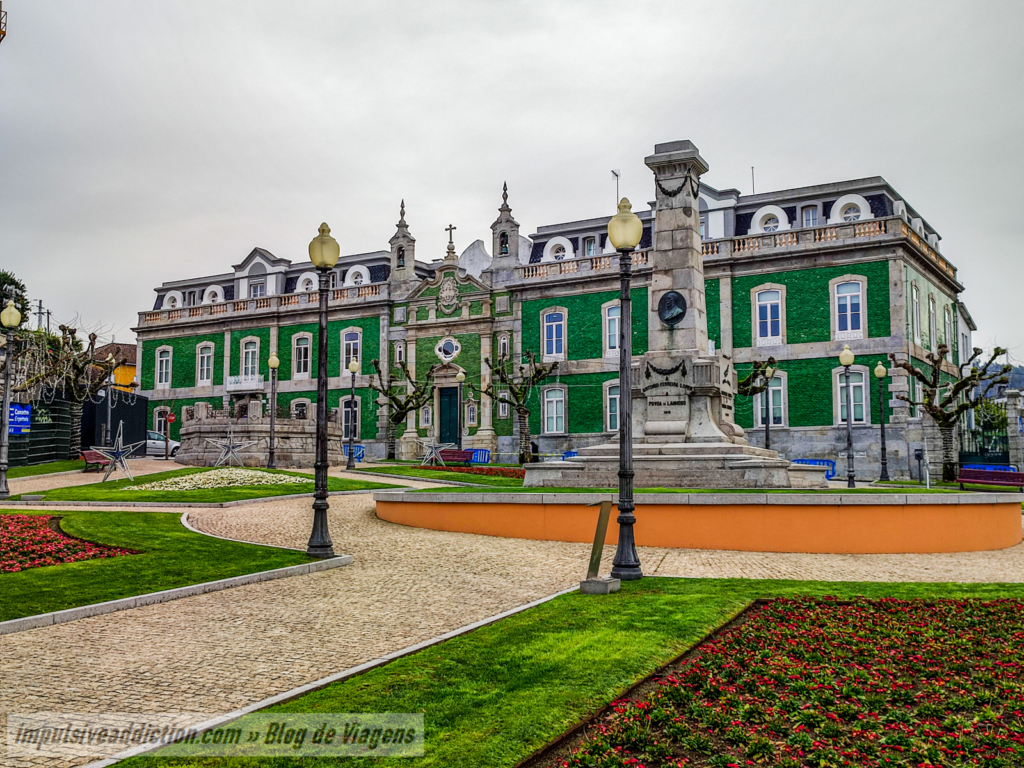
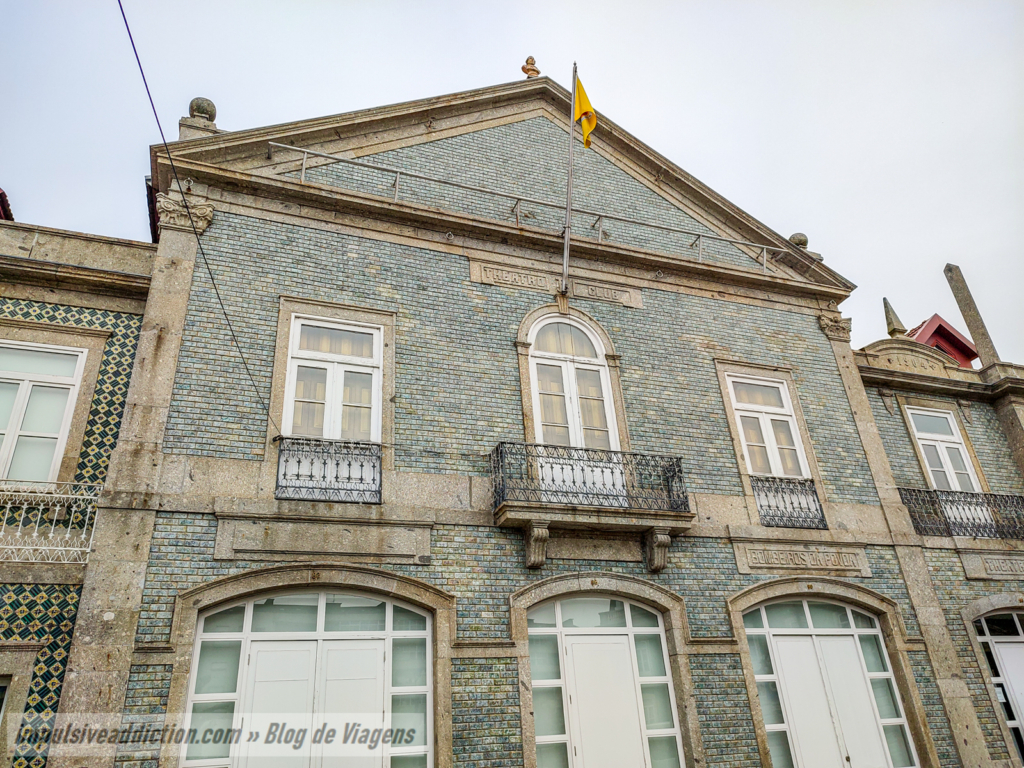
1. Largo António Ferreira Lopes & Maria da Fonte Interpretation Center
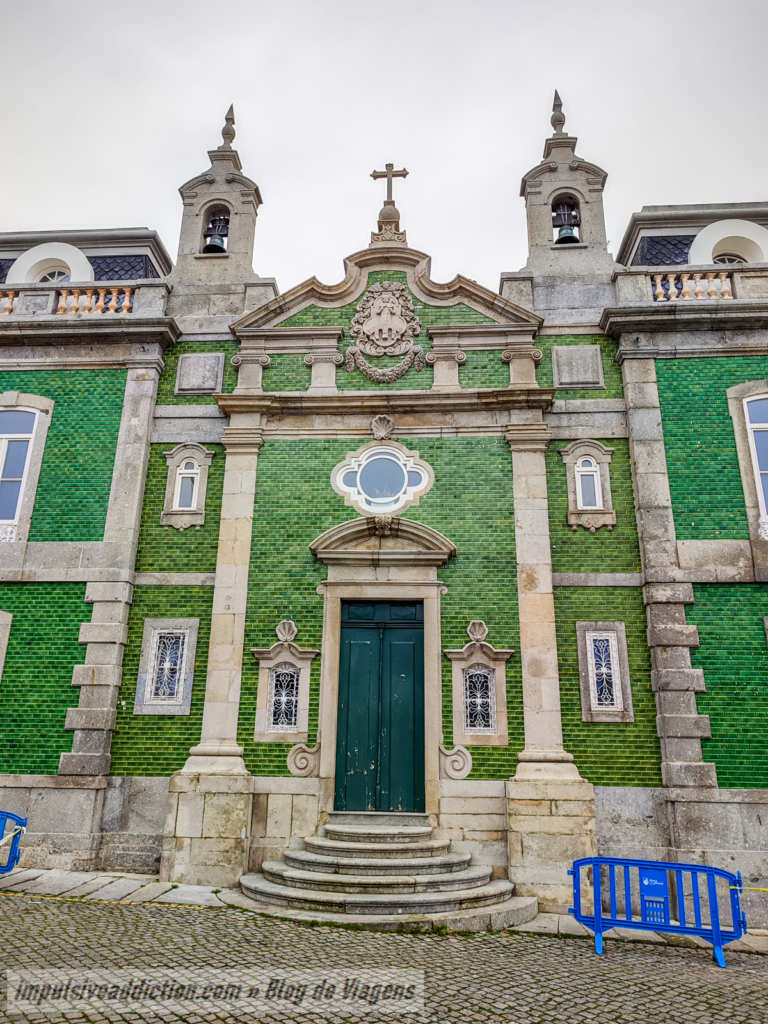
At one end of the town, you’ll find Largo António Ferreira Lopes with its pleasant garden. Highlights here include the central monument, the elegant Theatro Club, and the beautiful façade of the Lar de São José, decorated with striking green tiles.
On one side of the square, don’t miss the Maria da Fonte Interpretation Center. It’s no coincidence that the center is located here: it’s believed that this was once the site of the inn belonging to Maria Luísa Balaio, the woman who is thought to have been the real Maria da Fonte.
The Story of Maria da Fonte
Maria da Fonte was the woman who sparked the Revolt of Minho in 1846, which began right here in Póvoa de Lanhoso. In reality, it was a movement led by several women from the north of Portugal, with Maria da Fonte as its central figure. Their uprising became the trigger for a full-scale revolution—the Patuleia Civil War—which eventually brought down the government of Costa Cabral, later dismissed by Queen Maria II.
2. Maria da Fonte Statue & Praça Engenheiro Armando Rodrigues
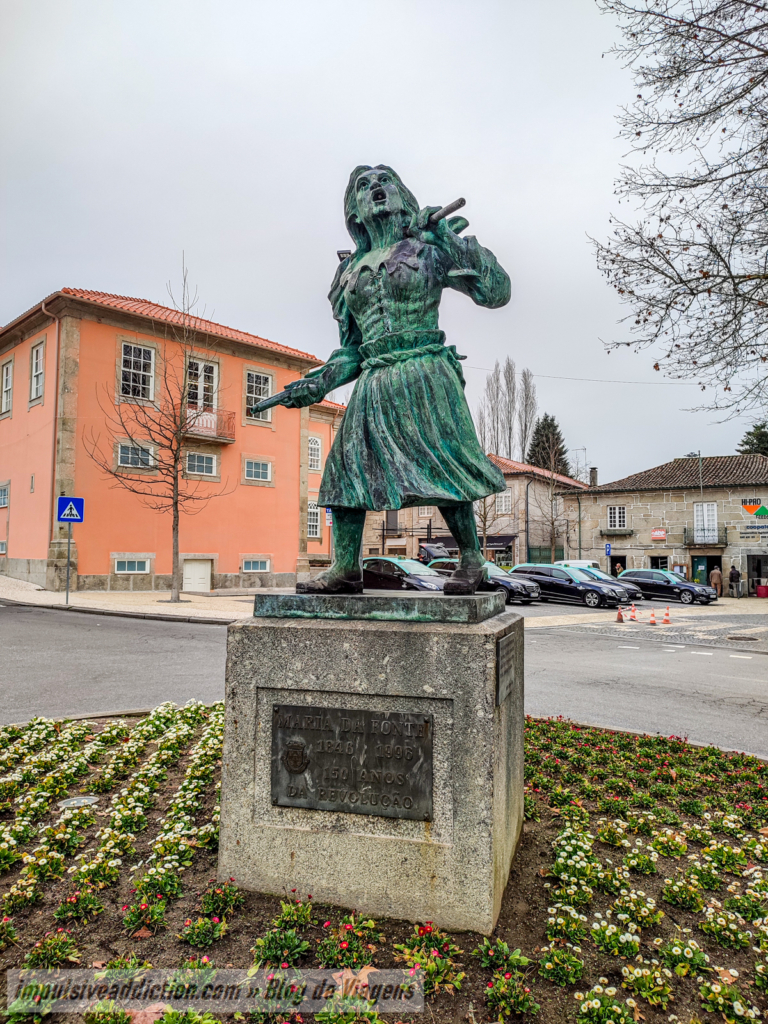
Be sure to admire the statue of Maria da Fonte, located on the roundabout next to Praça Engenheiro Armando Rodrigues. The sculpture depicts her holding a firearm in one hand and a sickle over her shoulder—just as she is often portrayed. As a curious detail, she is called Maria “da Fonte” because she was born in Fonte Arcada, a village in the municipality of Póvoa de Lanhoso.
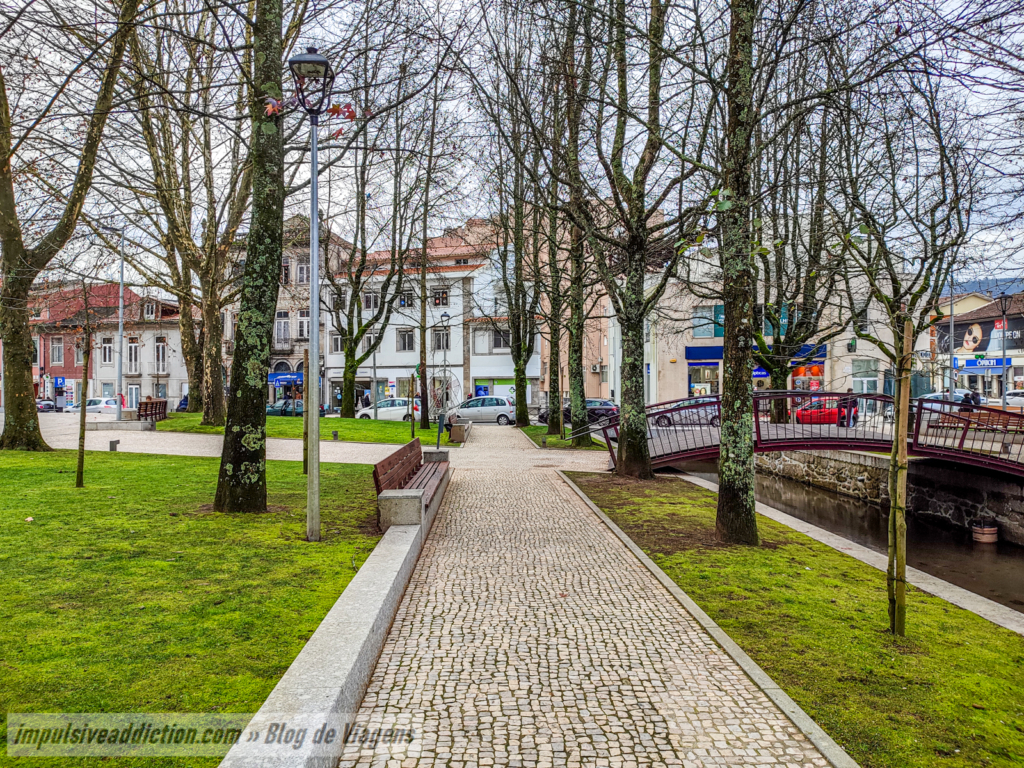
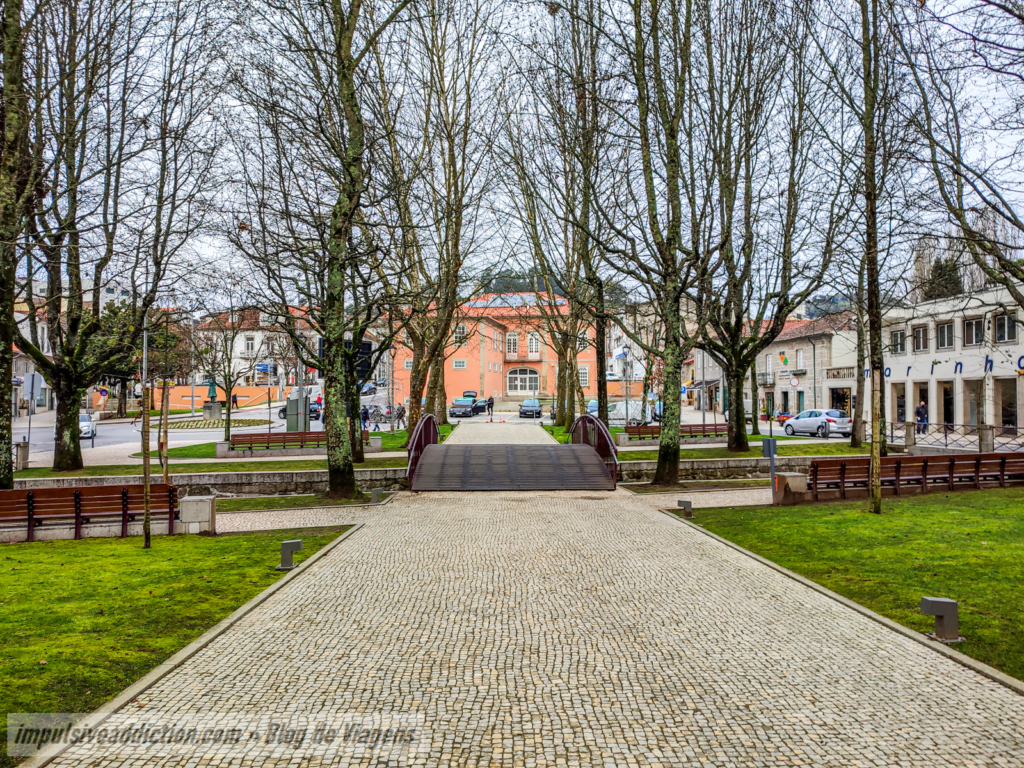
The Armando Rodrigues Square Garden is, in my view, the very heart of the town. It’s a pleasant and refreshing green space, full of shade and crossed by a small stream—perfect for a relaxing break in the center of Póvoa de Lanhoso.
3. Casa da Botica & Filigree Interpretation Center
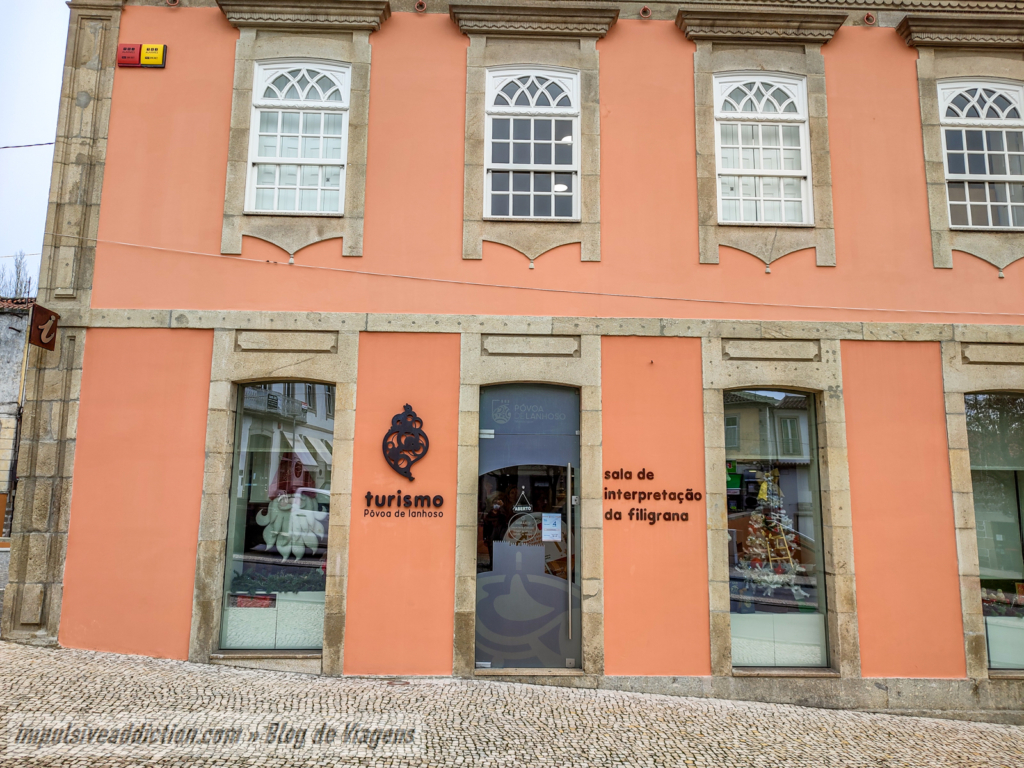
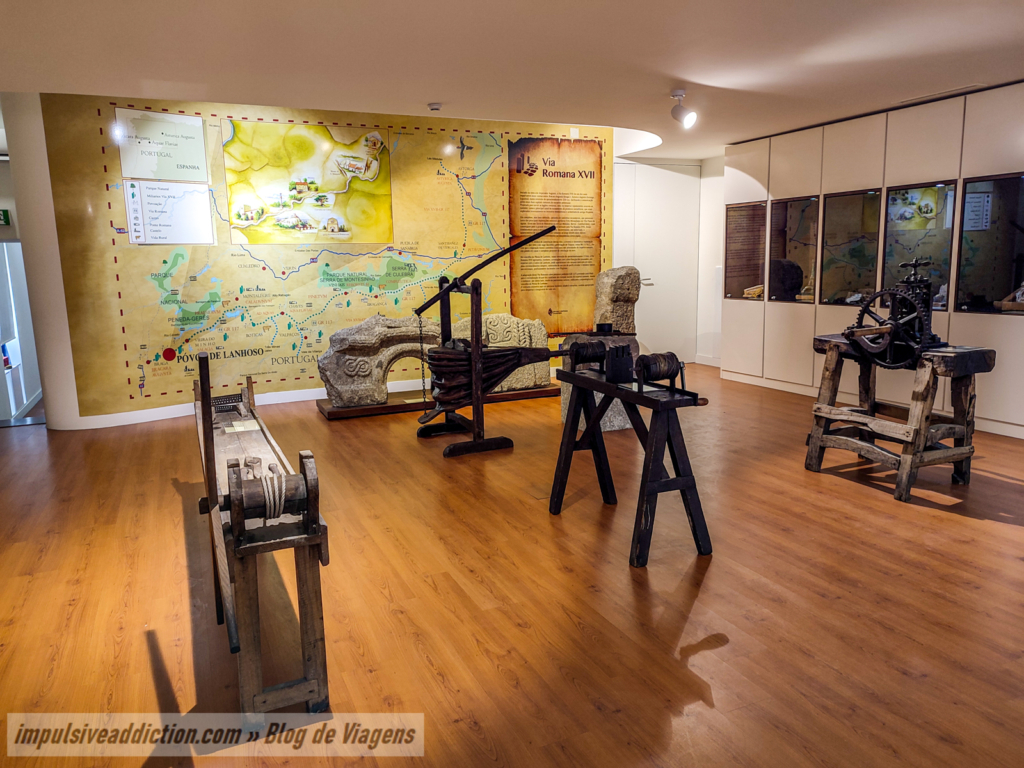
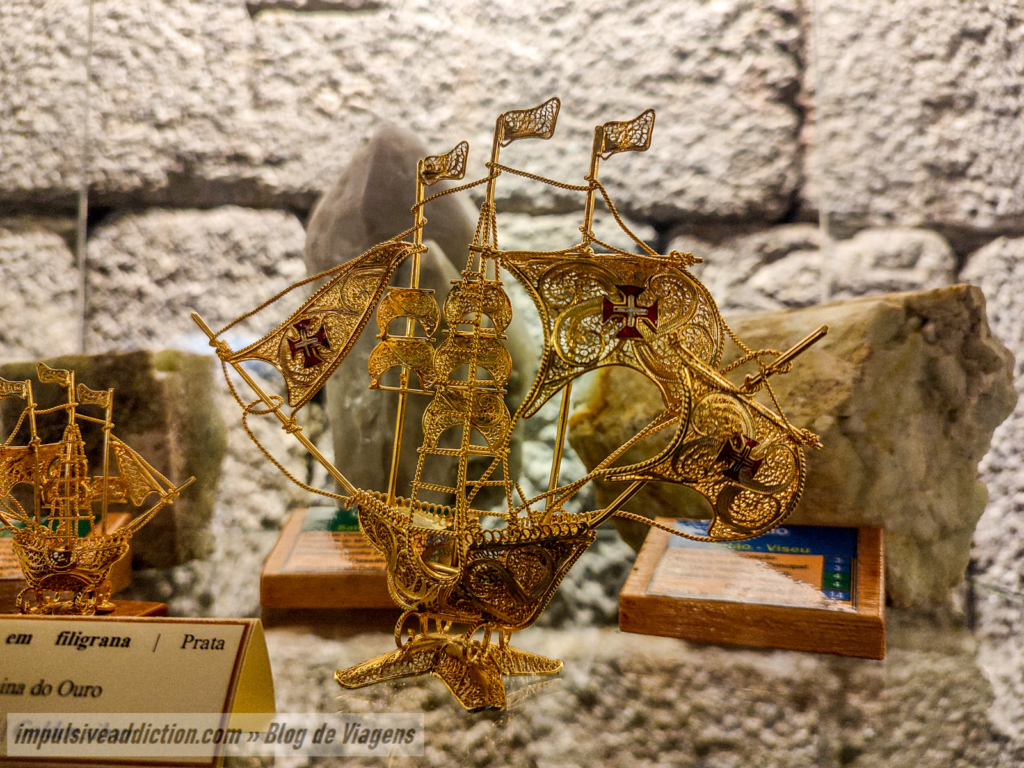
Be sure to visit the Filigree Interpretation Center, housed inside the historic Casa da Botica building. Filigree is one of the greatest treasures to discover in Póvoa de Lanhoso, as this municipality is still home to skilled goldsmiths dedicated to the craft—especially in the parishes of Travassos and Sobradelo da Goma. There’s even a Gold Museum in Travassos, which I’ll mention later in this article.
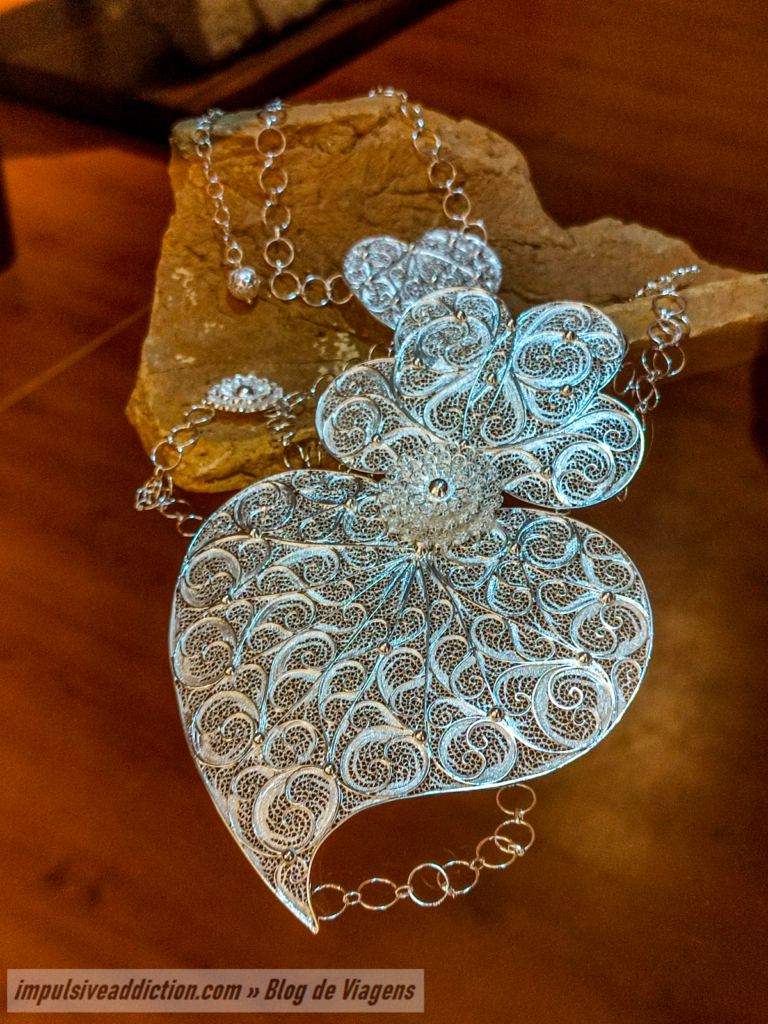
Filigree is essentially the art of twisting and joining fine gold wires to create intricate jewelry pieces. It’s a highly delicate technique, and only a few artisans in Portugal still master it today. When writing my article about Viana do Castelo, I mentioned the famous Heart of Viana, probably the most iconic Portuguese filigree piece.
The art of filigree actually dates back to ancient Mesopotamia, around 3000 BC, and spread to Europe through Mediterranean trade routes. In Portugal, filigree has been produced since at least the 8th century AD, developing into a unique style that is distinctly different from what you’ll find elsewhere in the world.

4. Church of Nossa Senhora do Amparo & Póvoa de Lanhoso Town Hall
Walking up Avenida da República in Póvoa de Lanhoso, you’ll reach the Church of Nossa Senhora do Amparo, the main church in the town center. Its architecture is quite simple, but it’s still worth stepping inside for a visit.
Right next to the church stands the Town Hall. On its tower, you’ll find references to the town charters (forais) granted to Póvoa de Lanhoso in 1292 by King Dinis and later in 1514 by King Manuel I.
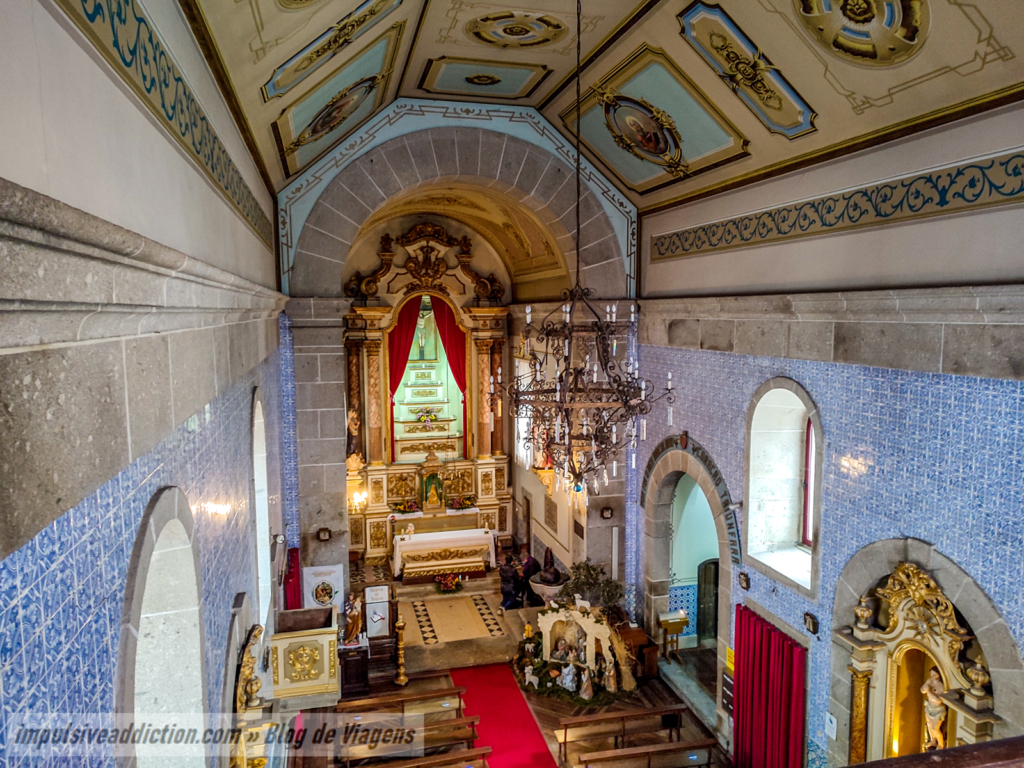
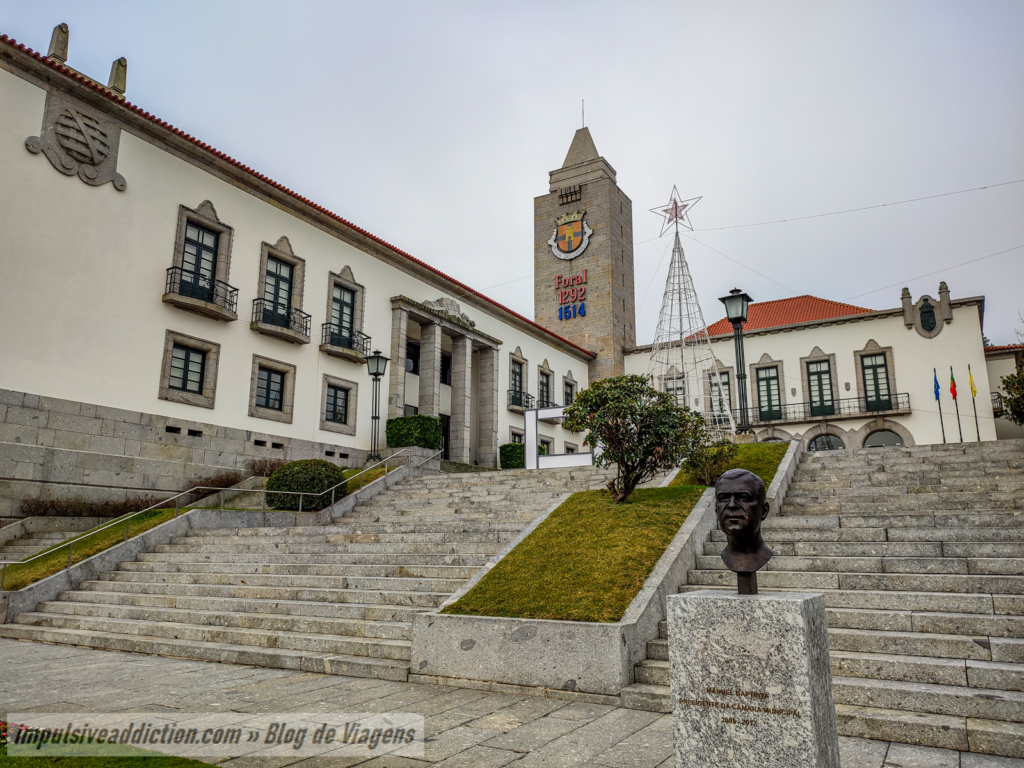
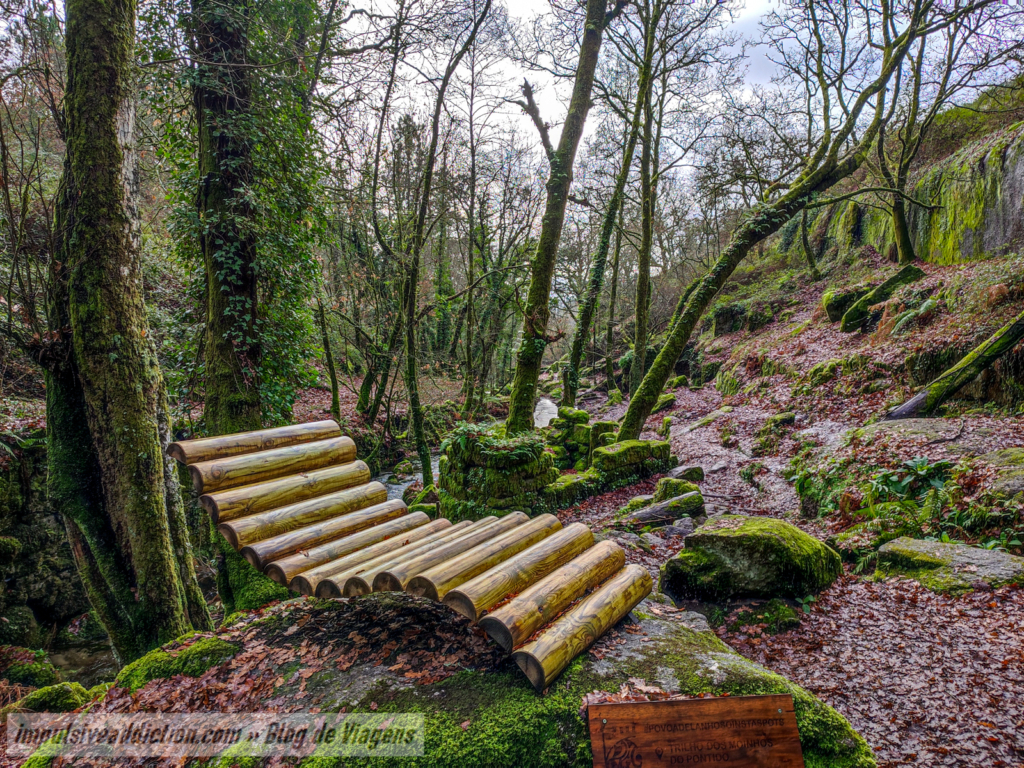
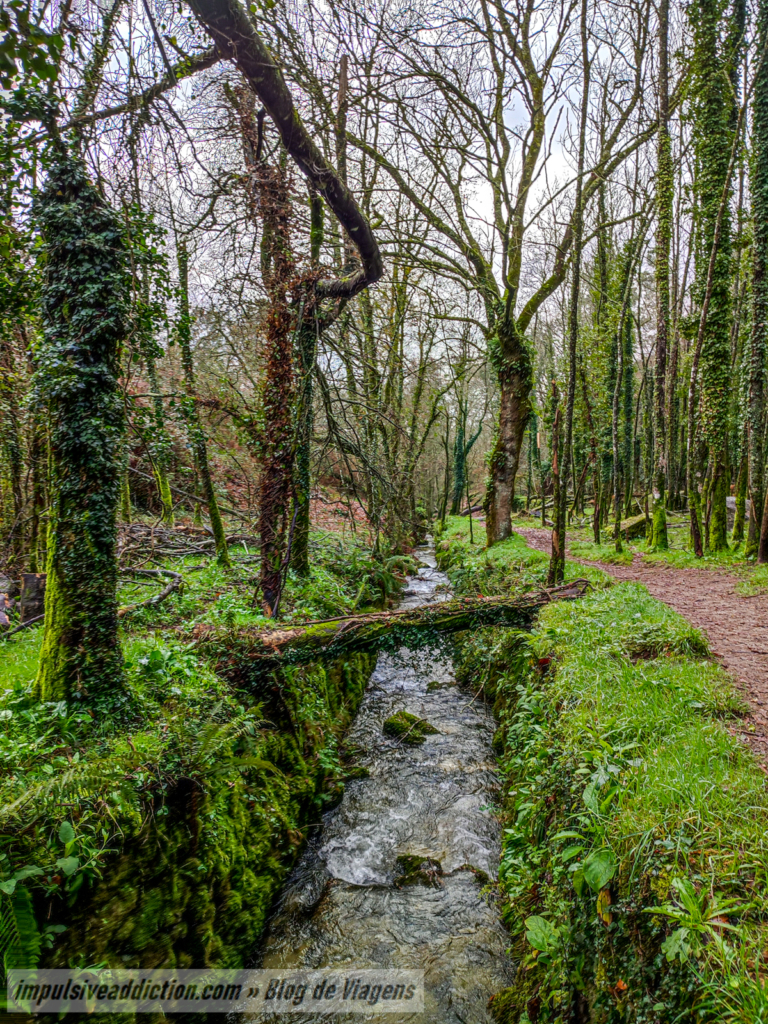
5. Pontido Park & Pontido Mills Trail
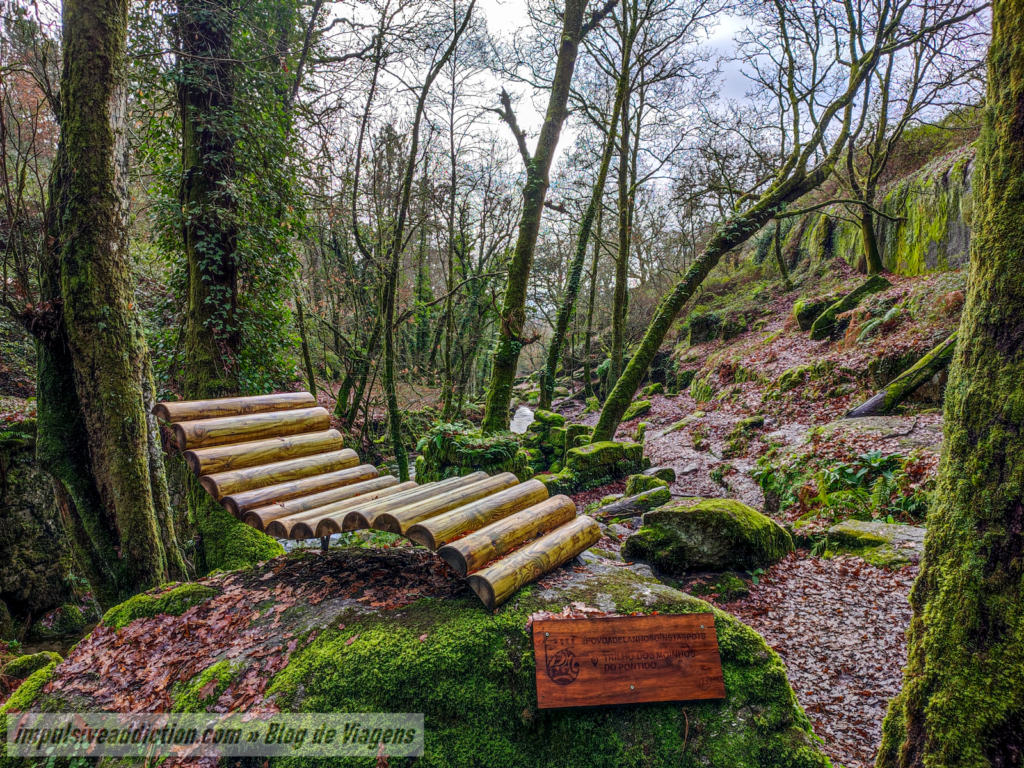
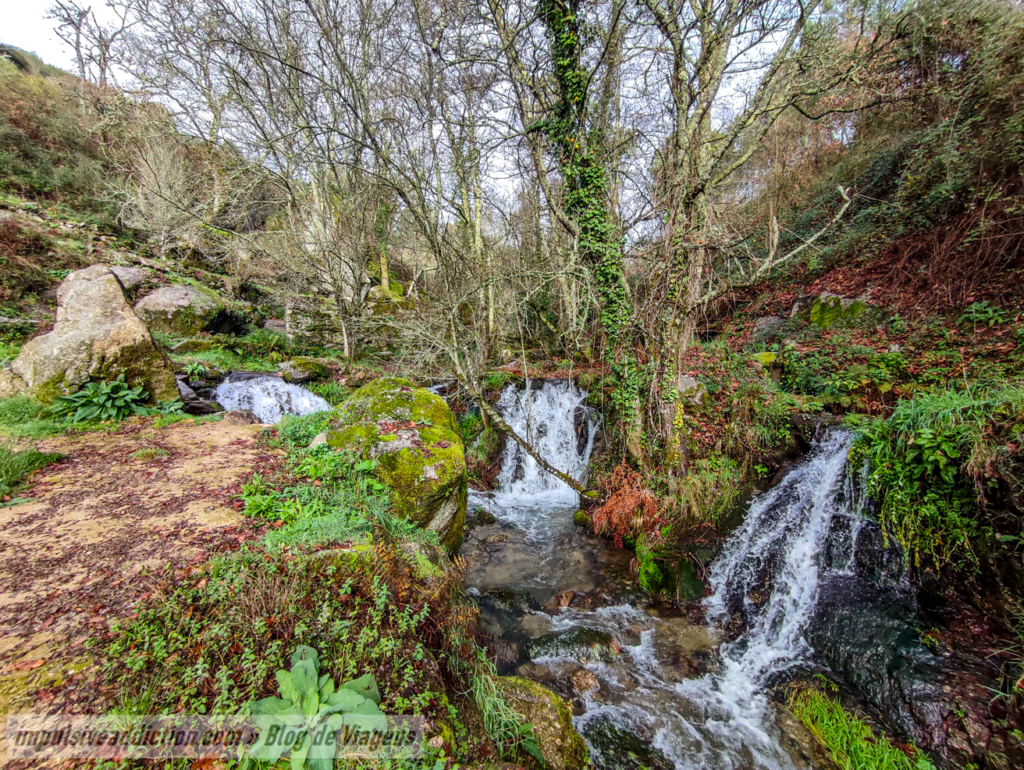
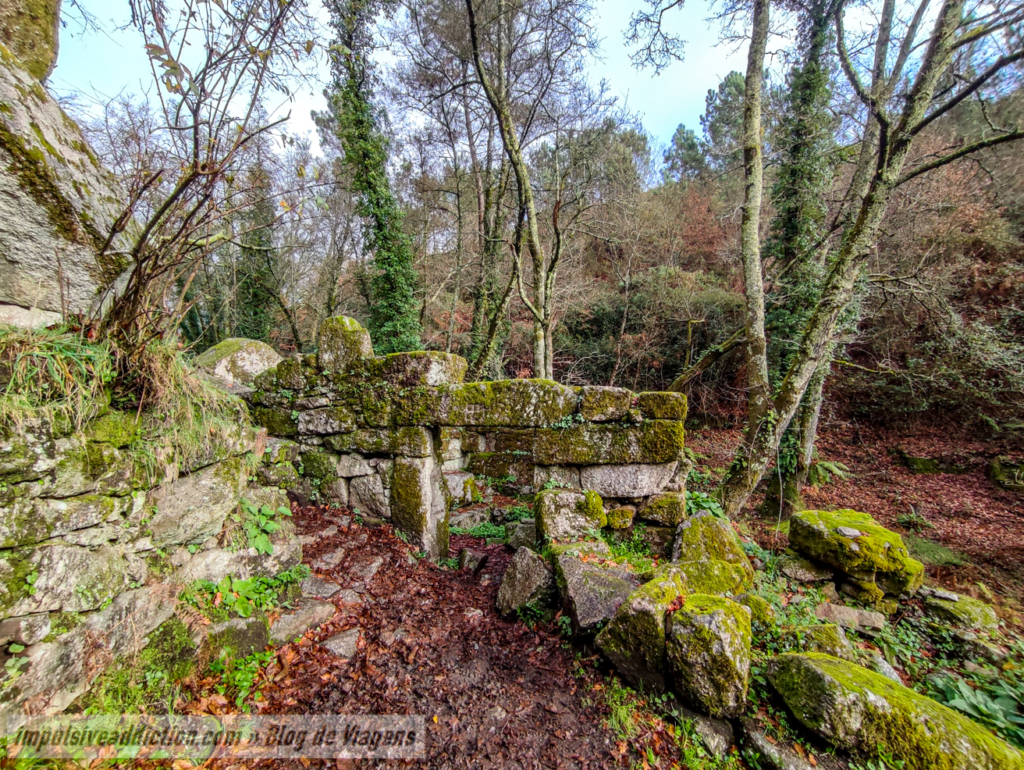
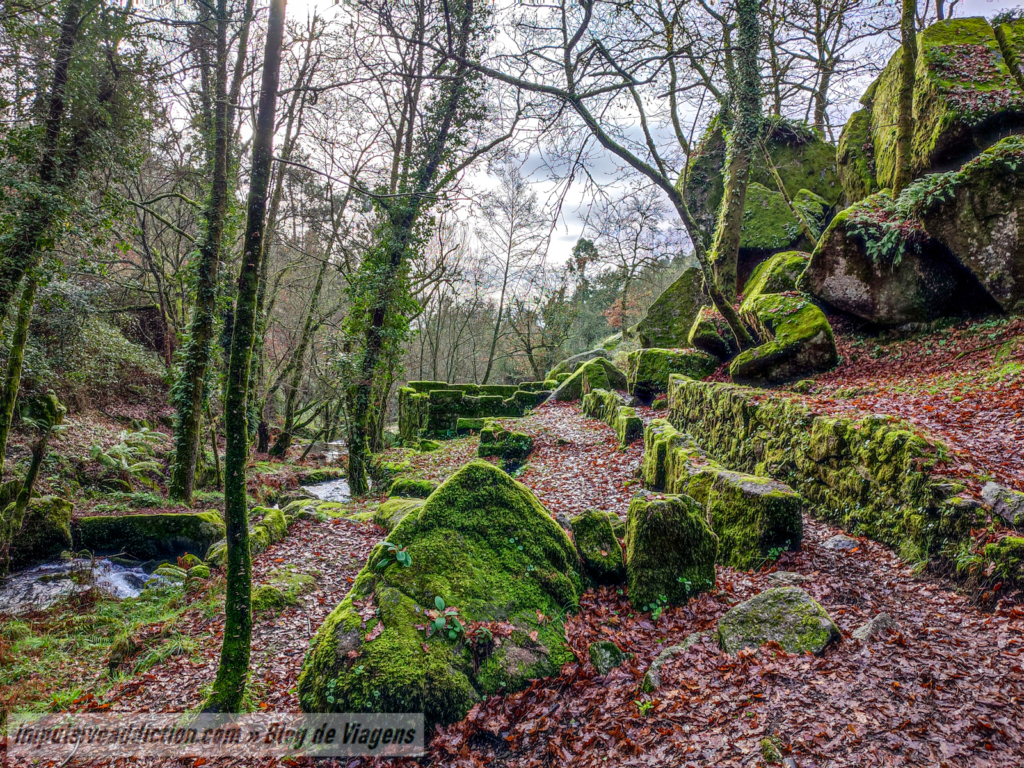
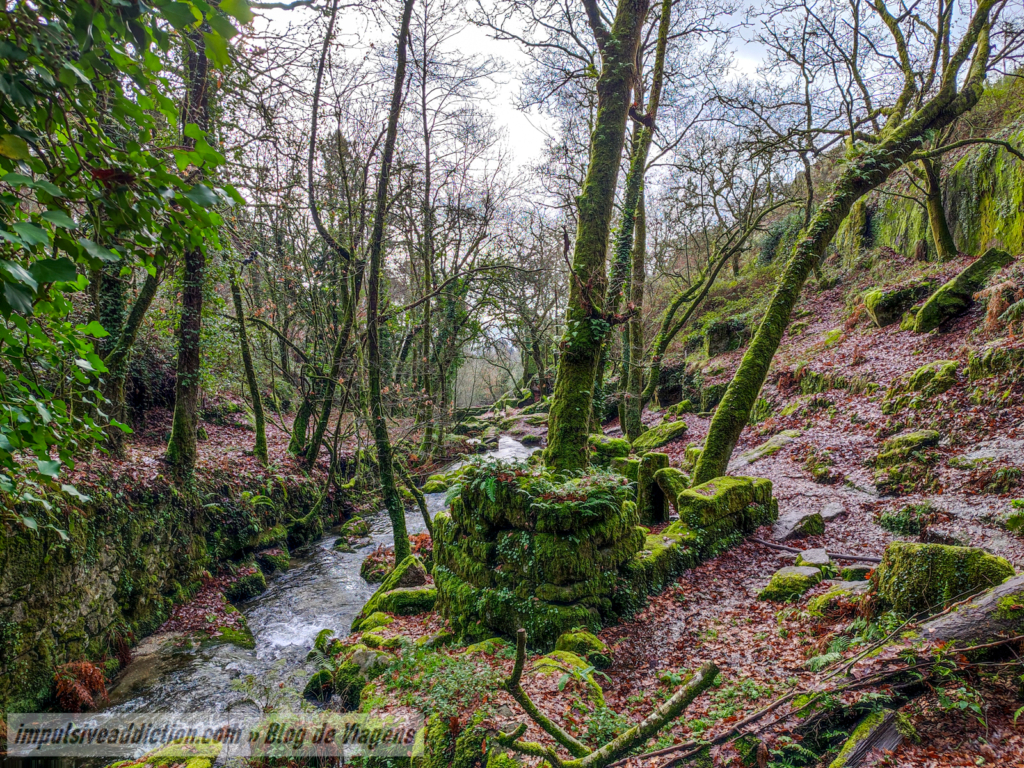
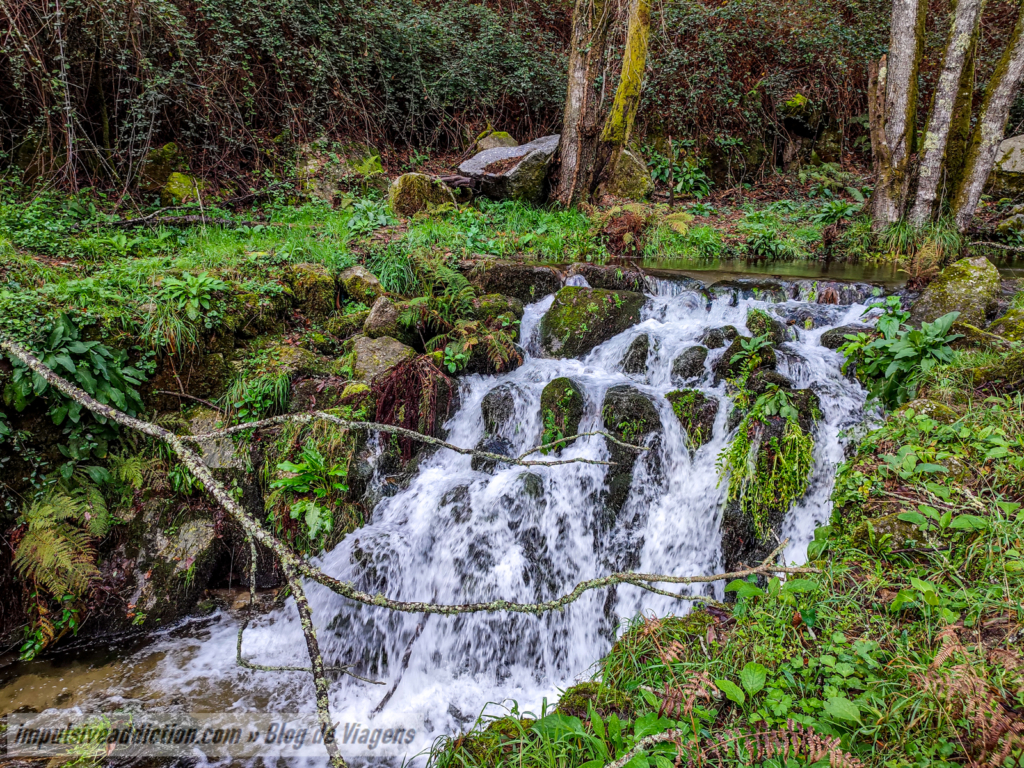
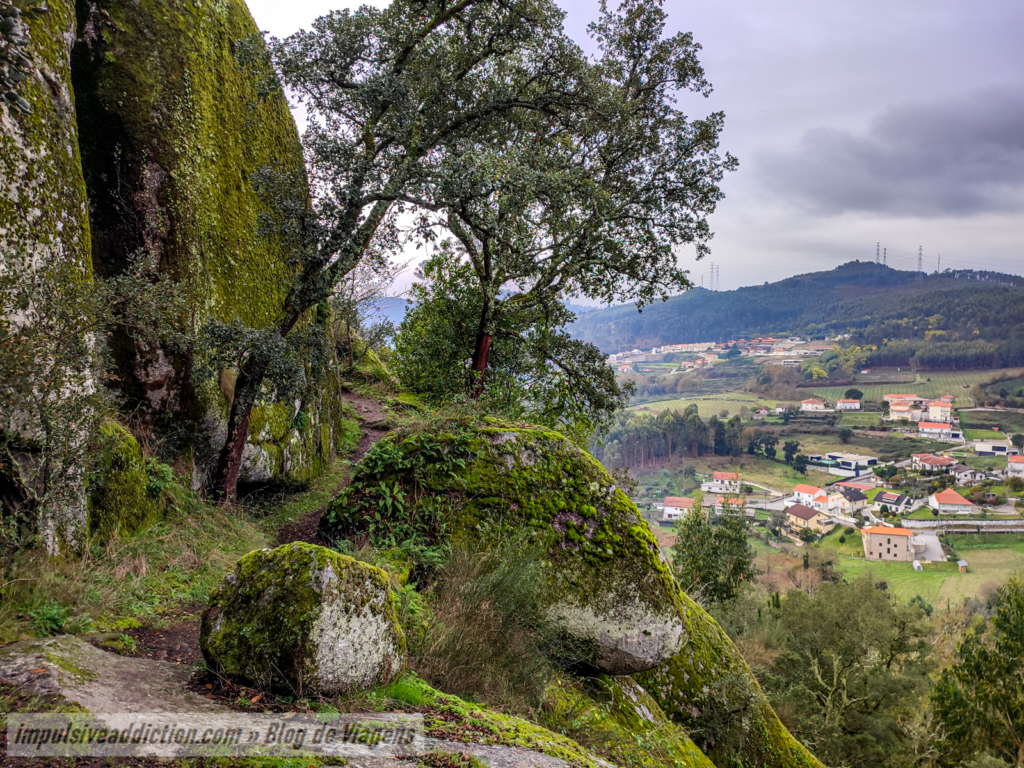
The Pontido Mills Trail starts at Pontido Park and ends at the Castle of Póvoa de Lanhoso, though you can turn it into a circular route by walking back to the park. That’s exactly what I did, and I’m sharing the full itinerary in this link. The hike is about 7 km long if you include the detour to the Carvalho de Calvos (Calvos Oak). I don’t recommend doing the trail after heavy rain, as it can become slippery.
The highlight of the route is without a doubt the waterfalls near the old mills, which you can reach fairly quickly from Pontido Park. This section is a must-see, while the other points of interest—such as the castle, the ancient hillfort (castro), or the Calvos Oak—are all easily accessible by car if you prefer.
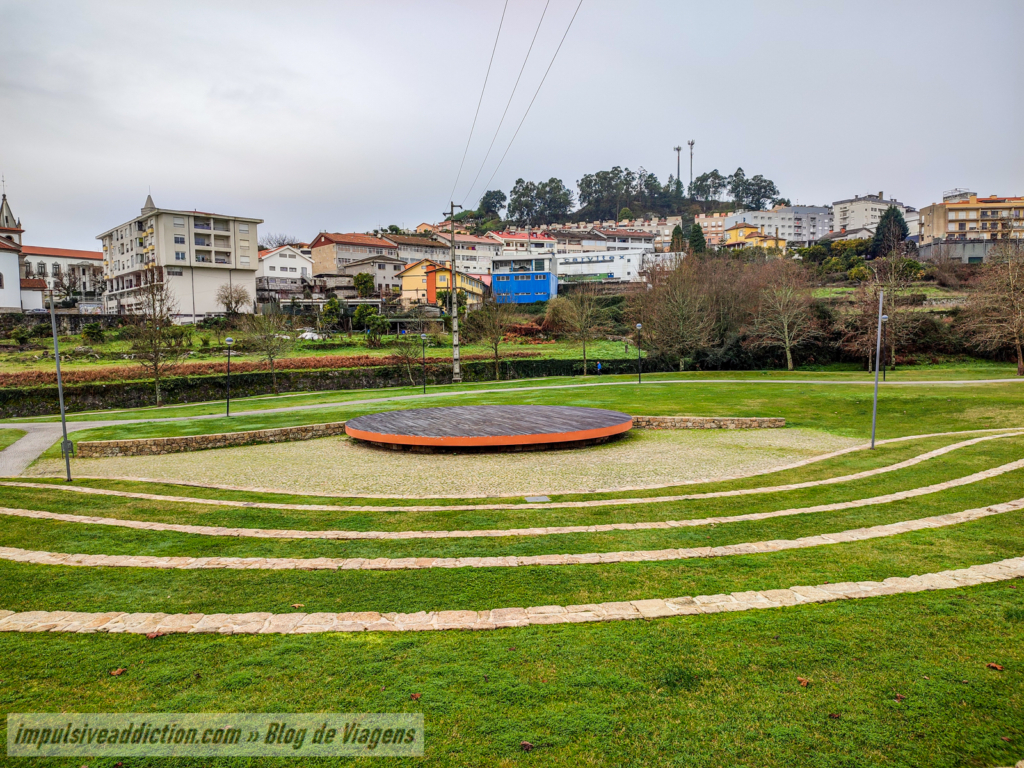
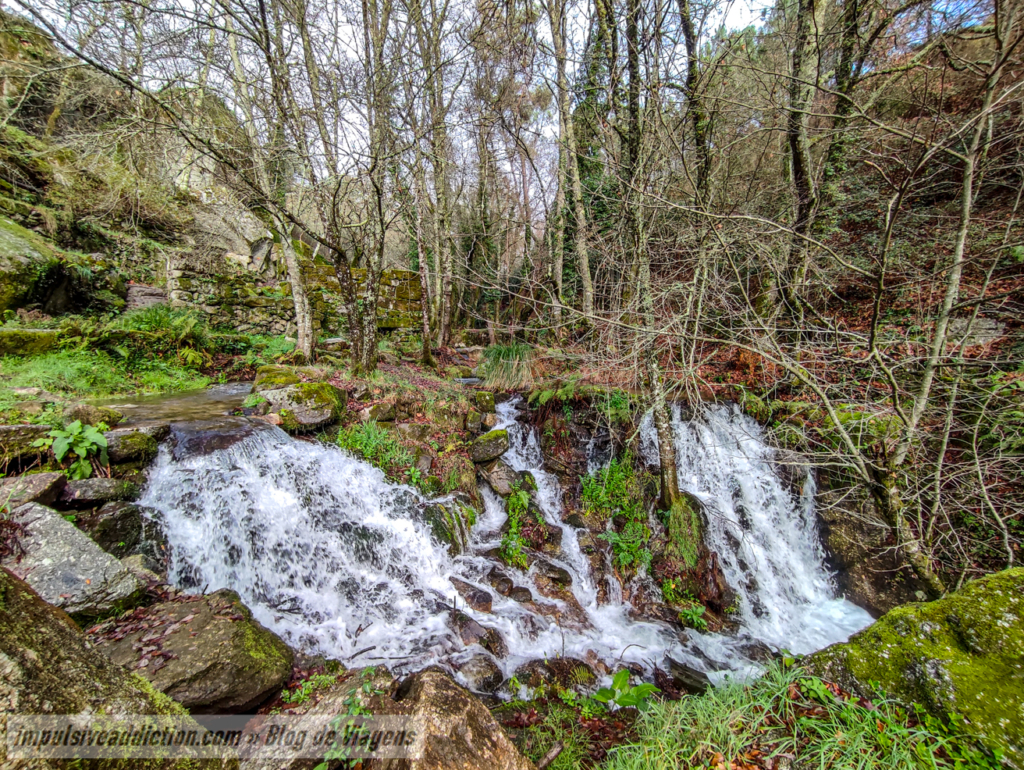
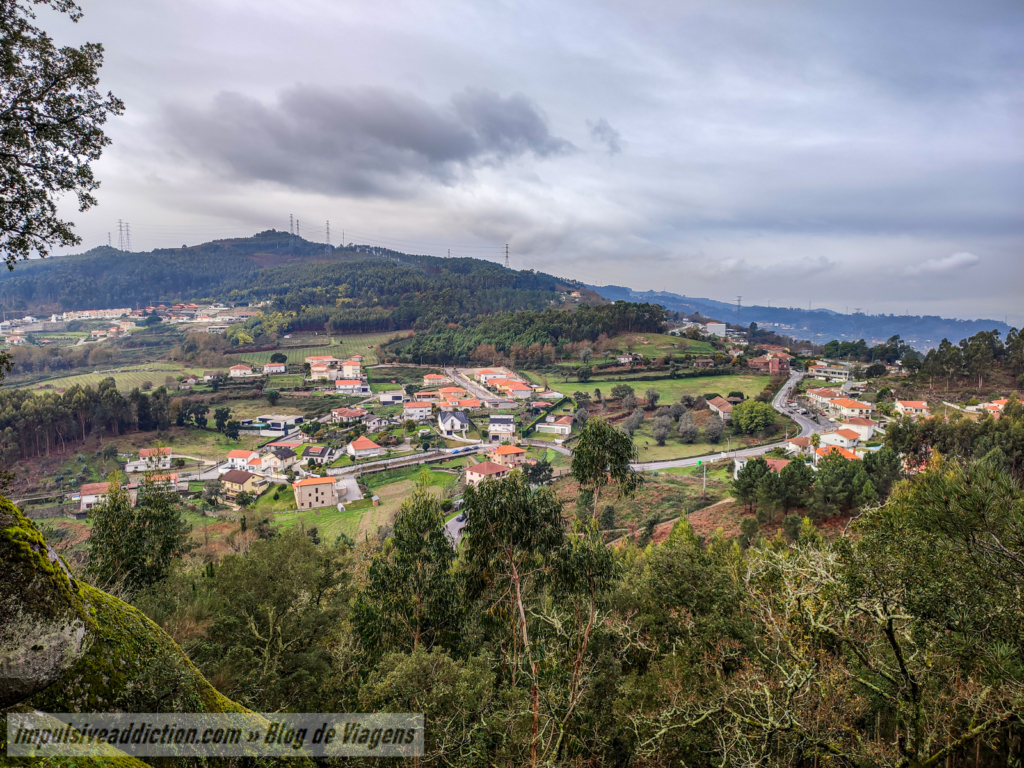
6. Castle of Póvoa de Lanhoso & Monte do Pilar
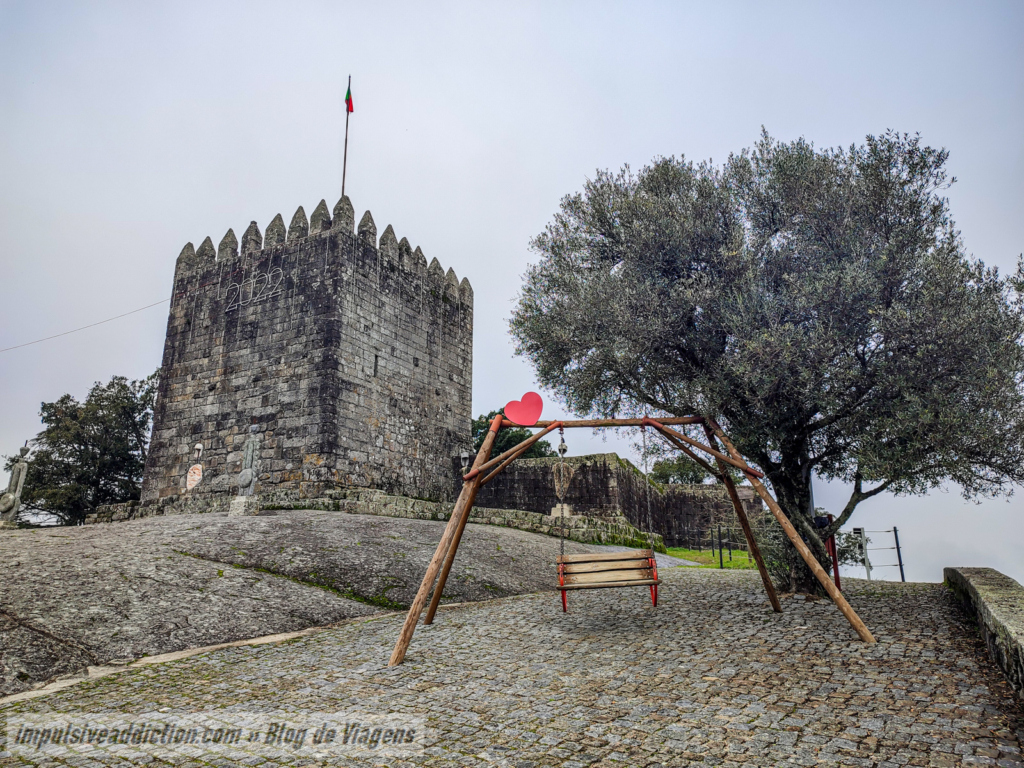
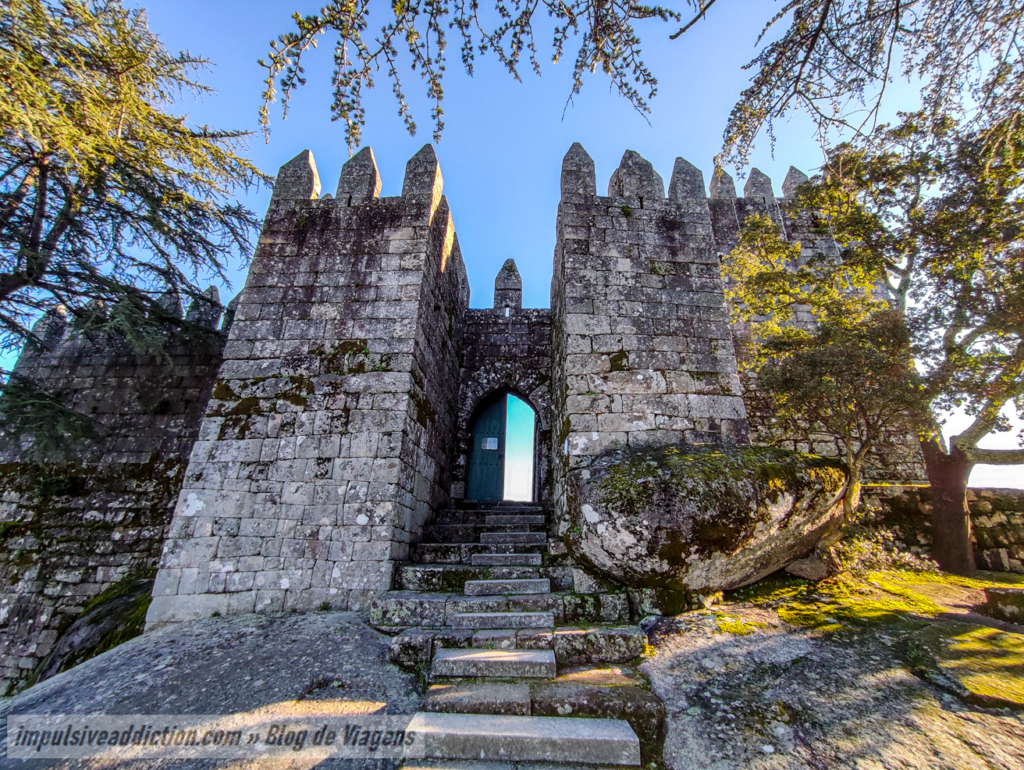
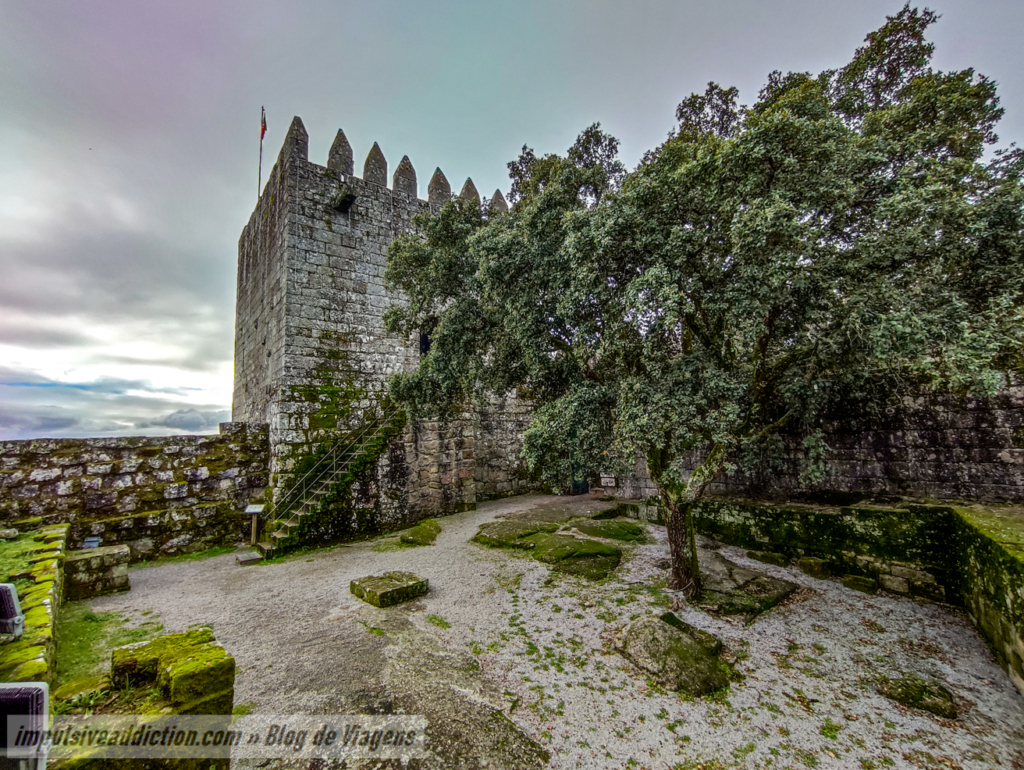
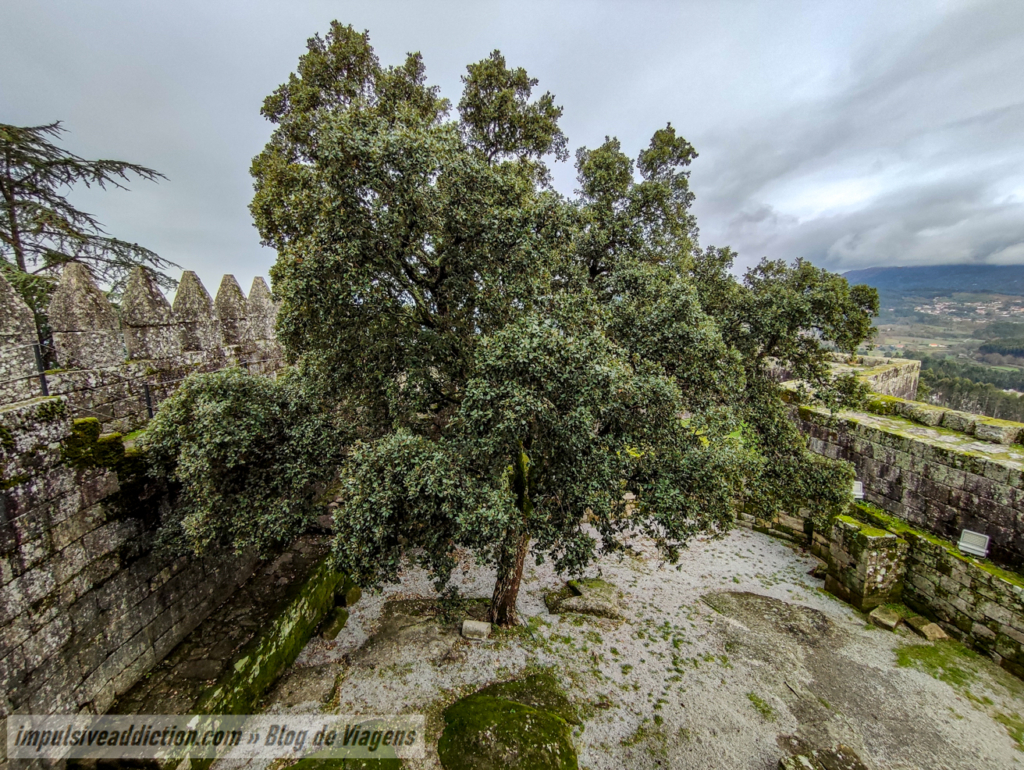
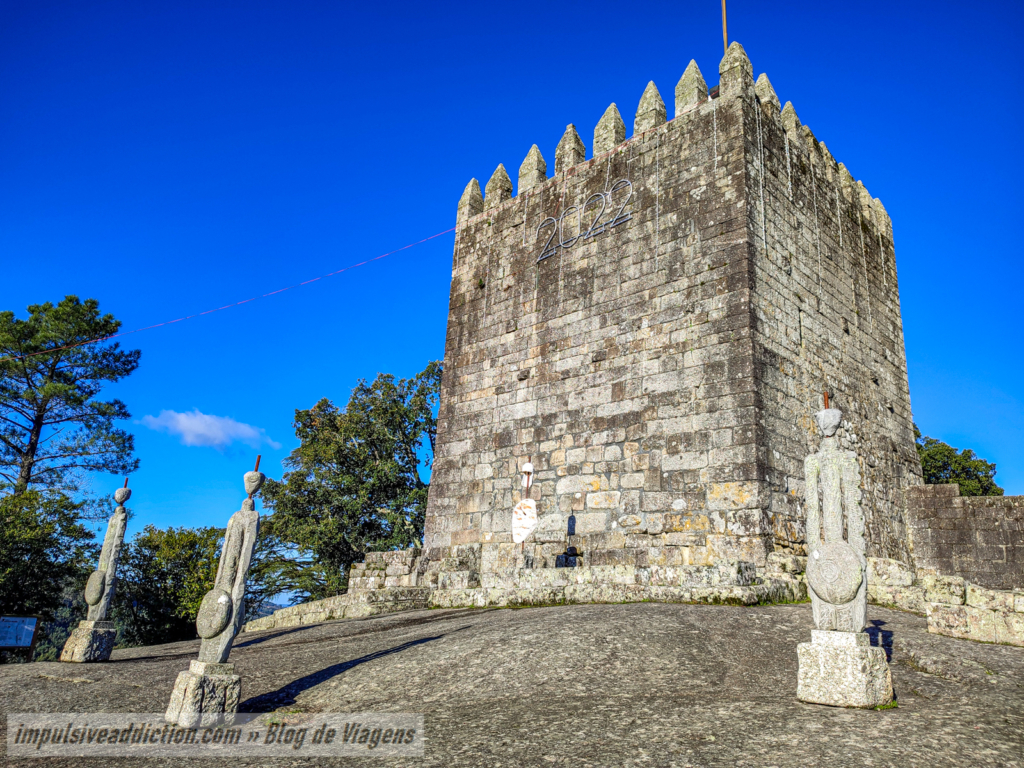
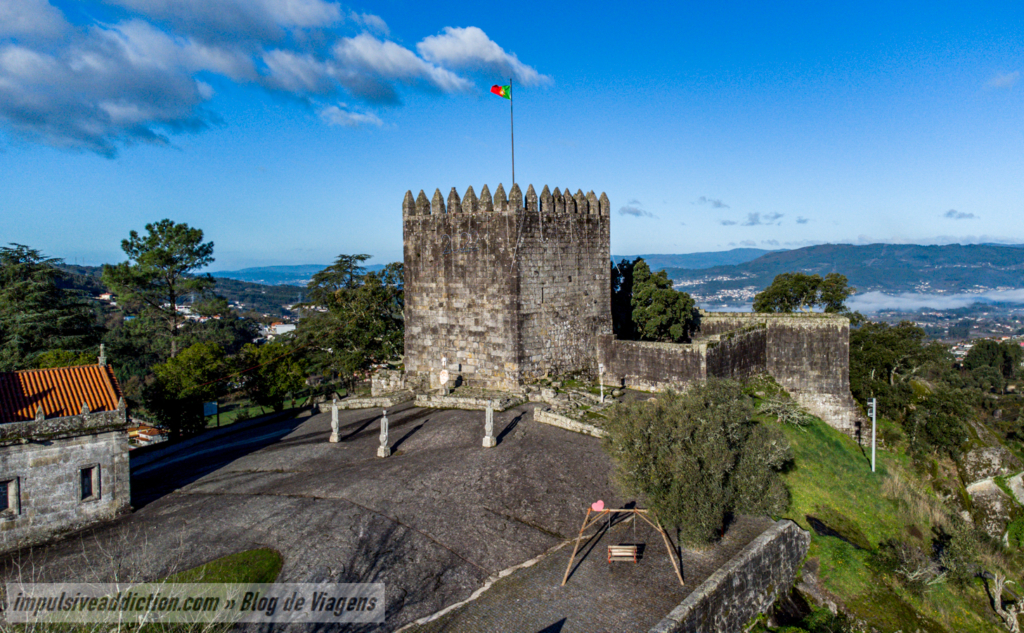
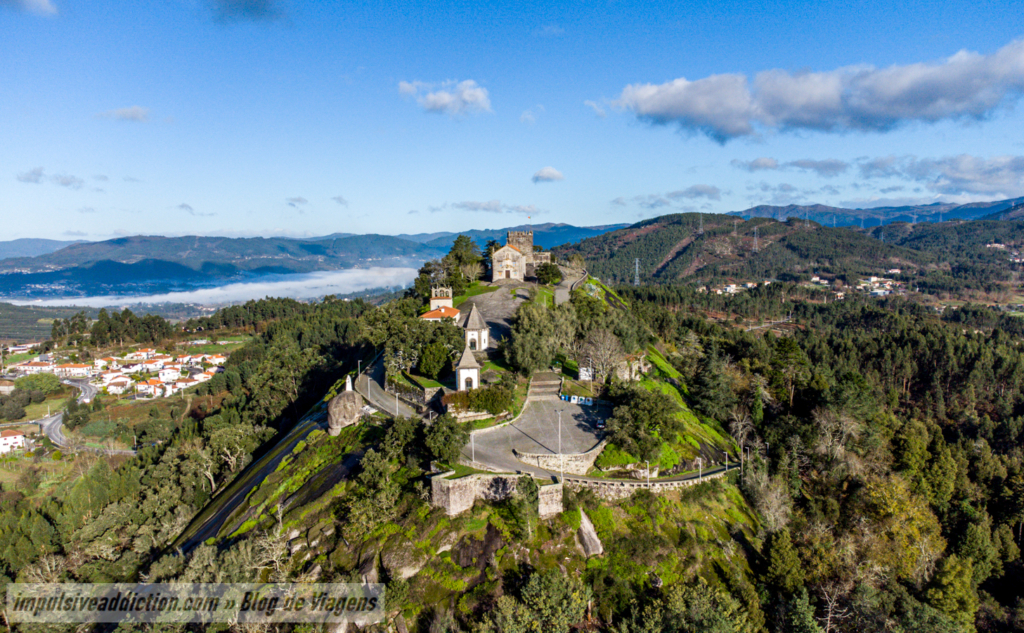
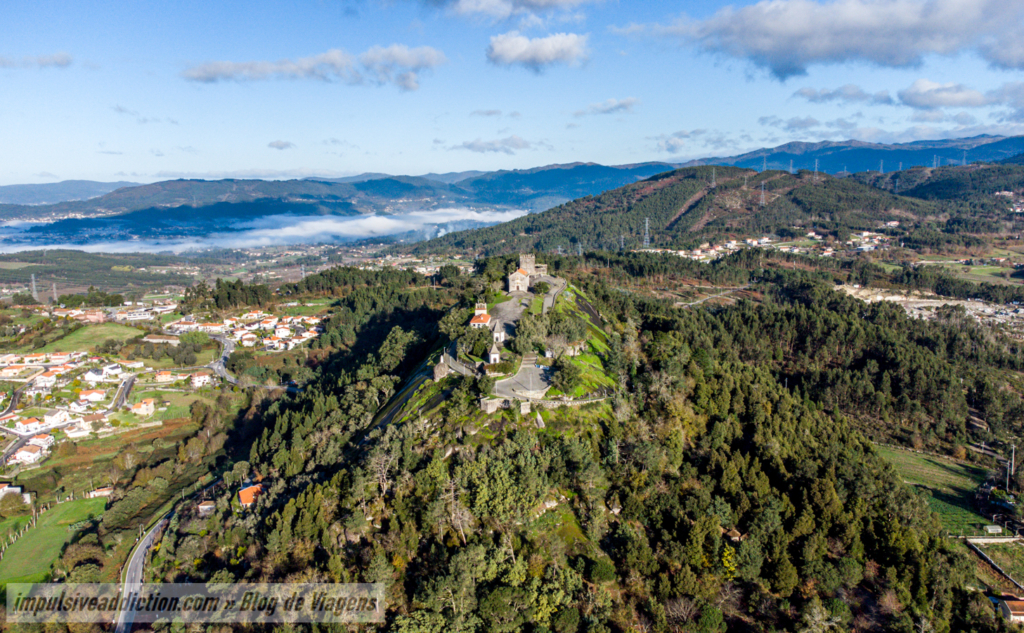
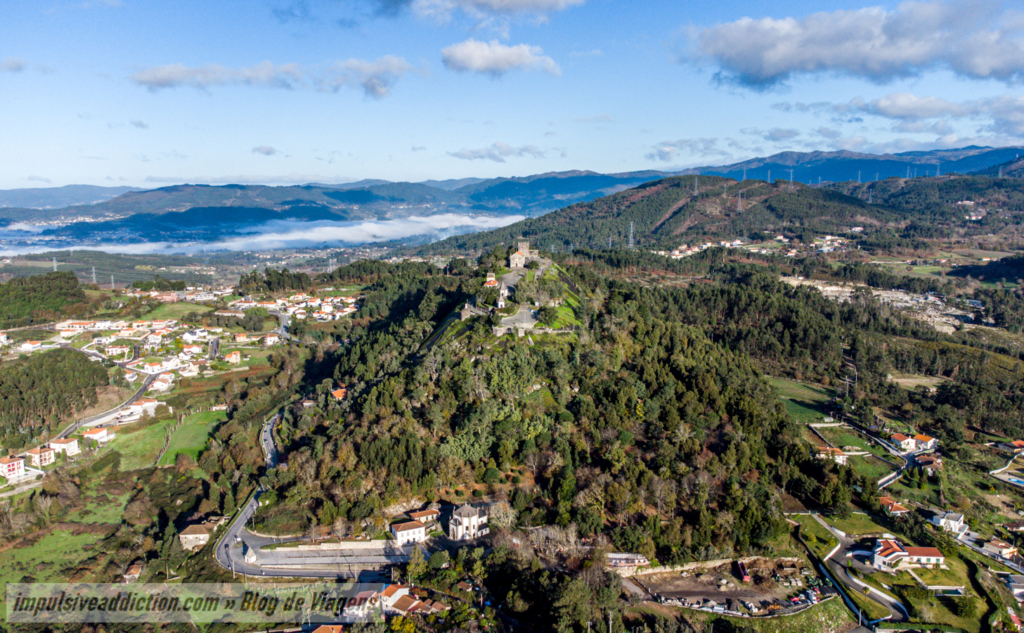
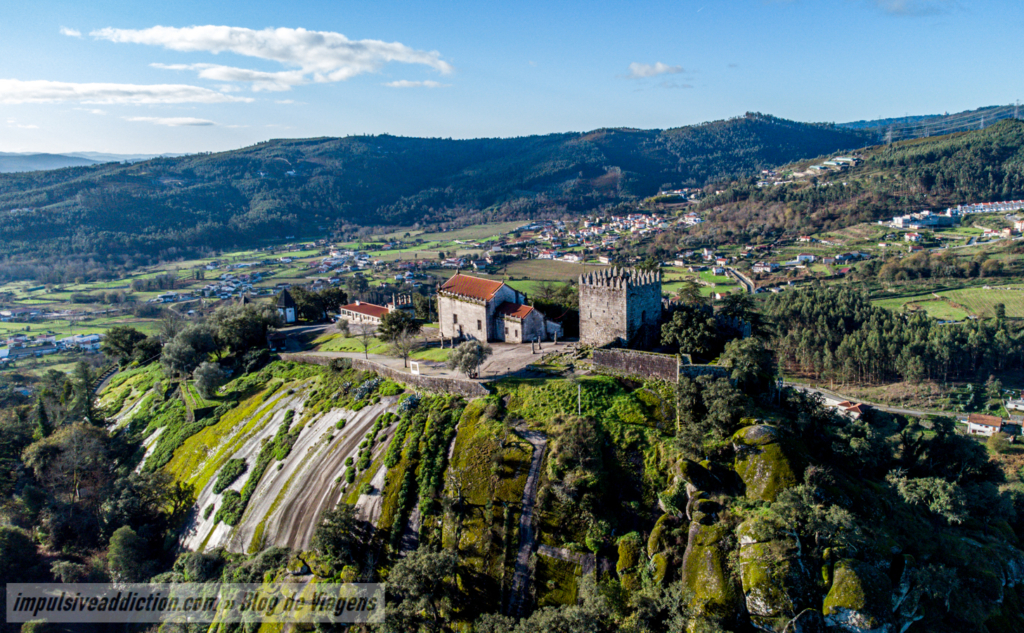
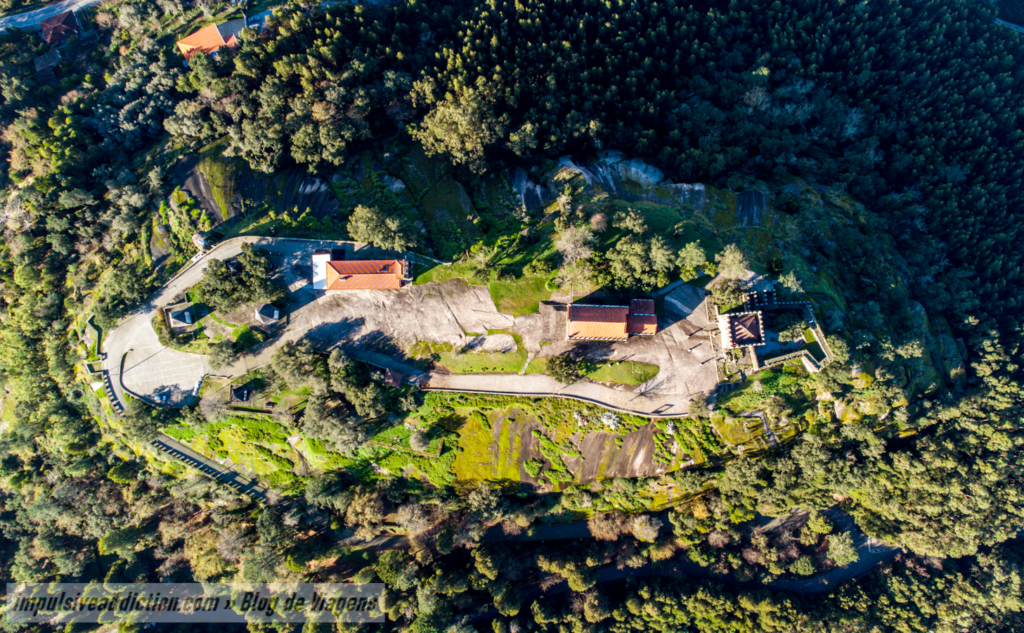
Whether or not you hike the mills trail, visiting the Castle of Póvoa de Lanhoso is a must. It stands proudly on top of Monte do Pilar, the largest granite monolith in the Iberian Peninsula—a massive rock crowned by the medieval fortress.
The Castle of Lanhoso dates back to the 10th century, during the Christian Reconquest. It is closely linked to D. Teresa, mother of Portugal’s first king, Afonso Henriques. One of the most notable episodes in its history is the siege by Queen Urraca, which was followed by the signing of the Treaty of Lanhoso in 1121.
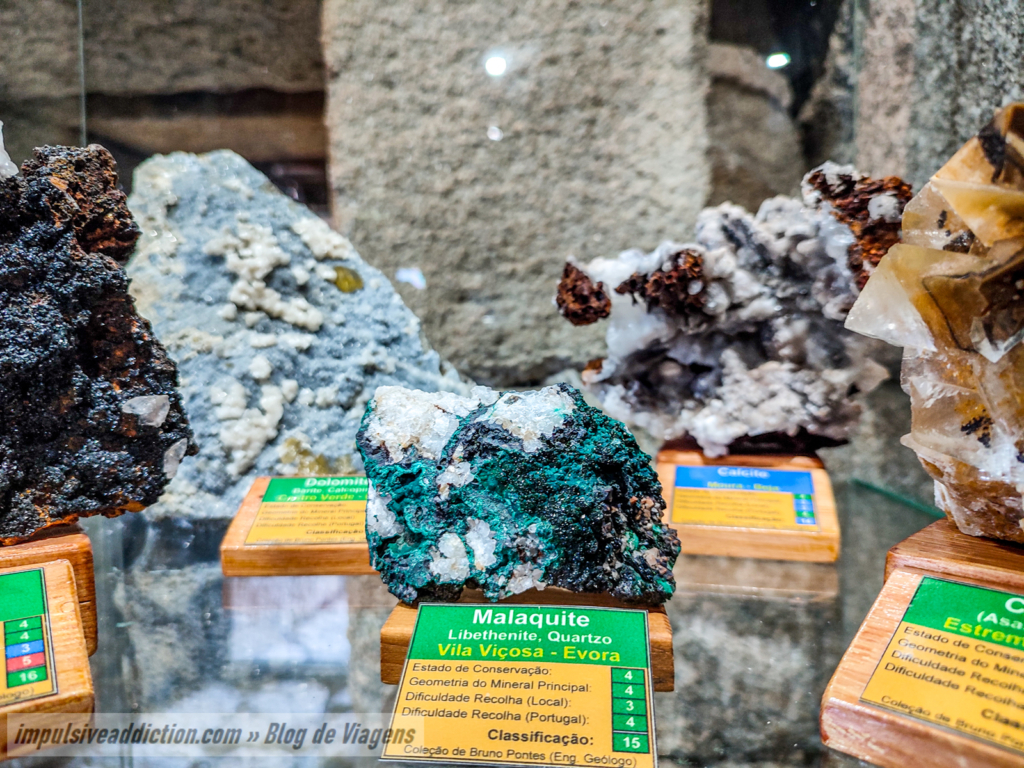
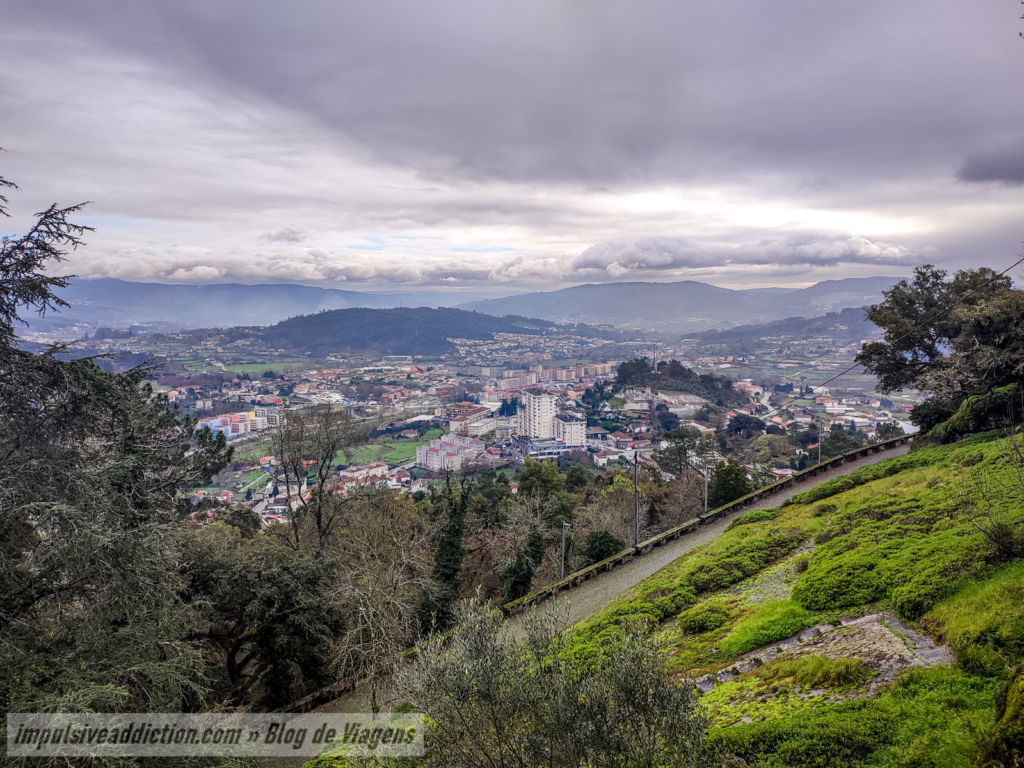
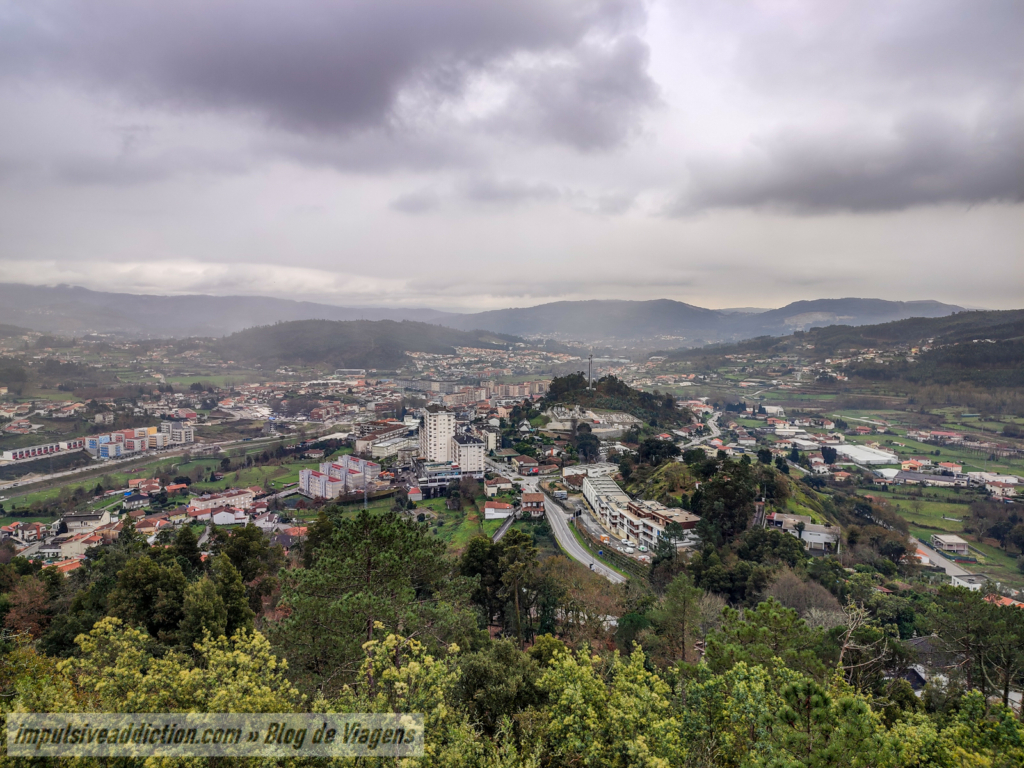
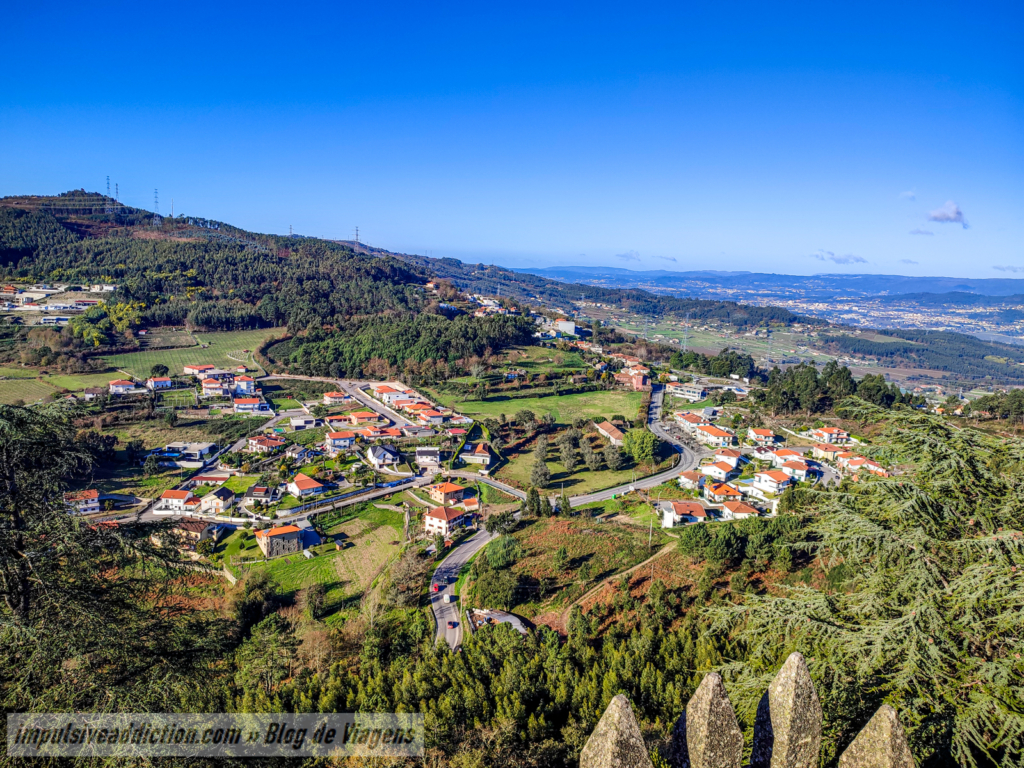
Today, you can visit a small archaeological museum inside the castle tower, and then climb to the top for the best 360° viewpoint over Monte do Pilar. From here, you’ll enjoy sweeping views across both the Cávado River basin and the Ave River basin.
7. Lanhoso Castle Swing & Sanctuary of Nossa Senhora do Pilar
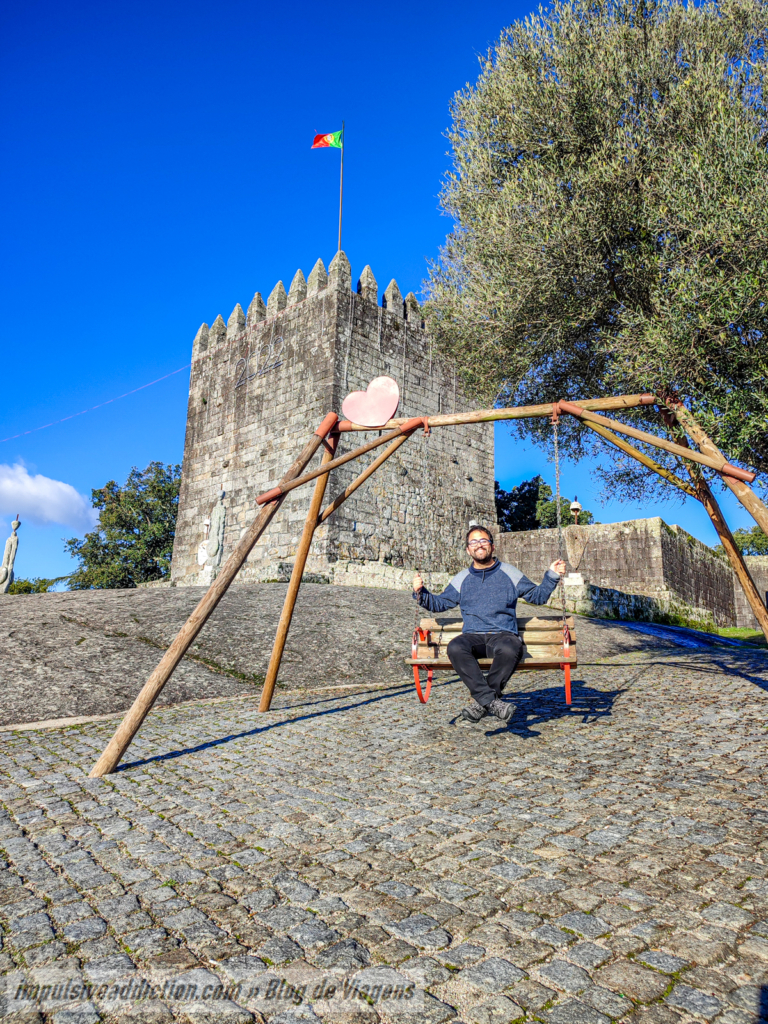
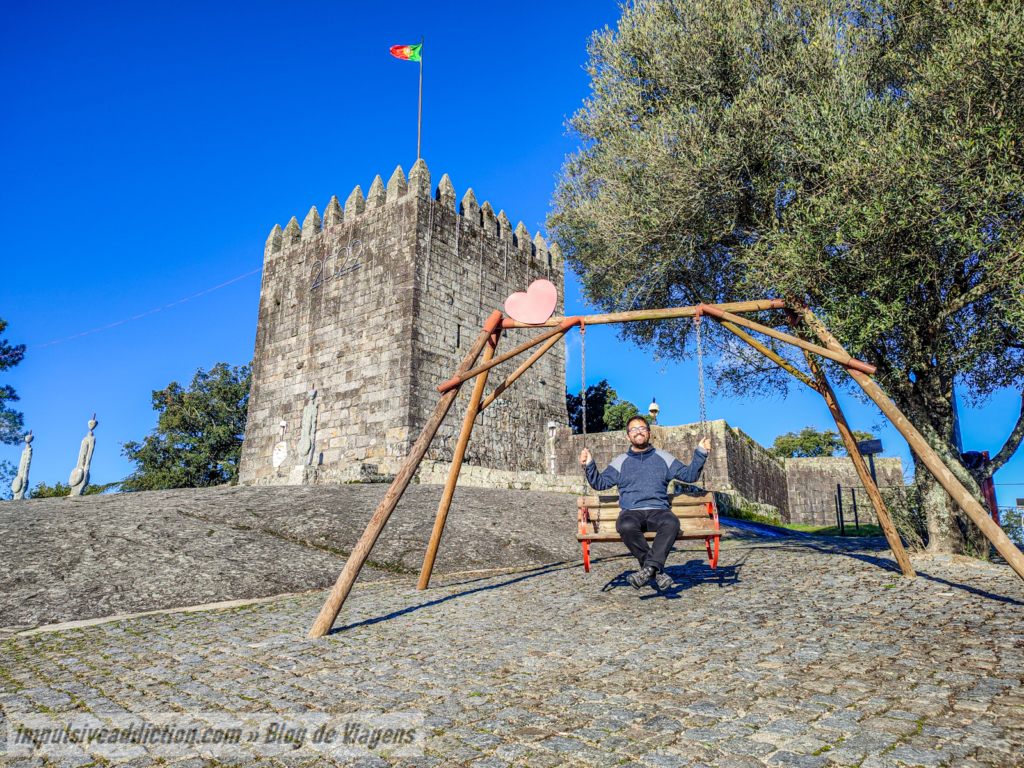
Right in front of the castle, you’ll find a tourist swing. From here, the view is very similar to what you get at the top of the tower, overlooking the town of Póvoa de Lanhoso.
Also nearby is the Sanctuary of Nossa Senhora do Pilar, which dates back to the 17th or 18th century. Its location, directly facing the castle, makes it a natural stop while exploring Monte do Pilar.
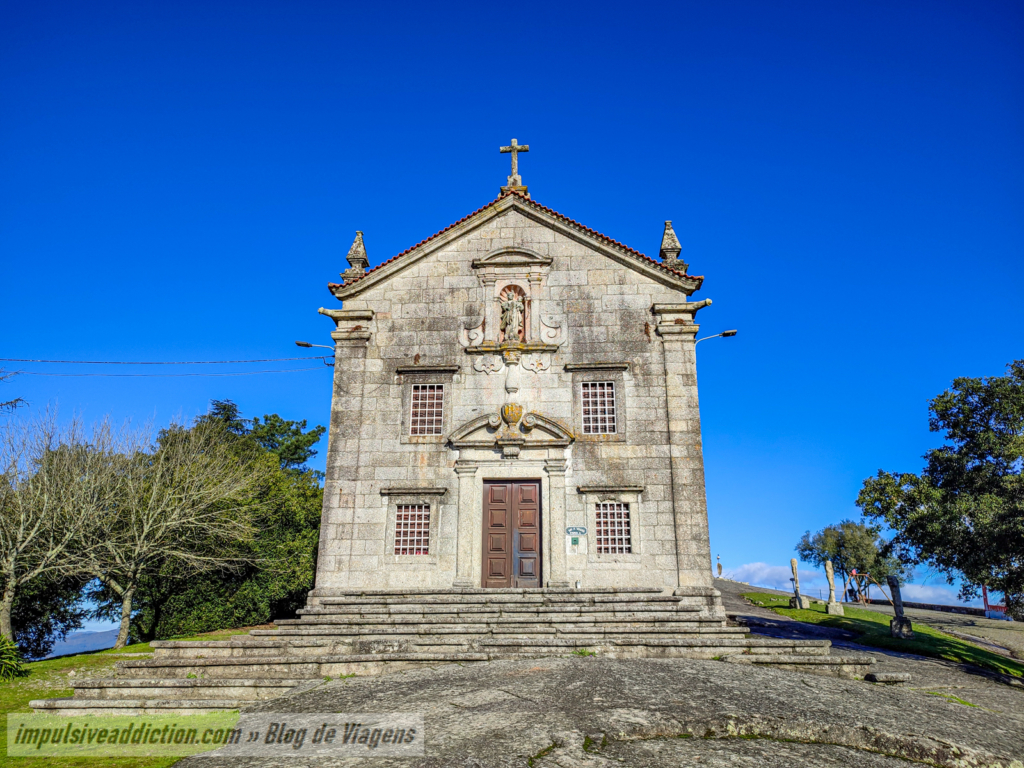
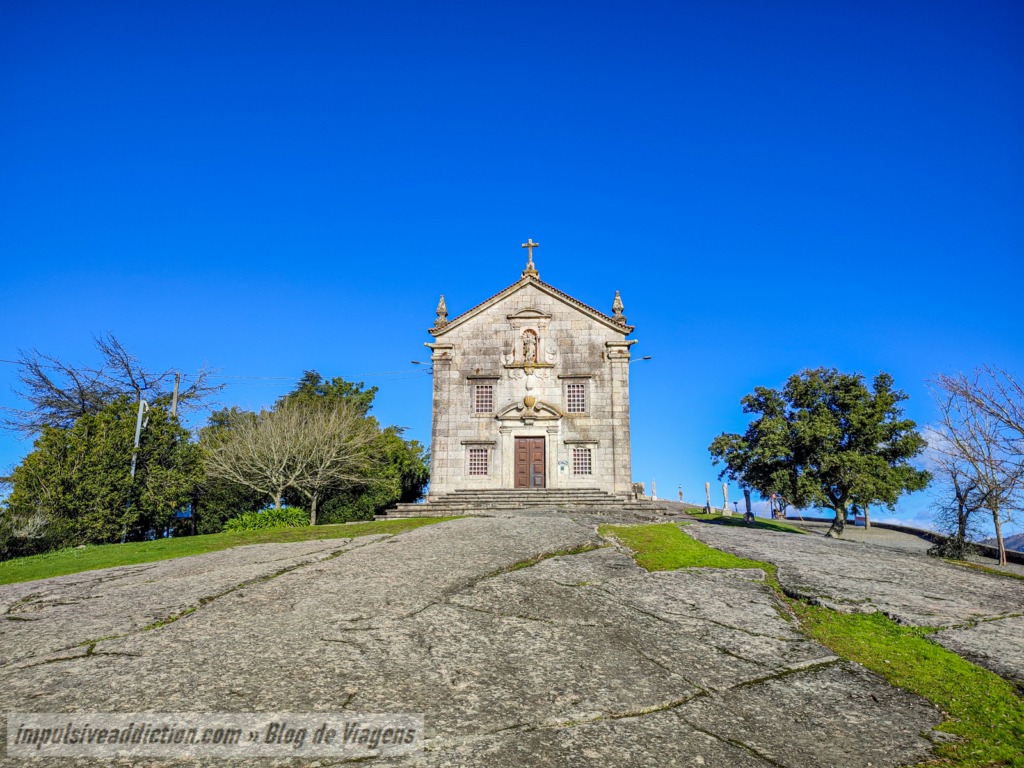
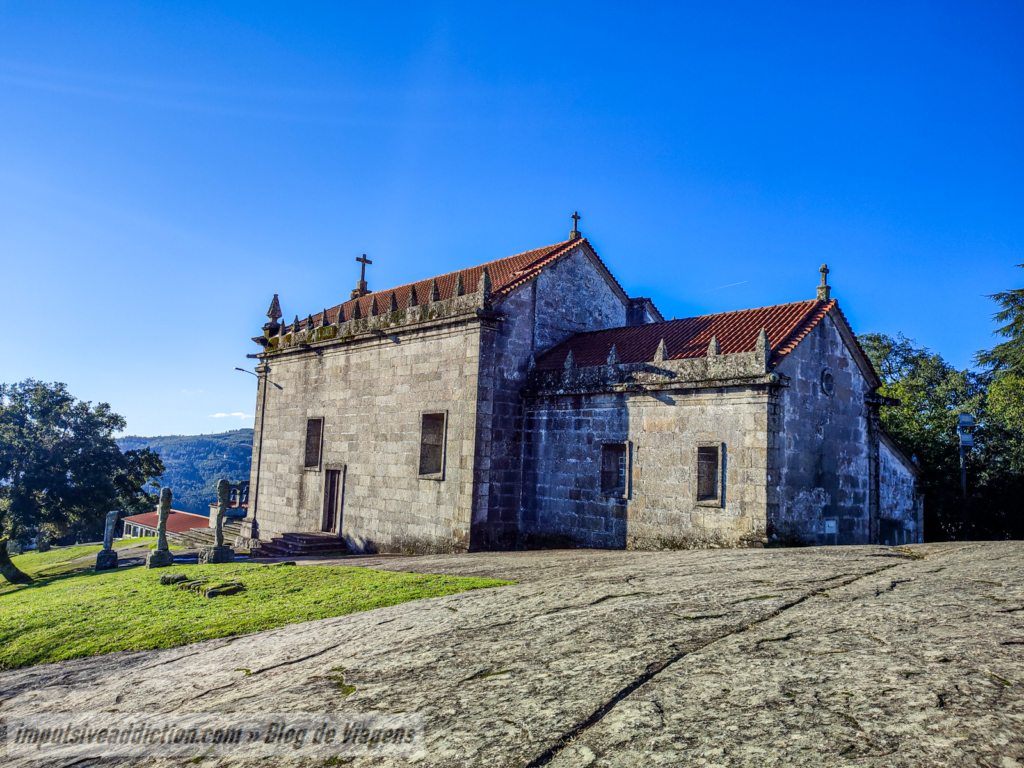
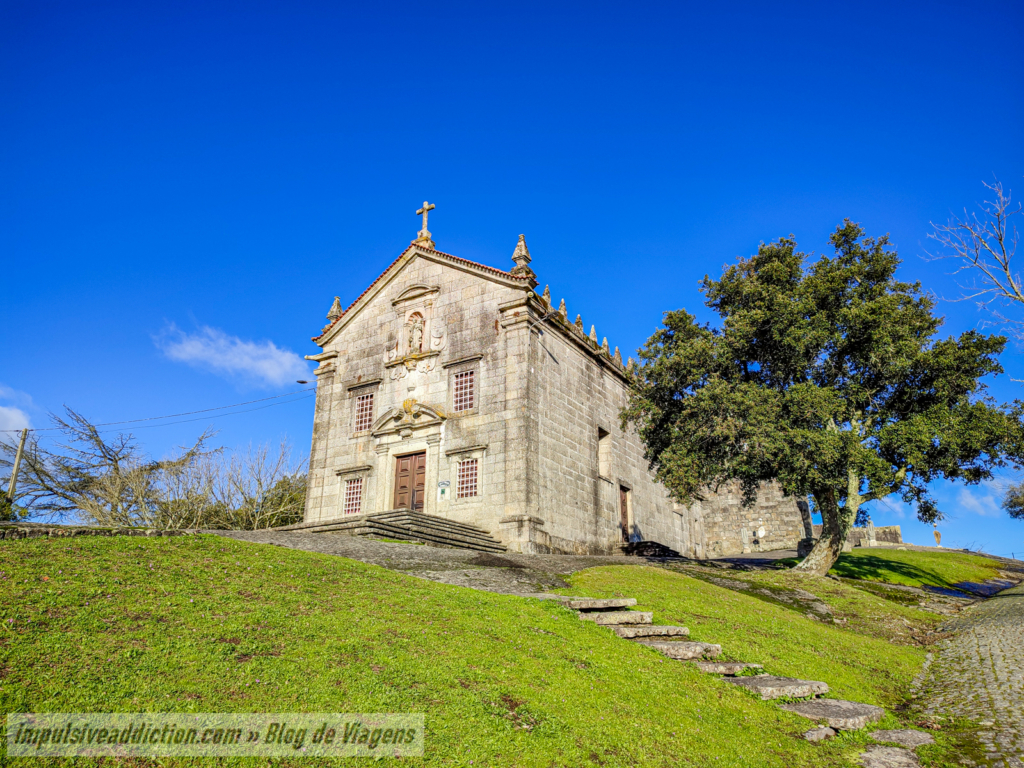
8. Castro of Póvoa de Lanhoso & Church of the Horto
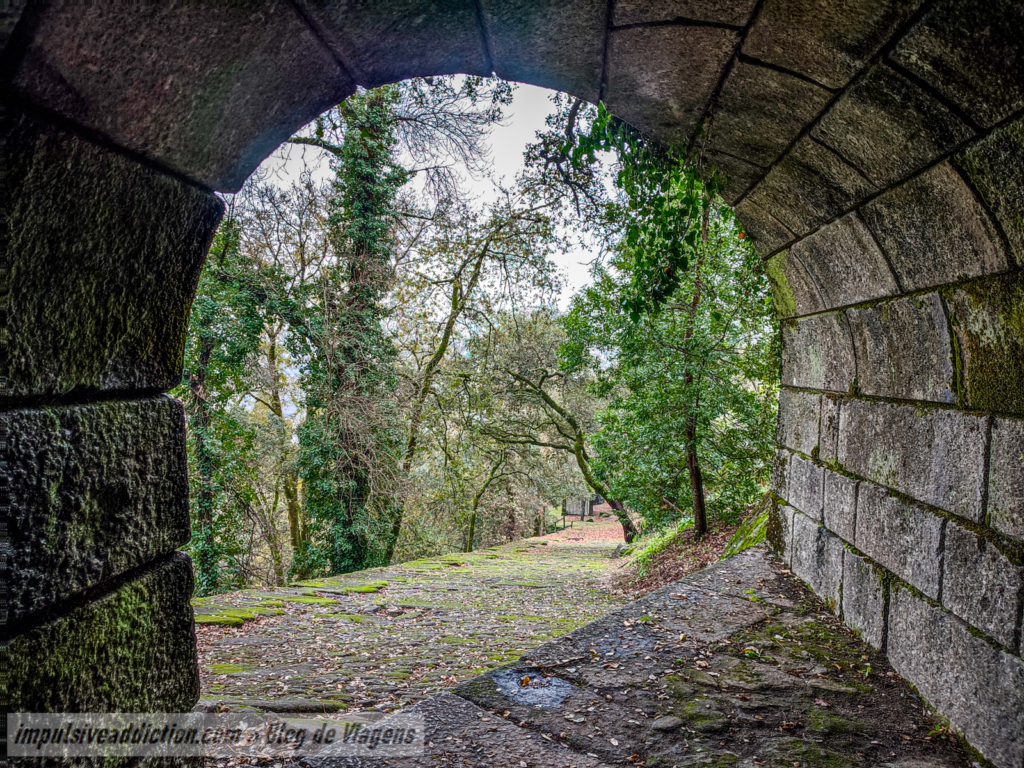
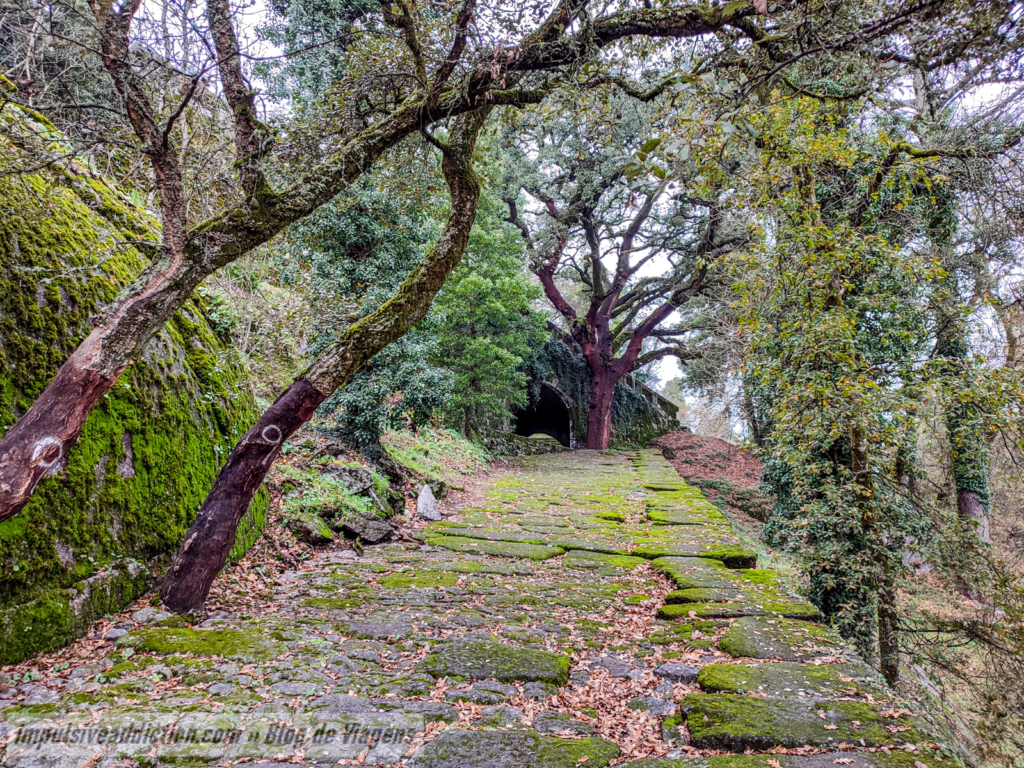
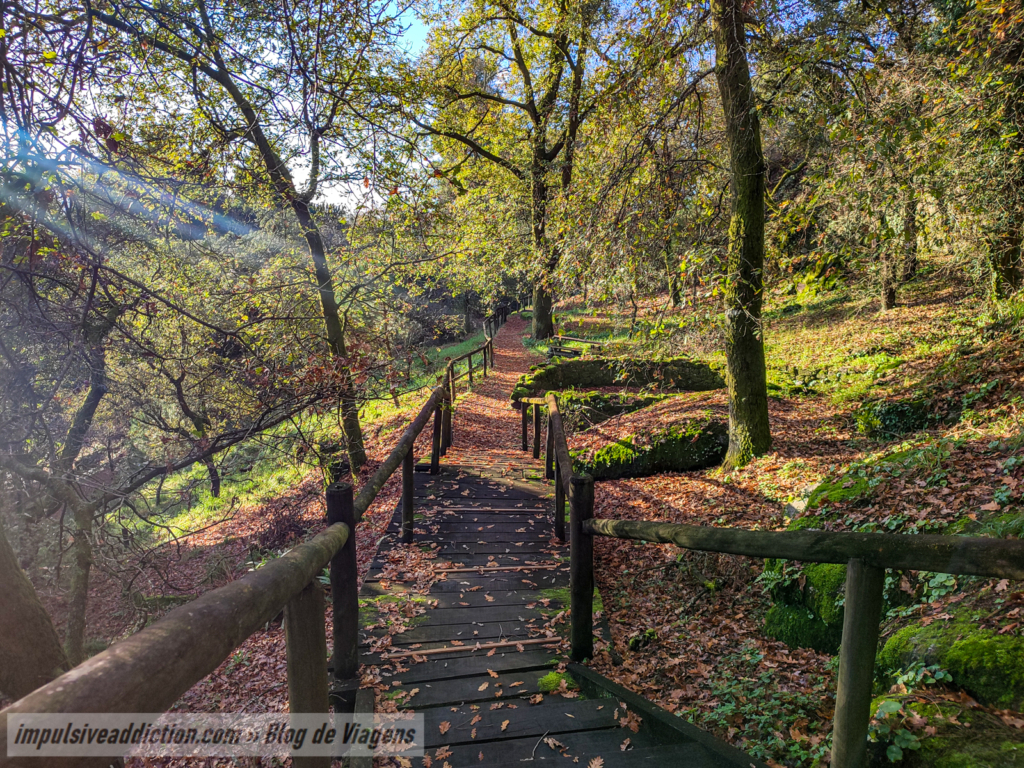
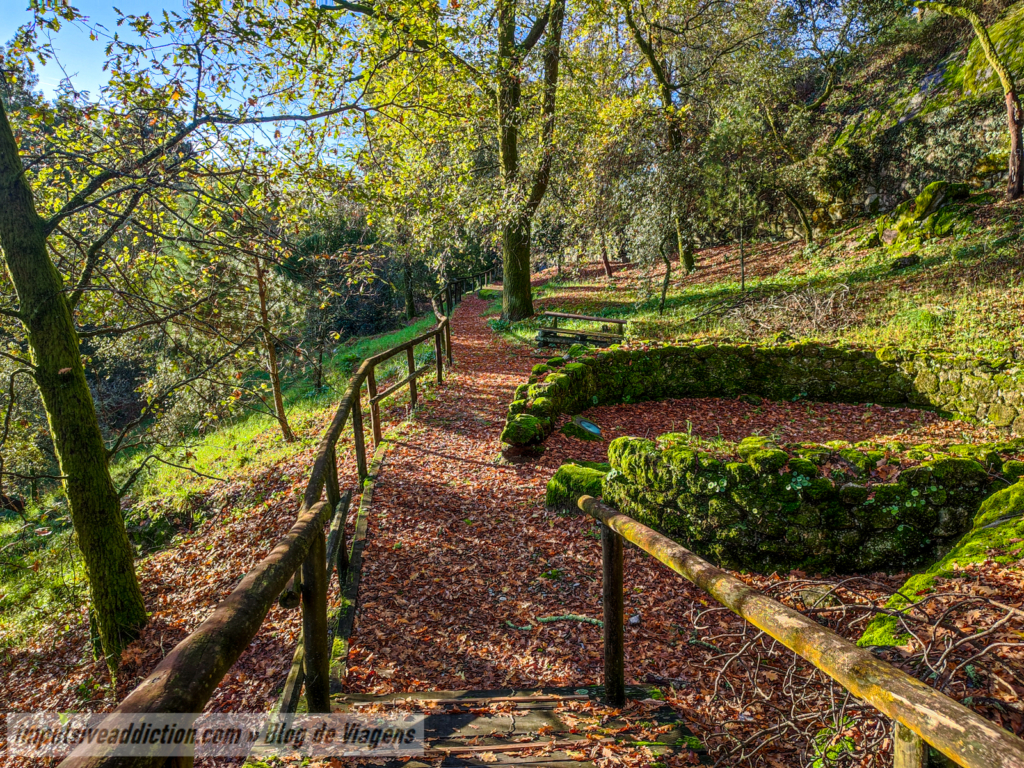
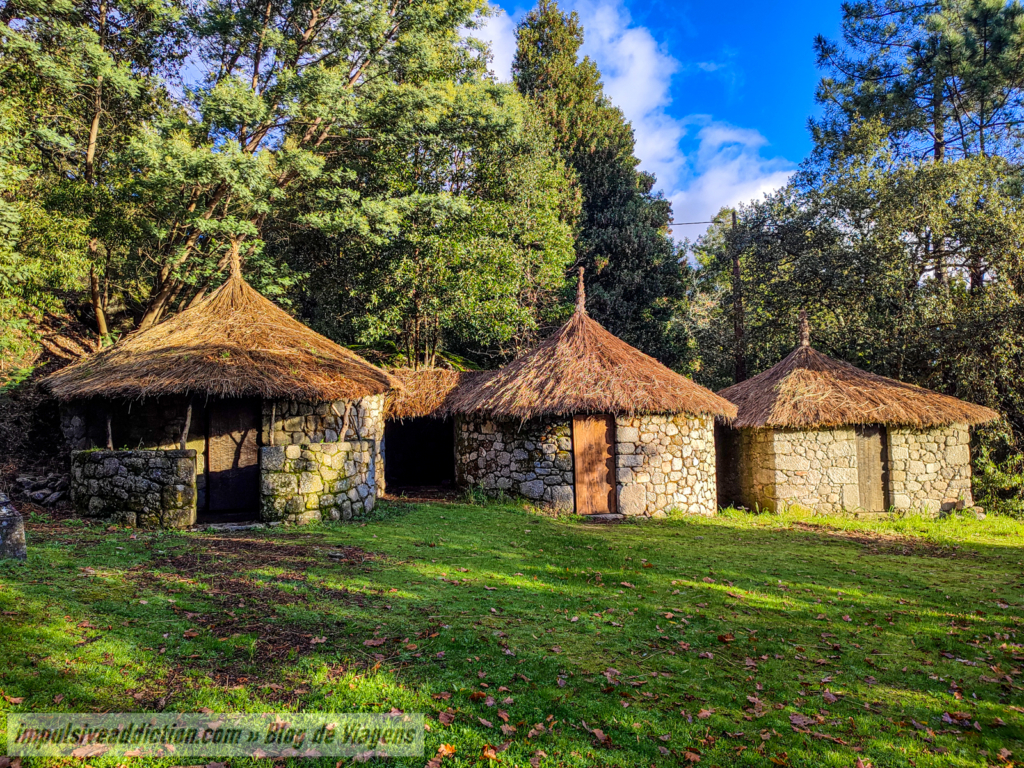
On your way down from Monte do Pilar, make sure to stop at the Castro of Póvoa de Lanhoso, a small Romanized hillfort settlement. Three of its ancient dwellings were reconstructed in the early 21st century, giving visitors a faithful idea of what these structures once looked like. There are also wooden walkways around the remaining ruins, making it easier to explore the site.
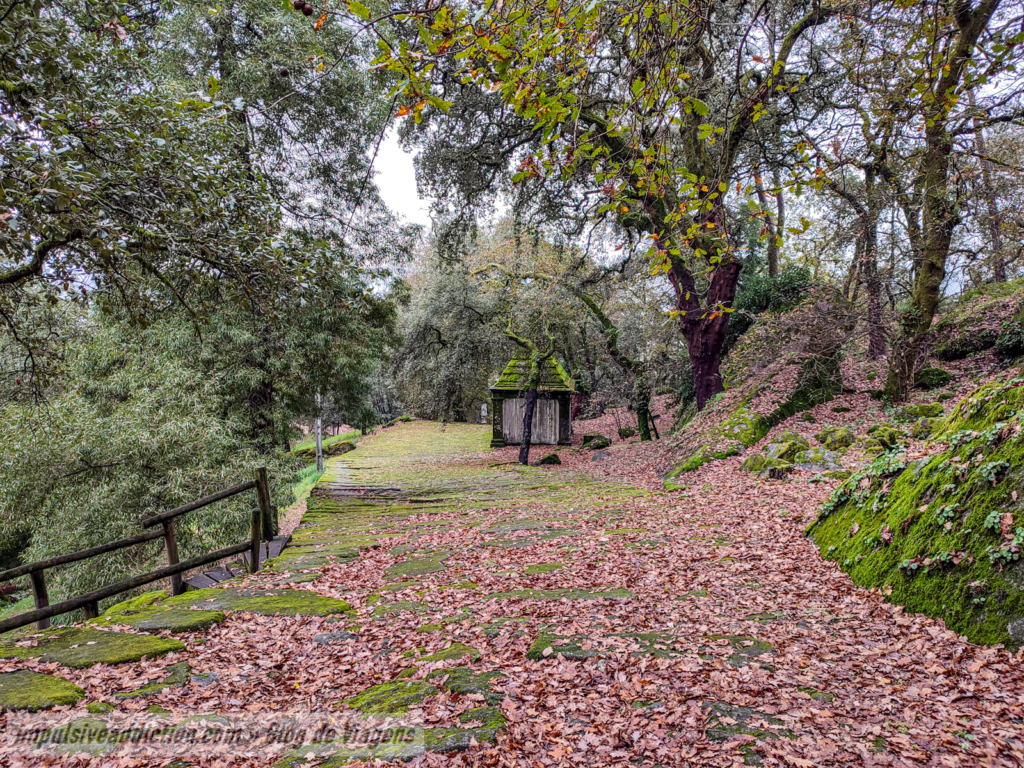
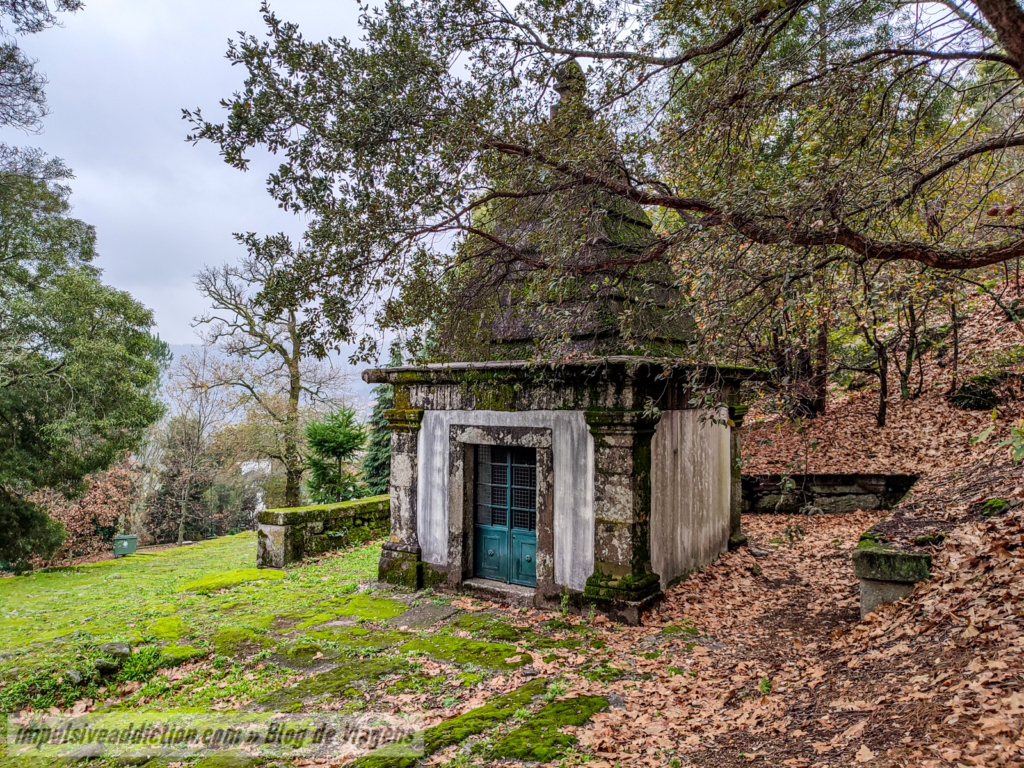
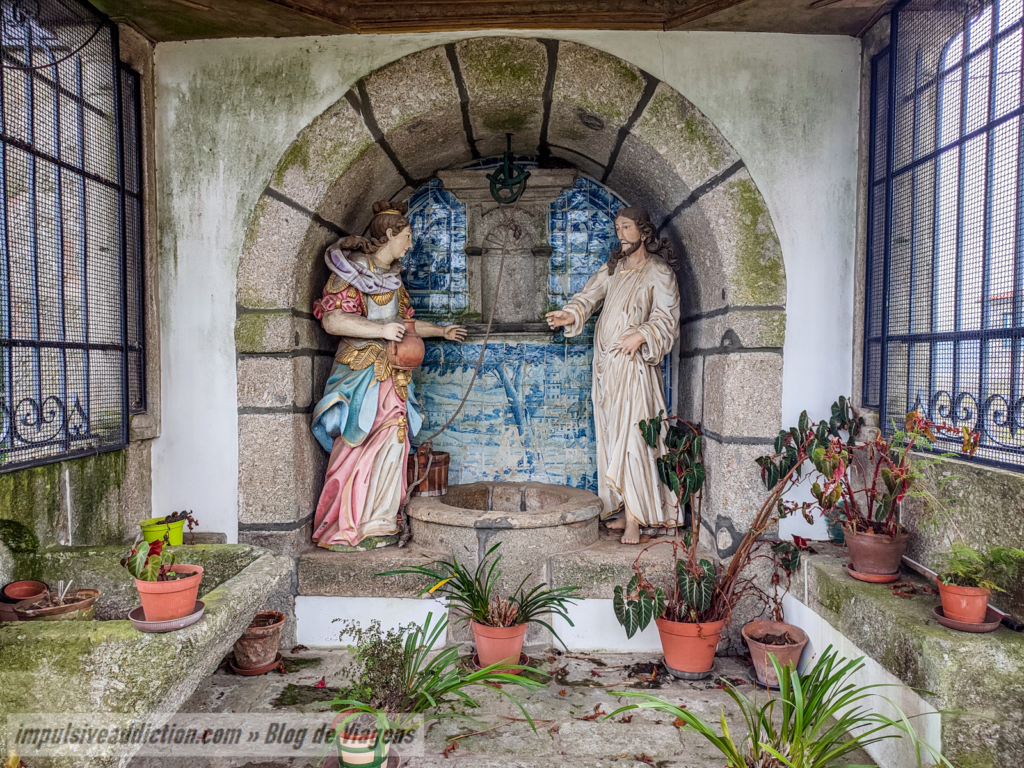
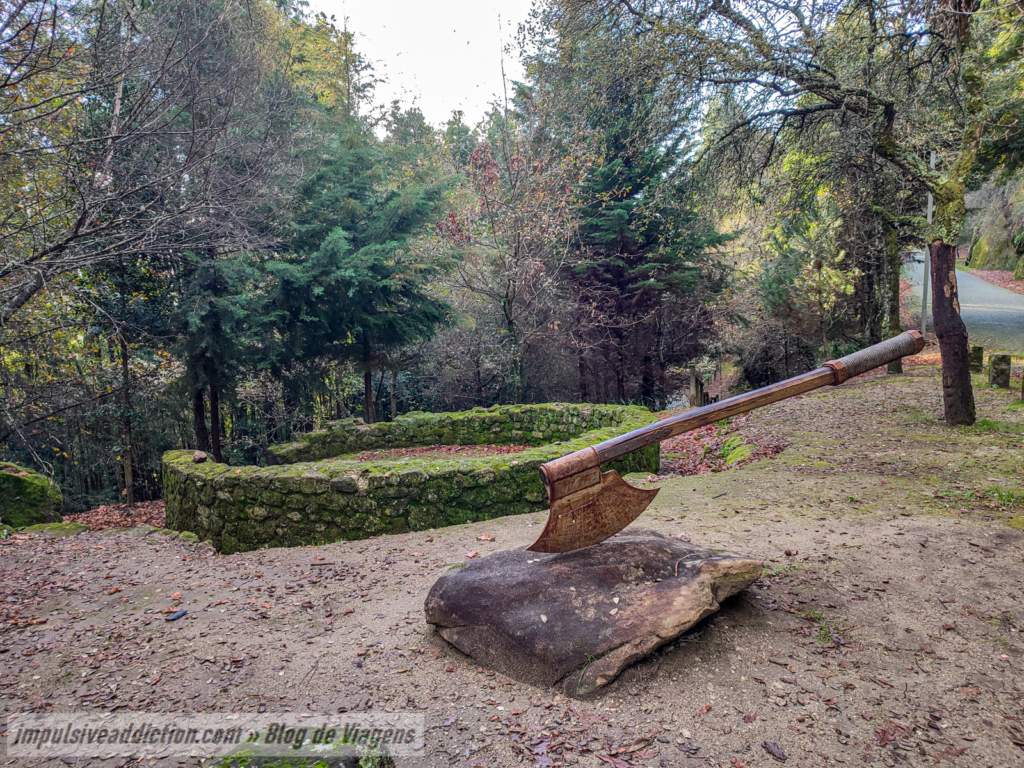
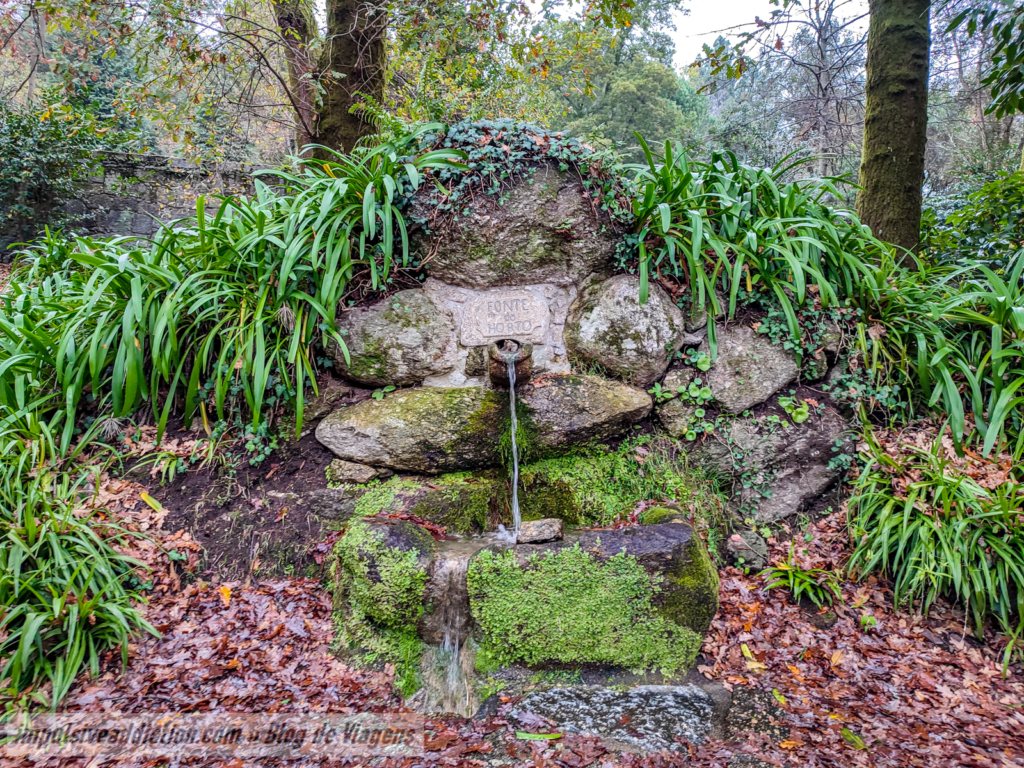
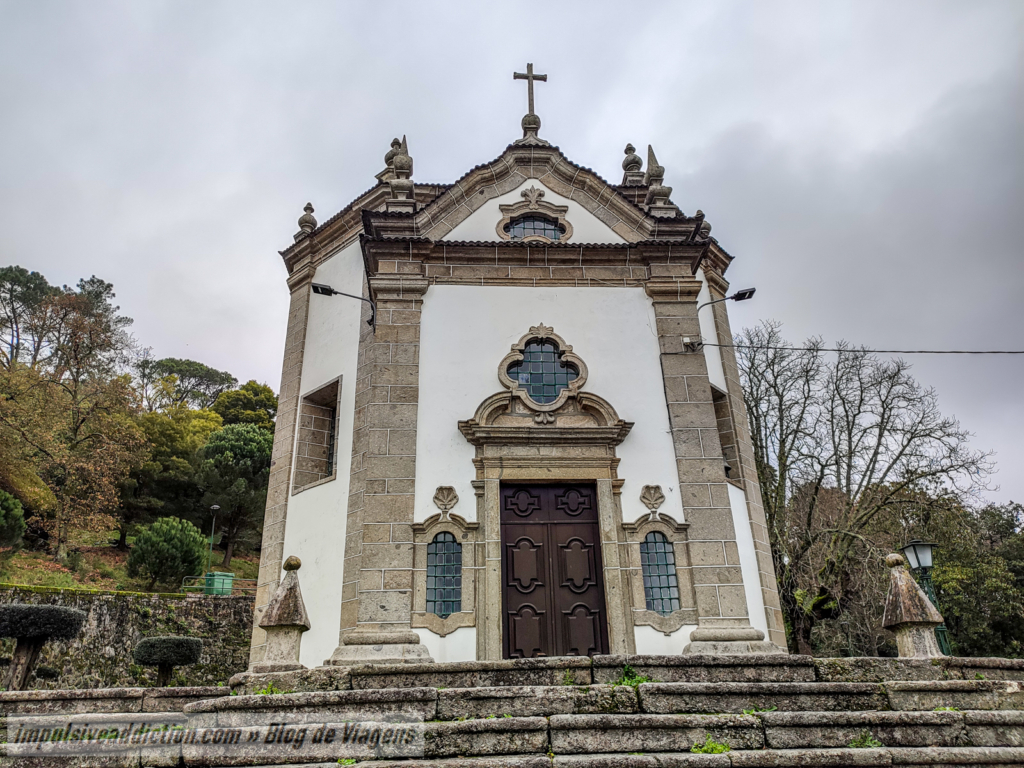
From the Church of the Horto to the Sanctuary of Nossa Senhora do Pilar, you’ll come across several small chapels scattered across the hillside. Together they form a kind of Way of the Cross, which is especially rewarding to walk if you’re doing the Pontido Mills Trail.
9. Calvos Oak
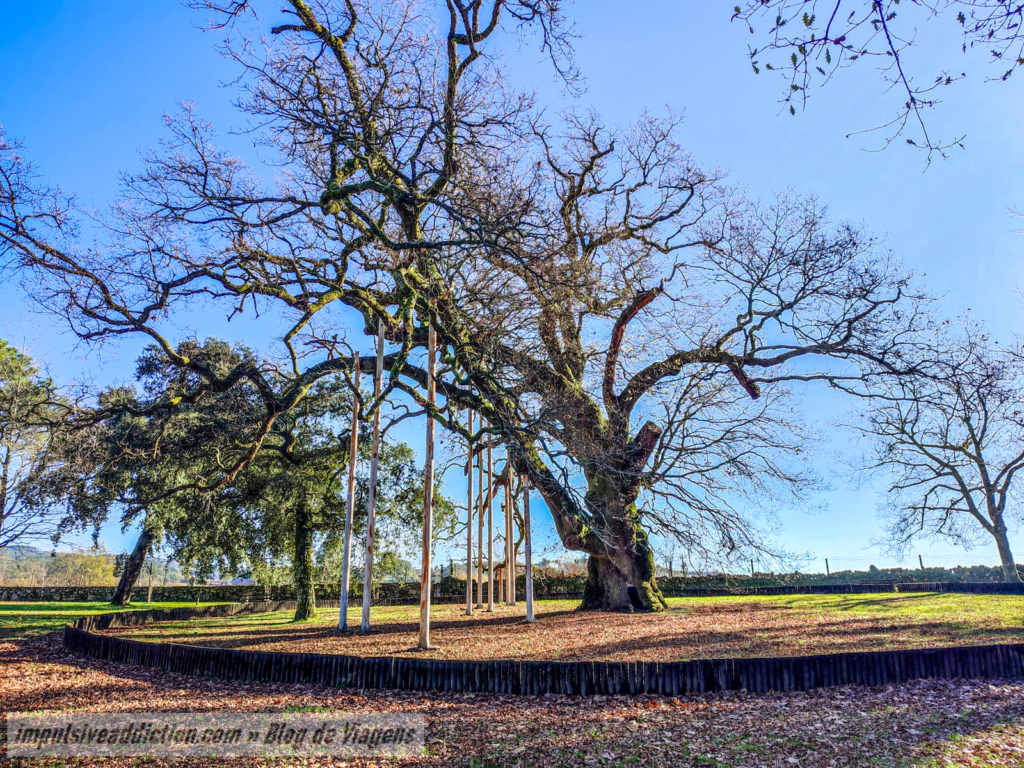
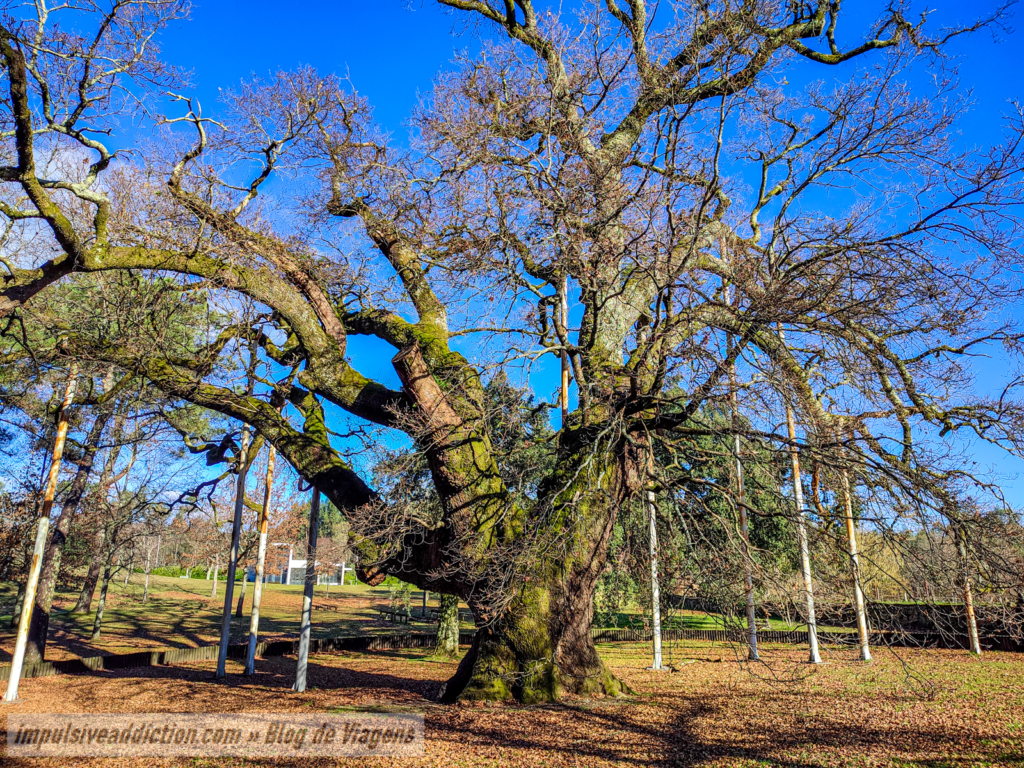
The Calvos Oak is a natural monument of public interest in Póvoa de Lanhoso, believed to be the oldest oak tree in the Iberian Peninsula and the second oldest in Europe. It stands an impressive 23 meters tall, with an average crown diameter of 40 meters and a trunk measuring over 7 meters in diameter. This remarkable tree is estimated to be more than 500 years old.
Nearby, you’ll also find an Environmental Interpretation Center, which provides more information about the oak and the surrounding ecosystem.
The Cávado River in Póvoa de Lanhoso
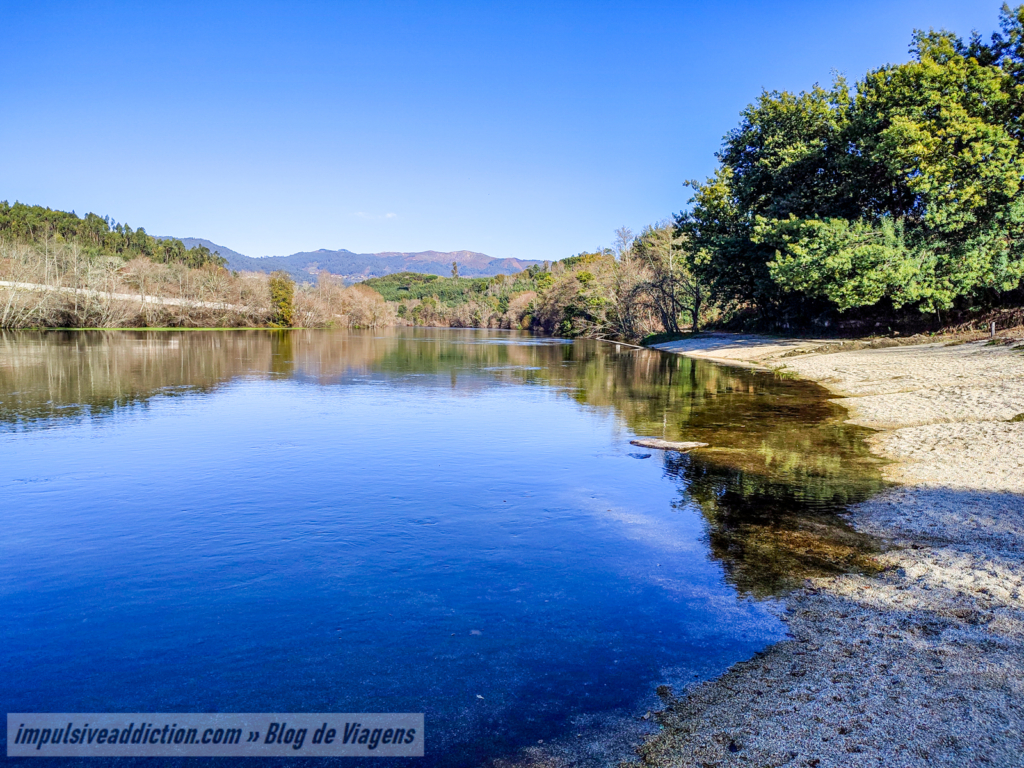
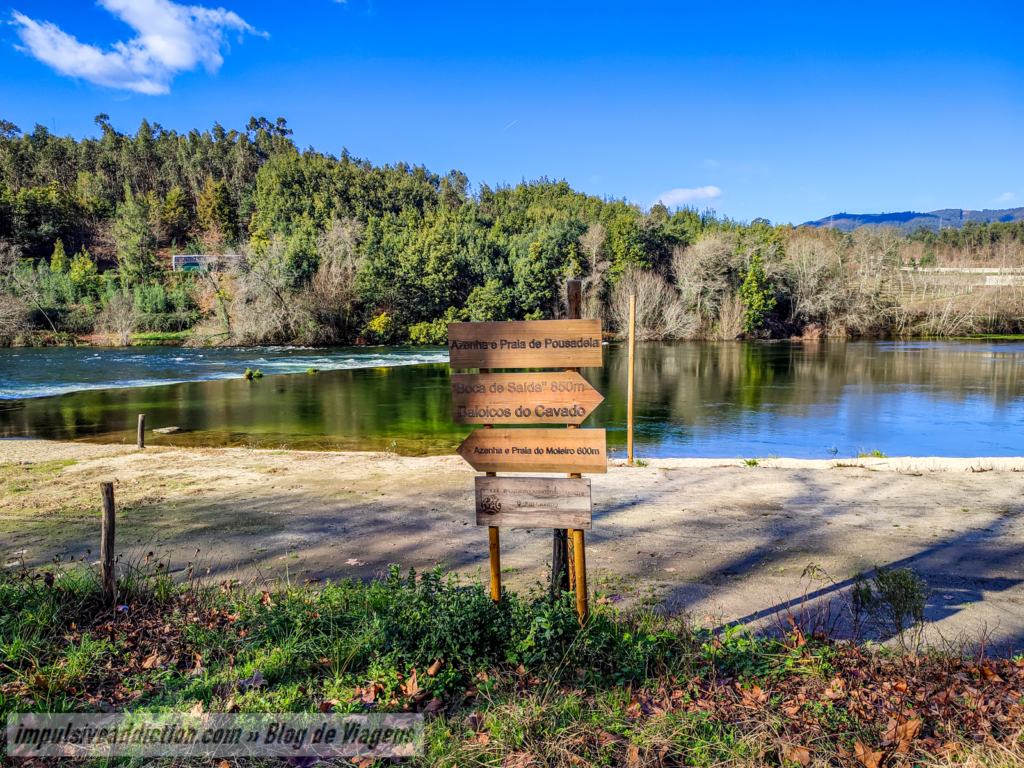
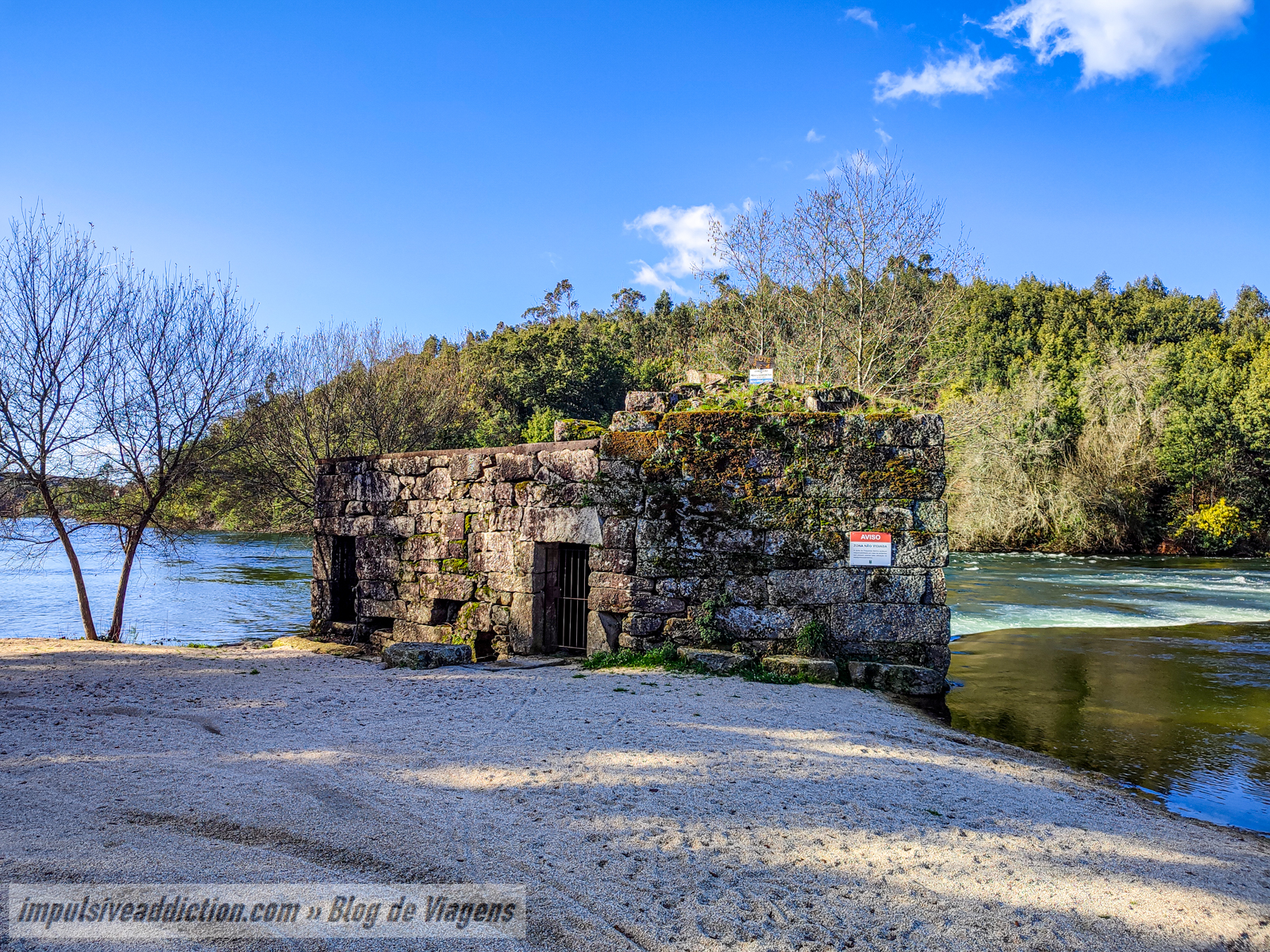
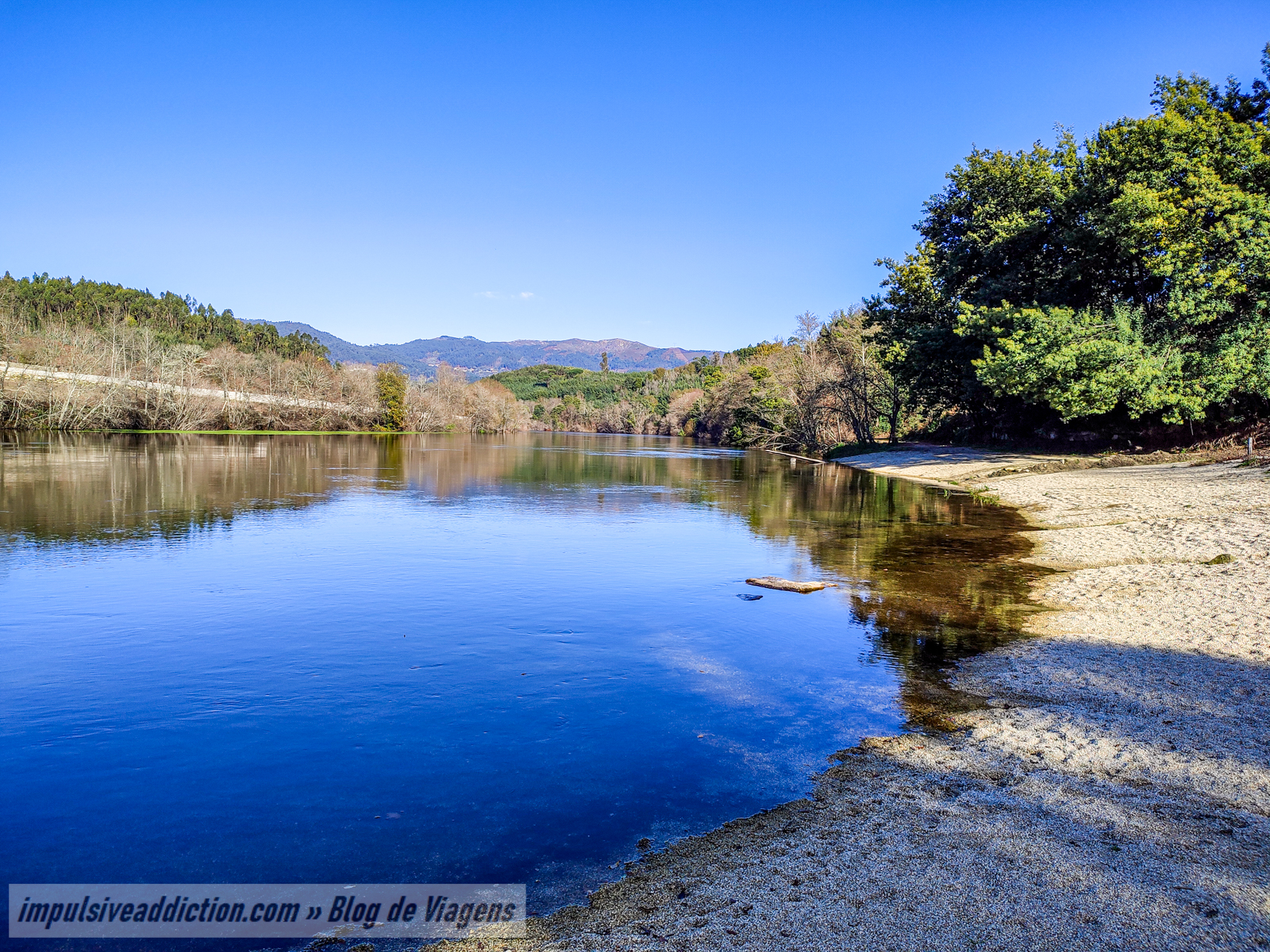
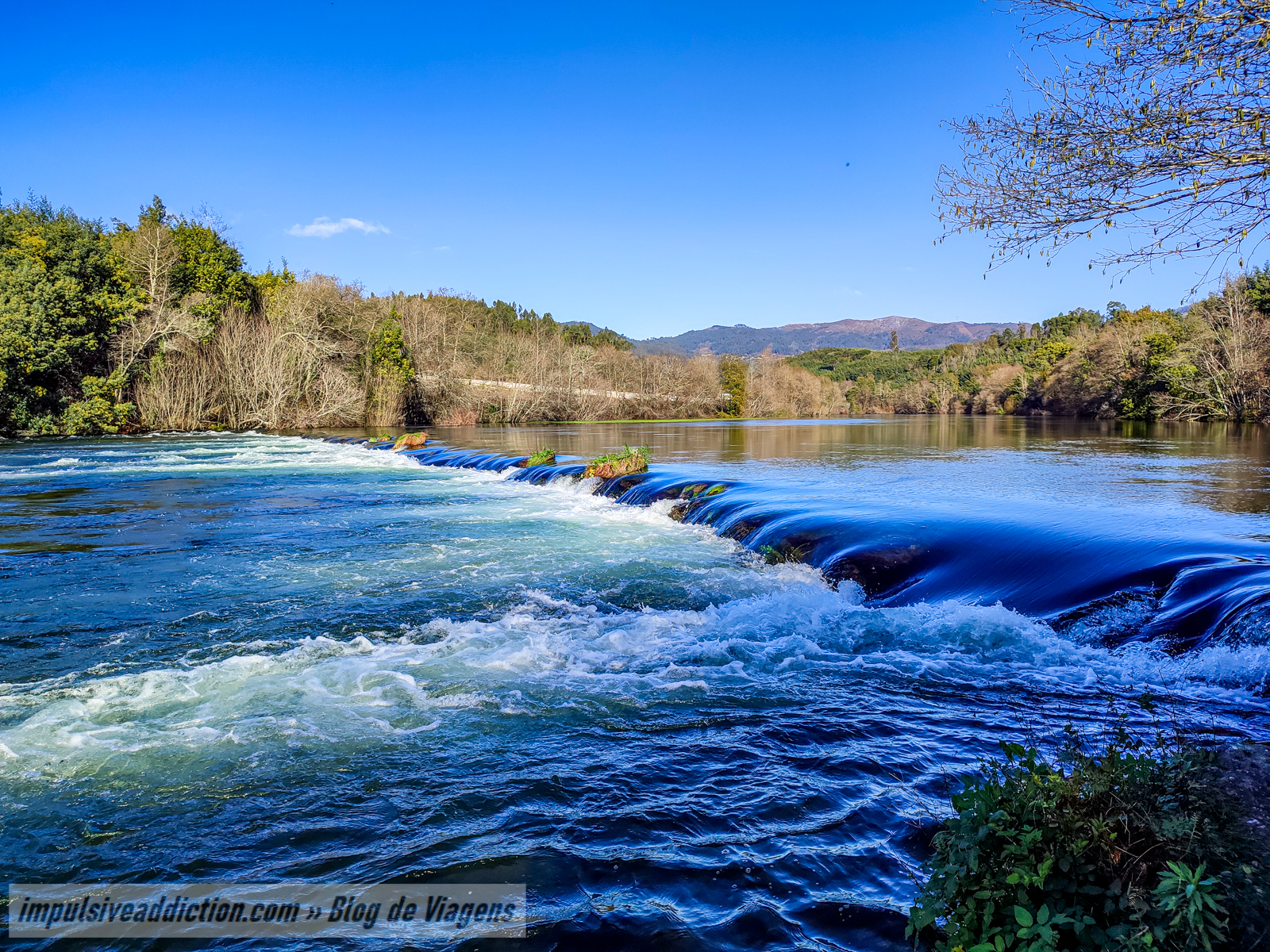
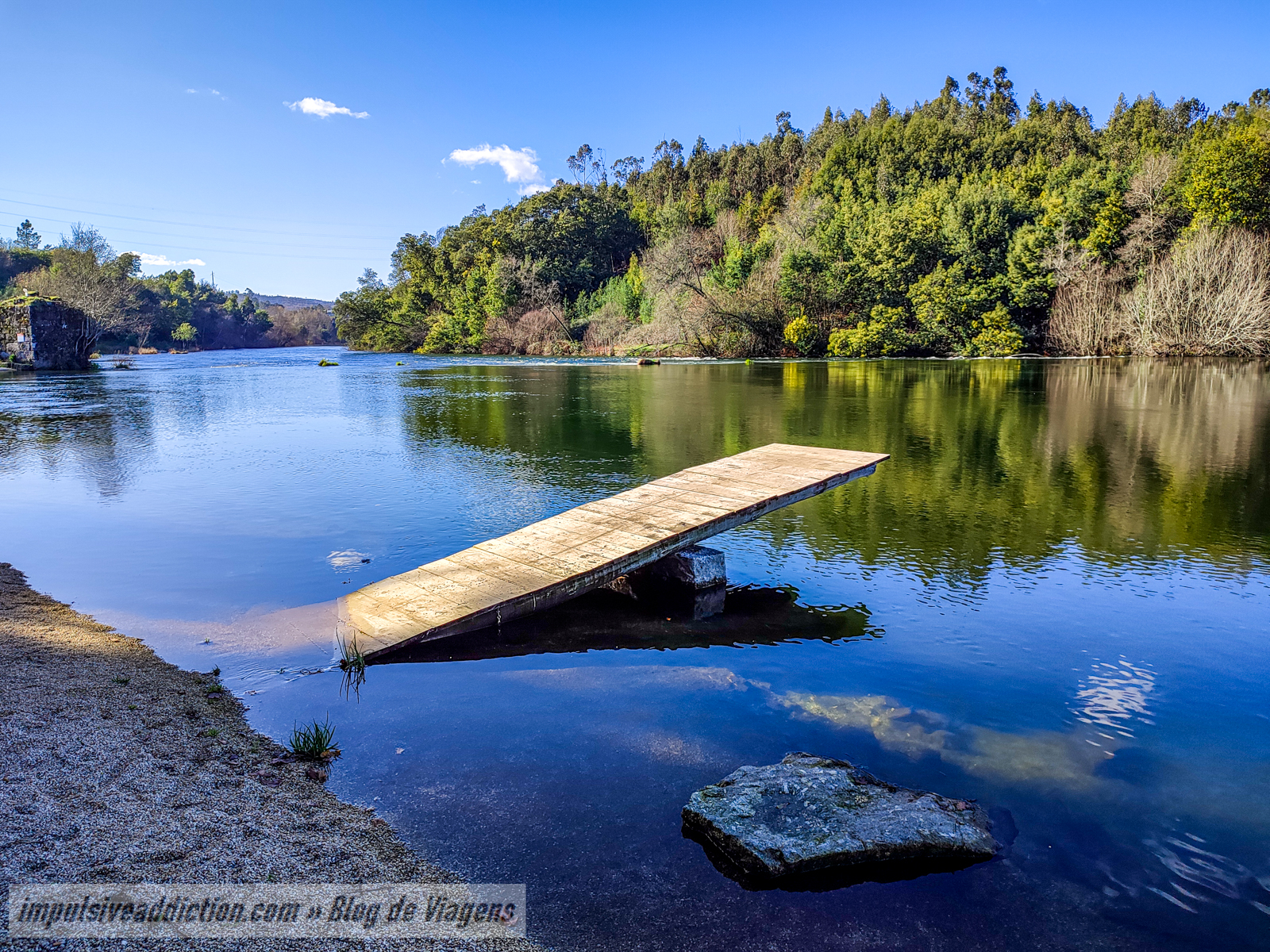
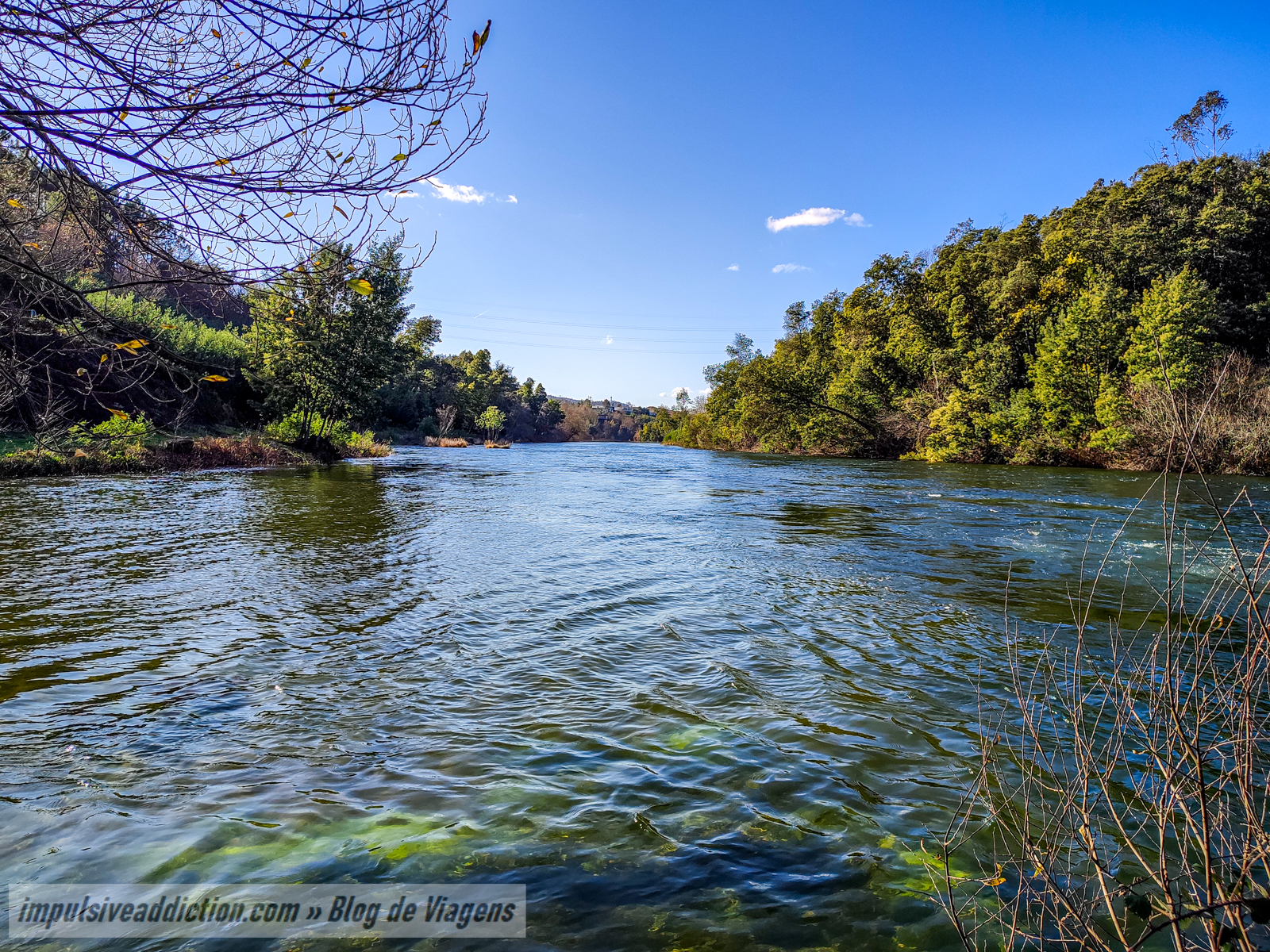
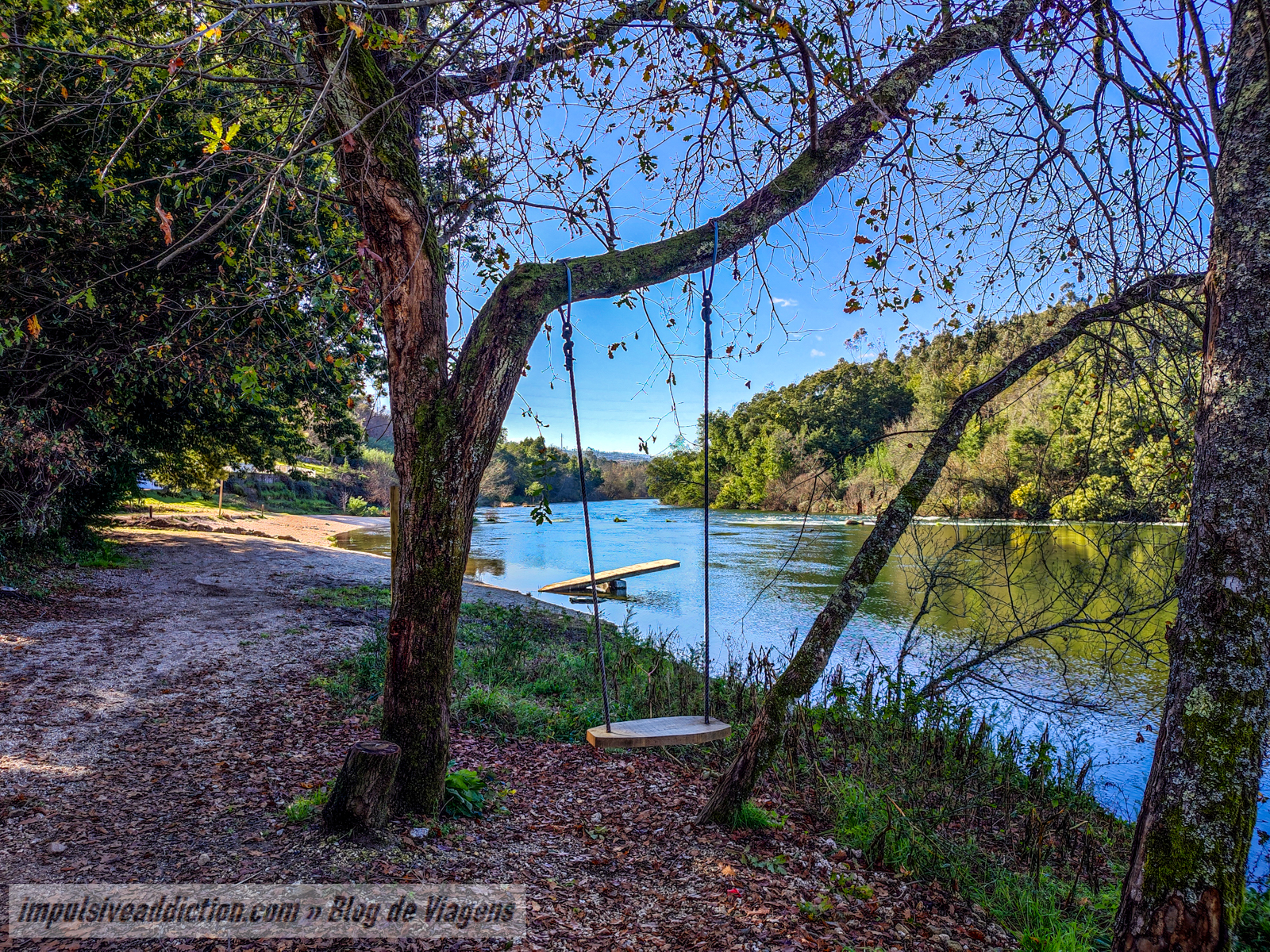
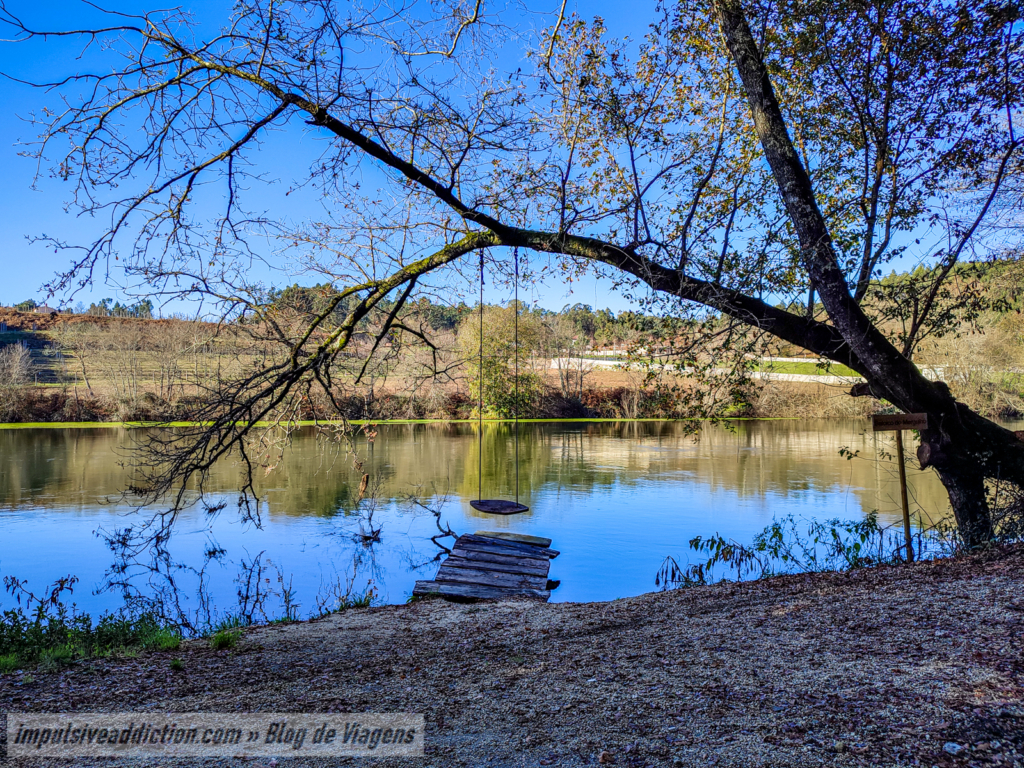
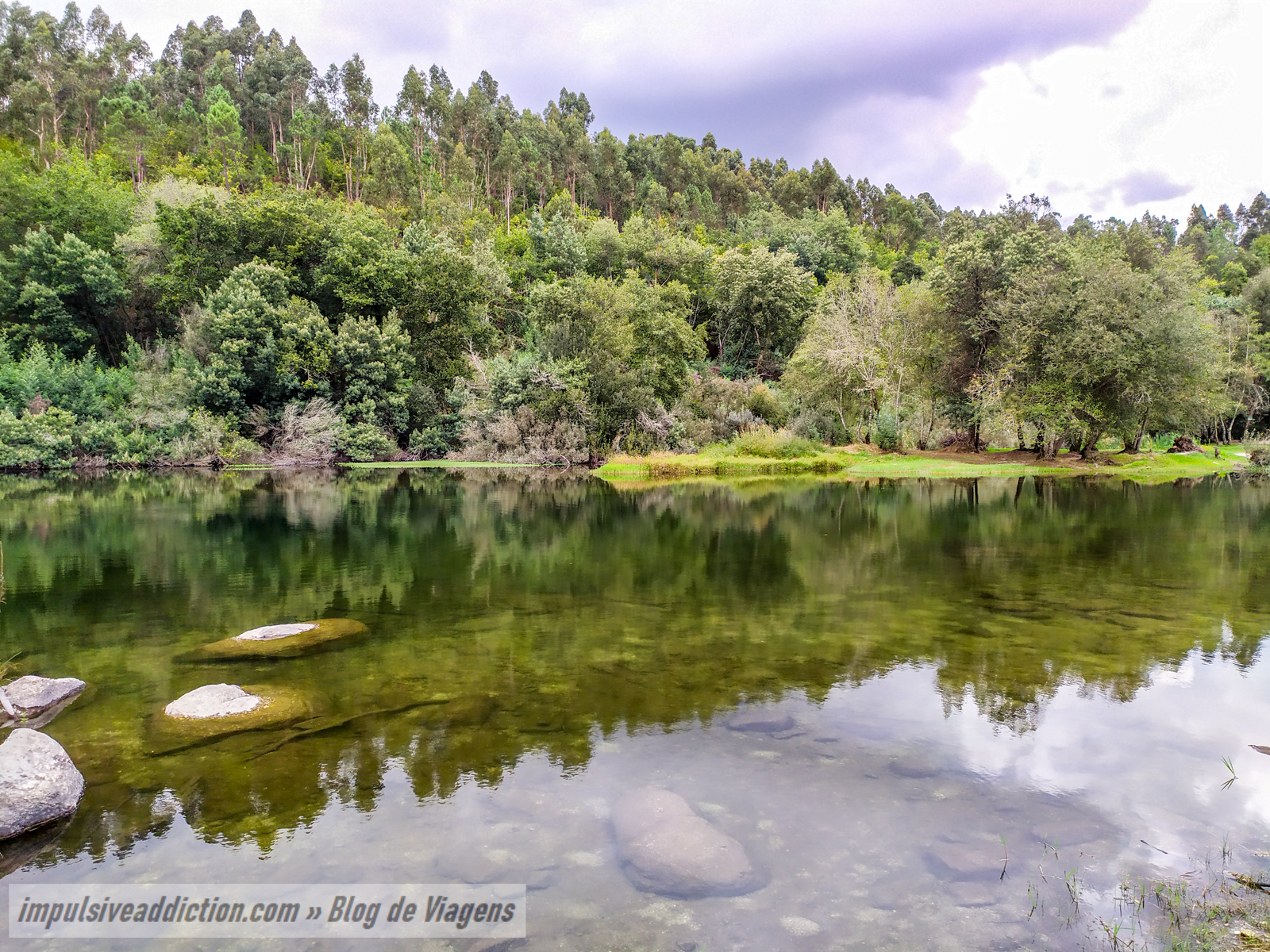
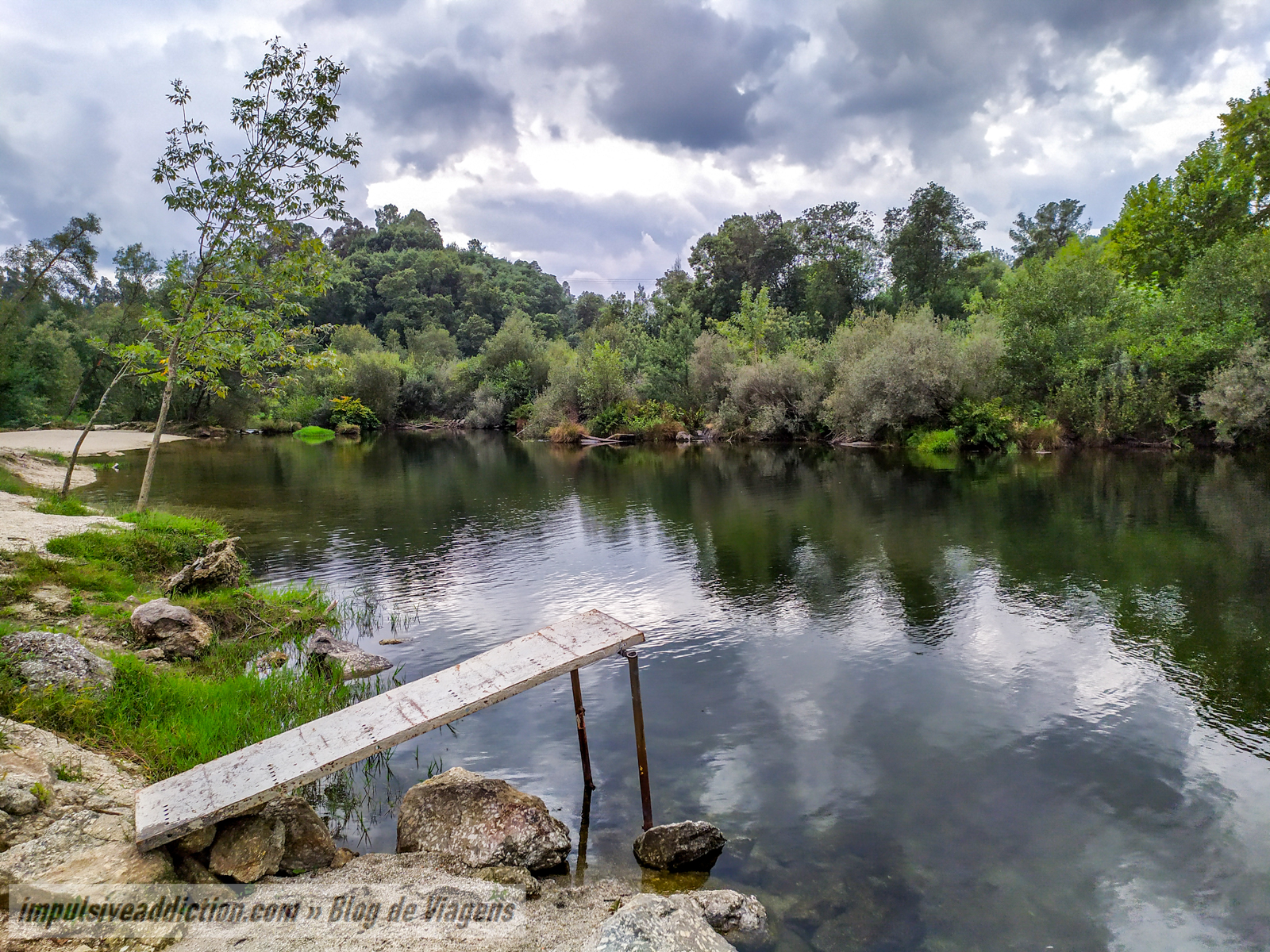
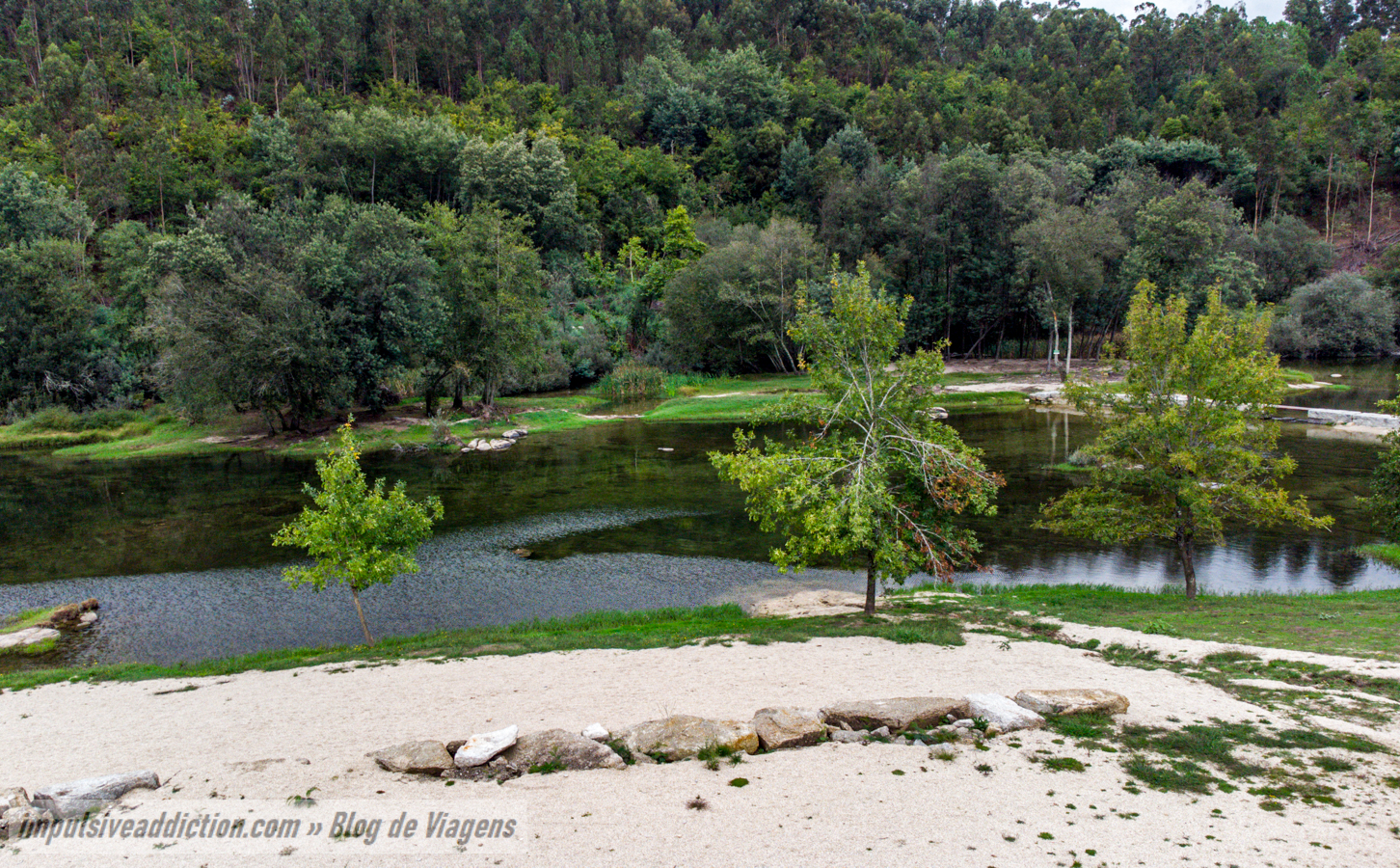
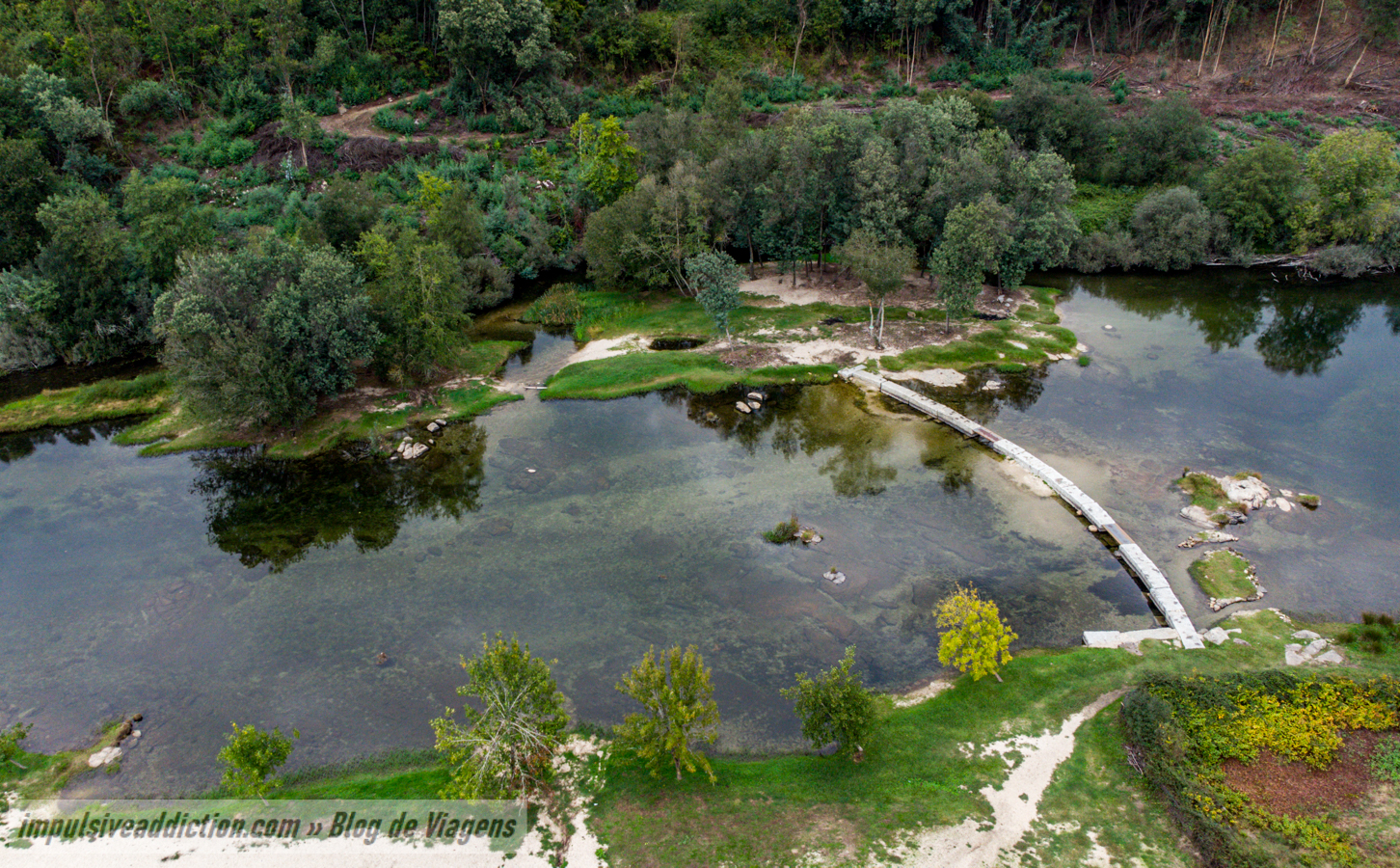
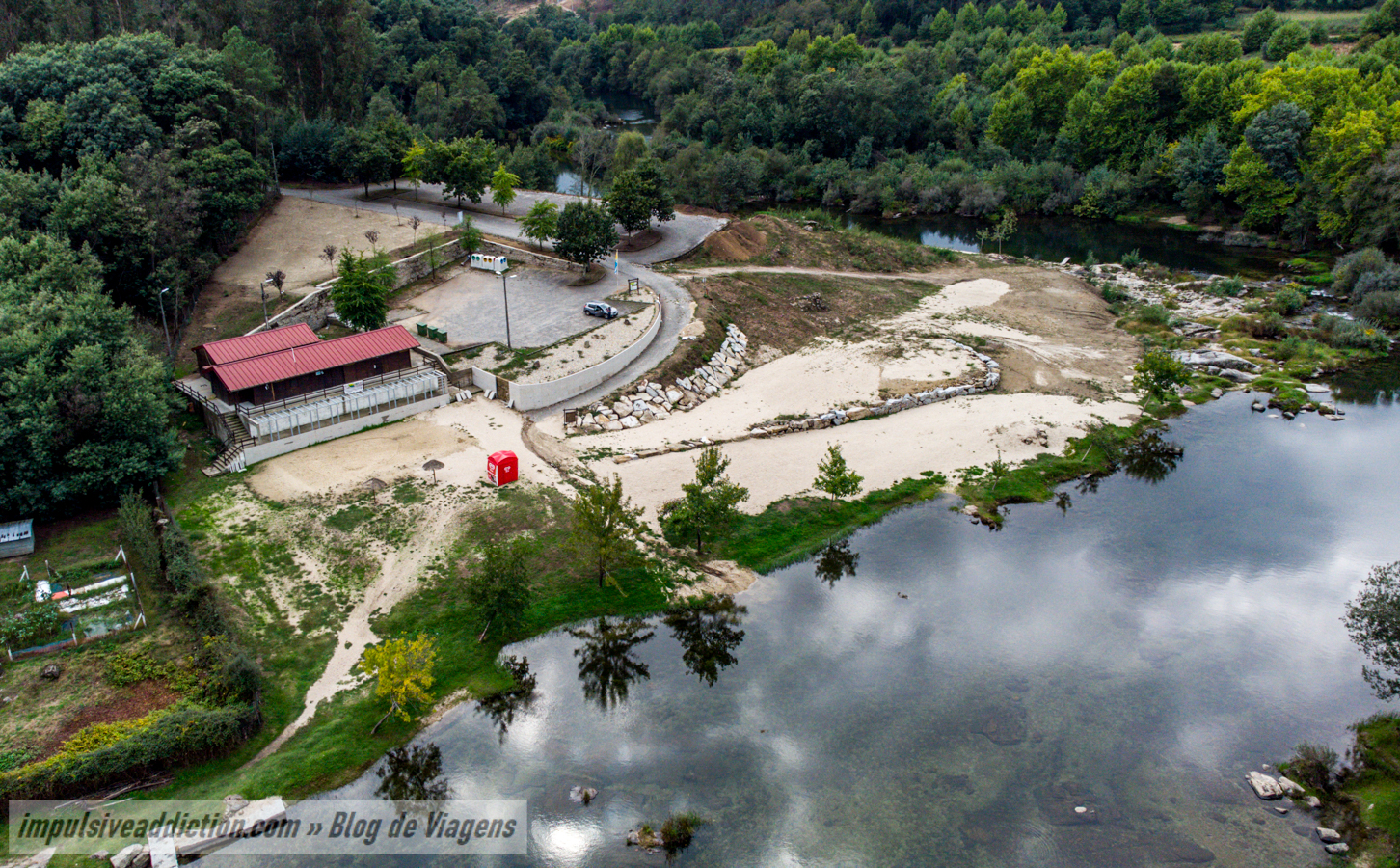
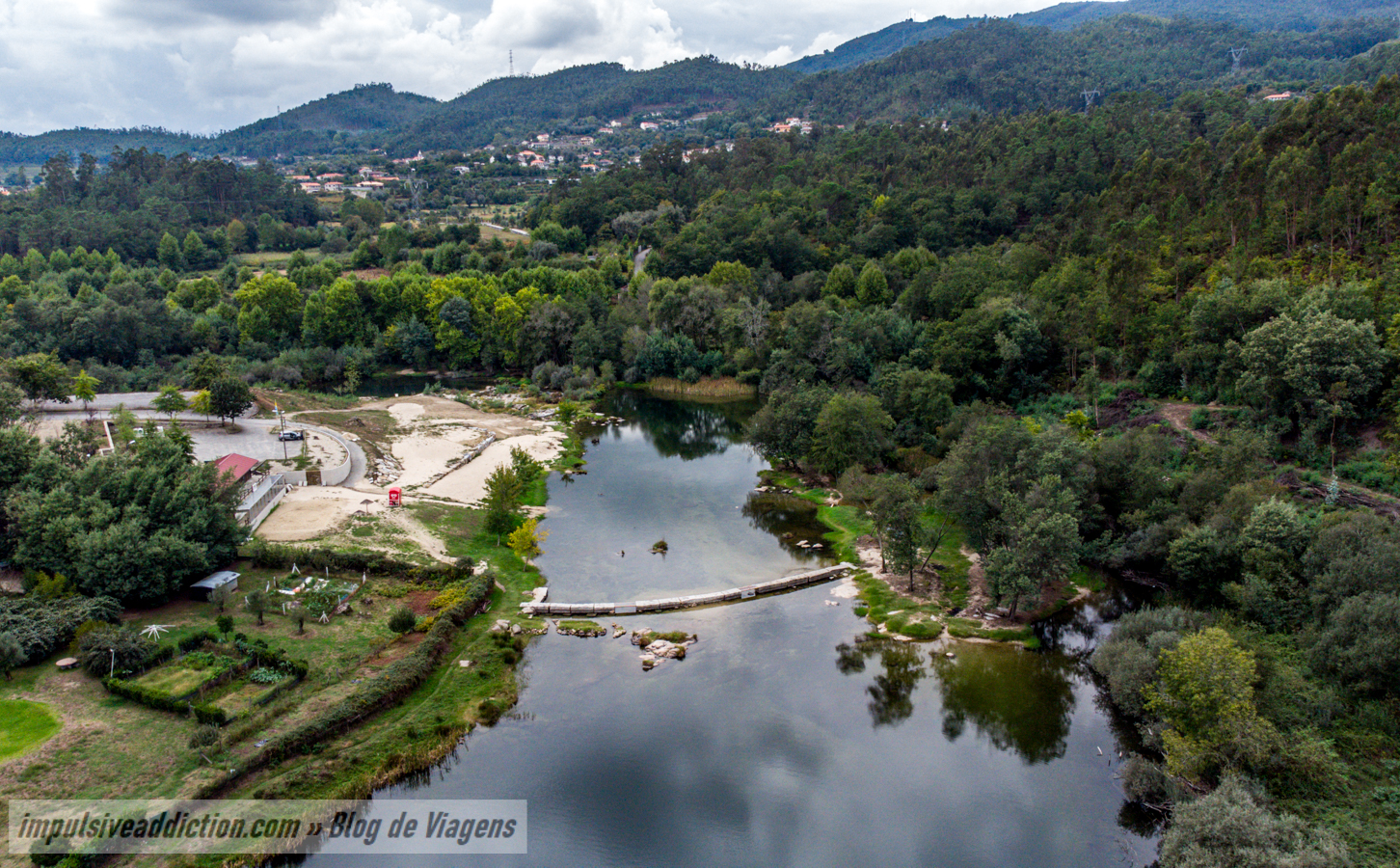
In the northern part of the municipality, you’ll find some excellent river beaches along the Cávado River: the Pousadela River Beach (Monsul) and the Verim River Beach. The latter is often considered one of the best river beaches on the Cávado in the Braga district and gets quite busy in summer. Personally, I prefer the former, especially because it has several swing ropes for diving right from the riverbank.
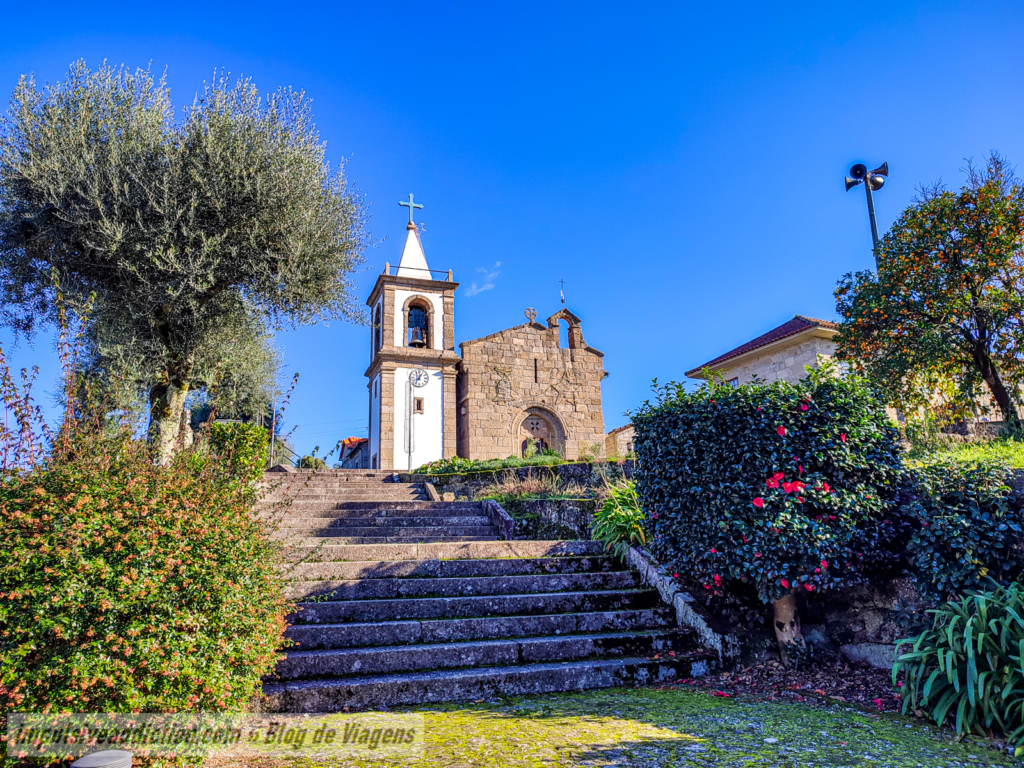
While in the area, don’t miss the Church of Santa Maria de Verim, a Romanesque church dating back to the late 12th or early 13th century.
1. Pousadela River beach (Monsul)
2. Verim River beach
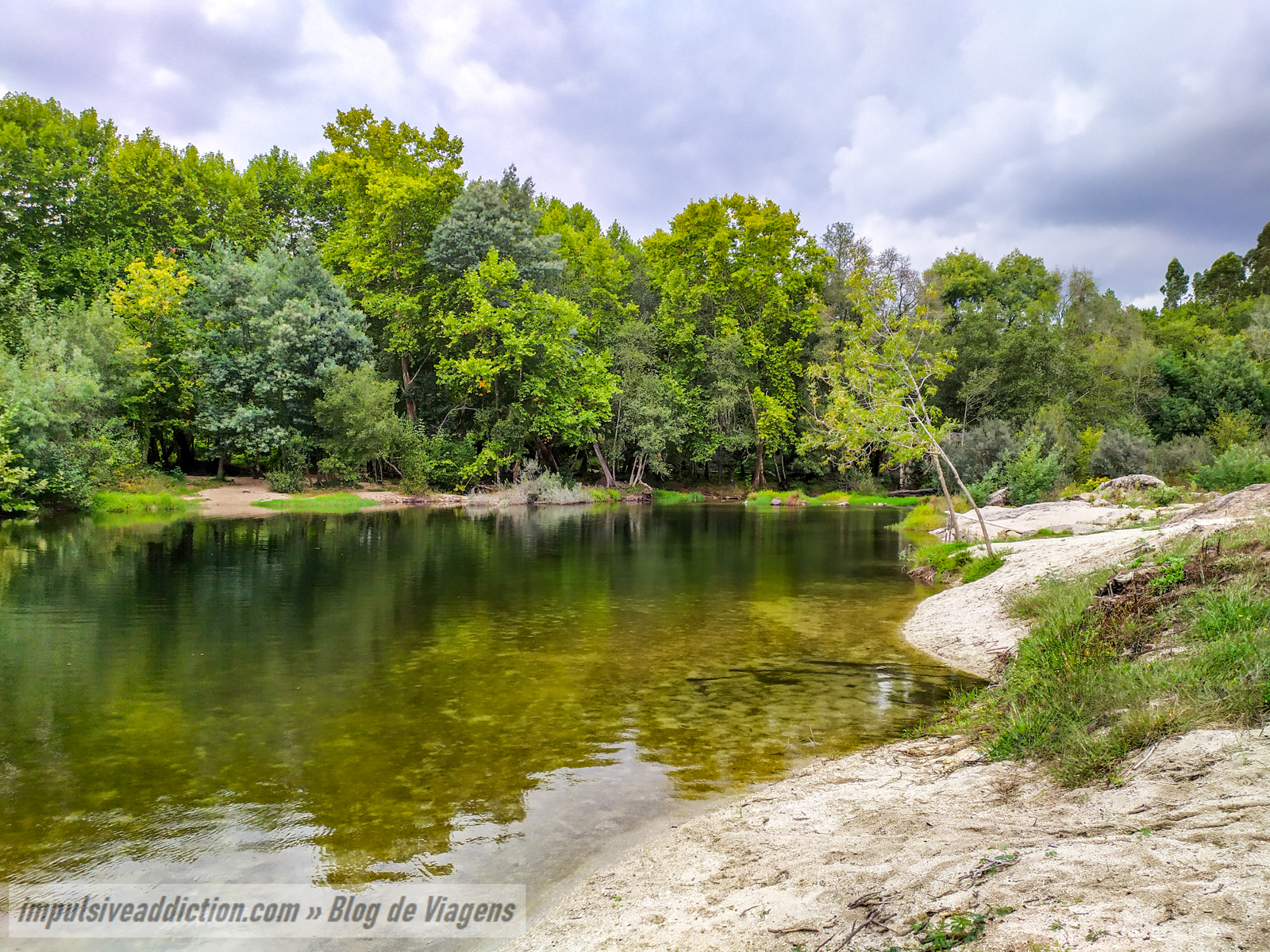
3. Church of Santa Maria de Verim
The Ave River in Póvoa de Lanhoso
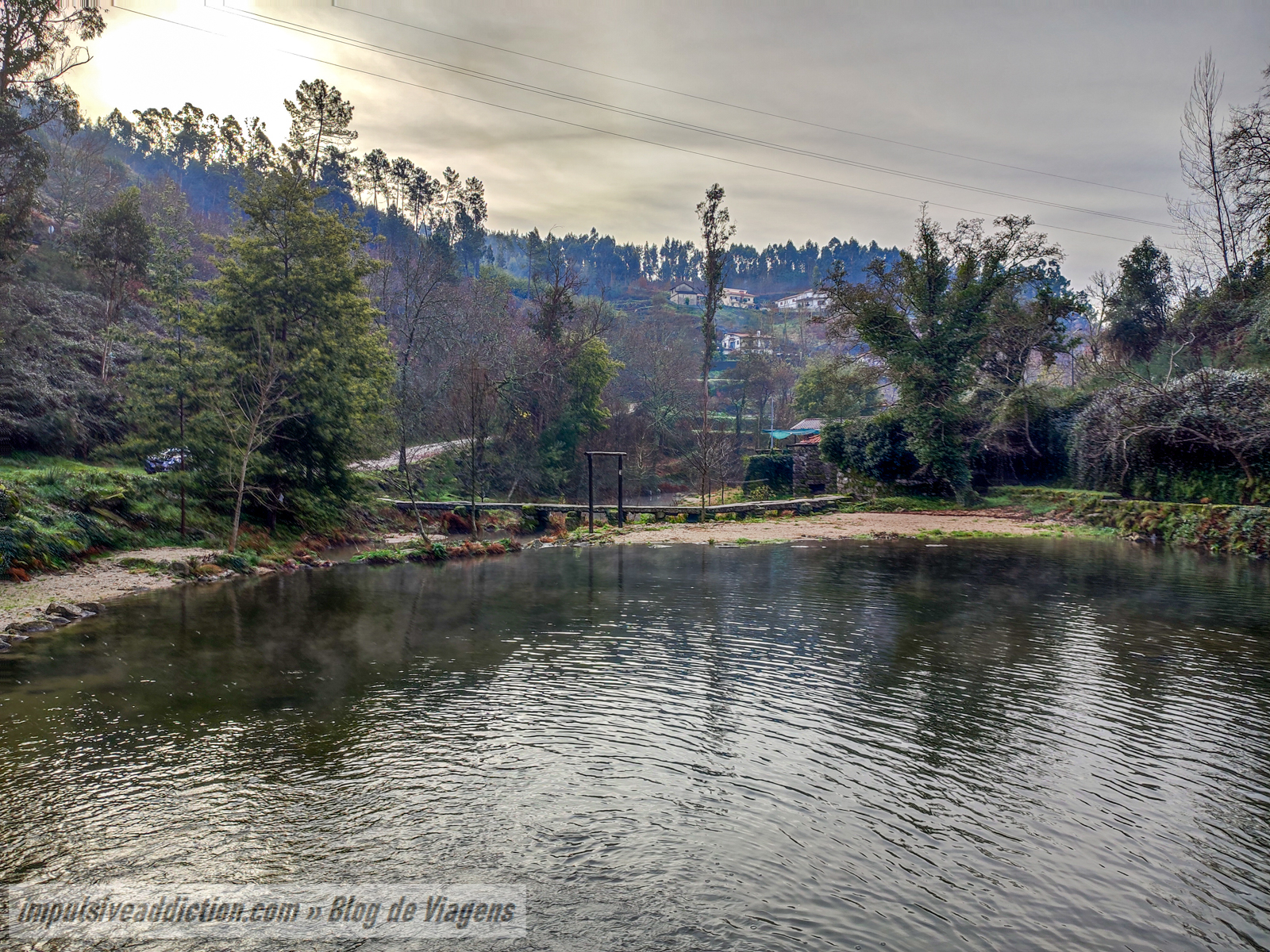
In the southern part of Póvoa de Lanhoso, the Ave River also offers several inviting river spots:
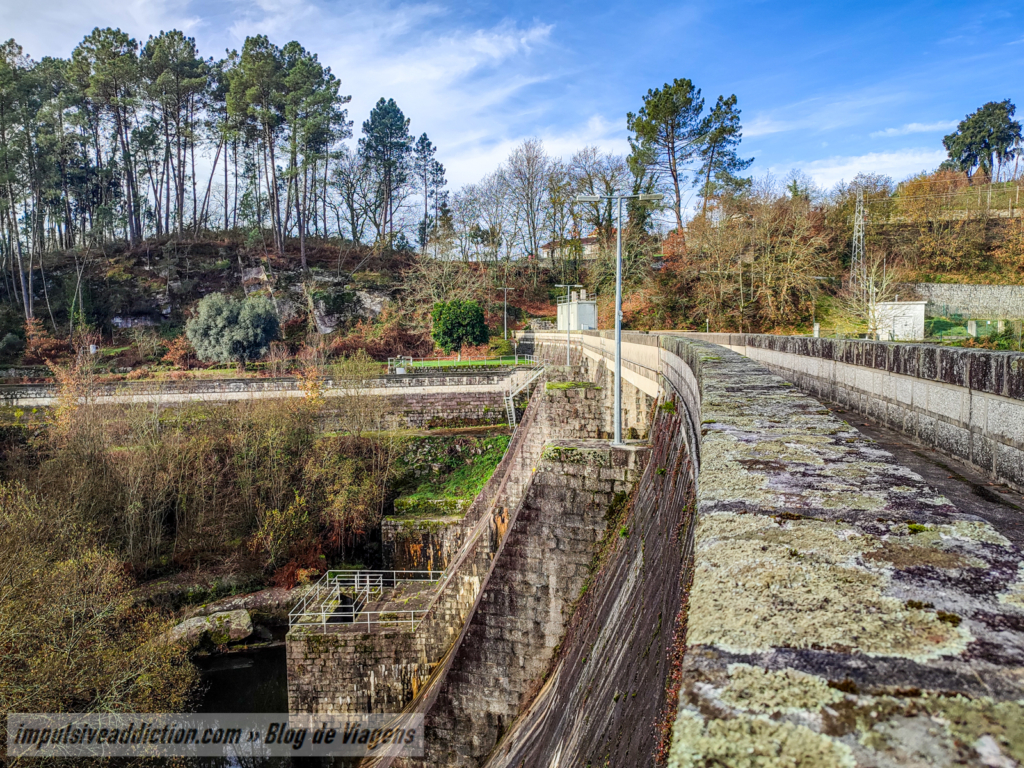
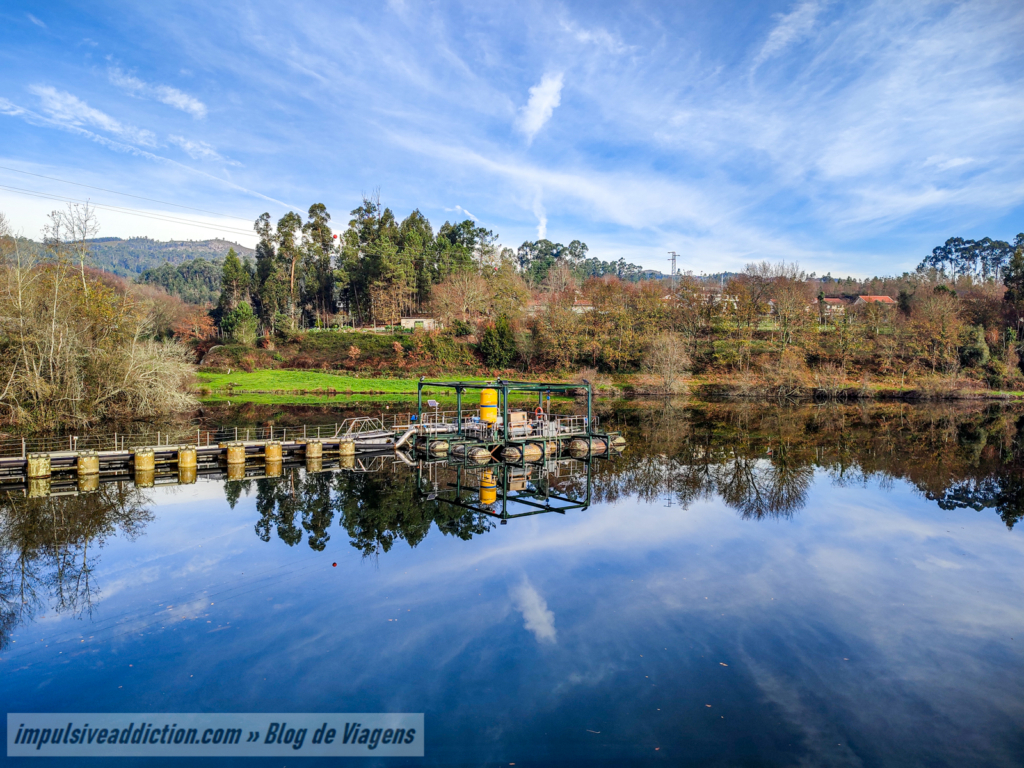
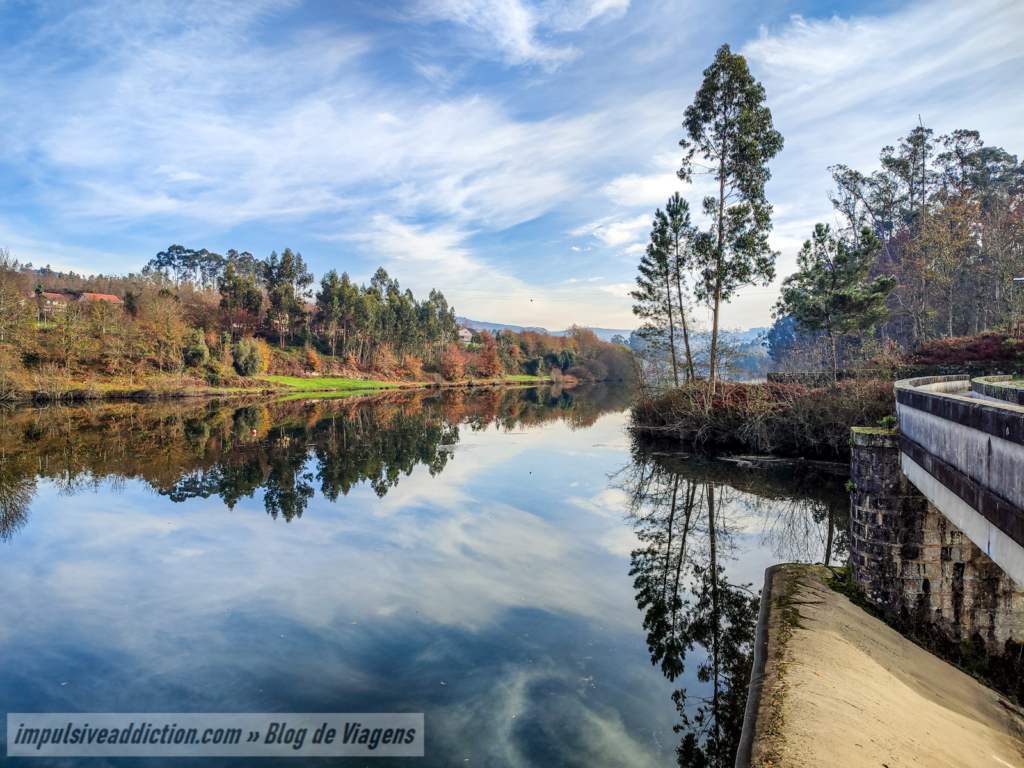
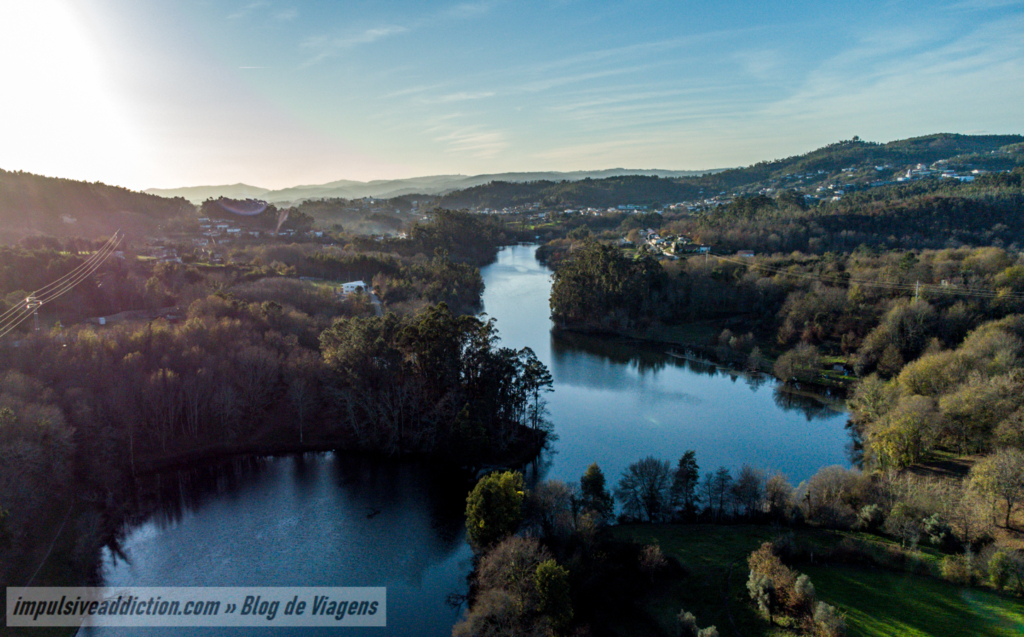
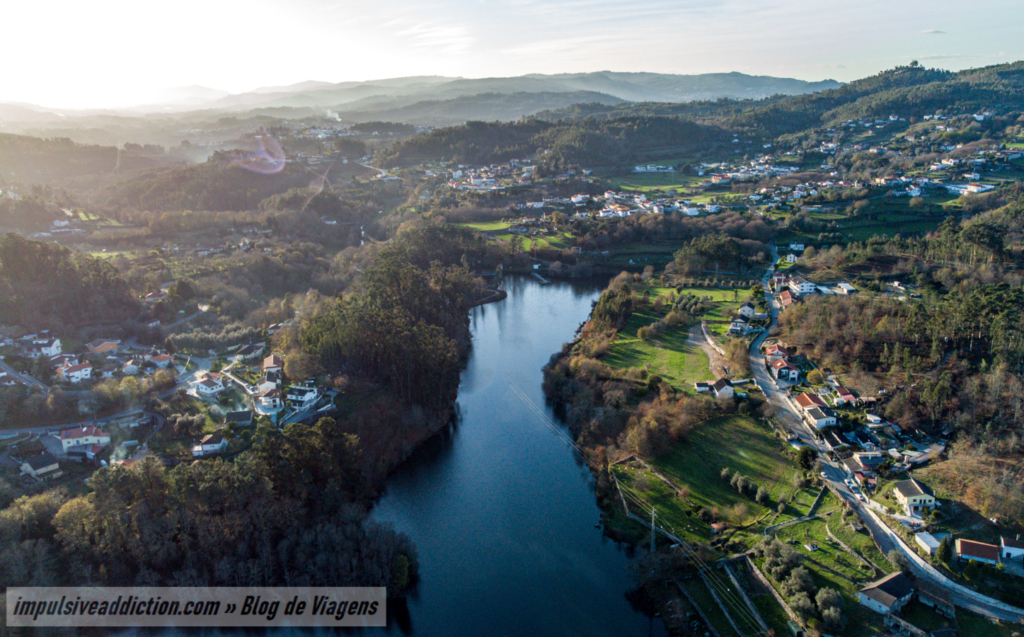
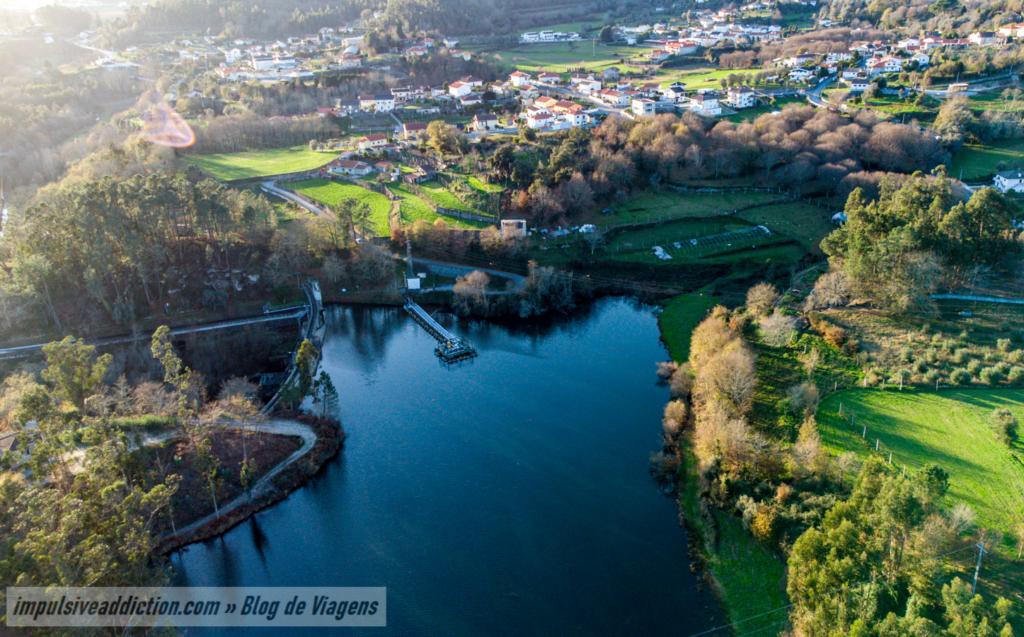
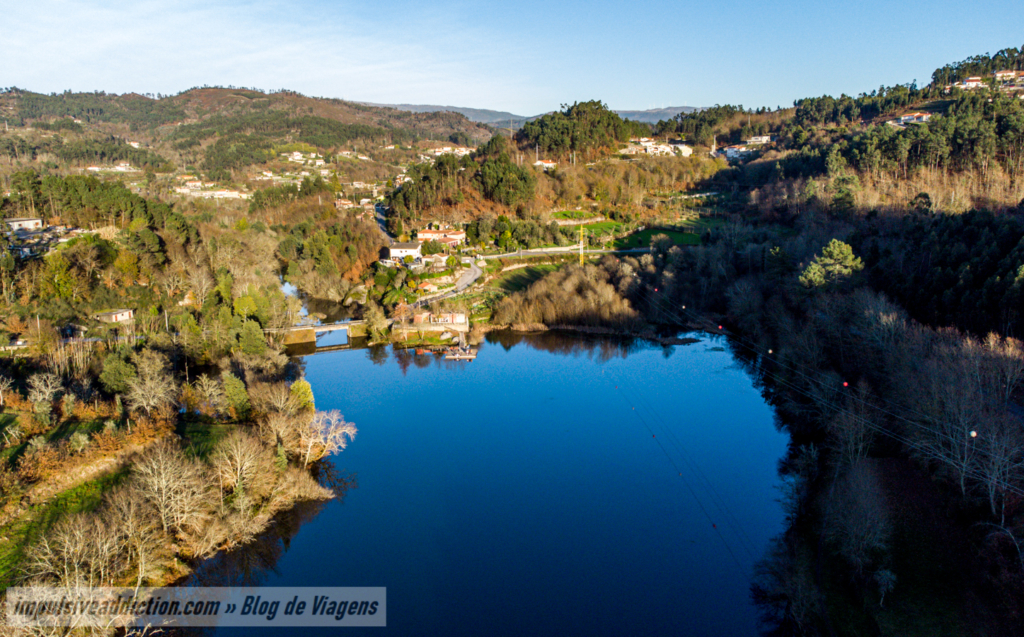
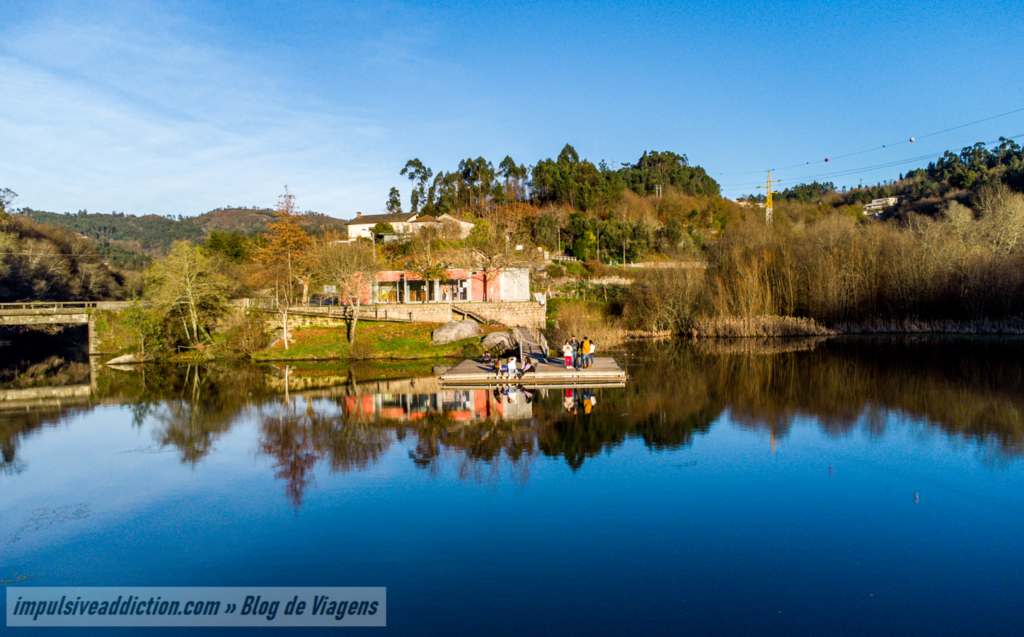
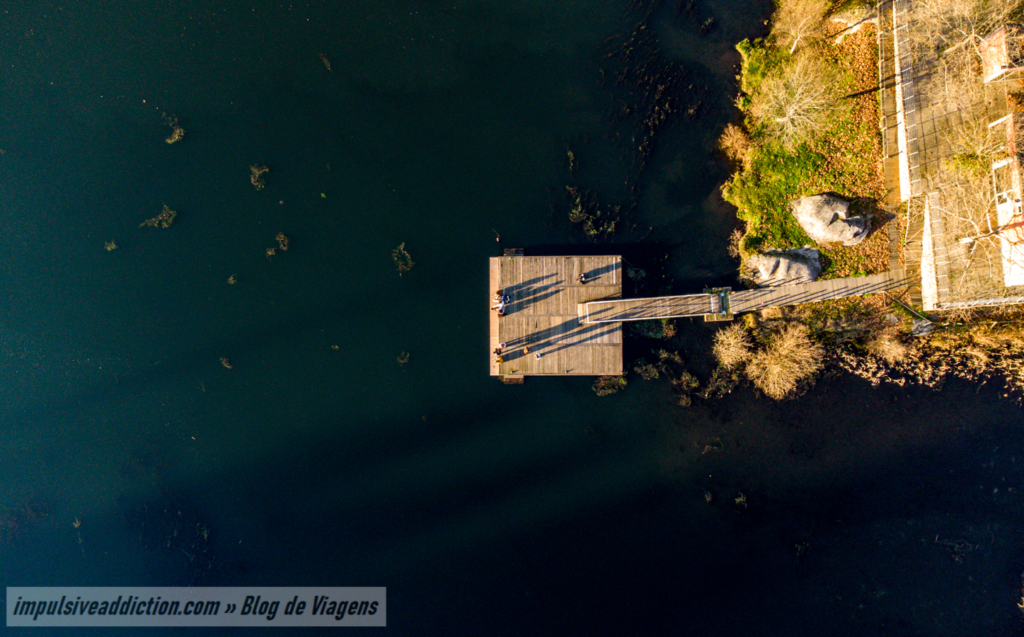
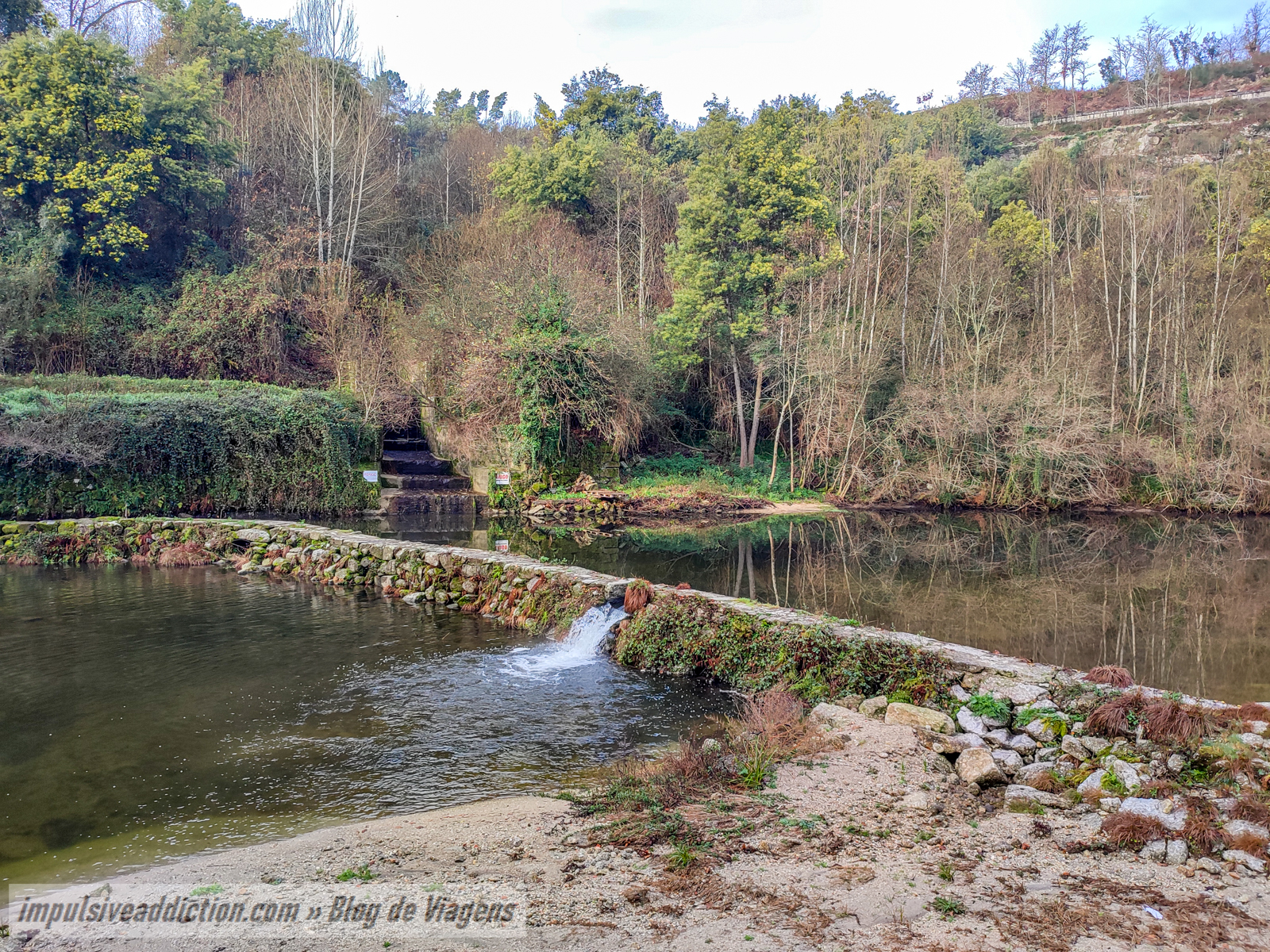
- The highlight is without a doubt the Travassos Dam Reservoir. Be sure to visit the dam wall itself, and then head to the floating platform on the opposite side of the reservoir, right next to the Bar do Pontão.
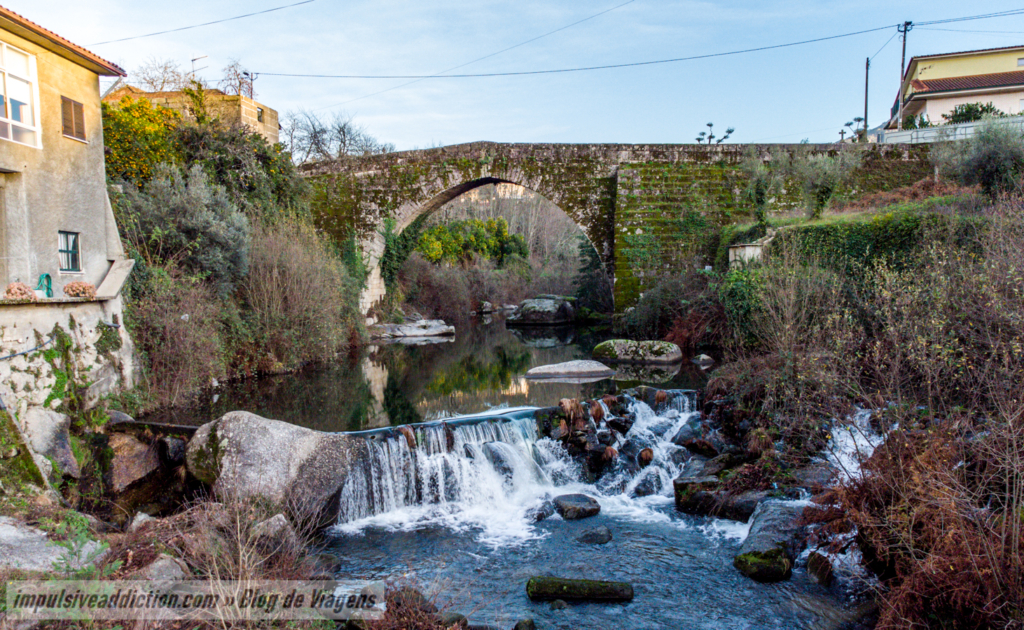
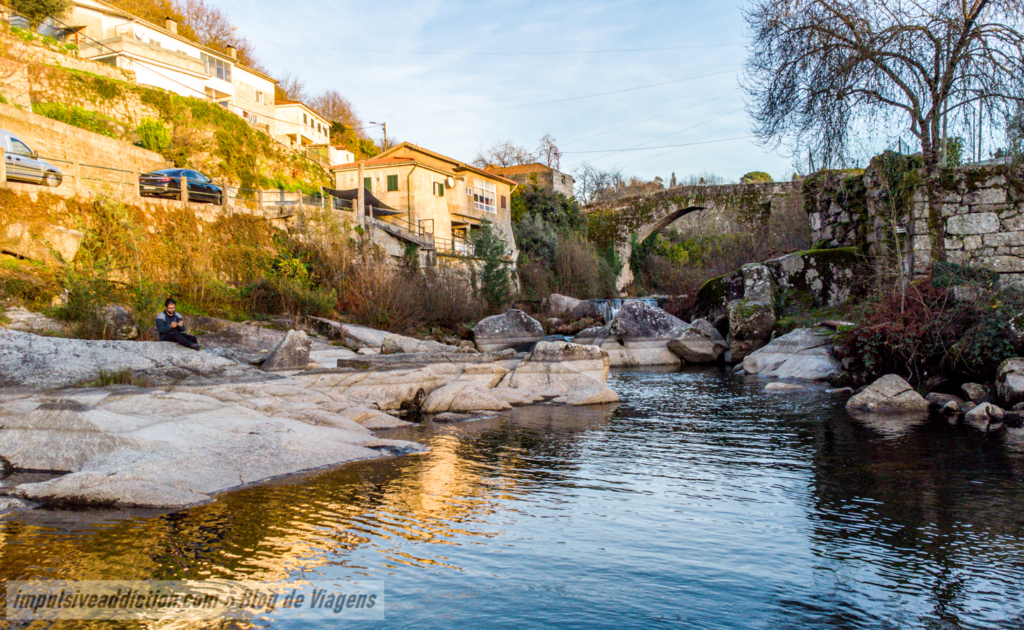
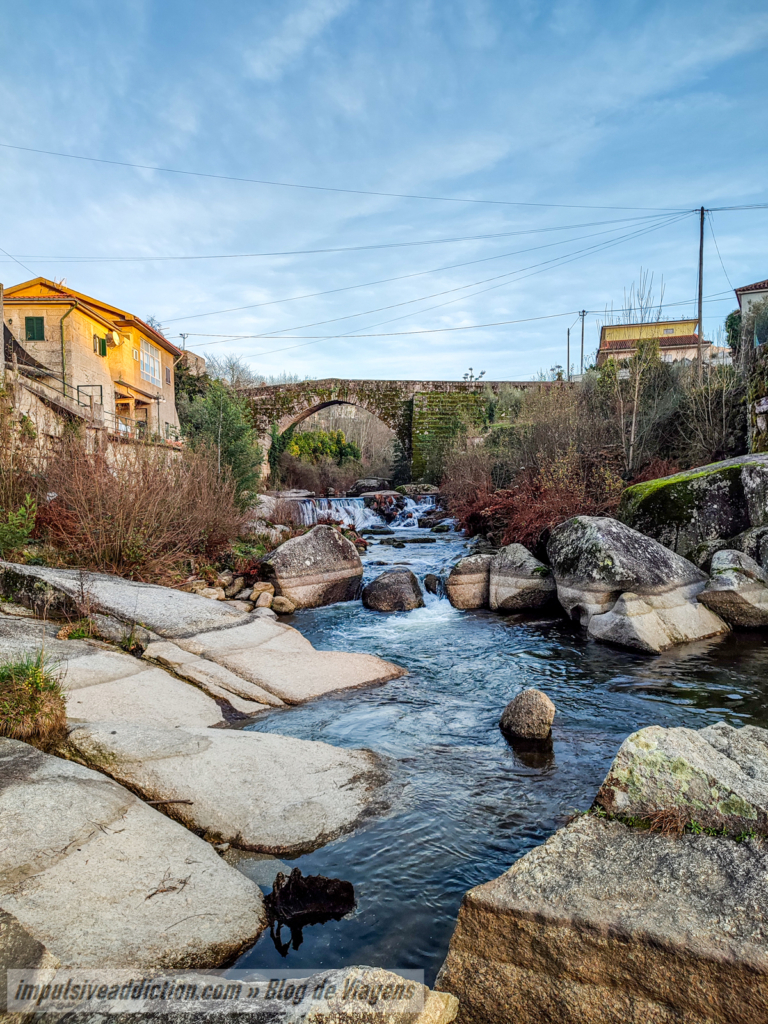
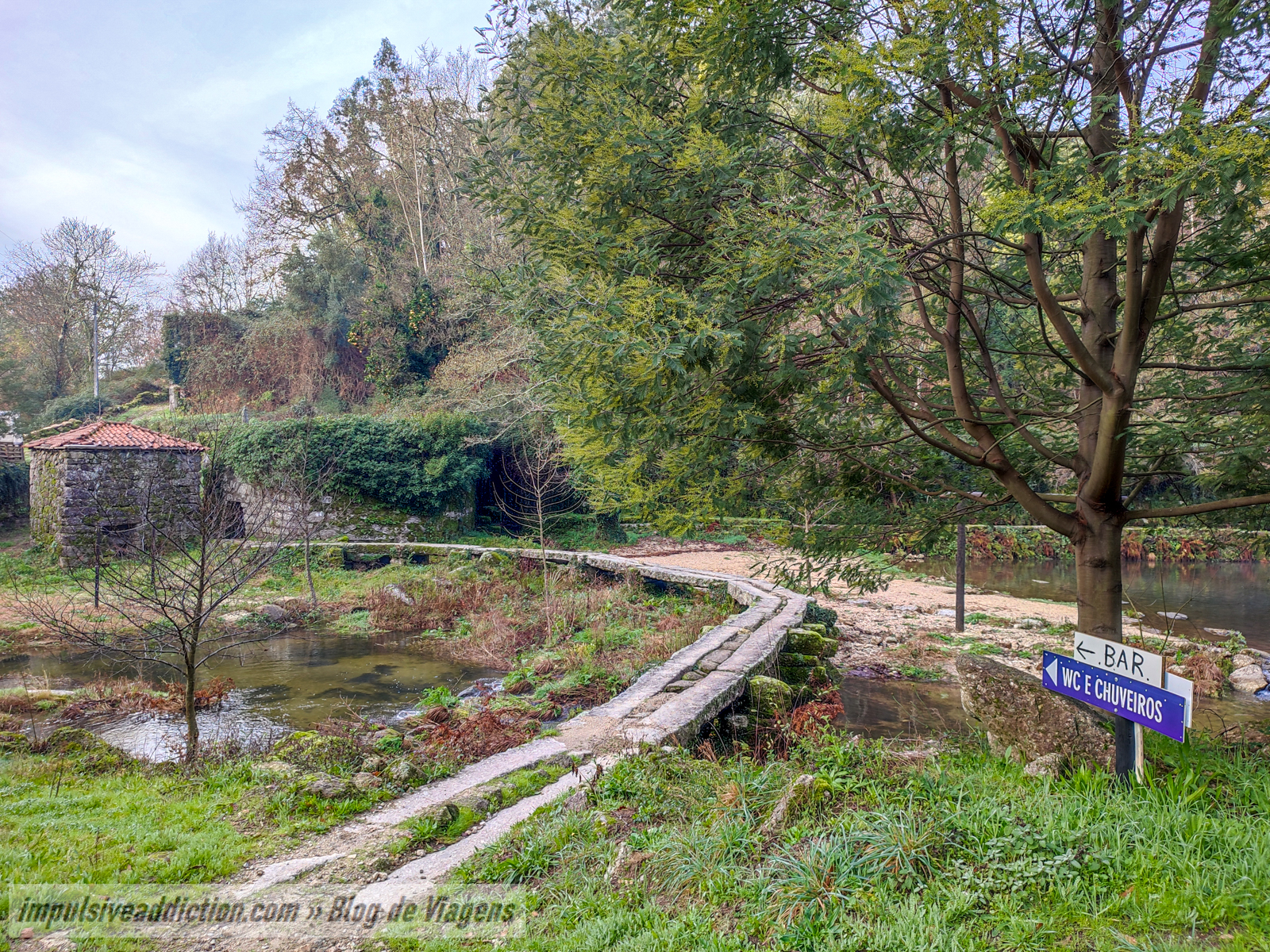
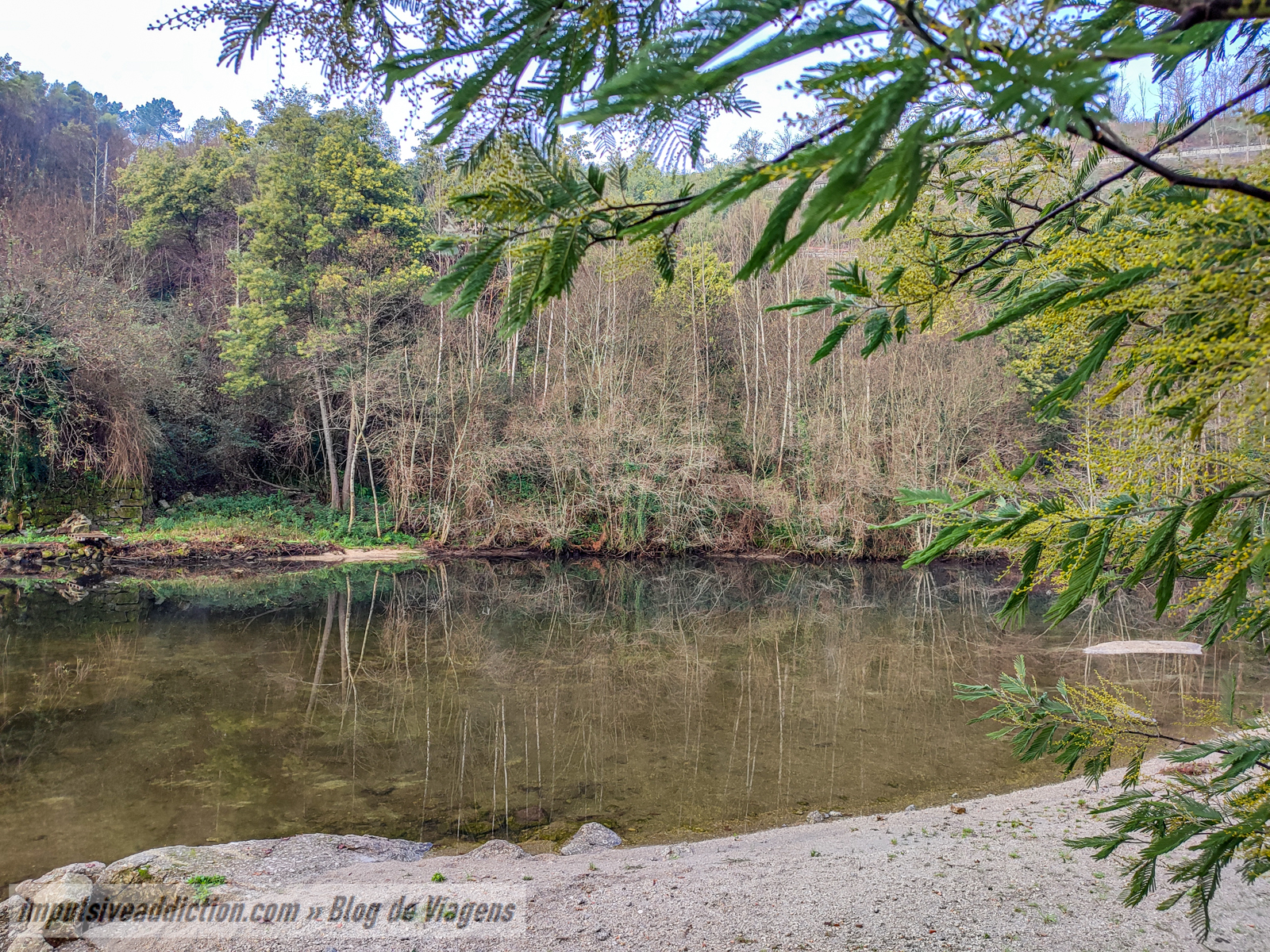
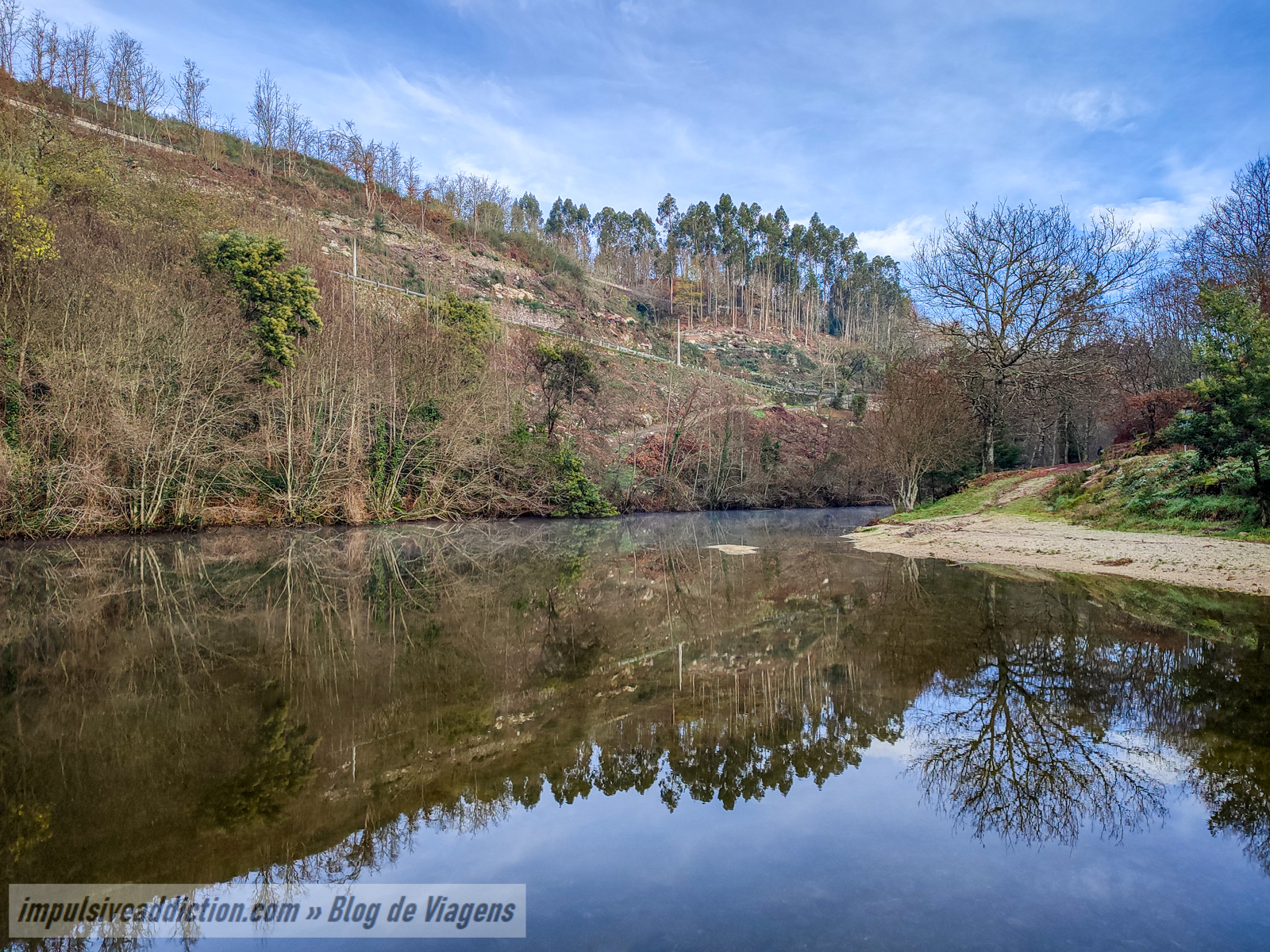
- I also really enjoyed the Esperança River Beach, located beside the Mem Gutierres Bridge, a medieval structure dating back to the 14th or 15th century.
- Finally, there’s the Rola River Beach, another refreshing spot worth checking out in summer.
1. Travassos Dam Reservoir
2. Esperança River beach and Mem Gutierres bridge
3. Rola River beach
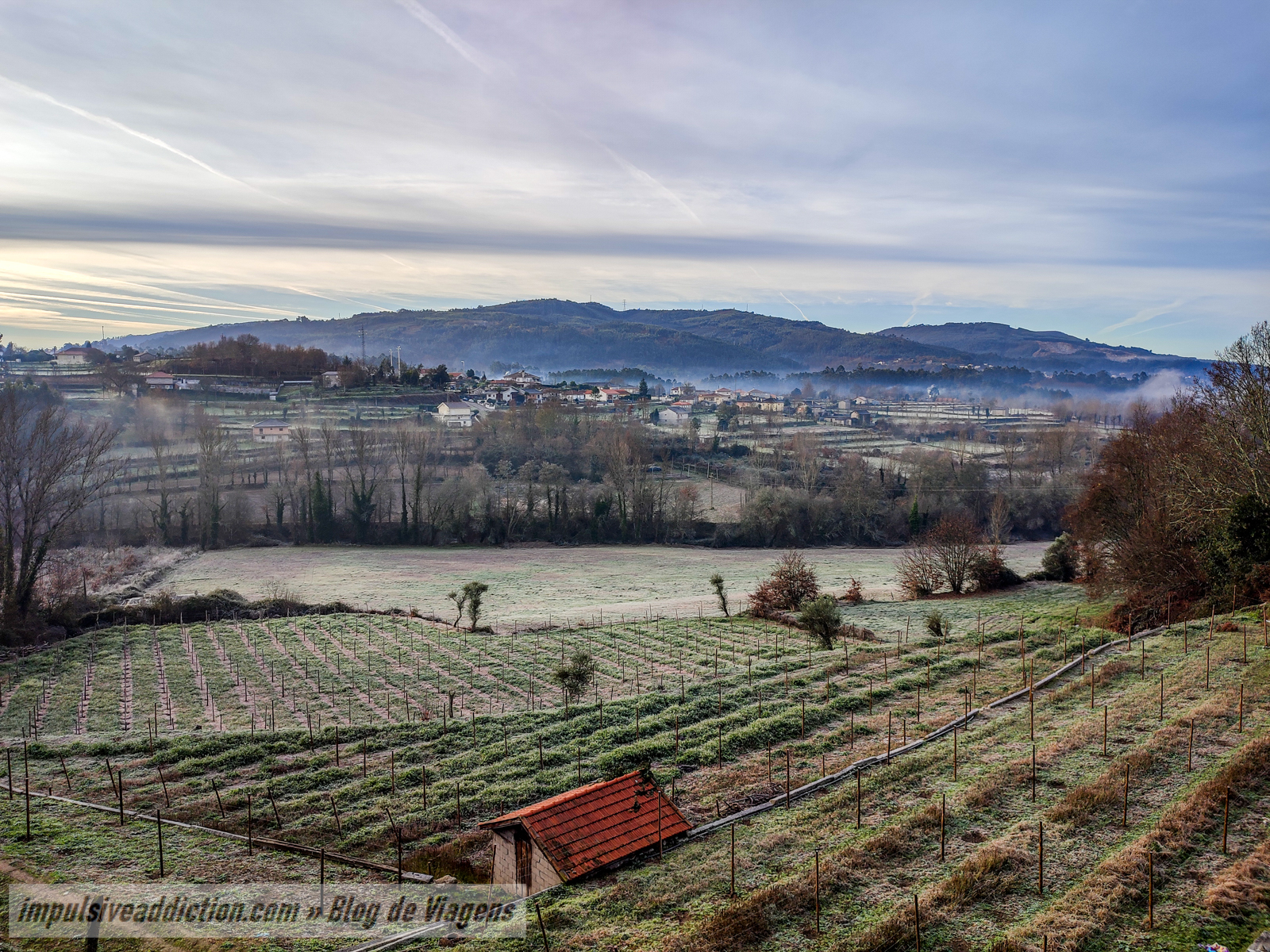
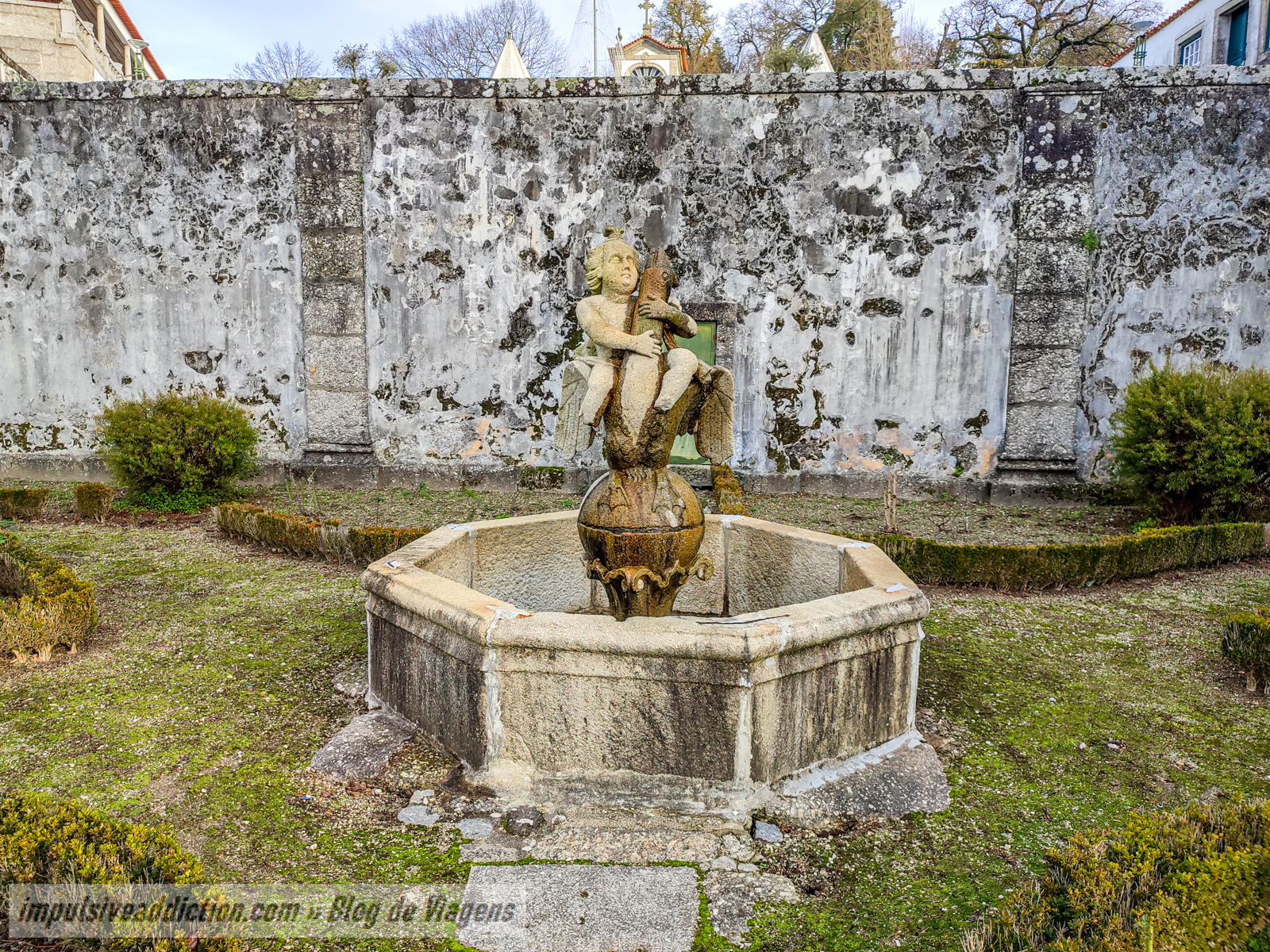
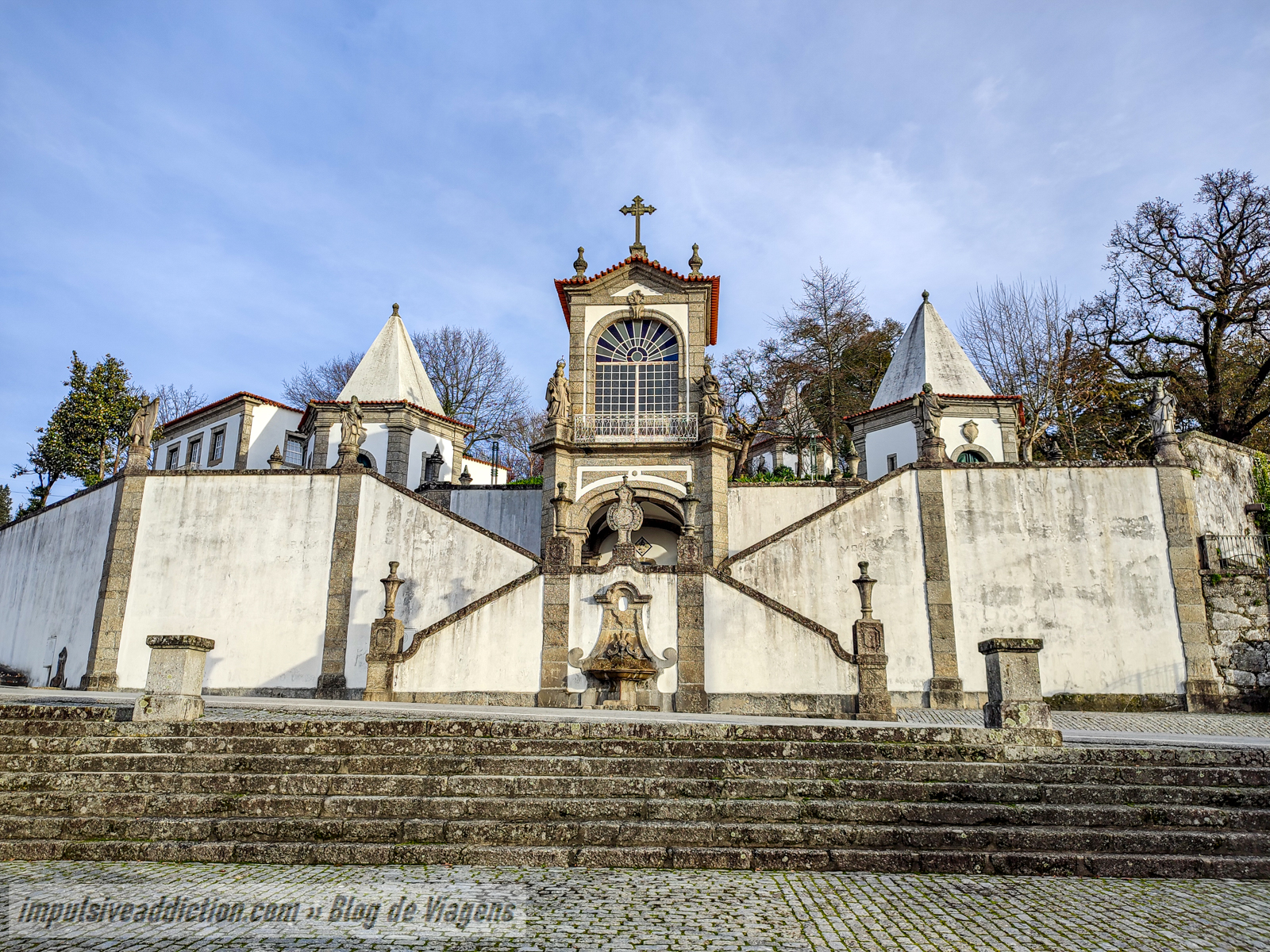
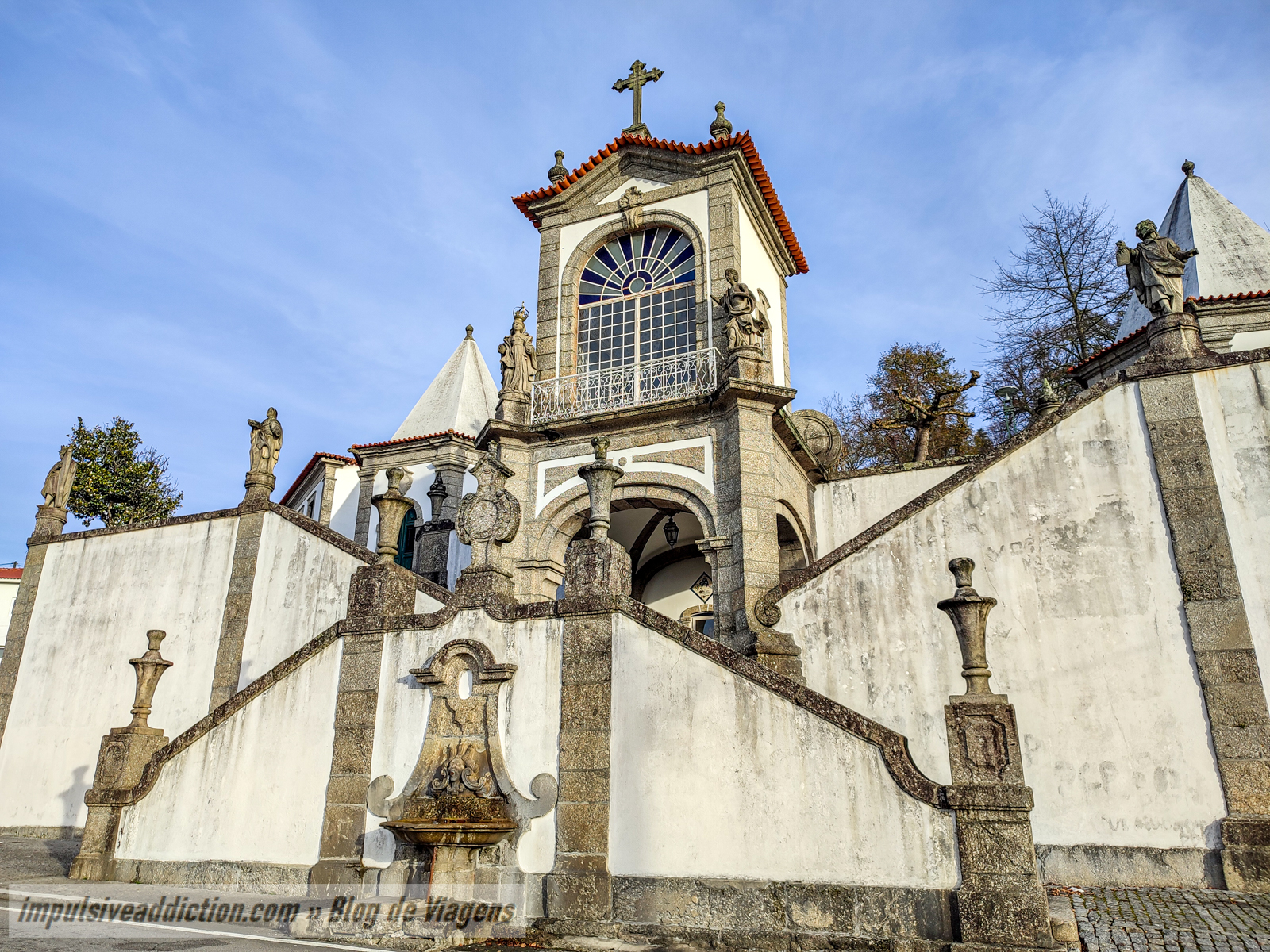
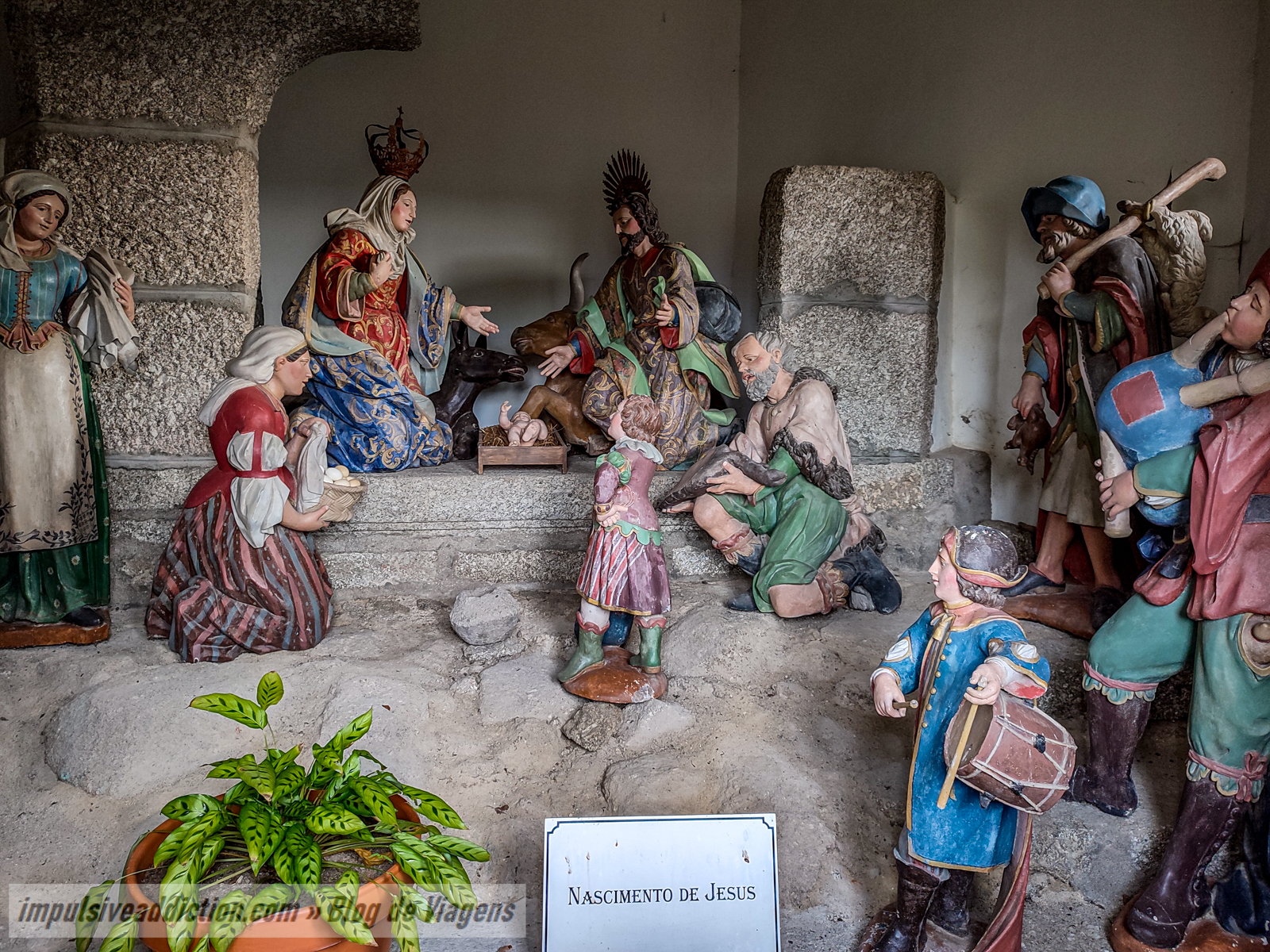
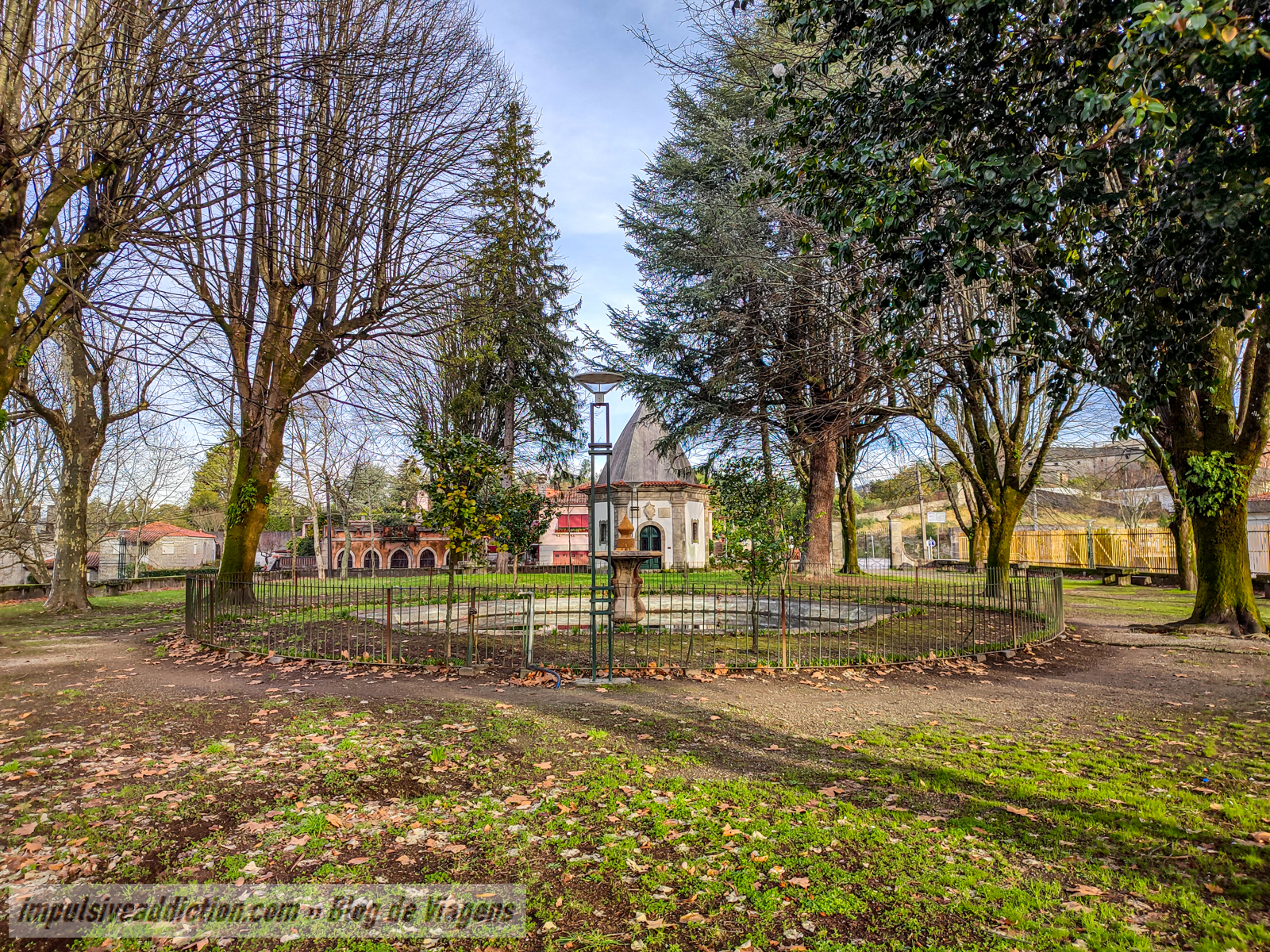
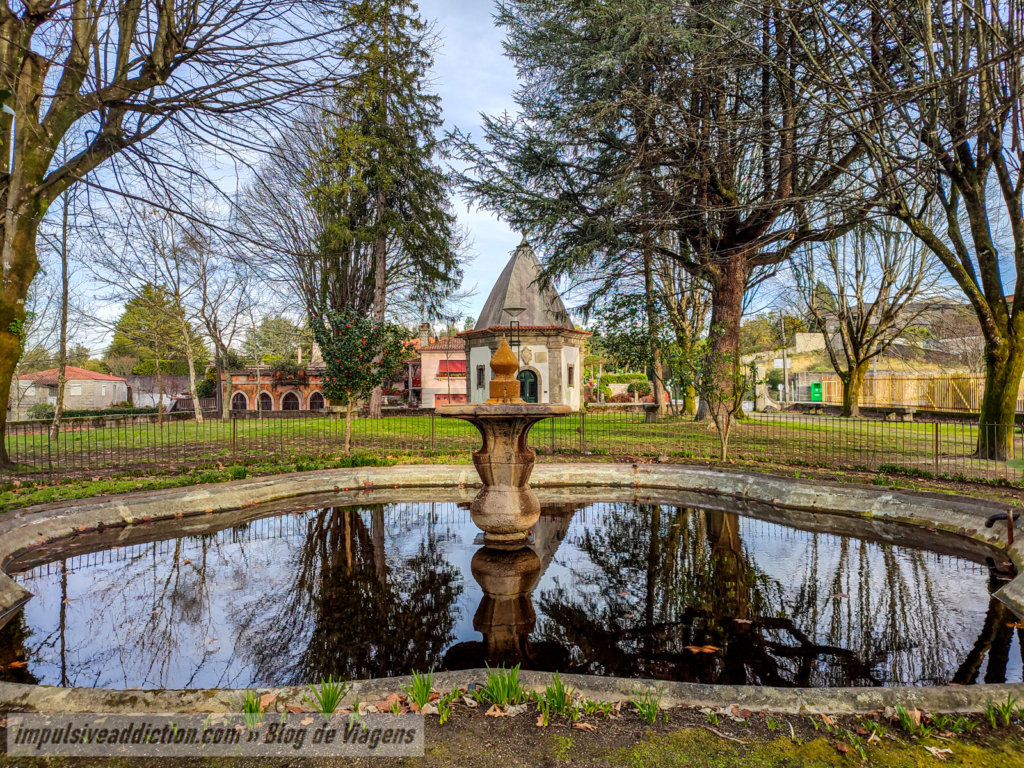
4. Sanctuary of Nossa Senhora do Porto de Ave
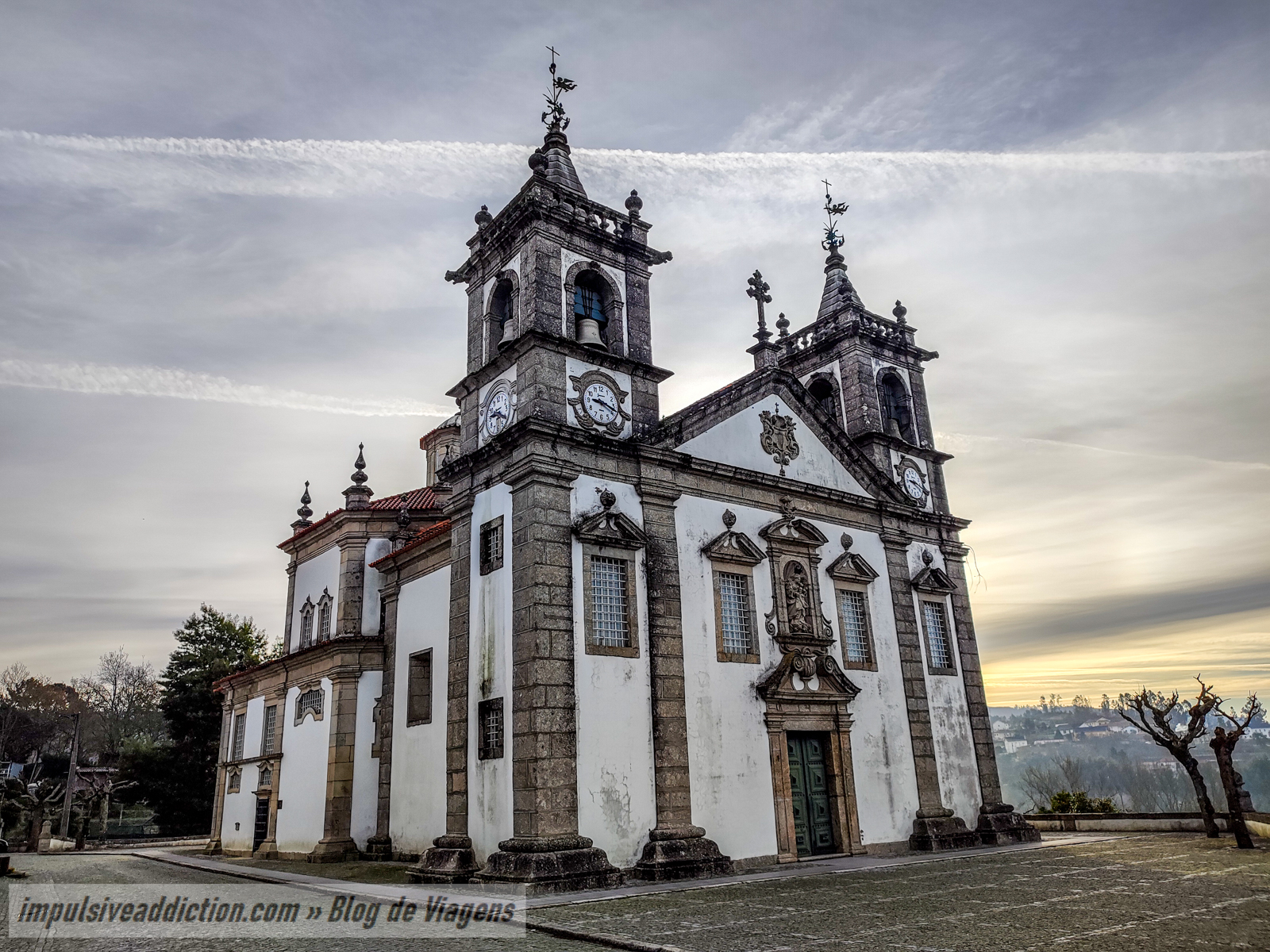
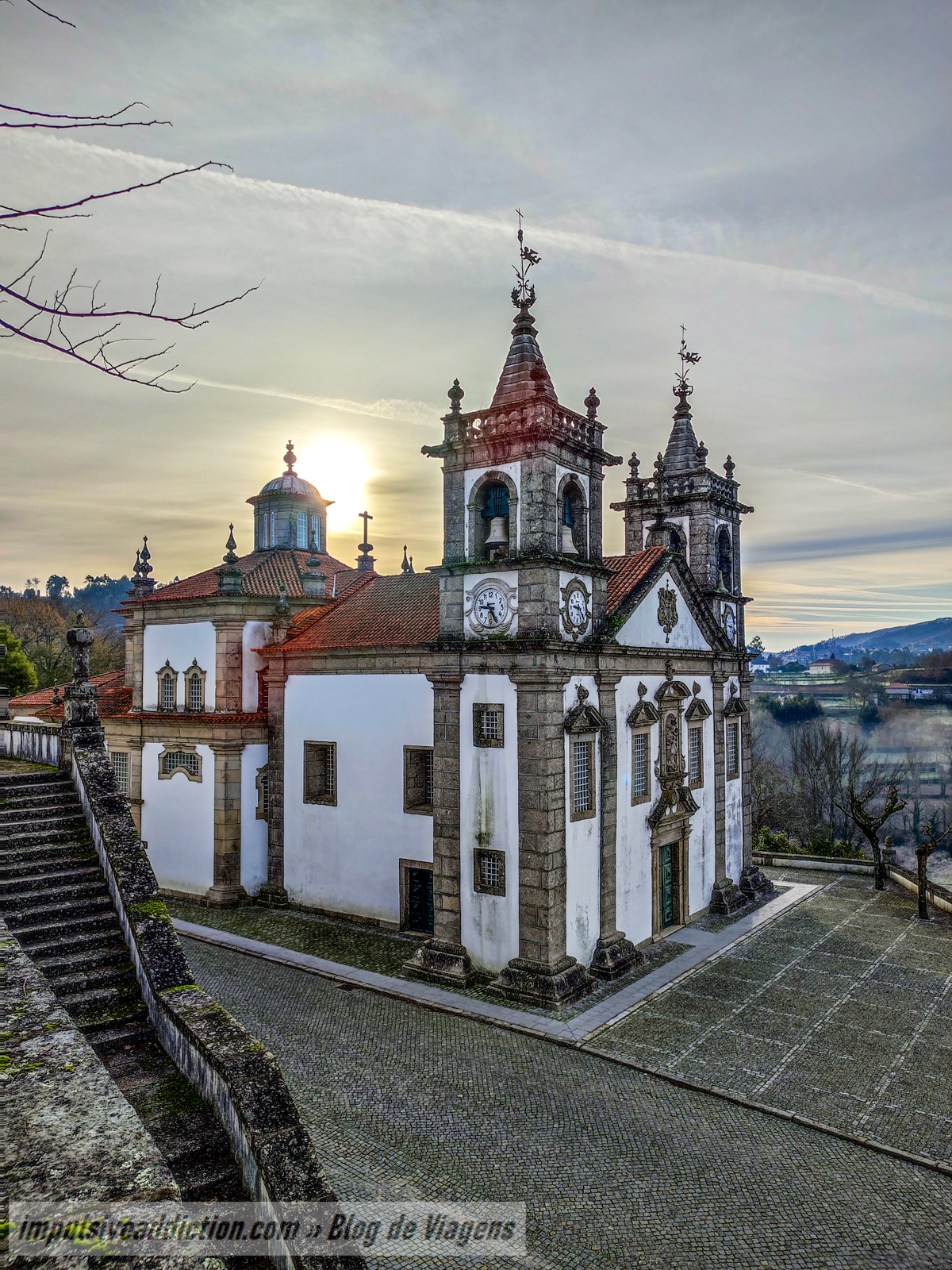
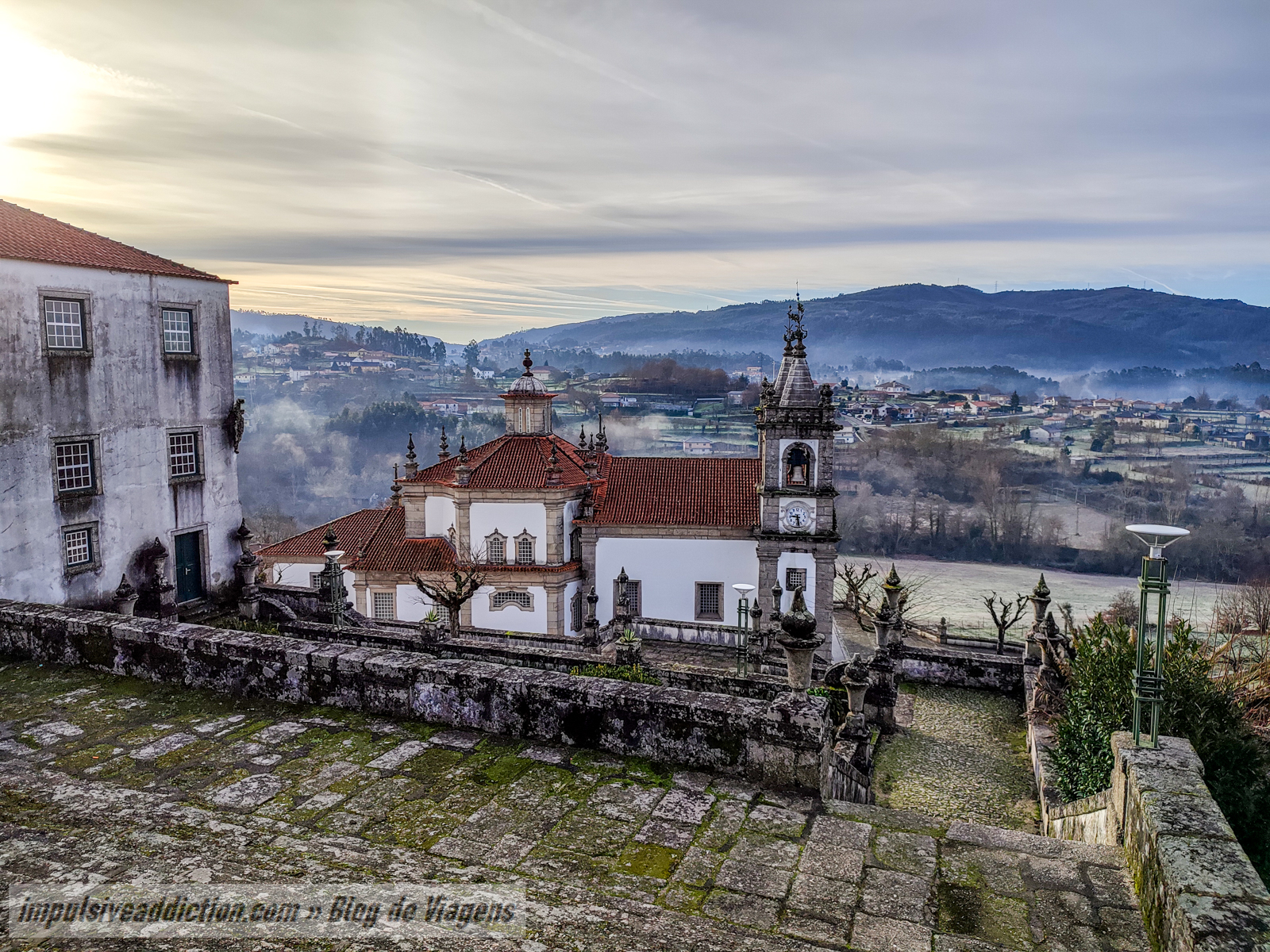
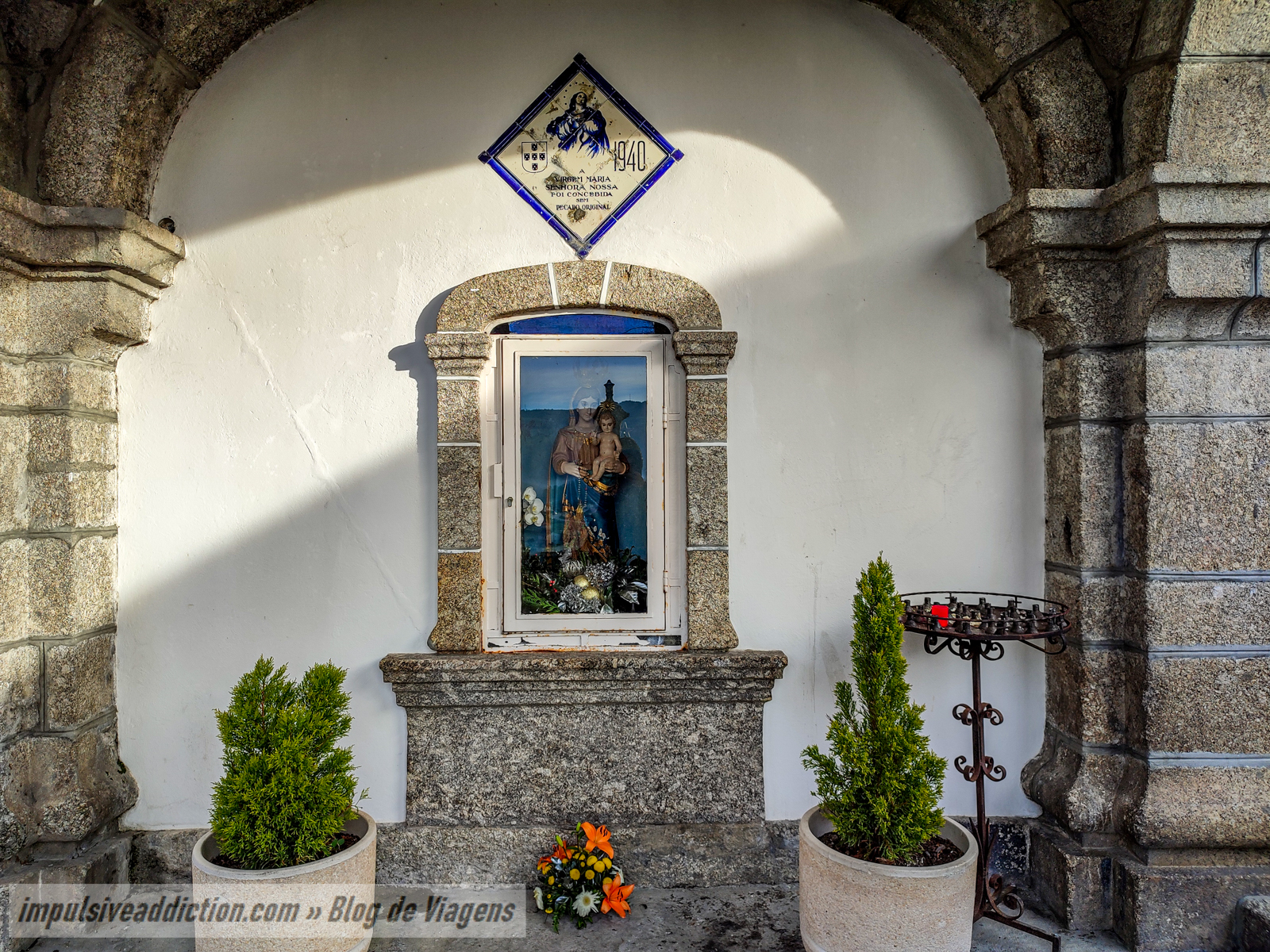
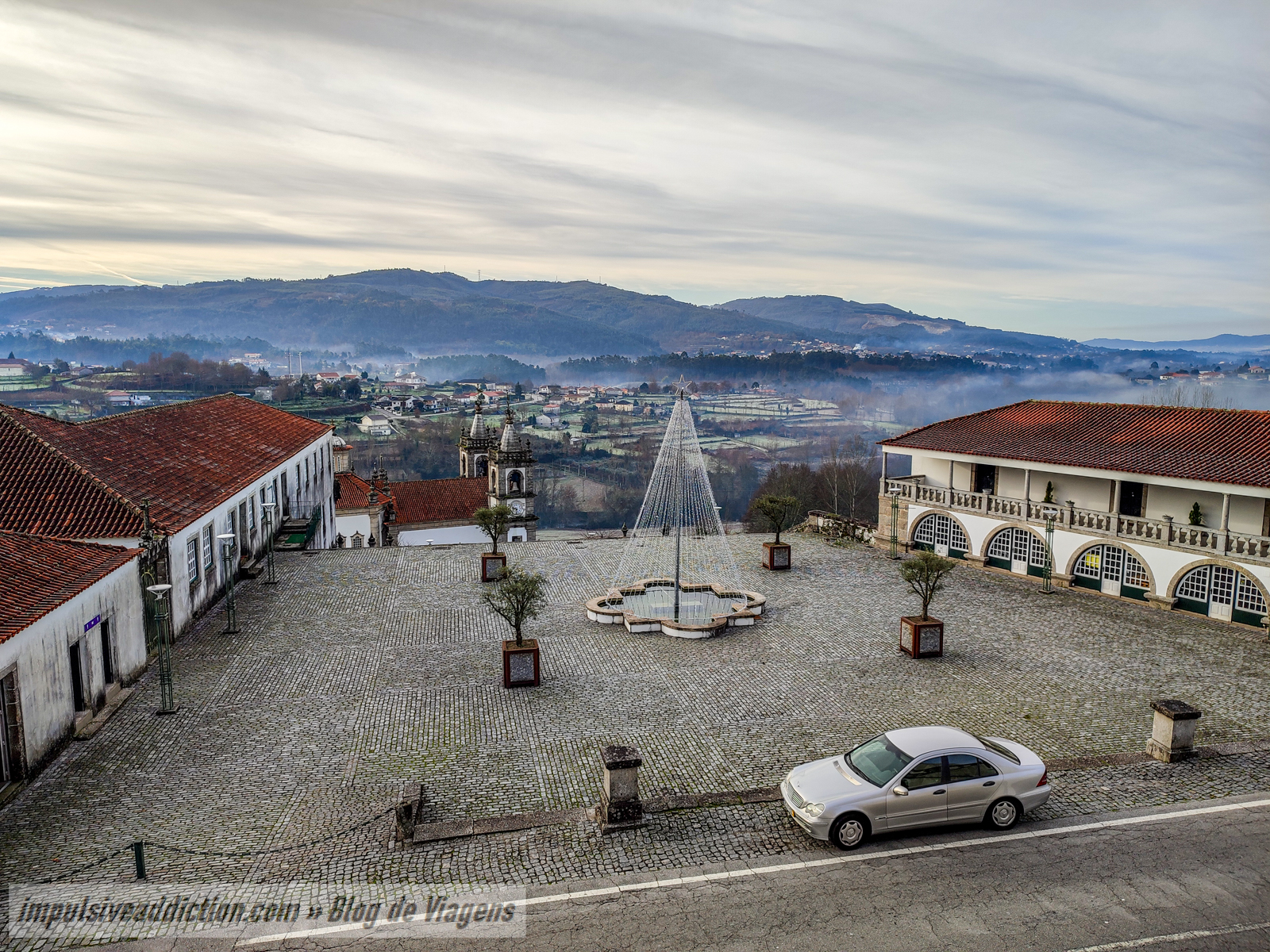
Near the Ave River, you’ll also find one of Póvoa de Lanhoso’s important religious sites: the Sanctuary of Nossa Senhora do Porto de Ave, whose history dates back to the 18th century. Inside the church, there’s a small sacred art museum, open to the public from Wednesday to Sunday in the afternoons.
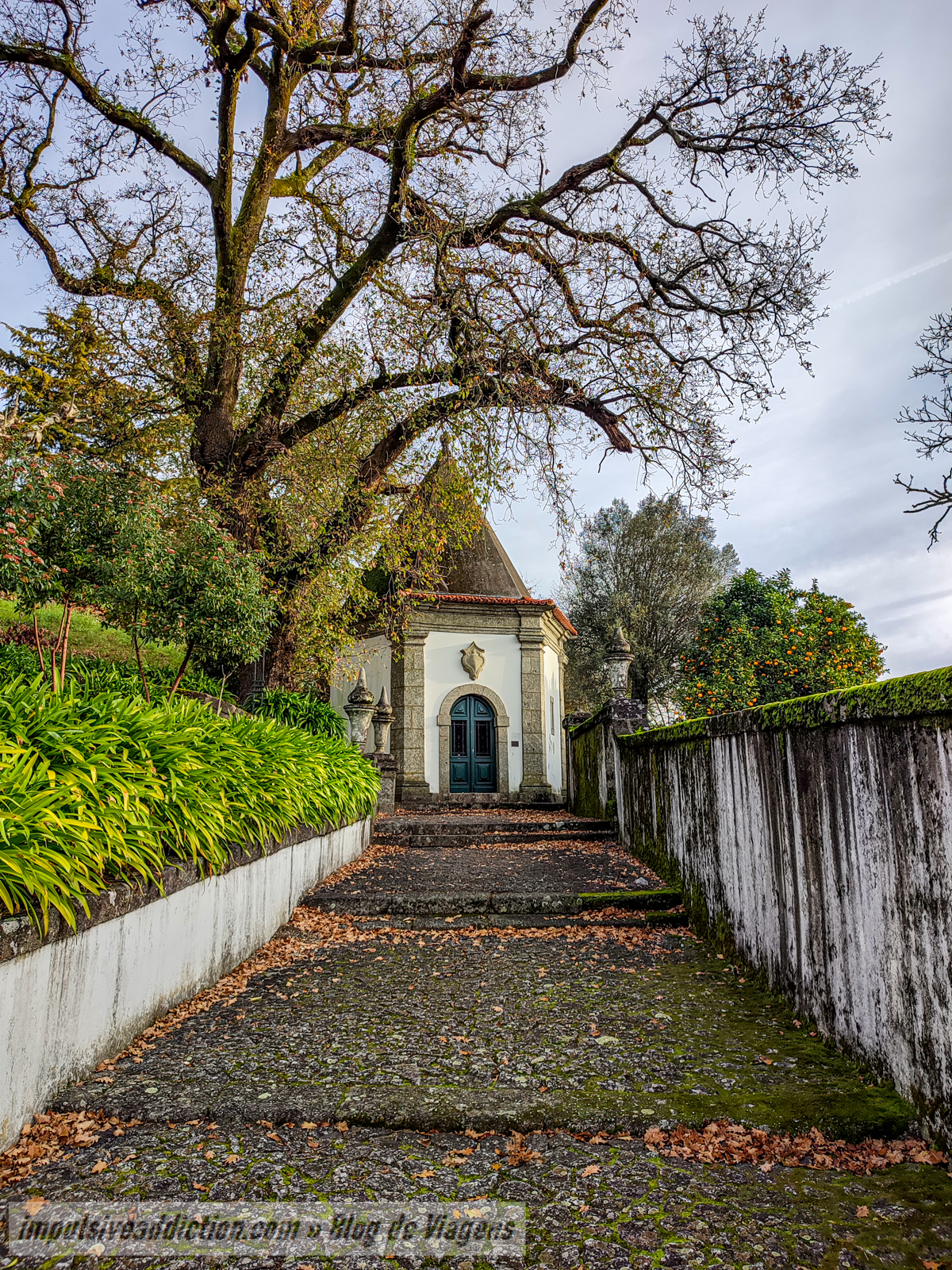
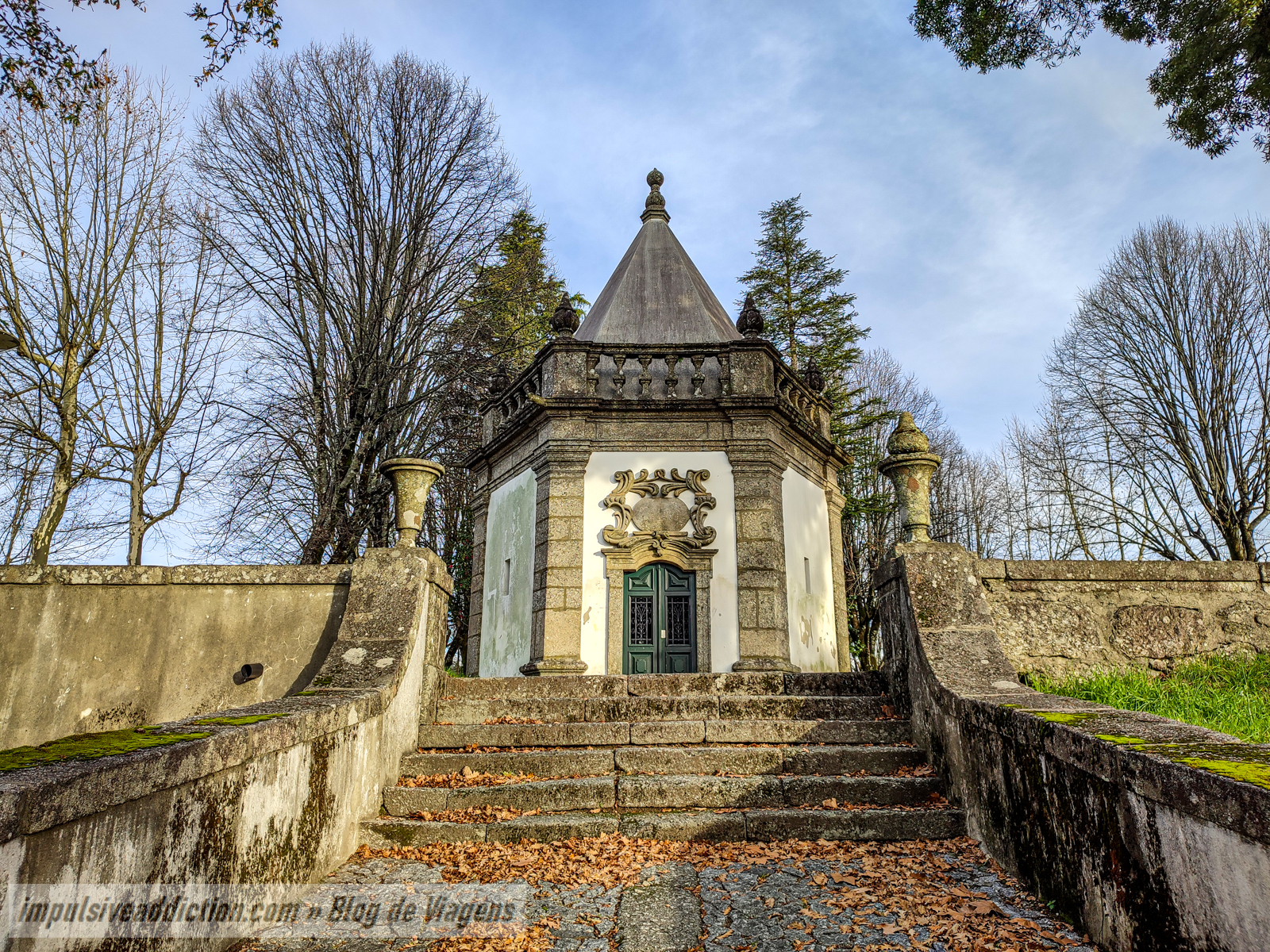
In my opinion, though, what makes this sanctuary truly special is its surroundings. Highlights include the stairway leading up to the Terreiro das Músicas and the park that stretches beyond it, dotted with several Via Sacra chapels.
5. Gold Museum of Travassos
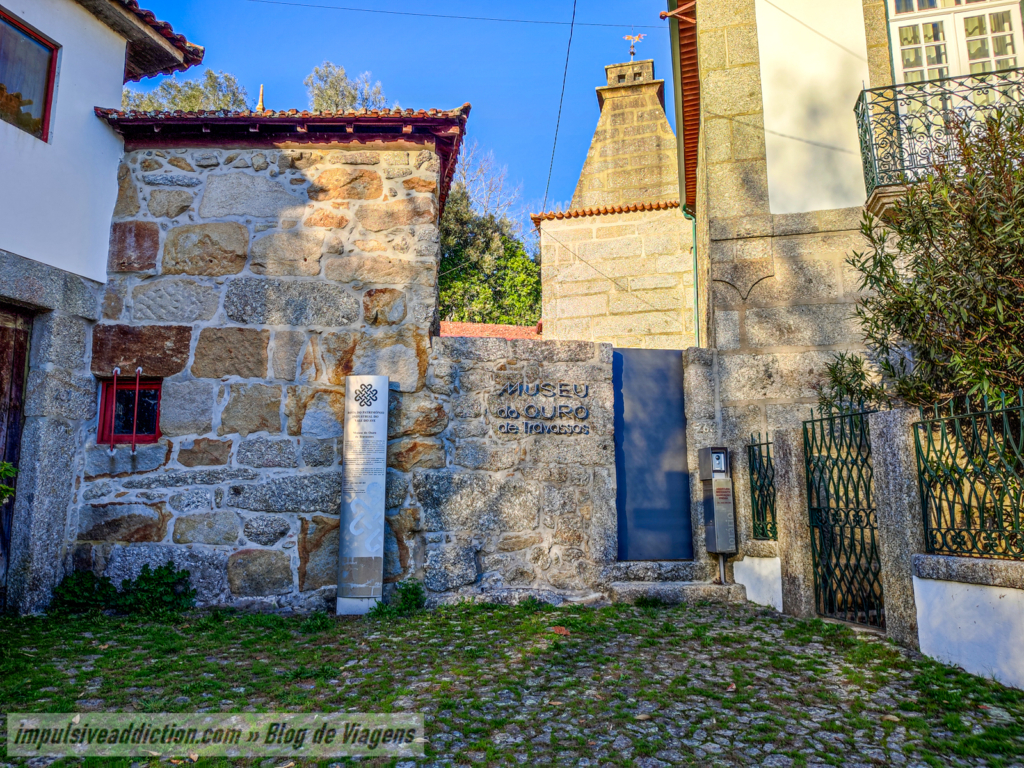
I regret not being able to visit the Gold Museum of Travassos during my trip to Póvoa de Lanhoso. Unfortunately, it was closed due to lockdown restrictions, so it will have to wait for another opportunity.
If the art of filigree fascinates you, this museum is a must. It offers direct contact with traditional workshops and tools used in the artisanal craft of working gold, giving visitors a deeper appreciation of one of the region’s most treasured traditions.
6. Caleiros Aqueduct
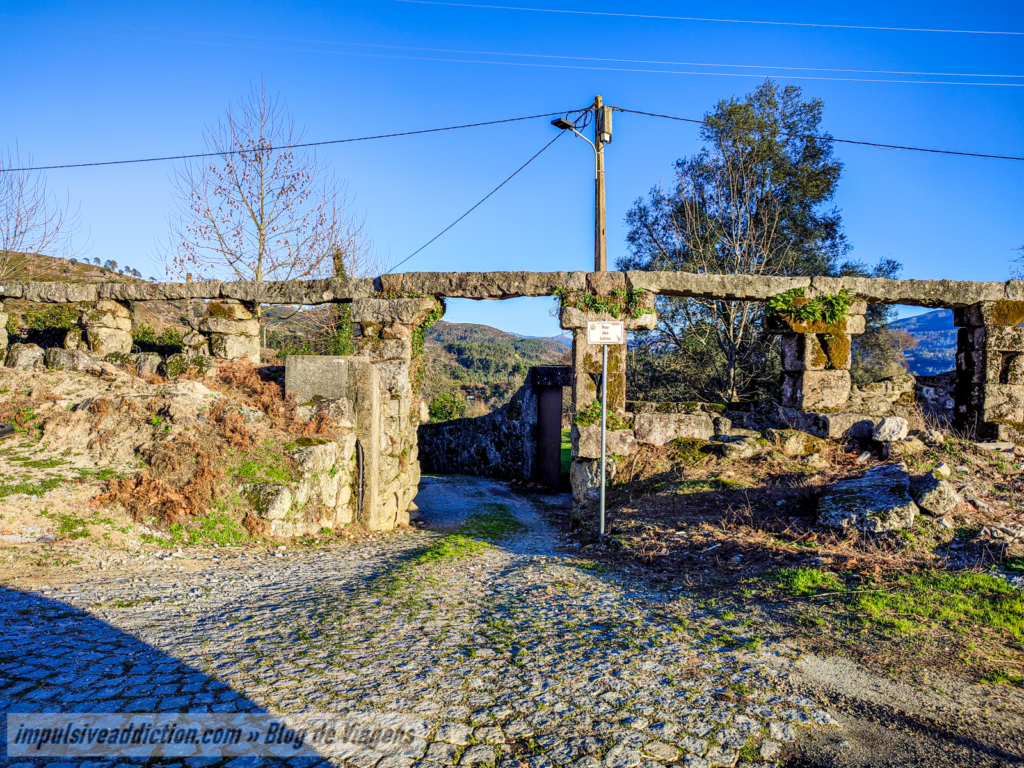
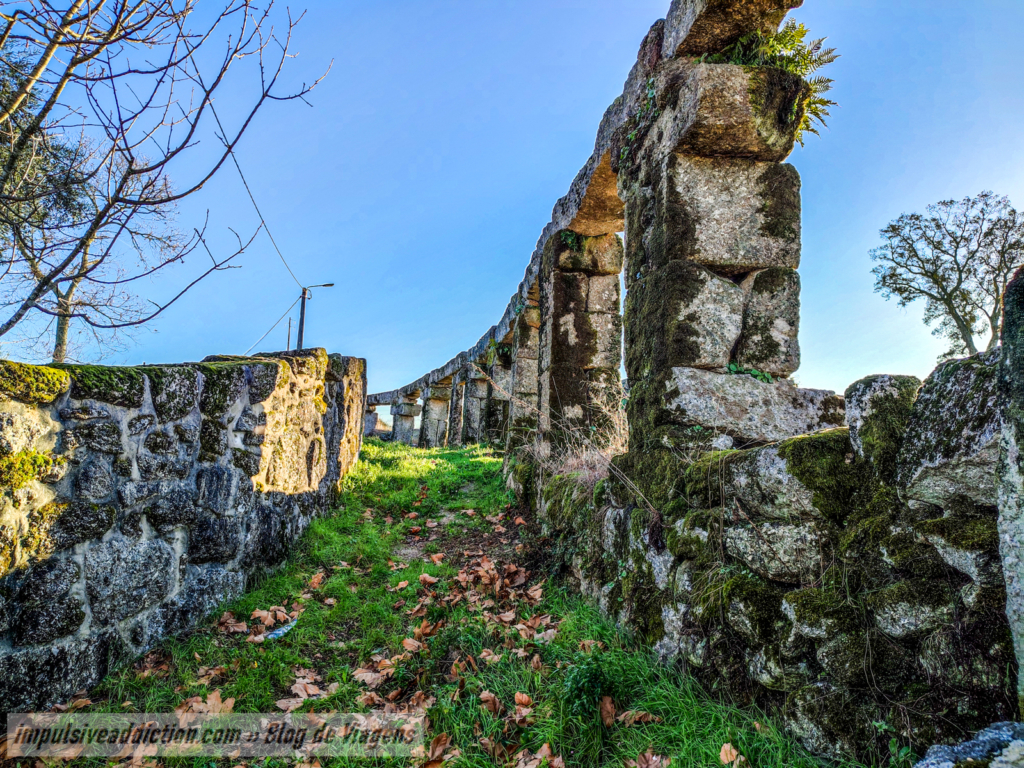
The Caleiros Aqueduct is more of an optional stop, especially since it’s not in the best state of preservation today. Built in the 18th century, it was inspired by the design of ancient Roman aqueducts.
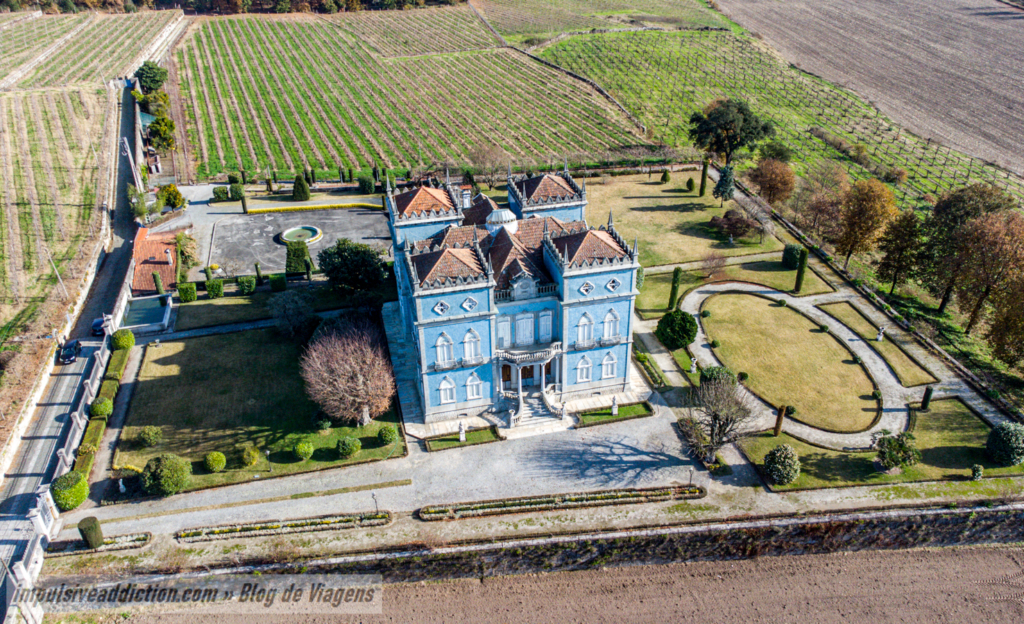
7. Quinta Villa Beatriz
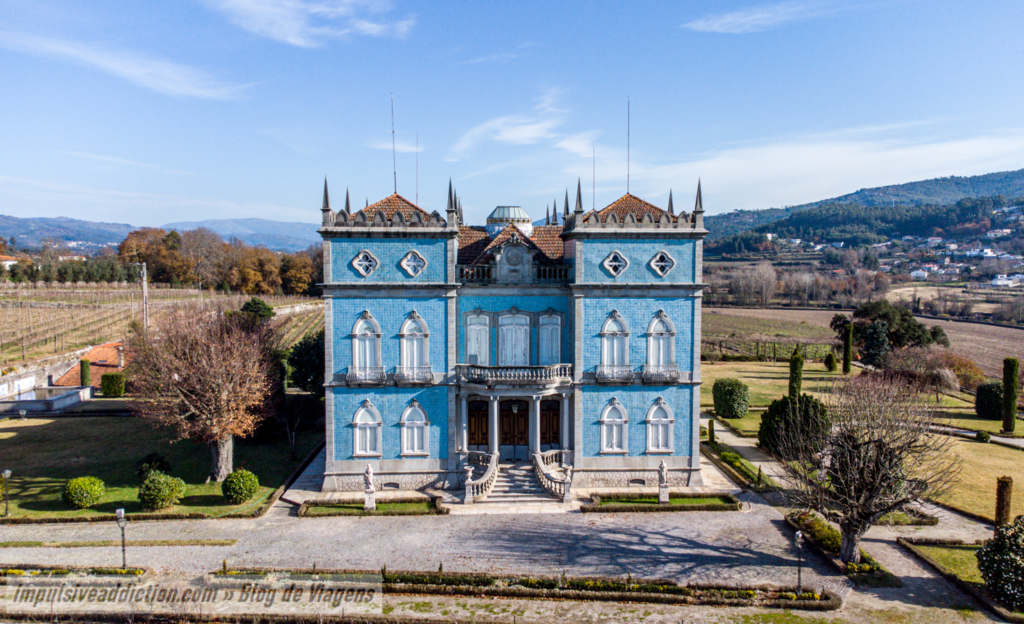
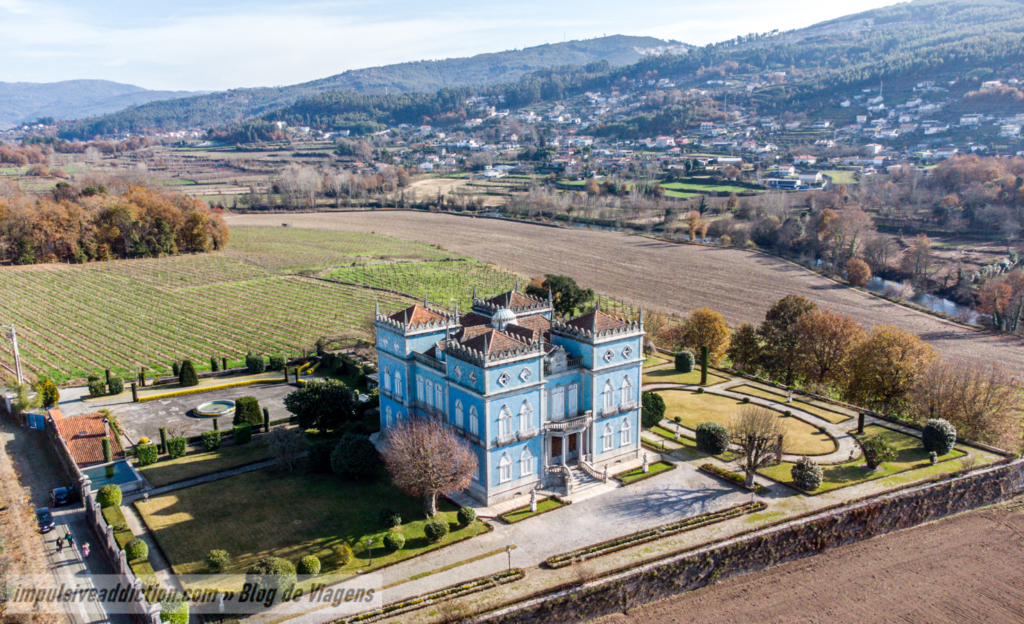
Unlike some other stops, the Quinta Villa Beatriz is definitely worth including in your itinerary. This stunning 19th-century mansion, built in the Brazilian style, is surrounded by more than 12 hectares of vineyards dedicated to producing white vinho verde.
While individual visitors and small groups typically can’t tour the interior, I’ve read that larger groups may be able to book guided visits by appointment. During my trip, I only admired it from the outside—but even that alone was worth the stop!
Other Highlights in Póvoa de Lanhoso
To wrap up the main attractions of Póvoa de Lanhoso, here are a few more places worth mentioning:
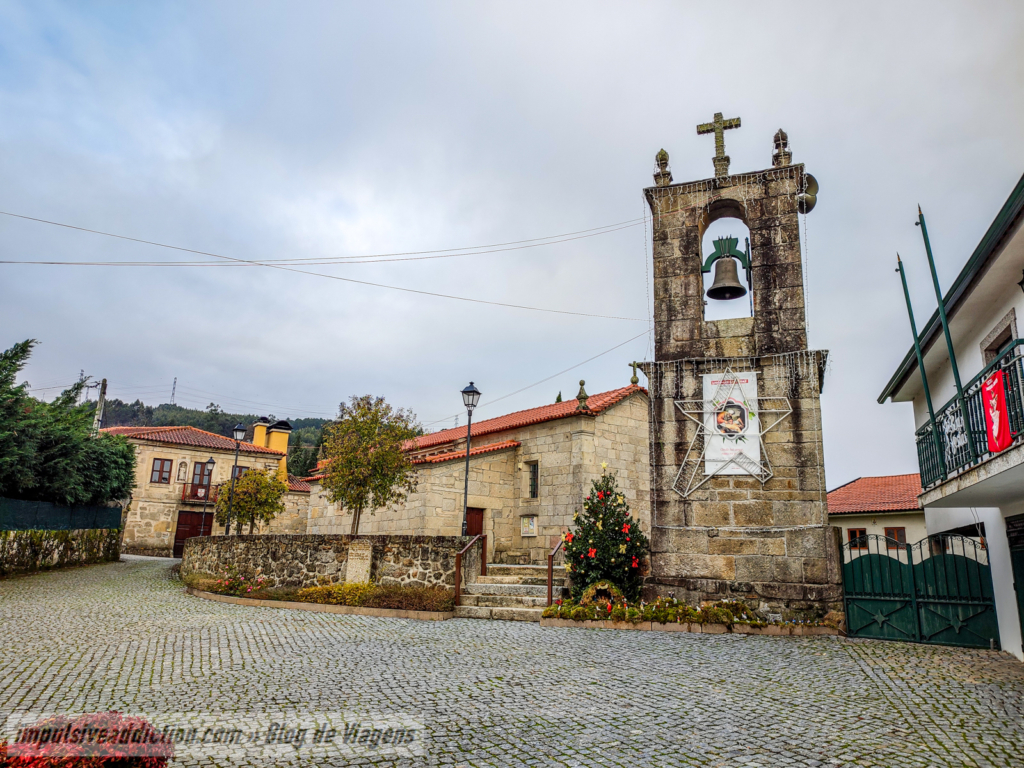
- Parish Church of Lanhoso, located just outside the town center.
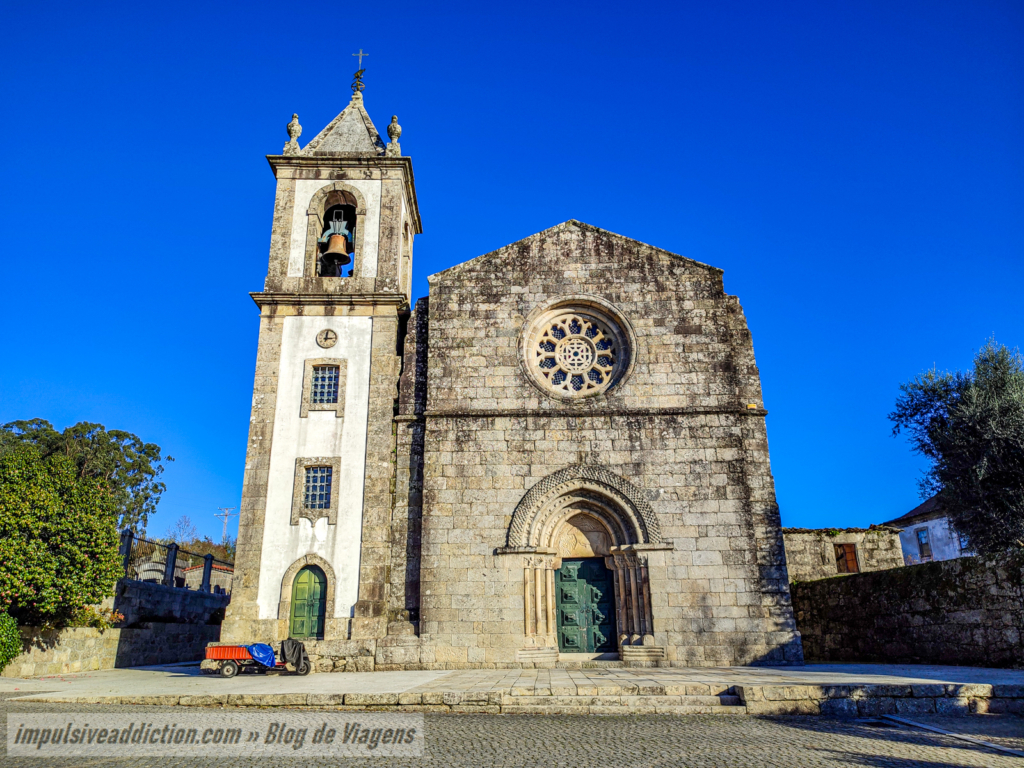
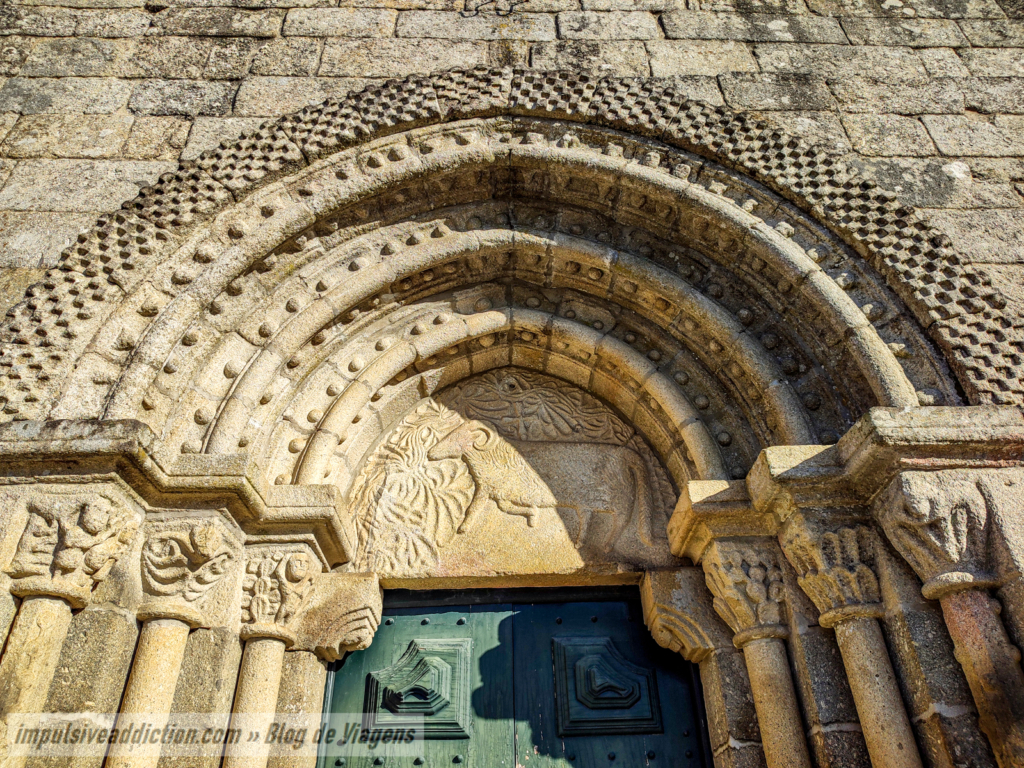
- Romanesque Church of Fonte Arcada (13th century), featuring an extraordinary rose window and tympanum.
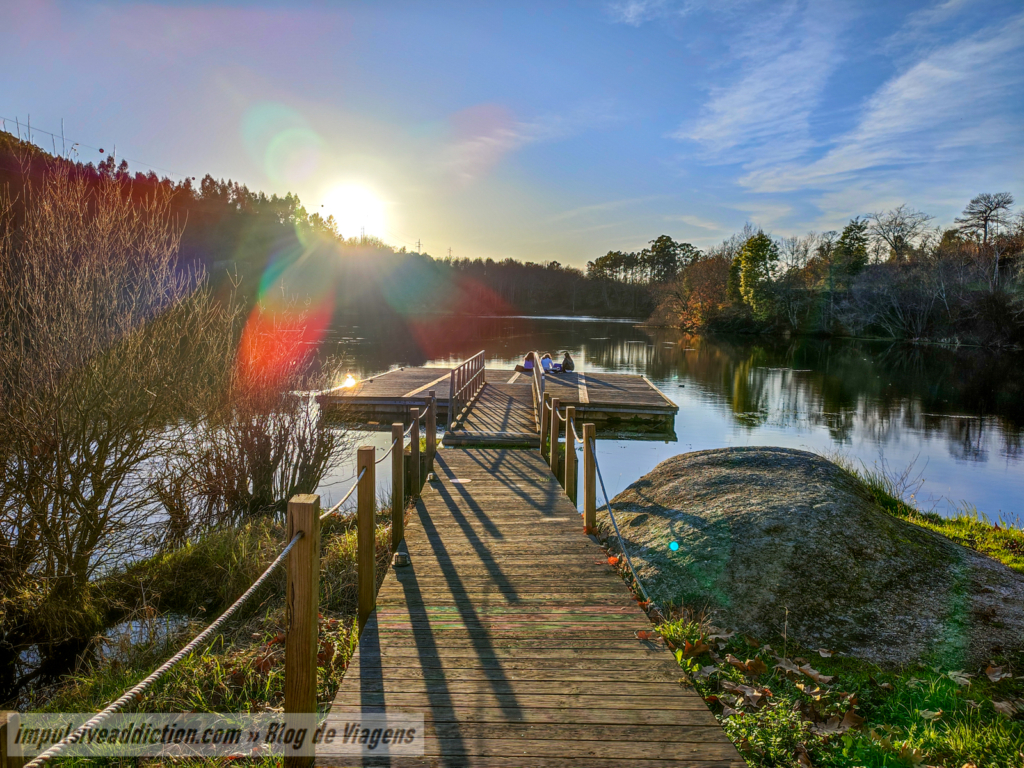
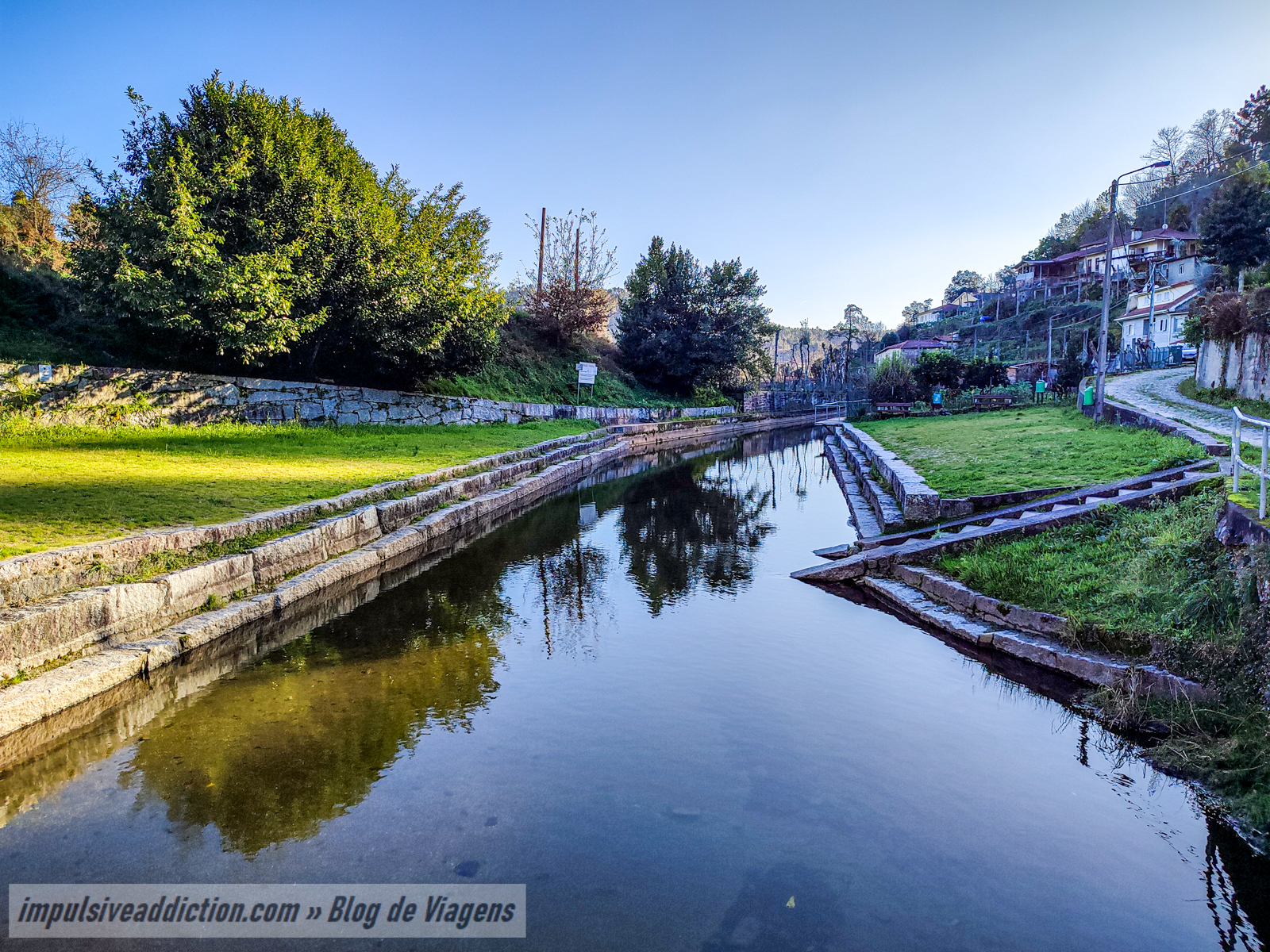
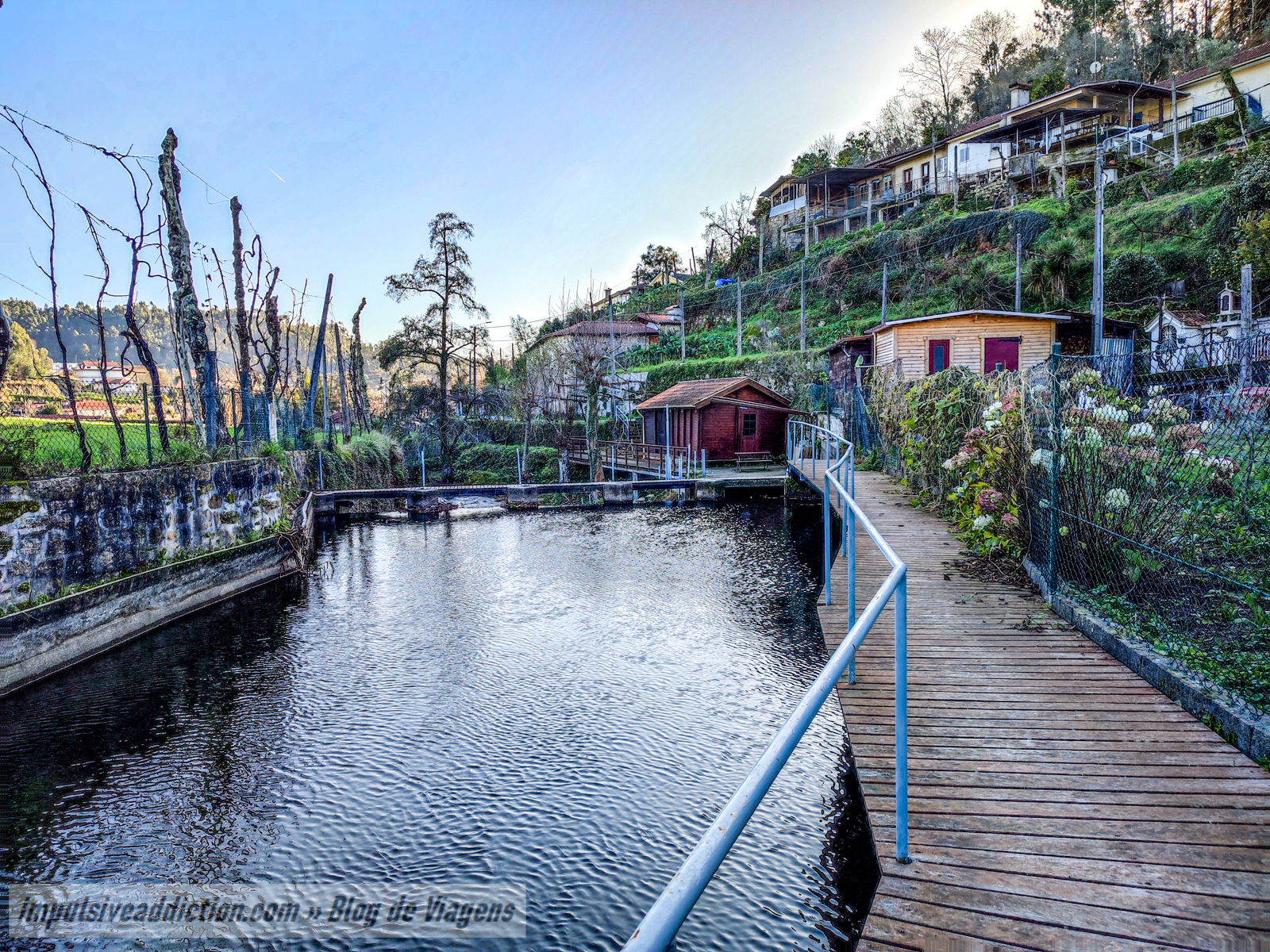
- Oliveira River Beach, with wooden walkways surrounding the lagoon.
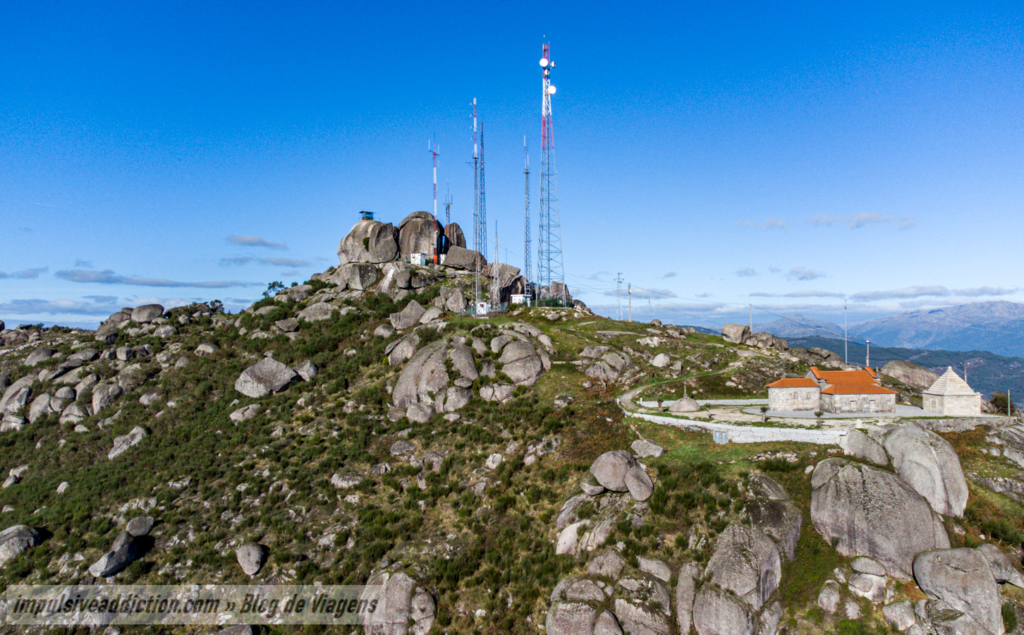
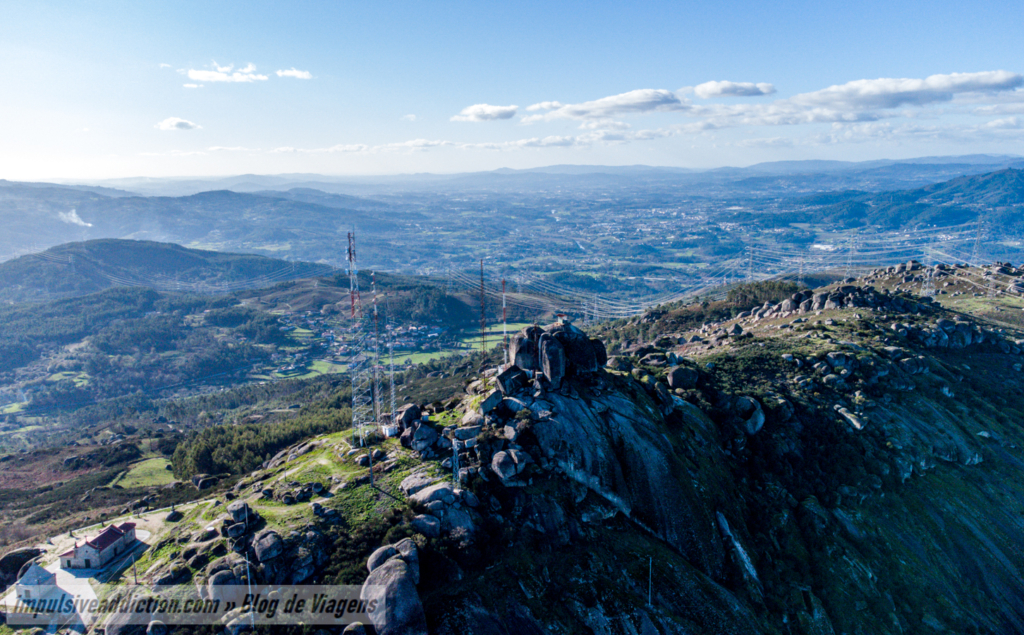
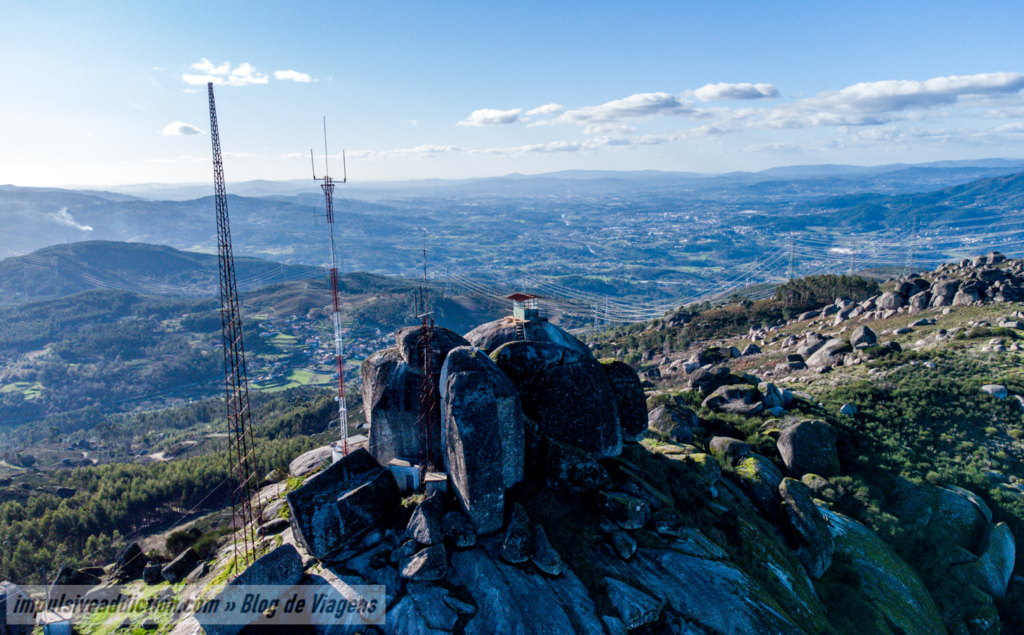
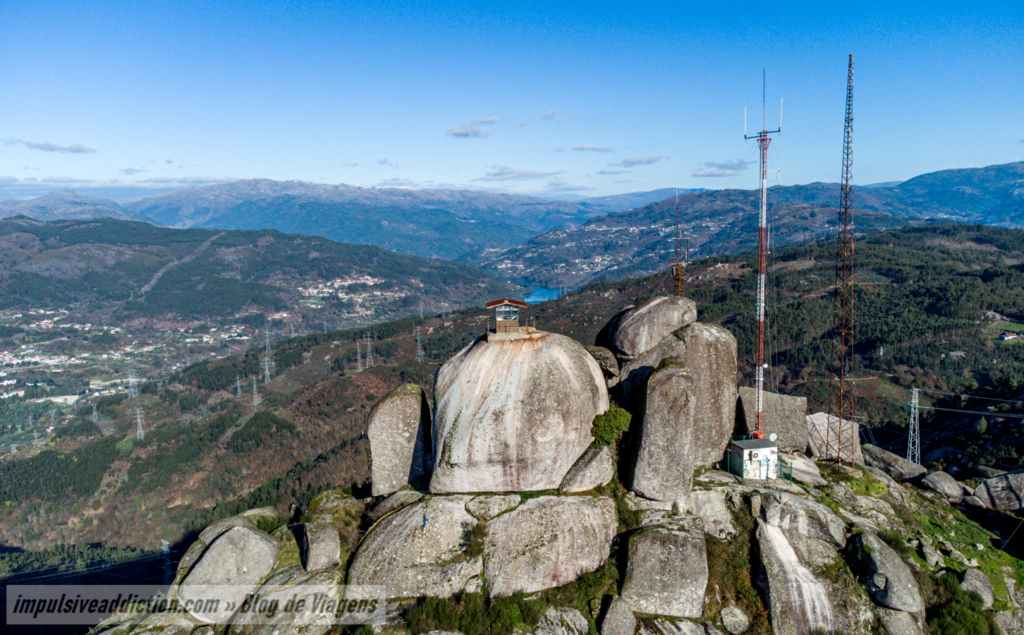
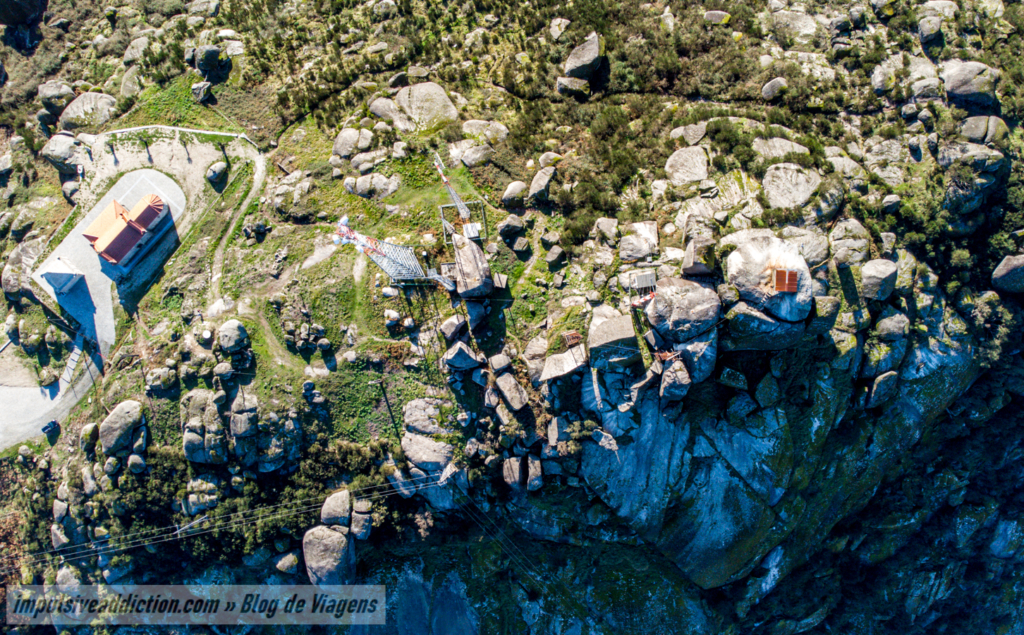
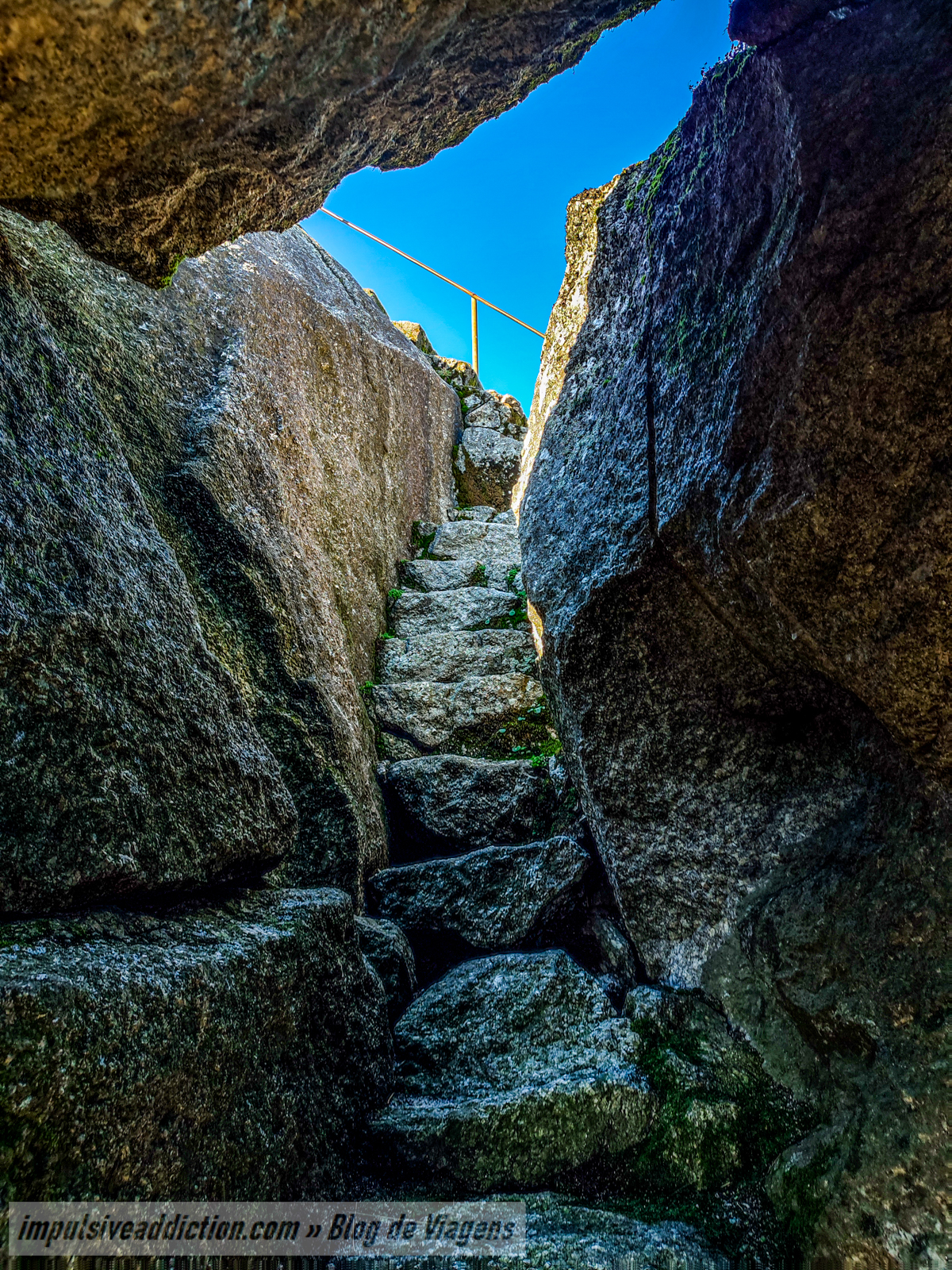
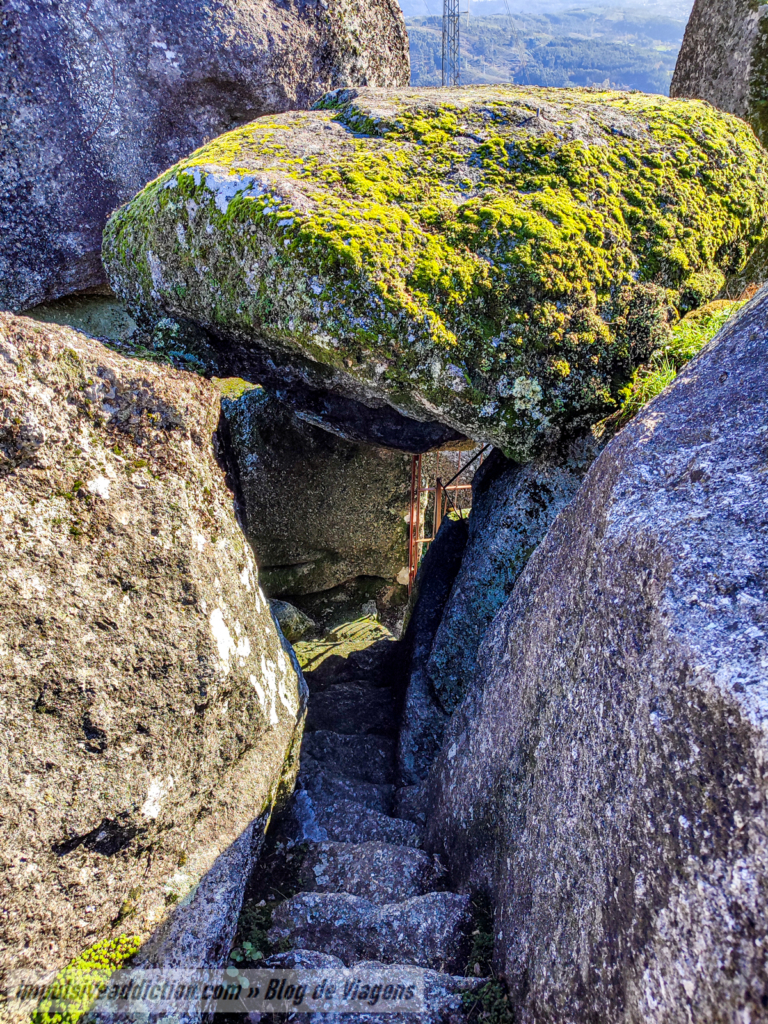
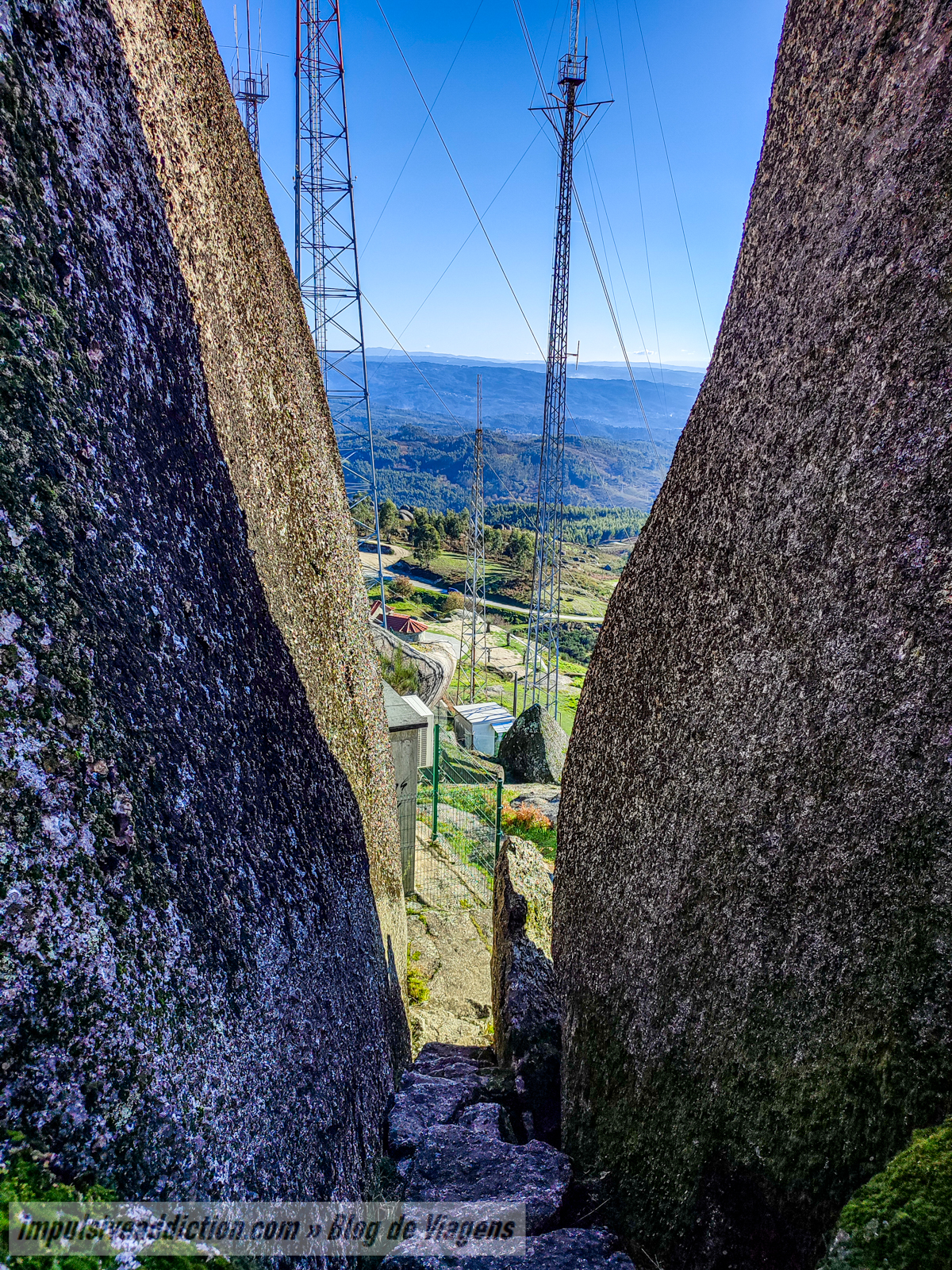
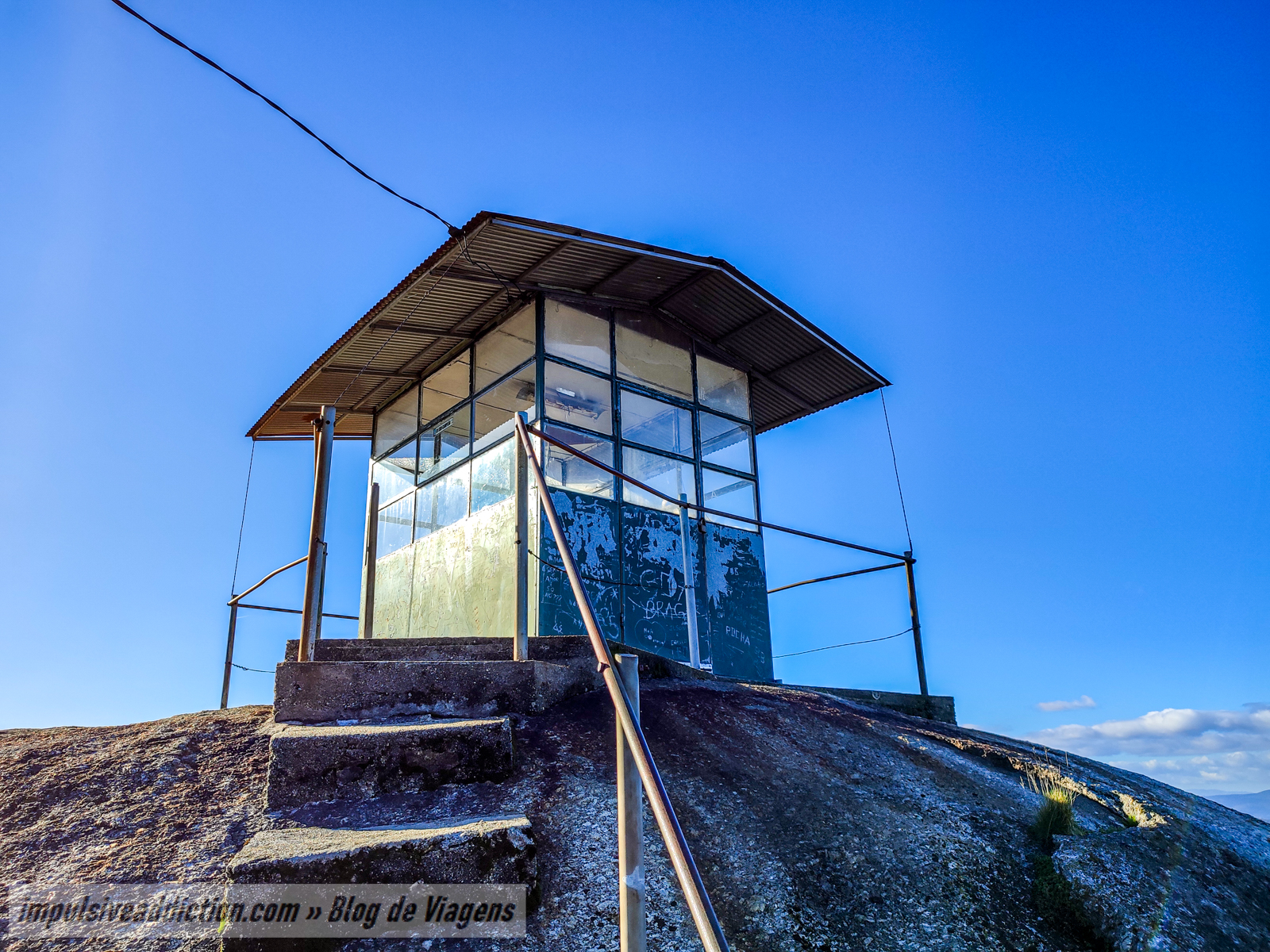
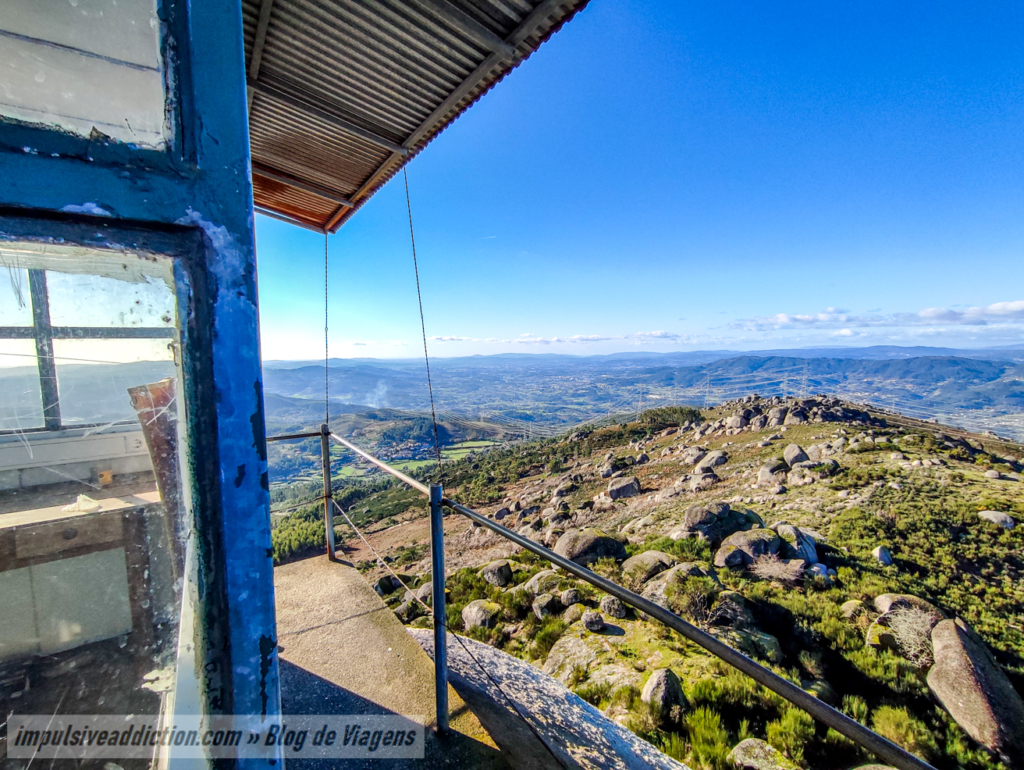
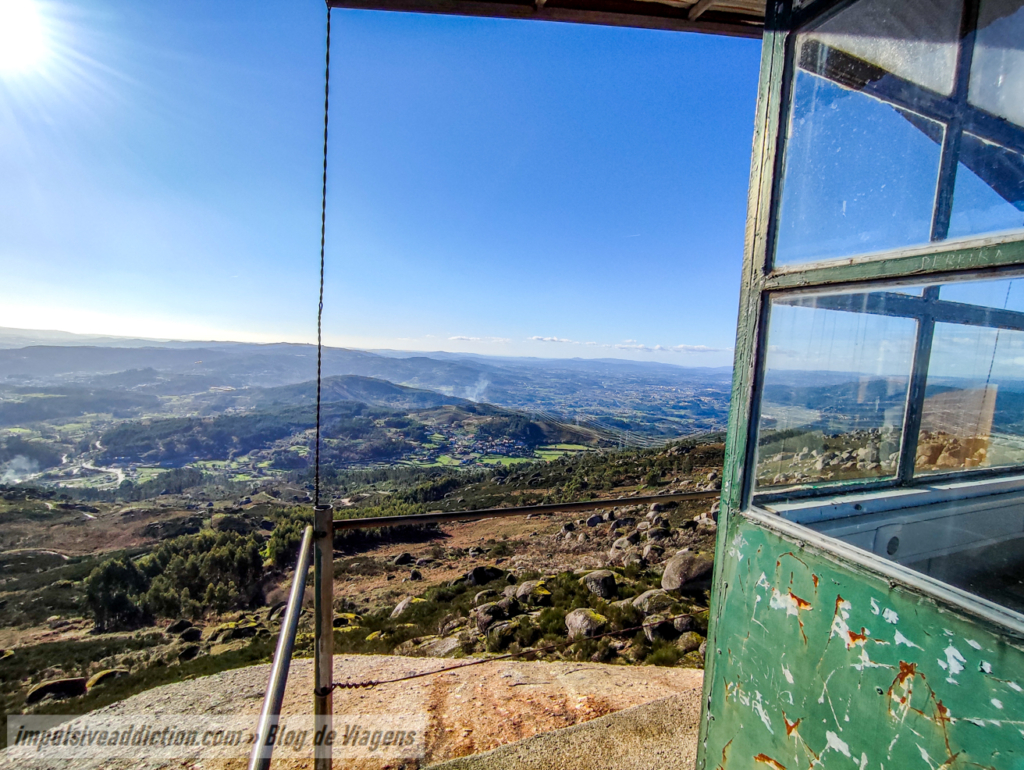
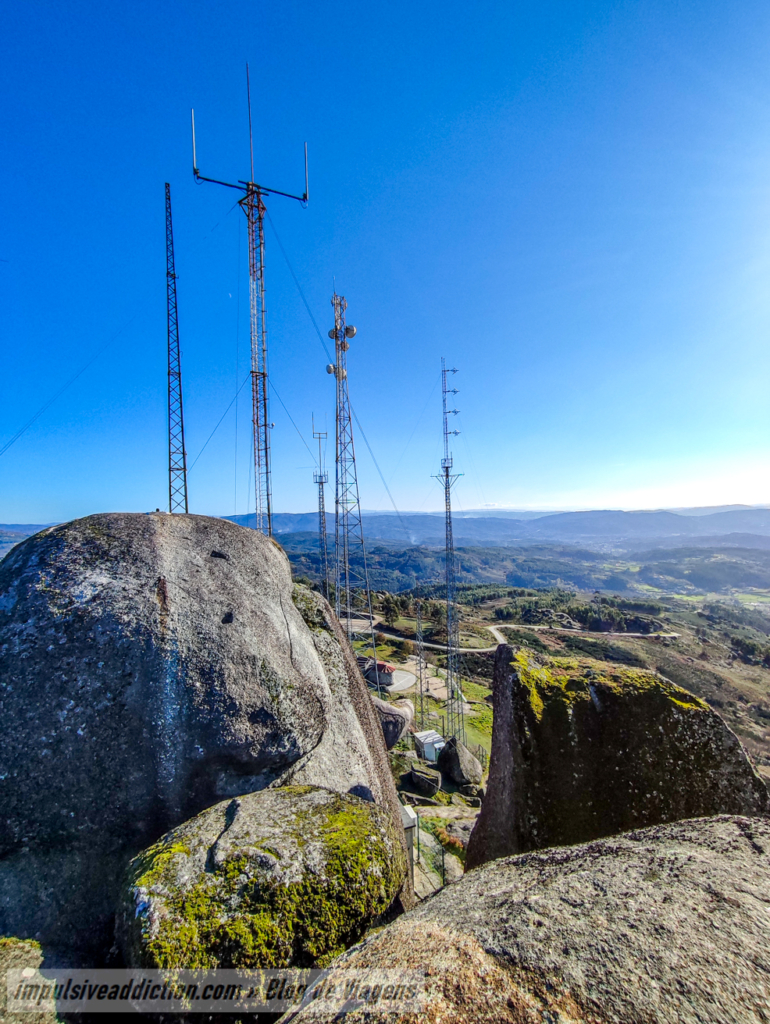
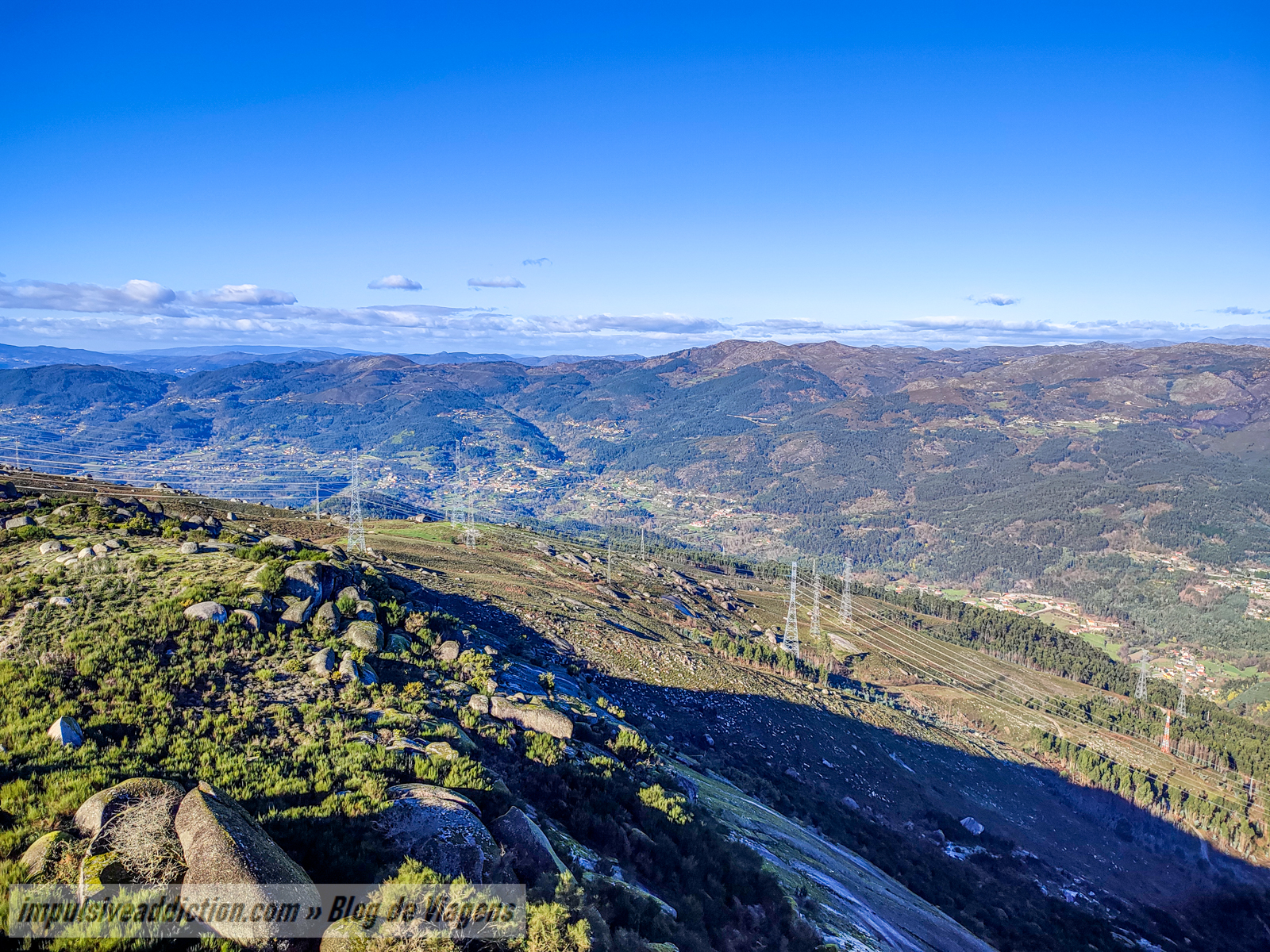
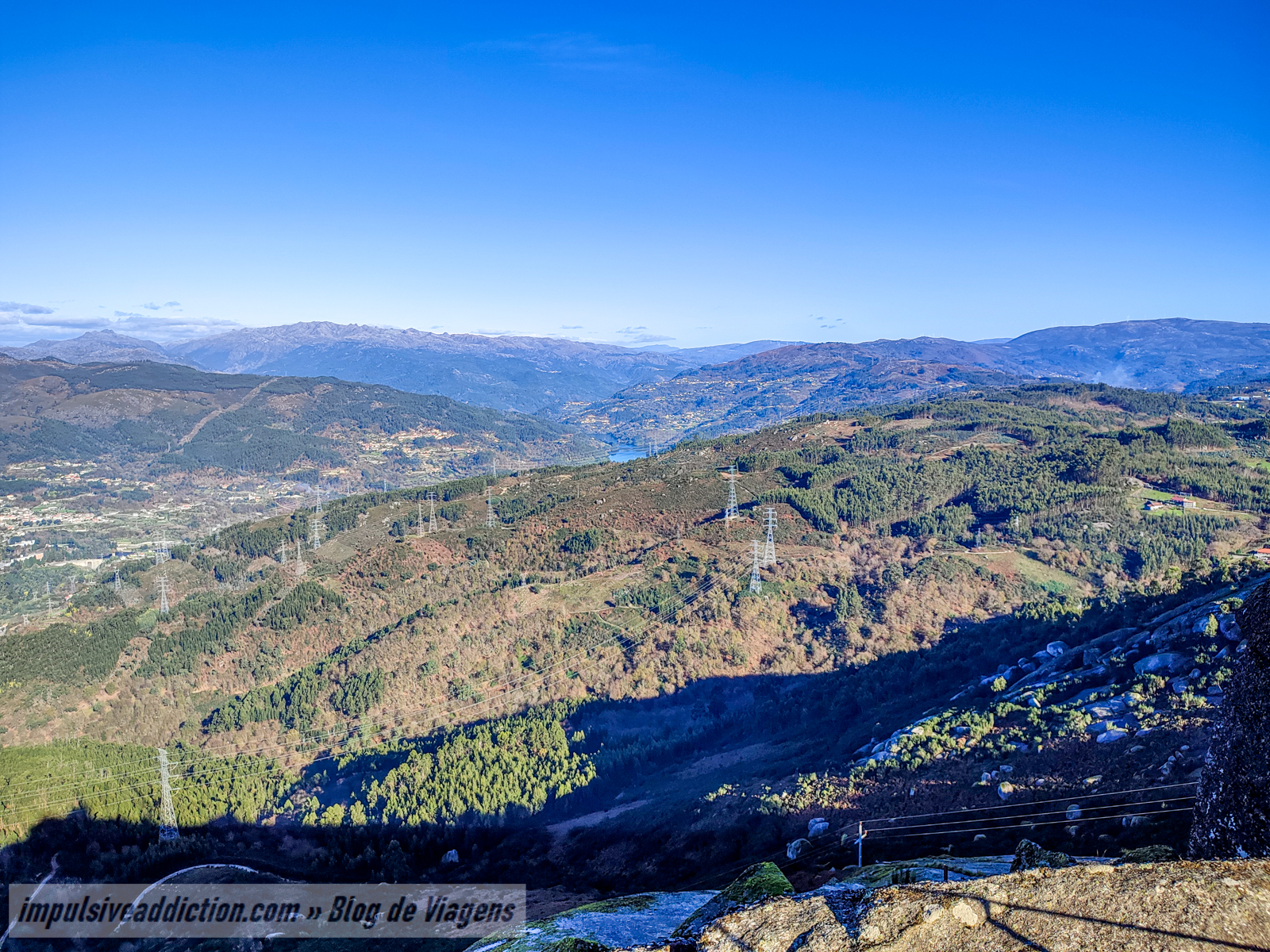
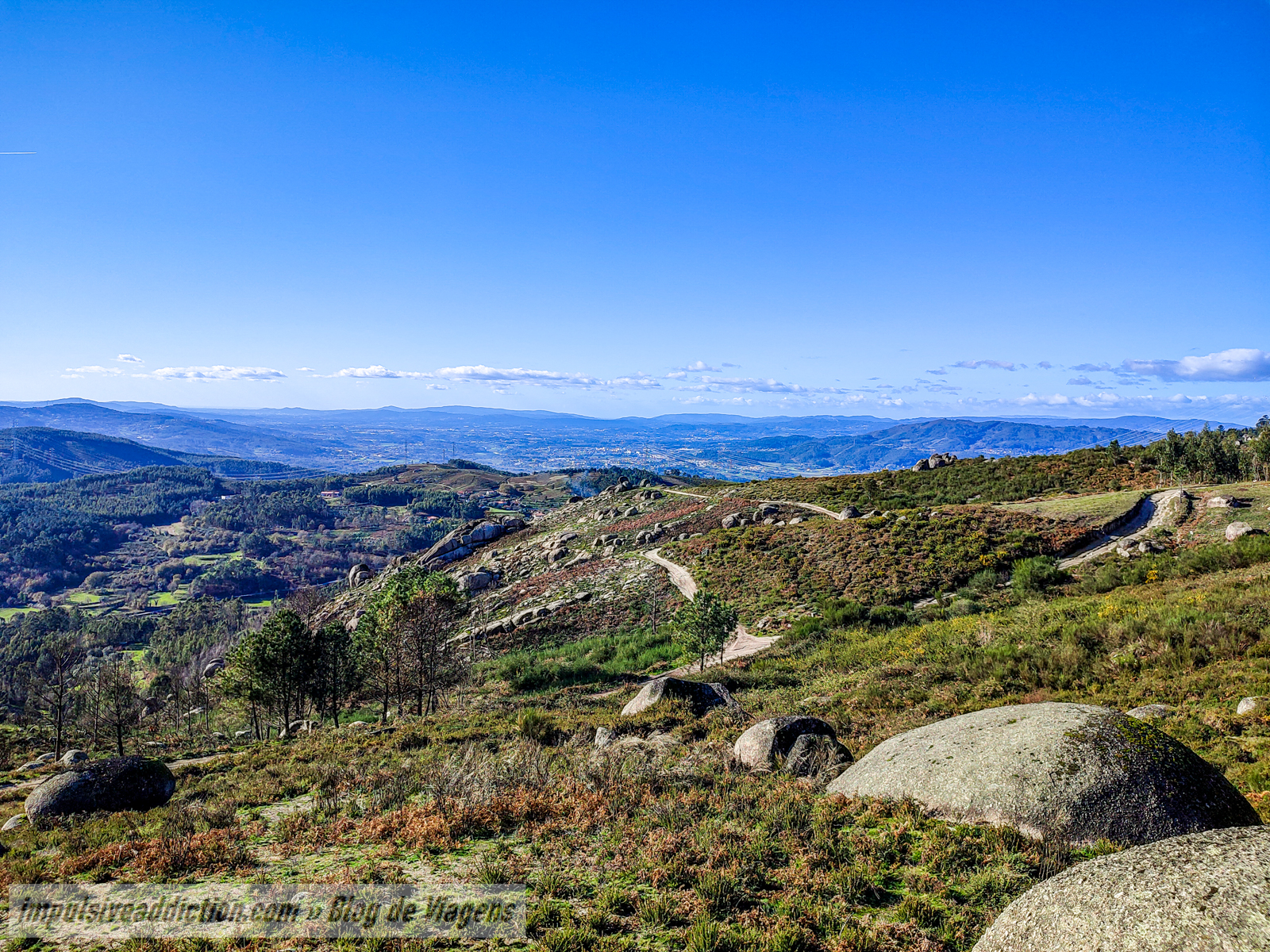
- São Mamede Viewpoint, the highest point in the municipality at 750 meters above sea level. I recommend going beyond the chapel—climb up to the tall watchtower along the path that winds through the massive granite boulders for truly breathtaking views.
1. Parish Church of Lanhoso
2. Romanesque Church of Fonte Arcada
3. Oliveira River beach
4. Viewpoint of São Mamede
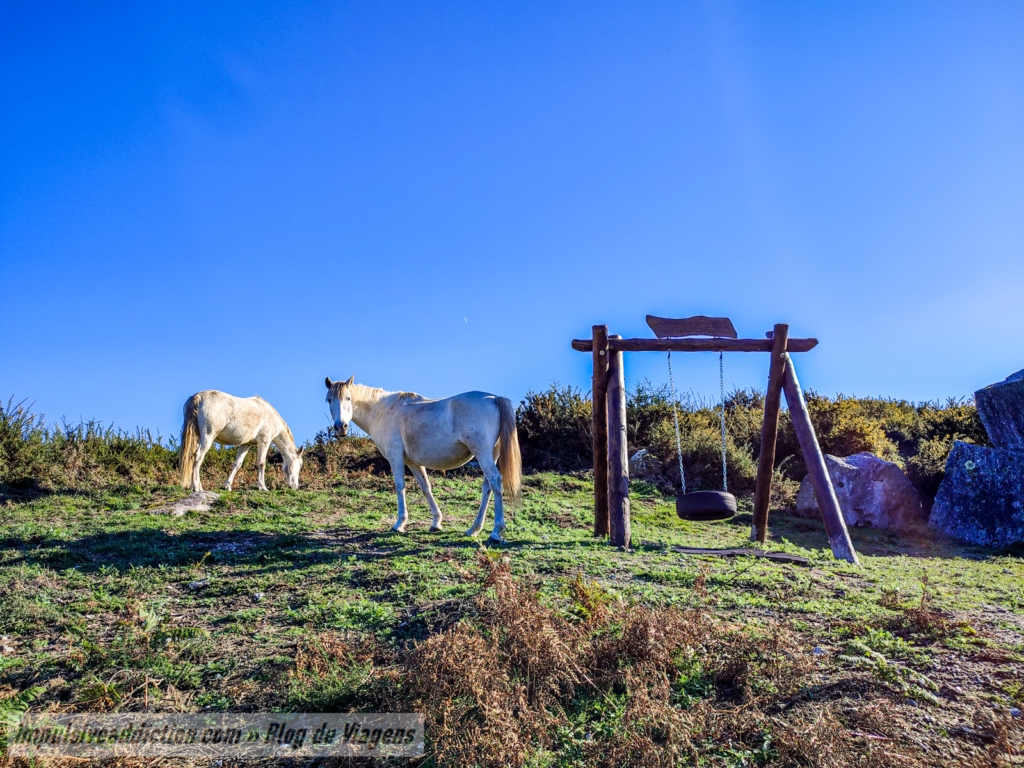
5. Penedo-Giesta Swing
DiverLanhoso Adventure Park
Póvoa de Lanhoso is also a hub for adventure and extreme sports in northern Portugal. The DiverLanhoso Adventure Park offers a huge variety of activities, from rappelling, ziplining, bungee jumping, and climbing to canyoning. If you’re looking for something less extreme, how about a peaceful canoe trip down the Cávado River?
You can check the official website for up-to-date prices and conditions for each activity. DiverLanhoso is actually the largest adventure park in the Iberian Peninsula and one of the largest in Europe—an experience I’m sure you won’t forget. 😉
What to Visit Near Póvoa de Lanhoso
In the surroundings of Póvoa de Lanhoso, the must-see destinations include Braga, Guimarães, and Vieira do Minho. You can also head to the Peneda-Gerês National Park, famous for its incredible lagoons, waterfalls, and countless hiking trails.
And don’t forget—I’ve published plenty of articles on this blog with tips for exploring other municipalities across the Minho region.
MORE ARTICLES FROM THE MINHO REGION OF PORTUGAL:

- Minho | Northern Portugal Itinerary
- Peneda Gerês National Park Itinerary
- Best Hikes and Trails in Peneda Gerês National Park
- Best Peneda Gerês National Park Waterfalls and Lagoons
- Serra d'Arga Itinerary

DISTRICT OF VIANA DO CASTELO:
- Things to do in Viana do Castelo
- Things to do in Ponte de Lima
- Things to do in Monção
- Things to do in Valença
- Things to do in Caminha
- Things to do in Sistelo
- Things to do in Soajo and Lindoso
- Things to do in Vila Nova de Cerveira
- Things to do in Ponte da Barca
- Things to do in Paredes de Coura
- Things to do in Arcos de Valdevez
- Things to do in Melgaço

DISTRICT OF BRAGA:
- Things to do in Guimarães
- Things to do in Barcelos
- Things to do in Esposende
- Things to do in Braga
- Things to do in Vizela
- Things to do in Vila Verde
- Things to do in Vila Nova de Famalicão
- Things to do in Vieira do Minho
- Things to do in Terras de Bouro
- Things to do in Póvoa de Lanhoso
- Things to do in Fafe
- Things to do in Amares
