 Pedro Domingues
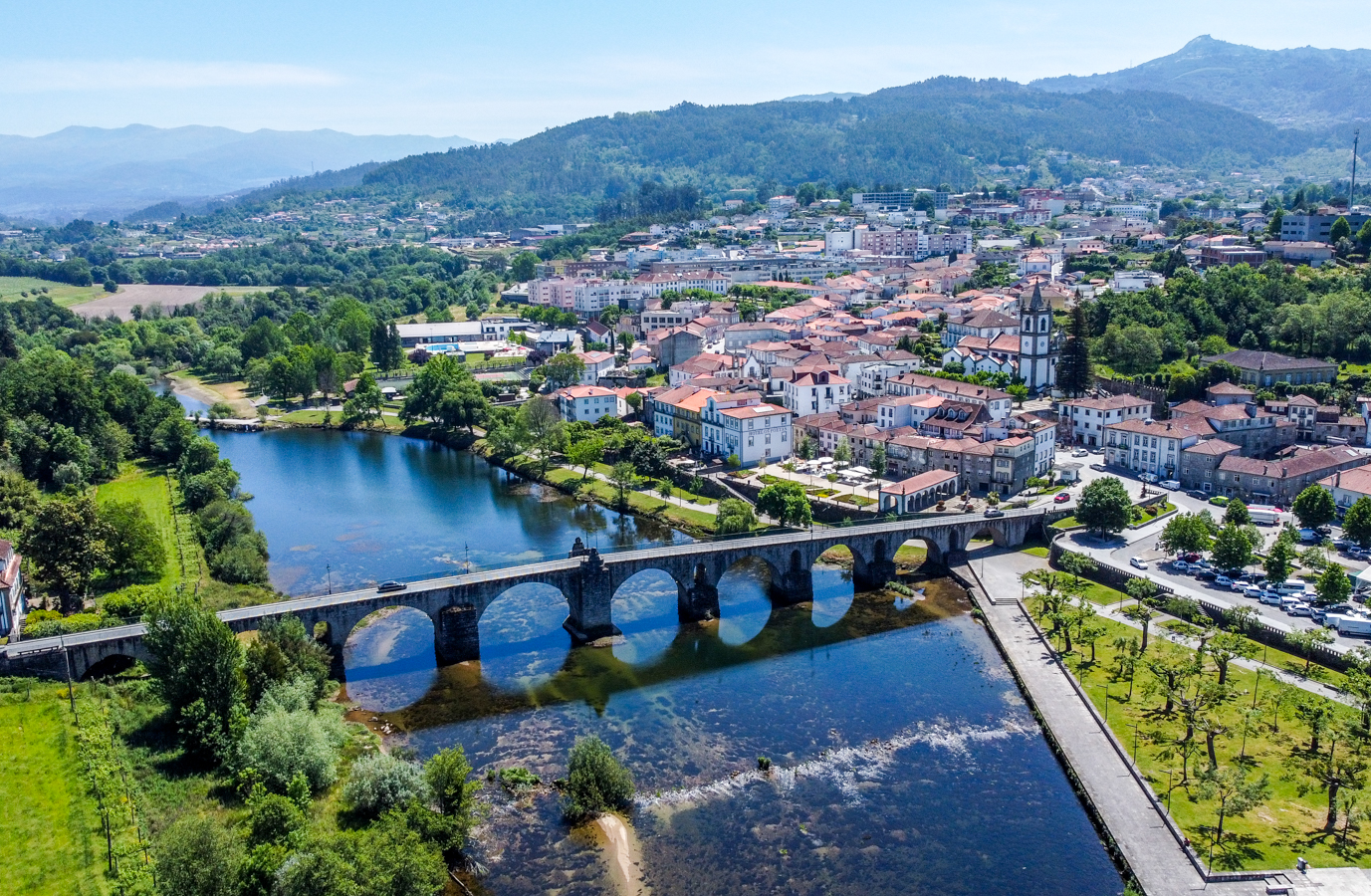
Ponte da Barca is one of the municipalities of Alto Minho, home to some of the most iconic places in the Peneda-Gerês National Park, such as Germil, Lindoso, and Ermida. It boasts the most impressive granary field (espigueiros) in Portugal, right next to the Castle of Lindoso, along with countless lagoons and waterfalls waiting to be discovered in Gerês. To top it off, it is also home to one of the country’s most beautiful bridges crossing the Lima River.
In this article, I’ll show you what to see in Ponte da Barca—not only the most popular tourist attractions, but also those hidden gems that often go unnoticed by the average visitor.
Where is Ponte da Barca located, in Portugal?
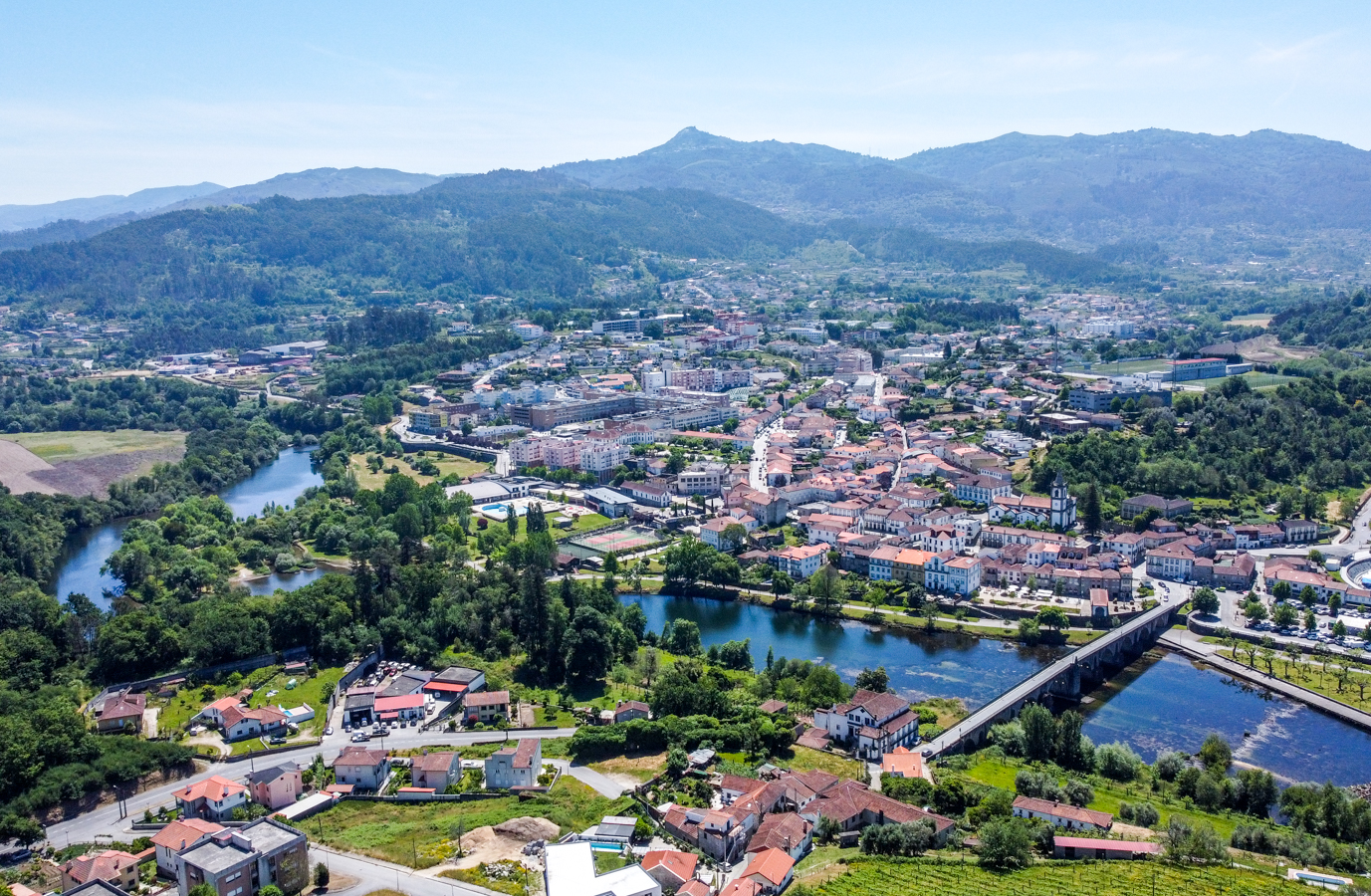
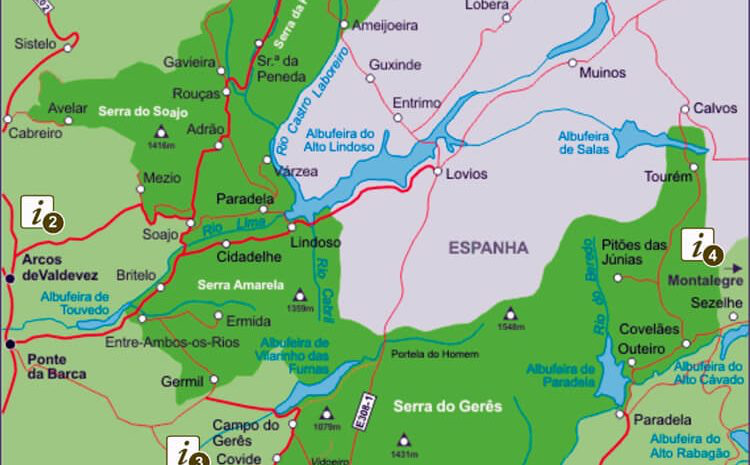
Ponte da Barca is located in the Alto Minho region, within the district of Viana do Castelo, right on the border with the district of Braga. The town sits along the Lima River, which separates it from the neighboring municipality of Arcos de Valdevez. Its boundaries also include Terras de Bouro, Vila Verde, Ponte de Lima, and even Galicia—more specifically the Baixa Limia Natural Park in the province of Ourense, Spain.
If you look at the map below, you’ll easily spot the location of Ponte da Barca, part of which lies within the Peneda-Gerês National Park (PNPG).
MORE ARTICLES FROM THE MINHO REGION OF PORTUGAL:

- Minho | Northern Portugal Itinerary
- Peneda Gerês National Park Itinerary
- Best Hikes and Trails in Peneda Gerês National Park
- Best Peneda Gerês National Park Waterfalls and Lagoons
- Serra d'Arga Itinerary

DISTRICT OF VIANA DO CASTELO:
- Things to do in Viana do Castelo
- Things to do in Ponte de Lima
- Things to do in Monção
- Things to do in Valença
- Things to do in Caminha
- Things to do in Sistelo
- Things to do in Soajo and Lindoso
- Things to do in Vila Nova de Cerveira
- Things to do in Ponte da Barca
- Things to do in Paredes de Coura
- Things to do in Arcos de Valdevez
- Things to do in Melgaço

DISTRICT OF BRAGA:
- Things to do in Guimarães
- Things to do in Barcelos
- Things to do in Esposende
- Things to do in Braga
- Things to do in Vizela
- Things to do in Vila Verde
- Things to do in Vila Nova de Famalicão
- Things to do in Vieira do Minho
- Things to do in Terras de Bouro
- Things to do in Póvoa de Lanhoso
- Things to do in Fafe
- Things to do in Amares
When to Visit Ponte da Barca?
You can visit Ponte da Barca year-round. However, if you’re planning long hikes in the Serra Amarela, I recommend going in spring or autumn, when the weather is milder and the trails are less crowded.
For swimming in the refreshing lagoons, summer is of course the best season. In this article, you’ll find plenty of suggestions for lagoons and waterfalls in Gerês that don’t require strenuous hikes—they’re easily accessible in the warmer months. Just be prepared to share them with others, and please, leave these natural spots exactly as you found them!
You should also keep an eye on the region’s main festivities:
- At Carnival, head to Lindoso for the traditional Enterro do Pai Velho (“Burial of the Old Father”).
- In July, you can take part in the Traditional Rye Harvest, also in Lindoso.
- Don’t miss the São Bartolomeu Festivities in August, or the Festival of Traditions in May, both held in the town center.
The highlight is the Romaria de São Bartolomeu, recognized as one of the 7 Wonders of Portuguese Popular Culture. Taking place from August 19 to 24, it features plenty of folk music, horse races, traditional street parades (rusgas), and many other activities that bring the whole community to life. Check out the video below to get a feel for the atmosphere!
Rent a car to visit Ponte da Barca
A car is essential for most itineraries in Portugal that go beyond the big cities! To visit Ponte da Barca, in my opinion, having a car is a must. If you don’t have one, consider renting through Discover Cars using this link.
Gastronomy and restaurants in Ponte da Barca
When it comes to local cuisine, Ponte da Barca doesn’t disappoint. Here you can try Papas de Sarrabulho, a traditional northern dish, as well as specialties like Cabrito à Serra Amarela (roast kid goat), or Posta Barrosã (a hearty beef steak from the Barroso region). From the Lima River, delicacies such as lamprey, trout, and shad are also on the menu.
💡 Tip: Plan your visit around one of the town’s Gastronomic Sundays, held throughout the year, and you’ll get to taste authentic regional dishes:
- Sunday of Cozido à Portuguesa (traditional Portuguese stew)
- Sunday of Lamprey
- Sunday of Cabrito à Serra Amarela
- Sunday of Posta Barrosã
- Sunday of Naco à Terras de Nóbrega
- Sunday of Sarrabulho
For places to eat, some great choices include Restaurante O Moinho, Cantinho do Parada, and Vai à Fava.
Where to stay in Ponte da Barca?
| Accommodation | Score | Location |
|---|---|---|
| RH Casas de Campo | 9.5 | Lindoso |
| Casa da Fecha | 9.1 | Lindoso |
| Cerca dos Passais | 8.9 | Entre Ambos os Rios |
| Residencias Vinha Velha | 9.0 | Entre Ambos os Rios |
| Casinhas da Levada | 9.6 | Entre Ambos os Rios |
| Casa dos Cabecinhos | 8.8 | Paradamonte |
| Quinta de Silharezes | 9.8 | Ponte da Barca |
| Hotel Fonte Velha | 9.2 | Ponte da Barca |
| Casa Victória | 9.4 | Ponte da Barca |
| Hotel Os Poetas | 8.8 | Ponte da Barca |
| Casa da Portela de Sampriz | 9.5 | South of Ponte da Barca |
| Quinta da Mata | 9.6 | South of Ponte da Barca |
Things to do in Ponte da Barca
To visit Ponte da Barca in detail, you’ll need to stay at least three days in the municipality. I’ve prepared a map with all the attractions mentioned, and I’ve organized this article as follows:
- Center of Ponte da Barca
- Lindoso and Surroundings
- Ermida and Entre Ambos-os-Rios
- Germil
- Other Places in the Municipality of Ponte da Barca
Map with the main highlights of Ponte da Barca
Visit the Center of Ponte da Barca
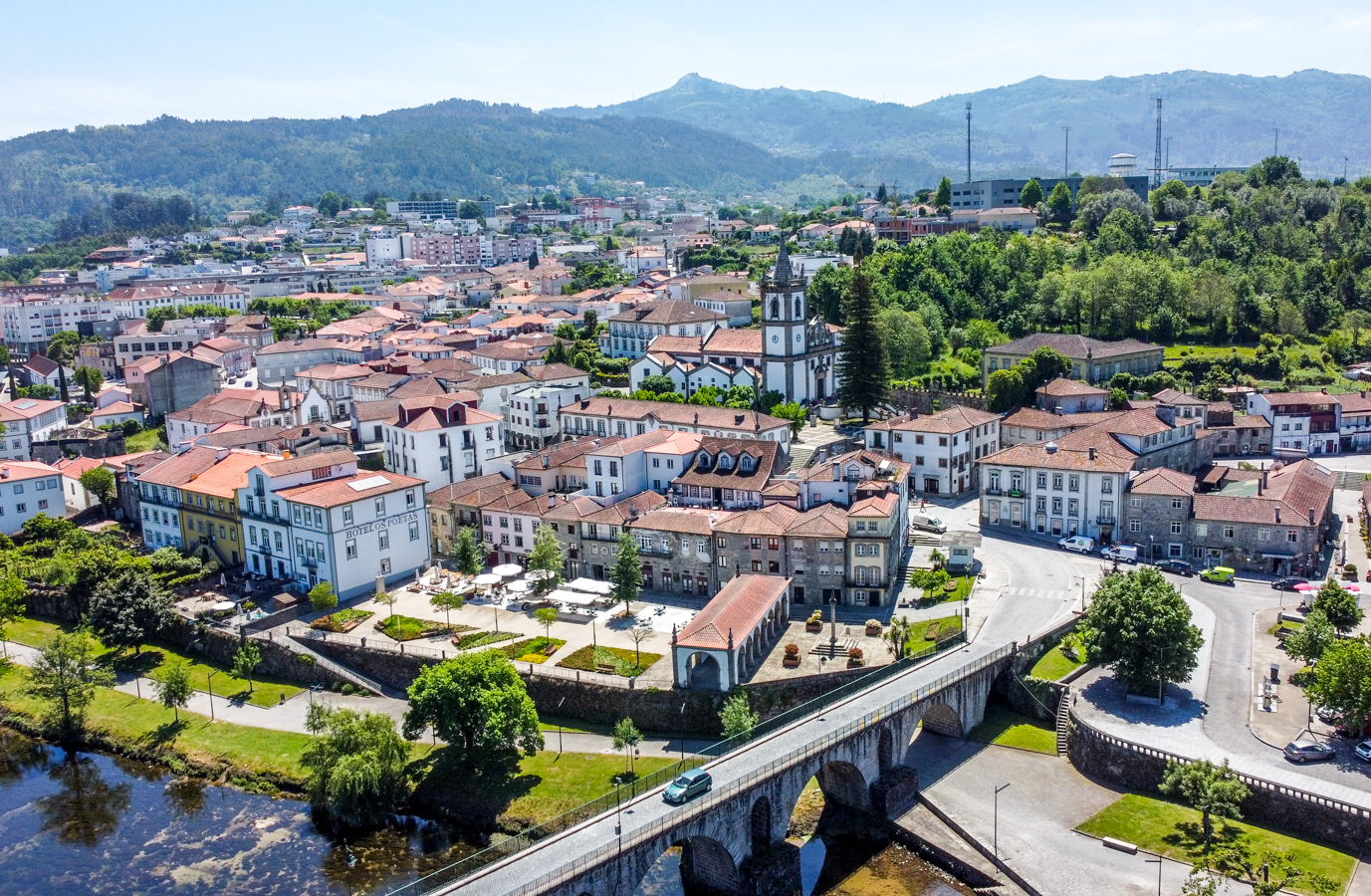
In the heart of Ponte da Barca, the highlights are the 15th-century bridge and the scenic riverside promenade that stretches toward the river beach. The historic center is quite compact and can easily be visited in about two hours—or even less. Still, it’s worth slowing down, relaxing at a café terrace, or simply sitting by the river to enjoy at least a morning or afternoon here.
1. Ponte de Ponte da Barca
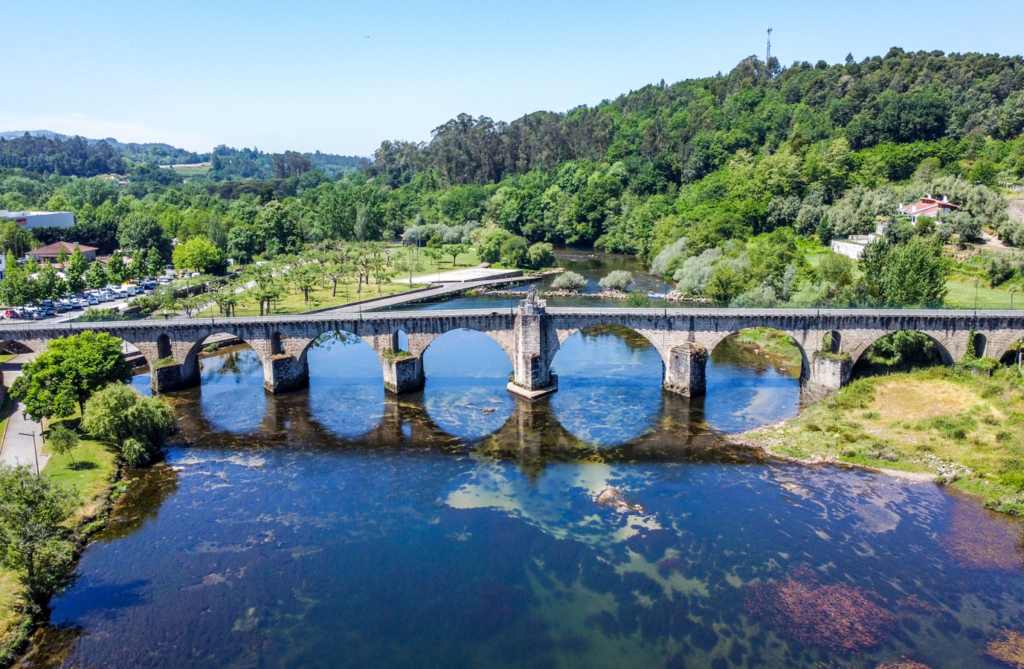
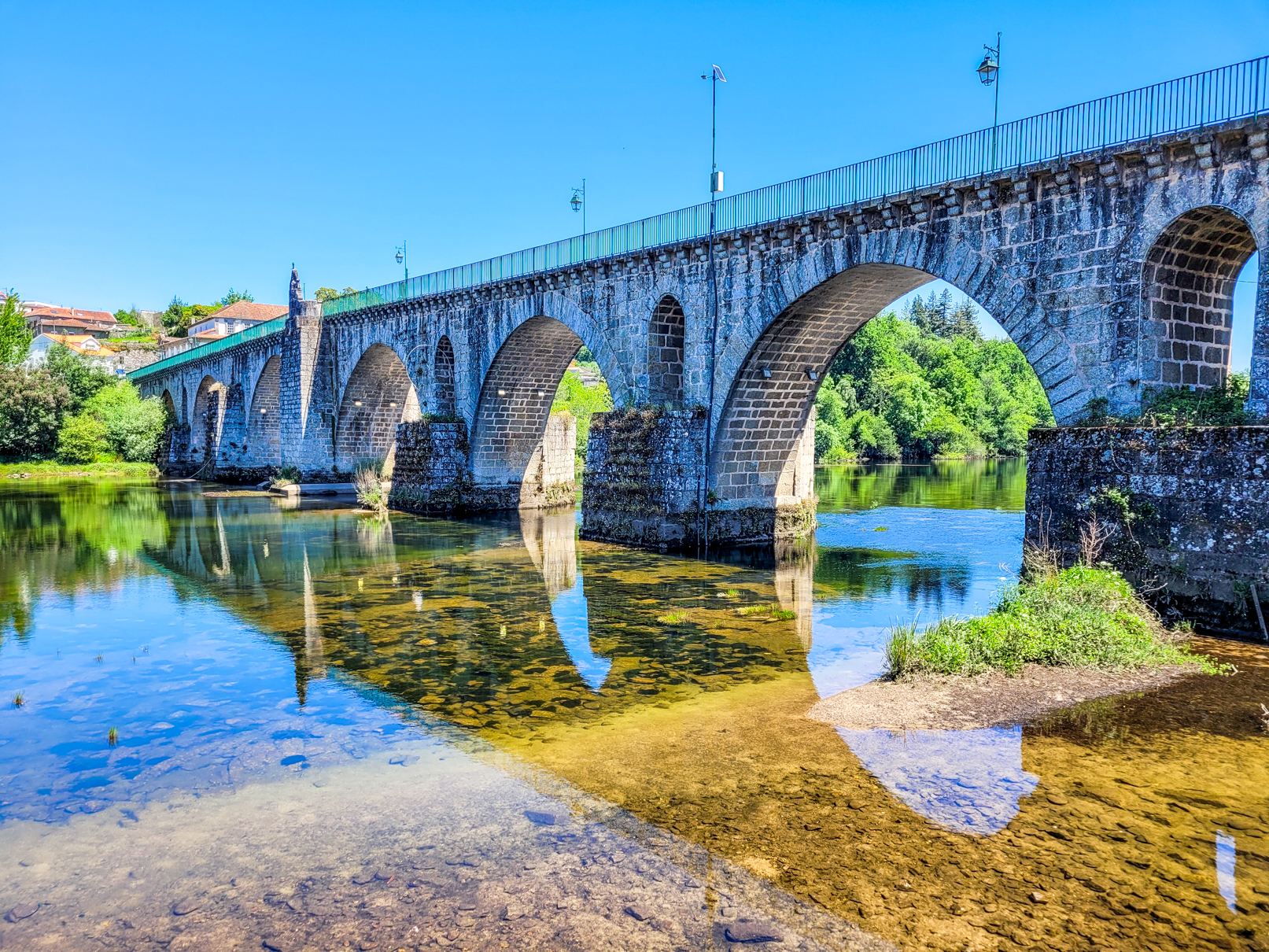
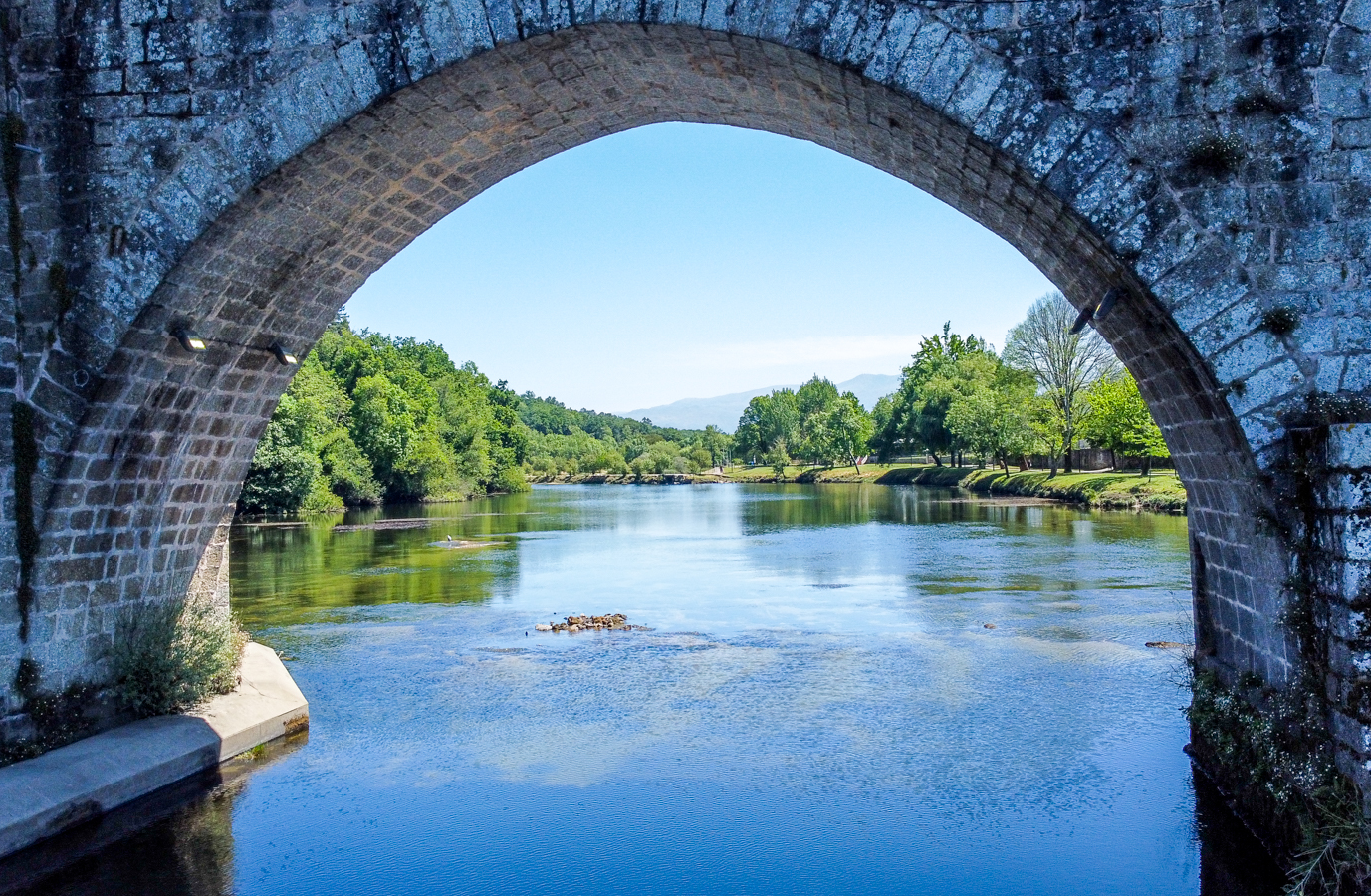
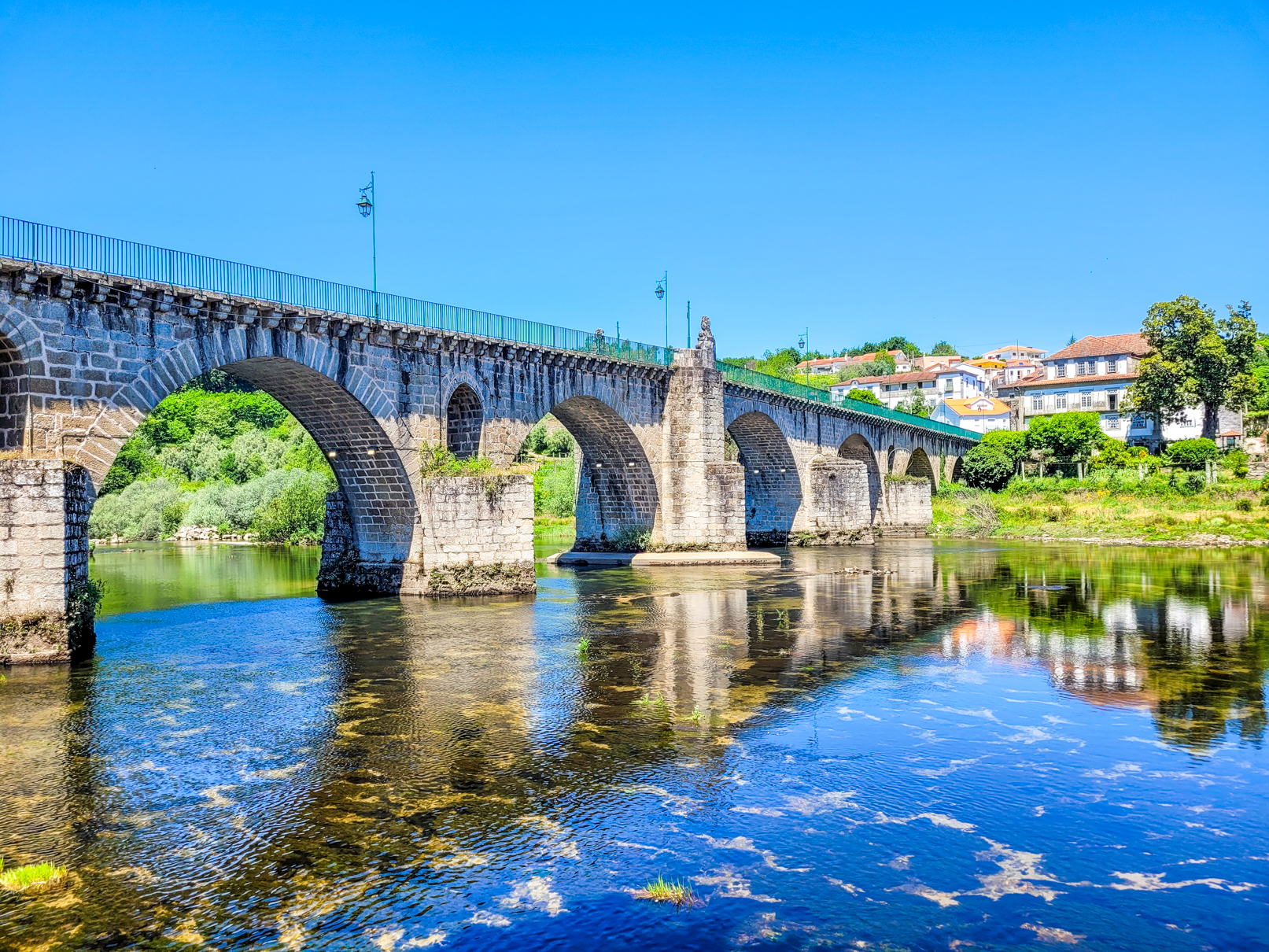
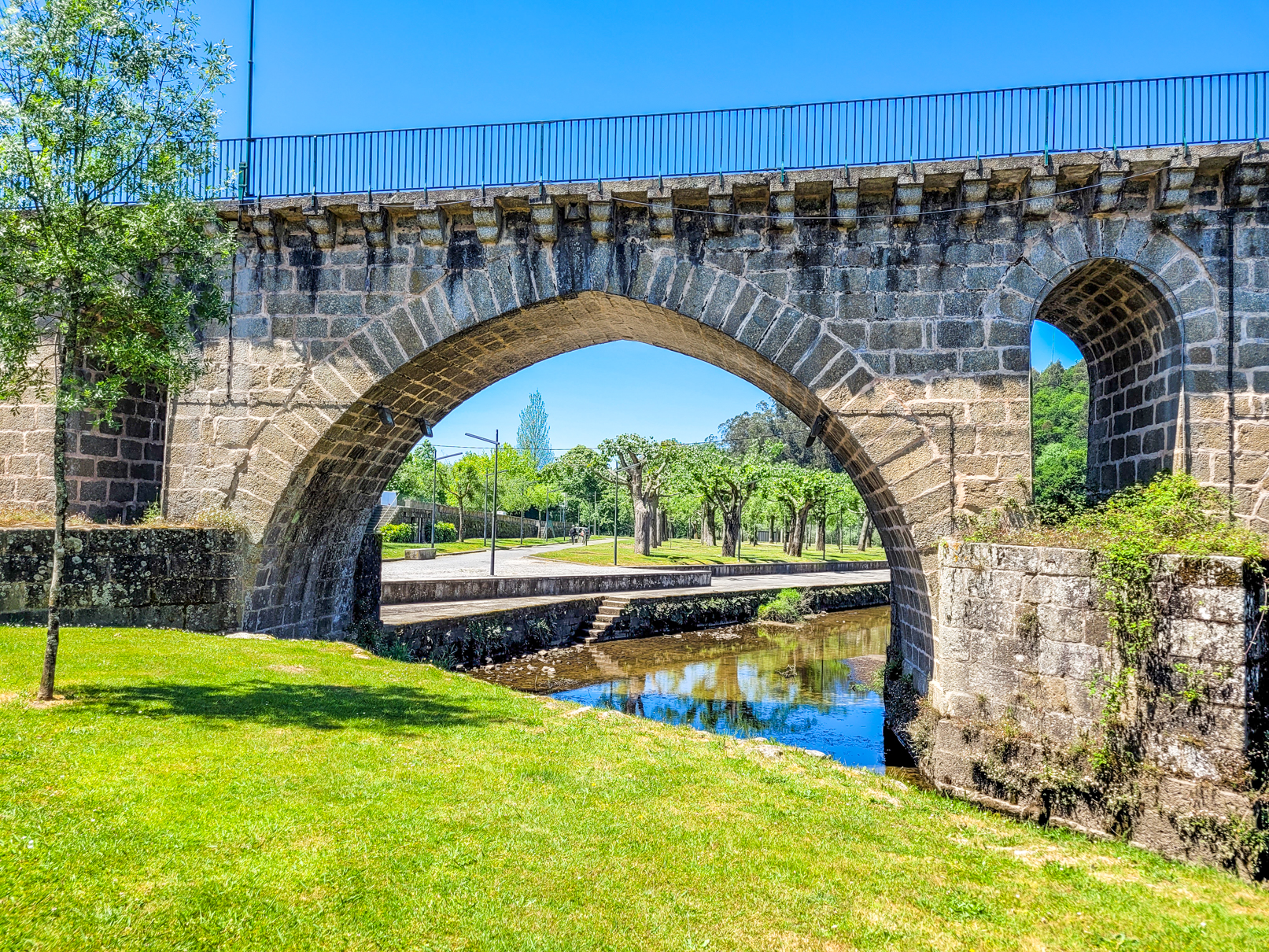
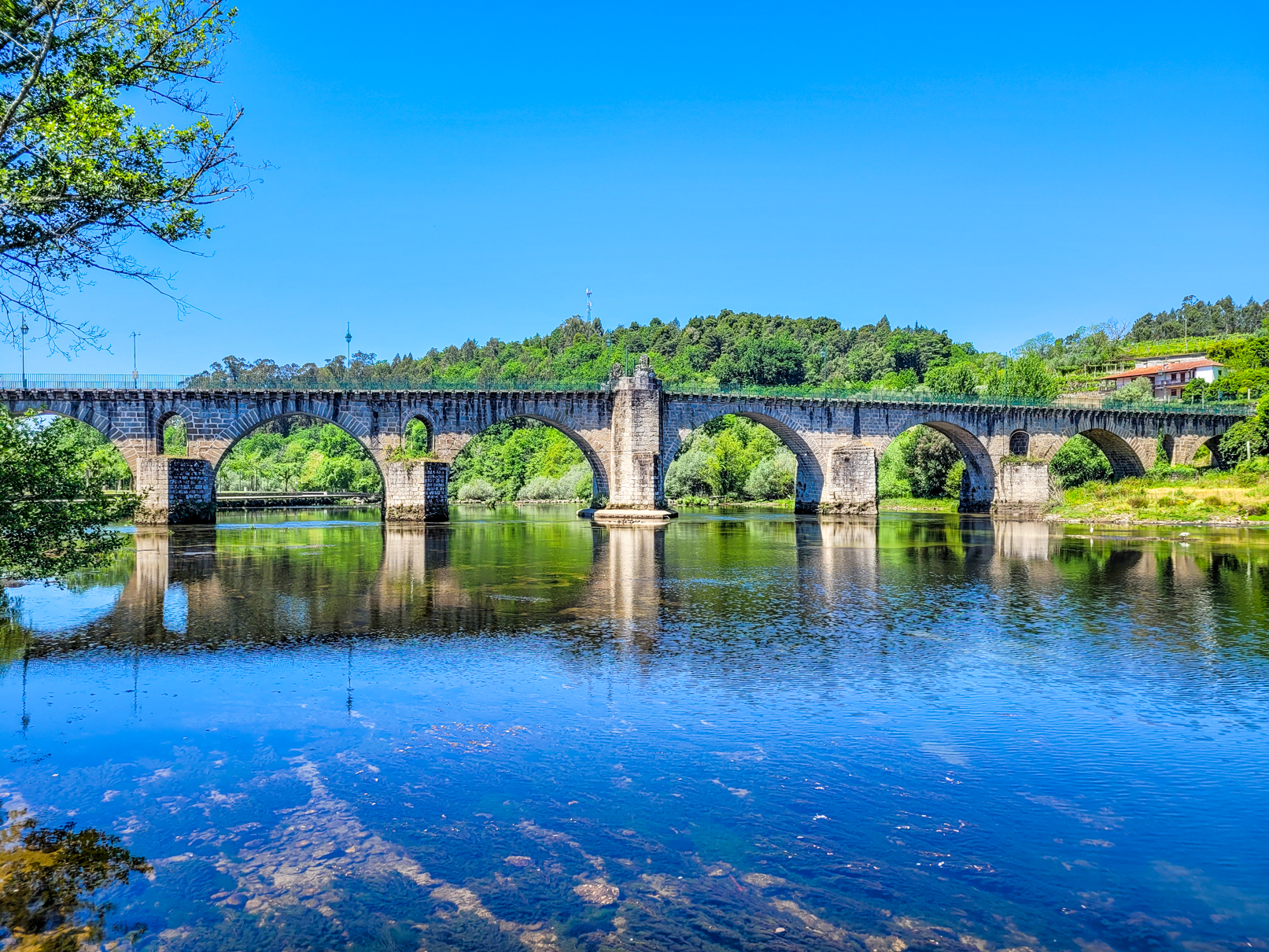
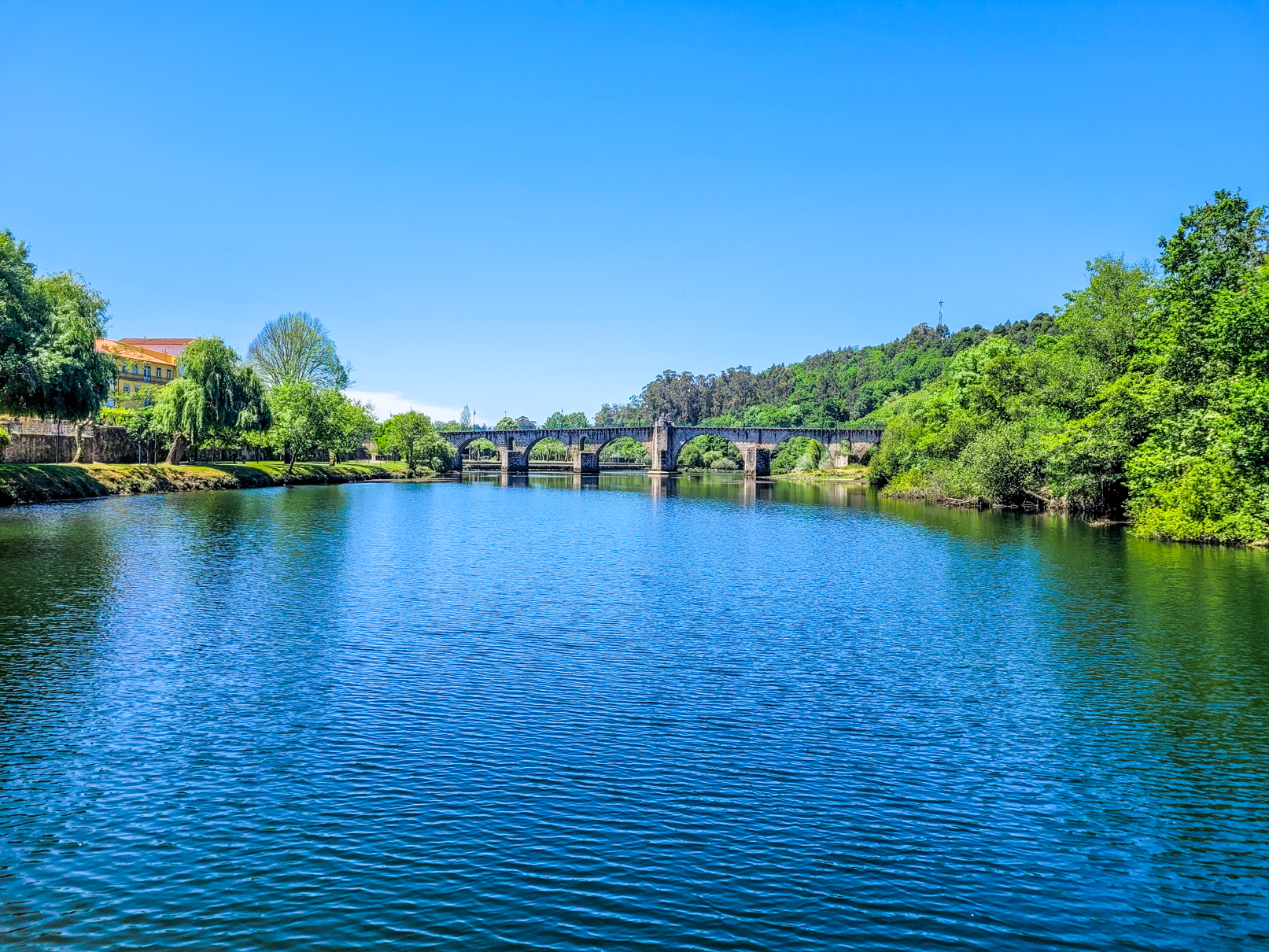
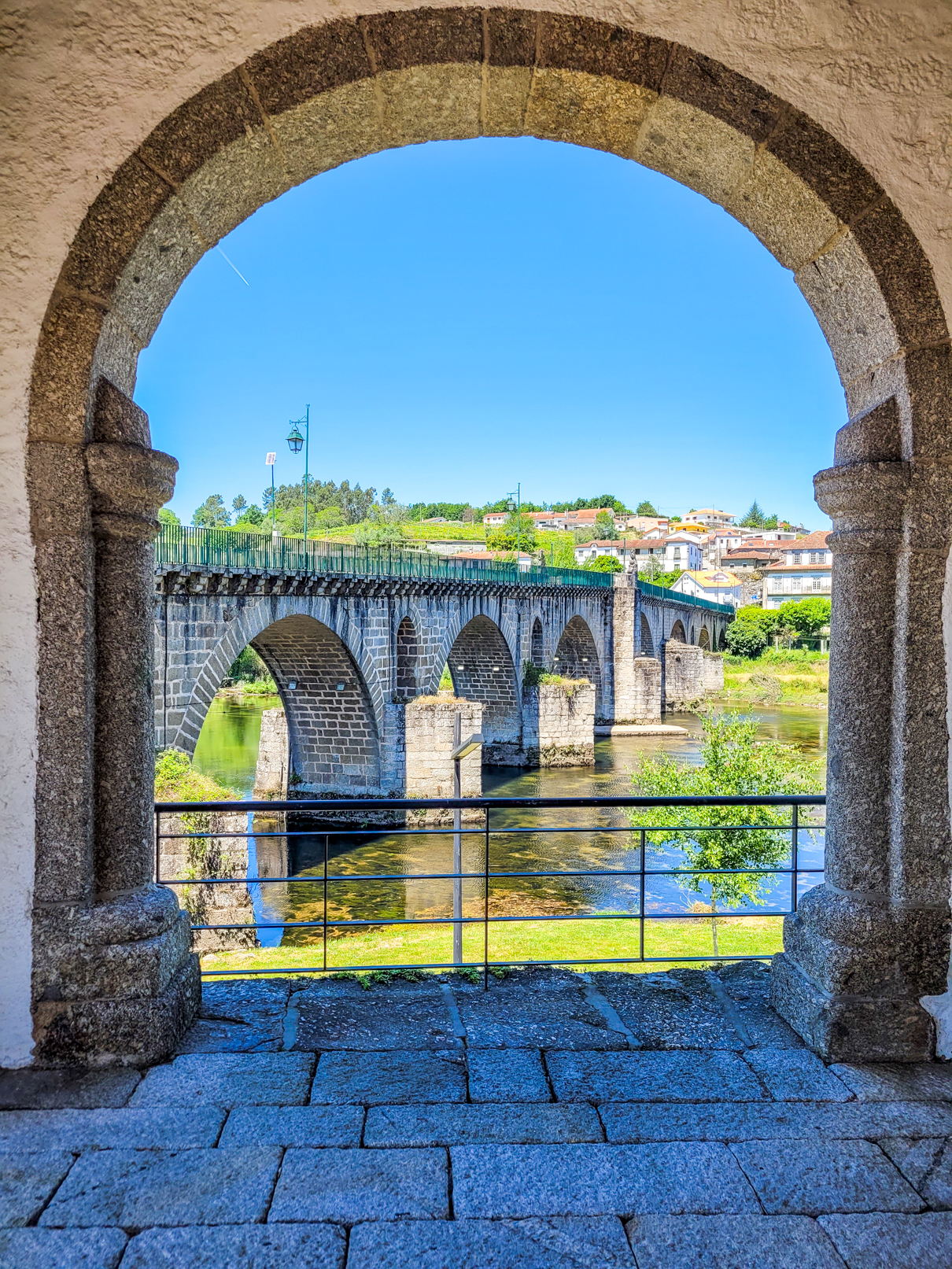
The Medieval Bridge of Ponte da Barca is especially beautiful when reflected in the waters of the Lima River. This bridge is what gave the town its name. It was originally built in the 15th century, though parts of the current structure (particularly the central section) date from 18th- and 19th-century renovations. The name “Ponte da Barca” (“Bridge of the Boat”) comes from the fact that, before the bridge was built, the river crossing was made by boat. 😉
2. Choupal do Largo do Côrro
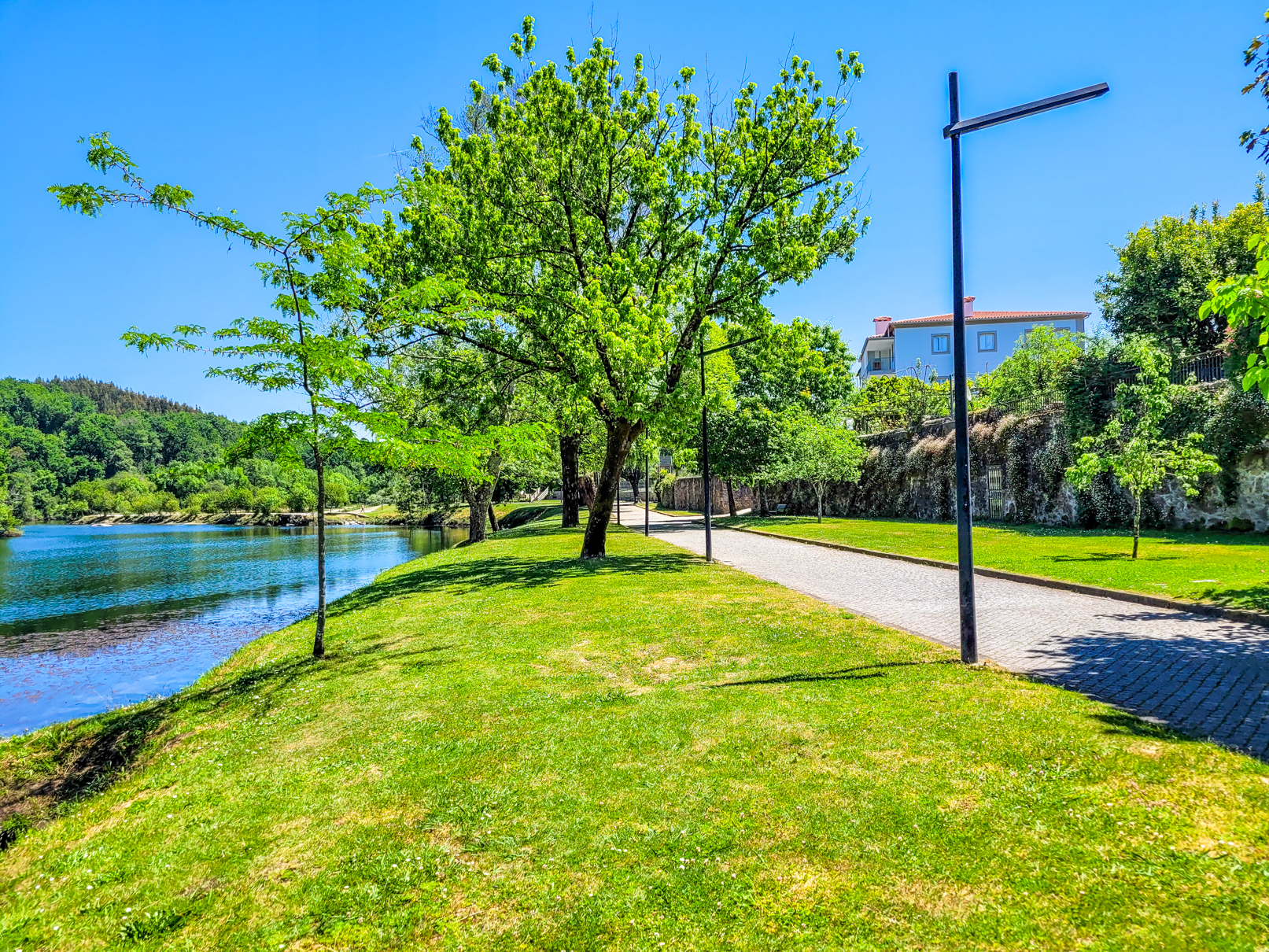
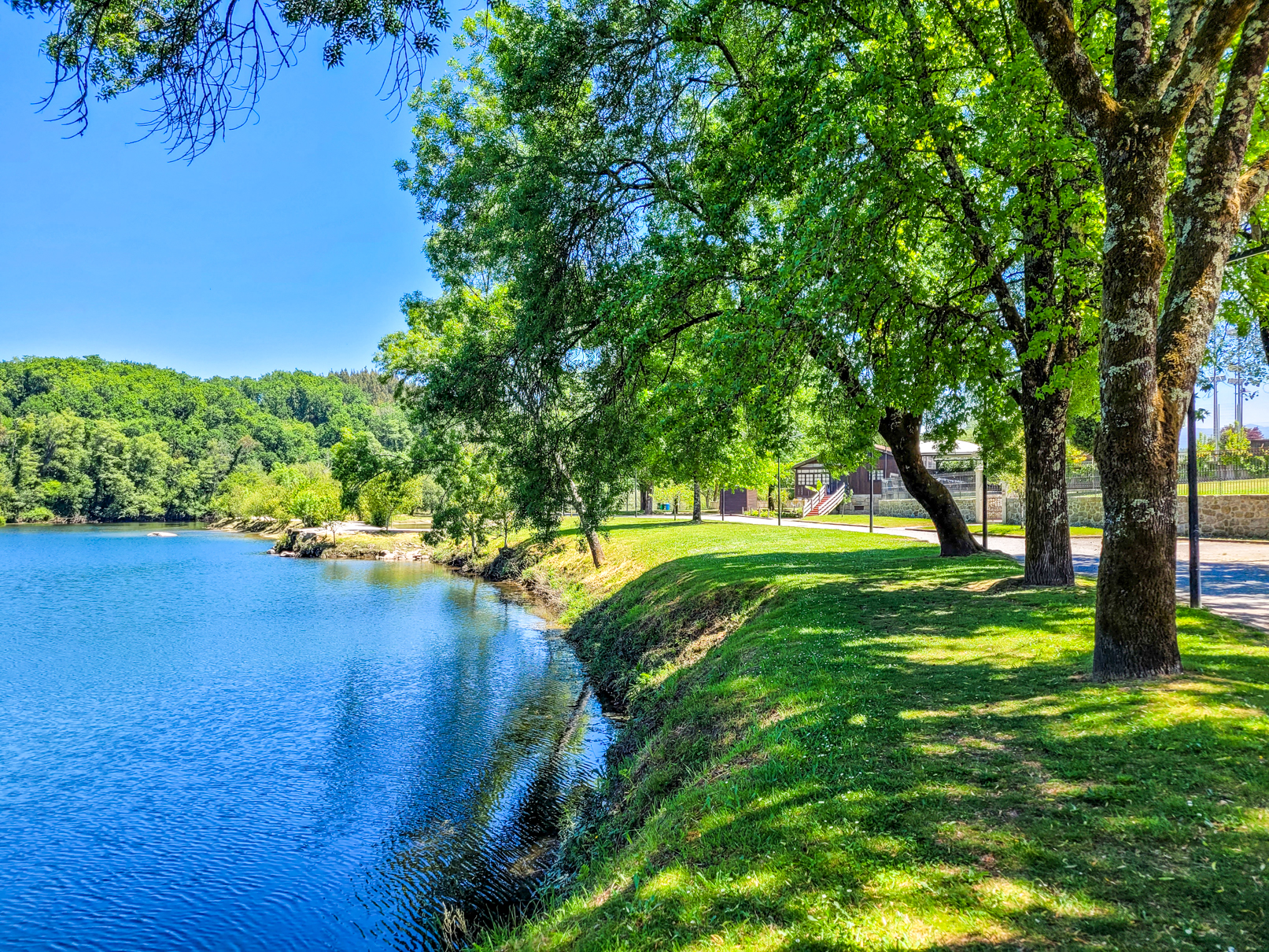
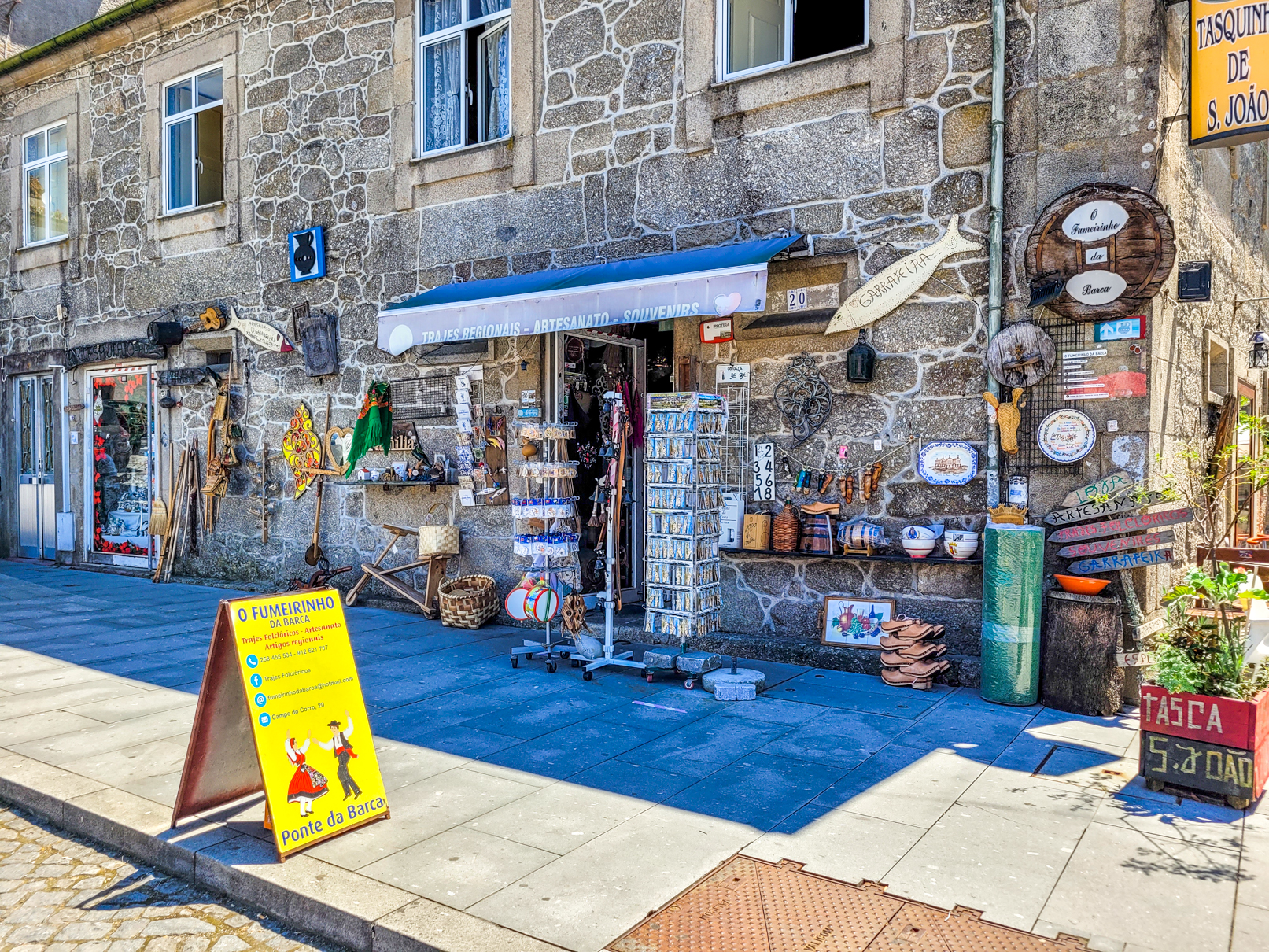
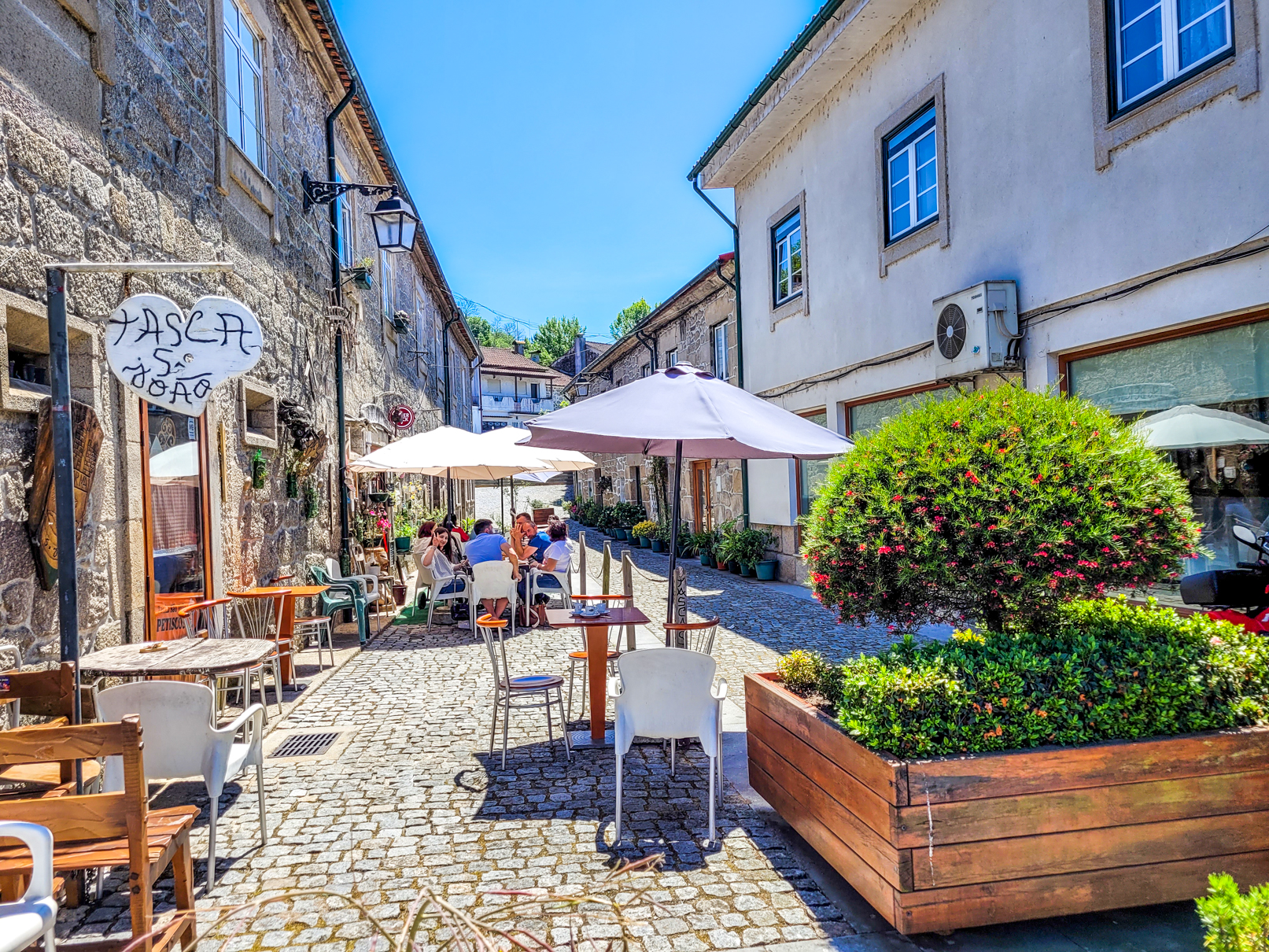
For those arriving in Ponte da Barca by car, Largo do Côrro can be an ideal place to park. It’s where I’ve always left my car during my visits to the town, though I’m not sure how easy it is to find a spot during the busier tourist months, since spaces are limited.
Right next to the parking area, you’ll find a large leisure space on the banks of the Lima River, with beautiful views of the Medieval Bridge of Ponte da Barca. This spot is known as the Choupal do Largo do Côrro.
3. Pillory and Pombaline Market of Ponte da Barca
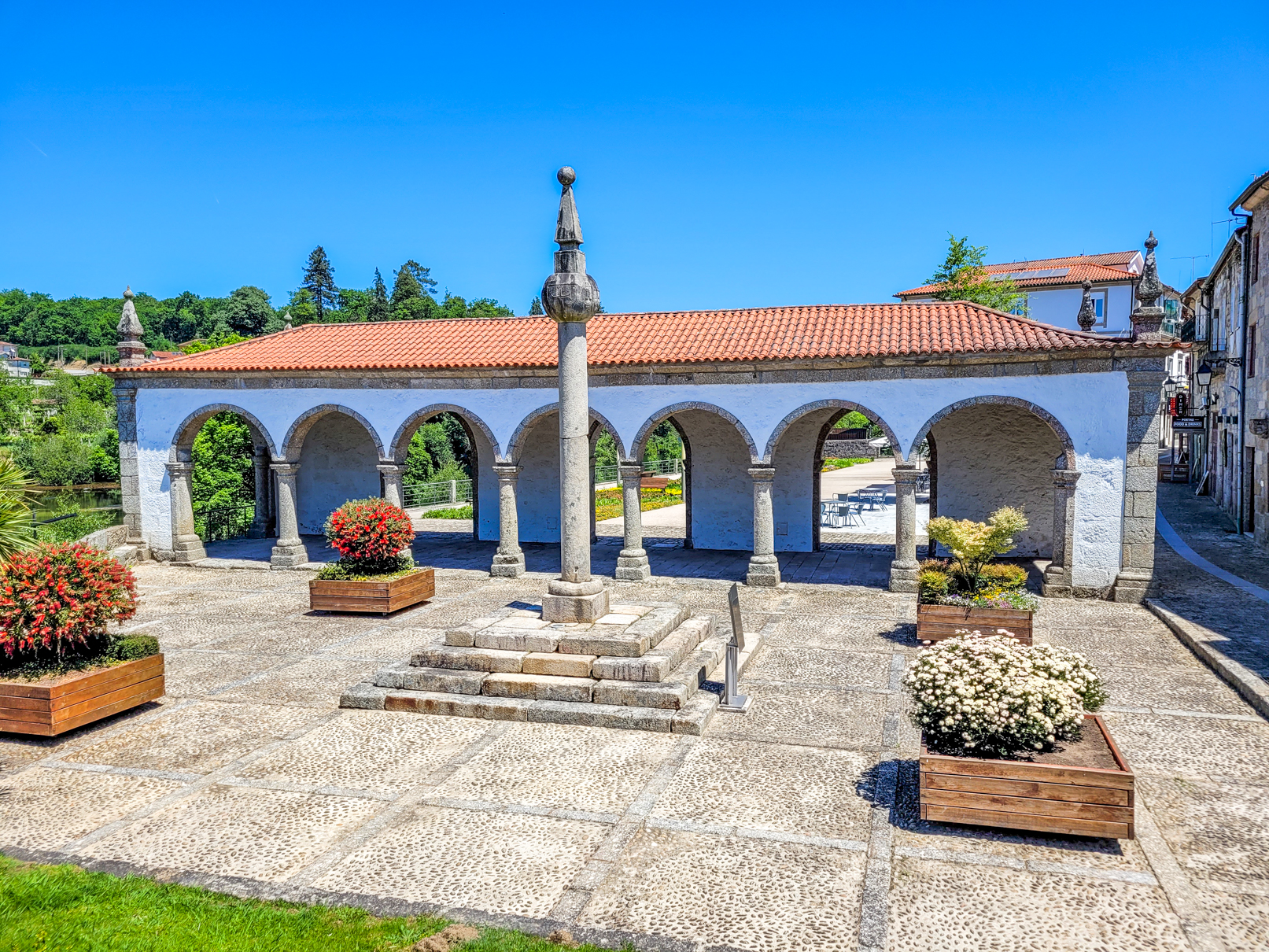
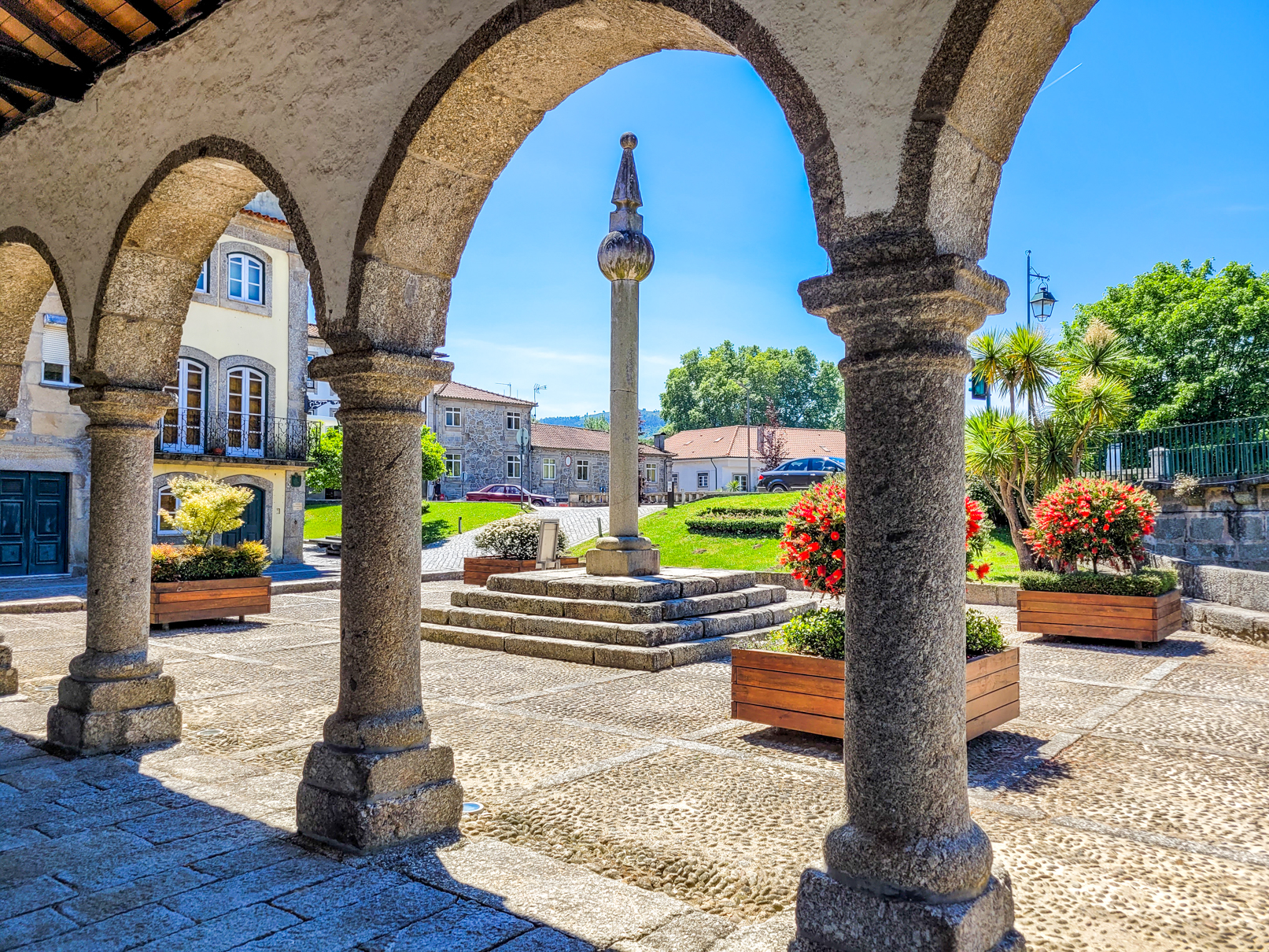
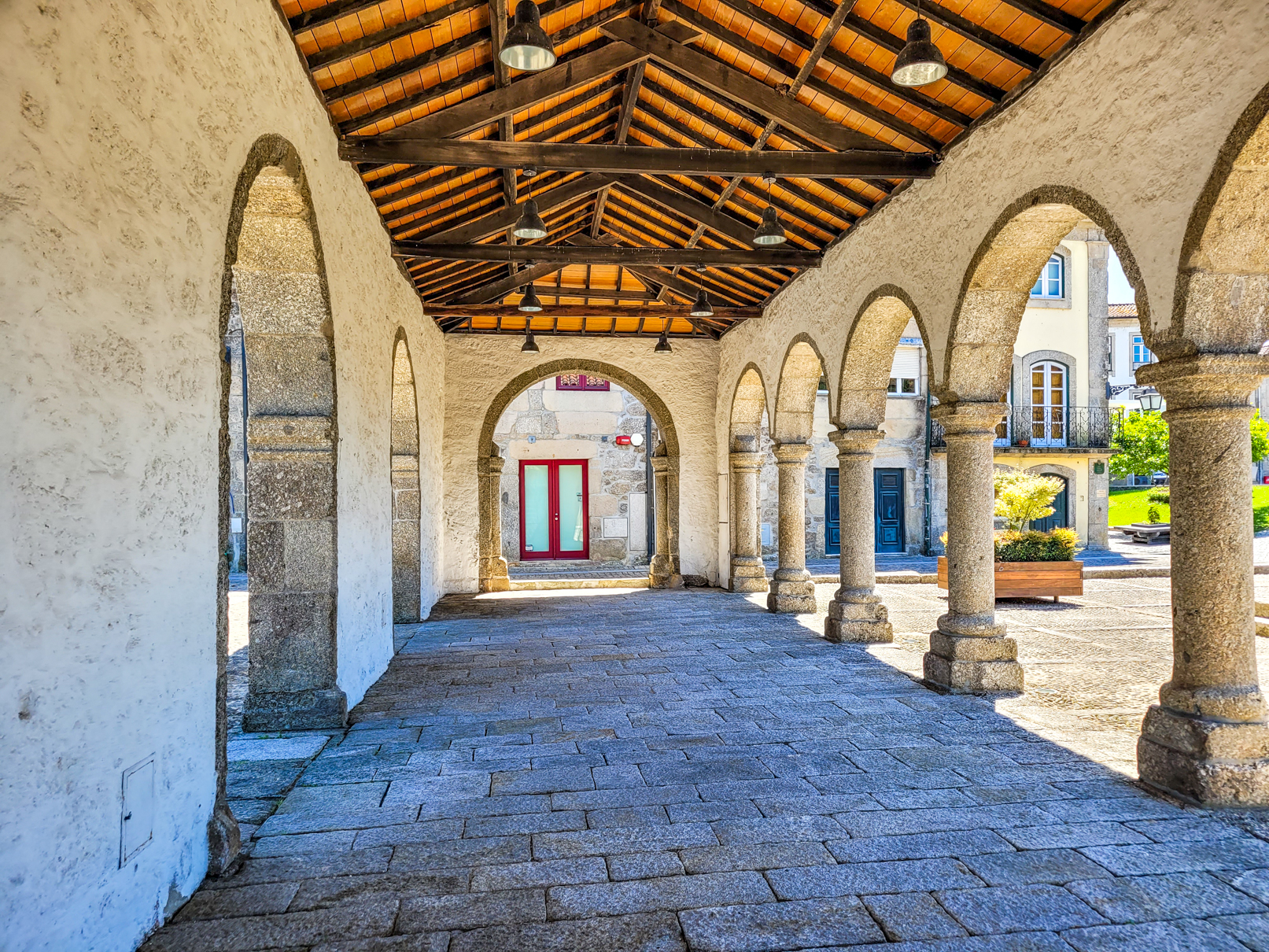
The Pillory of Ponte da Barca and the Pombaline Market stand side by side. The pillory, dating from the late 16th century, is classified as a national monument. The market, built in the mid-18th century, is considered Pombaline in style and was designed to shelter merchants selling their goods, with arcades running all around the structure.
4. Garden of the Poets of Ponte da Barca
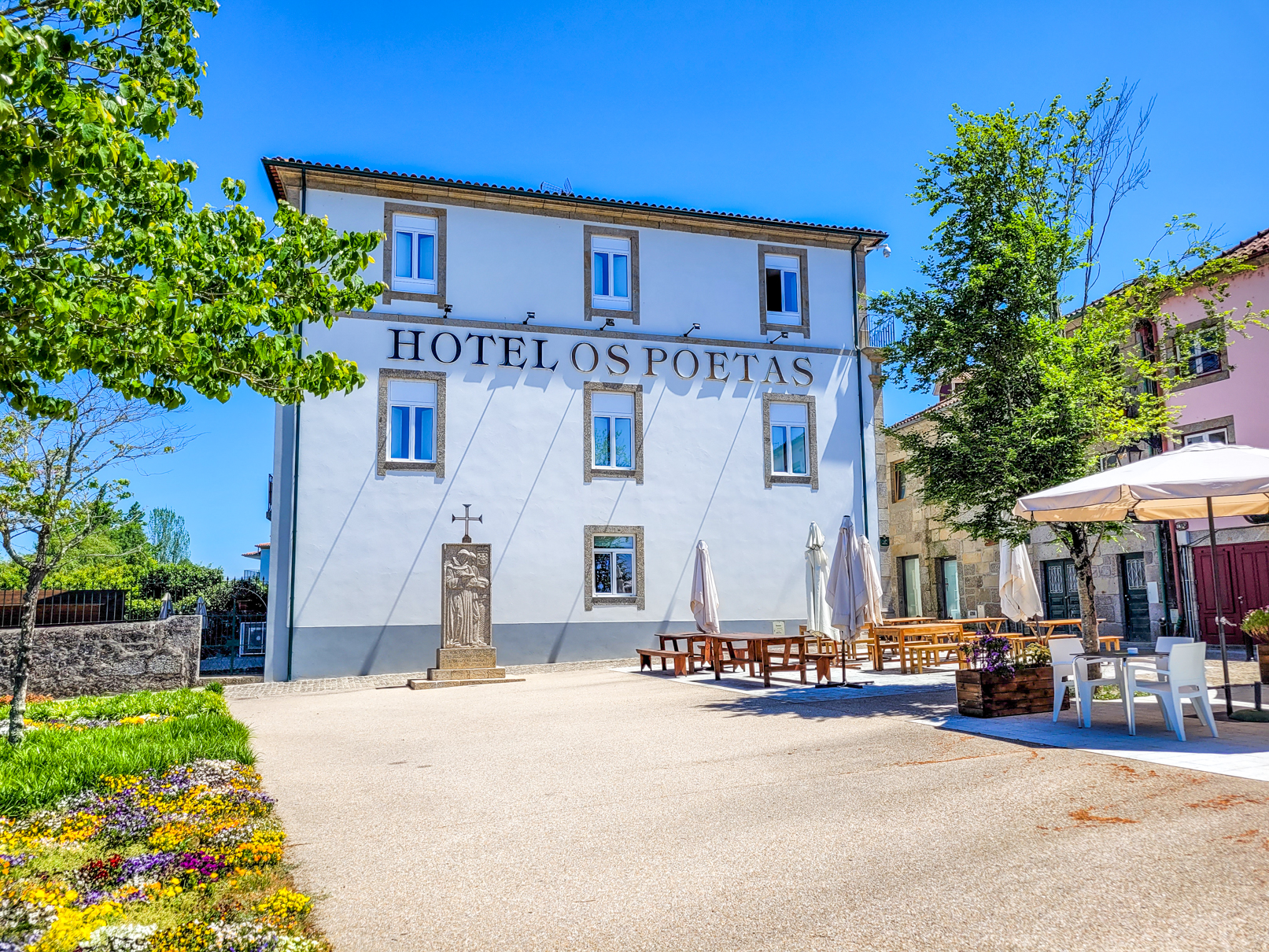
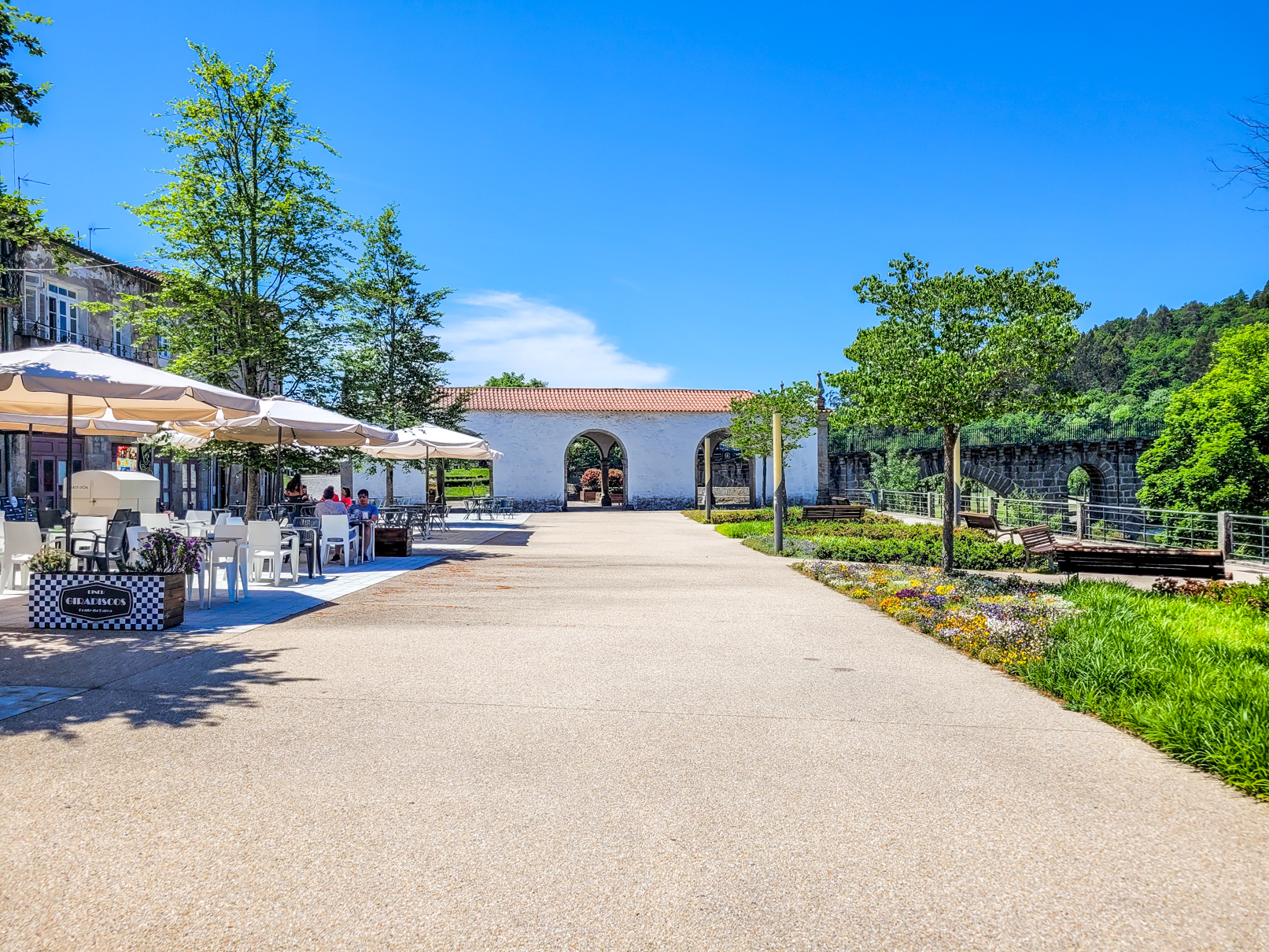
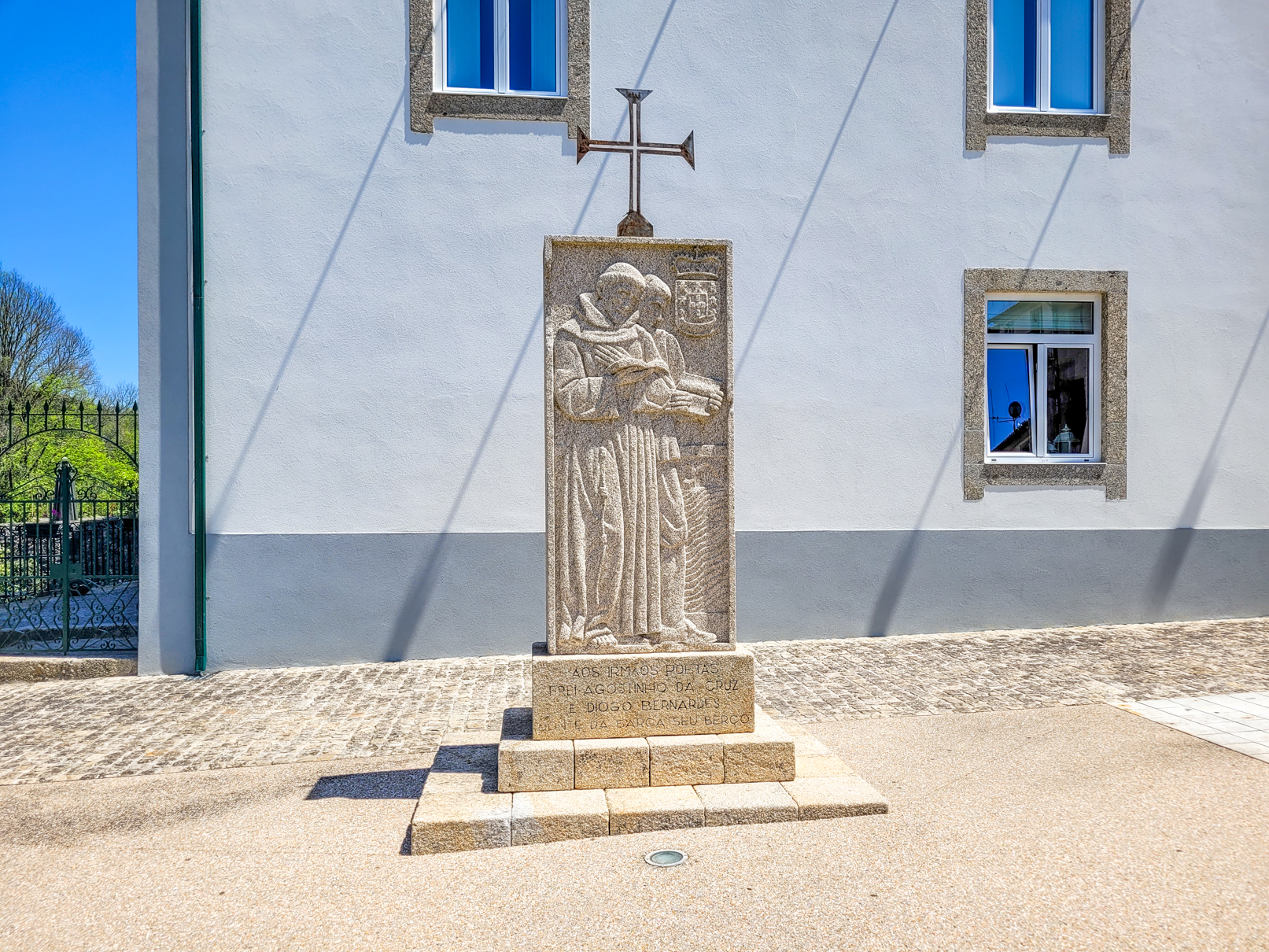
Crossing through the Pombaline Market, you’ll come to the Garden of the Poets—a riverside terrace overlooking the Lima River, lined with benches and café terraces. The garden owes its name to Diogo Bernardes and Agostinho da Cruz, two 16th-century brothers from Ponte da Barca who both became poets. At the far end of the square/garden, you’ll find a monument dedicated to them.
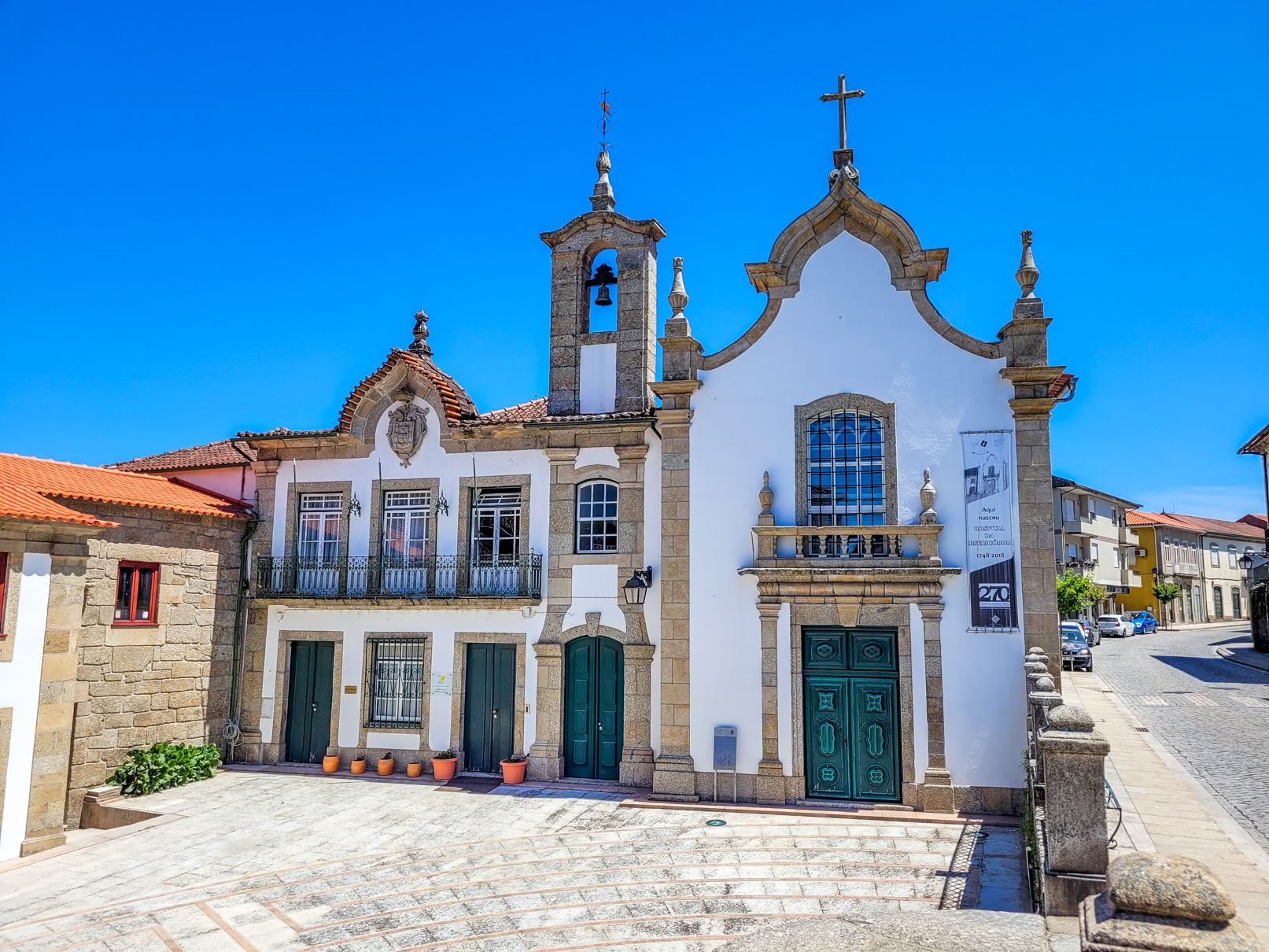
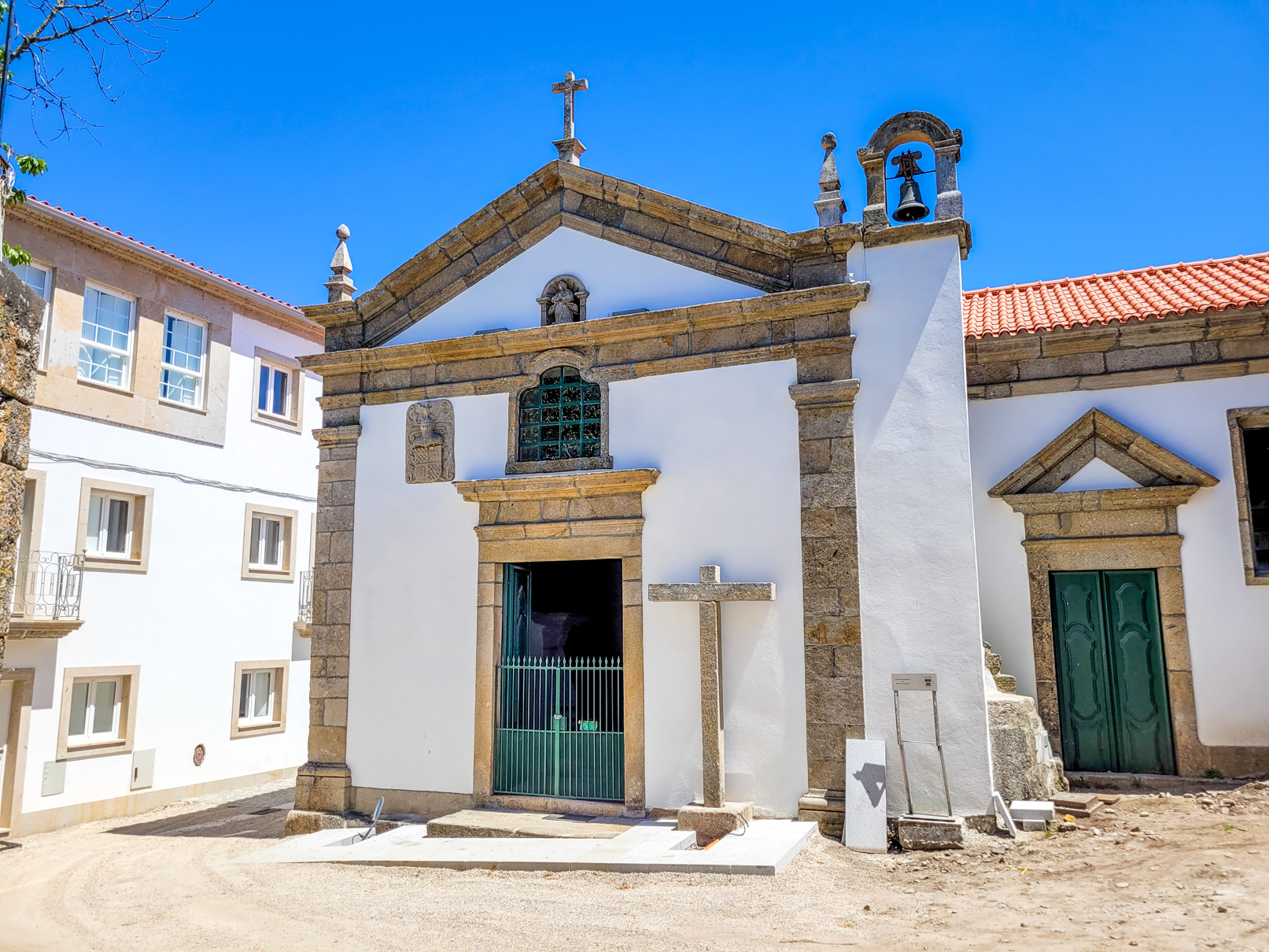
5. Church of Misericórdia of Ponte da Barca and Chapel of Nossa Senhora da Lapa
In the charming Largo da Misericórdia, you’ll find a staircase leading up to the N203 road and the main façade of the Church of Misericórdia of Ponte da Barca, built in the late 16th century. It’s a simple church, but the second most important in the historic center, after the Main Church.
Nearby stands the Chapel of Nossa Senhora da Lapa (17th century), whose main façade displays the coat of arms of the Magalhães family, an influential lineage of that period.
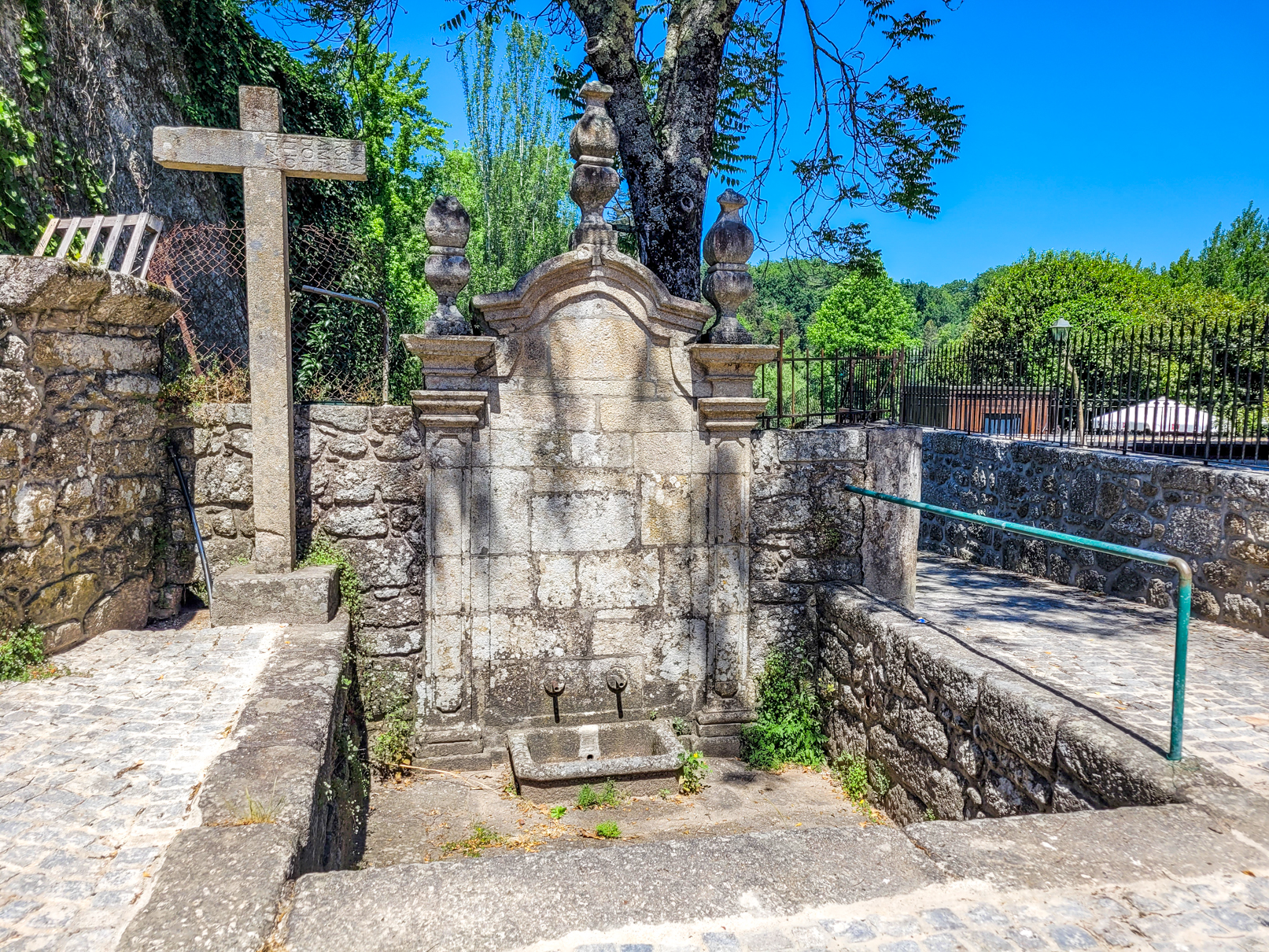
6. River Beach of Ponte da Barca
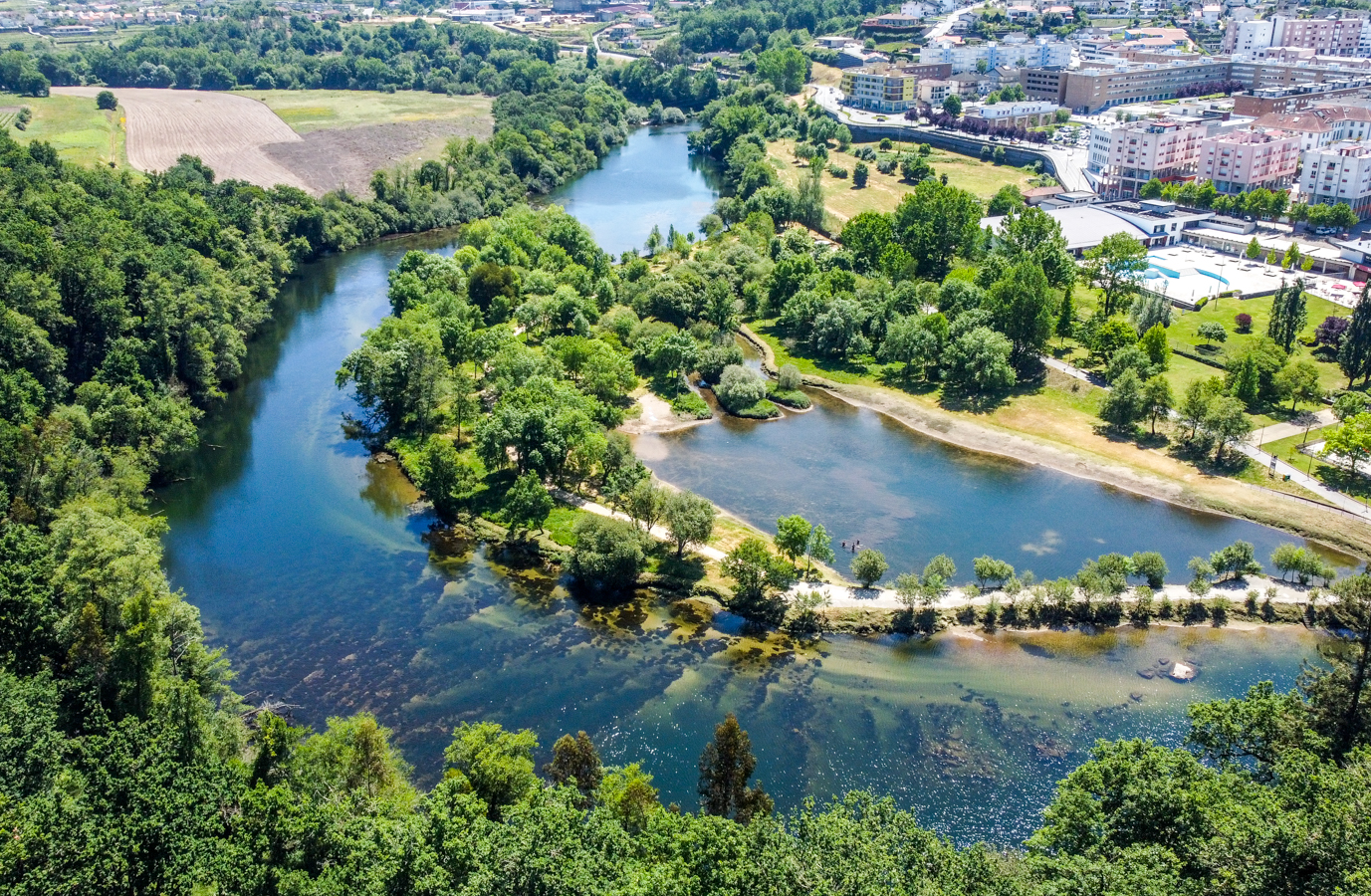
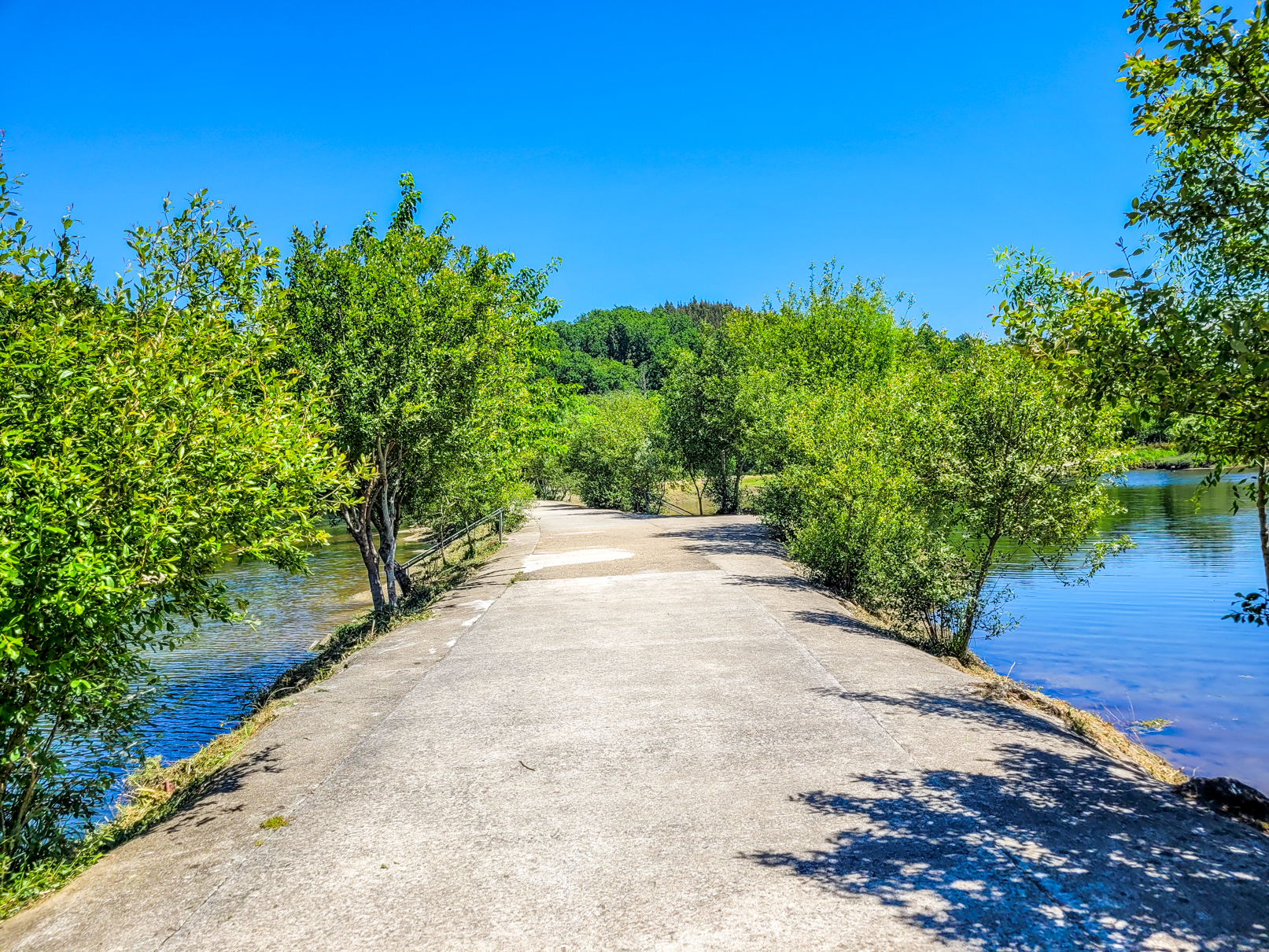
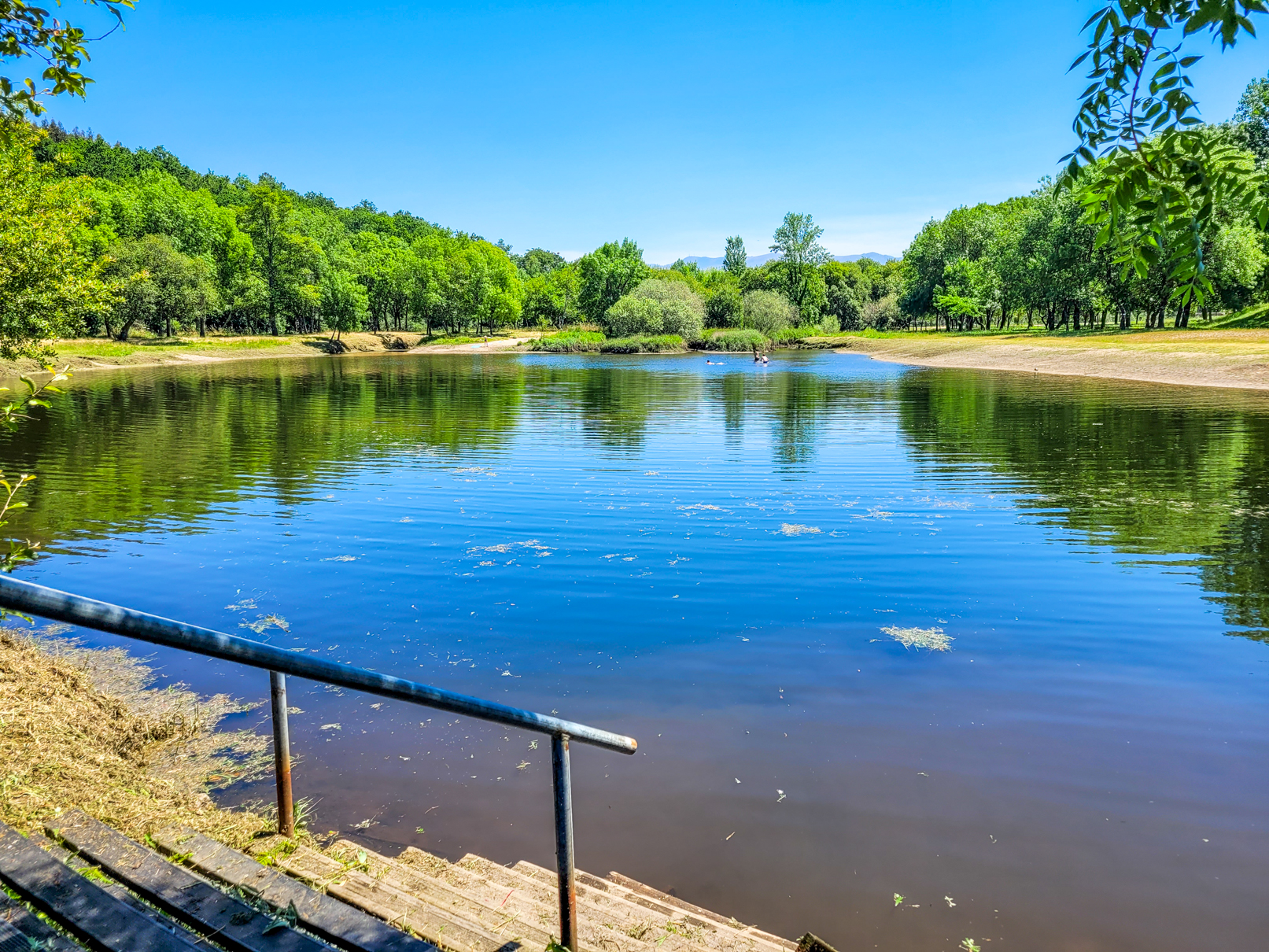
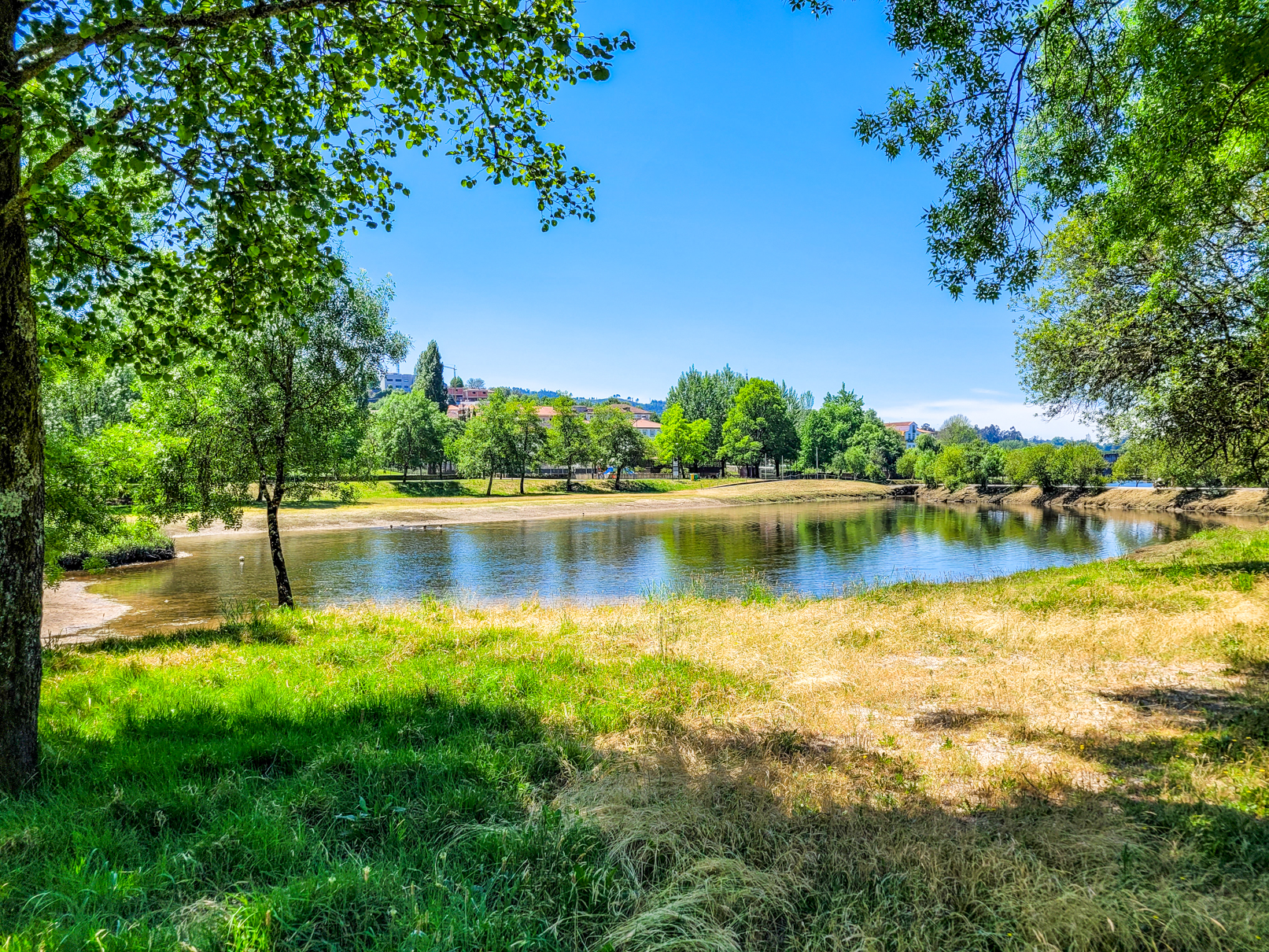
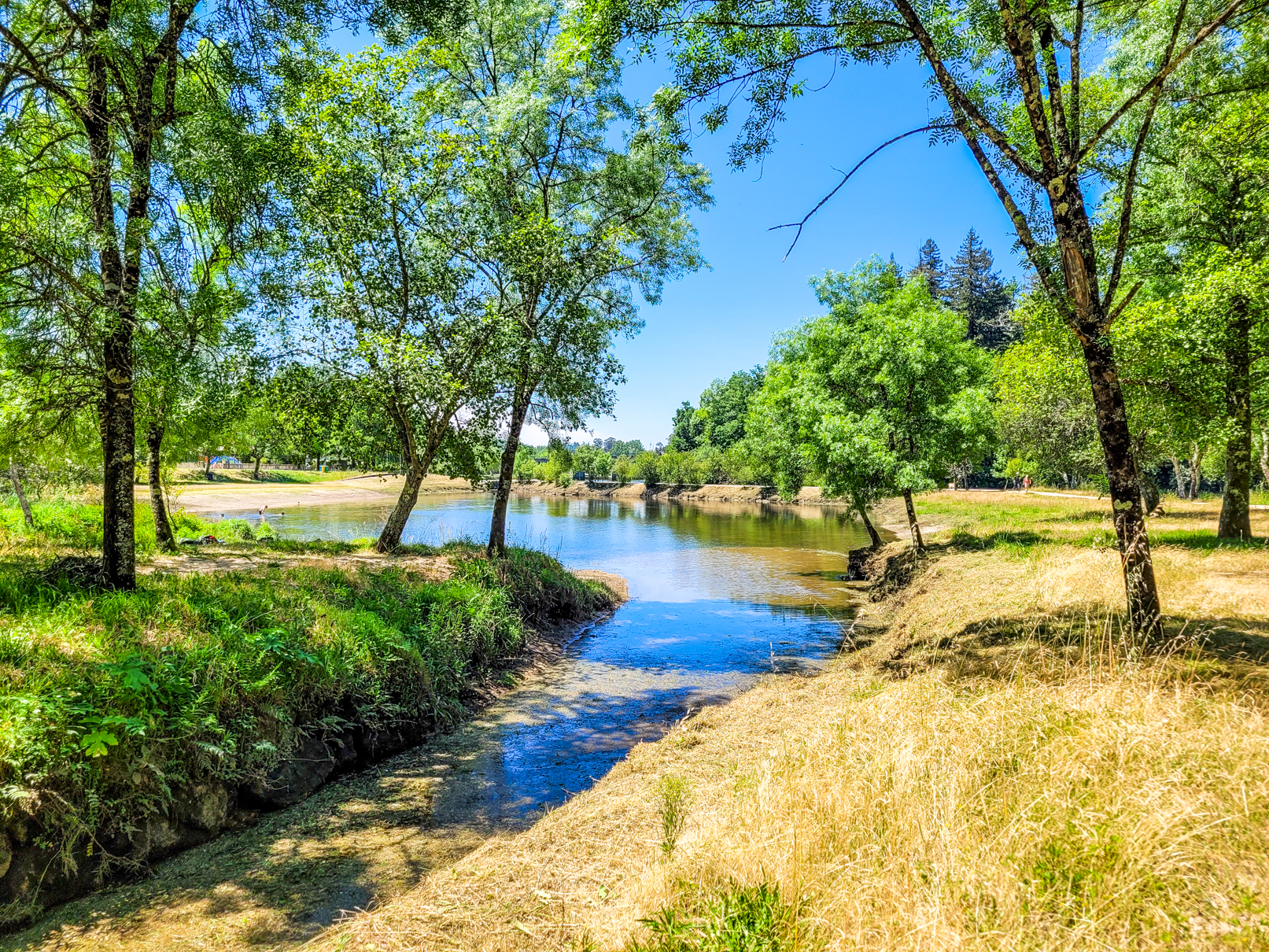
The River Beach of Ponte da Barca is a great summer spot, with lifeguards on duty from mid-June to mid-September. Outside of the bathing season, it’s still well worth a visit, as it features a long riverside promenade that connects directly to the Medieval Bridge—perfect for a leisurely walk at any time of year.
7. Praça da República of Ponte da Barca
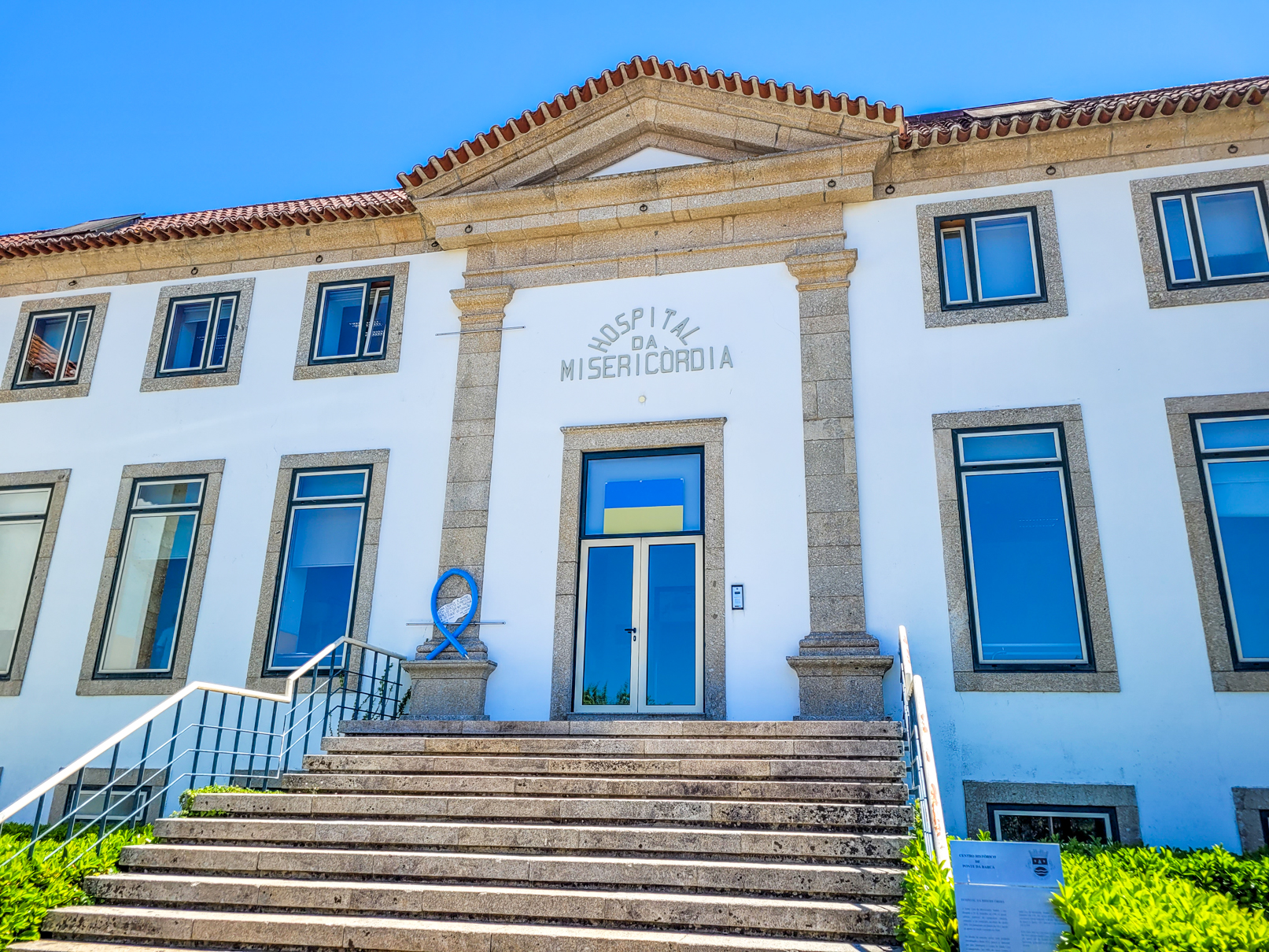
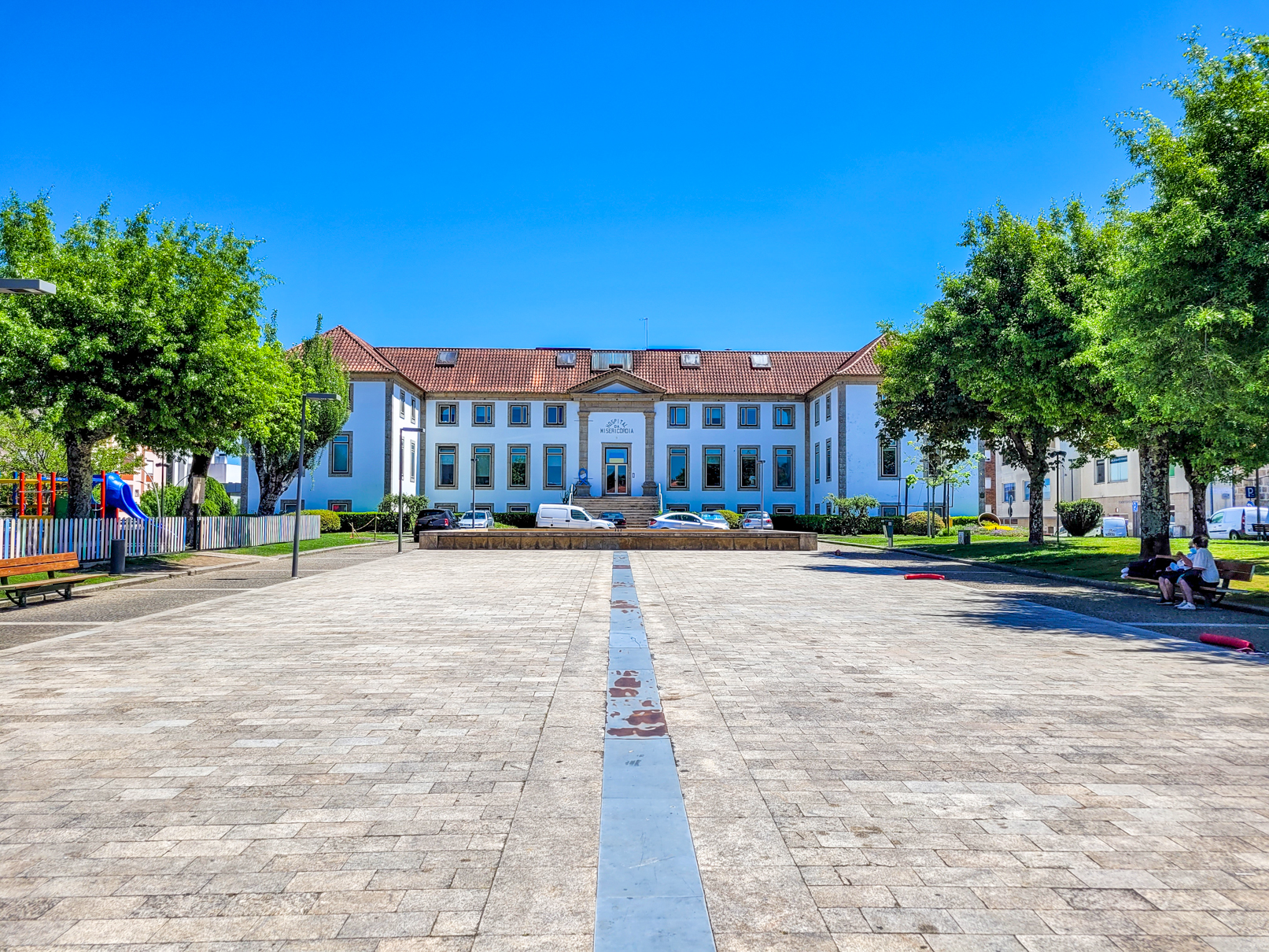
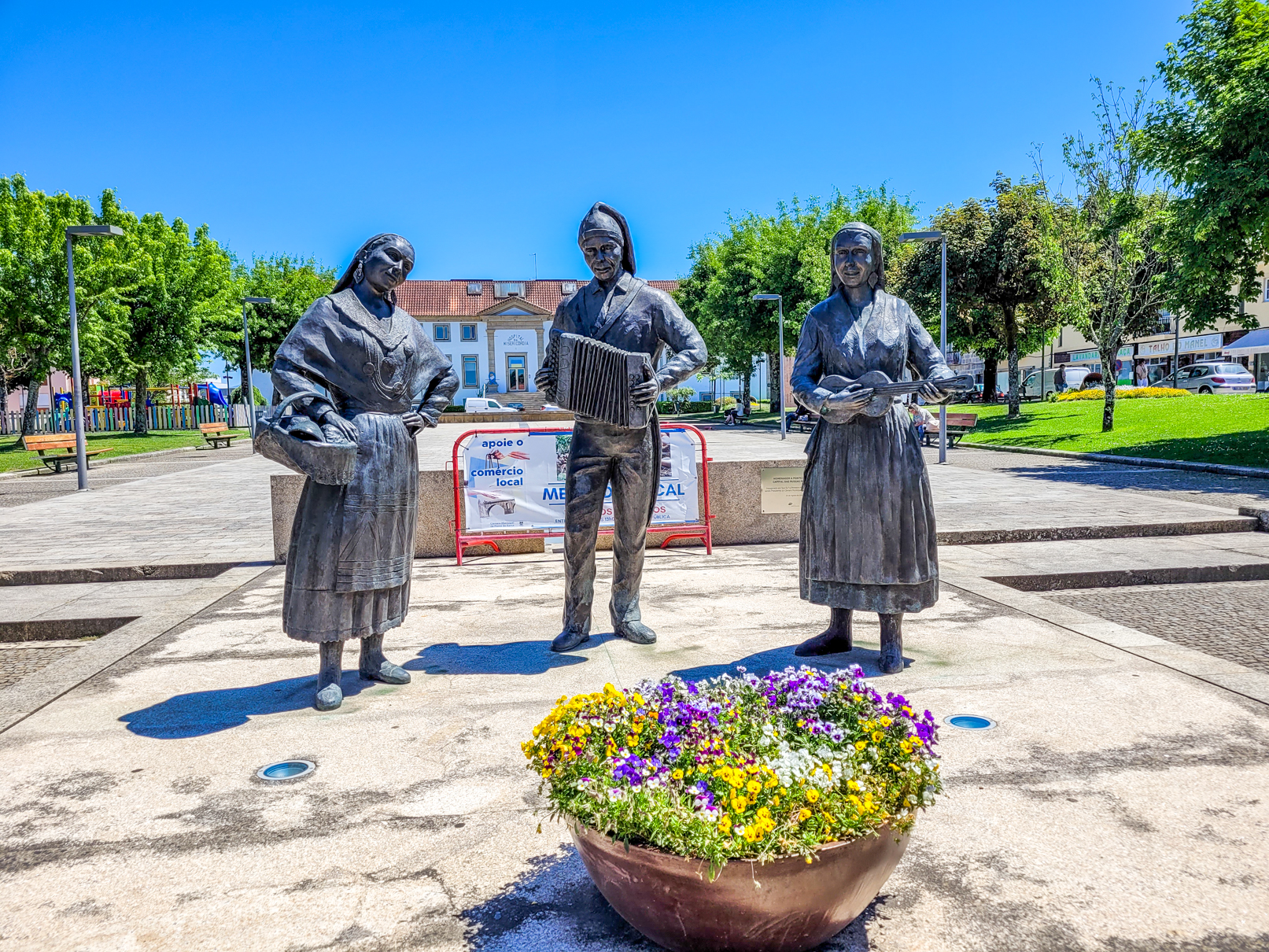
After visiting the River Beach, it’s worth heading a little further into town, away from the Lima River. One of the highlights here is the Praça da República, located next to the Misericórdia Hospital building. This spacious cobbled square features garden benches, a children’s playground, a water fountain, and a monument celebrating Ponte da Barca as the capital of the popular rusgas (traditional street parades).
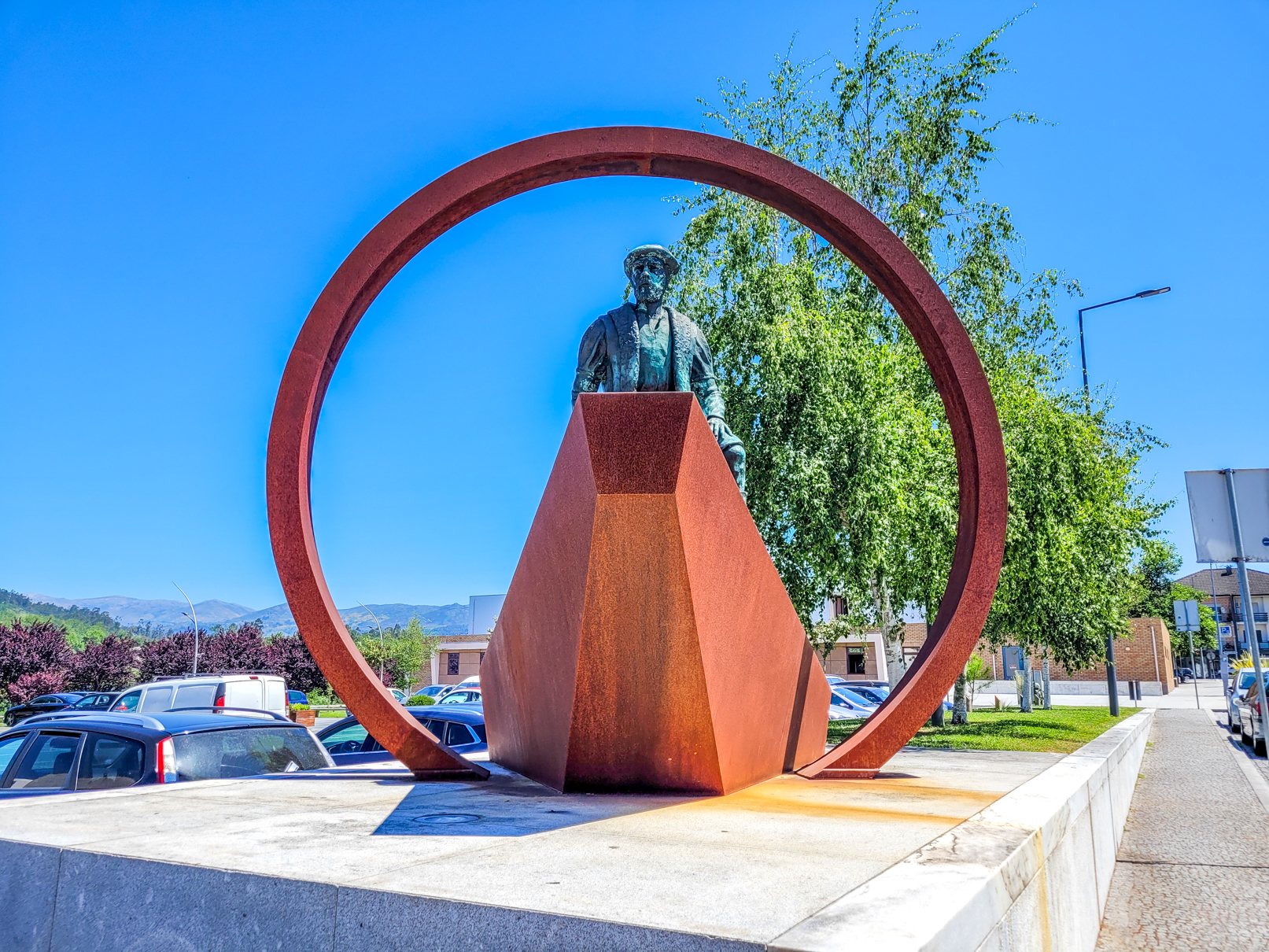
Behind the Misericórdia Hospital, you’ll also find a large parking area and a monument to Ferdinand Magellan, who is believed to have been born in Ponte da Barca around 1480. This Portuguese navigator famously led the expedition that achieved the first circumnavigation of the globe.
8. Town Hall of Ponte da Barca, House of Culture, and Chapel of Santo António
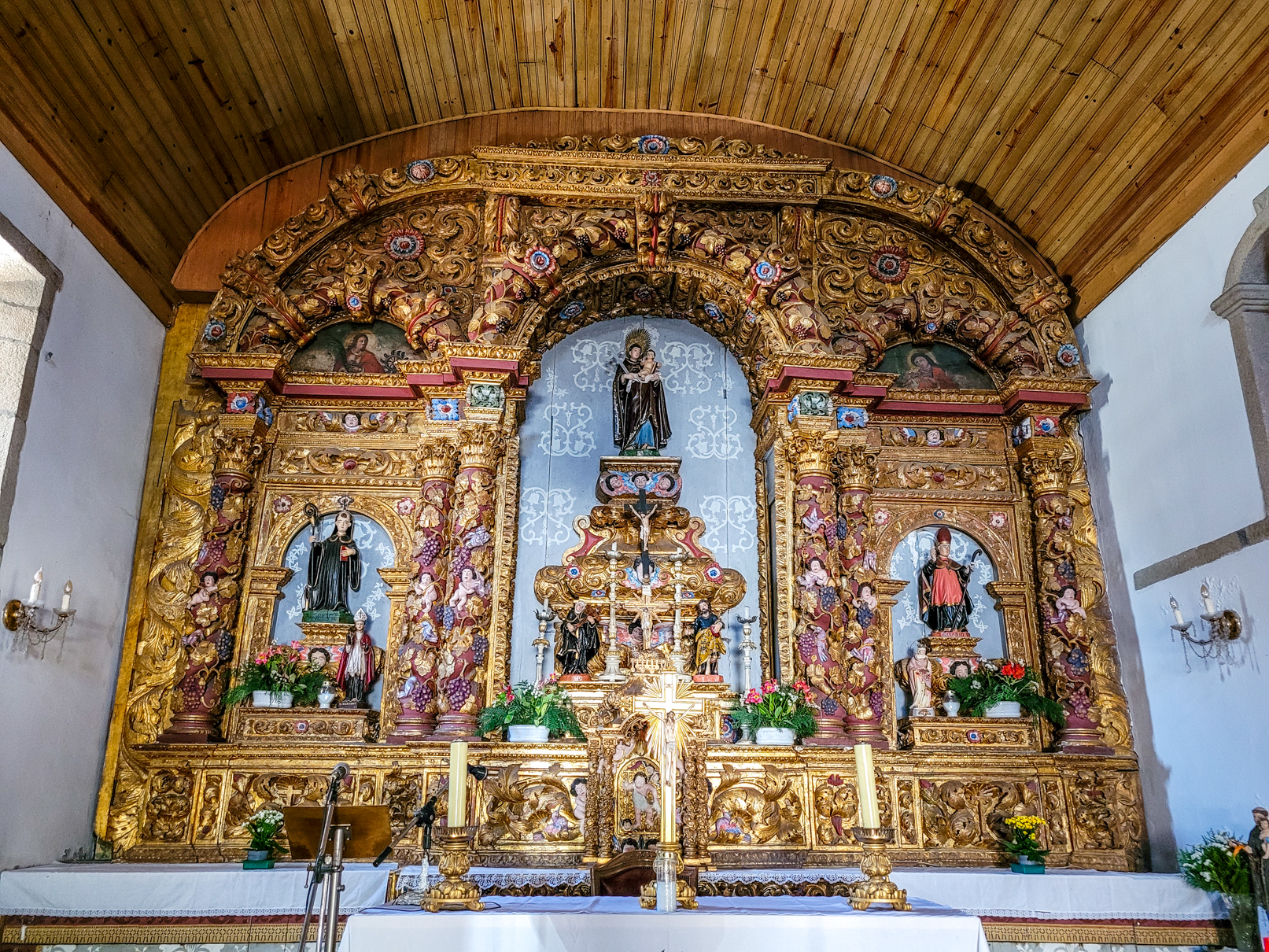
From the town center, head toward the small Chapel of Santo António, which requires a bit of a detour. On the way, you’ll pass two landmarks: the charming pink-toned Town Hall of Ponte da Barca and the House of Culture. The chapel itself dates back to the late 17th century.
9. Chapel of São Bartolomeu and Largo 25 de Abril
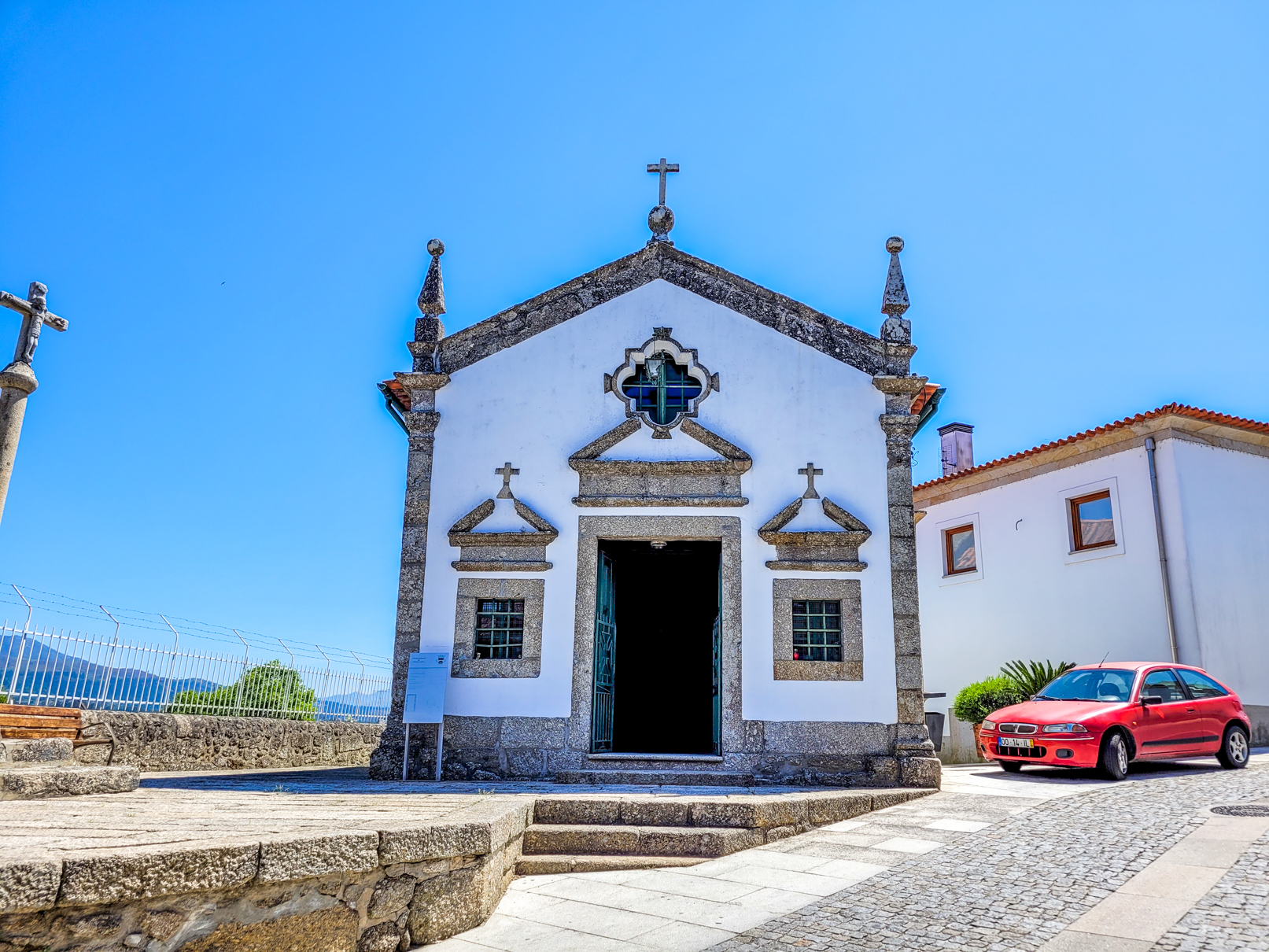
Another simple yet charming temple is the Chapel of São Bartolomeu. Further along the same street, Rua José Lacerda, you’ll reach Largo 25 de Abril, a square with a few points of interest worth noting:
- A tile panel depicting the Virgin and Child
- The Municipal Archive of Ponte da Barca
- Another small chapel nearby
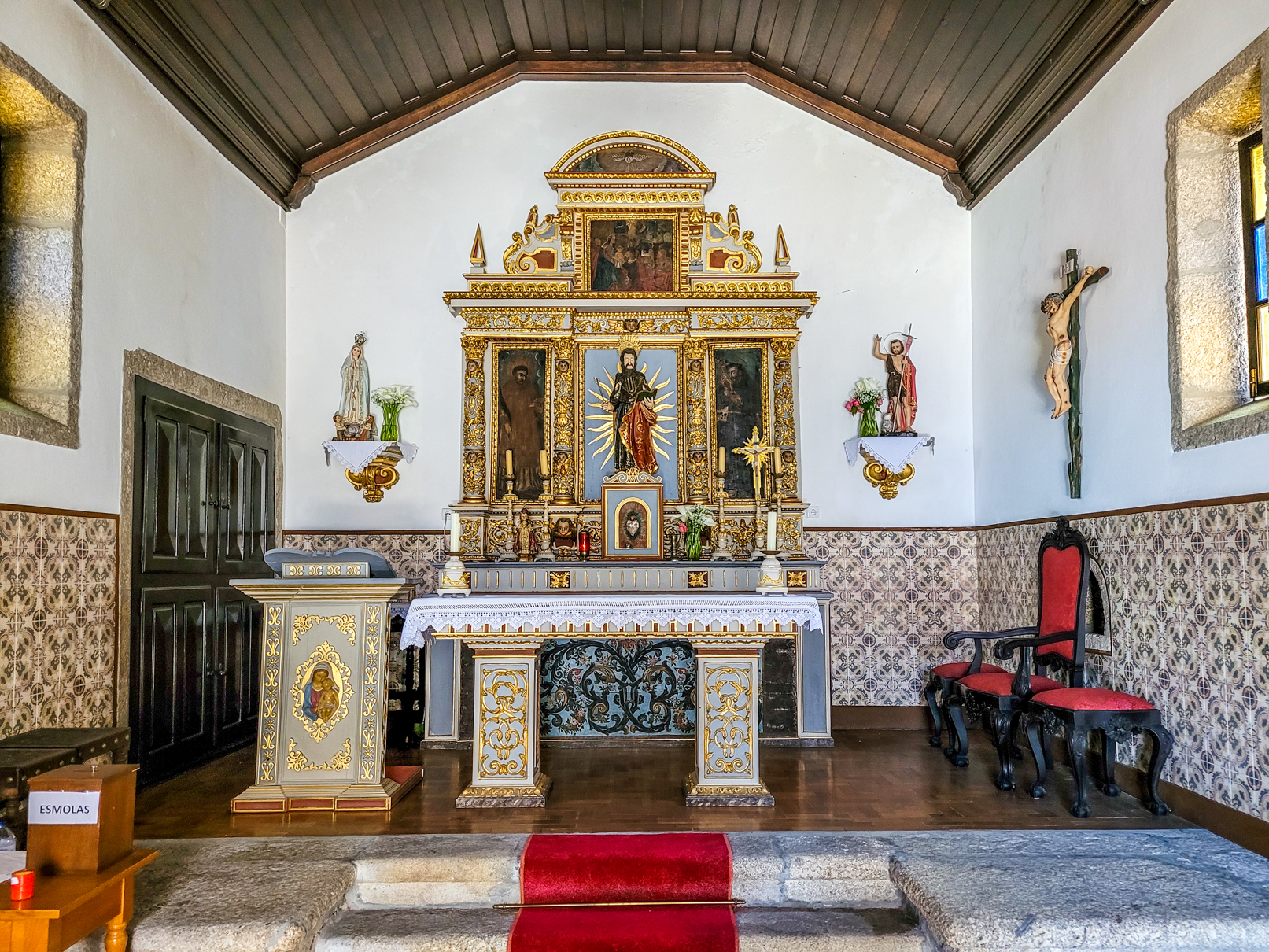
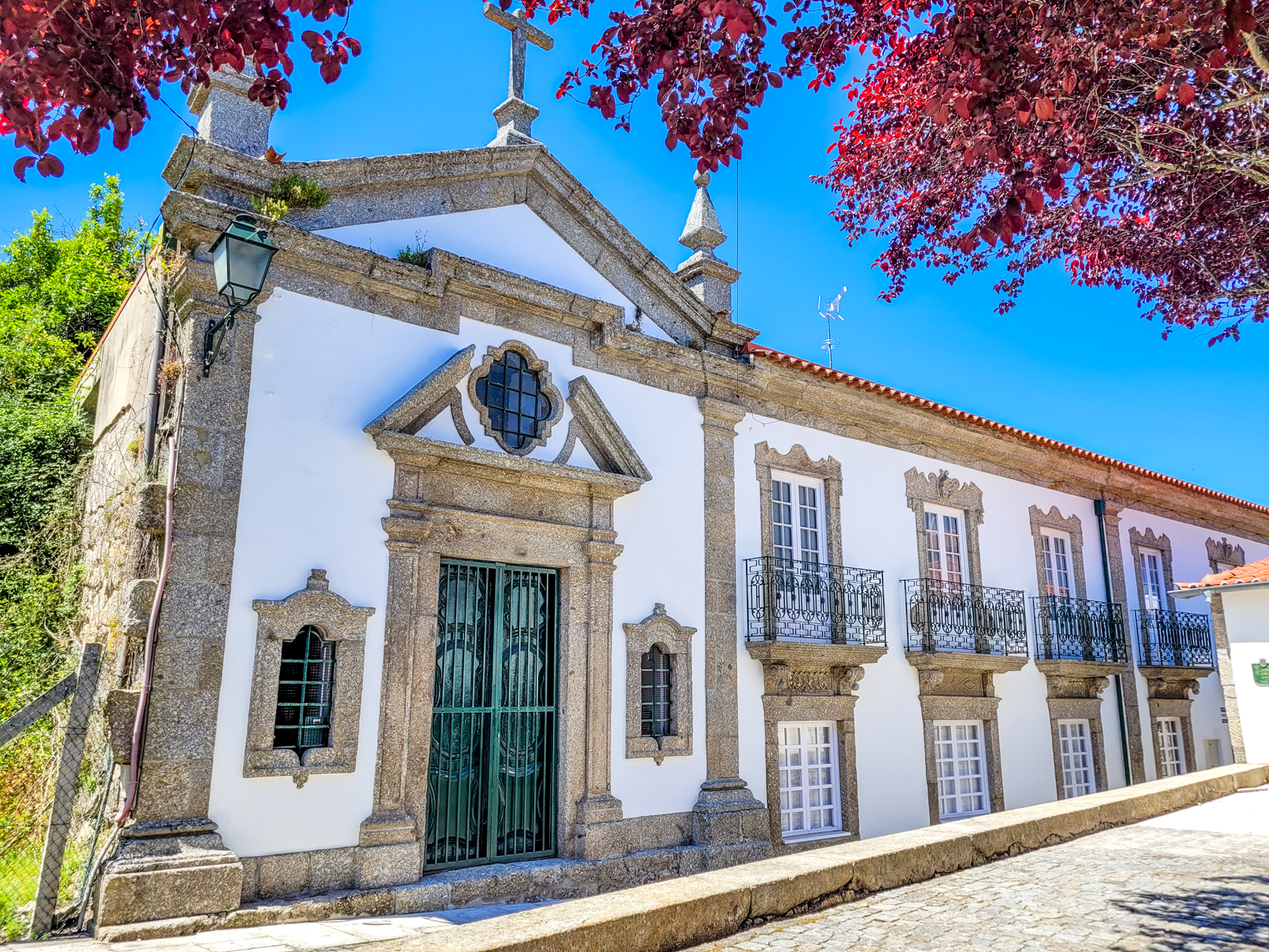
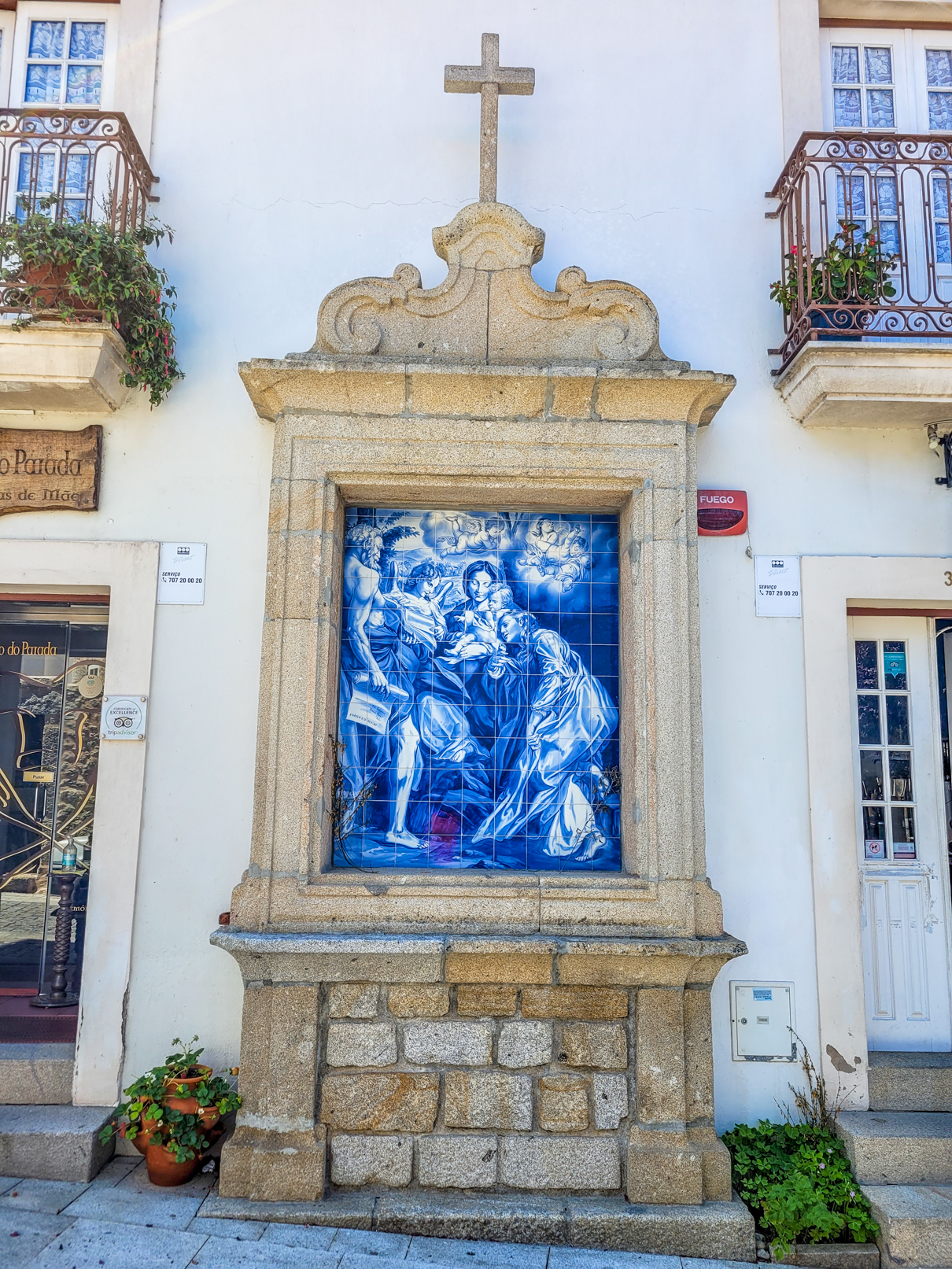
10. Largo Doutor Queirós Vaz Guedes and Former Town Hall of Ponte da Barca
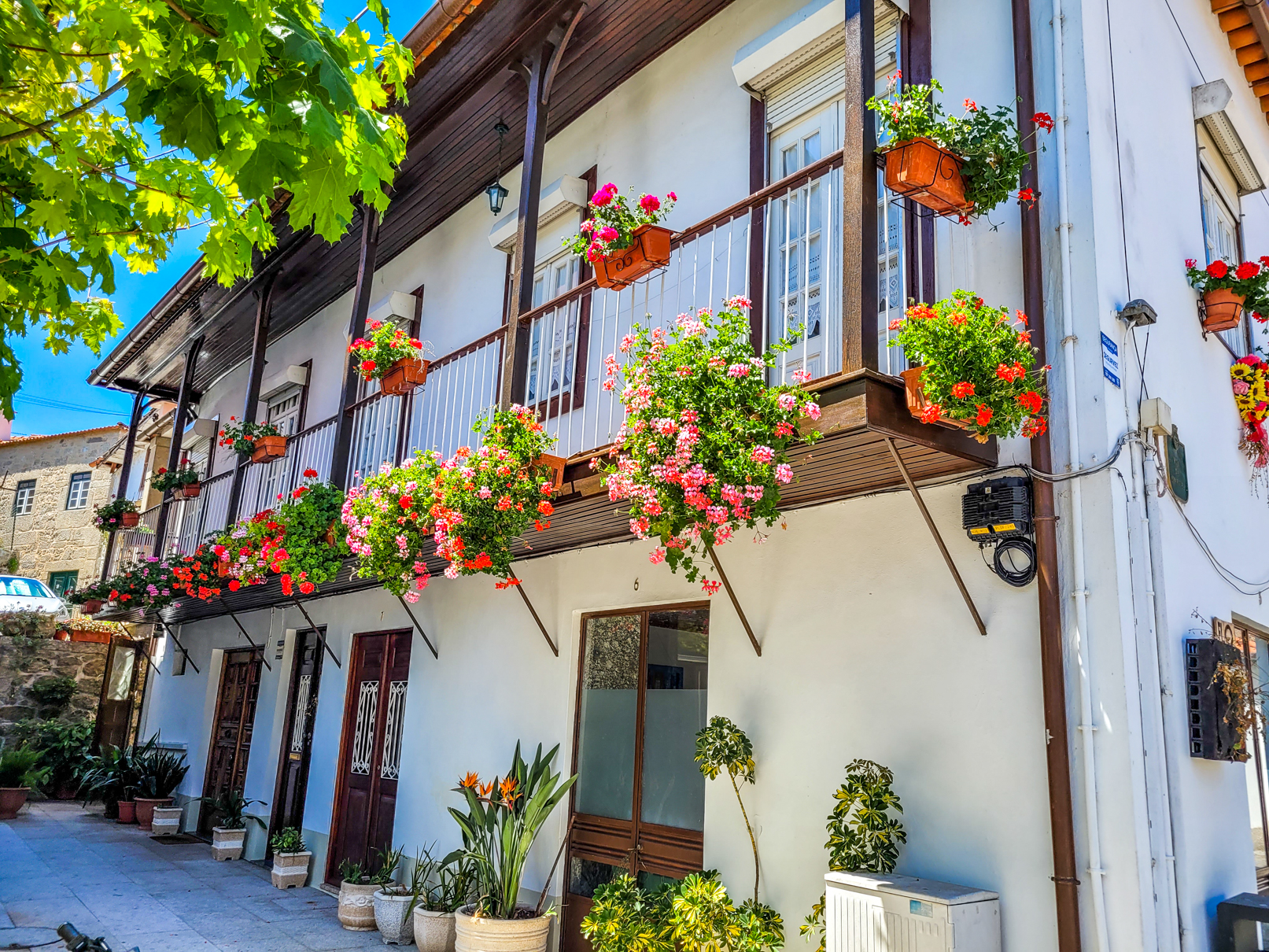
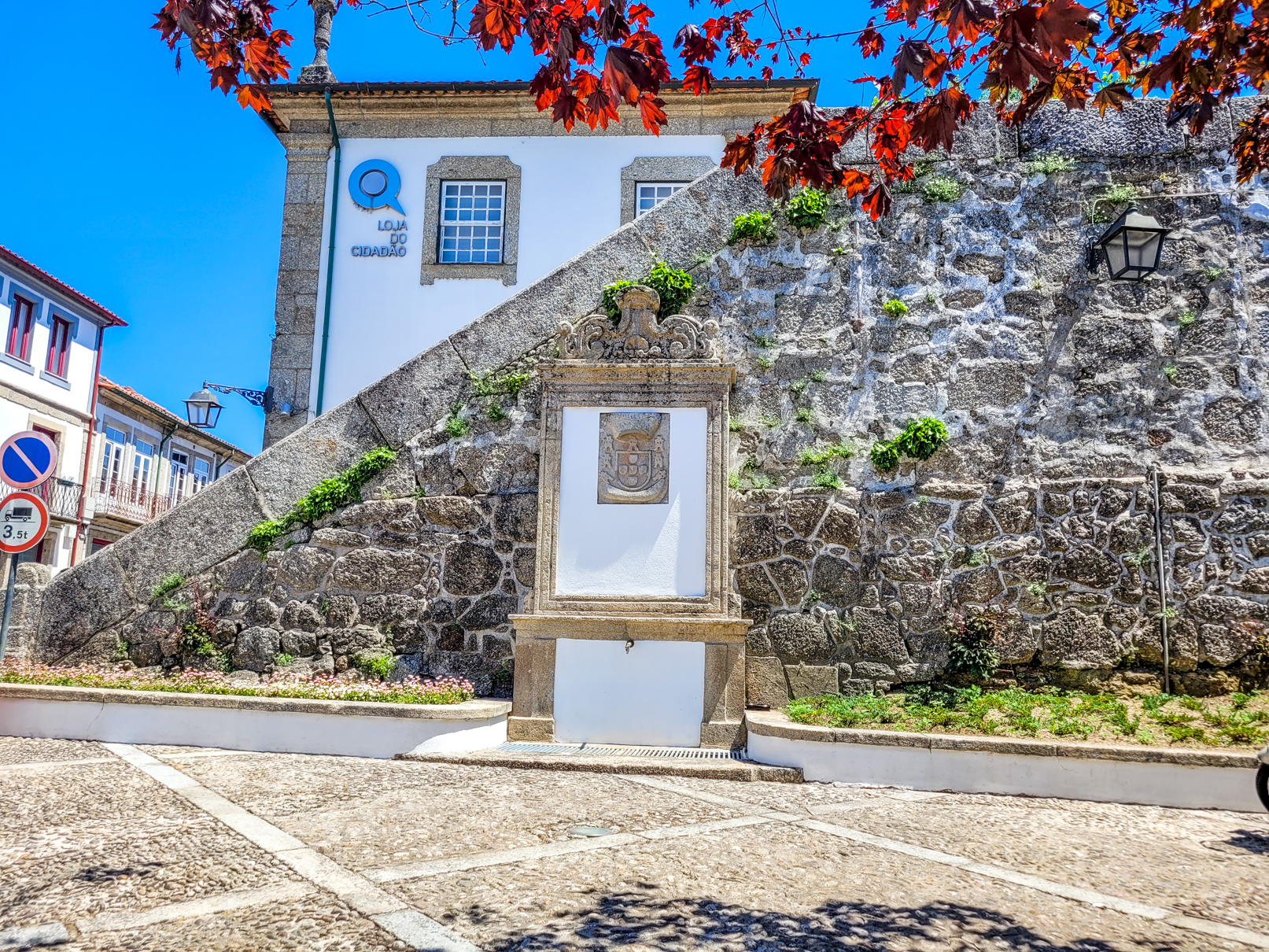
On your way back to the N203 road, stop by the Largo Doutor Queirós Vaz Guedes. From there, continue until you reach the arcades of the Former Town Hall of Ponte da Barca, a 17th-century building that today houses the Citizen’s Service Center (Loja do Cidadão).
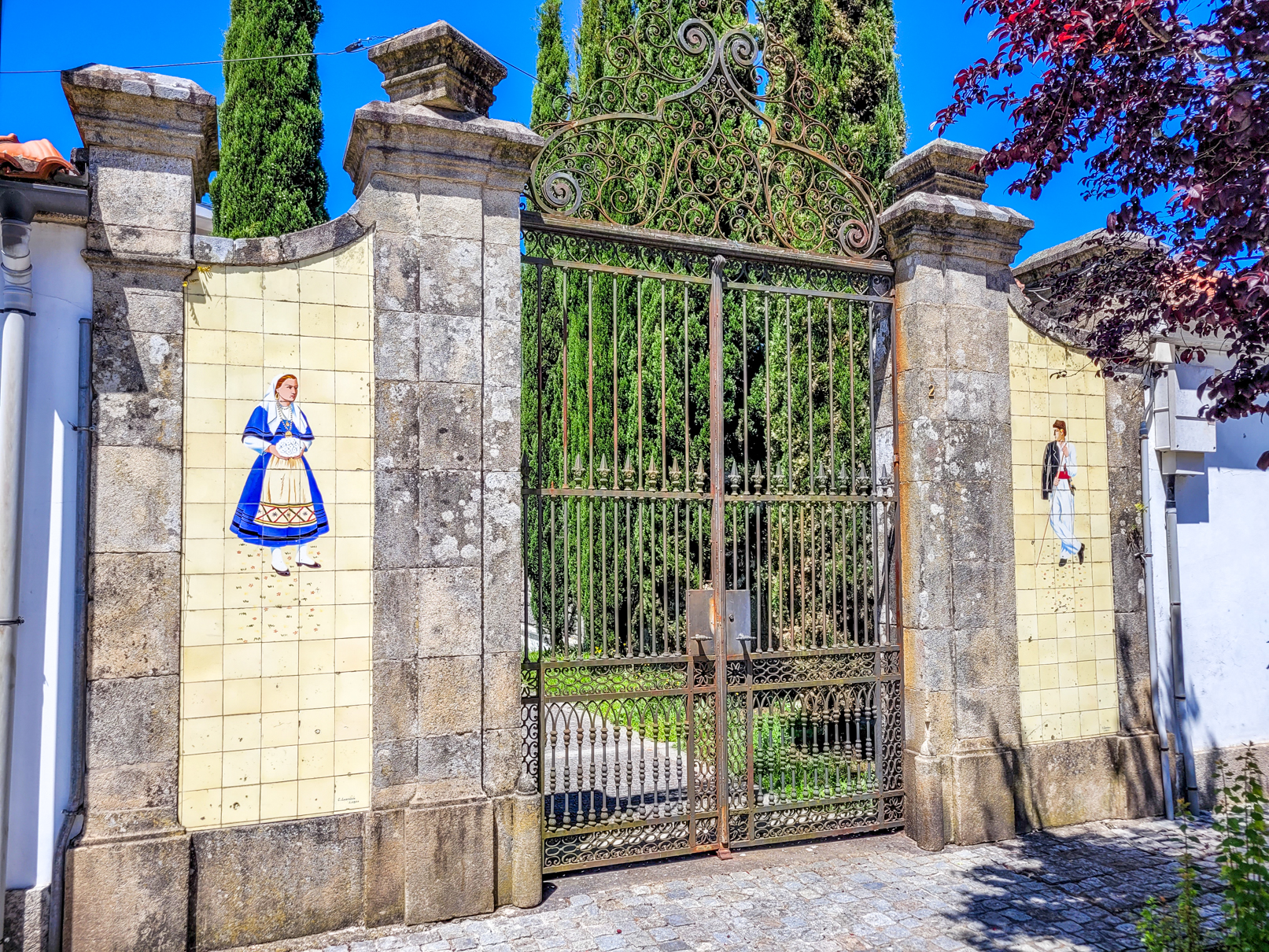
11. Main Church of Ponte da Barca
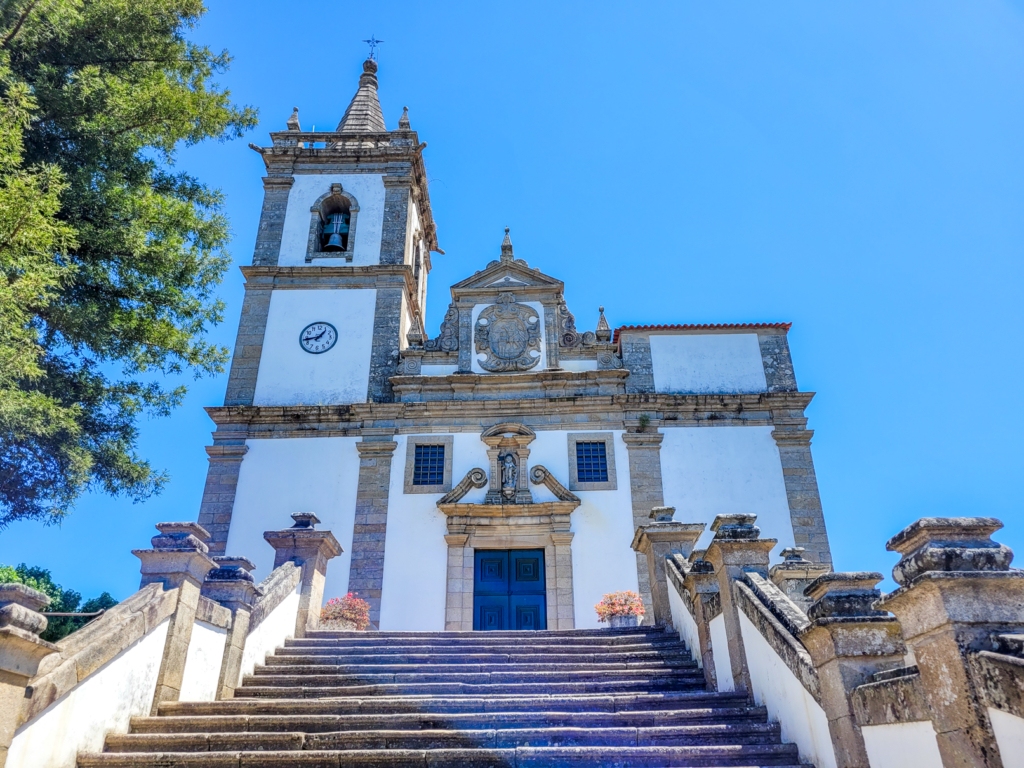
Next to the Former Town Hall, you’ll find a staircase leading up to the Main Church of Ponte da Barca and a small square with a fountain bearing a coat of arms. The church itself, officially named the Church of Saint John the Baptist, dates back to the 16th century.
12. Fountain of São João and Praça Terras de Nóbrega
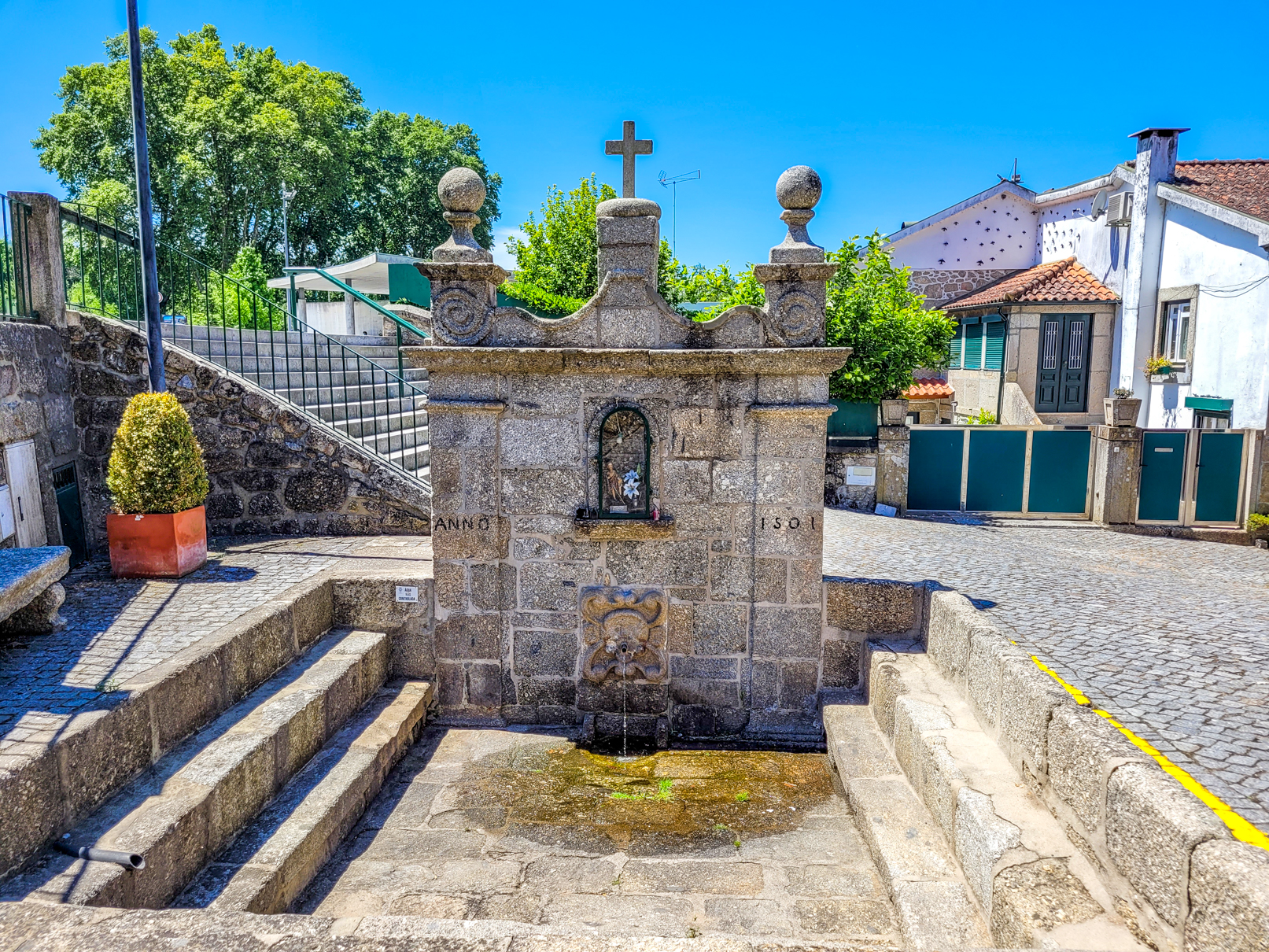
Before wrapping up your tour of the historic center, stop by the Fountain of São João, built in 1801 (as the inscription indicates). It features a central niche with an image of Saint John.
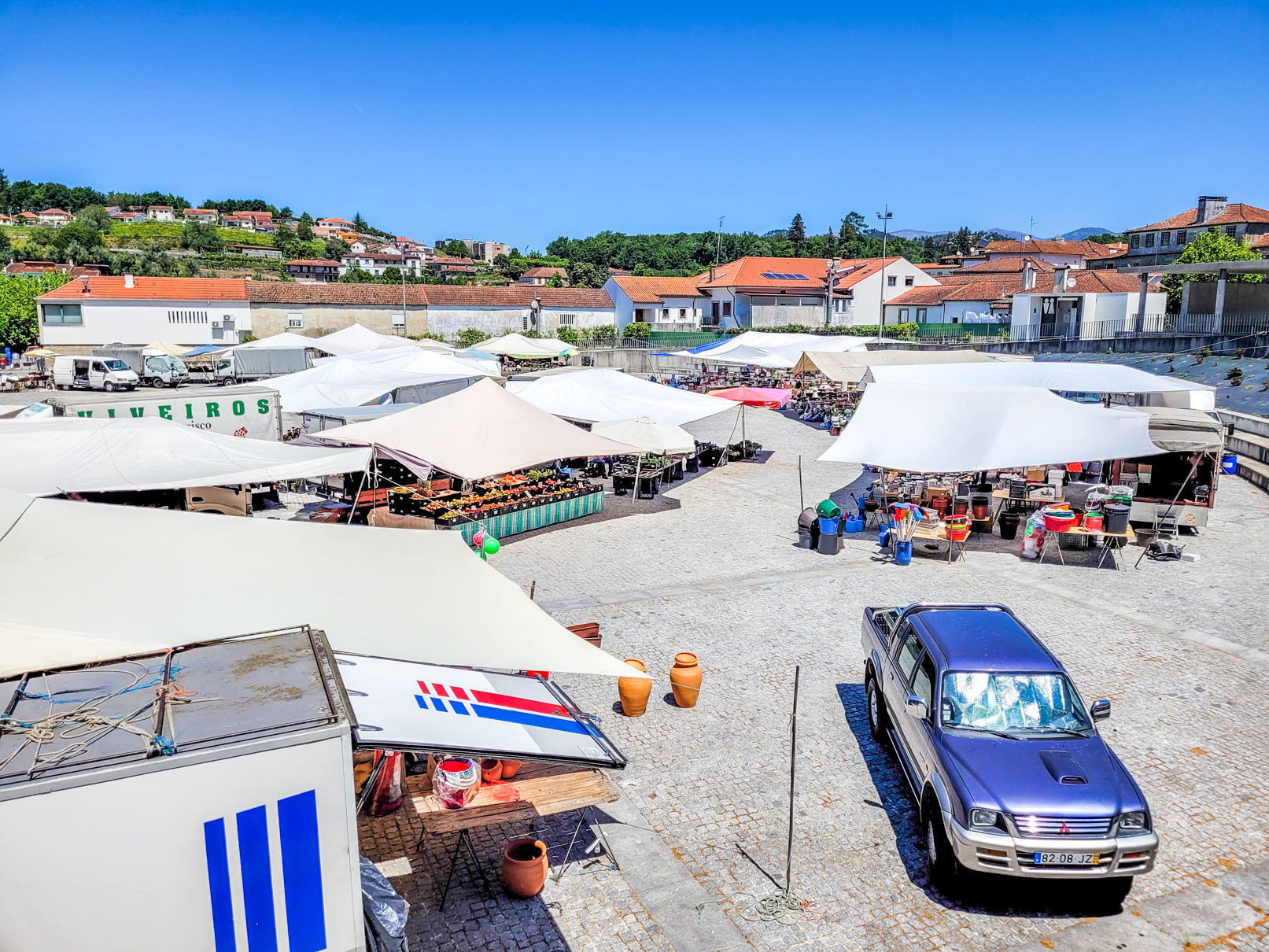
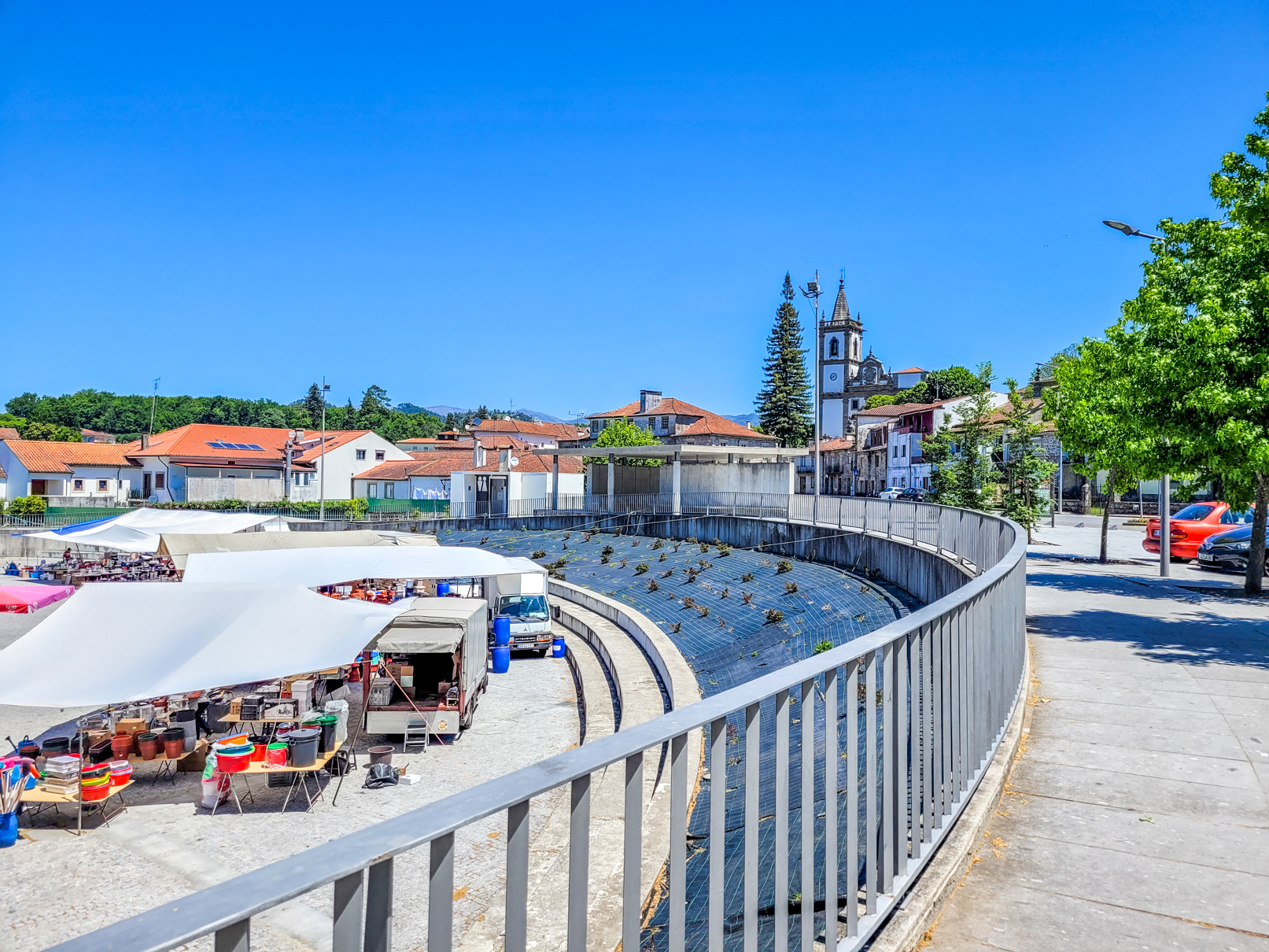
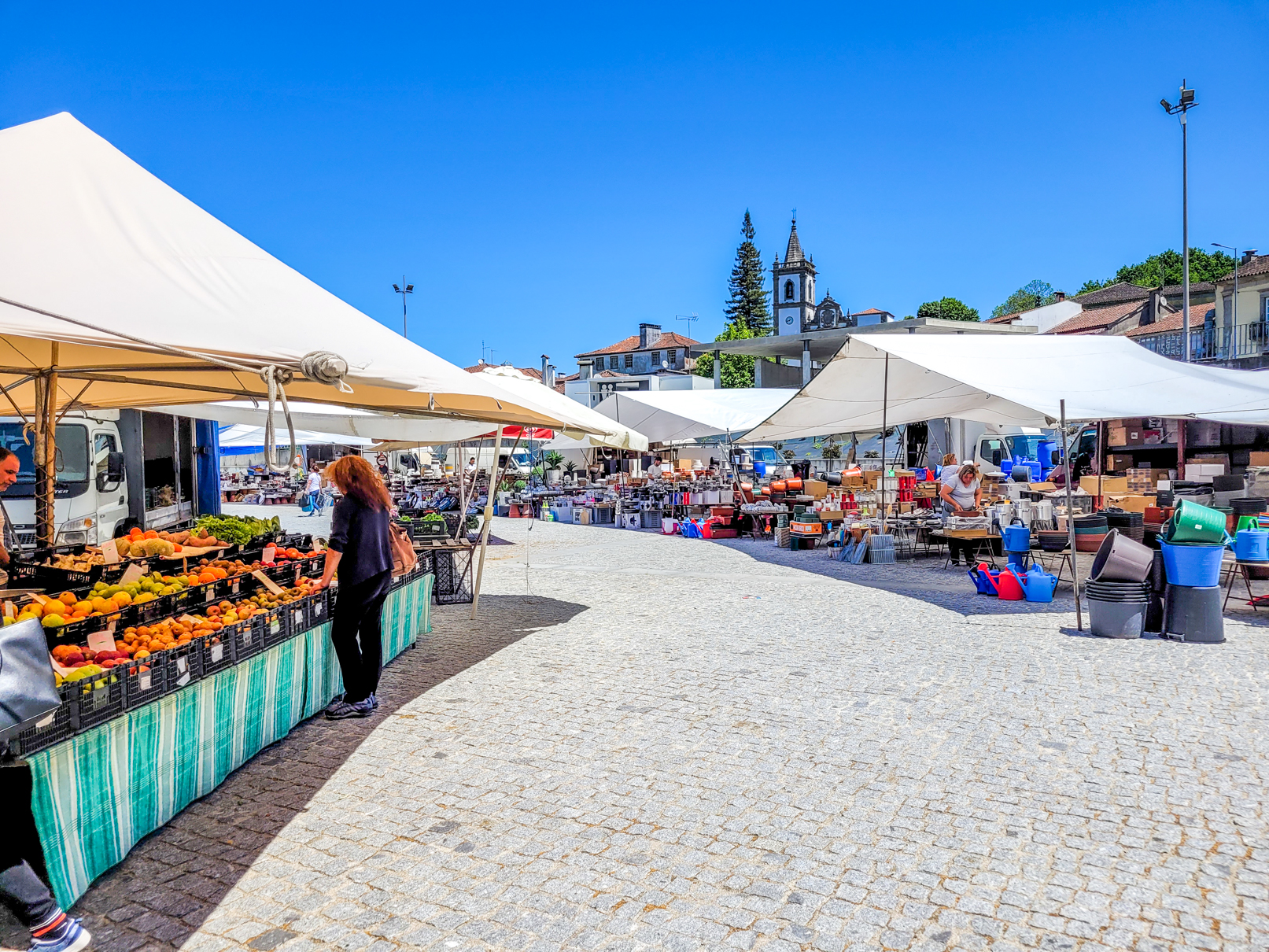
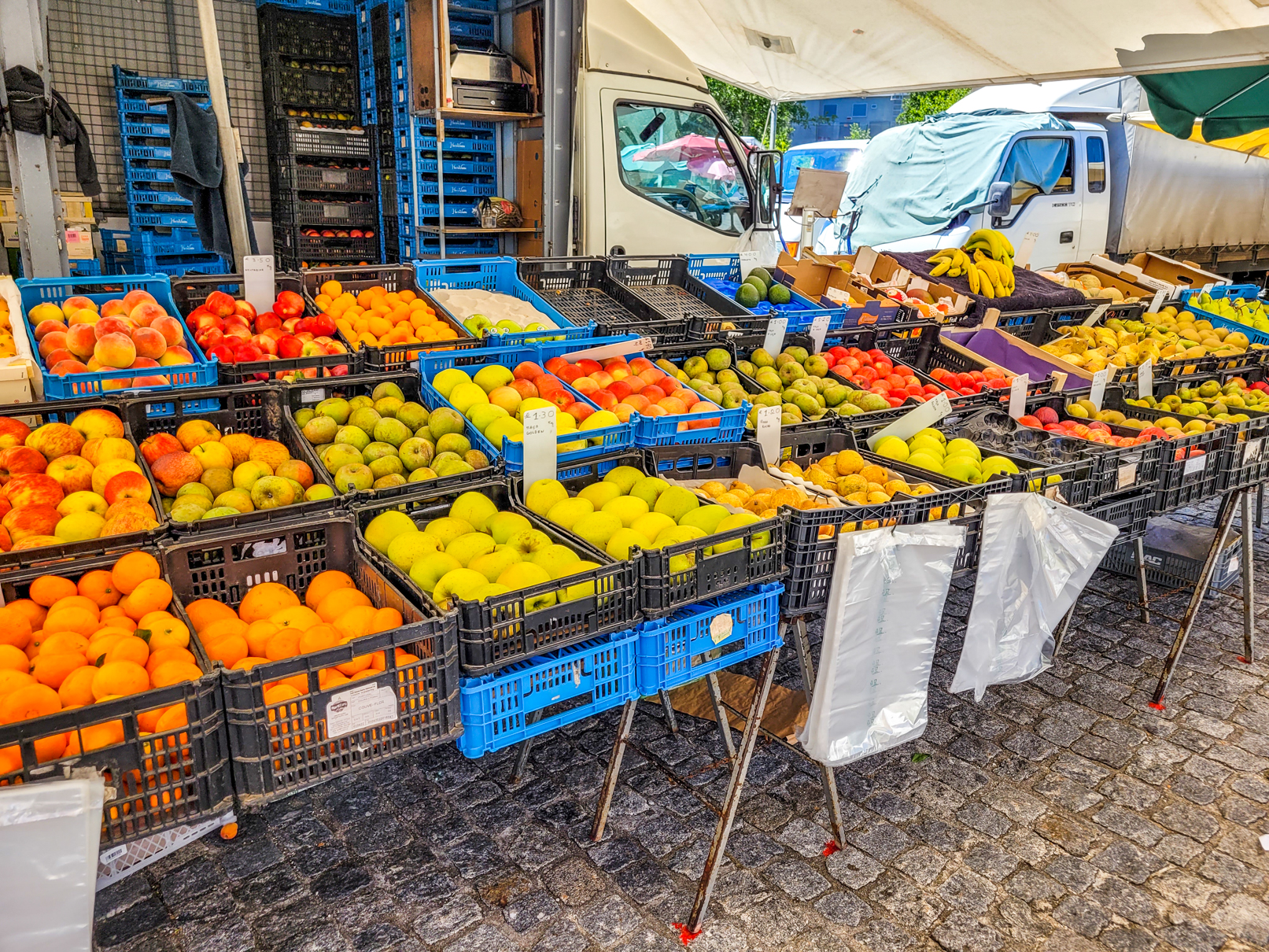
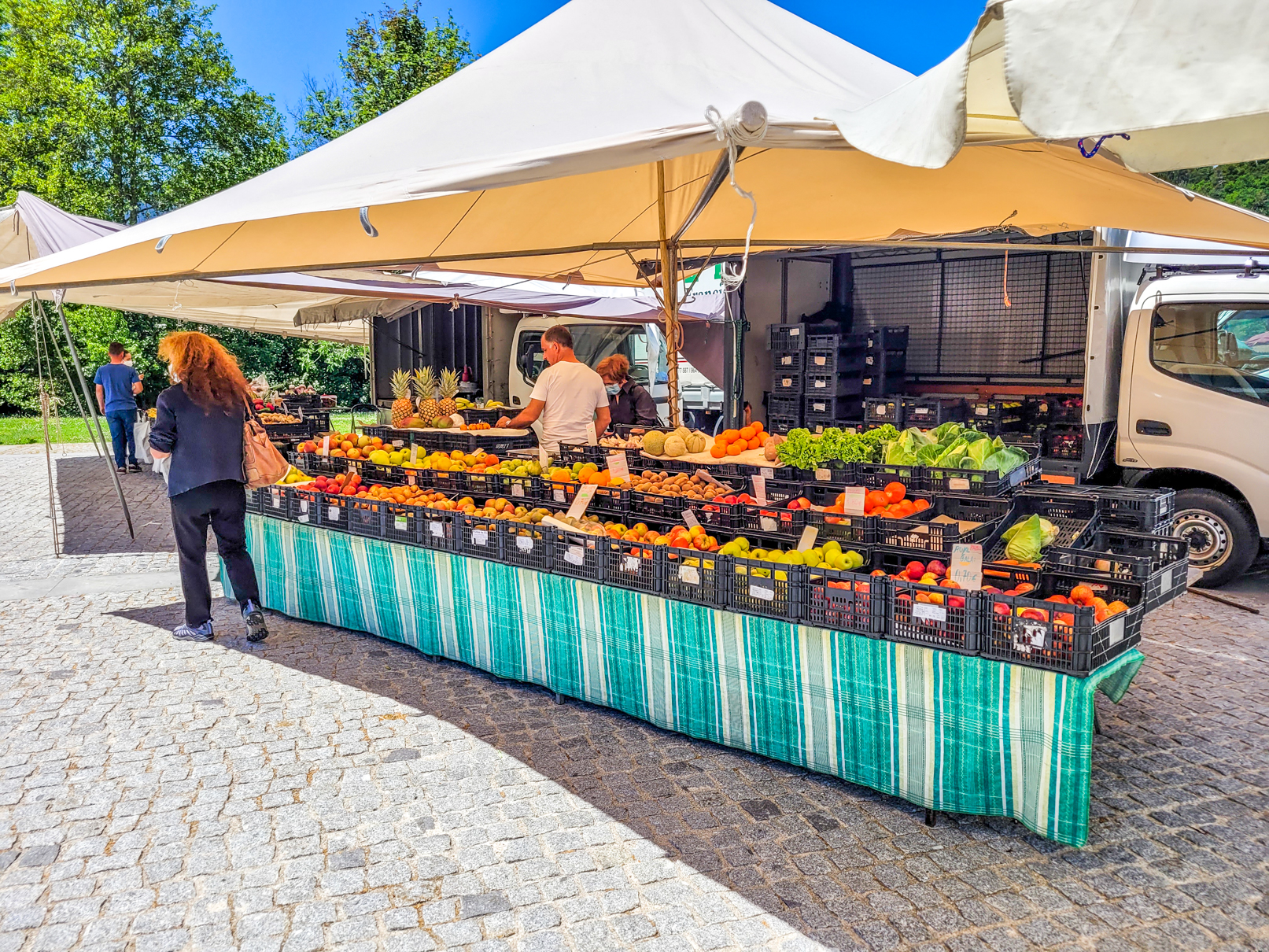
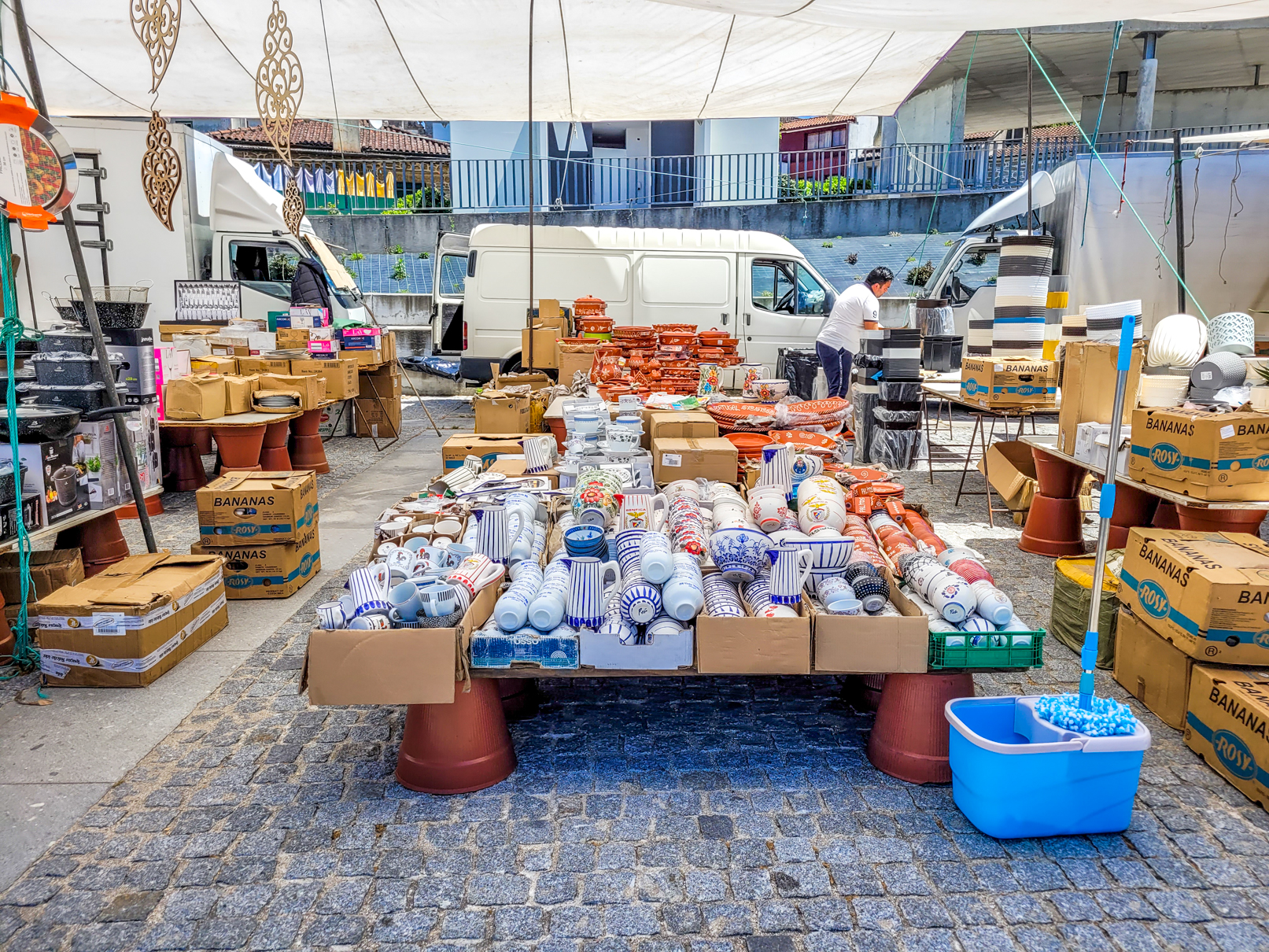
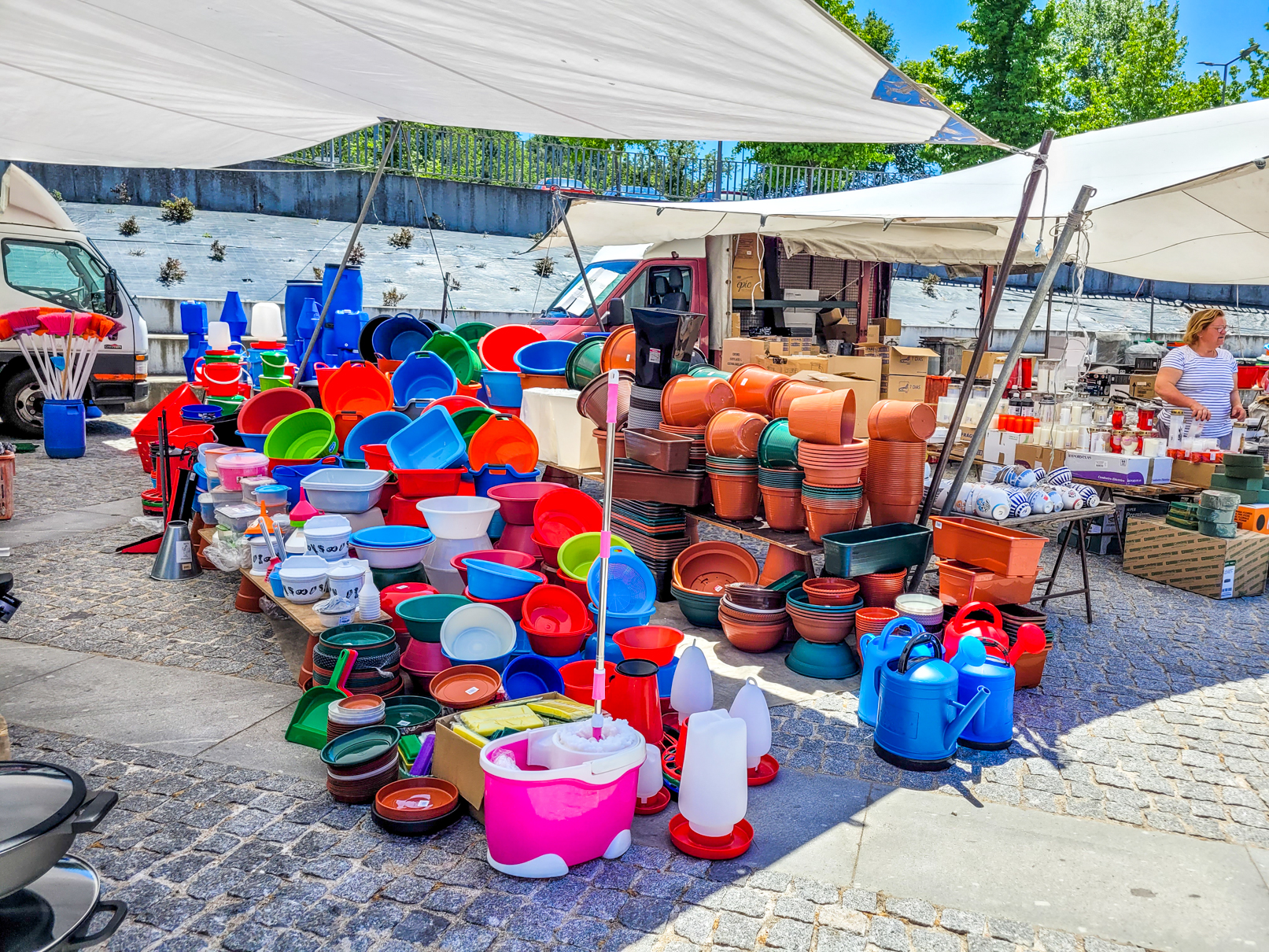
Nearby, the Praça Terras de Nóbrega serves as a stage for some of the town’s events and is also where the local markets are held, as you can see in the photos below.
Visit Lindoso and surroundings
After exploring the center of Ponte da Barca, it’s time to discover the surroundings—particularly the part of the municipality located within the Peneda-Gerês National Park (PNPG). I’ll highlight Lindoso here only in bullet points, since there’s a separate article on this blog with full details about each place mentioned below:
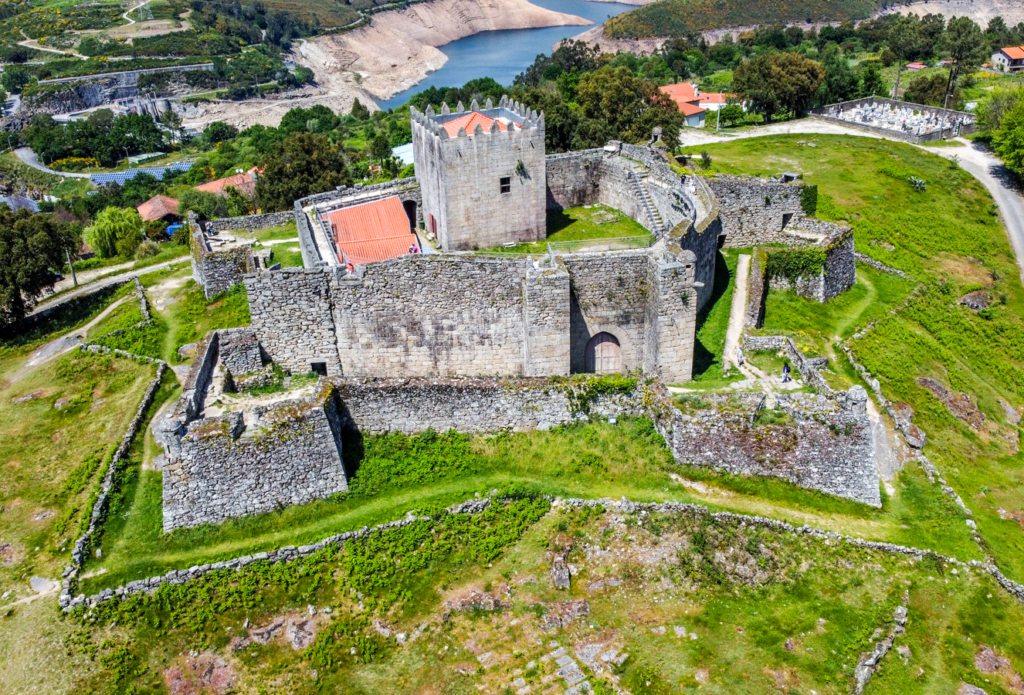
- Visit the Castle of Lindoso and its keep, which houses a small museum on the human occupation of the territory.
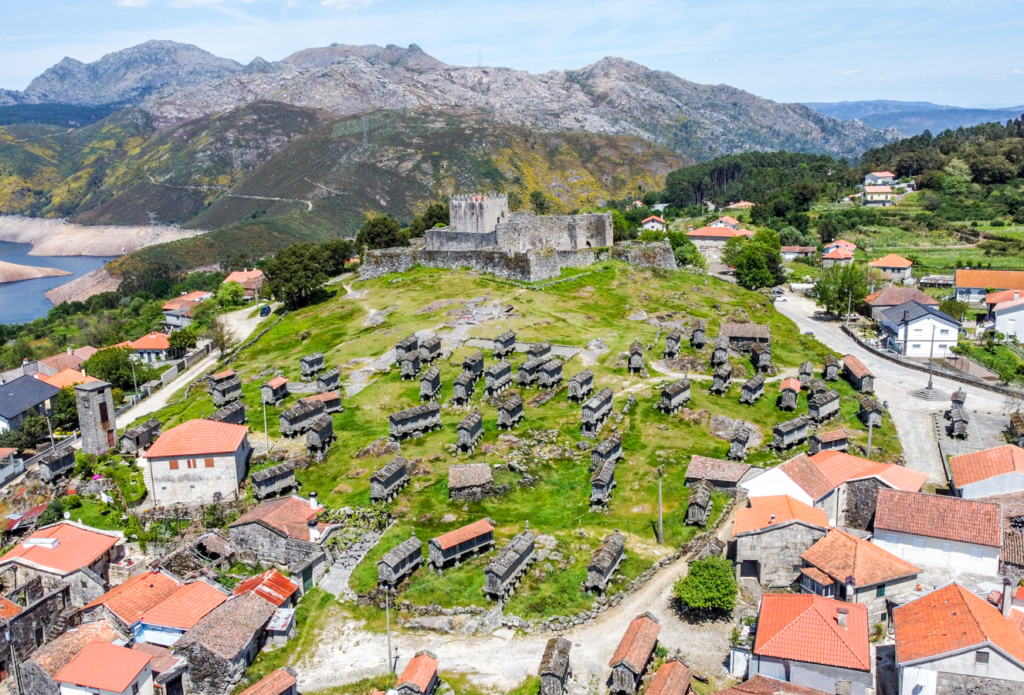
- Admire the impressive granary field (espigueiros) located right in front of the castle.
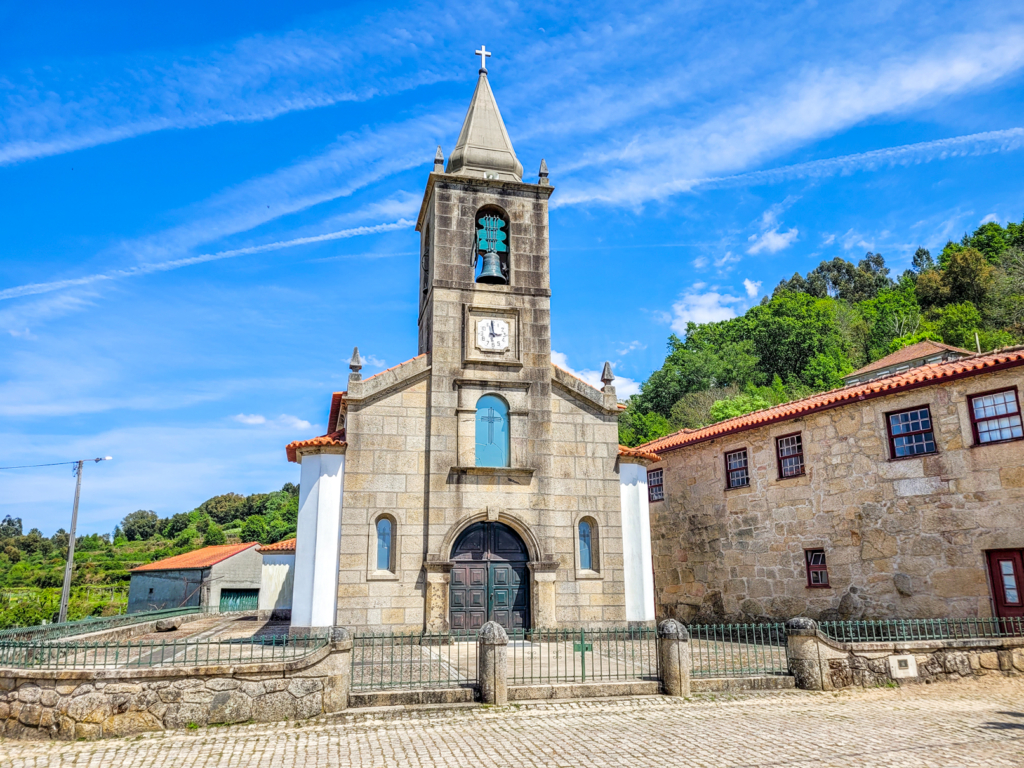
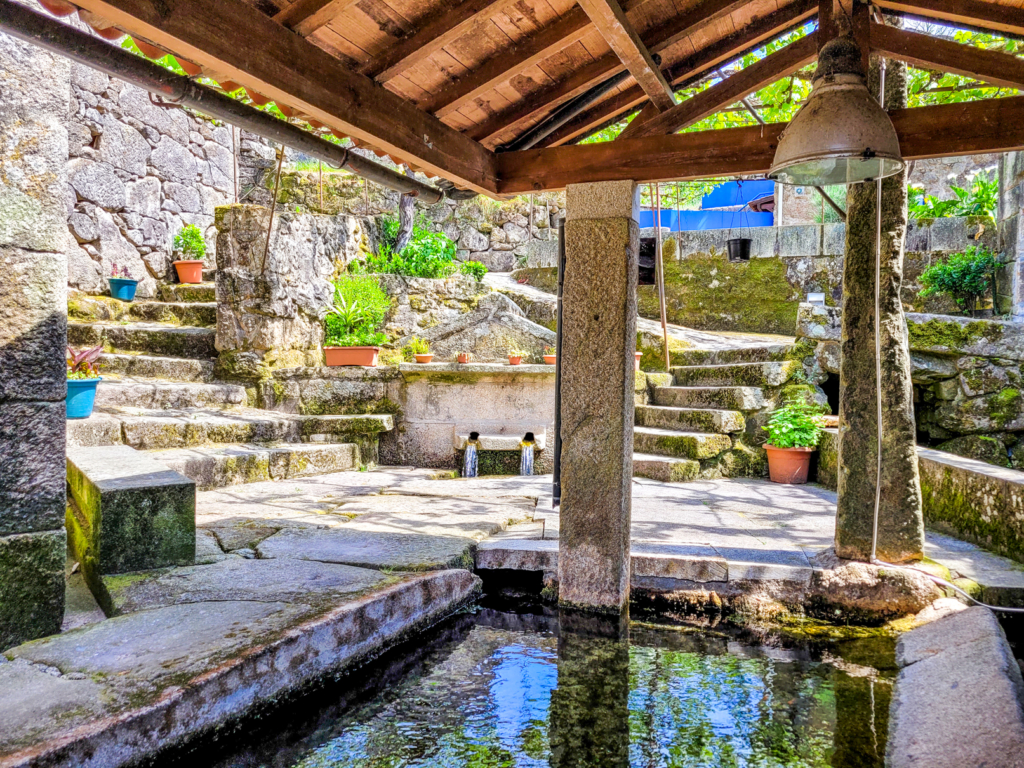
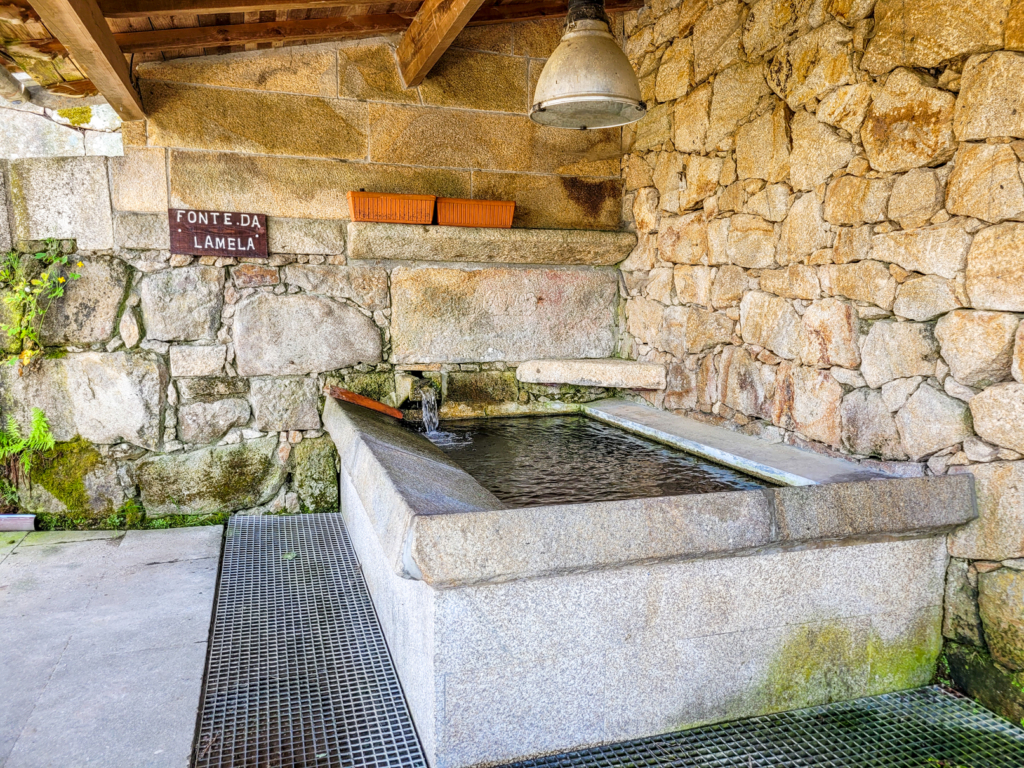
- Visit the Main Church of Lindoso and the village center, with highlights such as the Fonte da Tornada and the Fonte da Lamela.
- Hike the Moinhos da Parada Trail.
- Explore the village of Parada, especially its granaries at Portela da Leija and Eira do Tapado.
- Take a dip at the Poço da Gola, a stunning natural lagoon in Gerês.
- Head to the Alto Lindoso Dam on the Lima River.
1. Lindoso Castle
2. Lindoso granary field
3. Main Church of Lindoso
4. Fonte da Tornada
5. Fonte da Lamela
6. Village of Parada and its Granaries
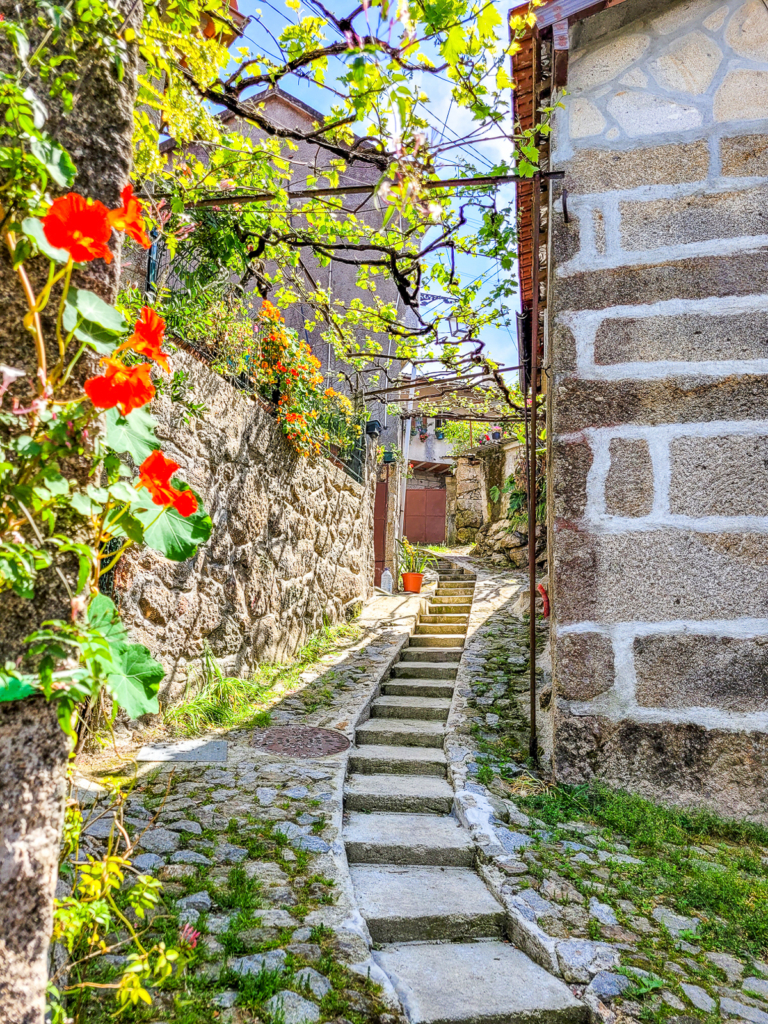
7. Poço da Gola
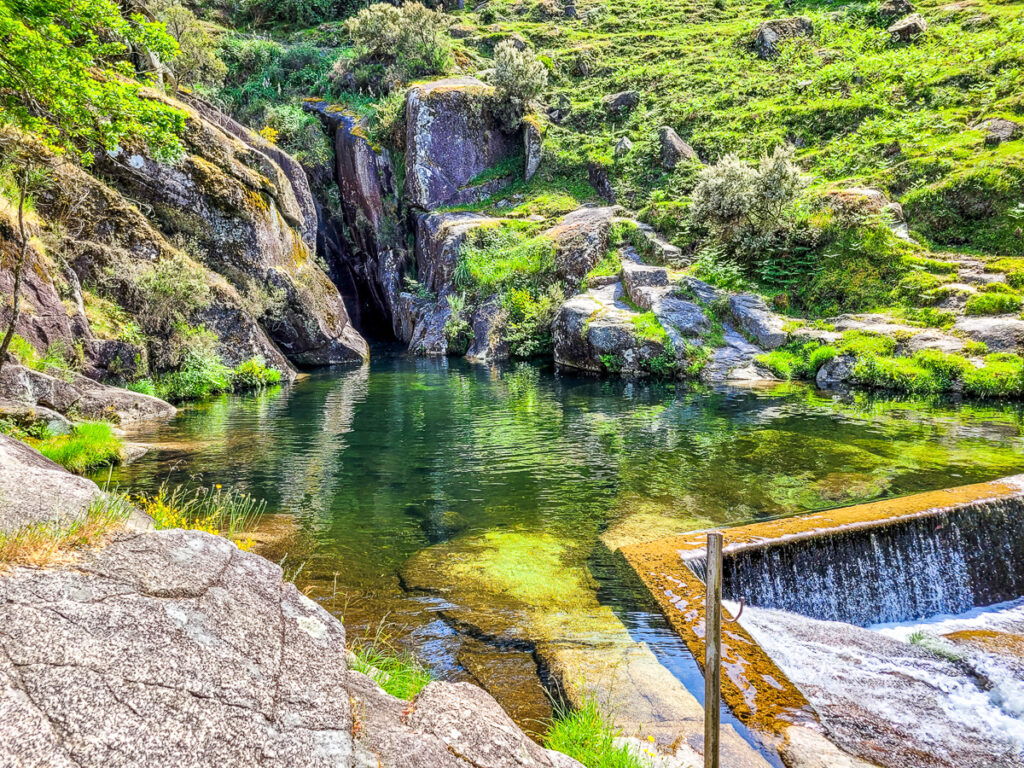
8. Alto Lindoso Dam
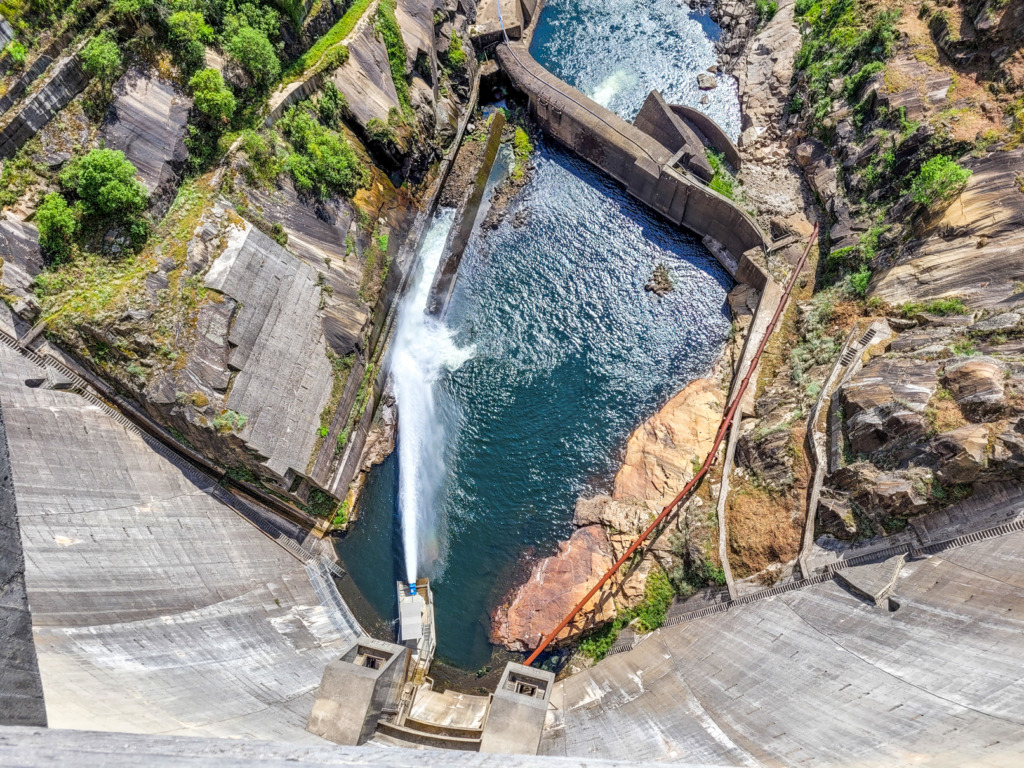
Visit Ermida and Entre Ambos-os-Rios
When it comes to Ermida and Entre Ambos-os-Rios, I’ve covered them in more detail in the article about Lindoso and Soajo, since they’re relatively close by and can easily be included in the same itinerary. Both areas are full of lagoons and waterfalls to enjoy in summer—or really at any time of year. Don’t miss the chance to:
- Visit the village of Ermida and the Branda de Bilhares.
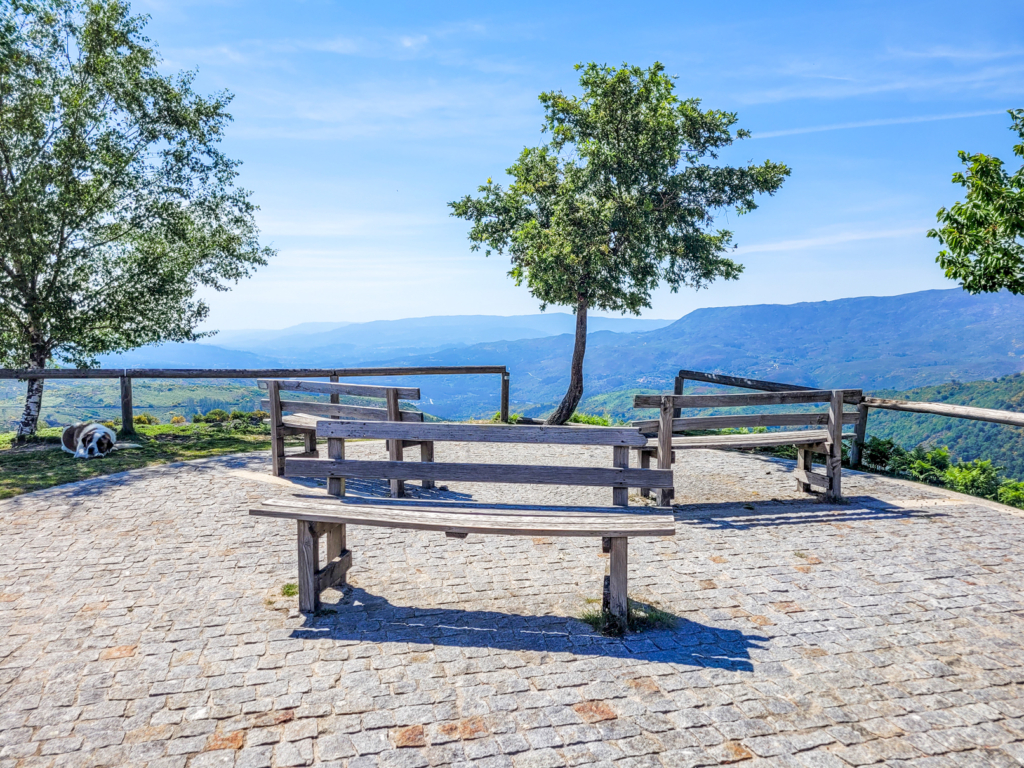
- Take in the views from the Ermida Viewpoint.
- Swim in the Poço Negro Waterfall of Ermida or in the Poço da Carcerelha.
- Hike the short trail to the Poço da Baraceira.
- Discover the Poço de Froufe.
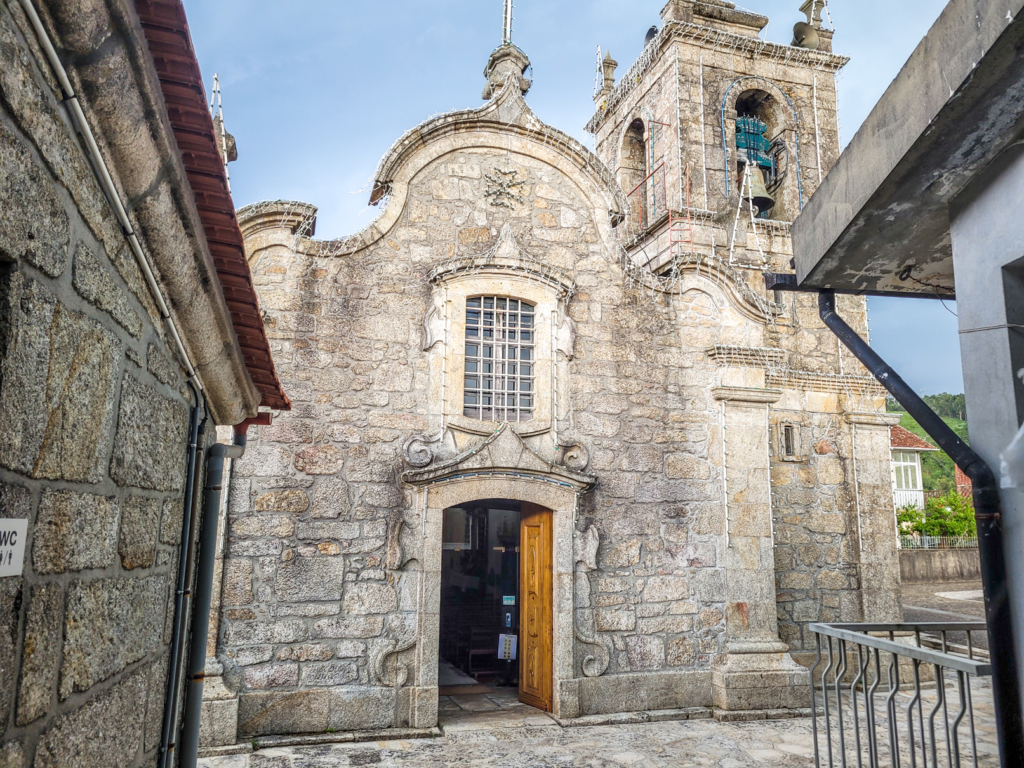
- Visit the church of Entre Ambos-os-Rios.
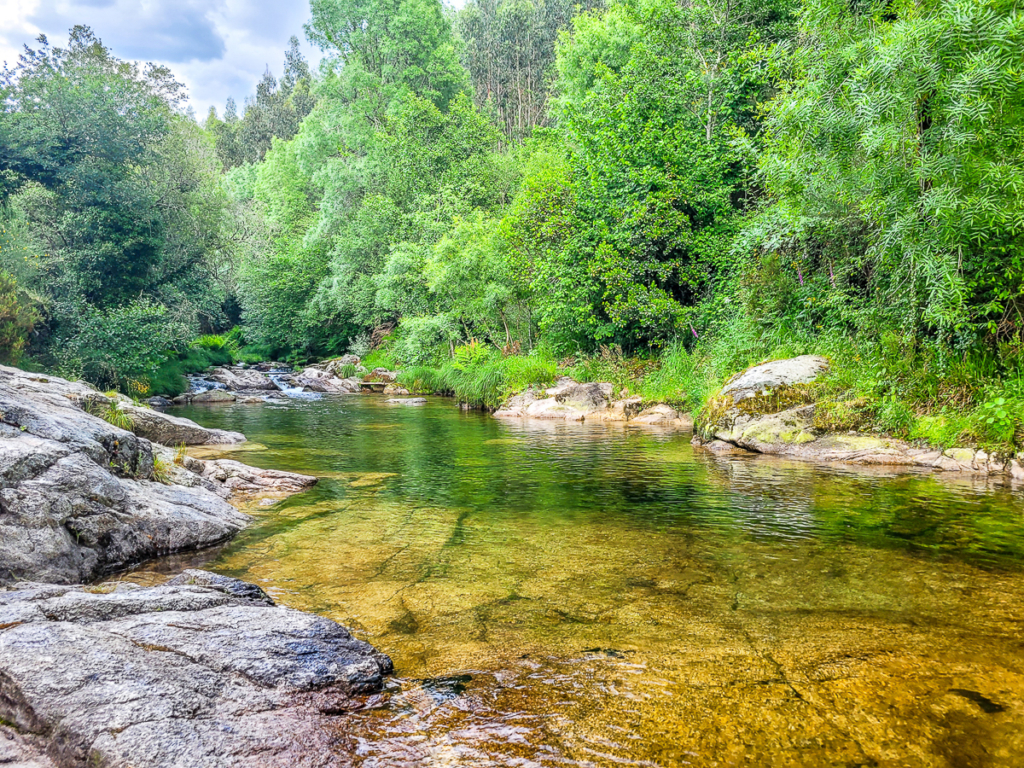
- Stop by the Lagoa do Chão de Além.
1. Village of Ermida and Branda de Bilhares
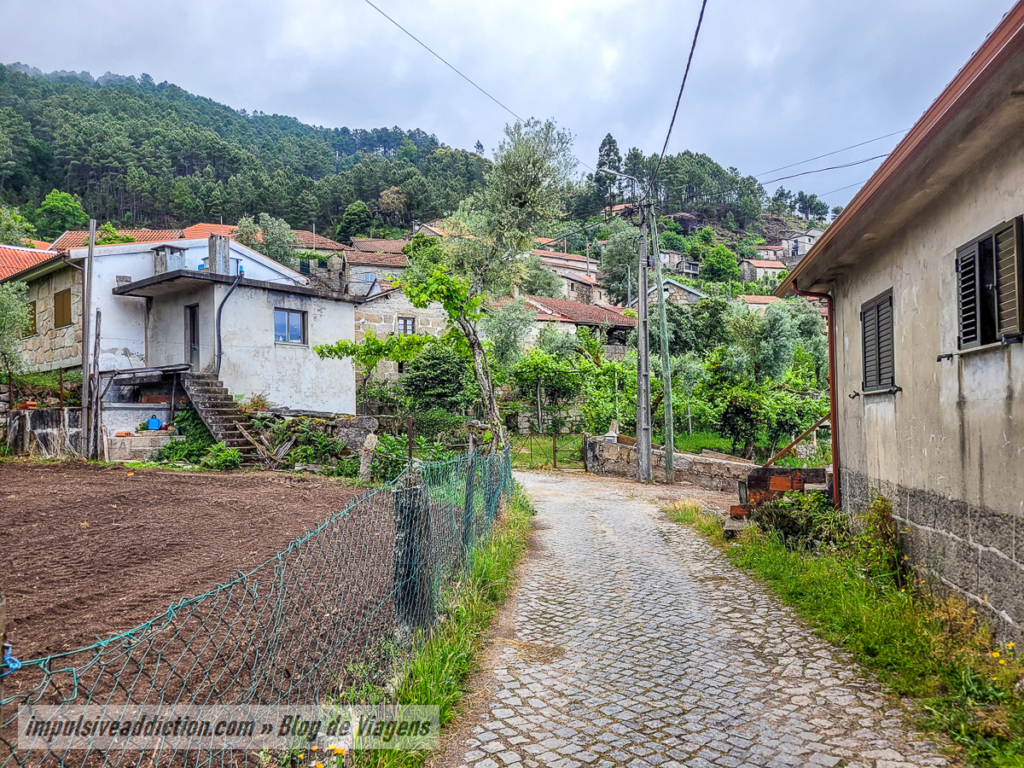
2. Ermida Viewpoint
3. Ermida Waterfall and Poço da Carcerelha
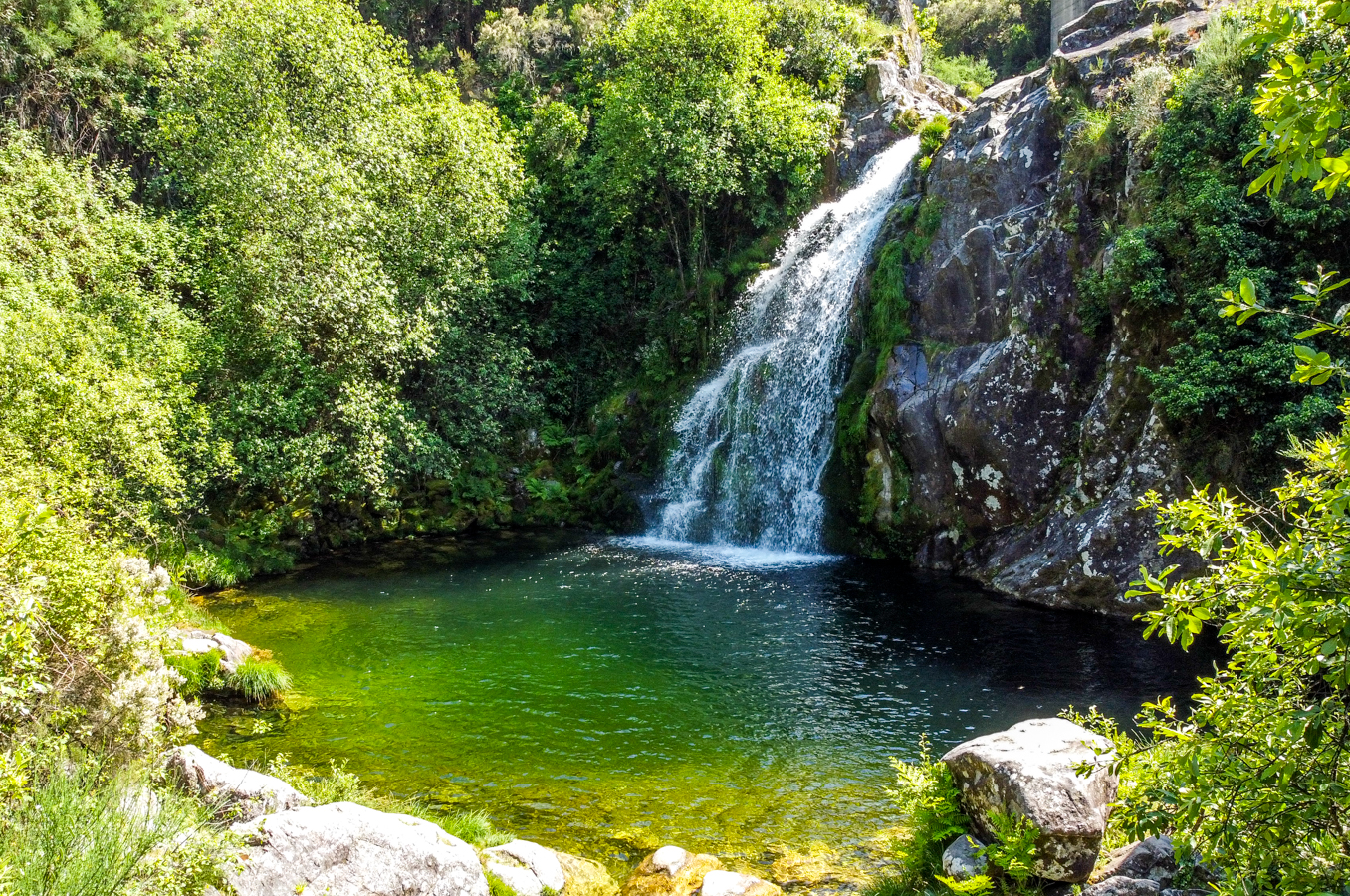
4. Poço da Baraceira
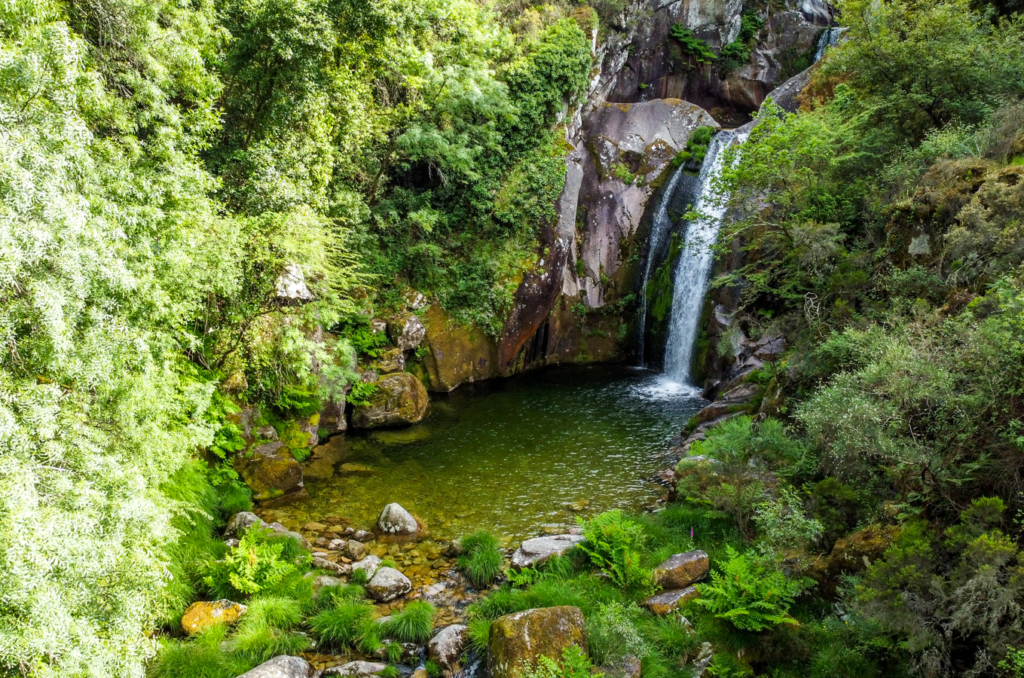
5. Poço de Froufe
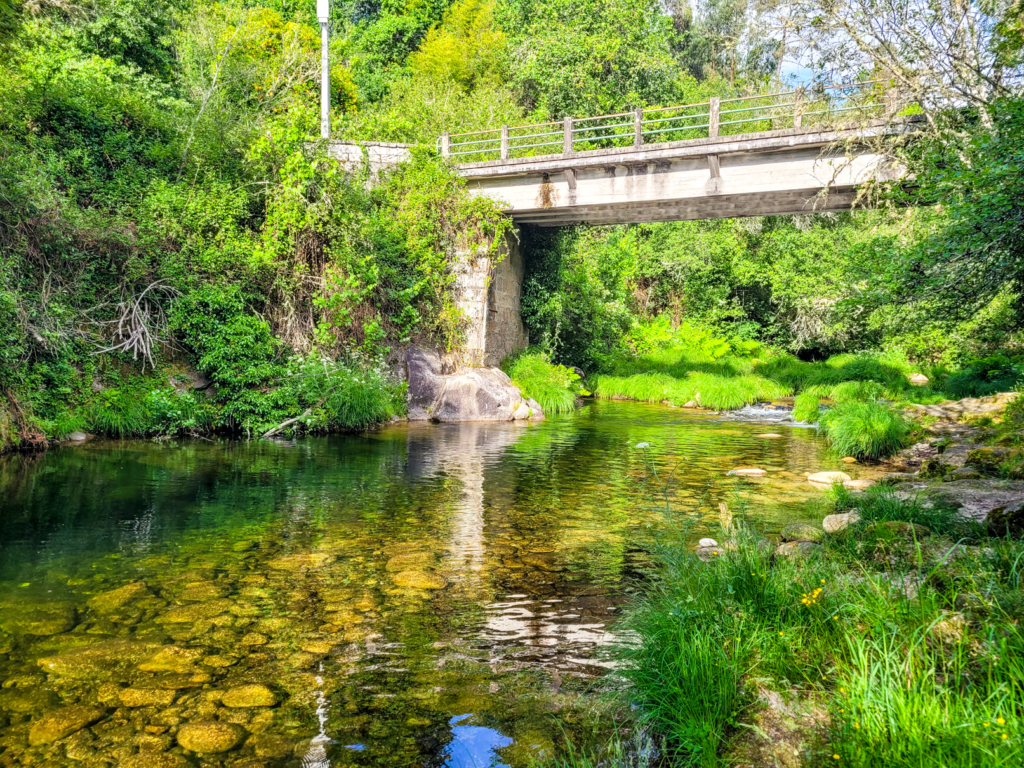
6. Church of Entre Ambos-os-Rios
7. Chão de Além Lagoon
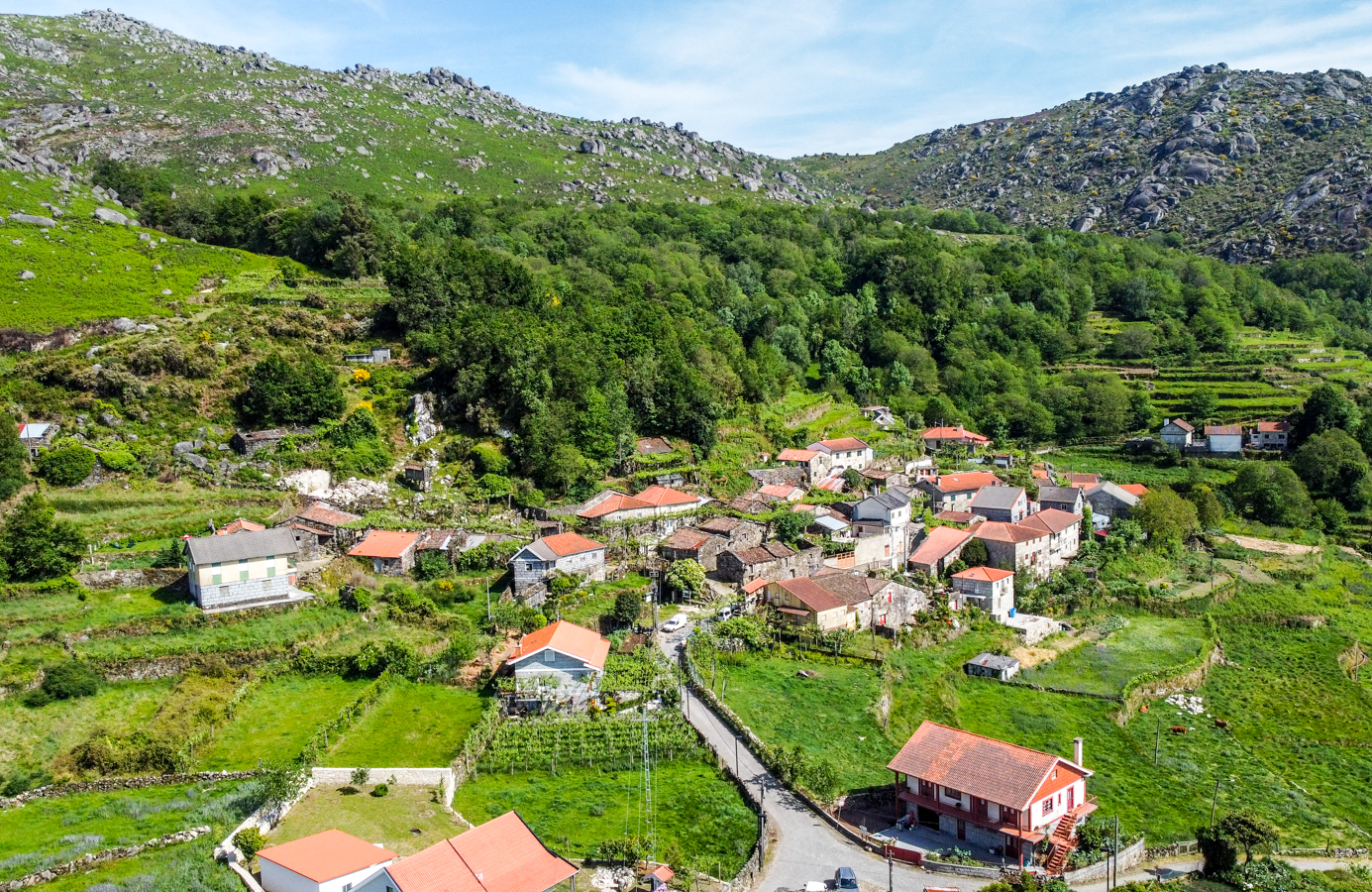
Visit Germil
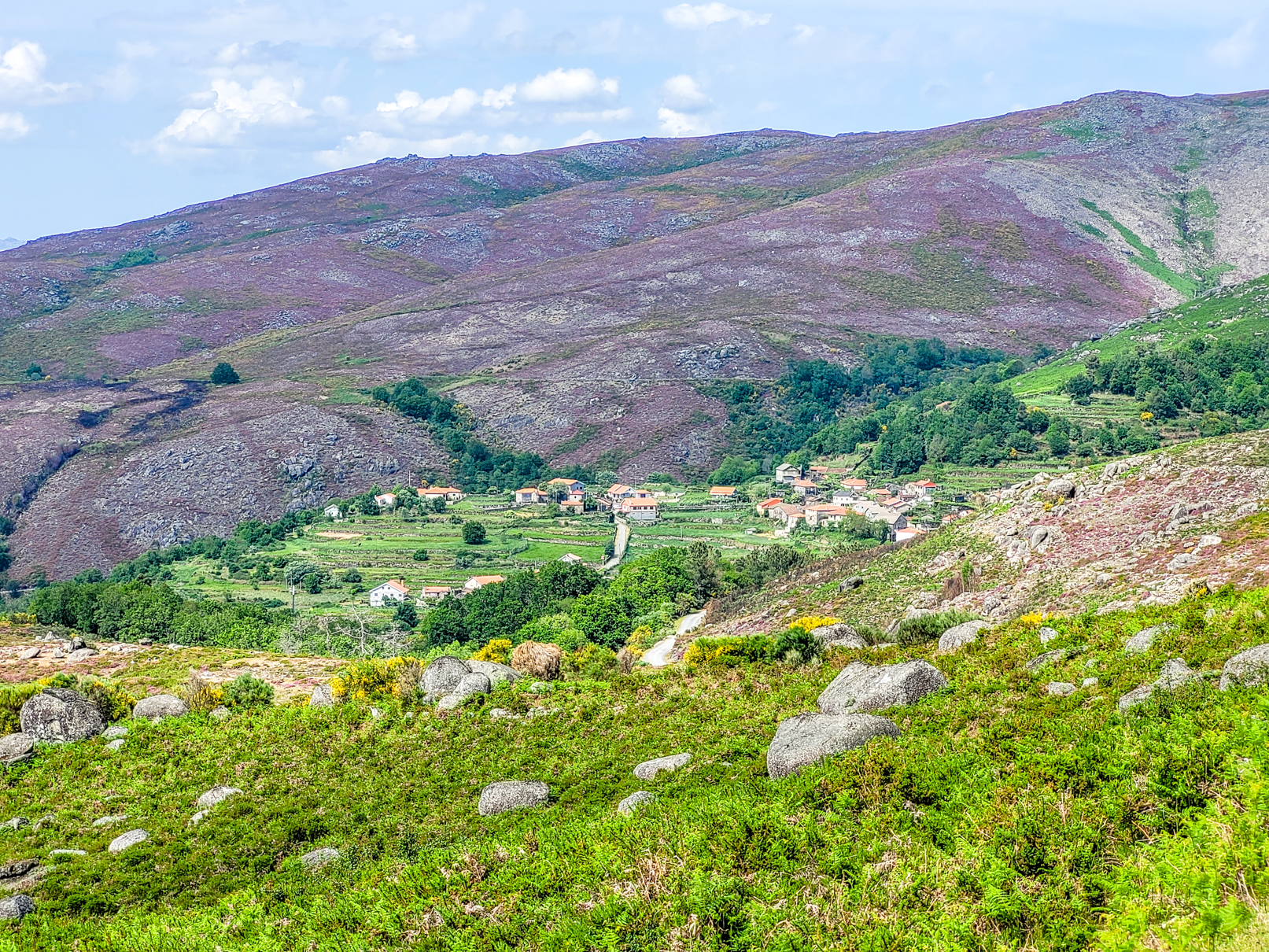
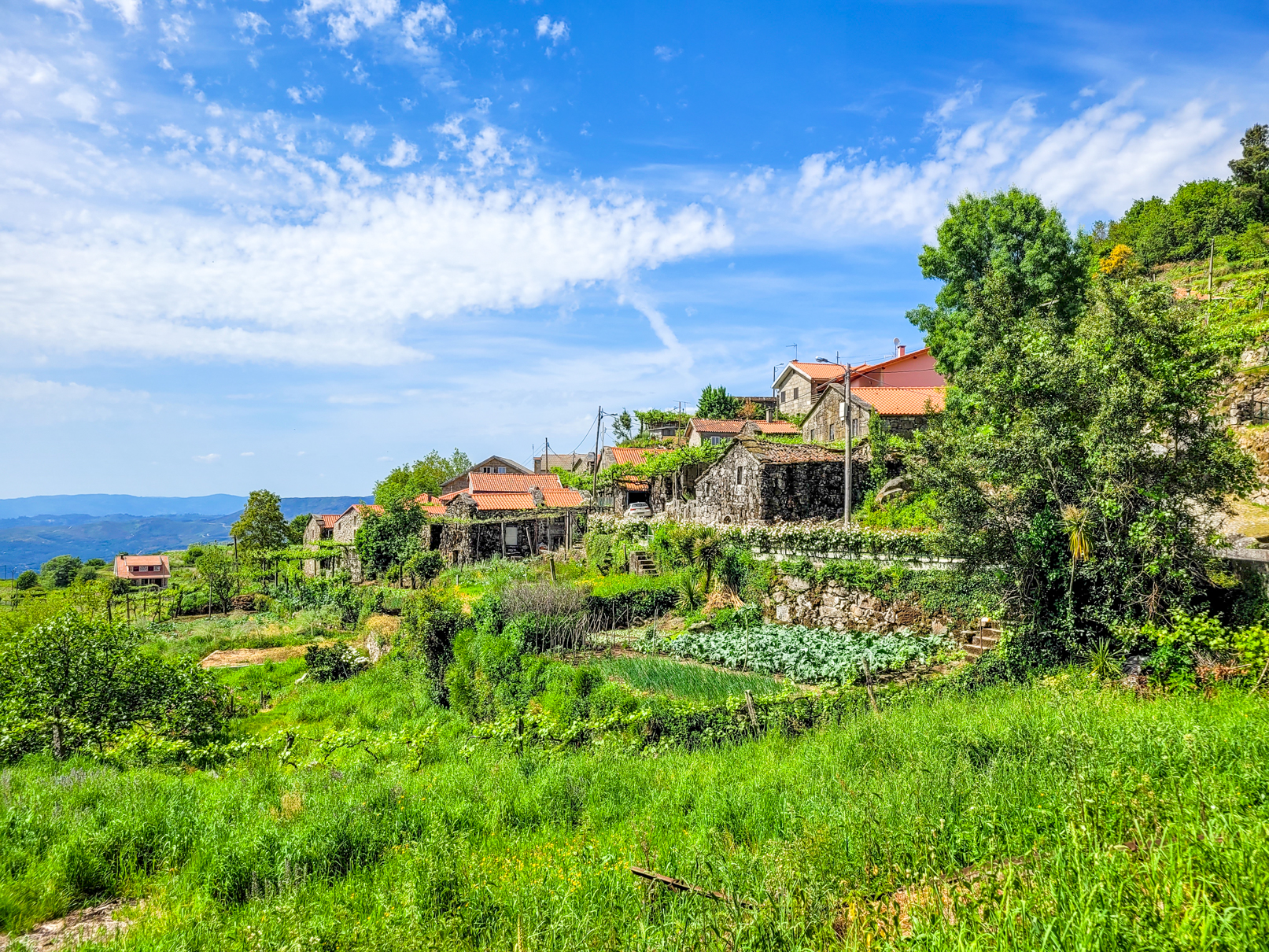
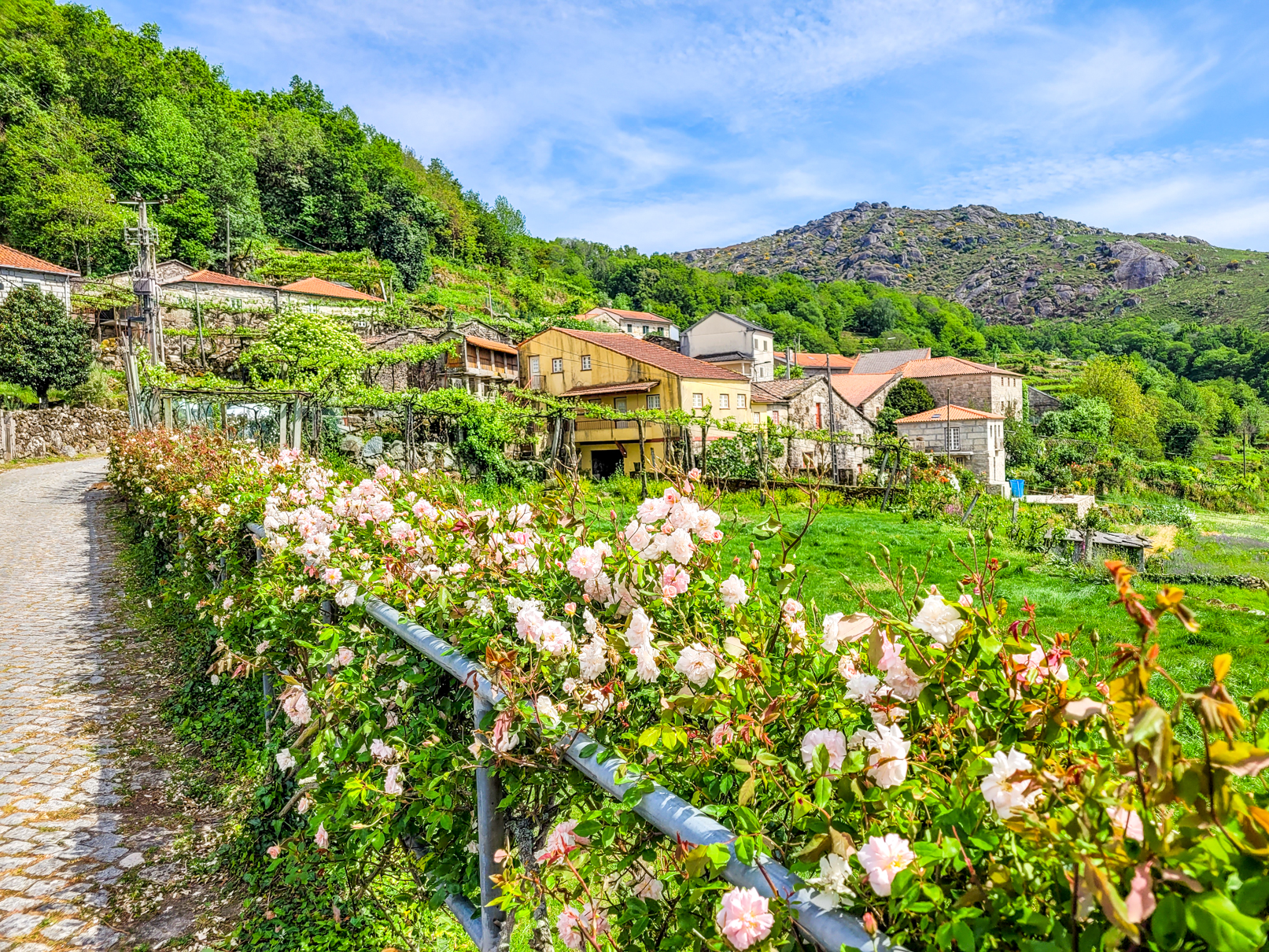
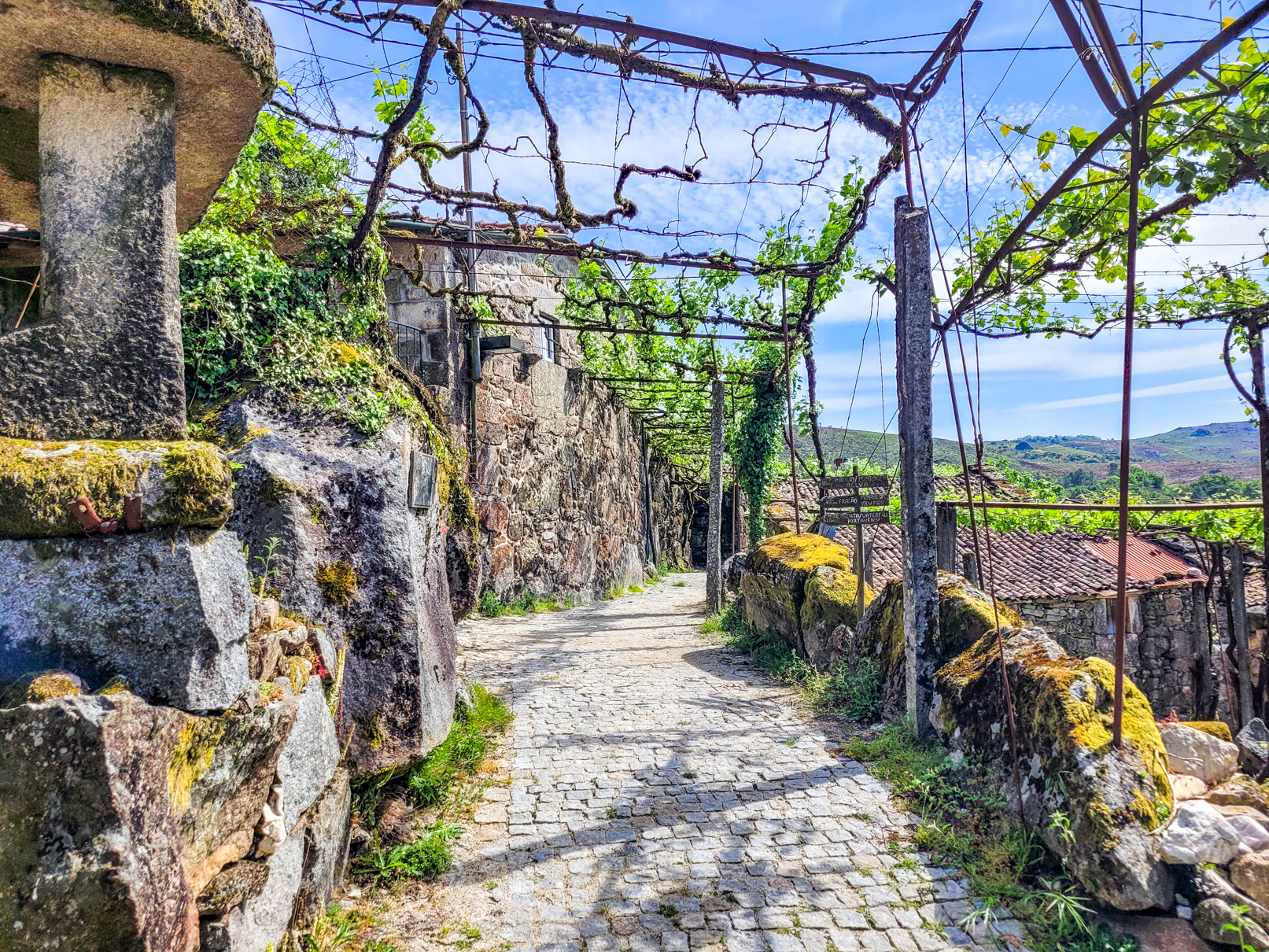
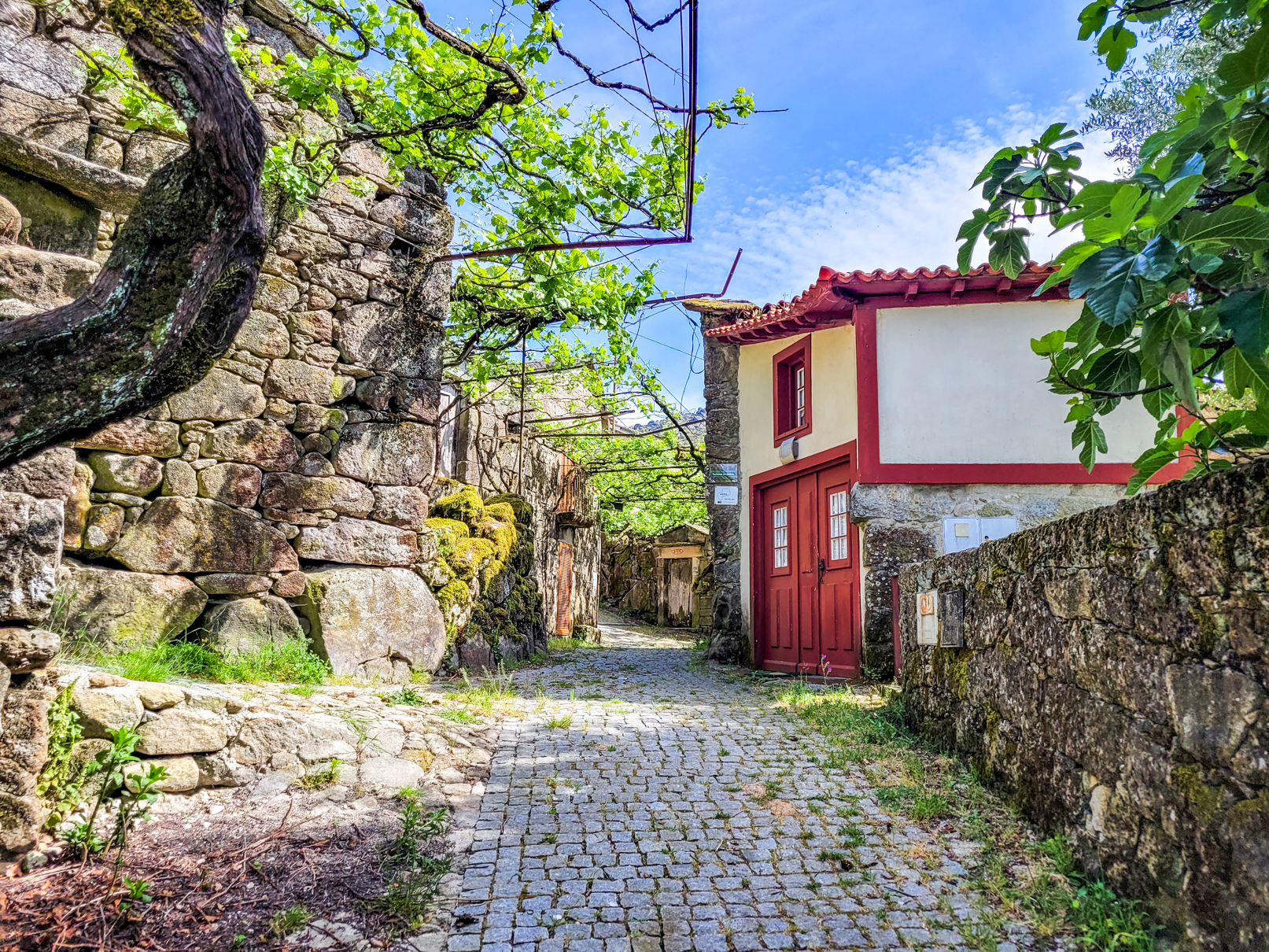
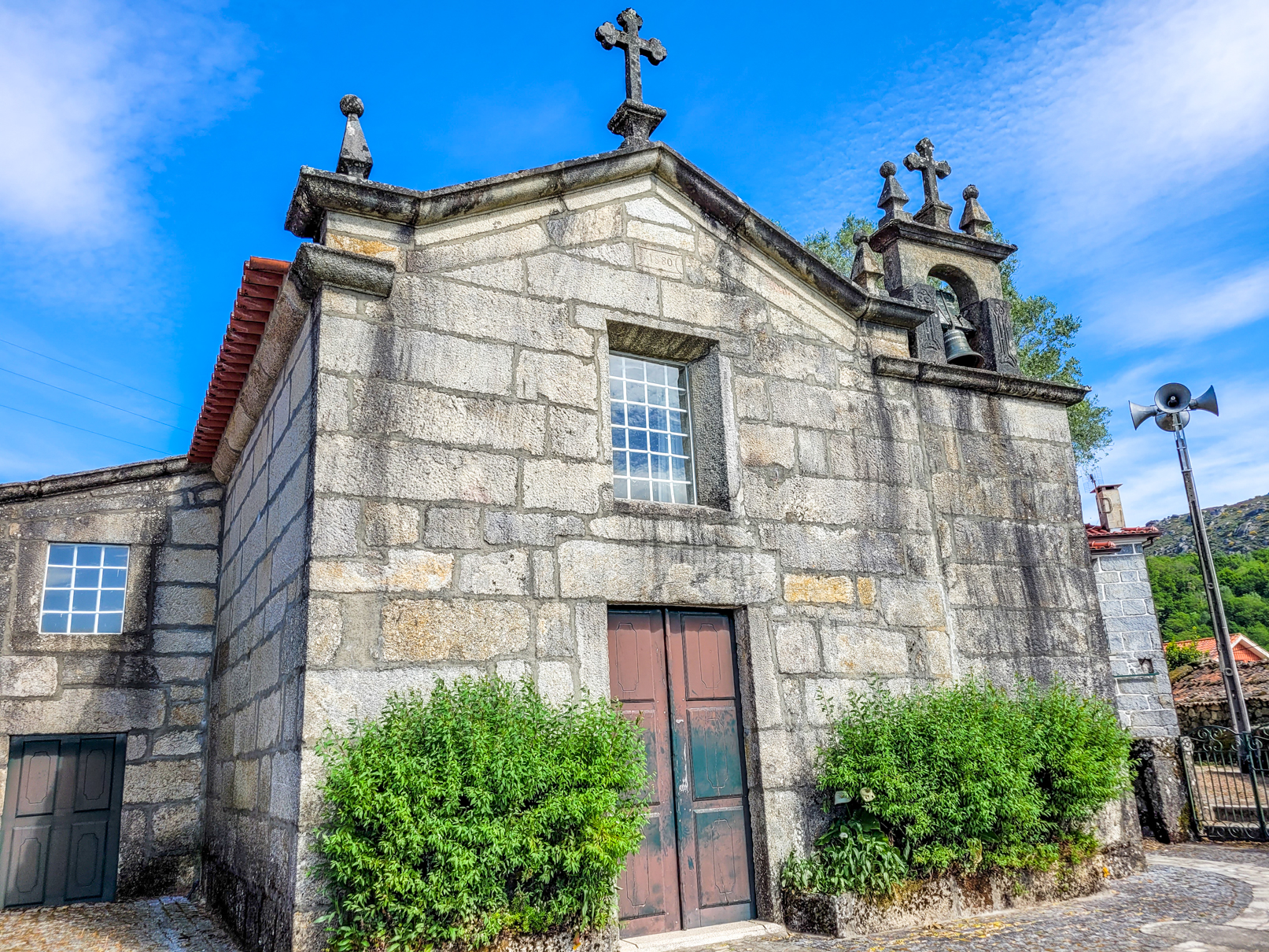
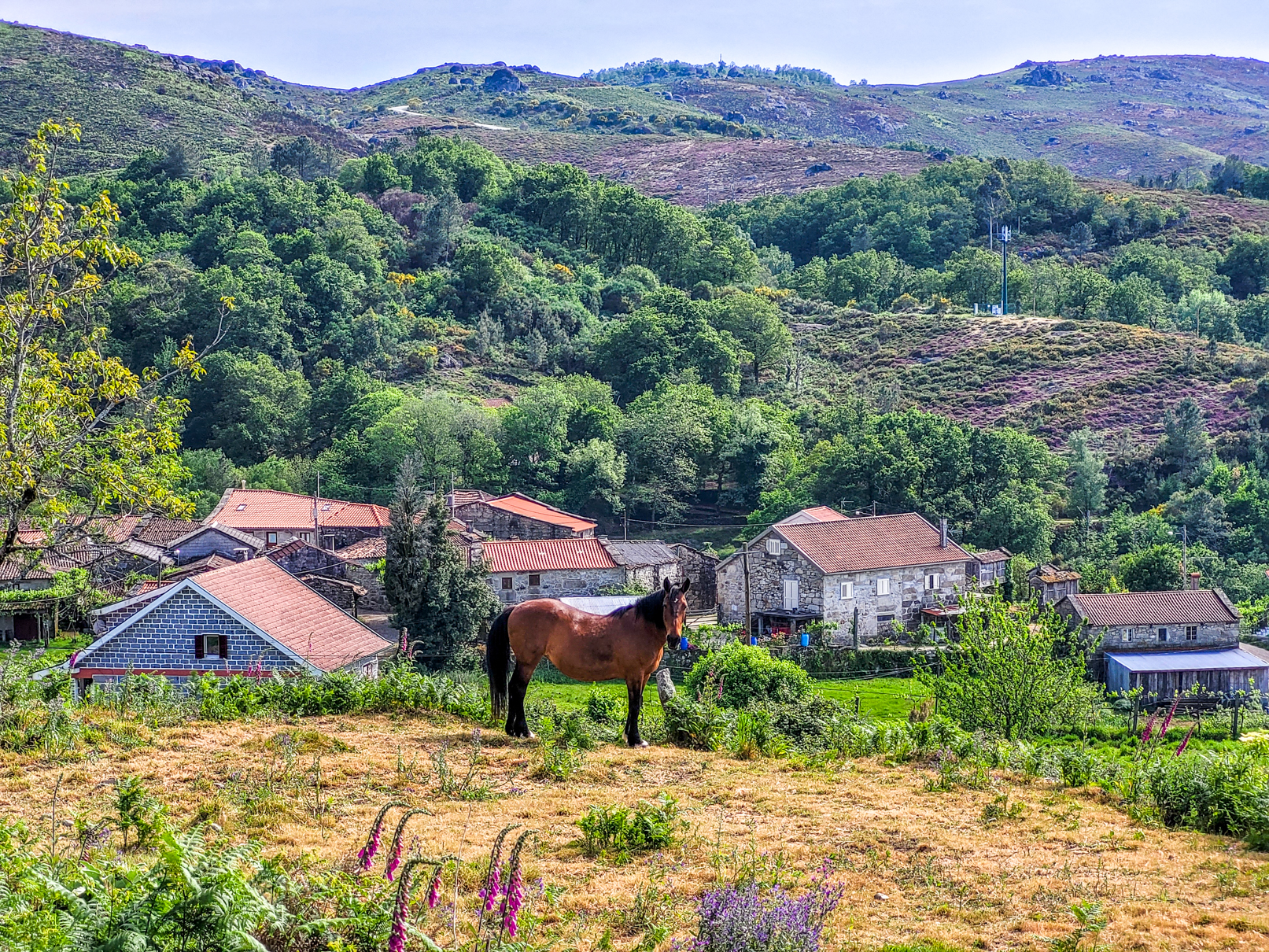
I really enjoyed visiting Germil. It’s a typical mountain village, full of character, with its main streets lined with flowers that fill the air with a wonderful, intense fragrance—at least in spring, when I had the chance to visit.
Unfortunately, I didn’t know at the time that Germil has its own waterfall, so I didn’t hike the trail to see it. I did notice a sign pointing the way, and later I looked it up on YouTube and realized it looks absolutely stunning. It’s definitely on my list for the next visit!
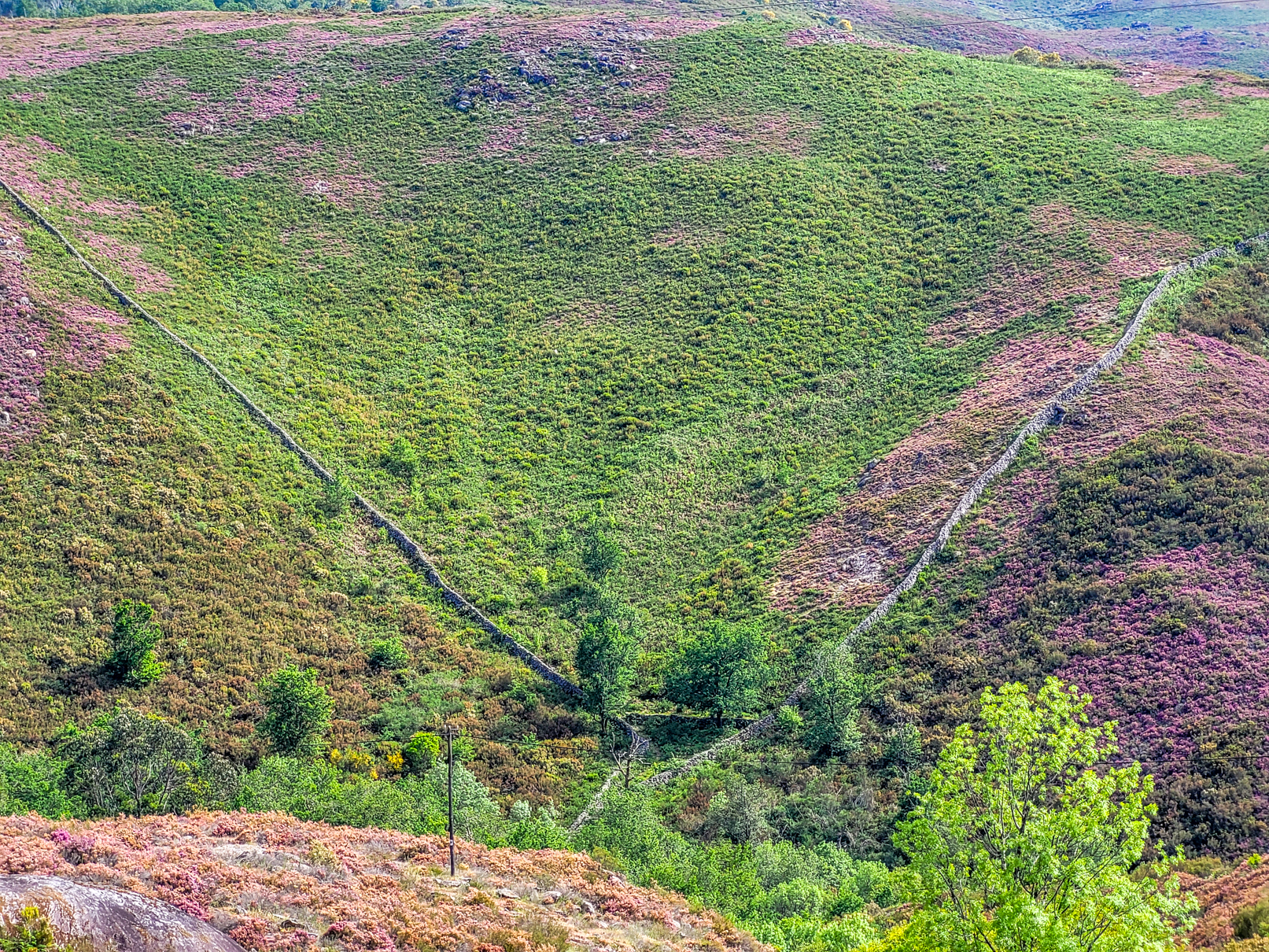
Also, don’t miss the Fojo do Lobo of Germil, clearly visible from a viewpoint along the road. Shaped like a V, it was a traditional wolf trap used in the past. The animal would be lured into the narrowing stone walls and eventually cornered into a pit at the vertex, where it would fall and be captured.
Other Places to Visit in Ponte da Barca
There are several other spots worth exploring in the municipality of Ponte da Barca. They’re not located in the town center or inside the Peneda-Gerês National Park, but some are just as spectacular—if not more.
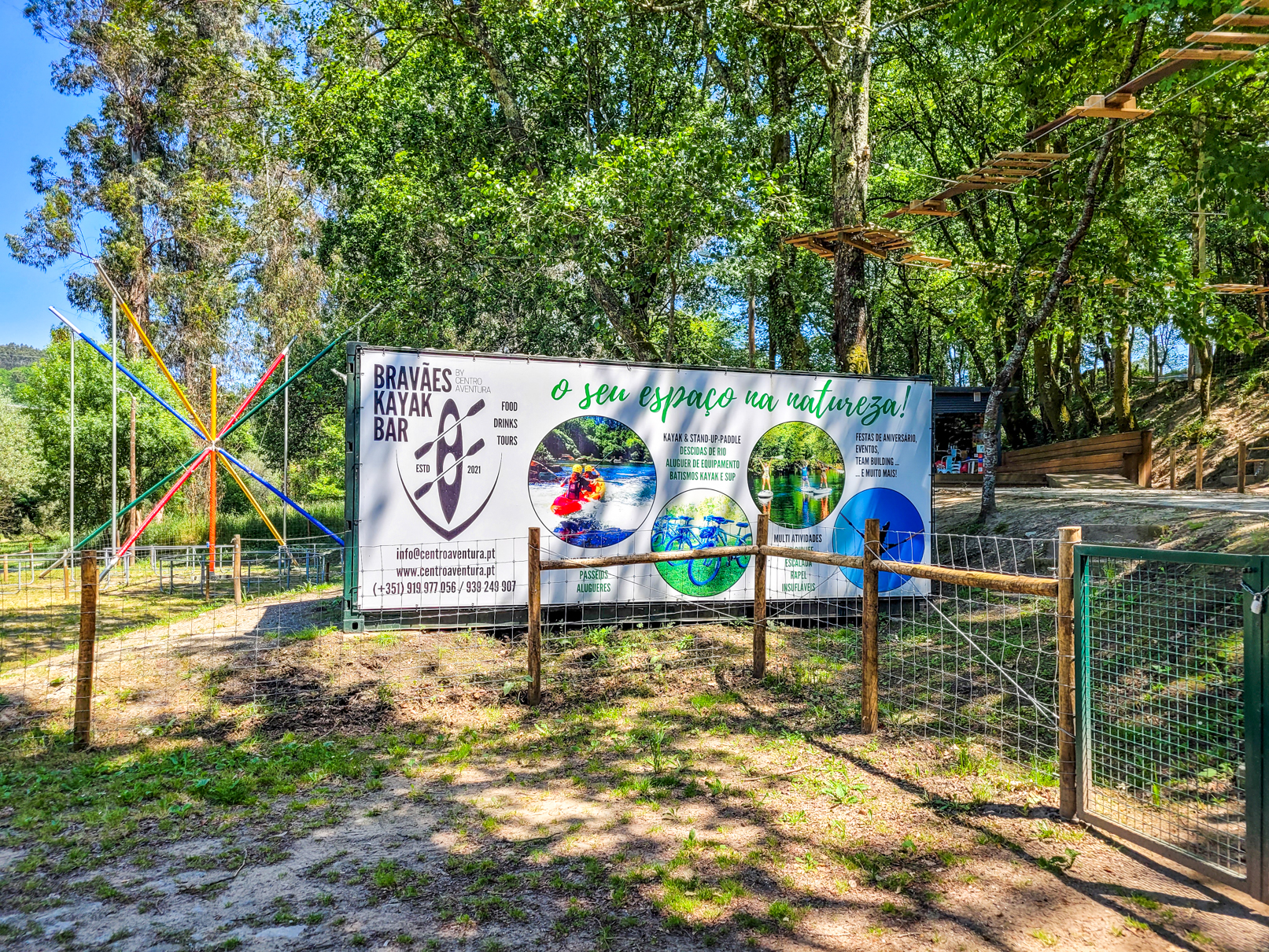
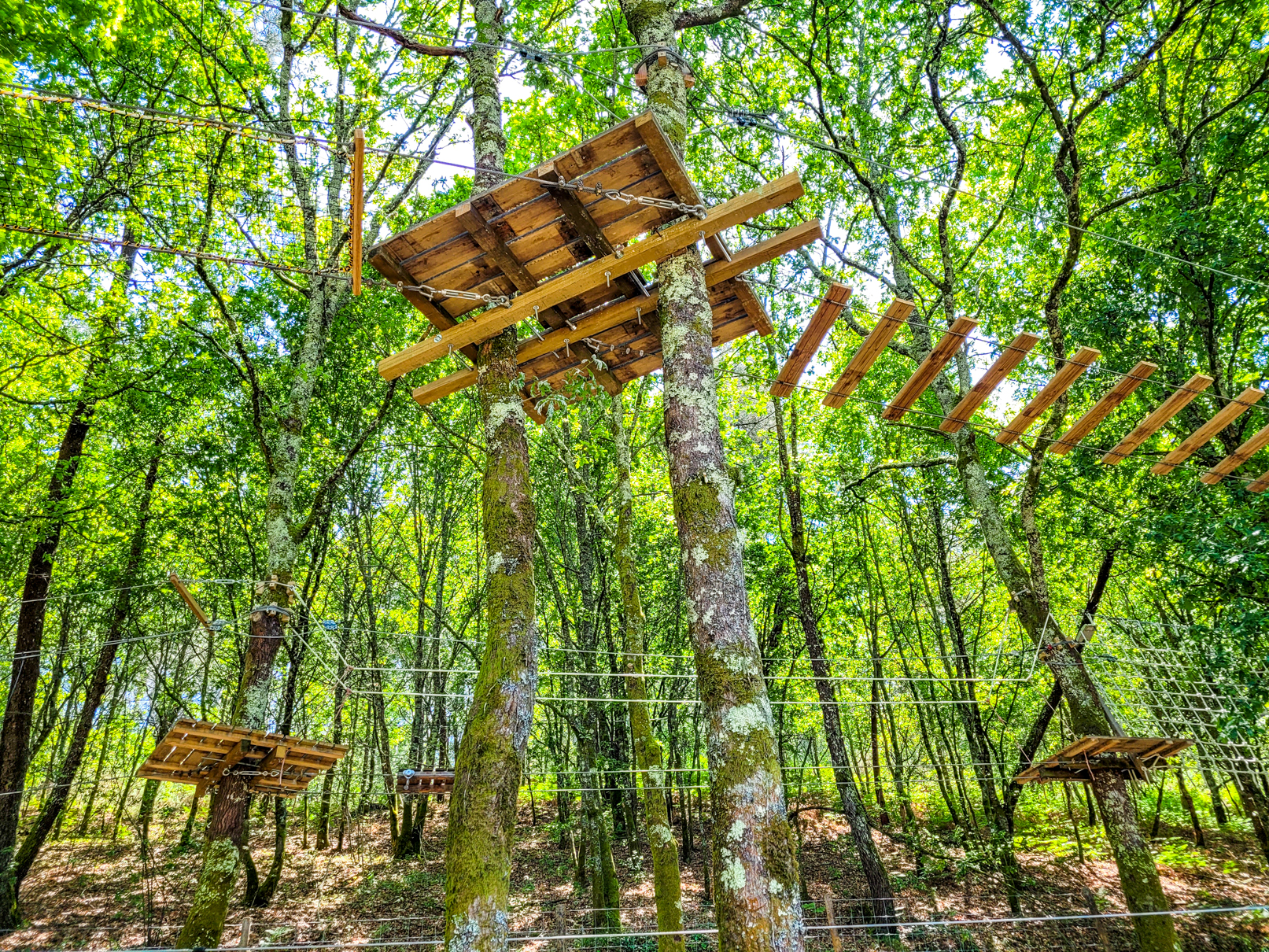
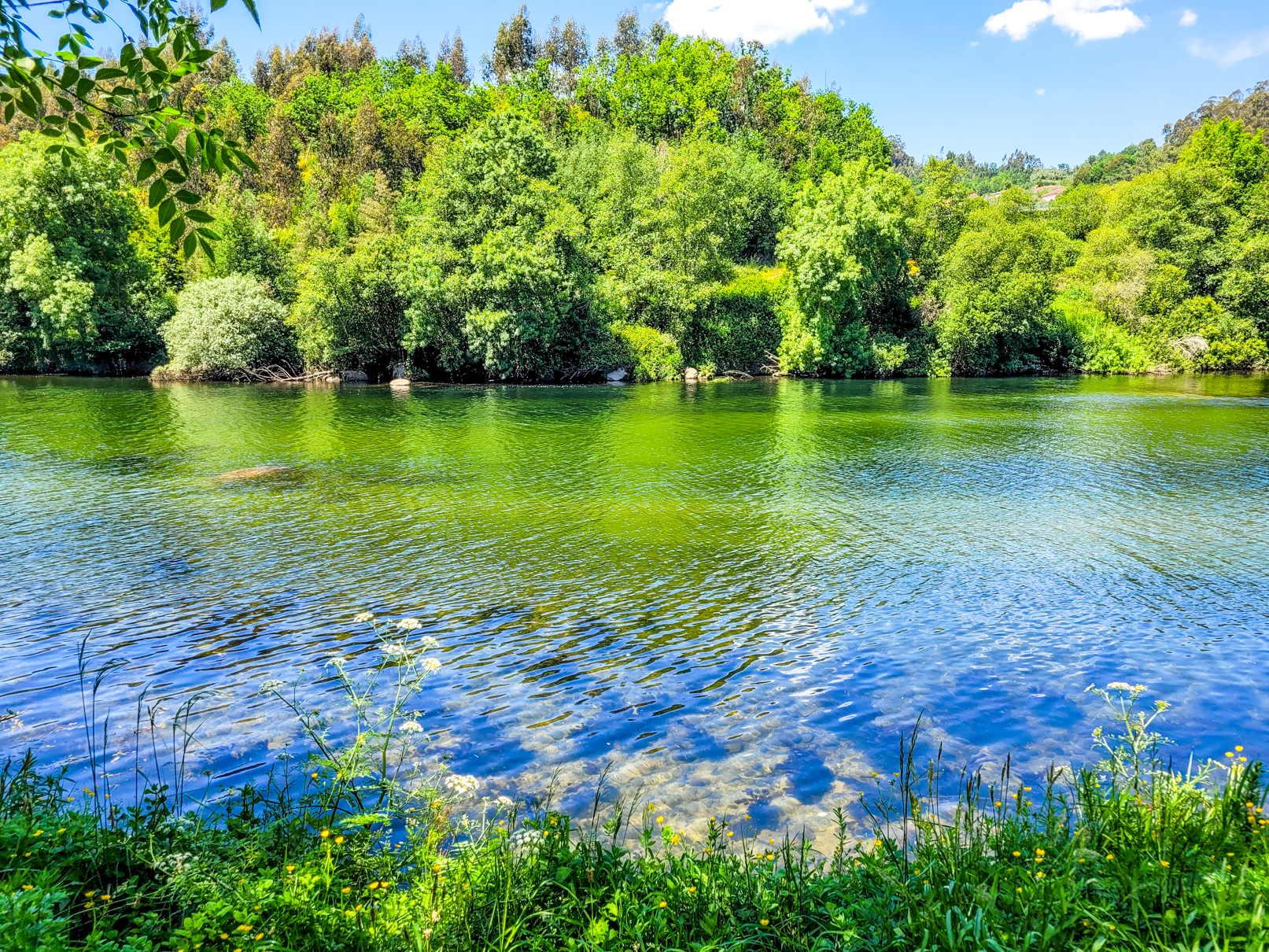
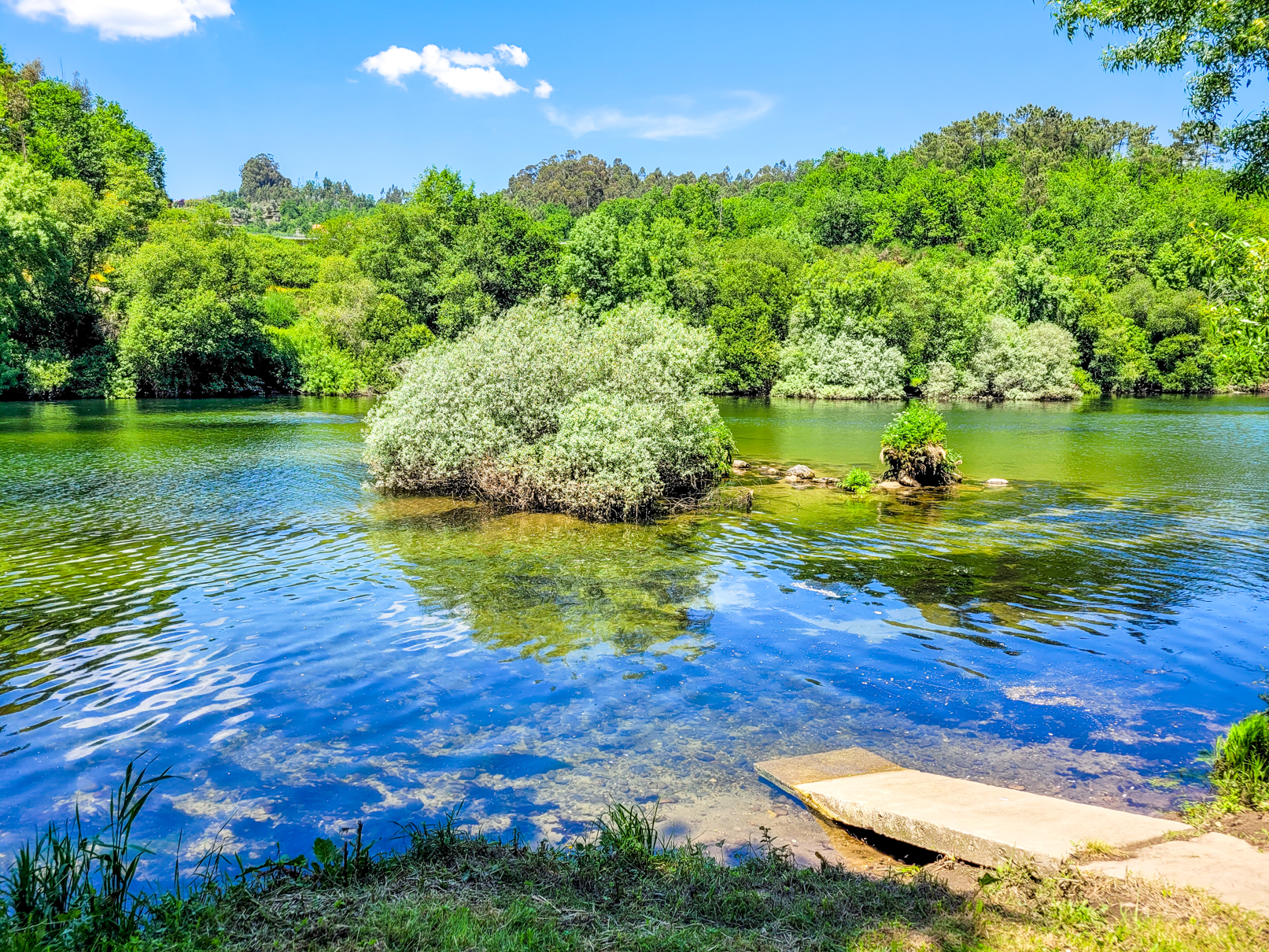
- Walk (or cycle) part of the Ecovia dos Açudes trail, which connects Ponte da Barca to Ponte de Lima, or at least enjoy the surroundings of the Fonte Santa de Bravães Park, a perfect riverside picnic area.
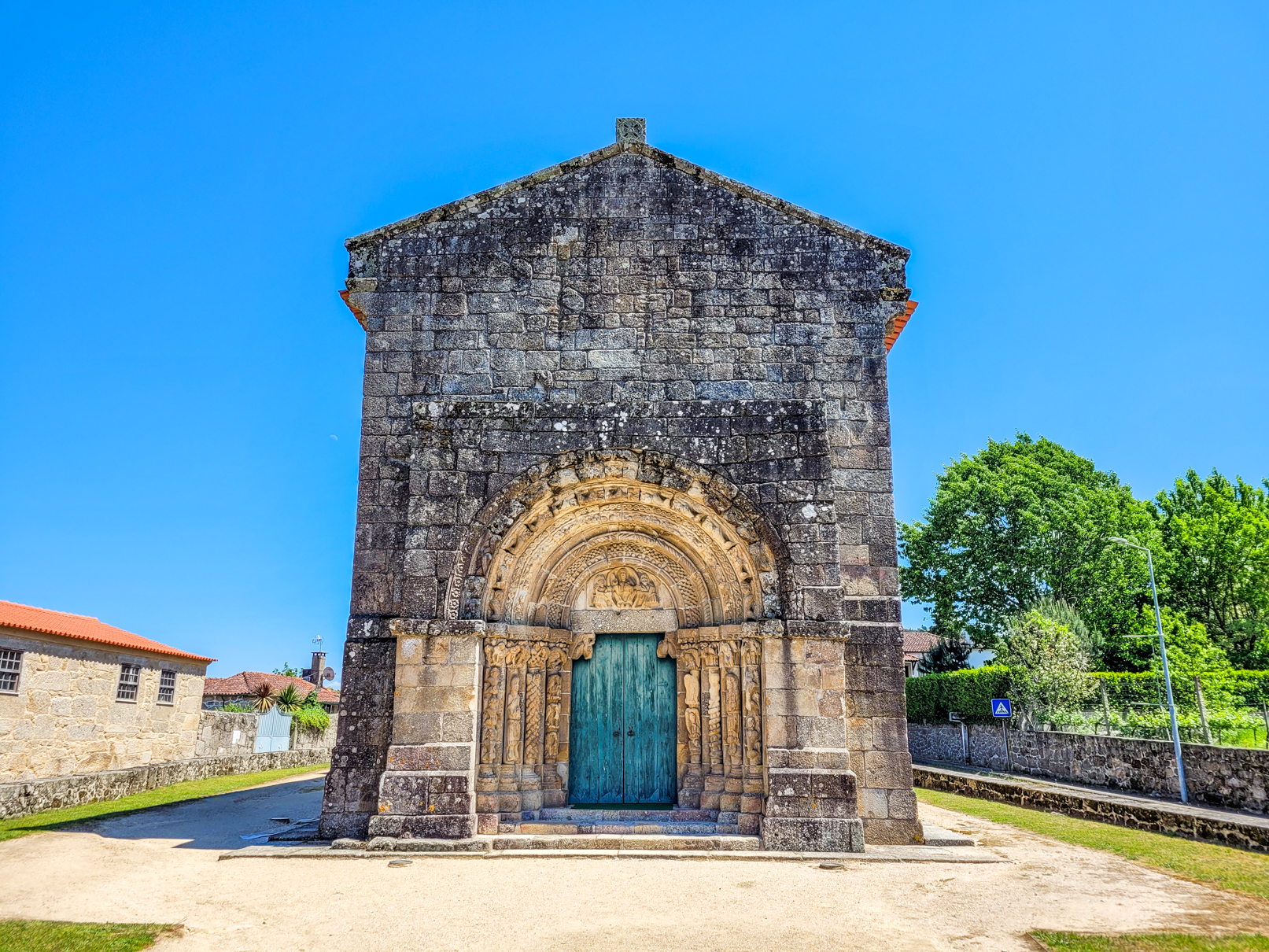
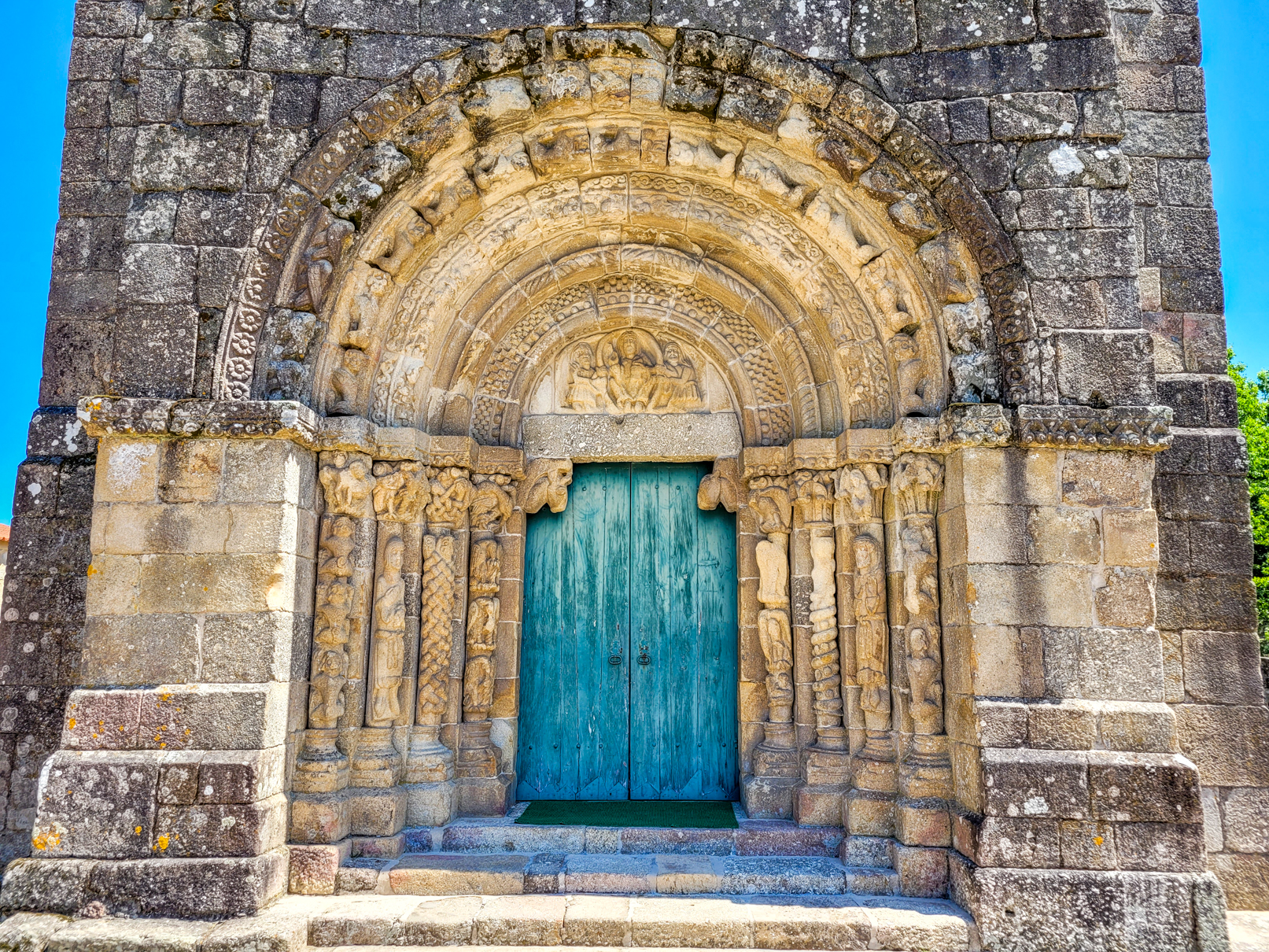
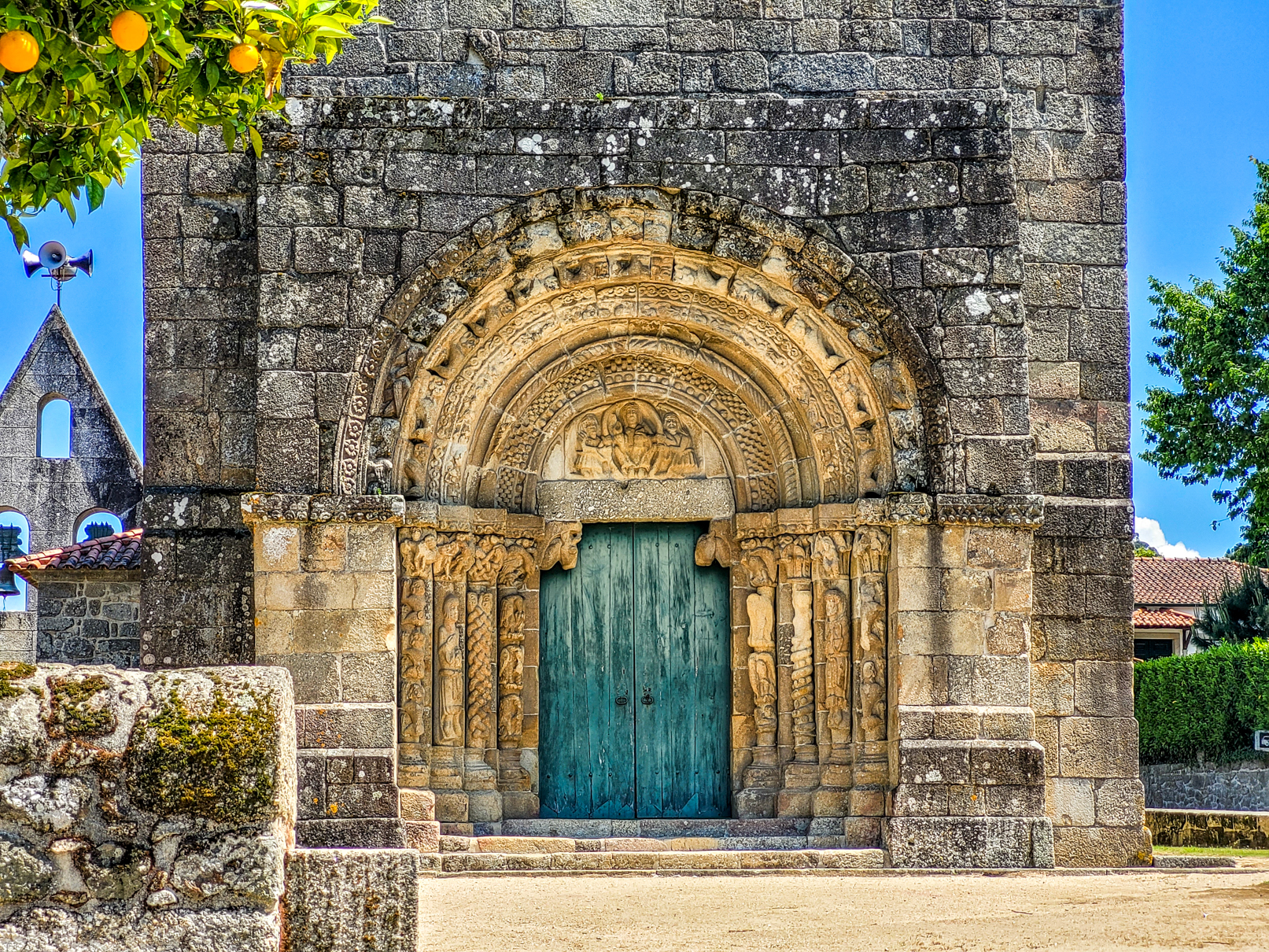
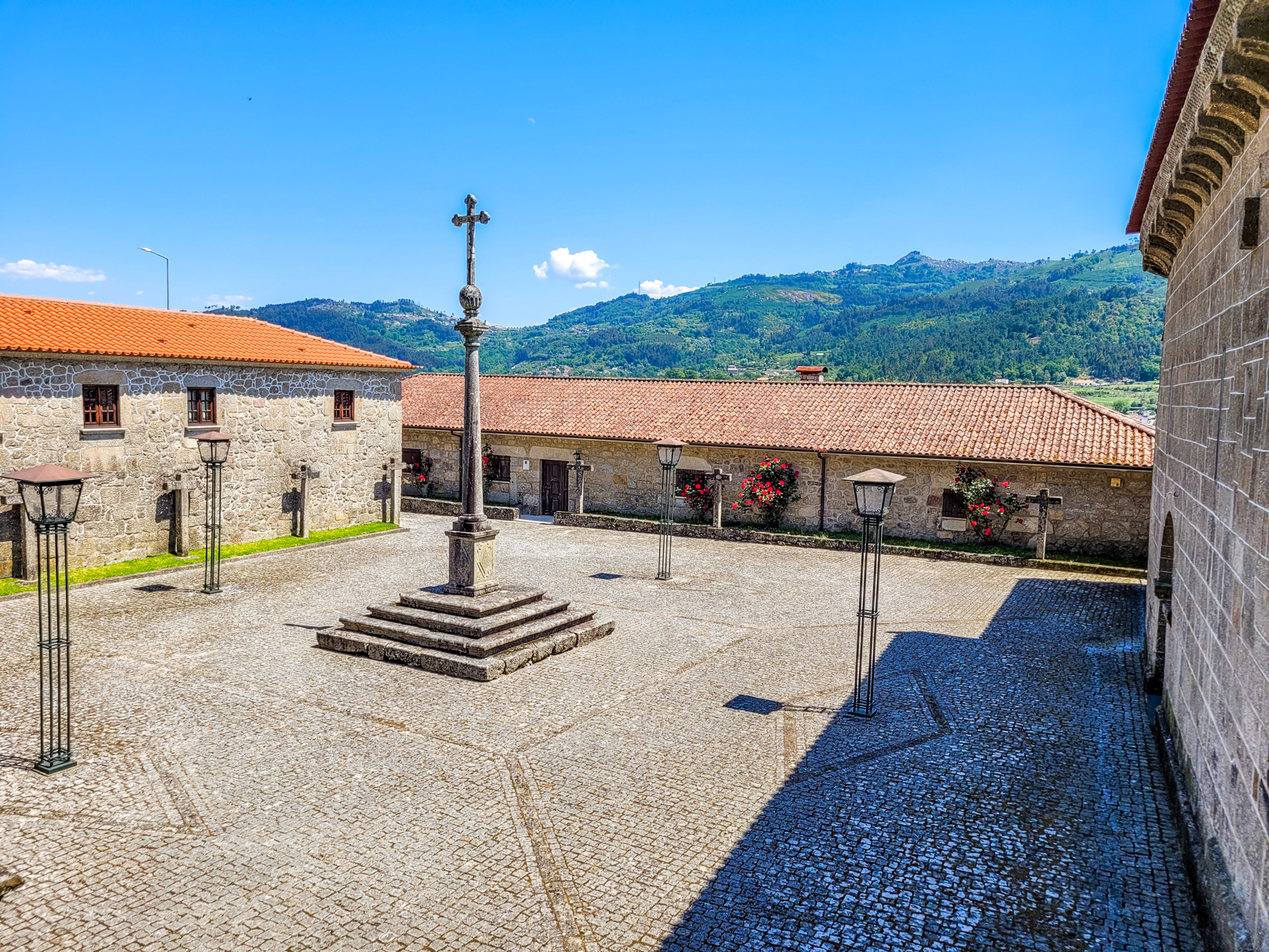
- Visit the Monastery of São Salvador de Bravães, a remarkable example of Romanesque heritage in Ponte da Barca, with an absolutely stunning portico and tympanum. Dating back to the 13th century, it’s one of the must-see monuments in the municipality.
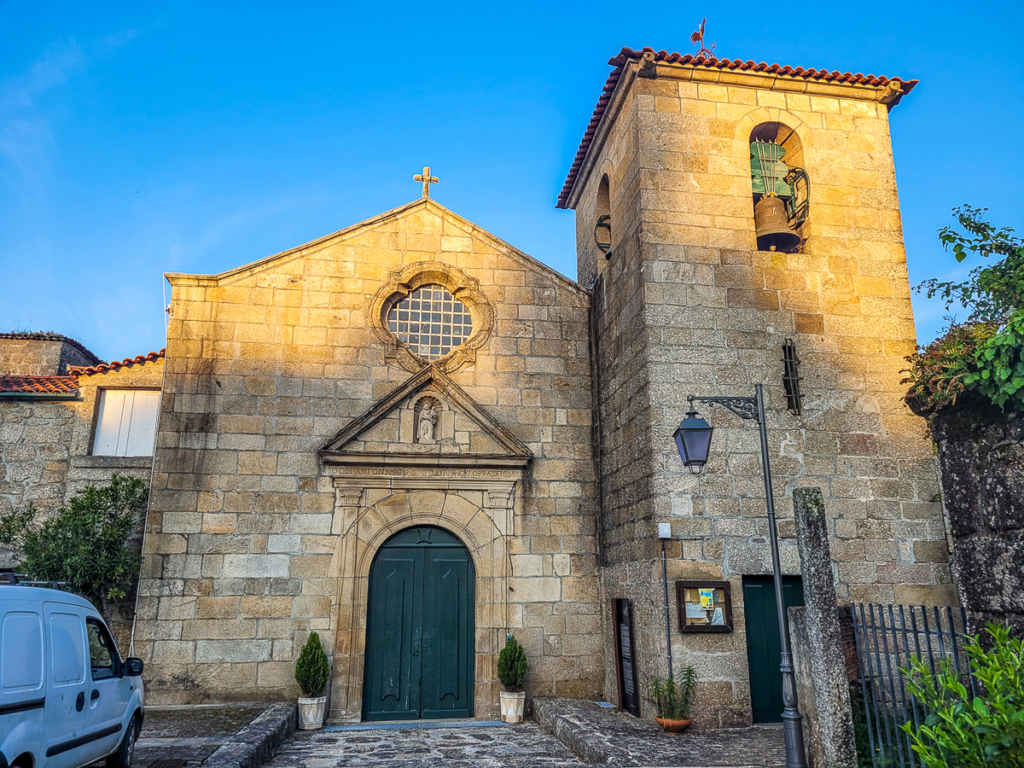
- Discover the Church of the Monastery of São Martinho de Castro, even older, from the 12th century, once belonging to the Augustinian Canons. From the same monastery complex is the Church of Santa Maria de Vila Nova de Muía, also from the 12th century, notable for its square tower.
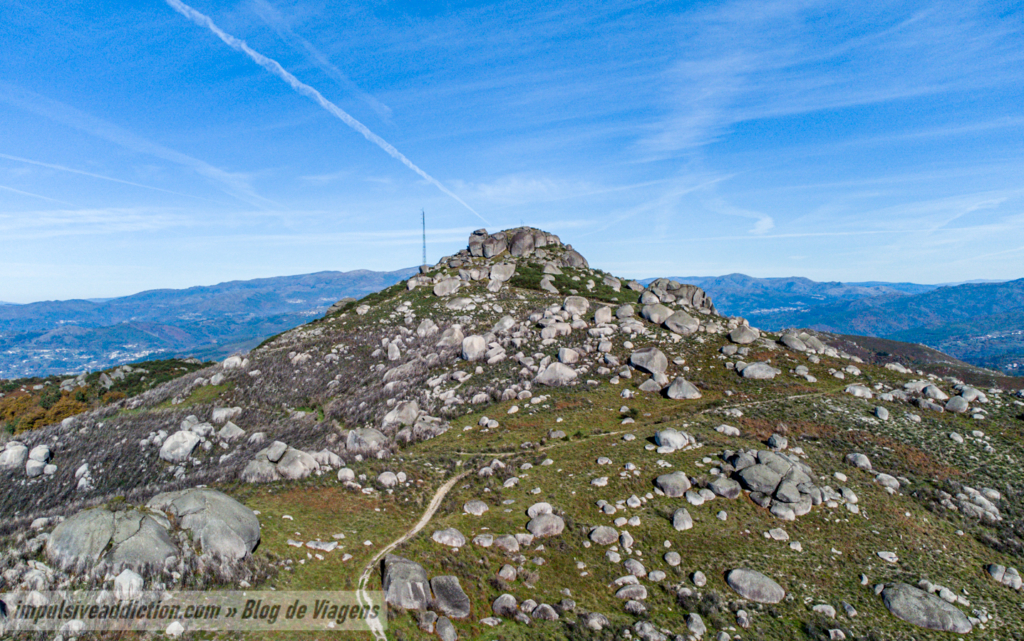
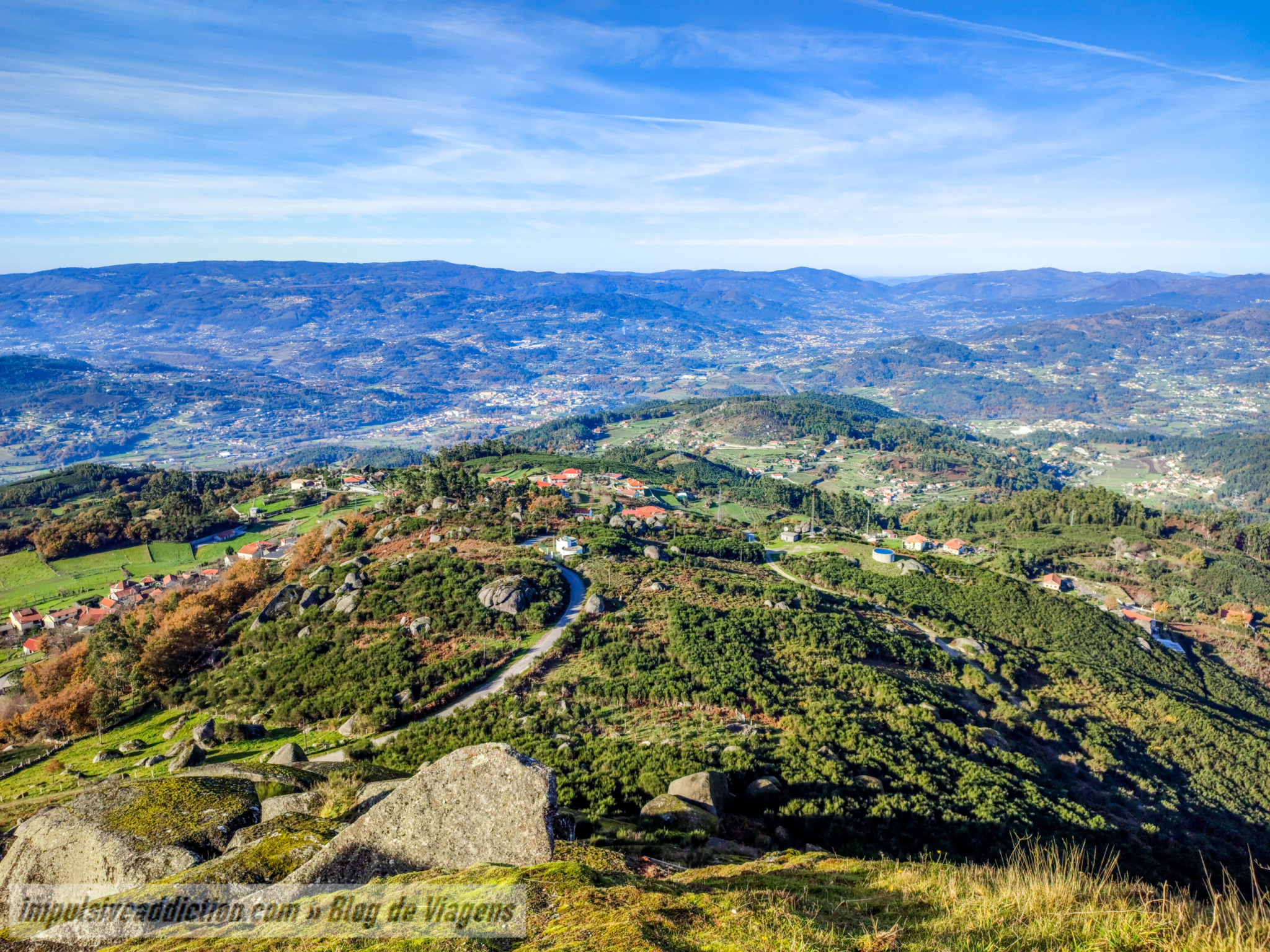
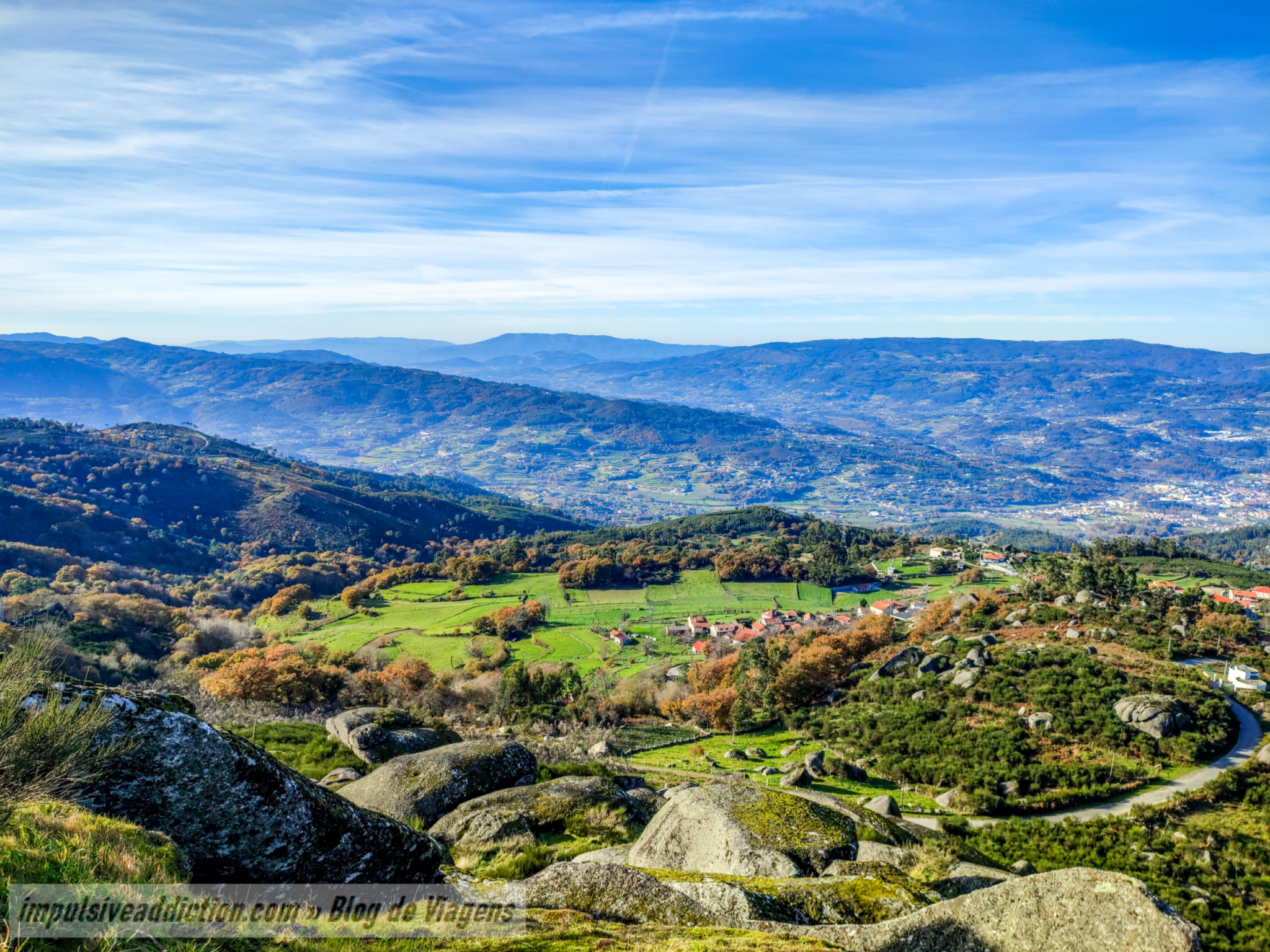
- Climb to the Castle of Nóbrega viewpoint, on the border with Vila Verde, for the best 360º view of the municipality. Here you’ll also find the ruins of the 12th-century Castle of Nóbrega. Access is via Ventoselo, and you can drive almost to the top, with just a short hike required for the final stretch.
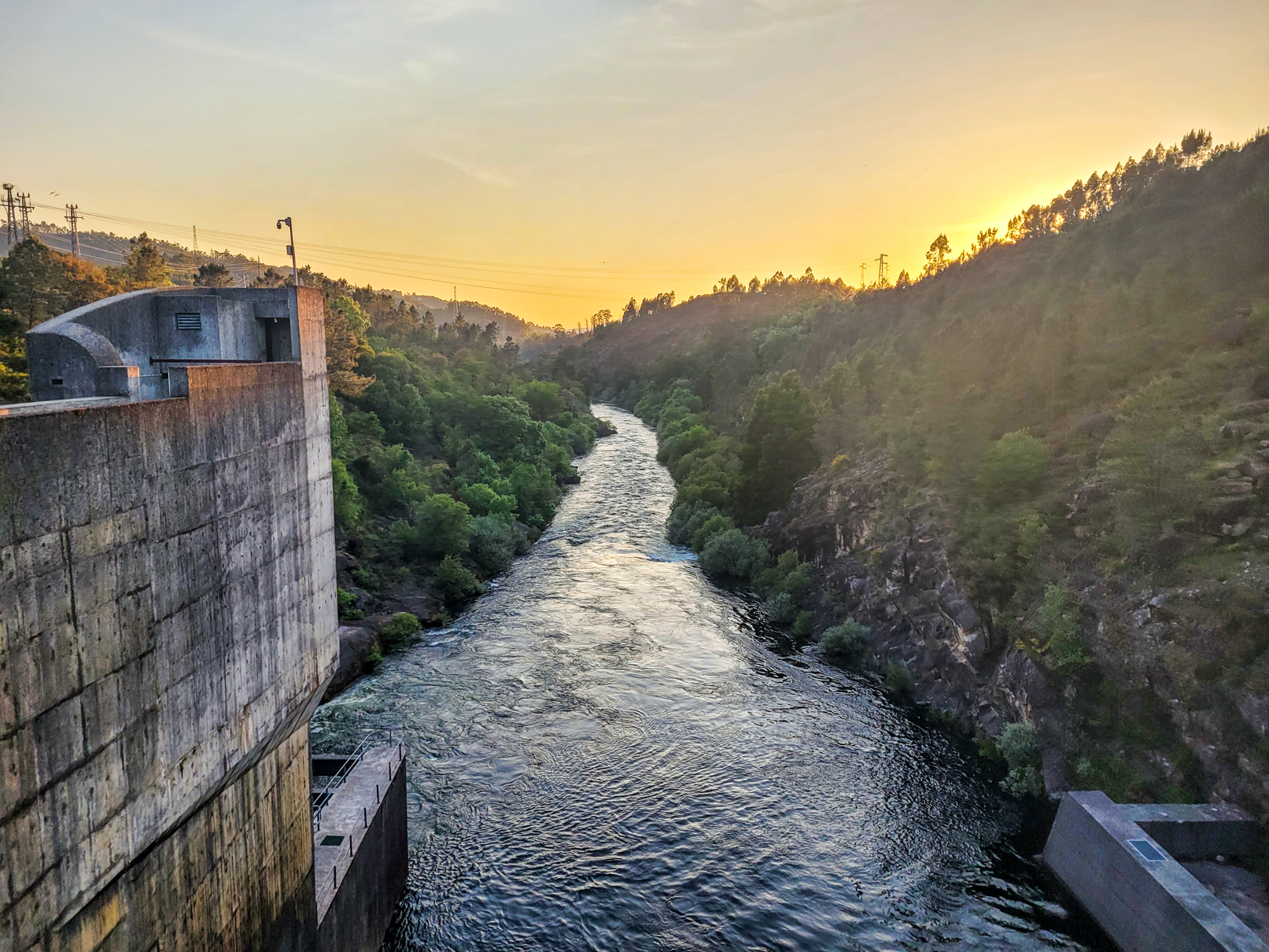
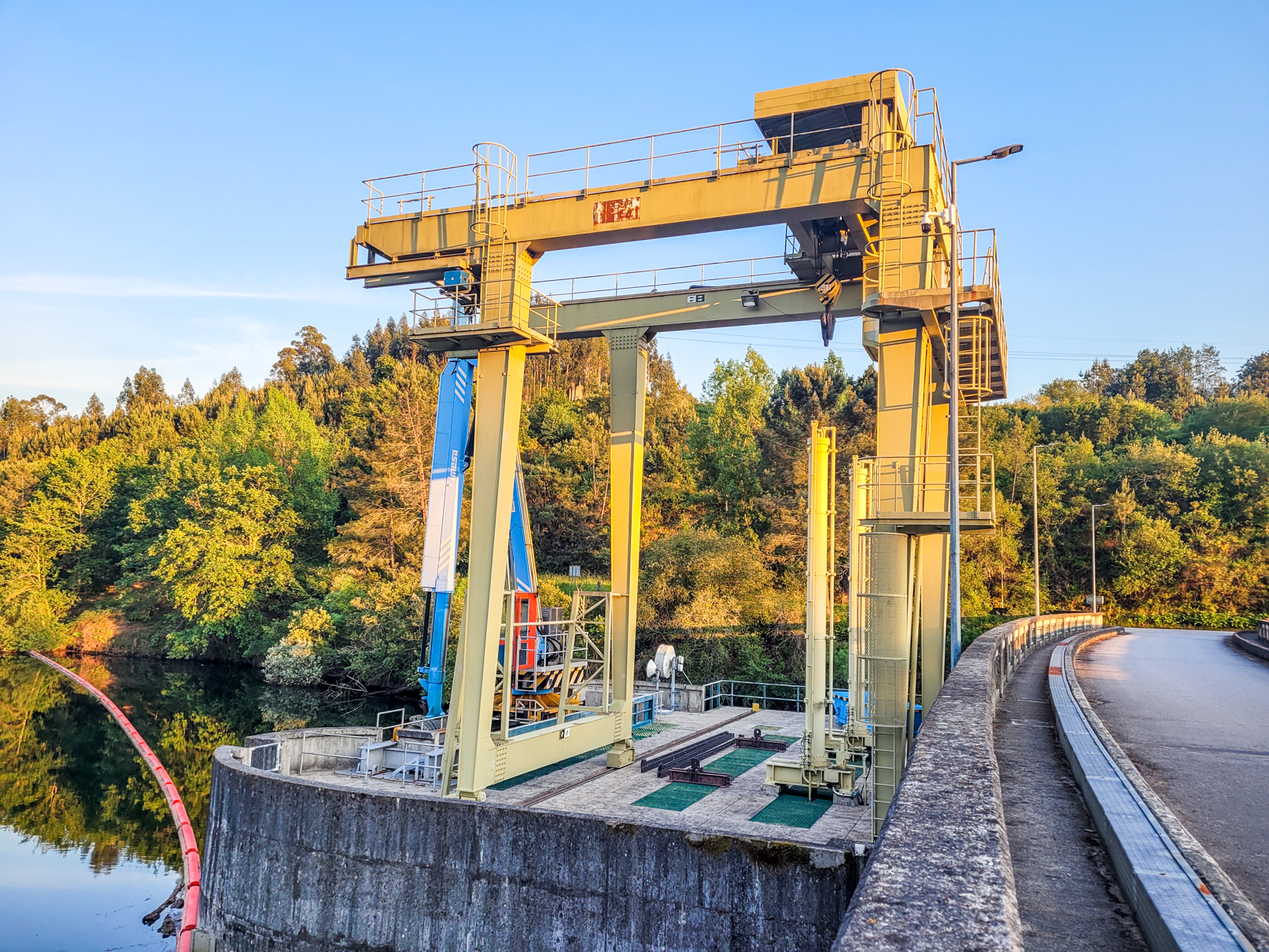
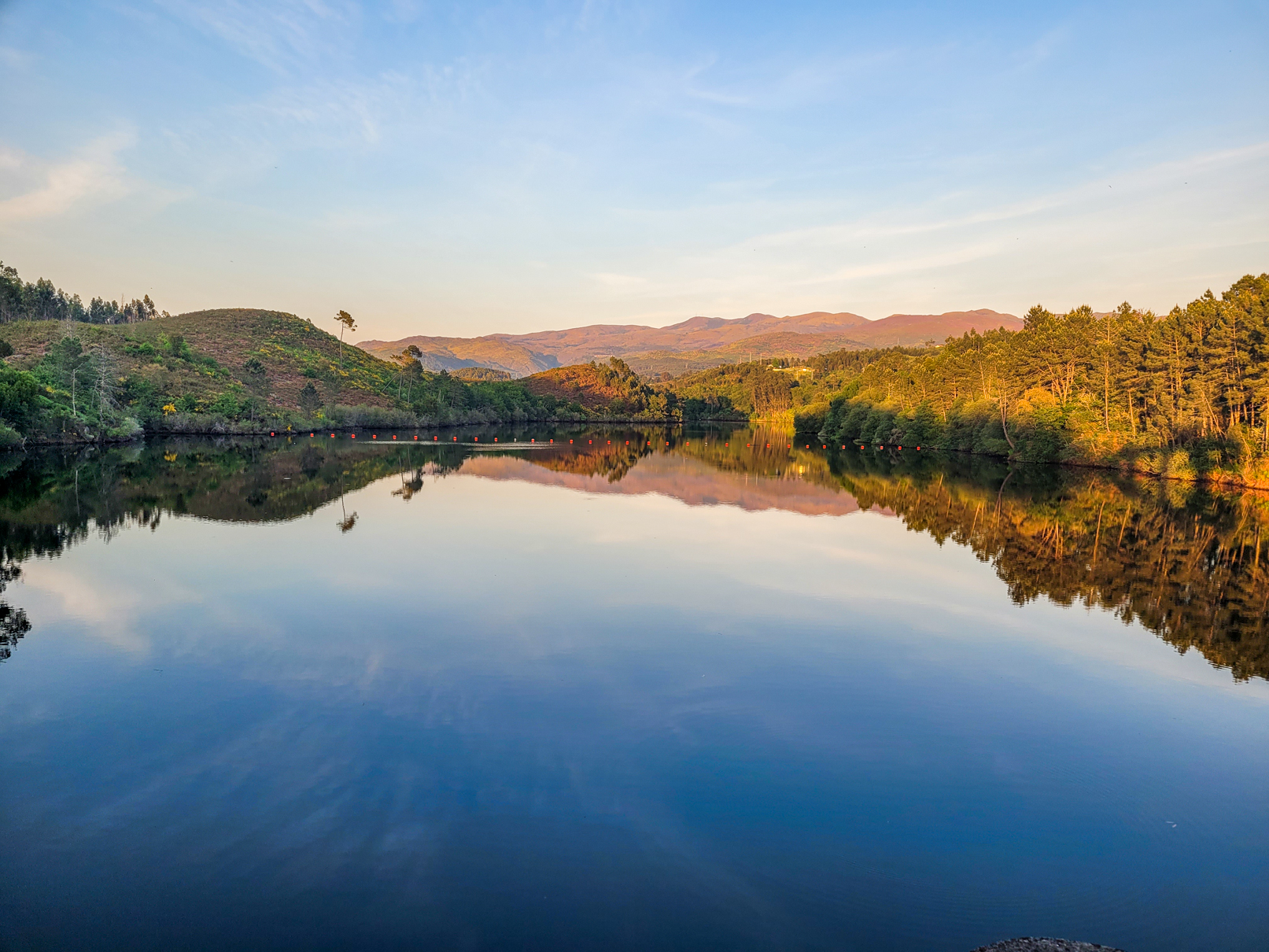
- Stop by the Touvedo Dam, which created the reservoir of the same name and offers riverside areas to enjoy near Entre Ambos-os-Rios.
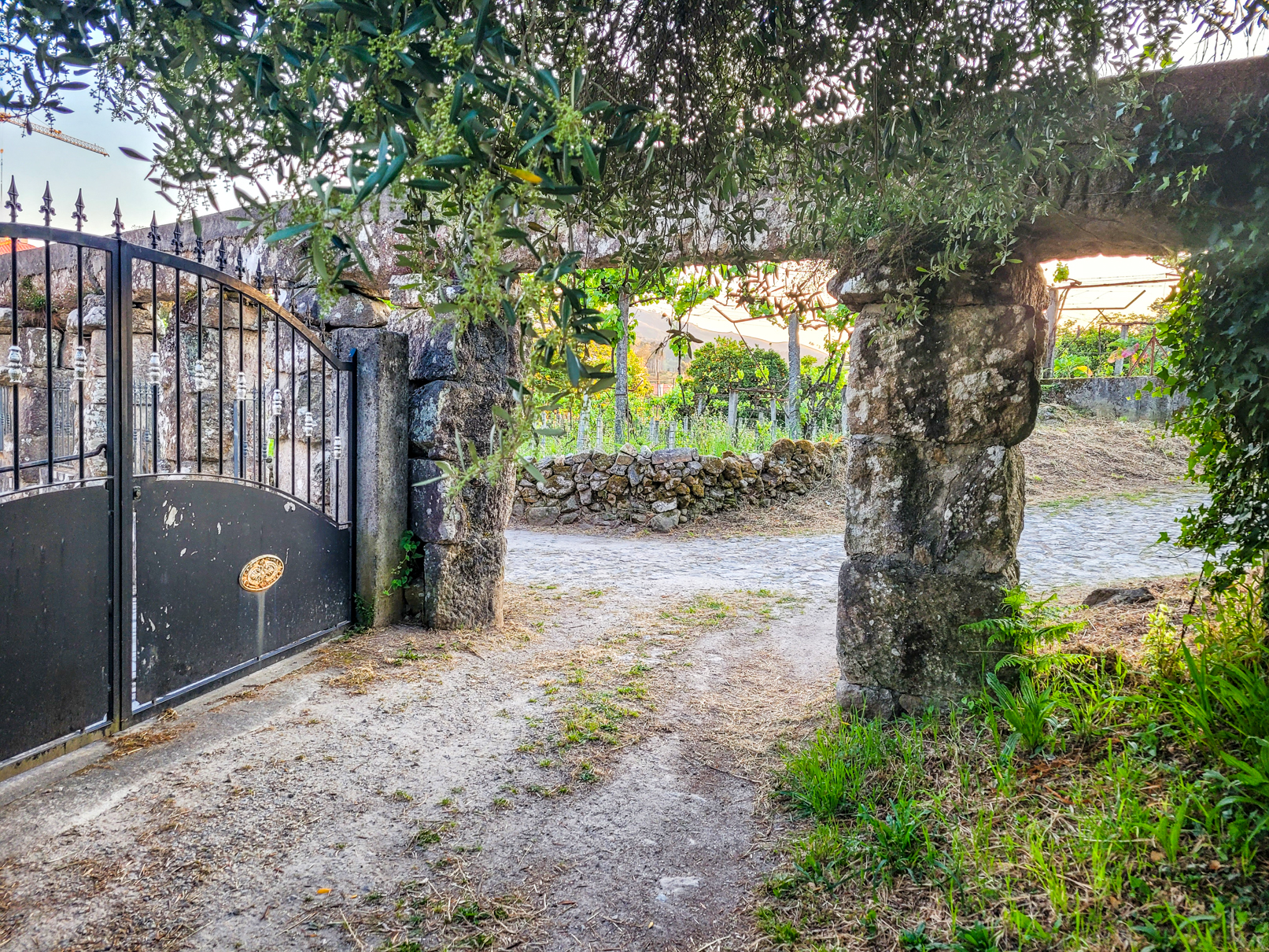
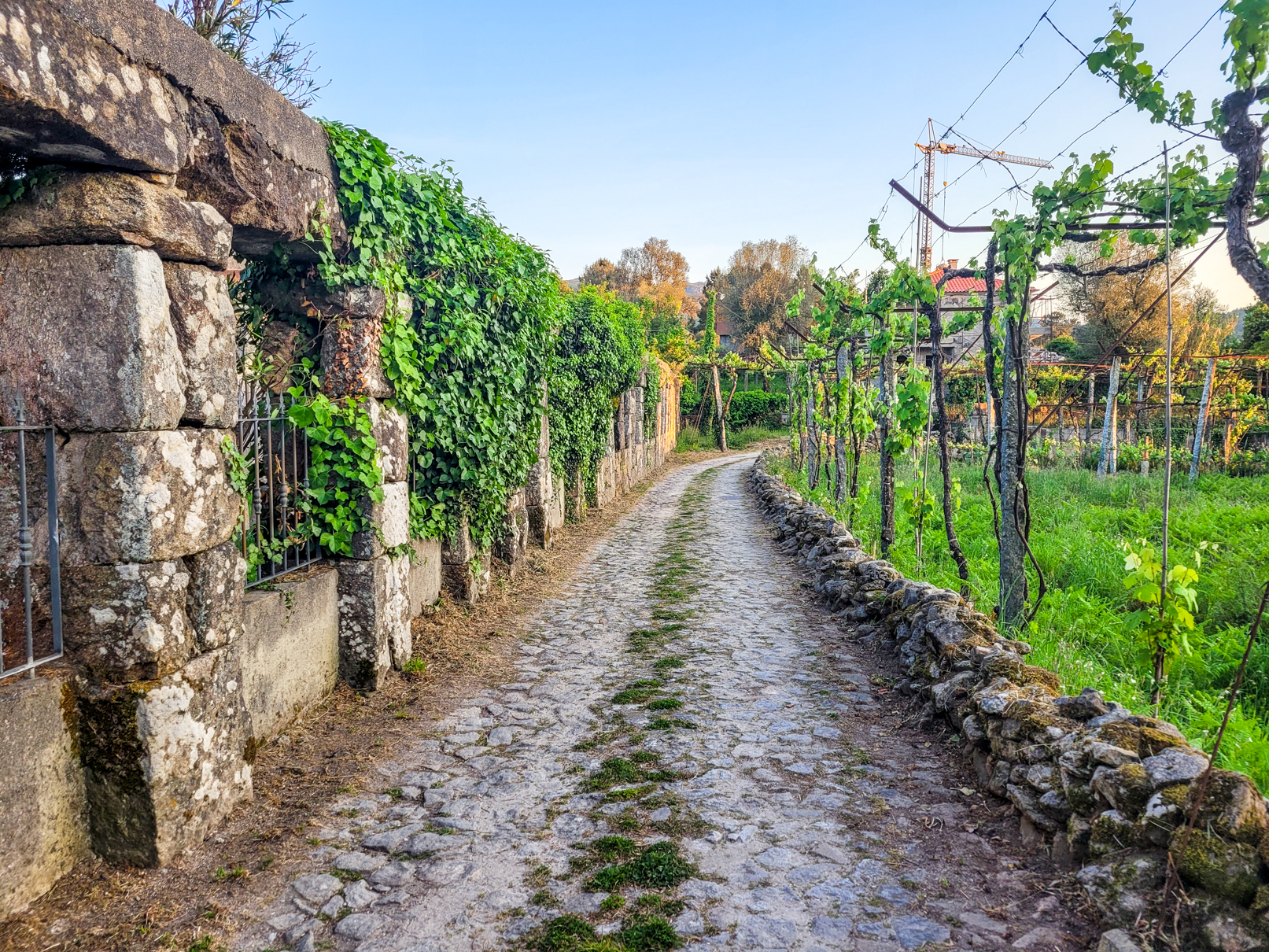
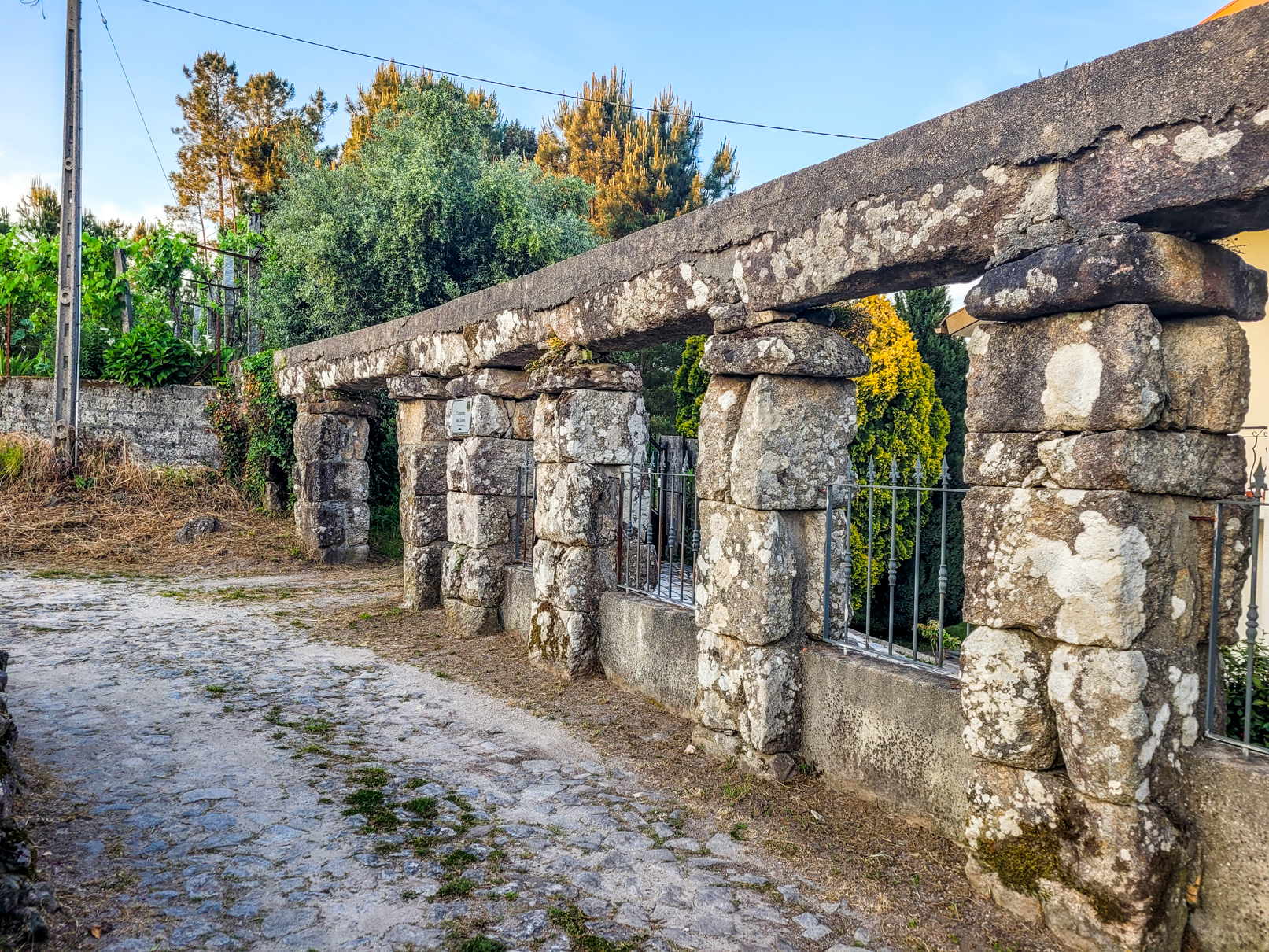
- Optionally, visit the Aqueduct of Vila Chã and follow the trail to the Paradela Swing.
1. Ecovia dos Açudes of Ponte da Barca / Fonte Santa Park
2. Monastery of São Salvador de Bravães
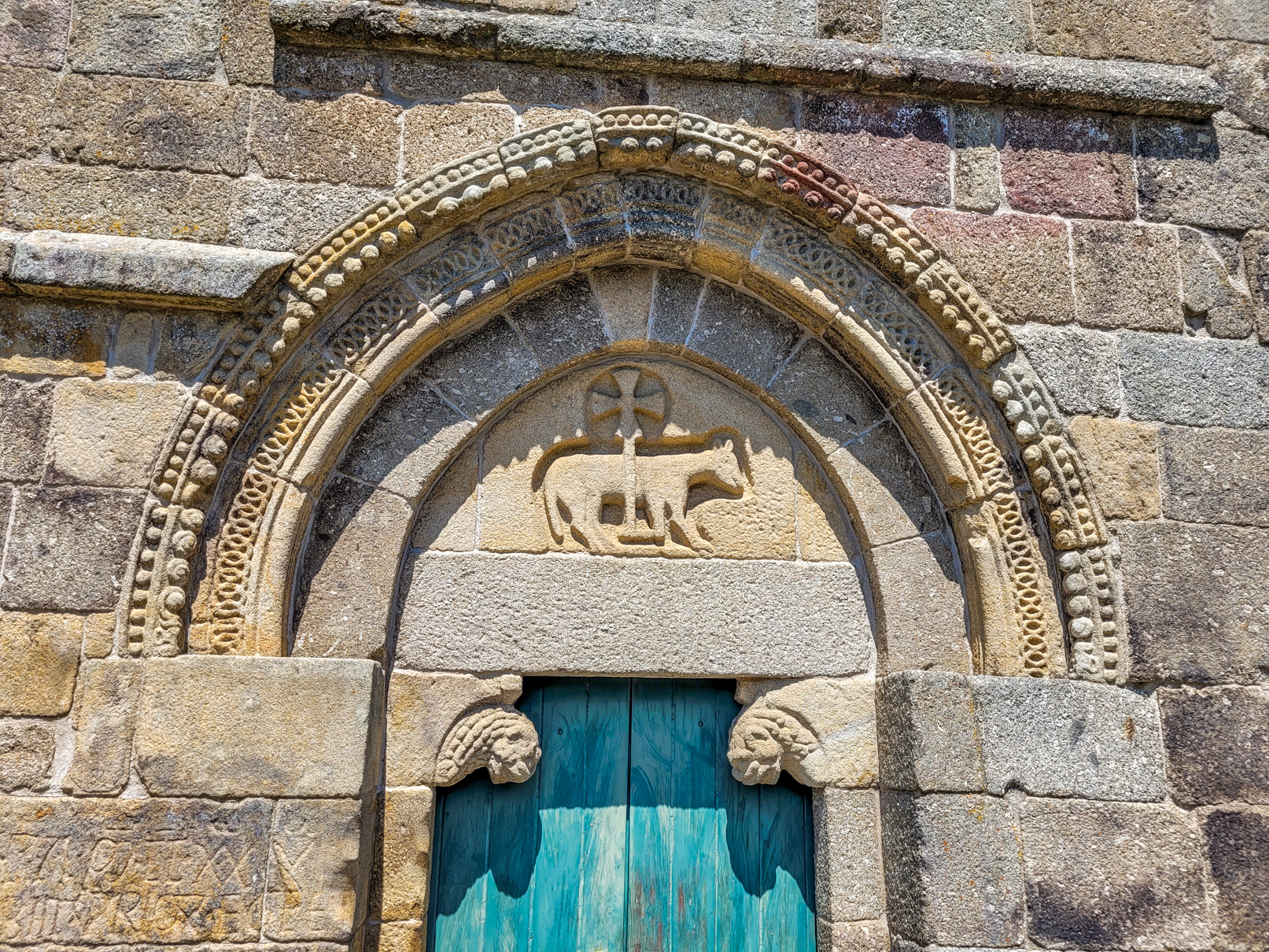
3. Monastery of São Martinho de Castro
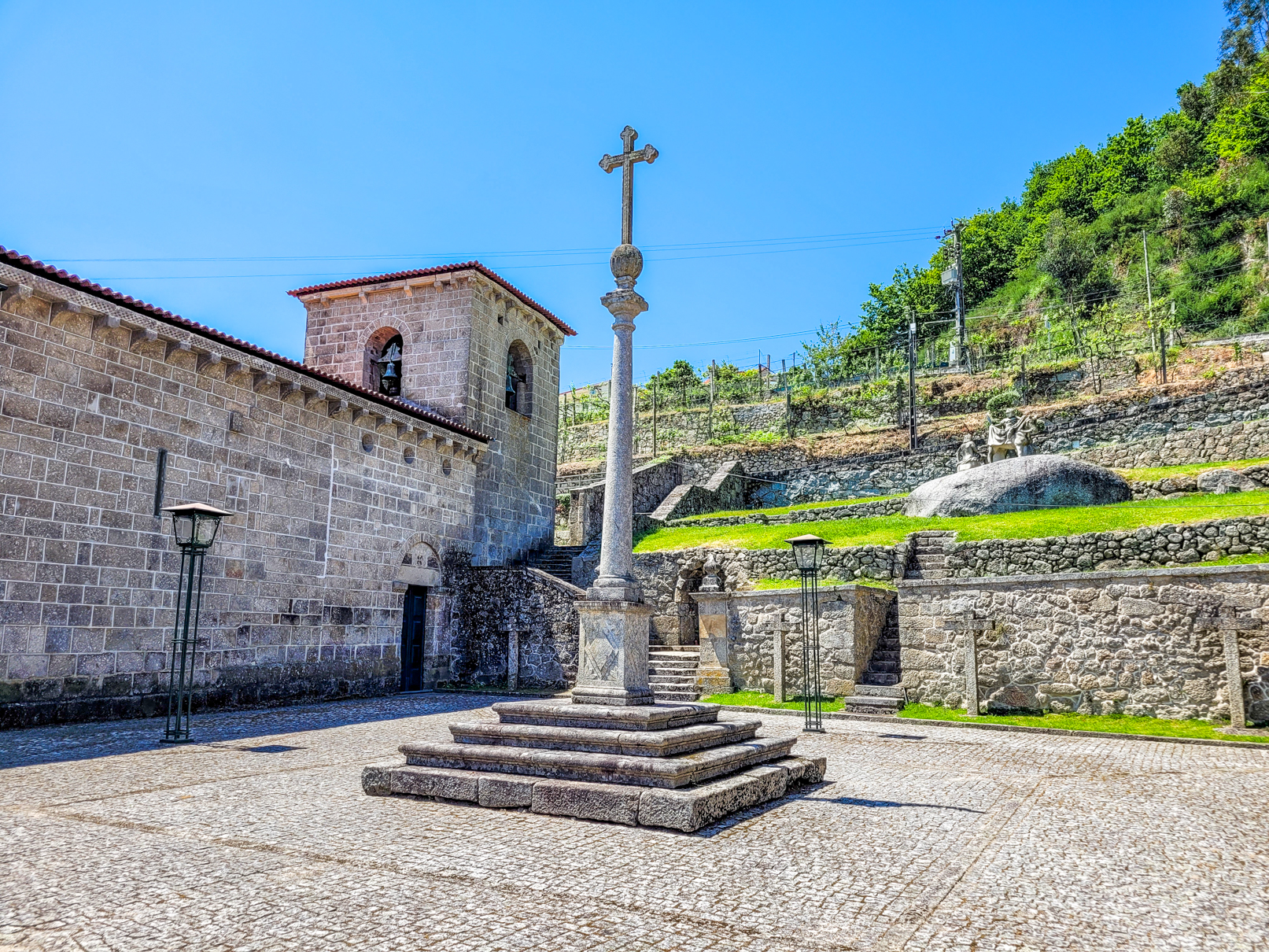
4. Church of Santa Maria de Vila Nova de Muía
5. Castle of Nóbrega Viewpoint
6. Touvedo Dam
7. Vila Chã Aqueduct and Paradela Swing
What to Visit Around Ponte da Barca?
From Ponte da Barca, you can easily cross the Lima River to visit Arcos de Valdevez. You might also explore other highlights of the Peneda-Gerês National Park, such as those in Terras de Bouro, or head into Galicia to discover the Baixa Limia Natural Park.
Another option is to visit the municipality of Vila Verde, which you can see from the Castle of Nóbrega, or simply follow the Lima River downstream to Ponte de Lima. These are just a few suggestions—there are plenty of other possibilities, so check the links below to learn more. 😉
Safe travels! 😉
MORE ARTICLES FROM THE MINHO REGION OF PORTUGAL:

- Minho | Northern Portugal Itinerary
- Peneda Gerês National Park Itinerary
- Best Hikes and Trails in Peneda Gerês National Park
- Best Peneda Gerês National Park Waterfalls and Lagoons
- Serra d'Arga Itinerary

DISTRICT OF VIANA DO CASTELO:
- Things to do in Viana do Castelo
- Things to do in Ponte de Lima
- Things to do in Monção
- Things to do in Valença
- Things to do in Caminha
- Things to do in Sistelo
- Things to do in Soajo and Lindoso
- Things to do in Vila Nova de Cerveira
- Things to do in Ponte da Barca
- Things to do in Paredes de Coura
- Things to do in Arcos de Valdevez
- Things to do in Melgaço

DISTRICT OF BRAGA:
- Things to do in Guimarães
- Things to do in Barcelos
- Things to do in Esposende
- Things to do in Braga
- Things to do in Vizela
- Things to do in Vila Verde
- Things to do in Vila Nova de Famalicão
- Things to do in Vieira do Minho
- Things to do in Terras de Bouro
- Things to do in Póvoa de Lanhoso
- Things to do in Fafe
- Things to do in Amares
